Caramel Apple Kugel

When I set out last week to make a somewhat traditional Rosh Hashanah meal to enjoy with my semi-observant husband, I felt a bit of a knot in my belly. What if I get it wrong and ruin Rosh Hashanah? Dramatic, I know, but this is me. I have no Jewish heritage myself— at least not that I’m aware of— and I always worry that my effort might be disrespectful to someone else’s tradition. Les says this is silly, and has at times even suggested that in all my diligence, I might even be more Jewish than he is.

Still, I gave much thought to our meal for Rosh Hashanah (the Jewish New Year) and I settled on roasted chicken with a bevy of root vegetables, including carrots, red potatoes and parsnips with a simple pan dripping gravy. Delicious! And for dessert, kugel, made with noodles, sugar, eggs and various forms of dairy. I want to emphasize that in a kosher household, this dessert would not be served with chicken because Jewish dietary law prohibits meat and dairy together on the table. This rule is born from the commandments in Exodus and Deuteronomy that you should not cook a young goat in its mother’s milk— which over time expanded to “no kind of meat with any kind of dairy, even if said meat doesn’t make milk.” Don’t blame me, I don’t make these rules.

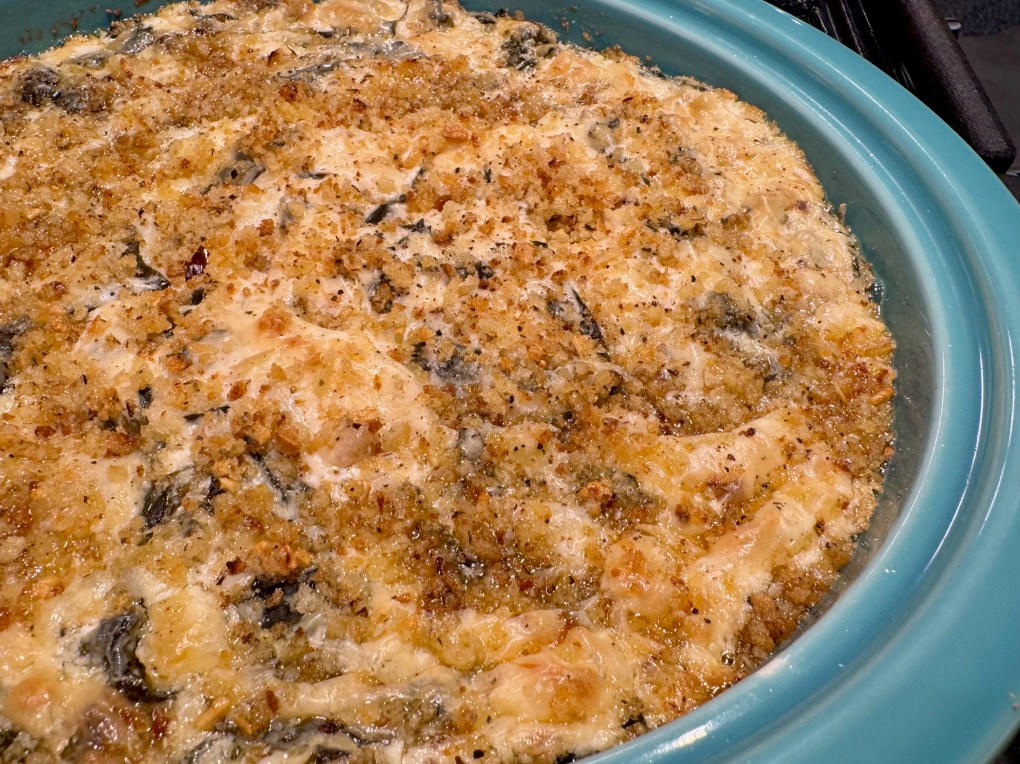
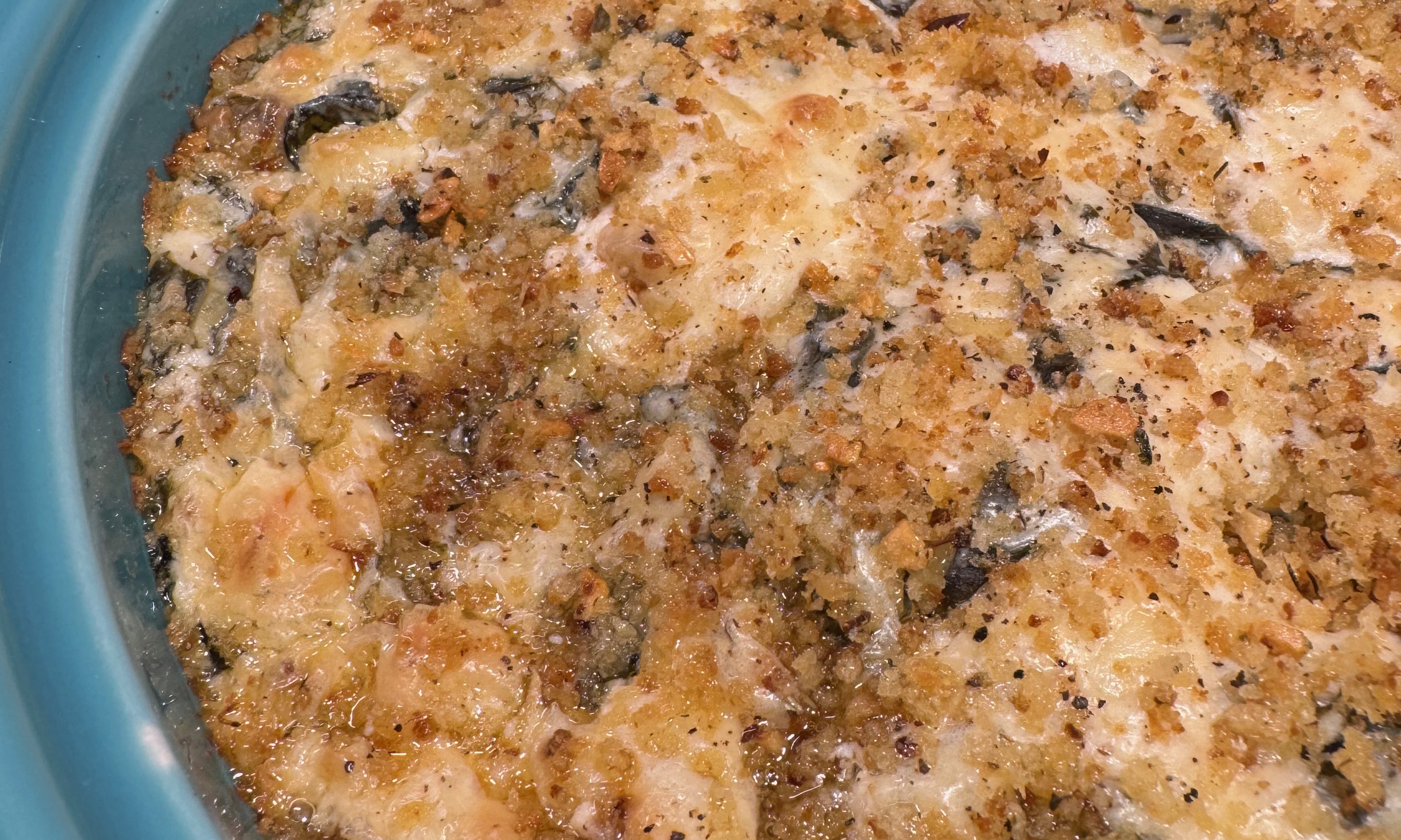
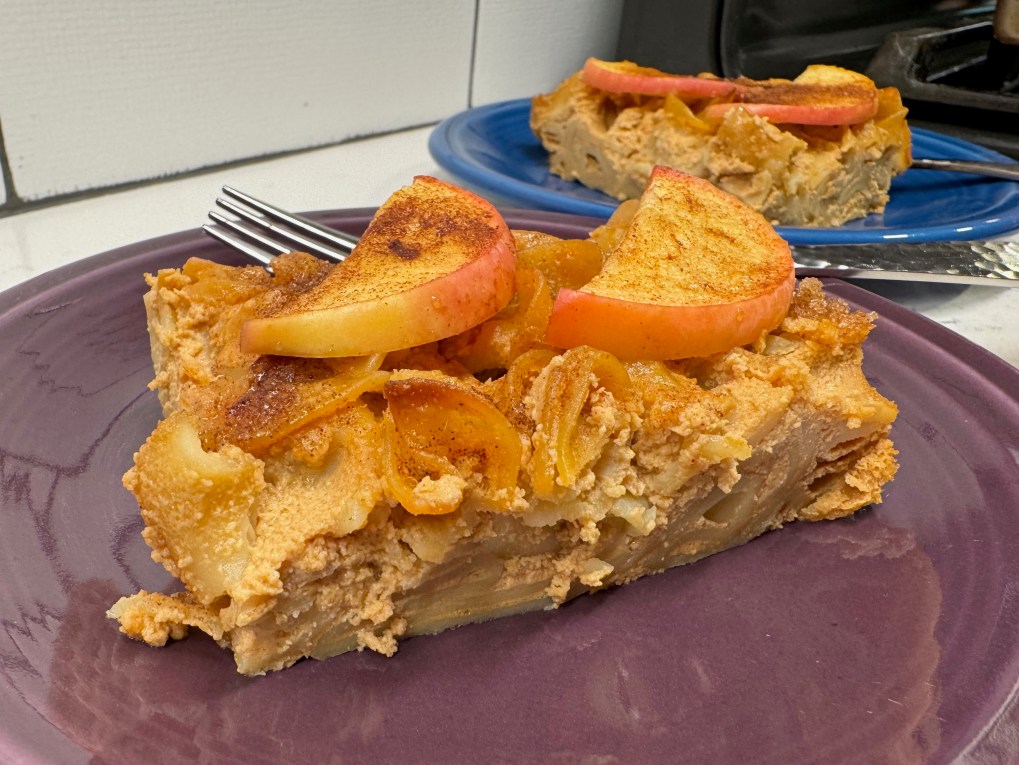
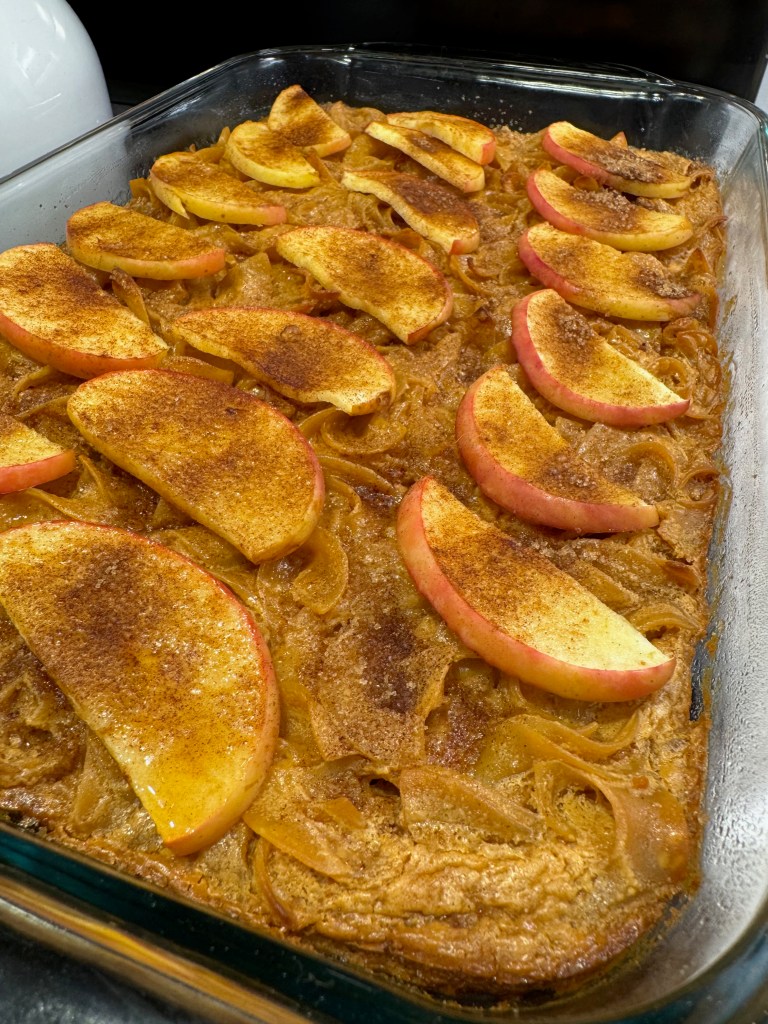
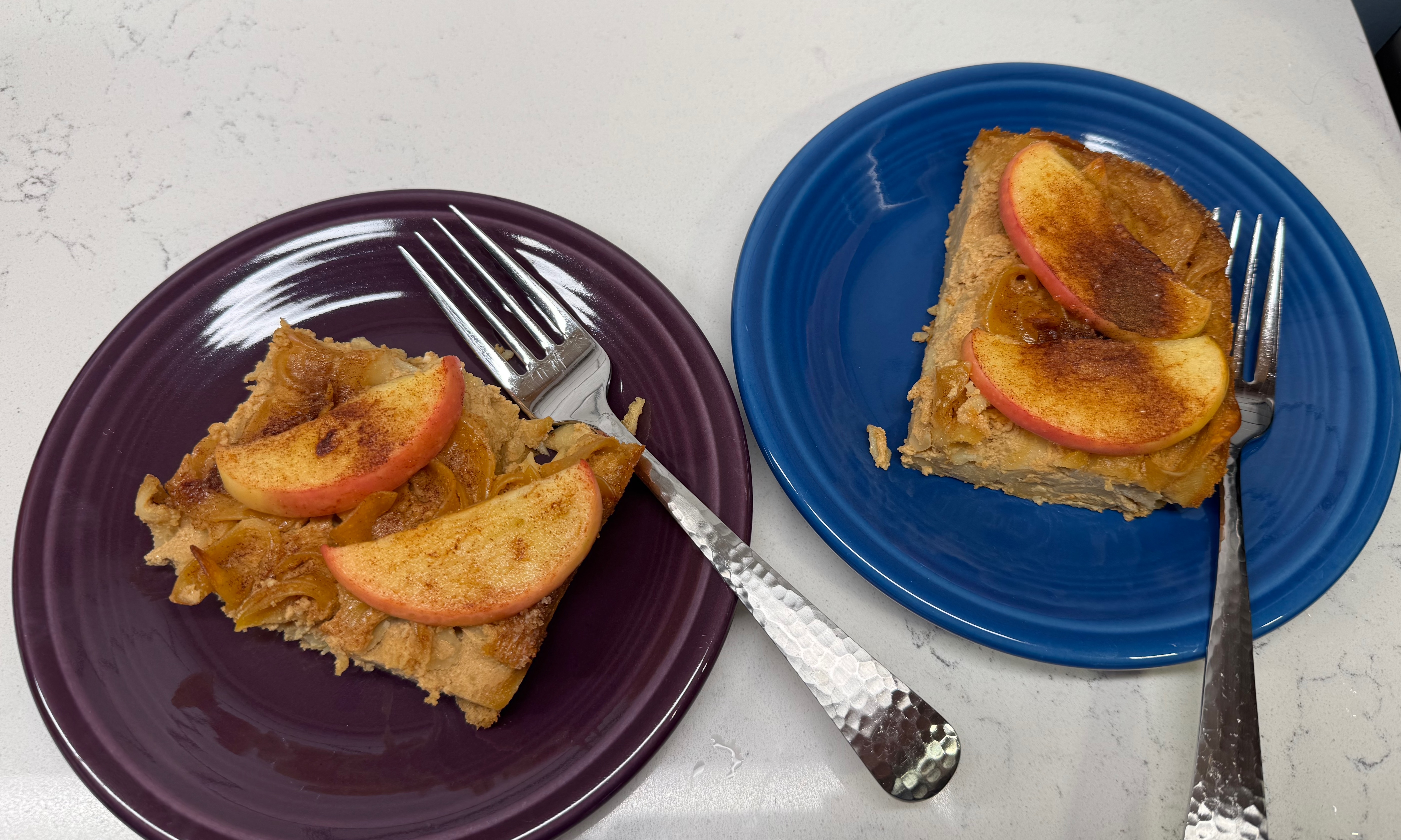
Our meal was delicious and fully representative of autumn, especially with this kugel, with all the flavors of a sweet caramel apple from the county fair.

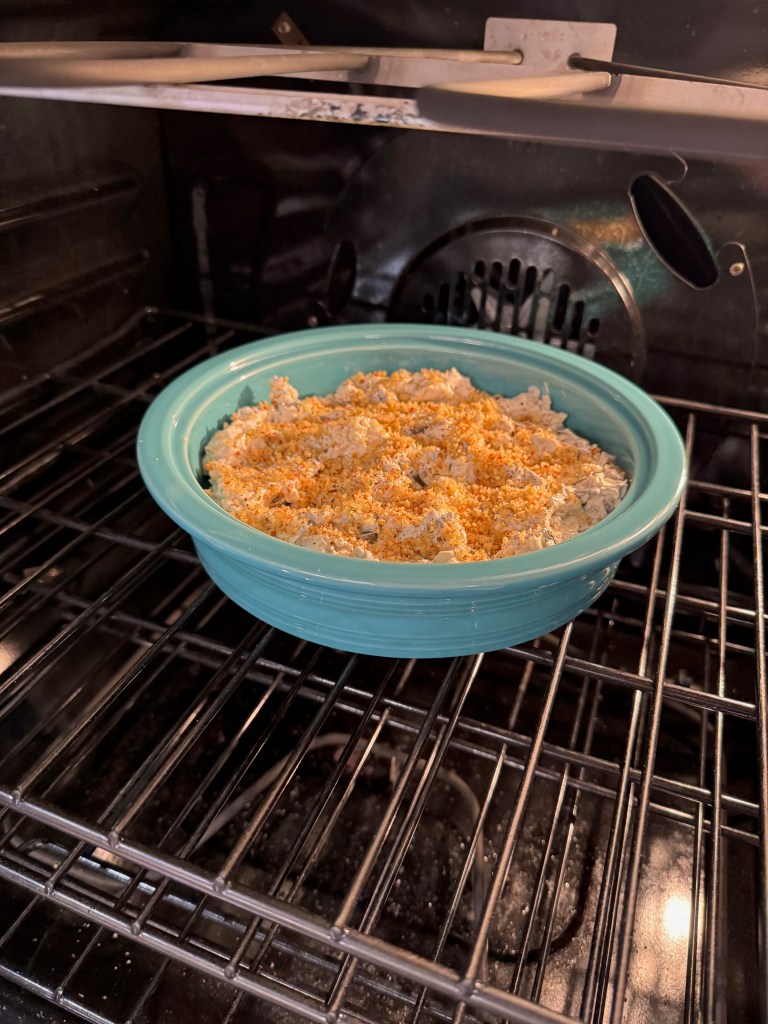
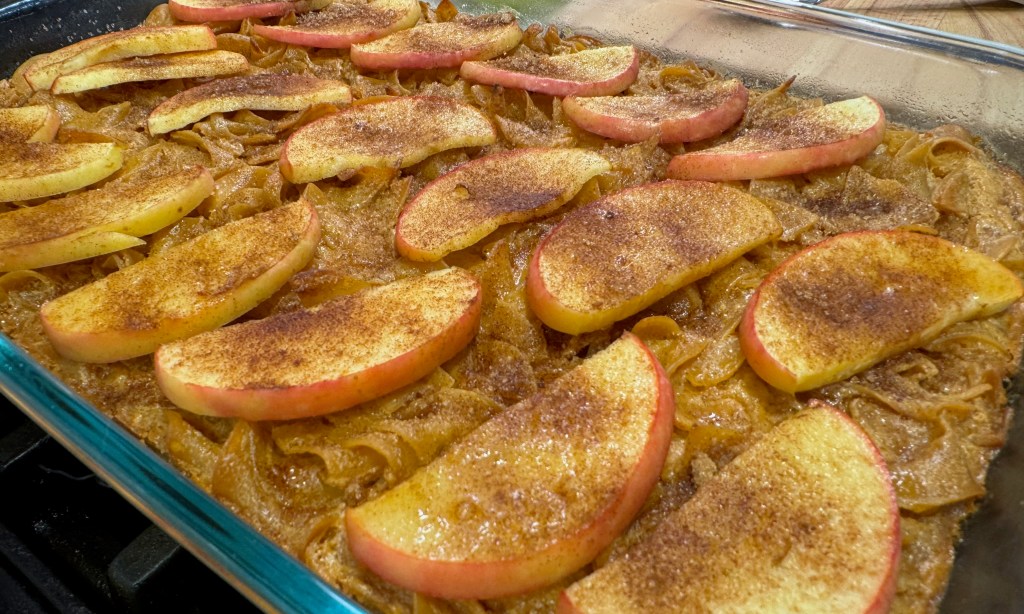
This smelled sooo good from the oven!

Apples are traditional at Rosh Hashanah, usually paired with honey and symbolic for sweet wishes in the new year. I had been thinking about apples and caramel together in a dessert after spotting a caramel apple display at the supermarket. Kugel is a dish perfected by the Ashkenazi (ASH-kuh-NAH-zee) Jews of Eastern Europe, and it is a blank canvas of sorts for any combination of sweet ingredients. It may seem strange the first time you make one; I mean, noodles in a dessert? But trust me, it’s delicious!

Here’s how my dish came together. Enjoy!

The caramel

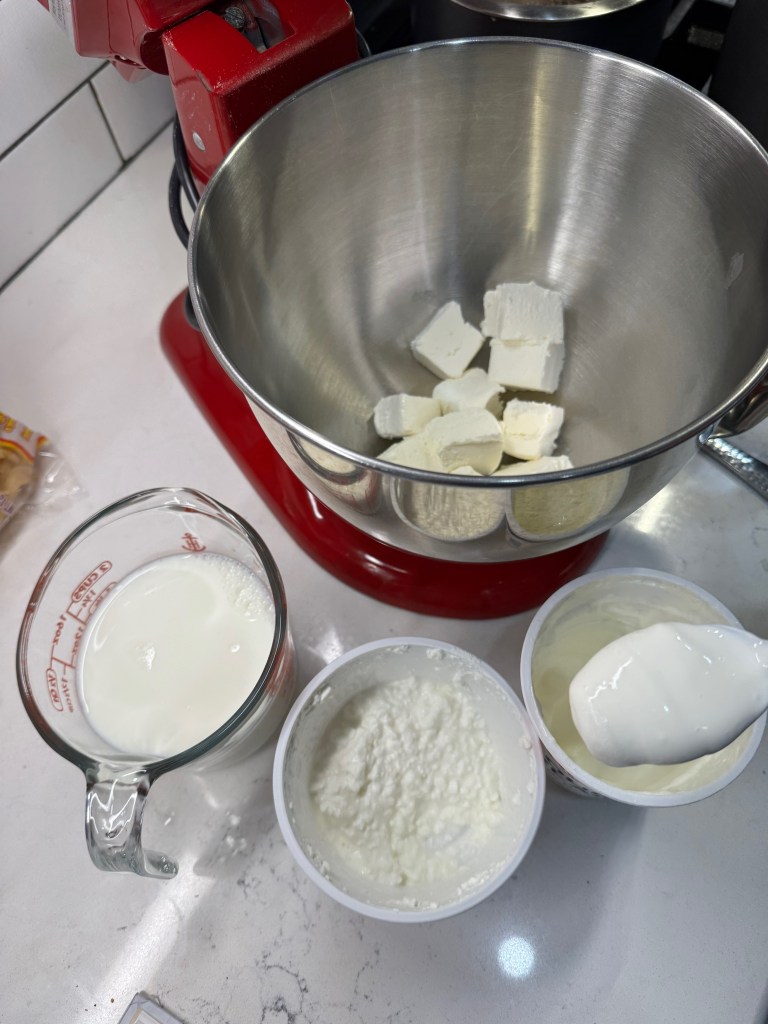
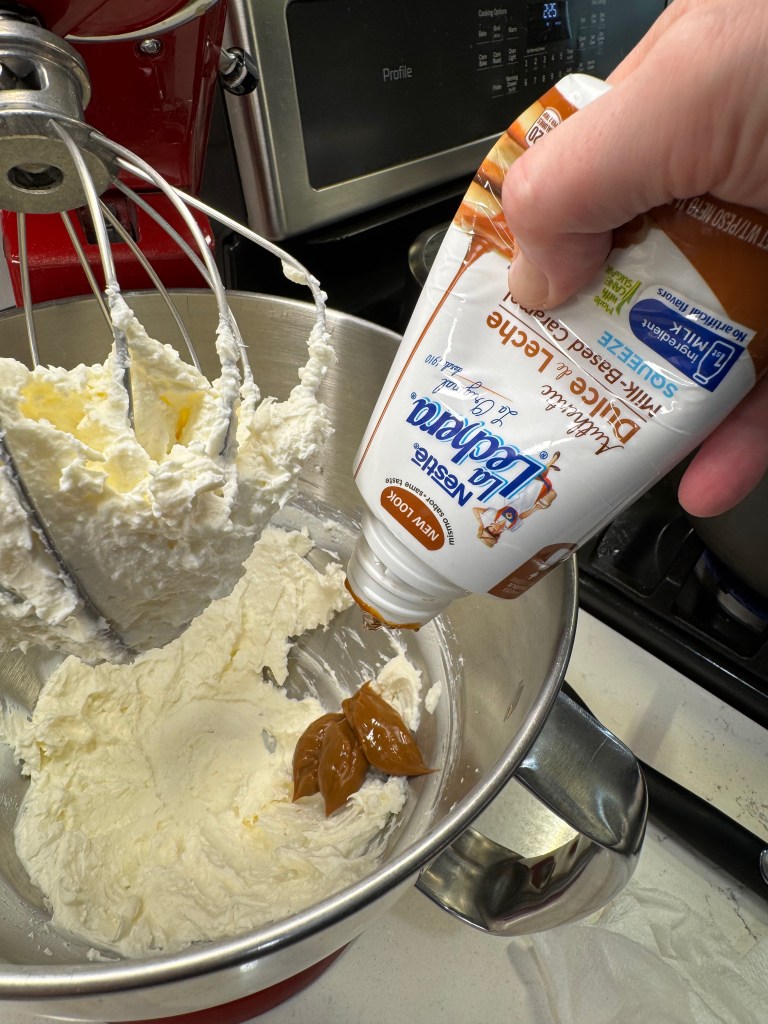
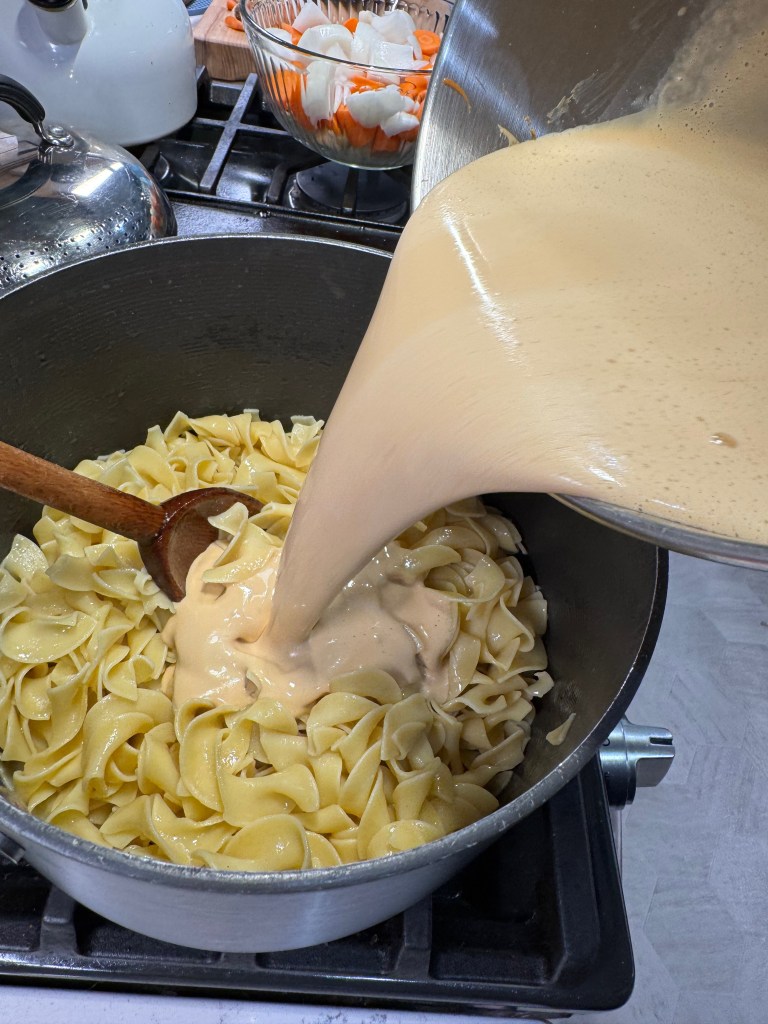
Now, I may not be Jewish, but I come from a long line of improvisers, and my instinct told me that dulce de leche, a thick, rich caramel sauce, would be a reasonable stand-in for most of the sugar in the basic kugel recipe I had found, and for some portion of the milk as well. I blended the thick dulce de leche with cream cheese, cottage cheese, milk, eggs, sour cream and vanilla, and folded in the buttered egg noodles, hoping that some measure of Ashkenazi wisdom would emanate from the wooden spoon that we had rescued from Les’s mother’s condo after she passed. Surely the spoon had done this before.


The apples

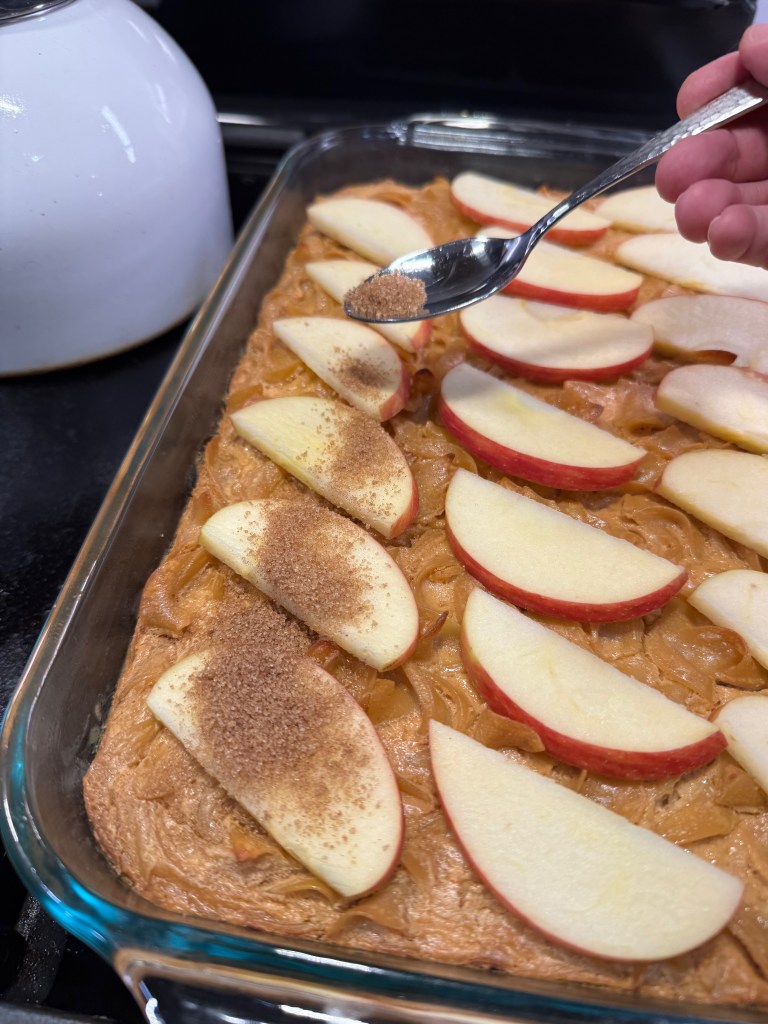
My doubts set in again about the apples because kugel is usually dotted with dried fruits such as raisins, prunes or apricots. Should I cook the apples first? Or dice them up and stir them into the custardy noodles, or would the moisture cause the whole thing to become a big mess? In the end, I decided to par-bake the noodle custard, top it with thin slices of apple and a sprinkling of brown sugar and cinnamon and then bake it again. It turned out to be just the right amount of apple, and the brown sugar-cinnamon topping emphasized the caramel flavors inside.


This kugel was very well-received by my hubby, who had made his own version of kugel a few years back when we were clearing out the pantry for our kitchen remodel. We enjoyed this caramel apple version at Rosh Hashanah and again straight from the fridge later in the week, and I think we may even have a couple of slices left for our “break the fast” meal when Yom Kippur ends tonight.

Shana Tova!

Caramel Apple Kugel

  • Servings: 12
  • Difficulty: Average
  • Print

Jewish New Year calls for a celebratory dessert, and I chose apples and caramel to bring in some comforting fall flavors.


Ingredients

  • 8 oz. cream cheese, softened to room temperature
  • 1 cup small curd cottage cheese
  • 1/2 cup (or more) dulce de leche
  • 2 Tbsp. brown sugar
  • 1/4 cup sour cream (or plain Greek yogurt)
  • 1 1/2 cups whole milk
  • 3 large eggs
  • 1 tsp. vanilla
  • 12 oz. package extra wide egg noodles
  • 6 Tbsp. butter, room temperature (I used salted)
  • 1 large Honeycrisp apple, cored and cut into thin slices
  • 1 Tbsp. brown sugar, mixed with 1/2 tsp. ground cinnamon

Notes: Dulce de leche is usually found in a can, in the same supermarket section as sweetened condensed milk, or possibly in the Hispanic section. If you cannot find this product, a thick, milk-based caramel ice cream topping would work fine.

Directions

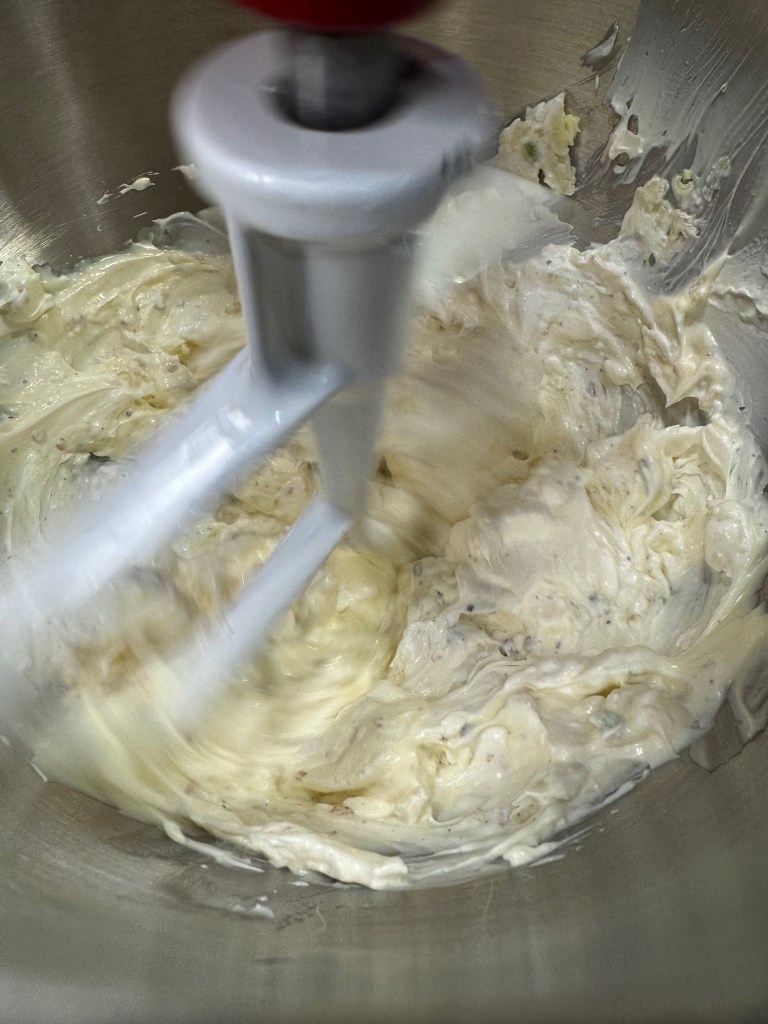
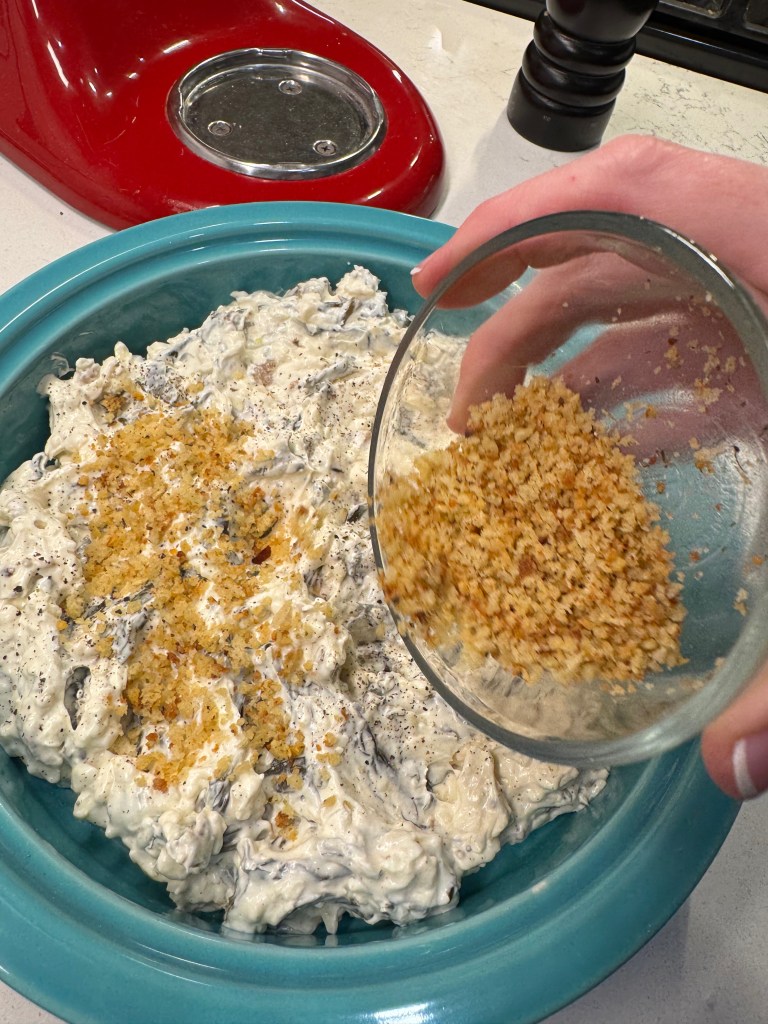
  1. Add cream cheese, cottage cheese and dulce de leche to the bowl of a stand mixer, fitted with the whisk attachment. Blend together on speed 2 or 3 for about two minutes, or until the mixture is evenly combined.
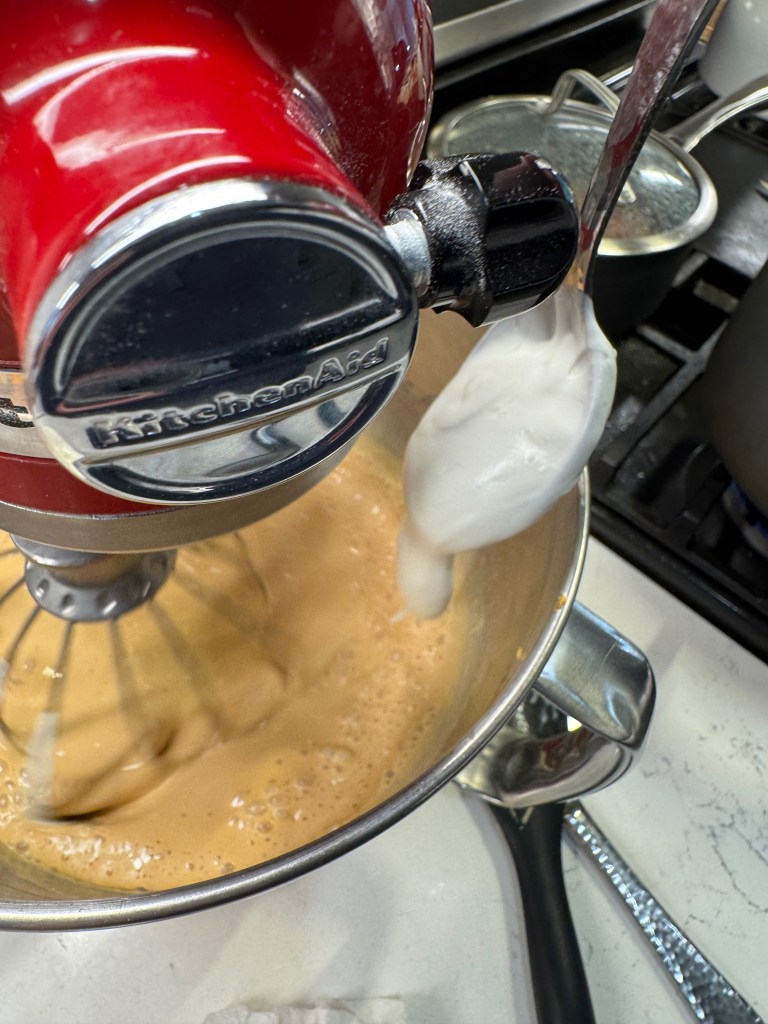
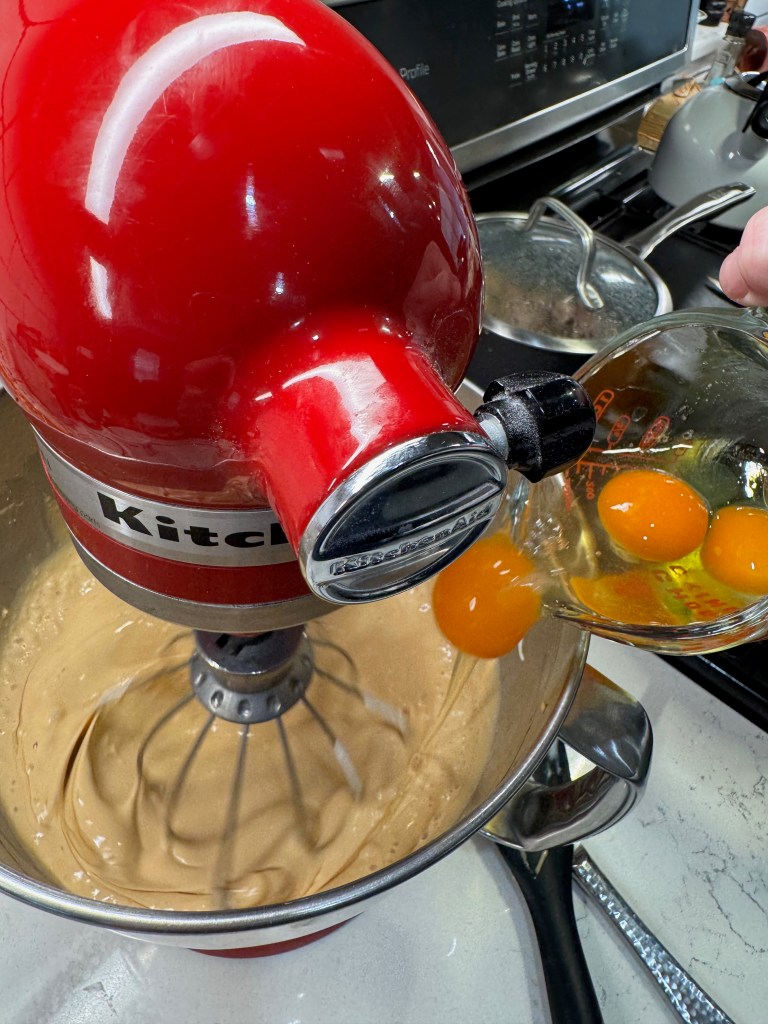
  2. Add brown sugar and sour cream, whisking on low speed until blended. Gradually pour the milk into the bowl while the mixer is running, to avoid splashing. Add the eggs, one at a time and then stir in vanilla.
  3. Meanwhile, cook the egg noodles until just tender, according to package instructions. Drain the noodles and toss with butter until fully melted.
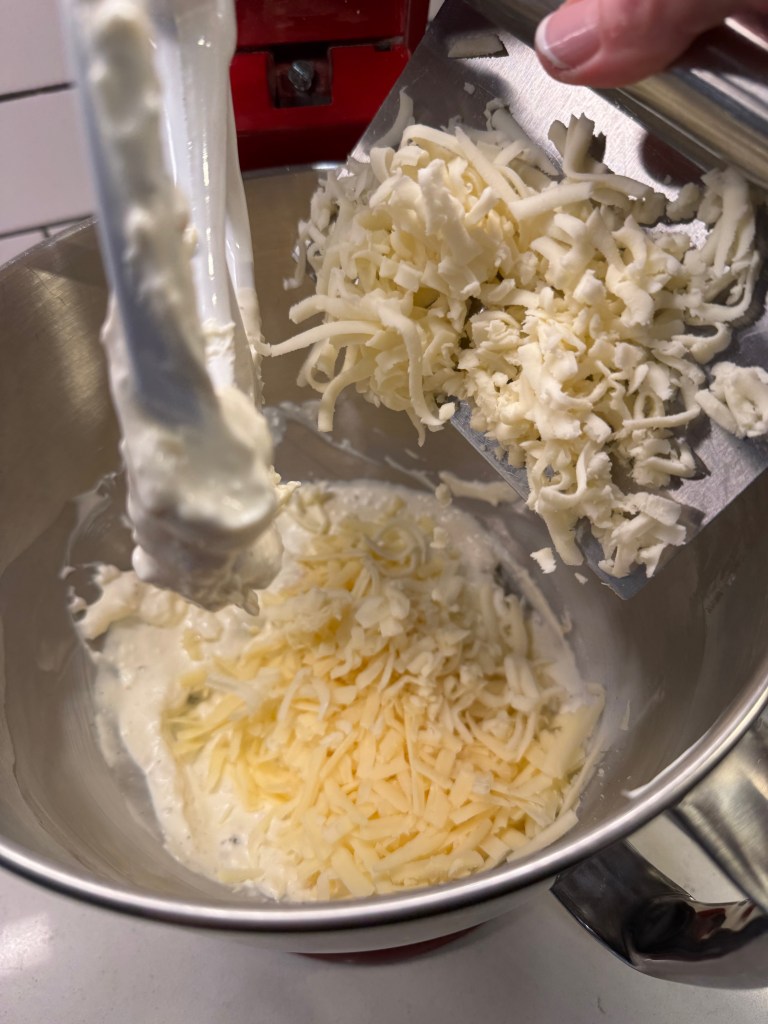
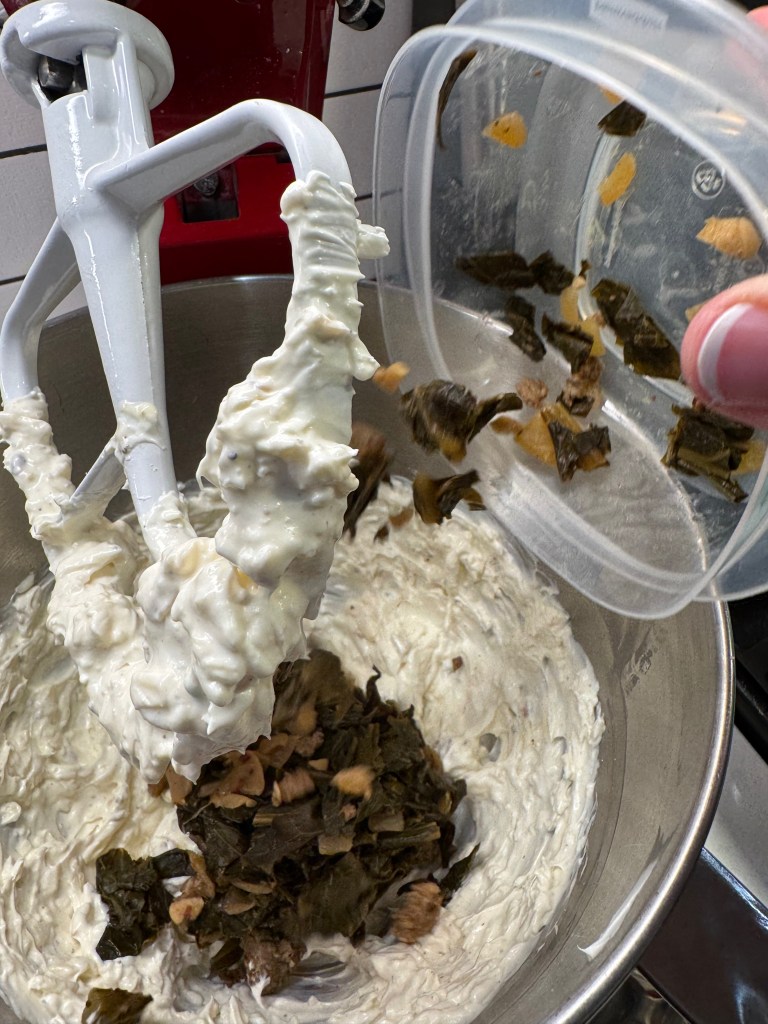
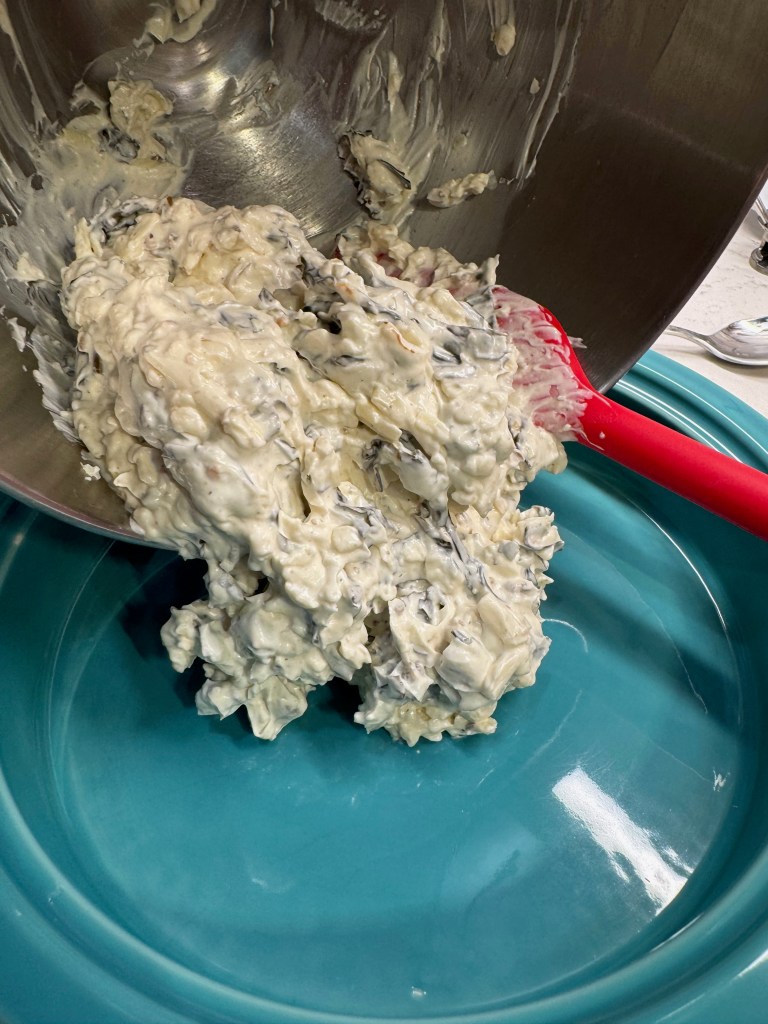
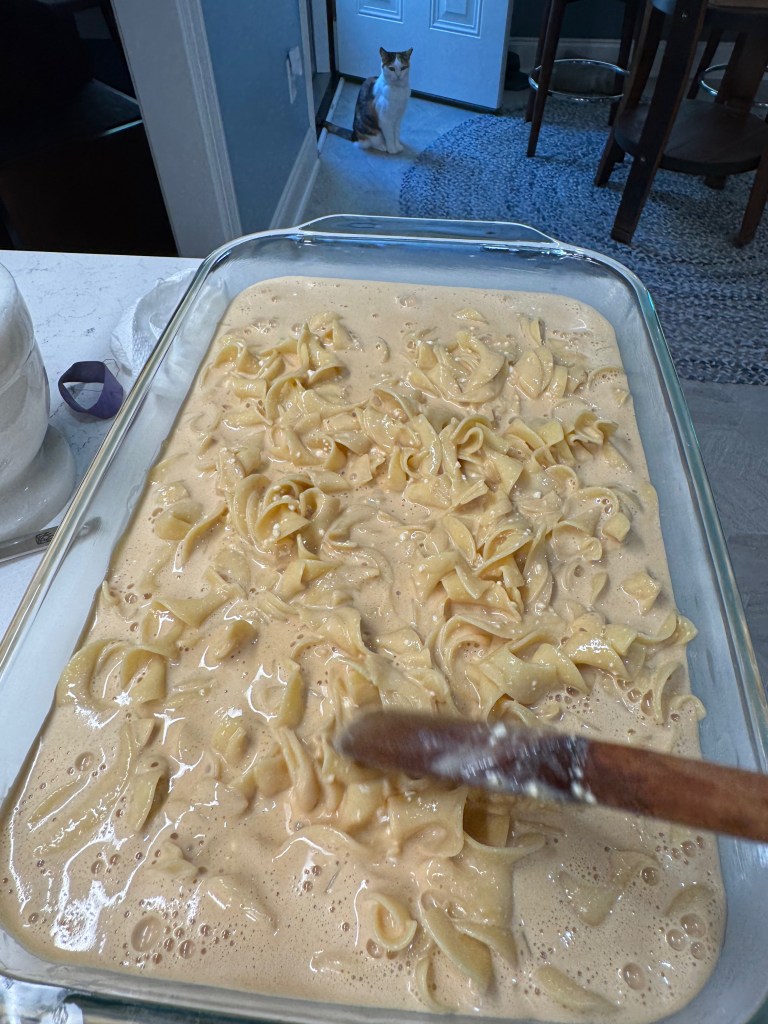
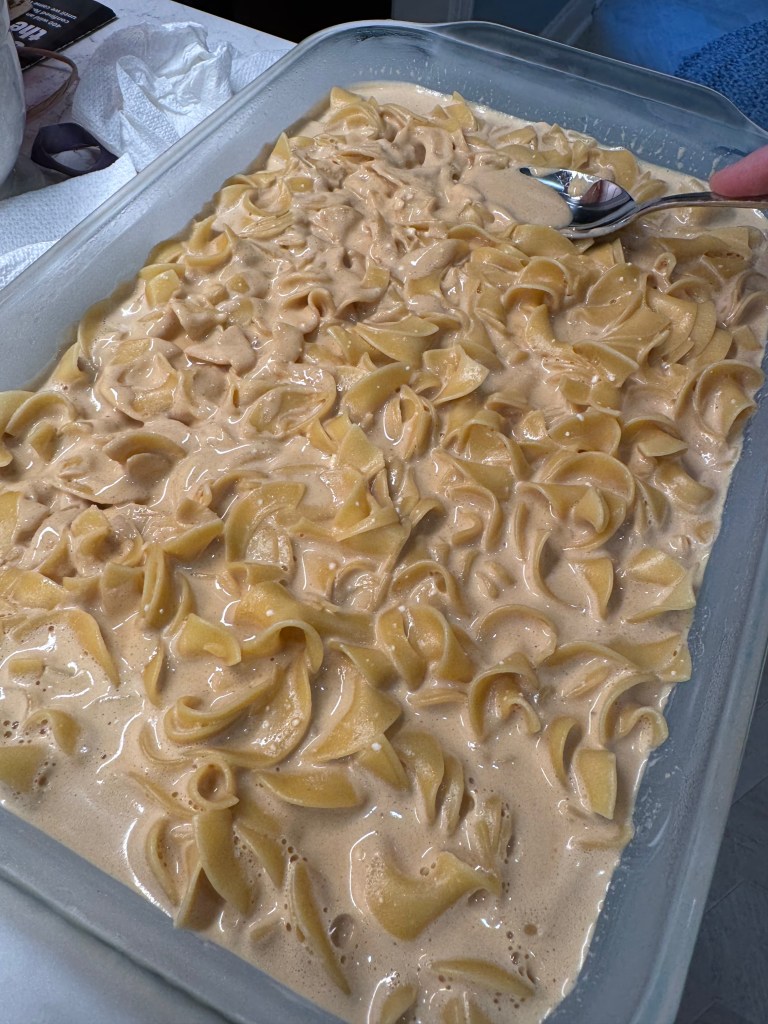
  4. Pour the caramel mixture into the warm noodles and toss to combine. It will seem very liquid-y. Transfer this mixture to a buttered 9 x 13 glass baking dish and spread it out until even. Cover the dish and refrigerate for a couple of hours or overnight.
  5. Preheat oven to 350° F, with rack in center position.
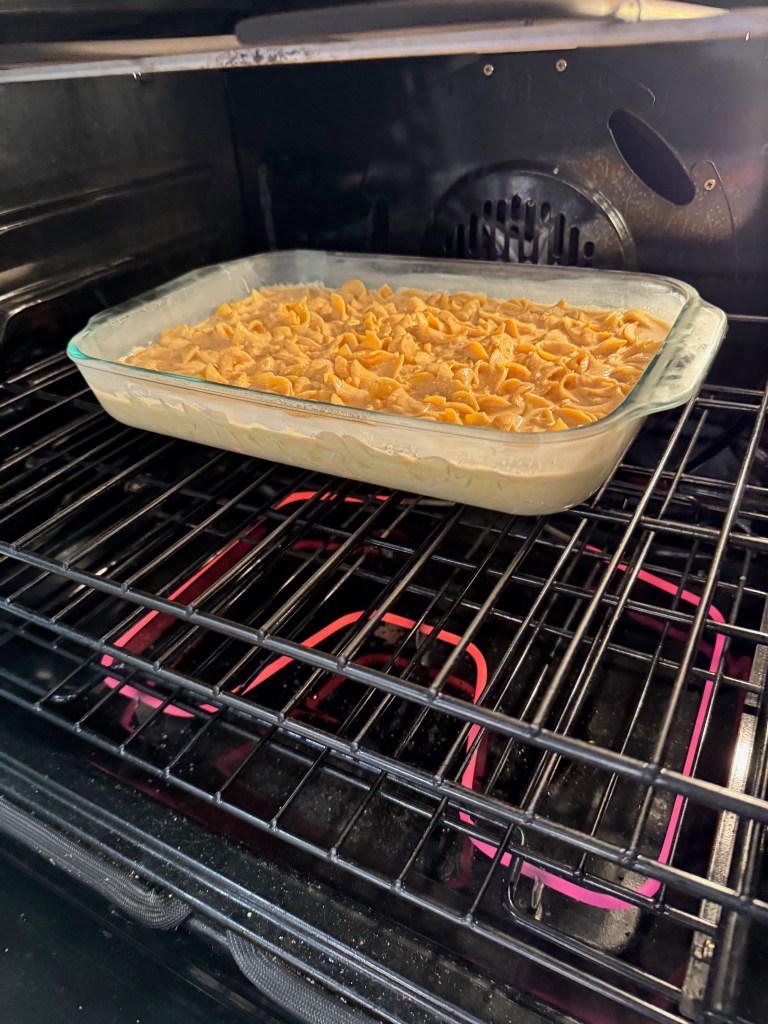
  6. Uncover kugel and use the back of a spoon to press down any noodles that have emerged from the caramel custard mixture. Bake uncovered for 35 minutes. Remove from oven, arrange sliced apples evenly over the top and sprinkle the surface with the brown sugar-cinnamon mixture. Return to oven for 15 more minutes.
  7. Cool to room temperature before enjoying, and refrigerate leftovers. When chilled, the kugel can be cut easily into squares and served almost like brownies.


Just for grins

As desserts go, this one packs a substantial amount of protein with cream cheese, cottage cheese, eggs, sour cream and milk. It also doesn’t have as much sugar as you might expect, with only three tablespoons, plus the sugar in the dulce de leche. Les and I got into a lukewarm debate about the protein content of this dish, with him asserting that the ingredients are spread out across 12 portions, making each portion skimpy on protein. I disagreed, so I did the math to bolster my case and here’s the result:

INGREDIENTPROTEIN GRAMS
cream cheese, full-fat16
cottage cheese, 2%28
whole milk12
dulce de leche6
eggs18
sour cream, full-fat4
noodles(this number surprised me!) 40
butter2
Total grams protein126
divided by 12 servings10.5

Each square contains 10 1/2 grams of protein, significantly more than you can say for most desserts. A serving of vanilla ice cream, for example, typically contains 2 to 3 grams and a slice of chocolate cake is around 4 grams. I’m not claiming this to be a health food by any stretch of imagination. The fat and sugar content are high, and there are irrefutable downsides to that. I’m only suggesting that this could be considered something of a power dessert, if there is such a thing. 😉


Figroni!

It’s no secret that fall is my favorite season. We are still a few weeks away from cozy sweaters, but the “official” arrival of the season has me feeling inspired. And to make things even more fun, this also Negroni Week, a fundraiser that benefits the Slow Food Movement, a cause that aims to make the world a better place with a focus on sustainability, equity and education around food and drink. Savvy bartenders get excited about Negroni Week because it gives them reason to flex their creativity with the classic Italian cocktail that is the event’s namesake.

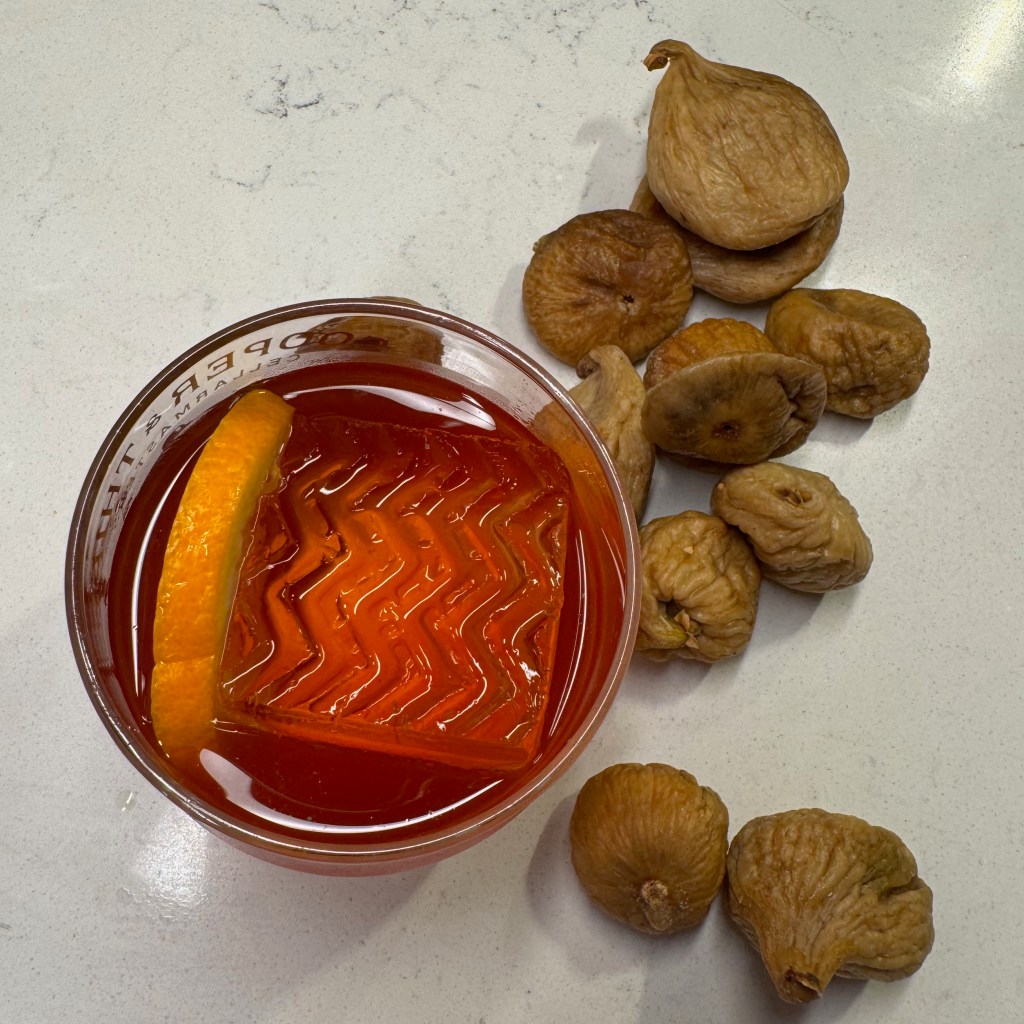
If I had my own bar— and believe me, I’ve pondered it— this is the twist I would serve for Negroni Week. Traditionally, a Negroni is an equal parts drink made with dry gin, sweet vermouth and Campari, the red bitter liqueur that makes Italy proud. Mine is all of that, plus an easy infusion of sweet, earthy fig.

The lighter variety of fig helps keep the Negroni color true.

These flavors feel so right for fall, layered and complex, leaning more toward slow savoring than refreshment. This drink fits right in with cooler temperatures, gentle breezes and the first few leaves making their annual drift toward the ground. It makes me long for sweaters and cozy socks and conversation around our Solo stove. Negroni is delicious with cured meats, cheeses and olive trays, so this one gets high marks as a cocktail for casual entertaining.

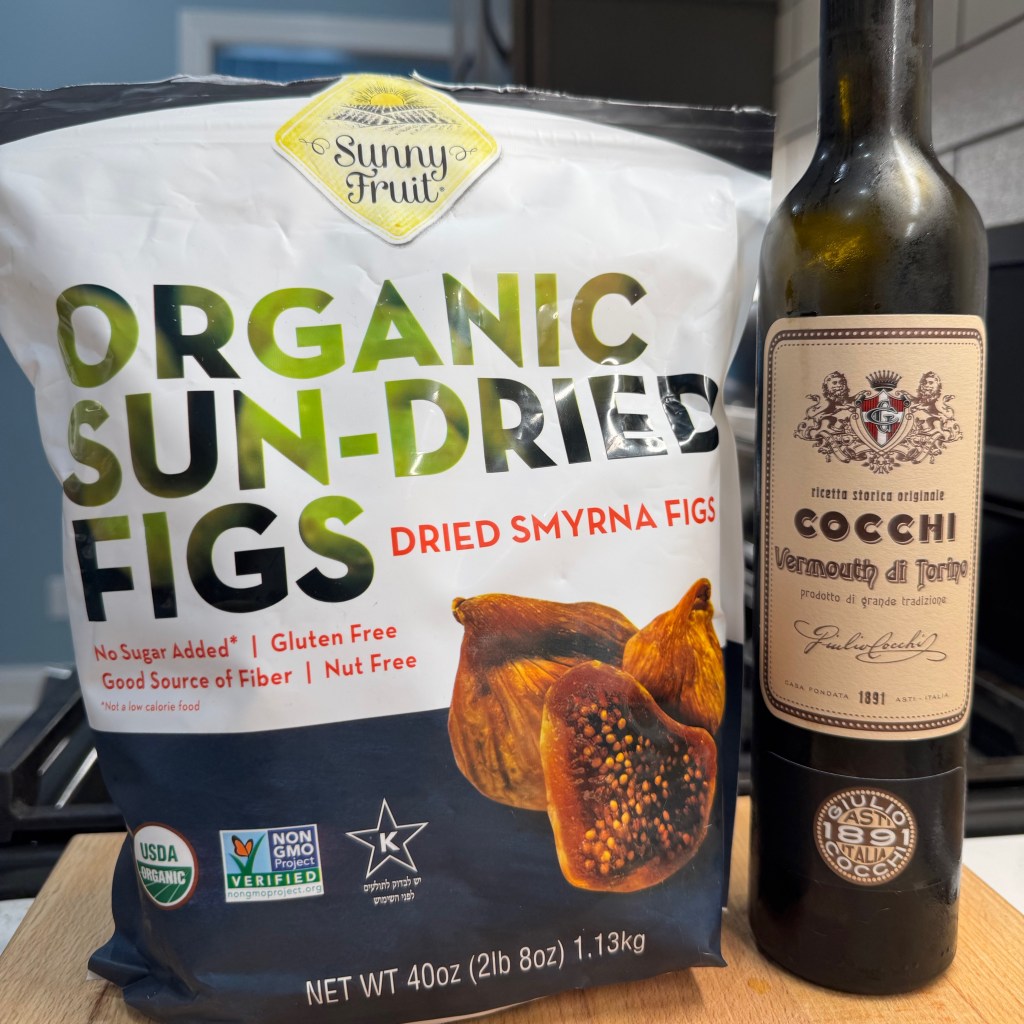
To maximize the fig flavor, I chose to infuse with dried figs rather than fresh. The drying process leaves a concentrated sweetness and intensity behind, and soaking the figs in sweet vermouth pulls that flavor into the spirit without watering it down.

The giant Costco bag of figs always seems like a good idea at the time! 😂

Why infuse the vermouth?

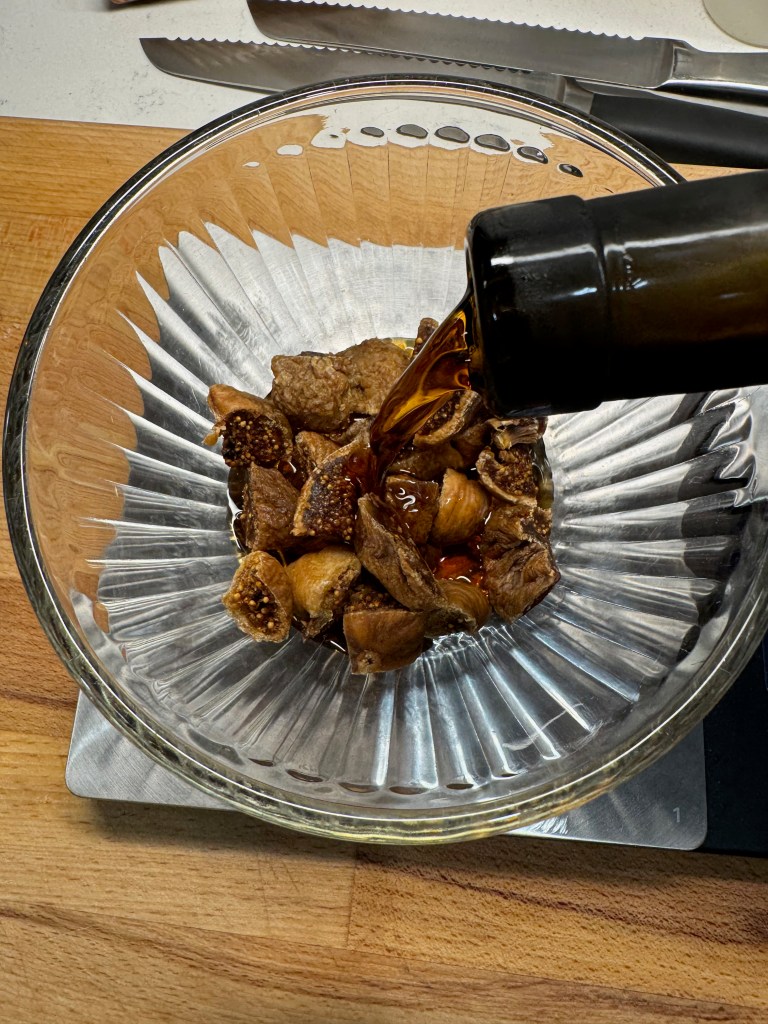
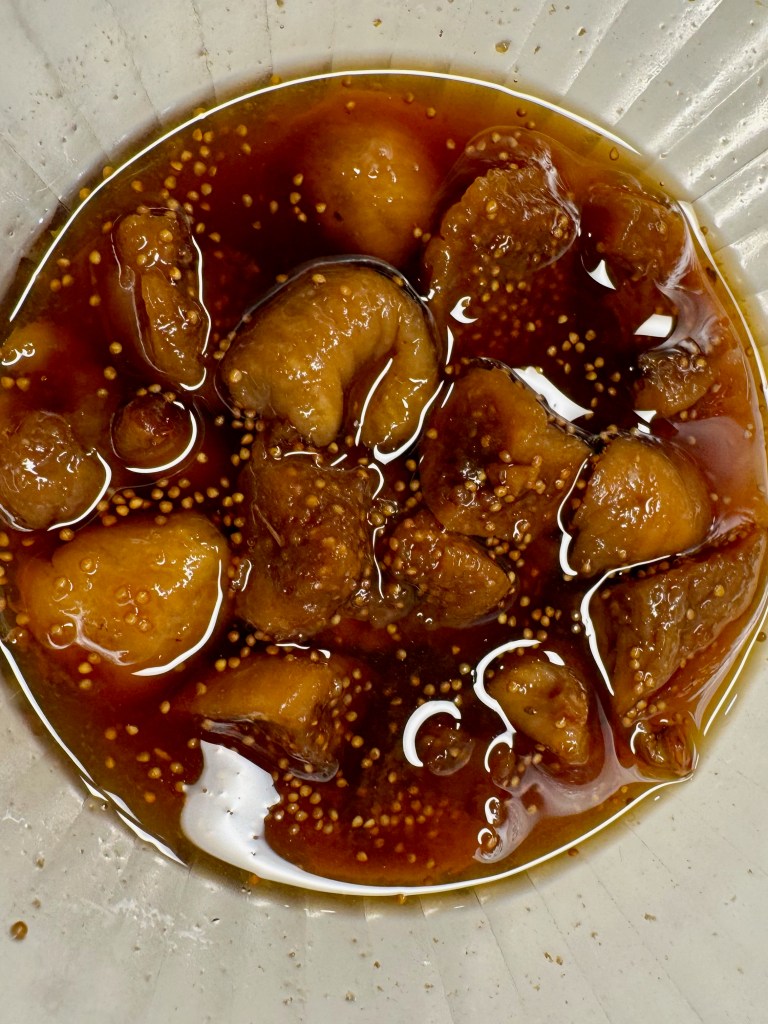
My decision to infuse the vermouth rather than the gin or Campari was quite intentional. Gin is the highest proof spirit of Negroni and I didn’t want to mess with that. I also knew that some of the booze would soak into the figs that I would repurpose— most likely in a bread pudding— and I couldn’t wrap my mind around the thought of Campari-stained figs, so the vermouth won out by elimination. It also bears mentioning that I wanted to try the fig-infused vermouth in a Manhattan, too; alas, I used it all up in my Negronis, so I’ll have to make more. Had I realized how much the figs would soak up the vermouth, I’d have made a double batch! Let this be a lesson to you.


All things being equal

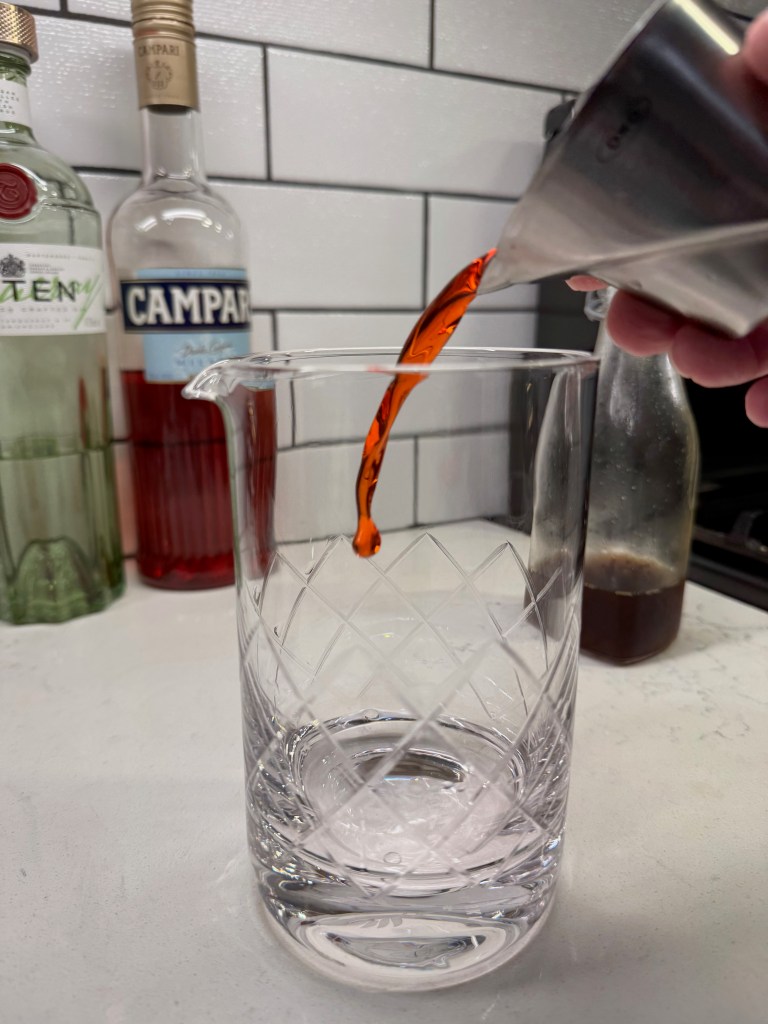
Negroni is one of the simplest cocktails to make because it is equal parts of only three ingredients, plus an orange slice. This means, no math! If you want a small drink, use 3/4 of an ounce of each— gin, Campari and sweet vermouth. For a longer sip, go for a full ounce of each. Living abroad where ounces aren’t a thing? Use whatever measure makes sense to you, and make it the same for all three ingredients. Simple is good.


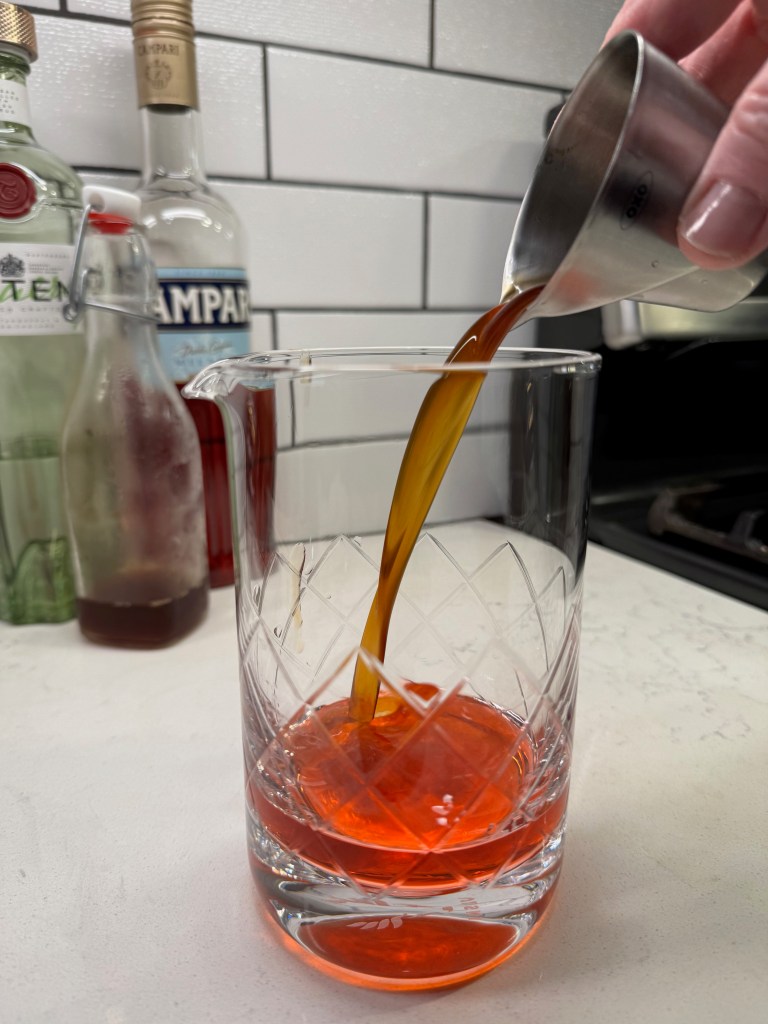
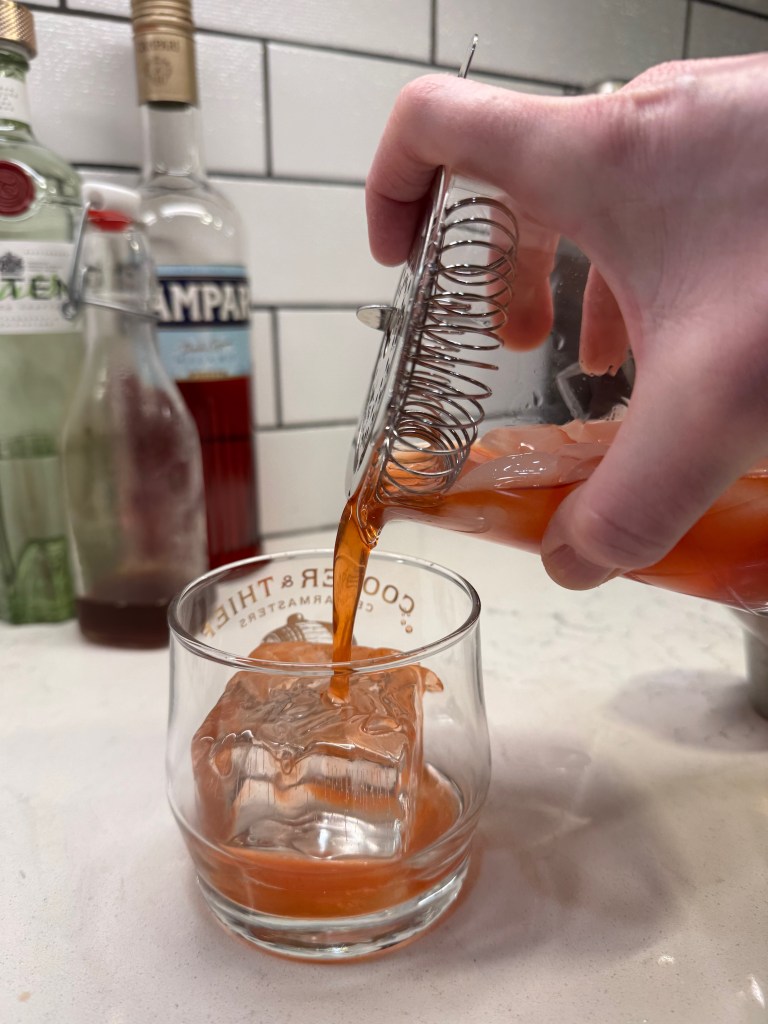
A classic Negroni is made directly in the glass, but I like a little dilution on mine to wake up the nuances of the booze. Plus, the dried figs have turned my vermouth into a thin syrup and I want to be sure it mixes well, so my ingredients went into a cocktail mixing glass with a large cupful of ice. You could use a shaker, I suppose, but don’t actually shake it; just pour it back and forth with ice a couple of times. Strain it over a giant ice cube and garnish with a juicy orange slice.

Always remember to garnish!

Would I make another round?

Absolutely! I found this cocktail to be a real charmer that has lingered in my mind long after the fig-infused vermouth ran dry. If you already like Negronis, you’ll love it. If you’re on the fence or you typically find Negronis to be harsh, I can confirm that the figs soften those bitter edges in a pleasant way. Fig also happens to pair very well with orange, so the classic orange garnish is right at home. You may notice that I also used Tanqueray 10 for this cocktail; it’s distilled with tons of citrus, and that’s working great here.

If you’re into Negronis, I hope you’ll seek out a bar or restaurant in your area that is supporting Negroni Week, going on through Saturday. If not, then encourage your favorite watering hole to participate next year, and at least take a moment to learn more about the Slow Food Movement, which benefits us all, cocktail or no cocktail.

Cheers!

Figroni

  • Servings: 1 cocktail
  • Difficulty: Easy
  • Print

Sweet, earthy figs lend their flavor to one of the most classic apertivo cocktails, making this a fun twist for Negroni Week.


Ingredients

  • 1 oz. citrus-forward gin, such as Tanqueray Ten
  • 1 oz. Campari
  • 1 oz. fig-infused sweet vermouth (details below)
  • Stir all together and garnish with an orange slice

Fig-infused vermouth is simple to make. Plan ahead, as you’ll need at least 24 hours ahead to infuse the vermouth.

Directions

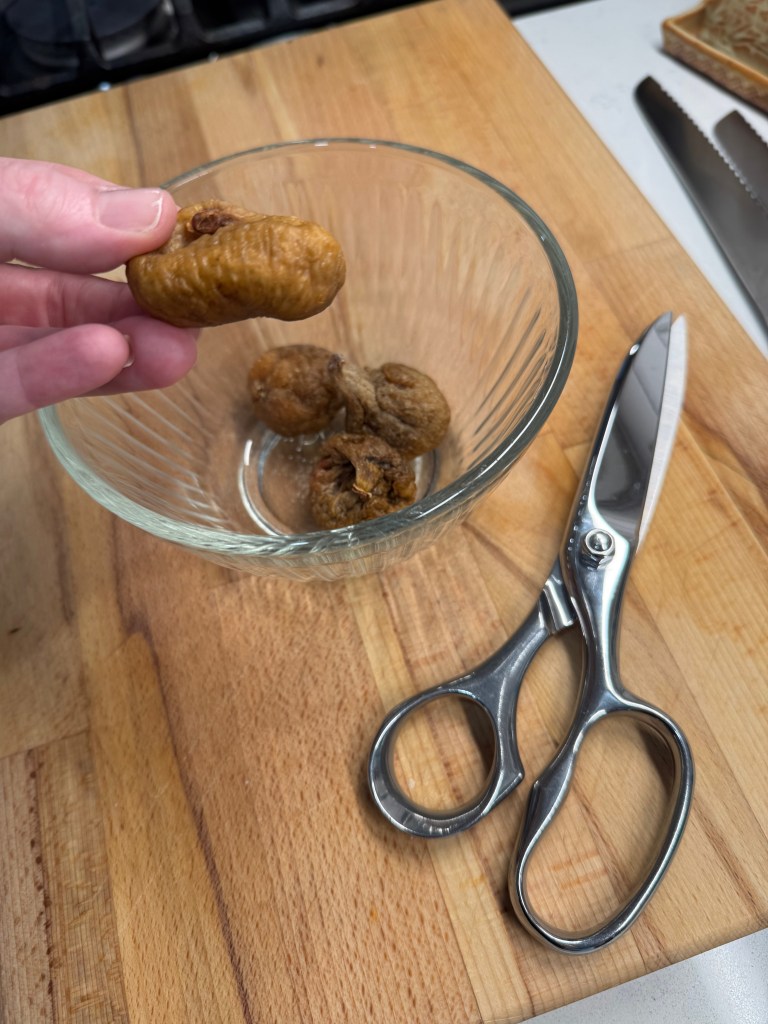
  1. Cut up about two cups worth of dried figs (mine were Smyrna figs, which are light in color) into a medium bowl, and pour enough sweet vermouth to fully cover them. This should be a little over one cup.
  2. Let them rest at room temperature a few hours or overnight before stirring and transferring to the refrigerator for 24 hours.
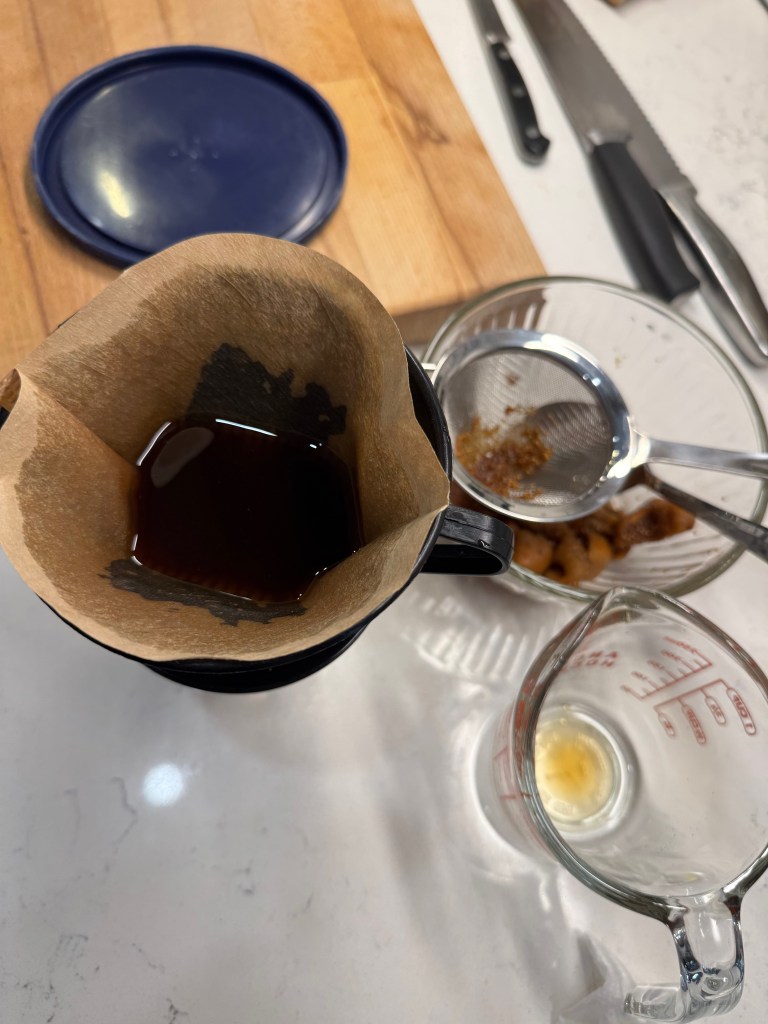
  3. Strain out the solids through a fine mesh strainer and transfer to a bottle. This will keep in the fridge for two weeks, and should make enough for at least four cocktails. Save the vermouth-soaked figs for another use, such as bread pudding or quick bread.


Sweet Potato-Cornmeal Pancakes

It’s a busy time of year for this food blogger— we are well into National Whole Grains Month and “Better Breakfast” Month, and today is also the first full day of autumn. Could there be a better time to present these pancakes? Whole wheat flour and cornmeal give them a hearty texture, and roasted sweet potato lends a seasonal sweetness that is out of this world. Top it with a smear of salted butter and some real maple syrup, and holy moly, what else can I say?

The color, the texture, the flavor… I loved everything about these.

In the spirit of transparency, I admit that I’m known to buy sweet potatoes with no specific purpose for them. Same with bananas, which gets sketchy because they are usually mottled with brown spots within a few days and so they end up mashed in a bowl in the refrigerator for a couple of weeks until I either make banana bread or muffins or dog treats. Sweet potatoes, thankfully, are hardier and will hold their integrity on the counter for a couple of weeks whilst I ponder the possibilities.

This recipe came to me when I considered how I might use sweet potatoes in a breakfast recipe. I considered a skillet hash (and might still make one), but I really had been craving pancakes, and then I spotted a jar of medium coarse cornmeal that had been left on the counter after pizza night. Why couldn’t I combine the sweet potatoes and cornmeal into a pancake that would be delicious either for breakfast or for dinner? So I did.

Soaking the cornmeal

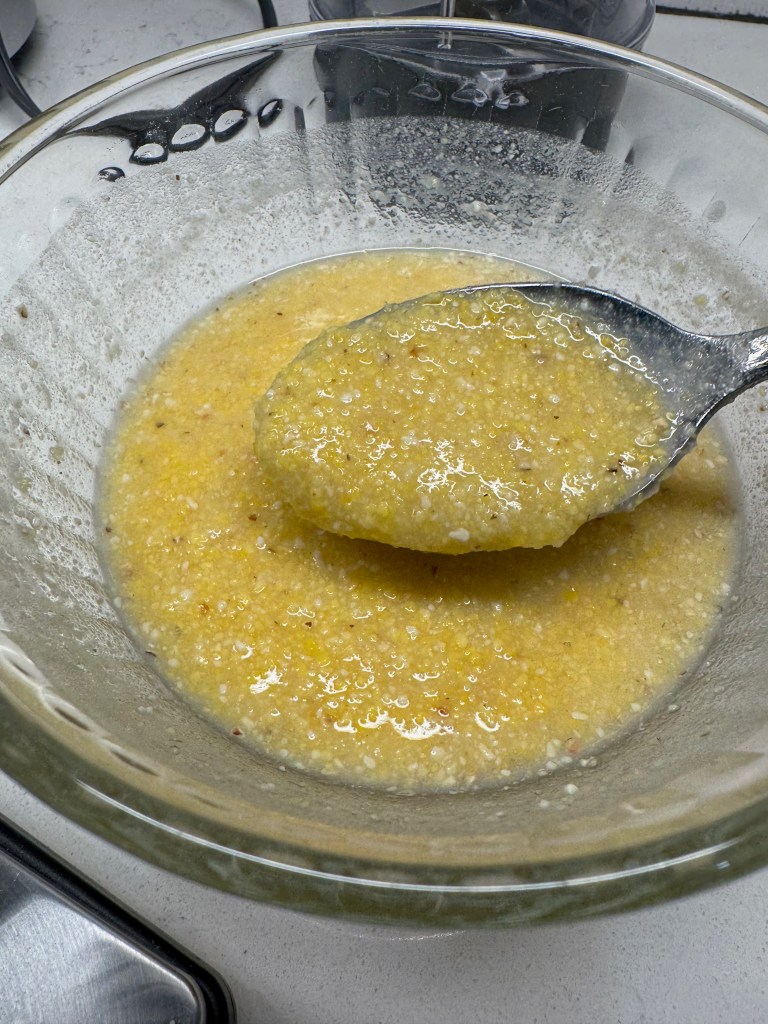
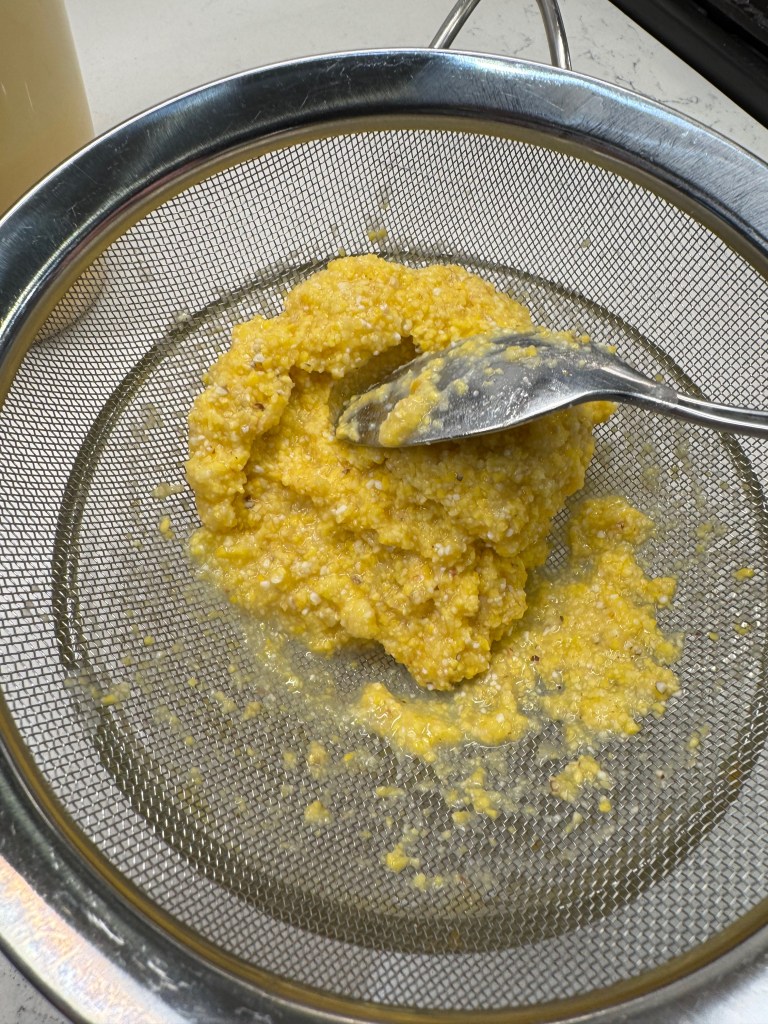
This was a bit of an experiment for me, as I wanted the texture of cornmeal but without the grit, so I relied on a trick that I’ve used with some of my sourdough bread recipes: I pre-soaked the cornmeal for about an hour and strained out the water before mixing my pancake batter. This helps not only soften the grain, but also unlocks enzymes in the corn, making it easier to digest later.


How to mix sweet potato into pancakes

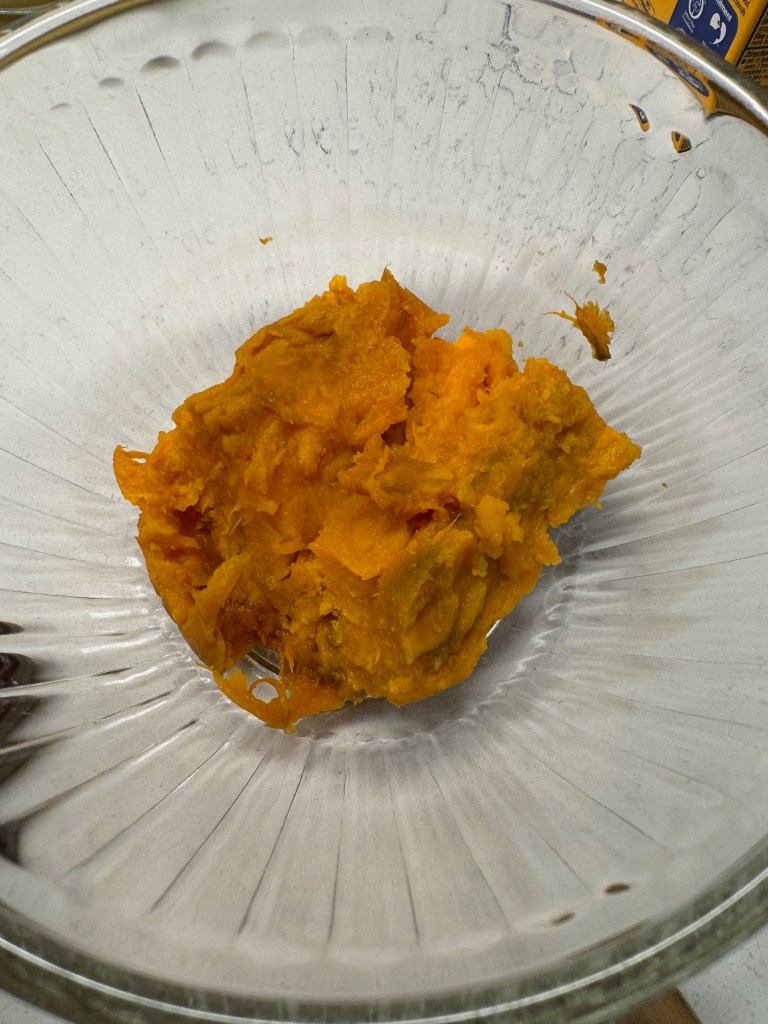
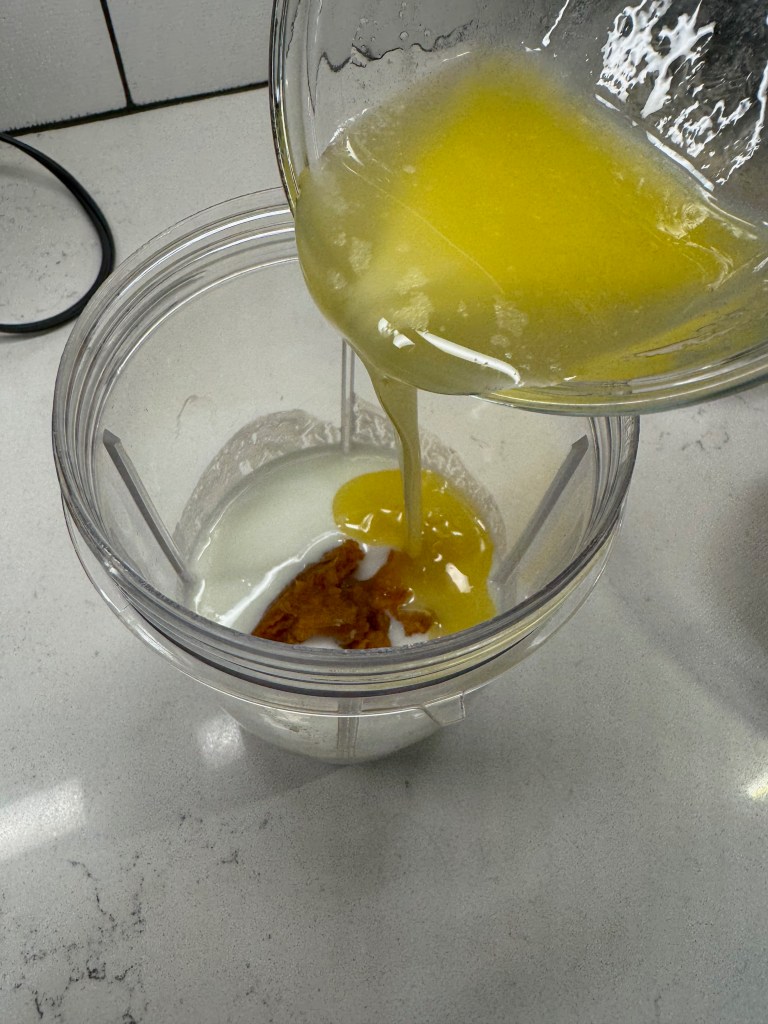
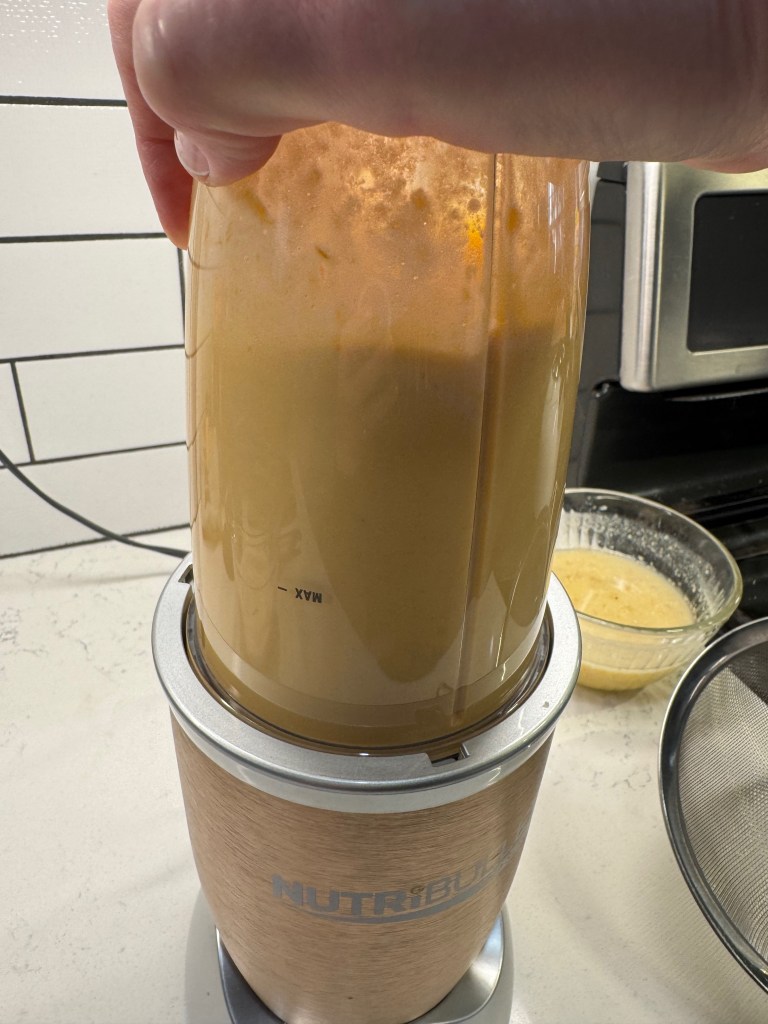
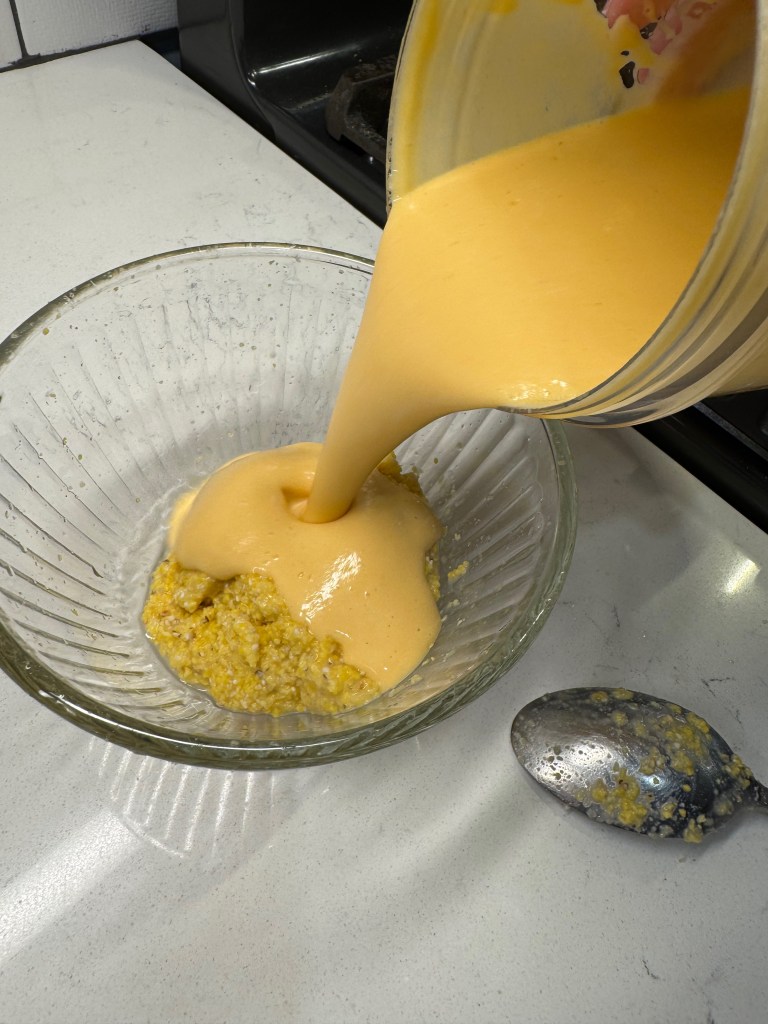
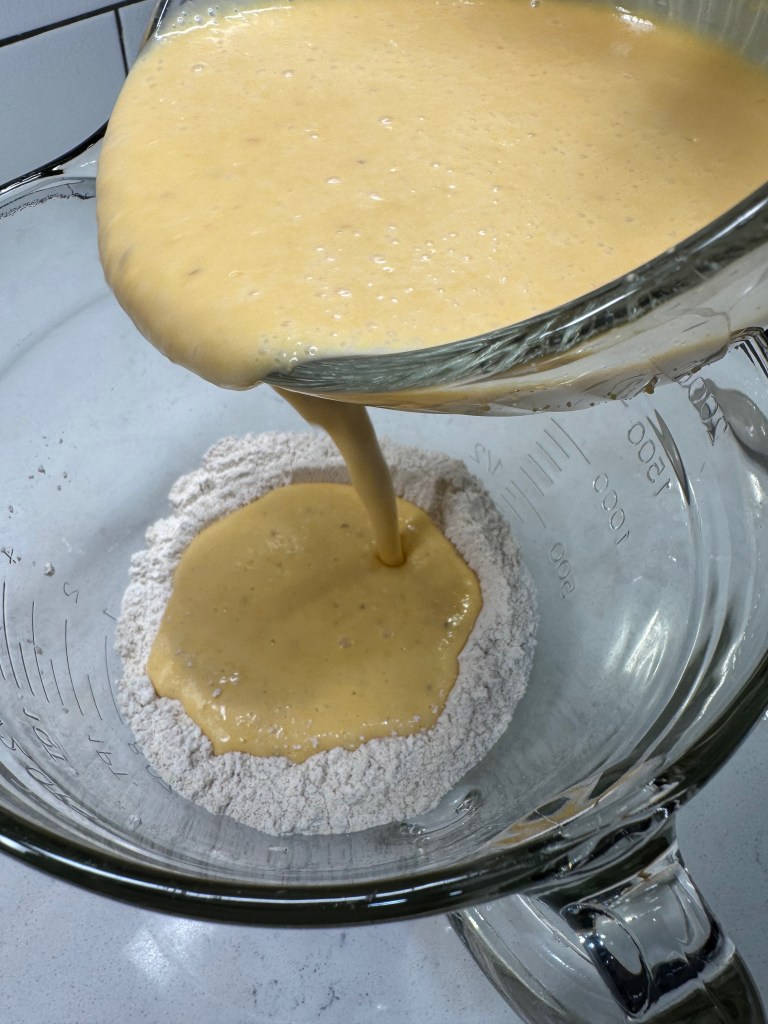
One of the things I wanted to avoid with this recipe was having a batter that was too wet. Pancakes need a certain amount of heft to hold up when they hit the griddle, so I opted to roast my sweet potato rather than boil it in chunks. This also turned out to be an easier method, given that I didn’t have to mess with peeling or cutting up the sweet potato. I scooped out about a half cup of the flesh and blended it with egg, buttermilk and melted butter, then stirred it into the drained mushy cornmeal. 


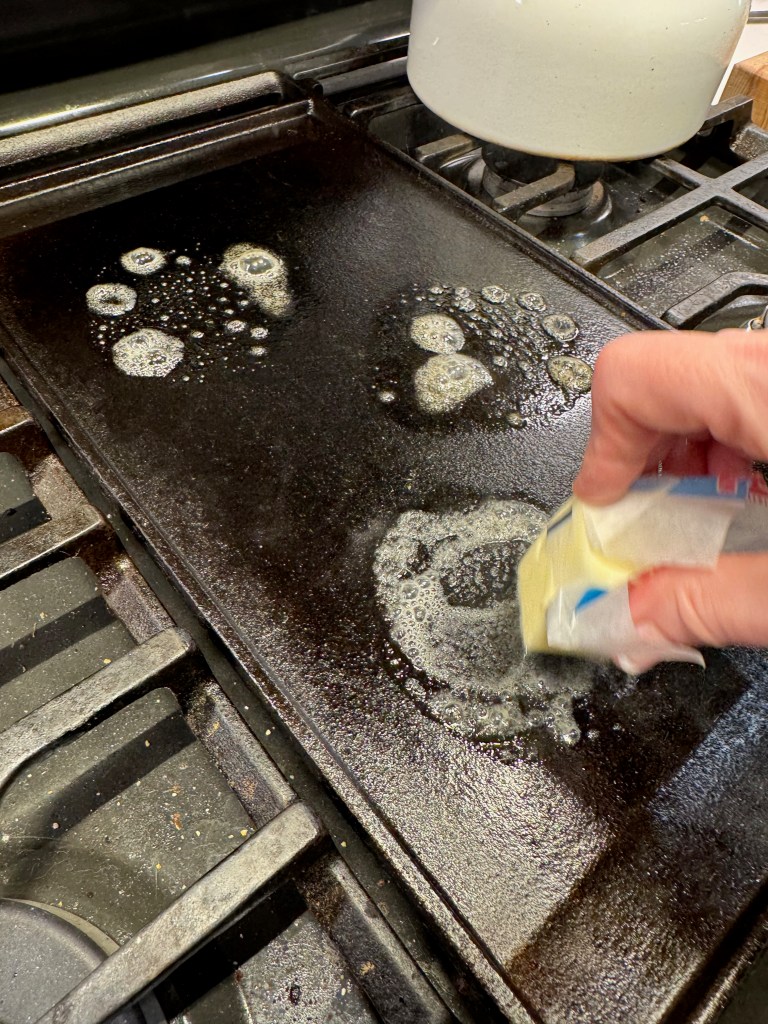
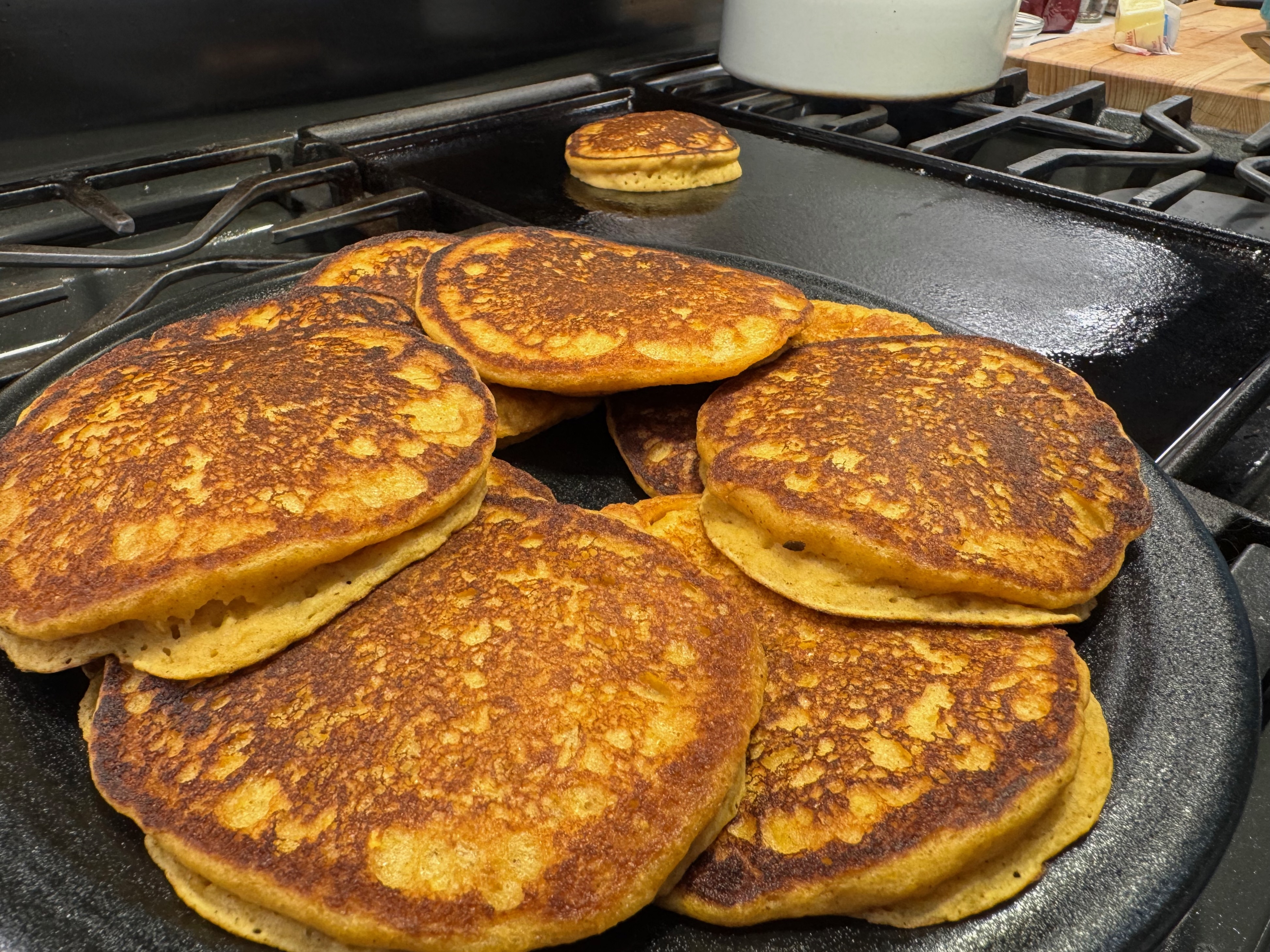
From there, it’s pancakes as usual, and you know I couldn’t resist spiking the flour with some spices to welcome the autumn season. Cinnamon was my go-to, and I threw in a little pumpkin spice blend as well. Butter on the griddle, and a warm oven to keep them cozy while we finished up the whole batch. 

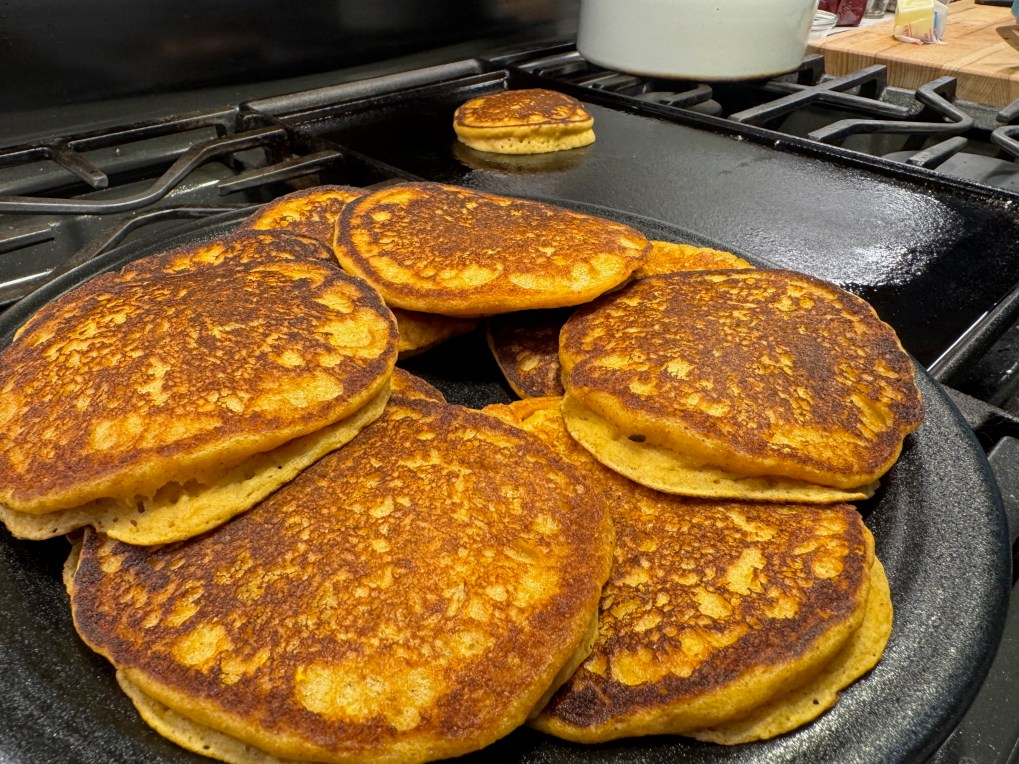
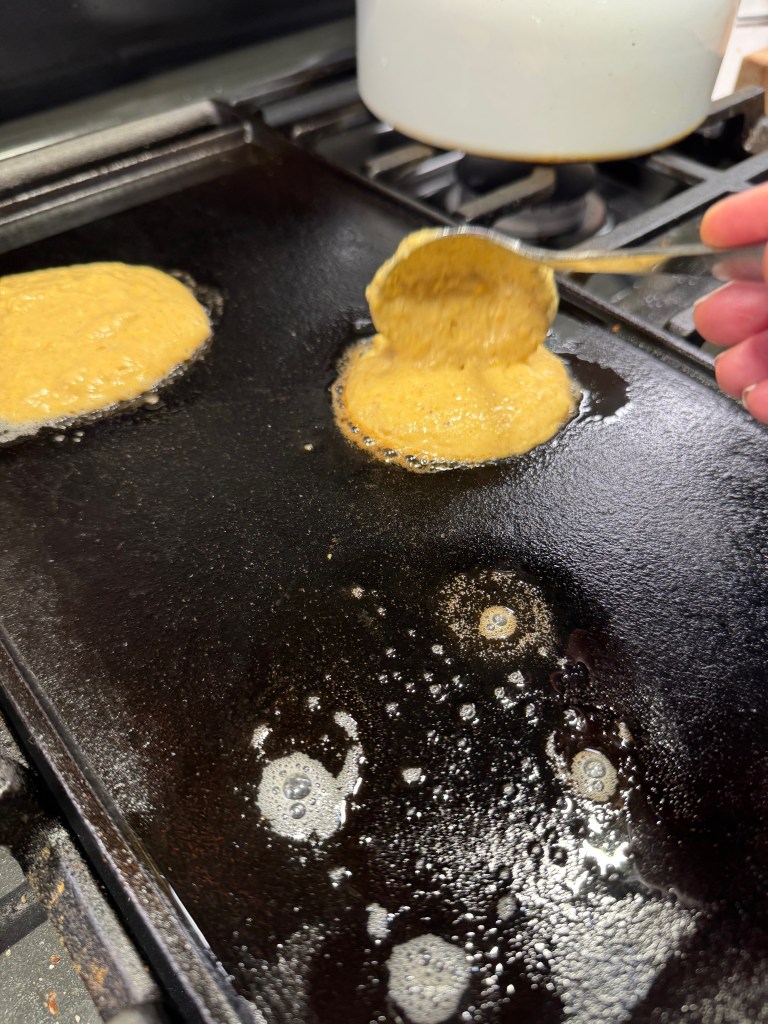
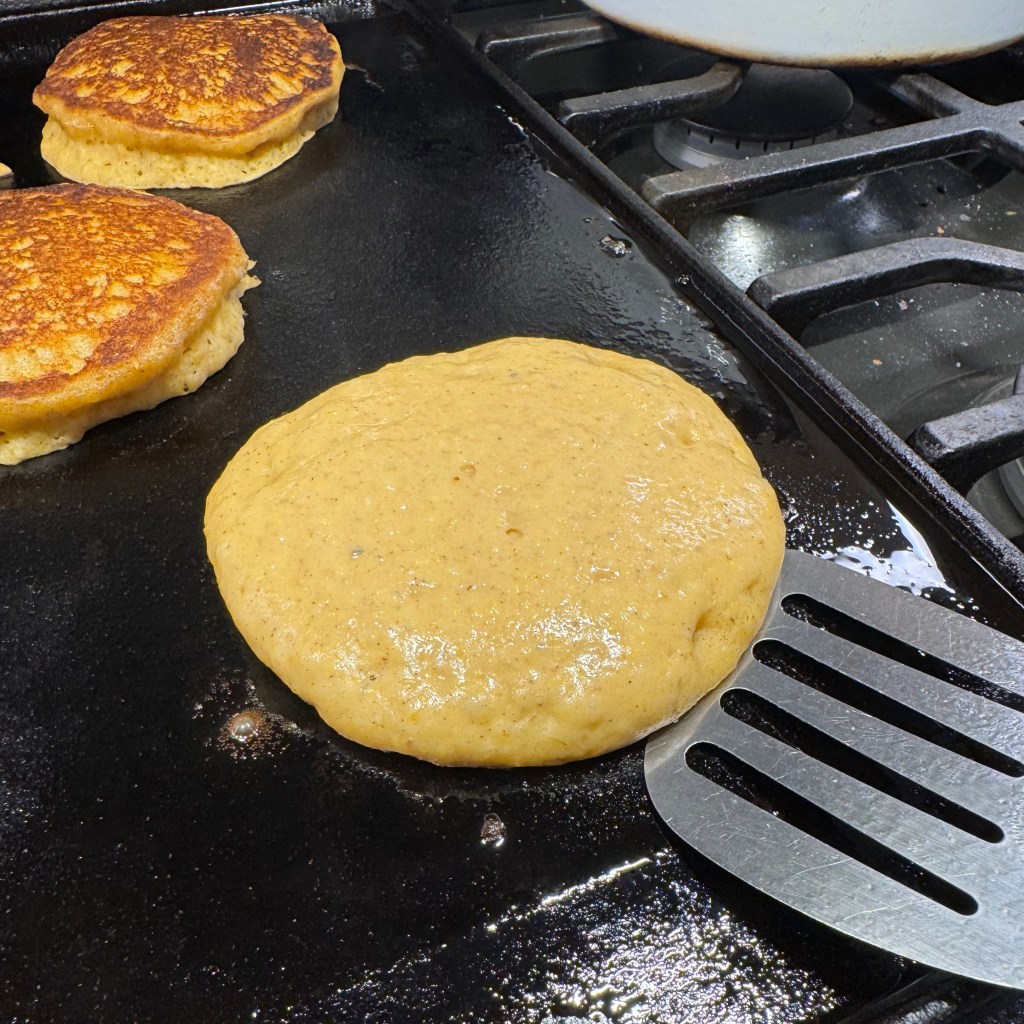
It’s time to turn the pancakes when the edges are dry and you see bubbles on the tops.

Welcome autumn!

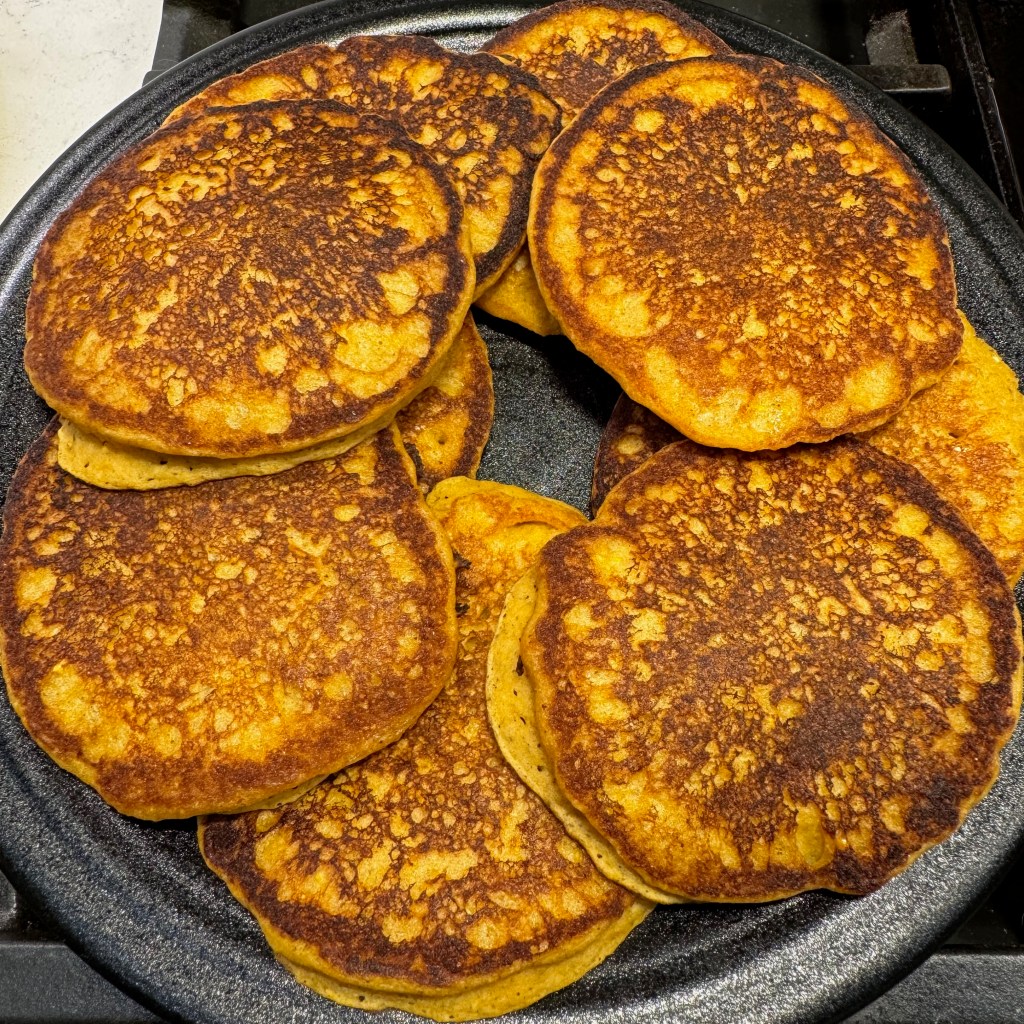
What I loved about these pancakes, besides the sweet potato flavor and spices, was that the insides were creamy and almost custard-like, thanks to the soaked cornmeal. They were so comforting and delicious with a pat of butter and real maple syrup, plus smoky bacon on the side. A lovely introduction to the season. I’d make these again in a heartbeat, and I probably won’t wait until next autumn. What flavors are you looking forward to this fall?

Sweet Potato-Cornmeal Pancakes

  • Servings: 9 five-inch pancakes
  • Difficulty: Average
  • Print

Pre-soaking the cornmeal helps give these tender pancakes a custard-like interior. The sweet potato makes them perfect for fall breakfast, brunch or dinner.


Ingredients

  • 1/2 cup medium grind cornmeal
  • 1/2 cup roasted sweet potato (warm)
  • 1 egg, at room temperature
  • 3/4 cup buttermilk, at room temperature
  • 1 Tbsp. sorghum, maple syrup or honey
  • 3 Tbsp. melted butter
  • 3/4 cup all-purpose flour
  • 1 tsp. baking powder
  • 1/2 tsp. baking soda
  • 1/2 tsp. salt
  • 1/4 tsp. cinnamon, nutmeg or pie spice

Notes: It helps to have the sweet potato baked in advance. Do this in either the oven or microwave. Cool and then scoop out flesh to measure 1/2 cup for this recipe. Use remaining sweet potato in another dish, or double this recipe and freeze extra pancakes between layers of parchment paper when cooled.

Directions

  1. Pour enough boiling water to cover cornmeal in a small bowl. Stir to break up any lumps. Rest this at least an hour before draining through a mesh strainer.
  2. Combine flour, baking powder, soda, salt and spices in a batter bowl.
  3. Combine sweet potato, egg, buttermilk, sorghum and melted butter in a blender. Pulse or blend until smooth. Stir in soaked cornmeal.
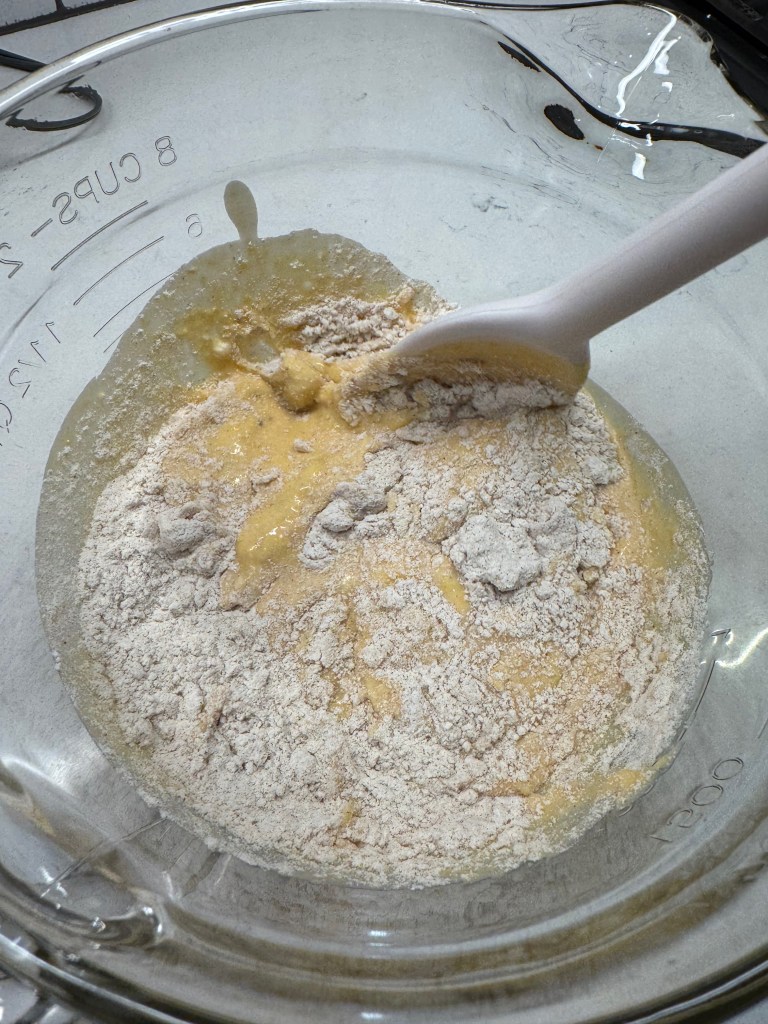
  4. Add wet ingredients to flour mixture, folding gently to combine. Do not overmix; there may be a few lumps.
  5. Heat griddle to medium heat. Melt butter in spots where you’ll cook the pancakes. Add batter and cook until the edges are set and the top is bubbly. Use a spatula to gently turn pancakes to cook the other side.
  6. Keep pancakes on a plate in a warm oven until all batter is cooked. Serve with butter and maple syrup.


On Earworms

You know the drill when a song gets stuck in your head and certain parts of it play over and over and over, driving you nearly mad? It might be a song you love or one you hate, or maybe even one that you love to hate, and sometimes (but not always) its sudden appearance in your mind is triggered by something someone says or perhaps a TV commercial or a fleeting memory. Or it could just be completely random. In any situation, it drives me nuts, and the only method I’ve found for releasing it is to lean in. I search out the offensive song on Spotify and actually play it. Singing it loudly seems to help as well, and then I can get on with my life.

This phenomenon is widely known as an “earworm,” and research suggests that as many as 98% of people have experienced it, though it’s rarely considered to be a serious condition. 

An earworm is not the same as a brain worm, which is a far more daunting phenomenon in which a weak human brain becomes invaded by a parasite that eats the lobe associated with common sense, leading to conspiracy theory-driven psychosis that prompts the afflicted to seek a government leadership position so that they can eliminate longstanding, important public health policies in favor of nonsensical theories, such as rendered beef fat possibly being more beneficial than monounsaturated plant oils or the notion that vaccines are more dangerous than the diseases they aim to prevent, or that food dyes in soda are a greater enemy than childhood cancer. But I digress.

For some reason, the songs that become earworms in my head are generally tunes that annoy me— that damn “Piña Colada Song” from 1979, for example, or the repetitive hook that’s currently making the rounds on social media, actually creating the very anxiety it speaks of. Or (dare I suggest) “Pink Pony Club.” And there are occasionally good earworms that I actually enjoy— one of them being an old Schoolhouse Rock ditty, and I frequently bust out the chorus these days, easily recalling from my Gen-X childhood every single word of the Preamble to the Constitution. Again, I digress.

My latest earworm, however, is not musical. It is more an obsession with color and possibility, and it was re-triggered after an activity my husband, Les, and I enjoyed last weekend when we visited the Van Gogh Immersive Experience (speaking of people crippled by persistent thoughts). This was a multimedia adventure, filled with detail about the artist’s life, work, death and legacy, and we concluded our visit with a virtual-reality experience that was by far the coolest part of the exhibit. Since then, visions of sunflowers and starry night scenes have been swirling in my mind, and I’m not exactly fighting them. I’m leaning in, allowing the visions to swirl, and trying to immerse myself in them. For years, my muse has been challenging me to produce two specific, highly creative things from my culinary bucket list that are directly connected to Van Gogh’s art. I’ve accepted the challenge, and I’ll tell (and show) you how it goes.

Until we get there, please enjoy this quick recap of the Van Gogh Immersive Experience, along with one of Les’s very favorite ear worms. 


Fried Green Tomatoes (with Mexican Street Corn)

Some decisions come back to bite you. I know this because I have really missed having fresh-off-the-vine tomatoes and zucchini this year, and I’ve felt twinges of regret over having ripped out my deer-ravaged garden a couple of summers ago. I just didn’t have it in me anymore, but at least we have the farmers’ market. I recently invited a neighbor to join me at our fabulous Saturday market, and I brought home a few fresh tomatoes as well as some green ones. 


Most people assume that fried green tomatoes are a delicacy of the American South, but this is only because of the now-classic 1991 film based on the Fannie Flagg book, Fried Green Tomatoes at the Whistle Stop Cafe, which was set in 1920s Alabama. But food historians credit midwestern newspapers and Jewish cookbooks with the first published recipes for this dish.

Wherever the heck they came from, I’m grateful. And today, I’ve put a fun flavor twist on this classic, in the form of— you know it— Mexican street corn.

Didn’t I tell you there’d be more elote to come?

How do you make fried green tomatoes?

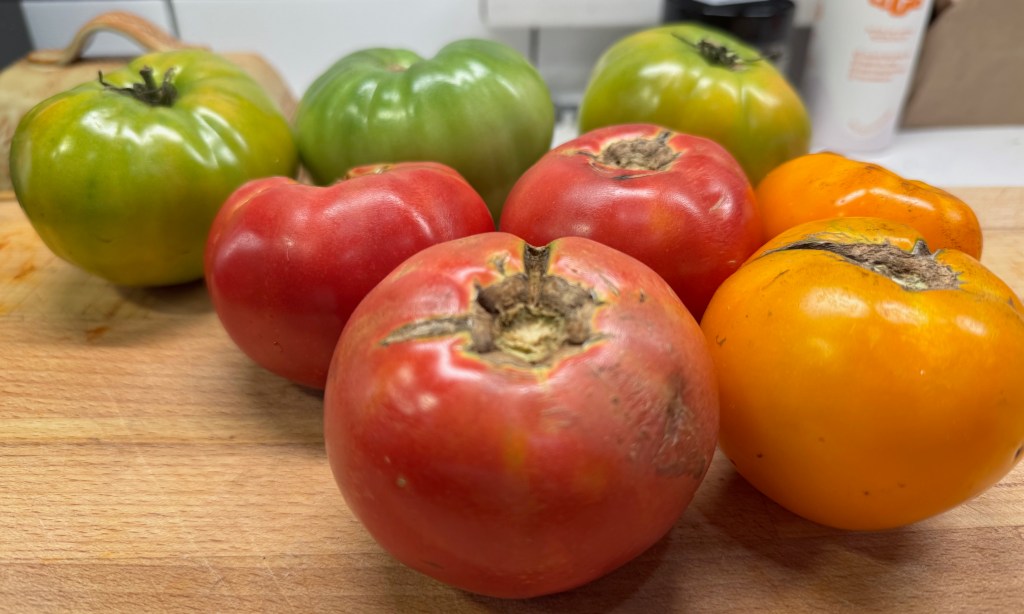
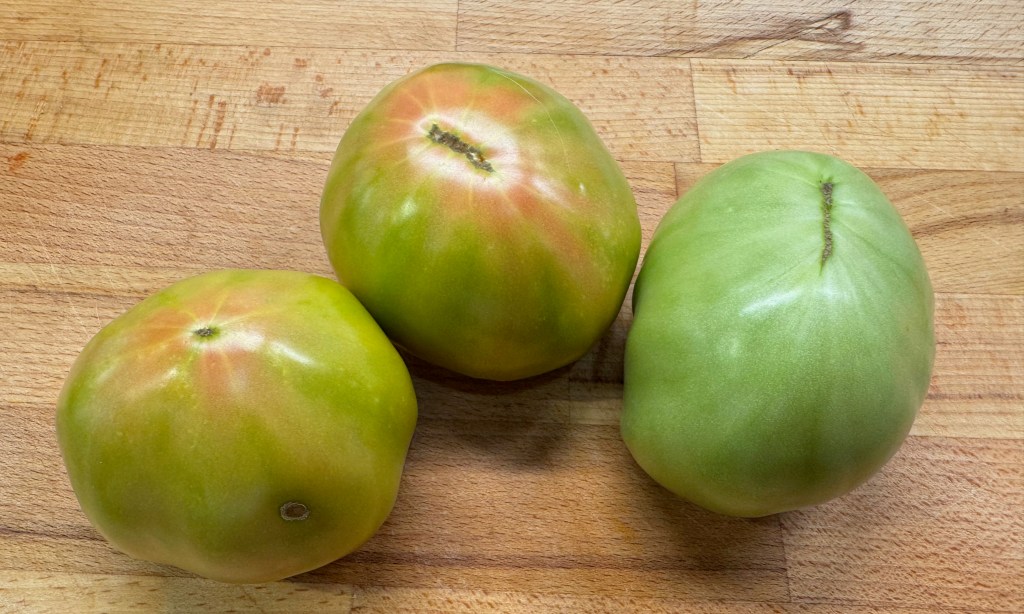
Confession time: I had never made these before, and so I was relying mostly on a recipe from Southern Living magazine as well as my own memories of having eaten fried green tomatoes at some of our local hot spots. The trick, apparently, is to use tomatoes that are truly green, freshly picked off the vine or farm stand while still firm and solid. This is necessary because frying won’t work on softer, juicier tomatoes. I bought my tomatoes on a Saturday, and by the time I got my proverbial ducks in a row on Tuesday, two of my maters were already headed toward varying shades of pink, but they worked out fine.

Still green enough, thankfully!

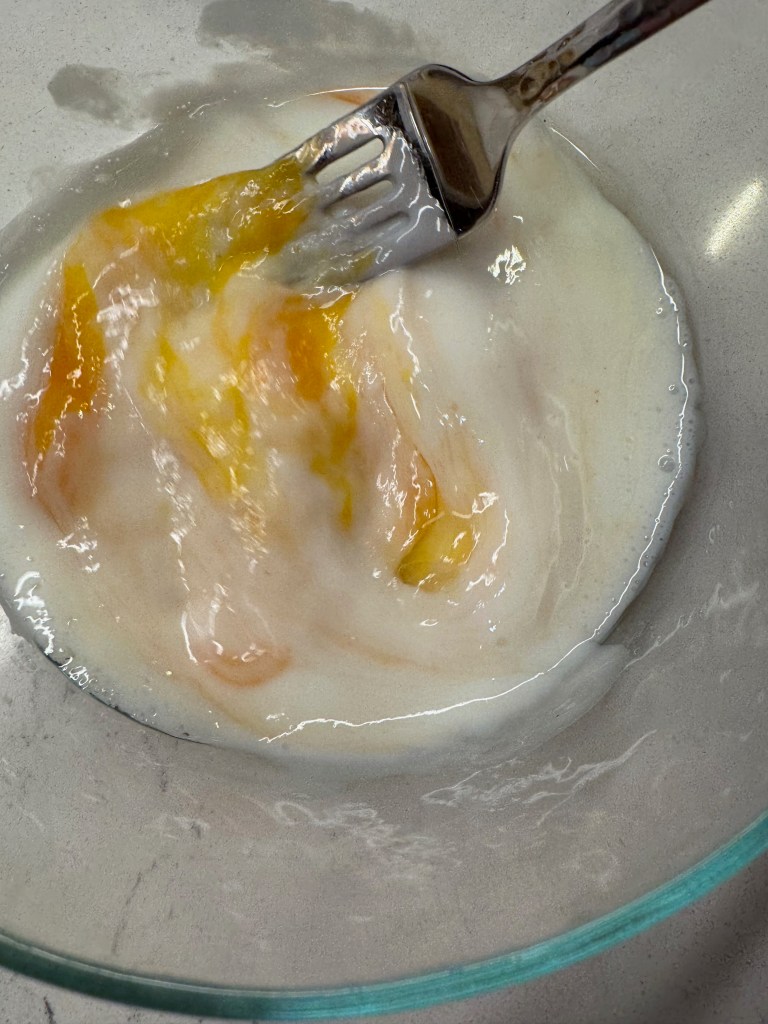
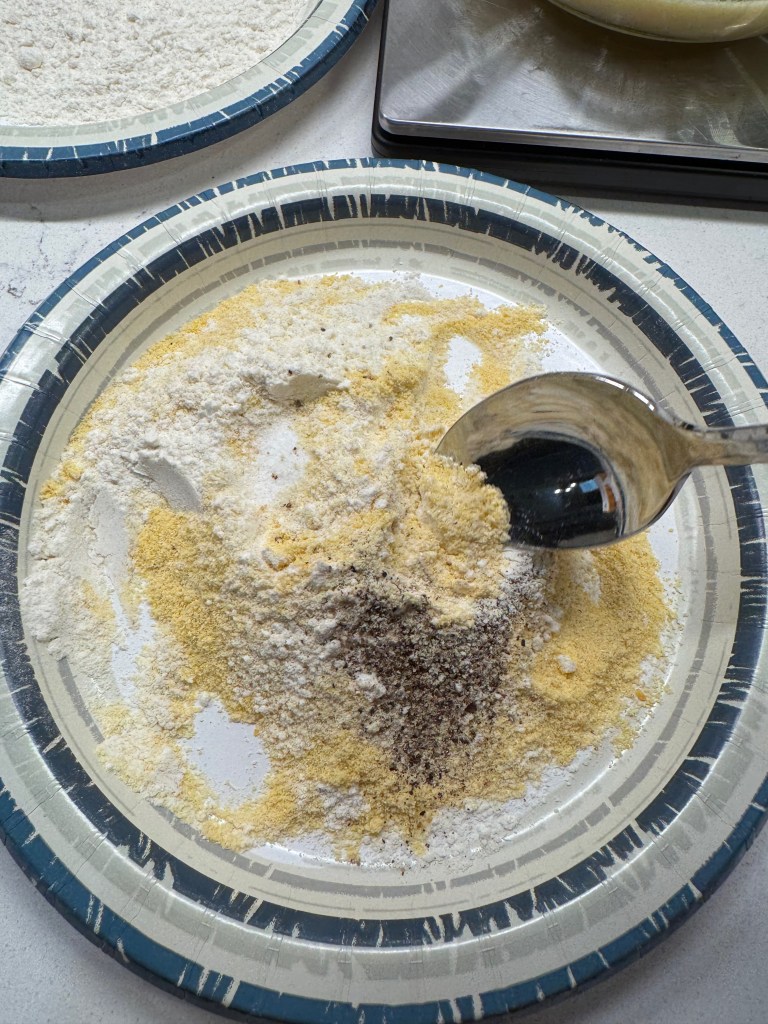
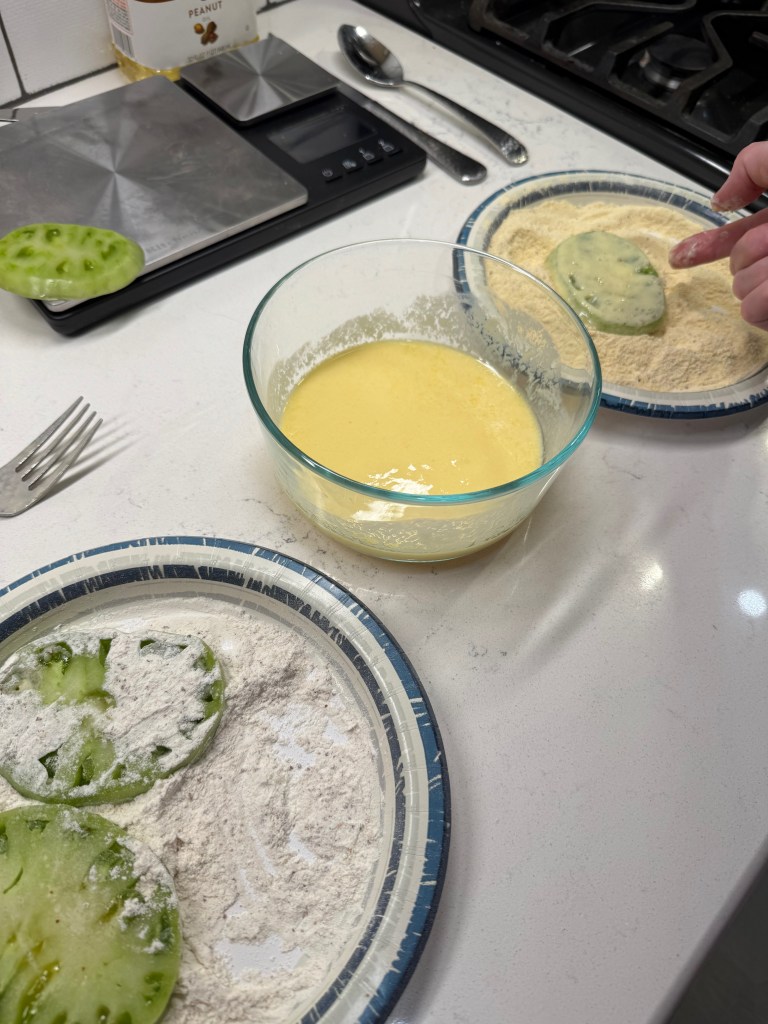
You’ll need a dredging station— that is seasoned flour, buttermilk with beaten egg and a seasoned cornmeal-flour mixture— and a hot skillet with a half-inch or so of neutral frying oil. I used peanut oil, but grapeseed, soybean, canola or safflower would be good options. Olive oil has a low smoke point and is not good for frying at this temperature. Save that for sautéing and salads.

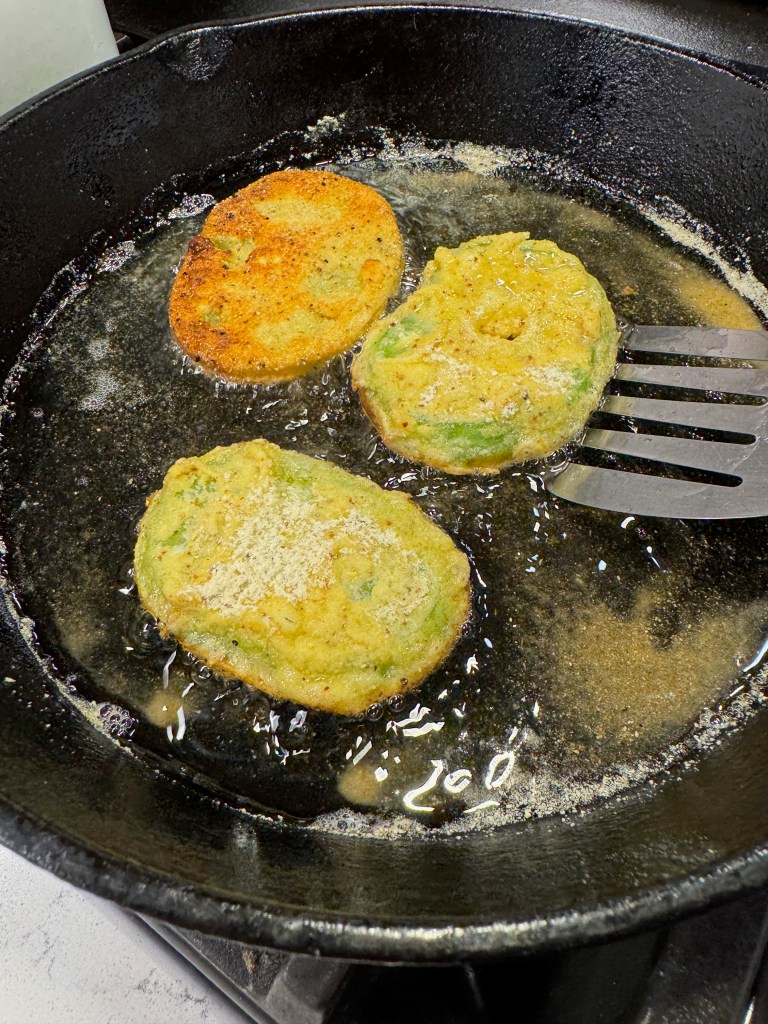
The fun part: frying the green tomatoes!

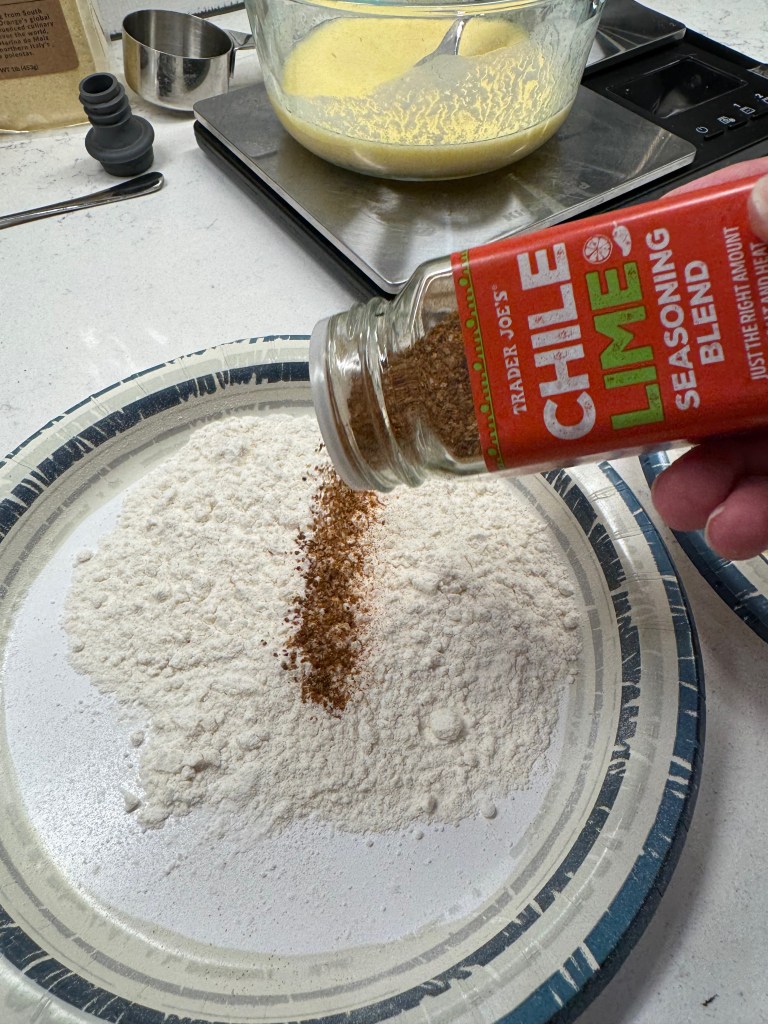
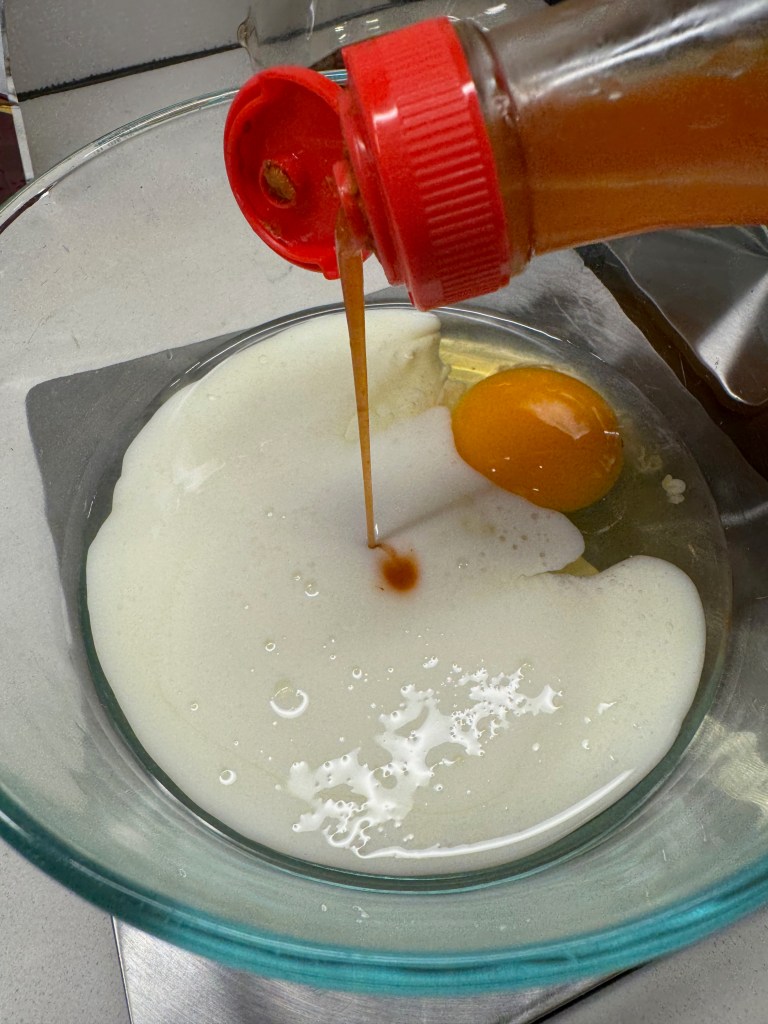
Because I wanted to marry these fried green tomatoes with Mexican street corn, I took the liberty of seasoning every layer of my dredging station. This meant a couple of dashes of local hot sauce into the buttermilk mixture and a few shakes of Trader Joe’s “Chile Lime” seasoning into both the flour and cornmeal mixtures.


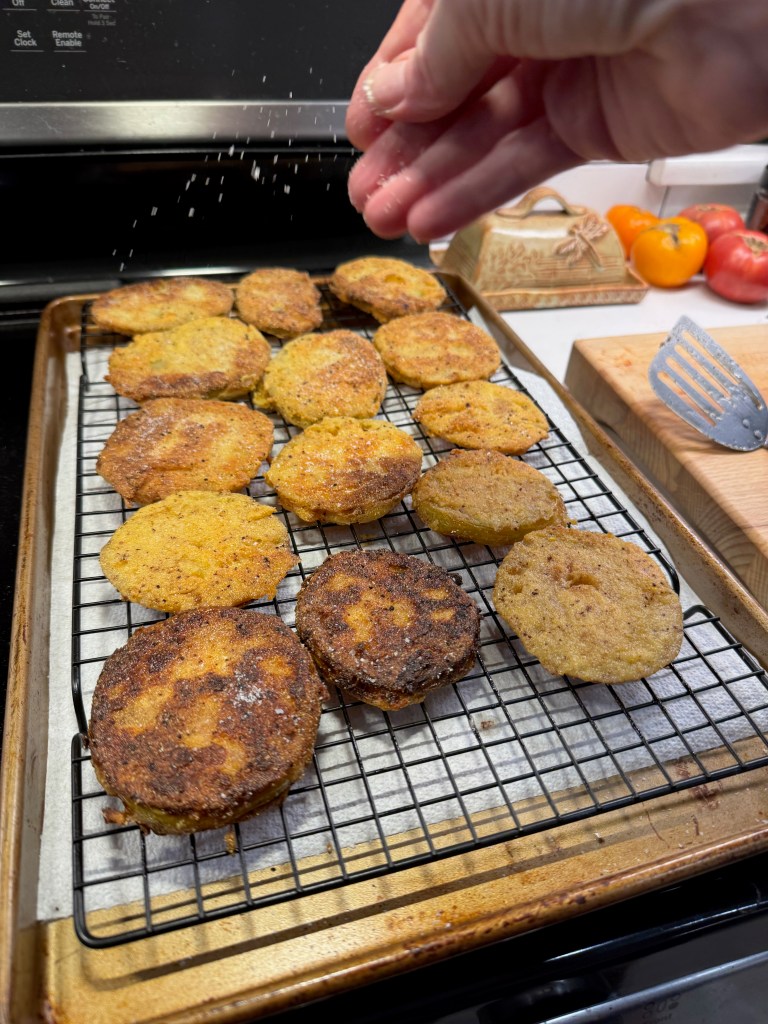
The tomatoes are sliced to approximately 1/3-inch thick, and then dredged and laid carefully into the hot oil until browned and crispy. This only takes a few minutes on each side. As with anything fried, give it a quick salt when they emerge from the pan, and keep them warm while you finish the remaining slices. 


About these Mexican street corn flavors

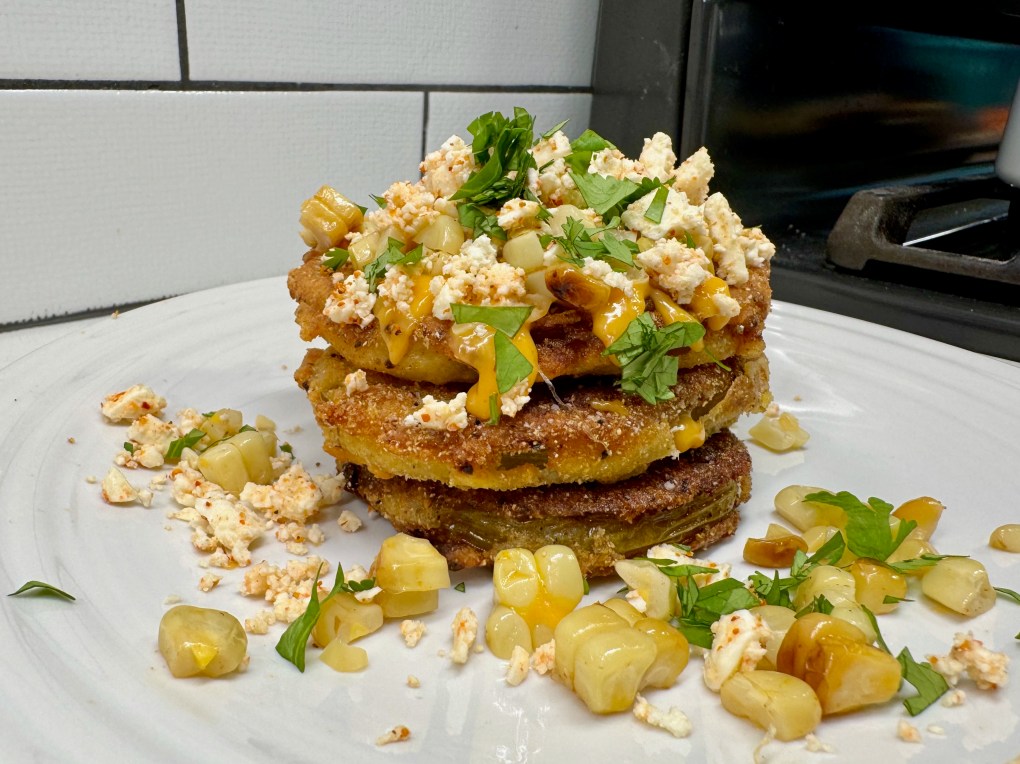
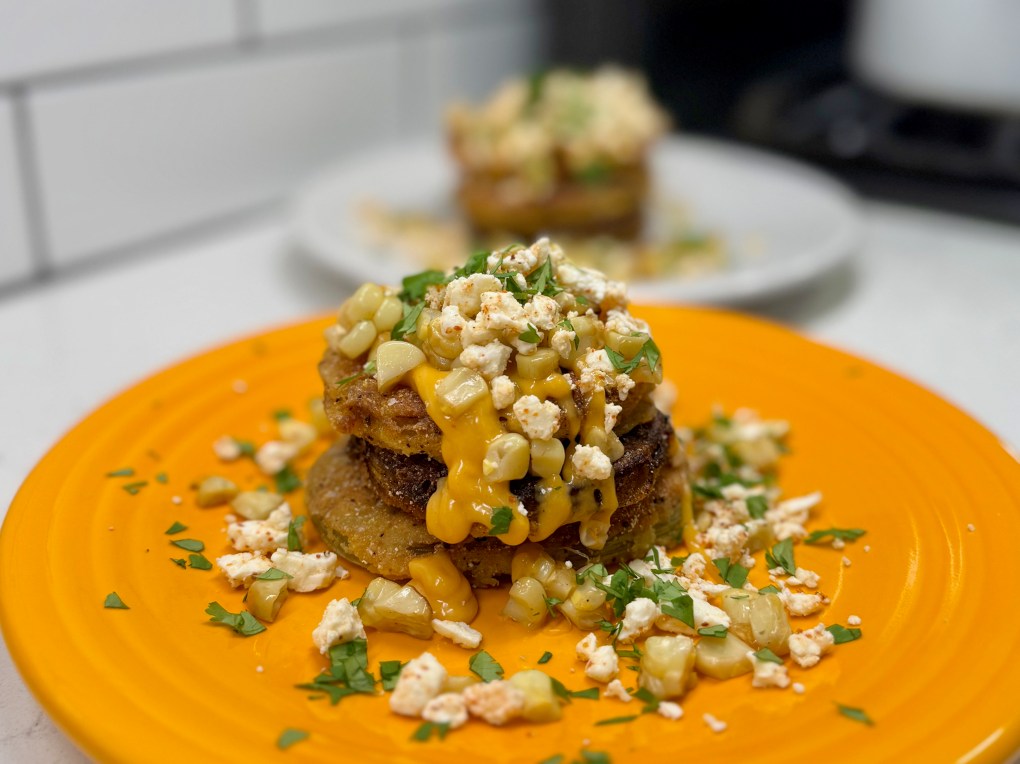
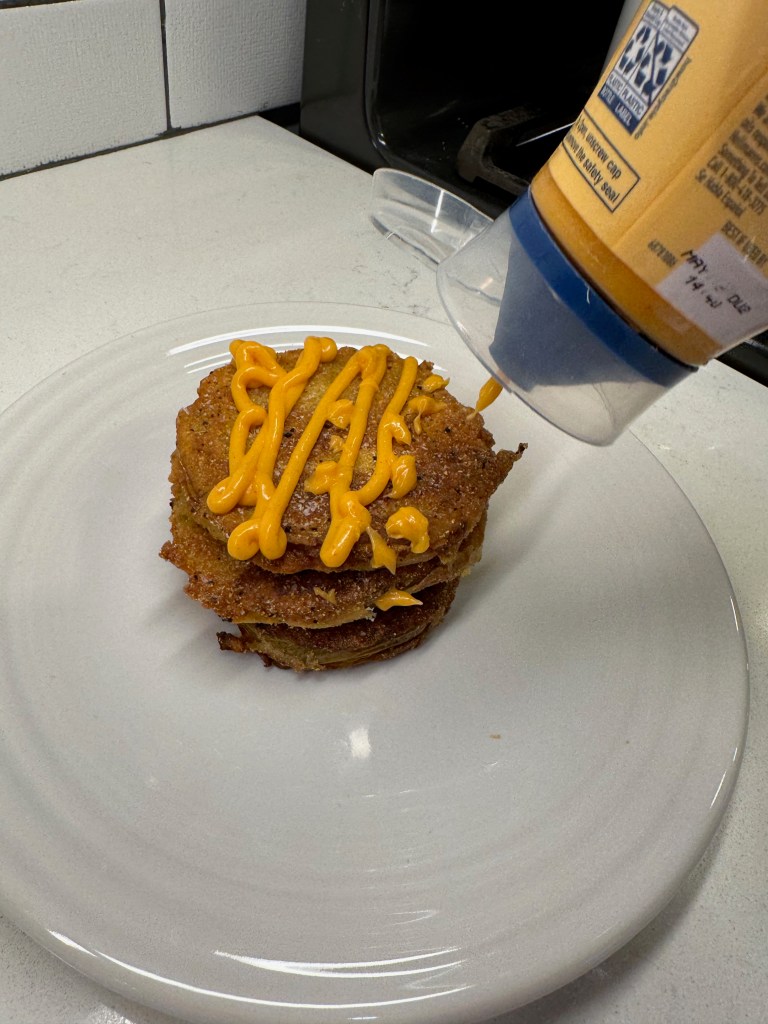
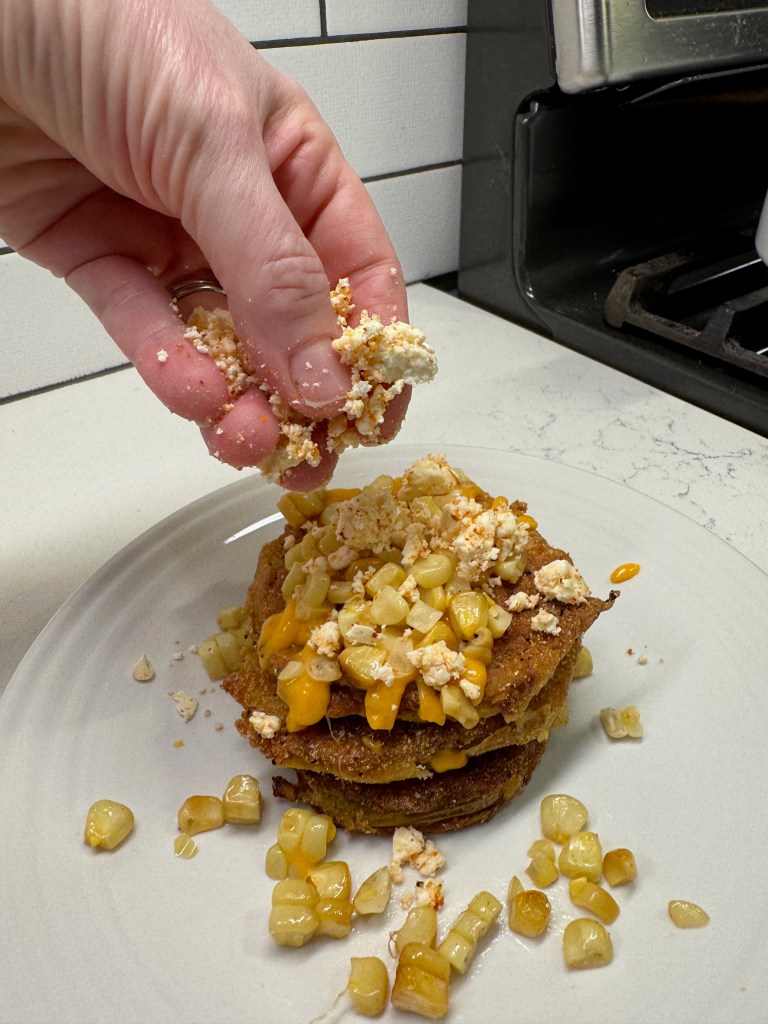
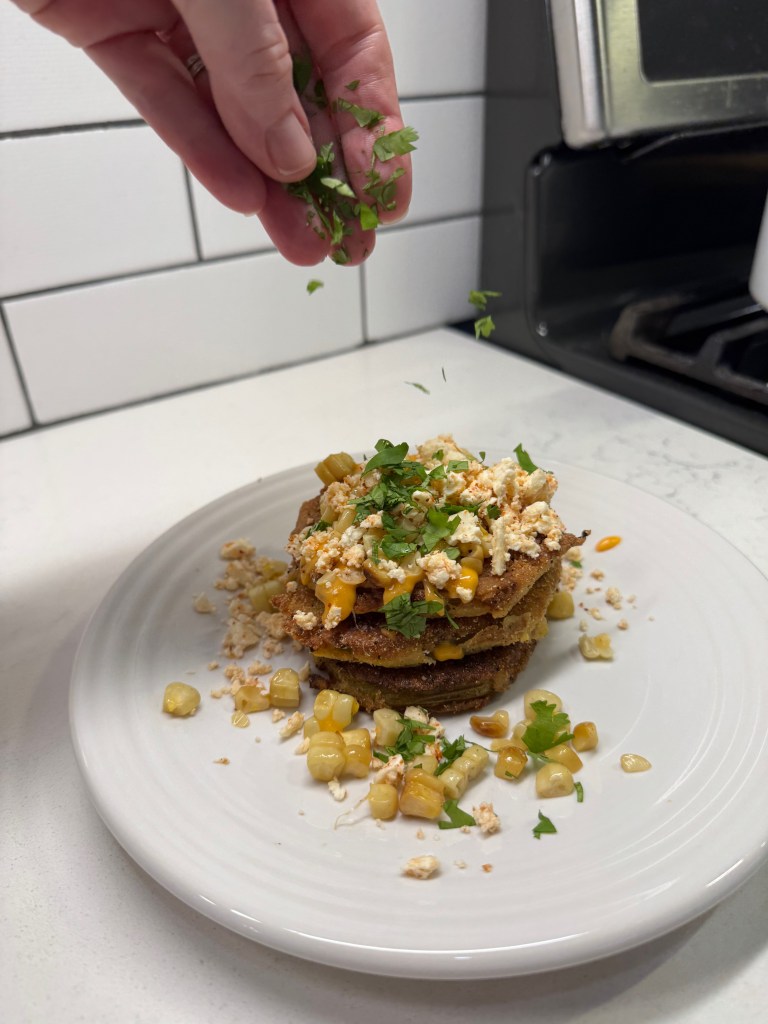
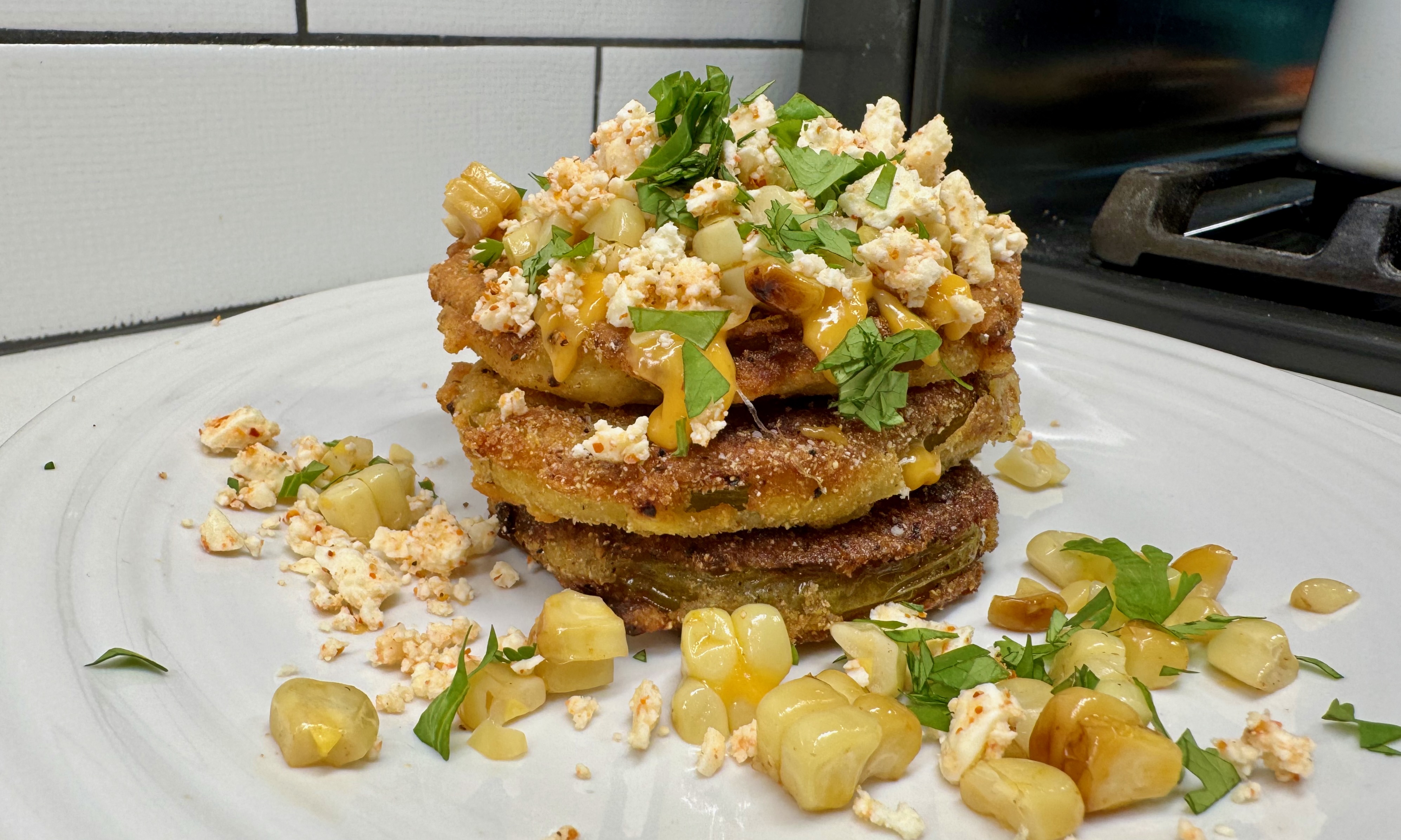
I’ve been all about elote lately, and this dish was simple to adapt, beginning with those flavor embellishments to the dredging ingredients. To seal the deal, I squeezed a few drizzles of spicy mayonnaise over the hot fried green tomatoes, and then scattered them with leftover grilled corn, some crumbled Tajin-flavored feta (my new favorite ingredient) and fresh chopped cilantro.


The marriage with street corn felt like it was meant to be, and the grilled corn played so well with the cornmeal crust on the tender green tomatoes, which were delightfully tangy underneath that spicy mayo and salty feta. My intention was for this to be a side dish, but they were so filling, we found them to be perfect on their own and called it a meal. 

Fried Green Tomatoes (with Mexican Street Corn)

  • Servings: About 4
  • Difficulty: Average
  • Print

These tasty treats are bringing a south-of-the-border flavor to what has become a staple appetizer in the American South. A great way to use any green tomatoes that linger on the vines this fall.


Ingredients

  • 3 good size very green fresh tomatoes
  • 1 cup all-purpose flour, divided (see directions)
  • 1 cup fine cornmeal
  • 1 tsp. salt
  • 1/2 tsp. black pepper
  • Several shakes chili powder or Trader Joe’s “Chile Lime” seasoning
  • 1/2 cup real buttermilk (thick is best)
  • 1 large egg
  • Bottled hot sauce to taste
  • Neutral cooking oil for frying
  • 1/4 cup spicy mayonnaise
  • Kernels of one grilled corn on the cob
  • 1/2 cup Tajin-flavored feta (or make your own, or use traditional cotija)
  • Fresh cilantro leaves, chopped (for garnish)

Notes: It’s crucial that you select very firm green tomatoes. Juicy tomatoes will not yield a good result. Arrange your ingredients before you begin, as the cooking moves quickly.

Directions

  1. Slice tomatoes cross-wise into roughly 1/3-inch slices and pat dry with paper towels. Heat enough oil in a cast iron or electric skillet between 1/4-inch and 1/2-inch deep. The oil should be 375° F; use a thermometer if you have one, or consider cooking a test tomato and adjust the temperature as needed.
  2. Combine buttermilk and egg in a shallow bowl, and beat in a few shakes of bottled hot sauce. Place 1/2 cup of the flour on a deep paper plate. Combine the rest with the cornmeal on a second plate, and season both plates with a few shakes of chile lime seasoning, plus the salt and pepper.
  3. Moving quickly, dredge the tomato slices in the flour, then dip into the buttermilk mixture and finally into the seasoned cornmeal mixture. Shake off excess breading and carefully lay the slices into the hot oil. Cook for about three minutes, until you can see the edges turning deep golden color. Use a spatula together with a fork to turn the slices over (this will help you avoid splashing the hot oil). Cook the second side two to three minutes, then carefully transfer to the wire rack placed over a baking sheet. Season tomatoes with salt promptly, and repeat with remaining tomatoes.
  4. To dress them up Mexican street corn-style, stack three tomatoes onto a plate and drizzle spicy mayonnaise over the top, then follow that with the grilled corn, feta and cilantro.


Black Forest Cupcakes

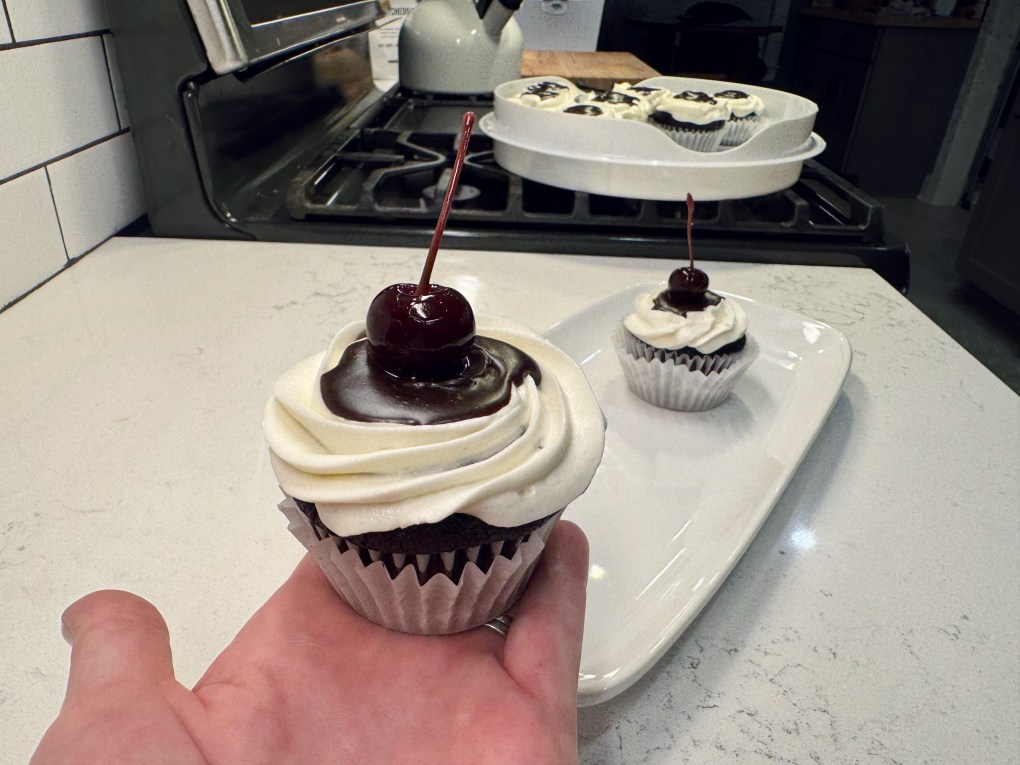
There’s a reason my dessert page is overrun with the chocolate-cherry flavor combo. The “reason” is my husband, Les, who loves this combination and regularly yearns for it on special occasions. This past weekend was his birthday, and I couldn’t resist adapting my decadent “Black Forest Cake” into individual cupcake treats. Needless to say, Les approved this decision.

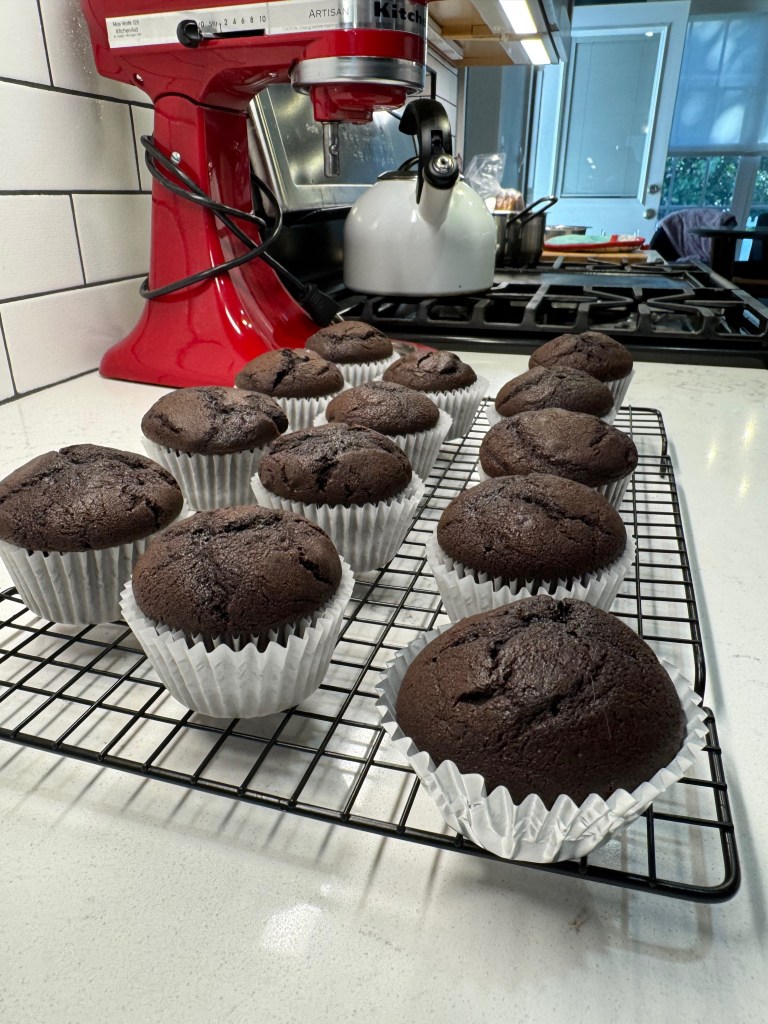
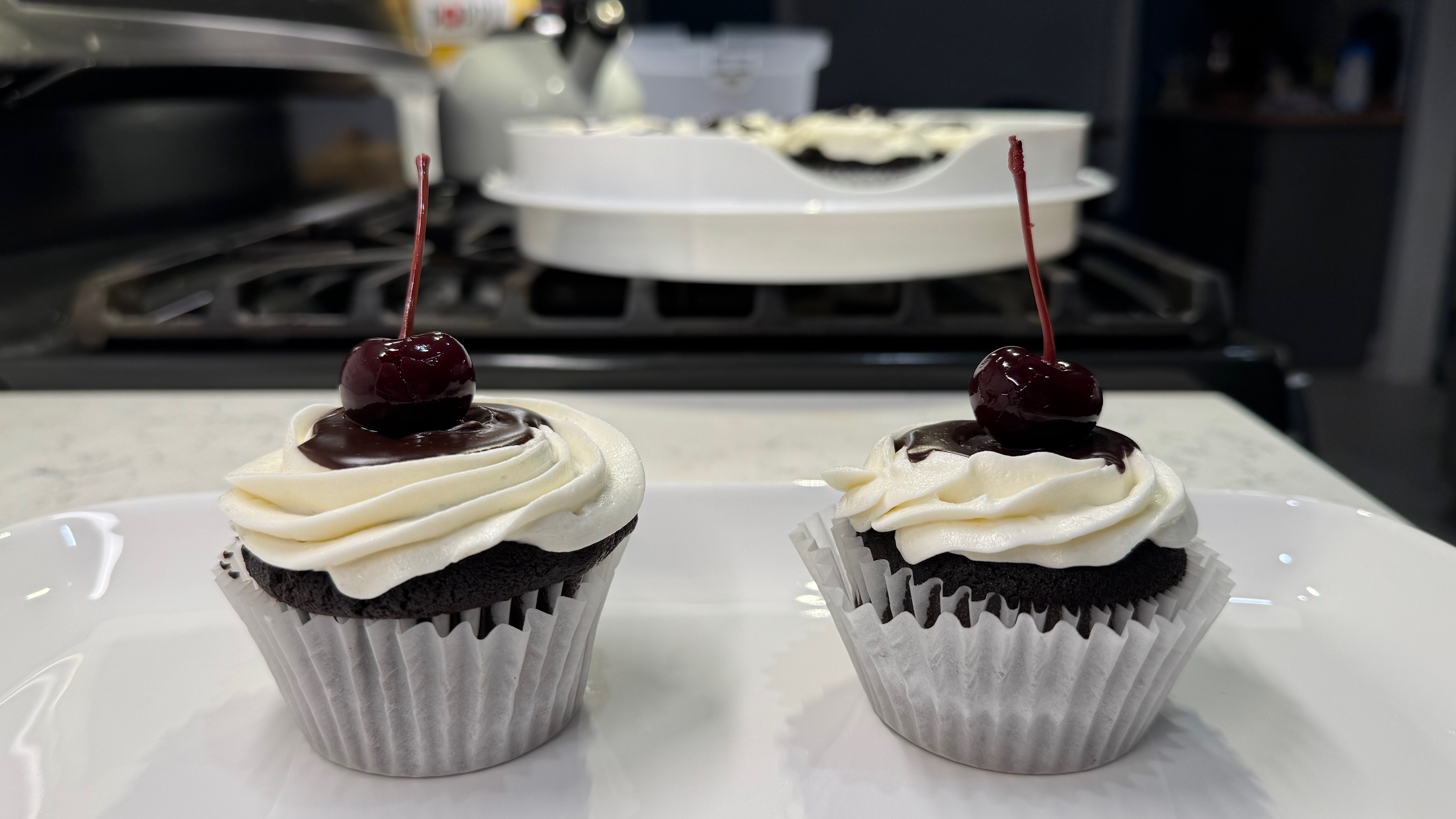
With chocolate, cherries and bourbon, these cupcakes were a winner for my husband!

The adaptation was not quite as simple as switching pans and adjusting the bake time. My Black Forest cake is powered by sourdough and doesn’t have quite the structure needed for handheld cupcakes. The cake, after all, is syrup-soaked layers held together by mascarpone filling, and that wasn’t going to work for cupcakes. For this switch-up, I looked instead to the recipe I used for the Irish Coffee cupcakes I made for St. Patrick’s Day, with a few flavor swaps, of course. Irish cream had no place in these, so I exchanged it for bourbon (which Les never refuses) and I also replaced the cold coffee with milk. 

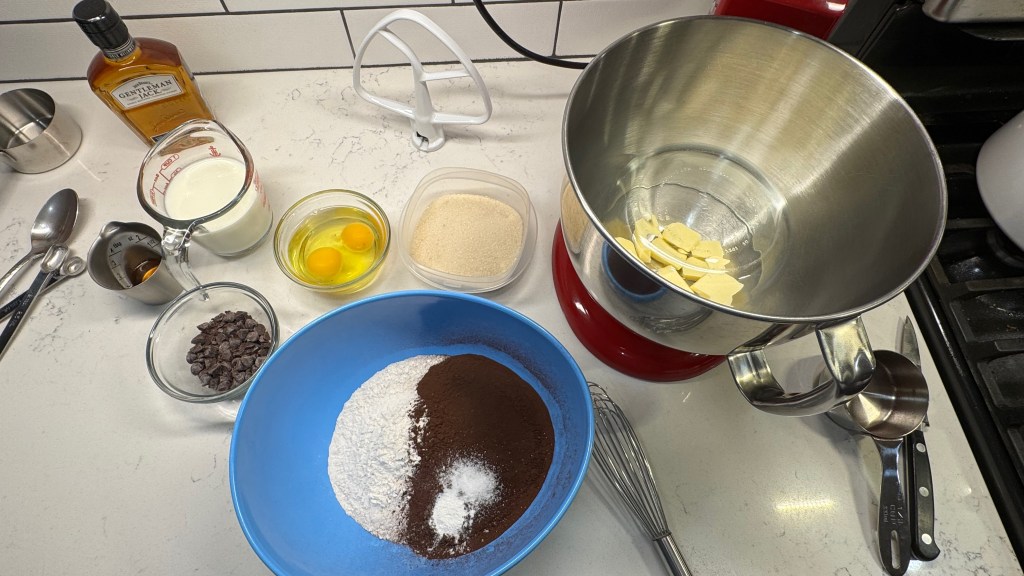
Getting my ducks in a row makes things go smoother.

Let’s get baking!

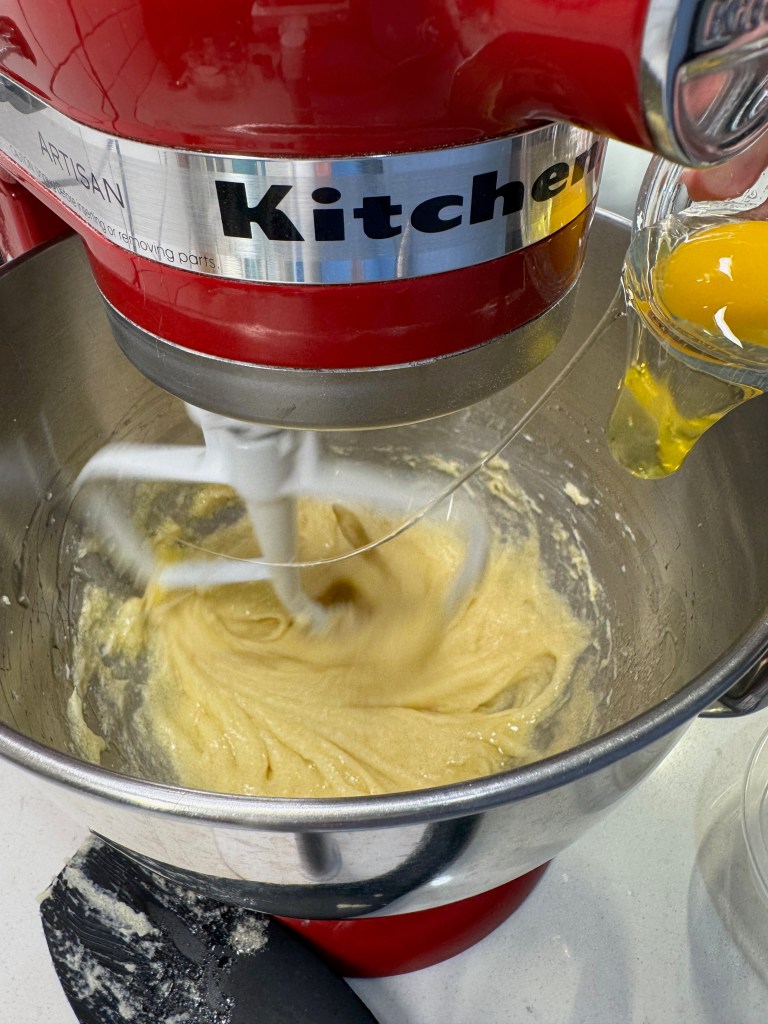
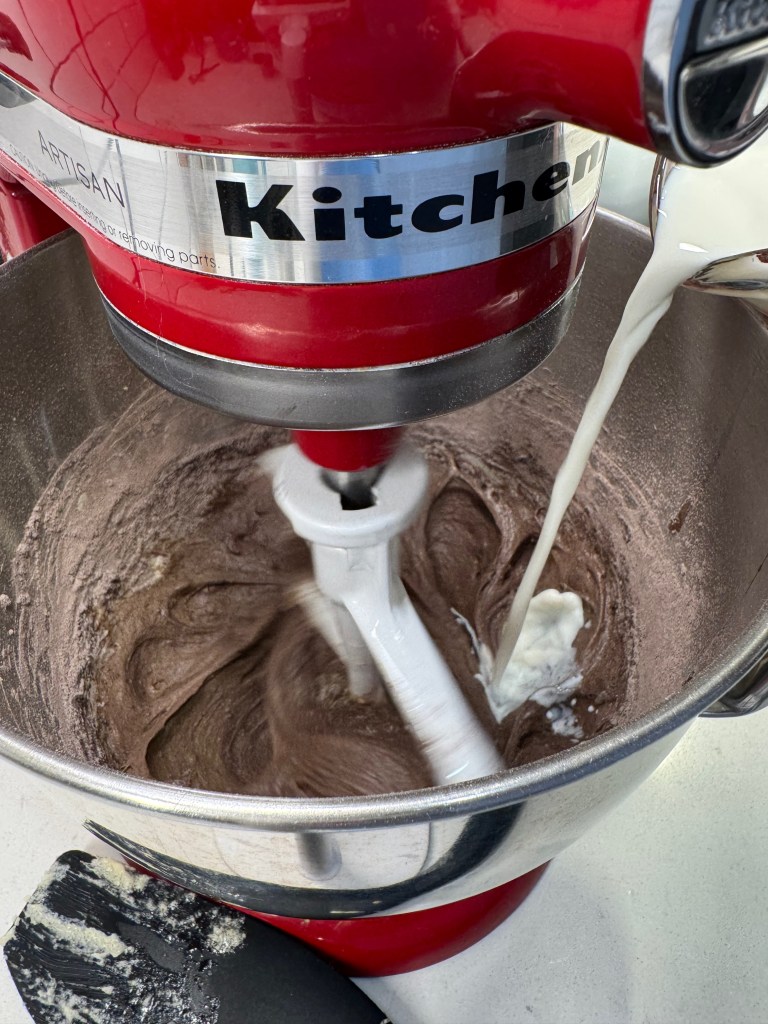
My trusted technique for cupcake batter involves first creaming the butter and sugar, mixing in one egg at a time, and then alternating the dry ingredients with the liquids to achieve an even, smooth batter. Easy enough, and these were ready for the oven. 


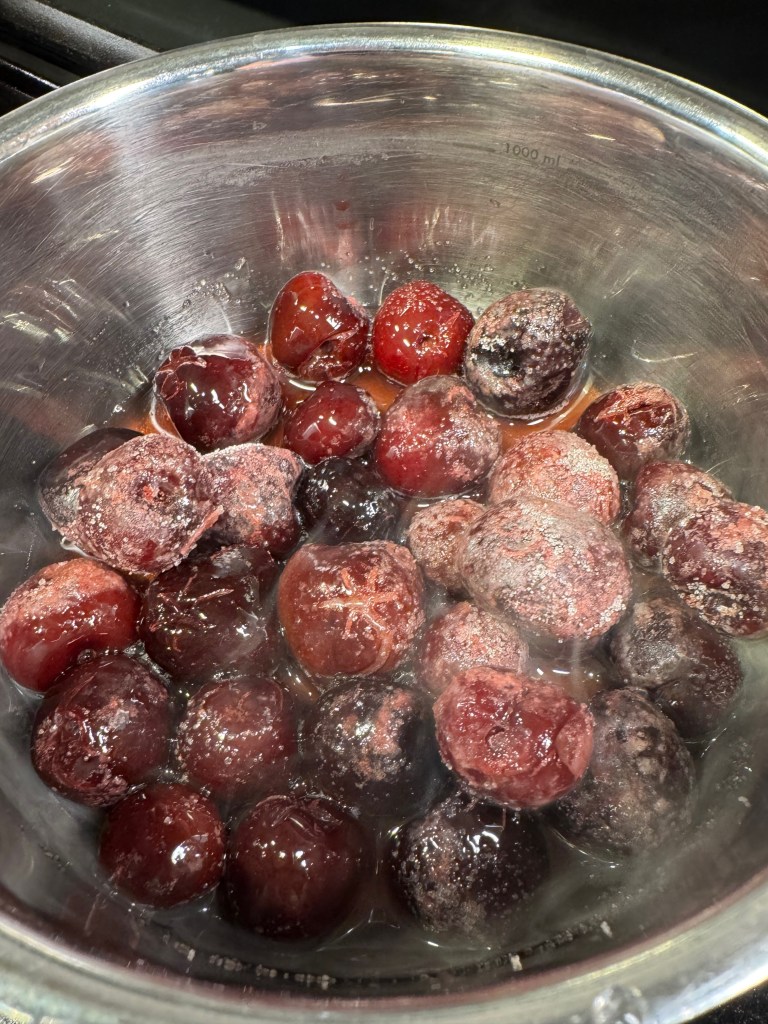
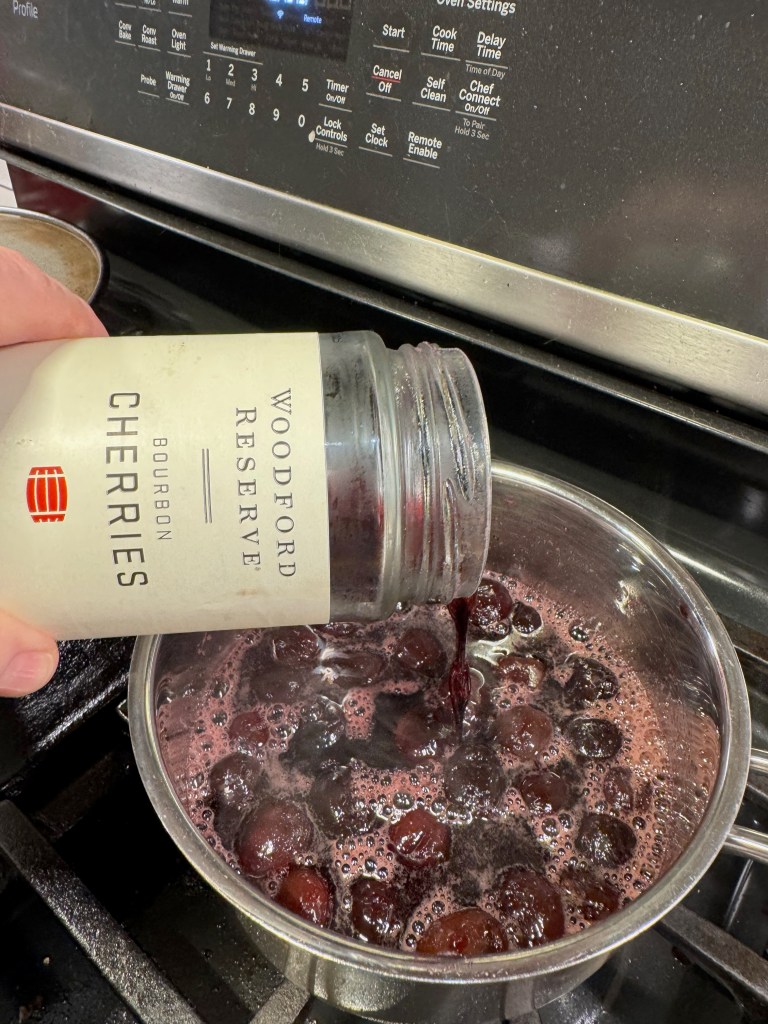
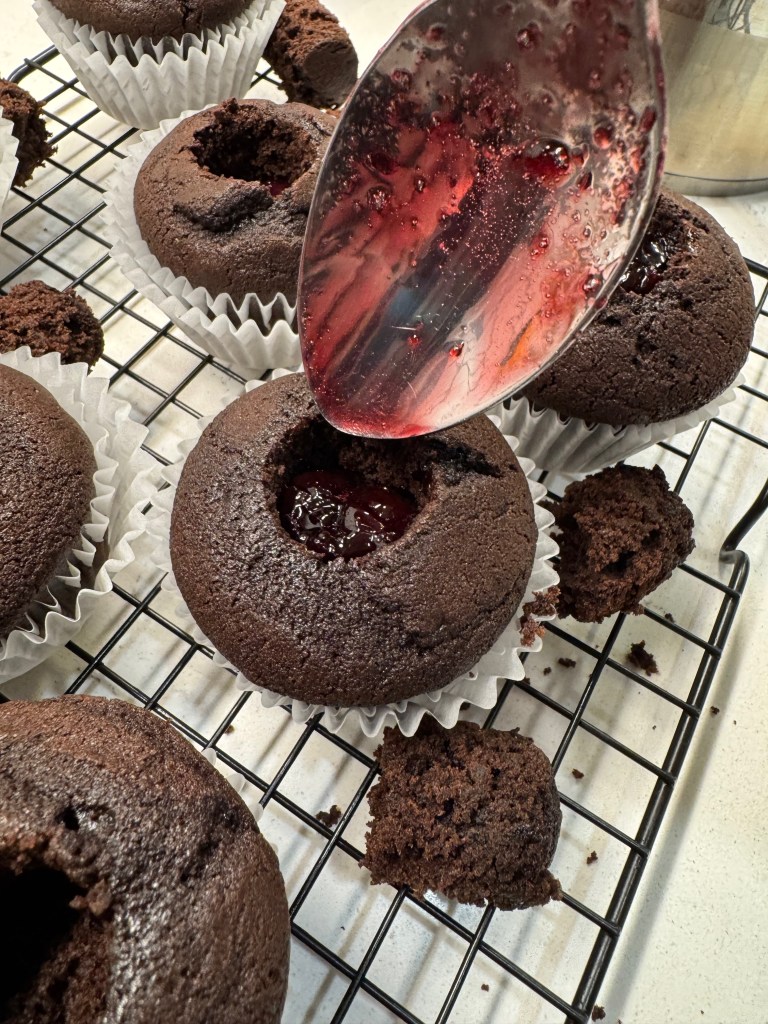
The cherry filling was also easy, with frozen dark sweet cherries cooked with sugar, corn syrup and a splash of juice from our cocktail cherries. I reduced the filling longer than usual because I didn’t want it to make the cupcakes soggy from the inside. The jury was still out on this, but I had purchased a can of cherry pie filling as a backup, hoping that I wouldn’t have to use it.


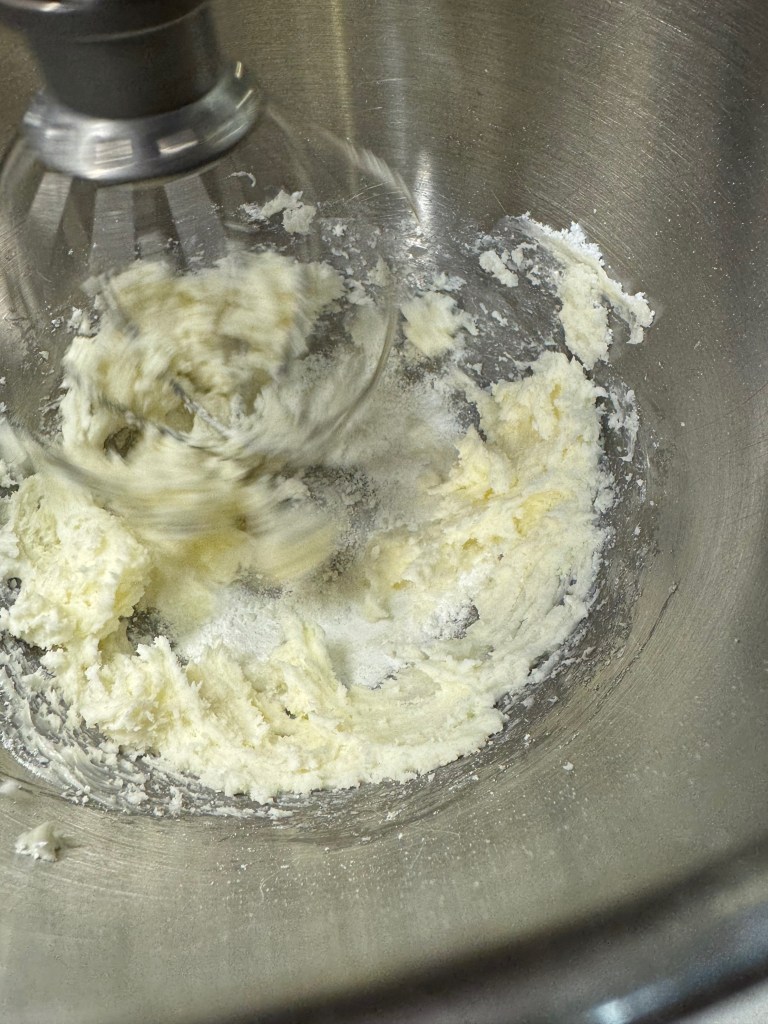
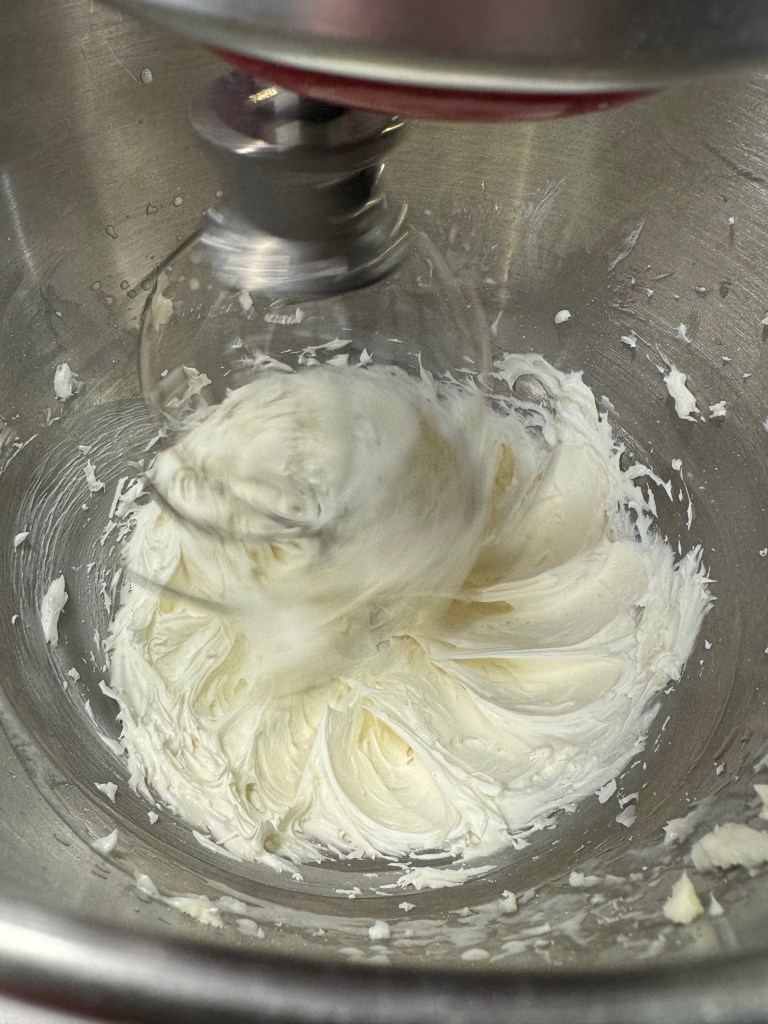
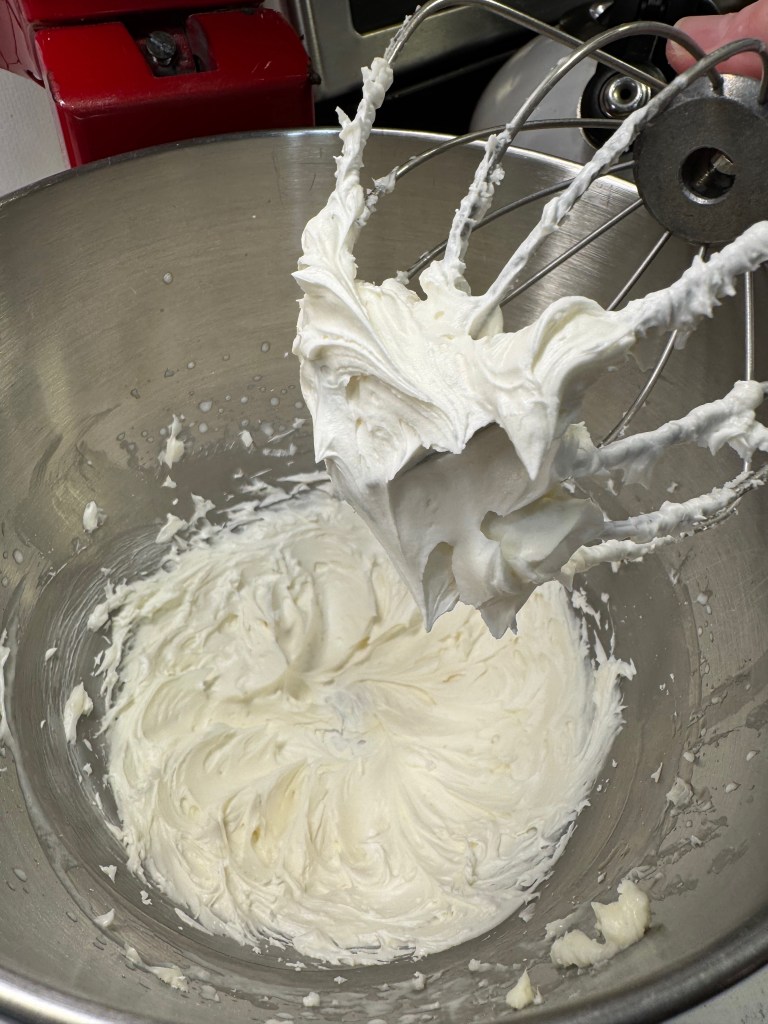
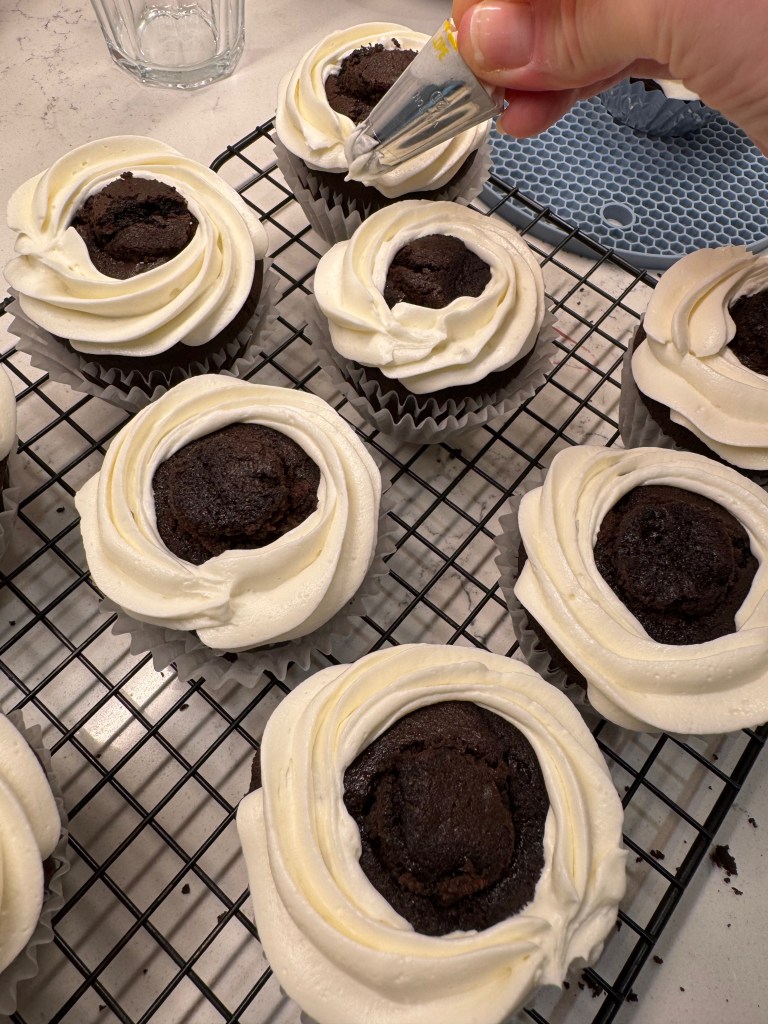
Even the icing was easy; just a half-recipe of my usual salted butter-powdered sugar-splash of booze buttercream. And given that I planned to only pipe it around the outer edges of my cupcakes, it turned out to be exactly the right amount. 


Trouble with ganache

Why is it always the easiest part of a recipe that trips me up? Never mind, I know the answer to my own question. I’m far more likely to get lazy or take a shortcut on the part that seems like a no-brainer. And I pay for it every single time. By the way, did I mention that I was trying to make these glorious birthday cupcakes on the sly while Les worked a half-day? He wasn’t supposed to see these or even know that I was making them, and I was feeling the pressure with only 45 minutes remaining before he was due home. 

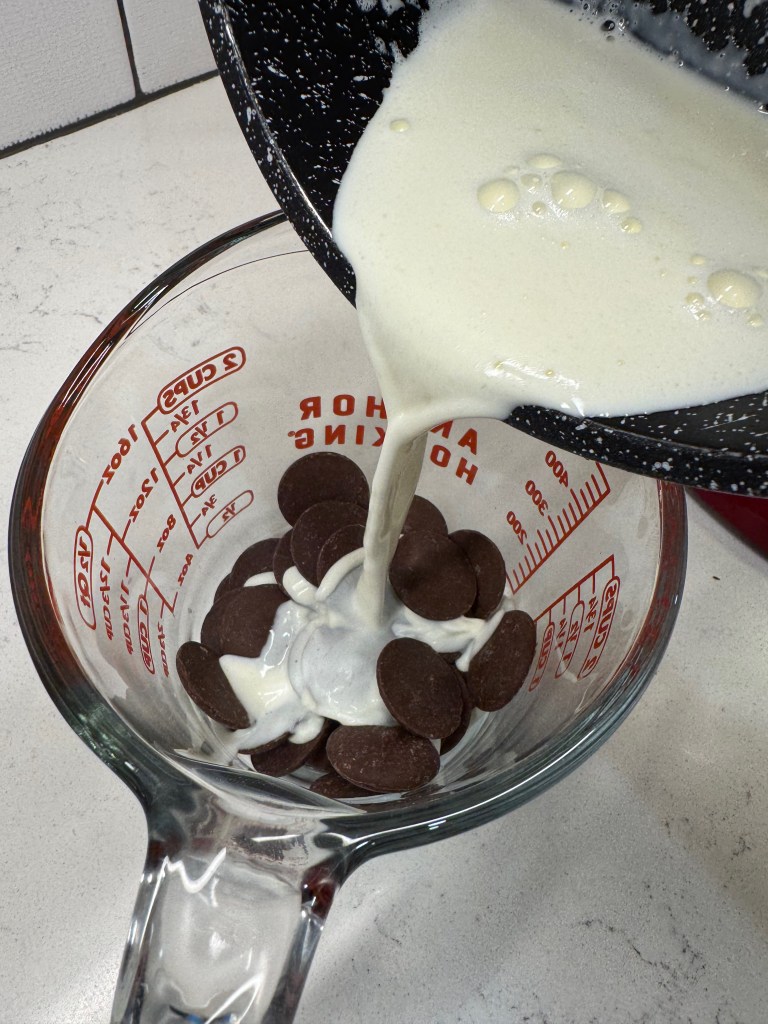
The ganache, which contains only two ingredients— in equal parts, I might add— became the problem. I think it was the White Rabbit in Alice in Wonderland who lamented,“the hurrier I go, the behinder I get,” and that certainly was the case for me, as I decided in a rush that I would not take five stupid seconds to cross the room and grab my digital scale for proper measurements. Nope, I eyeballed the ratio of dark chocolate wafers and hot heavy cream, and I missed the mark.  And then, in my rush to finish, I didn’t give the cream enough time to melt the wafers before I started stirring it. So now I was in a fix of my own making, which happens more than I care to admit. 


About this time, I panic-texted my high school bestie for a quick sanity check on how to best save the ganache. As expected, both options Christine suggested would take more time than I had, so I finished what I could— filling each cupcake with two or three boozy cherries and piping the buttercream onto the edges. The rest would have to wait, as I crammed the cupcakes and the half-assed ganache into the garage refrigerator, speed-washed the dishes and tried my best to “act normal” when Les walked in the door. 


A decision bigger than ganache

Though I had made some special plans for us that afternoon, which included a couples’ manicure and a cool visit to the Van Gogh Immersive Experience, half of my mind stayed behind in the kitchen, deciding how to pull this off without spoiling the surprise. This was not a milestone birthday for Les, but I really wanted to make the day extra special because A: I love him to pieces, and B: he had pulled off a stunning party for me one month earlier when I hit a zero-ender birthday. When you love someone, you want to do your best for them, right?

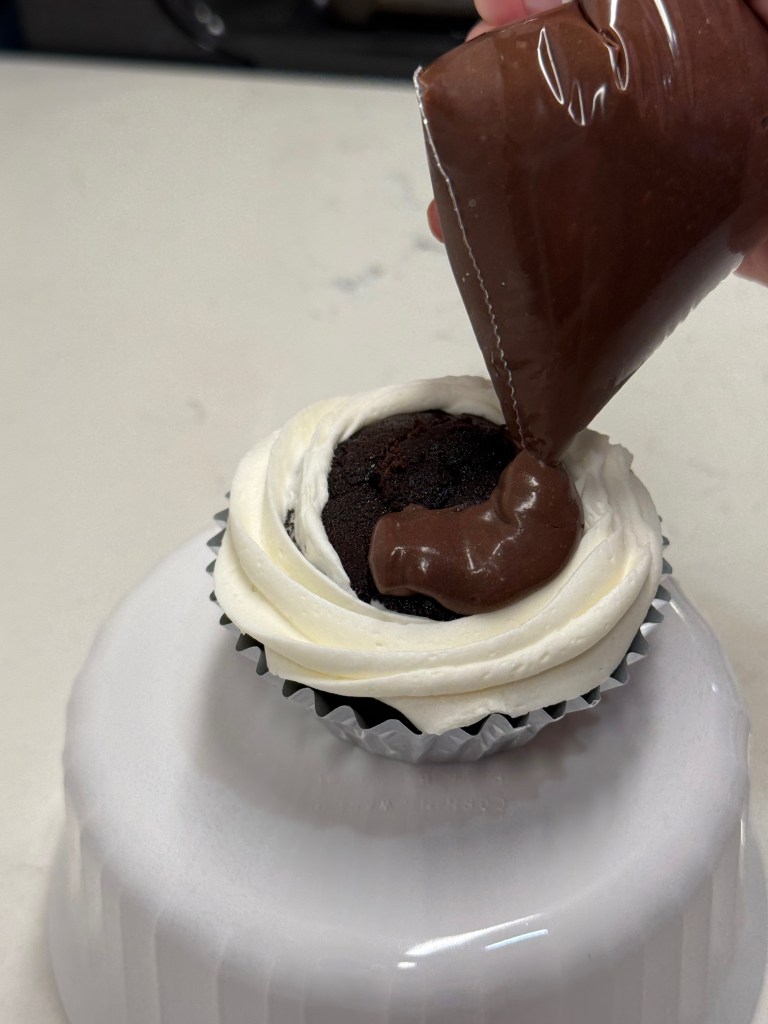
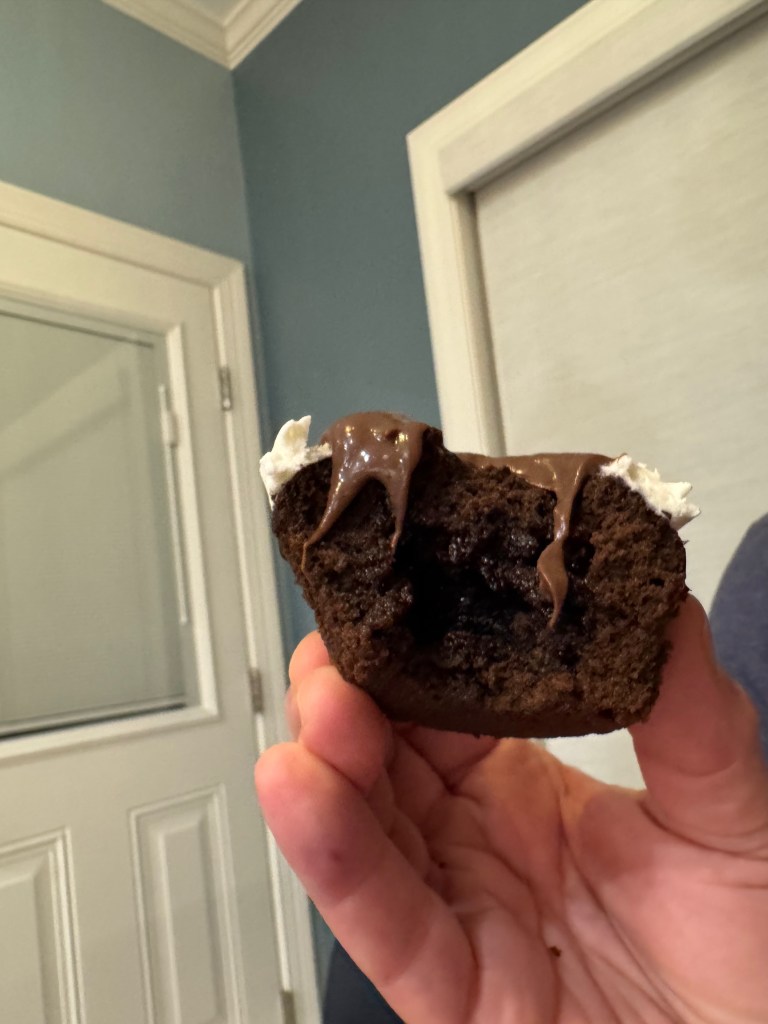
But here’s the thing about my husband— he’s about as easygoing as they come, the kind of guy who appreciates the heartfelt gesture far more than the outcome. In the end, I simply piped the ganache (which resembled milk chocolate pudding) into the well created by the buttercream, topped it with a cocktail cherry and a birthday candle while he changed into comfortable clothes. Does he look bothered?


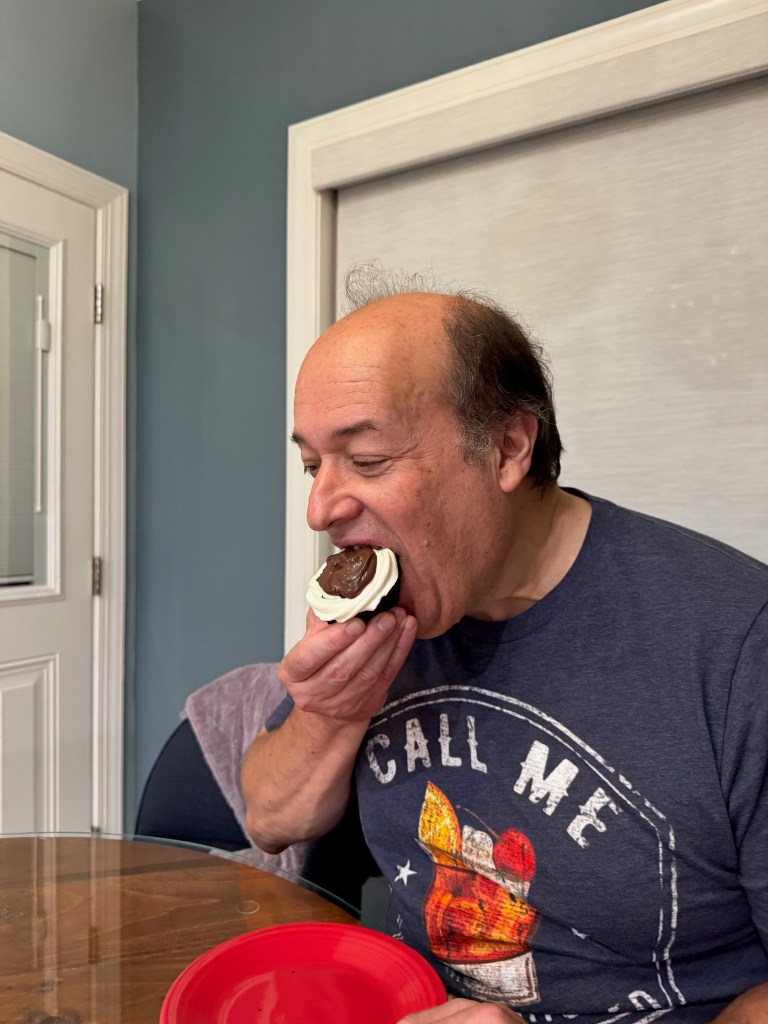
Naturally, I told him about my ganache faux pas, and assured that the rest of the cupcakes would get the right ganache. Letting this go allowed me to dismiss my disappointment in myself and get back into the special moment of sharing these yummy cupcakes, which Les absolutely loved. Especially the second time!


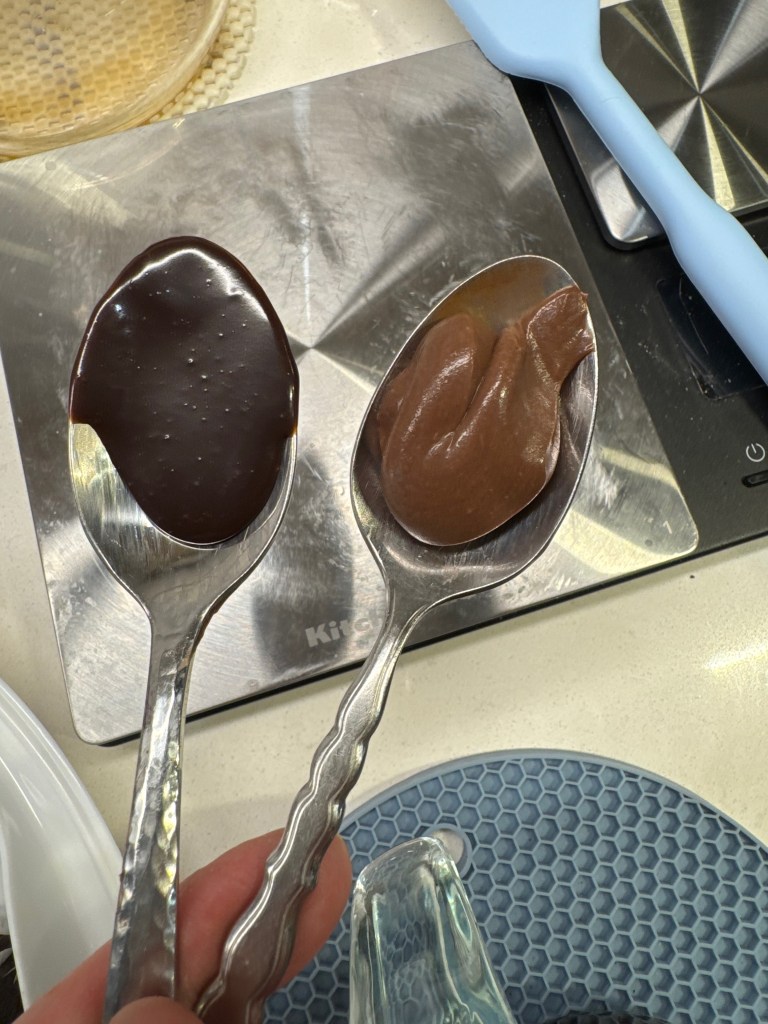
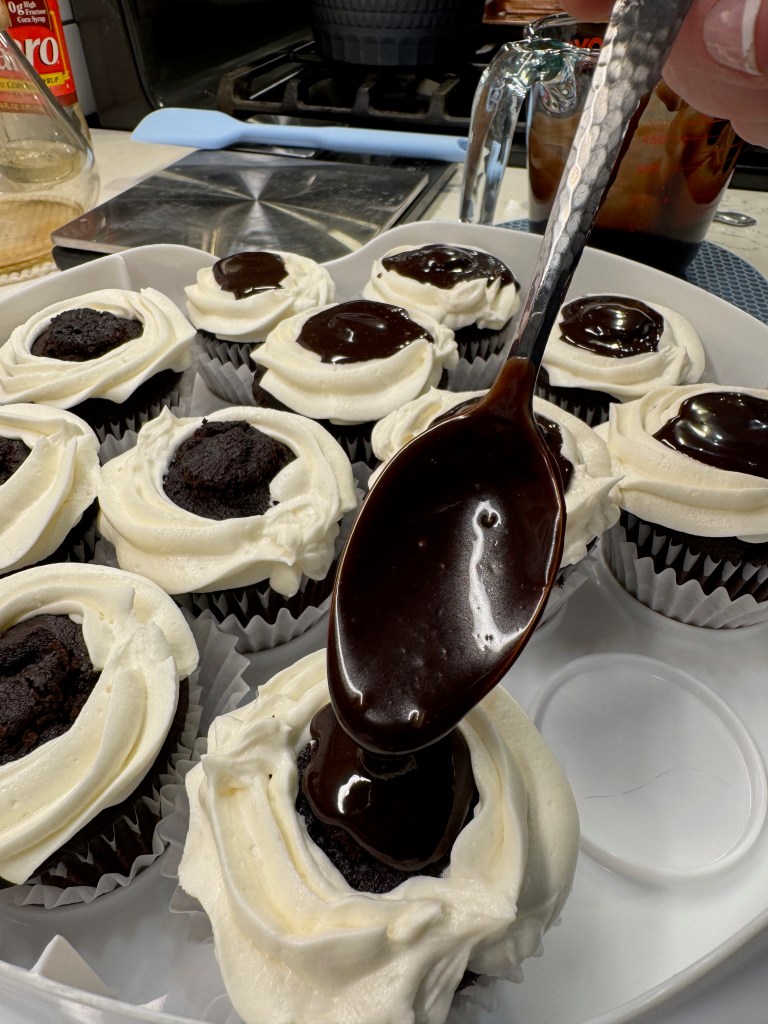
Just for grins, here’s a side-by-side of the correct ganache with the first batch, and let my lesson be one for you, too. Grab the scale, wait the 10 minutes, take whatever time is needed to avoid unnecessary stress. And if the worst thing that happens is that you end up with an extra bowl of too-creamy, not-so-dark chocolate ganache, well, how is that ever a bad thing? 

Black Forest Cupcakes

  • Servings: A baker's dozen
  • Difficulty: Average
  • Print

This was a fun challenge, creating a cherry-filled chocolate cupcake with all the wow factor of my Black Forest cake, but in a single serving birthday treat for my husband.


Ingredients

  • 1 stick (8 Tbsp.) salted or unsalted butter, softened to near-room temperature
  • 3/4 cup organic cane sugar
  • 2 large eggs, room temperature
  • 3/4 cup whole milk, at room temperature
  • 2 Tbsp. bourbon
  • 1 Tbsp. Cherry Heering liqueur (optional, or another of bourbon)
  • 1 1/2 cups unbleached cake flour (see tips)
  • 1/2 cup Double Dark Dutch cocoa (see tips)
  • 1/4 tsp. salt (increase to 1/2 if using unsalted butter)
  • 1/2 tsp. baking soda
  • 1/4 tsp. baking powder
  • 2 heaping tablespoons dark chocolate, finely chopped (I used dark chips)
  • Cherry filling, buttercream and ganache, as noted below
  • 12 stemmed cocktail cherries (optional, for pretty presentation at serving)

Tips: Cake flour is very fine and lower protein than regular baking flour. Find it in specialty stores or online at King Arthur Baking. If you cannot find it, all-purpose flour is an acceptable substitute. Be sure to measure using the “fluff, sprinkle, level” method so that you don’t end up with too much flour and dense cupcakes.

The cocoa I used is very dark and intensely flavored. I purchase it online from King Arthur Baking. Hershey’s also makes a dark cocoa, which would be a good substitute.

Directions

  1. Heat oven to 350° F, with rack in center position of oven. Line a 12-cup cupcake tin with doubled liner papers.
  2. 2.In the bowl of a stand mixer, fitted with the paddle attachment, beat softened butter until it’s light and creamy. Pour sugar in very gradually, continuing to beat until the sugar is fully incorporated. Stop the mixer a couple times to scrape down sides of the bowl.
  3. Beat in eggs, one at a time. Whisk together flour, cocoa, baking powder, baking soda and salt in a medium bowl. Add flour mixture to the batter, one-third at a time, alternating with the milk and ending with the dry mixture. Slowly stir in bourbon (and cherry liqueur, if using).
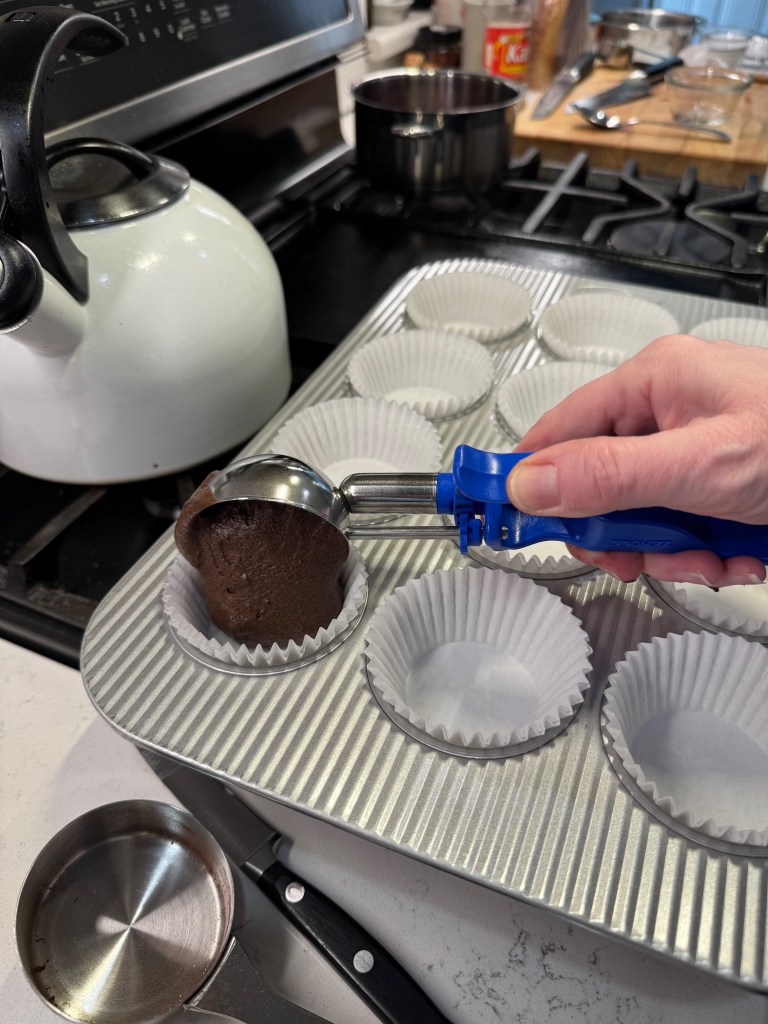
  4. Use a large cookie scoop to fill cupcake papers. They will be about 3/4 full. If necessary, line custard cups with papers for any excess batter.
  5. Bake in the center of the oven for 20 to 22 minutes, turning pan halfway through for even baking. Remove from oven to cool several minutes, and then transfer cupcakes to a wire rack to finish cooling.
  6. Use an apple corer or paring knife to carve out a small plug of cake from each cupcake (reserve them). Carefully spoon two or three cherries into each cupcake cavity, and then replace the reserved cake plugs.
  7. Load buttercream into a piping bag fitted with a star tip. Pipe buttercream only around the outer edge of each cupcake, leaving the center of each cupcake top naked (this is where the ganache will go). Refrigerate cupcakes for an hour or two to firm up buttercream.
  8. Spoon ganache into open top of cupcakes. Place a cocktail cherry on the cupcakes when you are ready to serve them.

Boozy Cherry Filling: If you want to save time, consider using a quality canned cherry pie filling in place of this scratch-made mixture.

Ingredients

  • 12 oz. frozen dark sweet cherries
  • 1/4 cup organic cane sugar
  • 2 Tbsp. water
  • 2 Tbsp. bourbon (or liquid from cocktail cherries)
  • 2 Tbsp. light corn syrup (prevents crystallization of sugar; sub maple syrup if you wish)

Directions

  1. Place cherries, sugar and water in a small saucepan over medium heat. Cook, stirring occasionally, until sugar has dissolved and cherries are completely softened. Simmer for several minutes to reduce the overall liquid in the pan. Remove from heat and stir in bourbon or cocktail cherry liquid.
  2. Cool completely and refrigerate until you’re ready to assemble the completed cupcakes.


Buttercream icing: This half batch was a little tricky in the stand mixer; alternatively, make the icing in a separate bowl with an electric hand mixer.

Ingredients

  • 1/2 stick (4 Tbsp.) salted butter, softened
  • 1 1/2 cups confectioner’s sugar
  • 1 Tbsp. heavy cream (if needed, to thin and smooth out icing)

Directions

  1. Add softened butter to the bowl of a stand mixer, fitted with the whisk attachment. Whip butter on speed 3 or 4, until light and fluffy.
  2. Add confectioner’s sugar, one-half cup at a time, until fully blended. Stop mixer and scrape down bowl as needed.
  3. Whip in heavy cream if buttercream seems grainy or heavy. If desired, blend in a splash of bourbon.

Ganache: Take time to measure and/or weight the ganache ingredients, so that you get the optimal consistency and flavor. This will make more ganache than you need for the cupcakes, but I trust you’ll think of a way to use the extra. 😉

Ingredients

  • 4 oz. dark chocolate melting wafers
  • 1/2 cup (4 oz.) heavy cream, heated to steaming point but not boiling

Directions

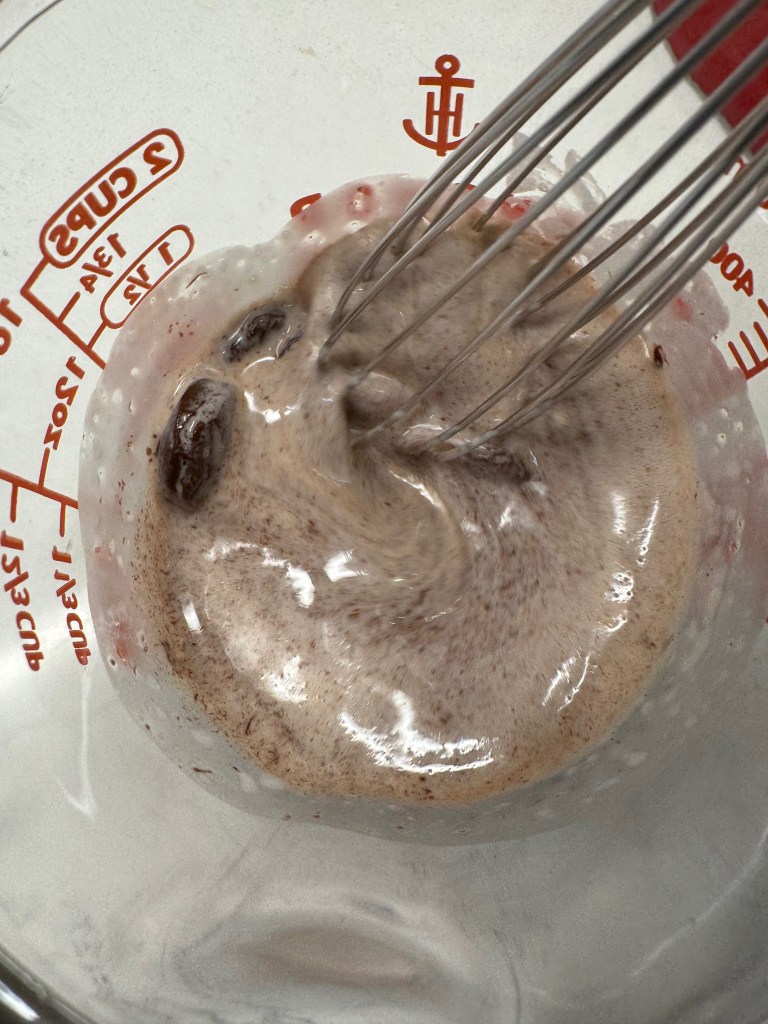
  1. Place chocolate wafers in a deep measuring glass. Pour hot cream slowly over the wafers and set a timer for 10 minutes.
  2. Using a small whisk or spoon, gently stir ganache mixture from the center of the cup, gradually swirling more of the mixture as it melts together. It should stir up nice and smooth. If it doesn’t, place the measuring cup into a bowl of shallow hot water for a few minutes and whisk again.


Southwest Wedge Salad

Sometimes a food captures me in such a way that I can’t think about much of anything else. I just want more of it, and I call up all the possibilities for enjoying that food. It’s like falling in love, I suppose, and I’ll be the first to admit I have become somewhat obsessed with the flavors of Mexican street corn. I’ve been daydreaming about new ways to incorporate the sweet kernels of corn, creamy spicy mayo, Tajin, tangy lime and fresh cilantro into our menu plan, as I did when I made the Mexican street corn potato salad a couple of months ago. Today’s salad is not specifically a Mexican street corn dish, but it was definitely inspired by its flavors. Expect a few more “street corn” creations in the weeks ahead, as I am undeniably head over heels.

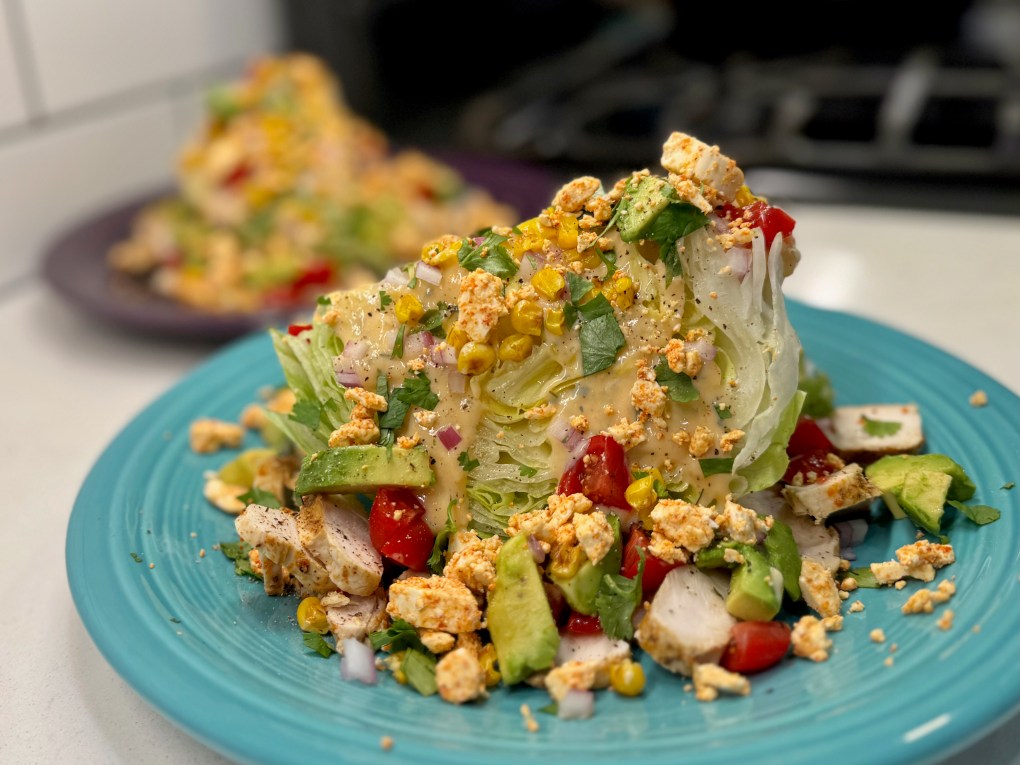
All my cravings are covered here, from crunchy to creamy and cool to spicy!

Keeping meals cool in the hot summer

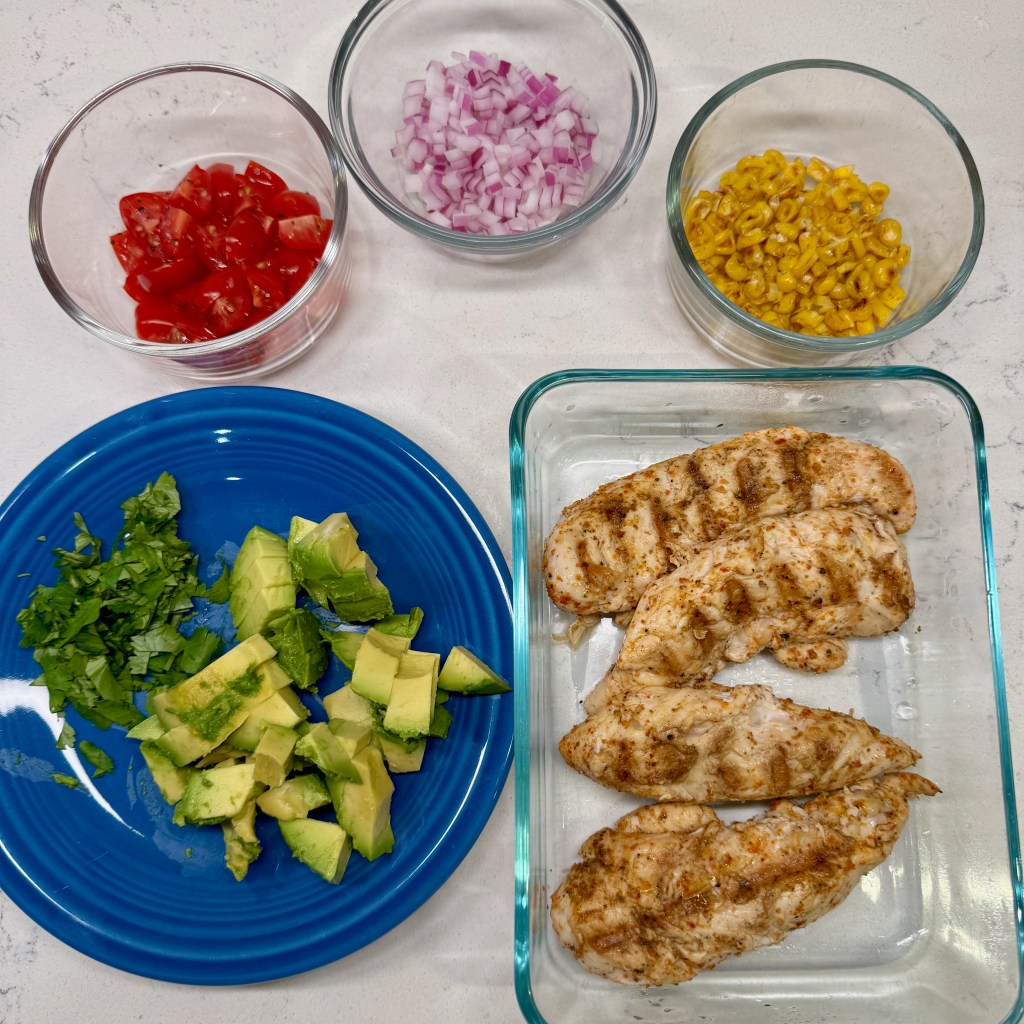
It’s been a brutal summer in North Carolina, with temperatures far exceeding the typical, plus too much humidity. This week has been more tolerable, but all of July and the better part of August were sweltering. When it’s too hot, we try to make the most of our outdoor cooking by grilling up extra proteins (and sometimes vegetables) to use later in the week. Chicken is the simplest, and I love the ease and flexibility of tenders, which can be seasoned any number of ways for sandwiches, wraps and salads. This time, we had grilled our tenders with Tajin, and that was quite on purpose because my muse was already busy developing this salad. Here’s how the rest of it came to be, starting with the lettuce.

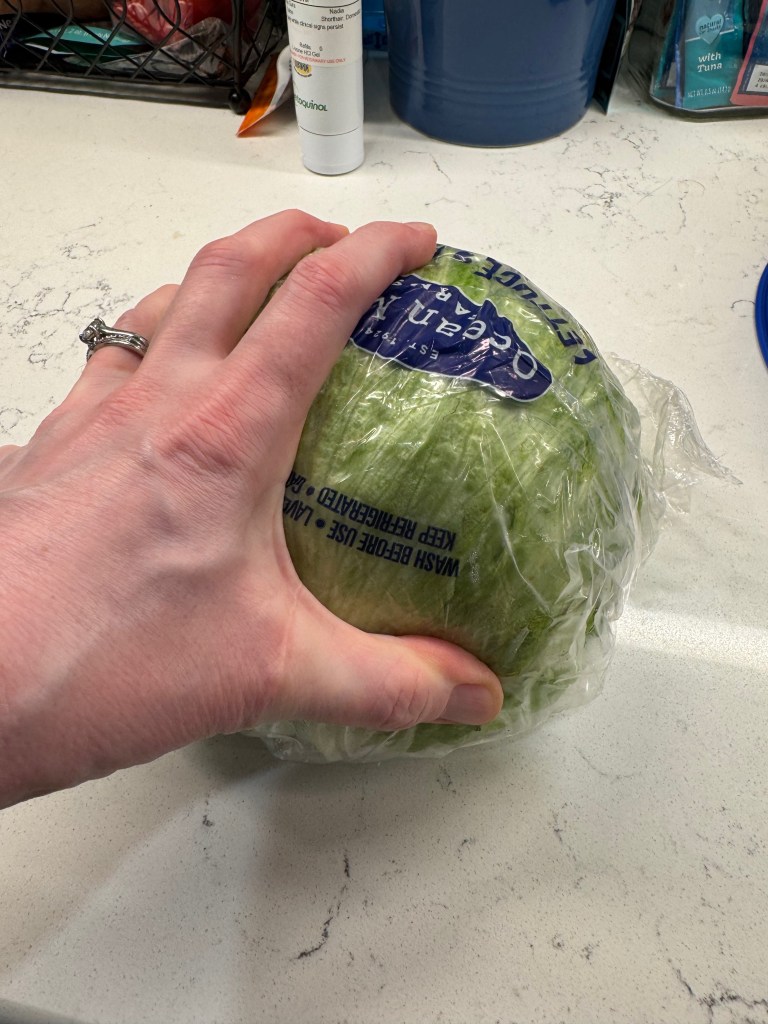
During most months of the year, I am a lettuce snob, opting for romaine over less-expensive varieties. Plus, I generally prefer the substantial texture of romaine for a Caesar or garden salad. But in the summertime, there’s something irresistible about iceberg— that crispy, hydrating crunch and refreshing, slightly bitter flavor— and it is obviously the star of any wedge salad.


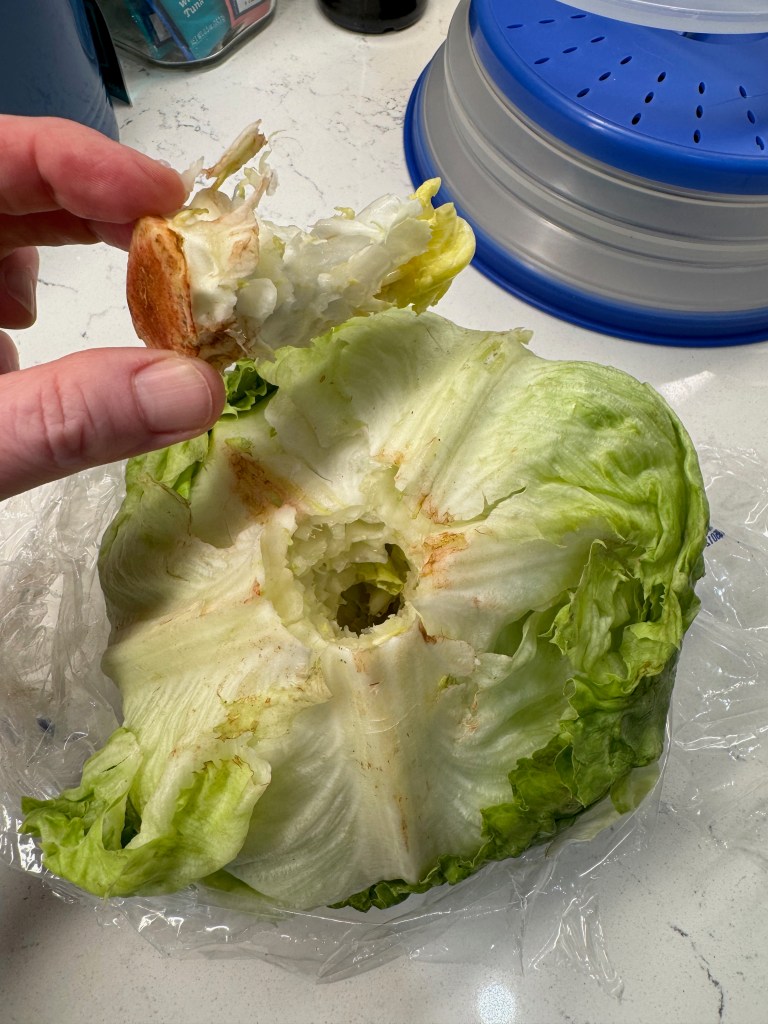
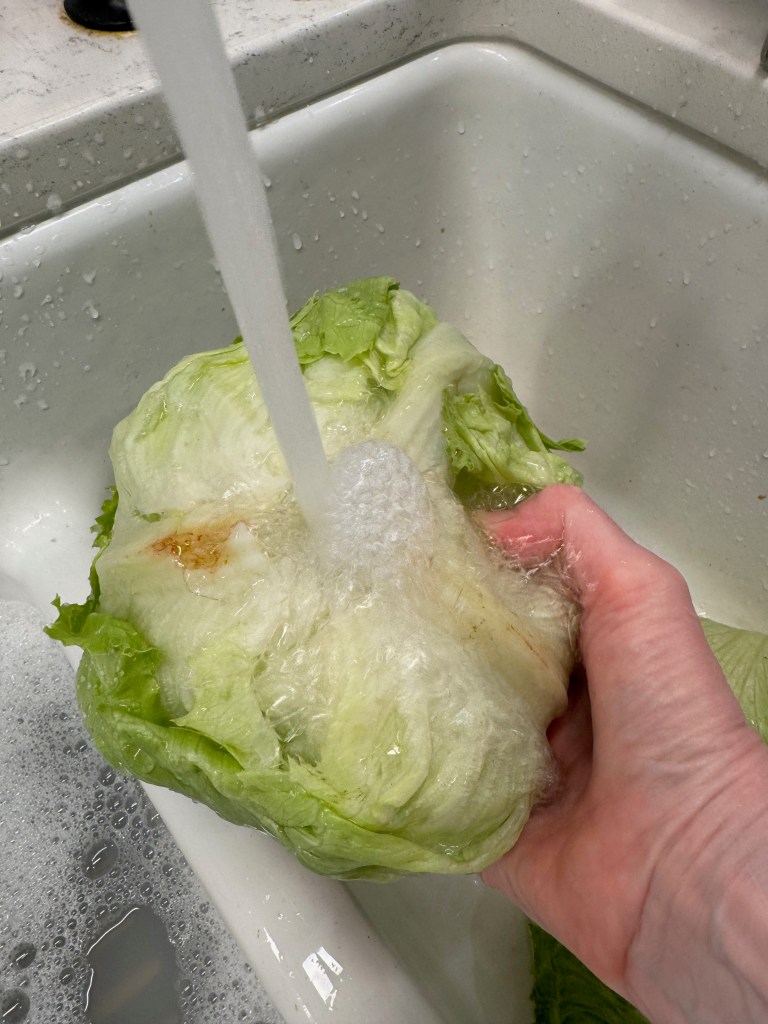
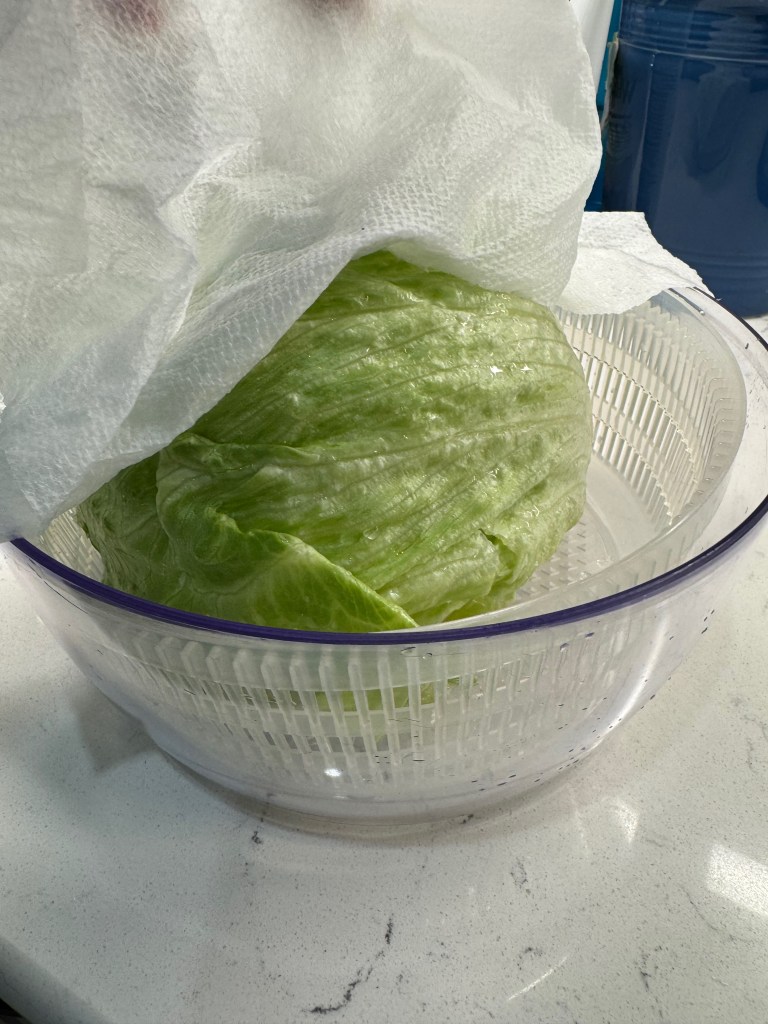
The simplest way to clean iceberg lettuce is from the inside out, and that requires removing the core. You could carve it out with a knife, I suppose, but I rely on a simpler trick of smacking the head on the counter to break the core from the leaves, then the core just pulls right out. This makes it easy to rinse the lettuce head, and then shake out the excess water and let it drain in the fridge for a few hours.

A shortcut to flavor

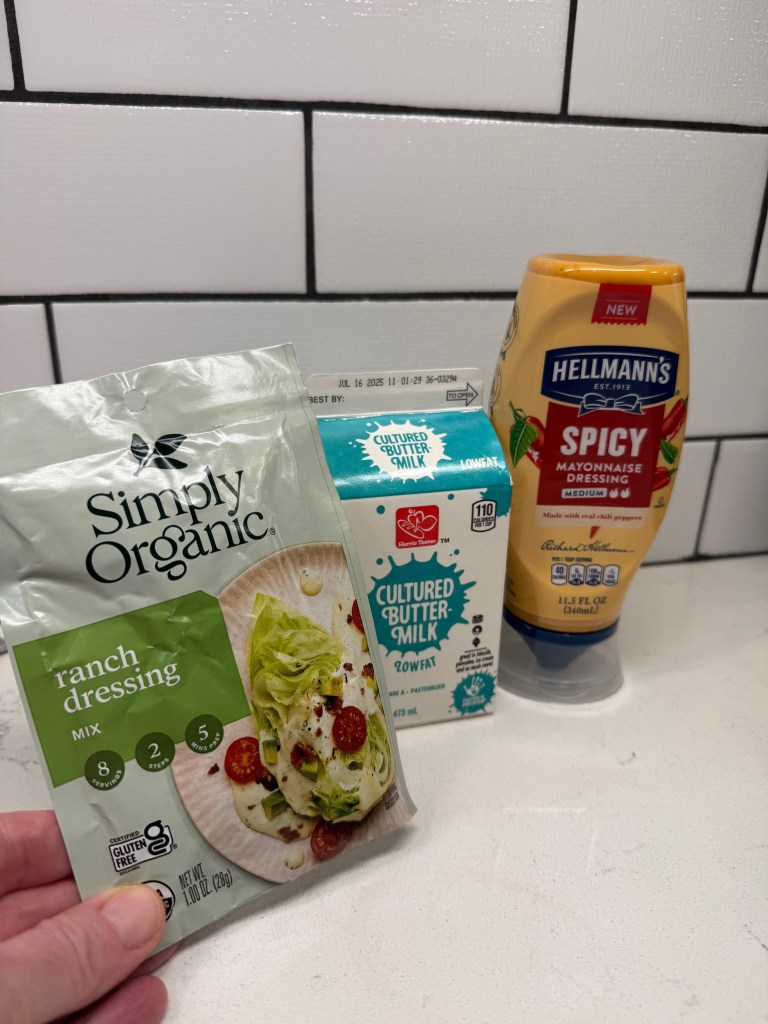
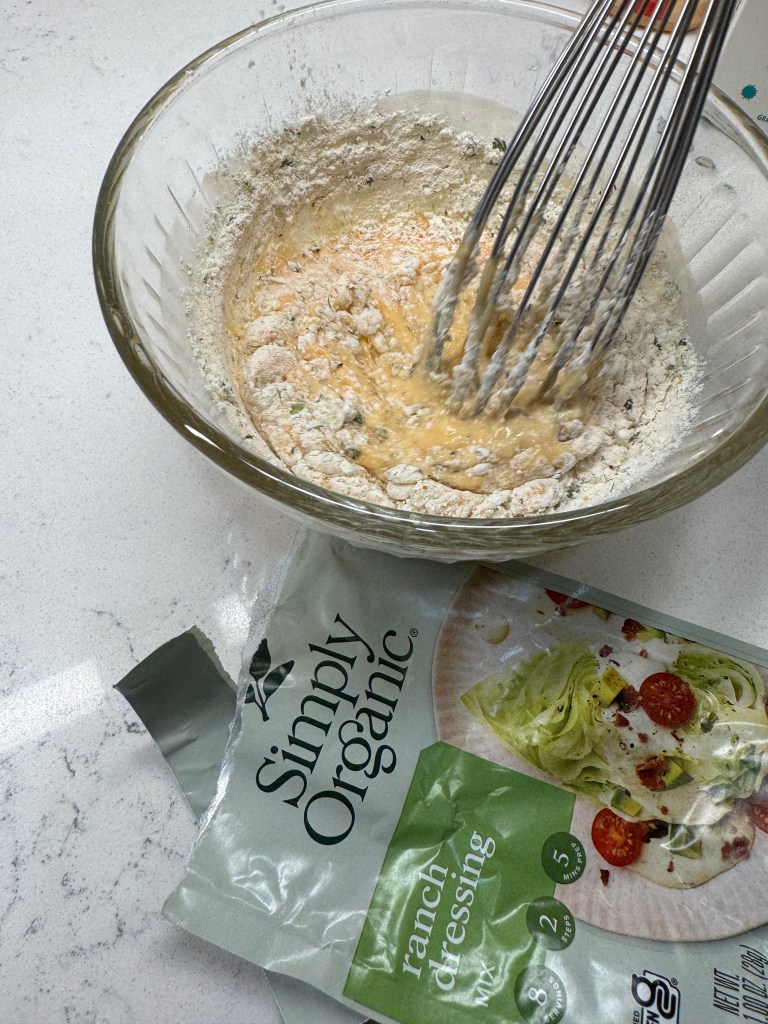
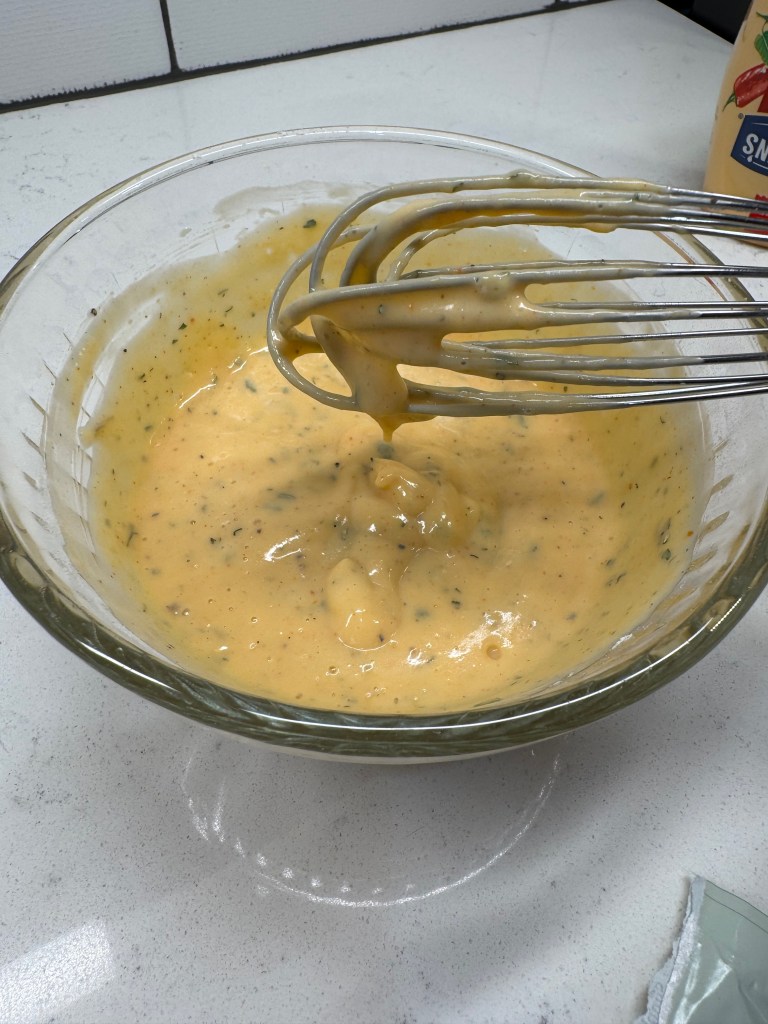
I made the dressing early in the day so that the flavors had a chance to meld before dinner. I knew that I wanted a creamy, ranch-style dressing, and I considered making it from scratch before I found a packet mix with simple, clean ingredients. For southwestern flair, I subbed in a spicy mayo along with the buttermilk. It was perfect for this salad, and saved a bunch of time.


The street corn inspiration is evident here, but I wanted more pop and color, so I also prepped a handful of baby tomatoes, some diced red onion and cubed avocado. The only thing left to do was build this salad!

I love when the simplest of ingredients become something special.

A south-of-the-border twist on a classic wedge

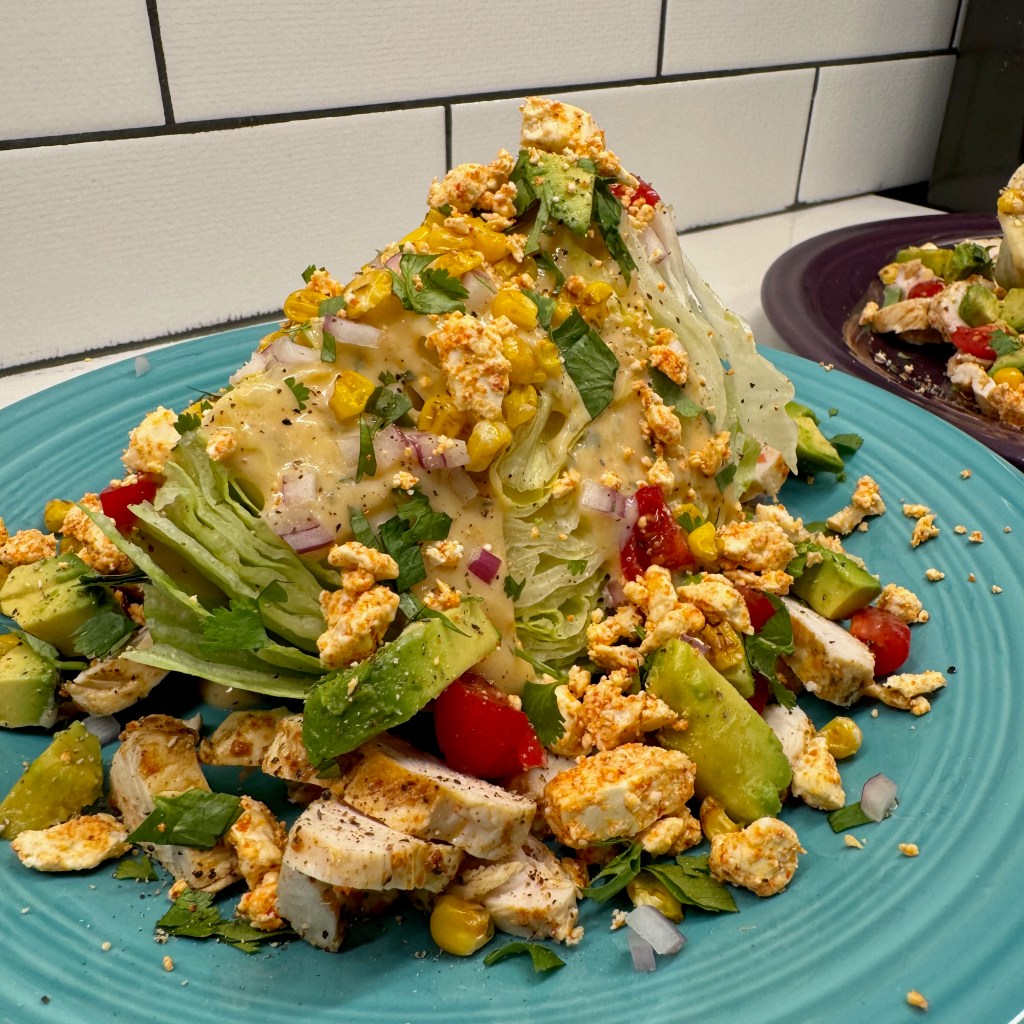
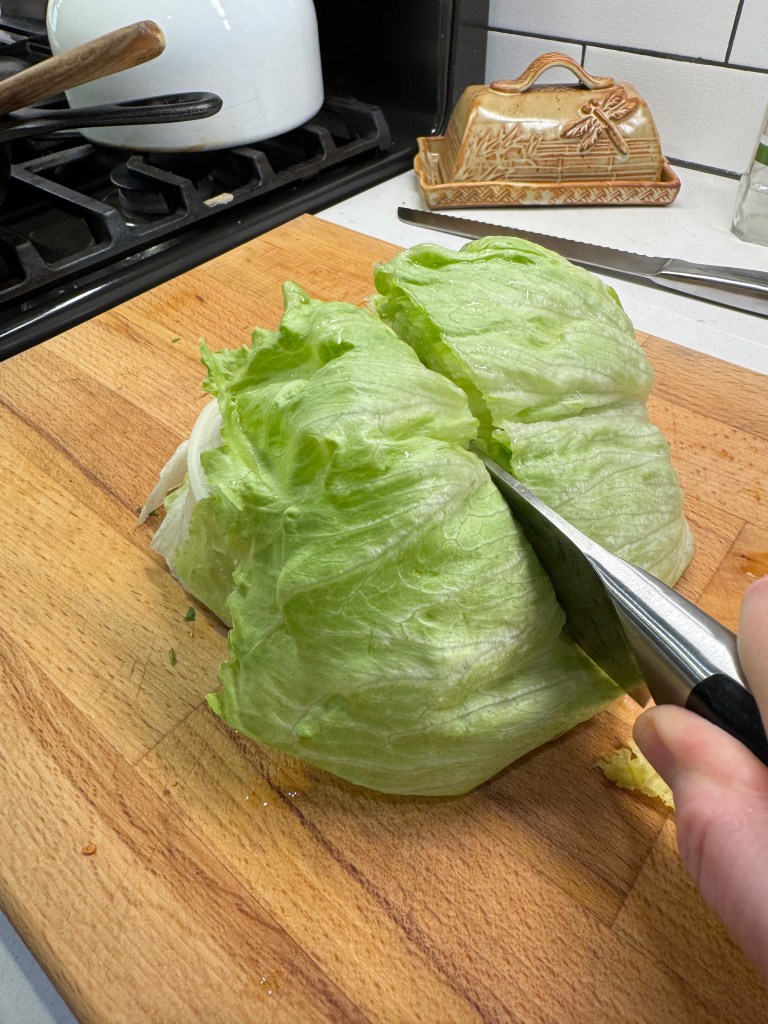
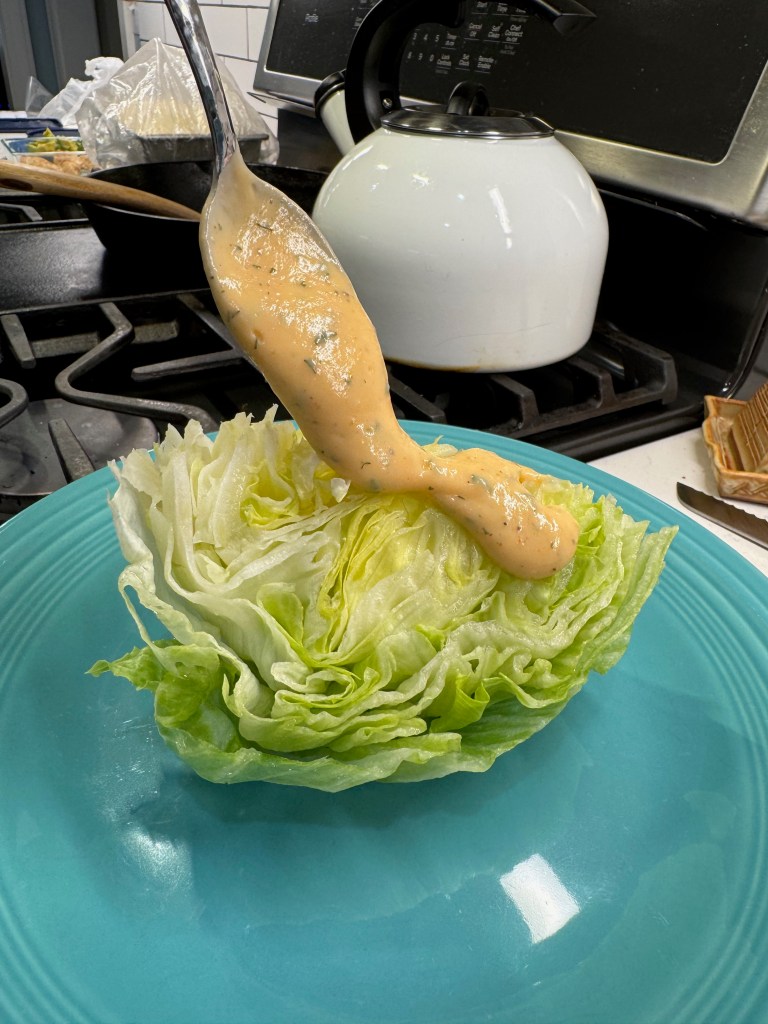
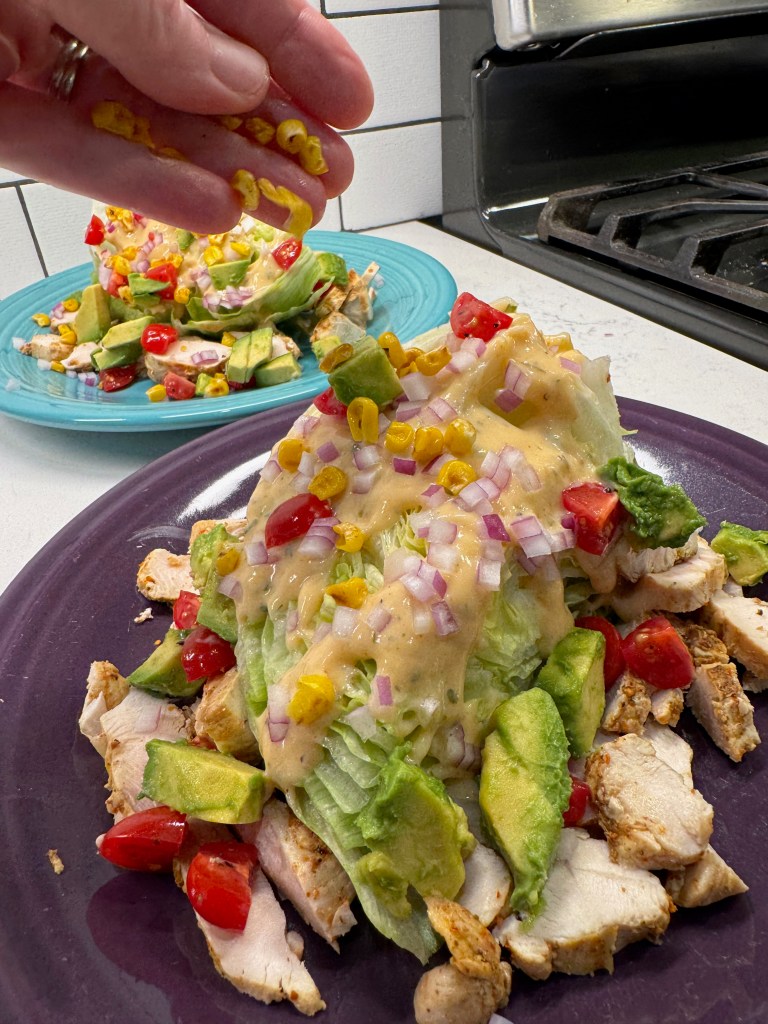
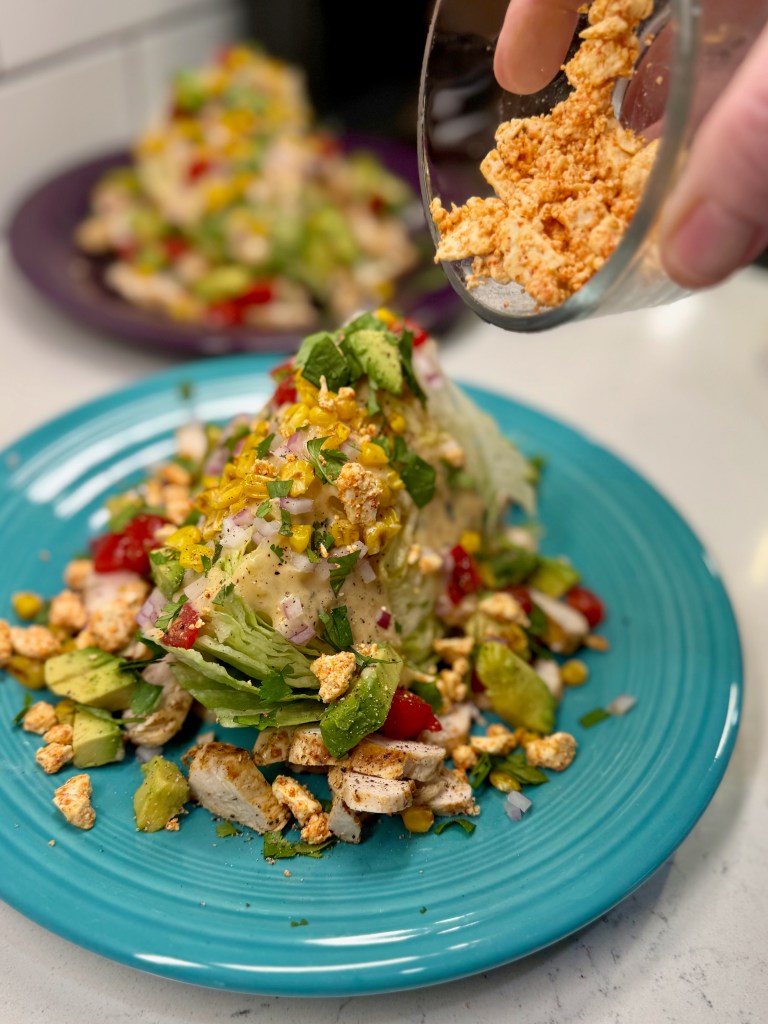
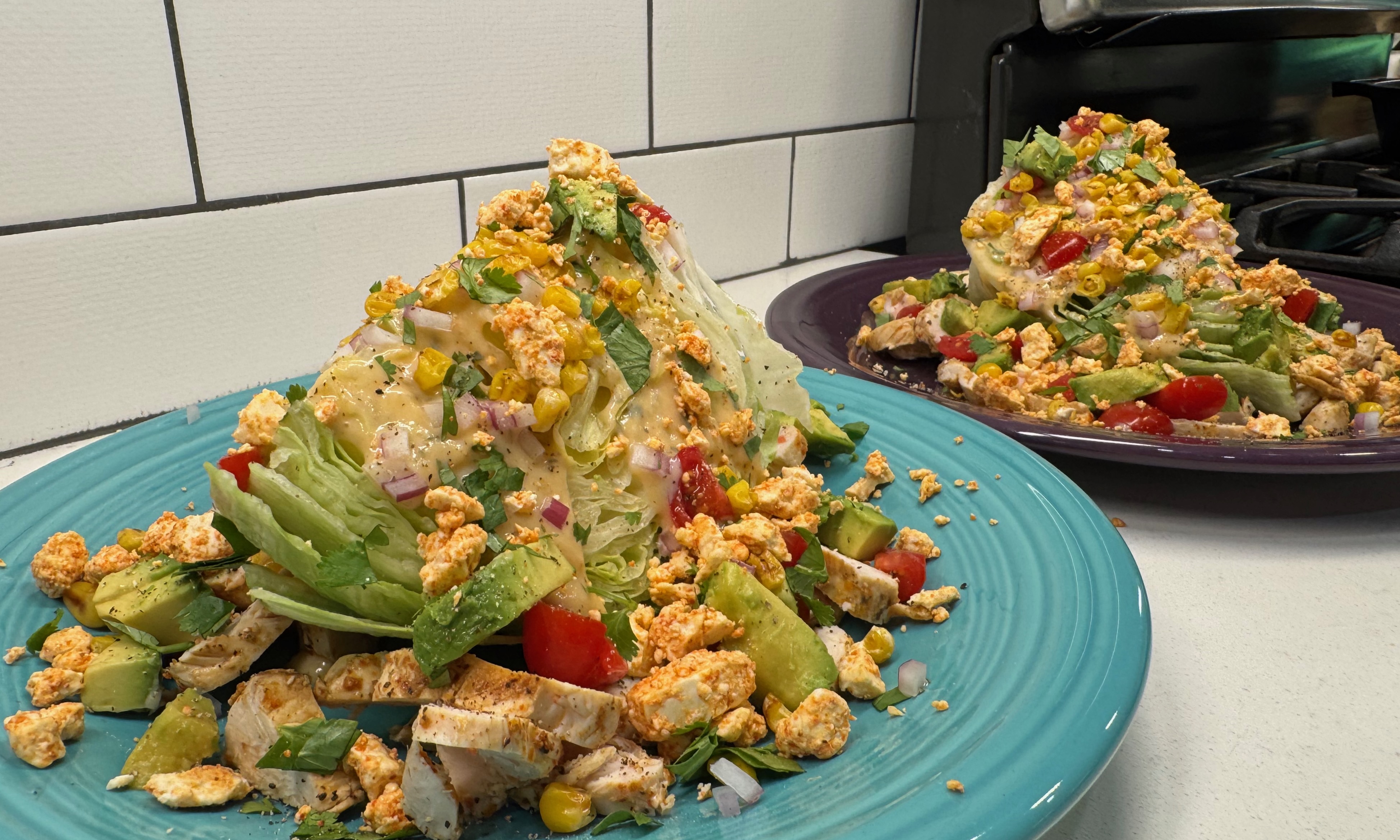
A wedge salad is exactly that— a wedge of the lettuce head— and so I cut this crunchy iceberg in half, then halved one side again for our two portions. The dressing is spooned over the cut edge so that it runs down the sides, and then it was simply a matter of piling the other ingredients on and around it, finishing the salad with all those lovely Mexican street corn flavors. We used the Tajin-flavored feta that Les had found for the potato salad, and it was a perfect stand-in for the bleu cheese you’d normally find on a wedge. 

Delicious as this was, I doubt that it has satisfied my fervor for Mexican street corn, and I’ll be dreaming up other ways to incorporate the flavors again very soon. I’m open to ideas, of course! And I’m curious whether you have a similar experience with being obsessed about particular foods. What can’t you get enough of that you want to present in new and interesting ways? Let’s chat about it in the comments!

Southwest Wedge Salad

  • Servings: 2
  • Difficulty: Easy
  • Print

The wedge salad, classic though it is, can also be a blank canvas for interesting flavor twists, such as this one with vibrant southwestern flavors and a hint of Mexican street corn.


Ingredients

  • 1/2 large head iceberg lettuce (rinsed and chilled)
  • Southwest ranch dressing (choose bottled or make your own from a packet, using spicy mayo in place of regular)
  • 4 large grilled chicken tenders, pre-seasoned with Tajin spice blend (see notes)
  • 1/2 ripe avocado, cubed and dressed with a squeeze of fresh lime to preserve color
  • 1/3 cup leftover grilled corn (we seasoned ours with Trader Joe’s “Everything But the Elote” seasoning)
  • 1/4 cup minced red onion
  • Handful of cherry or grape tomatoes, quartered and seasoned with salt and pepper
  • Handful of fresh cilantro leaves, rough-chopped
  • 1/4 cup Tajin-seasoned feta crumbles (see notes for substitution ideas)

Notes: For a tasty seafood option, consider spice-grilled shrimp or cubes of grilled firm fish, such as halibut or tuna.

If your specialty cheese section doesn’t have the Tajin-seasoned feta, make your own by crumbling a handful of feta into a small bowl with a spoonful of Tajin. Shake gently to coat, and perhaps do this a few hours ahead so that the seasoning melds into the feta. Alternatively, if you want less spice, use plain feta or cotija, which is the traditional Mexican hard cheese used in street corn.

Directions

  1. Using a large knife, cut the iceberg into equal wedges and place them, curved side-down, onto a chilled plate. Spoon about two tablespoons of the dressing over the top, allowing it to run down both sides.
  2. Scatter sliced pieces of chicken around the wedge, and top the wedge with the corn, tomatoes, red onions and avocado cubes. Sprinkle with cilantro and feta.
  3. Enjoy!


Clambake pizza — a delight for Leos!

My interest in astrology has always been one of curiosity. I’ve never been fully invested in the idea that my personality was pre-determined by the stars or whatever phase the moon was in when I took my first breath at the exact latitude and longitude where I was born. I mean, for starters, if I were to ask all-knowing AI for a general description of Leo, this is what I get. Honestly, does this sound like me? 

OK, I’m guilty as charged. 😂

I want to say that it’s all a bunch of hooey, but the Leo description is very much on point. Ahead of my milestone birthday recently, I looked up Leo traits and another related prompt came up in my search: “the best foods for Leos.” This oughta be good, I thought, given that I can count on one hand the foods that I don’t like. The first site that popped up was Harry & David— you know, the mail order fruit basket company— and here’s what it suggested:
Leo (July 23–August 22)

Corn, clams, spinach, and mozzarella are some of the foods to which this fire sign is drawn. This is due in part to some — such as tomatoes — being in season during the sunny summer months when Leos are born.
The moment I read that, I knew exactly what to do.

Behold, the clambake pizza!

The clambake connection

Clambakes are not exactly “native” to North Carolina, but we did have a fun one associated with the Crosby pro-am golf tournaments that used to be held around here. This was a charity tournament that Bing Crosby started at Pebble Beach many moons ago, and his widow, Kathryn, moved it in the mid-1980s to Bermuda Run just outside Winston-Salem, where it stayed for 15 years. 

The golf tournament was unsanctioned, so we didn’t always see big-name pros, but there were plenty of stars from the stage and screen and it was always an exciting week in our small city. Anyone could go to the tournament, but tickets to the clambake were highly coveted— I was only able to get in because I dated a guy who worked for Cadillac, one of the sponsors.  It’s where I first fell in love with the music of a barely known country artist named Vince Gill, and everyone who saw him at Groves Stadium knew in an instant that he would become a huge star. Let’s enjoy his breakout song while we talk about this pizza, shall we?

Press play for an enjoyable musical accompaniment!

Ingredients for a clambake pizza

A typical clambake is outdoor cooking at its finest yet most humble. Simple ingredients, cooked over a smoldering fire until the natural flavors of ocean and earth reach their peak. Clams, corn, potatoes, onions, fresh herbs and lemon are the basic ingredients, and my list of “Leo-approved” foods was already overlapped quite a bit. Spinach would be great on this pizza, and baby tomatoes would add a nice pop of color and acidity to balance the richness of the clams. Potatoes may seem like an odd topping for pizza, but it worked really well on my steak and potato pizza a few years ago, so why not? I parboiled cubed Yukon golds and then fried them up in butter with the shallots. 


My littleneck clams came from my favorite local seafood shop— fresh from the Atlantic, already cleaned, shucked and chopped. For obvious reasons, they couldn’t go onto the pizza in their shells. After the potatoes were crisped up, I poured the flavorful clam “liquor” into the pan, and swirled in some butter with fresh parsley to dollop on the pizza before baking. I stripped an ear of grilled corn and chopped up the baby spinach, and we were ready to rock and roll.


Cooking pizza on the grill

My pizzas are usually done in my home oven, outfitted with a 3/8”-thick slab of steel, preheated to 550° F for at least an hour. In other words, hot! For this one, though, my husband and I did the baking outdoors (clambake style!) on our Napoleon gas grill, which gets even hotter than the oven. We purchased a Weber pizza stone that works great for summer baking when we don’t care to heat up the house. Les handled all of that while I prepped inside, beginning with shaping my dough into a 14-inch round and laying it on a flour- and cornmeal-dusted bamboo peel.


The toppings are straightforward, and I’ve put the wettest ingredients— the corn, tomatoes and clams— on top of the drier ingredients. I want them to get the benefit of the heat without creating too much steam underneath, which would wreck my crust. The clam liquor-butter mixture was laid on last in dollops and this was ready for the bake!


One minor shortcoming of our grill for pizza is that the top of the pizza doesn’t have a chance to brown as it would in the oven. Solution? Easy— we just slide the finished pie under the high broiler in the oven for 30 to 60 seconds. Voila! Blistered crust and perfectly browned toppings, but without heating up the whole house for hours in the dead heat of summer. 

It even smells like a clambake!

So how was this lovely creation, made of Leo-favored ingredients and served up on this last day of my zodiac sign? Delicious! My husband and I have both come to love clams on pizza, ever since our trip to New Haven and our own adventures with white clam pie, which I’m now Jonesing to do again soon. This fun interpretation brought plenty of other tasty ingredients into play, and we could taste each of them. The tomatoes were a good addition, and the trick of reducing the clam liquor with the buttered onions really added a great finishing note of ocean flavor. Would I make it again? Definitely! And I probably won’t wait until Leo season rolls back around. 

Tomorrow is the first day of Virgo. Now, I wonder what they like to eat? 😉

Clambake Pizza

  • Servings: 6 slices
  • Difficulty: Average
  • Print

Apparently, my zodiac sign (Leo) loves clams, corn, spinach and mozzarella. What else could I do with this information but make a clambake pizza?


Ingredients

  • 2 Tbsp. salted butter (half for cooking onions, half for clam-herb butter)
  • 1 small shallot, minced
  • 1 medium Yukon gold potato, cubed and boiled to al denté tenderness
  • A pinch of baking soda in the potato cooking water
  • 11 oz. pizza dough ball, at room temperature
  • 1/3 cup favorite pizza sauce
  • 3/4 cup freshly grated firm mozzarella
  • 1 ear of grilled corn, stripped from cob
  • A handful of cherry or grape tomatoes, halved and salted
  • A fat handful (about 2 cups) fresh baby spinach, rough chopped
  • A few shakes of crushed red pepper, if you like heat
  • About 1 cup fresh chopped littleneck clam meats (reserve some of the liquor for the herb butter)

Notes: My pizzas are baked on an oven steel, preheated to 550° F for one hour. Alternatively, bake on a pizza stone designed for a gas grill, following temperature instructions for your stone and adjusting time as needed. Either setup will help you achieve a brick oven-style pizza at home.

Directions

  1. Heat a small sauté pan over medium heat with a tablespoon of butter. Sauté the shallots for a few minutes until slightly softened. Drain the potatoes and add to the pan, tossing to crisp up the sides.
  2. Transfer the cooked potatoes to a small bowl. Pour some of the clam liquor into the sauté pan with the shallots and butter and simmer to reduce the liquid. Remove from heat and swirl in the other tablespoon of butter, along with the fresh parsley. Set this aside as a final topper to the pizza.
  3. Shape pizza dough into a 14-inch round and place it on a flour- and cornmeal-dusted peel. Swirl sauce over the pizza and scatter the mozzarella all over it.
  4. Layer toppings on, beginning with the spinach, pepper flakes and corn, then the tomatoes, potatoes and clams. Finally, arrange dollops of the clam liquor-infused herb butter all over the pizza, emphasizing the clams as much as possible.
  5. Transfer to the pizza to the preheated steel (or stone) and bake for 6 to 7 minutes, using peel to turn pizza at the 4-minute mark. If baking on the grill, transfer finished pizza to a heatproof pan and slide it under the high broiler of your oven for up to 60 seconds, to get the roasted appearance of an oven-baked pie.
  6. Wrap any leftover slices individually in aluminum foil. Reheat on a preheated griddle or skillet, loosely tented with foil. This preserves the crispy texture of the crust while allowing the cheesy topping to melt.

Just for fun…

A few famous Leos: 😎 Looks like I’m in excellent company!

Jennifer Lopez
Barack Obama
Mick Jagger
Helen Mirren
Antonio Banderas
Sandra Bullock

Charlize Theron

Steve Carell
Meghan Markle
Arnold Schwarzenegger
Halle Berry

Madonna
Steve Martin
Tony Bennett
Martha Stewart


PB&J S’mores

From my first year of blogging on Comfort du Jour, I’ve celebrated National S’mores Day by putting a s’mores twist onto everything from cocktails to pizza to ice cream and then some. As the calendar inched toward Aug. 10th this year, it occurred to me that I’d never experimented the other way— putting a fun twist onto the s’mores themselves. Now I have!

Definitely ooey-gooey!

By replacing the graham crackers with a classic homemade cookie, and subbing out chocolate for another sweet and gooey filling, I’ve reimagined this childhood favorite with fun, familiar flavors. Now, this idea didn’t just fall together, as there were several things to consider for a successful outcome and I had to do a bit of testing to bring my vision to life. First, the cookie!

What kind of cookie works for s’mores?

Obviously, I needed a cookie that would be sturdy enough to squish the toasted marshmallow, and that meant that soft, crumbly cookies were out. It needed to be thin enough that you could stack two together with a marshmallow in between, for easy eating. Graham crackers are perfectly suited to the task but not especially flavorful.

Peanut butter cookies really appealed to me, but most recipes produce a soft, pillowy cookie and I’d need to adjust a few things for a thinner, more crisp cookie. After consulting with experts— OK, it was an internet search 🤭— one tip stood out as important, and that is to use a lesser amount of peanut butter in the dough. I could add peanut butter chips to make up the lost flavor. White sugar makes a crispier cookie, so I’d go halvsies with the brown sugar, and I could sub in a portion of whole wheat graham flour for more texture and structure that would be similar to a graham cracker. The cookie part was easy.


What could stand in for the gooey melted chocolate?

My initial intention was to melt a chocolate square onto my s’mores, but the kid in me couldn’t shake the idea of pb & j, the flavor combination that was the backbone of my childhood. I still get nostalgic for a simple, satisfying pb&j sandwich— my favorite being griddled into a melty, wonderful mess. I thought about the Ghirardelli chocolate squares with raspberry filling, but that didn’t bring enough“jelly” and the more I thought about it, the less I wanted chocolate at all. Why couldn’t I make a “thumbprint-style” peanut butter cookie with a jelly filling, one that would get a little bit melty again when the warm marshmallow hit it? And just like that, I was on my way to these s’mores!


I had a time deciding what flavor jelly would be right, and it hinged on the texture of the spread.  See? Y’all had no idea how much pressure I put on myself to create these fun things! A true jelly would be too wet and ooze all over the oven, so I started looking at preserves with bits of actual fruit. This blend of four fruits was perfect, bringing berries and cherries into the mix. I set up an experiment with three cookies to see whether it was best to bake them with the preserves already in, or to create thumbprints halfway through baking, and whether it made sense to add a ring of extra peanut butter chips on top for a little more melting impact with the marshmallow. 


In the end, the best cookies had sugar on the bottom for more crispness and the preserves baked into the cookie for the full baking time, which was 14 minutes. On their own, these cookies are delightful, and I couldn’t wait to turn them into s’mores!

If you don’t feel like doing the marshmallows, you’d probably enjoy these cookies as they are.

In case you’re wondering, yes, we are the crazy ones in the neighborhood, building a backyard fire in the Solo stove when evening temperatures are in the 80s. We are always up for adventure, especially when food is involved!


We toasted large marshmallows to personal taste— I like mine set ablaze and charred on the outside and Les likes them lightly golden— and then we squished them between two of these peanut butter-and-jelly cookies, with the jelly side in, of course. And the verdict?

My dentist would like a word with me.

Well, for starters, the peanut butter cookies did not remain crispy. By the time we did our s’mores, they were soft and bendy, which worked out great for the photos of us tearing them apart. The “jelly” aspect was all but lost, as I didn’t really detect it in my sample bites. It was, for me, way too much sugar, and— darn it!— after all that overthinking, I missed the oozy element of melted chocolate. Not a total miss, but not what my imagination wanted it to be. The cookies themselves are great.

If you have kids or grandkids and love a fun, sugary experiment, I’d say give it a go, perhaps with a twist of your own. Would I make them again? Probably not, but mainly because I only think about s’mores a couple times a year and by the time National S’mores Day rolls around again, I will have concocted another wild idea. I’ll probably pick up some grahams and chocolate before the weekend is over to make real s’mores. Some things are classic for a reason. ✌🏻

PB&J S'mores

  • Servings: About 12
  • Difficulty: Average
  • Print

A fun experiment for any s'mores enthusiast! I replaced two of the classic components of this campfire treat with a pb&j. It was sweet enough to melt your teeth, and isn't that kind of the point?


Ingredients

  • 1 stick butter (8 Tbsp.), softened slightly
  • 1/2 cup smooth peanut butter
  • 1/2 cup light brown sugar
  • 1/2 cup organic cane sugar
  • 1 large egg, at room temperature
  • 1/2 tsp. vanilla extract
  • 1 tsp baking soda, dissolved in a small amount of hot water
  • 3/4 cup all-purpose flour
  • 3/4 cup whole wheat graham flour
  • 1/2 tsp. kosher salt crystals
  • 1/3 cup peanut butter chips (optional)
  • About 2 Tablespoons cane sugar (for sugaring the bottom of cookies)
  • About 1/4 cup thick fruit preserves
  • Large marshmallows, roasted for s’mores
  • Plenty of napkins

Directions

  1. Combine butter and peanut butter in the bowl of a stand mixer or large mixing bowl. Beat on medium speed until evenly combined and smooth. Slowly add sugars while mixer runs, and beat until mixture is somewhat fluffy. Stop the mixer and scrape down the sides of the bowl.
  2. Add egg and vanilla and beat again until fluffy. Drizzle in the dissolved soda and beat just until combined.
  3. Whisk flours and salt together in a small bowl and add to the cookie batter, about half at a time, beating after each addition and scraping down the sides of the bowl.
  4. Scatter peanut chips (if using) over the dough and use a spatula or wooden spoon to press them into the dough. Cover the dough with plastic wrap and cover the bowl. Refrigerate for at least one hour before proceeding to shape and bake the cookies.
  5. Preheat oven to 350° F, with oven racks in upper and lower positions. Line two cookie sheets with parchment paper and spoon preserves into a zip-top bag for easy piping into the cookies. Measure a few tablespoons of cane sugar into a small bowl for the bottoms of the cookies.
  6. Use a tablespoon-sized cookie scoop to measure out the dough. Flatten the dough in the scoop and dip the flat side into the cane sugar before turning the dough out onto the parchment. Do not flatten the cookies. Use a cork or your thumb to create dimples approximately half the depth of the cookie balls and two-thirds across the cookie. Pipe 1/2 tsp. fruit preserves into each cookie. Place a ring of additional peanut butter chips around the preserve filling if you want to be fancy about it.
  7. Bake cookies for 14 minutes, rotating pans top to bottom if using both at once. Allow the cookies to cool on the pan for a few minutes, and then transfer them to a rack to cool completely.
  8. For s’mores, toast marshmallows and squeeze two cookies together around the marshmallow, with the preserves on the inside. The melted marshmallow will soften and melt the preserves for an oozy-gooey treat.


Roasted Ratatouille Ravioli

If I had a nickel for every time this year that I’ve told my husband, “I really wanna make some homemade pasta,” well, I’d have at least $1.35. Handmade pasta is a time-consuming project, but it’s so satisfying and gives me such joy that I just had to find the time. Ravioli is my favorite kind of handmade pasta because it gives me creative license not only for the pasta dough but also the filling that gets tucked inside. And— bonus points— I married it with ratatouille, my favorite summer dish. Yeah, this one was extra fun!


Ratatouille— a stew of eggplant, zucchini, peppers, onions and tomatoes— was indeed the inspiration for my ravioli adventure. I adore the melded flavors of the vegetables, along with the subtly floral Herbs de Provence that is traditional for ratatouille, and I look for new ways to enjoy it every summer. Once the idea hit me to pair all of that with handmade ravioli, there was no going back. 

I wish I had made a triple batch of this!

First, the pasta dough

I used a mix of flour, including all-purpose, white whole wheat and semolina. A generous sprinkle of onion powder gave the dough an underlying flavor to support the ratatouille theme, and I gave it a good long kneading to build strength in the dough. I wrapped it up and tucked it into the fridge for a few hours to rest. If you need to save time, you could make the dough a day ahead.


The ravioli filling

Next up, I pondered the filling for ravioli, which had to be more than just ricotta. After my less-than-great lab report this year, I’ve been more conscious of the saturated fat I consume, and so it occurred to me that maybe I’d incorporate a different protein into the mix. Lean ground chicken worked great, and I pulsed it in the food processor to make it as fine as possible. Also in the mix were golden caramelized onions and a pinch or two of Herbs de Provence, plus some lemon zest, and I blended all of those with strained ricotta and an egg to hold it together. This part of the recipe could also be done a day ahead.


Bend me, shape me, anyway you want me

By the time the filling was prepared, I was ready to roll out the pasta dough into thin sheets, and I used my handy ravioli mold to make uniform little pillows. This is the fun part! It’s important when you make handmade pasta that you give it a little bit of time to dry before dropping it into boiling water, so when the ravioli were done, I placed them on a semolina-dusted cookie sheet. For more detailed instruction on how to make ravioli— with or without special gadgets— check out my post for handmade spinach ricotta ravioli, which includes tons of photos and tips, along with lessons I learned myself along my pasta-making journey. 


Ratatouille = EZ-POT

Finally, I made the ratatouille itself, which is delicious as a stew but perfection when roasted. I always remember this French country dish by the acronym “EZ-POT” because of Next Food Network Star season 5 winner, Melissa D’Arabian, who simplified the ingredients of into a five letter description of a dish that really is “e-z,” and usually is made in a “pot.” This little memory trick has saved me on more than one occasion when I craved ratatouille but forgot to make a farmers’ market shopping list. 😉

I salted my eggplant chunks for a few minutes first, to help draw out excess moisture, and this worked really well for achieving crispy edges when they roasted. The other vegetables were roasted on a separate sheet, and then I tossed everything gently in a fire-roasted tomato sauce which, if you can believe it, was from a can! Sure, I could have made my own sauce, but I was trying to be thrifty and use up some leftover pizza sauce, and it was a winner! If you make your own sauce, keep the flavors simple and try to make it on the thicker side.


While all of this was happening, I had the water on to boil for the pasta. I love this part of seeing a meal come together, especially one that I’ve pondered for a while, and though it satisfied my desire to make handmade pasta, it somehow also inspired me to want to make more handmade pasta. Stay tuned! 


Roasted Ratatouille Ravioli

  • Servings: 4
  • Difficulty: Intermediate
  • Print

This recipe is split into three parts for the pasta dough, the ravioli filling and the ratatouille vegetables with sauce. If you love the hands-on experience, this is worth the trouble. If the steps are too much for you, it's easy to make the pasta dough and filling ahead and finish the dish one or two days later. Not ready to make your own pasta? No problem! The chicken-ricotta filling and roasted vegetables would be awesome in a lasagna, using store-bought noodles. Adapt it however makes you happy.


Ingredients

  • 165g all-purpose flour
  • 60g white whole wheat flour
  • 45g semolina flour
  • 1/2 tsp. onion powder
  • 3 large eggs, at room temperature
  • 50g to 70g room temperature water

Notes: Depending on your overall environment, you may need to adjust the water somewhat to achieve a dough that is smooth and supple, without being too dry or too wet. If the dough is too dry with the maximum amount of water recommended, wet your hands and knead until smooth. Repeat as needed. You may end up with more pasta dough than is needed for ravioli. Simply roll it out with flour and cut into strips. Let it dry and freeze in zip-top bags. Cook from frozen.

Directions

  1. Combine flours and onion powder in the bowl of a stand mixer, fitted with the dough hook
  2. Make a well in the center of the flour mixture and add eggs. Knead with the dough hook on speed 3 until dough starts to come together (it will be dry). Drizzle in water, a little at a time, until all flour is incorporated and dough is gathered up on the hook. This may take extra water.
  3. Transfer dough to the counter and knead by hand for about eight minutes, until smooth, firm and supple. Wrap dough tightly in plastic wrap and refrigerate at least 30 minutes or up to a day before rolling and shaping.
  4. Divide dough into sections and roll out with a pasta machine or rolling pin to approximately 1/16″ thickness. Use a piping bag to apply filling, then lightly brush another sheet with cold water and seal up each pillow, pushing out any air as you go. Transfer raviolis to a parchment-lined cookie sheet sprinkled with semolina.

Ingredients

  • 1 medium sweet onion, chopped
  • 1 Tbsp. extra virgin olive oil
  • Kosher salt and pepper
  • 1 lb. ground chicken breast
  • 1/2 tsp. Herbs de Provence seasoning
  • 1 tsp. lemon zest
  • 1 cup whole milk ricotta, strained for 30 minutes to remove excess moisture
  • 1 large egg

Note: If you wish, you could skip the ground chicken and double the strained ricotta for a vegetarian version of this dish.

Directions

  1. Sauté onions in olive oil over low heat with a sprinkle of salt. Toss frequently, until all the moisture has evaporated and onions soften and take on a deep golden color. Transfer to a bowl and increase heat to medium.
  2. Add ground chicken to the same pan, cooking gently until meat is no longer pink, but do not let it brown. Season the meat the salt and pepper and allow it to cool.
  3. Add meat mixture and caramelized onions to the bowl of a food processor. Add Herbs de Provence and lemon zest. Pulse a few times until the meat is ground to a fine texture and onions are no longer visible in whole.
  4. Transfer processed mixture to a bowl with ricotta and egg and stir together until evenly blended. Refrigerate this mixture until you’re ready to fill the ravioli.

Ingredients

  • 1 small eggplant (keep the peel on), cut into large cubes
  • 1 medium zucchini, but into large chunks
  • 1 red bell pepper
  • 1/2 medium sweet onion, cut into chunks
  • Extra virgin olive oil
  • Kosher salt and pepper
  • A couple pinches of Herbs de Provence seasoning
  • 2 cups fire-roasted tomato sauce (ours was a thick pizza sauce)

Note: Keeping the peel on the eggplant and cutting it into large chunks is key to getting a crispy outer texture. Aim for pieces large enough that every piece has a bit of peel on it, as this will help the eggplant hold its shape during roasting so that it doesn’t turn mushy.

Directions

  1. Heat oven to 450° F, with rack in center position. Prepare two baking sheets by lining with parchment paper. Place eggplant cubes in a colander and toss gently with 1/2 tsp. salt. Let it rest half an hour, then gently rinse and pat dry before proceeding. Toss with a tablespoon of olive oil on one of the baking sheets and season with pepper only (they will have plenty of salty flavor from the prep stage).
  2. Toss zucchini, bell pepper and onion chunks in a tablespoon of olive oil on the second baking sheet. Season with salt, pepper and Herbs de Provence. Roast both sheets of vegetables for about 30 minutes, turning pieces over halfway through.
  3. Meanwhile, bring a pot of salted water to a gentle boil and add the ravioli by hand to prevent sticking. Cook for six to seven minutes; the pillows should all be floating and the sealed edges of pasta should be tender.
  4. Retrieve the pasta with a vented spoon and transfer directly to the tomato sauce. Toss gently and arrange the ravioli on serving plates. Toss the roasted vegetables in the remaining sauce and spoon over the ravioli portions. Serve at once.