Cranberry Quick Bread

It’s a question that has always piled on stress, and one that is virtually inescapable this time of year, asked by friends and strangers alike.

“Are you ready for Christmas?” 

And this year, I actually am! Not for having crossed off a multitude of items on a gift list or for having my proverbial ducks in a row for holiday entertaining or gathering or what-have-you. Nope, this year I’m “ready” because my husband and I made a conscious decision to forgo most of the hubbub that is typically associated with the holiday season. You could say that we are quiet-quitting Christmas. Except for the tree!


Our tree is all we’ve done so far this year, and it’s simple. We are not the family who has a perfectly color-matched tree, nor do we want to be. Our tree has a hodgepodge of trimmings, many of which symbolize memories we’ve made since we’ve been together, and others that were gifted to me by my maternal grandmother as long ago as 1972!


We will exchange small gifts, and I’ll go overboard for the pets, but there isn’t a darn thing we need. Instead of the hustle and bustle involved in “finding the perfect gifts,” we are taking time to enjoy being together, and doing fun things that improve our moods, such as watching holiday-themed films, sipping hot cocoa by our patio fire and— you knew this was coming— cooking and baking!

Nice enough for company, but easy enough for an average Tuesday!

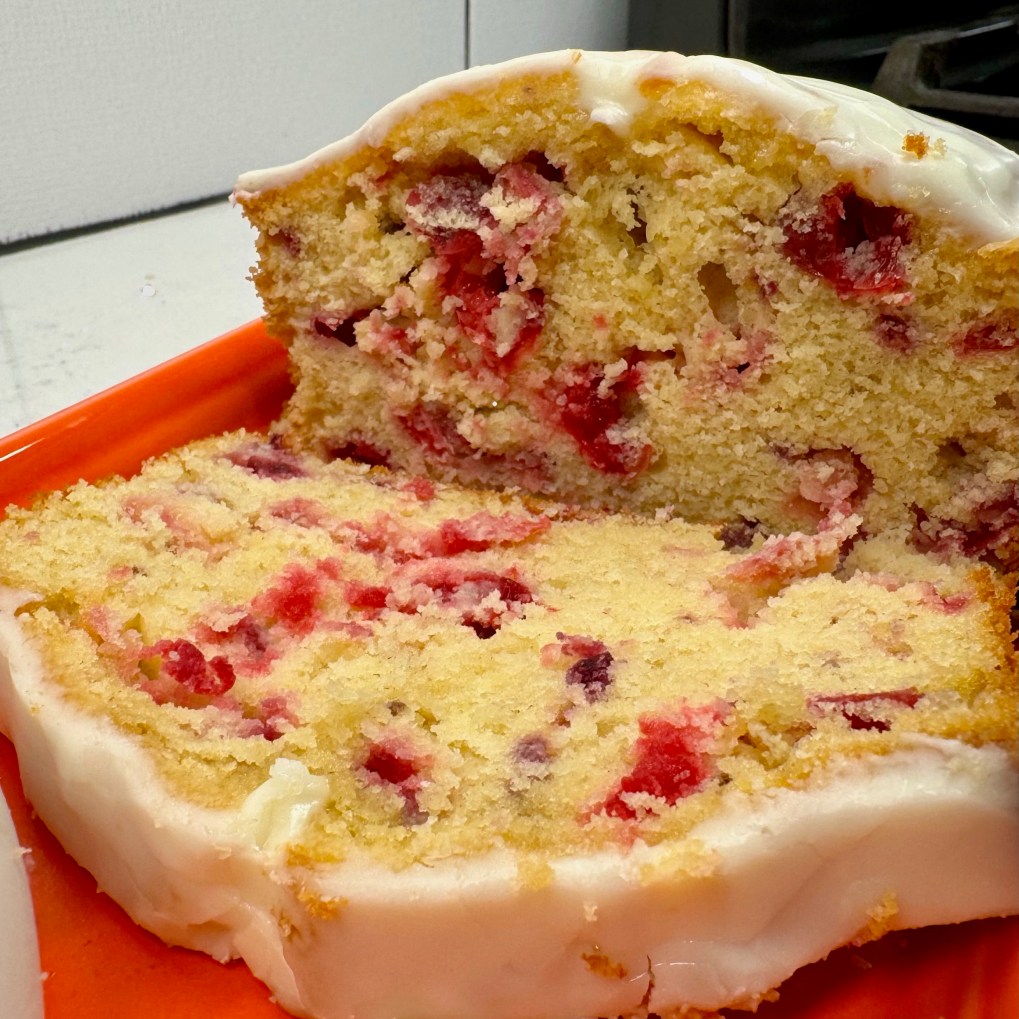
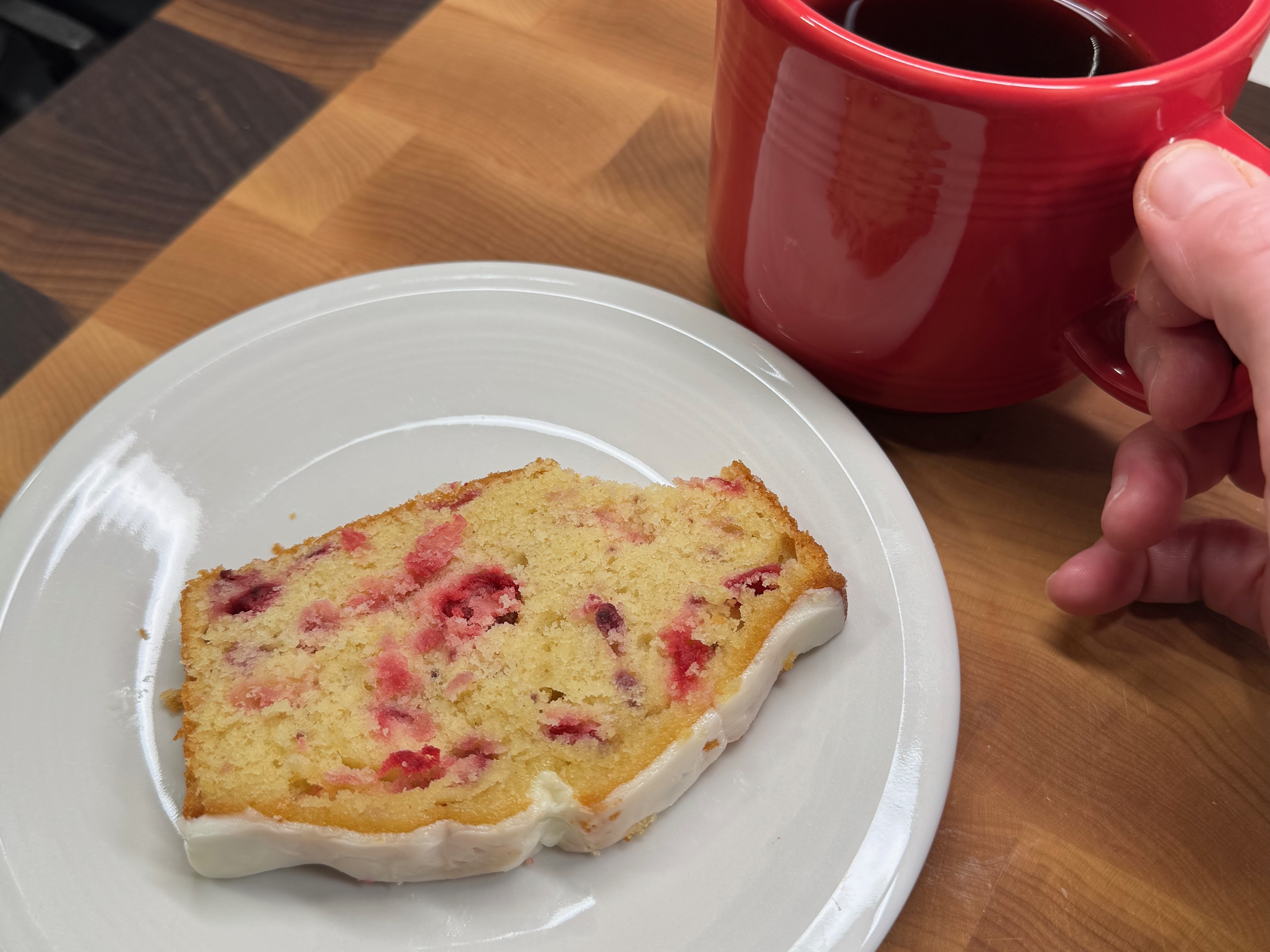
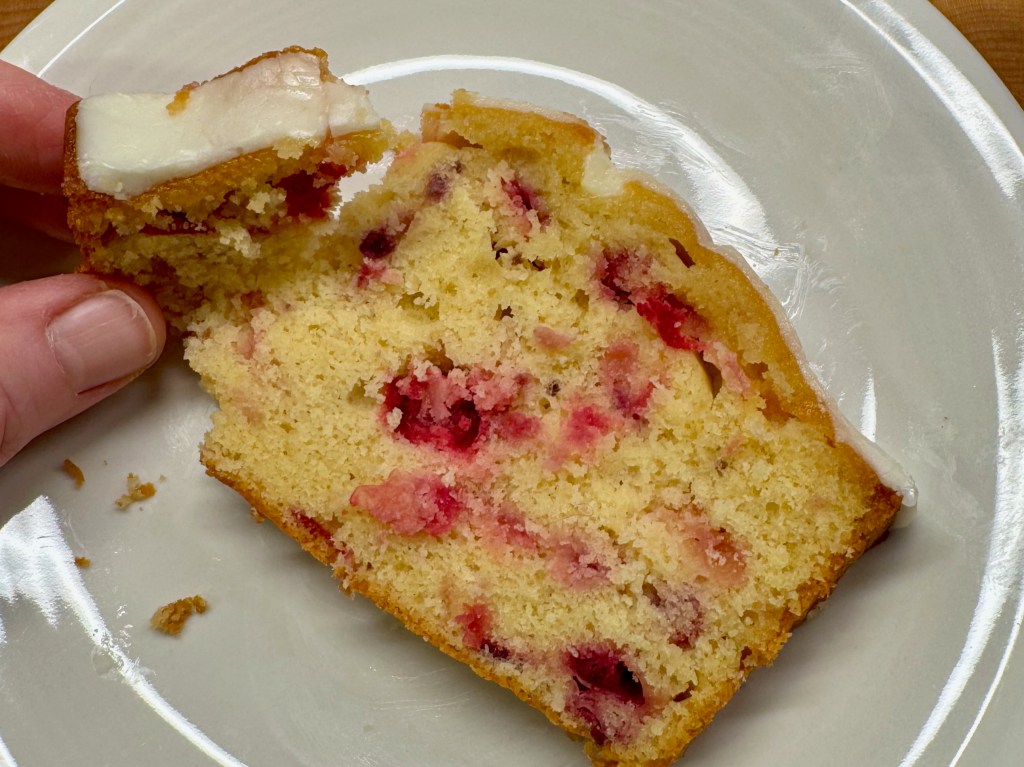
I’ll never ever say that the food of the holidays is too much trouble, and this seasonal combination of cranberry and orange is one of my all-time favorites. My first instinct was to make a challah, featuring dried cranberries and candied orange (as I shared back in 2022), but to keep things sweet and simple, I decided on a quick bread instead. It’s been forever since I made one, and the King Arthur Baking site, my go-to resource for all things baking, had a recipe that satisfied most of my intentions. I embellished their recipe, adding a touch of orange oil (because I didn’t have a fresh orange for zest) and subbing in a portion of white whole wheat (because it’s what I always do).


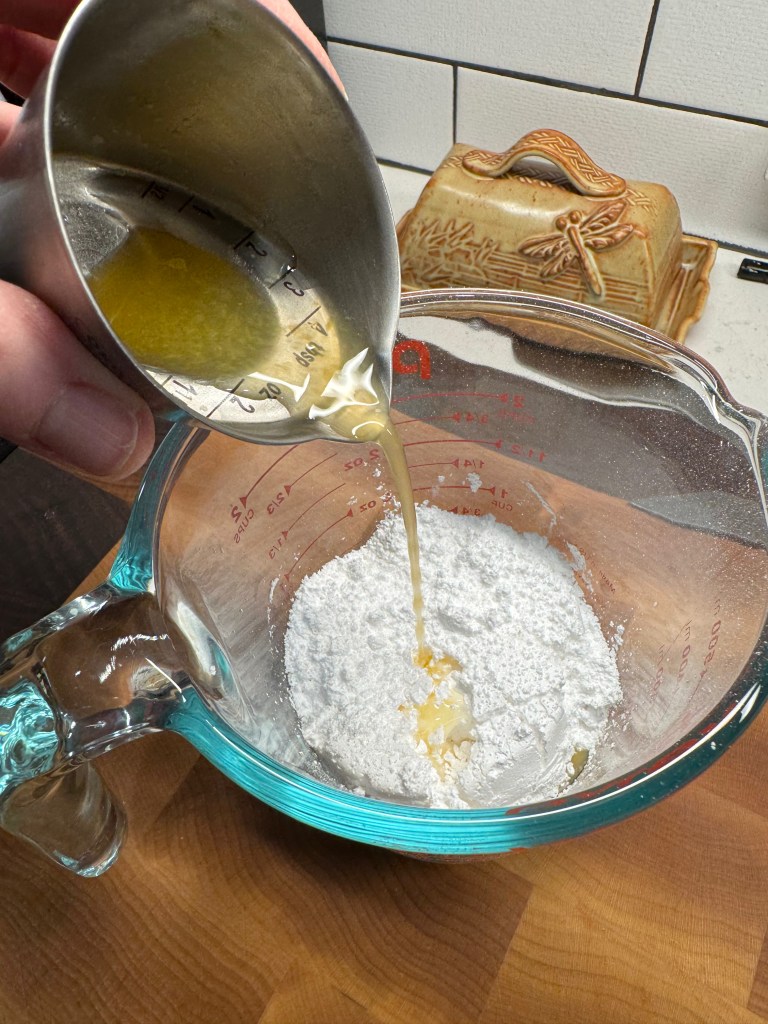
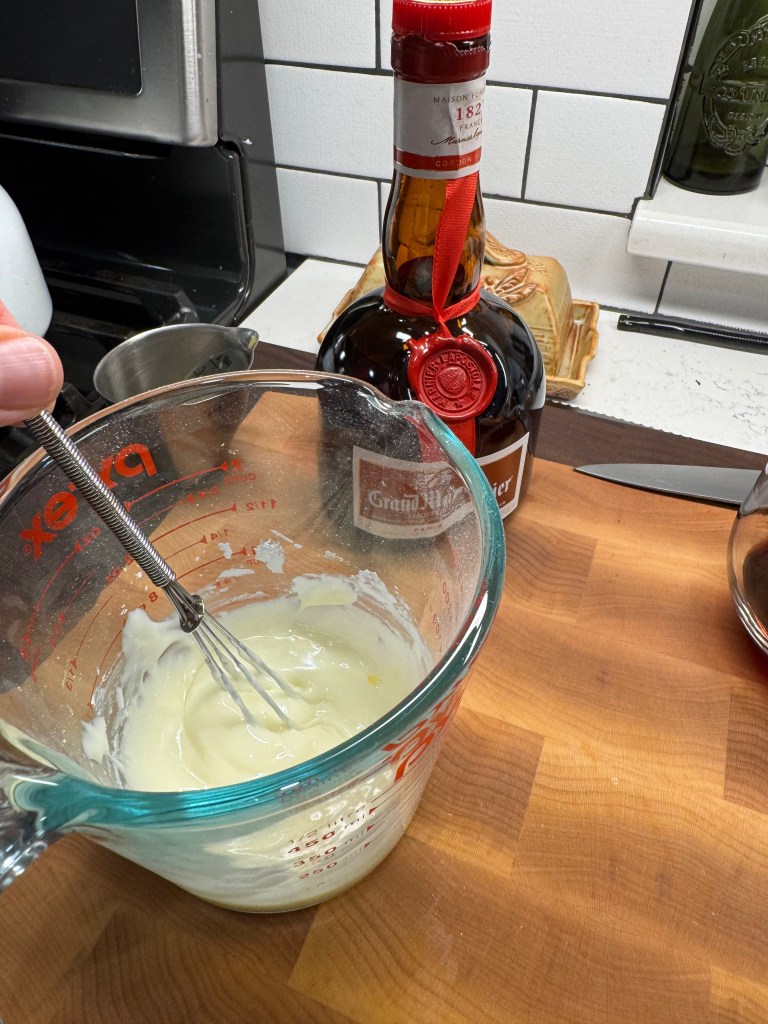
The glaze was simple, too— just powdered sugar, fresh orange juice (by that time, I had made a grocery run) and just enough Grand Marnier to make it feel extra special.


Now, if I can get through the rest of the holidays with this much ease, I’ll be golden! How about you?

Cranberry Quick Bread

  • Servings: 10 slices
  • Difficulty: Easy!
  • Print

This is my adaptation of a King Arthur Baking recipe. The fresh cranberries and bright citrus flavor are perfect for the holiday season, and the bread is elegant enough for company but easy enough for a weeknight.


Ingredients

  • 8 tablespoons (one stick) salted butter, at room temperature
  • 3/4 cup (149g) granulated sugar
  • 1/2 teaspoon table salt
  • 1 cup (120g) King Arthur Unbleached All-Purpose Flour
  • 3/4 cup (90g) King Arthur Golden Wheat Flour (formerly called White Whole Wheat)
  • 1 teaspoon baking powder (see notes to test its activity)
  • 3 large eggs, at room temperature
  • 1/2 cup (113g) milk
  • 1 teaspoon King Arthur Pure Vanilla Extract
  • 1/2 teaspoon orange oil or extract (see notes)
  • 1 cup (most of a bag) fresh cranberries, roughly chopped
  • 3/4 cup (85g) confectioners’ sugar
  • 1 tablespoon (14g) fresh orange juice
  • 2 teaspoons Grand Marnier orange liqueur (optional, or use extra juice)

Notes: Has it been a while since you used your baking powder? You can test it for freshness by measuring 1/2 teaspoon into a bowl, and then add a few tablespoons of boiling water. If it bubbles up and makes a fuss, it’s good. If not, it is past its prime and should be replaced. Better to know before you bake!

I’m the weirdo who has orange oil but not fresh oranges. If you have a fresh orange, wash it well and use a microplane or the small holes of a box grater to shave all of the bright orange zest. If you really love citrus, use both!

Directions

  1. Preheat oven to 350° F, with oven rack in center position. Lightly grease a standard loaf pan and set aside.
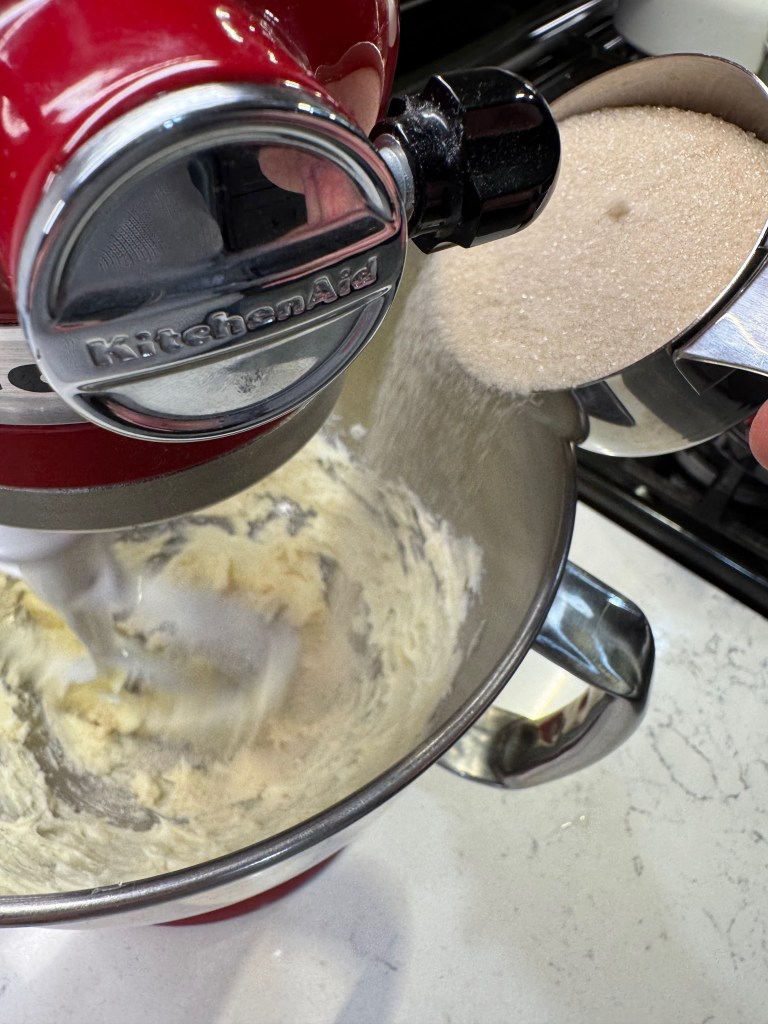
  2. Use an electric hand mixer or stand mixer fitted with the beater blade to cream the butter and sugar together. This mixture should be soft and somewhat fluffy.
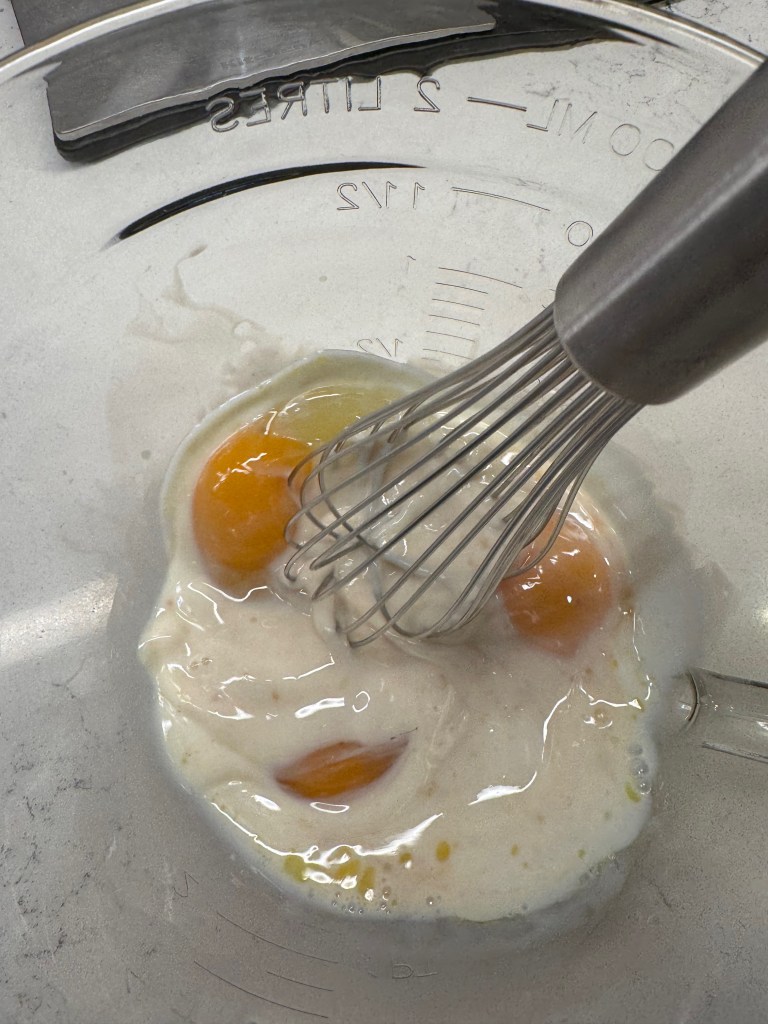
  3. Whisk together flours, baking powder and salt in a medium bowl and set aside. Whisk together milk, eggs, vanilla and orange oil (or zest).
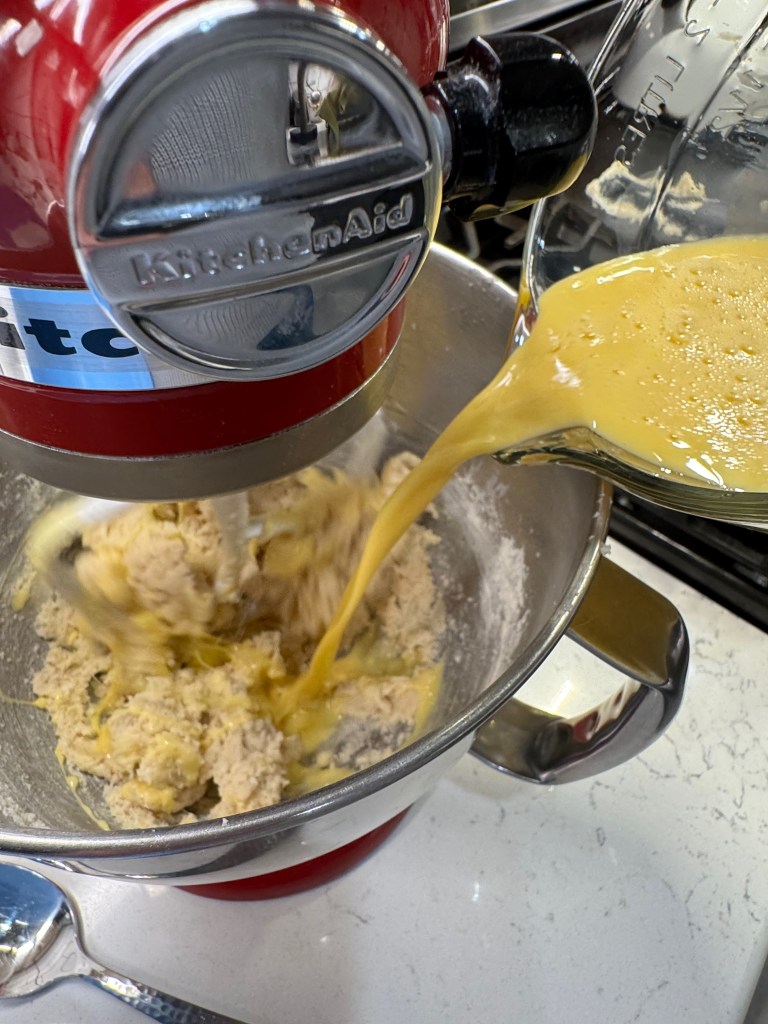
  4. With mixer running on low speed, blend in the flour and liquid ingredients, alternating and scraping down the bowl as you go.
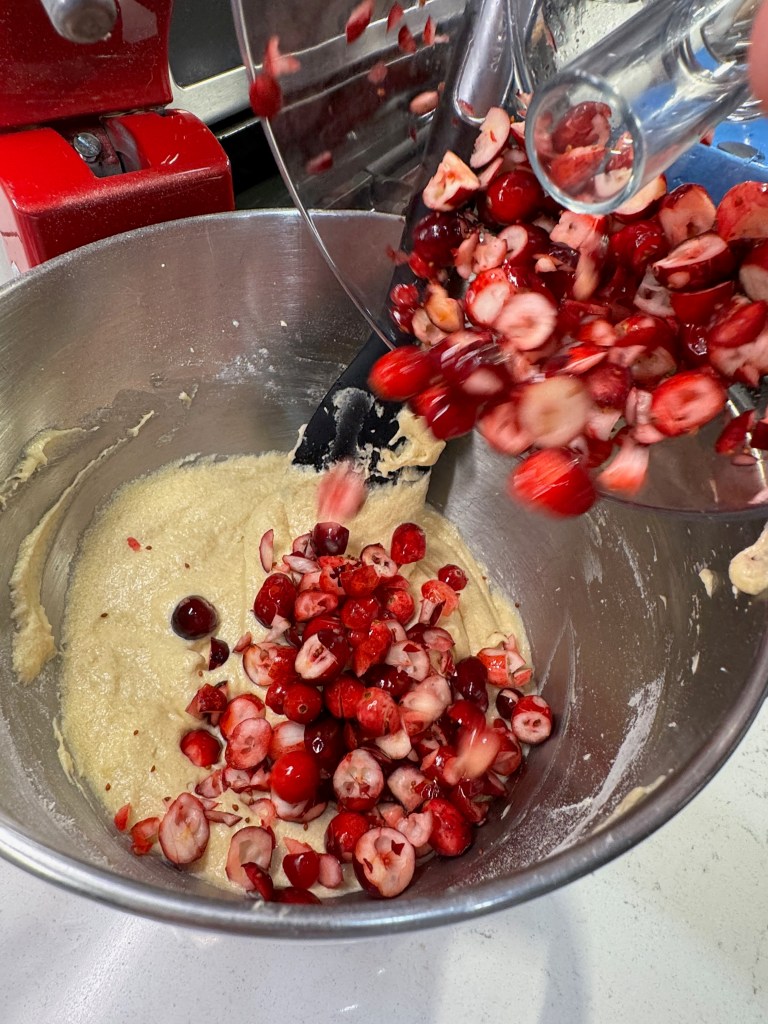
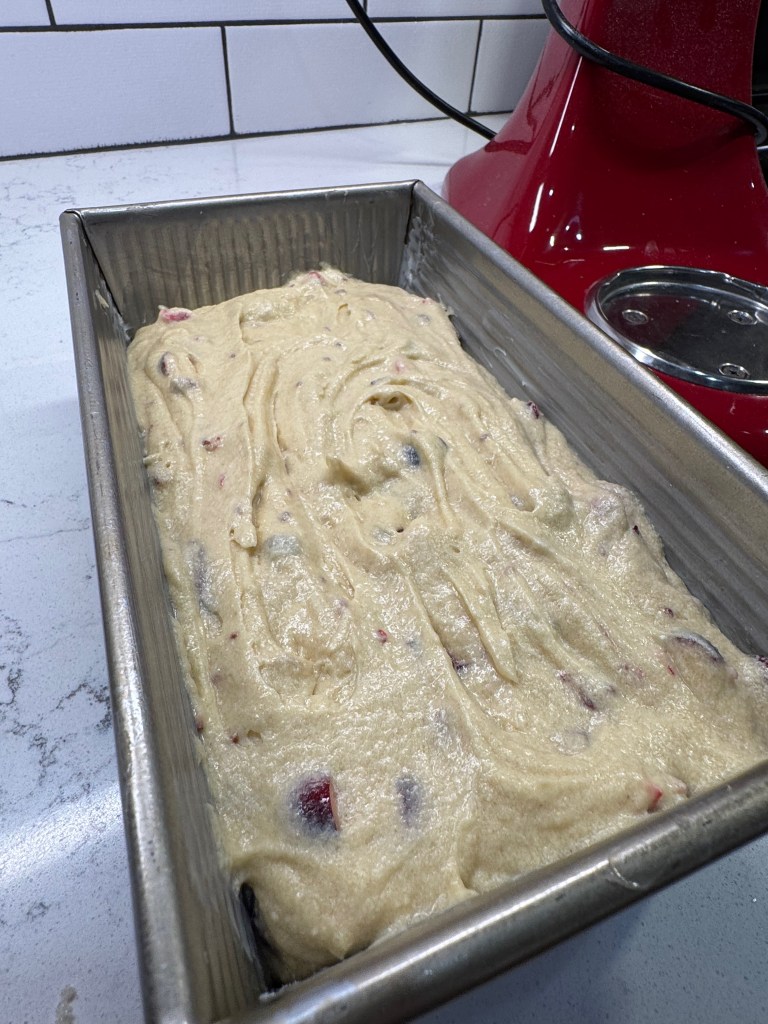
  5. When the batter is evenly blended, gently fold in the chopped cranberries. Pour the batter into the prepared loaf pan, using a spatula to smooth the top.
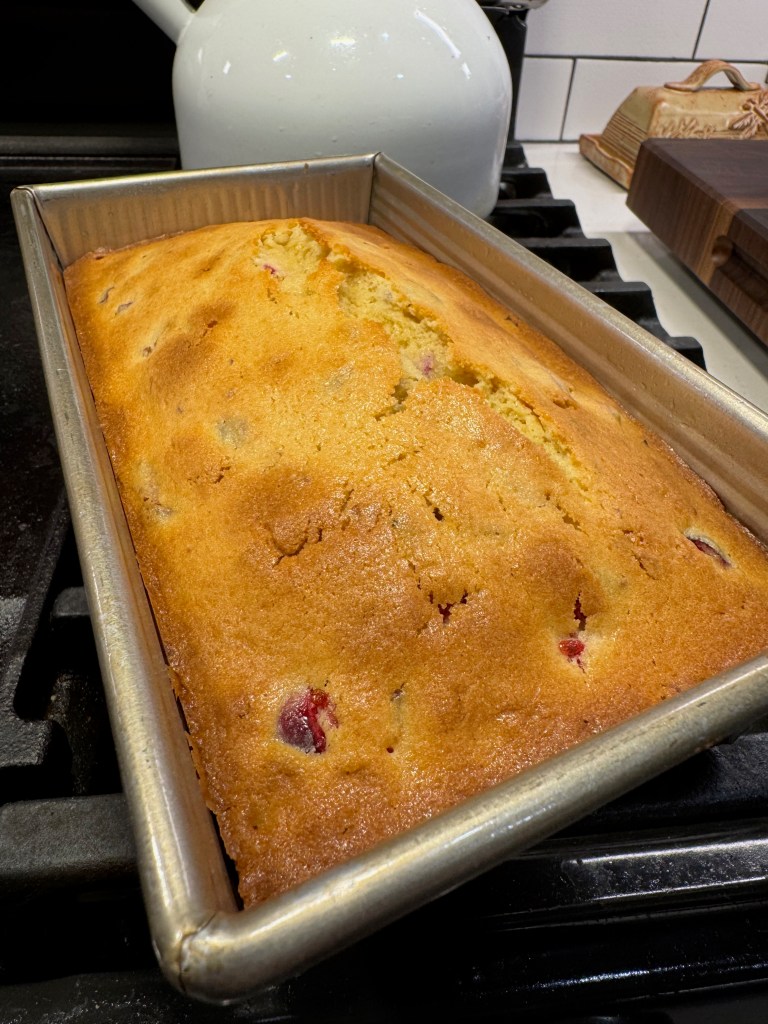
  6. Bake 50 to 60 minutes, or until cake passes the toothpick test. Cool in the pan for a few minutes, then carefully transfer the cake to a rack to cool completely.
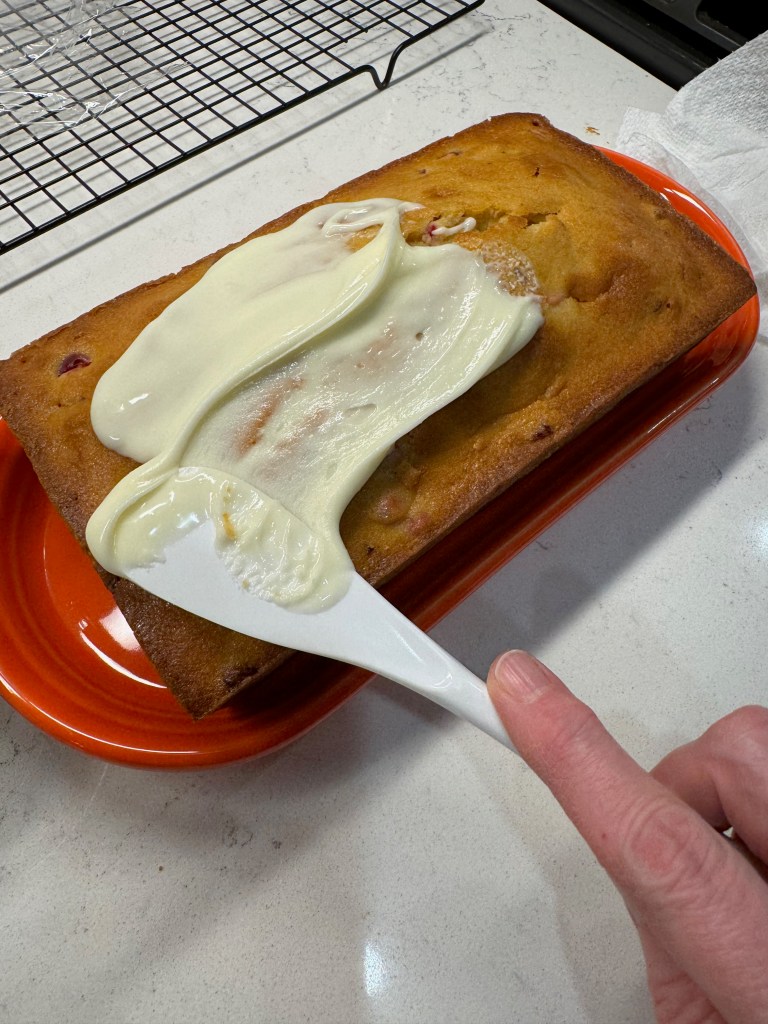
  7. Mix glaze ingredients together until smooth; drizzle and spread over top of quick bread.


Apple Pie Old Fashioned

When all the chaos of shopping, prepping and cooking for Thanksgiving is done, there’s no happier feeling for me than hearing the doorbell, as guests begin to arrive for time spent together and stories and laughter around a carefully prepared meal. At our house, that ritual includes a cocktail, and this year, mine is a tipsy, on-ice adaptation of America’s favorite pie. Care to join in?


Why have a signature cocktail for holidays?

It might seem snooty to offer a signature cocktail for a holiday gathering, but hear me out on the reason that I started doing this. When guests arrive for dinner, we are almost always heading into the final stretch of prepping, which can be hectic or even intense at our house— depending on whose year it is for the turkey (this year, it’s mine). I love to play mixologist, and our bar is well-stocked to make just about any drink you could imagine, which is kind of the problem. Rather than overwhelm our guests with dozens of choices from our bar, I have found it beneficial to offer a thoughtful signature drink— something that captures the essence of the season with broad appeal for any number of tastes— and our guests seem to agree.

What goes into an apple pie old fashioned?

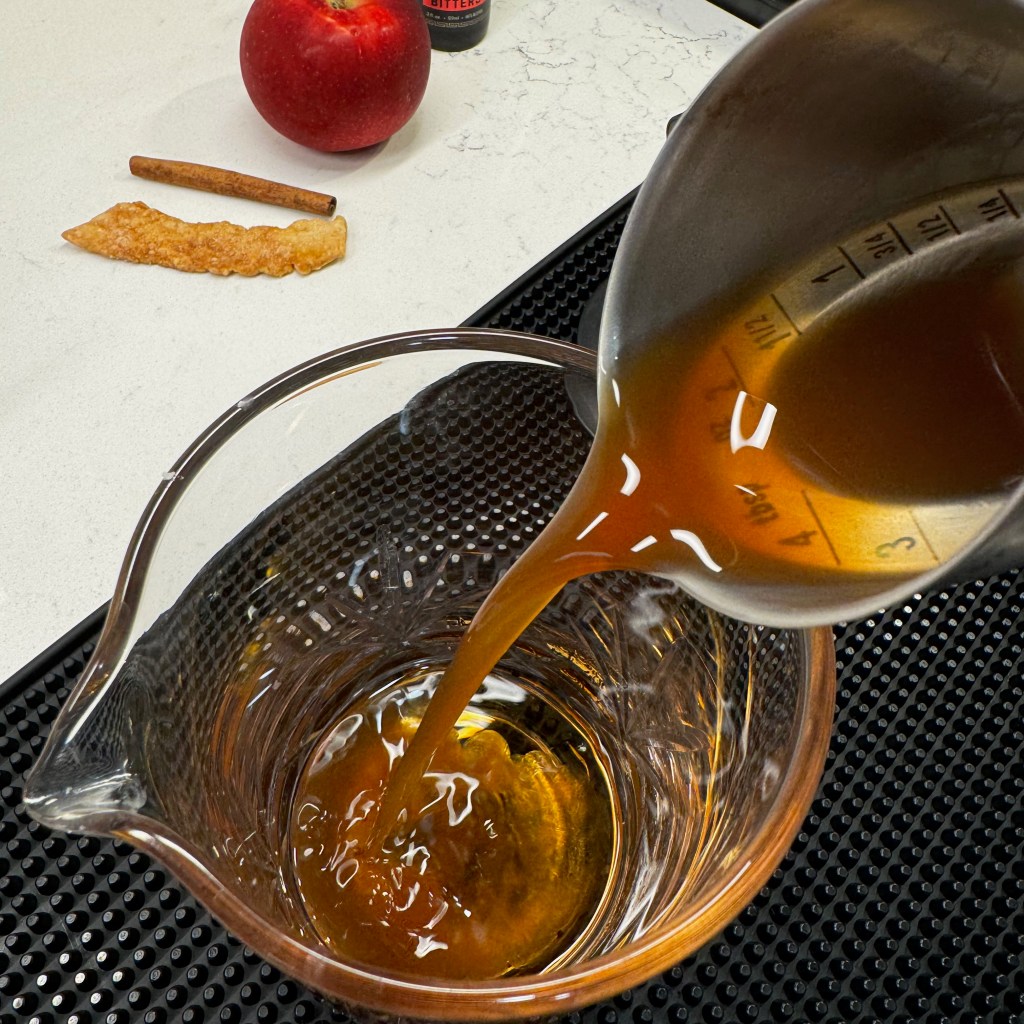
An apple pie old fashioned infuses the sweet and warm flavors of cooked apples with the smoothness of bourbon, and for an extra homey touch, I’ve “fat washed” the bourbon with an embellished browned butter— a nostalgic nod to an all-butter pie crust. The cooked apple flavor in this drink comes from an apple cider syrup, which replaces the sugar cube or simple syrup that would otherwise be muddled into the cocktail.

Does all of this sound complicated or intimidating? It isn’t! But it does take some advance planning so that you have your ingredients ready to wow your guests when they arrive. Watch me break it down.

Apple pie syrup

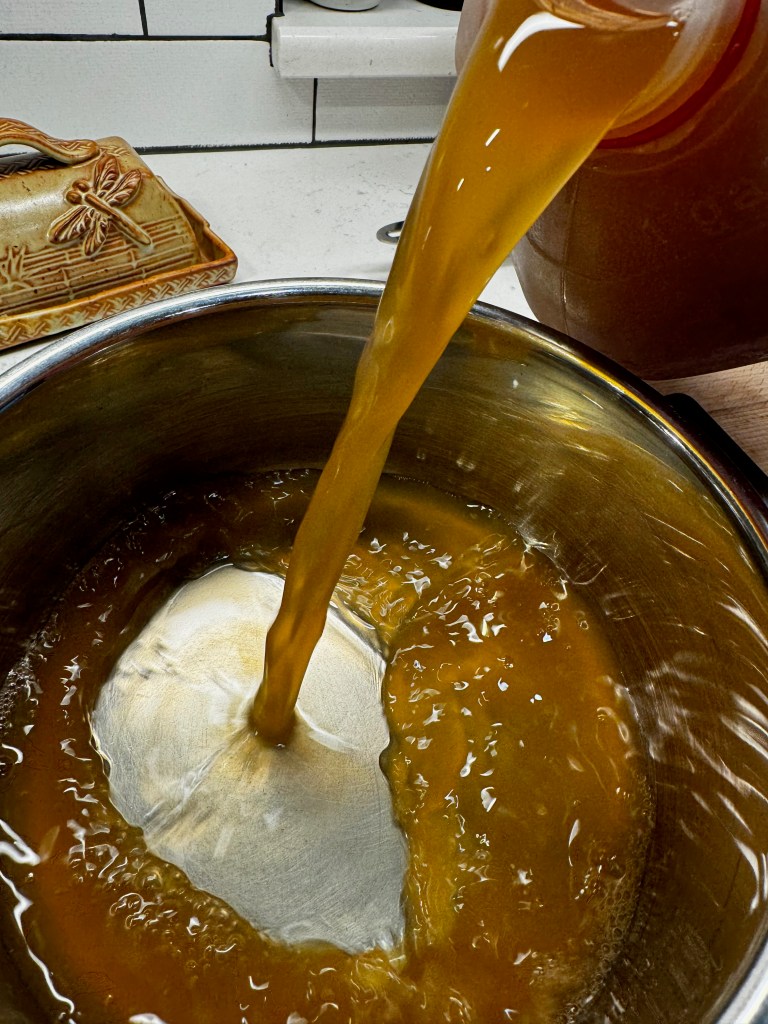
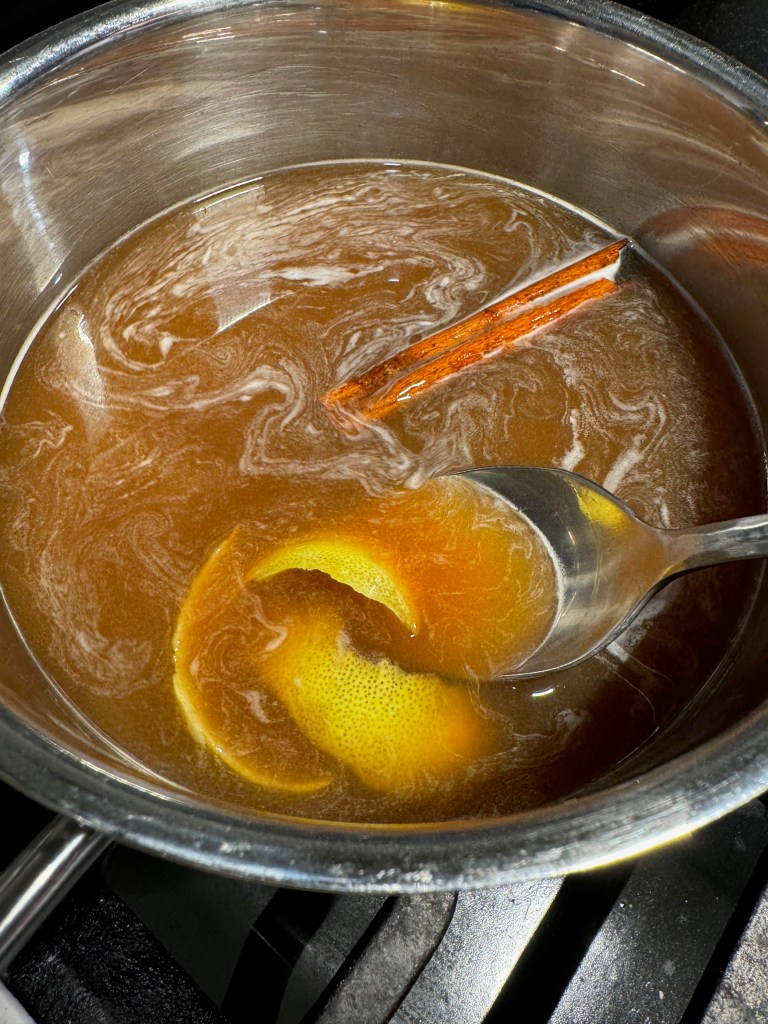
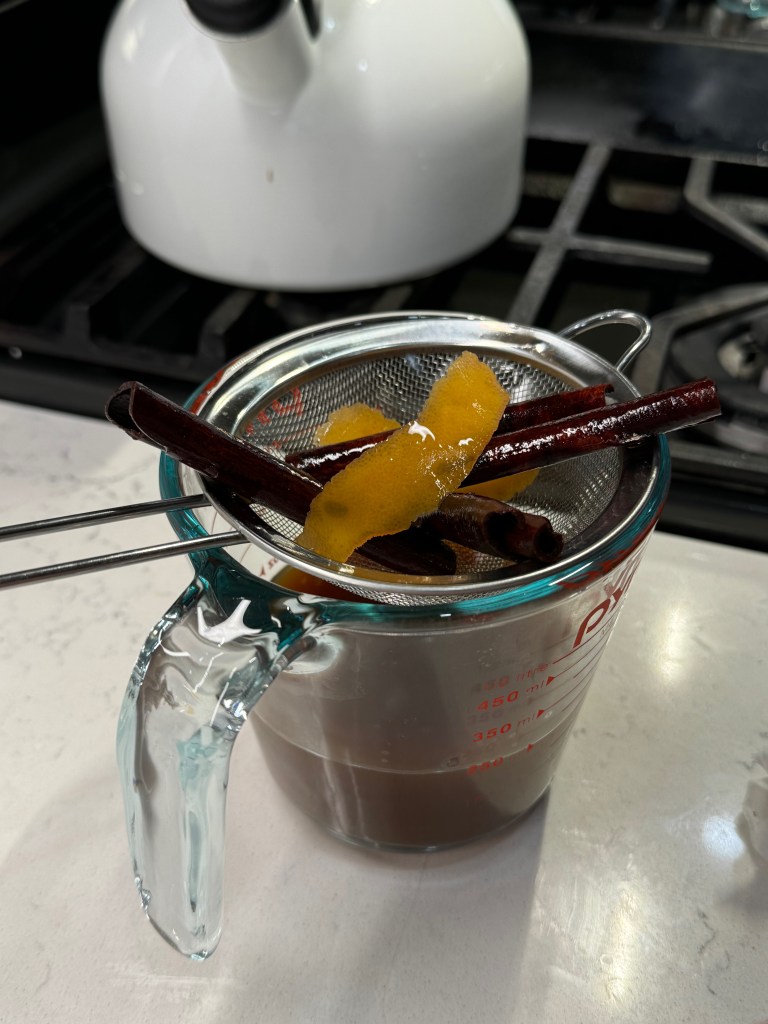
For best results, purchase a fresh apple cider from the produce cold case, rather than a bottled version off the shelf. If you can get one from a local supplier, that’s even better! Heat the cider with a spoonful of brown sugar, the peel of a lemon and a couple of cinnamon sticks. Reducing the cider is necessary so that you get enough apple flavor without adding too much cider and over-diluting the drink. Strain out the solids, and bottle it up! This will keep in the fridge for about three weeks.


The amplified browned butter wash

For the browned butter trick, I ventured into the science of food and tried the viral recipe trick for making the most delicious browned butter ever. You might recall mention of this last autumn, when I presented the caramel apple blondies that were also made with browned butter, but with a boost. An addition of dried milk powder enhanced the toasty, nutty flavor of browned butter, and the result was just beyond. I knew when I made the blondies that I’d have to try this trick again for a fat-washed bourbon, and here we are!


I waffled a bit on whether to use salted or unsalted butter for the cocktail, and when I tasted the outcome of my efforts using unsalted butter, I knew instantly that it was the wrong choice. Salt does the same thing for a cocktail as it does for a dish, so I remedied this with a pinch of salt in the finished butter— no harm, no foul. Pour the bourbon into the jar with the cooled browned butter and give the jar a few gentle shakes. Let the mixture settle and separate, and then refrigerate overnight or up to two days.


The extra milk fat from the powdered milk, plus that hint of salt, produced a deeply addictive flavor, which I infused into my bourbon overnight and then strained out through a coffee filter the next day. By the way, do not discard that butter! As the browned butter flavors the bourbon, so the bourbon flavors the butter solids. Repurpose the butter in your sweet potato casserole or green beans amandine or anything else that would enjoy a little kick of bourbon.


It’s cocktail time!

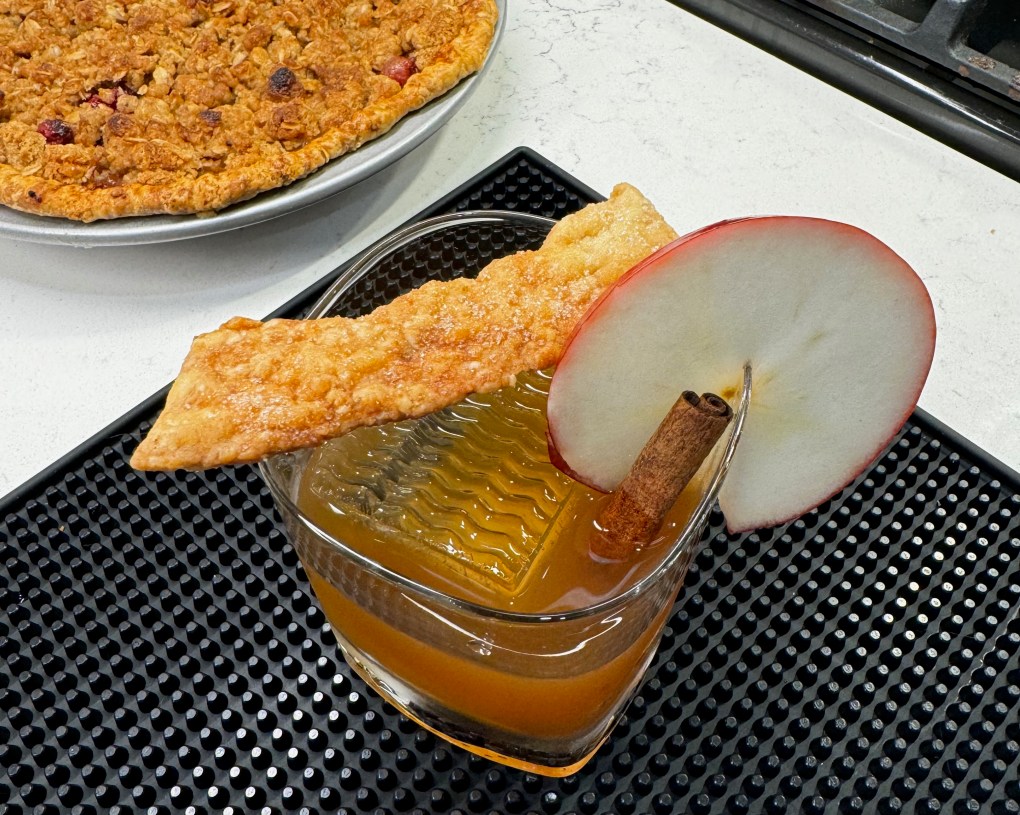
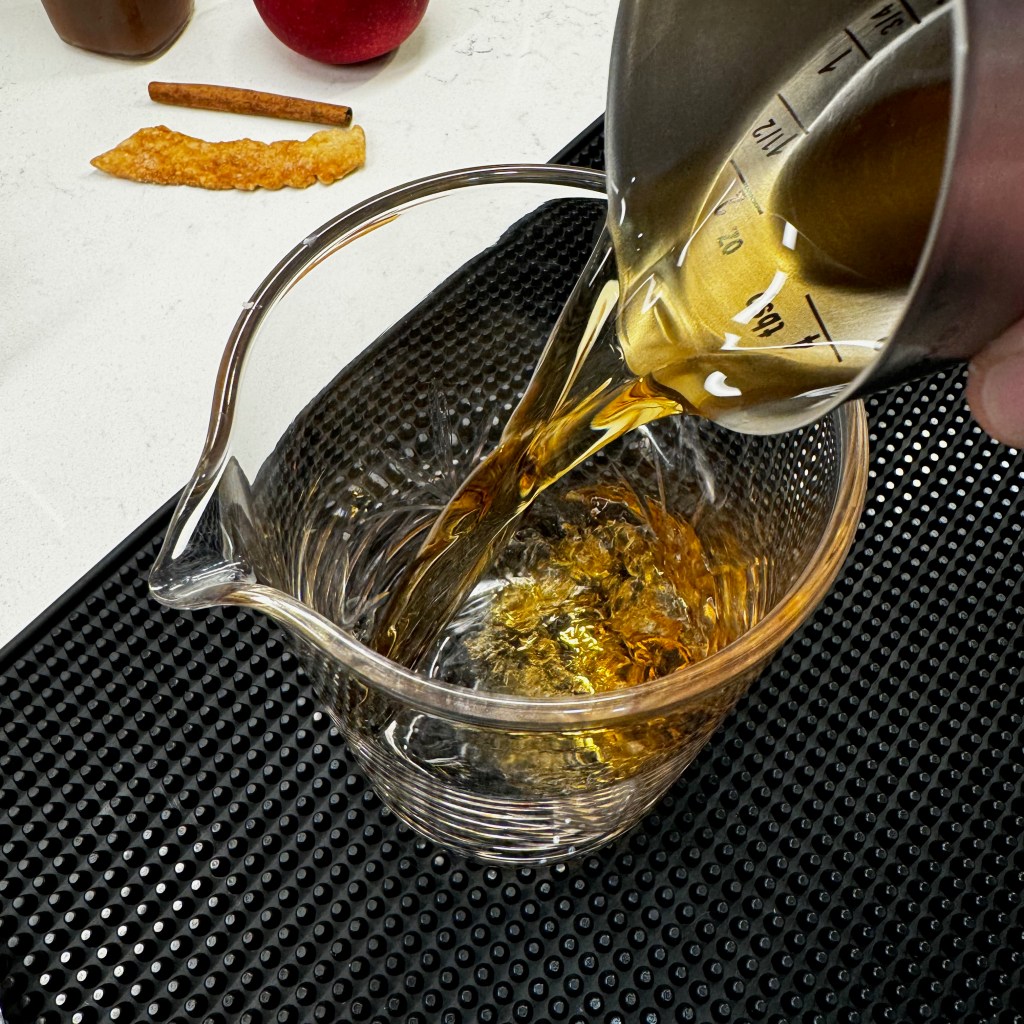
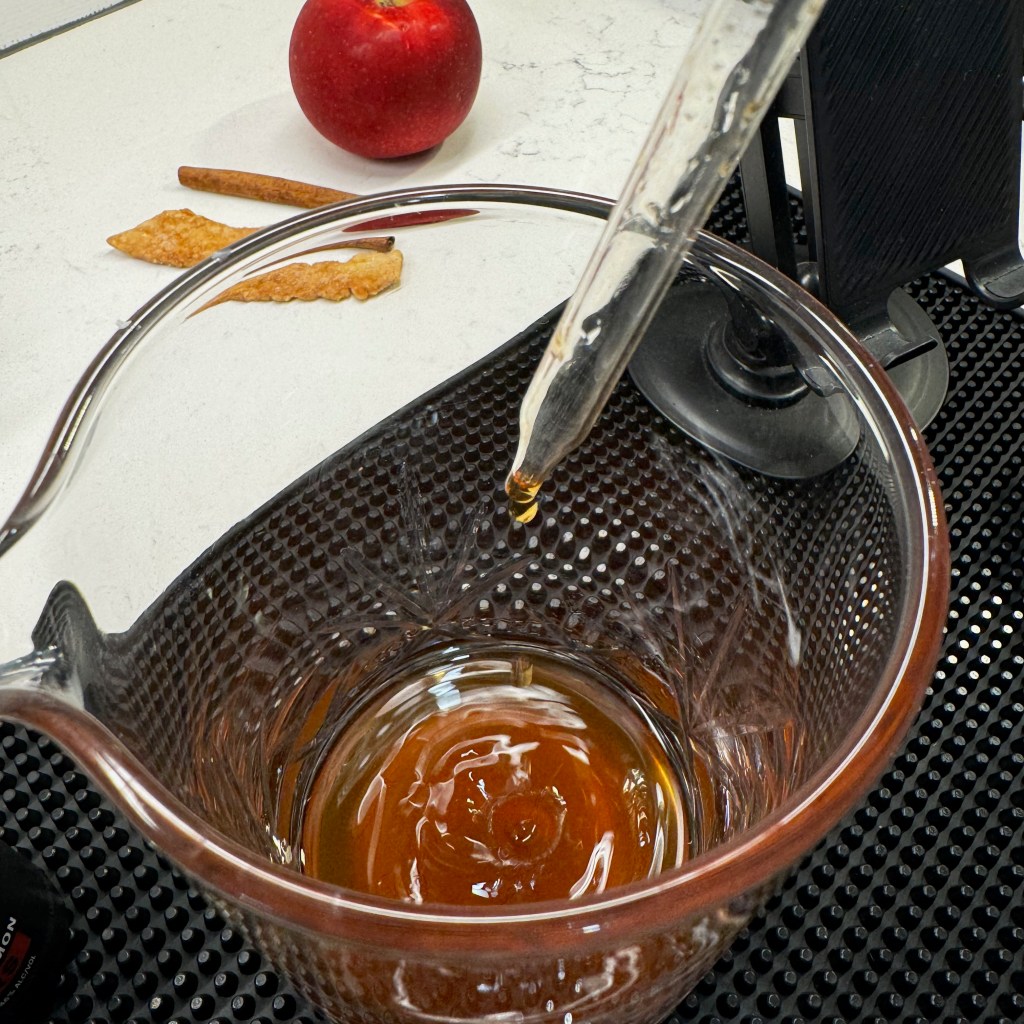
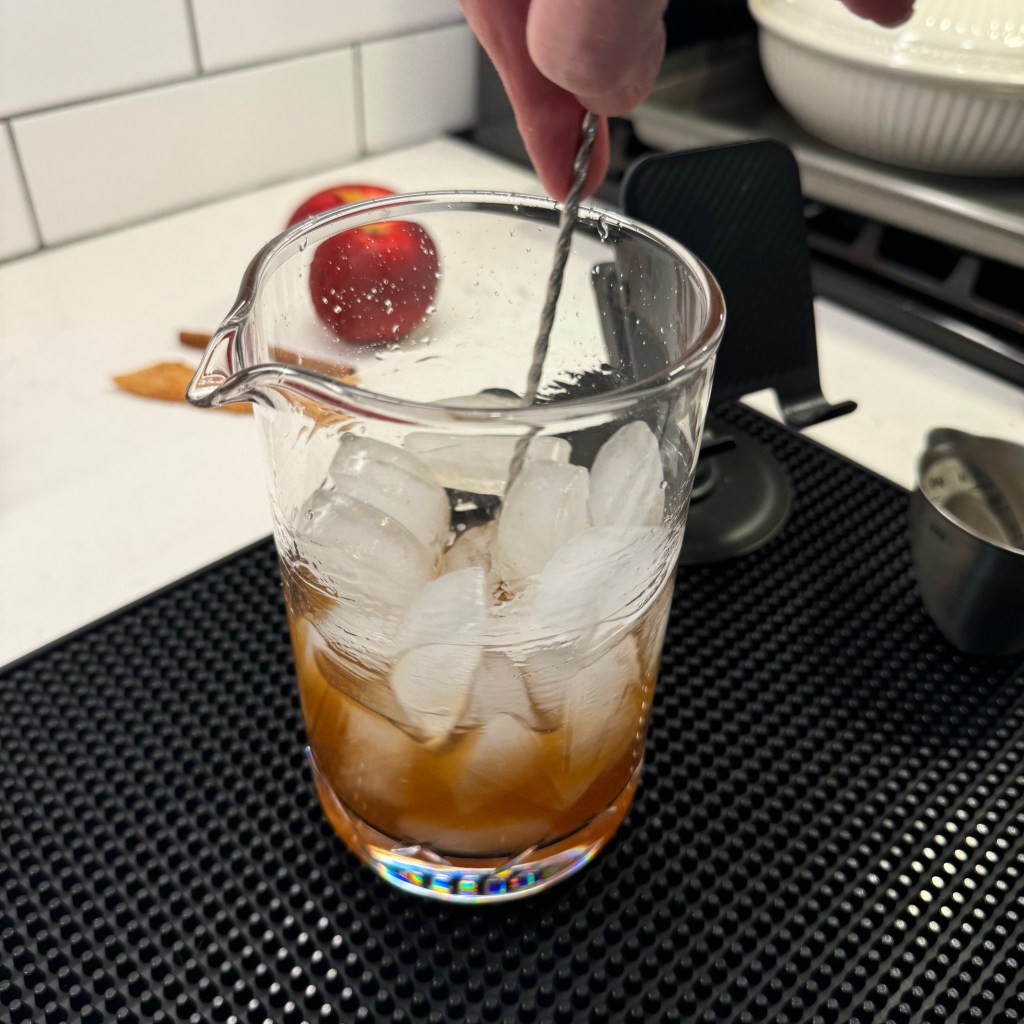
Having the apple cider syrup and browned butter-washed bourbon ready ahead of time makes it a snap to stir up these apple pie old fashioneds when your guests arrive for cocktail hour. The drink is easy to make, combining the browned-butter washed bourbon, a splash of the spiced cider syrup and a quick dash of spiced bitters in a mixing glass with plenty of ice, then strained over a fresh ice cube and garnished with an apple slice and cinnamon stick.


Wanna go for bonus garnish points? Balance a strip of cinnamon-dusted baked pastry dough on the edge of the glass, too. If you’re making a pie for the holiday, simply save a few strips of dough, giving them a sprinkle of cinnamon sugar before you bake to golden crispy goodness. These are best fresh; if you don’t have time, the apple and cinnamon stick will be impressive enough!


Apple Pie Old Fashioned Cocktail

  • Servings: 1
  • Difficulty: Average
  • Print

This cocktail requires some advance planning to prepare a cider syrup and browned butter-washed bourbon, but you can believe it's worth the trouble!


Ingredients

  • 2 oz. browned butter-washed bourbon (description below)
  • 3/4 oz. spiced cider syrup (instructions below)
  • a quick shake of cocktail bitters (cinnamon, cardamom or ginger work nicely)
  • big square ice cube
  • cinnamon sticks, fresh apple slices and sugared pie crust for garnish

Directions

  1. Combine bourbon, syrup and bitters in a cocktail mixing glass or shaker. Add one cup of ice and stir for about 20 seconds. Strain over a large ice in a double rocks glass.
  2. Garnish with an apple slice and cinnamon stick, plus a baked strip of sugared pie crust if desired.

Make the browned butter-washed bourbon ahead of time. Use salted butter for best results, and consider using whole fat dried milk powder if you can find it. The washed bourbon will keep for several weeks in the fridge, and you can repurpose the butter solids in a dessert or sweet potato casserole.

Directions

  1. Melt one stick (8 Tbsp.) butter in a small saucepan over medium heat. When the butter begins to bubble and froth, quickly whisk in a tablespoon of dry milk powder and whisk constantly until the froth dies down and the milk solids take on a caramel color. Remove from heat immediately and pour the hot butter into a large glass jar to cool.
  2. Pour two cups bourbon into the jar of cooled browned butter, cap it and give it a few gentle shakes. Allow it to settle and separate, and then put it in the refrigerator overnight.
  3. Spoon out the butter solids and strain the bourbon through a coffee filter-lined strainer or pour-over device. Bottle the washed bourbon and keep refrigerated until ready to use. This is enough for eight cocktails.

Make the apple cider syrup ahead of time as well. For best results, use fresh-pressed apple cider from a farm stand or the produce department rather than bottled from the juice aisle.

Directions

  1. Pour 2 cups apple cider into a small saucepan over medium heat. Add the thin peel of an organic lemon (none of the white pith, and wash it first!), and two or three pieces of cinnamon stick.
  2. Bring the mixture to a slight boil, then reduce the heat to medium-low and simmer until the liquid is reduced by about half. Stir in a tablespoon of brown sugar until dissolved. Allow the syrup to cool before straining out the lemon peel and cinnamon sticks. Transfer to a bottle and refrigerate up to three weeks. This makes enough syrup for at least eight cocktails.


Butternut Squash Mac & Cheese

Sometimes a recipe idea has an unexpected side benefit, and that was the case with this macaroni and cheese recipe I made for our Thanksgiving meal last year. Though I intended it a way to “sneak” a few more vegetables onto our plates— namely butternut squash and cauliflower— my husband surprised me with his assessment that this was “the best mac and cheese” I’d ever made! My memory tells me he may have said this about a few others as well, but still, it’s high praise!

Mac and cheese is a standout comfort food, and I love bending it into various flavor directions, which you already know if you’ve been following me for any length of time. It is the “comfort” in Comfort du Jour and was the first recipe I posted when I began this blog more than five years ago. Mac and cheese is in a category that I call “blank canvas foods,” open for suggestion and adaptation with endless possibilities or, should I say, “pastabilities?” 😉

I don’t usually include mac and cheese on the Thanksgiving table because it’s a dish that I make year-round and we have so many other seasonal dishes that demand space. Our guests would revolt if we didn’t have Les’s incredible garlic mashed potatoes or his cranberry sauce with Mandarin oranges. And Brussels sprouts of some variety are a must. But this mac and cheese feels unique with the butternut squash that brought a distinctively “autumn” flair. I can easily make a case for adding this to the list of Thanksgiving standards. Come along, and I’ll show you how easy it was to make!

Stand-ins for the squash

There are two substitutes that come to mind if butternut squash isn’t your thing or if it’s out of reach for any reason. Pumpkin and sweet potato each have similar texture and color, and either would work great here— just be sure they are cooked soft enough to puree smoothly. Canned pumpkin is a good option, and I made a savory pumpkin mac and cheese a few years ago that proves this point. 

Prepping the vegetables

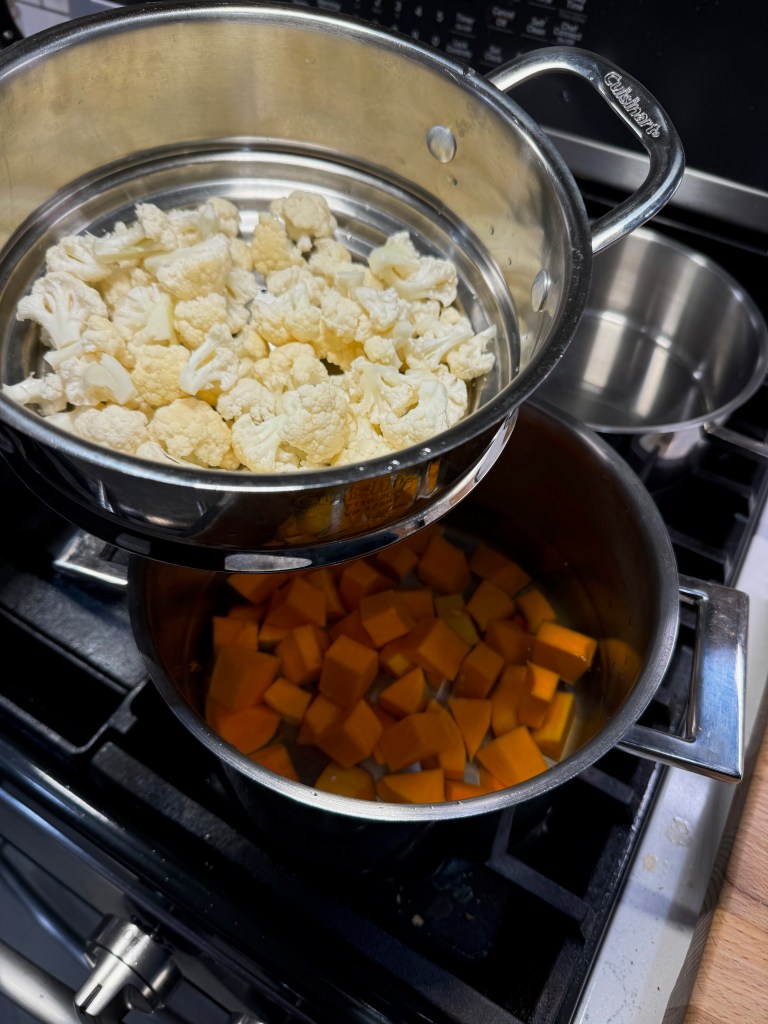
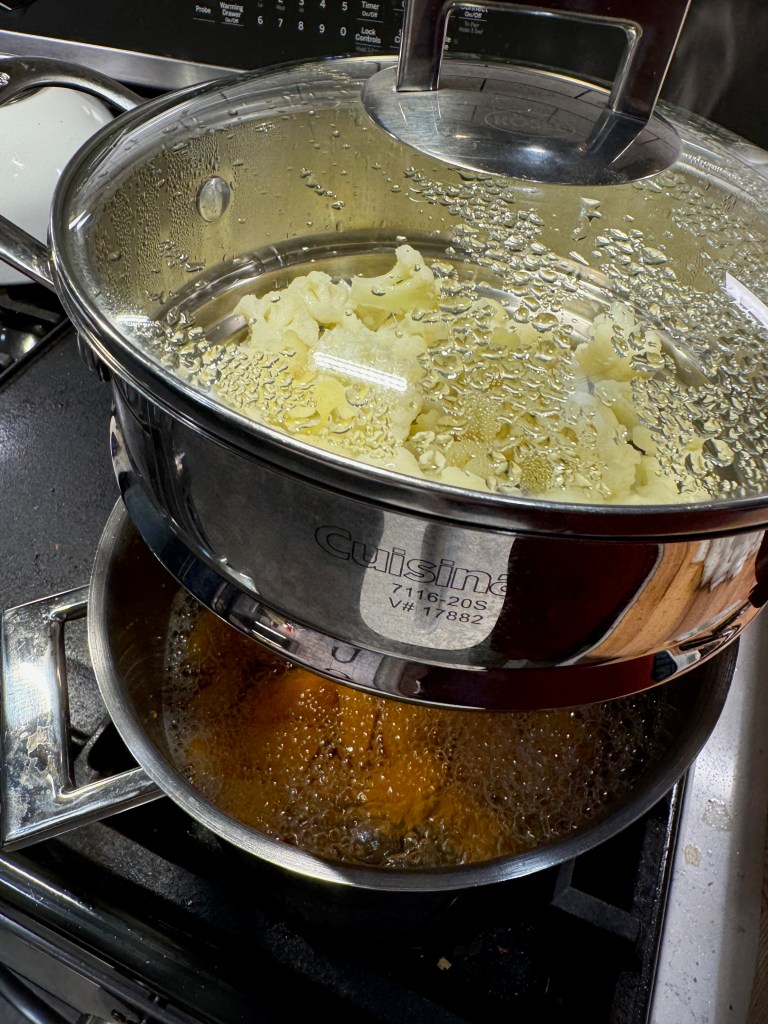
Both the squash and cauliflower will be pureed, so I needed to cook them to full tenderness ahead of making the dish. My steamer insert doesn’t get much action, but it earned its keep this time, as I boiled the squash cubes and simultaneously steamed the cauli in the insert. Three cheers for only needing one burner! This took about 25 minutes. I pressed the squash through a mesh strainer and then blotted away excess moisture with paper towels. The cauli only needed to cool.


The cheese sauce

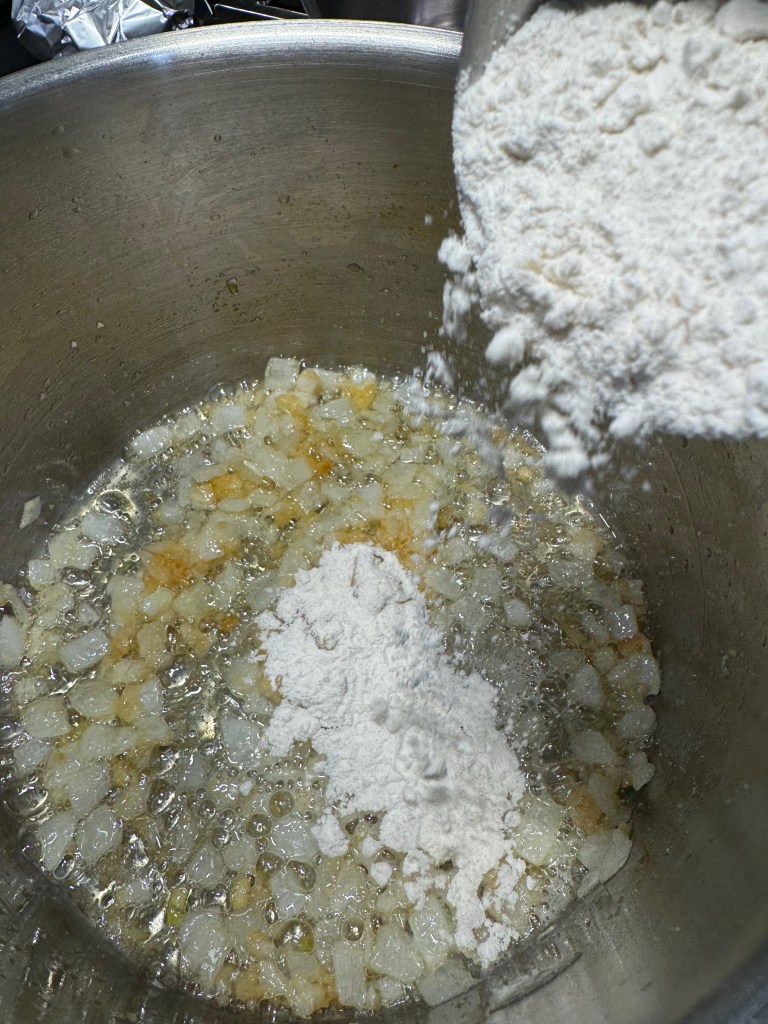
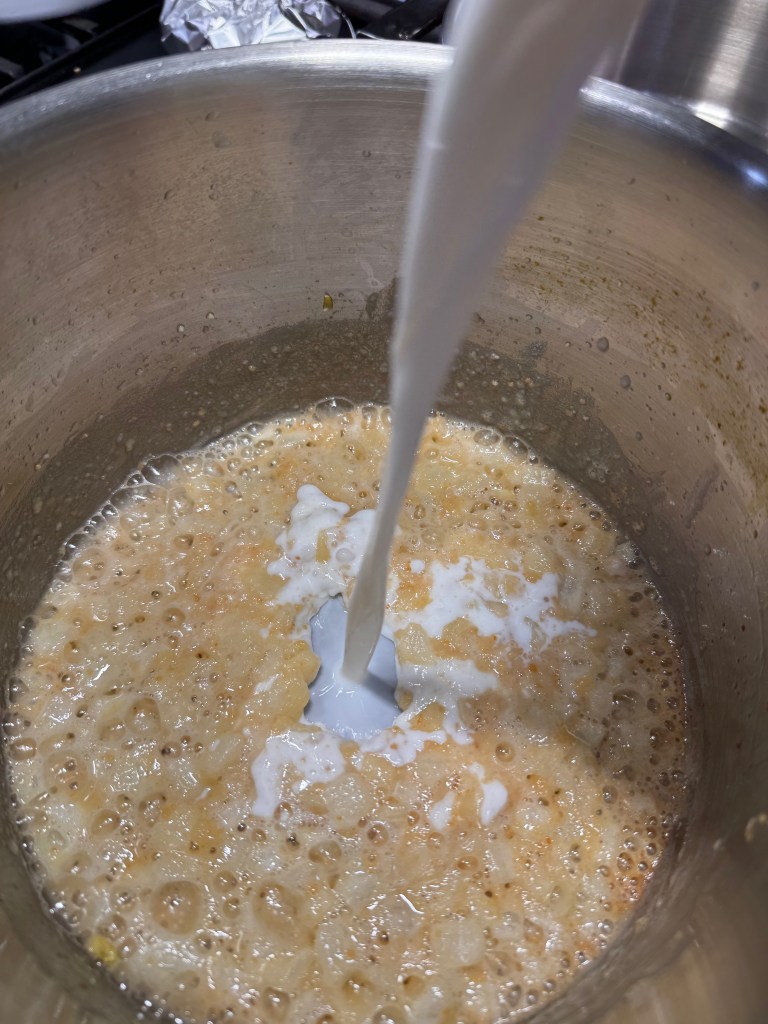
All my mac and cheese recipes begin the same way— with a roux. This simple mixture of butter (or oil) and flour creates a thickening base for whatever liquid you plan to use (in this case, milk). It’s one of the first important lessons I learned in my grandmother’s kitchen when I was barely even tall enough to reach the stove. While my butter melted and browned slightly, I tossed in some finely diced onion for flavor before adding the flour and, eventually, the milk. 


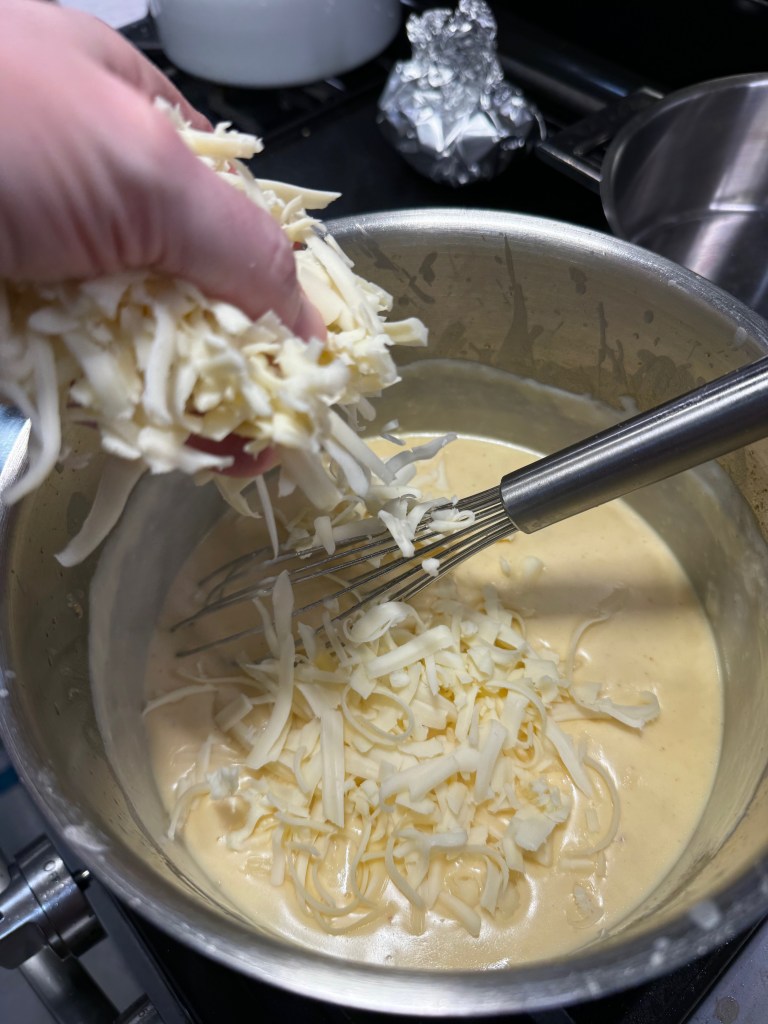
The cheese came next, beginning with a few ounces of American processed cheese. I know, I know, some say that this isn’t “real” cheese. But as Kenji López-Alt, one of my culinary idols, has said, it’s like saying that meatloaf isn’t meat. American cheese is just cheese that has been chemically adjusted with certain salts and stabilizers that prevent fat separation when you melt it. Using a little bit in my cheese sauce sets the stage for the other cheeses to remain more stable. In other words, it keeps my cheese sauce more creamy than gloppy! The other cheeses I used were gruyere, which I love for its nutty flavor, and sharp white cheddar. 


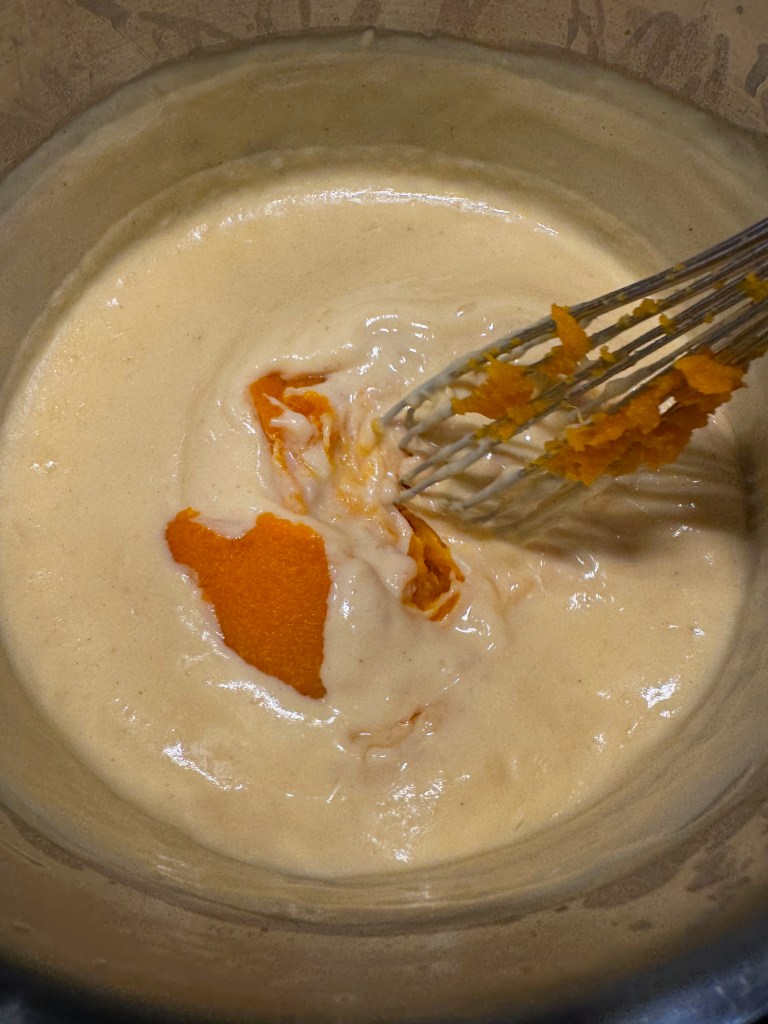
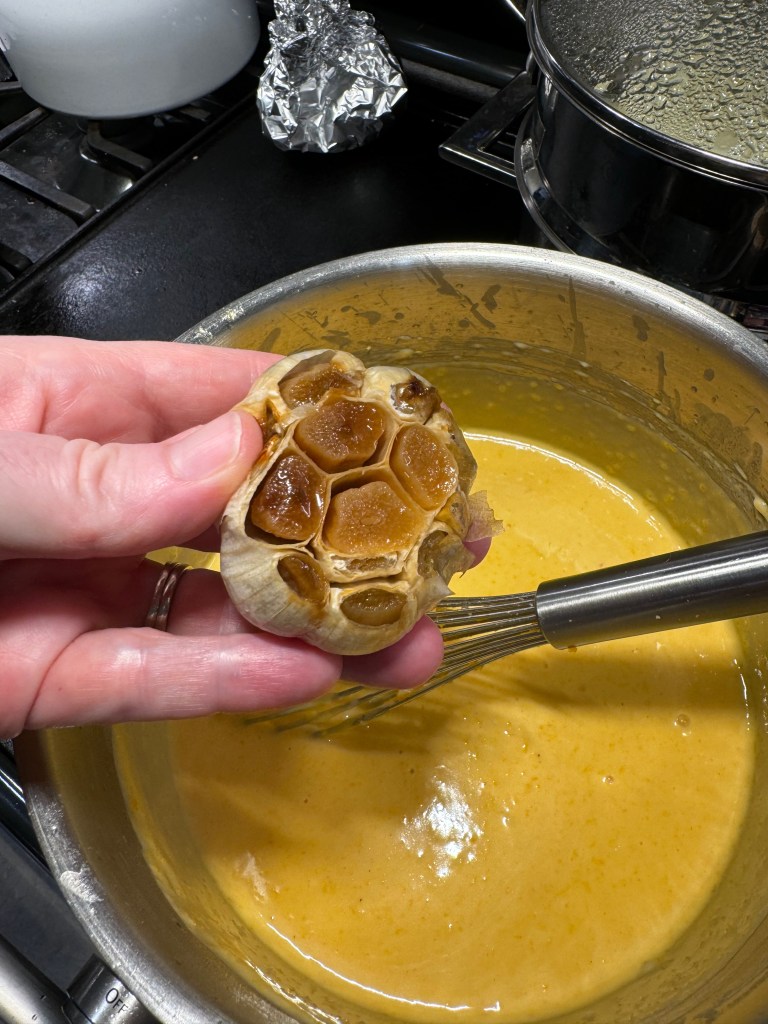
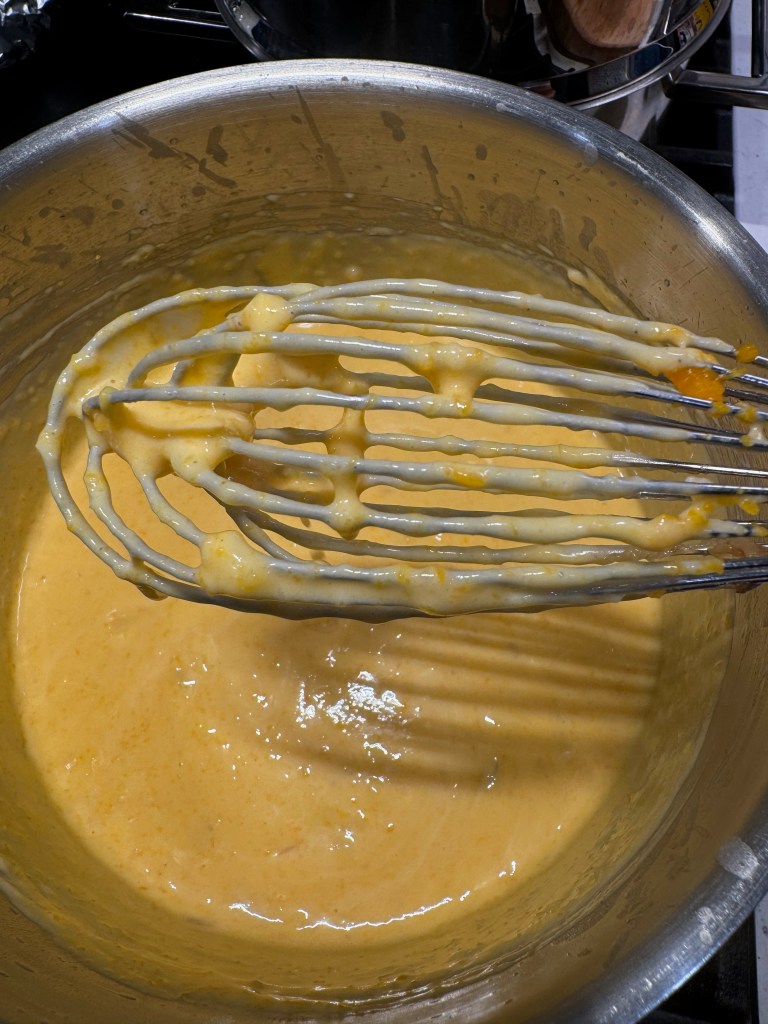
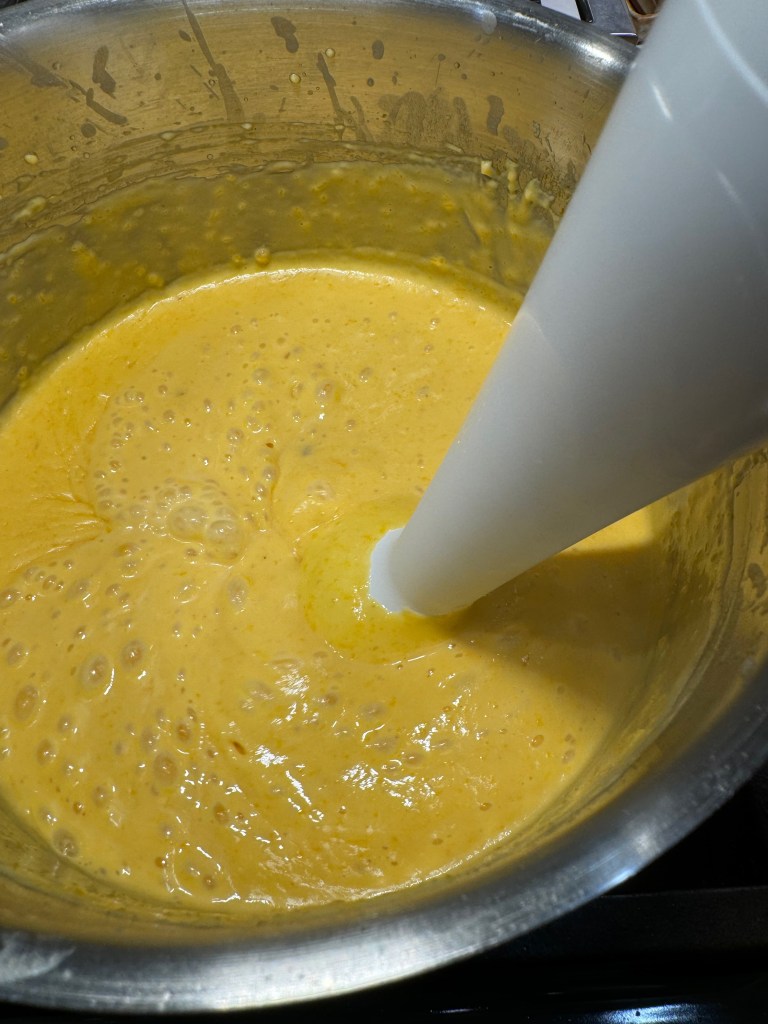
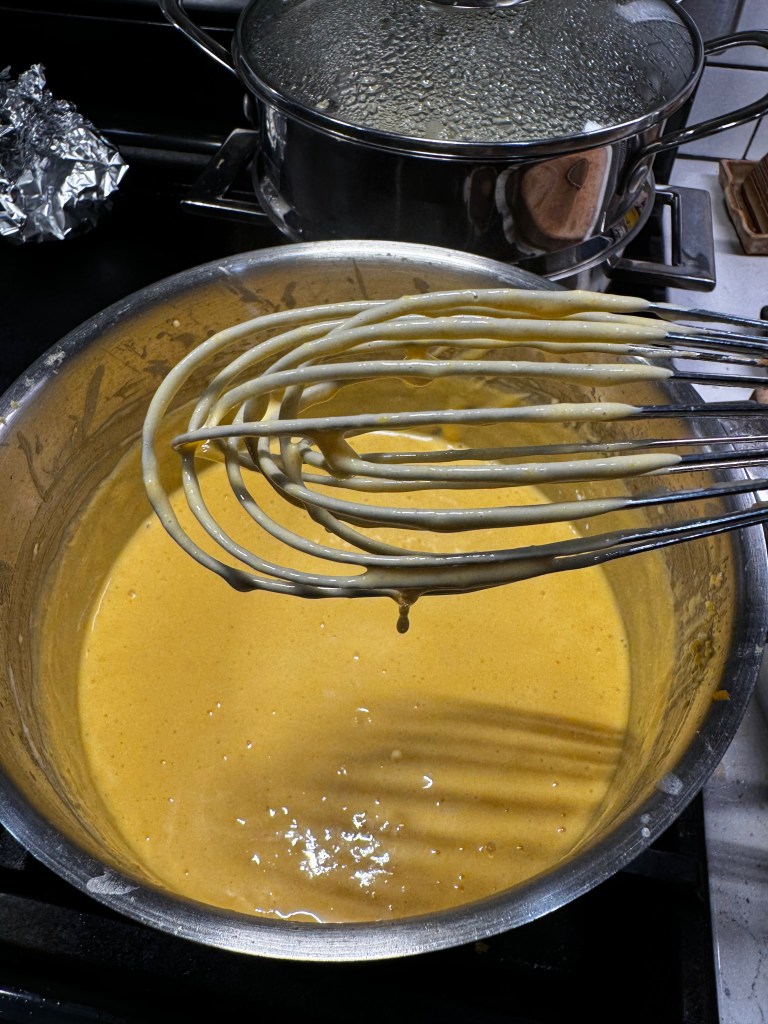
Do you see my secret weapon there? Roasted garlic adds incredible depth of flavor to a cheese sauce, and I squeezed out the entire thing into this one, plus the squash puree and (though I missed getting a picture of it) the tender steamed cauliflower. After whisking it all together, you can see that my sauce looks a little broken, but my immersion blender takes care of that! 


I started using this trick a few years ago and I’ve been very pleased with the smooth consistency of my cheese sauces. I highly recommend, though it isn’t a dealbreaker if you don’t have one. Try pureeing the squash, garlic and cauliflower in a bullet or regular blender with a bit of warm milk or cream before whisking it into the sauce. Be sure the components are cool first!

Putting it all together

Despite my efforts, sometimes I mess up and forget to take pictures at certain stages of making a dish, and that’s exactly what happened here. For a full rundown on how I finished this mac and cheese, check out the click-to-print recipe card at the end of the post. Here’s the Cliffs Notes version:

  1. Cook the large elbow until al denté and stir in the cheese sauce while the pasta is hot.
  2. Make some buttery toasted panko crumbs.
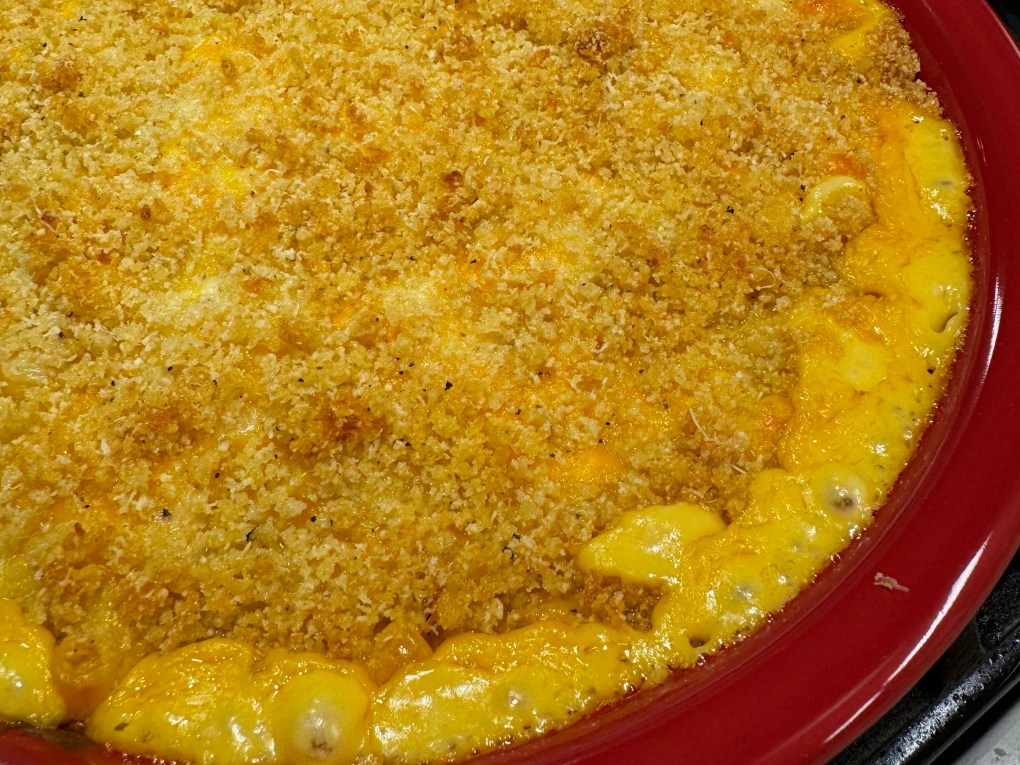
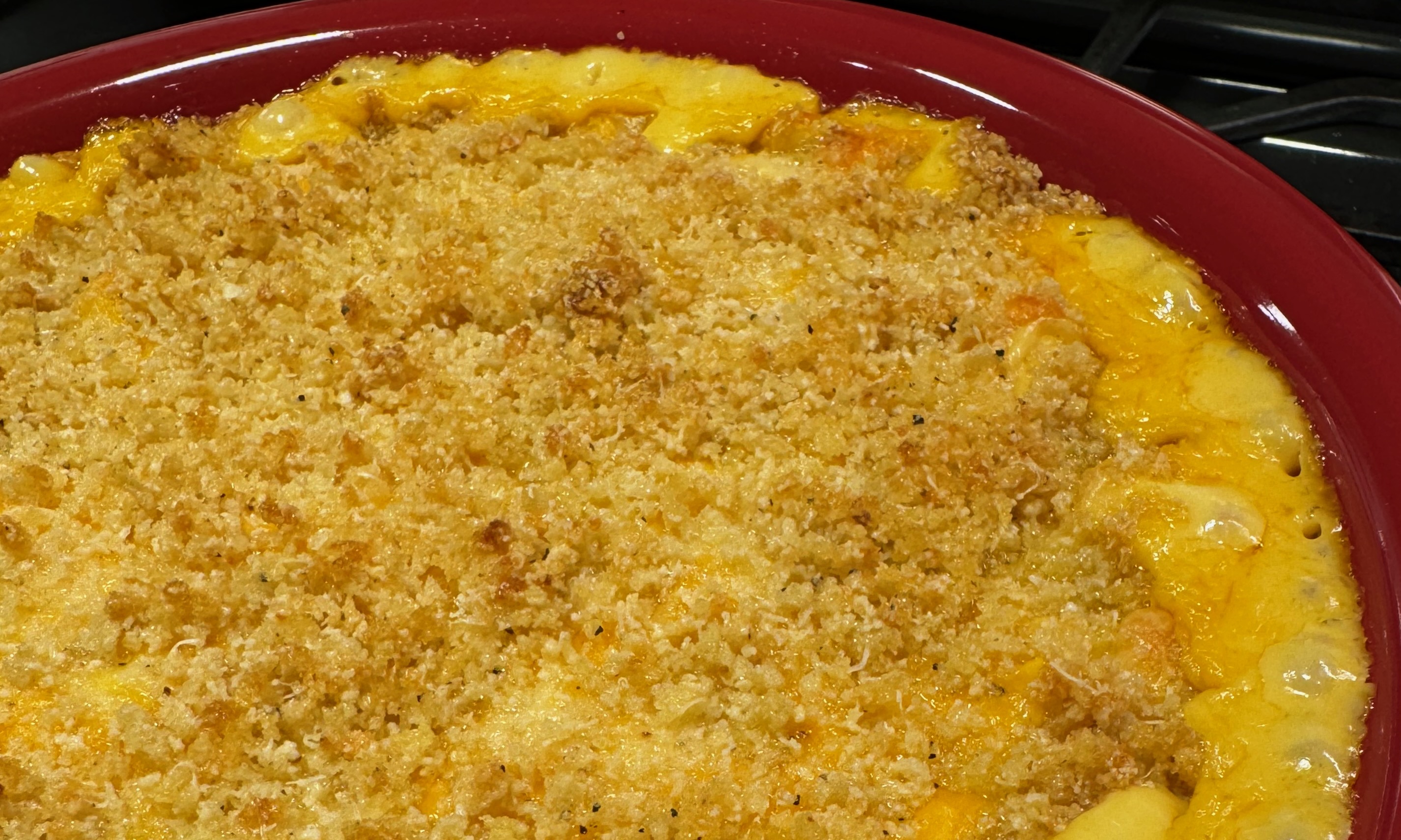
  3. Sprinkle the crumbs on top and bake until the cheese is ooey-gooey and bubbly and the crumbs are crispy crunchy toasty. Because in my kitchen, it’s all about texture!

What’s happening in your kitchen this Thanksgiving? Let’s find out in the comments whether you’re sticking with the standards or adding something new to the repertoire! And what would cause a revolt in your family if you omitted it from the table?

Butternut Squash Mac & Cheese

  • Servings: About 8
  • Difficulty: Average
  • Print

This was meant to be a way to sneak extra vegetables into my dish, but the squash and cauliflower actually gave this a terrific flavor. Use an immersion blender if you have one, to make the sauce extra smooth and creamy.


Ingredients

  • 4 Tbsp. salted butter
  • 1 cup diced sweet onion
  • 1/2 tsp. kosher salt
  • 3 Tbsp. all-purpose flour
  • 2 1/2 cups whole milk
  • Several grates fresh nutmeg
  • About 1/4 tsp. white pepper
  • About 4 oz. American cheese, shredded or cubed
  • 8 oz. gruyere cheese, shredded (reserve some for the top)
  • 6 oz. sharp cheddar cheese, shredded
  • 1 cup butternut squash puree, pressed dry with paper towels
  • 1 whole bulb roasted garlic
  • Most of a box large elbow macaroni, cooked to slightly firmer than al dente
  • 1 1/2 cups cauliflower mini florets, steamed until tender and smashed with a fork
  • 1/2 cup unseasoned panko crumbs
  • 1/4 cup grated Parm-Romano blend cheese (freshly grated)
  • 2 Tbsp. butter

Note: If you don’t have an immersion blender, you can take a different route to achieve a smoother sauce. After the butternut squash and cauliflower have cooled to near-room temperature, add them to a blender with the roasted garlic and about 1/4 cup cream or milk. Blend until puréed and smooth, and then whisk this into the cheese sauce. Do not use a blender while these ingredients are hot, unless you remove the top vent cover. If you have a bullet-style blender, the mixture must be no more than lukewarm.

Want to work ahead? The vegetables can be prepped and cooked the day before, and you can make the mac and cheese ahead of time and refrigerate. Bake it cold, but give it a few extra minutes to heat through and become bubbly.

Directions

  1. Melt butter over medium heat in a small stockpot. Add diced onion and salt and cook until the onions are tender and translucent, but not brown. Sprinkle in flour and cook, stirring constantly, until the roux is bubbly and golden in color. Pour in half of the milk and whisk until smooth and thickened; repeat with the rest of the milk.
  2. Add the American processed cheese to the sauce, whisking until fully melted. This cheese will aid in achieving a sauce that is smooth and creamy rather than grainy. Add the gruyere and cheddar in handfuls, mixing and melting after each.
  3. Whisk in the butternut squash puree, roasted garlic and tender cauliflower. The mixture will be slightly textured.
  4. Use an immersion blender to puree the sauce directly in the pot. When it’s smooth and creamy to your liking, pour it over the cooked elbow macaroni and fold several times to coat the pasta. Be intentional about this step, so that the sauce has a chance to seep inside the hollow macaroni shapes.
  5. In a separate small skillet, melt the two tablespoons of butter and toss the panko crumbs until they are toasted and golden. Season with salt and pepper, plus garlic or onion powder if you wish. Remove from heat and stir in the Parmesan.
  6. Transfer the mac and cheese to a large baking dish. Top with the buttered crumbs and preheat the oven to 350° F, with the oven rack in center position. Bake the mac and cheese for about 30 minutes, or until bubbles appear all the way around th edge of the dish. Let rest for 10 minutes before serving.


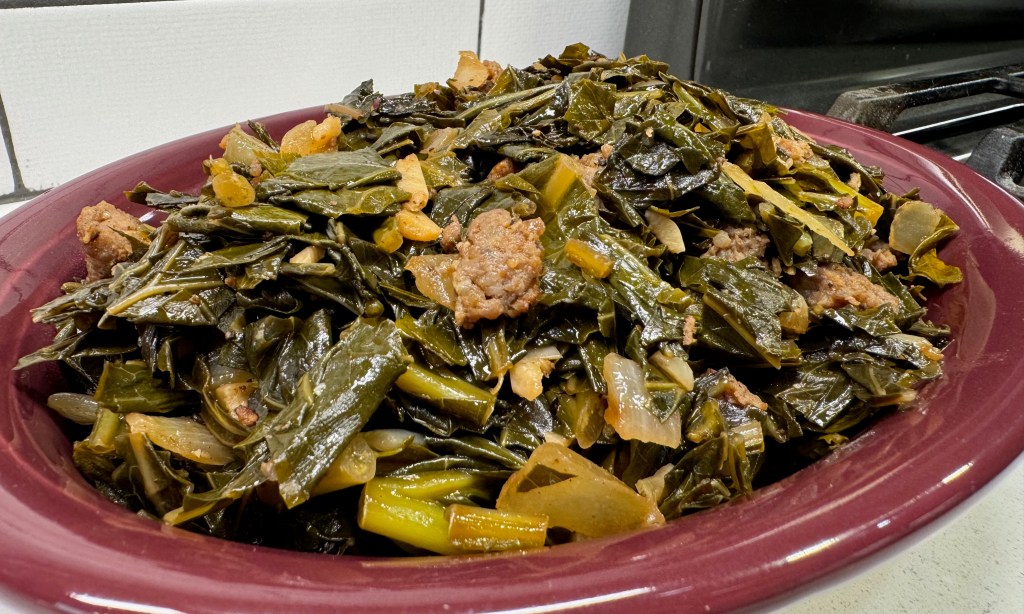
Collards with Sausage and Beer Malt Vinegar

When families gather for Thanksgiving in a few weeks, there will be an array of traditions on display— from formal and elegant catered affairs, to casual and easygoing drop-ins, and even a few backyard shenanigans (probably involving a deep fryer). Too many families are still brainstorming how to make ends meet, with the government continuing to play tug-of-war with the benefits that help them stay afloat, and this distresses me greatly. How can we ever be a great nation if we don’t care for our neighbors? Sigh.

One of my own “traditions” for Thanksgiving is that we break tradition by rotating dishes and switching things up. I know, everyone has their “favorites” for Thanksgiving, and we do keep the standards on the playlist to avert an uprising— the bird, some kind of dressing, cranberry sauce and mashed potatoes with gravy. Beyond that? Anything goes!

This year, I have a seasonal cake in mind for dessert (still thinking it through), and I intend to include collard greens in the lineup. Their earthy composure will be most welcome, and in these parts of the American South, they are on a short list of comfort foods. I also love that collard greens are inexpensive (always a bonus), and they can be made a few days in advance and warmed up in time for the big dinner. Anything that makes the meal more “homey,” and allows for more time chatting and less time fussing, is good with me!

A dish this comforting deserves a spot on the Thanksgiving table.

Making collard greens 101

I’m amused recalling that I once shied away from making collard greens at home. I liked them, but had no idea how to transform the thick, leathery leaves into something tender and edible. There are two schools of thought on this, and the first was daunting enough that I kept my distance for years. It involves a dense, salty hunk of what our locals call “fatback,” and boiling (or even pressure cooking) the collards for hours on end, until they no longer resemble a vegetable. Some people love it; I do not.

But the other method, shared with me by a kind lady in the grocery store, is not only quicker and easier— it also tastes better and leaves plenty of room for creative interpretation. This method involves briefly frying the trimmed collard greens in a small amount of oil or fat and then simmering for half an hour or so in whatever braising liquid makes you happy. To date, I’ve used broth, beer, whiskey, tequila and hard cider. And I’ve tossed a variety of flavor modifiers into my collard recipes, too, including bacon, tomatoes, mushrooms, onions, garlic, and even sweet potatoes (which was great). I guess what I’m saying is that collard greens are finding their way onto my list of “blank canvas” foods, and that isn’t at all a bad thing.

My sausage and beer malt version

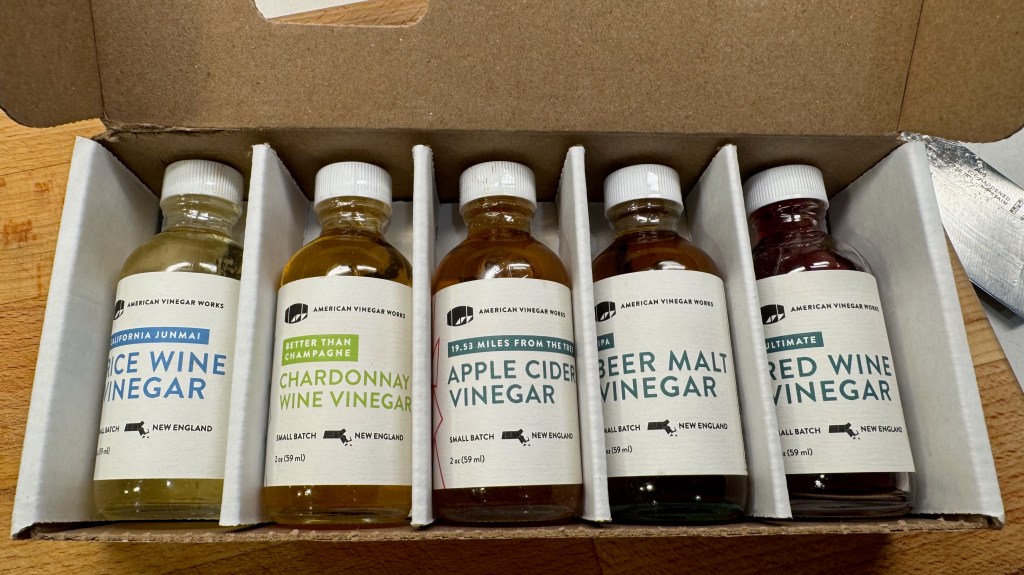
My collards are usually intended as a casual side for roasted chicken, grilled pork chops or meatloaf. But this time, I knew I’d be using some of the leftovers in the collard dip recipe I shared a few weeks ago in memory of our friend who passed away unexpectedly earlier this year. He was a big-time foodie, always sharing cool food stories and interesting products that he found in his many travel adventures. About a year ago, I was surprised to receive a package that Jerry had ordered for me— it was a sampler of specialty vinegars from American Vinegar Works, which he described as “doing it the old-school way, handcrafted and aged.” And I suppose you can guess which one caught my eye first.

What a fun surprise this was!

I’d never heard of beer malt vinegar before, but I knew it would be complex and delicious. And using it for the collards that would become part of the collard dip was a great way to honor the memory of my friend who gifted me the sample collection of vinegars.

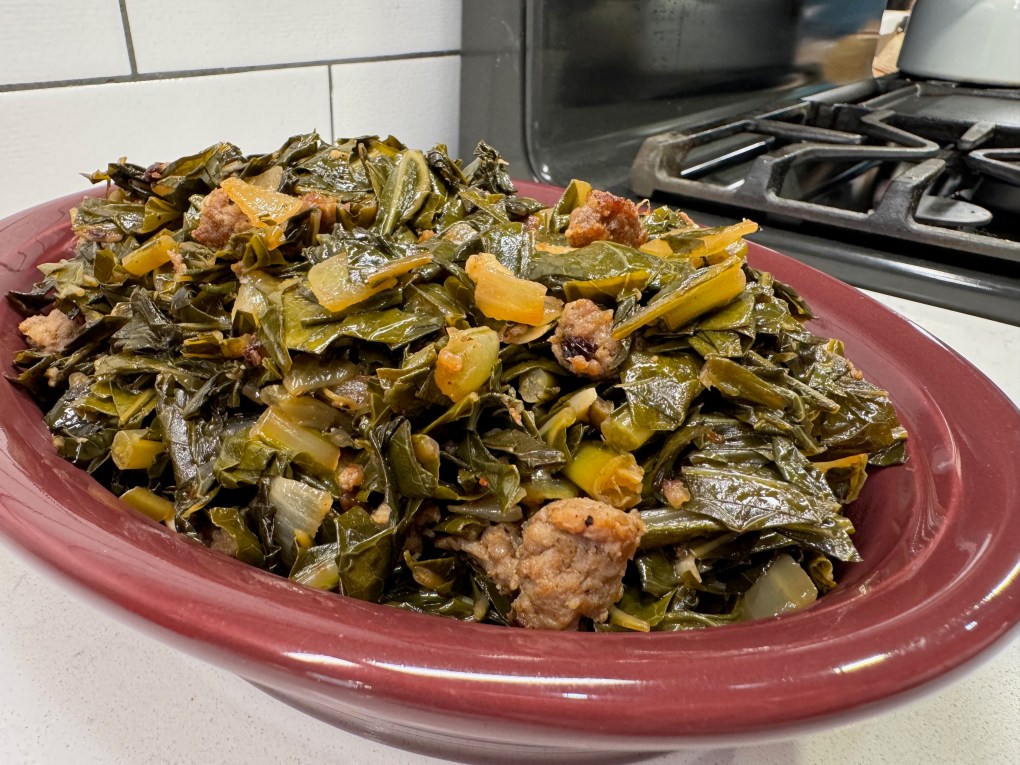
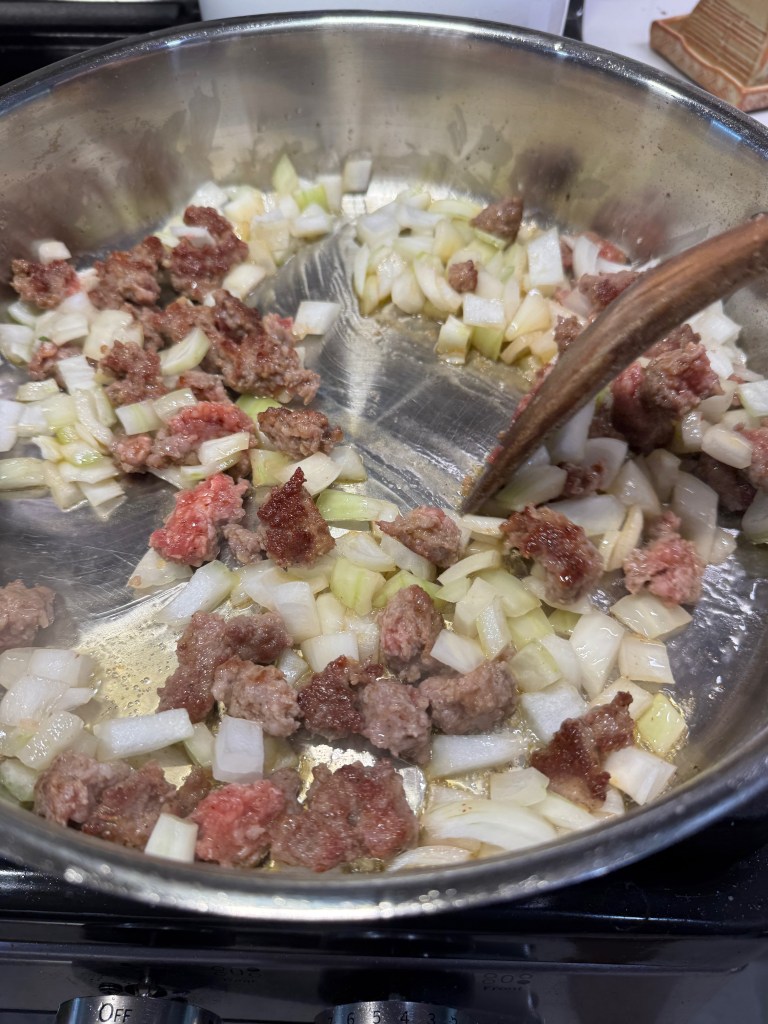
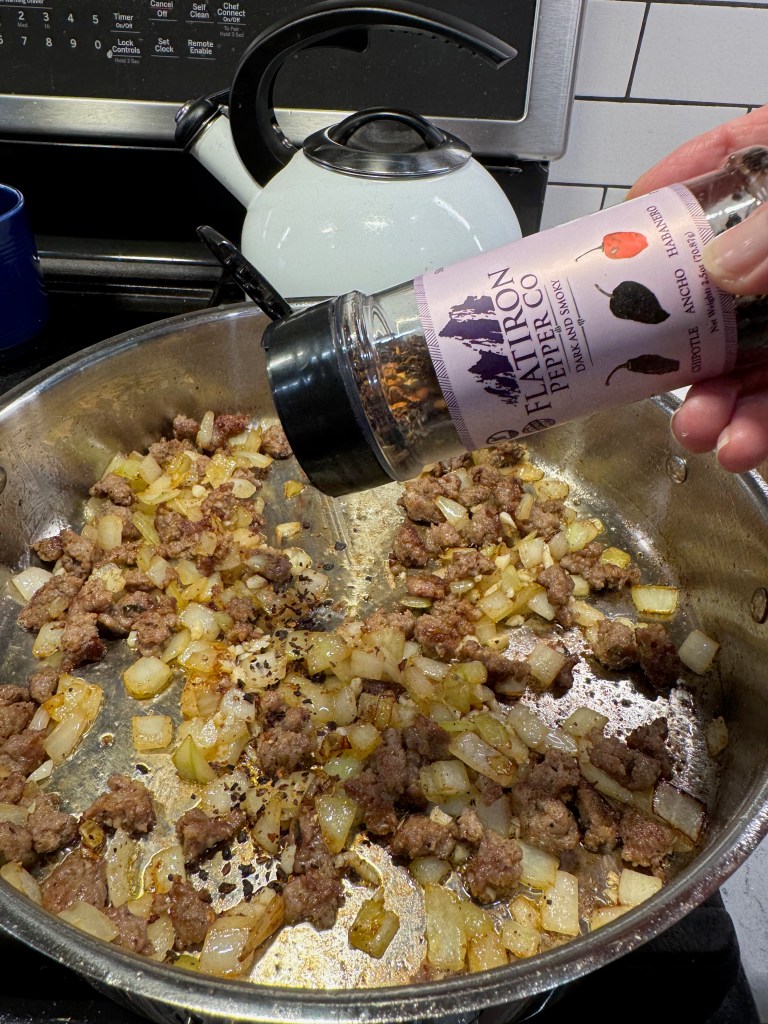
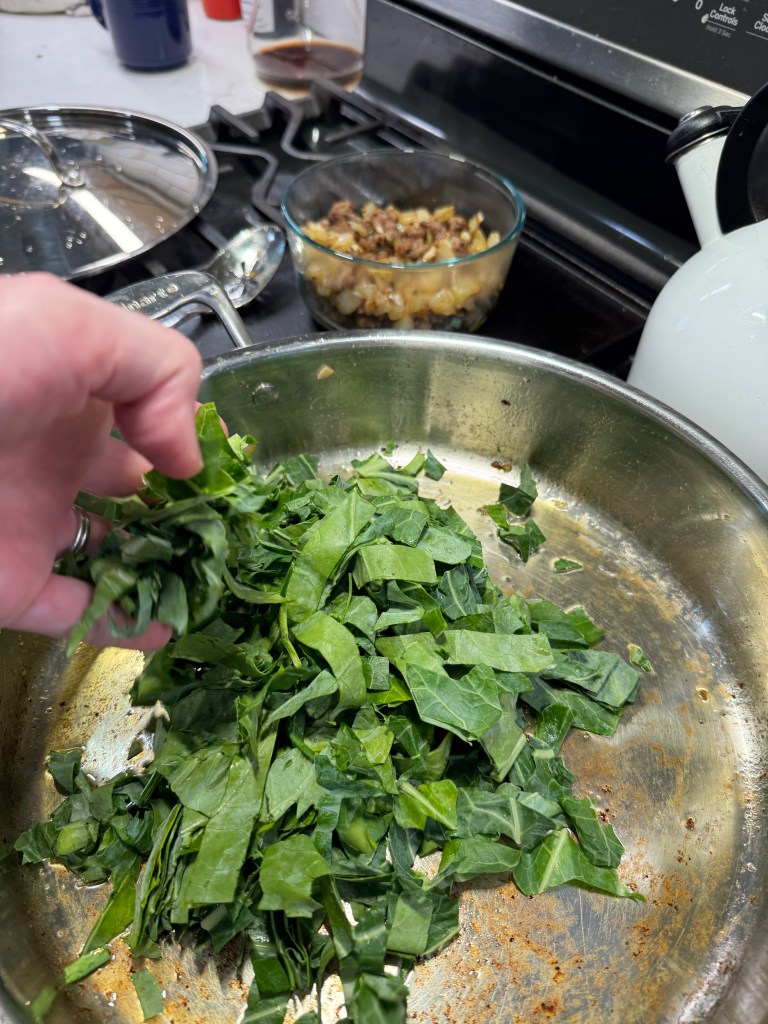
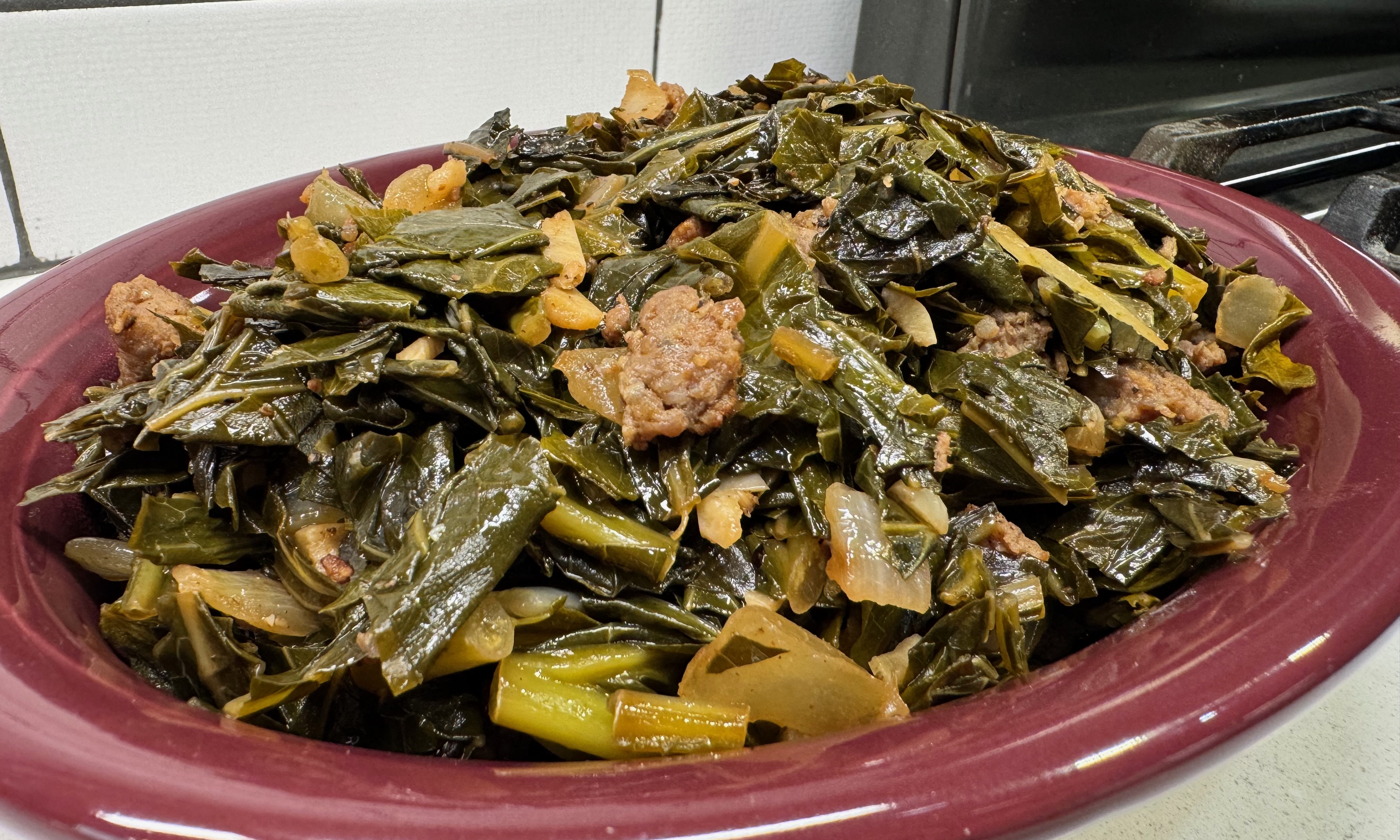
For this iteration of collard greens, I started with a local spicy pork breakfast sausage, browned up in bulk with chopped onions and a few garlic cloves, plus a smoky pepper seasoning. When I was happy with the browning, I transferred the meat mixture into a separate bowl while I sautéed the collards, one handful at a time, just as the nice grocery lady told me.


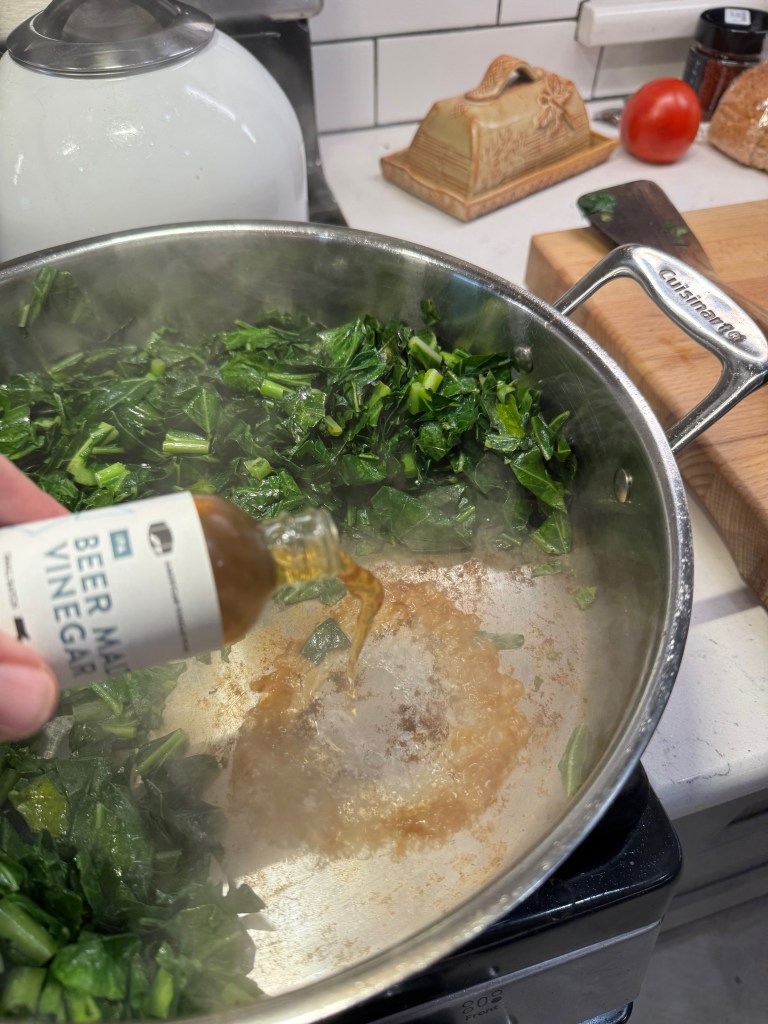
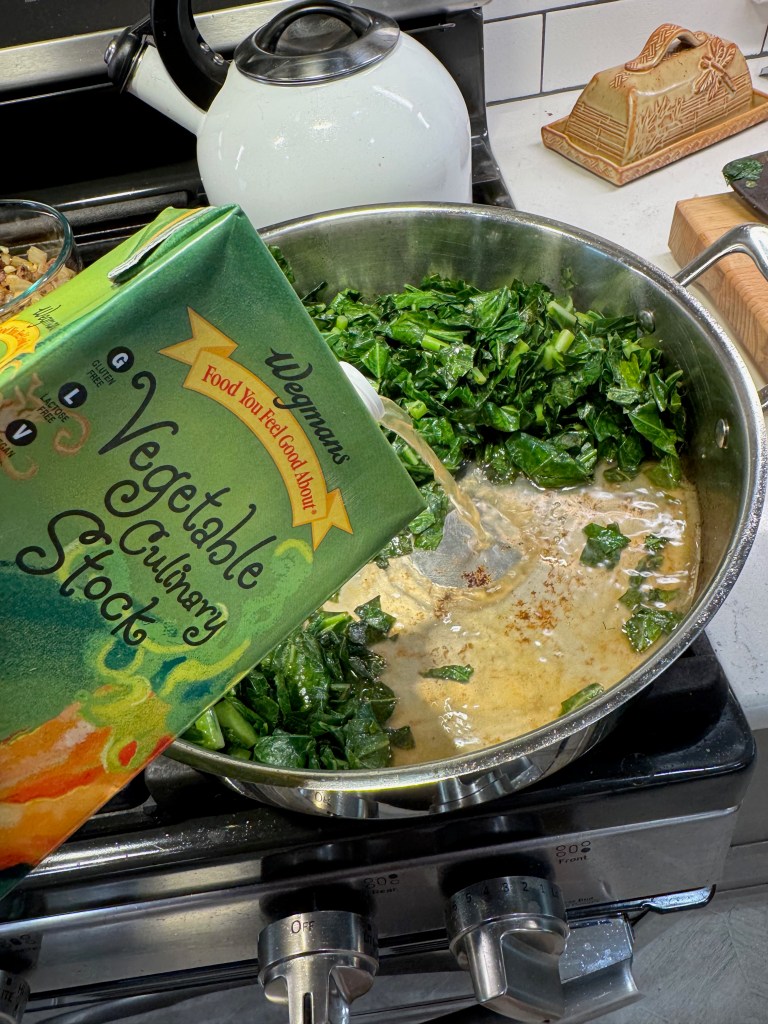
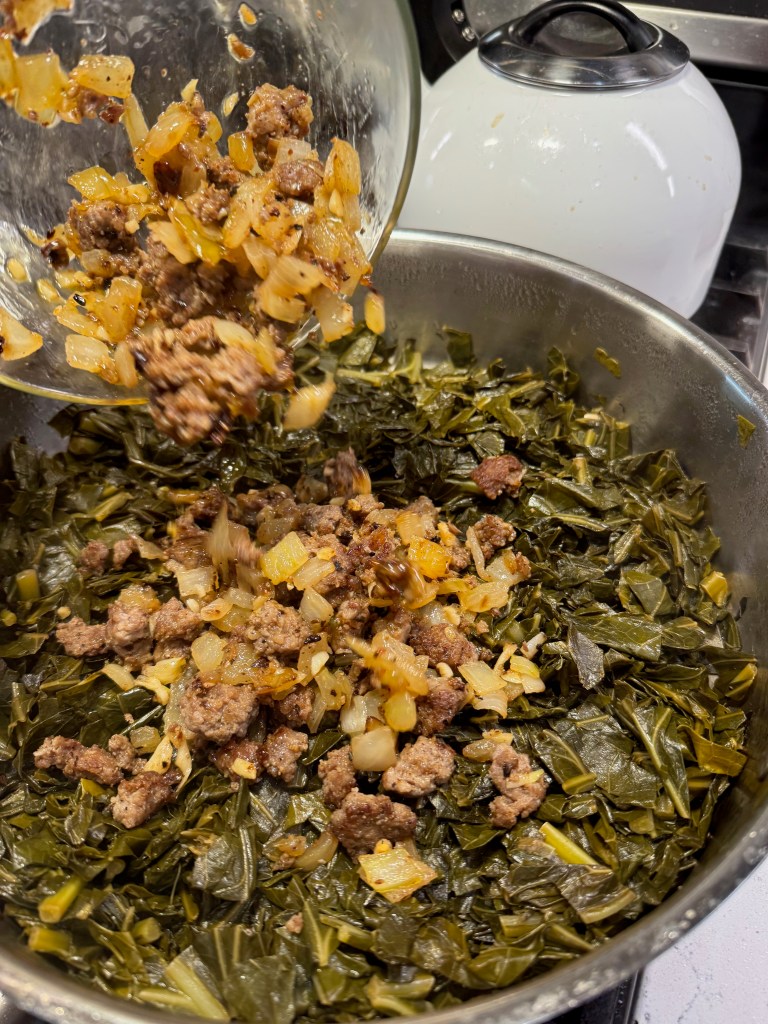
I chose the beer malt vinegar to deglaze the pot before simmering the collards to tenderness, and it was an excellent call. These greens are very fibrous, and a shot of acidity is helpful for breaking them down more quickly (plus it’s delicious). A generous splash of veggie broth finished the job with a 40 minute simmer, and then I stirred the sausage and onion mixture back in at the end, just long enough to heat the dish through.


If your Thanksgiving table needs another vegetable side, and you want something easy and hearty that won’t break the bank, give collard greens a try. Below today’s click-to-print recipe card, you’ll see a few other recipe options for this powerhouse green vegetable. And if your family has a similar tradition of “breaking tradition,” let’s hear about it in the comments!

Collards with Sausage and Beer Malt Vinegar

  • Servings: About 8
  • Difficulty: Average
  • Print

Beer malt vinegar gave my collard greens a savory twist, making them a great option for Thanksgiving.


Ingredients

  • 1/2 pound bulk breakfast-style sausage (spicy is great here)
  • 1/2 large onion, chopped
  • Salt and pepper
  • 2 cloves garlic, minced
  • A few shakes of dried pepper flakes (mine were smoky chipotle)
  • 1 large bunch fresh collard greens, cleaned and trimmed (see notes)
  • 1/4 cup beer malt vinegar (see notes)
  • 1 cup low-sodium vegetable broth

Notes: Collard greens may be available in a “pillow” type package, and those are convenient but not the same quality as fresh collards you purchase in a bunch. They will require more time cleaning and trimming, but it’s time well spent.

The beer malt vinegar I used was from American Vinegar Works, and they seem to have two different beer varieties. My vinegar was made with IPA malt, but they also have one made with porter malt that must be amazing! If you can’t get your hands on this specialty product, try using a splash each of beer and regular malt vinegar.

Directions

  1. Place a wide, shallow skillet or pot over medium heat. Add a swirl of olive oil and crumble up the sausage into the pan. Let it be for a couple of minutes before you toss it with a utensil, to allow browning to happen. Once the sausage begins to brown, add the onions and continue to cook until the meat is fully browned and the onions are tender. Add garlic and the smoky pepper seasoning. Transfer the sausage mixture to a separate bowl and set aside until after the next step.
  2. Add the collard greens, a handful at a time, tossing until each is wilted before adding the next handful. Once all the greens are wilted and bright green in the pot, pour in the beer malt vinegar. Use your utensil to scrape any browned bits from the pan. Add vegetable broth and stir to blend. Reduce heat to low, cover the pot and simmer for 30 to 40 minutes, depending on how tender you like your greens.
  3. When greens are done to your liking, return the sausage and onion mixture back to the pot with the collards, just long enough to heat it through.


Sweet Potato-Harissa Hummus

It’s sweet potato season, and I’m committed to finding ways to enjoy this vegetable that grows prolifically in my state of North Carolina. Sweet potatoes are incredibly versatile and highly nutritious, yet they frequently get turned into something that looks like dessert, especially around Thanksgiving. I’m picturing that marshmallow crusted calorie bomb that everyone calls a casserole. Or my own classic sweet potato dish with loads of butter, brown sugar and pecans. Come to think of it, that one is quite delicious. It’s probably why I turned it into a signature cocktail a couple of years ago. But I digress.

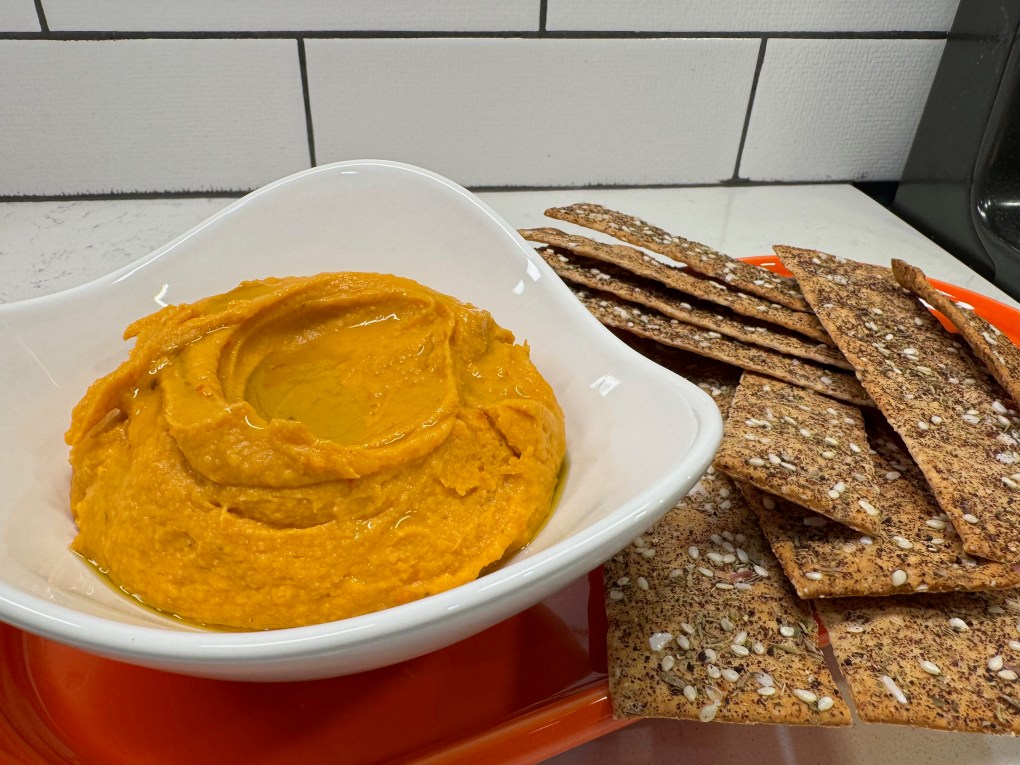
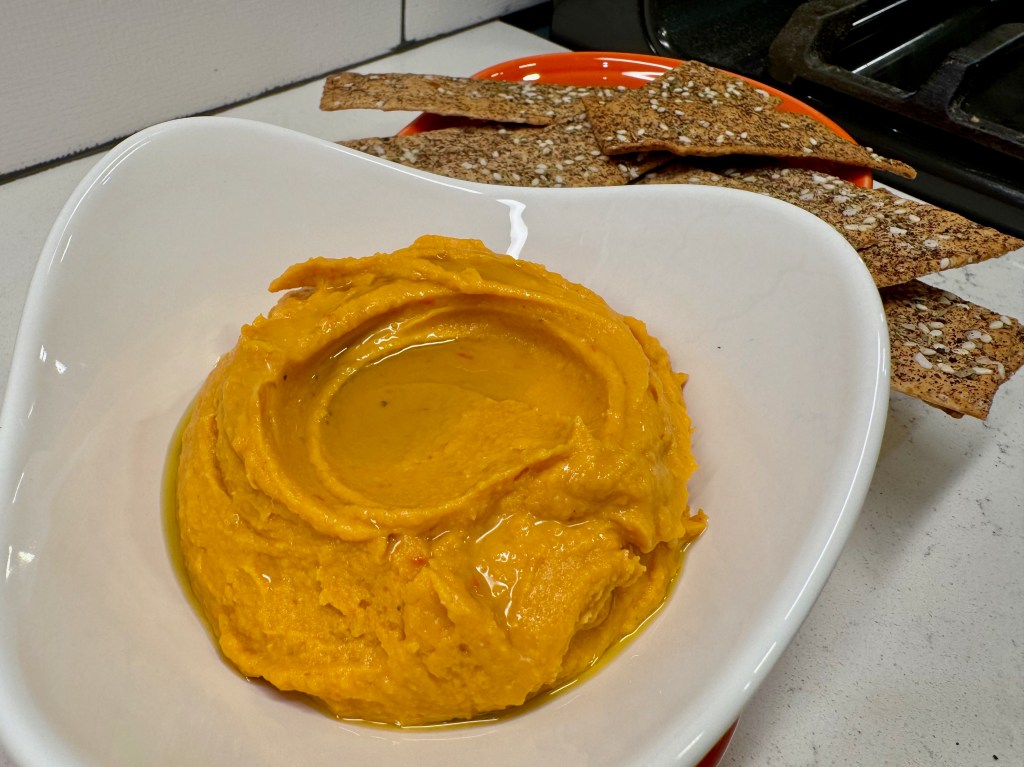
Anyway, today I’m honoring the savory nature of sweet potatoes with an easy-to-make hummus, embellished with roasted sweet potato and harissa. It’s a fun little twist that celebrates the health benefits of sweet potato— antioxidants, potassium and lots of fiber— with just enough Moroccan spice to make it interesting and unique.

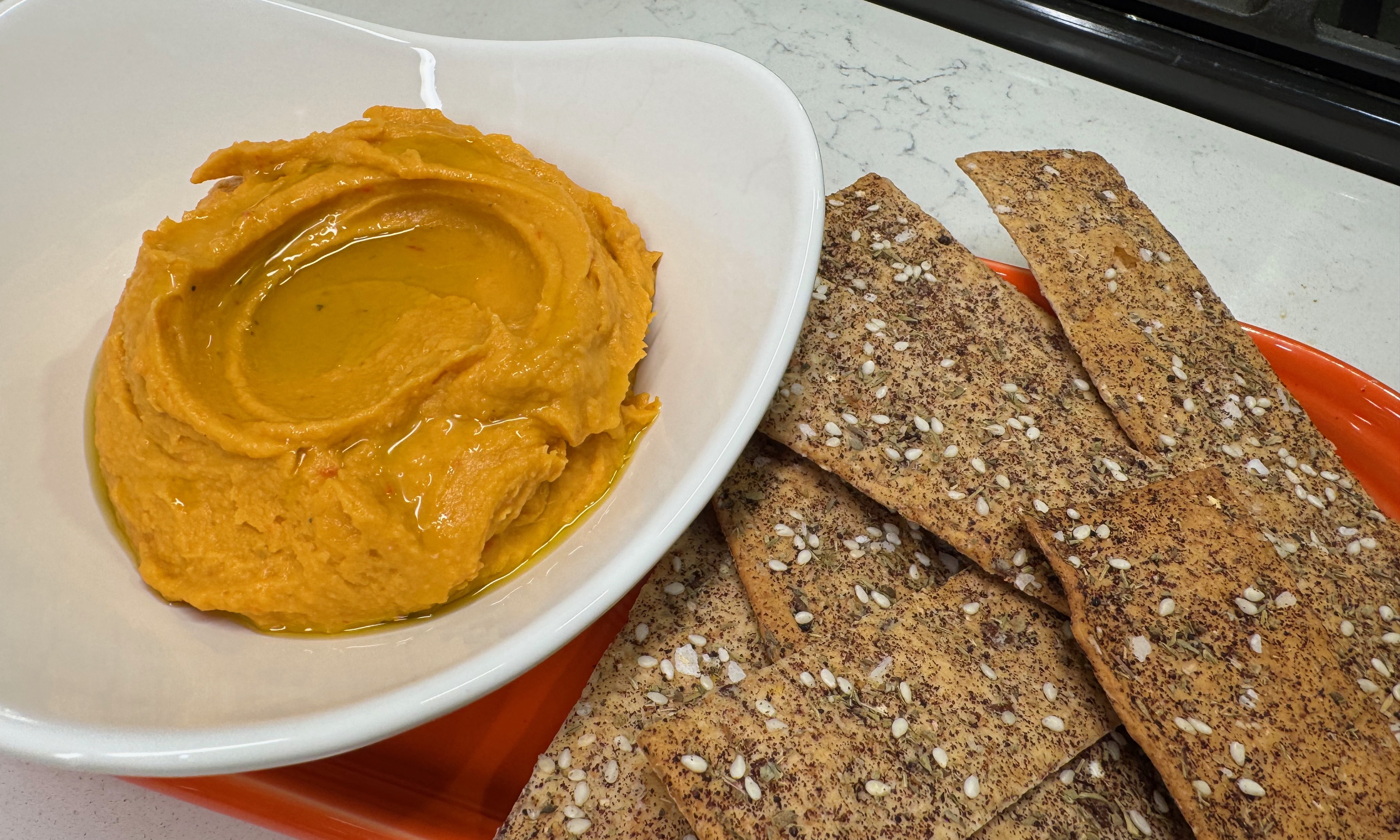
A little swirl of olive oil at serving time is the perfect finish.

I happened to mention this hummus recently when we were out to dinner with friends, and they were so intrigued that I’ve decided to make it again when they come over for cocktails and appetizers in a couple of weeks. I’m determined to heed my own advice about carving out time to get together with friends more frequently, even if it’s only for a casual bite (or maybe especially so). It’s the company that matters most, and who doesn’t love appetizers? Come along and I’ll show you how easy this one is!

Ingredients for hummus

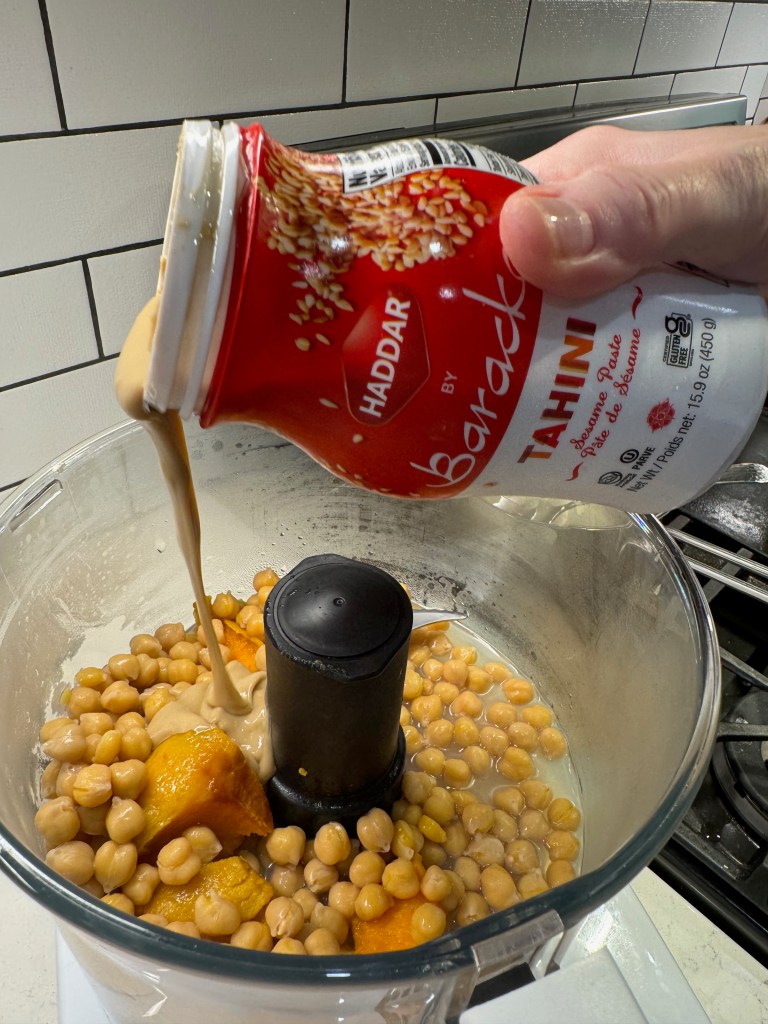
Gather up a few key ingredients, including: garbanzo beans, which I like to call “chickpeas;” tahini, which is a thin sesame seed paste; olive oil and some seasonings. You’ll need a food processor or a good strong blender to make it, though I would not recommend using a bullet-style blender. The mixture will be somewhat hot, so you need to vent the container you use to blend it. If you only have a bullet blender, let it cool before you get to that step (for safety sake).

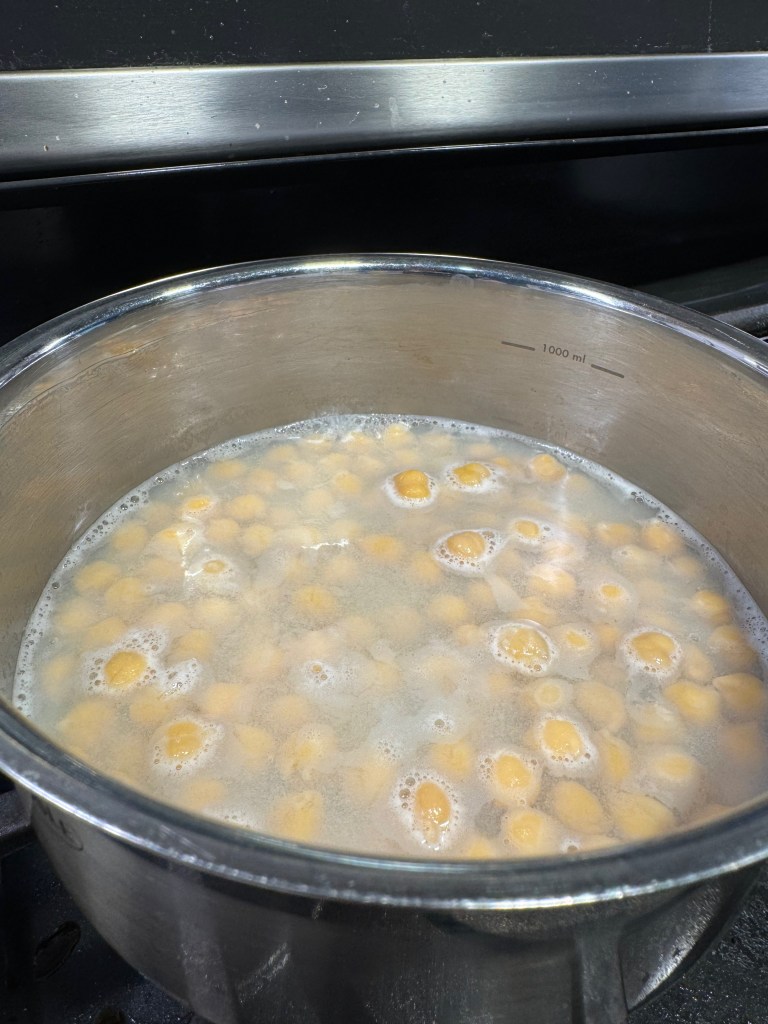
I generally take the shortcut of using canned chickpeas, but freshly cooked is probably even better— just be sure you cook them tender enough to blend well, and hold back some of the cooking liquid, too. Here’s a bit of good news for readers with certain legume allergies, including my high school bestie, who cannot eat chickpeas, soybeans or lentils. You can absolutely make hummus with other canned beans, including cannellini, which I think are divine! They are softer than chickpeas so a few adjustments are needed, and I’ll spell those out in the click-to-print recipe card you’ll find at the end of this post.

The process for making hummus

One burning question my friend, Charlotte, asked when I shared the exciting news of this sweet potato hummus was, “did you peel the chickpeas?” And this is a fair question, given that some traditionalists say it’s necessary. The answer is no, though I have done it once and I found it to be a complete waste of 90 minutes, only to end up with a pile of chick peas roughly half the size of when I started and a huge pile of skins that went straight to the trash. The theory behind this frustrating and tedious step is that the thick skins hinder achieving the smooth, silky texture that is so wonderful about hummus. And it’s true that the skins can be a little chunky, but I have an easier way around that.

My first tip is to look for chickpeas that don’t have “calcium chloride” listed as an ingredient. This additive helps beans hold their shape during the high-temperature canning process, and it may be fine if you intend to put the beans on a salad or crisp them up as a topping for something. But for hummus, you want them to blend smooth, so avoiding calcium chloride will help you get there. The easiest route to avoiding it is to pick up a can labeled “organic.”

My second tip is simple— heat the garbanzo beans in their liquid before blending, and add a pinch of baking soda to soften up the skins. Dump the entire can (liquid and all) into a small saucepan over medium low heat and let them go until you see small bubbles and steam coming off the pan. Strain the chickpeas through a mesh strainer, but keep the liquid because you’ll need some of it for blending.

Let’s make sweet potato hummus!


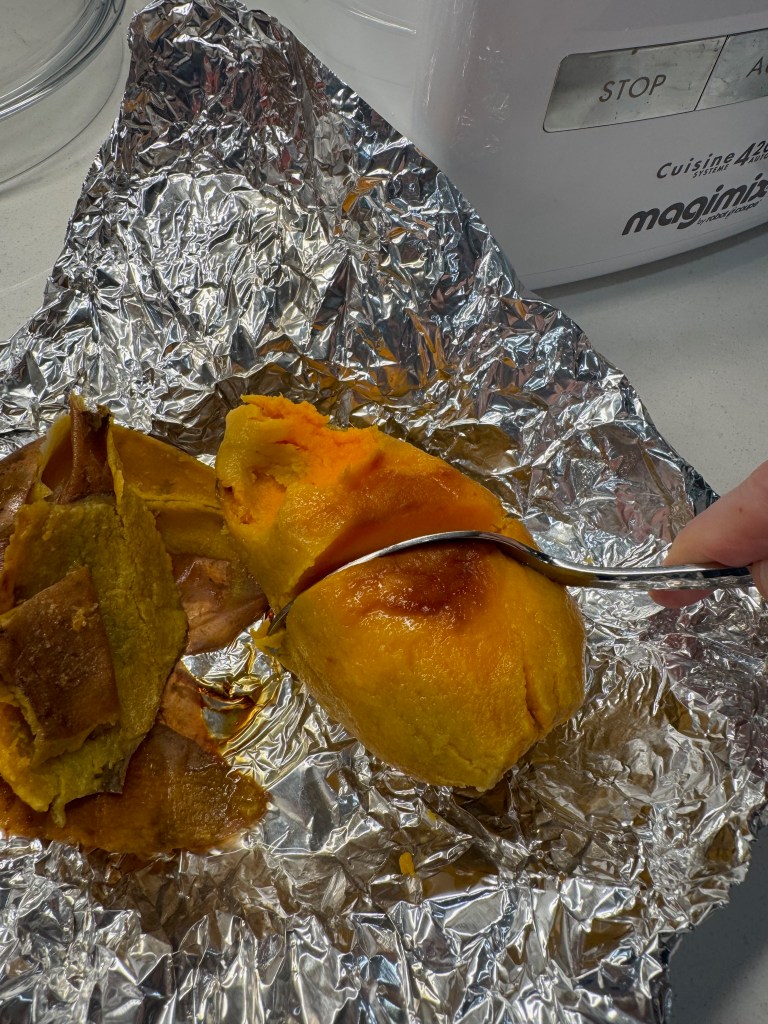
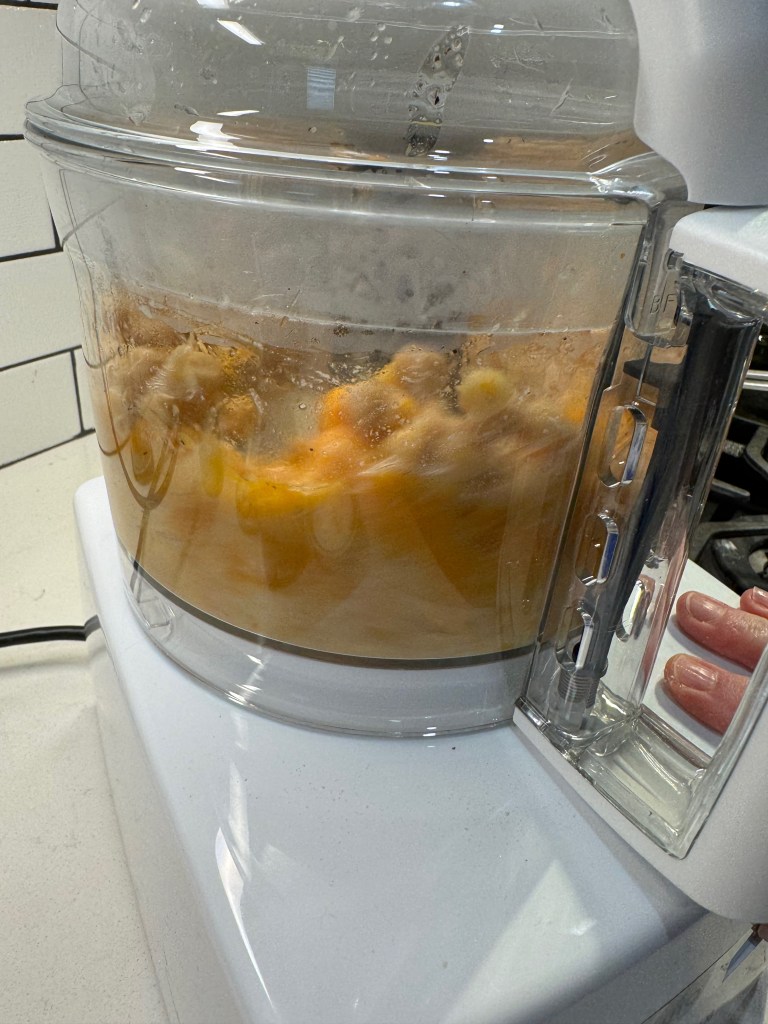
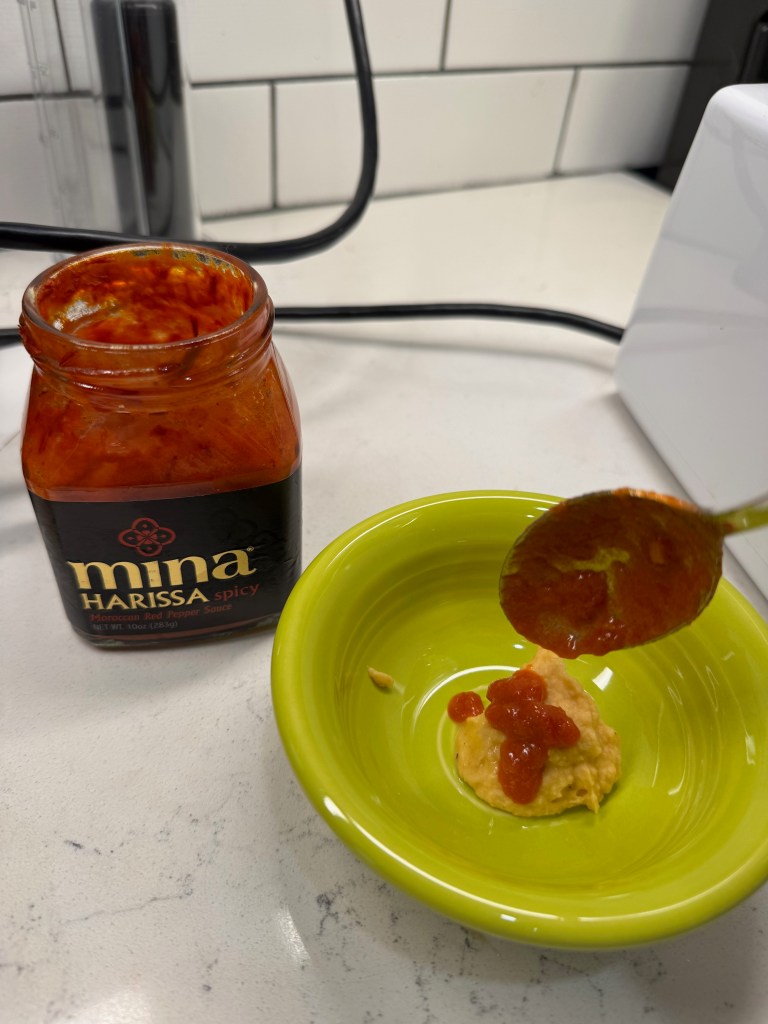
Use the large bowl of a food processor (or a good blender with the vent cover off) to combine the warm chickpeas plus a little bit of the liquid, half a roasted sweet potato, some tahini and salt. Pulse several times until you have a somewhat smooth mixture of hummus. This was my first shot at using harissa in hummus, so I gave it a quick sample test and found it to be a great pairing with the sweet potato! If you are not familiar with harissa, it’s a spicy chile pepper paste common to Morocco and other mideast cultures. It usually includes some variety of chiles, plus garlic and seed spices, such as caraway, coriander and cumin.

This brand of harissa is labeled “spicy,” but don’t you believe it. I barely tasted any heat at all and my husband said the same. If you are sensitive to capsaicin heat, be sure you evaluate the level in your harissa and use your judgment on how much can be added without it sending you to the ER. If your body can’t take capsaicin at all, simply omit it. The sweet potato hummus is delicious without further embellishment.


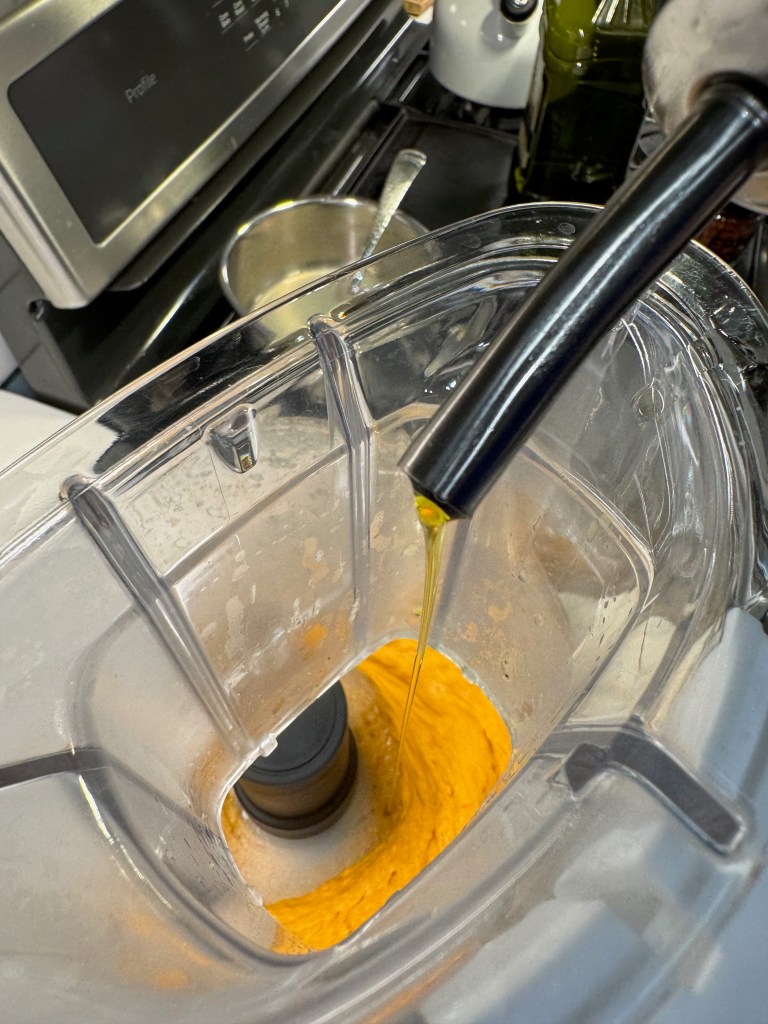
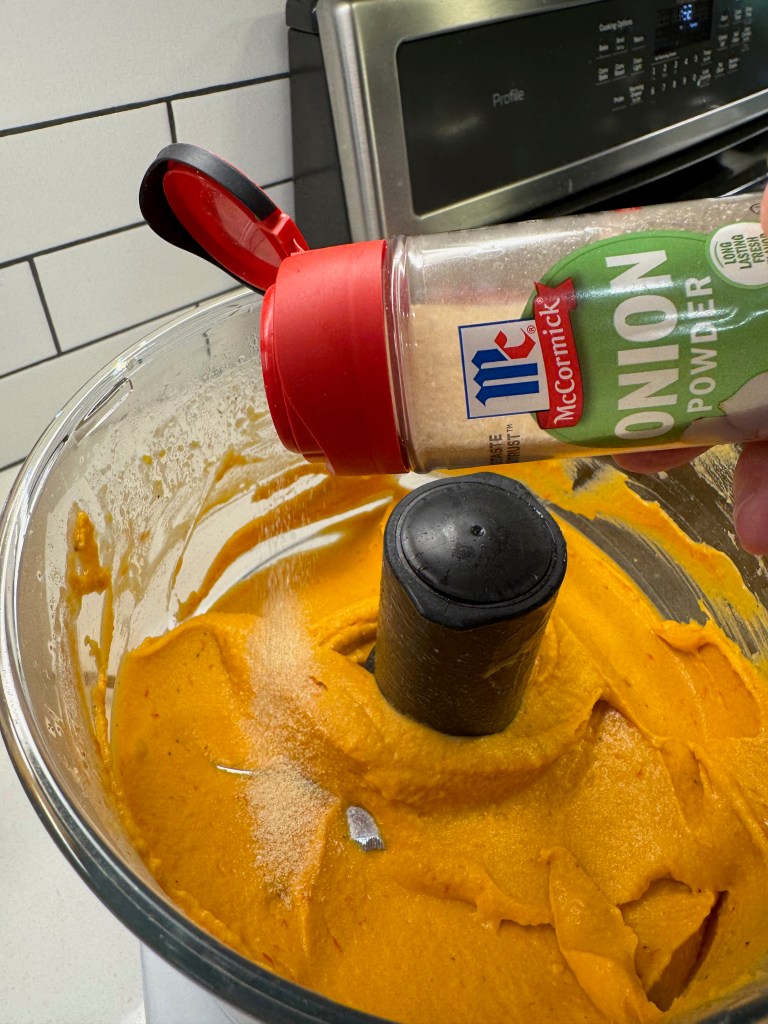
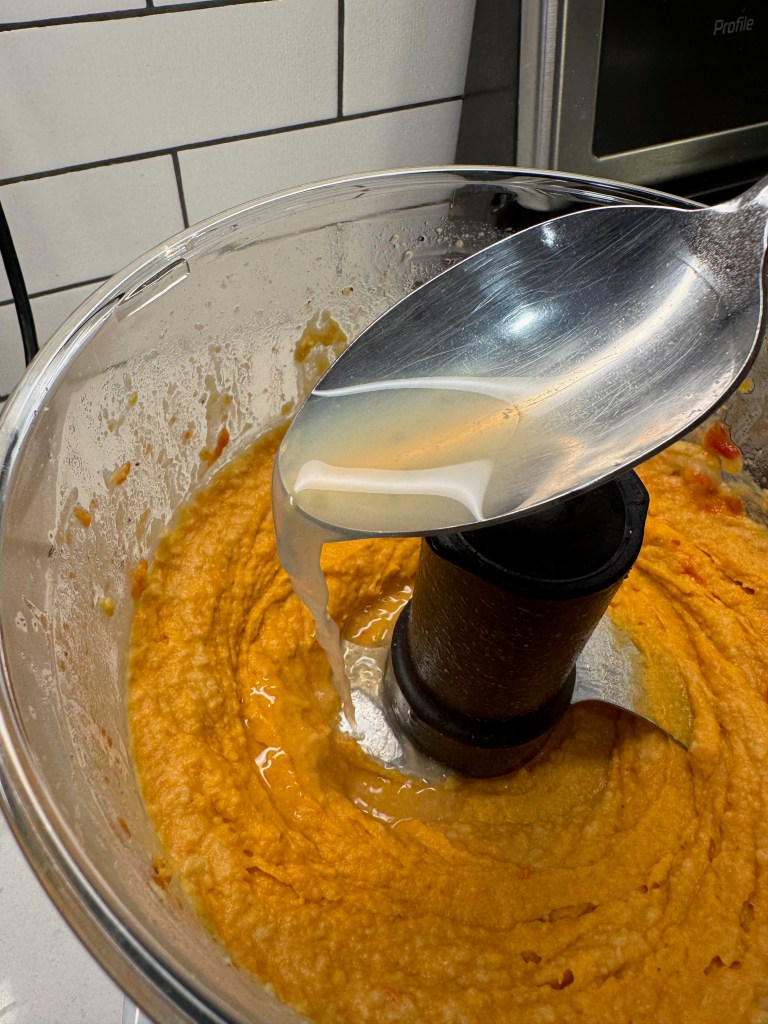
For this final step, scrape down the sides of your processor bowl and then run it continuously until the hummus is a silky consistency. If you find the mixture to be too stiff, stream in a little more of the chickpea liquid and process again. Keep in mind that the hummus will be thicker once it’s chilled. Drizzle in olive oil while the machine is running. When it is smooth to your liking, give it one more taste test and adjust seasoning as needed. For mine, I decided to add a few shakes of onion powder to emphasize the savory flavor of the harissa, but I’ll leave that up to you.

Would you try this sweet potato and harissa hummus? What are your favorite appetizers for sharing with friends at home? 

Sweet Potato-Harissa Hummus

  • Servings: Makes about 2 cups
  • Difficulty: Average
  • Print

This is a fun, savory twist on classic hummus, using harissa paste from Morocco and seasonal sweet potatoes. Other beans may be substituted for chickpeas as noted.


Ingredients

  • 1/2 cup roasted sweet potato
  • 15 oz. can organic garbanzo beans (chickpeas)*
  • 1/8 tsp. baking soda
  • 3 Tbsp. tahini paste
  • 1/4 tsp. kosher salt
  • 3 Tbsp. harissa paste (see notes)
  • 2 Tbsp. extra virgin olive oil
  • 1/4 tsp. onion powder
  • Crackers, crostini or pita chips for serving

Note: Hummus may also be made with other canned beans, such as navy, Great Northern or cannellini. These alternative beans will be softer than chickpeas, so plan to adjust your liquid amounts accordingly. I still recommend warming them before blending for the smoothest consistency.

Harissa paste varies significantly by brand in both heat and thickness. Take note of the heat intensity before you add it to your hummus, so you may adjust the amount to suit your taste. My brand was Mina, labeled “spicy,” but had almost no heat at all. I’ve purchased other brands of harissa that were extremely hot, so it bears checking.

Directions

  1. Pour entire can of garbanzo beans (including the liquid) into a small saucepan over medium-low heat. Add baking soda and bring to simmer until you notice light boiling around the edges and steam rising from the pan. Remove from heat and strain the beans, reserving the liquid.
  2. Add beans, plus about 1/4 cup of the liquid, to the large bowl of a food processor or blender (with vent cover removed). Add sweet potato, tahini and salt to the processor and pulse several times until the mixture is blended but still slightly coarse. Use a spatula to scrape down the sides of the processor bowl.
  3. Add harissa to the processor and pulse a few times. If the hummus seems too thick, add another tablespoon or two of the chickpea liquid to attain desired consistency.
  4. Run the processor consistently while you drizzle the olive oil into the chute. Give it a final taste test, adjusting as needed with onion powder, garlic powder, salt and/or pepper. This hummus is best after refrigerating for a few hours, and it will firm up a bit in the fridge.


Creamy Collard Dip

In late 2018, my husband and I were invited to join our friend, Jerry, at a new-at-the-time restaurant in northeast Greensboro, North Carolina. Jerry was excited about this place, and we instantly felt the same about its casual vibe, beautiful bar and exceptional menu. Our only lament was that it was 45 minutes from our front door, and that meant that we weren’t able to visit as often as Jerry did, or as we would have liked.

Today, that restaurant is called Kau, an open-concept restaurant with high ceilings, retrofitted into a retired textile mill. It bills itself as a steakhouse— a fair description, given that it has an in-house butcher shop where you can also purchase an array of meats to take home— but we were impressed with its other offerings, including this addictive appetizer. Collard dip is hearty, rustic and comforting— perfect for fall— and as we enjoyed ours across the table at Jerry’s favorite new hotspot, I promised him that I would recreate the dip one day at home and put it up on Comfort du Jour. Even better, we’d have him over and chat over a cocktail, preferably bourbon.

What could be better than snacks and drinks with friends?

I had a difficult time making this dish last month. Not for its process or technique; that part is easy, as you’ll see in a moment. It was emotional because our friend Jerry passed away a few months ago, without warning and far too soon. Les and I were stunned, as was everyone else who knew and loved Jerry. We felt guilty for how much time had passed since we last got together with him, and it still doesn’t seem quite real that he is gone.

I missed a chance to share this recipe with Jerry. I know he would have loved it, and I’m certain that he would have made it at home himself as he often did with the recipes I posted on the blog. We tend to believe that there will always be more time for getting together with dear friends, but we never know, do we?

Yes, life gets in the way, and it can indeed be difficult to align our calendars when we are all juggling work, family and travel obligations. But the older I get, the more I’m seeing the importance of making time for our friends. The house doesn’t need to look perfect to have people over, and plans with friends don’t have to be extravagant. They can even be last minute and sometimes that makes it more fun. What matters is just doing it. Who would you miss most if they were gone tomorrow? Call them up, set a date and make something happen.

This one’s for you, Jerry. 💕 🥃


First, the collards

This collard dip recipe relies on having a cup or so of leftover cooked collards, so it’s best to plan ahead and make that component a day or two beforehand. I’ve shared several collard recipes on this blog, including kick-ass whiskey braised collards and smoky mushroom and tomato collards, either of which would be great in this dip recipe. For this recipe, I embellished my collards with onions, garlic, spicy sausage and a smoky chipotle seasoning. It’s bold and earthy, which is a terrific contrast against the creaminess of the other ingredients in the dip. Your choice of collards is subjective; just bear in mind that their flavor will play a major role in the final flavor of the dip. I promise that I’ll share the sausage version that I used here within the next couple of weeks.

UPDATE: The collards with beer malt vinegar recipe is now posted! Follow this link to get it. 😁

So hearty, it’s almost a meal on its own.

And now, the dip

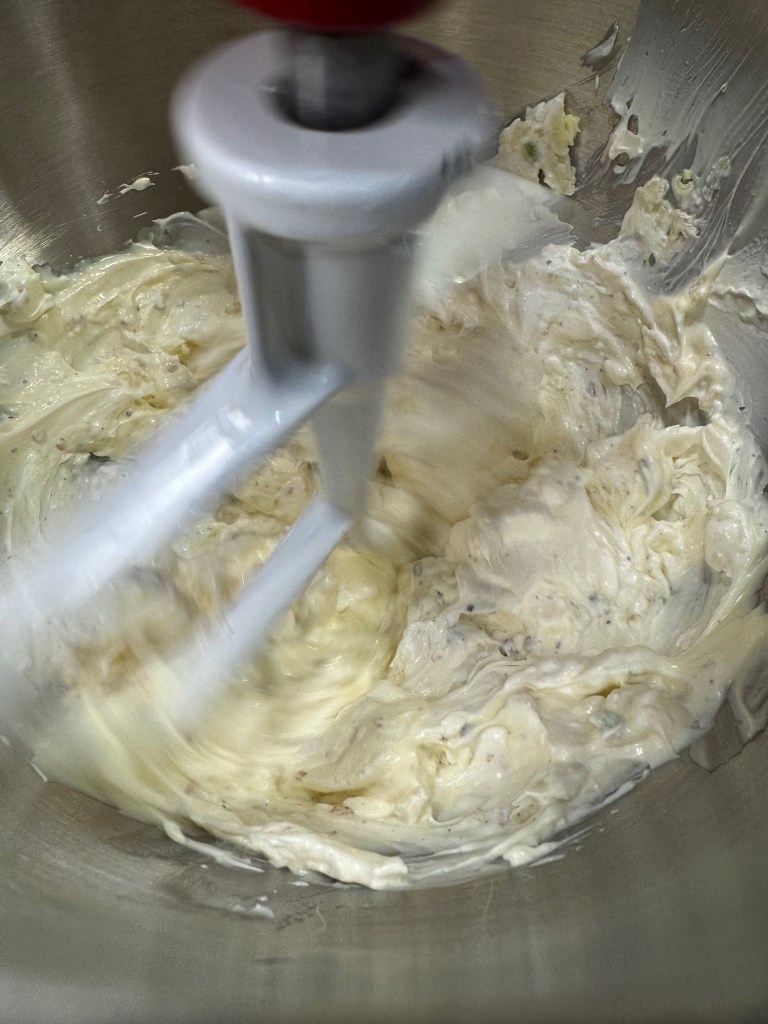
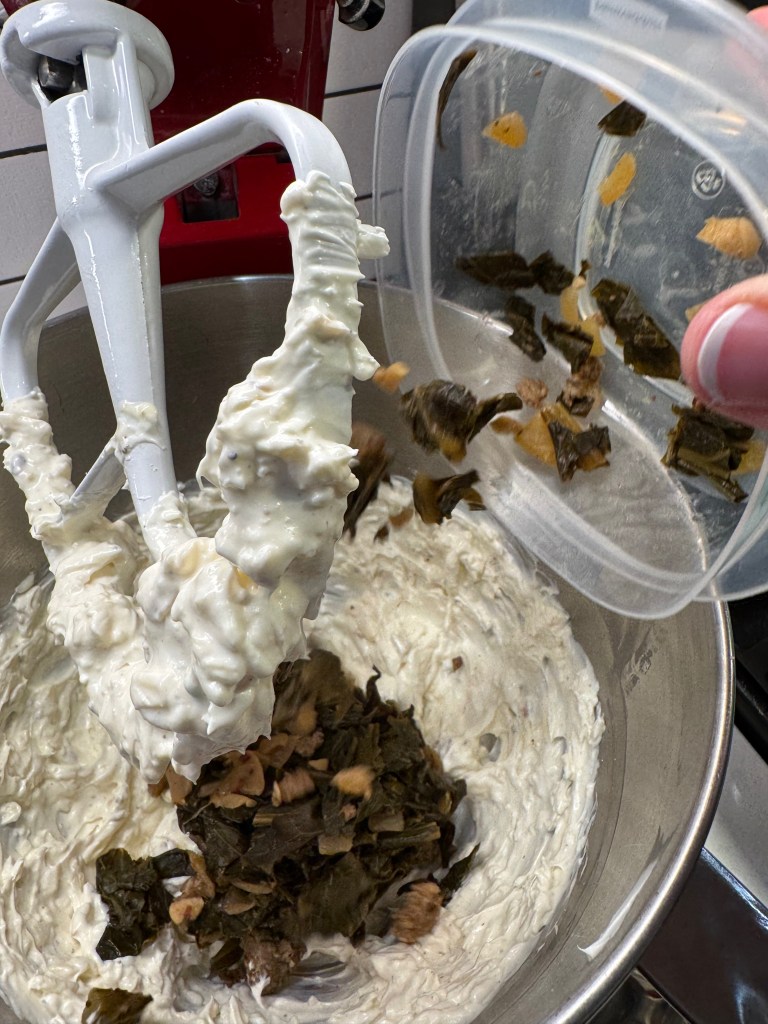
This recipe begins as all of my creamy dips do, with a brick of cream cheese, some mayonnaise and a bit of sour cream. This combination creates a smooth, creamy base that is neither too heavy nor too oily. This collard dip called for bold flavors, so I tossed in some minced garlic and crushed red pepper seasoning, then I blended it into a creamy concoction in my stand mixer. 


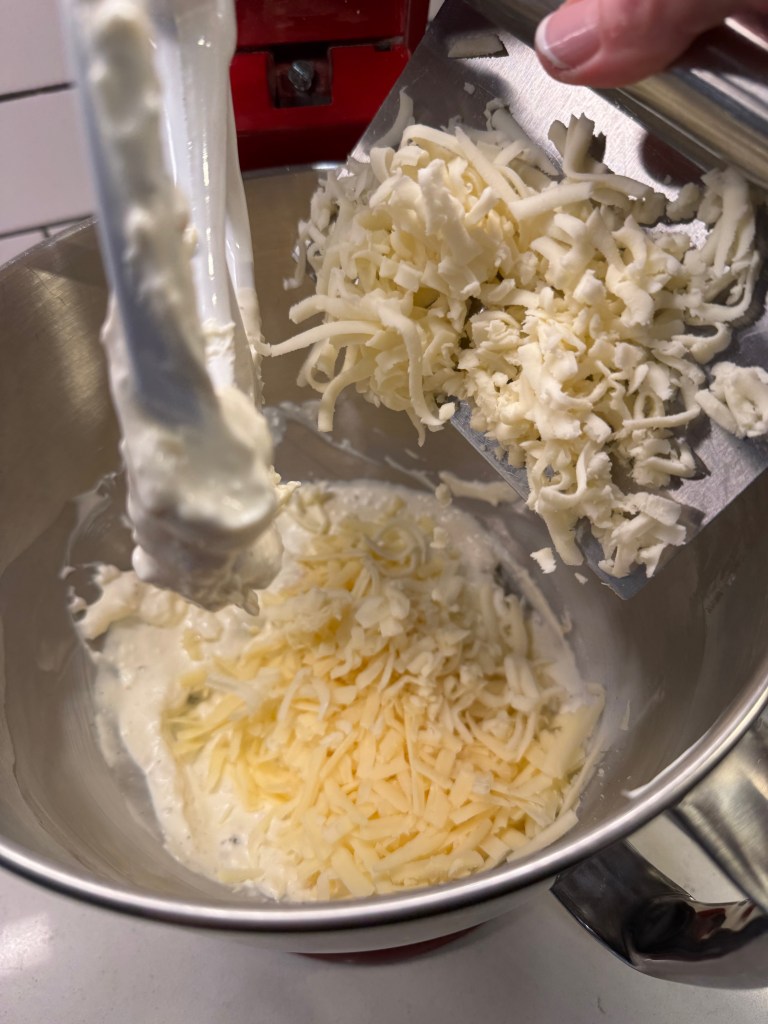
Cheeses came next, and for my collard dip, I followed Kau’s cue, using a generous amount of  aged white cheddar for its sharpness plus a low-moisture mozzarella for its melting attribute. Finally, the star of the show, the cooked collard greens. You could bring home some leftover collards from a restaurant meal and use those if you don’t feel inclined to cook them yourself. You’ll need about one cup of cooked collards, drained of all excess moisture and cooled.


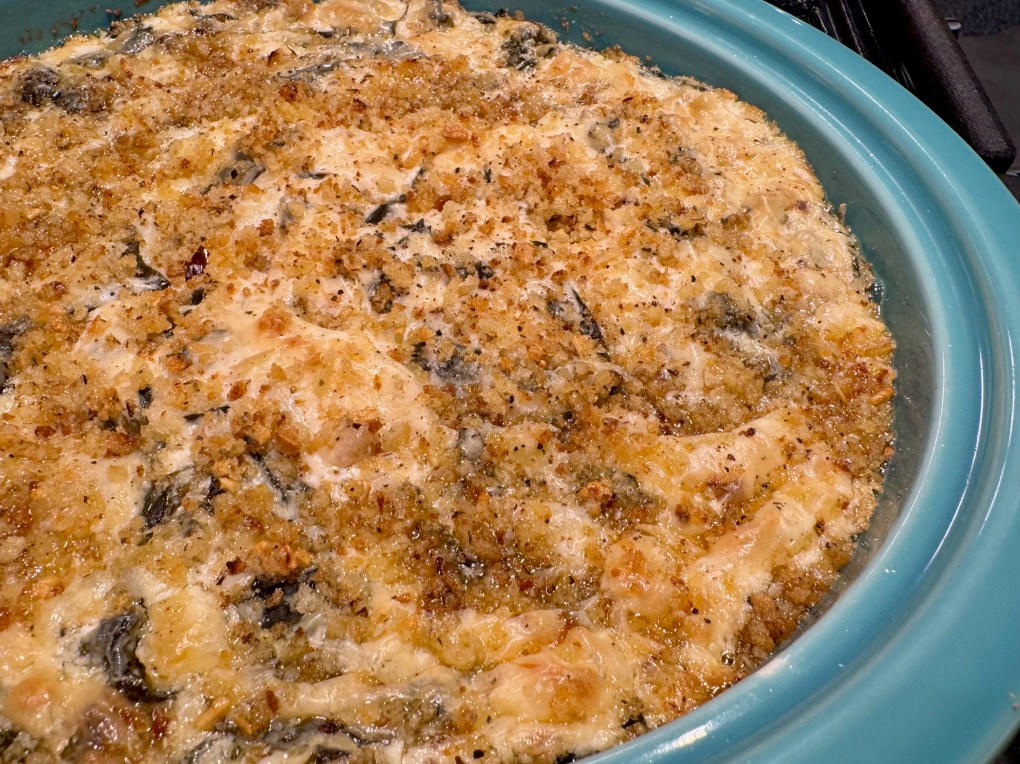
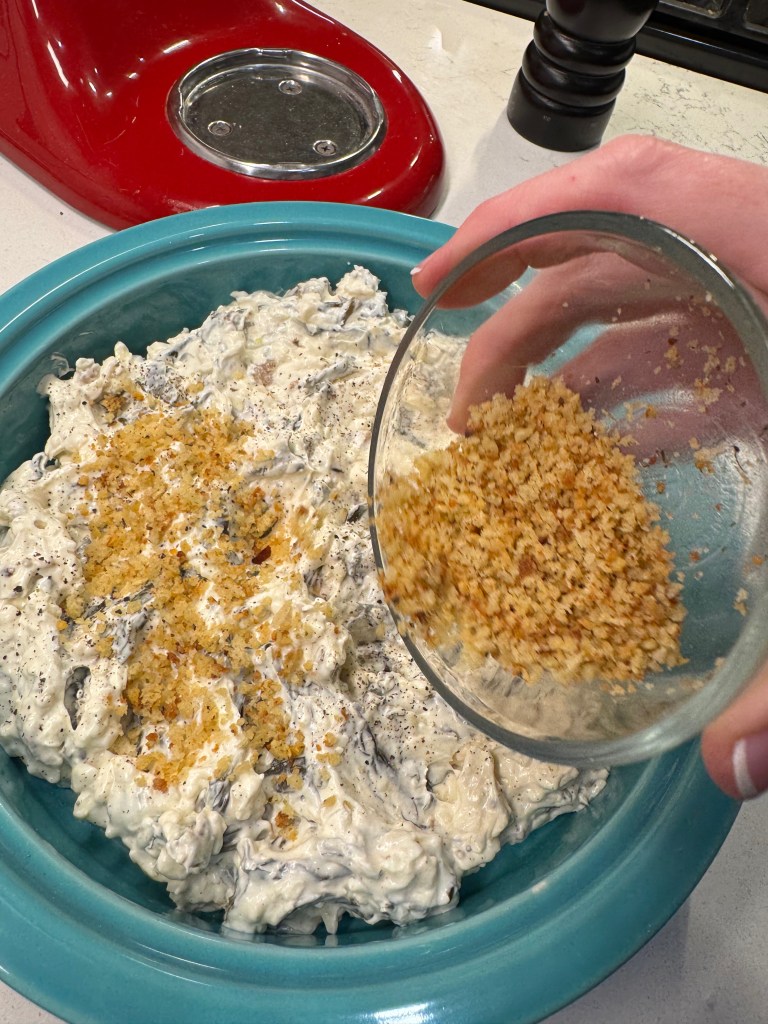
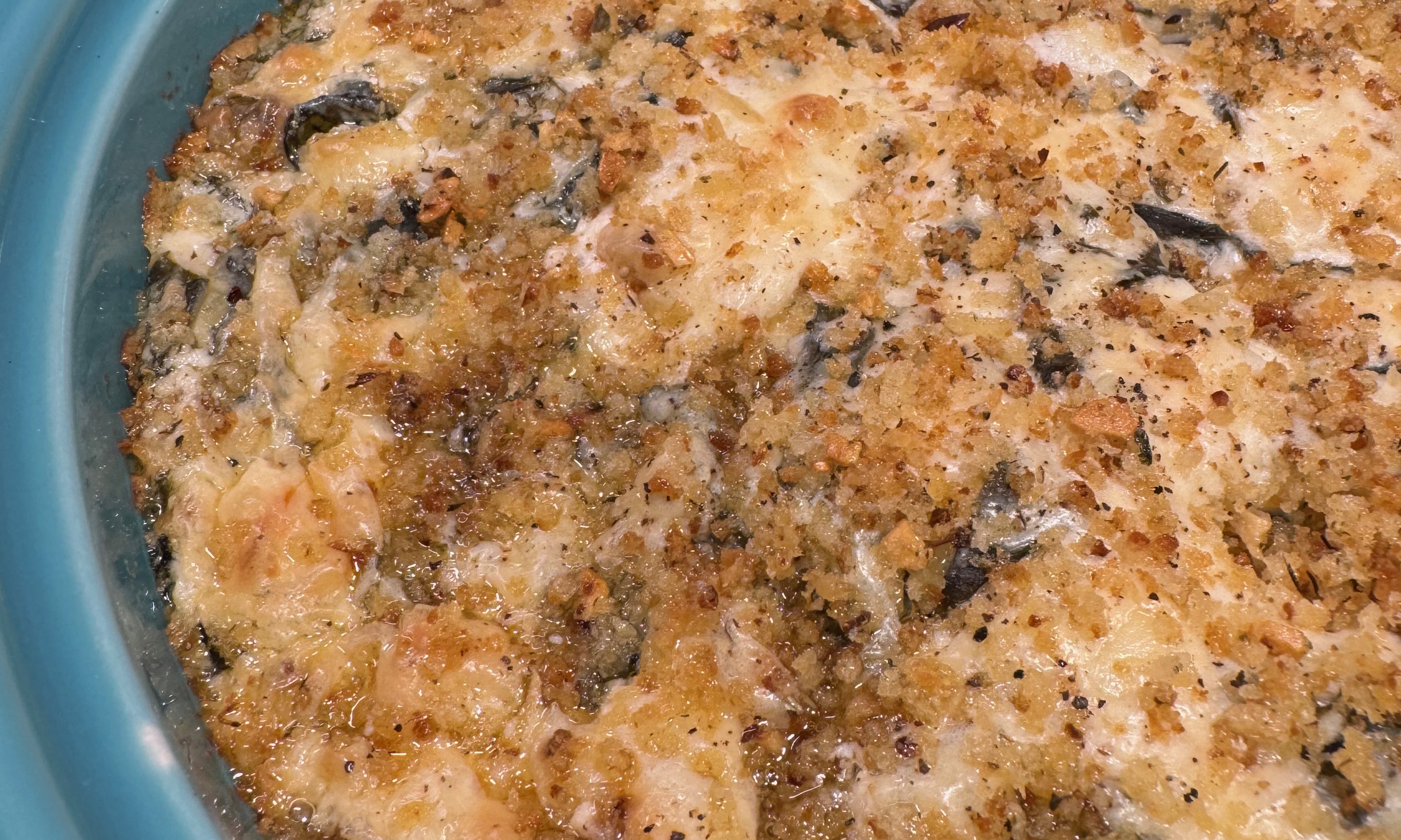
For a delightful bit of texture and crunch, I toasted up some seasoned panko crumbs in olive oil to scatter across the top before baking, and then the oven did the rest. 


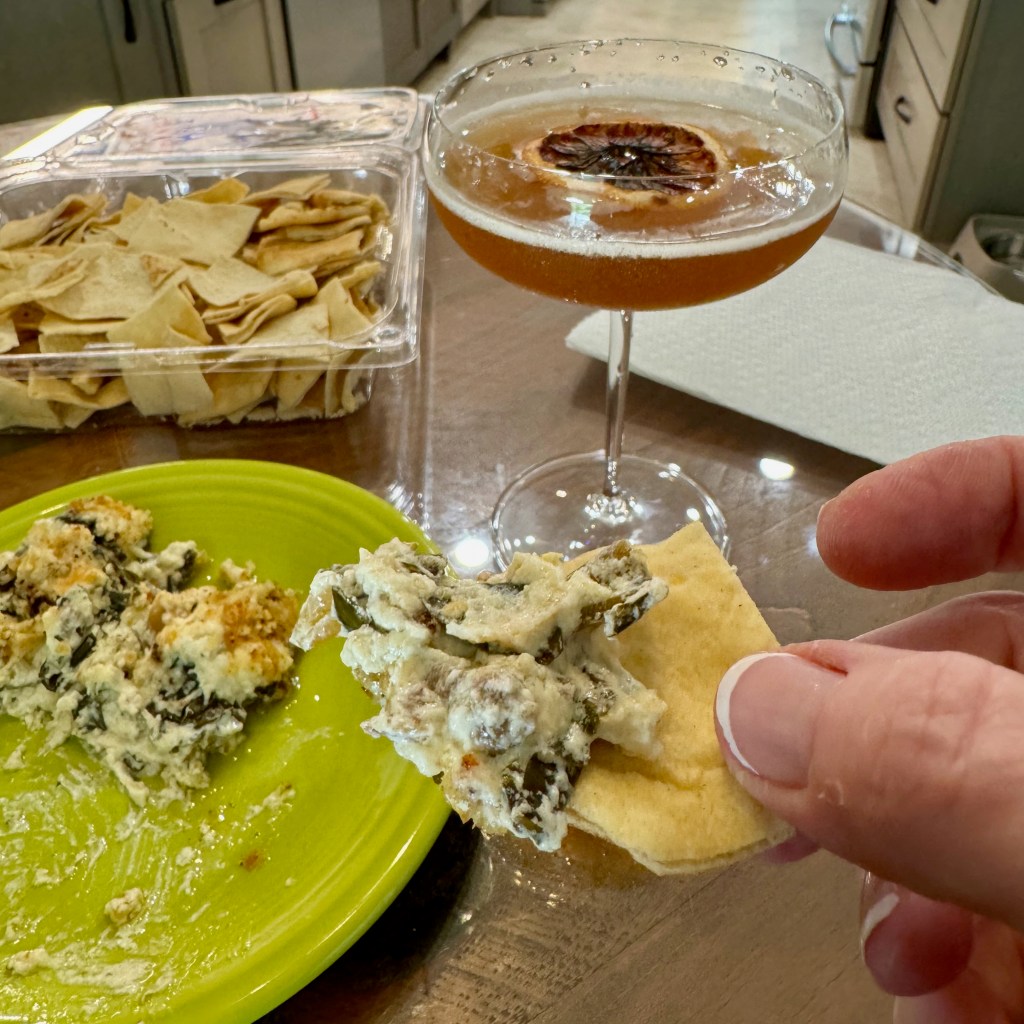
This dip is a great starter for a casual meal, or for sharing over cocktails and conversation. For a lighter appetite, you might even find that it’s enough on its own, served up with pita chips or warm crostini.

Creamy Collard Dip

  • Servings: About 6
  • Difficulty: Easy
  • Print

Heartier than spinach dip, easy as pie to make. This satisfying dip makes use of leftover cooked collard greens and is perfect for all occasions this Autumn.


Ingredients

  • 1 Tbsp. extra virgin olive oil
  • 1/3 cup seasoned panko crumbs
  • 2 Tbsp. grated Parmesan
  • 8 oz brick cream cheese, softened
  • 1/3 cup mayonnaise
  • 1/2 cup sour cream
  • 2 cloves garlic, finely minced
  • A few shakes of crushed pepper flakes (see notes)
  • 1/2 cup sharp white cheddar
  • 1/2 cup low-moisture mozzarella
  • 1 cup seasoned cooked collard greens (drained of excess liquid and cold from the fridge)
  • Salt and pepper to taste
  • Sturdy crackers, pita chips or crostini for serving

Notes: This recipe works best with full-fat cream cheese, mayo and sour cream, but light versions will be ok; expect a less cohesive texture if using light products.

My pepper flakes were chipotle with garlic and onion (from Flatiron Pepper Co.), but any crushed red pepper would work, or even a few dashes of hot sauce if that’s what you have on hand.

For best results, use freshly shredded cheese rather than pre-packaged. The packaged stuff contains anti-caking agents, which hinder proper melting.

Feel free to embellish your collard greens however you like. I made this version of collards with browned spicy sausage.

Directions

  1. Heat oven to 350° F, with rack in center position.
  2. In a small skillet, heat olive oil over medium heat. Sprinkle in panko crumbs and toss constantly until crumbs are toasted and fragrant. Remove from heat and toss in Parmesan. Set aside.
  3. Combine cream cheese, mayo, sour cream, garlic and pepper flakes in the bowl of a stand mixer, fitted with the paddle blade. Beat until evenly blended.
  4. Add cheddar and mozzarella to the bowl and mix until combined.
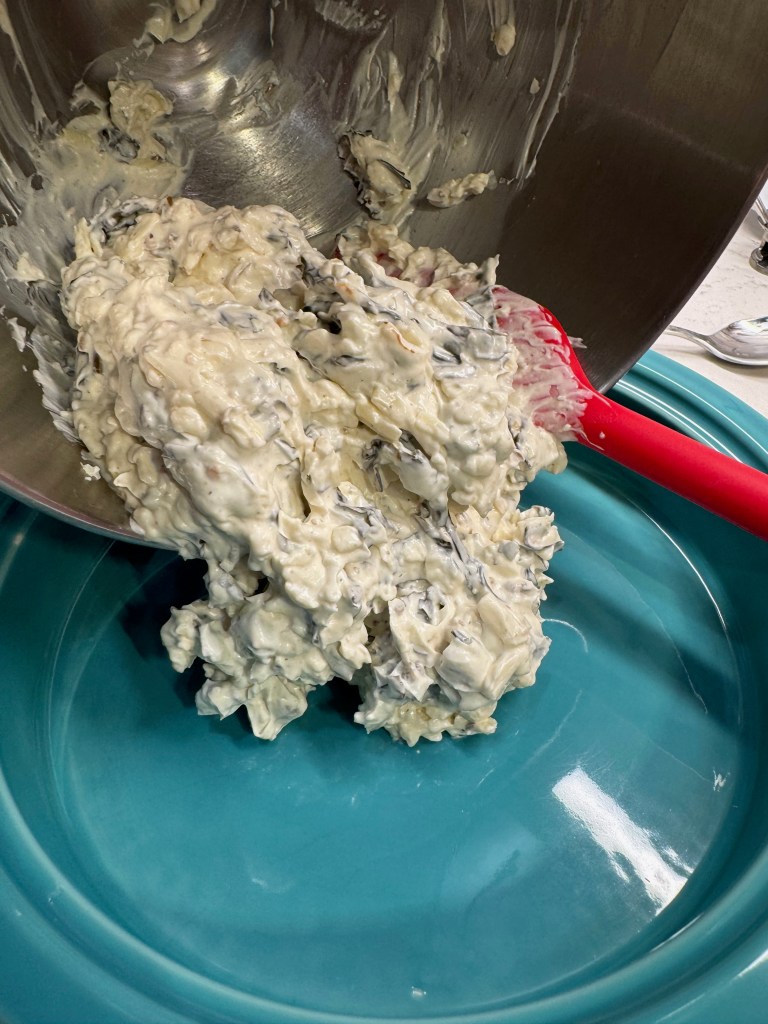
  5. Add the cooked collard greens and mix again only until evenly incorporated. Transfer to a shallow baking dish.
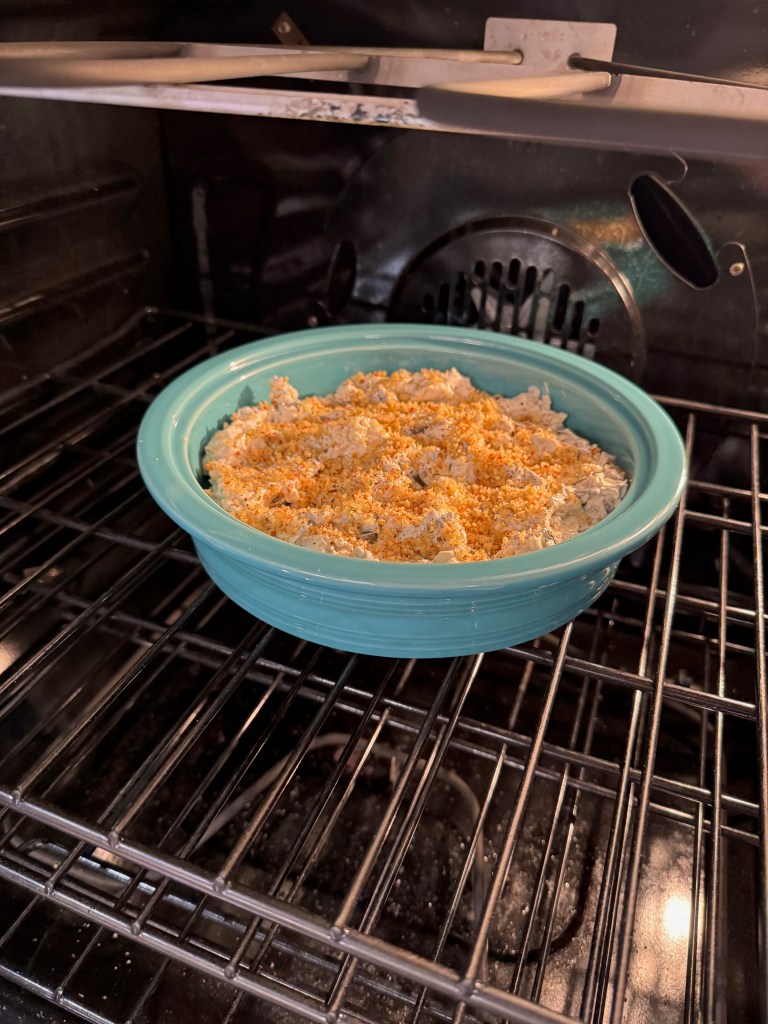
  6. Sprinkle toasted panko crumbs evenly over the top of the dip. Bake 30 minutes, or until dip is hot and bubbly around the edges. Cool for a few minutes before serving.


Peruvian-style Chicken

There are only a few days left of Hispanic Heritage Month, which runs from Sept. 15 to Oct. 15. Recognizing and celebrating cultures other than my own is important to me, especially with the recent happenings in this U.S., and the government trying to wipe out diversity of any kind. I feel helpless in the face of it, but know I can still shine a light on the other cultures. And the best way I know how to do that is to explore and share their cuisine.

At our house, we observe the heritage of Hispanic cultures regularly— not only on months that “officially” mark the occasion— and that usually happens through food, and typically Mexican food. A few of my formative years were spent with my mother in Southern Colorado and New Mexico, so those flavors taste like home to me. But Mexico isn’t the only country with Hispanic culture; there are 21 countries and territories to celebrate, with most of them being in the Americas, some in the Caribbean (such as Cuba and the D.R.) and even an itty bitty country in Africa. What puts them in the “Hispanic” category is that Spanish is the predominant language and their cultures have been significantly influenced by Spain (which is, itself, an Hispanic nation).


Today, my attention is on Peru, for no other reason than I freaking love this chicken! My first-ever experience of Peruvian roast chicken was underwhelming— it was a rotisserie bird from Whole Foods that barely tasted different from a plain one. But when I first had pollo a la brasa for real—fire-roasted chicken with paprika, cumin, vinegar and garlic—I was blown away by the intensely warm and smoky spices and the flavor explosion at the first bite. And it’s not just the spices on the chicken— it’s this insanely good jalapeño-based sauce that I would happily devour with a spoon.

I’ll bet you can smell it through the screen.

We’ve made this a few times at home now— first, with the rotisserie spit accessory on our Napoleon gas grill and later by spatchcocking the bird and grilling it flat— and I have a few thoughts to share for the best success.

Thought #1: Trust Kenji’s recipe!

It didn’t take long to find the recipe I would trust when I decided to make this at home. If you know me at all, you know that Kenji López-Alt has my utmost respect for his culinary approach and techniques. He’s the reason I dry-brine my turkey at Thanksgiving and salt steaks overnight before grilling. If anyone knows the right way to cook Peruvian-style chicken, it’s Kenji. The only deviation I made from Kenji’s recipe on the Serious Eats website is that we used our gas grill (we don’t have a charcoal one, darn it). Literally everything else about my method is the same. For this reason, I’m tagging his recipe below so that I don’t have to type it out myself. Be sure to read through Kenji’s narrative, too, for more tips and expert insight.


Thought #2: Consider roasting parts rather than a whole chicken

Our rotisserie effort felt authentic and fancy, but the whole, flat-roasted chicken was just as good. Next time we make this recipe, I’ll probably buy packages of the chicken parts we like best— the thighs! It can be tricky to get the thighs and breast of a whole chicken done at the same time, especially on the grill, so why not buy the parts separately and give each the attention they need? Bone-in, skin-on is the way to go for maximum flavor.


Thought #3: Make extra green sauce (trust me!)

I don’t know how such simple ingredients can become so delicious. It’s kind of ridiculous how good this sauce is, and the secret ingredient is a product called aji amarillo chile paste. Look for it in a Hispanic specialty market or online if your supermarket doesn’t carry it.

The aji amarillo paste is the star of this sauce show!

Aji amarillo has a uniquely earthy yet tropical, almost sweet flavor, and when combined with jalapeños, cilantro, garlic, lime and mayonnaise— well, it’s almost magical, with an addictive quality that will make you wish you had grilled a second chicken. But don’t worry, you’ll find plenty of other things to dunk into this sauce. It’s that good!


Make the sauce ahead of time, if you wish, so the flavors have plenty of time to meld in the fridge. If you have a charcoal grill, use it! But we had zero complaints with the outcome of our grilled Peruvian chicken. My mouth is watering again just looking at it!

Fantastic flavors – way to go, Peru!

Want to make this incredible dish?

This might be a first, that I followed a recipe to the letter! Get the recipe and complete technique and instructions: https://www.seriouseats.com/peruvian-style-grilled-chicken-with-green-sauce-recipe


Caramel Apple Kugel

When I set out last week to make a somewhat traditional Rosh Hashanah meal to enjoy with my semi-observant husband, I felt a bit of a knot in my belly. What if I get it wrong and ruin Rosh Hashanah? Dramatic, I know, but this is me. I have no Jewish heritage myself— at least not that I’m aware of— and I always worry that my effort might be disrespectful to someone else’s tradition. Les says this is silly, and has at times even suggested that in all my diligence, I might even be more Jewish than he is.

Still, I gave much thought to our meal for Rosh Hashanah (the Jewish New Year) and I settled on roasted chicken with a bevy of root vegetables, including carrots, red potatoes and parsnips with a simple pan dripping gravy. Delicious! And for dessert, kugel, made with noodles, sugar, eggs and various forms of dairy. I want to emphasize that in a kosher household, this dessert would not be served with chicken because Jewish dietary law prohibits meat and dairy together on the table. This rule is born from the commandments in Exodus and Deuteronomy that you should not cook a young goat in its mother’s milk— which over time expanded to “no kind of meat with any kind of dairy, even if said meat doesn’t make milk.” Don’t blame me, I don’t make these rules.

Our meal was delicious and fully representative of autumn, especially with this kugel, with all the flavors of a sweet caramel apple from the county fair.

This smelled sooo good from the oven!

Apples are traditional at Rosh Hashanah, usually paired with honey and symbolic for sweet wishes in the new year. I had been thinking about apples and caramel together in a dessert after spotting a caramel apple display at the supermarket. Kugel is a dish perfected by the Ashkenazi (ASH-kuh-NAH-zee) Jews of Eastern Europe, and it is a blank canvas of sorts for any combination of sweet ingredients. It may seem strange the first time you make one; I mean, noodles in a dessert? But trust me, it’s delicious!

Here’s how my dish came together. Enjoy!

The caramel

Now, I may not be Jewish, but I come from a long line of improvisers, and my instinct told me that dulce de leche, a thick, rich caramel sauce, would be a reasonable stand-in for most of the sugar in the basic kugel recipe I had found, and for some portion of the milk as well. I blended the thick dulce de leche with cream cheese, cottage cheese, milk, eggs, sour cream and vanilla, and folded in the buttered egg noodles, hoping that some measure of Ashkenazi wisdom would emanate from the wooden spoon that we had rescued from Les’s mother’s condo after she passed. Surely the spoon had done this before.


The apples

My doubts set in again about the apples because kugel is usually dotted with dried fruits such as raisins, prunes or apricots. Should I cook the apples first? Or dice them up and stir them into the custardy noodles, or would the moisture cause the whole thing to become a big mess? In the end, I decided to par-bake the noodle custard, top it with thin slices of apple and a sprinkling of brown sugar and cinnamon and then bake it again. It turned out to be just the right amount of apple, and the brown sugar-cinnamon topping emphasized the caramel flavors inside.


This kugel was very well-received by my hubby, who had made his own version of kugel a few years back when we were clearing out the pantry for our kitchen remodel. We enjoyed this caramel apple version at Rosh Hashanah and again straight from the fridge later in the week, and I think we may even have a couple of slices left for our “break the fast” meal when Yom Kippur ends tonight.

Shana Tova!

Caramel Apple Kugel

  • Servings: 12
  • Difficulty: Average
  • Print

Jewish New Year calls for a celebratory dessert, and I chose apples and caramel to bring in some comforting fall flavors.


Ingredients

  • 8 oz. cream cheese, softened to room temperature
  • 1 cup small curd cottage cheese
  • 1/2 cup (or more) dulce de leche
  • 2 Tbsp. brown sugar
  • 1/4 cup sour cream (or plain Greek yogurt)
  • 1 1/2 cups whole milk
  • 3 large eggs
  • 1 tsp. vanilla
  • 12 oz. package extra wide egg noodles
  • 6 Tbsp. butter, room temperature (I used salted)
  • 1 large Honeycrisp apple, cored and cut into thin slices
  • 1 Tbsp. brown sugar, mixed with 1/2 tsp. ground cinnamon

Notes: Dulce de leche is usually found in a can, in the same supermarket section as sweetened condensed milk, or possibly in the Hispanic section. If you cannot find this product, a thick, milk-based caramel ice cream topping would work fine.

Directions

  1. Add cream cheese, cottage cheese and dulce de leche to the bowl of a stand mixer, fitted with the whisk attachment. Blend together on speed 2 or 3 for about two minutes, or until the mixture is evenly combined.
  2. Add brown sugar and sour cream, whisking on low speed until blended. Gradually pour the milk into the bowl while the mixer is running, to avoid splashing. Add the eggs, one at a time and then stir in vanilla.
  3. Meanwhile, cook the egg noodles until just tender, according to package instructions. Drain the noodles and toss with butter until fully melted.
  4. Pour the caramel mixture into the warm noodles and toss to combine. It will seem very liquid-y. Transfer this mixture to a buttered 9 x 13 glass baking dish and spread it out until even. Cover the dish and refrigerate for a couple of hours or overnight.
  5. Preheat oven to 350° F, with rack in center position.
  6. Uncover kugel and use the back of a spoon to press down any noodles that have emerged from the caramel custard mixture. Bake uncovered for 35 minutes. Remove from oven, arrange sliced apples evenly over the top and sprinkle the surface with the brown sugar-cinnamon mixture. Return to oven for 15 more minutes.
  7. Cool to room temperature before enjoying, and refrigerate leftovers. When chilled, the kugel can be cut easily into squares and served almost like brownies.


Just for grins

As desserts go, this one packs a substantial amount of protein with cream cheese, cottage cheese, eggs, sour cream and milk. It also doesn’t have as much sugar as you might expect, with only three tablespoons, plus the sugar in the dulce de leche. Les and I got into a lukewarm debate about the protein content of this dish, with him asserting that the ingredients are spread out across 12 portions, making each portion skimpy on protein. I disagreed, so I did the math to bolster my case and here’s the result:

INGREDIENTPROTEIN GRAMS
cream cheese, full-fat16
cottage cheese, 2%28
whole milk12
dulce de leche6
eggs18
sour cream, full-fat4
noodles(this number surprised me!) 40
butter2
Total grams protein126
divided by 12 servings10.5

Each square contains 10 1/2 grams of protein, significantly more than you can say for most desserts. A serving of vanilla ice cream, for example, typically contains 2 to 3 grams and a slice of chocolate cake is around 4 grams. I’m not claiming this to be a health food by any stretch of imagination. The fat and sugar content are high, and there are irrefutable downsides to that. I’m only suggesting that this could be considered something of a power dessert, if there is such a thing. 😉


Figroni!

It’s no secret that fall is my favorite season. We are still a few weeks away from cozy sweaters, but the “official” arrival of the season has me feeling inspired. And to make things even more fun, this also Negroni Week, a fundraiser that benefits the Slow Food Movement, a cause that aims to make the world a better place with a focus on sustainability, equity and education around food and drink. Savvy bartenders get excited about Negroni Week because it gives them reason to flex their creativity with the classic Italian cocktail that is the event’s namesake.
If I had my own bar— and believe me, I’ve pondered it— this is the twist I would serve for Negroni Week. Traditionally, a Negroni is an equal parts drink made with dry gin, sweet vermouth and Campari, the red bitter liqueur that makes Italy proud. Mine is all of that, plus an easy infusion of sweet, earthy fig.

The lighter variety of fig helps keep the Negroni color true.

These flavors feel so right for fall, layered and complex, leaning more toward slow savoring than refreshment. This drink fits right in with cooler temperatures, gentle breezes and the first few leaves making their annual drift toward the ground. It makes me long for sweaters and cozy socks and conversation around our Solo stove. Negroni is delicious with cured meats, cheeses and olive trays, so this one gets high marks as a cocktail for casual entertaining.

To maximize the fig flavor, I chose to infuse with dried figs rather than fresh. The drying process leaves a concentrated sweetness and intensity behind, and soaking the figs in sweet vermouth pulls that flavor into the spirit without watering it down.

The giant Costco bag of figs always seems like a good idea at the time! 😂

Why infuse the vermouth?

My decision to infuse the vermouth rather than the gin or Campari was quite intentional. Gin is the highest proof spirit of Negroni and I didn’t want to mess with that. I also knew that some of the booze would soak into the figs that I would repurpose— most likely in a bread pudding— and I couldn’t wrap my mind around the thought of Campari-stained figs, so the vermouth won out by elimination. It also bears mentioning that I wanted to try the fig-infused vermouth in a Manhattan, too; alas, I used it all up in my Negronis, so I’ll have to make more. Had I realized how much the figs would soak up the vermouth, I’d have made a double batch! Let this be a lesson to you.


All things being equal

Negroni is one of the simplest cocktails to make because it is equal parts of only three ingredients, plus an orange slice. This means, no math! If you want a small drink, use 3/4 of an ounce of each— gin, Campari and sweet vermouth. For a longer sip, go for a full ounce of each. Living abroad where ounces aren’t a thing? Use whatever measure makes sense to you, and make it the same for all three ingredients. Simple is good.


A classic Negroni is made directly in the glass, but I like a little dilution on mine to wake up the nuances of the booze. Plus, the dried figs have turned my vermouth into a thin syrup and I want to be sure it mixes well, so my ingredients went into a cocktail mixing glass with a large cupful of ice. You could use a shaker, I suppose, but don’t actually shake it; just pour it back and forth with ice a couple of times. Strain it over a giant ice cube and garnish with a juicy orange slice.

Always remember to garnish!

Would I make another round?

Absolutely! I found this cocktail to be a real charmer that has lingered in my mind long after the fig-infused vermouth ran dry. If you already like Negronis, you’ll love it. If you’re on the fence or you typically find Negronis to be harsh, I can confirm that the figs soften those bitter edges in a pleasant way. Fig also happens to pair very well with orange, so the classic orange garnish is right at home. You may notice that I also used Tanqueray 10 for this cocktail; it’s distilled with tons of citrus, and that’s working great here.

If you’re into Negronis, I hope you’ll seek out a bar or restaurant in your area that is supporting Negroni Week, going on through Saturday. If not, then encourage your favorite watering hole to participate next year, and at least take a moment to learn more about the Slow Food Movement, which benefits us all, cocktail or no cocktail.

Cheers!

Figroni

  • Servings: 1 cocktail
  • Difficulty: Easy
  • Print

Sweet, earthy figs lend their flavor to one of the most classic apertivo cocktails, making this a fun twist for Negroni Week.


Ingredients

  • 1 oz. citrus-forward gin, such as Tanqueray Ten
  • 1 oz. Campari
  • 1 oz. fig-infused sweet vermouth (details below)
  • Stir all together and garnish with an orange slice

Fig-infused vermouth is simple to make. Plan ahead, as you’ll need at least 24 hours ahead to infuse the vermouth.
Directions

  1. Cut up about two cups worth of dried figs (mine were Smyrna figs, which are light in color) into a medium bowl, and pour enough sweet vermouth to fully cover them. This should be a little over one cup.
  2. Let them rest at room temperature a few hours or overnight before stirring and transferring to the refrigerator for 24 hours.
  3. Strain out the solids through a fine mesh strainer and transfer to a bottle. This will keep in the fridge for two weeks, and should make enough for at least four cocktails. Save the vermouth-soaked figs for another use, such as bread pudding or quick bread.

Sweet Potato-Cornmeal Pancakes

It’s a busy time of year for this food blogger— we are well into National Whole Grains Month and “Better Breakfast” Month, and today is also the first full day of autumn. Could there be a better time to present these pancakes? Whole wheat flour and cornmeal give them a hearty texture, and roasted sweet potato lends a seasonal sweetness that is out of this world. Top it with a smear of salted butter and some real maple syrup, and holy moly, what else can I say?

The color, the texture, the flavor… I loved everything about these.

In the spirit of transparency, I admit that I’m known to buy sweet potatoes with no specific purpose for them. Same with bananas, which gets sketchy because they are usually mottled with brown spots within a few days and so they end up mashed in a bowl in the refrigerator for a couple of weeks until I either make banana bread or muffins or dog treats. Sweet potatoes, thankfully, are hardier and will hold their integrity on the counter for a couple of weeks whilst I ponder the possibilities.

This recipe came to me when I considered how I might use sweet potatoes in a breakfast recipe. I considered a skillet hash (and might still make one), but I really had been craving pancakes, and then I spotted a jar of medium coarse cornmeal that had been left on the counter after pizza night. Why couldn’t I combine the sweet potatoes and cornmeal into a pancake that would be delicious either for breakfast or for dinner? So I did.

Soaking the cornmeal

This was a bit of an experiment for me, as I wanted the texture of cornmeal but without the grit, so I relied on a trick that I’ve used with some of my sourdough bread recipes: I pre-soaked the cornmeal for about an hour and strained out the water before mixing my pancake batter. This helps not only soften the grain, but also unlocks enzymes in the corn, making it easier to digest later.


How to mix sweet potato into pancakes

One of the things I wanted to avoid with this recipe was having a batter that was too wet. Pancakes need a certain amount of heft to hold up when they hit the griddle, so I opted to roast my sweet potato rather than boil it in chunks. This also turned out to be an easier method, given that I didn’t have to mess with peeling or cutting up the sweet potato. I scooped out about a half cup of the flesh and blended it with egg, buttermilk and melted butter, then stirred it into the drained mushy cornmeal. 


From there, it’s pancakes as usual, and you know I couldn’t resist spiking the flour with some spices to welcome the autumn season. Cinnamon was my go-to, and I threw in a little pumpkin spice blend as well. Butter on the griddle, and a warm oven to keep them cozy while we finished up the whole batch. 

It’s time to turn the pancakes when the edges are dry and you see bubbles on the tops.

Welcome autumn!

What I loved about these pancakes, besides the sweet potato flavor and spices, was that the insides were creamy and almost custard-like, thanks to the soaked cornmeal. They were so comforting and delicious with a pat of butter and real maple syrup, plus smoky bacon on the side. A lovely introduction to the season. I’d make these again in a heartbeat, and I probably won’t wait until next autumn. What flavors are you looking forward to this fall?

Sweet Potato-Cornmeal Pancakes

  • Servings: 9 five-inch pancakes
  • Difficulty: Average
  • Print

Pre-soaking the cornmeal helps give these tender pancakes a custard-like interior. The sweet potato makes them perfect for fall breakfast, brunch or dinner.


Ingredients

  • 1/2 cup medium grind cornmeal
  • 1/2 cup roasted sweet potato (warm)
  • 1 egg, at room temperature
  • 3/4 cup buttermilk, at room temperature
  • 1 Tbsp. sorghum, maple syrup or honey
  • 3 Tbsp. melted butter
  • 3/4 cup all-purpose flour
  • 1 tsp. baking powder
  • 1/2 tsp. baking soda
  • 1/2 tsp. salt
  • 1/4 tsp. cinnamon, nutmeg or pie spice

Notes: It helps to have the sweet potato baked in advance. Do this in either the oven or microwave. Cool and then scoop out flesh to measure 1/2 cup for this recipe. Use remaining sweet potato in another dish, or double this recipe and freeze extra pancakes between layers of parchment paper when cooled.

Directions

  1. Pour enough boiling water to cover cornmeal in a small bowl. Stir to break up any lumps. Rest this at least an hour before draining through a mesh strainer.
  2. Combine flour, baking powder, soda, salt and spices in a batter bowl.
  3. Combine sweet potato, egg, buttermilk, sorghum and melted butter in a blender. Pulse or blend until smooth. Stir in soaked cornmeal.
  4. Add wet ingredients to flour mixture, folding gently to combine. Do not overmix; there may be a few lumps.
  5. Heat griddle to medium heat. Melt butter in spots where you’ll cook the pancakes. Add batter and cook until the edges are set and the top is bubbly. Use a spatula to gently turn pancakes to cook the other side.
  6. Keep pancakes on a plate in a warm oven until all batter is cooked. Serve with butter and maple syrup.