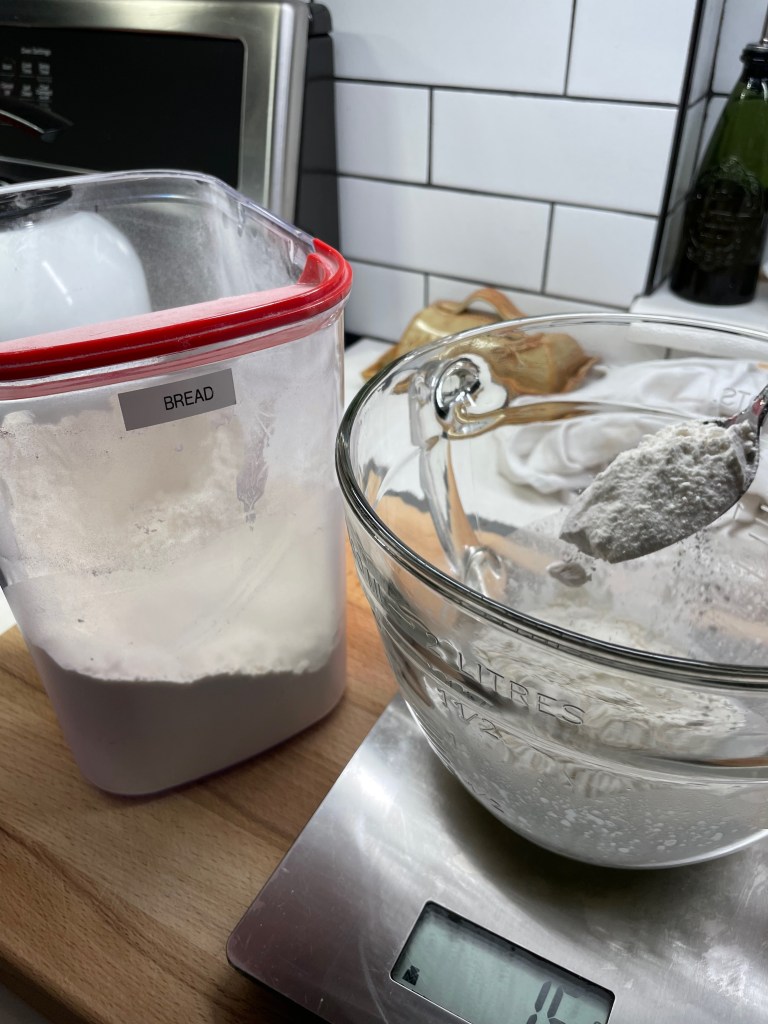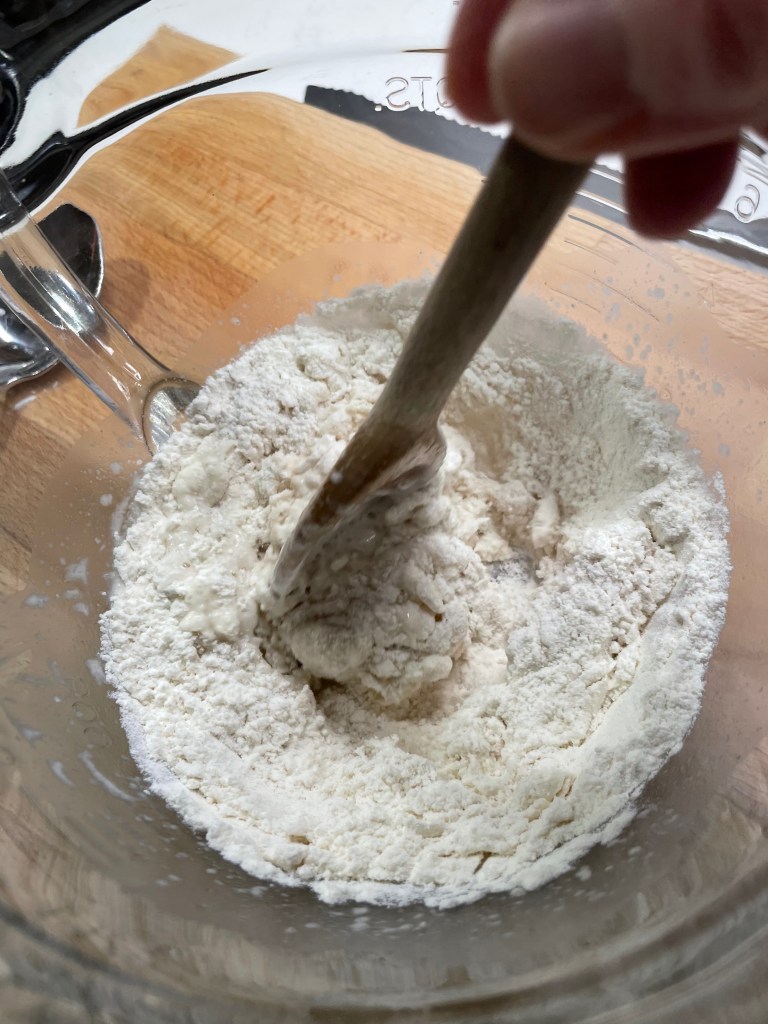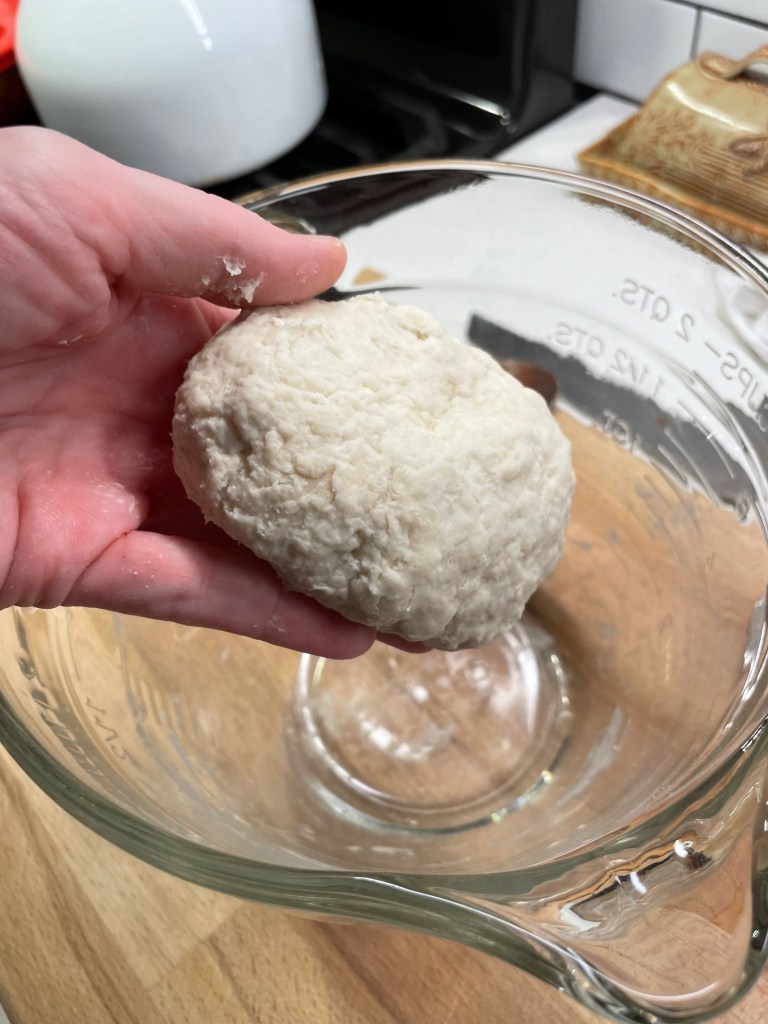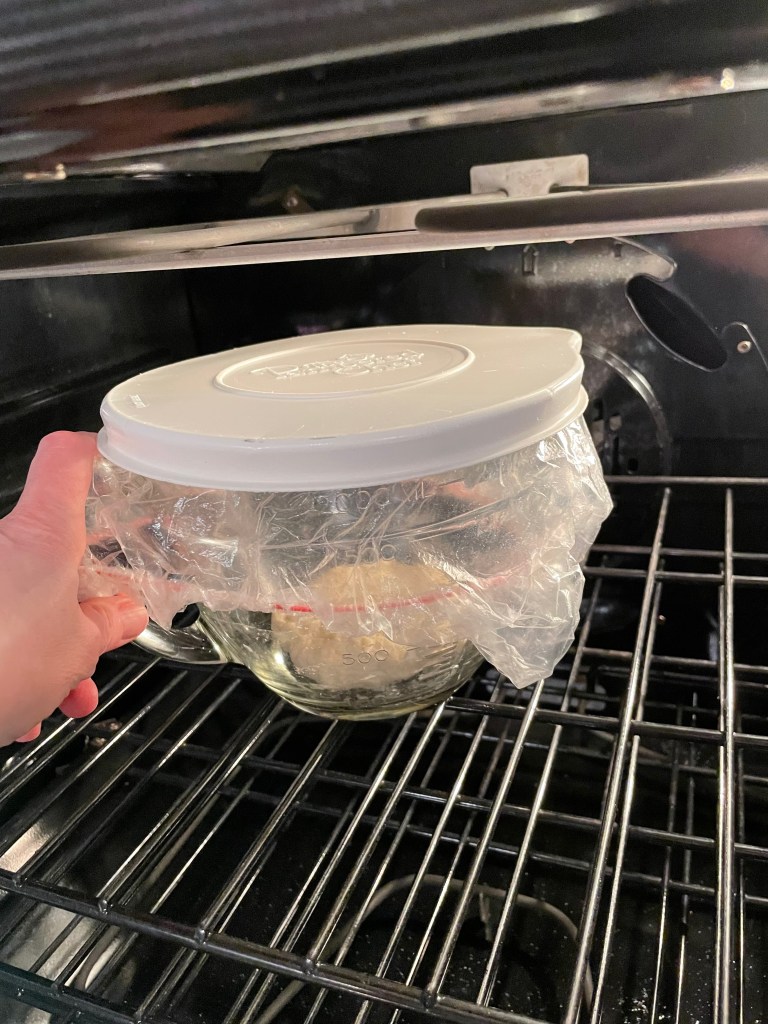
Sourdough Pumpkin & Sage English Muffins

It’s always a comical scene at Trader Joe’s this time of year, as every aisle, endcap and special display is loaded up with pumpkin spice goodies. Eager customers load up their carts with all the pumpkin spice cookies, donuts, oat milk, cold brew concentrate (guilty) and even candles and dog biscuits flavored with pumpkin spice. It’s a fall frenzy! Love it or hate it, this trend isn’t going away anytime soon. 

And though I personally love the pumpkin and sweet spice combination, I also love the savory side of pumpkin, which doesn’t get nearly enough attention when fall rolls around. Pumpkin on its own is not sweet at all— it’s a variety of winter squash, you know— but we have become so conditioned to think of it as a pie filling or latté enhancer that we sometimes miss the opportunity to let those savory aspects shine. 
Autumn Benedicts, anyone?

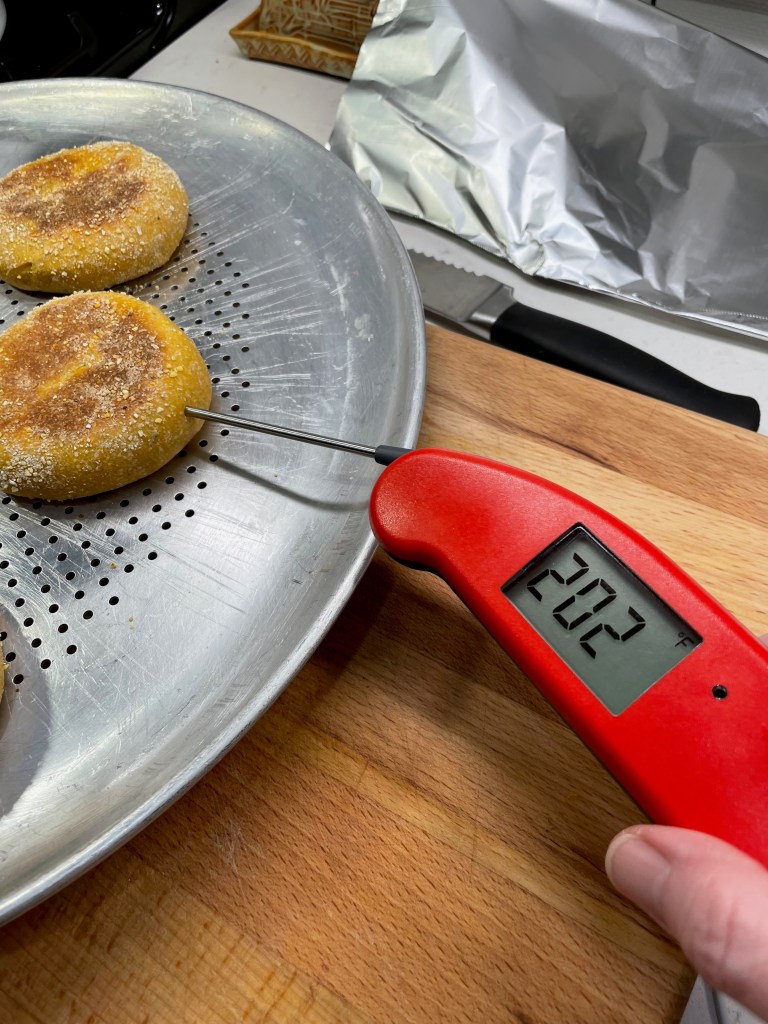
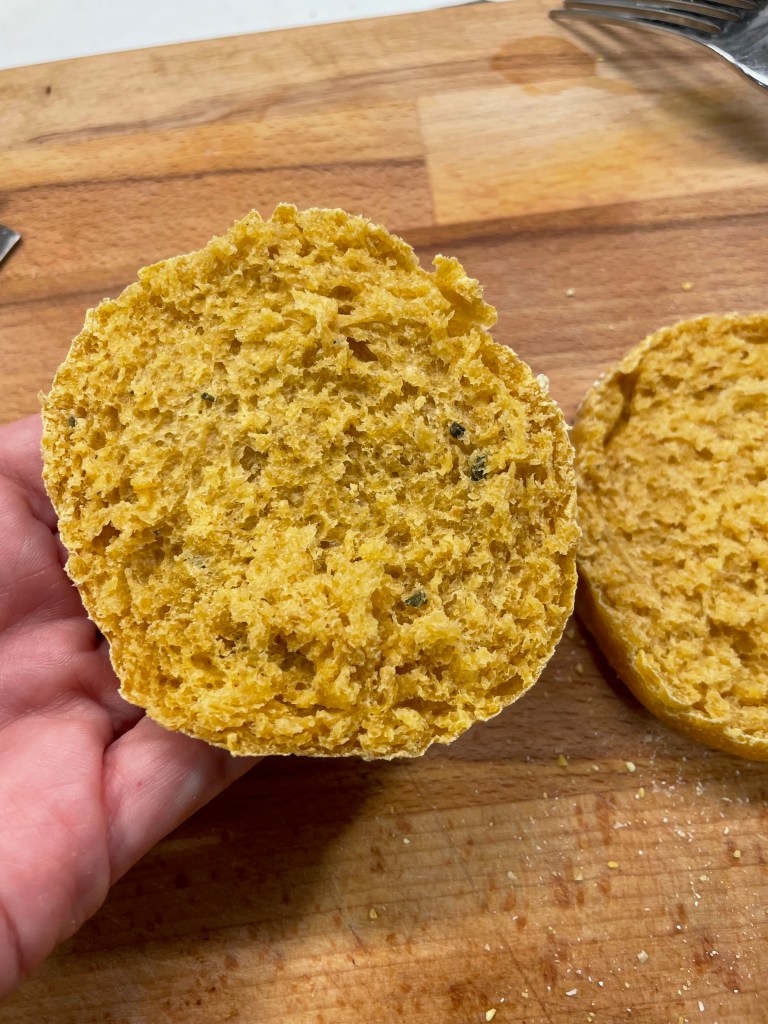
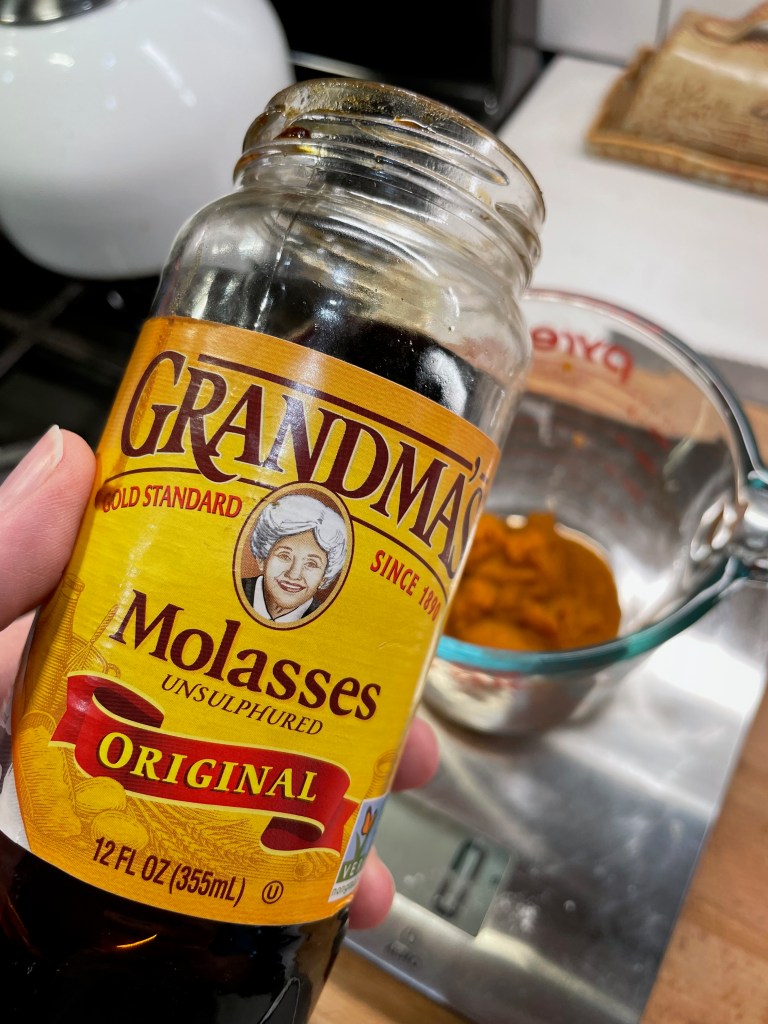
But today, these barely sweet, griddle-baked goodies are getting all the praise. I’ve made a few easy swaps from my go-to sourdough English muffin recipe, working in pure pumpkin and a swap of molasses, plus a hint of onion and some fresh chopped sage leaves. 

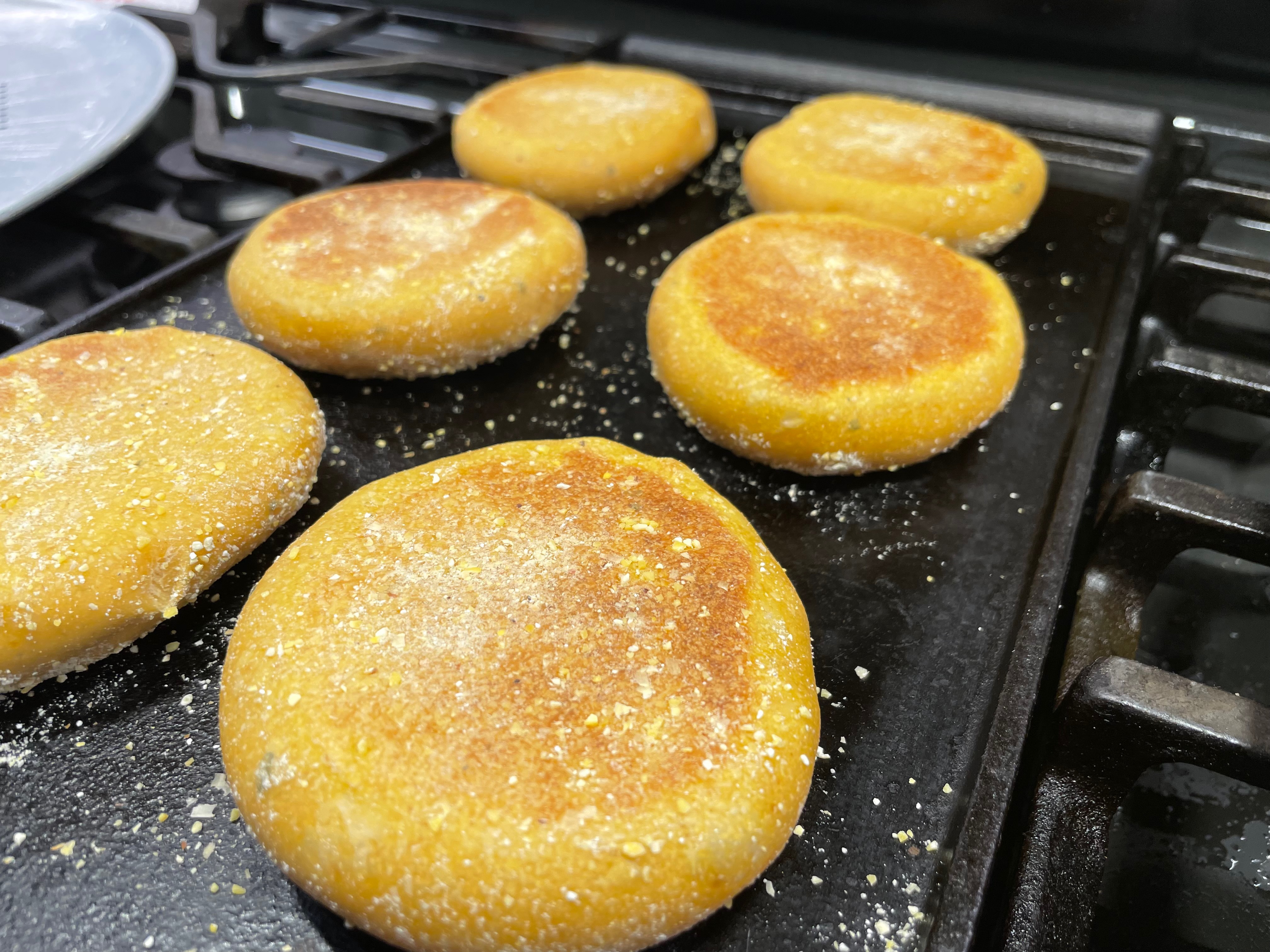
The dough is easy to work, and there’s no need to even turn on the oven because these babies bake on a griddle or in a hot cast iron pan. Let them bring some seasonal pizzazz to your breakfast sandwiches and autumn brunches. Also perfect just toasted with butter. 
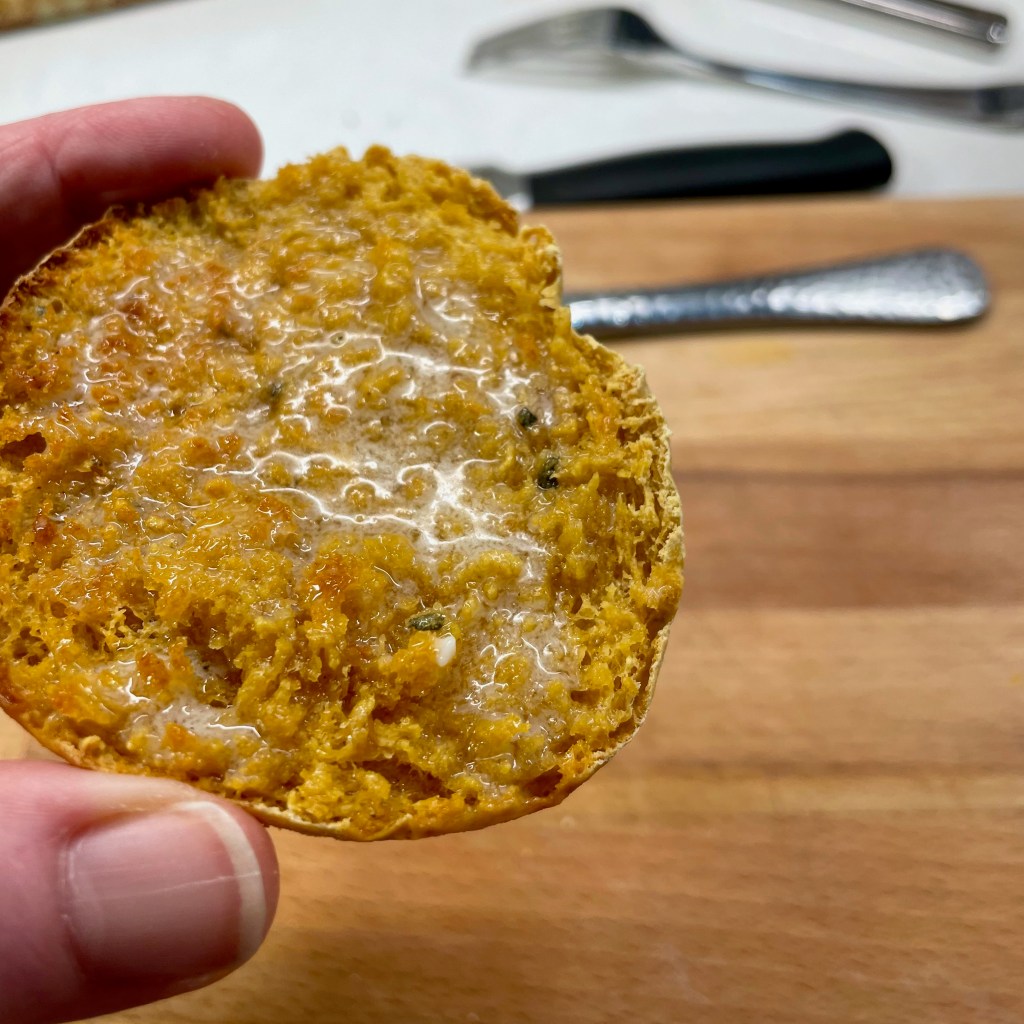
I want one of these every day until Spring!

Welcome, fall. We are so glad you’re here!


Sourdough Pumpkin & Sage English Muffins
  • Servings: 12 muffins
  • Difficulty: Average
  • Print

This easy recipe gives pumpkin a chance to show off its savory side. With onion, sage and a touch of molasses, these griddle-baked muffins are ready to elevate your autumn breakfasts. They also work great for turkey sandwiches!


Ingredients

  • 106 g pumpkin puree
  • 170 g warm water
  • 28 g olive oil
  • 113 g ripe sourdough starter
  • 15 g molasses
  • 1 Tbsp fresh sage leaves, chopped
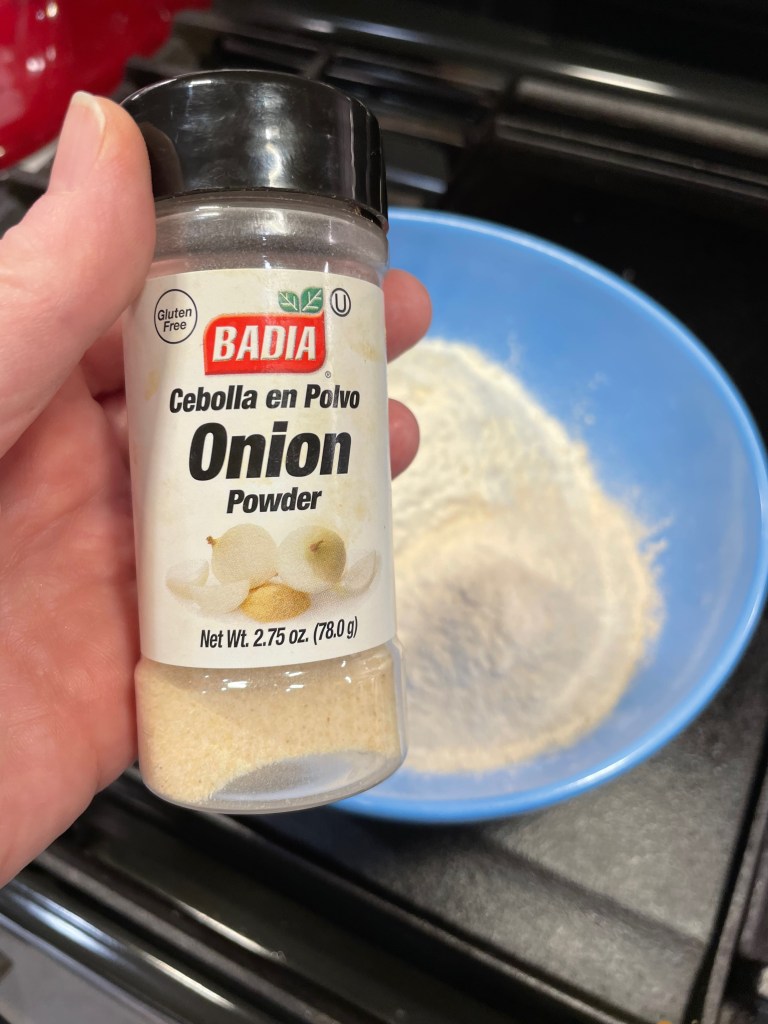
  • 1 tsp onion powder
  • 100 g white whole wheat
  • 320 g all-purpose
  • 22 g dry milk powder
  • 1 1/2 tsp salt
  • 1 tsp instant dry yeast, optional for quicker rise
  • cornmeal for dusting muffins before baking

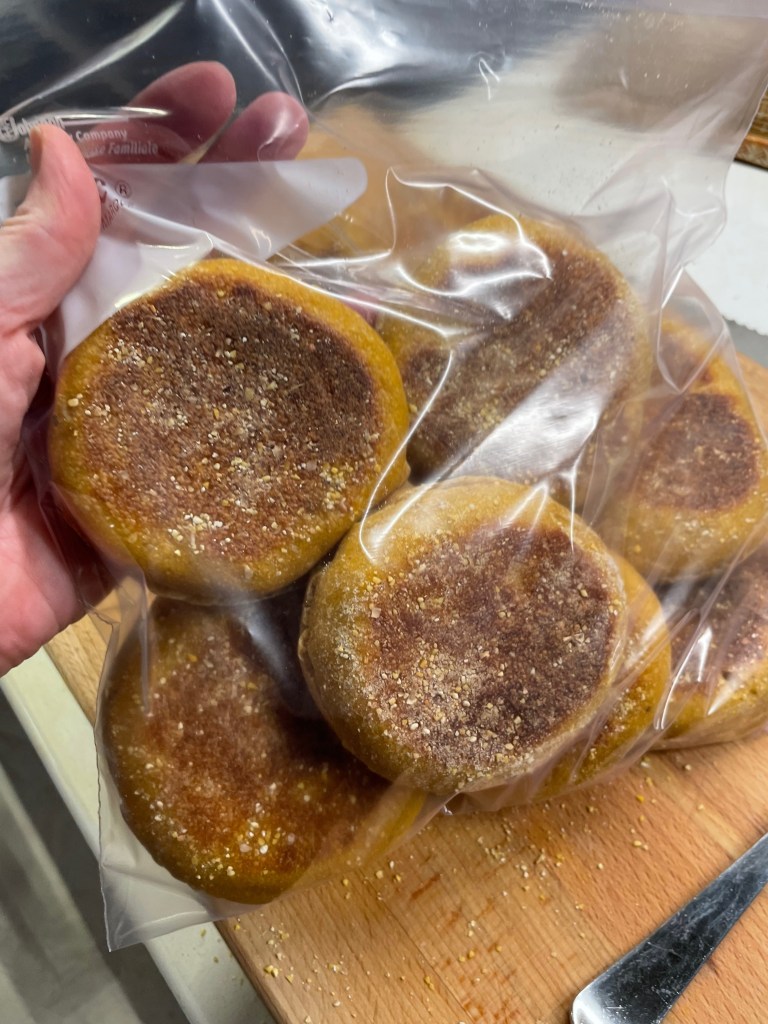
Note: These english muffins will freeze beautifully. Fork-split them all the way through, and pop them into a zip top freezer bag. Press out as much excess air as possible before sealing. When you are ready to serve, either defrost them for an hour or two, or pop them into the toaster on the defrost setting for a few minutes before toasting.

Directions

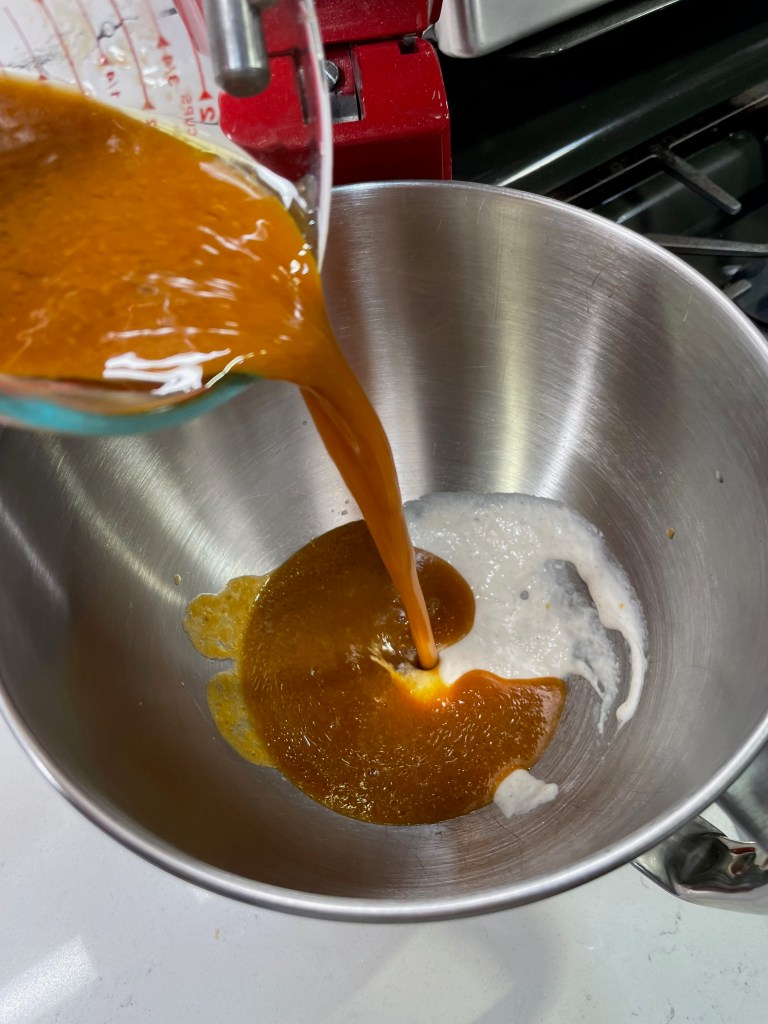
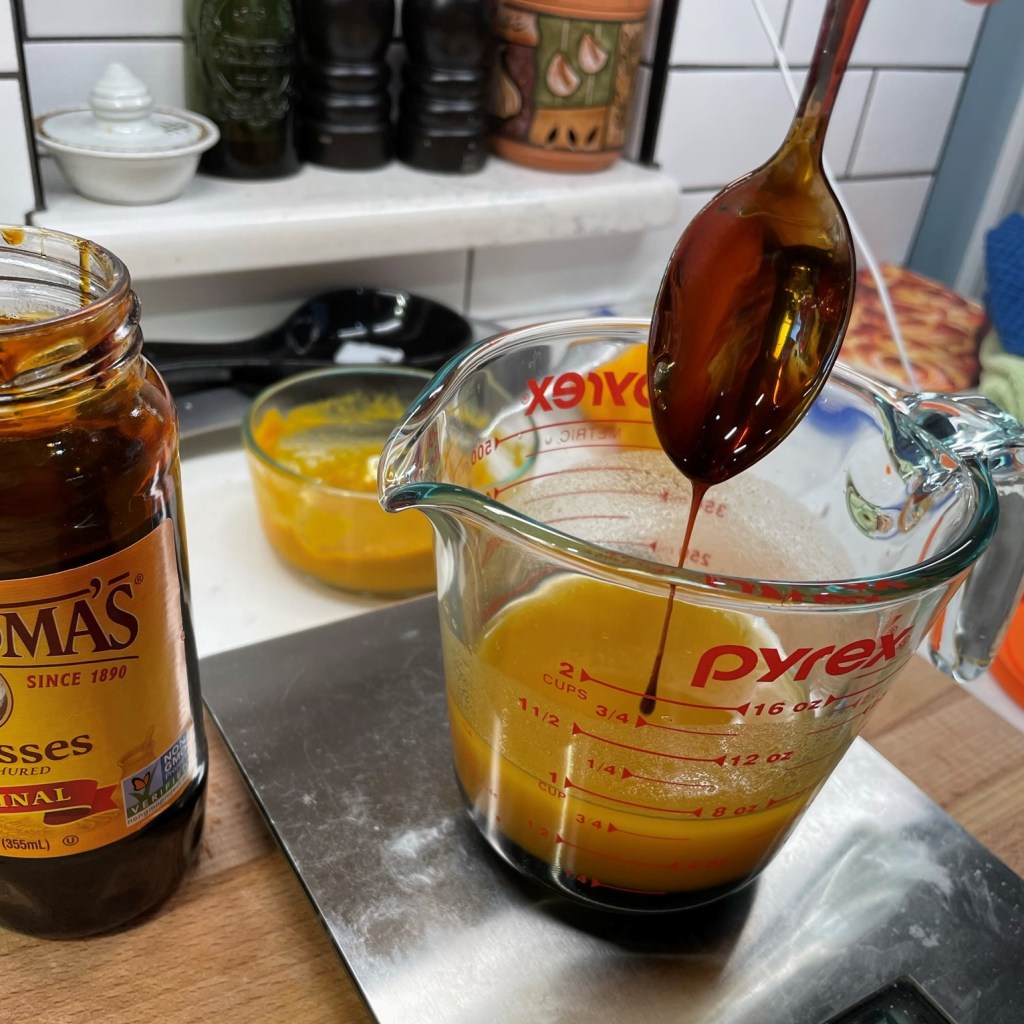
  1. Combine pumpkin, water, olive oil and molasses in a measuring cup with a spout. Warm in the microwave for 30 seconds if the pumpkin is cold.
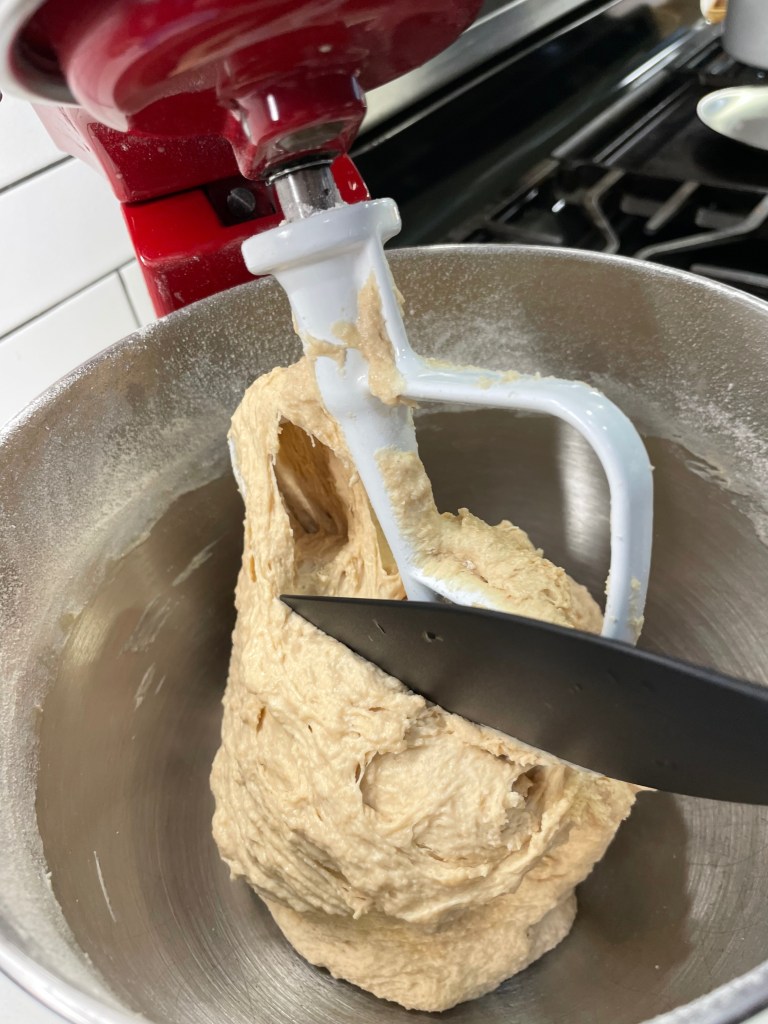
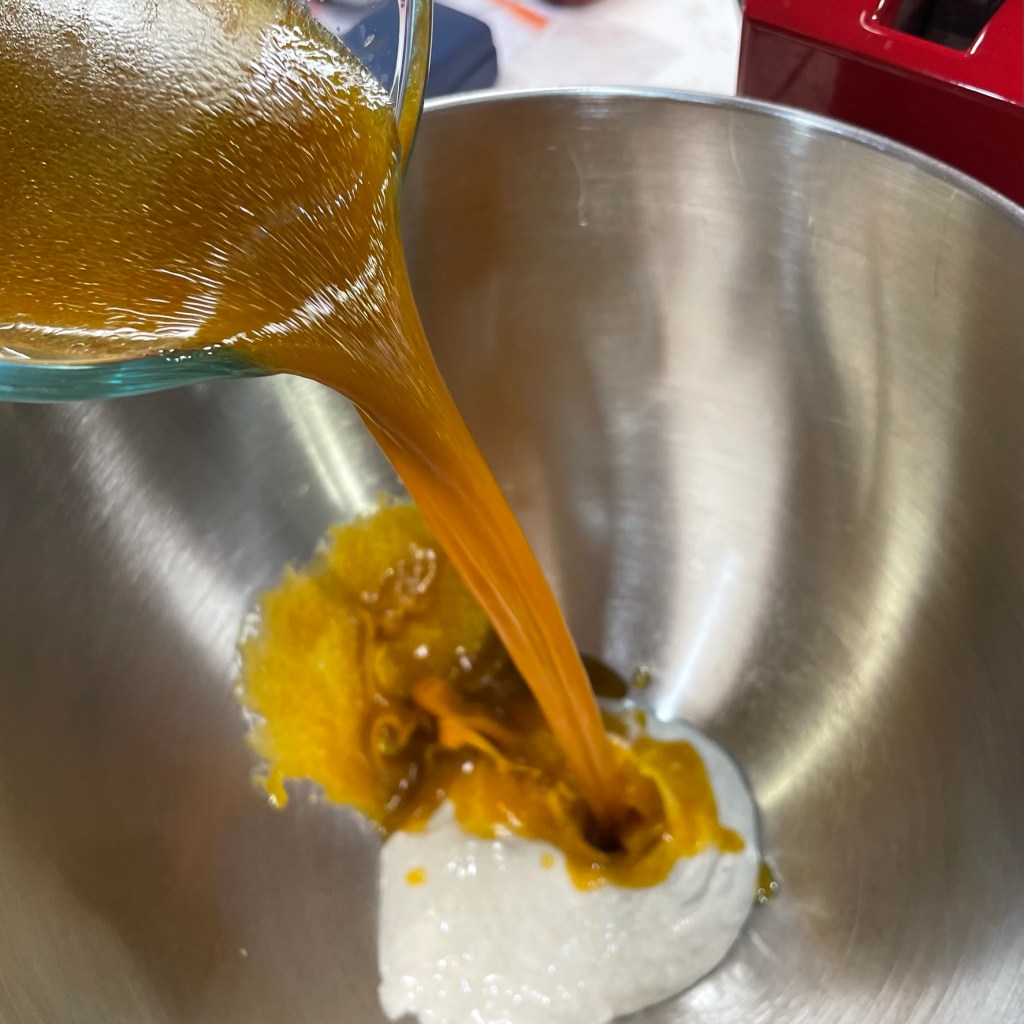
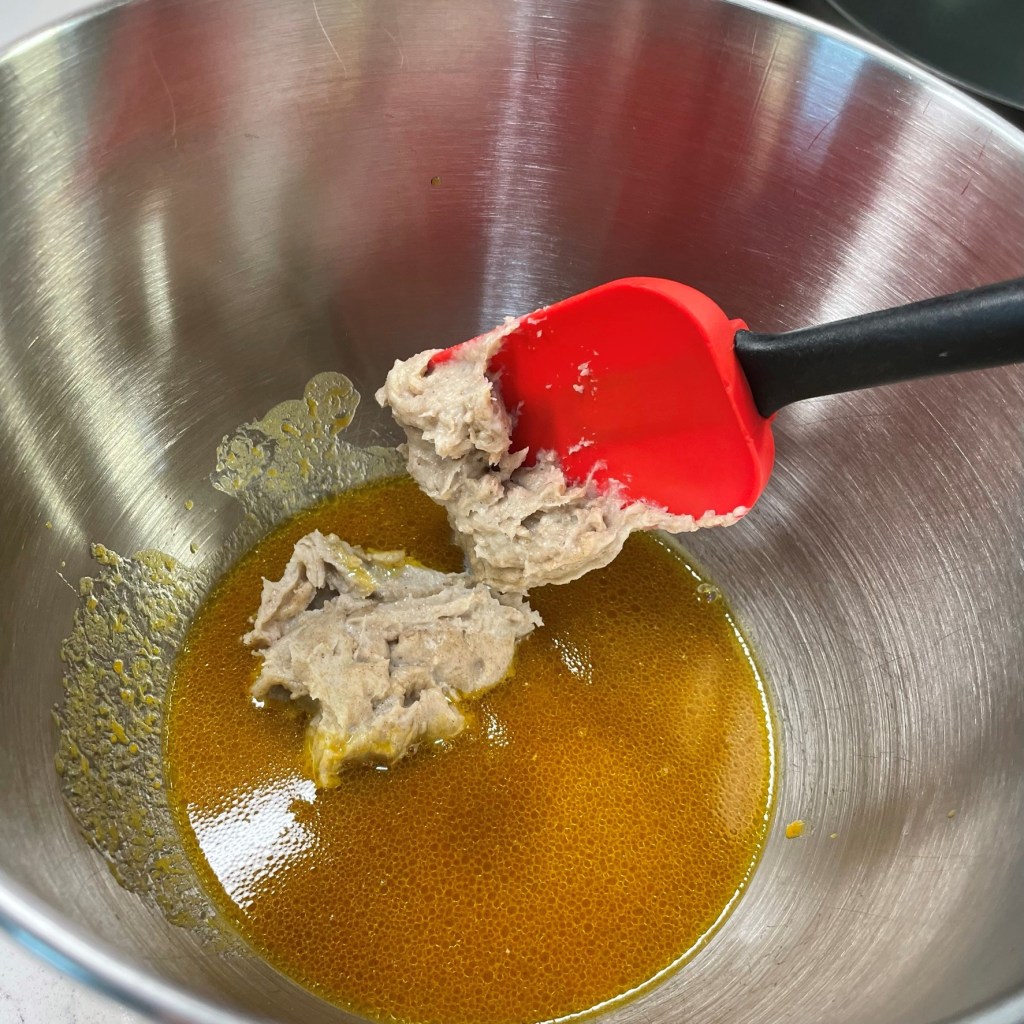
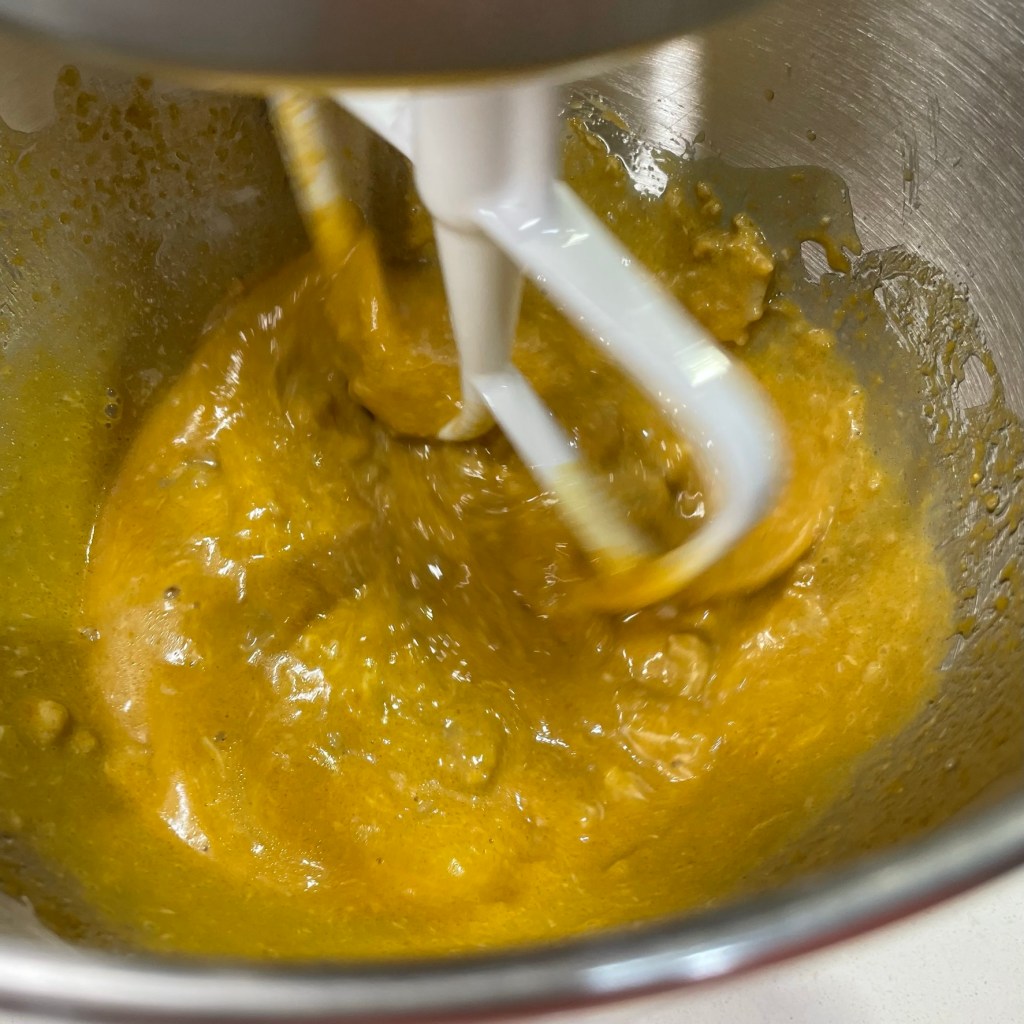
  2. Mix together the starter and pumpkin mixture in the bowl of a stand mixer, fitted with the paddle blade. Blend until smooth.
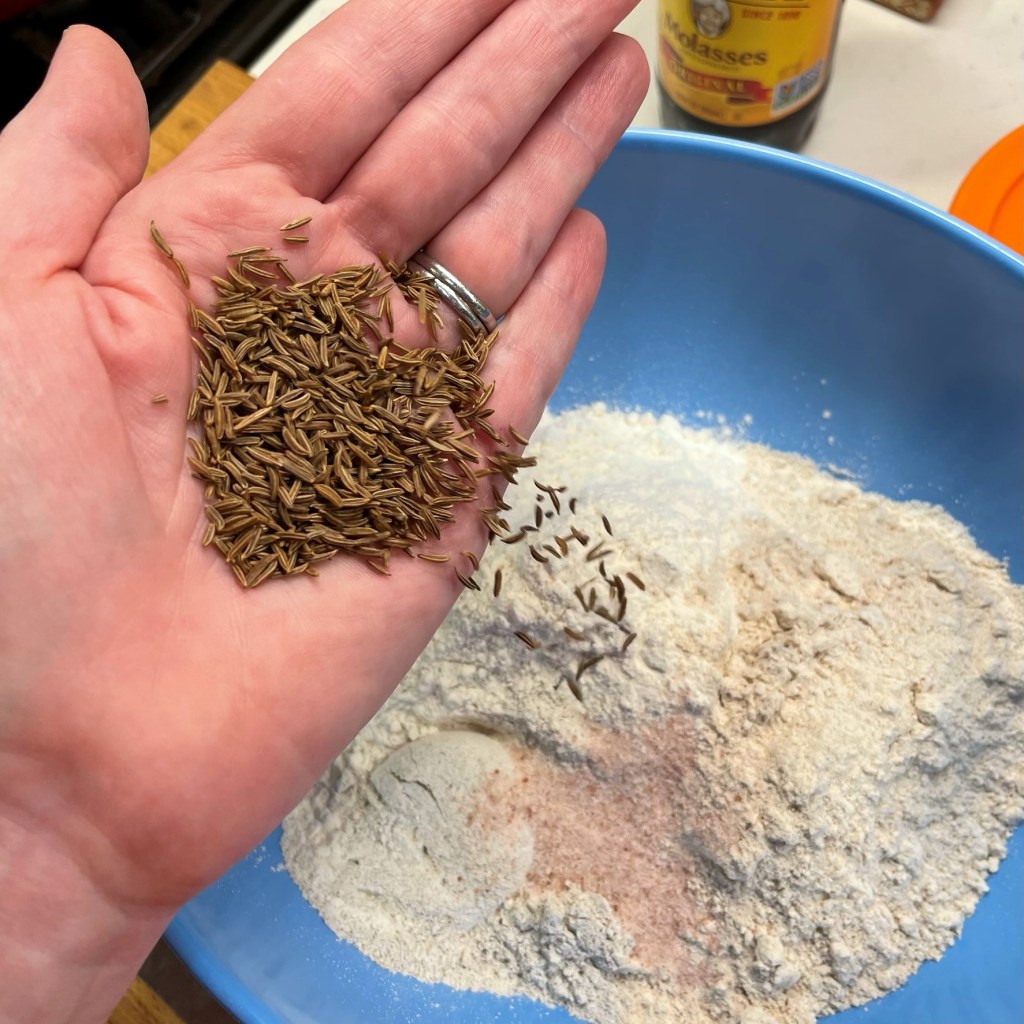
  3. Whisk together dry ingredients, plus sage, in a separate bowl. 
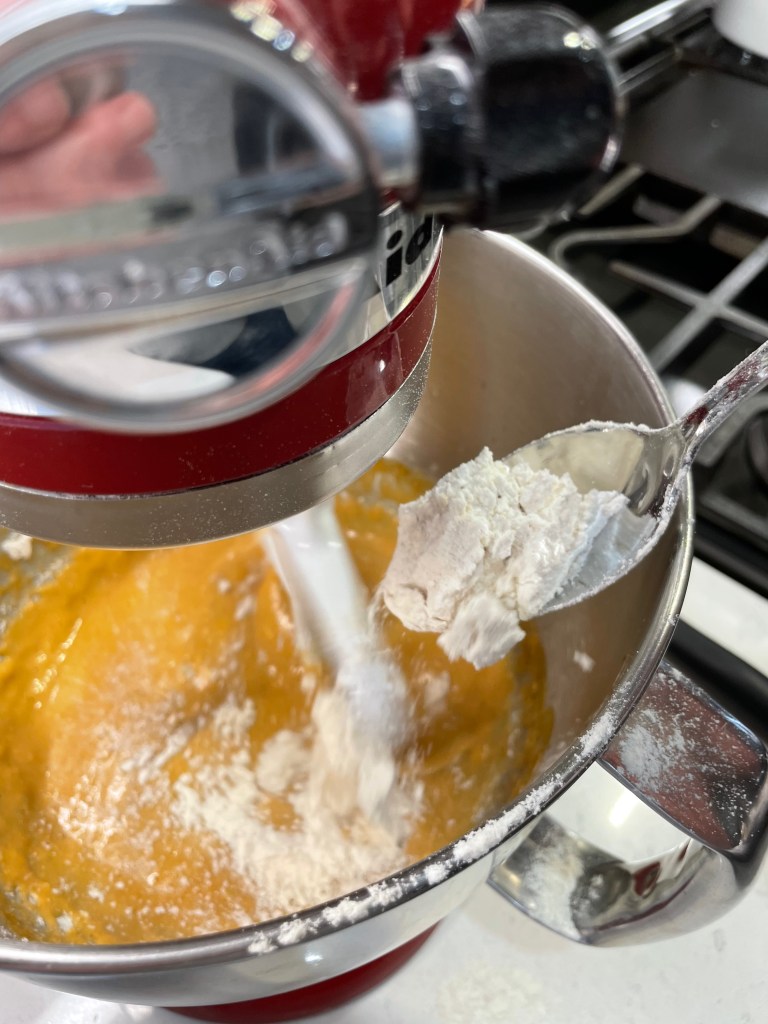
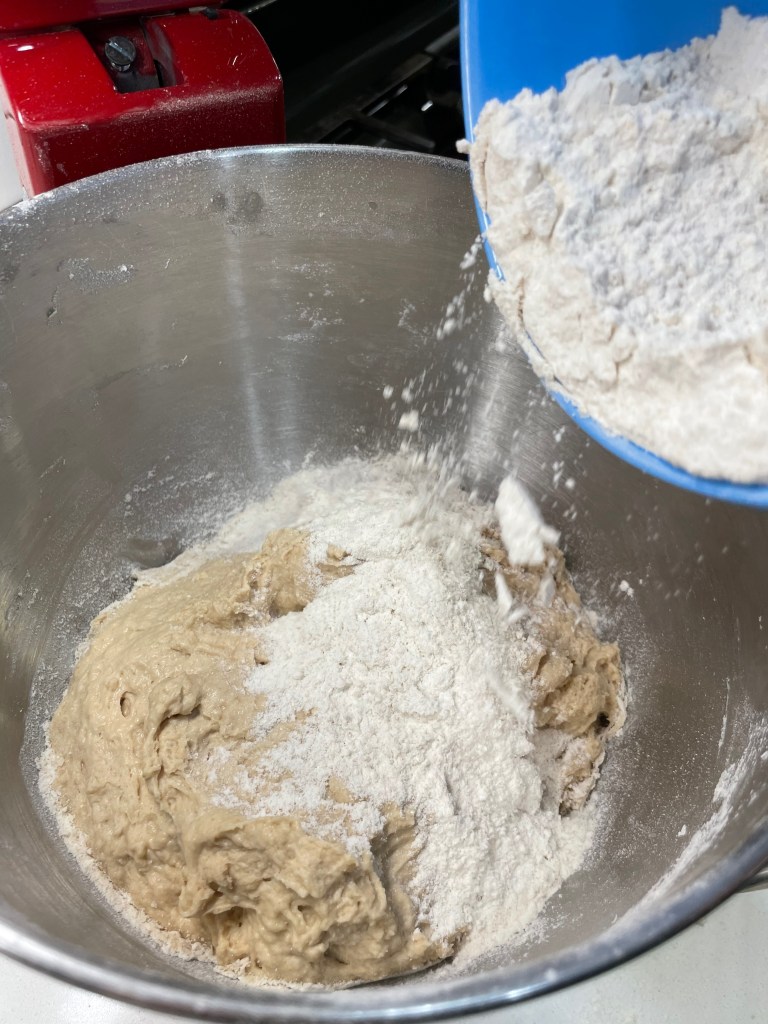
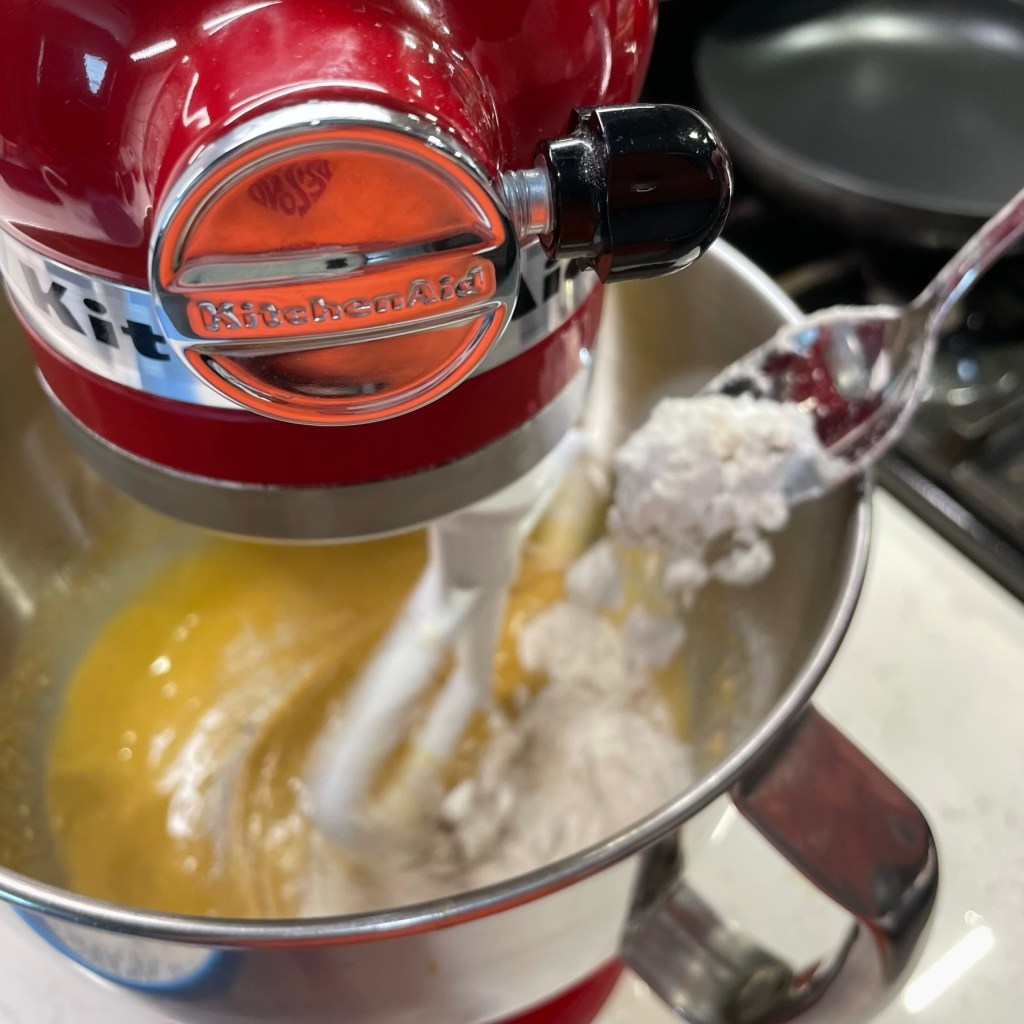
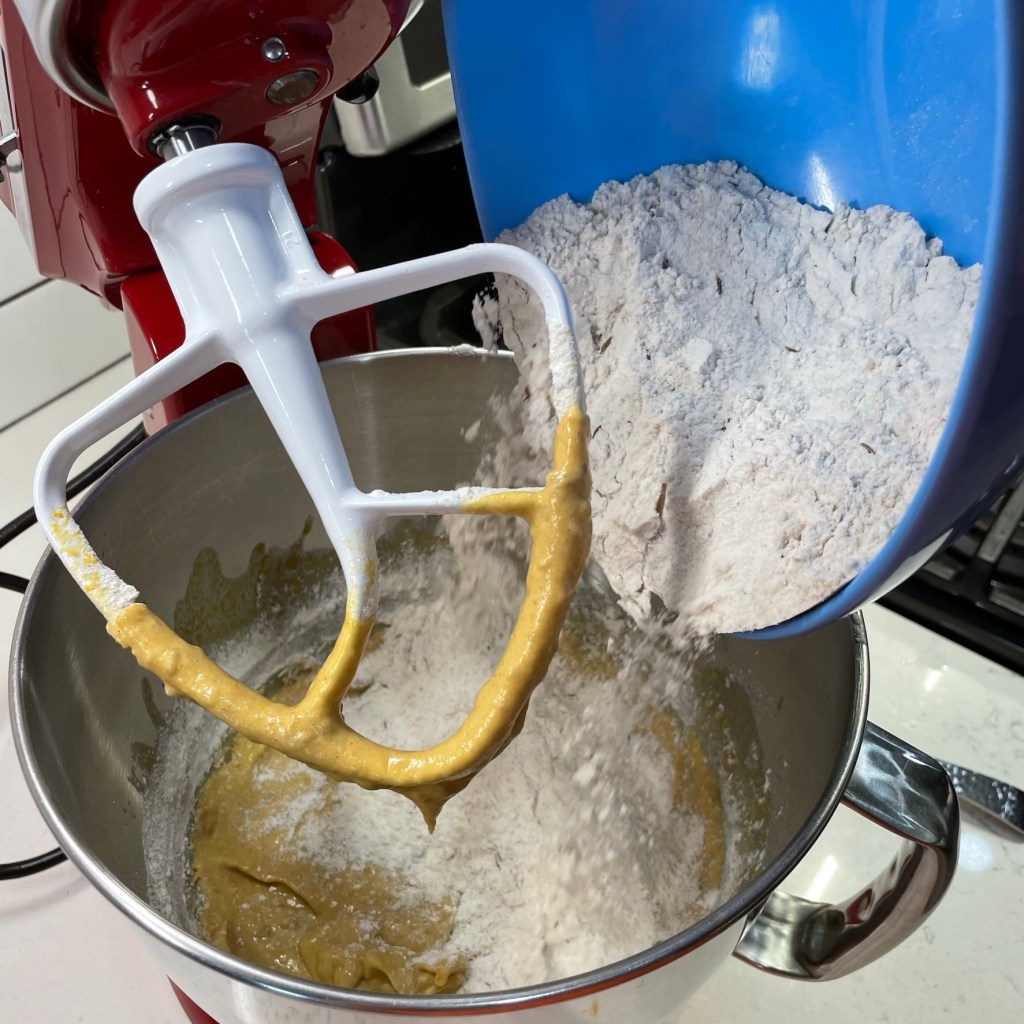
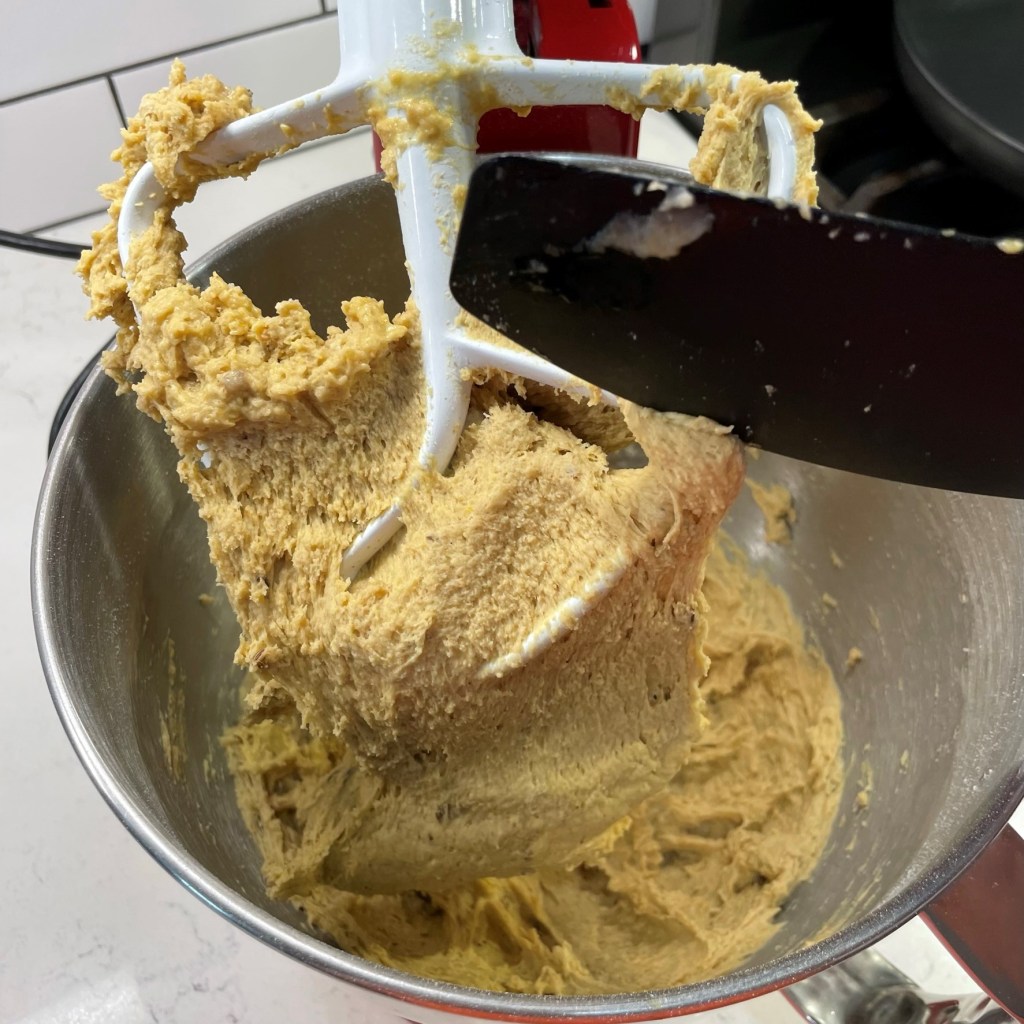
  4. With mixer running on lowest speed, add dry ingredients by the spoonful, just enough to reduce the “splash” of the wet mixture. Stop the mixer and add remaining dry ingredients, then mix on low speed until all the flour is incorporated. Scrape down off the paddle and cover the bowl to rest the dough for about 20 minutes. 
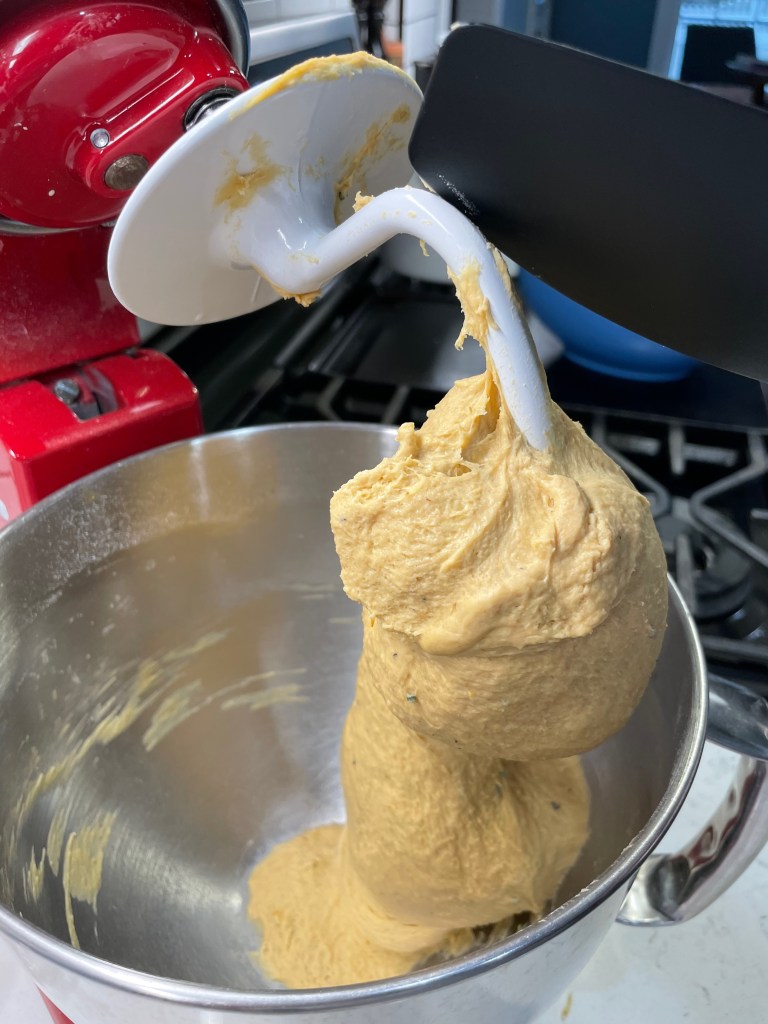
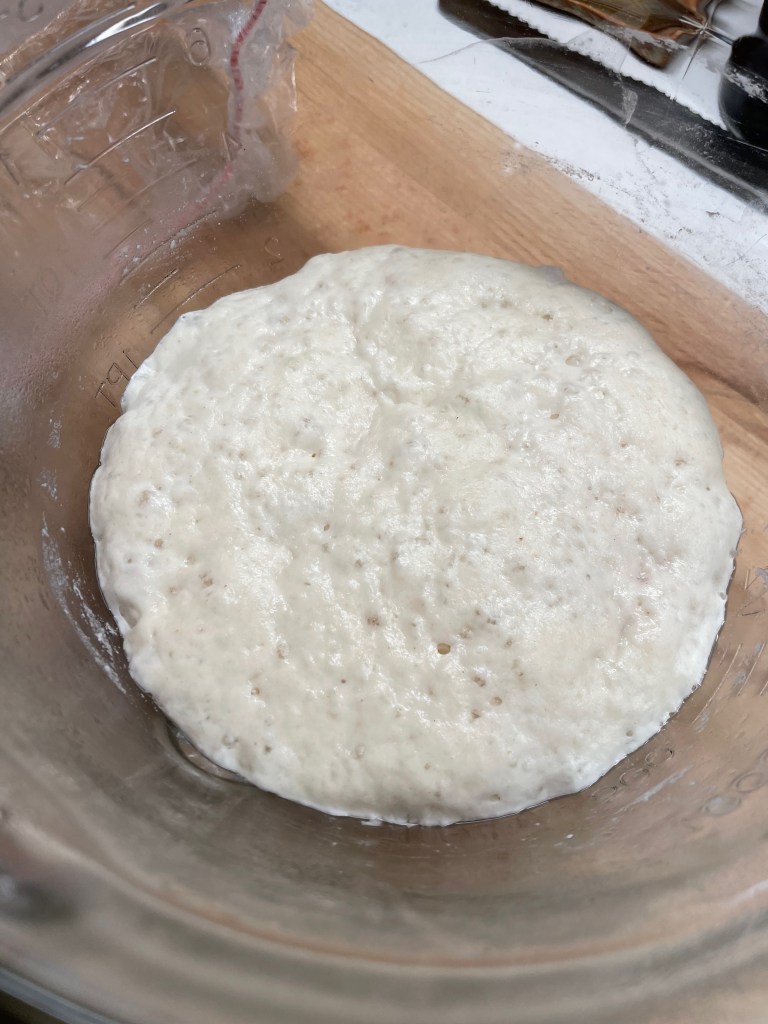
  5. Switch to the dough hook and knead for about 6 minutes until dough is smooth and shiny. Transfer dough to a large bowl, sprayed lightly with oil. Cover and ferment in a warm spot of the kitchen until dough is quite puffy, which could be 2 to 3 hours (or less, if using the yeast).
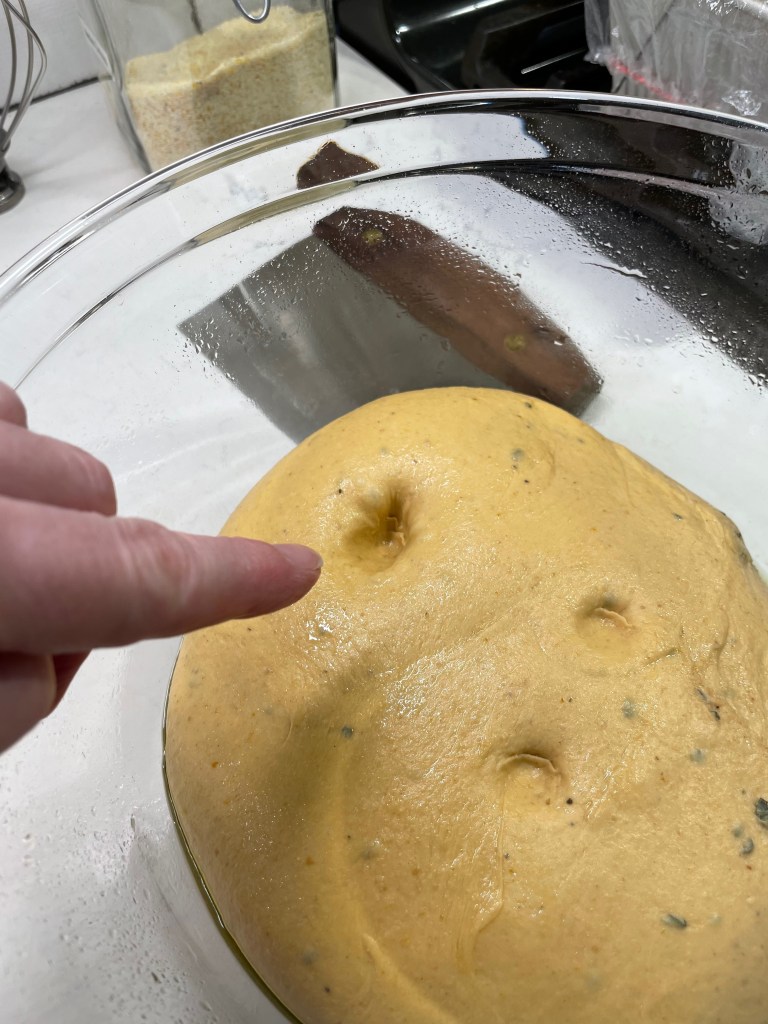
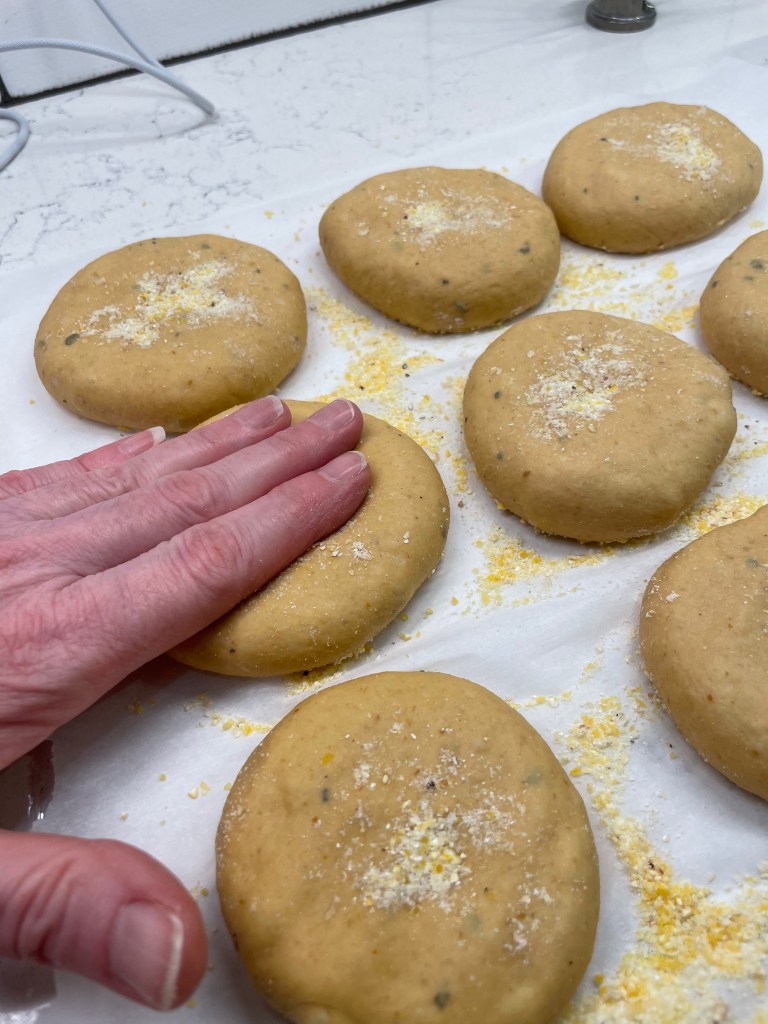
  6. Transfer dough to a lightly floured countertop and cut into 12 equal pieces. Shape the pieces into balls and flatten each ball with your fingertips onto a piece of parchment paper, sprinkled lightly with corn meal. They should measure about 3 1/4” across. Sprinkle the tops with additional corn meal. Cover loosely with oil-sprayed plastic wrap and a kitchen towel. Rest until the dough balls pass the “poke” test. 
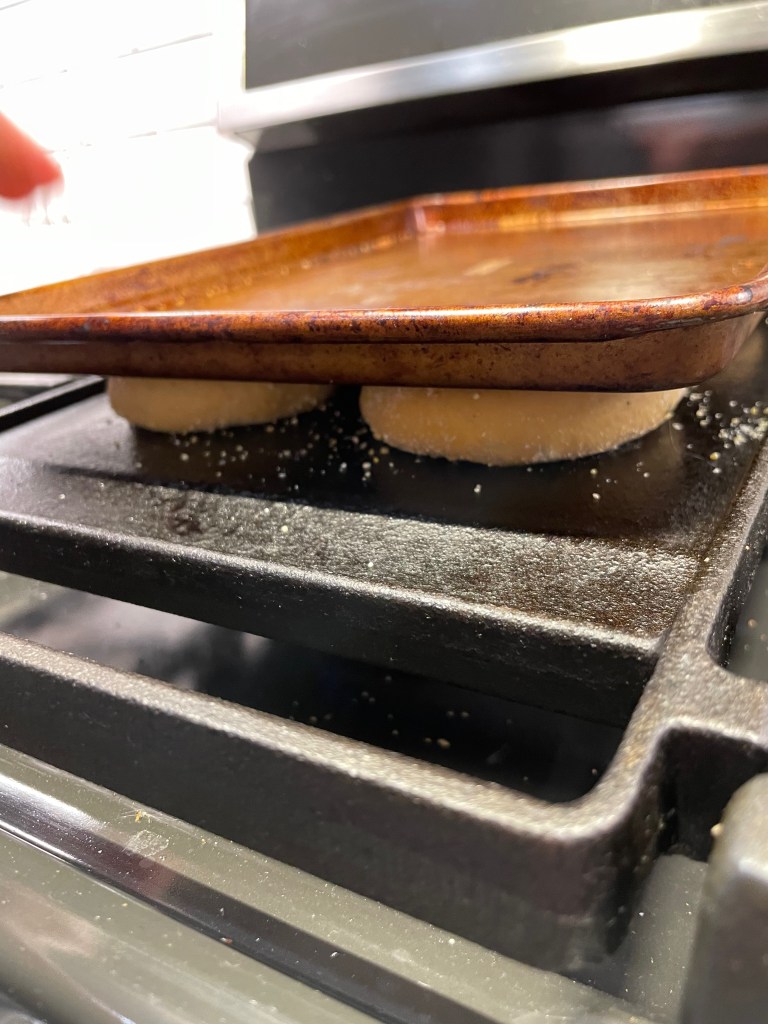
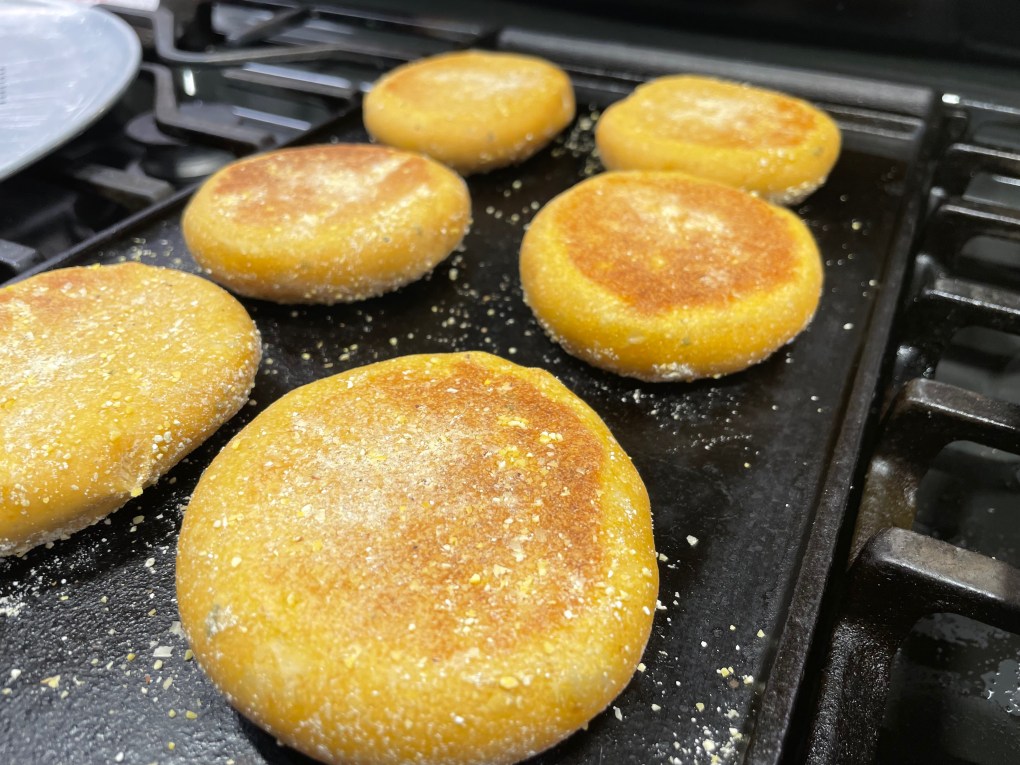
  7. Heat a griddle to medium-low heat (about 325° F). Gently flatten each dough ball, and place them on the griddle, a few inches apart for easy turning. Place a dry cookie sheet on top of the muffins once the griddle is loaded; this helps give the muffins a nice flat second side.
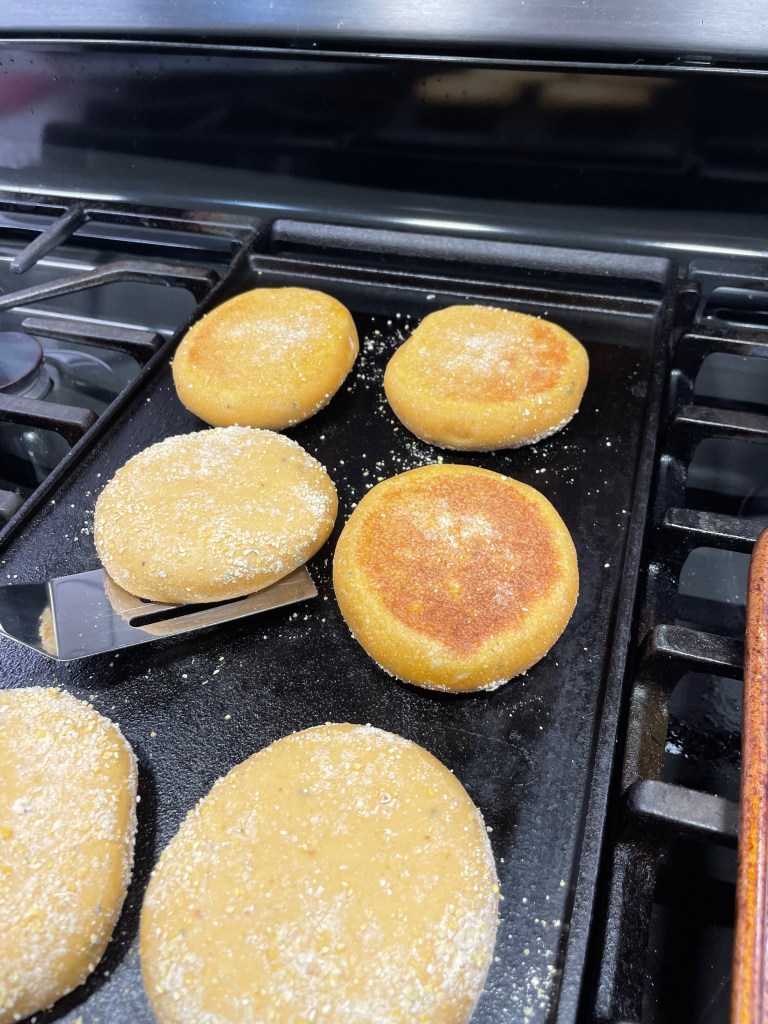
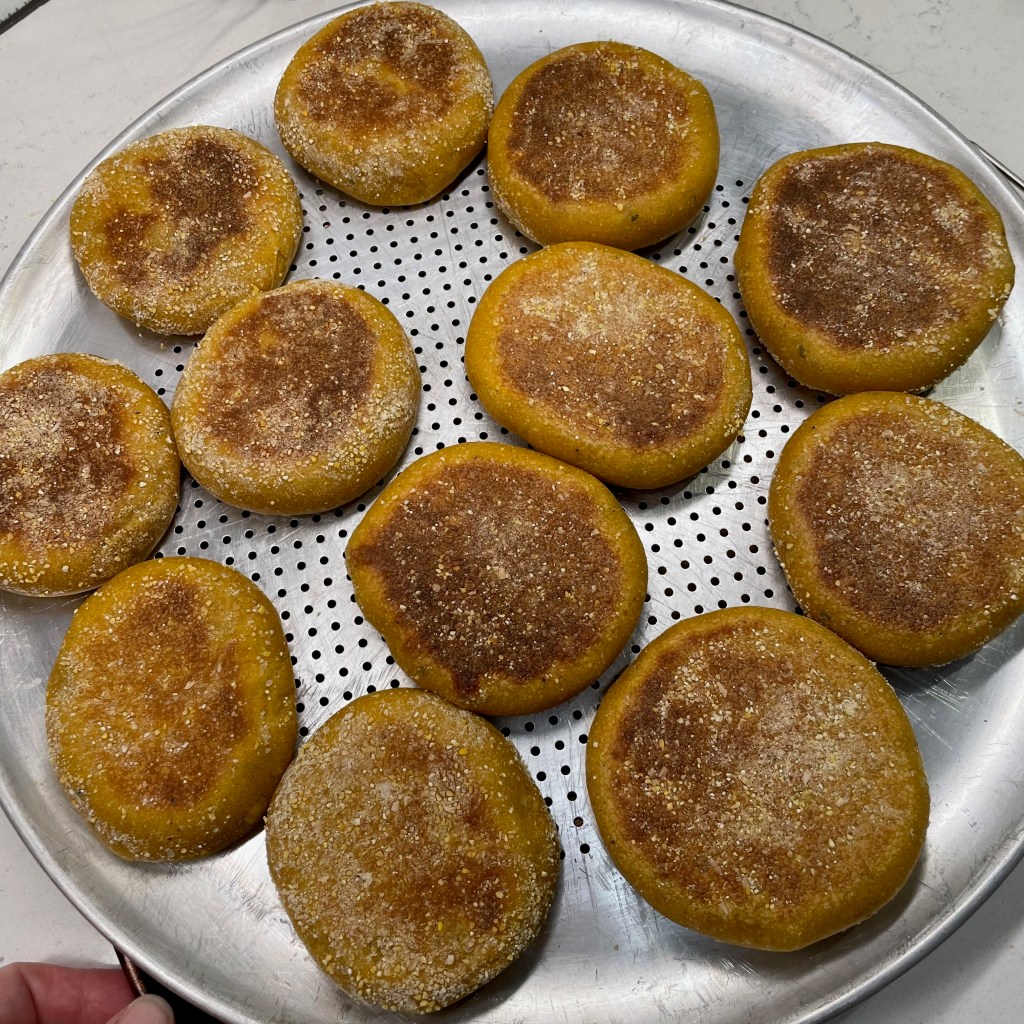
  8. After 6 or 7 minutes, the bottoms of the muffins should be a golden brown color. Give them a little longer if needed. Gently turn the muffins to “bake” the other side. Don’t be concerned if the sides of the muffins still seem soft. The dough will cook from the radiant heat. If the muffins feel spongy or wet, but the sides are done, transfer them to a baking sheet and put them in a 350° oven for a few minutes to finish them off.
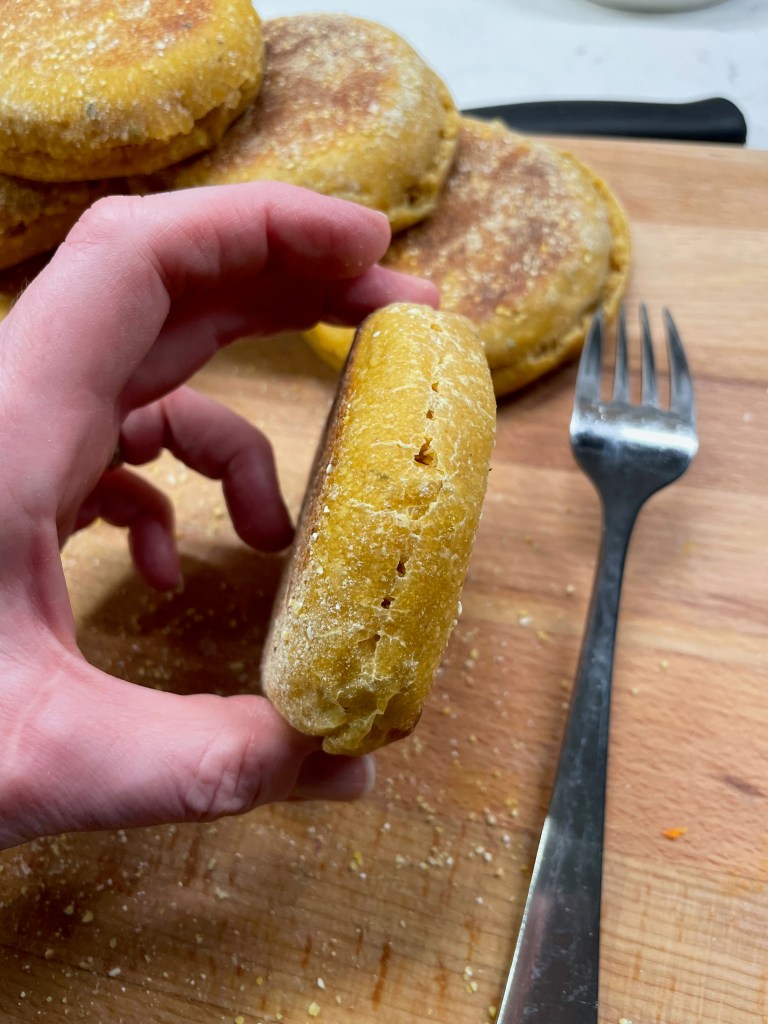
  9. Cool the muffins on a wire rack, and when completely cool, use a fork to gently “split” the sides of each muffin for easy slicing when you are ready to serve them.


In case you’re wondering…

Yes! You can freeze them for later. These English muffins freeze beautifully, and they can go straight to the toaster without thawing, too. Simply fork-split them, separating the halves, and load them into a zip-top freezer bag. Be sure to squeeze out excess air. Enjoy!
Sourdough Bagels!

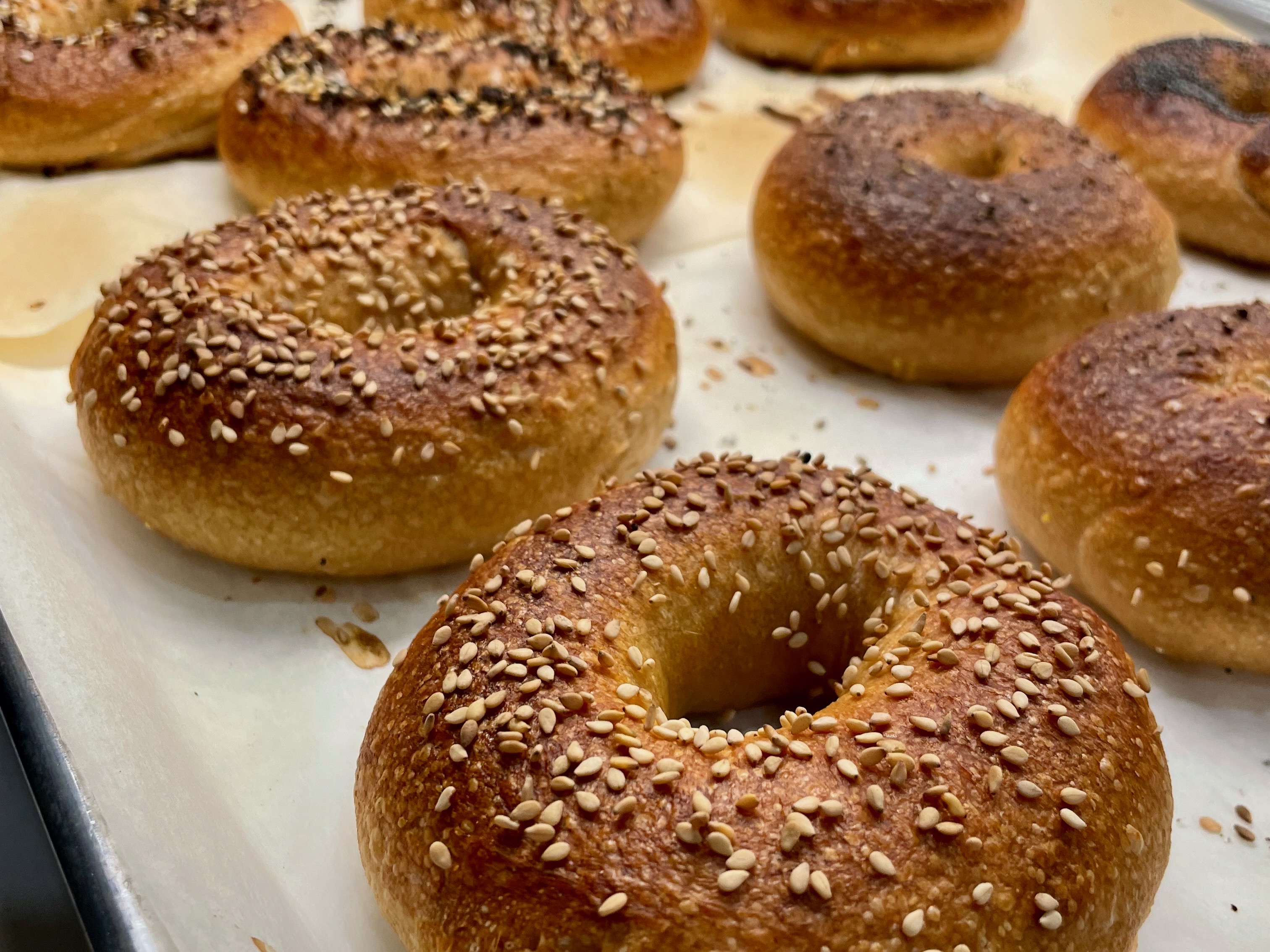
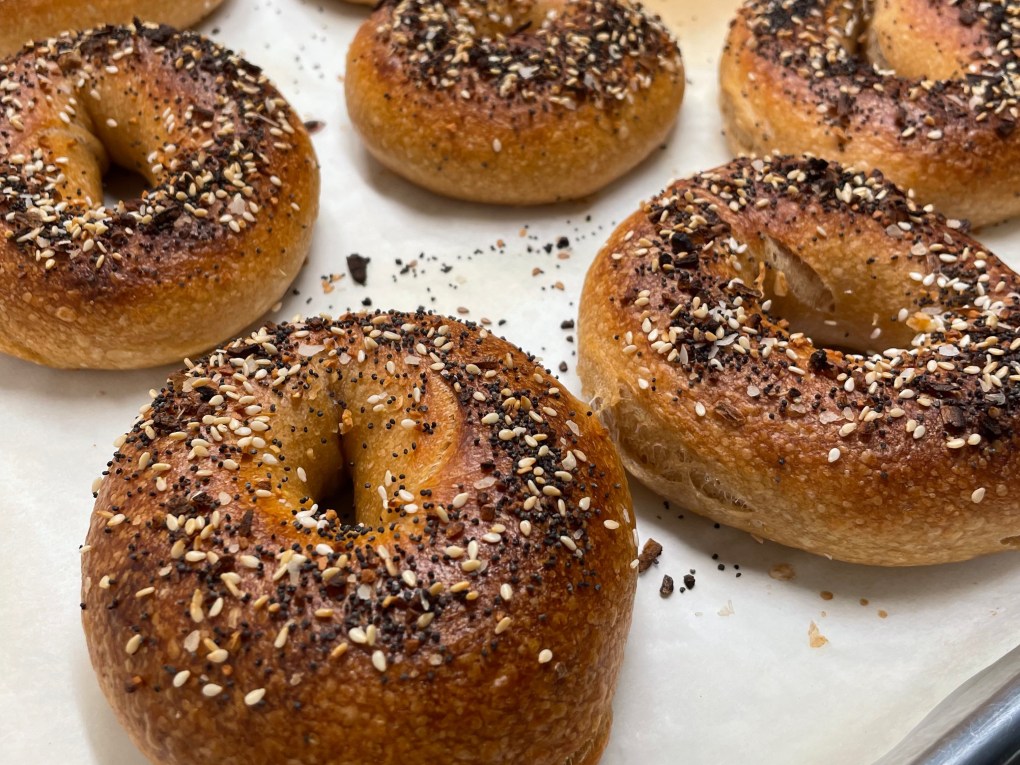
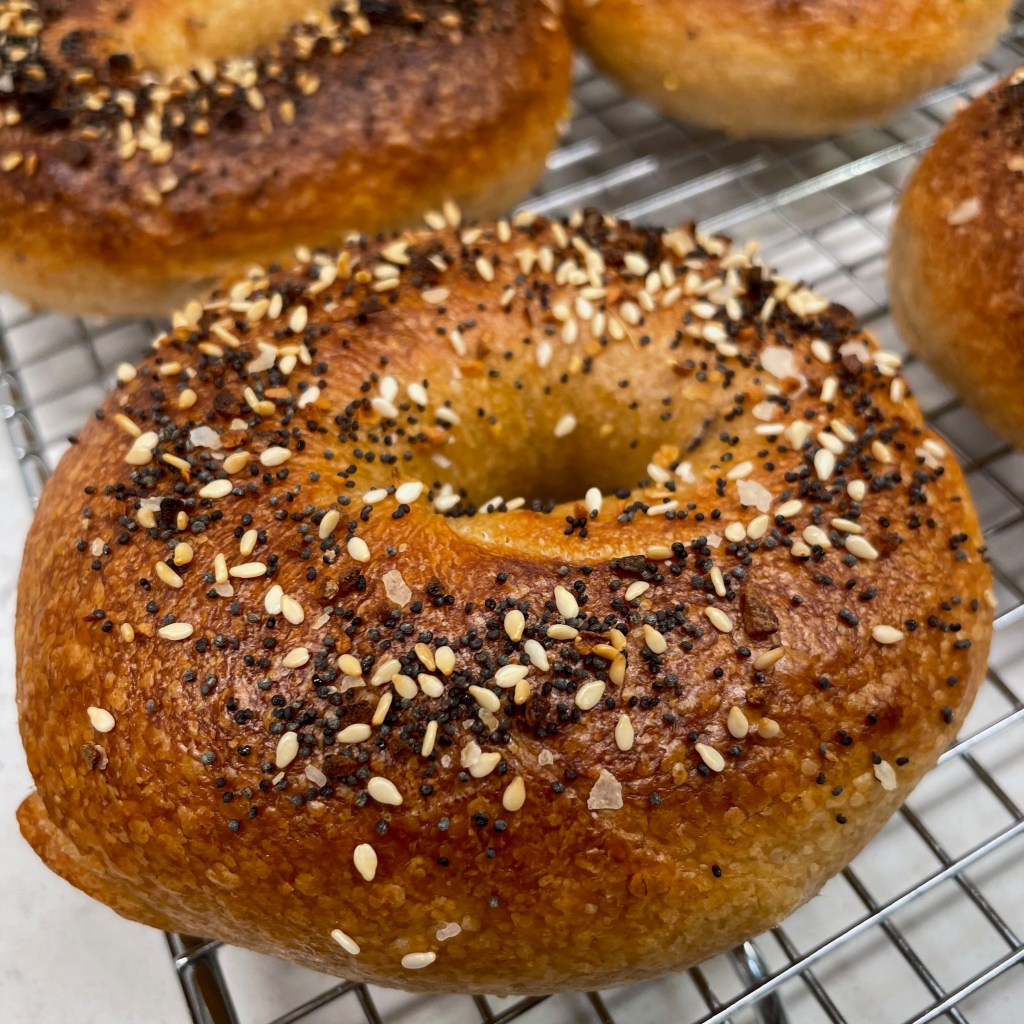
If someone had asked me how I spent last weekend, this would be my answer. It is not that making these bagels took the whole weekend, but that I spent most of the weekend thinking about them and anticipating the crispy crust, chewy interior and the sheer satisfaction of having them turn out so well.

The adventure I had making sourdough bagels is much more than a recipe, though I’ll be happy to share where my recipe came from. Here you go:  https://www.theperfectloaf.com/sourdough-bagel/

Maurizio Leo’s creations have been intimidating, er, fascinating me for a few years now, since I first discovered one of his recipes on the King Arthur Baking site, where Maurizio had been an occasional contributor. This guy is one of my culinary idols, and his expertise with sourdough is astounding. One of the things that used to scare me about his recipes was his attention to the science, and especially his guidelines for the temperature of the dough at various stages. But my worries were eased when I remembered something I learned in my King Arthur Baking class last summer: concern about temperature is more crucial in a production environment, where you have to be ready for baking on a schedule, than in a home kitchen. Once I recalled that fact, I’ve been able to relax and just appreciate the outcome with less worrying along the way. Baking is supposed to be enjoyable, right?

It does help to remember two simple tips about temperature: yeast dough (including sourdough) rises more quickly in a warmer environment, and dough develops more flavor in a cooler environment. Both of these principles come into play with this bagel recipe.

When I got the itch to make bagels for the first time in ages, it was Maurizio’s blog that I turned to for the best recipe and expert advice. He did not let me down.


This renewed interest in making bagels came about in early November, after my husband, Les, and I had participated in a trivia night at the temple in our city. We were assigned to a team and challenged in a variety of categories— from movies, sports and music to Jewish culture and history. Thanks to the diverse interests of our team, we did very well in round after round, and then came a food question that left us, shall we say, farblonjet (a Yiddish word that loosely translates to “we don’t know what the heck”). The trivia clue went something like this: 

What staple Jewish food was said to have originated when Polish King Jan Sobieski saved Austria during the Ottoman Empire?  

I’m paraphrasing because I don’t remember the exact details of the question; I only remember that we had a lot of discussion at our table and we still got it wrong. One teammate said knishes, which we thought might have had ties to Poland but we weren’t sure. I thought perhaps bialys, which I was certain were Polish but that’s all I knew about them. And a third person on the team said bagels because it seemed the most obvious. I chimed in that maybe it was too obvious, and then we agonized until time was up and we went with “knishes.”

The answer was, of course, bagels! And then a whole conversation ensued across the entire room, about what makes a bagel great— from the New York City water to the best toppings— and I haven’t stopped thinking about them since.


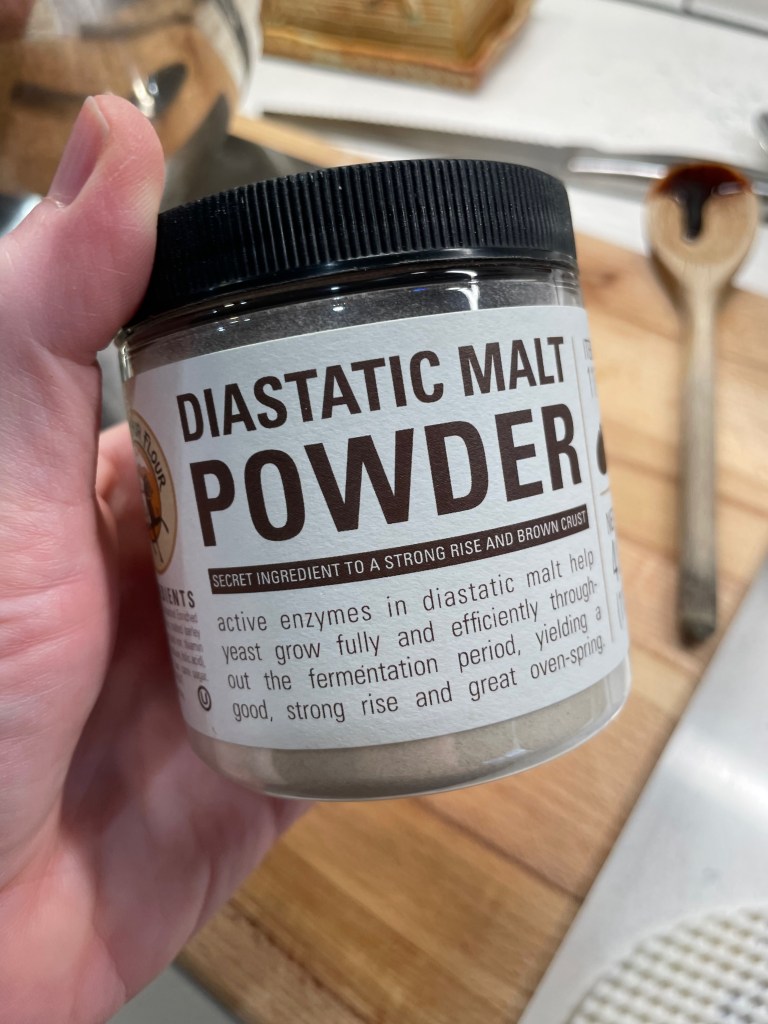
We are lucky to have a very good local bagel store in Winston-Salem (conveniently located practically next door to the temple), and we are perfectly content with their bagels most of the time. But when I found myself with a little free time last weekend, I decided to go for it. Making bagels requires a fair amount of planning and a few weird ingredients, which I happened to have on hand because, despite my lack of knowledge about the history of bagels, I’m still a bread nerd. This has been a long time coming!


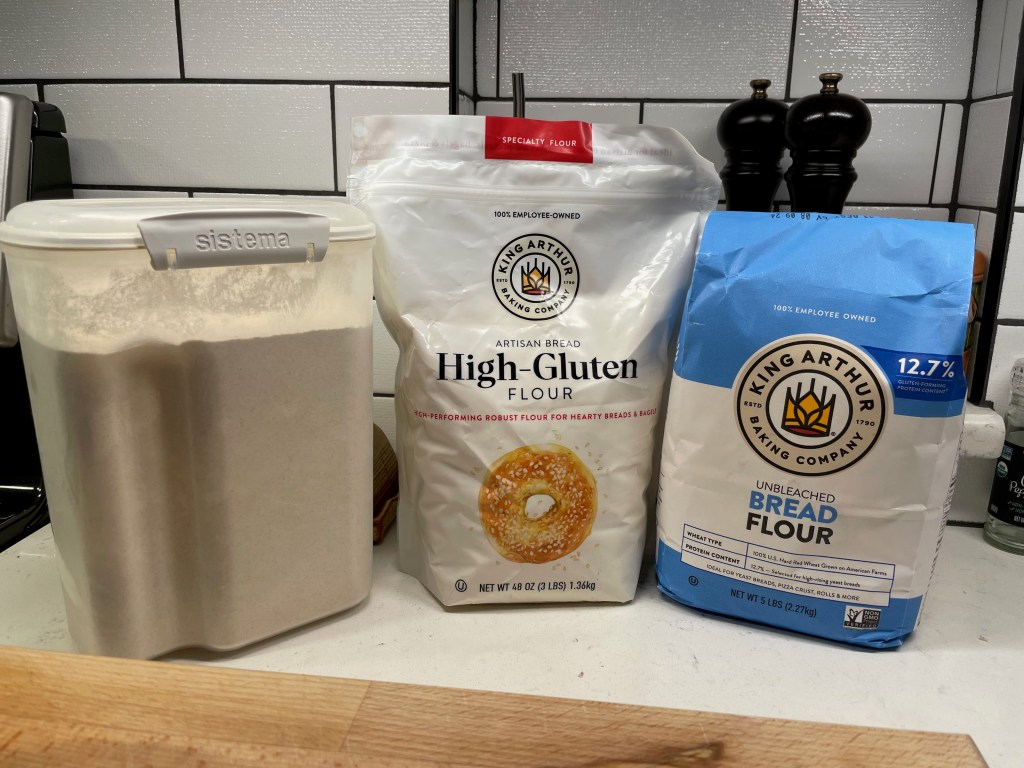
I made only two changes to Maurizio Leo’s recipe, and I’ll describe them in case you want to follow my variations. The first was a flour swap— rather than the full amount of bread flour suggested in his recipe, I used half bread flour and the other half was a split of high-gluten flour and white whole wheat flour. Both of these substitutes are thirstier than bread flour so I also increased the water somewhat (though perhaps not enough) to ensure hydration. Still learning here!


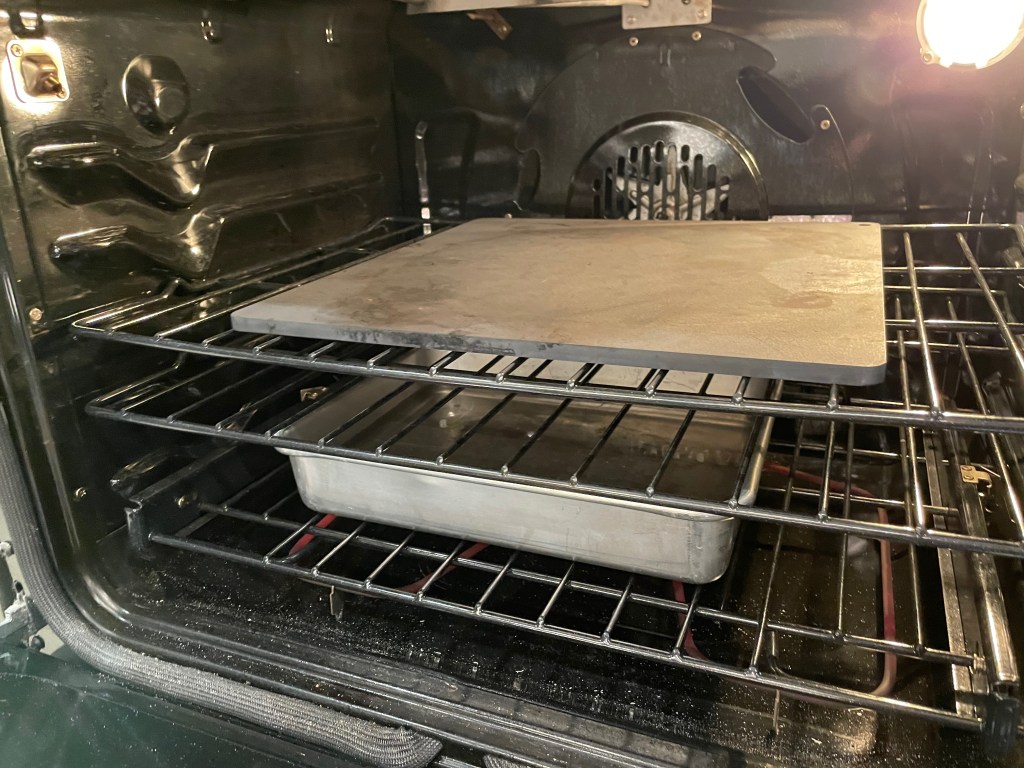
The other change was a technical one— I used my own version of a steam bake, which is simply an oblong baking pan filled halfway with hot water that preheats with the oven. Maurizio’s suggestion (a roasting pan filled with preheated lava rock, onto which you’ll toss ice cubes) is a good one if your oven has room for the setup he describes. But I’ve been leery of using ice in the oven ever since 2016, when an unfortunate accident resulted in shattering the oven light in my rental apartment. After that, I read on another baking blog that when you’re baking with steam, it does not need to be dramatic; you just need to have a very humid environment in the oven. I’ve never had trouble with my method of steam baking, and the result with my bagels was terrific.

The recipe begins two nights before you plan to bake, with an intermediate feeding of a tiny bit of ripe sourdough starter to create a dough called levain, an intermediate starter that will be worked into the final dough. This levain is a very firm, tight dough, and after mixing it, I let it rise overnight in the oven with the light on. This kept it warm and cozy for its 12-hour ferment, and it’s the first of the two principles I mentioned earlier about temperature.


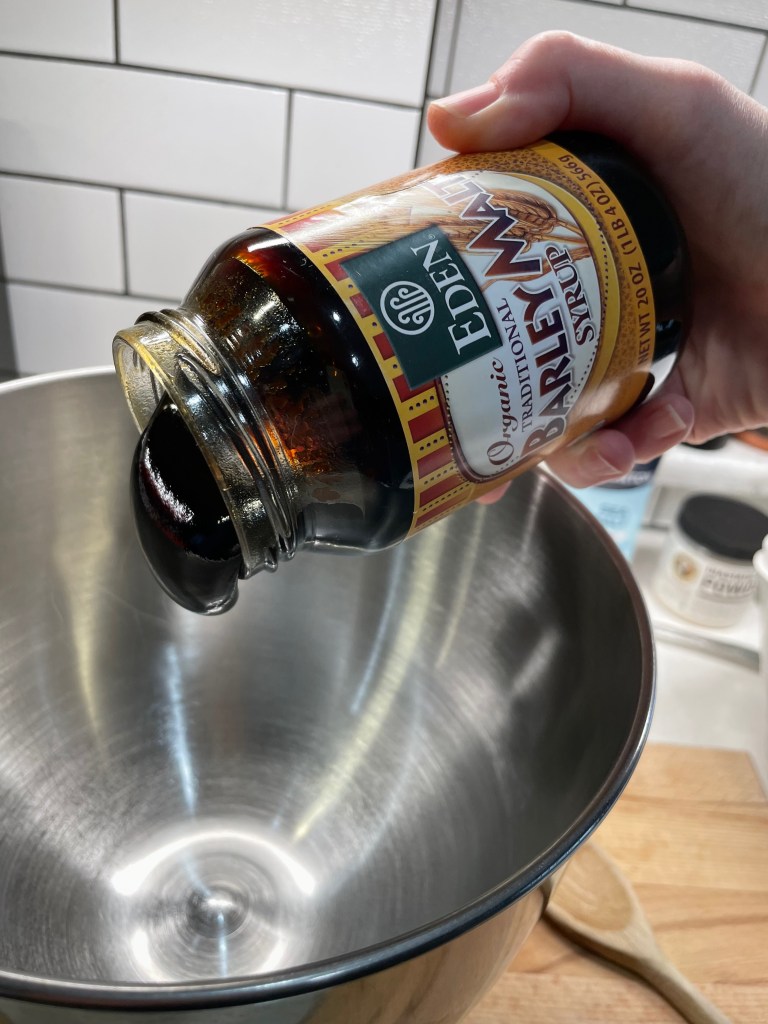
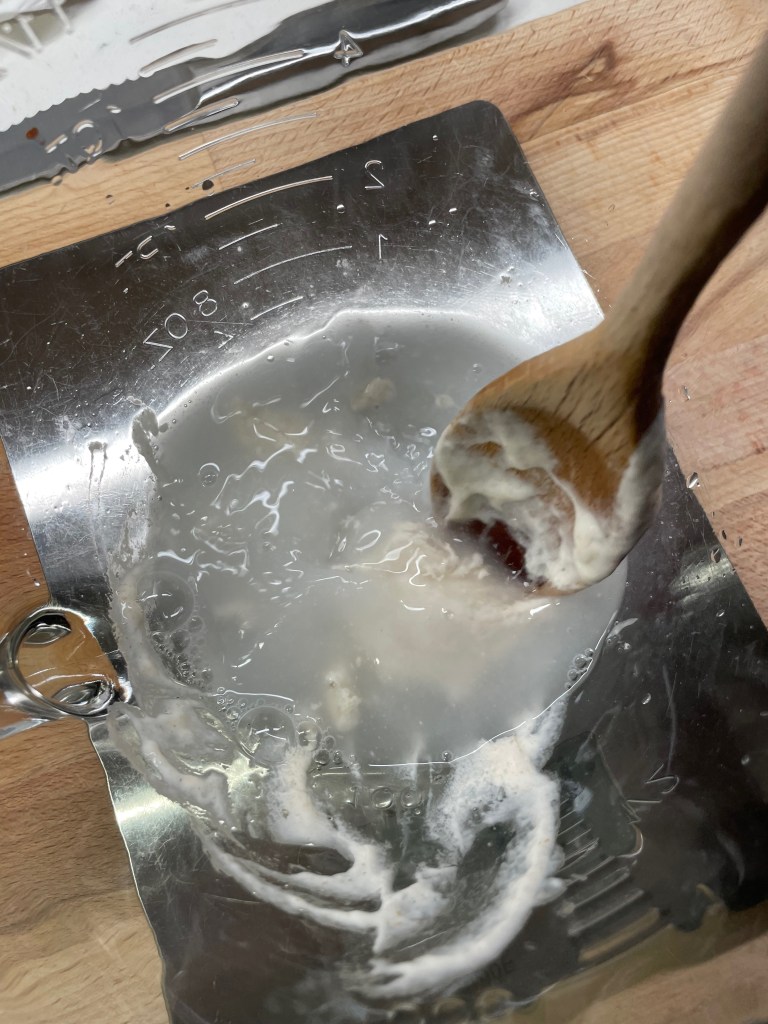
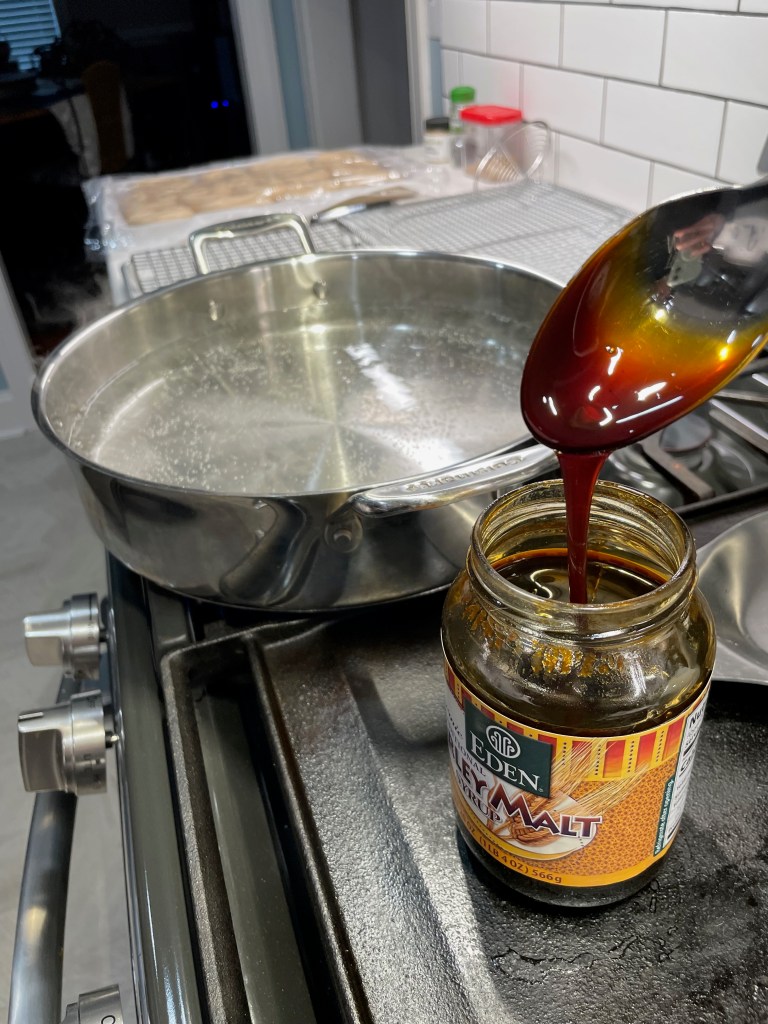
The final dough is made the next day, beginning with a slurry of the barley malt syrup, some cane sugar, salt and a splash of the warm mixing water. This is the simplest way to thoroughly blend in an ingredient as sticky as the malt syrup. The slurry was blended with all of the overnight levain, the rest of the water and my flour blend. If I could back up to change any part of my process, it would have been this point— my increase of water may not have been enough, given the swaps I made to the flour.It can be risky to add more water to an already-formed dough, so I pressed on with this very firm dough. But next time, I’ll adjust the water further or hold back some of the flour toward the end to be sure the dough can handle it.


This was such a large volume of dough that I could not mix it completely in my KitchenAid, and that’s part of the reason it took me so long to pursue making bagels. Things get messy with a big batch of dough, and though I used my mixer’s splash guard (for the first time ever), I still needed to roll up my sleeves to finish the kneading by hand. Once I got into the rhythm, I found it almost therapeutic.


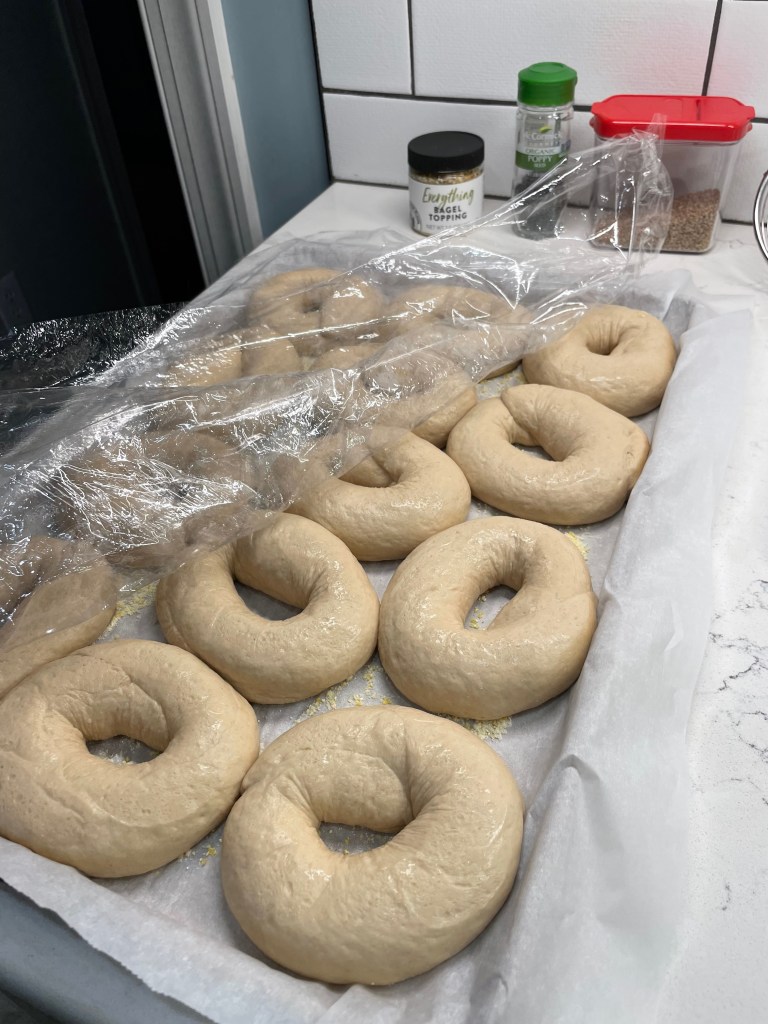
The second principle about temperature applies to the bagel dough after it’s shaped into rings. The bagels rest at room temperature for a couple of hours and then in the refrigerator overnight. That chilling time ensures the best and most flavor in the finished product. There is one other change I made from Maurizio’s recipe, and that was to add a little of the barley malt syrup to the boiling water. It isn’t necessary, but I love the aroma and besides, what else am I going to do with a huge jar of that sticky stuff? Unless I make pretzels. Hmm…

Here’s how the rest of my bagel adventure went, and boy, was it worth the trouble!


Before I forget to mention, our team took first place that night at the temple trivia event! It was a fun time that inspired me to aim for bagel greatness, and Maurizio Leo helped me get there. I may have missed the mark on their history, but for sure, I’ll make room for more of these homemade sourdough bagels in our future!

Way to go, Table 3!

Wanna give it a go? If you’re a sourdough baker, you’re gonna love these. Thanks, Maurizio! 😁


Sunflower & Honey Sandwich Bread 🌻

My heart has ached this week, at the approach of today’s one-year anniversary of Russia’s unprovoked attack on Ukraine. The people of that nation have stunned the world with their incredible resilience and dedication to their country. Many brave men, women and families have refused to leave in the wake of hostile invasion and are living under constant threat amid air raid sirens, bombings and widespread power outages. They are truly an inspiration.

The older I get, the more grateful I am to have never experienced true hardship or food insecurity, and when stories like the ones emerging from Ukraine are presented, I want to do something, anything, to help. It isn’t possible, of course, for me to make a huge meal to help people on the other side of the world, but I am proud to support an organization that puts itself on the front line to do exactly that.

In a few days, my husband and I will be in attendance for a lecture by Chef José Andrés, the founder of World Central Kitchen, a non-profit organization that has spent the last year bringing much needed food and comfort to war-torn Ukraine, as well as other regions stricken by climate disaster and other catastrophic situations— usually, it even juggles multiple relief efforts at once (see a sampling of their current work here). That’s how strong they are!

The decision to support a relief organization is personal, and if you’re like me, you do some homework to be sure your money is being used responsibly. I am extremely impressed by the integrity of World Central Kitchen, which has earned an A+ rating from charitywatch.org, and meets or exceeds all its requirements for governance and transparency. The organization is powered by thousands of volunteers, professional and amateur, and they are able to activate and mobilize very quickly when a crisis occurs. Yesterday, I also registered to be a volunteer; if a crisis occurs near me, I’m already signed up and ready to go. Giving and volunteering is easy to do on the WCK website.

I cannot make enough bread in my kitchen to feed the people of Ukraine, but I have great confidence in knowing that my tax-deductible contributions to World Central Kitchen are used wisely and effectively to care for the people whose hardships weigh heavily on me. If you also wish you could do something to help, I hope you’ll consider partnering with this exceptional effort. 


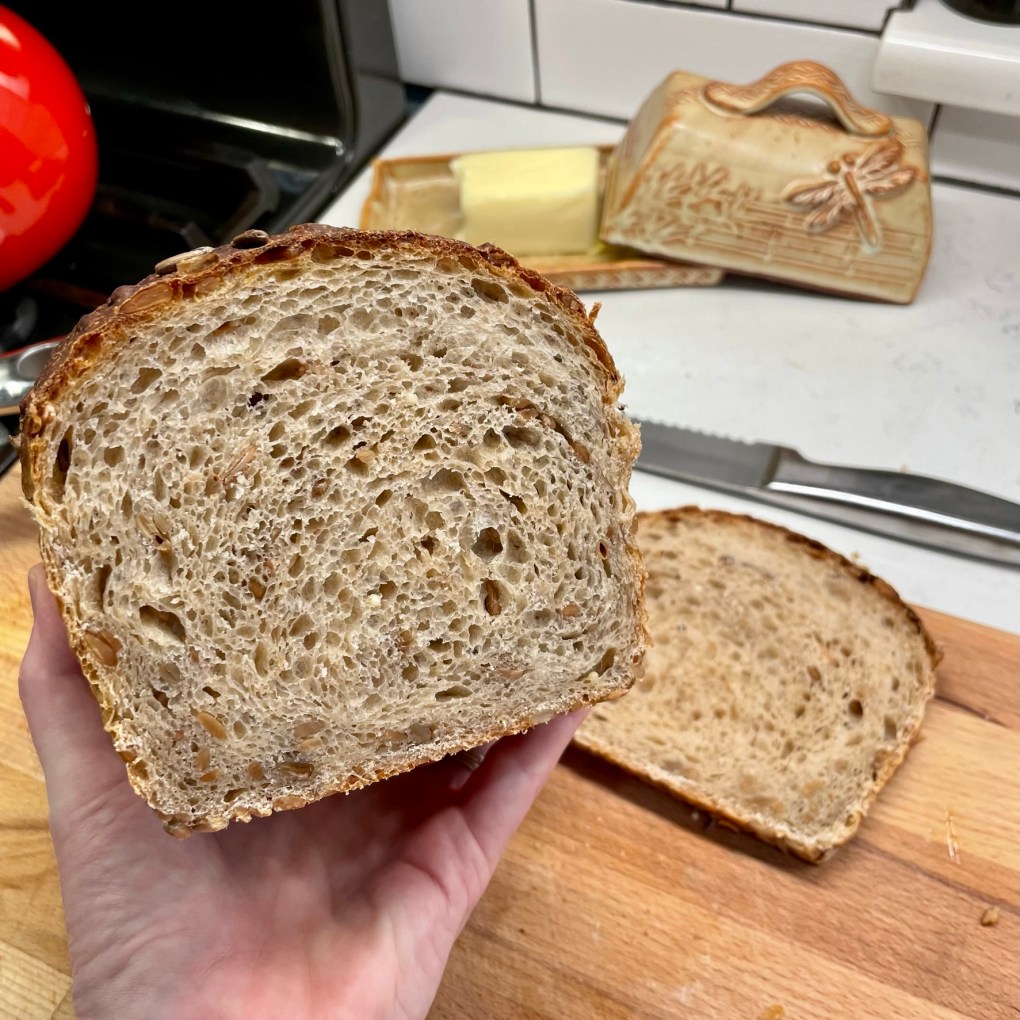
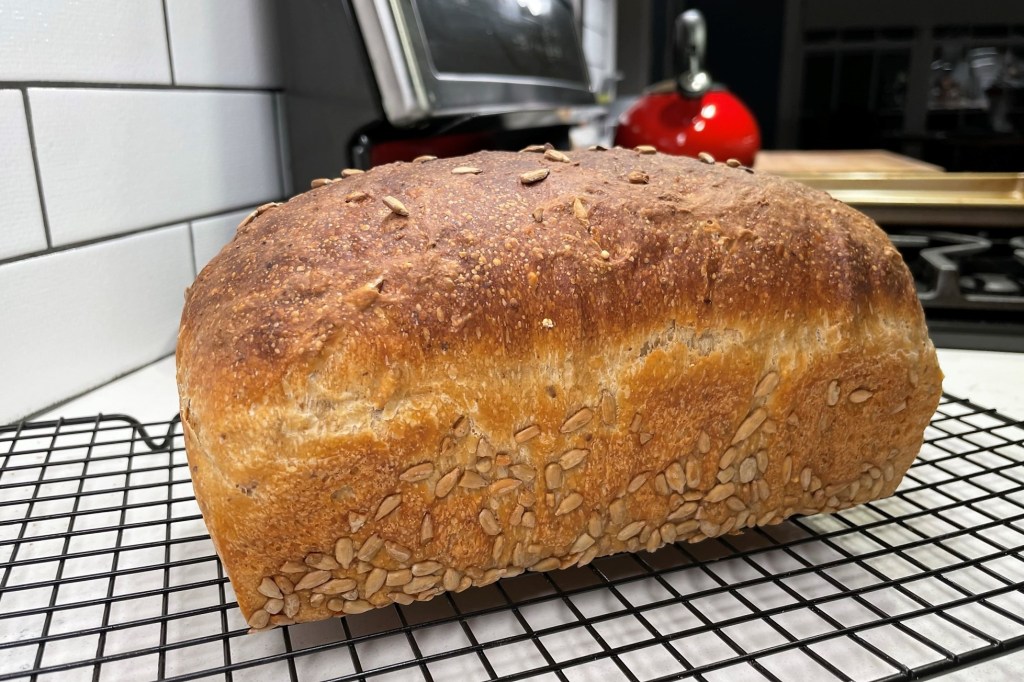
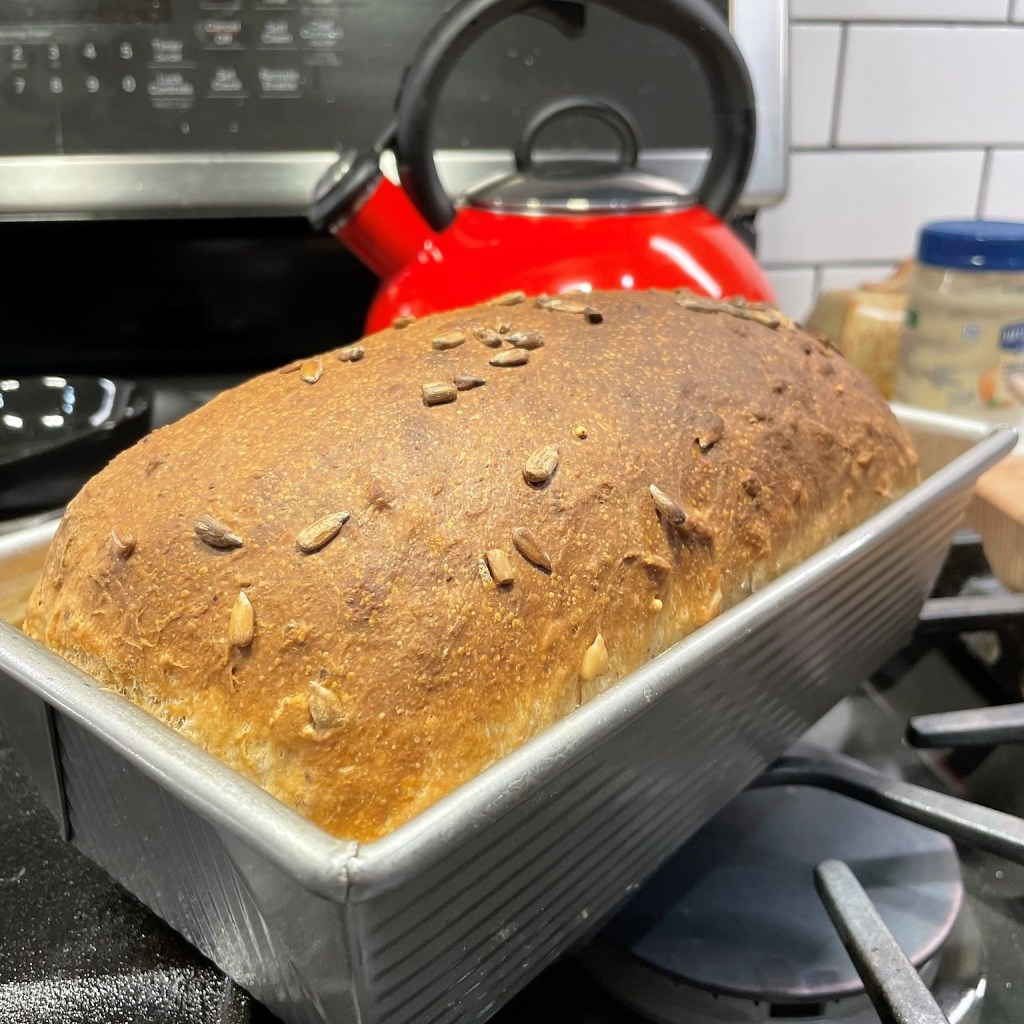
If I could make enough bread to make a difference, I’d make a million loaves of this one, mostly because it’s a hearty and nutritious whole grain loaf, but also because it is sweetened with honey and embellished inside and out with sunflower seeds. The beautiful sunflower is the national flower of Ukraine, and also happens to be a favorite of honeybees. To me, a bread like this is a reminder that we are all connected on this big blue ball we call home.


This bread is an adaptation of my favorite sourdough sandwich bread, and the substitutions I made were easy. 

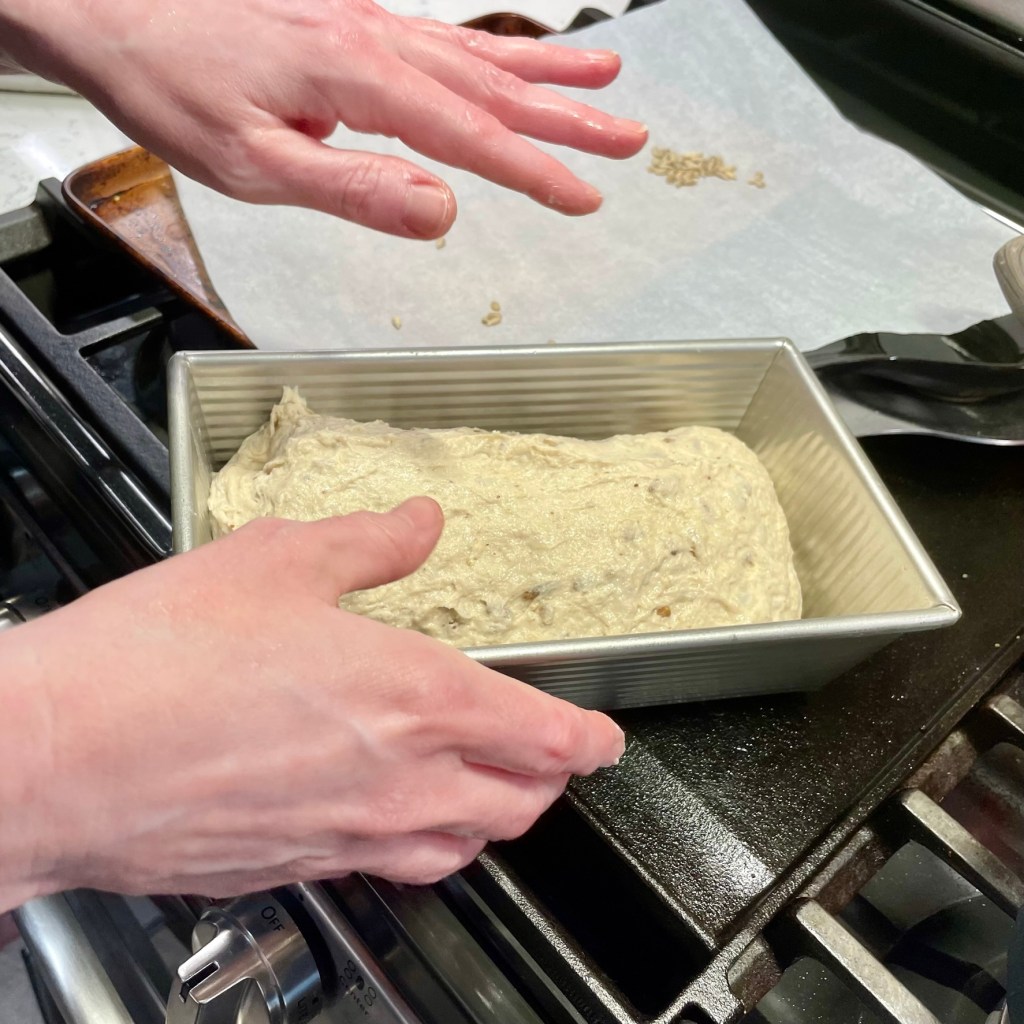
Rather than repeat all the instruction I’ve already given for my basic bread, I’ll point to what I did differently for this one, and trust you’ll find your way back to my earlier post if you need more visual information. This bread, like the other, depends on a portion of fed, ripe sourdough starter. It uses a special technique of pre-cooking a portion of the flour in milk, then cooling it before adding to the recipe. 

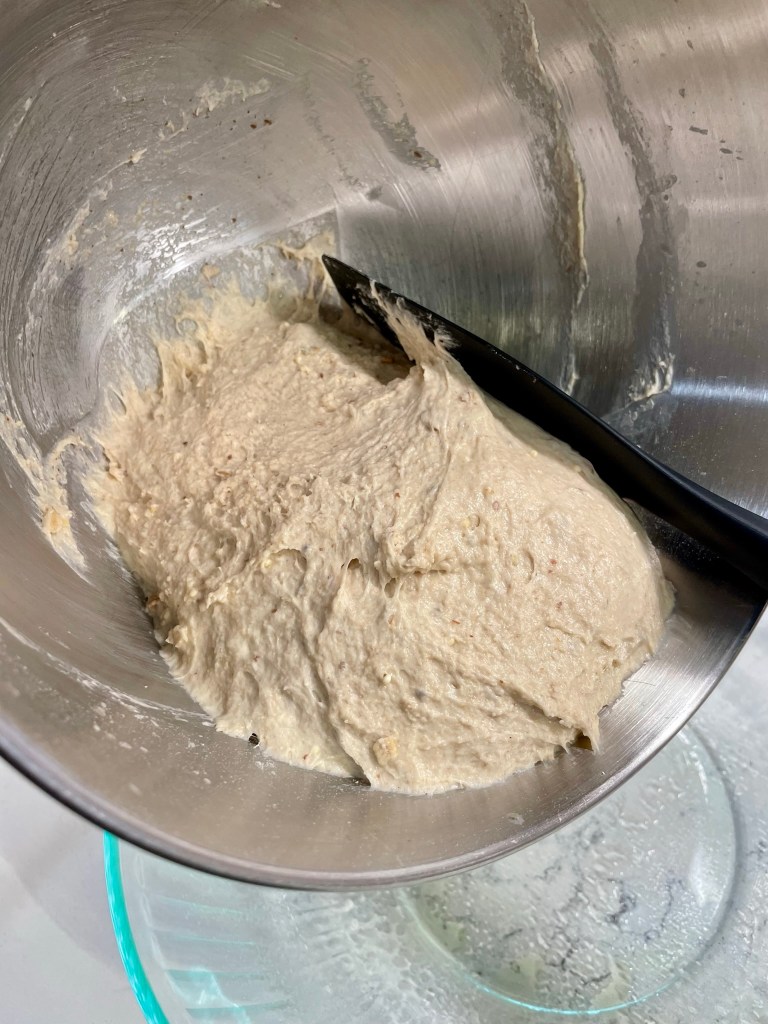
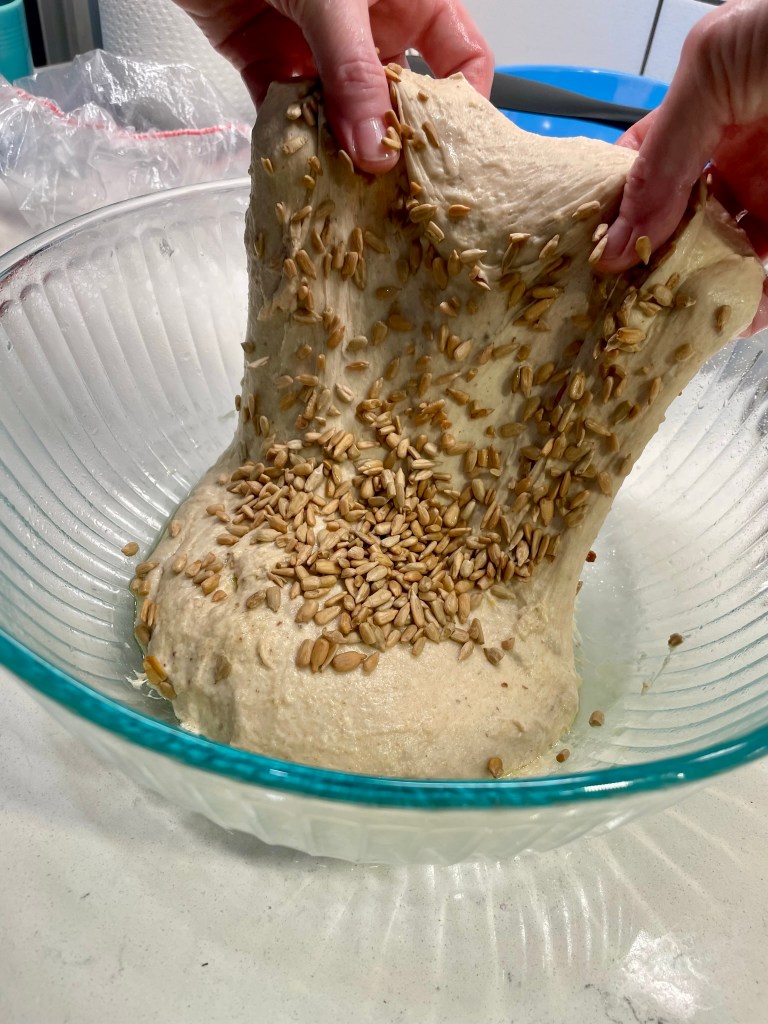
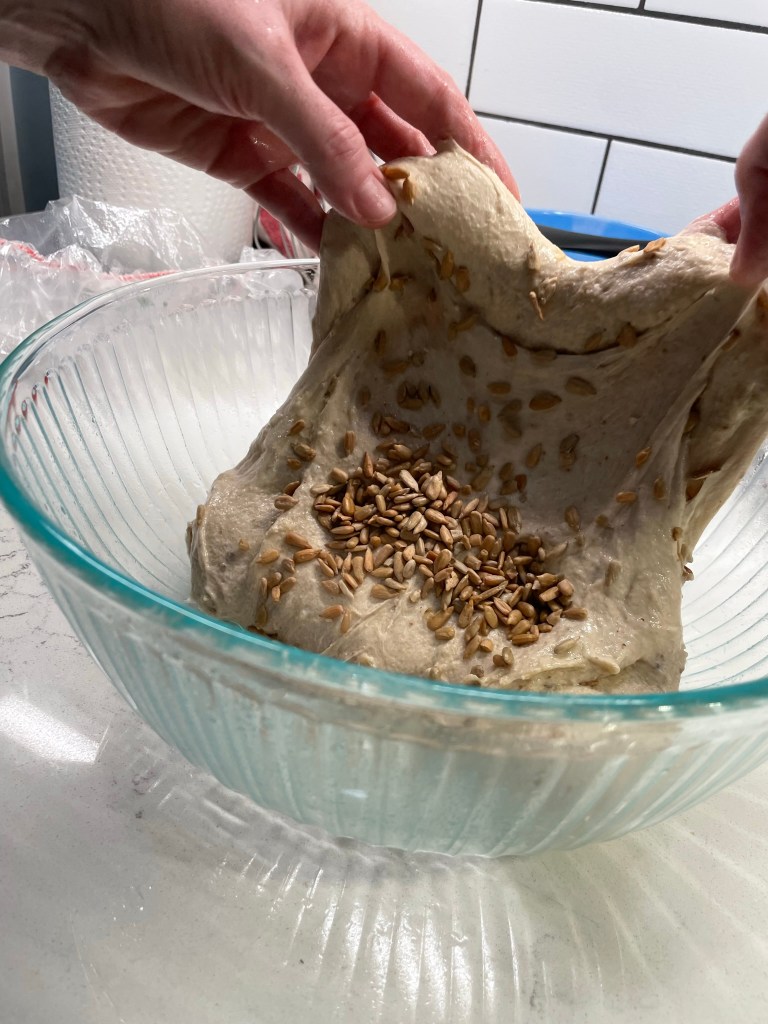
I swapped in a generous amount of white whole wheat flour as well as a portion of an ancient grains blend flour from King Arthur, called Super 10. This super-nutritious flour includes quinoa,  buckwheat, amaranth and millet, among others. It gives my bread a flavor and texture boost without making it dense or heavy. I nearly doubled the amount of honey from my base recipe, and used the stretch-and-fold phase of the fermentation to fold in about a half cup of toasted sunflower seeds. This dough is very sticky, thanks to the ancient grains and high hydration, so use wet hands to complete the stretches. This is a gentle but effective way to knead the dough and incorporate the extra ingredient of seeds.


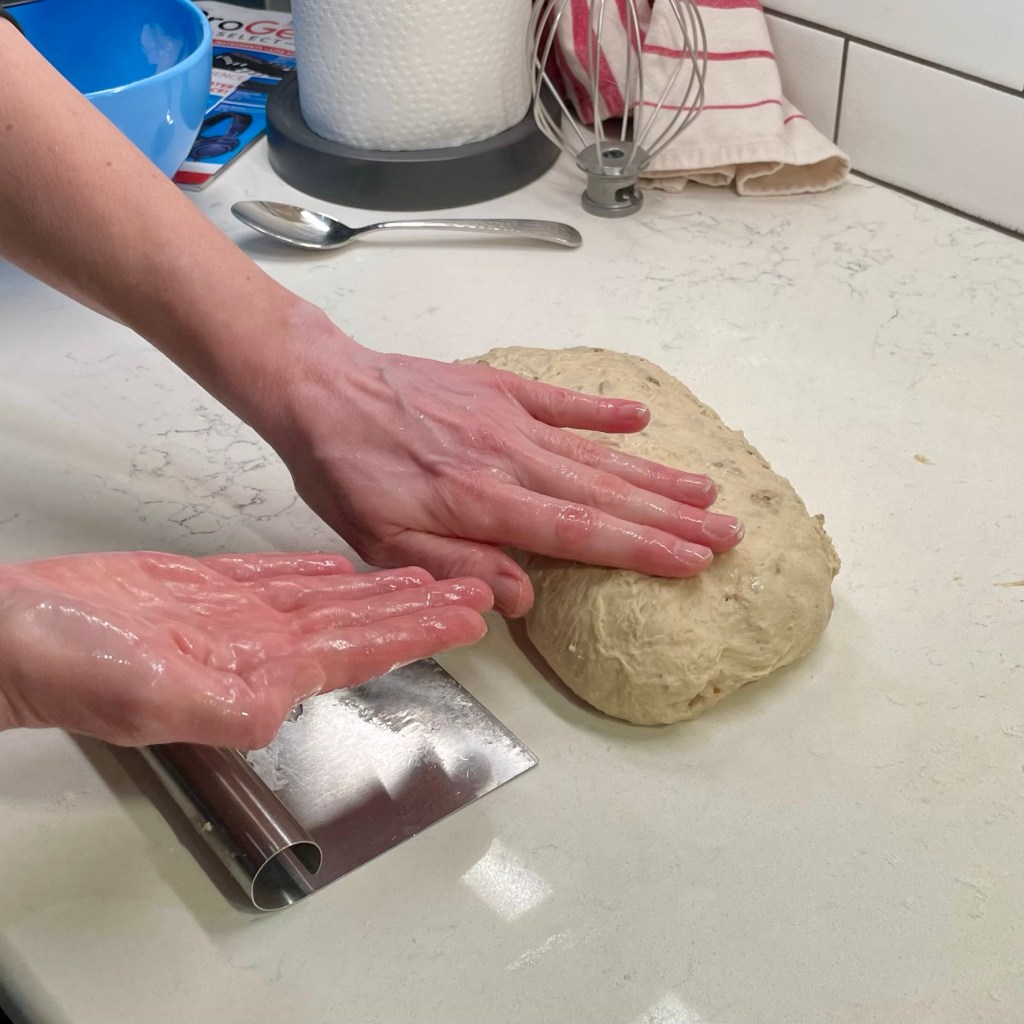
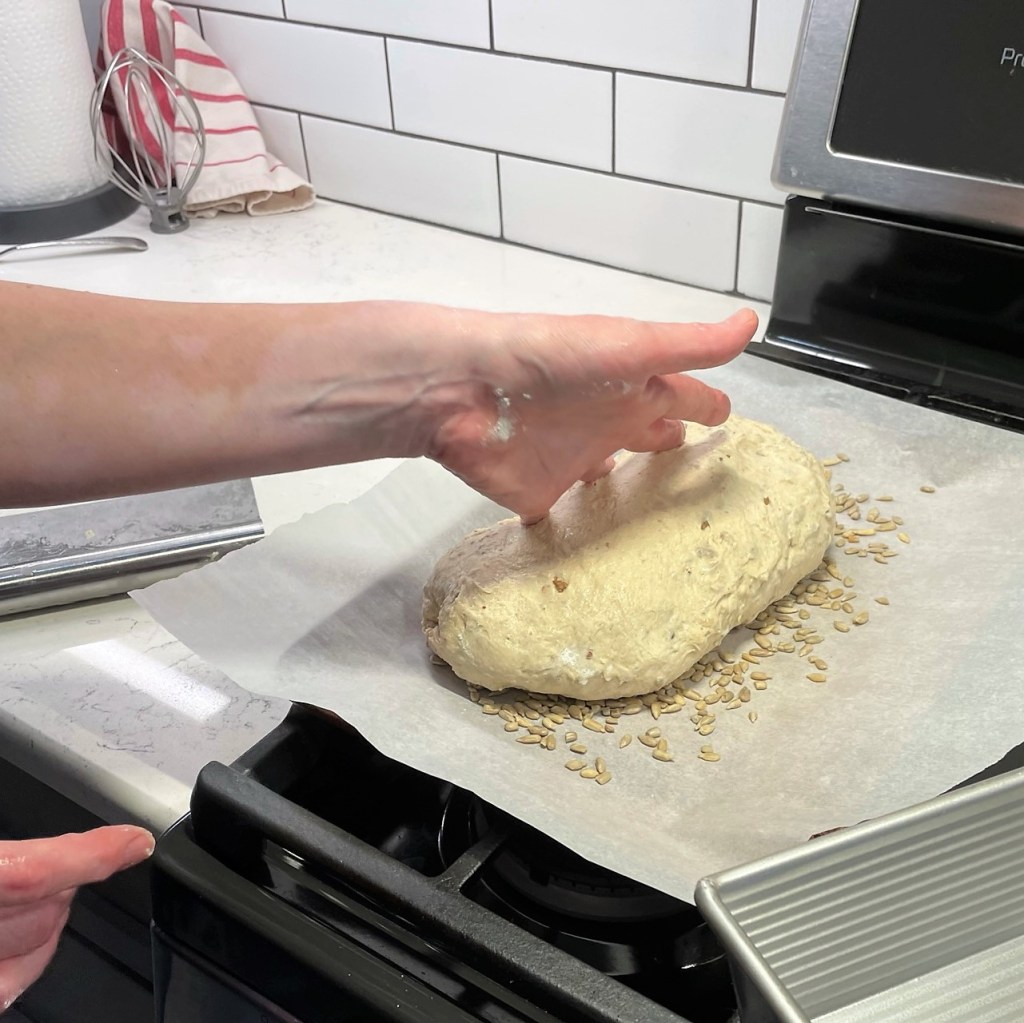
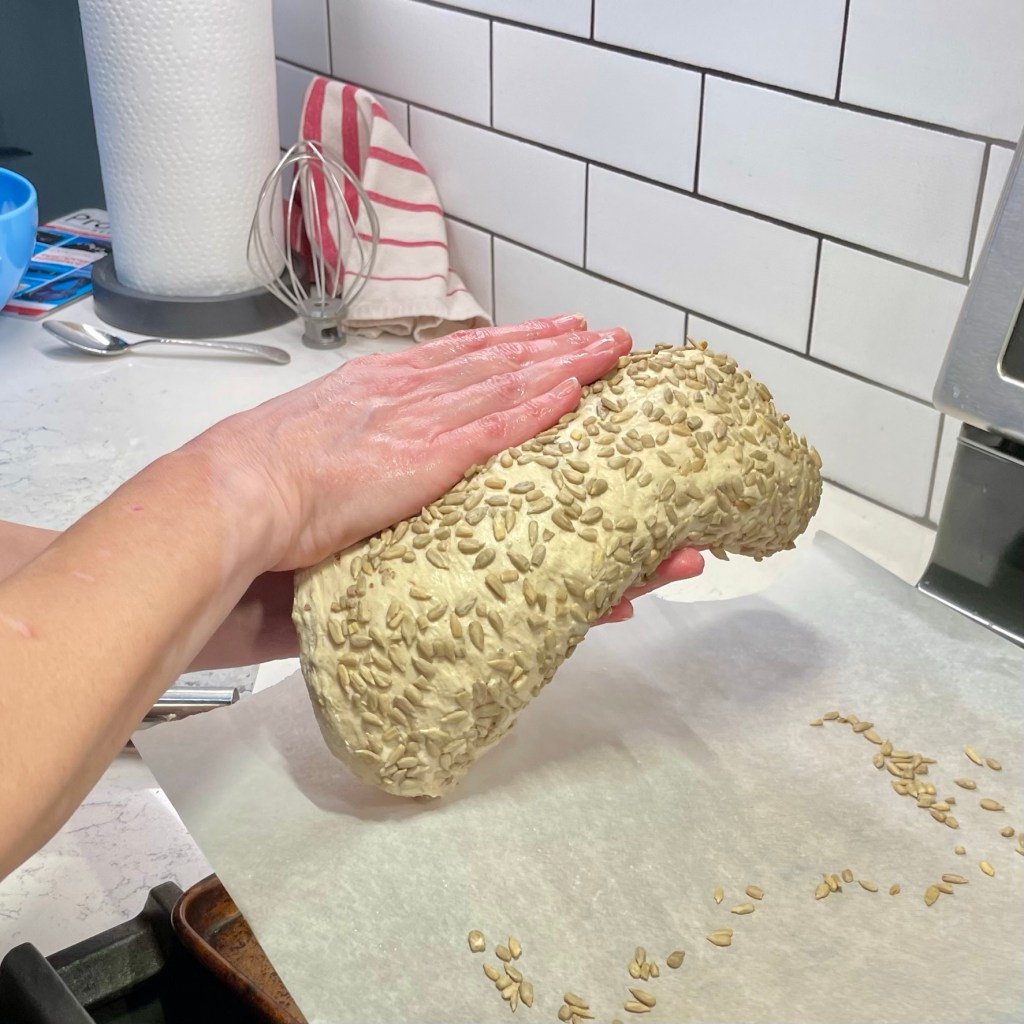
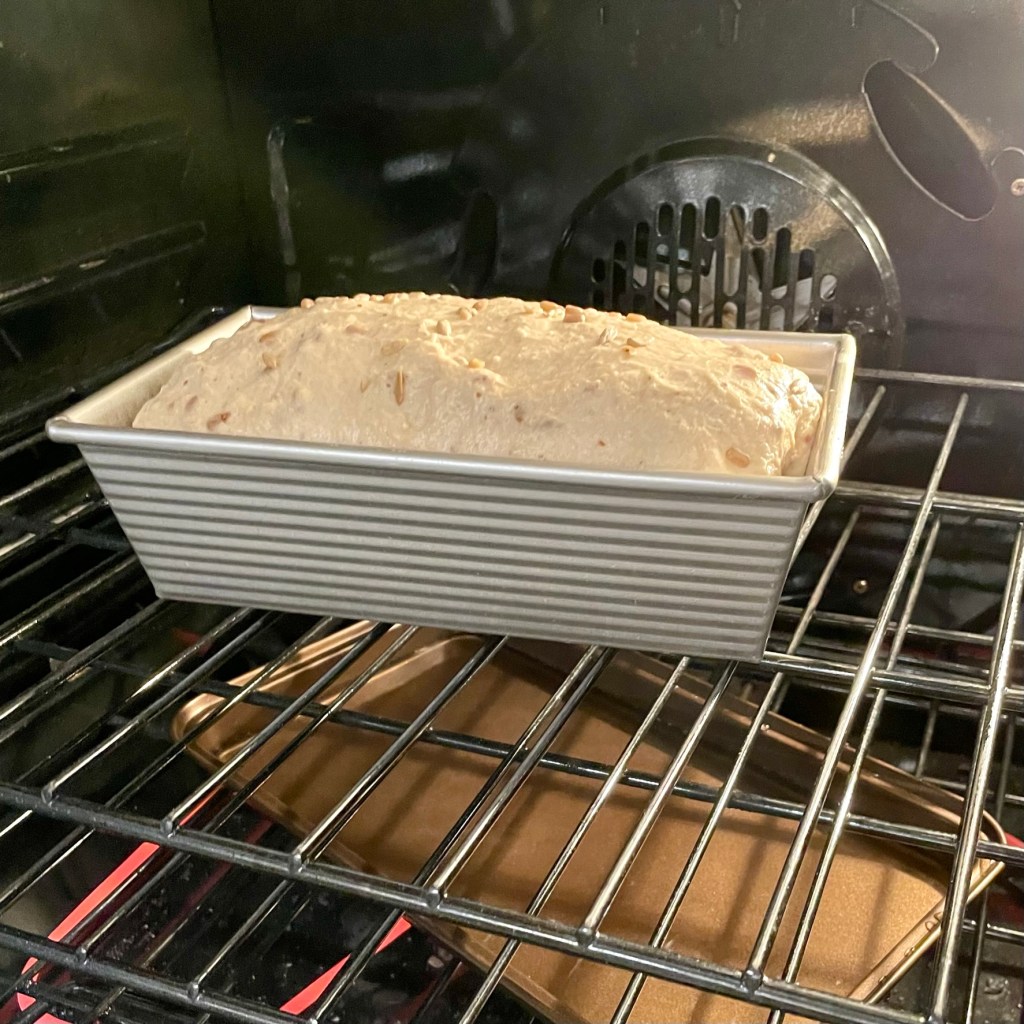
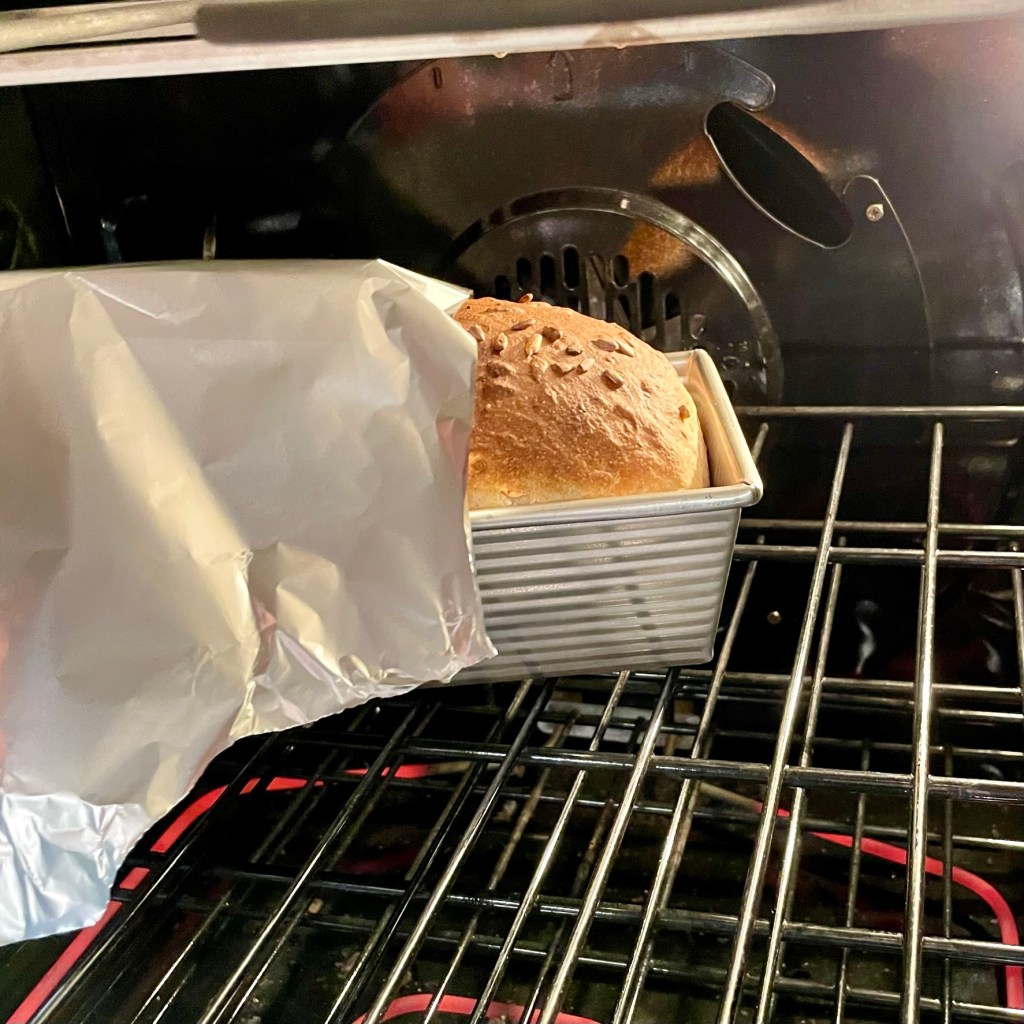
When the dough was ready for shaping, I used wet hands again to form a loaf, and then moistened the underside and rolled it lightly in additional sunflower seeds before placing it in my baking pan. Then, I baked the loaf as directed in my original post. Use a steam pan for the first 20 minutes, and a tent foil for the remainder of the baking time.


We love a good sandwich bread at our house. My husband filled two slices of this one with tuna salad for lunch, and I’ve already enjoyed it toasted with breakfast. Without a doubt, this bread will become a regular item in our rotation, and with every loaf I pull from the oven, I’ll hold the mighty people of Ukraine in my heart. 💙💛


Sourdough Pumpkin Rye Sandwich Loaf

With the cool, crispness of fall in the air, I have been giving my stove and oven a serious workout. Many of my recipes have been reruns of things I’ve already posted, but I have made a few exciting new things, too.

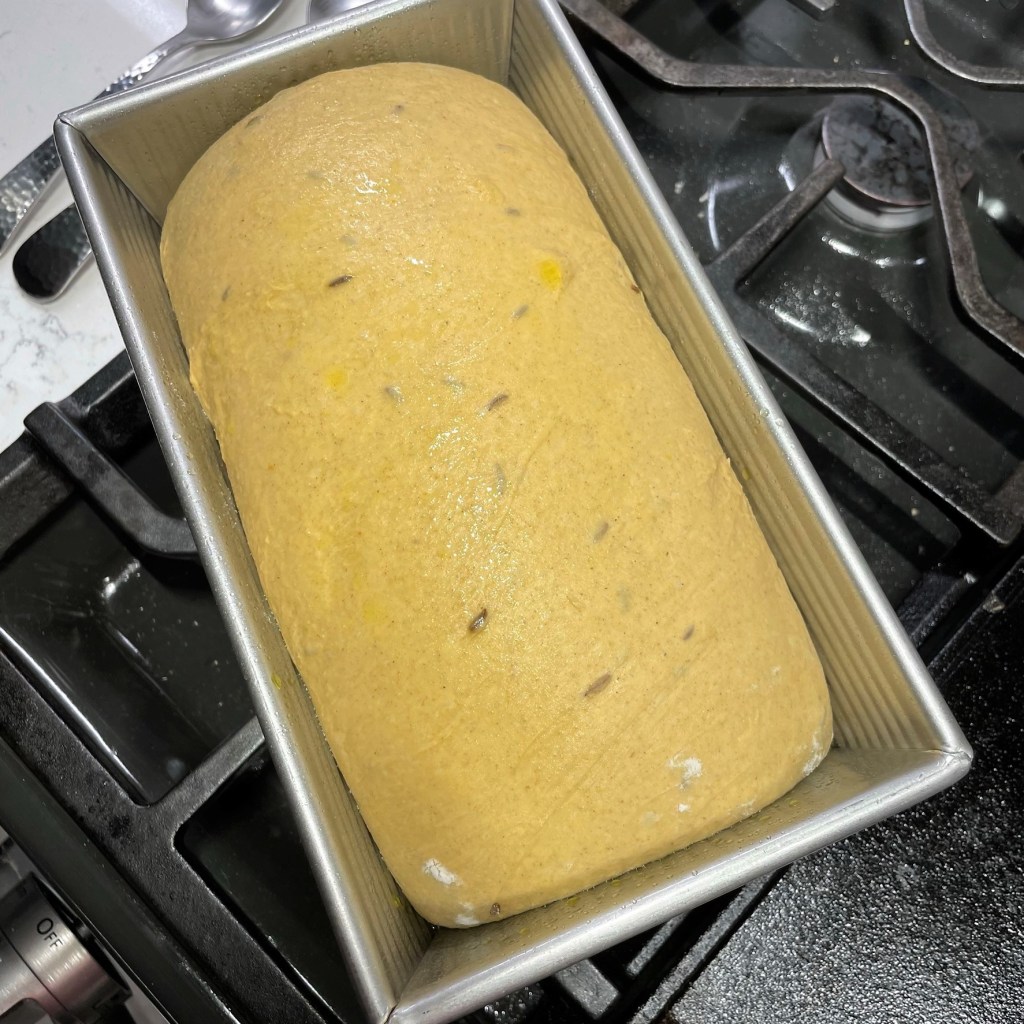
Last week, I opened a can of pureed pumpkin for another recipe (I can’t remember what), and I had just a little bit leftover—at exactly the same time I needed to feed my sourdough starter to make a new loaf of bread for my husband’s lunchtime sandwiches. Why not add the pumpkin to a bread dough? My first inclination was to make a cinnamon roll-type thing, but I remembered how delicious pumpkin is without the spice and sugar, so I took it in this savory direction instead, using my favorite sourdough sandwich bread recipe as a template.

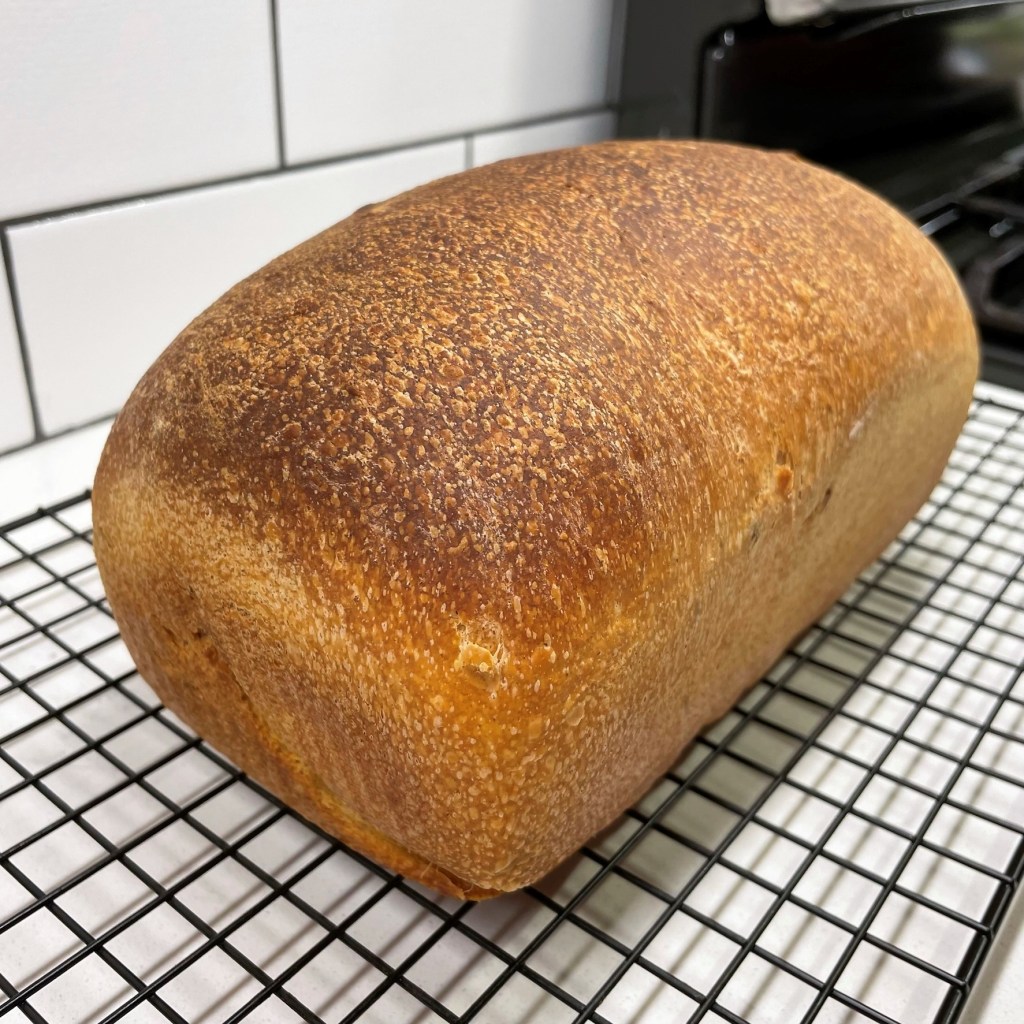
It even looks like autumn!

The go-to recipe I modified came from Maurizio Leo, a pro baker whose passion for naturally leavened bread shines on such sites as Food 52 and King Arthur Baking Company. He understands and explains all the science of breadmaking (which I love) and though I keep saying I want to make some of the other Insta-worthy recipes on his blog, The Perfect Loaf, I keep coming back to this one. It relies on an unusual method of pre-cooking a portion of the flour—a technique which locks in much more liquid than you’d otherwise get into a sandwich loaf—and this initial step ensures a super-soft, tender bread with a perfectly chewy edge on every slice.

I’ve experimented many times with Maurizio’s original recipe, first to split it in half because we can’t finish two loaves that quickly, partly out of necessity on days that I didn’t have honey or whole milk, but also out of curiosity to see how far I could push it in the direction of more whole grain. This time, I wanted to see how the loaf would fare with a half cup of fiber-rich pumpkin puree, and as you can see, it turned out quite good.

My big test for any new loaf is toast, and this one was divine!

I love toast so much.

To make my pumpkin sandwich bread even more rustic and autumn-like, I swapped out a good amount of my usual white whole wheat flour in favor of whole dark rye and played up that rye infusion with a spoonful of caraway seed. I swapped in molasses for honey because I love the deep, earthy flavor of molasses with rye. It all worked beautifully, and the aroma of this loaf as it emerged from the oven was nothing short of fantastic. Sometimes it pays to experiment.

Let’s get baking!

Inspired by Sourdough Sandwich Bread with Pre-cooked Flour | The Perfect Loaf

Fair warning, my recipe is written in metric measurement because that’s the way I bake. Scaling a recipe by volume measurements is a near-impossible task, and I will say honestly that my cheap digital kitchen scale is one of the items I would never go without today.

This loaf depends on a portion of ripe sourdough starter. “Ripe” means it has been refreshed within the past 8 to 12 hours, so it is fully fermented, active and ready to use. If you don’t have a sourdough starter, you could try a swap-in of canned pumpkin for about half of the water called for in your favorite yeast-based recipe, and then add about 2 tablespoons of extra water. It would be best to experiment with a recipe that you are very familiar with, so you have a better sense of when the dough looks and feels “right.”

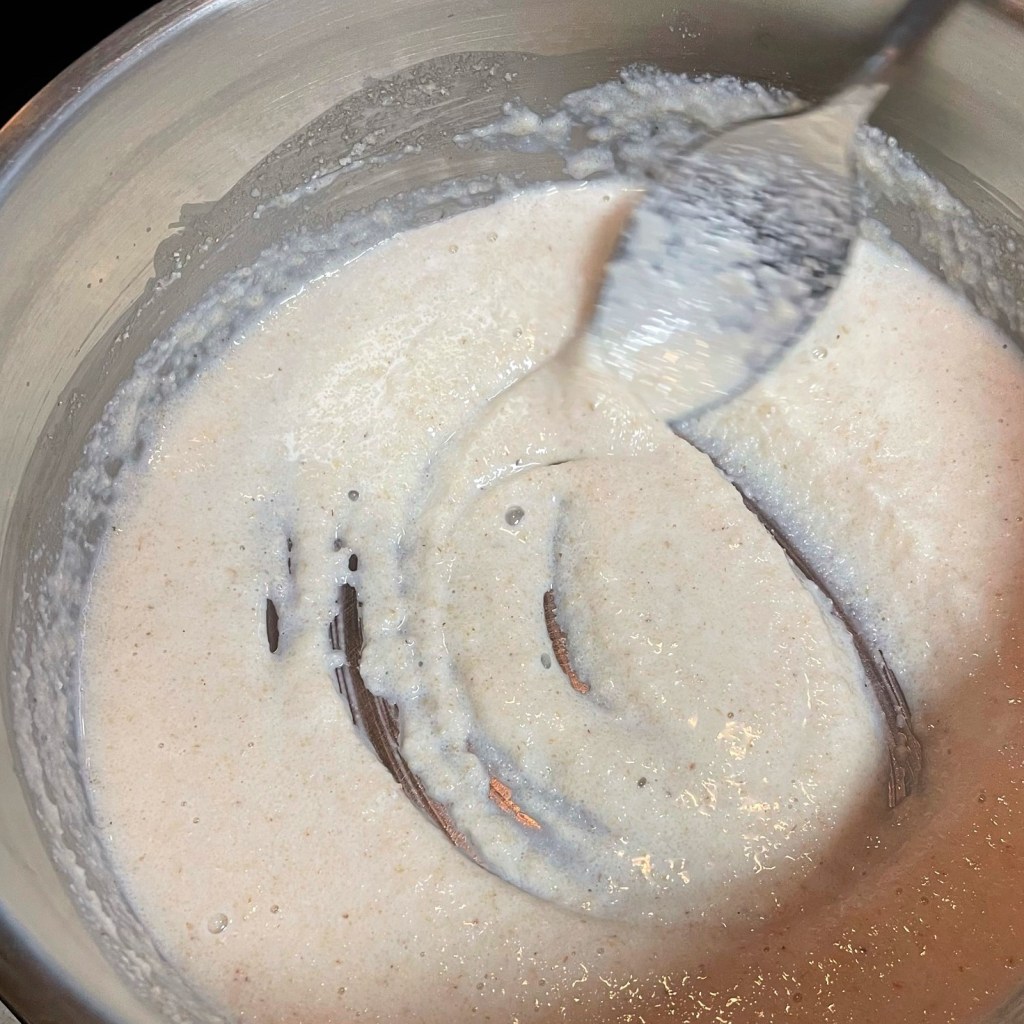
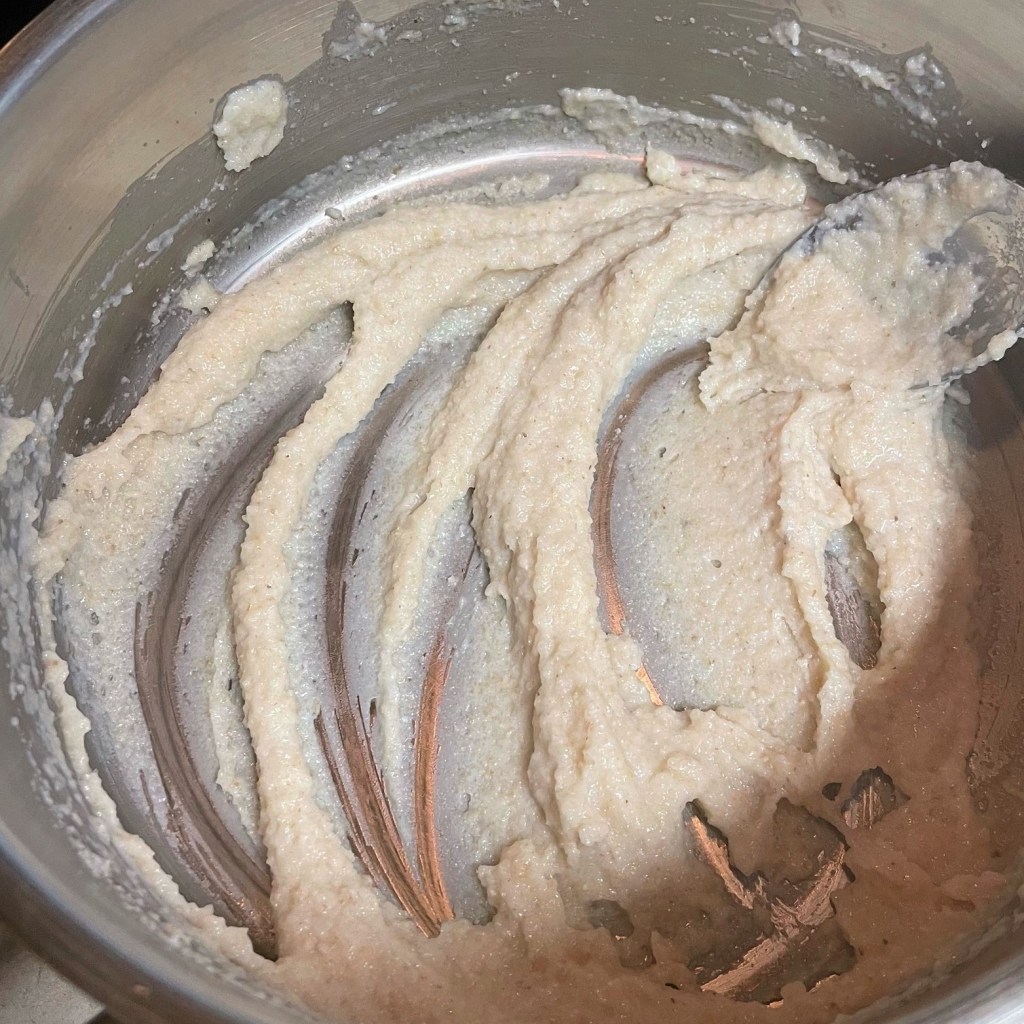
Here’s how it went down in my kitchen, beginning with the flour and milk paste, which are whisked together and cooked over medium heat until it looks like a roux. This stage needs constant attention, so don’t look away even for a moment, and be ready to switch from whisk to spoon when it starts to get thickened so you don’t get it all caught up in the whisk.


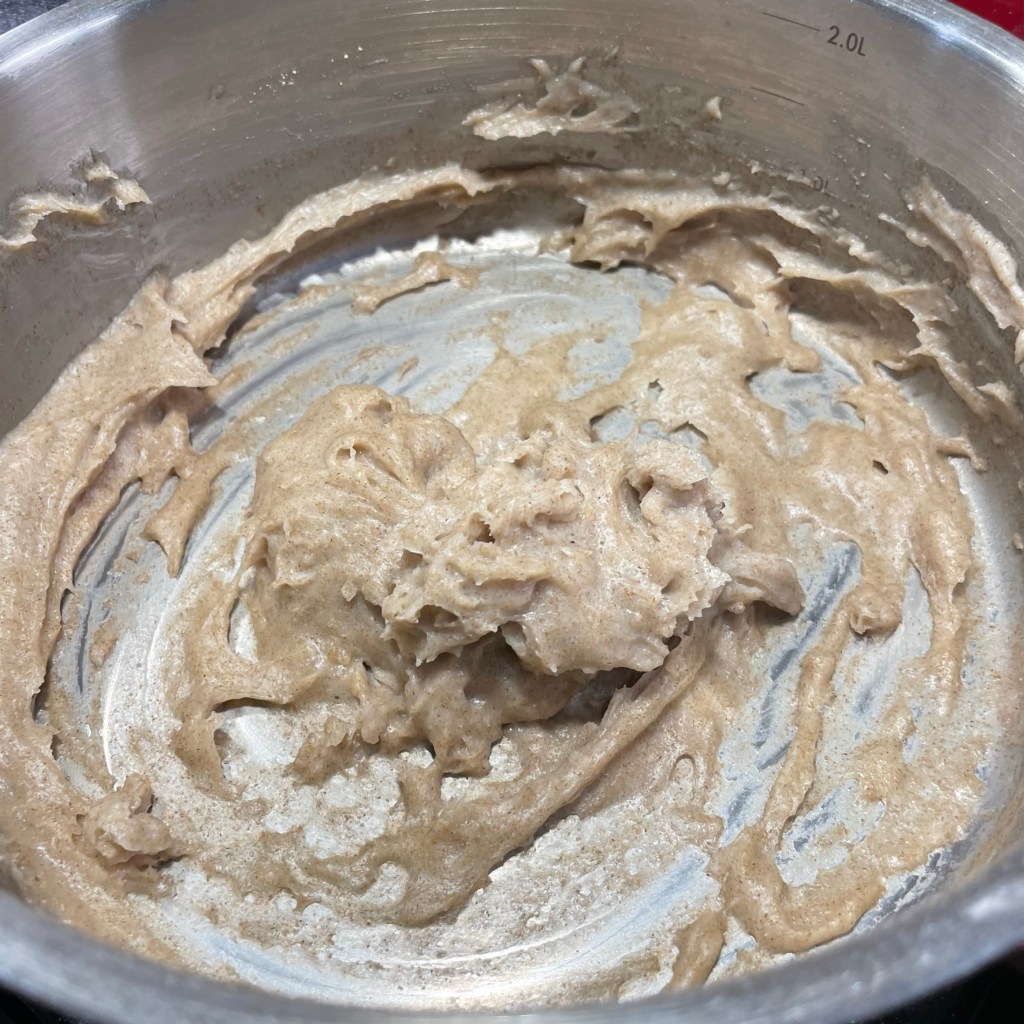
Next, combine the pumpkin and warm water, whisk in the molasses and olive oil, and then combine it with the sourdough starter and the cooled roux paste in the bowl of a stand mixer. Use the beater blade for this and blend it for several minutes, until it’s smooth and evenly mixed.


Whisk the flours together—here I used a combination of dark rye, white whole wheat and bread flour, which is high in gluten for a strong rise—and stir in the salt and caraway seed. Add a spoonful of these dry ingredients at a time to the mixing bowl while it’s running, until the dough begins to look like batter. Then turn off the mixer and add the rest of the flour ingredients all at once. This is not an essential step for the recipe, but my technique for reducing the splash that usually happens when I start my mixer with wet and dry ingredients in the bowl. I hate the mess, and this really helps!


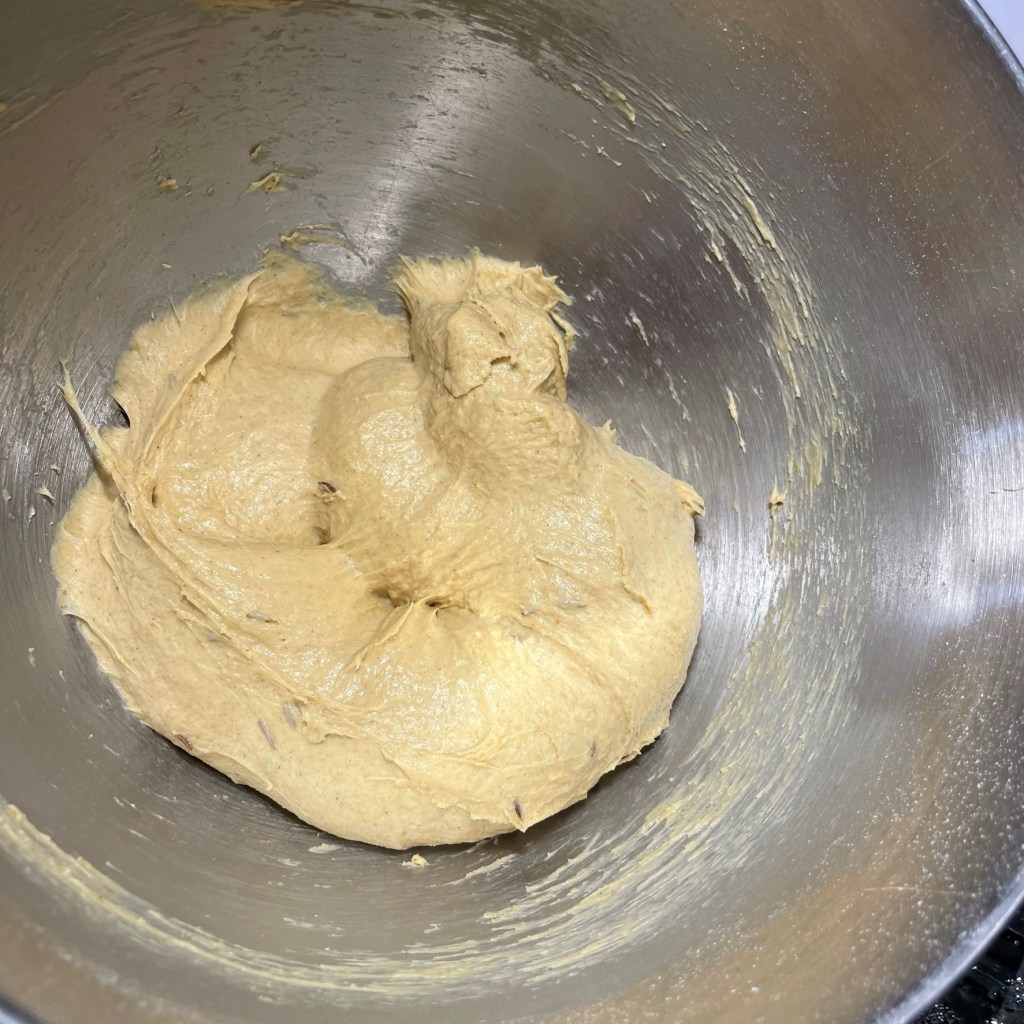
Continue mixing until all the dry ingredients are completely incorporated. Stop the mixer and scrape the dough off the beater blade into the bowl. Cover the bowl and let the dough rest for at least 20 minutes, up to an hour. This is a departure from Maurizio’s recipe; it’s my own trick for making the dough more workable, as the rest time gives the grain time to fully hydrate. Fit the mixer with the dough hook and knead the dough until it’s smooth, soft and shiny. Resist the temptation to add more flour—yes, the dough will seem too soft, but the next step of stretching and folding will increase its strength. Trust the process. Transfer the soft dough to a large, lightly oiled bowl. Cover it and stay nearby for the next step.


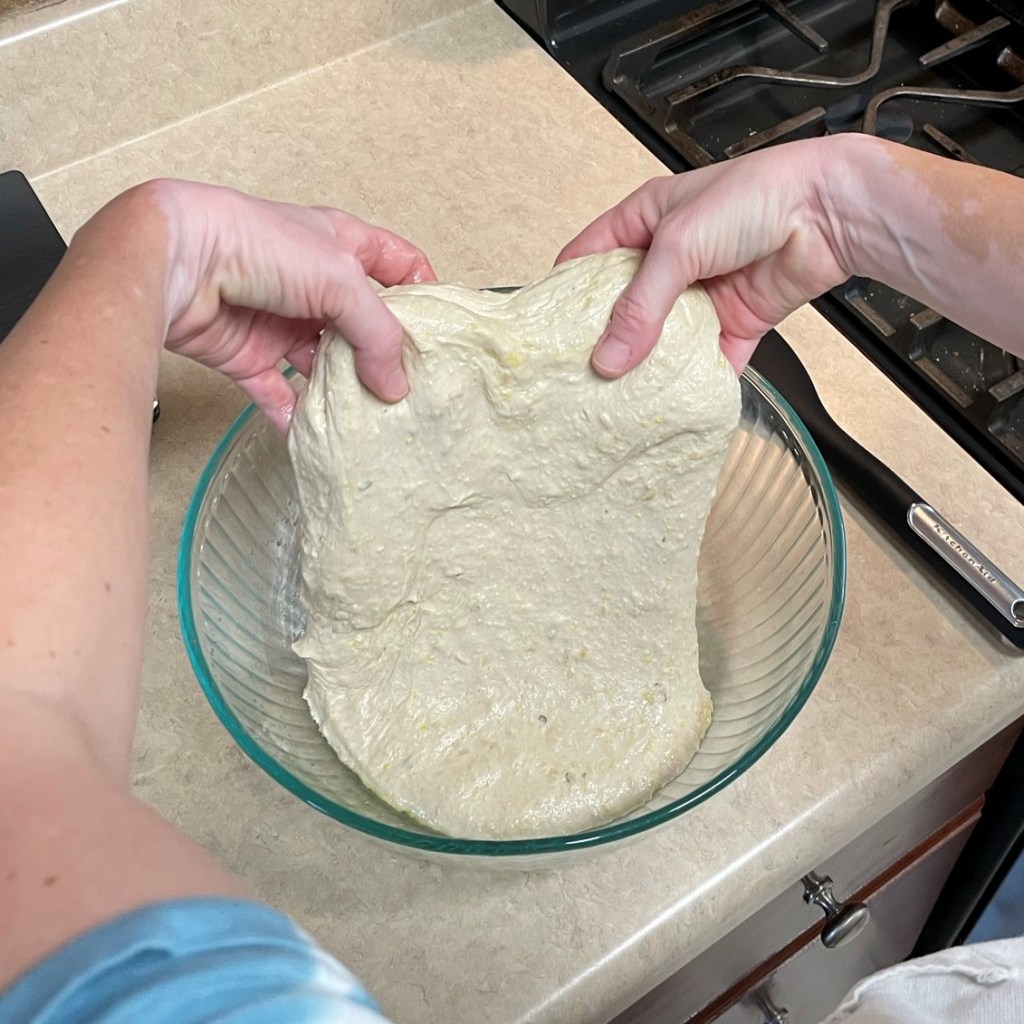
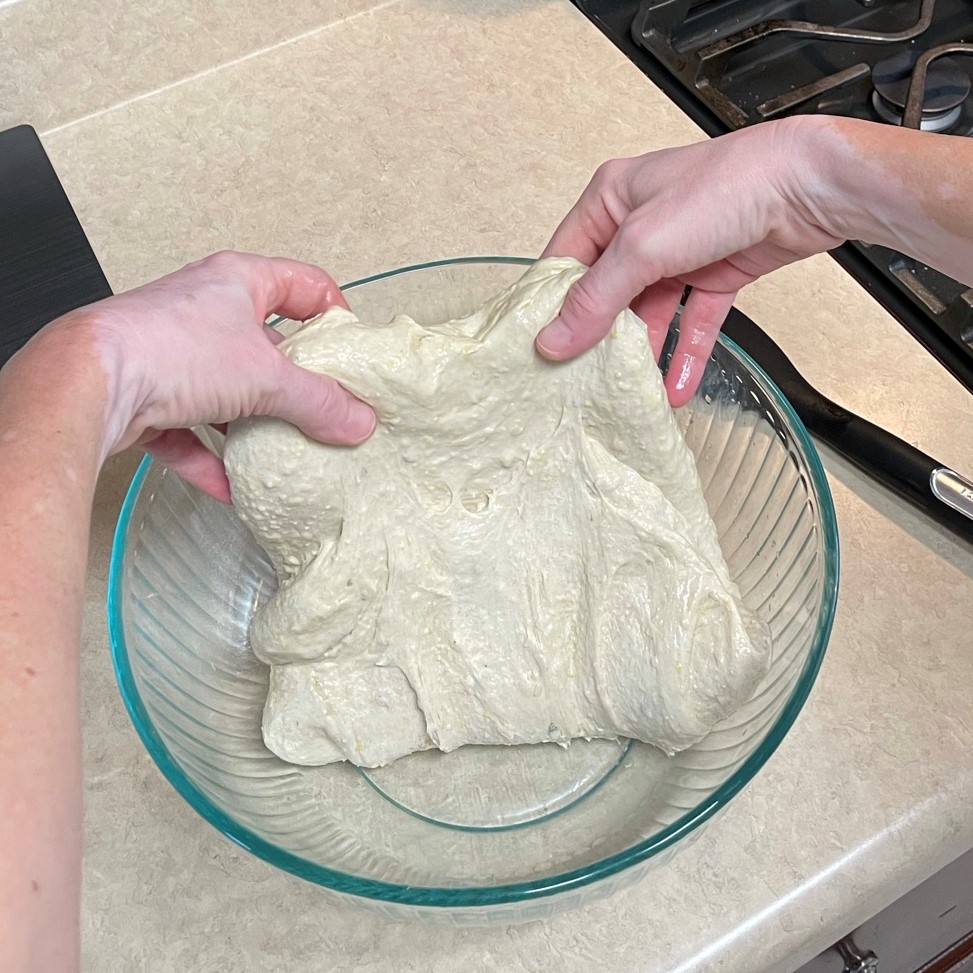
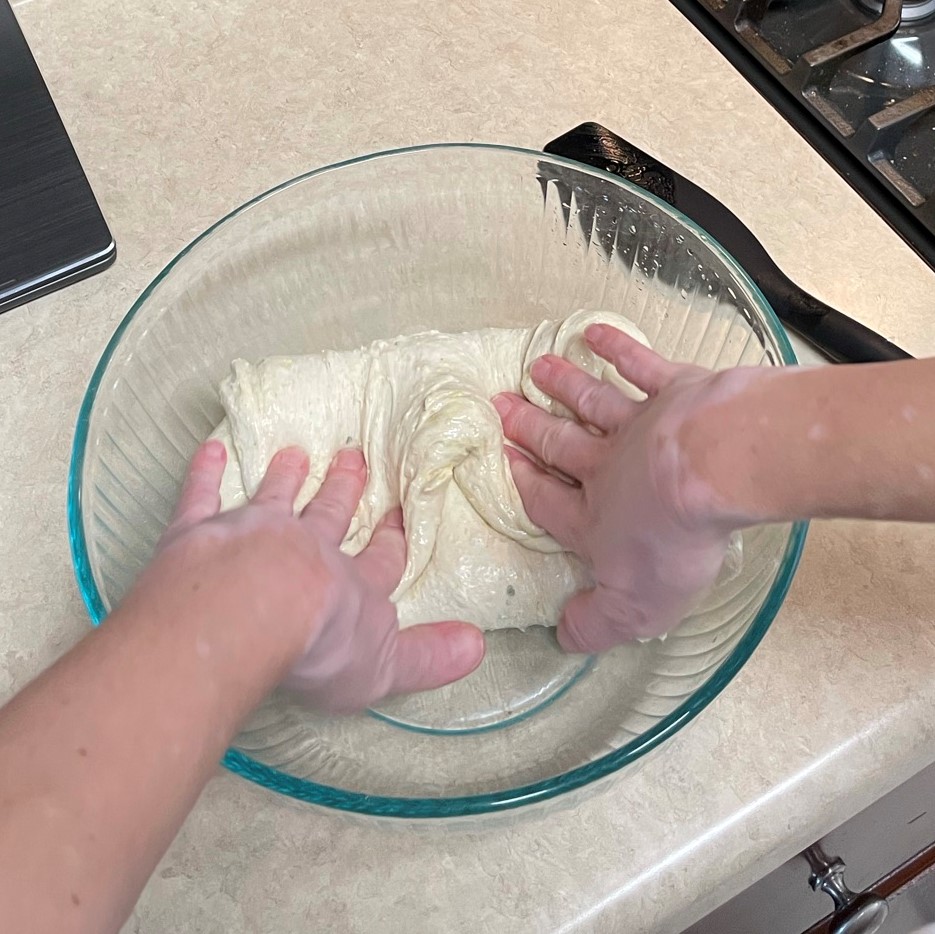
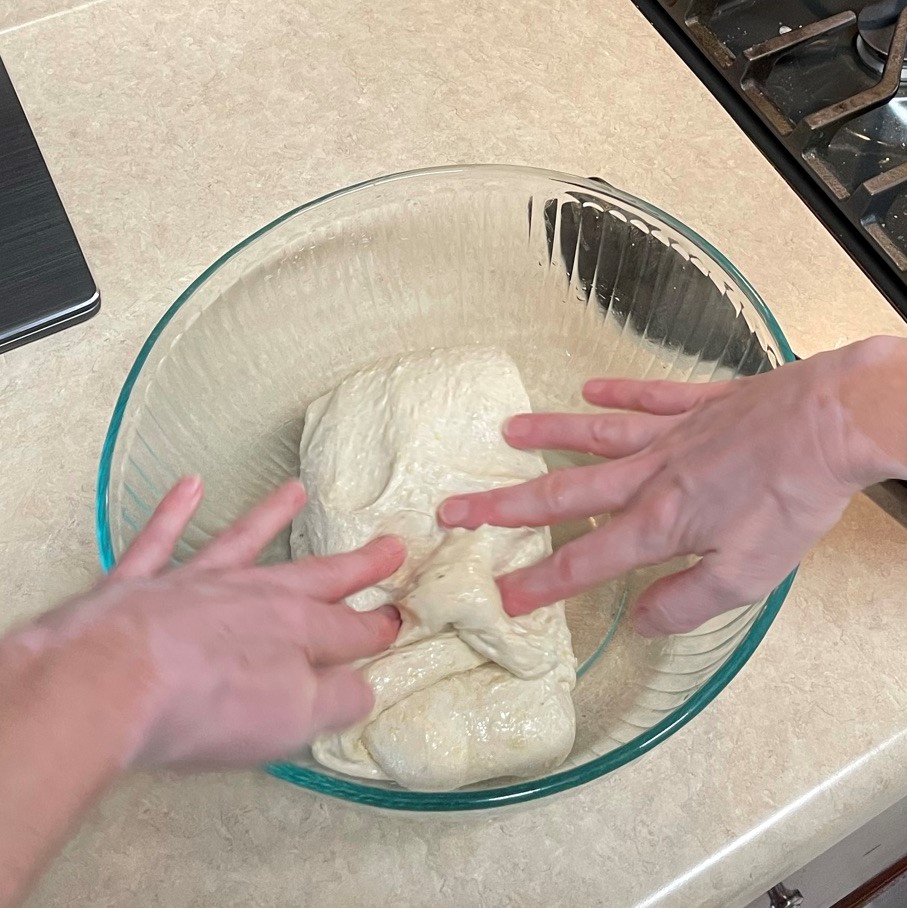
I was working alone in the kitchen on this day, so the stretch and fold pictures I’m sharing below are borrowed from an earlier post for a different bread (notice the ugly old counters?), but the process is exactly the same. Do this at least twice (three is better), about 30 minutes apart during the first part of the ferment time. This may not seem like much, but this step builds a great deal of strength in the dough so it rises big in the oven.


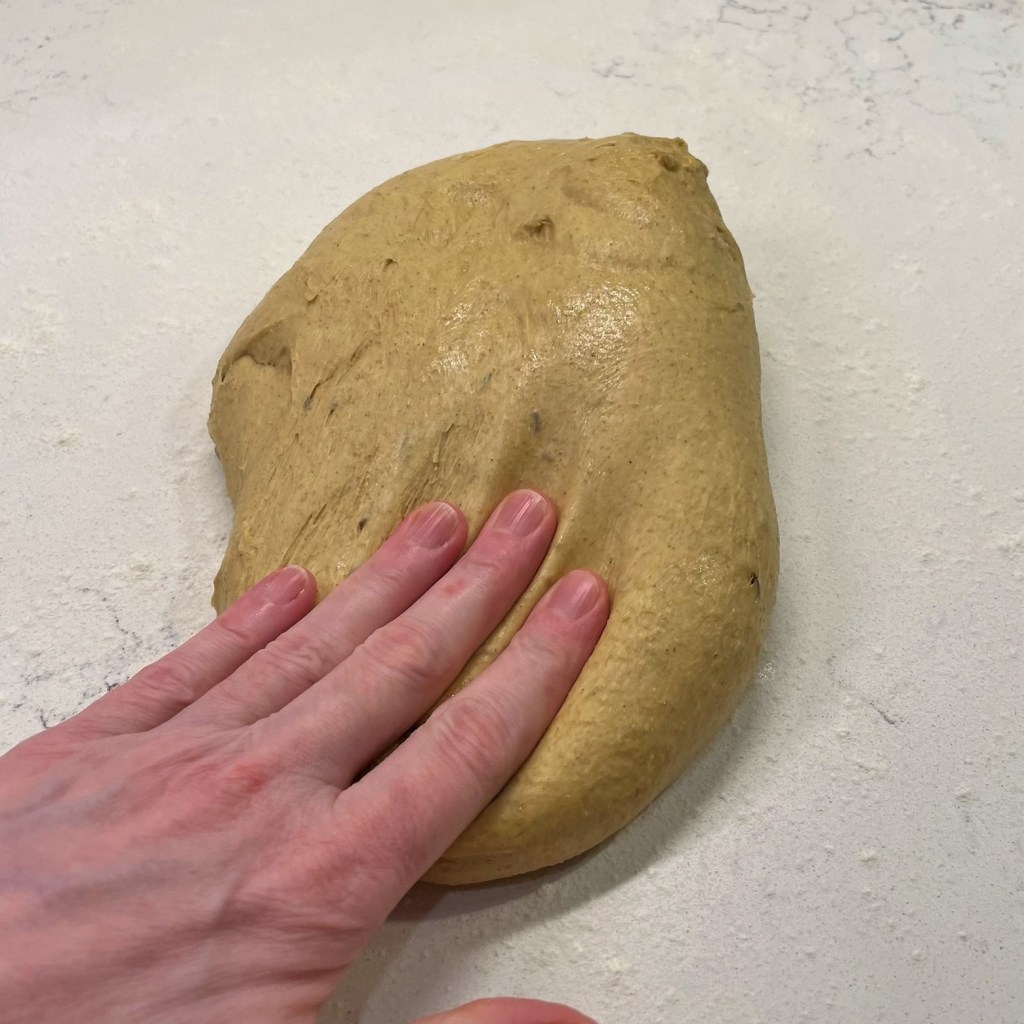
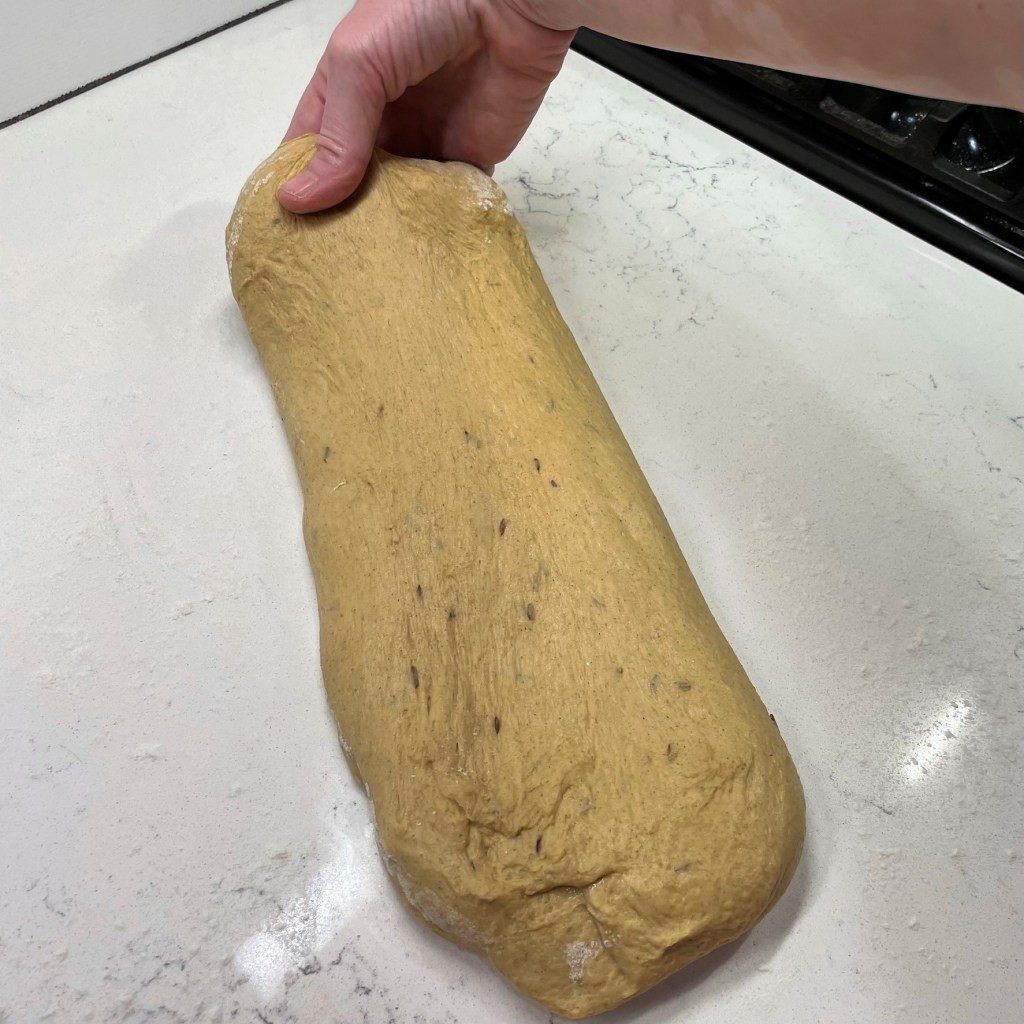
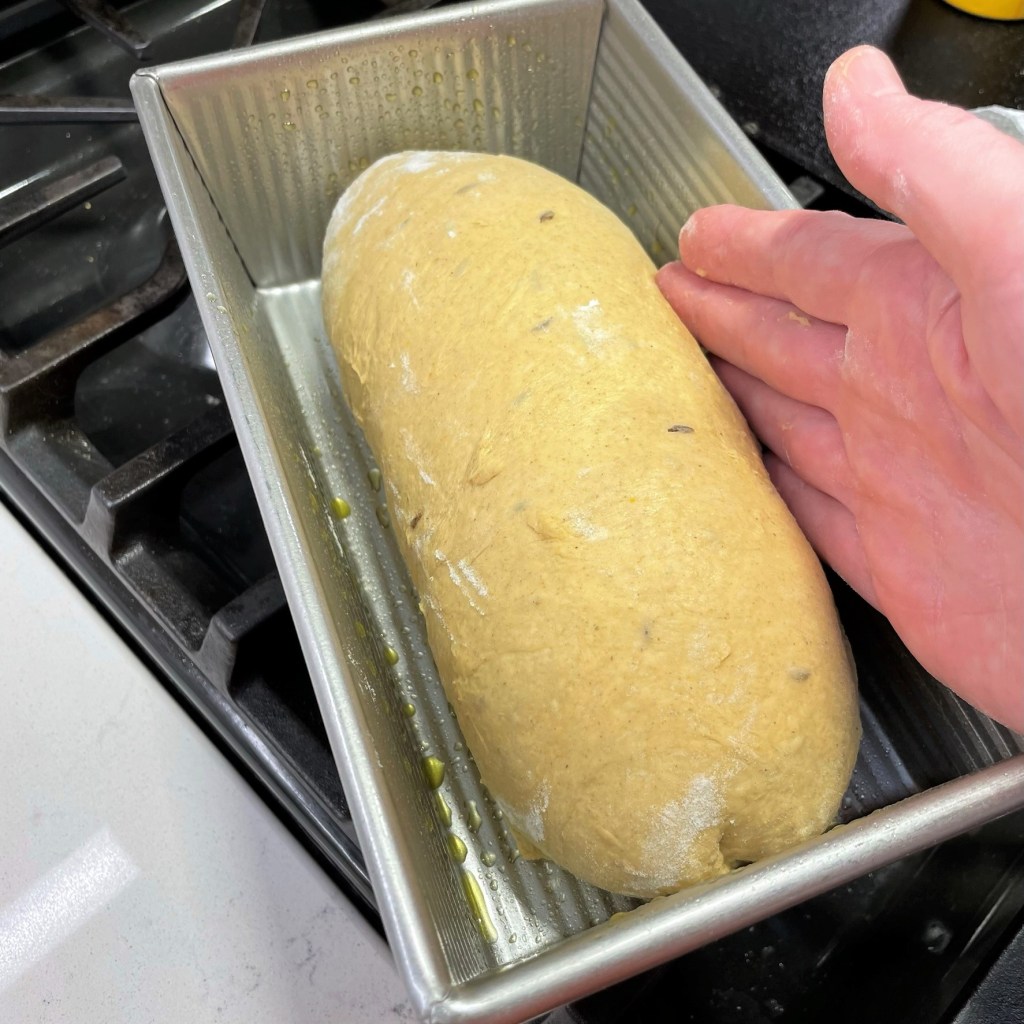
After about three hours, the dough will be puffy and stretchy. Turn it out onto a lightly floured countertop and gently press and stretch it into a long rectangle. Beginning on the short end nearest you, roll it up tightly into a cylinder shape, tucking in the sides as you go. Pinch the ends of the roll closed and seal the long edge. Place the loaf, seam side-down, into a greased (or non-stick) bread pan. Cover with plastic wrap and place the pan in a draft-free zone in your kitchen—tucked into the microwave is a good bet—until the dough rises to one inch above the rim of the pan.


Preheat the oven to 400° F with rack in center position and another rack in the lowest part of the oven, which you’ll use for a steam pan. Fill a second, shallow baking pan with hot water and place the pan on the lowest rack while the oven preheats.

Bake 22 minutes with steam, then remove the steam pan and rotate the bread to bake more evenly. If the loaf is already brown on top, place a loose foil tent over it to prevent burning. Bake 22 minutes more, until bread is golden brown all over and internal temperature is around 205° F.


Turn the finished bread out onto a cooling rack immediately and cool at least four hours—preferably longer—before cutting into it. That is, if you can stand the wait. 😊

Sourdough Pumpkin Rye Sandwich Loaf

  • Servings: 16 slices
  • Difficulty: Intermediate
  • Print

This bread is rich with the rustic flavors of fall, and well worth the wait!


Ingredients

  • 148 g whole milk
  • 37 g whole dark rye flour
  • 106 g sourdough starter, recently refreshed
  • 100 g pureed pumpkin (NOT pie filling)
  • 85 g filtered water, heated 30 seconds in the microwave
  • 18 g unsulphured molasses
  • 30 g extra virgin olive oil
  • 285 g bread flour
  • 60 g white whole wheat flour
  • 28 g whole dark rye flour
  • 2 tsp. caraway seed (optional)
  • 1 1/4 tsp. salt

Directions

  1. Combine milk and first amount of rye flour together in a small saucepan. Whisk them together over medium-low heat until flour is thickened into a paste-like texture. This will take about 10 minutes. Let the mixture cool to room temperature.
  2. In a measuring cup with a pour spout, combine pumpkin, water, molasses and oil. Whisk until smooth. Combine this mixture with the sourdough starter and rye-milk paste, using the beater blade, until the mixture is evenly blended.
  3. Whisk remaining flour ingredients together with salt and caraway seed. Add flour ingredients and continue mixing with beater blade just until the mixture comes together and pulls away from the sides of the bowl. Scrape dough from blade, cover the bowl and let it rest at least 20 minutes, up to one hour.
  4. Attach the dough hook to the mixer and knead on medium-low speed for about 8 minutes, until dough is smooth and shiny. Transfer dough to a large, lightly oiled bowl. Cover and rest for up to three hours. Perform a few stretch-and-folds during the first hour and a half. These folds will help build strength in the dough.
  5. When the dough has puffed considerably, shape it into a loaf and place it in a greased pan, seam side down. Cover and let rise for about two hours, until dough has risen about one inch above the rim of the pan.
  6. During the end of the rising time, preheat oven to 400 F with rack in center position and another rack near the bottom of the oven. Prepare a shallow pan with hot water and place it on the lower shelf during preheating time. This will provide steam for the first half of baking.
  7. Bake 22 minutes with steam, then carefully remove the steam pan. Rotate the bread pan and cover with a loose foil tent to prevent over browning. Continue to bake 22 more minutes, until bread is deep golden brown and internal temperature is in the 200-205 F range.
  8. Turn bread out immediately onto a cooling rack and cool completely before wrapping.