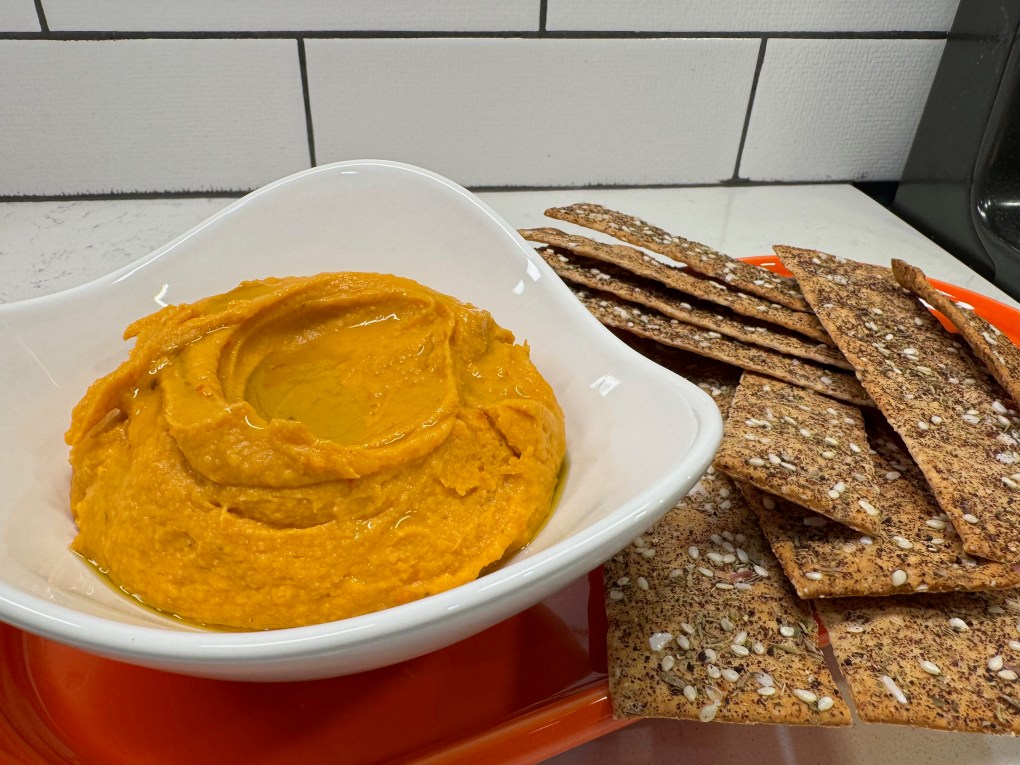
Sweet Potato-Harissa Hummus

It’s sweet potato season, and I’m committed to finding ways to enjoy this vegetable that grows prolifically in my state of North Carolina. Sweet potatoes are incredibly versatile and highly nutritious, yet they frequently get turned into something that looks like dessert, especially around Thanksgiving. I’m picturing that marshmallow crusted calorie bomb that everyone calls a casserole. Or my own classic sweet potato dish with loads of butter, brown sugar and pecans. Come to think of it, that one is quite delicious. It’s probably why I turned it into a signature cocktail a couple of years ago. But I digress.

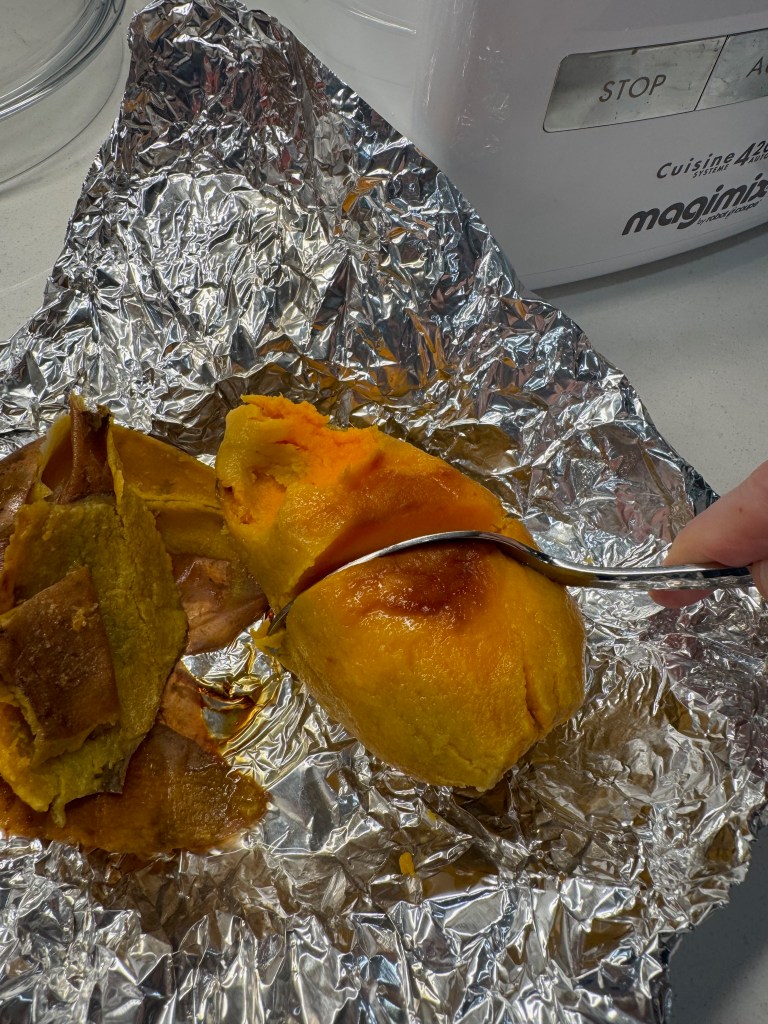
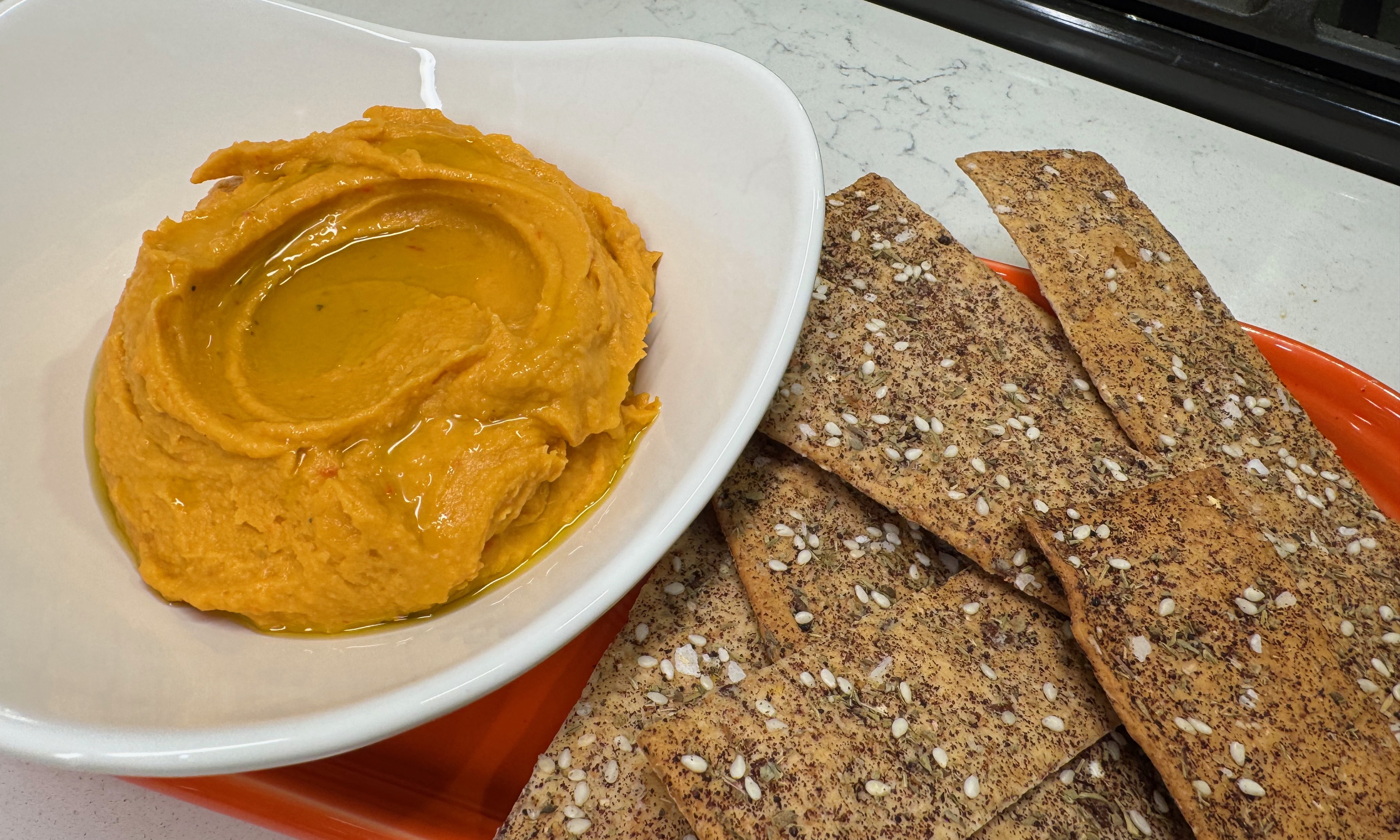
Anyway, today I’m honoring the savory nature of sweet potatoes with an easy-to-make hummus, embellished with roasted sweet potato and harissa. It’s a fun little twist that celebrates the health benefits of sweet potato— antioxidants, potassium and lots of fiber— with just enough Moroccan spice to make it interesting and unique.
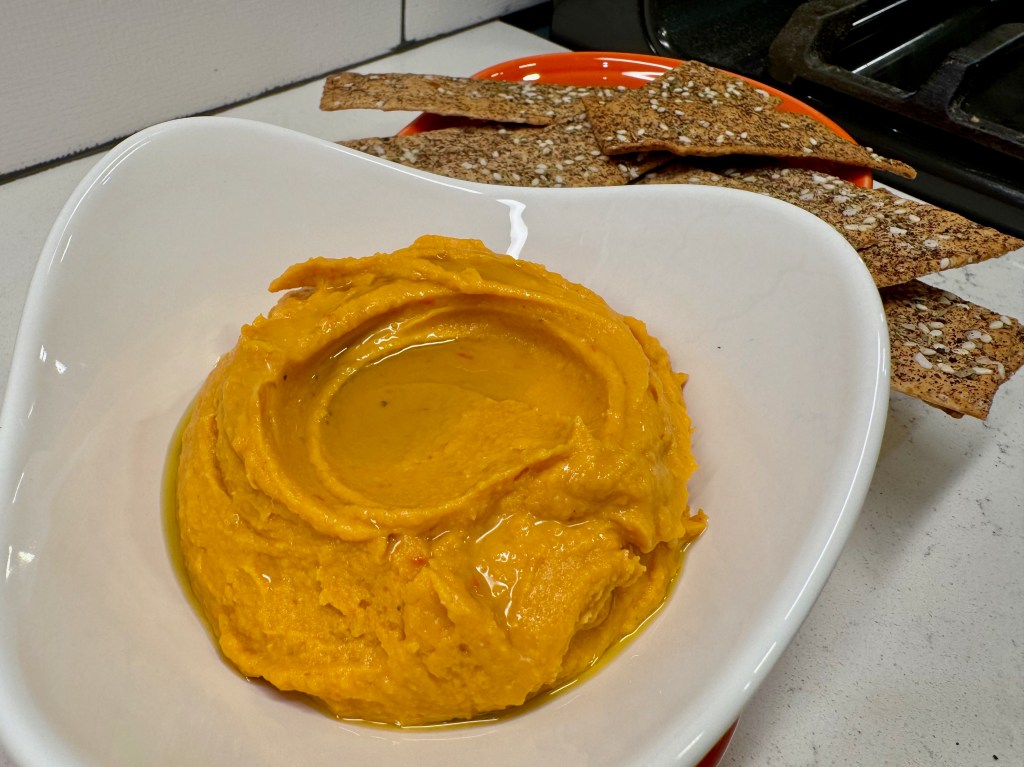
A little swirl of olive oil at serving time is the perfect finish.

I happened to mention this hummus recently when we were out to dinner with friends, and they were so intrigued that I’ve decided to make it again when they come over for cocktails and appetizers in a couple of weeks. I’m determined to heed my own advice about carving out time to get together with friends more frequently, even if it’s only for a casual bite (or maybe especially so). It’s the company that matters most, and who doesn’t love appetizers? Come along and I’ll show you how easy this one is!

Ingredients for hummus

Gather up a few key ingredients, including: garbanzo beans, which I like to call “chickpeas;” tahini, which is a thin sesame seed paste; olive oil and some seasonings. You’ll need a food processor or a good strong blender to make it, though I would not recommend using a bullet-style blender. The mixture will be somewhat hot, so you need to vent the container you use to blend it. If you only have a bullet blender, let it cool before you get to that step (for safety sake).

I generally take the shortcut of using canned chickpeas, but freshly cooked is probably even better— just be sure you cook them tender enough to blend well, and hold back some of the cooking liquid, too. Here’s a bit of good news for readers with certain legume allergies, including my high school bestie, who cannot eat chickpeas, soybeans or lentils. You can absolutely make hummus with other canned beans, including cannellini, which I think are divine! They are softer than chickpeas so a few adjustments are needed, and I’ll spell those out in the click-to-print recipe card you’ll find at the end of this post.

The process for making hummus

One burning question my friend, Charlotte, asked when I shared the exciting news of this sweet potato hummus was, “did you peel the chickpeas?” And this is a fair question, given that some traditionalists say it’s necessary. The answer is no, though I have done it once and I found it to be a complete waste of 90 minutes, only to end up with a pile of chick peas roughly half the size of when I started and a huge pile of skins that went straight to the trash. The theory behind this frustrating and tedious step is that the thick skins hinder achieving the smooth, silky texture that is so wonderful about hummus. And it’s true that the skins can be a little chunky, but I have an easier way around that.

My first tip is to look for chickpeas that don’t have “calcium chloride” listed as an ingredient. This additive helps beans hold their shape during the high-temperature canning process, and it may be fine if you intend to put the beans on a salad or crisp them up as a topping for something. But for hummus, you want them to blend smooth, so avoiding calcium chloride will help you get there. The easiest route to avoiding it is to pick up a can labeled “organic.”

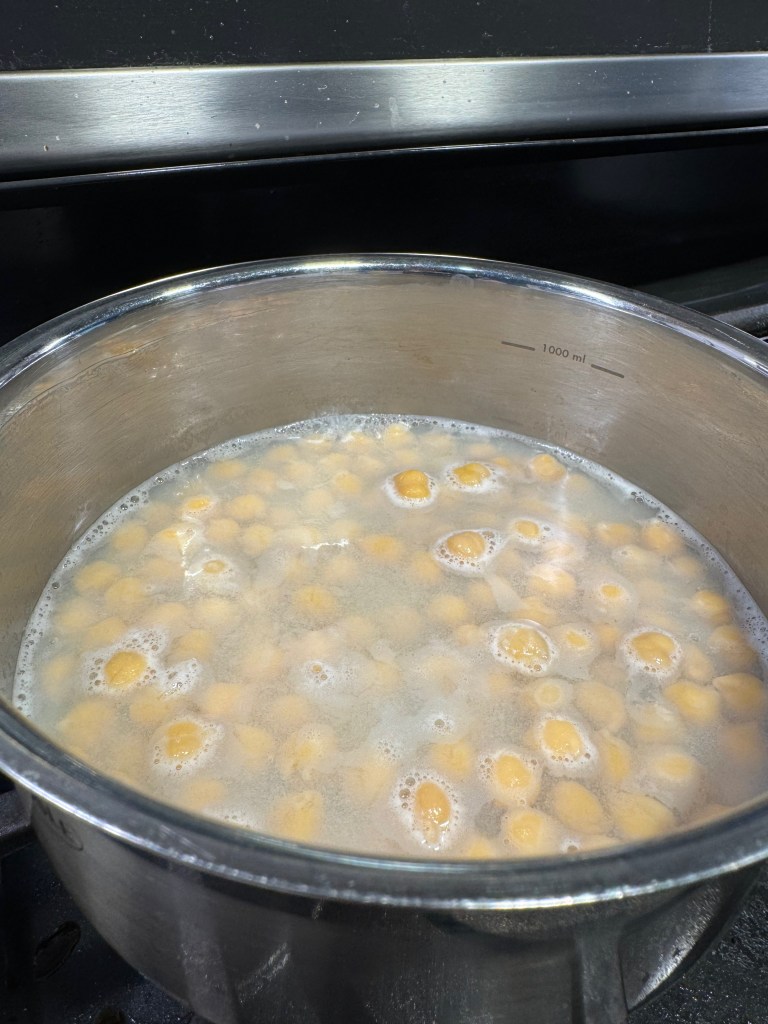
My second tip is simple— heat the garbanzo beans in their liquid before blending, and add a pinch of baking soda to soften up the skins. Dump the entire can (liquid and all) into a small saucepan over medium low heat and let them go until you see small bubbles and steam coming off the pan. Strain the chickpeas through a mesh strainer, but keep the liquid because you’ll need some of it for blending.

Let’s make sweet potato hummus!

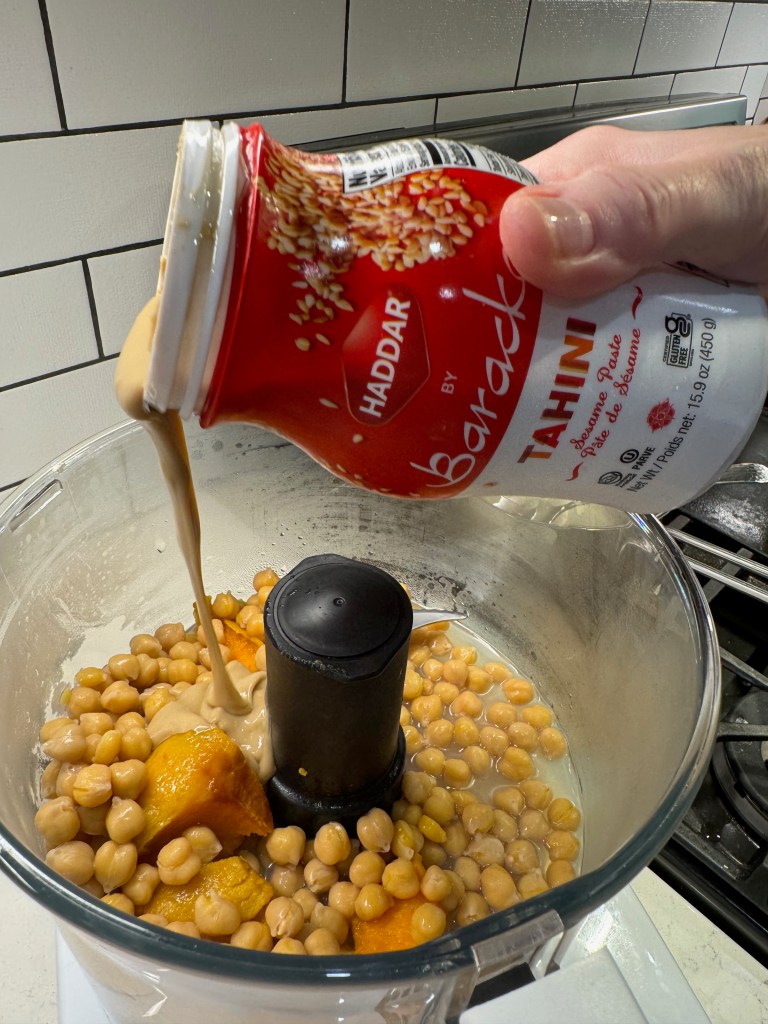
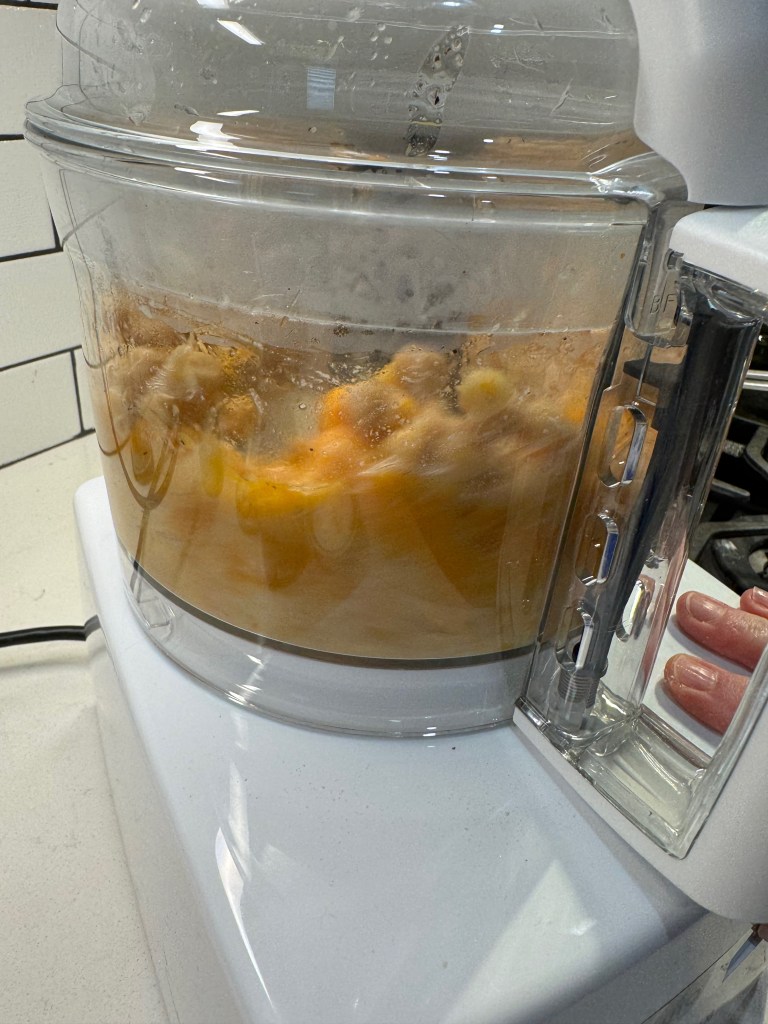
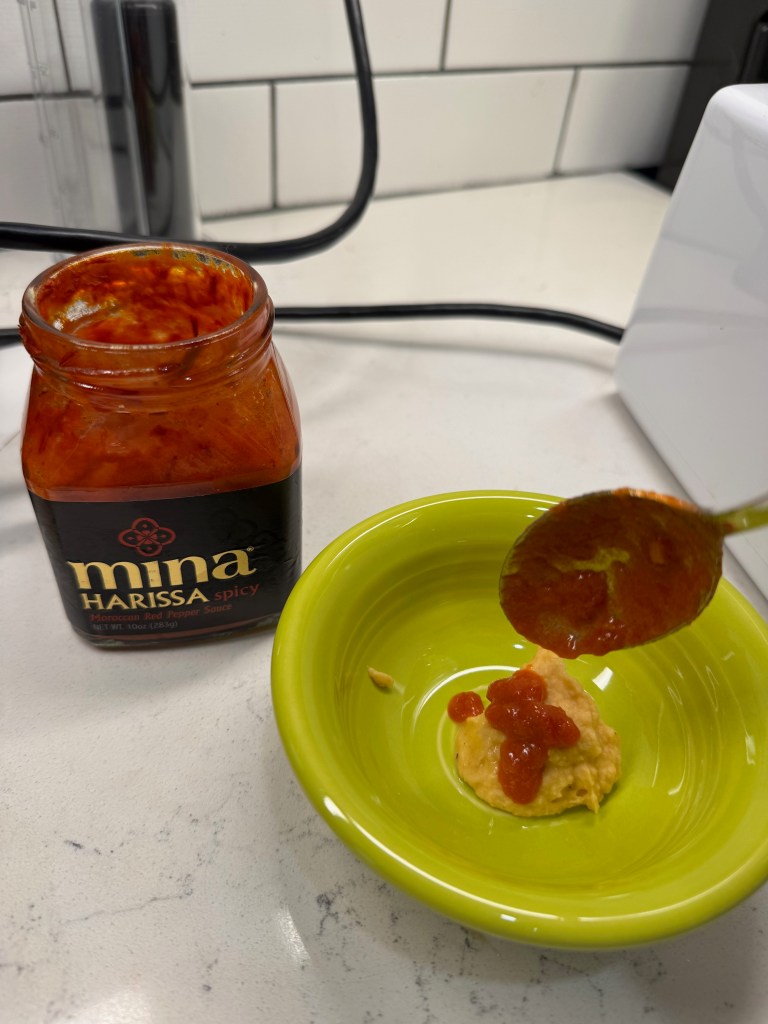
Use the large bowl of a food processor (or a good blender with the vent cover off) to combine the warm chickpeas plus a little bit of the liquid, half a roasted sweet potato, some tahini and salt. Pulse several times until you have a somewhat smooth mixture of hummus. This was my first shot at using harissa in hummus, so I gave it a quick sample test and found it to be a great pairing with the sweet potato! If you are not familiar with harissa, it’s a spicy chile pepper paste common to Morocco and other mideast cultures. It usually includes some variety of chiles, plus garlic and seed spices, such as caraway, coriander and cumin.

This brand of harissa is labeled “spicy,” but don’t you believe it. I barely tasted any heat at all and my husband said the same. If you are sensitive to capsaicin heat, be sure you evaluate the level in your harissa and use your judgment on how much can be added without it sending you to the ER. If your body can’t take capsaicin at all, simply omit it. The sweet potato hummus is delicious without further embellishment.
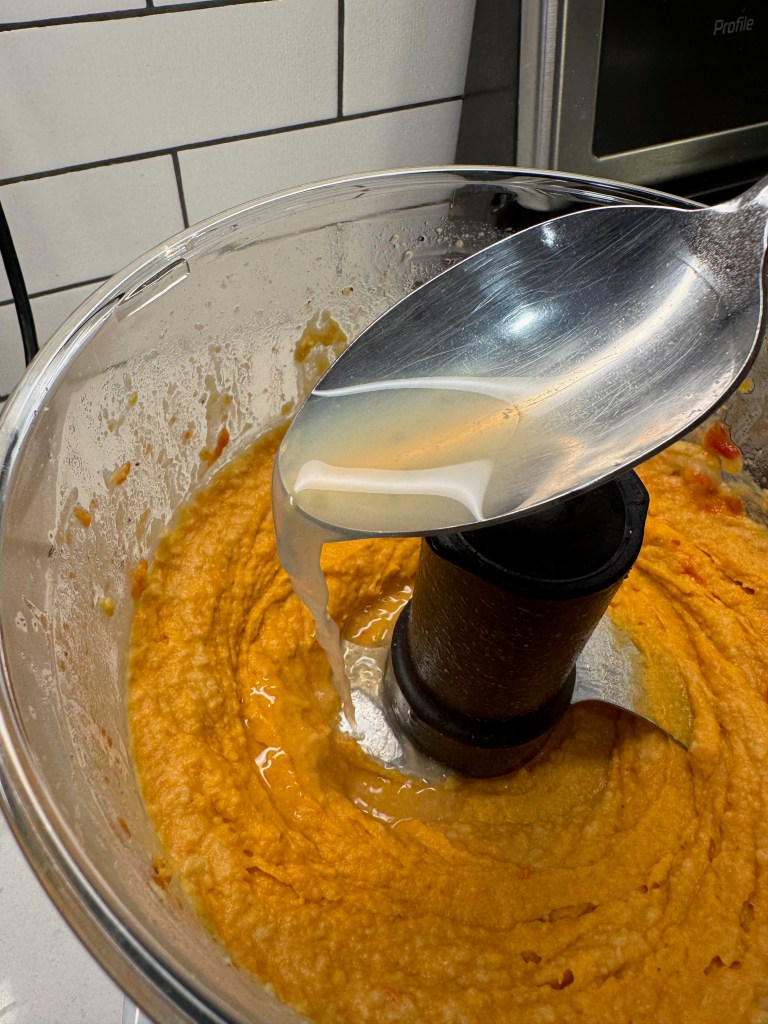
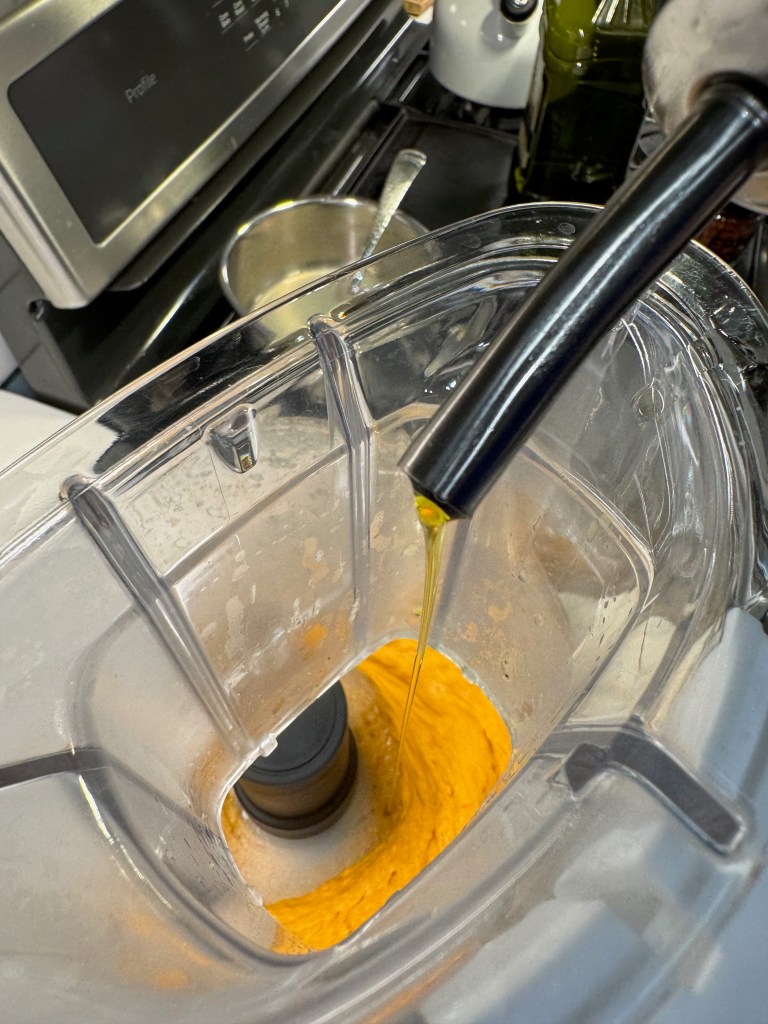
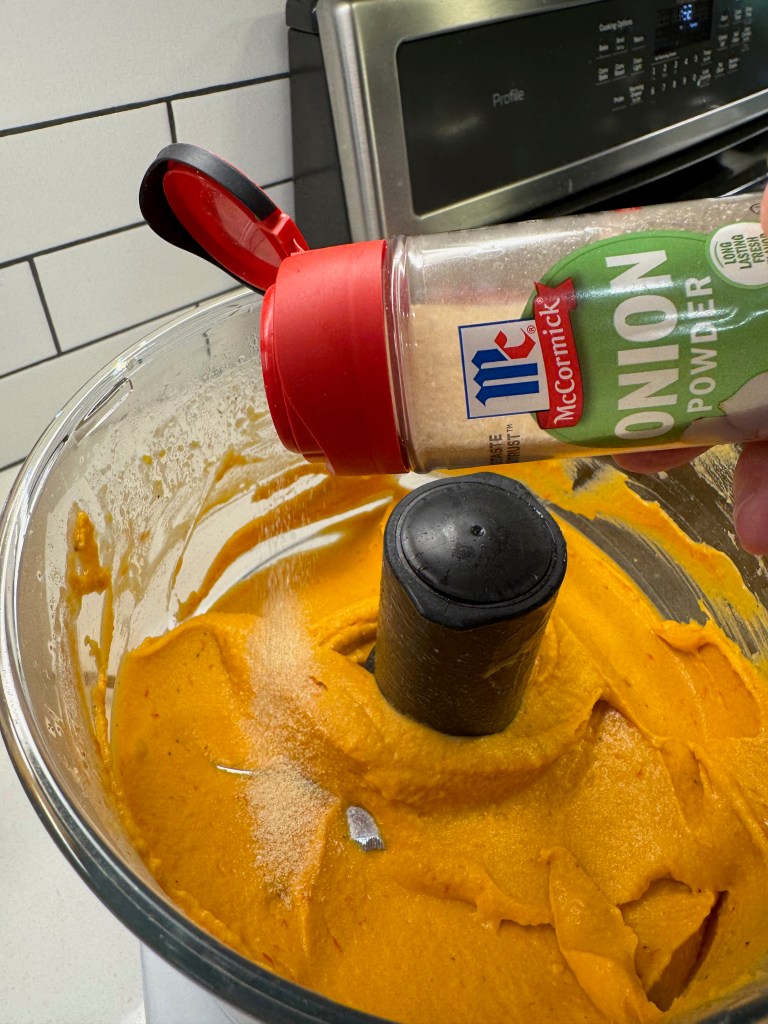
For this final step, scrape down the sides of your processor bowl and then run it continuously until the hummus is a silky consistency. If you find the mixture to be too stiff, stream in a little more of the chickpea liquid and process again. Keep in mind that the hummus will be thicker once it’s chilled. Drizzle in olive oil while the machine is running. When it is smooth to your liking, give it one more taste test and adjust seasoning as needed. For mine, I decided to add a few shakes of onion powder to emphasize the savory flavor of the harissa, but I’ll leave that up to you.

Would you try this sweet potato and harissa hummus? What are your favorite appetizers for sharing with friends at home? 

Sweet Potato-Harissa Hummus
  • Servings: Makes about 2 cups
  • Difficulty: Average
  • Print

This is a fun, savory twist on classic hummus, using harissa paste from Morocco and seasonal sweet potatoes. Other beans may be substituted for chickpeas as noted.


Ingredients

  • 1/2 cup roasted sweet potato
  • 15 oz. can organic garbanzo beans (chickpeas)*
  • 1/8 tsp. baking soda
  • 3 Tbsp. tahini paste
  • 1/4 tsp. kosher salt
  • 3 Tbsp. harissa paste (see notes)
  • 2 Tbsp. extra virgin olive oil
  • 1/4 tsp. onion powder
  • Crackers, crostini or pita chips for serving

Note: Hummus may also be made with other canned beans, such as navy, Great Northern or cannellini. These alternative beans will be softer than chickpeas, so plan to adjust your liquid amounts accordingly. I still recommend warming them before blending for the smoothest consistency.

Harissa paste varies significantly by brand in both heat and thickness. Take note of the heat intensity before you add it to your hummus, so you may adjust the amount to suit your taste. My brand was Mina, labeled “spicy,” but had almost no heat at all. I’ve purchased other brands of harissa that were extremely hot, so it bears checking.

Directions

  1. Pour entire can of garbanzo beans (including the liquid) into a small saucepan over medium-low heat. Add baking soda and bring to simmer until you notice light boiling around the edges and steam rising from the pan. Remove from heat and strain the beans, reserving the liquid.
  2. Add beans, plus about 1/4 cup of the liquid, to the large bowl of a food processor or blender (with vent cover removed). Add sweet potato, tahini and salt to the processor and pulse several times until the mixture is blended but still slightly coarse. Use a spatula to scrape down the sides of the processor bowl.
  3. Add harissa to the processor and pulse a few times. If the hummus seems too thick, add another tablespoon or two of the chickpea liquid to attain desired consistency.
  4. Run the processor consistently while you drizzle the olive oil into the chute. Give it a final taste test, adjusting as needed with onion powder, garlic powder, salt and/or pepper. This hummus is best after refrigerating for a few hours, and it will firm up a bit in the fridge.
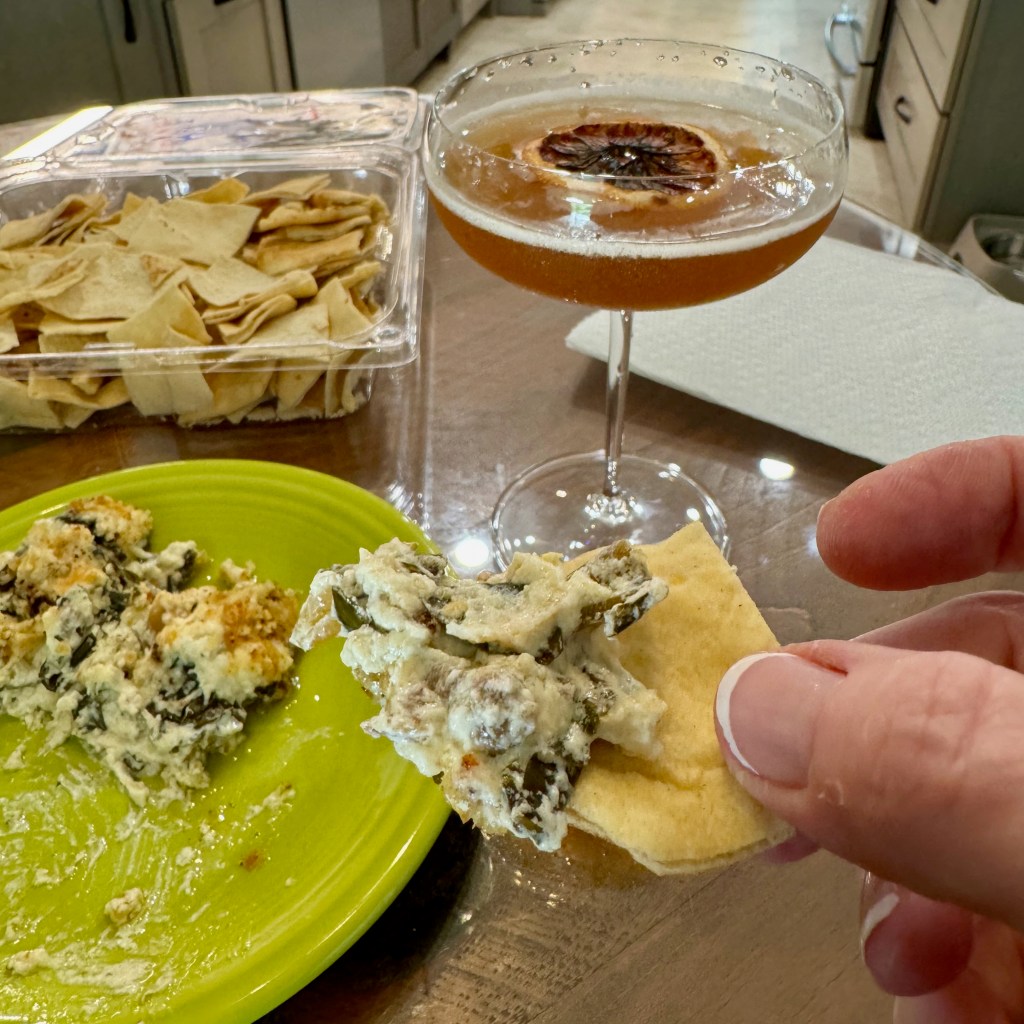
Creamy Collard Dip

In late 2018, my husband and I were invited to join our friend, Jerry, at a new-at-the-time restaurant in northeast Greensboro, North Carolina. Jerry was excited about this place, and we instantly felt the same about its casual vibe, beautiful bar and exceptional menu. Our only lament was that it was 45 minutes from our front door, and that meant that we weren’t able to visit as often as Jerry did, or as we would have liked.

Today, that restaurant is called Kau, an open-concept restaurant with high ceilings, retrofitted into a retired textile mill. It bills itself as a steakhouse— a fair description, given that it has an in-house butcher shop where you can also purchase an array of meats to take home— but we were impressed with its other offerings, including this addictive appetizer. Collard dip is hearty, rustic and comforting— perfect for fall— and as we enjoyed ours across the table at Jerry’s favorite new hotspot, I promised him that I would recreate the dip one day at home and put it up on Comfort du Jour. Even better, we’d have him over and chat over a cocktail, preferably bourbon.

What could be better than snacks and drinks with friends?

I had a difficult time making this dish last month. Not for its process or technique; that part is easy, as you’ll see in a moment. It was emotional because our friend Jerry passed away a few months ago, without warning and far too soon. Les and I were stunned, as was everyone else who knew and loved Jerry. We felt guilty for how much time had passed since we last got together with him, and it still doesn’t seem quite real that he is gone.

I missed a chance to share this recipe with Jerry. I know he would have loved it, and I’m certain that he would have made it at home himself as he often did with the recipes I posted on the blog. We tend to believe that there will always be more time for getting together with dear friends, but we never know, do we?

Yes, life gets in the way, and it can indeed be difficult to align our calendars when we are all juggling work, family and travel obligations. But the older I get, the more I’m seeing the importance of making time for our friends. The house doesn’t need to look perfect to have people over, and plans with friends don’t have to be extravagant. They can even be last minute and sometimes that makes it more fun. What matters is just doing it. Who would you miss most if they were gone tomorrow? Call them up, set a date and make something happen.

This one’s for you, Jerry. 💕 🥃


First, the collards

This collard dip recipe relies on having a cup or so of leftover cooked collards, so it’s best to plan ahead and make that component a day or two beforehand. I’ve shared several collard recipes on this blog, including kick-ass whiskey braised collards and smoky mushroom and tomato collards, either of which would be great in this dip recipe. For this recipe, I embellished my collards with onions, garlic, spicy sausage and a smoky chipotle seasoning. It’s bold and earthy, which is a terrific contrast against the creaminess of the other ingredients in the dip. Your choice of collards is subjective; just bear in mind that their flavor will play a major role in the final flavor of the dip. I promise that I’ll share the sausage version that I used here within the next couple of weeks.

UPDATE: The collards with beer malt vinegar recipe is now posted! Follow this link to get it. 😁

So hearty, it’s almost a meal on its own.

And now, the dip

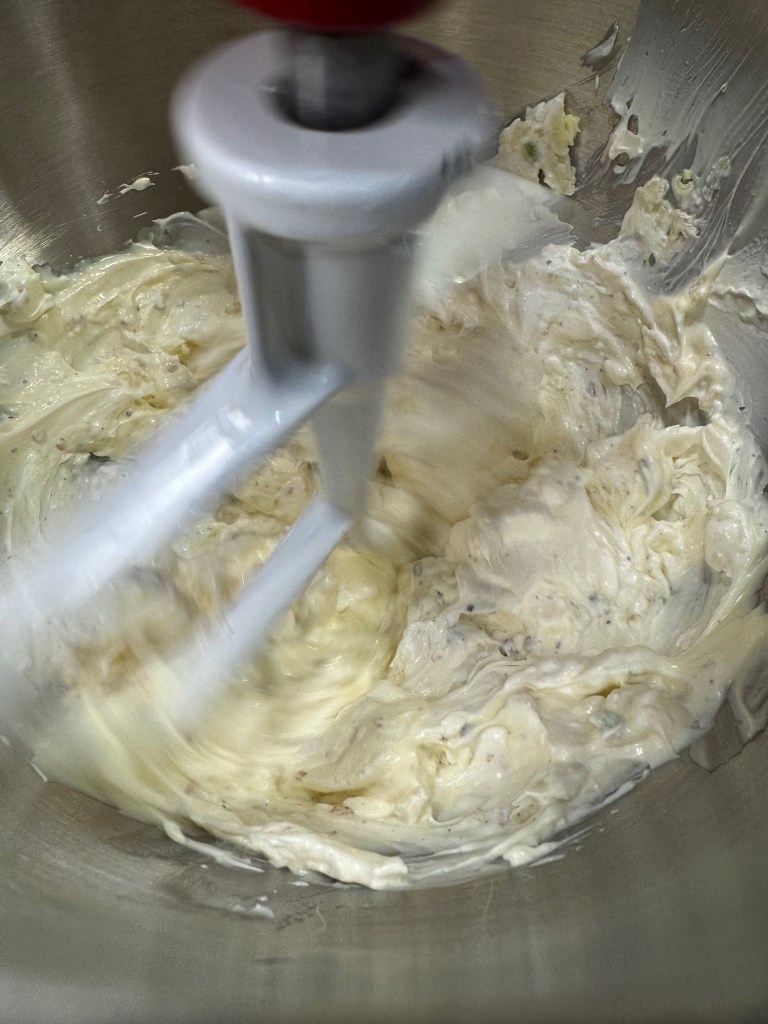
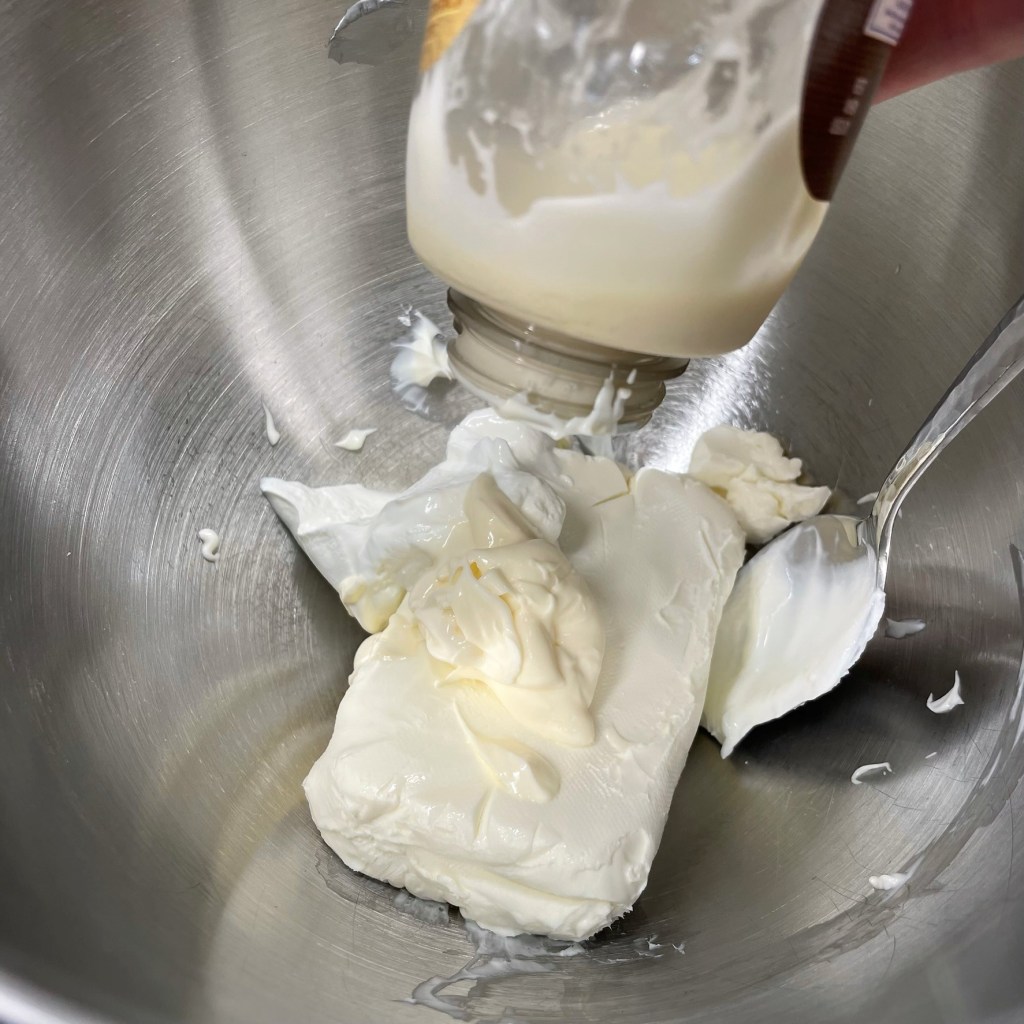
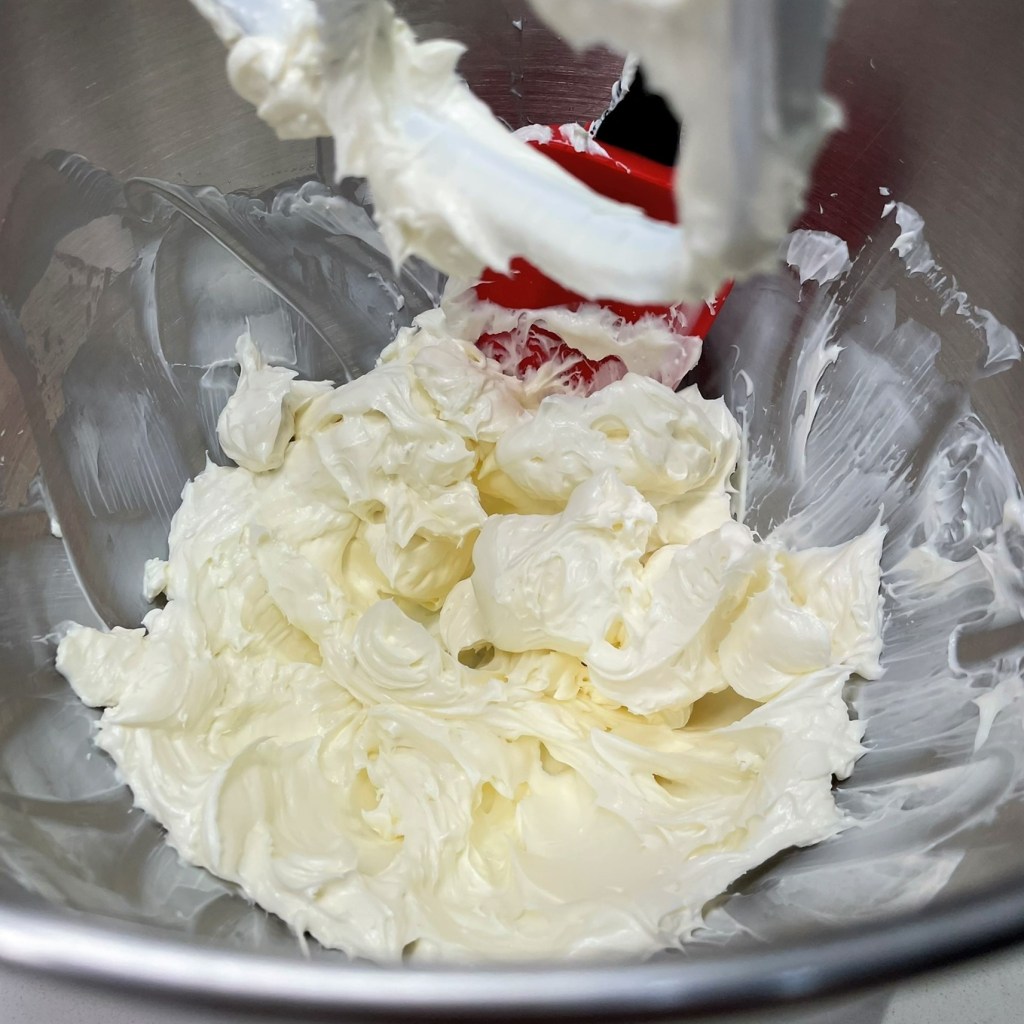
This recipe begins as all of my creamy dips do, with a brick of cream cheese, some mayonnaise and a bit of sour cream. This combination creates a smooth, creamy base that is neither too heavy nor too oily. This collard dip called for bold flavors, so I tossed in some minced garlic and crushed red pepper seasoning, then I blended it into a creamy concoction in my stand mixer. 


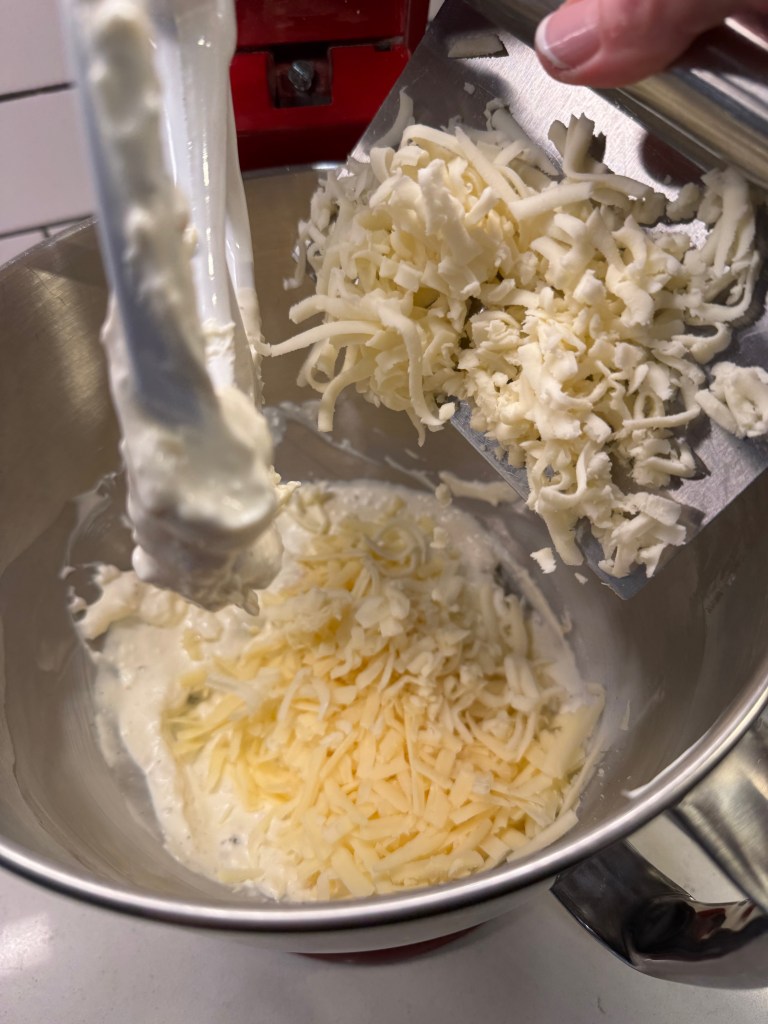
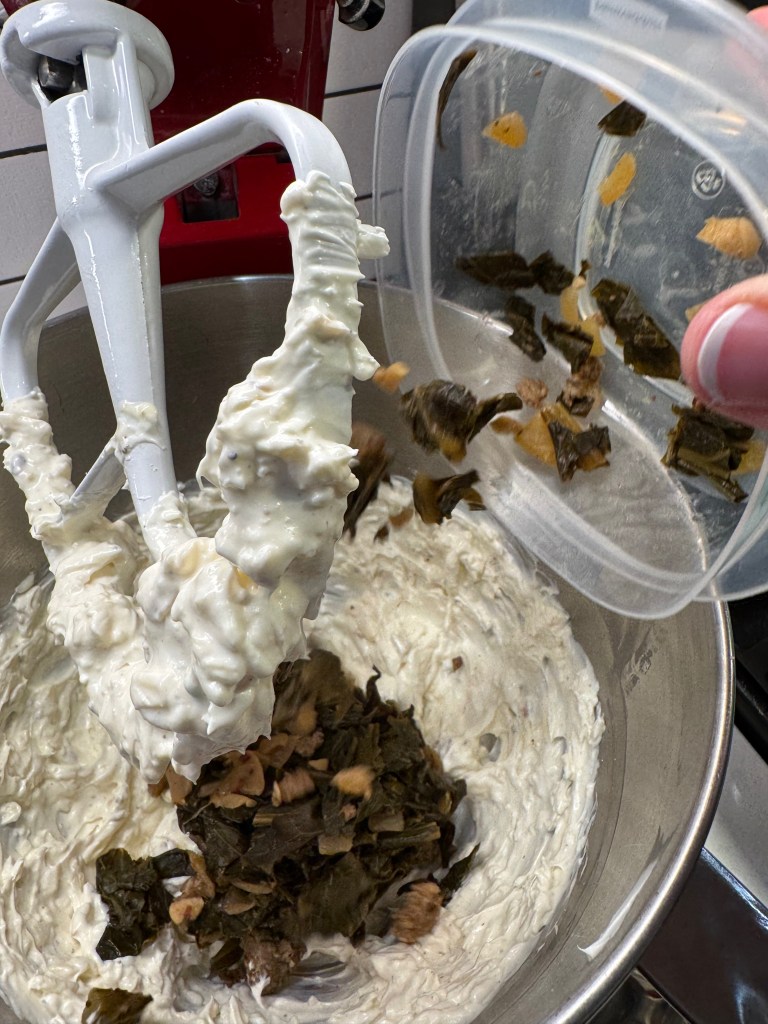
Cheeses came next, and for my collard dip, I followed Kau’s cue, using a generous amount of  aged white cheddar for its sharpness plus a low-moisture mozzarella for its melting attribute. Finally, the star of the show, the cooked collard greens. You could bring home some leftover collards from a restaurant meal and use those if you don’t feel inclined to cook them yourself. You’ll need about one cup of cooked collards, drained of all excess moisture and cooled.


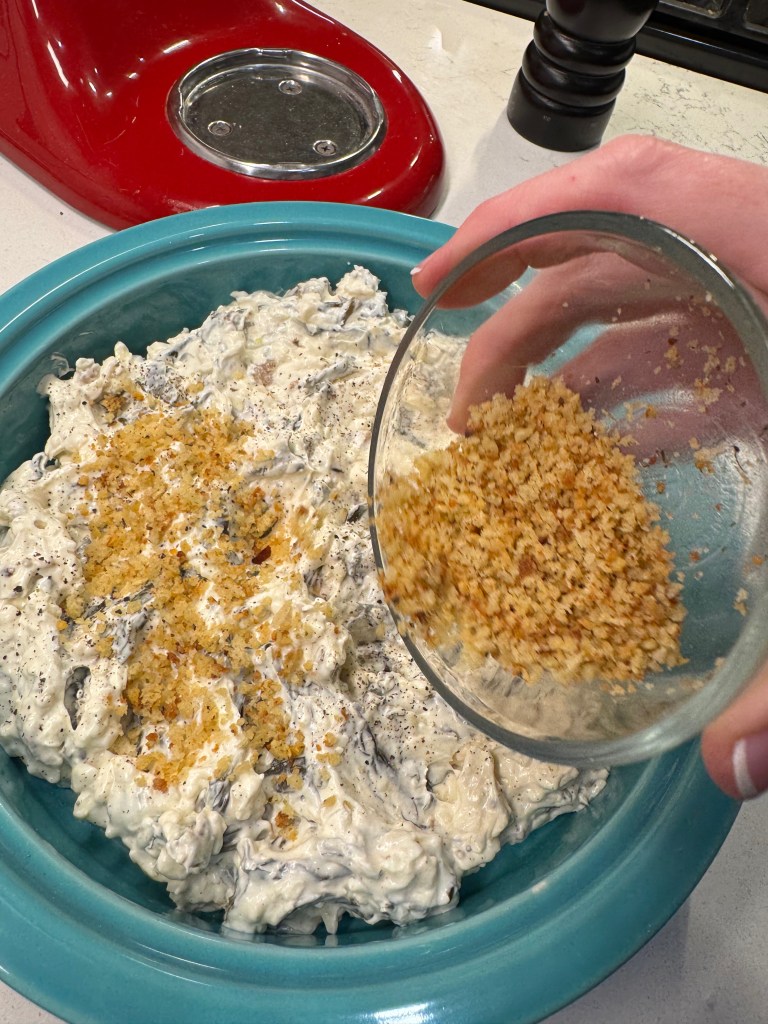
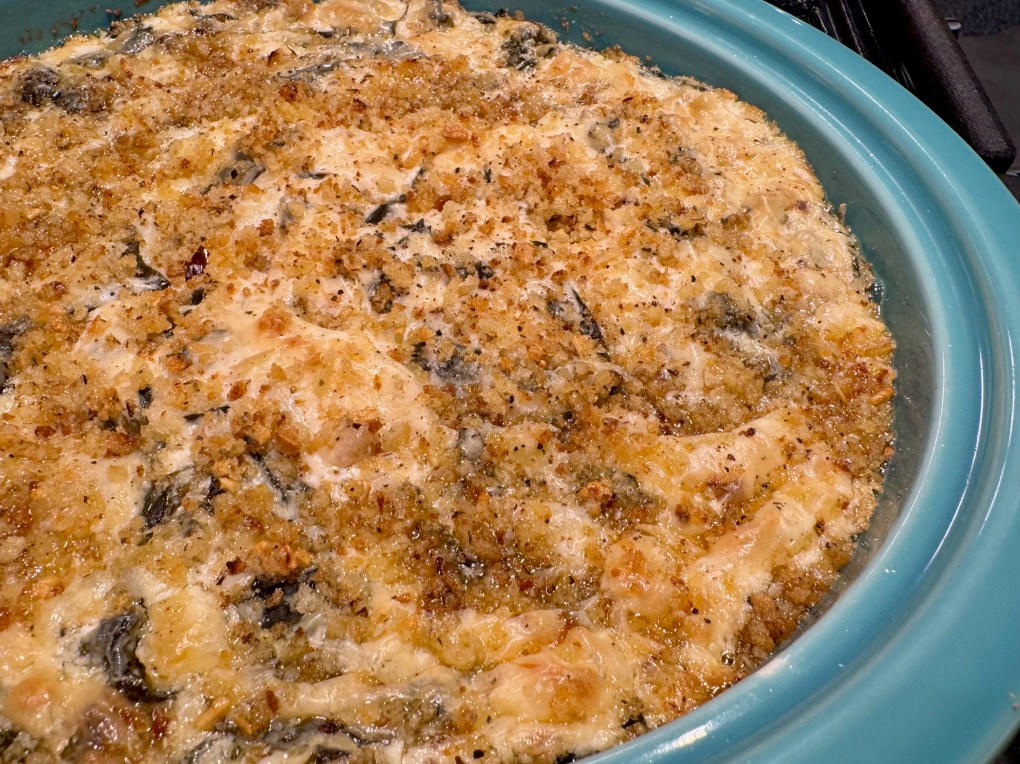
For a delightful bit of texture and crunch, I toasted up some seasoned panko crumbs in olive oil to scatter across the top before baking, and then the oven did the rest. 


This dip is a great starter for a casual meal, or for sharing over cocktails and conversation. For a lighter appetite, you might even find that it’s enough on its own, served up with pita chips or warm crostini.

Creamy Collard Dip

  • Servings: About 6
  • Difficulty: Easy
  • Print

Heartier than spinach dip, easy as pie to make. This satisfying dip makes use of leftover cooked collard greens and is perfect for all occasions this Autumn.


Ingredients

  • 1 Tbsp. extra virgin olive oil
  • 1/3 cup seasoned panko crumbs
  • 2 Tbsp. grated Parmesan
  • 8 oz brick cream cheese, softened
  • 1/3 cup mayonnaise
  • 1/2 cup sour cream
  • 2 cloves garlic, finely minced
  • A few shakes of crushed pepper flakes (see notes)
  • 1/2 cup sharp white cheddar
  • 1/2 cup low-moisture mozzarella
  • 1 cup seasoned cooked collard greens (drained of excess liquid and cold from the fridge)
  • Salt and pepper to taste
  • Sturdy crackers, pita chips or crostini for serving

Notes: This recipe works best with full-fat cream cheese, mayo and sour cream, but light versions will be ok; expect a less cohesive texture if using light products.

My pepper flakes were chipotle with garlic and onion (from Flatiron Pepper Co.), but any crushed red pepper would work, or even a few dashes of hot sauce if that’s what you have on hand.

For best results, use freshly shredded cheese rather than pre-packaged. The packaged stuff contains anti-caking agents, which hinder proper melting.

Feel free to embellish your collard greens however you like. I made this version of collards with browned spicy sausage.

Directions

  1. Heat oven to 350° F, with rack in center position.
  2. In a small skillet, heat olive oil over medium heat. Sprinkle in panko crumbs and toss constantly until crumbs are toasted and fragrant. Remove from heat and toss in Parmesan. Set aside.
  3. Combine cream cheese, mayo, sour cream, garlic and pepper flakes in the bowl of a stand mixer, fitted with the paddle blade. Beat until evenly blended.
  4. Add cheddar and mozzarella to the bowl and mix until combined.
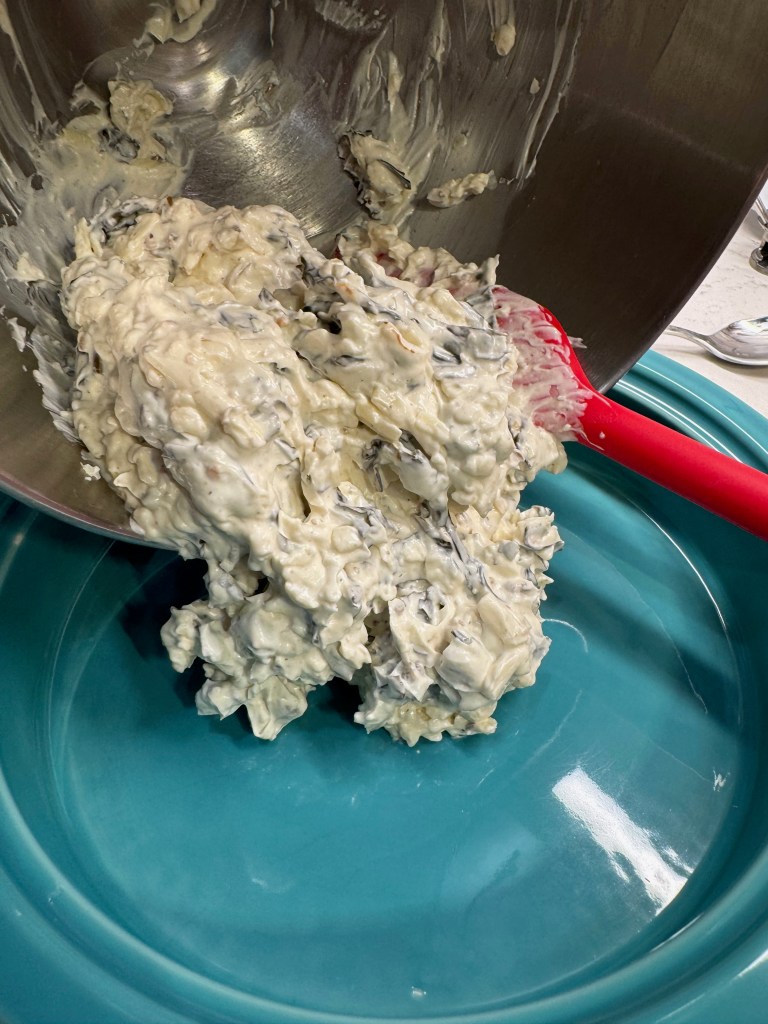
  5. Add the cooked collard greens and mix again only until evenly incorporated. Transfer to a shallow baking dish.
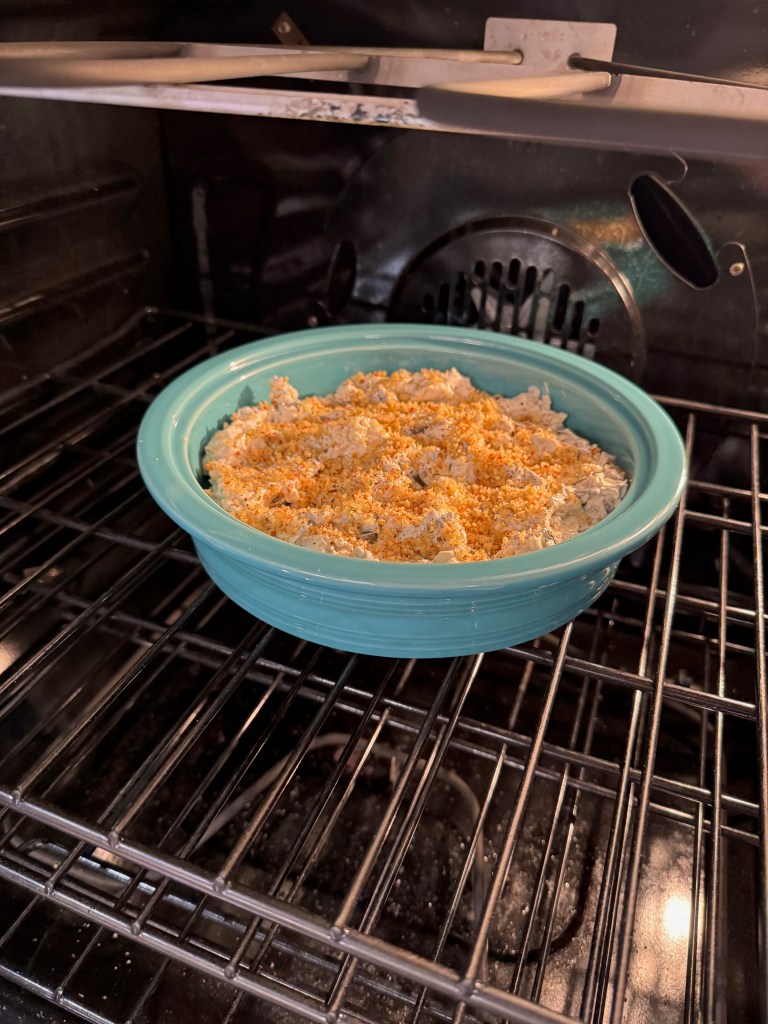
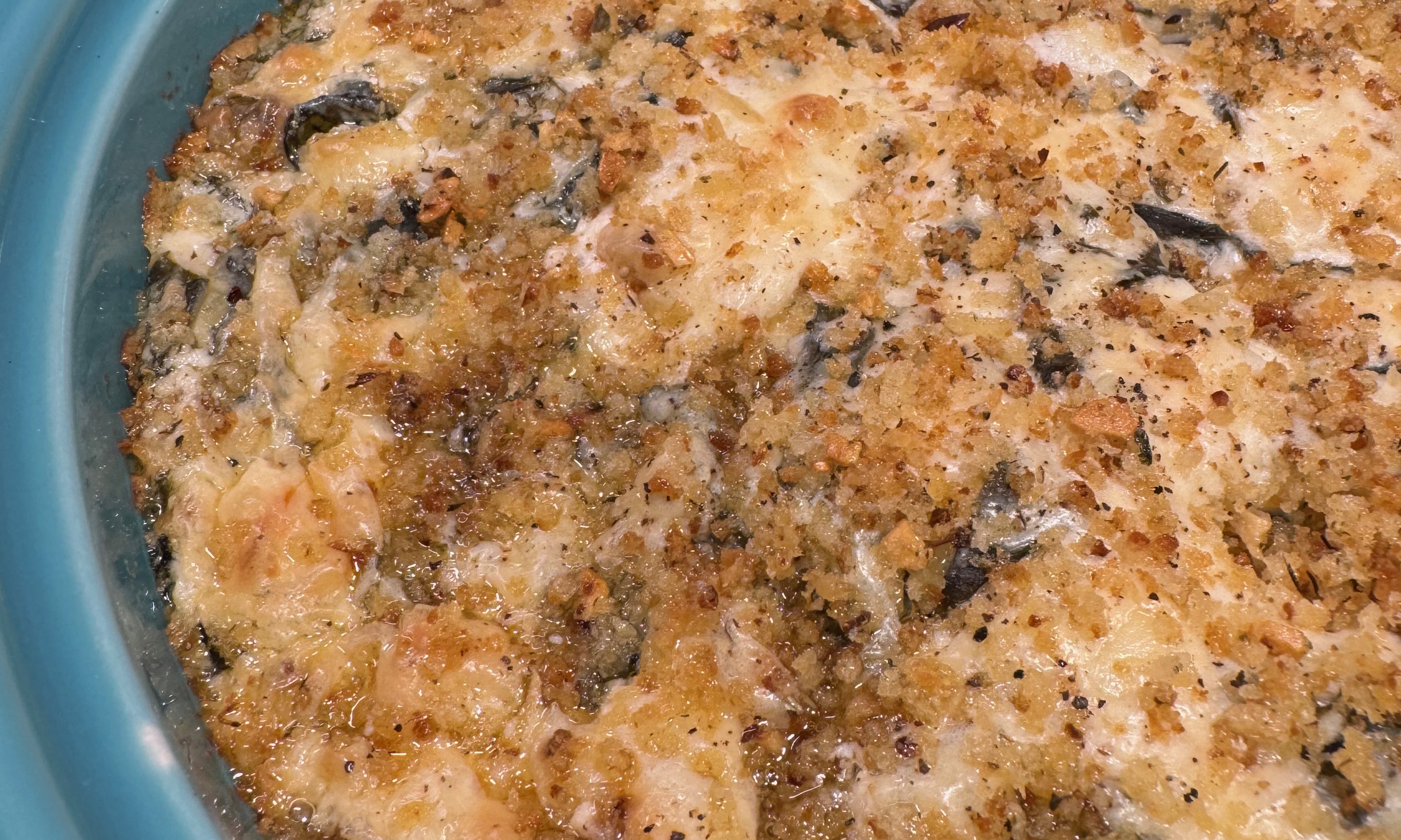
  6. Sprinkle toasted panko crumbs evenly over the top of the dip. Bake 30 minutes, or until dip is hot and bubbly around the edges. Cool for a few minutes before serving.


Smoked Salmon (and a bonus recipe!)

Back when I got my first bullet smoker in the late 1990s in Connecticut, the first food I ever tried was salmon.

Why? Heritage, of course. 

I’m Jewish and grew up in New York with lox (a cold-smoked, cured salmon) and bagels most Sunday mornings, a little weekly splurge in the Gura household. On rare occasions of extended family gatherings, someone may have picked up smoked salmon salad, which we all salivated over, probably based on the fact that our parents had splurged even more for this delicacy (more expensive than lox). We spread it over cream cheese on a bagel or bialy in place of lox, or sometimes with lox on top for a double-salmon shot.

Now that I’ve had years of experience smoking salmon myself, I can definitely say that the “delicacy” salmon spread of my youth was meh, a mayonnaise-laden, salmon-light blend that, compared to the dish I’m about to share, may well have been created in a blender. Mine is fresh and flavorful, with bits of fresh vegetables and only enough mayo to serve a purpose. It’s always a hit when we serve it at summer parties or holiday gatherings, and it’s easy to make.


It’s all about the salmon

But let’s start with the basics. Smoking salmon is remarkably easy and the process brings out salmon’s textured, salty flavor in a smooth, delicious bite, more nuanced than grilled or baked salmon.

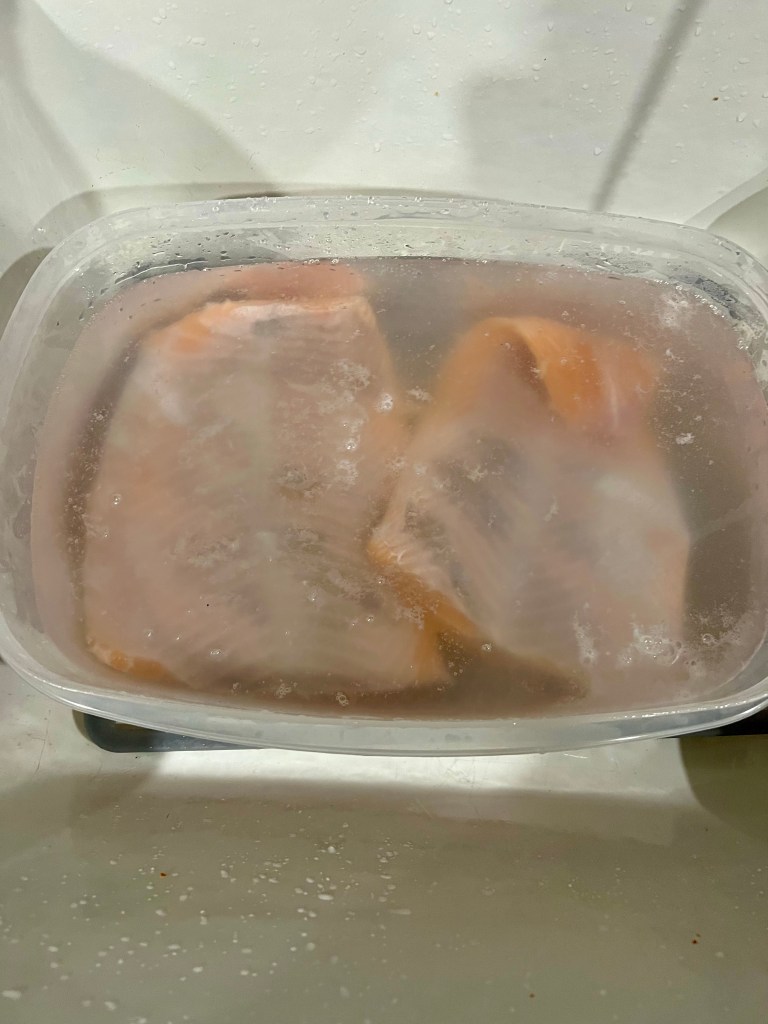
So how does one smoke a salmon? It starts with a nice fillet of salmon; although we typically buy wild caught fish, farm-raised salmon works fine when smoking. We purchase ours from a local seafood shop that emphasizes sustainability, and it is well worth the extra cost. The salmon should be brined overnight in saltwater; I use about 1/3 cup of kosher salt in two quarts water, warm enough to dissolve the salt. I add a little ice to cool the water before placing it in a large glass or plastic container so that the fish is completely covered. Give it an overnight if possible, or at least eight hours refrigerated in the brine.


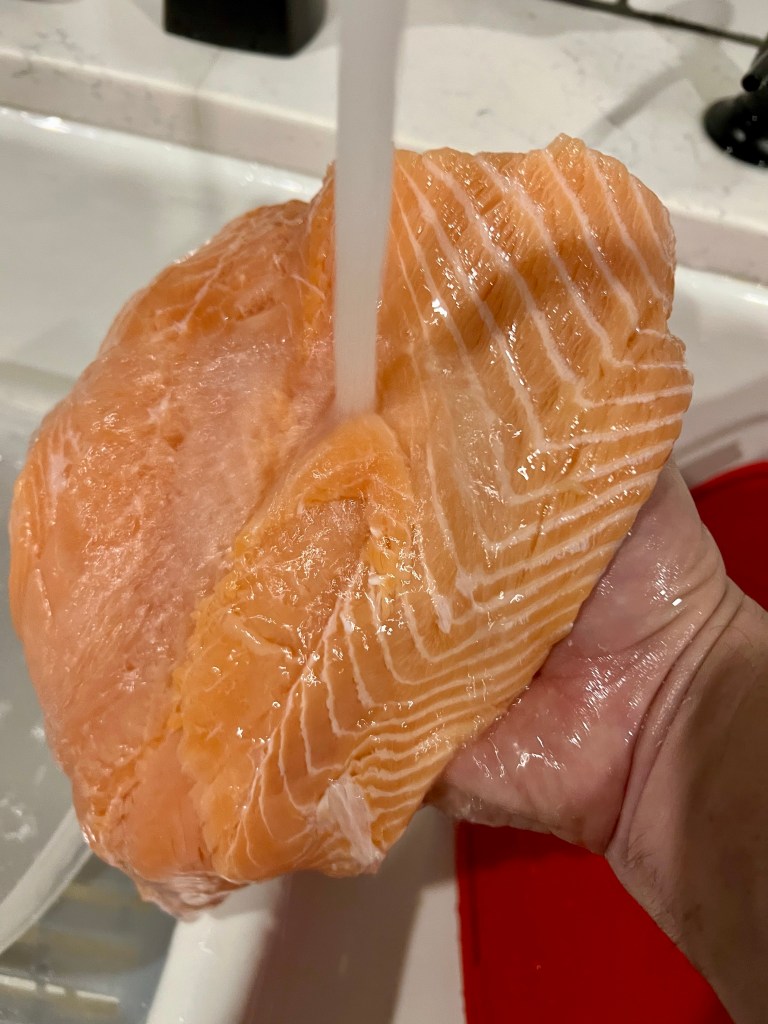
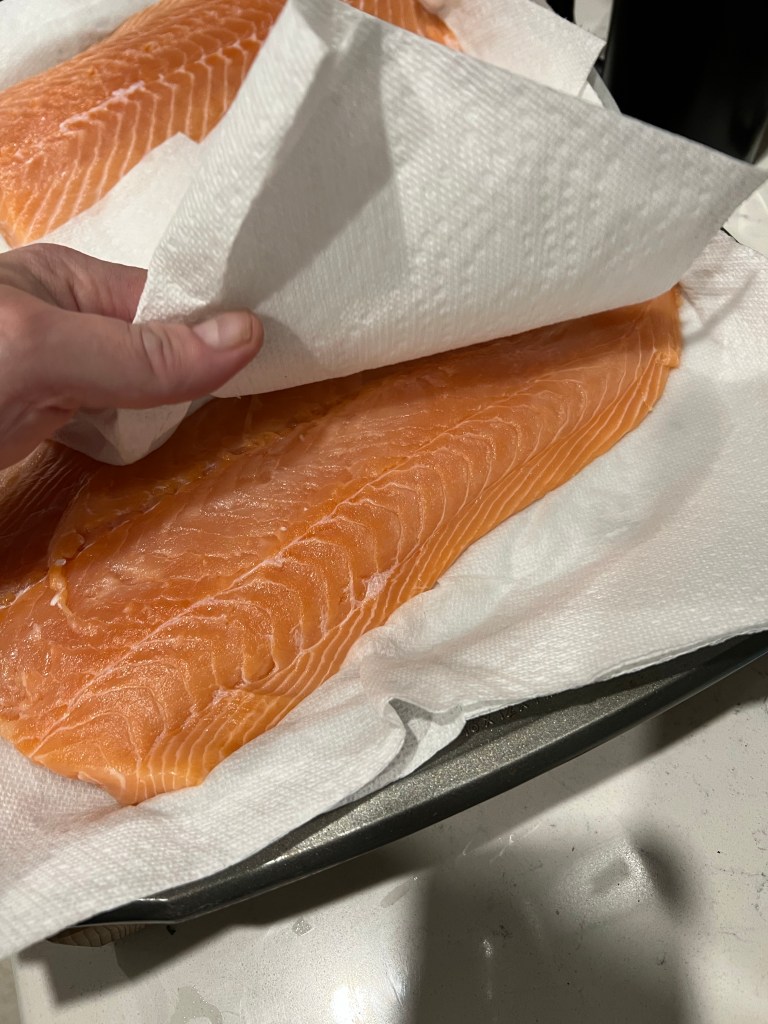
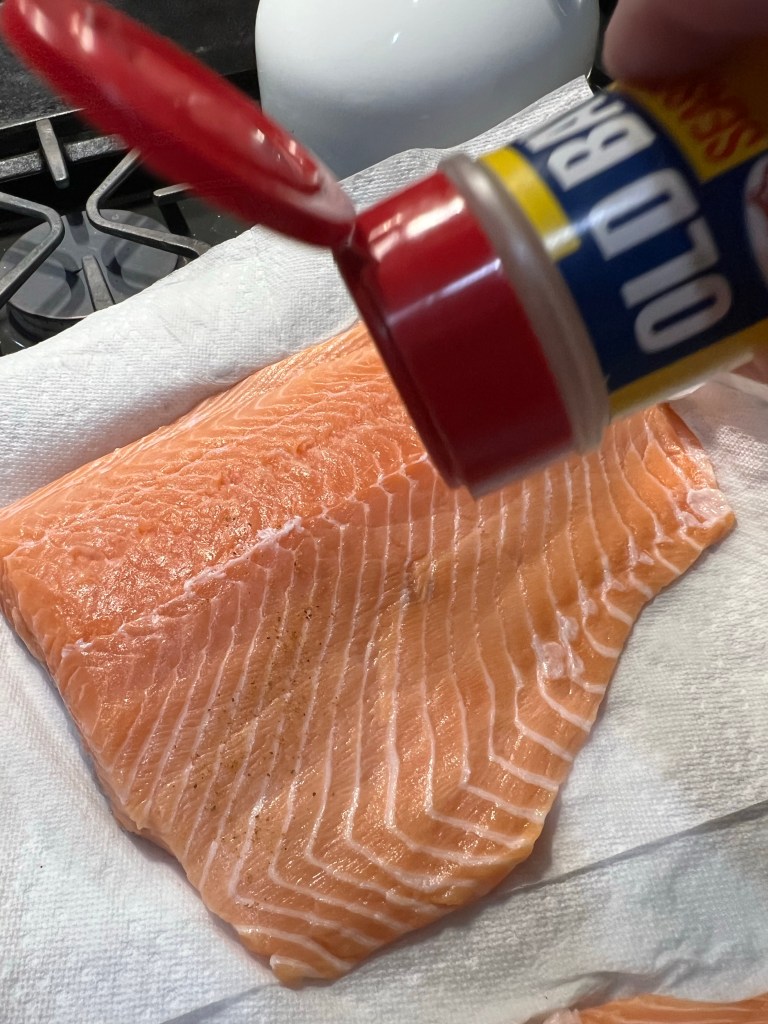
The next morning, remove the fish and rinse it thoroughly under cold water, gently massaging it for as long as five minutes to remove the bulk of the salt. Pat the fish dry with paper towels, then season to your taste. Because the brining inevitably leaves a good salt within, even after rinsing, I don’t use a heavy season. I give it just a light sprinkle of Old Bay.


Fire up the smoker

Smokers can be gas, electric or charcoal; I’ve always had charcoal smokers. I thoroughly spray the cooking grates with oil. The night before, I soak wood chips in water; this time it was apple wood, but other varieties work well, too. The wetness, I believe, helps to create more “flavored” steam in the cylinder. Though there is quite a bit of internet debate about the need to soak the chips.

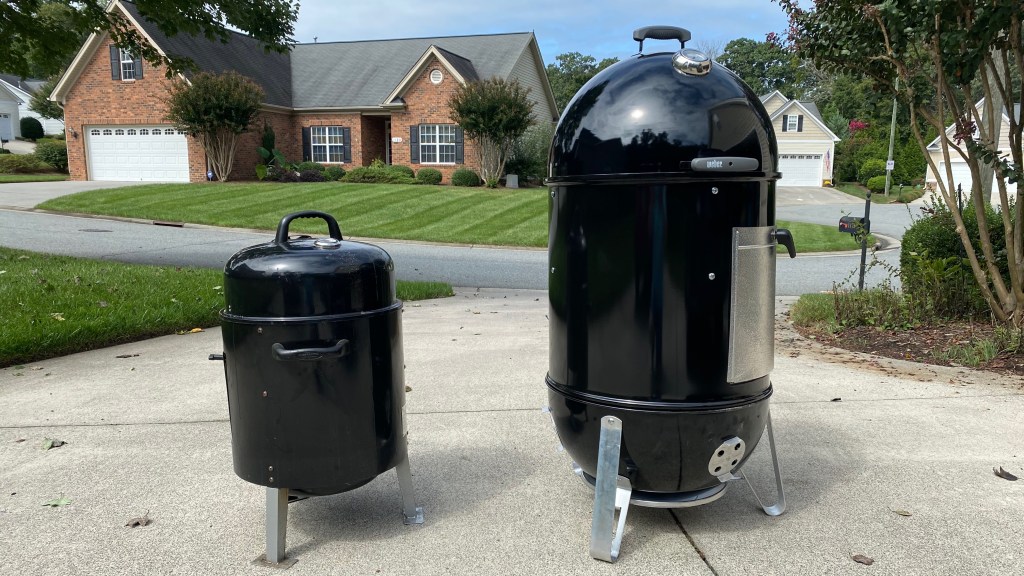
I fill my Weber smoker with enough lump charcoal to last for hours, not so much for the salmon, which can take as little as 90 minutes to 2½ hours depending on the thickness of the fillet, but for the additional food I put on the lower of the two cooking grates. Typically, I will smoke a pork shoulder, though I’ve done turkey, brisket, or pastrami in previous smokes. Next to the salmon on the top grate, we usually smoke sausages to serve as appetizers. Yes, this is one big smoker Terrie bought me for my birthday three years ago.

My new smoker is almost three times the size of my old one!

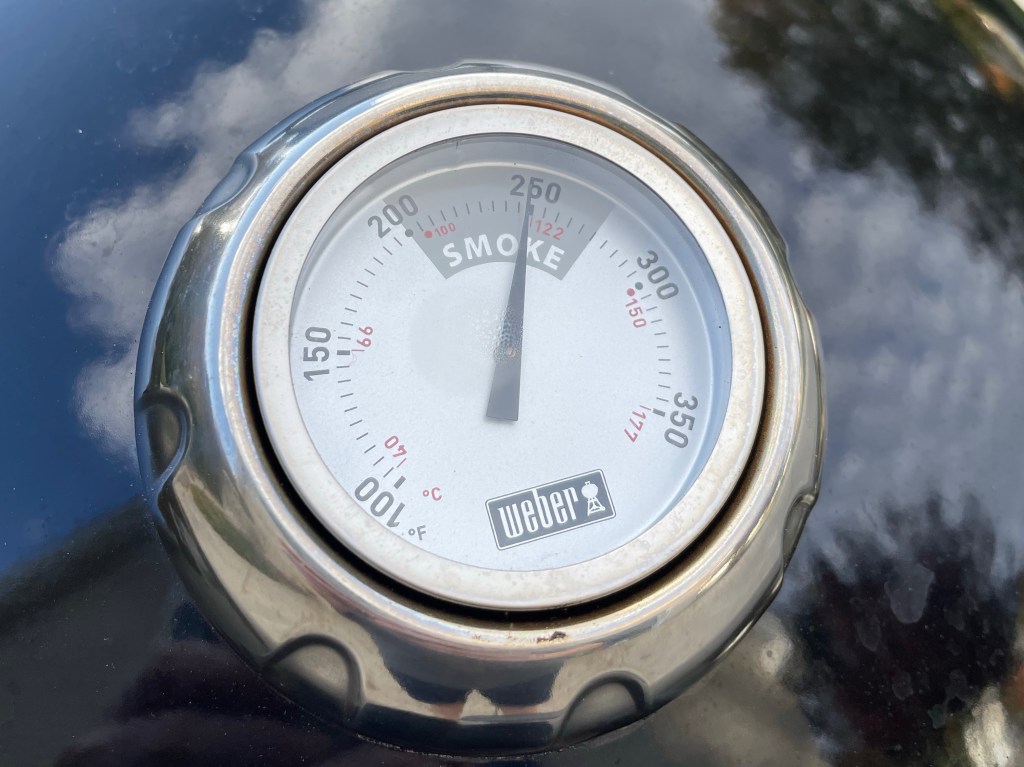
When the charcoal lumps have turned ash gray, I work quickly by adding the soaked wood chips on top, and then pouring a gallon of water into the pan below that, in effect, steams the foods as they smoke. For interesting flavor, I also add a half gallon of some other liquid— beer is my go-to, but this time, it was fresh-pressed apple cider. I put the pork shoulder on the lower grate, add the top grate and the salmon and sausages, and cover it. The smoker has a temperature gauge and several vents to control air flow and temperature. My smoker has a “smoke range” of 200° to 275° F, and the ideal is smack in the middle. I’ve learned to work the vents regularly through the cooking, and can typically now keep the smoker “in the range” for six hours, enough to cook most things through.

The sweet spot.

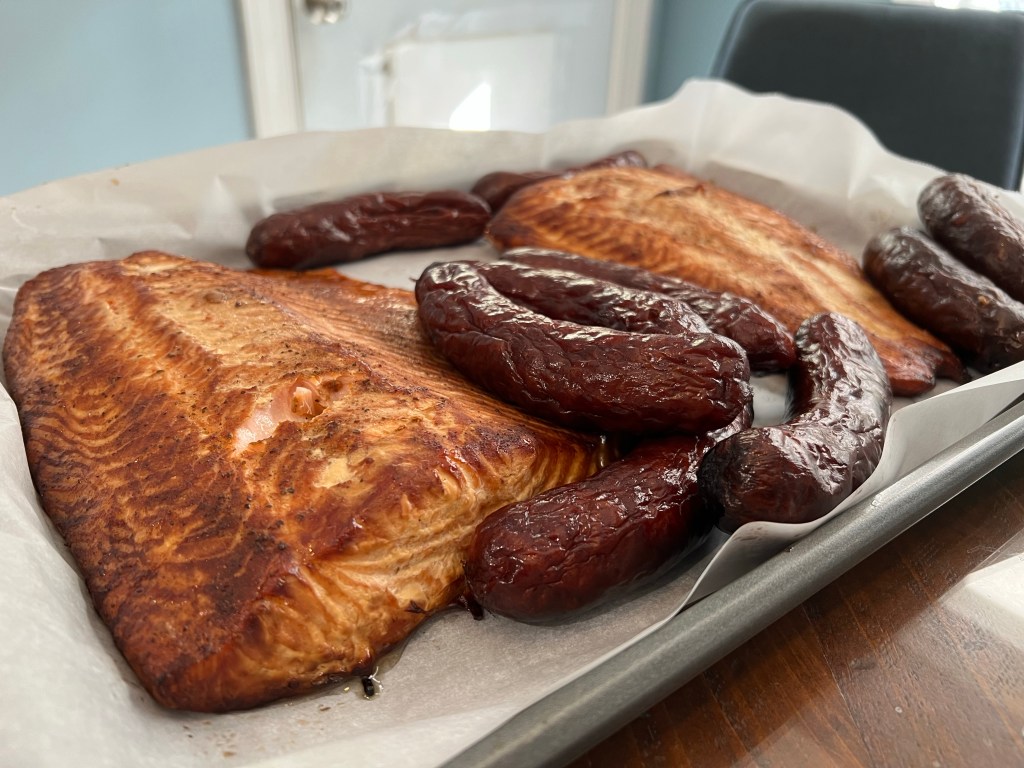
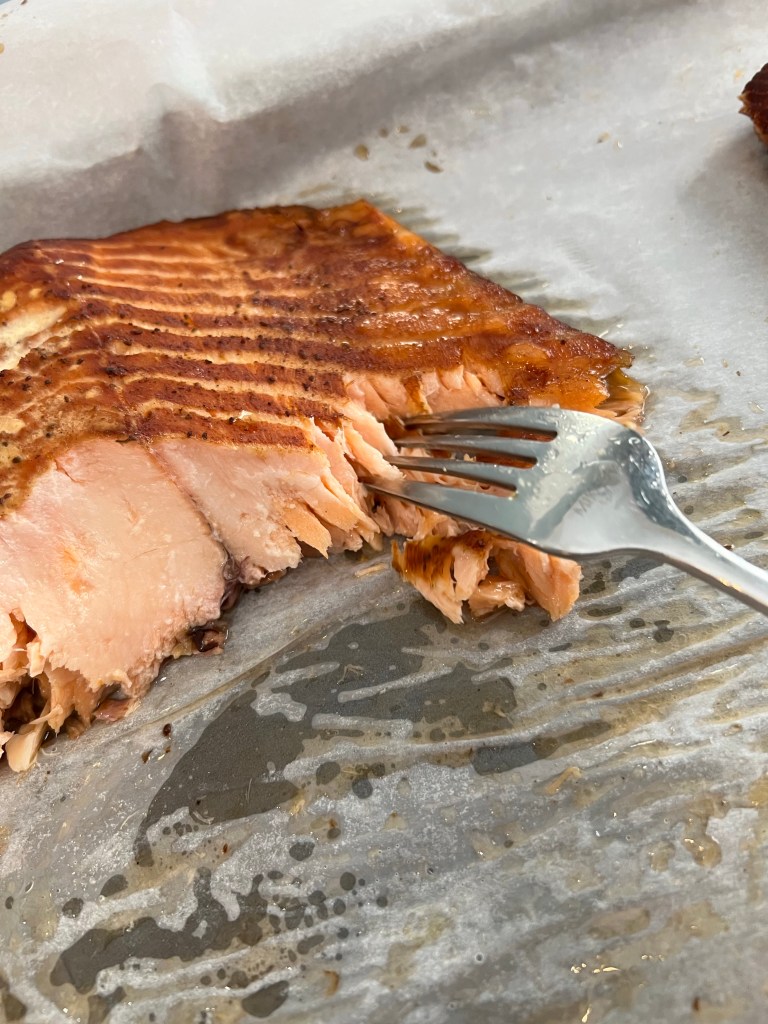
Occasionally, if I lose temperature before a pork shoulder or brisket are finished, we finish it in the oven at 300° F, wrapped tightly in heavy duty foil and roasted to desired tenderness. Salmon (and sausages) fortunately don’t take anywhere near that long. You know the fish and sausages are done just by sight. After an hour and 45 minutes with this cook, they were both ready.

Who’s hungry?

So many options for smoked salmon

When it’s freshly cooked, Terrie and I could eat a whole salmon between us, it’s so delicious. But we refrain to a few nibbles because we usually have other good things in store for it. The smoked salmon is great on top of a mixed greens salad, and sometimes Terrie will incorporate it into a pasta dish with sautéed spinach and sun-dried tomatoes. But my personal favorite use for smoked salmon is right here in this bowl.

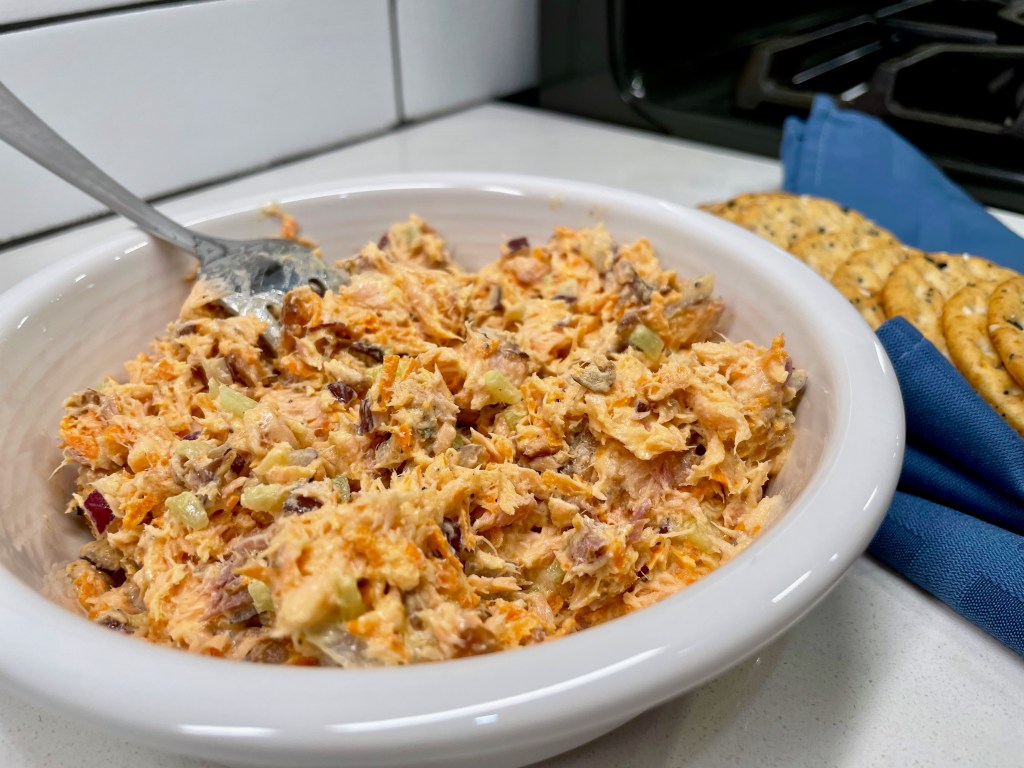
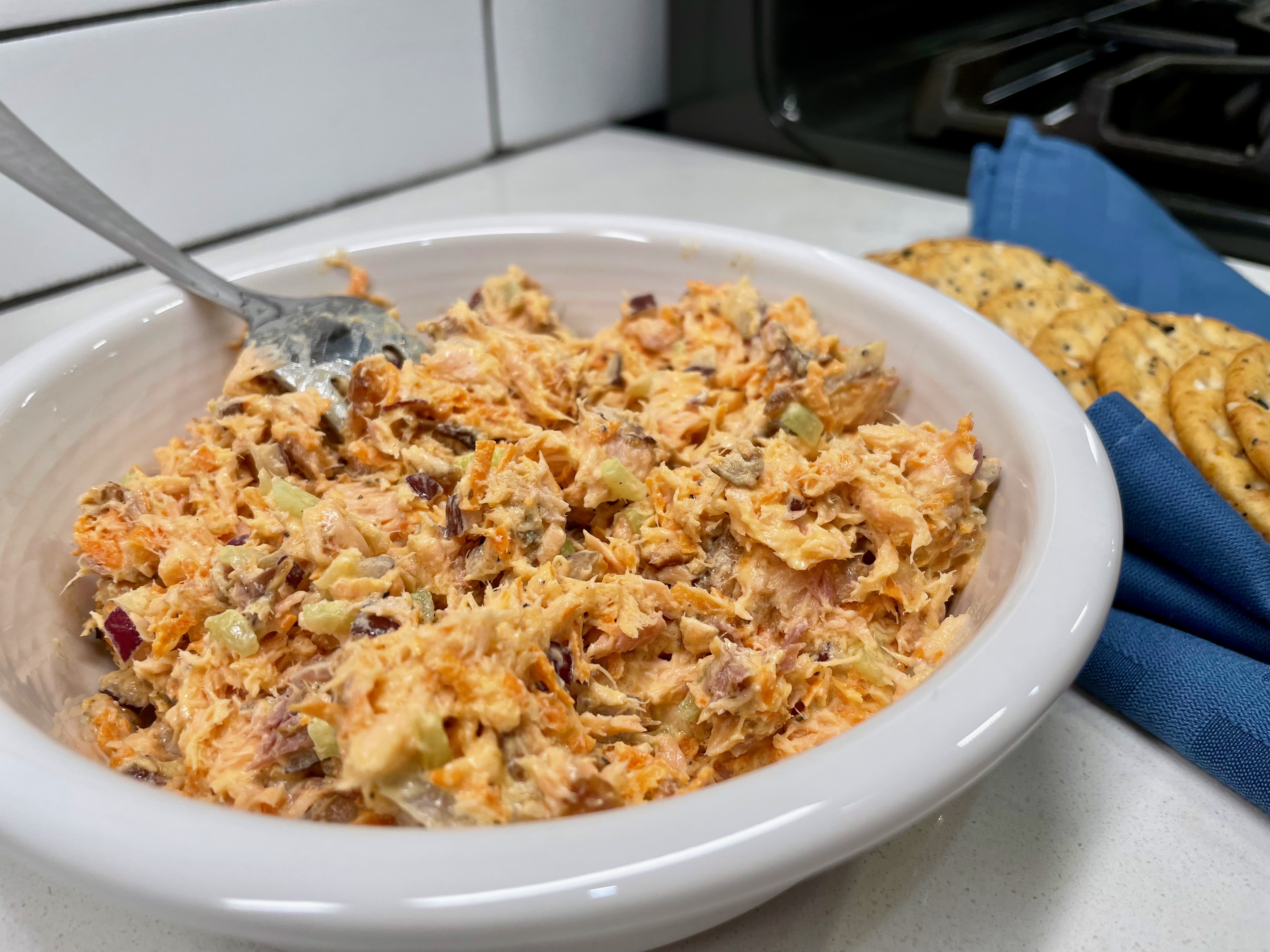
This salmon spread is so addictive.

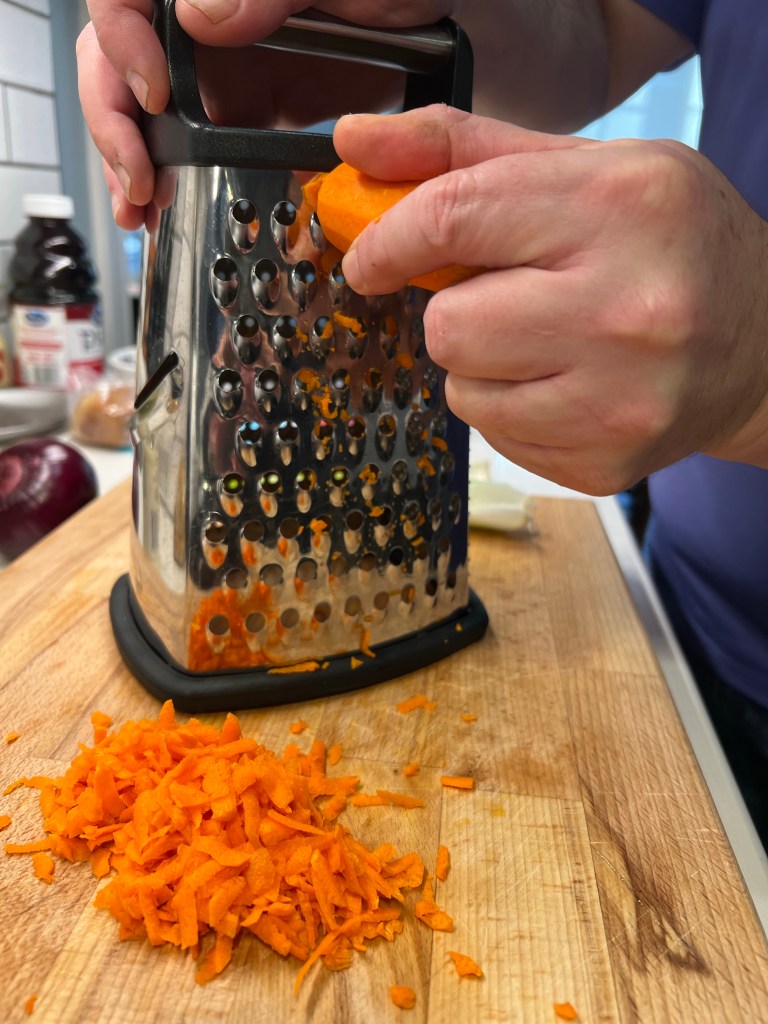
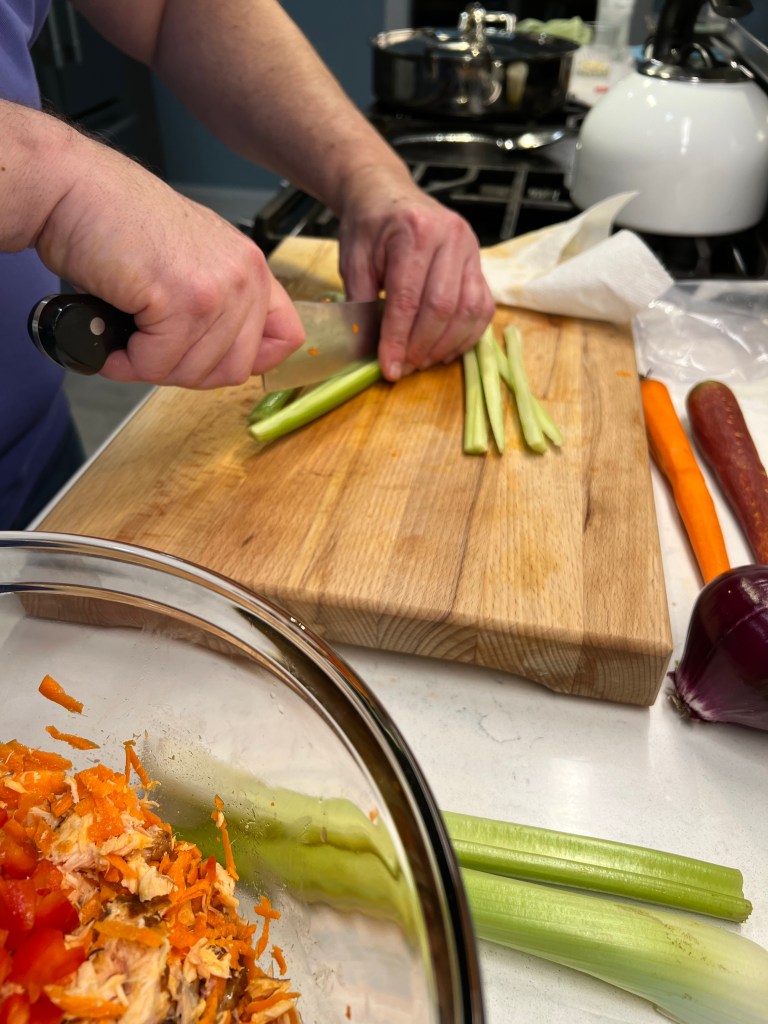
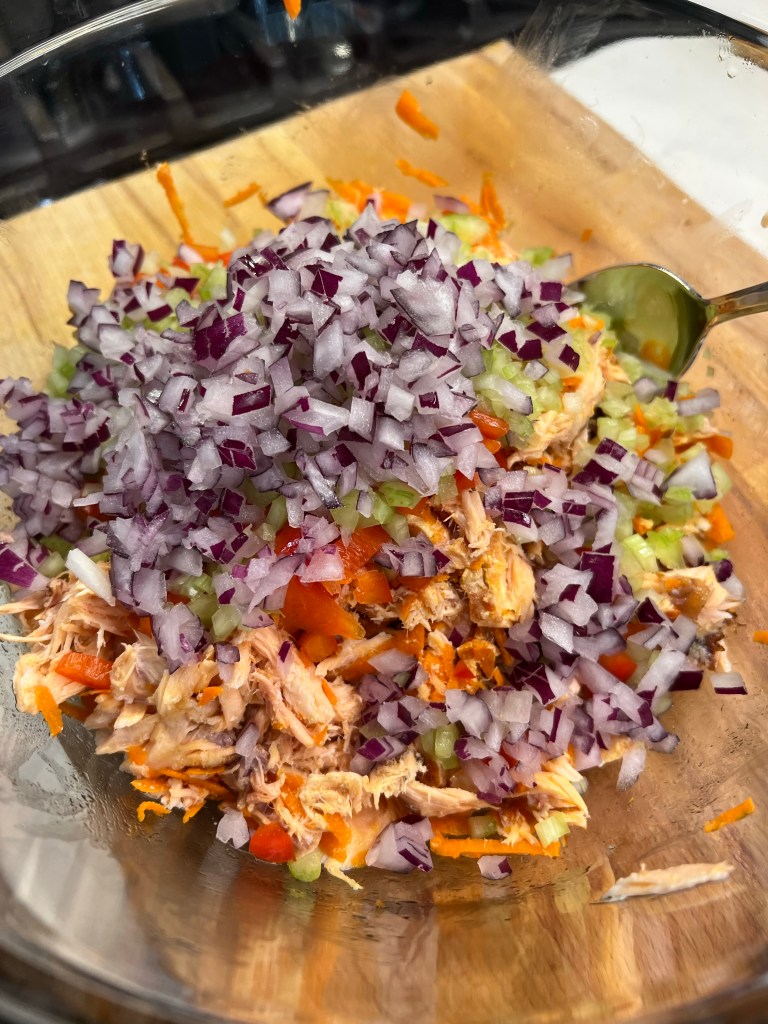
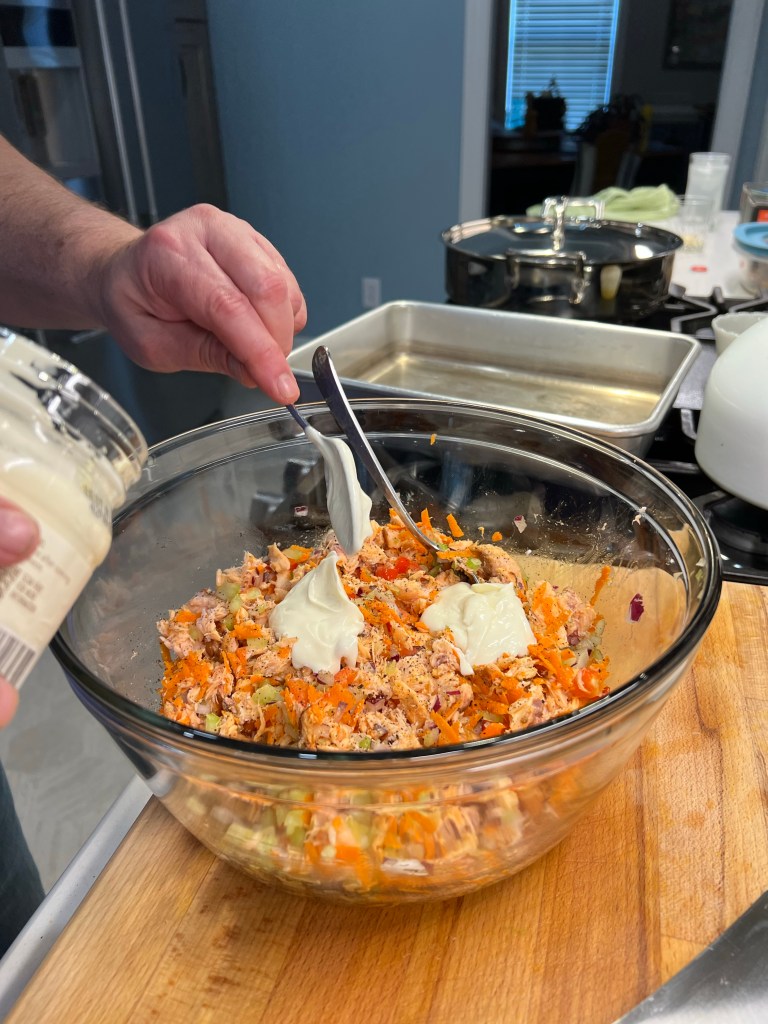
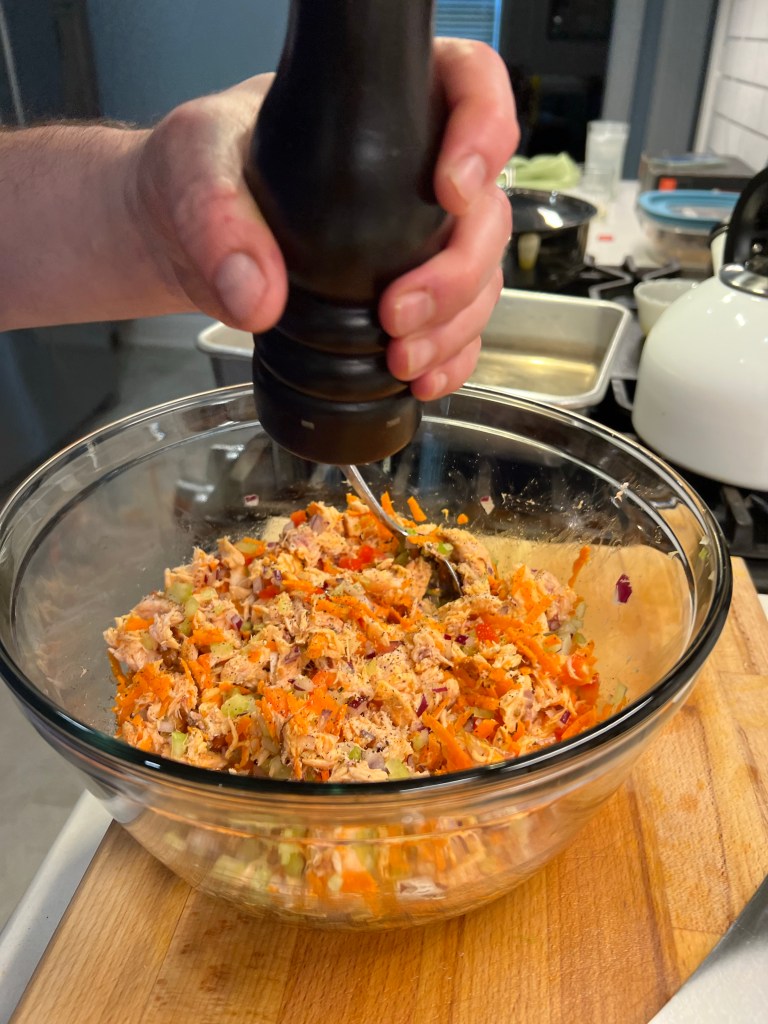
It starts with a nice chunk of the freshly smoked salmon, about a pound. Then, I dice up some red pepper, red onion and celery, and grate some carrot. Pepper to taste (salt usually isn’t necessary) and fold in just enough mayonnaise to moisten it. Mix it all together and refrigerate until ready to serve. We love it as a spread on crackers or pita chips, and it is fantastic (of course) on a bagel.


This salmon salad puts the store-bought variety of my youth to shame because it is chunky and not too laden with mayonnaise. Mainly, though, the difference is being able to smoke a fresh salmon rather than consuming a processed version. Of course, growing up in a New York City apartment building, I have to remind myself, it wasn’t like you could “fire up the smoker.” So if you have the space, the inclination and the smoker, have at it, friends.


Smoked Salmon Spread

  • Servings: About 12
  • Difficulty: Easy
  • Print

This salmon spread is a real crowd pleaser! It is very easy to make, and especially delicious when made from your own smoked salmon.


Ingredients


About 1 pound freshly smoked salmon (see note below)
1/2 red bell pepper, diced
1/2 medium red onion, diced
1 good sized carrot, peeled and grated
2 stalks celery heart, strings removed and diced
About 1/3 cup mayonnaise, just enough to moisten the mixture
A few twists of freshly ground black pepper

Note: This spread is made with “hot” smoked salmon that is cooked, not the lox-style cured salmon. If you do not smoke your own, consider purchasing this from a good delicatessen or check the packaging to be sure the salmon is fully cooked.

Directions

  1. Flake the salmon into a medium size mixing bowl. Add vegetables and toss gently.
  2. Fold in mayonnaise, a little at a time, until the mixture is moistened enough to hold together. Season to taste.


Benedictine Spread

How do you know when a dish is a winner? Is it compliments received or perhaps a request for the recipe? Maybe it’s no words at all as the eaters enjoy each bite in blissful silence. It could be any of the above, but in my experience, an empty plate tells no lies!

When Kentucky Derby rolled around last year, my husband and I were invited to join some friends for an afternoon of snacking, sipping and generally feeling fancy with gussied-up hats and minty bourbon cocktails. I offered to bring an appetizer and though it isn’t really my style to share a straight-up classic, I decided on Benedictine, a cream cheese-based spread developed by an early-20th century Louisville caterer.

As Wikipedia tells it, Jennie Carter Benedict served this concoction to her catering clients and later to guests in her tea room, though at that time it was more of a silky dip than a spread, made with the juices of cucumber and onions and sometimes a few drops of green food coloring for effect. The combination of cream cheese and cucumber is cool and refreshing and makes Benedictine a delectable filling in pretty cucumber sandwiches. Its popularity continues all these years later, with a few modernizations. There will be plenty of it served up at Kentucky Derby gatherings alongside mint juleps and hot brown sandwiches, and probably even at Churchill Downs itself when the riders take their positions on the first Saturday of May.

Benedictine is made with very simple ingredients, requires no cooking, and can be made a day ahead and stored in the fridge until post time. And, as I mentioned, the empty plate I brought home after last year’s Run for the Roses was proof that this appetizer was a clear winner.


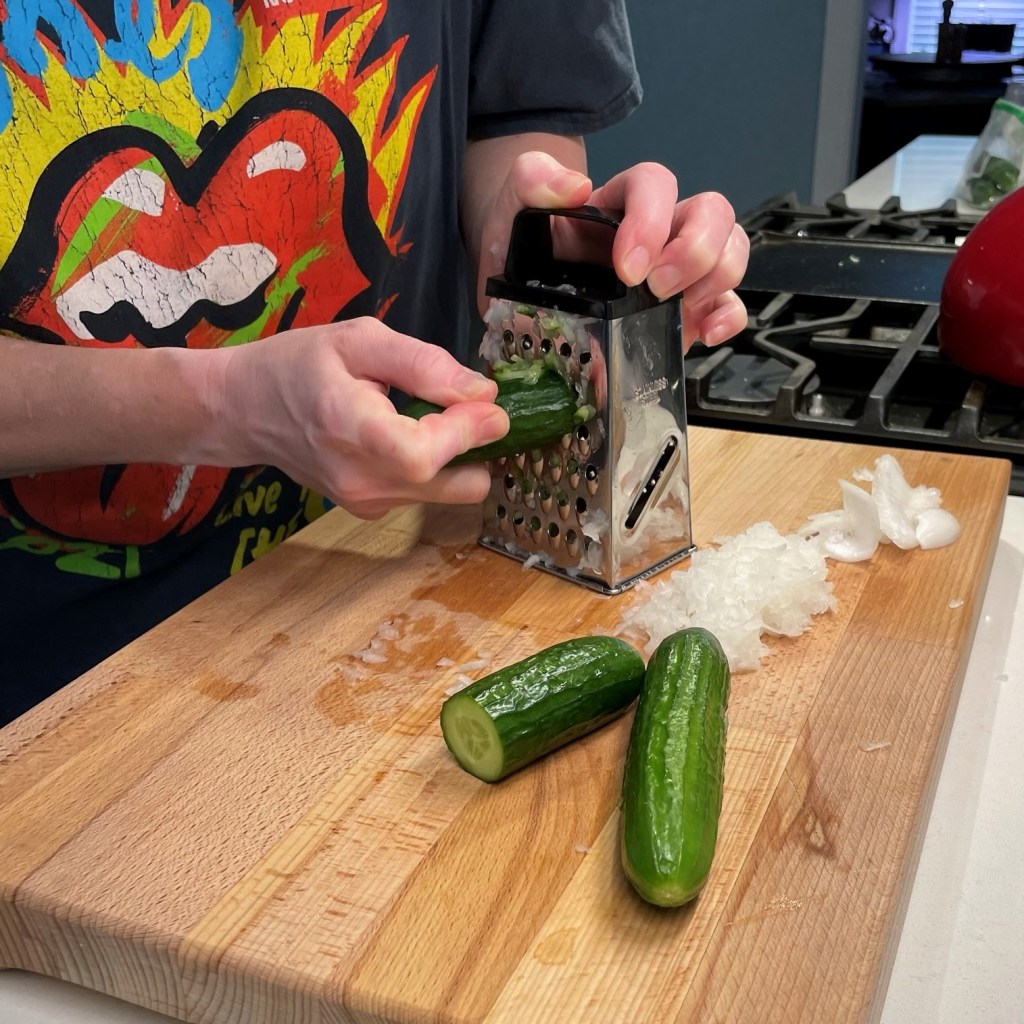
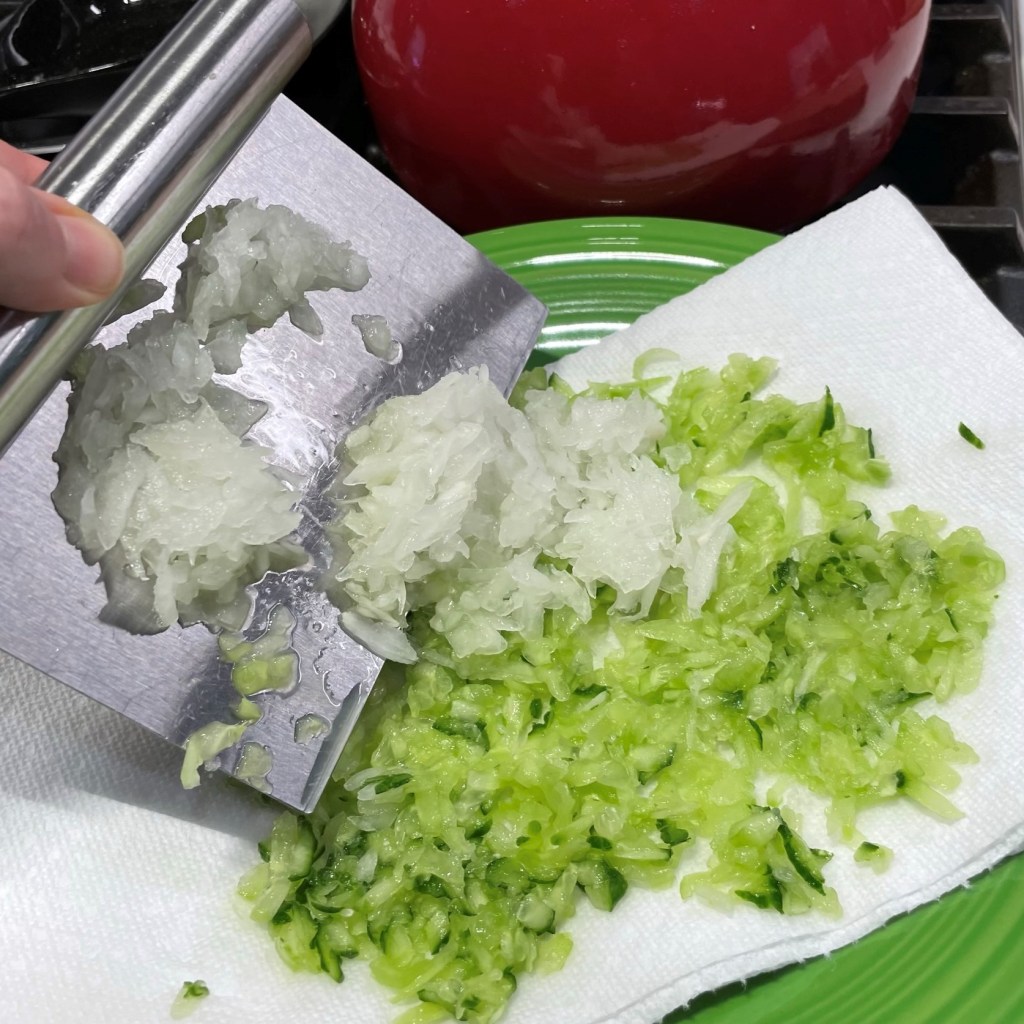
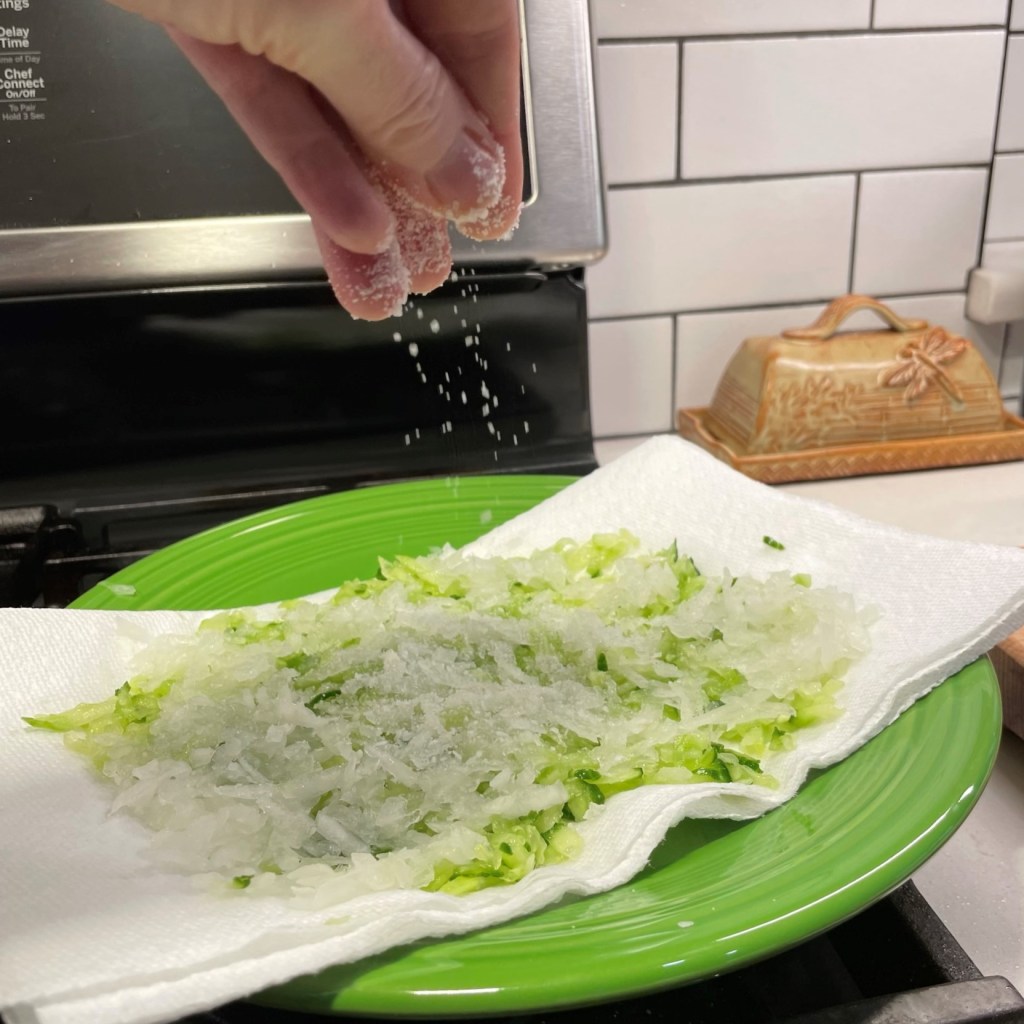
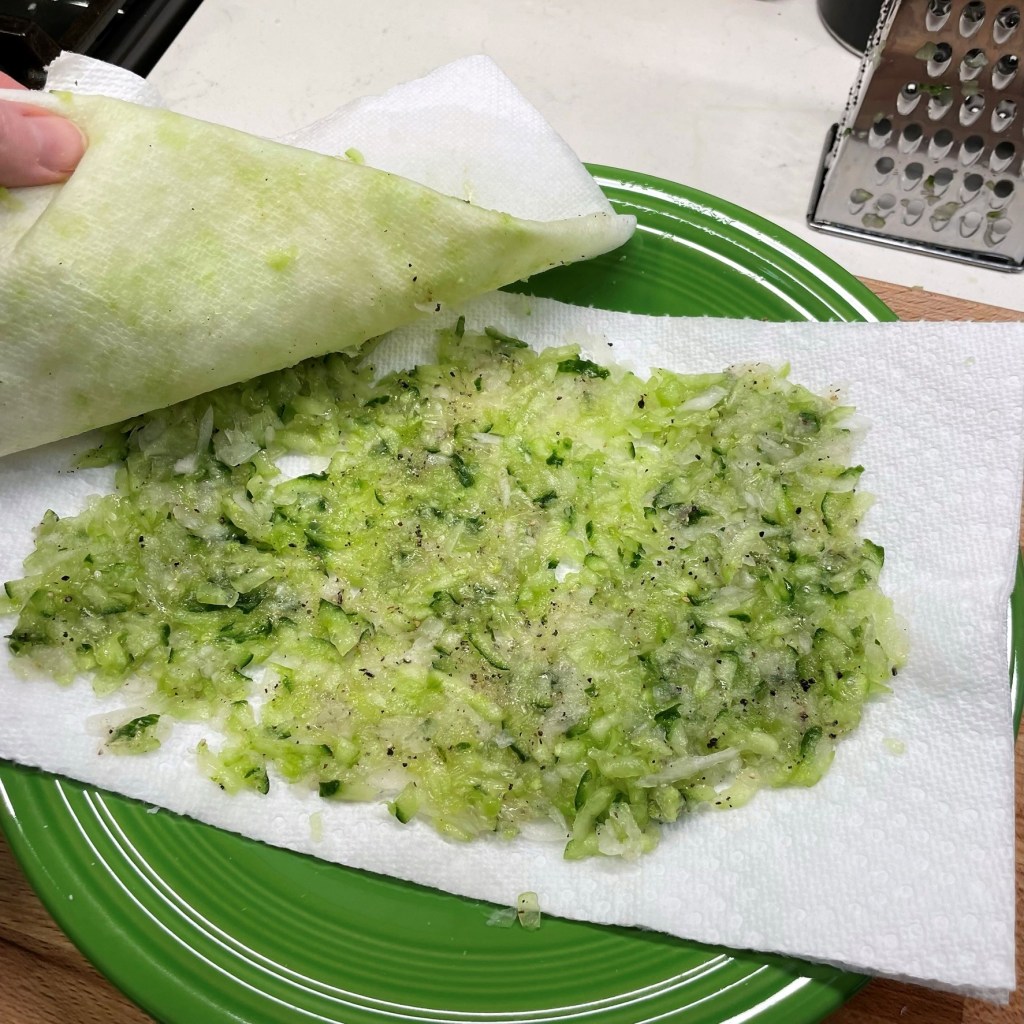
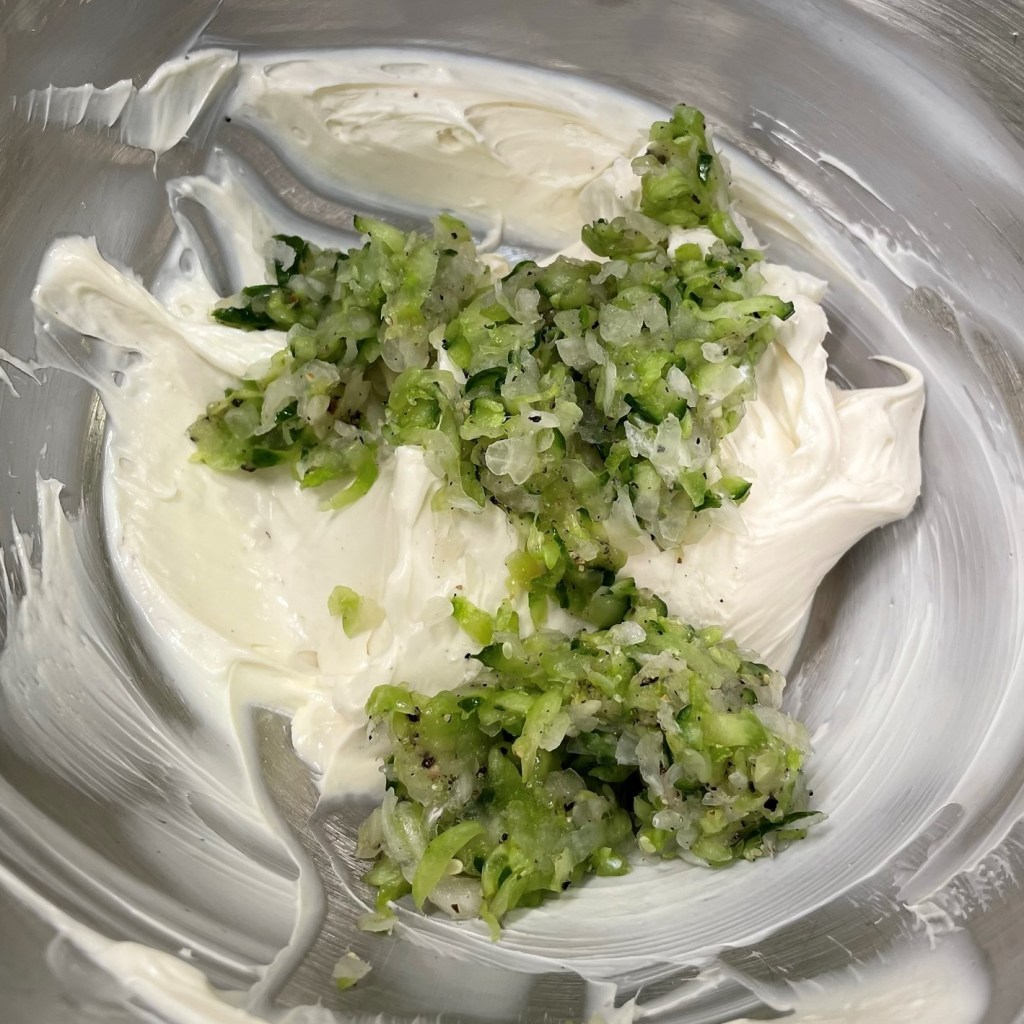
This recipe for Benedictine is inspired by the original, but follows my own general formula for a cream cheese-based dip. As with my tzatziki dip, I salted and drained the grated cucumbers to ensure the shreds would not turn the spread soupy. I did the same with the onions, swapping new paper towels over the mixture until they no longer felt soaked. I did this part of the recipe first, and let the cukes rest in the fridge for a couple of hours before proceeding. I used Persian cucumbers because they have fewer seeds and the skin is tender enough for some of it to be included.


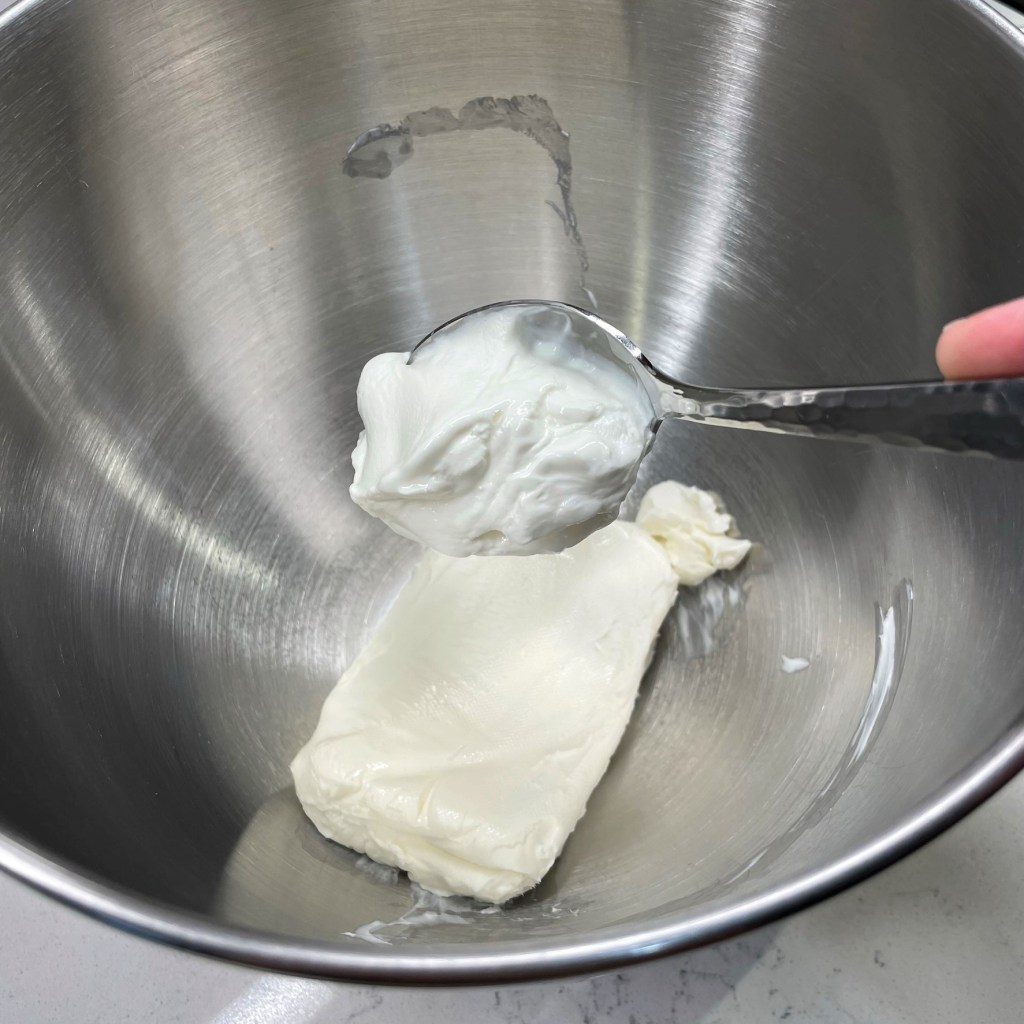
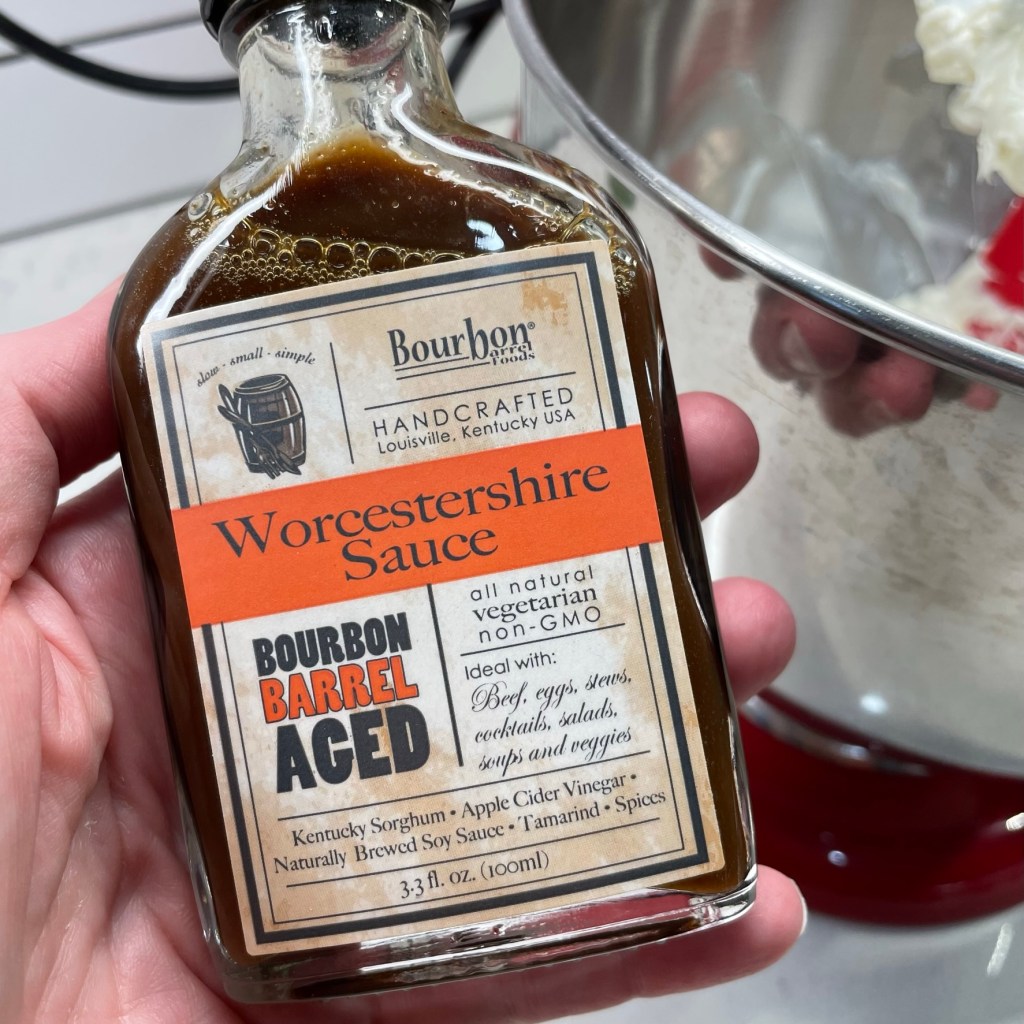
The creamy base was a blend of light cream cheese, sour cream and a bit of mayonnaise. Rather than drops of hot sauce (mentioned in the Wikipedia article), I gave my Benedictine a little zing from a bourbon barrel-rested Worcestershire sauce made in Louisville—that seemed apropos for a Derby Day recipe and it was a pleasant, savory complement to the freshness of the cucumbers. This sauce also happens to be vegetarian, as it omits the usual anchovies.


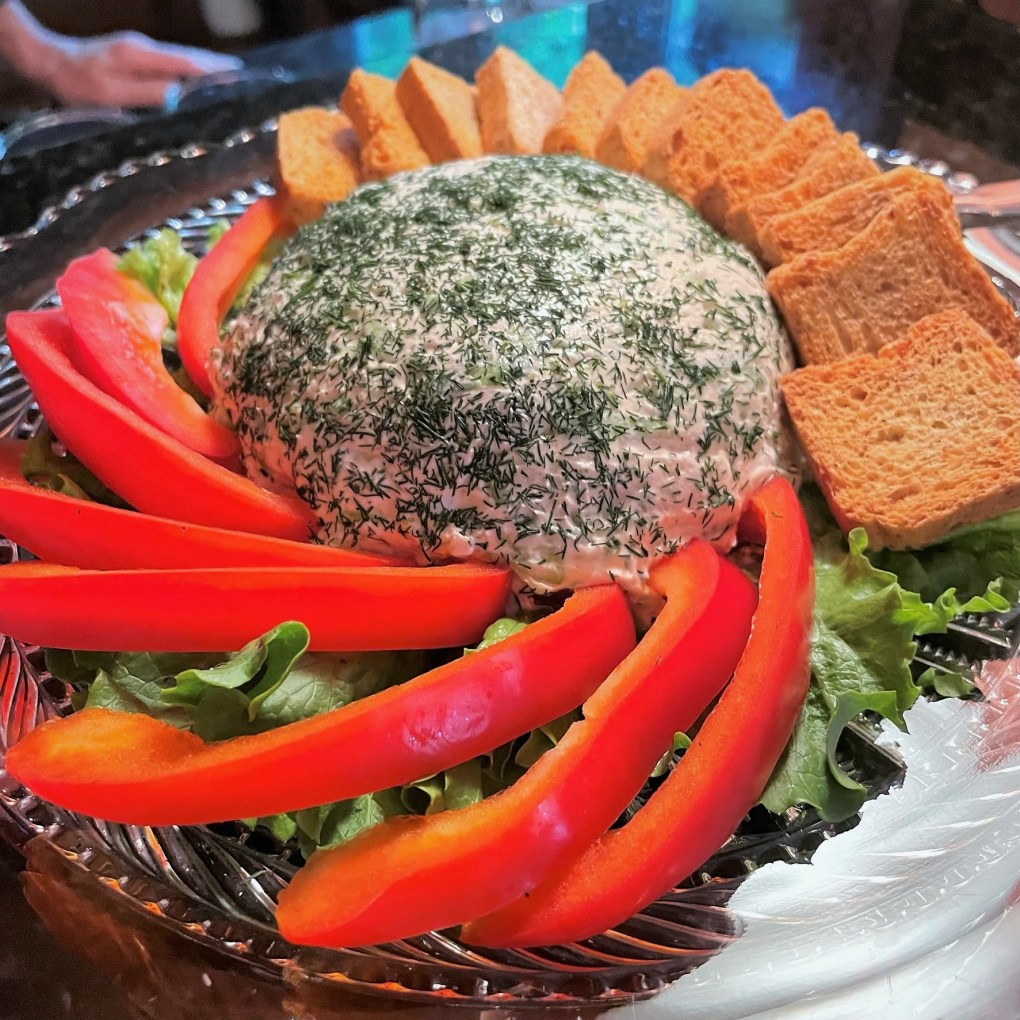
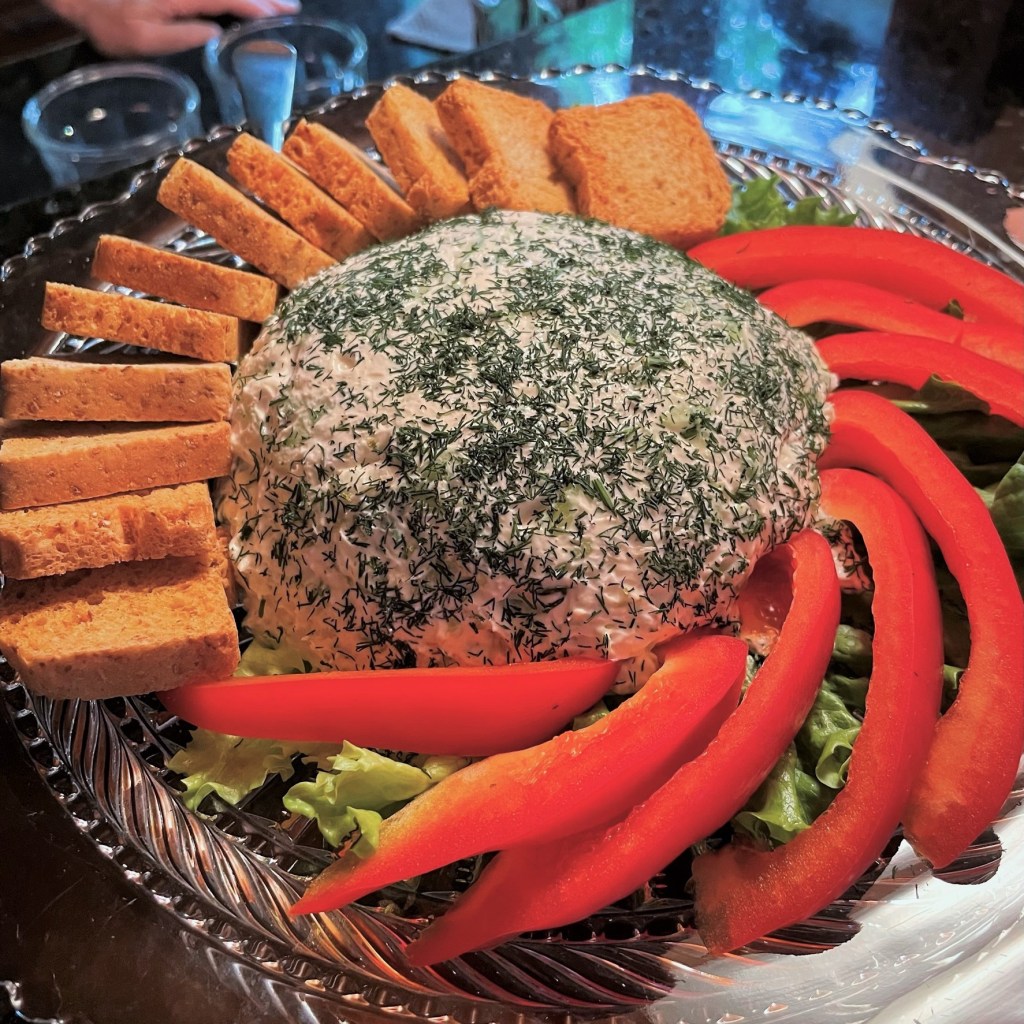
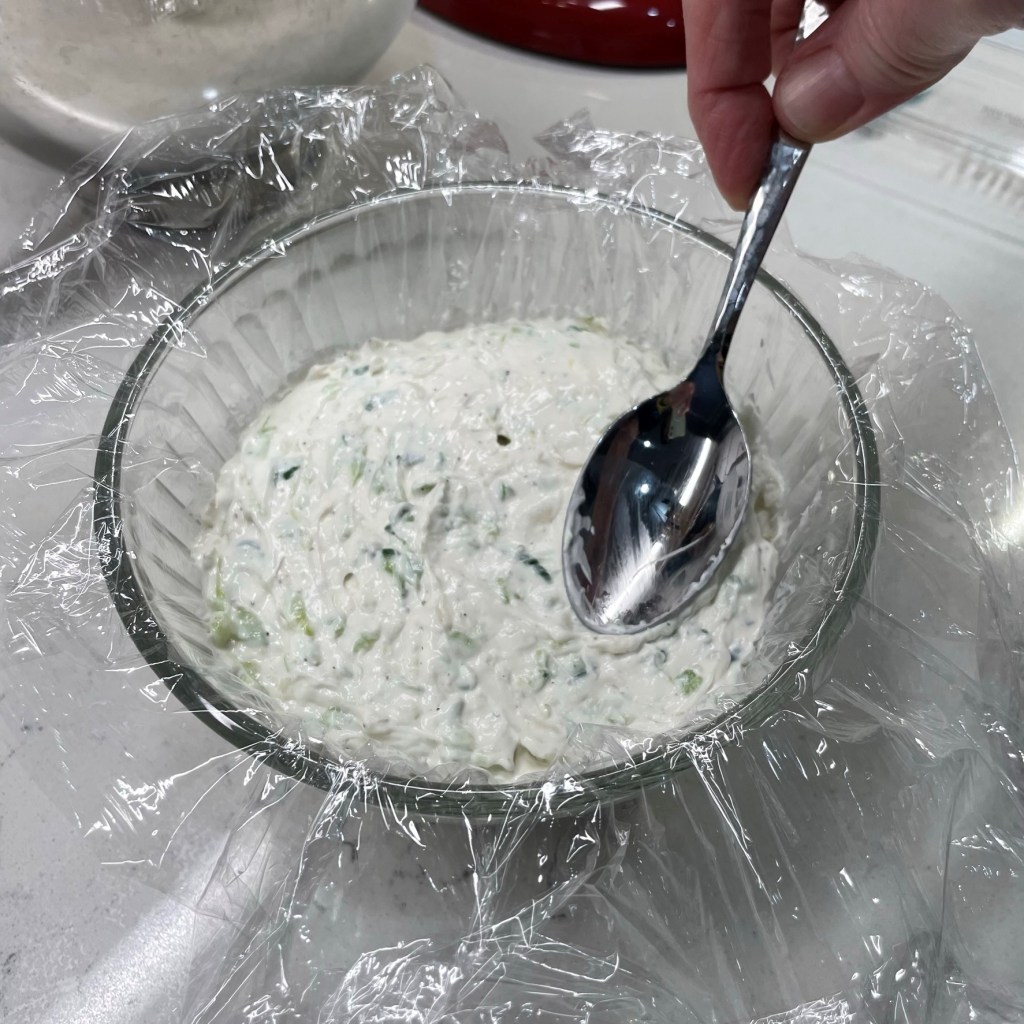
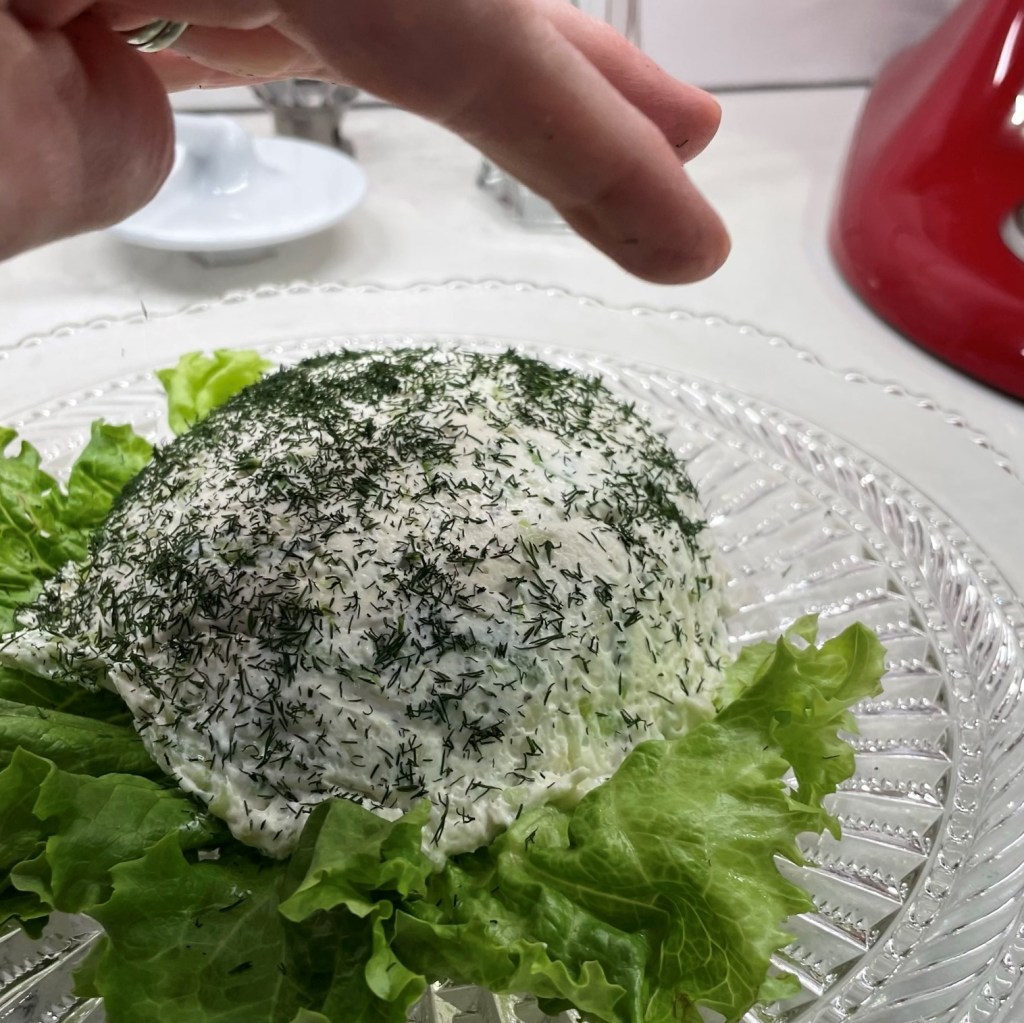
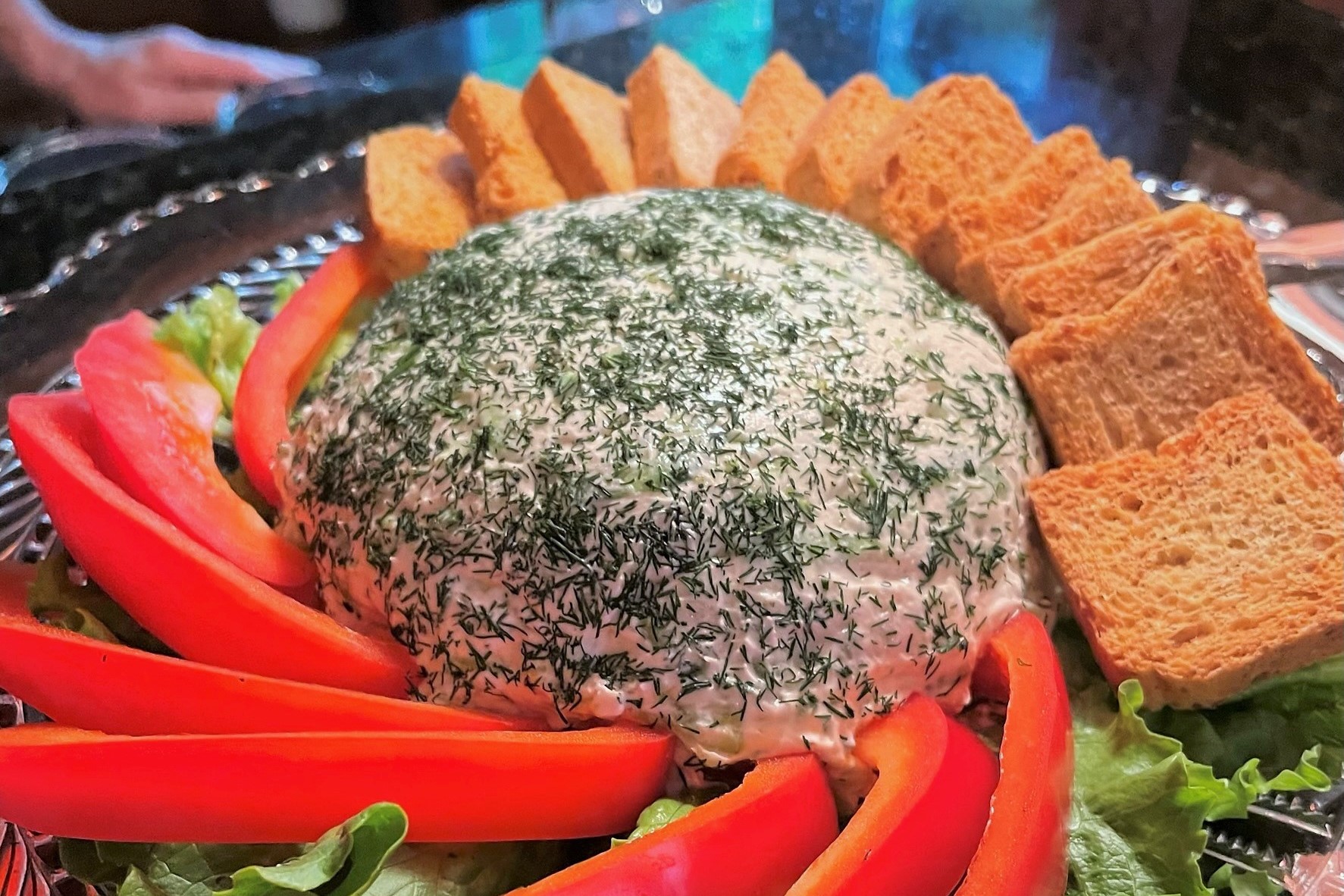
If I were in a hurry or making cucumber sandwiches, this would have been ready as soon as the drained cucumber and onion shreds were mixed in, but I wanted to serve my Benedictine on a platter with fresh veggies for dipping and some toasted mini brioche squares, so I pressed it into a bowl lined with plastic wrap and gave it some fridge time to set up for prettier presentation.


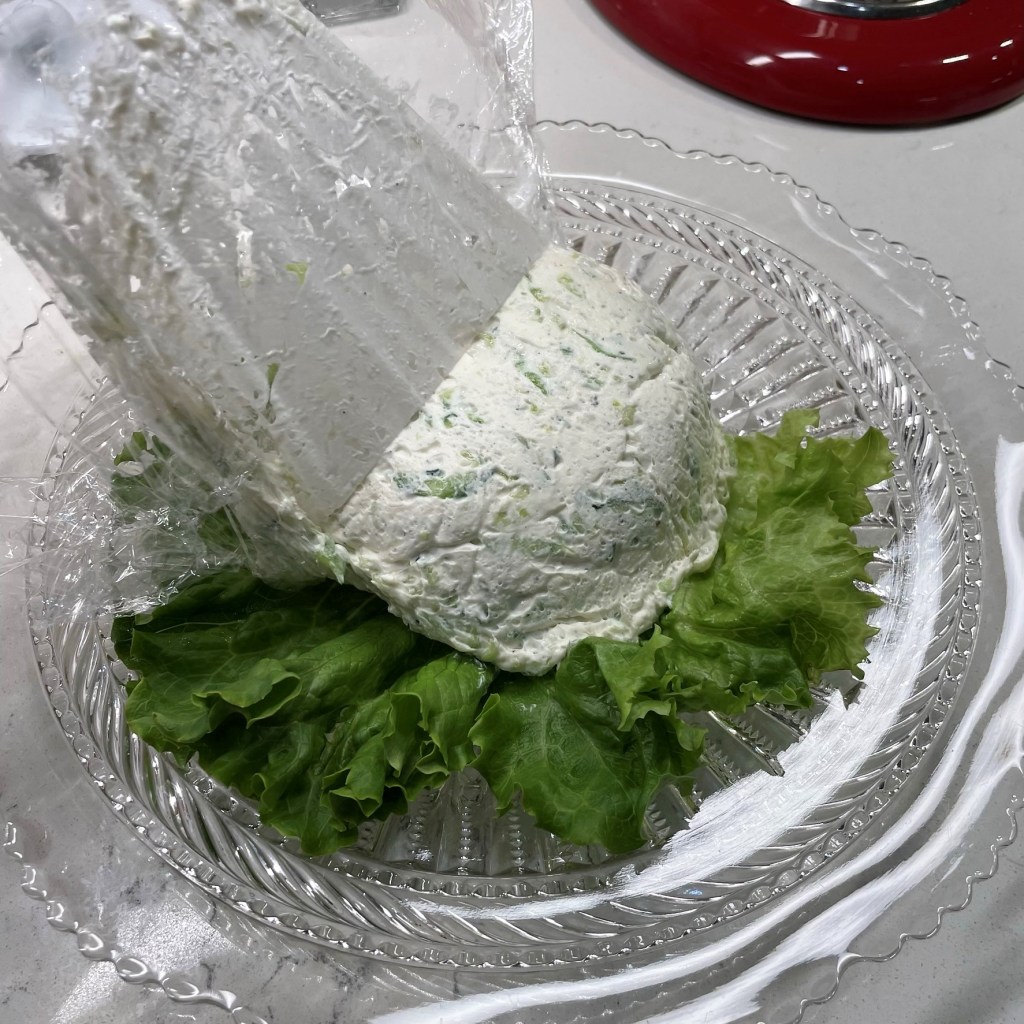
When I inverted it onto a lettuce-lined platter a few hours later, it occurred to me that fresh herbs would finish it nicely. Unfortunately, all I had in the fridge that day was cilantro (not the best match here), and it was too late for a last-minute dash to the store, so I had to concede to using dried dill leaves. The flavor was still very good, but fresh dill would take the win—by a nose. 😉


Benedictine Spread

  • Servings: 6 to 8 as an appetizer
  • Difficulty: Average
  • Print

DESCRIPTION


Ingredients

  • 2 Persian cucumbers*, cleaned and partially peeled (a little of the tender peel is fine and adds lovely color)
  • 1/2 medium sweet onion
  • 1/2 tsp. kosher salt and black pepper to taste
  • 8 oz. brick light cream cheese (or full-fat)
  • 1/4 cup stirred sour cream (or plain Greek yogurt)
  • 1/4 cup mayonnaise
  • 1 tsp. Worcestershire sauce (mine was aged in a bourbon barrel, available in specialty stores or online at https://bourbonbarrelfoods.com/product/bourbon-barrel-worcestershire-sauce/)
  • 2 Tbsp. fresh dill leaves, chopped

Persian cucumbers are usually about five inches length and they have fewer seeds and more tender skin than typical “slicing” cucumbers. Consider peeling and seeding other types of cucumber. This recipe requires about 1 cup of grated cucumber. I peeled one of my Persians, and kept the other intact.

Directions

  1. Use a box grater to shred the cucumbers and onion. Place shreds in a bowl or plate, lined with layers of paper towels. Sprinkle with salt and pepper, and then wrap in the paper towels; refrigerate a couple of hours to draw out as much excess moisture as possible.
  2. By hand or with a stand mixer, combine cream cheese, sour cream and mayonnaise until smooth and fluffy. Stir in Worcestershire. Cover and refrigerate until ready to combine with cucumber mixture.
  3. Use clean paper towels to blot away any lingering excess moisture from cucumber-onion shreds. Blend evenly into cream cheese mixture.
  4. Transfer Benedictine spread to a small bowl lined with plastic wrap. Press and smooth the mixture so that it assumes the shape of the bowl with no air bubbles. Cover and refrigerate a couple of hours to firm up.
  5. Invert Benedictine onto a lettuce leaf-lined serving plate. Remove plastic and sprinkle with fresh herbs. Serve with fresh vegetables, crackers, crostini or toasted brioche squares.


Mexican Street Corn Guacamole

I guess you could say that I have been on a “Kenji kick” lately, channeling my secret inner scientist and learning so much about food that I can hardly keep up. If you’ve been following my posts, you know how inspired I am by J. Kenji López-Alt, the chef who pushes all the boundaries of science and food, and today, I present another example of new tricks I’m learning from Kenji.


I have attached the name “street corn” to this recipe, though it is technically missing a few of the signature street corn ingredients (specifically, mayonnaise and chile sprinkles). But the mouthwatering combination of flavors it does have—lime, cilantro, grilled corn and cotija cheese—gives me such an impression of street corn that I couldn’t help myself.


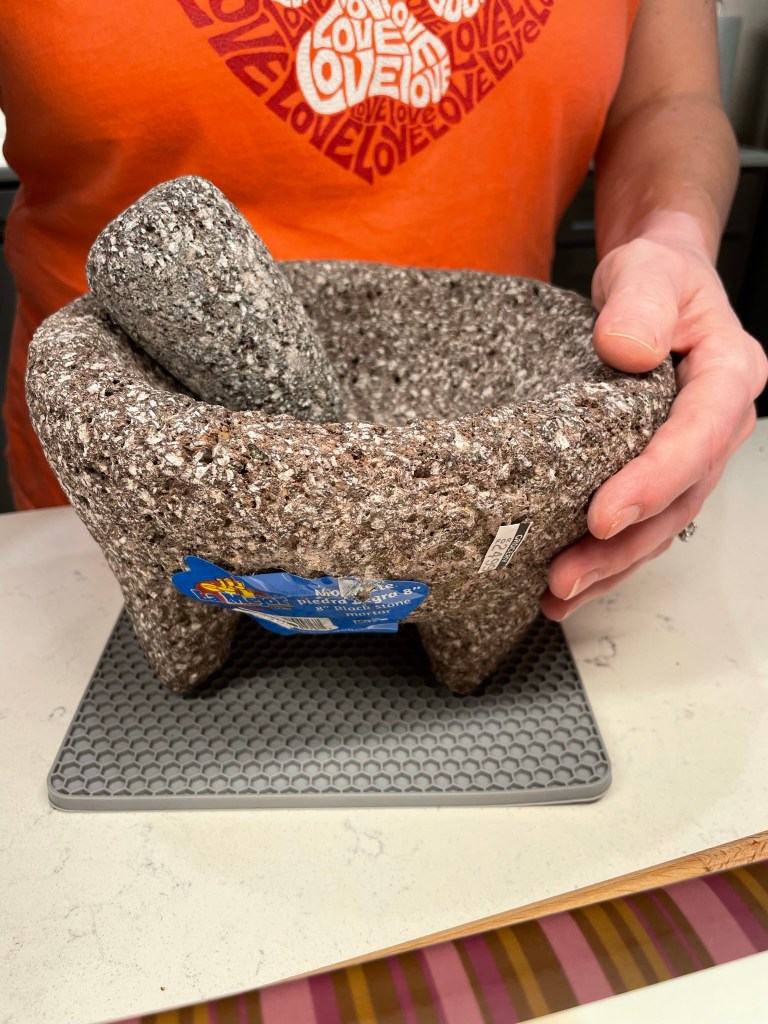
Besides, I felt an obligation to change the name because I couldn’t quite make the recipe (which comes from the pages of NY Times Cooking) as directed by its author, and that’s because I don’t have the proper tools of a Mexican cocina. Nope, this gringa relies mostly on her countertop electrics for heavy chopping, dicing, mincing and pureeing, and that works fine most of the time. But when it comes to making salsa or guacamole, the better and more authentic method would involve a molcajete, a huge, primitive looking mortar and pestle carved from a chunk of volcanic rock.

The rough interior of a molcajete (pronounced mowl-kuh-HAY-tay) makes the flavors more intense, because as you grind solid ingredients into it, you crush rather than chop, and that releases the essence of seed spices, herbs and onions in a way that modern appliances simply can’t compete. For this recipe, even though I recently spent several hundred dollars on a made-in-France food processor that basically requires a college course to use, I set out instead to find a molcajete, a culinary tool that you have probably seen in Mexican restaurants.

Originally, my plan was to share this scrumptious guacamole recipe in observance of Hispanic Heritage Month, but my research about molcajetes led me to realize that the tool really is primitive, and it is considered “pre-Hispanic” because it was created and used by the Aztecs, long before Spain began to influence the cultures that we recognize today as Hispanic—including Mexico, where most molcajetes are still made to ancient standards.


My first stop for one of these nifty devices was Amazon, but after scrolling through three pages of “authentic” molcajetes, I wasn’t convinced that they weren’t made in China, and possibly of concrete. Next stop, Williams-Sonoma, because who knows more about authentic Mexican cooking, right? OK, maybe not, though they did have some impressive-looking molcajetes, and (not surprisingly) at really impressive prices.

Finally, I wised up and headed across town to the Mexican supermarket. Les and I love visiting this interesting store, where we find all the spices, dried peppers and other Mexican ingredients we could ever want. They have the largest bin of fresh jalapenos I have ever seen (perfect for Les’s Atomic Buffalo Turds recipe), as well as a few ingredients I can’t pronounce and wouldn’t begin to know how to use (yet). English is not the first language for the workers in this market, nor for most of its customers, and I’m good with that because every visit feels like an adventure.


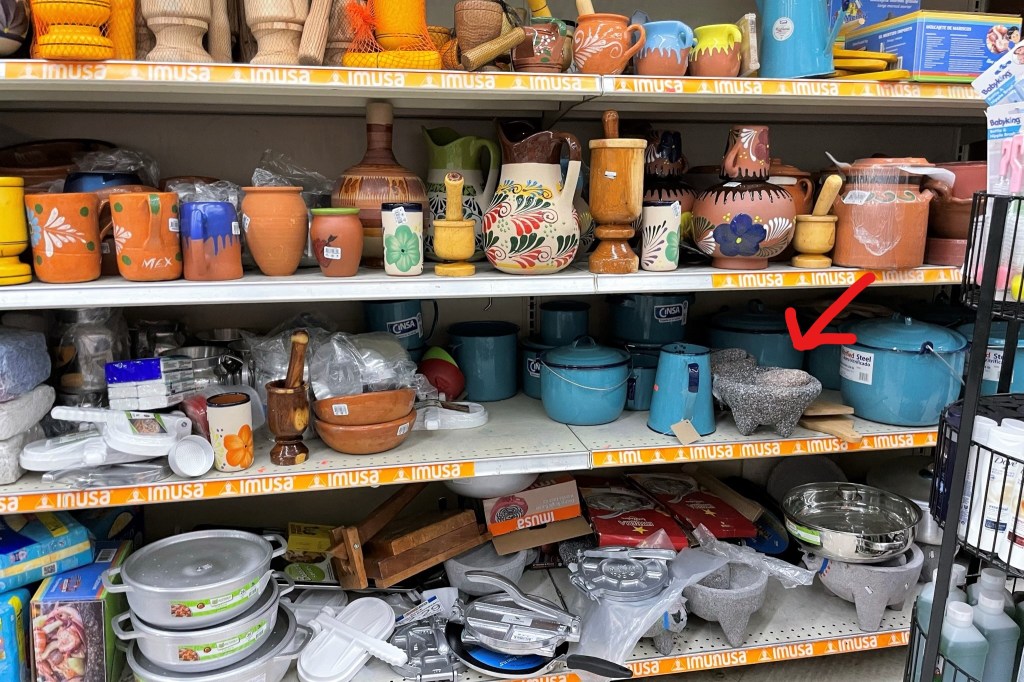
This is the same store where I found my cast iron press for making handmade corn tortillas, and I knew we would find a traditional molcajete as well—and there it was, conveniently nestled among all sorts other gadgets, right next to the carousel rack of shampoo and rubbing alcohol, of course. As I said, it is an interesting store (remind me to tell you sometime where to find the mayonnaise)!

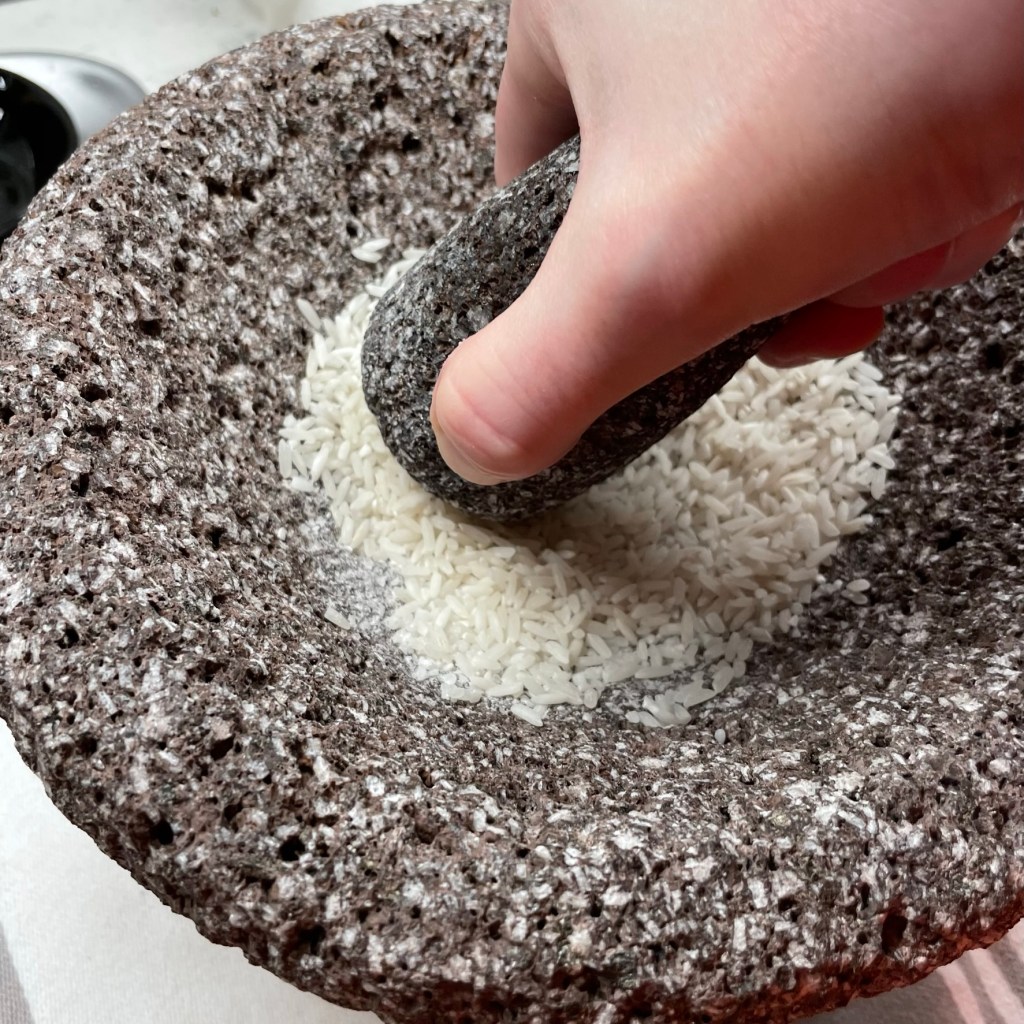
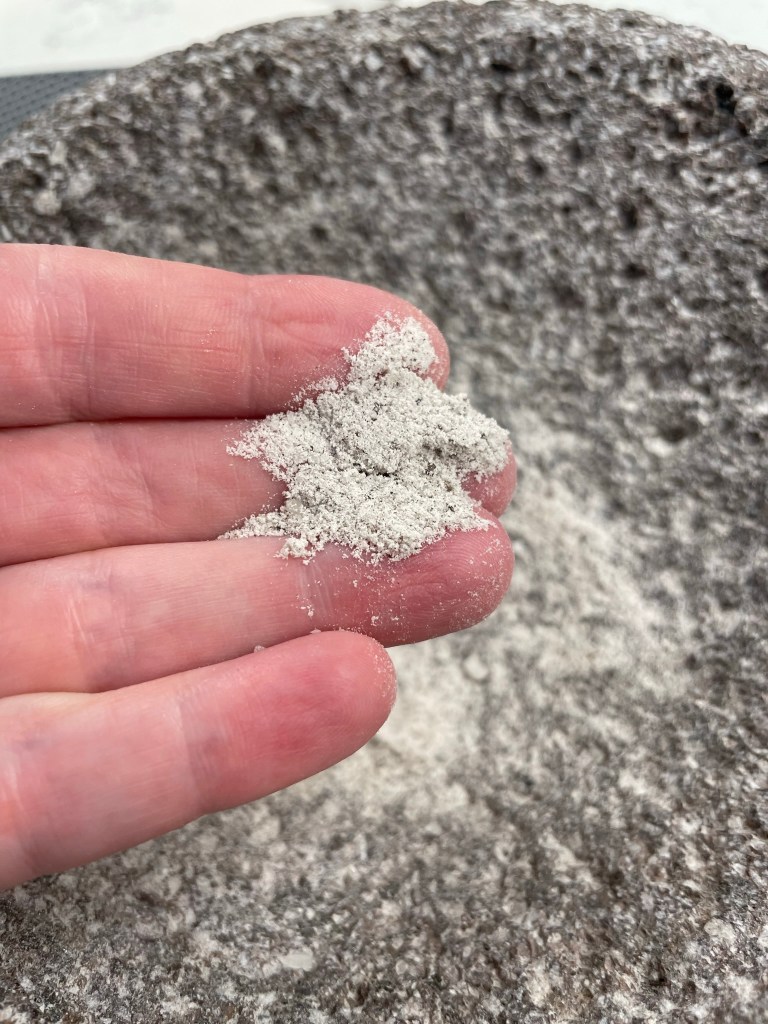
What I had not realized at the time of my molcajete purchase was the curing, or “seasoning,” that is required. The pores are huge in the volcanic rock, and a great deal of dust and grit is encased in there. First, you must scrub the inside and outside with hot water (no soap) and a stiff-bristled brush to release the surface grit and grime, and tip it sideways to air dry. Then you grind raw, whole rice into the thing, which draws out additional gray, powdery grit.

You rinse and repeat as many times as it takes, until the rice comes out clean. At that point, you’re ready—unless you follow some experts’ instructions to also season the food-touching surfaces with salt and garlic. OK, all of that sounded time consuming, but easy enough!

Or, maybe not.


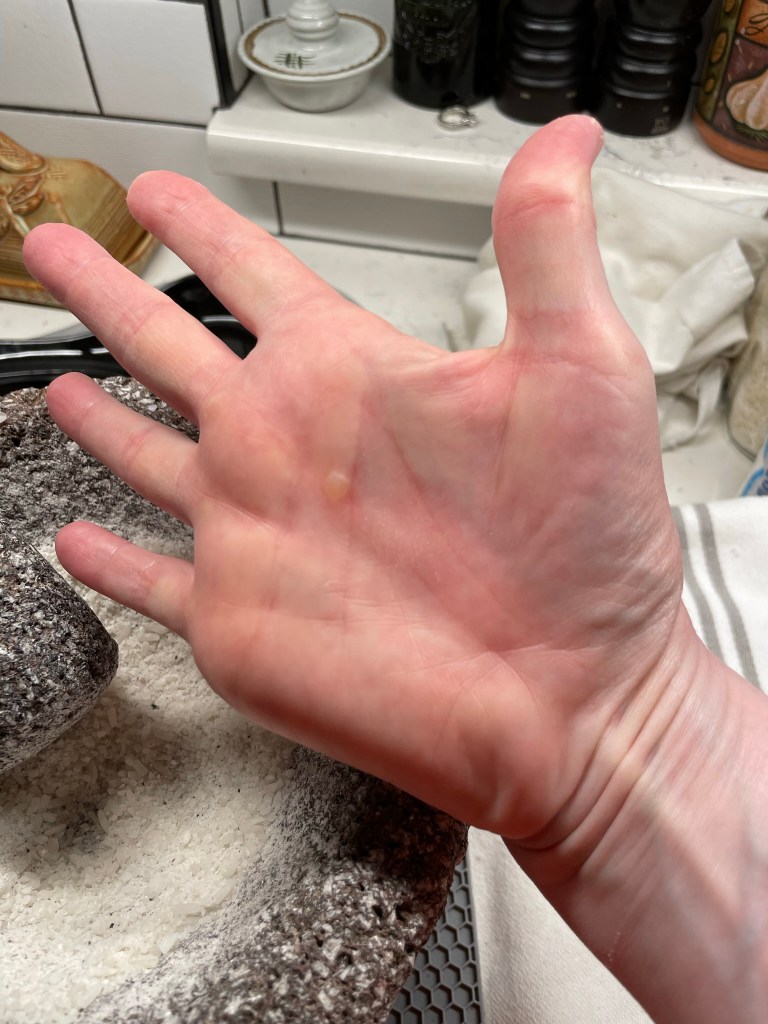
A mere 20 minutes into this process, I had to give up because I already had a blister from gripping the rough surface of the pestle so tightly. Les took a crack at it, too, and we soon realized this was not going to happen in time for us to make Kenji’s gorgeous guacamole, and that’s where the chef’s scientific expertise came to the rescue. As with most of his recipes, Kenji offered a workaround for crushing the ingredients with coarse salt, and it was so simple, we could do it with nothing more than a bowl, a cutting board and a good knife. Here goes!


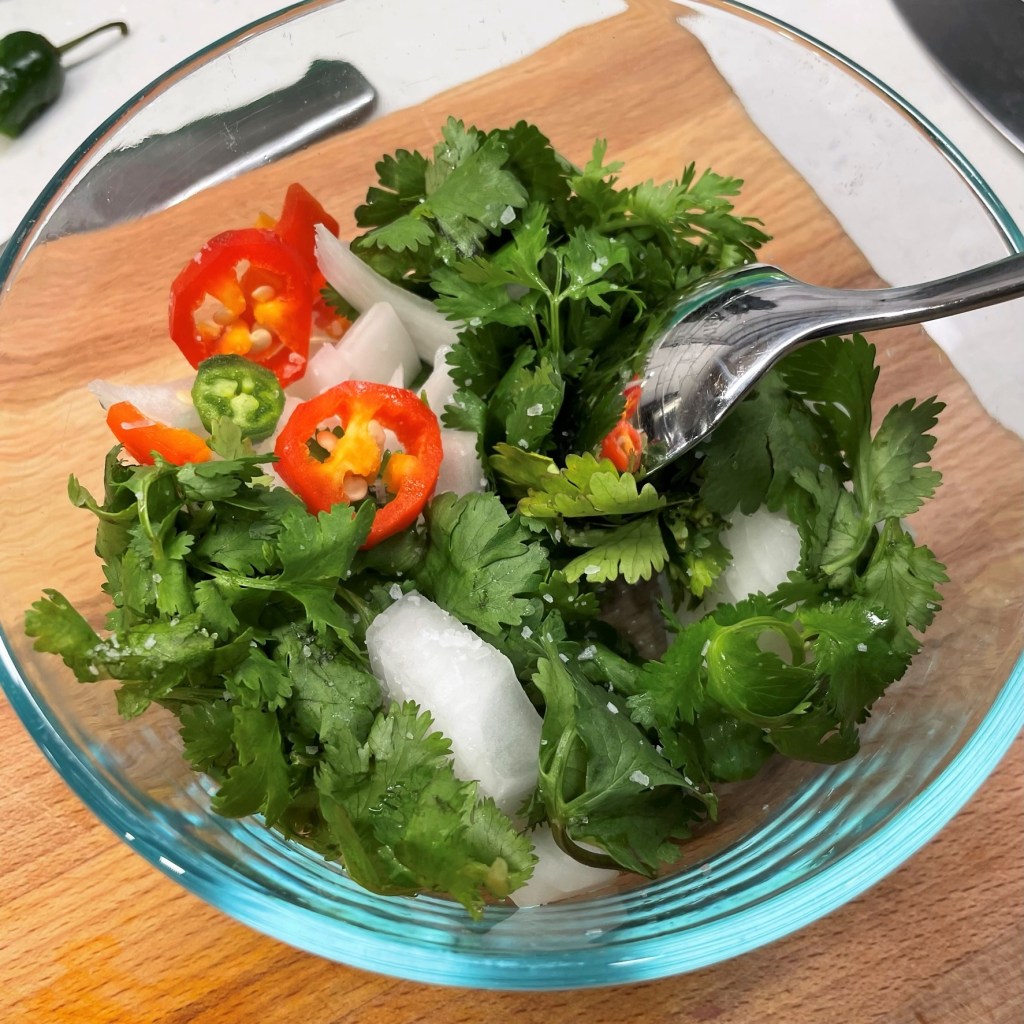
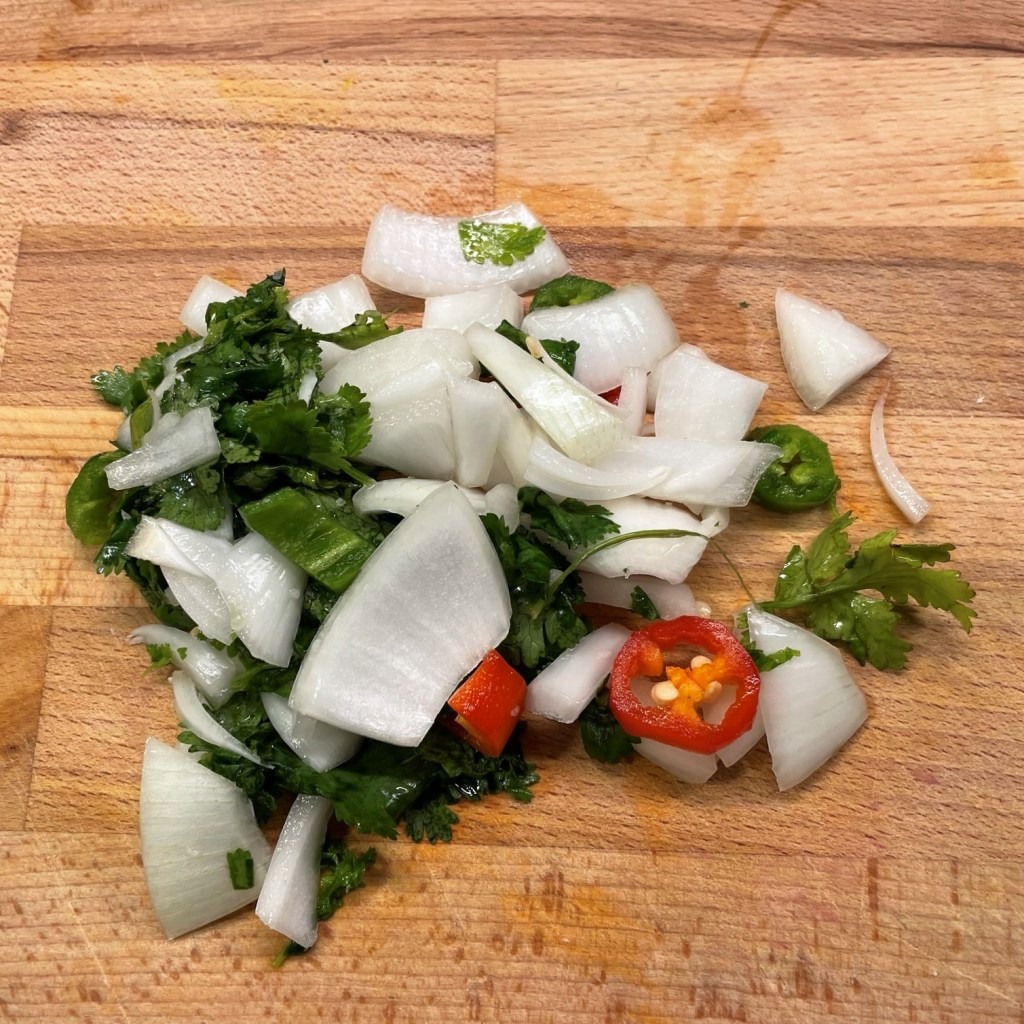
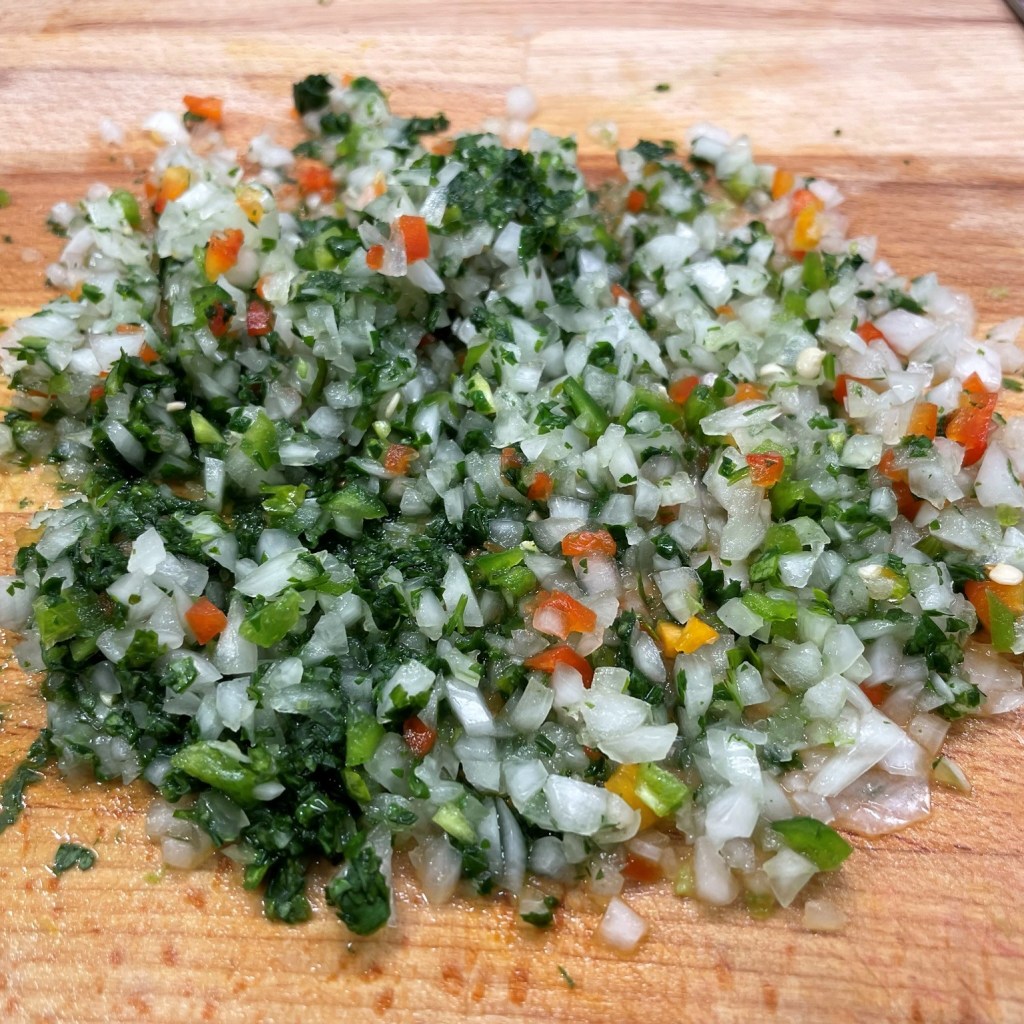
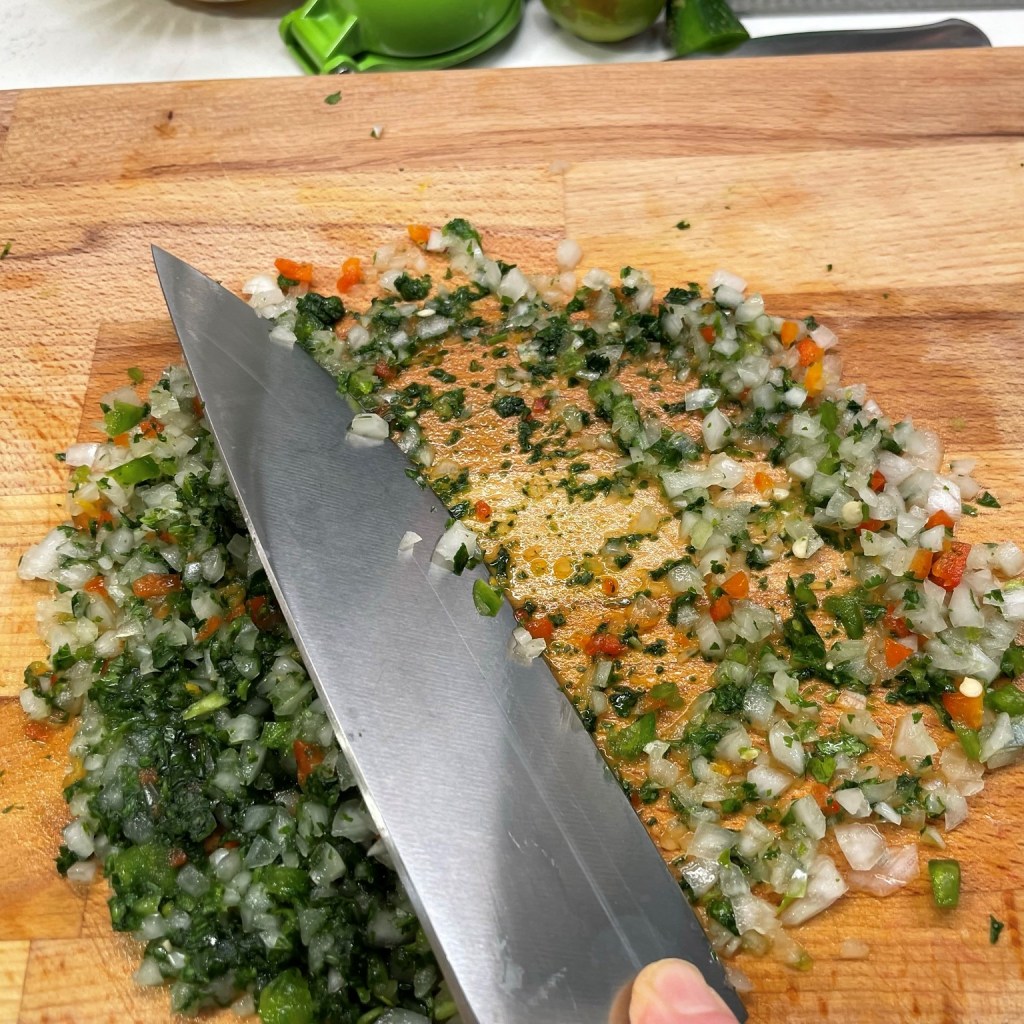
Salting the white onions, jalapeno and cilantro for 15 minutes breaks down the cell walls and makes it easier to extract the flavors than if you started chopping it straightaway. Next, you mince that mixture finely, and then lay the blade of your knife nearly flat against the cutting board, dragging the mixture to a paste-like consistency. Transfer it to a bowl and carry on with the recipe.


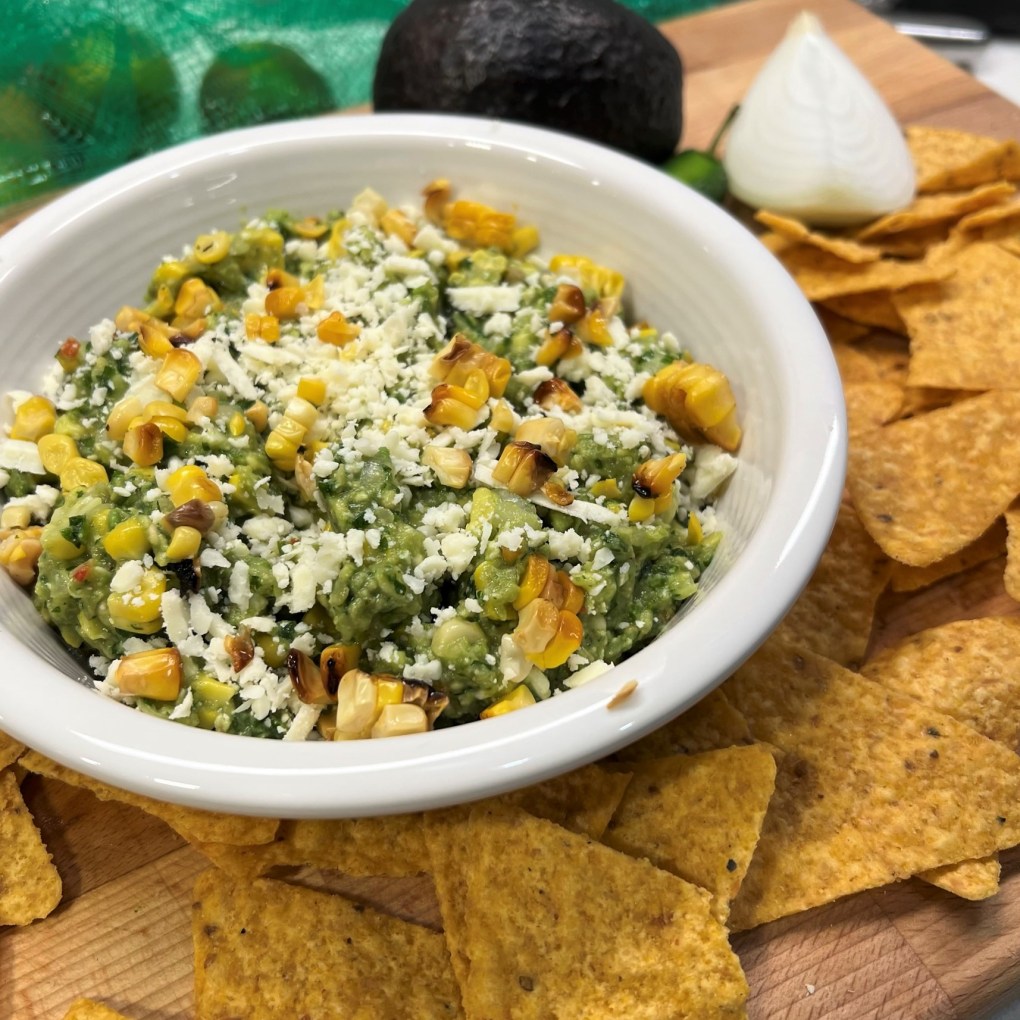
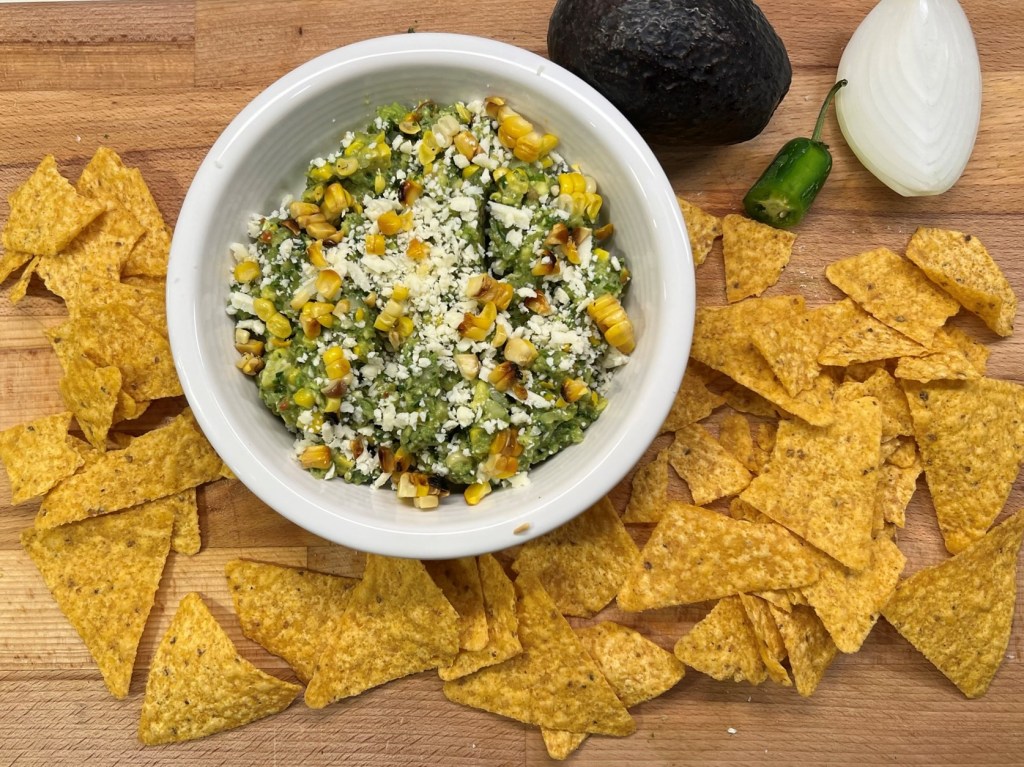
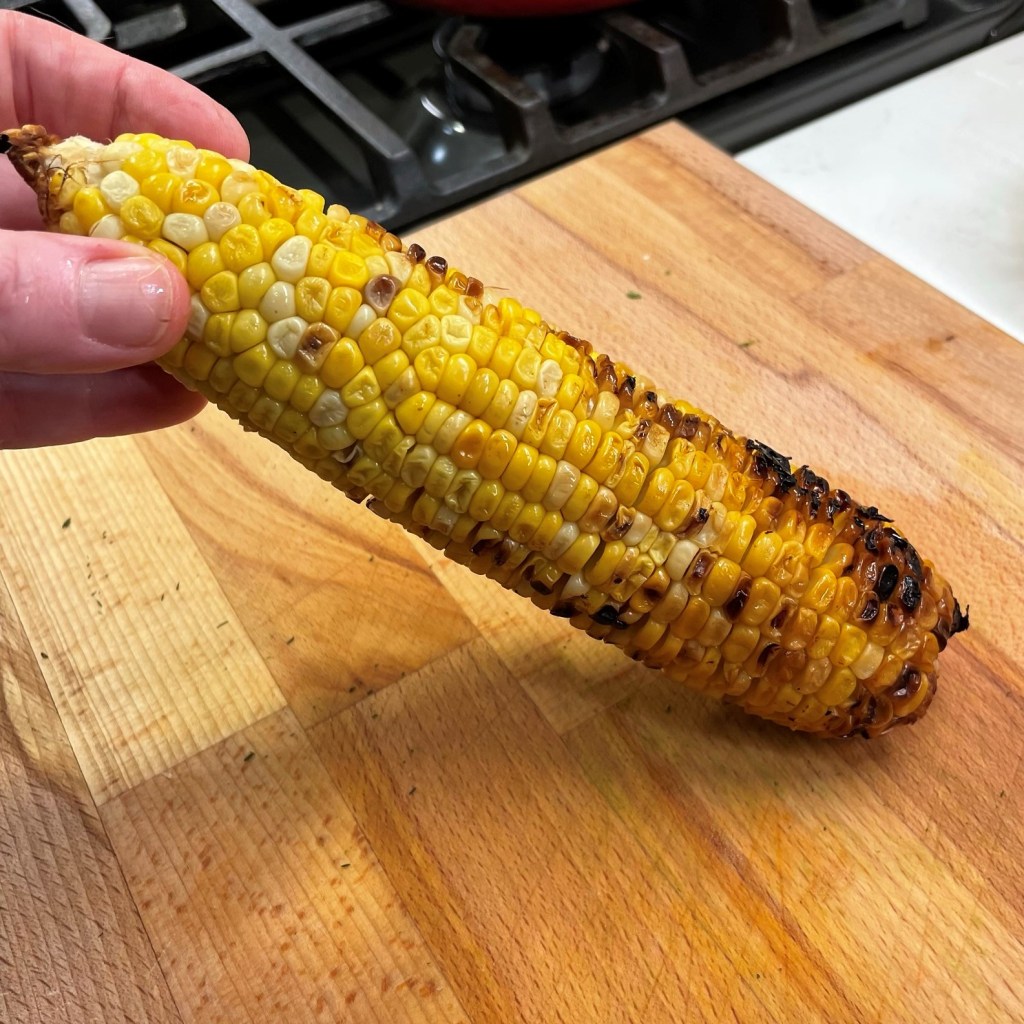
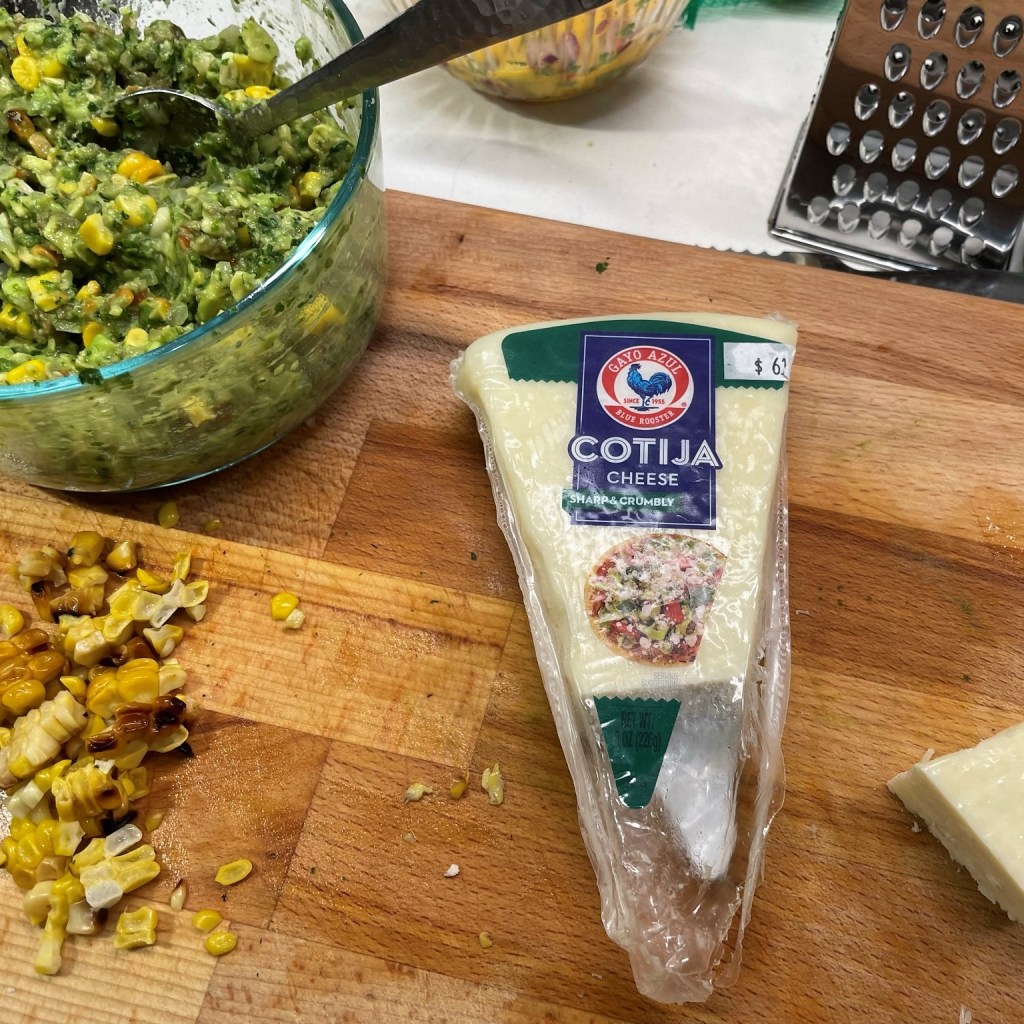
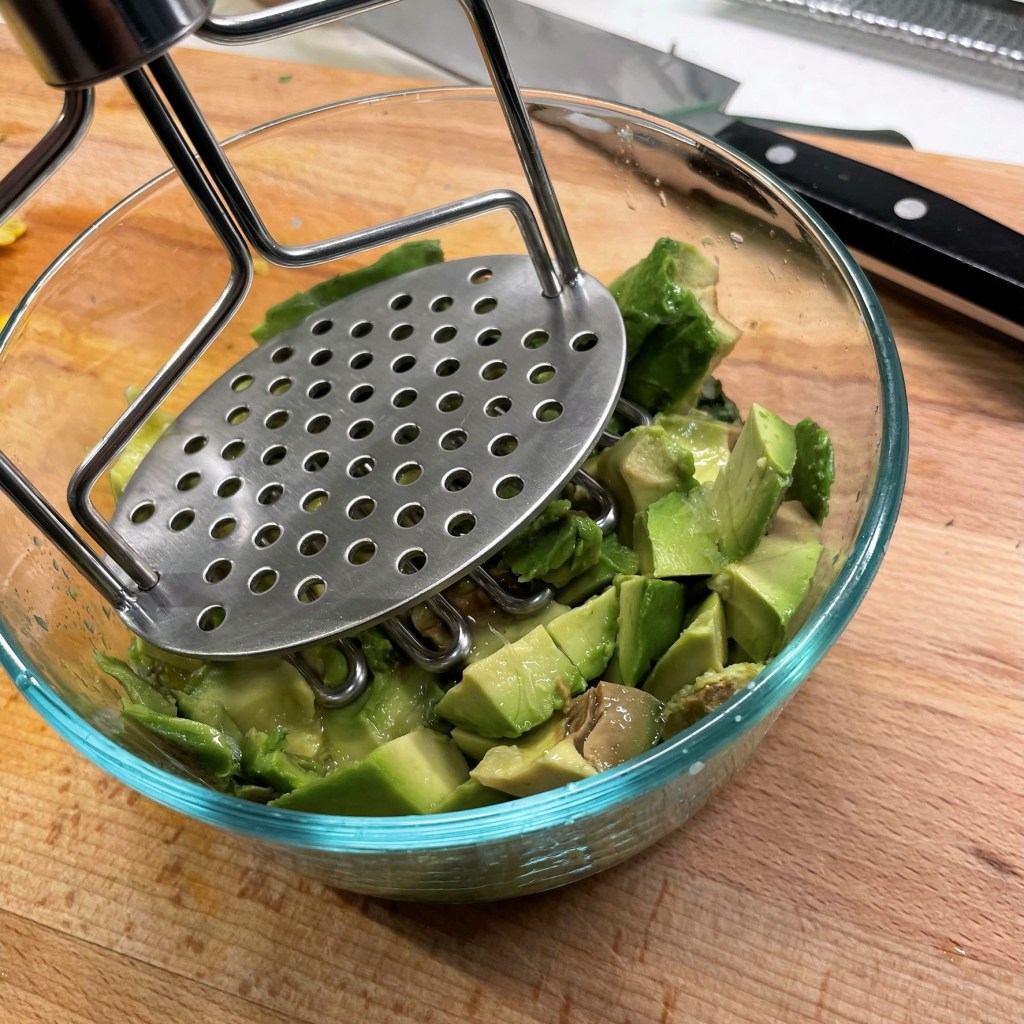
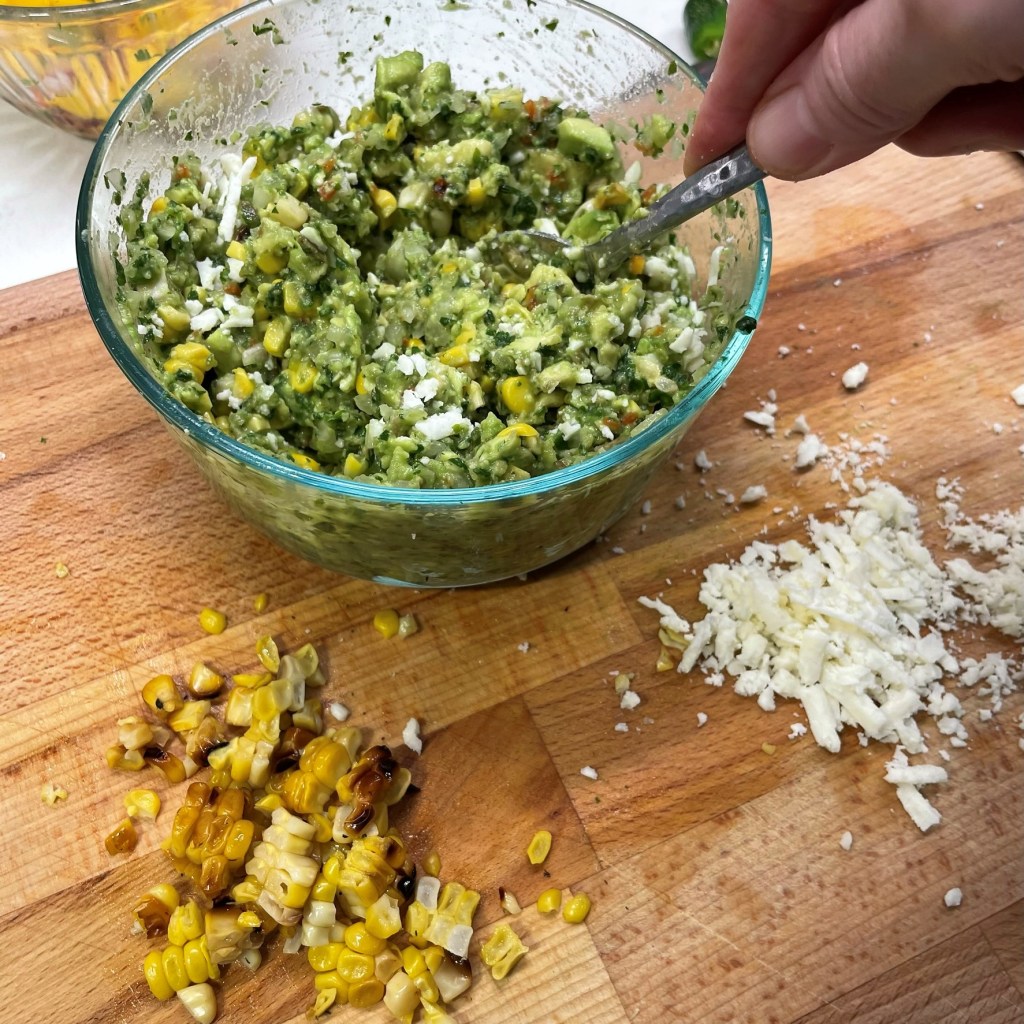
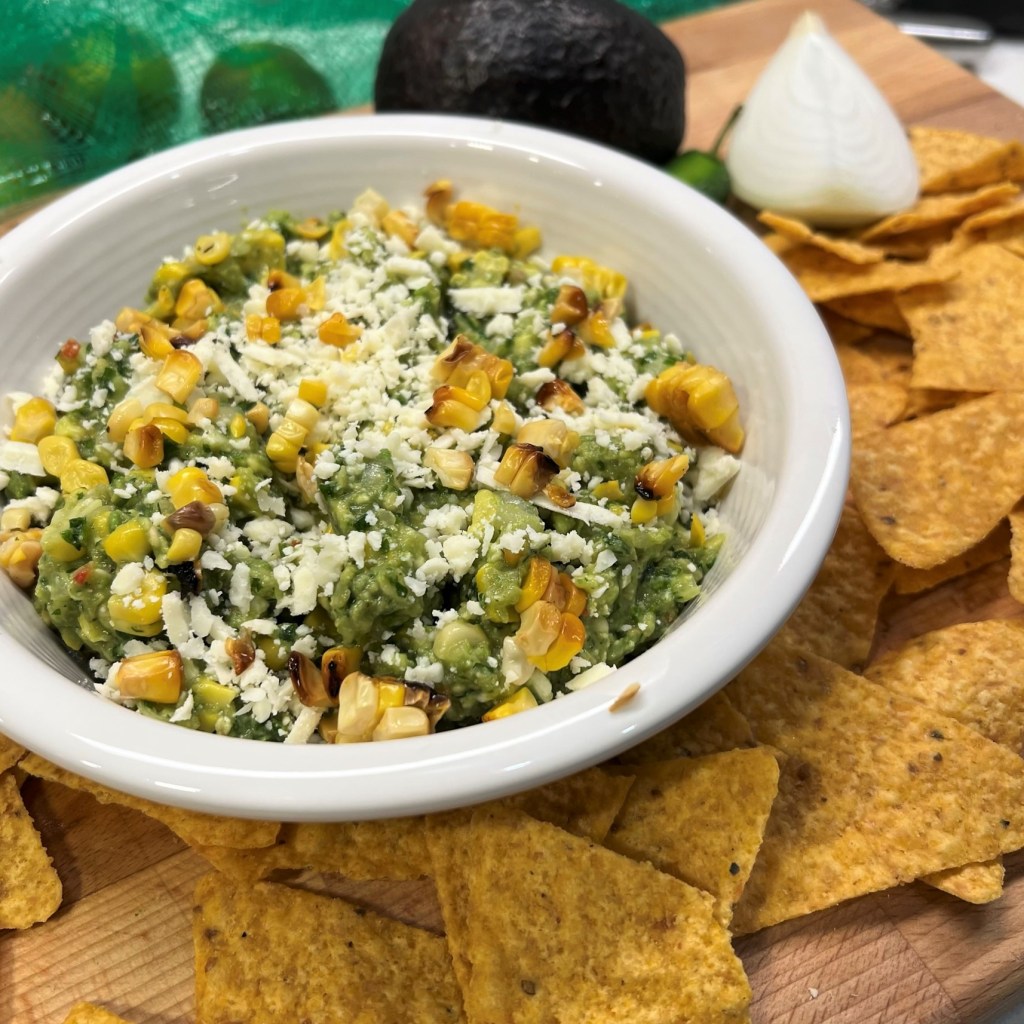
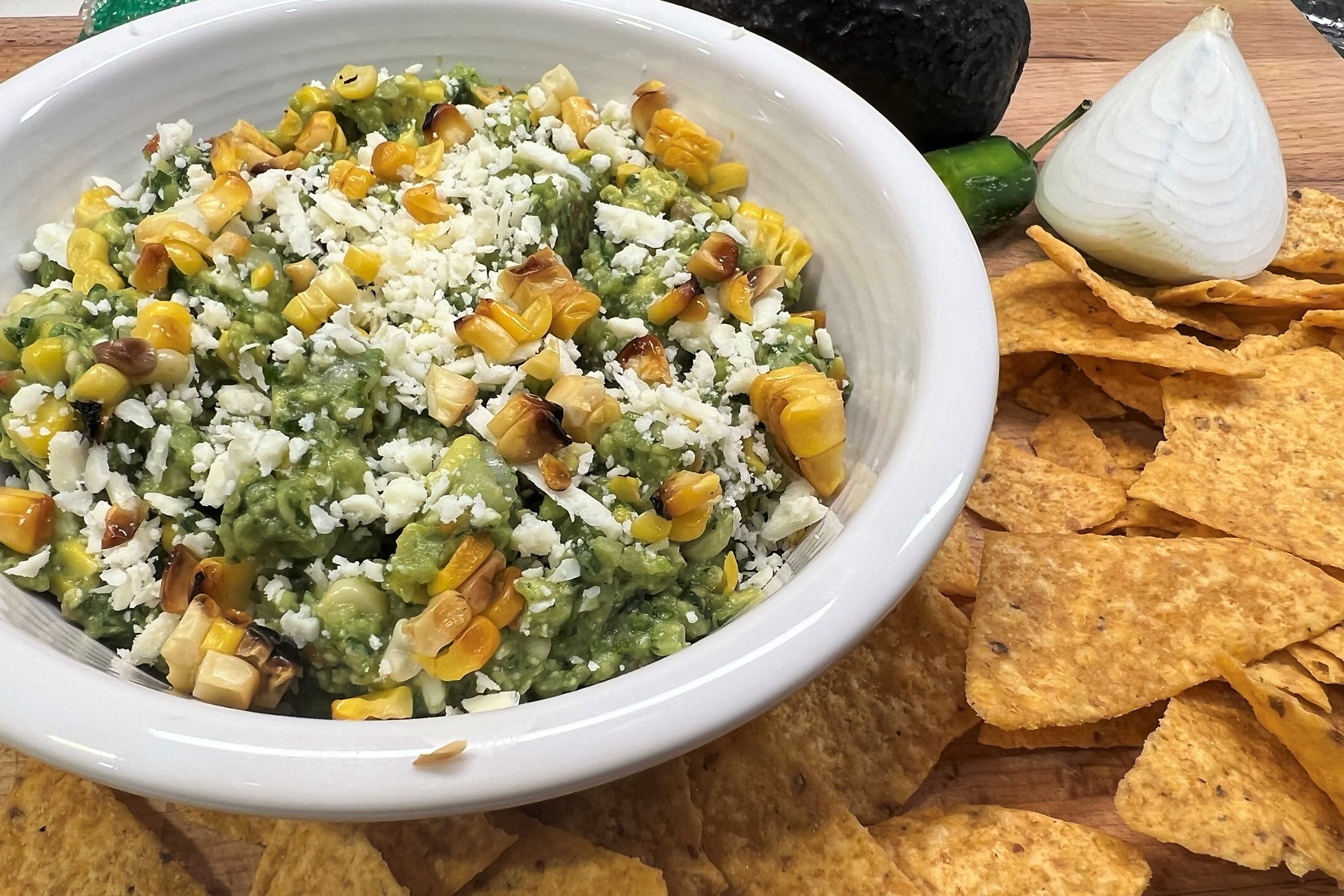
We grilled our corn ahead of time and stripped off the kernels, but I imagine in a pinch you could even use (thawed) frozen fire-roasted corn, like the kind we frequently buy at Trader Joe’s. Squeeze lime juice over the avocados to preserve their color, and use a box grater to shred the cotija cheese into coarse crumbles. Blend it all together, mashing the avocado with the back of a fork or potato masher, and reserve some of the corn and cotija for topping your beautiful creation.


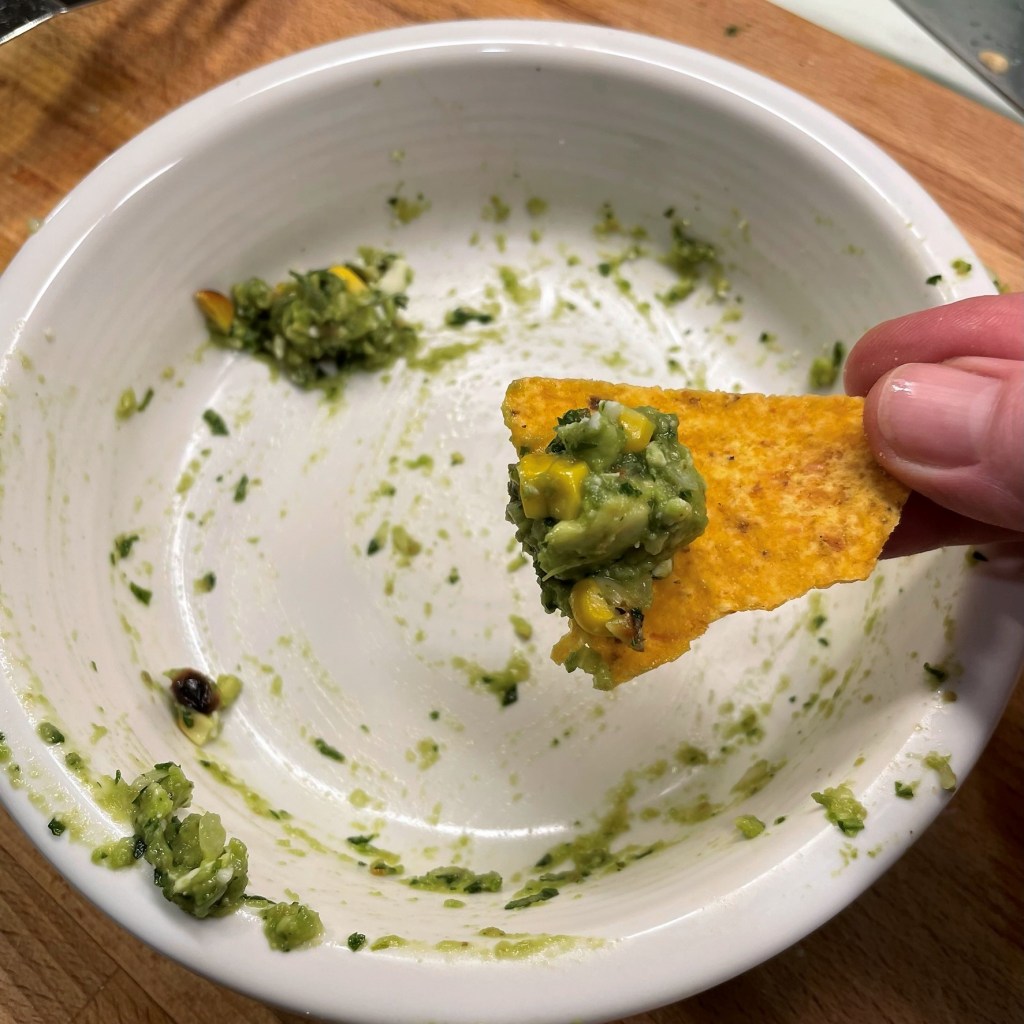
Friends, this guacamole was so freaking delicious, the two of us devoured the entire bowlful in less than half an hour!


You can make the guac as spicy as you want it to be by adjusting the jalapeno, or simply by leaving in some of the seeds. Choose the most ripe, ready avocados you can find and, if you don’t have a molcajete, take advantage of the workaround that Kenji shared because it really does make a difference. I readily admit that up to this point, Les and I had merely cut up our guacamole ingredients, but we look forward to applying this fabulously simple technique the next time we make the Smoky Chipotle Guacamole that Les has made famous at our house. And, of course, we will continue to grind away at the molcajete—hopefully, it will be properly seasoned in time for Super Bowl!

Mexican Street Corn Guacamole

  • Servings: About 2 cups
  • Difficulty: Average
  • Print

Even without the proper, authentic tools, I found this Kenji-inspired appetizer very manageable and absolutely delicious! Save yourself some time by grilling an extra ear of corn a day or two ahead, and use avocados that are at peak ripeness!


Ingredients

  • 1/4 cup white onion, rough-chopped
  • 1 jalapeno, seeded and rough-chopped
  • 1 cup loosely packed cilantro leaves and tender stems
  • 1/2 tsp. kosher salt or coarse sea salt
  • 1 ear grilled corn, cooled
  • 2 average size, ripe avocados
  • Juice of 1/2 large lime
  • 2 oz. cotija cheese, shredded on large holes of box grater
  • Additional salt, pepper and lime to taste
  • Tortilla chips for serving

Directions

  1. Combine onions, jalapeno and cilantro in a medium bowl and toss it with the kosher salt. Allow it to rest 15 minutes, to draw out moisture. Finely chop these ingredients together, then lay a chef’s knife nearly flat and drag them across the cutting board to create a mixture similar to paste. Some bits will remain, and that’s OK. Transfer the mixture to a bowl that’s large enough for mixing your guacamole. During the rest time, prep the corn and cotija.
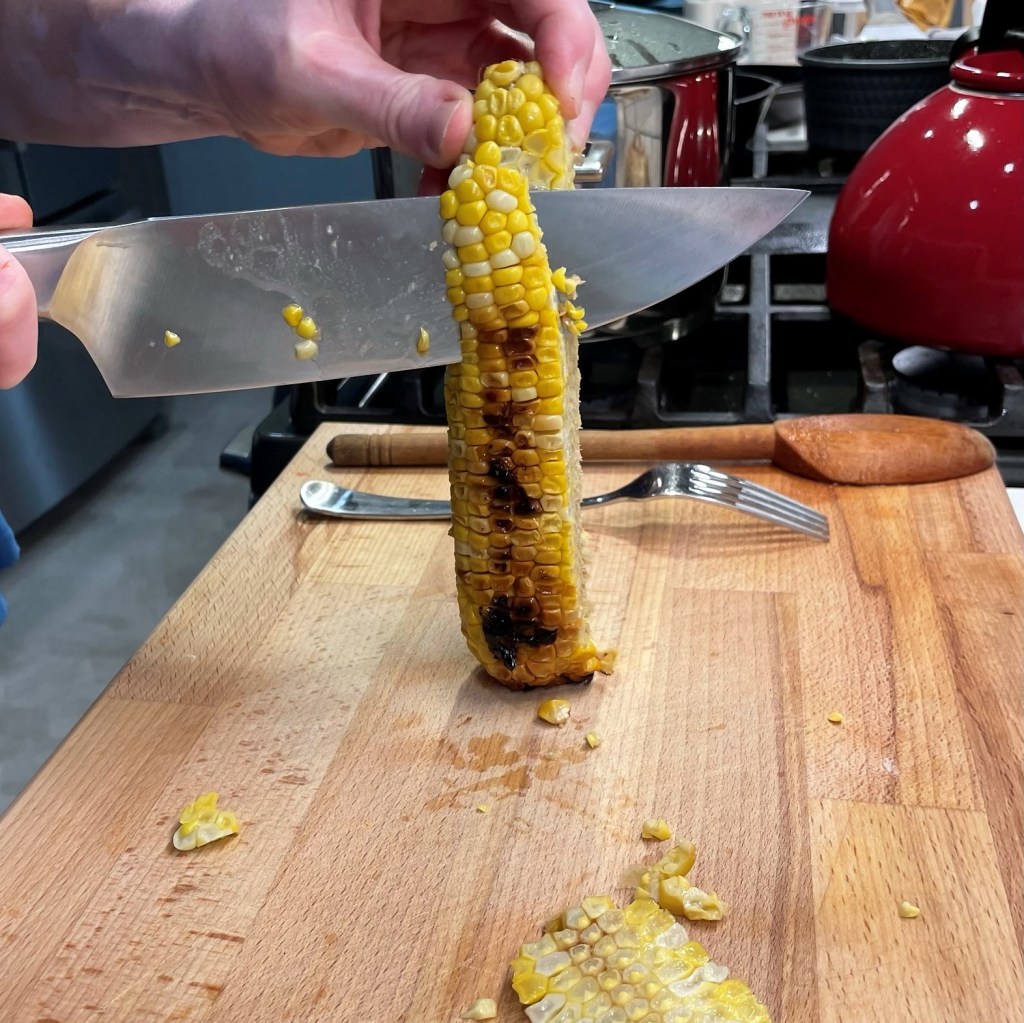
  2. Trim the fat end of the ear of corn, and stand it up on your cutting board to cut down the cob, releasing the kernels. Break apart any large clumps.
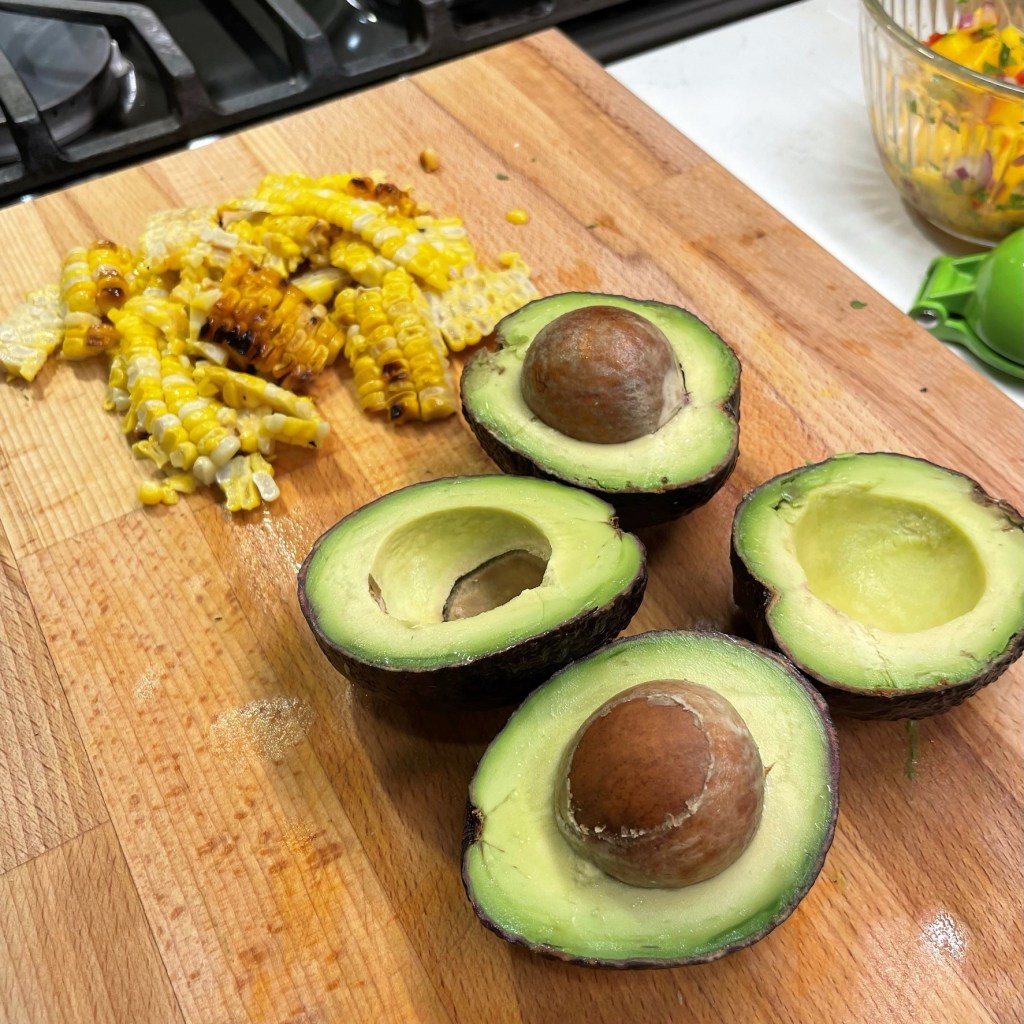
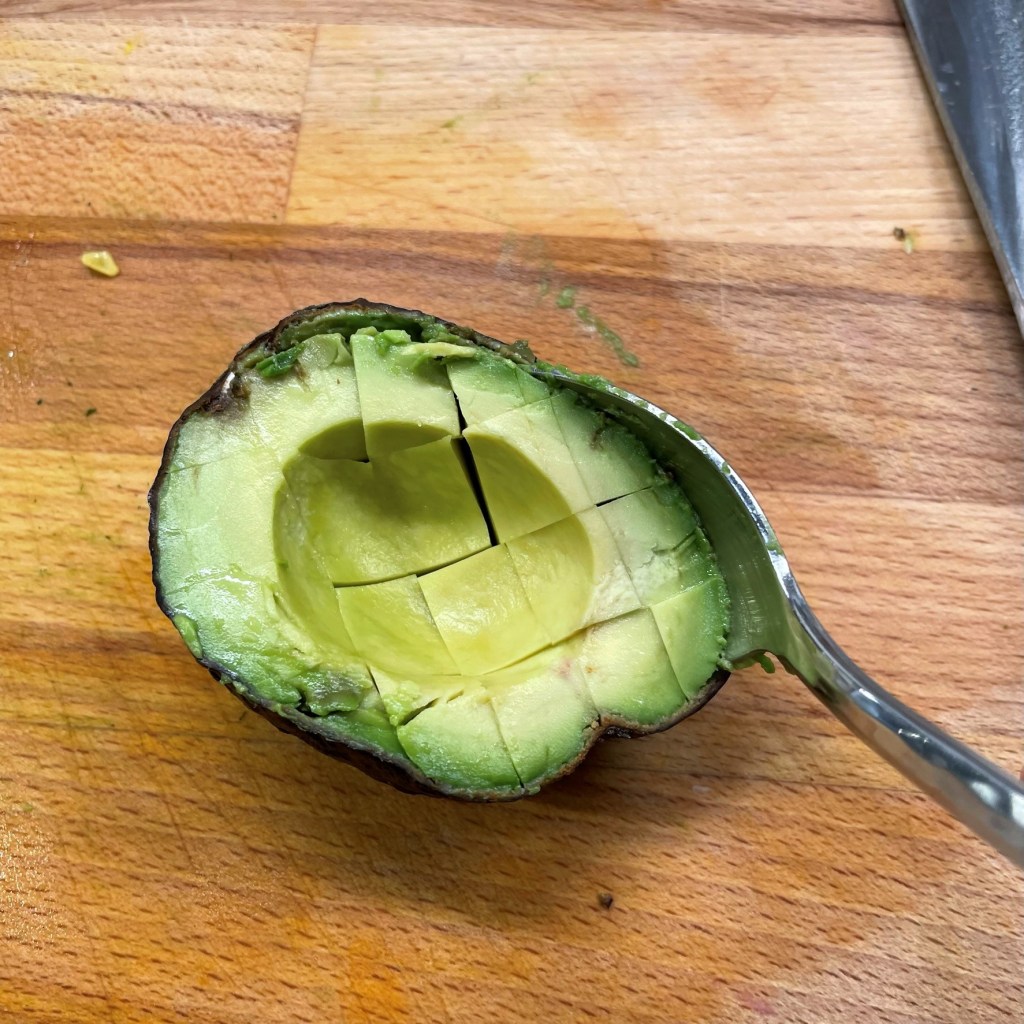
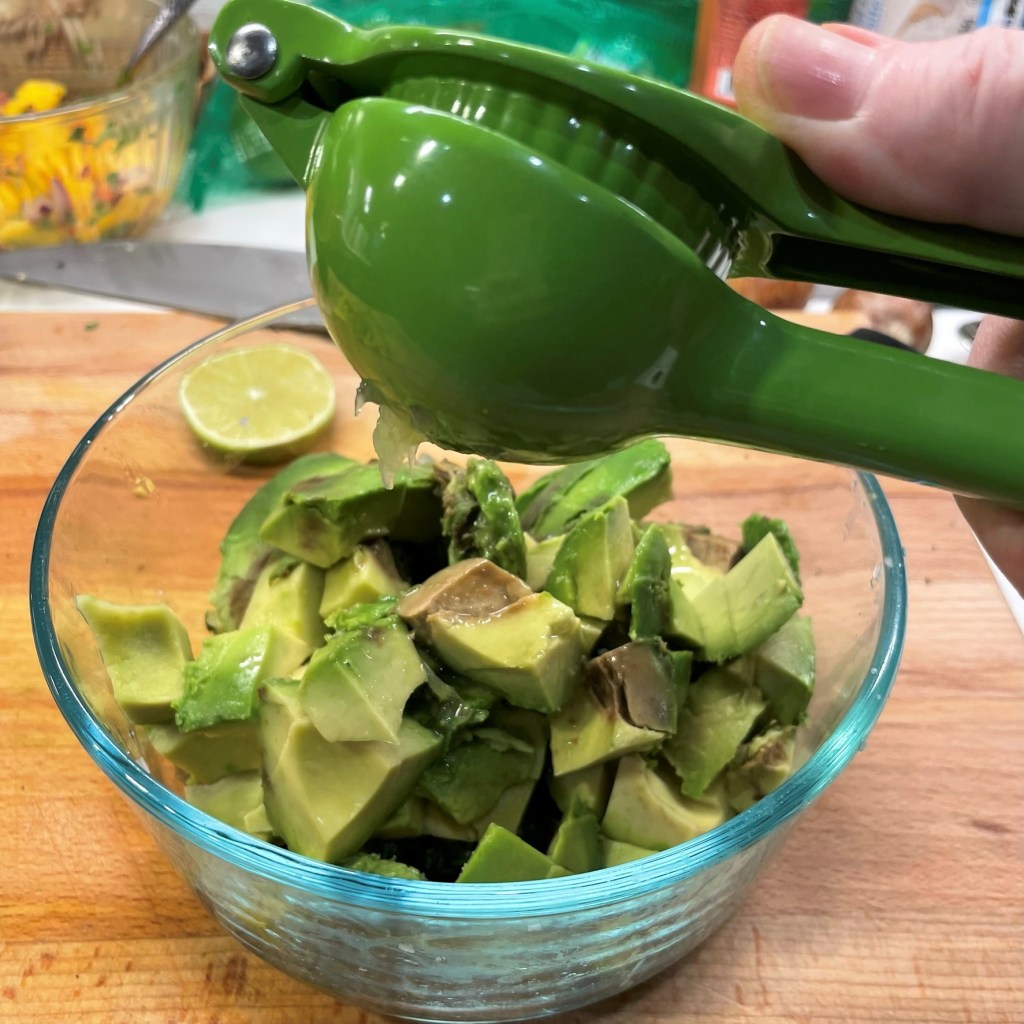
  3. Wash the avocados, then cut them in half and discard the pits. Score the flesh into cubes and spoon it out into the bowl with the onion mixture. Squeeze the lime all over the avocado and toss lightly. Use a potato masher or the back of a fork to gently mash the avocado flesh to your desired texture.
  4. Add most of the corn and cotija to the guacamole bowl and fold or mash to combine. Adjust salt, pepper and lime to taste. Transfer guacamole to a serving bowl and sprinkle remaining corn and cotija on as a garnish.
  5. Serve immediately with tortilla chips and watch it disappear!


Green Gazpacho Shooters

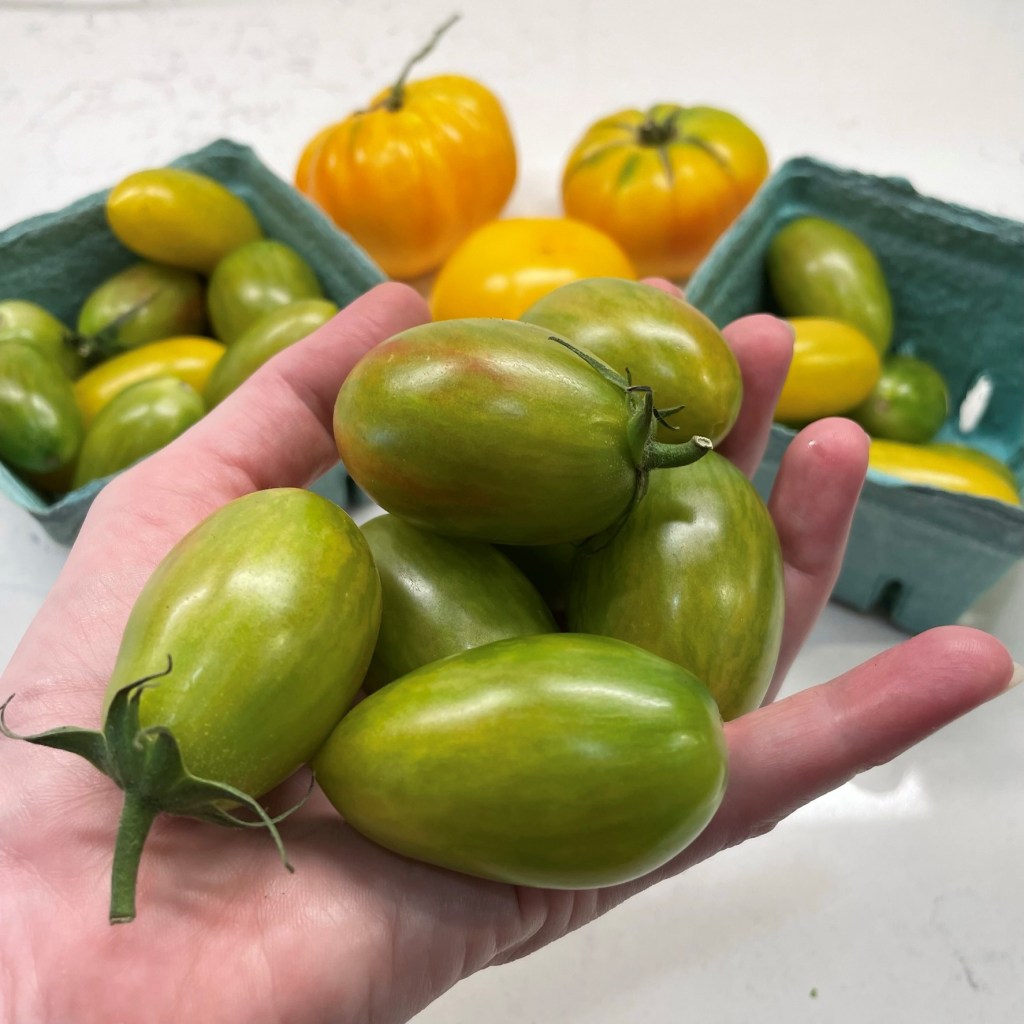
It isn’t easy being green—unless you happen to be this gazpacho! I know, you’ve probably only seen gazpacho in shades of red, and perhaps with a few green bits of pepper or scallion on top. But when I visited our farmers’ market last weekend, I discovered that most of the tomato vendors had sold out. That is, until I spotted these beauties at a booth near the back.

In the end, I was glad that all the red ones were sold out!

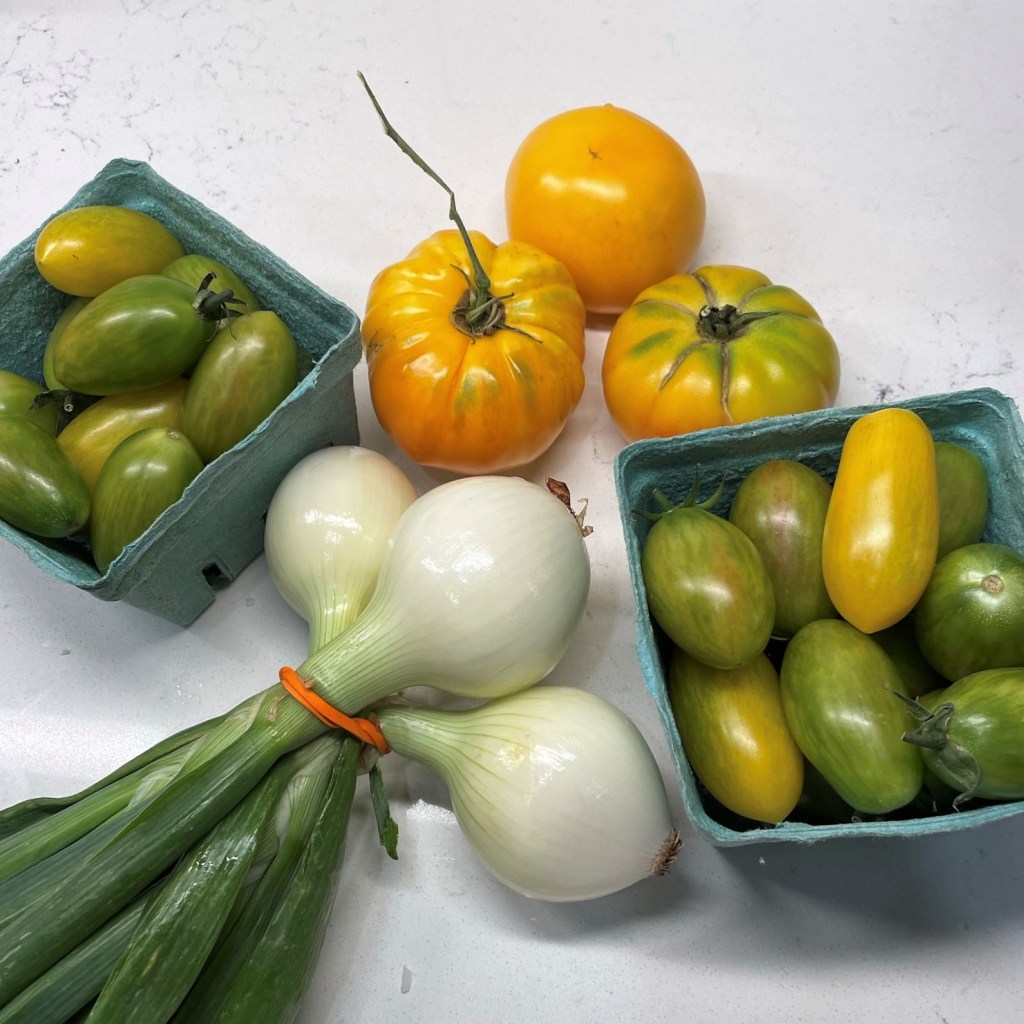
The grower assured me that these little gems were indeed ripe, and as sweet as any other baby tomatoes. I don’t remember the variety of the tomato (artisan-something-or-other), but I figured it would be, at the very least, a fun twist on the chilled summer soup I planned to serve at our 3rd of July shindig. I picked up some fresh spring onions and a few yellow tomatoes, too, figuring they would help supplement my gazpacho with garden-fresh goods. The soup wouldn’t be red, but it would be interesting, and I was committed to using farmers’ market ingredients as much as possible.

That raises an important point about shopping local and eating with the seasons—it puts you at the mercy of the harvest, and you either go with the flow or go hungry!

I consider every trip to the farmers’ market to be a treasure hunt!

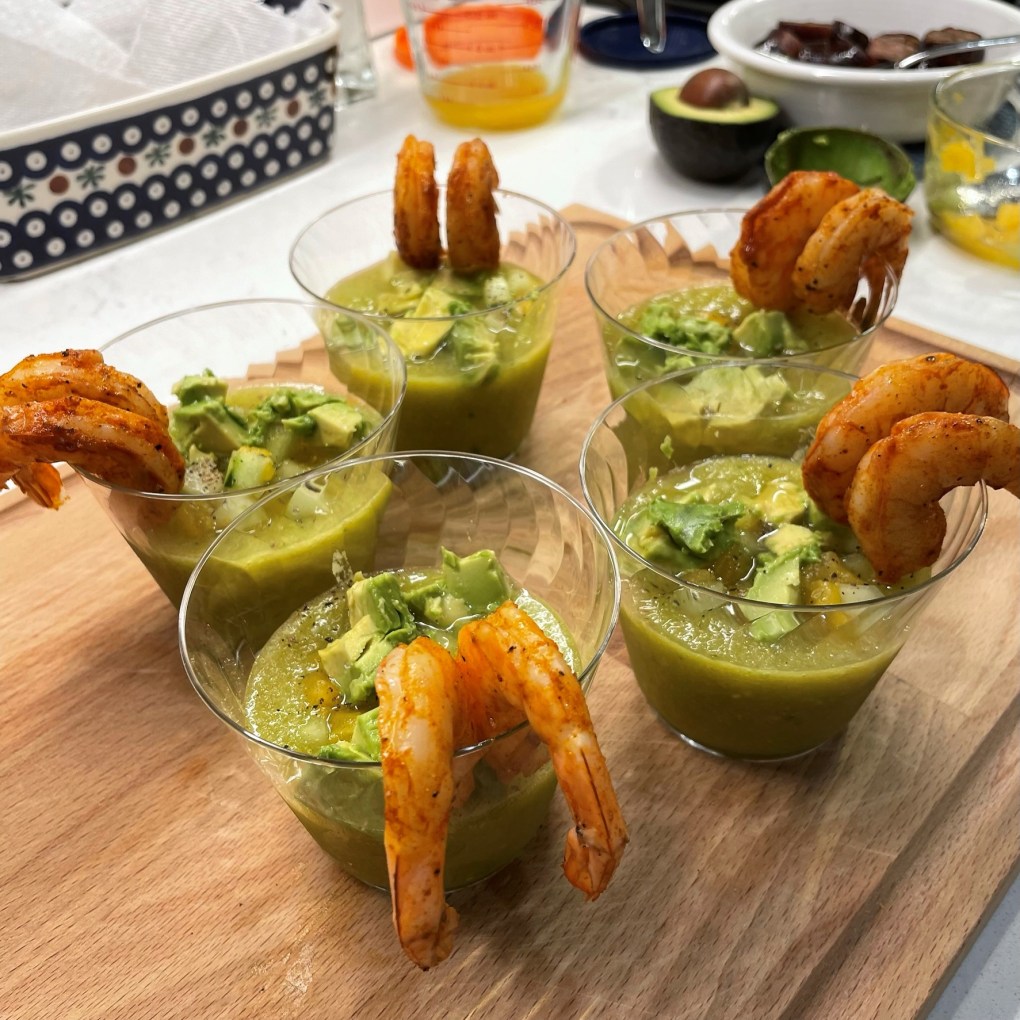
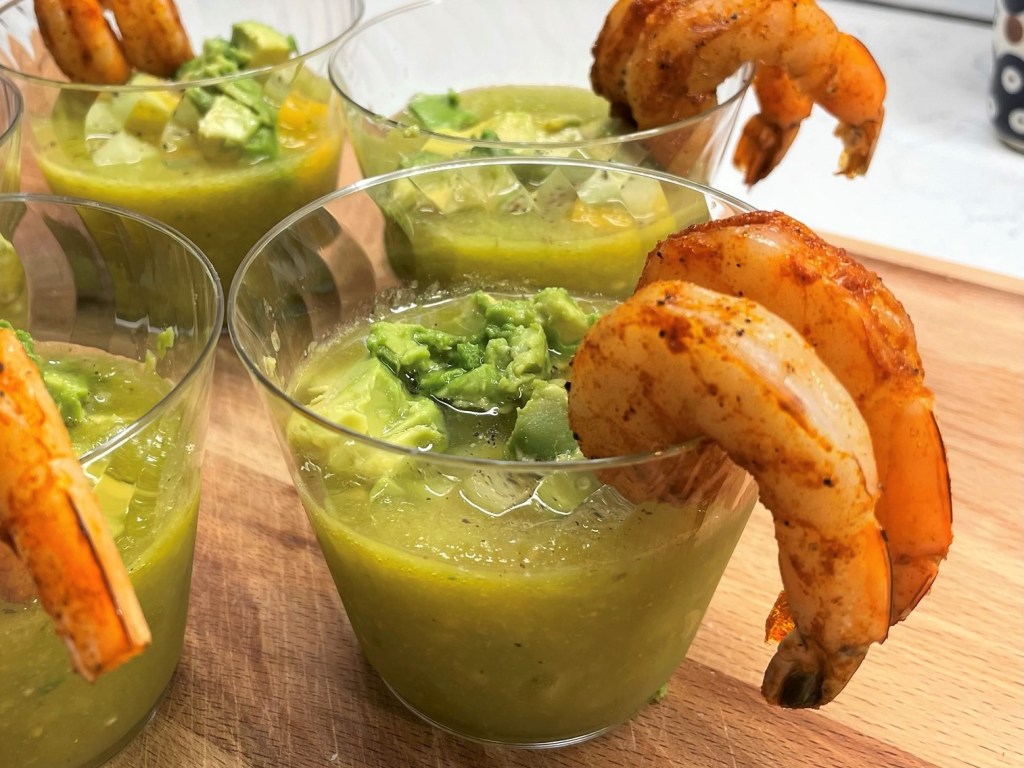
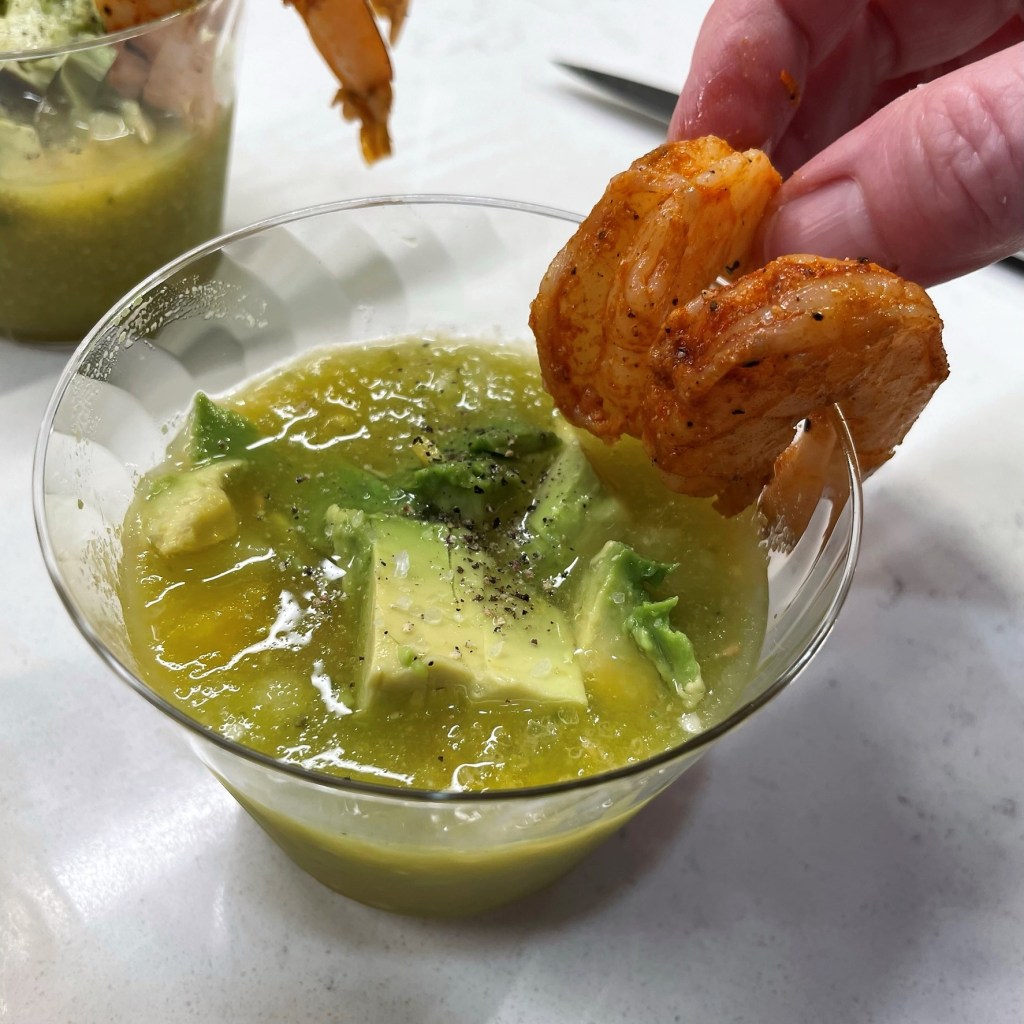
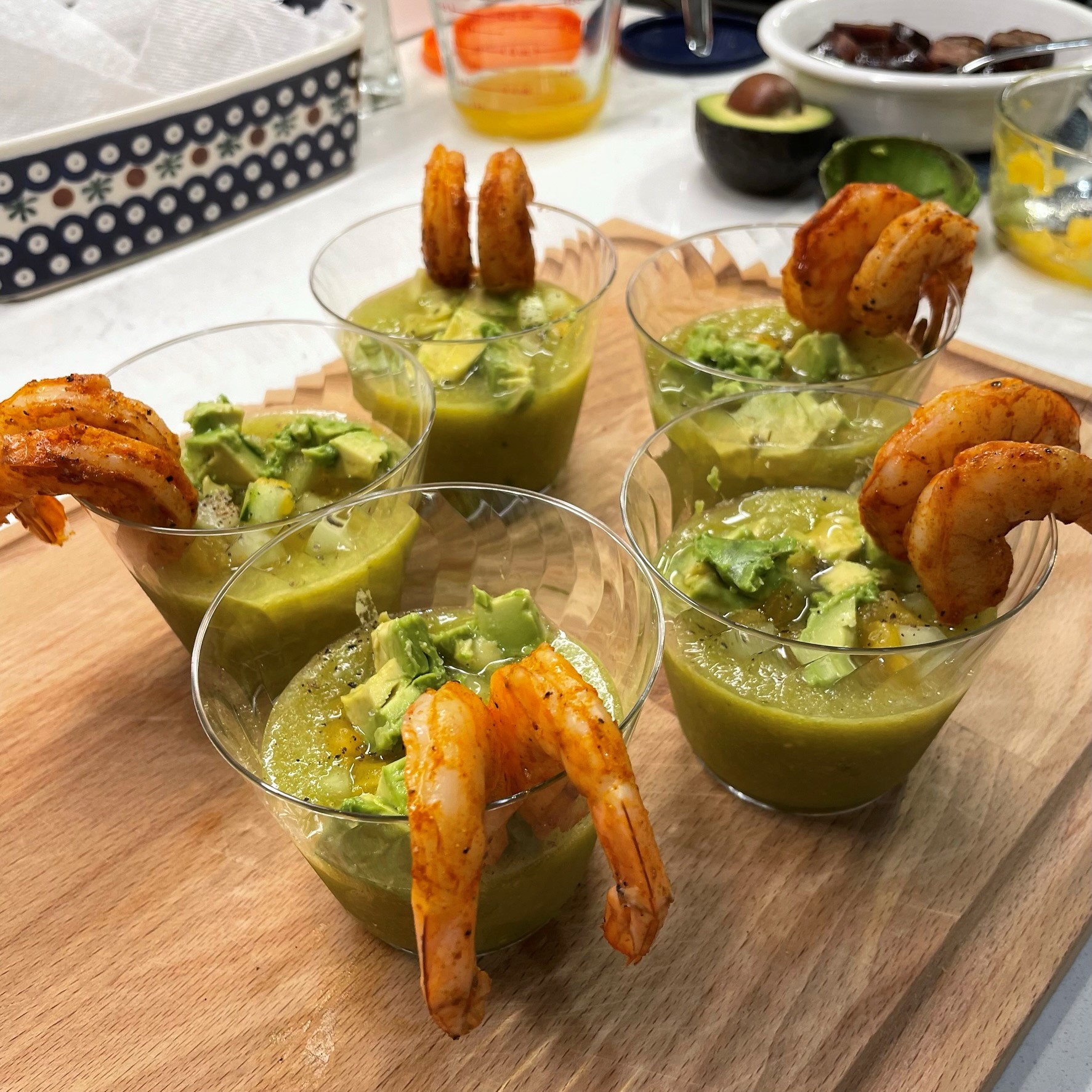
Fortunately, nobody went hungry at our house that evening, and this easy appetizer was the first thing we shared to get the party started. My instinct was to serve the gazpacho as “shooters,” a quick and simple starter that could be prepped ahead and served, sans silverware, as guests arrived. And I could have served them that way, if I had left off the delicate cubes of yellow tomato, cucumber and avocado, but those made the cups so much prettier, even if we did need to hand out spoons! An additional “garnish” of roasted paprika-dusted shrimp made the shooters substantial enough to hold everyone over for the feast that would come off the grill later.

This was a fun way to welcome guests with a fresh taste of summer!

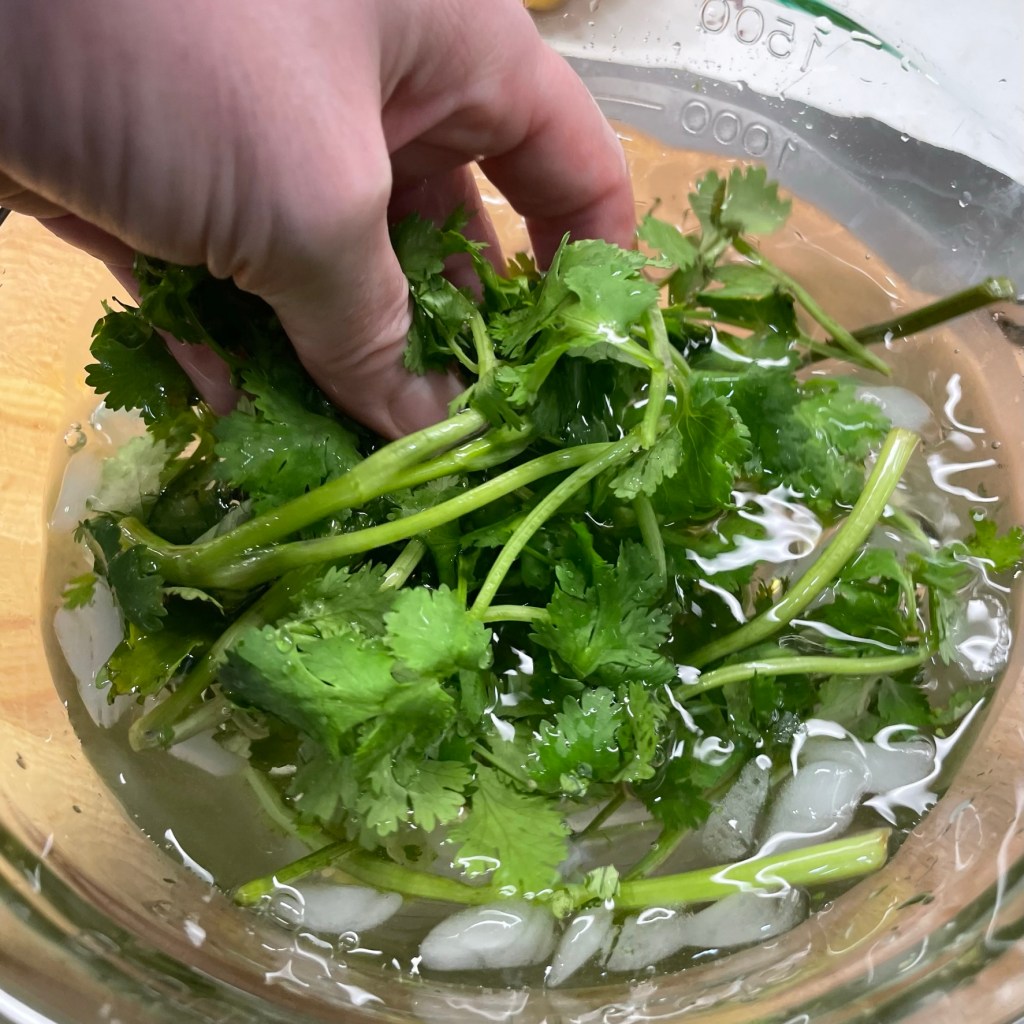
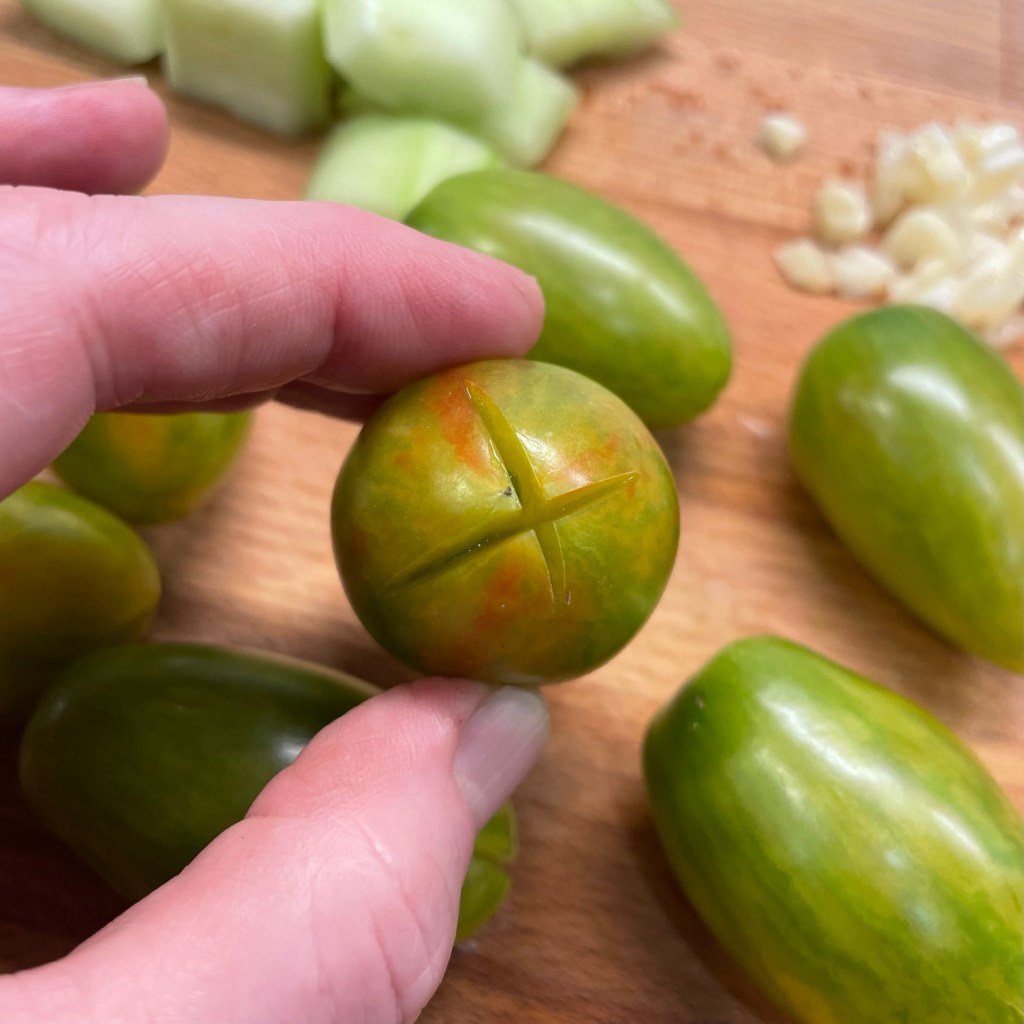
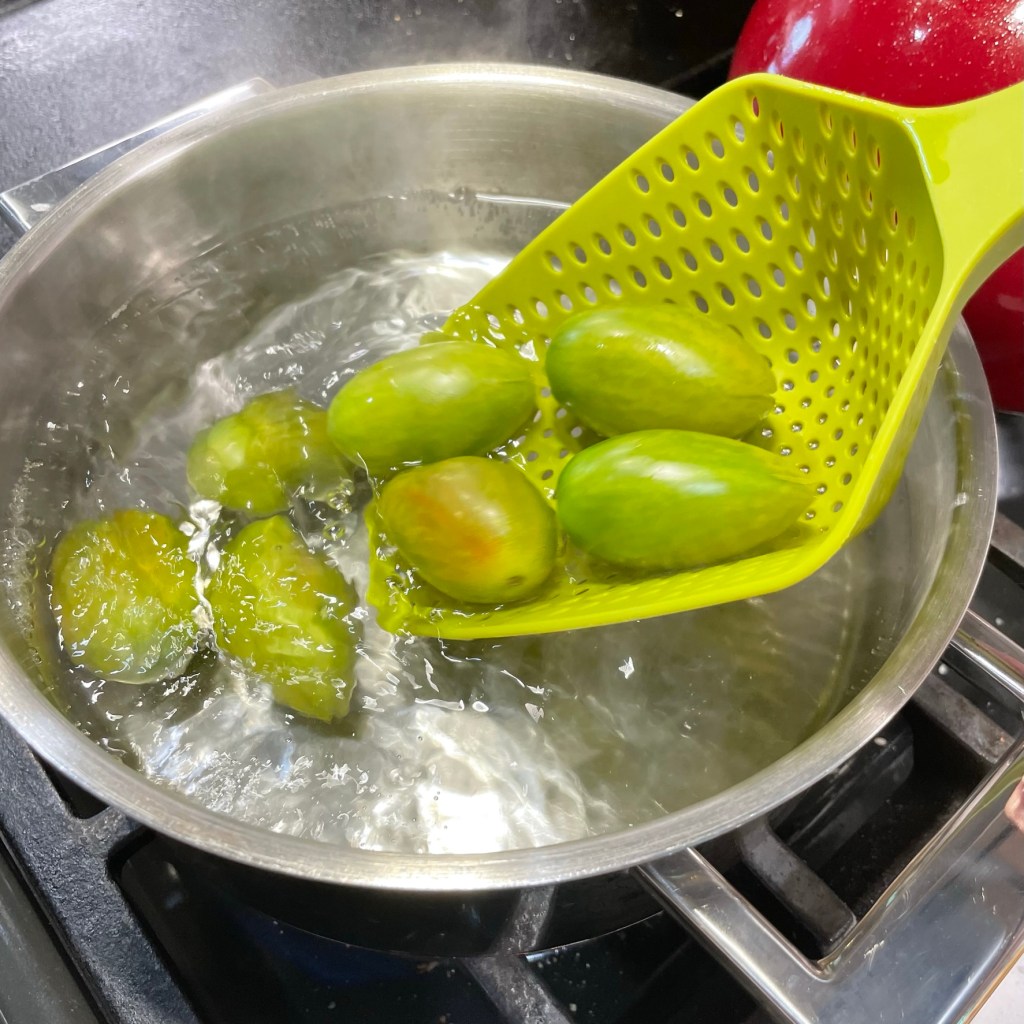
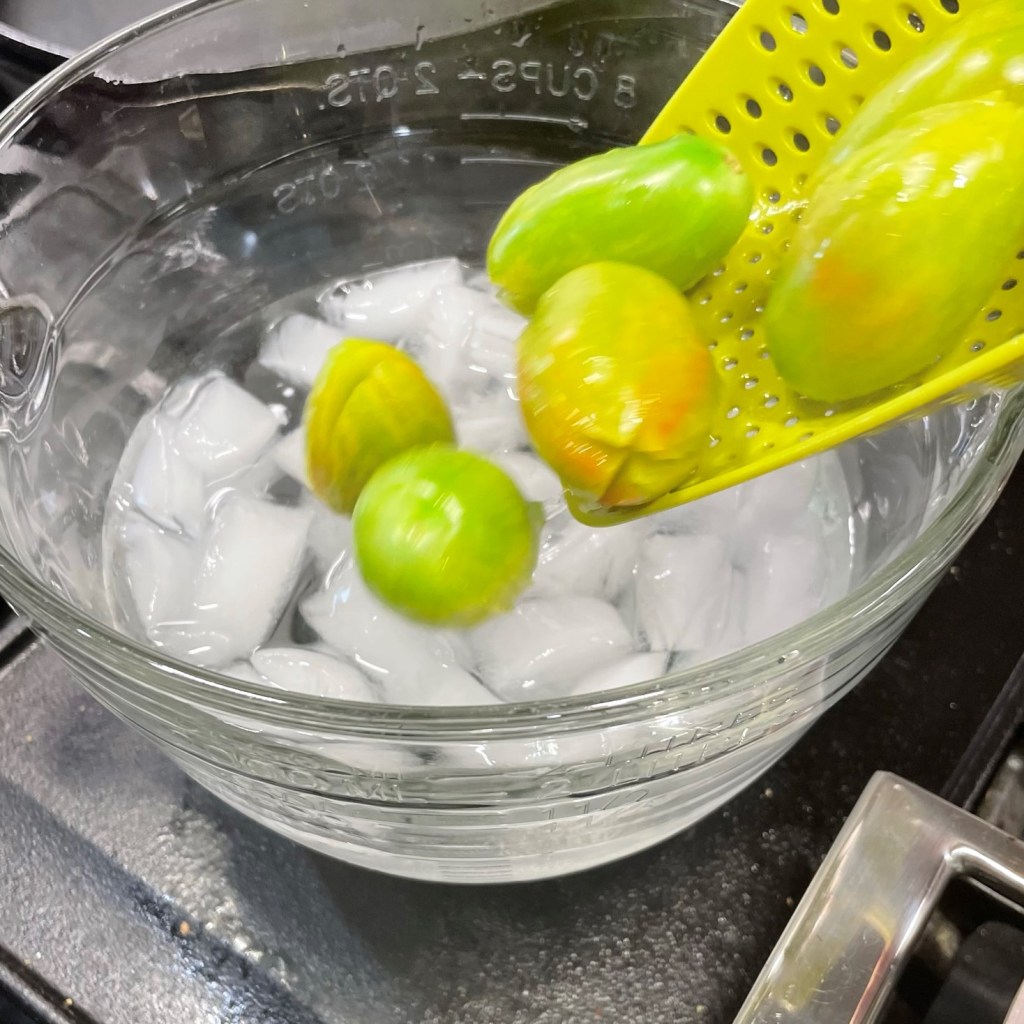
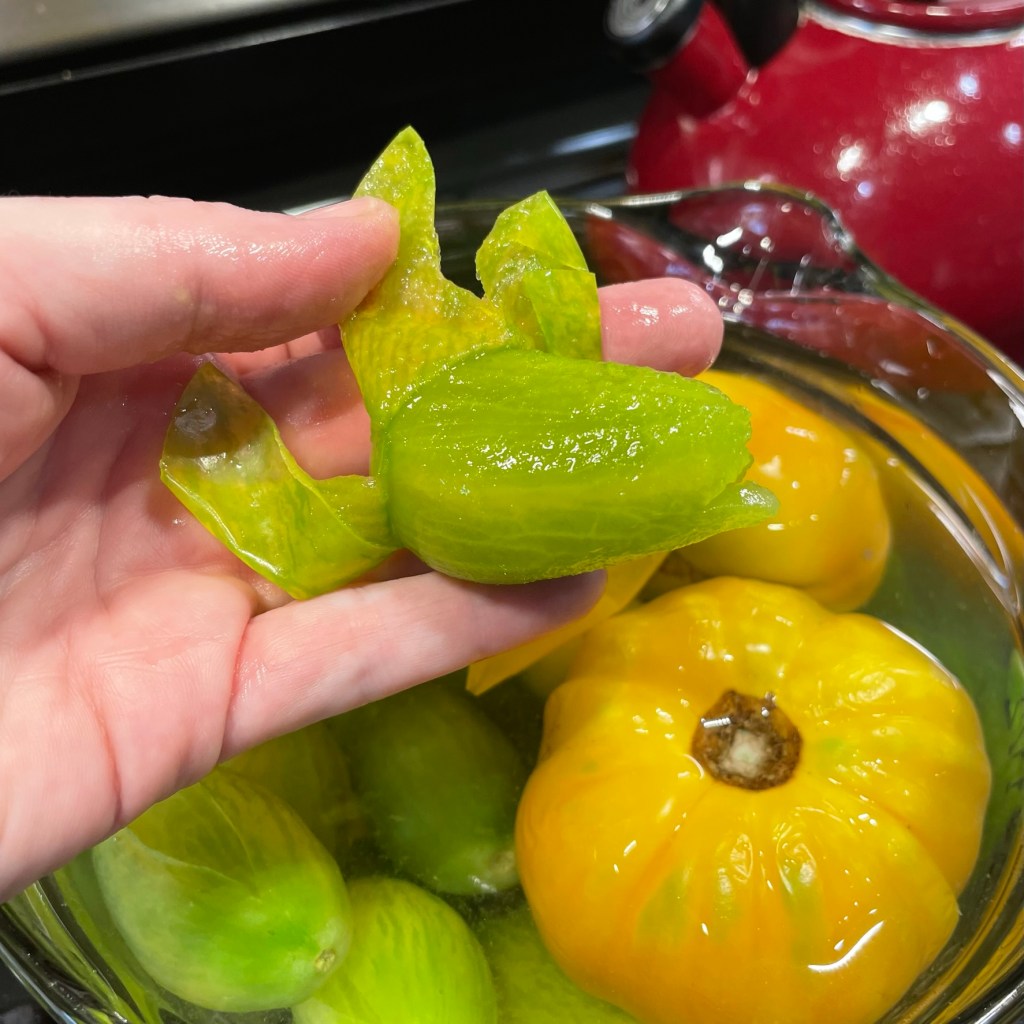
This recipe was very easy to make (gazpacho always is), and I prepped everything but the shrimp a day ahead, which worked well because gazpacho flavors really develop overnight. Step one was to strip the skins off the tiny tomatoes—you don’t want to put those in the processor, unless you like little bits of peel sticking to your teeth. For this task, I did a quick blanch-and-shock treatment. Bring water to a boil in a pot, and prepare a separate bowl filled with ice water. Cut an “x” on the bottom of each tomato to give the peel an easy place to break. Gently lower the tomatoes into the boiling water, a few at a time, and only for about a minute, and then immediately scoop and transfer them into the ice water. This immediately stops the cooking process, shocking the tomatoes so that the peels can be easily stripped away.


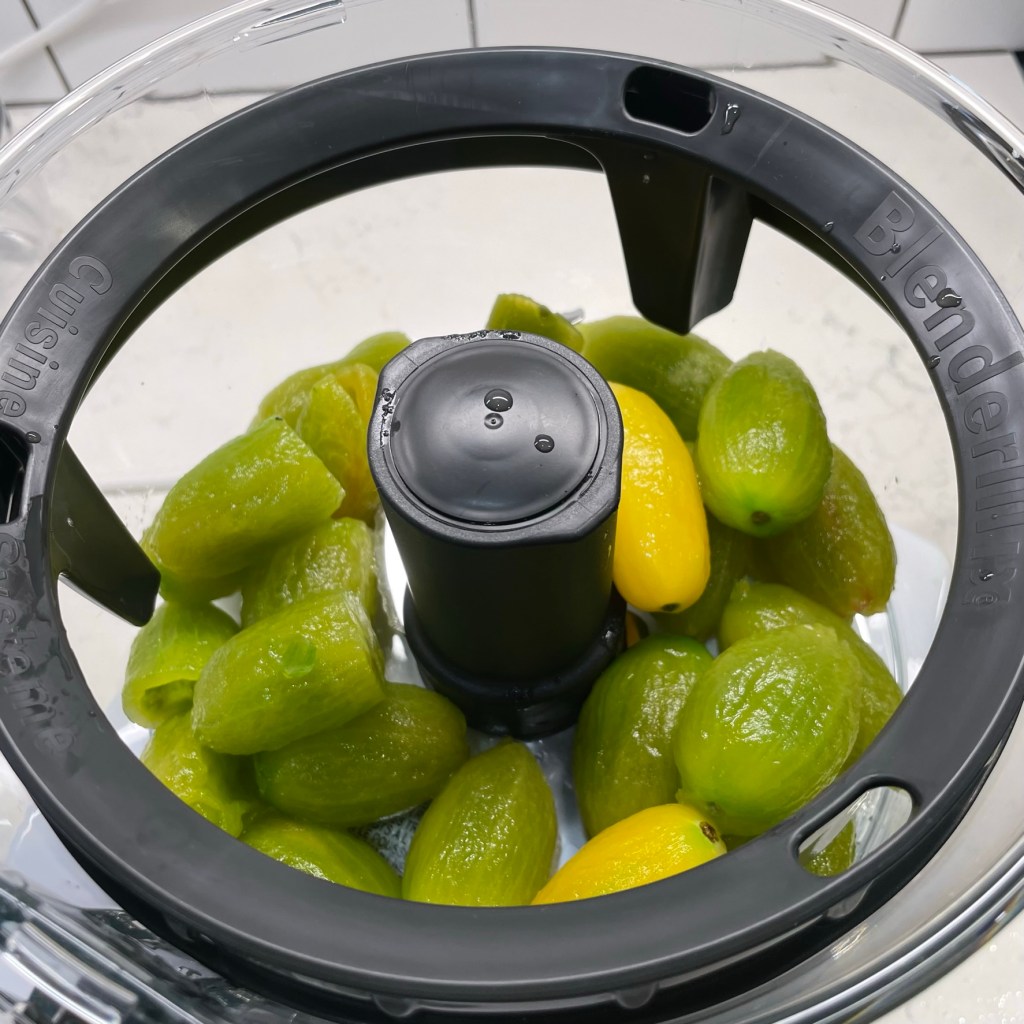
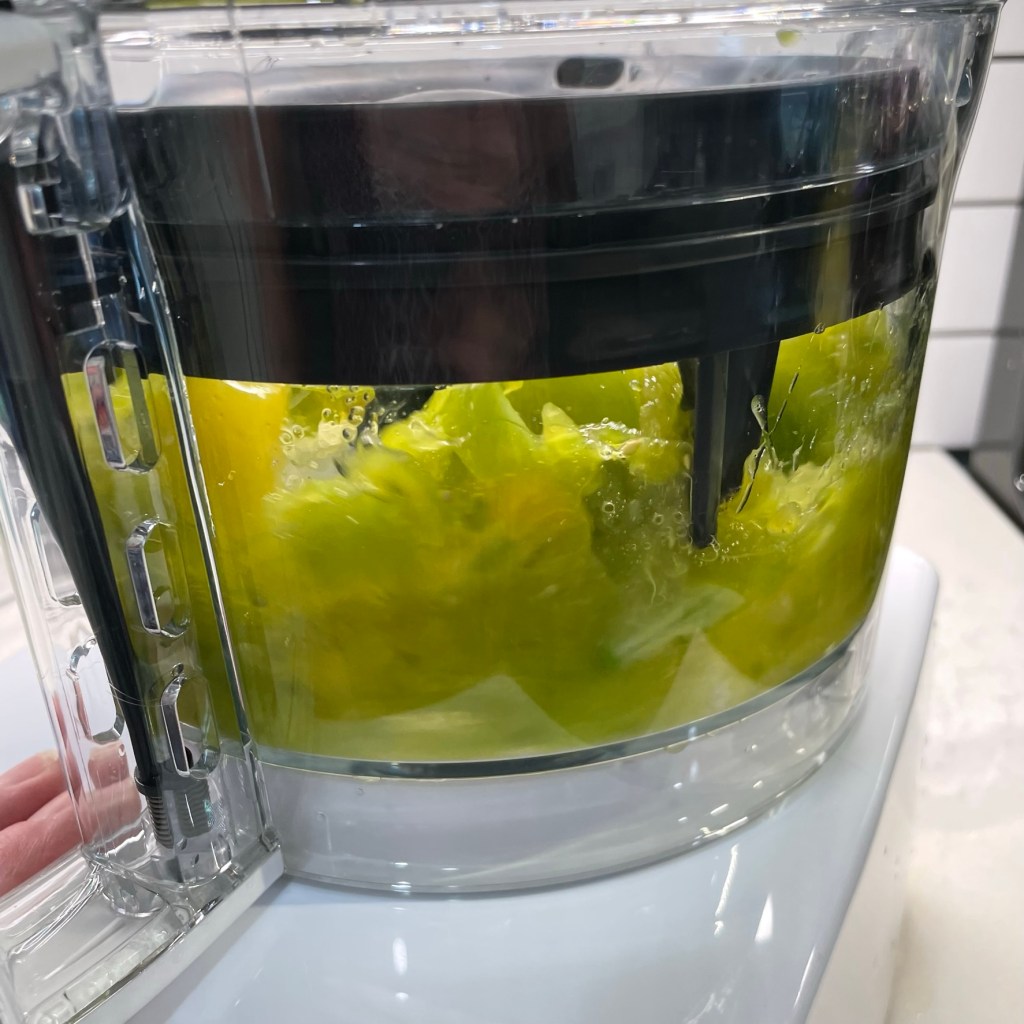
I repeated the process with the larger, yellow tomatoes, which I took time to de-seed first (I kept the seeds for another purpose). I held back the flesh of about half a yellow tomato to use later for garnish, and the rest went into the large bowl of my food processor with the little green tomatoes. A few of them had tougher stems, which I cut off, but most of them were tender enough to toss into the mix.

I haven’t shared much about my processor yet, as I’m still learning all the bells and whistles, but I promise I’ll give it a proper introduction soon. For now, I’ll say that it is quite large (14-cup capacity) and it has a cool “Blendermix” ring that is designed to keep the bowl contents in check when you puree ingredients. I love this because it eliminates the need to stop and scrape down the bowl during mixing. Less work for me is never a bad thing!


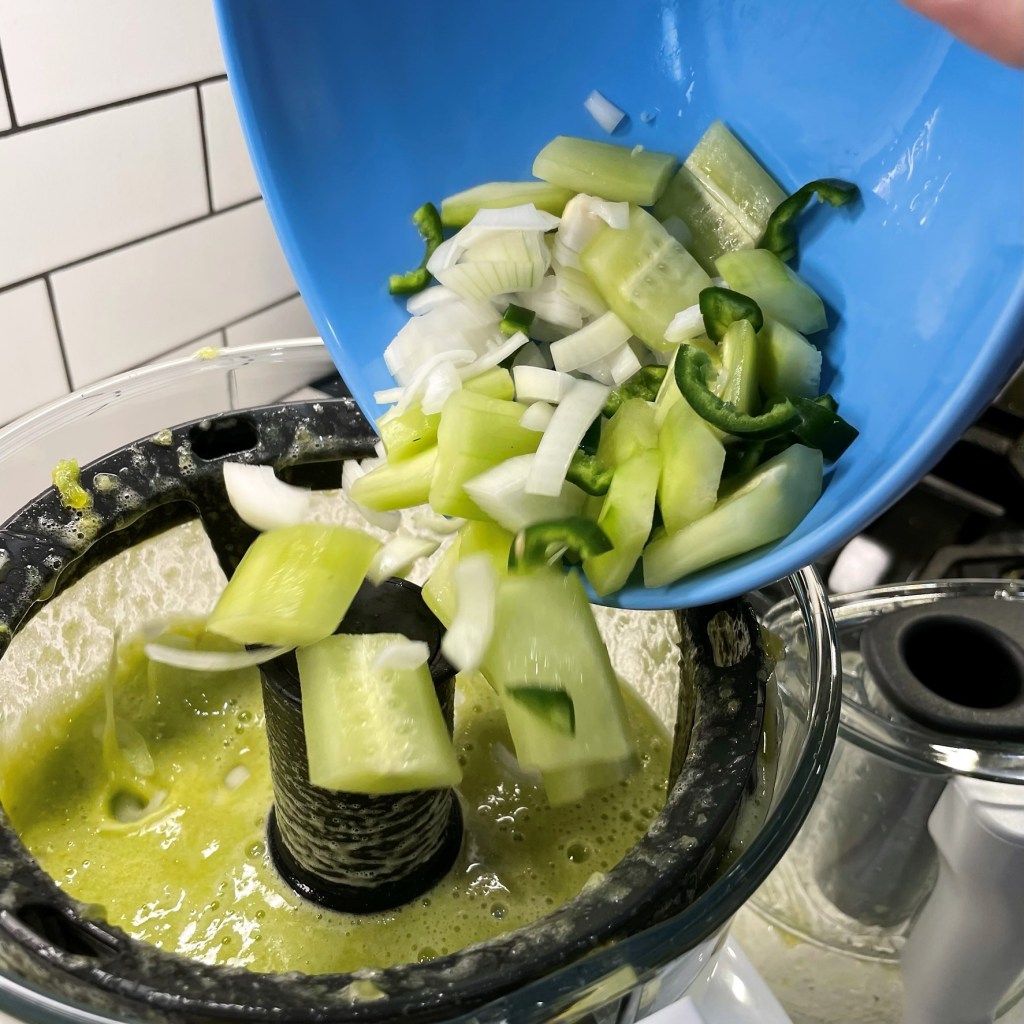
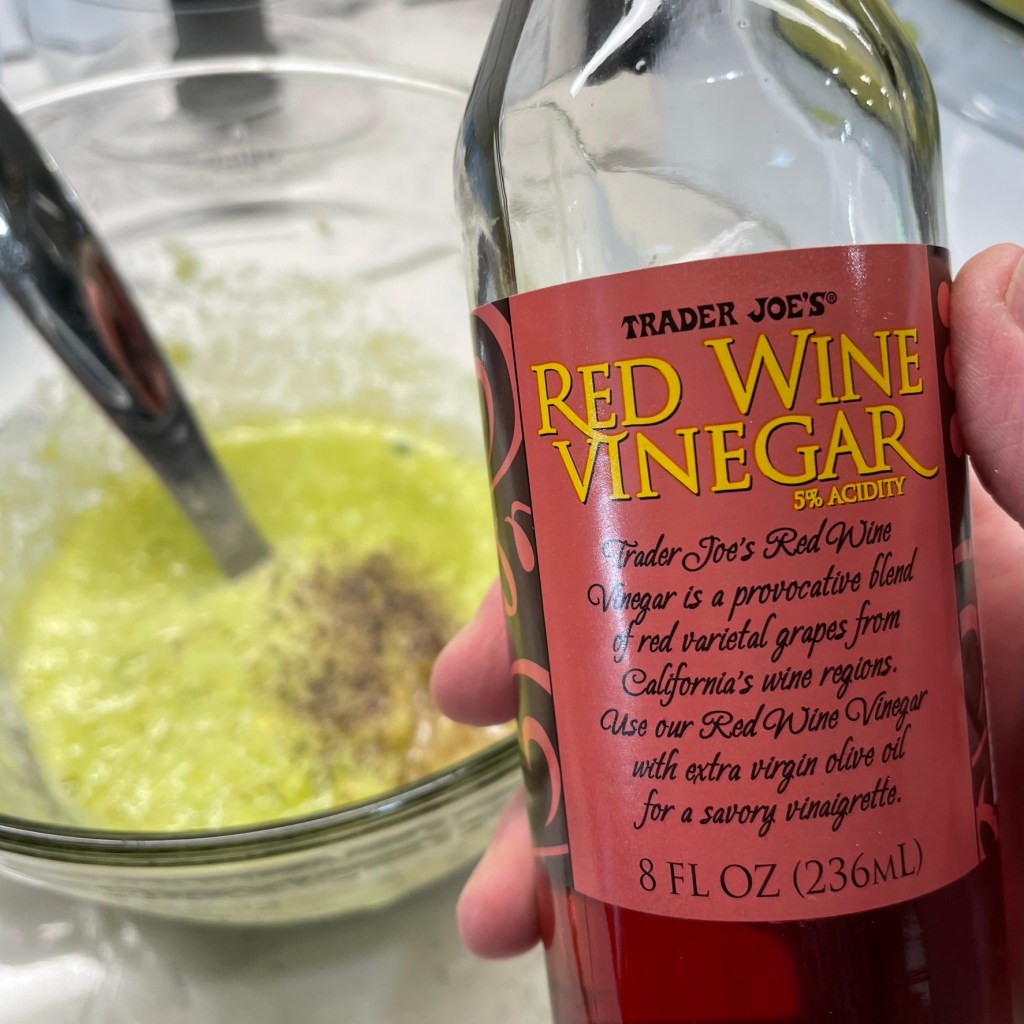
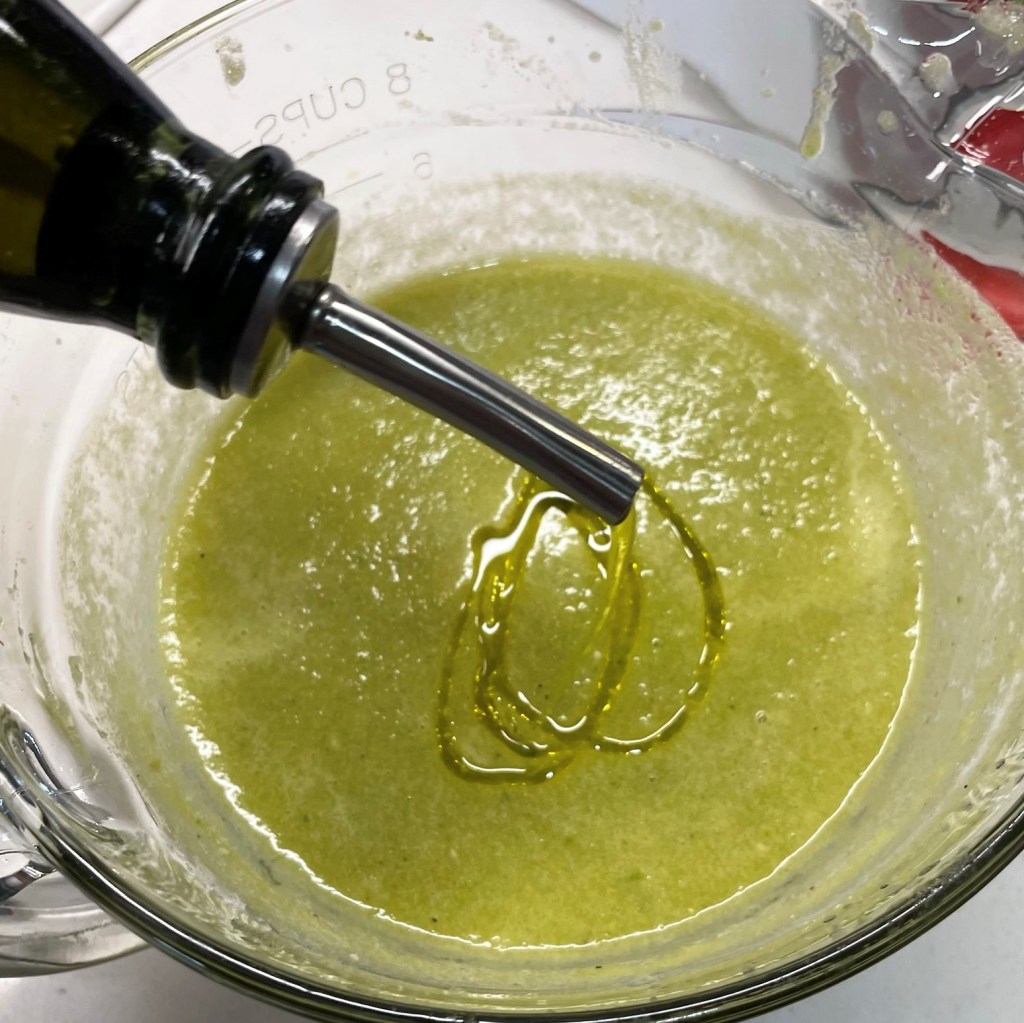
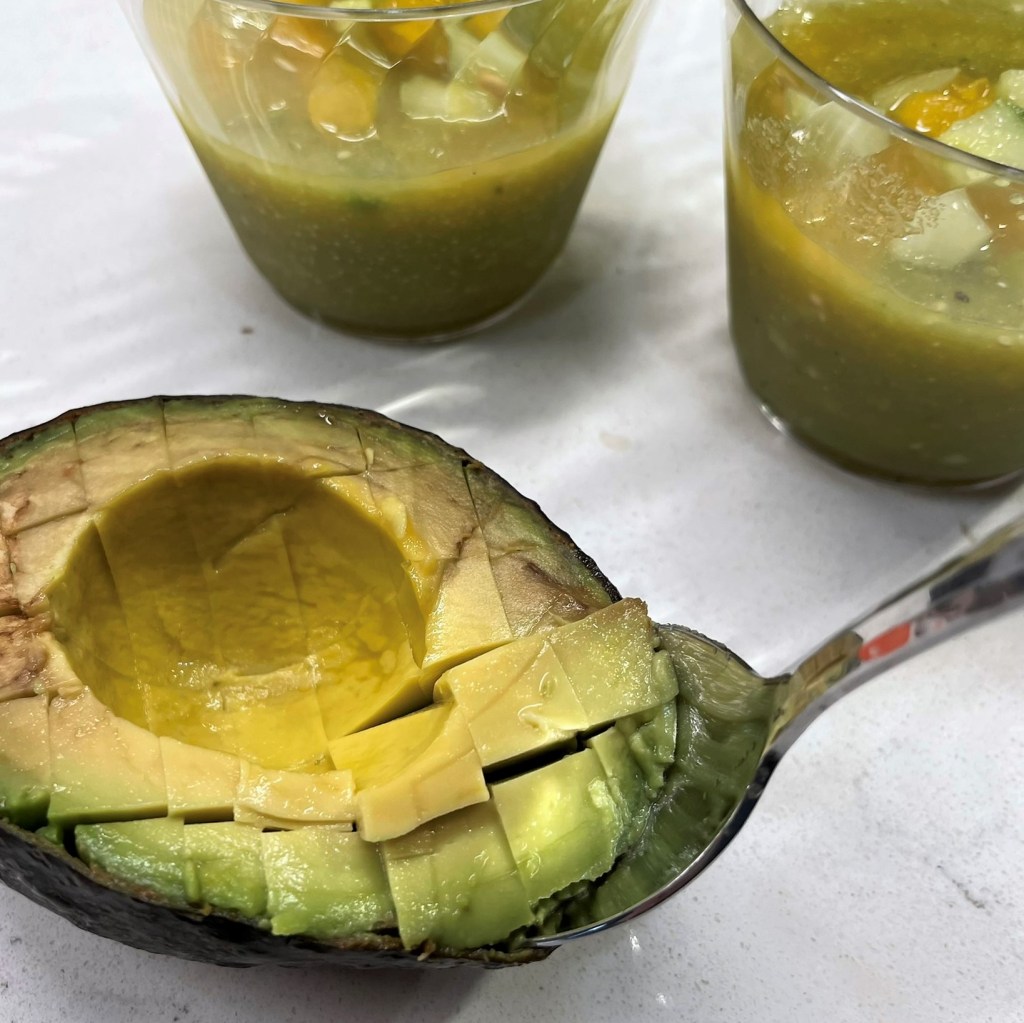
When I was satisfied with the smoothness of the tomatoes, I tossed in most of a peeled and seeded, cut-up cucumber (I reserved part of it for a topping), a chopped spring onion and about half of a chopped jalapeno. If you like heat, you can leave the seeds in the jalapeno for a bigger bite. I stripped them out to accommodate guests who may not enjoy heat as much. It’s always easier to add spice than to take it away! Depending on how much texture you want in your gazpacho, you could either pulse in these extra goodies or puree the dickens out of them. I went with plan B and whizzed it up nice and smooth, then transferred the soup to a pitcher bowl and stirred in a splash of red wine vinegar and a quick swirl of good, extra virgin olive oil (Spanish, of course).


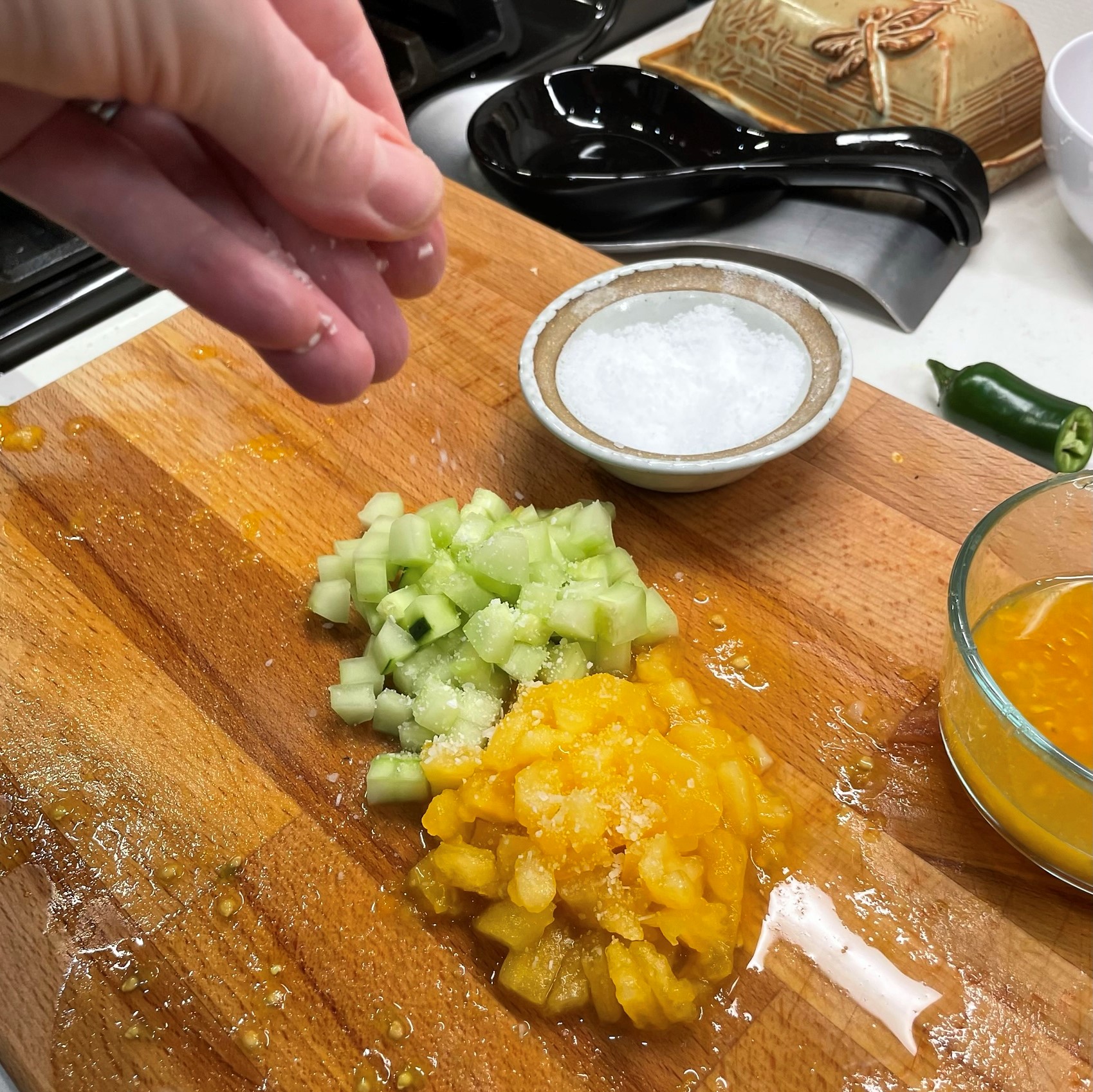
Gazpacho is best when it has had some time to “relax” in the refrigerator, so at that point, I covered the pitcher bowl and chilled it overnight. Remember the yellow tomato I set aside earlier, and the last bit of cucumber that didn’t get pureed? My intention was to use them as a garnish/topper on the gazpacho at serving time, so I sprinkled them with salt and combined them in a small bowl that also went into the refrigerator. A little bit of texture on top of the gazpacho would add visual interest and something to tantalize the taste buds on those first few bites.

Even the yellow tomato was so juicy! I reserved the seeds and excess juice for another purpose.

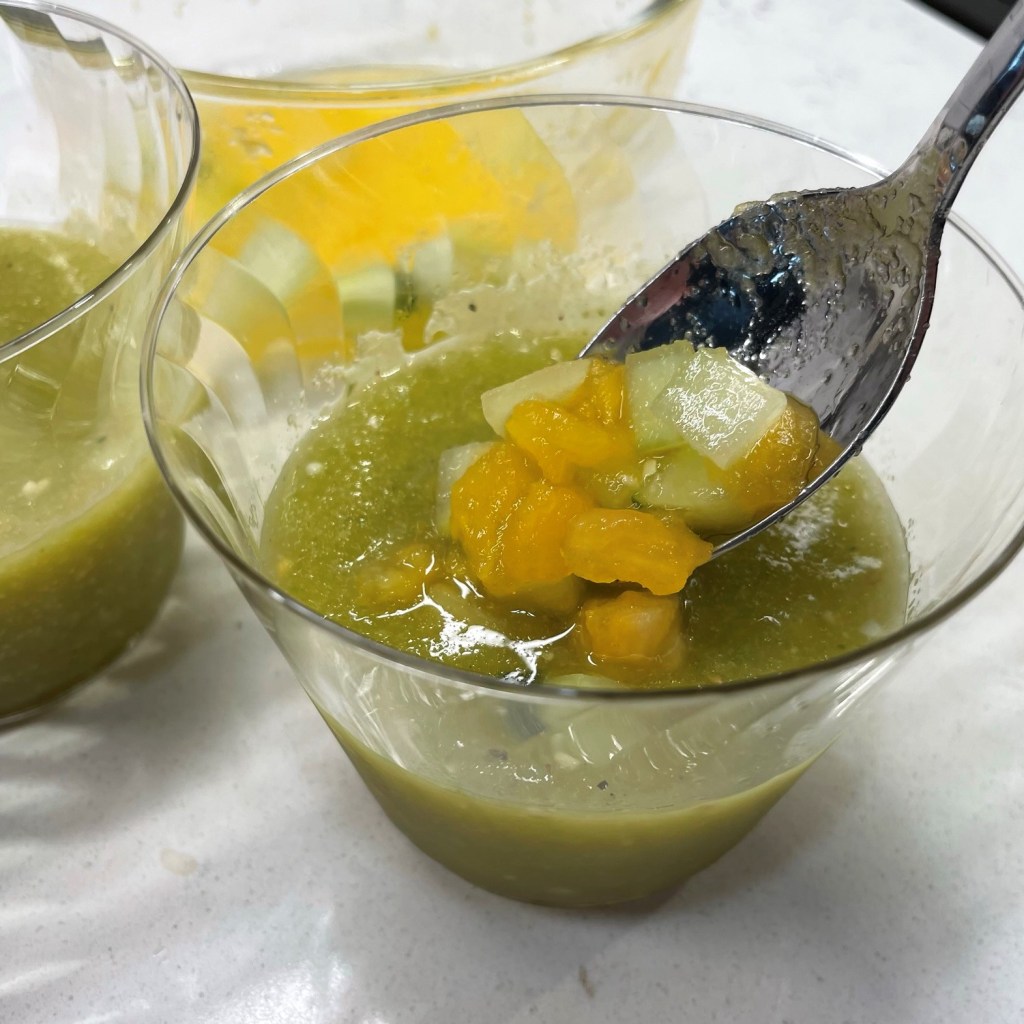
To serve the gazpacho, divvy it up into cute little cups or glasses. We did this an hour or so ahead of our friends’ arrival to save time and last-minute fussing, then tucked them back into the fridge. Top each cup with a few cubes of the reserved tomato-cucumber mixture, and a few cubes of fresh avocado. If you wish to garnish with the roasted shrimp, check out my previous post for Bloody Mary Shrimp Cocktail—the process was the same, but for this gazpacho recipe, I tossed the shrimp with a little bit of salt, garlic powder and sweet Spanish paprika.

This green gazpacho was a perfect starter for the summer meal to come from the grill. It was light, flavorful and very refreshing, and though it was a simple course—from its short list of ingredients to its ease of preparation—everyone loved it so much, they were still talking about it as we hugged our goodbyes.

It doesn’t get much sweeter than that!

Green Gazpacho Shooters

  • Difficulty: average
  • Print

This easy green gazpacho can be made ahead in half an hour and is terrific as a starter course for a summer meal off the grill! This recipe requires a food processor, or it can be made in a blender, though you may need to process the tomatoes in batches.

Ingredients

  • 2 dry pints of ripe baby tomatoes (green or otherwise)
  • 3 smallish yellow tomatoes (one will be reserved to chop for topping gazpacho)
  • 1 spring onion or small sweet onion, rough chopped
  • 1 large cucumber, peeled and quartered with seeds removed (reserve a chunk of this for topping)
  • 1/2 medium jalapeno, rough chopped (use the seeds if you like it hot)
  • Kosher salt and freshly ground black pepper
  • 1 Tbsp. red wine vinegar
  • 1 Tbsp. good quality, extra virgin olive oil (preferably a Spanish, fruity variety)
  • 1/2 ripe avocado, cubed (this will be a garnish at serving time; do not add it to the blended gazpacho)
  • Roasted paprika-dusted shrimp, optional for garnish (cooking instructions included in note below)

Directions

  1. Bring a pot of water to boil and fill a separate, large bowl with ice water.
  2. Wash all tomatoes and use a paring knife to cut a small “x” on the bottom of each.
  3. Carefully lower the tomatoes (a few at a time) into boiling water, and turn them a few times until the peels begin to loosen. This will only take about one minute, unless the tomatoes are less ripe. Scoop them out and immediately transfer them to the ice water bowl, taking care to fully submerge them. Repeat until all tomatoes have been blanched and shocked.
  4. Drain the tomatoes of excess water and transfer them to the bowl of a food processor, fitted with the large blade. Season with salt and pepper. Pulse a few times to break up the large pieces, and then process continuously until the tomatoes are pureed to a smooth consistency.
  5. Add the cut-up onion, cucumber, and jalapeno to the processor. Pulse, then puree continuously to desired consistency.
  6. Stir in the vinegar and olive oil. Adjust salt and pepper to taste. Transfer gazpacho to a pitcher bowl and refrigerate several hours or overnight.
  7. Dice the reserved yellow tomato and cucumber into bite-sized bits. Sprinkle with salt and pepper. Combine these in a bowl and refrigerate to use as a garnish on the soup.
  8. To serve, divide the gazpacho into cups and top with reserved tomato and cuke bits, plus roasted and chilled paprika shrimp (below).

These paprika-spiced shrimp are very simple to make, and you may prep these up to a day ahead. Be sure to give them enough time to chill completely in the fridge before serving time.

Ingredients

  • 12 to 16 shrimp (enough for two shrimp per gazpacho serving)
  • 1 Tbsp. extra virgin olive oil
  • 1 tsp. Spanish sweet paprika
  • 1/2 tsp. garlic powder
  • 1/2 tsp. kosher salt
  • several twists freshly ground black pepper

Directions

  1. Preheat oven to 400 F, and line a baking sheet with parchment paper.
  2. Peel and de-vein shrimp, keeping tails intact for presentation. Pat dry with paper towels.
  3. Add shrimp to a zip-top freezer bag. Drizzle in olive oil and add seasonings. Seal and shake to evenly coat the shrimp with seasonings.
  4. Arrange shrimp on baking sheet. Roast for about 6 minutes, or until shrimp are just barely opaque. Remove from oven and arrange in one layer on a plate. Place the plate directly into the fridge or freezer for a few minutes to stop the cooking process. Transfer to a covered container and keep chilled until ready to serve.


Maple Mustard Meatballs

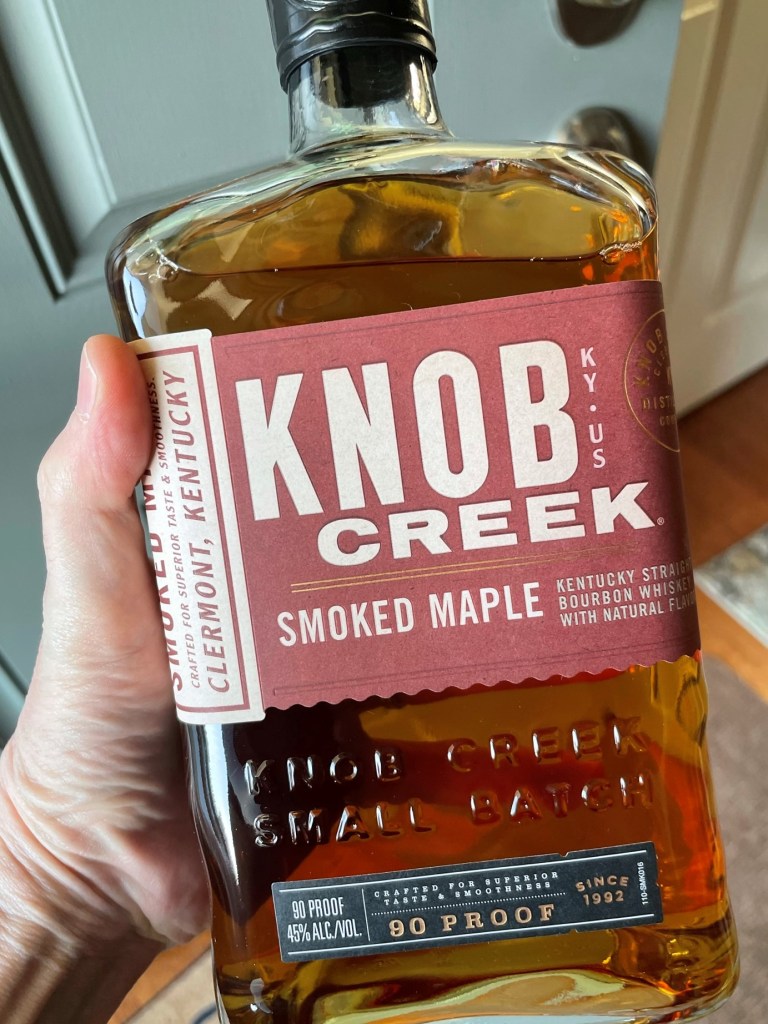
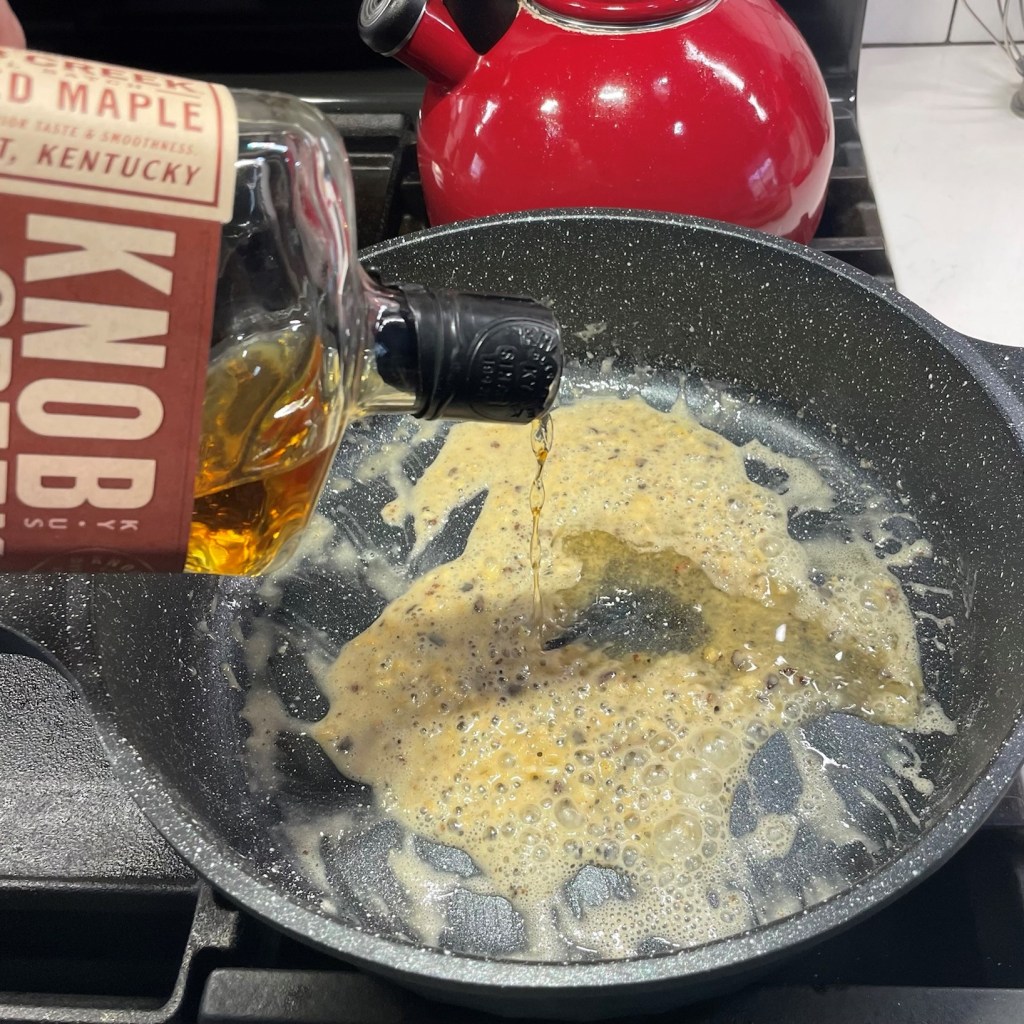
During the holiday season, right smack between Thanksgiving and Christmas, I shared my recipe for Smoked Maple Bourbon Crème Brûlée. That dessert was divine, with all the silky creaminess you’d expect and a generous splash of smoked maple bourbon, a Knob Creek product that my husband and I had recently discovered. The culinary possibilities of this bourbon seem limitless, as we have enjoyed it now in cocktails, dessert and these meatballs, which were inspired by a comment made by a friend on that crème brûlée post.

We have been so inspired by this smoked maple-flavored bourbon.

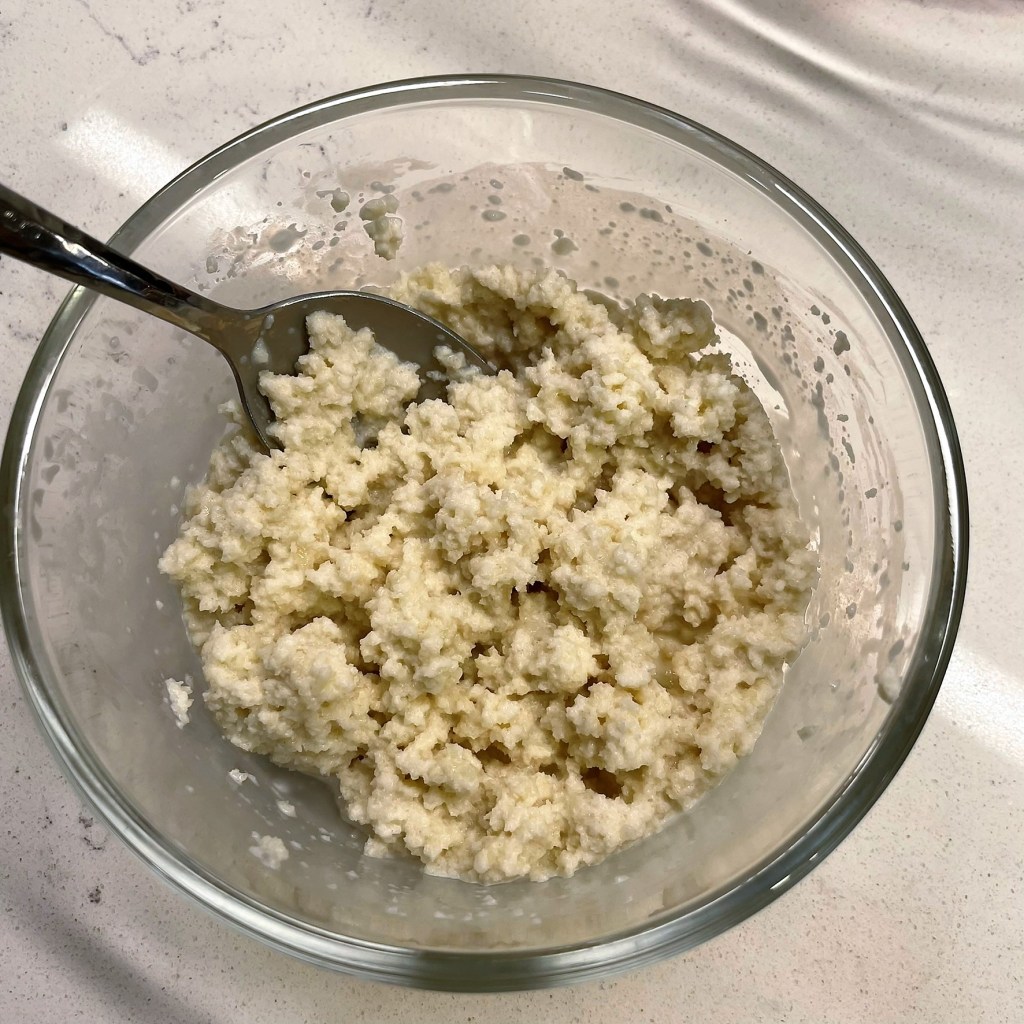
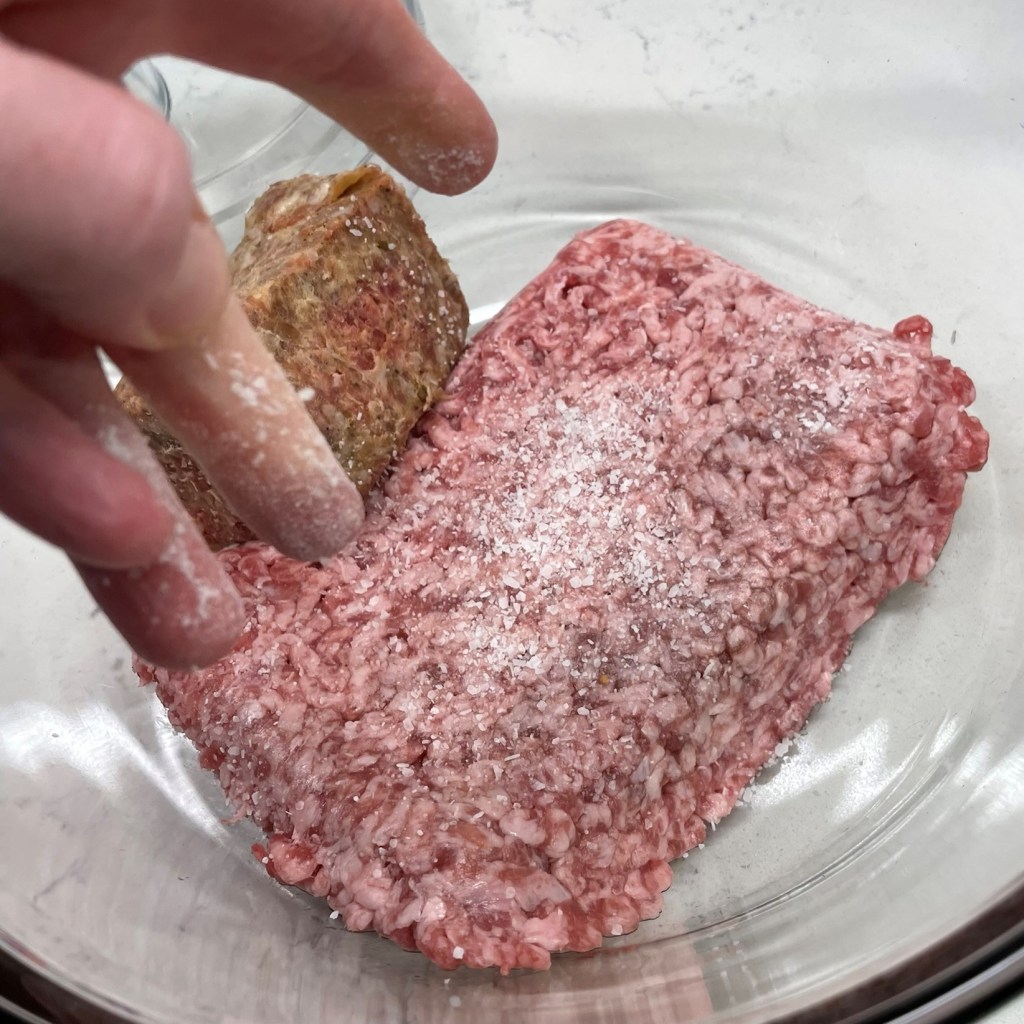
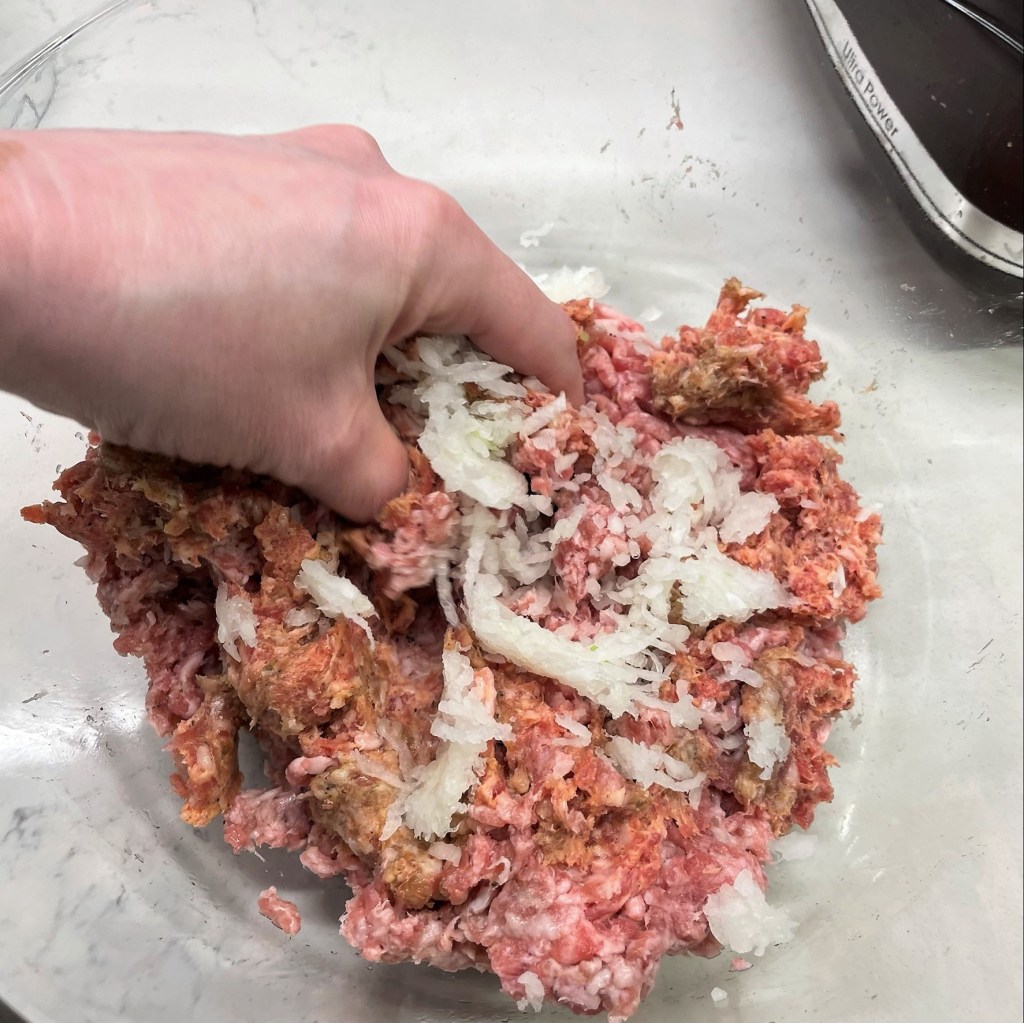
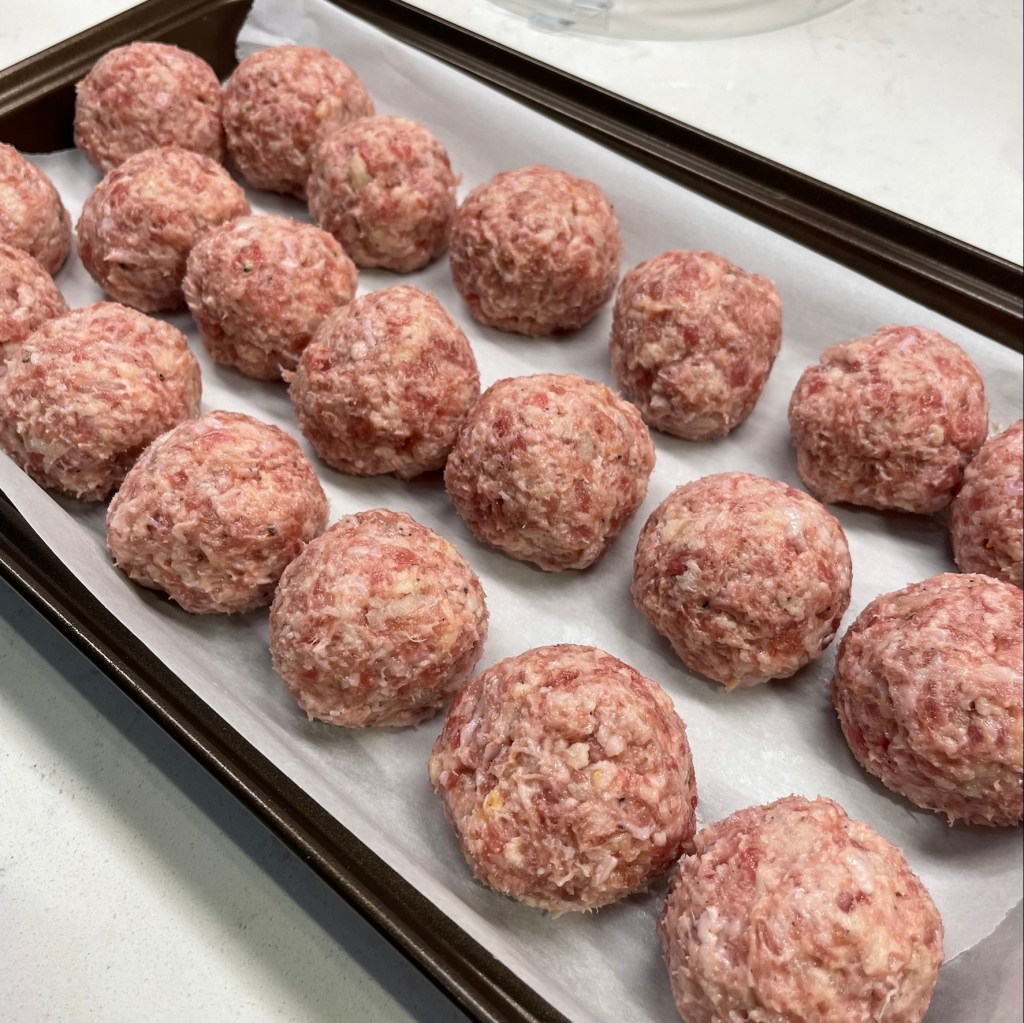
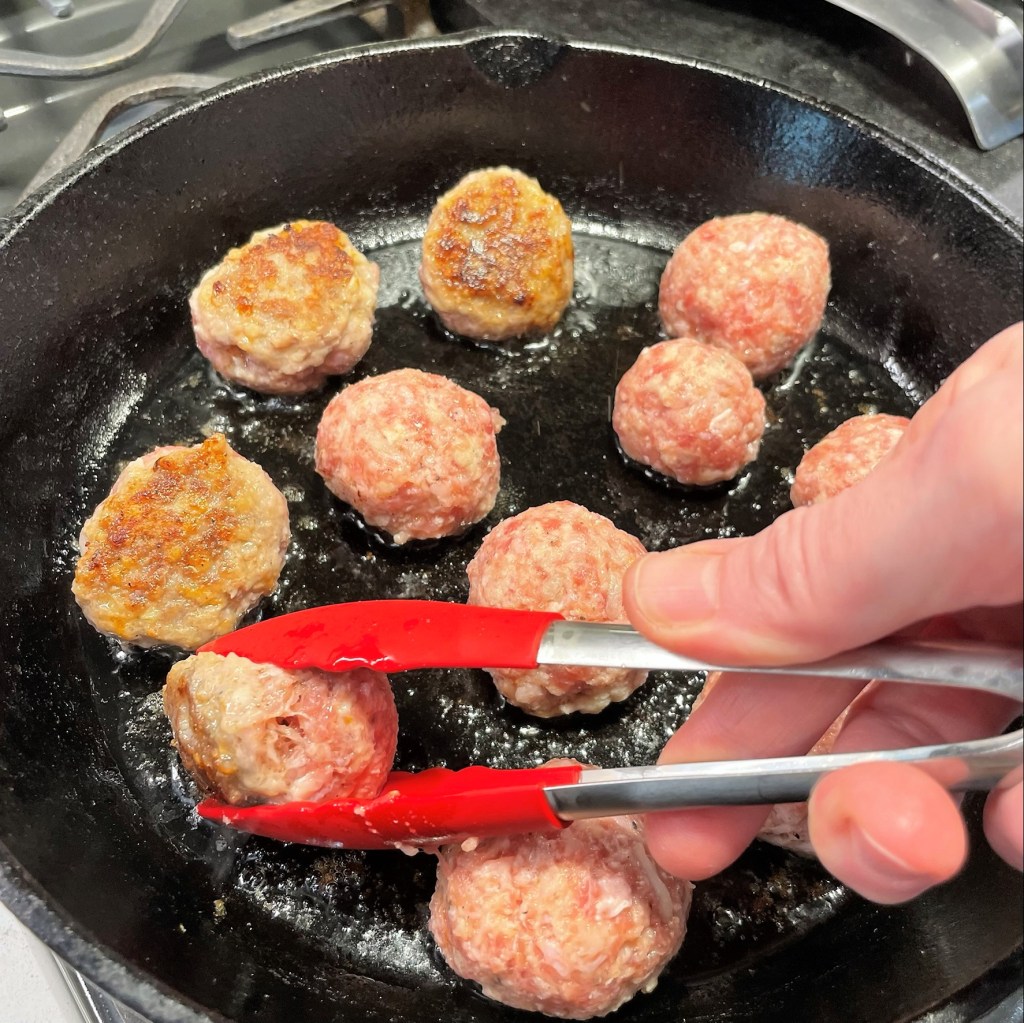
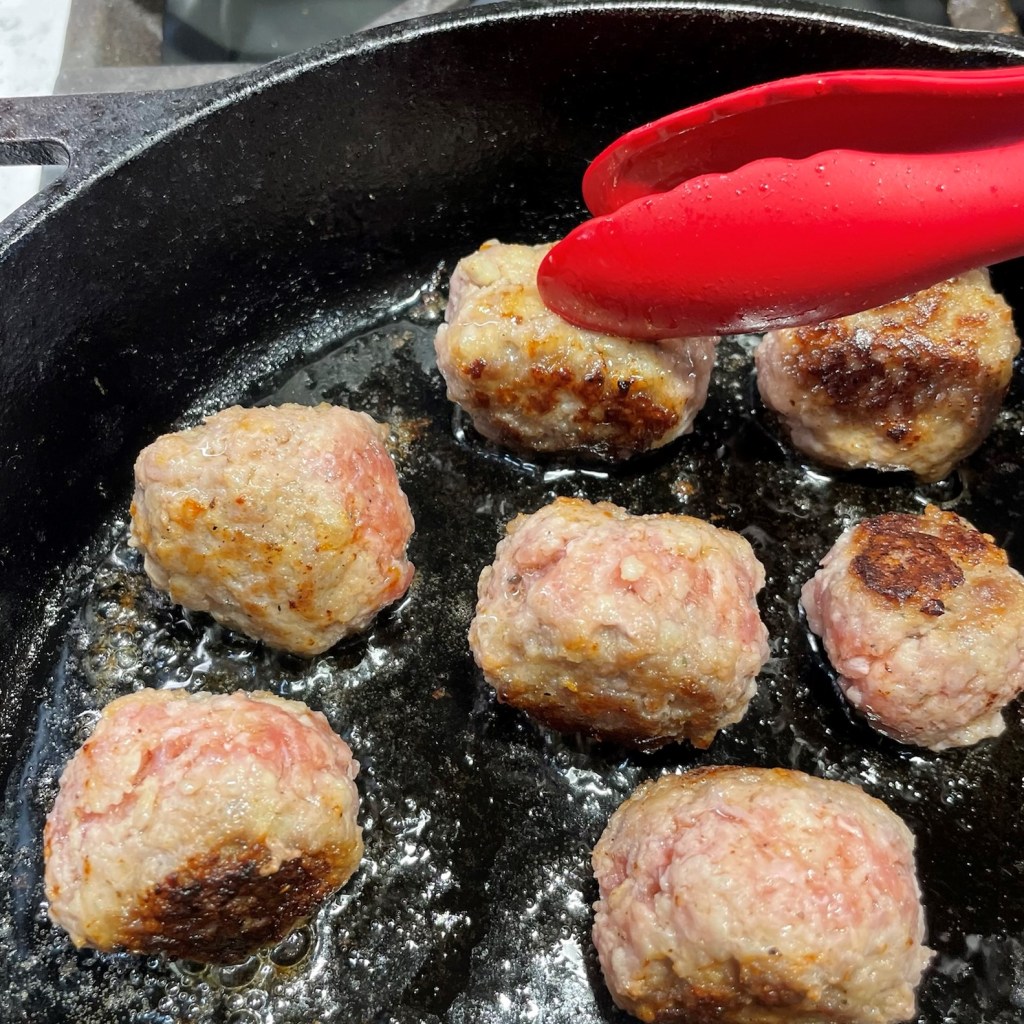
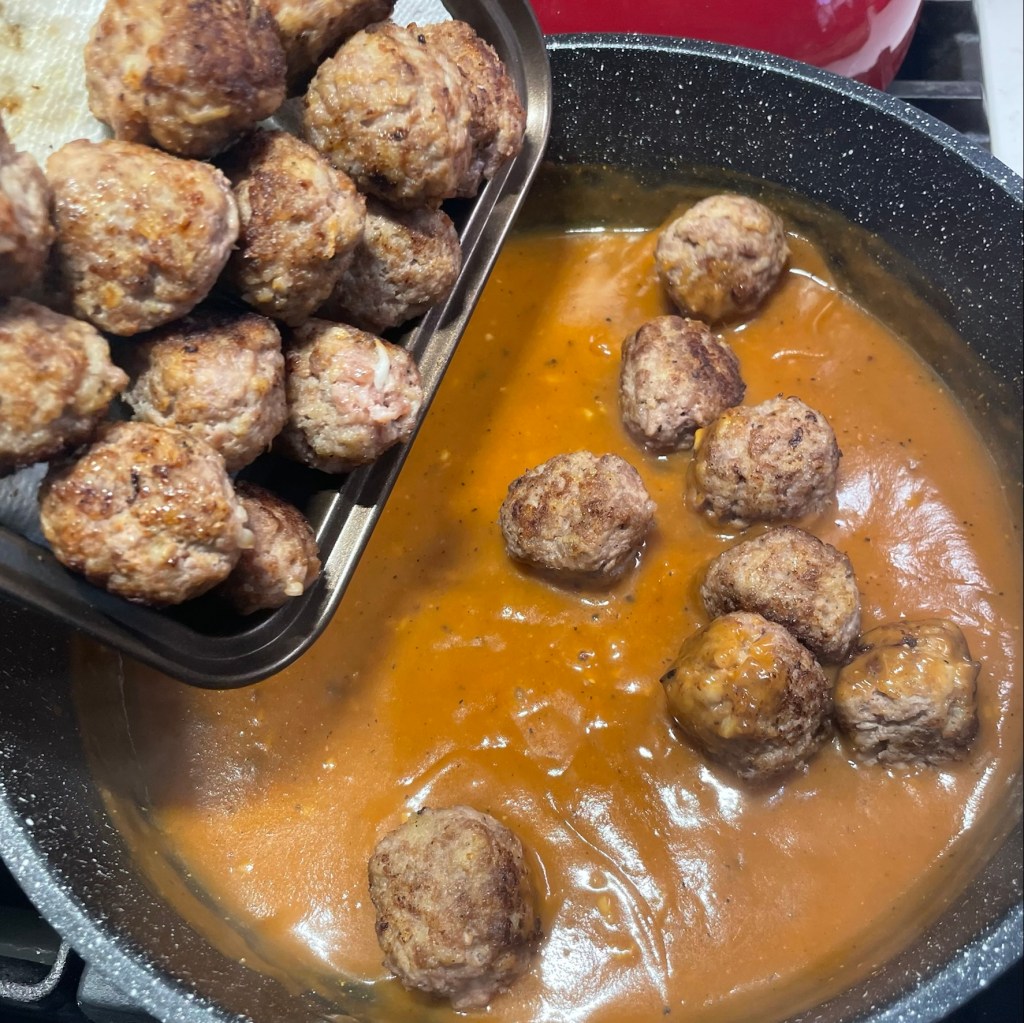
My friend and blog buddy, Michelle, cannot tolerate alcohol in drinks but she enjoys the flavors of booze in food (including the Tequila & Lime Chicken Tacos she inspired me to make last summer). Michelle commented that the maple-bourbon combination in my dessert reminded her of a signature appetizer made by an old friend. Can’t we all relate to that—a dish so good that we can still taste it in our minds, even years later? That simple comment about her friend’s “maple mustard mystery” meatballs got my own creative juices going. I was bored with ground beef (and it isn’t always easy to find fresh grass-fed in the store), so I turned to ground pork instead and modified a recipe I already had for Marsala-braised pork meatballs. I had been thinking about making those, but maple and bourbon sounded much more interesting.

Maple is one of the most versatile sweeteners I know—it is not a flat kind of sweet, as sugar is, but complex, with a warmth and depth that you can’t get from brown sugar or even honey. Maple plays nicely with tangy, spicy and smoky as well as it does with creamy and buttery. If you have only enjoyed maple with weekend pancakes, this recipe may help you break out of a flavor rut. The maple and mustard was a terrific combination for early December, which is when I made the meatballs. Yes, we are hanging in there with dry January, so I suppose you could say I am enjoying bourbon vicariously through myself from last month.

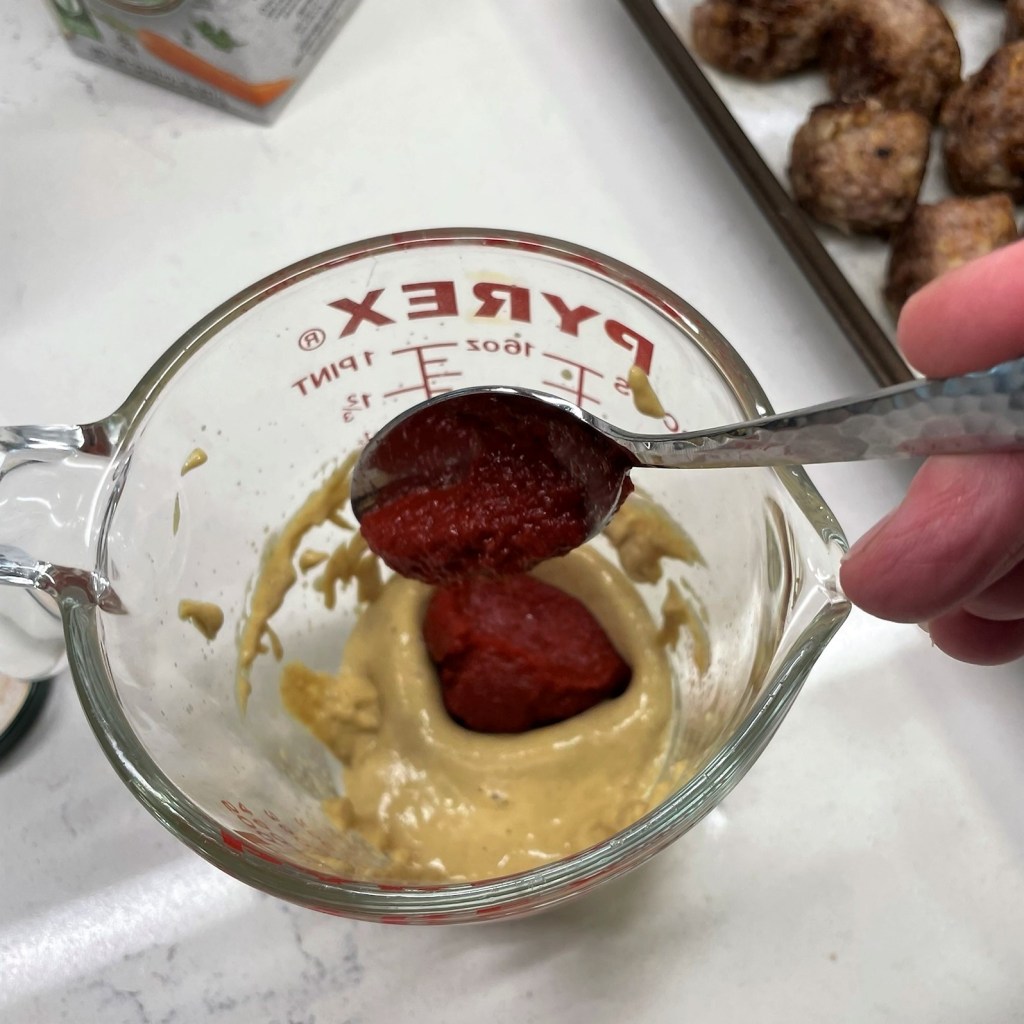
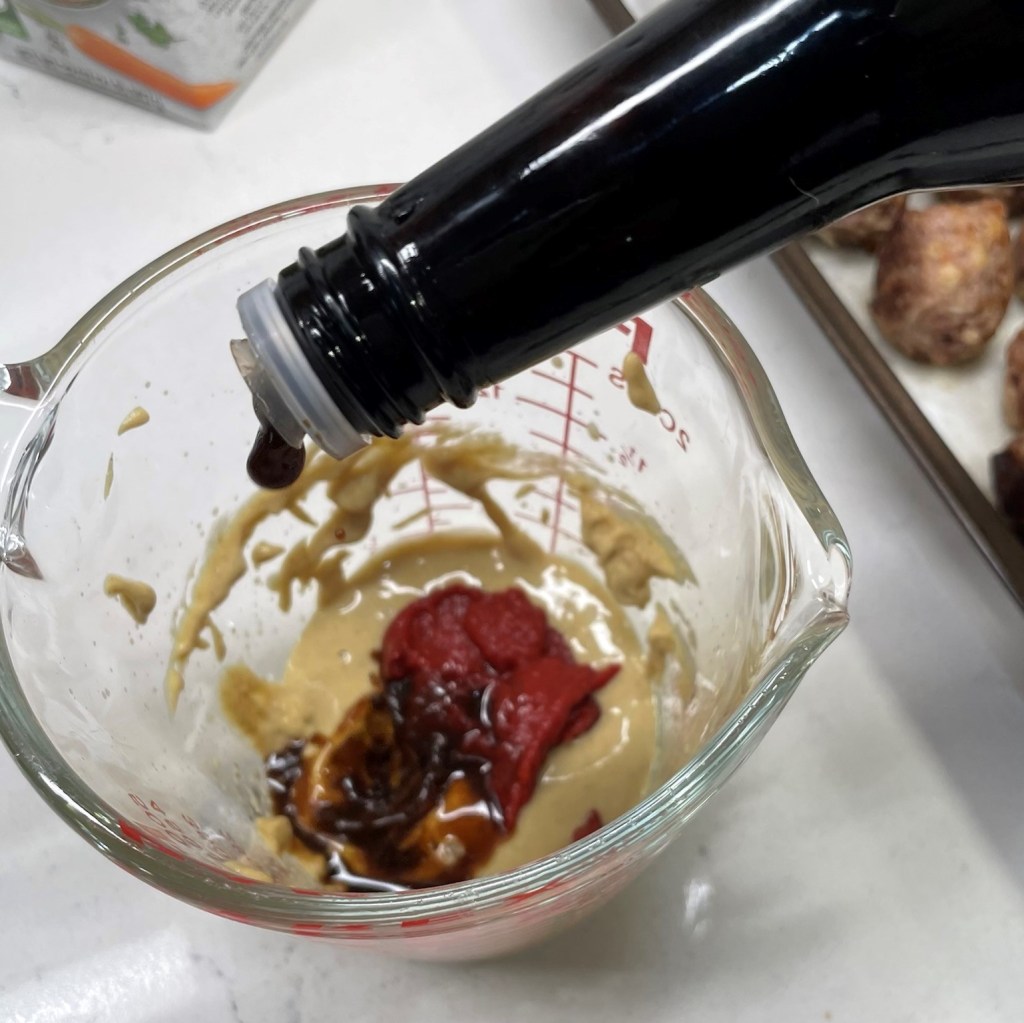
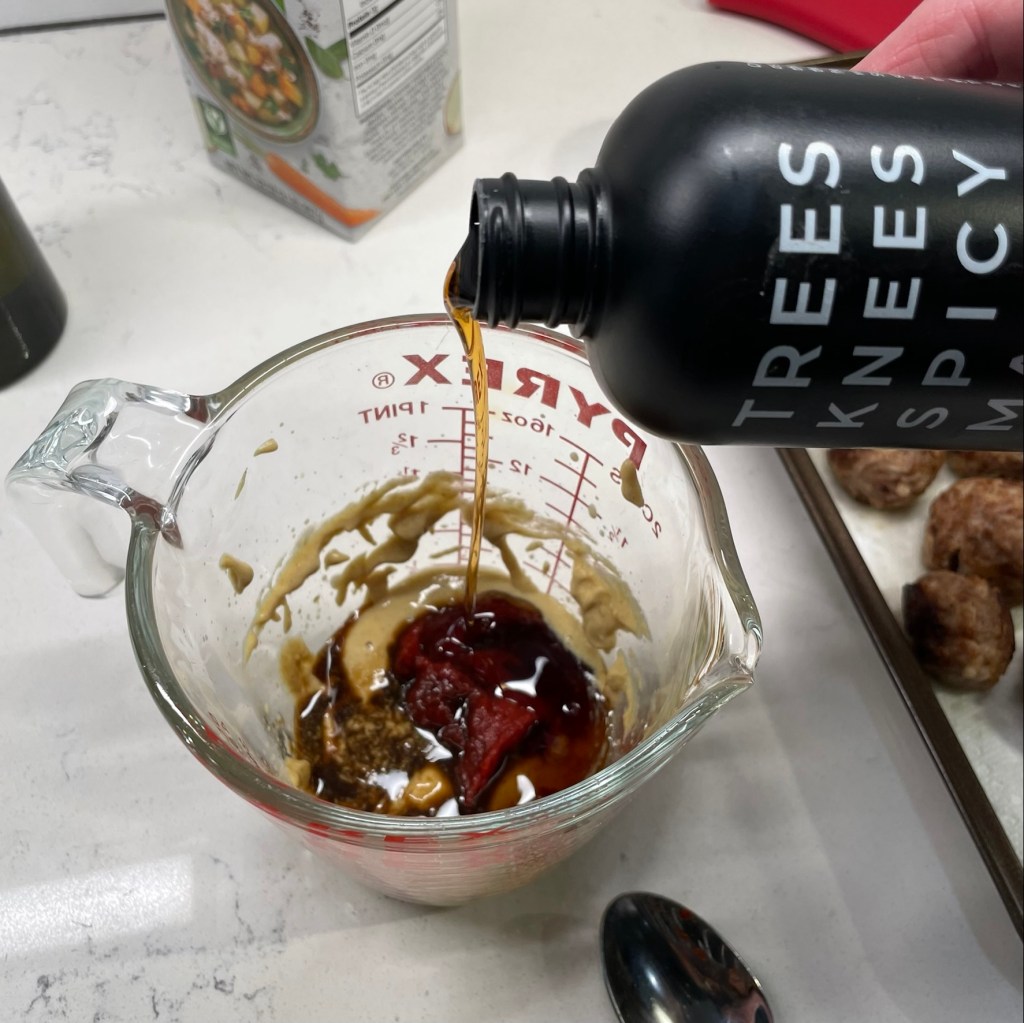
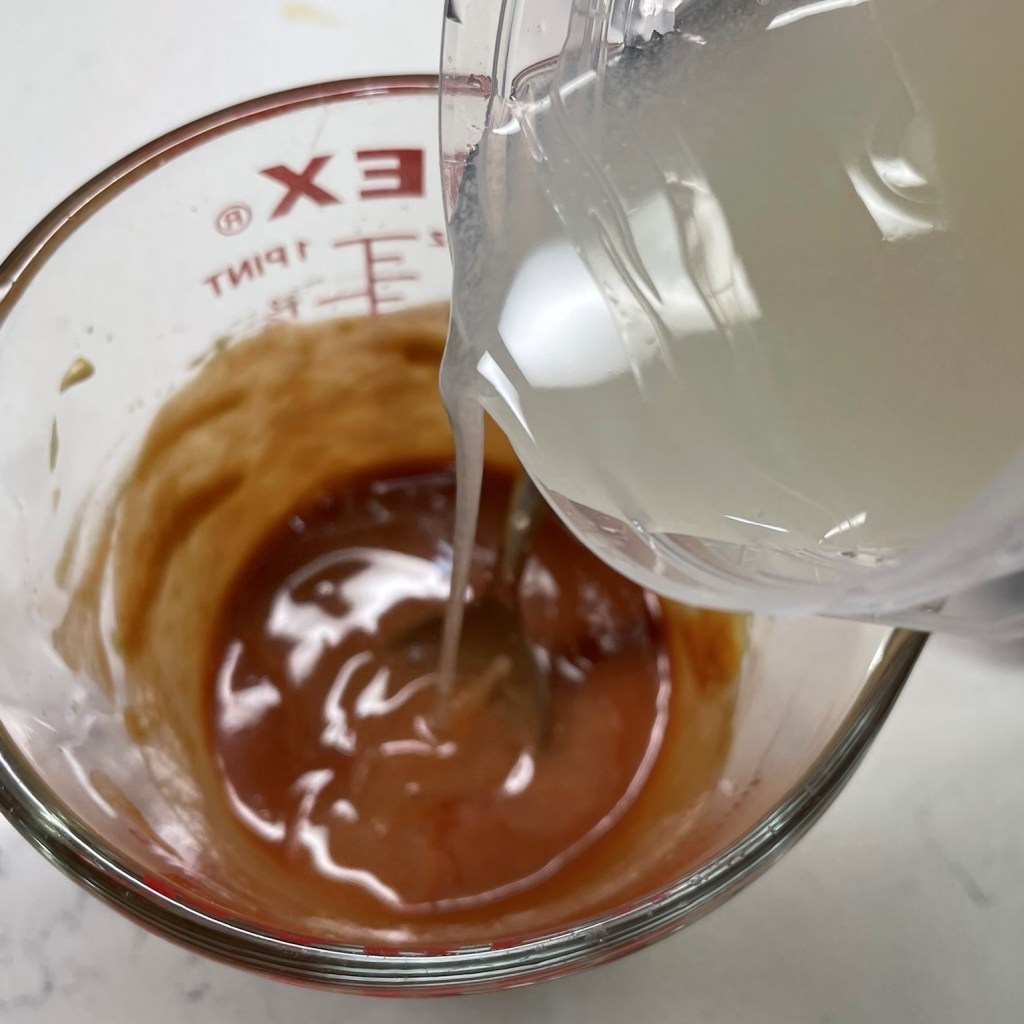
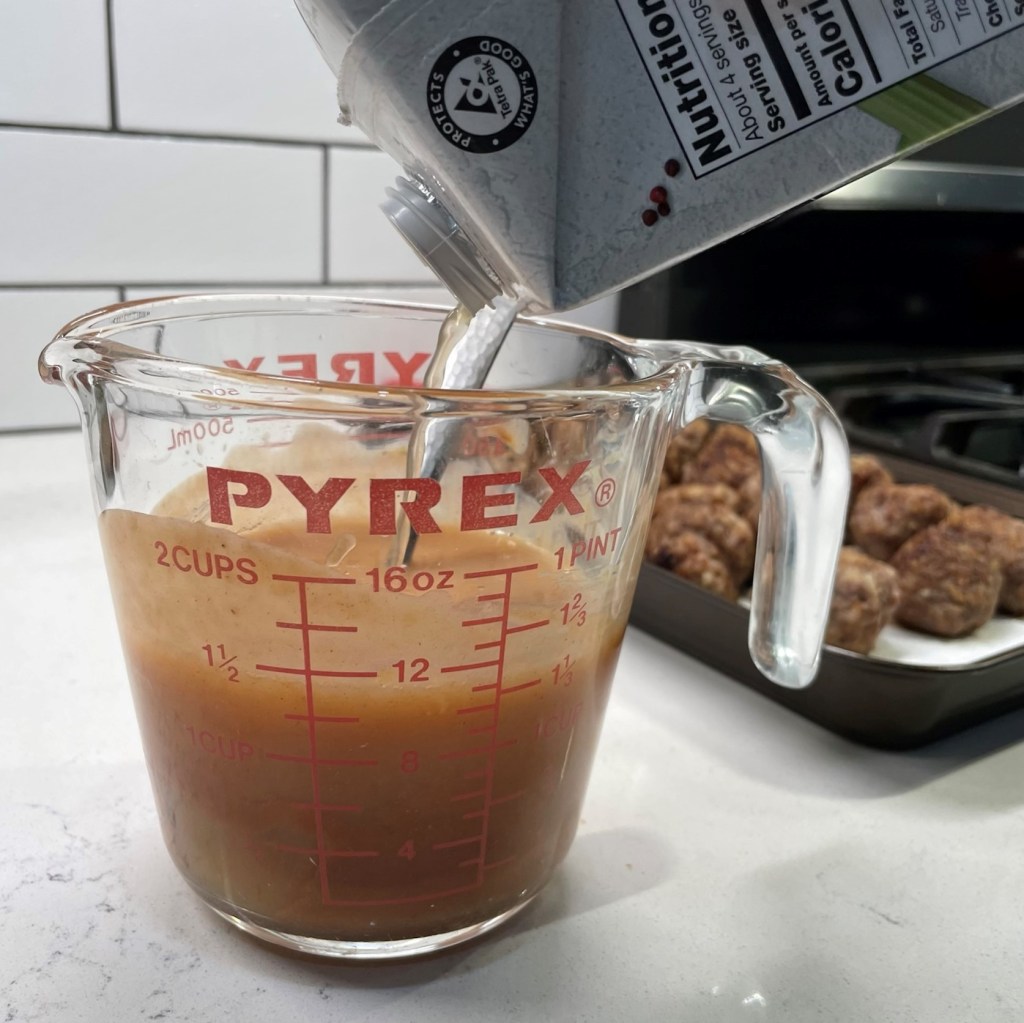
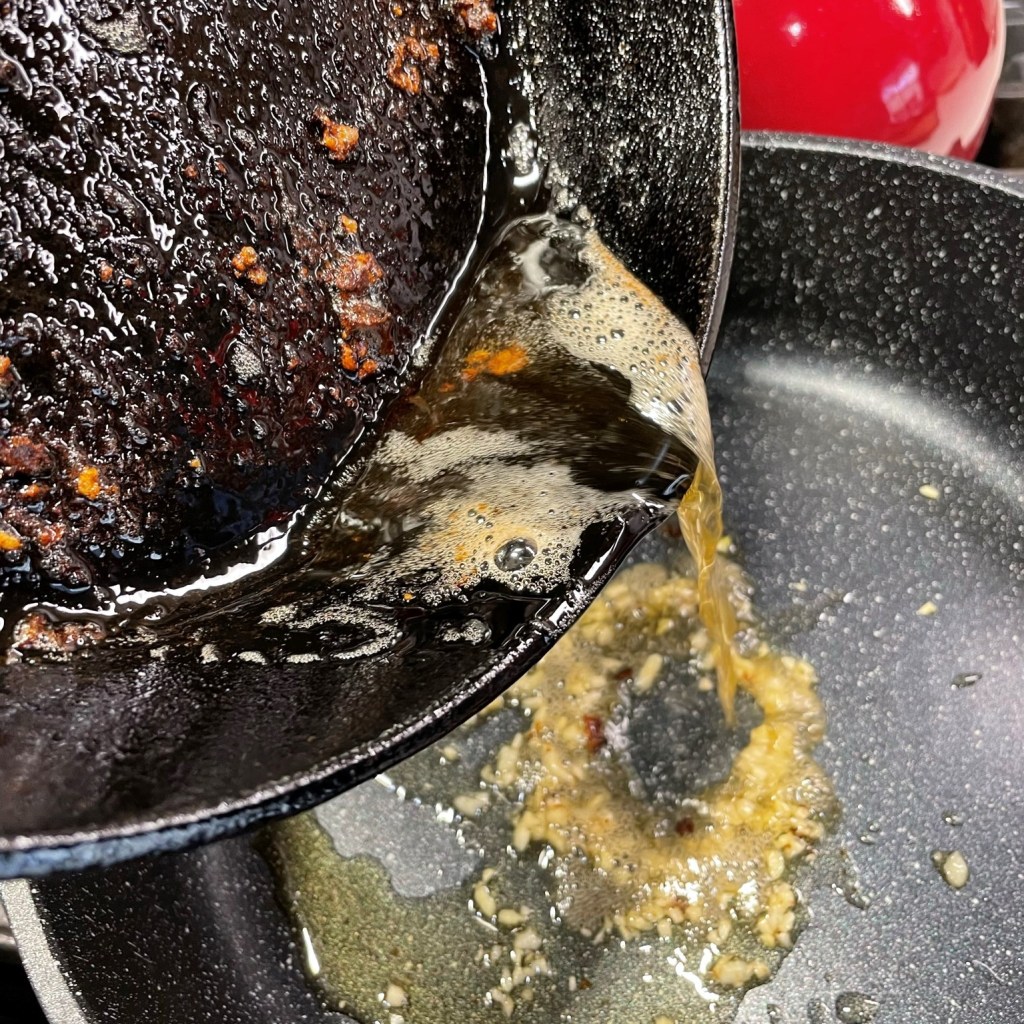
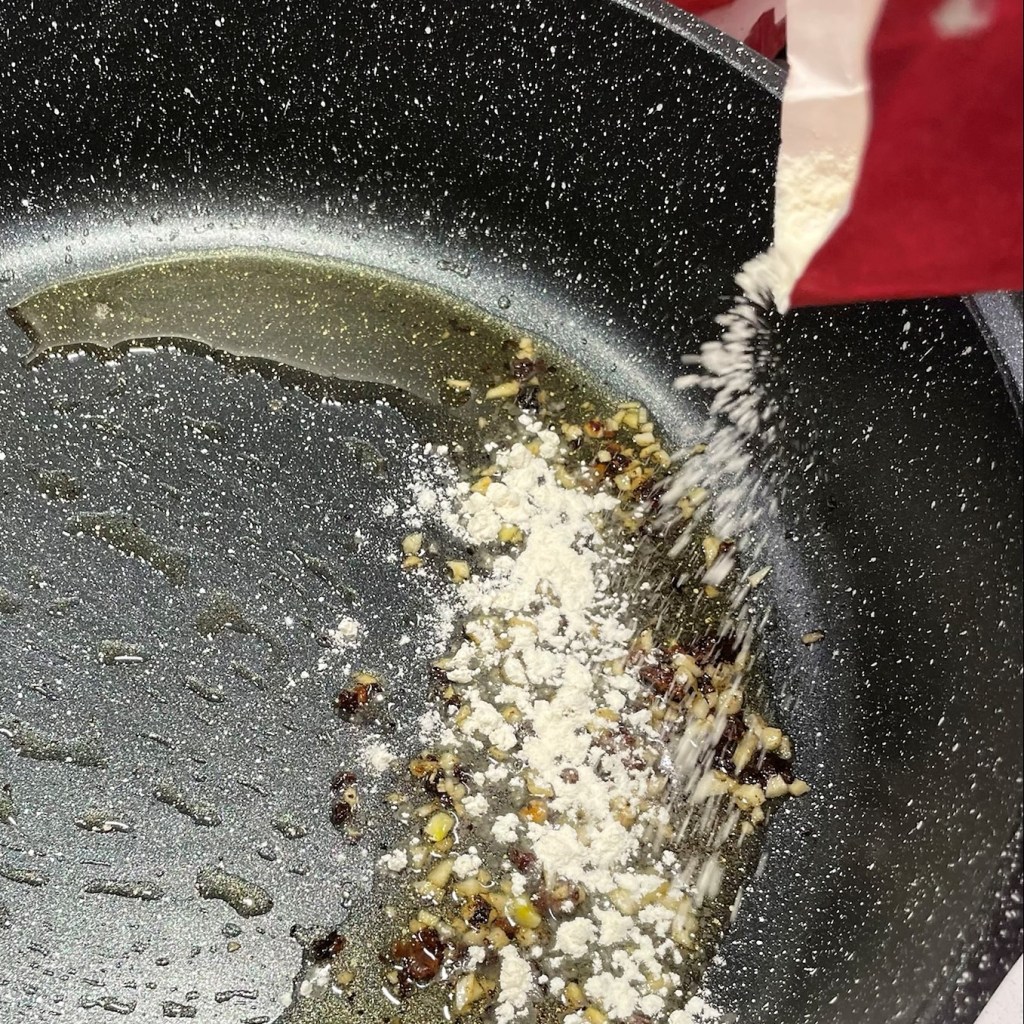
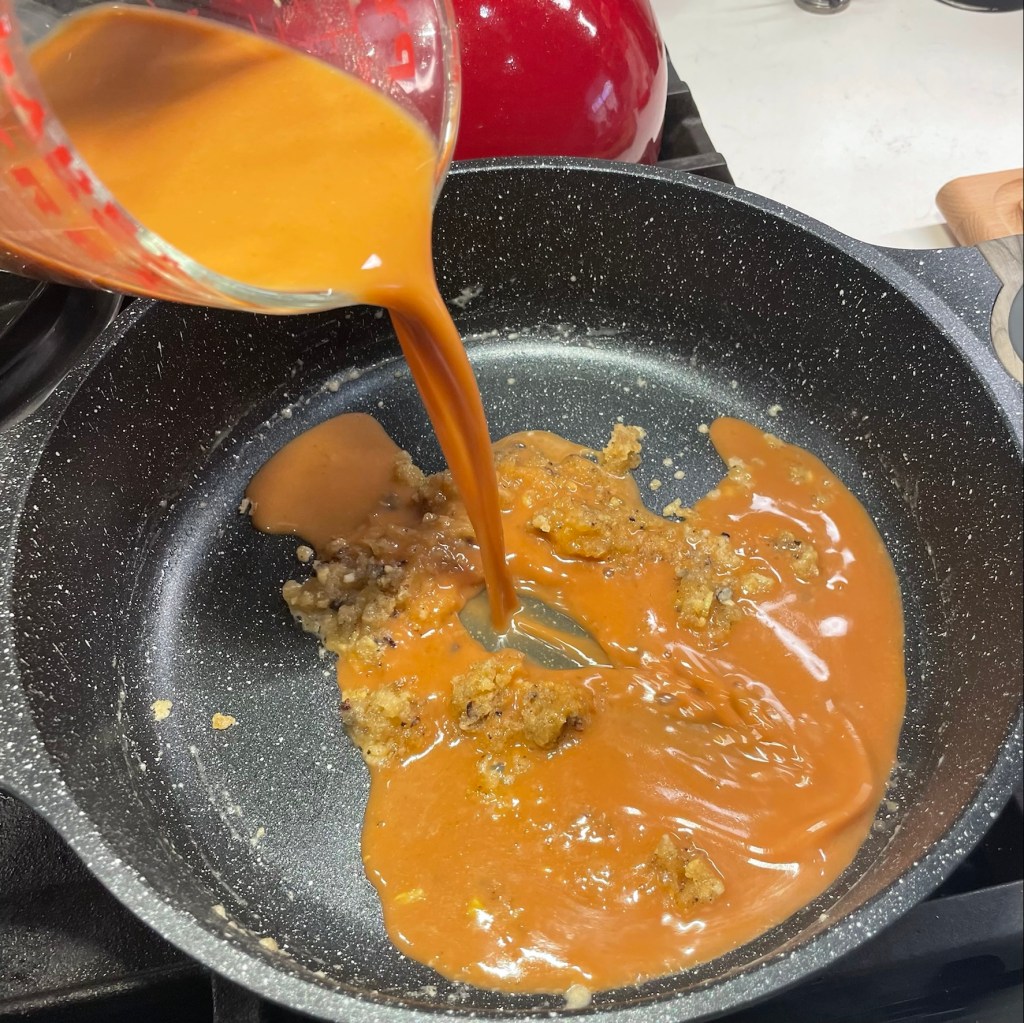
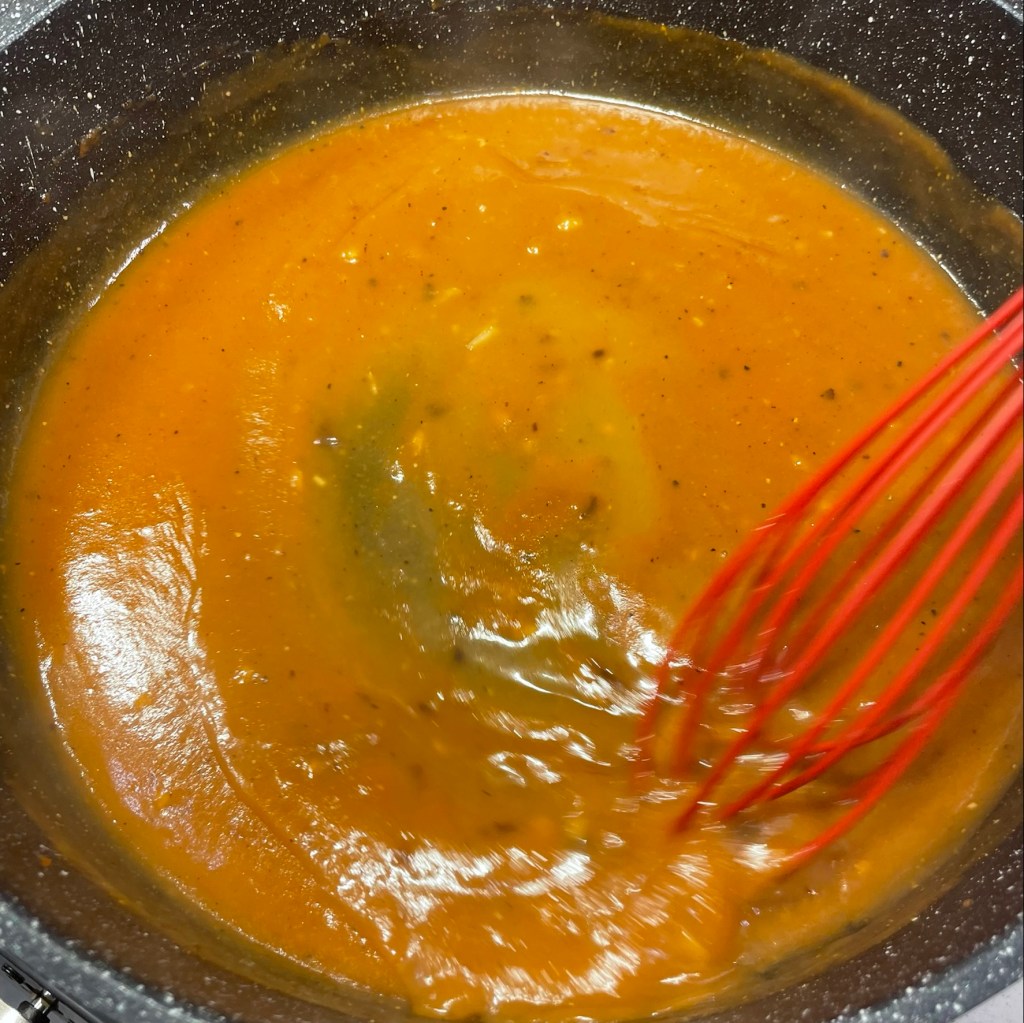
For this meatball recipe, I paired a spicy maple syrup with Dijon mustard, a bit of tomato paste, onion juice and some of the smoky maple bourbon we had bought for the Smoked Maple Cranhattans at Thanksgiving. I resisted the urge to add cream to this sauce, because cream tends to soften other flavors and I really wanted the maple and mustard to enjoy the spotlight.

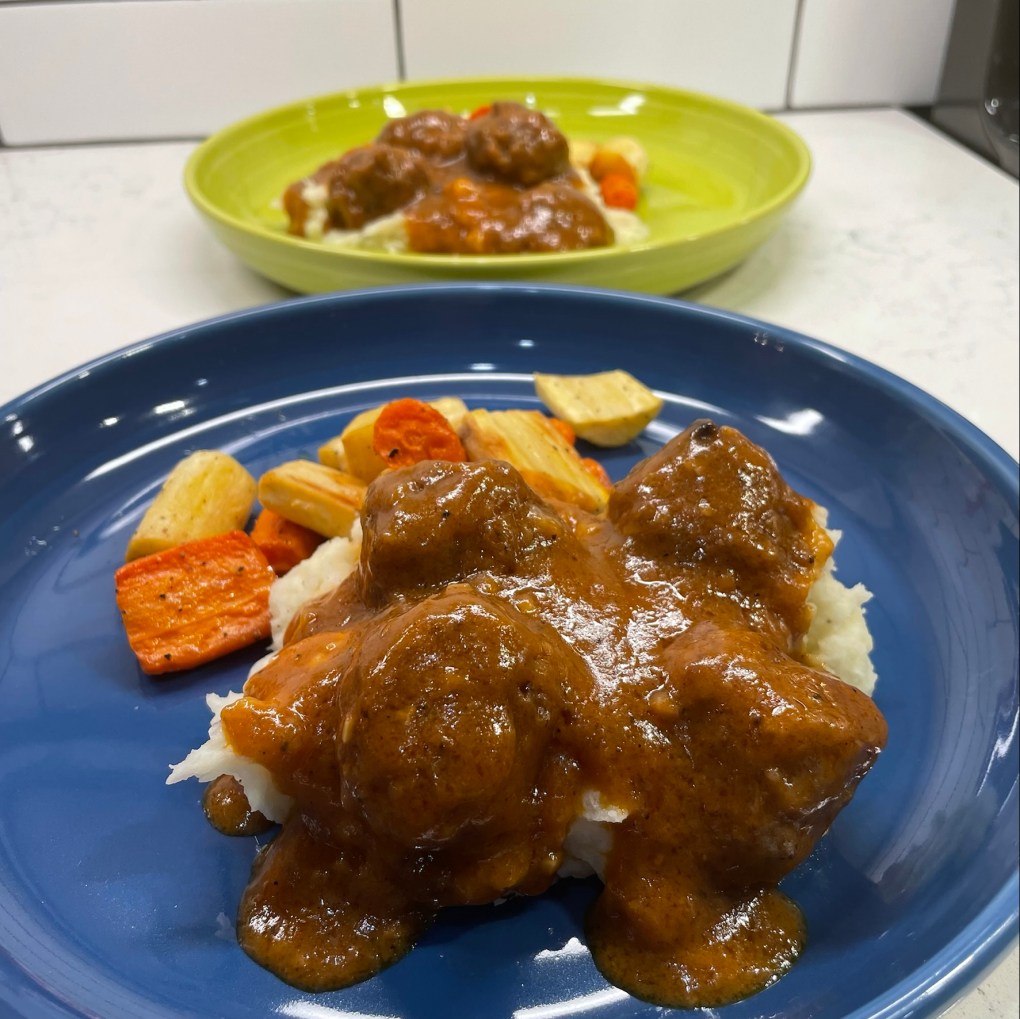
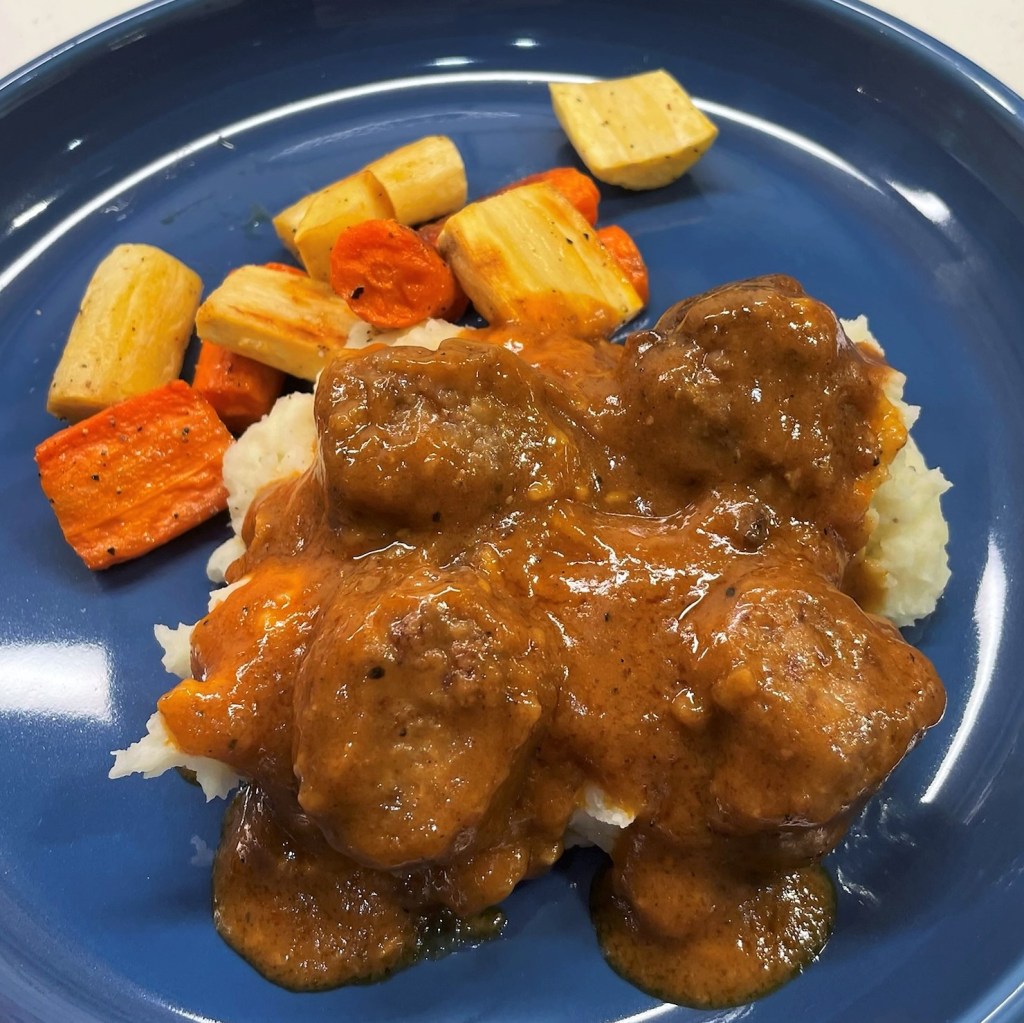
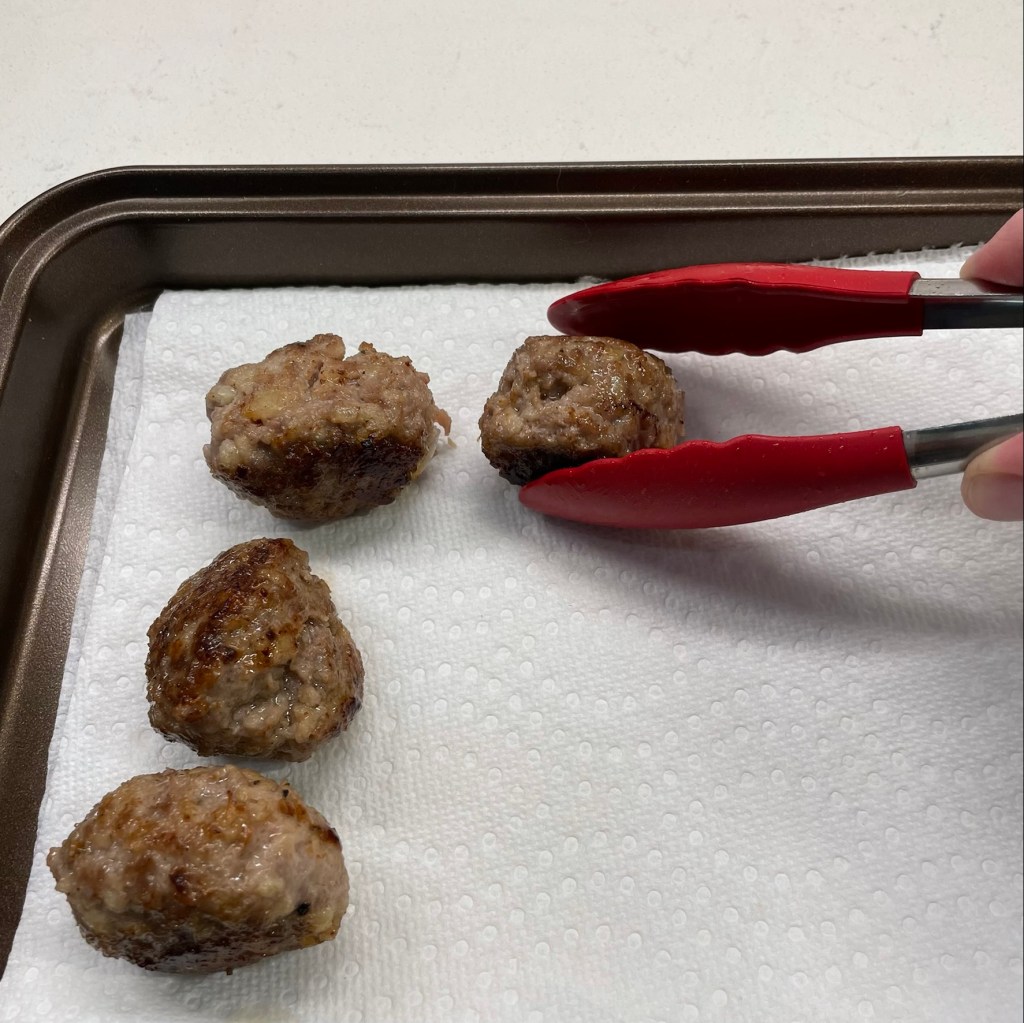
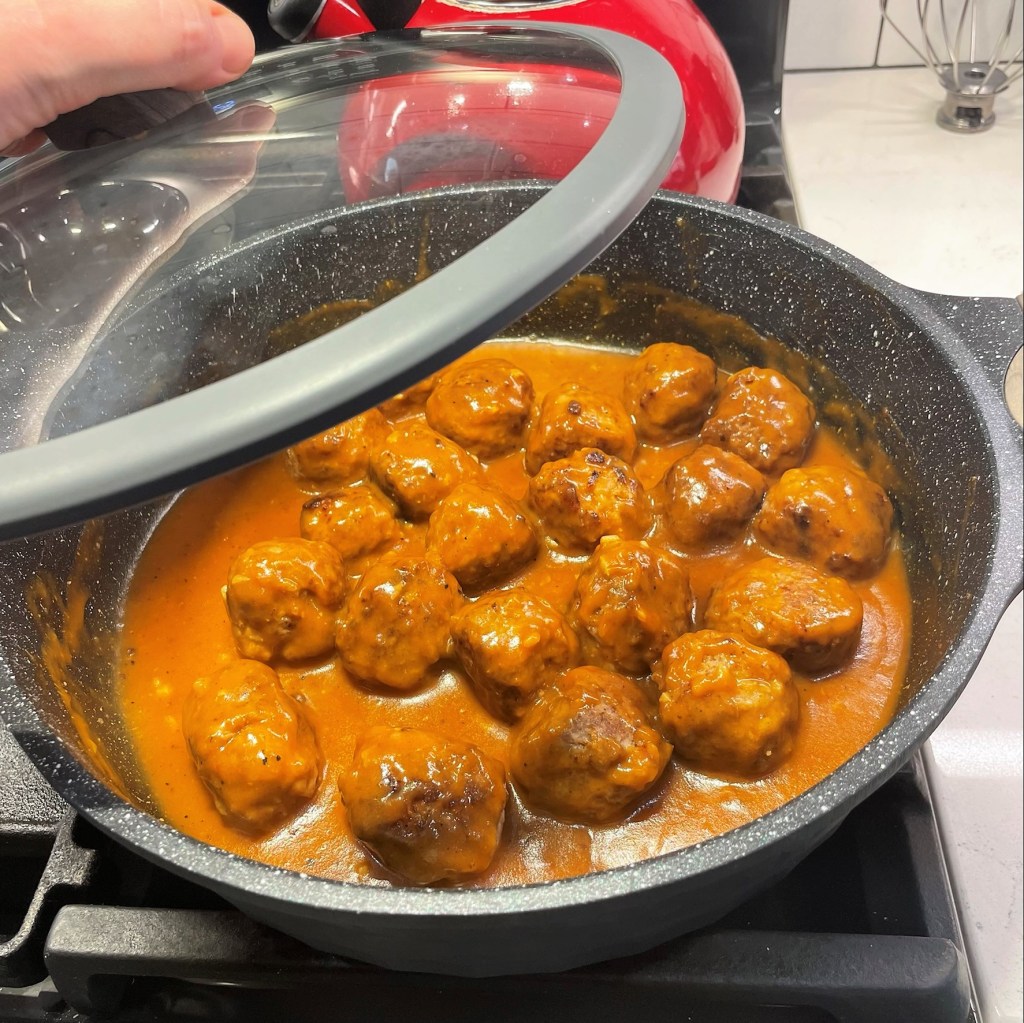
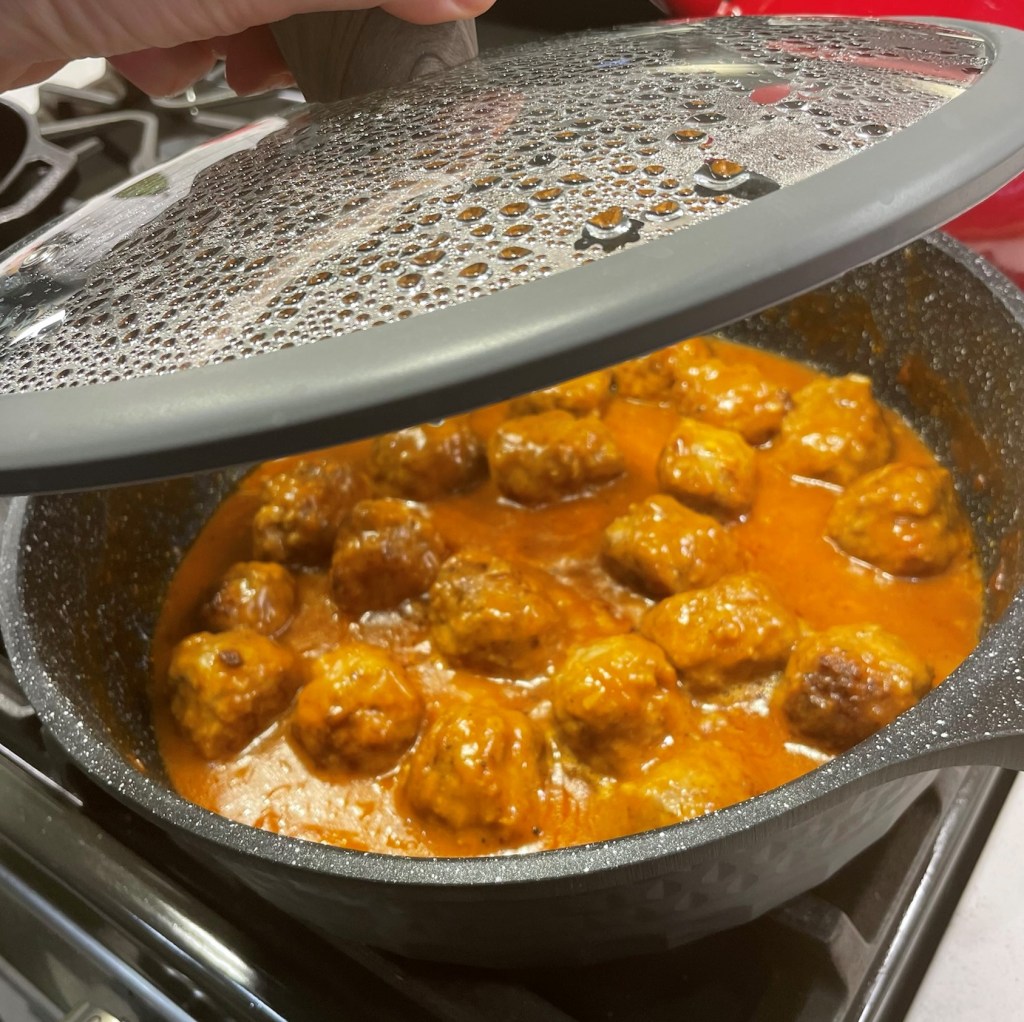
Mission accomplished—they were delicious! I served them over a bed of simple mashed potatoes and with a side of roasted root vegetables, but I couldn’t help thinking they would also be delicious on toothpicks as an appetizer, as my friend remembered them. Super Bowl, maybe?


Ingredients

1 large, sweet or yellow onion* (see notes)

1 lb. fresh ground pork

1/3 lb. bulk breakfast sausage

1/3 cup panko breadcrumbs

1/4 cup milk

2 Tbsp. all-purpose flour

2 Tbsp. Dijon mustard

1 Tbsp. tomato paste

2 tsp. Worcestershire sauce

2 Tbsp. real maple syrup*

2 cloves garlic, finely minced

Up to 1/2 cup low-sodium vegetable broth

2 Tbsp. smoked maple bourbon*


*Notes

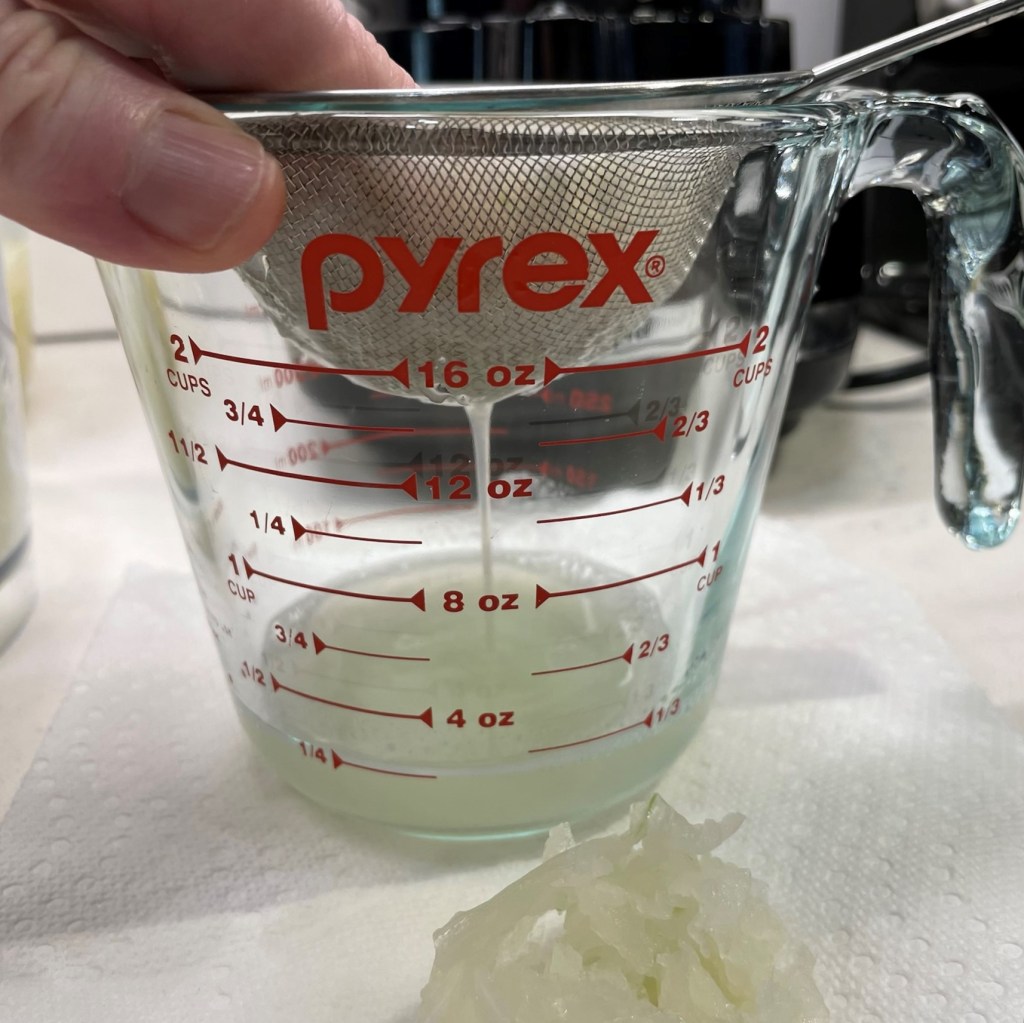
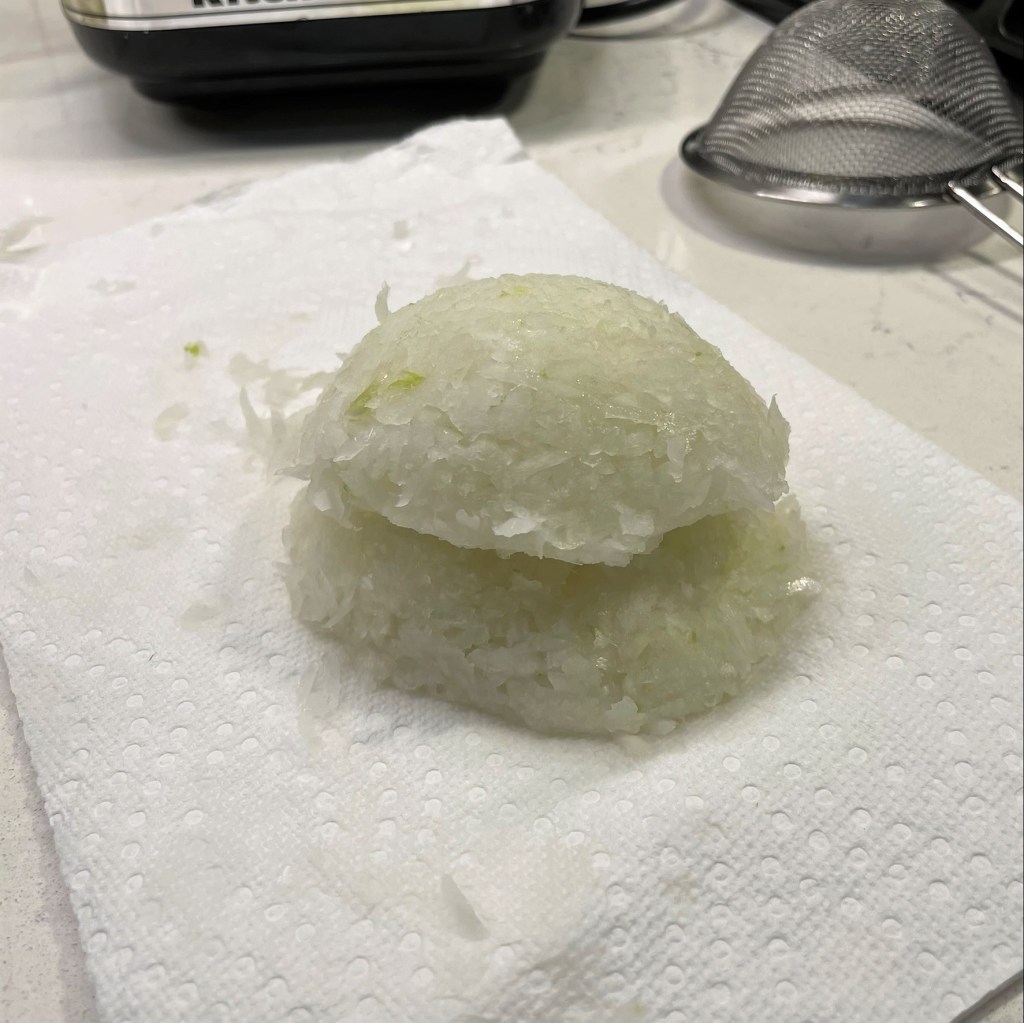
When I made these meatballs, I had reserved onion juice from the Classic Crispy Latkes I had made for the first night of Hanukkah. You will only use half of the large onion in this recipe, but you need the juice of the whole onion to flavor the simmering sauce.

I used a habanero-infused maple syrup for this recipe because my husband and I enjoy spicy foods. Any maple syrup would be delicious—but choose real maple for the best flavor. If the idea of spicy flavor appeals to you, try using regular maple syrup and add about a teaspoon of cayenne or sriracha sauce for similar results.

The smoked maple bourbon is a Knob Creek product. It’s completely optional in this recipe. If you avoid alcohol, simply omit this and add an extra splash of vegetable broth.


Instructions


Bloody Mary Shrimp Cocktail

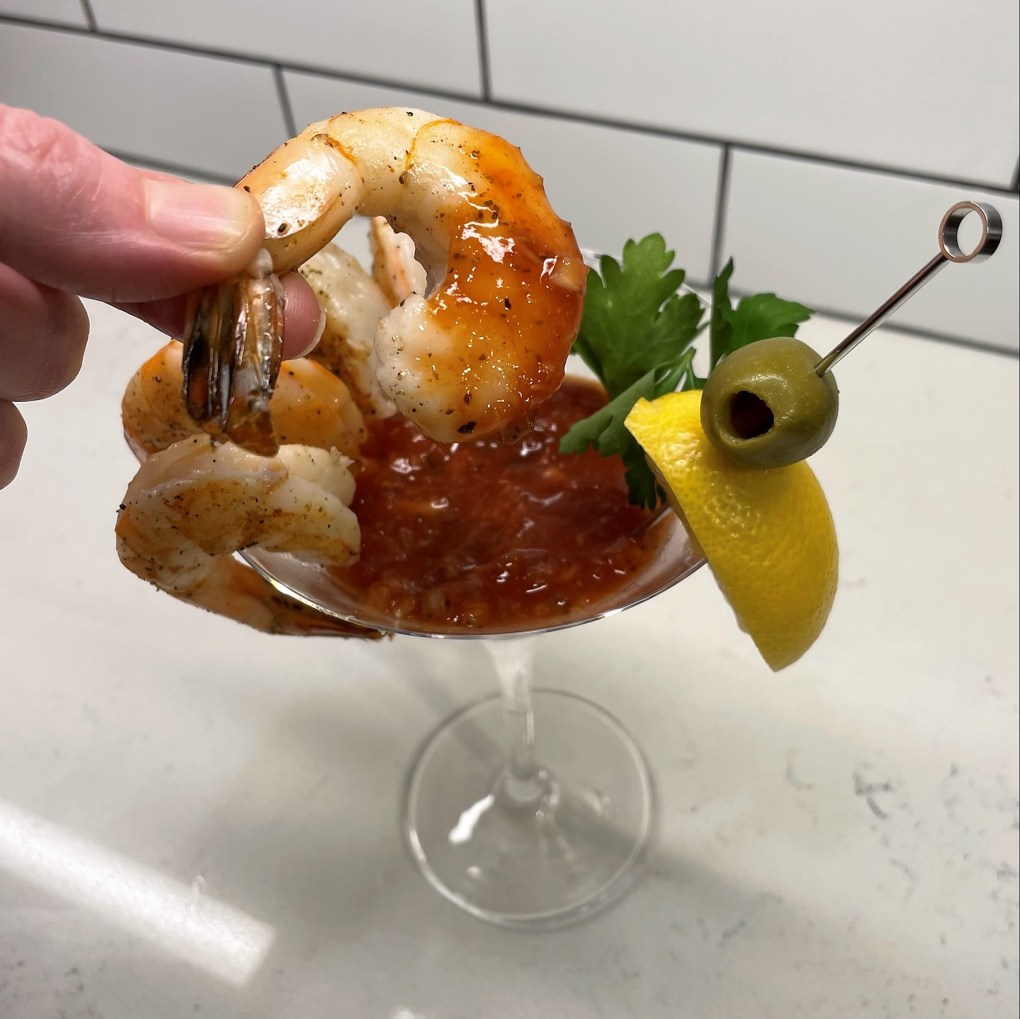
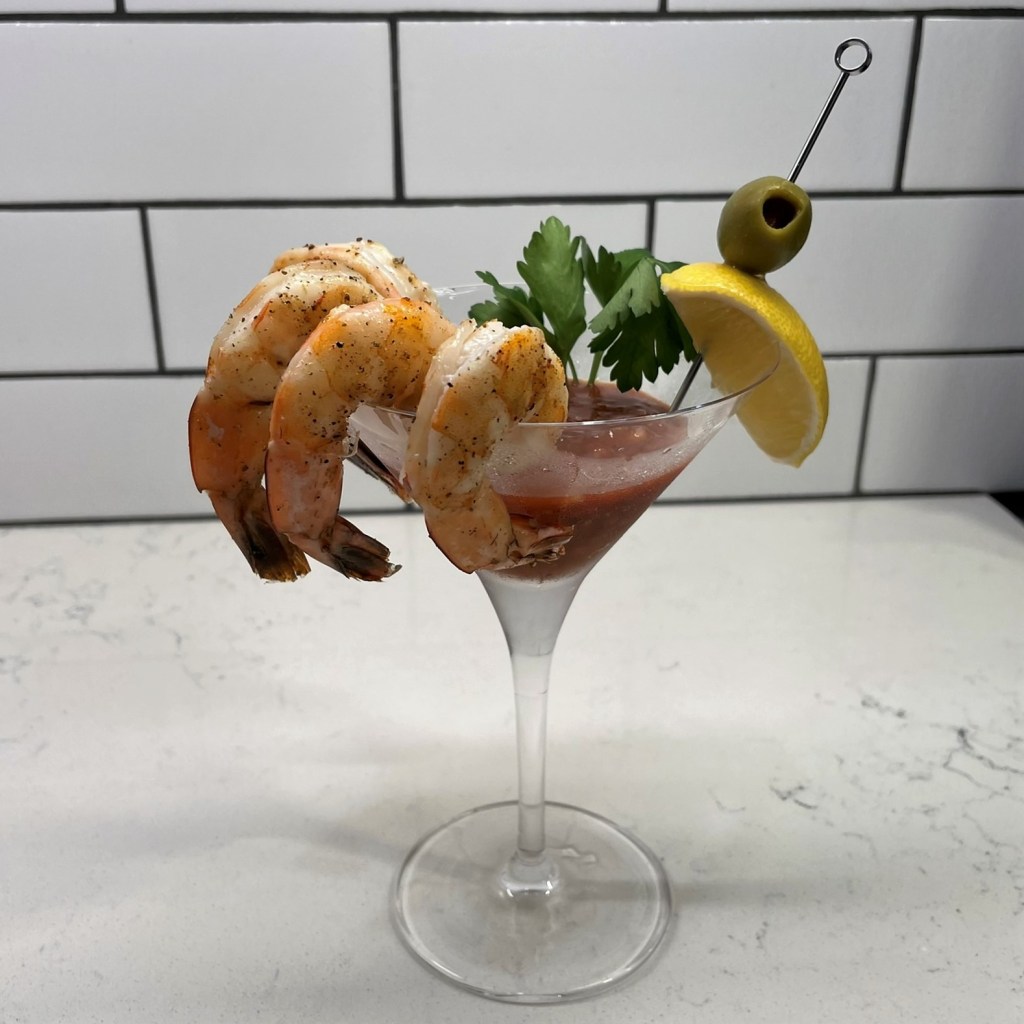
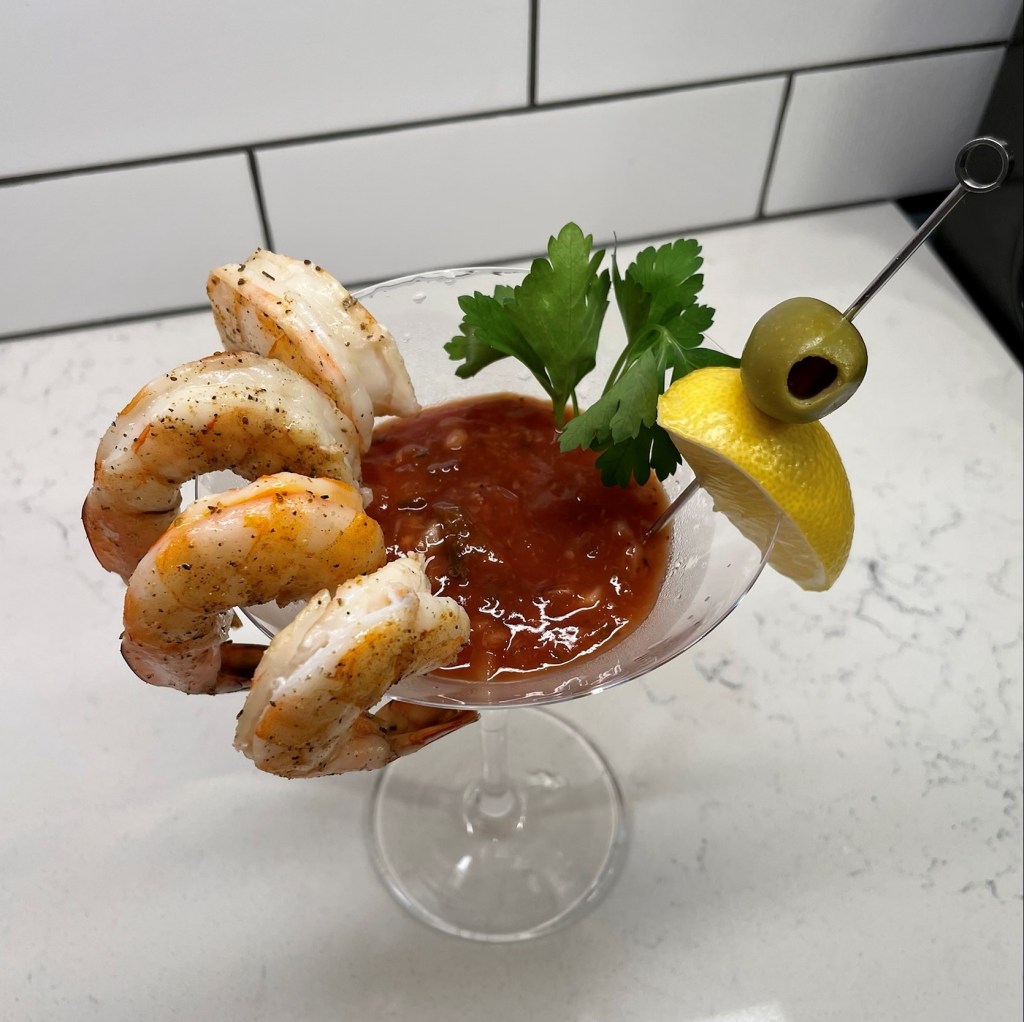
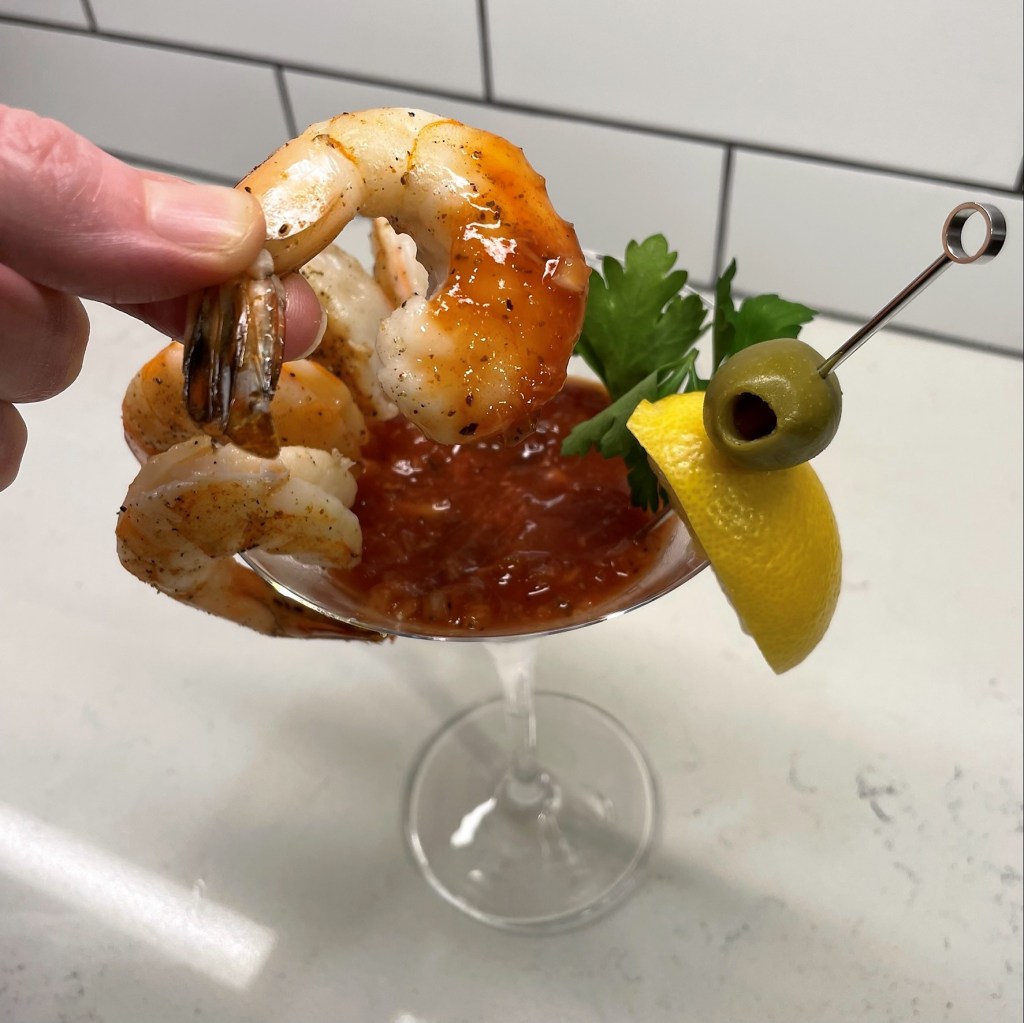
If you are a child of the ‘70s, as I am, you have seen your fair share of shrimp cocktails. It is a classic, but I am waking it up with a fun flavor twist in the cocktail sauce. You’ll find the flavors familiar—from a brunch standard, the bloody Mary—and it’s bringing a zesty jolt of flavor to the chilled freshness of sweet juicy shrimp, which never goes out of style.

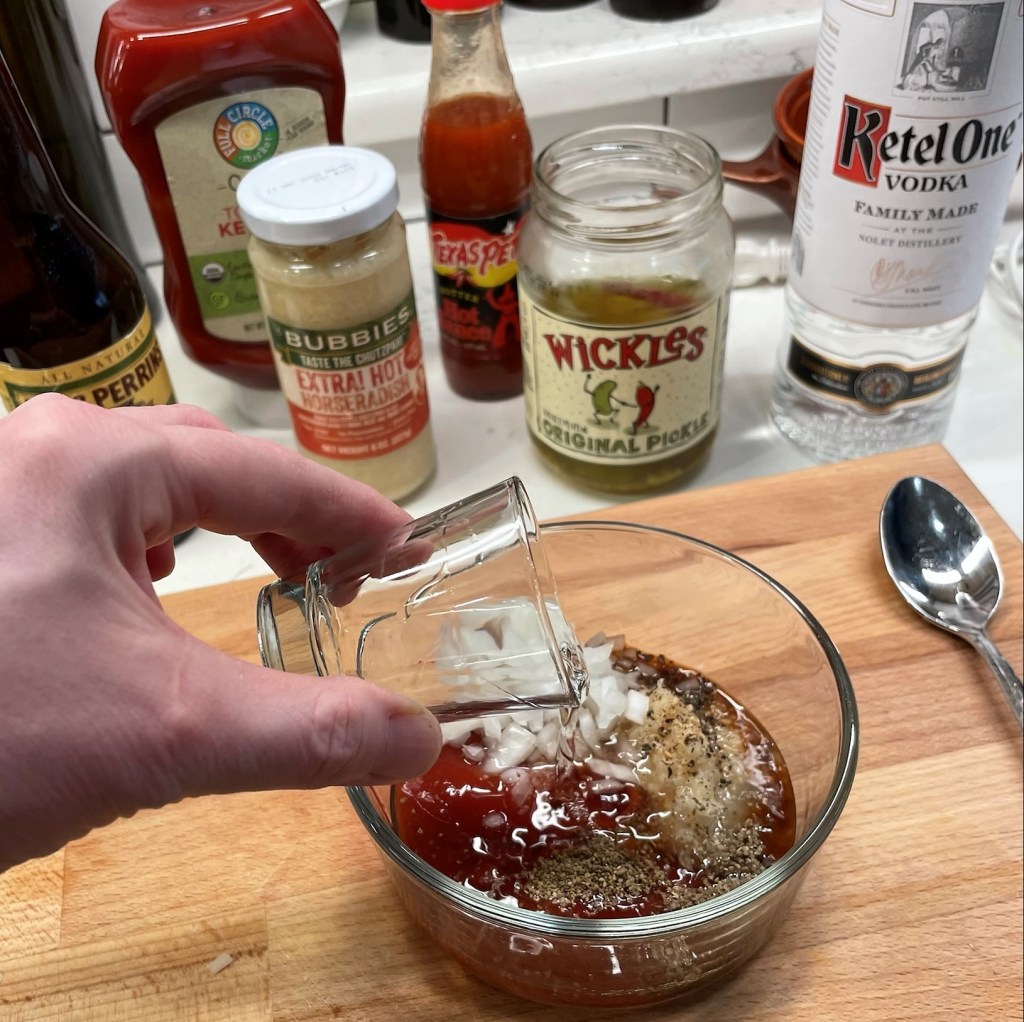
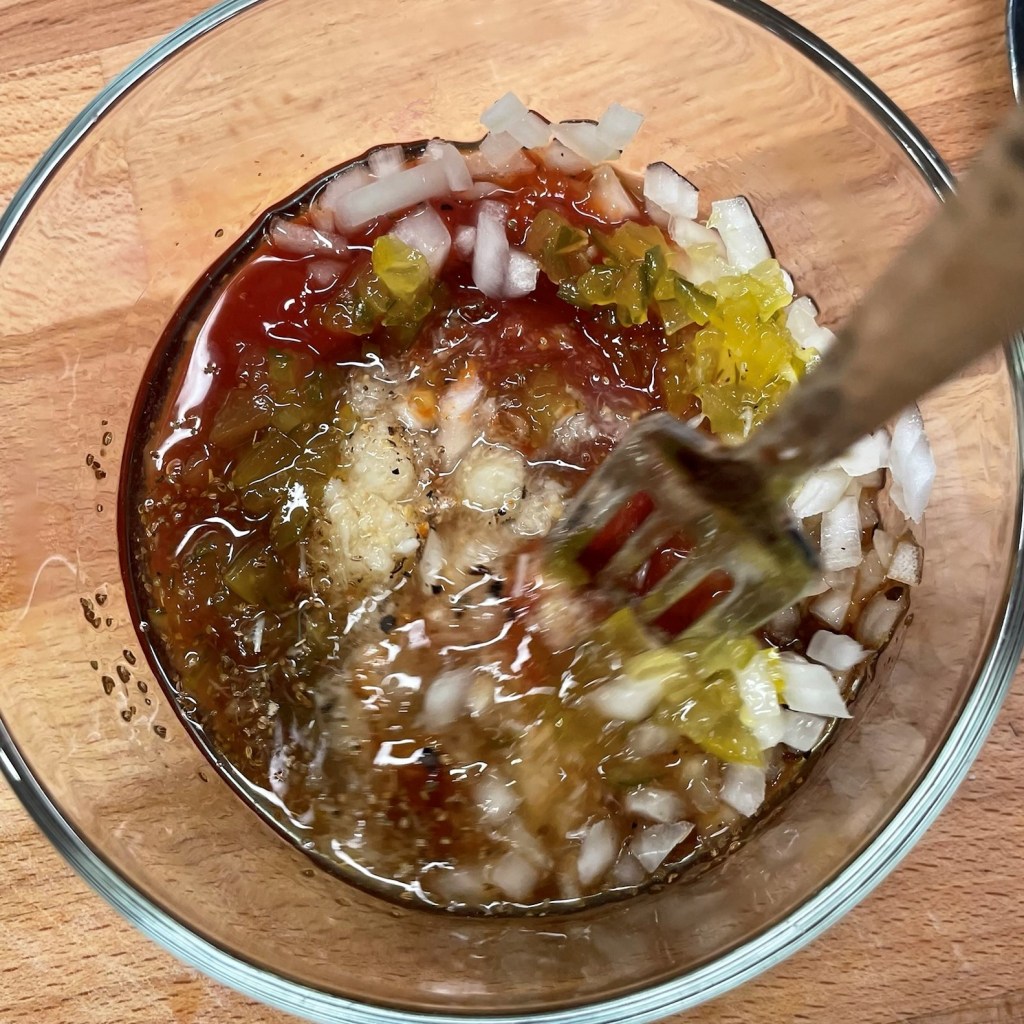
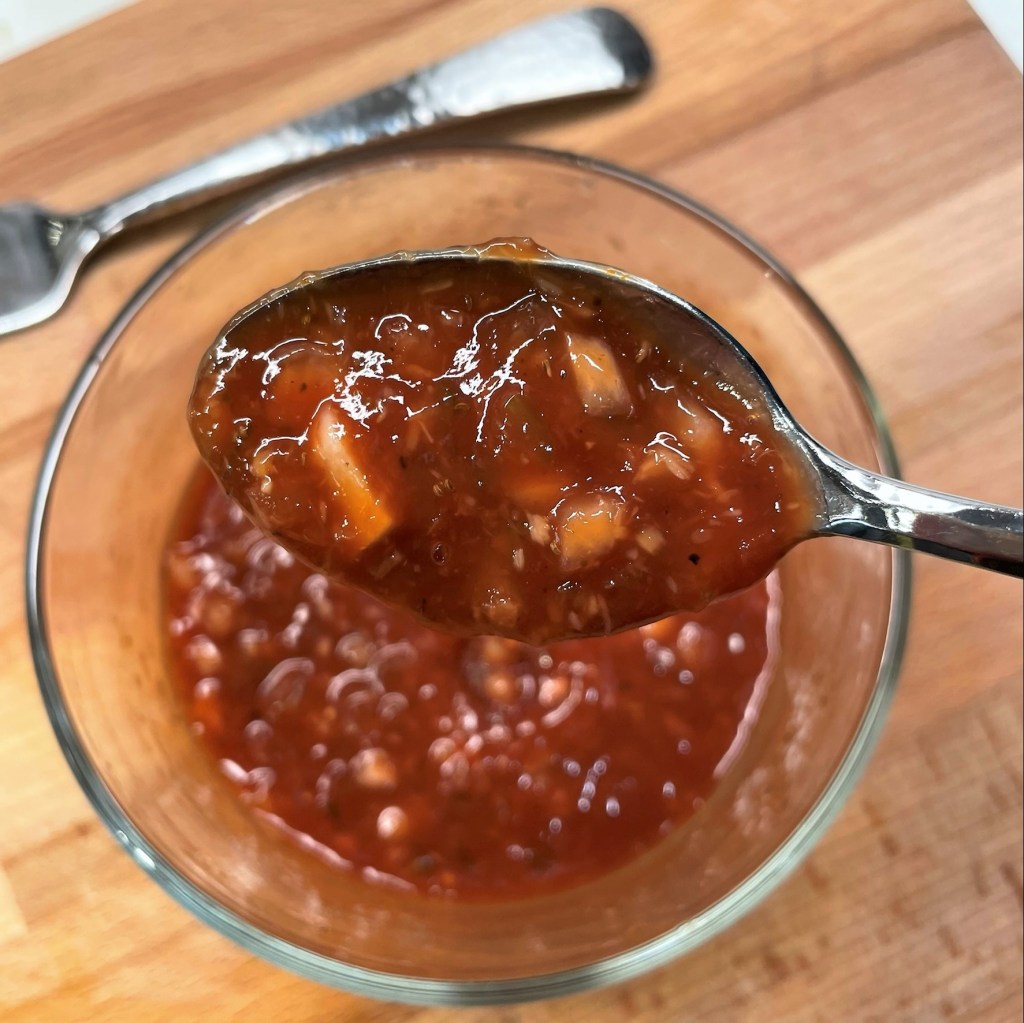
If you’re entertaining for New Year’s, this is an easy way to elevate a classic and please any palate. Begin with your favorite ketchup and dress it up with the ingredients you’d enjoy in a bloody Mary; think crunchy pickles, zippy horseradish, herbaceous celery seed, a shake or two of hot sauce or Worcestershire (or both) and, yes, a shot of vodka.

We like our flavors hot at our house, so I used a “hotter” variety of Texas Pete hot sauce, plus spicy Wickles brand pickles and “extra hot” horseradish. But if you prefer milder flavors, adjust accordingly. You could swap any flavors to suit your fancy. Pretty much anything that would work in a bloody Mary will work here. Same with your garnish.

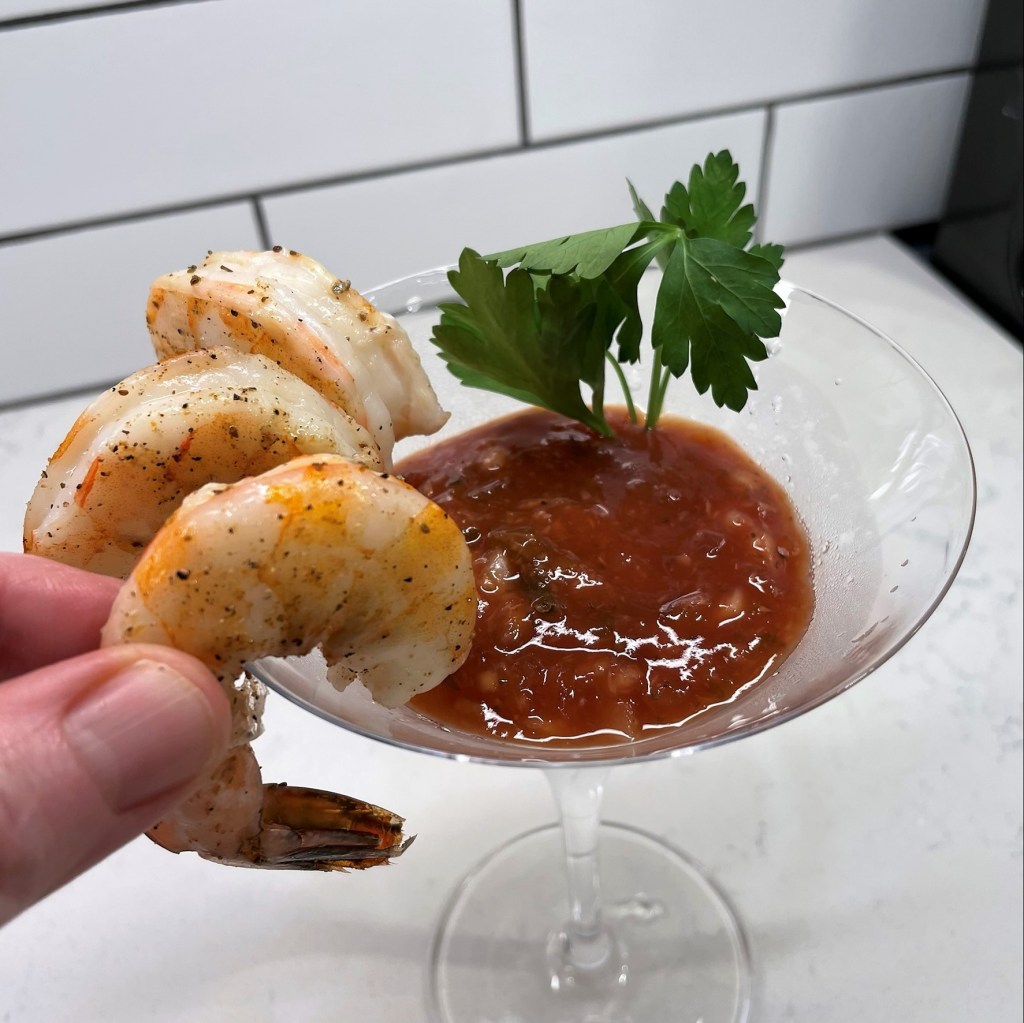
For the shrimp, do what’s best or easy for you, whether purchasing already cooked, steaming them or perhaps trying the roasting method I’ll demonstrate below. Whichever method you choose, be sure the shrimp have plenty of time to chill. Serve them in individual cocktail glasses for an impressive presentation and garnish as you would a bloody Mary!


Ingredients (serves 6)

18 jumbo shrimp* (see notes)

6 Tbsp. ketchup

2 Tbsp. finely minced onion or shallot

2 Tbsp. finely minced sweet, spicy or dill pickle

1 Tbsp. prepared horseradish

2 tsp. Worcestershire sauce

1 tsp. cayenne hot sauce, such as Texas Pete or Tabasco

1/2 tsp. celery seed

Splash or two of pickle juice

1 shot good quality vodka


*Notes

Take time to notice where your shrimp has been sourced, as some farming methods are bad for the environment and the seafood processing standards in some parts of the world are rife with human rights violations. Whenever possible, choose domestic (U.S. produced) shrimp that is either wild caught or sustainably farmed. Clean, peel and devein the shrimp, but keep the tails on for best presentation.

I used 16-20 count shrimp, which means there are 16-20 per pound. If you are serving the cocktail as an appetizer, three shrimp per person is a good starting point.

As a side note, it occurs to me that this zesty cocktail sauce would also be terrific with raw or steamed oysters.


Instructions

Cook the shrimp, using your preferred method. Chill it thoroughly in the refrigerator before serving.

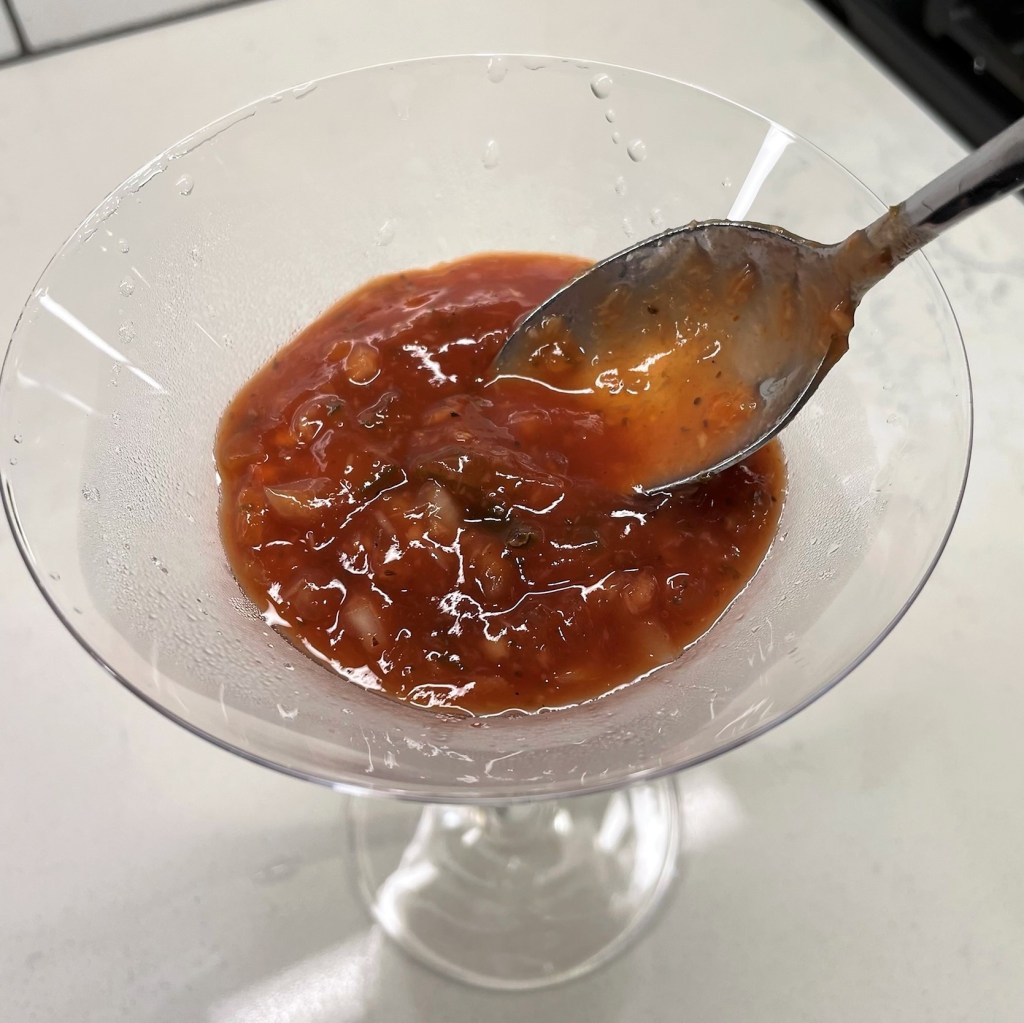
Stir all sauce ingredients together in a bowl and chill until ready to serve. For presentation, spoon about 2 tablespoons of sauce into a shallow cocktail glass and hang the chilled shrimp on the edge of the glass. Garnish with a wedge of fresh lemon and a cocktail olive, onion, pepperoncini, etc.

Happy New Year!

Easy Roasted Shrimp

The roasting method may seem fussy, but it is actually easier than boiling or steaming, because it doesn’t move so quickly. It’s so frustrating to accidentally overcook something as delicate and expensive as shrimp.

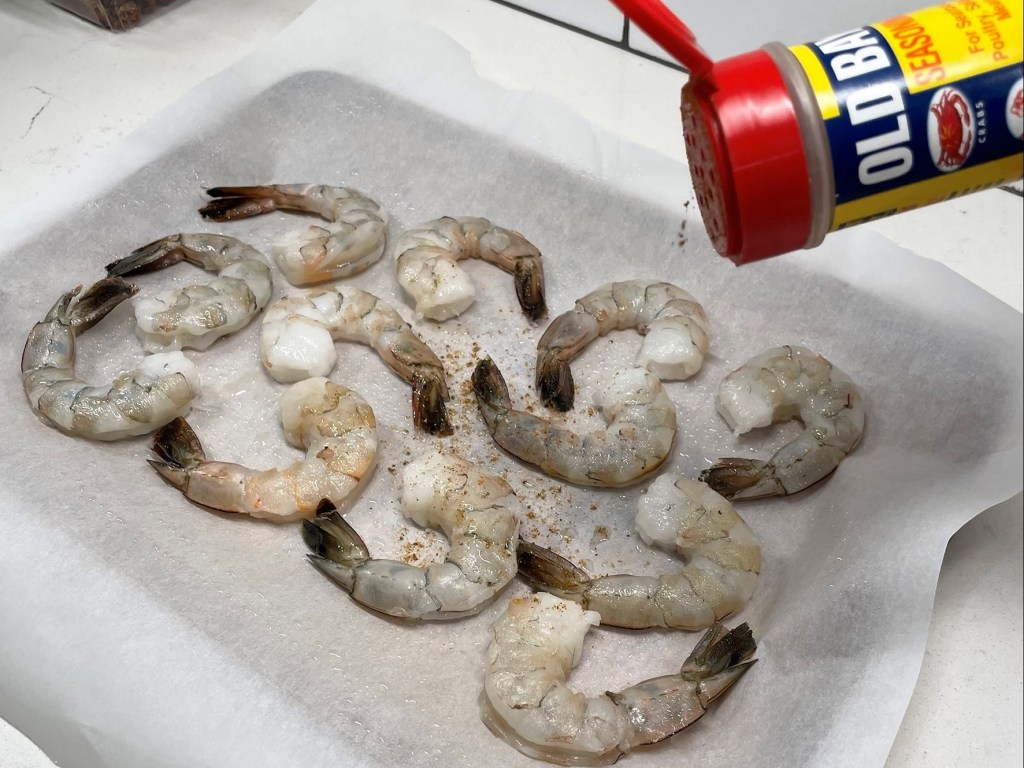
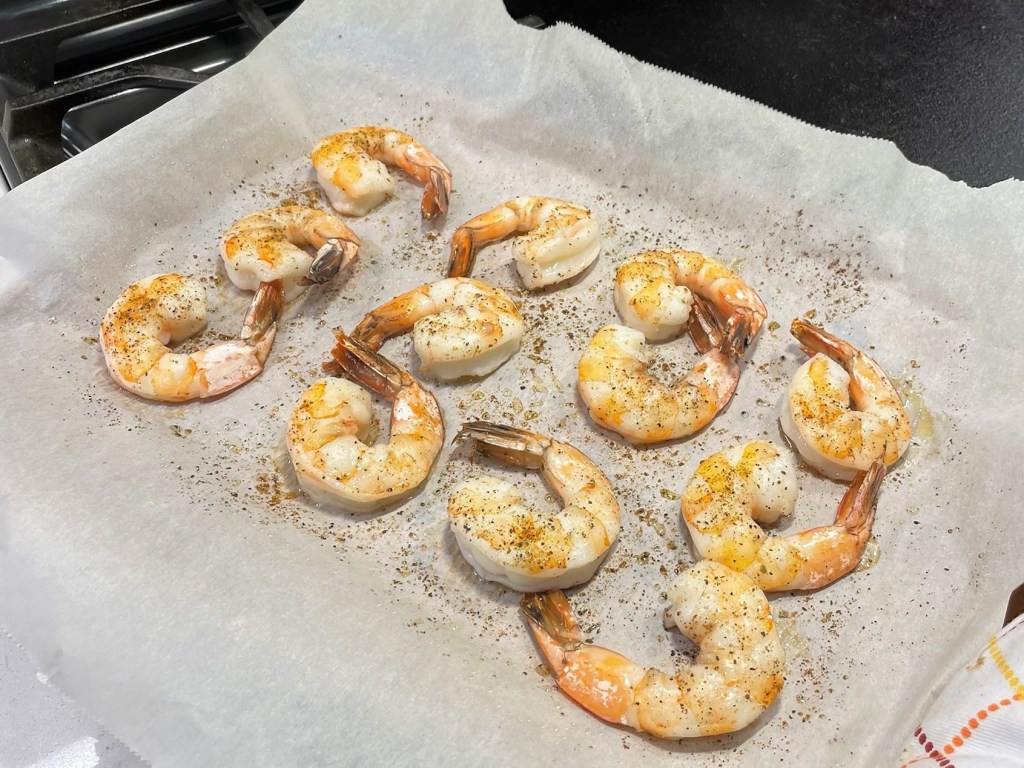
Preheat the oven to 400° F, with oven rack in center position. Peel and de-vein shrimp and arrange them on a parchment-lined baking sheet. Give them a quick spray of olive oil (or toss them lightly in olive oil) and sprinkle both sides lightly with Old Bay seasoning or (more simply) salt and pepper.

Roast for 7 minutes, until shrimp are just opaque. Immediately transfer shrimp to a bowl and chill them down quickly in the freezer for several minutes or plunge the bowl into a larger bowl filled with ice. The goal is to bring down the temperature quickly so that the shrimp don’t overcook to become tough.


Buffalo Deviled Eggs with Bleu Cheese

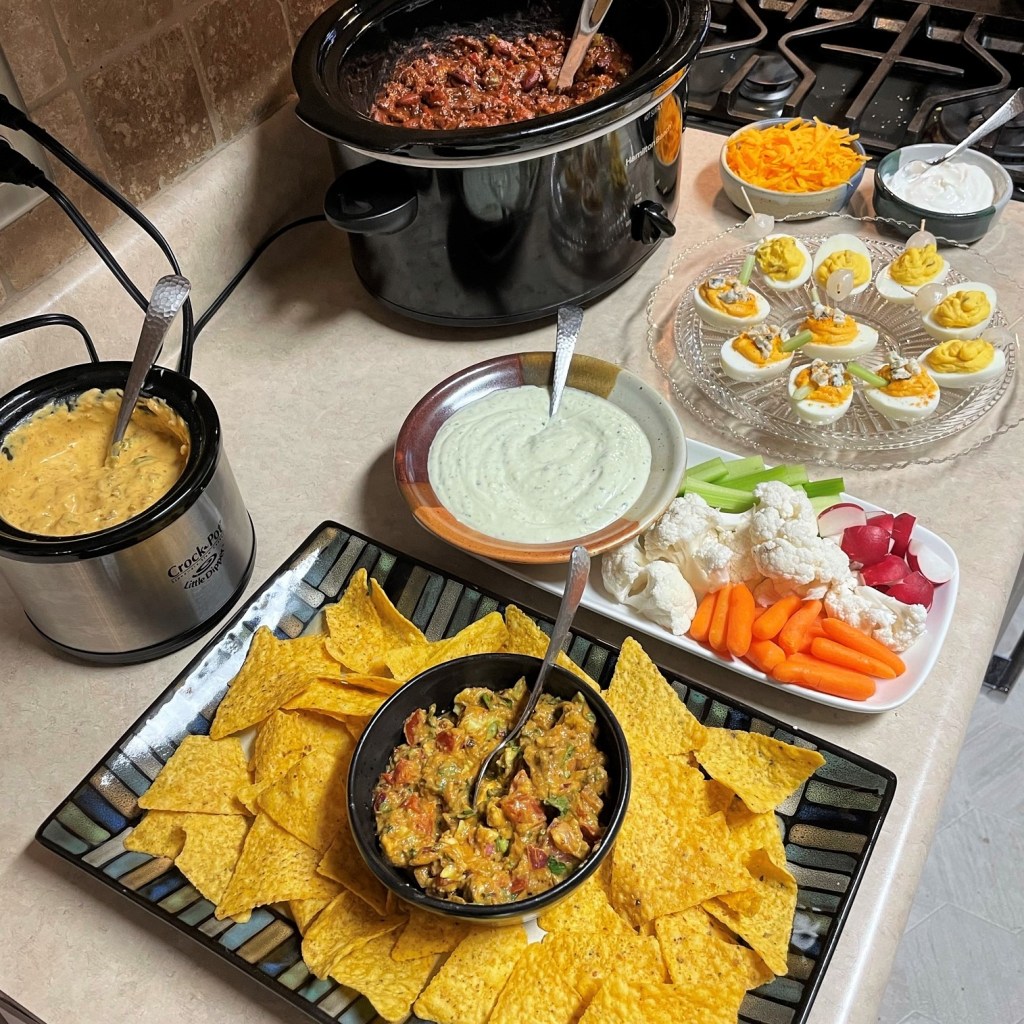
There was more than a little bit of disappointment this year in limiting the number and scale of dishes my husband, Les, and I create for our annual Super Bowl party. Obviously, we didn’t have 25 people in the house this year—that would be ludicrous in these times—but the Super Bowl wasn’t cancelled, and neither was our celebration, even if reduced to just the two of us. The challenge for us was finding new ways to enjoy the flavors we’ve come to expect on this ultimate football occasion.

Deviled eggs are always on our party table and so are Buffalo wings. Why not combine the flavors into one tasty bite?

These little hors d’oeuvres have the big, bold flavor of Frank’s RedHot sauce, which is the only acceptable flavor for Buffalo wings, in this Western New York girl’s humble opinion. Little bits of crunchy celery do their part to mimic the experience, and crumbled bleu cheese is the proverbial icing on the cake.

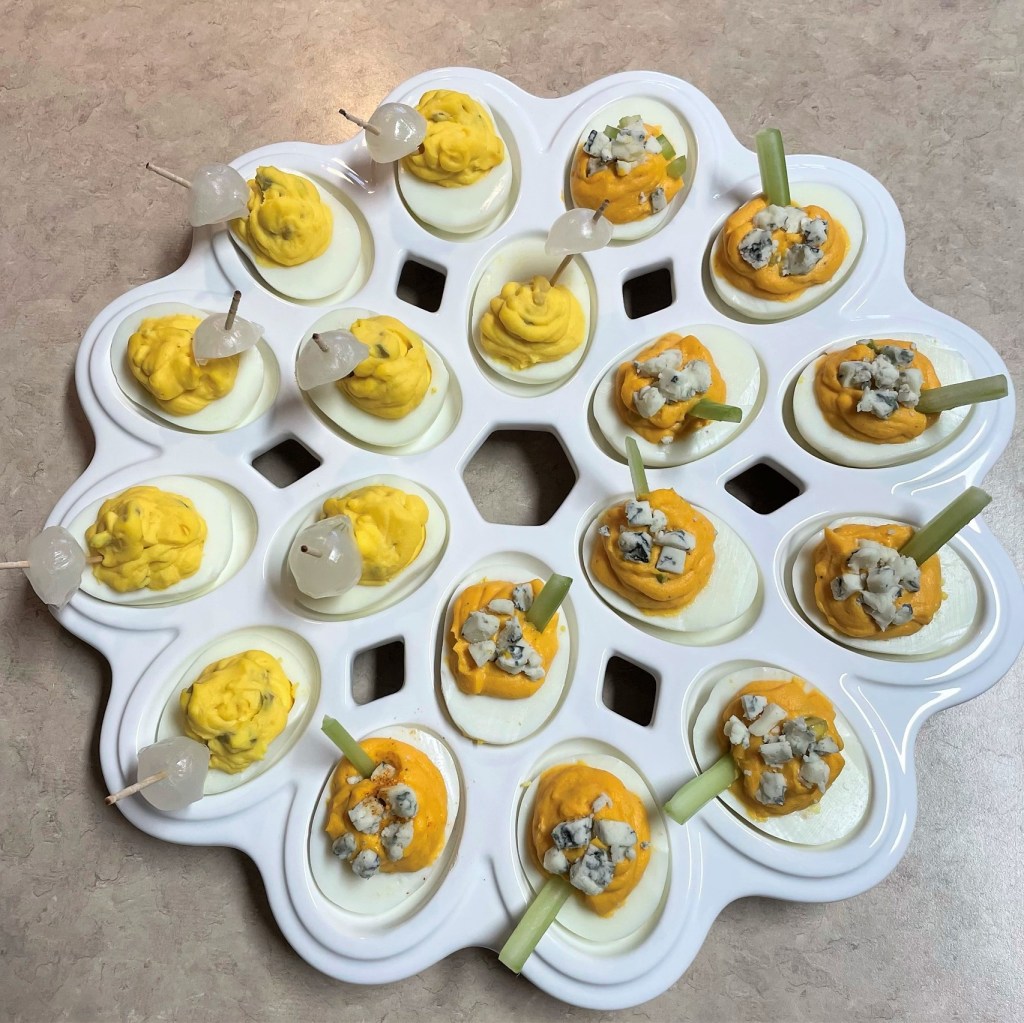
Deviled eggs are one of my favorite “blank canvas” foods, meaning that you can twist up the flavors to suit the occasion. I made these Buffalo-flavored eggs at the same time as the Dirty Martini Deviled Eggs, which is in keeping with my usual practice of putting more than one flavor on the table. The ingredients and instructions below describe my process for splitting the two flavors, but if you’d prefer to make only the Buffalo deviled eggs, no problem—simply double the ingredients as noted below.

Two flavors are better than one!

If you are intrigued with the idea of trying new flavors, check out my post from last spring, Egg-stravaganza. I’ll bet you will find a flavor combination that’s right up your alley!

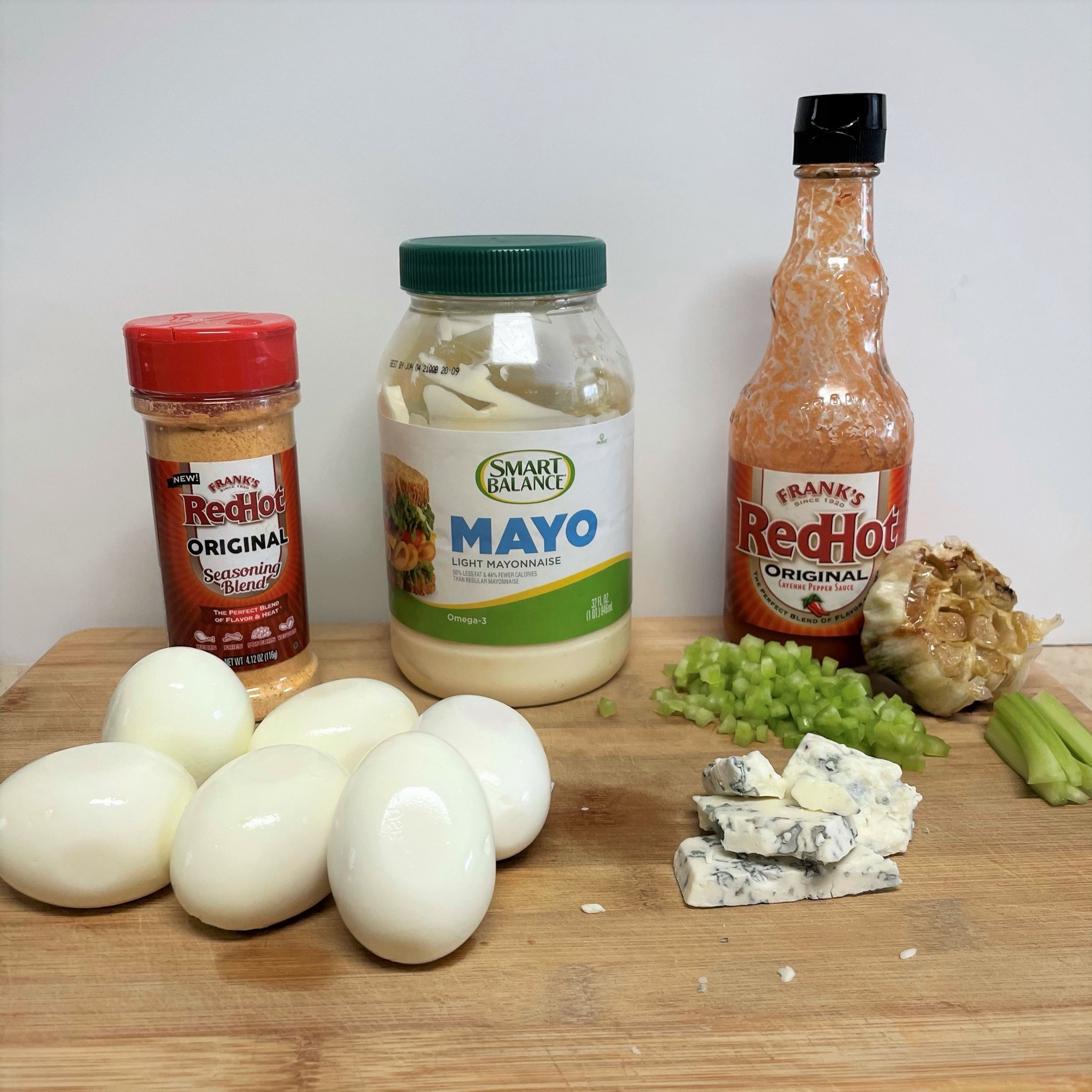
Ingredients

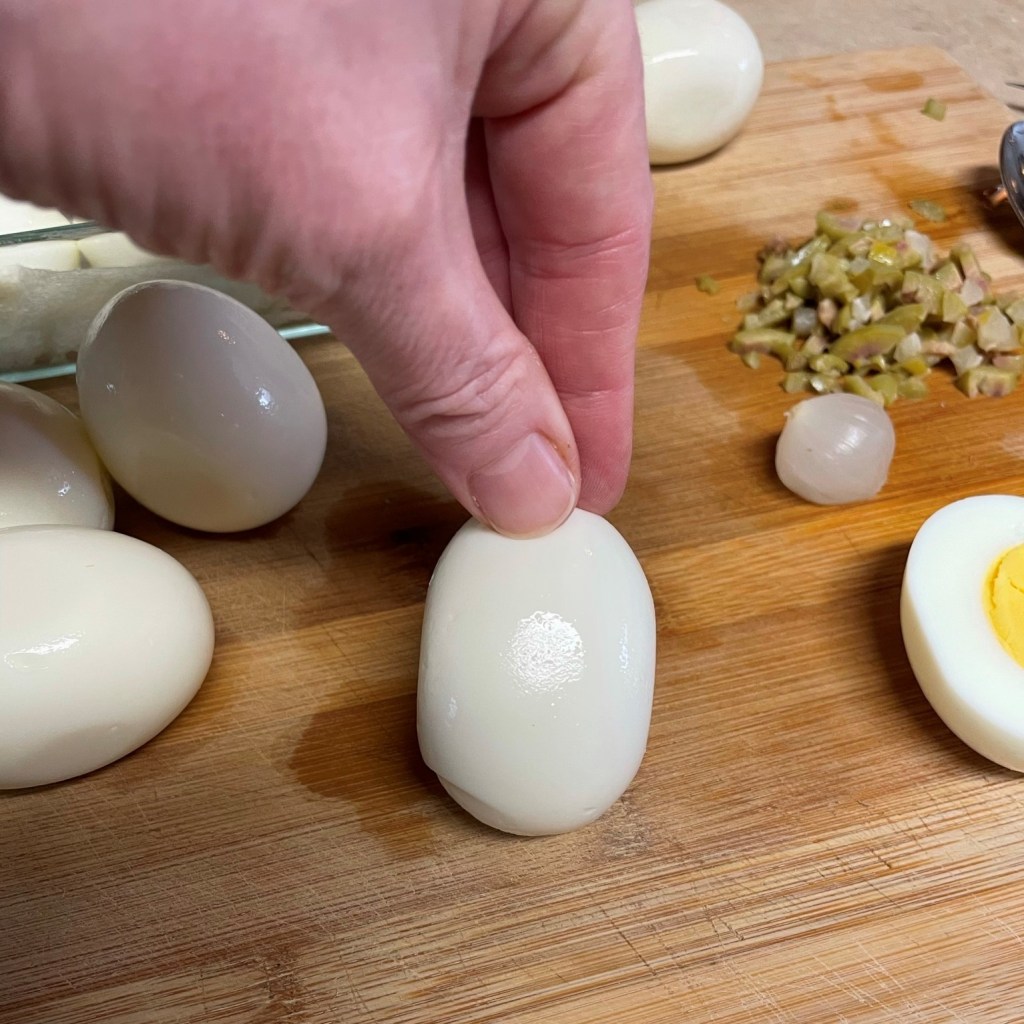
9 large eggs, hard-boiled and peeled

1/4 cup + 1 Tbsp. light mayonnaise


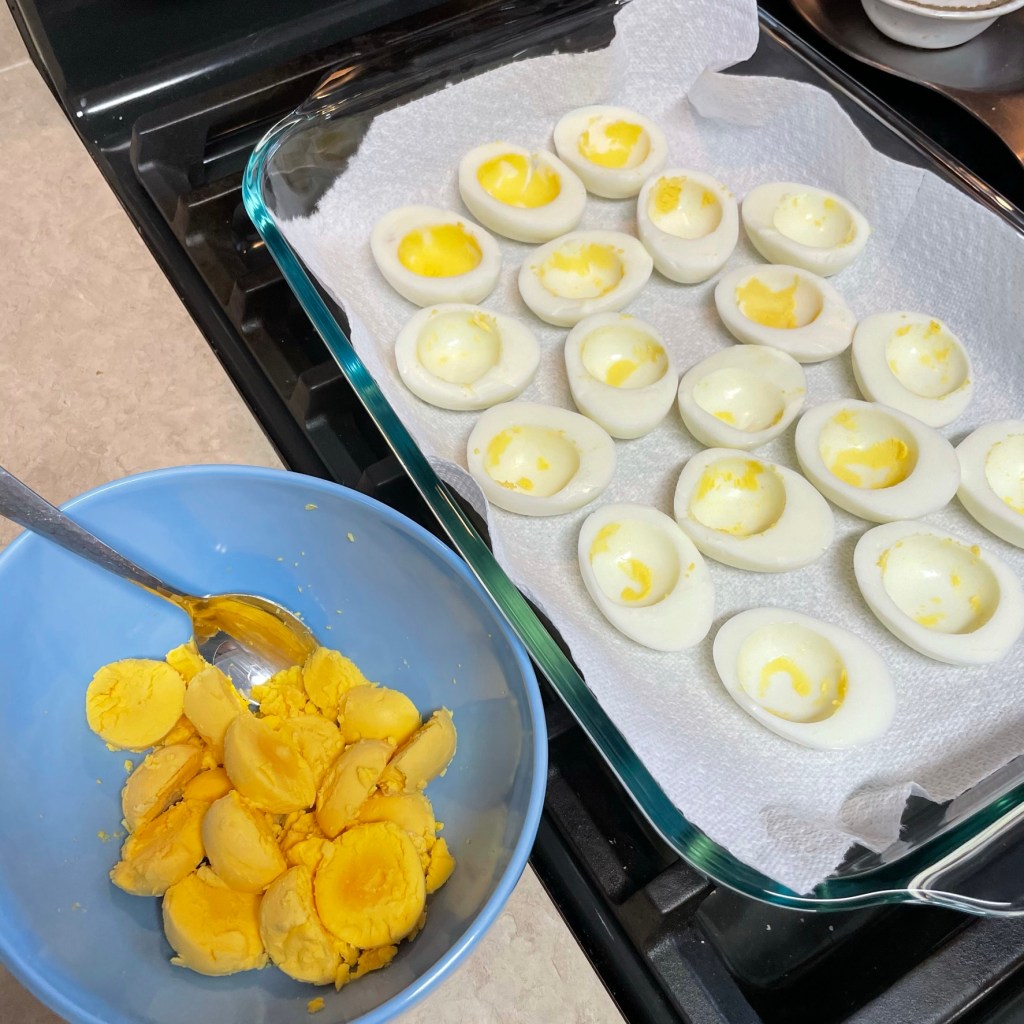
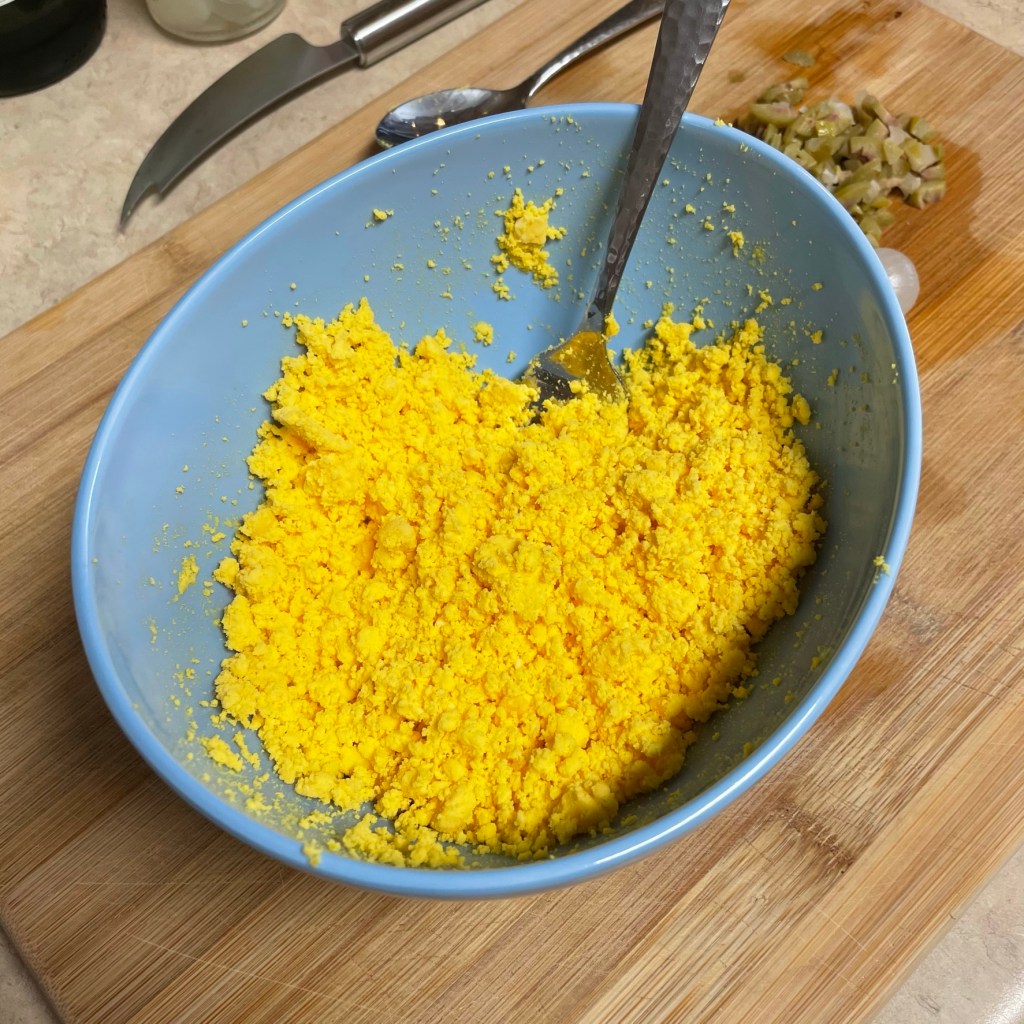
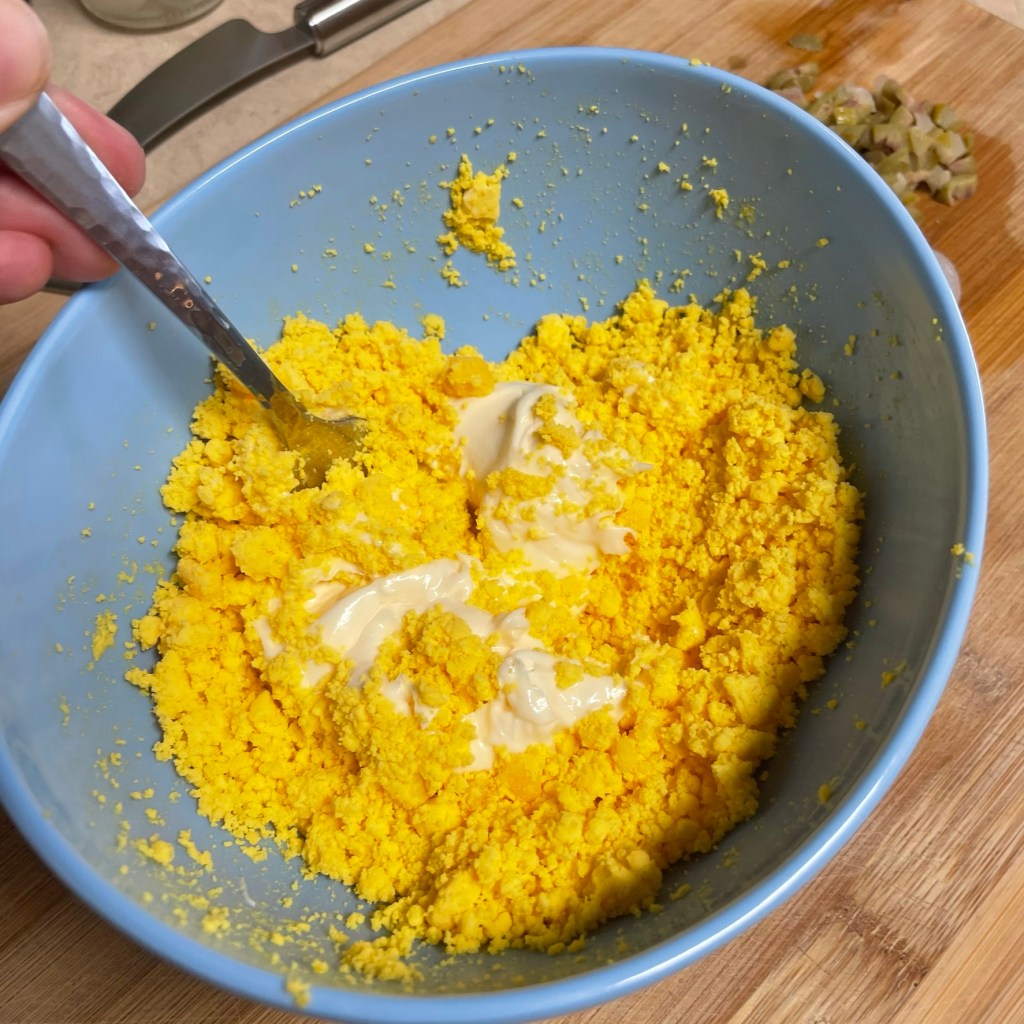
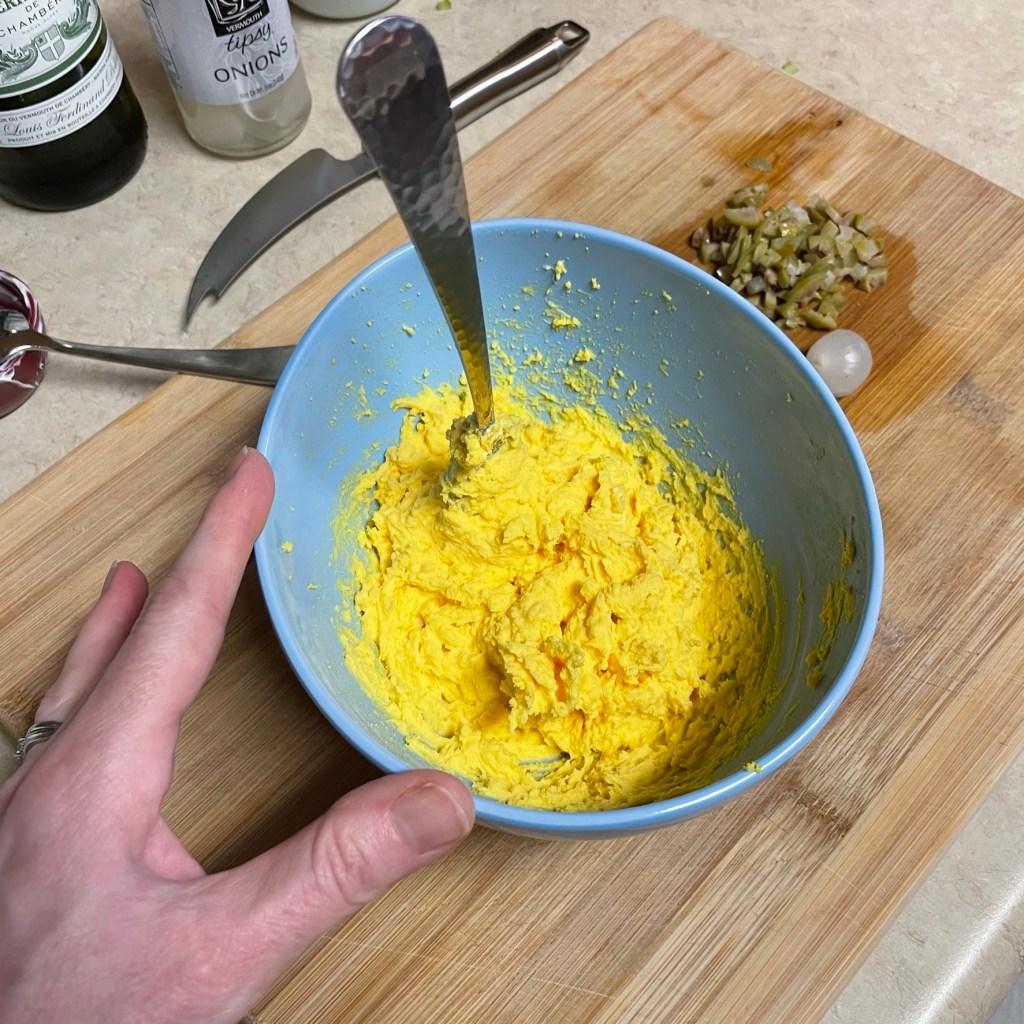
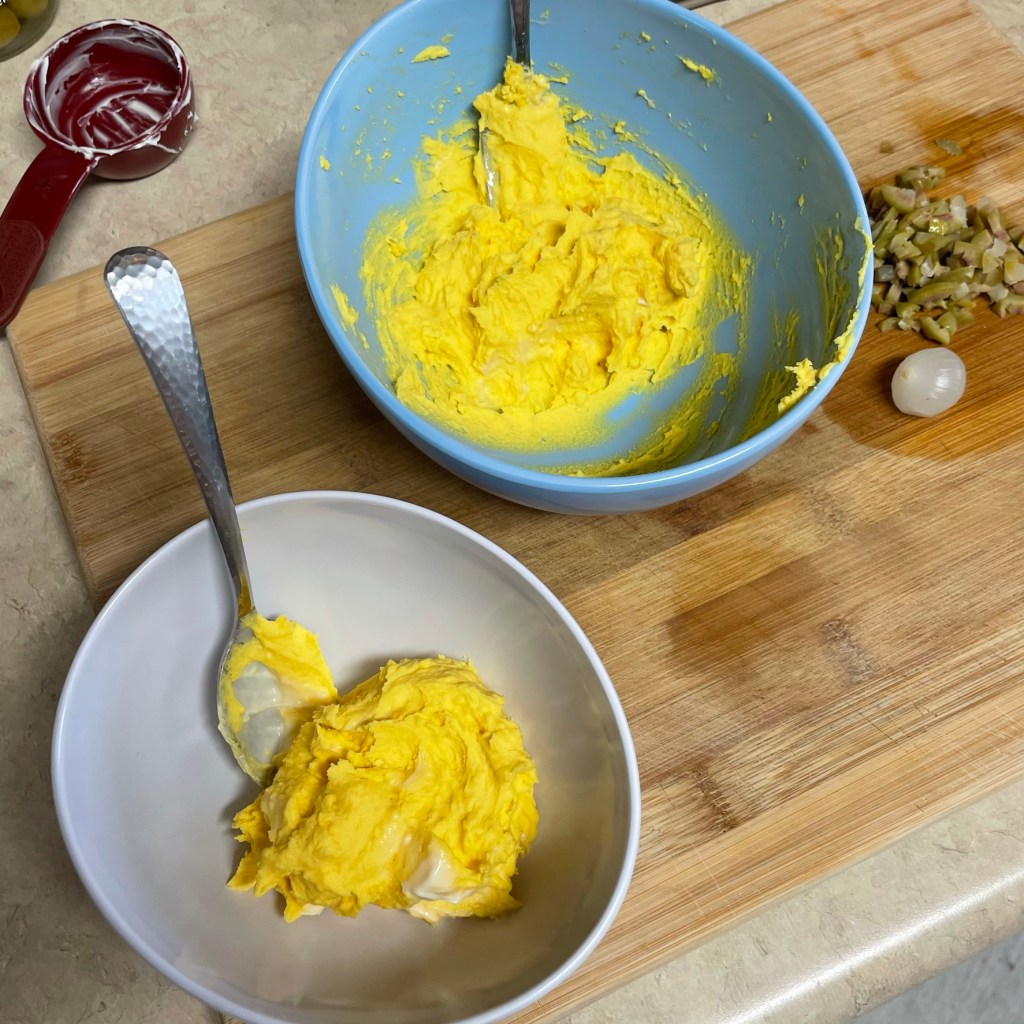
Carefully turn out the egg yolks into a medium-sized bowl. Mash thoroughly with a fork until yolks resemble dry crumbs. Add mayonnaise and blend until smooth. Divide yolk mixture by transferring half to a second bowl (unless you intend to make all one flavor). Follow additional instructions below for making the two kinds of deviled eggs I made this particular day.


For the Buffalo flavor (double if making all nine eggs)

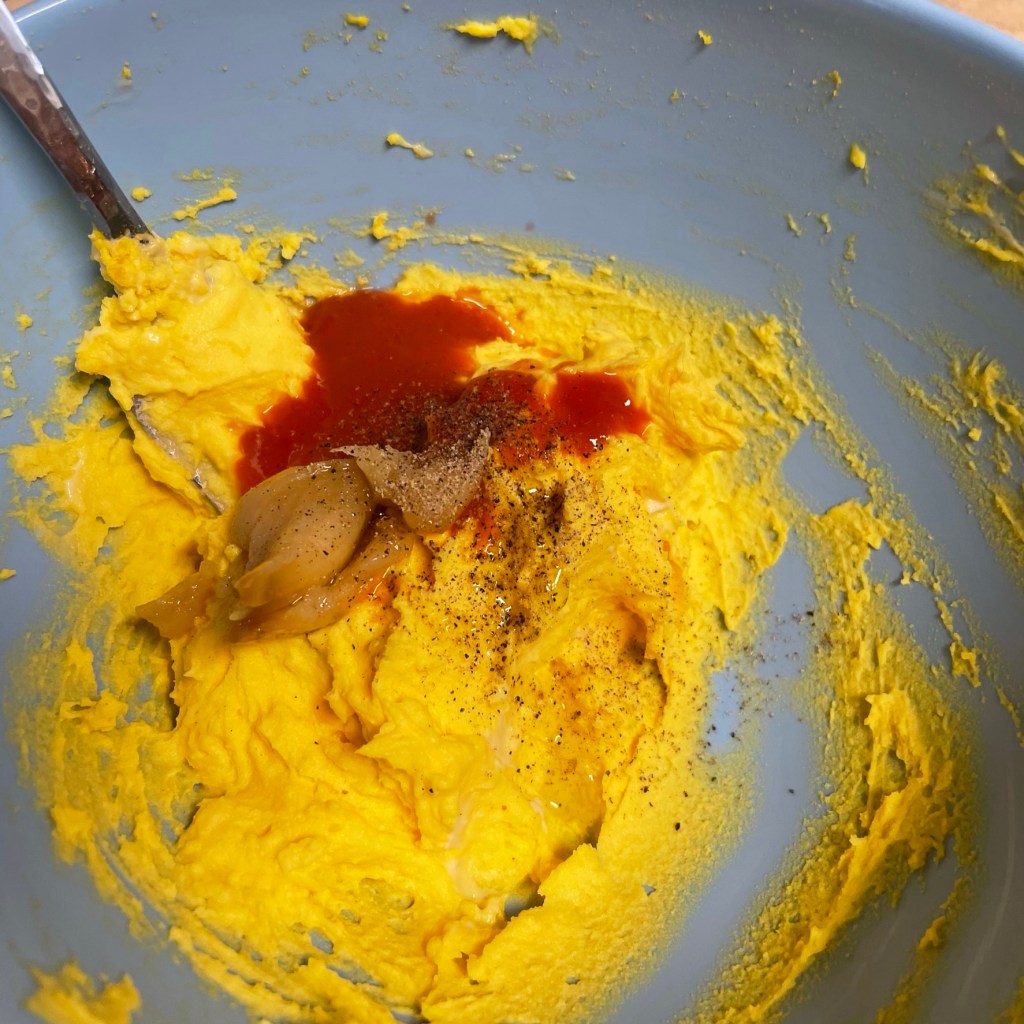
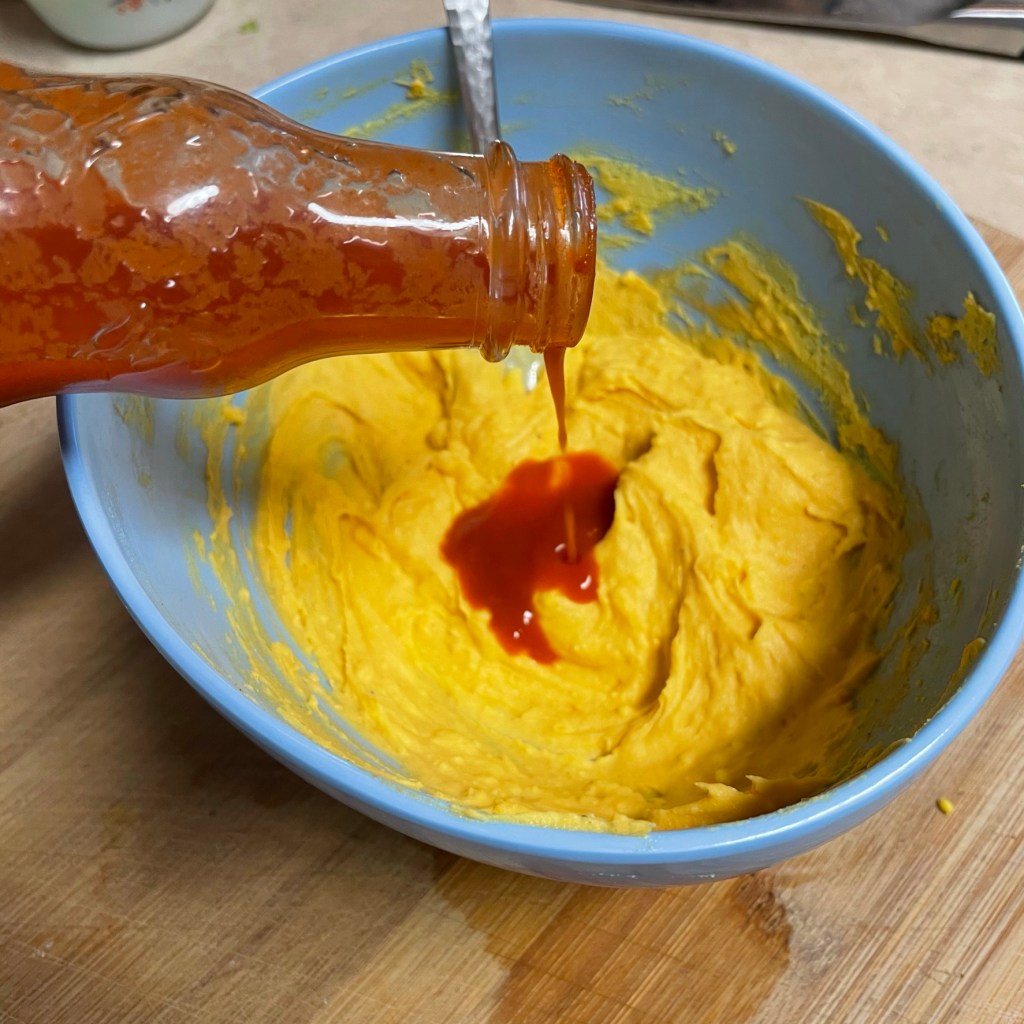
All the flavors of Buffalo wings, ready to take over my deviled eggs.

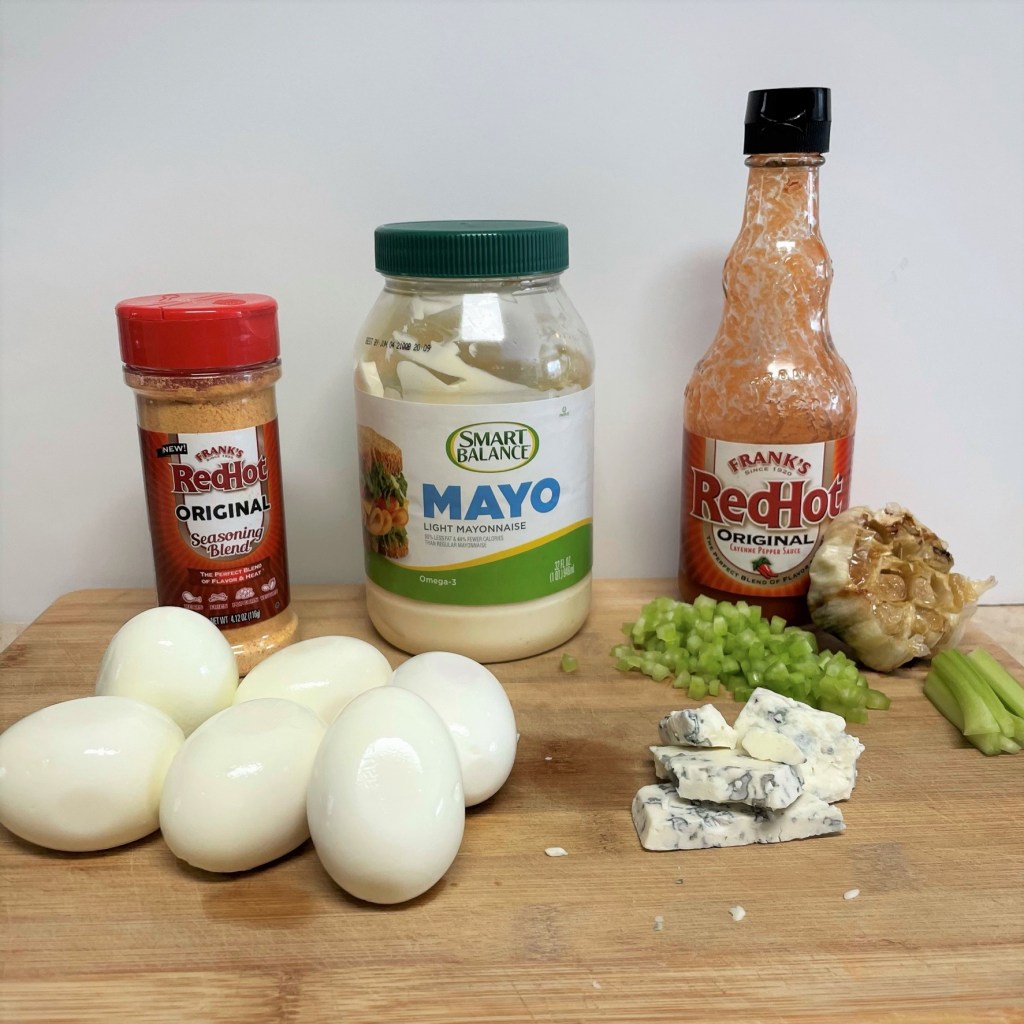
2 or 3 tsp. Frank’s original RedHot sauce (adjust to your heat preference)

2 cloves roasted garlic or 1/4 tsp. garlic powder

Freshly ground black pepper

1 Tbsp. celery, finely chopped (for filling) + small, thin sticks celery (for garnish)

1 1/2 Tbsp. finely crumbled bleu cheese

Frank’s RedHot dry seasoning, to sprinkle on at serving time (or substitute paprika)


Instructions for Buffalo eggs

  1. Add RedHot sauce, roasted garlic and black pepper to one bowl of the yolk mixture. Blend smooth with a fork or spoon. Fold in chopped celery bits.
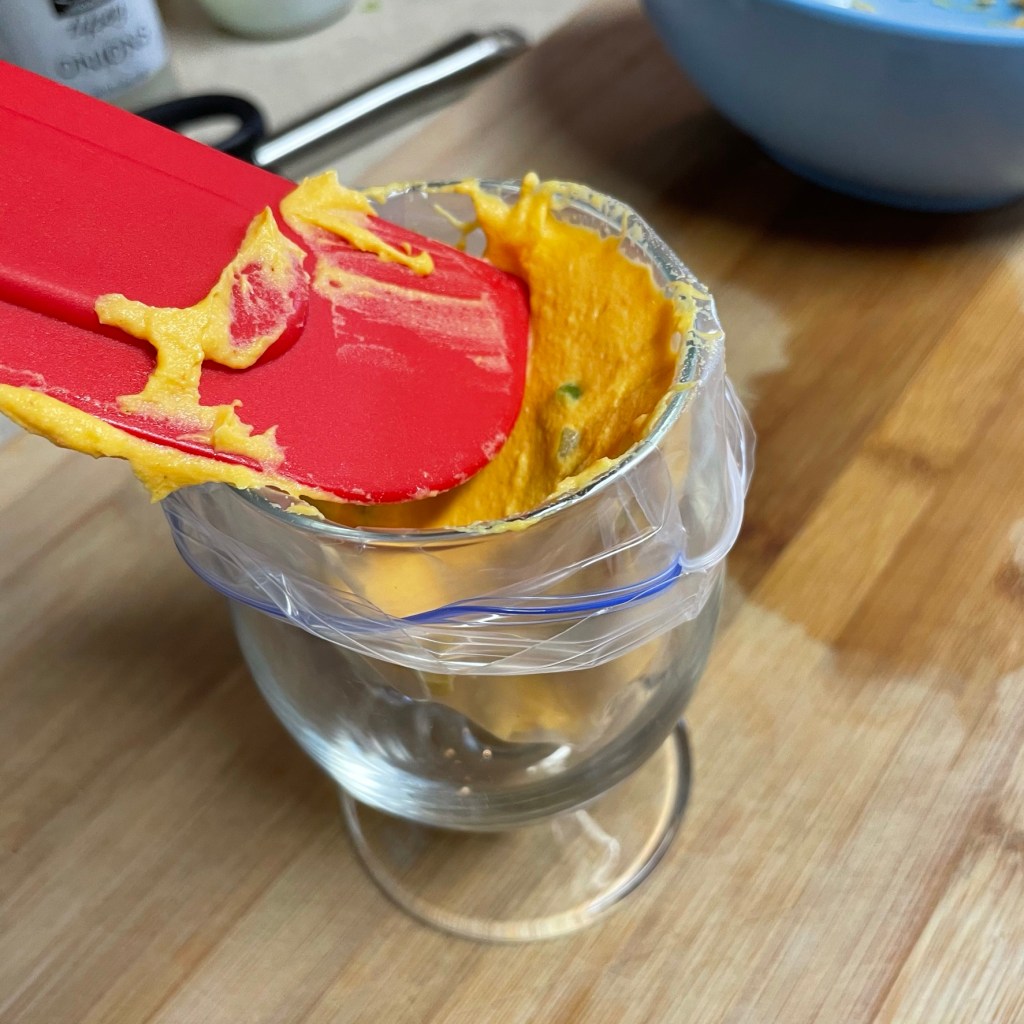
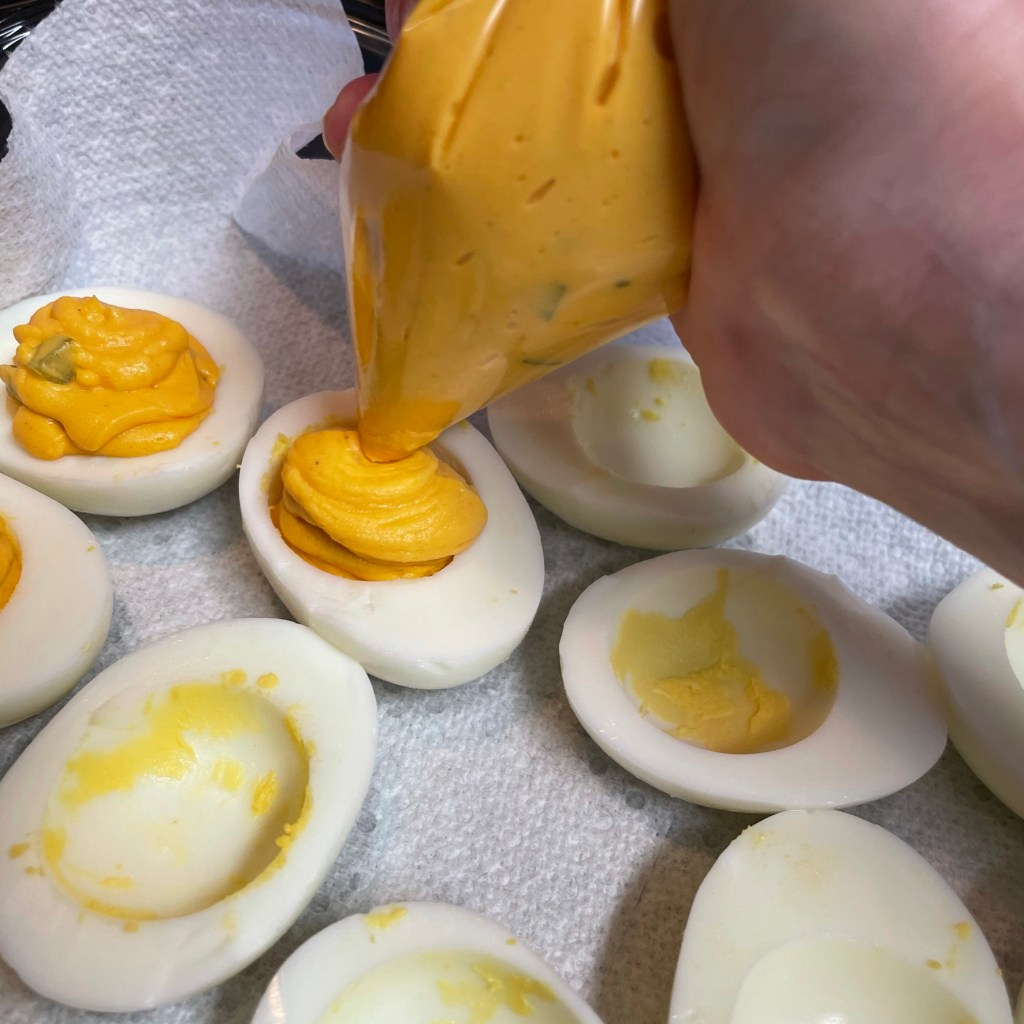
  2. Place a small zip-top bag into a glass, and use a spatula to scoop the filling mixture into it. Seal up the bag, snip one corner to create a makeshift piping bag, and gently fill half of egg whites. Garnish top of Buffalo eggs with crumbled bleu cheese and mini celery sticks.

For the Dirty Martini flavor (double if making all nine eggs)

No vodka or gin in my dirty martini deviled eggs, but the vermouth and garnishes add all the right flavors.

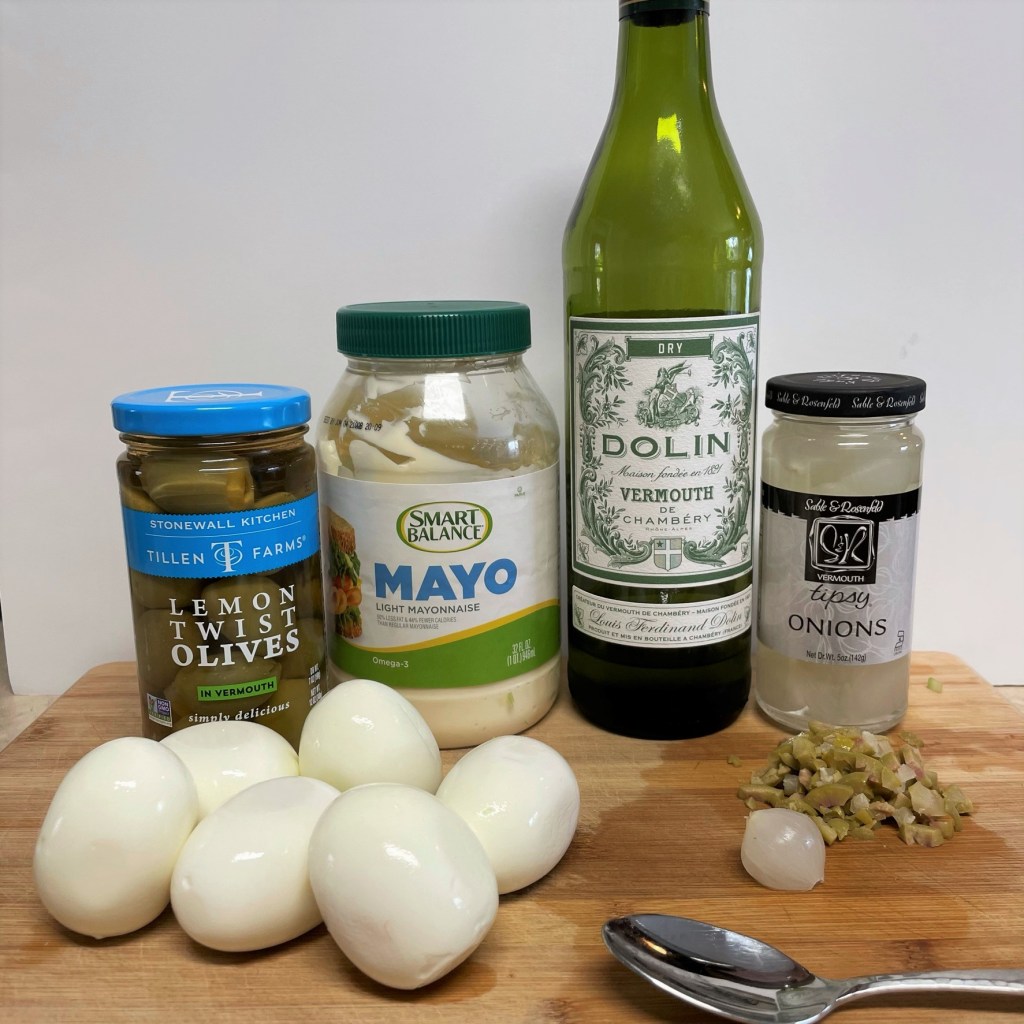
1 Tbsp. dry vermouth (or use additional olive brine)

2 cocktail olives, finely chopped

1 or 2 cocktail onions, finely chopped (for filling)

1 tsp. olive brine

4 cocktail onions, halved (for garnish)


Instructions for Dirty Martini eggs

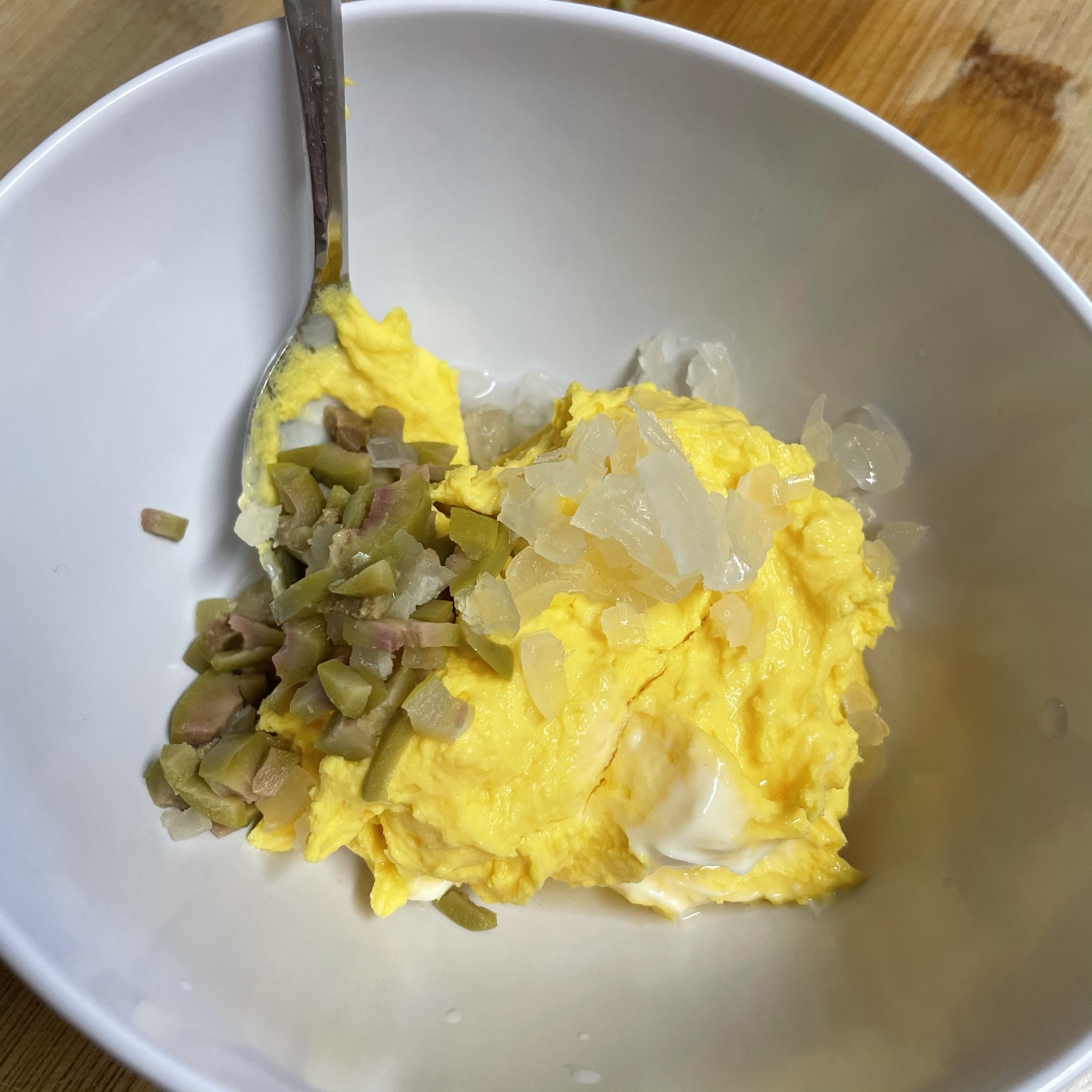
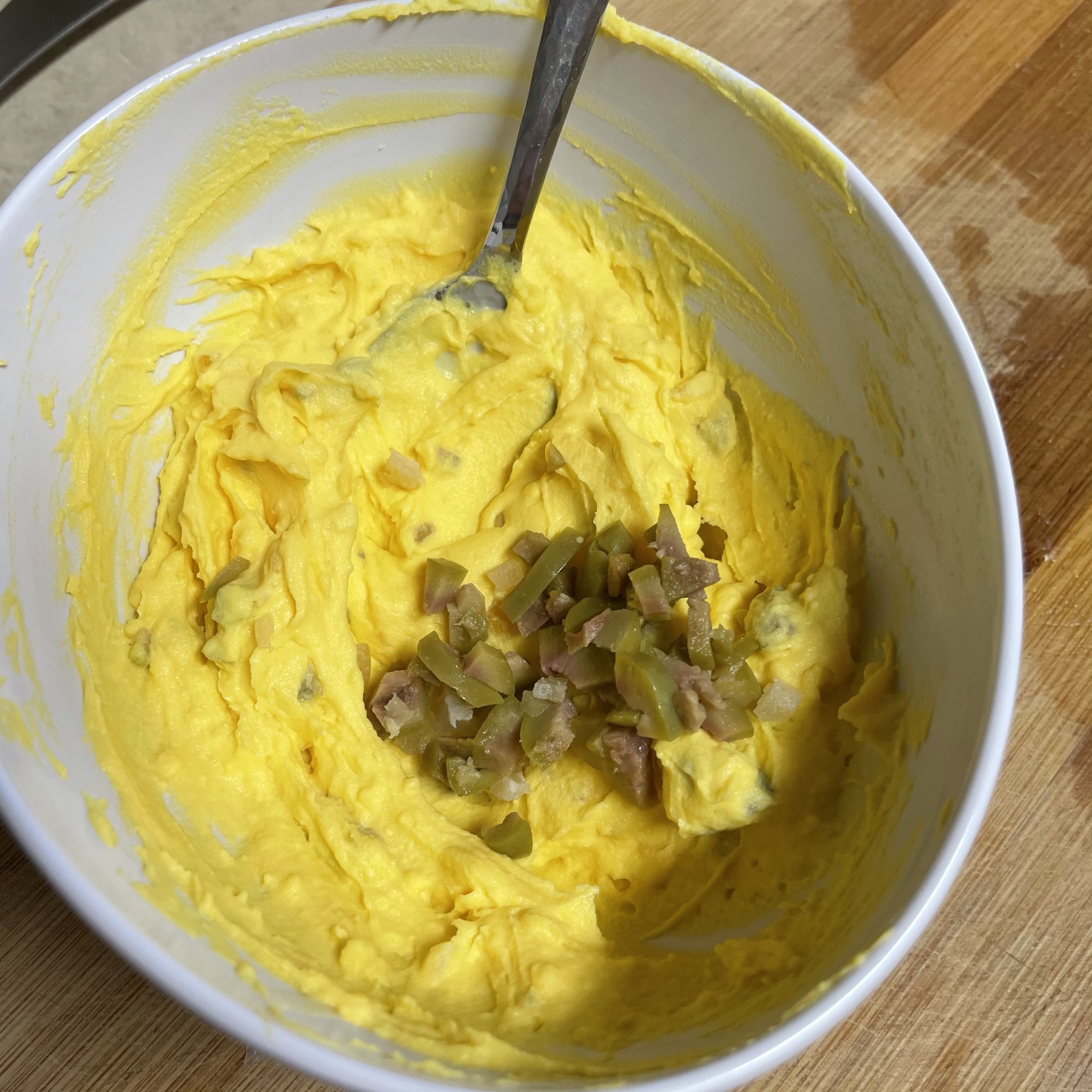
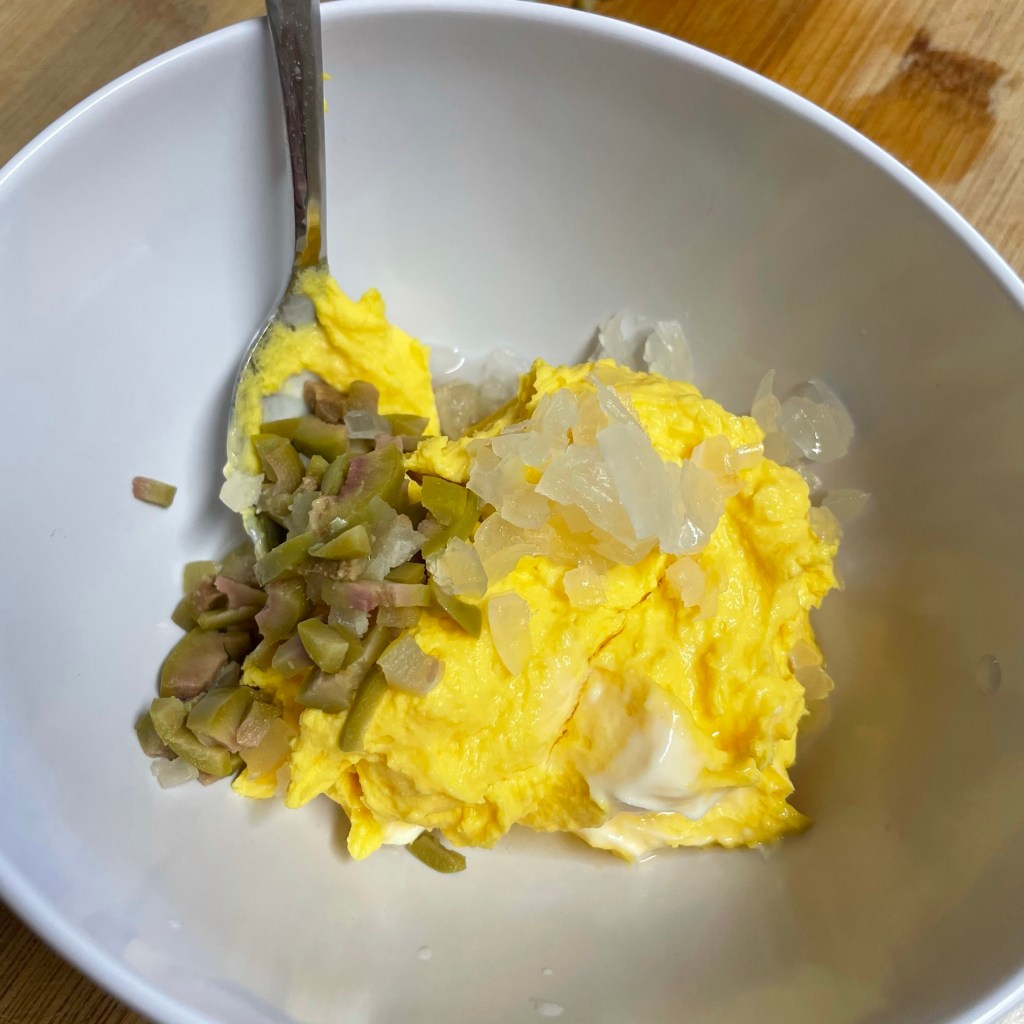
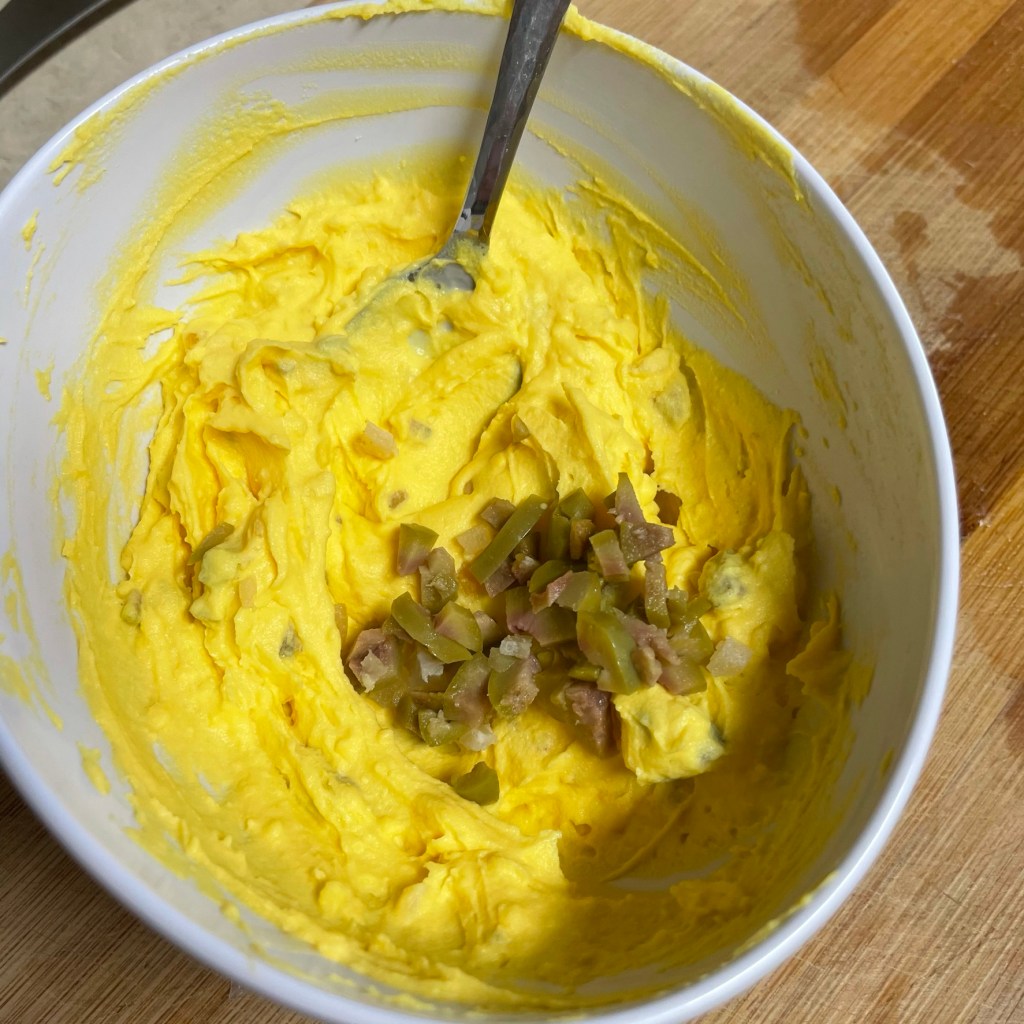
  1. Add dry vermouth, chopped olives, onion and brine to yolk mixture. Blend smooth with a fork or spoon.
  2. Place a small zip-top bag into a glass, and use a spatula to scoop the filling mixture into it. Seal up the bag, snip one corner to create a makeshift piping bag, and gently fill half of egg whites. Garnish with cocktail onion halves, skewered on a toothpick if you wish, to mimic the appearance of a martini.


Want to try these deviled egg recipes?


At serving time, I sprinkled the Buffalo eggs with the Frank’s dry seasoning. These deviled eggs made a fine appearance at our Super Bowl party for two! 🙂


Dirty Martini Deviled Eggs

Every Super Bowl party my husband, Les, and I have hosted together has been a little different in terms of food offerings, but you can count on two things—his incredible, thick and meaty chili (one day I promise I’ll squeeze the recipe out of him) and at least a couple of flavors of deviled eggs. This is one of those foods that everybody (except the vegans) goes a little nuts over, and I love making them because the deviled egg is what I call a “blank canvas” food. If you can dream up a flavor, a deviled egg can probably carry it.

When I shared my Egg-stravaganza post last spring, I made mention of my “Bloody Mary” deviled eggs, filled with all the signature savory flavors you’d find in the ubiquitous Sunday brunch cocktail. Today, I’m presenting a non-spicy counterpart in this Dirty Martini version of deviled eggs, which includes the tangy brininess of lemon-stuffed cocktail olives, pickled cocktail onions and a splash of dry white vermouth. This new riff on a classic hors d’oeuvres will undoubtedly make a repeat appearance on our table at some point in the future, and it’s a fun way to enjoy one of my favorite cocktail combinations, too.

Two flavors are better than one!

I made these tasty bites at the same time as my Buffalo Deviled Eggs with Bleu Cheese, and the ingredients and instructions below describe my process for splitting the two flavors. If you’d prefer to make only the dirty martini deviled eggs, no problem—simply double the ingredients as noted below.

Cheers!


Ingredients for base filling

9 large eggs, hard-boiled and peeled

1/4 cup + 1 Tbsp. light mayonnaise


Carefully turn out the egg yolks into a medium-sized bowl. Mash thoroughly with a fork until yolks resemble dry crumbs. Add mayonnaise and blend until smooth. Divide yolk mixture by transferring half to a second bowl (unless you intend to make all one flavor). Follow additional instructions below for making the two kinds of deviled eggs I made this particular day.


For the Dirty Martini flavor (double ingredients if making all nine eggs)

No vodka or gin in my dirty martini deviled eggs, but the vermouth and garnishes add all the right flavors.

1 Tbsp. dry vermouth (or use additional olive brine)

2 cocktail olives, finely chopped

1 cocktail onion, finely chopped

1 tsp. olive brine

4 cocktail onions, halved (for garnish)


Instructions for Dirty Martini eggs


  1. Add dry vermouth, chopped olives, onion and brine to yolk mixture. Blend smooth with a form or spoon.
  2. Place a small zip-top bag into a glass, and use a spatula to scoop the filling mixture into it. Seal up the bag, snip one corner to create a makeshift piping bag, and gently fill half of egg whites (See slides for Buffalo deviled eggs for a visual on this technique). Garnish with cocktail onion halves, skewered on a toothpick if you wish, to mimic the appearance of a martini.

For the Buffalo flavor

All the flavors of Buffalo wings, ready to take over my deviled eggs.

2 or 3 tsp. Frank’s original RedHot sauce (adjust to your heat preference)

2 cloves roasted garlic or 1/4 tsp. garlic powder

Freshly ground black pepper

1 Tbsp. celery, finely chopped (for filling) + small, thin sticks celery (for garnish)

1 1/2 Tbsp. finely crumbled bleu cheese

Frank’s RedHot dry seasoning, to sprinkle on at serving (or substitute paprika)


Instructions for Buffalo deviled eggs


  1. Add RedHot sauce, roasted garlic and black pepper to one bowl of the yolk mixture. Blend smooth with a fork or spoon. Fold in chopped celery bits.
  2. Place a small zip-top bag into a glass, and use a spatula to scoop the filling mixture into it. Seal up the bag, snip one corner to create a makeshift piping bag, and gently fill half of egg whites. Garnish top of Buffalo eggs with crumbled bleu cheese and mini celery sticks.

Want to make these deviled eggs?


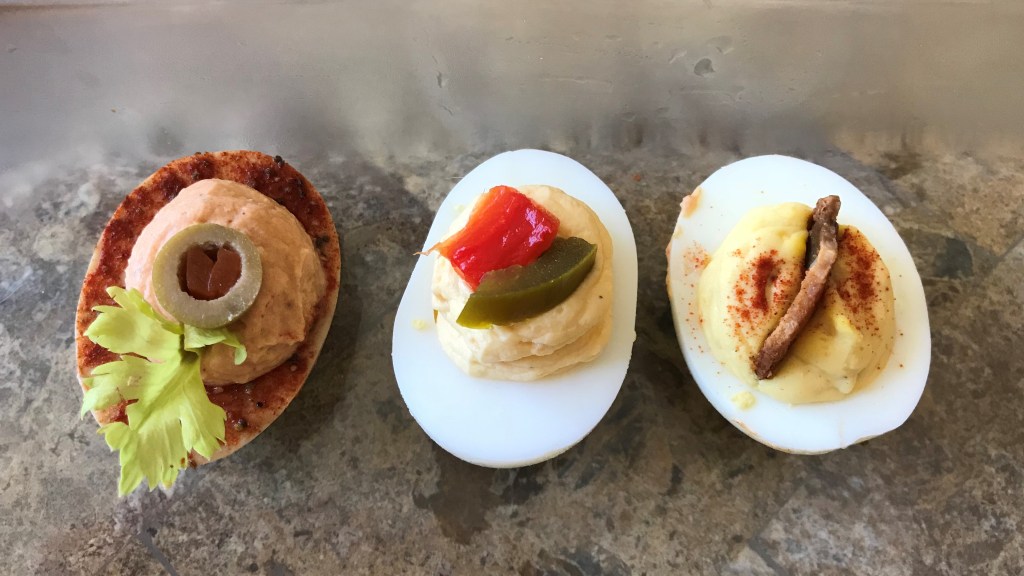
If you like the fun idea of switching up flavors on your next batch of deviled eggs, have a look at my previous post for Egg-Stravaganza, and see how I made these fun varieties!

(L to R) Bloody Mary, jalapeno pimiento cheese, bacon, egg and cheese.