Thick & Hearty Sweet Potato Chili

Super Bowl’s coming, and my arteries are feeling clogged just thinking about it. Why do so many game day snacks have to be loaded with saturated fat, sodium and calories? I know— because it’s all about comfort food and they’re delicious, right?! I spent half an hour of quality time last week with my primary care physician, who informed me after my labs that my blood work isn’t exactly a pretty picture. Again. This is the second time in three years that I’ve gotten a bad report on my cholesterol (the year in between, I didn’t ask), and the weight gain that followed menopause hasn’t shown any effort to find its way out, either. As I told my doctor, I have a huge disadvantage in that I never had to fight for the healthy weight I enjoyed in my younger years. I always pretty much ate and drank what I wanted and I stayed in my optimal size. But not anymore. And I loathe the gym, so changing up my diet is pretty much my only option to get back to good. It pisses me off, if you want the truth.

But I wanted to prove to myself that eating better doesn’t have to mean sacrificing every single thing I love. Why couldn’t I tap into my creativity a little bit and see what kind of magic might happen in the kitchen? I’ll go after mac and cheese another day, but with the big game coming up, I figured a practice run at the most Super Bowl-y of all Super Bowl foods might be a good way to ease into things. Chili at its core could be pretty health-conscious— at least until you pile on the cheese, sour cream and chips for dipping in it— so this makeover was mostly about maximizing flavor and minimizing the heaviness.

I don’t necessarily need meat in chili, so I set my sights on making a plant-forward version that had plenty of what I do want— big flavor, hearty texture, smokiness and heat. This bowl has all of the above. What it doesn’t have is saturated fat. My ingredients are clean, and I used only extra virgin olive oil for roasting and sautéing the various components.
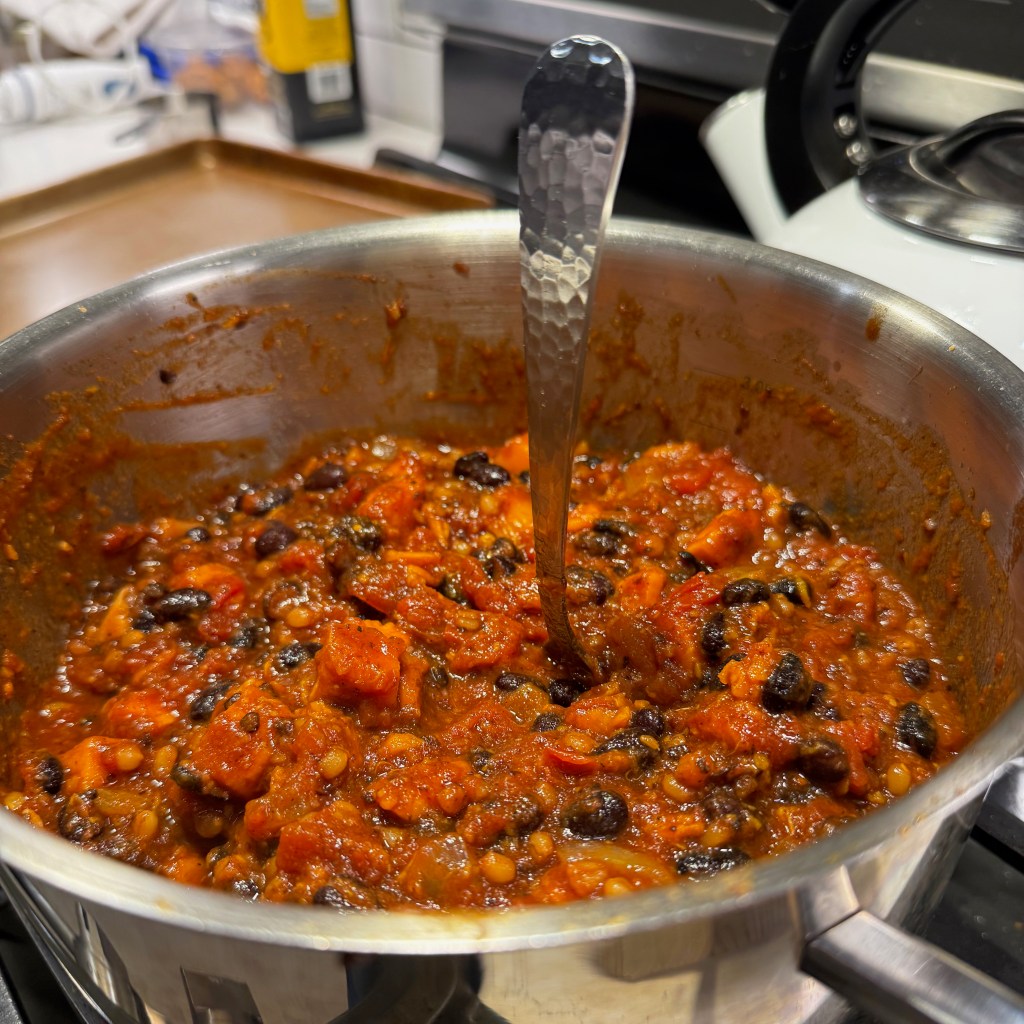
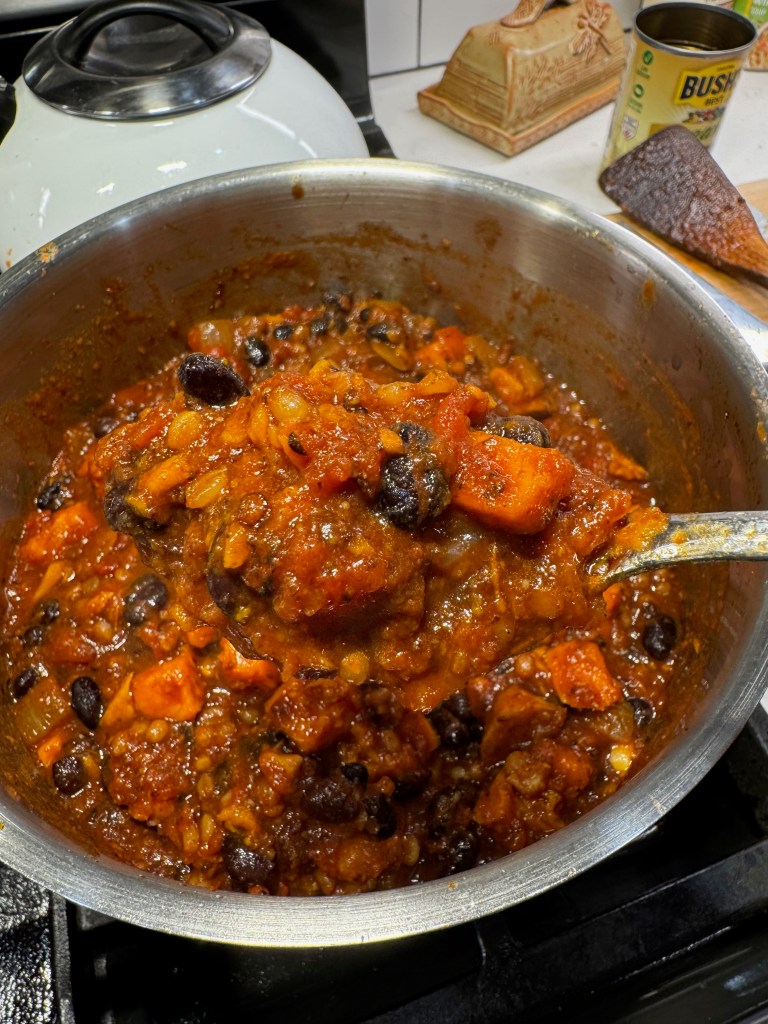
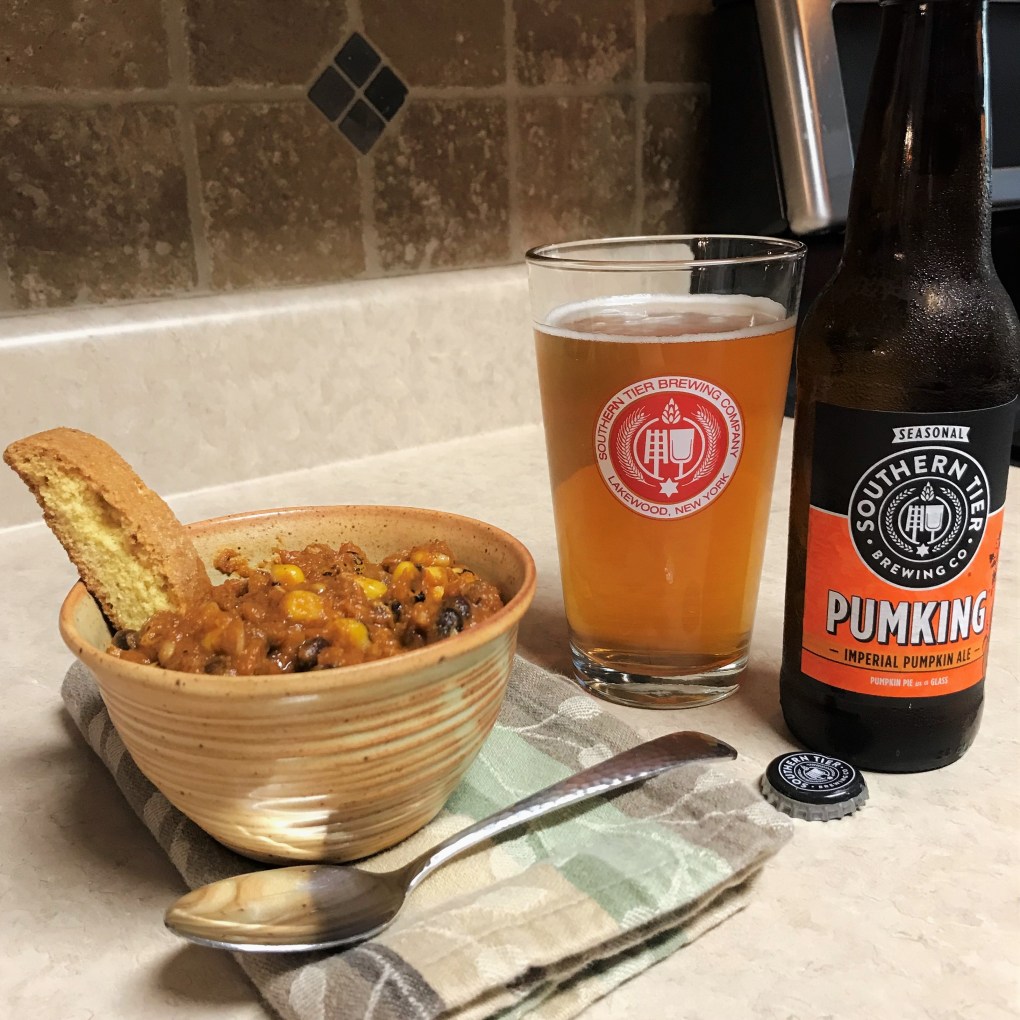
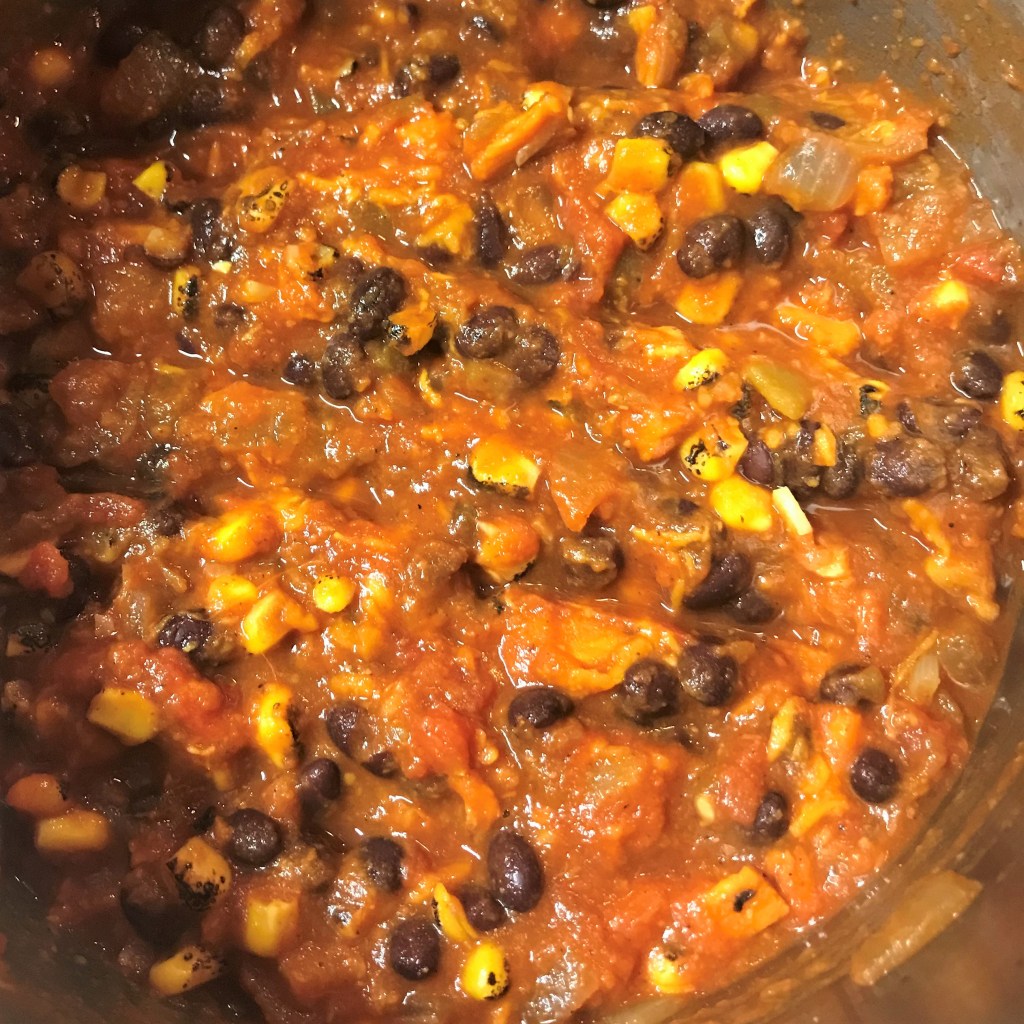
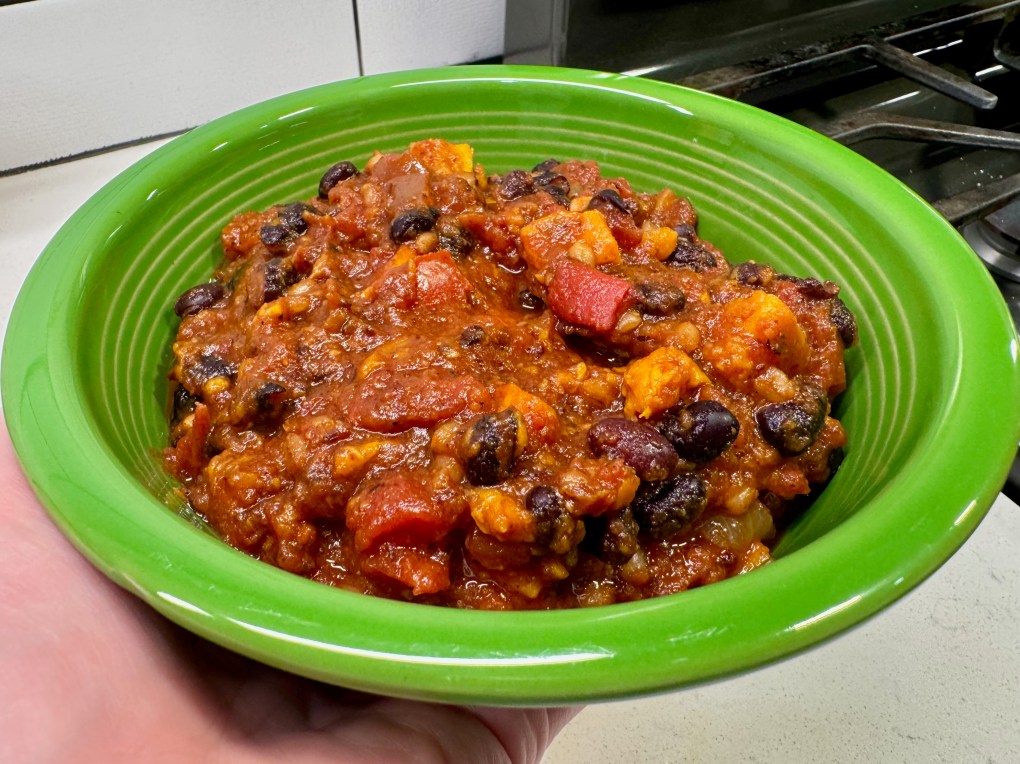
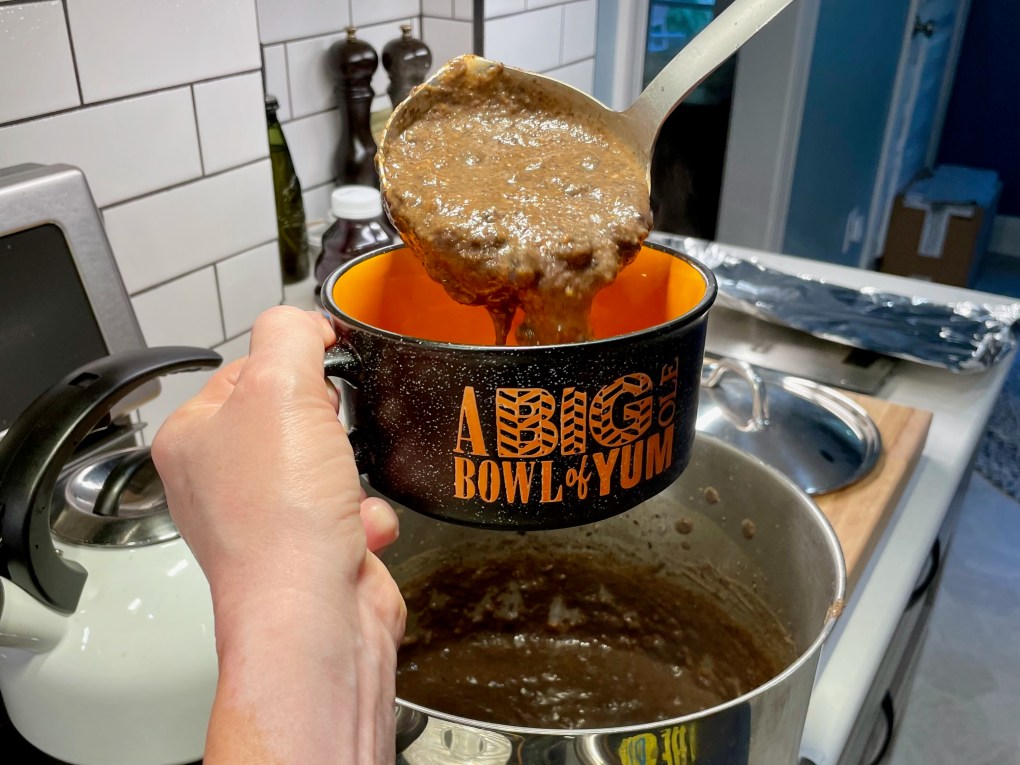
So thick, my spoon stands on end in the chili!

The flavor is smoky and spicy, with a subtle sweetness from the sweet potatoes. Nutrition-wise, this chili is off the charts. Protein, fiber, folate, magnesium, antioxidants, lycopene, potassium— it’s all there. And there’s no broth or juice added to the chili, which makes it thick enough for a spoon to stand straight up in it. Is it the same as the rich and meaty chili that my husband loves to make for Super Bowl? Of course not— there’s no meat inside. But if it satisfies my craving while I’m trying to do better, well, that’s good enough for me.

Let’s get into it!

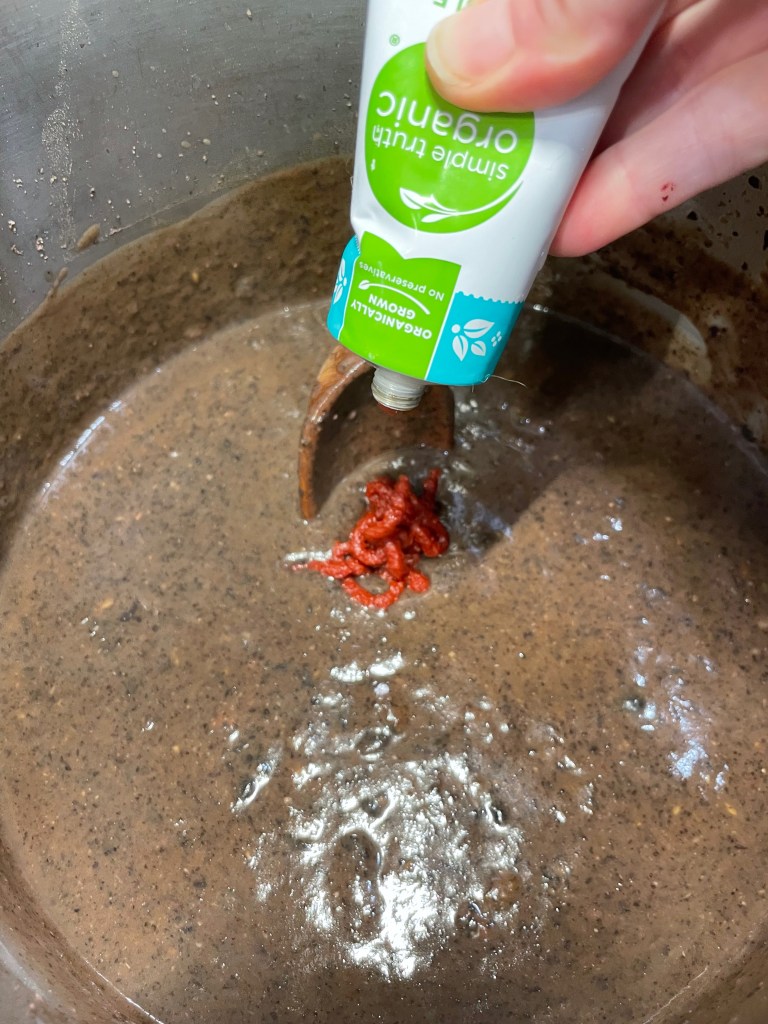
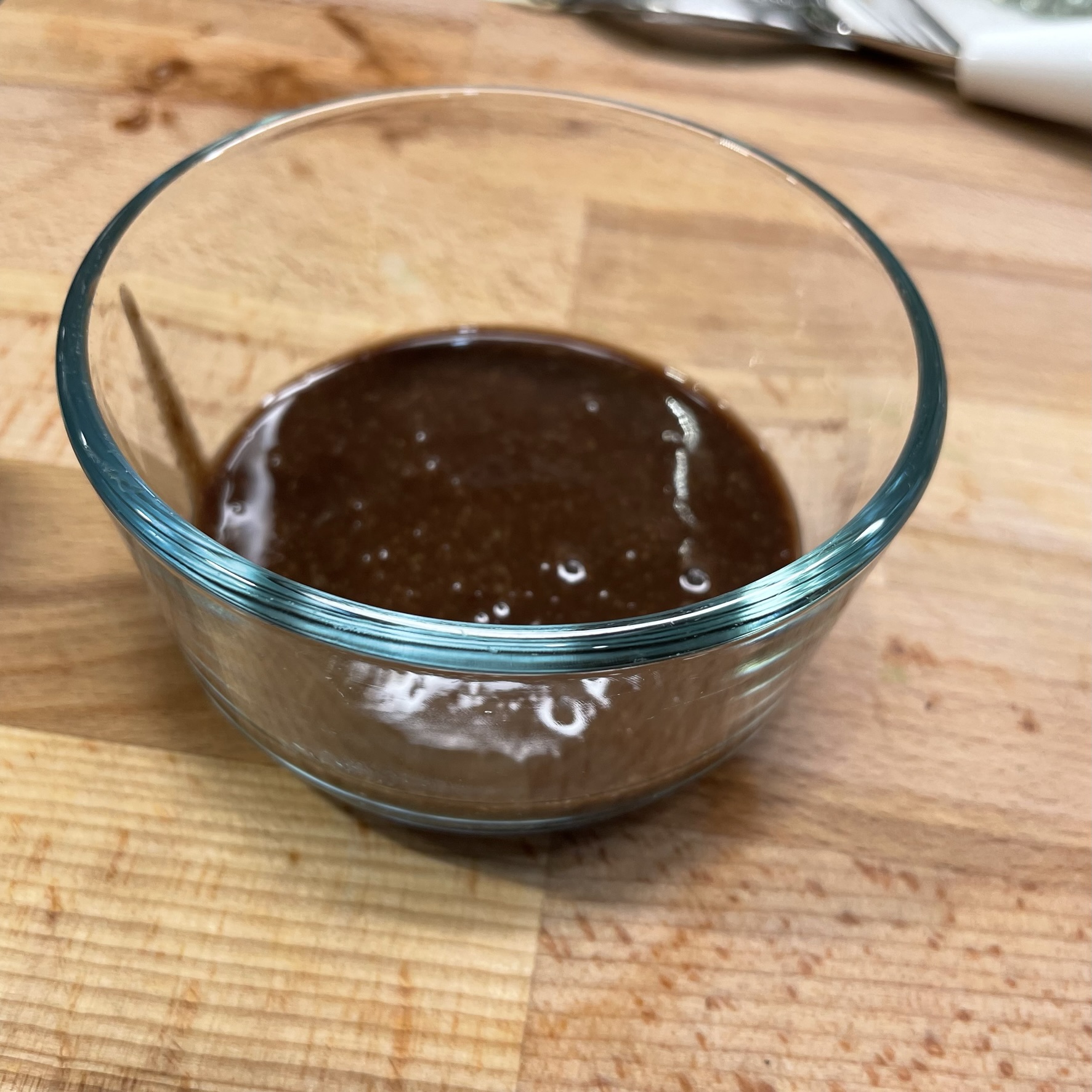
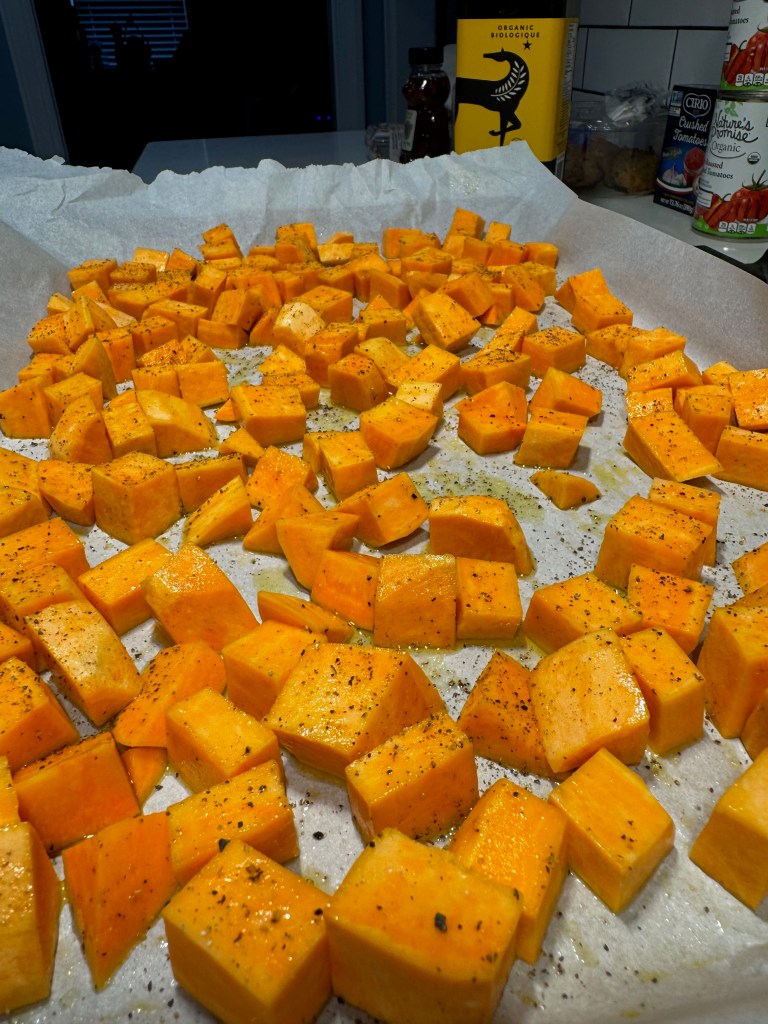
I roasted the sweet potatoes rather than simmering, which deepened the flavor as well as reduced moisture. The seasonings are smoky and aromatic, adding layers of flavor that only get deeper when you stir in the pureed chipotle with adobo sauce. I used about three tablespoons of this dark red paste, but the amount is flexible to match your taste for heat. 

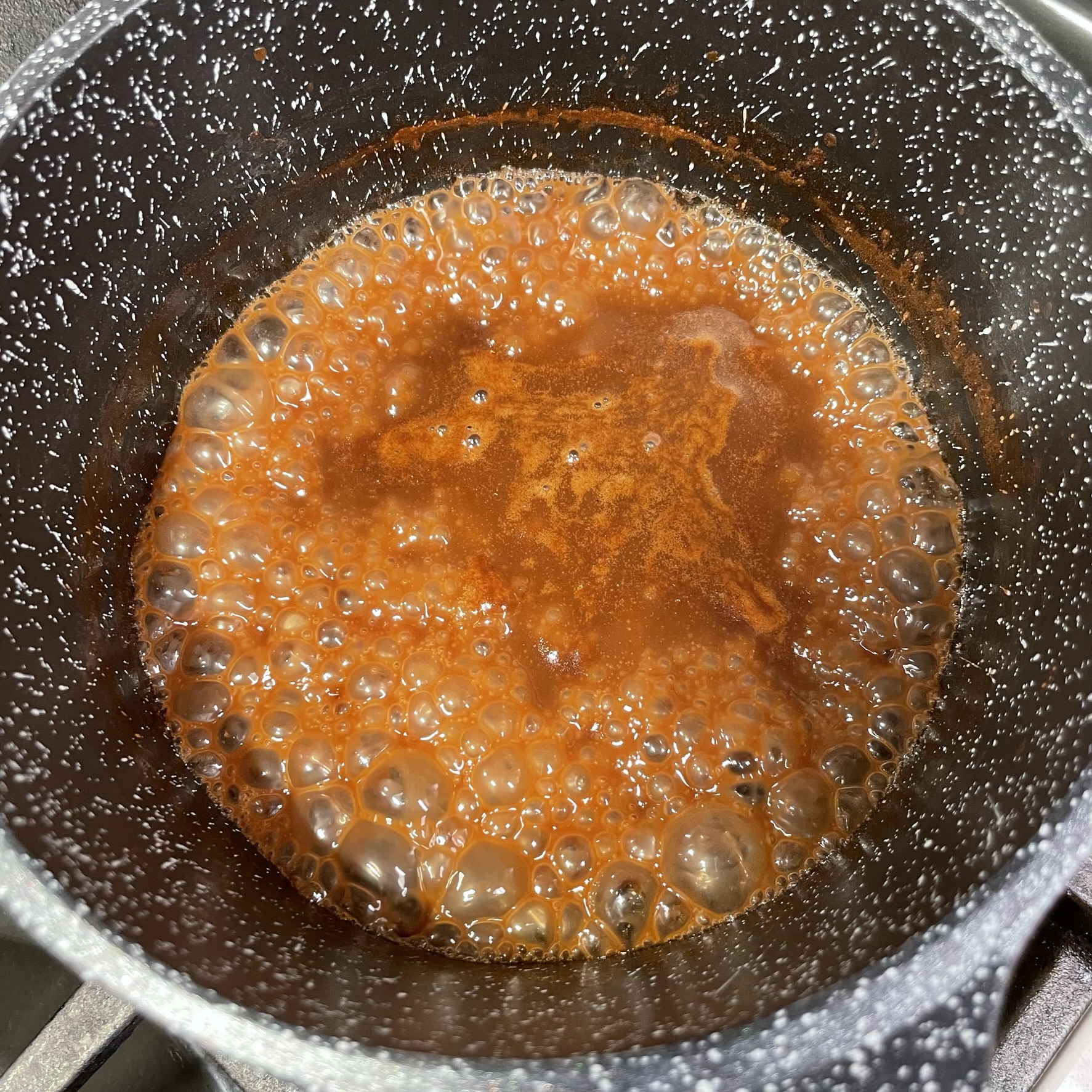
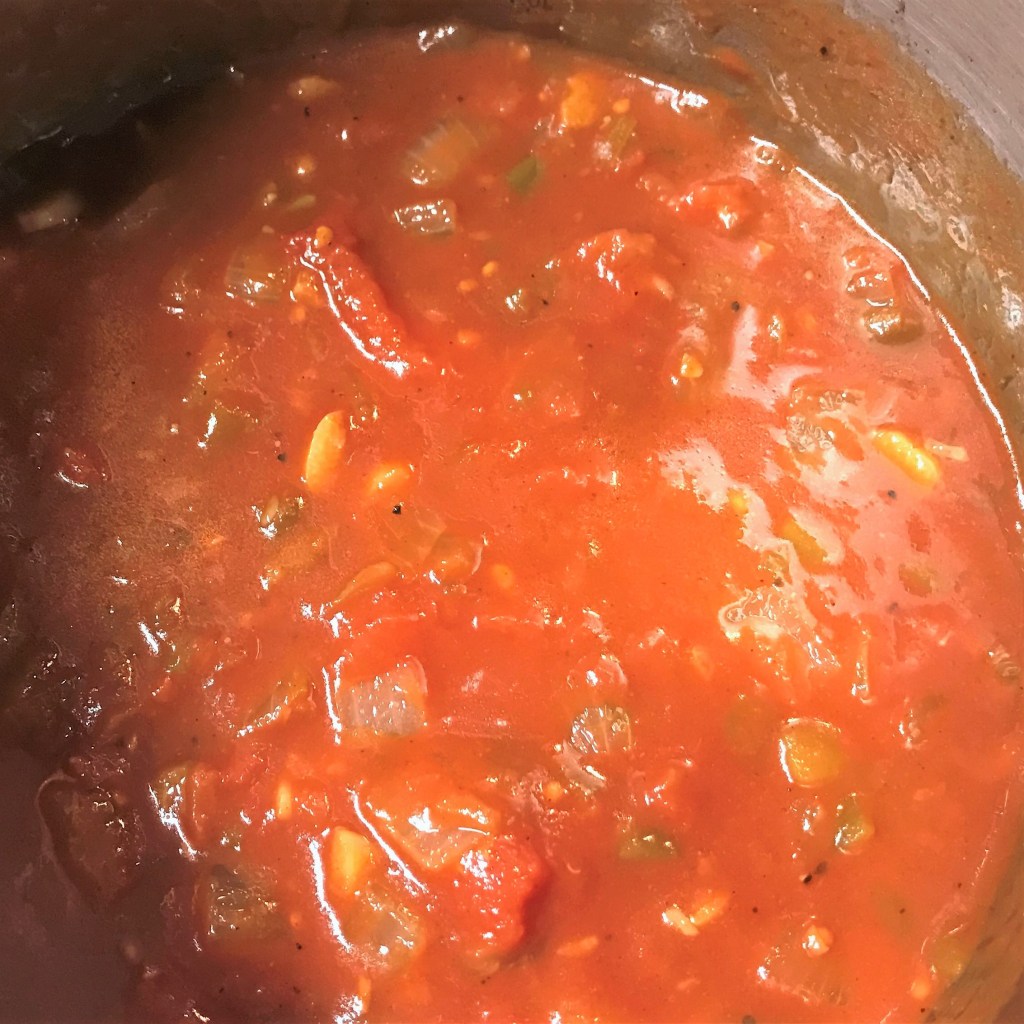
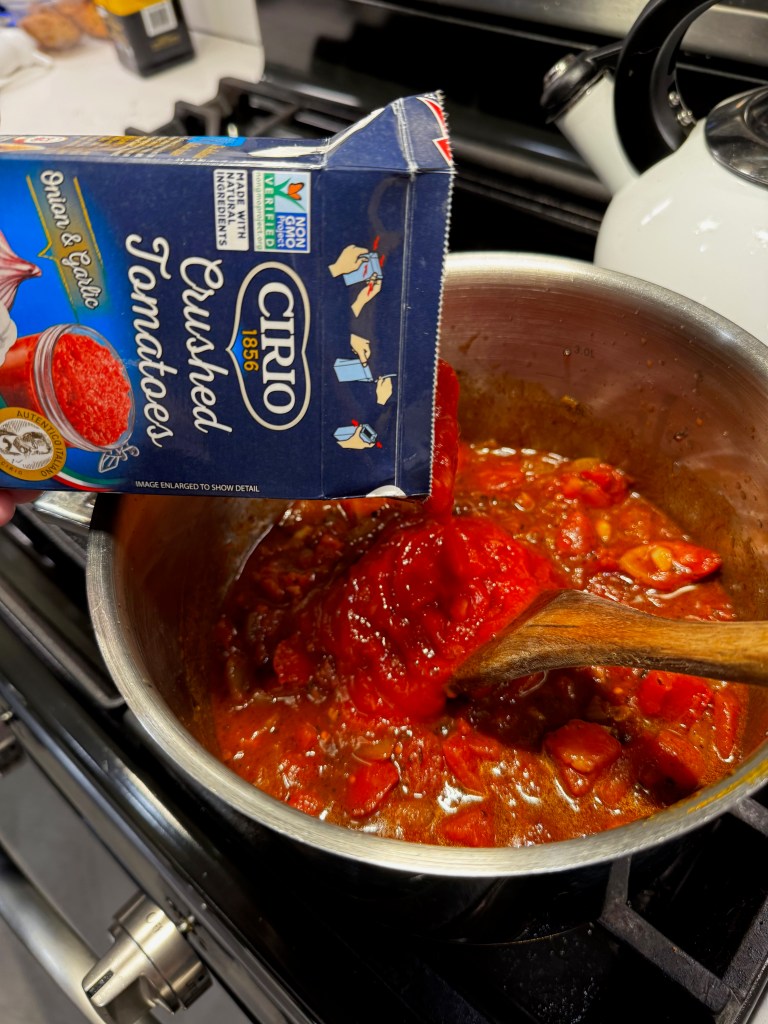
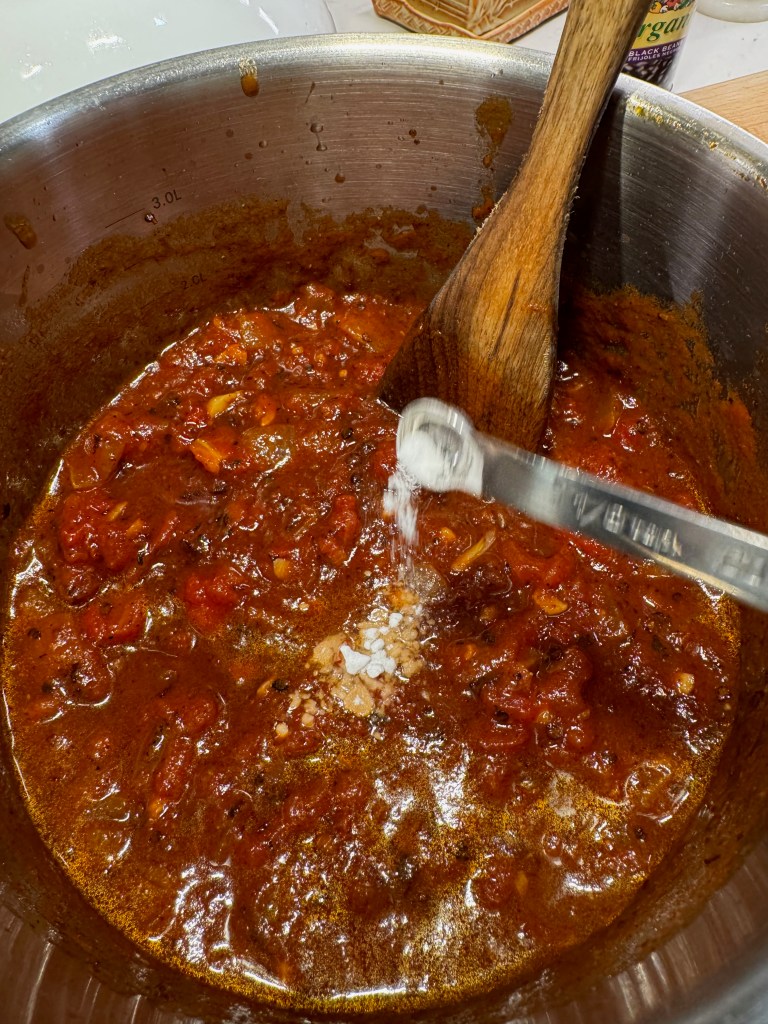
Fire roasted tomatoes added another layer of smokiness, but also a major hit of acid alongside the crushed tomatoes that went in with it. Next, a smidge of baking soda. This may seem like a strange addition to a pot of chili, but its alkaline nature helps soften the too-bright acidity of so many tomatoes. Let it bubble and foam for a minute or so, then carry on with the rest of the recipe.

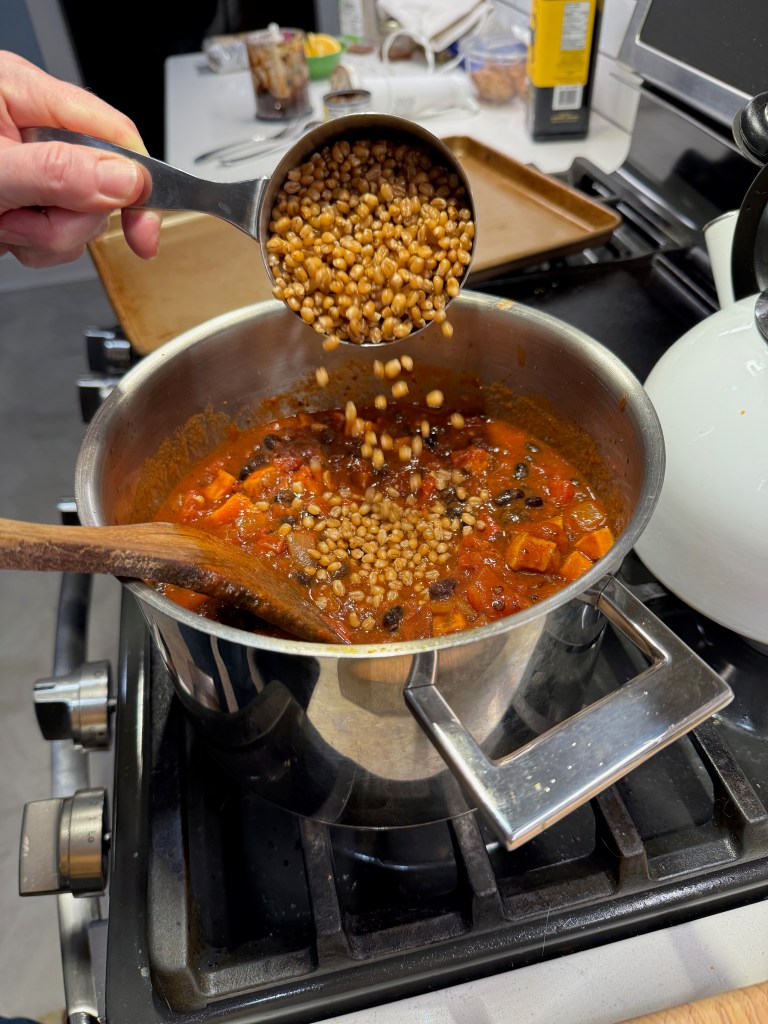
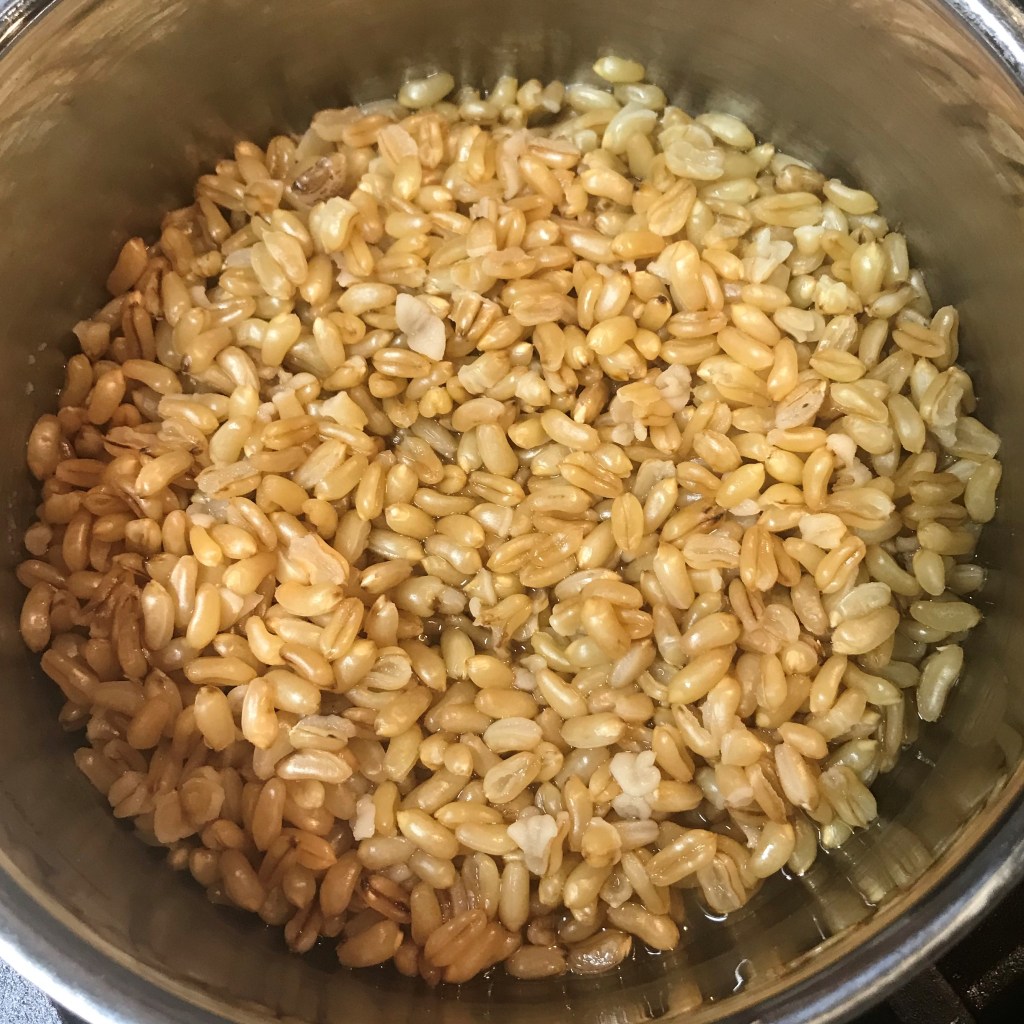
Black beans, the roasted sweet potatoes and cooked wheat berries finished this off, and it was thick, hearty and satisfying— all the things I wanted, none that I don’t. I suppose you could sub in pinto or kidney beans, but I love the earthiness of black beans. If you’re gluten free, you’d have to sub something for the chewy whole grain wheat berries— maybe cooked quinoa or buckwheat groats. 


Thick & Hearty Sweet Potato Chili

  • Servings: About 6
  • Difficulty: Average
  • Print

Game day food is notoriously heavy and calorie-laden, but this chili is scoring big on flavor and fiber, without saturated fat or excess calories. Did I mention that it's also vegan? Plant-based for the win!


Ingredients

  • 2 large sweet potatoes, peeled and cut into cubes
  • 4 Tbsp. extra virgin olive oil, divided
  • 1 medium-large sweet or yellow onion, chopped
  • 4 cloves garlic, smashed and sliced thin
  • 1 tsp. kosher salt
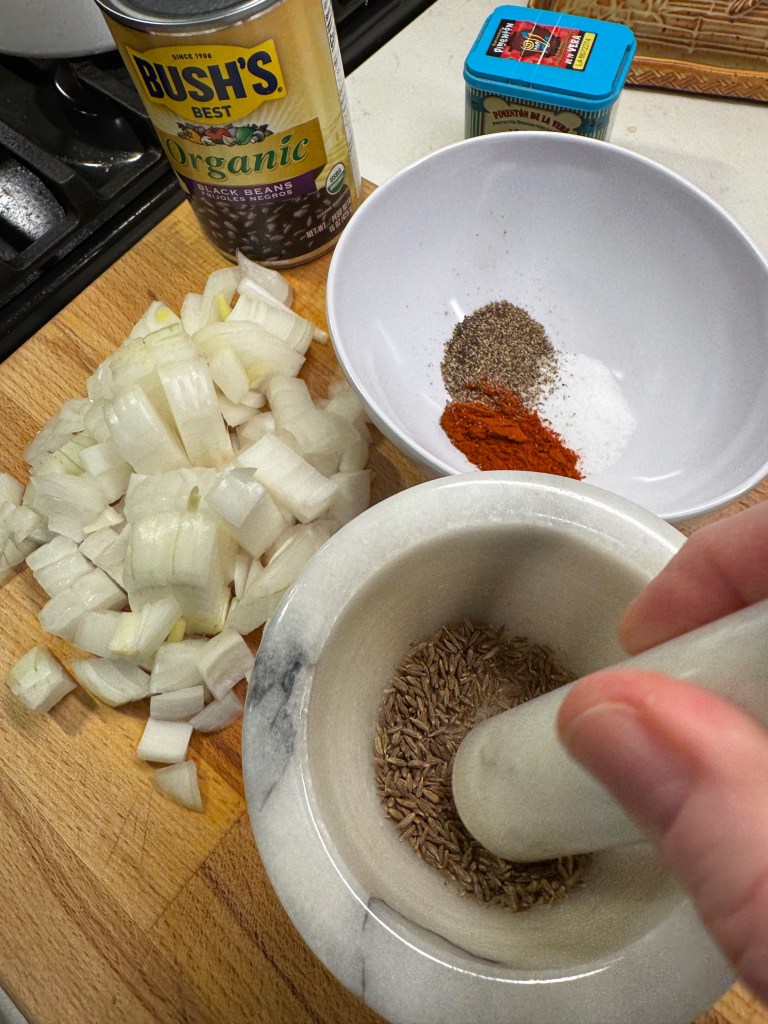
  • 3/4 tsp. cumin seed, crushed into powder
  • 1 tsp. smoked paprika
  • 3/4 tsp. ancho chile powder
  • About 14 twists freshly ground black pepper
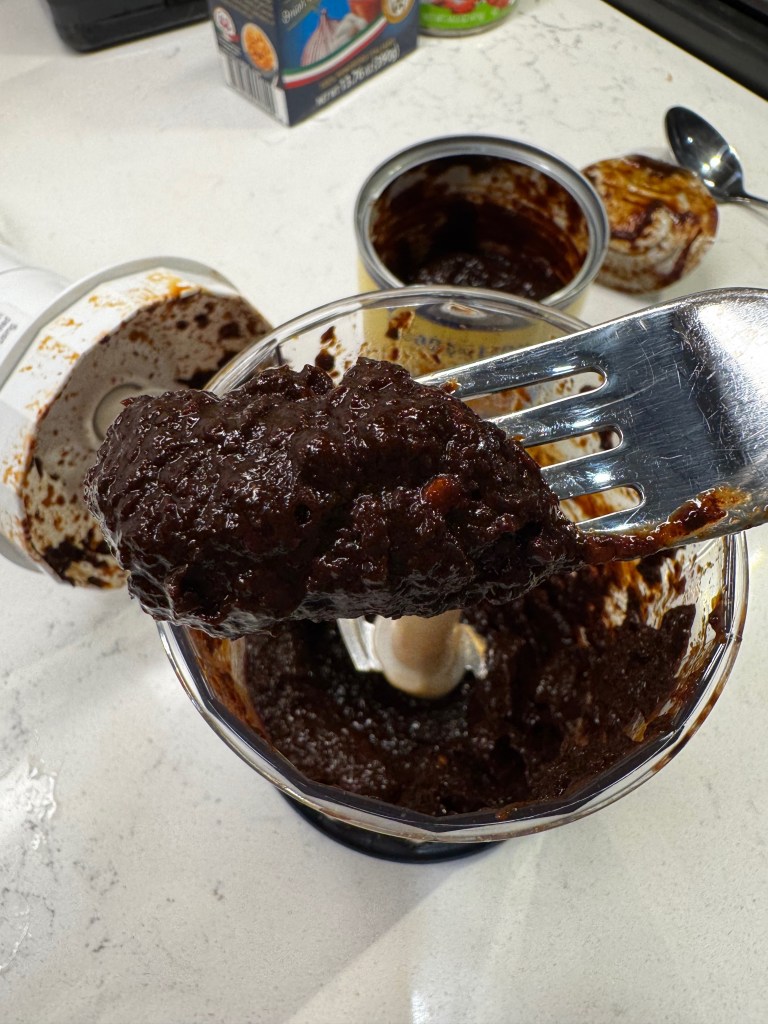
  • 2 to 4 Tbsp. pureed chipotle with adobo (see notes)
  • 28 oz. canned fire roasted diced tomatoes
  • 14 oz. can or carton crushed tomatoes
  • 1/8 tsp. baking soda (optional, see notes)
  • 2 cans low-sodium black beans, drained
  • 1 cup cooked wheat berries (see notes)

Notes: The chipotle puree is made by dumping an entire can of chipotles in adobo into the small bowl of a food processor and blending until smooth. The flavor is ultra-smoky and deeply hot. You will only need about a third of the total can amount, but the rest can be used in many other southwest-themed dishes.

If the acidity of the tomatoes is too much, add a tiny bit of baking soda to neutralize it. This doesn’t change the flavor of the chili, it only softens the sharp acid notes of the tomatoes.

If not for the wheat berries, this recipe would be gluten free as well as vegan! If you are sensitive to gluten, omit them entirely or consider substituting with al denté cooked brown rice, quinoa or buckwheat groats.

Directions

  1. Preheat oven to 400° F, with oven rack in center position. Line a heavy sheet pan with parchment paper.
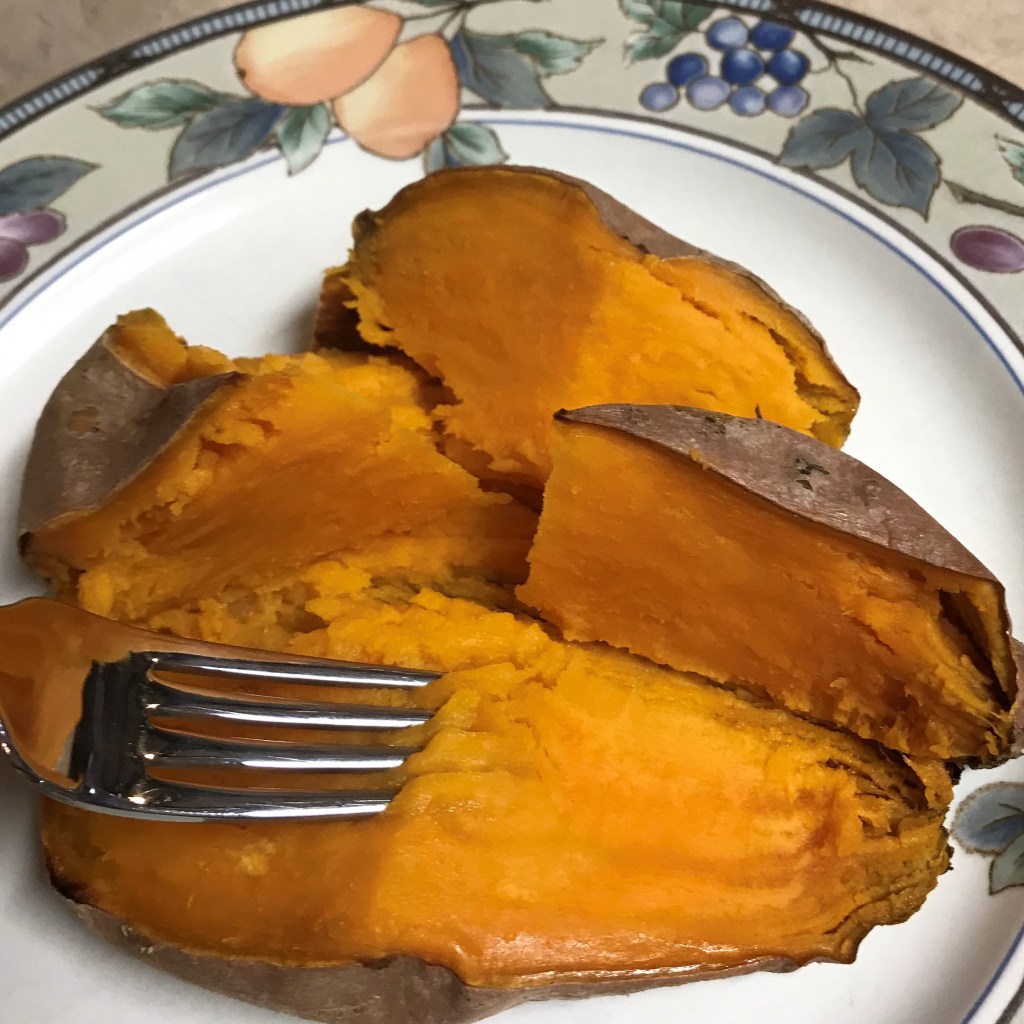
  2. Toss sweet potatoes in two tablespoons of olive oil and spread evenly onto parchment-lined sheet pan. Season with kosher salt and pepper. Roast for about 40 minutes, until potatoes can be easily pierced with a knife tip and edges are caramelized.
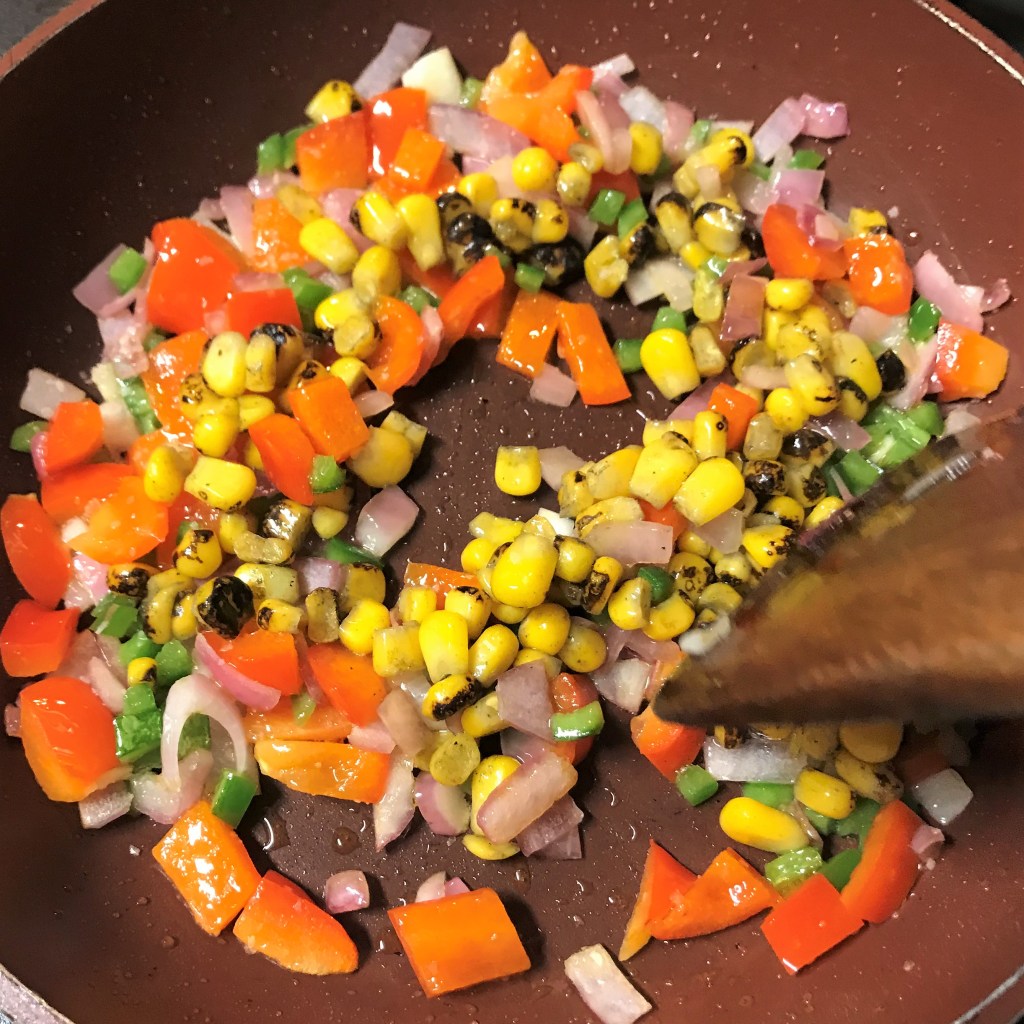
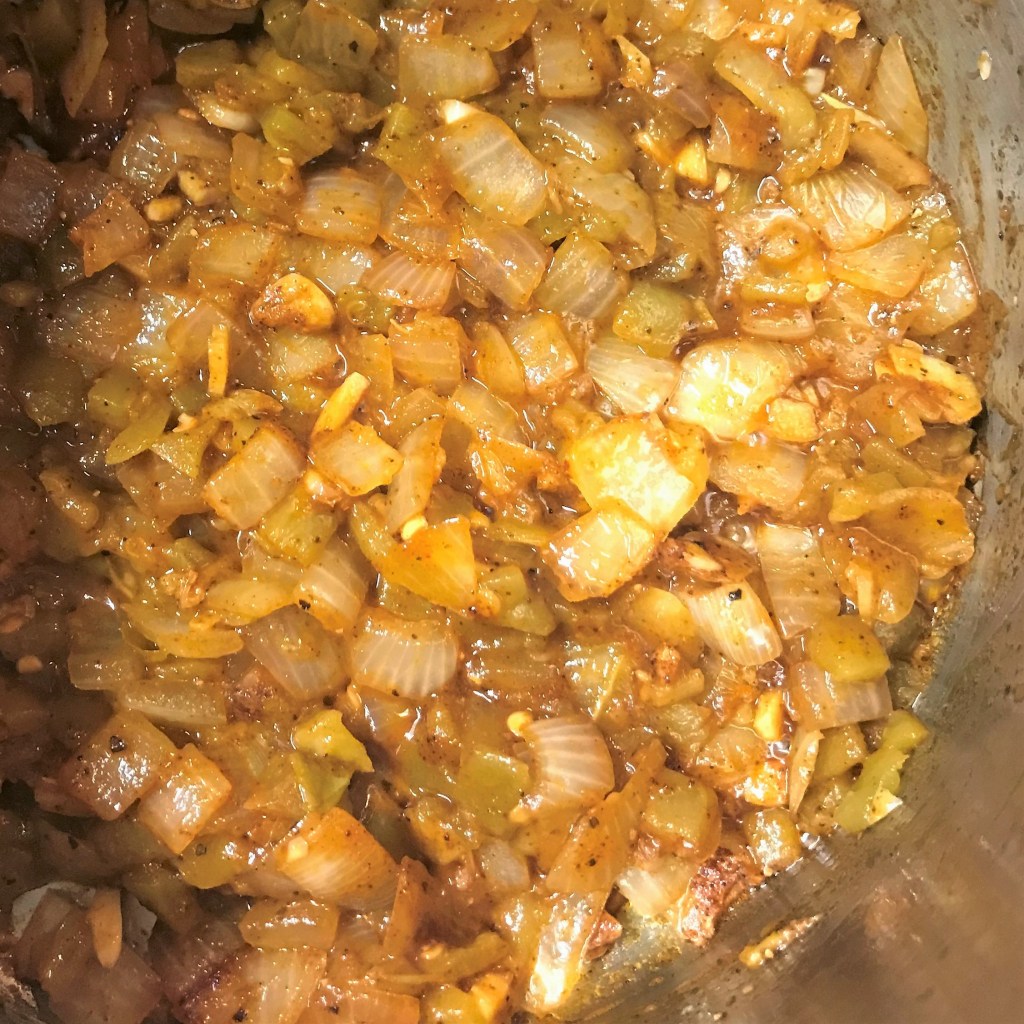
  3. Meanwhile, place a medium, heavy-bottomed pot over medium heat. Swirl in remaining two tablespoons olive oil when pan is hot. Add onions and sauté several minutes, until onions are softened with edges just beginning to brown. Reduce heat, add garlic and stir to heat through.
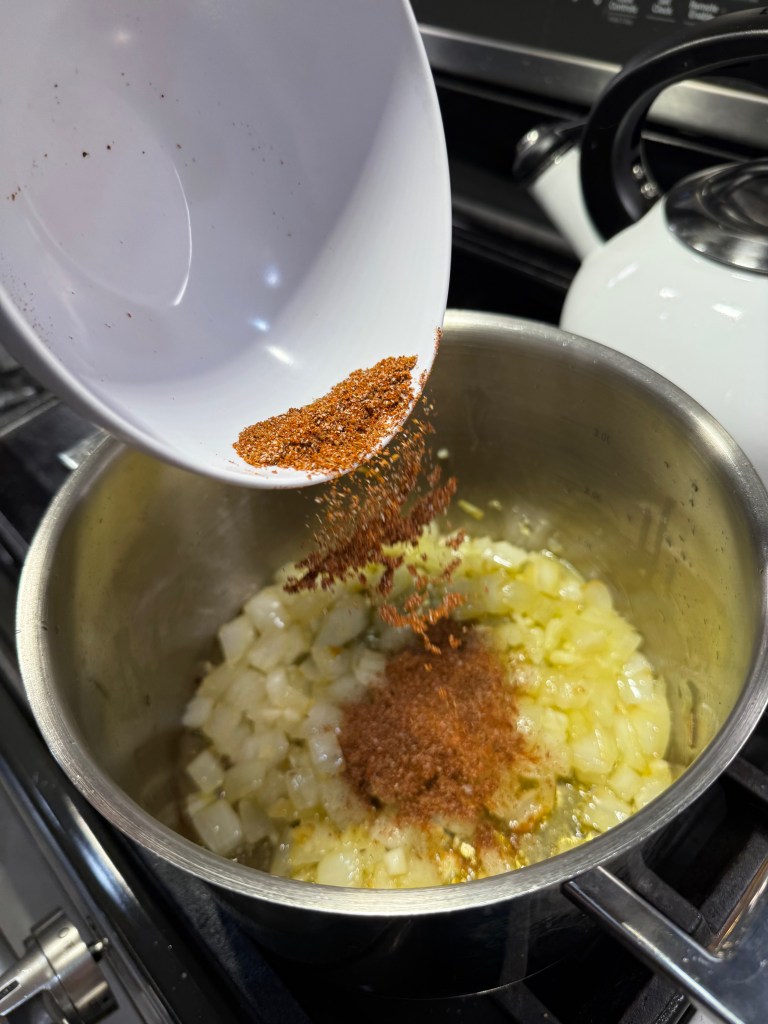
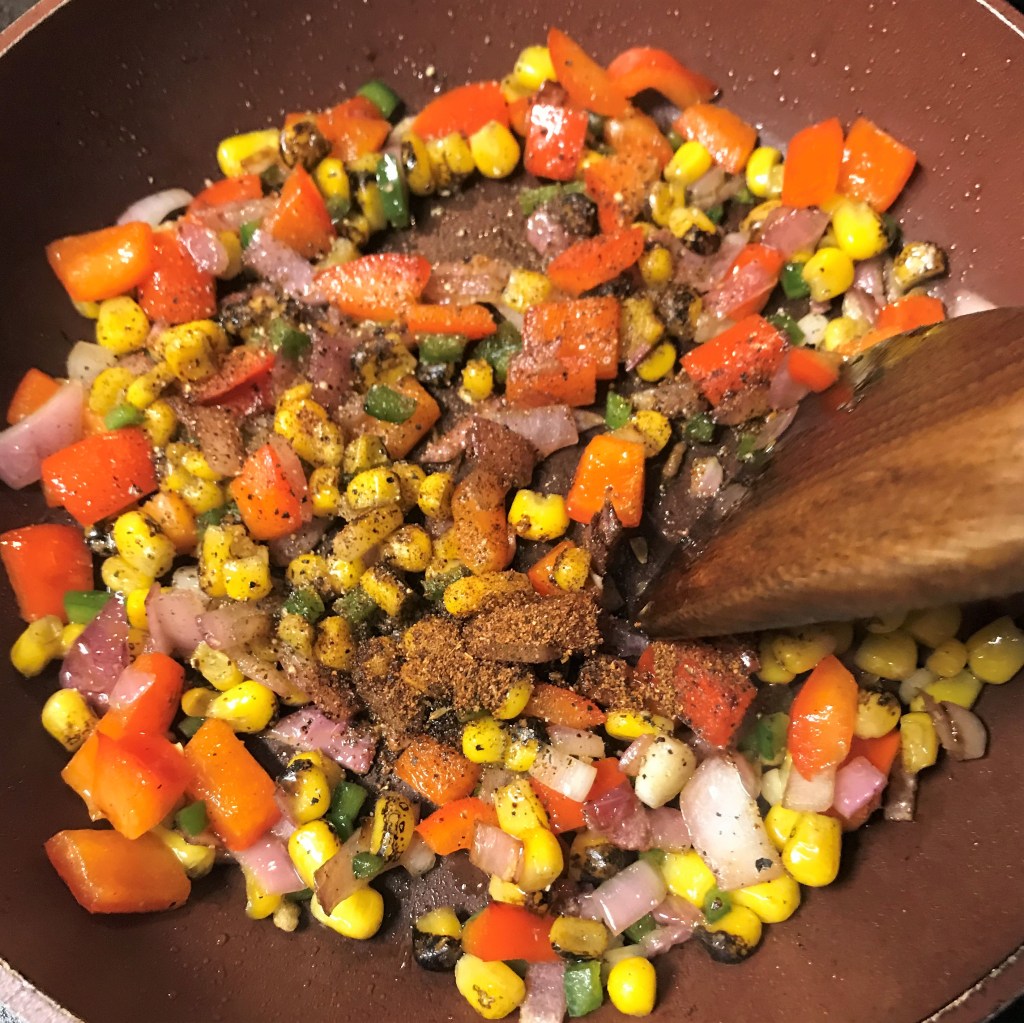
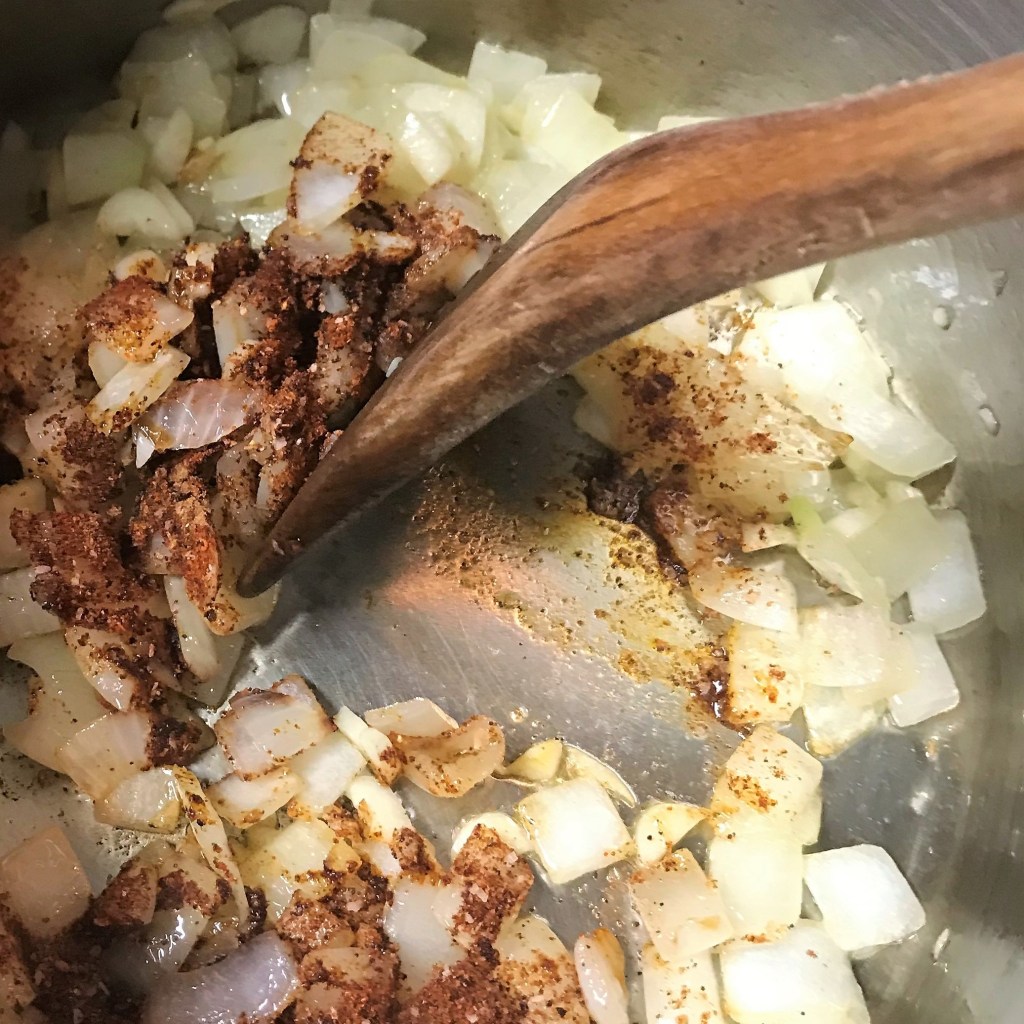
  4. Combine salt and spices in a small bowl. Sprinkle over sautéed onion mixture and toss to coat. Allow spices to bloom for about two minutes, then stir in chipotle with adobo puree.
  5. Add diced and crushed tomatoes, stirring to combine evenly with seasoned onion mixture. Return heat to medium and bring to a simmer. Stir in baking soda and cook for about one minute.
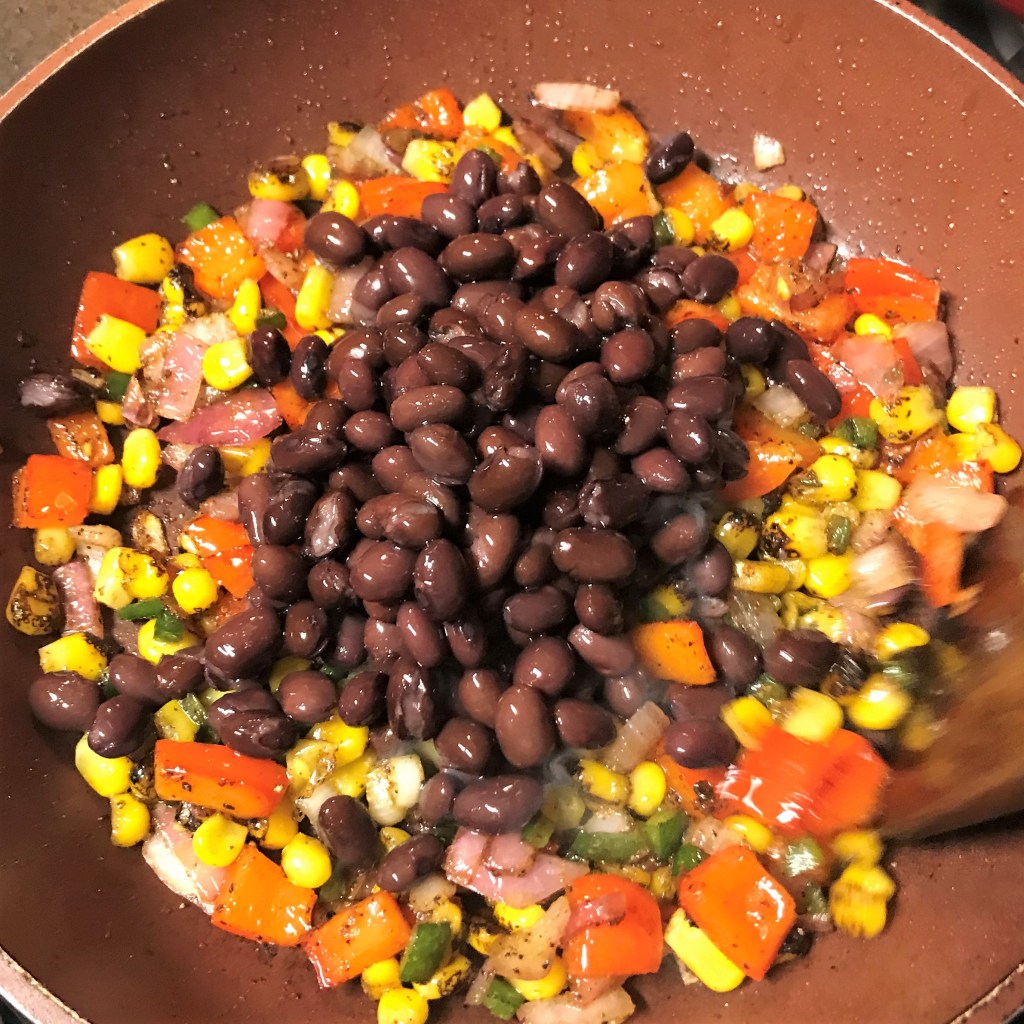
  6. Add black beans, roasted sweet potatoes and cooked wheat berries. Heat through and serve.

Much Ado About Black Bean Soup

Soup. It’s one of the simplest and most comforting pleasures of the cold weather season, and when I spied a bag of dried black beans in the back of my tall pantry a couple months ago, I thought, “Great, this will be easy!” Soak them overnight, drain and rinse, then cook them up with a few aromatic veggies, spice and broth, right? Well, as you may have already guessed, this one didn’t go quite that smoothly. And it’s my own fault for not paying attention to the “best by” date on the side of the cellophane bag. Oops. 

Though dried beans are easy, there are a few guidelines, and using them up before they get too old is one that should not be overlooked. I was already more than a day into it, though, when I realized that my beans had “expired” more than two years earlier. I’m thankful that I was able to call for backup, and I received expert advice that rescued my black bean soup, which turned out as delicious and comforting as I had hoped. 

Don’t worry, this story has a happy ending. 🙂

But before I get to the rescue of my soup, let’s talk about how things should go when making soup from dried beans, and hopefully I’ll remember my own advice next time!

Prep the beans

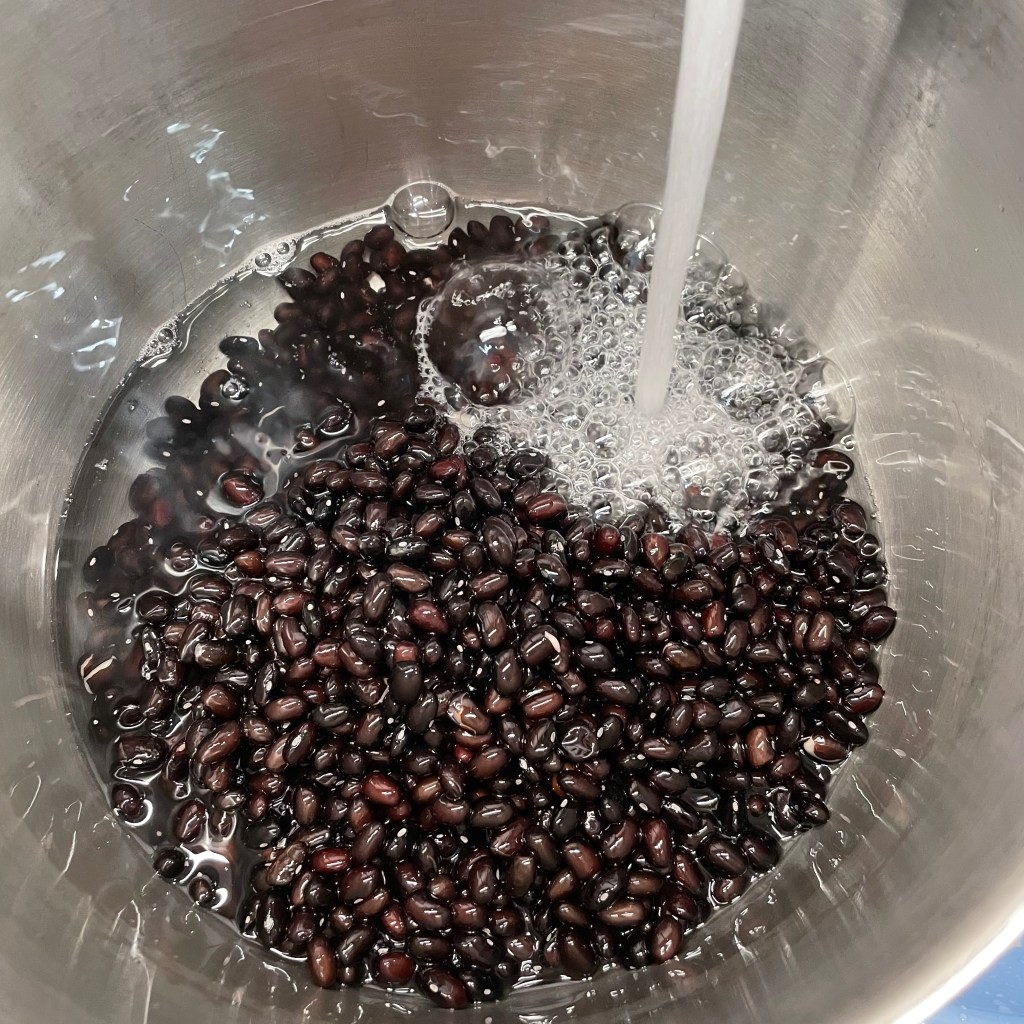
The first rule of thumb is to rinse and sort through the beans, just in case there is a random stone or other debris in the bag. I have never found one, but I’m certain that I would split a molar if I skipped this step even one time. So, sort them I do, under cold running water, and then I dump them into a deep pot with plenty of water for an overnight soak.

There are many viewpoints about whether the soak is necessary (spoiler alert— it technically isn’t), but the “shortcut” instructions for skipping the soak always leaves me with beans that are too “al dente” for my taste, and they take forever to cook (turns out mine would, anyway, but I’ll get to that).


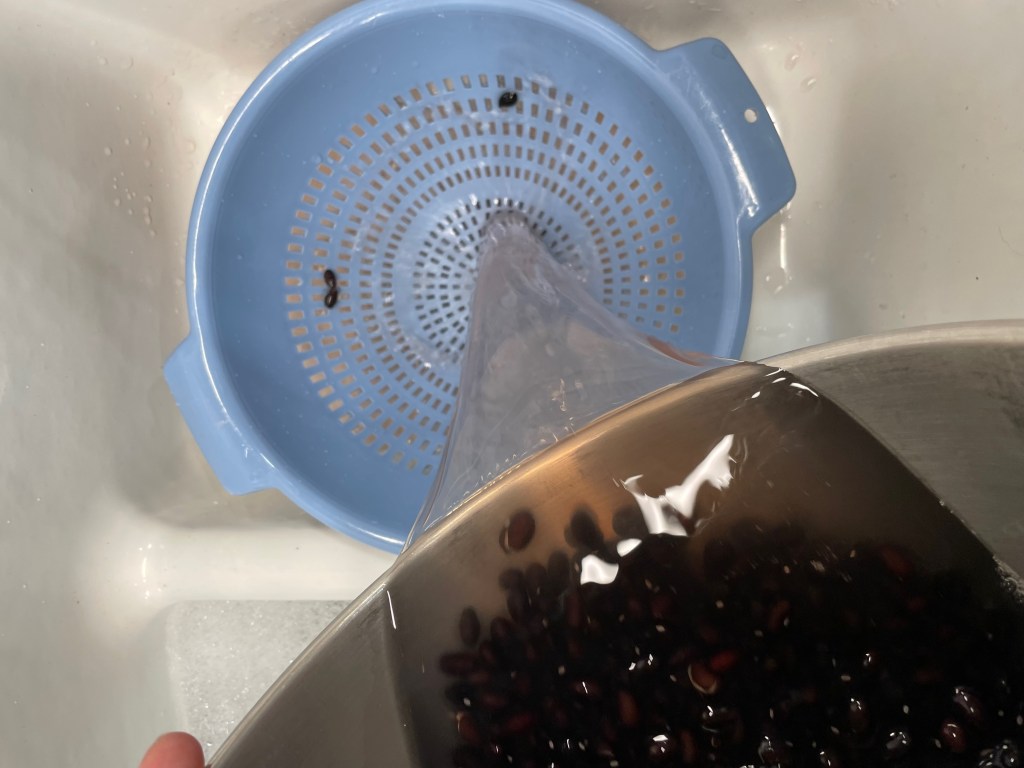
Draining soaked black beans is especially dramatic because of the purplish color of the soaking water, but it is usually cloudy and foamy, too, and this is because you’re eliminating some of the complex sugars that make beans difficult to digest. The soak gives the beans a chance to let loose some of that gas (so you don’t have to). 😏

Season every layer, except this one?

If there is one myth we should all unsubscribe from, it is the notion that salt is an enemy to dried beans, and that using it too soon will keep the beans from softening. Honestly, who are the bean police making up these rules? I’ve heard this one my entire adult life, but it has been proven to be untrue. Some cooks even add salt to the soaking water, and there is nothing wrong with doing so. If you wait until the very end to add salt— as so many recipes insist you must— then you’re prone to end up with beans that taste unseasoned and overly salty at exactly the same time. You might guess from this statement that I’ve learned this the hard way, and you’d be correct!

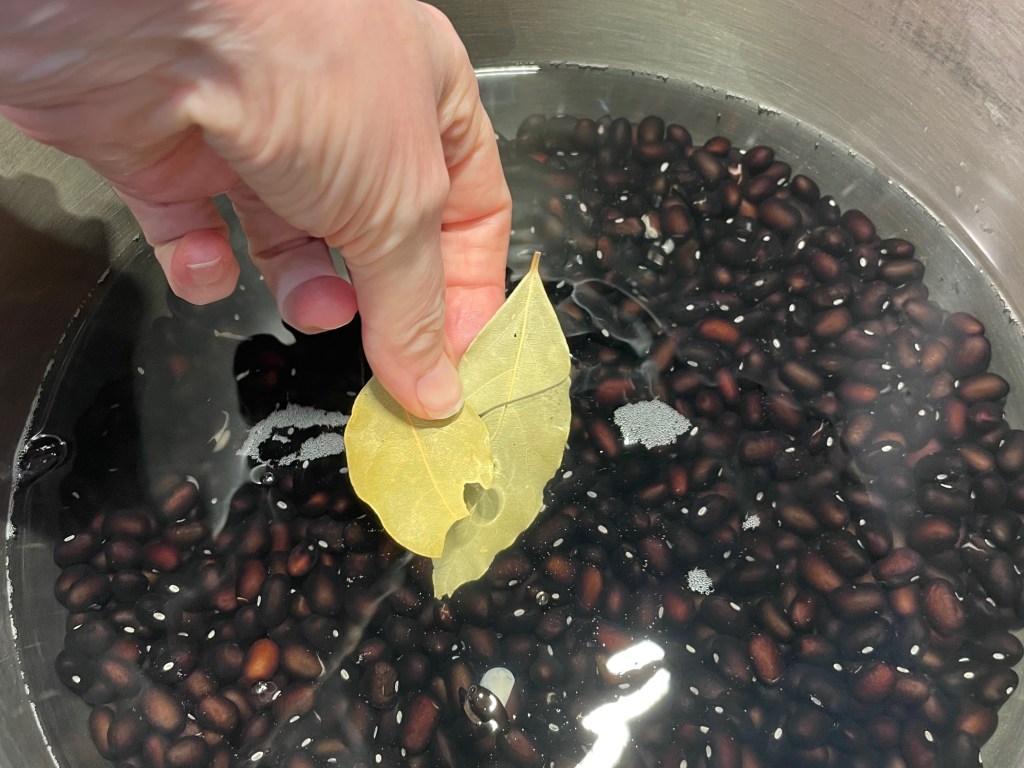
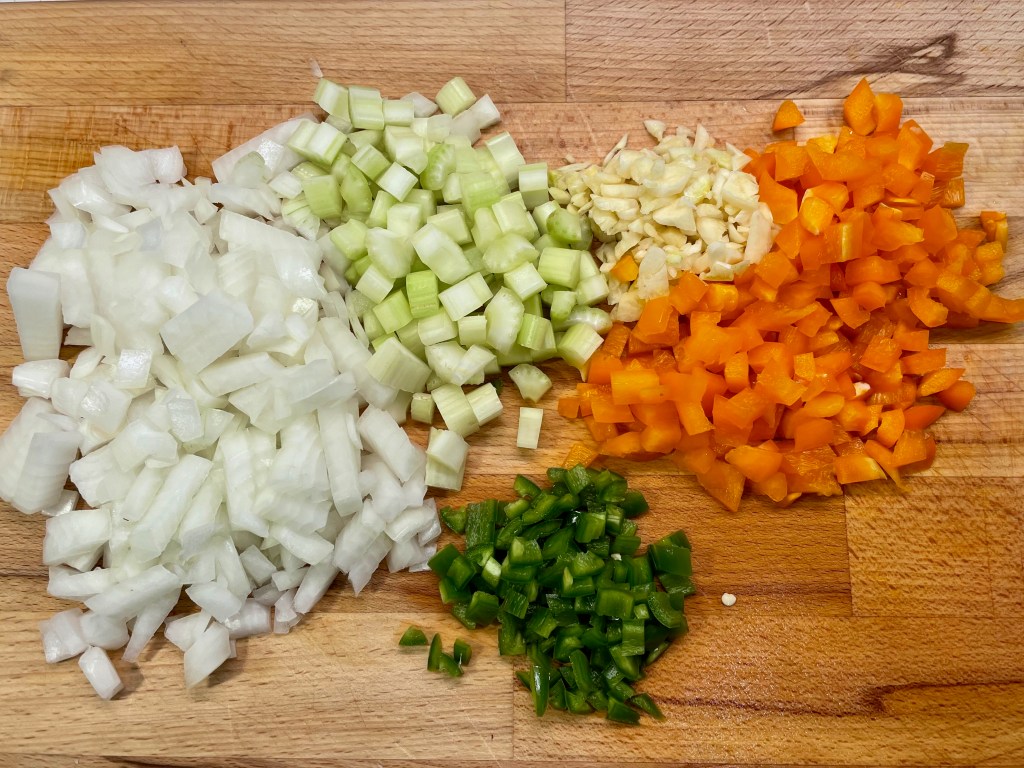
I placed my beans, covered with water, over medium heat with a couple of bay leaves, and got to work prepping the aromatics that would flavor my soup: onions, garlic, celery, red bell pepper and jalapeño.


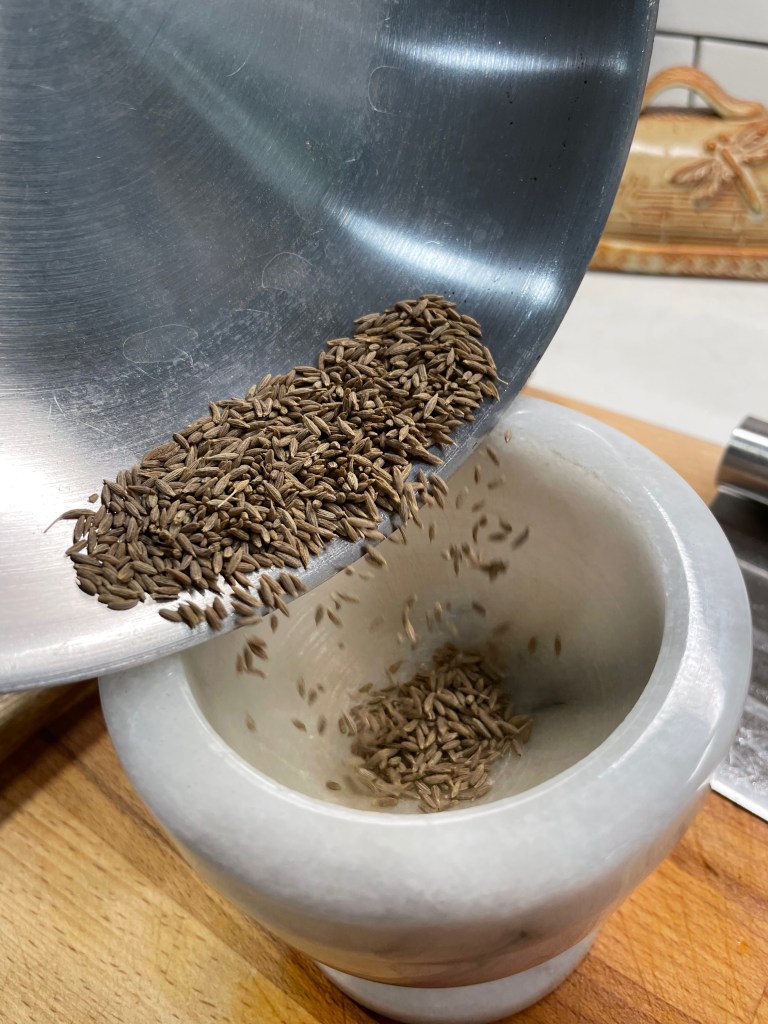
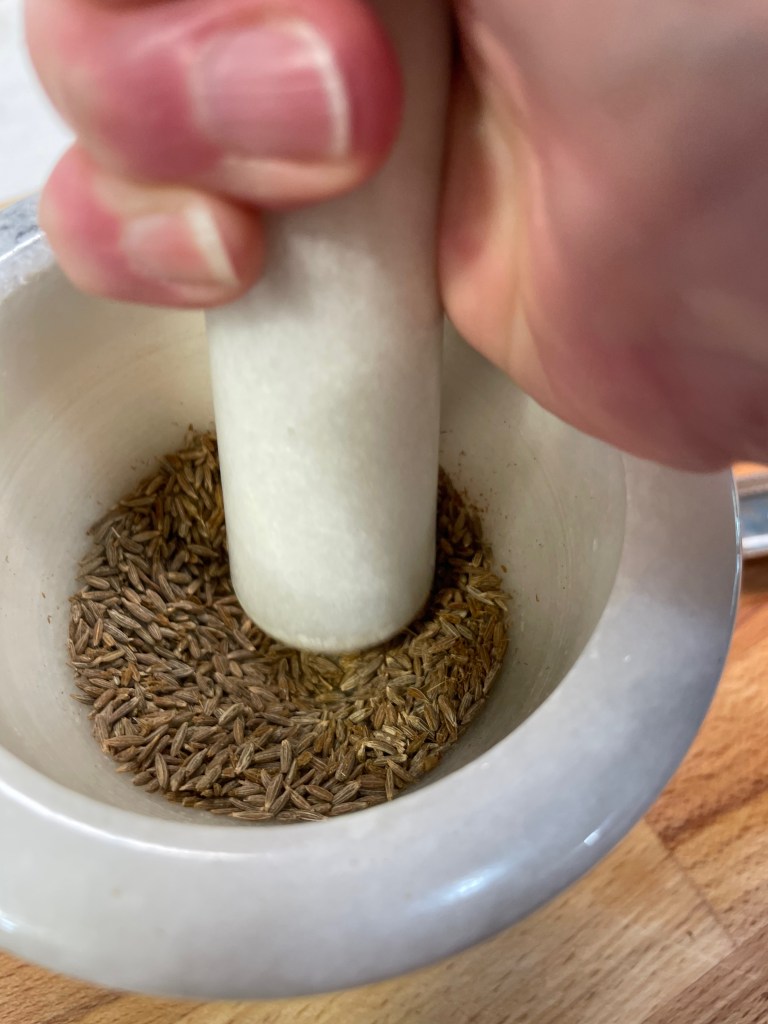
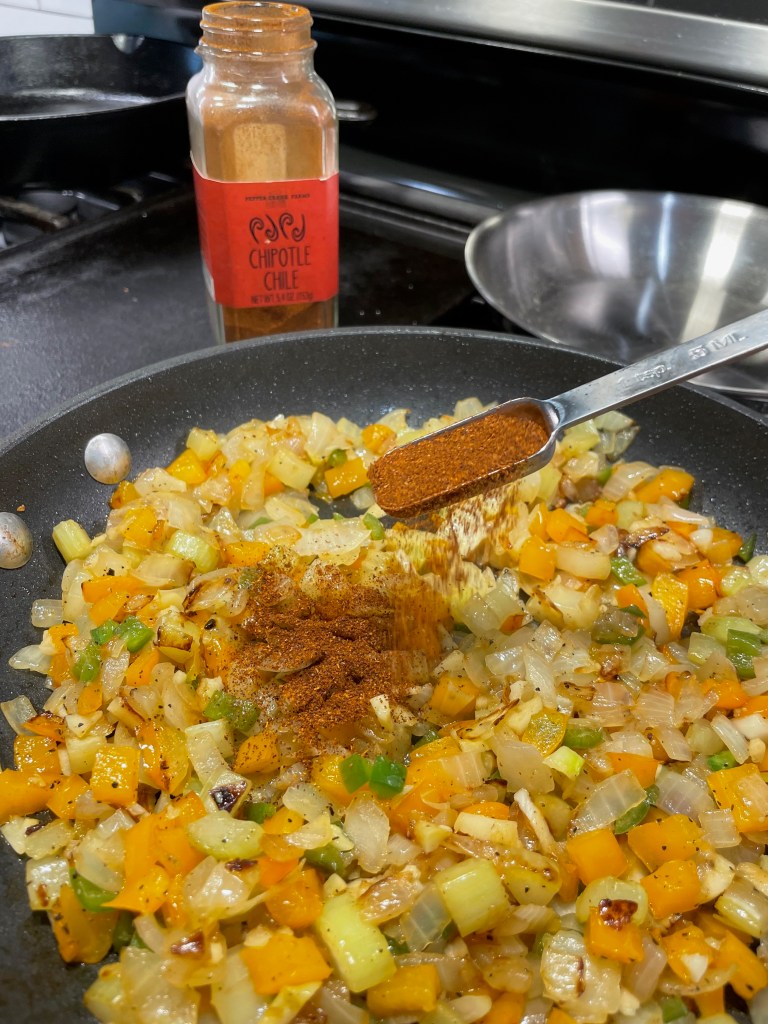
The seasonings came next. I pulled out a small skillet to toast up some whole cumin seed. Toasting seed spices is an easy way to elevate their flavor, and a quick crushing in my mortar and pestle revealed a most potent aroma. Add to that a generous sprinkling of chipotle chile powder, plus salt and pepper (of course), and my kitchen already smelled inviting!


Under normal circumstances, those veggies would go into the pot after about an hour, when my beans became tender. But my ignorance about the best-by date on my beans is where the trouble came in. After 20 hours of soaking and two solid hours of simmering, my beans were still very firm. Not crack-a-tooth firm, but firm enough that they didn’t budge when I pressed on them with the back of a fork. Dang it! I almost scrapped the whole thing, and I had to come up with another plan for dinner. I needed help.

Thank goodness for foodie friends!

I am ever appreciative for the friendships I’ve made since I began food blogging, and on that day, my gratitude for Dorothy at The New Vintage Kitchen was multiplied. Dorothy is a revered graduate of the “waste nothing” school of culinary excellence, and I reached out with a text message, figuring if there was a way to salvage my beans from this debacle, she would point me toward it. 

“I’d probably add a bit of baking soda and keep cooking them,” Dorothy texted me. She also encouraged me to “go ahead and salt them.” I was grateful for that advice, too, because old habits die hard.

Amazing that such a small amount of baking soda has such an impact!

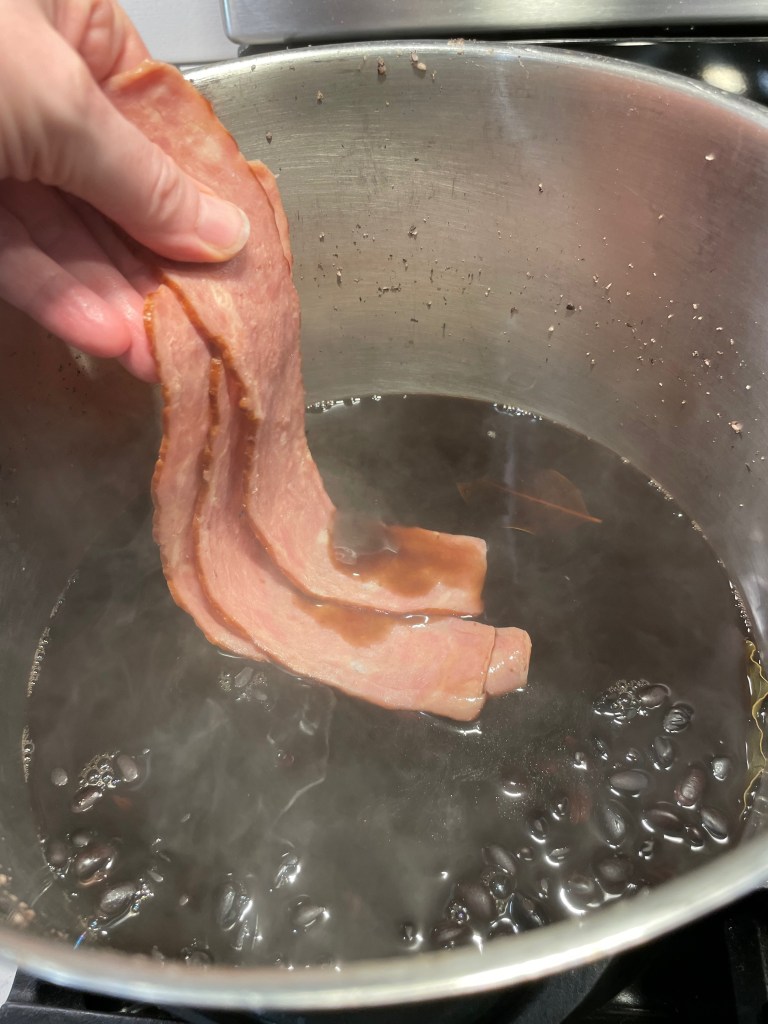
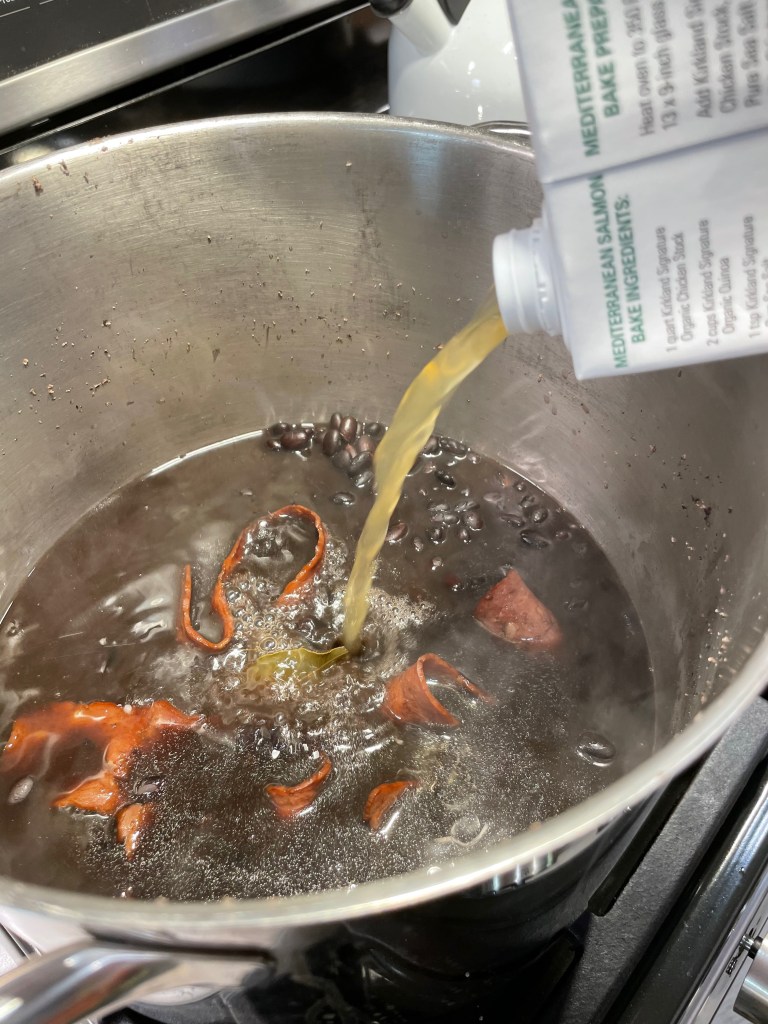
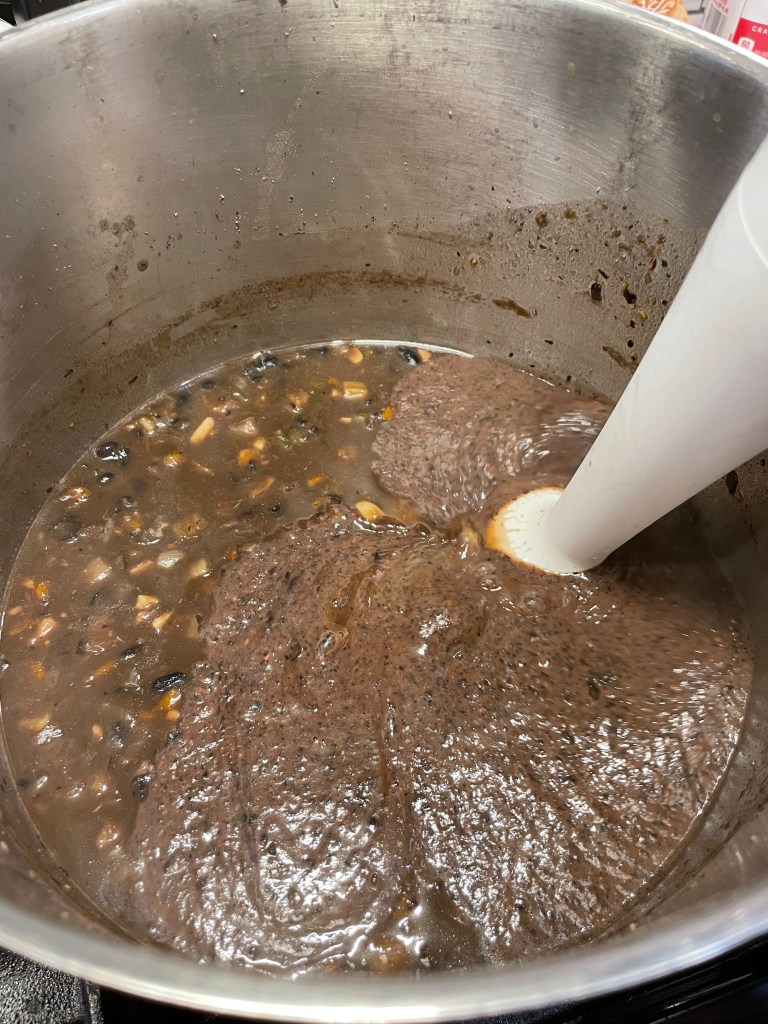
And just like that, I was back in business! Thanks to the alkaline nature of baking soda, my beans were softened about an hour later, and I added a couple of strips of turkey bacon for smoky flavor, all my sautéed veggies, plus some low-sodium veggie broth. Soon enough, my soup was ready for final touches! I took my immersion blender for a 20-second spin and stirred in some tomato paste to perk up the flavors.


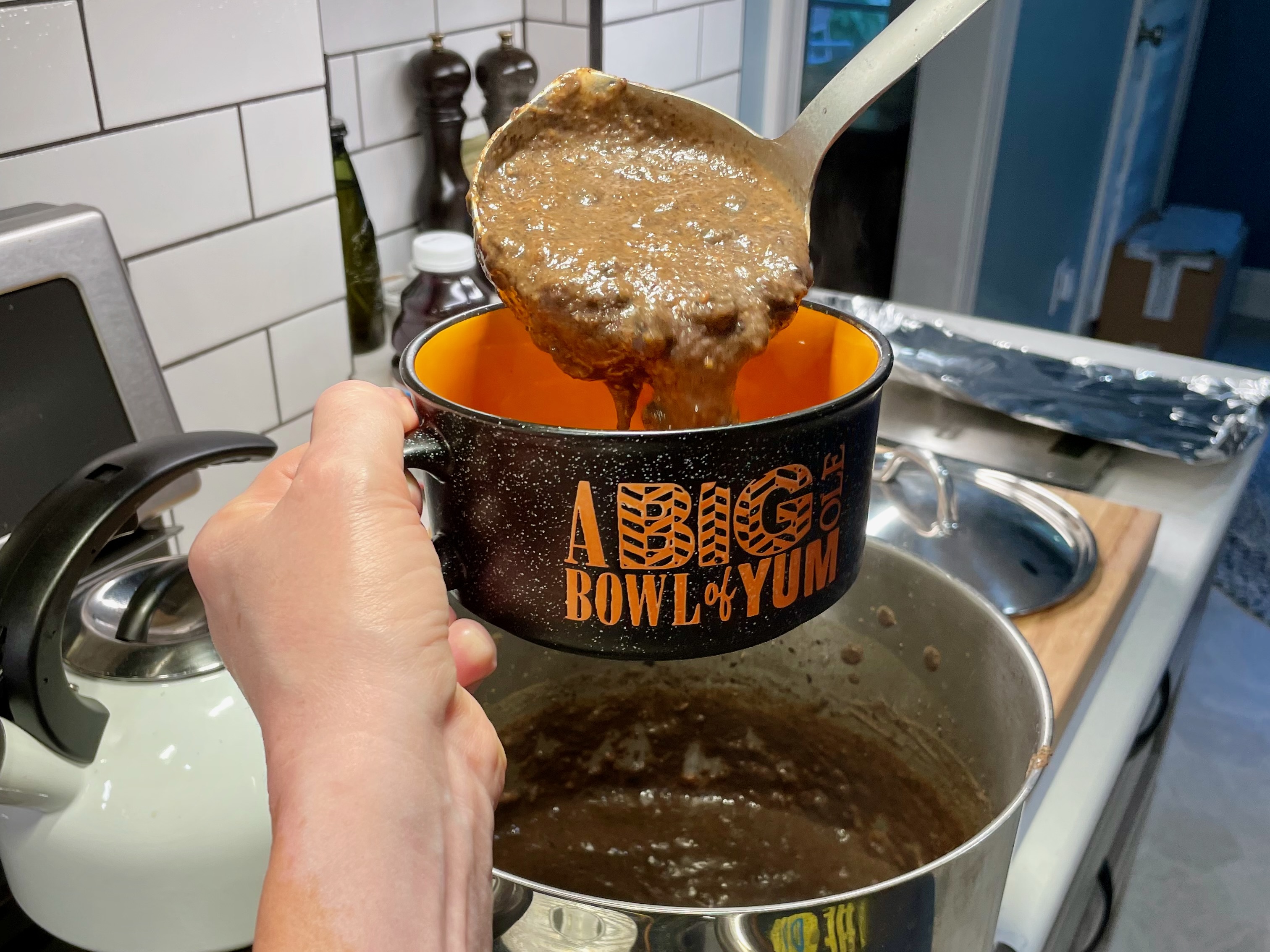
By the time the bean crisis was averted, I had already pivoted to Plan B for dinner that night, so I stashed the soup in the fridge and rewarmed it the following evening. Soup is always better on the second day anyway, and this big ol’ bowl of yum made my hubby and me very happy.

One happy husband. 😘

The tip that keeps on giving…

The story doesn’t end with my own soup, and this is the beauty of sharing foodie tips with fellow cooks. A few weeks after my own panic attack, I got a text from my cousin, who had run into trouble making ham and bean soup. Brad had combined his beans with ham and vegetable broth and dumped in a can of—yikes— diced tomatoes before he noticed the recipe said to hold that last ingredient til the end. Unlike salt, acidity is an enemy to dried beans, and Brad described his panicked effort to strain the beans out of the mixture a “fool’s errand.” This is such a frustrating moment for any cook, and I shared how my black bean soup was saved by a quarter teaspoon of baking soda.

“Give it a try,” I suggested.

Brad texted me the next day. The baking soda had neutralized enough of the acidity of the tomatoes; the beans softened and his soup was saved! He also shared his success story with a buddy who complained that his chili made with dried beans never came out quite right, and he’s going to try the baking soda trick next time, too! 

One of these days, I’m going to make a list of all the brilliant uses for baking soda in the kitchen. I’m betting that my fellow cooks have other examples to share. Until then, stay warm and enjoy this comforting black bean soup. A big ole bowl of yum!


Black Bean Soup

  • Servings: About 8
  • Difficulty: Easy
  • Print

This easy soup is smoky and flavorful, made with simple ingredients and so comforting on a cold winter's night!


Ingredients

  • 1 lb. dried black beans, sorted, rinsed and soaked overnight
  • Plenty of water, for soaking and cooking
  • 2 dried bay leaves
  • 1/4 tsp. baking soda (see recipe note below)
  • 2 Tbsp. extra virgin olive oil
  • 1 medium sweet or yellow onion, chopped
  • 2 stalks celery, strings removed and chopped
  • 1 medium red bell pepper, seeded and chopped
  • 3 cloves garlic, finely chopped
  • 1 jalapeño, seeded and finely chopped
  • Kosher salt and freshly ground black pepper
  • 1 tsp. cumin seeds, toasted and ground
  • 1 Tbsp. chili powder (I used ground chipotle chiles)
  • 3 strips smoked turkey bacon
  • 2 cups low sodium vegetable or chicken broth
  • 2 Tbsp. tomato paste
  • Sour cream and scallions, for serving

Recipe Note: Be sure to check the “best by” date on your dried beans. If they are more than a year old, they will likely take longer to cook. A bit of baking soda will help the beans soften if they are older or seem to be taking a long time.

Directions

  1. Drain and rinse the soaked beans, transferring them into a large, heavy-bottomed pot. Cover with at least two inches of cold water. Add a teaspoon of salt and a couple of bay leaves to the pot. Bring to a slight boil, then cover and simmer for about one hour until beans begin to feel tender.
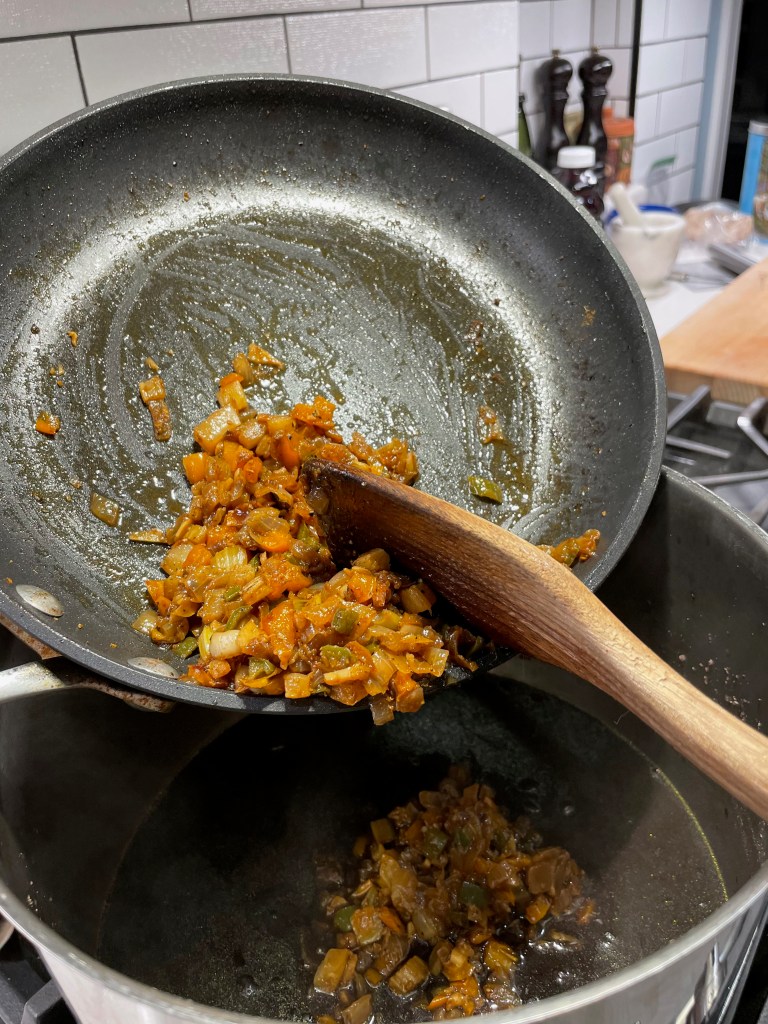
  2. Place a sauté pan over medium heat and add olive oil. Add onion, celery and pepper to the pan with a generous pinch of salt and black pepper. Sauté for about 3 minutes, until they are softened and slightly translucent. Add garlic and jalapeño and cook 2 more minutes. Season with cumin and chili powder. Set aside to cool.
  3. When beans are tender, add turkey bacon to the pot, along with broth and sautéed vegetables. Simmer until the mixture is hot throughout and bacon is shriveled. Remove bacon strips and bay leaves.
  4. Use an immersion blender to purée the soup. It can be smooth or chunky, to your liking. Alternatively, transfer a cooled portion of the soup to a conventional blender and stir the pureed portion back into the pot. Use caution, and do not purée a hot liquid in a closed blender container.
  5. Stir in tomato paste and adjust seasonings to taste.
  6. Serve with a swirl of sour cream and chopped scallions.


Leftover Turkey & Black Bean Enchiladas

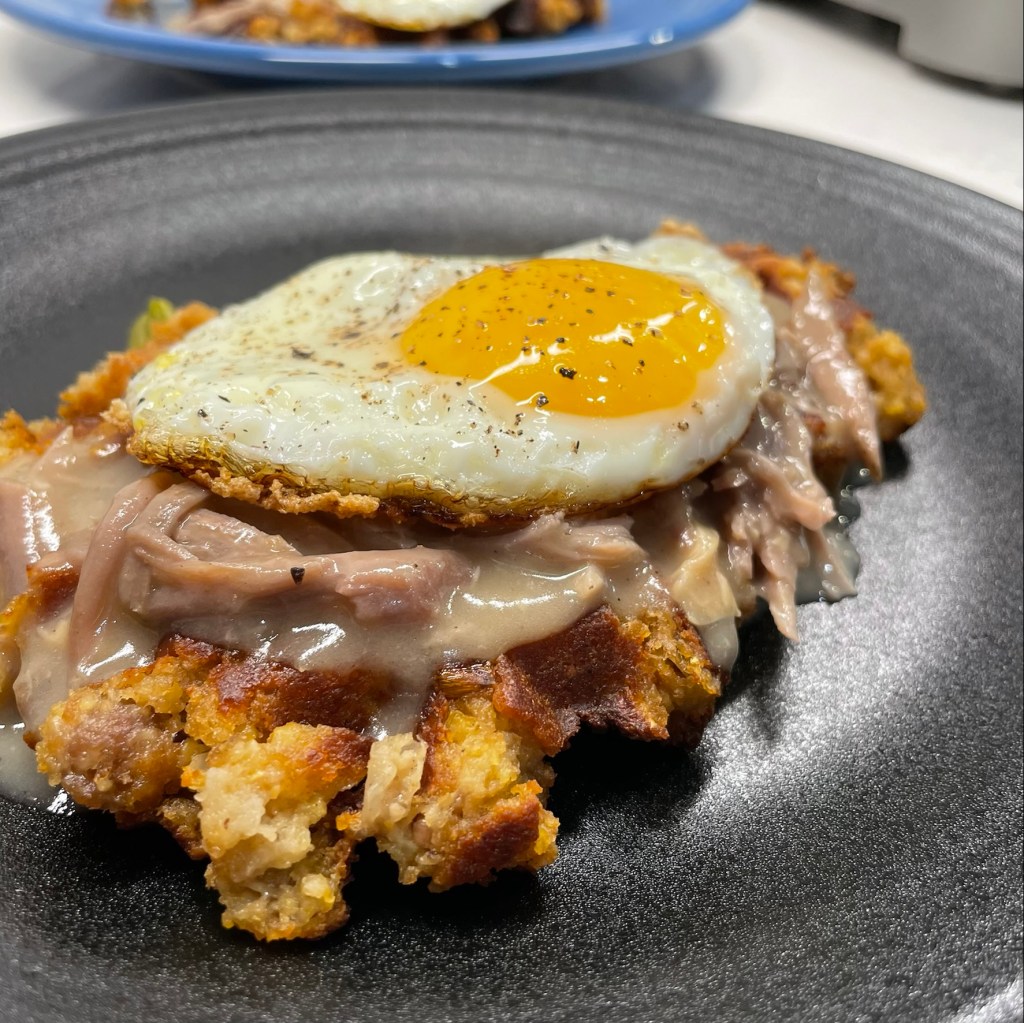
There is so much anticipation and planning at our house for Thanksgiving that I can honestly say by the time we get to Friday, I’m over it. After that glorious day of gluttony, and the satisfying knowledge that we managed to pull off another successful Thanksgiving, I find that I’m craving anything but turkey and trimmings. Yes, we always make more than we need for the big meal, because we do enjoy having the leftovers. Of course, I love a perfect turkey sandwich on Saturday complete with cranberry mayo (who doesn’t?) and I look forward to plopping leftover stuffing into the waffle iron for Sunday breakfast, because yum.

What shall we call this…Post-Thanksgiving Benedict, maybe? 🙂

But for many reasons that only my taste buds truly understand, all I want on Friday is something with spice and heat, and that usually means Mexican flavors.

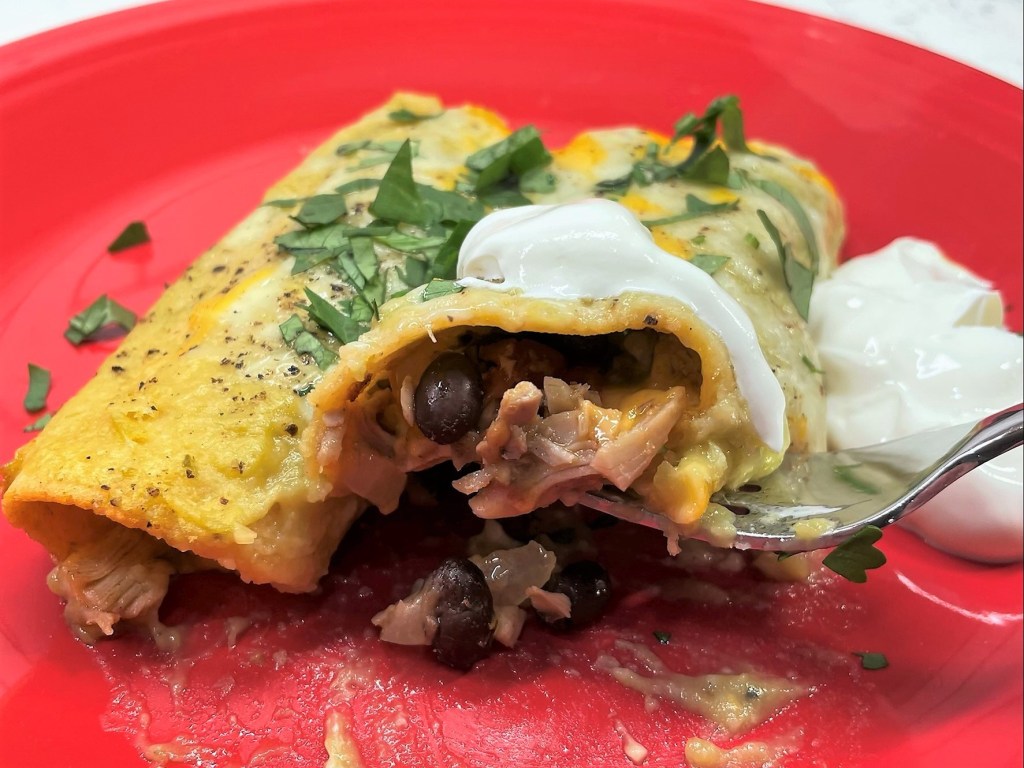
No doubt, I was influenced during the formative years spent with my mother in southern Colorado, where I first learned to love Mexican food in all its forms (especially homemade). My craving could also be caused by palate exhaustion; after the richness of the heavy Thanksgiving Day meal, it needs a reboot and a cleansing with bold, zesty ingredients. Regardless of the reason, a bite of these turkey and black bean enchiladas feels like a homecoming right about now.

You can make these as spicy or mild as you want.

Unsurprisingly, most of the flavors associated with the Mexican foods I love can be traced to Native American culture, so this recipe seems especially appropriate on this day after Thanksgiving. Today is Native American Heritage Day, an opportunity to reflect on the true roots of our land and all its beautiful bounty. To commemorate the occasion, I thought it would be fun to test our knowledge about the history of truly American foods, and to see how well everyone’s brain is working after that heavy dose of tryptophan yesterday.

Ready? Tap on an ingredient below to reveal the answer.

Which ingredients in today’s enchilada recipe were indigenous to the Americas, and did not exist outside these parts until after first contact by European explorers?
Black Beans
Yes! Most varieties of beans originated in South America (Peru, mainly) and they remain an integral source of protein and nutrients in American culture.
Cheese
Nope. Cows were introduced to the Americas by the Europeans, so there was no dairy here. Interestingly, many people of Native American descent are lactose-intolerant. Genetics!
Turkey
Yes, the ubiquitous Thanksgiving bird is a descendant of the wild turkeys that were domesticated by the Aztecs around 2,000 years ago.
Jalapenos & Green Chiles
All chile peppers were native only to the Americas, but today their popularity extends all the way through Europe and Asia.
Tomatoes
Correct, tomatoes were here first. Can you imagine what Italian food would look like if early explorers had not taken tomatoes back to Europe??
Onions
Sorry, but onions are not among the native crops, and were introduced to the Americas later by European explorers who brought some of their foods here.
Corn Tortillas
Absolutely! Corn did not exist outside of the Americas until after explorers “discovered” this land and all its bountiful maize.

There are plenty of resources for information about the native origin of foods, but I found this recent article very interesting, for its discussion how modern Native American chefs and home cooks are taking indigenous foods in new directions.

The article confirms that most of the typical Thanksgiving dishes served up each November really do have their roots in America—not in the same preparation, of course, loaded up with sugar and dumbed down with butter as many of us are accustomed to seeing. I can promise you that the first Thanksgiving did not include marshmallow topping, but the sweet potatoes? Of course.

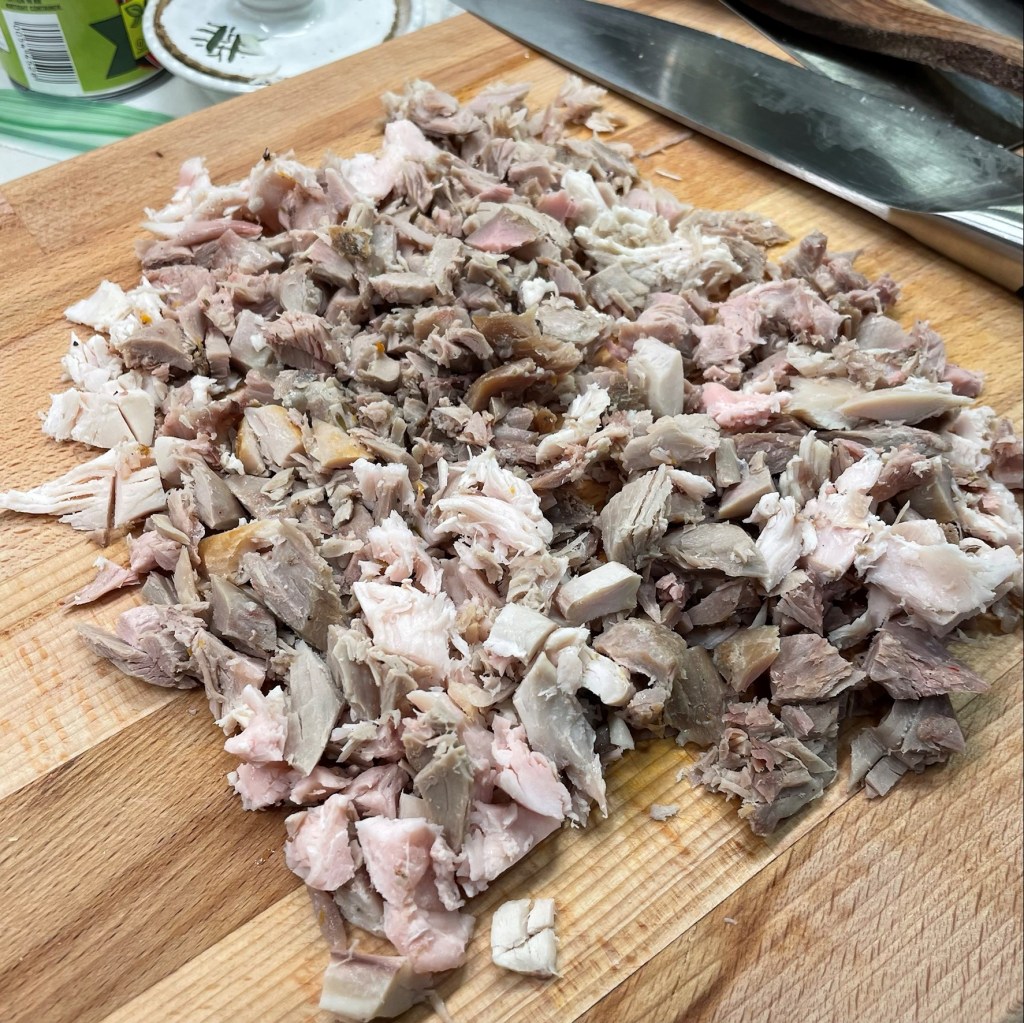
That point brings me back to my post-Thanksgiving desire for something more natural with less embellishment. These homemade turkey and black bean enchiladas are a particularly good and easy way to knock out two dilemmas at once—my craving for spicy Mexican flavors, and dealing with the mountain of leftover turkey that has taken over the fridge. This recipe uses up all the random loose bits of turkey that won’t work in sandwiches or anything else where presentation matters. Dark meat, white meat, any of it is good here. Just be careful not to include any bones!

Chop up the turkey into small bite-size bits.

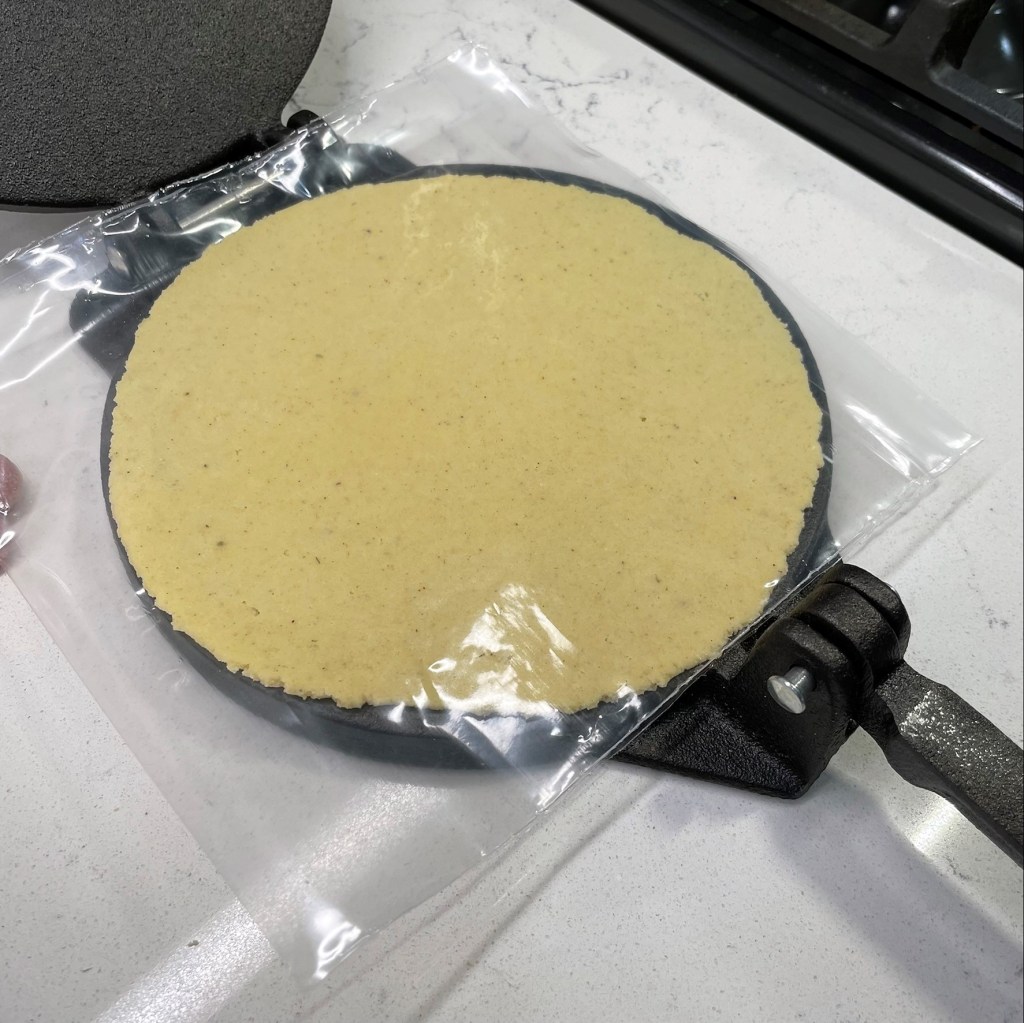
To make this deliciousness happen, I bring out a can of black beans, a fresh jalapeno, some onions and cheese, a small can of spicy Rotel tomatoes and my trusty cast-iron press to make a batch of handmade corn tortillas. I shared a few tips and tricks for success making tortillas last year, so check that out if you want to give it a go (I even offer a tip for making them without a press).


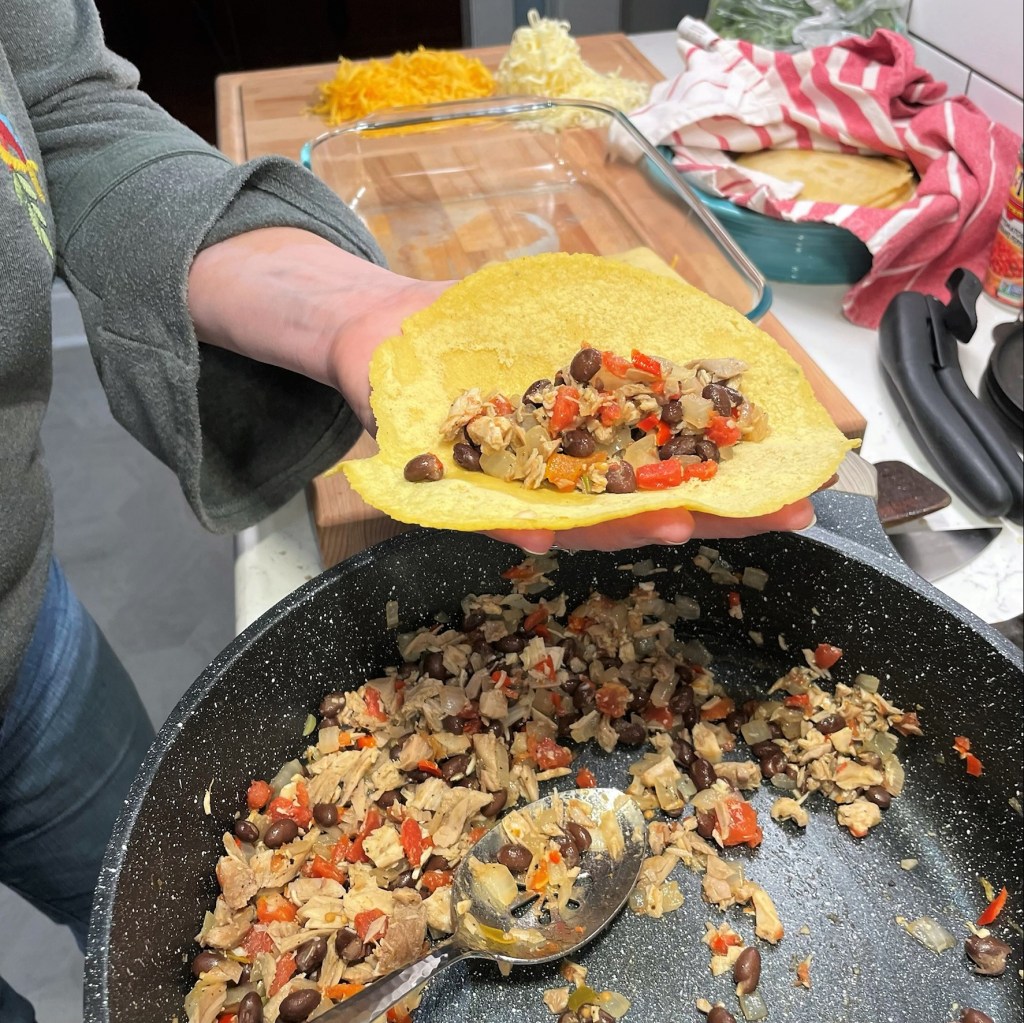
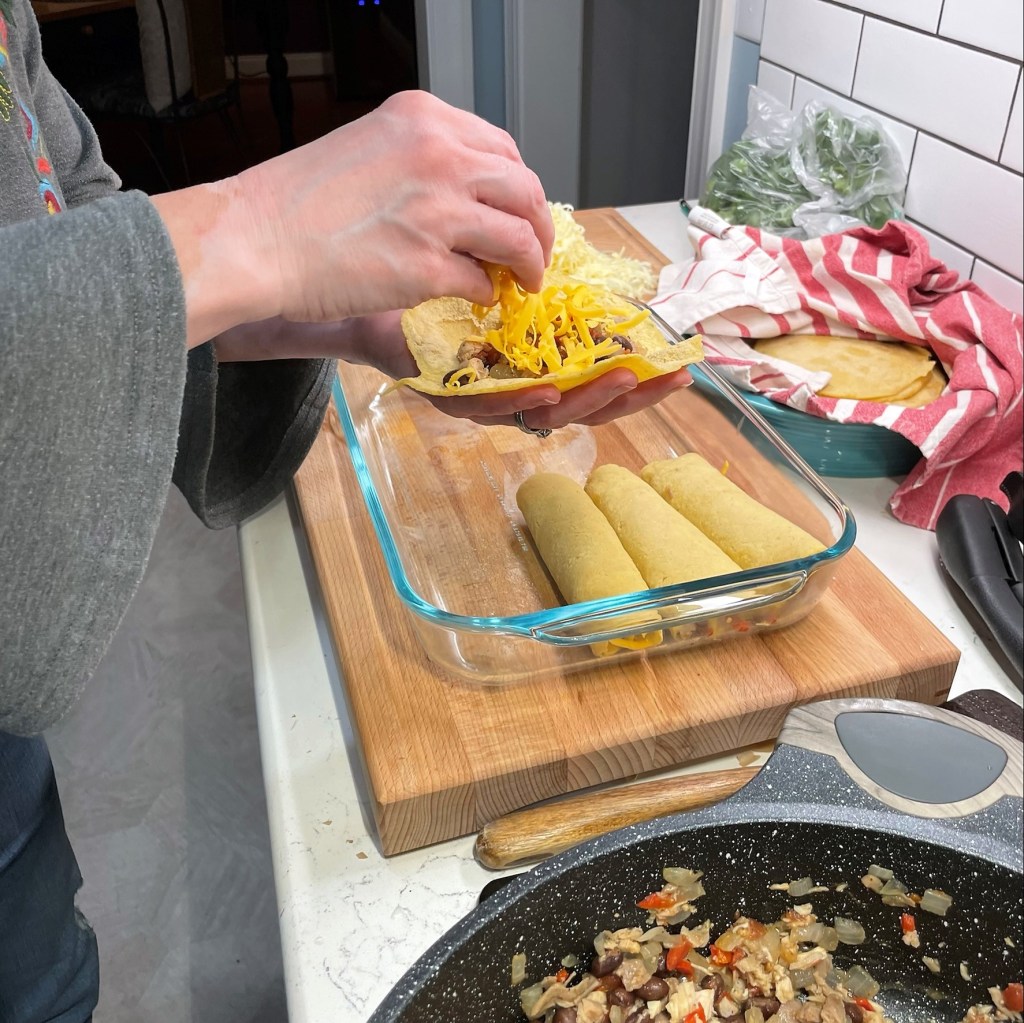
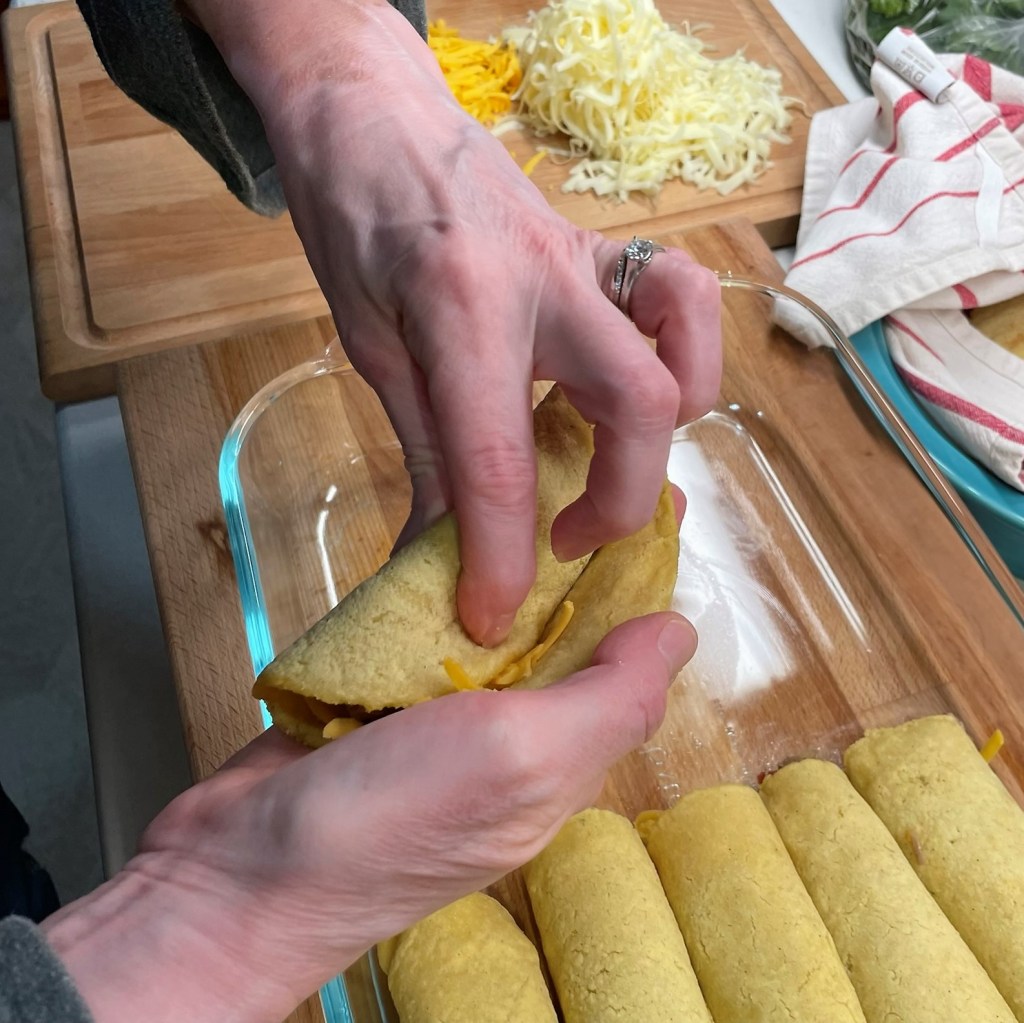
If you don’t have the desire to make one more thing from scratch, then of course store-bought corn tortillas will do just fine. Choose a brand with wholesome ingredients and look for larger ones; the tortillas designed for “street tacos” will be too small. I begin by sautéing the onions and jalapeno until they’re soft, then adding the turkey, Rotel and black beans, seasoning it up with a little salt and black pepper. Lay a spoonful of this mixture into a fresh, soft tortilla and top it with some shredded cheese. Roll it up into a cylinder and place it, seam side-down, into a casserole dish. Repeat until the dish is filled. You should have 10 to 12 enchiladas, depending on amount of filling in each.


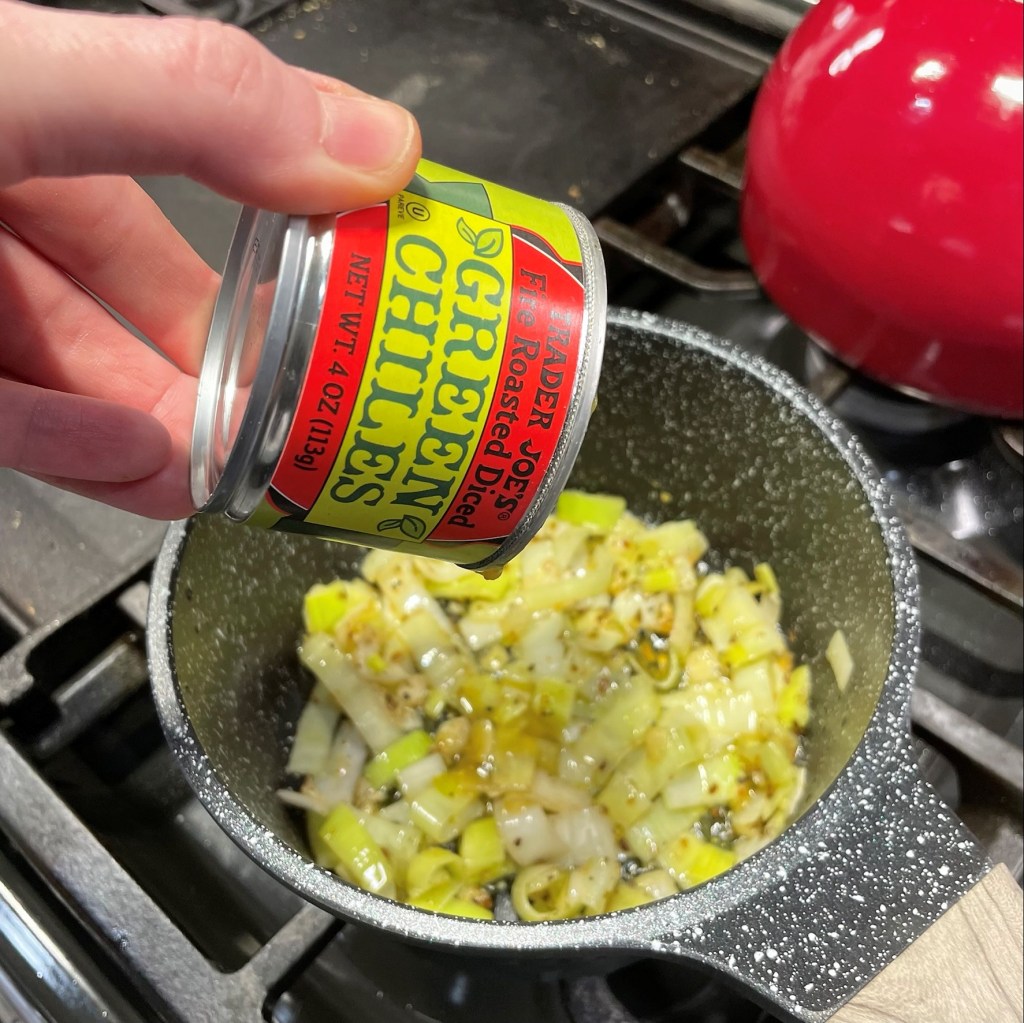
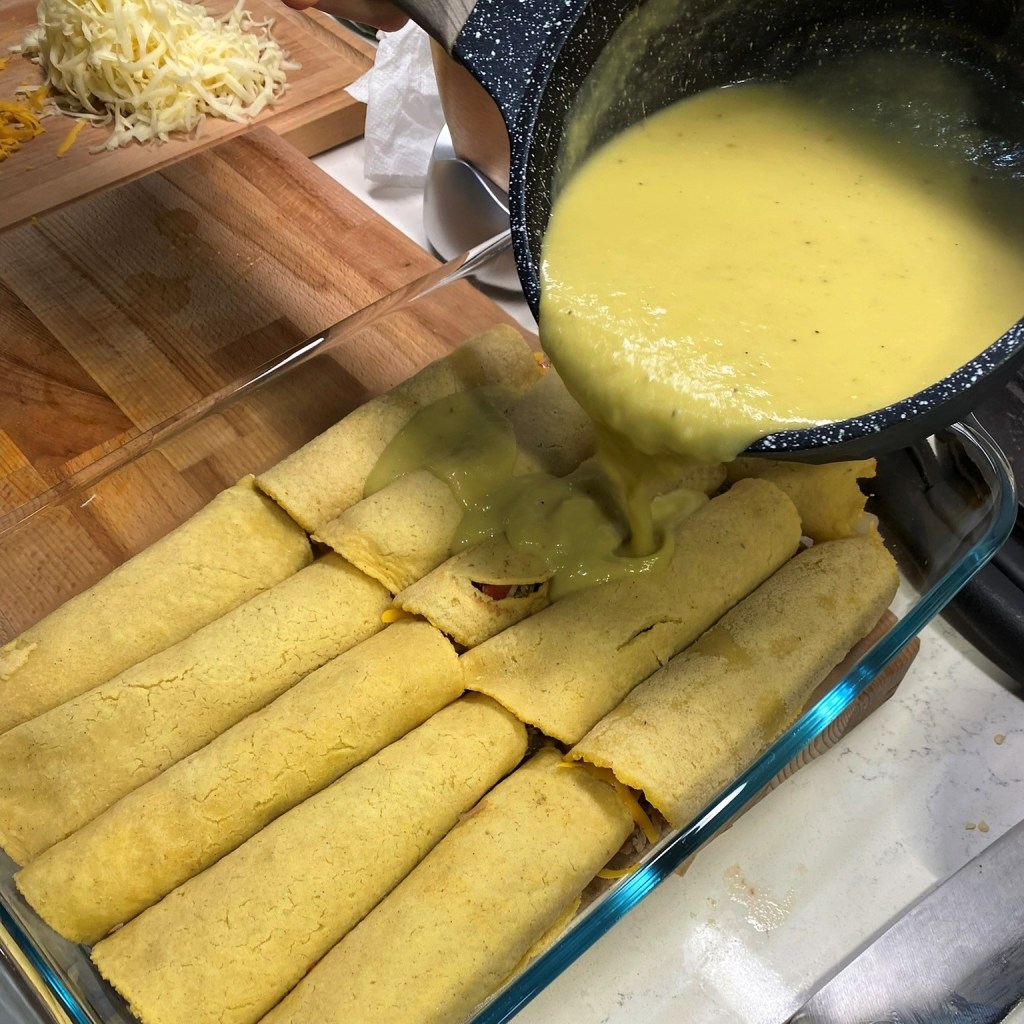
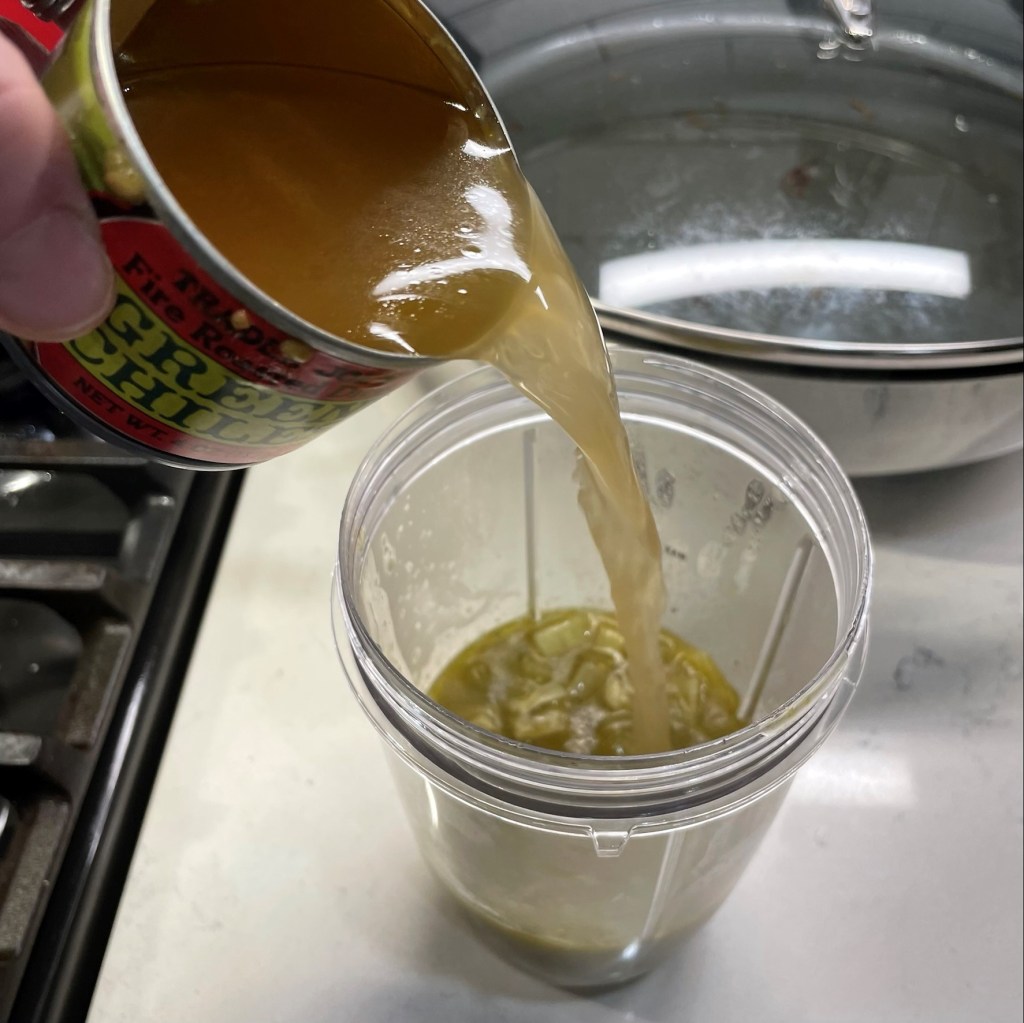
Next, make a sauce to smother your enchiladas before the bake. You can use a canned enchilada sauce if you wish, but it’s easy to make at home. For this batch, I went with a green chile sauce, which begins with sautéed onions (I used leeks) and some canned green chiles, seasoned with salt and pepper, a bit of cumin and garlic powder. Transfer the mixture to a smoothie blender and whirr it up with some veggie or chicken broth until smooth. Make a simple roux in the sauce pan and pour the pureed green sauce back into the pot, stirring until thickened.


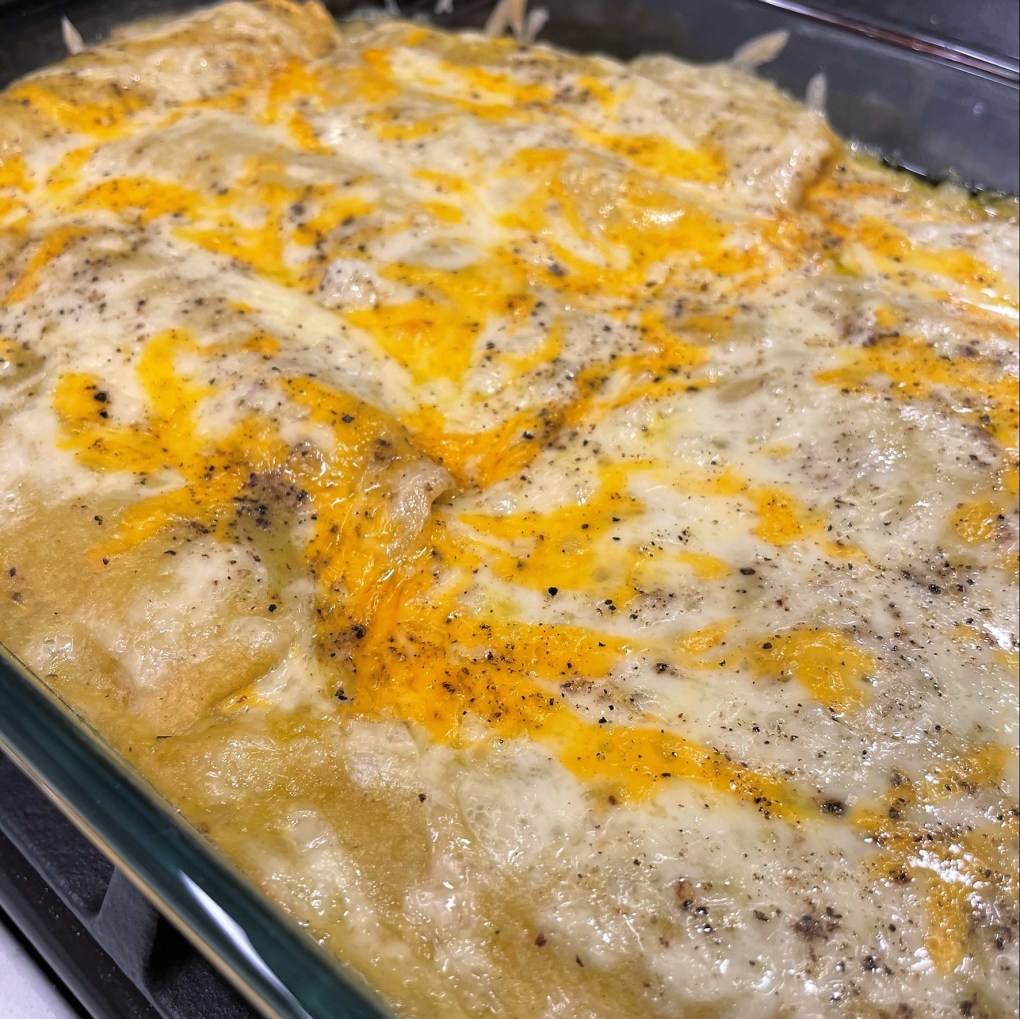
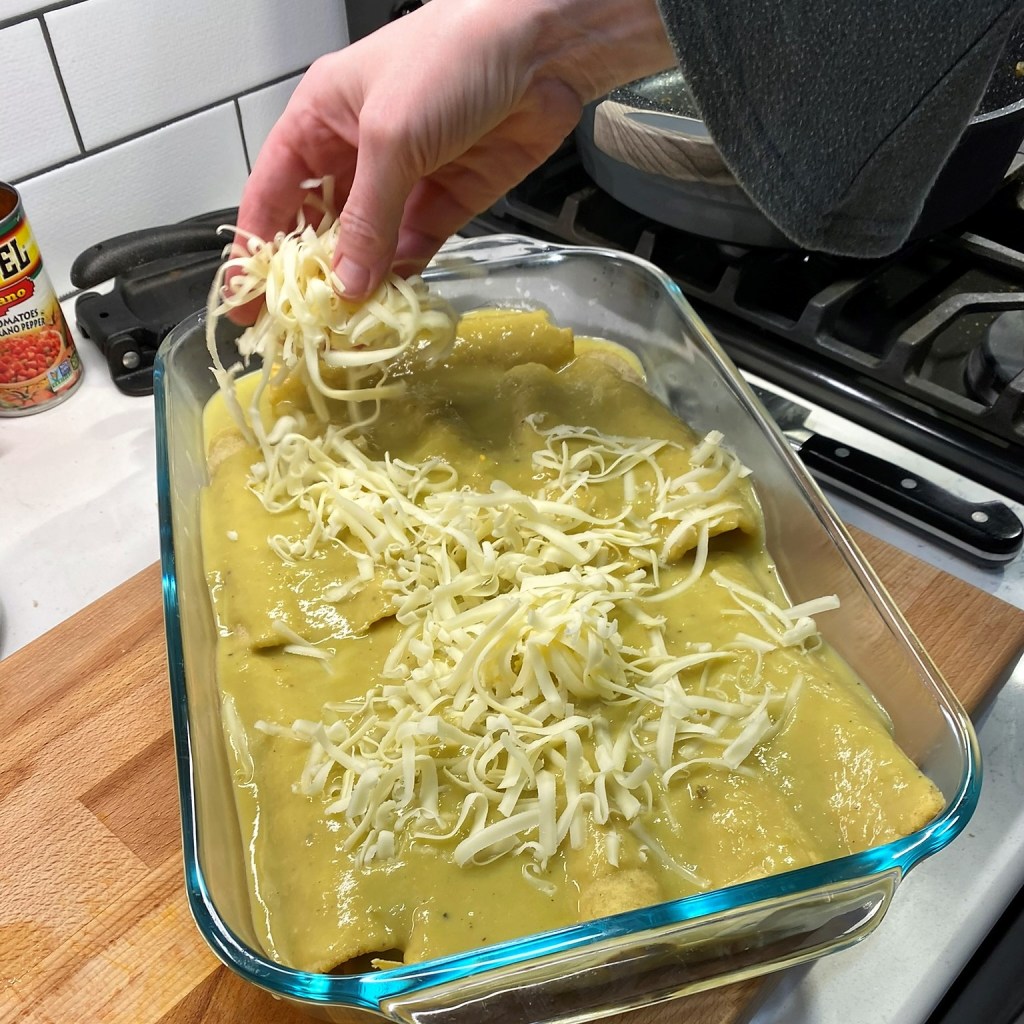
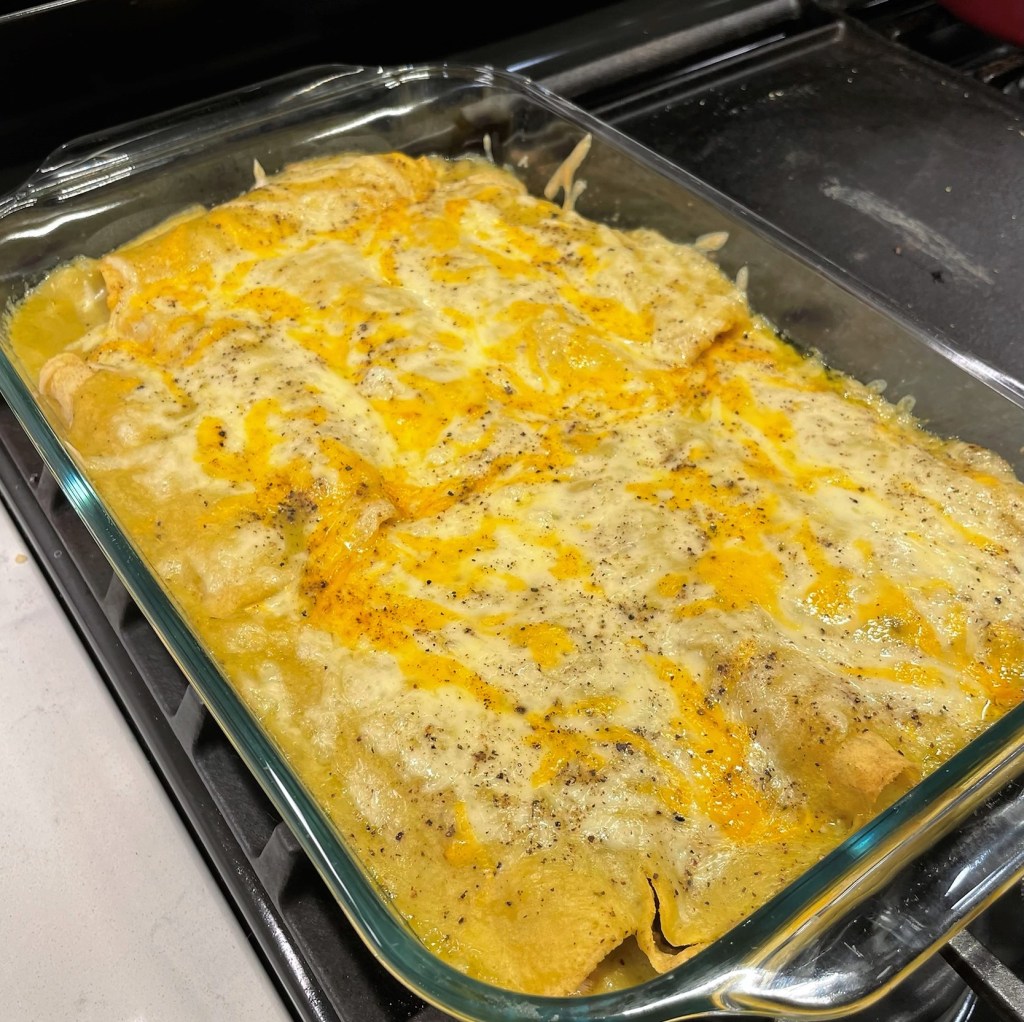
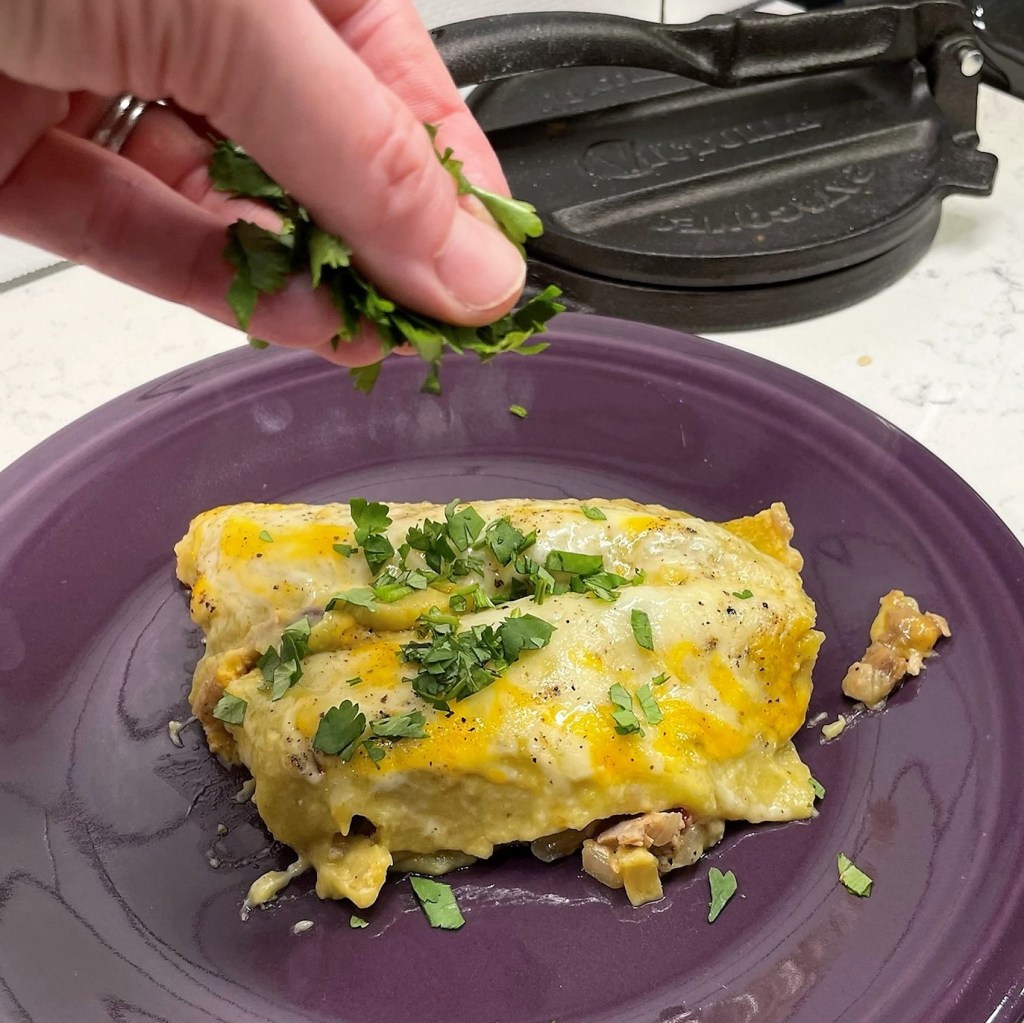
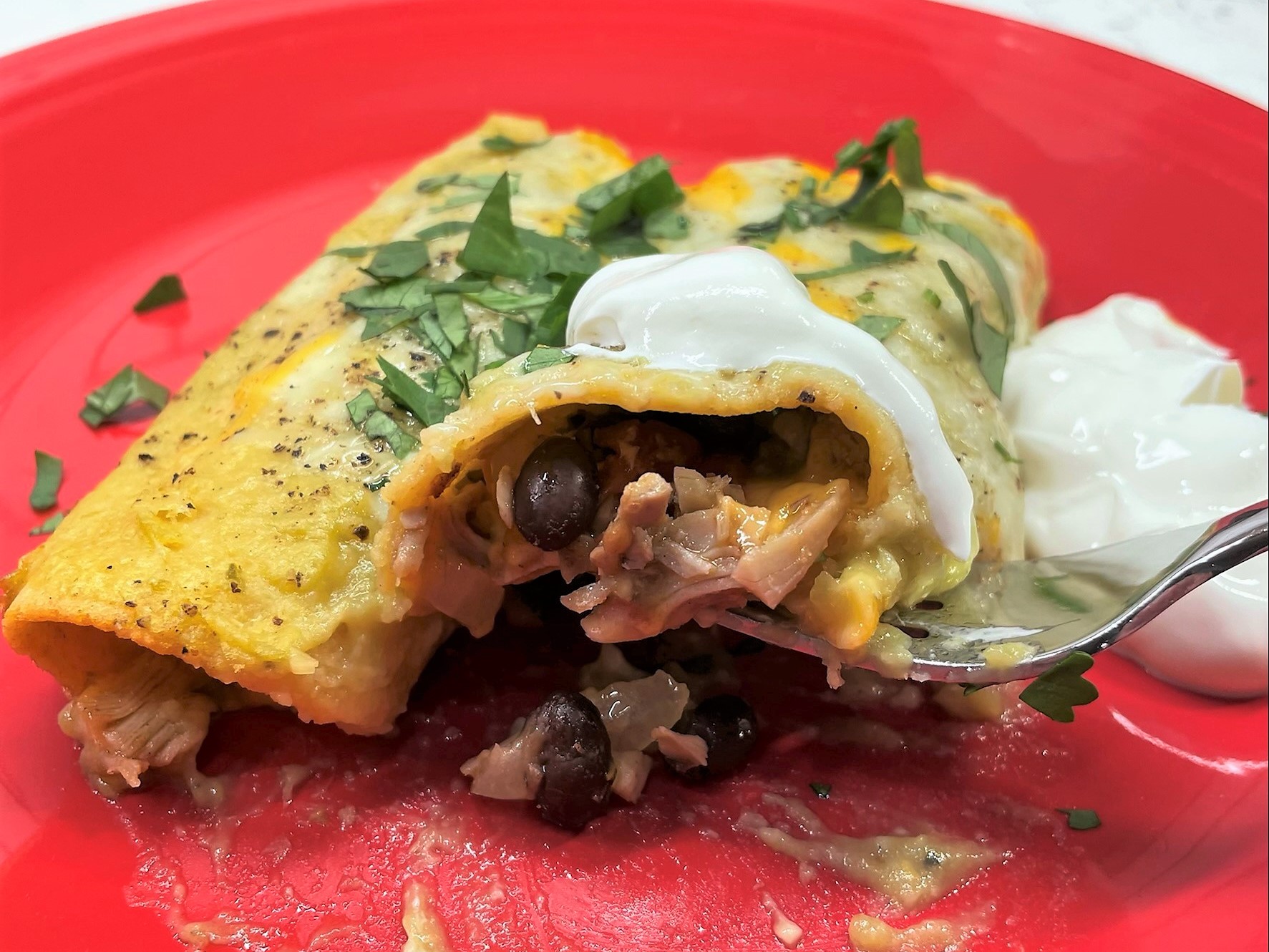
Pour it over the enchiladas, top with more cheese and bake for half an hour, until bubbly. I like to garnish the enchiladas with cilantro for serving, for a little burst of freshness in each comforting bite. Sour cream is optional, but a nice touch for cooling down any spicy bits in your enchiladas.


Leftover Turkey & Black Bean Enchiladas

  • Servings: 4 to 6
  • Difficulty: Average
  • Print

These homemade turkey and black bean enchiladas are a particularly good and easy way to knock out two dilemmas at once—my craving for spicy Mexican flavors, and dealing with the mountain of leftover turkey that has taken over the fridge after Thanksgiving.


Ingredients

  • 12 good-sized corn tortillas (homemade or store-bought)
  • 8 oz. medium cheddar cheese (Monterey jack or pepper jack work great, too)
  • 1 large sweet or Spanish onion, chopped (half will be used in the filling and half in the sauce)
  • 1 red or green jalapeno, seeded and minced
  • 1 can black beans, drained and rinsed
  • 1 can Rotel spicy tomatoes, drained
  • 2 cups leftover roasted turkey, chopped (any combo of white or dark meat)
  • 2 cans chopped or diced green chiles
  • 1 cup vegetable or chicken broth
  • 2 Tbsp. salted butter
  • 1 Tbsp. flour
  • Fresh cilantro and sour cream, for serving

Directions

  1. Preheat oven to 350° F. Shred the cheese and make the tortillas, keeping them covered in a clean kitchen towel so they don’t become dry.
  2. Heat a tablespoon of oil in a skillet over medium heat. Sauté half of the chopped onions and jalapeno just until softened. Add turkey, beans and Rotel tomatoes. Season to taste with salt and pepper.
  3. Hold a tortilla in the palm of your hand and add a generous spoonful of the filling. Add a pinch of the shredded cheese. Gently roll the tortilla into a cylinder and place it, seam side-down, into a 9 by 13-inch casserole dish. Repeat with remaining tortillas until the filling is gone and the dish is full.
  4. In a saucepan, sauté remaining onions in a tablespoon of oil. Add the cans of green chiles and season to taste with salt, pepper and ground cumin. Transfer the mixture to a blender container, add vegetable or chicken stock, and then blend until smooth.
  5. In the same saucepan, melt butter and cook the flour until fragrant and foamy. Whisk in the green chile puree and cook until thickened.
  6. Pour the green chile sauce all over the enchiladas. Top with remaining cheese, sprinkle it with salt and pepper and bake about 30 minutes, until hot and bubbly. Serve at once.


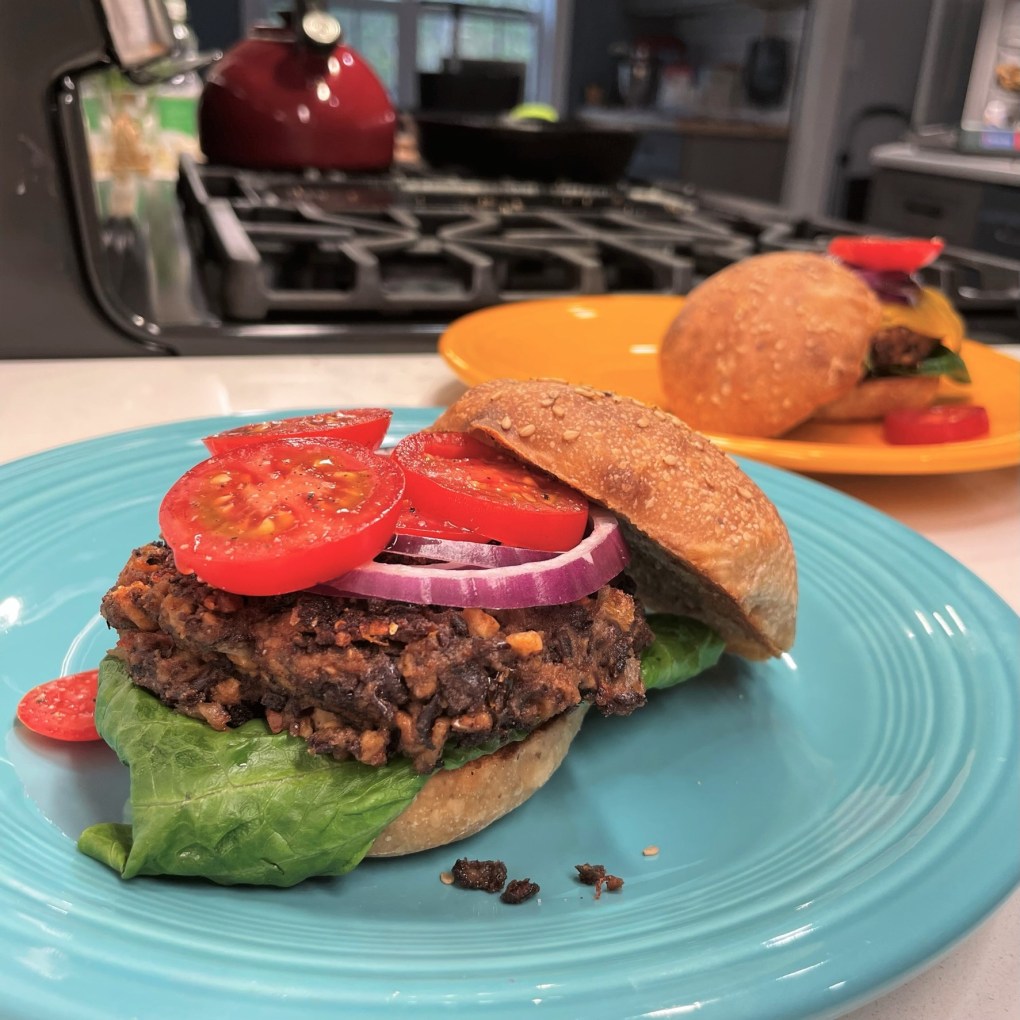
Vegan Black Bean Burger

At our house, we enjoy doing Meatless Monday—for the good of the environment, yes—but mostly for the health benefit of eating more vegetables and whole grains, and to test recipes that I’d like to serve when my husband’s vegan daughter visits. When I set out several years ago to “make a better black bean burger,” I tried every which way to make it flavorful and simple, but I kept running into the same problem: the burger looked great on the bun until I bit into it, at which point it just squished. The black beans must be smashed or processed to hold together in a patty, but once they are, the texture is just, well, lost.

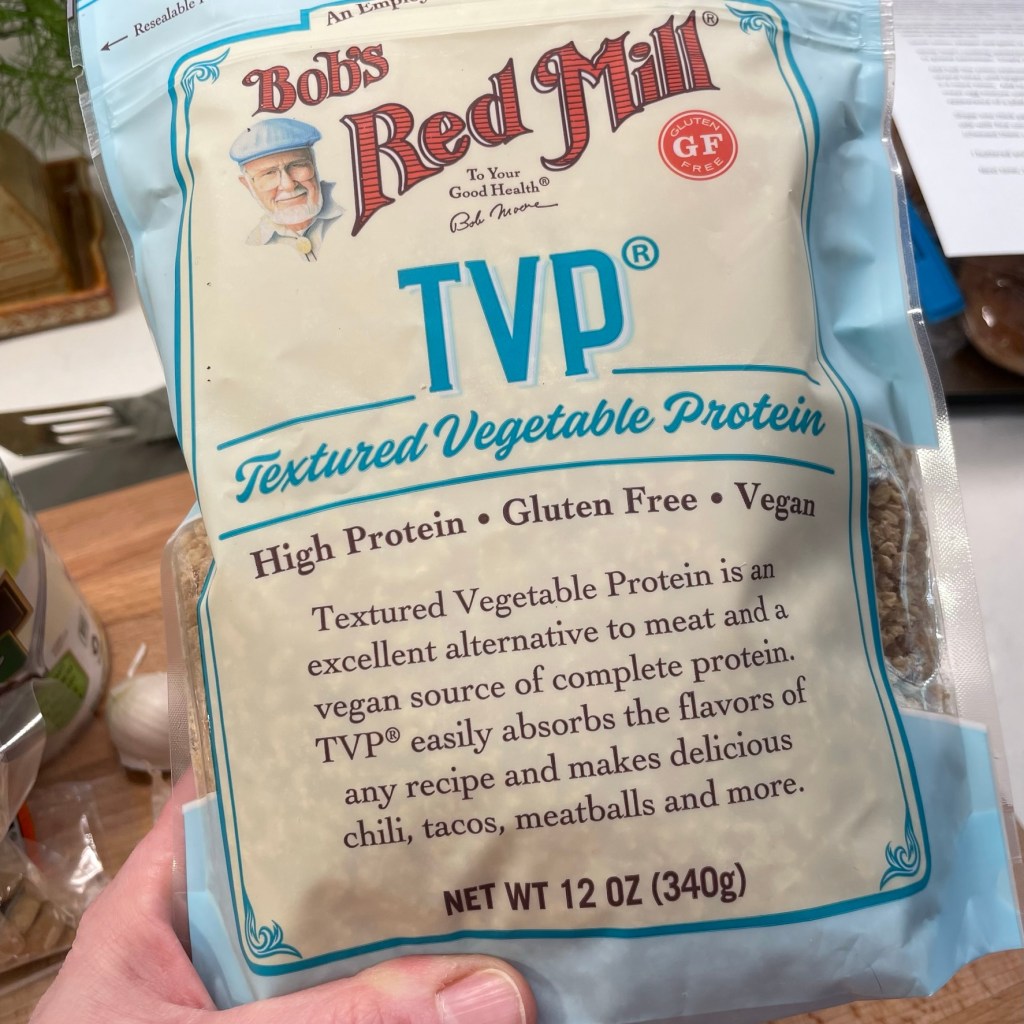
This time, however, I turned to a new ingredient that I’ve seen and tasted before but had never employed in my own kitchen—textured vegetable protein. With the increased popularity of and demand for plant-based foods, it has become easier to find ingredients such as  this one in a regular supermarket, rather than trudging to a health food store or taking a chance with an online purchase.

TVP is a true blank canvas of vegan foods.

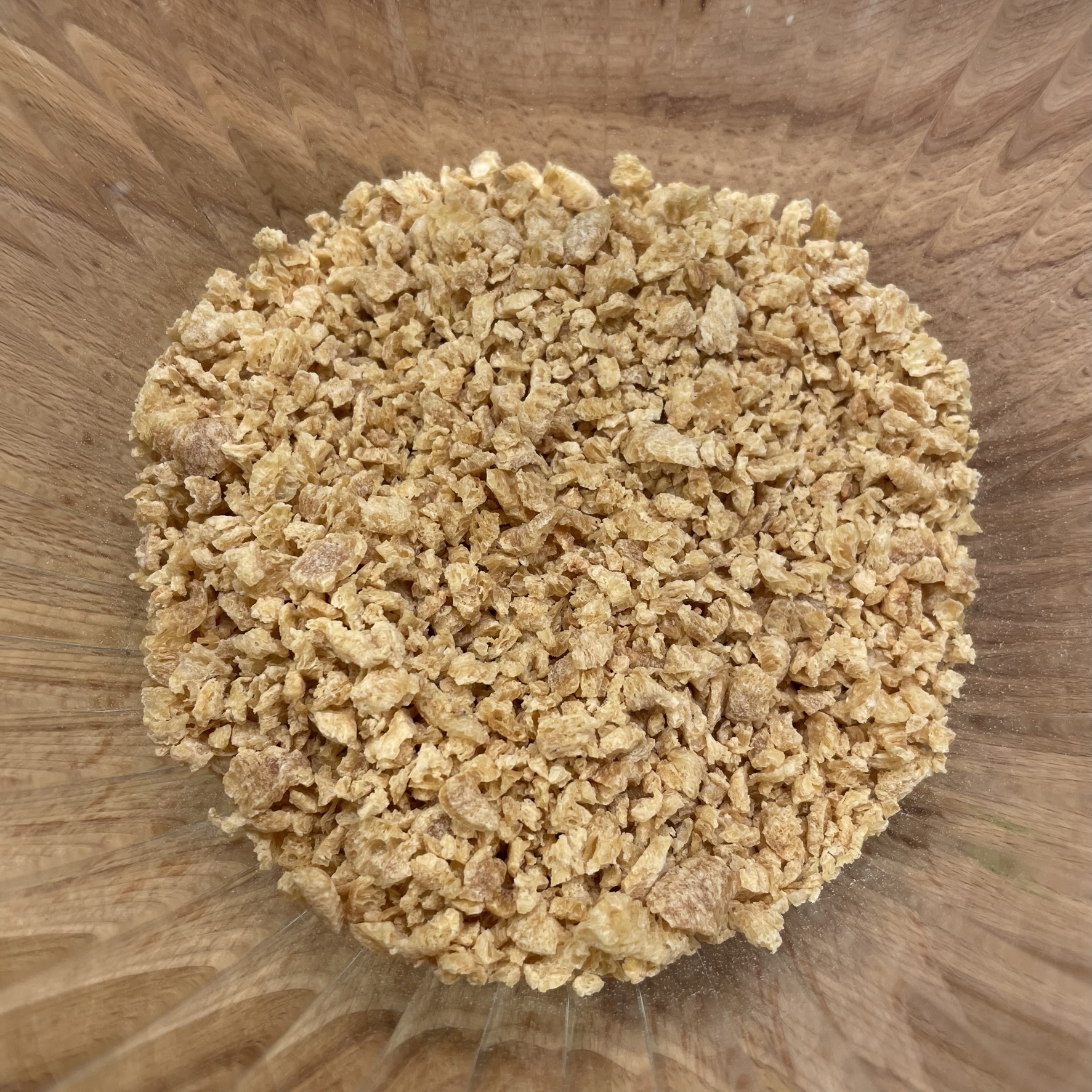
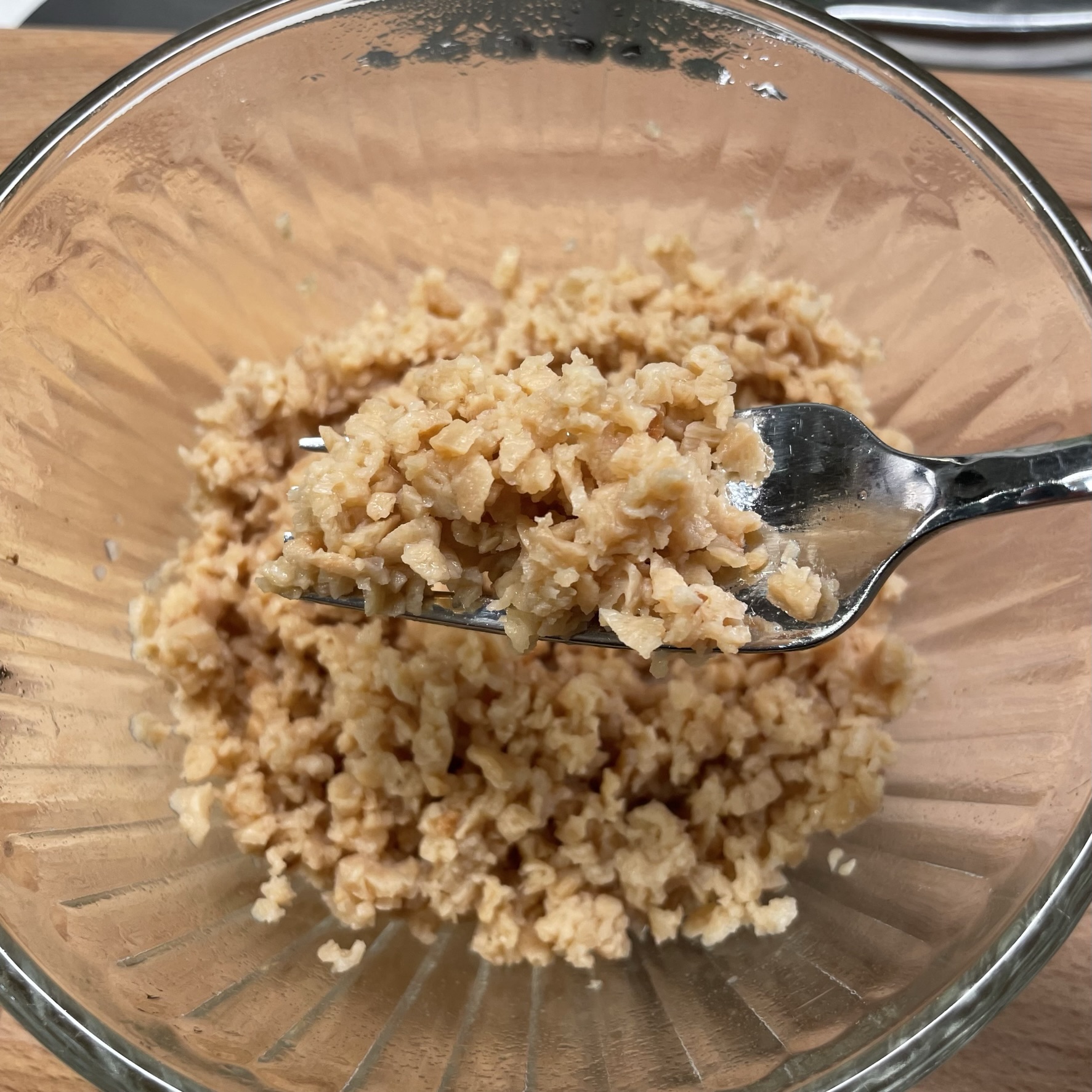
This product, known to plant-based eaters as “TVP,” is a defatted soy product, with a pleasant, chewy texture after rehydrating, and a neutral, almost sweet flavor that can be shifted to the cuisine of your choice. In this recipe, my first-ever shot at cooking with TVP, I wanted to boost the protein content of my Southwest-inspired black bean burgers, but I was also looking for an assist with the texture. The TVP packs a whopping 12 grams of protein per serving, and it only takes a few minutes to soften up with water or broth, but it holds its shape after rehydrating. In other words, it’s exactly what my smashed black beans needed to keep their composure. I found this product in one of our larger supermarkets, but you can also find it online from Bob’s Red Mill.

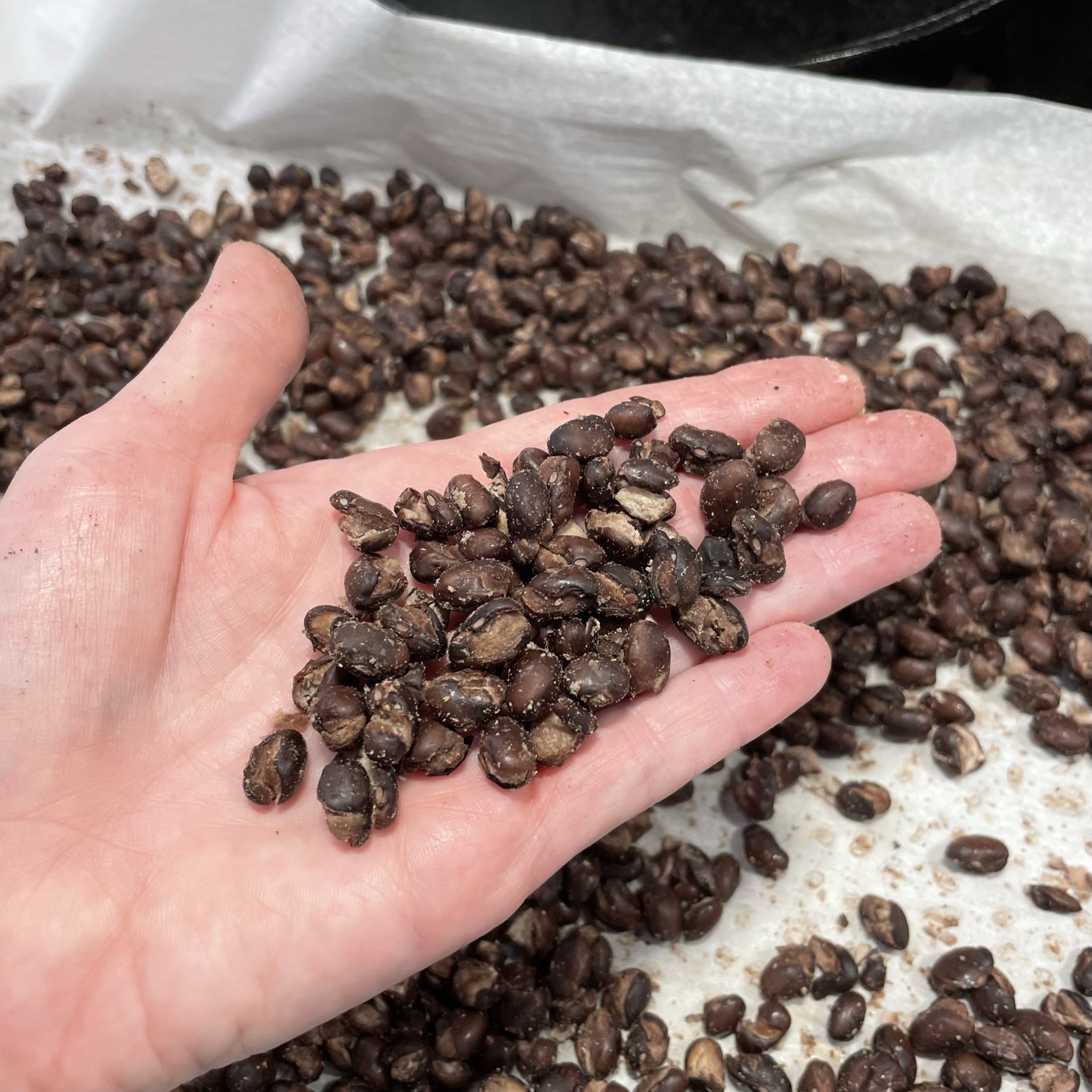
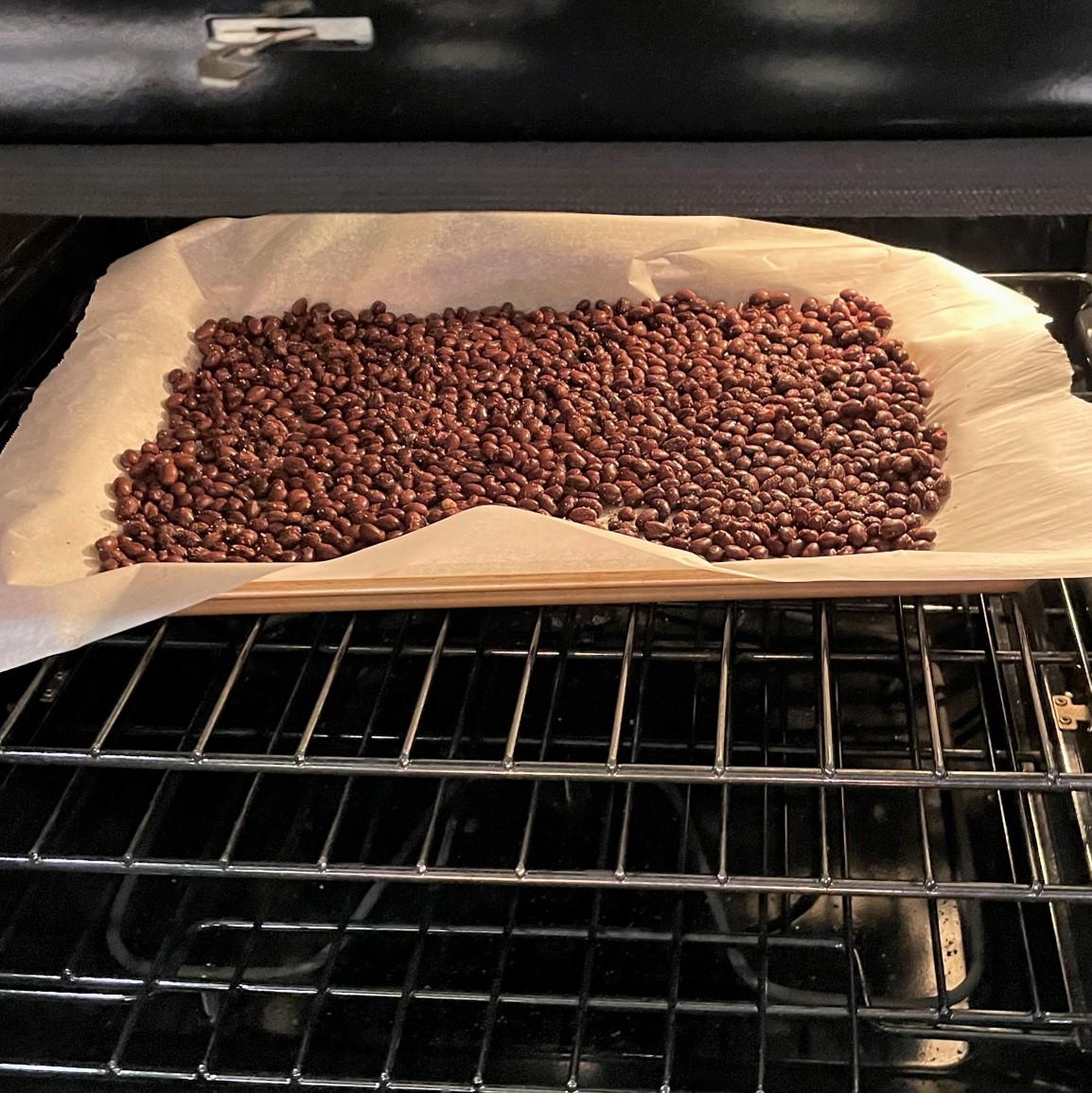
The other trick I used to give my burgers more heft was oven-roasting the beans before pulsing them into bits. This technique has worked for me in the past, but at that time, I was still using egg as a binder, which made it vegetarian but obviously doesn’t fly for a burger claiming to be vegan. This time, to keep it truly plant based, I further modified my old recipe and substituted a “flax egg,” which was nothing more than ground flax meal combined with the reduced liquid from the can of beans (I could have used water, but I’m always looking for a way to add one more bit of flavor). The flavor boosts came from a generous spoonful of my spicy coffee rub, a few sun-dried tomatoes and the last tablespoon of chipotle puree lingering in the fridge, left over from my pollo chipotle.

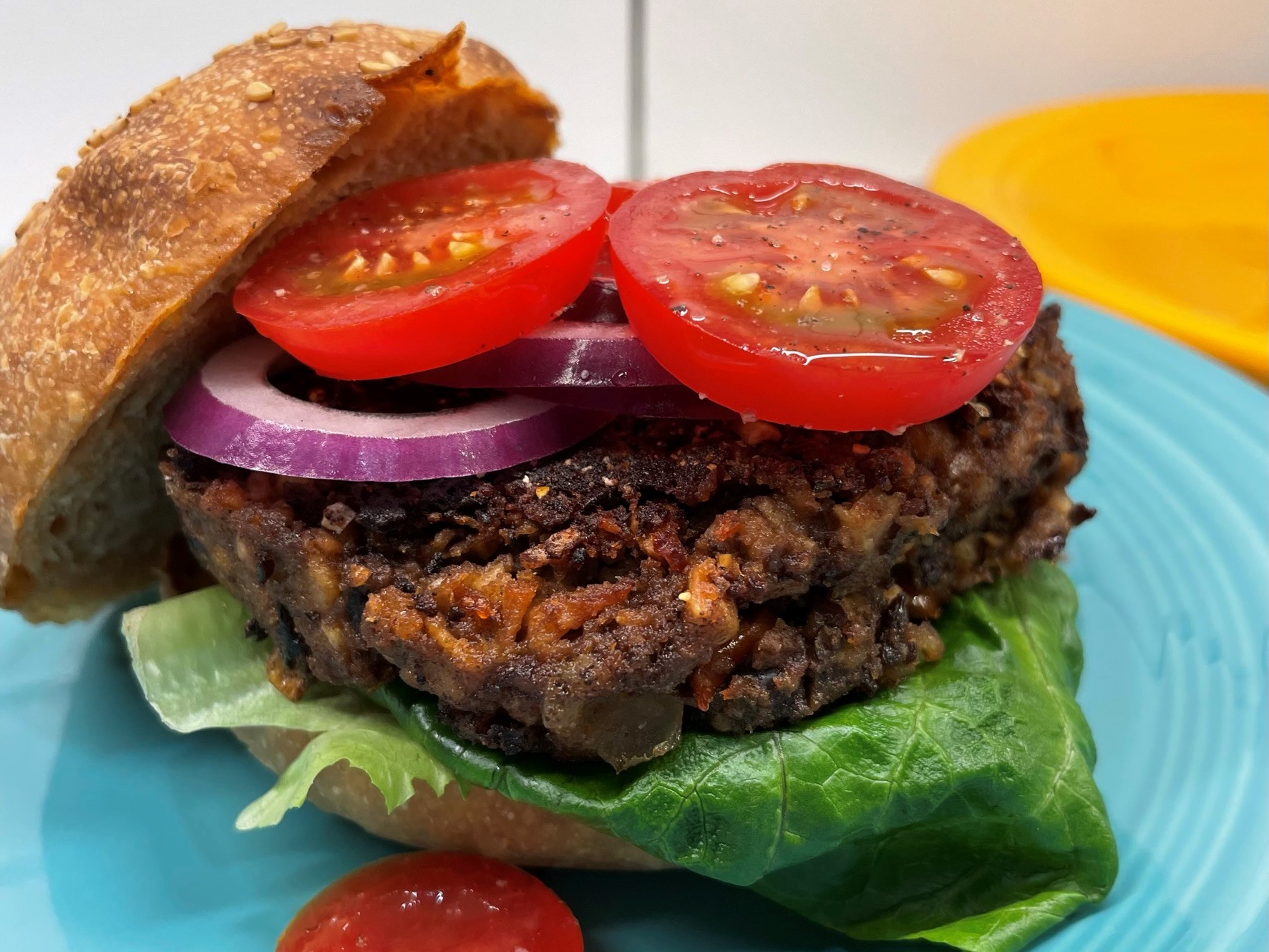
The color was right, the texture was good, and the flavor was totally on-point for the burger lovers in this house. Which is both of us, of course!

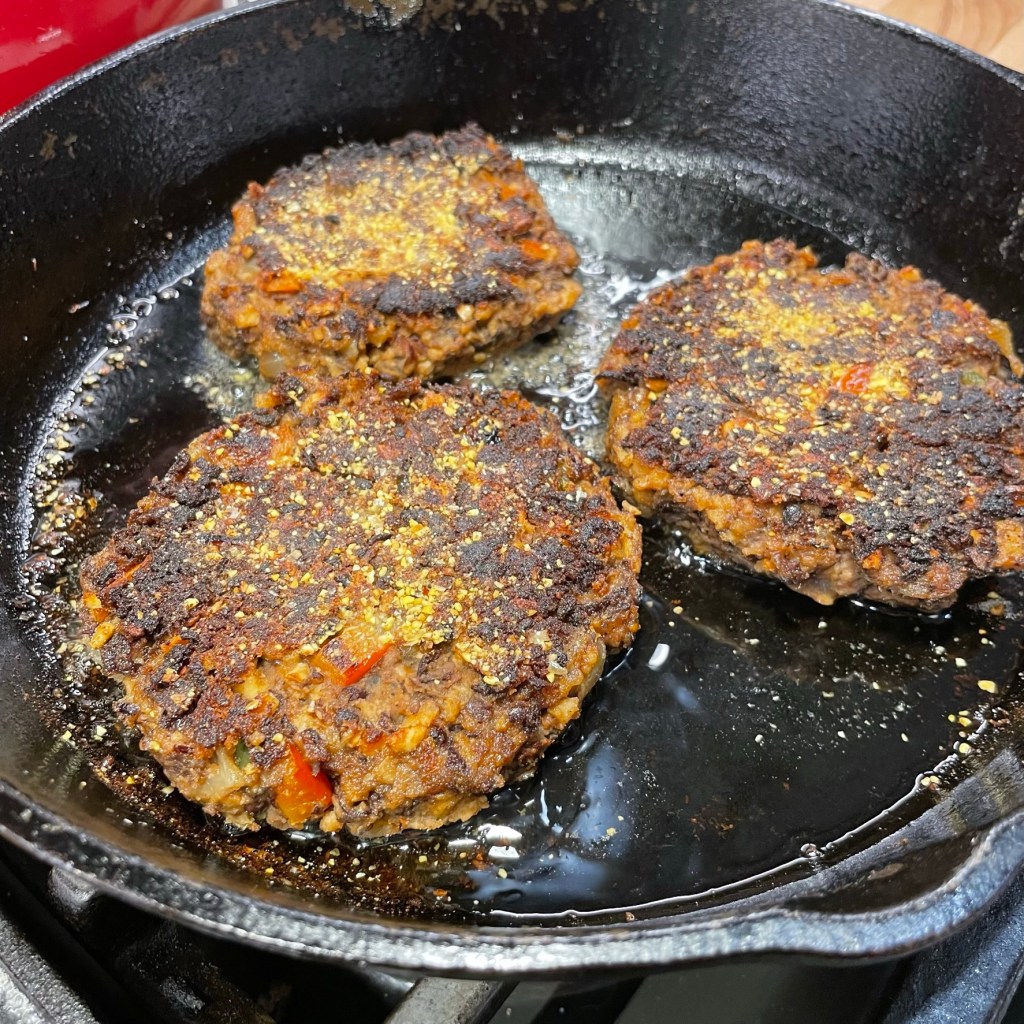
The textured vegetable protein and oven-roasted black beans gave these all the texture I crave in a burger!

Ingredients (makes about 5 burger patties)

2 cans organic black beans, drained and rinsed (reserve liquid from one can)

2 Tbsp. extra virgin olive oil, plus extra to drizzle on beans before roasting

1 cup diced sweet onion

1/2 red bell pepper, seeded and chopped

1/2 jalapeno pepper, seeded and chopped

3 cloves fresh garlic, smashed and rough chopped

1/2 cup roasted salted cashews (from a can is fine, or roast them yourself)

1/2 cup textured vegetable protein, dry from the package

About 5 sun-dried tomatoes, cut up into bits* (see recipe notes)

1/2 cup water or vegetable broth*

1 Tbsp. milled flax seed*

1 Tbsp. spicy coffee rub or other favorite smoky-spicy seasoning*

Medium-grind corn meal, for crusting the burgers before frying

Canola oil, for trying the burgers

Soft vegan buns and favorite toppings, for serving


*Recipe Notes

I learn many things from my trials in the kitchen, and one shortcut occurred to me a moment too late. My photo steps reveal that I rehydrated both the sun-dried tomatoes and the textured vegetable protein with low-sodium vegetable broth. Eventually, I combined them, so my recommendation is doing them together in one bowl to save time and dirty dishes.

Low-sodium vegetable broth is one of my core pantry items and I frequently use it for rehydrating ingredients or cooking dry goods such as rice or quinoa. My philosophy is, why use water if you have an opportunity to elevate flavor?

Flax seed is a nutritional powerhouse, but dieticians are quick to point out that our bodies can only benefit from it when it has been milled. You can buy flax “meal” pre-packaged, but it turns rancid rather quickly. If you buy a bag of seeds, you can keep them fresh longer and mill them in a blade-style coffee grinder as you need them. To make a flax “egg,” combine a tablespoon of the meal with an equal part of warm liquid. The mixture will thicken into a gel-like substance that works great as a binder.

My spicy coffee rub was excellent for flavoring these burgers, and I’ve included the recipe for it on the downloadable PDF if you’d like to try it. Otherwise, use any spice blend you like for grilling. If you are committed to making the burgers vegan, confirm the ingredients of your spices. You might be surprised at some of the stuff they sneak in there. 😉


Instructions

There are several components of these burgers, and most of them can be prepared concurrently, or the day before. My instructions are broken out into each component, and I trust that you’ll manage the prep however it works best for you.


Prepping the black beans

Preheat oven to 350° F. Line a baking sheet with parchment paper or silicone mat. Spread black beans out in a single layer and let them air dry while the oven heats. When it comes to temperature, drizzle olive oil lightly over the beans and roll them around to lightly coat them. Season with salt and pepper, and then roast the beans for 30 minutes or until they have a dry, slightly crumbly exterior.


Making the flax egg

Reduce the reserved black bean liquid in a small saucepan until it’s reduced to about 2 tablespoons. Let it cool slightly. Sprinkle the milled flax into the liquid and stir to blend. Let this mixture rest for about 15 minutes until it’s a thick, gelled mixture.


Rehydrating the TVP

Heat vegetable broth in a small saucepan or the microwave. It should be at least the temperature of hot bath water. I hydrated the sun-dried tomatoes separately, but I could have added them to the bowl with the TVP. I’m still learning here! Pour the hot broth over the mixture, stir to moisten and let it rest at least 10 minutes to fully rehydrate. Refrigerate this if you are working ahead.


Prepping the veggies

Heat skillet over medium heat. Add olive oil and sauté onions, peppers and garlic until softened and slightly caramelized. I usually judge this not by time, but by appearance. When the steam rising from the skillet is replaced by the sound of oil sizzling, they are done. If you still see a lot of steam, that moisture will come back to cause trouble when the burgers are in the skillet. Divide the mixture (at least visually) into halves.


Putting it all together

All ingredients should be cooled to approximately room temperature before mixing. It’s OK if they are cold or lukewarm, but do not process the beans and veggies if they are still hot because this will result in a mushy mixture that won’t hold together well in patties.

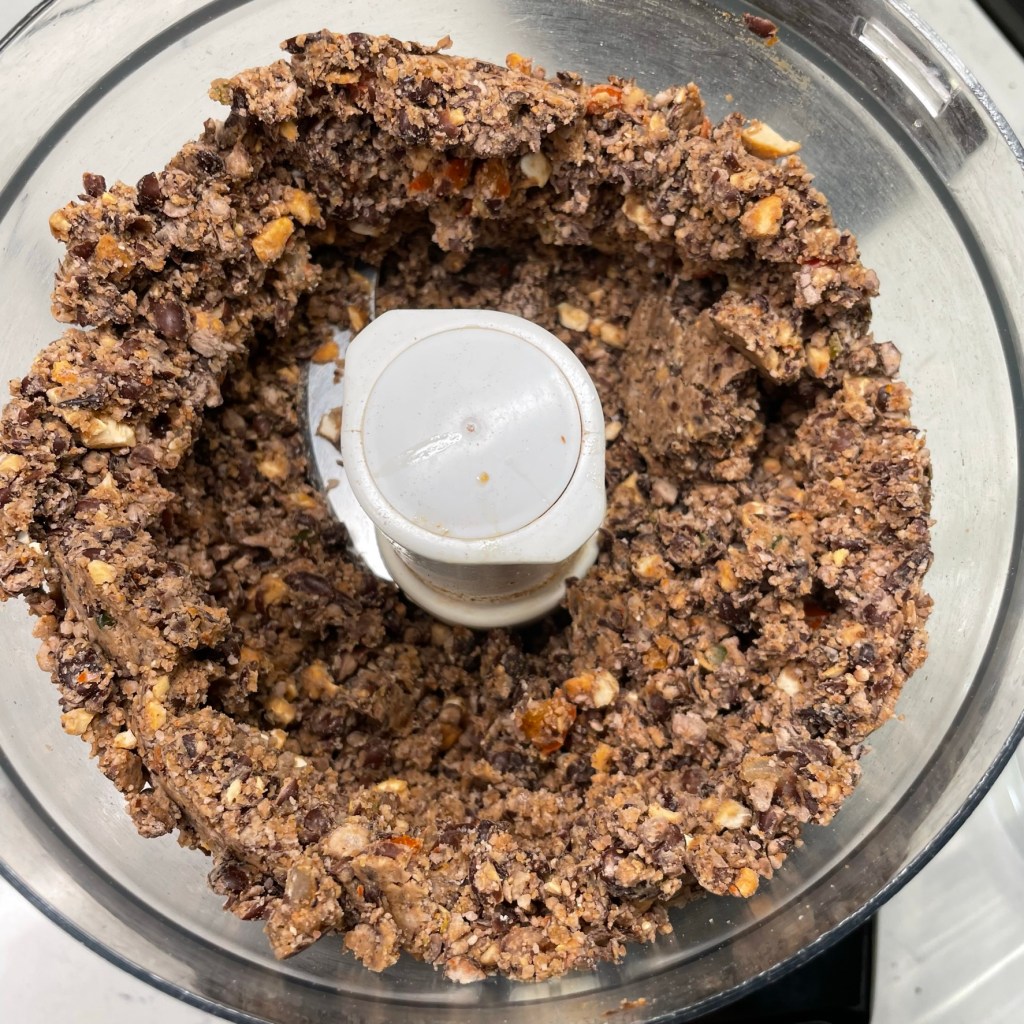
To the large bowl of a food processor, add all the roasted black beans, half the sauteed veggies and cashews. Add the spicy coffee rub (or substitute) and chipotle puree. Pulse a few times, just until the beans are about 1/3 their original size and the mixture looks uniform in texture. Don’t process it to the point of being smooth. Transfer the mixture to a large bowl.

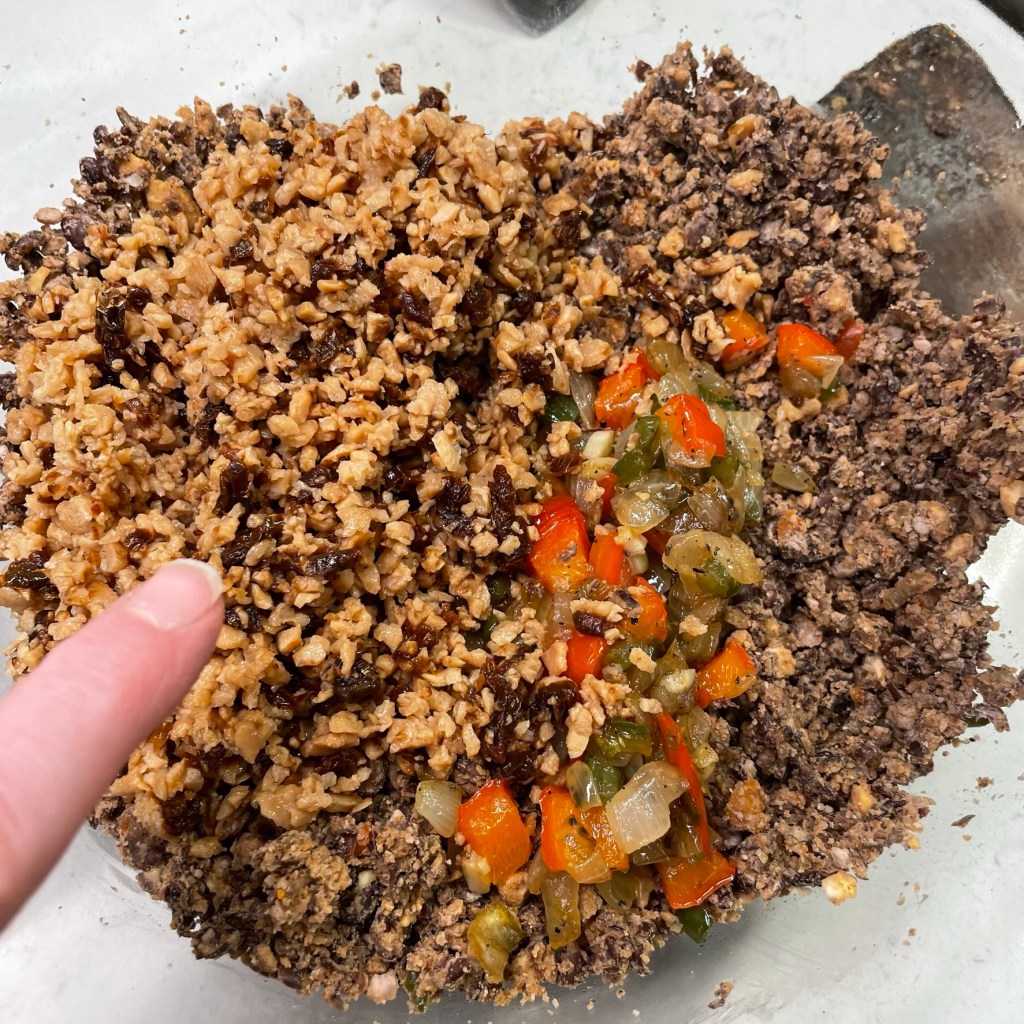
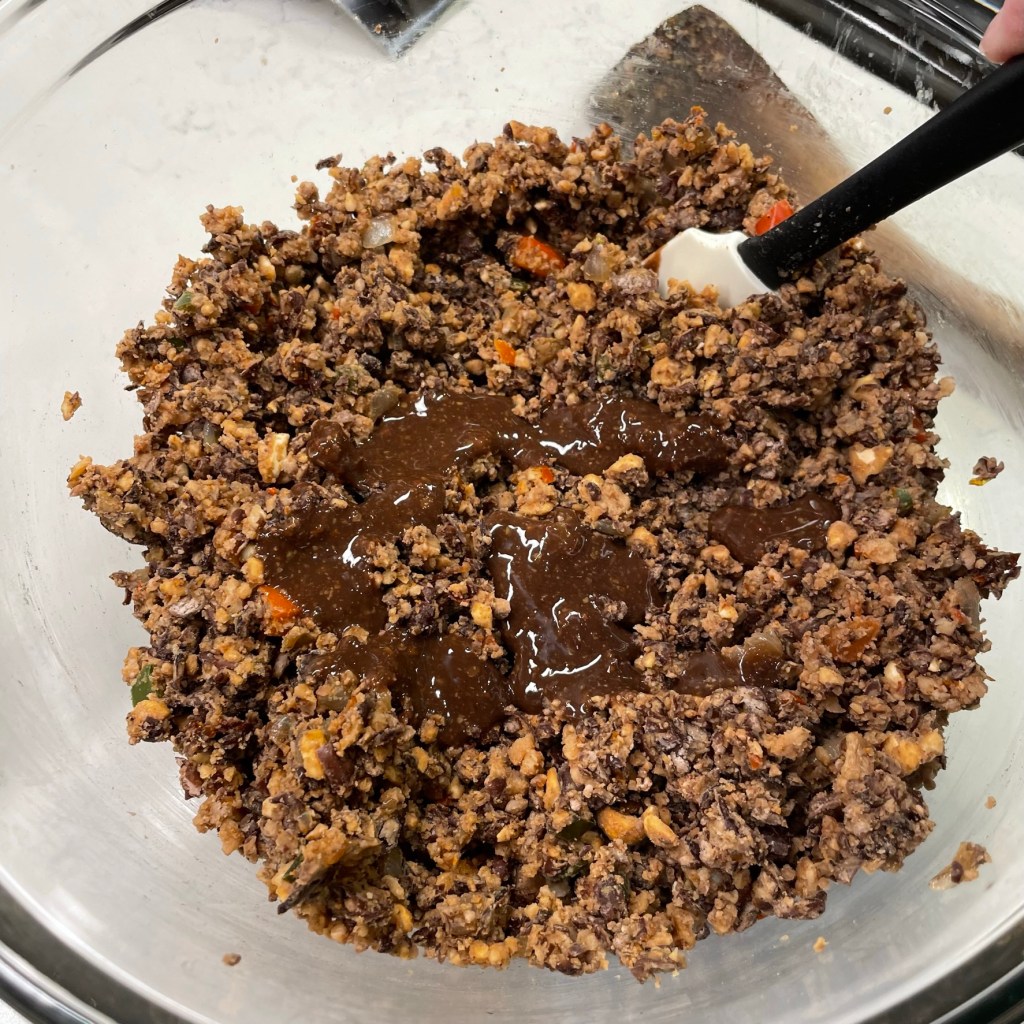
Add the remaining vegetables and TVP mixture to the processed bean mixture and fold to combine. Add the flax egg and fold to blend. Shape the mixture into burger-shaped discs that are the same size as your burger buns (they will not shrink during cooking as meat does). Sprinkle both sides of the burgers with cornmeal and press on them to adhere it. Put the burgers on a plate or cookie sheet, covered with plastic wrap, and refrigerate for an hour or two so the patties set up for cooking. Remove from fridge about 30 minutes before frying.

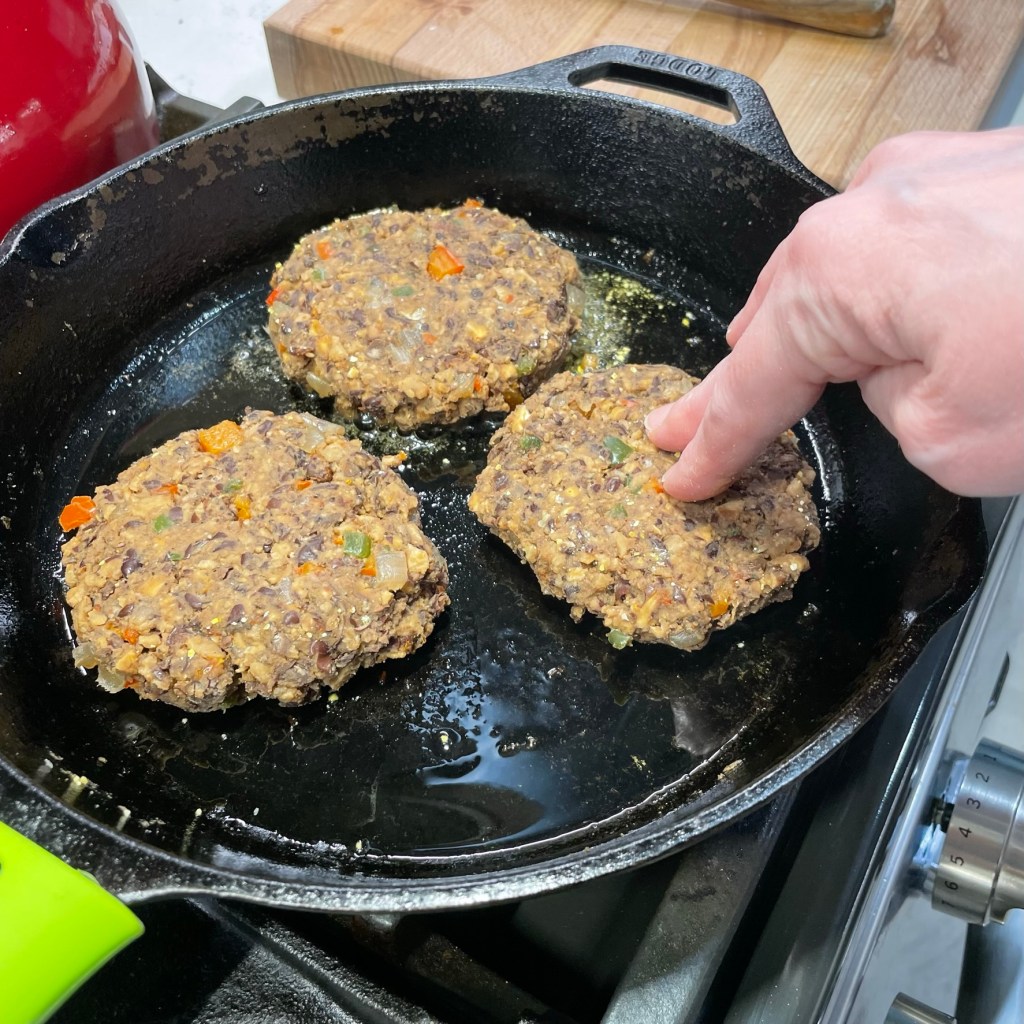
Heat a cast-iron skillet over medium high heat. Add canola oil to a depth of about 1/4” and place the burgers in the skillet, keeping enough distance between them for easy access to turn them. Cook each side until crispy and browned, about 5 or 6 minutes. Take care when turning, as they will fall apart if you “flip” them as you would a meat burger.

Serve with your favorite plant-based toppings and enjoy!


You may be wondering if I’m a paid endorser for the brands and products I spotlight on Comfort du Jour, and the answer is “no.” I do not receive money or merchandise for my recommendations, and what that means for you is that you can count on me to give an honest opinion. If something changes, I will update my disclosures. Either way, you can still count on me to be honest in my recommendations, as I will only stand behind services and products I believe in. Fair enough? 😀

Terrie


Slow Cooker Turkey Chili Soup

Can someone please explain to me how time works? Because it has only been nine days since my last post, but it feels like 29. Some of the days have been a blur, as we have had non-stop activity in the kitchen during the demolition of the old and especially the arrival and installation of the new. And then, other days it has been so quiet it seems that even the crickets are on vacation. This morning, I literally had to ask my husband, “what day is today?” because amid the ruckus, I couldn’t quite remember. Only one week down and at least five to go—oy, vey!

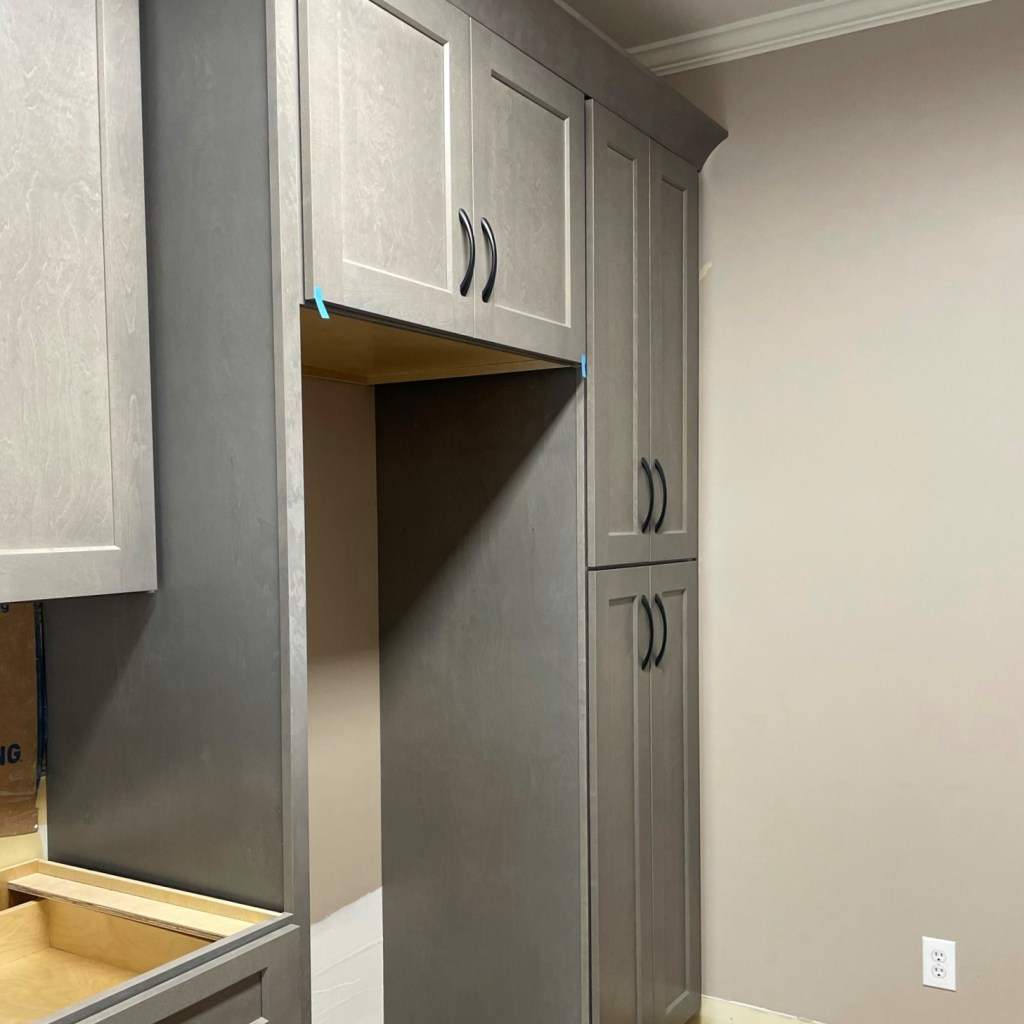
It would be premature at this point to show you the progress of our remodel, given that we don’t yet have a countertop and the floor is covered in protective cardboard and there is new and ongoing discussion about how much we can configure our backsplash for a couple of design features I’ve been desperate to have. Well, OK, maybe just a few quick photos, but I want to save some for the big reveal!


There is much more to be done, and some of the details our contractor is working through are special enough to be considered “fussy,” so we are fine with some intermittent slowdowns. As far as we know, and barring any future catastrophes, things are still on track for us to be back in the kitchen by mid-November!

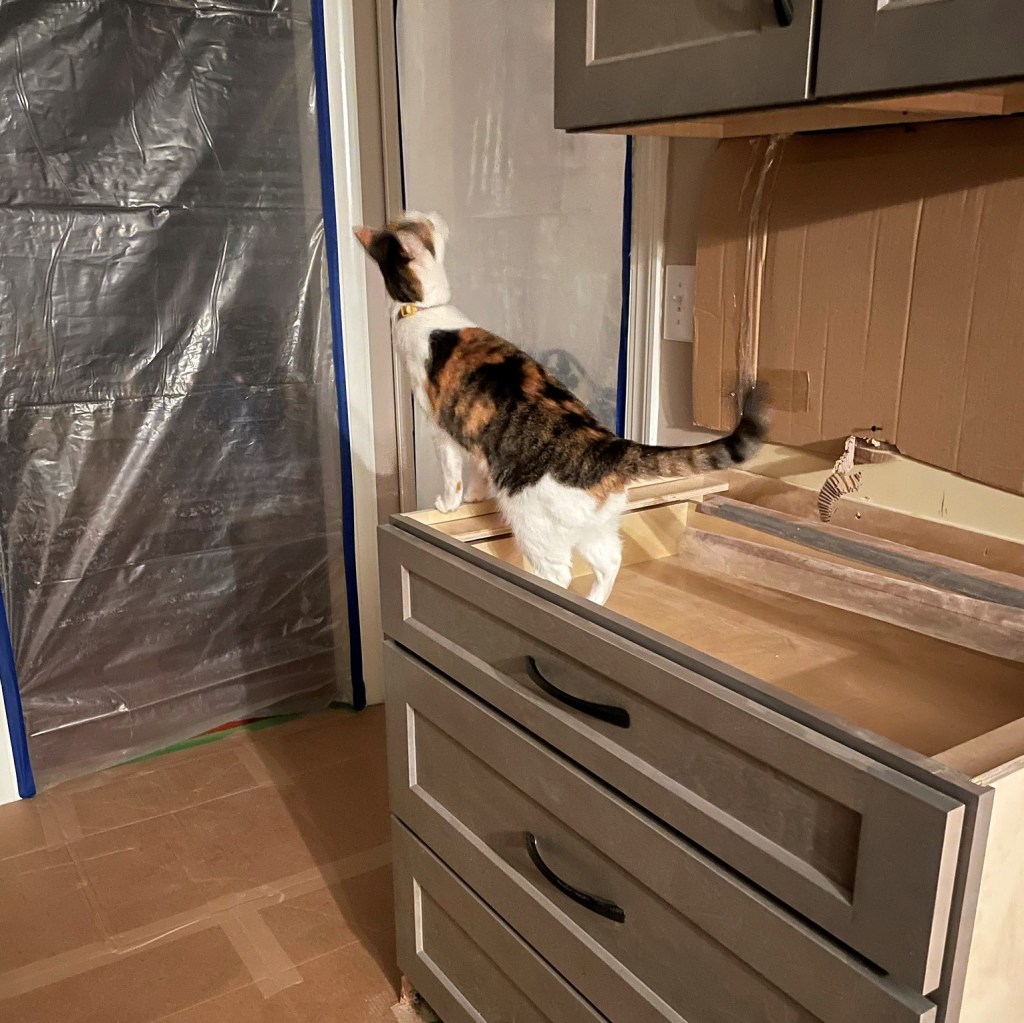
The biggest challenges have been exactly as expected—keeping the pets calm and cared for, which has been manageable so far because the weather is nice enough for our cat to chill outside (which she loves anyway) and our next-door neighbor has generously invited me and the dog over for some peace and quiet whenever things get wild over here. The other obvious challenge has been cooking without a kitchen, and today I’m sharing the first real, “cooked” recipe I’ve made since we started the remodel project. Breakfast doesn’t count because we are mainly just using the toaster. And until Friday of last week, we had relied on take-out and sandwiches for lunch and dinner. And (of course) cocktails for me, but that will be another post. 😉

Our first real meal could not have been more perfect for the fall season, and it also could not have been simpler to make, despite the fact that I did not have a stove, a microwave, a sink or a countertop. How did I pull it off?

It’s my multi-purpose friend, the slow cooker!

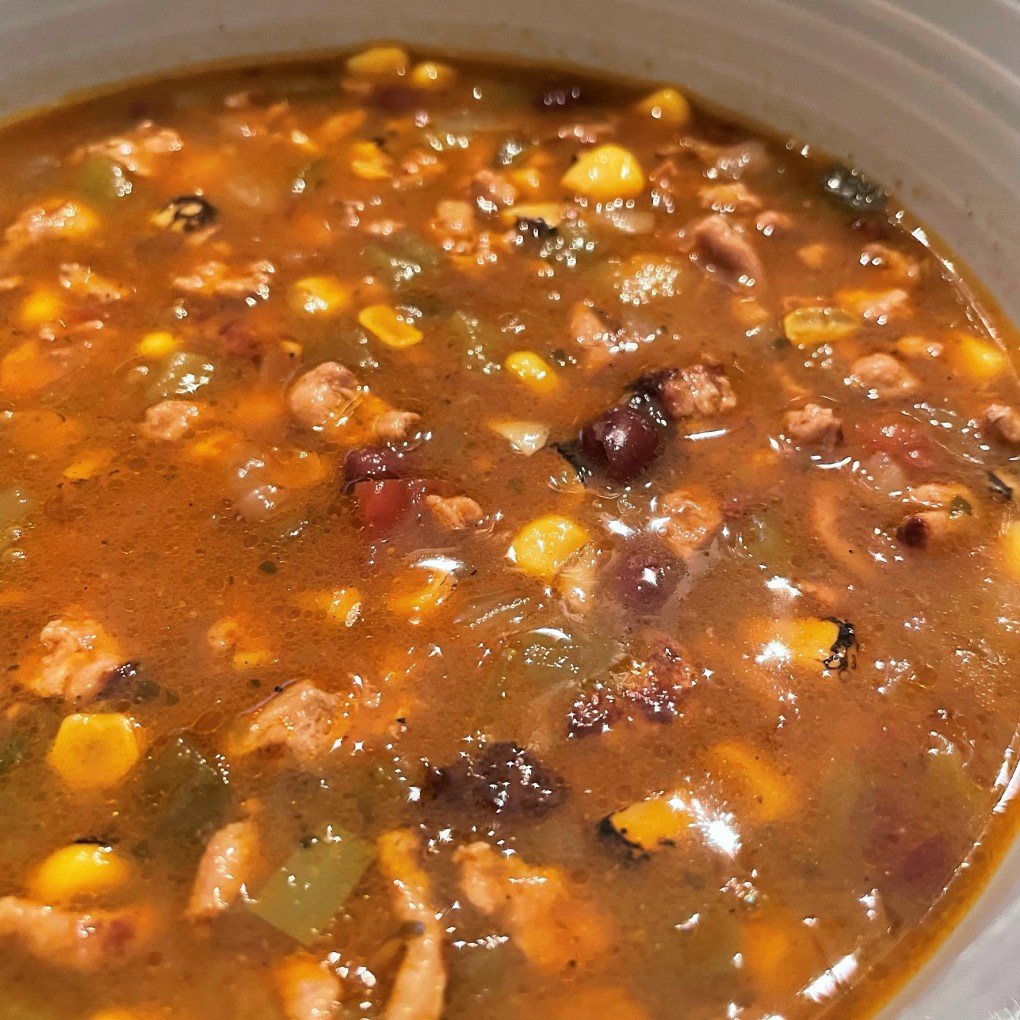
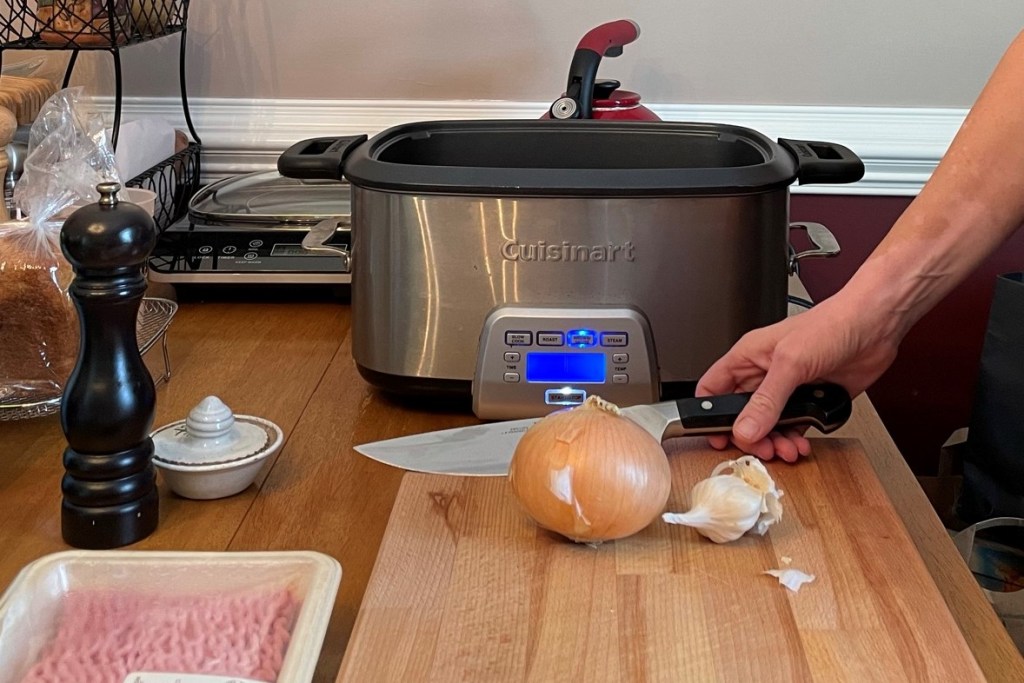
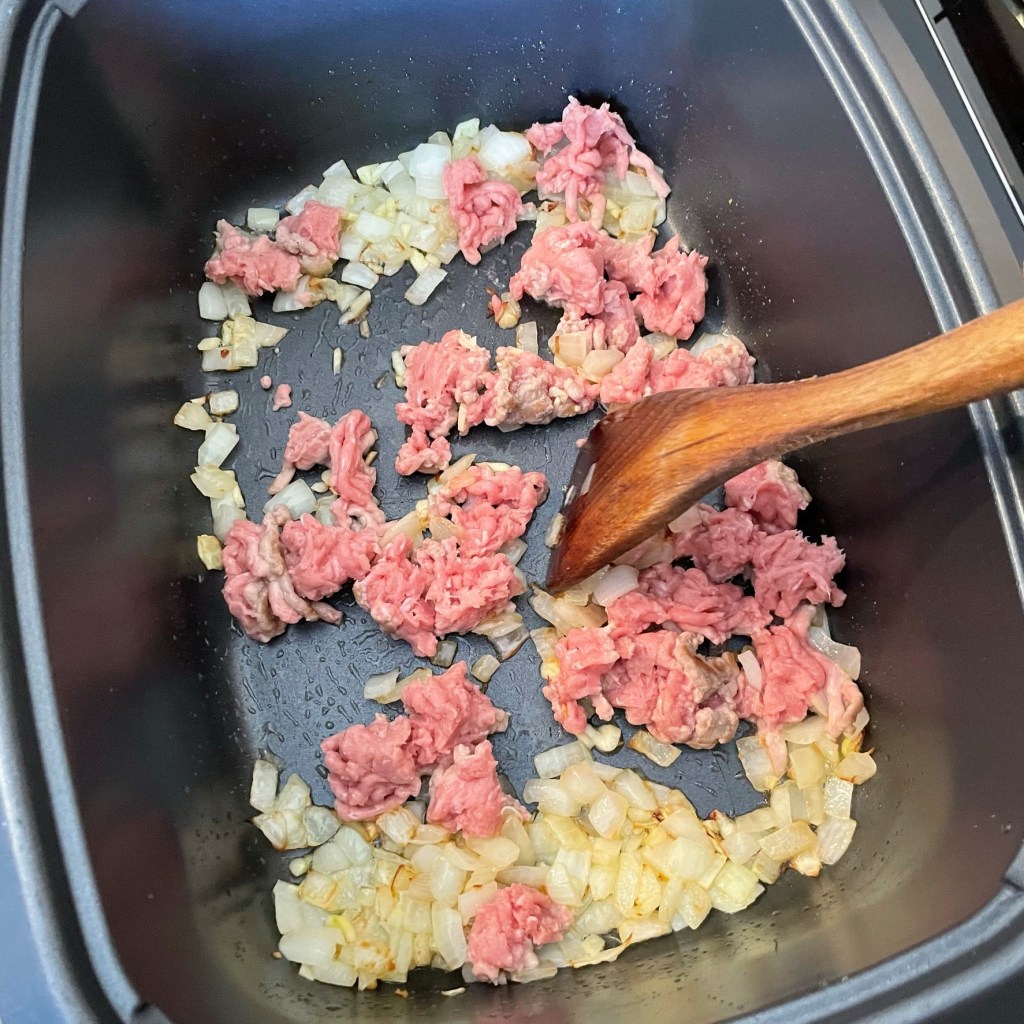
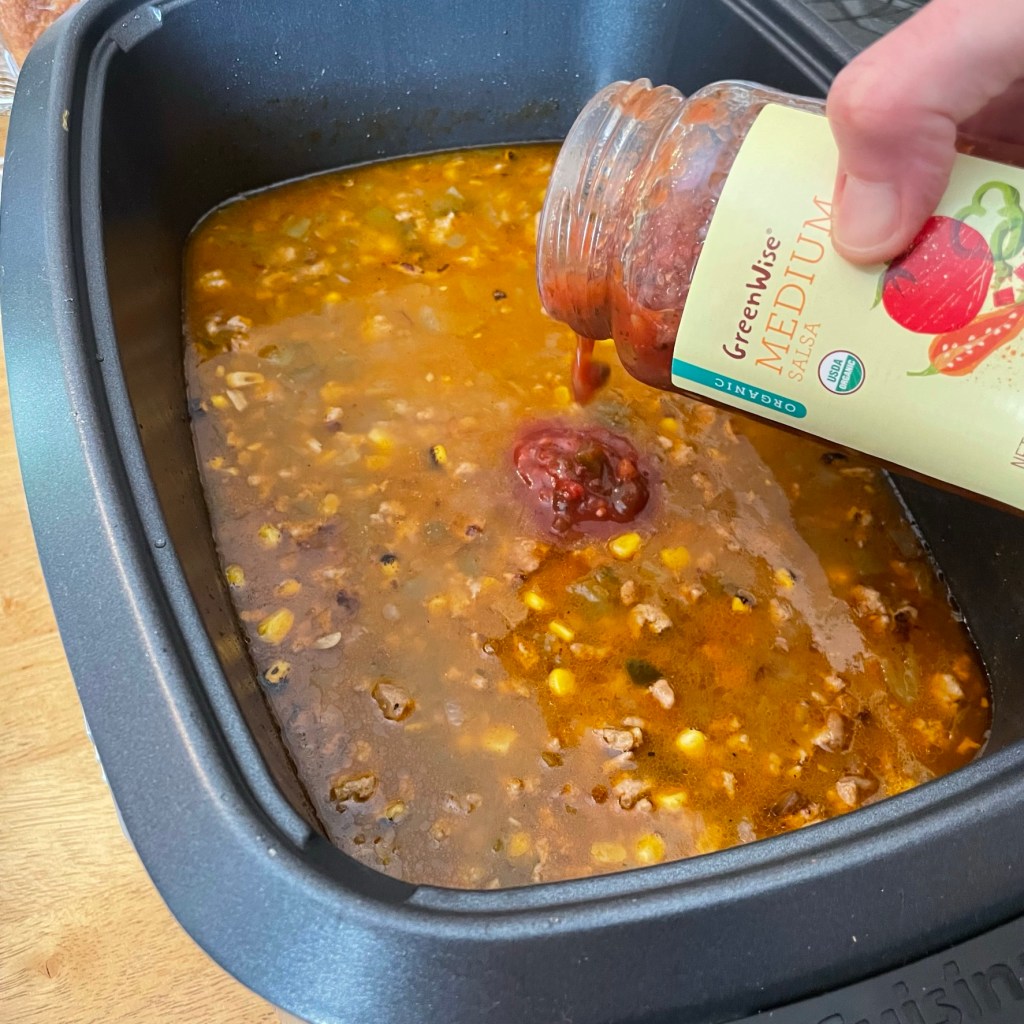
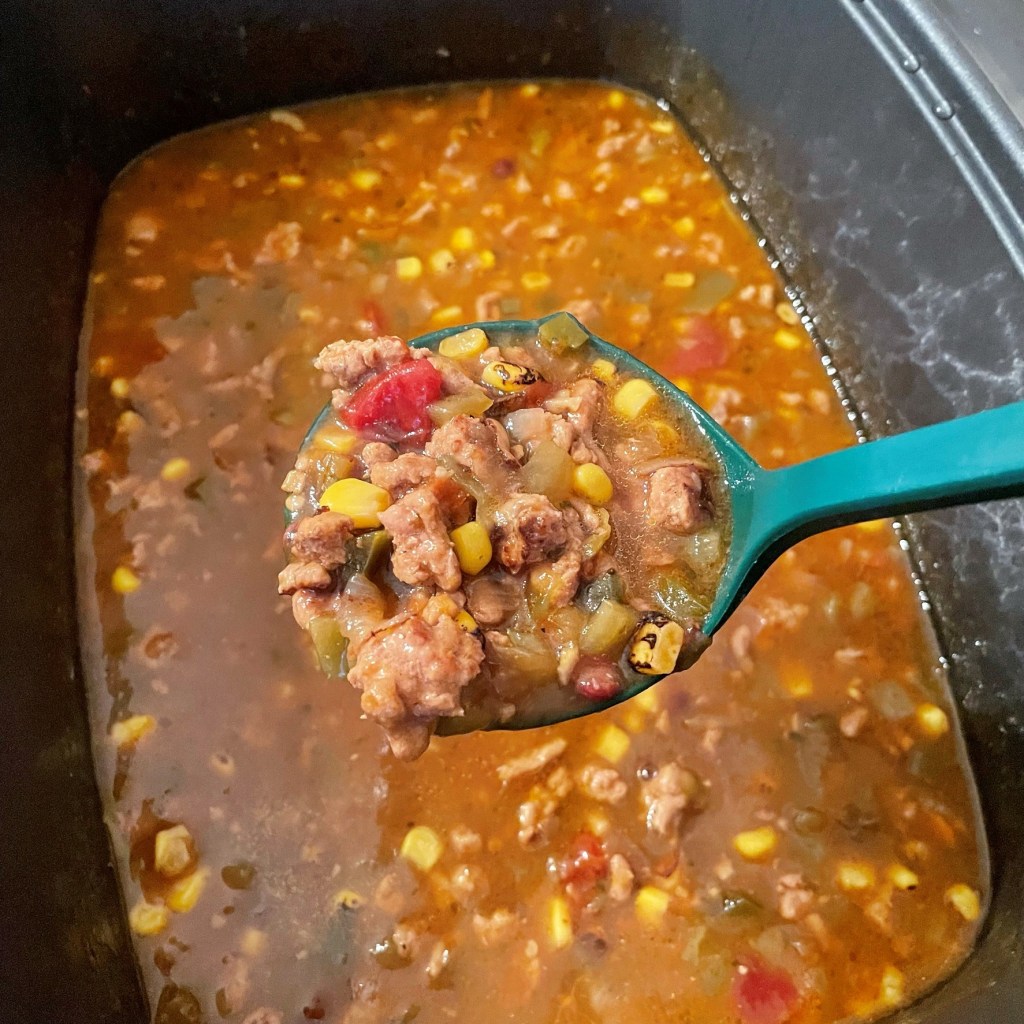
Say hello again to our multi-purpose slow cooker, the same one I used for our final “Chopped” challenge when Les tricked me into cooking all that kielbasa. The “browning” setting on this 7-in-1 appliance saved the day for my new adventure of “cooking without a kitchen.” I browned the ground turkey and onions, then added all the other ingredients, switched it to the slow cook setting, and let it simmer until Les walked in the door at the end of his workday. I was so excited to have actually cooked, and there was something very comforting about having the aromas of that chili soup filling the house. We needed a good, home-cooked meal at the end of such a crazy, noisy week. And, because it all came together in one pot, even the cleanup was easy.

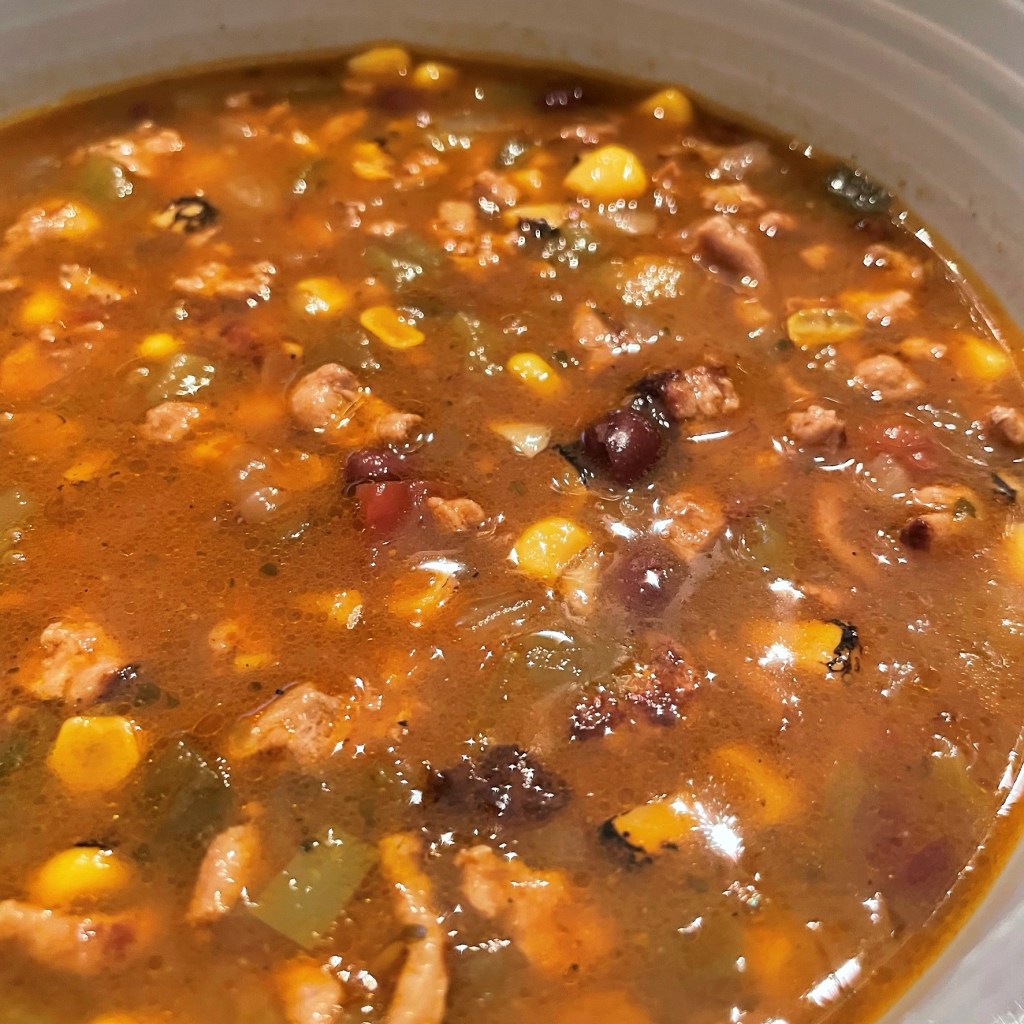
This original recipe is one of my favorites, and it conjures warm and fuzzy memories for me. A few years ago, on a gloomy February day during another crazy time in my life, I’d scrambled through the cabinets for something to make that did not require a trip to the grocery store. I didn’t have a whole can of tomatoes, but I did have a small can of salsa, plus some roasted green chiles, half a bag of frozen corn, a can of beans and a carton of chicken broth. When I settled in with a bowl of this delicious concoction, which is not quite chili and not quite soup, I loved it so much, I took time to write it all down, and I’m glad I did because it was just right for such a crazy time as this. And there’s another benefit to it—easy leftovers!

Of course, you don’t need to have a special slow cooker to make it. Feel free to use a soup pot or Dutch oven. I’m pretty sure that’s what I’ll do next time—you know, when I have a shiny new kitchen!

If I had an oven this week, I would have made a batch of cornbread to accompany this tasty chili soup!

Ingredients

3 Tbsp. extra virgin olive oil

1 small sweet onion, chopped

1 lb. ground turkey (or turkey breast, if you prefer leaner meat)

3-4 cloves garlic, chopped

1/2 tsp. ground cumin

1/2 tsp. sweet Spanish paprika

1/2 tsp. ancho chile powder

Salt and pepper

3 Tbsp. all-purpose flour

4 cups chicken broth (this is equal to 1 large carton)

7 oz. can roasted green chiles, chopped

1 small can Herdez salsa (about 8 oz.)

1 1/2 cups frozen roasted corn

1 can black beans, drained

Tortilla chips for serving


Instructions


  1. Add olive oil to the slow cooker (or pot), on a medium heat setting. Saute the onions until they are soft and translucent, then push them to the outside of the pot.
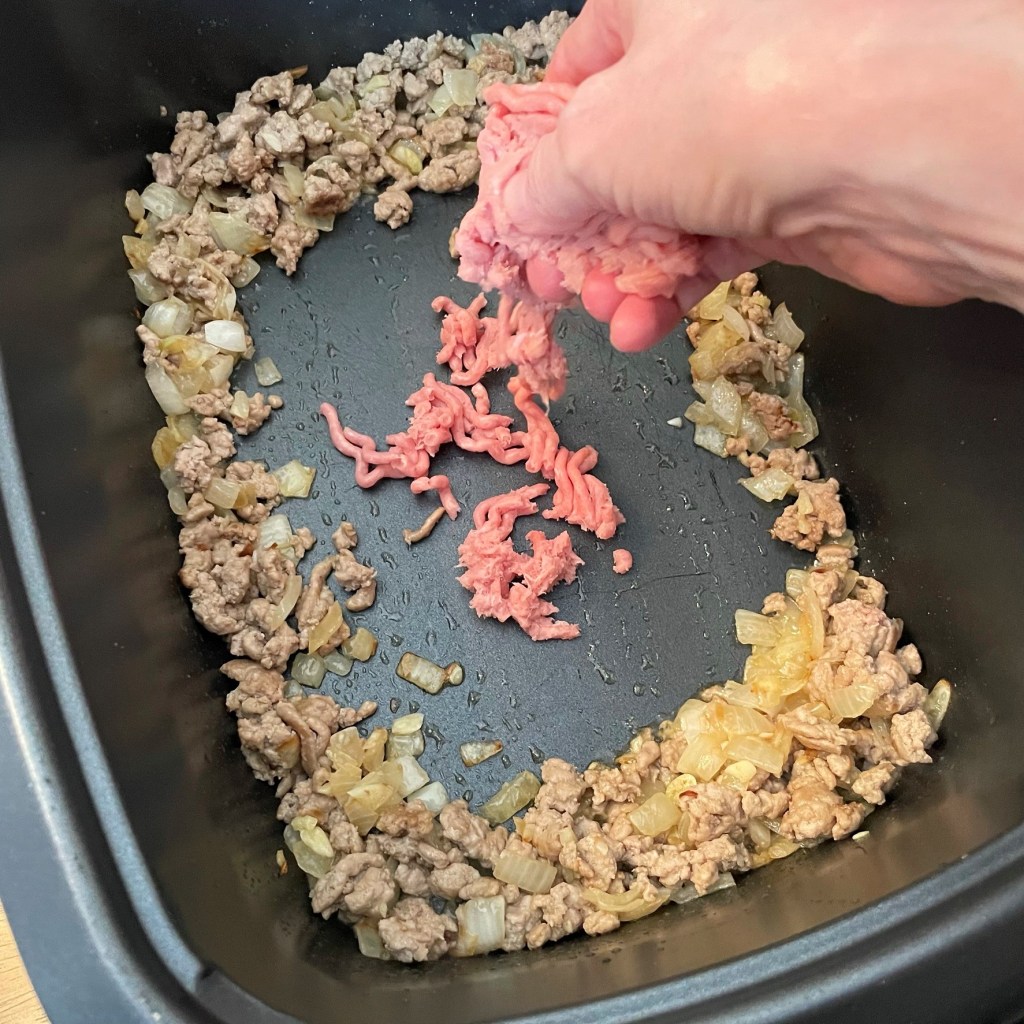
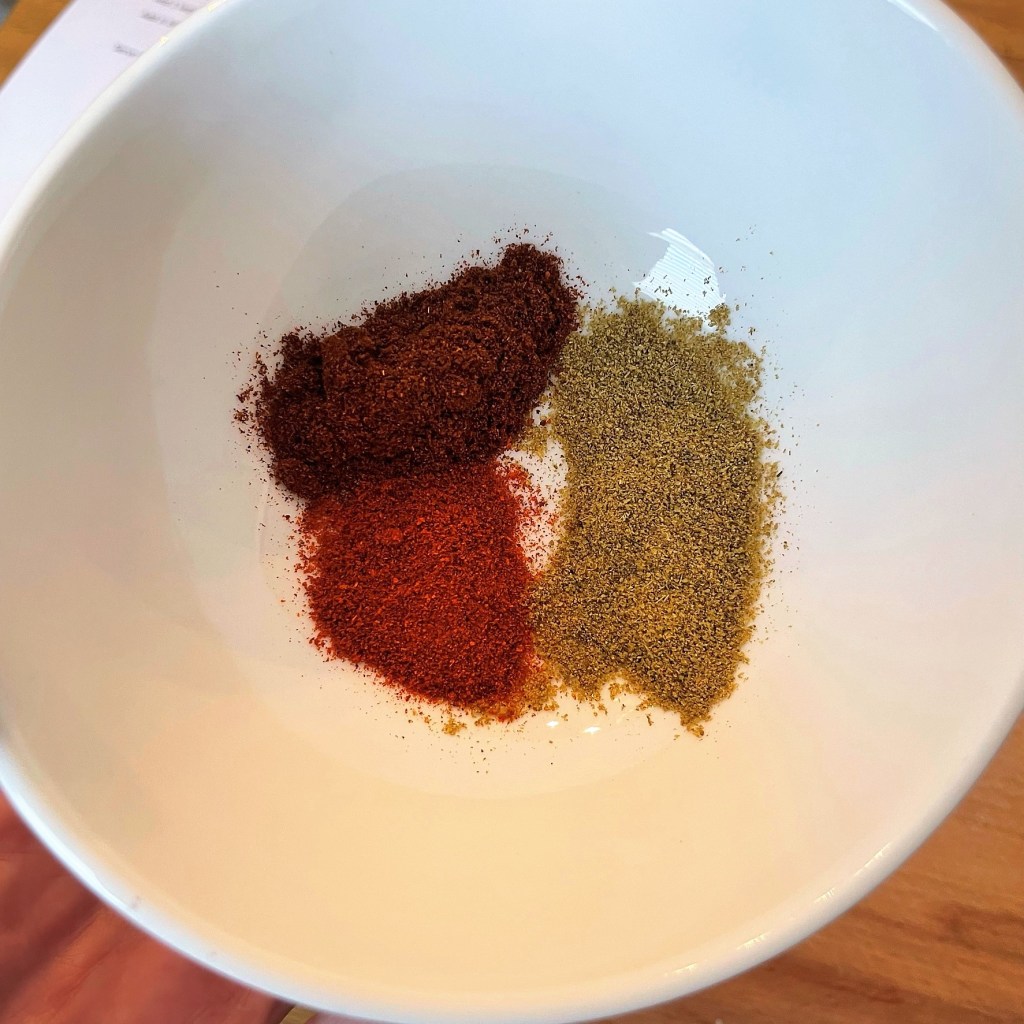
  2. Add the ground turkey, about half at a time, breaking it up into bits with your fingers as you go. When you brown ground meat, it’s a good idea to cook a small amount at a time to maintain a steady heat. Otherwise, the meat will just steam. When all the turkey is browned, add the chopped garlic and the spices, plus salt and pepper, and cook about one minute until the garlic is fragrant.
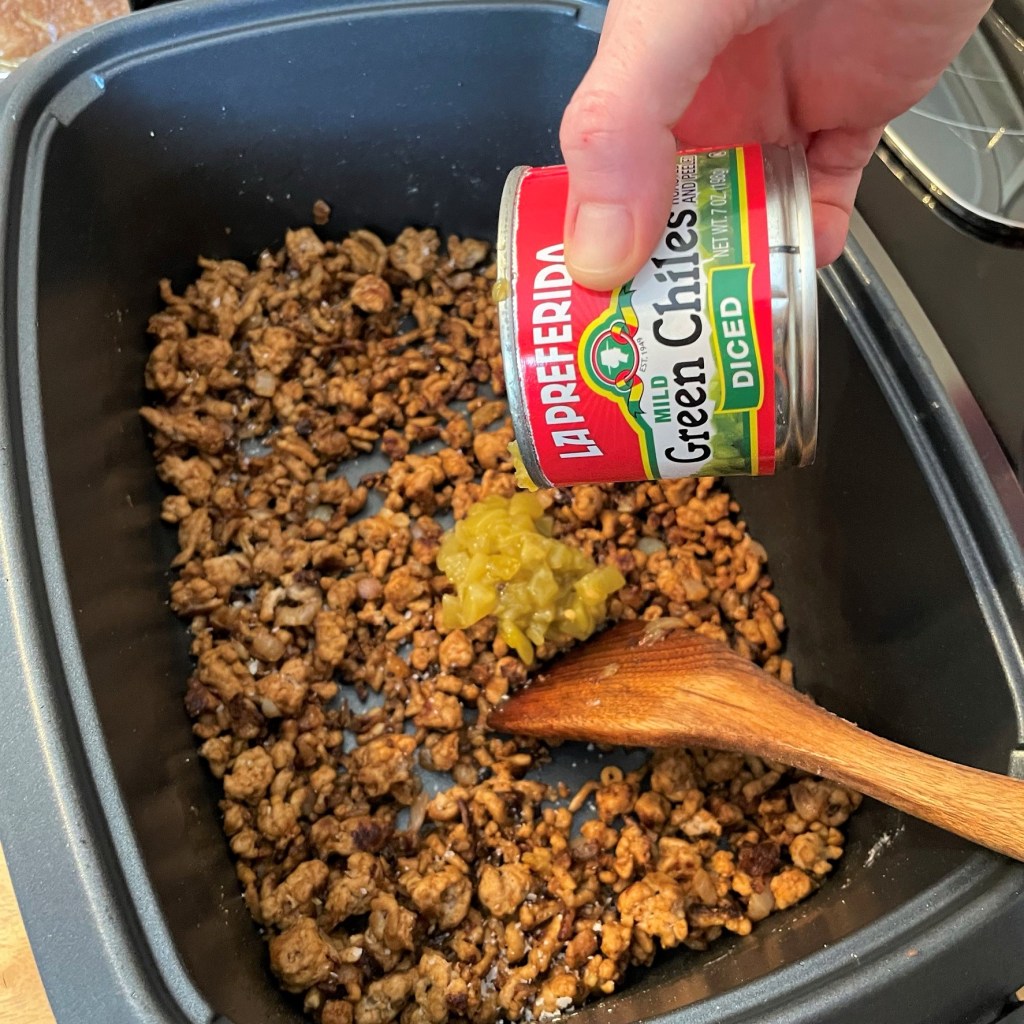
  3. Sprinkle the flour over the ground meat mixture and stir it around to evenly coat all the meat. It should seem a little dry on the surface of the meat; add a touch more flour if needed to get this appearance. Cook the mixture two minutes, add the green chiles and cook two more minutes.
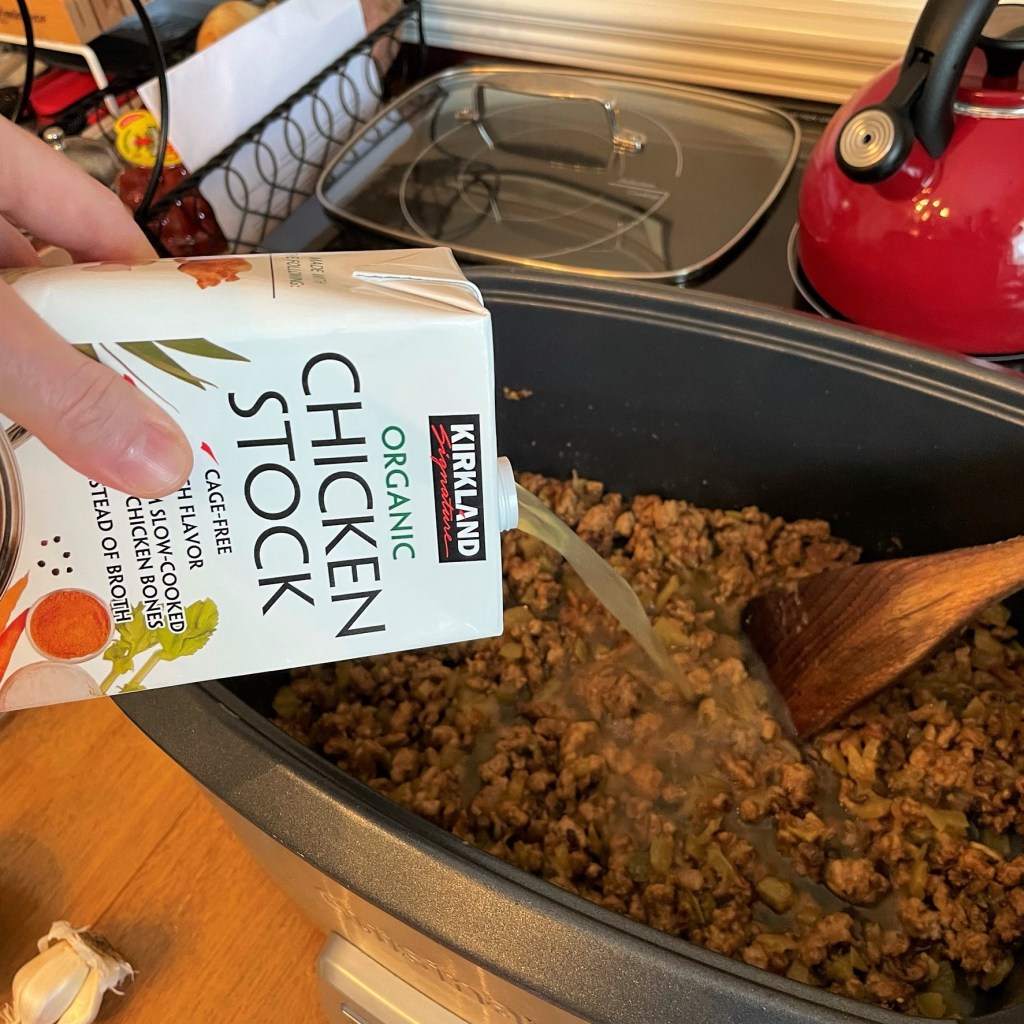
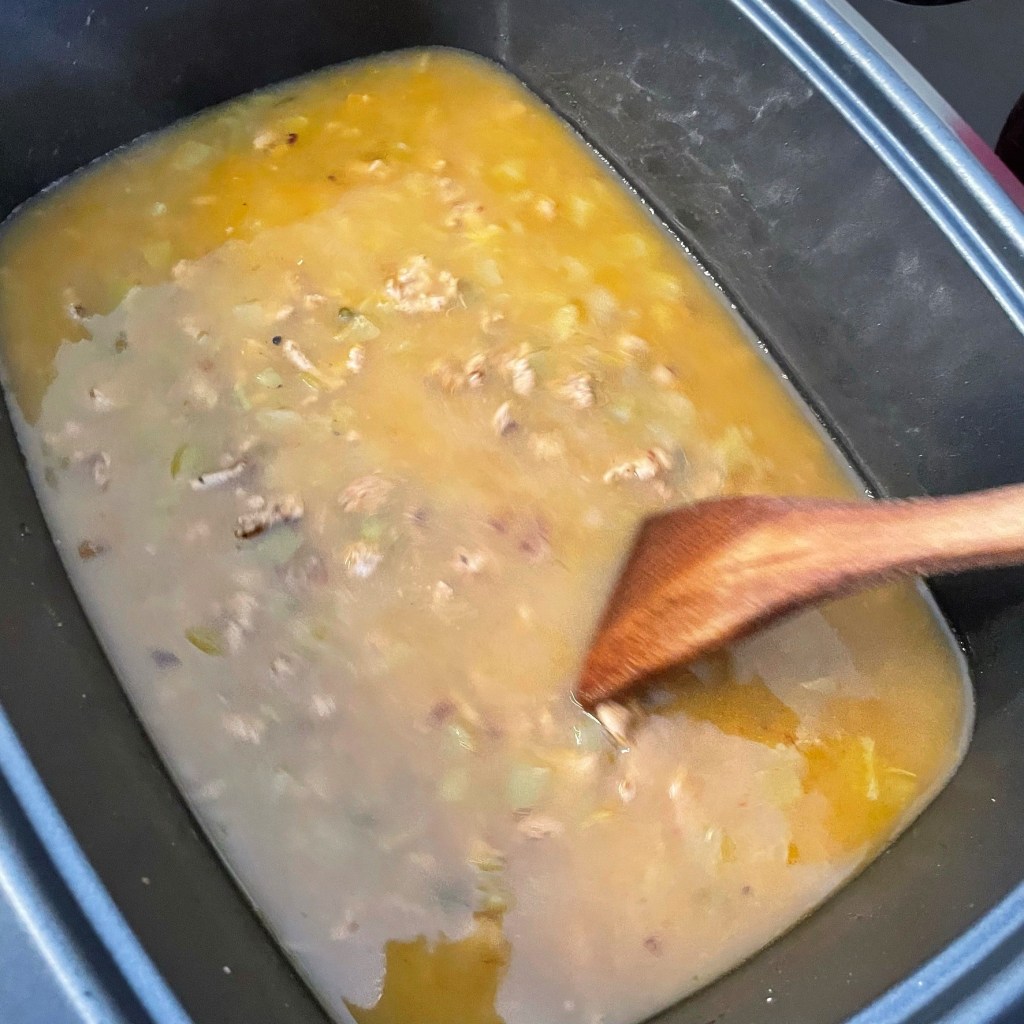
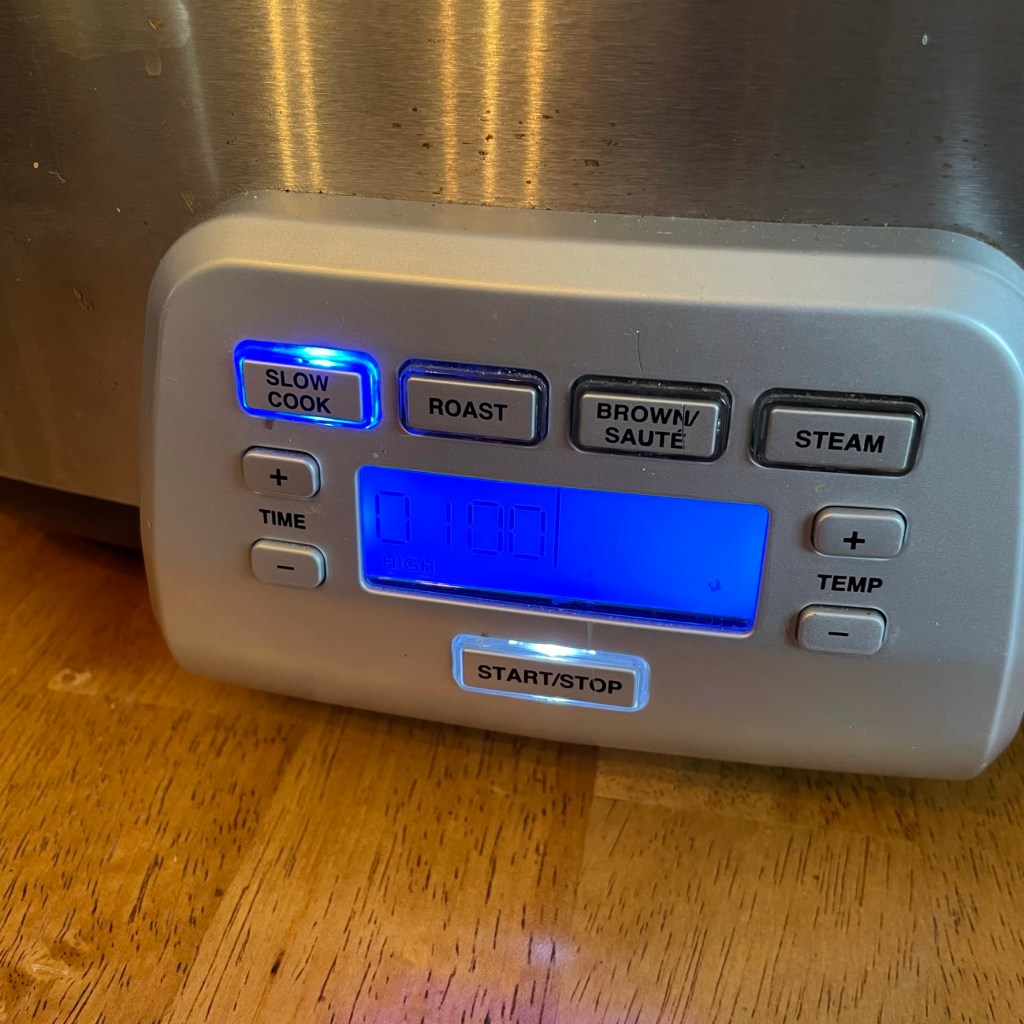
  4. Add the chicken broth to the pot all at once. Stir gently to mix the broth with the roux-covered meat mixture and cook until it reaches a slight boil, then reduce the heat and simmer about one hour. At this point, I switched the slow cooker setting from “browning,” which is essentially the same as cooking on a stove top, to “high slow cook.”
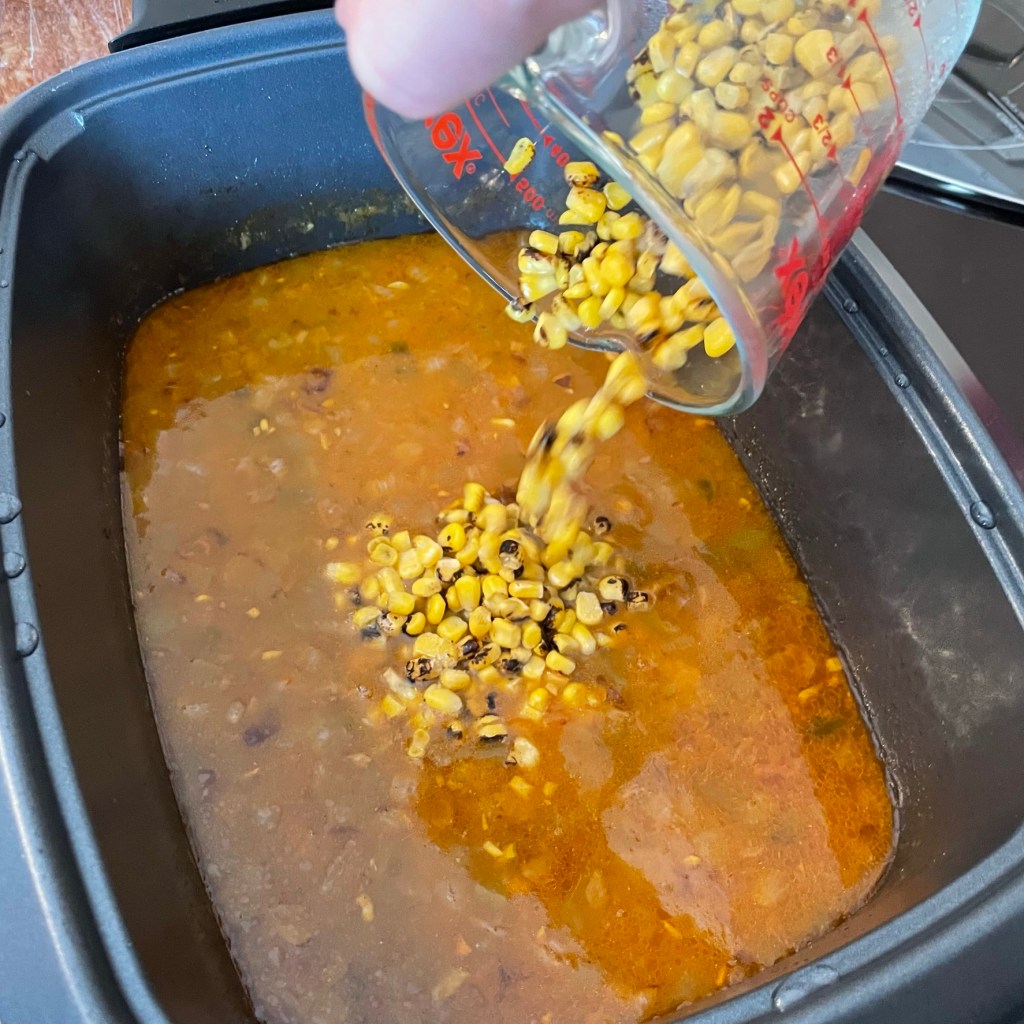
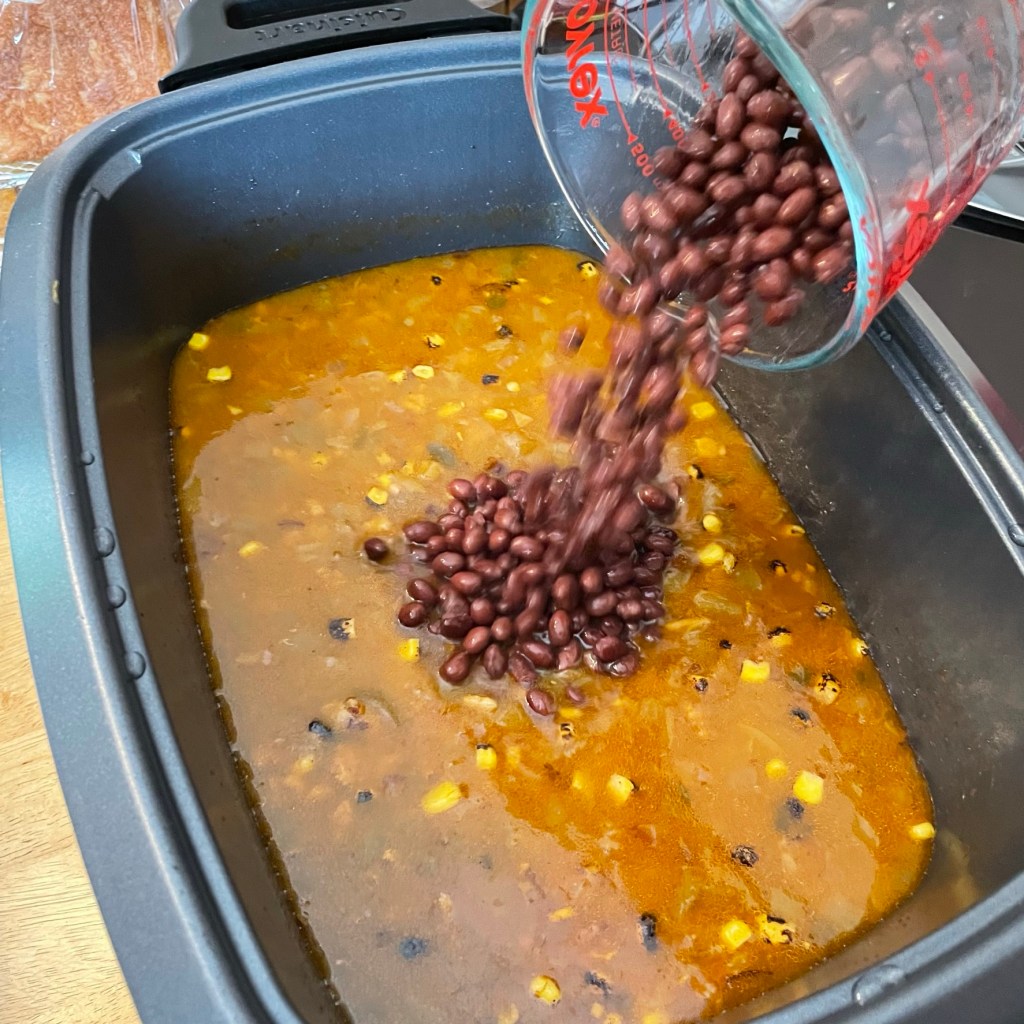
  5.  Add the roasted corn, black beans and salsa and stir to combine. Adjust seasonings to taste. Simmer on low setting for two hours or more, until you’re ready to serve.

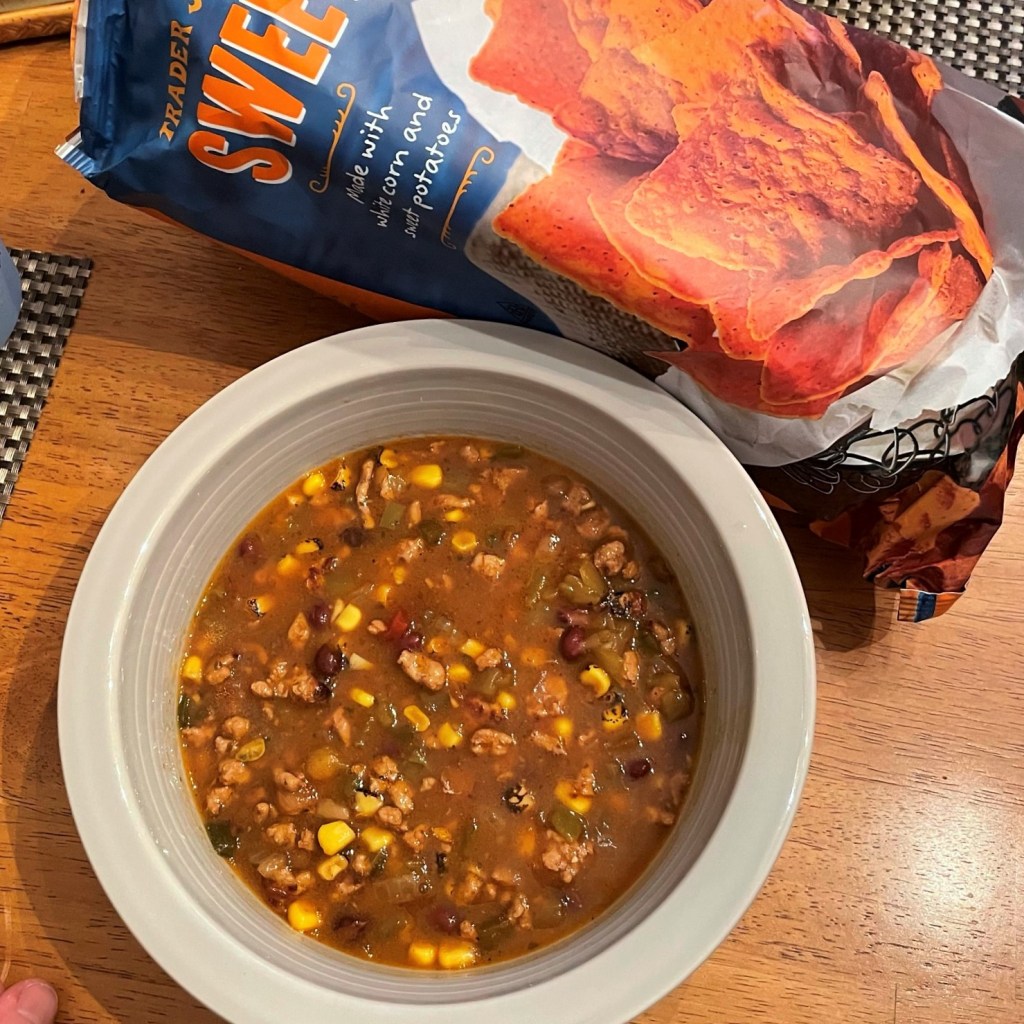
For our first “cooking without a kitchen” meal, I served this comforting turkey chili soup with tortilla chips, but it’s really delicious with a fresh batch of skillet cornbread.


Tex-Mex Stuffed Sweet Potatoes

Tomorrow at daybreak, about 80 miles outside of Pittsburgh, Pennsylvania, one of the strangest of all American traditions will occur. Punxsutawney Phil, the notorious groundhog (or woodchuck, as he is known in my old neck of the woods), will be dragged out of bed by the scruff of his neck and ordered to break the news to the faithful fans who have traveled there to get a verdict on winter. The mayor of Punxsutawney will hold this oversized rodent up to the crowd as Mufasa did in the presentation of Simba, and poor Phil will probably be some combination of terrified, confused and sleepy. Depending on whether he sees his shadow, we will either have an early spring or six more weeks of winter. I can never remember which scenario leads to which outcome, but how do we really know what he sees, anyway?

Such a curious thing, to imagine this whole scene is a valid means of setting expectation for what’s to come. Surely these folks have calendars. Winter ends March 20, when spring begins, and from Groundhog Day, the calendar states clearly that it is six more weeks, plus a few days. I suppose that everywhere else in the world, people just think of it as Feb. 2. I’m in favor of letting the rascal sleep.

At least we can watch the amusing Bill Murray movie. Again. 😉

From a purely whimsical standpoint, the observance of Groundhog Day does, if nothing else, provide a little comic relief from the heaviness of winter. Punxsutawney Phil may not be a real prognosticator, but he is a beacon of hope, a light at the end of the tunnel that was gray January. I’ve been trying to offer the same recently with presentation of bright and colorful dishes to chase away that gray.

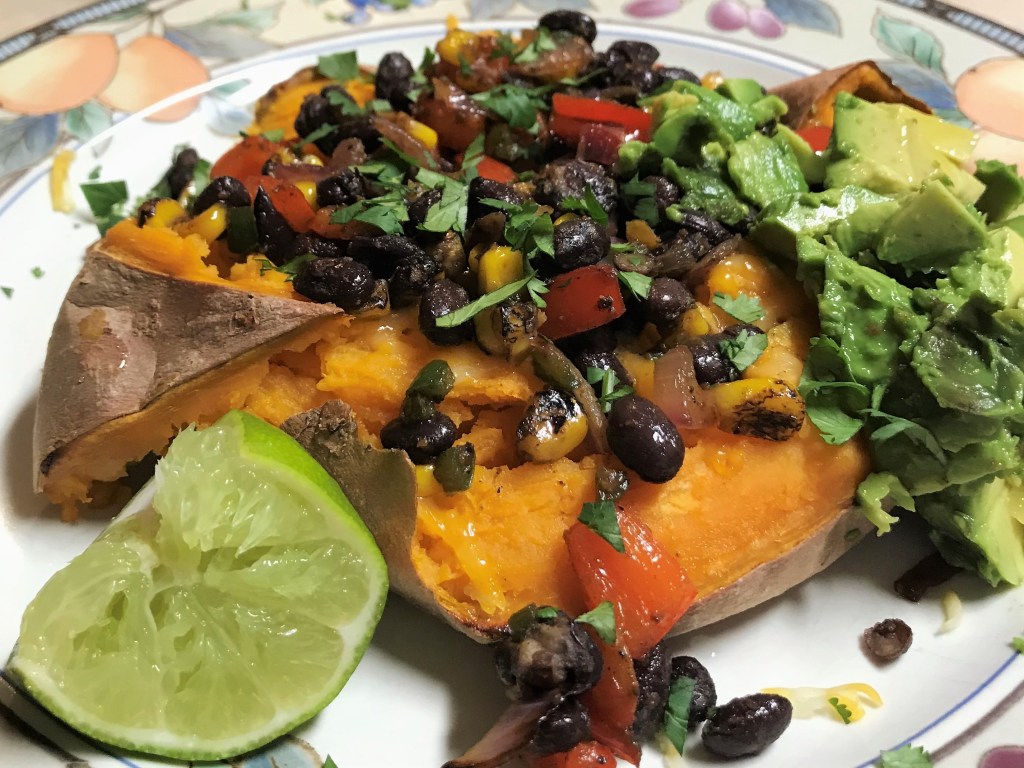
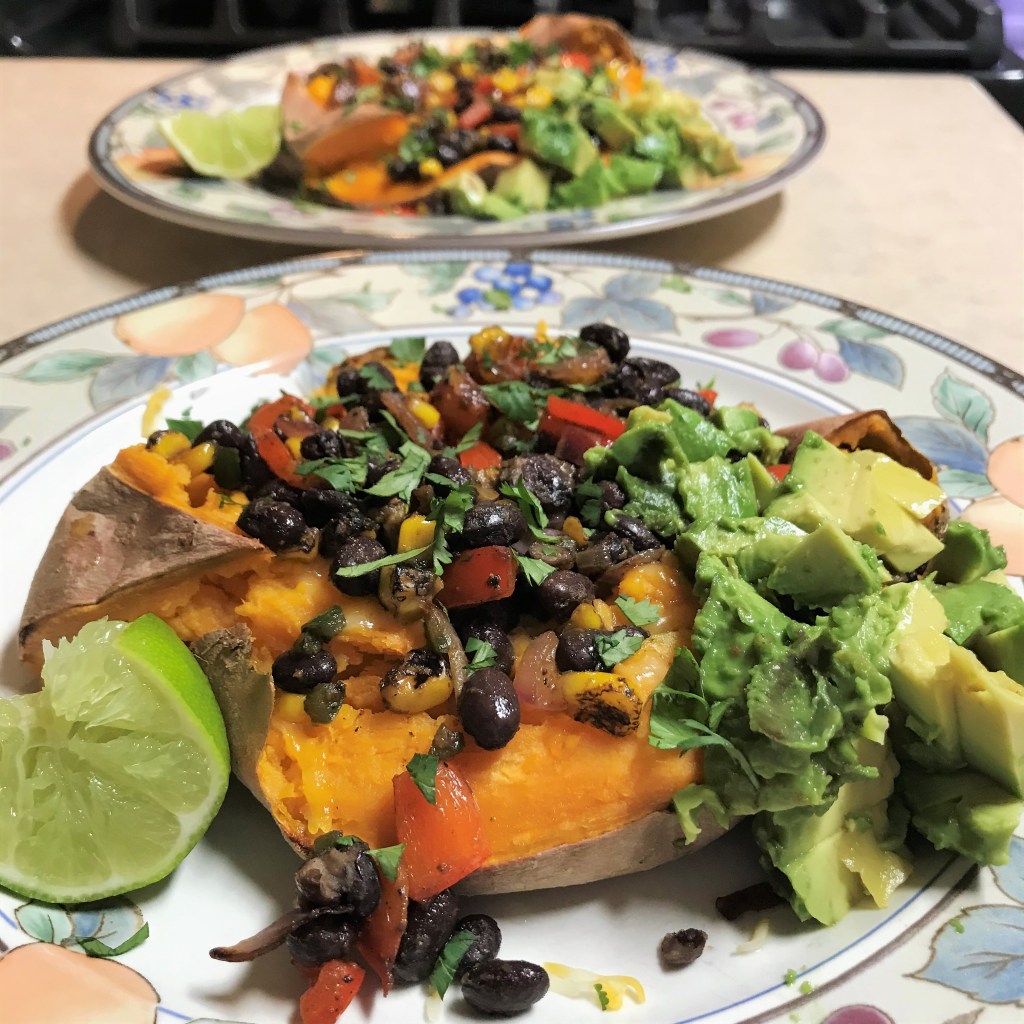
A sprinkling of cilantro and squeeze of fresh lime completes this colorful Meatless Monday meal!

These Tex-Mex stuffed sweet potatoes will bring a big generous pop of color to your Meatless Monday, and vibrant flavors, too. Zesty peppers and fire-roasted sweet corn, combined with black beans and cheese on an oven-roasted sweet potato is both nourishing and tasty, customized to your own heat preference, and you can top it with avocado, your favorite salsa, sour cream or whatever else you like. Our go-to seasoning for Tex-Mex dishes is my own spice blend, lovingly named “Fire & Brimstone,” given its multiple layers of spicy heat and smoky depth. Of course, I’ll share that, too.

This is one recipe that takes almost no skill in the kitchen. Really, if you can chop an onion, you’ve got this. You could even pop the sweet potatoes in the oven while you watch Groundhog Day on TBS (they’ll have it on a 24/7 loop, I’m sure), and finish the rest of the prep during the commercial breaks.

Serves 2 (or double it so you can have it again tomorrow)

Beautiful colors, and loads of Tex-Mex flavor!

Ingredients

2 large fresh sweet potatoes, scrubbed clean

1 Tbsp. kosher salt

1/2 medium red onion, chopped

1/2 red bell pepper, chopped

1 Tbsp. jalapeno, chopped

1/4 cup fire-roasted frozen corn (or regular corn)

A few shakes of Fire & Brimstone* (or another Tex-Mex seasoning, see notes)

About 2 oz. finely shredded mild cheddar cheese (or Colby, Monterey Jack, etc.)

1/2 can black beans, drained and rinsed

1/2 ripe avocado, cubed

Fresh cilantro and lime, for serving

Side accoutrements as desired, such as sour cream, salsa or pico de gallo


*Notes

My homemade spice blends do not have salt in them. Be mindful of the sodium content in whatever seasoning you use, so you don’t overdo it on additional salt while preparing the dish. If you’d like to try my Fire & Brimstone, see the ingredients listed at the end of the post.


Instructions


  1. In a large bowl, combine kosher salt with enough hot water to cover both sweet potatoes completely. Allow the potatoes to rest in this quick brine for about 20 minutes.
  2. Preheat oven to 400° F, with rack in center of the oven.
  3. Remove potatoes from brine and dry completely with paper towels. Use a sharp knife to cut an “X” about 3/4″ deep into the top of each sweet potato. This will be an “escape valve” for steam as the potato bakes. Place the potatoes on a parchment lined baking sheet.
  4. Bake the sweet potatoes for about 1 hour plus 15 minutes, or until soft enough to squeeze easily with a towel. About halfway through baking time, remove the pan and carefully cut the X marks a little bit deeper, but not all the way through.
  5. Near the end of baking time, heat olive oil in a small skillet over medium heat. Add onions, red bell pepper, jalapeno (if using) and corn. Sauté until onions are softened and translucent, about five minutes. Add black beans to the mixture and toss to heat through.
  6. Transfer sweet potatoes to serving plates. Carefully squeeze open the potato, using the X marks to guide them open. Use a fork to lightly smash the potato. Sprinkle with salt and pepper.
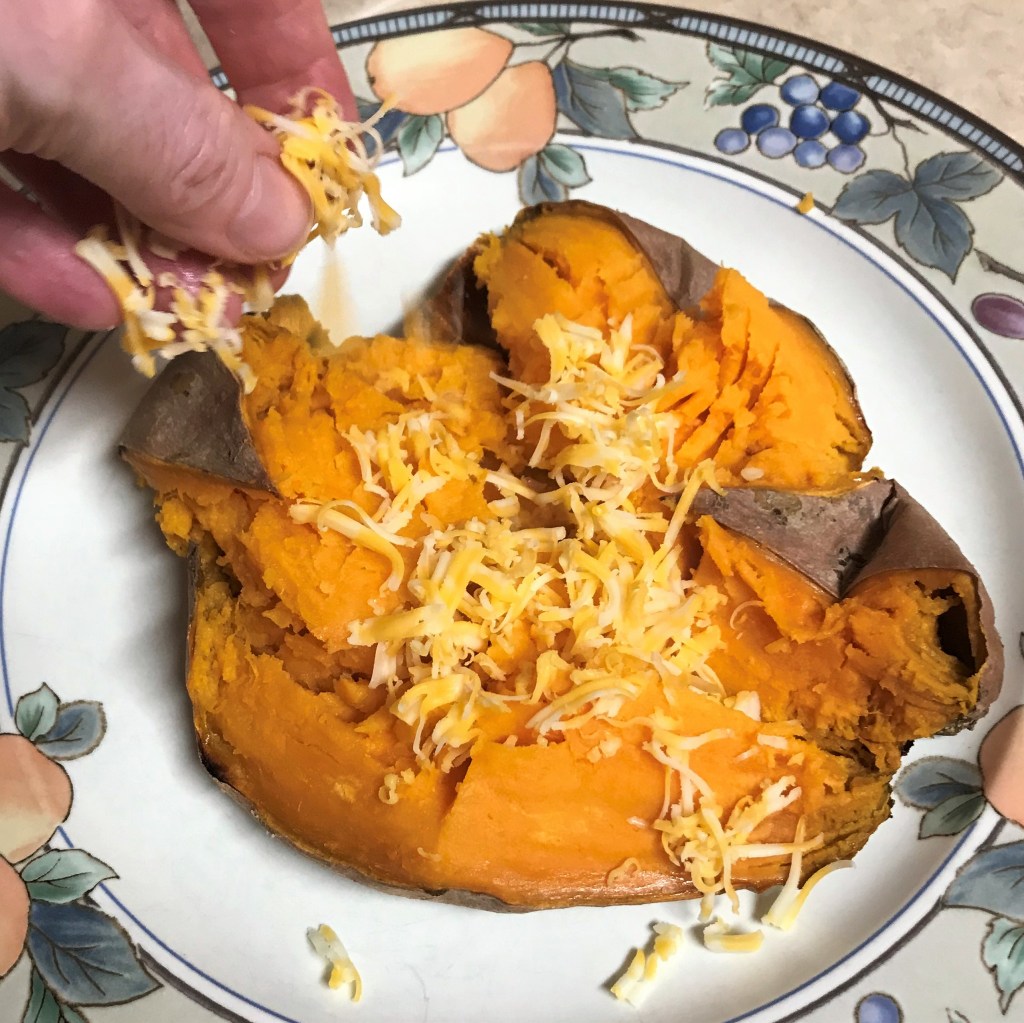
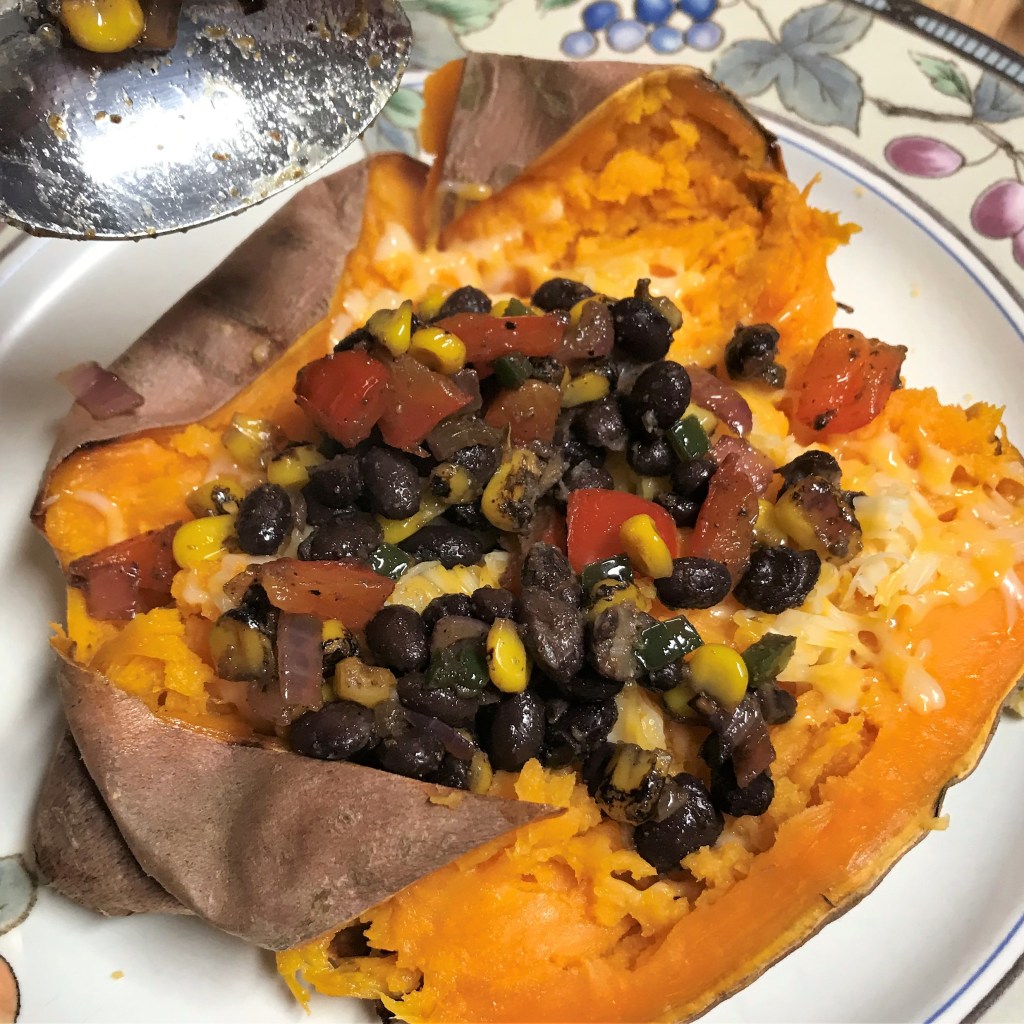
  7. Divide the shredded cheese directly onto the hot potato, then top with the bean-corn mixture.
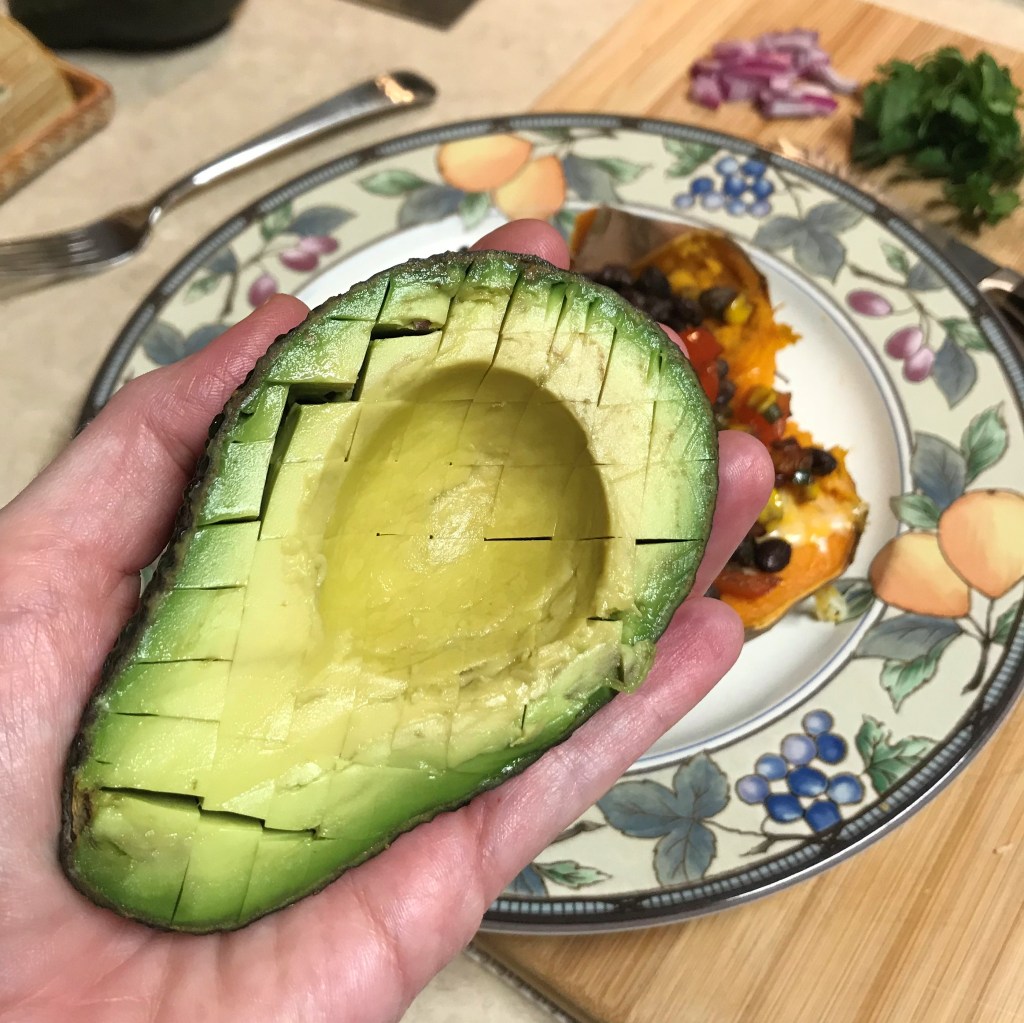
  8. Use a sharp paring knife to score the avocado flesh for easy scooping. Divide the avocado onto the plates as a side to the sweet potato. Sprinkle with cilantro, give it a squeeze of fresh lime and serve.
Want to make this recipe?


Fire & Brimstone Spice Blend

Where there’s smoke, there’s fire! This is a recipe blend I developed after repeated disappointment with all the salt in commercial blends. I use a variety of pepper ingredients, from mild and fruity to hot and smoky, and it works well as a sprinkle-on seasoning, chili add-in or even a dry rub on steaks or roasts. Adjust the amounts of any ingredient to suit your preferences. This recipe makes about 1/2 cup of spice blend. Store in an airtight jar in a cool, dry cabinet.

2 Tbsp. granulated garlic

2 Tbsp. ground black pepper

1 tsp. cayenne pepper (hot)

1 1/2 tsp. ground ancho pepper (mildly hot, fruity)

1 1/2 tsp. ground chipotle pepper (medium hot, smoky)

1 tsp. dried chipotle flakes (substitute additional ground chipotle if you cannot find these)

1 1/2 tsp. cumin (mild, smoky)

1 1/2 tsp dried thyme leaves


Hello, “Pumking!”

The arrival of fall gives me all kinds of warm fuzzies, not the least of which are the comfort foods I’ve been sharing for the past month. But there’s another thing I look forward to beginning in September each year, and that is the return of the Pumking. Thank goodness this seasonal brew will be around another month or so, because I do love it.

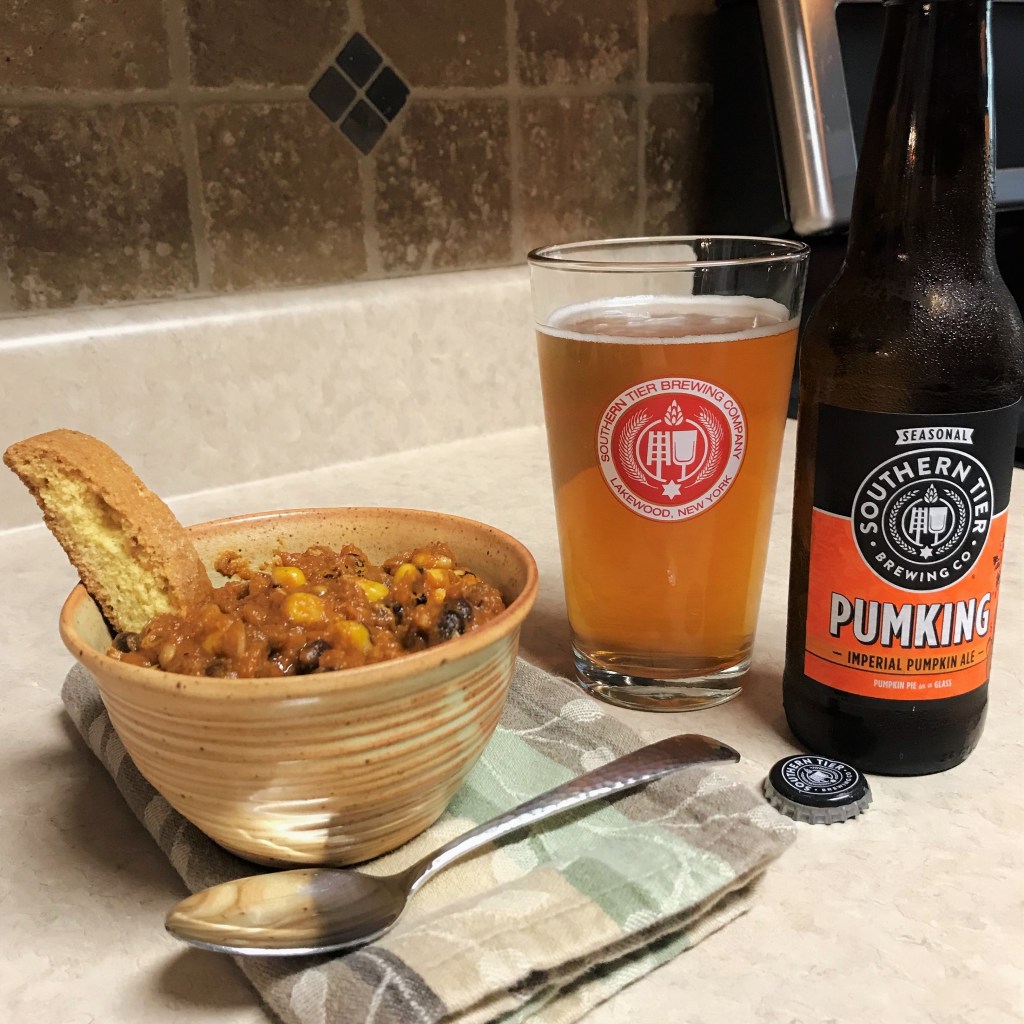
This pumpkin and spiced imperial ale has become, for me, synonymous with autumn. My first experience of it was nearly a decade ago, much sooner than it showed up in the cold beer aisle or on local tap menus. The brew is crafted in small batches by Southern Tier Brewing Company in Lakewood, New York. This is my old stomping ground, and though my visits to the area are few and far between these days, I have a deep sense of loyalty to certain businesses there, just as I have passion for “supporting local” in my current home of North Carolina.

I had occasion to visit Southern Tier’s flagship tasting room seven years ago, when I made the trek “home” for a family member’s memorial service. My beer connoisseur cousin and his wife were also in town, and our meeting place was Southern Tier. As with most local breweries, the tap offerings far exceeded the variety available for commercial distribution, and Southern Tier had some great seasonals, but we were all in love with the Pumking. The beer has an almost creamy texture, with warm spices, pumpkin (of course), and hints of caramel and vanilla, but without tasting too sweet.
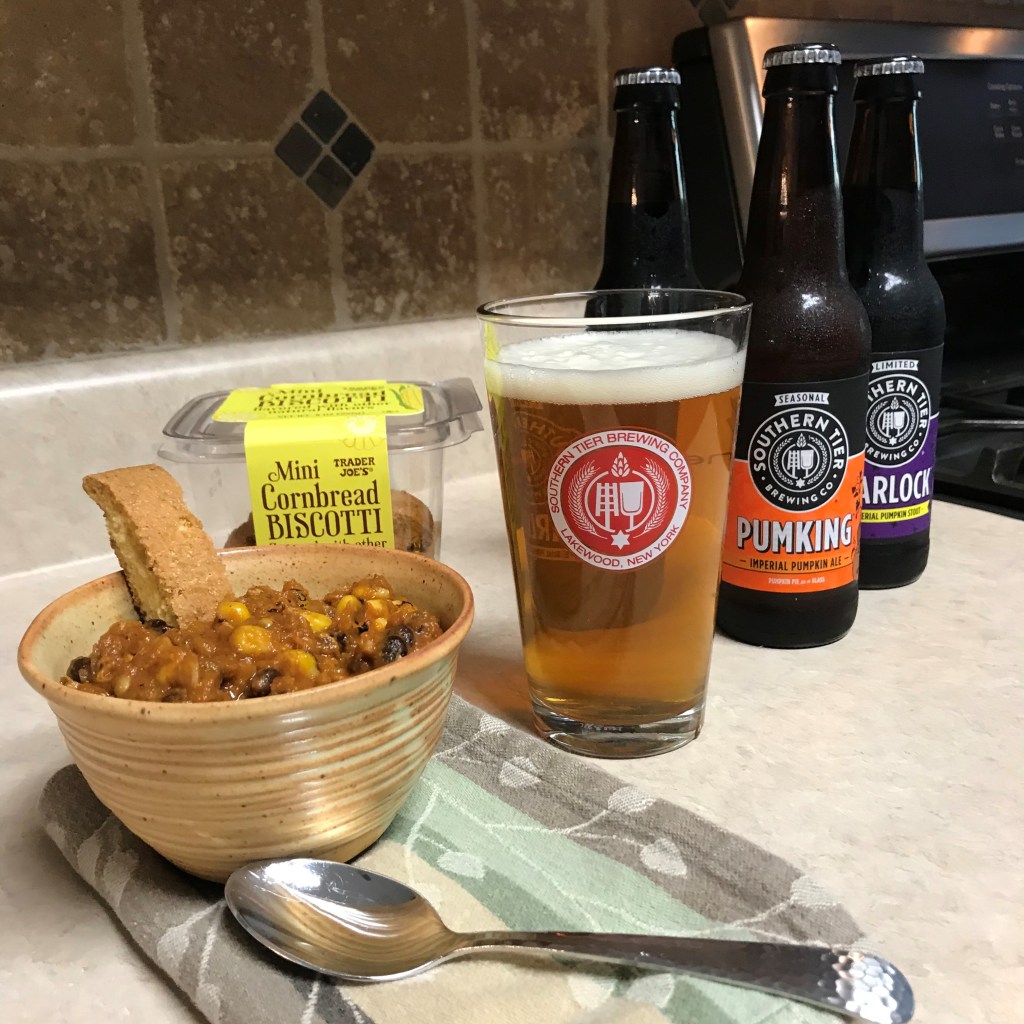
The Pumking family also includes Warlock, a stout with the same great pumpkin and spice flavors. It’s a little sweeter and heavier, but would also be terrific in a chili!

I will enjoy drinking it for its own sake, but I also plan to use it in other recipes, including bread—and you can bet I’ll find a way to slip it into an ice cream, too! To get things started, I’ve whipped up a fall-inspired chili that makes the most of savory roasted sweet potatoes and canned black beans, plus green chiles and fire roasted corn. Did I mention that it’s also vegan-friendly? Serve it up with your favorite cornbread and another bottle of Pumking—oh my, that’s tasty!


Pumking Black Bean Chili ingredients

1 lb. sweet potato, peeled and cut into chunks

1 medium onion, chopped

4 cloves garlic

1 can black beans, drained and rinsed

28 oz. can peeled tomatoes in puree (I used Cento brand)

1 small can green chiles, diced

1 cup fire roasted frozen corn

1/2 cup cooked wheat berries* (optional, see notes)

Half bottle Pumking imperial ale (enjoy the other half while you cook)

Chili spices* – chipotle powder, sweet Spanish paprika, cinnamon, smoked black pepper, cumin

*Notes

Wheat berries are the dried whole grain of wheat, and they add terrific texture and fiber to this chili. You can read more about them in my summer post for Healthy Wheat Berry Salad. If you cannot find wheat berries in your favorite food store, it’s fine to omit them. The other ingredients will provide plenty of body for the chili.

Combine your preferred spices into a bowl. Use whatever chili seasonings you like. If you aren’t sure how much to use of each, may I suggest: 1 tsp. chipotle powder, 1 tsp. sweet Spanish paprika, 1 tsp. kosher salt, 1/2 tsp. ground cumin, 1/2 tsp. smoked black pepper, 1/4 tsp. ground cinnamon.

Let’s make it!

Follow along with these slides, or scroll to the bottom of the post for a PDF version of the recipe you can download and print. Enjoy!

Want to print this recipe?


Jamaican Jerk Chicken Stuffed Peppers

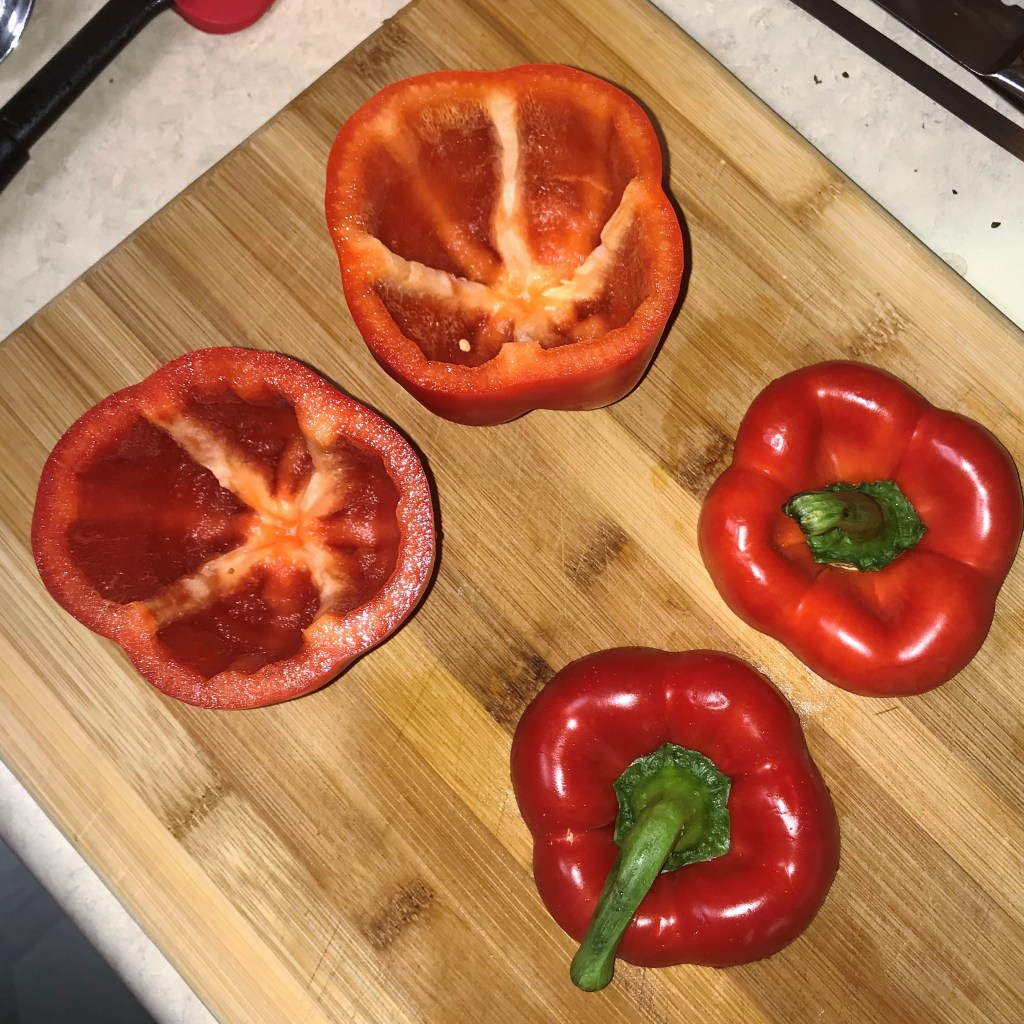
If there’s a better way to knock down a huge pile of peppers, I don’t what it is other than stuffing them with great flavors. Like you, I’ve had them the traditional way—with ground beef and rice, topped with tomato sauce. One of my go-to recipes through the years has been turkey stuffed peppers. But this time, my pepper purchase included a half dozen of these huge red beauties, and they have been begging me for something a little special.

Red bell peppers have so much going on. They are far sweeter than green bell peppers, packed with vitamin C (more than oranges, in fact) and well-suited to a number of terrific ethnic cuisines, including Italian, Asian, Spanish and, as we’re about to dive into today, Caribbean.

You don’t have to love spicy flavors to enjoy Jamaican jerk, but it certainly helps. A traditional jerk blend includes fresh thyme, allspice, scallions, a bunch of black pepper, ginger, nutmeg and a good dose of super-hot habanero pepper. But it’s not difficult to find a seasoning that backs off the habanero, and of course, you can always make your own from scratch.

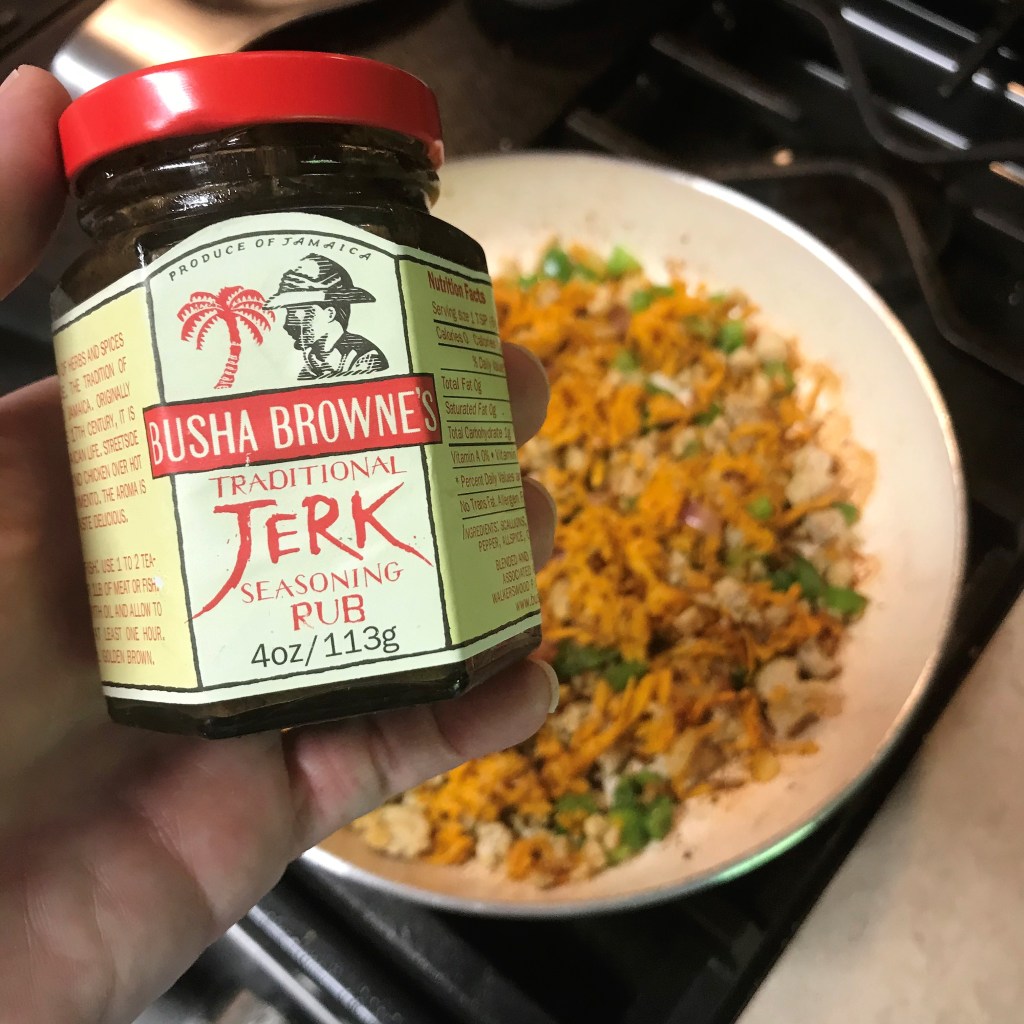
This is the stuff, right here! Find it at Whole Foods, gourmet specialty stores or online.

This one happens to be my favorite, straight from Jamaica (as it should be) and packing plenty of heat. The brand is available at most Whole Foods stores or online. If your market doesn’t carry it, look for another with the aforementioned ingredients.

Another thing I love about the flavors in this recipe is that it’s very adaptable to vegan preferences. I’m always on the lookout for ways to make a recipe completely plant-based, because we never know when Les’s daughter may be free for a visit, and this one would be a snap. Just omit the chicken and double the sweet potato and black beans—done!

This recipe serves 2, double it up to feed a hungry family.


Ingredients

Extra virgin olive oil

1/2 lb. ground chicken

1 small red onion, chopped

1 medium raw sweet potato, shredded* (see notes)

1/2 can black beans, drained and rinsed

1/2 green bell pepper, chopped

1 Tbsp. Jamaican jerk seasoning*

2 large red bell peppers

*Notes

Shredding the sweet potatoes helps speed up the recipe because they cook so quickly. If you prefer, you could cut them into small cubes and give them a little more time to soften before adding the black beans. I used the food processor to shred them, but a box grater would also work.

The jerk seasoning I like is meant to be a rub for grilling or smoking, rather than an add-in, so it’s tipping the scale toward the sodium side. For this reason, no additional salt is mentioned in the recipe—the jerk seasoning has it covered. I always recommend examining the nutrition information on labels so you know what you’re getting into. If you use a dry jerk seasoning rub, it’s likely to have even more salt, so use your judgment and cut back to a lesser amount accordingly.

Instructions

  1. Preheat oven to 350° F, with rack in the center.
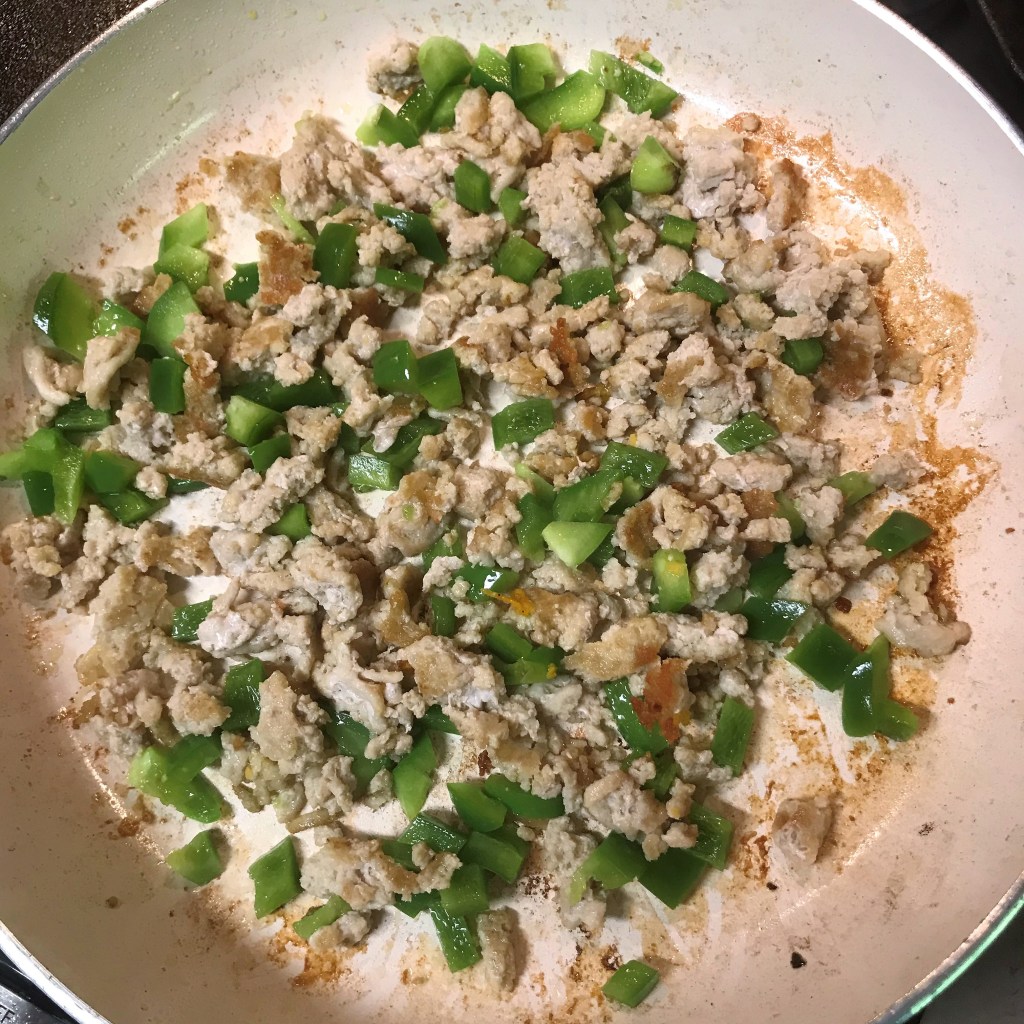
  2. Heat a non-stick skillet over medium heat, swirl in olive oil and brown the ground chicken with the onion and green bell pepper. When chicken is no longer pink and vegetables are softened, add shredded sweet potato and black beans. Cook a few more minutes, until sweet potato is tender. Mix in the Jamaican jerk seasoning rub and stir to combine.
  3. Prep the red bell peppers by cutting the tops just below the stem line. I like to replace the top during baking and presentation, so it helps to cut low enough to keep the stem intact. Use a paring knife to cut around the seed pod and remove seeds and membranes.
  4. Soften the whole peppers by putting them upside-down in a microwave-safe dish with about 1/2” water (with the tops squeezed in the side), and microwave at full power about 2 minutes.
  5. Fill peppers with jerk chicken mixture, replace tops and cover peppers tightly with foil. This will help retain moisture while the peppers bake for 35 to 40 minutes.

They’re spicy, fresh and satisfying, packed with plenty of nutrients. Serve the peppers piping hot, just as they are, or with your favorite island-inspired sides. This was a test run for me, and now that I know it’s a keeper, I’ll make some mango-scallion rice to go with it. Won’t that be pretty?

There’s so much flavor and nutrition packed into this dish. My husband feared he wouldn’t be able to finish his portion.

Want to print this recipe?

Yep, he finished it.