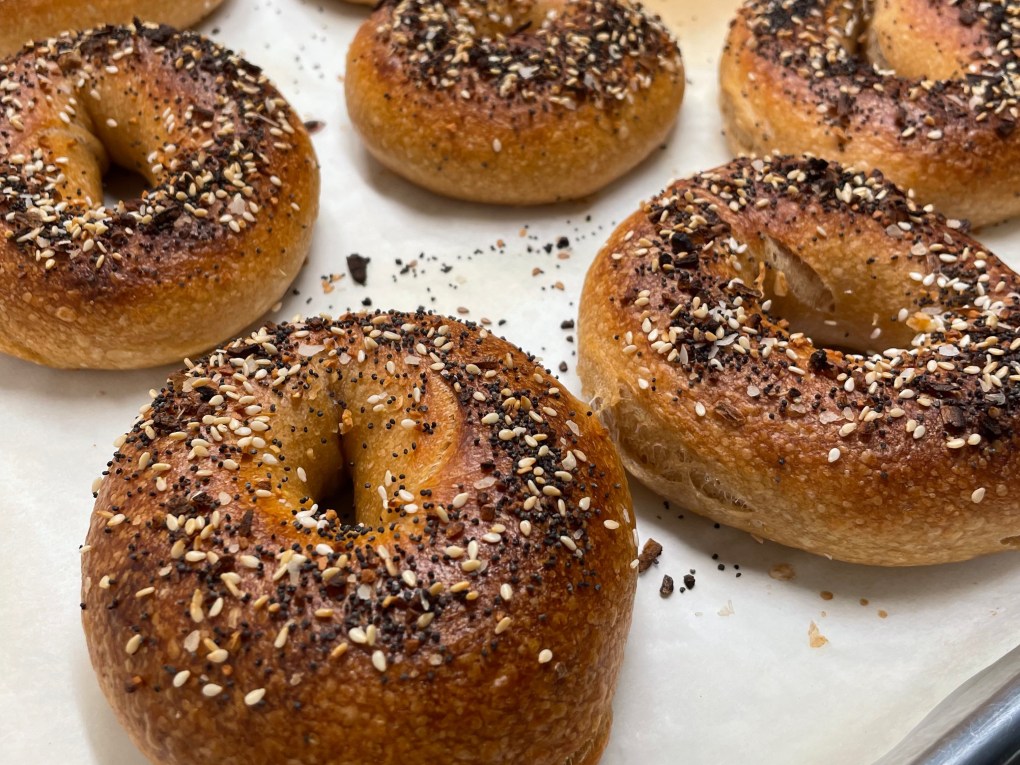
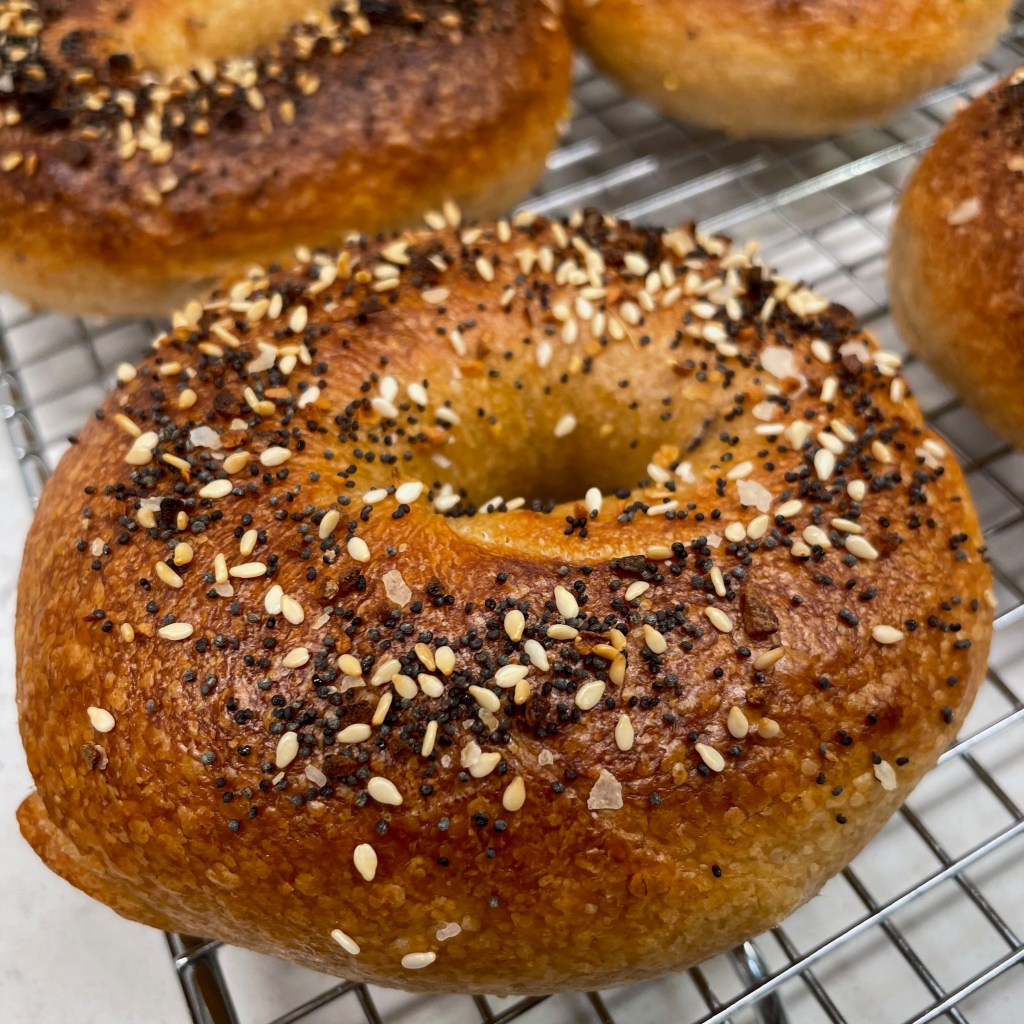
If someone had asked me how I spent last weekend, this would be my answer. It is not that making these bagels took the whole weekend, but that I spent most of the weekend thinking about them and anticipating the crispy crust, chewy interior and the sheer satisfaction of having them turn out so well.
The adventure I had making sourdough bagels is much more than a recipe, though I’ll be happy to share where my recipe came from. Here you go: https://www.theperfectloaf.com/sourdough-bagel/
Maurizio Leo’s creations have been intimidating, er, fascinating me for a few years now, since I first discovered one of his recipes on the King Arthur Baking site, where Maurizio had been an occasional contributor. This guy is one of my culinary idols, and his expertise with sourdough is astounding. One of the things that used to scare me about his recipes was his attention to the science, and especially his guidelines for the temperature of the dough at various stages. But my worries were eased when I remembered something I learned in my King Arthur Baking class last summer: concern about temperature is more crucial in a production environment, where you have to be ready for baking on a schedule, than in a home kitchen. Once I recalled that fact, I’ve been able to relax and just appreciate the outcome with less worrying along the way. Baking is supposed to be enjoyable, right?
It does help to remember two simple tips about temperature: yeast dough (including sourdough) rises more quickly in a warmer environment, and dough develops more flavor in a cooler environment. Both of these principles come into play with this bagel recipe.
When I got the itch to make bagels for the first time in ages, it was Maurizio’s blog that I turned to for the best recipe and expert advice. He did not let me down.
This renewed interest in making bagels came about in early November, after my husband, Les, and I had participated in a trivia night at the temple in our city. We were assigned to a team and challenged in a variety of categories— from movies, sports and music to Jewish culture and history. Thanks to the diverse interests of our team, we did very well in round after round, and then came a food question that left us, shall we say, farblonjet (a Yiddish word that loosely translates to “we don’t know what the heck”). The trivia clue went something like this:
What staple Jewish food was said to have originated when Polish King Jan Sobieski saved Austria during the Ottoman Empire?
I’m paraphrasing because I don’t remember the exact details of the question; I only remember that we had a lot of discussion at our table and we still got it wrong. One teammate said knishes, which we thought might have had ties to Poland but we weren’t sure. I thought perhaps bialys, which I was certain were Polish but that’s all I knew about them. And a third person on the team said bagels because it seemed the most obvious. I chimed in that maybe it was too obvious, and then we agonized until time was up and we went with “knishes.”
The answer was, of course, bagels! And then a whole conversation ensued across the entire room, about what makes a bagel great— from the New York City water to the best toppings— and I haven’t stopped thinking about them since.
We are lucky to have a very good local bagel store in Winston-Salem (conveniently located practically next door to the temple), and we are perfectly content with their bagels most of the time. But when I found myself with a little free time last weekend, I decided to go for it. Making bagels requires a fair amount of planning and a few weird ingredients, which I happened to have on hand because, despite my lack of knowledge about the history of bagels, I’m still a bread nerd. This has been a long time coming!
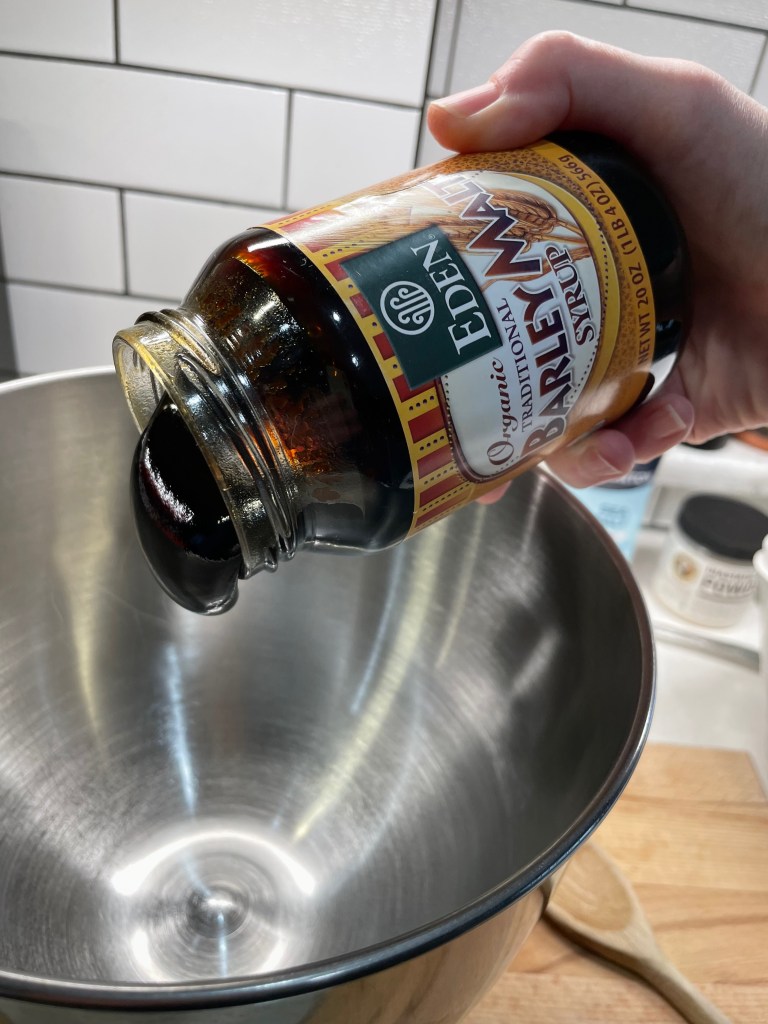
I made only two changes to Maurizio Leo’s recipe, and I’ll describe them in case you want to follow my variations. The first was a flour swap— rather than the full amount of bread flour suggested in his recipe, I used half bread flour and the other half was a split of high-gluten flour and white whole wheat flour. Both of these substitutes are thirstier than bread flour so I also increased the water somewhat (though perhaps not enough) to ensure hydration. Still learning here!
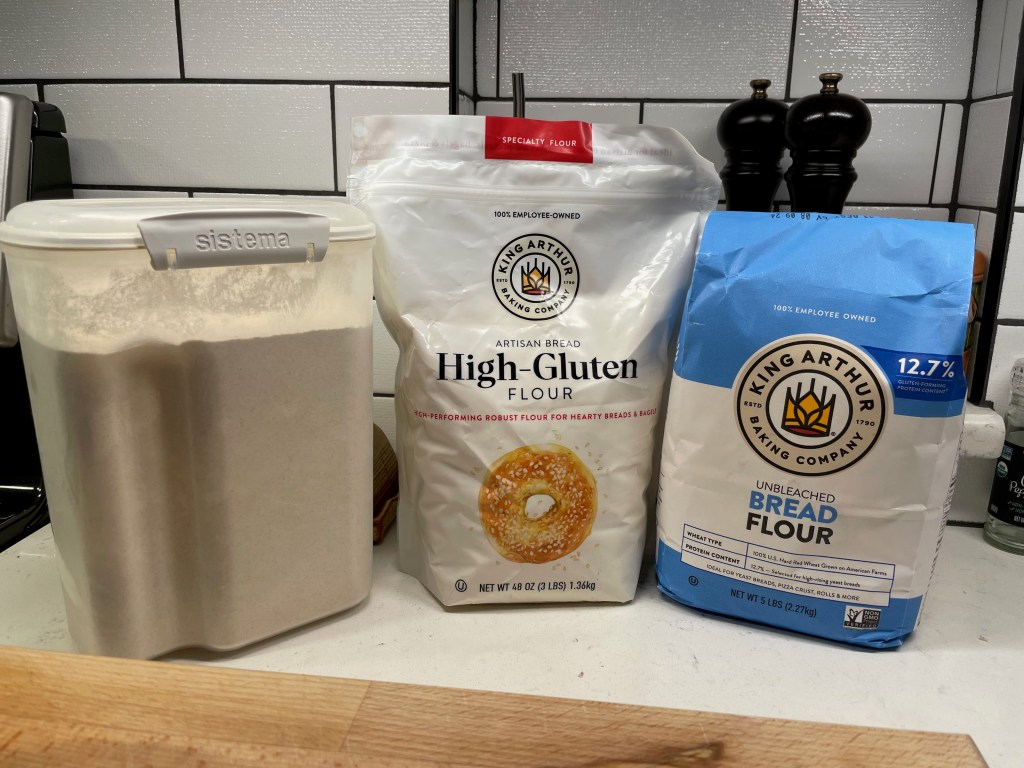
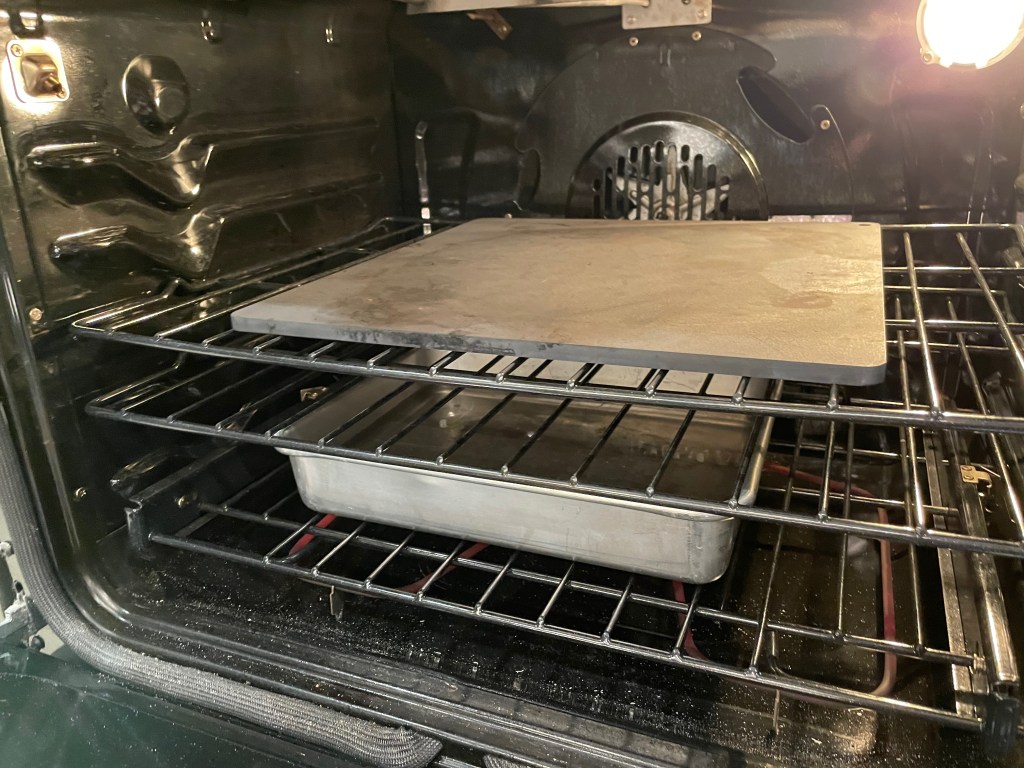
The other change was a technical one— I used my own version of a steam bake, which is simply an oblong baking pan filled halfway with hot water that preheats with the oven. Maurizio’s suggestion (a roasting pan filled with preheated lava rock, onto which you’ll toss ice cubes) is a good one if your oven has room for the setup he describes. But I’ve been leery of using ice in the oven ever since 2016, when an unfortunate accident resulted in shattering the oven light in my rental apartment. After that, I read on another baking blog that when you’re baking with steam, it does not need to be dramatic; you just need to have a very humid environment in the oven. I’ve never had trouble with my method of steam baking, and the result with my bagels was terrific.
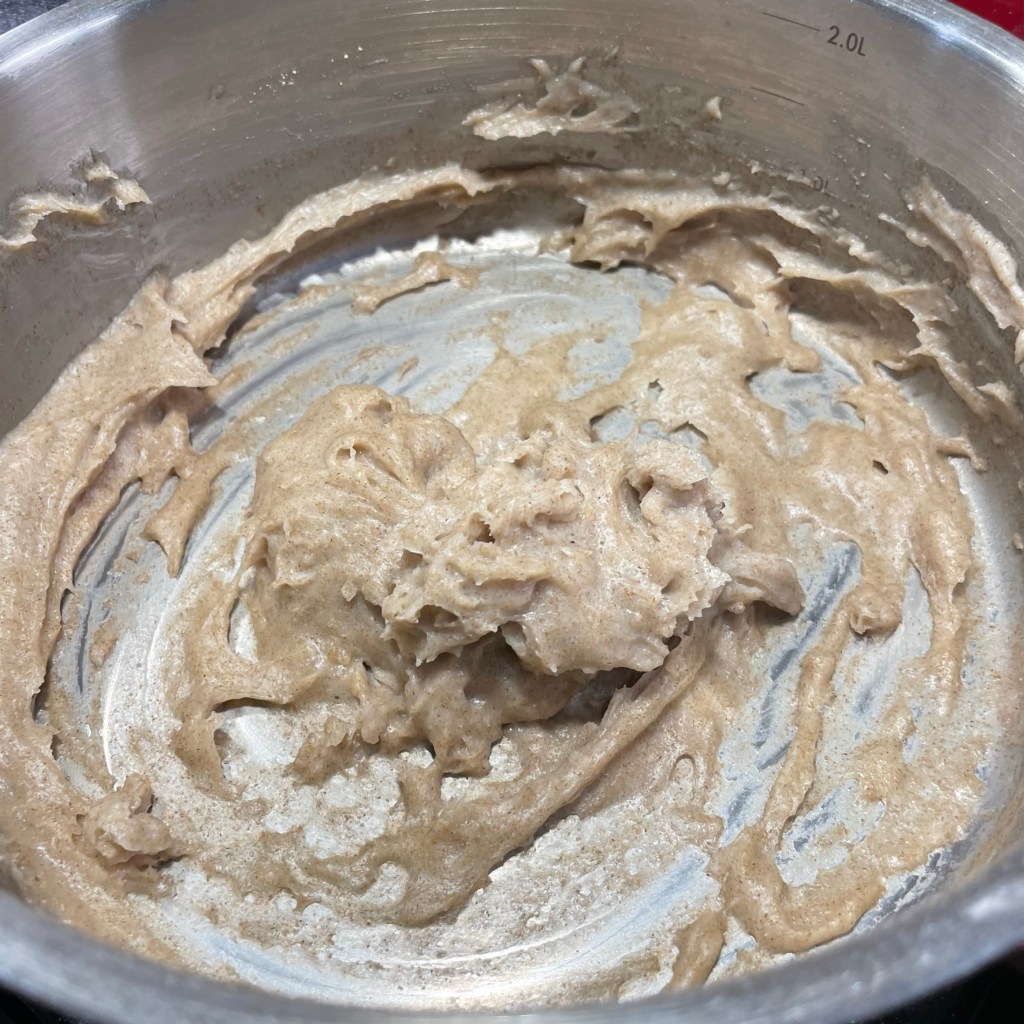
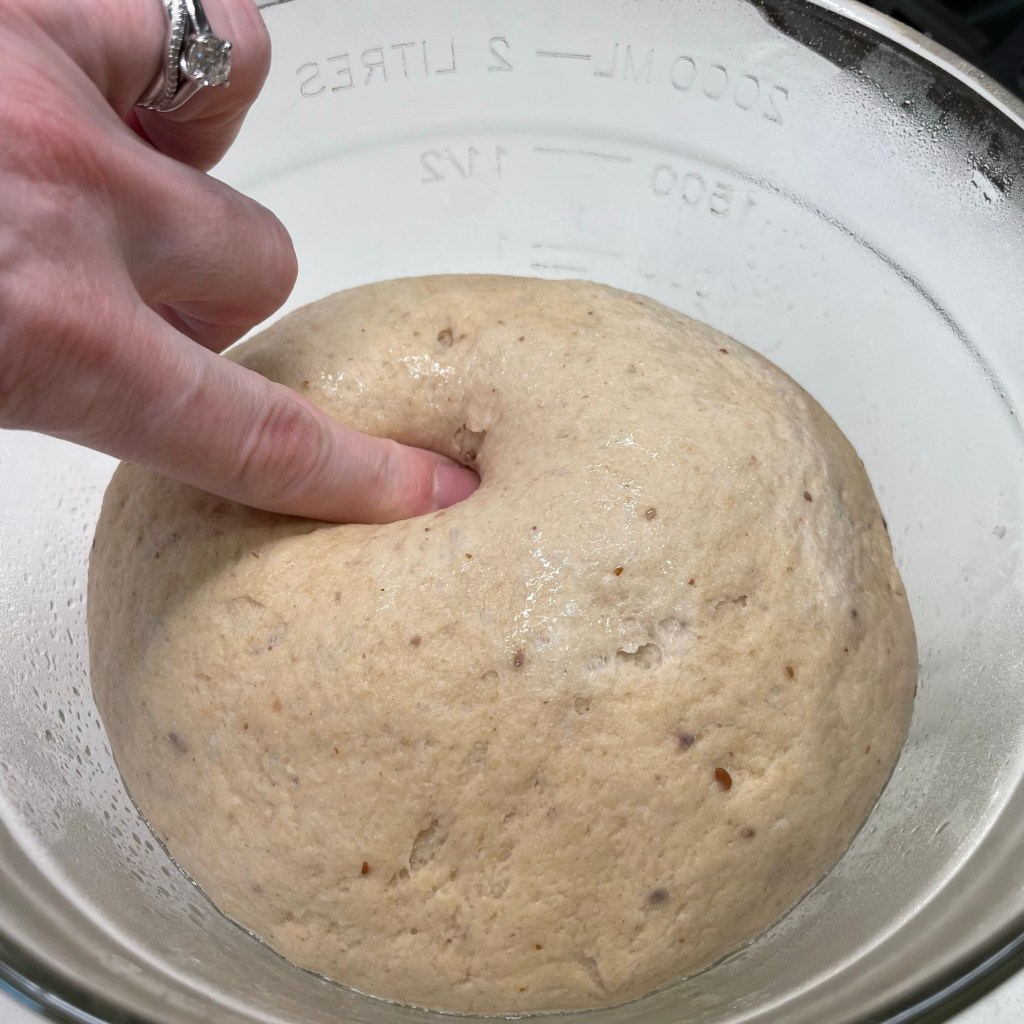
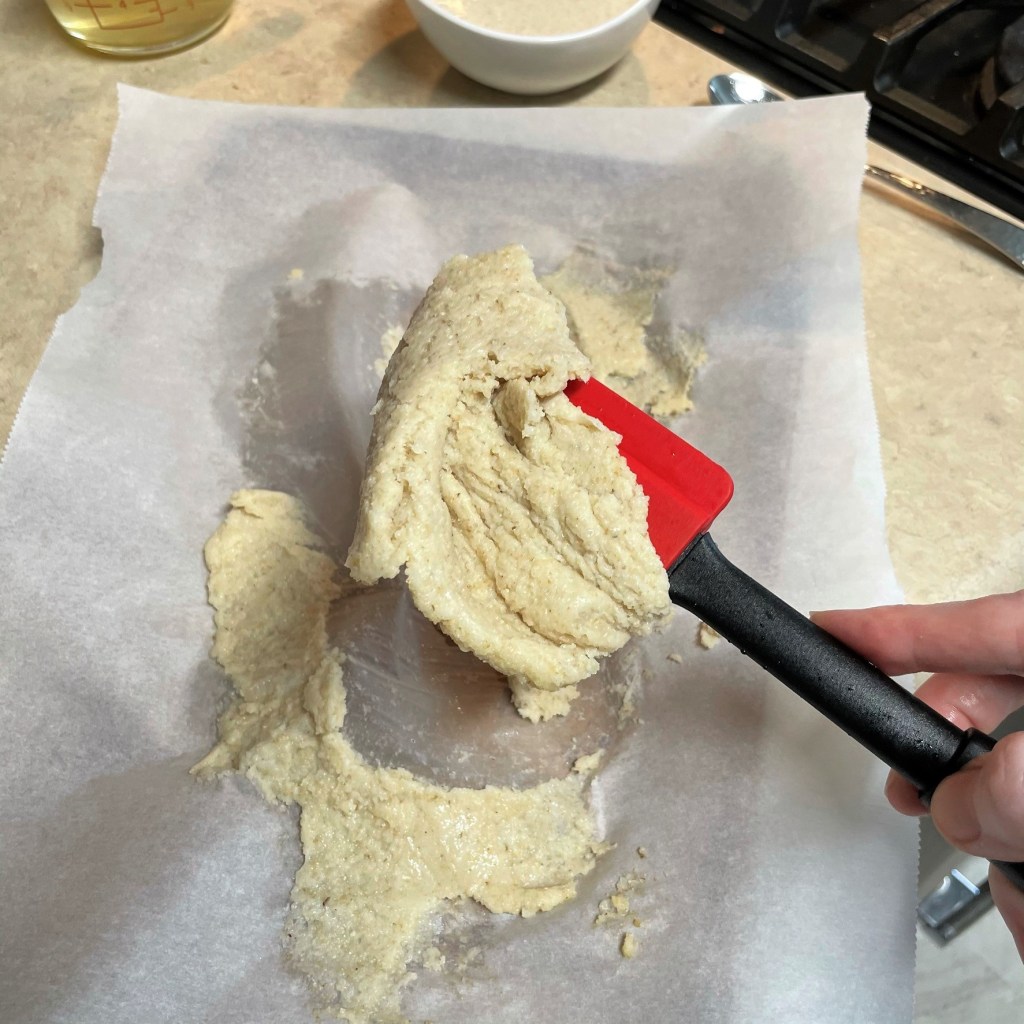
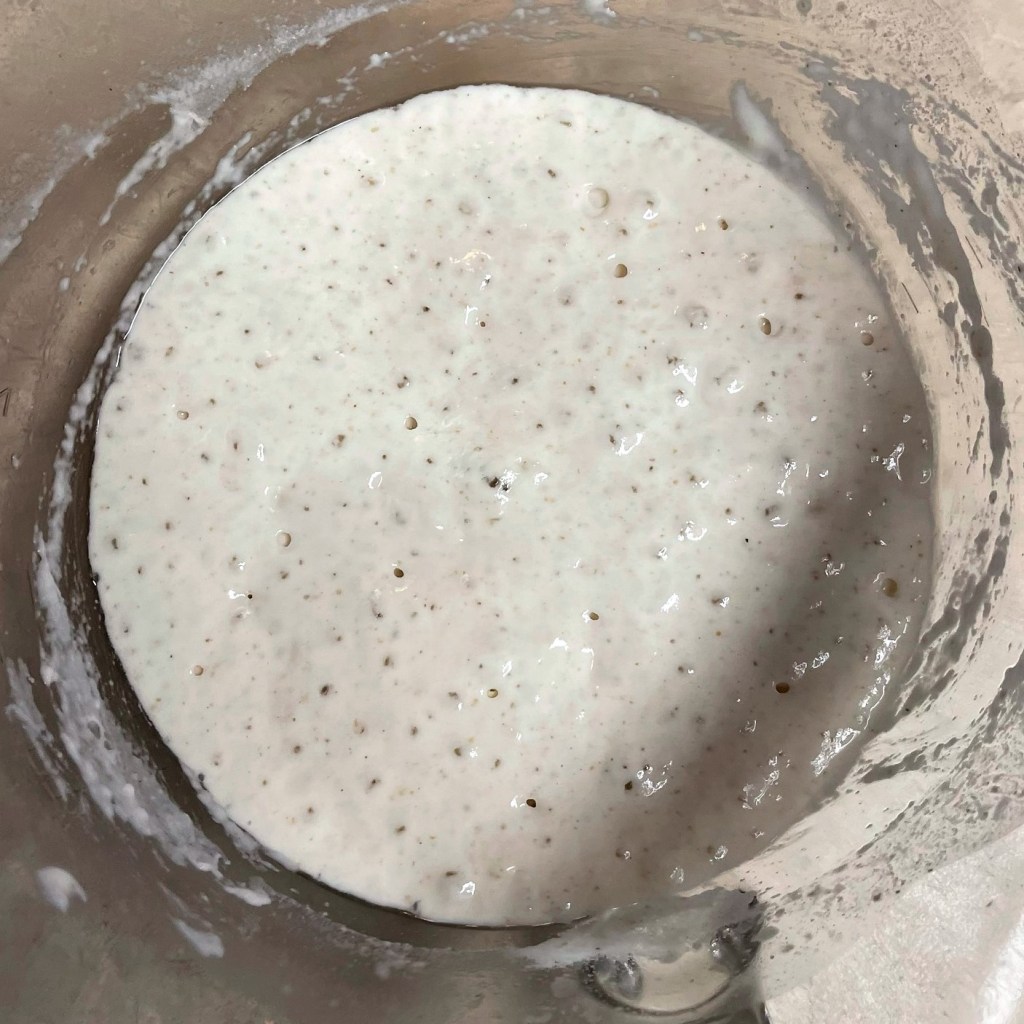
The recipe begins two nights before you plan to bake, with an intermediate feeding of a tiny bit of ripe sourdough starter to create a dough called levain, an intermediate starter that will be worked into the final dough. This levain is a very firm, tight dough, and after mixing it, I let it rise overnight in the oven with the light on. This kept it warm and cozy for its 12-hour ferment, and it’s the first of the two principles I mentioned earlier about temperature.
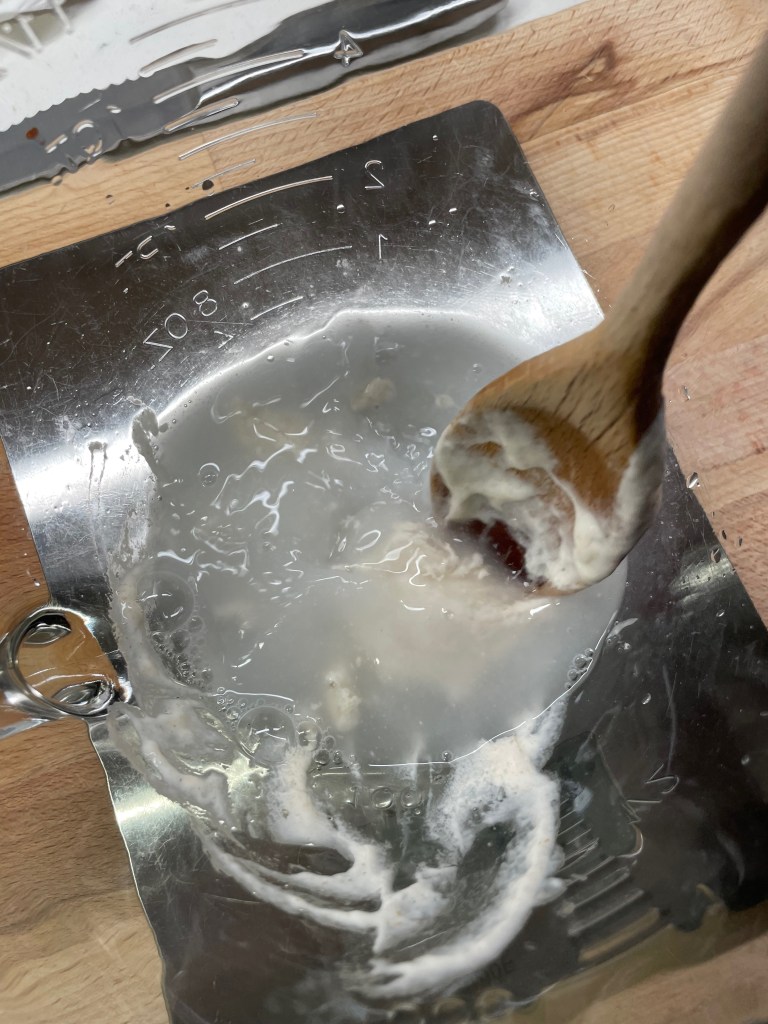
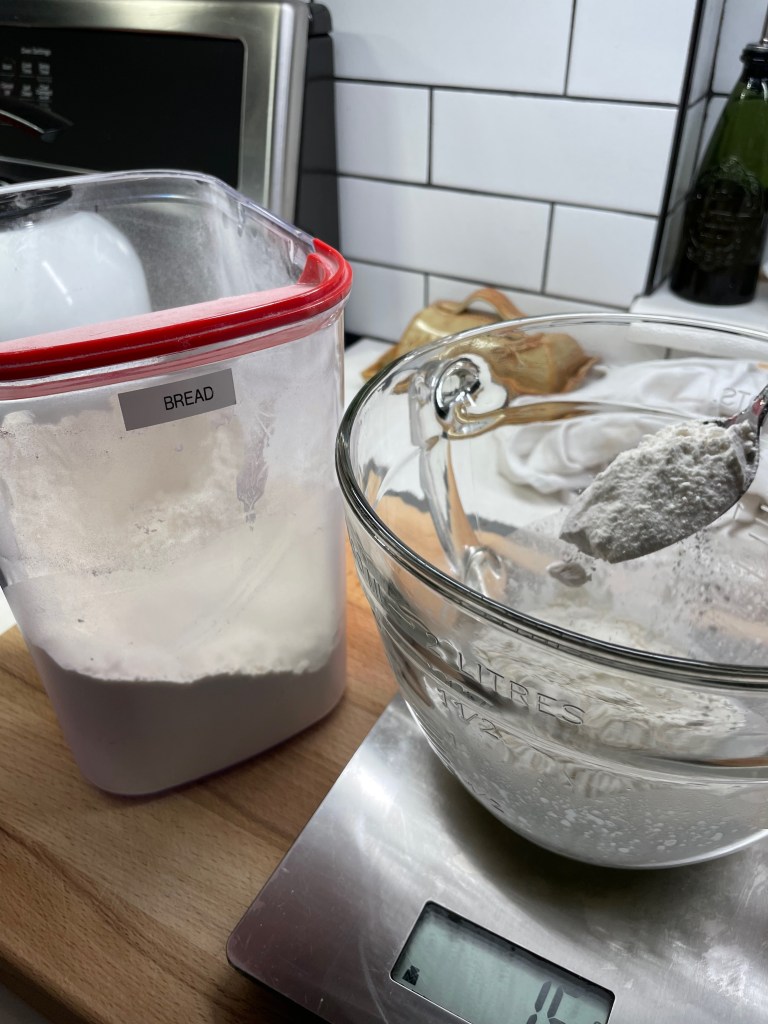
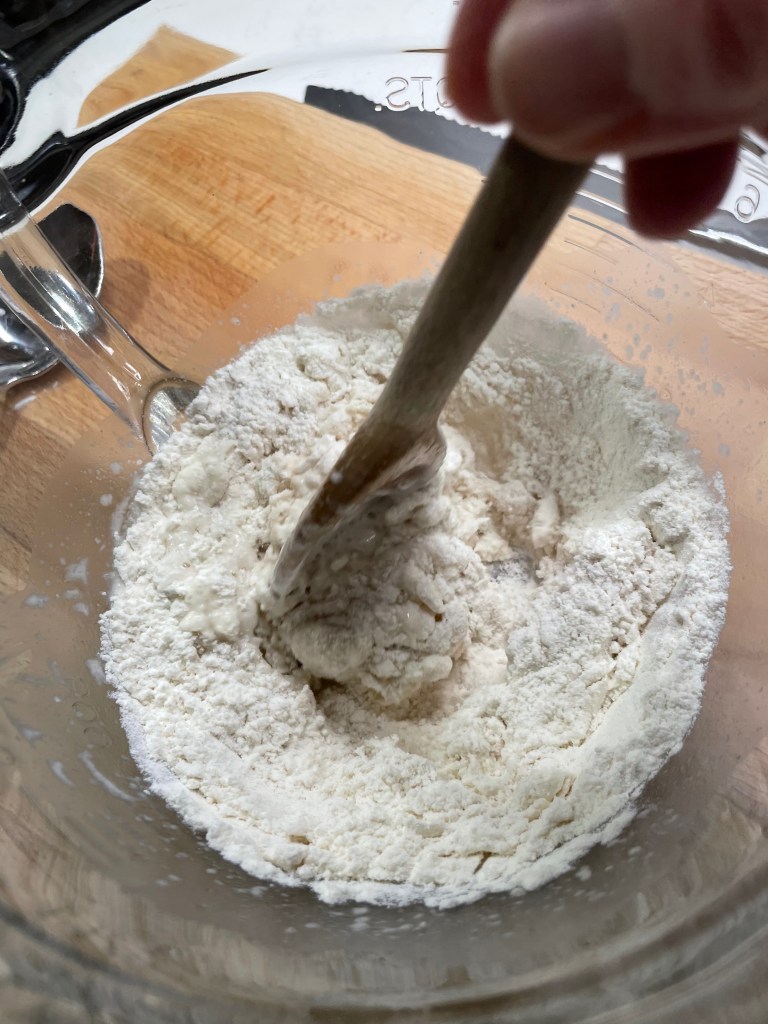
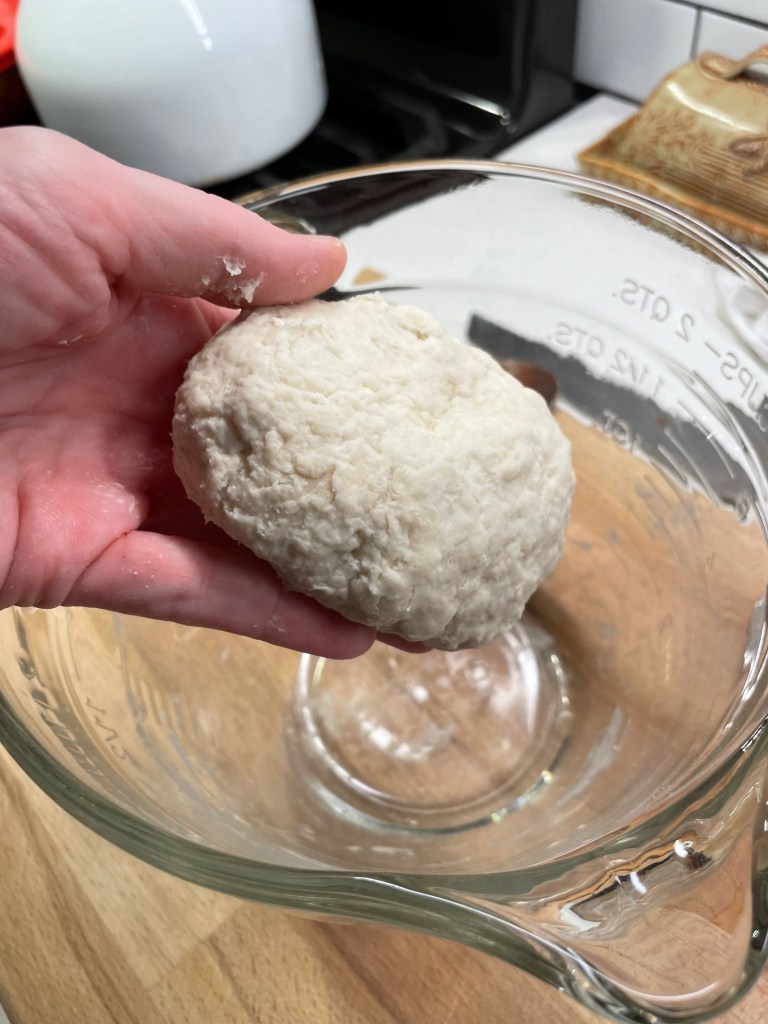
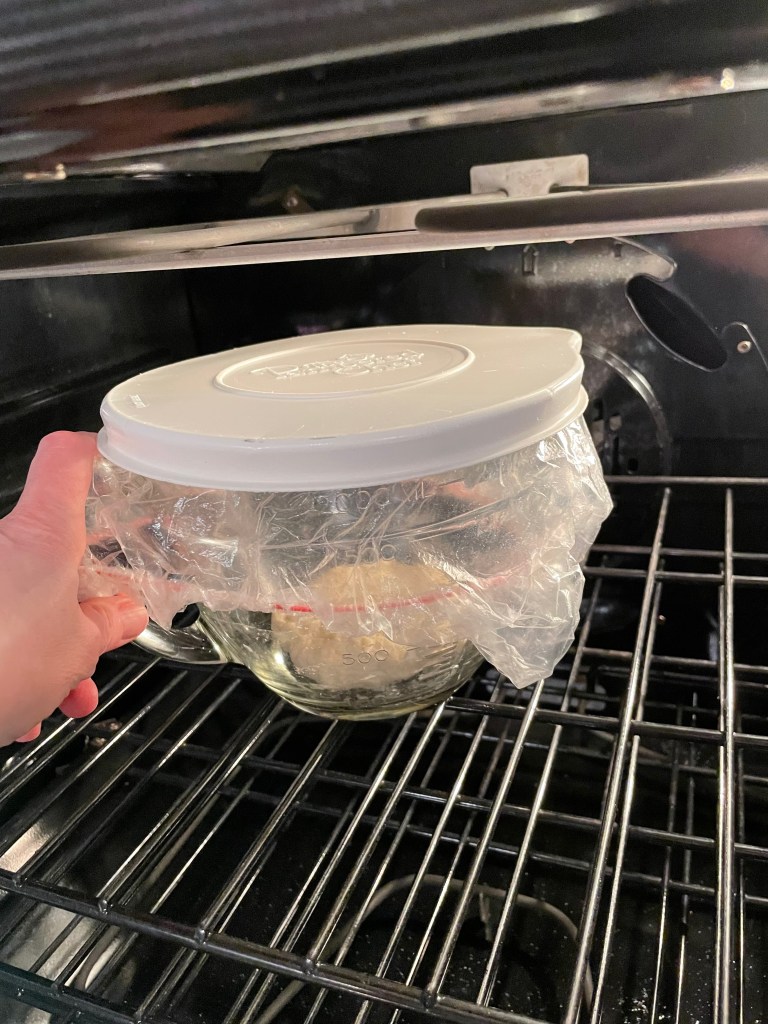
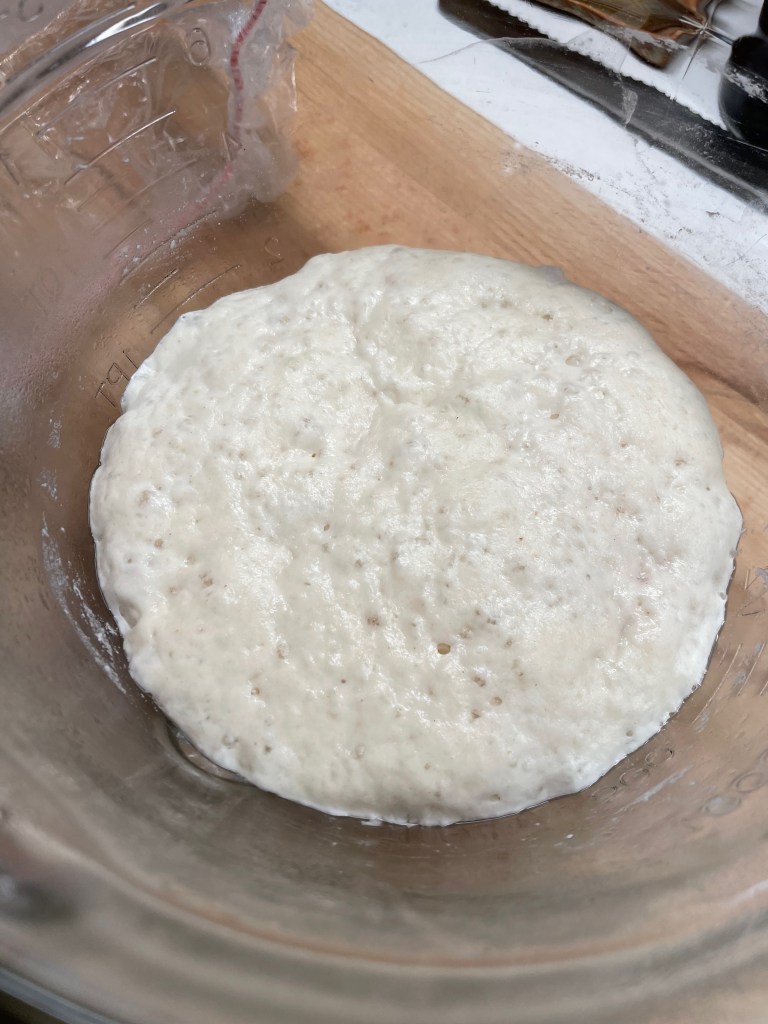
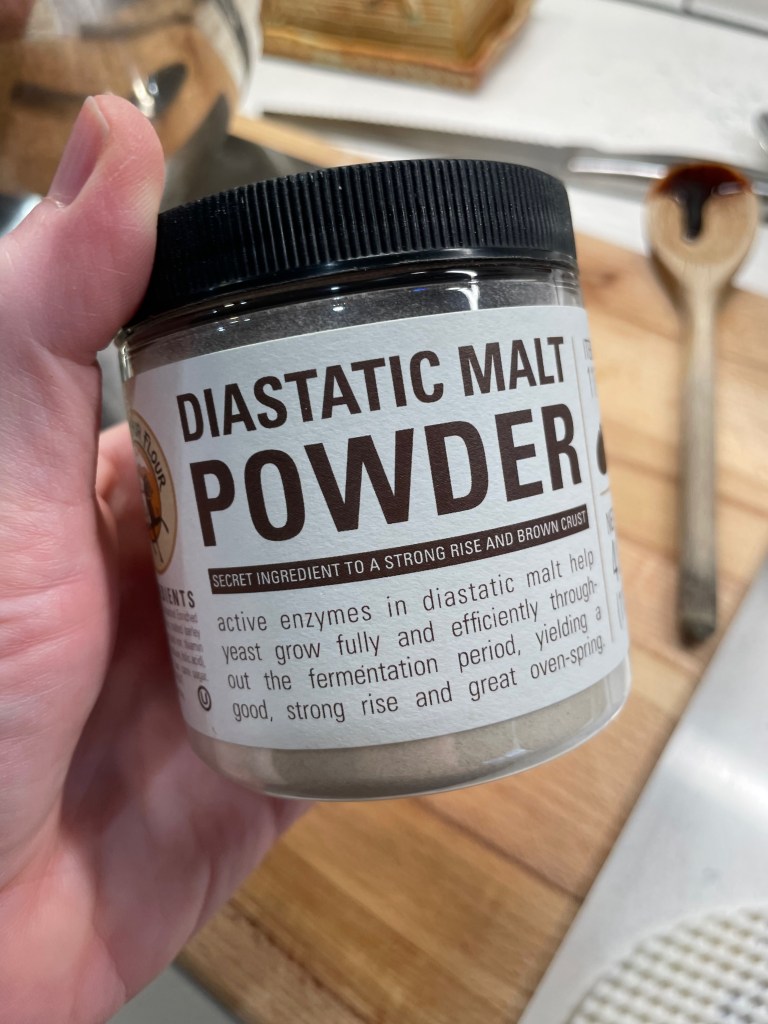
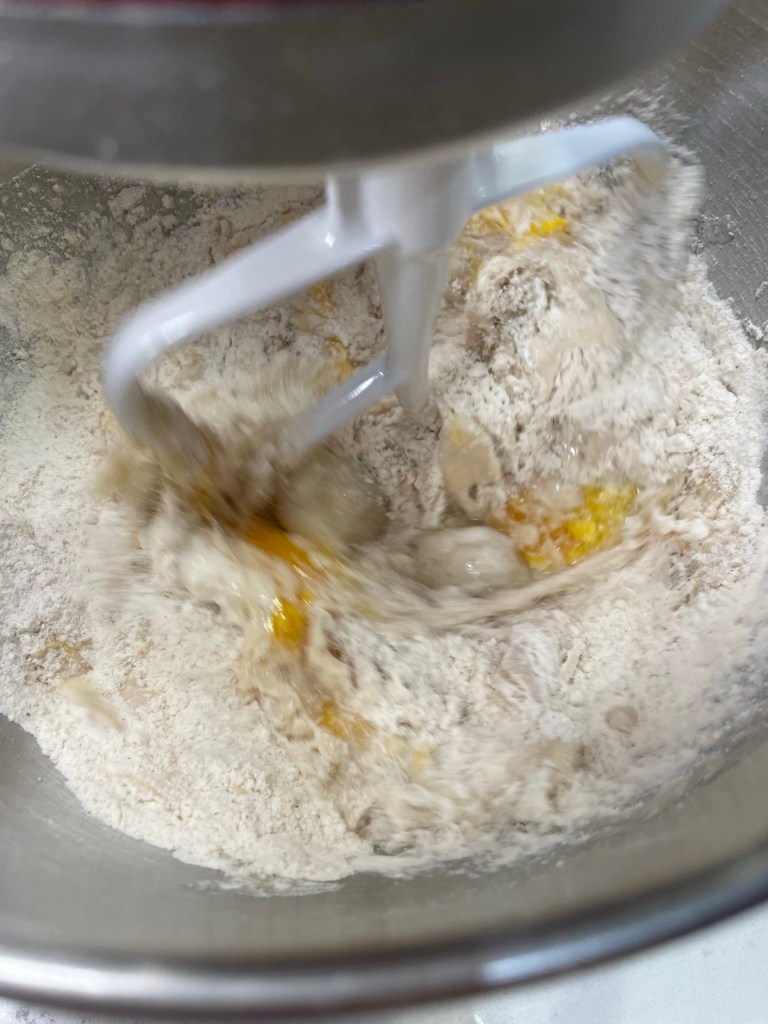
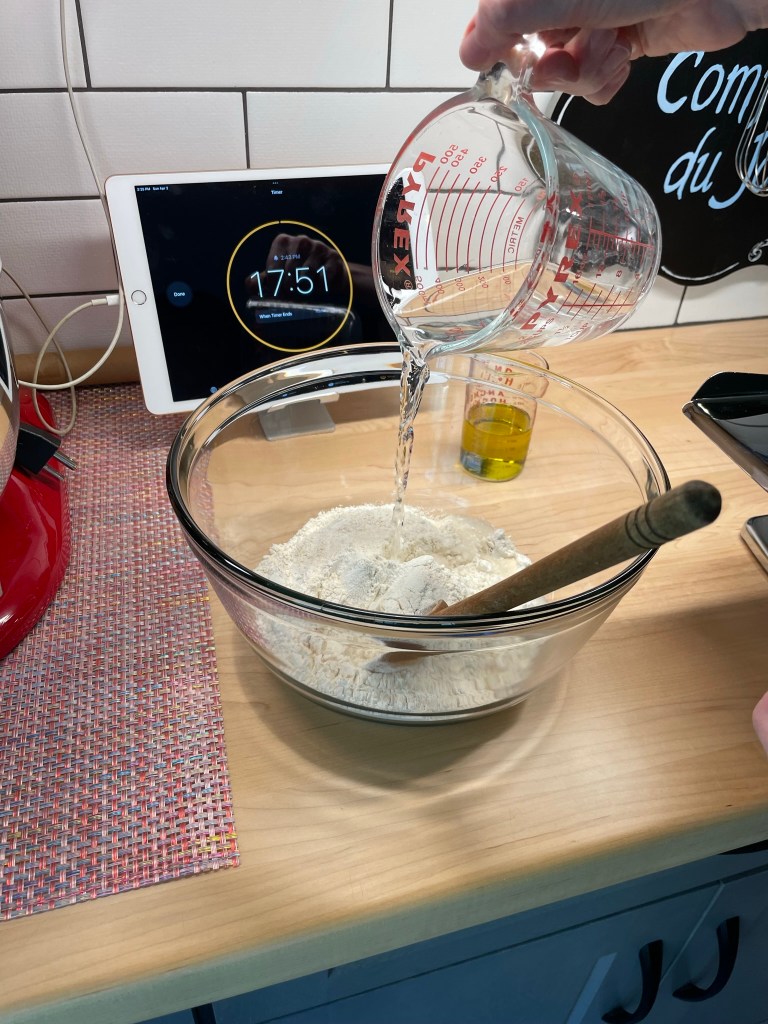
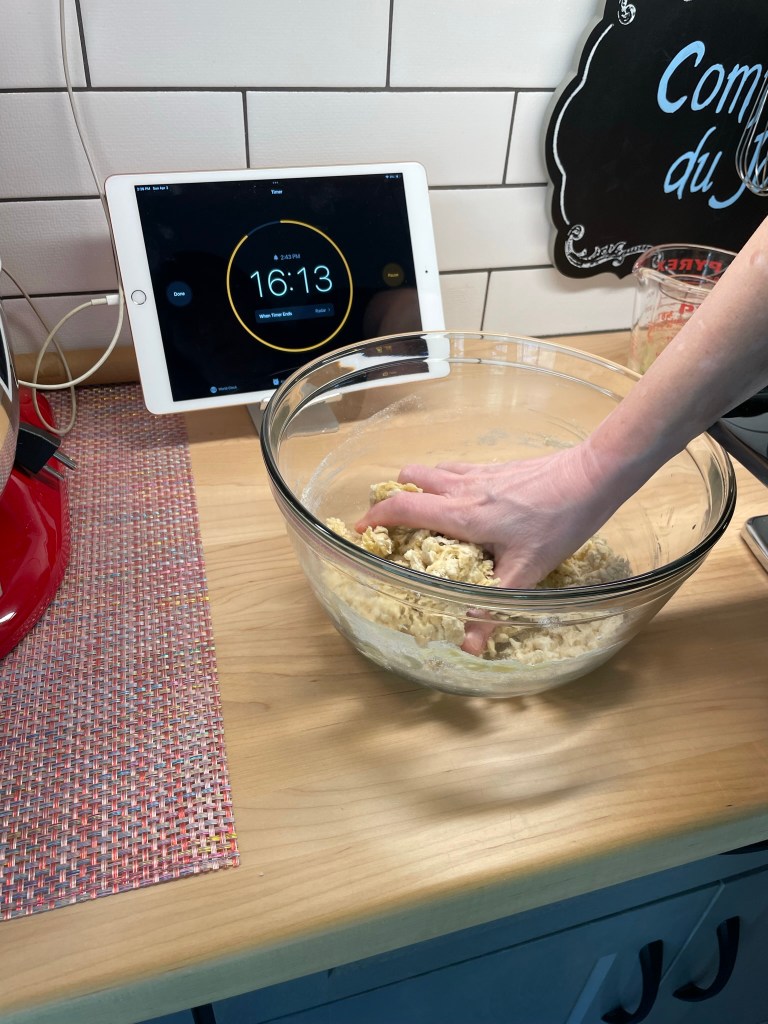
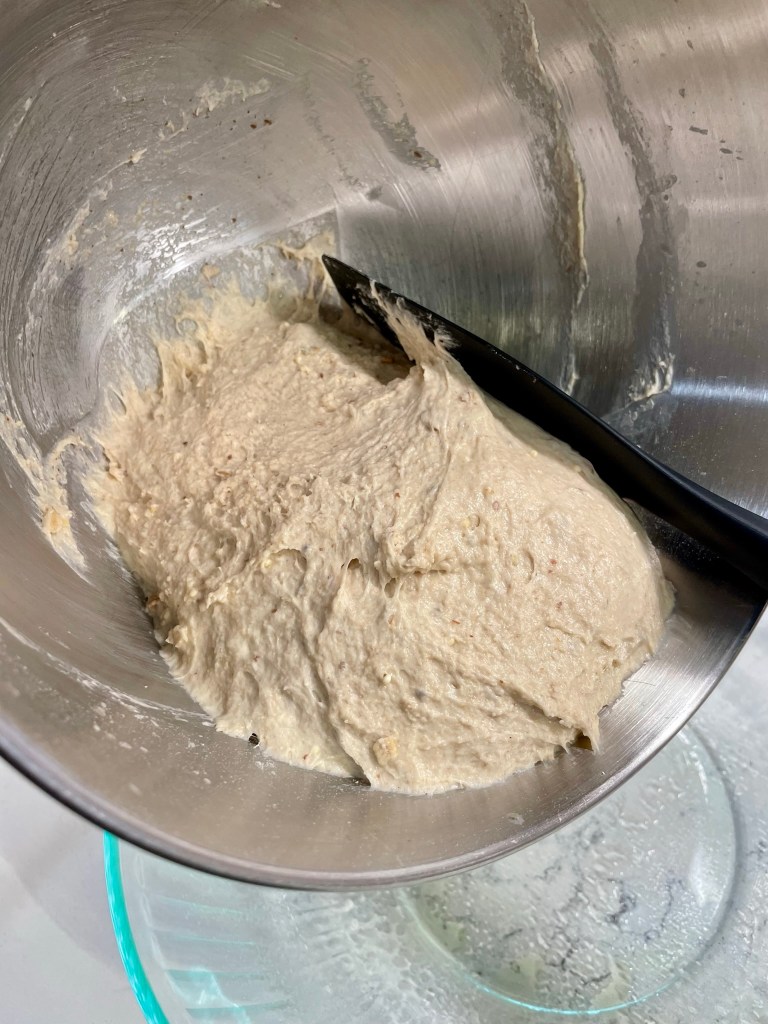
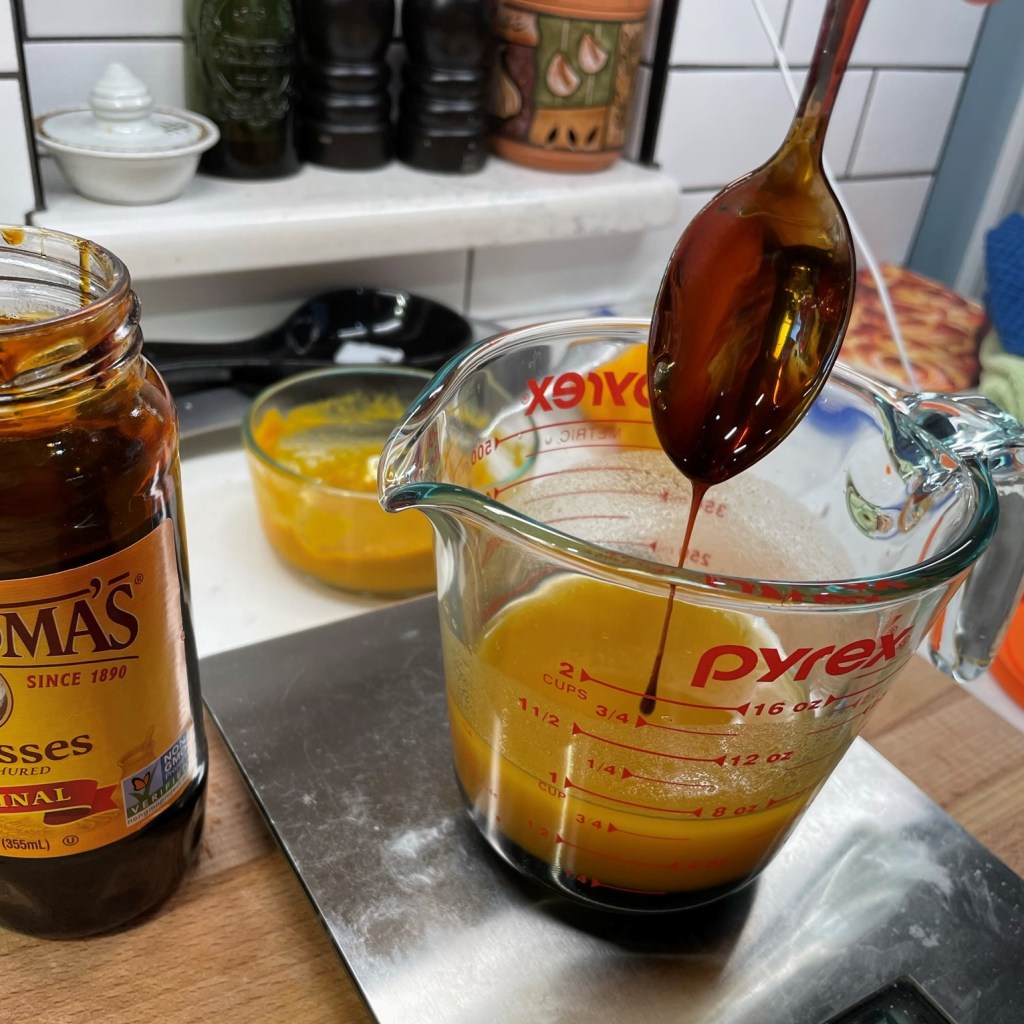
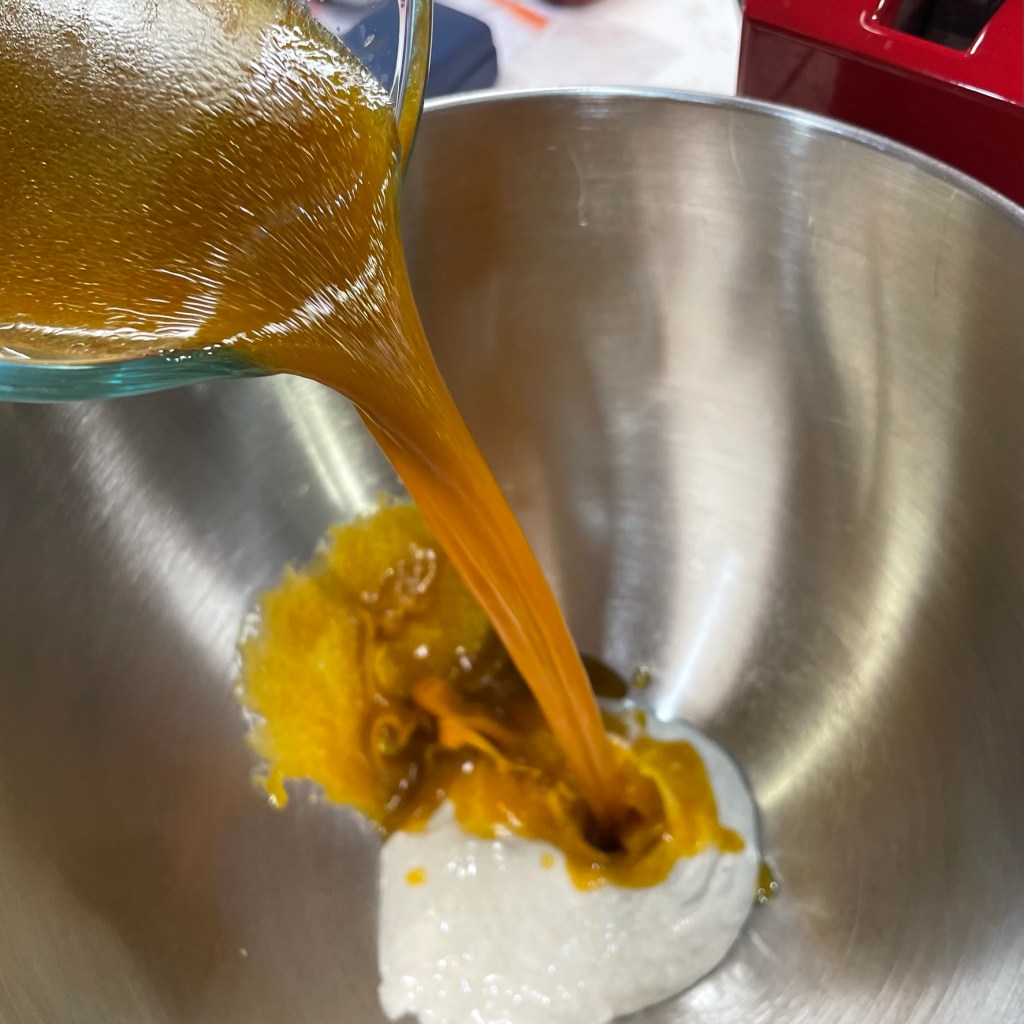
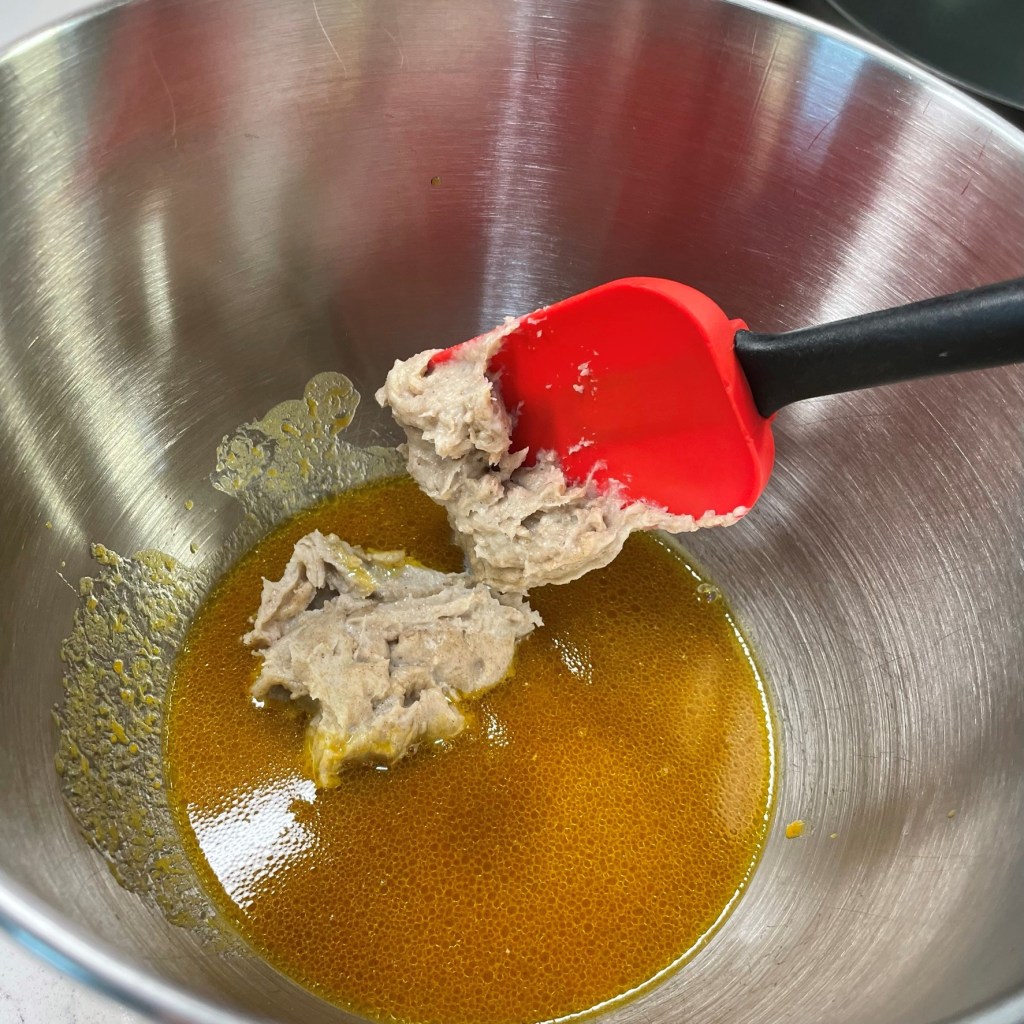
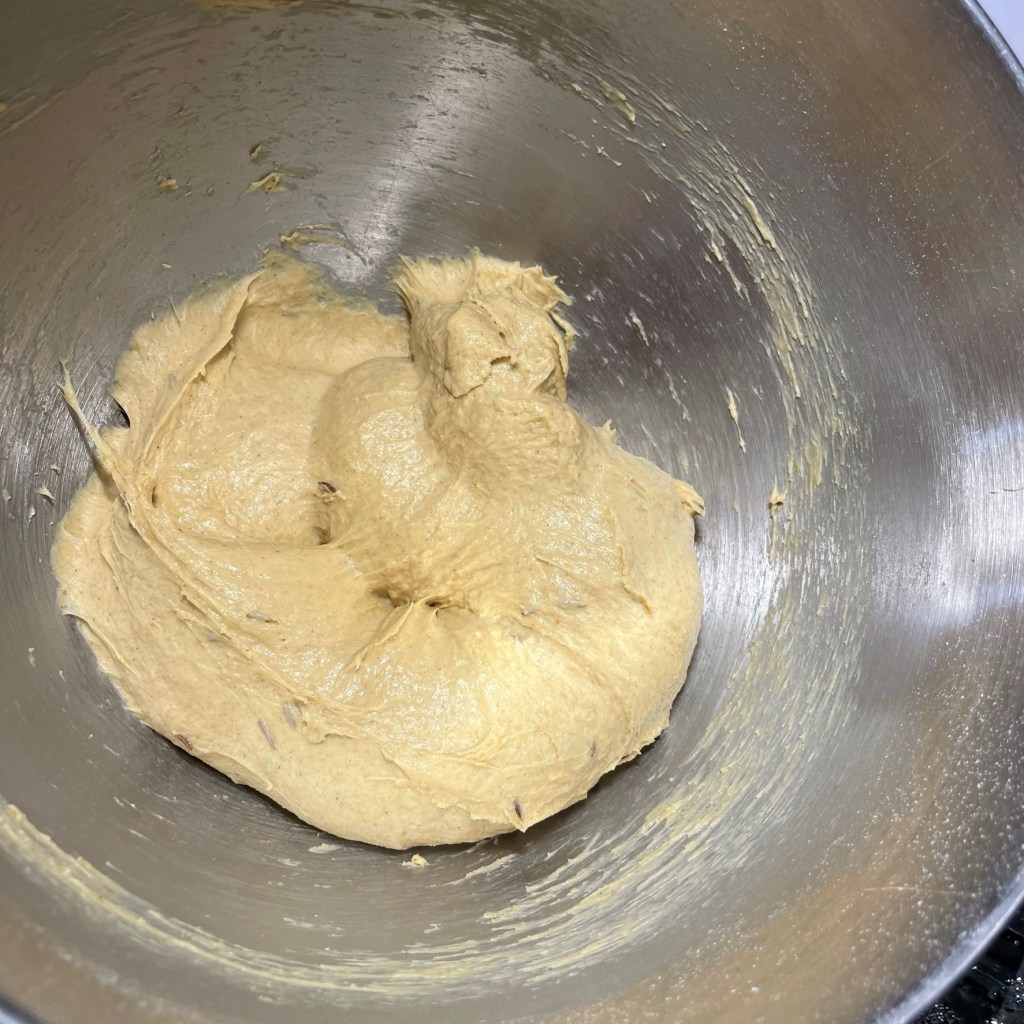
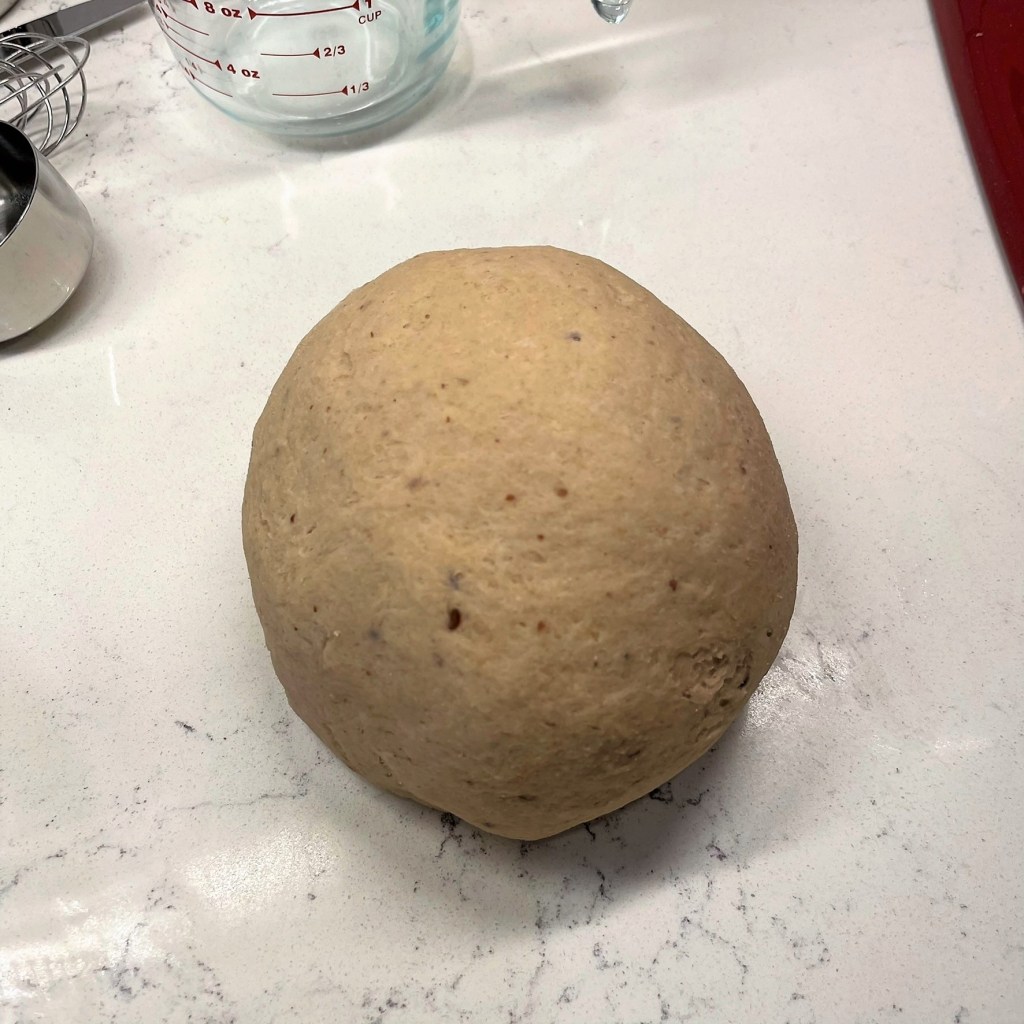
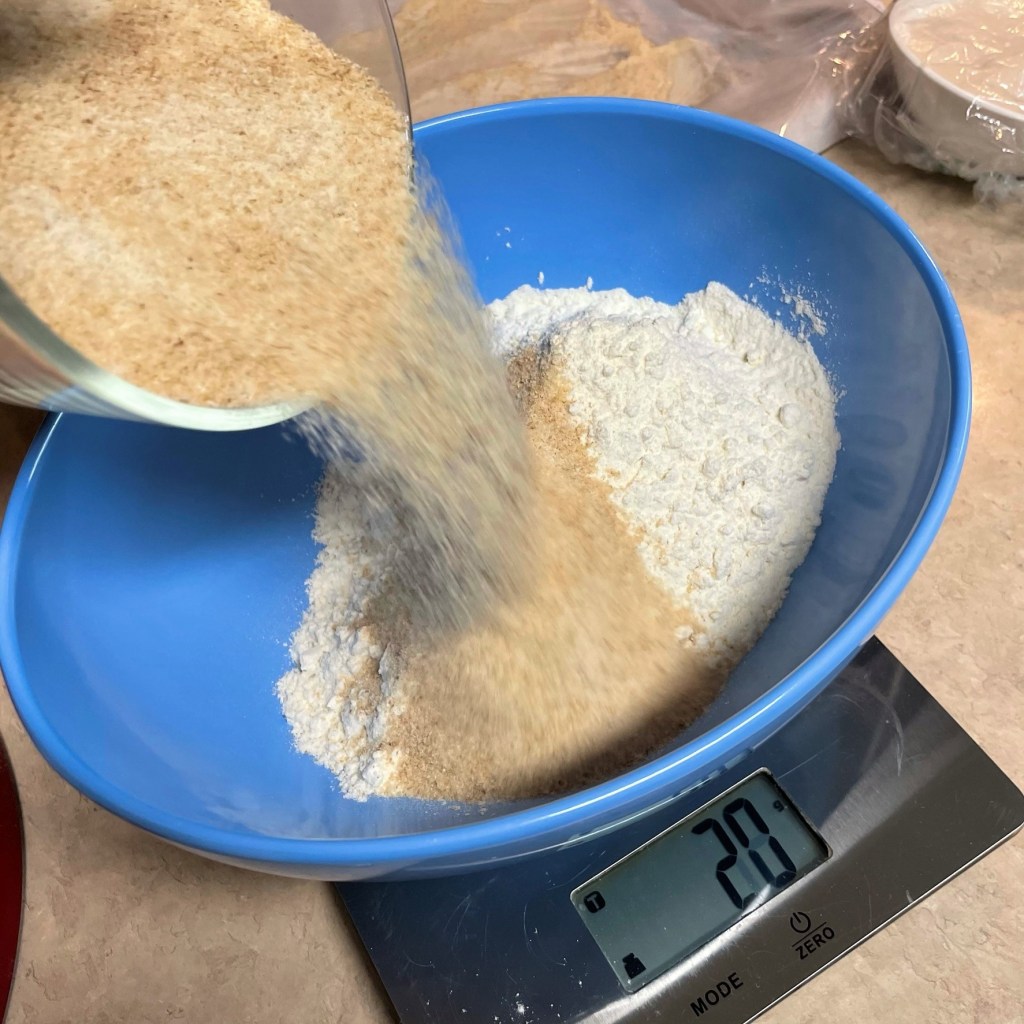
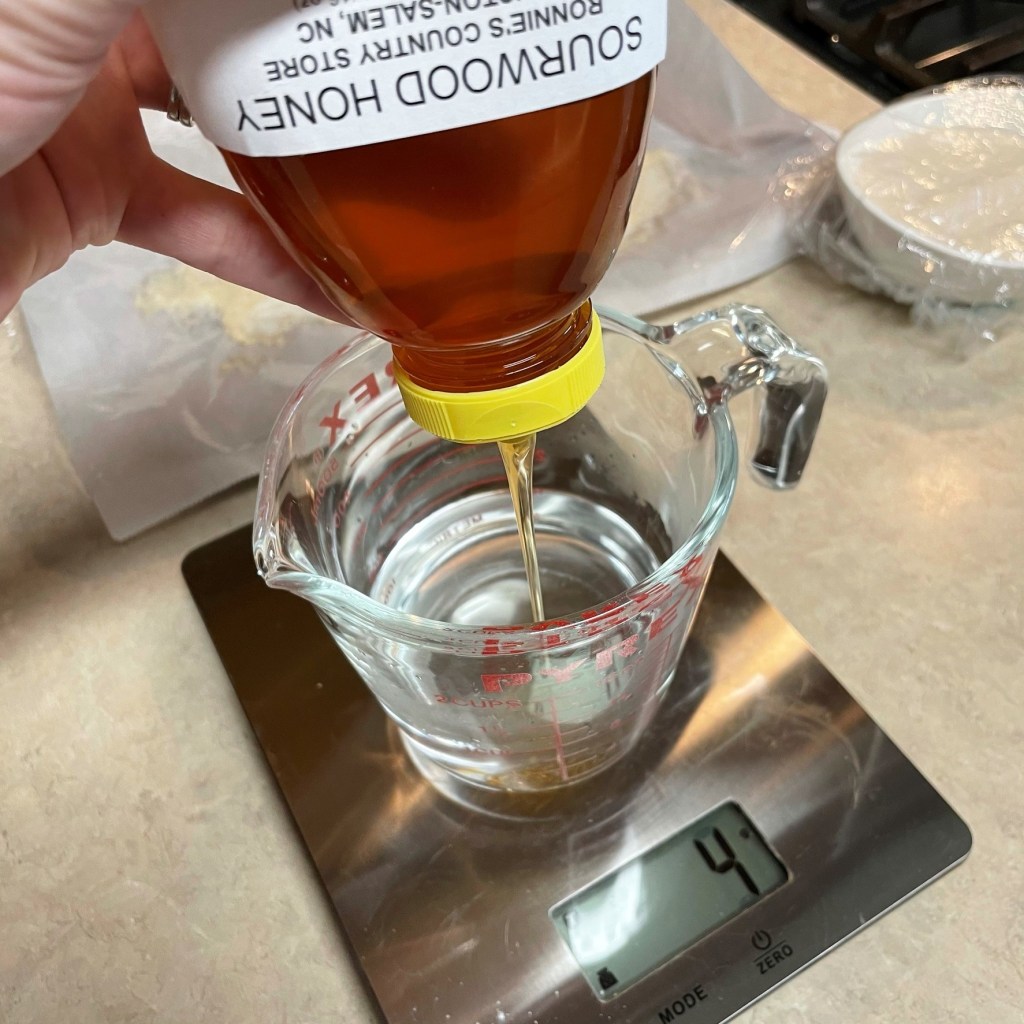
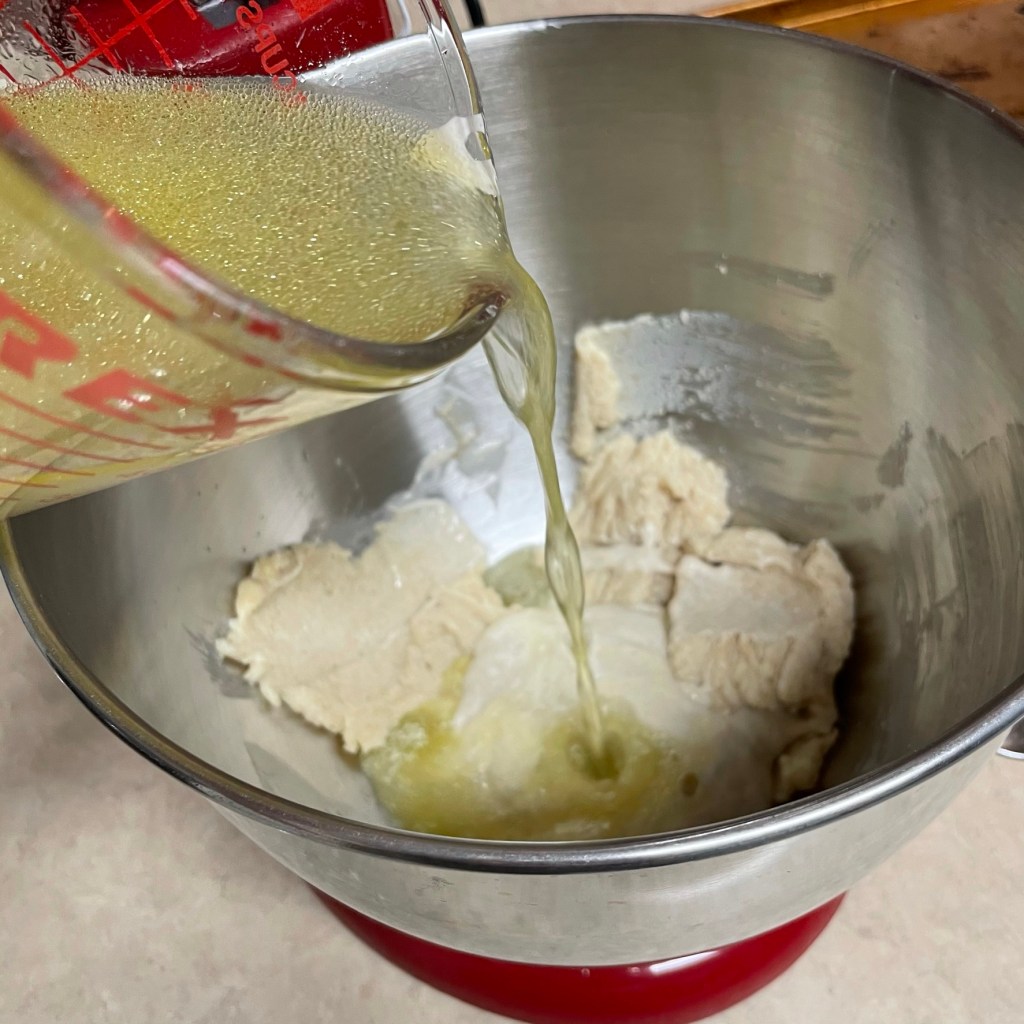
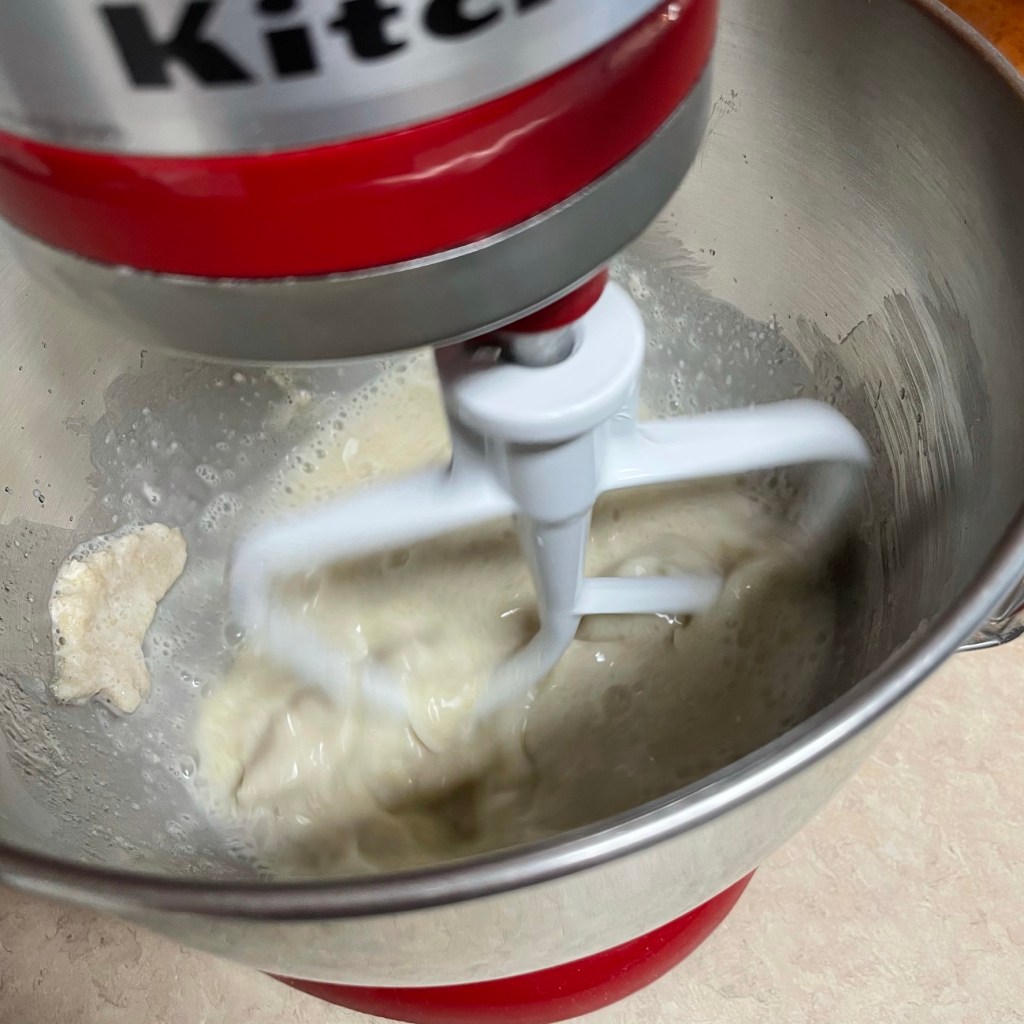
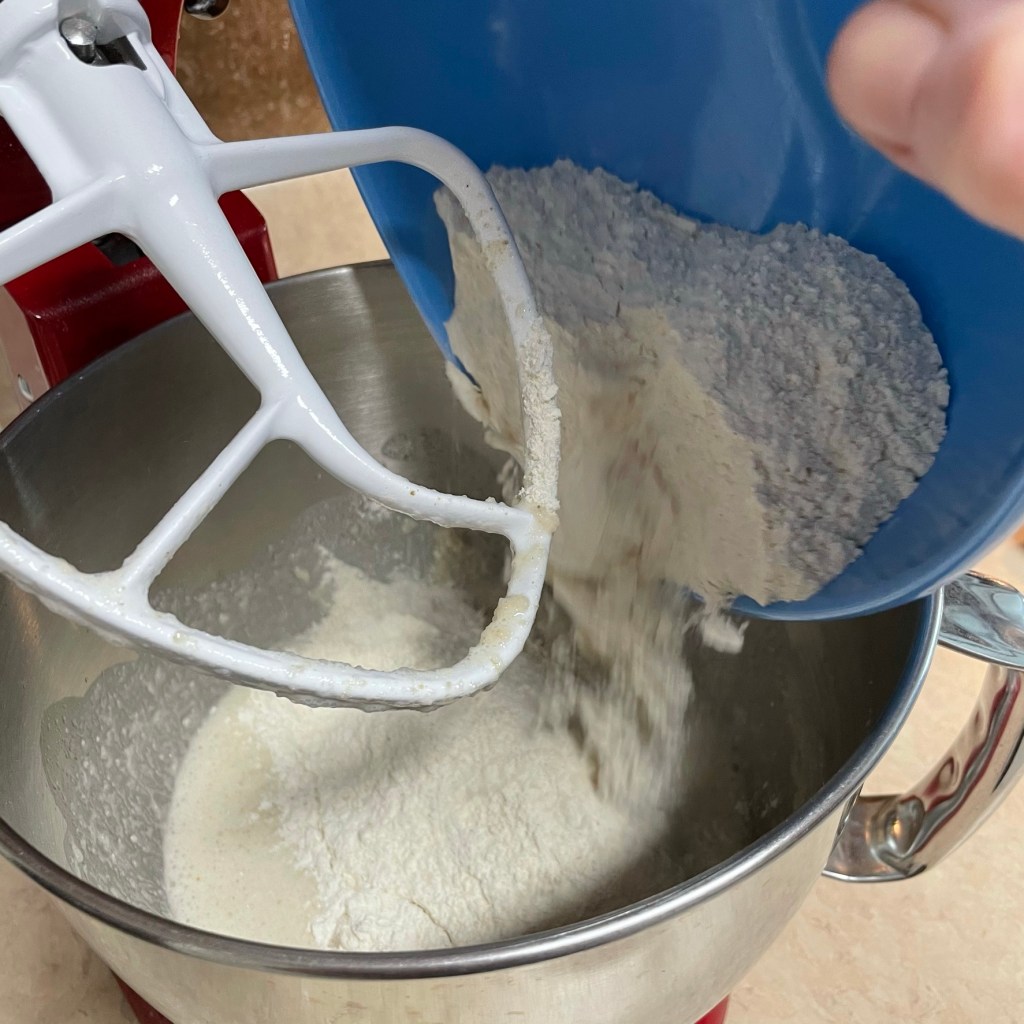
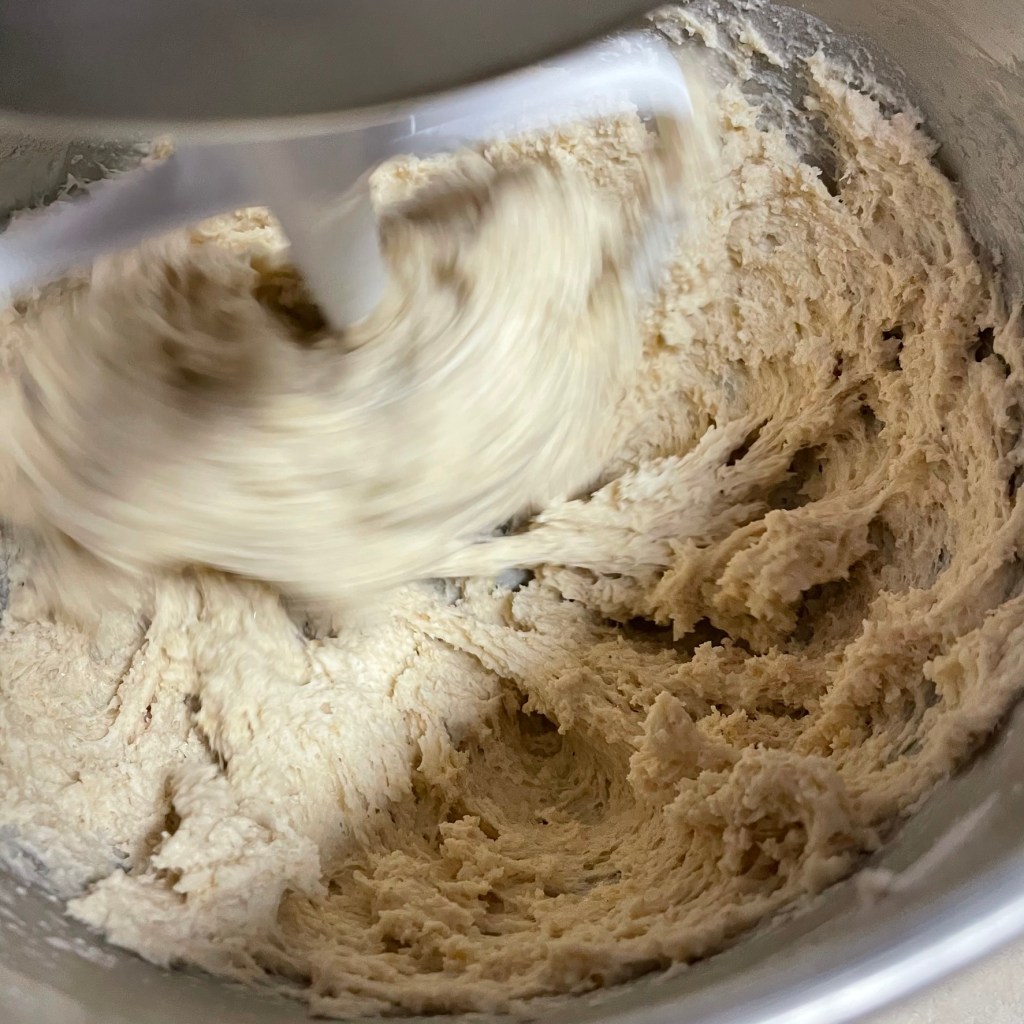
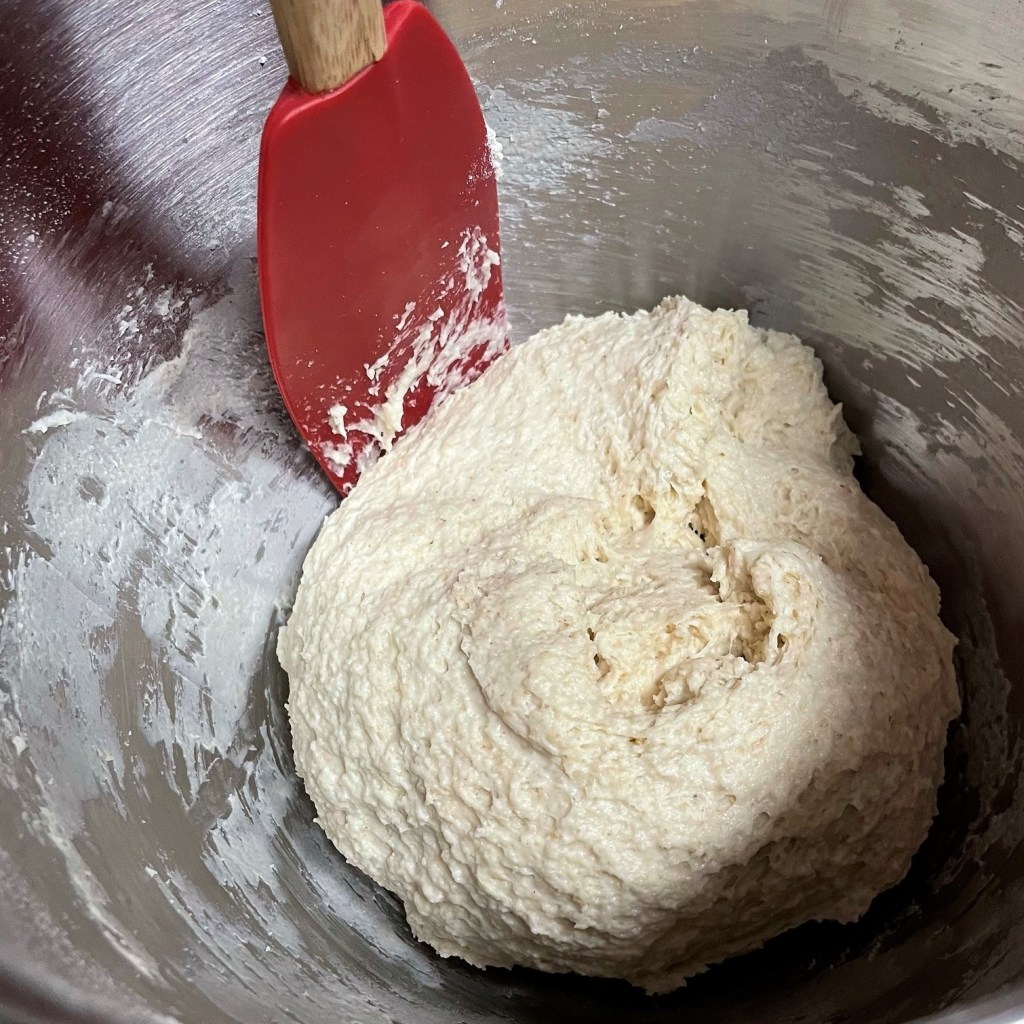
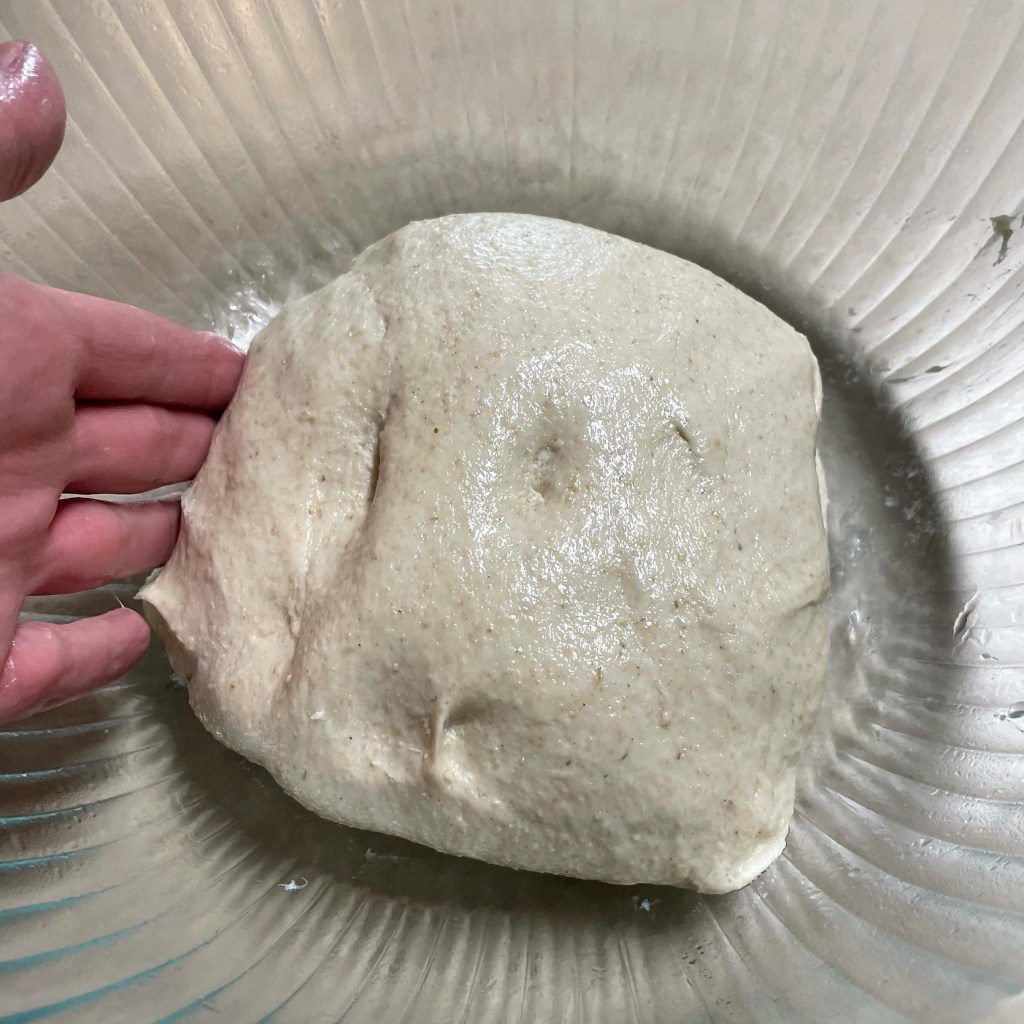
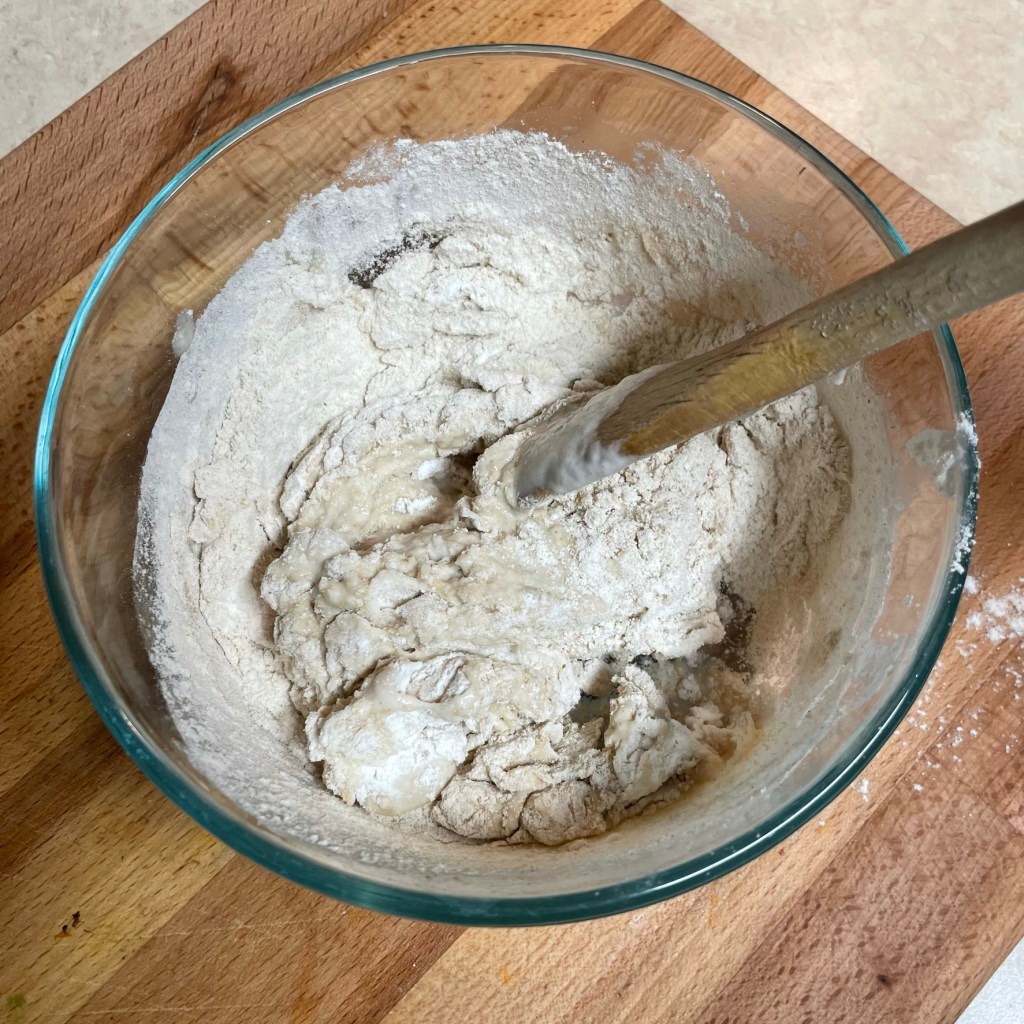
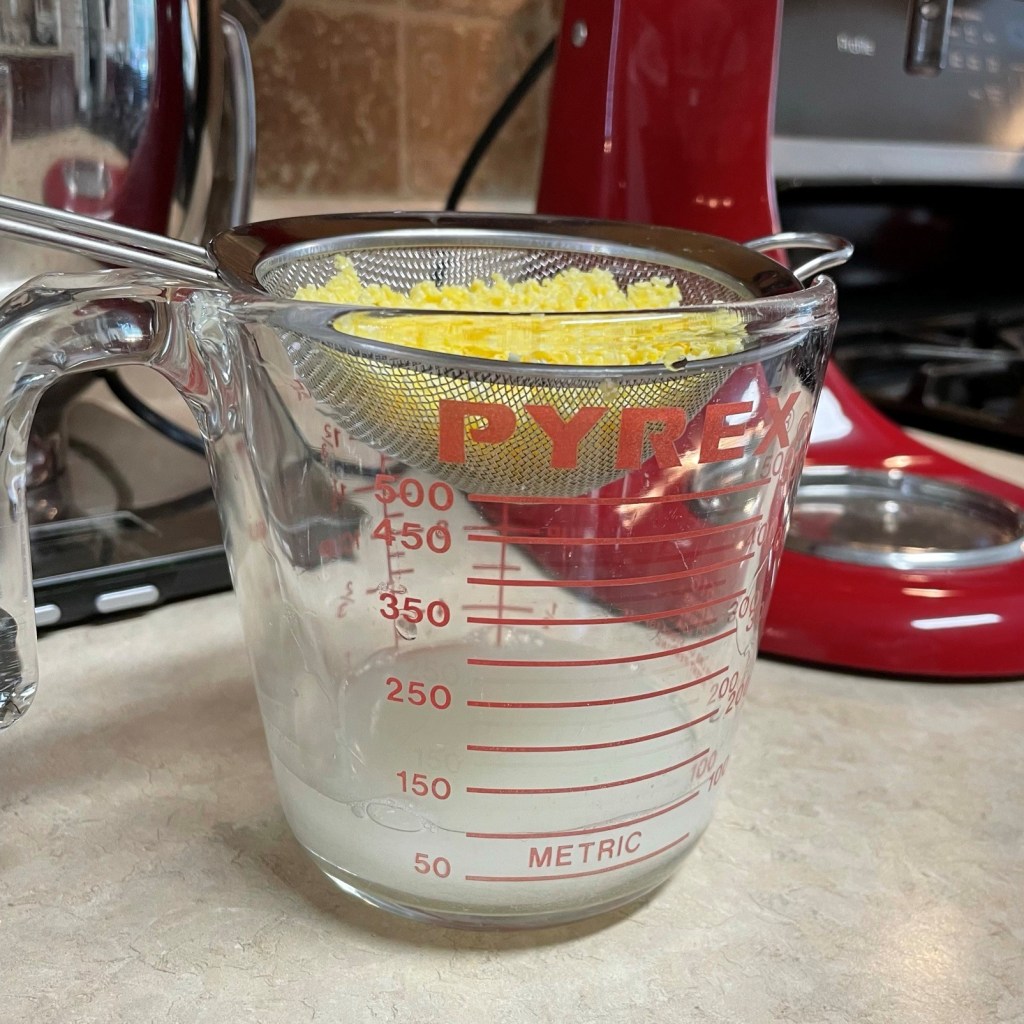
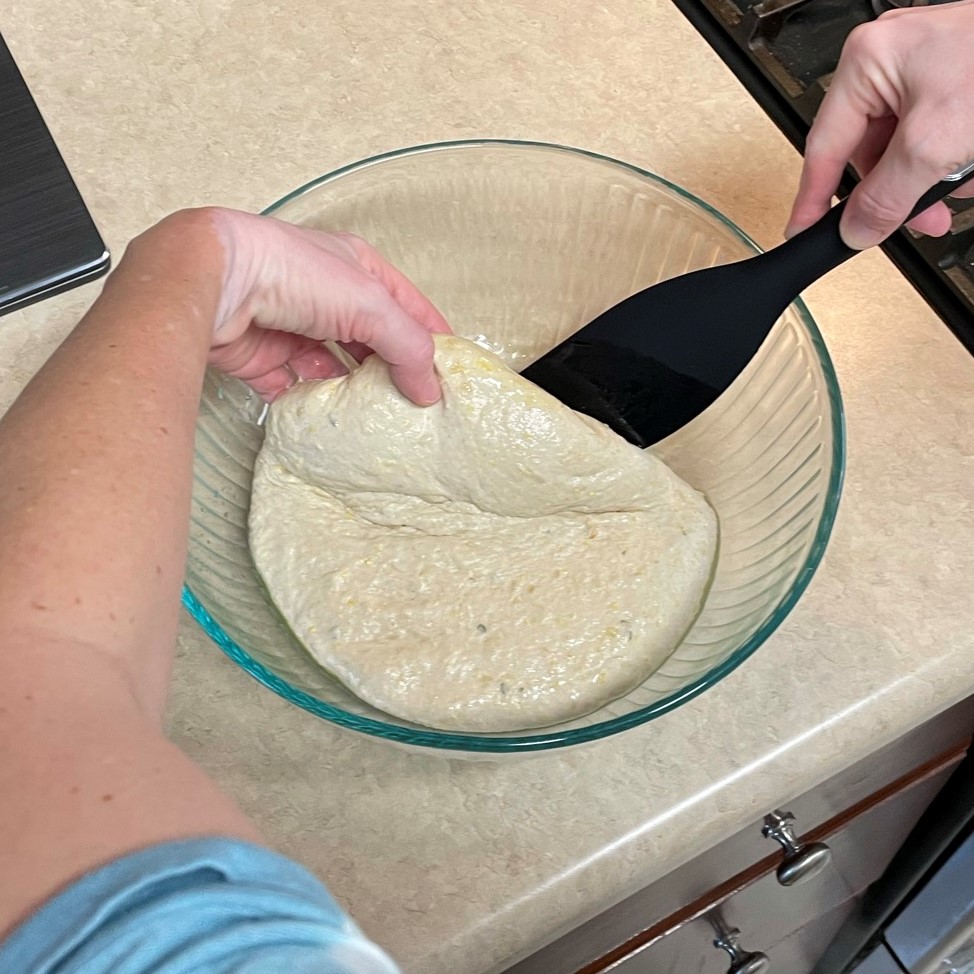
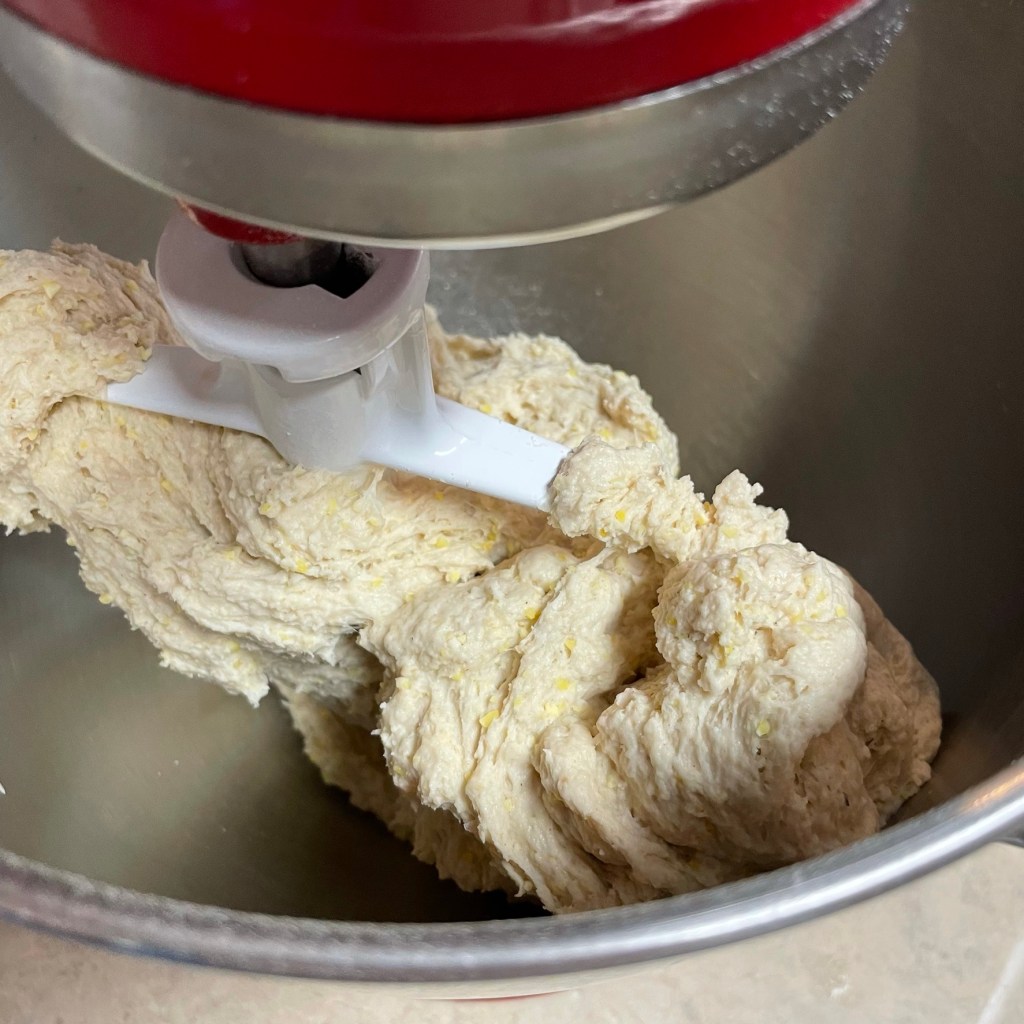
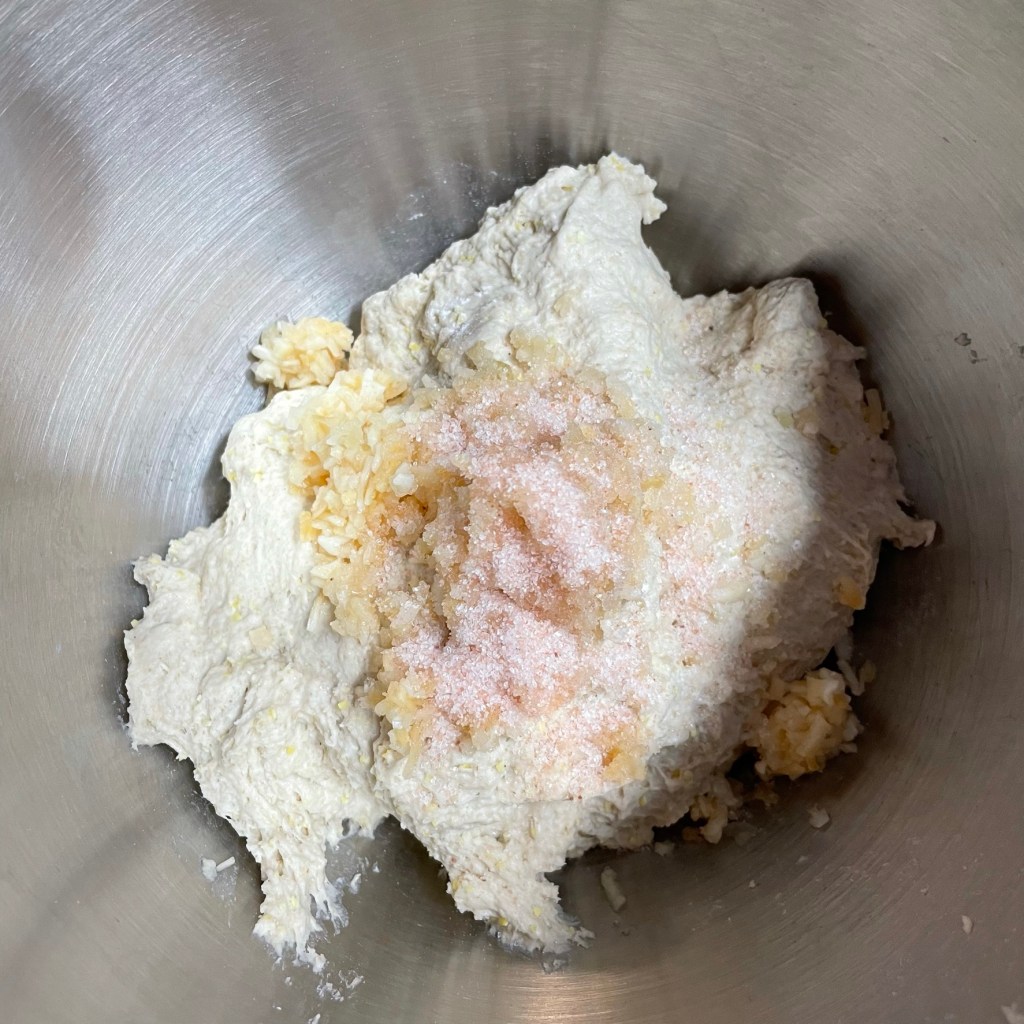
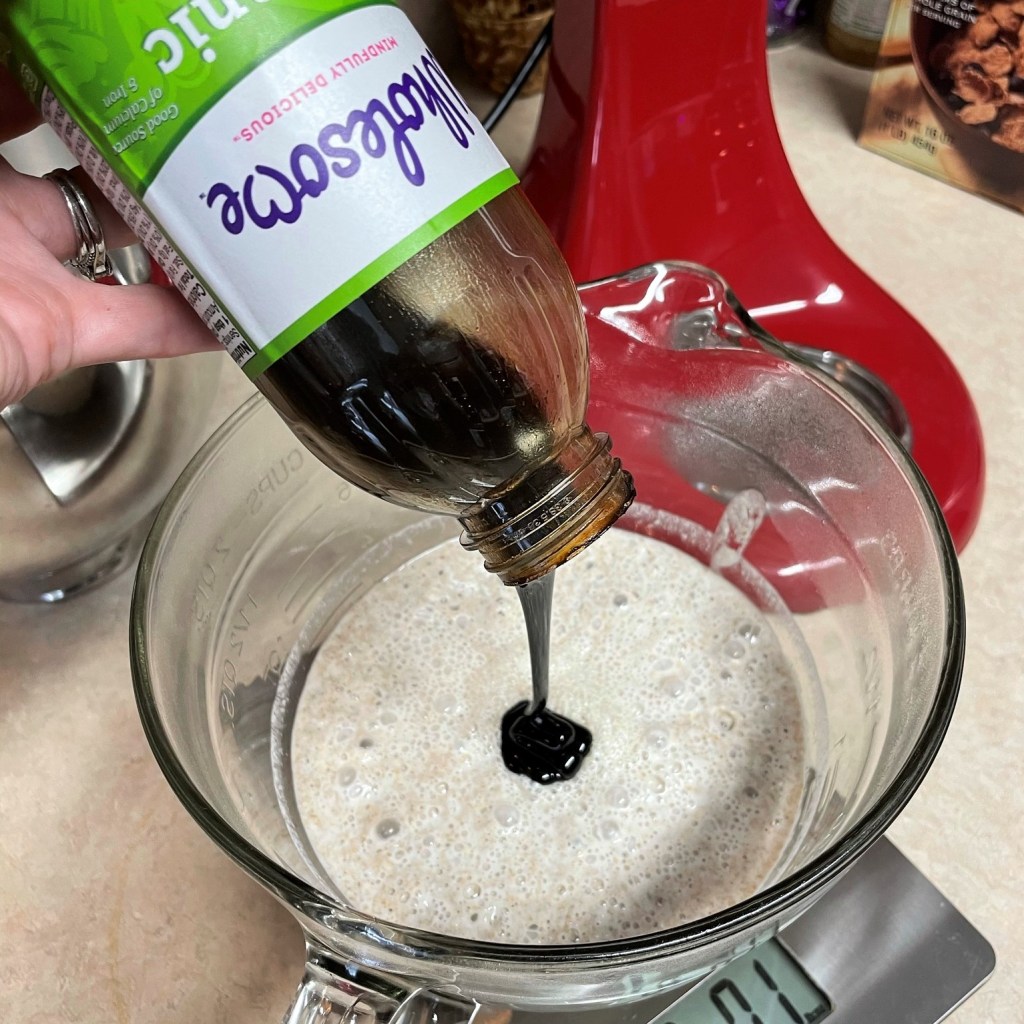
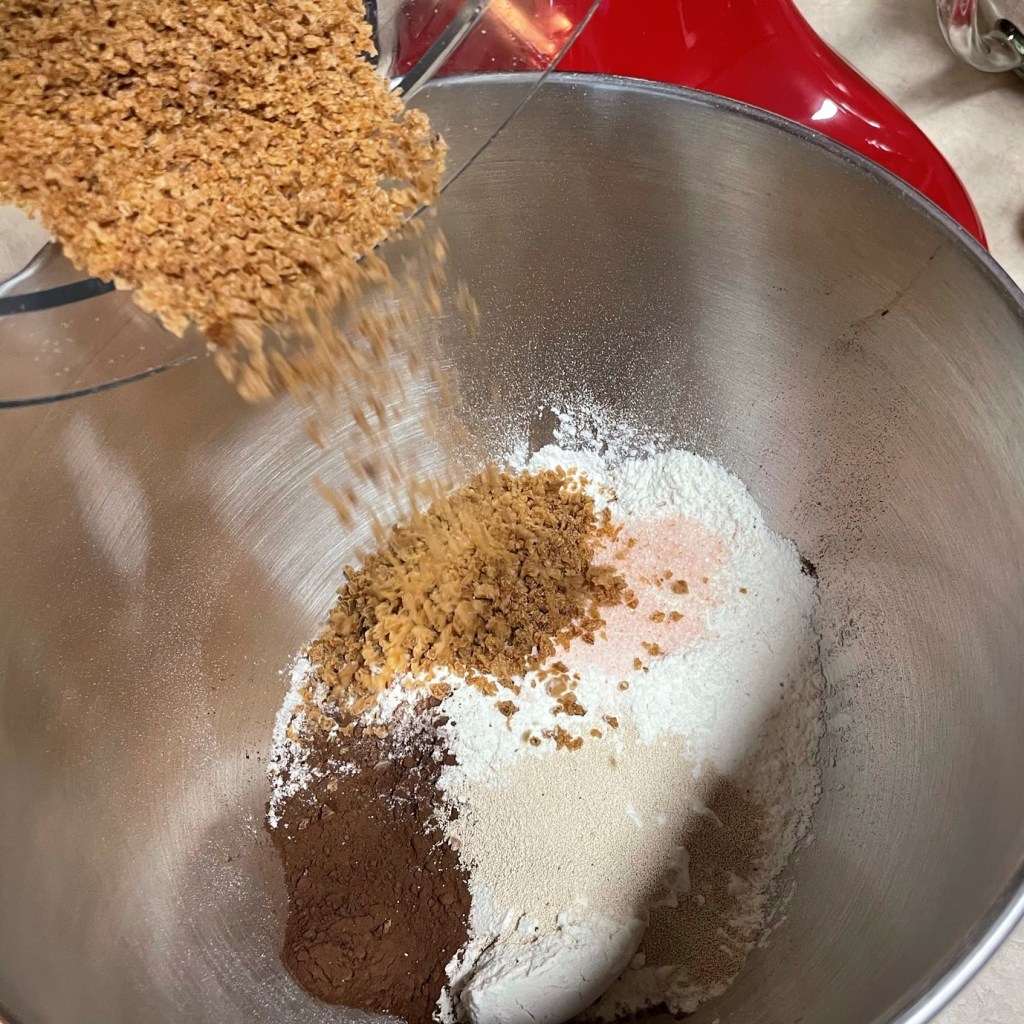
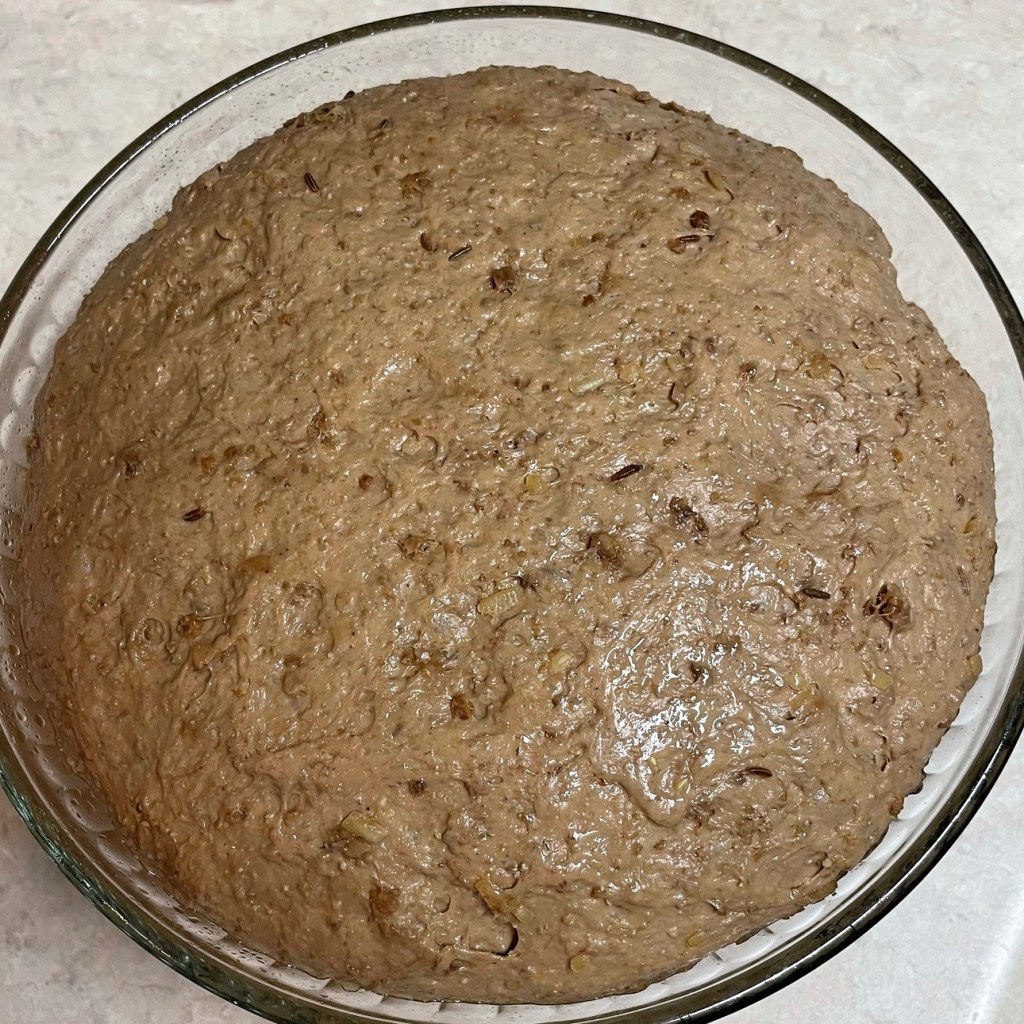
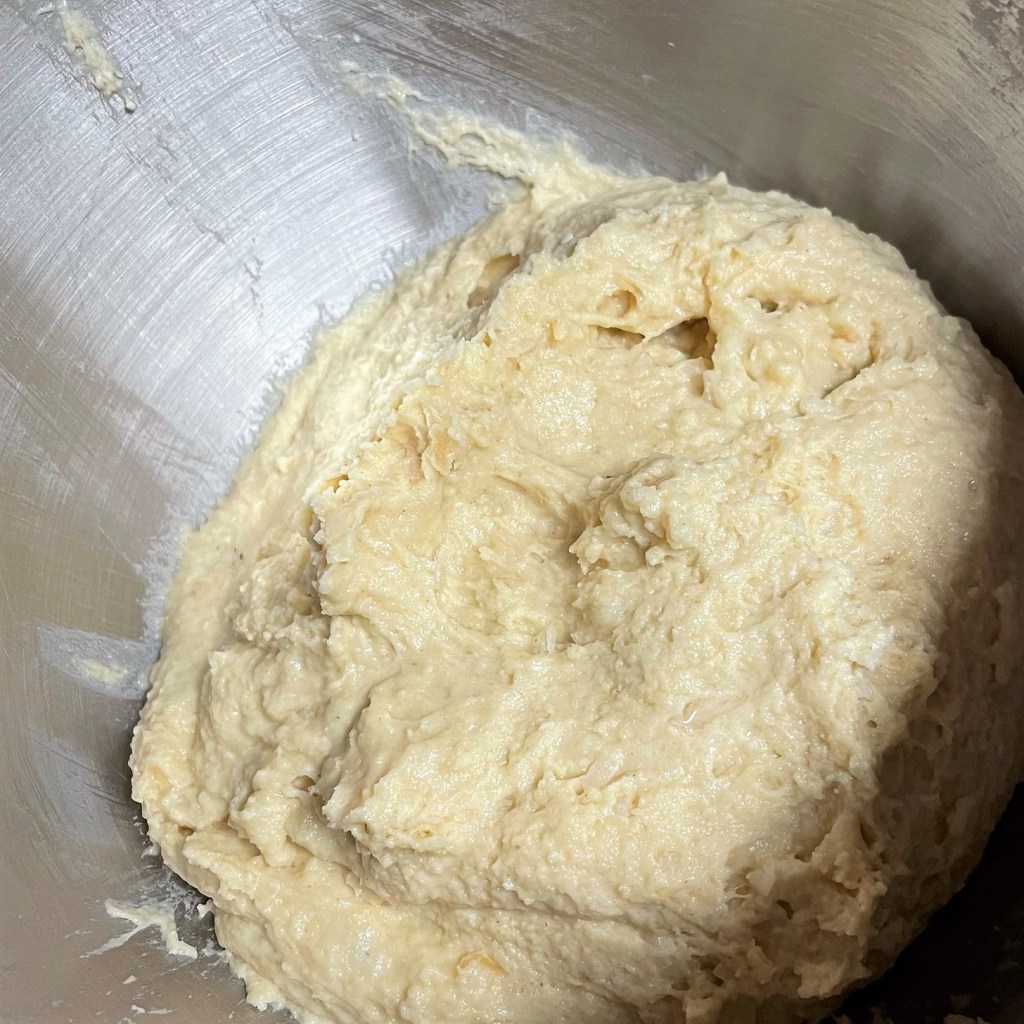
The final dough is made the next day, beginning with a slurry of the barley malt syrup, some cane sugar, salt and a splash of the warm mixing water. This is the simplest way to thoroughly blend in an ingredient as sticky as the malt syrup. The slurry was blended with all of the overnight levain, the rest of the water and my flour blend. If I could back up to change any part of my process, it would have been this point— my increase of water may not have been enough, given the swaps I made to the flour.It can be risky to add more water to an already-formed dough, so I pressed on with this very firm dough. But next time, I’ll adjust the water further or hold back some of the flour toward the end to be sure the dough can handle it.


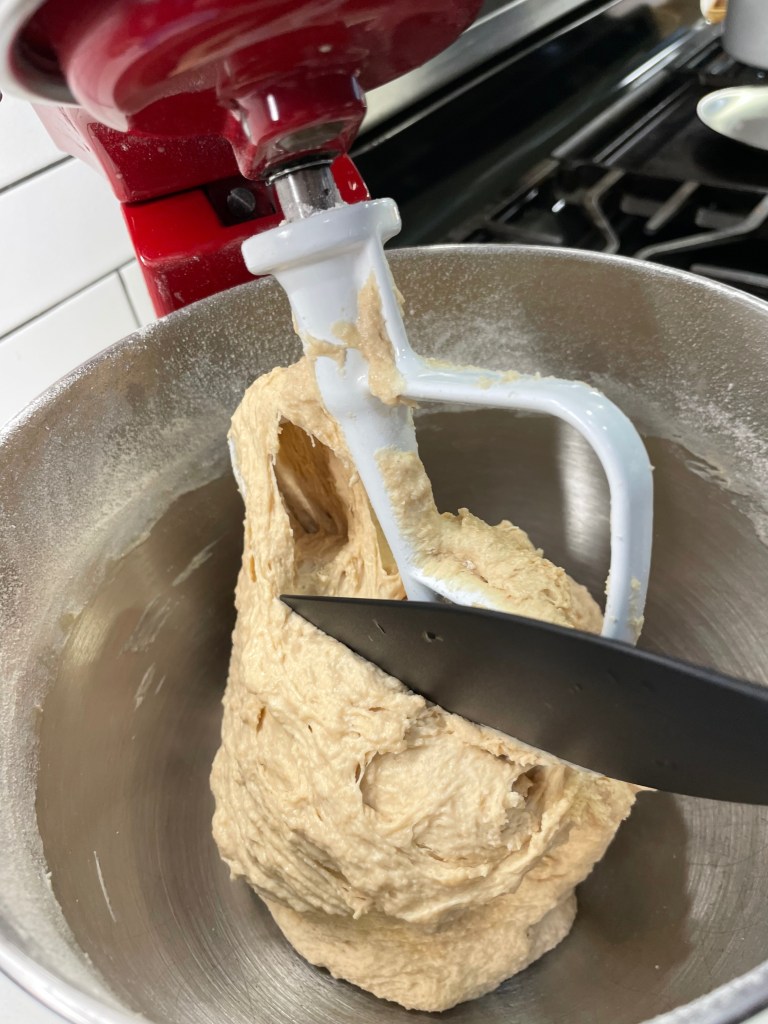
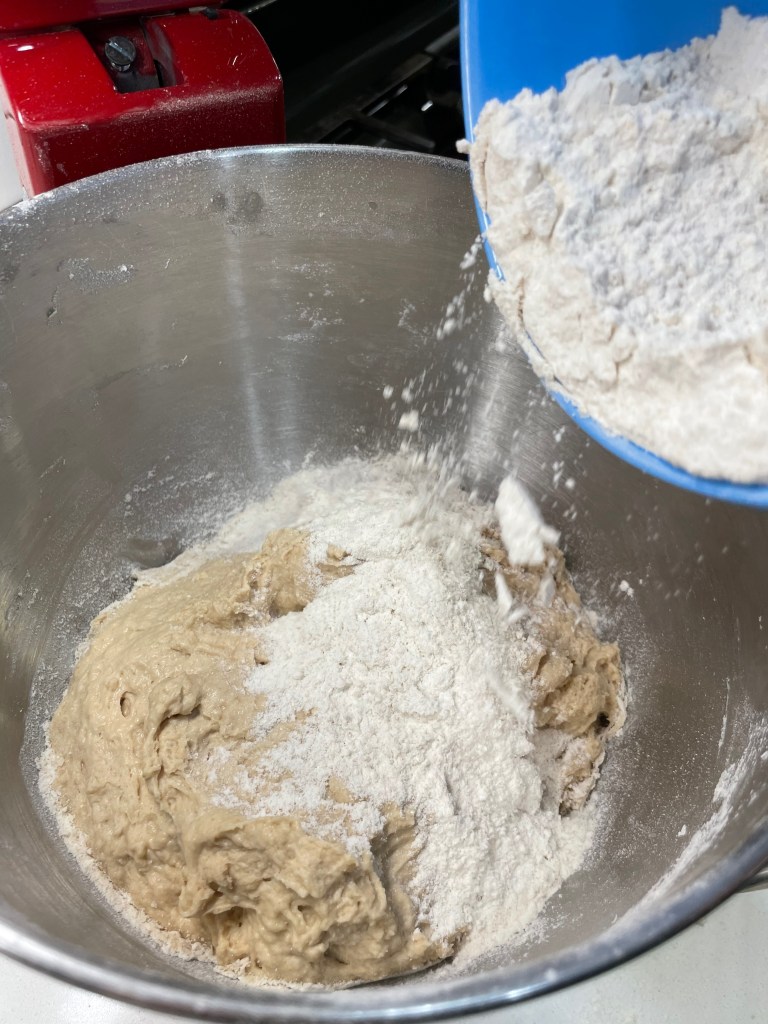
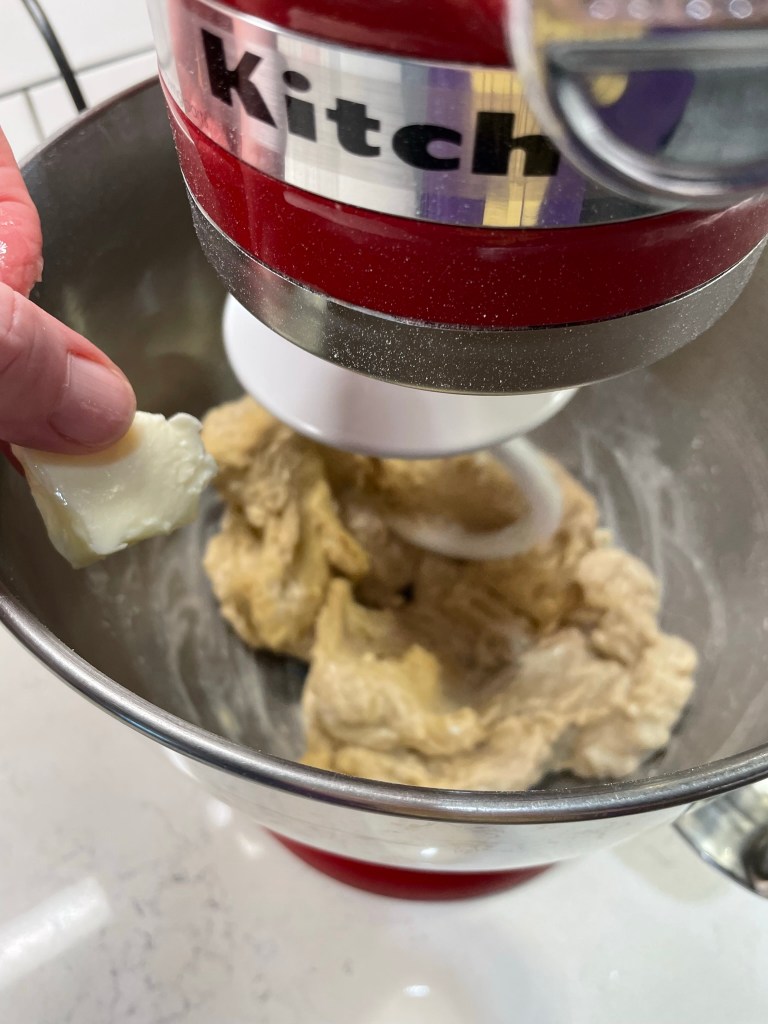
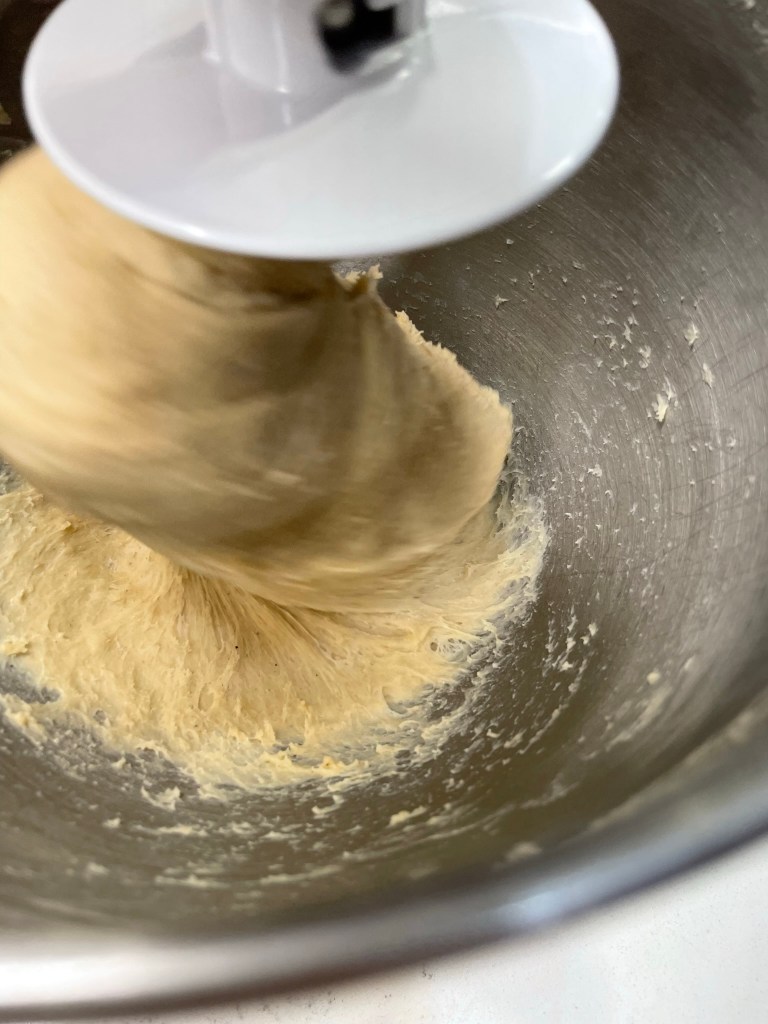
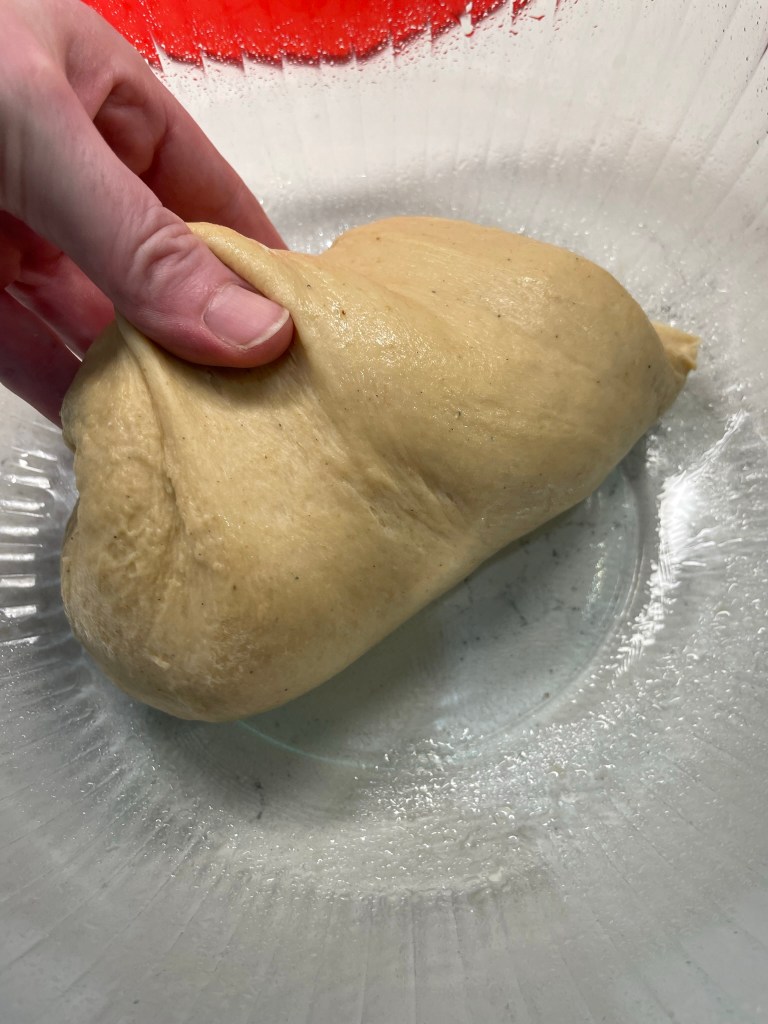
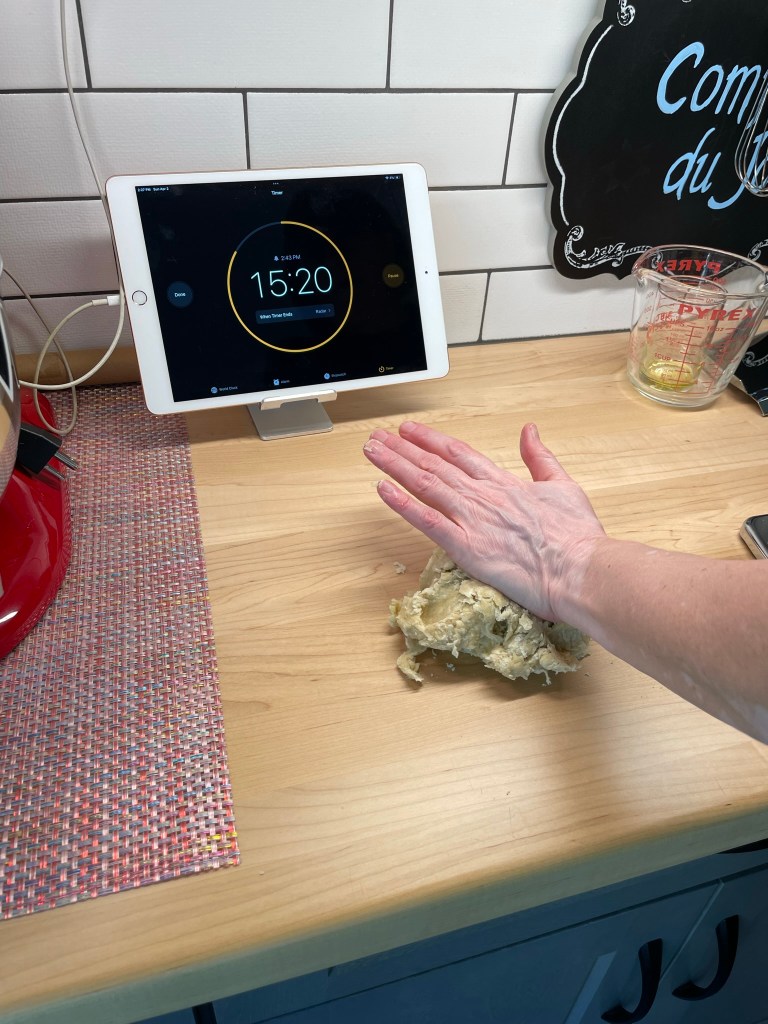
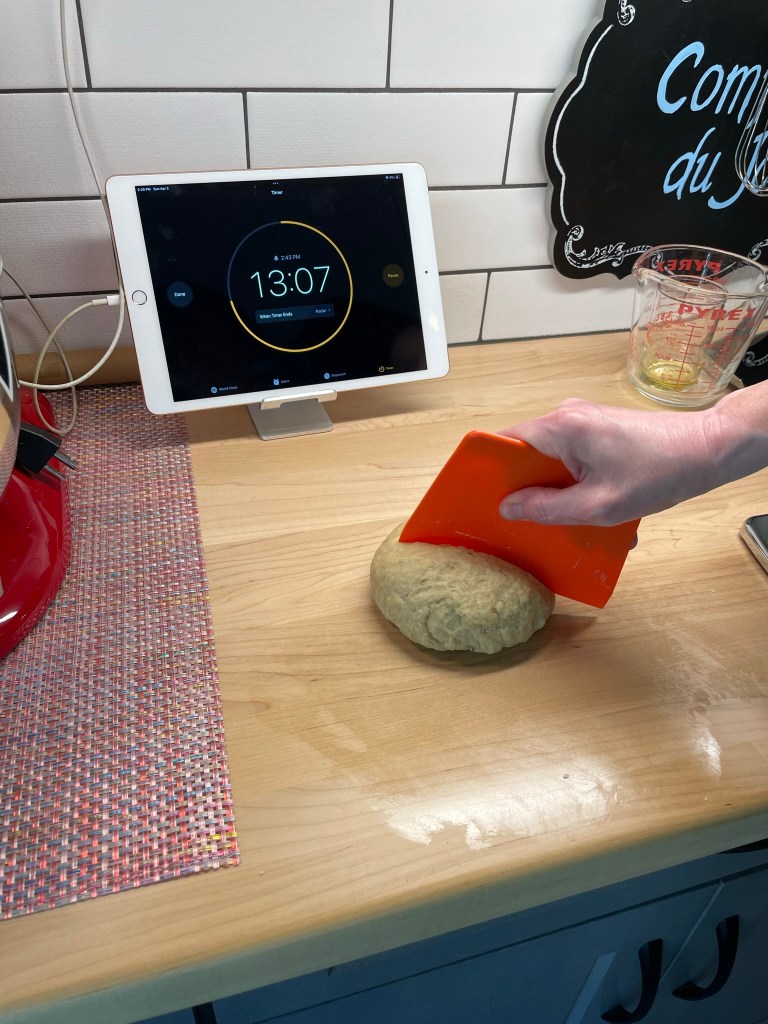
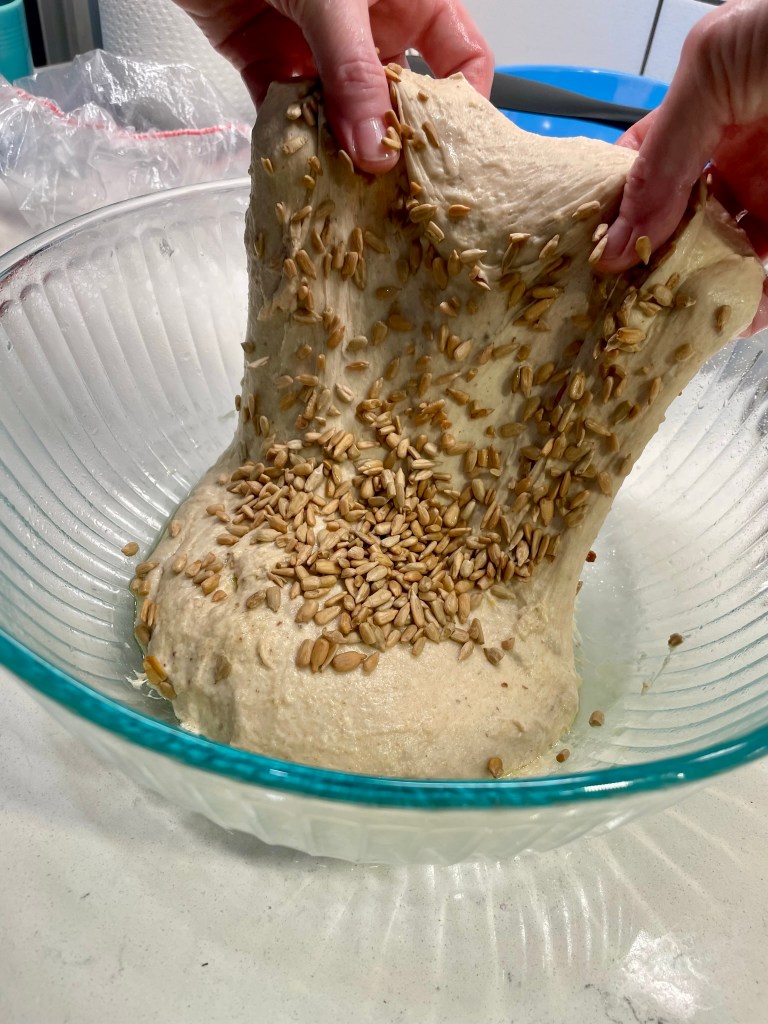
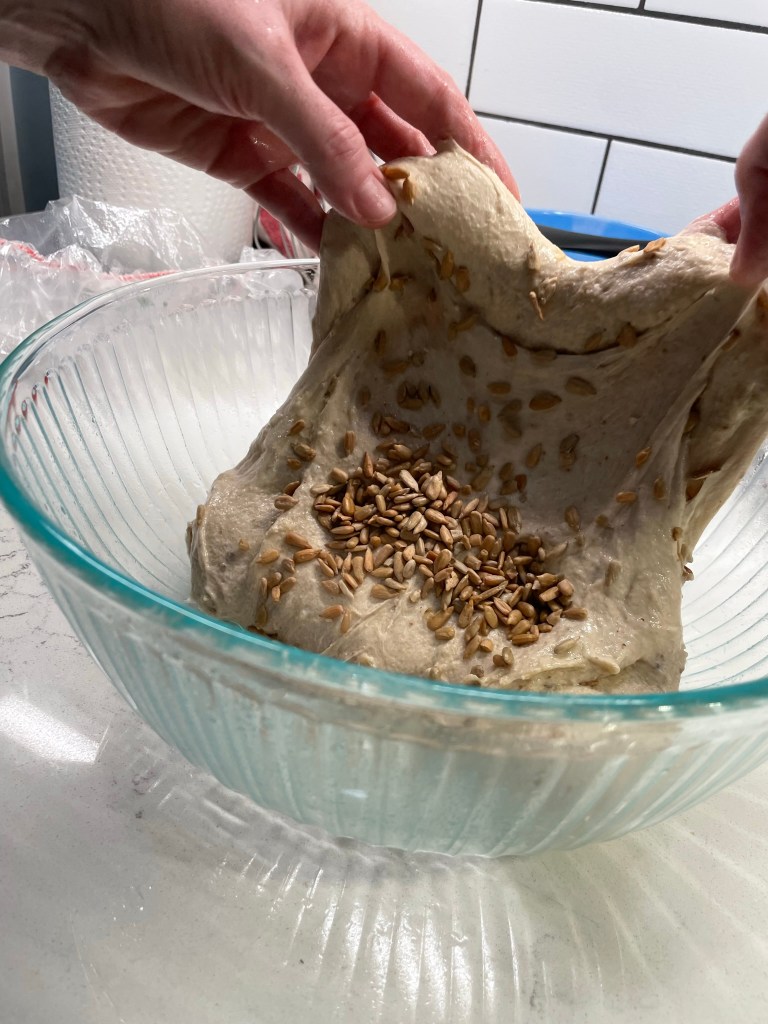
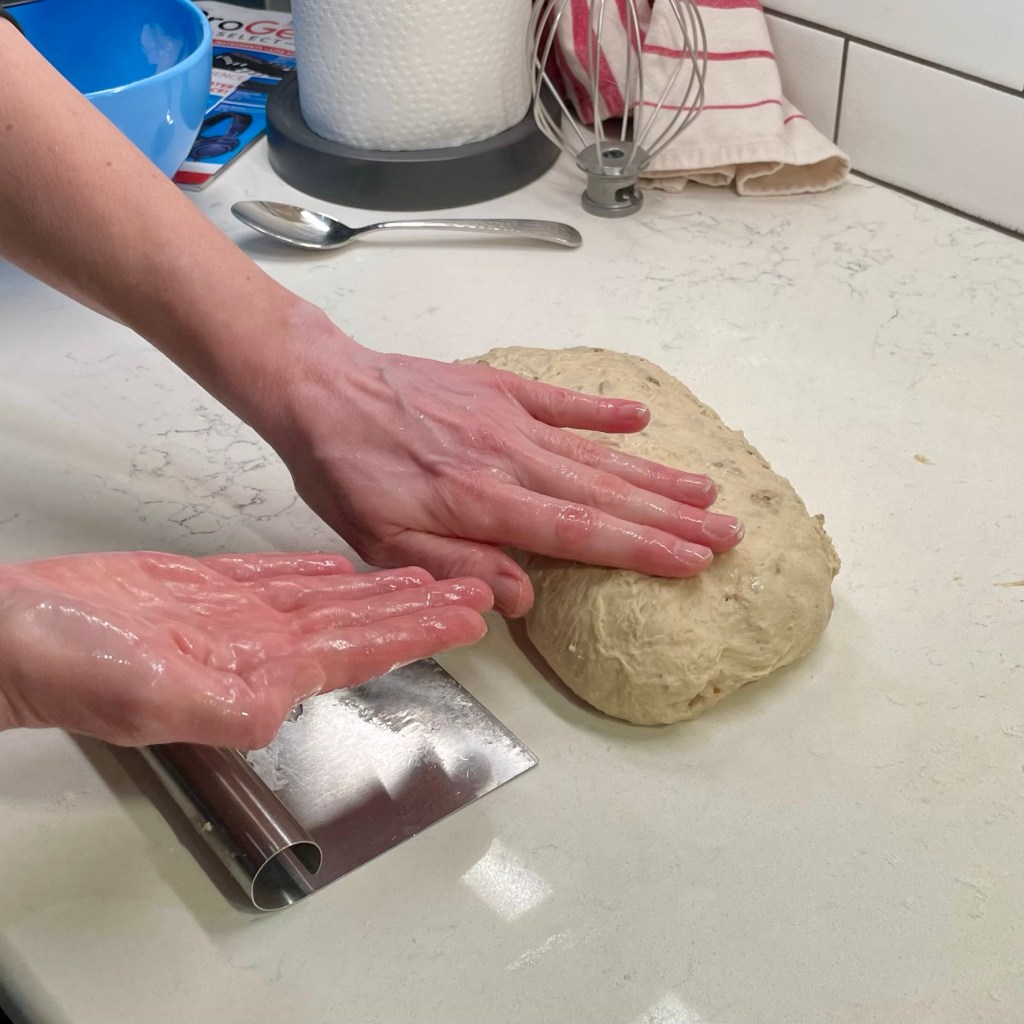
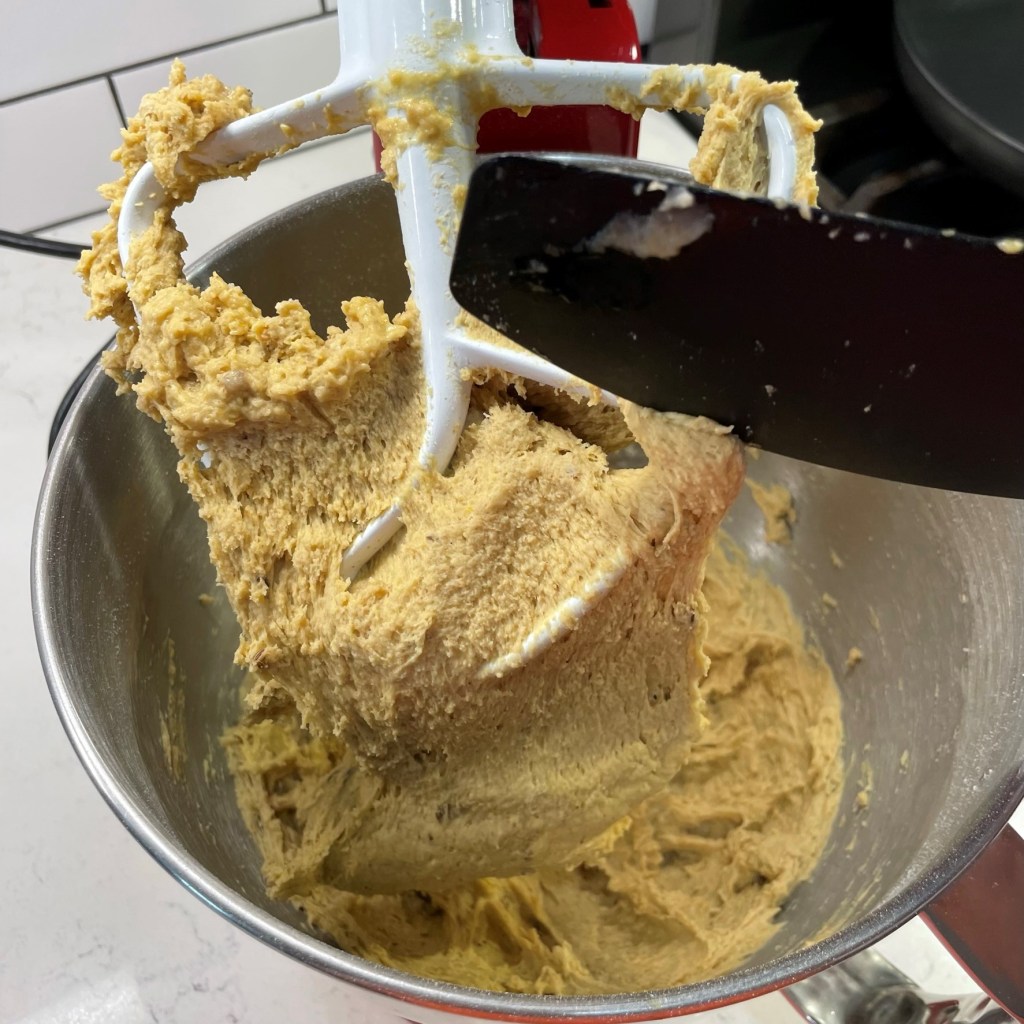
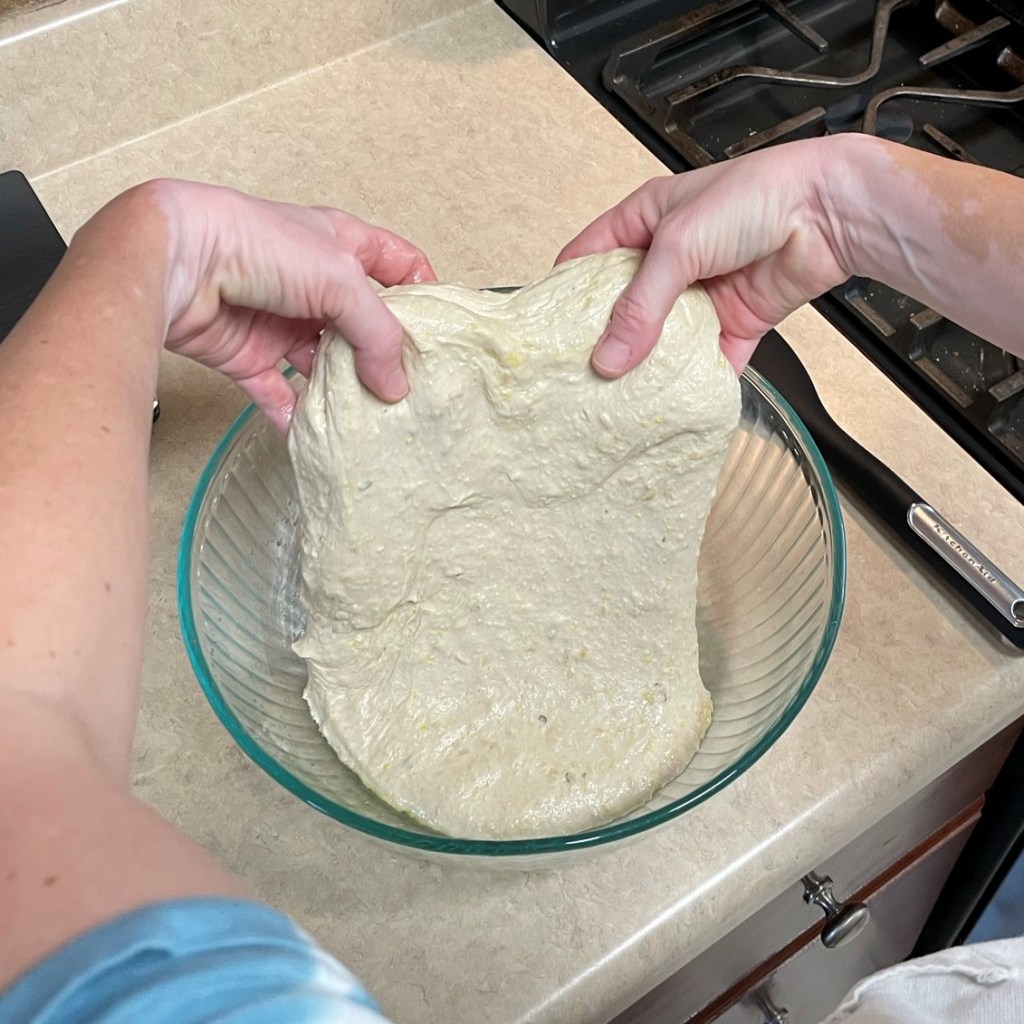
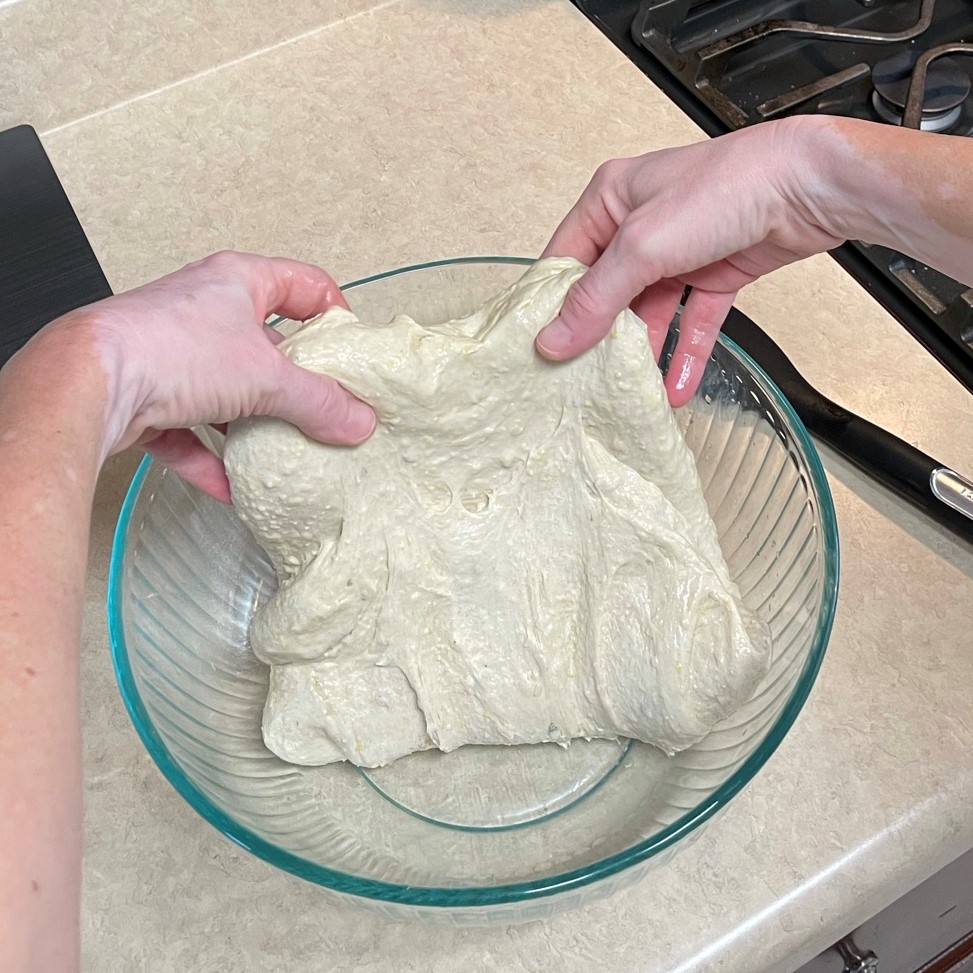
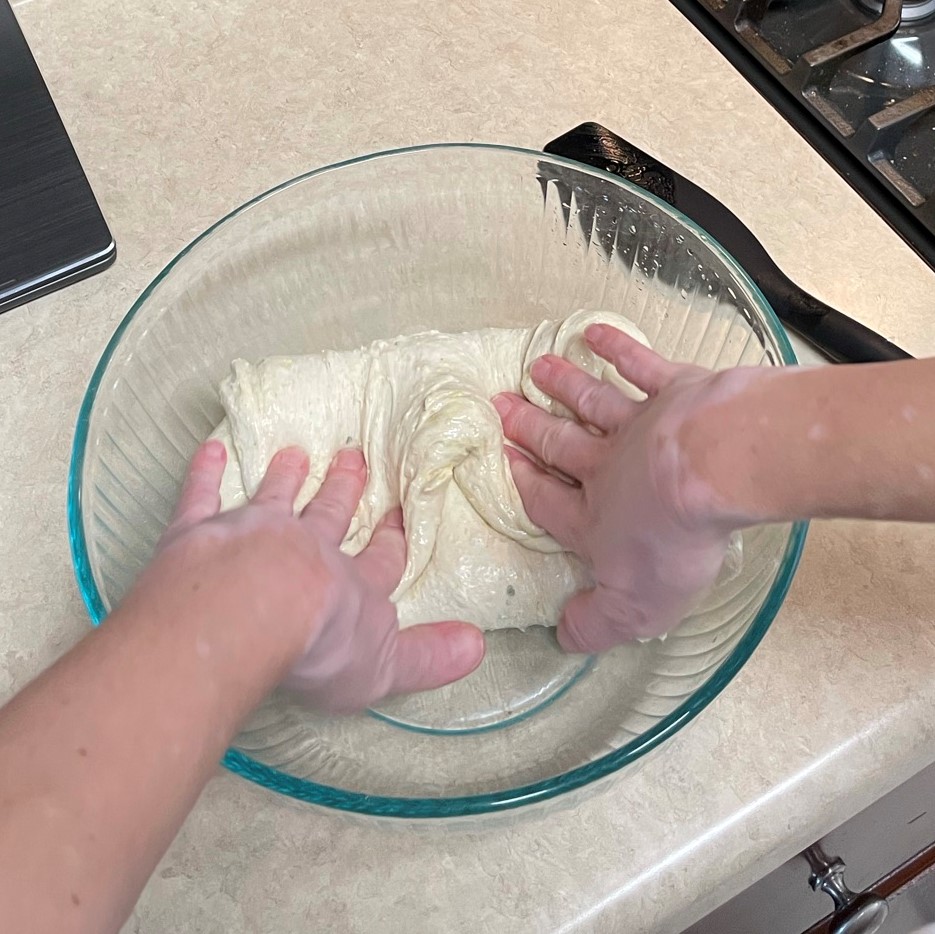
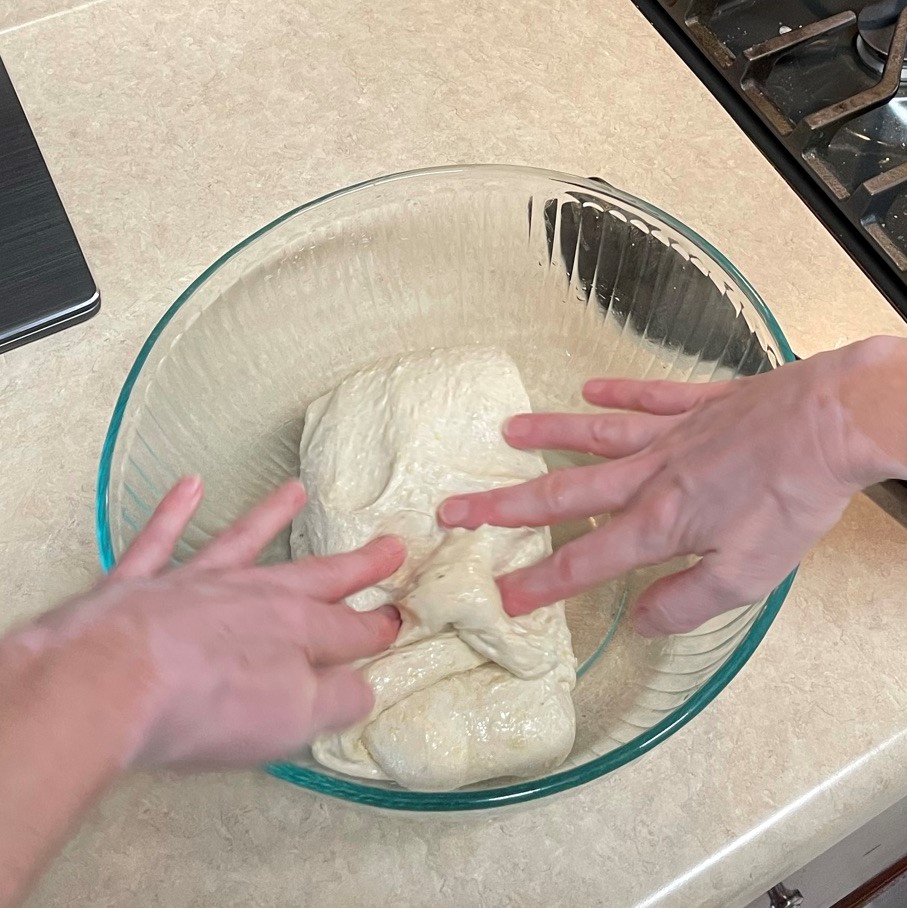
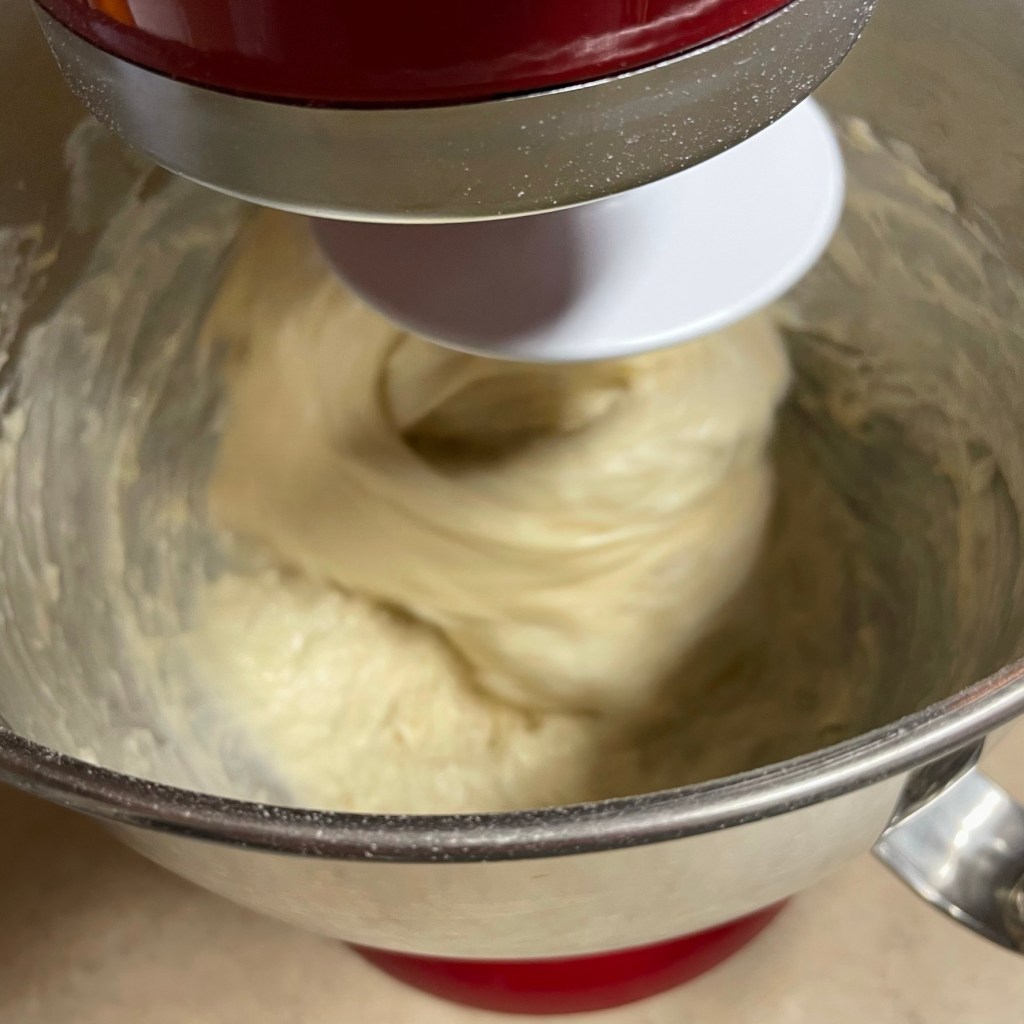
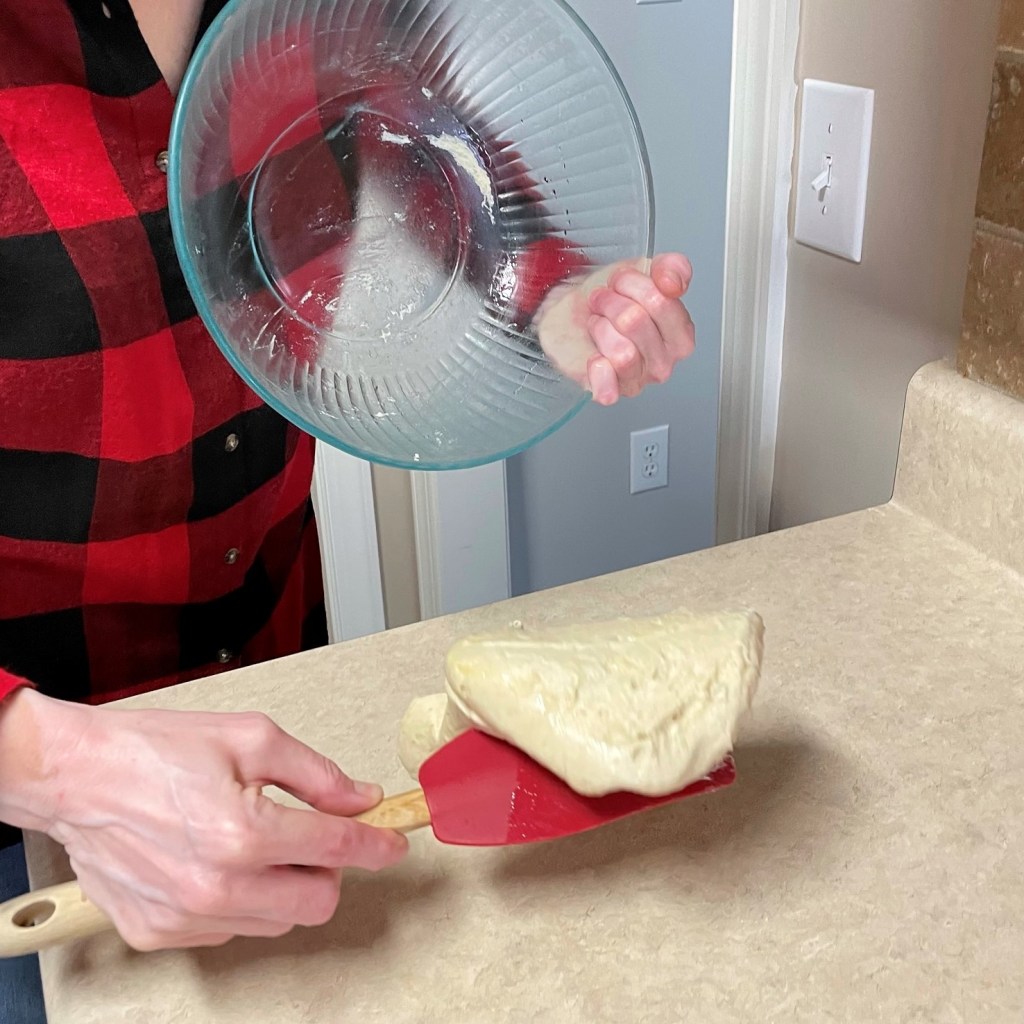
This was such a large volume of dough that I could not mix it completely in my KitchenAid, and that’s part of the reason it took me so long to pursue making bagels. Things get messy with a big batch of dough, and though I used my mixer’s splash guard (for the first time ever), I still needed to roll up my sleeves to finish the kneading by hand. Once I got into the rhythm, I found it almost therapeutic.
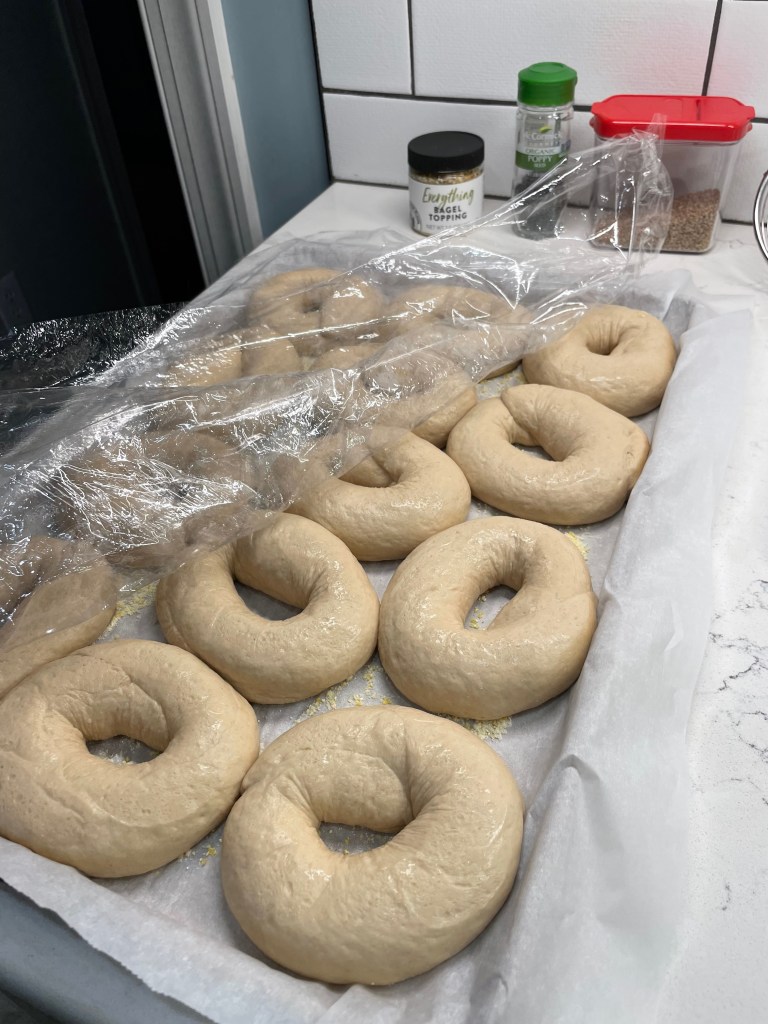
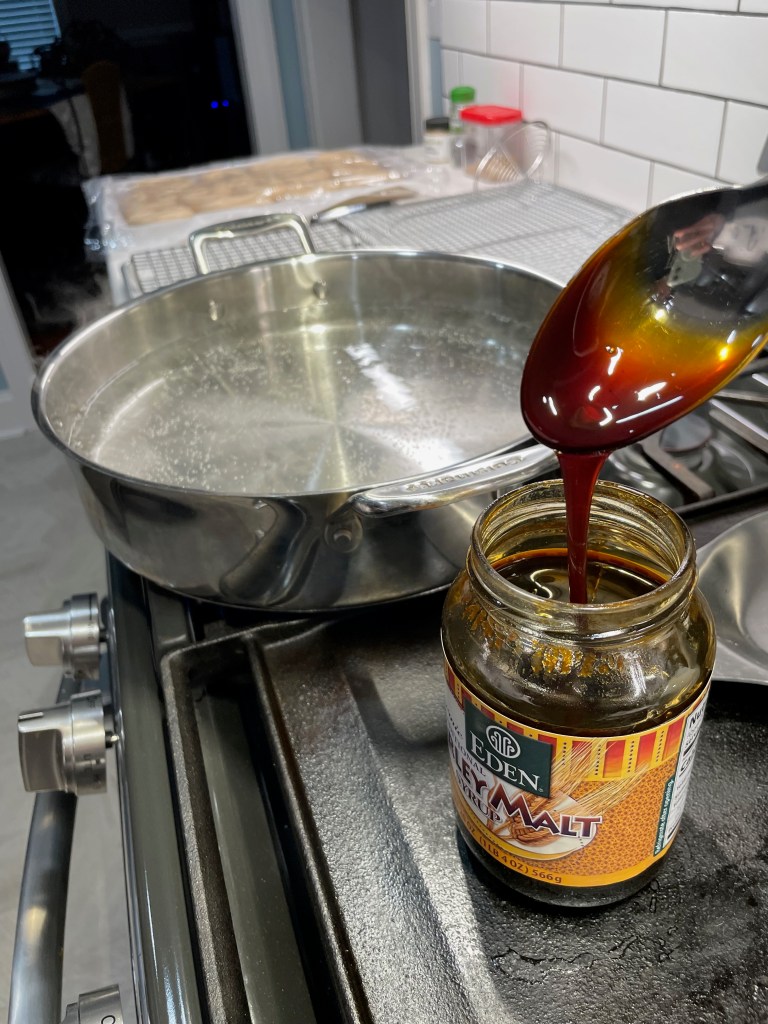
The second principle about temperature applies to the bagel dough after it’s shaped into rings. The bagels rest at room temperature for a couple of hours and then in the refrigerator overnight. That chilling time ensures the best and most flavor in the finished product. There is one other change I made from Maurizio’s recipe, and that was to add a little of the barley malt syrup to the boiling water. It isn’t necessary, but I love the aroma and besides, what else am I going to do with a huge jar of that sticky stuff? Unless I make pretzels. Hmm…
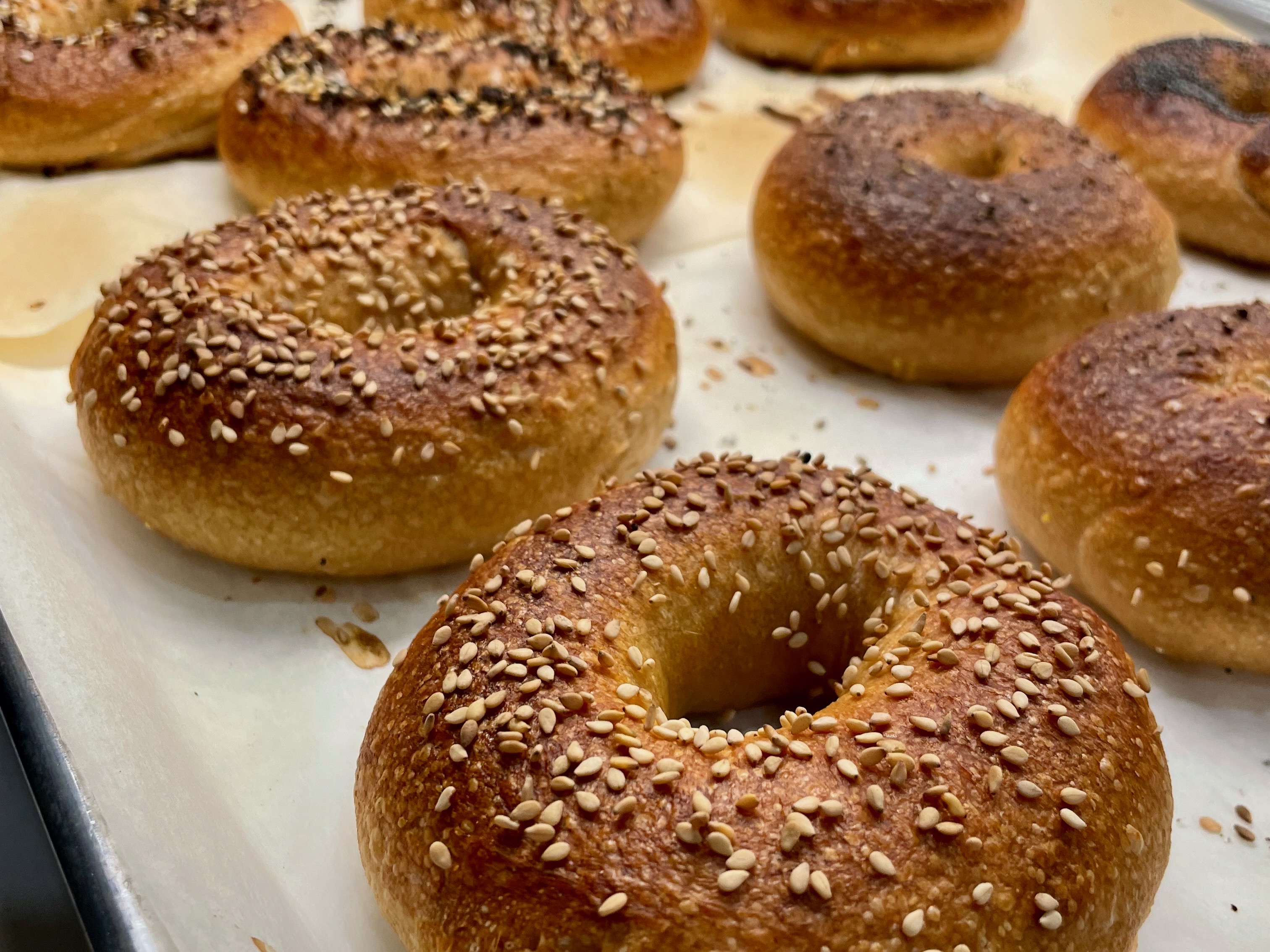
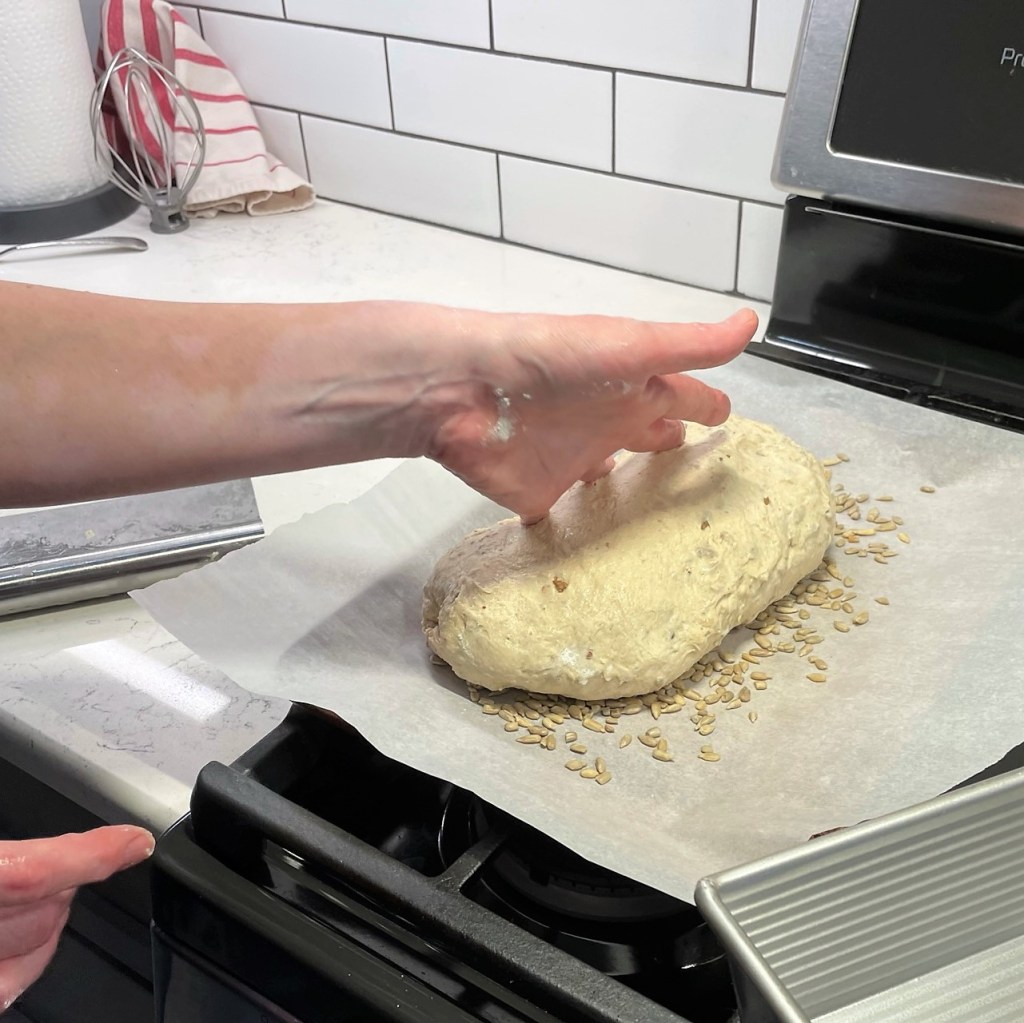
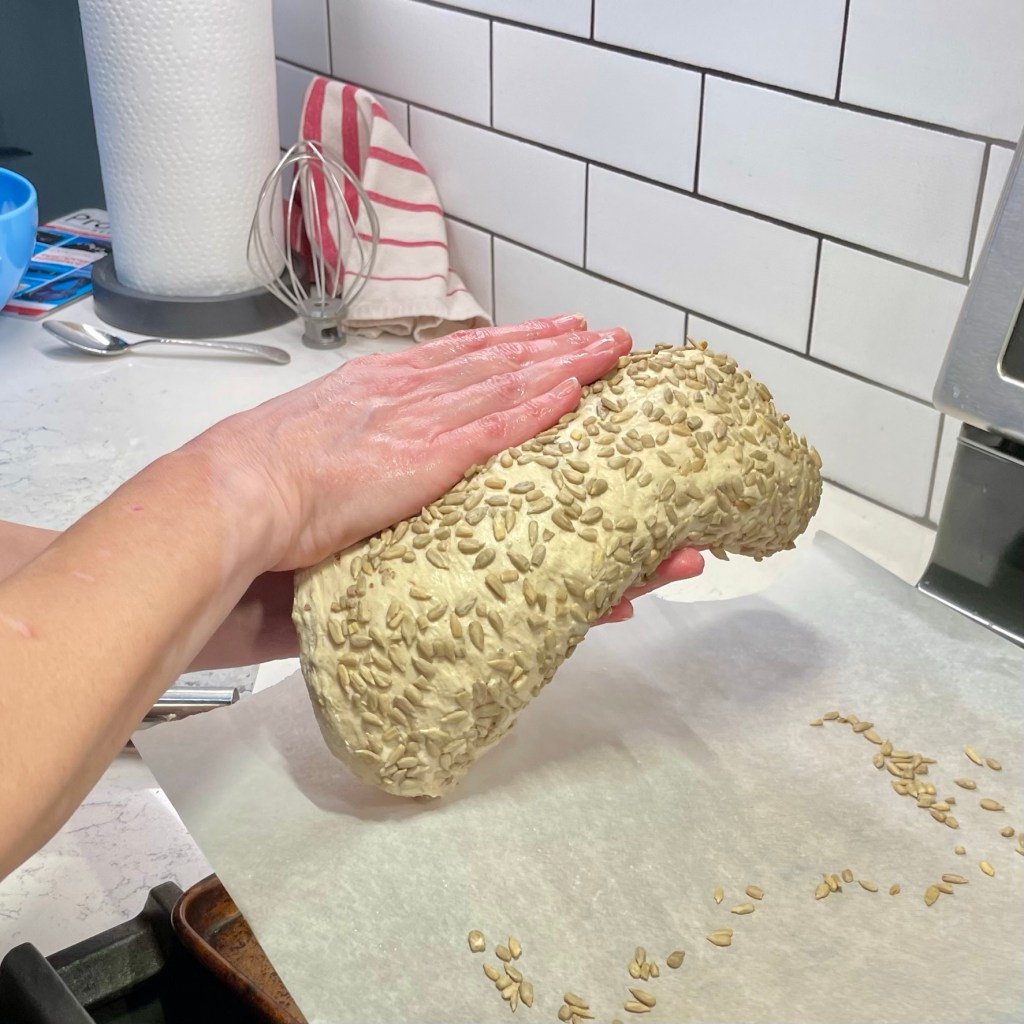
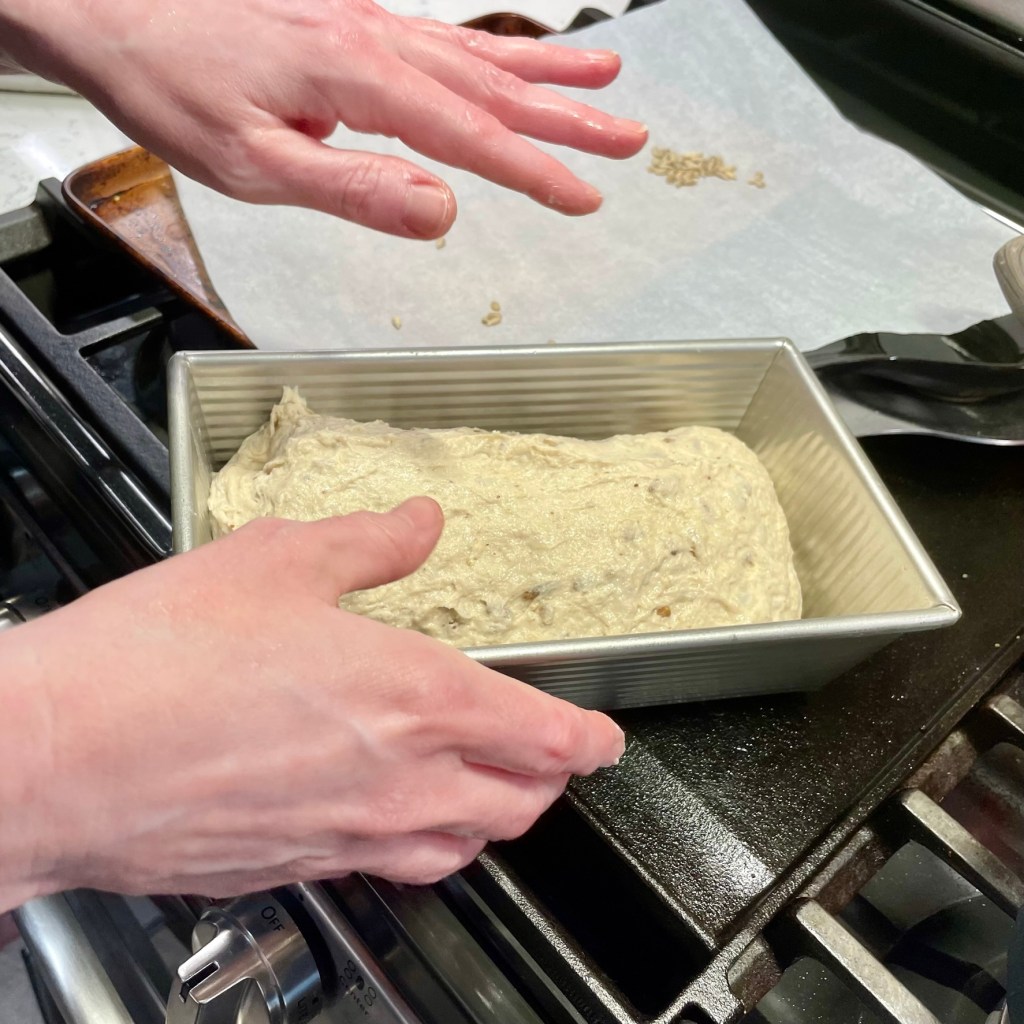
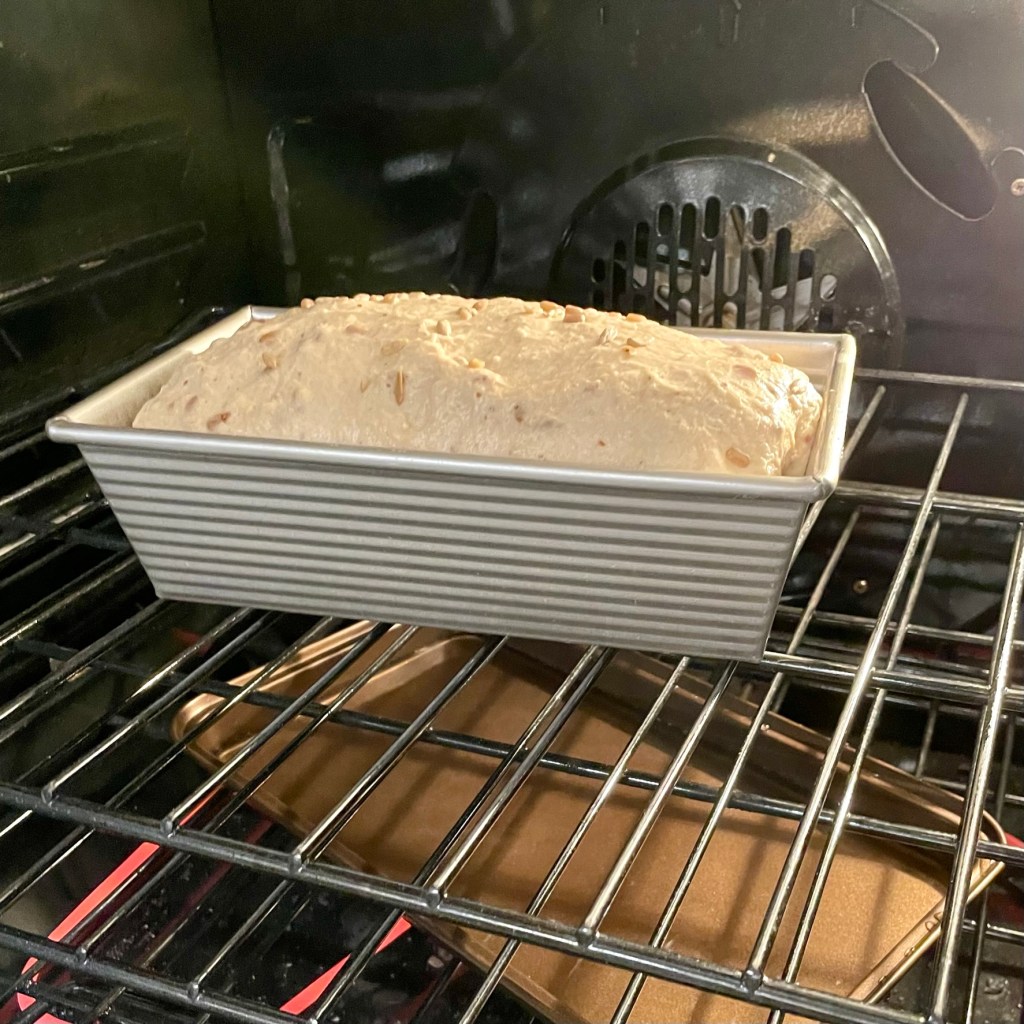
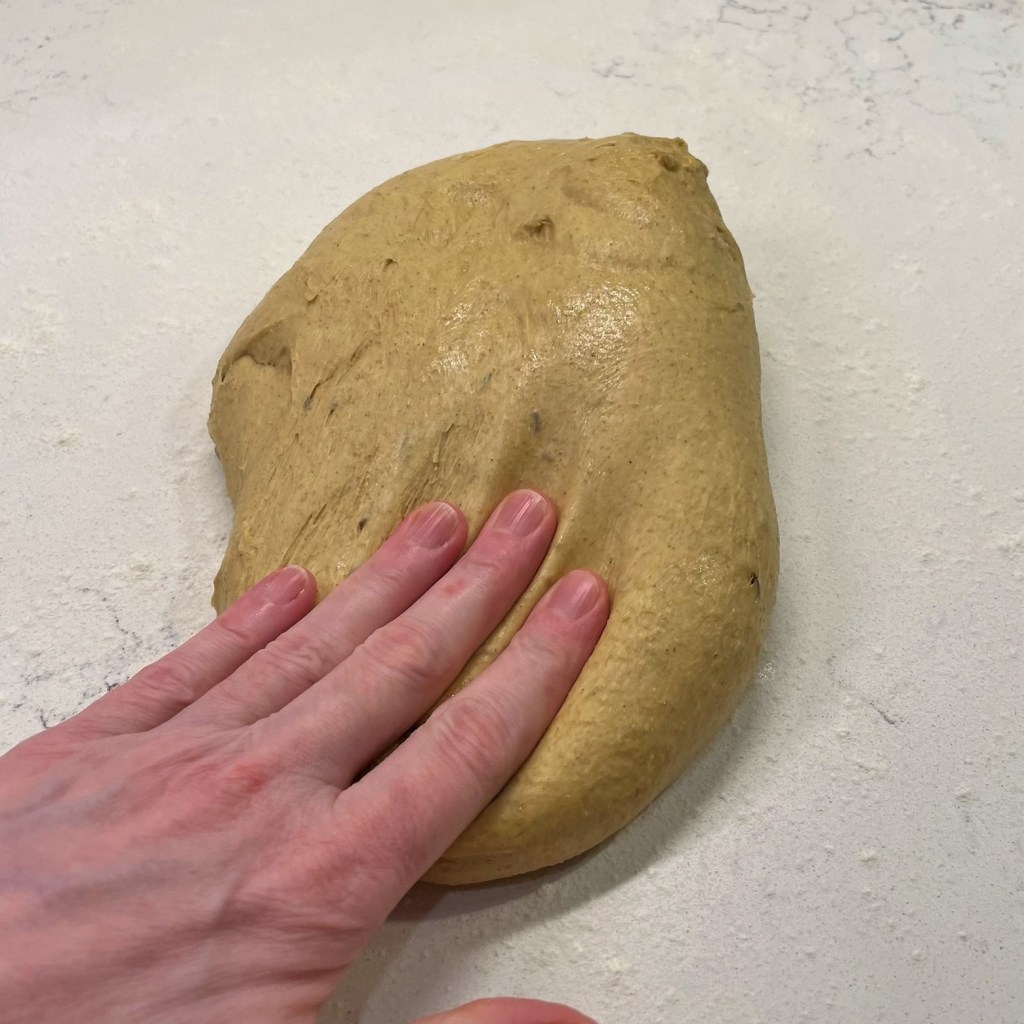
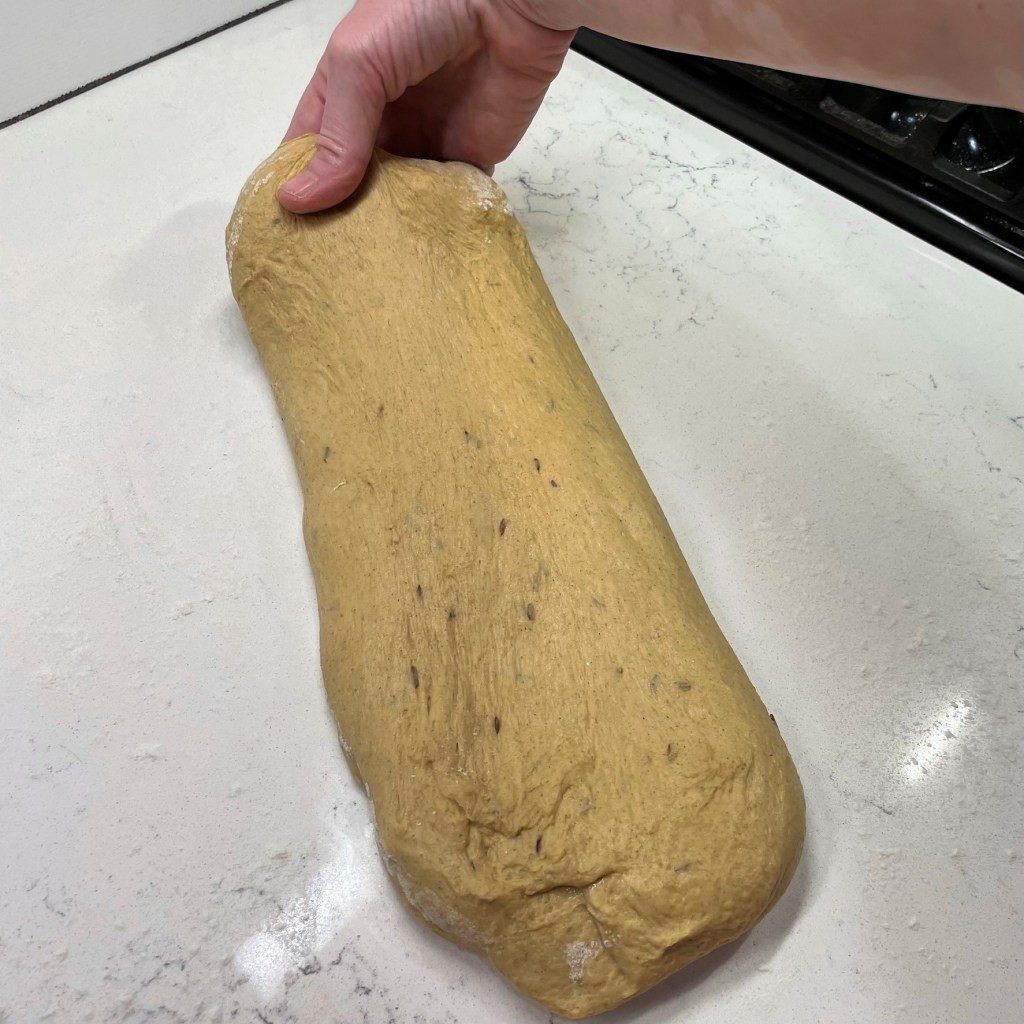
Here’s how the rest of my bagel adventure went, and boy, was it worth the trouble!
Before I forget to mention, our team took first place that night at the temple trivia event! It was a fun time that inspired me to aim for bagel greatness, and Maurizio Leo helped me get there. I may have missed the mark on their history, but for sure, I’ll make room for more of these homemade sourdough bagels in our future!

Wanna give it a go? If you’re a sourdough baker, you’re gonna love these. Thanks, Maurizio! 😁

























































 Comfort du Jour