The Best Cinnamon Rolls I’ve Ever Made!

Of all the wonderful things about Christmas morning at our house— the sentimental holiday tunes that will be streaming out of our Bose speaker, the excitement of presenting way too many over-the-top gifts to our spoiled fur babies, the joy of spending time with the love of my life with no obligations to be anywhere else— there’s one thing in particular I’m extra excited about. It’s these soft, fluffy iced cinnamon rolls! I’ve literally had them on my mind since last New Year’s Eve, when my husband and I fought over the final crumbs of the batch I made last Christmas.

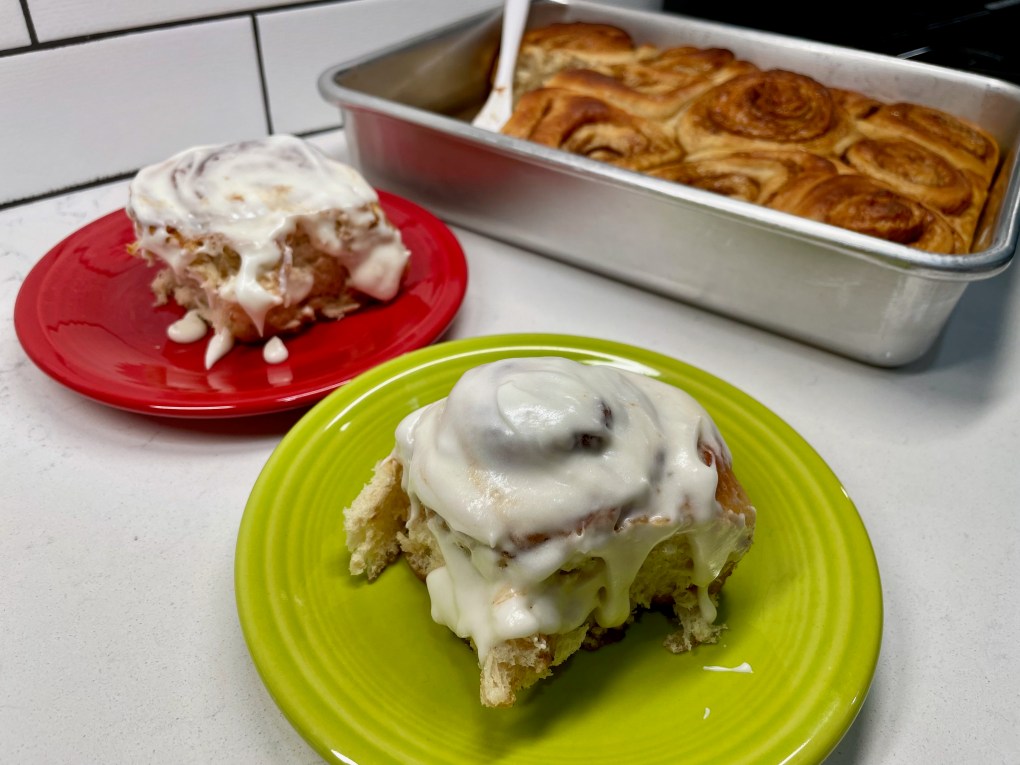
The last cinnamon roll was as delicious as the first one!

We’ve had homemade cinnamon rolls on Christmas morning before, but the tweaks I made to my recipe last year made these extra special. They are soft and tender, they hold their shape without being dry, and the almond-scented cream cheese icing is just irresistible.
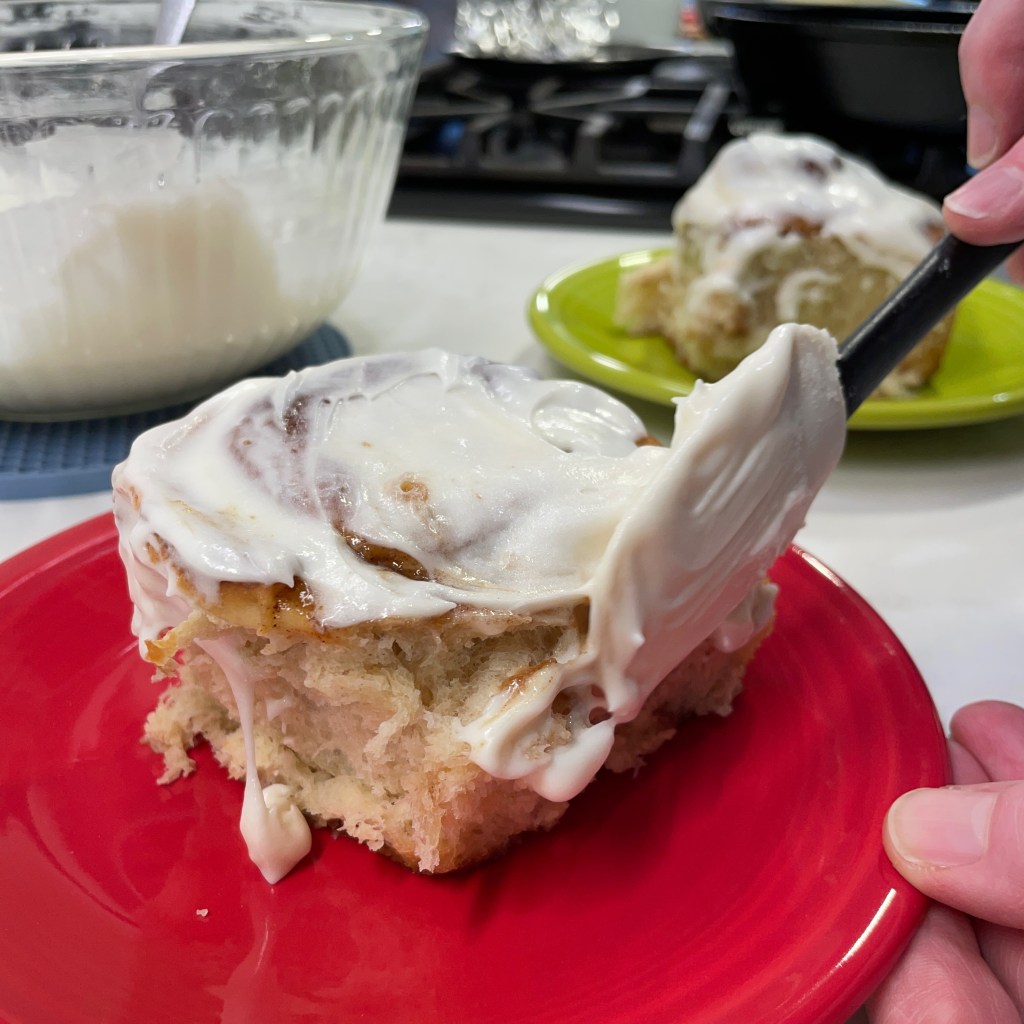
Almond extract lends an extra holiday flair to the icing. 🤩

The “secret” ingredient that I used last year to make these rolls so soft and airy is mashed potatoes. Honestly, I don’t know why I didn’t think of it before. The starch in potatoes makes bread softer, and it does wonders for the Moravian sugar cake that is traditional around these parts at Christmas, too.

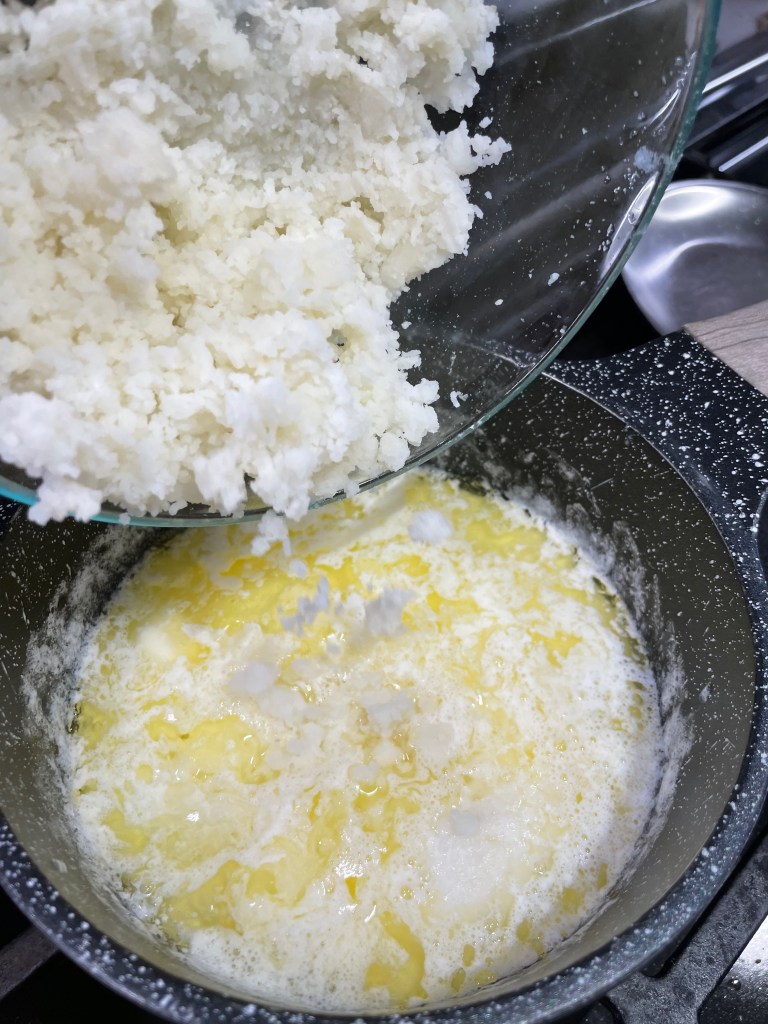
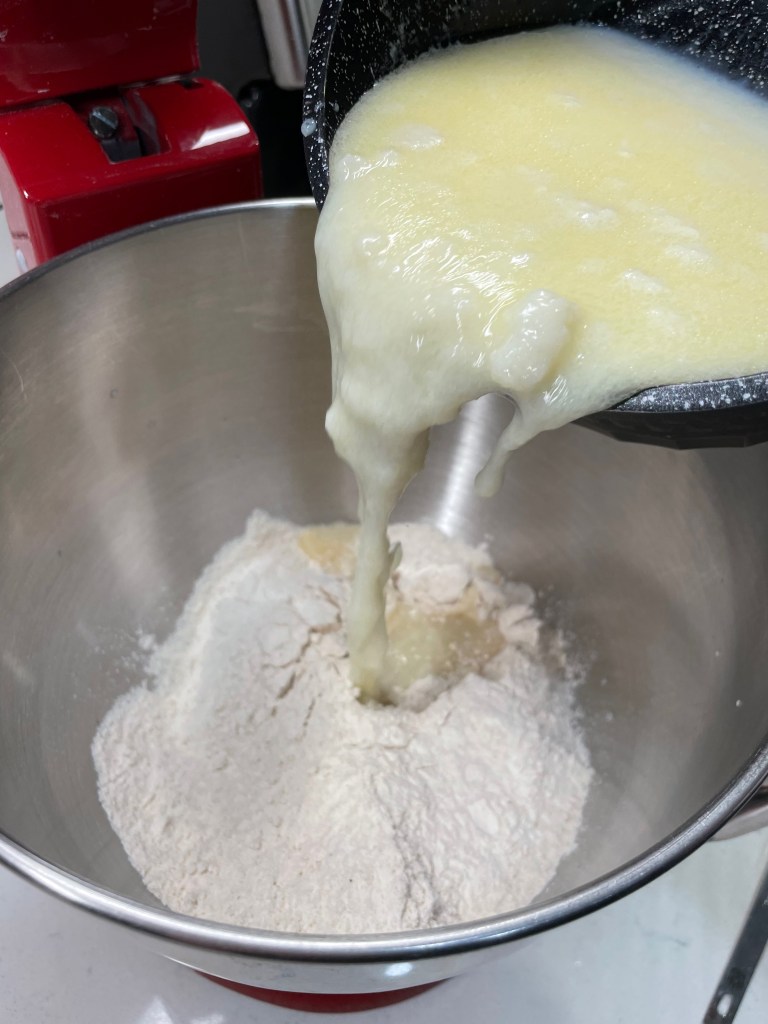
There’s also whole milk, sugar and butter, which add richness and softness to these swirled rolls. And eggs ensure the dough holds its shape after it’s wrapped up around the cinnamon-sugar filling. Oh, wait, did I remember to mention how addictive the filling is? 


You know that I can’t stop at traditional, so there’s more than just cinnamon and brown sugar going on here. I wanted an intoxicating aroma, and I got it with addition of cardamom and a bit of “Yuletide Cheer” spice from my pals at King Arthur Baking. It’s a blend of several spices, including coriander and allspice, and the real magic comes from dried citrus peel. Unfortunately, I discovered today that the blend is sold out for the season on the KA site, but I’m betting you could replicate the effect by adding a spoonful of orange zest to your dough. The citrus makes it smell like Christmas. A pinch of salt is essential, as it emphasizes the flavors of everything else. Don’t skip it.
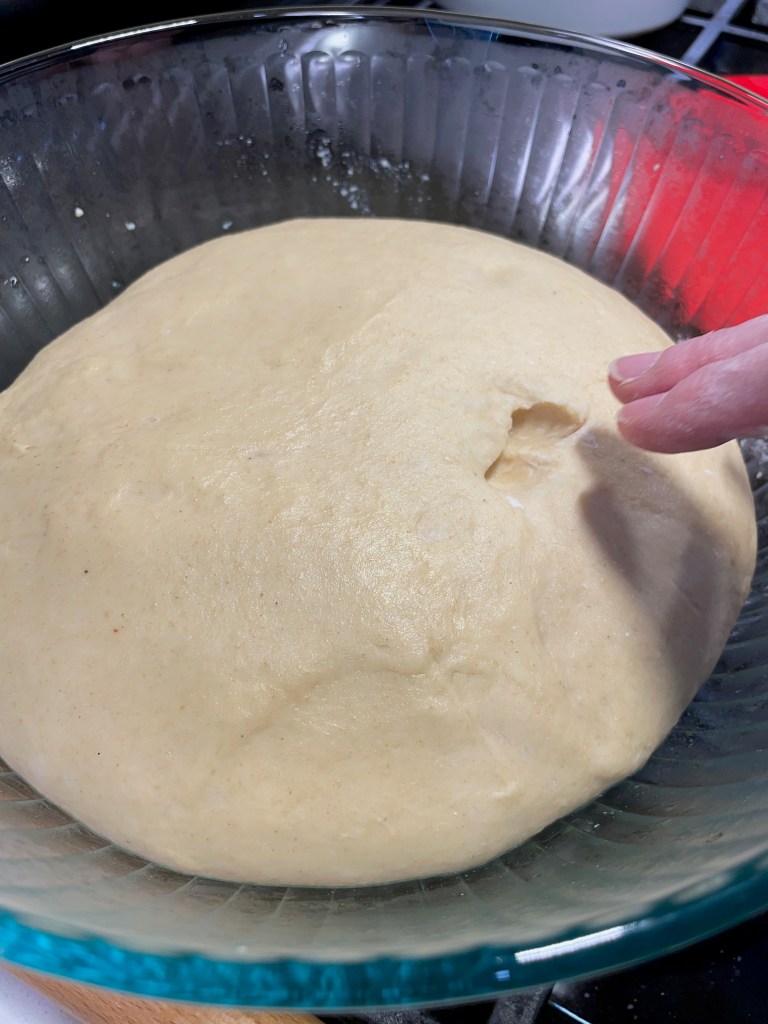
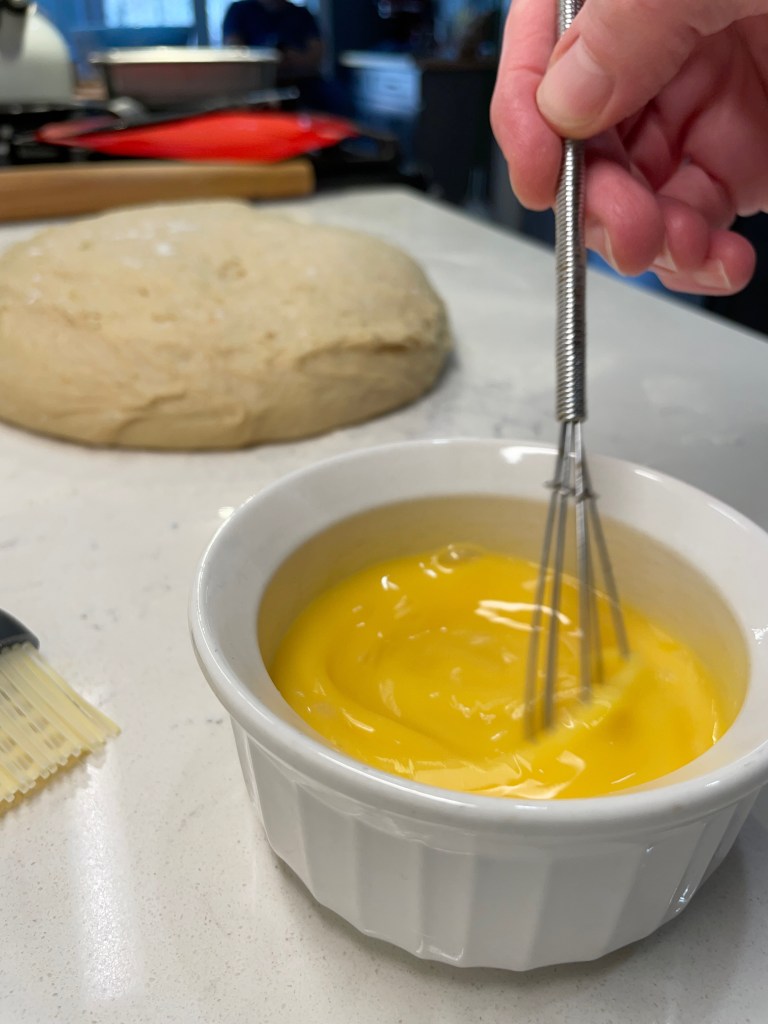
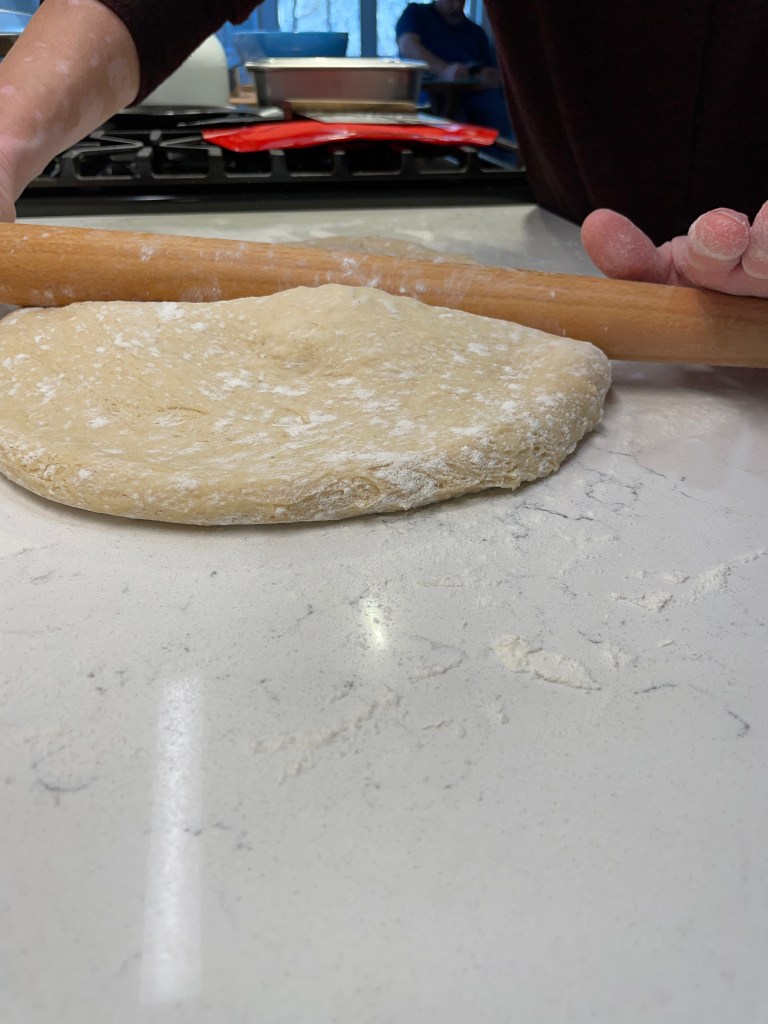
The thing about these rolls that is almost as good as eating them is the fact that I can make them the day before and pop them into the fridge overnight. Bring them back to room temp when I wake up Christmas morning, and bake them while the fur babies enjoy their new toys. The icing is cream cheese, butter, powdered sugar and a splash of almond extract. 
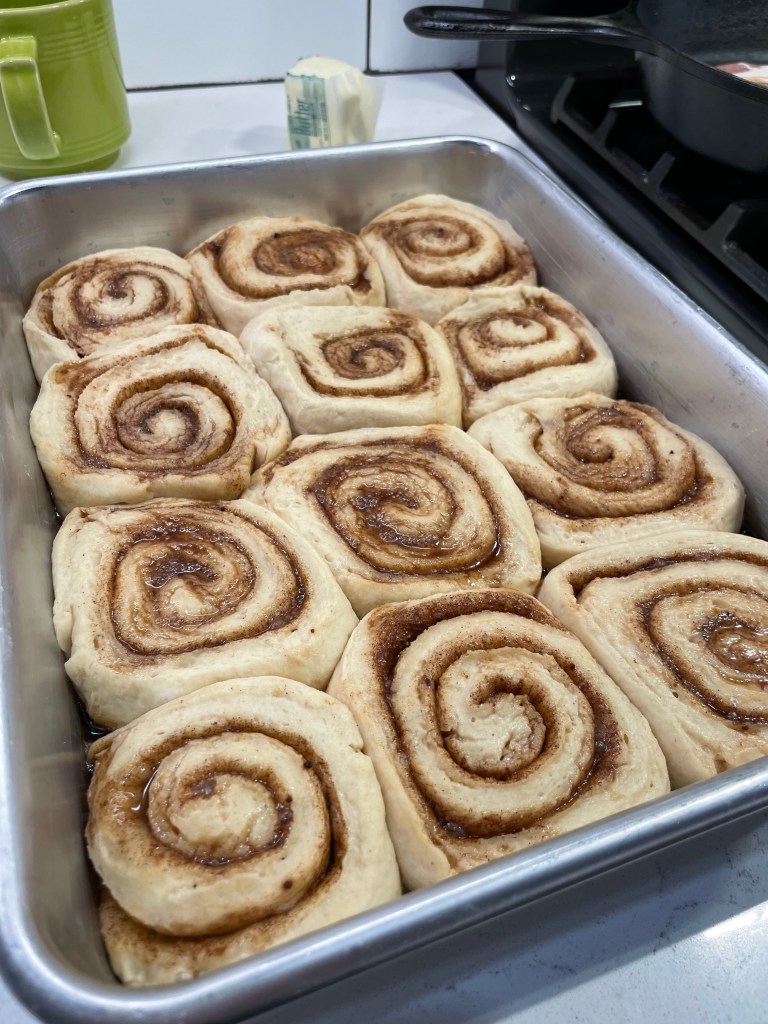

If you don’t already have a special holiday breakfast tradition, I guarantee you these rolls will become one for you!

The Best Cinnamon Rolls I've Ever Made!

  • Servings: 12 big, fluffy rolls
  • Difficulty: Average
  • Print

After much trial and error, I've found mashed potatoes to be the best ingredient for soft, fluffy, melt-in-your-mouth cinnamon rolls. This recipe is easy to make a day ahead for baking on Christmas morning.


Ingredients

  • 1 1/4 cups white whole wheat flour (see notes)
  • 2 tsp. instant dry yeast
  • 3 cups all-purpose flour
  • A shake or two of ground cardamom
  • 1 cup whole milk
  • 1 cup mashed potato (russet is ideal)
  • 5 Tbsp. butter
  • 1/3 cup cane sugar
  • 1 tsp. kosher salt
  • 2 eggs at room temperature
  • 1 beaten egg, mixed with a tablespoon of water (to adhere filling)
  • 1/2 cup light brown sugar
  • 1 tsp. ground cinnamon
  • 1 tsp. ground cardamom
  • 1 tsp. “Yuletide Cheer” spice (or pie spice + zest of a small orange)
  • Pinch of kosher salt

Note: White whole wheat flour is less “earthy” than standard whole wheat, and mine comes from King Arthur Baking Company. They have recently rebranded this product as “golden wheat,” so look for either name in the flour section of your supermarket. If you cannot find it, simply use a total of 4 1/4 cups all-purpose flour.

Directions

  1. Combine flours and a few shakes of ground cardamom in a medium bowl. Measure out 1 1/2 cups of this into the bowl of a stand mixer, and set the remainder aside for now. Add yeast to the mixing bowl.
  2. Combine milk, butter and sugar in a small, heavy-bottomed saucepan over medium heat. Stir until butter is melted and sugar begins to dissolve. Stir in salt and mashed potatoes and remove from heat; cool until lukewarm.
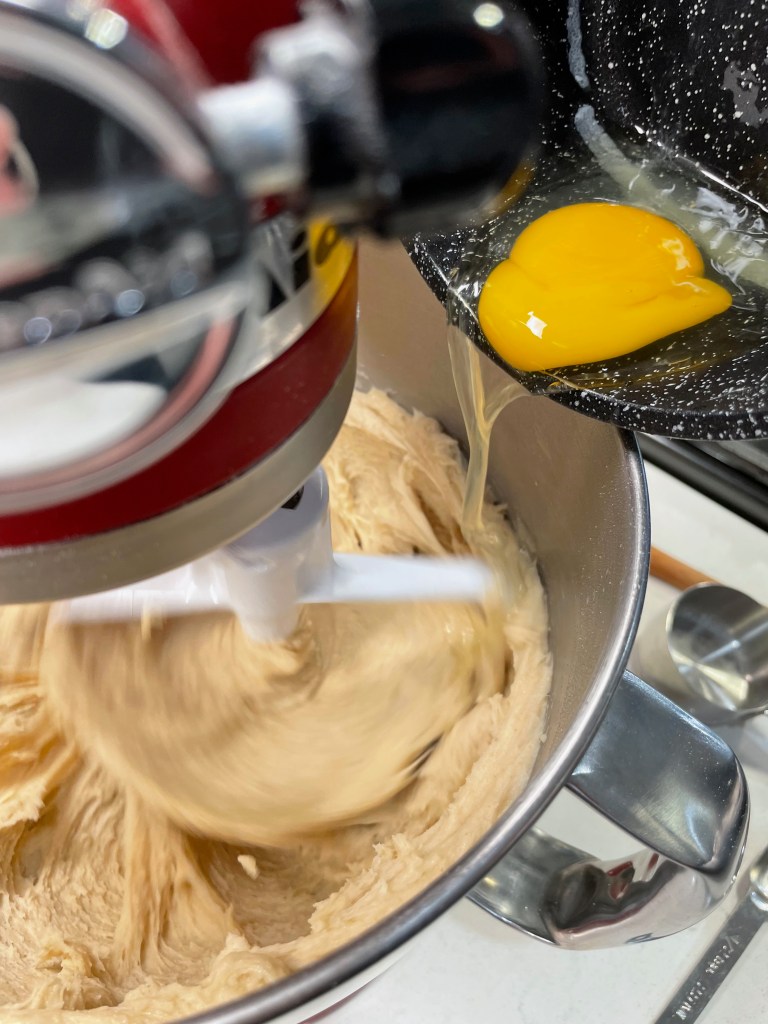
  3. Pour milk mixture into the mixing bowl with the yeasted flour mixture and blend with the beater blade until the mixture is smooth. Add eggs and increase speed to beat for two to three minutes.
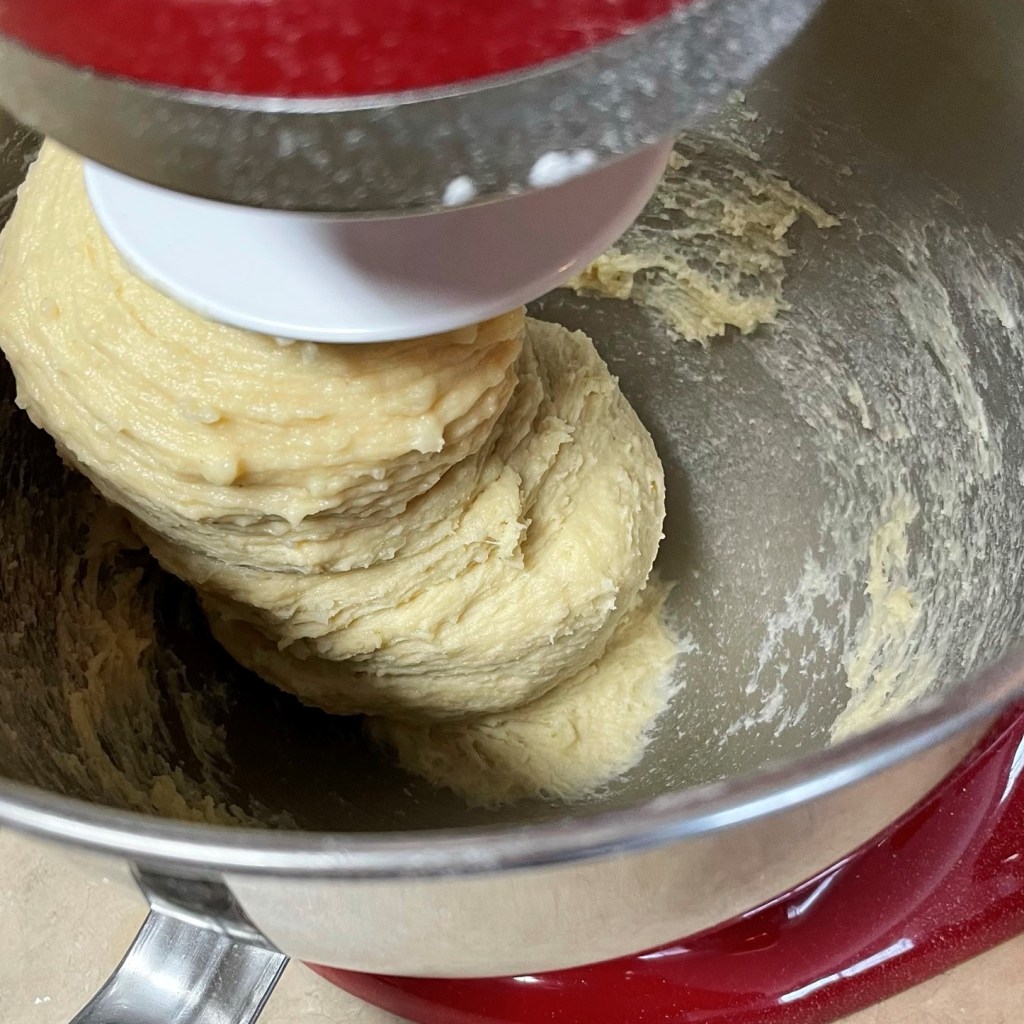
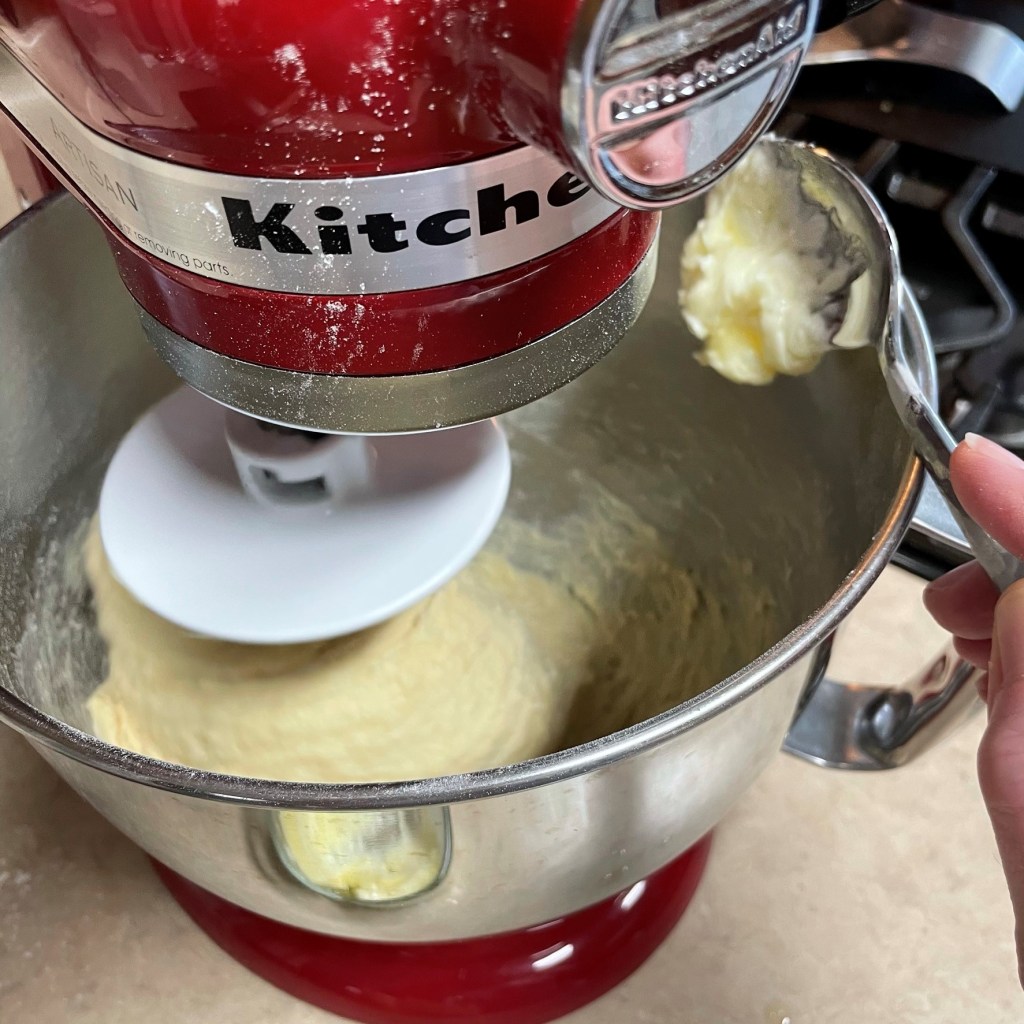
  4. Reduce mixer speed and add remaining flour, a large spoonful at a time. After a few spoonfuls, you may need to switch to the kneading hook as the dough becomes more heavy. Knead again for a few minutes; dough will be soft and tacky.
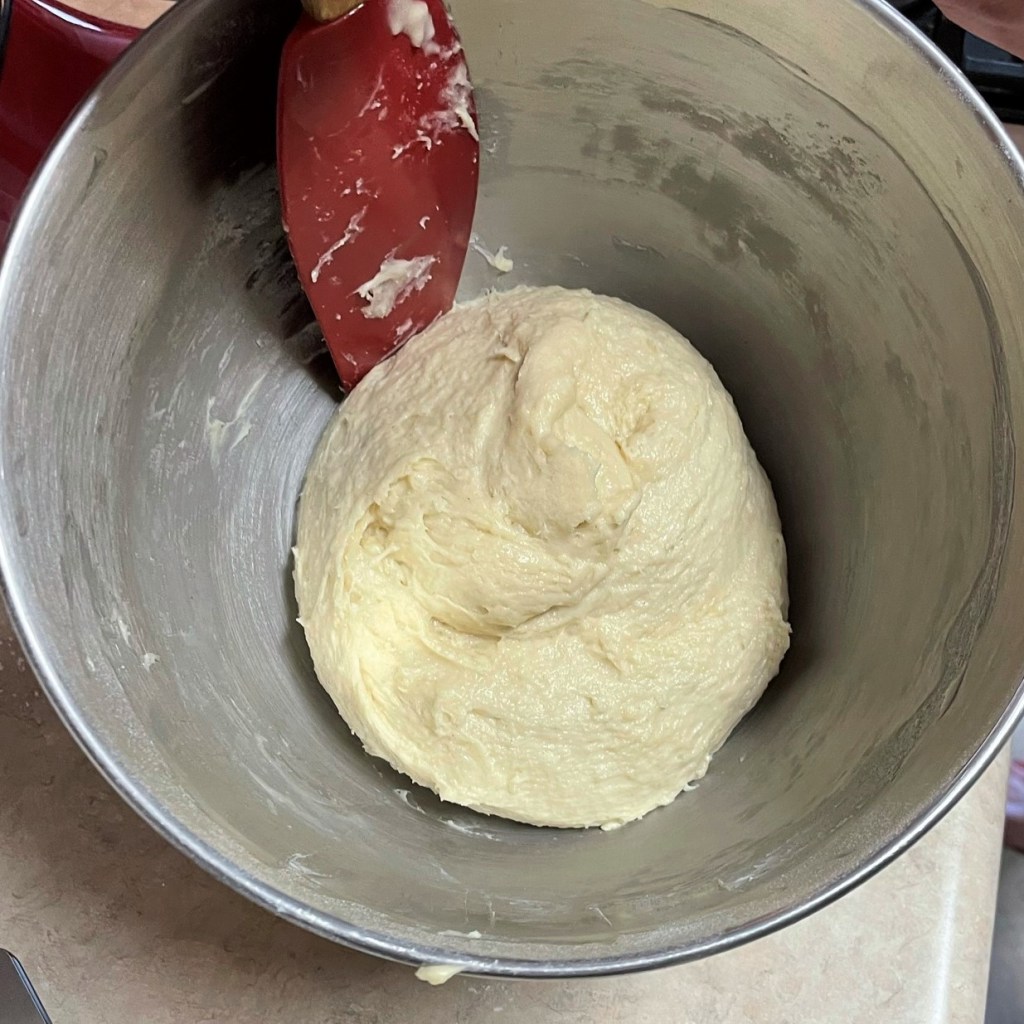
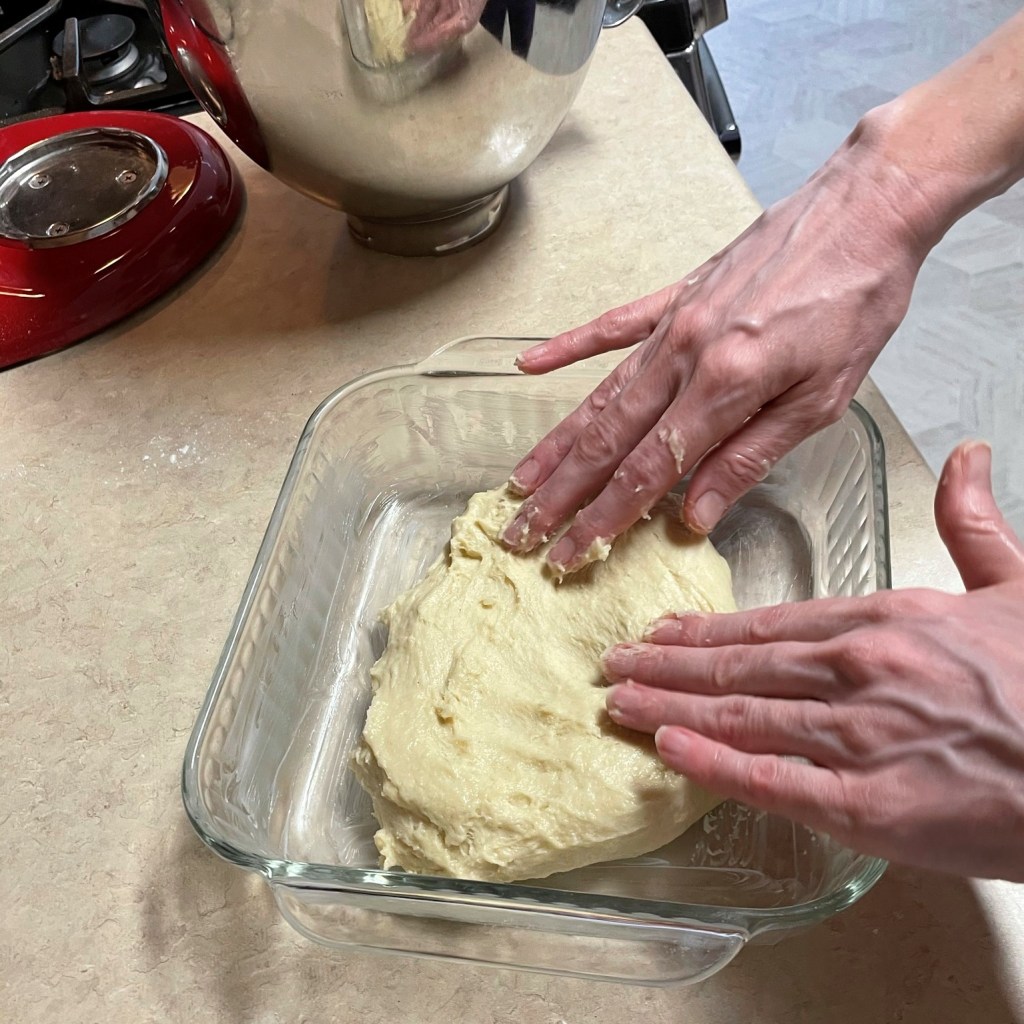
  5. Shape the dough into a round and rest covered on the counter for about one hour, or until the dough has doubled in size and doesn’t bounce back when pressed with fingers.
  6. Transfer dough to a floured board or counter. Use a rolling pin to roll it into a rectangle approximately 12 inches wide and 18 inches long. Combine brown sugar, cinnamon, cardamom, pinch of salt and Yuletide Cheer spice in a small bowl.
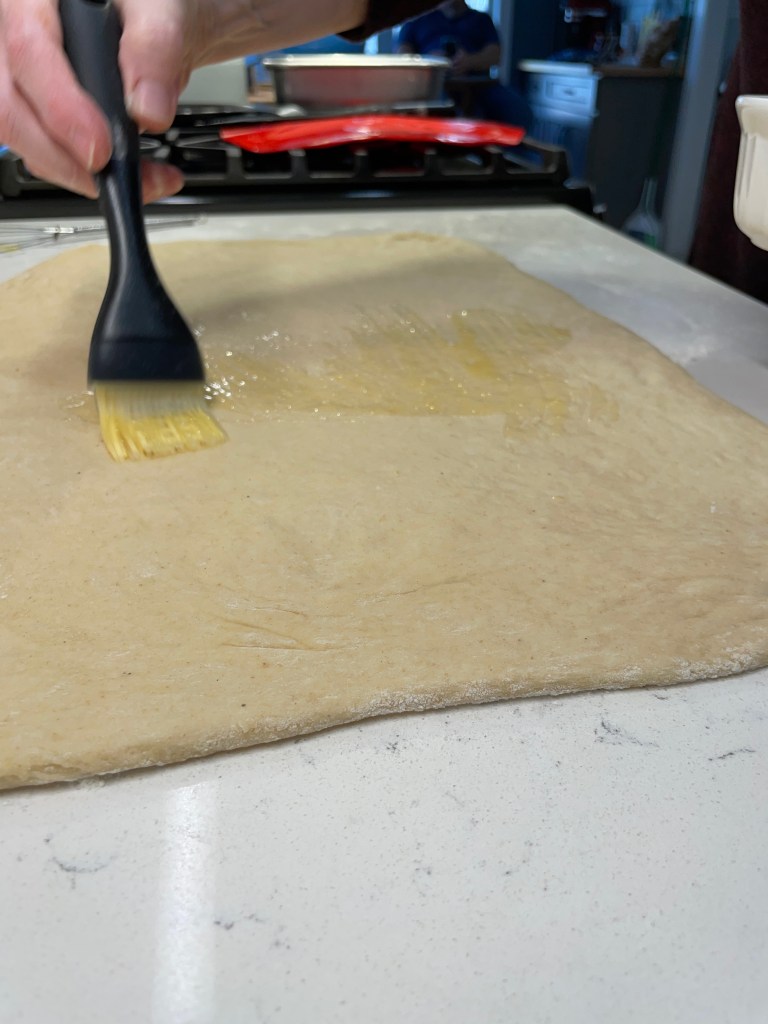
  7. Brush entire dough rectangle generously with egg wash, and then distribute the cinnamon-spice mixture evenly over the dough, sparing about one inch at one short end. Roll up dough, beginning at the other short end, keeping the dough evenly compacted.
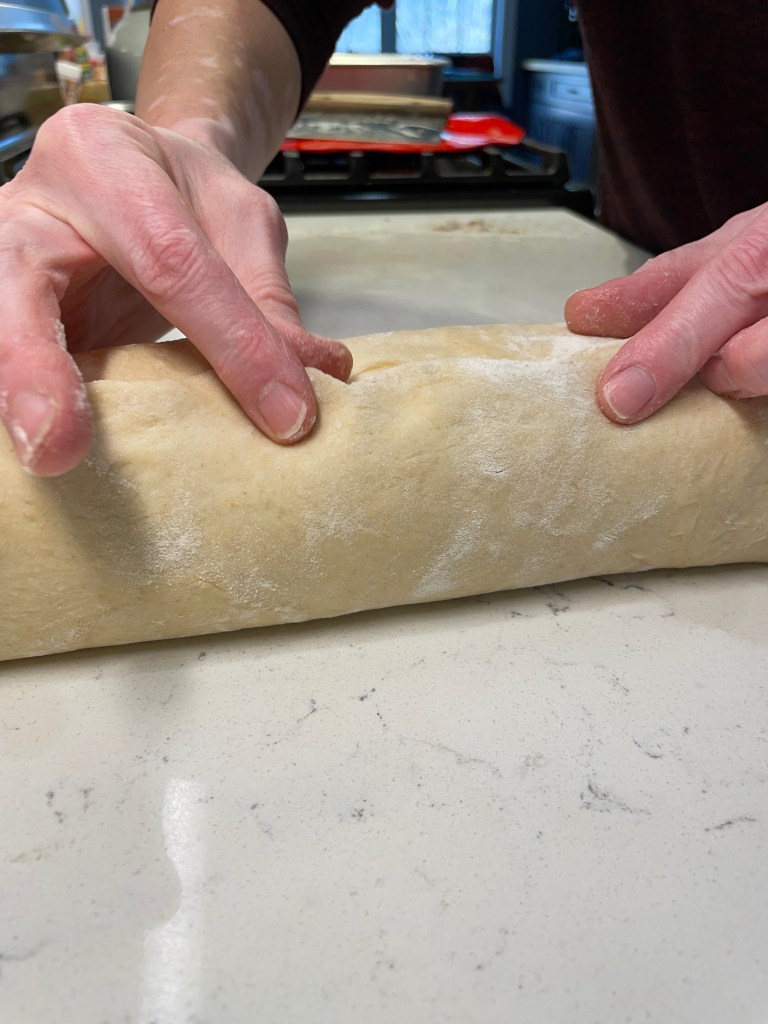
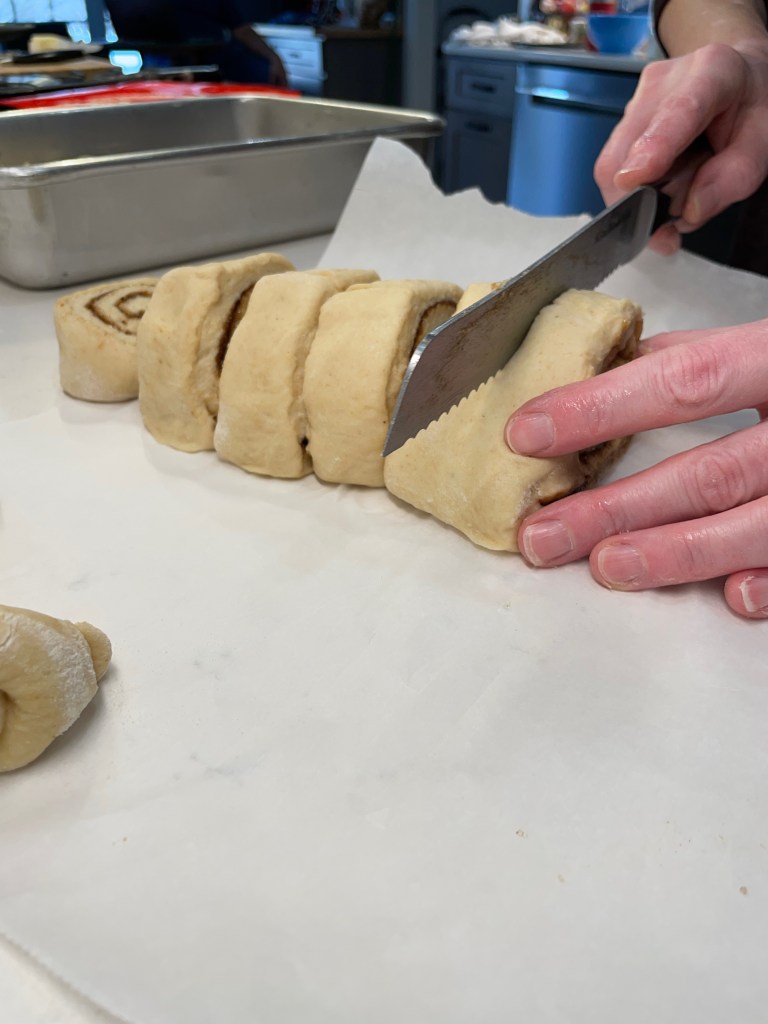
  8. Pinch the seam to seal the roll. Use a serrated knife or a piece of unflavored dental floss to cut the roll into 12 equal slices. Place slices in a 9×13″ cake pan. Cover tightly with plastic wrap and refrigerate up to 18 hours.
  9. Remove pan from fridge and pre-heat oven to 375° F, with oven rack in center position. Allow cinnamon rolls to come to near-room temperature. They should be very puffy with no space between rolls.
  10. Bake for 25 to 30 minutes, until rolls are golden brown all over. Remove from oven and cool in the pan for at least 30 minutes before serving with icing.

Ingredients

  • 3 oz. cream cheese, softened
  • 2 Tbsp. salted butter, softened
  • 2 cups confectioner’s sugar, sifted if necessary to remove lumps
  • 1/2 tsp. vanilla extract
  • 1 tsp. almond extract
  • A few tablespoons heavy cream to blend into soft, spreadable icing

Directions

  1. Use a hand mixer or the whisk attachment of a stand mixer to beat cream cheese and butter until soft and lump-free.
  2. Beat in half of the confectioner’s sugar until smooth. Stir in vanilla and almond extracts, and then stir in as much additional sugar as needed to achieve a spreadable consistency.


Cinnamon Espresso Negroni

If your social media feeds are flooded with Negroni cocktails lately, there’s good reason. It’s “Negroni Week,” an event launched in 2013 by Imbibe (print and online) magazine and Campari as a means to spotlight a worldwide sustainable food movement called Slow Food. This program has an ambitious but very noble goal of ensuring “good, clean and fair food” for all human beings everywhere. I’m all for feeding people good food, but let’s explore how a cocktail benefits this cause. The organizers pitched an idea to the hospitality industry— register your venue with the Negroni Week site, and share a percentage of Negroni sales to benefit the Slow Food movement. That might not seem like much but to date, they’ve raised more than $5 million, so it’s working!

You can learn more about Slow Food here: https://www.slowfood.com/, and find a participating Negroni Week venue near you here: https://www.negroniweek.com/find/. If you can’t find a local bar that’s taking part in the annual event, why not donate to a similar cause close to home and make the cocktail (or some version of it) yourself? I’ll show you how.

What exactly is a Negroni?

The Negroni cocktail— invented in 1919 in Italy— is traditionally considered to be an “equal parts” drink with dry gin, sweet vermouth and Campari, the bright red Italian bitter aperitivo. The components are stirred with ice and then the drink is garnished with a juicy slice of fresh orange. It is both refreshing and appetite-stirring, sophisticated yet bold and gutsy.
My first introduction to Negroni came only a few years ago (during Covid, probably), and it took me a while to consider making this drink at home. I didn’t want to drop big bucks on a bottle of Campari unless I was fully committed. The Negroni is what I call a “strong drink”— it’s literally all booze— and if you can’t handle bitter, you definitely don’t want one. But there is something that really works about combining these spirits, and now that I’ve acclimated to it, I cannot refuse a Negroni.
Of course, me being me, I have joined the throng of amateur and pro mixologists on a mission for new ways to twist up this classic. There are already several notable riffs out there, including many that swap the gin for various other base spirits, including bourbon, rum and tequila. I enjoyed a particularly good Negroni variation that subbed Spanish sherry for the vermouth and Cynar for the Campari when we visited Cúrate in Asheville, North Carolina. I can still taste it in my mind. It was so good.

The base personality of a Negroni is the botanicals and bitterness— if these are not your thing, stick with a vodka martini or an old fashioned. But if you do happen to enjoy an adventurous, spirit-forward cocktail that whets the appetite before dinner, I propose my take on this lovely libation for Negroni Week 2024. Cheers!

Cinnamon Espresso Negroni

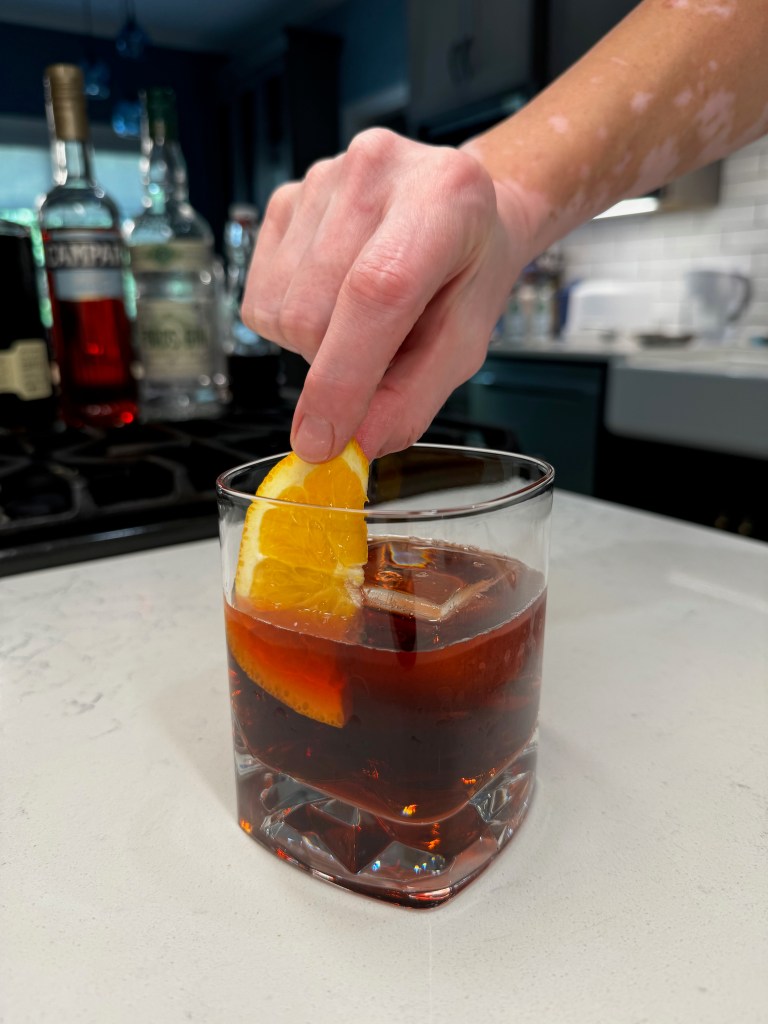
The color and aroma of this drink are really special!

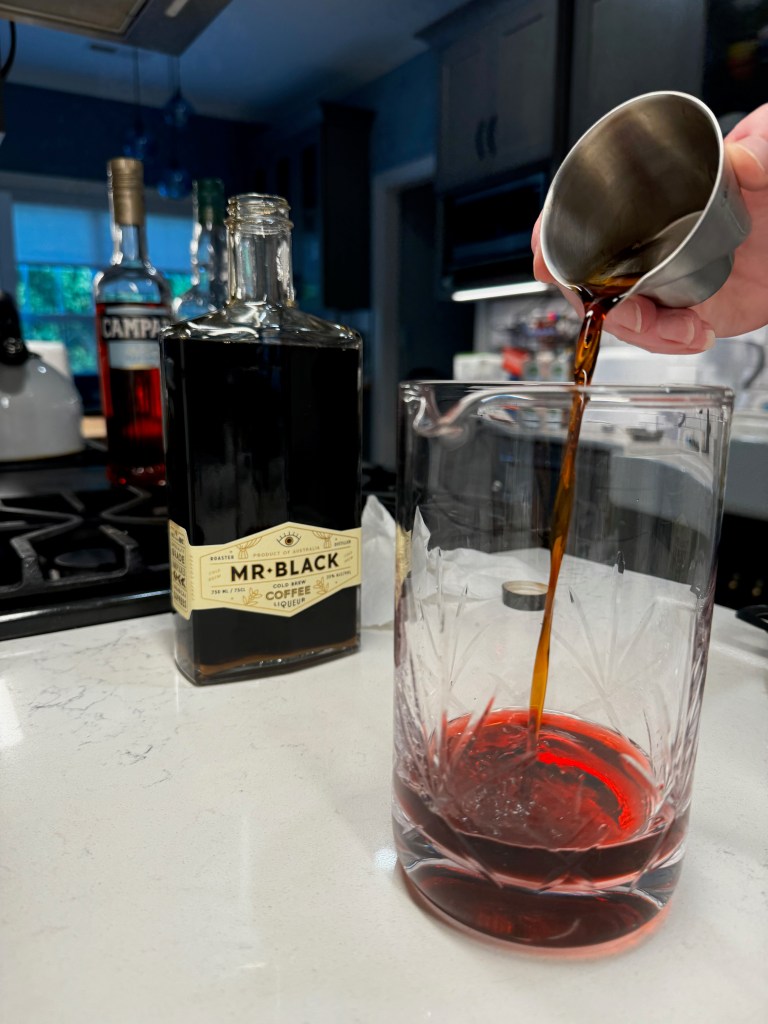
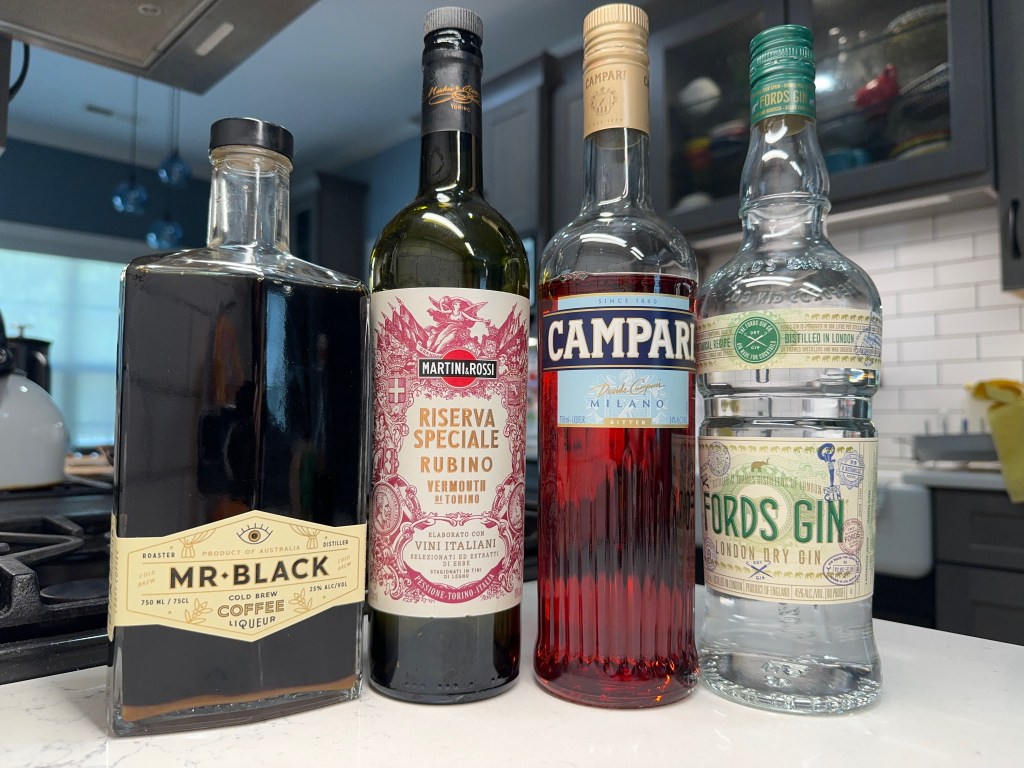
My version includes a couple of twists, including addition of cold brew coffee liqueur. I split the Campari element of the drink 50/50 with the coffee-flavored spirit I like best, Mr. Black. Yes, you could use Kahlua, Tia Maria or Grind Double Espresso liqueur, but I find all of these rum-based spirits to be too sweet for Negroni. Mr. Black is a vodka base, so the emphasis is on the coffee. I had to search for months to find it because our state-run liquor stores are pitifully limited in inventory, but it was worth the wait. I also happen to like Mr. Black in an espresso martini, which I am still working on and will share when I get there.

Ford’s is my house brand of gin. Any London dry is suitable for Negroni, so use your favorite.

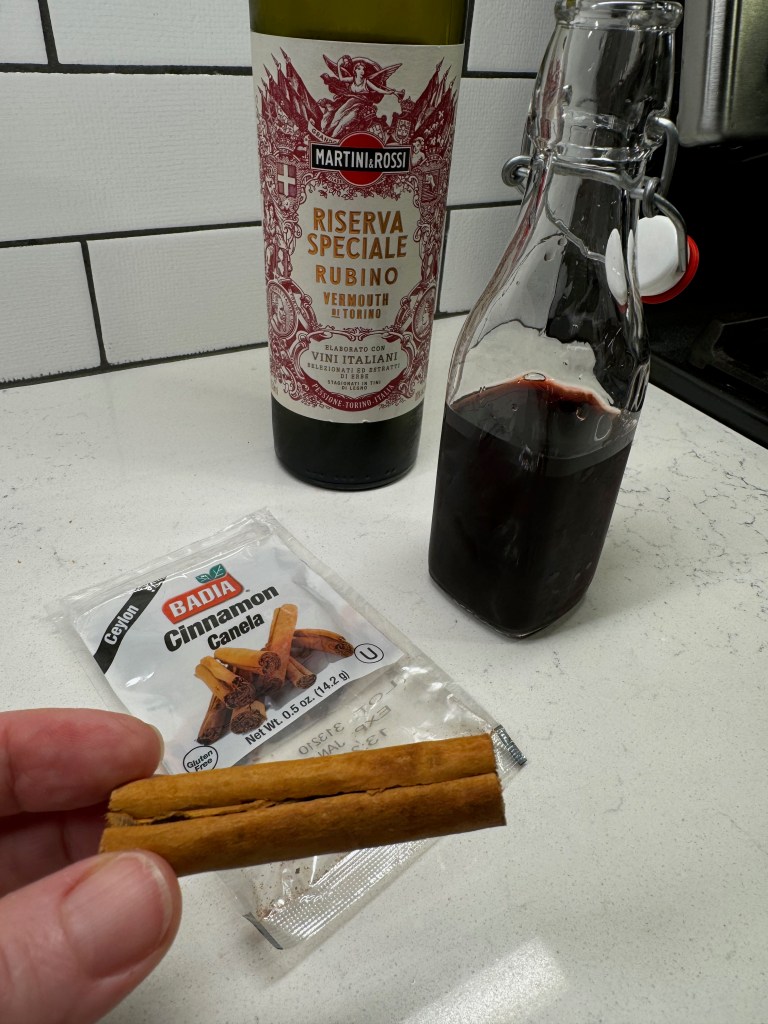
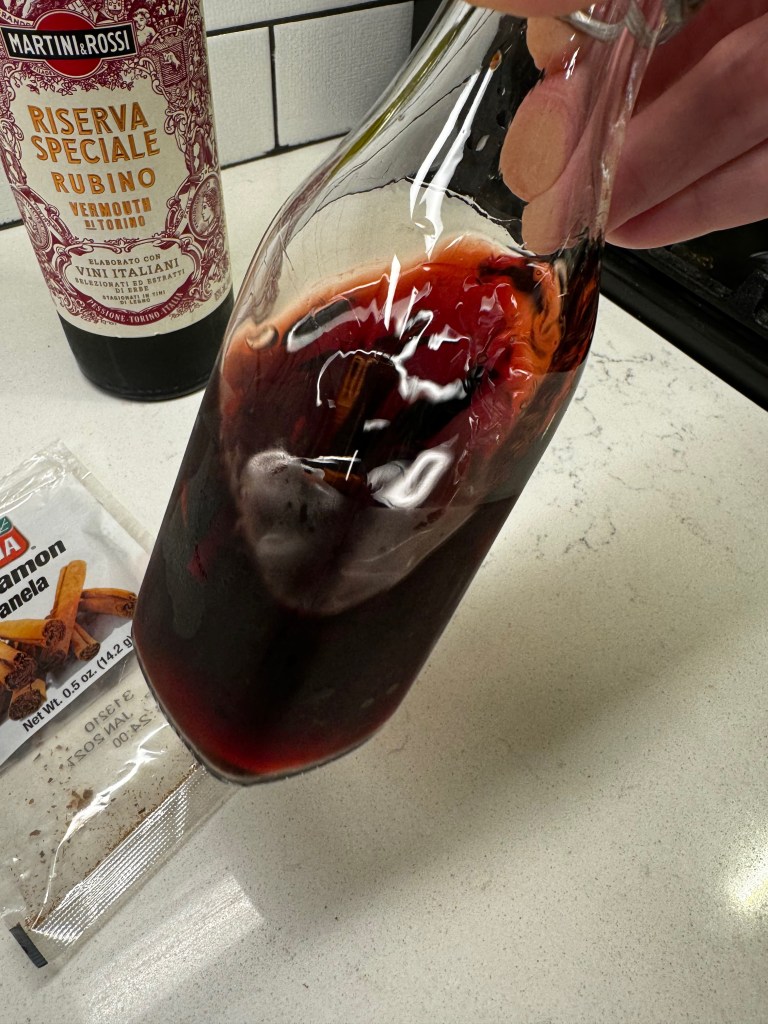
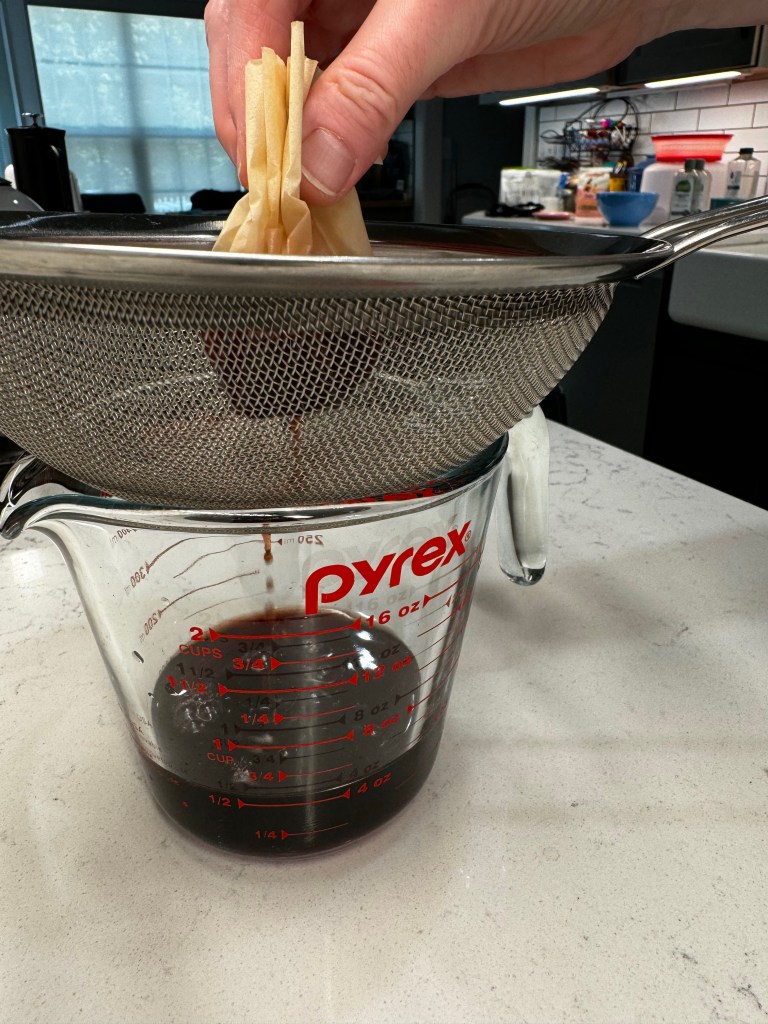
The cinnamon enters the mixing glass in the form of an infusion in the sweet vermouth, and this requires a bit of advance preparation. I added a ceylon cinnamon stick to the vermouth in a small bottle and gave it a day and a half before straining out the cinnamon and filtering the vermouth back into the bottle.


The cinnamon lends a delightful warmth to the vermouth that spices up my Espresso Negroni in the best possible way, and I cannot wait to try this in a Manhattan. My vermouth brand is Martini & Rossi Riserva Speciale Rubino. I’m willing to pay a bit more for the spicy richness and deep ruby red color of this premium vermouth. I panicked last year when our Total Wine stores stopped carrying this product, and then I remembered— it’s a fortified wine, legal in my state for online purchase. Sure enough, I hit the buy-it button on the M & R website and had two bottles shipped directly to my door within days. Thank you, internet! If you already have a favorite sweet vermouth, I’m sure it’ll be just fine.

Campari is what it is, and frankly, there is no true substitute. It is bright red, bitter and complex. Don’t be fooled by other spirits that cost less and claim to be the same— they’re not. If a Negroni riff calls for something else, then the substitute probably works with the other ingredients. But if you love the classics, or if you’re trying a Negroni for the first time, Campari is the right stuff. Also, because Campari is a presenting sponsor of Negroni Week, your purchase will help the sustainable food cause in a secondary way, even if you don’t find a bar participating in Negroni Week.

How to Make a Negroni


The traditional way to make a Negroni is to build it directly in the glass over ice, but that’s not how I like to do it at home because I prefer equal dilution of the ingredients. Here’s what I mean— let’s say you start by pouring the gin first; it’s generally room temperature and it’s going to start melting the ice immediately. If the vermouth goes in next, and the Campari at the end, both are going to be less diluted than the gin because the total contents of the glass are already cold.

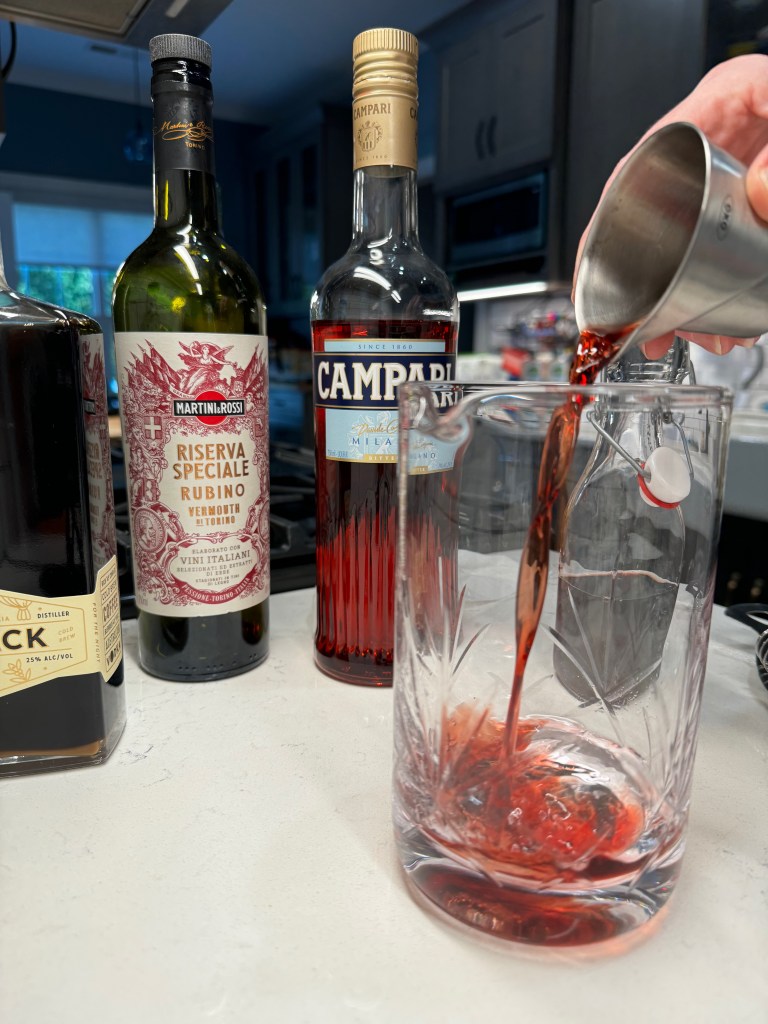
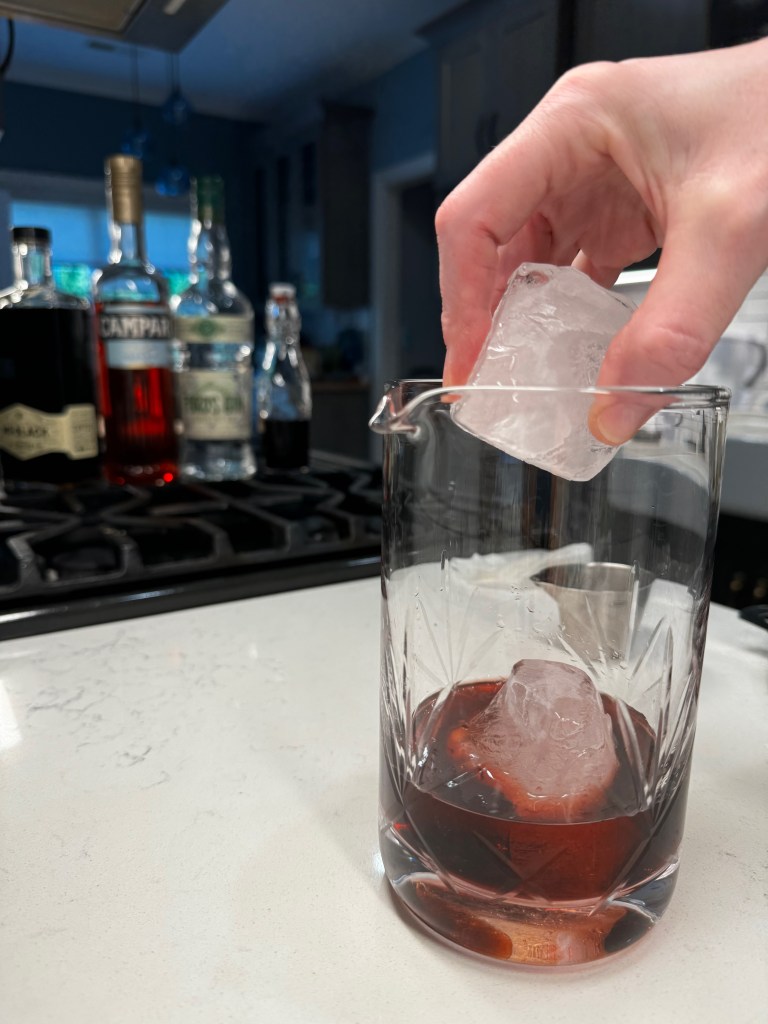
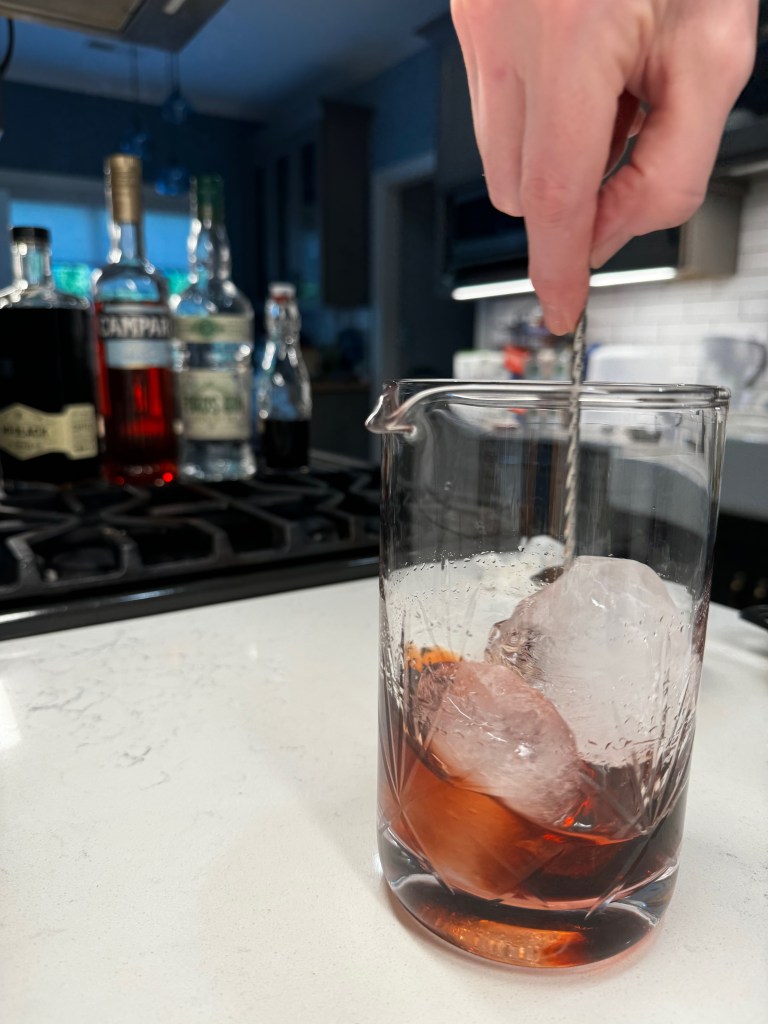
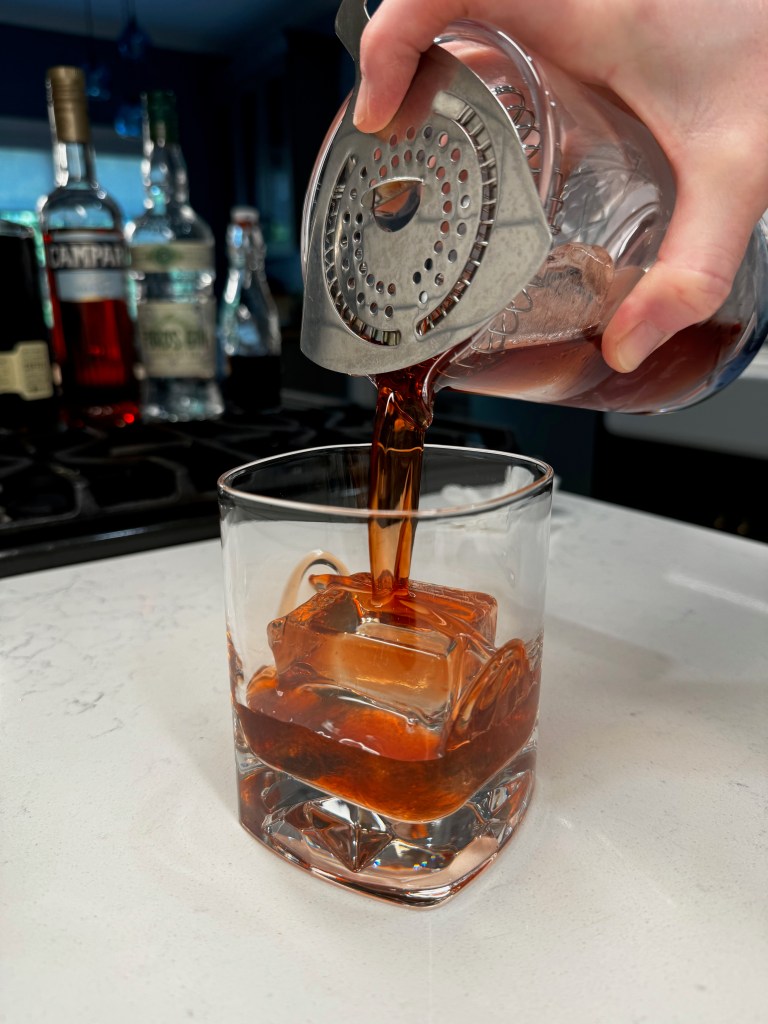
Mixing the ingredients in the glass and then adding the ice doesn’t work for me either, because my giant ice cube will melt at the bottom, creating a weird, top-heavy shape. So what’s the solution? My go-to method is to add the ingredients to a mixing glass first, then add a bunch of ice to chill the whole thing down quickly. Give it a gentle stir for about 30 seconds, or until the outside of the mixing glass is nice and frosty. Then strain it over a big cube of clear ice for a perfectly diluted, evenly chilled cocktail.


Cinnamon Espresso Negroni

  • Servings: 1 cocktail
  • Difficulty: Average
  • Print

For Negroni Week, I am sharing my own favorite variation including espresso liqueur and my favorite autumn spice. Infusing the sweet vermouth with cinnamon lends a warm, familiar flavor to the classic Italian cocktail.


Ingredients

  • 1 oz. London dry gin
  • 1 oz. cinnamon-infused sweet vermouth (recipe below)
  • 1/2 oz. Campari
  • 1/2 oz. Mr. Black cold brew coffee liqueur (see notes for substitution ideas)
  • 1 cup ice
  • Orange slice for garnish

Notes: If you cannot find Mr. Black liqueur, you may substitute another coffee liqueur, but note that most of them are sweeter and this will change the outcome of the drink. My suggestion would be to sub in an equal measure of cold brew concentrate, which you can find in the coffee aisle of the supermarket.

Directions

  1. Add gin, vermouth, Campari and coffee liqueur to a cocktail mixing glass. Add a generous amount of cracked ice and stir about 30 seconds for proper dilution and chilling.
  2. Strain over a large, clear ice cube into a double rocks glass. Garnish with the orange slice.

For the cinnamon-infused sweet vermouth: measure out six ounces of vermouth into a mixing bottle or clean jar. Add a 3-inch piece of whole cinnamon stick and infuse 24 to 36 hours in the refrigerator (where vermouth should live anyway). Strain out the cinnamon stick and any lingering shreds through a coffee filter-lined mesh strainer; return the vermouth to the bottle or jar and keep in the fridge for up to two weeks. This will be enough for six Negroni cocktails.


Apple Pie Ice Cream

The kid in me comes out to play in July. It’s my birthday month, and so my memories call me back to childhood more than in other months. But I also think it’s because I learned a few years ago that July is National Ice Cream month. And what kid (even a grownup one) doesn’t love ice cream in the summer?

There’s a saying out there, attributed to President Harry Truman, that “there is nothing new in the world except the history that you do not know,” and though most U.S. citizens grew up believing that apple pie is an all-American dish— right alongside baseball, hot dogs and Chevrolet, remember?— the backstory of apple pie is much older. I found this article in Southern Living interesting; if you like rabbit holes (as I do), then dig into this after we finish this ice cream.

We may not have invented it, but we do indeed love apple pie in this country, and I have many fond childhood memories of my grandmother making pies and applesauce from the tart green apples produced by a tree next to the side of her house in Western New York. My cousins and I would go out there to pick them (sometimes off the ground), and Gram would spin a few other ingredients around like magic, and just like that, a pie would appear. A slice of that pie, alongside a scoop of vanilla ice cream and a wedge of sharp New York cheddar— oh, it was like heaven.

This year, the kid in me was craving something a little simpler, and so for our July Fourth celebration this year, it’ll be this apple pie ice cream. Two summer favorites in one scrumptious scoop!

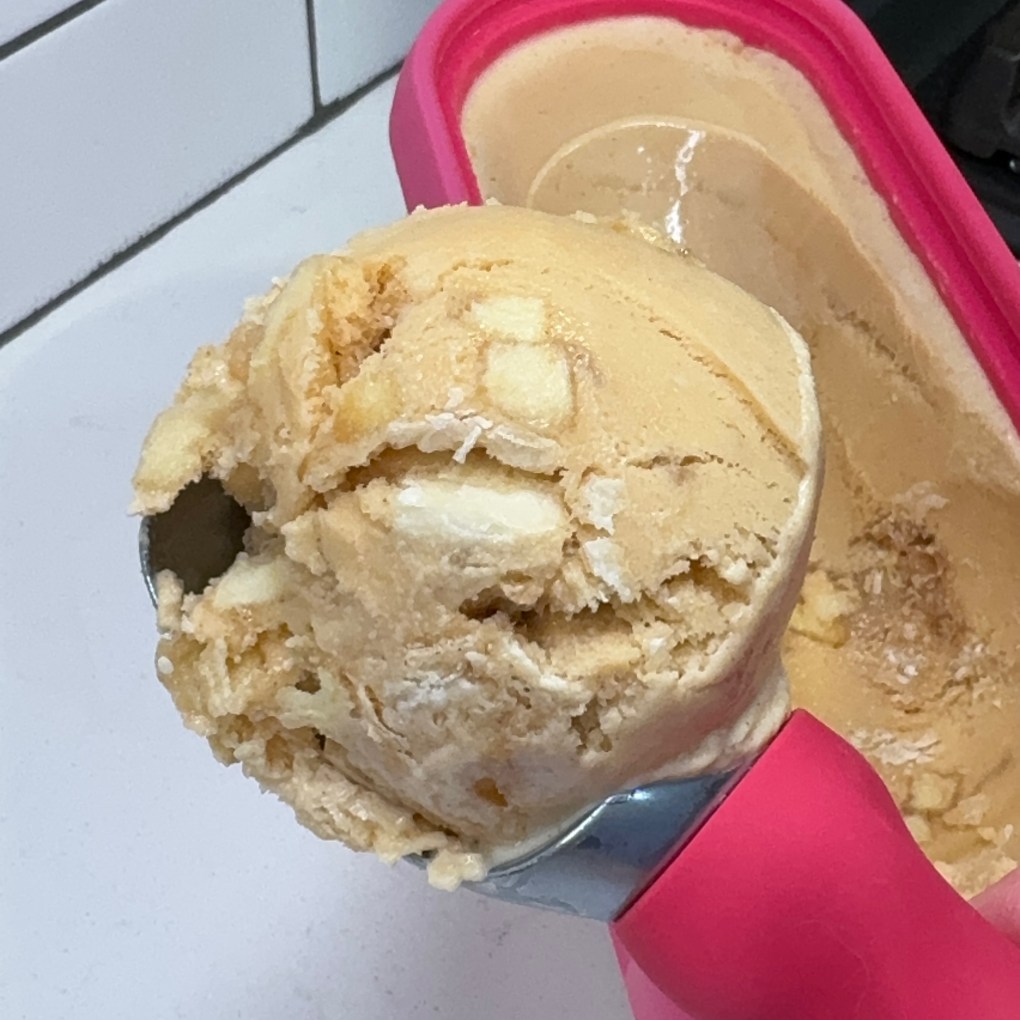
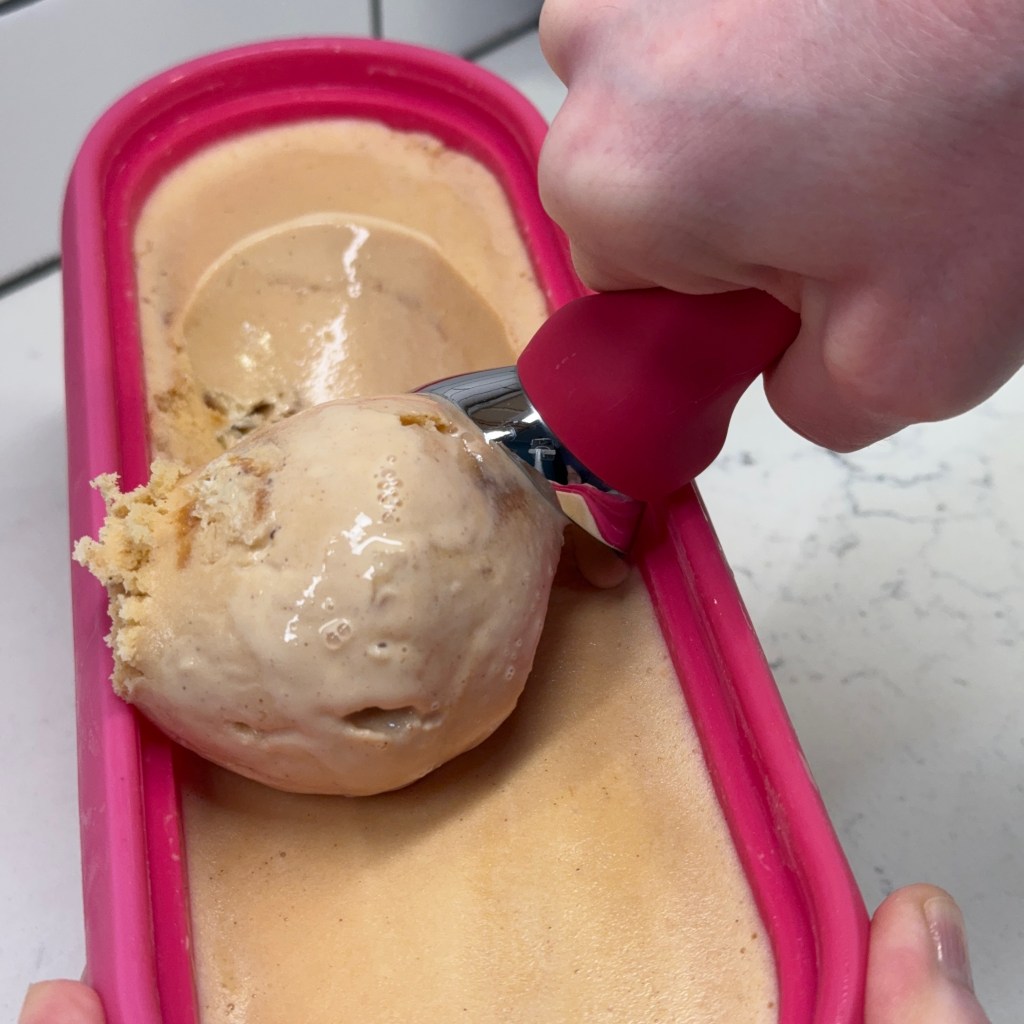
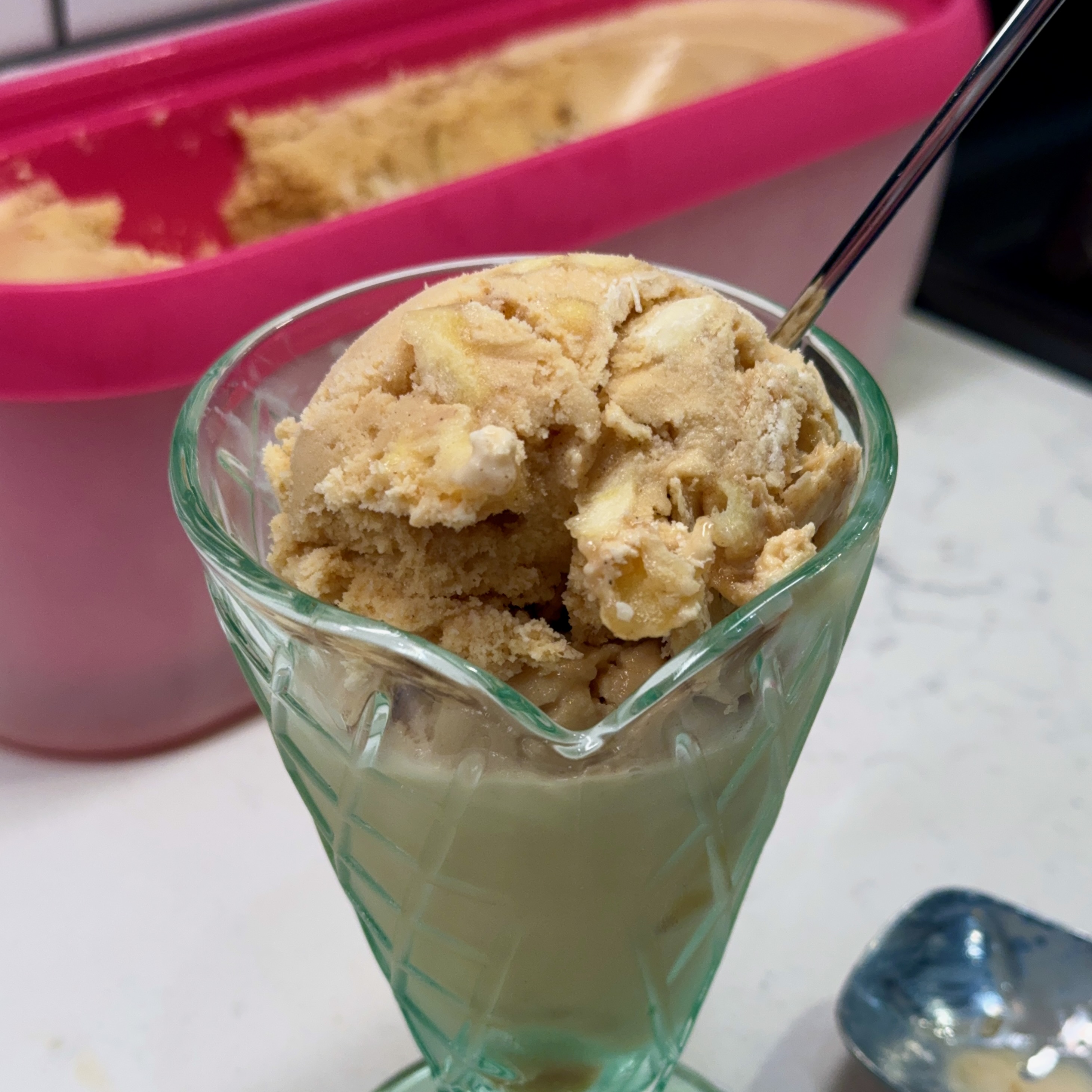
It’s apple pie and à la mode, all in one!

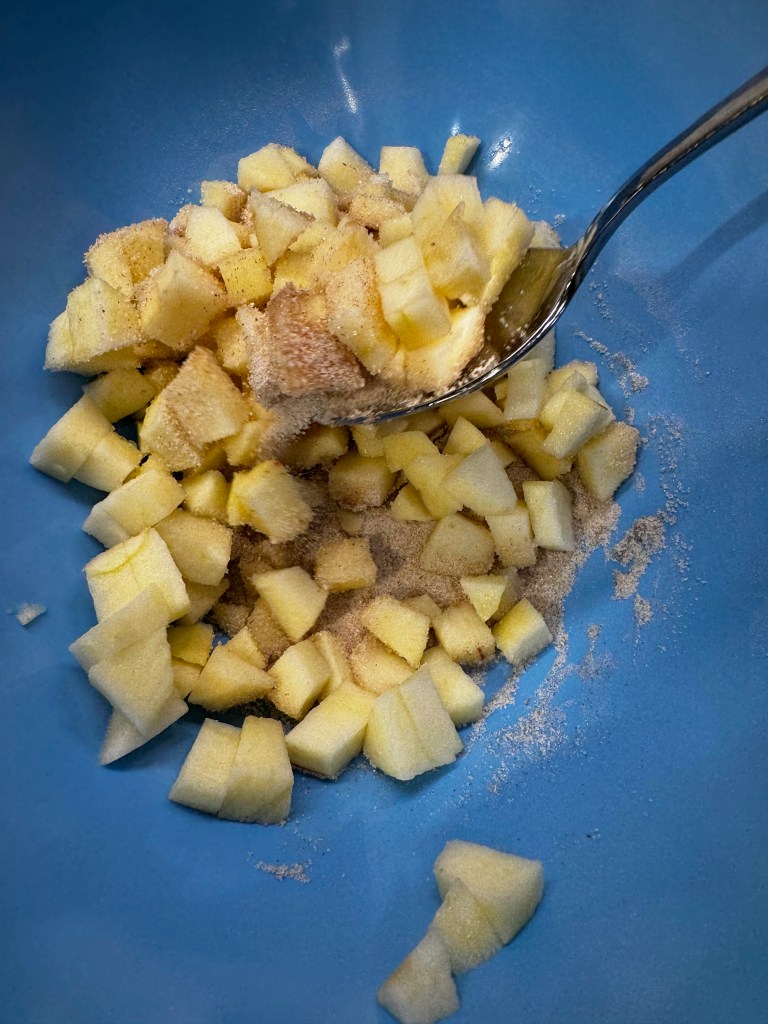
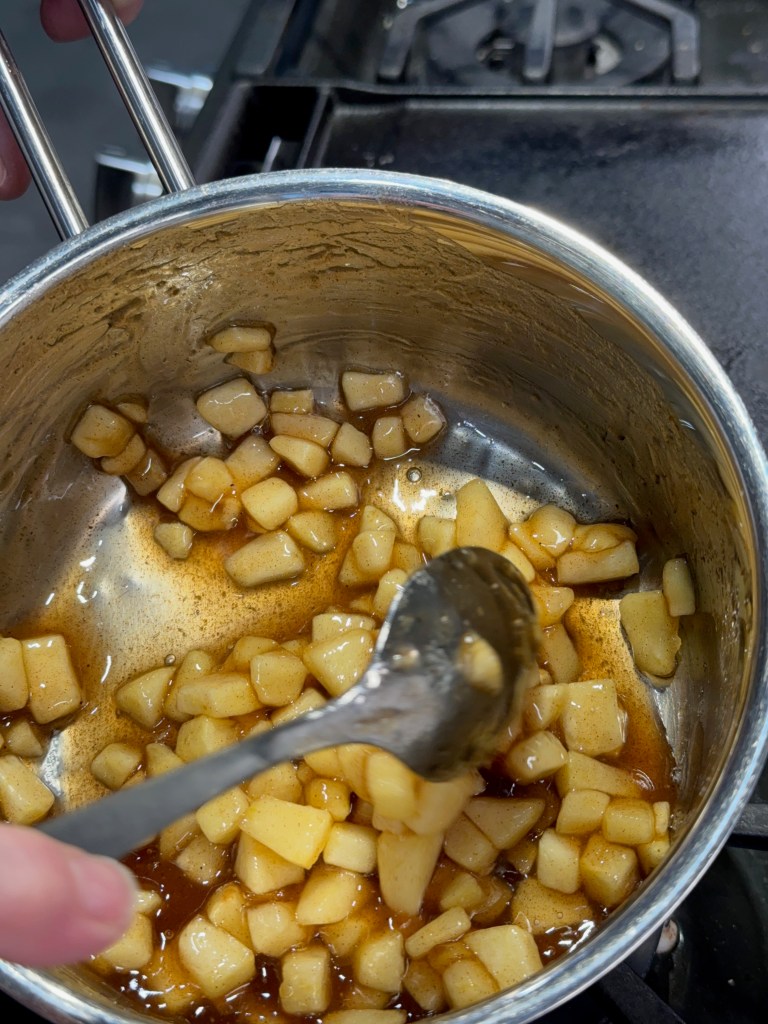
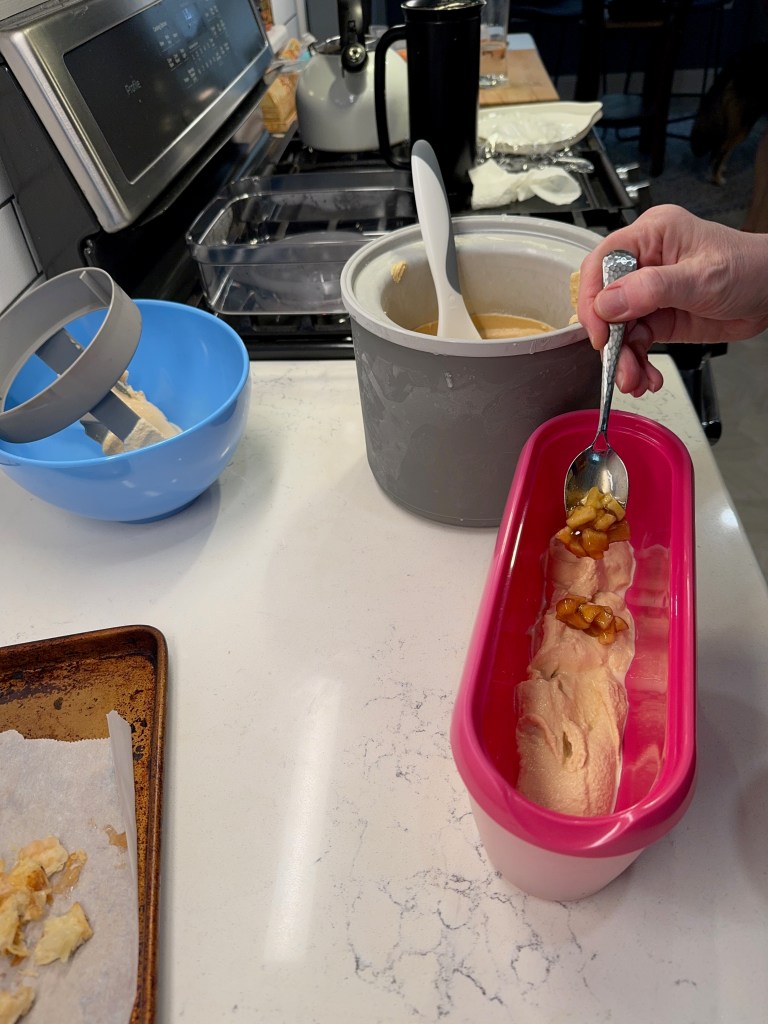
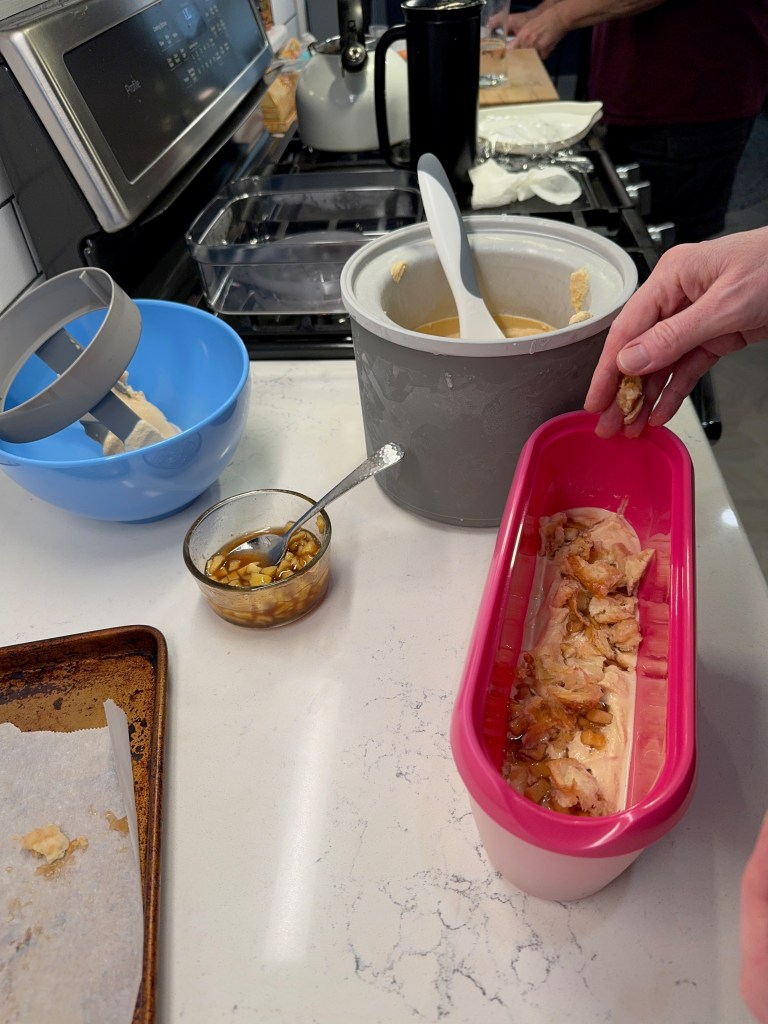
There’s no magic to it, and only a little bit of cooking to get the chopped apples softened and syrupy with cinnamon, sugar and cardamom flavors. I used two small Gala apples, which cooked down to approximately one half cup of syrupy deliciousness. I was on the fence whether to blend those bits into the ice cream base itself or merely layer with the base at the end. Ultimately, I layered them because I love the visual appeal of all the tasty flavors swirled into each scoop.

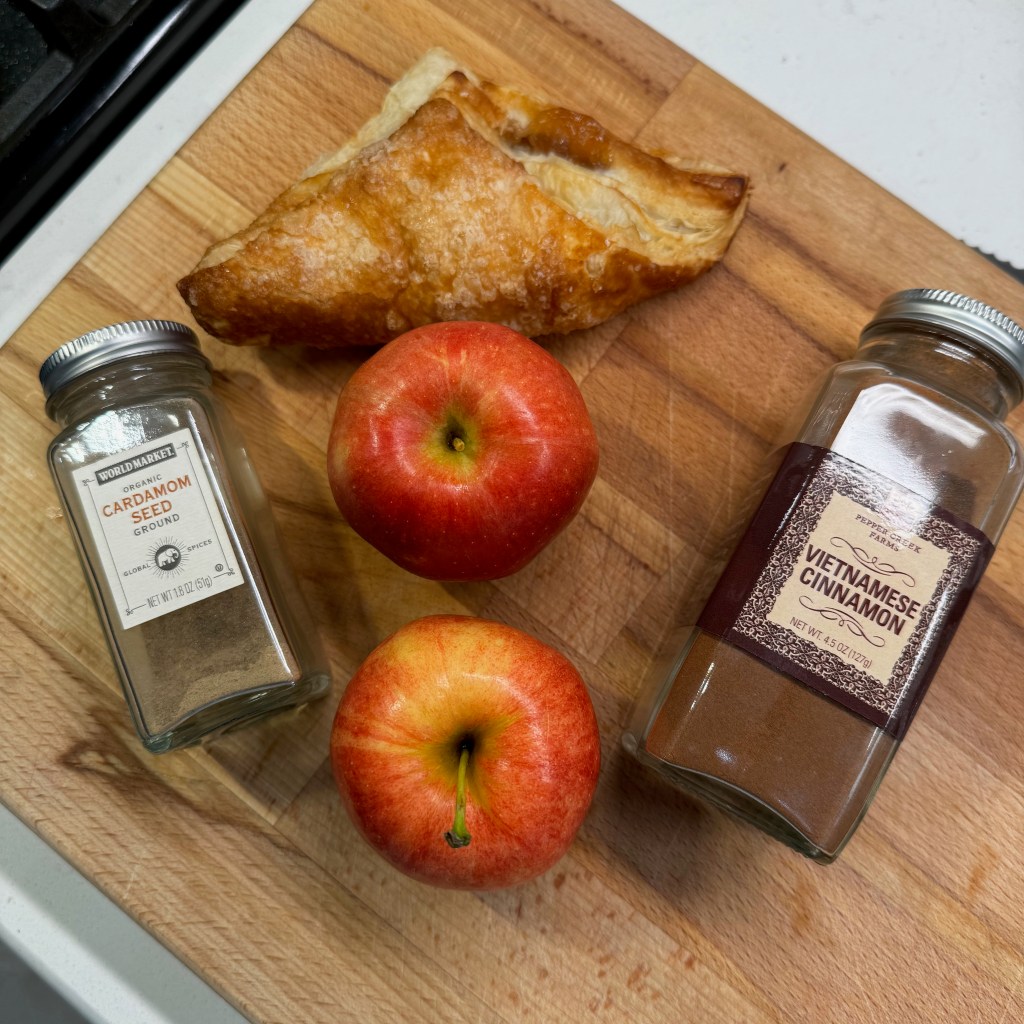
These flavors were begging to be worked into an ice cream!

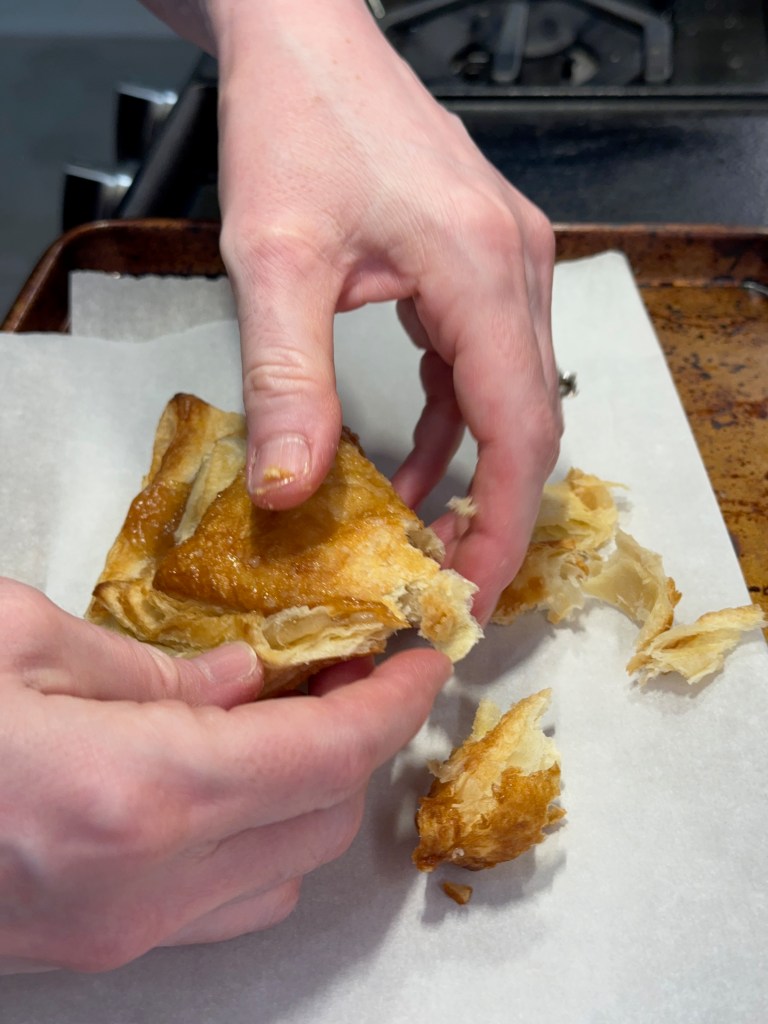
The “pie” part of my recipe comes not from pie crust, but from buttery, flaky apple turnovers. I took a shortcut by using store-bought pastries, but it was a relief to not turn on the oven. If you make the turnovers yourself, you are officially the apple of my eye! 🤩


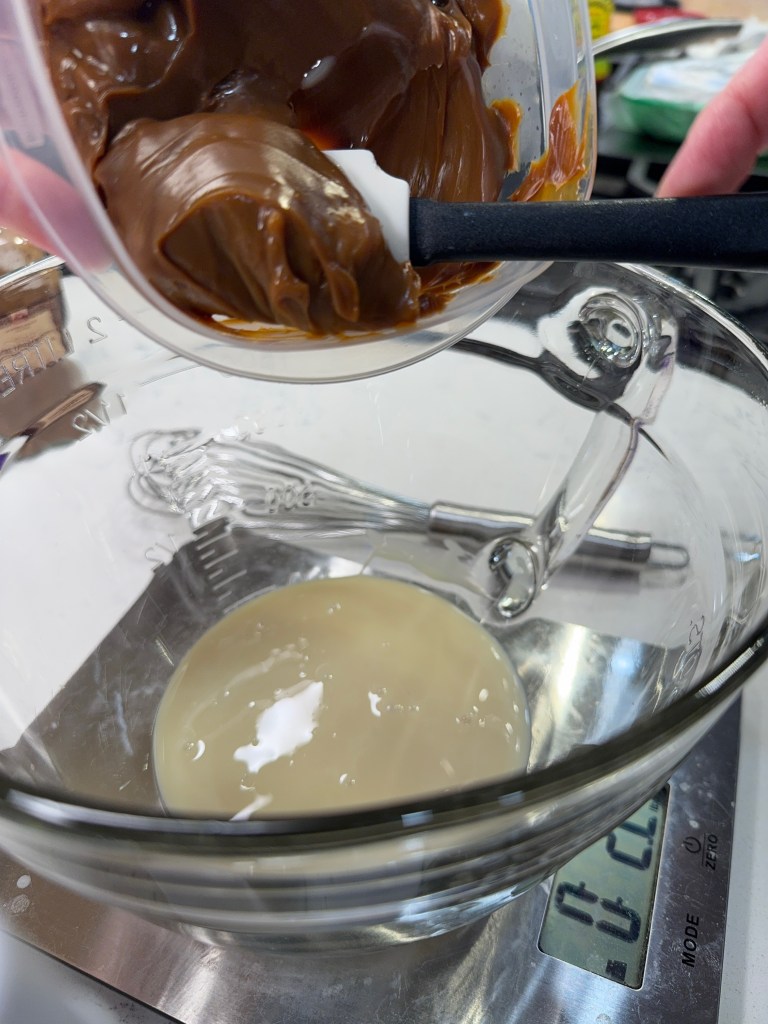
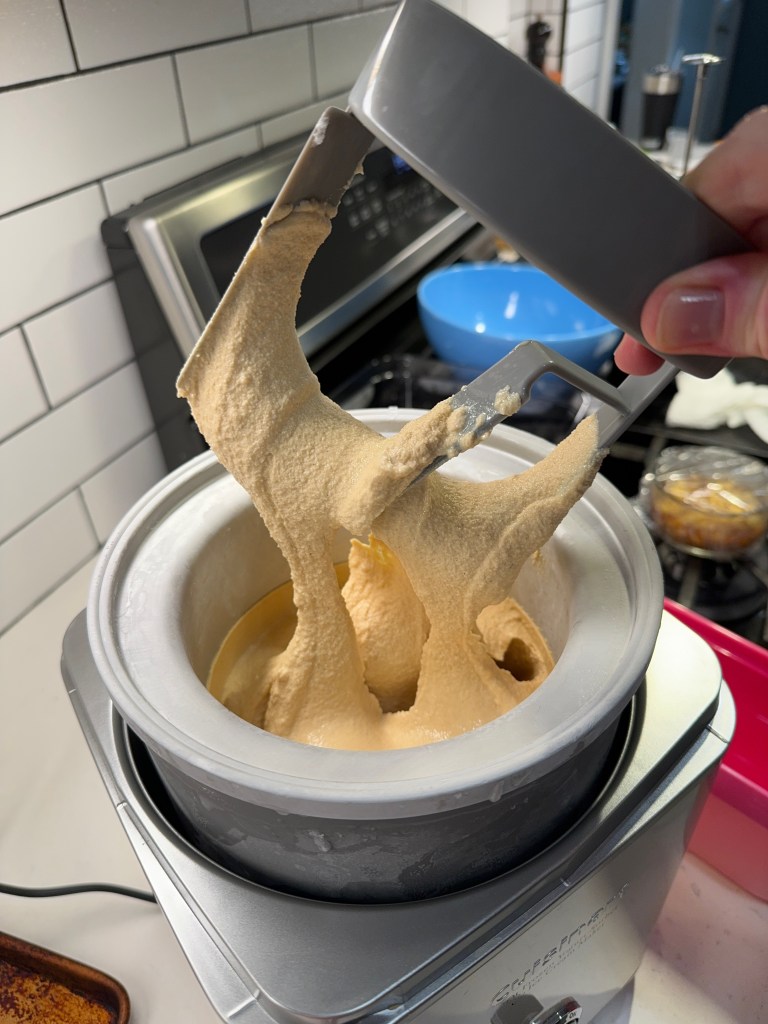
The ice cream base I used is my go-to, with sweetened condensed milk, cream, whole milk and a touch more cinnamon. This time, though, I got a notion to swap in a portion of dulce de leche sweetened condensed milk. It’s a thicker, caramelized version of condensed milk, and its rich, caramel-y flavor gave my ice cream even more of an apple pie vibe. Notice that I did not include vanilla? I wanted no distraction from the apples, caramel and spices.


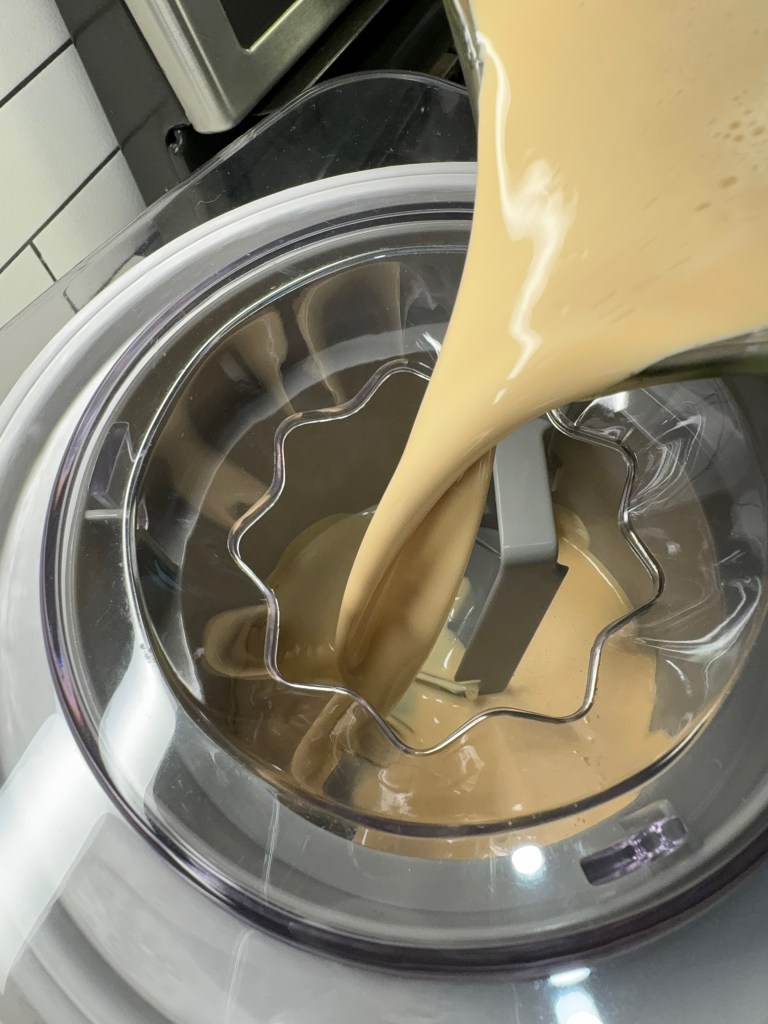
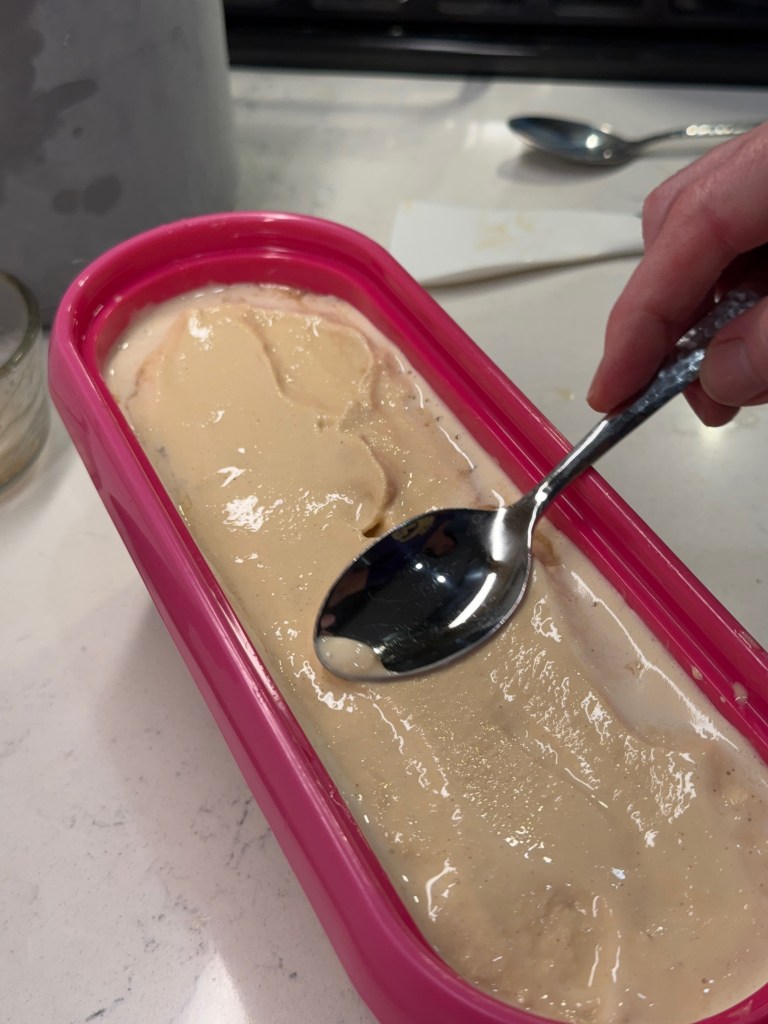
After churning the ice cream in my handy Cuisinart machine, which has paid for itself dozens of times over since I bought it more than 15 years ago, I layered the sweet base with those syrupy apples and some torn up bits of apple turnovers.


My inner kid is grinning ear to ear for this one, and it feels like a perfect way to kick off National Ice Cream Month. Don’t be surprised to see a few other fun flavors pop up here in the weeks to come. Hello, July! 😎


Apple Pie Ice Cream

  • Servings: About 12 scoops
  • Difficulty: Average
  • Print

This is my adaptation of two favorite summer treats, all layered together into one scrumptious scoop!


Ingredients

  • 14 oz. sweetened condensed milk (or swap in a small amount of dulce de leche)
  • 1/2 tsp. cinnamon
  • 1 cup whole milk
  • 1 cup light cream
  • 2 small gala apples, peeled and chopped into bits
  • 1/4 cup sugar
  • 1/4 tsp. cinnamon
  • 1/8 tsp. ground cardamom
  • pinch of salt
  • 2 tsp. pie filling enhancer (a King Arthur product, or sub a teaspoon corn starch)
  • 2 Tbsp. water
  • 1 large baked apple turnover, torn into small pieces

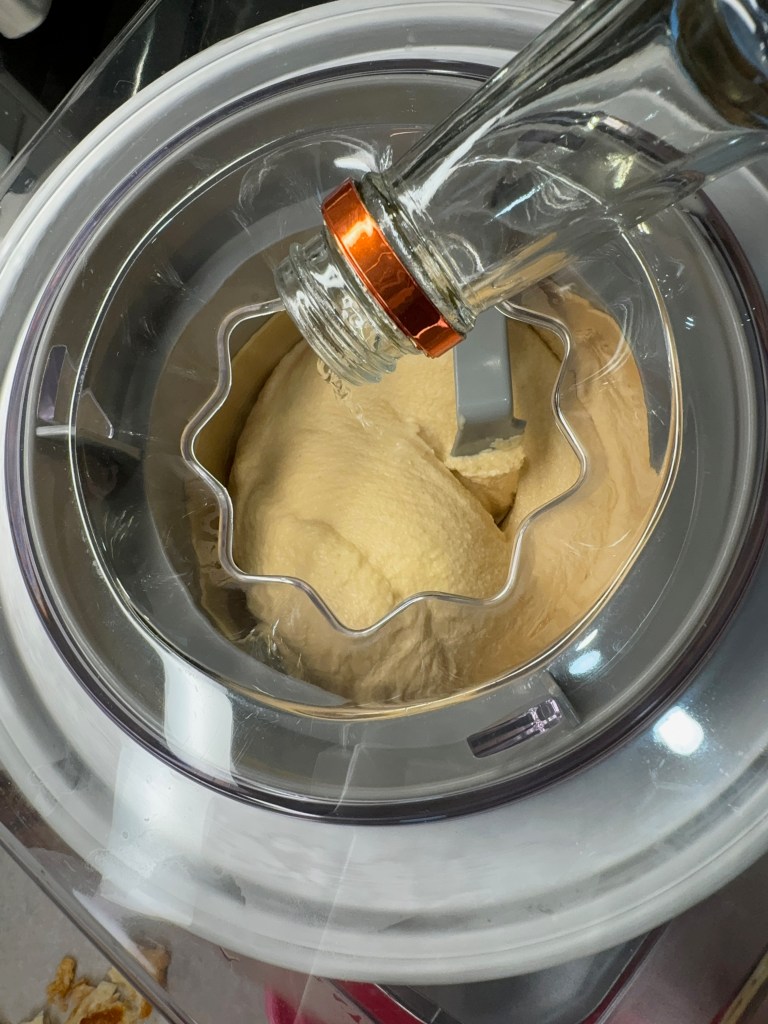
Notes: Do your prep ahead so that everything has time to chill thoroughly in the fridge before churning and layering the ice cream. For easy scooping straight from the freezer, add a tablespoon of vodka during the final minute of churning. This ice cream is best after ripening in the freezer at least 8 hours or preferably overnight.

Directions

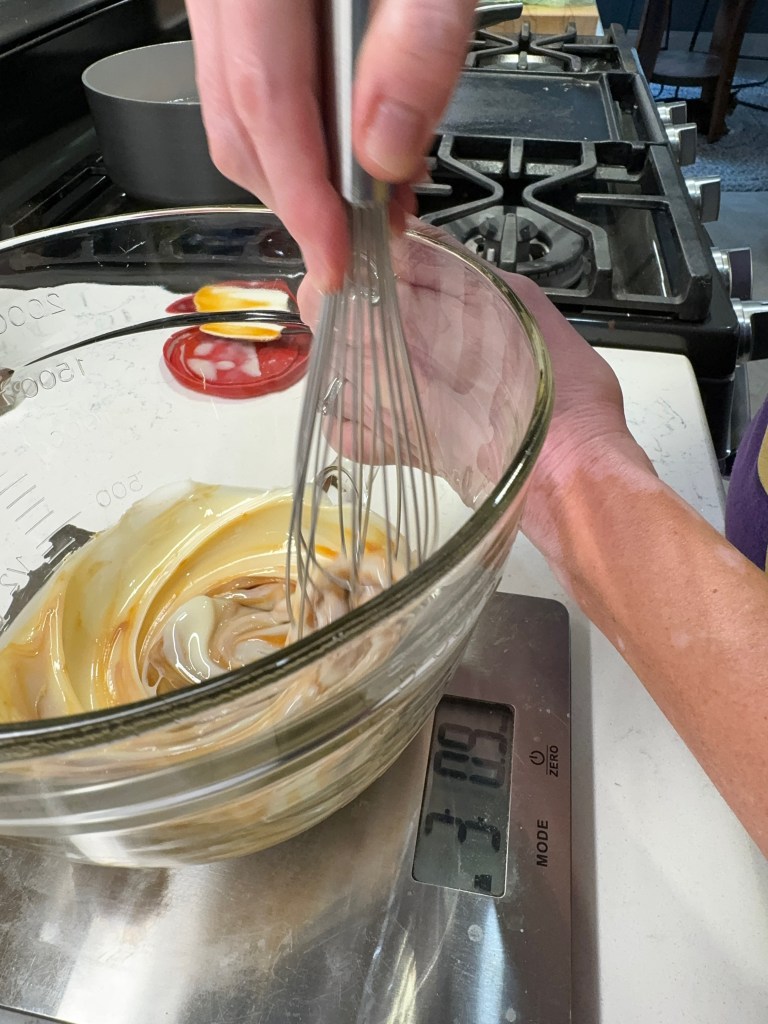
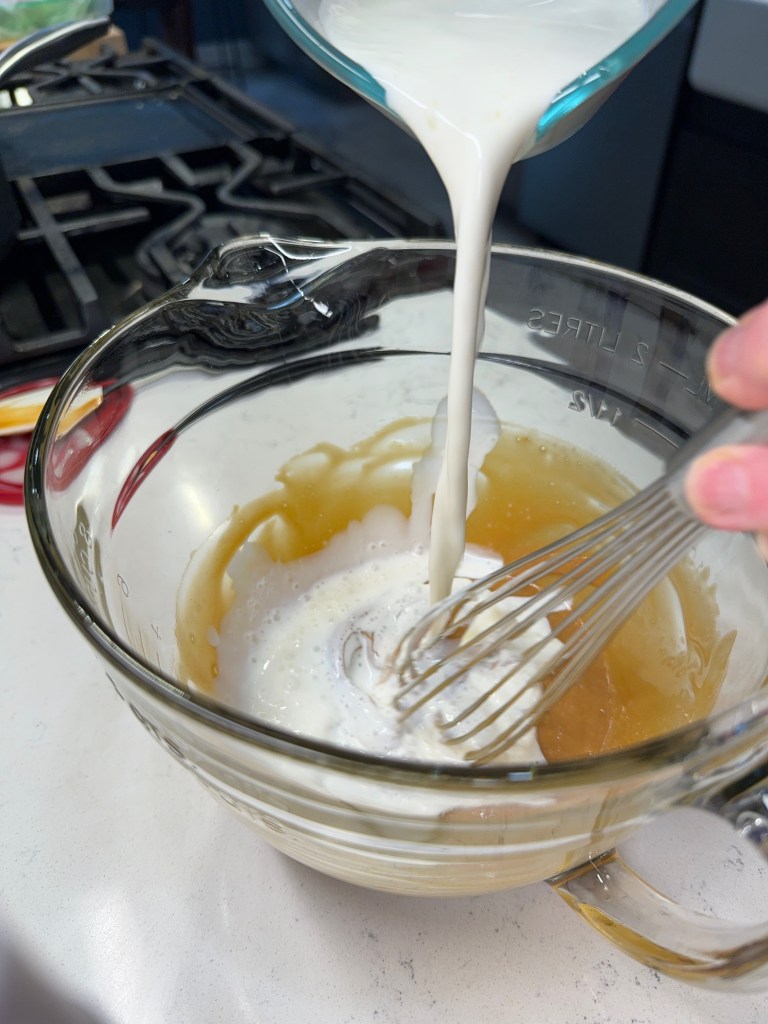
  1. Whisk together sweetened condensed milk and cinnamon. Add milk and cream, and whisk until smooth. Refrigerate until mixture is completely cold.
  2. Toss apple bits with sugar, cinnamon, cardamom, salt and pie filling enhancer (or corn starch). Add to a small saucepan with water and cook over low heat until mixture is thickened and apples are soft with only a light resistance to the bite. Transfer to a small bowl to cool and refrigerate until chilled.
  3. Chop or tear the apple turnover into small pieces. Spread the pieces out on a parchment lined plate or small baking sheet and place in the freezer for at least one hour.
  4. Churn the dairy base in ice cream machine, following manufacturer’s instructions. If using vodka for texture, only add it during the final minute of churning. Transfer ice cream to an insulated freezer container, layering with stewed spiced apples and torn bits of frozen turnover. Ripen in freezer several hours (overnight is best).


Spiced Sangria Cranberry Sauce

It’s been ages since I last bought cranberry sauce in a can. That high-fructose corn syrup-laden jellied stuff that goes schhhluuuup onto the plate, retaining the shape of the can, right down to the rings that I once thought were meant to help you slice it into portions. What in the world was I thinking?

Sure, I know the canned stuff is kind of a standard and it’s certainly convenient. But real, fresh cranberry sauce is so simple to make at home, and I love jazzing it up with unexpected ingredients for a different take on the classic. I have made it relish-style with chopped raw cranberries and pecans. I’ve flavored it with citrus and pomegranate. Heck, I’ve even made cranberry sauce with jalapeno and orange (that was 2020, and it was awesome).

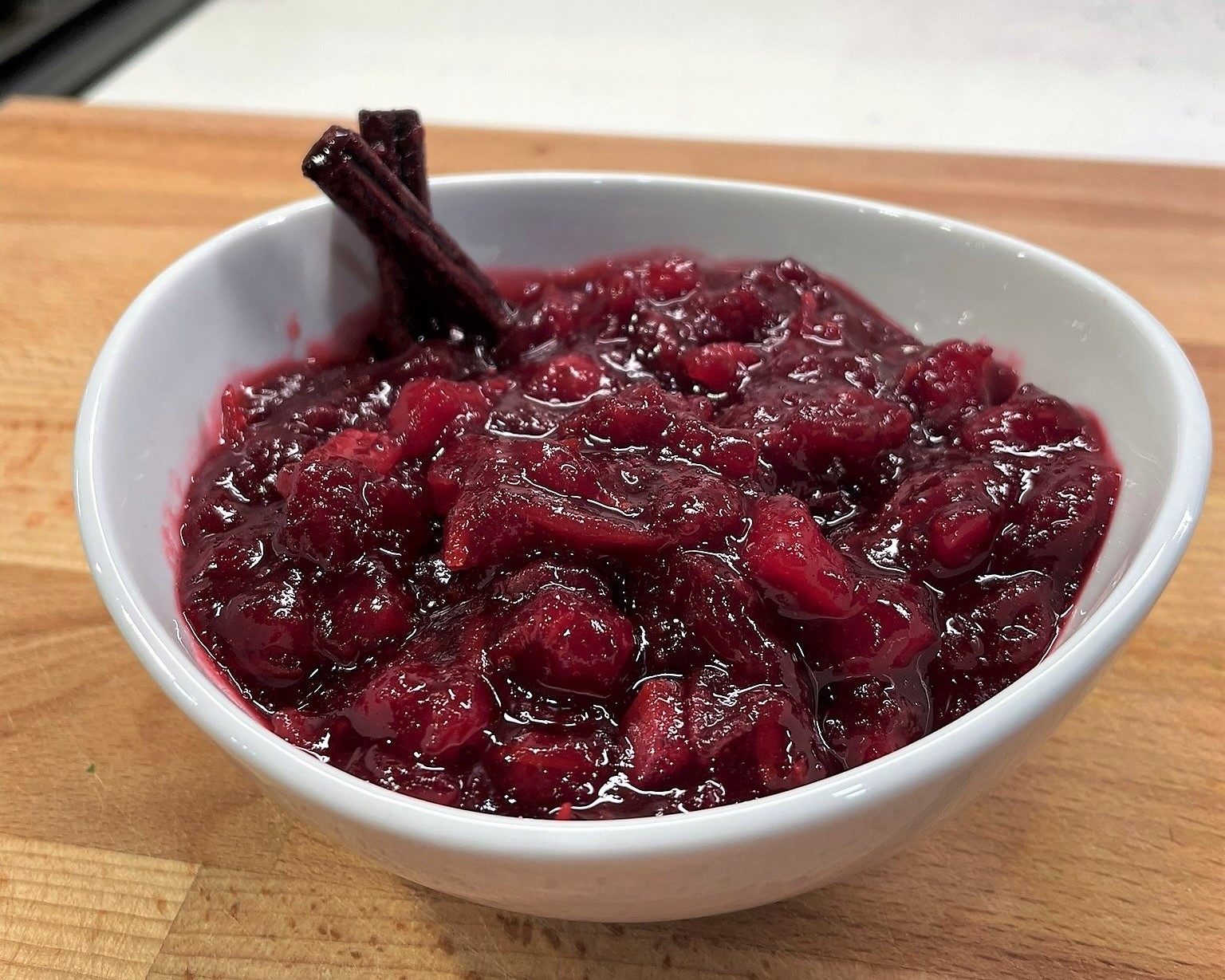
This year, I’m sharing a version that is just for the grown-up table, marrying the tangy flavors of traditional cranberry sauce with the spicy, fruity notes of red wine sangria. It’s a little bit boozy, a touch cinnamon-y and altogether yummy.

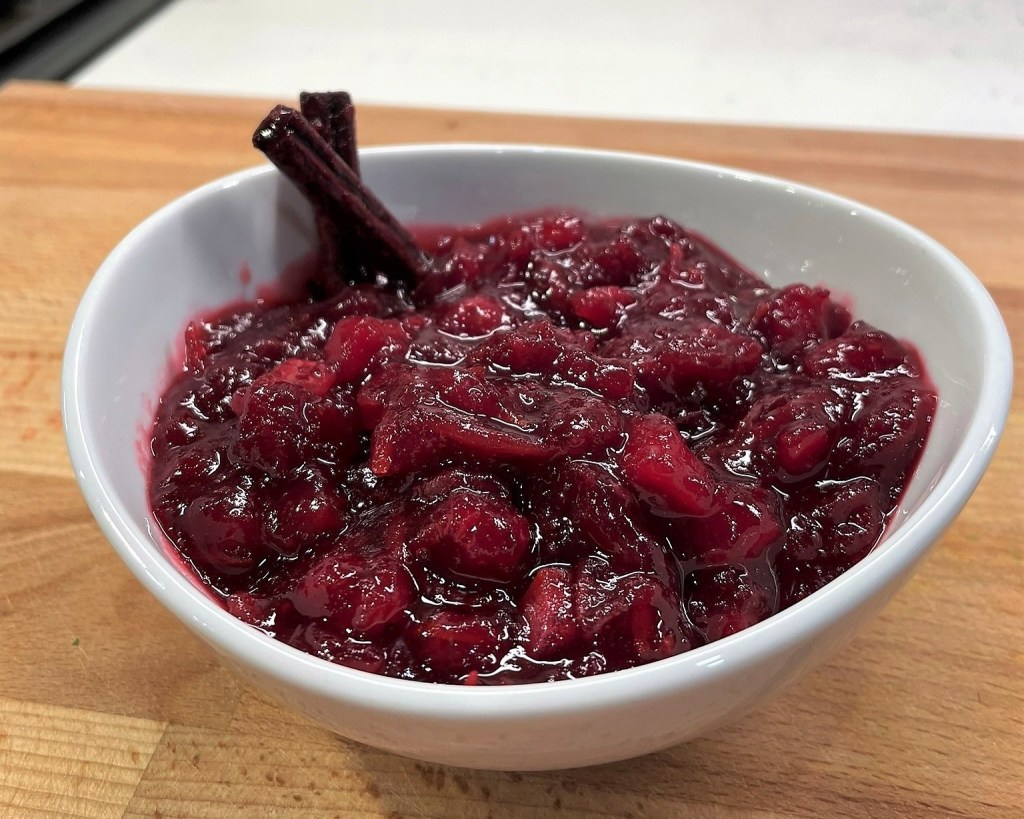
This smells exactly like sangria!

Any red wine will work for this recipe (and it doesn’t have to be expensive), but I would recommend choosing a pinot noir or other dry wine that is described with flavors of red berries and cherries. Steer clear of heavier wines such as cabernet sauvignon, which will overpower the brightness of the cranberry. Here’s a good rule of thumb—if the wine would make a good base for sangria, it’s perfect for this cranberry sauce.

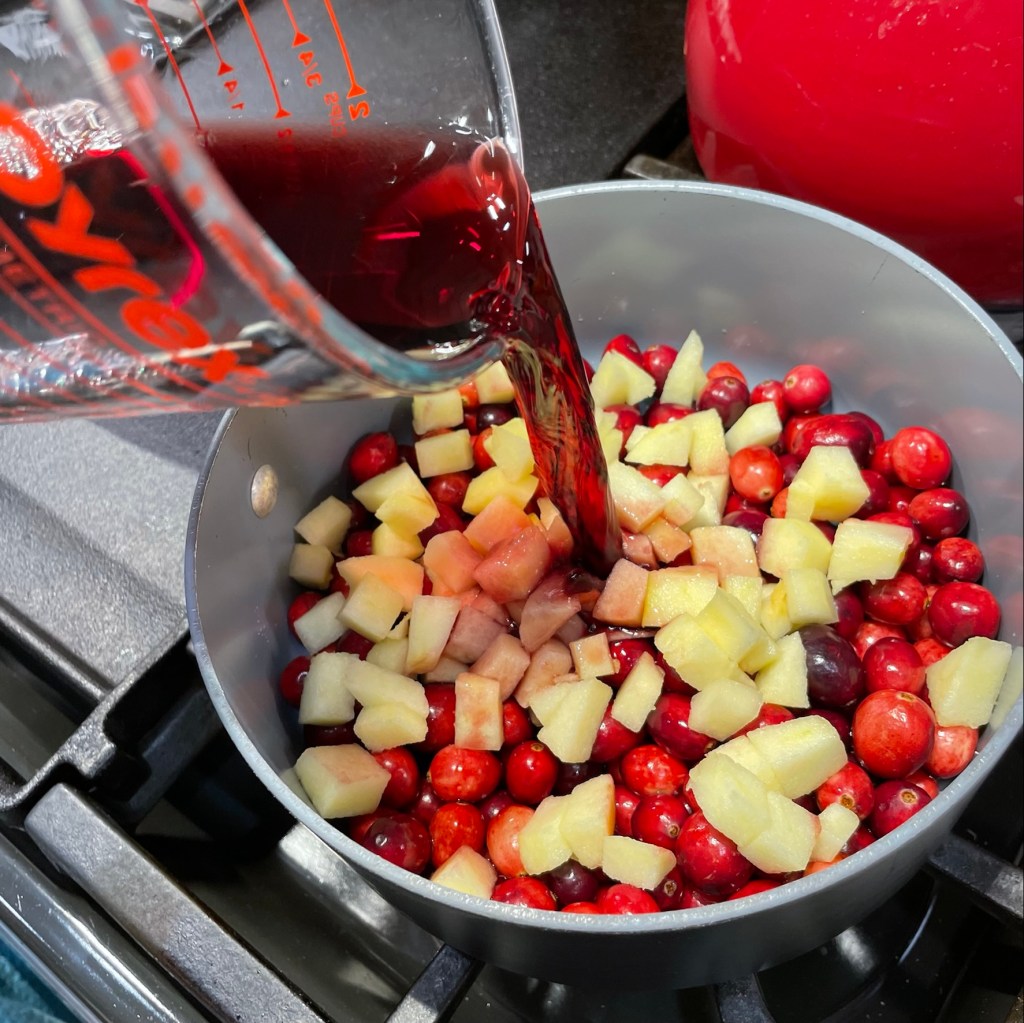
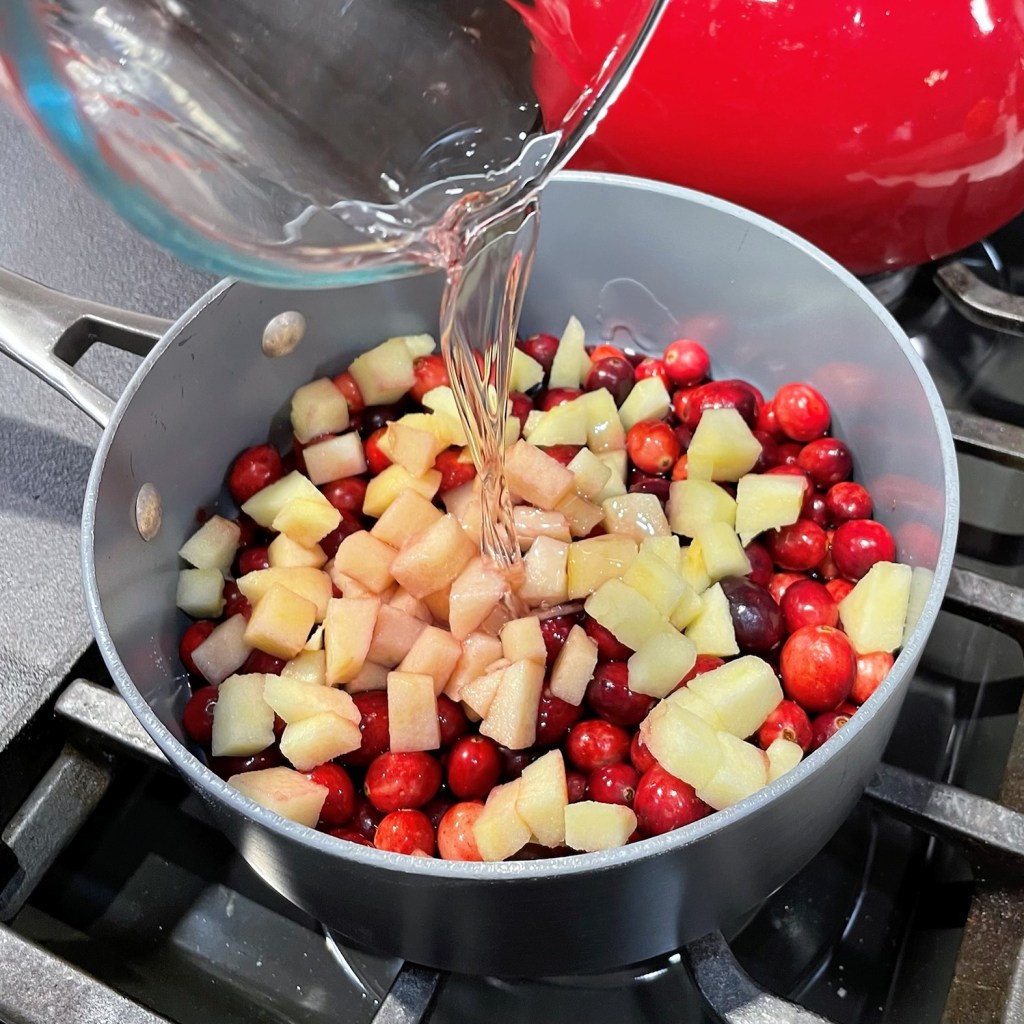
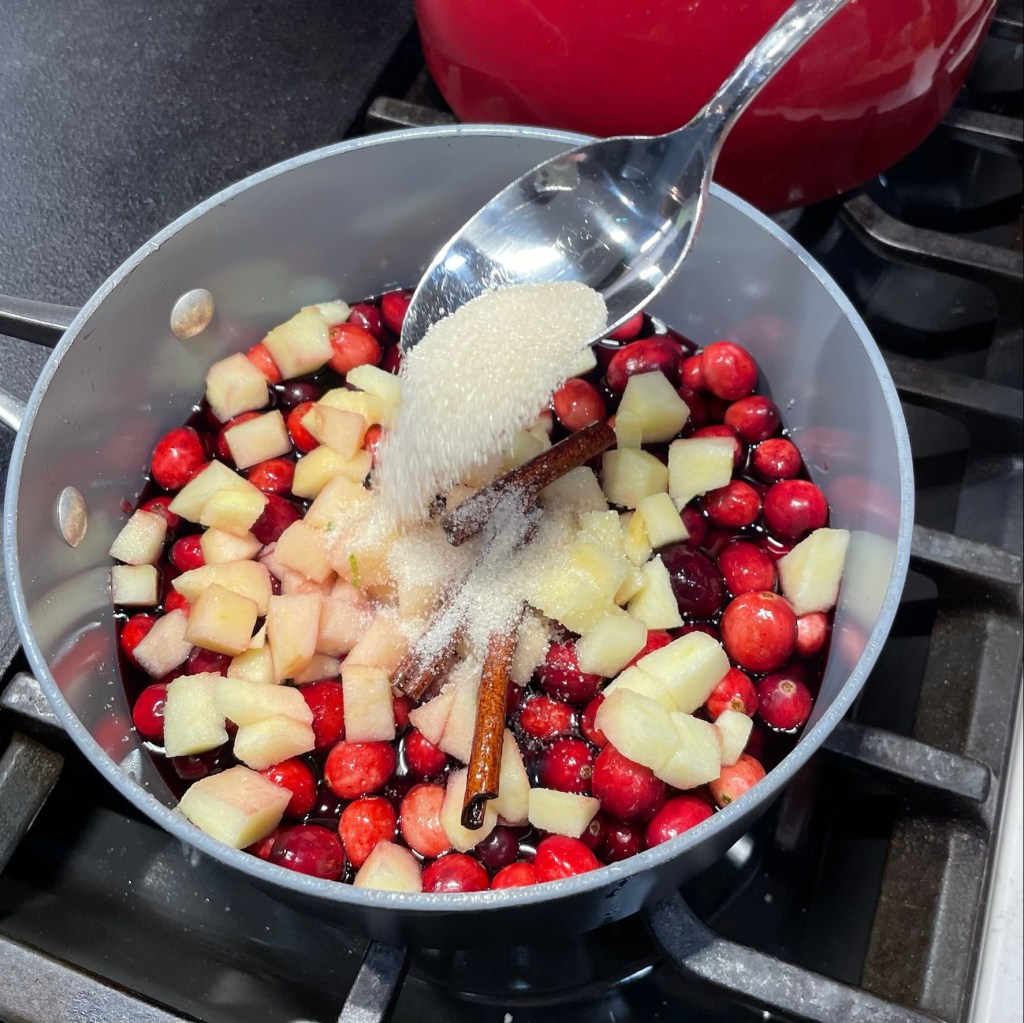
Begin by rinsing the cranberries and plucking out any bad ones. Combine them with chopped apple in a medium saucepan. Add wine, orange liqueur, cinnamon sticks and cane sugar, and cook over medium heat until the mixture begins to bubble.

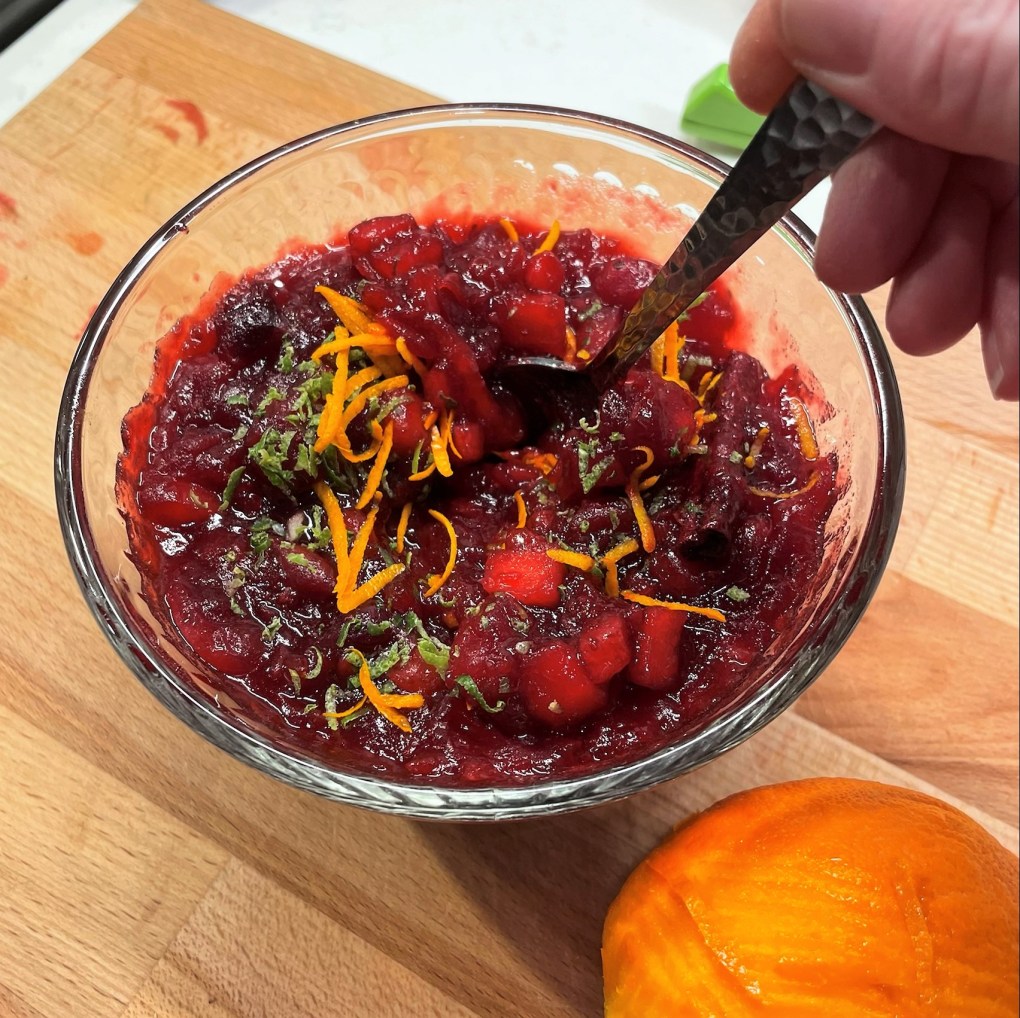
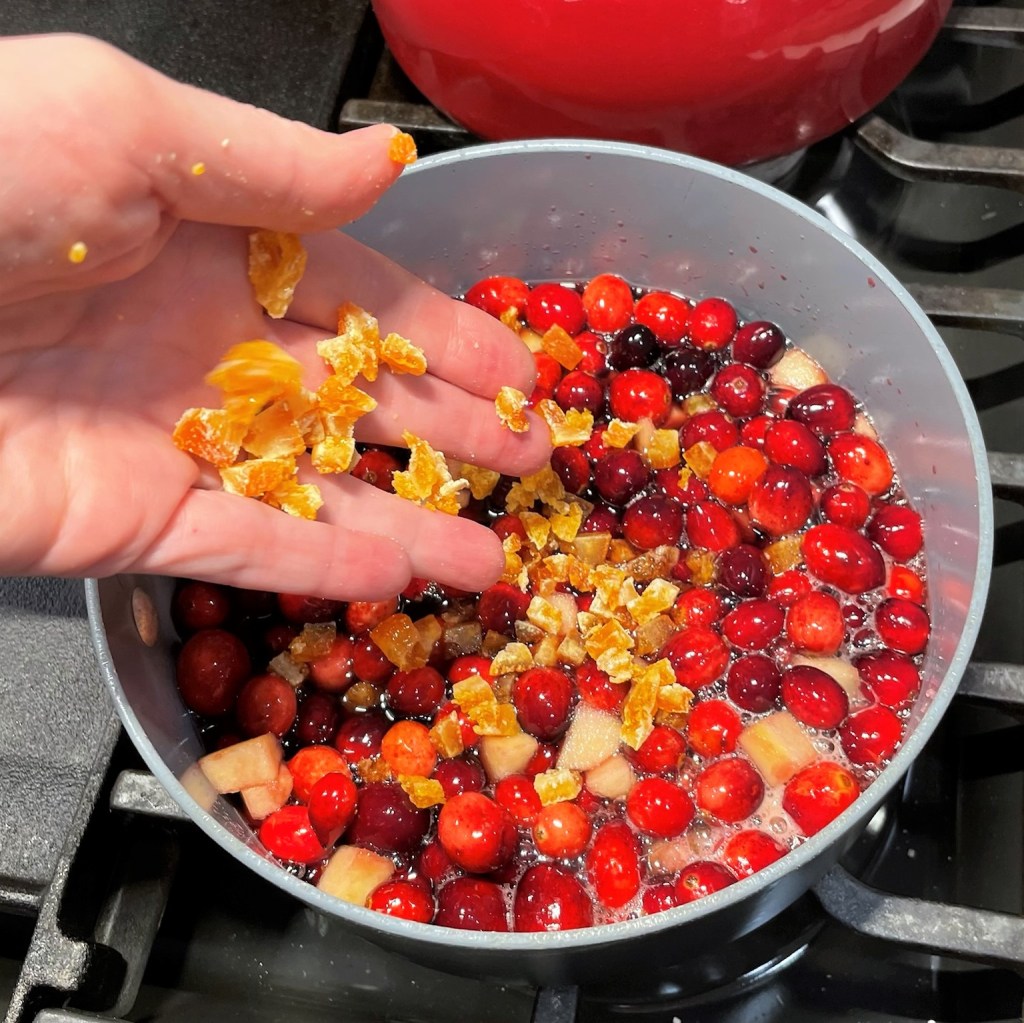
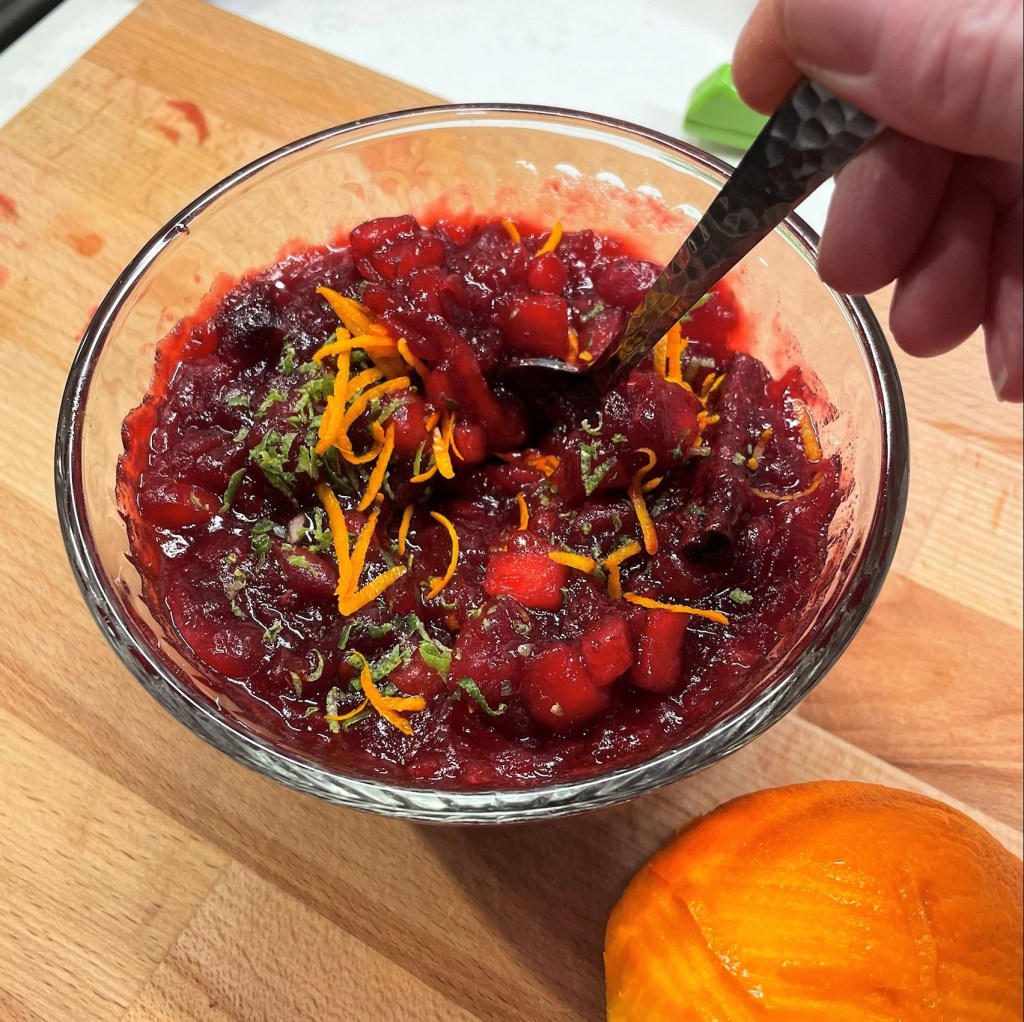
When the mixture reaches a light boil, add minced sweetened orange and stir to combine. Reduce the heat and simmer for about a half hour, until berries are easily mashed and mixture is bright red. Remove it from the heat and transfer it to a bowl to cool. As the cranberry sauce cools, the natural pectins in the berries will cause it to thicken. Stir the zest of an orange and a lime into the cranberry sauce. As the cranberry sauce rests in the fridge, the red wine will stain everything deep red, but that isn’t exactly a problem for me. 😉

If your Thanksgiving day isn’t too hectic, hold the zest until serving time for a bright pop of color.


Sangria Cranberry Sauce

  • Servings: 6 to 8
  • Difficulty: Average
  • Print

Decked out with red wine, orange liqueur and warm, festive spices, this one should be served strictly on the grownup table!


Ingredients

  • 12 oz. package organic cranberries, sorted and rinsed
  • 3/4 cup turbinado sugar
  • 1 crisp apple, such as Granny Smith, Fuji or Gala
  • 1/2 cup dry red wine
  • 1/4 cup orange liqueur (I used Cointreau)
  • 2 pieces stick cinnamon, about 3 inches each
  • 1/4 cup minced sweetened, dried oranges (such as Trader Joe’s)
  • Zest of one orange (organic is best when the zest is eaten)
  • Zest of one lime (organic)

If you wish, sprinkle additional orange and lime zests on top of the cranberry sauce at serving time for a bright pop of color.

Directions

  1. Combine the cranberries and apples with the red wine, orange liqueur, sugar and cinnamon sticks in a medium saucepan.
  2. Stir and cook over medium heat until the mixture begins to bubble. Add dried orange bits. Reduce heat and simmer until berries pop easily and sauce is reduced to a syrup-like consistency (anywhere from 20-30 minutes).
  3. Remove from heat. Stir in orange and lime zests and allow the mixture to cool to room temperature. The natural pectin in the cranberries will cause the mixture to thicken more as it cools.
  4. Refrigerate at least overnight, and up to two weeks. Remove cinnamon stick before serving.

Moravian Sugar Cake

We are only a few days from Easter, and the promise of new life is everywhere—from the blossoming daffodils and buds on the trees, to the cheerful song of so many birds outside my open window. I am nervously awaiting my first dose of COVID vaccine tomorrow and feeling an odd sense of disbelief that we are finally seeing real light at the end of this pandemic tunnel. Easter feels even more special this year, and I cannot stop myself from baking up something delicious and, in these parts, so appropriate for Easter.

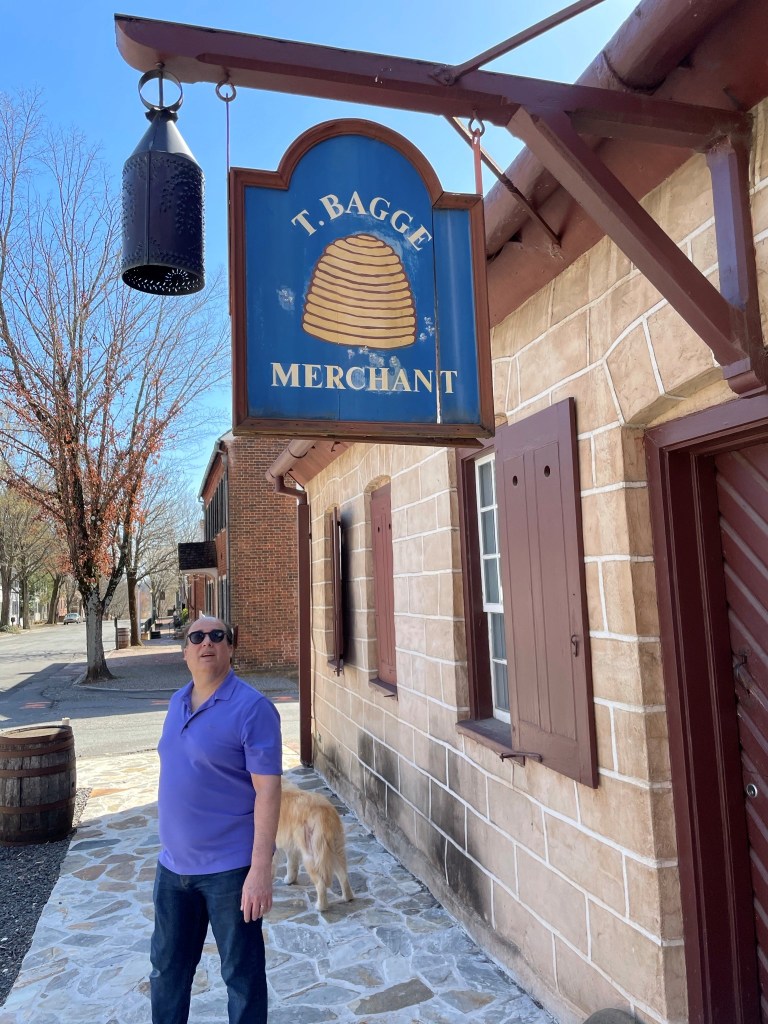
Last weekend, my husband and I took our dog for a stroll through one of the oldest parts of our city, where it always feels like Easter to me. Old Salem is a precious gem in the apron pocket of our downtown; amid all the tall, modern buildings—including the old R.J. Reynolds Tobacco headquarters, which was the prototype for New York’s Empire State Building—you’ll find this quaint and humble community, established in the late 1700s by the Moravians, Protestant refugees from what is now the Czech Republic. Only a few steps from the bustling noise of downtown, a visit to Old Salem is like stepping back in time 250 years.

Beyond the cobbled streets, brick-lined sidewalks and meticulously restored houses, shops and tour buildings, you’ll arrive at Home Moravian Church and the gated entrance to God’s Acre, the final resting place of the people who founded this community so long ago.

It is here, in God’s Acre, that thousands of residents of all religions gather on Easter morning for what is believed to be the oldest sunrise service in the U.S. Under non-pandemic circumstances, you’d find yourself among the throng, shuffling along behind the brass choir and witnessing the beauty of the sun rising in the east above this expansive graveyard. This year, as last, the observance is limited to a livestream event, complete with the usual music and liturgy—and all are welcome to join virtually. Rise and shine—this Easter service begins at 6:15 a.m. Eastern. The weather is expected to be chilly, but beautiful.

In non-pandemic times, the faithful would gather here before sunrise for Easter worship.

At Easter, everyone around here is a little bit Moravian, and though there will be no crowd gathered at sunrise, we can still enjoy this delightful sugar cake, a favorite Easter tradition. And I hope this recipe will help you enjoy it as well, wherever you live and whatever you believe.

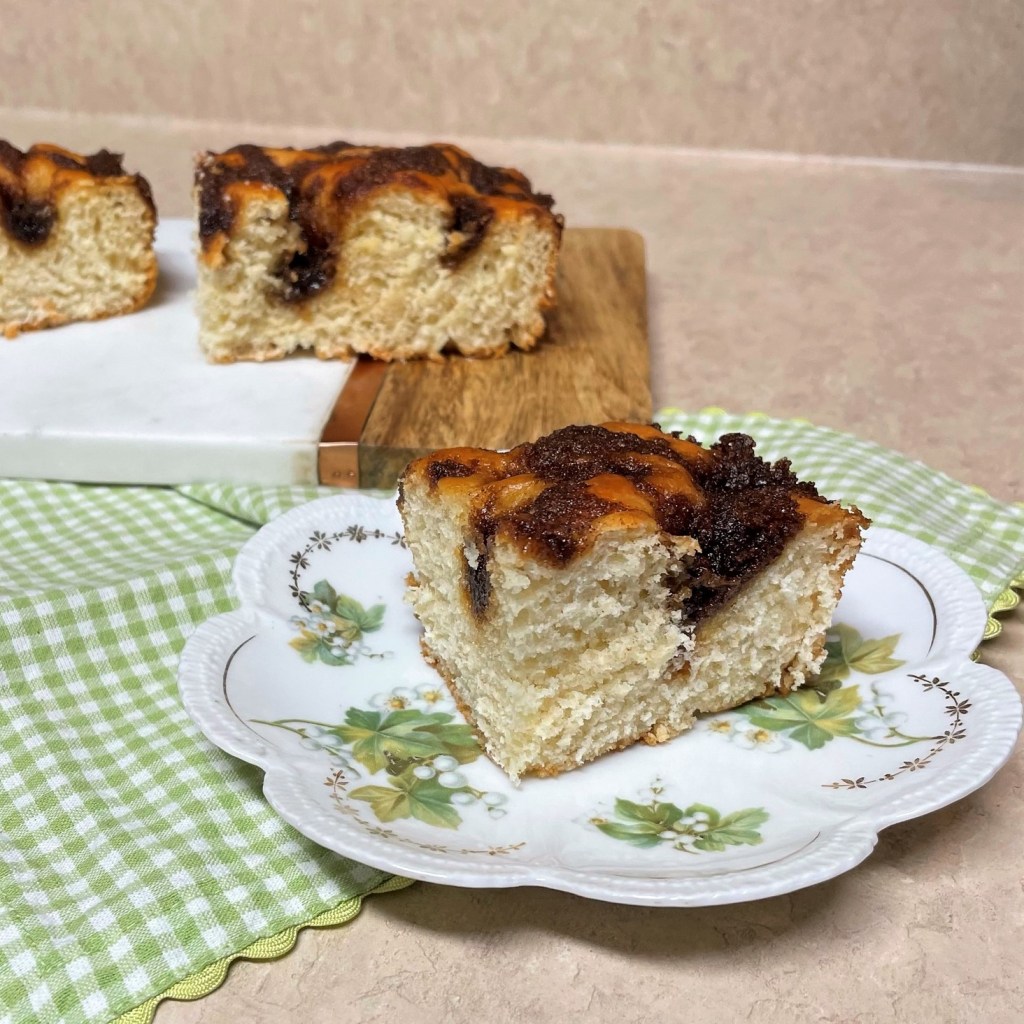
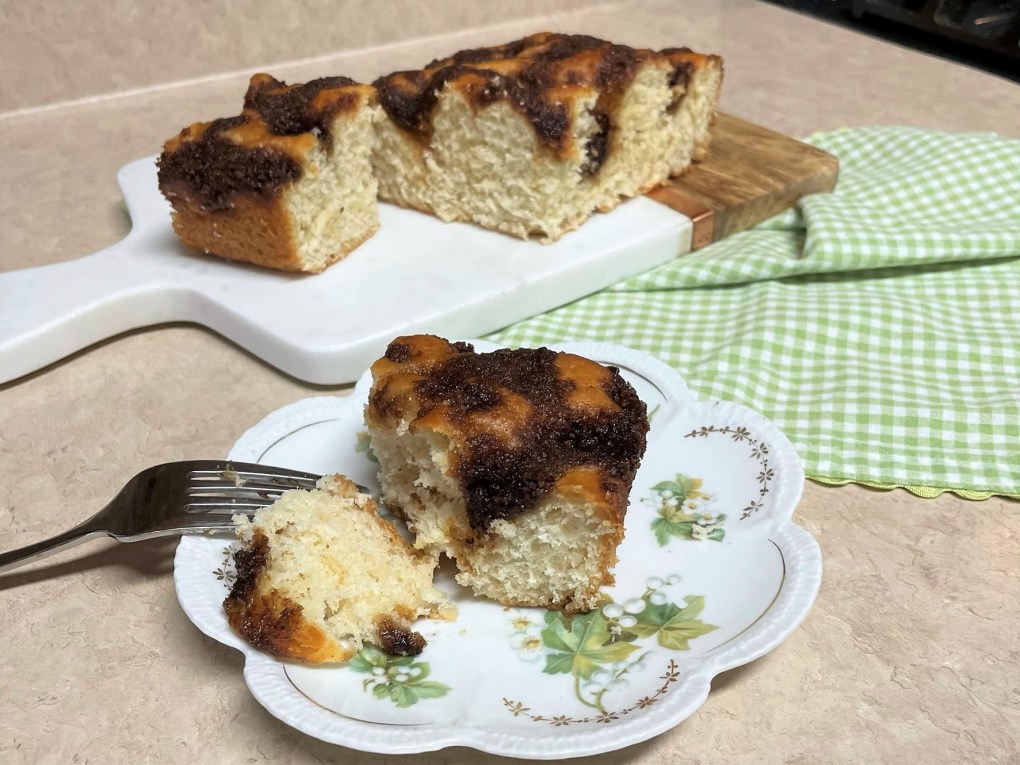
Moravian sugar cake is a specialty of this local culture—it is sort of a mashup of streusel coffee cake and buttery brioche bread, and thick with the sweetness of brown sugar and warm cinnamon spice. I have enjoyed this treat since my arrival in Winston-Salem 33 years ago, but until recently, had only purchased the mass-produced version of it that is usually so popular at Christmas. Little did I know that it is easy to make at home, and so much better! Mashed potatoes lend a unique softness to this yeasted cake, and the technique of pressing fingers into the dough (as you would when making focaccia) is what coaxes the buttery brown sugar-cinnamon mixture to form deep, pillowy pockets.

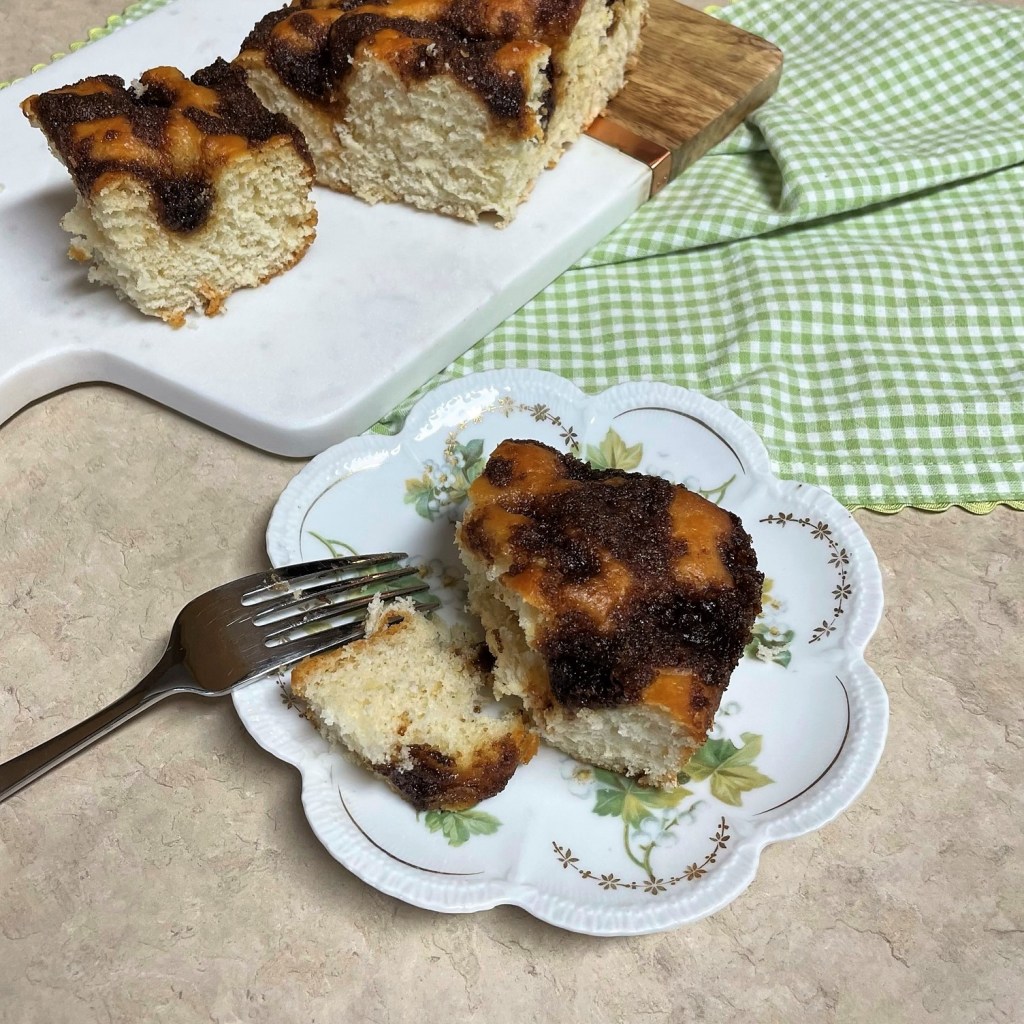
The cake is light, airy, sweet and buttery. And that topping, oh my! You can see how deeply the brown sugar melts into the dimpled dough. This is what Easter tastes like to me.

In addition to the generous crust of sweetness on top of the cake, the dough itself is rather heavy on sugar, which gives the yeast a real run for its money—under most conditions, yeast does not thrive in such a sweet dough, but, as you’ll soon see, the potatoes help in that regard as well. Come along, let’s make some!


Adapted from P. Allen Smith’s Moravian Sugar Cake
This recipe makes two 8 x 8″ cakes

Ingredients

2 1/4 tsp. instant dry yeast (one standard envelope)

3/4 cup mashed russet potato, boiled without salt and cooled to room temperature

3/4 cup whole milk, scalded and cooled to room temperature

1 egg, room temperature

2/3 cup cane sugar

3 1/2 cups all-purpose flour* + 1/2 cup whole wheat pastry flour (see notes for tips)

1 tsp. salt

6 Tbsp. unsalted butter, softened to room temperature

Topping

3/4 cup brown sugar, packed

2 tsp. ground cinnamon

1/2 tsp. pie spice, optional

3 Tbsp. unsalted butter and 3 Tbsp. salted butter, cold*

*Notes

My guide recipe called for 3 to 4 cups of flour, which is a very wide range. If you measure the flour properly; that is, following the “fluff, sprinkle and level” method, you will use almost exactly 4 cups total. I measured out the full amount and added it gradually as suggested, and ended up with about a tablespoon left over. Also, I never, ever use only white flour in a recipe, but if you do not have the whole wheat pastry flour, feel free to use the total amount in all-purpose flour.

As with most baking recipes, a little bit of salt plays up the important flavors of the food, so I used equal parts salted and unsalted butter in the topping.

Instructions

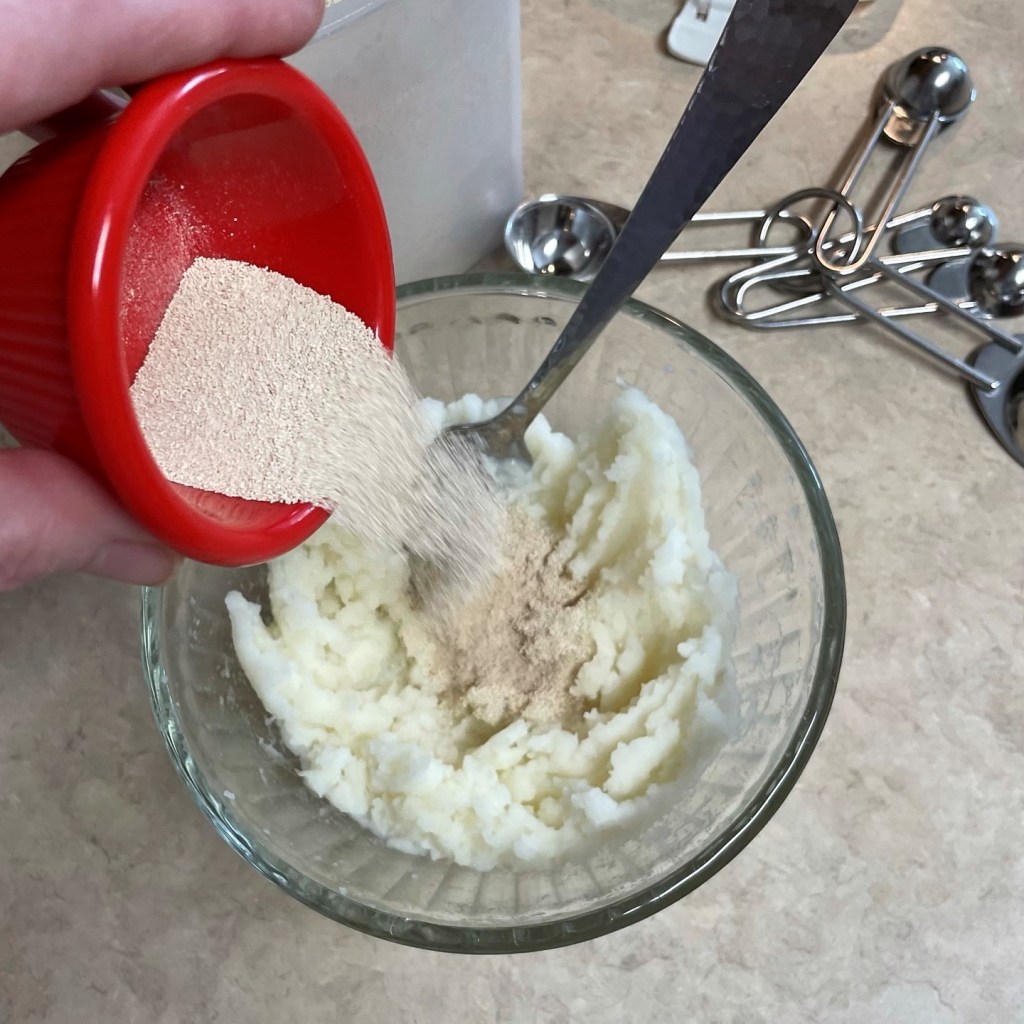
  1. Combine mashed potatoes (they should be somewhat wet) and yeast in a small bowl. Cover and let stand at room temperature for about 2 hours. The sugar in the dough will make the yeast work extra hard for moisture, so the mingling with the potatoes gives it a leg up before that part of the recipe begins.
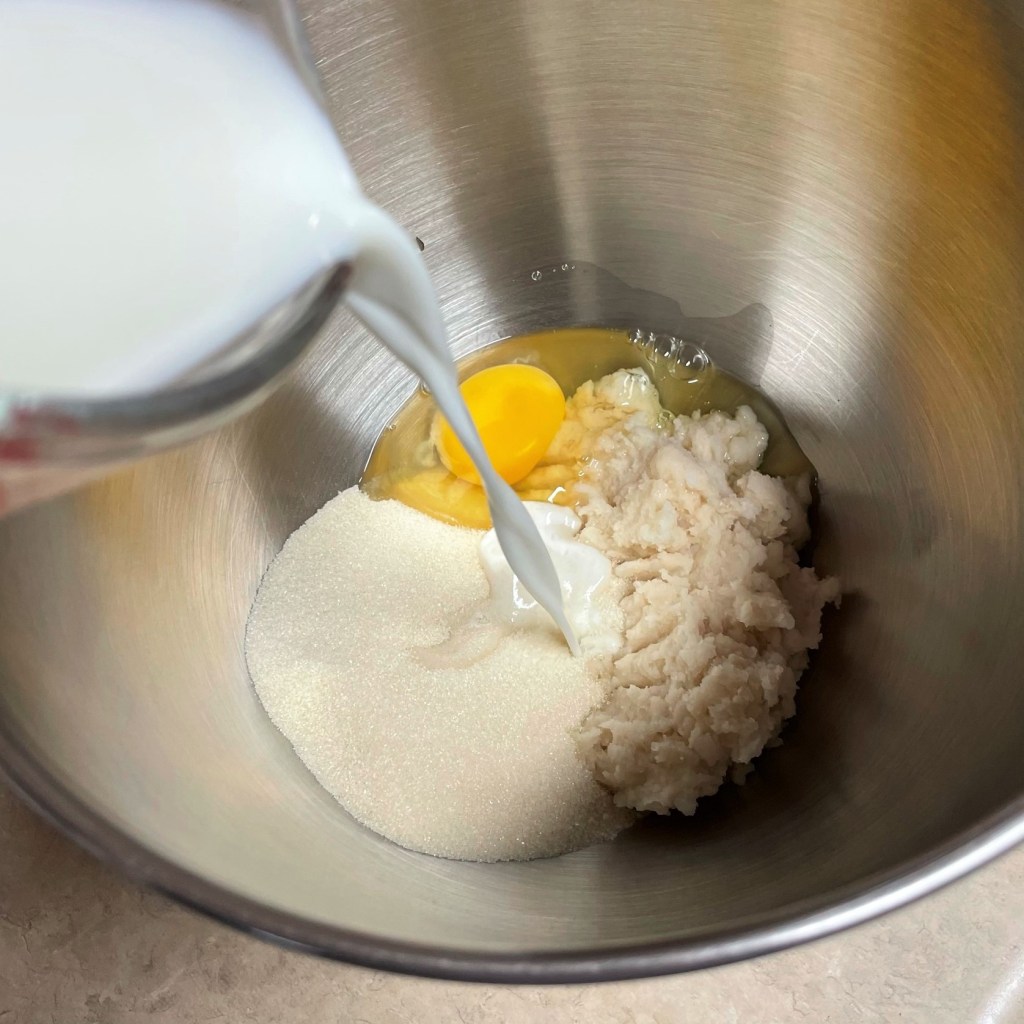
  2. Transfer potato-yeast mixture to a large mixing bowl. Add milk, sugar and egg, stirring to blend completely.
  3. Measure out the total amount of flour, and scoop about 1/2 cup, leaving 3 1/2 cups in the bowl. Add salt to the larger bowl. You may not need the full amount of reserve flour, but you want to have the total of salt in the recipe.
  4. Add flour to mixing bowl, 1/2 cup at a time, blending thoroughly after each addition. The ideal dough will be even consistency and tacky, but not too sticky. Dough should pull away from the sides of the mixing bowl while kneading.
  5. Add softened butter, a tablespoon at a time, kneading to fully incorporate each addition before adding more.
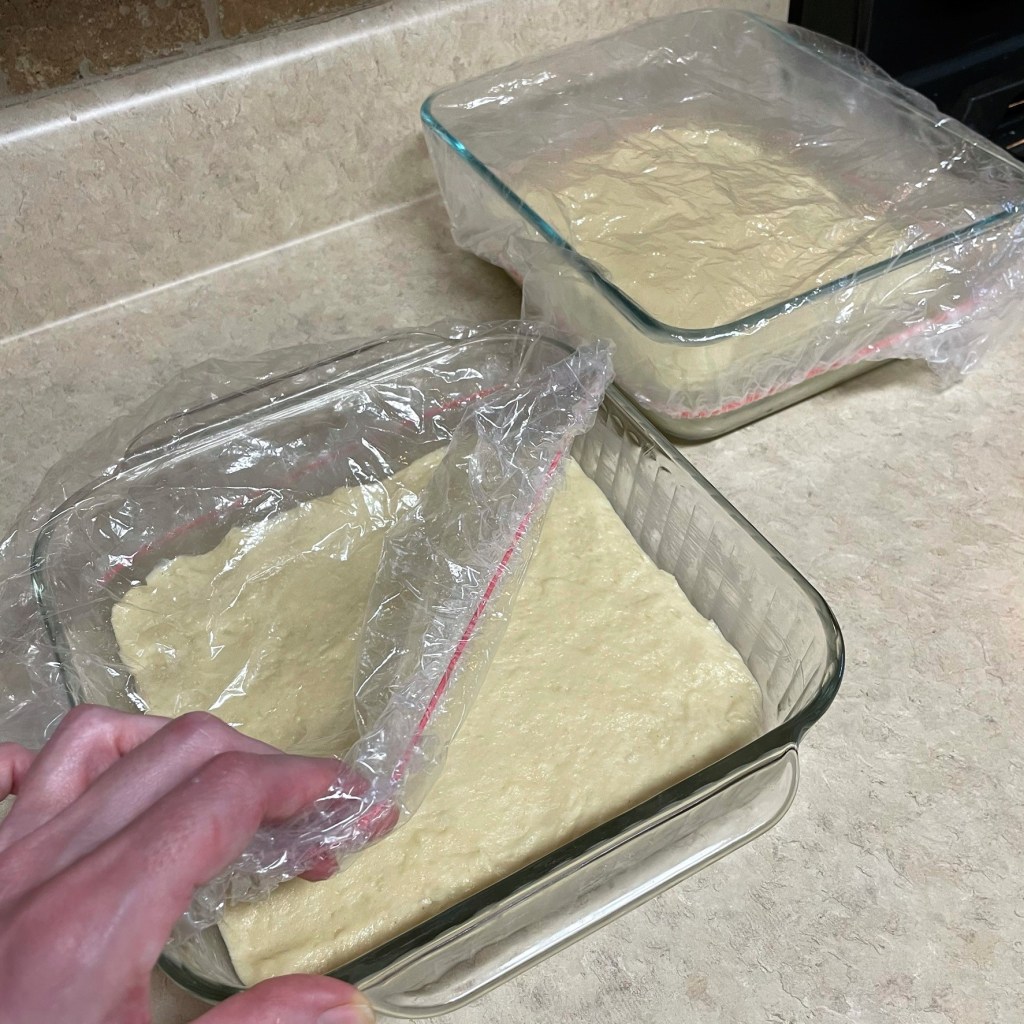
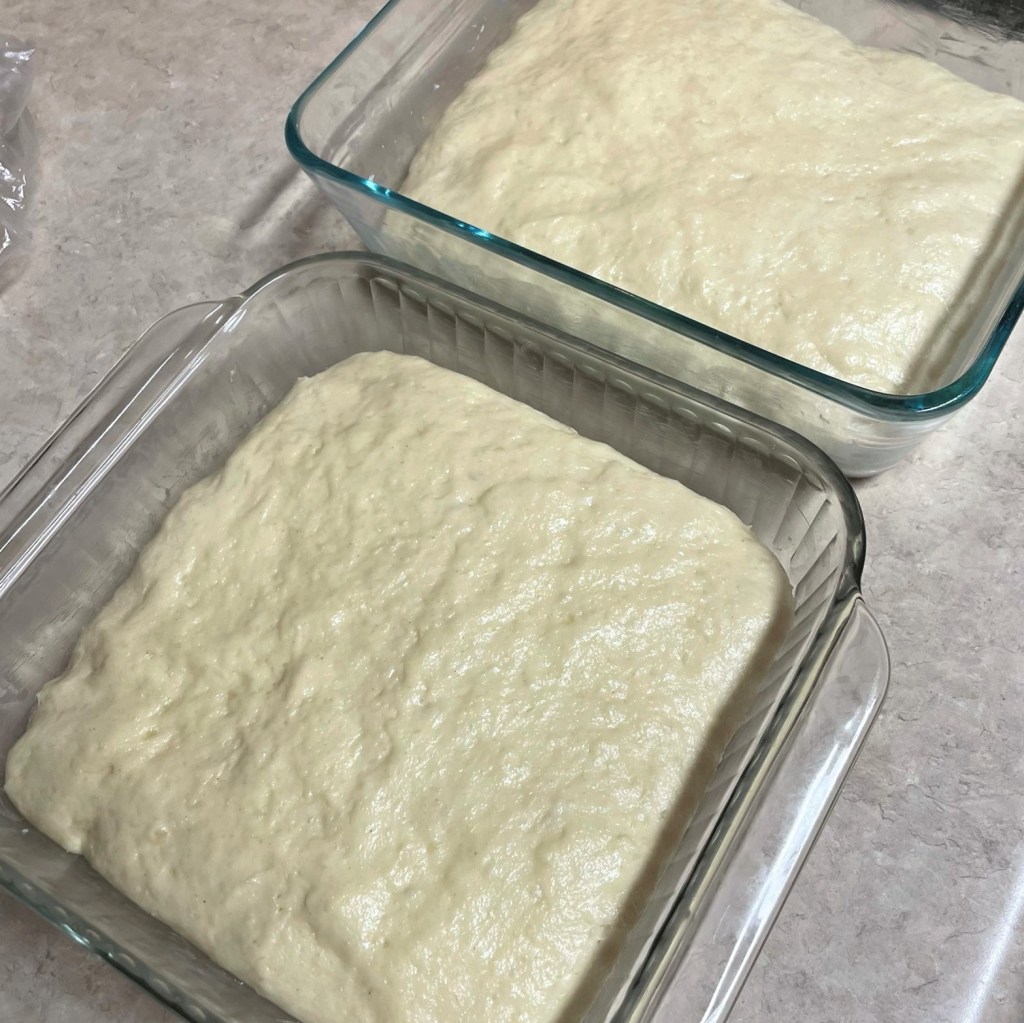
  6. With lightly oiled hands, divide total dough between two buttered, 8 x 8” baking dishes, such as Pyrex or metal cake pan. Spread dough evenly to the edges of each pan. Cover loosely with plastic and rest cakes at least 90 minutes, until cakes are nice and puffy.
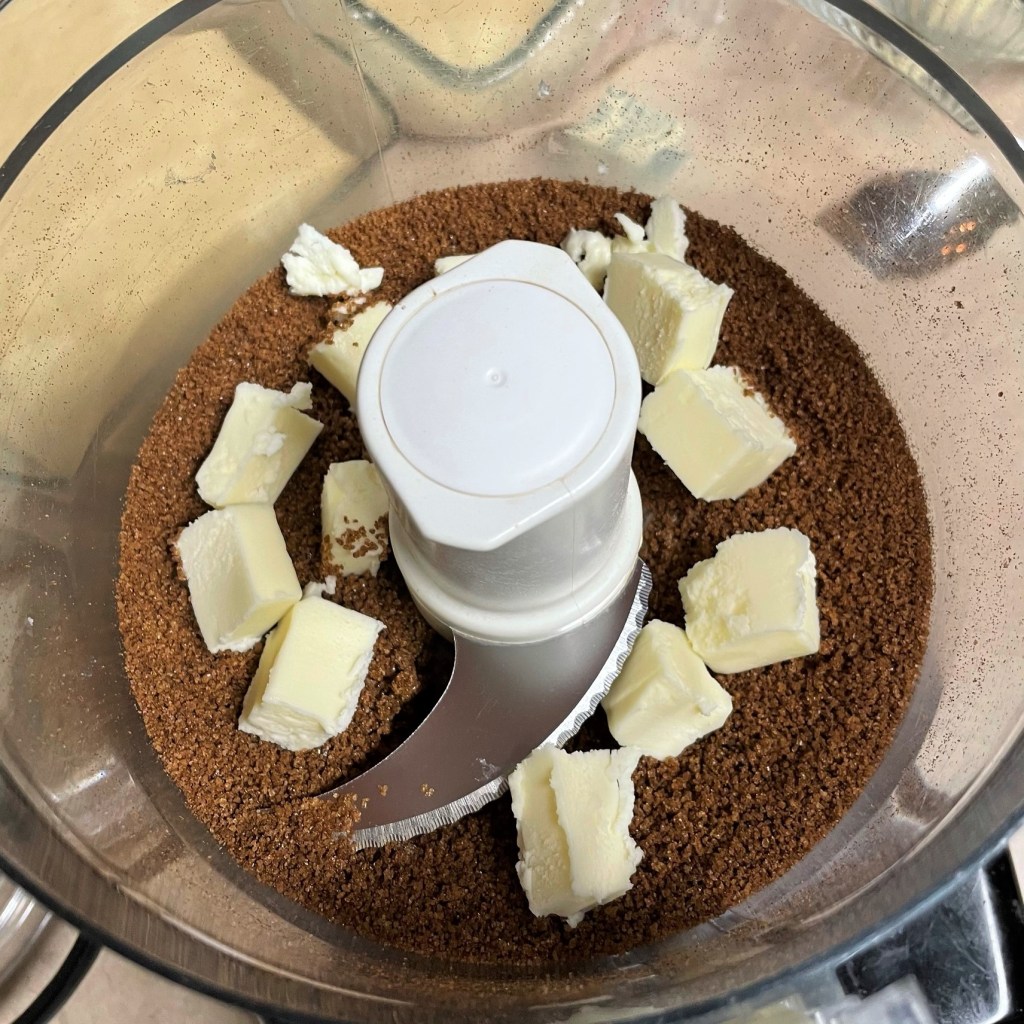
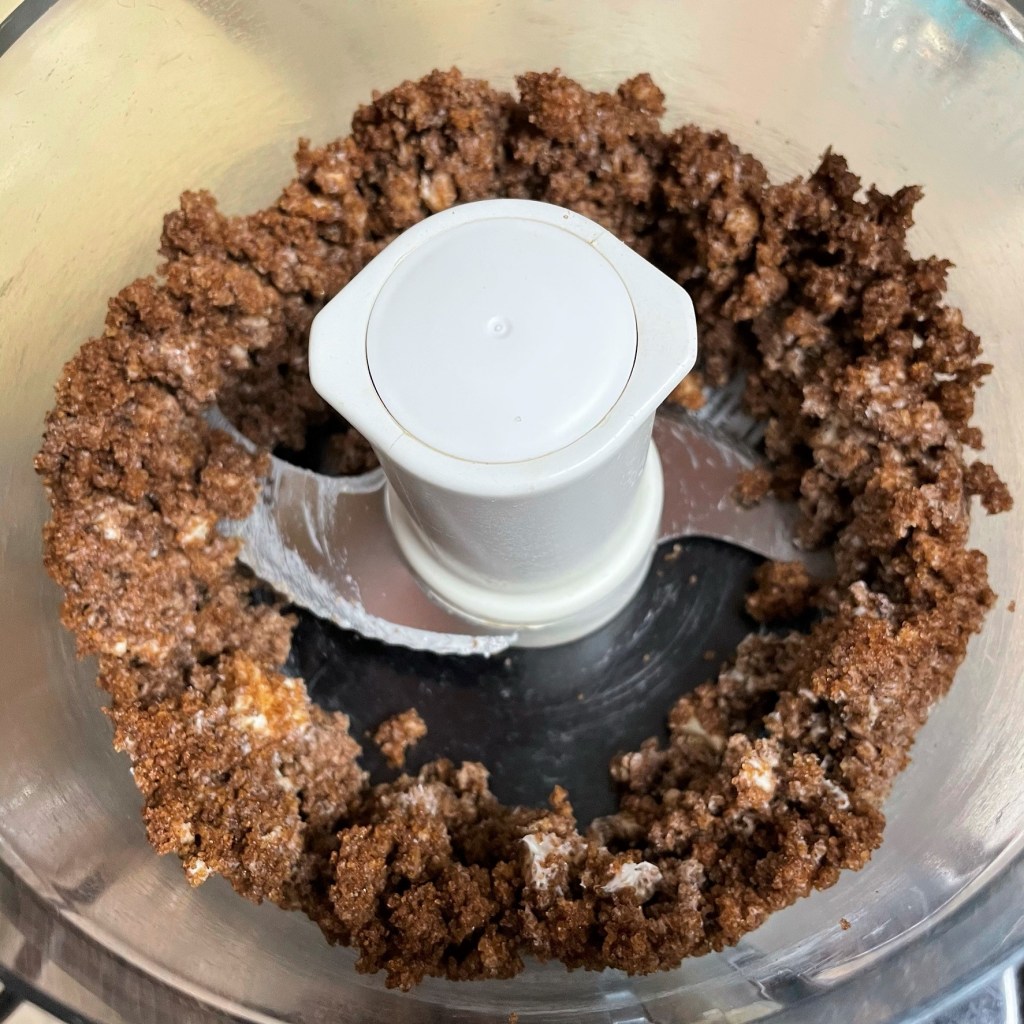
  7. Preheat oven to 350° F. Combine brown sugar, cinnamon and pie spice. Cut in cold butter to evenly distribute through the sugar mixture. You can use a pastry blender, a fork or a few pulses in the food processor.
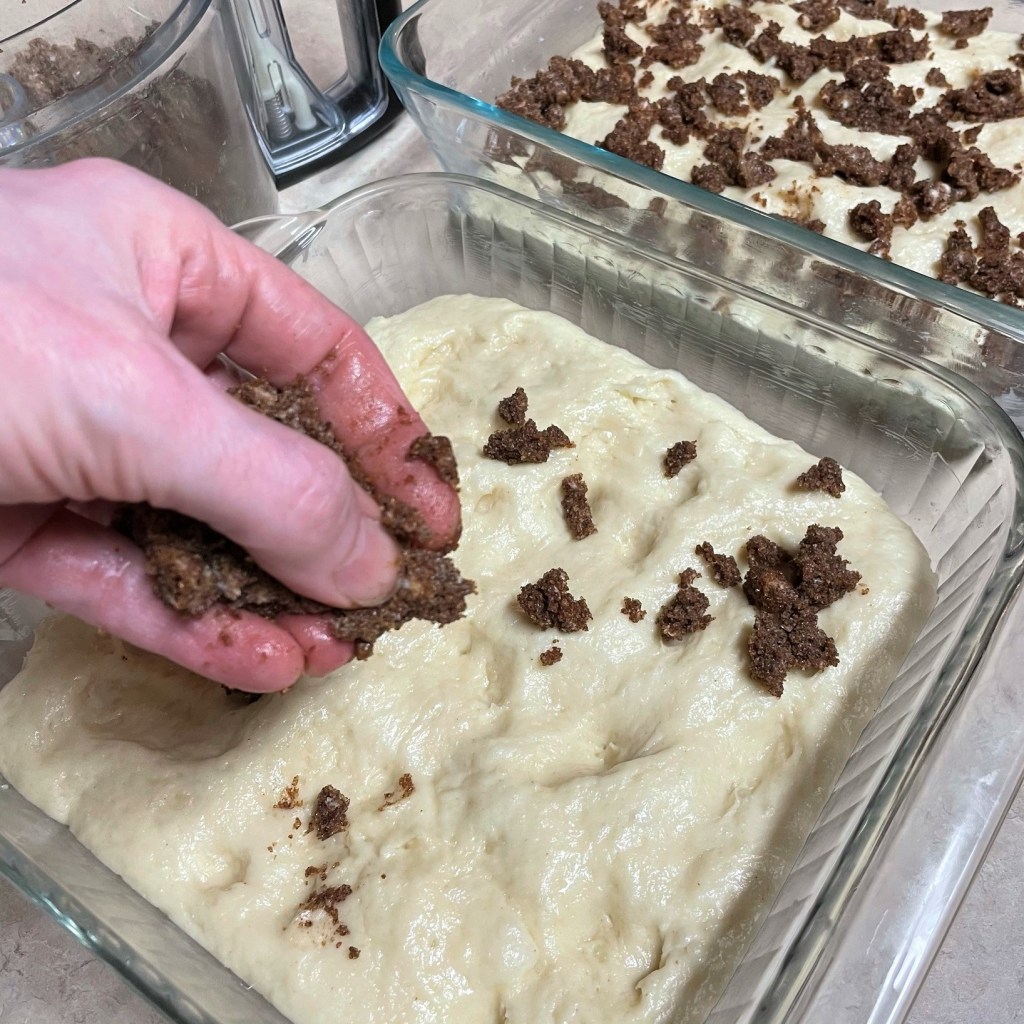
  8. With lightly oiled hands, gently press your knuckles into the cake dough. Follow a random pattern, with plenty of indentations, but also plenty of high spots. The goal is to create deep pockets for the butter-sugar mixture to sink into, without deflating the entire cake surface.
  9. Scatter the butter-brown sugar mixture evenly over the cakes. The sugar mixture does not need to be pressed into the indentations; it will find its own way during baking.
  10. Bake cakes for about 30 minutes, rotating the pans halfway through for even baking. Cool cakes in the pan several minutes before cutting. Enjoy warm or at room temperature.

Want to make this recipe?