Spicy Mango-Melon Margarita šŸ’‹

Not for lack of things to say, but I haven’t had it in me to blog much recently. The flood of ā€œinformationā€ that has been coming out of Washington for the past month has been, frankly, a bit much for me. OK, that’s an understatement. Truth is, I’m working on an exit plan. I’m not sure what it would be like to live in another country, but I’m game to find out. The fact that I love other cultures more than my own helps a lot.

Today is National Margarita Day, which should be a time to only be happy about a fun cocktail, but has somehow (for me, anyway) become but a temporary escape from the living hell before us. Billionaires driving the bus of our nation. Fascists calling the shots. Christian Nationalists pretending they know what Jesus would do.

I’m done. I’ve held my tongue longer than is reasonable for these times, and I feel like I’m about to explode. Enter, tequila. Thank you, Mexico, for everything. Seriously, I’m feeling a little spicy, and I don’t care if it shows.

Right?

Lord, give me the gumption of my grandmother, who lived through the Great Depression, and of my great grandmother, who was the first generation on the female side of my family to earn the right to vote. I need to embody all of their strength today. Oh yes, indeedy-doodee-daddy, I need to remember where I came from— I need to feel it in my bones. I’ve seen on numerous Instagram posts recently that women in the 1930s and ā€˜40s wore red lipstick as a means to protest fascism and piss off the people in power, so until further notice… 

I can’t say quiet.

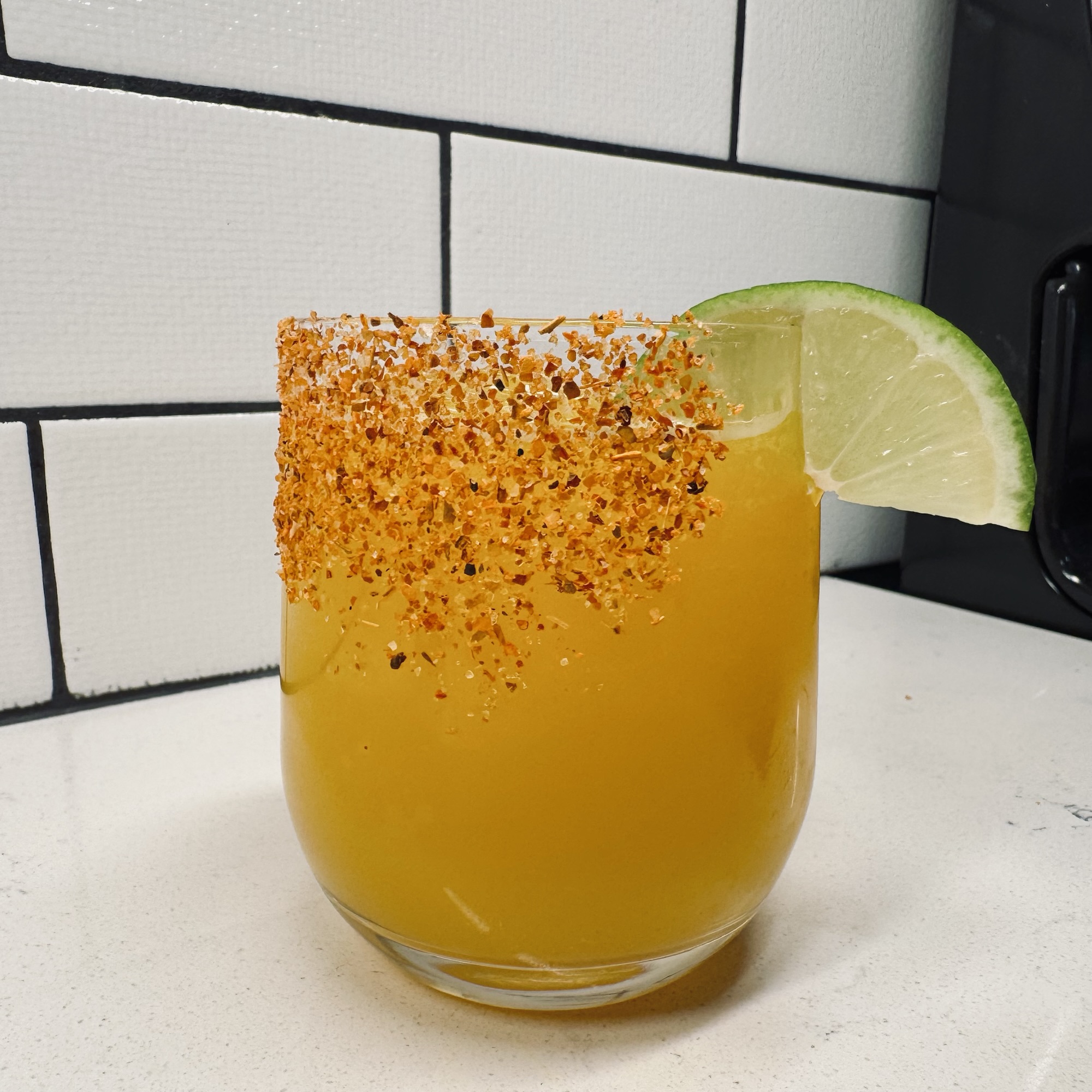
With that off my chest, I present the cocktail that easily found its way into my repertoire this week. The spicy mango-melon margarita. It is a super easy, flavorful cocktail that melts my rebel heart with its spicy-meets-sweet flavor profile, and a spirit that says, ā€œhell, no!!ā€ The recipe is a bit of a shortcut—something I don’t do very often— and it works here, because I’ve been trying so hard to keep everything else between the lines that I haven’t had time to create many things from scratch. But I trust Q brand mixers, and using this one means that the drink is EASY to make at home. Even if you can’t even.

I’m keeping it simple with a tasty, store-bought mixer.

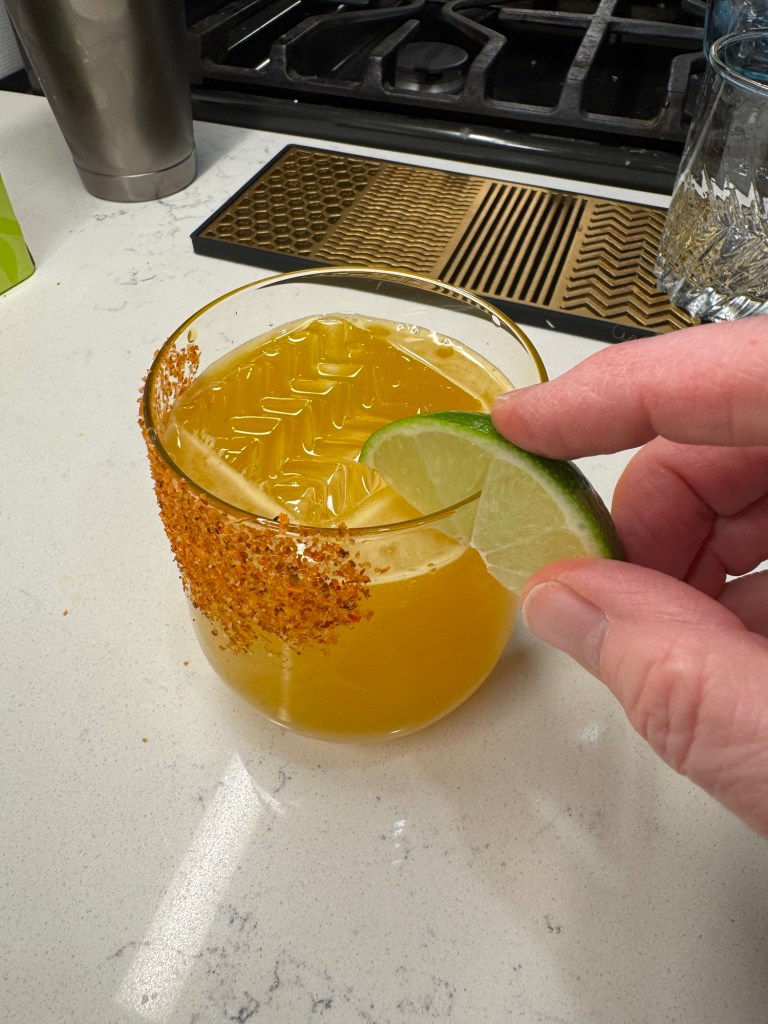
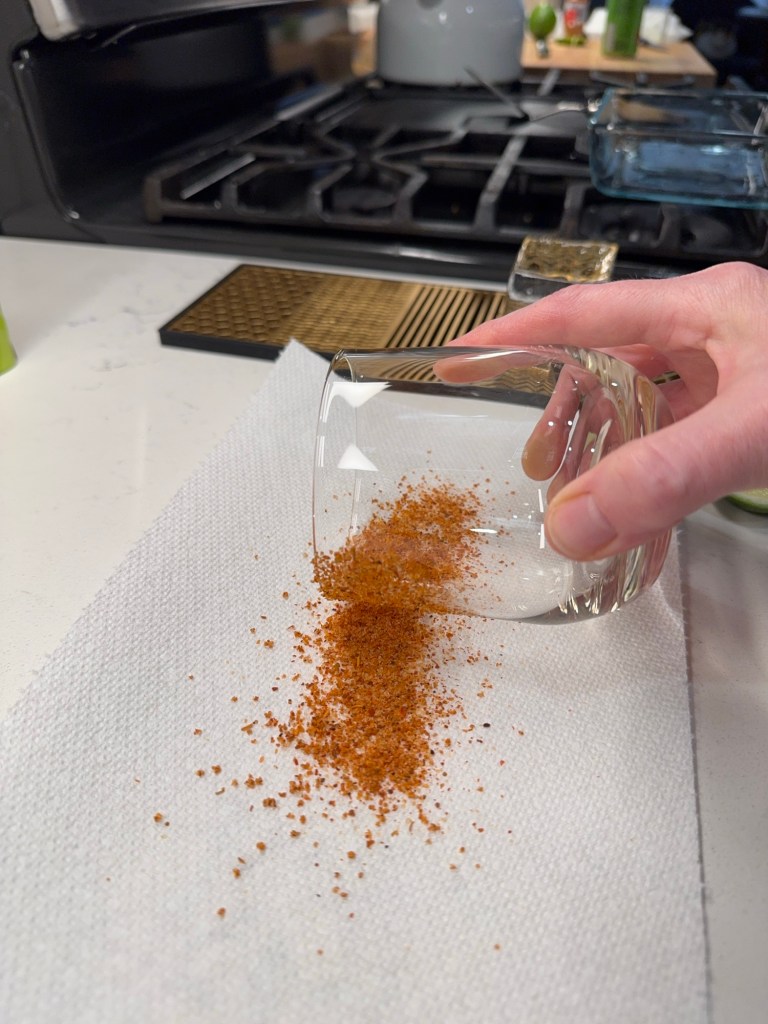
The key ingredients you need are tequila (any would probably work, but reposado is appropriate for the pause I’ve taken in sharing my true feelings), melon liqueur (Midori seems obvious because it is the real deal, not a knock-off) and the Q brand spicy mango margarita mixer, which has all the stuff I love and none of the stuff I don’t. Truth be told, I could probably drink this mixer over ice by itself and feel that I’ve accomplished something. But not today. I’m grateful for the tequila. Here we go, beginning with prepping the glass:

This may seem like an opinion piece, and maybe it is— only you can decide what it means to you. But I’m sticking with my red lipstick and my spicy cocktail and my spicy attitude. It’s still a free country, after all. At least, for now.Ā 


Spicy Mango-Melon Margarita

  • Servings: 1 cocktail
  • Difficulty: Easy!
  • Print

A store-bought shortcut makes this spicy, sassy cocktail super easy, and just in time for National Margarita Day!


Ingredients

  • 2 oz. reposado tequila (recommended 1800)
  • 3/4 oz. Midori melon liqueur
  • 3 to 4 oz. Q brand spicy mango margarita mixer (lesser amount results in a stronger drink)
  • fresh lime and Tajin spice to decorate glass

Note: I don’t typically use store-bought cocktail mixers, but I’ve made an exception here because the Q mixer brand does not use high fructose corn syrup or fake flavors. I was startled at how much I liked this mixer, even on its own. You can trust it here.

Directions

  1. Use a lime slice to moisten rim of a cocktail glass. Roll outside rim of glass in Tajin spice.
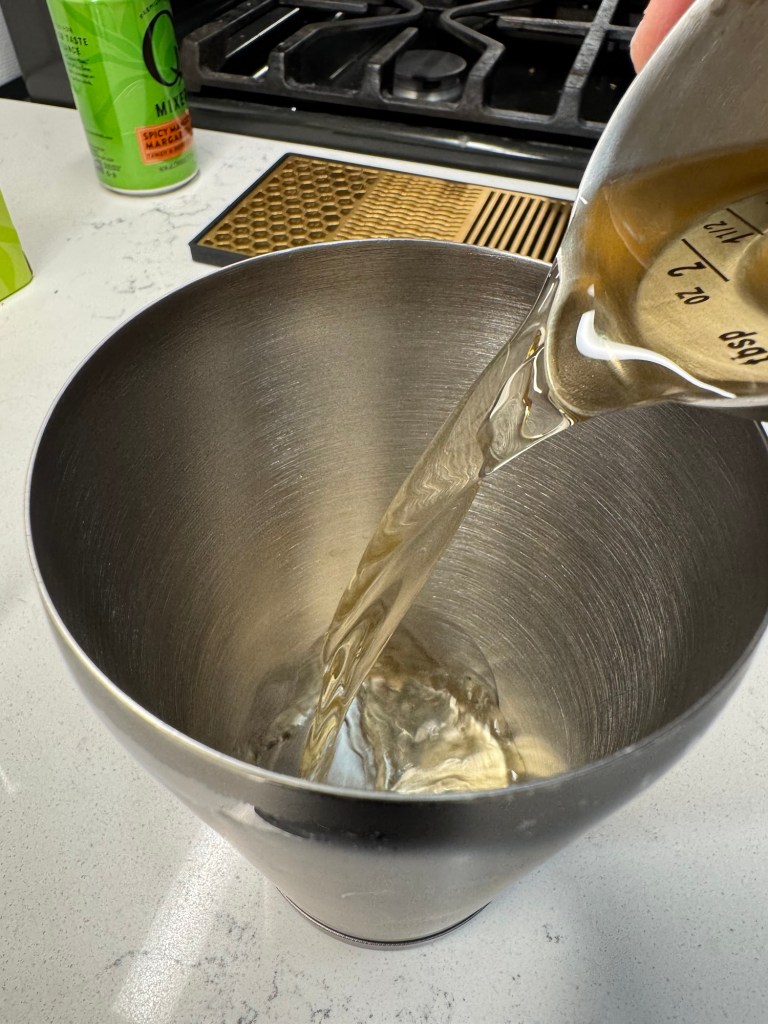
  2. Add tequila, melon liqueur and margarita mixer to a cocktail shaker. Add one cup ice cubes and shake the hell out of it, like you’re pissed off at the state of everyting.
  3. Strain over a fat ice cube into the prepared cocktail glass.
  4. Repeat as needed for four years.

Pumpkin Spice Espresso Martini

Well, now I’ve gone and done it, haven’t I? I’m fully confessing to a moment of weakness during a recent visit to Trader Joe’s, but I’m not apologizing. The whole pumpkin spice thing was just too much for me to ignore this year, and I’m not saying that I was on the wagon against pumpkin spice, but if I had been on the wagon— well, this martini would sure as hell knock me off.

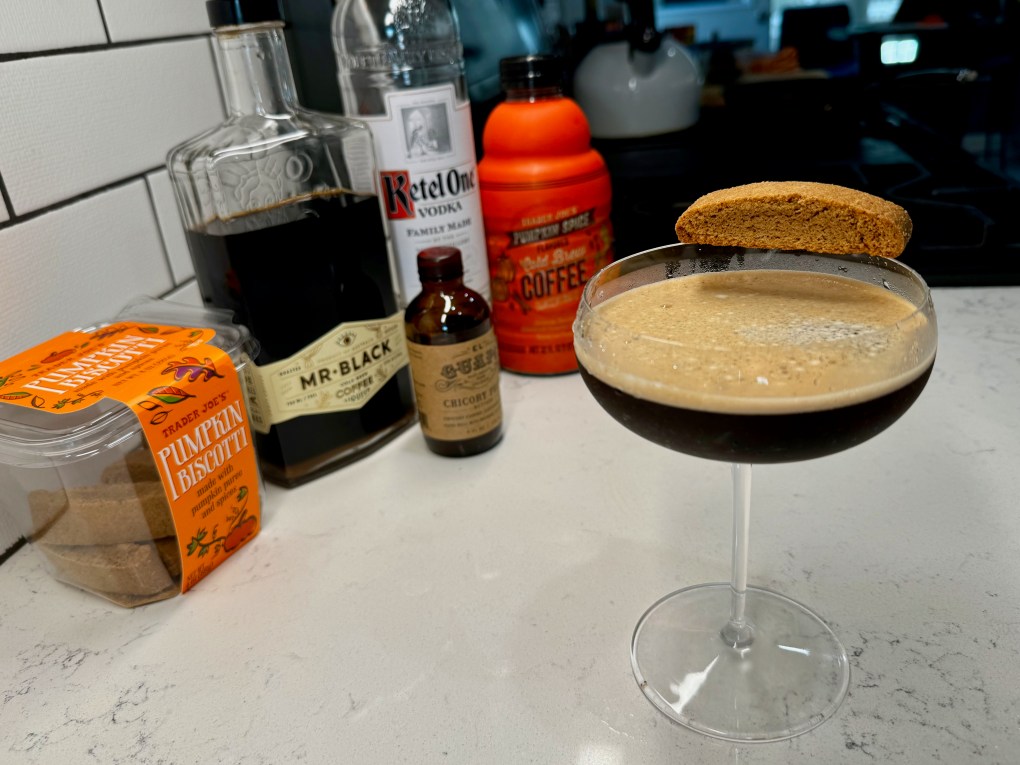
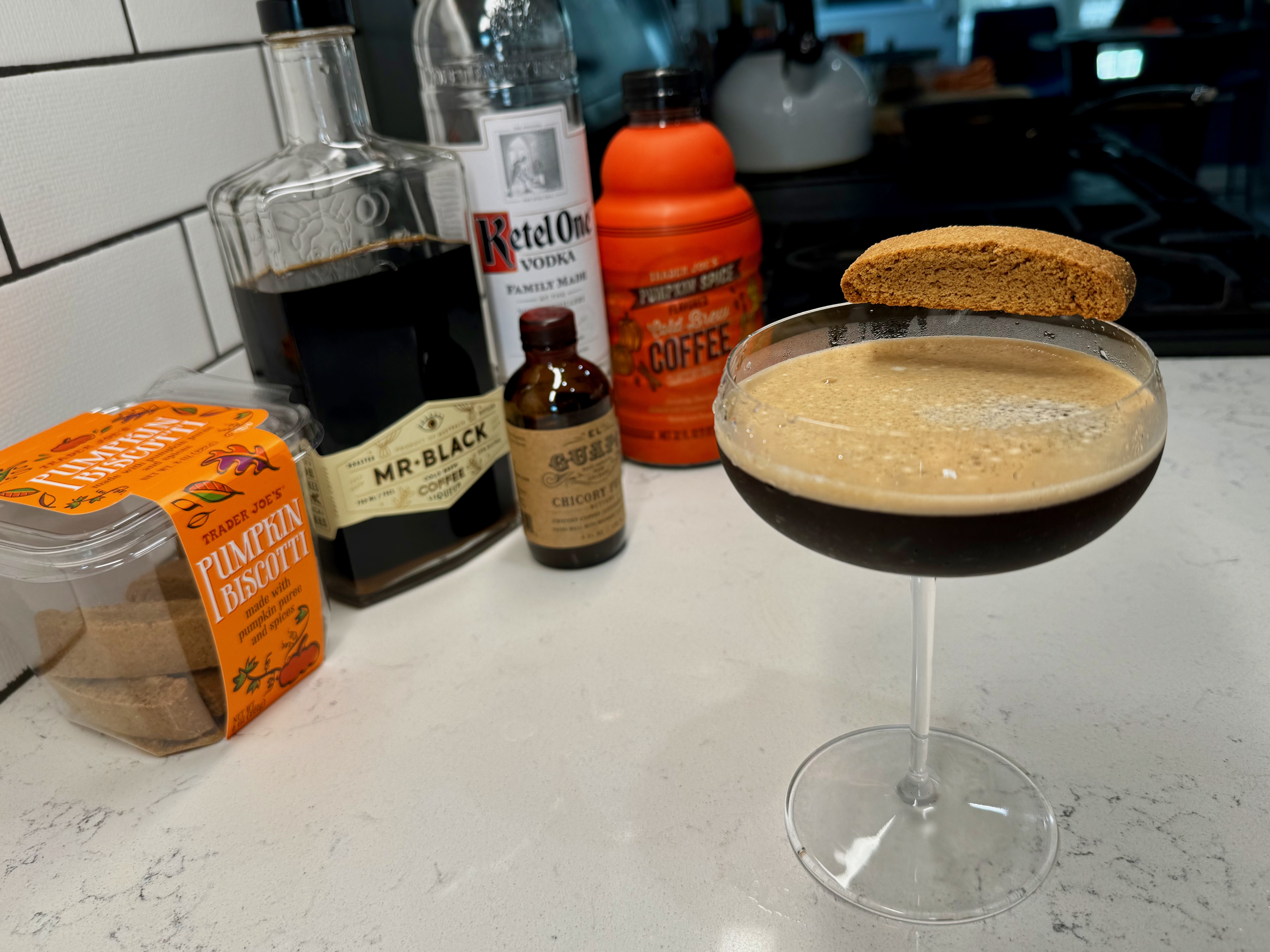
The only actual pumpkin here is the biscotti garnish.

For those of you cringing at the idea of a pumpkin spice espresso martini, here’s a reality check. No pumpkins were harmed in the making of this martini, because the ā€œpumpkin spiceā€ cold brew concentrate from Trader Joe’s has exactly ZERO percent pumpkin; it’s only spices that one might use with pumpkin pie— cinnamon, ginger, clove, nutmeg and orange peel— and it turns out they are fine companions to arabica coffee, with or without the other things that make this a cocktail.

So, would you feel better if we called this an autumn spice espresso martini? 

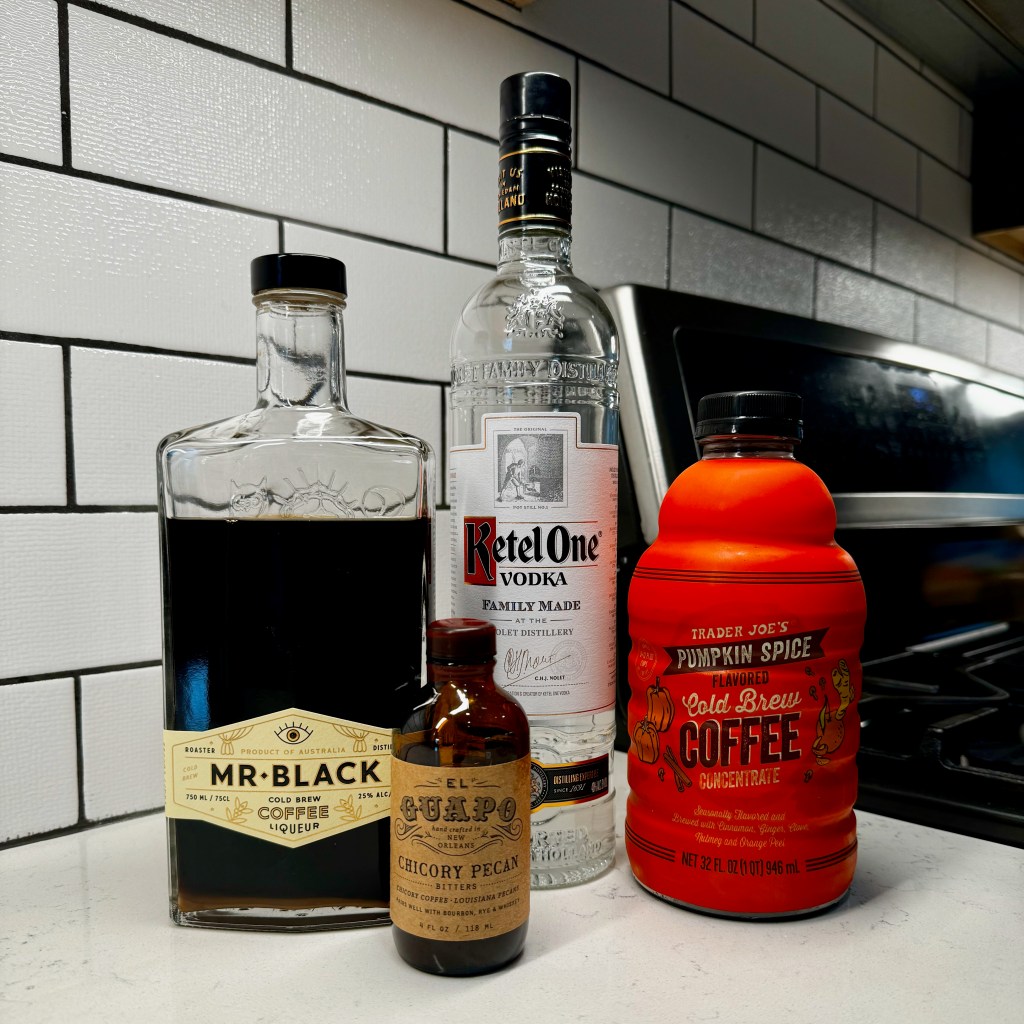
My new favorite fall lineup!

I mentioned when I shared my favorite new Negroni cocktail that Mr. Black cold brew liqueur was going to show up here again soon, and though I don’t usually share two cocktails so close to each other, I didn’t want to wait because we all know that Trader Joe’s has a short attention span with their limited season items. If you’re thinking about making some of these, leave right now to get your cold brew concentrate. I’ll wait. And while you’re at it, pick up the miniature pumpkin biscotti; they’re delicious with your morning coffee and equally good for garnishing this cocktail.

Should an espresso martini be sweet?

This is strictly a matter of opinion, and for this black coffee drinker, the answer is no. The difference between Mr. Black and other coffee liqueurs I’ve tried— Kahlua, Tia Maria and a Kentucky-made liqueur called Grind— is the level of sweetness. If you have a sweet tooth, these other options are probably right up your alley, especially if you take sugar in your morning coffee. But for me, an espresso martini with those options is essentially just a Black Russian in a different glass. I want the deep, dark, roasty flavor, and I’m happy to report that Mr. Black brings it!

Should an espresso martini be creamy?

People who take cream in their coffee probably also expect the creamy touch that Bailey’s liqueur or half-and-half bring to an espresso martini, but not me. Too many bars I’ve visited have turned this on-trend cocktail into something akin to a mudslide, even so far as drizzling chocolate syrup drizzled inside the glass. I can’t even. As with coffee, all of this is personal preference.

My perfect espresso martini

One of the things that held me back for a while from trying this drink at home is that I don’t have an espresso machine, and cold coffee just isn’t the same. But I have found that cold brew concentrate is a fantastic substitute because it is dark and robust, and it contains enough of the natural coffee oils that can be frothed for that beautiful coffee foam on top of the drink. The cold brew concentrate has caffeine, obviously, but each drink only uses two tablespoons, so it isn’t going to keep me up all night— unless I have three of them. šŸ˜‚


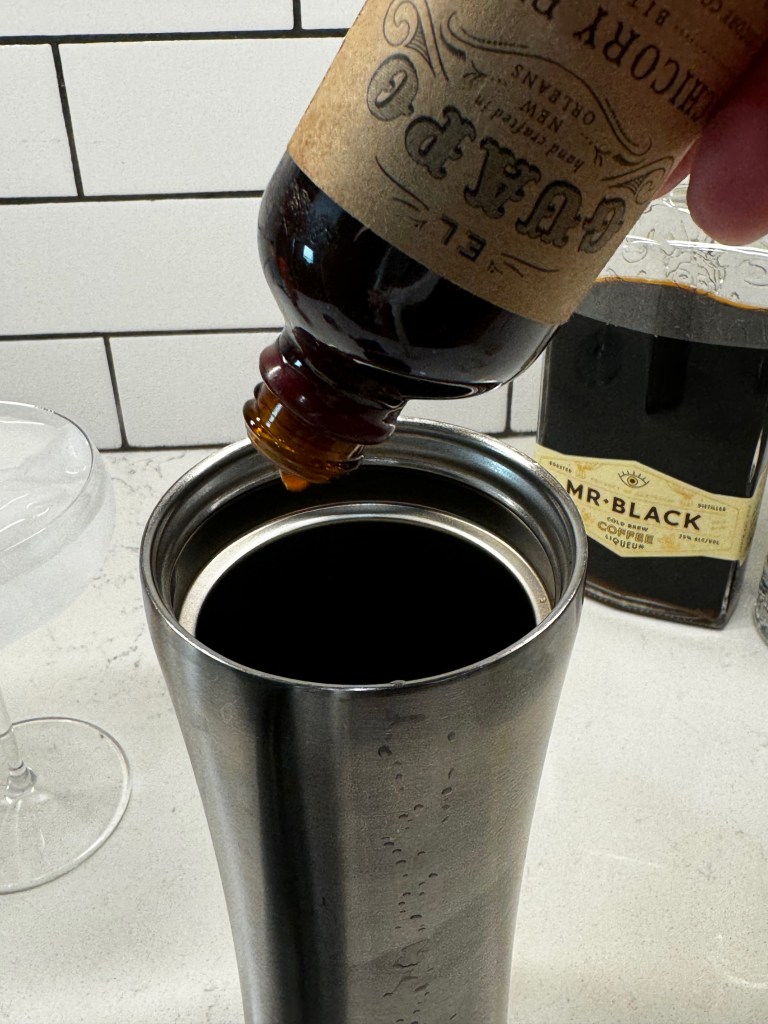
Combine a quality vodka (I like Ketel One), Mr. Black, a shot of cold brew concentrate and a smidgeon of simple syrup— or if you want to go crazy, try smoked maple syrup (OMG). For extra pizzazz, I’m loving a couple of dashes of chicory and pecan bitters, the same product I used last year in my sweet potato casserole old fashioned. The bitters are not necessary because the coffee already carries the bitter flavor, and you could either omit them or substitute chocolate or even orange bitters, if you’d like. I like the warmth and extra roast flavor that the El Guapo bitters add. 

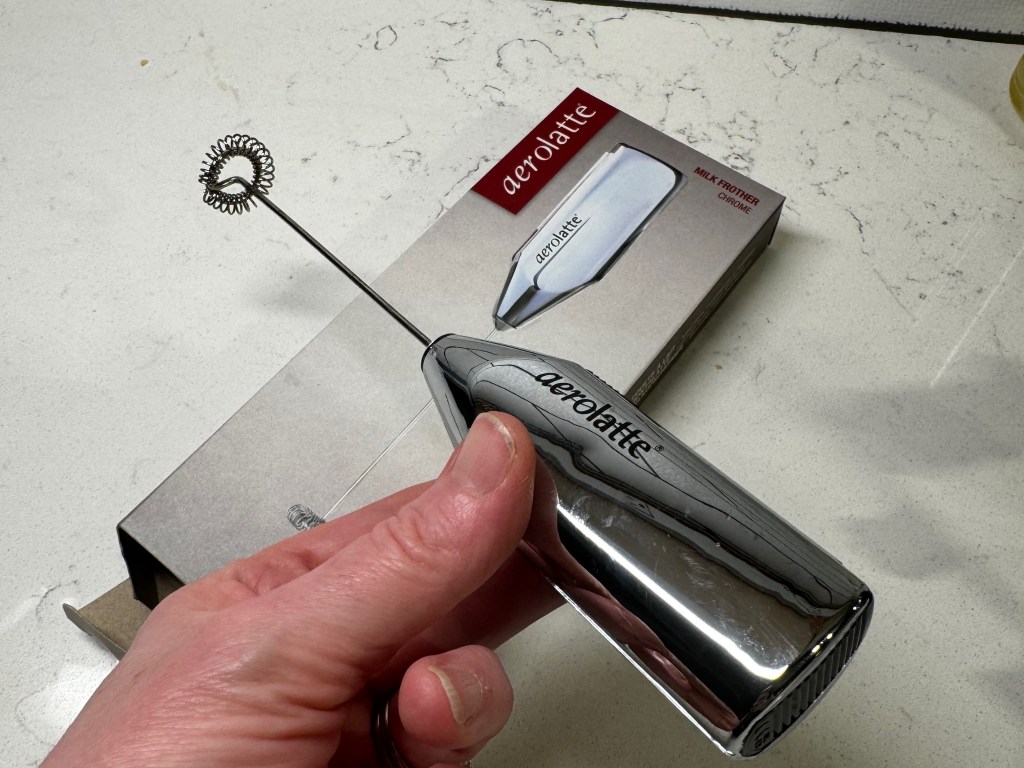
Finally, add one cup of ice and shake the dickens out of it. The more you shake, the better chance you have of frothing up that cold brew concentrate. But if you really love the rich, foamy layer on top of your martini, I have a simple trick for that, too. You will need one of these little gadgets.

It’s sold as a “milk frother,” but I call it the espresso martini magic maker!

I bought this simple little device last year for Les’s Christmukkah stocking, thinking that it would elevate his hot chocolate, but it found its way into my cocktail tool kit. Here, I added a bit of the cold brew concentrate plus a splash of simple syrup to a separate glass and used the frother to whip it up into a foamy topping for my espresso martini. Surprisingly, you don’t have to pour this on top of the cocktail; you can actually pour it right into the glass and then pour the shaken drink over it. Because the foam is whipped full of air, it will remain on top of the drink either way.

Cheers. šŸ˜Ž
A word to the wise

As simple and innocent as this drink might seem, it goes down extra easy. Not only does the alcohol sneak up on you; too many will keep you up all night. So, if you’re making these at home, you’ll probably want to keep score.

Pumpkin Spice Espresso Martini

  • Servings: One cocktail
  • Difficulty: Average
  • Print

My version of espresso martini forgoes the sweetness and cream in favor of a deep coffee flavor. The spice blend (which doesn't have a bit of pumpkin) is not only fun but really delicious. If you cannot get the Trader Joe's flavored cold brew concentrate, check Starbucks for their version.

Ingredients

  • 1 1/2 oz. Ketel One vodka
  • 1 1/2 oz. Mr. Black cold brew liqueur
  • 1/2 oz. Trader Joe’s pumpkin spice cold brew concentrate
  • 1/4 to 1/2 oz. simple syrup (depending on your sweet tooth)
  • 2 dashes El Guapo Pecan Chicory bitters (see notes)
  • For the foam: 1/2 oz. cold brew concentrate and 1/4 oz. simple syrup
  • Just for fun, a pumpkin spice biscotti for garnish

Notes: If the spices aren’t your thing, you could easily substitute a regular cold brew concentrate here and still enjoy a wonderful drink. The chicory bitters can be purchased online and they add another layer of roasty flavor to this drink. If you can’t find them, omit them or sub in another type of bitters, especially chocolate or orange.

Directions

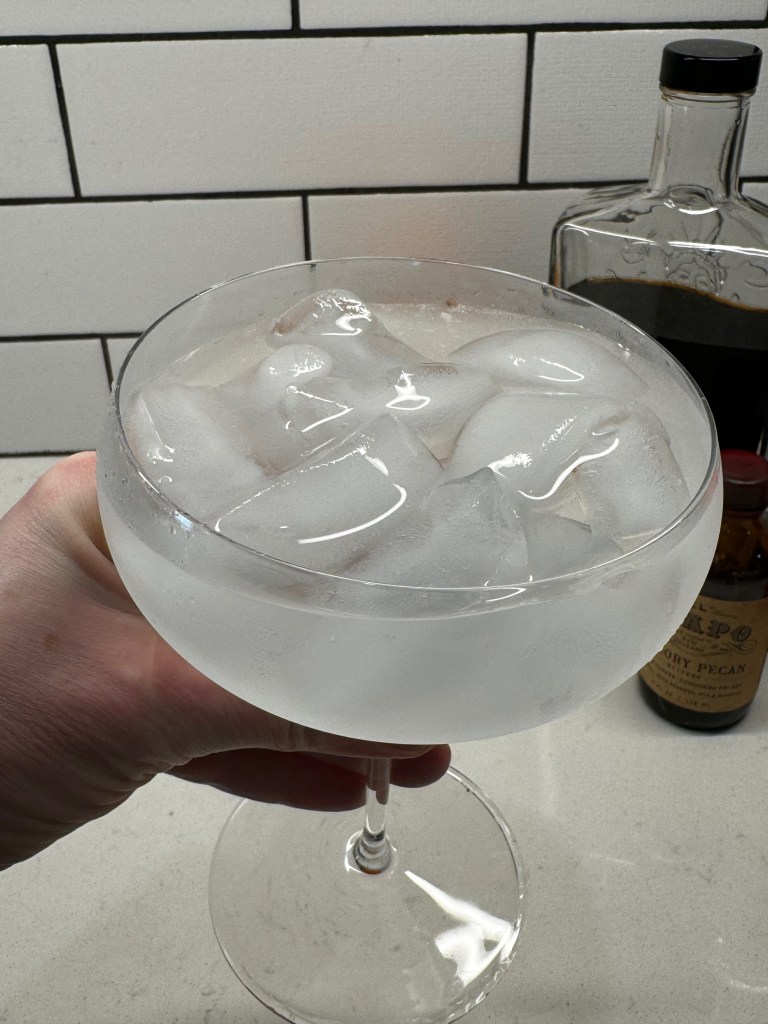
  1. Chill a coupe or martini glass with ice and a splash of water.
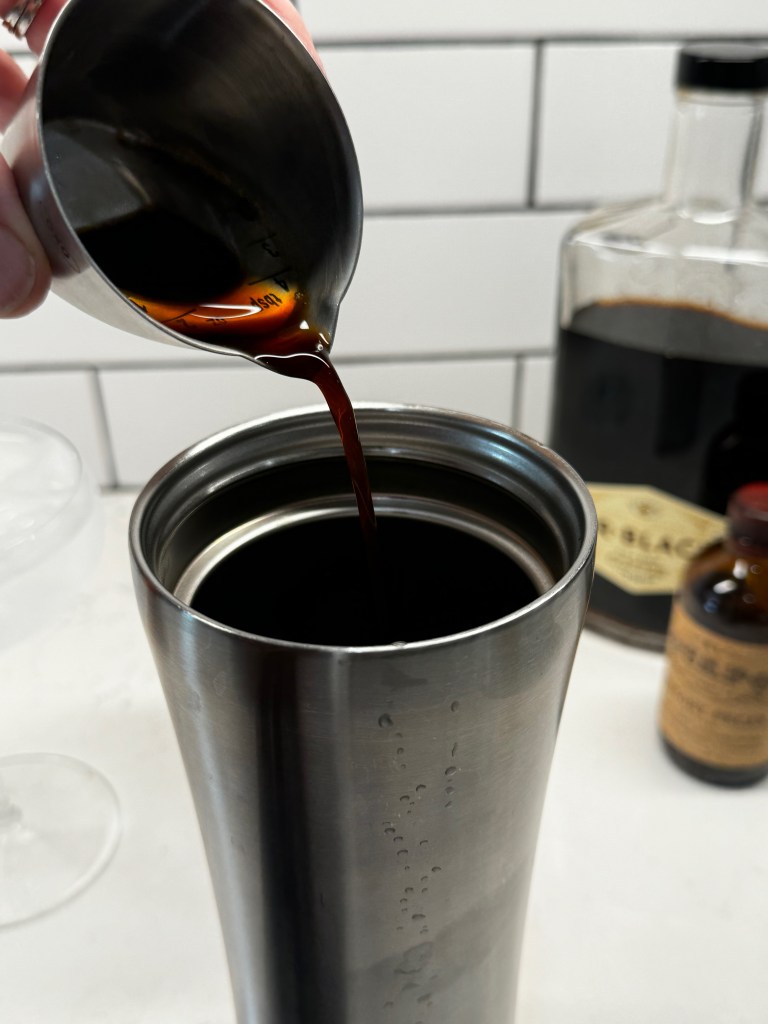
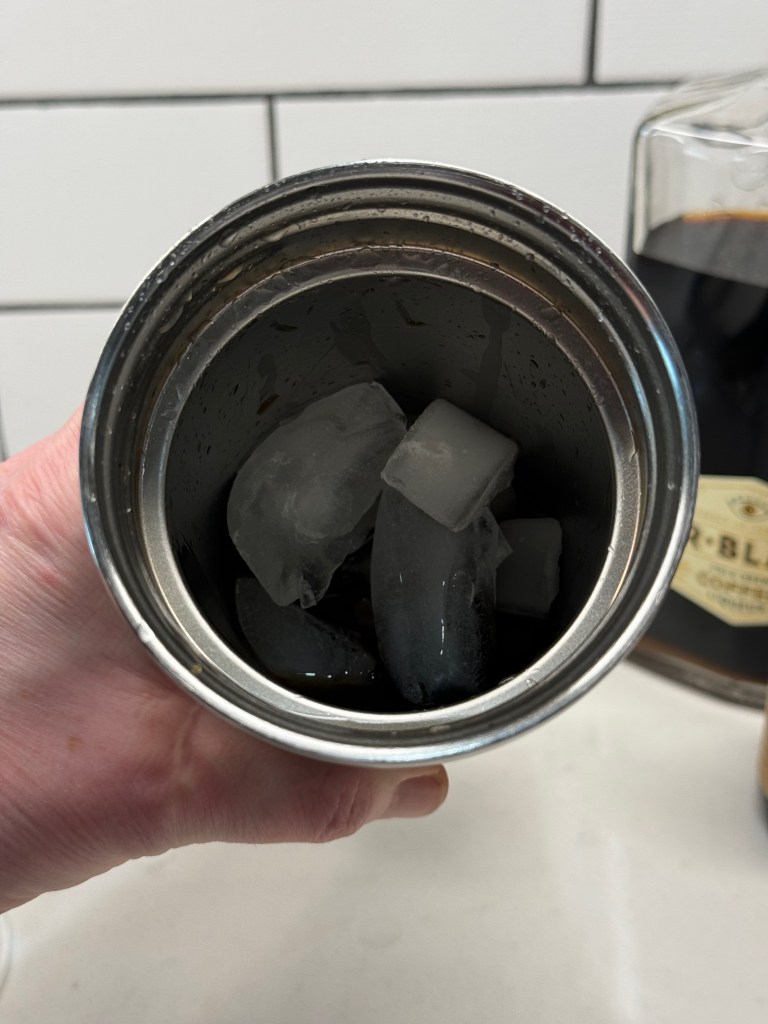
  2. Measure vodka, Mr. Black, cold brew concentrate, simple syrup and bitters into a cocktail shaker. Add one cup ice and shake vigorously to blend and dilute the drink.
  3. In a separate glass, measure the additional cold brew concentrate and simple syrup. Use the milk frother to whip this into a foamy mixture.
  4. Dump out the ice chilling your glass. Pour the foam directly into the glass, and then pour the espresso martini over the foam. If you prefer, pour the cocktail first and the foam on top; either way, the foam will stay on top.
  5. Garnish with a pumpkin spice biscotti, if desired.


Cinnamon Espresso Negroni

If your social media feeds are flooded with Negroni cocktails lately, there’s good reason. It’s ā€œNegroni Week,ā€ an event launched in 2013 by Imbibe (print and online) magazine and Campari as a means to spotlight a worldwide sustainable food movement called Slow Food. This program has an ambitious but very noble goal of ensuring ā€œgood, clean and fair foodā€ for all human beings everywhere. I’m all for feeding people good food, but let’s explore how a cocktail benefits this cause. The organizers pitched an idea to the hospitality industry— register your venue with the Negroni Week site, and share a percentage of Negroni sales to benefit the Slow Food movement. That might not seem like much but to date, they’ve raised more than $5 million, so it’s working!

You can learn more about Slow Food here: https://www.slowfood.com/, and find a participating Negroni Week venue near you here: https://www.negroniweek.com/find/. If you can’t find a local bar that’s taking part in the annual event, why not donate to a similar cause close to home and make the cocktail (or some version of it) yourself? I’ll show you how.

What exactly is a Negroni?

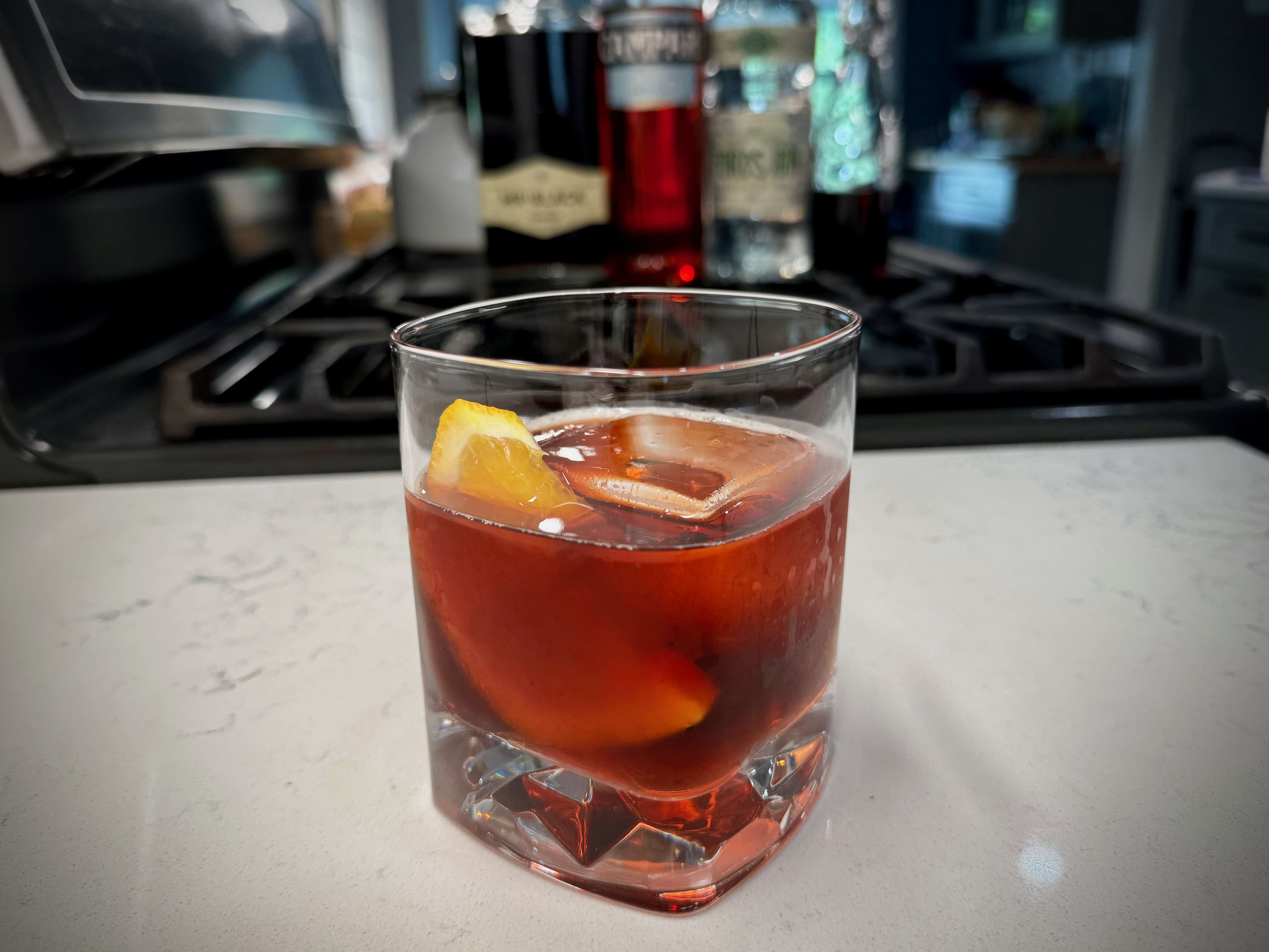
The Negroni cocktail— invented in 1919 in Italy— is traditionally considered to be an ā€œequal partsā€ drink with dry gin, sweet vermouth and Campari, the bright red Italian bitter aperitivo. The components are stirred with ice and then the drink is garnished with a juicy slice of fresh orange. It is both refreshing and appetite-stirring, sophisticated yet bold and gutsy.

My first introduction to Negroni came only a few years ago (during Covid, probably), and it took me a while to consider making this drink at home. I didn’t want to drop big bucks on a bottle of Campari unless I was fully committed. The Negroni is what I call a ā€œstrong drinkā€ā€” it’s literally all booze— and if you can’t handle bitter, you definitely don’t want one. But there is something that really works about combining these spirits, and now that I’ve acclimated to it, I cannot refuse a Negroni.

Of course, me being me, I have joined the throng of amateur and pro mixologists on a mission for new ways to twist up this classic. There are already several notable riffs out there, including many that swap the gin for various other base spirits, including bourbon, rum and tequila. I enjoyed a particularly good Negroni variation that subbed Spanish sherry for the vermouth and Cynar for the Campari when we visited CĆŗrate in Asheville, North Carolina. I can still taste it in my mind. It was so good.

The base personality of a Negroni is the botanicals and bitterness— if these are not your thing, stick with a vodka martini or an old fashioned. But if you do happen to enjoy an adventurous, spirit-forward cocktail that whets the appetite before dinner, I propose my take on this lovely libation for Negroni Week 2024. Cheers!

Cinnamon Espresso Negroni

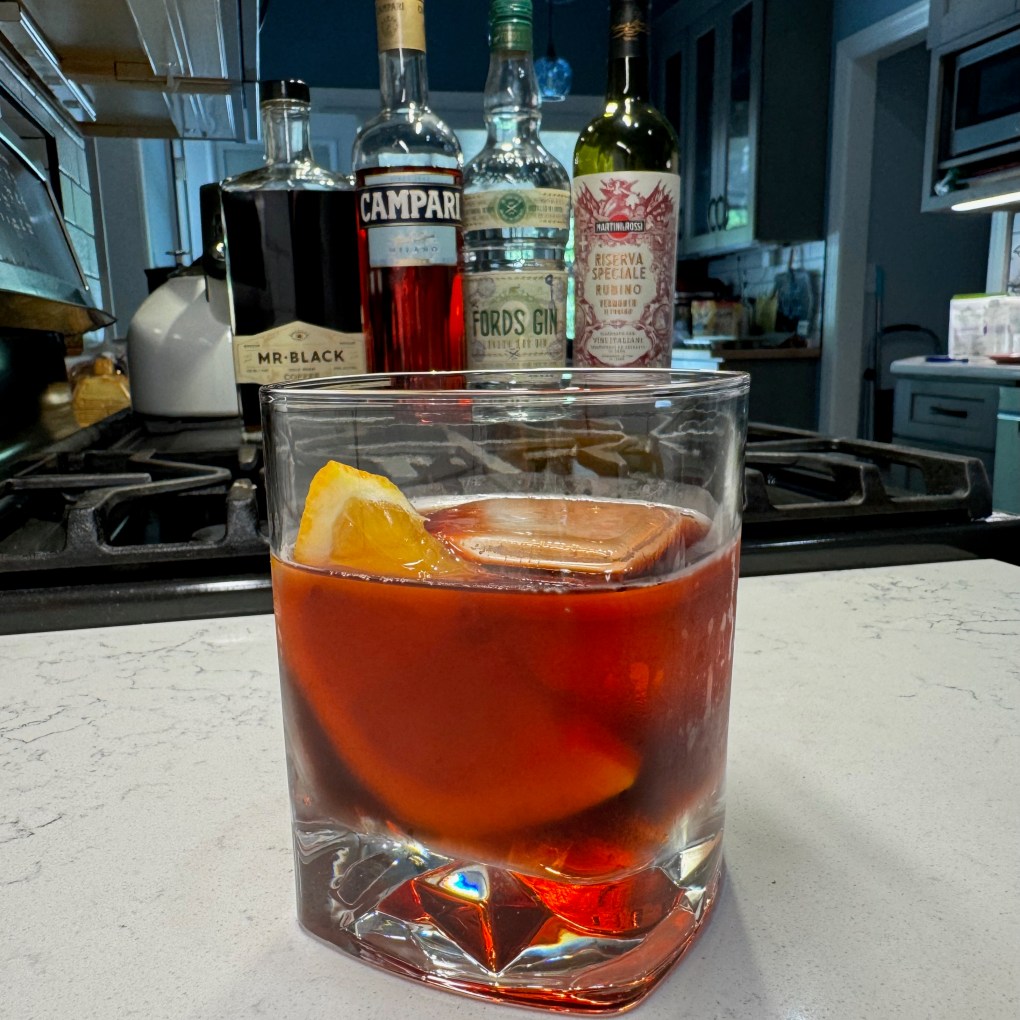
The color and aroma of this drink are really special!

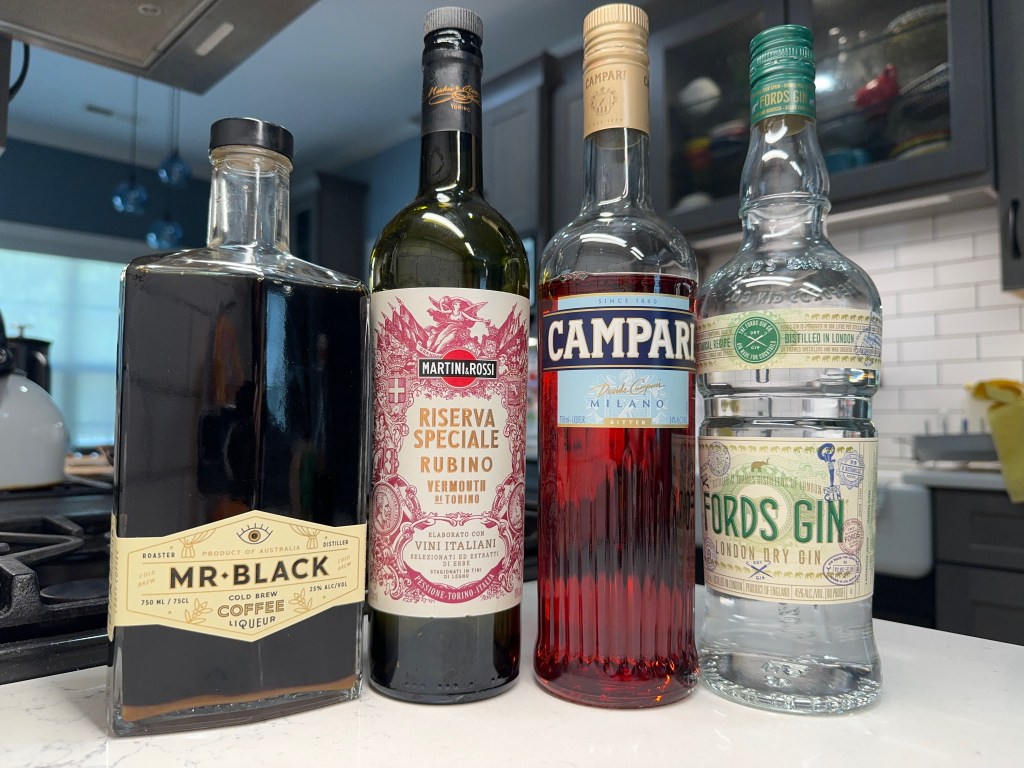
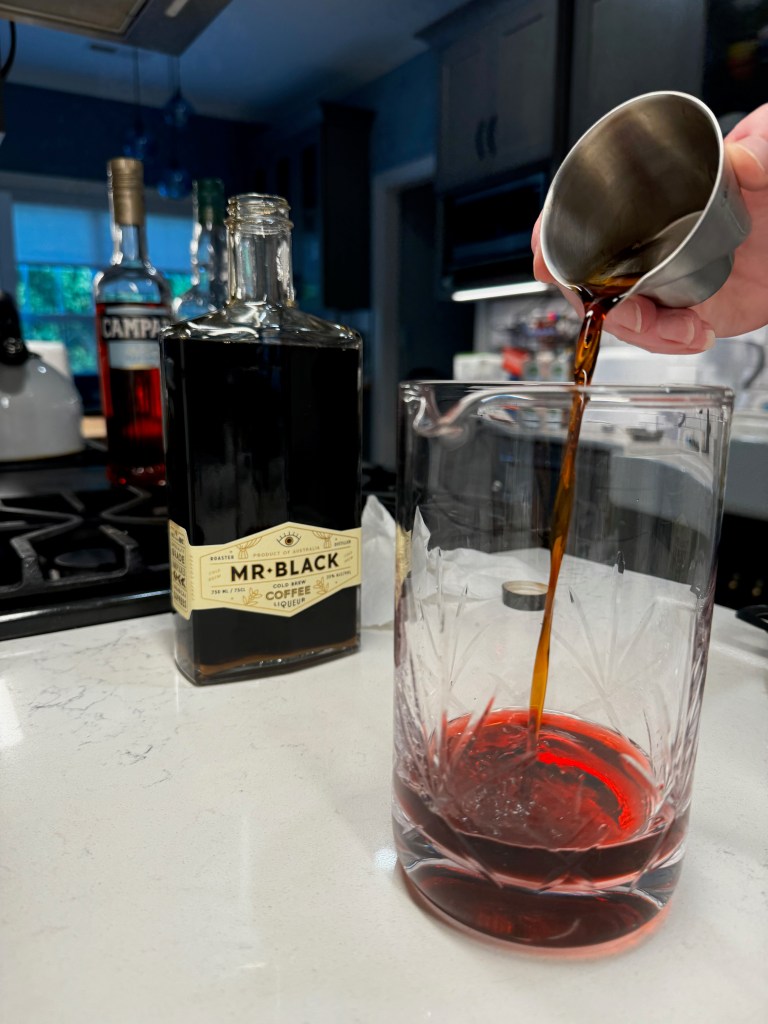
My version includes a couple of twists, including addition of cold brew coffee liqueur. I split the Campari element of the drink 50/50 with the coffee-flavored spirit I like best, Mr. Black. Yes, you could use Kahlua, Tia Maria or Grind Double Espresso liqueur, but I find all of these rum-based spirits to be too sweet for Negroni. Mr. Black is a vodka base, so the emphasis is on the coffee. I had to search for months to find it because our state-run liquor stores are pitifully limited in inventory, but it was worth the wait. I also happen to like Mr. Black in an espresso martini, which I am still working on and will share when I get there.

Ford’s is my house brand of gin. Any London dry is suitable for Negroni, so use your favorite.

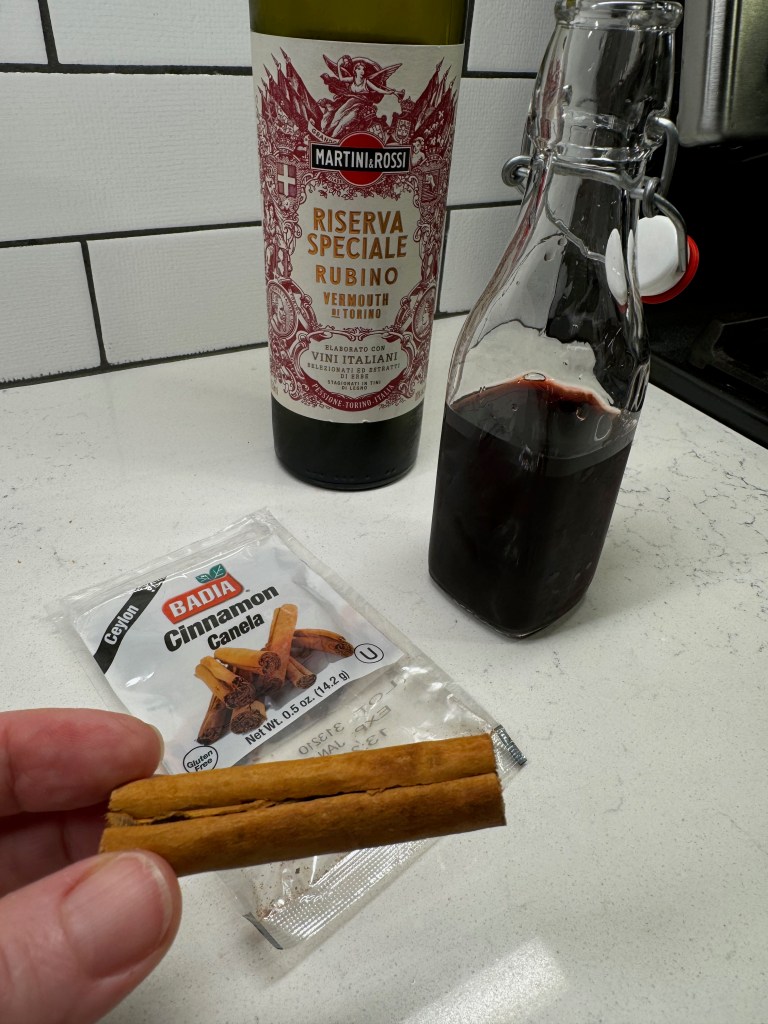
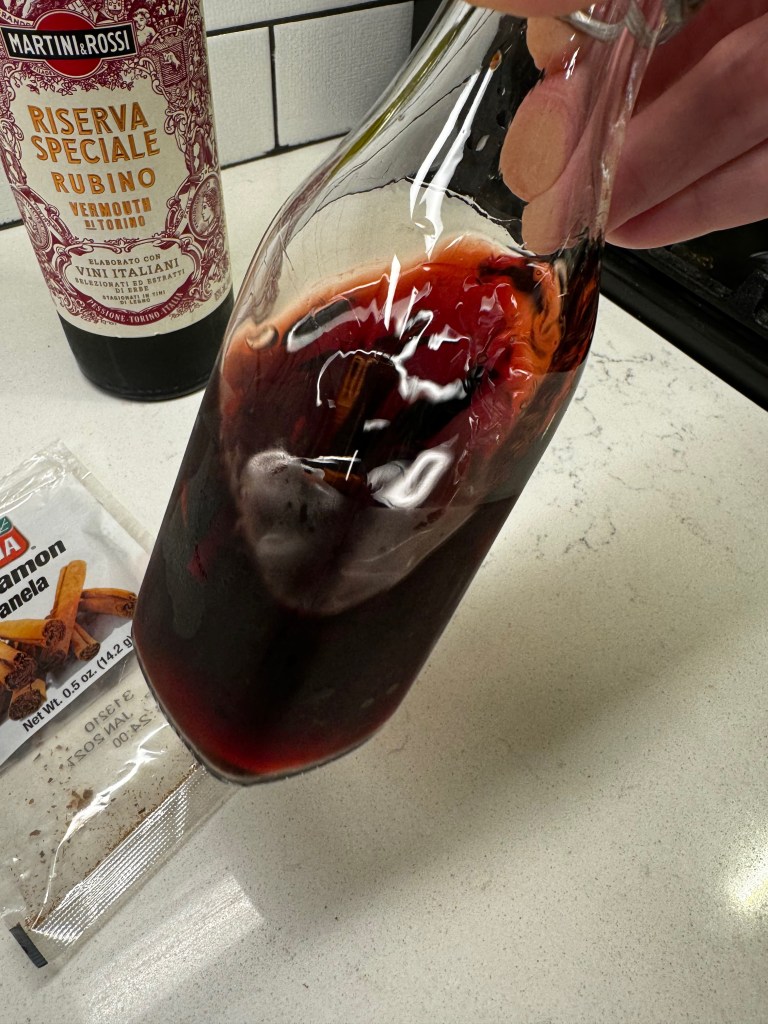
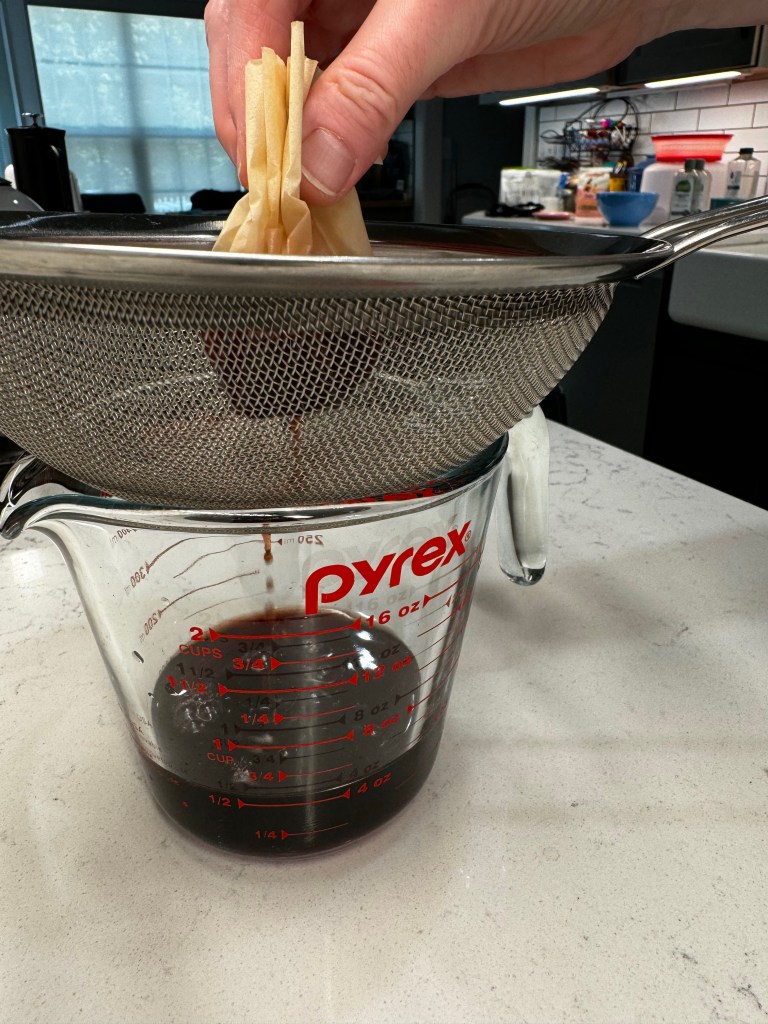
The cinnamon enters the mixing glass in the form of an infusion in the sweet vermouth, and this requires a bit of advance preparation. I added a ceylon cinnamon stick to the vermouth in a small bottle and gave it a day and a half before straining out the cinnamon and filtering the vermouth back into the bottle.


The cinnamon lends a delightful warmth to the vermouth that spices up my Espresso Negroni in the best possible way, and I cannot wait to try this in a Manhattan. My vermouth brand is Martini & Rossi Riserva Speciale Rubino. I’m willing to pay a bit more for the spicy richness and deep ruby red color of this premium vermouth. I panicked last year when our Total Wine stores stopped carrying this product, and then I remembered— it’s a fortified wine, legal in my state for online purchase. Sure enough, I hit the buy-it button on the M & R website and had two bottles shipped directly to my door within days. Thank you, internet! If you already have a favorite sweet vermouth, I’m sure it’ll be just fine.

Campari is what it is, and frankly, there is no true substitute. It is bright red, bitter and complex. Don’t be fooled by other spirits that cost less and claim to be the same— they’re not. If a Negroni riff calls for something else, then the substitute probably works with the other ingredients. But if you love the classics, or if you’re trying a Negroni for the first time, Campari is the right stuff. Also, because Campari is a presenting sponsor of Negroni Week, your purchase will help the sustainable food cause in a secondary way, even if you don’t find a bar participating in Negroni Week.

How to Make a Negroni


The traditional way to make a Negroni is to build it directly in the glass over ice, but that’s not how I like to do it at home because I prefer equal dilution of the ingredients. Here’s what I mean— let’s say you start by pouring the gin first; it’s generally room temperature and it’s going to start melting the ice immediately. If the vermouth goes in next, and the Campari at the end, both are going to be less diluted than the gin because the total contents of the glass are already cold.

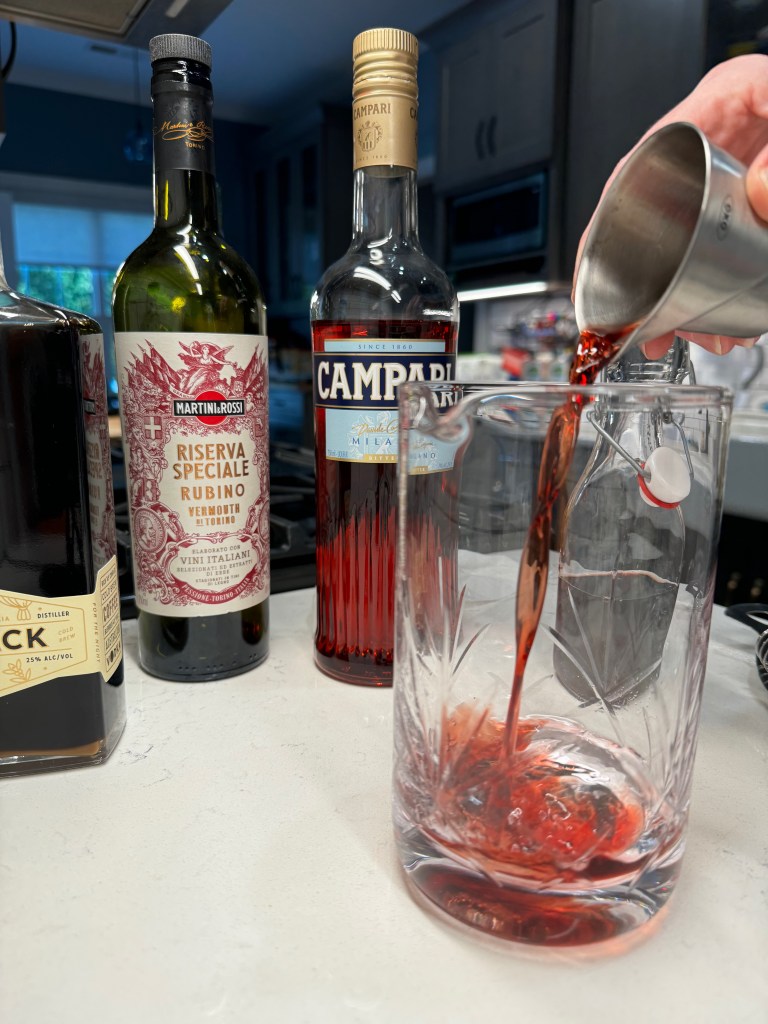
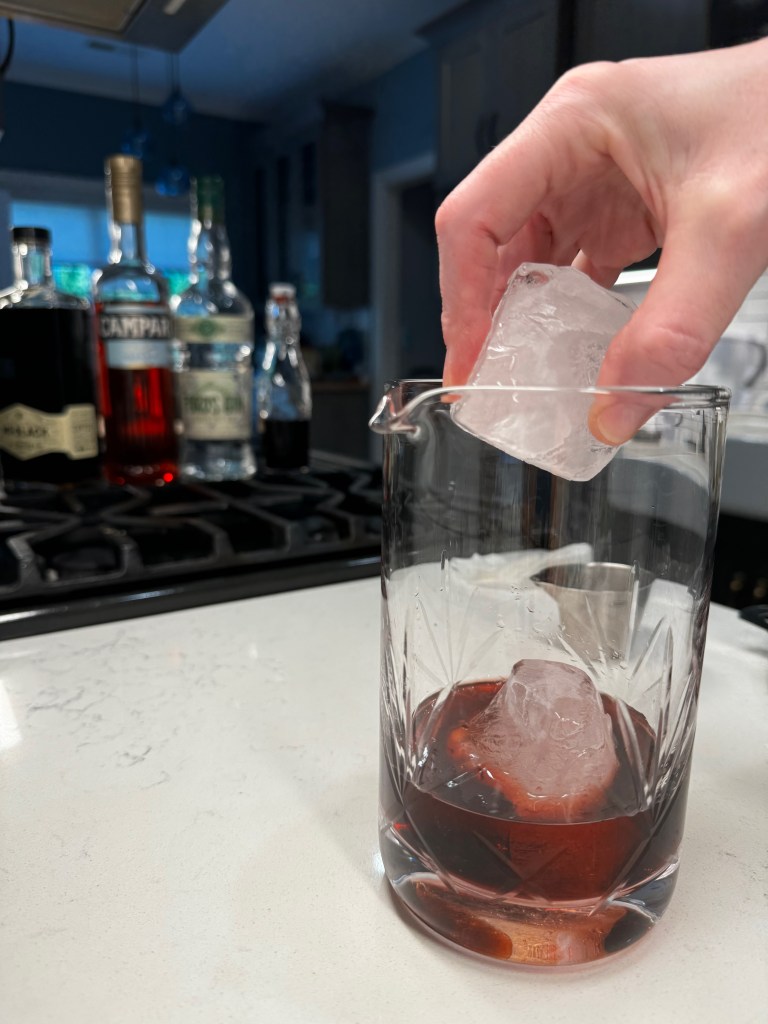
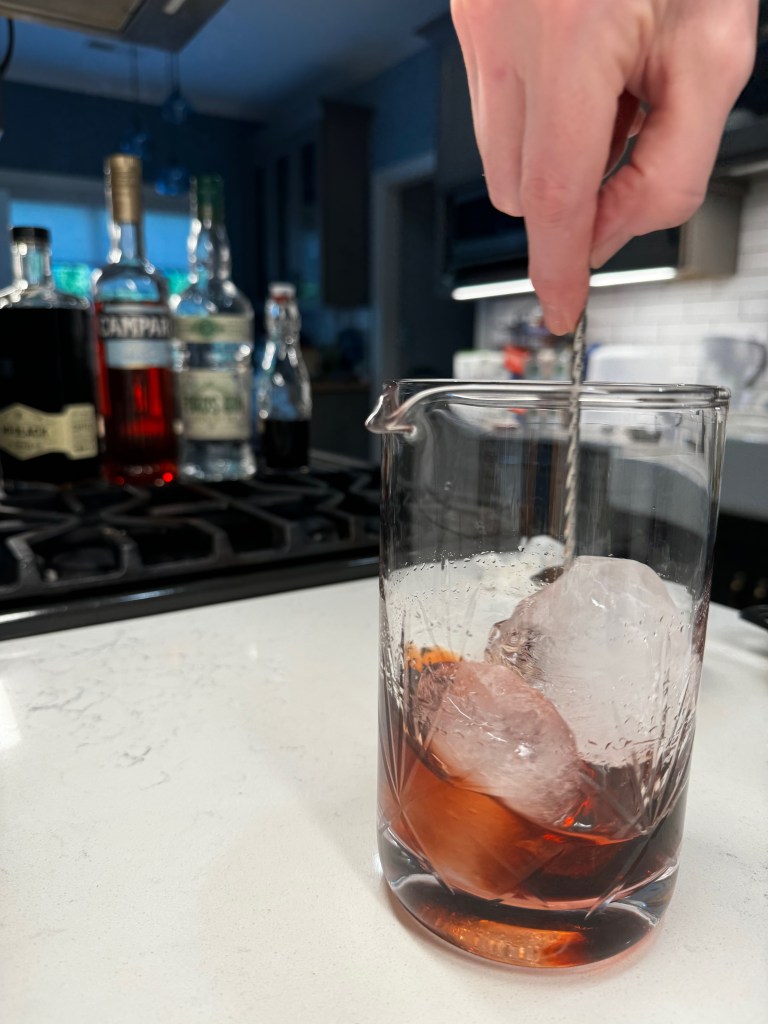
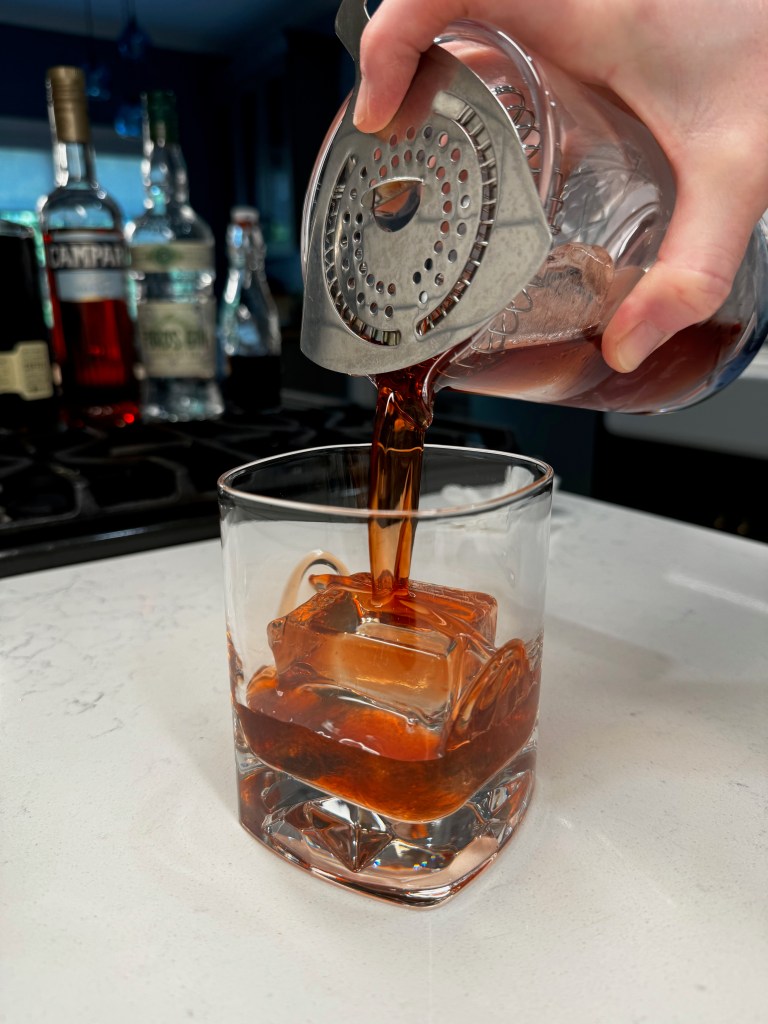
Mixing the ingredients in the glass and then adding the ice doesn’t work for me either, because my giant ice cube will melt at the bottom, creating a weird, top-heavy shape. So what’s the solution? My go-to method is to add the ingredients to a mixing glass first, then add a bunch of ice to chill the whole thing down quickly. Give it a gentle stir for about 30 seconds, or until the outside of the mixing glass is nice and frosty. Then strain it over a big cube of clear ice for a perfectly diluted, evenly chilled cocktail.


Cinnamon Espresso Negroni

  • Servings: 1 cocktail
  • Difficulty: Average
  • Print

For Negroni Week, I am sharing my own favorite variation including espresso liqueur and my favorite autumn spice. Infusing the sweet vermouth with cinnamon lends a warm, familiar flavor to the classic Italian cocktail.


Ingredients

  • 1 oz. London dry gin
  • 1 oz. cinnamon-infused sweet vermouth (recipe below)
  • 1/2 oz. Campari
  • 1/2 oz. Mr. Black cold brew coffee liqueur (see notes for substitution ideas)
  • 1 cup ice
  • Orange slice for garnish

Notes: If you cannot find Mr. Black liqueur, you may substitute another coffee liqueur, but note that most of them are sweeter and this will change the outcome of the drink. My suggestion would be to sub in an equal measure of cold brew concentrate, which you can find in the coffee aisle of the supermarket.

Directions

  1. Add gin, vermouth, Campari and coffee liqueur to a cocktail mixing glass. Add a generous amount of cracked ice and stir about 30 seconds for proper dilution and chilling.
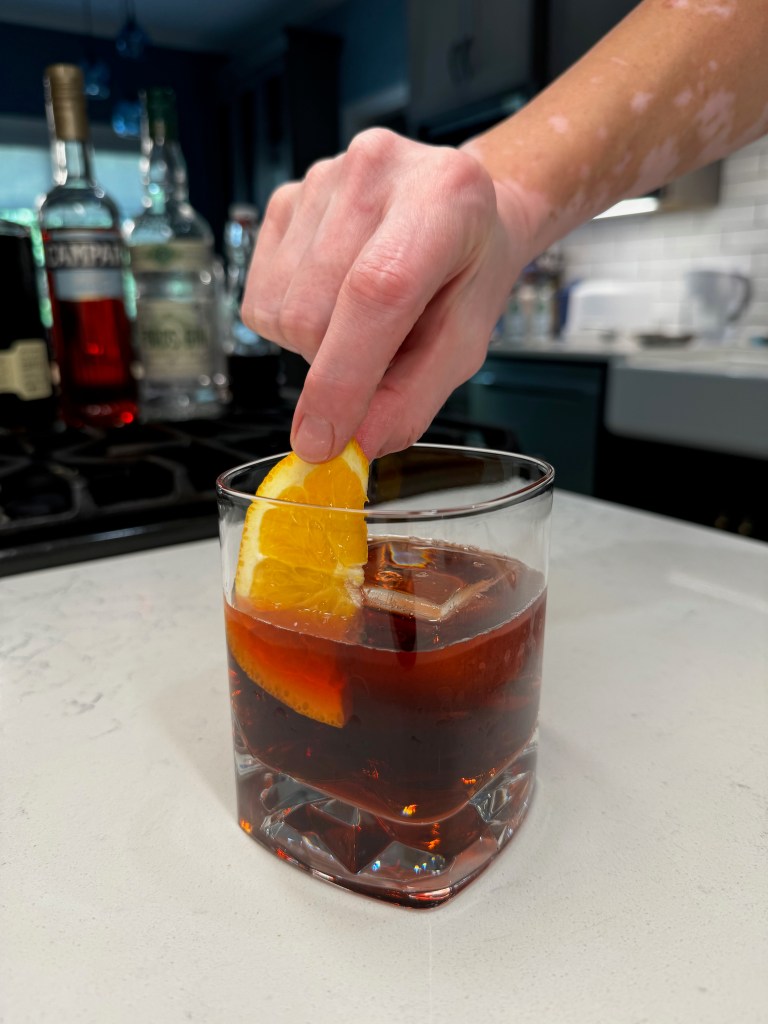
  2. Strain over a large, clear ice cube into a double rocks glass. Garnish with the orange slice.

For the cinnamon-infused sweet vermouth: measure out six ounces of vermouth into a mixing bottle or clean jar. Add a 3-inch piece of whole cinnamon stick and infuse 24 to 36 hours in the refrigerator (where vermouth should live anyway). Strain out the cinnamon stick and any lingering shreds through a coffee filter-lined mesh strainer; return the vermouth to the bottle or jar and keep in the fridge for up to two weeks. This will be enough for six Negroni cocktails.


Pineapple-Coconut Margarita

Does it seem odd that the first recipe I post after the announcement of my husband’s ā€œget healthierā€ initiative is a cocktail? Yes, of course it does. This is one of those awkward food blogging moments where things seem out of order. But Thursday is National Margarita Day, and I’ve been planning this post since before Les saw the light. With tequila being one of the lowest calorie spirits, I figure that a margarita is a reasonable, if only occasional, splurge. Besides, if you’re cutting back on cocktails while implementing a new eating plan, it’s best to make that once-in-a-while drink a good one, and make it at home for Margarita Day or any other day you’re craving refreshment.

I think I can see warmer weather just ahead!

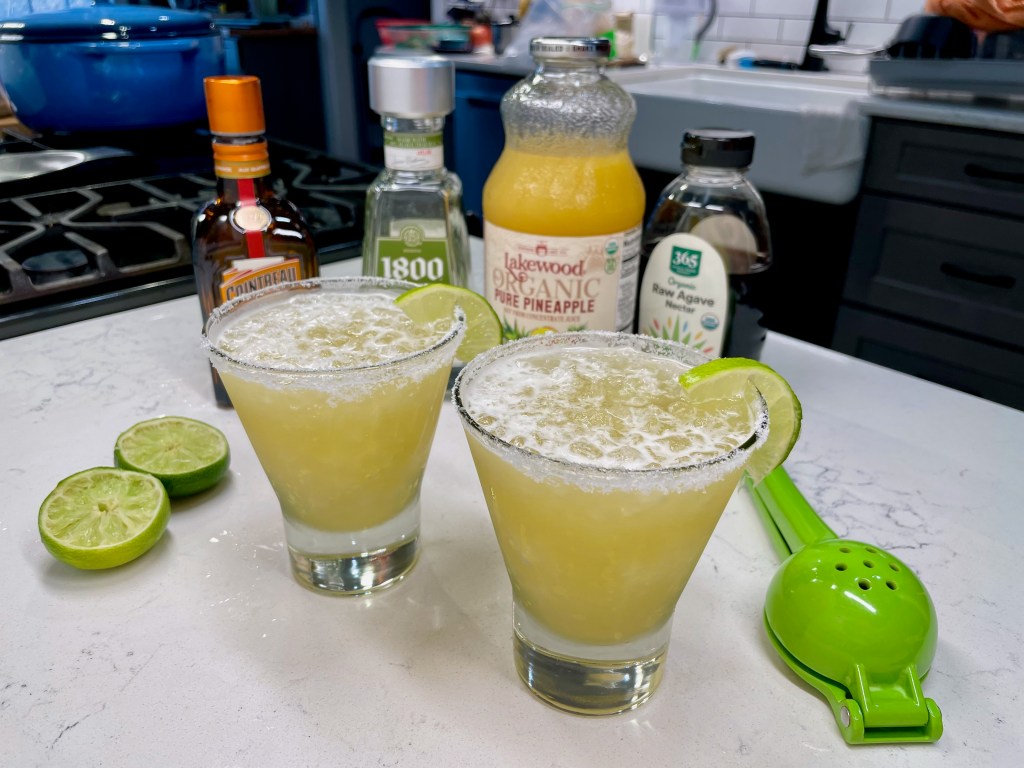
The margarita is one of the easiest drinks to modify with fun, flavorful twists, and this one is working a tropical vibe with pineapple and coconut, without being overly sweet. What makes it a ā€œmargaritaā€ (which translates to ā€œdaisyā€ in Spanish) is tequila, orange liqueur, fresh lime and a touch of sweetener. The rest is up for grabs; just don’t go too crazy mixing in other flavors or you’ll have yourself a boozy mess and probably feel terrible in the morning (especially if the add-ins are sweet). If you generally associate margaritas with hangovers, here’s my theory: you probably had too many, made with cheap tequila (it didn’t have a worm, did it?) and a crappy mixer, and possibly in a chain restaurant.

My personal rules for margaritas are simple— use good quality tequila, freshly squeezed citrus (never a bottled mix!) and give it a fresh garnish. We eat and drink with our eyes, and when my husband and I entertain, it seems that the garnish is what always makes guests ooh and aah, so I consider it as crucial as the other ingredients. For this drink, I’m keeping it simple with a lime slice on the edge of the glass.

This is the beginning of a beautiful relationship.

I love this 1800 Coconut, a blanco tequila first recommended to me by my cousin-in-law, Will. The differences between this and some other ā€œflavoredā€ spirits are that the coconut is subtle and natural, it has no added sugars, and— at 70 proof— it still has a nice little kick. It’s mellow enough to sip with just an ice rock (as Will does), but it is also terrific paired with another tropical flavor, especially pineapple.

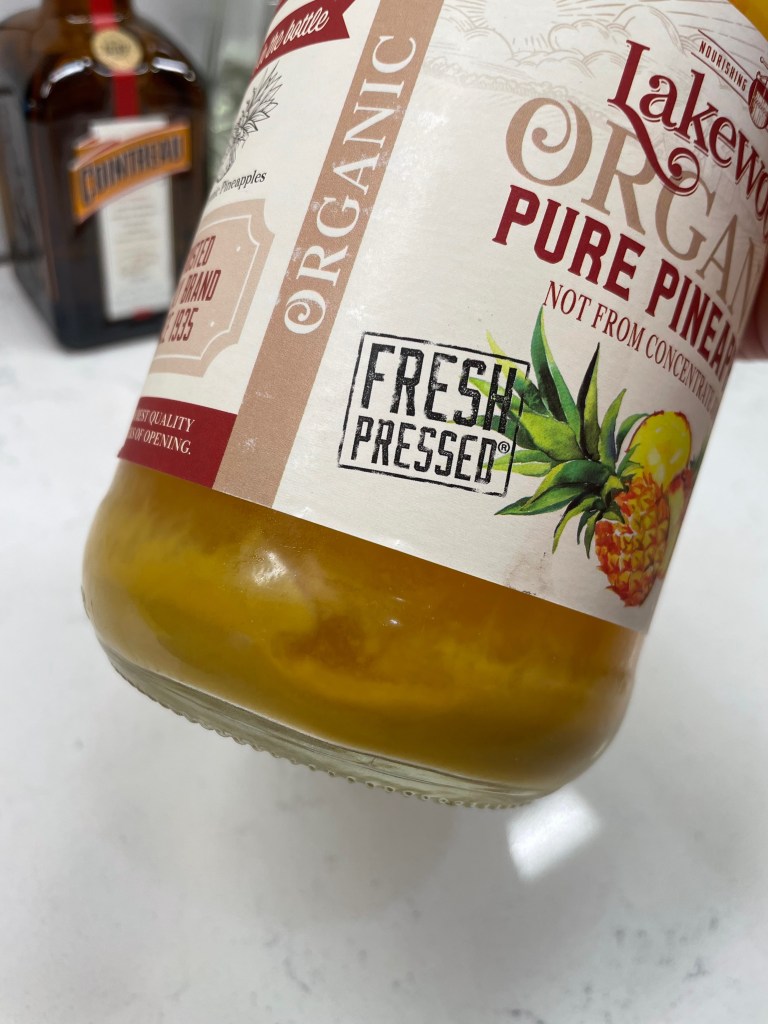
This time of year, bottled pineapple juice is likely to be tastier than any fresh pineapple you’d pick up at the supermarket, and I typically choose a large bottle over the individual cans because my sensitive tastebuds pick up that tinny flavor. Choose a juice with minimal ingredients, and preferably one that is made from fresh-pressed pineapple rather than concentrate. Be sure to give it a good shake, as the heavier pulp of the juice settles to the bottom, and that’s where most of the flavor is.


Triple sec is a standard ingredient in a margarita, but I prefer the higher end, more intense orange flavor of Cointreau. Fresh lime is a must (please don’t use the bottled stuff) and to keep the drink lightly sweet, just a quick squeeze of agave syrup— paying respect to the plant that gave us tequila in the first place.


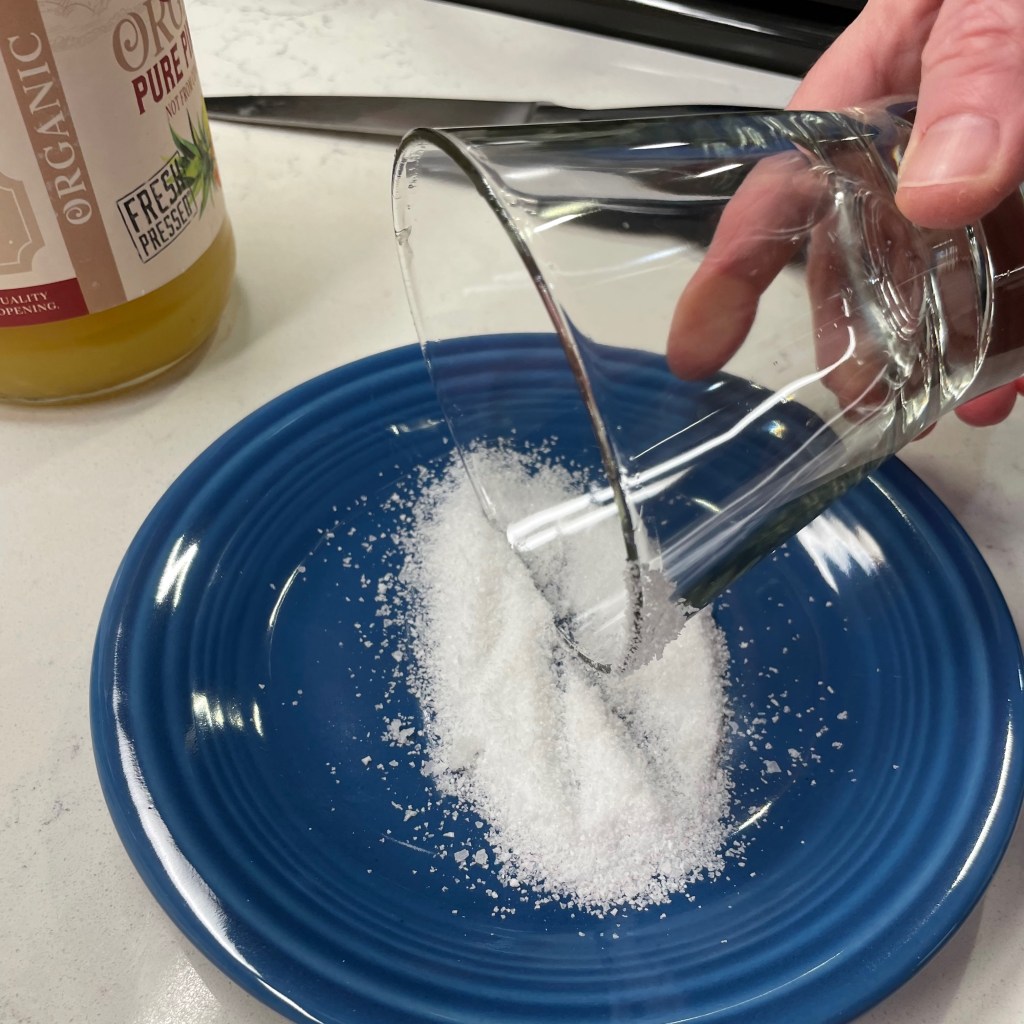
I know that some people have strong feelings about the salt rim, and I’m here to represent those who love it. But I don’t care for the commercial stuff that is ā€œmadeā€ for margaritas, because it tends to have a slight chemical flavor and I truly hate when those gigantic chunks of salt fall into my drink. My preference is for a delicate rim of fine sea salt, which is easily adhered only to the outside of the rim after a quick swipe of fresh lime.

It’s great if you have time to do this ahead so the salt has time to set.

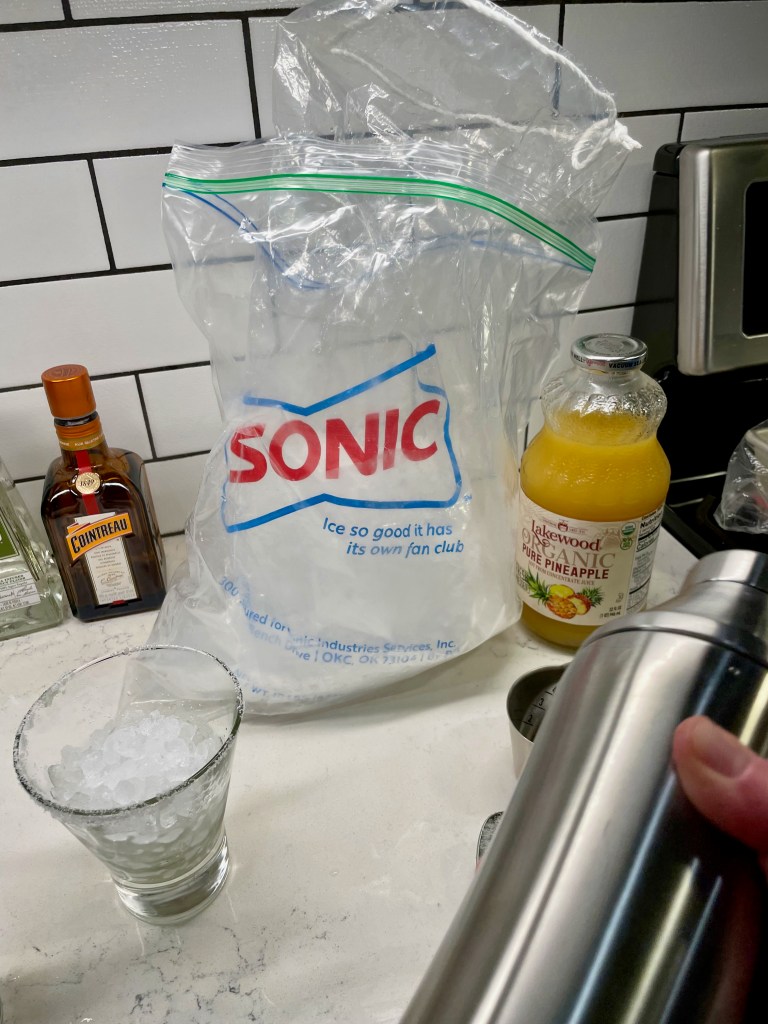
Finally, the ice! If you don’t already know that you can purchase a large bag of perfect pellet ice from Sonic, the drive-in fast food joint— well, now you do! This is a far cry from the crushed ice your refrigerator door will give you. Each pellet is a crystal clear chunk of flaky ice, and a scoop of this ice keeps a cocktail cold much longer than you might expect. If you’re only making a couple of drinks, a large cup of Sonic ice will probably cover it; I’ve been buying the 10-pound bags for just $3.50 and have found that it will keep in the freezer (double-bagged) for a few weeks. 


So there you have it— a tropical twist for National Margarita Day! Shake it up with plenty of ice, pour it into the icy glass, add more ice to top off the glass, garnish and enjoy. For those on a calorie budget, this tasty cocktail checks in at 211 calories, made exactly as written.


Pineapple Coconut Margarita

  • Servings: 1 cocktail
  • Difficulty: Average
  • Print

Here's a fun tropical twist on a classic margarita! Use the best ingredients you can find for a memorable cocktail at home.


Ingredients

  • 1 1/2 oz. 1800 Coconut tequila
  • 1 1/2 oz. fresh pineapple juice
  • 1/2 oz. Cointreau
  • 1/2 oz. freshly squeezed lime juice
  • 1/2 oz. agave or simple syrup
  • Sea salt to rim the glass and a lime slice to garnish

Note: To salt the rim of the glass, swipe a fresh lime slice around the outer edge of the glass, and then roll it on salt poured out onto a plate or paper towel. Do this in advance, if possible, so that the salt has time to set as the lime juice dries.

Directions

  1. Combine tequila, pineapple juice, Cointreau, lime juice and agave in a cocktail shaker. Add plenty of ice and shake for about 20 seconds.
  2. Strain into a prepared cocktail glass. Top off with additional ice, if necessary, and garnish with a lime.


Pomegranate-Amaretto Holiday Spritz

In all my working days— even those that I spent pitching in for a catering company— I never had a work assignment that involved developing a cocktail. Until now!

The second half of this year has been a wild ride for me, as I assumed a management role of sorts in the company where I’ve been working for the past decade. I’ve been busy since July learning new processes and data systems, tackling the billing records and helping other departments in our parent company learn more about my lesser-known branch of the business. It’s been exciting, exhausting and rewarding all at once.

With these new responsibilities came introduction to new people in the company, including my new direct supervisor, John. We’ve only met online, as he is based in northern California and I’m in central North Carolina, but we connect regularly for one-on-one updates, and he perked up in one of our early, get-acquainted conversations when he learned that I do a food blog. At the end of each monthly meeting, we usually squeeze in a little banter about the most interesting thing I’ve been cooking or shaking up that month. The rest of the department has not met me, though, and I’m told that John has been subject to some teasing by the team. They call me his ā€œimaginary friend!ā€ šŸ˜‚

That will change this afternoon when I join an online holiday-themed meeting with the whole gang. To help with introductions, John gave me an assignment— spend a few minutes describing my branch of the business, and a few more minutes instructing the team in making a holiday cocktail. So it’s true— my reputation as an amateur mixologist precedes me. I’m good with that!

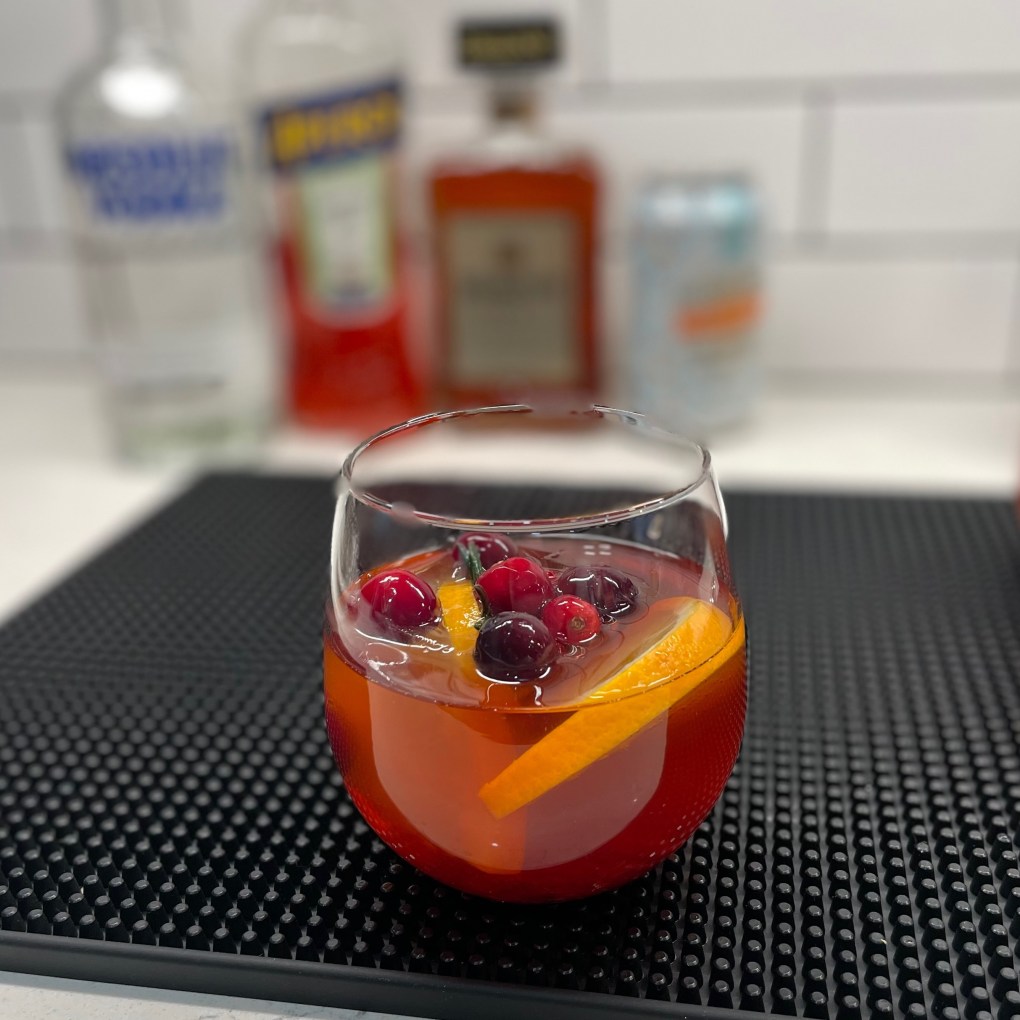
This cocktail even looks like Christmas!

The drink I’ve prepared is a fun and festive twist on a classic Italian Spritz, and I chose this approach for a few reasons:

  • It’s easy, made with widely available ingredients for a global audience.
  • It’s a good balanced drink— not too sweet or strong.
  • You don’t need fancy bartender tools, as this drink is built right in the glass.
  • It’s simple to sub in lighter ingredients for an alcohol-free version that is every bit as festive and sure to please the non-drinkers at your holiday gatherings.

So, what’s in this cocktail?

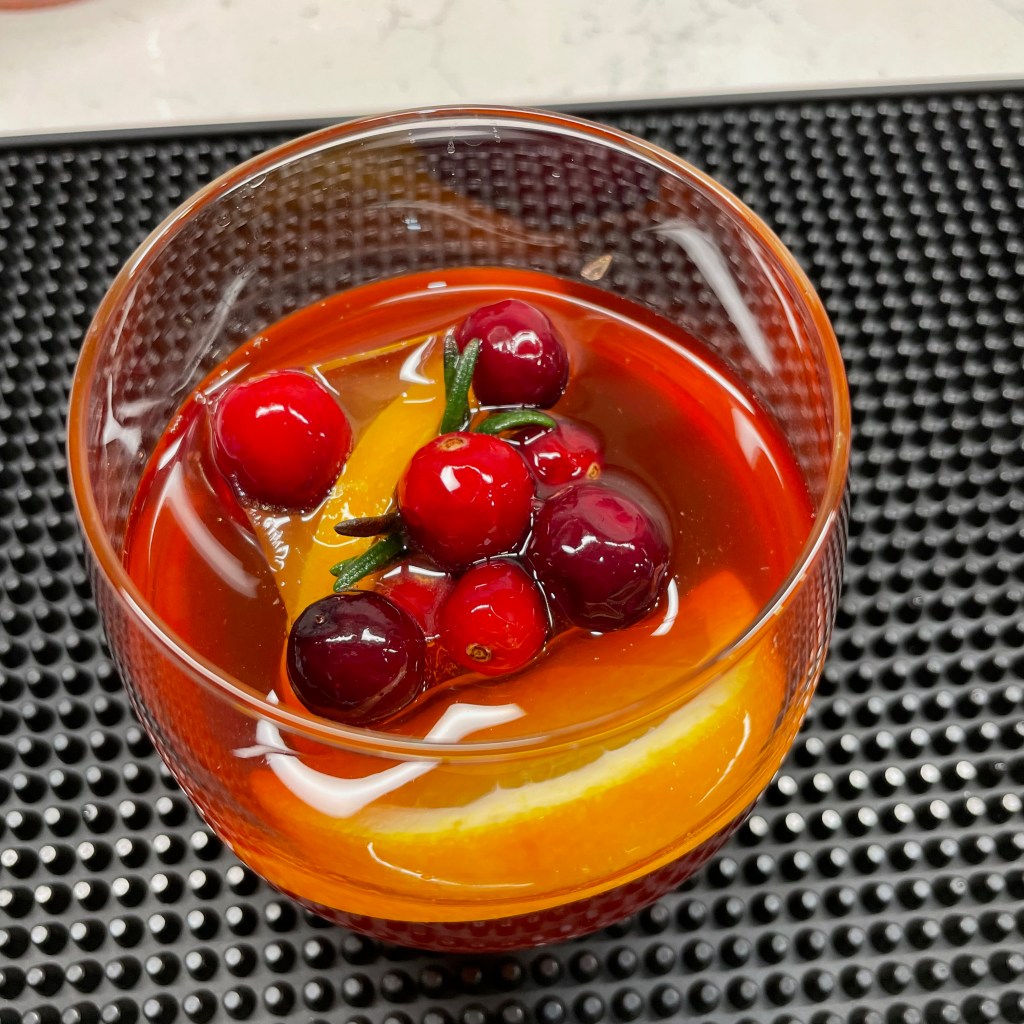
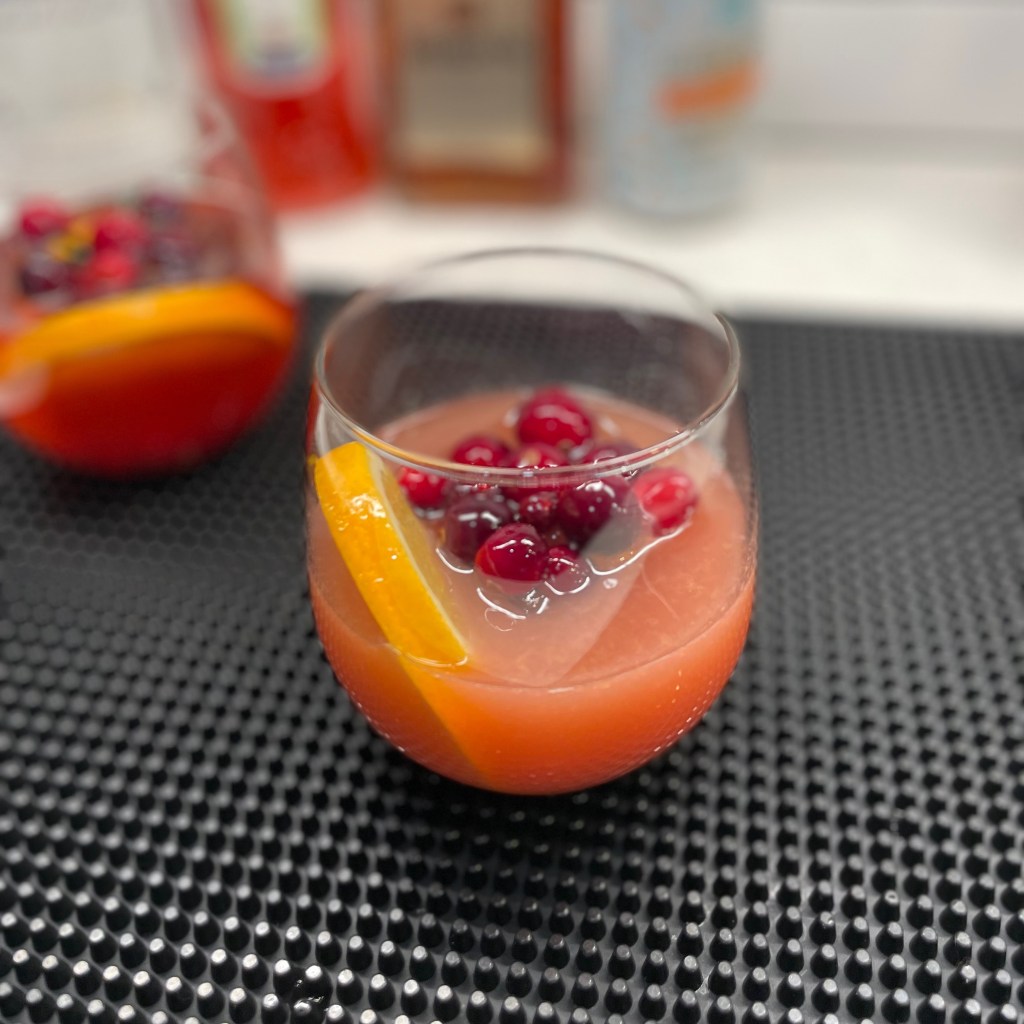
The almond and pomegranate flavors give a traditional Spritz a holiday flair.

The flavors in my Spritz are seasonal— tart pomegranate and sweet almond— paired with Aperol, the slightly bitter Italian aperitivo that hits the taste buds like a marriage of grapefruit peel and orange LifeSavers candy. If you are already a fan of Aperol, you’ll love this drink. If Aperol feels a little too bitter for you, then you’ll appreciate the way the amaretto and pomegranate calm it down. Vodka is the primary spirit of the drink, but if you want something lighter, the drink won’t suffer without it.


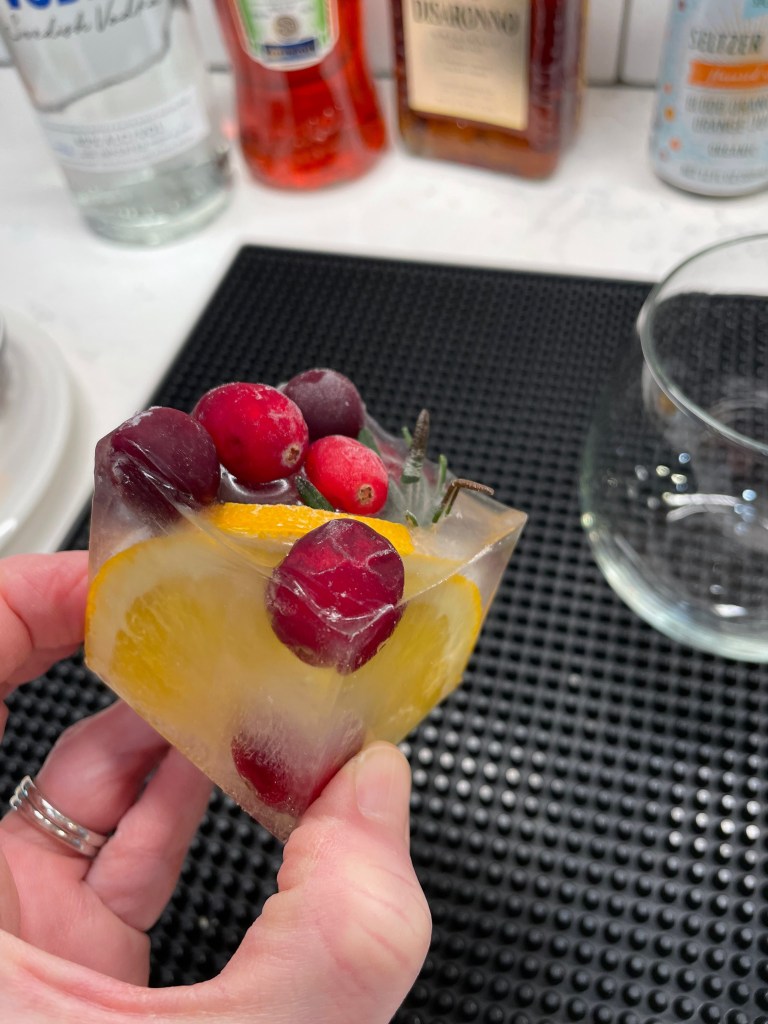
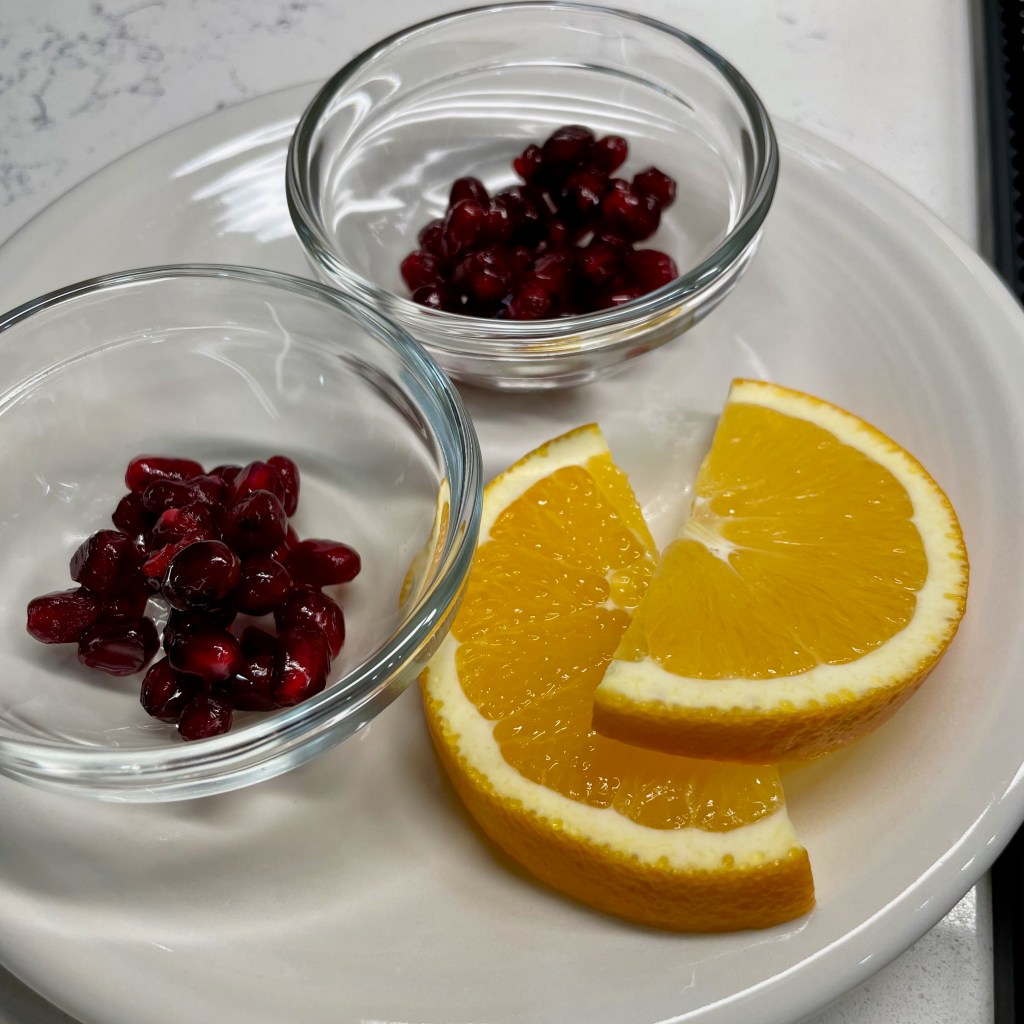
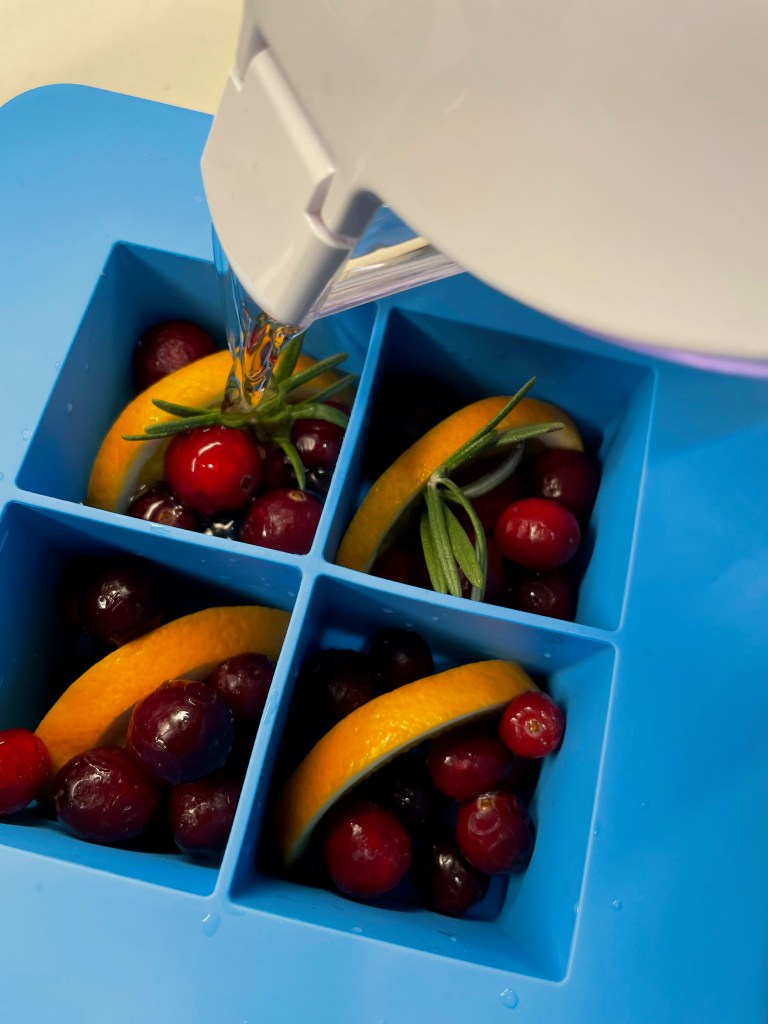
Don’t forget to garnish! A few pomegranate arils and a slice of orange in the glass will dress it up beautifully for the holidays and make a great impression! You know that I’m obsessed with fancy ice, too, and here I’ve found an easy way to make them extra festive, with orange slices, whole cranberries and a rosemary sprig frozen inside! My ice mold is made by True Cubes, but this trick should work with any silicone ice mold.


Finally, this drink is topped off with sparkling water or seltzer because everything feels fancier with bubbles. If you’re in the mood for a stronger topper, go with Prosecco, as with the classic Spritz. I personally think it’s just right with seltzer, especially one flavored with blood orange. šŸ˜‹


Can I get a no-booze version of this pretty drink?

Absolutely! The great thing about a drink made with fruit flavors is that it’s very adaptable to a no-alcohol or ā€œzero proofā€ version. 

This drink received rave reviews from non-drinkers at our house!

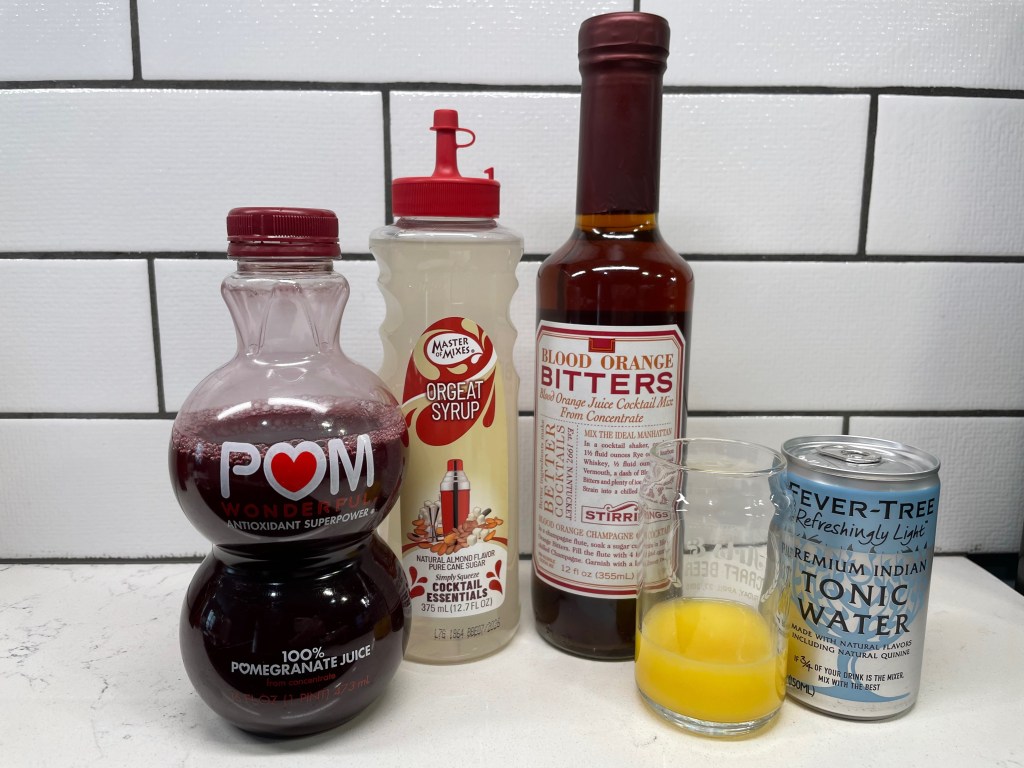
To maintain the good balance of sweet, tart and bitter, I’ll shift the ratio of ingredients slightly. Use non-alcoholic orange bitters to replace the Aperol and orgeat, an almond cordial syrup, as a stand-in for the sweetness of Amaretto. Freshly squeezed citrus is perfect here, and the pomegranate juice brings a little tartness. There’s no need to “replace” the vodka, which doesn’t have much flavor on its own. But if you’d like a little bite or tingle on the tongue, I have a trick for that, too. Tonic water!

The same flavors, but rearranged for a zero-ABV drink.

These alcohol-free ingredients are easy to find online or in the mixers section of a larger supermarket. You might also amp up the bitter orange flavor by crushing a piece of orange peel in the bottom of the glass. To give the drink a little ā€œbite’ that you would otherwise have in a spirited cocktail, top it off with tonic water rather than seltzer.

Cheers!

For your holiday enjoyment, two click-to-print recipe cards are available below, one for each version of my holiday Spritz. For readers abroad, I’ve estimated the measure amounts in milliliters. Feel free to adjust to taste!
Pomegranate-Amaretto Holiday Spritz

  • Servings: 1 cocktail
  • Difficulty: Easy
  • Print

This cocktail is a festive, seasonal twist on a classic Aperol Spritz. The drink can be built right in the glass, and a garnish of fresh fruit is a beautiful finish!


Ingredients

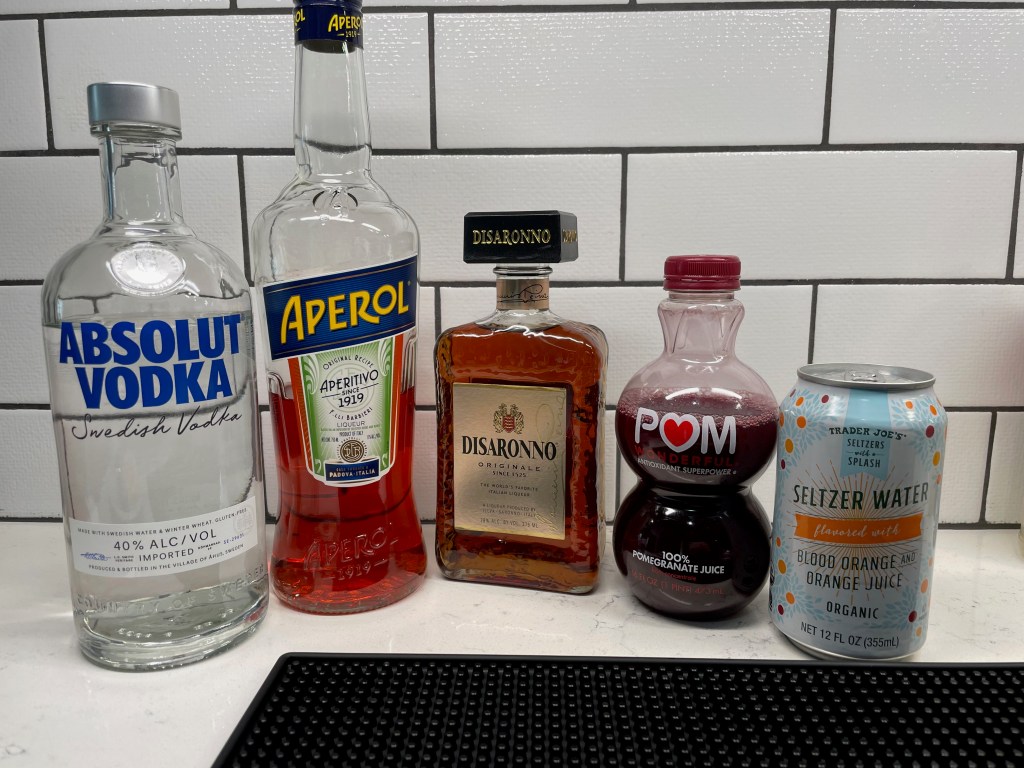
  • 1.5 oz vodka (40ml)
  • 1 oz Aperol (25ml)
  • .5 oz pure pomegranate juice (15ml)
  • .25 oz amaretto or other nut liqueur (10ml)
  • 2 oz. seltzer (or Prosecco, for a stronger drink)(50ml)
  • Pomegranate arils and fresh orange slice for garnish

Note: Hazelnut or pistachio liqueur would be an interesting substitute for the amaretto in this cocktail. If nut allergies are a concern, consider adding something with a touch of vanilla or ginger for an extra little something.

Directions

  1. Measure vodka, Aperol, pomegranate juice and amaretto into a large cocktail or wine glass. Stir gently to mix.
  2. Add ice and top off the drink with seltzer. Give it a quick little stir to activate the bubbles. Add garnish as desired.


No-alcohol Pomegranate-Almond Holiday Spritz

  • Servings: 1 drink
  • Difficulty: Easy
  • Print

The seasonal flavors of pomegranate and almond give this drink a festive feel without any of the consequences of alcohol! Look for orgeat and alcohol-free orange bitters online or in the mixers section of a larger supermarket.


Ingredients

  • 1.5 oz. freshly squeezed orange juice (40ml)
  • .75 oz. pomegranate juice (20ml)
  • .25 oz. orgeat (almond cordial syrup)(10ml)
  • .25 oz. non-alcoholic blood orange bitters (10ml)
  • 2 oz. seltzer (or tonic water, for a drink with more “bite”)(50ml)
  • Pomegranate arils and fresh orange slice for garnish

Note: If you cannot find the orgeat, consider using almond syrup, similar to what is used in fancy coffee shops. In a pinch, you can replicate the orange bitters by crushing a piece of fresh orange peel in the bottom of the glass before mixing the other ingredients.

Directions

  1. Measure orange juice, pomegranate juice, orgeat and bitters into a large cocktail or wine glass. Stir gently to mix.
  2. Add ice and top off the drink with seltzer or tonic water. Give it a quick little stir to activate the bubbles. Add garnish as desired.


Spicy Pineapple Daiquiri

I know, I know, the whole ā€œnational-whatever-dayā€ may seem a little overboard to some, but the idea of dropping a spotlight onto a special food or drink is fun for me. Without this occasion of National Daiquiri Day, I’d be muddling through a regular old, hum-drum Wednesday. Oh yes, this is much better!

Happy daiquiri day!

If you have never made a daiquiri, I can tell you from experience that it is one of the simplest cocktails out there. Rum, sugar and lime is the essence of this drink, though you have probably also seen variations that included strawberry, and options for the drink to be served frozen, almost like a slushy. Given the brutal heat that is gripping so much of the U.S. this week, nobody would argue against a slushy cocktail right about now, right?

When people are paid fairly for producing excellent products, everyone wins!

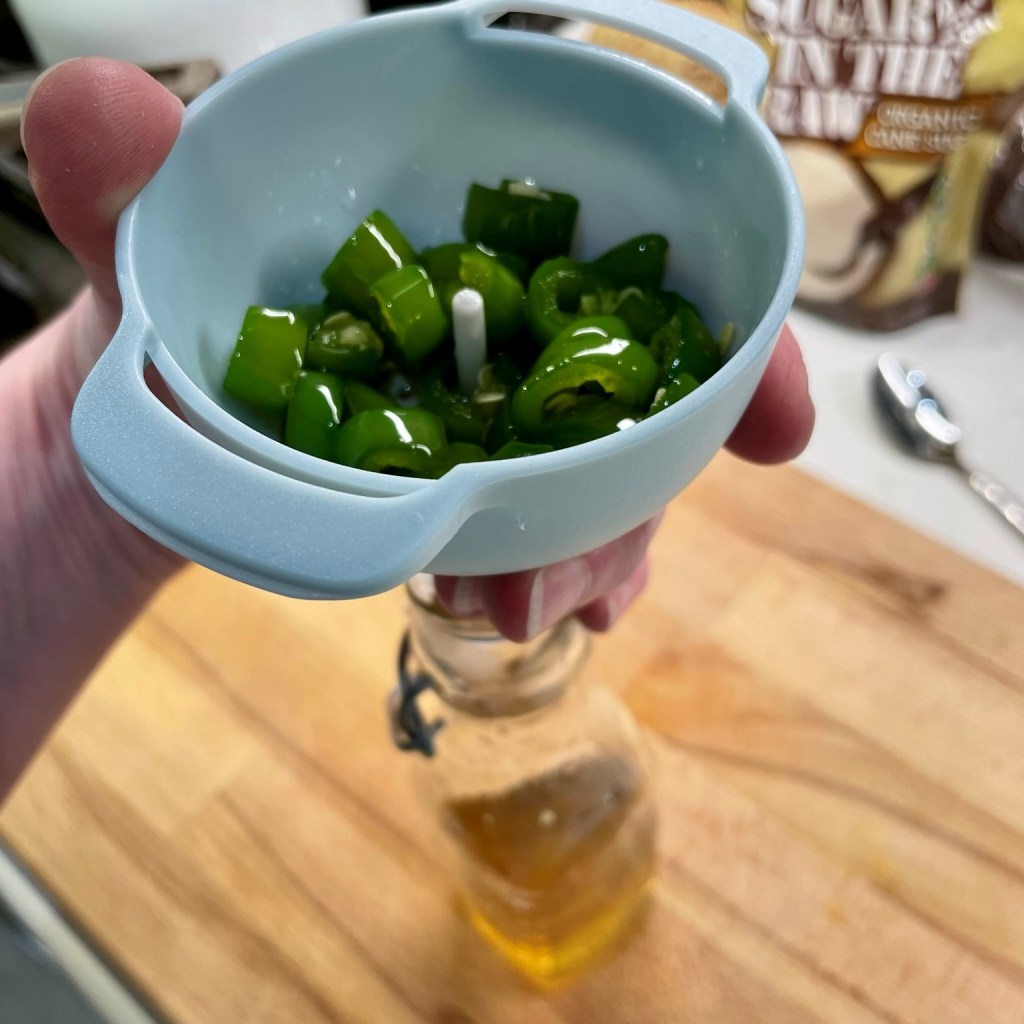
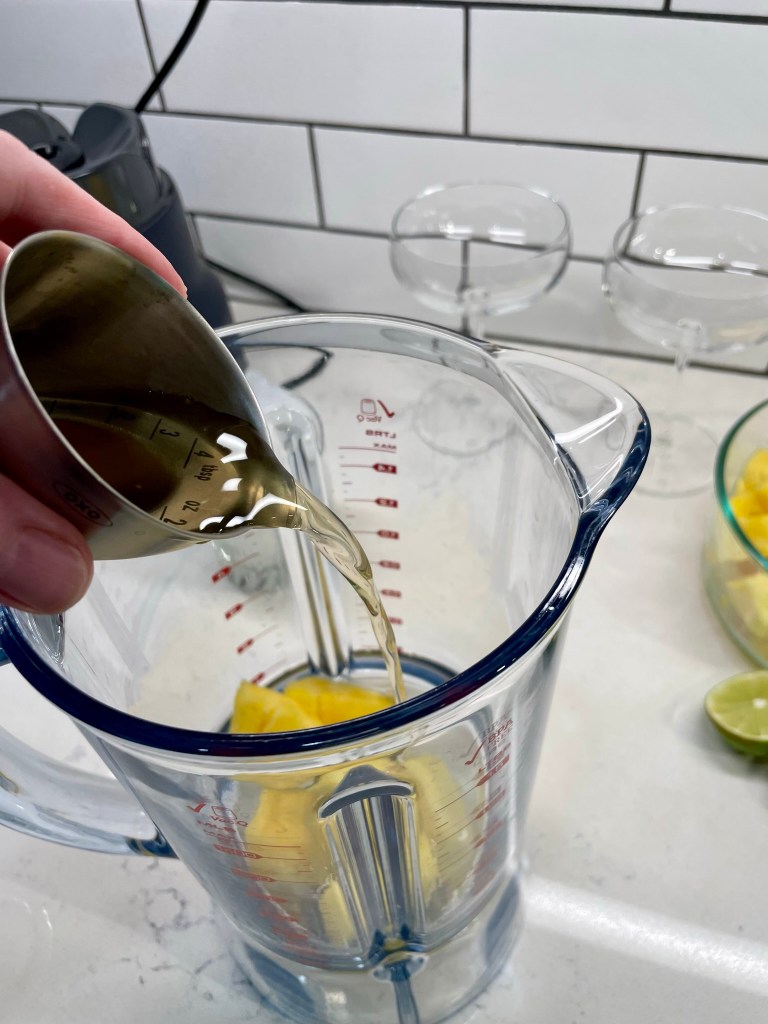
For my fun, Comfort du Jour spin, I’ve applied one of my favorite flavor combinations for a spicy-meets-tropical twist on a classic daiquiri. Fresh pineapple and a Serrano-infused simple syrup are the stars of this show. The syrup can be made ahead in a matter of minutes, and if you don’t have Serrano on hand, a jalapeƱo will do just fine. Any sugar can be used, but I love the richer, warmer flavor of turbinado, and we always shell out a little extra for fair trade. Equal parts water and sugar will make the simple syrup, and a cut up Serrano adds the spicy zip. Intensify the heat, if you’d like, by keeping the pepper’s seeds and membranes intact during infusion. Or scoop them out first for a milder bite. I’ll bet you can guess what we did at our house!


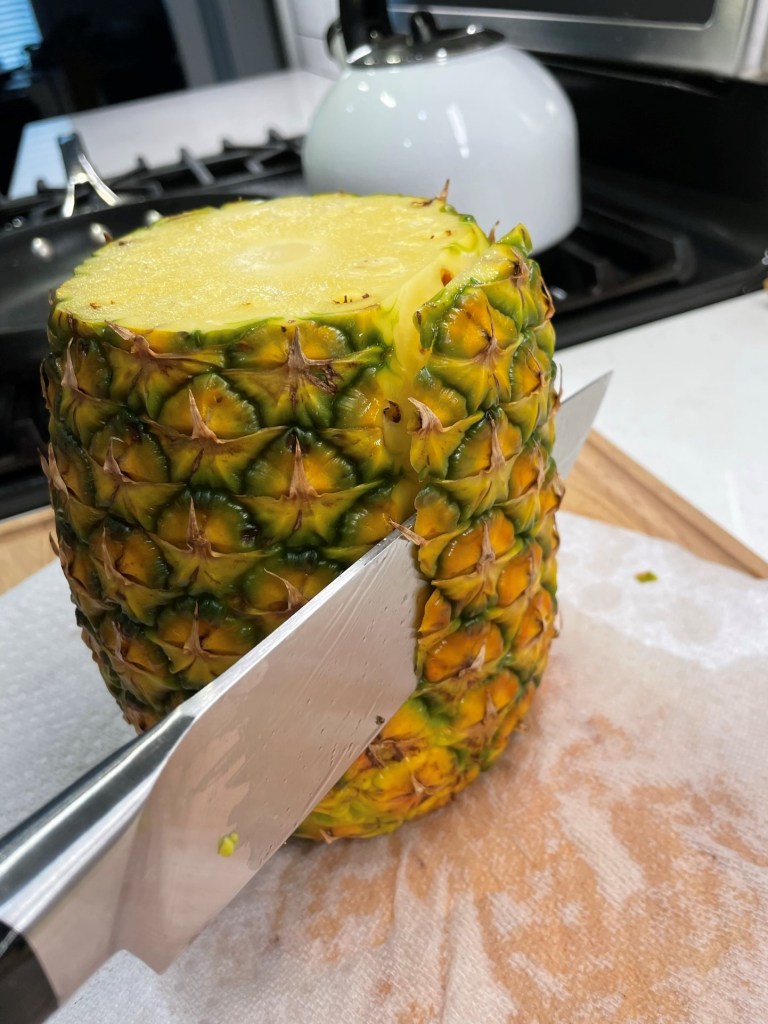
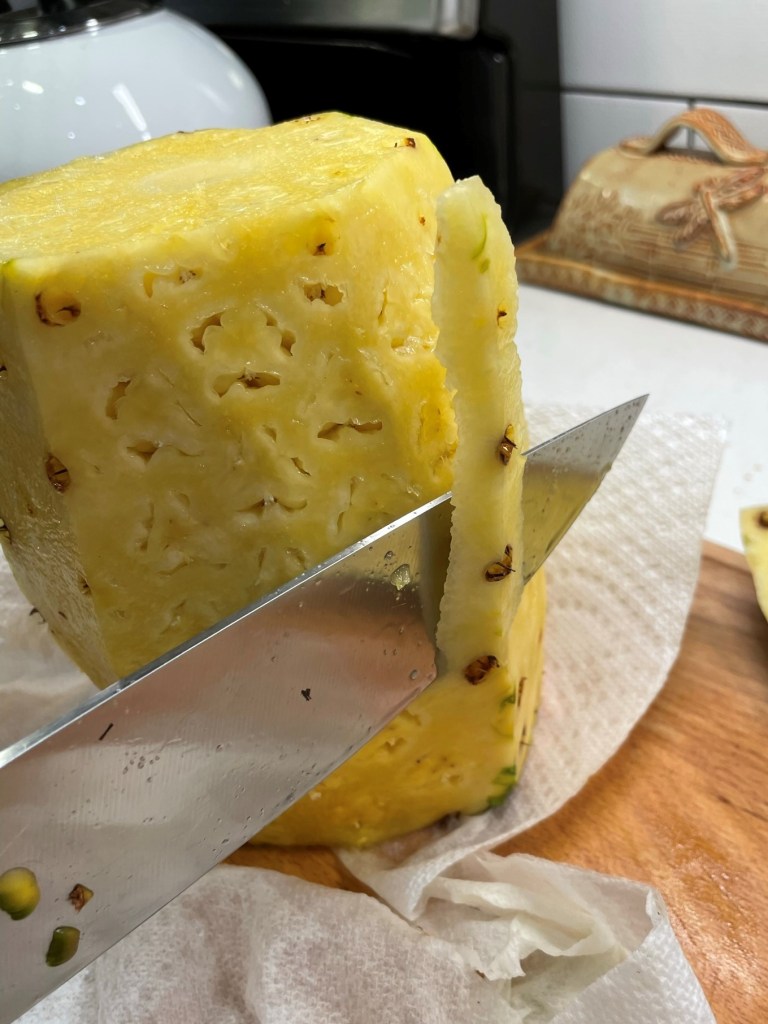
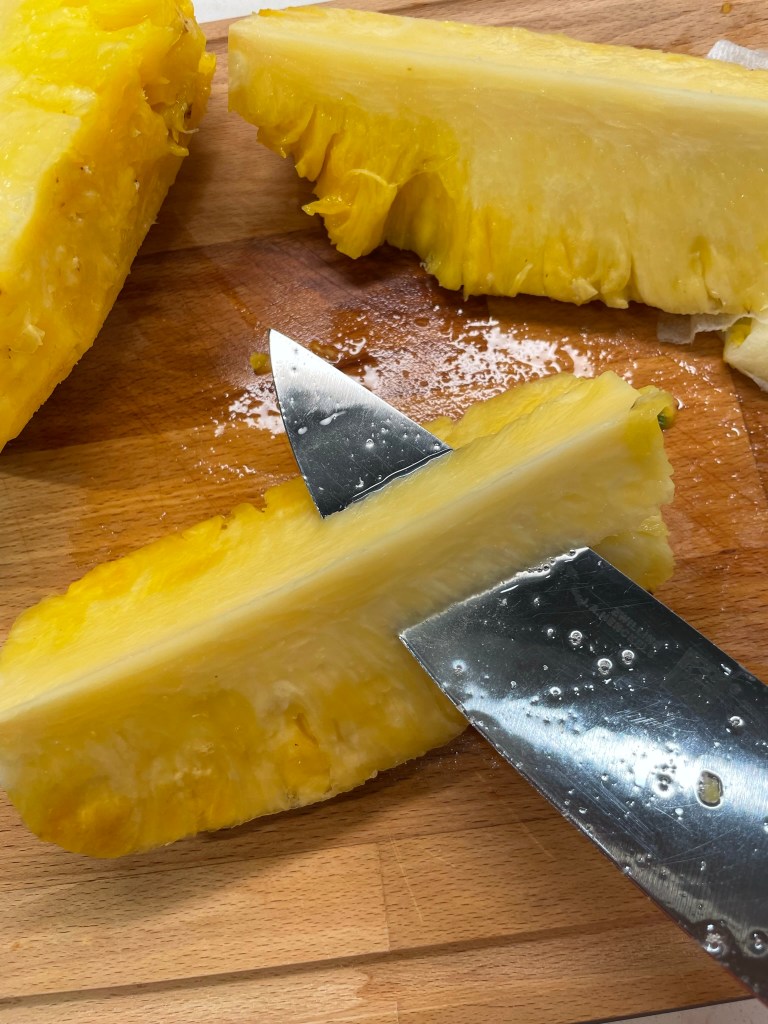
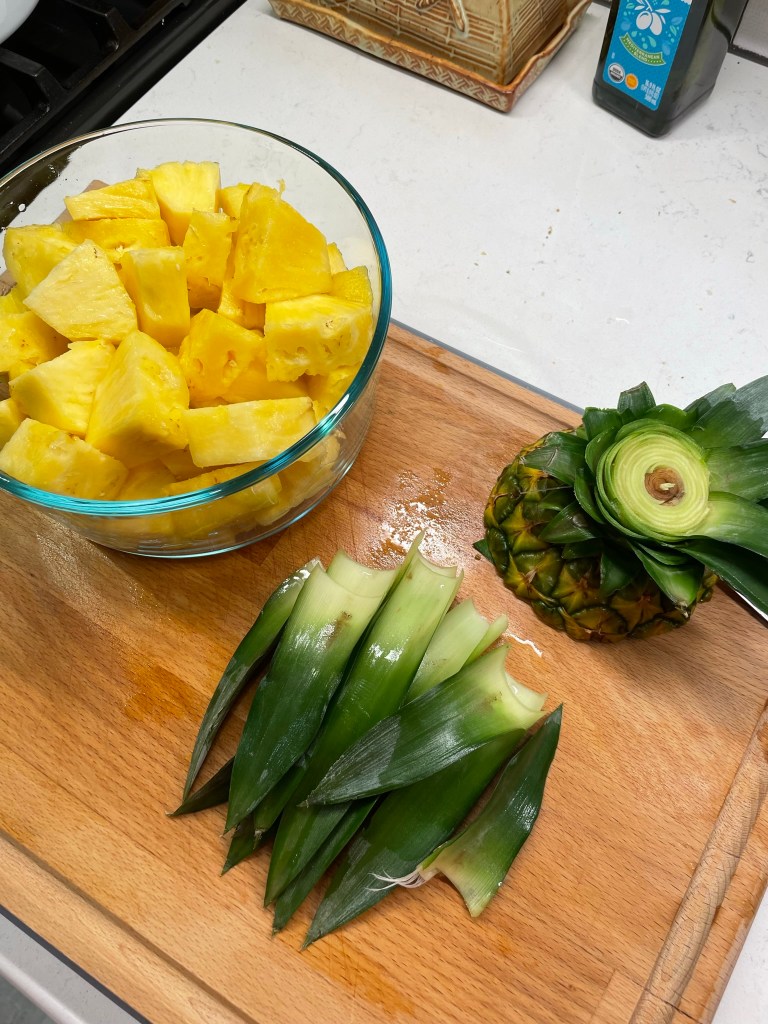
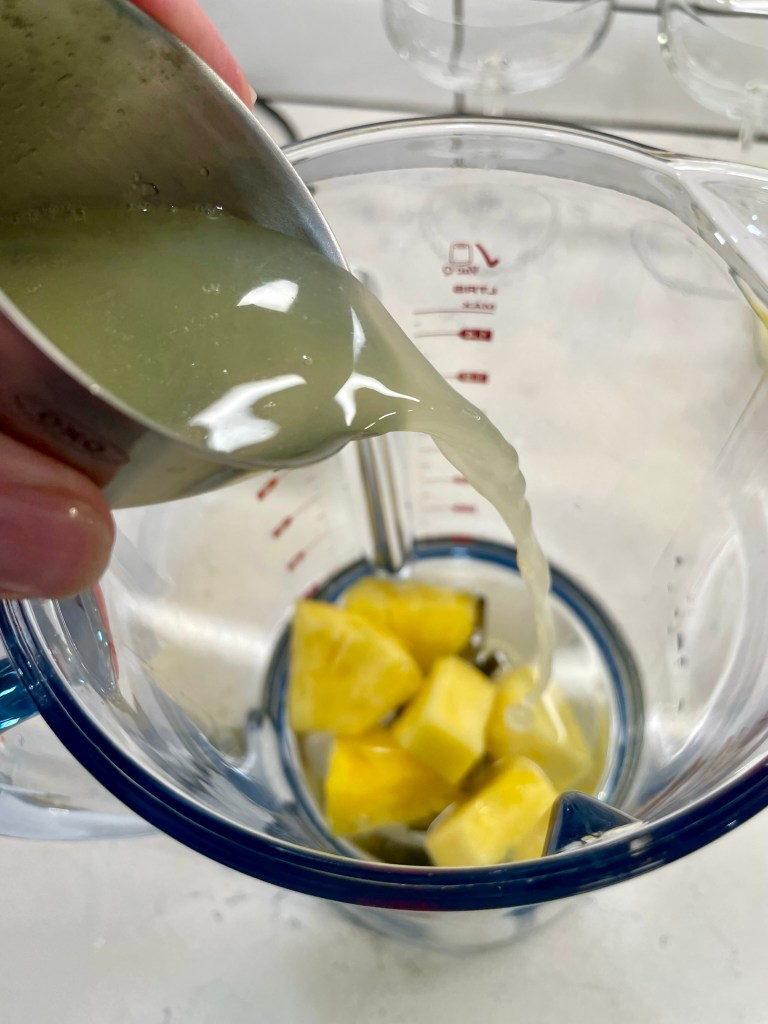
Cool it down completely, then strain out the pepper chunks and transfer it to a jar or bottle. Keep the syrup in the fridge until you’re ready to mix. Breaking down a fresh pineapple is easy to do, as you’ll see below. This one was so fresh and juicy, and the aroma was positively intoxicating!


I used the sweetest, freshest pineapple, and I highly recommend that you choose one at its peak ripeness. Not sure how to tell? Check out this article for tips on selecting the best of the bunch, and if you need help finding other ways to enjoy the rest of your perfect pineapple, I’ve placed a carousel of ideas at the end of the post, just after the click-to-print recipe.

Easier than you thought, right?

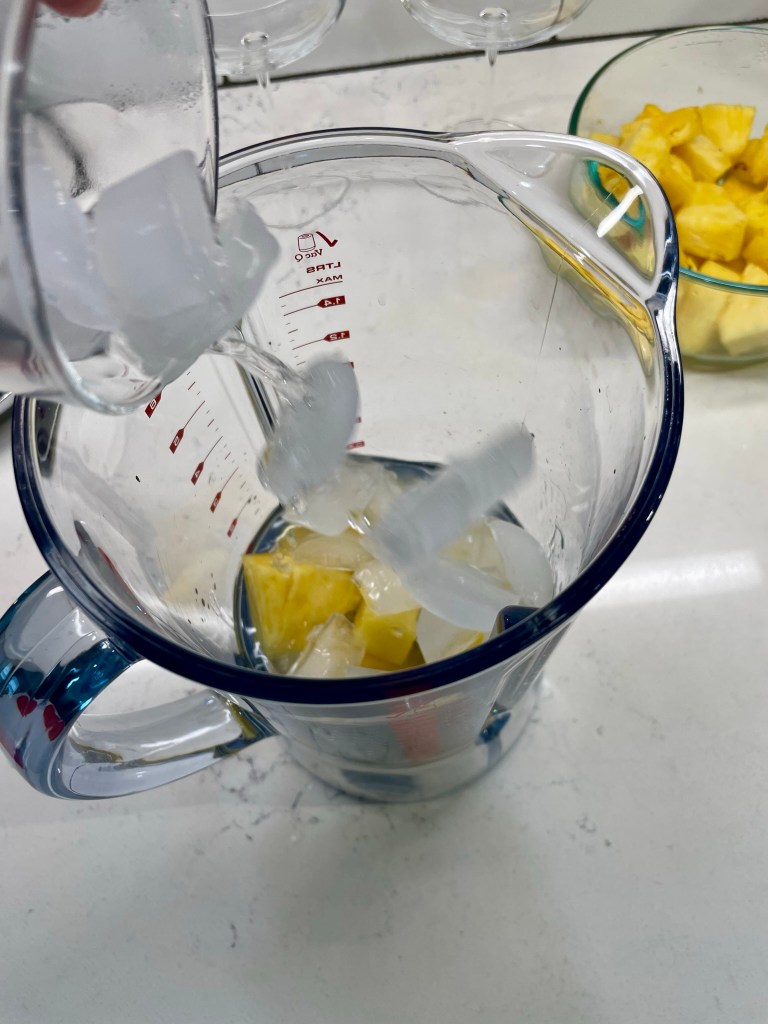
The other ingredients in my daiquiri are simple and obvious— light rum, and for this beauty, I relied on Sungrazer golden rum from Broad Branch Distillery, our favorite local spirits provider. But any light rum that isn’t ā€œspicedā€ or ā€œagedā€ will work great here. Fresh lime is important; please don’t ever use the green plastic squeezy bottle when making a cocktail. Your taste buds deserve the real deal! And you’ll need ice, of course, either for shaking the drink or (as I opted) blending it right in.

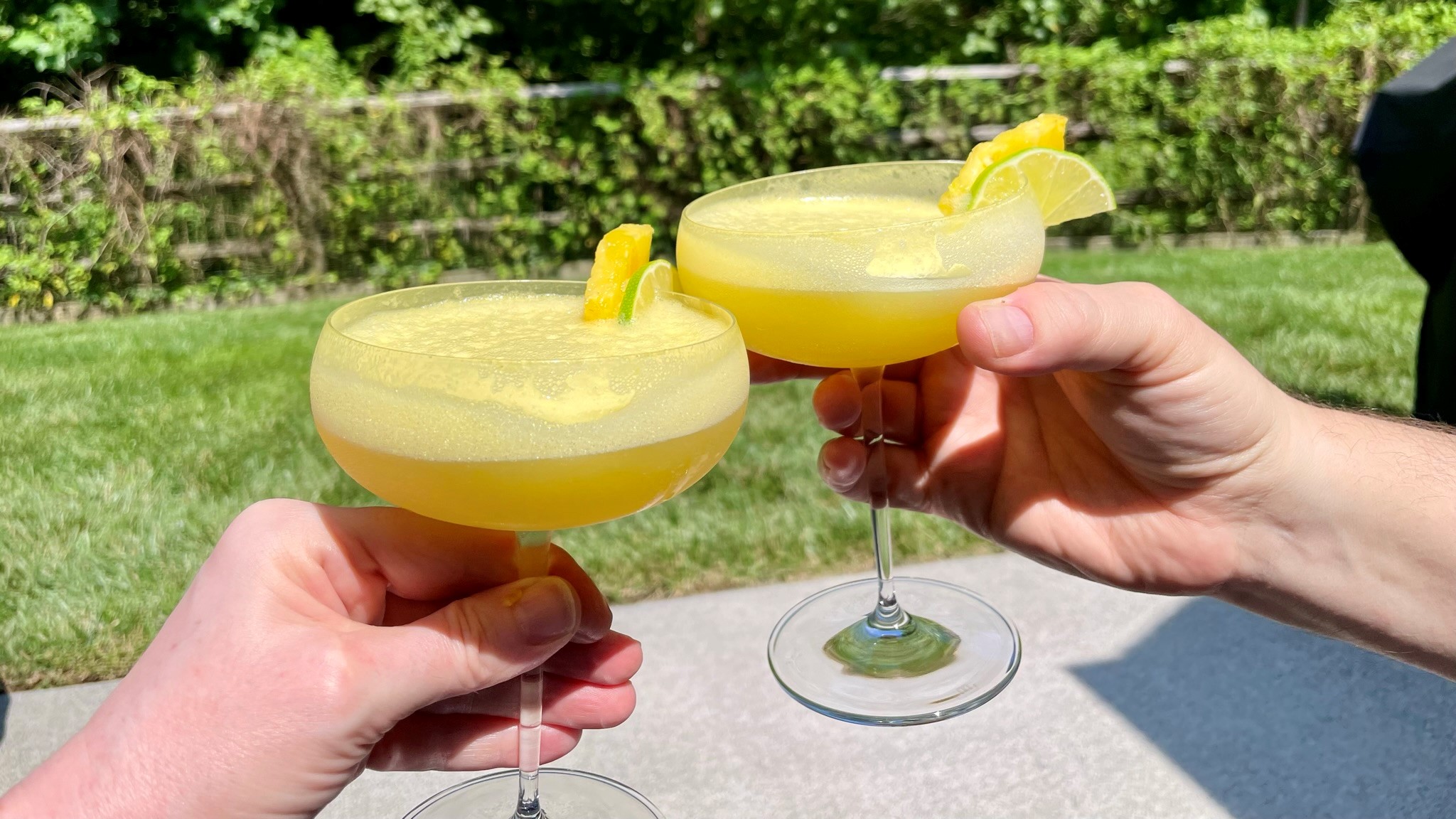
You can pour your spicy pineapple daiquiri over fresh ice or straight into a chilled coupe glass, as you wish. Doesn’t it look just like liquid sunshine?


Spicy Pineapple Daiquiri

  • Servings: 2
  • Difficulty: Average
  • Print

One of my favorite heat-sweet combinations is flinging a classic daiquiri into spicy-meets-tropical territory!


Ingredients

  • 4 oz. light or golden rum
  • 1/2 cup fresh pineapple chunks
  • Juice of one large lime
  • 1 oz. Serrano-infused simple syrup (see below)
  • 1 cup ice (for blending)
  • Lime and fresh pineapple for garnish

Directions

  1. Combine all ingredients except garnish in the pitcher of a blender and process until ice is finely blended and mixture is somewhat frothy. Divide between chilled cocktail glasses and garnish with thinly sliced lime and pineapple.
  2. Alternatively, you may add all ingredients to a cocktail shaker and shake until the outside of the container is frosty. Strain over fresh ice into a rocks glass and garnish as desired.

Serrano-infused Simple Syrup: Combine 1/2 cup each sugar and water in a small saucepan and bring to slight boil. Stir in a chopped Serrano chile pepper. Remove from heat and steep until cool. Strain out chile pieces and transfer syrup to a jar or bottle. Refrigerate up to three weeks.


Here’s some more fun pineapple recipes!


The Smoke Over Manhattan

There is a running joke at our house about how everything seems to lead back to cocktails with me. And I guess it’s true. Just as food holds some of the stories of my life, my muse tends to apply my life stories to cocktails. This whiskey drink, awash with flavor and a layer of smoke, tells the story of the past week, when my husband, Les, and I spent a few days in northern New Jersey and New York City.

If you looked at the news this week, you probably saw the apocalyptic images of Manhattan, blanketed in a sepia haze that didn’t seem to move at all, even with the very breeze that dragged it south from Canada, where wildfires are still blazing. The air quality in New York, one environmental group declared on Wednesday, was the worst of all major cities in the entire world— and we, of course, were in the thick of it, but it wasn’t all bad.

Some of it was good, so good, so good, so good!

This visit to New York was planned many months ago, arranged to follow a family wedding in nearby Livingston, N.J., but we had only purchased our tickets to the The Neil Diamond Musical: A Beautiful Noise a few days earlier, before the air quality alerts started leading the news feed. I highly recommend this spectacular show about one of my all-time favorite artists, and I’m glad we resisted the urge to skip it when the smoke moved in. Carrying on amid chaos is the New York way—God knows, the city has lived through worse— and though it probably did look awful (and yellow) from a distance, the Wednesday sky seemed less ominous where Les and I stood, just a block or so from Times Square. Press play and decide for yourself.


It turned out to be a great day, despite the smoke. We saw the show, walked 20 blocks to the Empire Hotel to meet an old friend for drinks, and then enjoyed dinner at one of New York’s many authentic Italian restaurants. A day that ends with homemade tiramisu is never a bad one.

Now that we are back at home, breathing easy, sleeping in our own bed and enjoying so many snuggles from our kitty who missed us terribly, I wanted to recapture our smoky adventures the best way I know how— with a cocktail. This is essentially a riff on a classic Manhattan, but with a cherry-vanilla twist. Rather than plain old bourbon or rye, I opted for a Canadian whisky in homage to our northern neighbors. The whisky has the feel of a bourbon but focuses on the sweetness, just as we focused on the sweetness of the day in smoky Manhattan.

This cherry-vanilla vibe will be on repeat at our house, for sure.

Carpano Antica red vermouth is a classic, and amplifies the vanilla without too much extra sweetness. Strangely, this is my first ever home cocktail with real Angostura bitters (yes, really), and I won’t be looking back at my regular ā€œaromaticā€ bottle anytime soon. A spoonful of syrup from the Luxardo cherries hit the mix and, of course, the dramatic smoke, courtesy of our Aged & Charred cocktail smoking kit. Here’s how it went, and if you prefer to pour it over a big rock, that’s cool, too.


The Smoke Over Manhattan

  • Servings: Makes 1 drink
  • Difficulty: Average
  • Print

This is a cherry-vanilla riff on a classic Manhattan, with Crown Royal Vanilla whisky standing in for the bourbon or rye. Here's hoping the wildfires in Canada are under control soon!


Ingredients

  • 2 ounces Crown Royal Vanilla whisky
  • 3/4 ounce Carpano Antica red vermouth
  • 3 shakes Angostura bitters
  • 1 barspoon Luxardo cherry syrup
  • Luxardo cherry garnish
  • Oak chips for smoking (optional, but wow!)

There are other ways to impart a smoky flavor to a cocktail, if you don’t have or care to use a smoking tool. Try smoky bitters or make a simple syrup infused with smoked black pepper, and substitute that for the cherry syrup.

Directions

  1. Add ice and a bit of water to a coupe glass and give it a few minutes to chill down. OR, add a giant rock to an old fashioned glass.
  2. Combine whisky, vermouth, bitters and syrup in a mixing glass filled halfway with ice. Stir for about 20 seconds for proper dilution and chilling. Strain cocktail into chilled glass over a Luxardo cherry.
  3. Add a small pinch of oak chips to the smoking device and torch until chips catch fire, then cover when the flames dissipate. Let the smoke permeate the drink for about 10 seconds.
  4. Carefully lift the smoke device and enjoy the smoke over Manhattan. Cheers!


Seelbach Cocktail

When I mention Kentucky Derby and cocktails in the same sentence, there’s a very good chance that a mint julep pops into your mind— and for good reason. The refreshing bourbon and mint drink piled high with crushed ice is ubiquitous at Derby festivities everywhere, including Churchill Downs. But not everyone loves mint, and some of us like to change things up just for the sake of change. 

I consider myself an explorer in the world of cocktails, and when I ran across this one in a little gift book, Tiny Bubbles, I bookmarked it for this year’s Derby. Author Kate Simon describes this drink as the one ā€œfor your bourbon-obsessed friend who thinks he doesn’t like bubbly cocktails,ā€ and goes on to describe the drink as being like a ā€œfizzy Old Fashioned.ā€

I can’t attest to the drink’s ability to win over a non-fizz drinker— my husband certainly would not be swayed, and most people don’t announce their dislike for something with a secret hope of being convinced otherwise— but I do think this cocktail has an elegance and flair about it that is quite nice, especially because it is made with easy-to-find ingredients. If you’re looking for a change, maybe this is the one.


This lovely libation is known as a Seelbach Cocktail, so named for the Seelbach Hotel in Louisville where it is said to have originated in the years before Prohibition. As with so many cocktail backstories, there have been a few objections to the declared history of the Seelbach, and even the bartender who supposedly revived it in the 1990s “from an old hotel menu” fessed up to having conjured the story for his own glory. 

But I say, who cares? The drink is fun without being too fussy, and a little change of pace is a good thing once in a while, even for an event as steeped in tradition as the Kentucky Derby. I don’t mind that the backstory is pure fiction, as long as it tastes good.

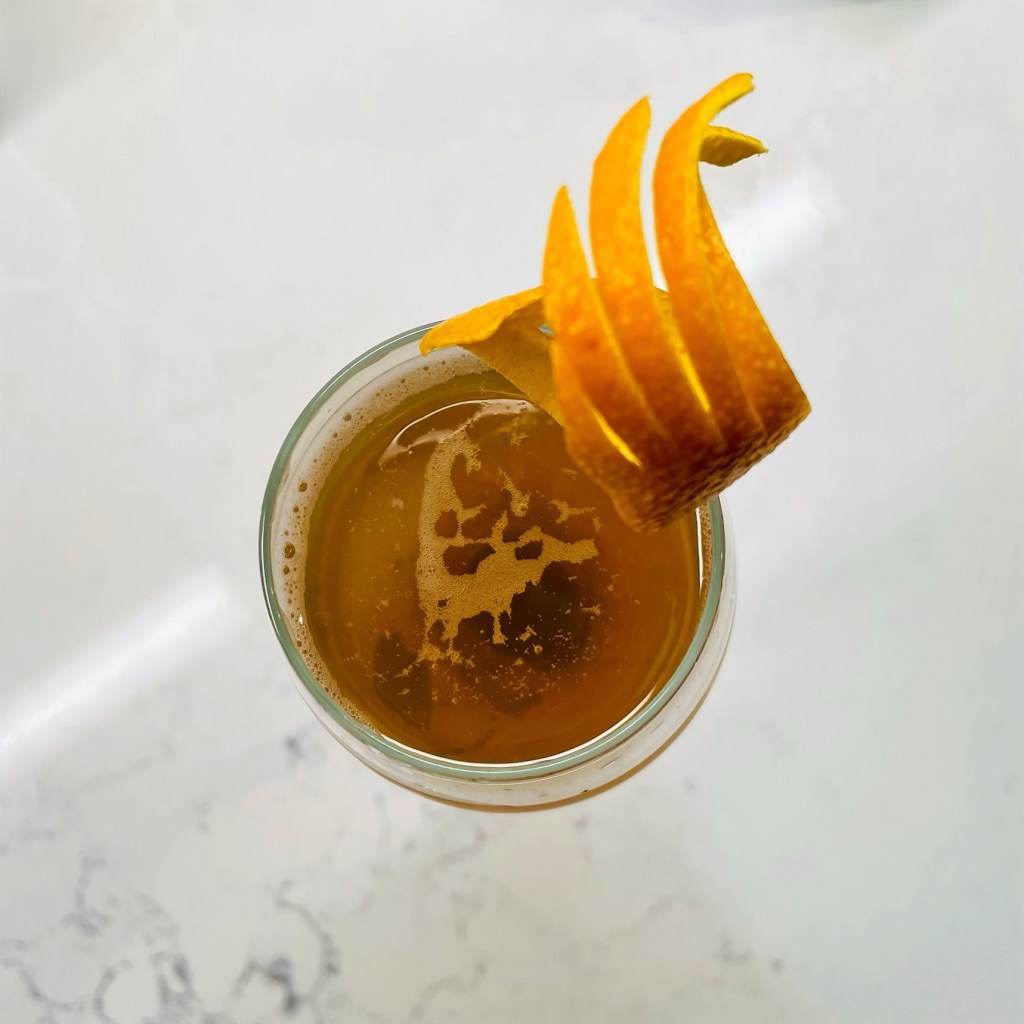
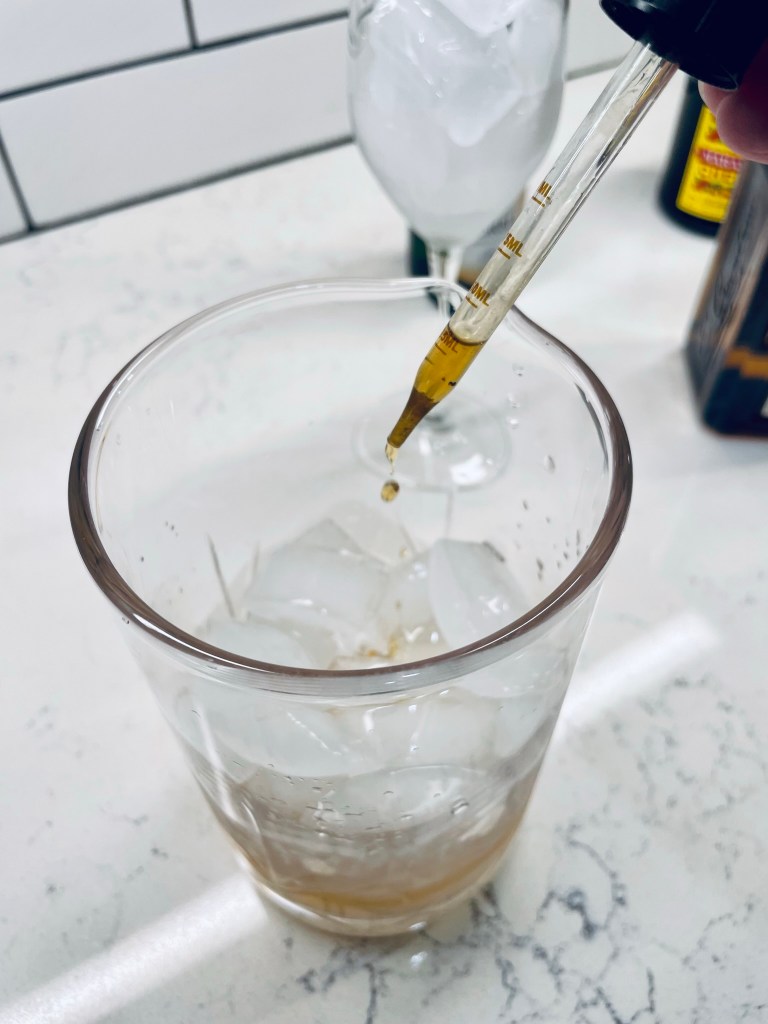
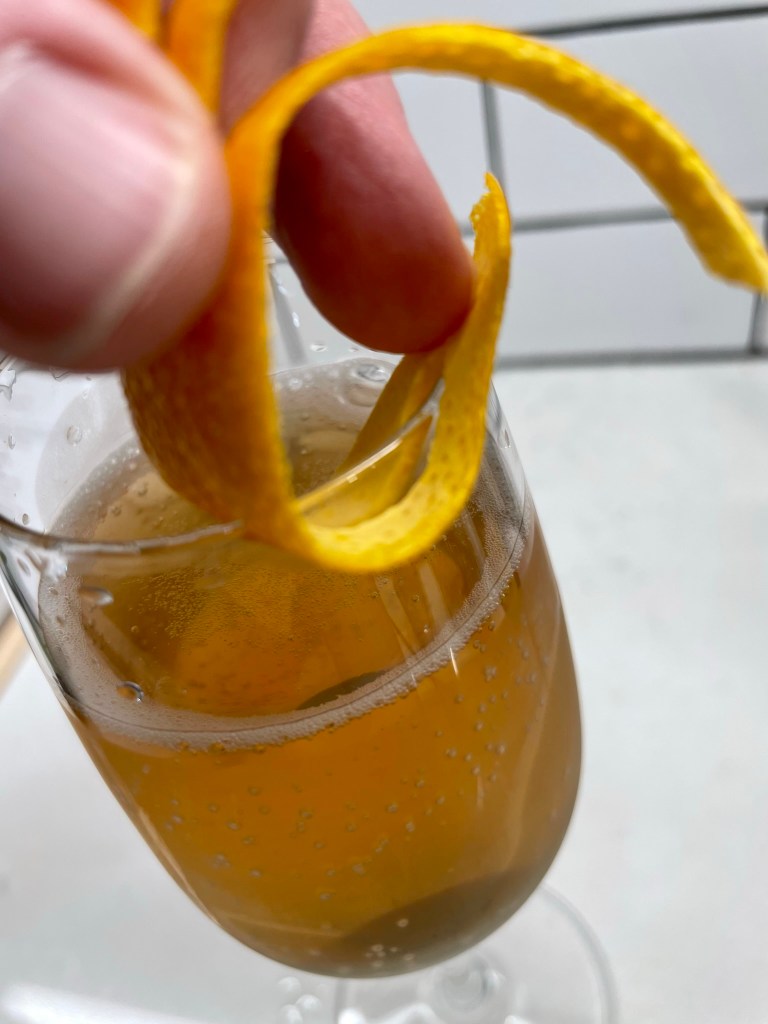
Bourbon (I used Elijah Craig Small Batch) is paired with Cointreau, an orange liqueur that mimics the expressed orange in a typical Old Fashioned. The cocktail is heavy on the bitters (two kinds, traditionally), which is a nice balance to the sweetness of the Cointreau, and a brut Champagne makes an entrance to provide the fizzy part. A cherry sits on the bottom of the glass as a sweet, last-sip reward, and an orange twist garnish gives it a fancy photo finish. I made my ā€œtwistā€ extra frilly, and as it sits perched on the rim of the chilled flute, it reminds me of the flashy fascinator hats that will be worn by the ladies at the Kentucky Derby.


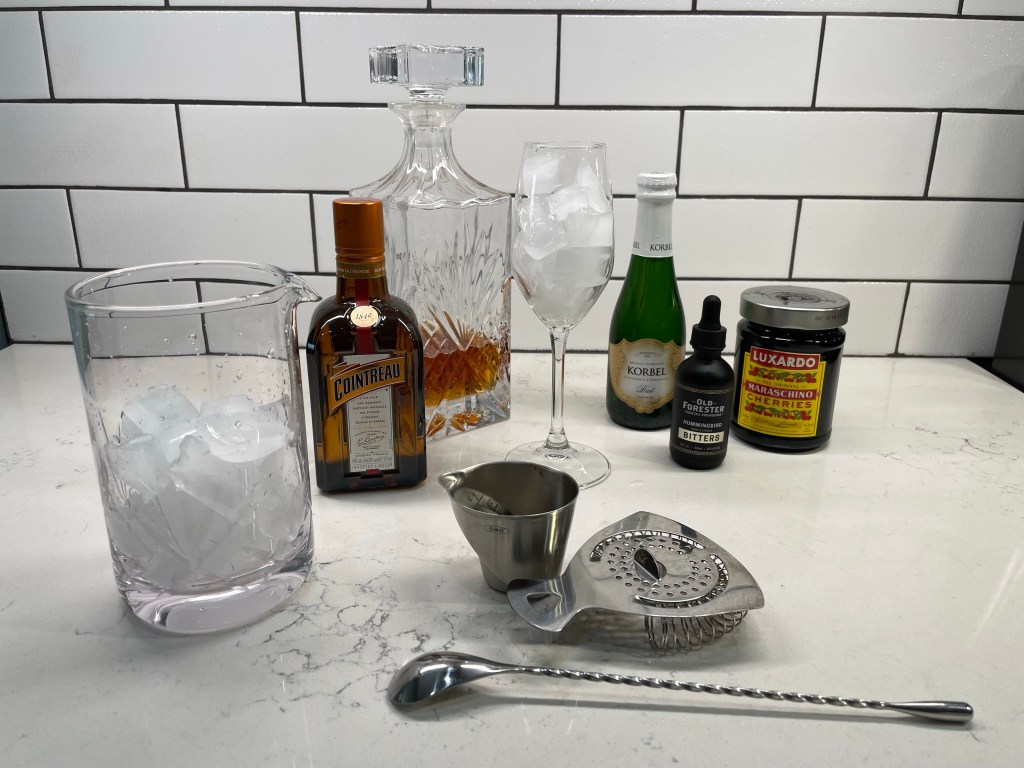
Whenever I’m making cocktails, I like to get my ducks in a row— or horses, as the case may be for this weekend’s event. There’s no joy in realizing after you’ve started mixing that you forgot to wash the orange, for example, that will be used for garnish. And hopefully you’re doing that. Don’t ever cut up your fruit straight from the grocery store, as any variety of junk and pesticides will have taken up residence in the peel. Line up your tools and ingredients, and ice down the champagne flute so your drink stays chilly after it’s poured.


As many of my blog followers know, I have trouble sticking to the rules and rarely make a recipe exactly as written, so I’ll explain my ā€œswapsā€ from the original Seelbach recipe, beginning with the mixing vessel. The Tiny Bubbles recipe suggests using a shaker, but I tried it and had trouble straining it from the shaker top neatly into the small opening of my flute glass. The rule of thumb in mixology is to use a shaker if you are combining ingredients with widely different viscosity— the thickness or simple syrup and watery nature of citrus juices will blend with alcohol better in a shaker. But this drink is all alcohol, so a mixing glass is my choice for easier dispensing. Use what works for you.


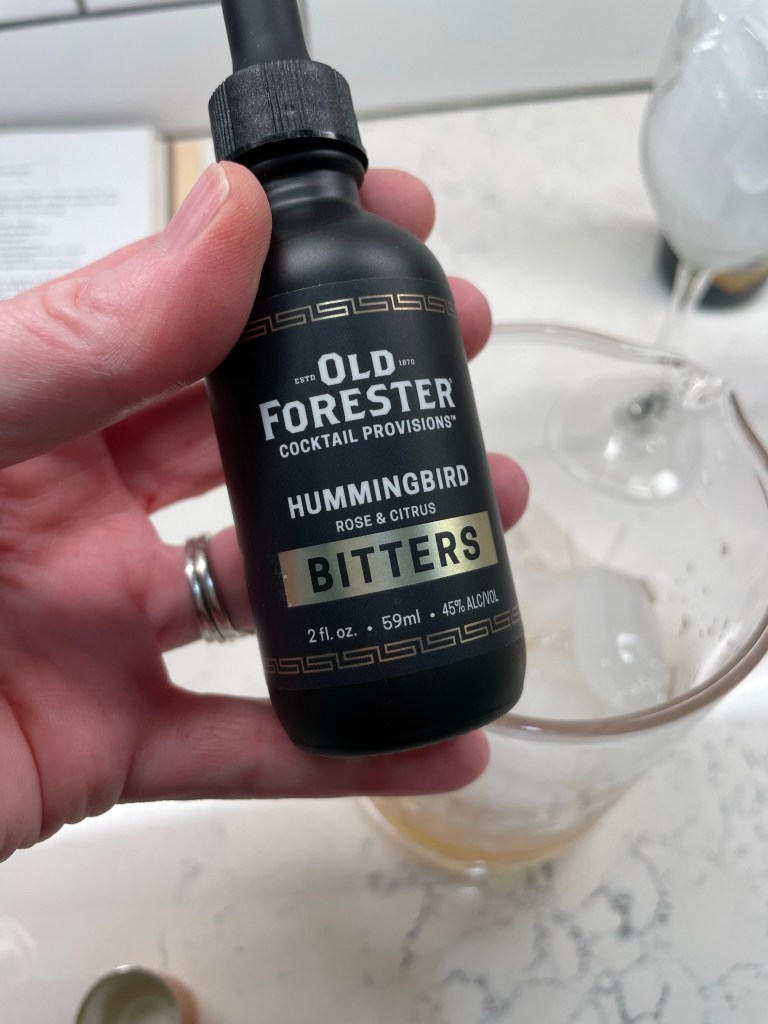
As for the bitters, the original recipe calls for both Angostura and Peychaud’s bitters, the latter of which has a lovely pink color but a strong anise flavor. I tried it that way, but didn’t love it. The combination doesn’t fit my perception of Kentucky Derby elegance, and I’ve been looking for a way to use these Hummingbird bitters, which combine rose and citrus essences. The Derby is literally the ā€œRun for the Roses,ā€ and I liked that tie-in for this frilly-meets-fizzy drink. It worked beautifully! If the Hummingbird bitters are not an option for you (I found them online but it’s a bit late to order them for the Derby), I personally think orange bitters would be a better fit than the Angostura-Peychaud’s combination. Experiment to find what tickles your fancy.

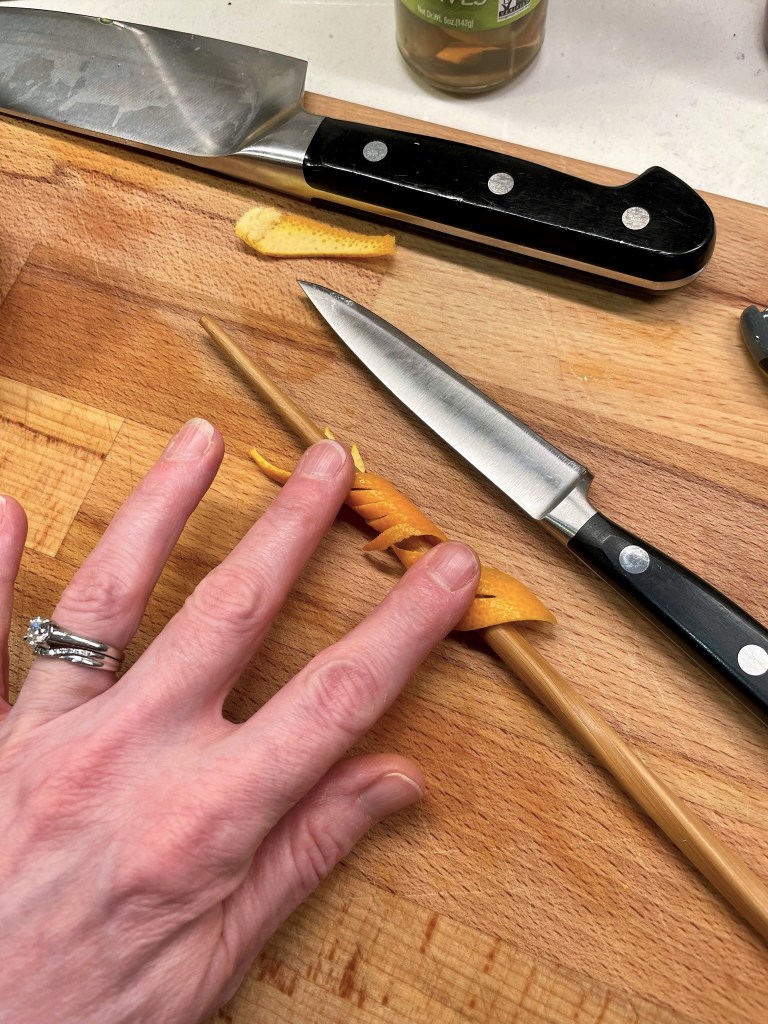
To get started on my cocktail, I made my orange peel garnish first by stripping off only the bright orange part of the fruit, leaving the bitter white pith behind. Use a sharp paring knife to trim it into clean lines, and make cuts as follows— a long, thin cut in the center of one end (this is where you’ll attach it to the rim of your glass), and several lengthy cuts on the other end, almost like fringe or a feather.


Wrap the orange peel snugly around a chopstick or wooden spoon handle and hold it for several seconds to coax it into shape. When it seems to be holding its own, begin making your cocktail.


Combine the bourbon, cointreau and bitters in an ice-filled cocktail mixing glass, and stir the drink for about 20 seconds to chill it down. If you’re using a shaker, have at it for about the same amount of time, until the shaker becomes uncomfortably cold.


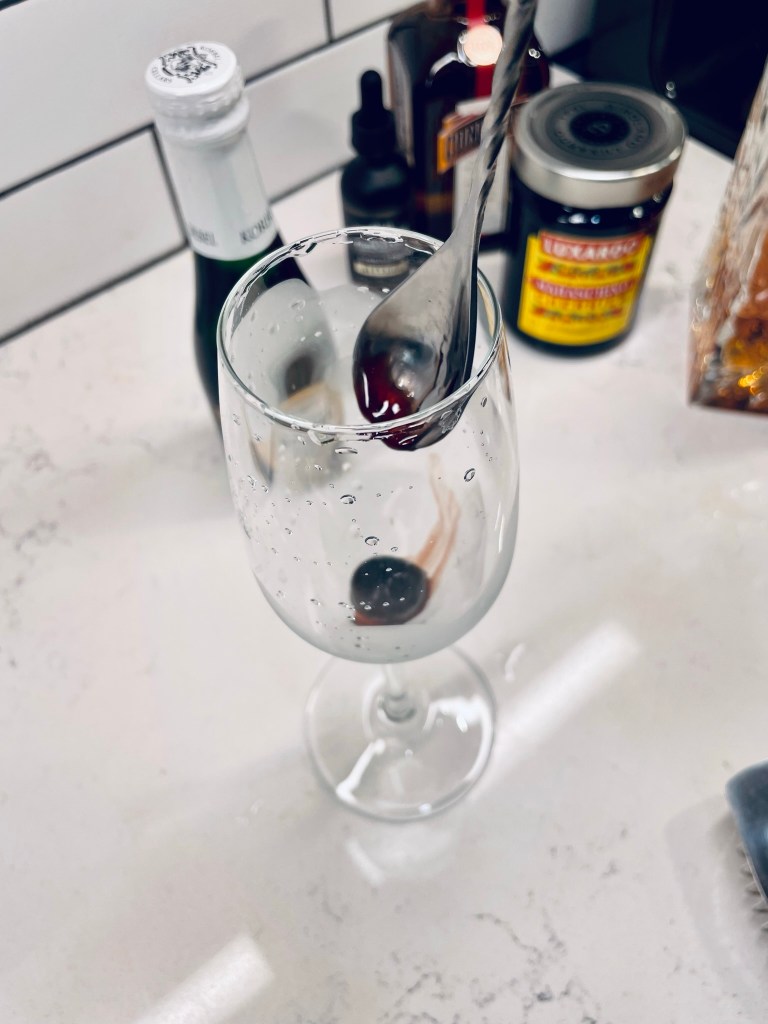
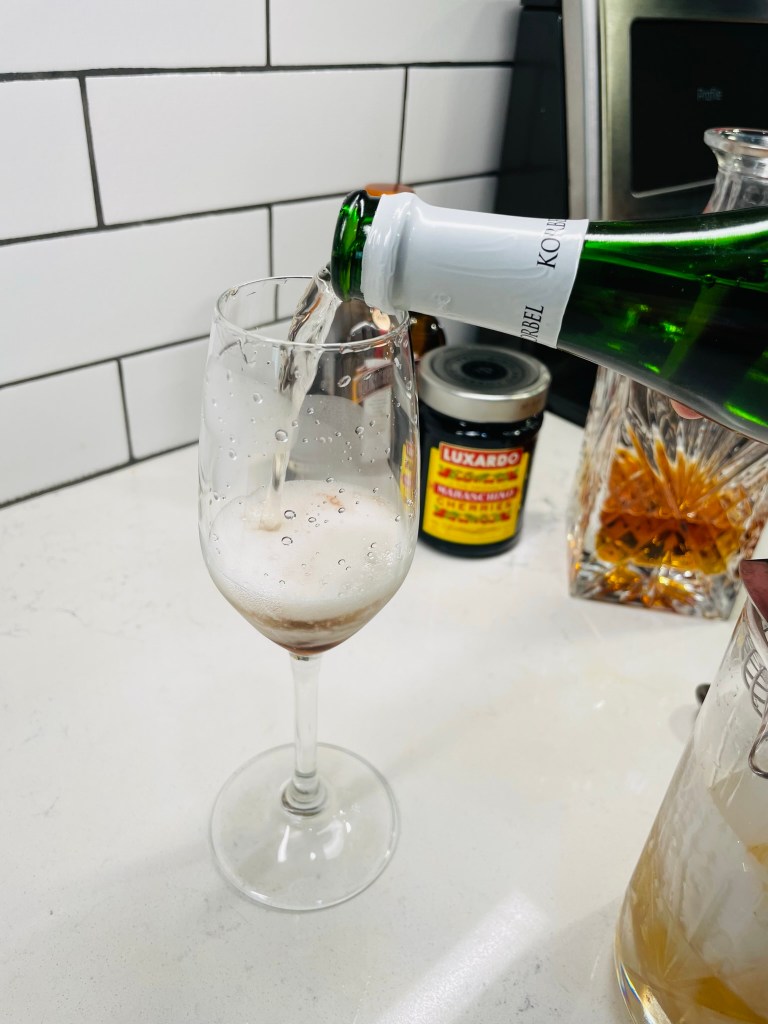
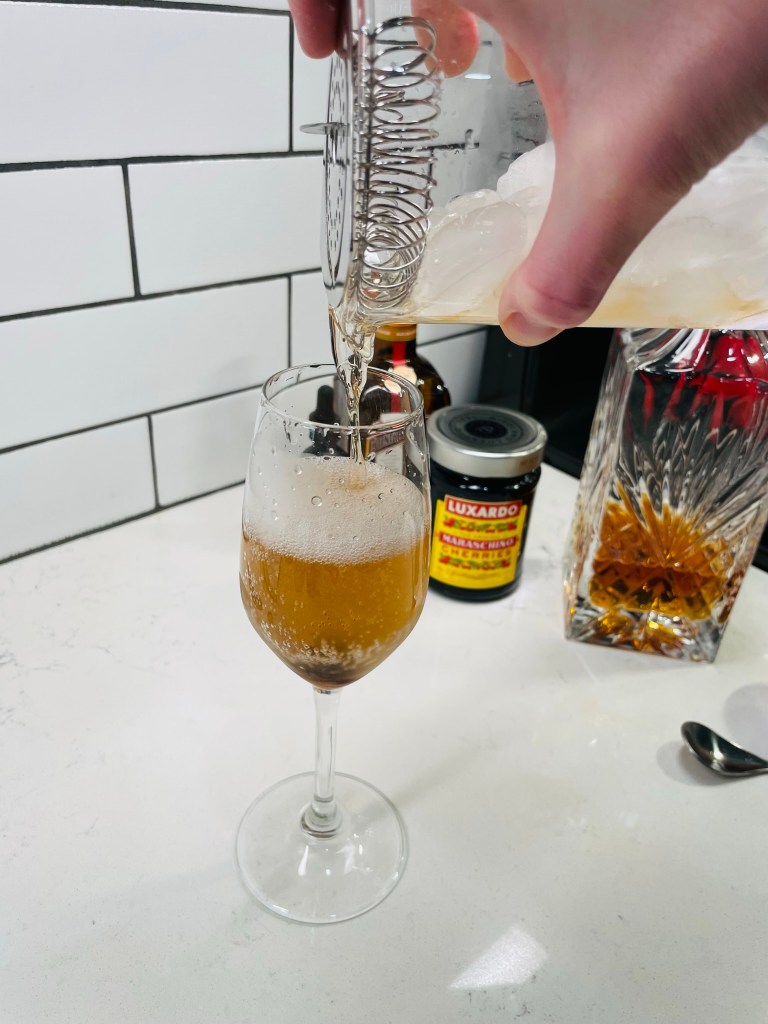
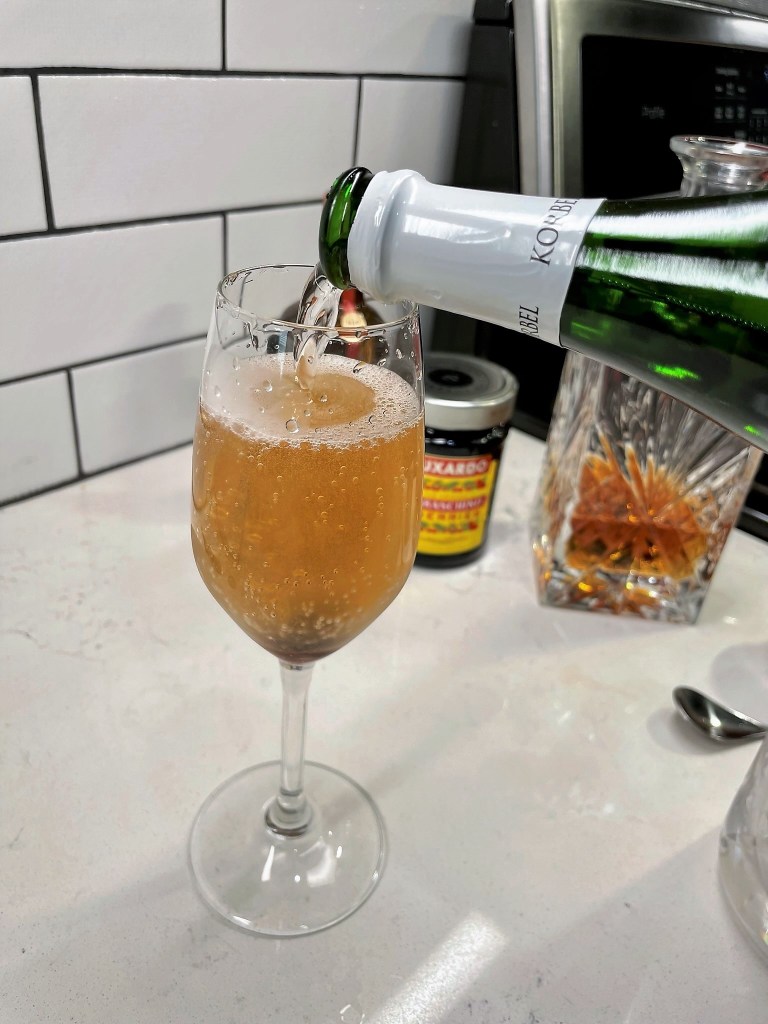
Add a Luxardo cherry to the bottom of the flute, and don’t worry at all if a bit of the luscious syrup goes with it. Pour in about half of the specified champagne (this helps ensure the drink is well-mixed), then strain the cocktail over the glass and top it off with the rest of the bubbly. Perch your frou-frou orange garnish on the edge of a glass like a fascinator, and enjoy in moderation. Fair warning: the effervescence in this drink will go straight to your head, so it might be a good starter before you switch to something more mainstream. A mint julep, perhaps? šŸ™‚


Seelbach Cocktail

  • Servings: 1 drink
  • Difficulty: Average
  • Print

With the flavors of an Old Fashioned, and the fizziness of Champagne, this Louisville-based cocktail will be a lovely option for a Kentucky Derby watch party.


Ingredients

  • 1 oz. bourbon (I used Elijah Craig Small Batch; it’s smooth and 94 proof)
  • 1/2 oz. Cointreau (or other orange liqueur)
  • About 7 drops Hummingbird bitters (available online, or substitute orange and/or Angostura)
  • 3 oz. brut Champagne or other sparkling wine, chilled
  • Ice for shaking/stirring and chilling glass
  • Good quality cocktail cherry, such as Luxardo
  • Strip of orange peel for garnish

Directions

  1. Fill champagne flute (or white wine glass) with ice to chill it.
  2. Fill a shaker or mixing glass halfway with ice. Add bourbon, Cointreau and bitters and stir or shake for about 20 seconds.
  3. Empty ice from flute and place cocktail cherry in the bottom.
  4. Pour about 2 oz. of the Champagne into the glass. Strain the cocktail into the glass and top it off with remaining Champagne.
  5. Garnish with orange twist.

Sazerac

I’ll admit it, I love a good, thoughtful cocktail. Back in the day— and I’m referring to the days I was barely old enough to drink, and then wasn’t, because legal age changed in New York State  during my young adult years— I would belly up to the bar and order something that my current self would recognize as disgusting. Something like an Alabama Slammer, which is a sickeningly sweet bar drink with one primary goal— getting you rip-roaring drunk in as short a time as possible. Bleh.

Today, my grown-up self wants a sipping drink, one that tells a story, and this story is set in New Orleans. The rest of the story’s details are, well, a little sketchy.

Meet the Sazerac. Official drink of New Orleans, and perfectly apropos for Mardi Gras!

Laissez les bons temps rouler!

Walk into any respectable cocktail bar in New Orleans, and you might learn that the Sazerac was originally crafted there in 1838 by an apothecary (old-fashioned term for pharmacist) named Antoine Peychaud. The tale might include reference to a concoction he stirred up for medicinal purposes (also my favorite excuse), using his favorite French cognac (Sazerac de Forge et fils) and his own tincture made from gentian bark and other botanicals. A bartender across town, however, might claim that the drink was created 20 years later in a New Orleans coffee house, and it included pre-rinsing the glass with absinthe, a French liqueur that was banned half a century later for being ā€œhallucinogenic.ā€ Yet another barkeep might tell you with great conviction that this drink is much older than both of those versions, with written recipes as far back as 1806.

The truth may lie somewhere in the middle— whatever that means— and if you want to get technical about it, the Sazerac only became the ā€œofficialā€ cocktail of New Orleans on June 23, 2008. Thank God the internet was around by then, so we at least have record of that much! 

However the drink originated, the French-rooted Sazerac has been Americanized in several ways, and none of them bad. The cognac was eventually replaced with American rye whiskey, which brings a terrific spice to the cocktail. There is even a rye named Sazerac today, presumably so that it would be considered ā€œofficialā€ for this cocktail. Peychaud’s bitters lend a vibrant red color and herbal flavors, and Herbsaint, an herbal liqueur that plays understudy to absinthe but actually is not as easy to find as modern-day absinthe, gives the drink an air of intoxicating mystery (as if it needs any more of that).

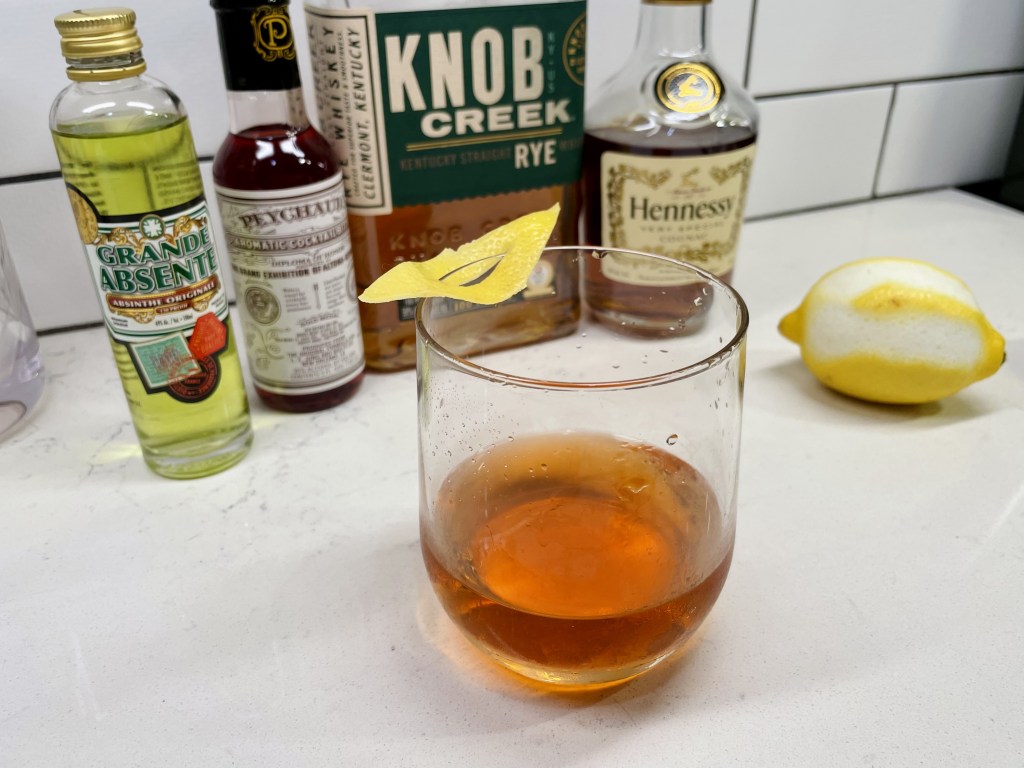
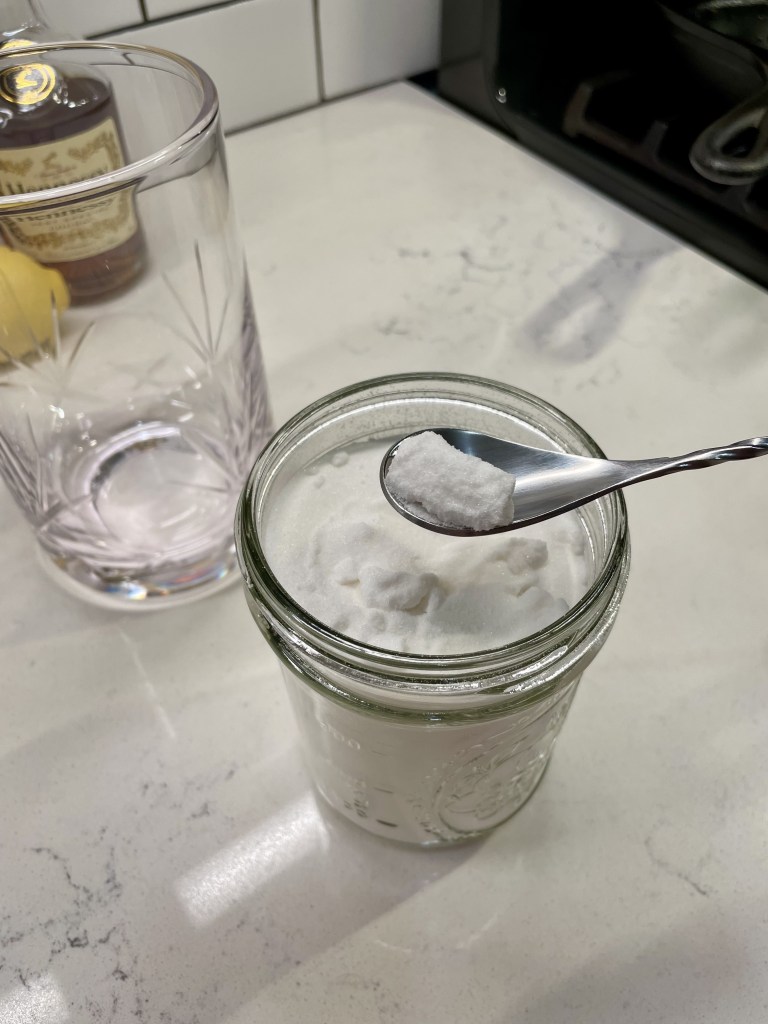
All these details make my head spin a little bit, and that brings me back to the Sazerac I’m sharing today for Mardi Gras. Having only been to New Orleans in my dreams (at least, so far), my experience of the Sazerac is limited to having enjoyed it in other places, and most recently in a swanky steakhouse bar in Virginia. I like that the Sazerac is strong, bold and definitely meant for sipping more than drinking. My only personal preference is for it to be a bit colder, given that it is typically not served on ice. For my version, I have chosen to marry the old Sazerac story with the new, by keeping a touch of French cognac in the background of spicy American rye whiskey. Peychaud’s bitters are easy to find wherever quality cocktail ingredients are sold, and I reverted back to absinthe for rinsing my glass. There’s a sugar cube involved, too, or you can sub in a bar spoon full of caster sugar or even simple syrup if you have it.

Whew. That’s a lot of information! Who’s ready for a cocktail??


The first step is chilling down the double rocks glass that you’ll serve the drink in. A Sazerac traditionally is not served on rocks, so getting the glass cold is a must. Fill it with ice while you gather up the rest of your ingredients— rye, cognac (if you wish), Peychaud’s, a bit of sugar and absinthe. Muddle the sugar with bitters in a cocktail mixing glass. Add the rye (and cognac, if using) and stir to blend with the sugar-Peychaud’s mixture.


I like my drinks nice and cold, so I tossed some ice into the mixing glass for a few spins, though this is not traditional. I considered (for about one second) using an absinthe that my husband’s son, Alex, brought home from his travels in Europe, but this stuff is 184 proof and I feared that it might melt my liver. Whew, I had no idea something this strong even existed!


Those yesteryear claims of absinthe having hallucinogenic properties probably had more to do with the crazy high alcohol content. Rather than risk it, I went with a lesser proof absinthe that I picked up at our state-run liquor store. Same flavor— very potent, medicinal and licorice-like, almost like Formula 44 cough syrup, if you remember that stuff. Now, before you get grossed out at that reference and vow to never try a Sazerac, please consider that it’s a miniscule amount of absinthe that ends up in the cocktail because it is only used to rinse the glass before the mixed drink is poured into it. Nobody would drink Worcestershire sauce either, but a touch of it in a recipe makes a world of difference. I’m just saying.

Here’s how to do the rinse: empty the ice from the rocks glass and swirl about a tablespoon of absinthe into it— tip the glass every which way to ensure that it touches up the sides, and then empty it out. Strain the drink into the glass and garnish.


The lemon strip that usually accompanies the Sazerac is meant to entice rather than flavor, so don’t squeeze or drop it into the cocktail glass. I used a peeler to strip two thin pieces of lemon peel— one is strictly for expressing over the glass (and nobody would mind if you swiped it around the rim), and the other is trimmed and slit so it can be perched like a flame on the edge of the glass.


Sazerac

  • Servings: 1 serious cocktail
  • Difficulty: Big Easy
  • Print

Though its exact origin is still the subject of heated debate, this strong drink is undisputedly the official cocktail of New Orleans. Enjoy one for Mardi Gras!


Ingredients

  • 2 oz. rye whiskey (or bourbon, if you prefer a softer drink)
  • 1/2 oz. French cognac
  • 1 sugar cube (or 1 tsp. superfine sugar or 2 tsp. simple syrup)
  • 3 generous dashes Peychaud’s bitters
  • 1/4 oz. absinthe (for glass rinse)
  • 1 wide strip lemon peel for garnish

Directions

  1. Chill double rocks glass with ice, or place in freezer.
  2. Drop sugar cube into mixing glass. Add bitters and use a muddler to crush and dissolve the sugar.
  3. Add rye whiskey and cognac to mixing glass and stir to combine.
  4. Empty ice from cocktail glass. Pour absinthe into glass and swirl it around to rinse the inside. Pour out excess absinthe.
  5. Pour cocktail into chilled, rinsed glass. Express lemon peel over the top of the drink, but do not drop it into the glass. Rest it on top edge of the glass, or create a “flame” by trimming the ragged sides of the peel and cutting a long slit into the middle of it. Position the lemon flame onto the edge of the glass.


My Big Fat Olive Martini

When the world shut down for COVID nearly three years ago, I had extra time for cocktail experimentation because, well, there wasn’t much else to do. I made some really fun ones, but what seems ironic to me is that the more I experimented with new and unusual spirit ingredients (not to mention bitters and simple syrup infusions), the more I eventually ā€œcame homeā€ to the familiar pleasure of a classic gin martini.

As we have inched closer to New Year’s Eve, I reached an impasse with myself about what kind of tipple I might share with you. Would it be another twist on a Manhattan, like the Pom-Pom-Hattan I posted two years ago, featuring pomegranate liqueur and real grenadine? Or maybe a fun riff on an Old Fashioned, like the smoked maple that is my hubby’s all-time favorite? No, this year, I dismissed all the fancy ideas I had for New Year’s Eve in favor of a cocktail that I’ve enjoyed multiple times over the past year. Rather than a wild new drink with hard-to-find ingredients, I bring you this simple but fabulous elevation of the timeless martini cocktail— I call it My Big Fat Olive Martini!

Peace out, 2022!

No, it is not named for the size of the olive on the pick (but that is a plus). What makes this drink special is that it leverages a technique called ā€œfat washing,ā€ which is essentially the temporary blending of a spirit ingredient with some kind of fat— be it bacon grease, browned butter or even duck fat. By shaking the spirit with the fat and then chilling it to solidify and strain off the fat, you end up with the essence of that fat ingredient in the drink, but without any actual fat in it. The effect of the fat washing is a luscious, well-rounded mouthfeel in the cocktail that is distinctly different, though the spirit’s own character is still front and center. It’s exquisite!

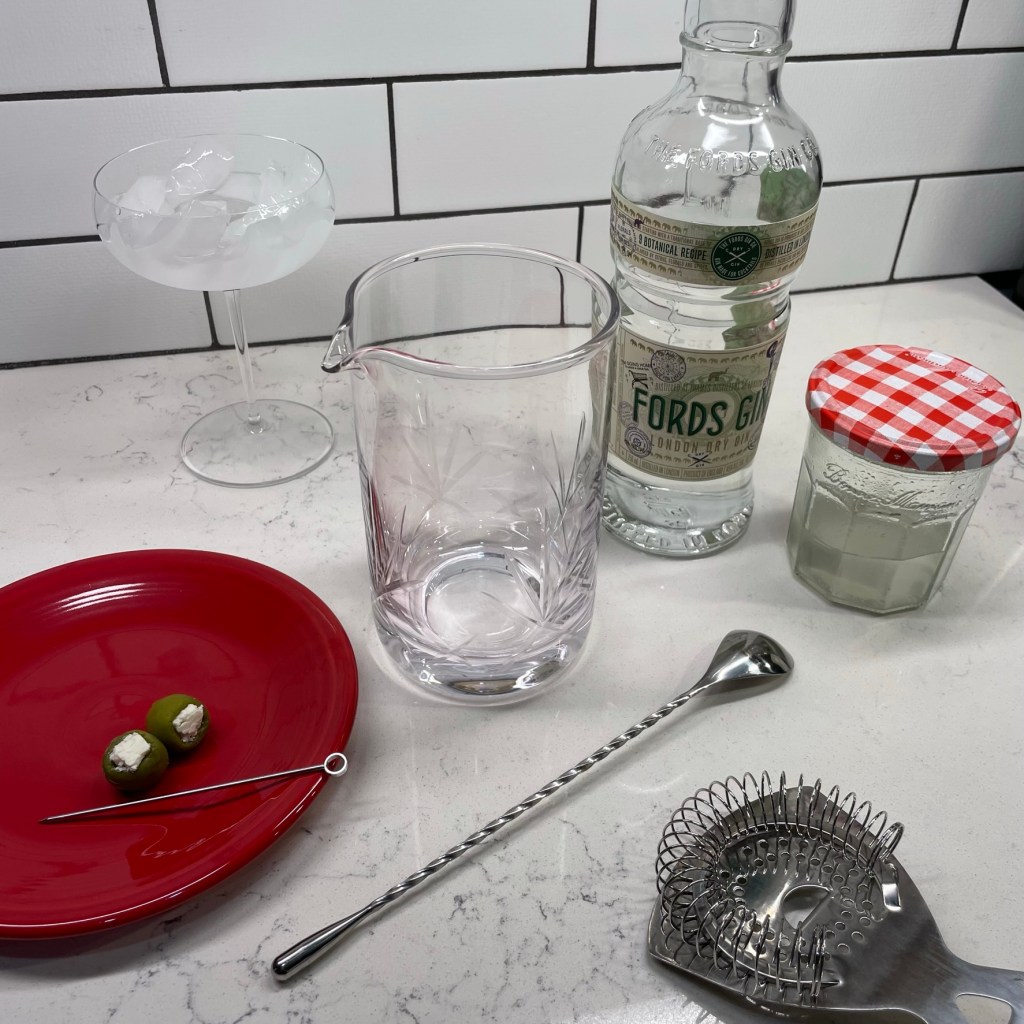
About a year ago, I became a subscriber to Imbibe magazine, which is intended for pro bartenders (but bored home mixologists can order it, too). In this magazine, as well as its digital counterpart, I’ve learned some new tricks of the trade in a way that puts my home mixology skills a step or two ahead of most cocktail bars in our city. Imbibe presented a version of this cocktail several months ago, and though I could not find the exact gin its creator used to make the drink, I knew I had to try it anyway. Fellow martini lovers, you are going to love this.

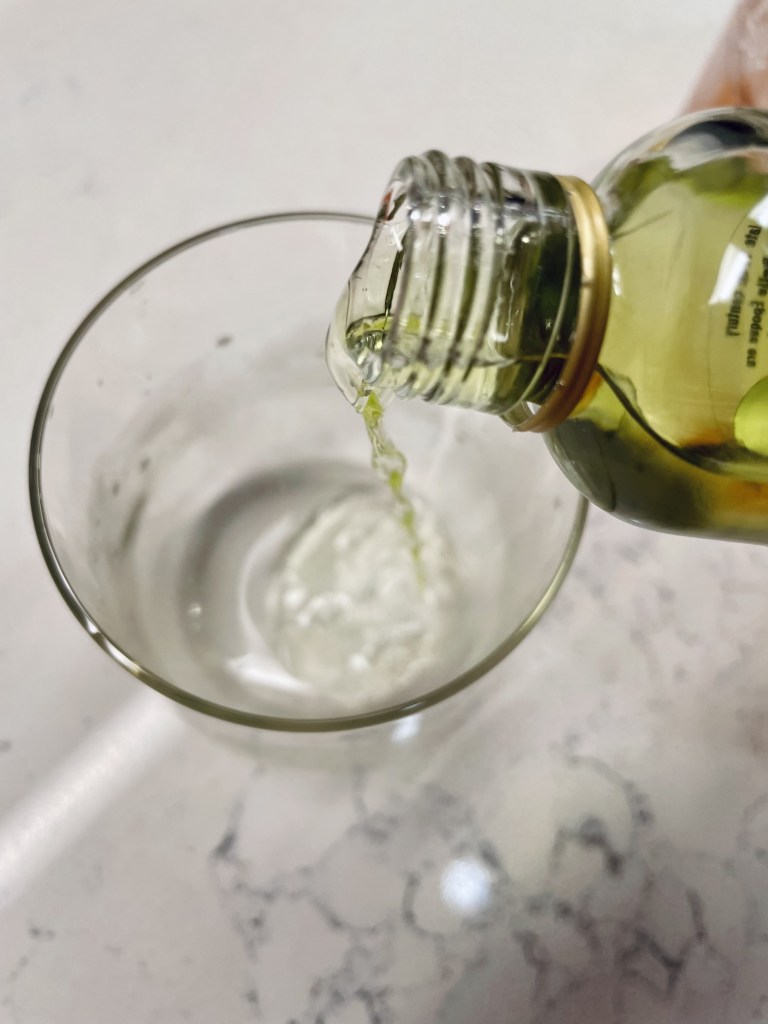
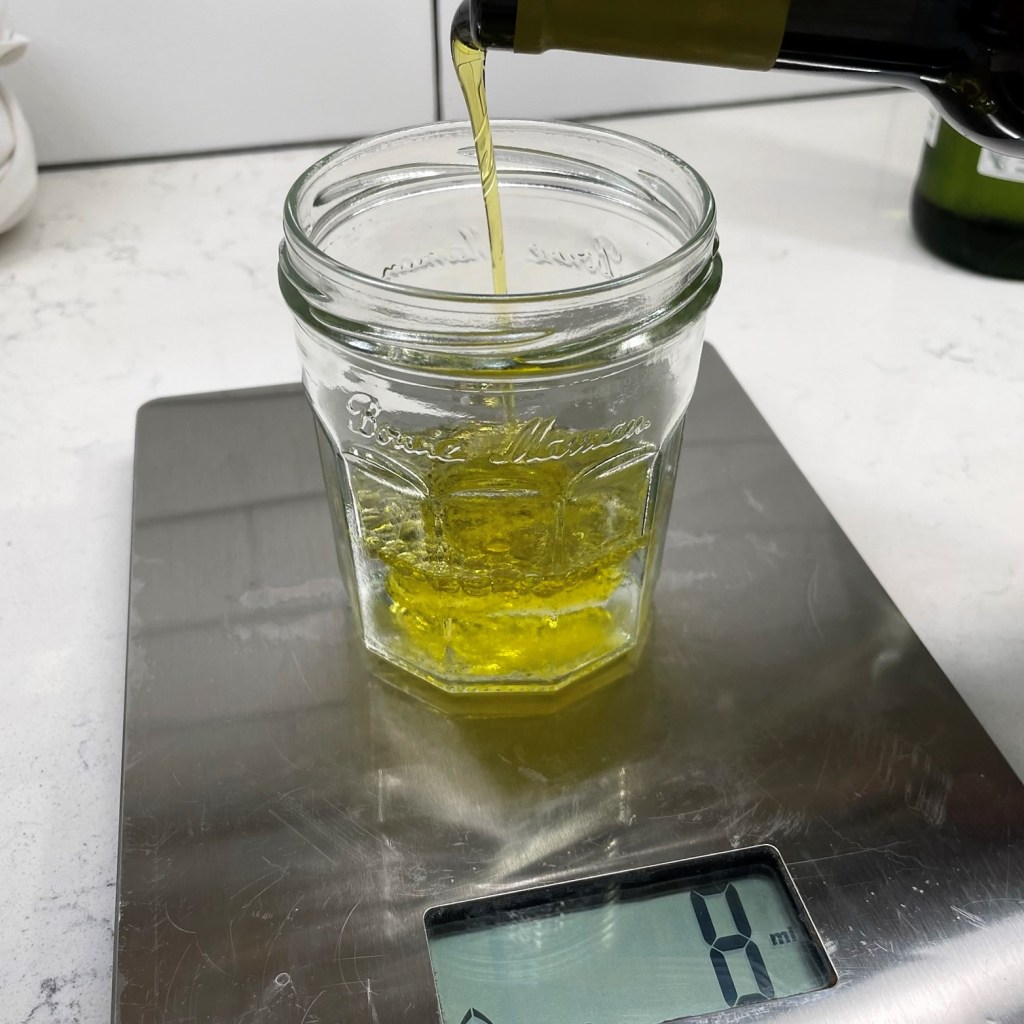
The dry vermouth you’ll use for the martini is first ā€œwashedā€ with a good quality, extra virgin olive oil, and the olive variety you choose will lend its specific character to the vermouth, even after it’s strained out after the chill-down. If you like fruity or grassy olive oil, you can expect those notes to carry over into your martini accordingly. Isn’t that fun? 


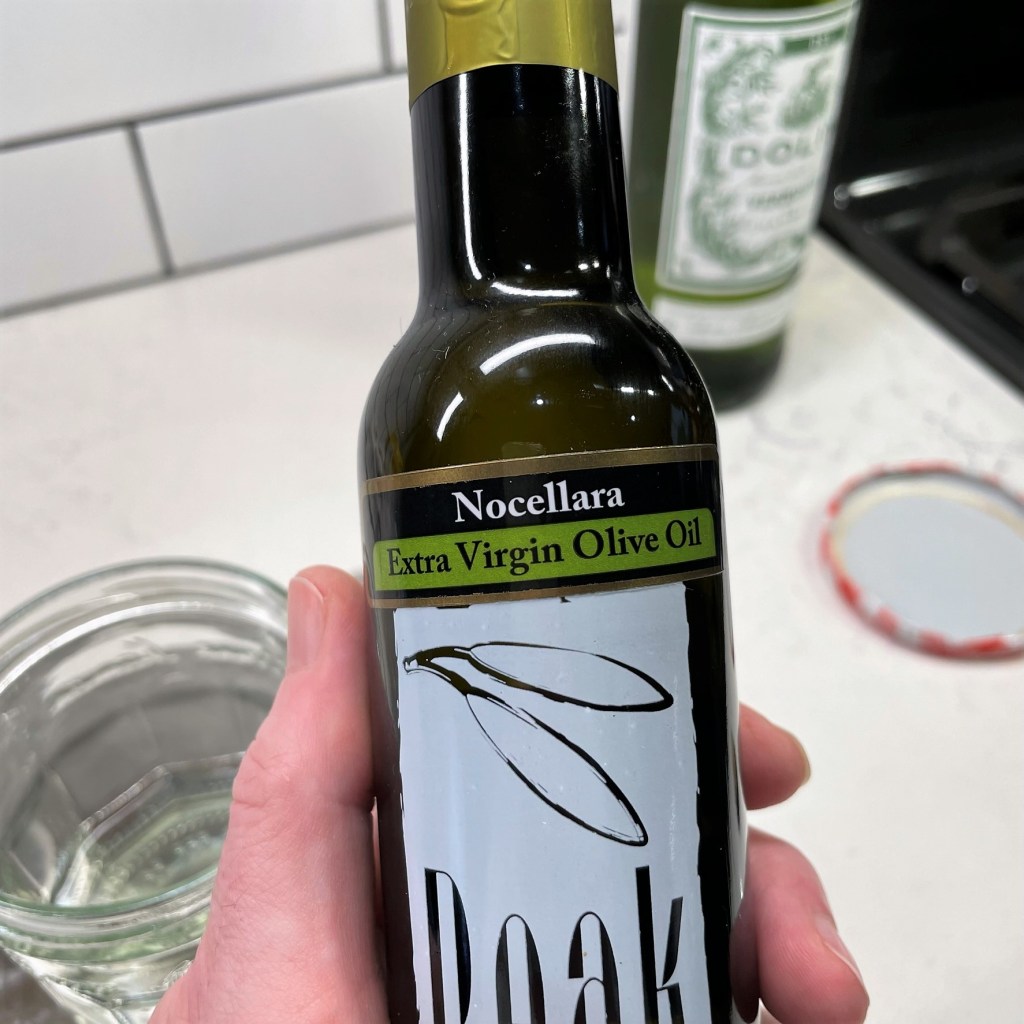
The oil I like best for this is Nocellara, an Italian olive variety known more widely as Castelvetrano. This oil has a mild and creamy, almost artichoke-y flavor, and it is outstanding for washing the vermouth, though other varieties I’ve tried were perfectly acceptable. The big thing that matters here is the quality and purity of the oil. It should be 100% extra virgin and cold-pressed, and you may have to leave the supermarket to find a good one. If you have a specialty oil and vinegar shop in your area, start there.

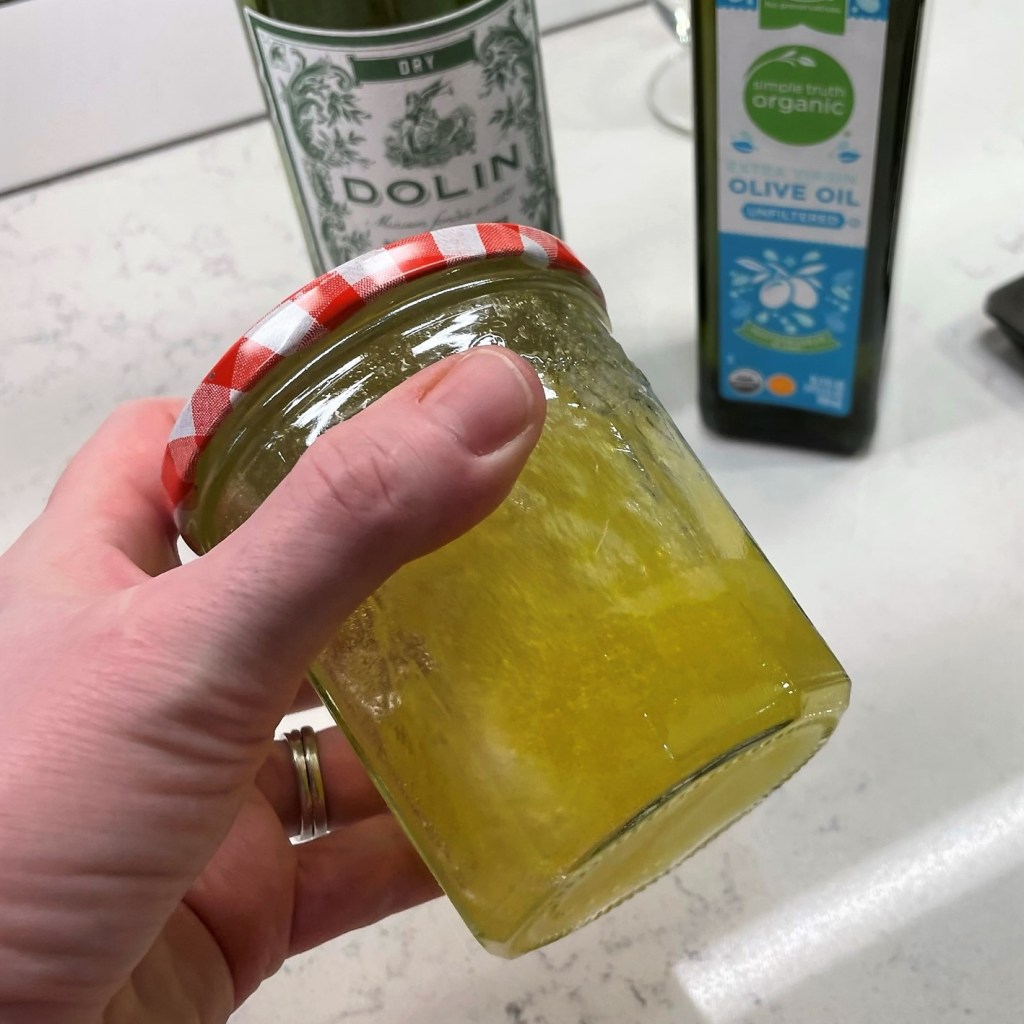
Combine the vermouth and oil (in a 5:1 ratio) in a wide-mouthed jar and shake it for about 30 seconds. Tuck it into the coldest spot of your fridge for about 24 hours (or up to about three days—after that, it loses something).


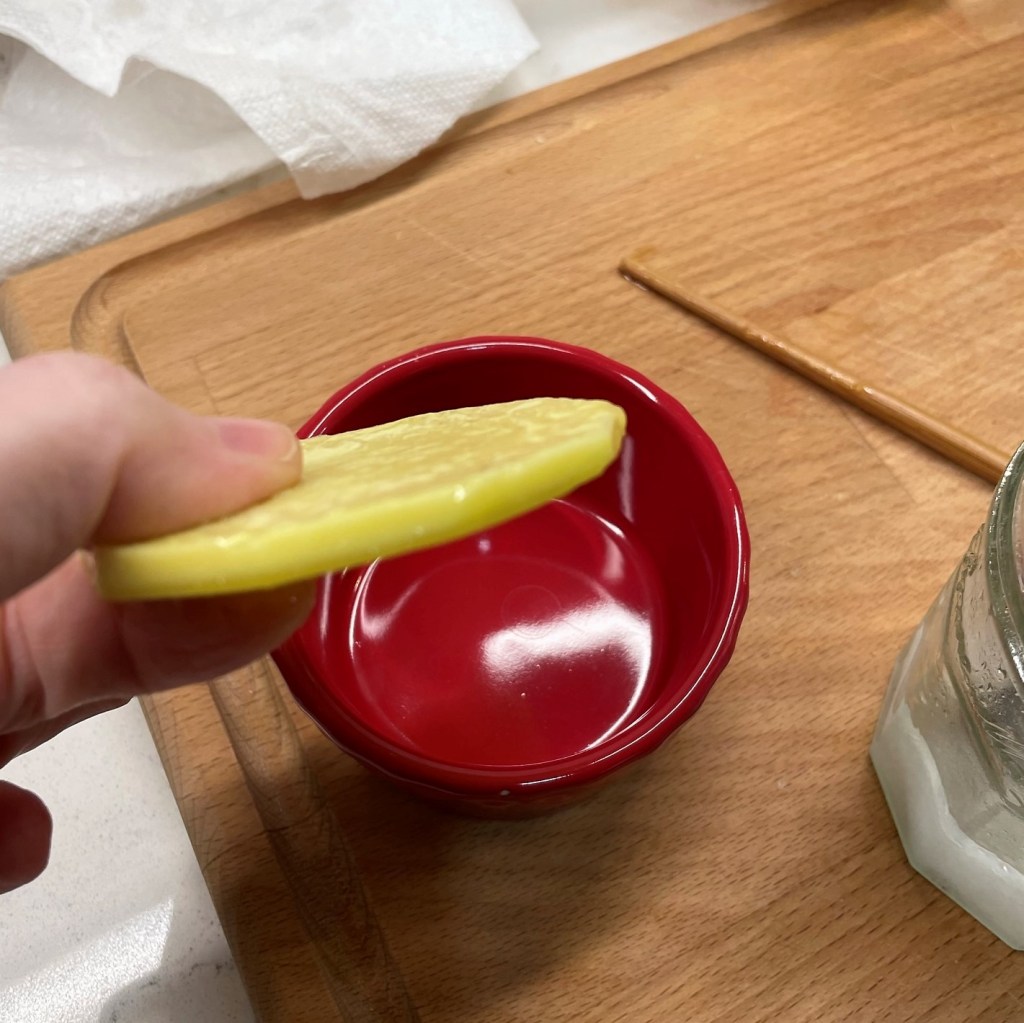
The pure olive oil solidifies in the fridge, so it’s usually easy to separate it from the vermouth after washing; I did this by poking the solid oil with a chopstick, then lifting it out and draining the vermouth out from under it into a new jar and then into a small bottle, ready to go for mixing cocktails. If the oil doesn’t solidify, it could be that it isn’t pure extra virgin, or it could be that the alcohol in the protecting the oil a bit. It’s not a lost cause though, just stick the jar in the freezer for a couple of hours and check again.


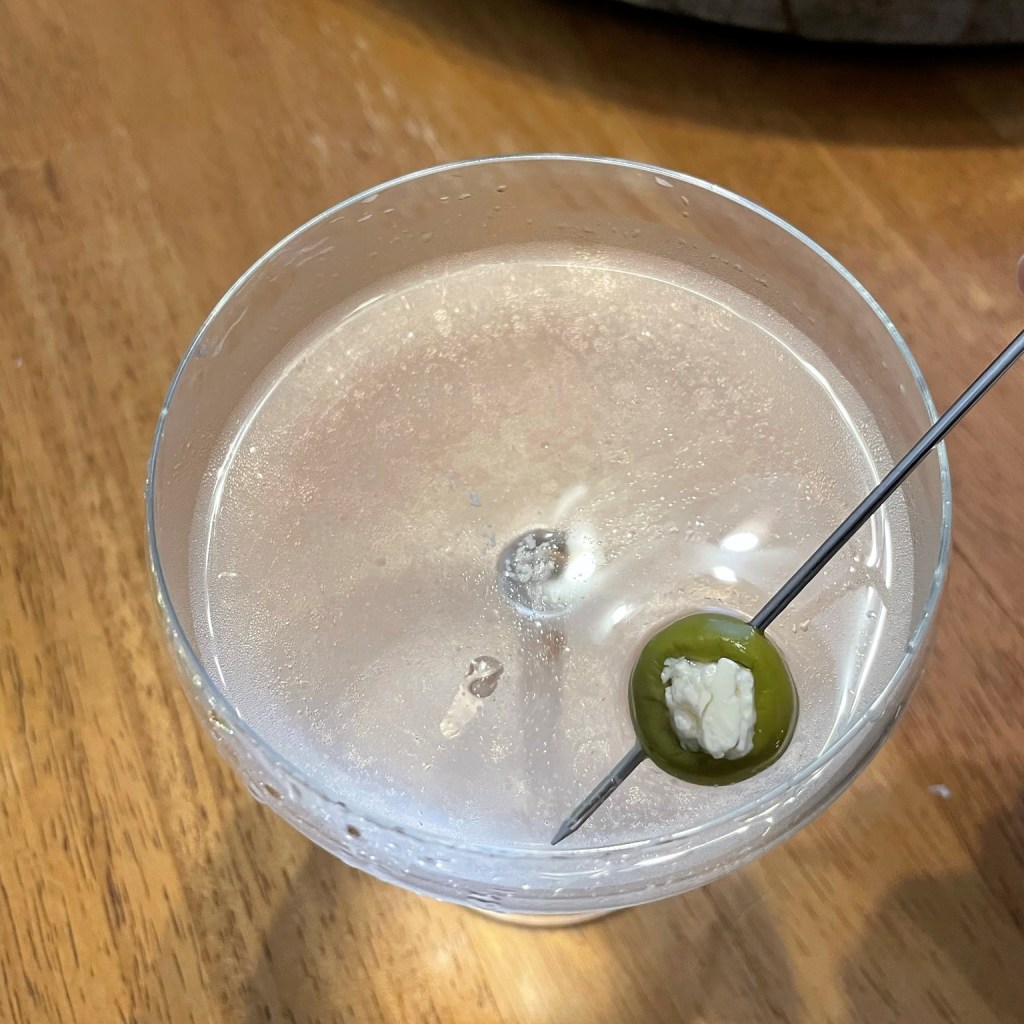
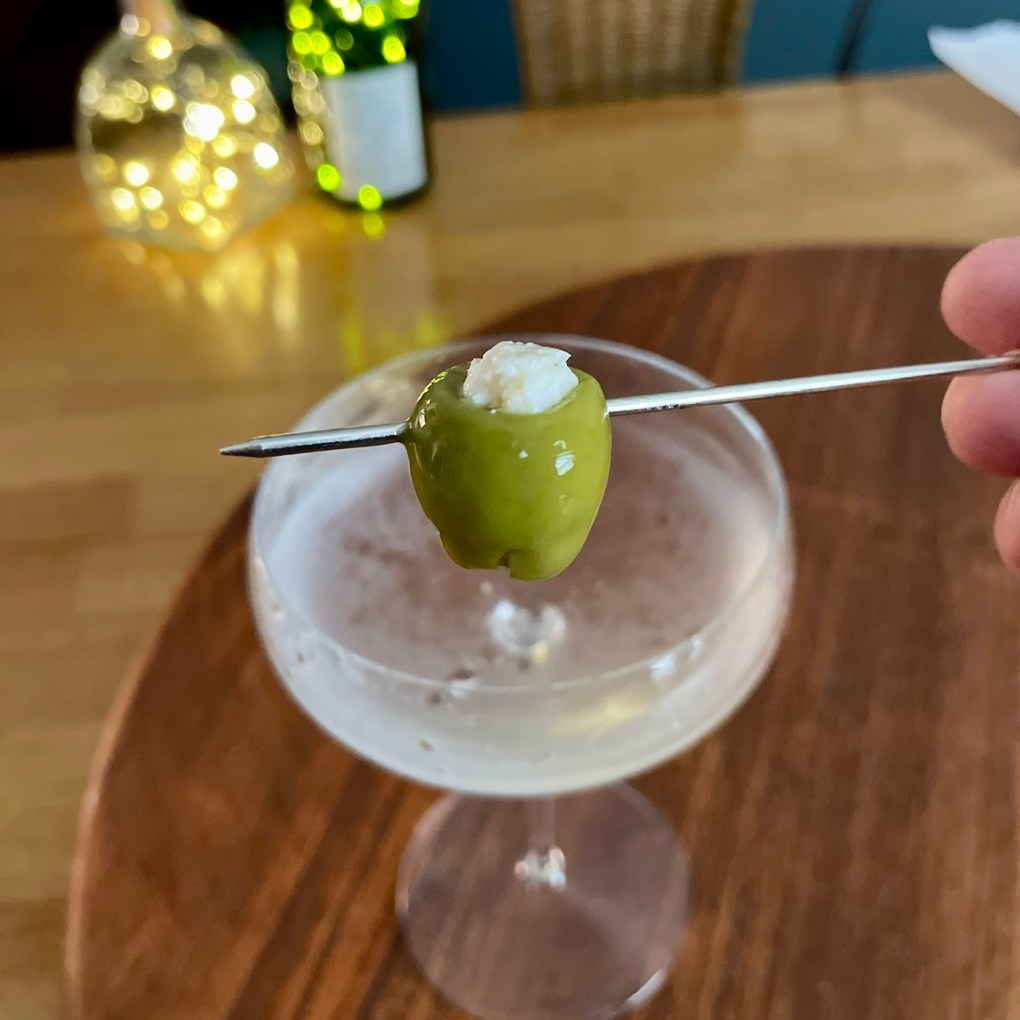
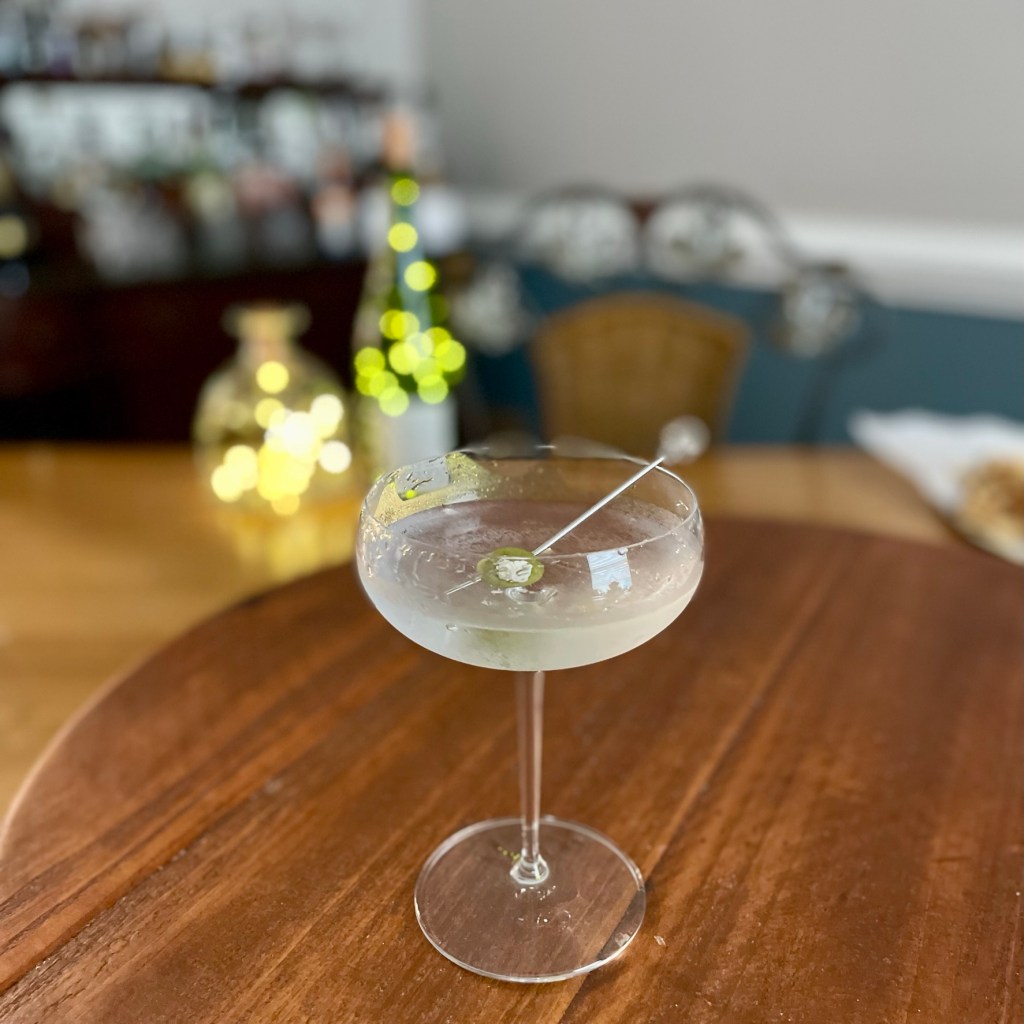
From that point, make your martini as usual. If you want a little extra olive flavor, go dirty with a little splash of olive brine, too. And of course, garnish it with a gorgeous olive— a big fat one, if you wish. These are castelvetranos, stuffed with a chunk of feta, which pairs perfectly.


Oh, and don’t throw out that solid slab of olive oil. Let it melt and use it in a snazzy vinaigrette dressing!

My Big Fat Olive Martini

  • Servings: 1 cocktail, easy to scale up
  • Difficulty: Easy
  • Print

A pro technique called 'fat-washing' transforms dry vermouth, putting a luscious twist on a classic cocktail!


Ingredients

  • 2 oz. London dry gin (or vodka, if you prefer it for martinis)
  • 1/2 oz. olive oil-washed dry vermouth (see below)
  • A splash of briny olive brine (optional, for a “dirty” martini)

Directions

  1. Combine gin, dry vermouth and olive brine (if using) in a shaker or mixing glass.
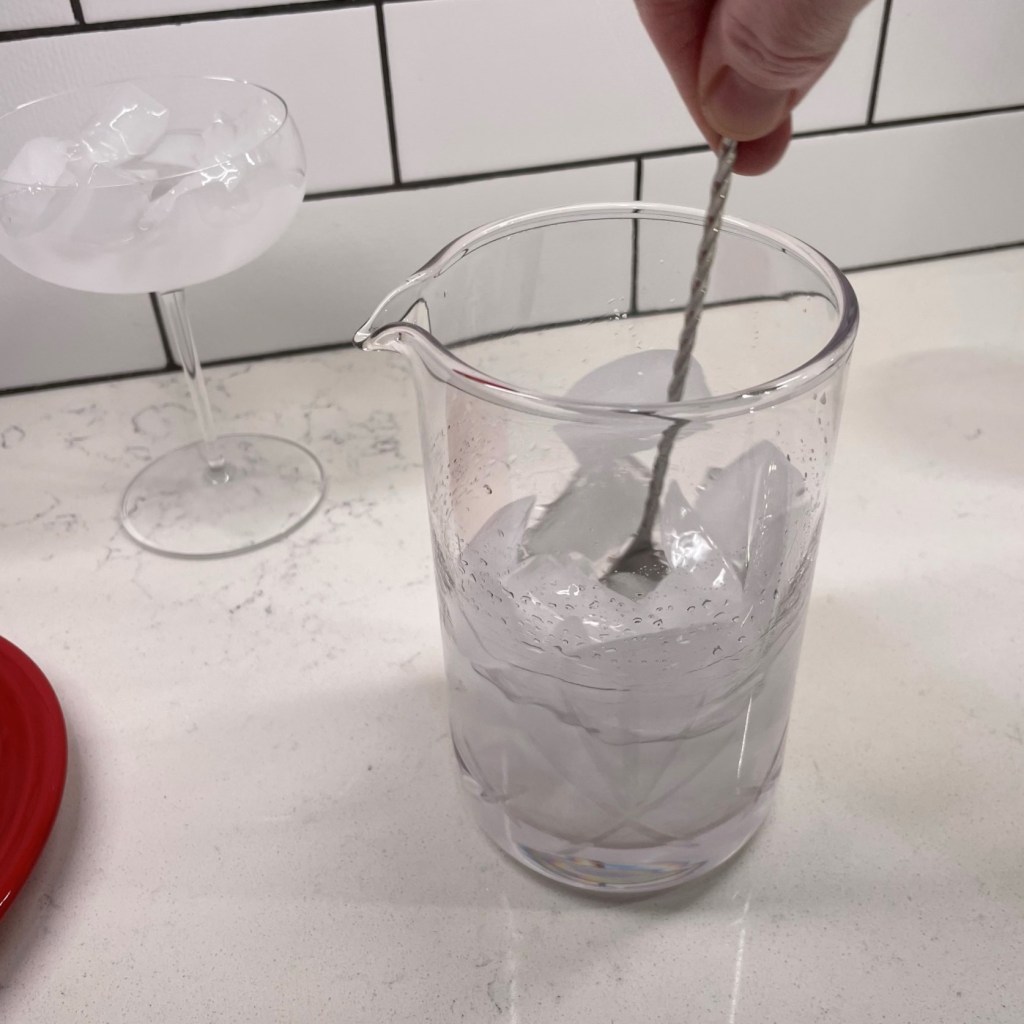
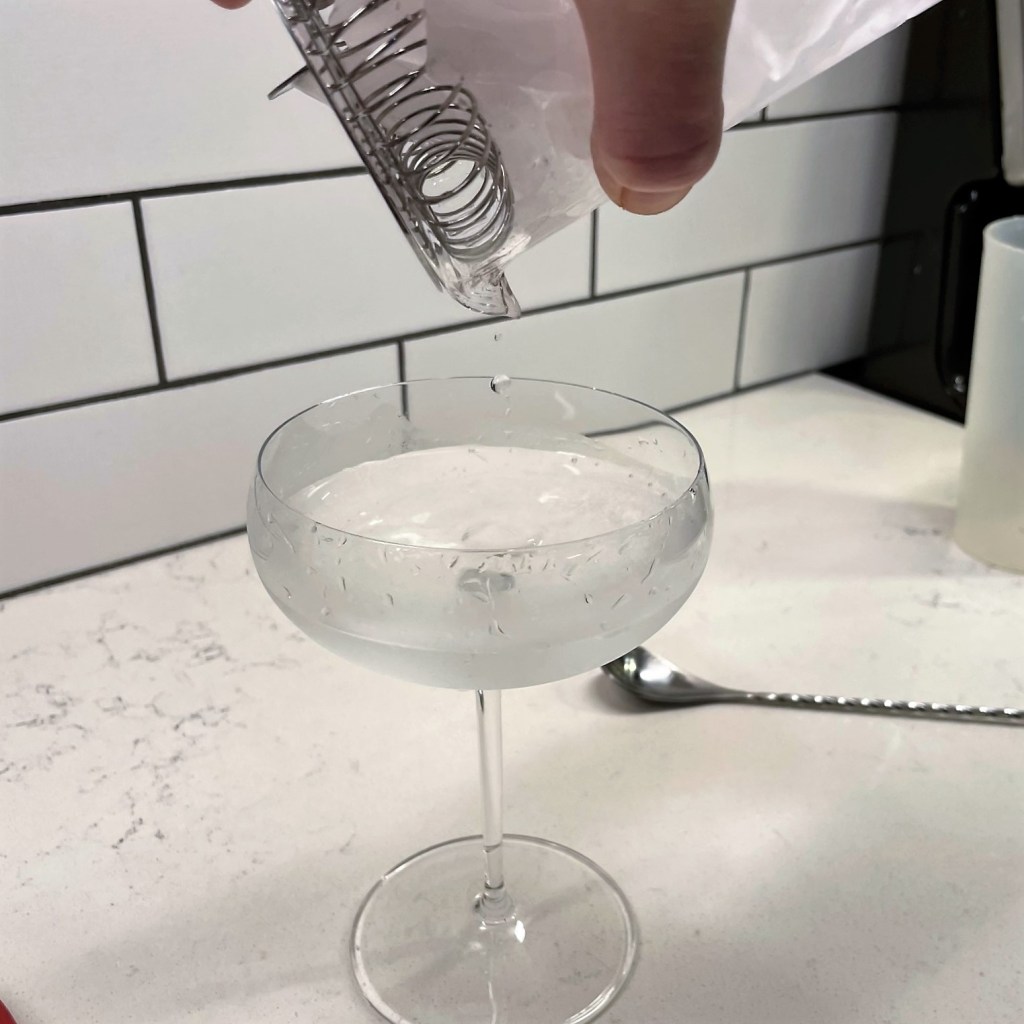
  2. Add a cup of ice and shake or stir about 30 seconds, until outside of container is frosty. Strain into a chilled martini or coupe glass. Garnish with a big fat olive, or twist of lemon peel (or both).

It is essential that you choose a 100% extra virgin olive oil for the fat-washing step. Inferior oils will not solidify during chilling and are difficult to strain from the vermouth. You’ll find a plethora of good options in a specialty oil and vinegar shop.

Ingredients

  • 75 ml (2.5 oz.) dry vermouth; I like Dolin brand for this
  • 15 ml (1/2 oz.) good quality, extra virgin olive oil

Directions

  1. Combine vermouth and olive oil in a wide-mouthed jar (it’s easier to poke through for straining later).
  2. Shake vigorously for about 30 seconds, and then place jar in a very cold spot in the fridge, undisturbed, for about 24 hours or up to three days.
  3. Remove jar from fridge. If the oil is not fully solid on top of the vermouth, place the jar in the freezer for a couple of hours to firm it up more.
  4. Use a chopstick or small spoon to loosen and lift the solid olive oil disk. Gently drain the vermouth through a fine mesh strainer to remove residual olive oil. Transfer the strained vermouth to a small bottle and keep chilled. This amount is good for five martinis. Scale up as needed.