Collards with Sausage and Beer Malt Vinegar

When families gather for Thanksgiving in a few weeks, there will be an array of traditions on display— from formal and elegant catered affairs, to casual and easygoing drop-ins, and even a few backyard shenanigans (probably involving a deep fryer). Too many families are still brainstorming how to make ends meet, with the government continuing to play tug-of-war with the benefits that help them stay afloat, and this distresses me greatly. How can we ever be a great nation if we don’t care for our neighbors? Sigh.

One of my own “traditions” for Thanksgiving is that we break tradition by rotating dishes and switching things up. I know, everyone has their “favorites” for Thanksgiving, and we do keep the standards on the playlist to avert an uprising— the bird, some kind of dressing, cranberry sauce and mashed potatoes with gravy. Beyond that? Anything goes!

This year, I have a seasonal cake in mind for dessert (still thinking it through), and I intend to include collard greens in the lineup. Their earthy composure will be most welcome, and in these parts of the American South, they are on a short list of comfort foods. I also love that collard greens are inexpensive (always a bonus), and they can be made a few days in advance and warmed up in time for the big dinner. Anything that makes the meal more “homey,” and allows for more time chatting and less time fussing, is good with me!
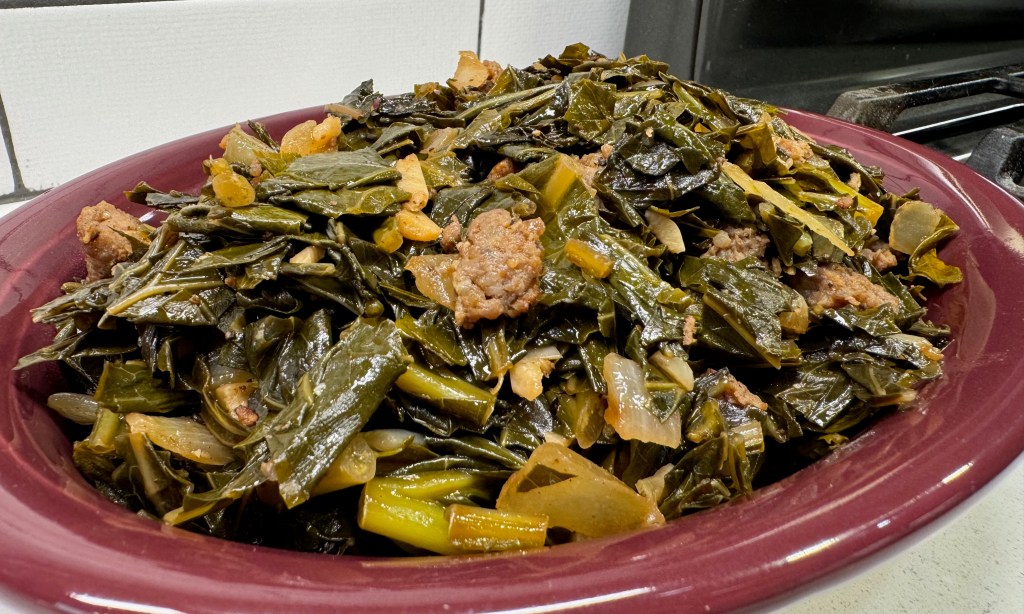
A dish this comforting deserves a spot on the Thanksgiving table.

Making collard greens 101

I’m amused recalling that I once shied away from making collard greens at home. I liked them, but had no idea how to transform the thick, leathery leaves into something tender and edible. There are two schools of thought on this, and the first was daunting enough that I kept my distance for years. It involves a dense, salty hunk of what our locals call “fatback,” and boiling (or even pressure cooking) the collards for hours on end, until they no longer resemble a vegetable. Some people love it; I do not.

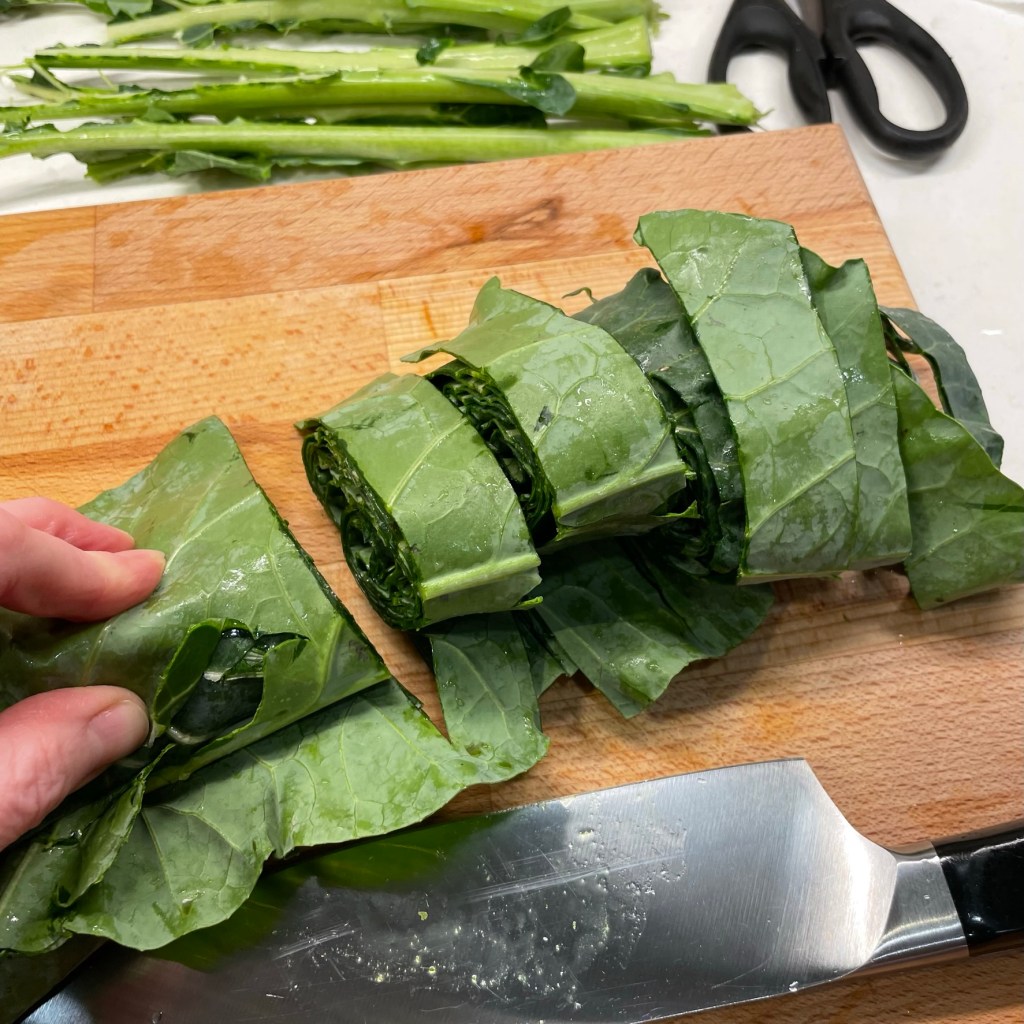
But the other method, shared with me by a kind lady in the grocery store, is not only quicker and easier— it also tastes better and leaves plenty of room for creative interpretation. This method involves briefly frying the trimmed collard greens in a small amount of oil or fat and then simmering for half an hour or so in whatever braising liquid makes you happy. To date, I’ve used broth, beer, whiskey, tequila and hard cider. And I’ve tossed a variety of flavor modifiers into my collard recipes, too, including bacon, tomatoes, mushrooms, onions, garlic, and even sweet potatoes (which was great). I guess what I’m saying is that collard greens are finding their way onto my list of “blank canvas” foods, and that isn’t at all a bad thing.

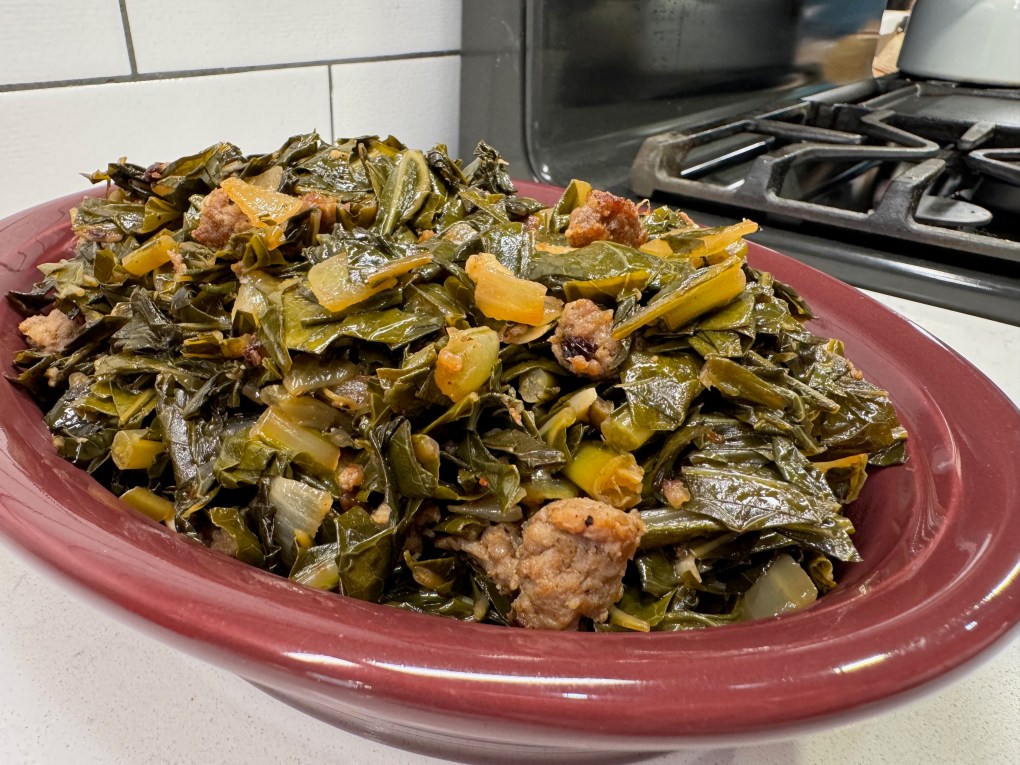
My sausage and beer malt version

My collards are usually intended as a casual side for roasted chicken, grilled pork chops or meatloaf. But this time, I knew I’d be using some of the leftovers in the collard dip recipe I shared a few weeks ago in memory of our friend who passed away unexpectedly earlier this year. He was a big-time foodie, always sharing cool food stories and interesting products that he found in his many travel adventures. About a year ago, I was surprised to receive a package that Jerry had ordered for me— it was a sampler of specialty vinegars from American Vinegar Works, which he described as “doing it the old-school way, handcrafted and aged.” And I suppose you can guess which one caught my eye first.
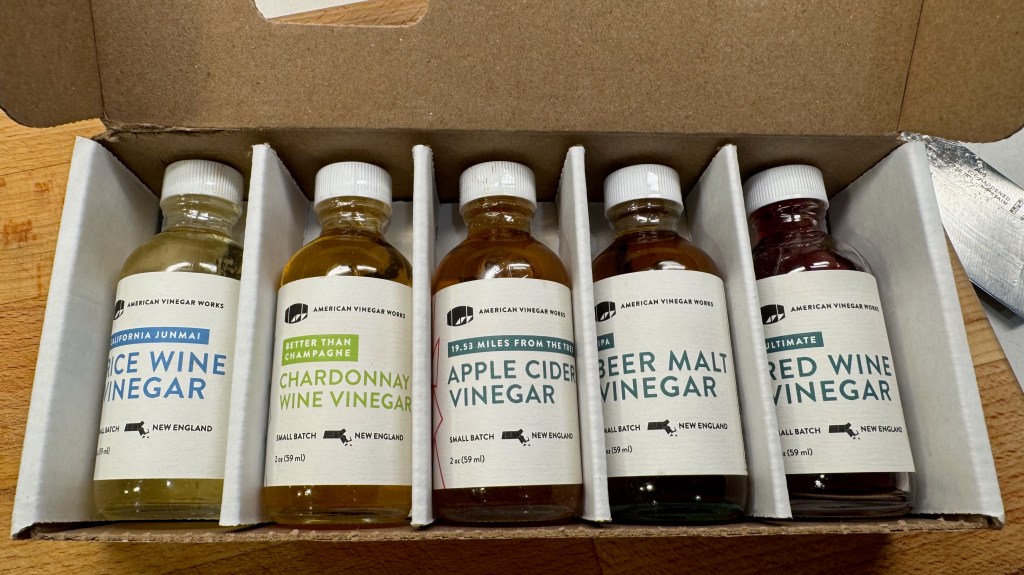
What a fun surprise this was!

I’d never heard of beer malt vinegar before, but I knew it would be complex and delicious. And using it for the collards that would become part of the collard dip was a great way to honor the memory of my friend who gifted me the sample collection of vinegars.

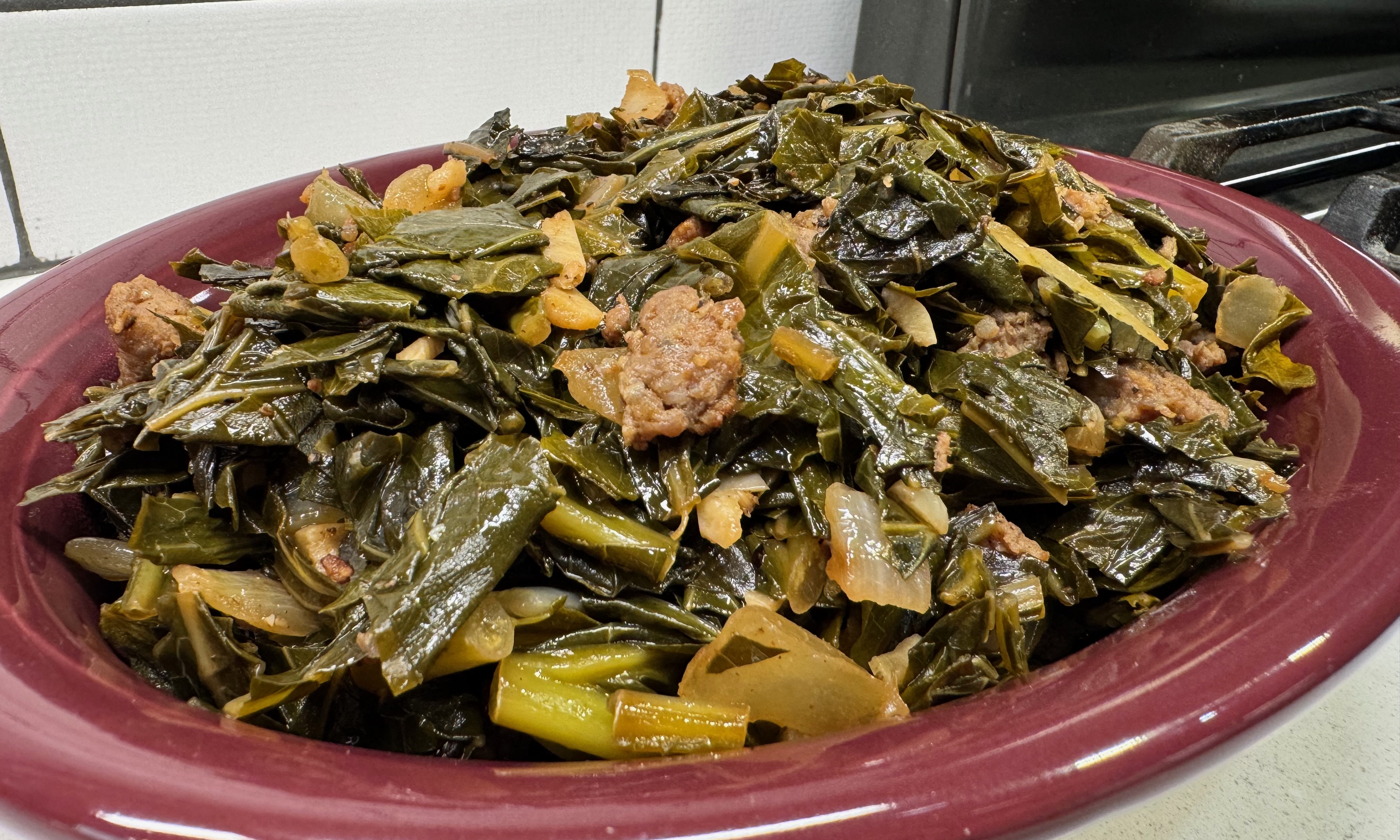
For this iteration of collard greens, I started with a local spicy pork breakfast sausage, browned up in bulk with chopped onions and a few garlic cloves, plus a smoky pepper seasoning. When I was happy with the browning, I transferred the meat mixture into a separate bowl while I sautéed the collards, one handful at a time, just as the nice grocery lady told me.
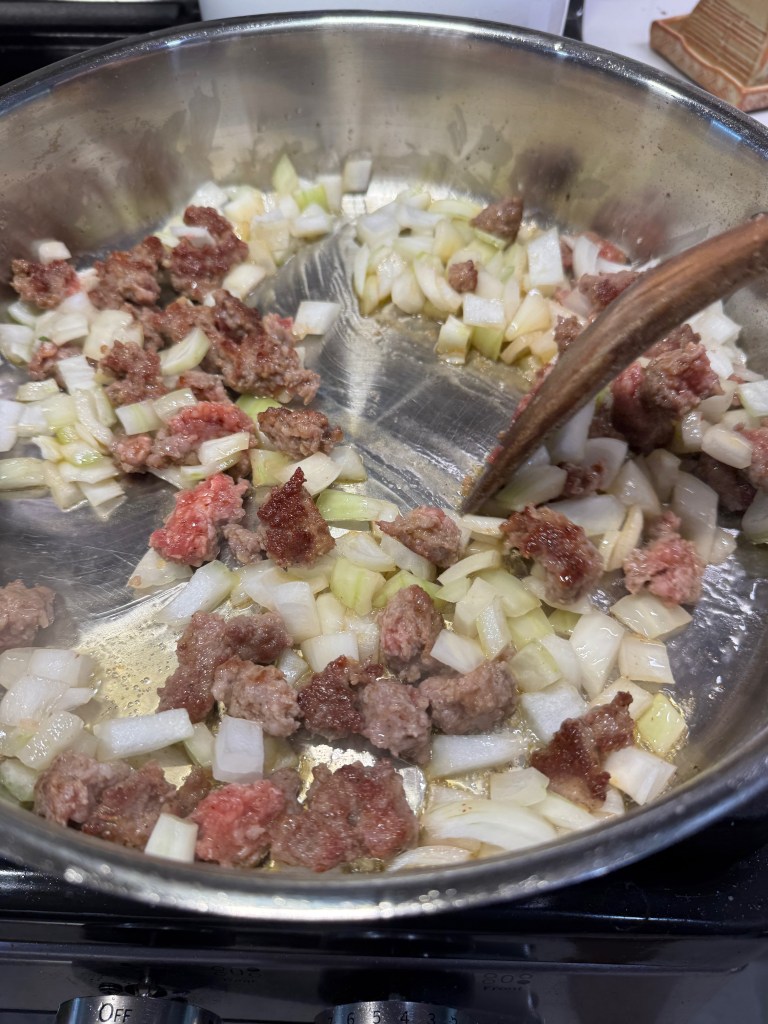
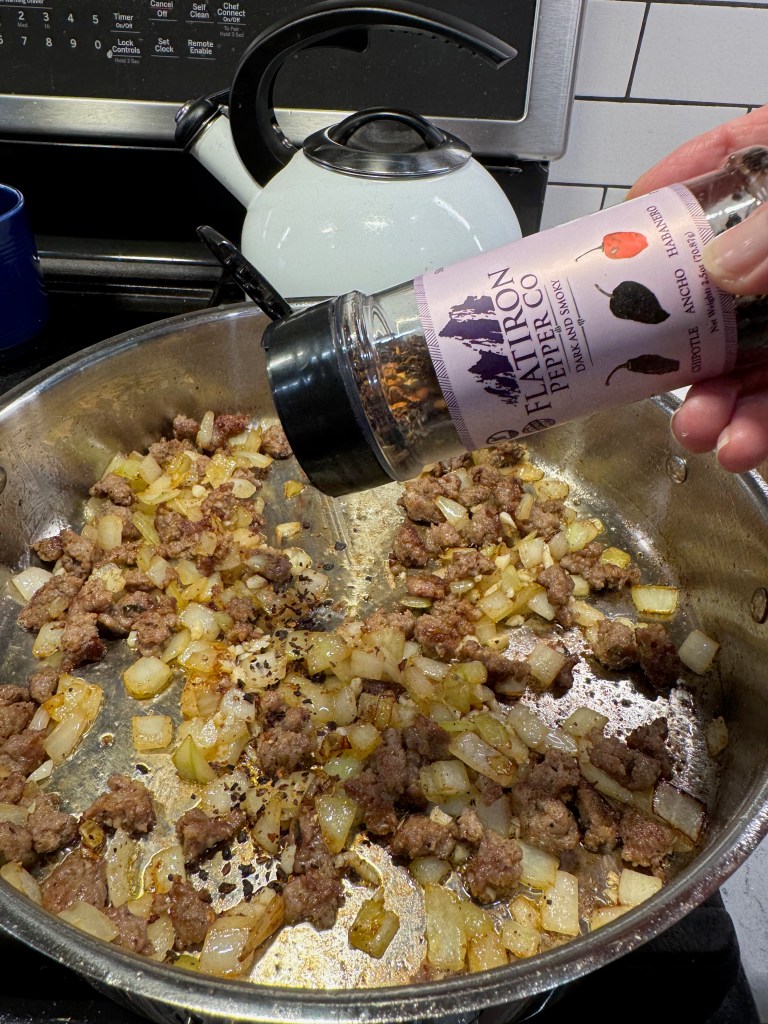
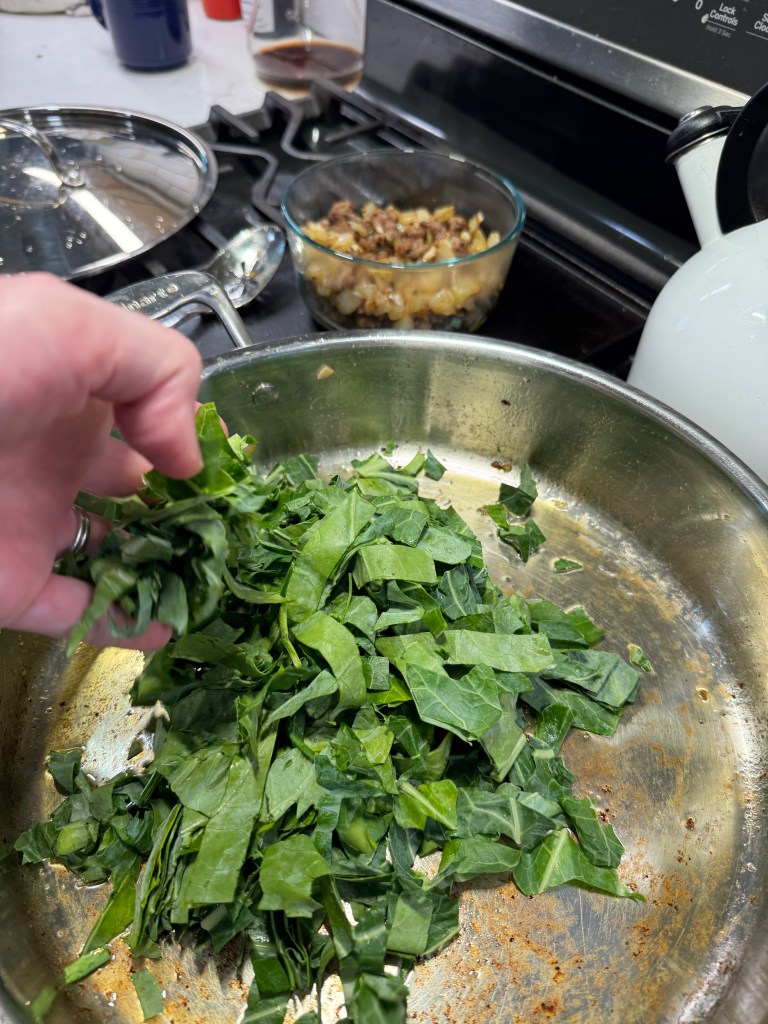
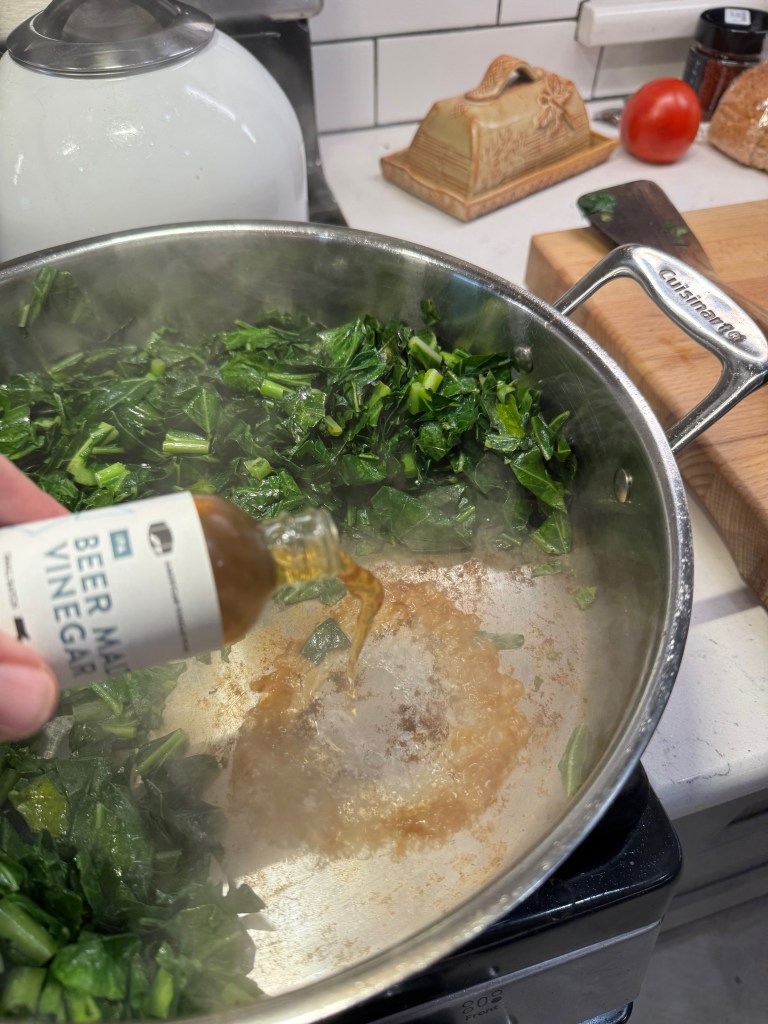
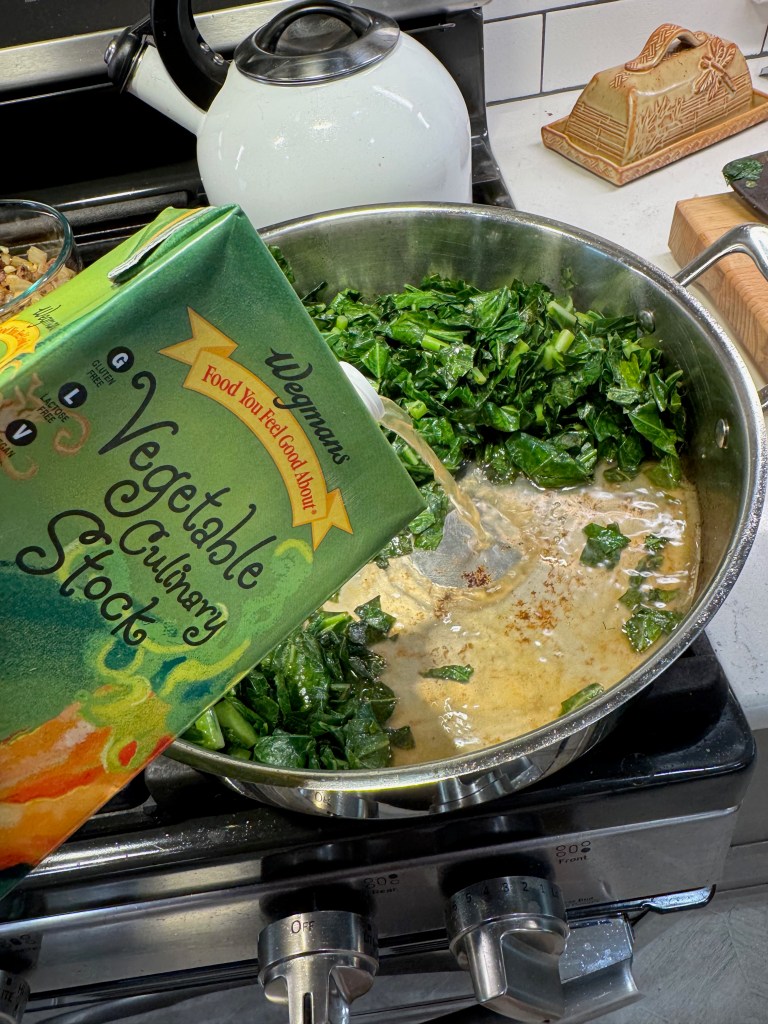
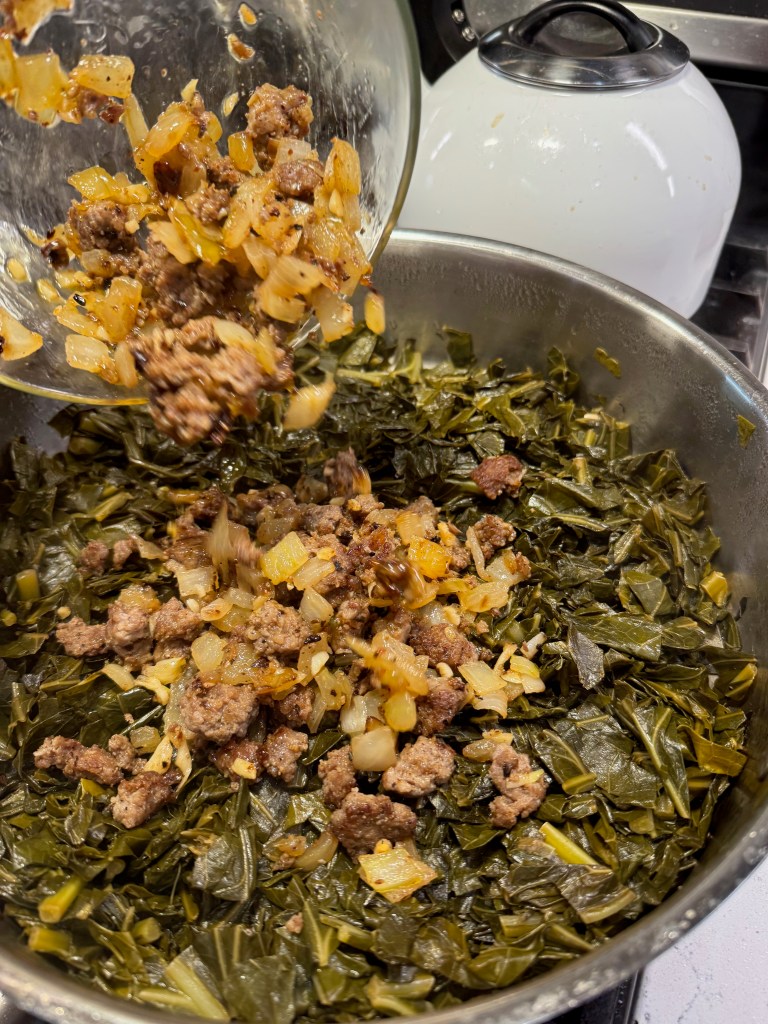
I chose the beer malt vinegar to deglaze the pot before simmering the collards to tenderness, and it was an excellent call. These greens are very fibrous, and a shot of acidity is helpful for breaking them down more quickly (plus it’s delicious). A generous splash of veggie broth finished the job with a 40 minute simmer, and then I stirred the sausage and onion mixture back in at the end, just long enough to heat the dish through.
If your Thanksgiving table needs another vegetable side, and you want something easy and hearty that won’t break the bank, give collard greens a try. Below today’s click-to-print recipe card, you’ll see a few other recipe options for this powerhouse green vegetable. And if your family has a similar tradition of “breaking tradition,” let’s hear about it in the comments!

Collards with Sausage and Beer Malt Vinegar
  • Servings: About 8
  • Difficulty: Average
  • Print

Beer malt vinegar gave my collard greens a savory twist, making them a great option for Thanksgiving.


Ingredients

  • 1/2 pound bulk breakfast-style sausage (spicy is great here)
  • 1/2 large onion, chopped
  • Salt and pepper
  • 2 cloves garlic, minced
  • A few shakes of dried pepper flakes (mine were smoky chipotle)
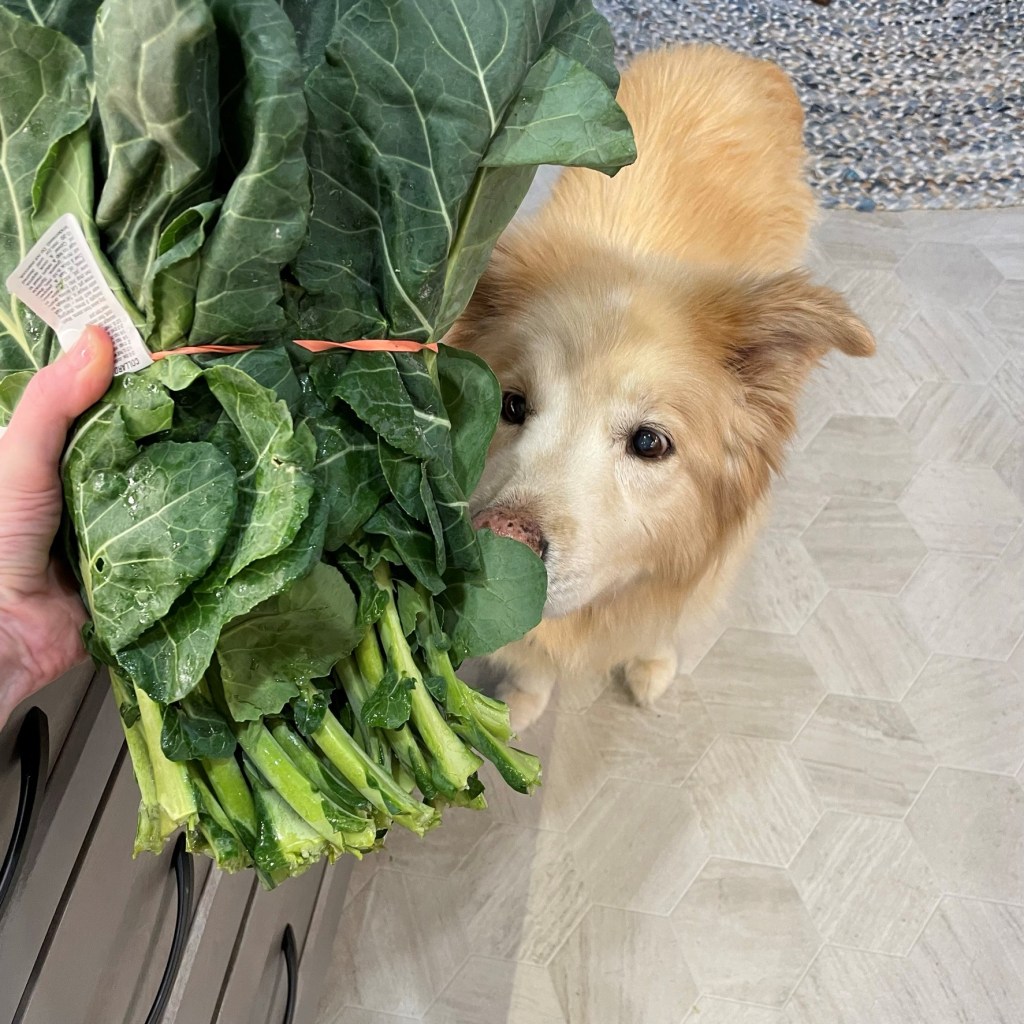
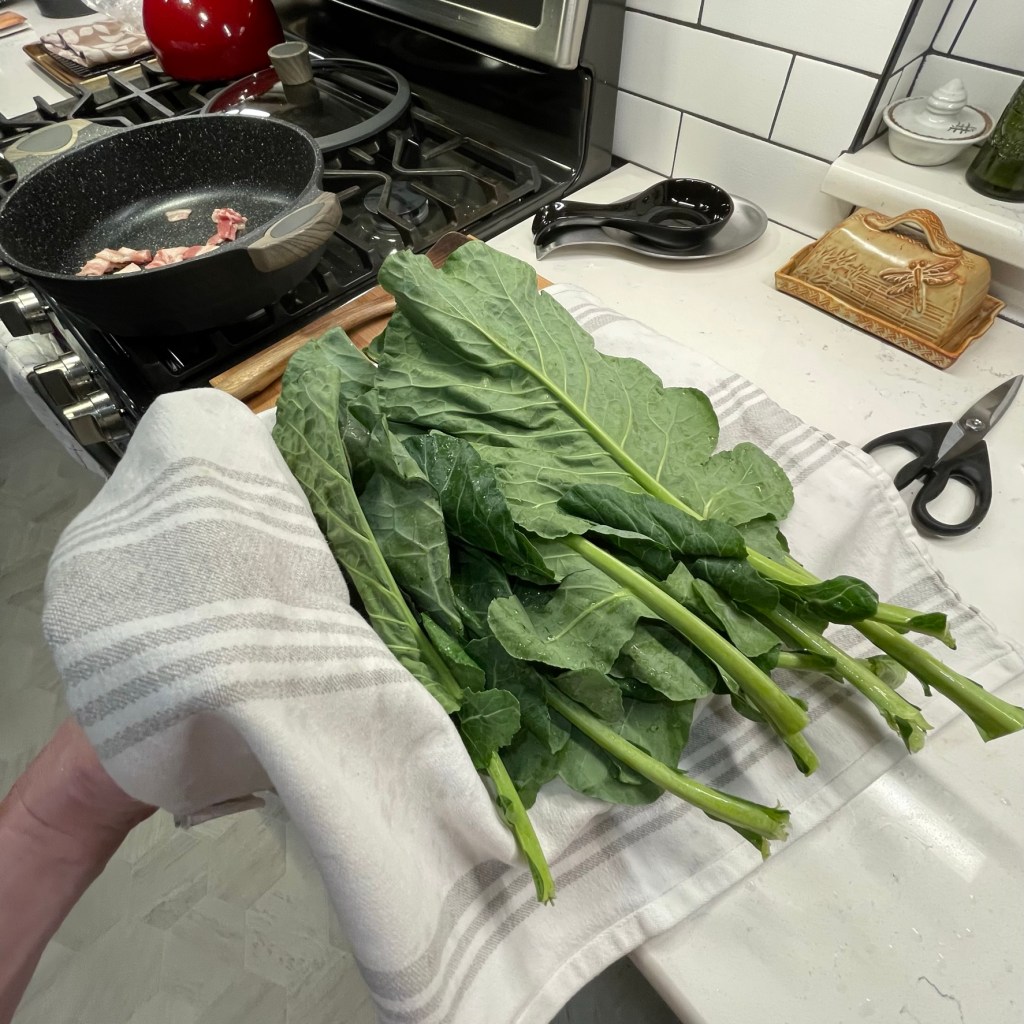
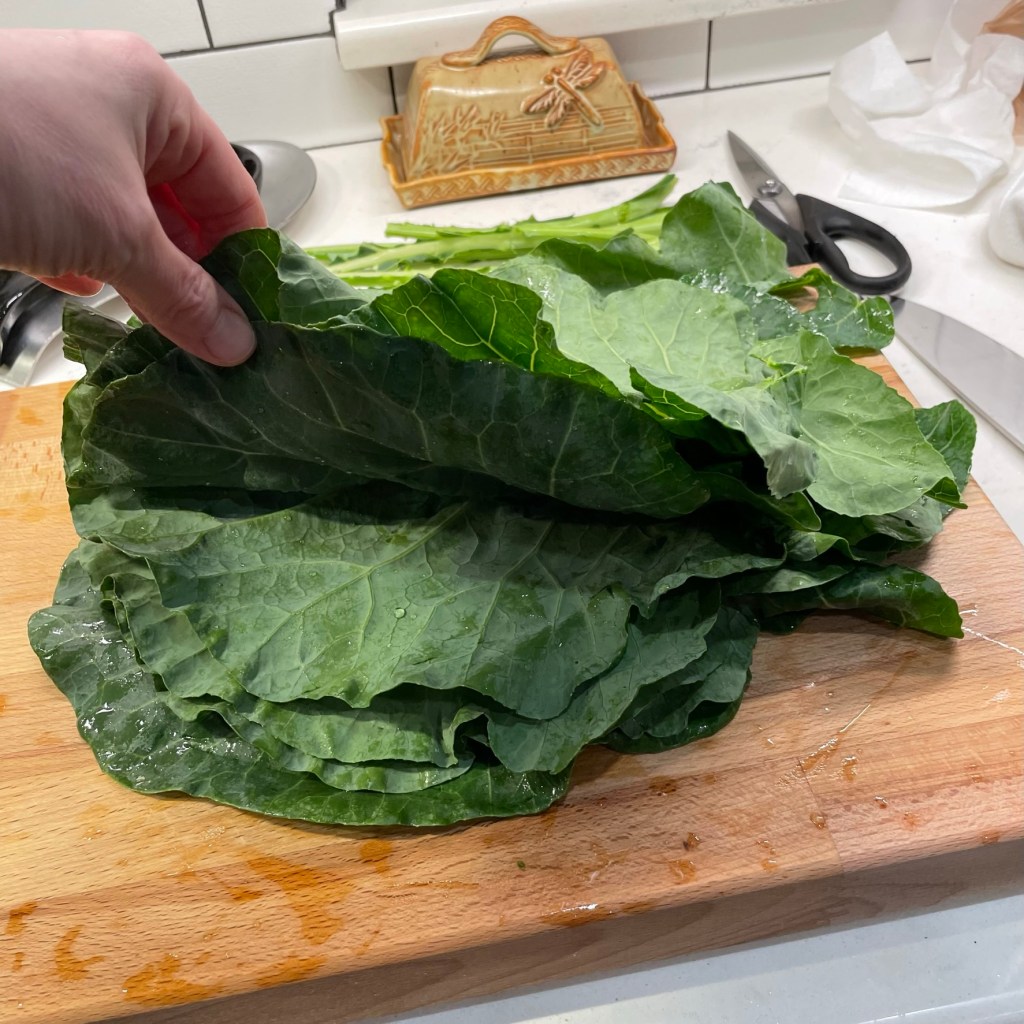
  • 1 large bunch fresh collard greens, cleaned and trimmed (see notes)
  • 1/4 cup beer malt vinegar (see notes)
  • 1 cup low-sodium vegetable broth

Notes: Collard greens may be available in a “pillow” type package, and those are convenient but not the same quality as fresh collards you purchase in a bunch. They will require more time cleaning and trimming, but it’s time well spent.

The beer malt vinegar I used was from American Vinegar Works, and they seem to have two different beer varieties. My vinegar was made with IPA malt, but they also have one made with porter malt that must be amazing! If you can’t get your hands on this specialty product, try using a splash each of beer and regular malt vinegar.

Directions

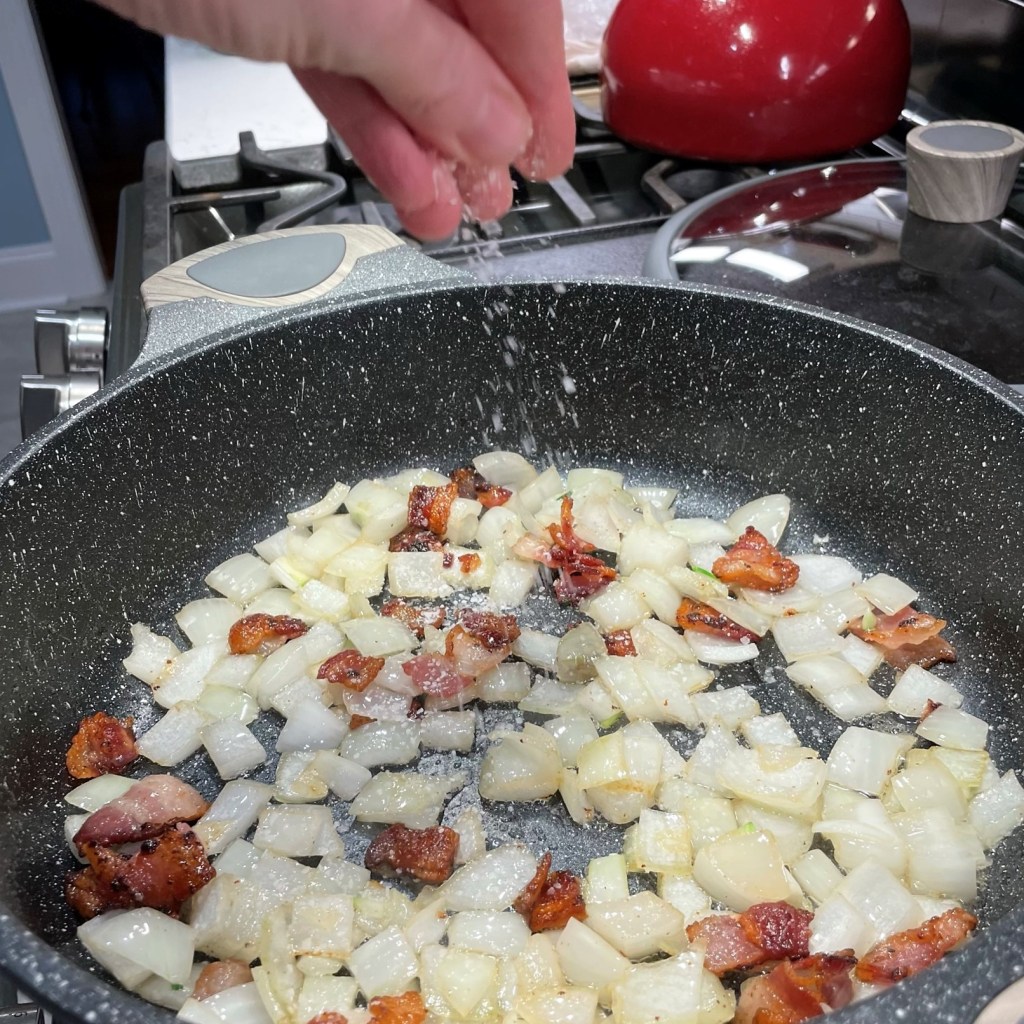
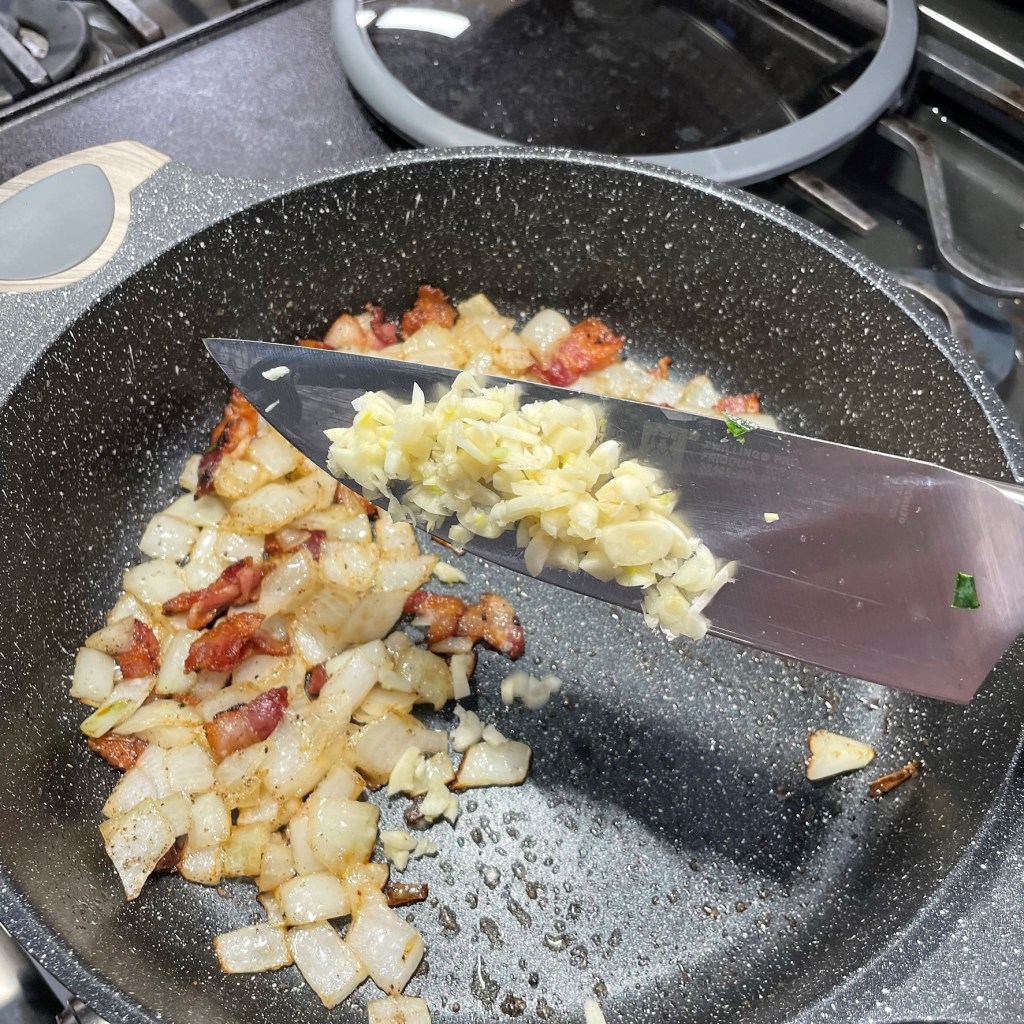
  1. Place a wide, shallow skillet or pot over medium heat. Add a swirl of olive oil and crumble up the sausage into the pan. Let it be for a couple of minutes before you toss it with a utensil, to allow browning to happen. Once the sausage begins to brown, add the onions and continue to cook until the meat is fully browned and the onions are tender. Add garlic and the smoky pepper seasoning. Transfer the sausage mixture to a separate bowl and set aside until after the next step.
  2. Add the collard greens, a handful at a time, tossing until each is wilted before adding the next handful. Once all the greens are wilted and bright green in the pot, pour in the beer malt vinegar. Use your utensil to scrape any browned bits from the pan. Add vegetable broth and stir to blend. Reduce heat to low, cover the pot and simmer for 30 to 40 minutes, depending on how tender you like your greens.
  3. When greens are done to your liking, return the sausage and onion mixture back to the pot with the collards, just long enough to heat it through.
Creamy Collard Dip

In late 2018, my husband and I were invited to join our friend, Jerry, at a new-at-the-time restaurant in northeast Greensboro, North Carolina. Jerry was excited about this place, and we instantly felt the same about its casual vibe, beautiful bar and exceptional menu. Our only lament was that it was 45 minutes from our front door, and that meant that we weren’t able to visit as often as Jerry did, or as we would have liked.

Today, that restaurant is called Kau, an open-concept restaurant with high ceilings, retrofitted into a retired textile mill. It bills itself as a steakhouse— a fair description, given that it has an in-house butcher shop where you can also purchase an array of meats to take home— but we were impressed with its other offerings, including this addictive appetizer. Collard dip is hearty, rustic and comforting— perfect for fall— and as we enjoyed ours across the table at Jerry’s favorite new hotspot, I promised him that I would recreate the dip one day at home and put it up on Comfort du Jour. Even better, we’d have him over and chat over a cocktail, preferably bourbon.

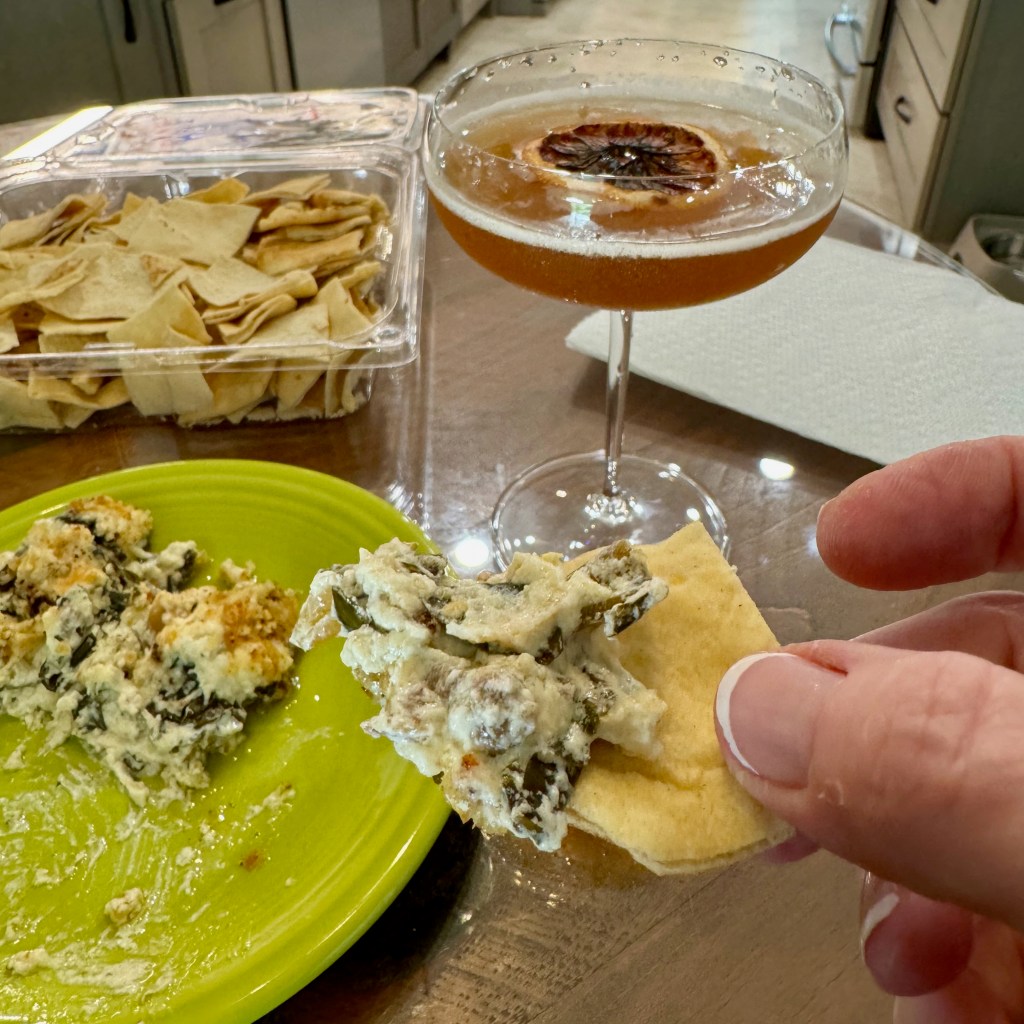
What could be better than snacks and drinks with friends?

I had a difficult time making this dish last month. Not for its process or technique; that part is easy, as you’ll see in a moment. It was emotional because our friend Jerry passed away a few months ago, without warning and far too soon. Les and I were stunned, as was everyone else who knew and loved Jerry. We felt guilty for how much time had passed since we last got together with him, and it still doesn’t seem quite real that he is gone.
I missed a chance to share this recipe with Jerry. I know he would have loved it, and I’m certain that he would have made it at home himself as he often did with the recipes I posted on the blog. We tend to believe that there will always be more time for getting together with dear friends, but we never know, do we?

Yes, life gets in the way, and it can indeed be difficult to align our calendars when we are all juggling work, family and travel obligations. But the older I get, the more I’m seeing the importance of making time for our friends. The house doesn’t need to look perfect to have people over, and plans with friends don’t have to be extravagant. They can even be last minute and sometimes that makes it more fun. What matters is just doing it. Who would you miss most if they were gone tomorrow? Call them up, set a date and make something happen.

This one’s for you, Jerry. 💕 🥃


First, the collards

This collard dip recipe relies on having a cup or so of leftover cooked collards, so it’s best to plan ahead and make that component a day or two beforehand. I’ve shared several collard recipes on this blog, including kick-ass whiskey braised collards and smoky mushroom and tomato collards, either of which would be great in this dip recipe. For this recipe, I embellished my collards with onions, garlic, spicy sausage and a smoky chipotle seasoning. It’s bold and earthy, which is a terrific contrast against the creaminess of the other ingredients in the dip. Your choice of collards is subjective; just bear in mind that their flavor will play a major role in the final flavor of the dip. I promise that I’ll share the sausage version that I used here within the next couple of weeks.

UPDATE: The collards with beer malt vinegar recipe is now posted! Follow this link to get it. 😁

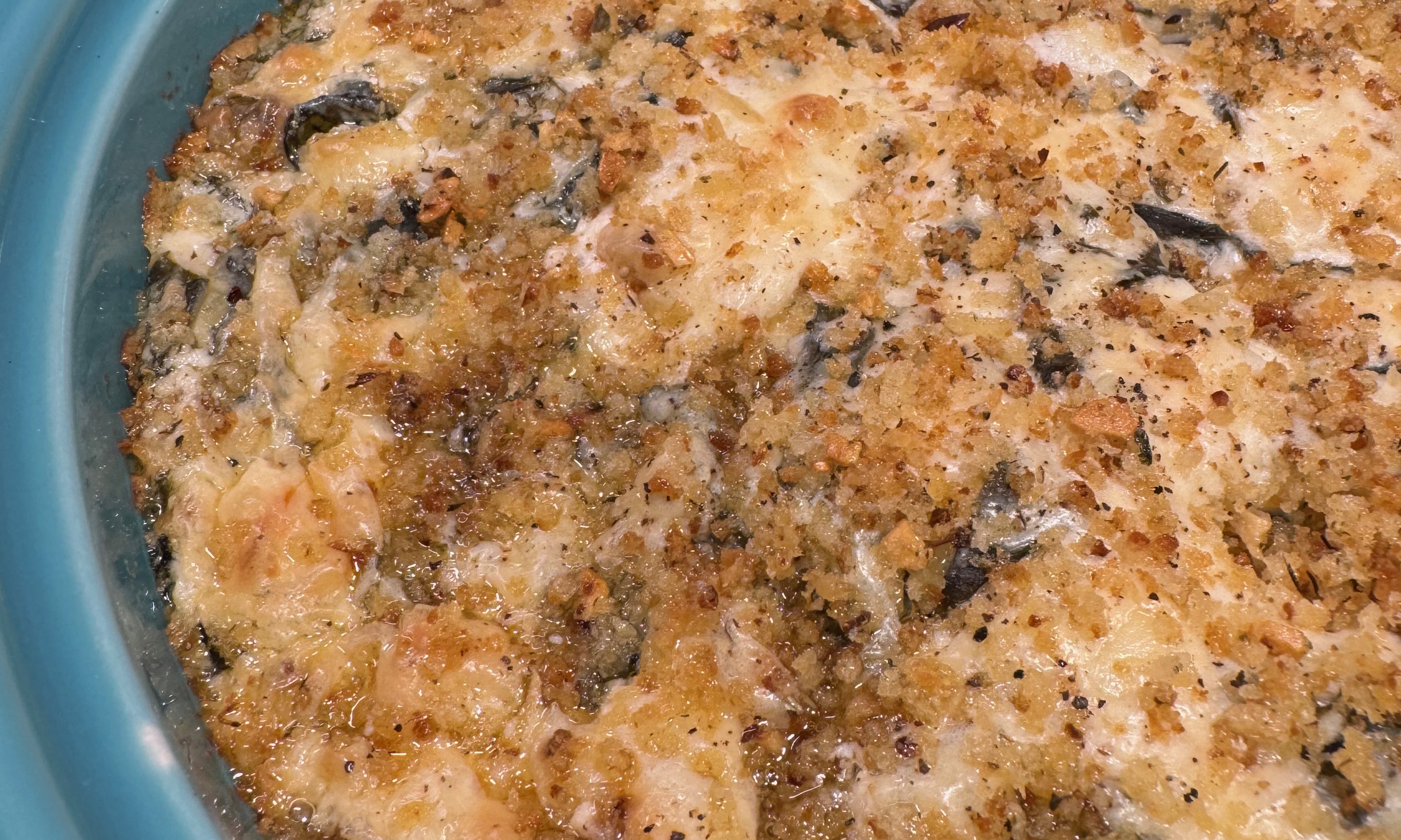
So hearty, it’s almost a meal on its own.

And now, the dip

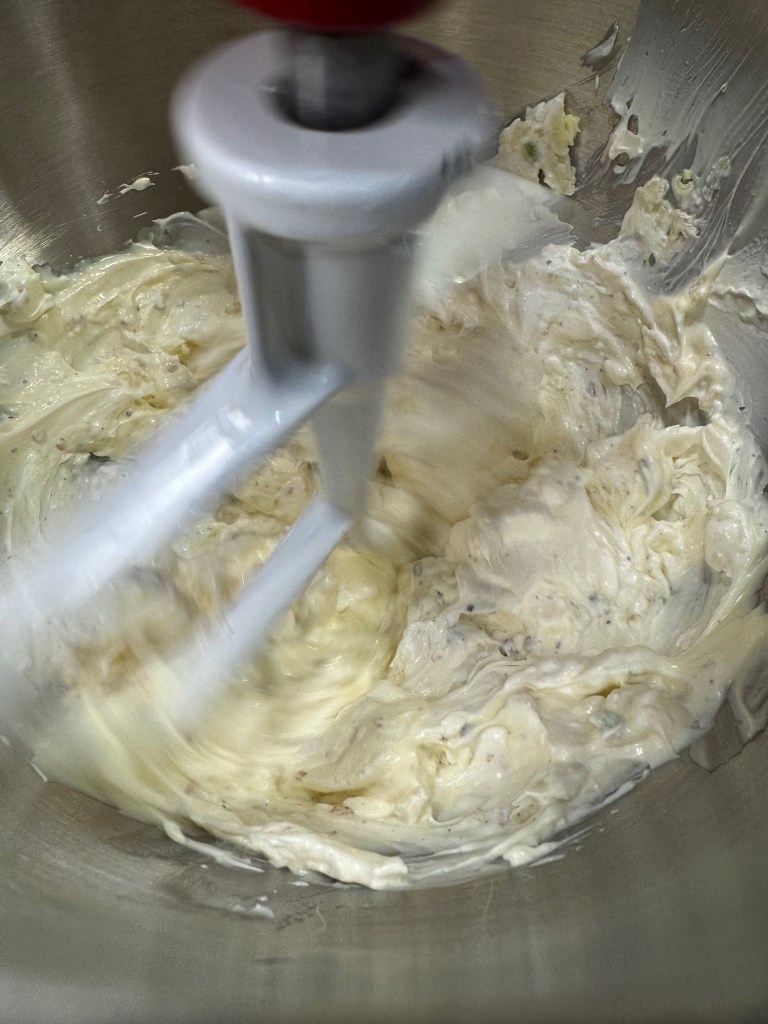
This recipe begins as all of my creamy dips do, with a brick of cream cheese, some mayonnaise and a bit of sour cream. This combination creates a smooth, creamy base that is neither too heavy nor too oily. This collard dip called for bold flavors, so I tossed in some minced garlic and crushed red pepper seasoning, then I blended it into a creamy concoction in my stand mixer. 


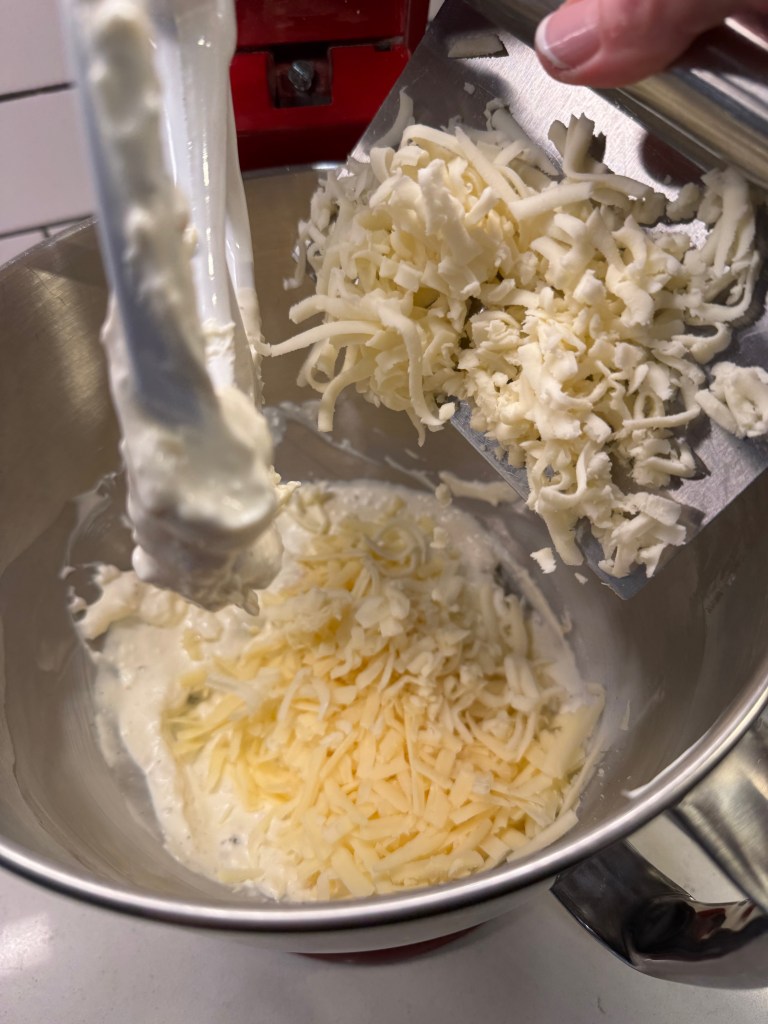
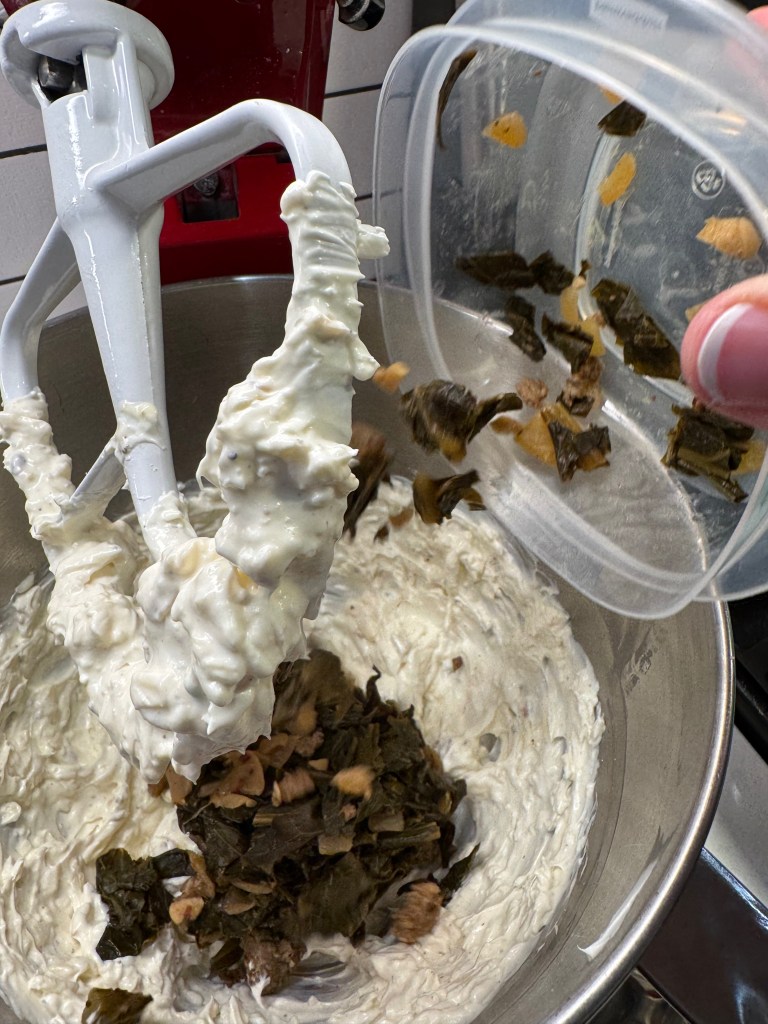
Cheeses came next, and for my collard dip, I followed Kau’s cue, using a generous amount of  aged white cheddar for its sharpness plus a low-moisture mozzarella for its melting attribute. Finally, the star of the show, the cooked collard greens. You could bring home some leftover collards from a restaurant meal and use those if you don’t feel inclined to cook them yourself. You’ll need about one cup of cooked collards, drained of all excess moisture and cooled.


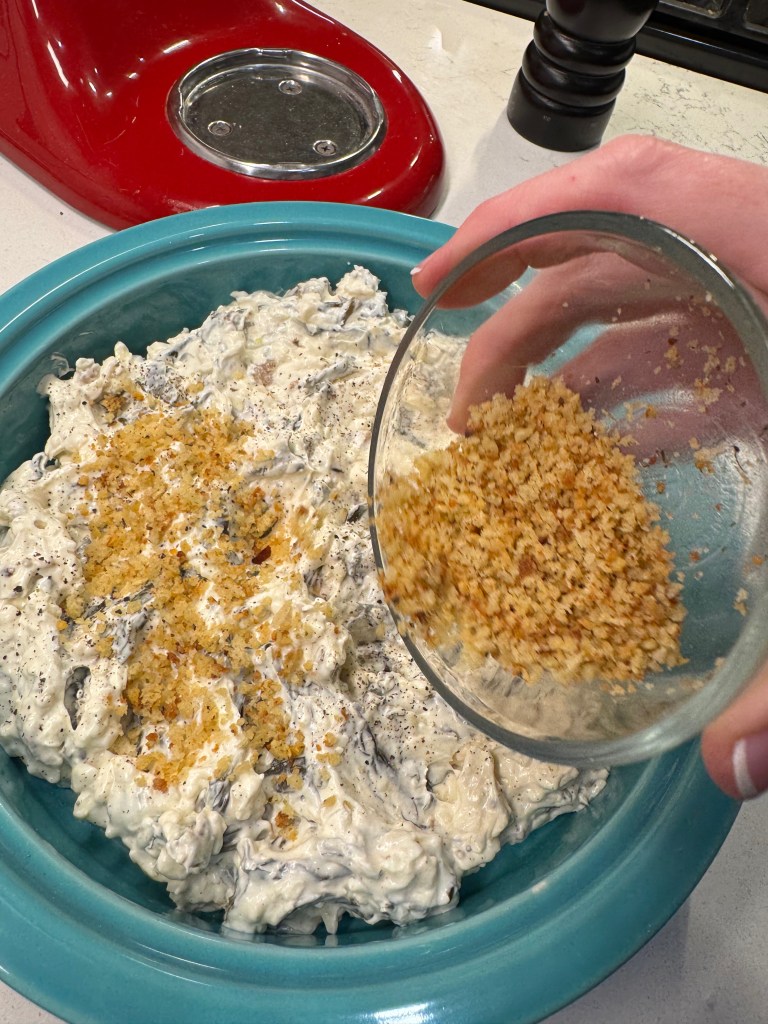
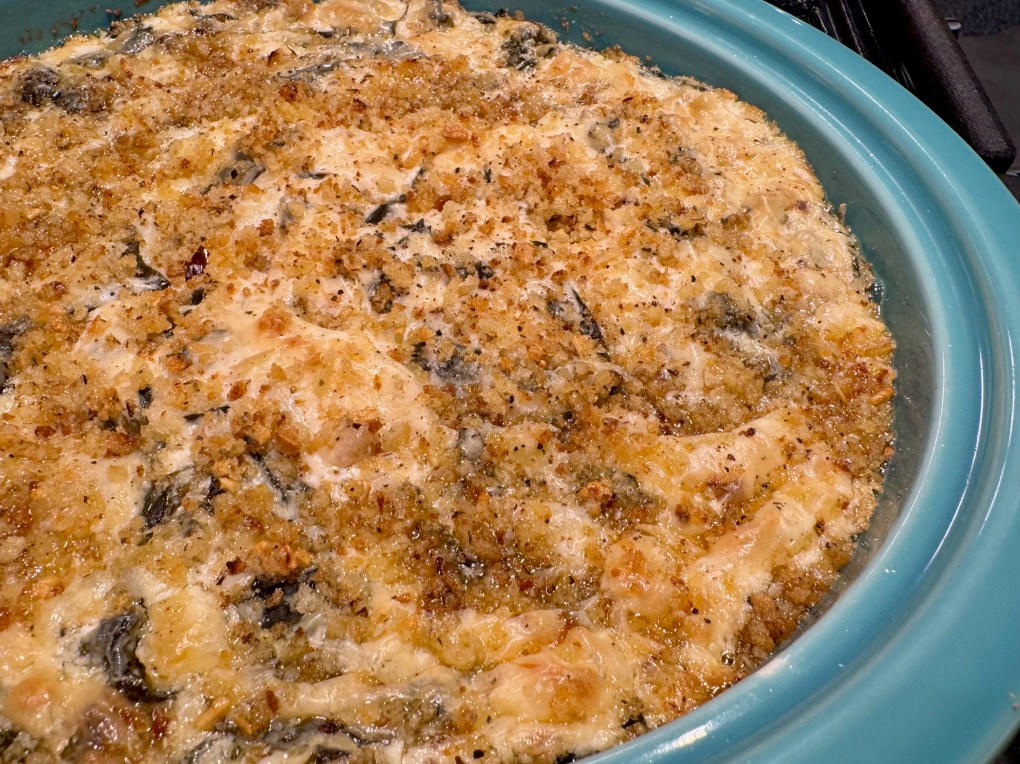
For a delightful bit of texture and crunch, I toasted up some seasoned panko crumbs in olive oil to scatter across the top before baking, and then the oven did the rest. 


This dip is a great starter for a casual meal, or for sharing over cocktails and conversation. For a lighter appetite, you might even find that it’s enough on its own, served up with pita chips or warm crostini.

Creamy Collard Dip

  • Servings: About 6
  • Difficulty: Easy
  • Print

Heartier than spinach dip, easy as pie to make. This satisfying dip makes use of leftover cooked collard greens and is perfect for all occasions this Autumn.


Ingredients

  • 1 Tbsp. extra virgin olive oil
  • 1/3 cup seasoned panko crumbs
  • 2 Tbsp. grated Parmesan
  • 8 oz brick cream cheese, softened
  • 1/3 cup mayonnaise
  • 1/2 cup sour cream
  • 2 cloves garlic, finely minced
  • A few shakes of crushed pepper flakes (see notes)
  • 1/2 cup sharp white cheddar
  • 1/2 cup low-moisture mozzarella
  • 1 cup seasoned cooked collard greens (drained of excess liquid and cold from the fridge)
  • Salt and pepper to taste
  • Sturdy crackers, pita chips or crostini for serving

Notes: This recipe works best with full-fat cream cheese, mayo and sour cream, but light versions will be ok; expect a less cohesive texture if using light products.

My pepper flakes were chipotle with garlic and onion (from Flatiron Pepper Co.), but any crushed red pepper would work, or even a few dashes of hot sauce if that’s what you have on hand.

For best results, use freshly shredded cheese rather than pre-packaged. The packaged stuff contains anti-caking agents, which hinder proper melting.

Feel free to embellish your collard greens however you like. I made this version of collards with browned spicy sausage.

Directions

  1. Heat oven to 350° F, with rack in center position.
  2. In a small skillet, heat olive oil over medium heat. Sprinkle in panko crumbs and toss constantly until crumbs are toasted and fragrant. Remove from heat and toss in Parmesan. Set aside.
  3. Combine cream cheese, mayo, sour cream, garlic and pepper flakes in the bowl of a stand mixer, fitted with the paddle blade. Beat until evenly blended.
  4. Add cheddar and mozzarella to the bowl and mix until combined.
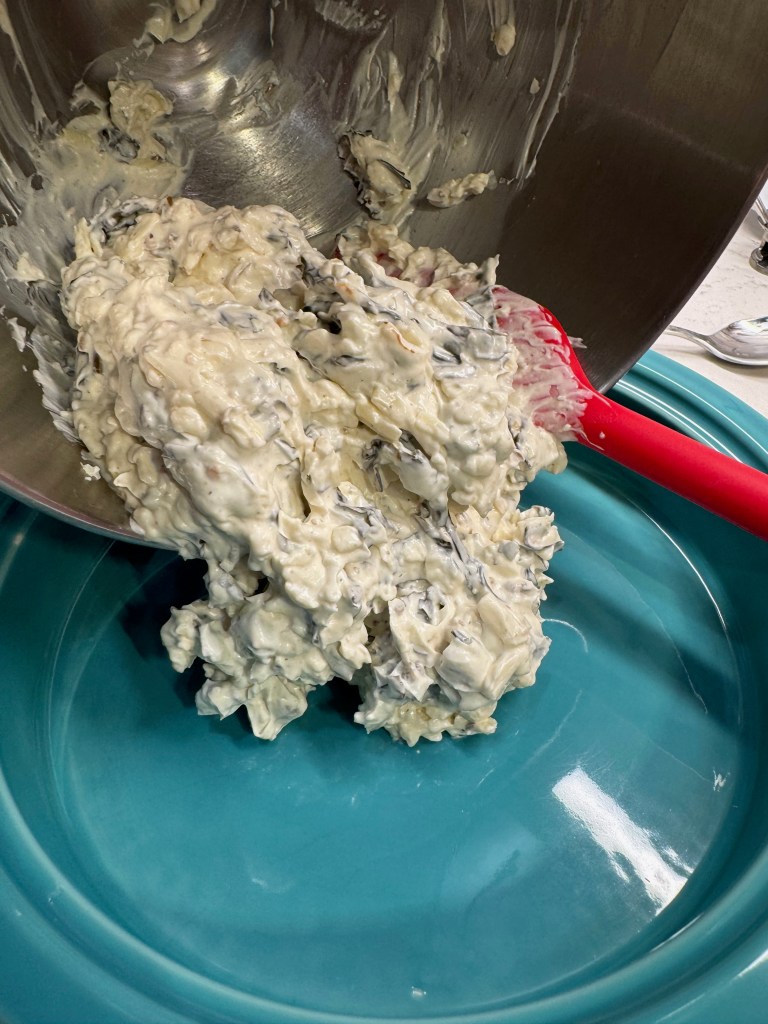
  5. Add the cooked collard greens and mix again only until evenly incorporated. Transfer to a shallow baking dish.
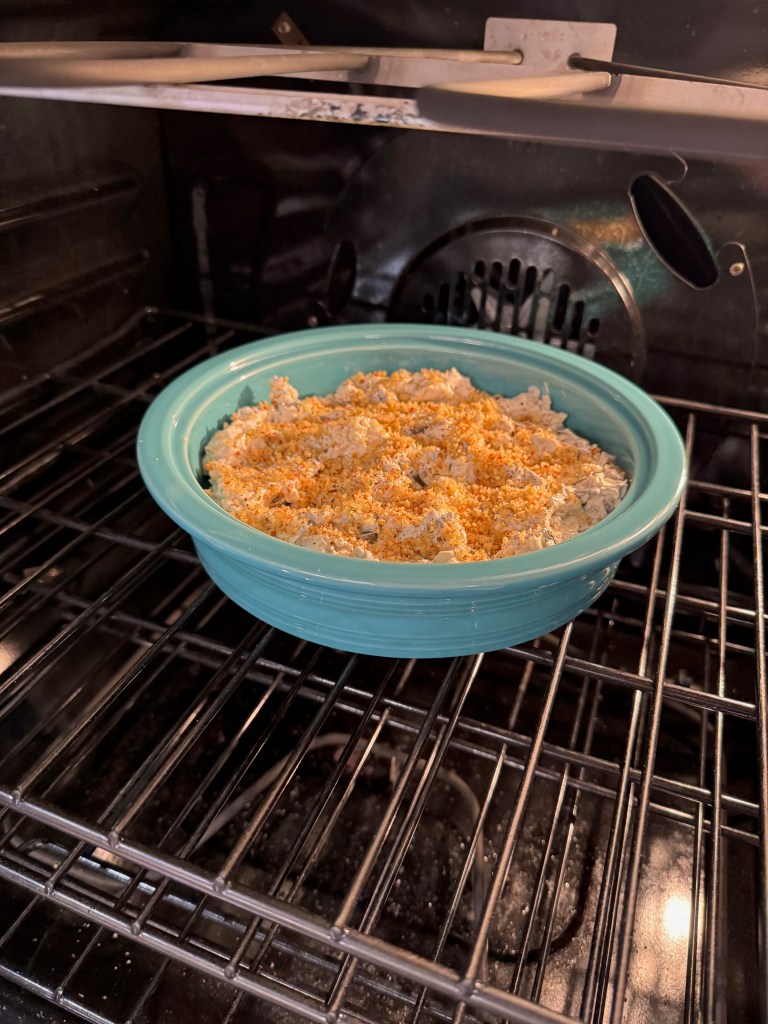
  6. Sprinkle toasted panko crumbs evenly over the top of the dip. Bake 30 minutes, or until dip is hot and bubbly around the edges. Cool for a few minutes before serving.


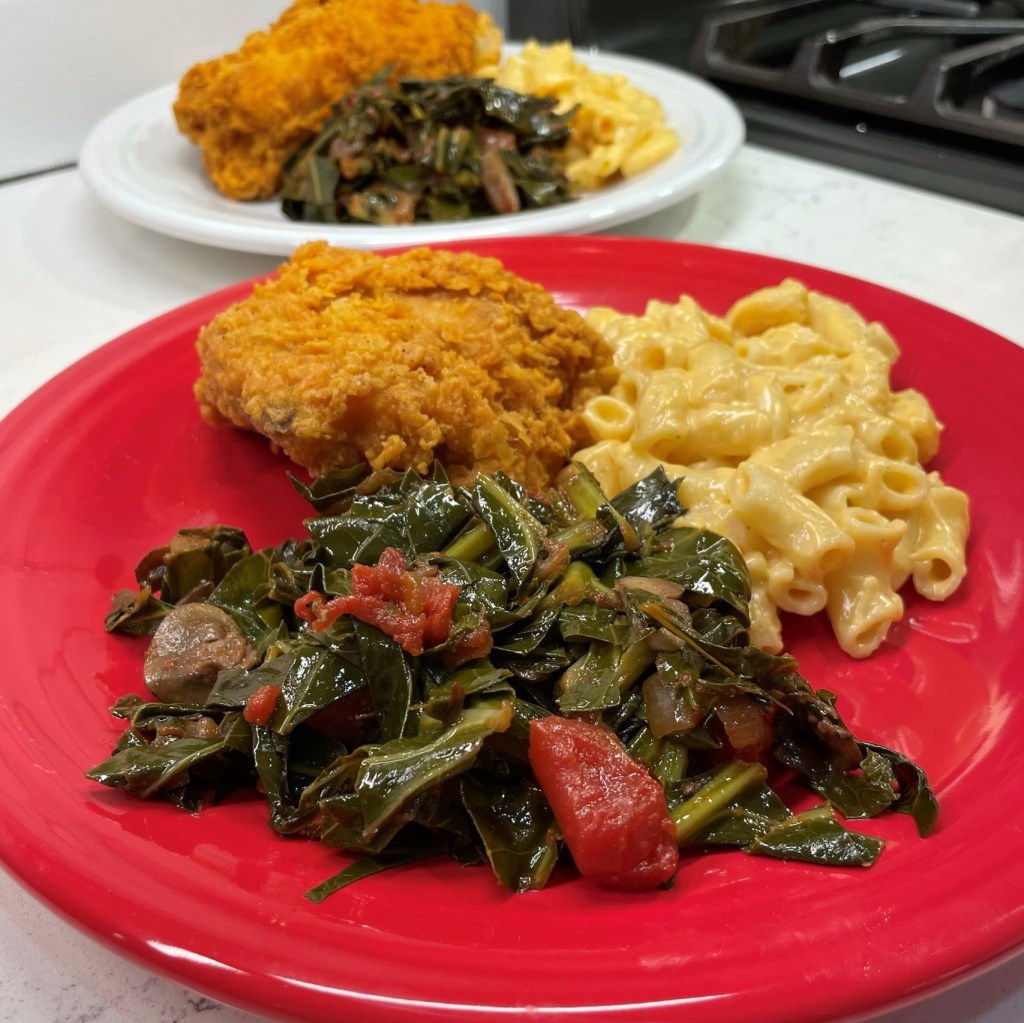
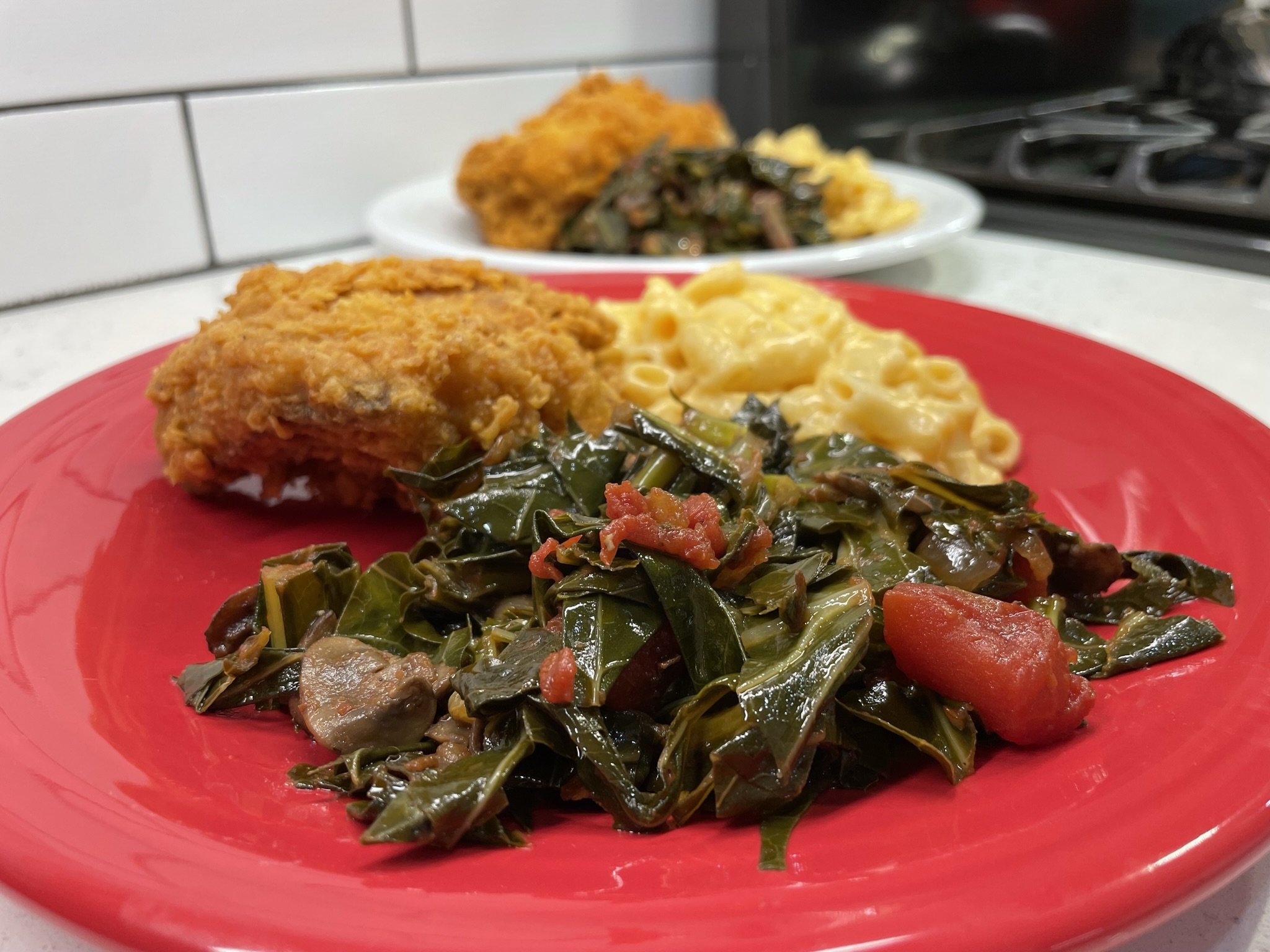
Smoky Mushroom & Tomato Collards

It seems funny for me to look back 35-plus years to my early days of living in North Carolina and remember how novel so many of the foods seemed at the time. It isn’t that they were all unfamiliar, of course. Fried chicken, black-eyed peas, biscuits, even banana pudding are served in other places, but they are deeply woven into the fabric of southern U.S. culture. There are a few other southern staples that I quickly learned to love, including grits, pimento cheese and okra.

Of all the foods widely considered “southern,” collard greens are the only one I had never tried or even heard of before I moved here all those years ago. And even then, it took me some time to come around to enjoying collards because the first few times I had them, they were steeped in liquid (entirely too long, if you ask me) with something called “fatback.” I recall them being greasy, dull and overly salty, and I mostly paid them no mind. A few years later, right around the time the term “superfood” began making the rounds, I had collards prepared a better way—sturdy,  spicy and actually still green. And I fell in love.

Collard greens are indeed a nutritional powerhouse, and they will be a featured item on many southern tables this long weekend, as families gather to celebrate Juneteenth. In honor of the joyous occasion, I thought perhaps my Comfort du Jour community might be willing to check out another version of this ubiquitous southern side dish.


Surprisingly, this is the first time I’ve made collard greens without some kind of meat in the base. I usually start with a few slices of smoky bacon, and occasionally I’ve browned up some Neese’s hot pork sausage— it’s a local brand that’s quite popular and very good. But this time, I wanted to keep my collards meat-free, and give some other ingredients a chance to strut their stuff. I wanted heat, smoke and (most importantly) something red. 

The color red is a big deal to the Black community on this occasion, as it symbolizes courage and resilience as well as blood shed by enslaved ancestors. Red drinks are common at Juneteenth celebrations, as are red desserts such as strawberry pie and red velvet cake.


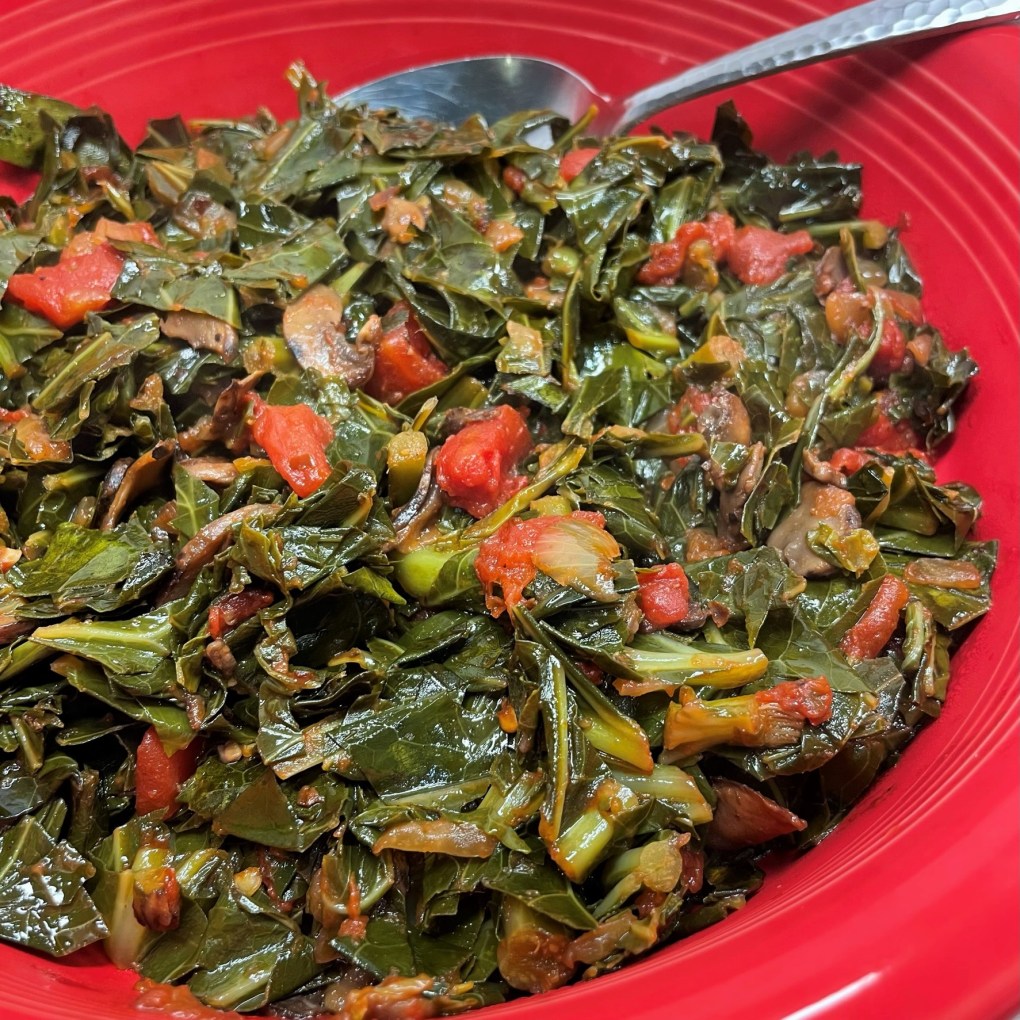
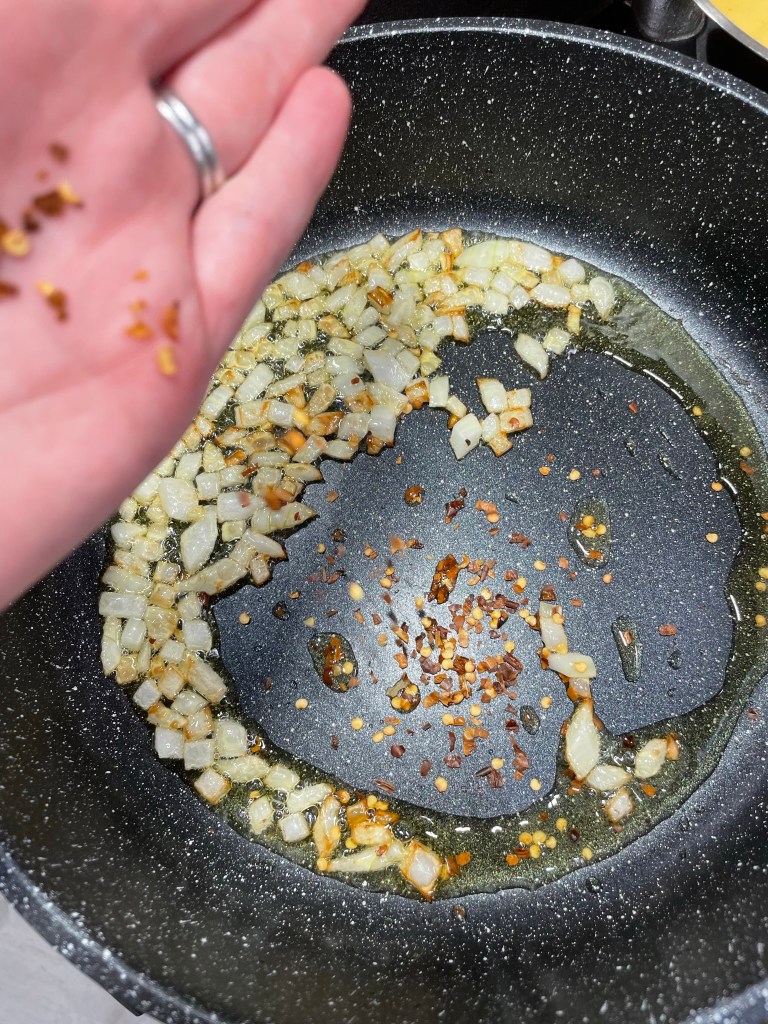
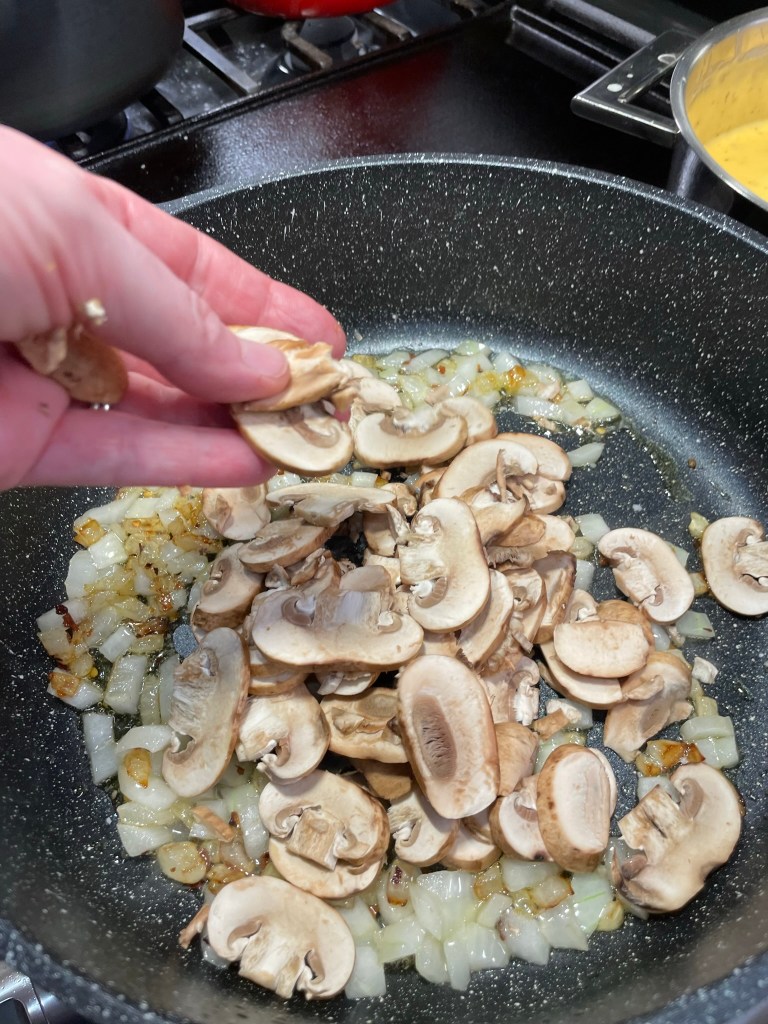
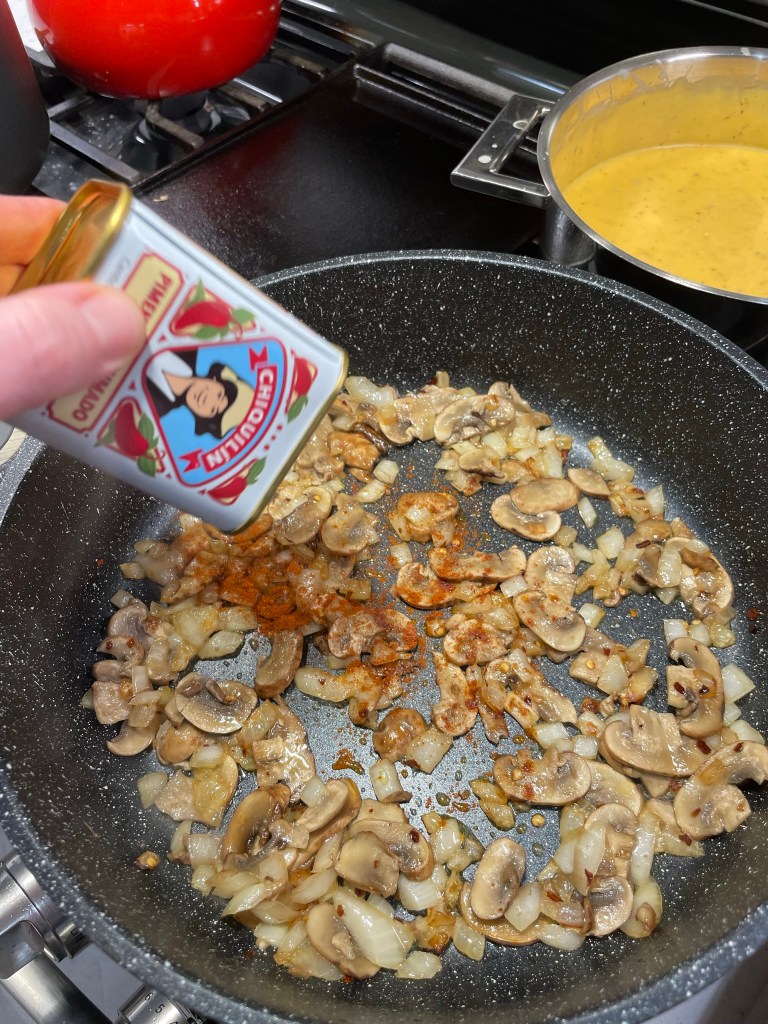
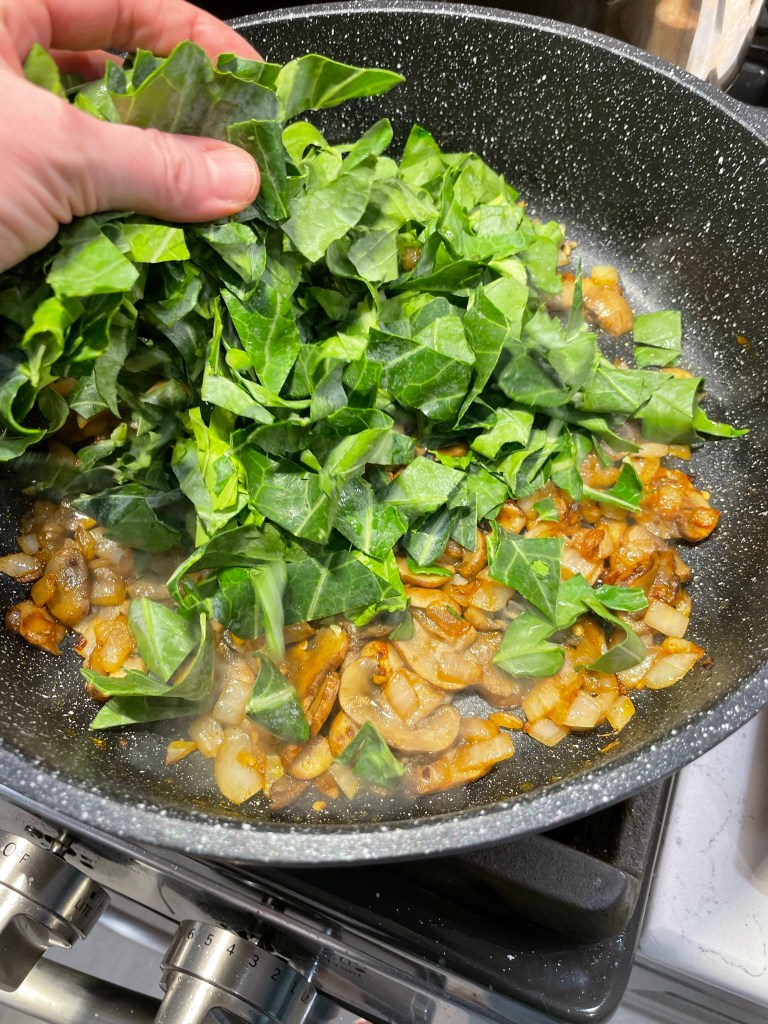
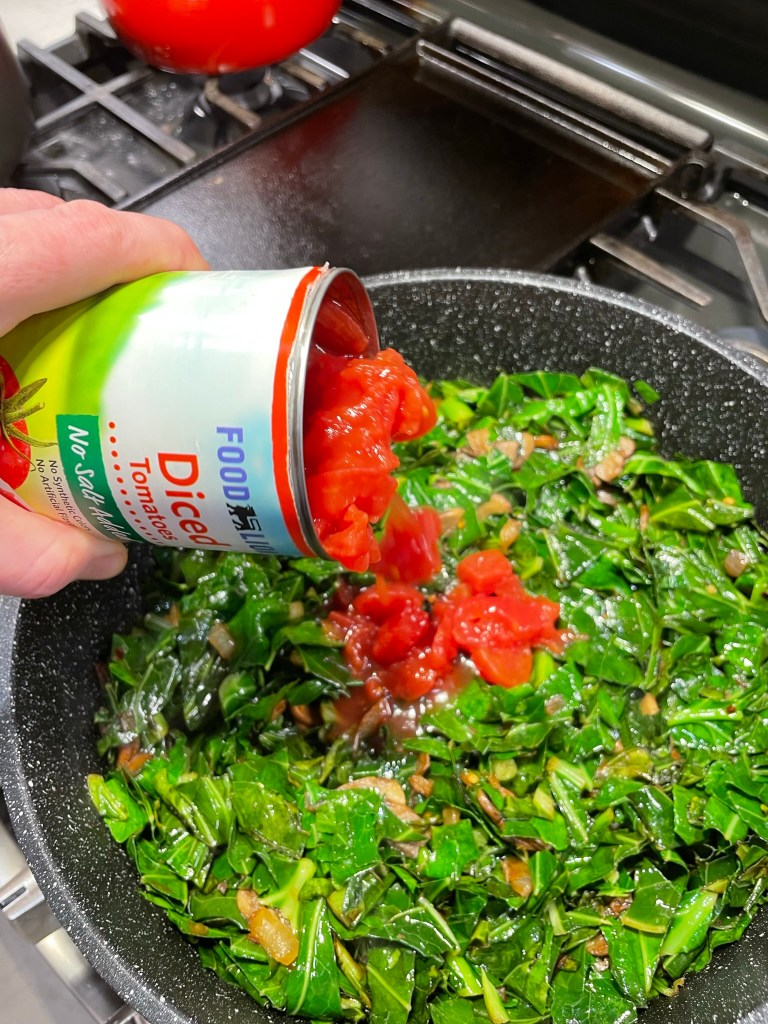
I started with onions sauteed in olive oil, then I seasoned it up with salt and pepper, a generous shake of crushed red pepper (as much as you want) for heat and sass, a fat handful of sliced cremini mushrooms for body, and about a teaspoon of smoked Spanish paprika for big earthy flavor. Next, I tossed the chopped collards into the pan in batches, adding oil as needed until the whole bagful was wilted and glossy. Finally, diced tomatoes at the end for sweetness and the pop of beautiful red color I wanted.


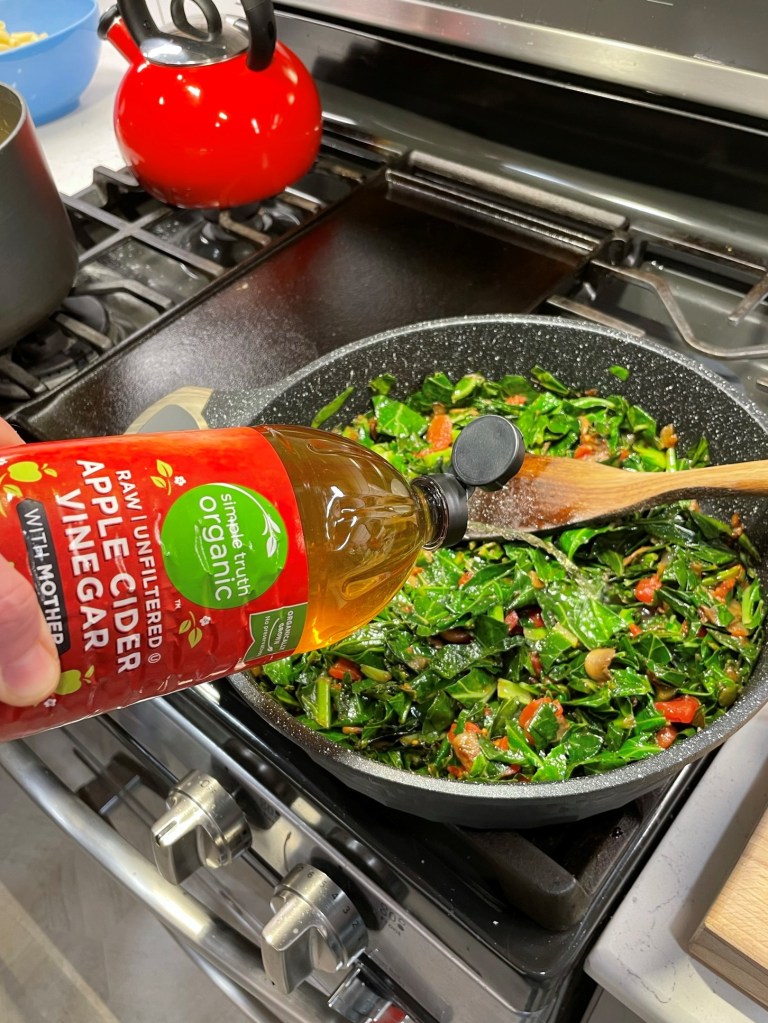
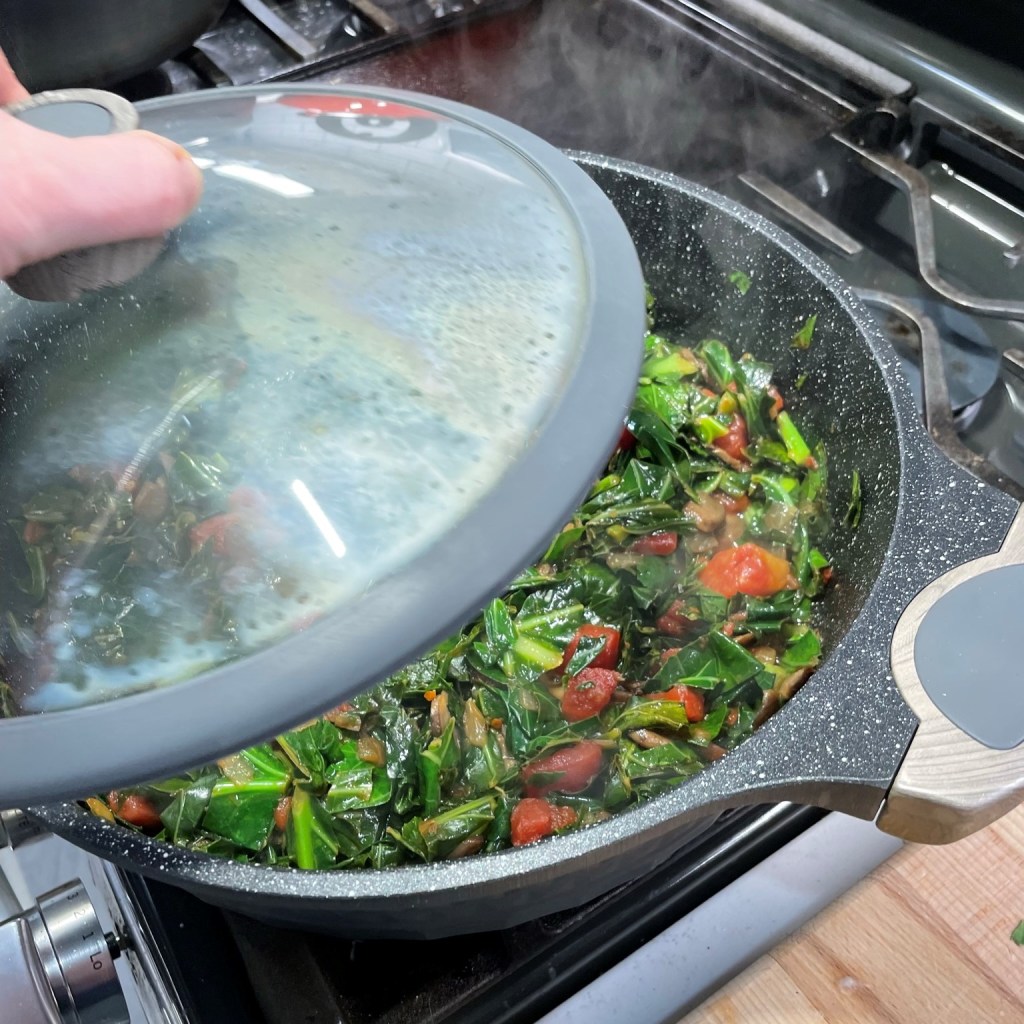
A splash of cider vinegar intensifies the flavors of the dish, which is covered and simmered for about half an hour until the collards are tender to your liking. The flavor is undeniably smoky, a perfect accompaniment to crispy southern fried chicken and easy, creamy mac and cheese. This is serious southern comfort, y’all!


Smoky Mushroom & Tomato Collards

  • Servings: 6 to 8
  • Difficulty: Easy
  • Print

Collard greens will be on many tables this weekend for Juneteenth celebrations. This version is entirely plant-based, with juicy mushrooms, smoky paprika for earthy flavor, and tomatoes for a pop of red!


Ingredients

  • Extra virgin olive oil
  • 1 medium sweet onion, diced
  • Salt and black pepper
  • A few shakes crushed red pepper flakes (as hot as you want it)
  • About 8 large cremini mushrooms, cleaned and sliced
  • 1 tsp. smoked Spanish paprika
  • 1 pound fresh collard greens, cleaned, trimmed of heavy stems and chopped into bite size pieces
  • Half a 15 oz. can diced tomatoes, or about 1 cup fresh peeled, chopped tomato
  • 2 to 3 Tablespoons apple cider vinegar

The trick for cooking the collards without taking all day is cooking them first in the oil. Don’t be stingy with it, and add more as needed with each handful of collards that you throw into the pot. The oil helps break down the fibrous leaves more quickly than if you simmered them in liquid alone.

Directions

  1. Heat a large, wide pot over medium heat. Add 2 tablespoons olive oil and onions, season with salt and pepper and saute until slightly softened. Stir in crushed red pepper.
  2. Add mushroom slices to the pot and cook until they are lightly browned on both sides. Add smoked paprika and continue to cook a minute or two to release the full flavor of the paprika. Add a handful of collard greens and toss until wilted. Season with salt. Repeat with remaining collards until all are in the pot.
  3. Add tomatoes and cider vinegar. Stir until evenly combined and bubbling around the edges. Reduce heat to low, cover the pot with a lid and simmer until tender, about 20 minutes.


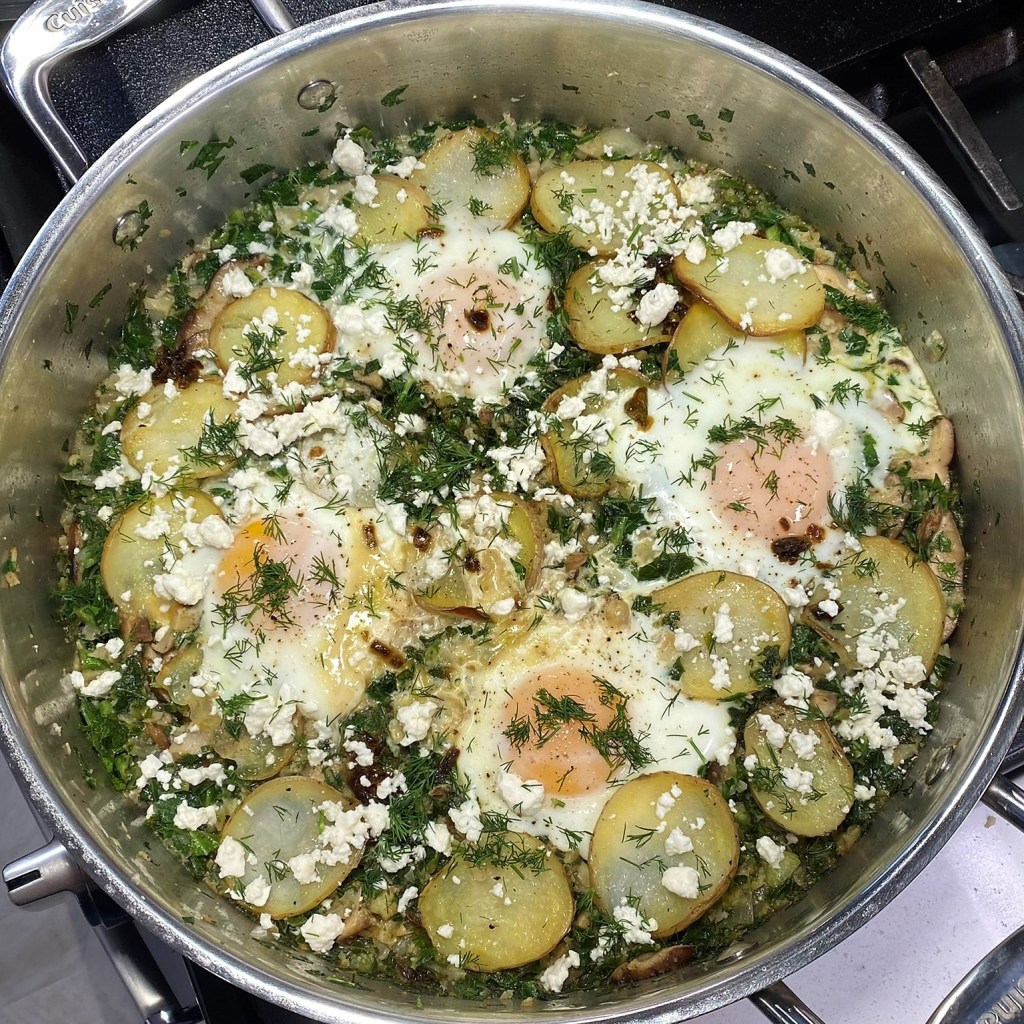
Green Shakshuka

Breakfast for dinner is one of my favorite meal categories, and now that I have discovered the joy of shakshuka— the Mediterranean dish that combines vegetables and sauce with gently cooked eggs— there seems a world of possibilities beyond the standard rearrangements of eggs, bacon and pancakes. 

Shakshuka, which is very popular in Jewish culture, is typically made with a tomato sauce base and any variety of vegetables. The ingredients are stewed together in one pot, and eggs are simmered on top until set. It’s quick, hearty, simple and inexpensive (depending on egg prices, of course). My husband and I have enjoyed many versions of this dish since I first learned to make it in 2017, including last summer when I made a Ratatouille Shakshuka that was so, so good.

This time, however, my shakshuka is missing the bright red color of tomatoes because I have swapped them out in favor of hearty green ingredients.


Tis the season to be green!

In Spring, it’s only natural that cooks everywhere would begin to lean into the freshness of green vegetables. This past week, I opened my email to find a Green Gumbo, posted by my blog buddy Maylee at Beyond Gumbo. I had never heard of “green gumbo,” made with ham and every leafy green under the sun, but if this is what they’re doing with food in Louisiana, then I’ve got to get down there as soon as possible!

We are still some time away from harvesting the tender vegetables of spring, but consider all the cool-weather vegetables that can carry us until then— broccoli, kale, collards, spinach, leeks and bok choy would all be very easy to incorporate into shakshuka, which is a cook’s choice kind of dish anyway. The main consideration is knowing how long your chosen vegetables need to be cooked so you can plan your time accordingly. The rest is subjective, so find what you like and get cooking!

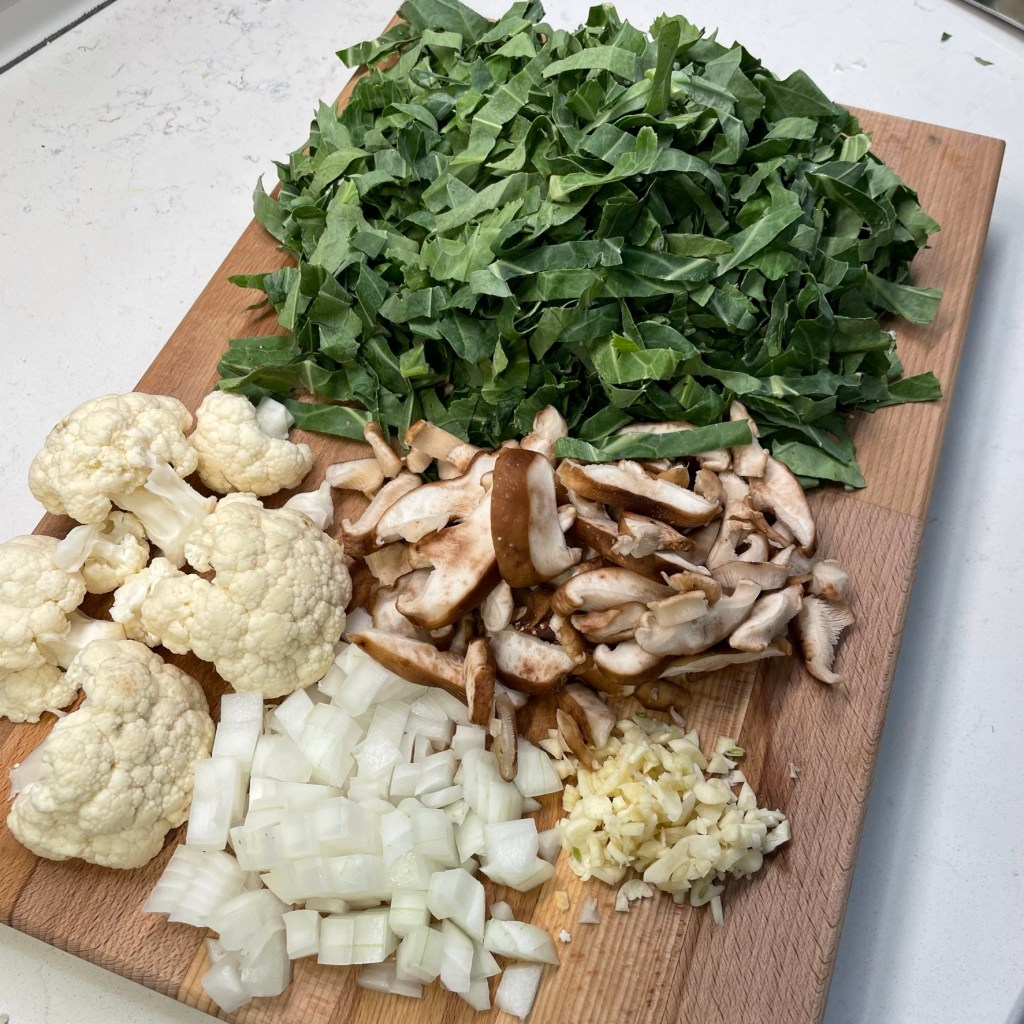
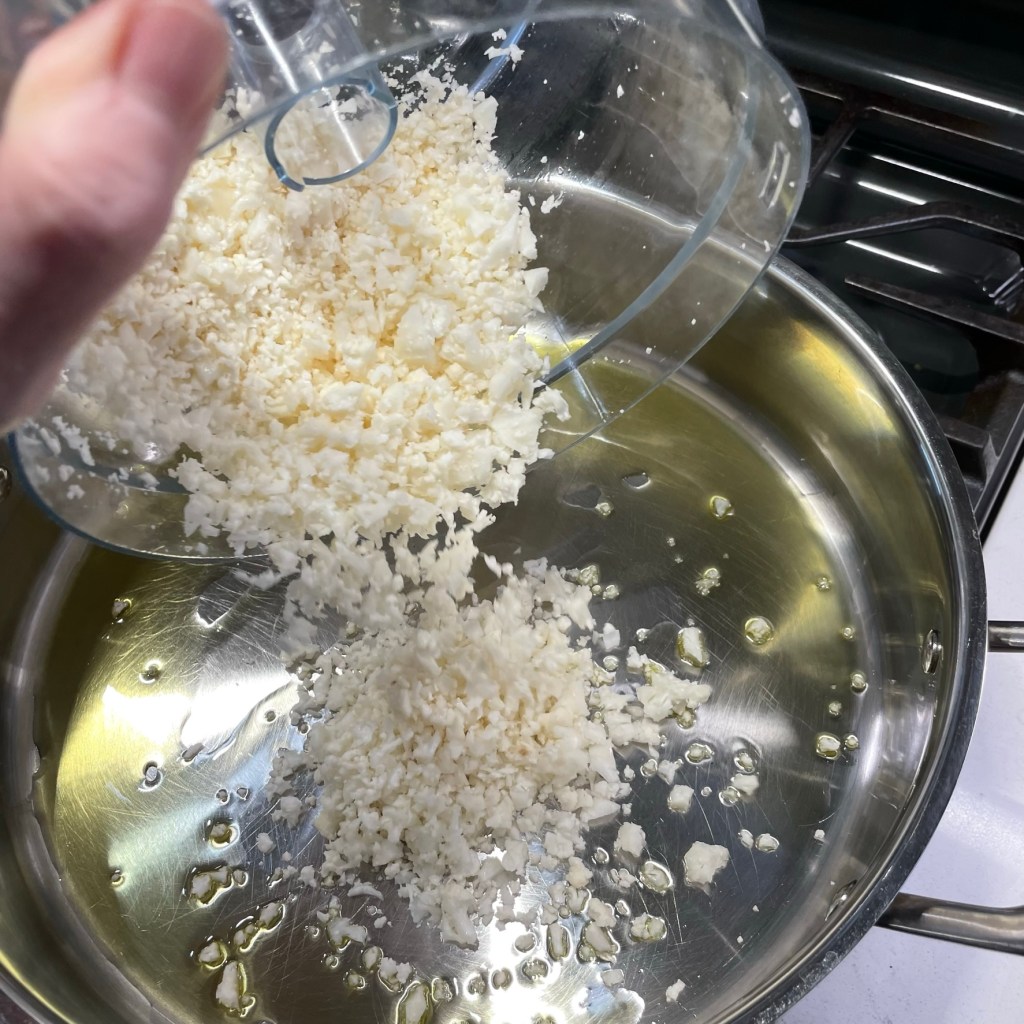
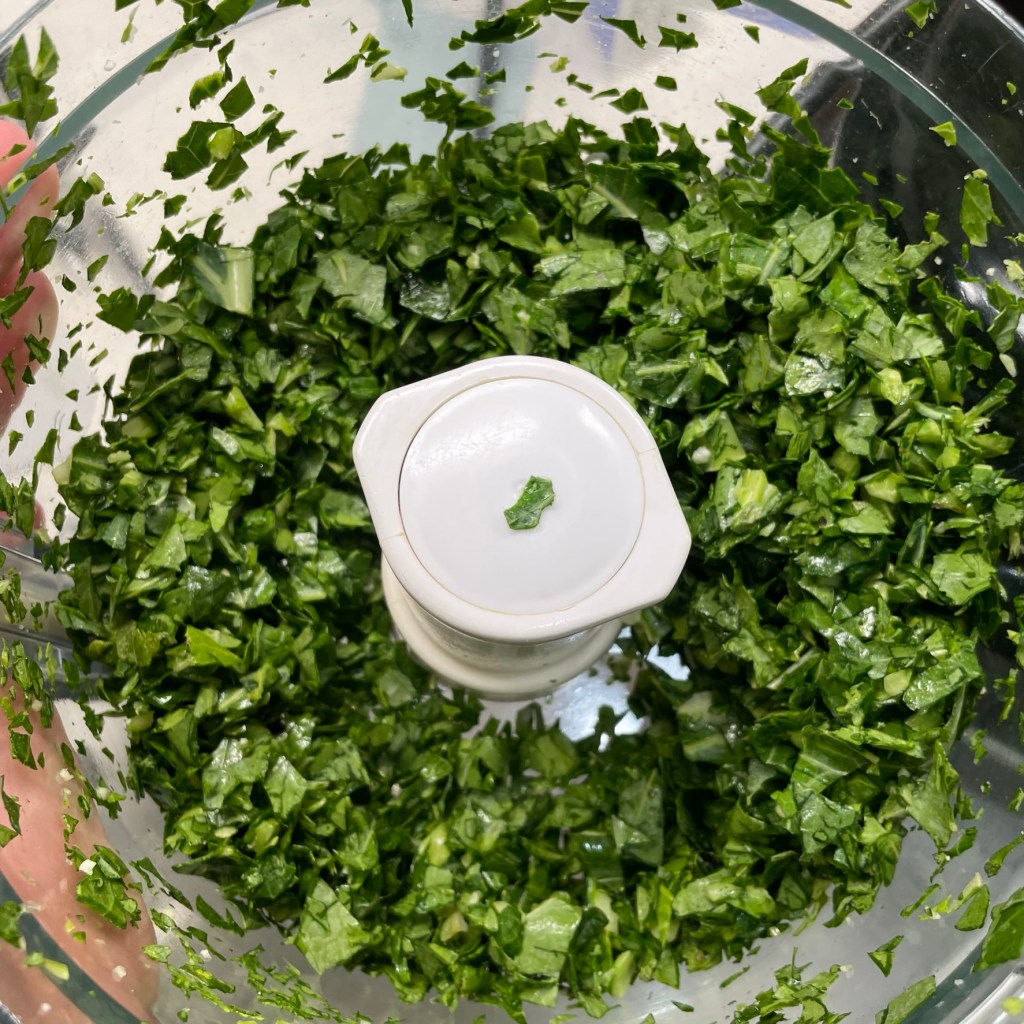
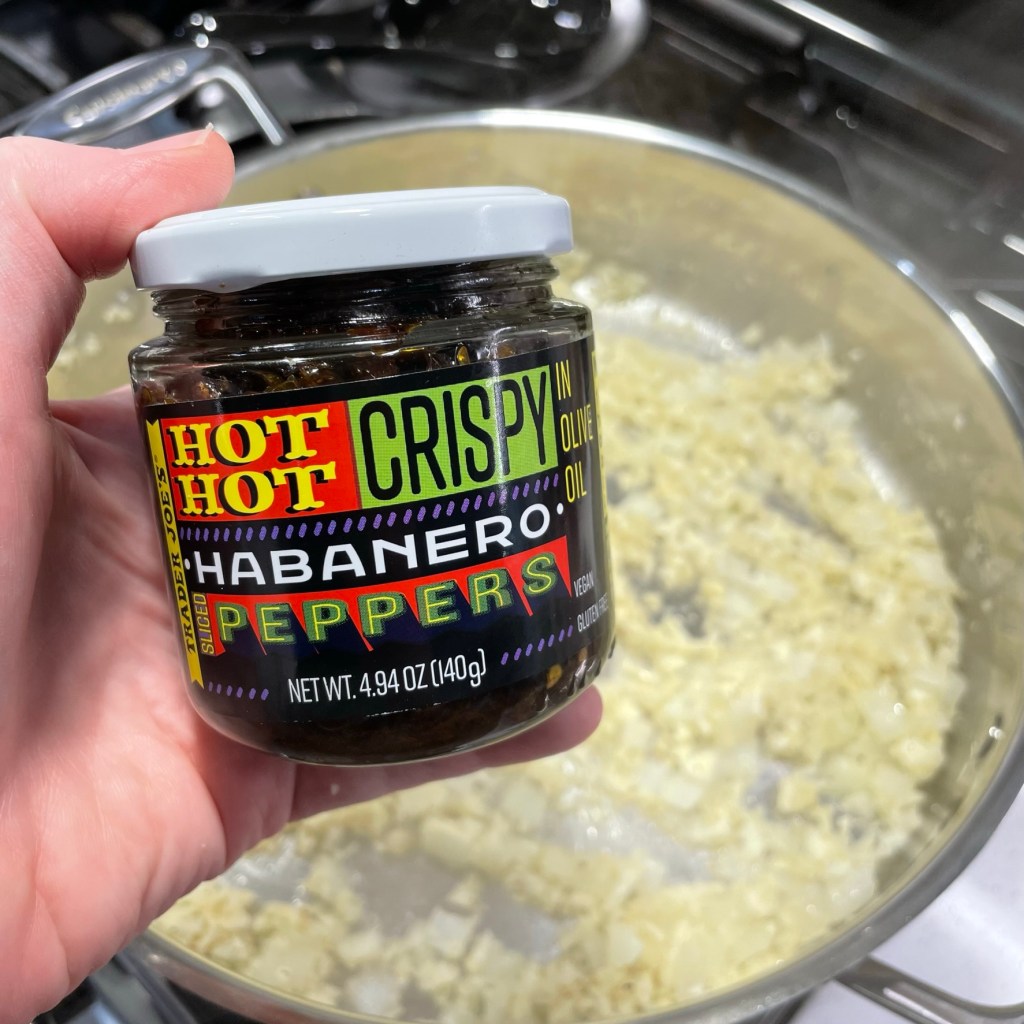
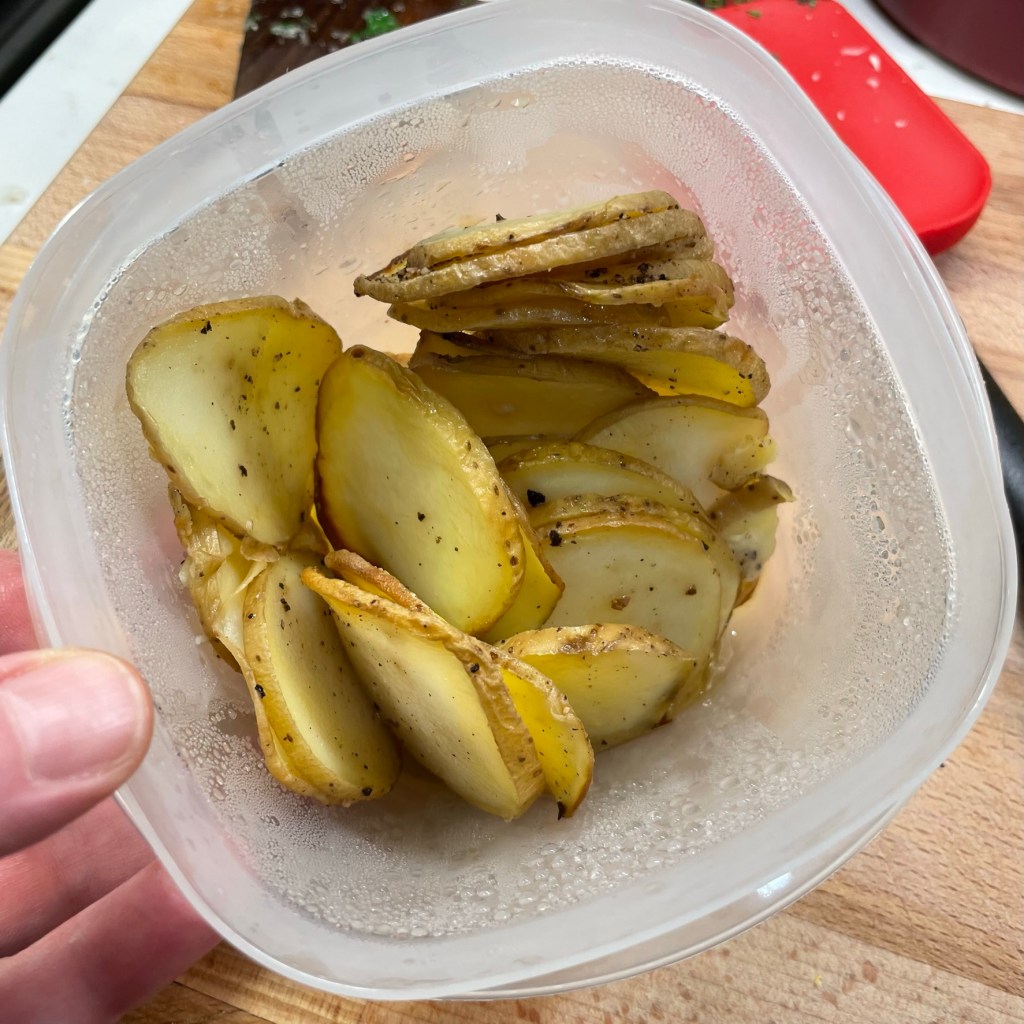
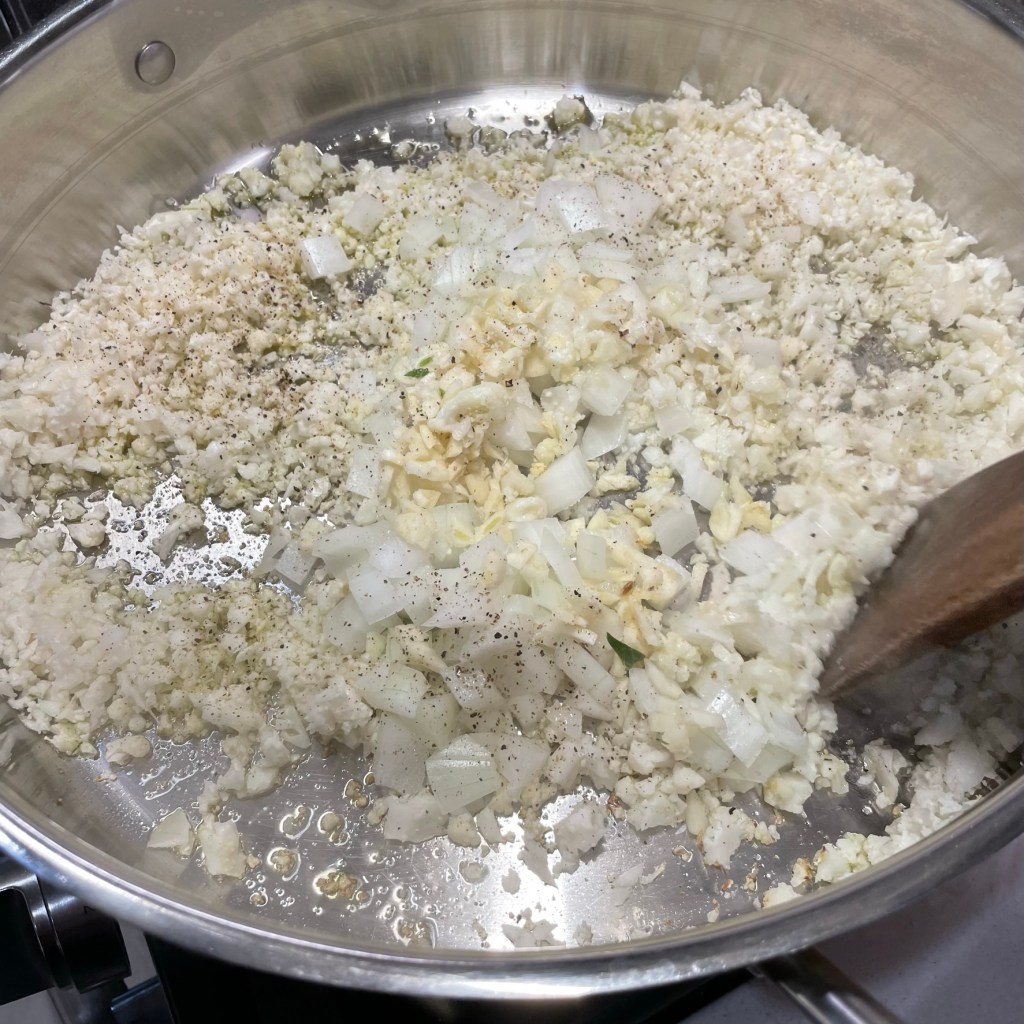
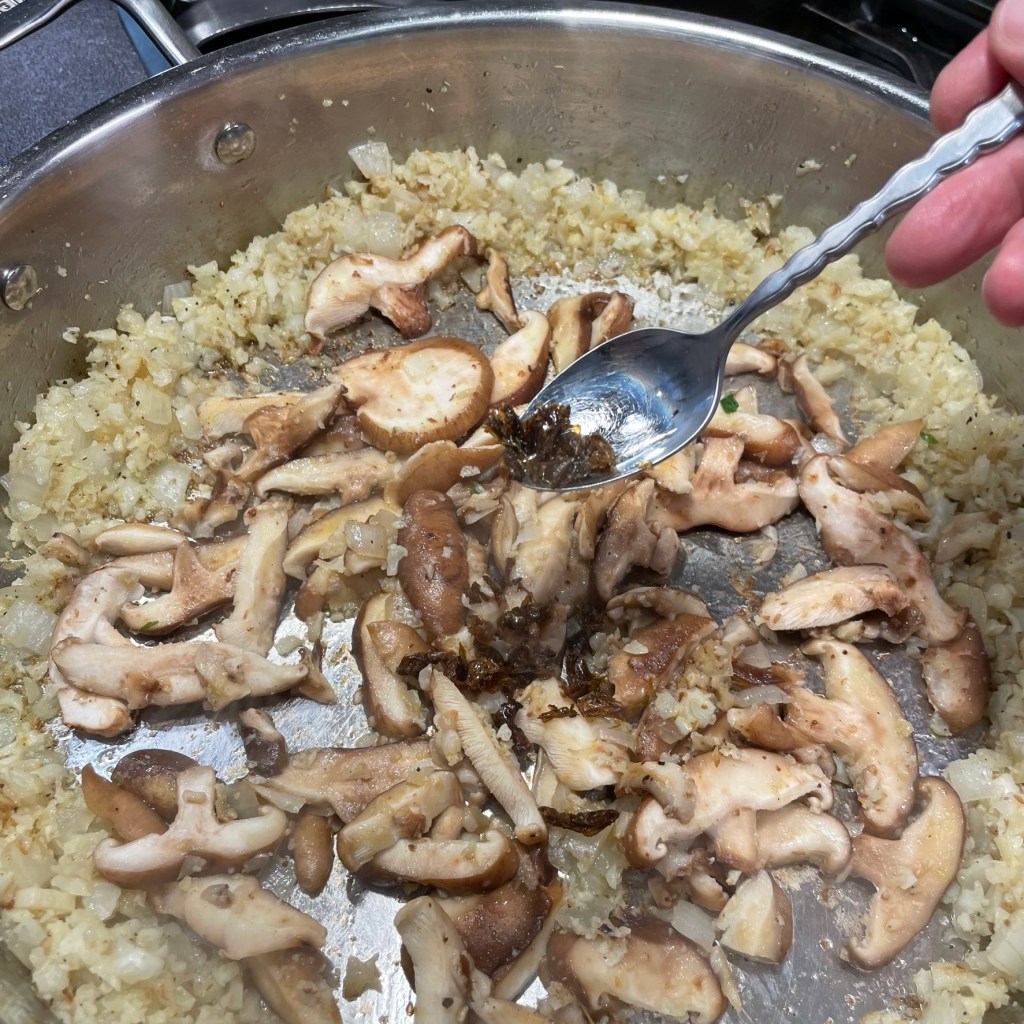
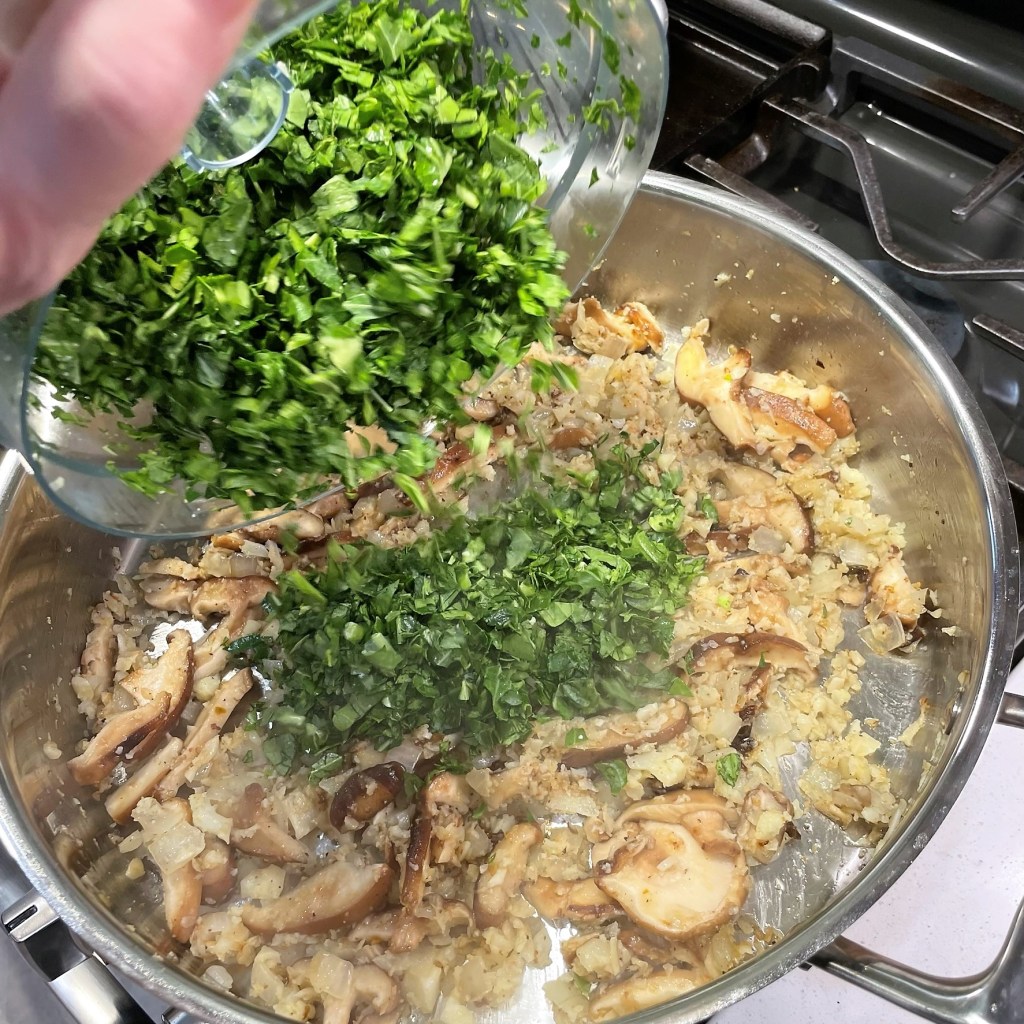
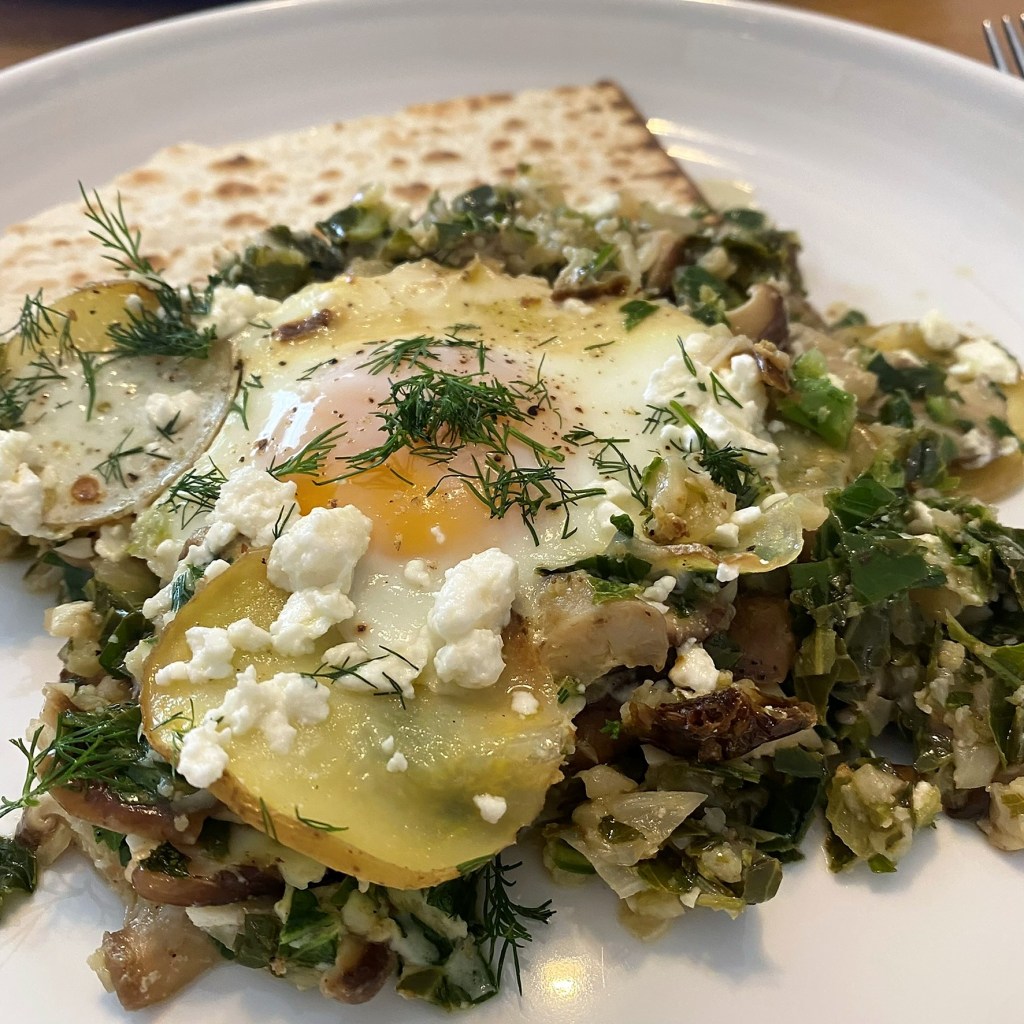
I like a dish to be texturally interesting, so I went with cauliflower, which I pulsed down into “rice” in the food processor, collard greens, also processed into smaller bits for quicker cooking, and shiitake mushrooms for a little bit of chewy, almost-meaty goodness. Onions and garlic, of course, and some sliced cooked potatoes, just because I had a few left over from another meal. They were a good addition. For kicks, I also tucked in a spoonful of the crazy-hot habanero chili crisp that I picked up at Trader Joe’s. They are no longer selling it, but if you bought a jar, you know that it keeps for a long, long time, and it adds a serious punch of spicy flavor to a dish. I’m still looking for ways to use it and it worked here, but you could sub in any other kind of seasoning you like.


An easy approach to shakshuka

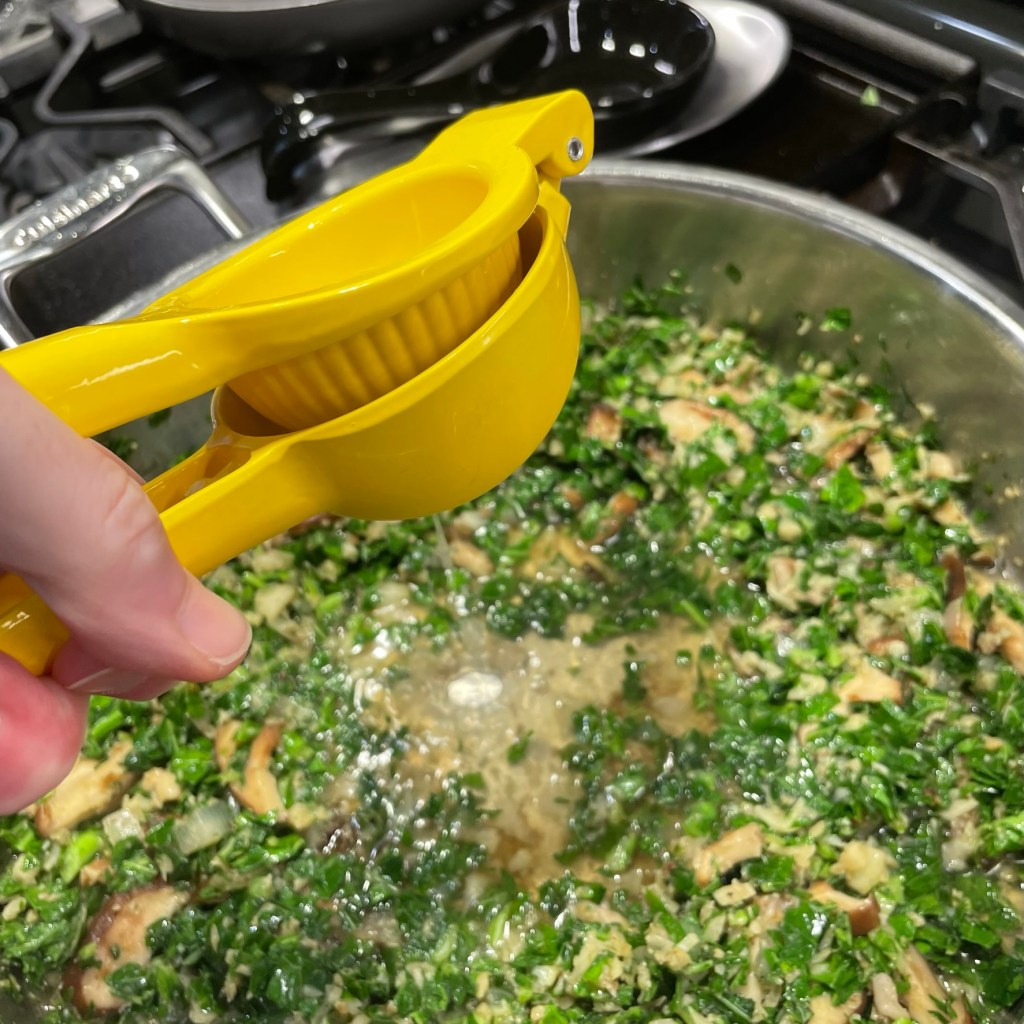
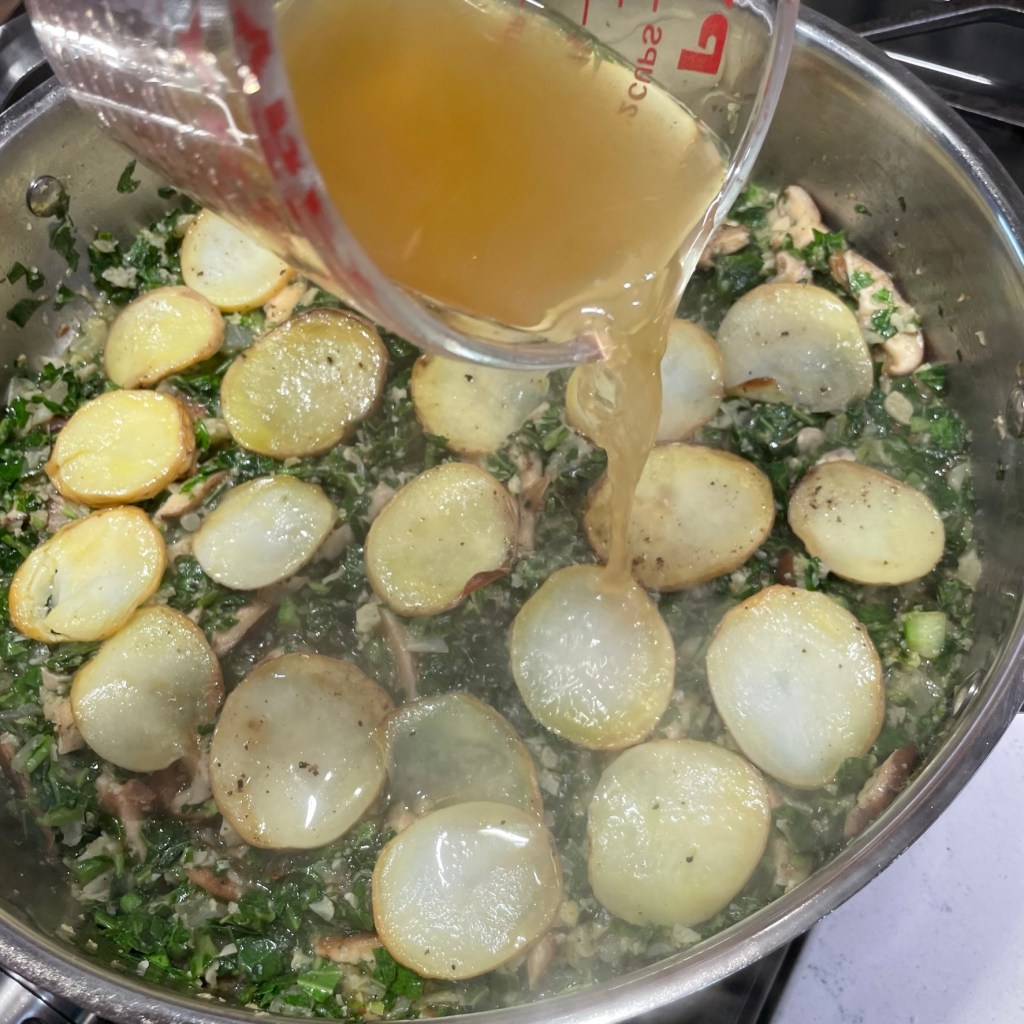
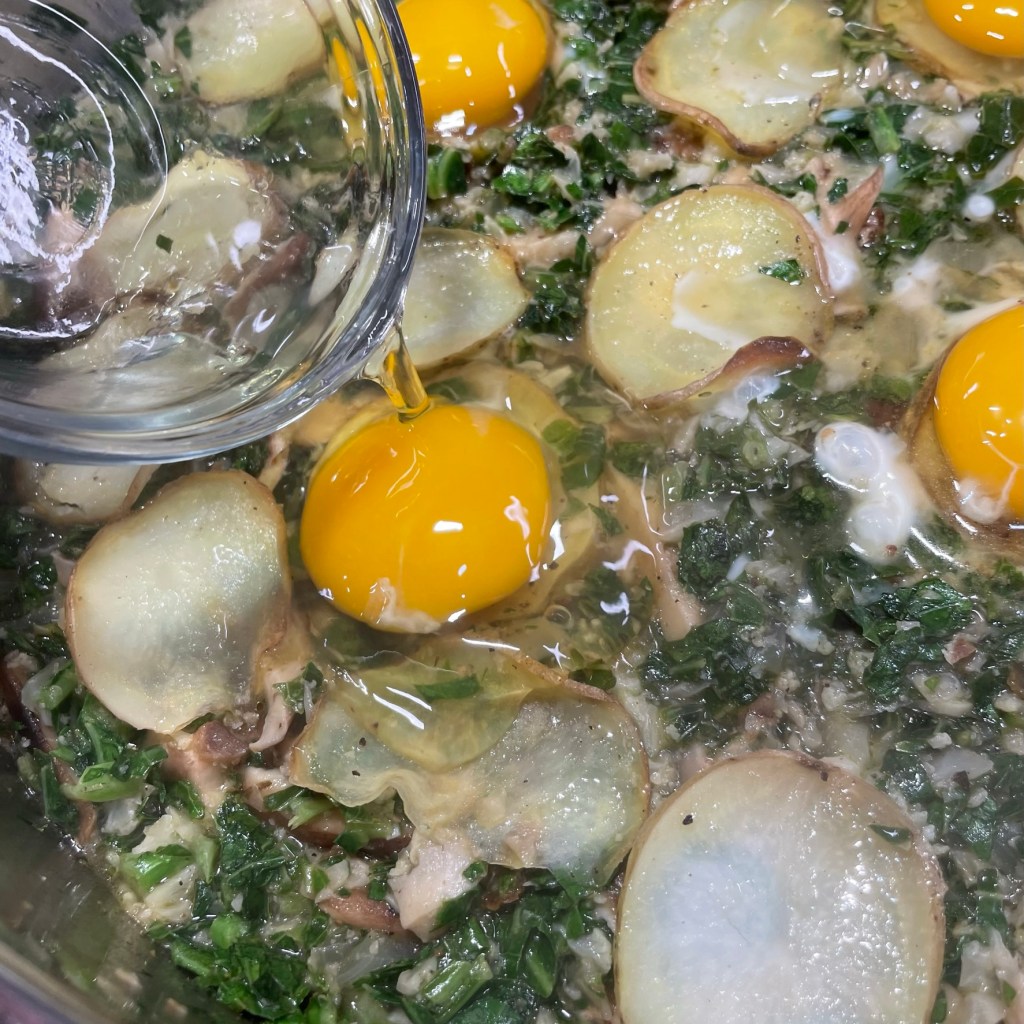
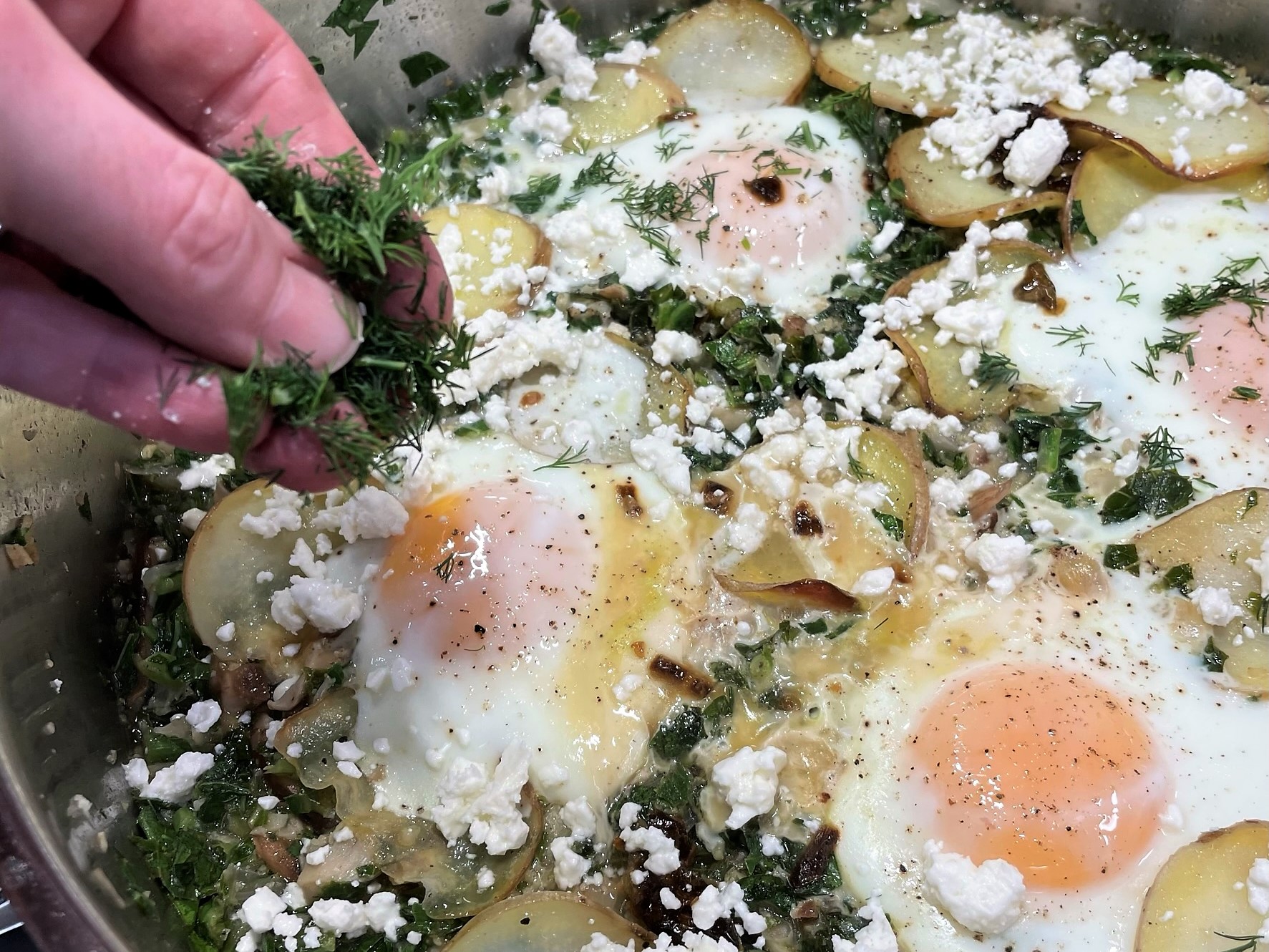
The easiest way to approach shakshuka is to build it in layers, starting with a quick saute of the firmer ingredients and aromatics. Next, I added my mushrooms and chopped collards and steamed the mixture down in a half cup of vegetable broth, plus a squeeze of lemon to balance the slight bitterness of the greens. I spread the potato slices out over the top with a little more broth, and then slipped the eggs into the mixture. This stage of the recipe can be done in the oven, but I have found it simpler and quicker to put a lid on it and keep it stovetop. The eggs cook within a matter of a few minutes, and the meal can be served straight from the pot.


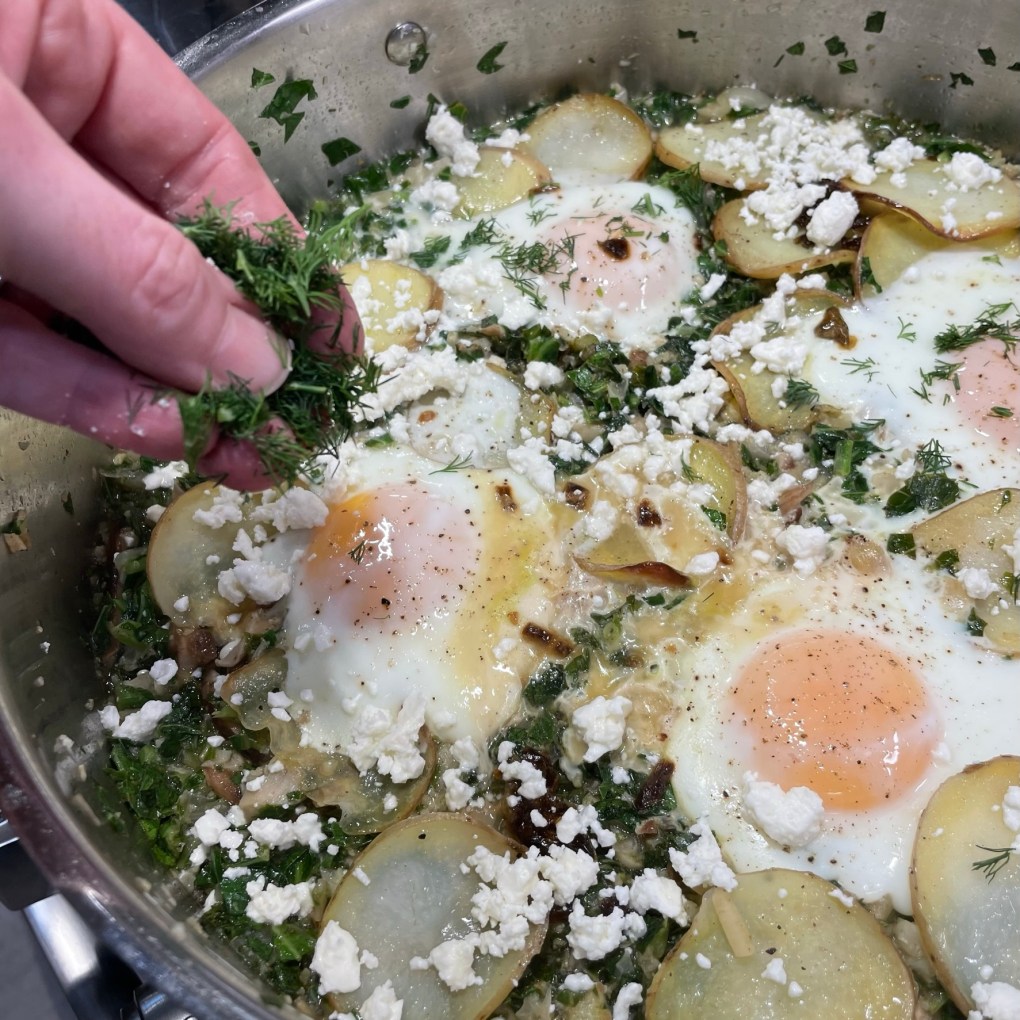
Feta crumbles and fresh chopped dill were a nice final flavor touch to this twist on a classic. We enjoyed our green shakshuka with one of our final pieces of store-bought matzo left over from Passover. We are always so glad to see it go. 😉


What creative twists would you like to see in shakshuka, or which have you already tried? I love reading your comments and I’m always up for a challenge, so please let me know what you think below the printable recipe.


Green Shakshuka

  • Servings: 4
  • Difficulty: Average
  • Print

Ingredients

  • About 2 cups of fresh cauliflower florets
  • 2 Tbsp. extra virgin olive oil
  • 1/2 medium sweet or yellow onion, chopped
  • 2 cloves garlic, minced
  • Salt and pepper
  • 1 cup sliced shiitake mushrooms
  • 1 tsp. spicy chili crisp (mine was Trader Joe’s habanero)
  • 1 small bunch fresh collard greens, cleaned and rough-chopped
  • 3/4 to 1 cup low-sodium vegetable broth, divided
  • Juice of 1/2 small lemon
  • 1 cup cooked sliced potatoes
  • 4 large eggs, room temperature
  • Crumbled feta and fresh dill, optional for serving

This dish can be made with any number of vegetable substitutions. Consider the cooking time for each vegetable you plan to use and add them to the pot accordingly. Chopping the vegetables into very small bits will significantly shorten the cooking time, and is a good way to get this dish on the table in a hurry.

Directions

  1. In the bowl of a food processor, pulse the cauliflower into small bits. Heat oil over medium heat in a wide, heavy-bottomed pot or skillet. Add cauliflower, onions and garlic and season with salt and pepper. When onions and cauliflower are softened, add the mushrooms and chili crisp and saute to cook off some of the moisture.
  2. Pulse the collard greens in the food processor to the size of cereal flakes; this will help them cook quickly and will prevent the shakshuka mixture being too chunky. Add greens to the pot and toss to combine. Pour in about 1/2 cup of the broth plus the lemon juice and reduce heat to simmer, until the greens begin to tenderize (about 5 minutes).
  3. Arrange potato slices all over the top of the mixture and pour over additional broth as needed to just cover them. Cover the pot with a lid and steam until potatoes are hot.
  4. Use the back of a large spoon to create four indents in the shakshuka mixture. Carefully slip an egg into each of the indents. Season with salt and pepper and cover the pot with a lid. Steam for about 10 minutes, or until the eggs are set to your liking. Sprinkle with crumbled feta and fresh chopped dill and serve immediately.


Kickass Whiskey-Braised Collards

After a mere 30 years living in the South, I finally learned how to make collard greens, one of the staple foods of the region. It happened quite serendipitously, as I described in my original recipe for “Just Collards.” Since that fateful day, and the quick walk-through given to me by a kind stranger, I have made collards many times, using the same basic recipe. My husband and I enjoy them with everything from fried chicken that I pick up at the deli counter, pulled pork that he makes on the smoker, and even occasionally just on the side with some homemade mac and cheese.

Collard greens, in case you don’t already know, are one of nature’s “superfoods,” and they can be eaten raw, but most often you’ll find them braised in liquid. Collards are so packed with nutrients (including vitamin C, calcium, immune-supportive B vitamins and magnesium), that even the resulting cooking juices are considered to be sustaining. They are a very hardy crop, easy to grow in nearly every climate, and they are widely revered here in the South.

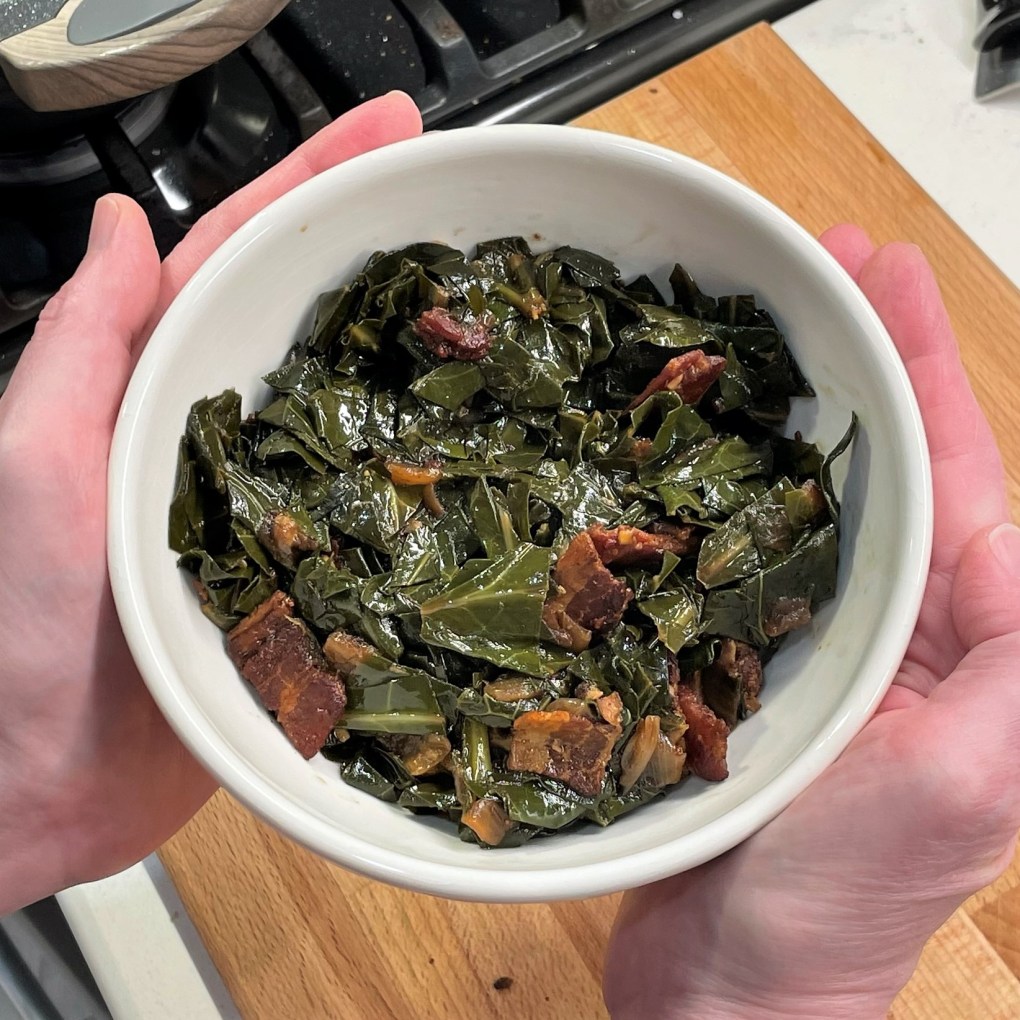
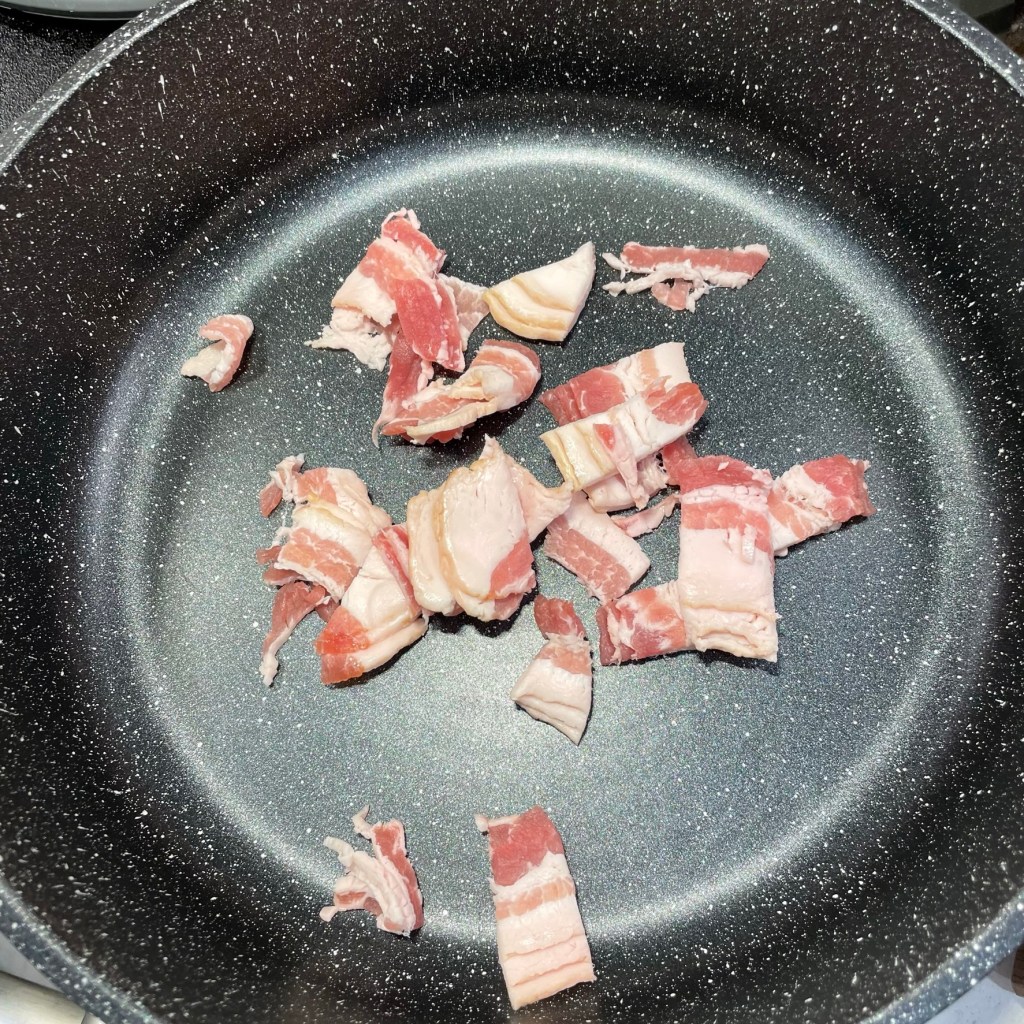
Until now, I have followed the same basic recipe—cook up some chopped bacon with onions, add chopped collards to the grease, splash in vinegar and broth and let them simmer until tender. Easy enough, and always delicious. I can’t quite explain what happened last week that inspired me to put a hot and spicy, bold and boozy twist on them—maybe a burst of Black History Month energy—but, mercy, was it ever good!

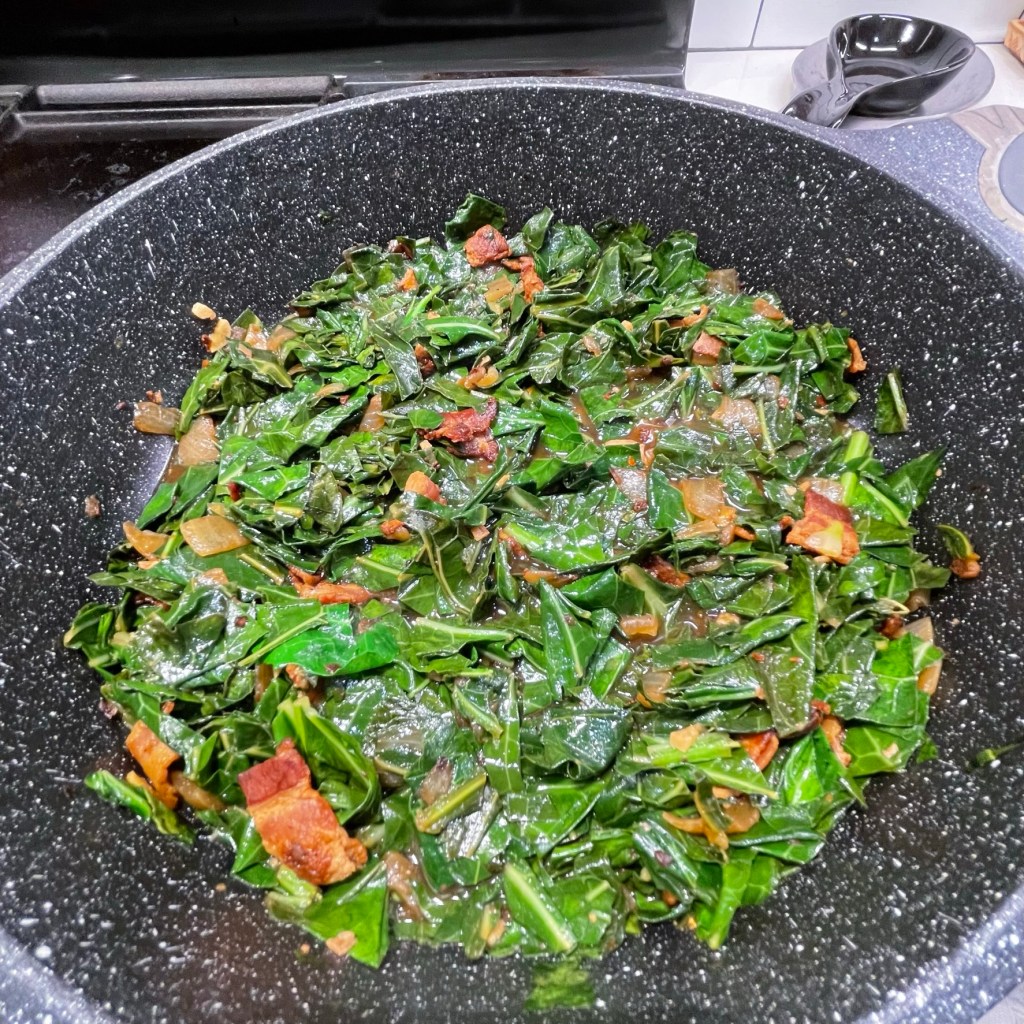
The salty bacon, smoky pepper heat and the bite of whiskey have transformed my usual collards into something extra flavorful!

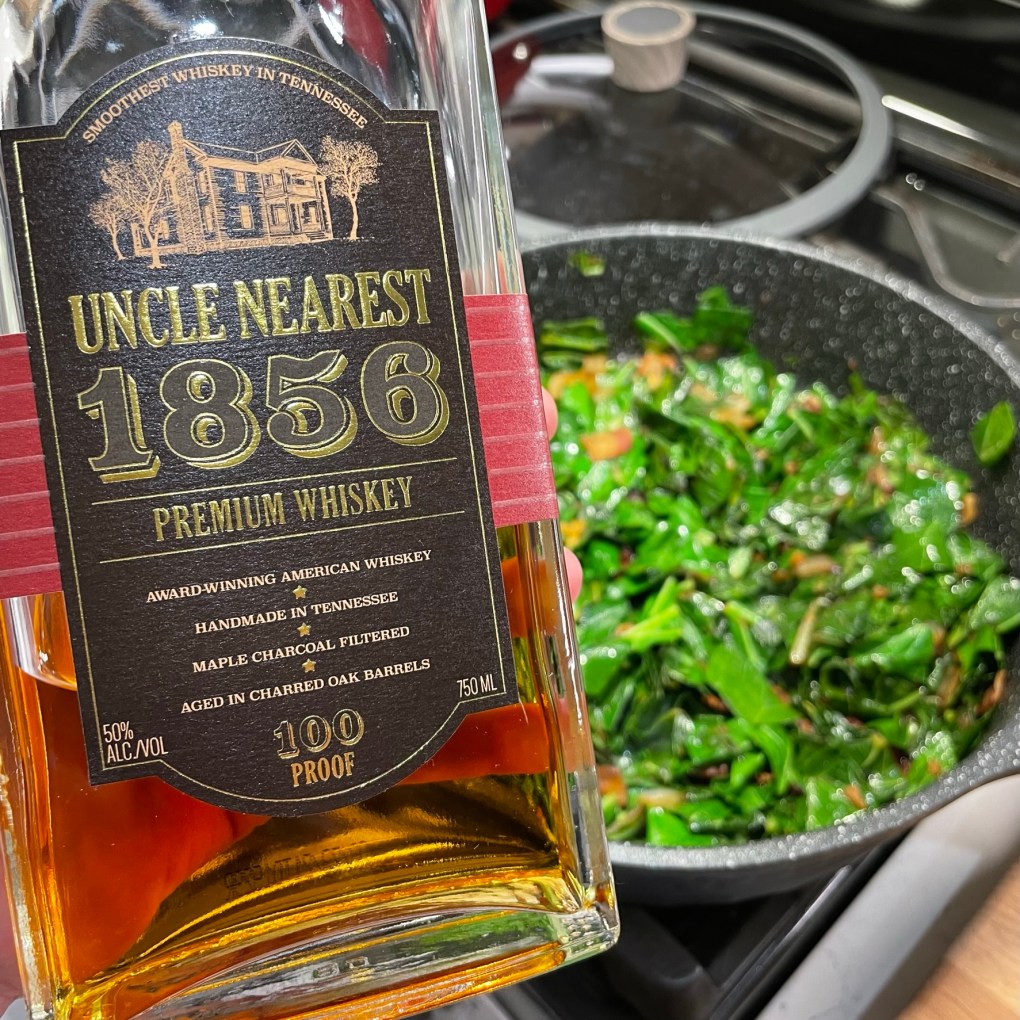
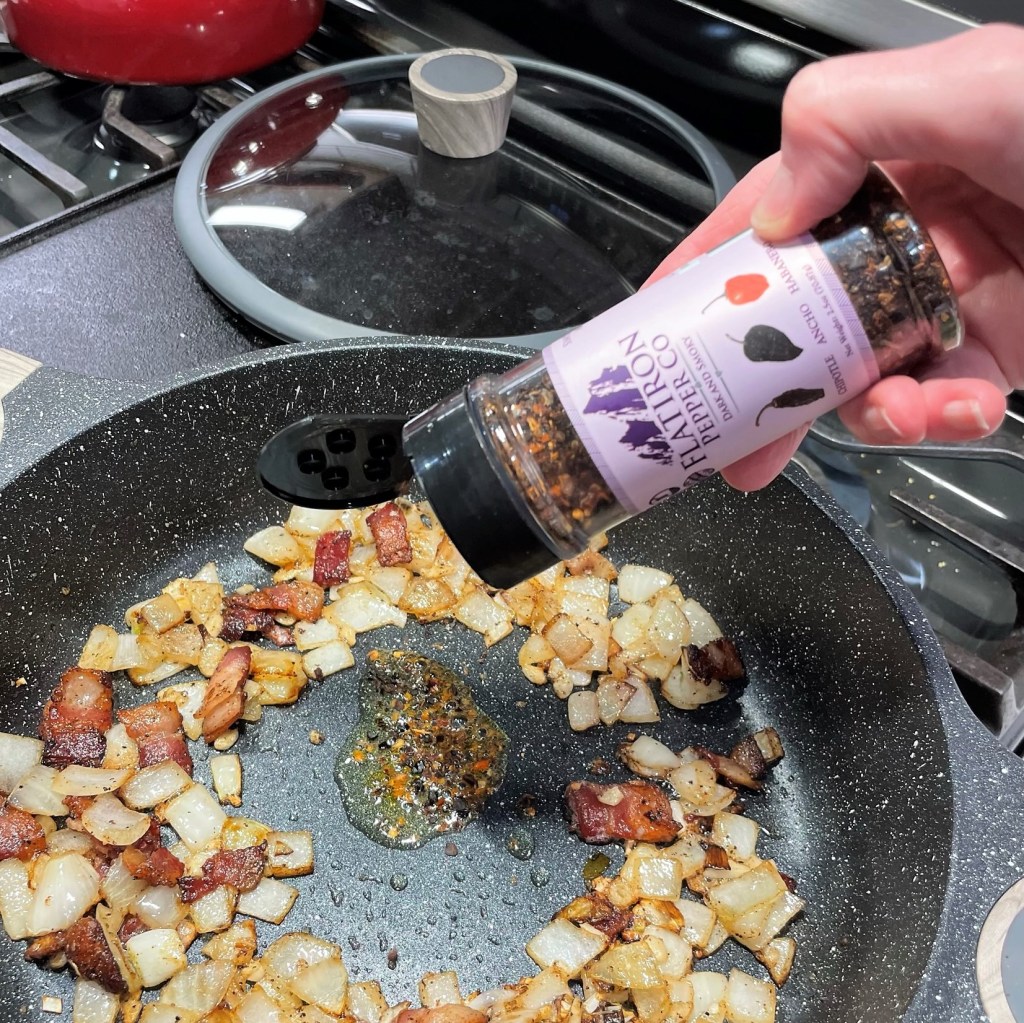
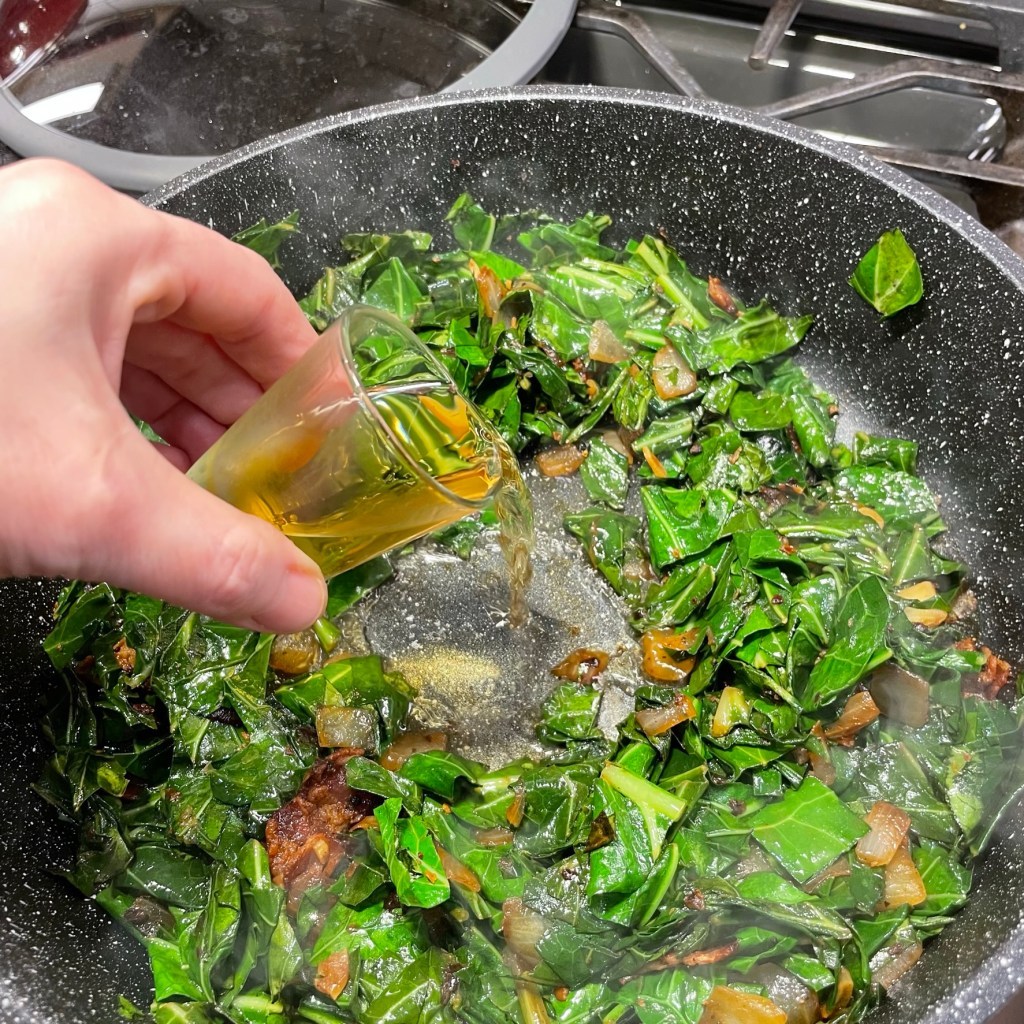
I amped up these collards with fresh garlic and a few extra shakes of a specialty pepper mix we love, which includes smoky chipotle, fruity ancho and fiery habanero. The combination of hot pepper flavors sent these collards over the top into kick-ass territory. The real kicker, though, was the shot of whiskey I splashed into them. And not just any whiskey, but the only brand I happened to have on hand when my imagination started running—Uncle Nearest 1856. If you have not yet heard of this whiskey, I hope you’ll take a few minutes to read about it. Uncle Nearest is a Black-owned brand, built on the legacy of Nathan “Nearest” Green, an enslaved man who taught Jack Daniel how to make whiskey. If you’re thinking, “how can that be?” well, this is why we have Black History Month, so we can fill in the gaps of what we thought we knew.

Braising in the whiskey turned out to be a great decision.

Uncle Nearest 1856 was the basis for the Long Time Coming red cocktail I created in honor of Juneteenth last year, and at 100 proof, it’s pretty sturdy. The charred oak barrel notes of the spirit imparted additional smokiness to these collards, which cooked up in about half the time as my regular, go-to recipe. That might have been the whiskey, or it could just be that I served them up earlier than usual, because they smelled so darn good.


Ingredients

3 slices uncured bacon, cut into 1/2″ pieces

1/2 large yellow or sweet onion, chopped

3 cloves fresh garlic, chopped or minced

Kosher salt and freshly ground black pepper

Several shakes Dark and Smoky red pepper blend (or any crushed red pepper you like)

1 large bunch fresh collard leaves, washed and trimmed of heavy stems

1 shot glass whiskey (about 3 tablespoons)

1 cup low-sodium vegetable broth


Instructions


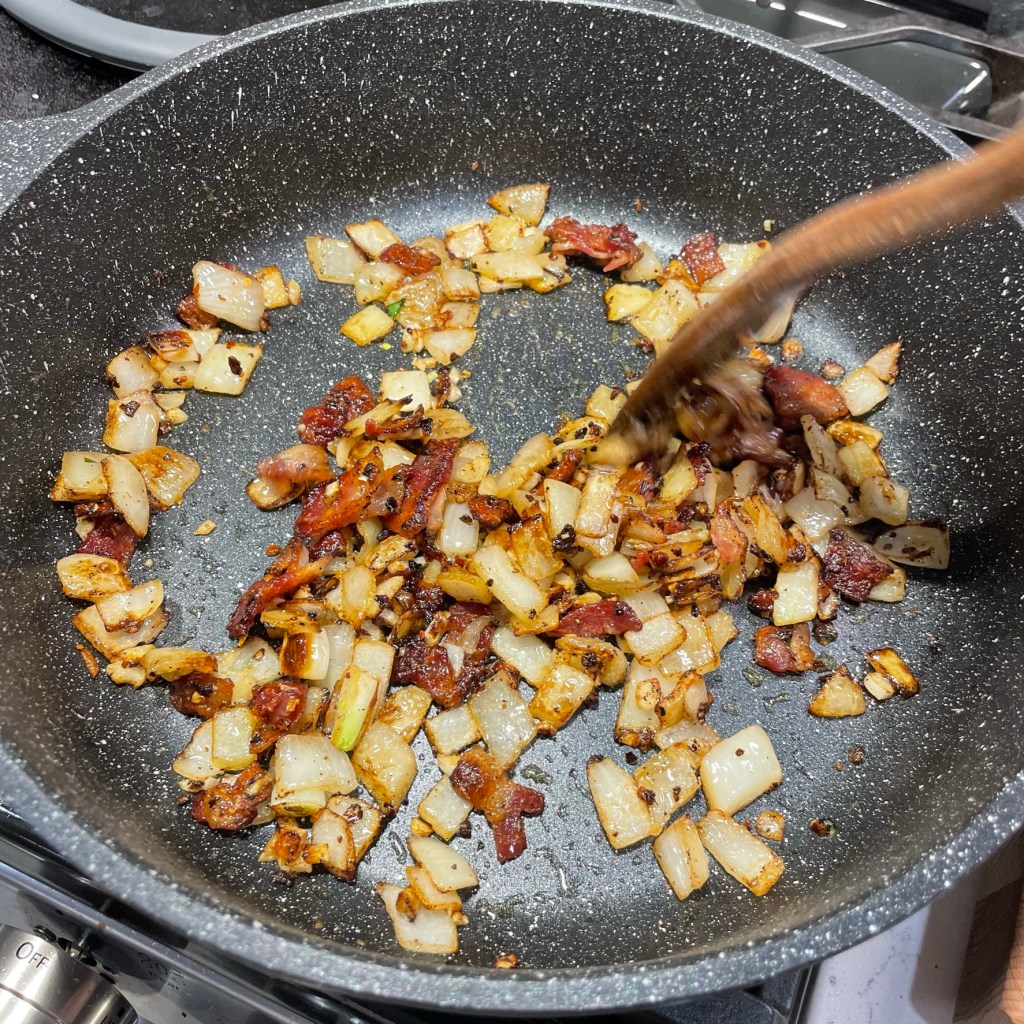
In a large skillet or pot, cook the bacon and onion over medium heat until the bacon has crispy edges and the onion is softened. Add the garlic, season with a bit of salt and pepper, and cook another minute or two.

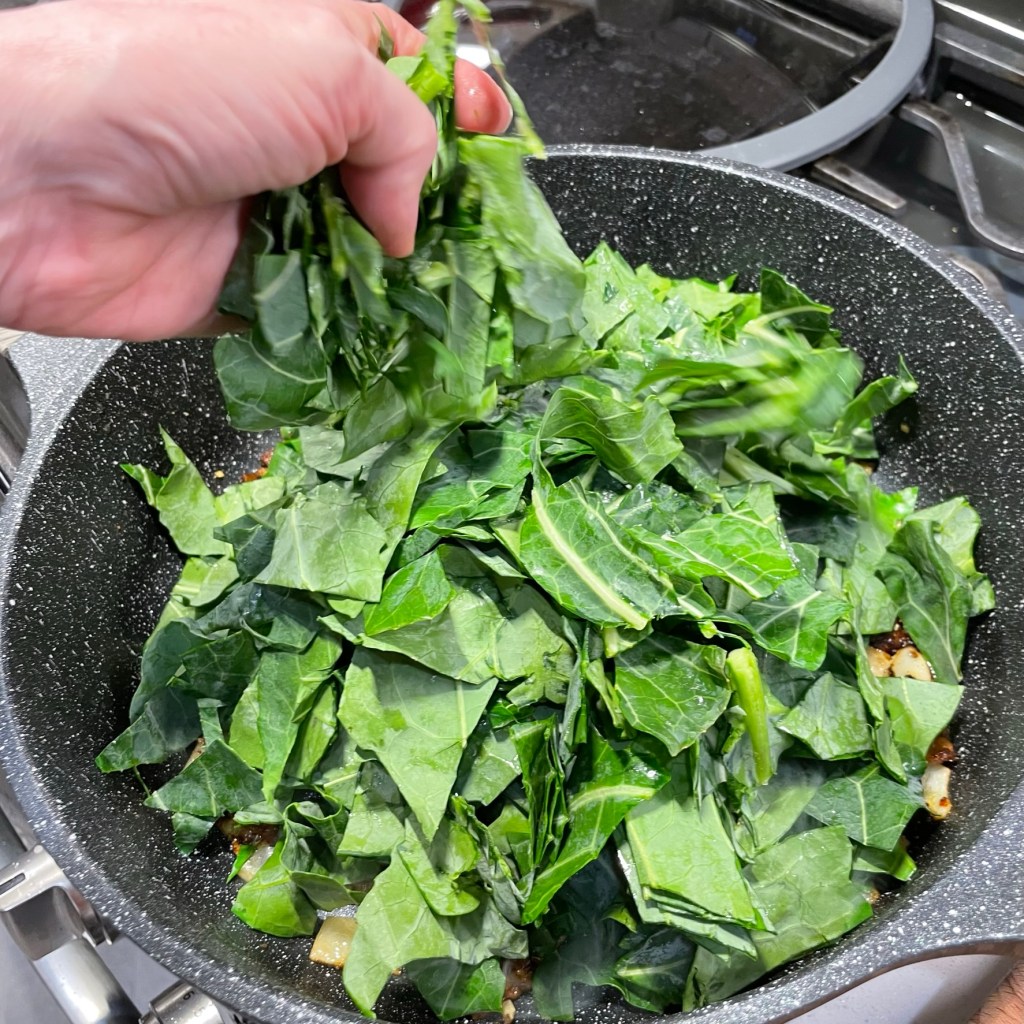
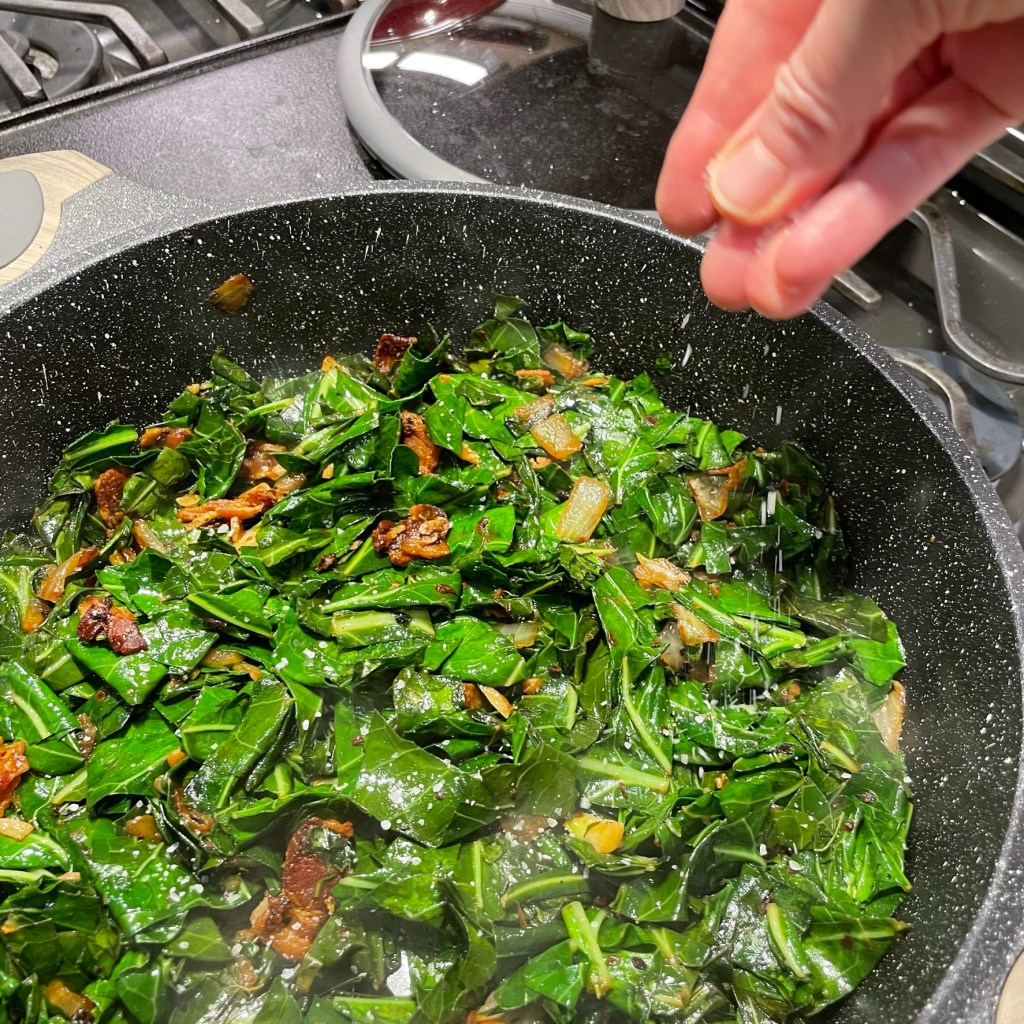
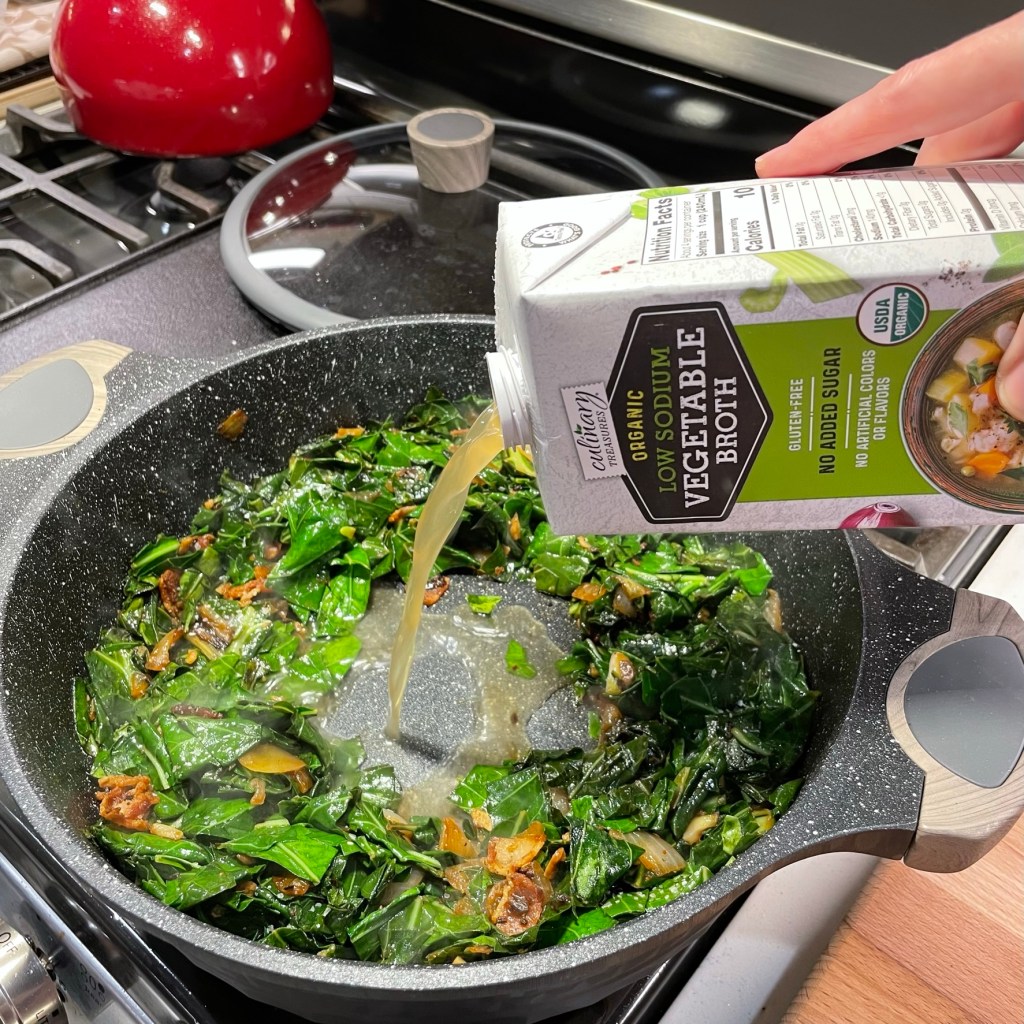
Clear a space in the center of the pan and add about a teaspoon of olive oil. Shake the red pepper flakes into the oil to activate the flavors, and then toss the bacon-onion mixture to spread it around. Add the collards, a handful at a time until wilted, and toss to cook. When the collards have softened and collapsed into the pan, add the whiskey and vegetable broth and bring to a boil. Reduce heat and simmer, covered, until collards are tender. This will take anywhere from 25-50 minutes, depending on your simmer level and preference. Adjust salt and pepper to taste before serving.