PB&J S’mores

From my first year of blogging on Comfort du Jour, I’ve celebrated National S’mores Day by putting a s’mores twist onto everything from cocktails to pizza to ice cream and then some. As the calendar inched toward Aug. 10th this year, it occurred to me that I’d never experimented the other way— putting a fun twist onto the s’mores themselves. Now I have!
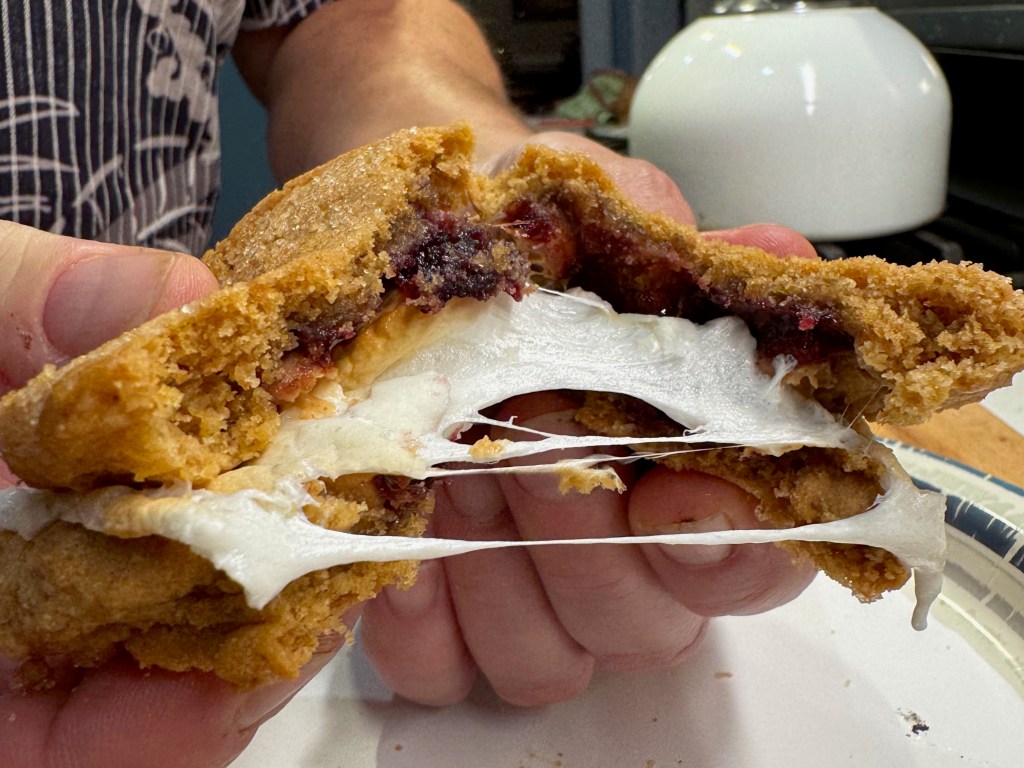
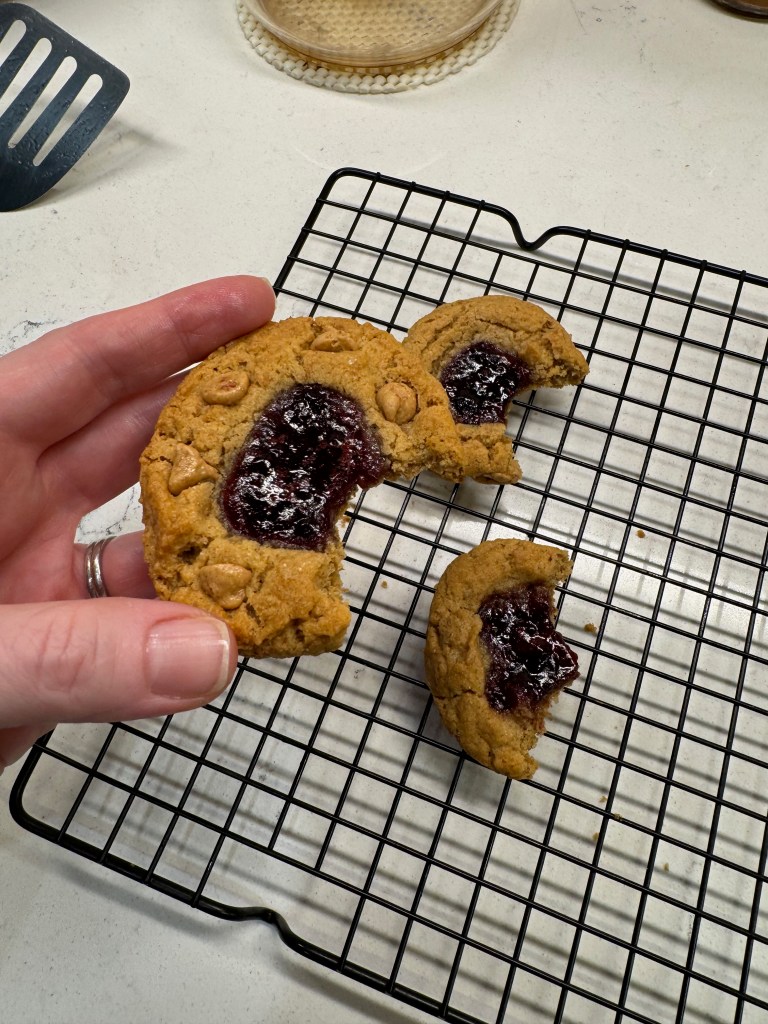
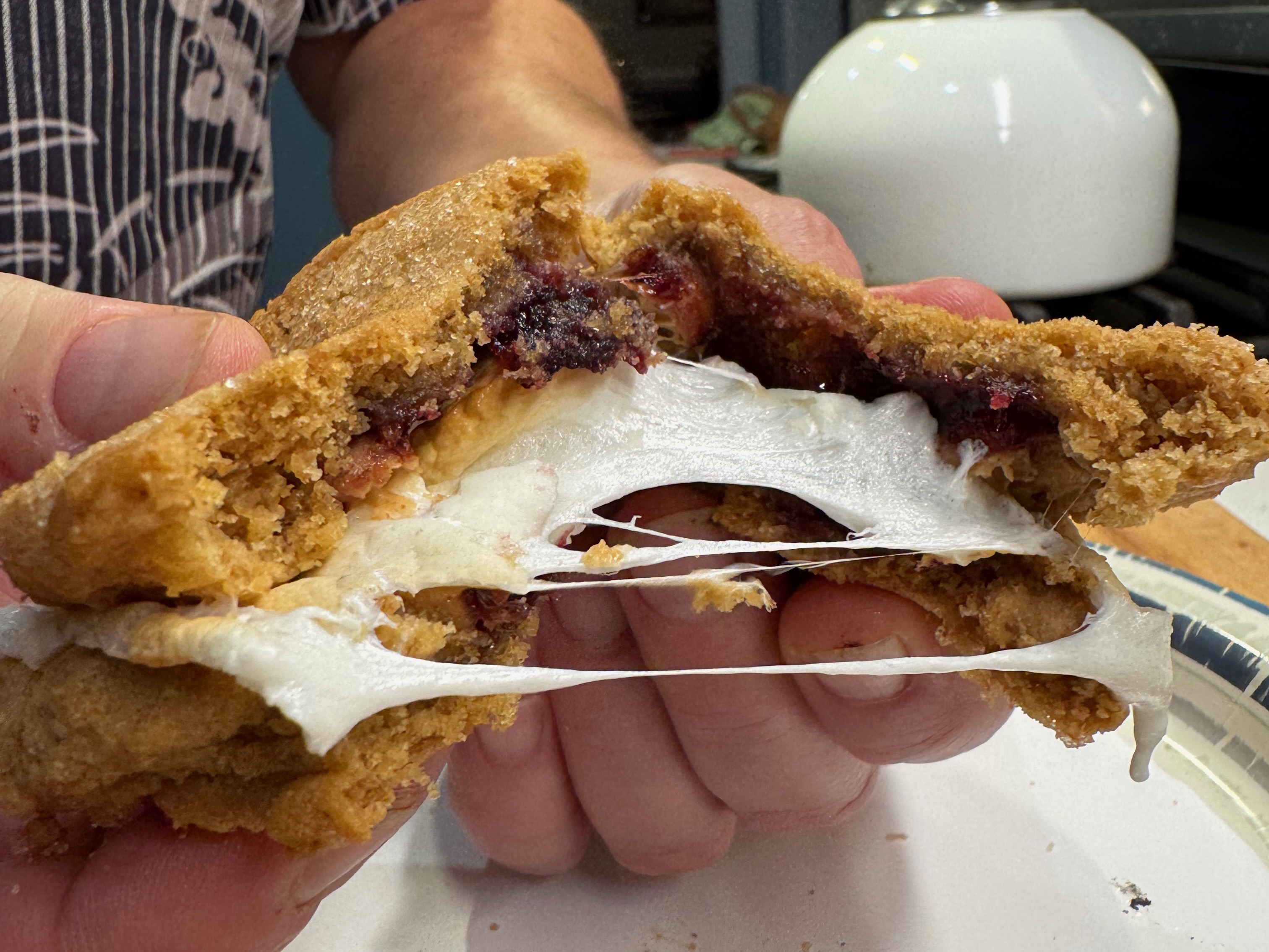
Definitely ooey-gooey!

By replacing the graham crackers with a classic homemade cookie, and subbing out chocolate for another sweet and gooey filling, I’ve reimagined this childhood favorite with fun, familiar flavors. Now, this idea didn’t just fall together, as there were several things to consider for a successful outcome and I had to do a bit of testing to bring my vision to life. First, the cookie!

What kind of cookie works for s’mores?

Obviously, I needed a cookie that would be sturdy enough to squish the toasted marshmallow, and that meant that soft, crumbly cookies were out. It needed to be thin enough that you could stack two together with a marshmallow in between, for easy eating. Graham crackers are perfectly suited to the task but not especially flavorful.

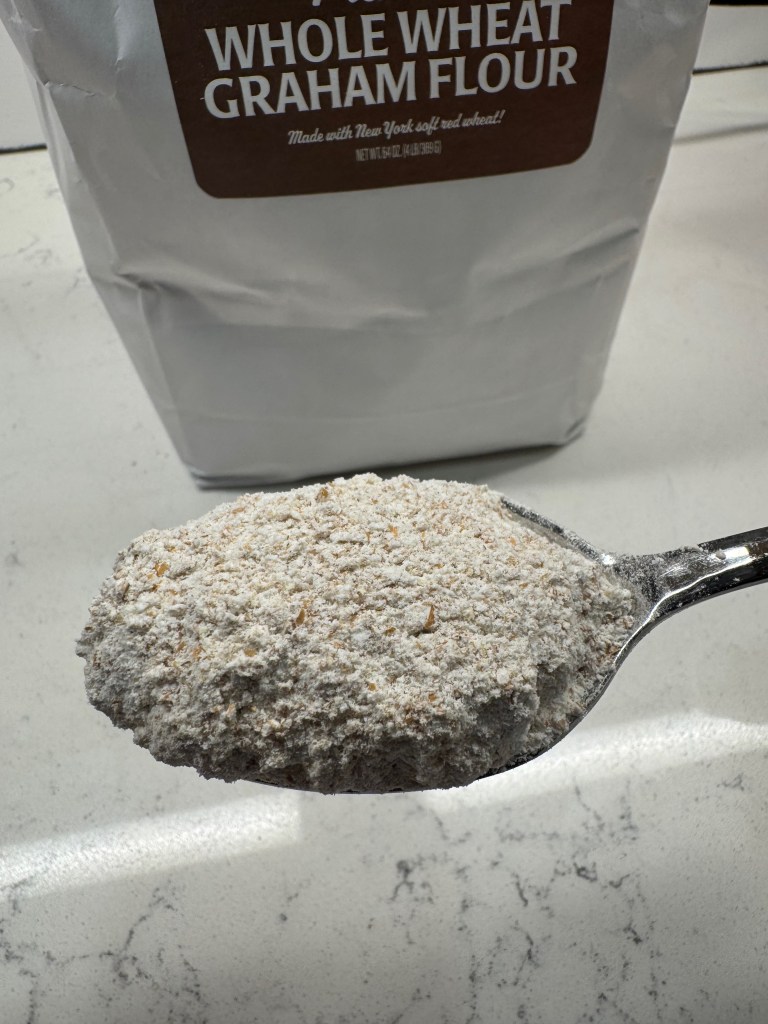
Peanut butter cookies really appealed to me, but most recipes produce a soft, pillowy cookie and I’d need to adjust a few things for a thinner, more crisp cookie. After consulting with experts— OK, it was an internet search 🤭— one tip stood out as important, and that is to use a lesser amount of peanut butter in the dough. I could add peanut butter chips to make up the lost flavor. White sugar makes a crispier cookie, so I’d go halvsies with the brown sugar, and I could sub in a portion of whole wheat graham flour for more texture and structure that would be similar to a graham cracker. The cookie part was easy.
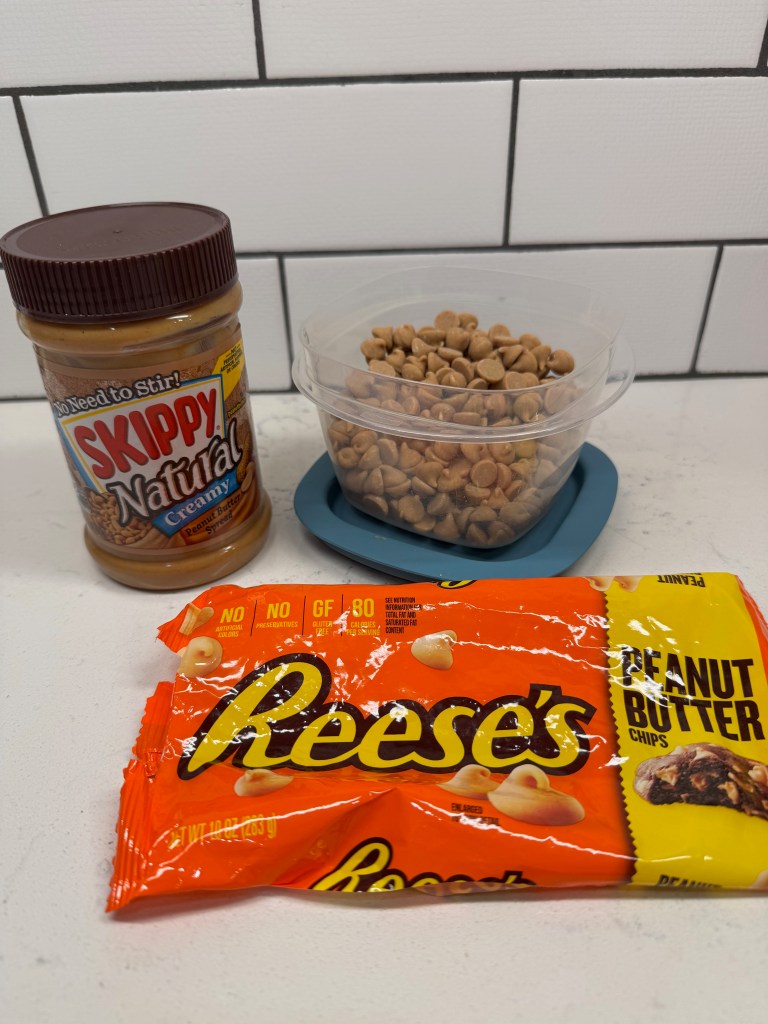

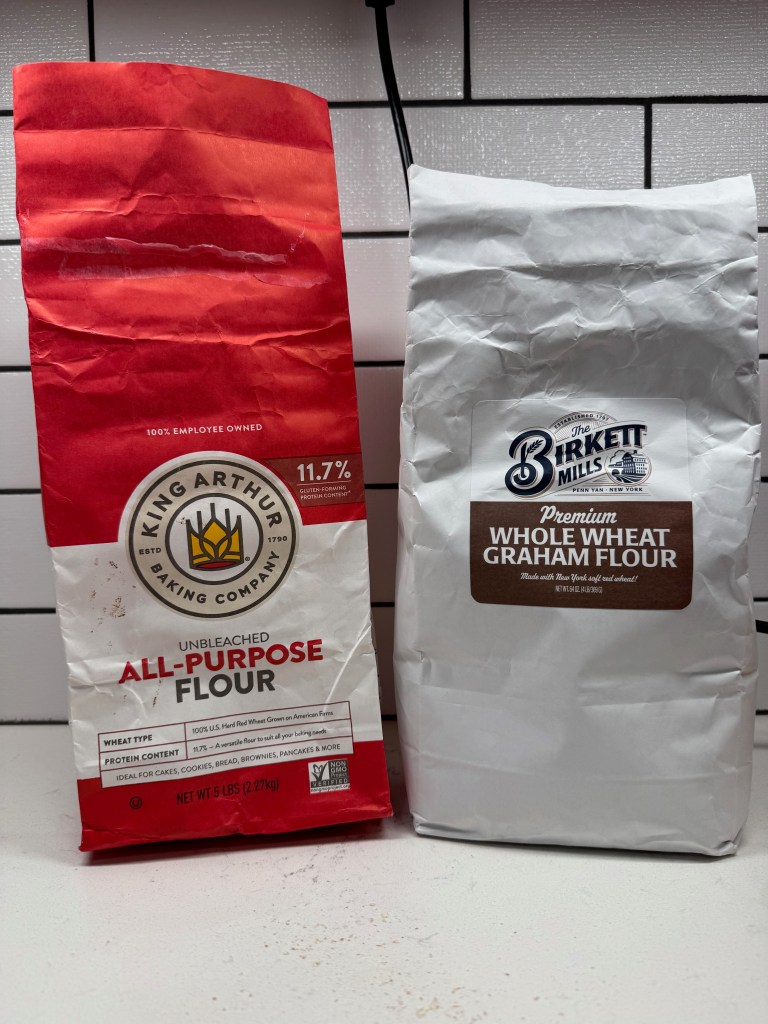
What could stand in for the gooey melted chocolate?

My initial intention was to melt a chocolate square onto my s’mores, but the kid in me couldn’t shake the idea of pb & j, the flavor combination that was the backbone of my childhood. I still get nostalgic for a simple, satisfying pb&j sandwich— my favorite being griddled into a melty, wonderful mess. I thought about the Ghirardelli chocolate squares with raspberry filling, but that didn’t bring enough“jelly” and the more I thought about it, the less I wanted chocolate at all. Why couldn’t I make a “thumbprint-style” peanut butter cookie with a jelly filling, one that would get a little bit melty again when the warm marshmallow hit it? And just like that, I was on my way to these s’mores!
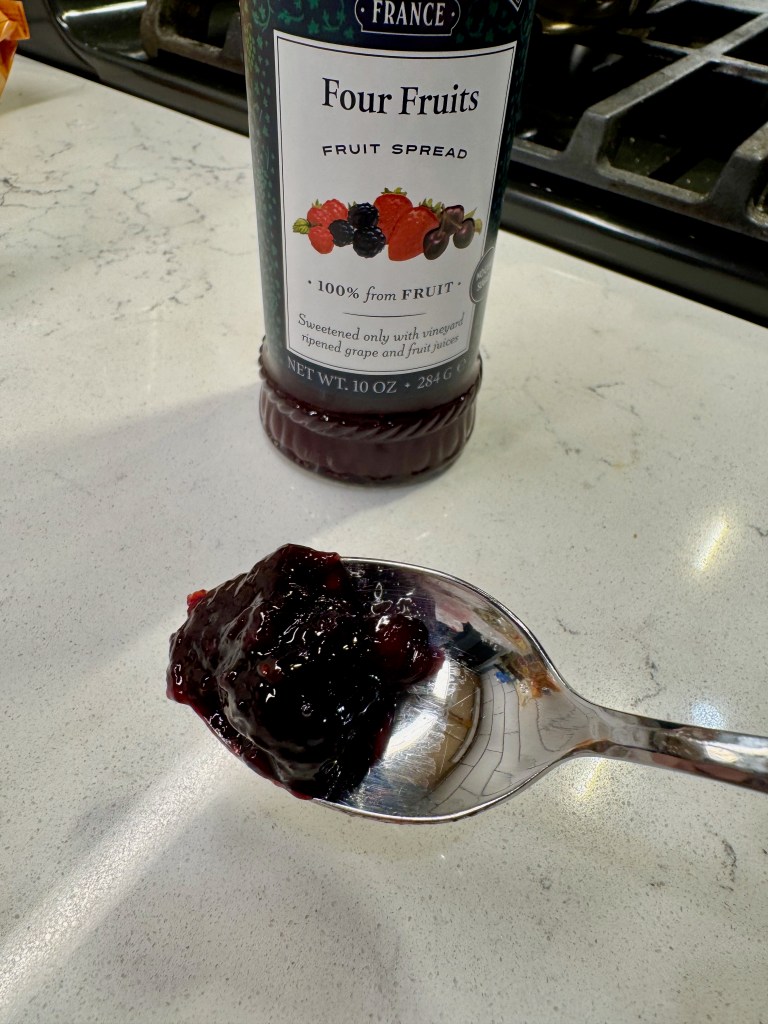
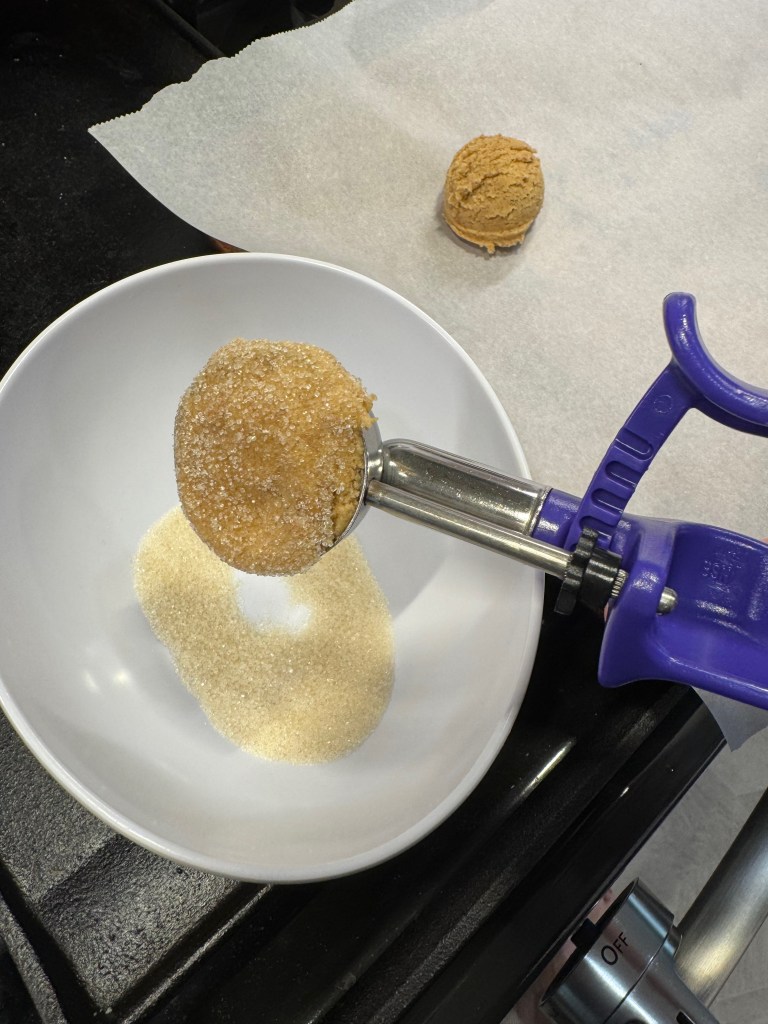
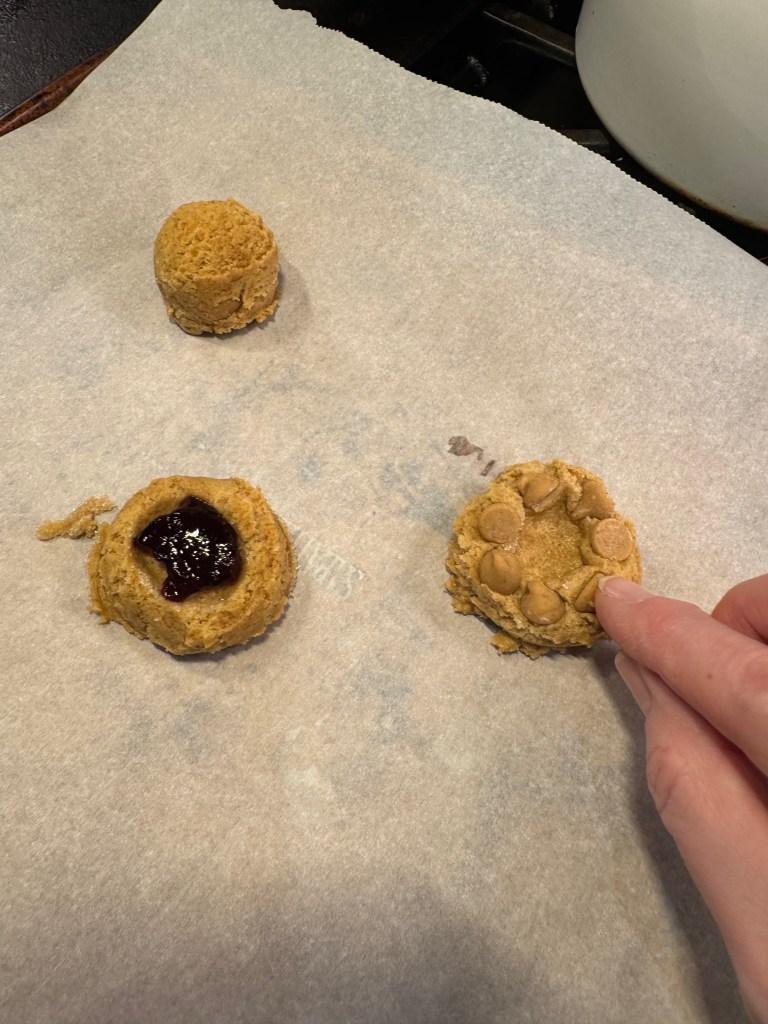
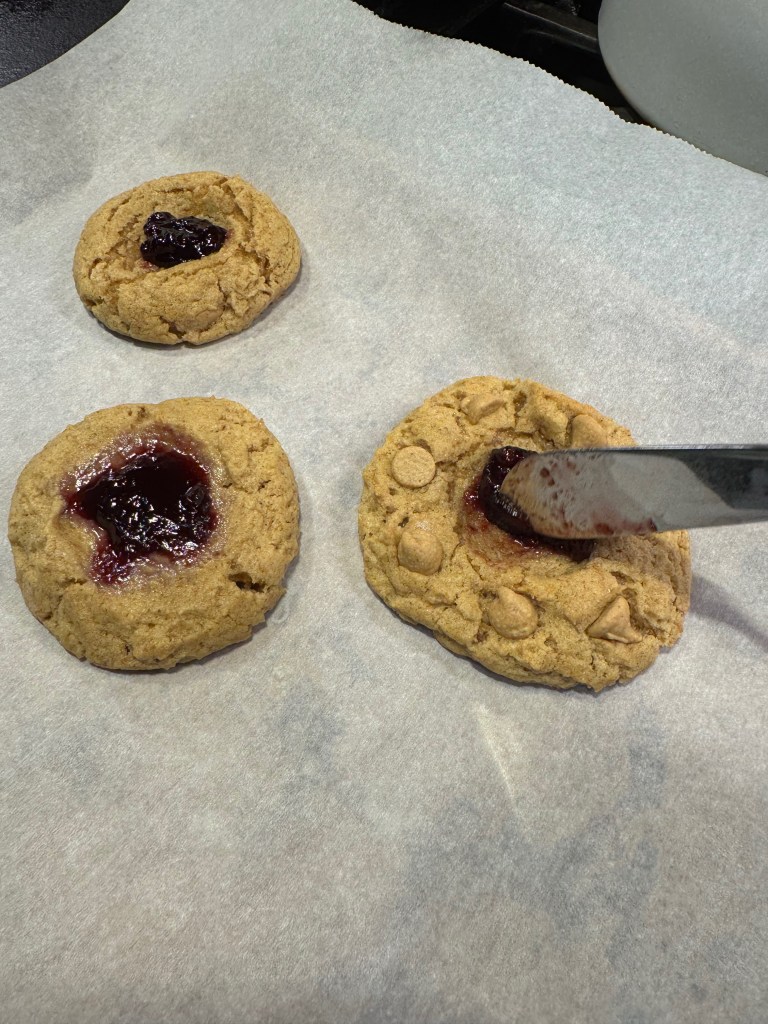
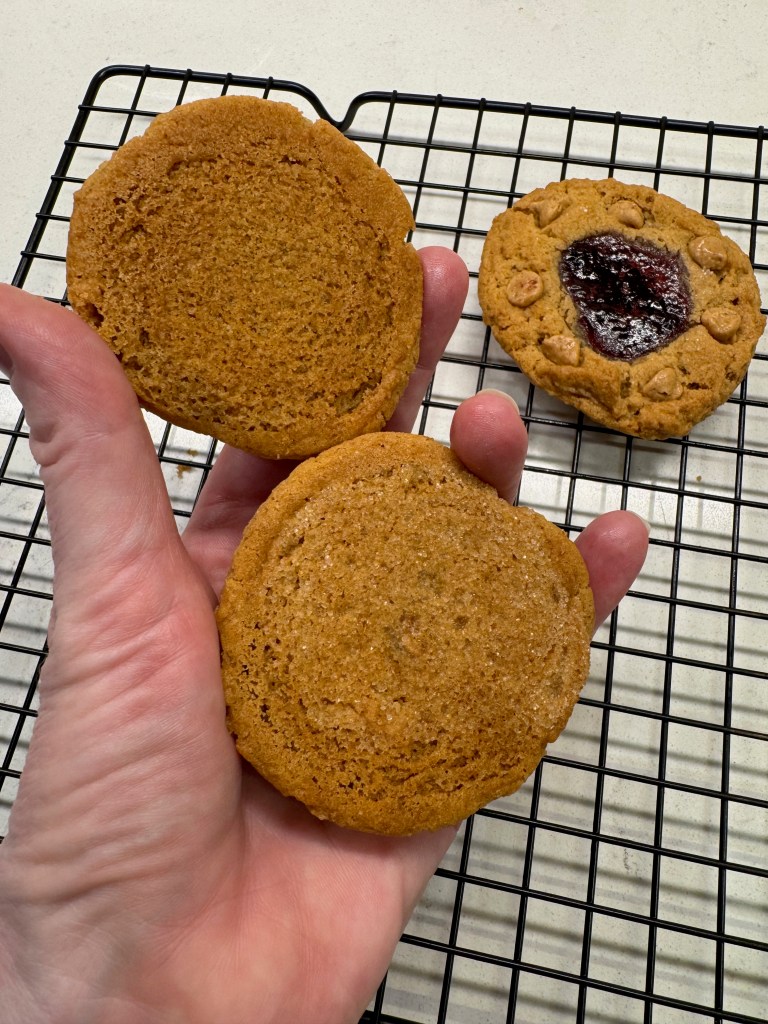
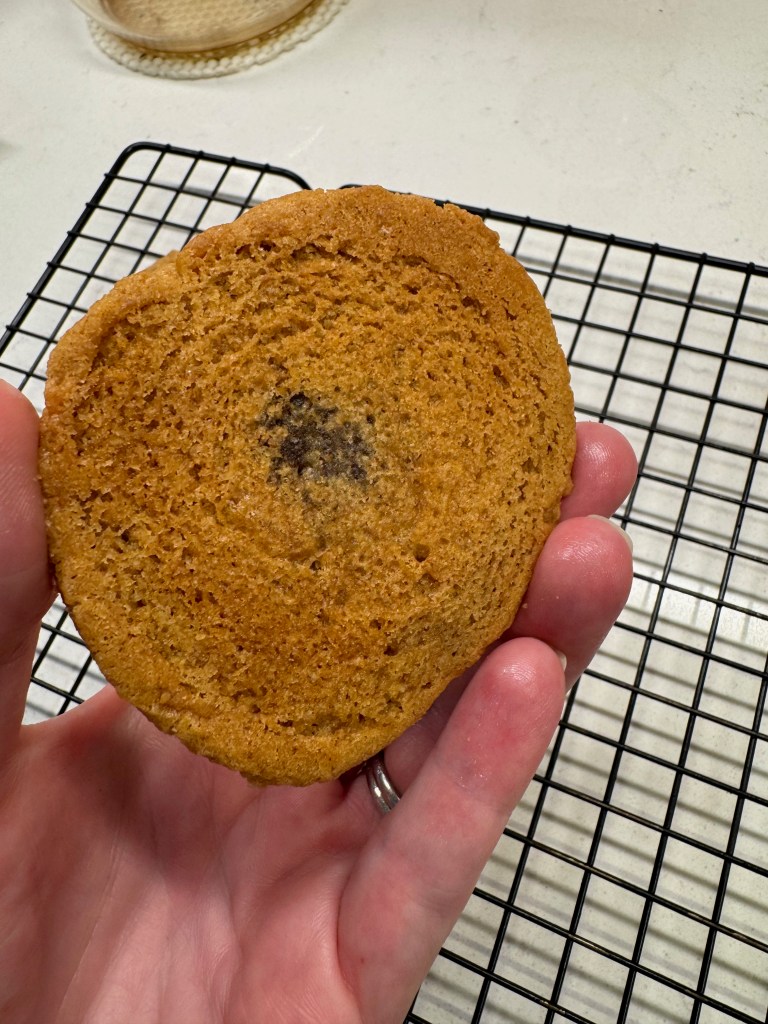
I had a time deciding what flavor jelly would be right, and it hinged on the texture of the spread.  See? Y’all had no idea how much pressure I put on myself to create these fun things! A true jelly would be too wet and ooze all over the oven, so I started looking at preserves with bits of actual fruit. This blend of four fruits was perfect, bringing berries and cherries into the mix. I set up an experiment with three cookies to see whether it was best to bake them with the preserves already in, or to create thumbprints halfway through baking, and whether it made sense to add a ring of extra peanut butter chips on top for a little more melting impact with the marshmallow. 
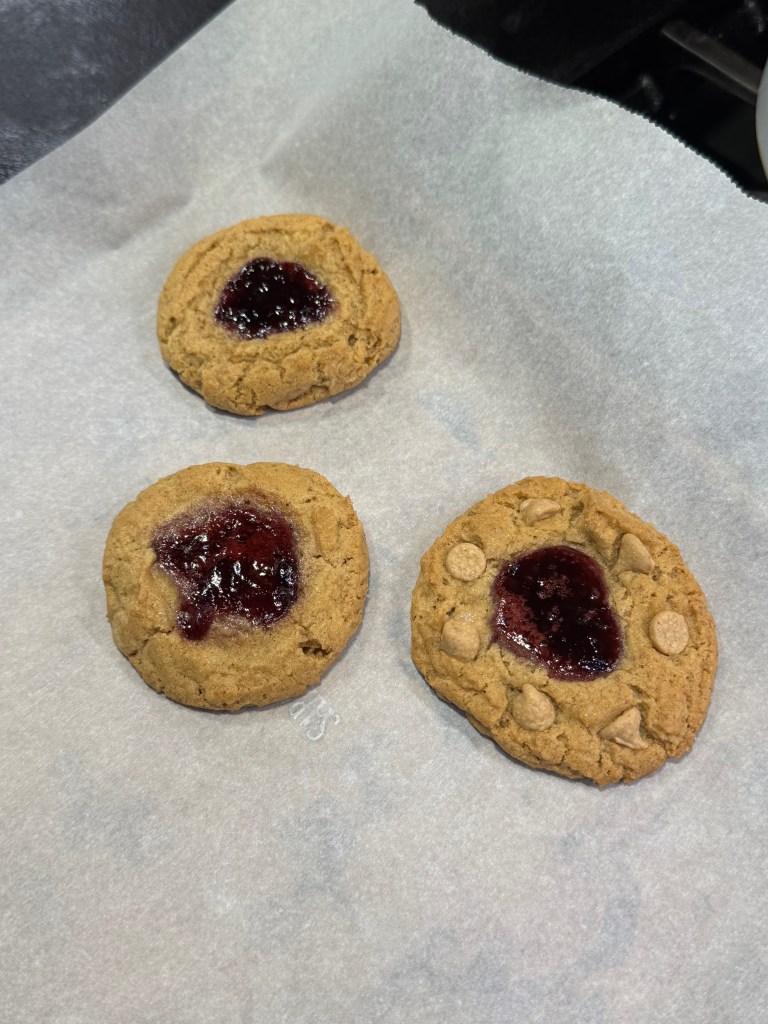

In the end, the best cookies had sugar on the bottom for more crispness and the preserves baked into the cookie for the full baking time, which was 14 minutes. On their own, these cookies are delightful, and I couldn’t wait to turn them into s’mores!
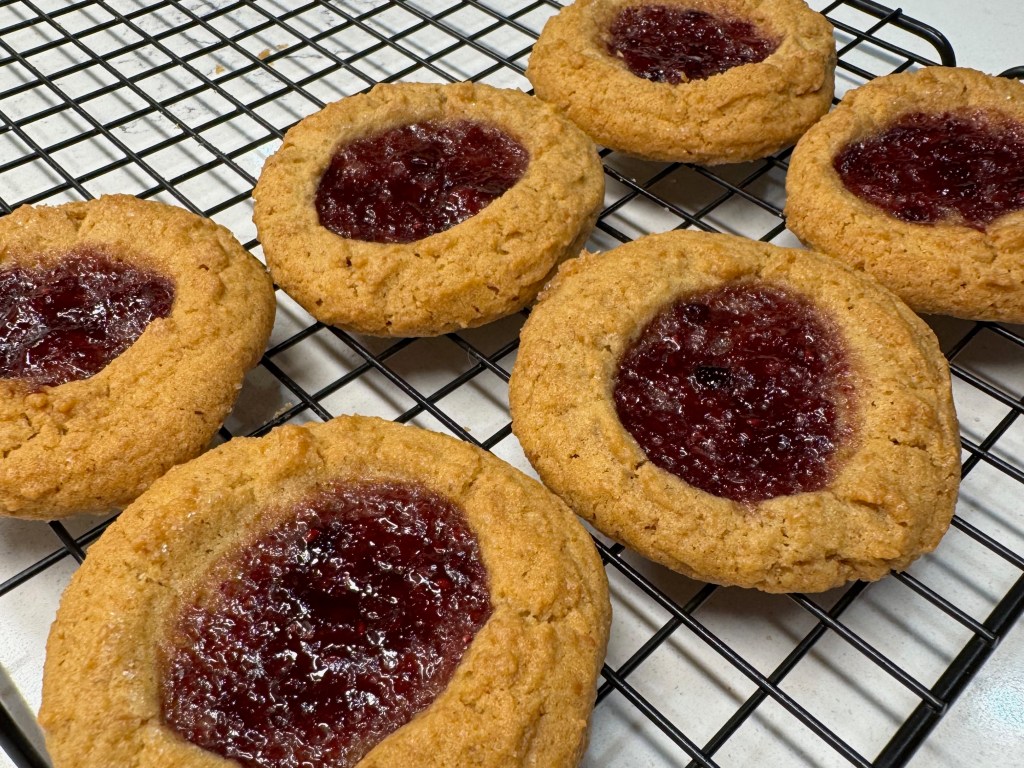
If you don’t feel like doing the marshmallows, you’d probably enjoy these cookies as they are.

In case you’re wondering, yes, we are the crazy ones in the neighborhood, building a backyard fire in the Solo stove when evening temperatures are in the 80s. We are always up for adventure, especially when food is involved!

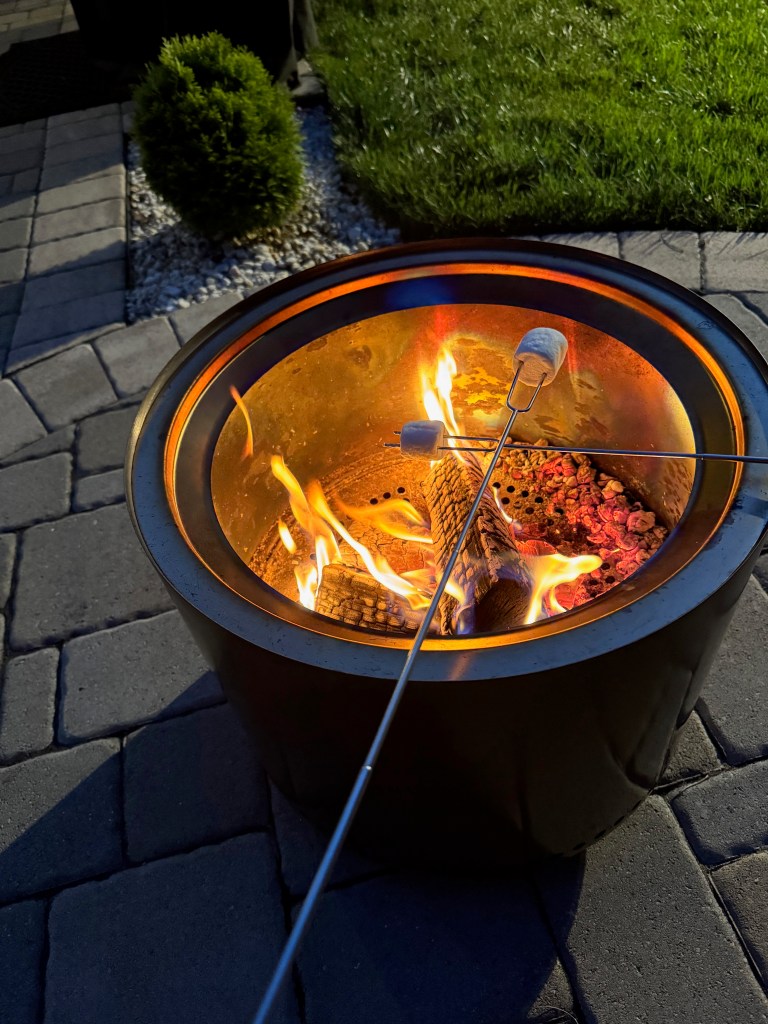
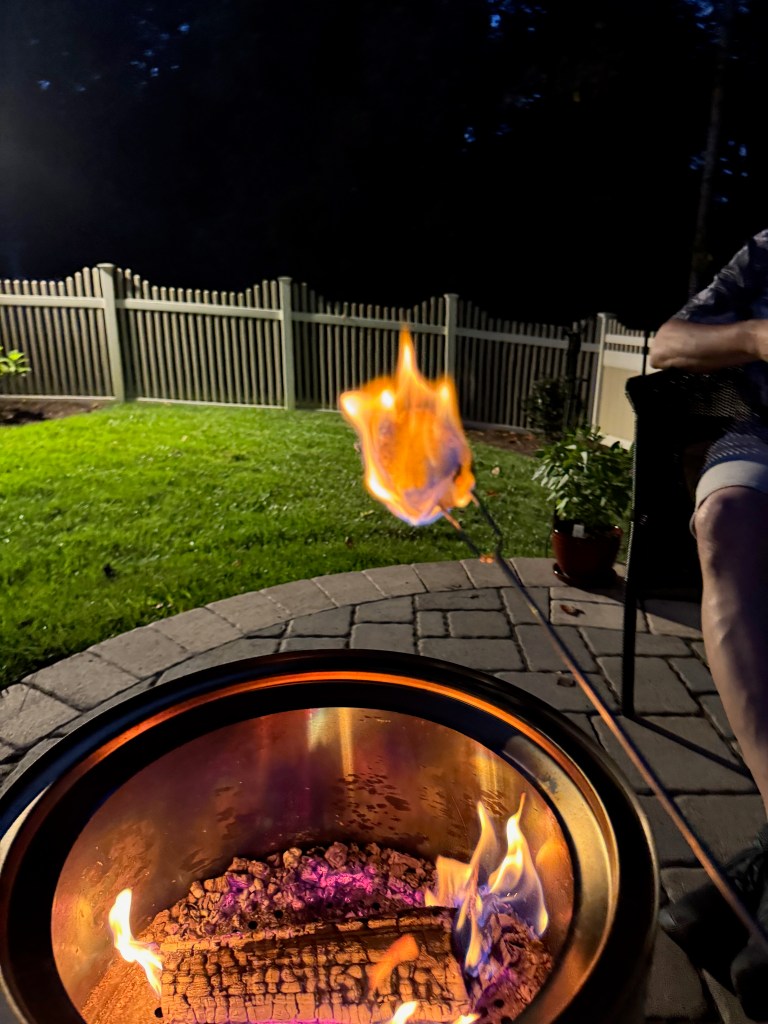
We toasted large marshmallows to personal taste— I like mine set ablaze and charred on the outside and Les likes them lightly golden— and then we squished them between two of these peanut butter-and-jelly cookies, with the jelly side in, of course. And the verdict?

My dentist would like a word with me.

Well, for starters, the peanut butter cookies did not remain crispy. By the time we did our s’mores, they were soft and bendy, which worked out great for the photos of us tearing them apart. The “jelly” aspect was all but lost, as I didn’t really detect it in my sample bites. It was, for me, way too much sugar, and— darn it!— after all that overthinking, I missed the oozy element of melted chocolate. Not a total miss, but not what my imagination wanted it to be. The cookies themselves are great.

If you have kids or grandkids and love a fun, sugary experiment, I’d say give it a go, perhaps with a twist of your own. Would I make them again? Probably not, but mainly because I only think about s’mores a couple times a year and by the time National S’mores Day rolls around again, I will have concocted another wild idea. I’ll probably pick up some grahams and chocolate before the weekend is over to make real s’mores. Some things are classic for a reason. ✌🏻

PB&J S'mores
  • Servings: About 12
  • Difficulty: Average
  • Print

A fun experiment for any s'mores enthusiast! I replaced two of the classic components of this campfire treat with a pb&j. It was sweet enough to melt your teeth, and isn't that kind of the point?


Ingredients

  • 1 stick butter (8 Tbsp.), softened slightly
  • 1/2 cup smooth peanut butter
  • 1/2 cup light brown sugar
  • 1/2 cup organic cane sugar
  • 1 large egg, at room temperature
  • 1/2 tsp. vanilla extract
  • 1 tsp baking soda, dissolved in a small amount of hot water
  • 3/4 cup all-purpose flour
  • 3/4 cup whole wheat graham flour
  • 1/2 tsp. kosher salt crystals
  • 1/3 cup peanut butter chips (optional)
  • About 2 Tablespoons cane sugar (for sugaring the bottom of cookies)
  • About 1/4 cup thick fruit preserves
  • Large marshmallows, roasted for s’mores
  • Plenty of napkins

Directions

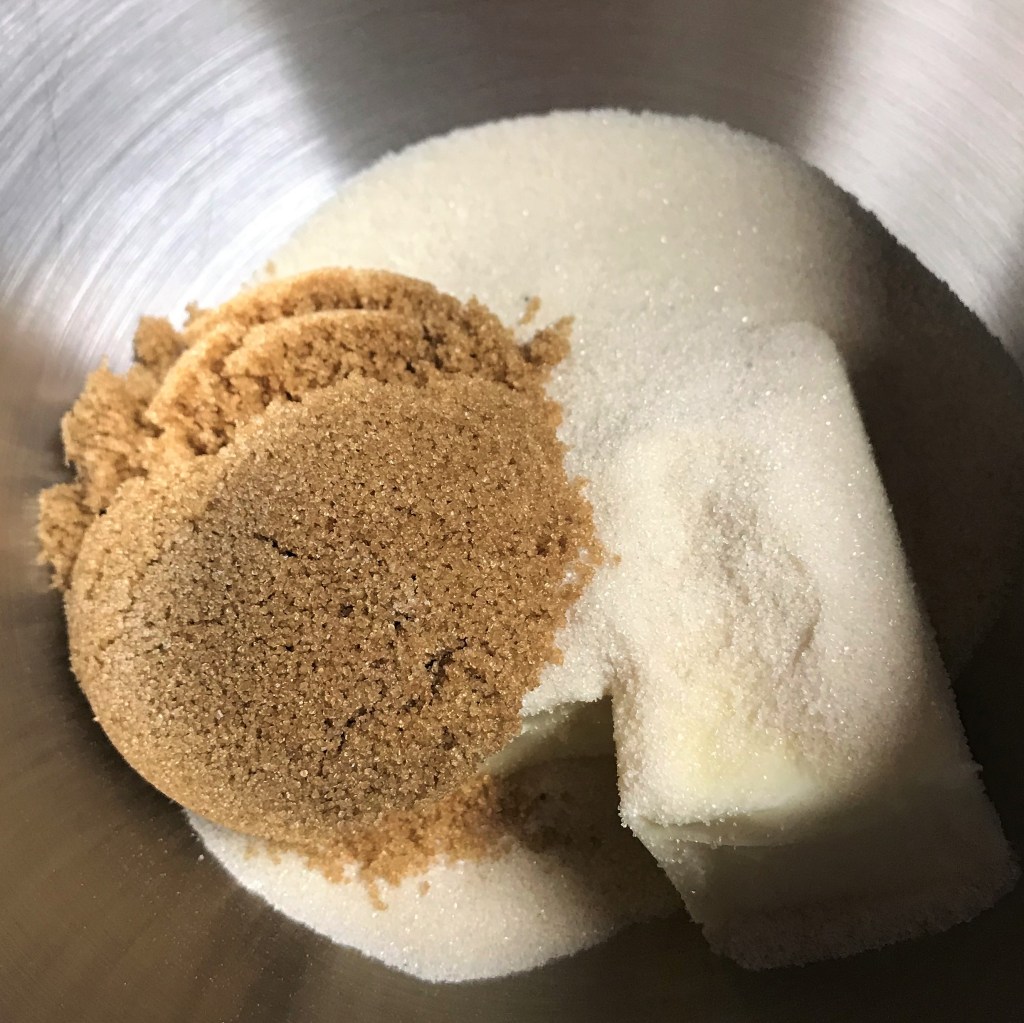
  1. Combine butter and peanut butter in the bowl of a stand mixer or large mixing bowl. Beat on medium speed until evenly combined and smooth. Slowly add sugars while mixer runs, and beat until mixture is somewhat fluffy. Stop the mixer and scrape down the sides of the bowl.
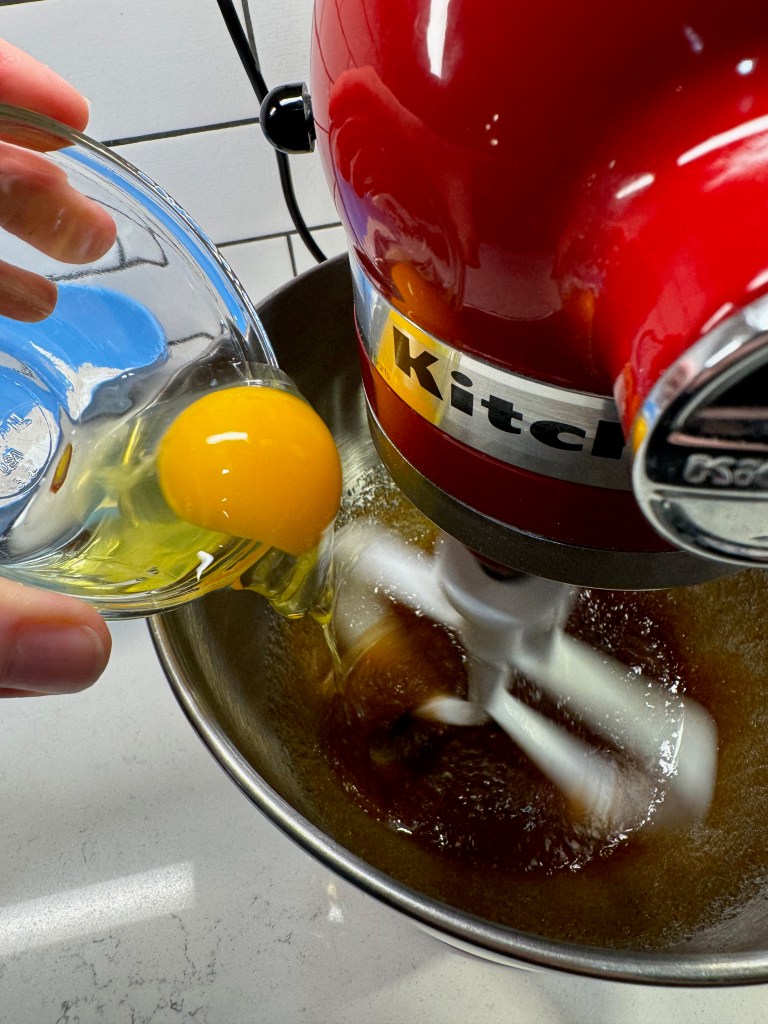
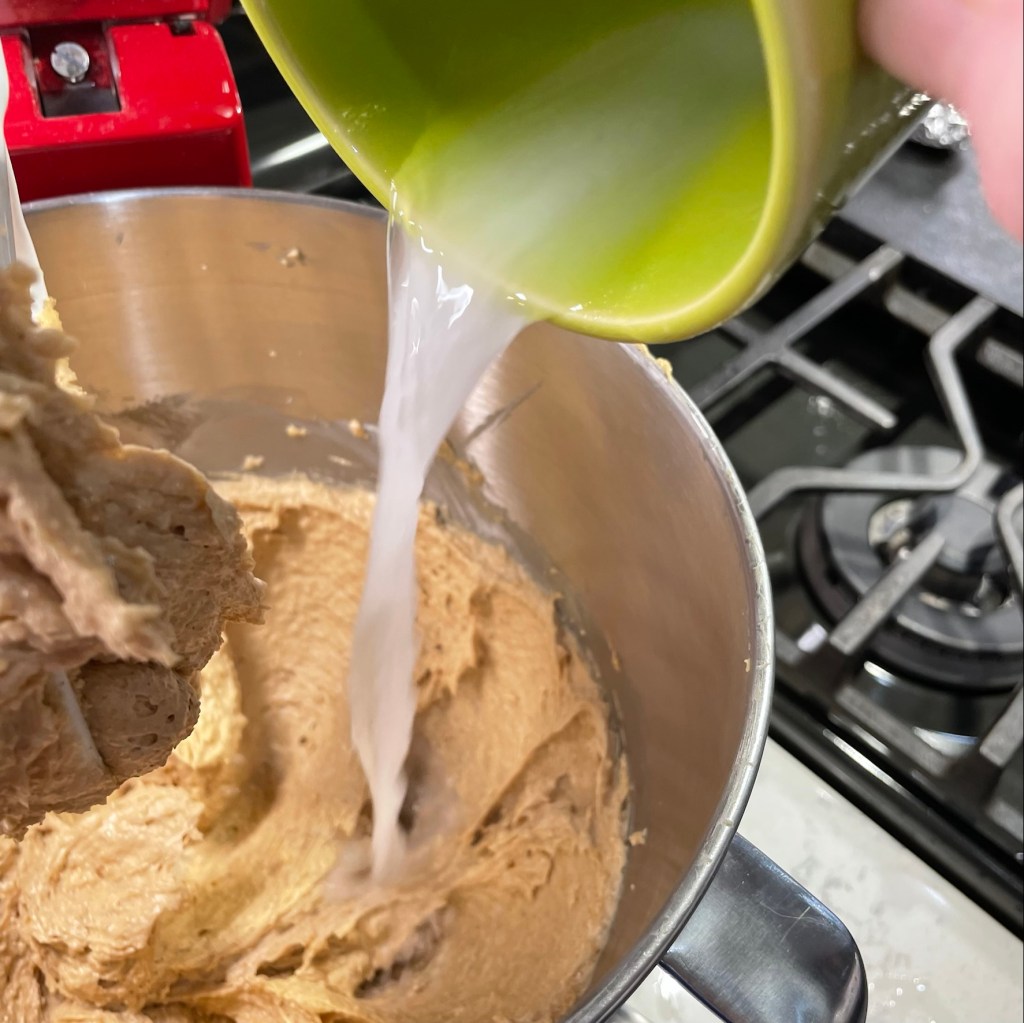
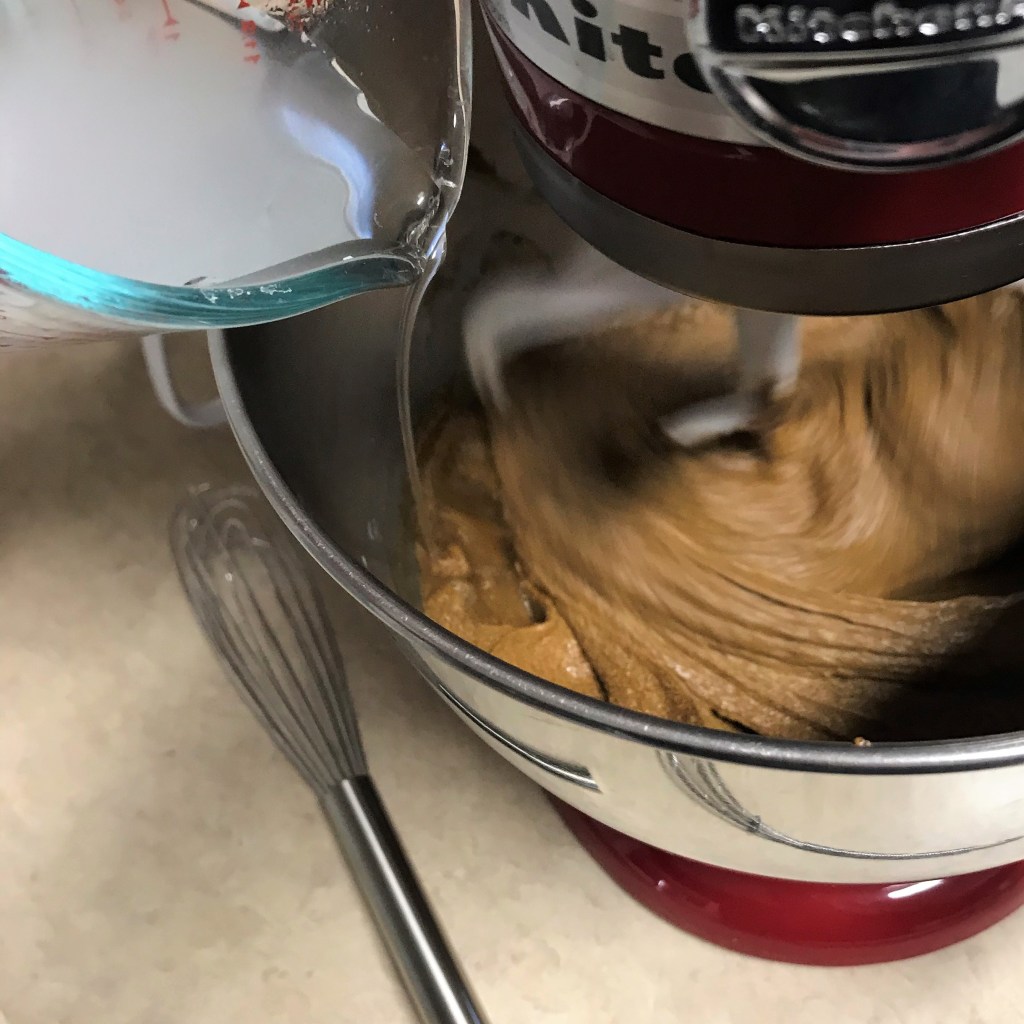
  2. Add egg and vanilla and beat again until fluffy. Drizzle in the dissolved soda and beat just until combined.
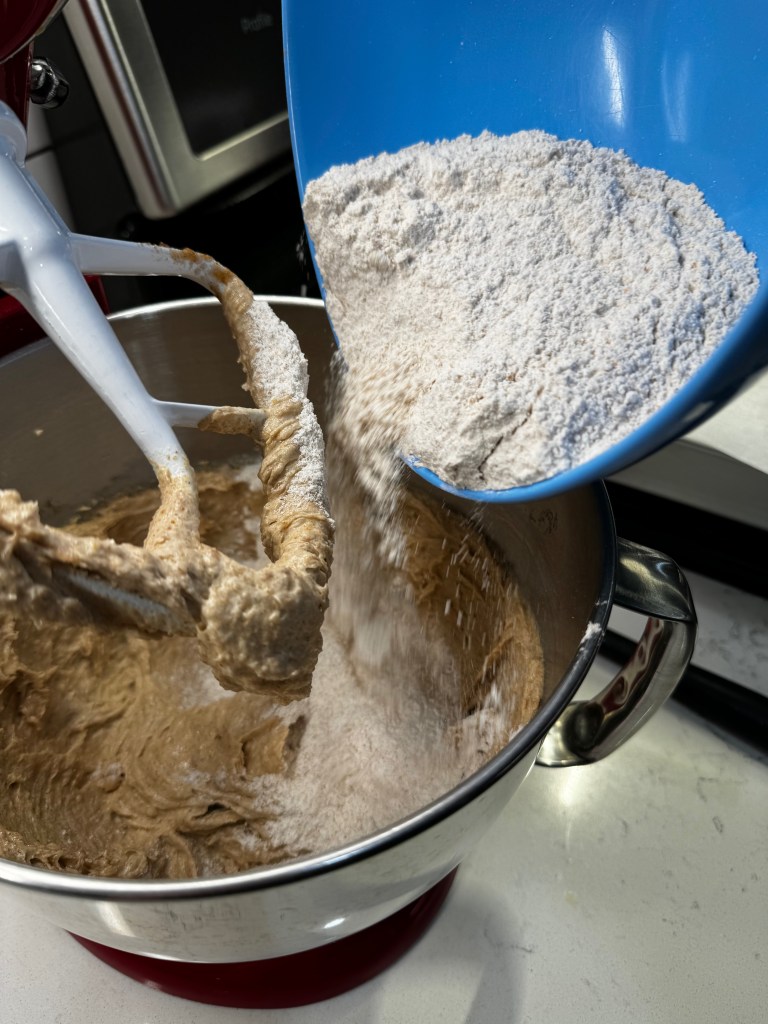
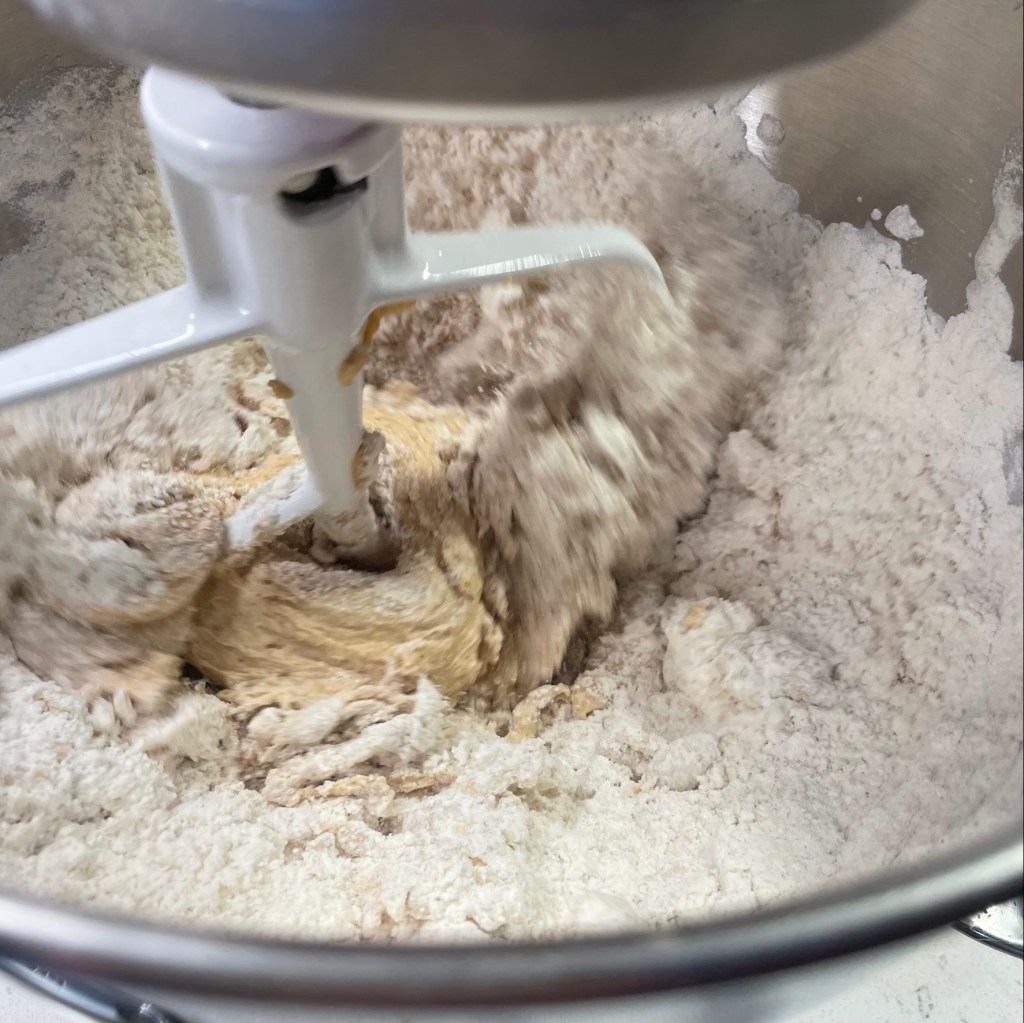
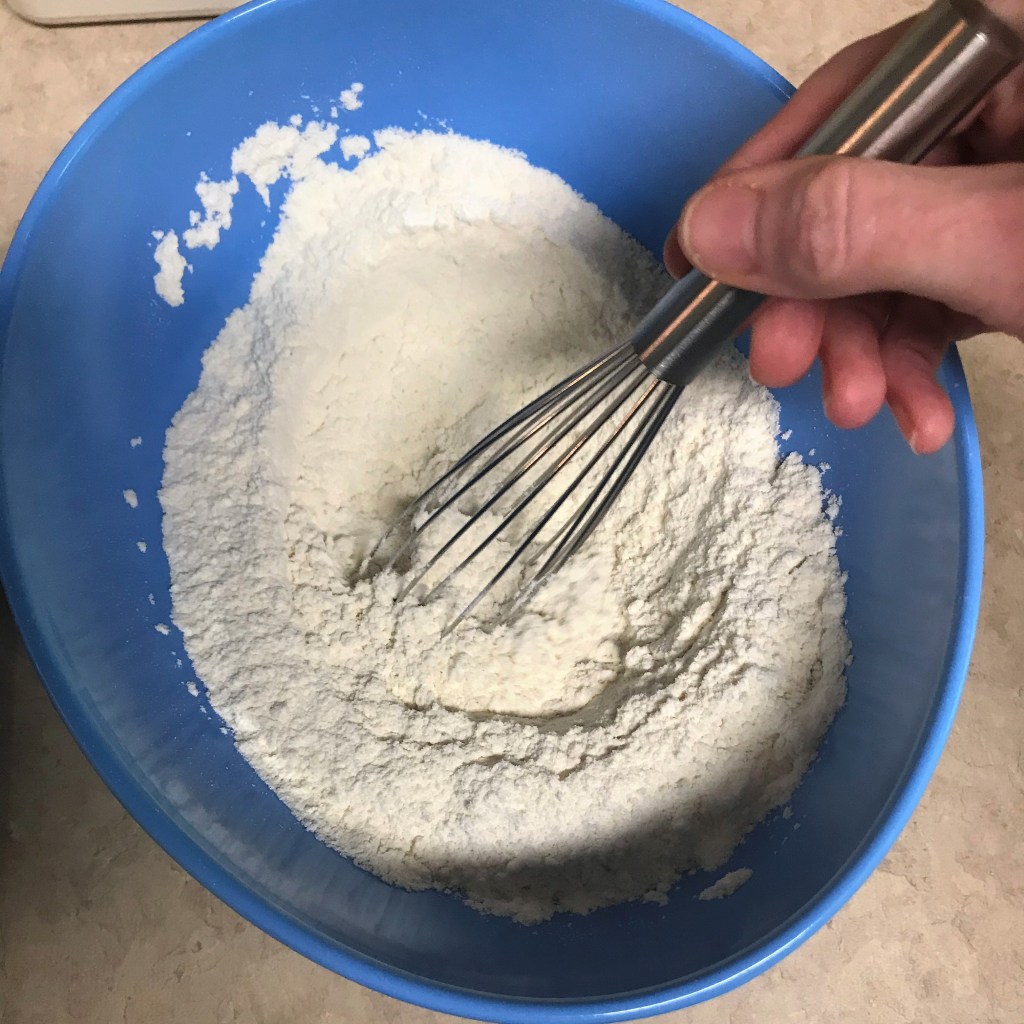
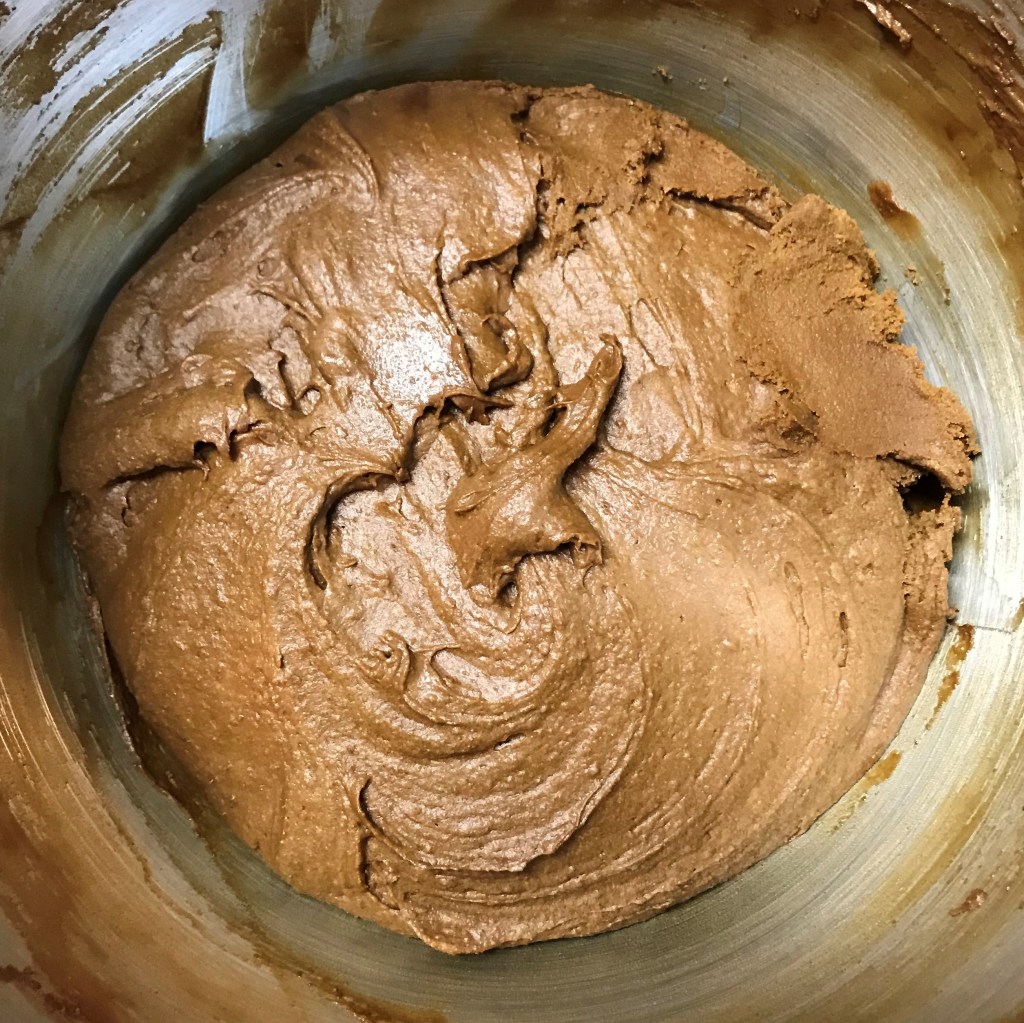
  3. Whisk flours and salt together in a small bowl and add to the cookie batter, about half at a time, beating after each addition and scraping down the sides of the bowl.
  4. Scatter peanut chips (if using) over the dough and use a spatula or wooden spoon to press them into the dough. Cover the dough with plastic wrap and cover the bowl. Refrigerate for at least one hour before proceeding to shape and bake the cookies.
  5. Preheat oven to 350° F, with oven racks in upper and lower positions. Line two cookie sheets with parchment paper and spoon preserves into a zip-top bag for easy piping into the cookies. Measure a few tablespoons of cane sugar into a small bowl for the bottoms of the cookies.
  6. Use a tablespoon-sized cookie scoop to measure out the dough. Flatten the dough in the scoop and dip the flat side into the cane sugar before turning the dough out onto the parchment. Do not flatten the cookies. Use a cork or your thumb to create dimples approximately half the depth of the cookie balls and two-thirds across the cookie. Pipe 1/2 tsp. fruit preserves into each cookie. Place a ring of additional peanut butter chips around the preserve filling if you want to be fancy about it.
  7. Bake cookies for 14 minutes, rotating pans top to bottom if using both at once. Allow the cookies to cool on the pan for a few minutes, and then transfer them to a rack to cool completely.
  8. For s’mores, toast marshmallows and squeeze two cookies together around the marshmallow, with the preserves on the inside. The melted marshmallow will soften and melt the preserves for an oozy-gooey treat.
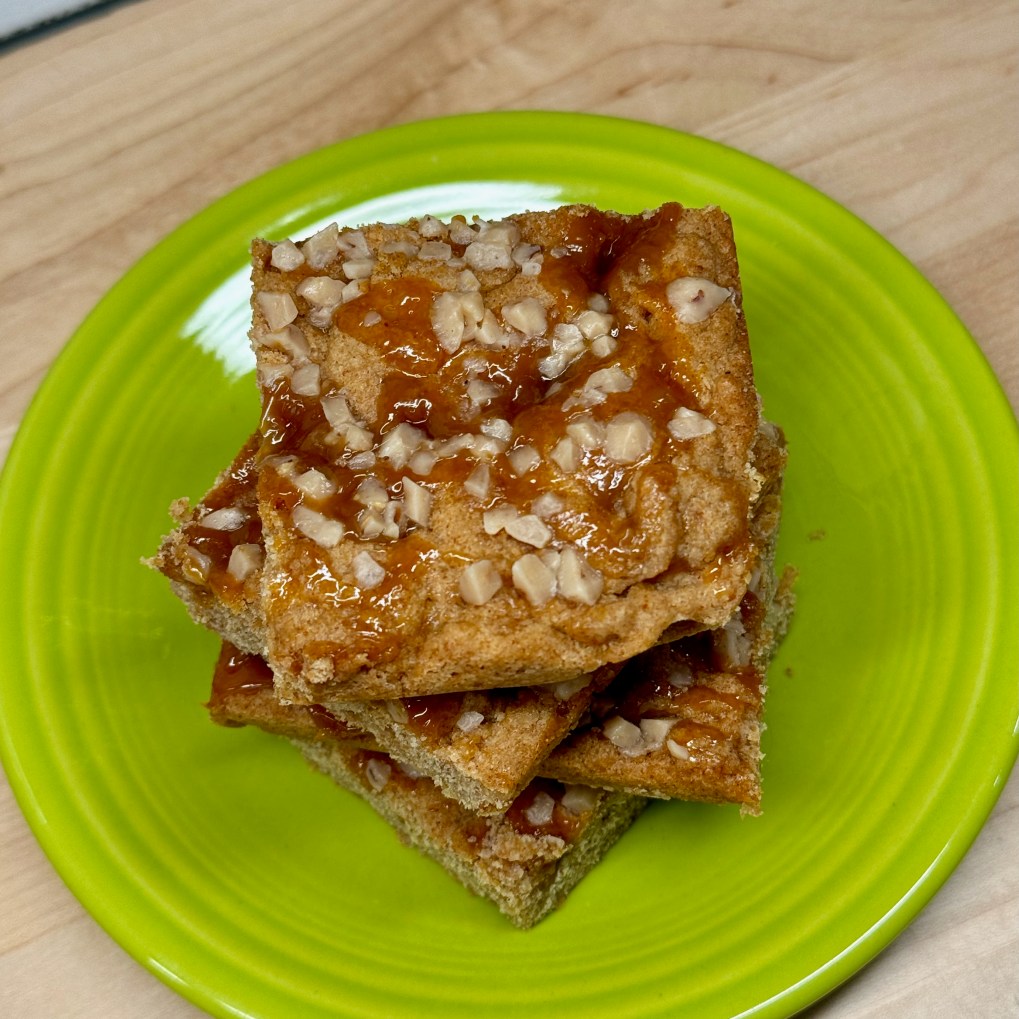
Caramel Apple Blondies

What is it about Autumn that everyone finds so appealing? It is easy to imagine that I’m among the majority when it comes to fall being my favorite season. Everyone I know seems to mention that it’s theirs also, so I did a little investigating to see if this is just confirmation bias or a birds-of-a-feather situation. Let’s see what the data says.

A survey reported by CBS says as many as 45% of Americans favor fall over the other three seasons combined. And another poll by Morning Consult—a business intelligence company that specializes in survey data— breaks it down into deeper demographics to reveal that Autumn is the clear favorite, especially among women, especially Gen Xers, and especially in the South. That’s me, on all three counts!

No wonder I get so excited about cooler temperatures, boots, sweaters and pumpkin spice. Indeed, this is my favorite time of year, and I’ve put a new spin on one of my own recipes to highlight one of the season’s best flavors, apple. And, in honor of all the state and county fairs that are happening this time of year, I thought it fitting to wrap a little caramel around the apple for even more nostalgia.

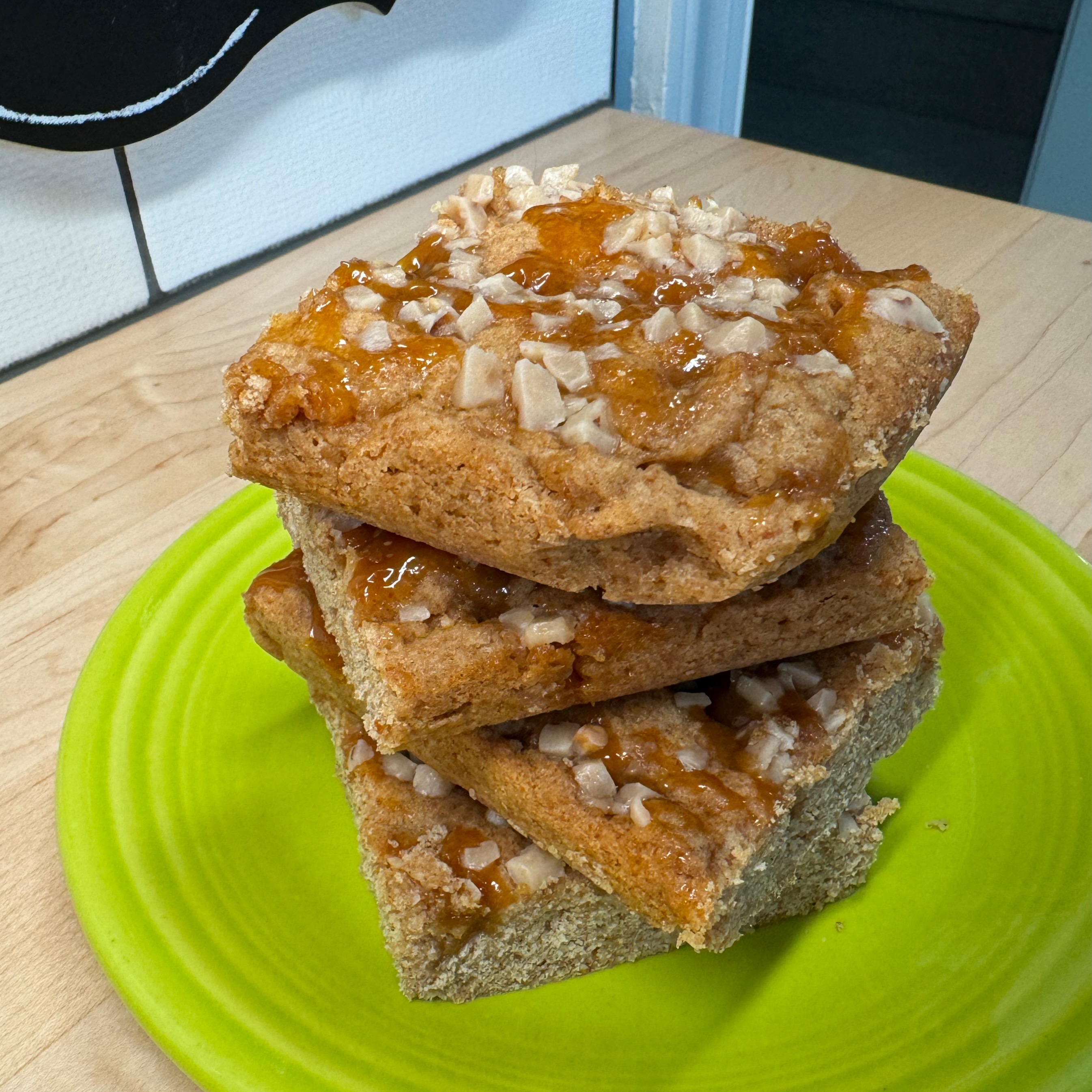
My caramel apple blondies are a deliciously sweet, caramel apple-y treat that’s perfect for a Halloween party, a gift for a favorite teacher or new neighbor, or just tucked into your grandkid’s lunch box.

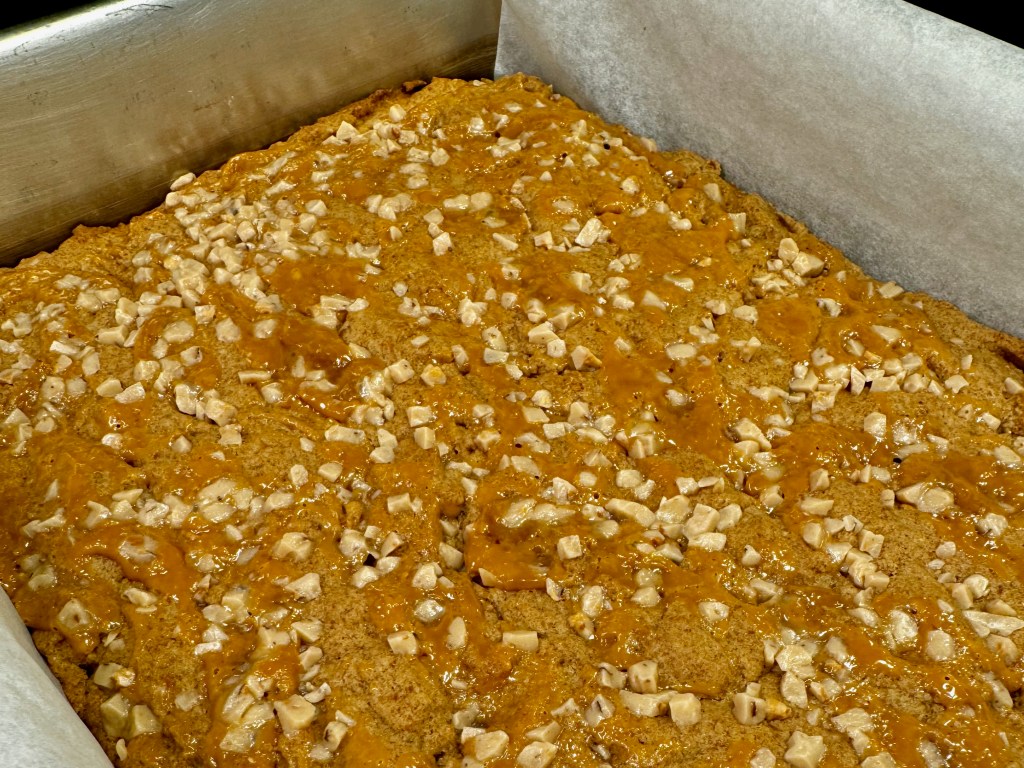
It took great restraint not to cut into them straight from the oven!

What ingredients are in caramel apple blondies?

A blondie is essentially a cookie bar, with a dense, chewy texture and often includes some kind of fun mix-in, such as chocolate chips or nuts. Similar to a brownie, but without chocolate, a blondie is made from a dough that resembles the base of a chocolate chip cookie, with plenty of butter, brown sugar, egg, vanilla, flour and leavening, such as baking powder.

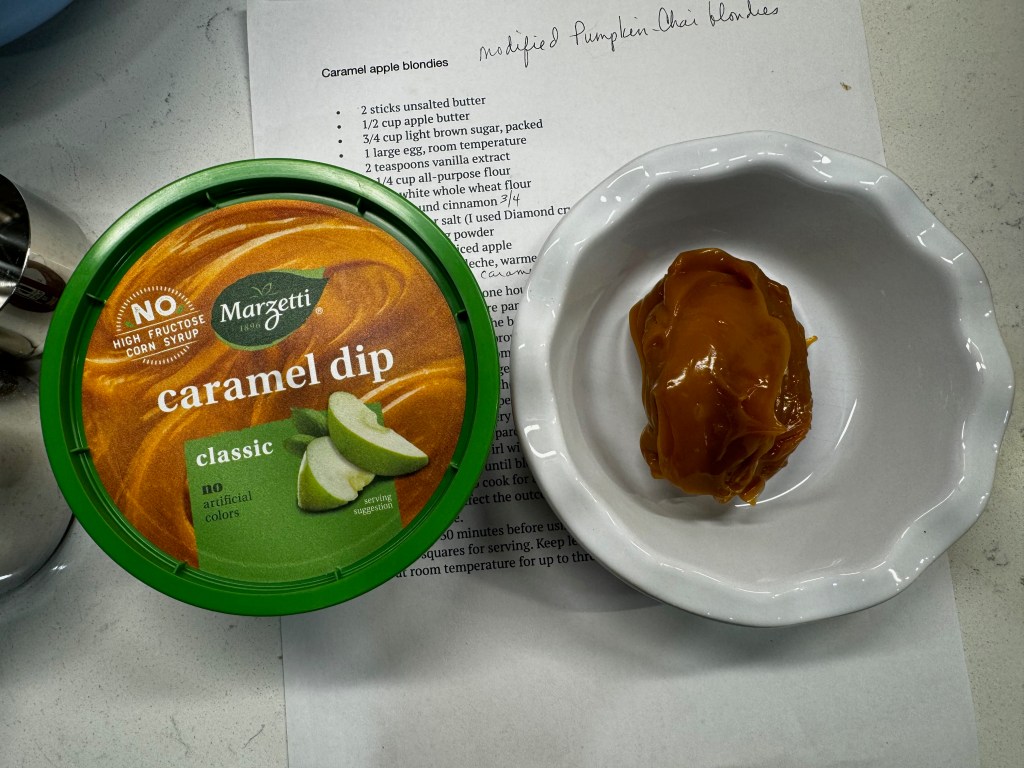
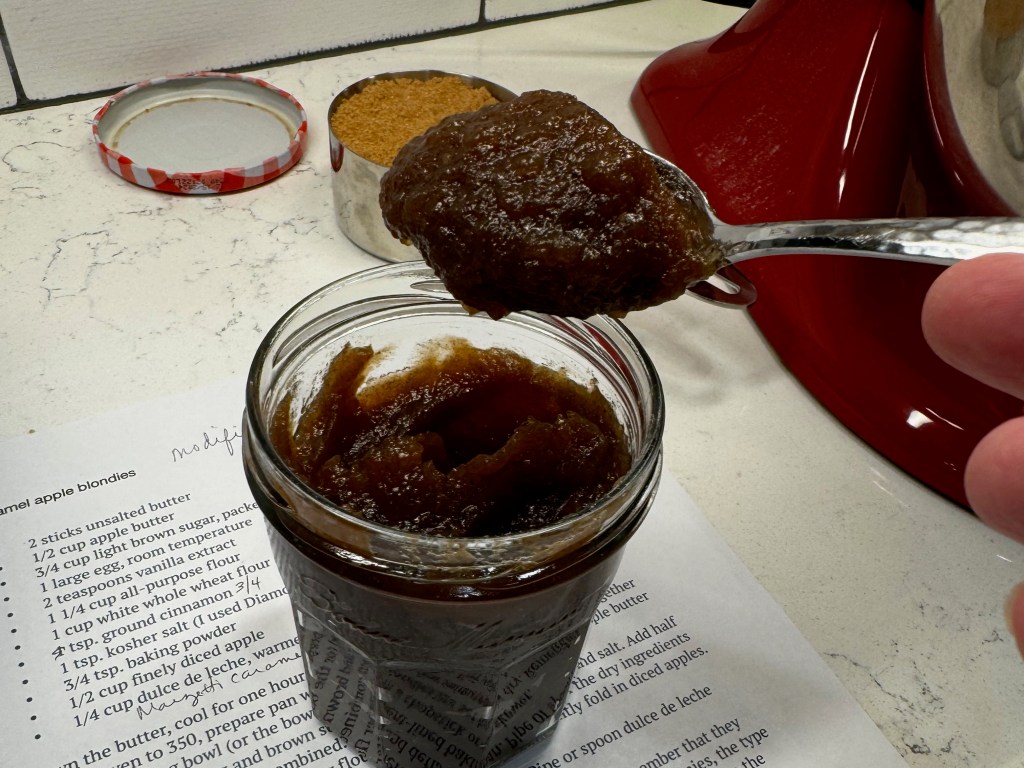
For this recipe, I’ve leveraged the same technique as in last year’s pumpkin chai blondies, using a concentrated paste of cooked down apples this time— otherwise known as apple butter— to give a distinct apple flavor without the high amount of moisture that would have been in fresh chopped apples. The caramel element is an easy grocery store item, the same stuff you pick up in the produce department for dipping apple slices. 


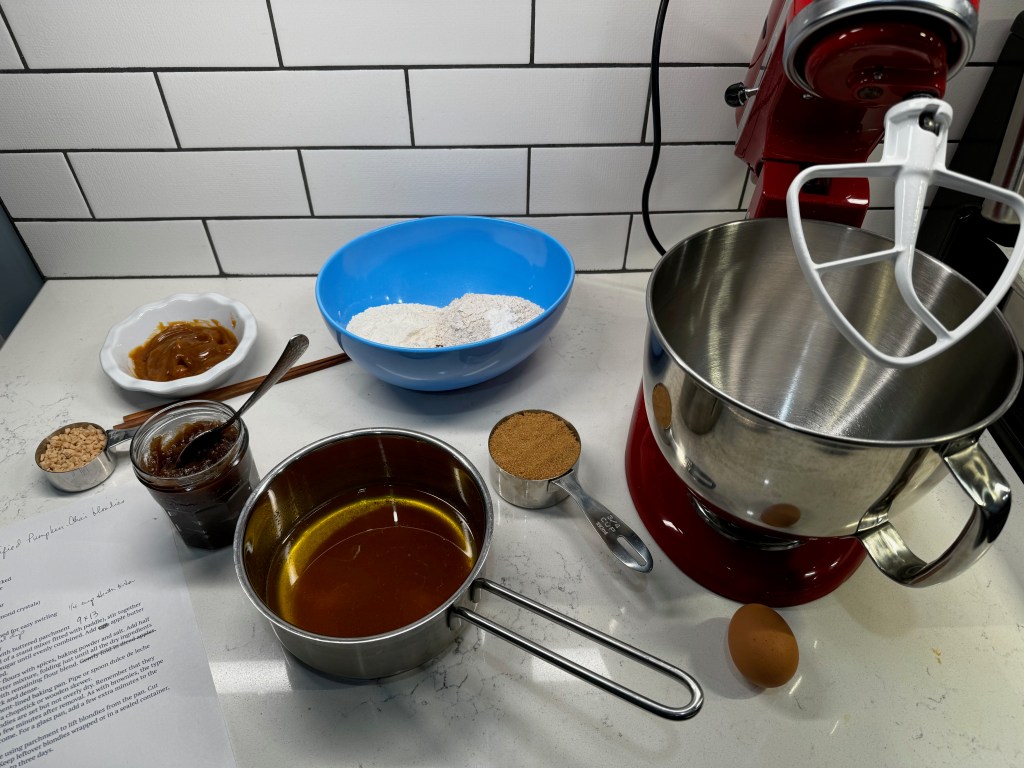
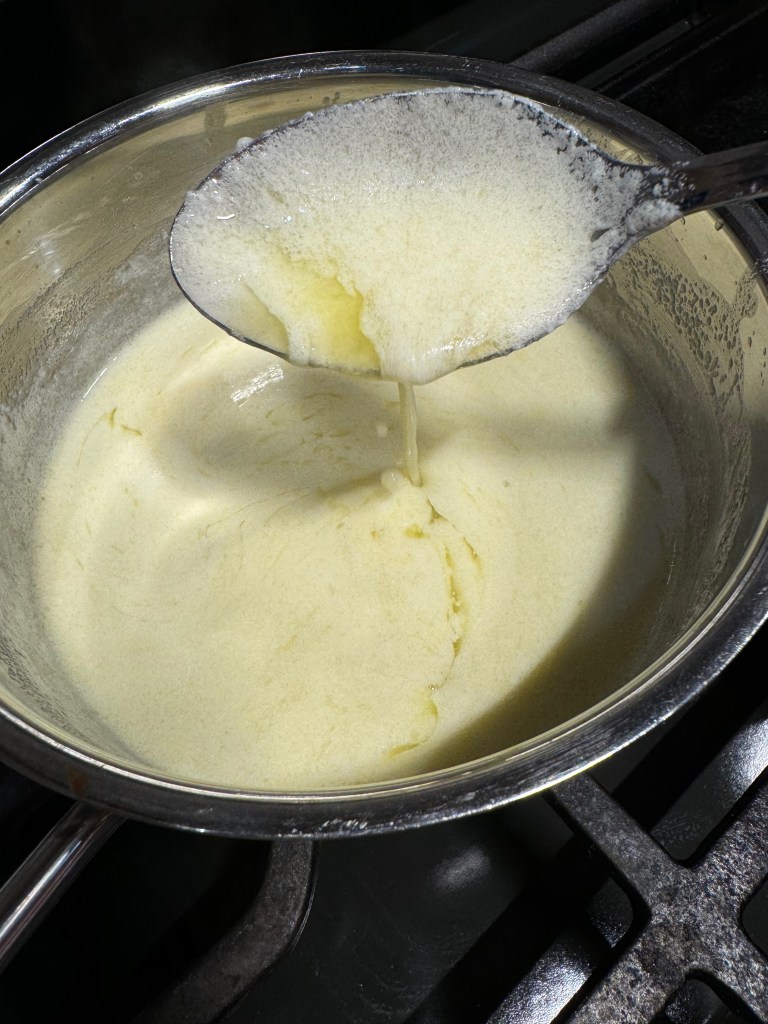
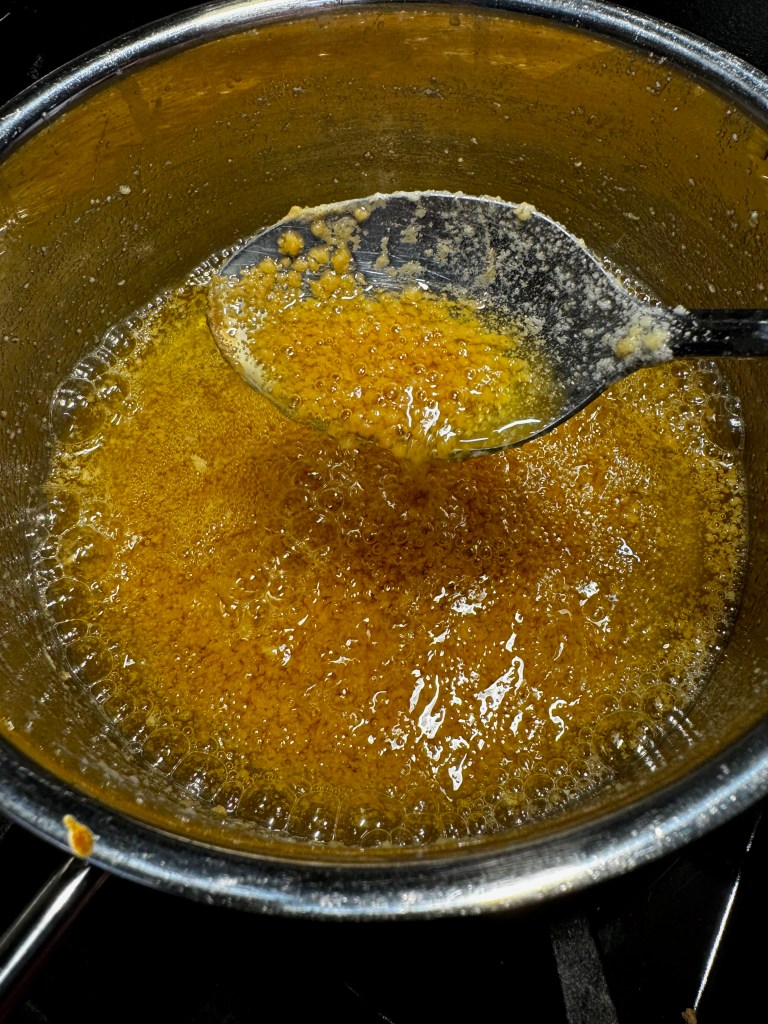
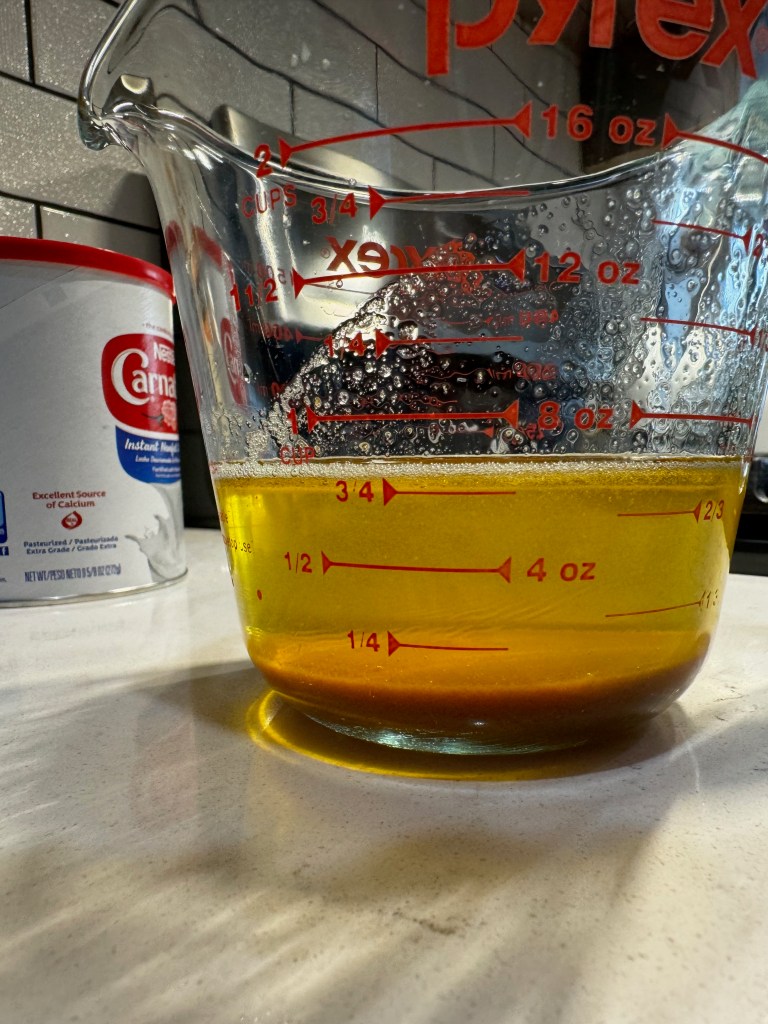
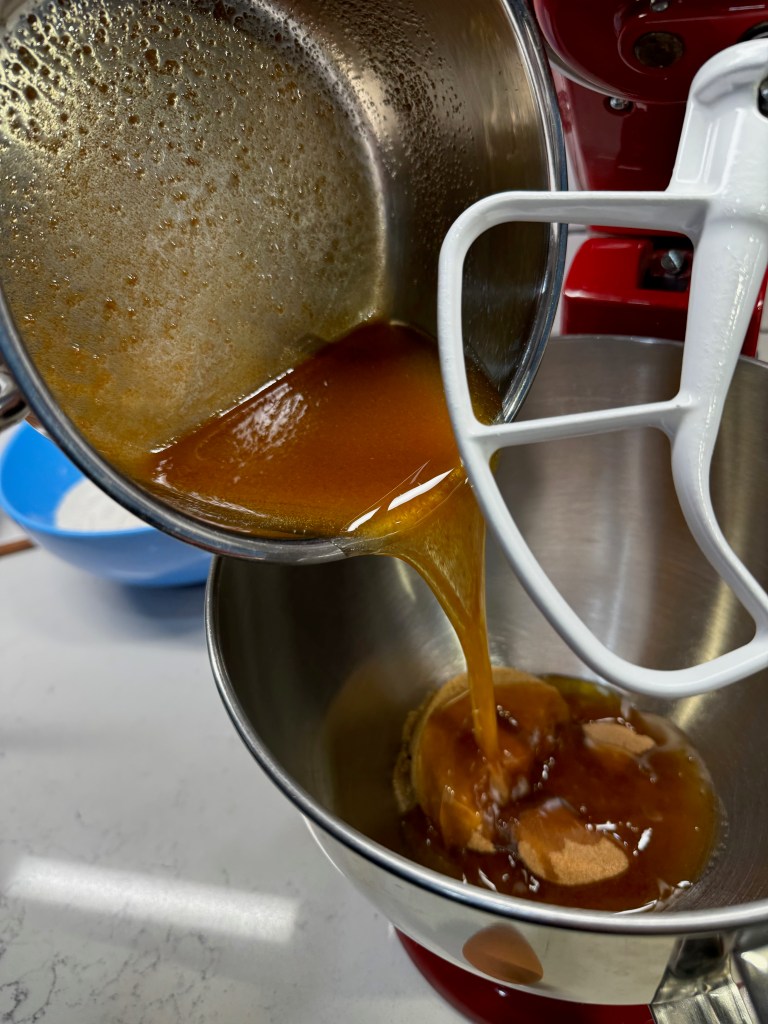
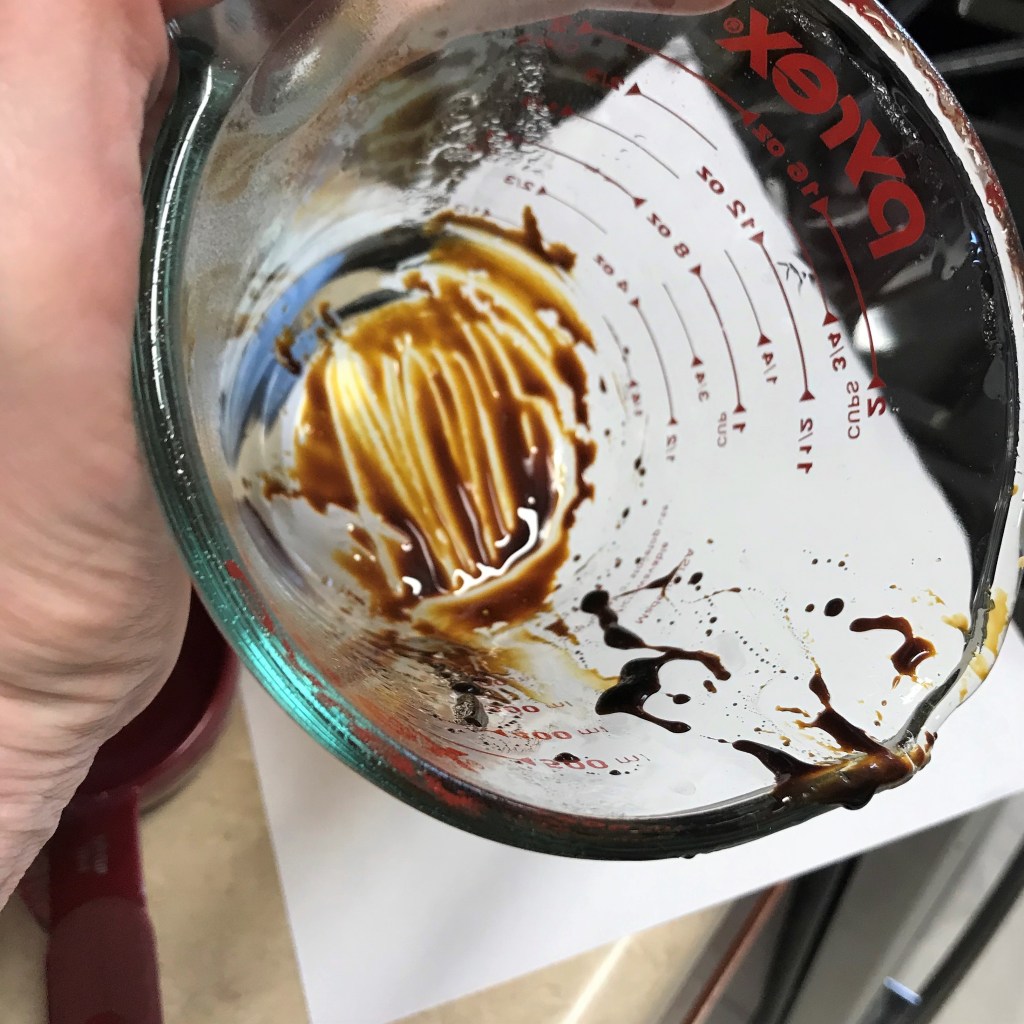
To keep these blondies a bit “healthy-ish,” I subbed in a half amount of whole wheat pastry flour. And in case you wonder why the melted butter is soooo dark in the pan in my ingredients photo, it’s because I tried a new (and very flavorful) trick when I made my browned butter.

Check out that very browned butter!

How to make browned butter even better

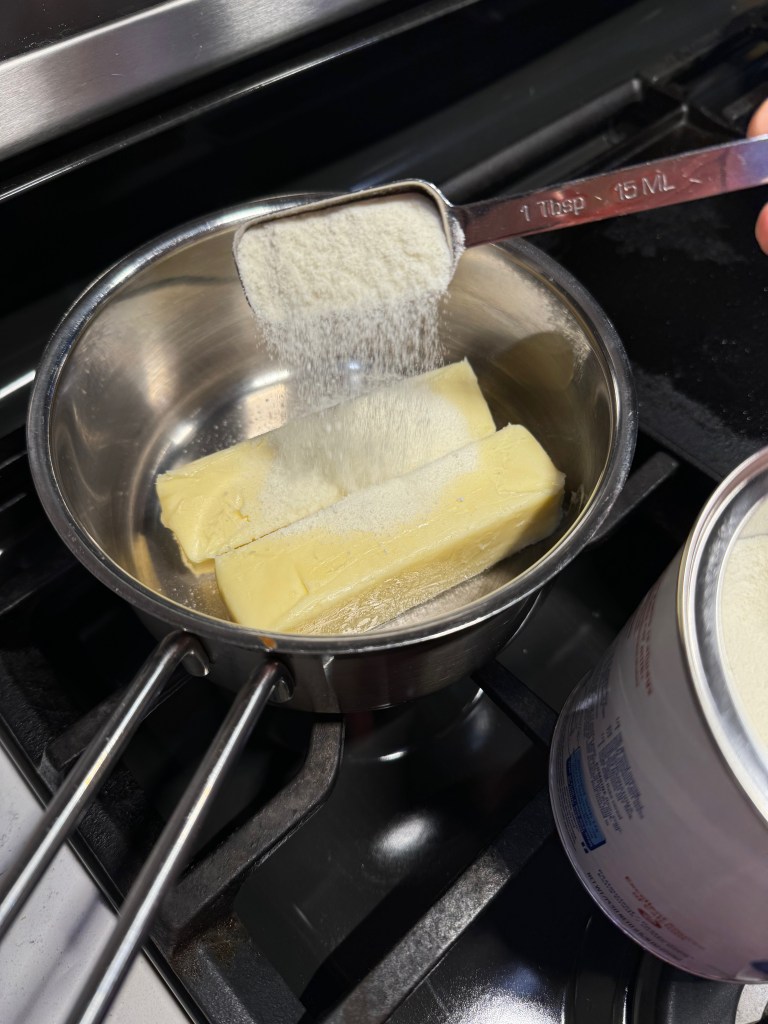
If you spend any time at all on social media or the internet, you may have seen this new trend of adding powdered milk to the butter as it browns. Given that it’s the milk solids that actually brown, it stands to reason that increasing the milk solids will amp up the flavor. And holy moly, it sure did! I used salted butter, by the way, though most baking recipes call for unsalted. Why? Because salt in desserts does the same thing as salt in savory dishes— it shoves the most important flavors to the forefront.


How do you make caramel apple blondies?

The rest of the recipe is very simple. Mix together the melted butter and brown sugar, then add the egg, apple butter and vanilla. Add the dry ingredients, half at a time, mixing only until all the flour is incorporated. 


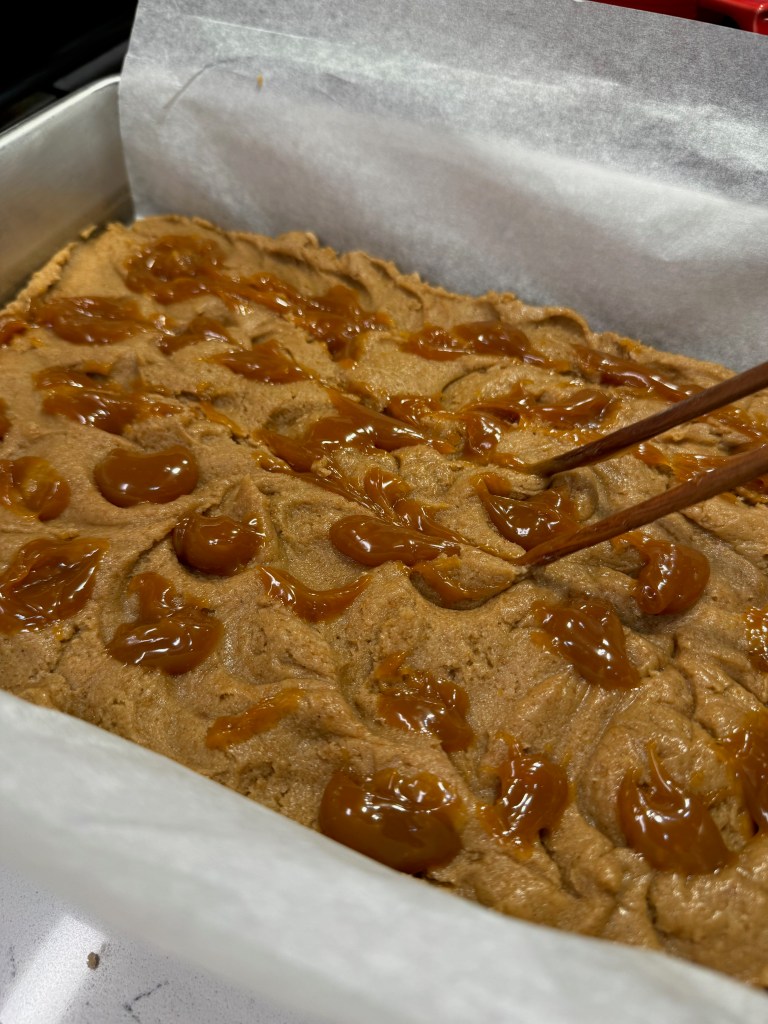
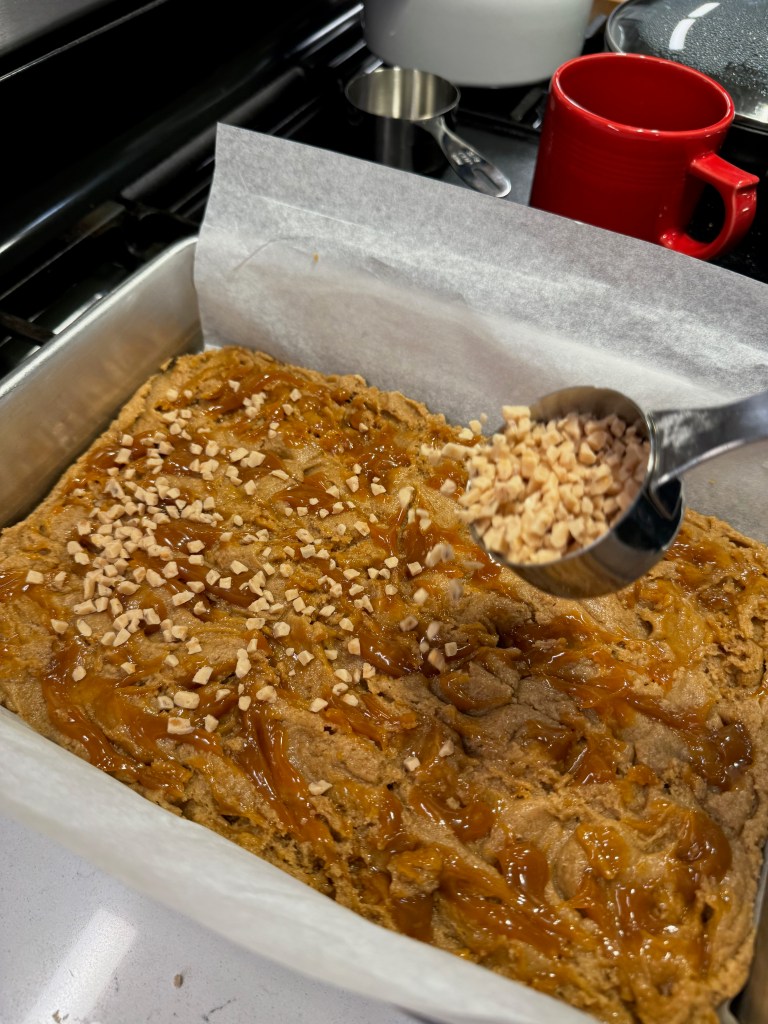
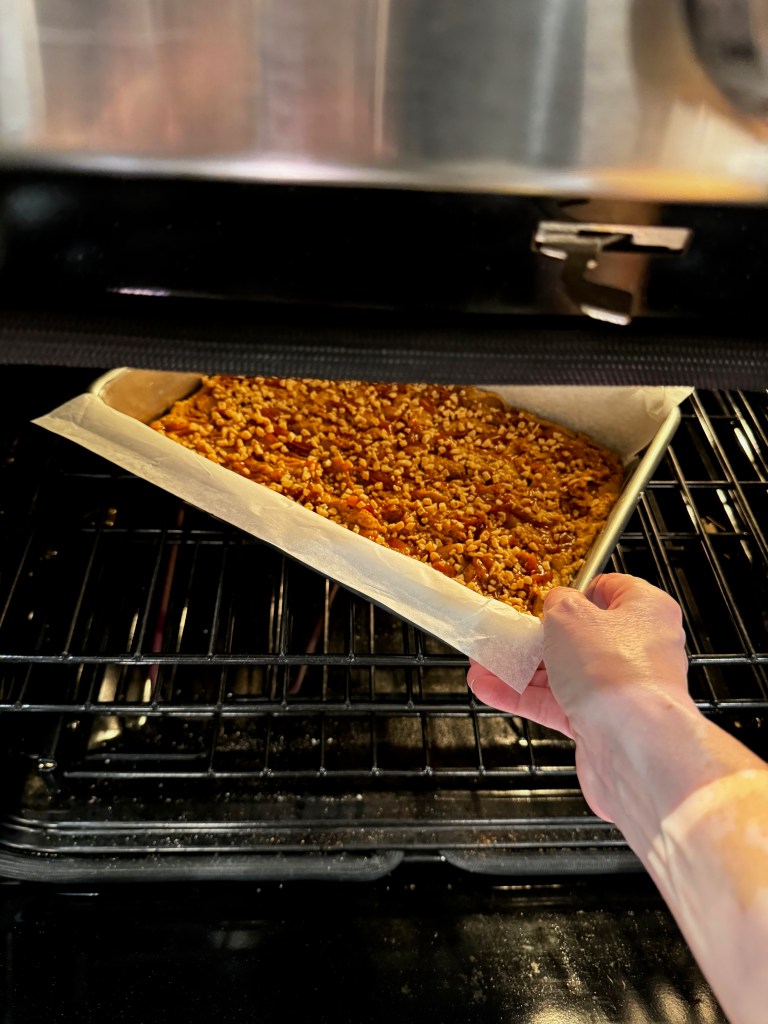
Spread the batter evenly into a buttered, parchment-lined pan, then spoon and swirl a bit of warmed caramel dip over the top. Scatter a few tablespoons of Heath candy bits on top and bake until the blondies test done with a clean toothpick.


Cool the blondies completely before cutting them, and if you really want to push them over the top, serve them with a scoop of my easy cinnamon ice cream. We enjoyed them this way, and I got so excited, I completely forgot to take a picture. But you can imagine, right? 😉

Caramel Apple Blondies

  • Servings: 12 or 16
  • Difficulty: Average
  • Print

Caramel and apples reminds me of the treats I used to look forward to at the county fair. These blondies are just one of many reasons I'm excited about fall.


Ingredients

  • 2 sticks salted butter
  • 2 Tbsp. nonfat dry milk powder
  • 3/4 cup light brown sugar, packed
  • 1 large egg (room temperature)
  • 1 cup apple butter (homemade or store bought)
  • 2 tsp. real vanilla extract
  • 1 1/4 cups all-purpose flour (see notes for measure instructions)
  • 1 cup whole wheat pastry flour (or sub in regular all-purpose flour if desired)
  • 3/4 tsp. ground cinnamon
  • 1/2 tsp. kosher salt
  • 3/4 tsp. baking powder
  • 1/4 cup caramel dip (find in the produce section, near the apples)
  • 1/4 cup Heath candy bits (optional, sub chopped pecans if desired)

Notes: Unsalted butter can be used, if that’s what you have on hand; double the kosher salt if you go this route.

When measuring flour, use the “fluff, sprinkle, level” method rather than scooping directly into the bag or container.

Directions

  1. Place the butter in a heavy-bottomed sauce pan over medium heat. Stir frequently, and when melted butter begins to brown, add the dry milk powder. Stir constantly, as the browning will happen quickly at that point. Remove from heat as soon as the butter reaches a copper color. Transfer to a measuring cup to cool.
  2. Preheat oven to 350° F, with oven rack in center position. Prepare a 9 x 13″ baking pan with a buttered parchment liner, leaving flaps on the long sides for easy lifting of baked blondies.
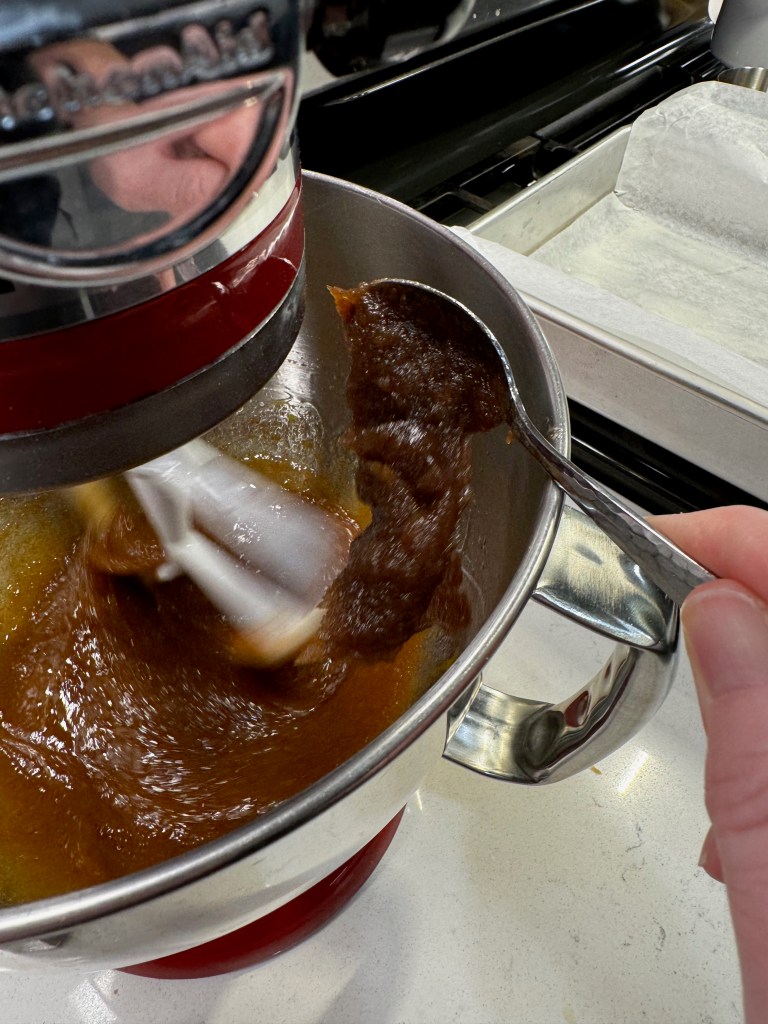
  3. In a large mixing bowl (or the bowl of a stand mixer fitted with paddle), stir together browned butter and brown sugar until evenly blended. Add apple butter and egg. Beat until combined and somewhat fluffy.
  4. In a medium bowl, whisk together flours with cinnamon, baking powder and salt. Add half the flour mixture to the apple mixture, folding just until all the dry ingredients are incorporated. Repeat with remaining flour blend. The batter will be very thick and dense.
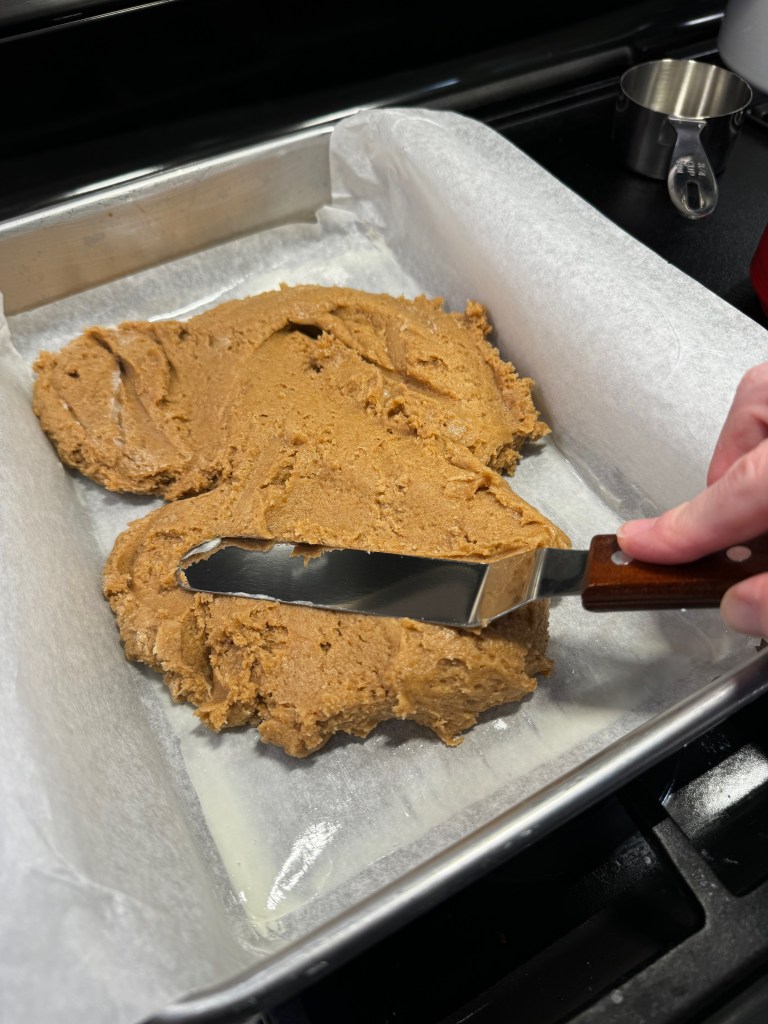
  5. Spread batter evenly over parchment. Warm the caramel dip slightly in the microwave for easier swirling. Pipe or spoon caramel dip over batter and swirl with a chopstick or spoon handle. Sprinkle on Heath candy bits.
  6. Bake for 25 minutes, or until blondies are set but not overly dry. Remember that they will continue to cook for a few minutes after removal. As with brownies, the type of pan may affect the outcome. For a glass pan, add a few extra minutes to the baking time.
  7. Cool for at least 30 minutes before using parchment flaps to lift blondies from the pan. Cut into squares for serving. Keep leftover blondies wrapped or in a sealed container at room temperature for up to three days.


“Clear Out the Pantry” Cookies for Santa

Most bloggers post their yummy cookie recipes before Christmas, because that’s when everyone is getting ready for Santa’s visit. But I’ve intentionally saved mine for this week for a specific reason, and it has everything to do with my family’s unusual relationship with Santa Claus. So I will get to the cookie recipe, but I beg your indulgence because the family connection is, well, compelling, don’t you think?

And yes, you read that right. My family knows Santa personally, and he’s more like the rest of us than you may have imagined.

When I was a little girl, I was fortunate to live near enough my maternal great-grandparents that I visited them regularly in our small town. When I was a teenager, my visits remained frequent, as their house was within easy walking distance of the high school and I could visit during senior free time. I think it’s possible that my Grandma J actually invented the “grandma pizza,” as that was a regular lunch treat she made for my school day visits. 

On occasion, I would also catch the lingering aroma of Grandpa J’s homemade cake donuts, and that was a sure giveaway that Santa had been to their house that morning. Apparently, cake donuts were Santa’s favorite, and he made a point to stop and sit a spell whenever he pulled his 18-wheeler into the parking lot of the grocery store across the street from my relatives’ humble home. You didn’t think a sleigh was his only mode of transport, did you? Santa also has a motorcycle, and he sometimes rolled into town on that, especially in the summer.

Santa visited my great-grandpa quite often, and my one regret is that I always arrived at their home just moments after Santa had left. My timing was terrible, but Grandpa told me the stories, and I remember them all as if I had met Santa myself.


The history of the friendship

It’s hard to say exactly how or when this personal friendship between my great grandpa and Santa began, but it could go back a few generations. Grandpa’s people came from Norway, which is basically a stone’s throw from the North Pole, and because Santa is multilingual, he and Grandpa J usually conversed in Norwegian. Their discussions didn’t focus on Christmas unless it was on the calendar that month, but those visits were rare because Santa was so busy. The rest of the year, Santa’s life is quite different and, well, normal, so they talked about ordinary things like the weather and family and how things were going up at Santa’s place, which is much more than just a toy shop.

Santa has more going on than toys

There is a small working farm at the North Pole, so Santa stays busy keeping things in order there, but with plenty of help. There are farm hands to tend the livestock and the crops, and Santa always had children staying with him, too. It was never clear to me whether they were his own kids or perhaps adopted or even fostered— and it doesn’t really matter because Santa loves all children the same. I most remember the stories about the two teenage boys and the girl, and how they spent a lot of time outdoors, especially around Buttermilk Lake (which isn’t actually filled with buttermilk, despite its name) and reporting to Santa the chaotic incidents perpetrated by two particular animals.

The monkey and the billy goat

My great-grandpa relayed many stories of Santa’s life at the North Pole, but the most memorable ones were about a billy goat, which doesn’t initially seem unusual on the grounds of a working farm. But this was a rambunctious billy goat who was less part of the farm and more part of the family. He minded his own business for the most part, but regularly found himself the target of pranks by a mischievous monkey. The monkey was a real terror, and he’d often use a long wheat straw to tickle the billy goat’s ear as he napped. Sometimes he’d annoy the goat so badly that a chase would ensue around the outside of the house. Santa’s wife (her name is Mary Christmas, in case you’re wondering) would be interrupted from her work in the kitchen as the pair whipped past the window again and again, until finally she only saw one figure. That darn monkey was so clever, he’d jump up and land on the billy goat’s back, just riding along as the billy goat basically chased himself. It must have been a sight!

Santa’s wife

And lest anyone assume that the relationship between Santa and Mary Christmas is misogynistic, I can assure that it isn’t. Mary Christmas was not just washing dishes or making supper in those stories; she is a very resourceful woman who also helps on the farm, especially planting and tending the garden. She does a lot of canning and pickling to ensure that the family and farm hands have ample supplies throughout the year. Some of Santa’s visits to my great-grandpa were the result of him being in town to purchase canning supplies and other things that Mary Christmas had put on his “honey-do” list. 

The night everyone talks about

So what about all the magical effort that goes into delivering presents on Christmas Eve? Well, it’s not a big deal for Santa because he’s been doing it so long and he also has his own logistics team. He doesn’t depend on airlines or commercial freight carriers; he handles the details himself and gets the job done well every time. As for the ability to visit all the world’s children in a single night, there is a very simple explanation. Time stands still at the North Pole and most of the travel happens at very high altitude so everything goes faster than it does down here at ground level. You know how it is when you’re in an airplane, moving at approximately 550 mph, but not feeling plastered against your seat? Same principle.

The other 364

During the rest of the year, and especially after Christmas, Santa lives a lot like the rest of us— keeping his business and home in order, taking care of his family and workers and catching up with old friends, like my late great-grandfather. Because time stands still at the North Pole, though, Santa doesn’t age at the same rate as the rest of us. Keeping fit is an ongoing effort and Santa knows that children love to prepare cookies for him, so he never complains about the sugary treats he finds while delivering gifts. But he also eats other foods, and he appreciates finding cheese and crackers, sandwiches, a veggie tray or even a little nip of whiskey (the reindeer are the ones driving, after all). Santa is good with all of that, so don’t stress yourself next Christmas to get the cookies ready. And if you feel like putting out cake donuts, well, he’d be pleased as punch (especially if they’re rolled in cinnamon sugar).

About these cookies

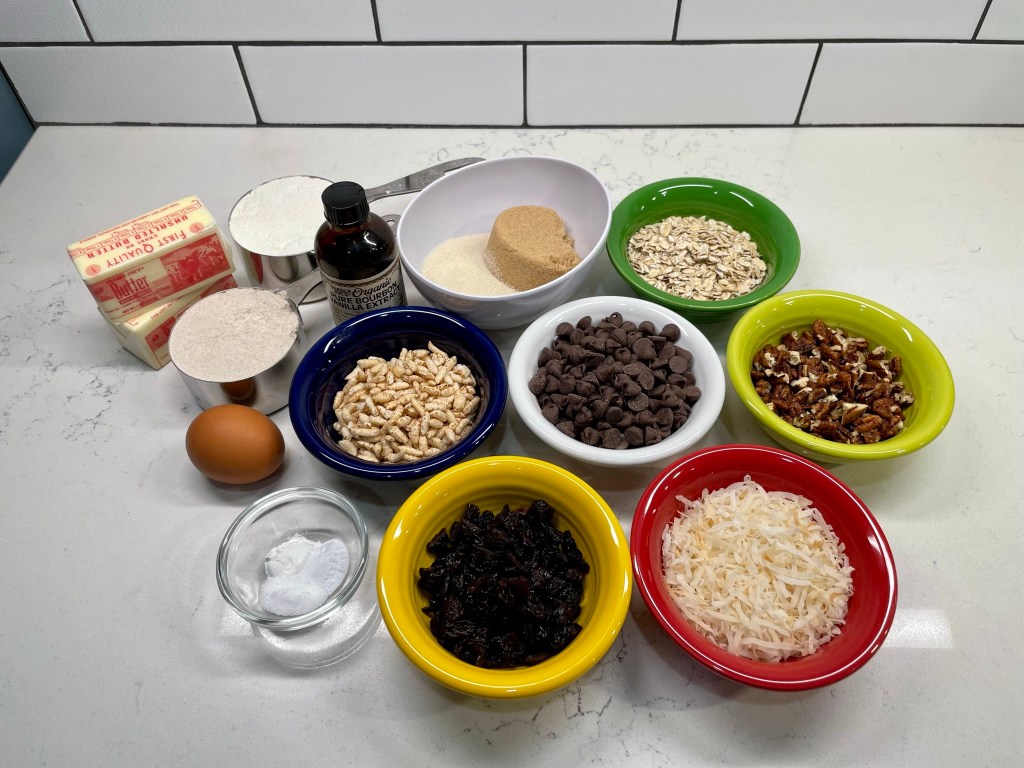
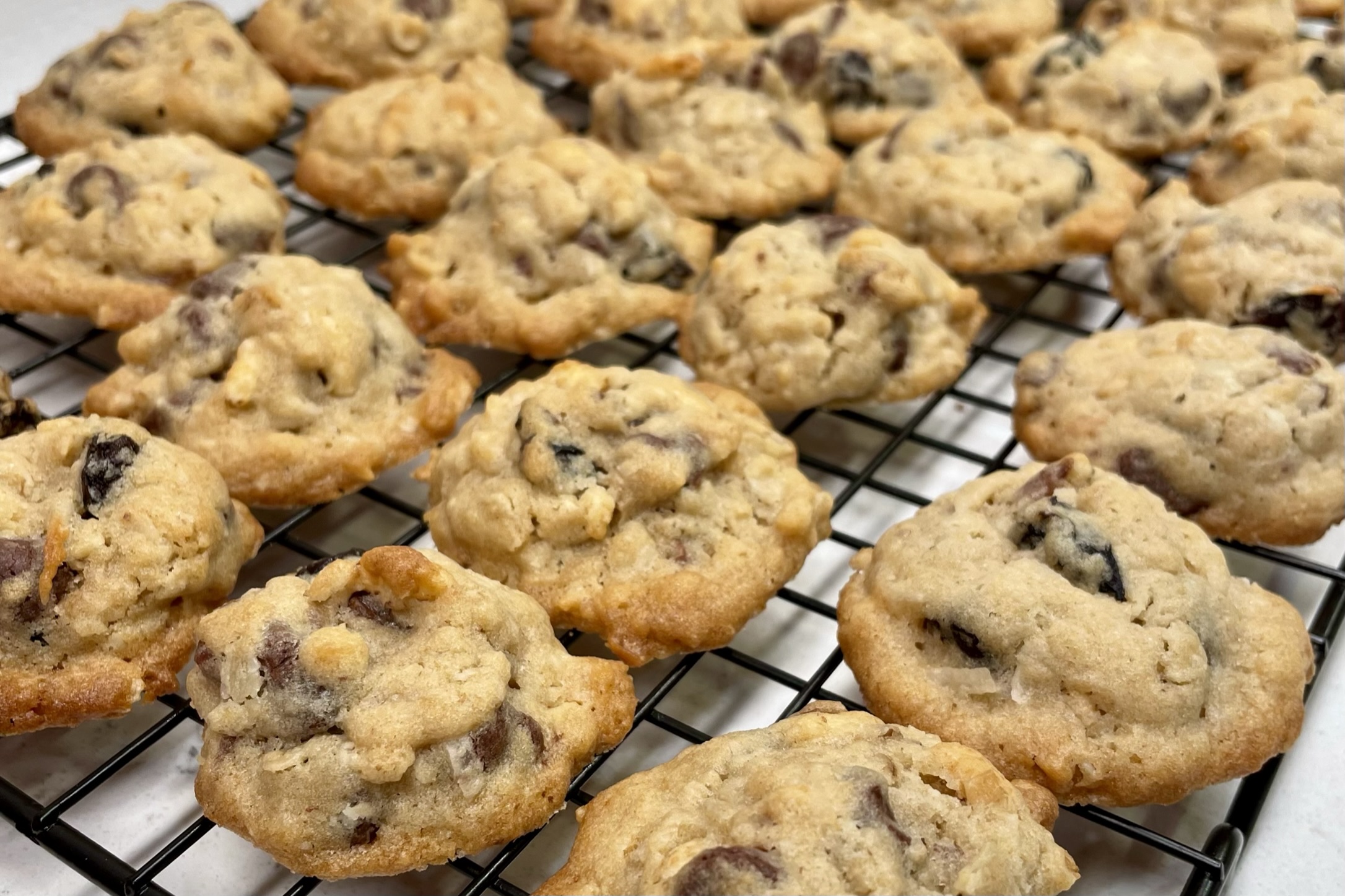
As much as I love the idea of Christmas cookies, I rarely make them and I don’t get too excited about the sugary toppings and decorations. I was always the weird kid who chose homemade oatmeal raisin over iced with sprinkles. This is the kind of cookie I would make for a last minute, mid-year visit from Santa. Without weeks to plan, I’d go to the pantry and clear out every this-and-that ingredient I could find—oats, puffed rice cereal, nuts, dried cherries, coconut flakes and dark chocolate— and turn them into a cookie that satisfies with all its contrasting textures.

I made a batch of these “clear out the pantry” cookies recently, and I’m happy to share how it went!

These ingredients bring in great texture, and some of them are even good for you!

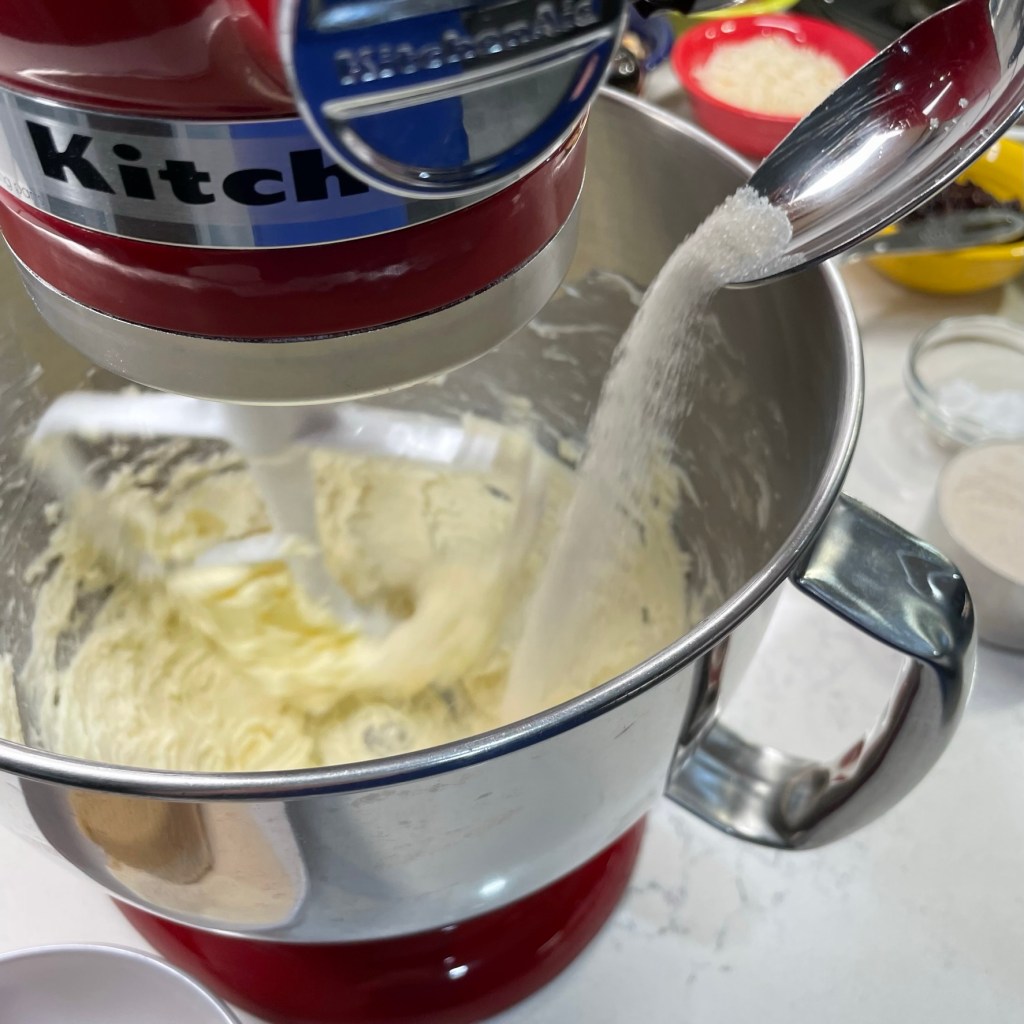
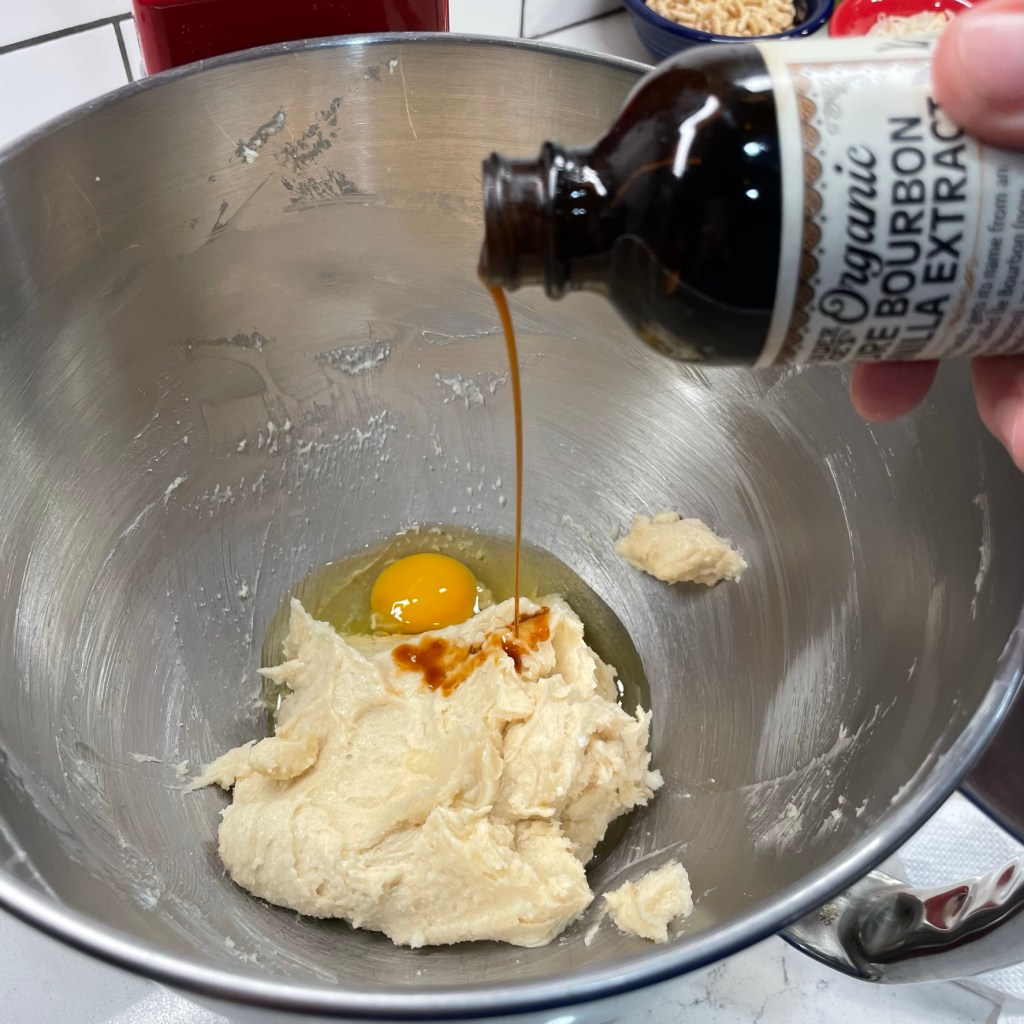
The cookie dough itself is akin to a chocolate chip cookie dough, but with a swap-in of some whole wheat flour for extra flavor and nutrition. I used a combination of brown and cane sugars, wholesome egg, creamy butter and real vanilla extract. The dough begins as most, by creaming together the butter and sugars, then blending in the egg and vanilla.


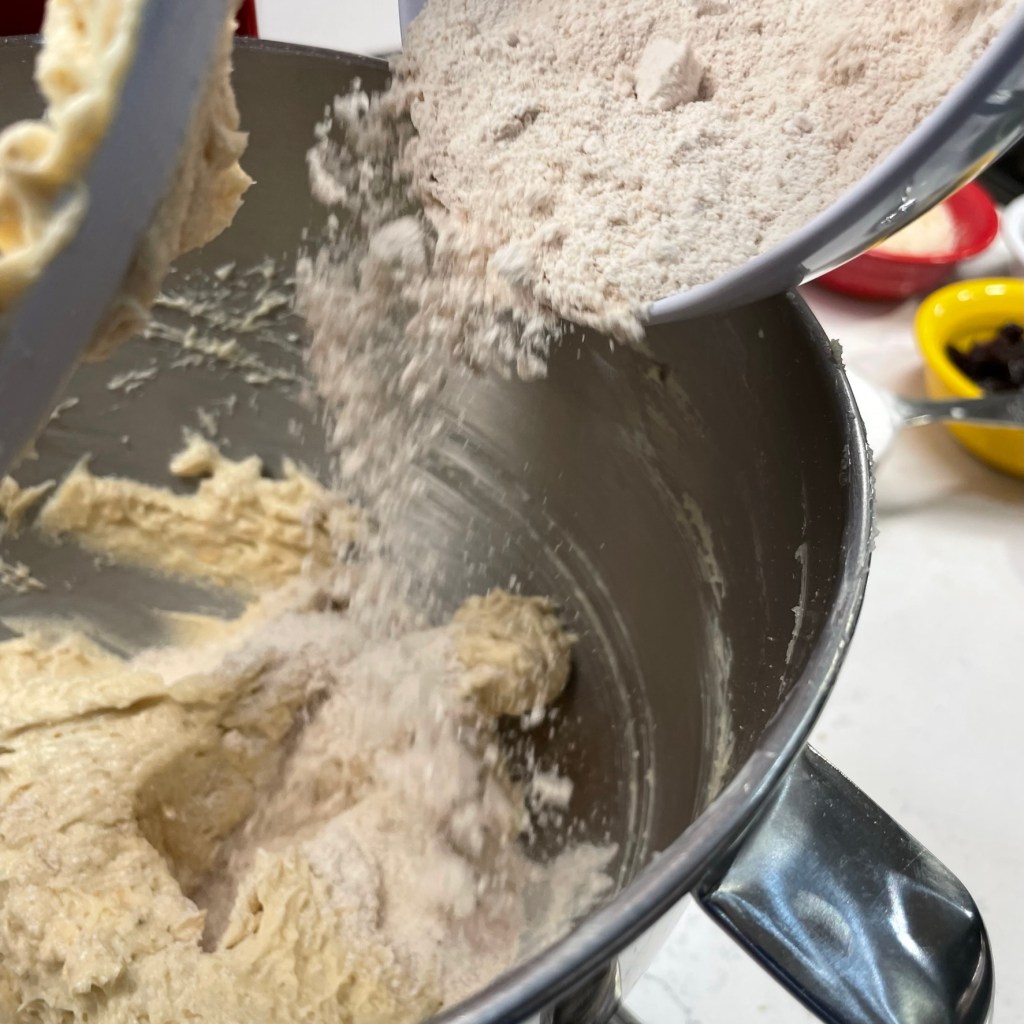
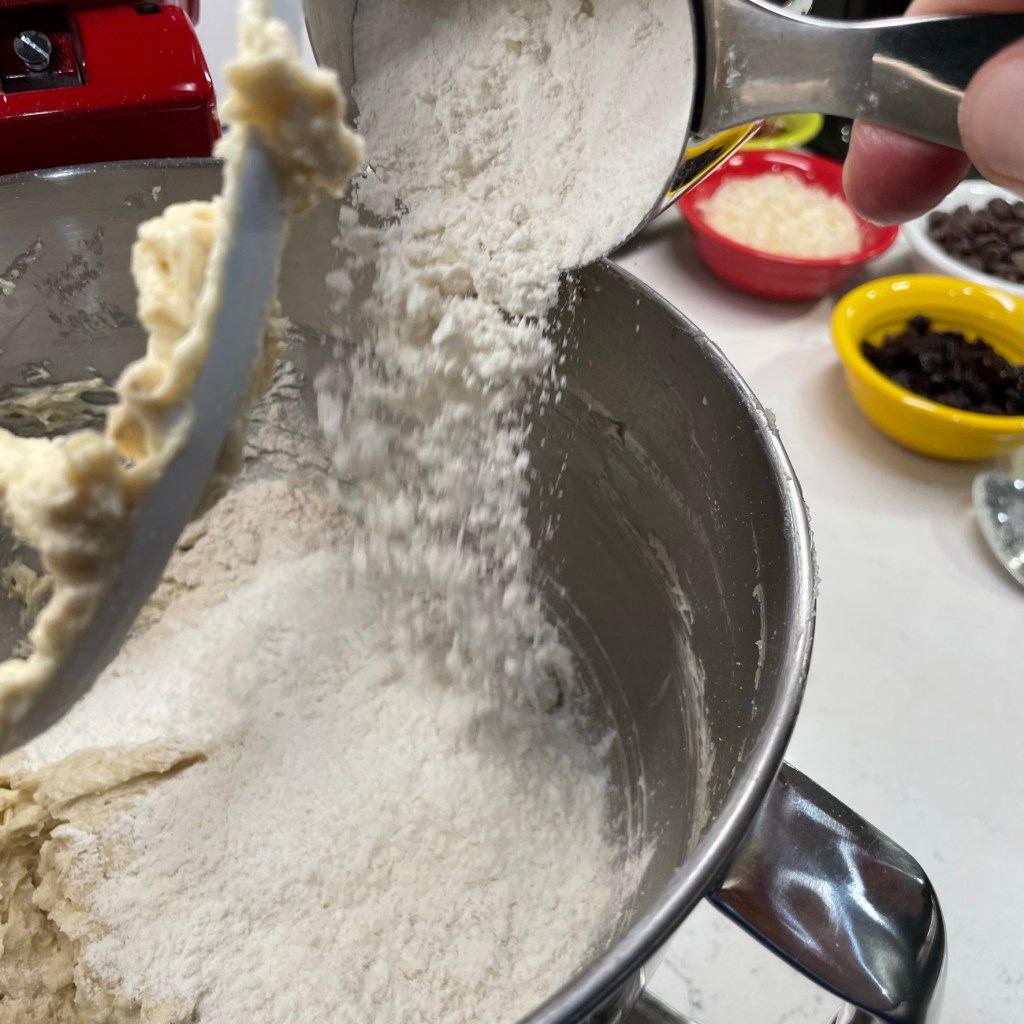
I mixed in the old fashioned oats first, because I can beat them vigorously without worry of gluten development. Next, the whole wheat flour mixed with the baking soda, salt and cream of tartar. Then, the rest of the flour, mixing just enough to work it into the creamed mixture.


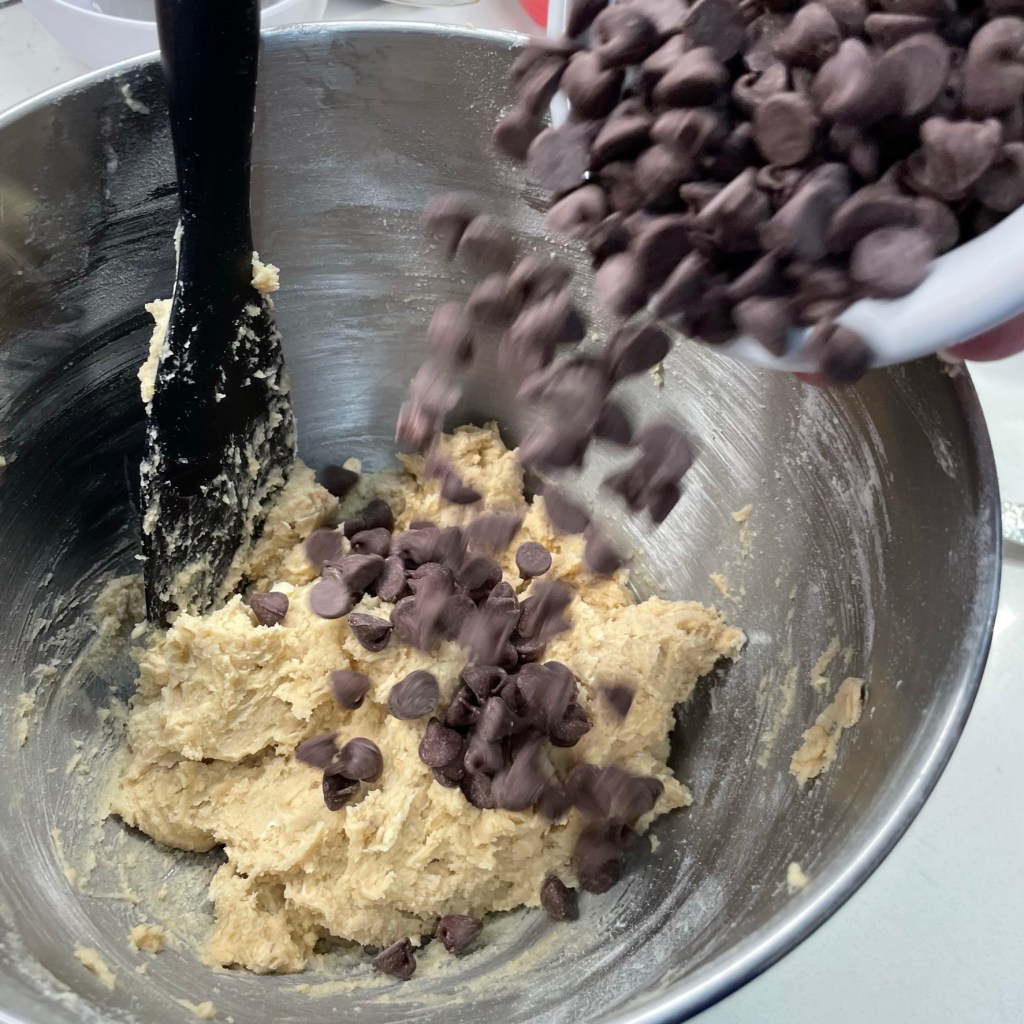
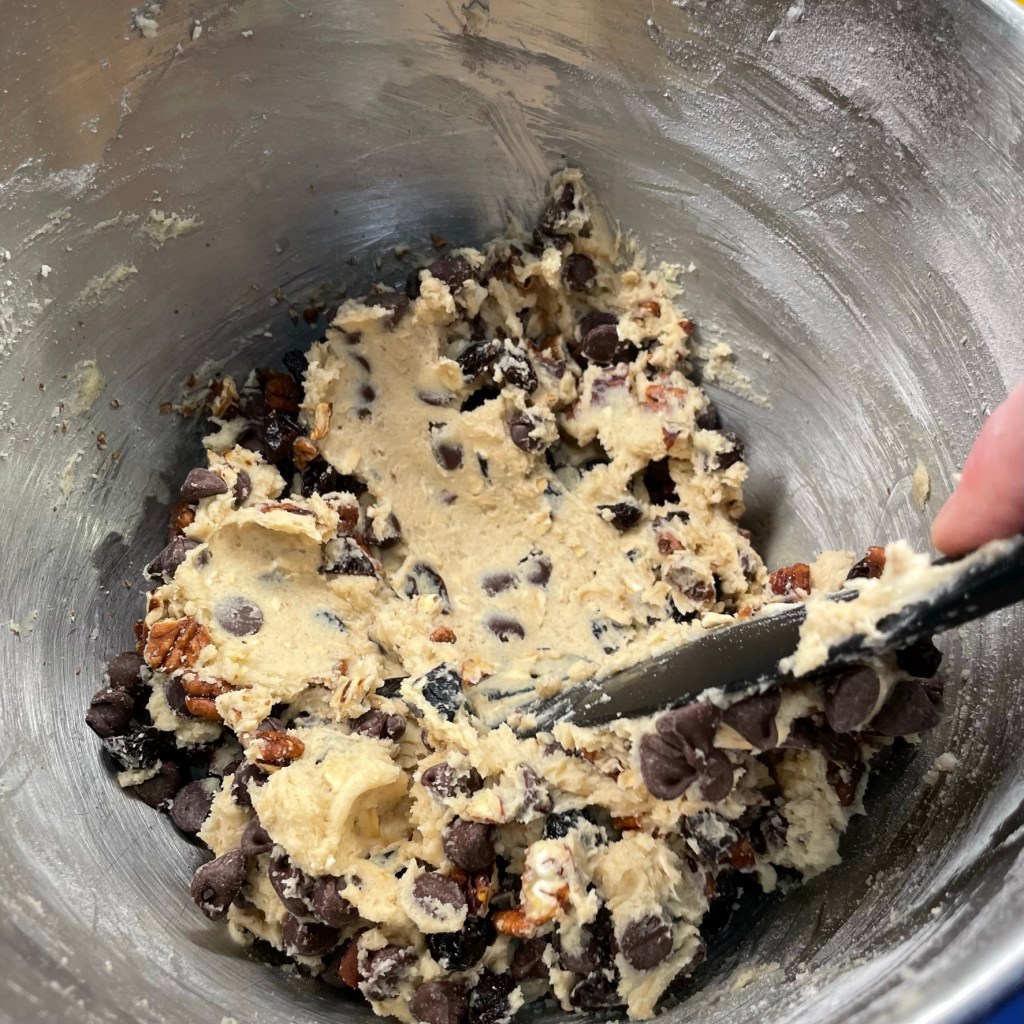
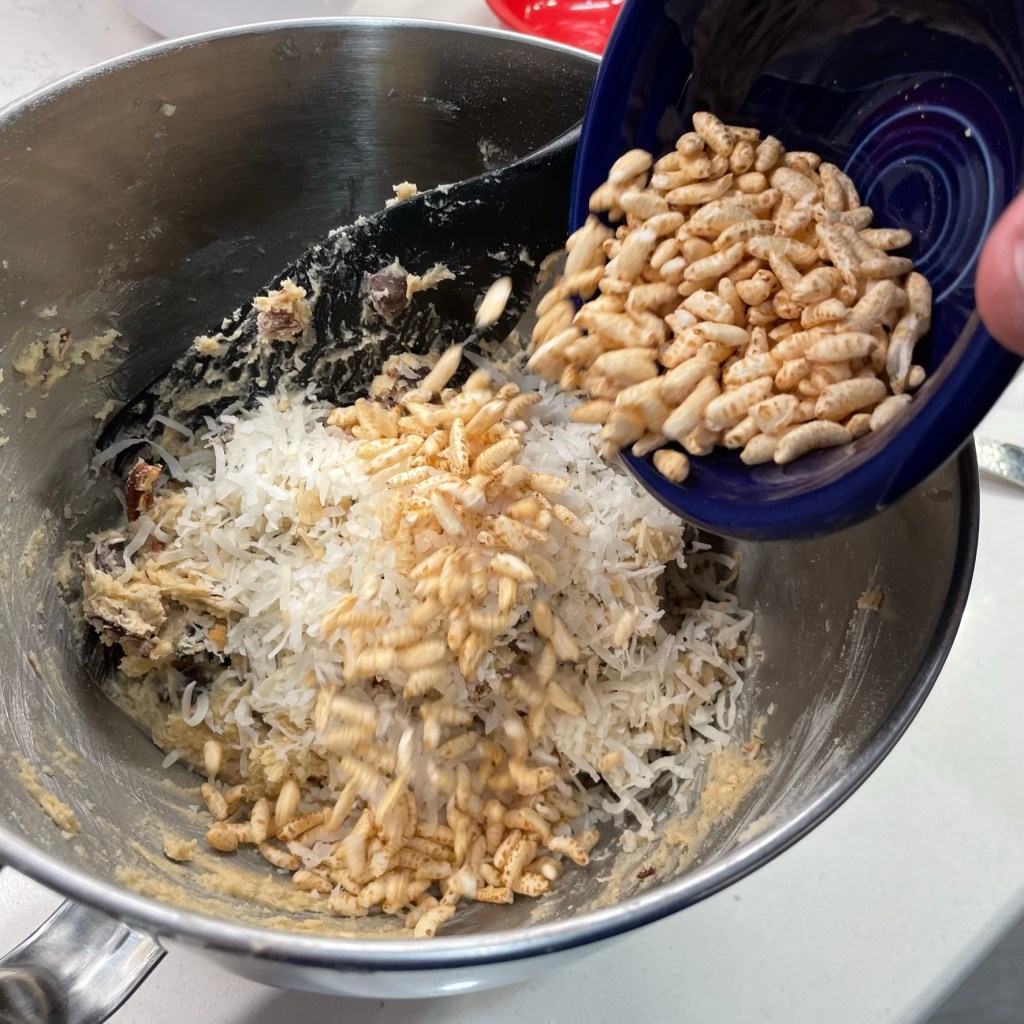
When you’re mixing any cookie dough, you want to avoid stirring too much after you add the flour, or the dough may get tough rather than soft. So for the mix-ins, I began with the really firm ones— chocolate chips, dried cherries and chopped pecans— and I used a hard spatula to essentially “press” them through the dough. Finally, I did the same with the toasted coconut and crispy brown rice cereal.


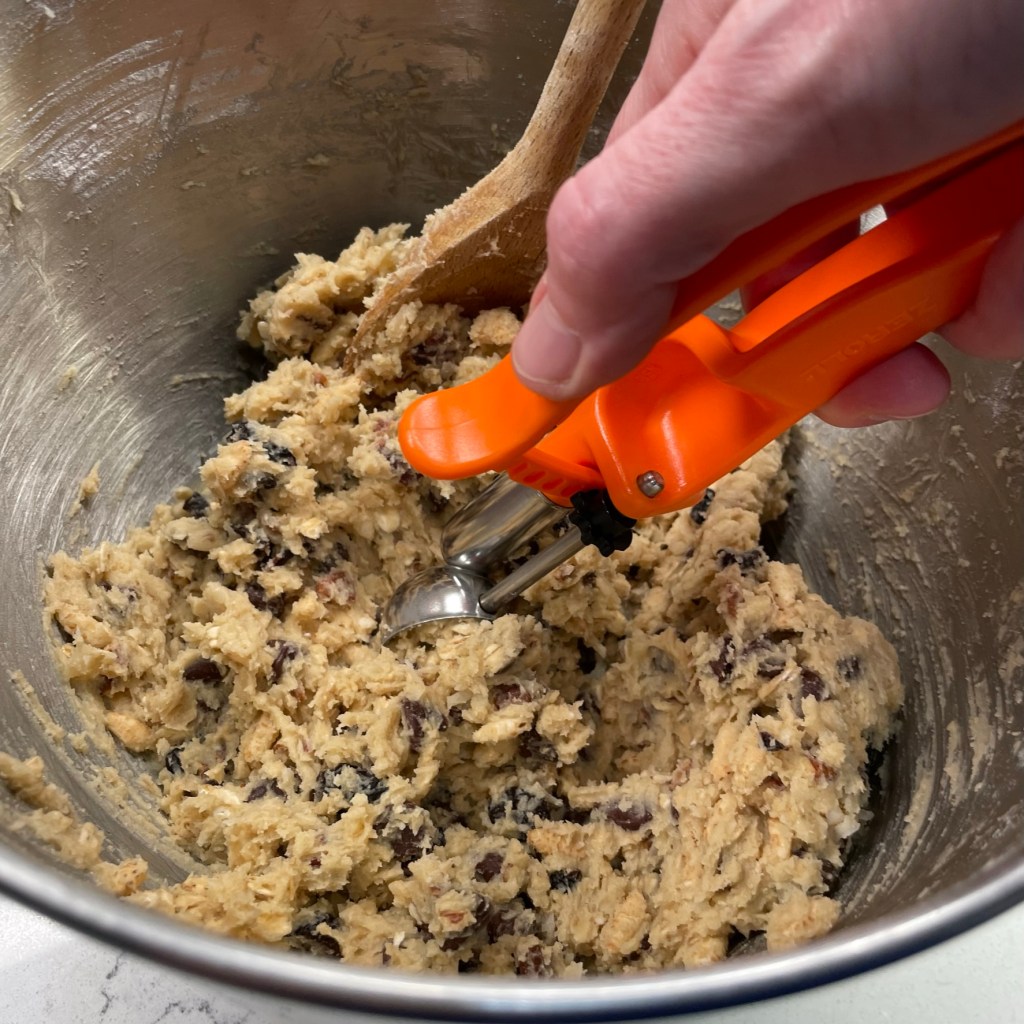
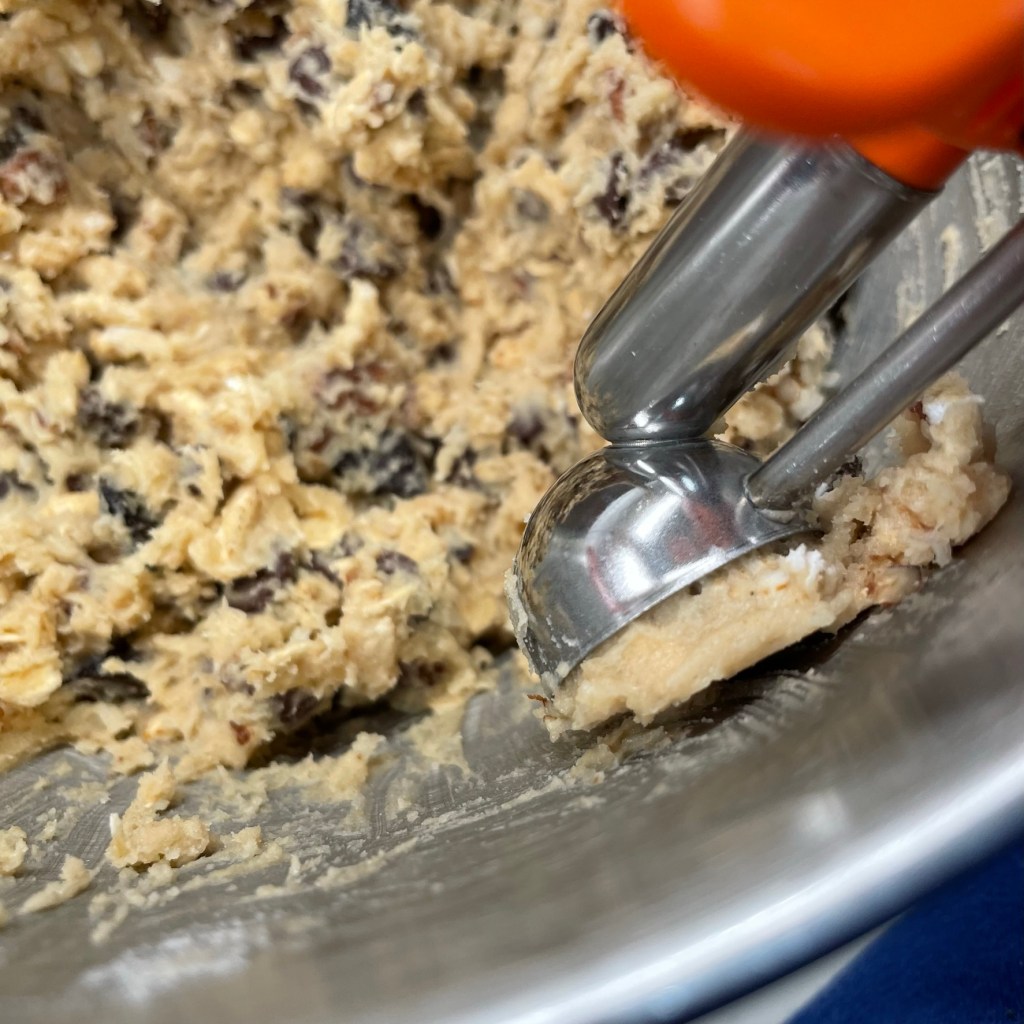
I used a small cookie scoop to divvy out the dough, pressing a really full scoop against the inside of the bowl to ensure that every cookie is full and round, and spacing them two inches apart onto a parchment-lined baking sheet. If you don’t have a scoop, use a teaspoon to measure out the dough into pecan size mounds. Try to avoid rolling the dough with your hands, as the warmth will change the nature of the cookie.


Into the preheated oven for 10 minutes, and these cookies emerge perfectly soft, with crispy edges and all that lovely texture. The pantry is a bit lighter after making these, and if Santa should happen to stop in for coffee (or sweet tea, or whiskey) on his way to pick up supplies, I’ll be ready!


Clear Out the Pantry Cookies

  • Servings: 55 to 60 small cookies
  • Difficulty: Average
  • Print

These cookies have crispy edges, chewy dried fruit, crunchy nuts and flaky coconut. In other words, ALL the texture I crave!


Ingredients

  • 2 sticks (1 cup) unsalted butter, slightly softened from refrigerator
  • 1/2 cup light brown sugar
  • 1/3 cup granulated cane sugar
  • 1 large egg
  • 1 tsp. real vanilla extract
  • 1/2 cup old fashioned oats
  • 3/4 cup white whole wheat flour
  • 3/4 tsp. salt
  • 1/2 tsp. baking soda
  • 1/2 tsp. cream of tartar
  • 1 cup all-purpose flour
  • 6 oz. semi-sweet or dark chocolate chips
  • 1/2 cup candied (or plain) pecans, broken into small pieces
  • 1/2 cup crispy rice cereal, lightly toasted
  • 1/2 cup dried cranberries, cherries or raisins
  • 1/2 cup sweetened coconut flakes, lightly toasted

Directions

  1. Preheat oven to 350 F, with rack in center position. Line two baking sheets with parchment paper.
  2. Using the paddle attachment of a stand mixer, or the double blades of an electric handheld mixer, beat butter until creamed and airy. Add cane sugar, a few tablespoons at a time, until fluffy. Add brown sugar the same way.
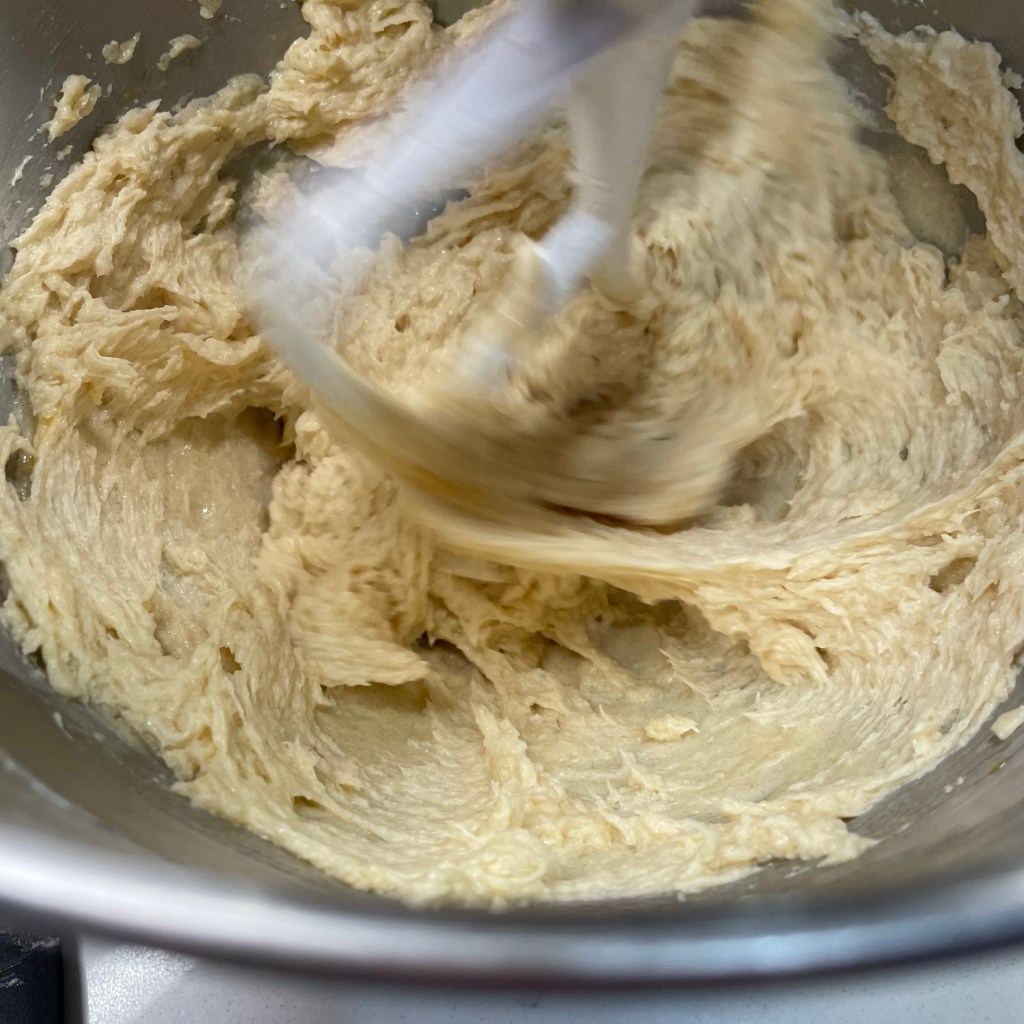
  3. Add egg and vanilla to bowl and beat until mixture is smooth.
  4. Add oats and mix until evenly blended. In a small bowl, combine whole wheat flour with the salt, soda and cream of tartar. Add this flour mixture to the creamed butter mixture and beat only long enough to incorporate the dry ingredients. Next, add the all-purpose flour to the bowl and mix just to incorporate. Avoid overmixing so that your cookies will remain soft.
  5. Remove bowl from stand mixer. All remaining ingredients should be folded in by hand to avoid overheating. An easy way to incorporate the add-ins is to use a firm spatula or wooden spoon to try to “press” them down through the dough, beginning with the firmer ingredients (chips, dried fruit and pecans) and ending with the delicate ones (coconut and rice cereal).
  6. Place by rounded teaspoonfuls (or use a small size dough scoop), 2 inches apart on the parchment-lined sheets.
  7. Bake 9 to 11 minutes (depending on oven), until dough is set and edges are lightly golden brown.
  8. Cool on sheet a couple of minutes, then transfer to a cooling rack to cool completely.


Snow Day Peanut Butter Cookies

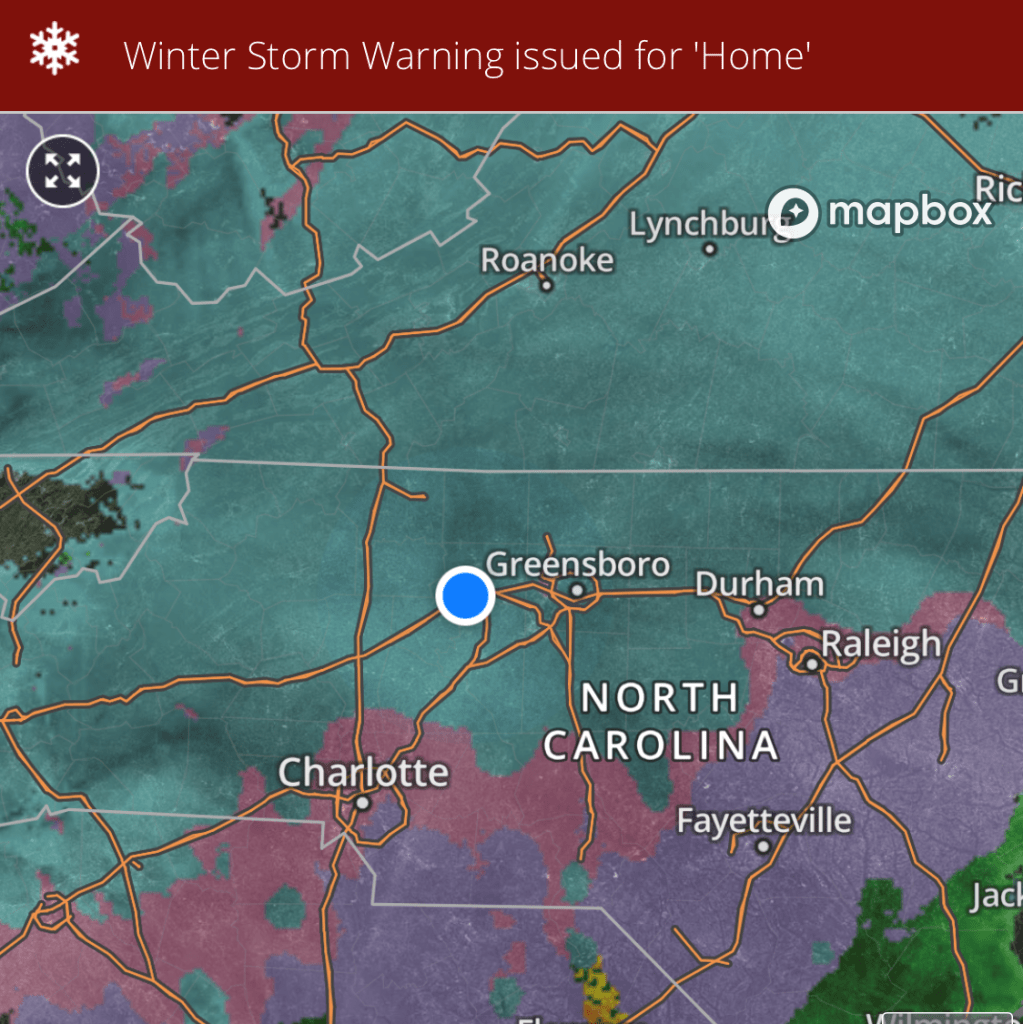
Much of the Southeast U.S. has been under a winter storm warning since we went to bed last night, and as I have watched tentatively out the window today, half expecting the power to go out from wind-toppled trees that have been coated with sleet and ice, I wrestled with my desire to be at the stove and the oven. There’s something very cozy about simmering a stew or pulling a loaf of bread from the oven on a blustery day, and this is definitely one.

It’s pretty on paper, I guess.

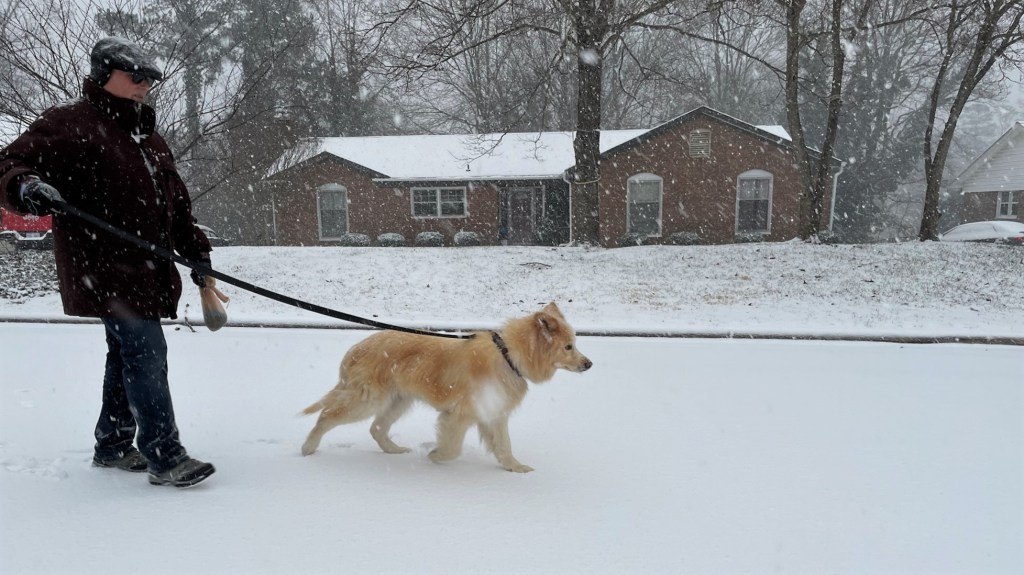
The day was beautiful at first, with mainly fluffy snow falling at a steady pace. We knew it would morph into a nasty mix, though, so we bundled up and headed out early for a walk around the neighborhood with our dog, Nilla, who absolutely loves cold and snow. It was beginning to sleet when we got back to the house.

This is Nilla’s favorite kind of day!

After much consideration, I finally gave in to the temptation to bake. It feels risky for many reasons. Our gas range is technically dual-fuel, with a natural gas cooktop but an electric-powered oven, so I had to choose something that could be done quickly (or at least put aside to bake later, should the power go out). Also, I come from a long line of highly accomplished cookie bakers, and that’s a lot to live up to, given that I hardly ever venture into treat baking. On top of that, my dear husband has made a reputation for himself with his own cookie baking, so I’m living on the edge in several ways today.

When Les makes cookies, they are almost always a version of chocolate chip; sometimes they have chips and chunks, with big, chewy bits of dried cherries or cranberries. Sometimes he adds cocoa powder to the dough itself, making them chocolate on chocolate with more chocolate. No wonder he is so popular, right? But he seldom strays from the chocolate chip category, and I wanted something different today.

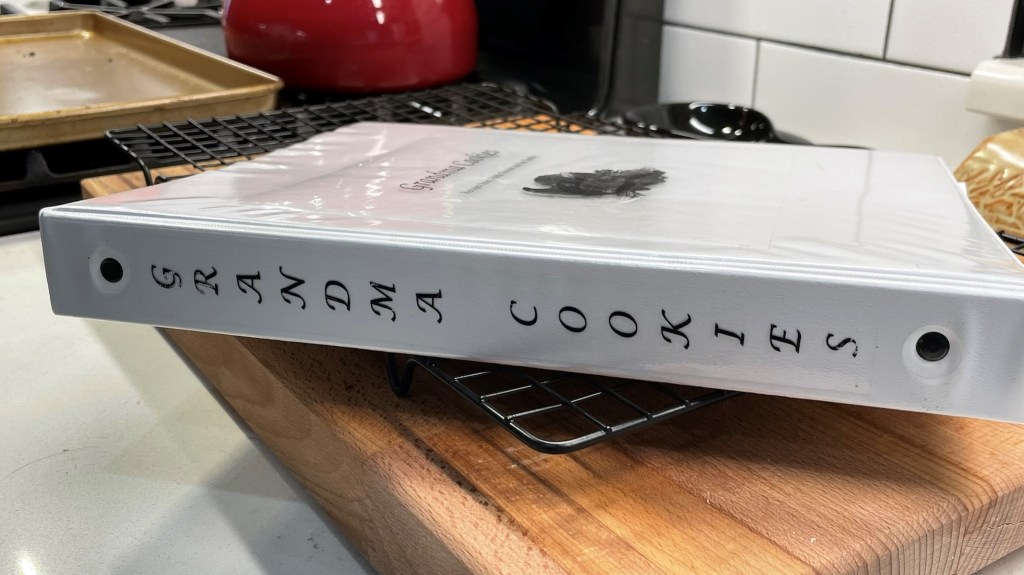
Several members of my mother’s side of the family have contributed to this collection, but it is mostly sweet treat recipes of my great aunt.

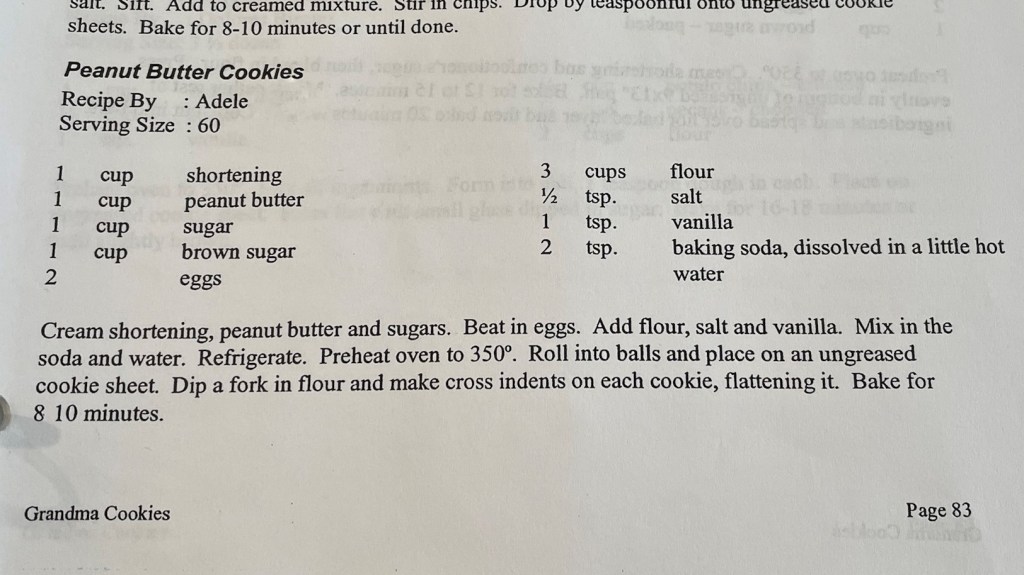
Without my own arsenal of go-to cookie recipes, I reached for a family cookbook—this homemade, 3-ring binder notebook, chock-full of recipes submitted by various members of my maternal family, and especially my great-aunt Adele. She was my Gram’s sister, and she was a master cookie baker if there ever was one. She was so known for her baked goods that her grandchildren called her “Grandma Cookies,” and I have my own memories of the treats she joyfully baked and shared with everyone. At Christmastime, you could count on receiving a box of various homemade cookies—and it didn’t matter if you lived across the street or on the other side of the country. She saved up cracker boxes and tea bag boxes and coffee tins and filled them up with her goodies so you could always have a taste of home.

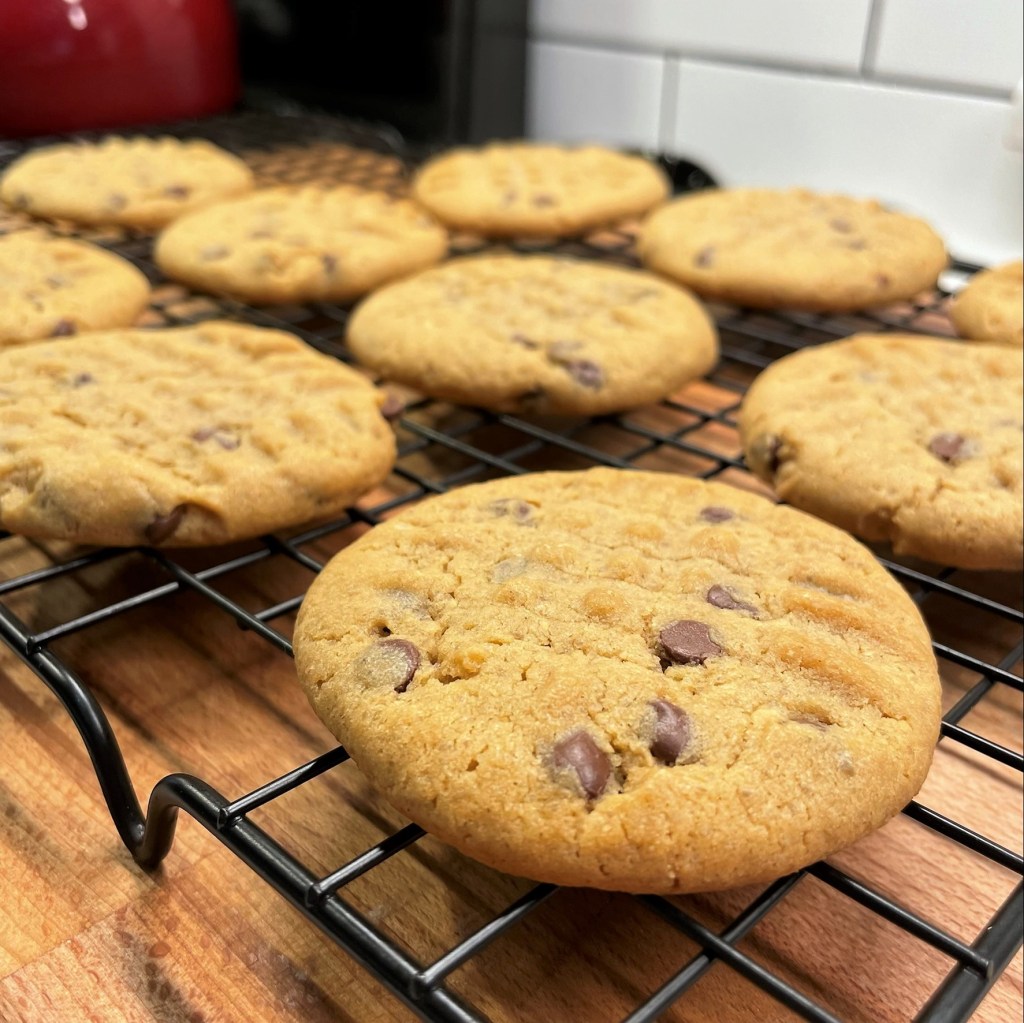
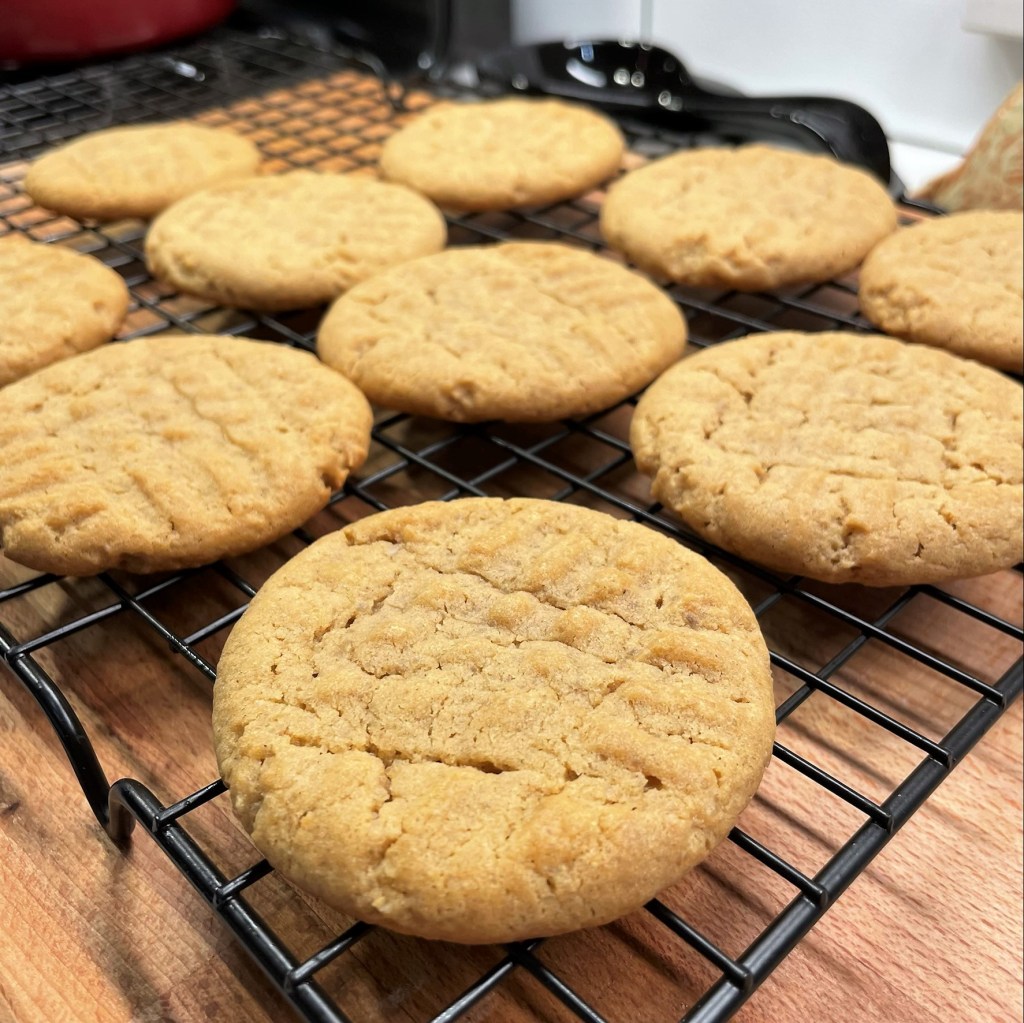
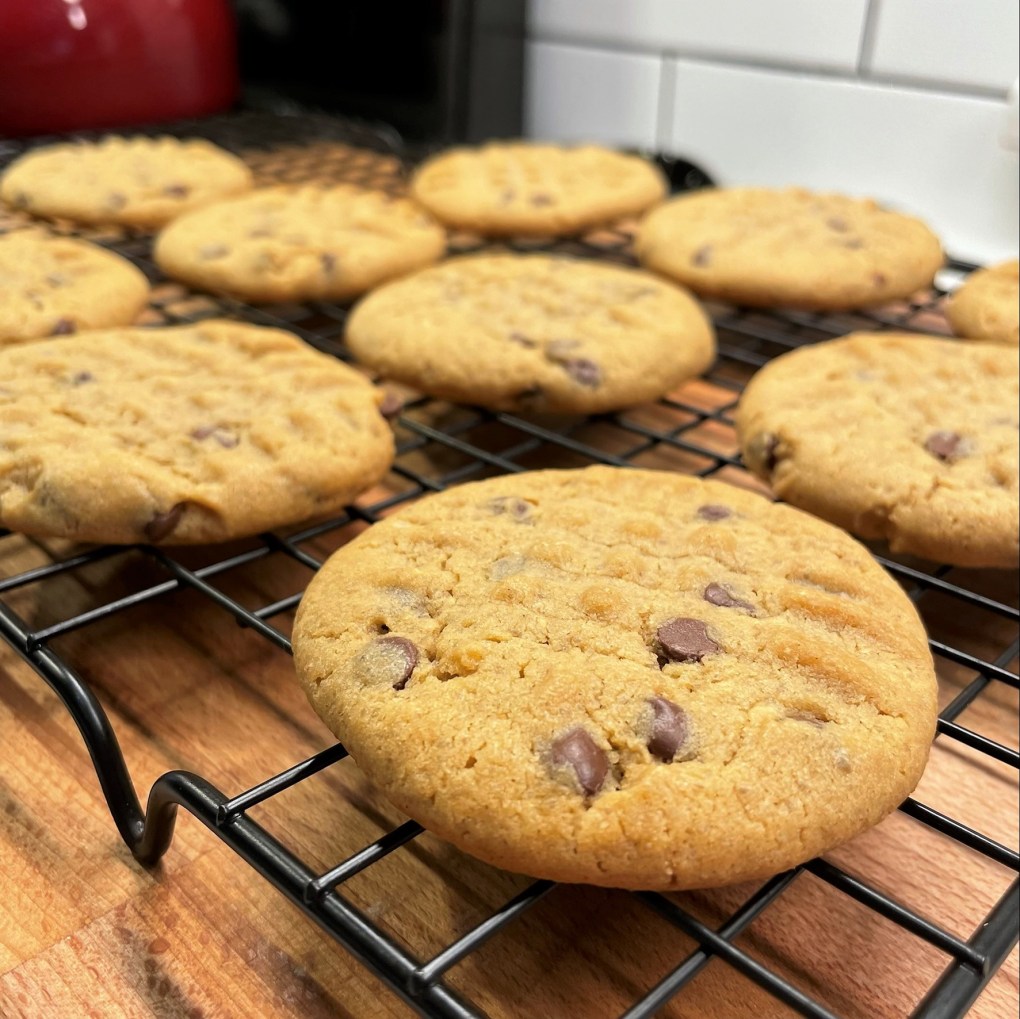
I’ll never live up to that standard, but I did a decent job with her peanut butter cookie recipe, with a few adjustments of course. First, I made a half batch, because we don’t need 60 cookies when we are stuck in the house. I never use only white flour in any recipe, so I subbed in an amount of whole wheat pastry flour which is nice and soft for tender baked goods. I don’t use shortening either, but real butter worked great. And, because my hubby is so fond of chocolate chips, I divided the dough in half and added mini chocolate chips to one portion of it for his taste, and the cookies turned out great both ways.
Some of the instructions in Aunt Adele’s recipe were a bit vague for this cookie novice but, thankfully, my Aunt Joy offered her experience to help me fill in the blanks.

My great aunt’s original recipe. I halved it and took a few liberties with the ingredients list.

Ingredients

1 stick salted butter, slightly softened* (see notes)

1/2 cup peanut butter

1 cup light brown sugar, packed*

1 large egg

1/2 tsp. real vanilla extract

1 tsp. baking soda, dissolved in a small amount of hot water*

1 cup all-purpose flour

1/2 cup whole wheat pastry flour

1/2 tsp. kosher salt (or 1/4 tsp. regular salt)*

1/4 to 1/2 cup mini chocolate chips (optional)*


*Notes

Butter should not be so cold that it’s hard, but not room temperature either. When you cream it with the sugar, you want it to be smooth and just slightly firm. I was impatient so I took a shortcut with my straight-from-the-fridge stick of butter.

My great-aunt’s original recipe suggested equal parts sugar and brown sugar, but I like a soft cookie, so I used all brown sugar. When you measure brown sugar, be sure to pack it snugly into the measuring cup. When you turn it over into your bowl, it should mostly hold its shape.

I have long wondered why some cookie recipes call for dissolving the baking soda in hot water. Given that it appears on many of the recipes my grandmother and her family have shared, I even considered that perhaps it was something they all learned from my great grandmother or something. But a quick bit of research (thank you, internet) turned up the real reason—dissolving the soda helps ensure that it can be evenly dispersed throughout the dough. If I were to mix it in with the dry ingredients, it would be prone to clumping. Now we know!

I cook and bake mostly with kosher salt, which has larger crystals than table salt. Those crystals take up more space in the measuring spoon, but some of that space is just air, so I use a little extra. My conversion is probably not exact, but I generally like to add a bit of extra salt to a baked good anyway to enhance the other flavors.

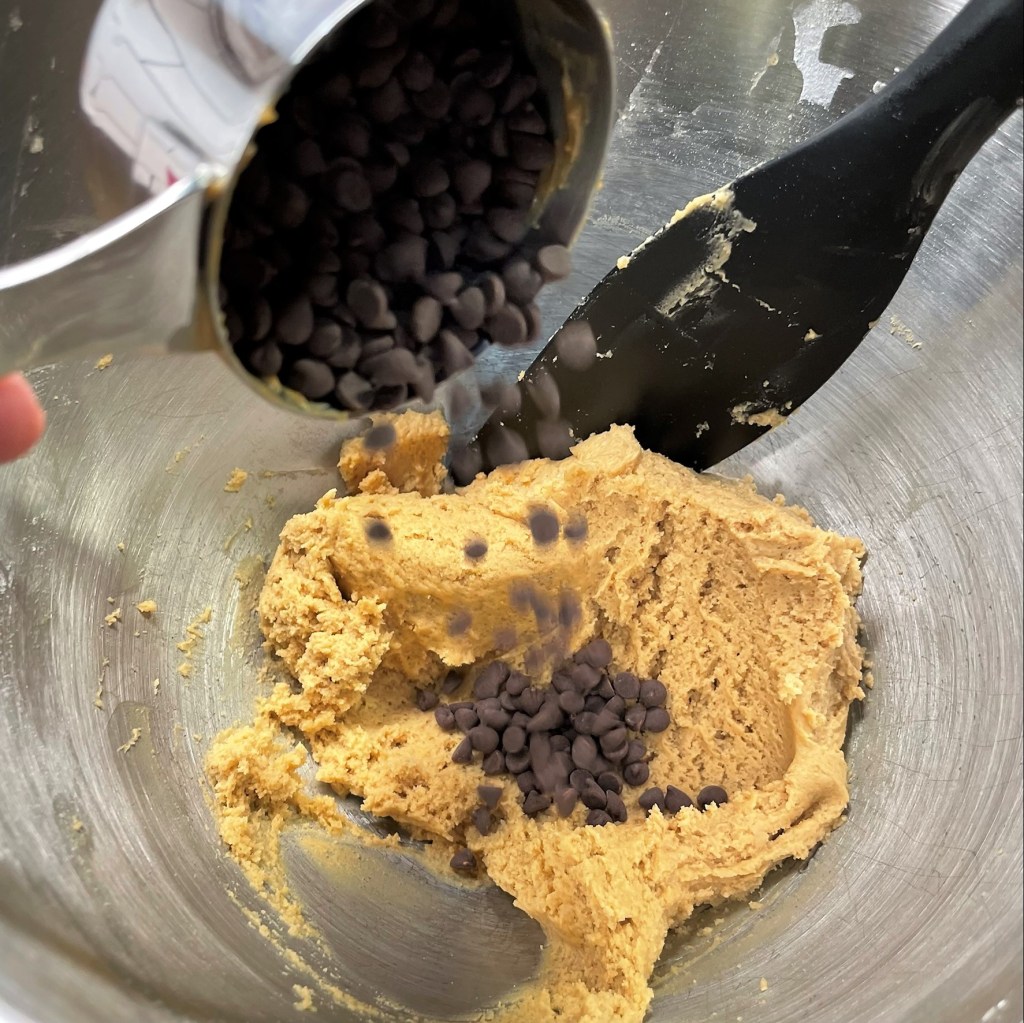
I used mini chocolate chips in half the cookie dough, and kept the rest as simple peanut butter dough. If you want chocolate chips in all the cookies, use 1/2 cup rather than 1/4 cup, as I did for my half-batch.


Instructions

Cream together the butter, peanut butter and sugar until evenly combined and somewhat fluffy.

Add egg and beat until blended. Stir in vanilla, then stir in dissolved baking soda.

Add flour, beating only until incorporated. Stop the mixer and scrape down the sides, then mix again only long enough to blend in loose flour.

If using the mini chocolate chips, fold them into the dough. Cover the bowl and refrigerate for about one hour before baking.

Preheat oven to 350° F, with oven rack in the center position, or two racks roughly positioned near the center of the oven.

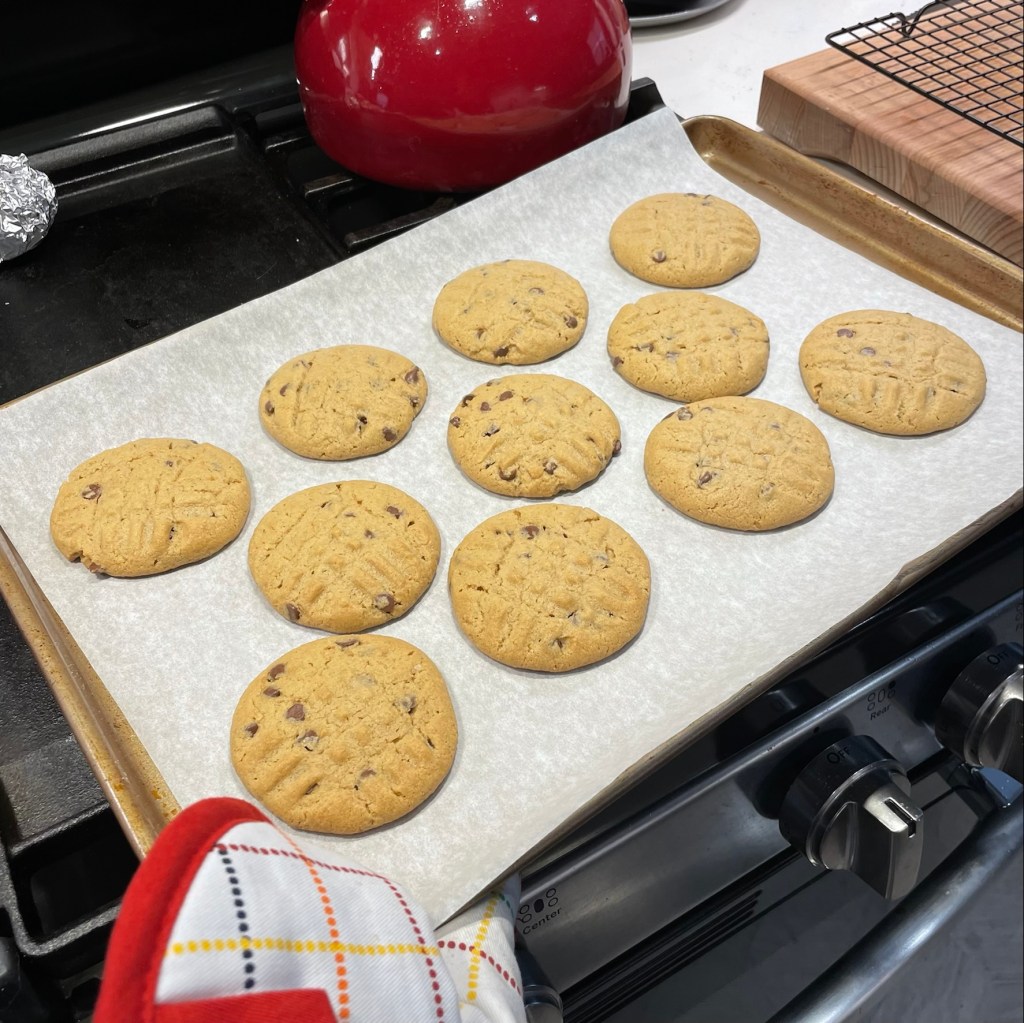
Roll cookie dough into balls about 1 1/4” diameter. Place them on a parchment lined cookie sheet. Flatten in a criss-cross pattern, using a fork dipped in flour to prevent sticking.

Bake 9-11 minutes, depending on your oven. The cookies will be very puffy, and slightly dry at the edges when finished. Cool on the sheet about two minutes, then transfer to a cooling rack.


Not a bad way to spend a snowy, blustery Sunday!


F.R.O.G. Jam Rugelach

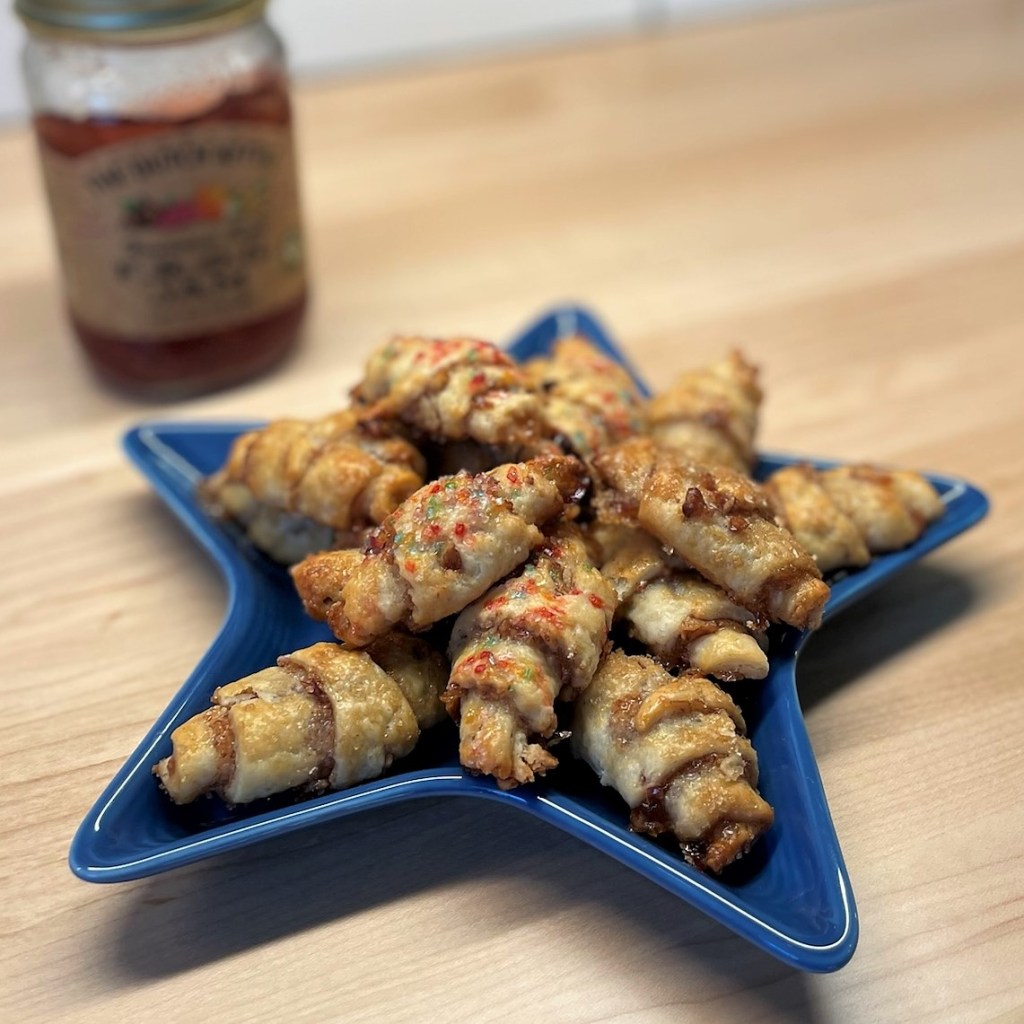
Sometimes, saying your goals out loud is enough to cement them into reality, and this has been true for my quest to have a calmer, more peaceful holiday season. Letting go of expectations for a “perfect” holiday has given me the freedom to enjoy it more, regardless of how things unfold. One thing I really wanted to do this year (for the first time in a long time) was settle in to making Christmas cookies, and I am on a roll—figuratively and literally—with these sweet little rugelach. They are my first cookies of the season and making them satisfies not only my desire for a pretty holiday treat, but also another item on my culinary bucket list.

As much as I love to bake bread and rolls, I hardly ever bake sweet things, such as cakes, pies or cookies. I’m not sure why, because I do like them, and I have fond memories of doing that kind of baking in my grandmother’s kitchen. The holidays are a perfect time for baking sweets, and so far, I am loving it.

Rugelach (which is pronounced in such a way that it might seem you are gargling with a feather in your throat) is a treat that originated in Poland and is popular in Jewish culture, and it has been on my bucket list for a couple of years. My husband, Les, remembers them from childhood, not only because he is of Polish-Jewish descent, but also from the bakeries and pastry shops all over New York, where he was raised.

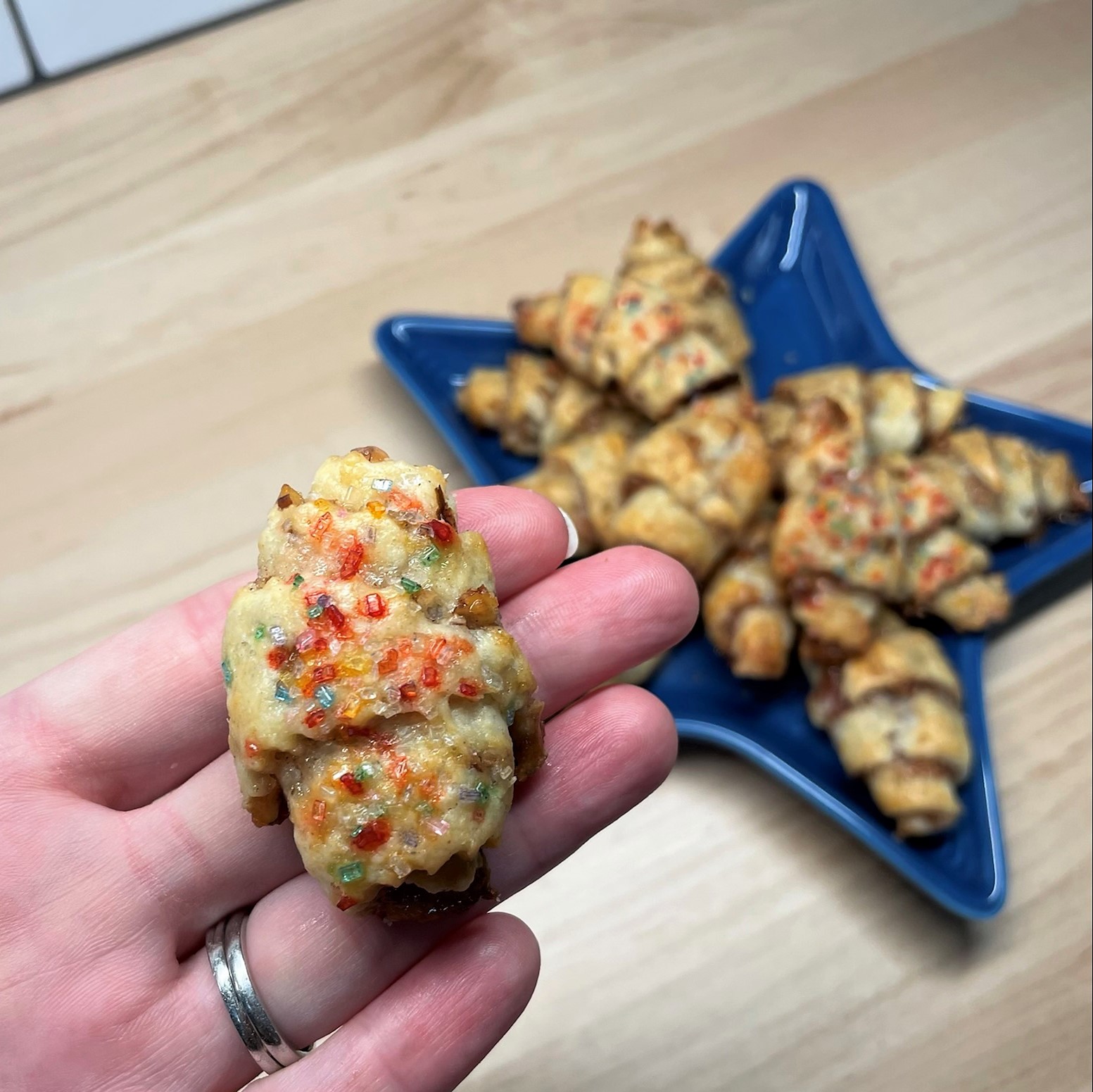
It’s a perfect, little two-bite cookie.

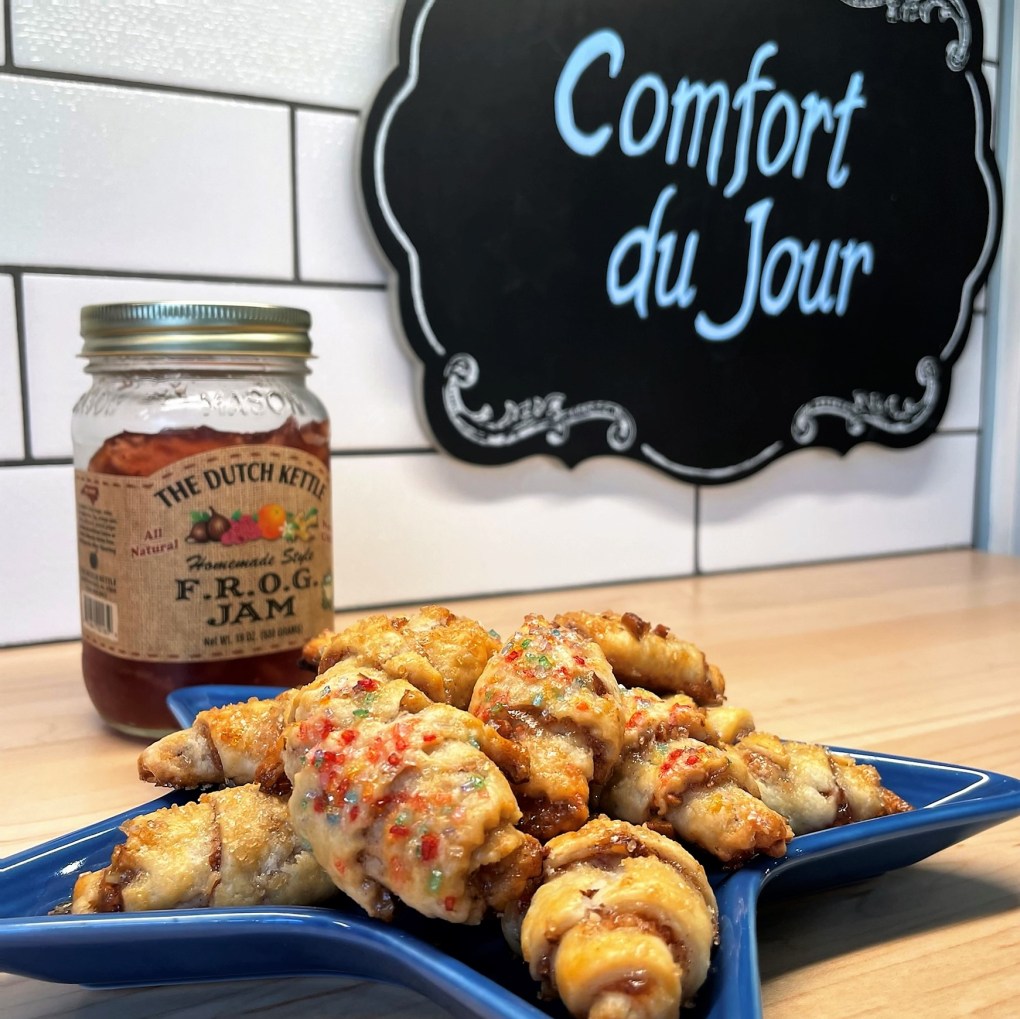
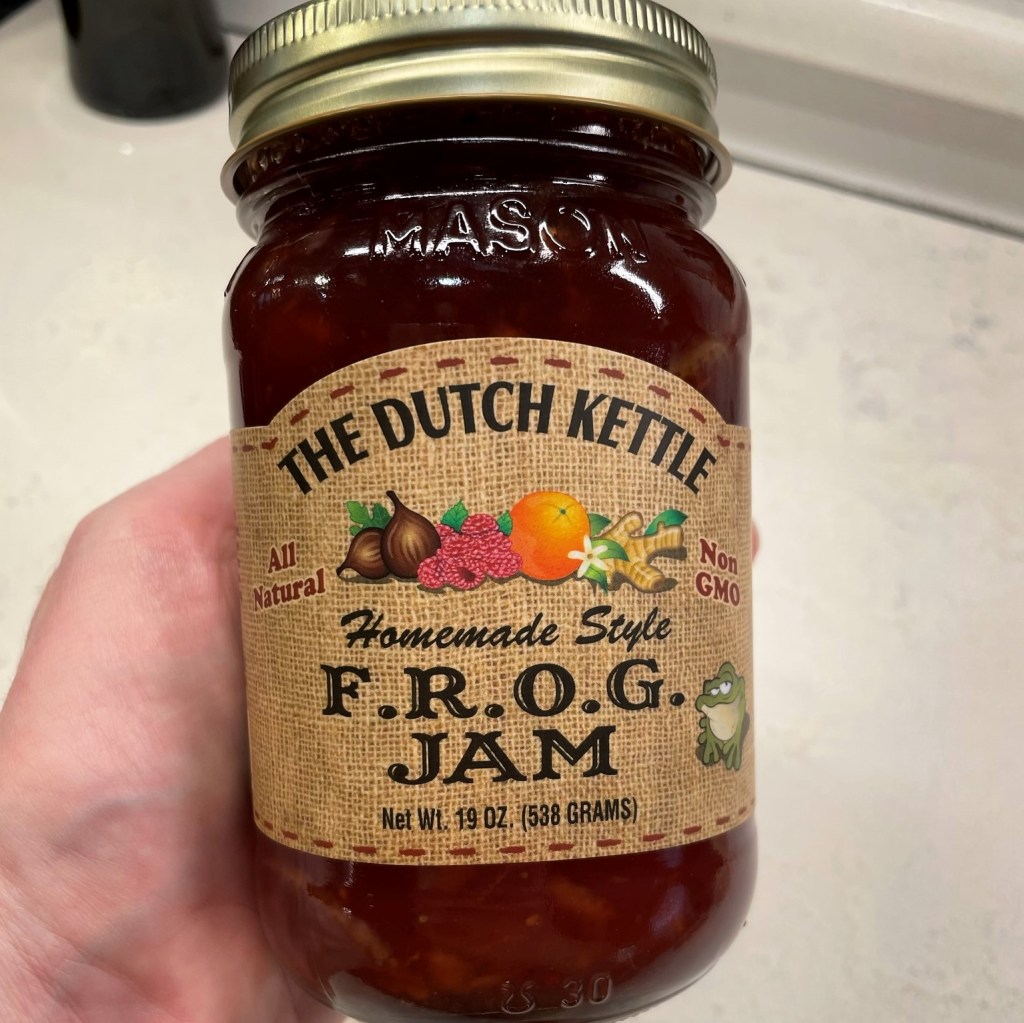
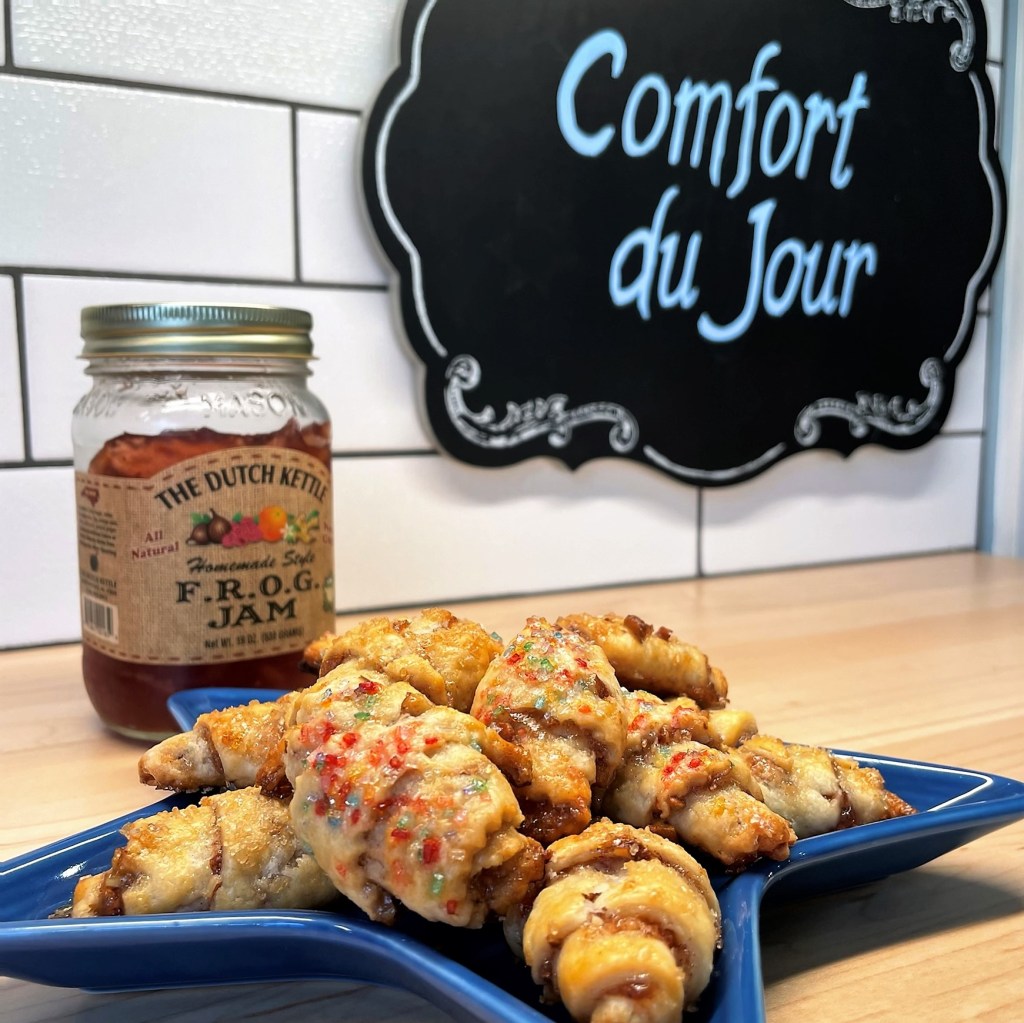
The cookies are tiny, which makes them perfect for gift-giving or tucking into an extra little space on a dessert platter. My rugelach dough is made of butter, cream cheese and flour, with only a slight hint of powdered sugar. The rest of the sweetness comes from the layers of filling and the large crystals of sugar sprinkled on top before baking. Given the variety of flavors I have seen, you can put almost anything in rugelach, and the gears of my mind are already spinning ideas for my next batch. This time, I used a jar of jam we spotted while waiting in line to purchase our fancy Christmas tree stand.

No frogs were harmed in the making of these cookies. 🙂

The fruity filling in these bite-sized little rollups is F.R.O.G. jam, with the letters representing the flavors of fig, raspberry, orange peel and ginger. That’s a whole lot of holiday flavor happening in one spoonful, and though Les is not particularly fond of ginger, he likes the other flavors and said my addition of cinnamon sugar and chopped pecans rounded these out nicely for him. The cookies are made in stages, including a significant amount of time chilling the dough, and then the cookies before baking, so plan accordingly.

As always, I learned a few things along the way to making these, and I’ll share those discoveries throughout the instructions below.


Ingredients

4 oz. full-fat cream cheese (this is half a brick package)

1 stick cold unsalted butter

3/4 cup all-purpose flour* (see notes)

1/4 cup whole wheat pastry flour*

1 Tbsp. powdered sugar

1/4 tsp. kosher salt

2/3 cup jam, preserves or marmalade

2 Tbsp. organic cane sugar

1/2 tsp. ground cinnamon

1/4 cup chopped, toasted pecans

Egg wash and coarse sugar sprinkles, for baking


*Notes

For best results, measure flour using the fluff, sprinkle, level method. If you dunk your scoop directly into the flour bag, you will compact the flour and end up with heavy cookies.

I always sub in a portion of whole grain into everything I bake, but if you do not have whole wheat pastry flour (I like Bob’s Red Mill) or white whole wheat (King Arthur is a great choice), it is fine to use a full cup of all-purpose flour. I personally like the flavor boost of the whole wheat, and it helps me justify eating an extra cookie. 😉


Instructions

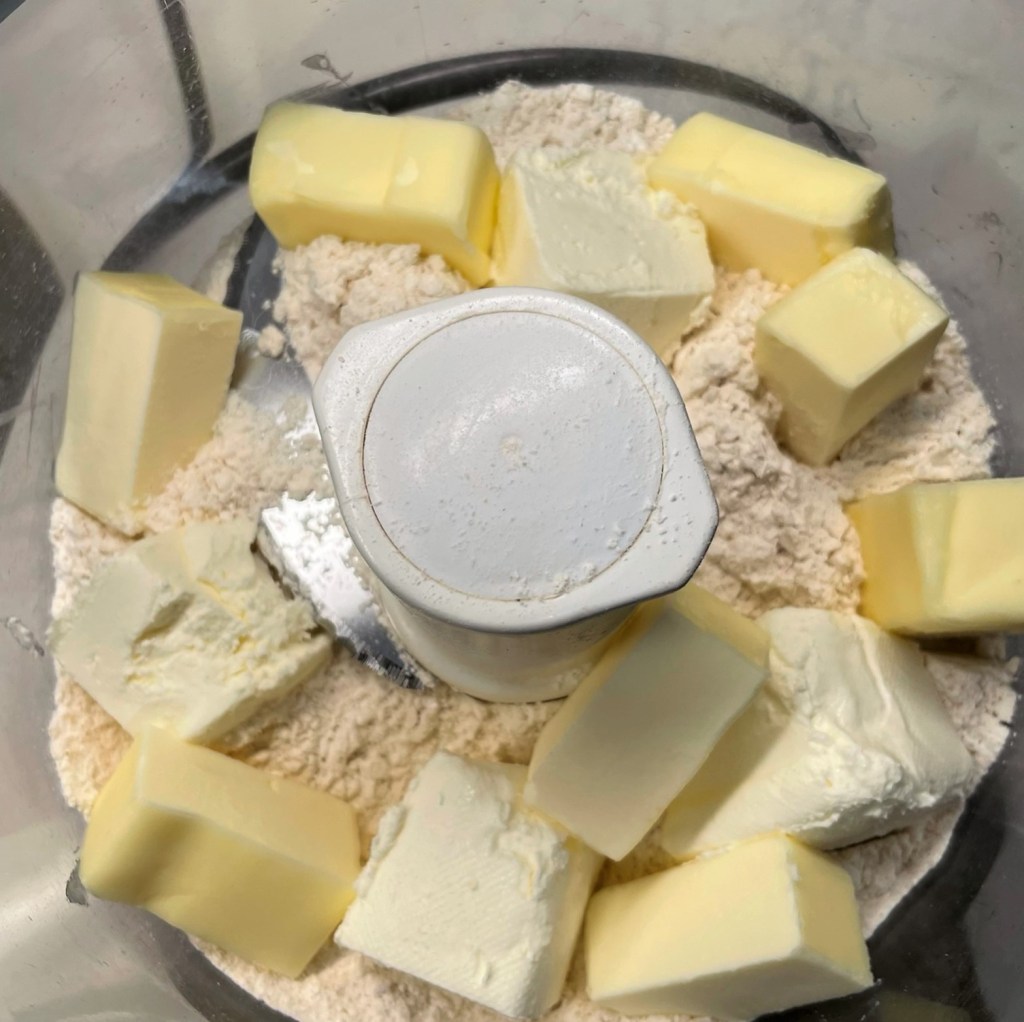
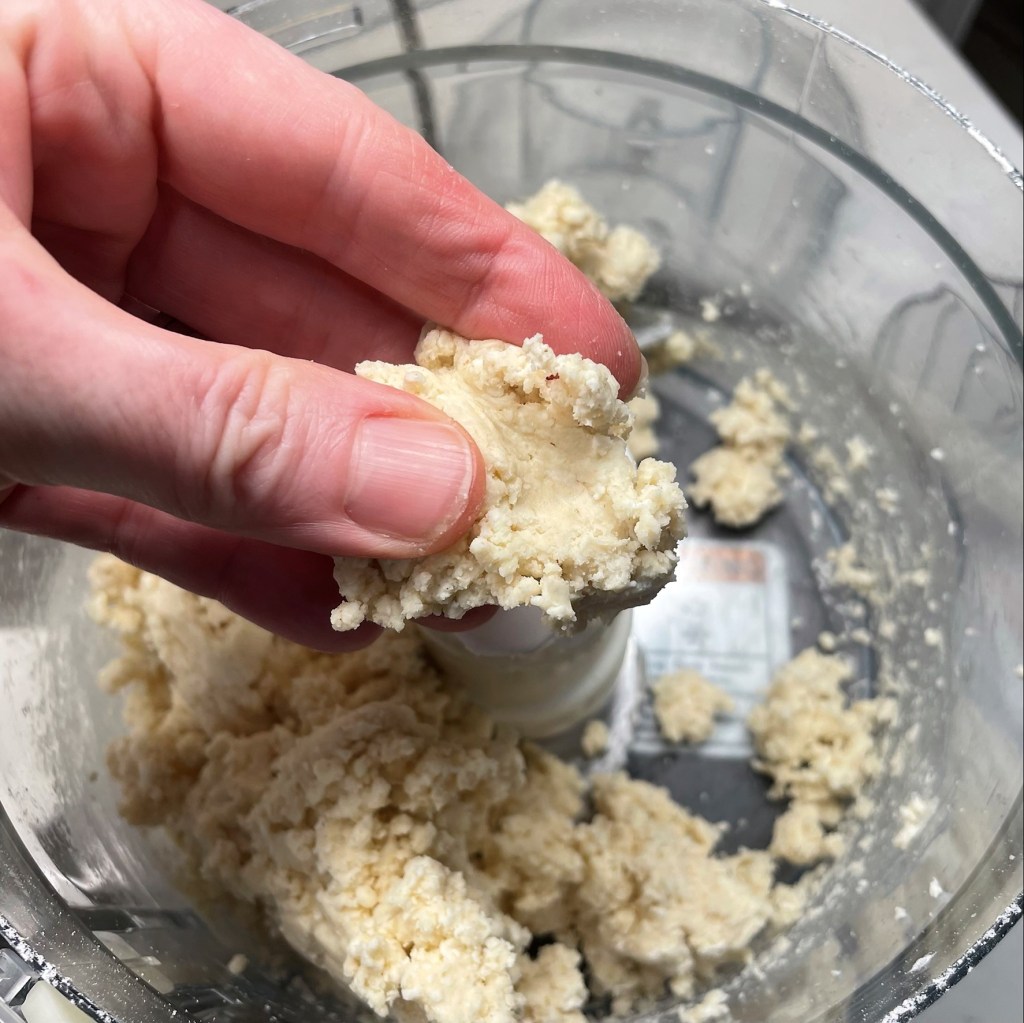
Combine flour, powdered sugar and salt in the bowl of a food processor and pulse a couple of times to blend them evenly. Add cold pieces of butter and cream cheese. Pulse a few times to cut the fats into the dough, then run the processor continuously just barely long enough to see it come together but not long enough for it to clump in a ball around the blades.

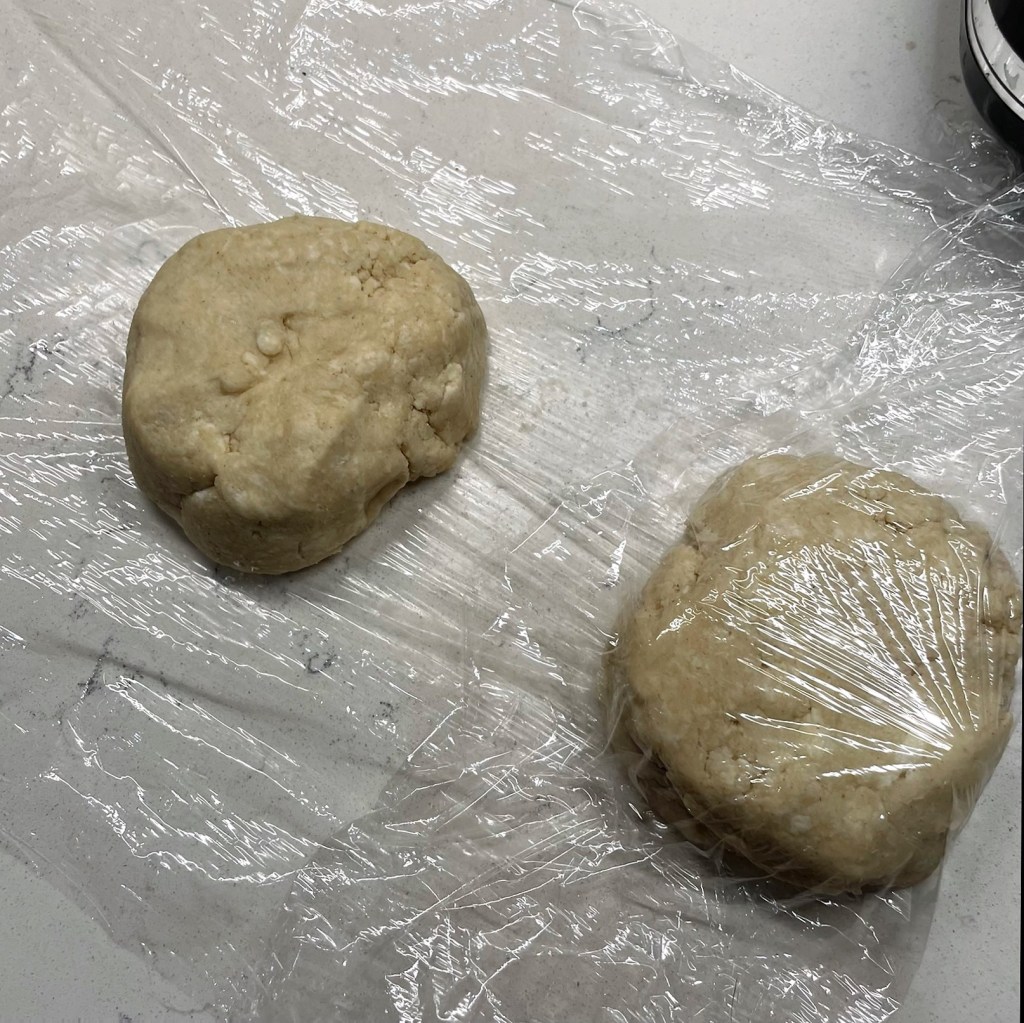
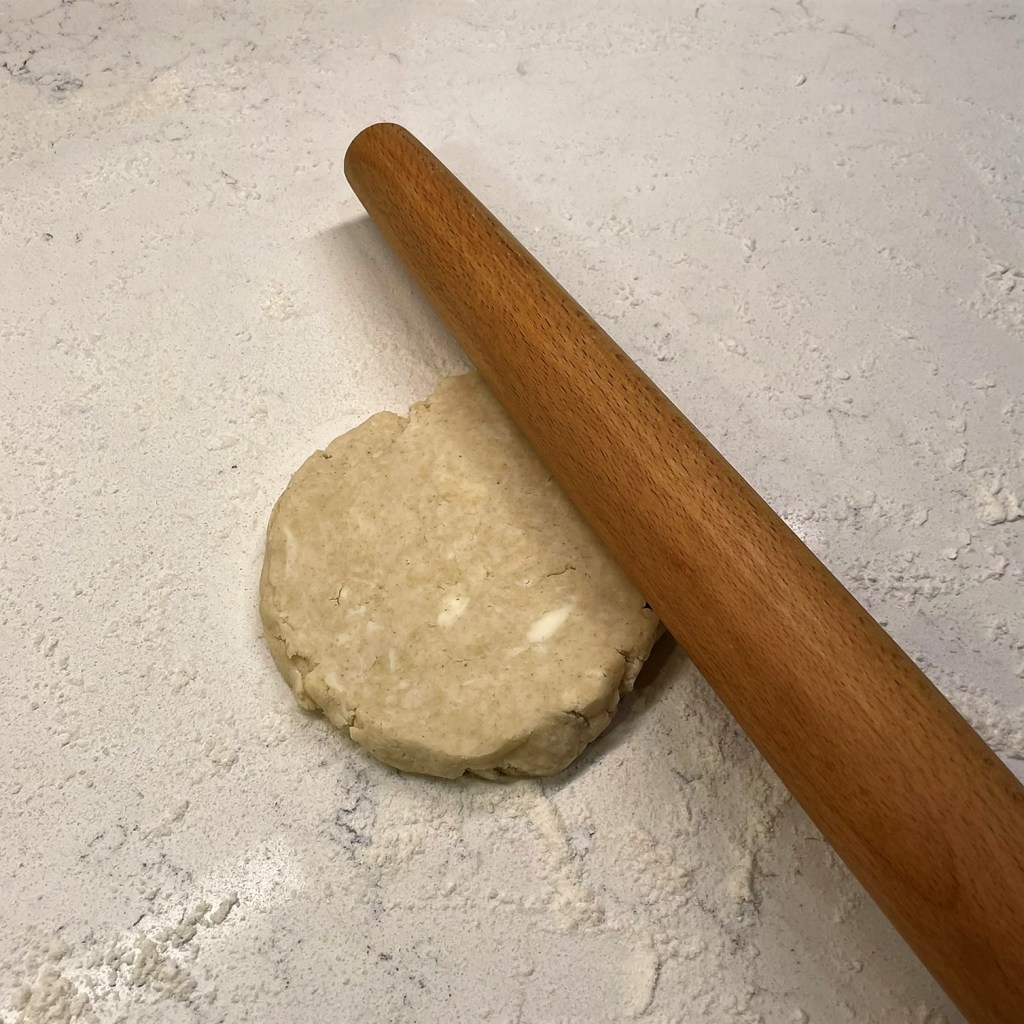
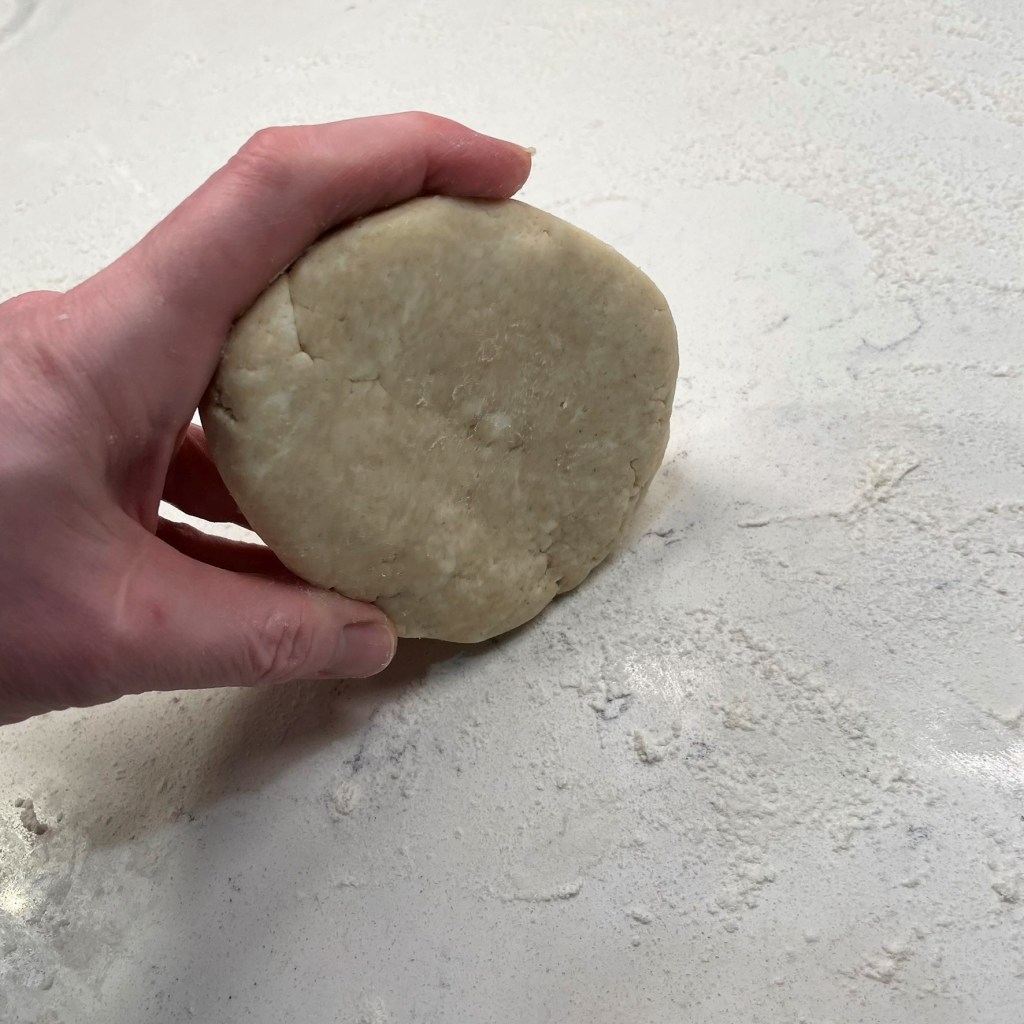
Scrape the dough out onto plastic wrap. Divide it into two equal pieces and shape them into disks about the size of hockey pucks. Wrap them tightly in the plastic wrap and refrigerate a few hours to overnight.

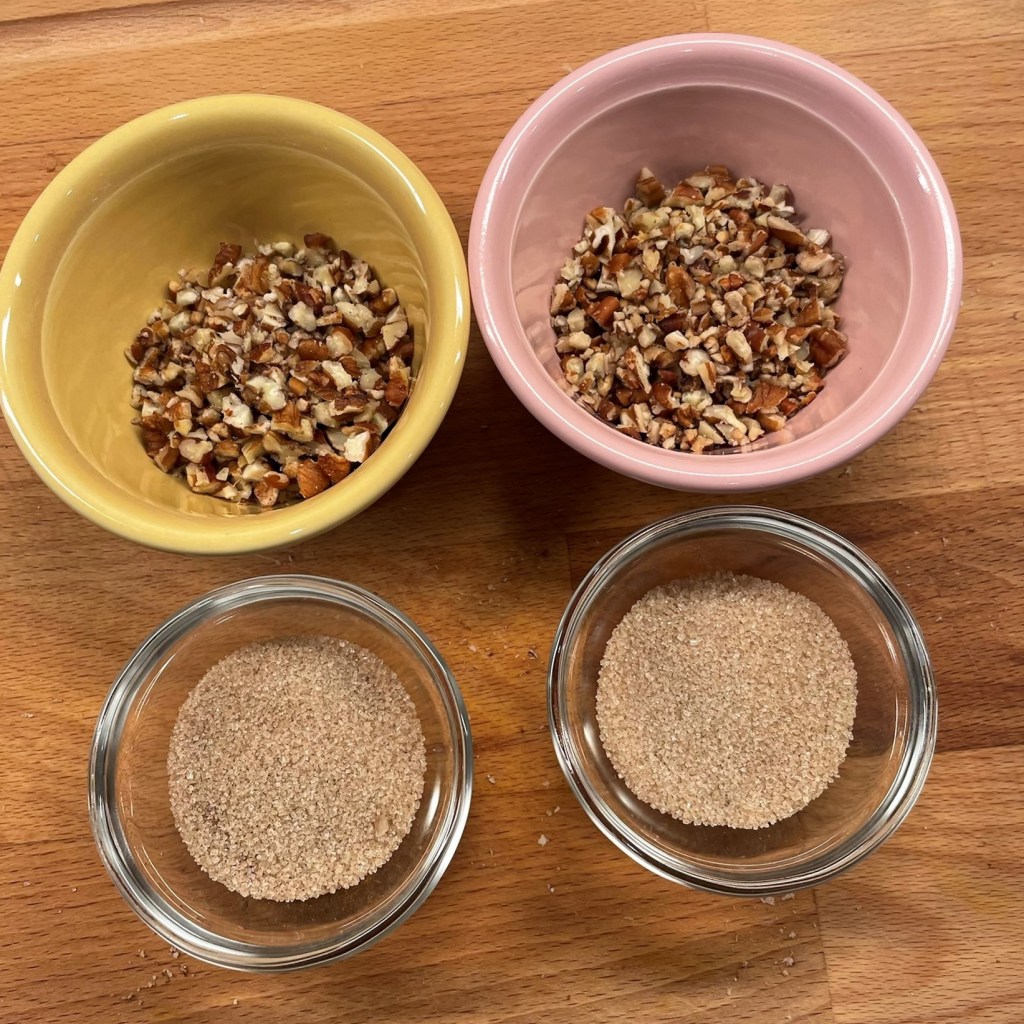
The rolling out and rolling up stage of this recipe moves quickly, so I encourage reading through it completely before beginning. As with any butter-based dough, you want to try to keep it as cold as possible so that it remains flaky during baking. Get all your filling ingredients measured, lined up and ready. Warm the preserves in a small saucepan until they loosen up to spreadable consistency, then remove from heat. Divide the cinnamon sugar and toasted pecans so that you have equal amounts for each dough disk. Set up two baking sheets, lined with parchment, and arrange enough space in the fridge to chill them for an hour or two.
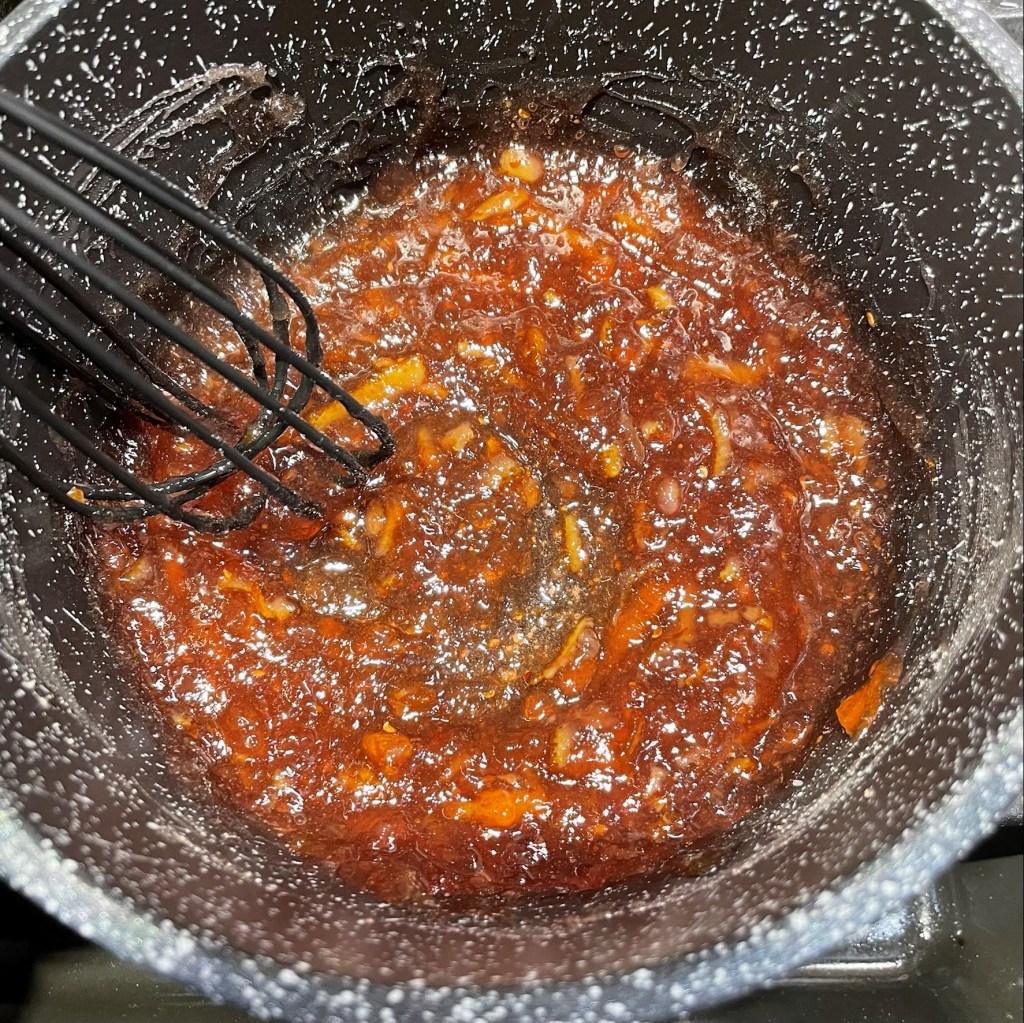
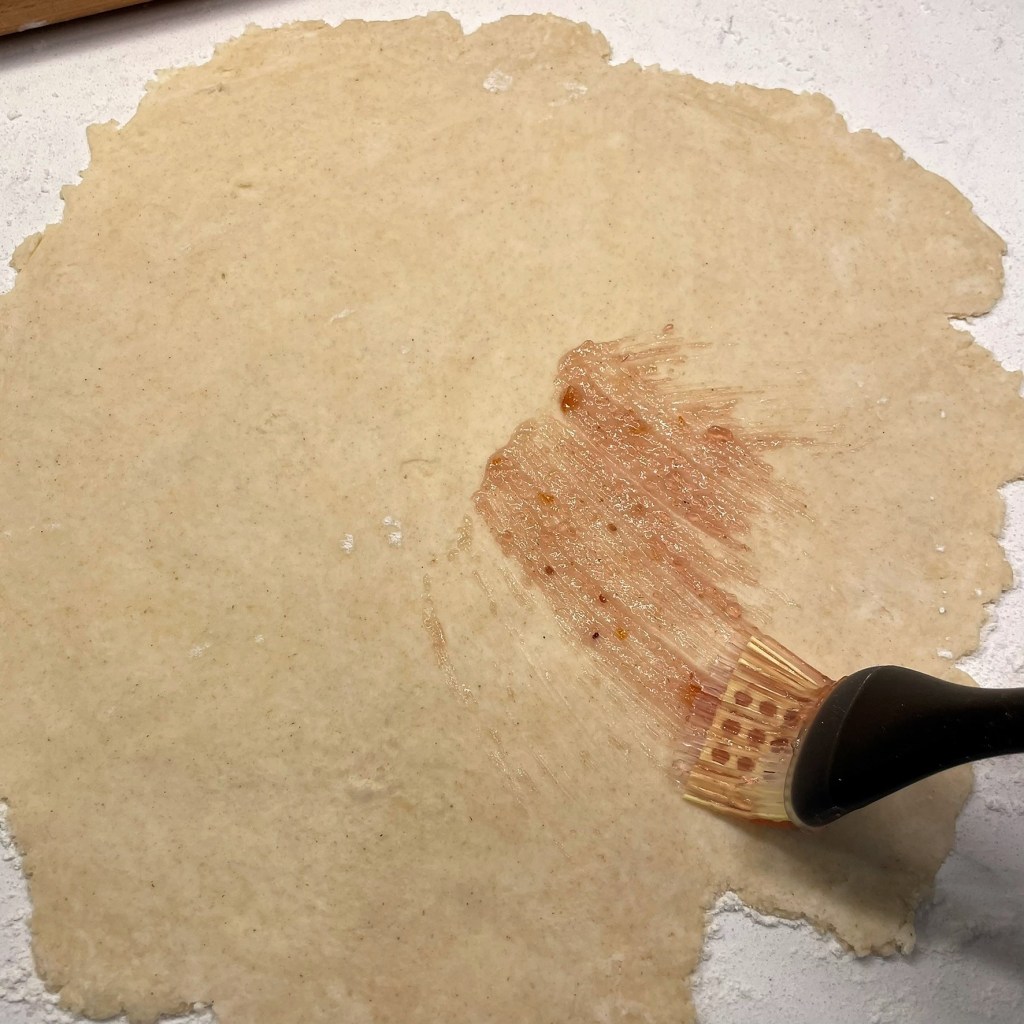
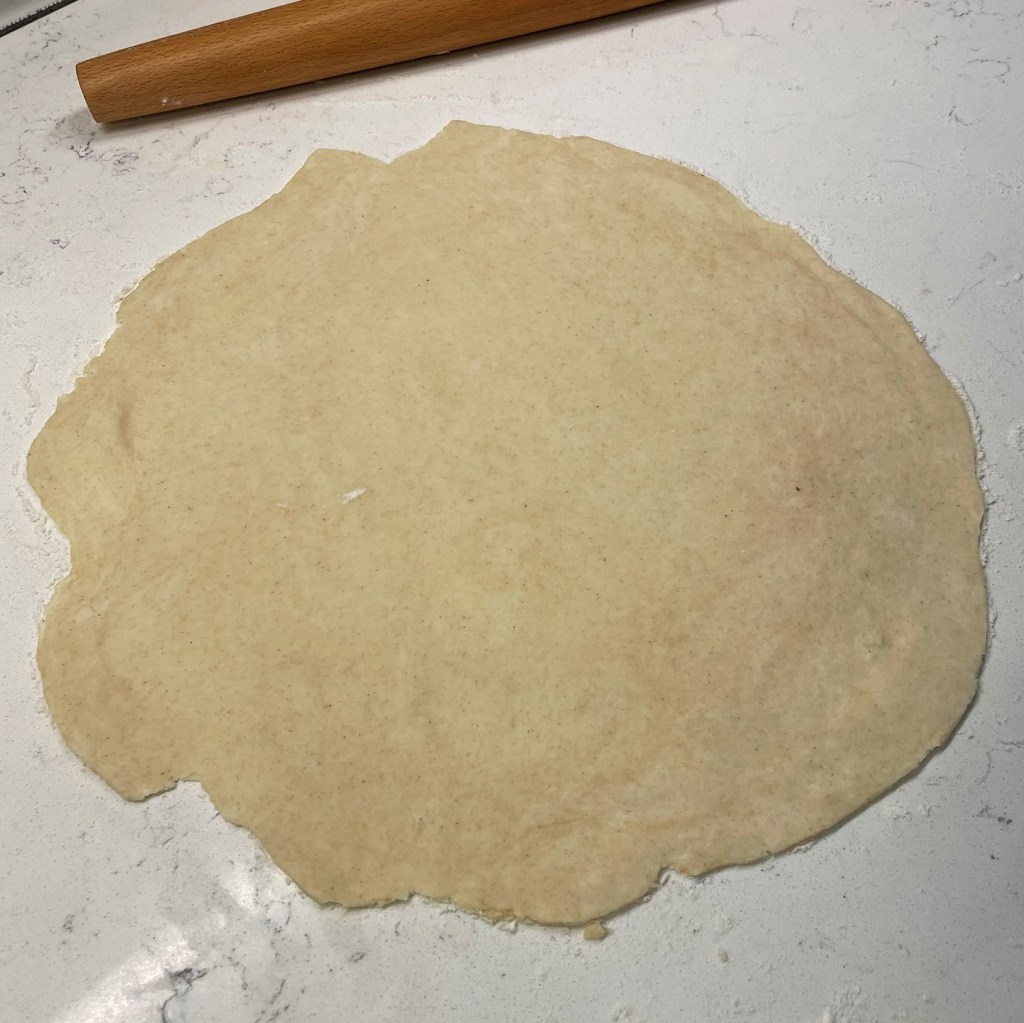
Roll the dough out on a lightly floured countertop, until it is about 1/8” thick and roughly 12” in diameter. Working from the edges inward, brush half of the melted preserves onto the dough round. You should see quite a lot of dough through the preserves and try to keep the glaze light in the center of the dough round, which will ultimately be the tips of each rugelach.

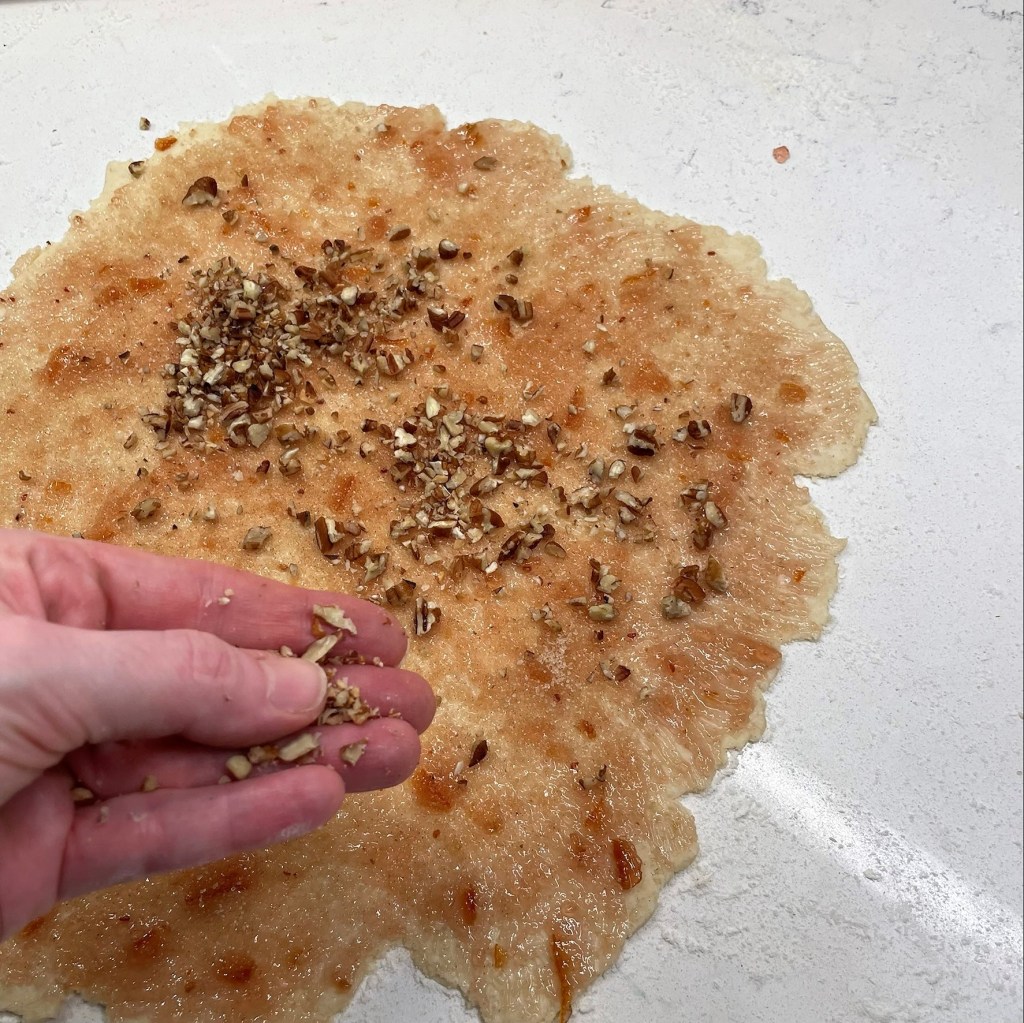
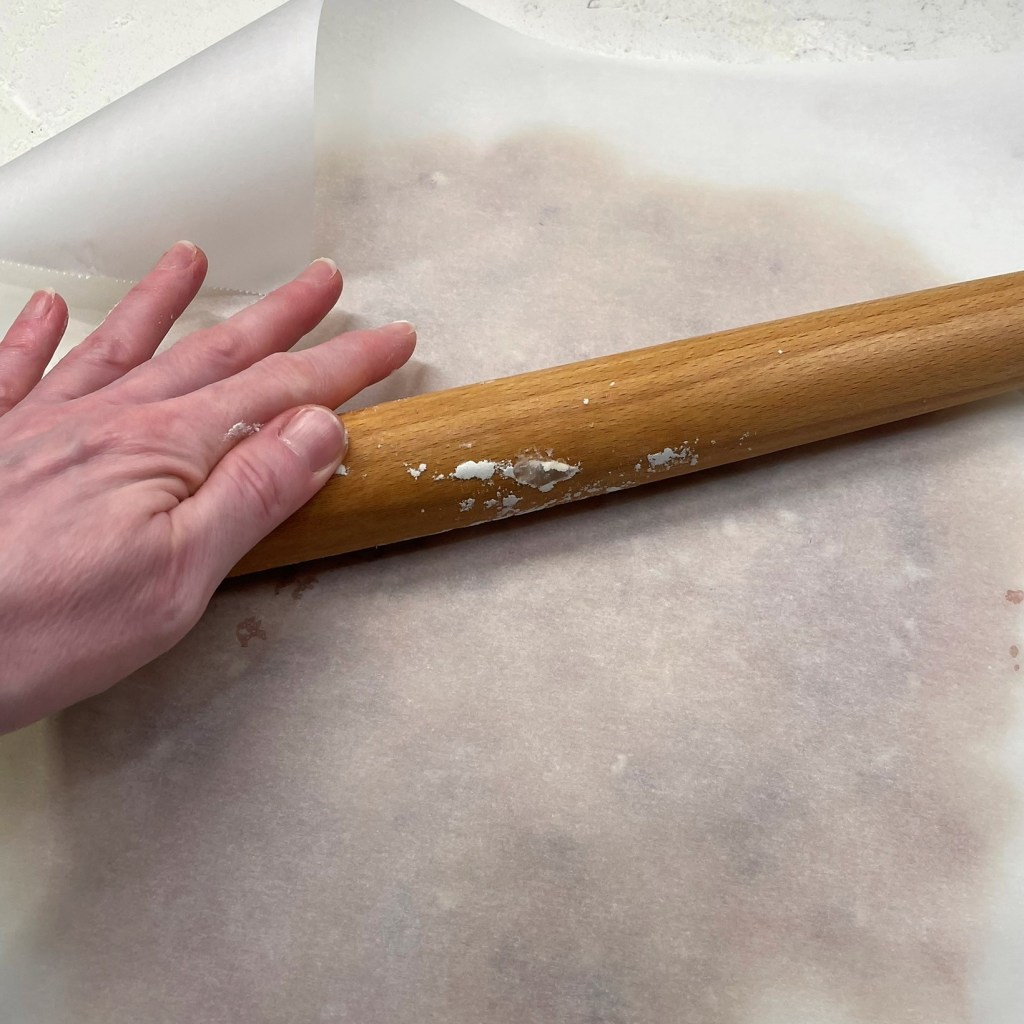
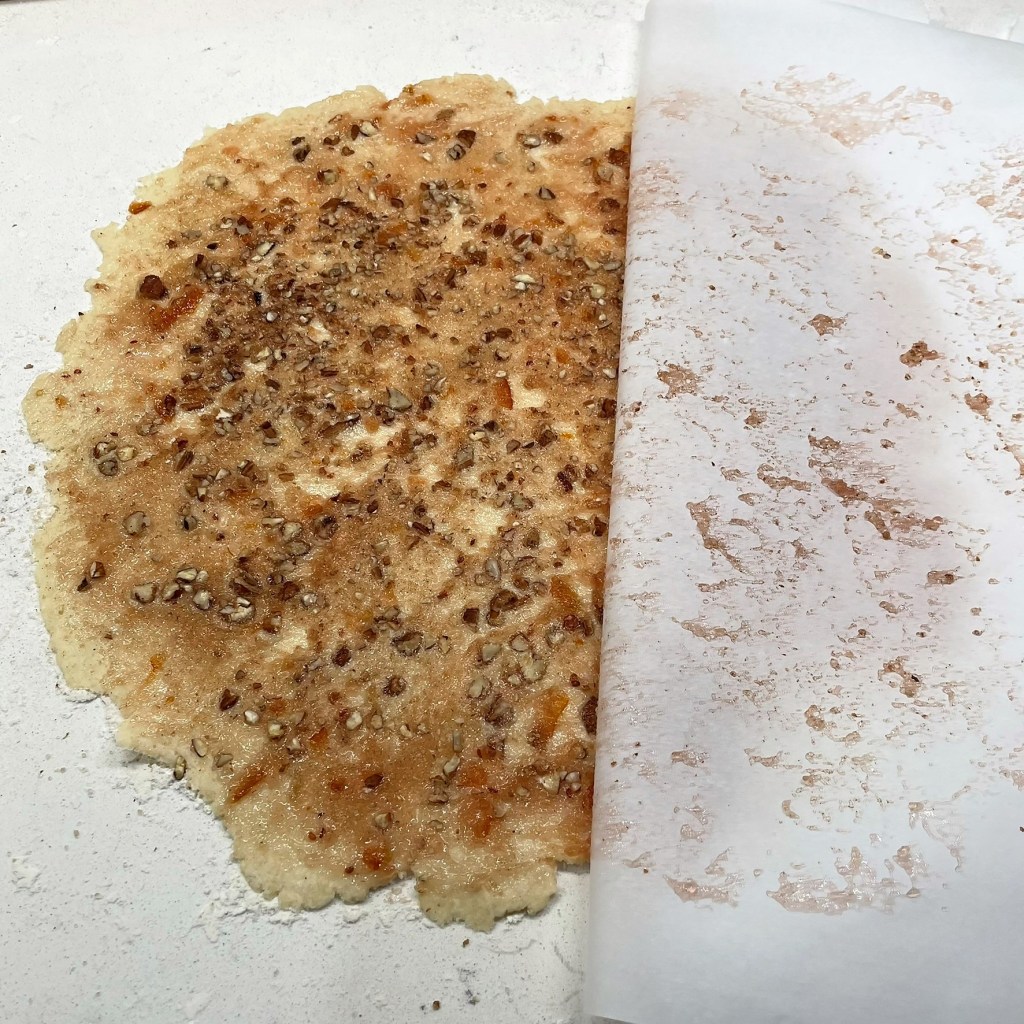
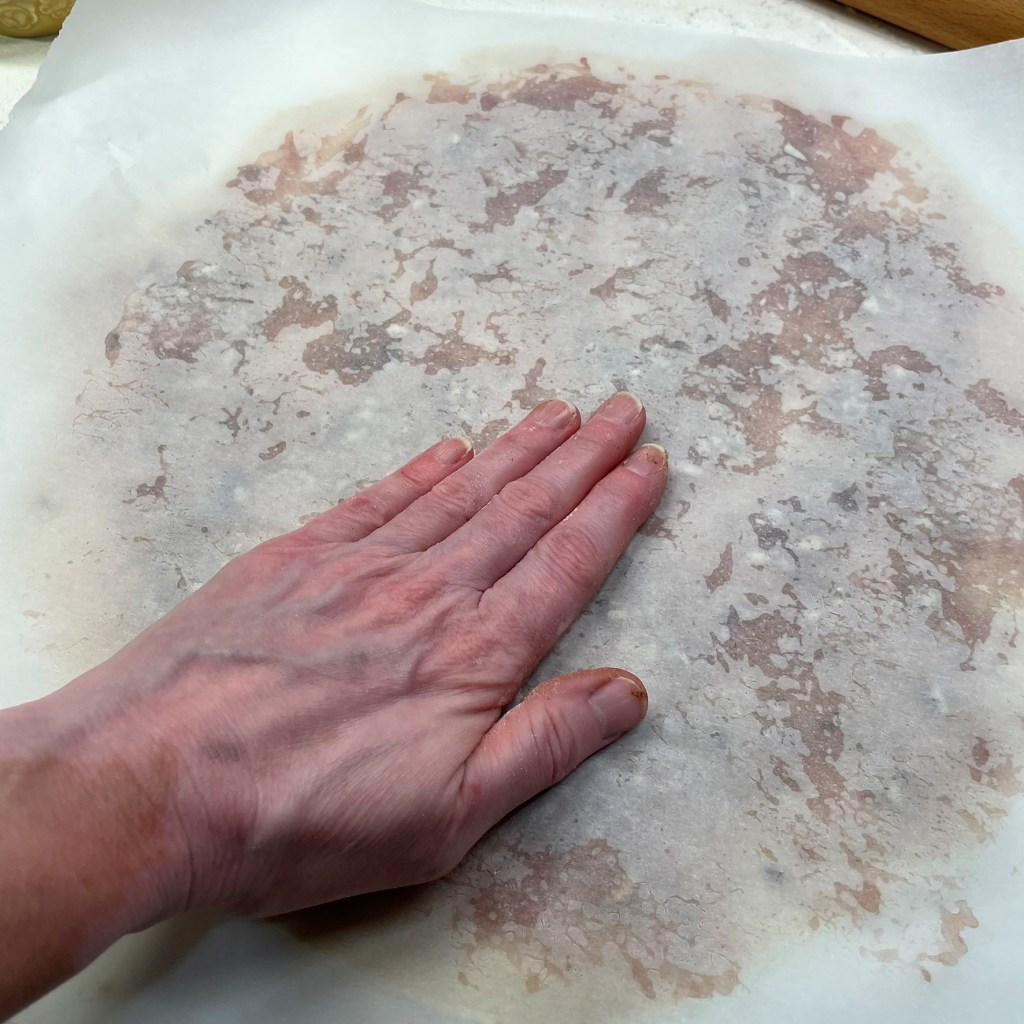
Sprinkle the cinnamon sugar all over the glazed dough, and then scatter the toasted pecan bits evenly over the sugar. Lay a piece of parchment or waxed paper over the dough round and gently press to secure the pecan bits into the dough. Carefully peel the paper away and set it aside for the second batch.

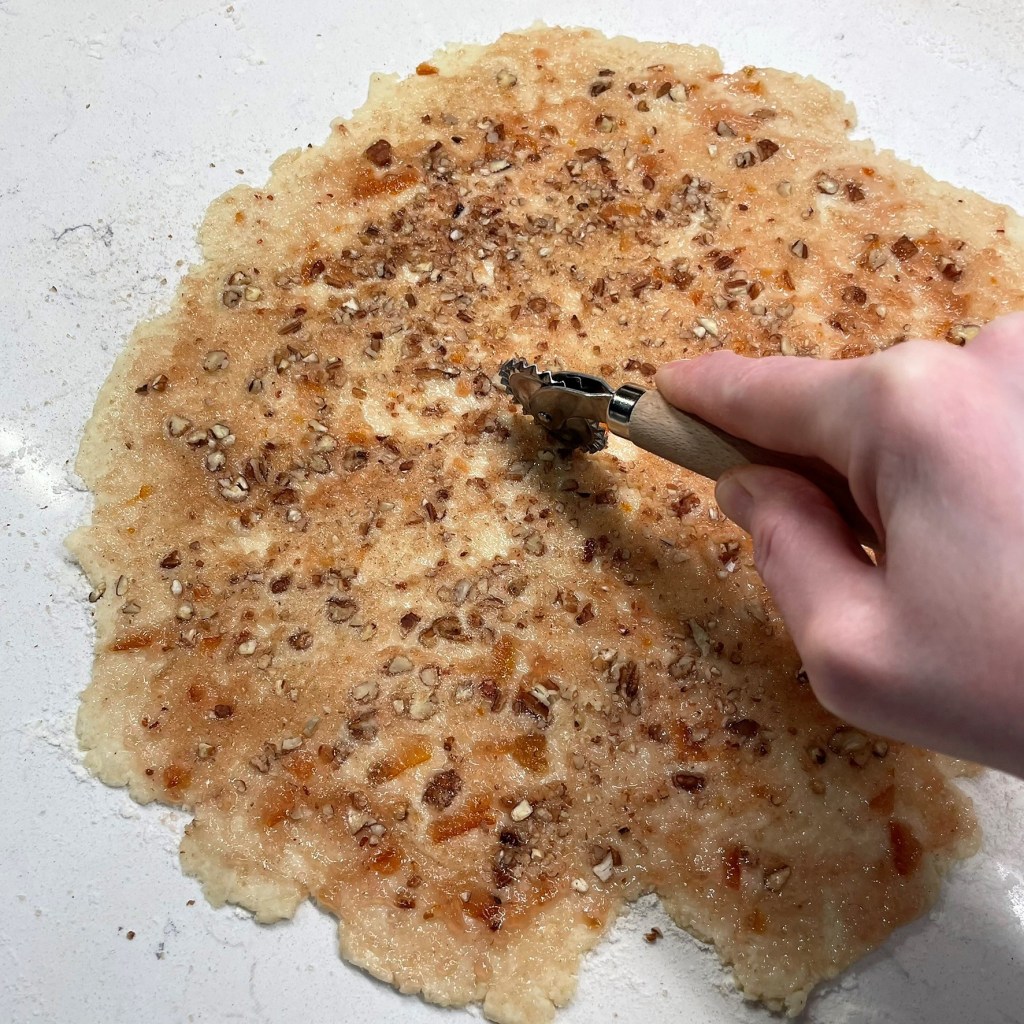
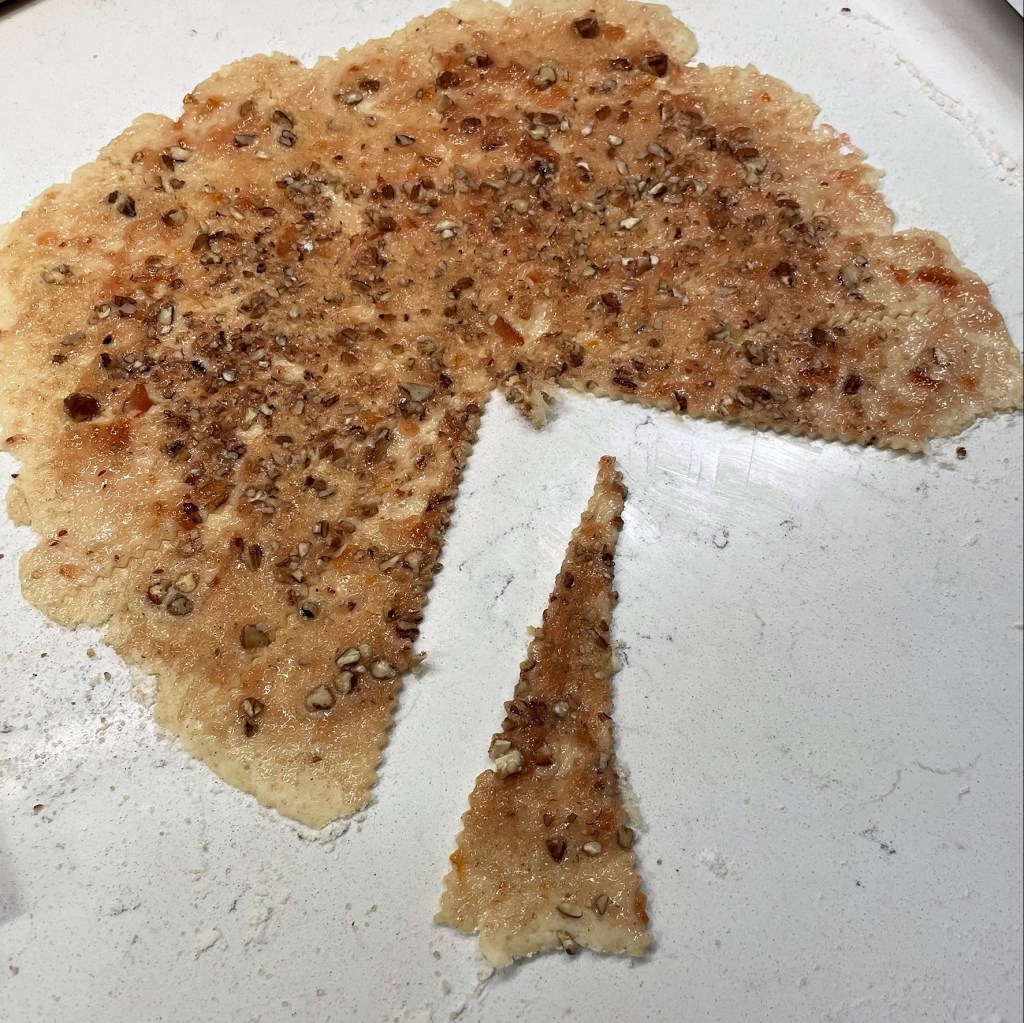
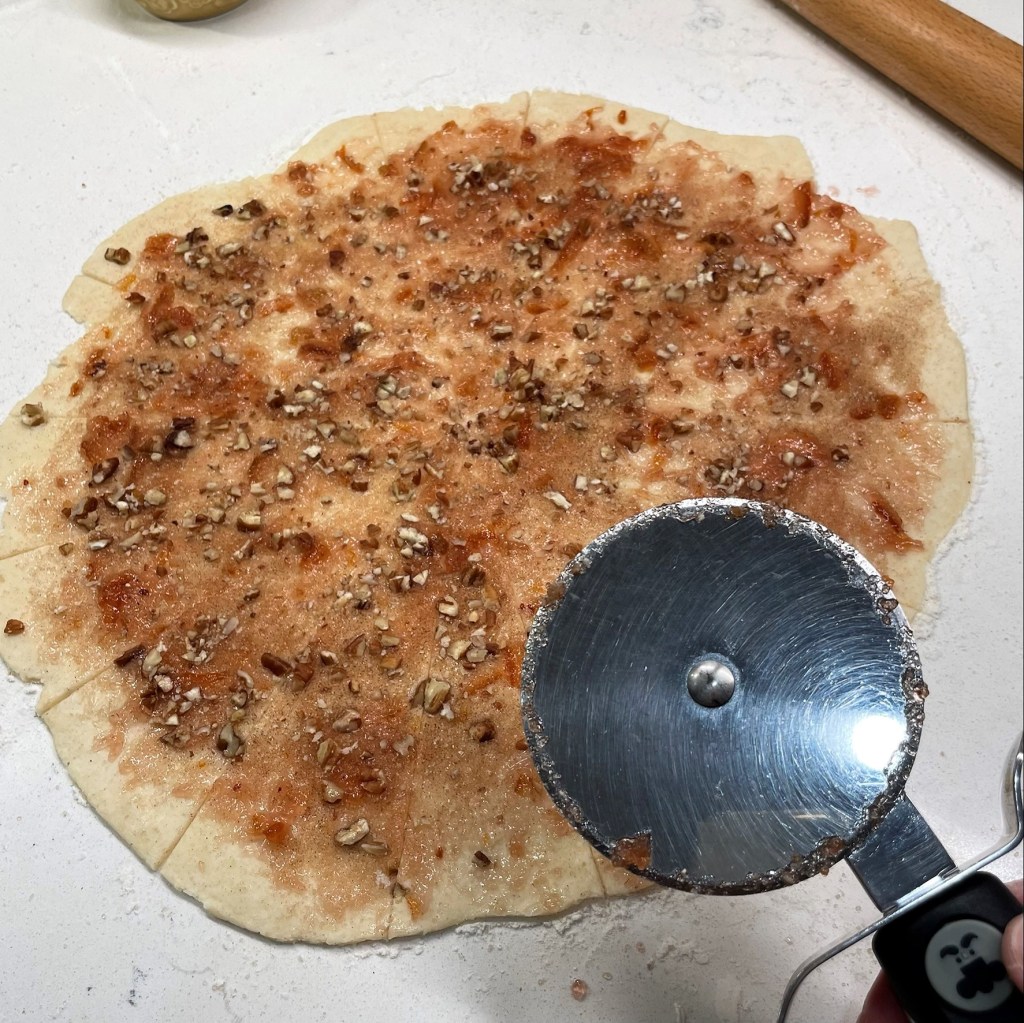
Using a pizza wheel, cut the dough into 16 equal triangles, with tips at the center of the dough round. The easiest way to do this is to cut it into fourths, then cut the fourths into eighths and finally the eighths into sixteenths. This will make sense to you when you begin cutting. Some of the pecan pieces will fall off or come loose; just press them back onto the dough.

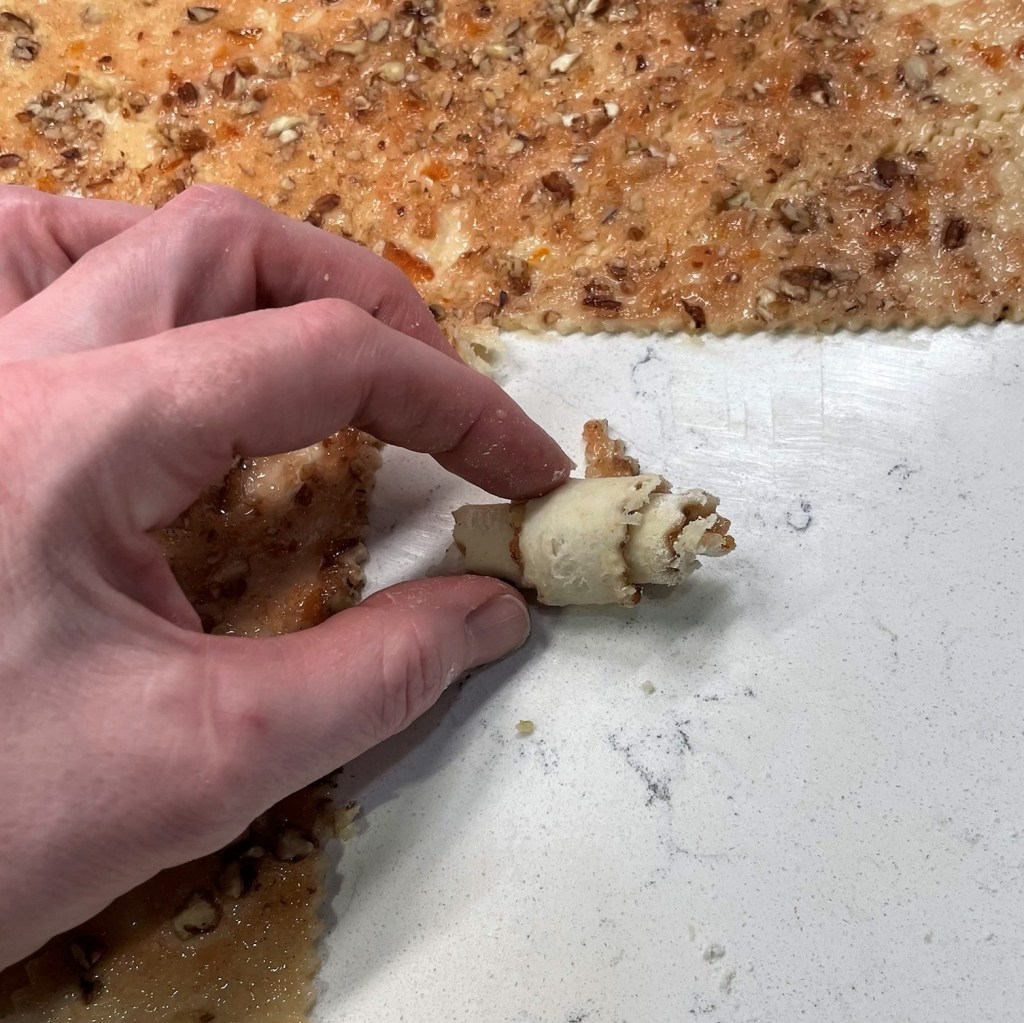
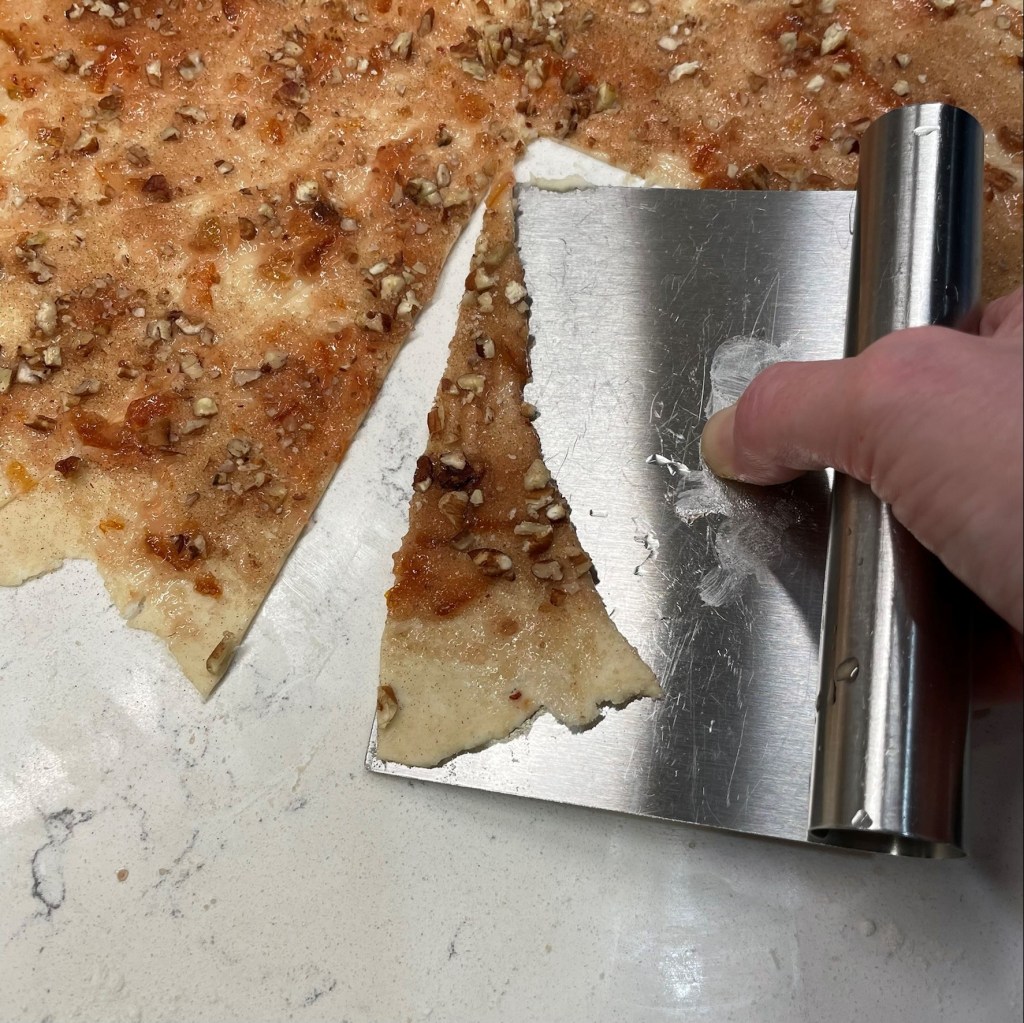
Beginning with one of the triangles, start rolling from the outer, wide end toward the center, as if rolling up a crescent roll. Keep it tight as you go and place the cookie on the parchment-lined baking sheet. I found it easier, once I had about three of the triangles rolled, to use my bench scraper to loosen a triangle away from the round before rolling. The far-away side of the dough round was the trickiest, and next time I may try rolling it on parchment paper that can be moved around for the rolling step.
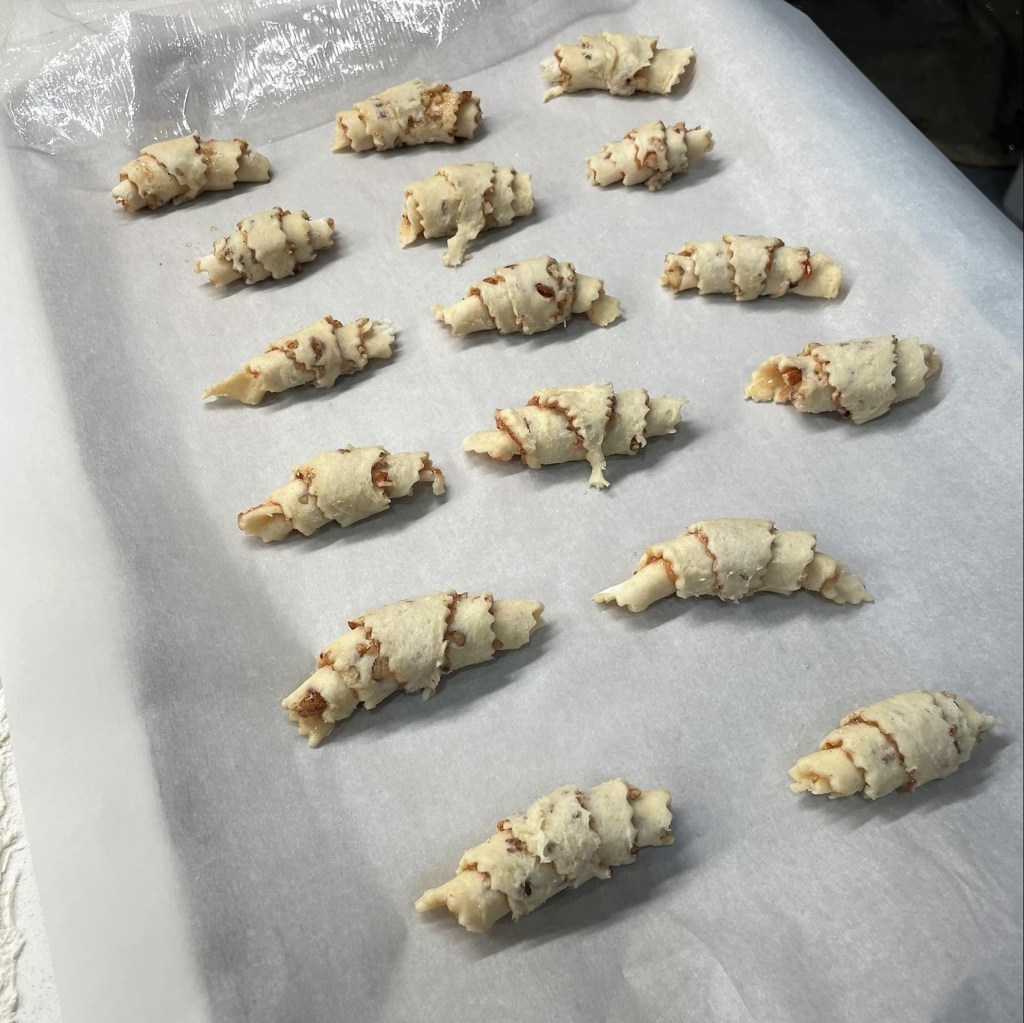
When all 16 cookies have been rolled, cover the baking sheet with plastic wrap and place it in the fridge. Repeat with the second dough disk. Chill the cookies for at least an hour before baking.

Toward the end of chill time, pre-heat the oven to 350° F, with the oven rack in the center position. I baked only one sheet at a time, but if you wish to bake both at once, arrange the racks with enough room for both and plan to rotate the pans halfway through baking time.

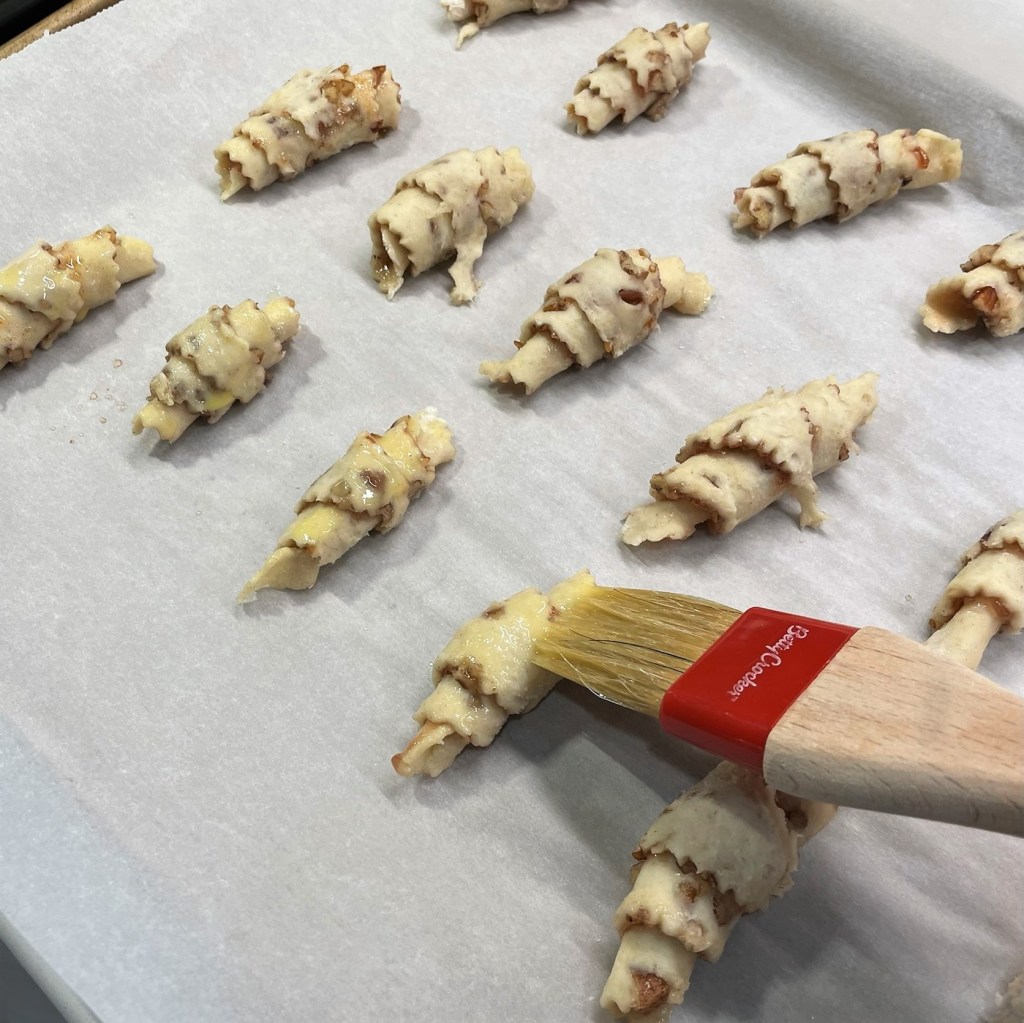
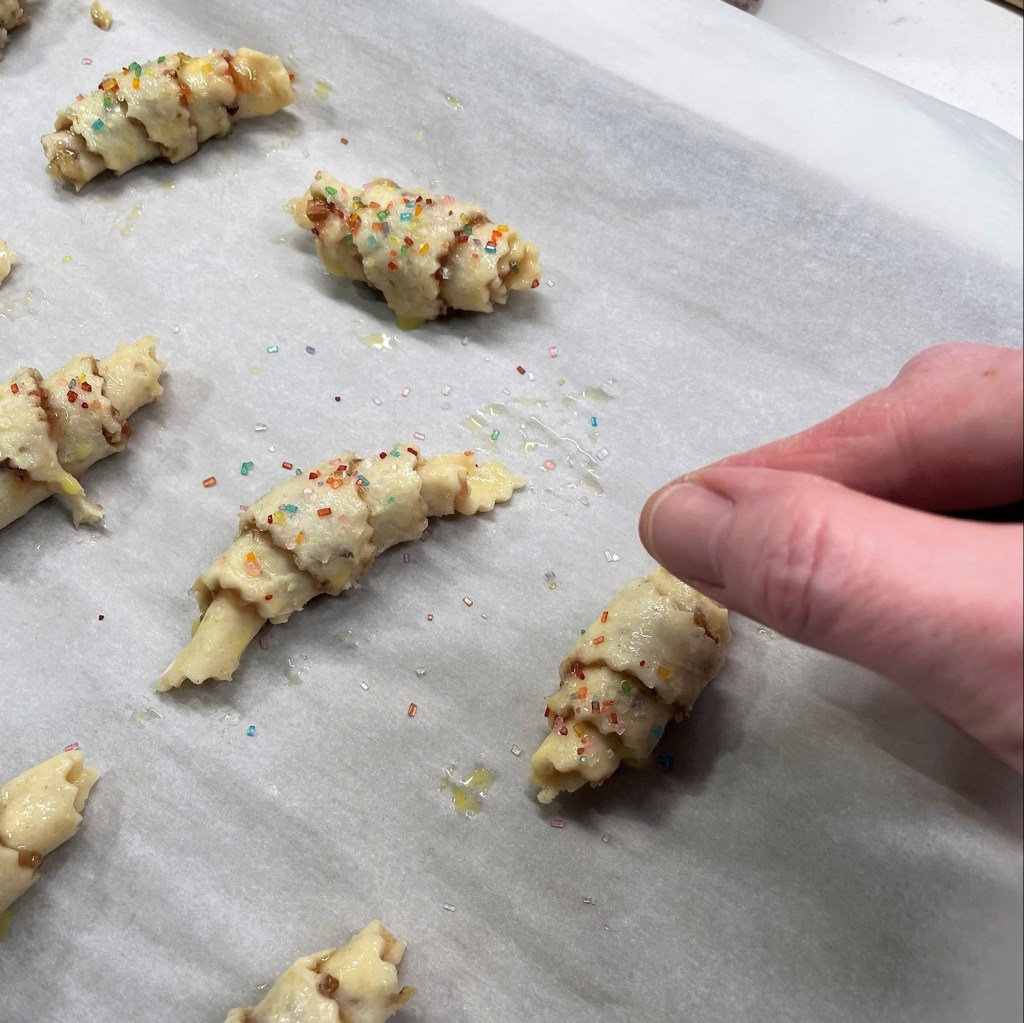
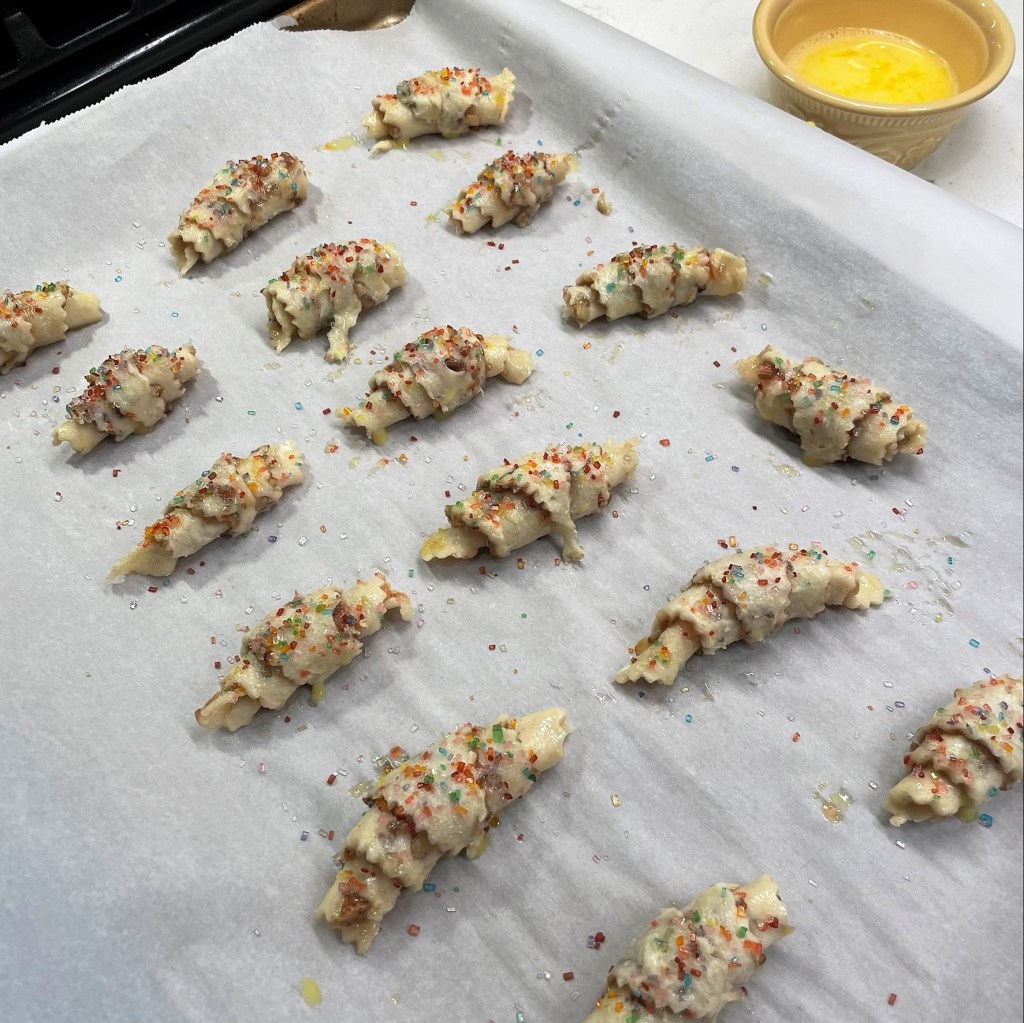
Prepare an egg wash (beaten egg with a teaspoon of cold water) and lightly brush the chilled cookies. Sprinkle them with a pinch of sugar. You can use decorative sugar or (as I did with my second batch) a pinch of natural turbinado sugar.

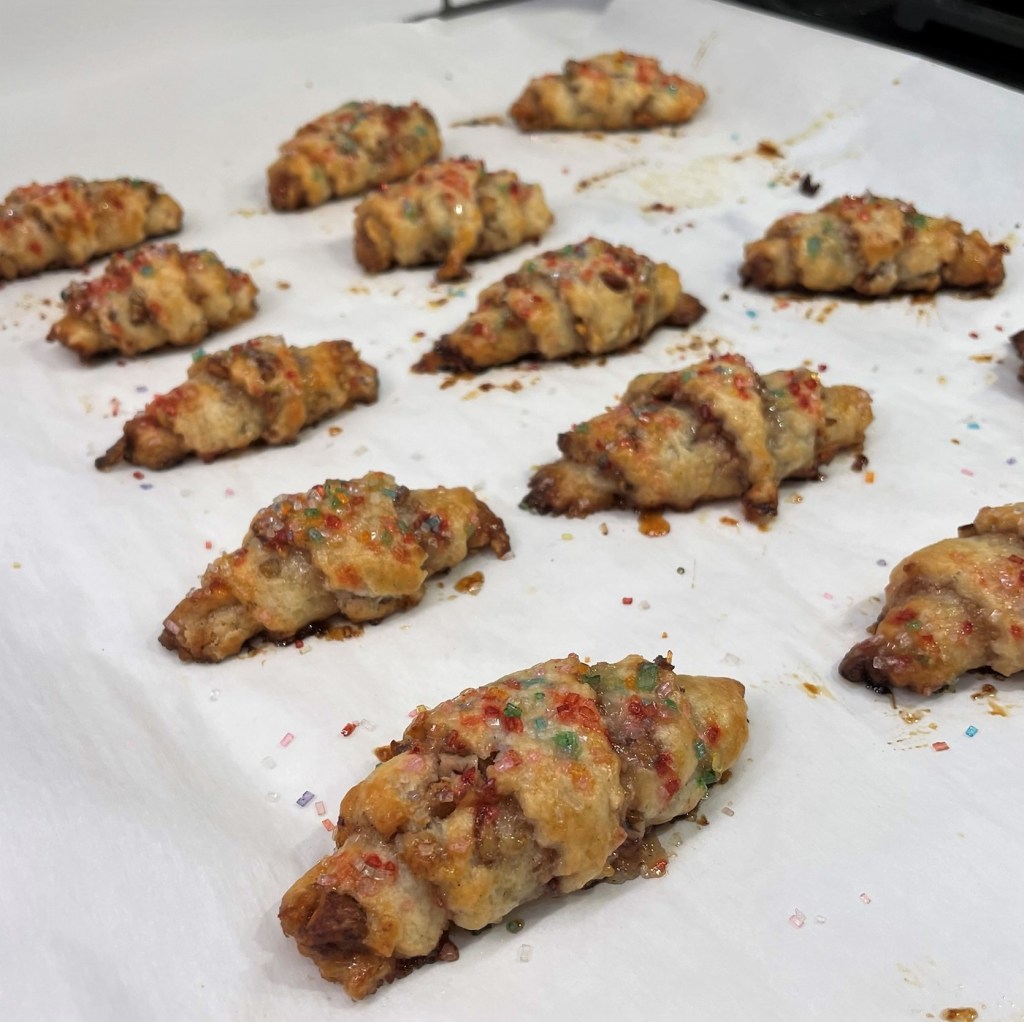
Bake for about 25 minutes, until cookies are puffed up a bit and golden brown in color. Cool on the pan for about 5 minutes, then use a spatula to transfer them to a cooling rack.


Happy Christmukkah!


My Gram’s Molasses Cookies

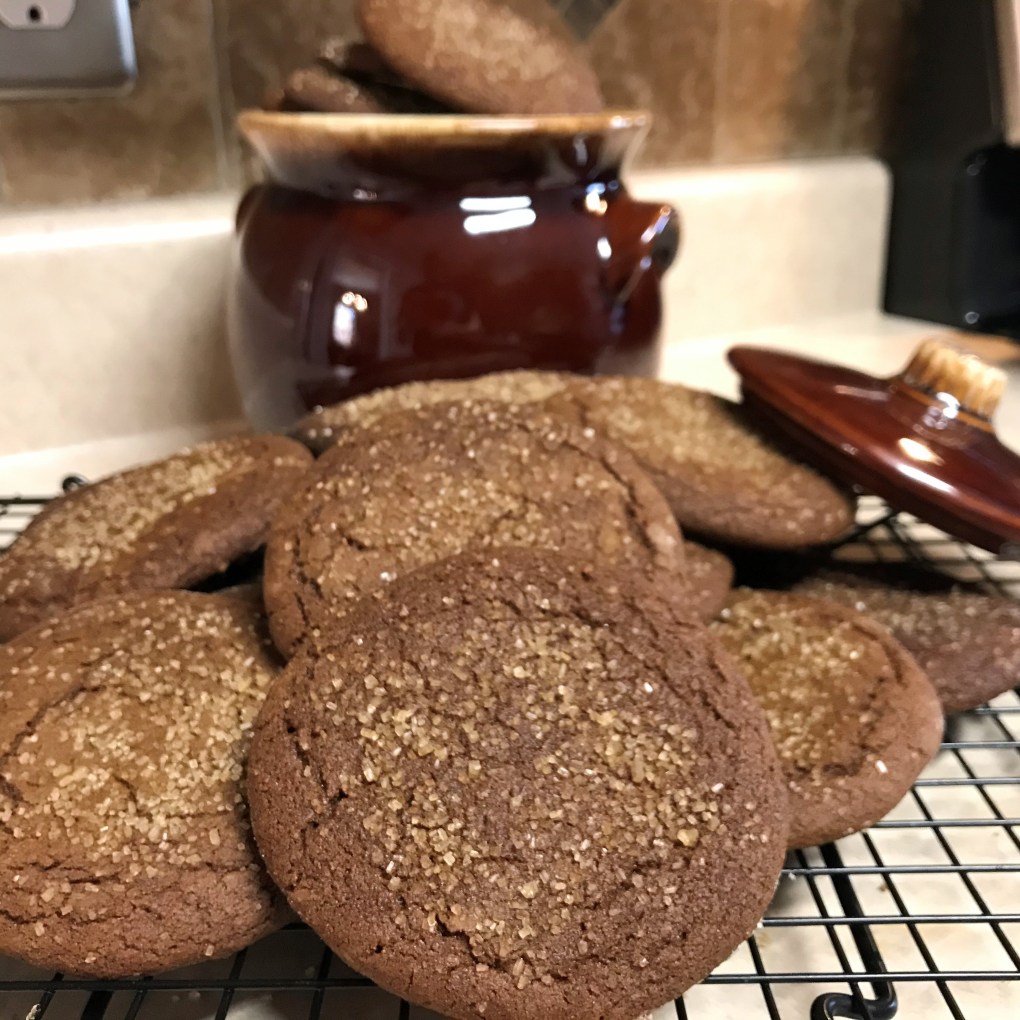
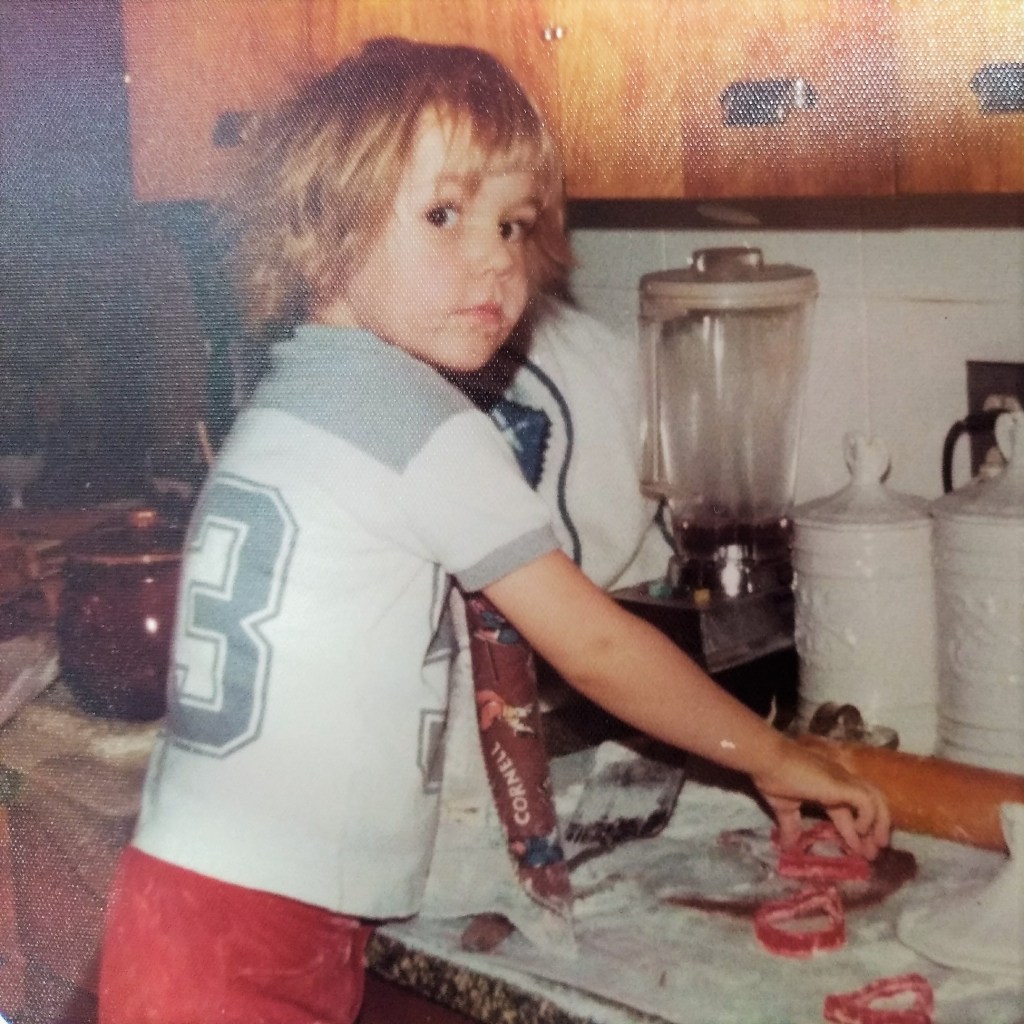
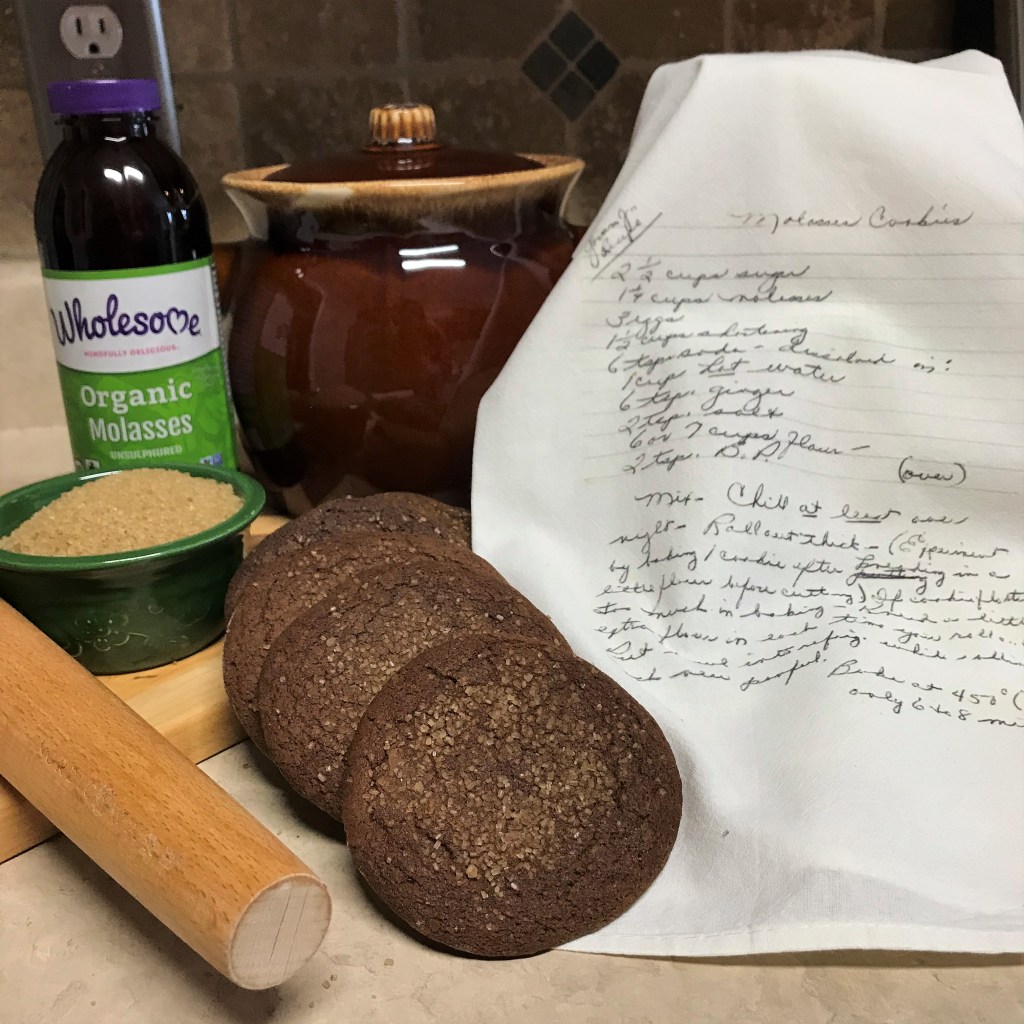
Childhood is one of the greatest examples of selective memory banking ever. I remember the smells and sounds of baking these molasses cookies at my grandma’s house, all the way back to when I needed to stand on a chair to reach the counter and make the cookie shapes. What I don’t remember is working so hard to get the dough right. Perhaps I’m overthinking it and not taking a simple, intuitive approach. Or could it be that these were a cinch for Gram because she made them all the time and I haven’t dared an attempt for 25 years?
As I was rolling out the dough for these—my favorite cookies ever—I found myself missing the metronome-like cadence of the cuckoo clock that hung on the back wall of my grandparents’ family room, and the rising aroma of potatoes simmering on the stove, much less the patient encouragement of Gram saying something like, “That’s it, now change direction and roll it the other way—good job.” What I had last weekend at my house was the sound of Led Zeppelin blasting from the Bose speaker in the next room, me cursing up a storm and vowing to NEVER make these freaking cookies again, and my husband and the dog just staying the heck out of the way. Yes, I’m certain that Gram had this process down to a science, and she probably handled all the hard parts of this exceptional recipe and let us grandkids show up just in time to have all the fun.

This was the first time I’d flown solo on this family heirloom recipe for Molasses Cookies—and yes, I do believe it should be capitalized, same as a classic novel or an epic film, because they’re just that good. For as long as I can remember, visiting my Gram’s house (anytime, but especially at Christmas) meant that I could reach my short, grubby fingers into the brown and tan beanpot she used as a cookie jar, and pull out one of these super-sized, super soft, sugar-crowned molasses cookies. Several years ago, I spotted a similar bean pot in an antique store and bought it without even checking the price tag. Last year, I found another bean pot and sent it to my younger cousin, Brad, who was my sidekick for so many baking adventures at Gram’s house. Just after we lost Gram in the summer of 2019, I found on Etsy a sweet creative soul who helped me turn our family recipe into a tea towel keepsake. Yes, these cookies deserve serious respect.


Brad and I have been reminiscing a great deal as the holidays approach, and though he was eager to share other memories of Christmas with Gram, he deferred to me the task of recreating her wonderful cookies. I’ll admit that I was terrified.

Mixing the dough was not complicated. It was just a little confusing, without solid direction on which order to add certain ingredients. The recipe card says, in Gram’s distinctive scrawl, “Mix. Chill at least overnight.” A more thorough explanation might have suggested first creaming together the butter and sugar, then adding eggs one at a time, blending completely after each one, and scraping down the sides, etc., but I suppose that knowledge is meant to be in my genes (and apparently it is). I did OK to that point, but lost my confidence when I got to the baking soda. Oh, how I wished I could just call her up and ask, “should the soda be dissolved in boiling water, or just hot tap water? Also, is it alright if I use butter instead of shortening? And the card says 6 or 7 cups of flour, but how do I know when the dough is right? I’m so confused, Gram, and I need you here.”

For these challenges and more, I had a helpful assist from my aunt, who offered her own experiential wisdom, plus a bonus family history lesson that I never knew. It seems that my great-grandmother, original author of this recipe, ran some kind of underground cookie business. These molasses cookies and her famous-to-our-family sugar cookies were her top sellers. Great Gram also saved up her own money to buy laying hens, and had an eggs-for-sale business. She was an entrepreneur long before women were supposed to be! I do remember the old hen house in back of her house, come to think of it. And suddenly, I realized again that these are big family shoes to fill.

I took deep breaths and followed the advice Gram gave me so many times on so many things—she’d say, “try it and see.”

For starters, I halved the recipe, which is a little tricky given that the original calls for 3 eggs, but I’ll explain what I did when we get to the instructions. Gram’s recipe card lists shortening, which was a common ingredient when money was tight (and before research showed how awful the stuff is), so I subbed in real unsalted butter. I never bake anything with only white flour, so I swapped about a third of it with whole wheat pastry flour, which is nice and soft and perfect for cookies, quick breads and pastry dough. Finally, to aid in keeping the dough soft, I used a combination of white and brown sugar, hoping that the latter would help compensate for the softness that would be lessened with the butter swap. Yes, I think Gram was also my first science teacher.

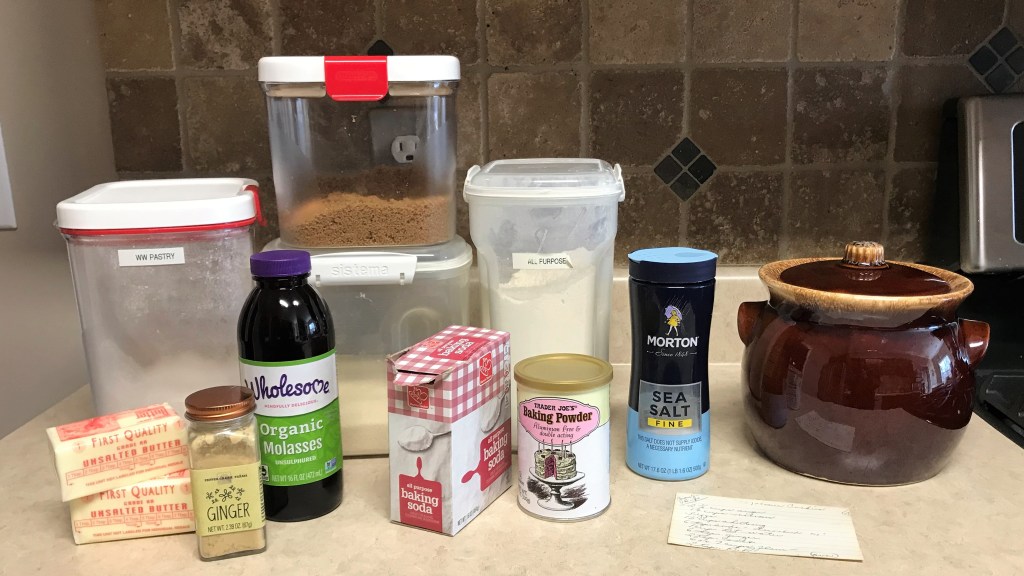
This was it for ingredients, plus the eggs. Be sure your baking powder is fresh for any cake or cookie recipe.

This is at least a two-day recipe (the dough must be thoroughly chilled), and several kitchen tools will be needed on baking day. I recommend review of the entire recipe before committing to the baking step. Once you begin rolling the dough, things move quickly and you’ll want to have your ducks in a row.

The ingredients list reflects my own changes I made to the recipe, and I’m certain my grandma would have approved these choices. 🙂


Ingredients

1 1/2 sticks (3/4 cup) unsalted butter, softened, but not room temperature

3/4 cup cane sugar* (see notes)

1/2 cup brown sugar

1 1/2 large eggs*

1/2 cup plus 2 Tbsp. molasses (unsulphured)

3 tsp. baking soda, dissolved in 1/2 cup hot tap water

2 1/2 cups all-purpose flour* (measure for success; see notes!)

1 cup whole wheat pastry flour*

3 tsp. ground ginger*

1 tsp. baking powder*

1 tsp. salt

Coarse sugar for decorating


*Notes

For all baking and cooking, I prefer organic cane sugar, which is not as processed as common white sugar. The fineness of cane sugar varies by brand, and I’ve found the Florida Crystals brand to be my favorite, as it is closest in texture to typical fine baking sugar. It’s slightly tan in color, compared with pure white sugar that has been heavily refined.

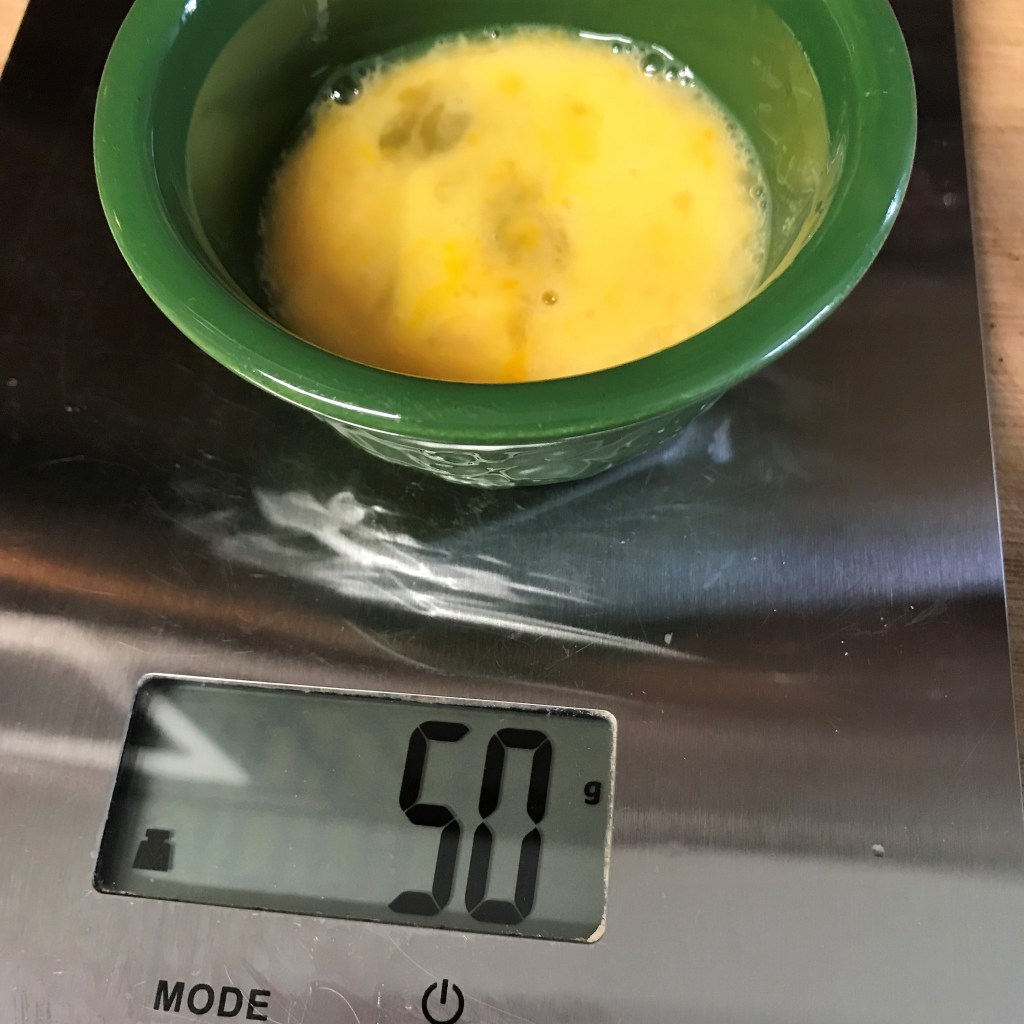
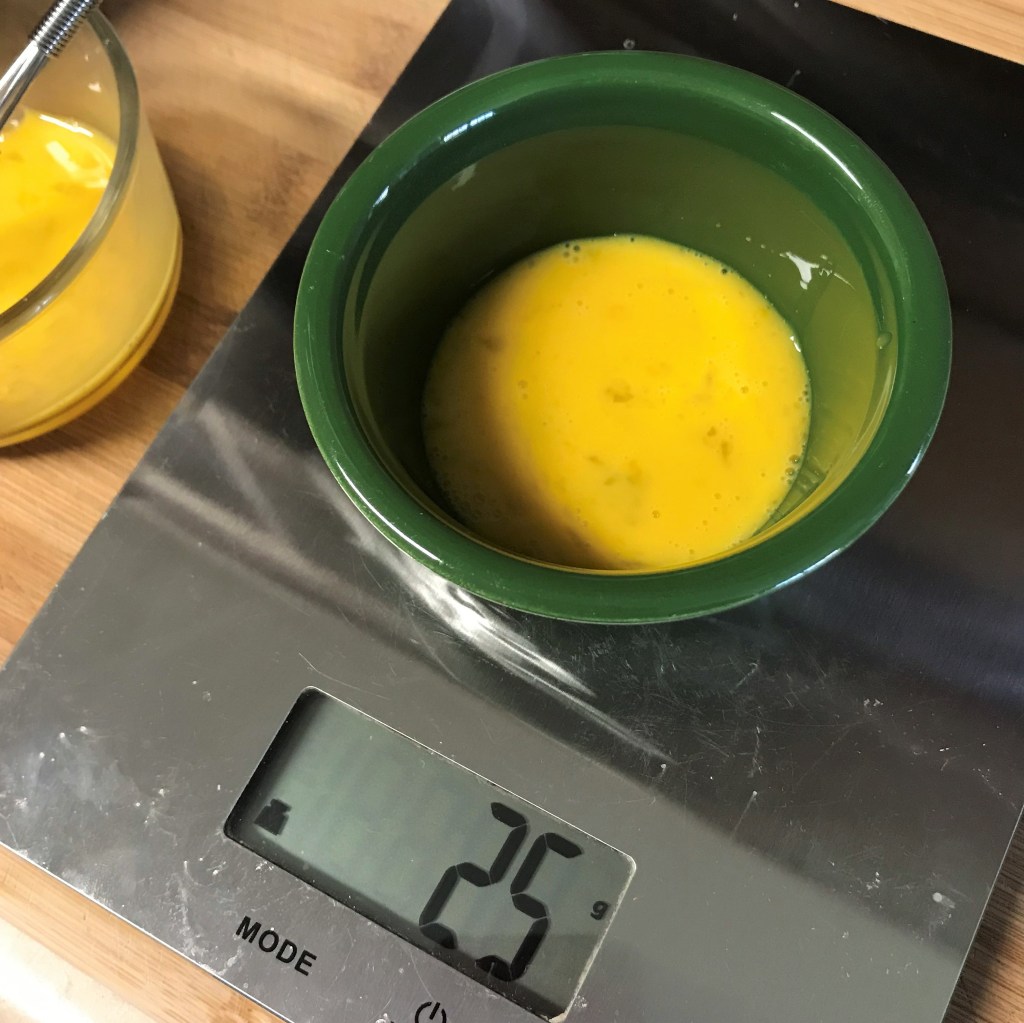
My recipe adaptation is half the original recipe, which called for 3 eggs, meaning I had to get to 1½ eggs. Here’s how to divide one of them to get the proper amount: crack 1 egg into a glass measuring cup, and beat it well to fully blend the white and yolk. Note the total volume of the egg, and pour half of the volume into a separate bowl for another use. Voila!—half an egg. Add a whole egg to it, beat lightly and you’ll be ready to go.


One of my grandma’s golden rules of baking was correct measuring of flour, so listen up. Always begin by sifting or fluffing up the flour before you measure. Spoon the fluffed flour over your measuring cup and fill to overflowing. Then use the back of a knife to scrape off the excess flour. Do not plunge your measuring cup directly into the flour bag or canister, or you will not have successful cookies.


Whole wheat pastry flour is a low-protein variety of flour, and can be substituted 1:1 for all-purpose flour in many recipes. It doesn’t have the strength needed for yeast-risen breads, but it is perfect for cookies, quick breads, pancakes and pastry dough. It also meets one of my primary goals of introducing whole grain into our foods. For this recipe, the whole wheat pastry flour is approximately 1/3 of the total flour in the cookies. If you prefer, combine for a total amount of white, all-purpose flour.

Ginger and baking powder both lose their power after a period of time. Ground ginger should provide a pleasant “zing” to the cookies, and active baking powder is needed for leavening. If you can’t remember buying the containers you have, they are probably too old. This is less a concern for the ginger, as that will only affect flavor. Baking powder that is old will give you poor results, because your cookies won’t rise during baking. I use aluminum-free baking powder with excellent results.


Dough Instructions


  1. Using a stand mixer or handheld electric mixer, cream together the softened butter and both sugars. If you want to go old-school, as my great grandmother would have done, you can do this in a large bowl with a good strong wooden spoon, and it would help you to have biceps like Rosie the Riveter. The mixture should be beaten until it looks uniform and slightly fluffy.
  2. Combine all-purpose and whole wheat pastry flour in a medium bowl. Scoop out a heaping cup of the flour blend to a second bowl, and add the ginger, baking powder and salt, stirring to combine. This ensures the ginger and leavening agent will be evenly mixed into the dough. Set both flour bowls aside.
  3. Add beaten egg mixture, half at a time, to the creamed butter-sugar mixture. Beat until well blended, and stop to scrape down the sides of the bowl after each addition.
  4. Dissolve baking soda in hot water and set aside briefly.
  5. Add molasses to the creamed mixture and beat until fully blended.
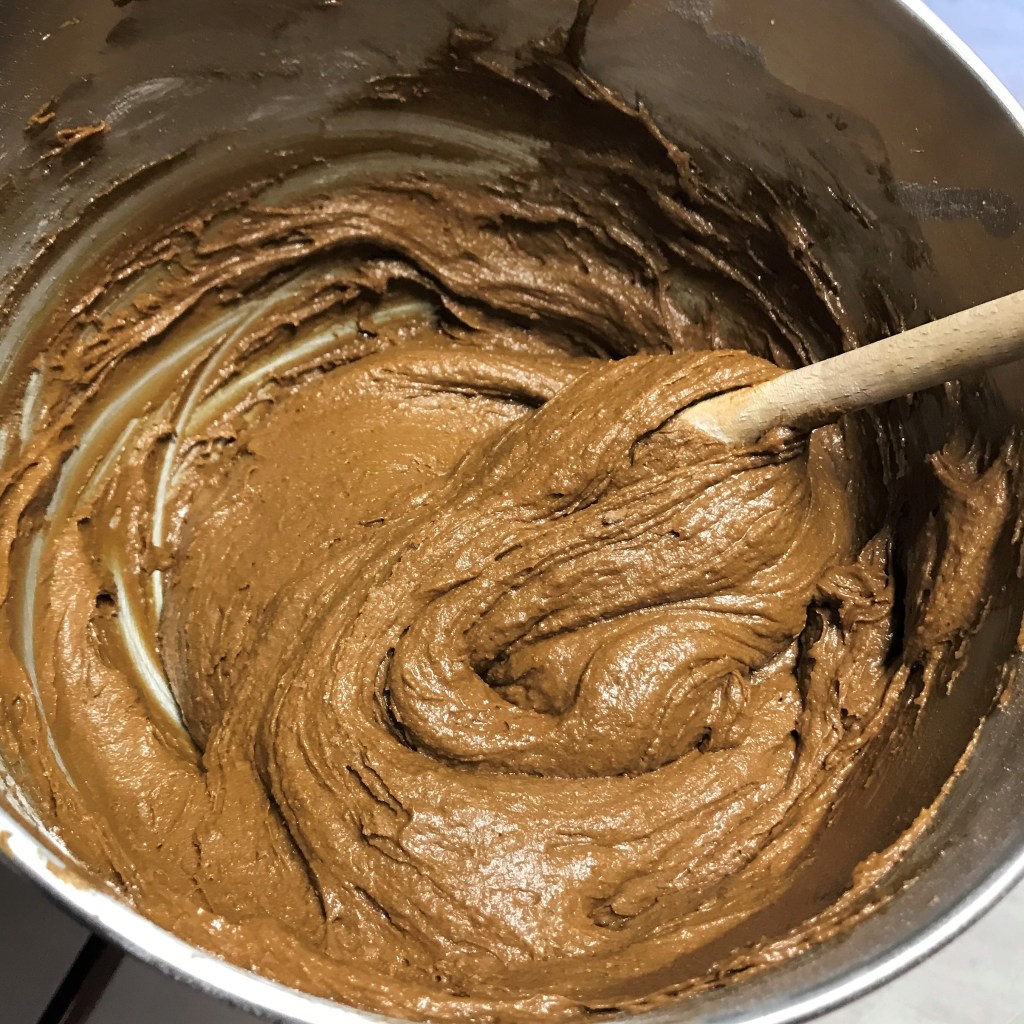
  6. With mixer running, slowly pour in the soda water. This mixture looked very unorganized and messy; it reminded me of quicksand.
  7. Add the second bowl of flour (with ginger and baking powder) to the molasses mixture and stir until blended. Stop mixer and scrape down the sides. Stir in remaining flour, a few tablespoons at a time, until all flour is blended. Scrape down the sides. Cover the bowl tightly and refrigerate at least overnight, or preferably a day or two.

On baking day, gather your supplies:

  • 2 or 3 large cookie sheets, lined with parchment paper
  • Rolling pin (a round wine bottle works nicely in a pinch)
  • Dough mat (or board, or a really clean countertop)
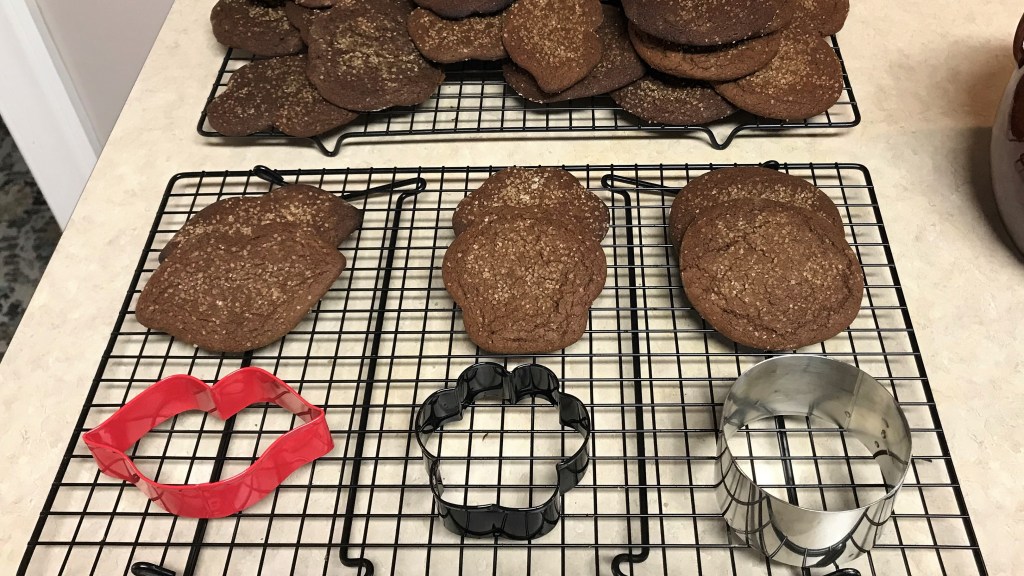
  • Cookie cutters (preferably round, or anything not too intricate as the cookies will spread)
  • Extra flour for dusting (keep it handy, you’ll use this a lot)
  • Paper towels for wiping your hands
  • Small, thin spatula to assist with moving cookies to baking sheet
  • Large spatula for moving baked cookies
  • Cooling racks (at least two will be helpful)
  • Coarse-grained sugar for decorating (I used turbinado sugar)
  • A baking timer
  • Christmas music for inspiration (I recommend Vince Guaraldi’s “A Charlie Brown Christmas” soundtrack)
  • A glass of wine (seriously, I found this very helpful when things got ugly)
  • My aunt on speed-dial (oh wait, that was just for me!)
Best Christmas music, ever!

Baking Instructions

Preheat oven to 450° F (much hotter than most cookie recipes, and they bake fast)

Generously flour your rolling mat or board, and begin with about 1/4 of the chilled dough. Put the rest back in the fridge until you’re ready for the next batch.

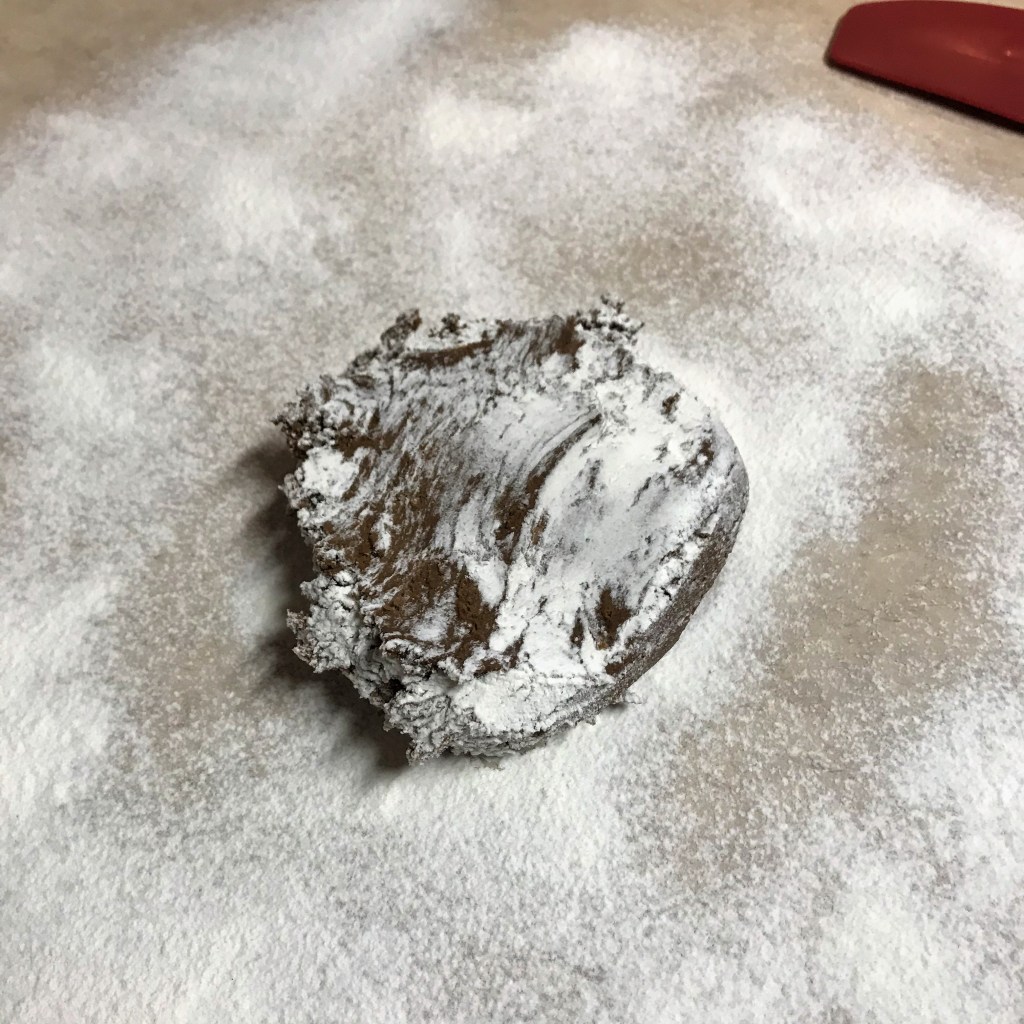
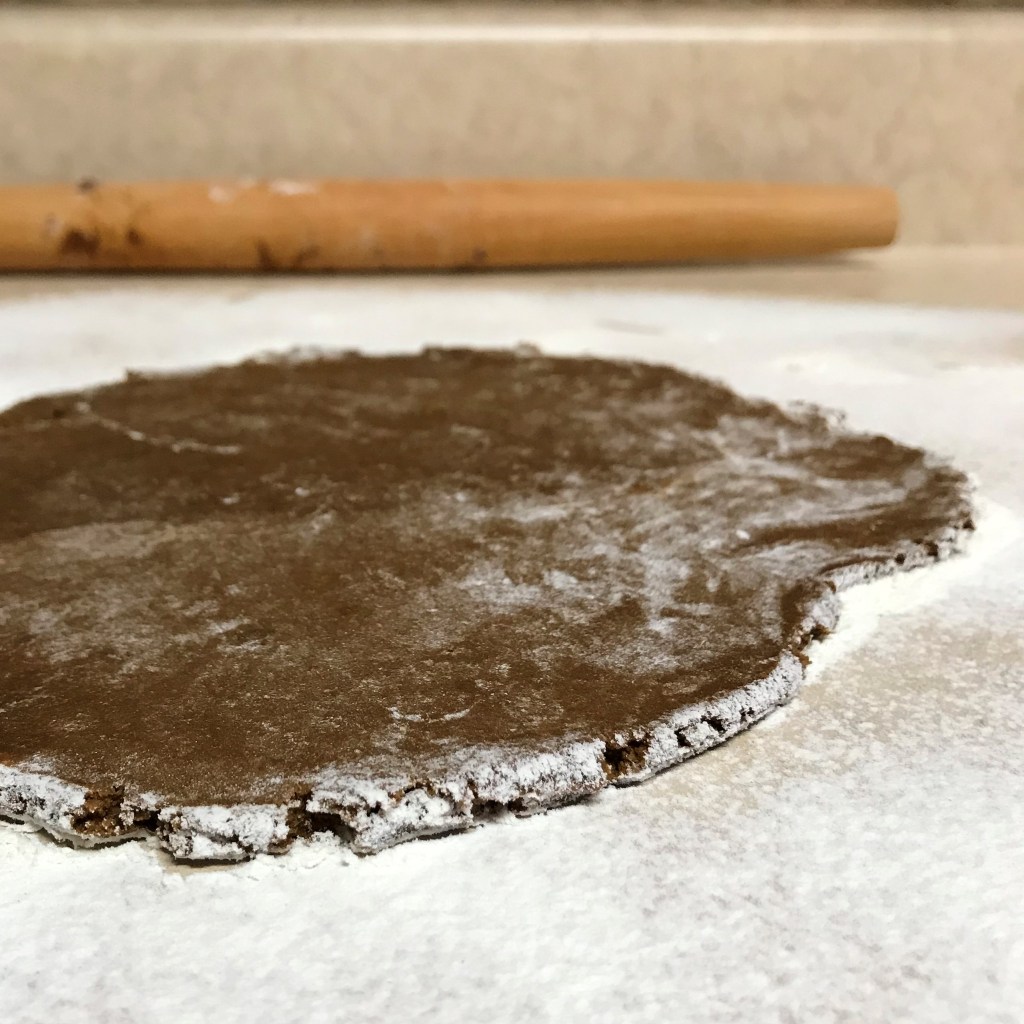
Sprinkle the top of the dough with flour. My aunt suggested that I use “a lot of extra flour,” and I think she meant to say, “Make it look like you had a blizzard in the kitchen.” You need a lot of flour to keep this ultra-soft dough from sticking. Roll it gently to about 1/2” thick.


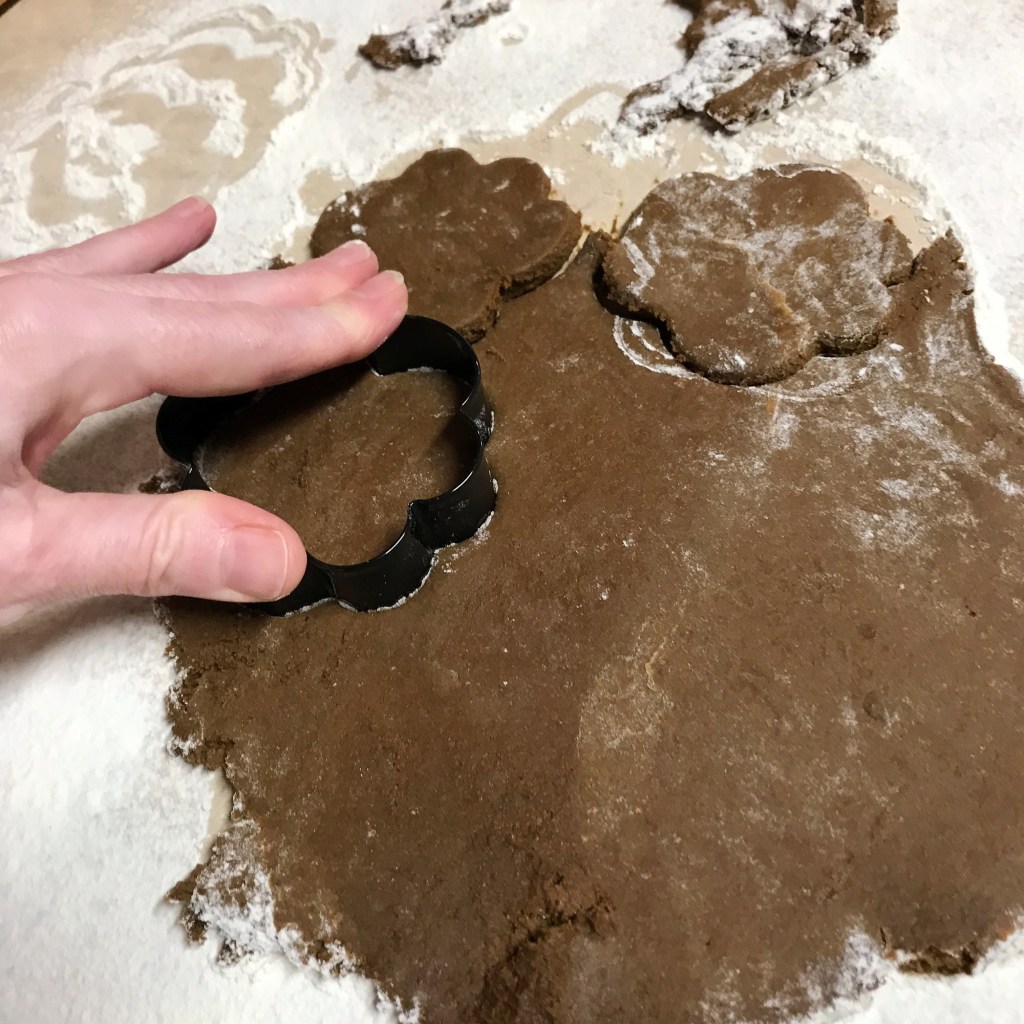
Dip your cutter gently into the cookie dough bowl, then liberally into the extra flour to prevent sticking. Cut as many shapes as you can from the first rolling, and transfer the cookies to the prepared cookie sheet. Aim for only 6 cookies at a time, as they will puff and spread quite a bit during baking. Knead up remaining dough scraps and add them to the next batch.

Generously sprinkle each cookie with turbinado sugar.


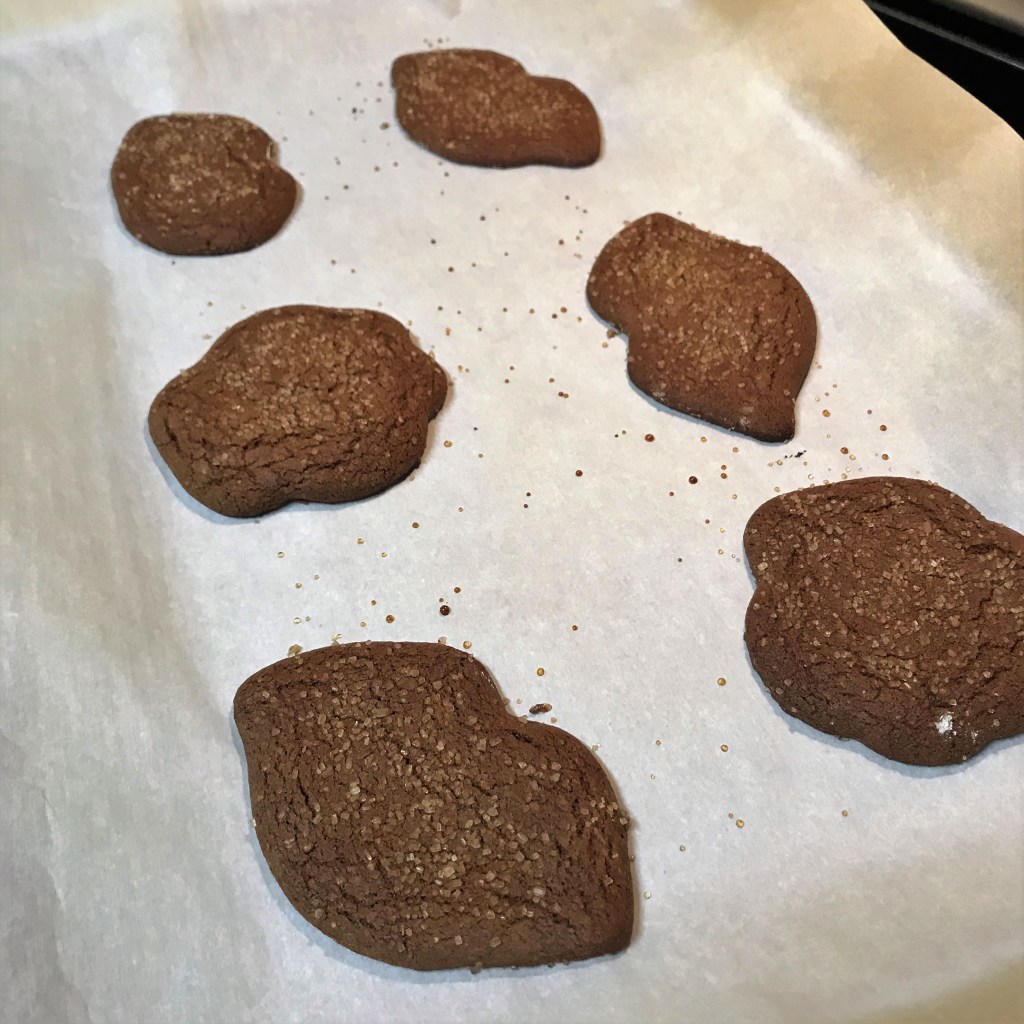
Bake for 5 to 8 minutes (depending on your oven) until cookies are soft and puffy but not brown on the edges. Transfer cookies as quickly as possible to a cooling rack. Place the hot cookie sheet somewhere to cool.


Prepare a second batch of cookies on the extra pan. This whole scene was very stressful for me, and I found myself wondering how my grandma did this with such grace and ease, and with excitable grandchildren “helping.”

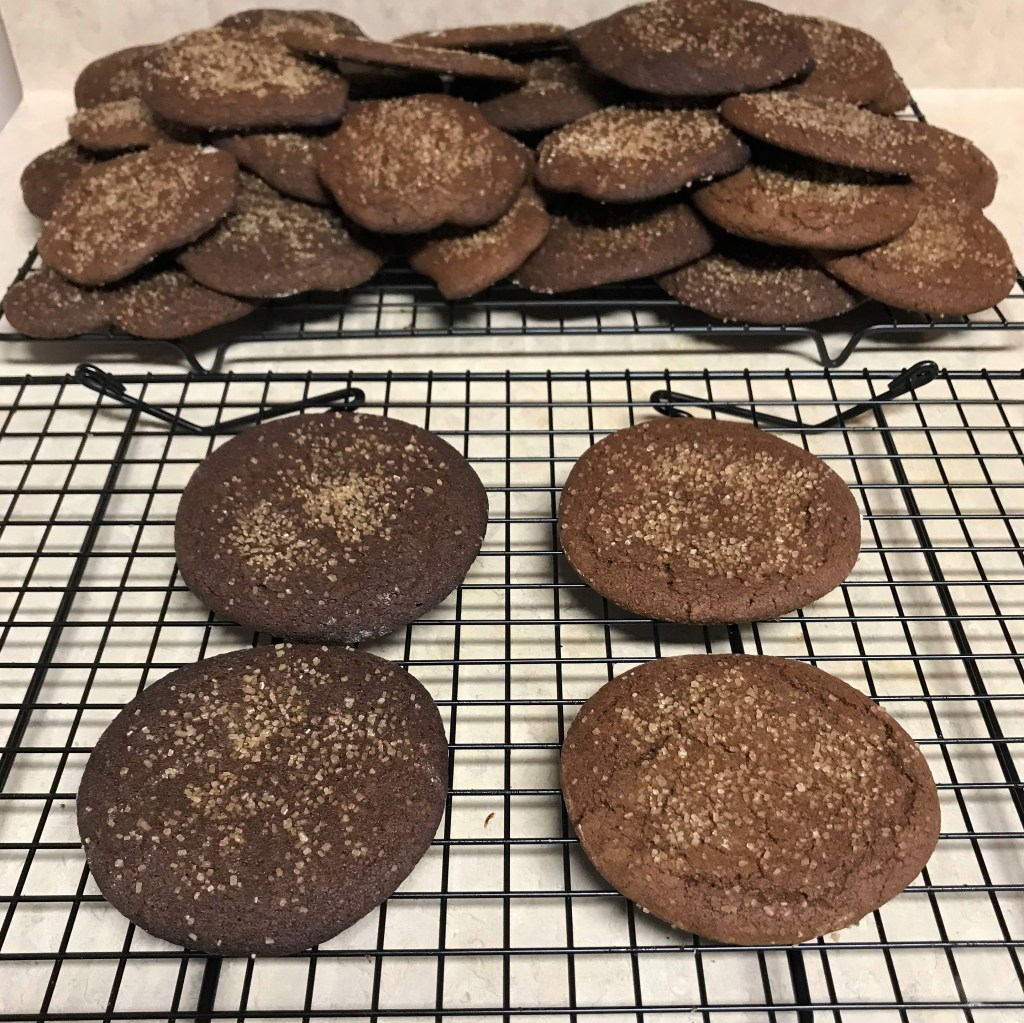
Repeat this process until all cookies are baked. You should have flour everywhere (including your hair), about 5 molasses-coated spoons stuck to the counter, a sink full of bowls and random sticky objects, a dining table covered in molasses cookies and an empty wine glass bottle. If you’re crying, well, join the club. If you’re crying and laughing simultaneously at the end of it all, you get bonus points and a commemorative recipe tea towel.


Is it OK for me to share your recipe, Gram?

She would say—no, wait, she would sing, “Oh, ya, sure!”