My Gram’s Molasses Cookies

Childhood is one of the greatest examples of selective memory banking ever. I remember the smells and sounds of baking these molasses cookies at my grandma’s house, all the way back to when I needed to stand on a chair to reach the counter and make the cookie shapes. What I don’t remember is working so hard to get the dough right. Perhaps I’m overthinking it and not taking a simple, intuitive approach. Or could it be that these were a cinch for Gram because she made them all the time and I haven’t dared an attempt for 25 years?

As I was rolling out the dough for these—my favorite cookies ever—I found myself missing the metronome-like cadence of the cuckoo clock that hung on the back wall of my grandparents’ family room, and the rising aroma of potatoes simmering on the stove, much less the patient encouragement of Gram saying something like, “That’s it, now change direction and roll it the other way—good job.” What I had last weekend at my house was the sound of Led Zeppelin blasting from the Bose speaker in the next room, me cursing up a storm and vowing to NEVER make these freaking cookies again, and my husband and the dog just staying the heck out of the way. Yes, I’m certain that Gram had this process down to a science, and she probably handled all the hard parts of this exceptional recipe and let us grandkids show up just in time to have all the fun.

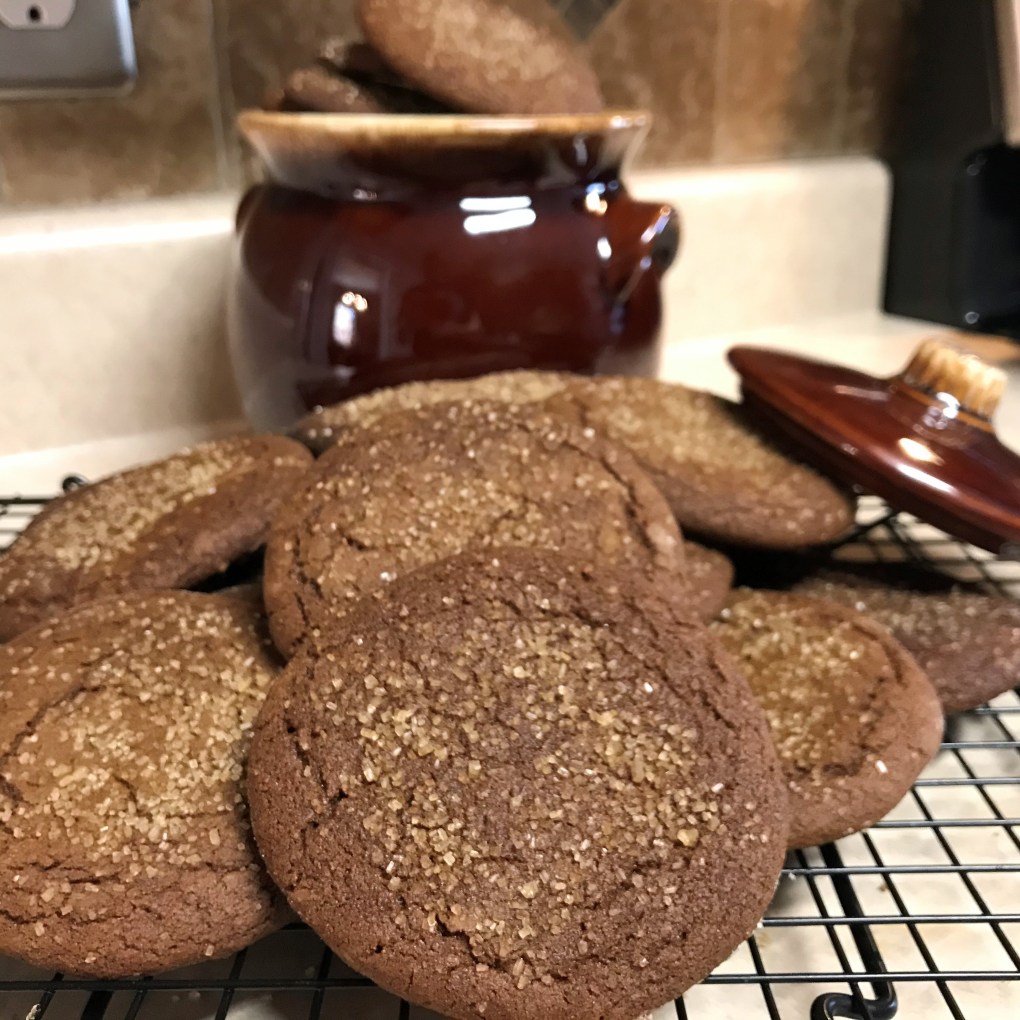
This was the first time I’d flown solo on this family heirloom recipe for Molasses Cookies—and yes, I do believe it should be capitalized, same as a classic novel or an epic film, because they’re just that good. For as long as I can remember, visiting my Gram’s house (anytime, but especially at Christmas) meant that I could reach my short, grubby fingers into the brown and tan beanpot she used as a cookie jar, and pull out one of these super-sized, super soft, sugar-crowned molasses cookies. Several years ago, I spotted a similar bean pot in an antique store and bought it without even checking the price tag. Last year, I found another bean pot and sent it to my younger cousin, Brad, who was my sidekick for so many baking adventures at Gram’s house. Just after we lost Gram in the summer of 2019, I found on Etsy a sweet creative soul who helped me turn our family recipe into a tea towel keepsake. Yes, these cookies deserve serious respect.
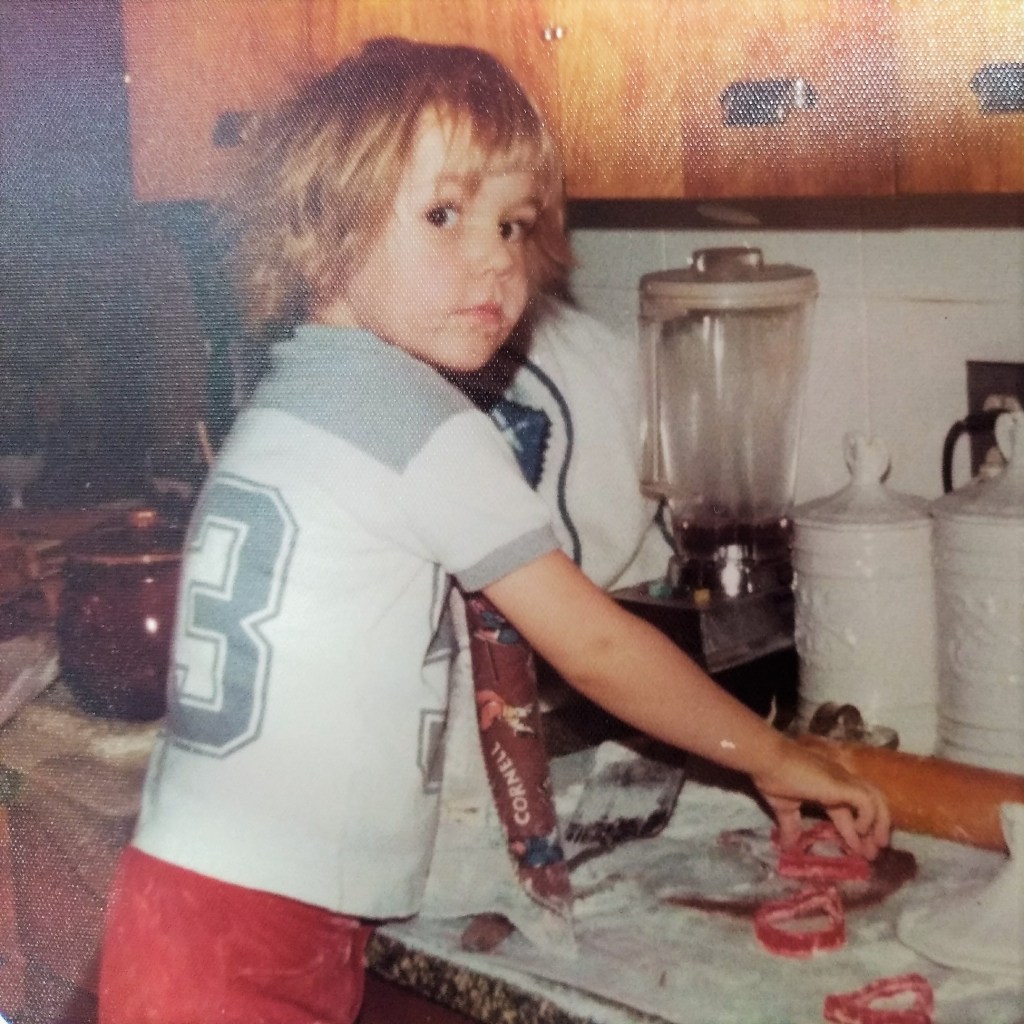
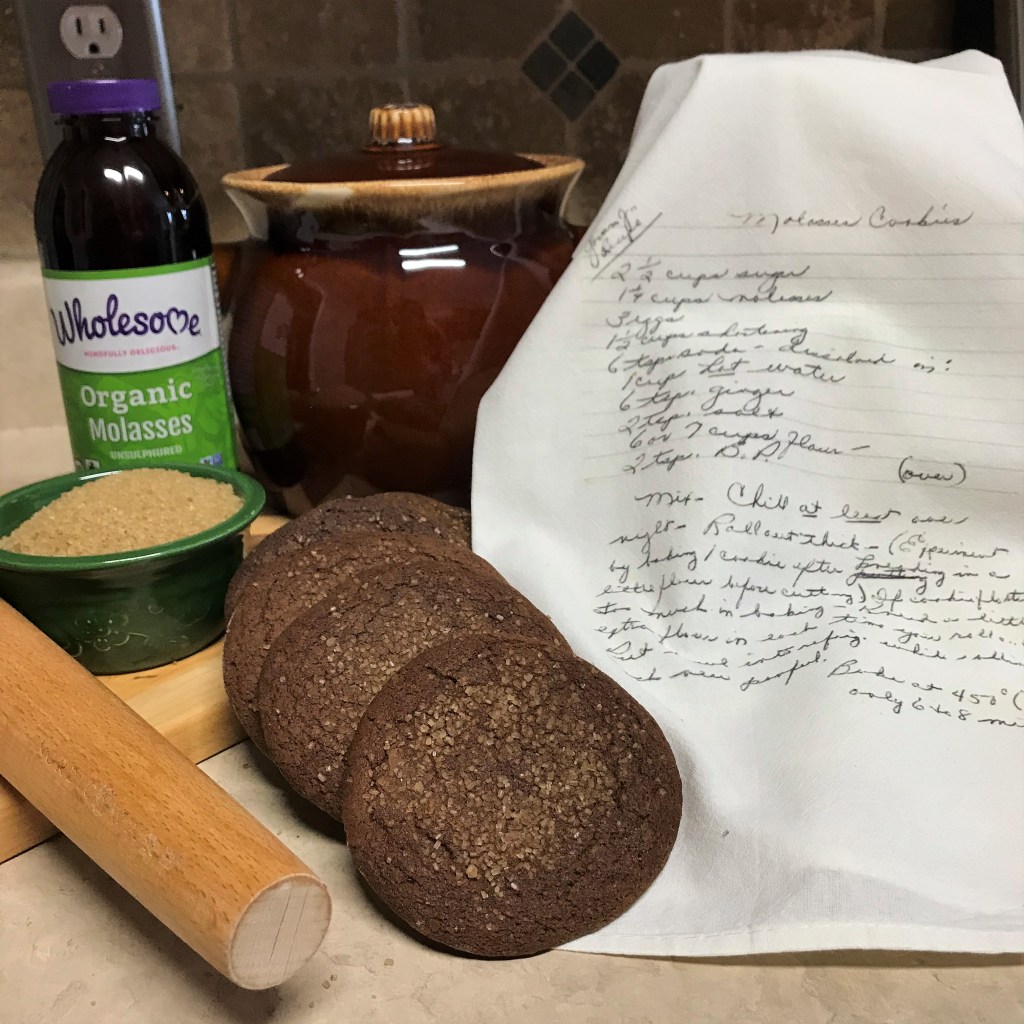
Brad and I have been reminiscing a great deal as the holidays approach, and though he was eager to share other memories of Christmas with Gram, he deferred to me the task of recreating her wonderful cookies. I’ll admit that I was terrified.

Mixing the dough was not complicated. It was just a little confusing, without solid direction on which order to add certain ingredients. The recipe card says, in Gram’s distinctive scrawl, “Mix. Chill at least overnight.” A more thorough explanation might have suggested first creaming together the butter and sugar, then adding eggs one at a time, blending completely after each one, and scraping down the sides, etc., but I suppose that knowledge is meant to be in my genes (and apparently it is). I did OK to that point, but lost my confidence when I got to the baking soda. Oh, how I wished I could just call her up and ask, “should the soda be dissolved in boiling water, or just hot tap water? Also, is it alright if I use butter instead of shortening? And the card says 6 or 7 cups of flour, but how do I know when the dough is right? I’m so confused, Gram, and I need you here.”

For these challenges and more, I had a helpful assist from my aunt, who offered her own experiential wisdom, plus a bonus family history lesson that I never knew. It seems that my great-grandmother, original author of this recipe, ran some kind of underground cookie business. These molasses cookies and her famous-to-our-family sugar cookies were her top sellers. Great Gram also saved up her own money to buy laying hens, and had an eggs-for-sale business. She was an entrepreneur long before women were supposed to be! I do remember the old hen house in back of her house, come to think of it. And suddenly, I realized again that these are big family shoes to fill.

I took deep breaths and followed the advice Gram gave me so many times on so many things—she’d say, “try it and see.”

For starters, I halved the recipe, which is a little tricky given that the original calls for 3 eggs, but I’ll explain what I did when we get to the instructions. Gram’s recipe card lists shortening, which was a common ingredient when money was tight (and before research showed how awful the stuff is), so I subbed in real unsalted butter. I never bake anything with only white flour, so I swapped about a third of it with whole wheat pastry flour, which is nice and soft and perfect for cookies, quick breads and pastry dough. Finally, to aid in keeping the dough soft, I used a combination of white and brown sugar, hoping that the latter would help compensate for the softness that would be lessened with the butter swap. Yes, I think Gram was also my first science teacher.
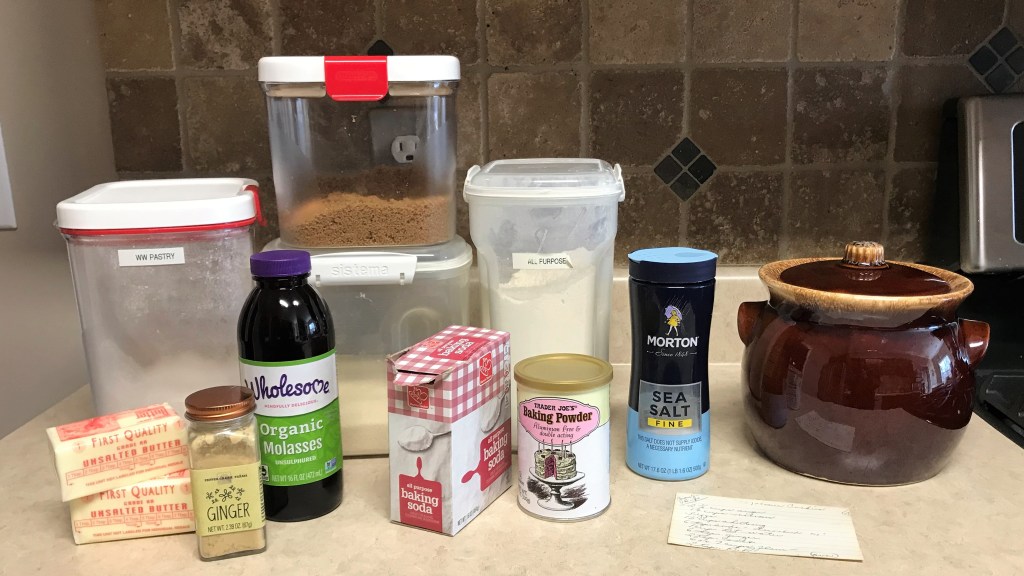
This was it for ingredients, plus the eggs. Be sure your baking powder is fresh for any cake or cookie recipe.

This is at least a two-day recipe (the dough must be thoroughly chilled), and several kitchen tools will be needed on baking day. I recommend review of the entire recipe before committing to the baking step. Once you begin rolling the dough, things move quickly and you’ll want to have your ducks in a row.

The ingredients list reflects my own changes I made to the recipe, and I’m certain my grandma would have approved these choices. 🙂


Ingredients

1 1/2 sticks (3/4 cup) unsalted butter, softened, but not room temperature

3/4 cup cane sugar* (see notes)

1/2 cup brown sugar

1 1/2 large eggs*

1/2 cup plus 2 Tbsp. molasses (unsulphured)

3 tsp. baking soda, dissolved in 1/2 cup hot tap water

2 1/2 cups all-purpose flour* (measure for success; see notes!)

1 cup whole wheat pastry flour*

3 tsp. ground ginger*

1 tsp. baking powder*

1 tsp. salt

Coarse sugar for decorating


*Notes

For all baking and cooking, I prefer organic cane sugar, which is not as processed as common white sugar. The fineness of cane sugar varies by brand, and I’ve found the Florida Crystals brand to be my favorite, as it is closest in texture to typical fine baking sugar. It’s slightly tan in color, compared with pure white sugar that has been heavily refined.

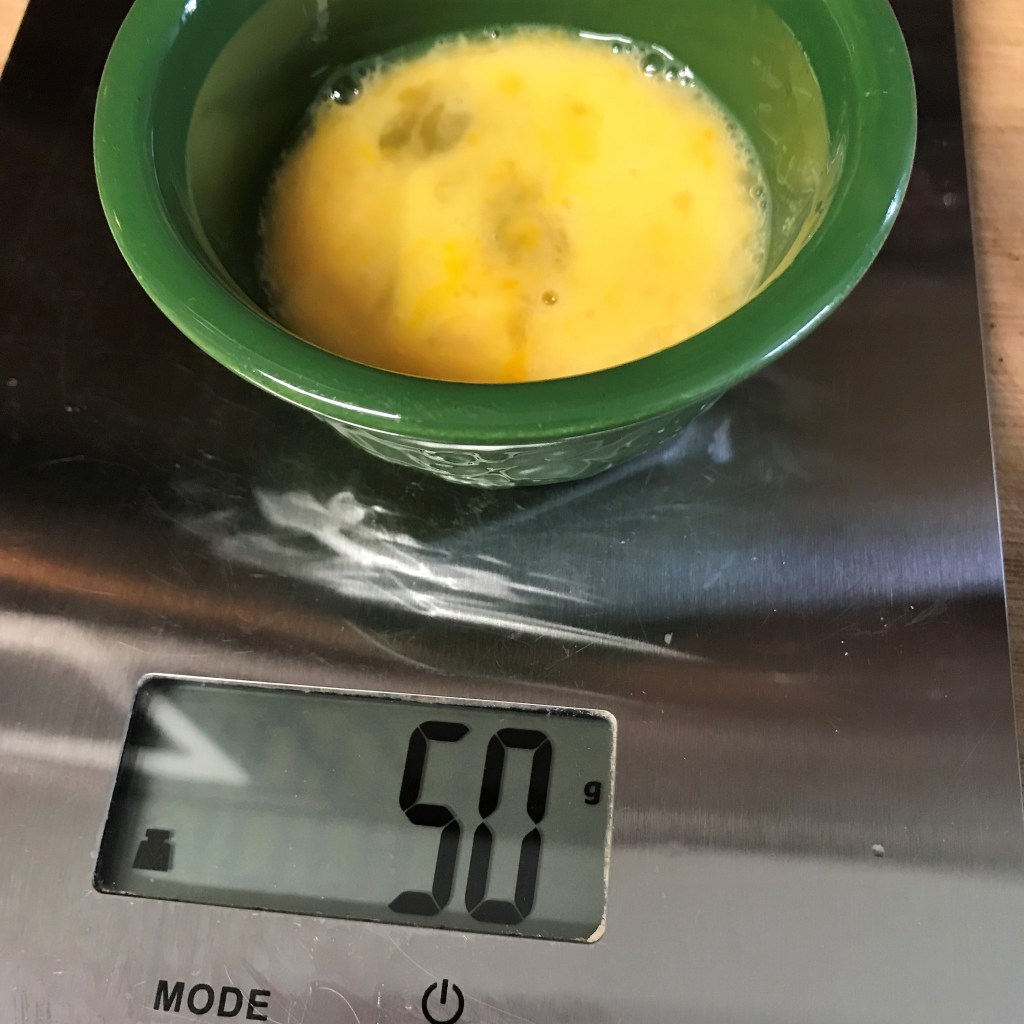
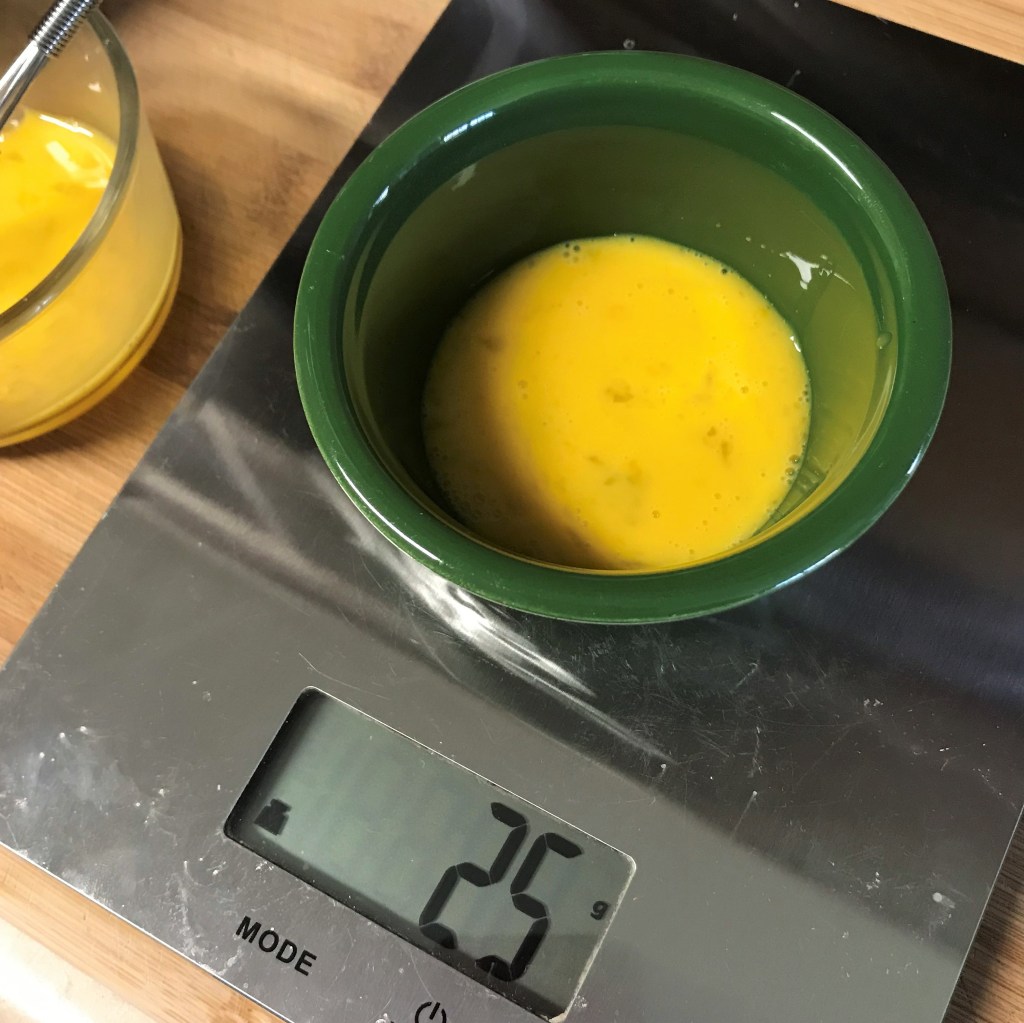
My recipe adaptation is half the original recipe, which called for 3 eggs, meaning I had to get to 1½ eggs. Here’s how to divide one of them to get the proper amount: crack 1 egg into a glass measuring cup, and beat it well to fully blend the white and yolk. Note the total volume of the egg, and pour half of the volume into a separate bowl for another use. Voila!—half an egg. Add a whole egg to it, beat lightly and you’ll be ready to go.
One of my grandma’s golden rules of baking was correct measuring of flour, so listen up. Always begin by sifting or fluffing up the flour before you measure. Spoon the fluffed flour over your measuring cup and fill to overflowing. Then use the back of a knife to scrape off the excess flour. Do not plunge your measuring cup directly into the flour bag or canister, or you will not have successful cookies.
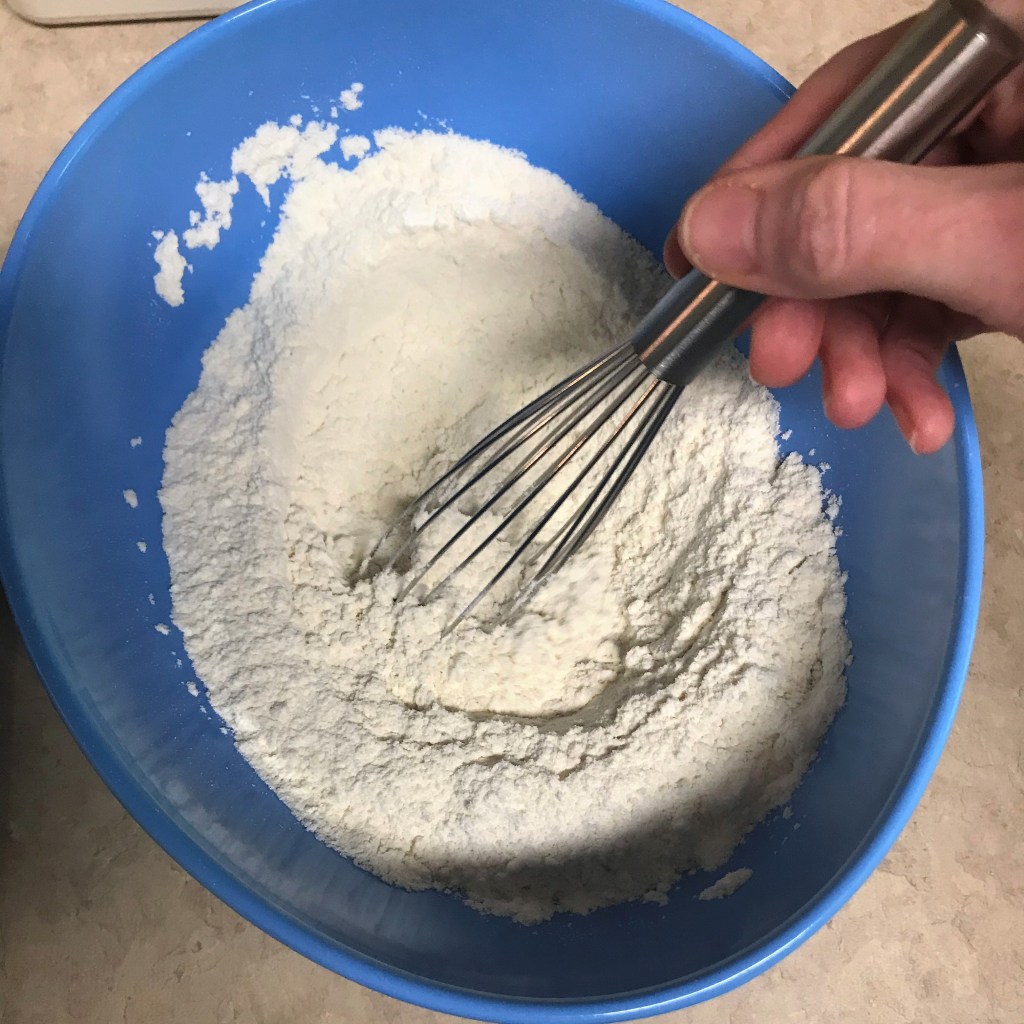

Whole wheat pastry flour is a low-protein variety of flour, and can be substituted 1:1 for all-purpose flour in many recipes. It doesn’t have the strength needed for yeast-risen breads, but it is perfect for cookies, quick breads, pancakes and pastry dough. It also meets one of my primary goals of introducing whole grain into our foods. For this recipe, the whole wheat pastry flour is approximately 1/3 of the total flour in the cookies. If you prefer, combine for a total amount of white, all-purpose flour.

Ginger and baking powder both lose their power after a period of time. Ground ginger should provide a pleasant “zing” to the cookies, and active baking powder is needed for leavening. If you can’t remember buying the containers you have, they are probably too old. This is less a concern for the ginger, as that will only affect flavor. Baking powder that is old will give you poor results, because your cookies won’t rise during baking. I use aluminum-free baking powder with excellent results.


Dough Instructions
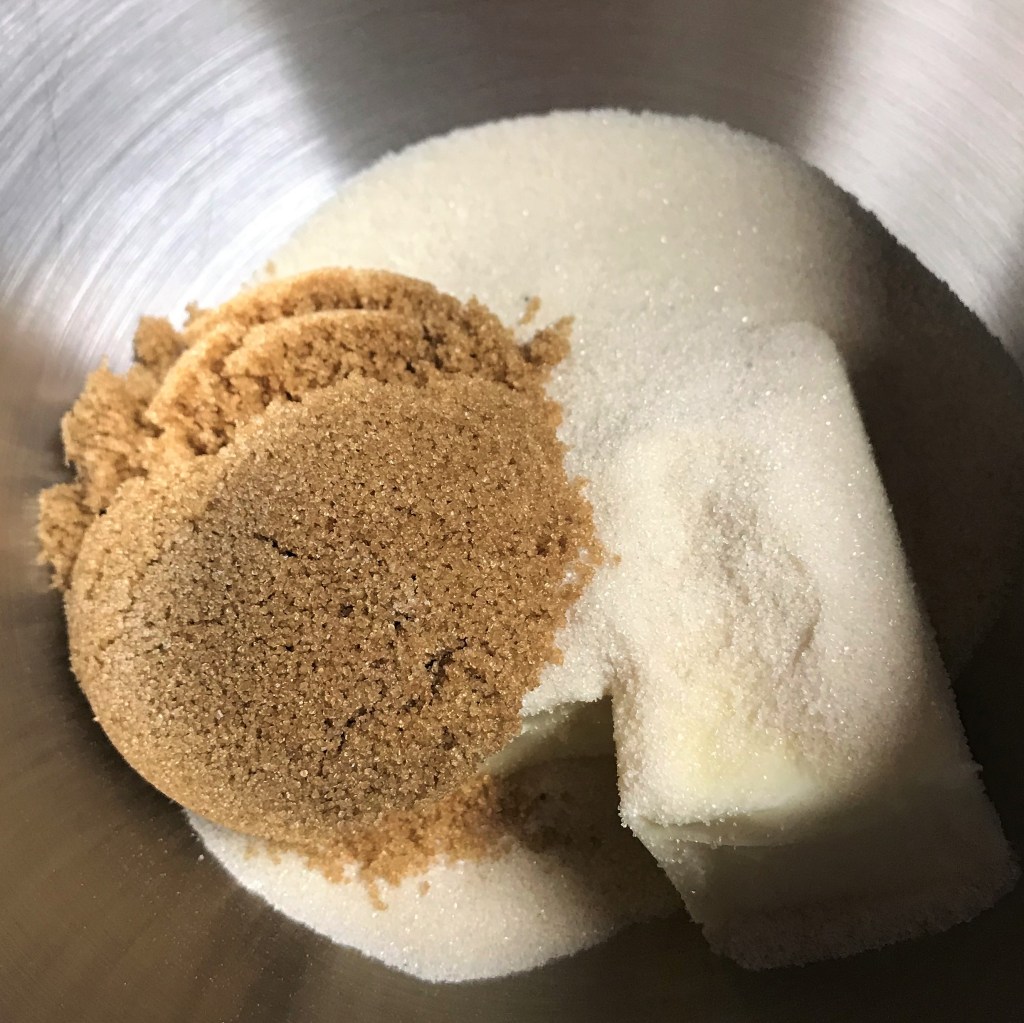

  1. Using a stand mixer or handheld electric mixer, cream together the softened butter and both sugars. If you want to go old-school, as my great grandmother would have done, you can do this in a large bowl with a good strong wooden spoon, and it would help you to have biceps like Rosie the Riveter. The mixture should be beaten until it looks uniform and slightly fluffy.
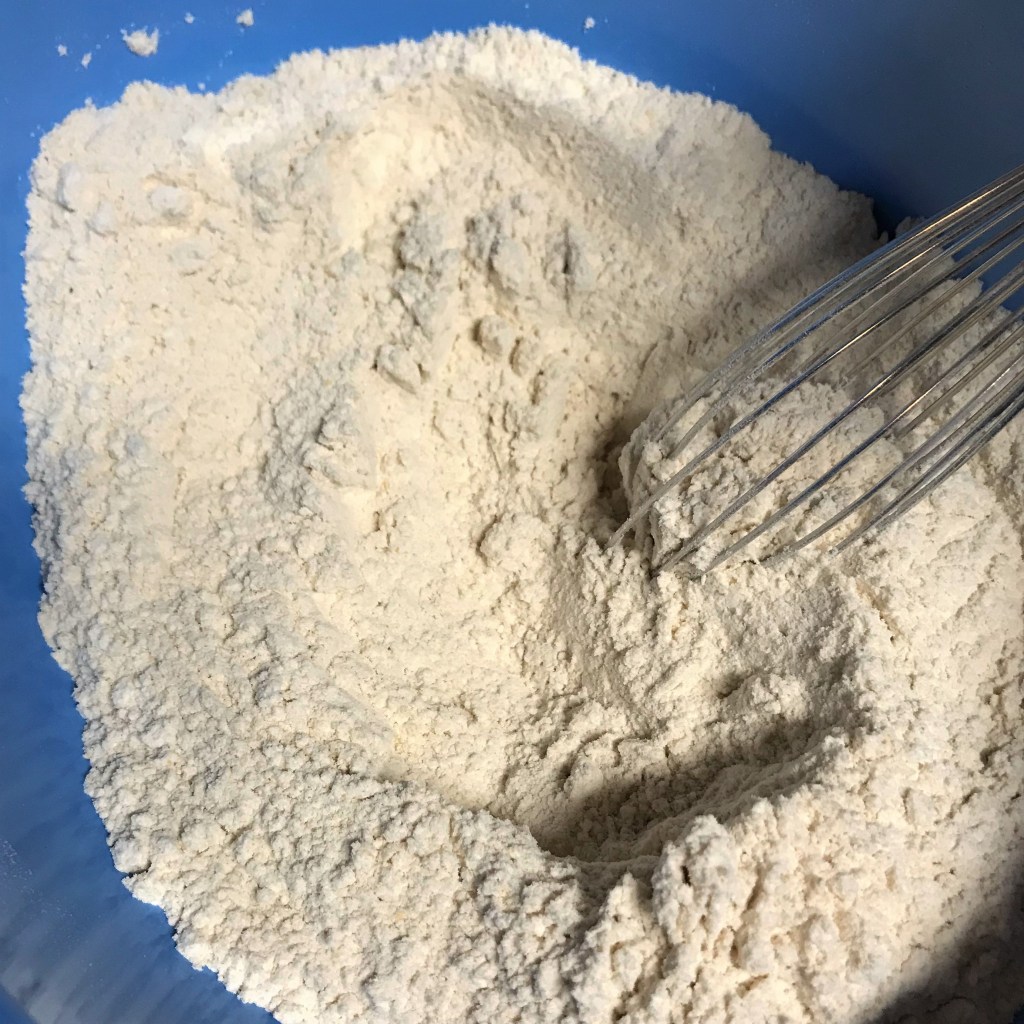
  2. Combine all-purpose and whole wheat pastry flour in a medium bowl. Scoop out a heaping cup of the flour blend to a second bowl, and add the ginger, baking powder and salt, stirring to combine. This ensures the ginger and leavening agent will be evenly mixed into the dough. Set both flour bowls aside.
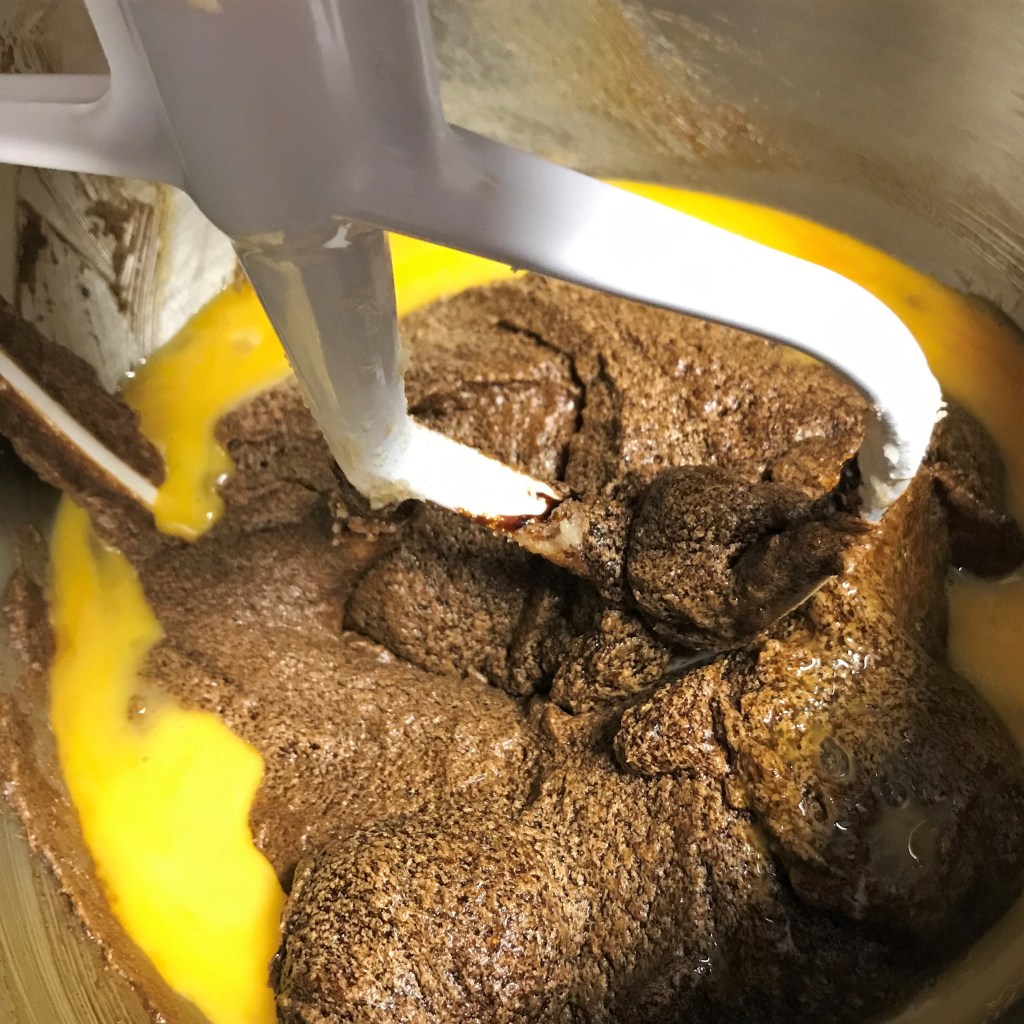
  3. Add beaten egg mixture, half at a time, to the creamed butter-sugar mixture. Beat until well blended, and stop to scrape down the sides of the bowl after each addition.
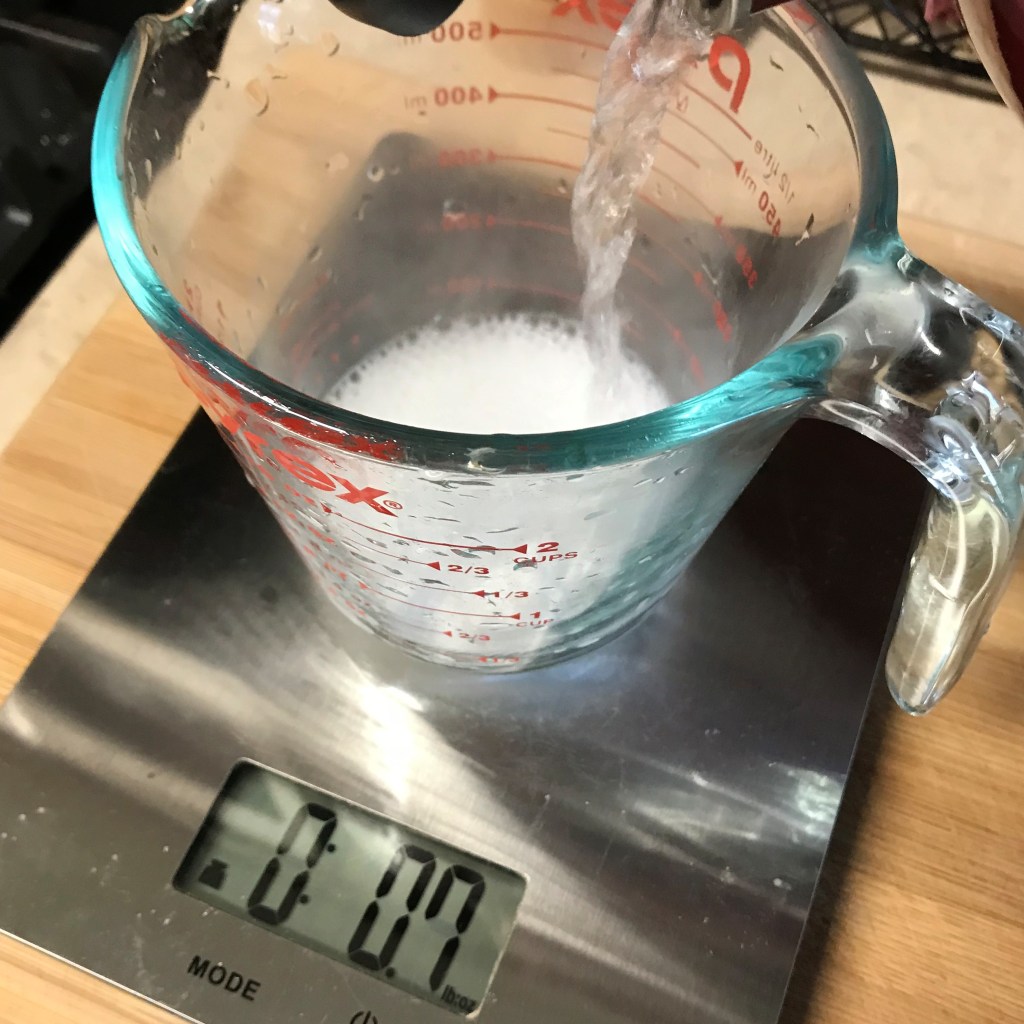
  4. Dissolve baking soda in hot water and set aside briefly.
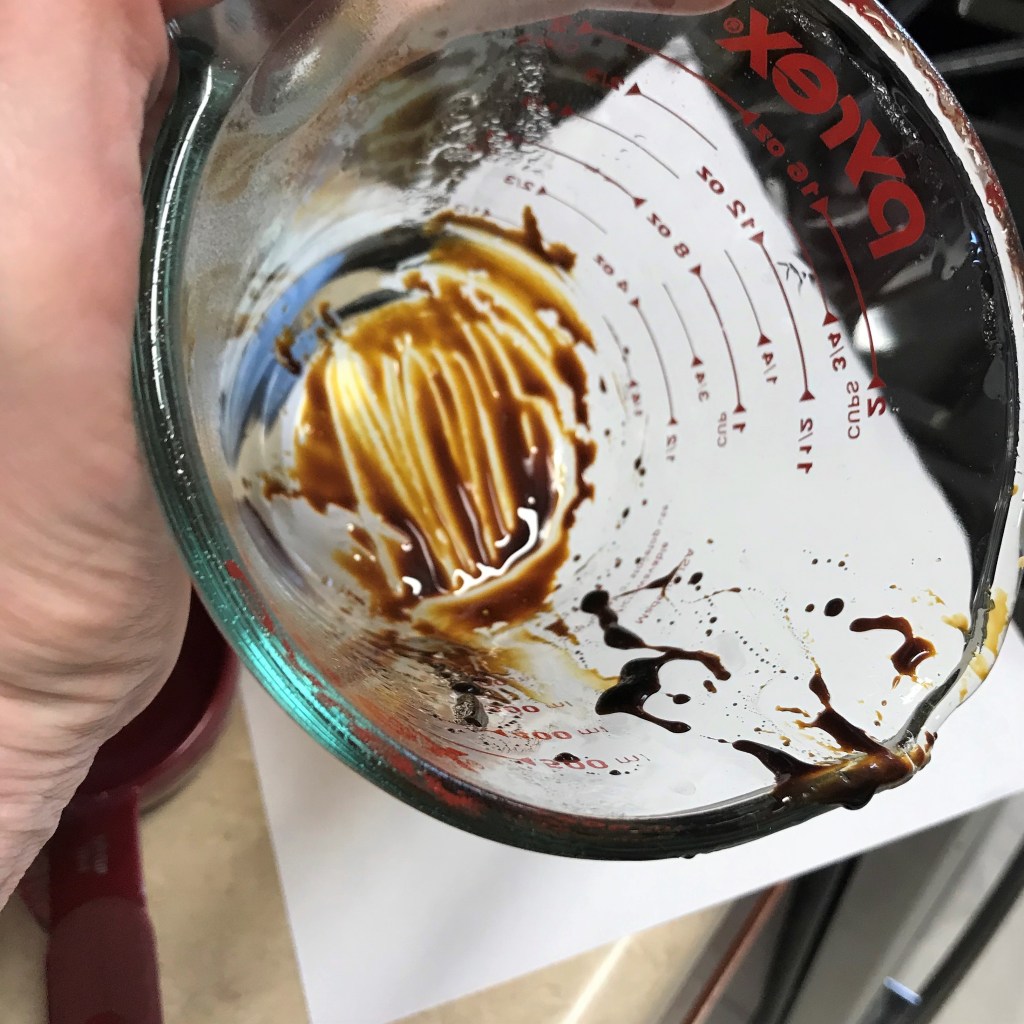
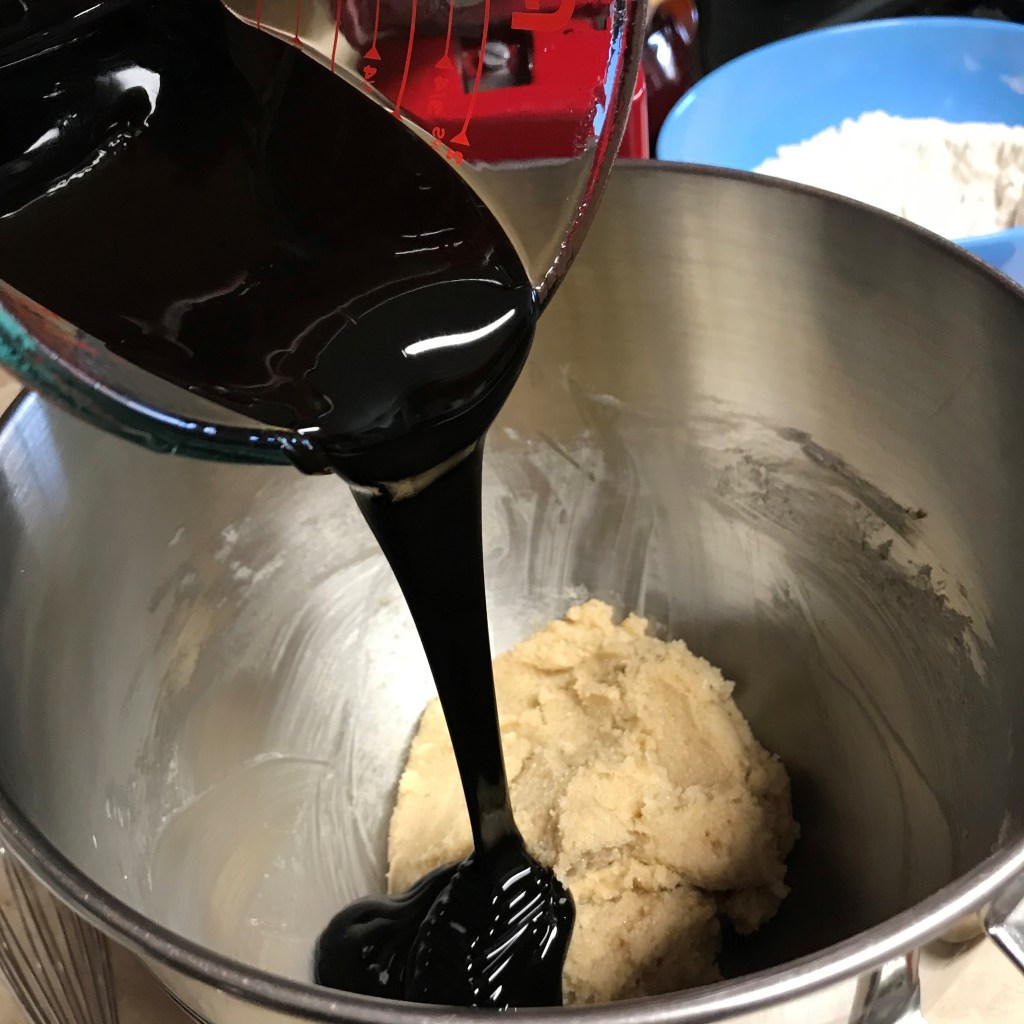
  5. Add molasses to the creamed mixture and beat until fully blended.
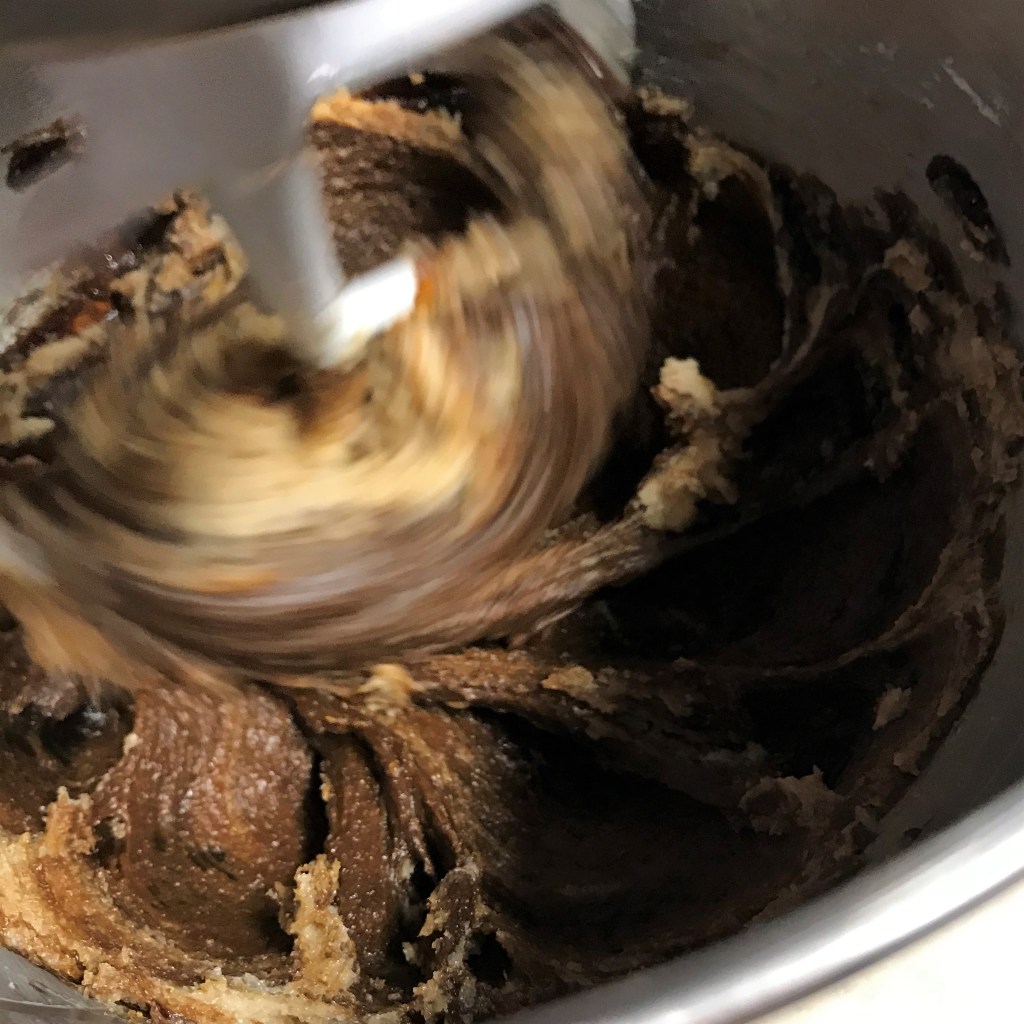
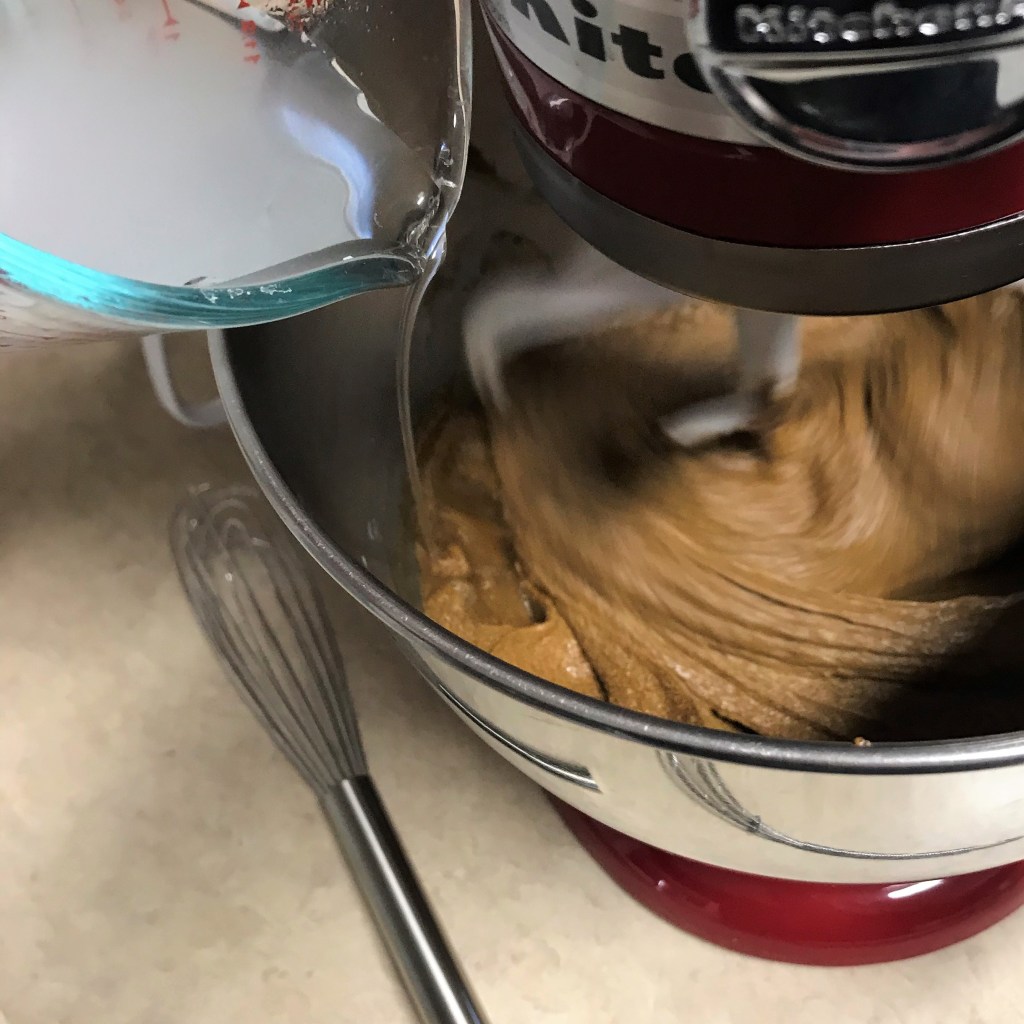
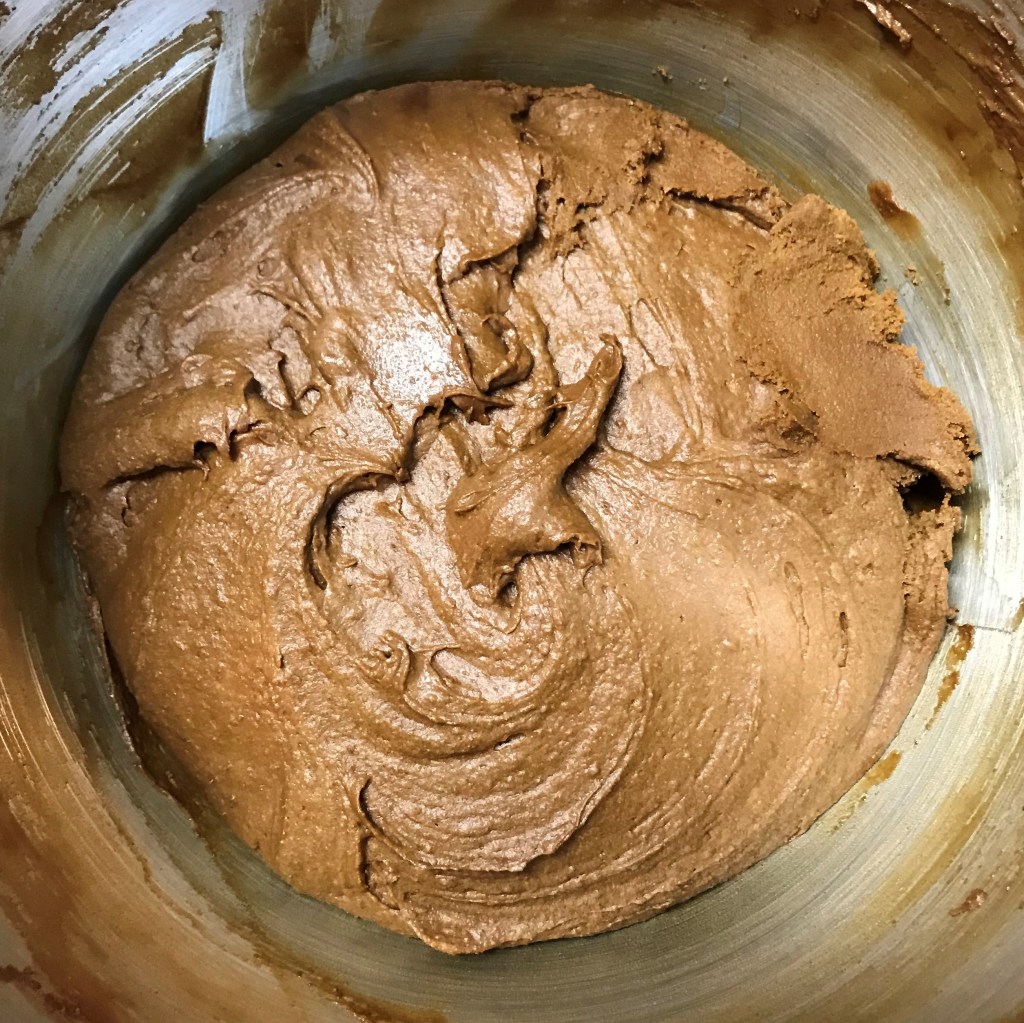
  6. With mixer running, slowly pour in the soda water. This mixture looked very unorganized and messy; it reminded me of quicksand.
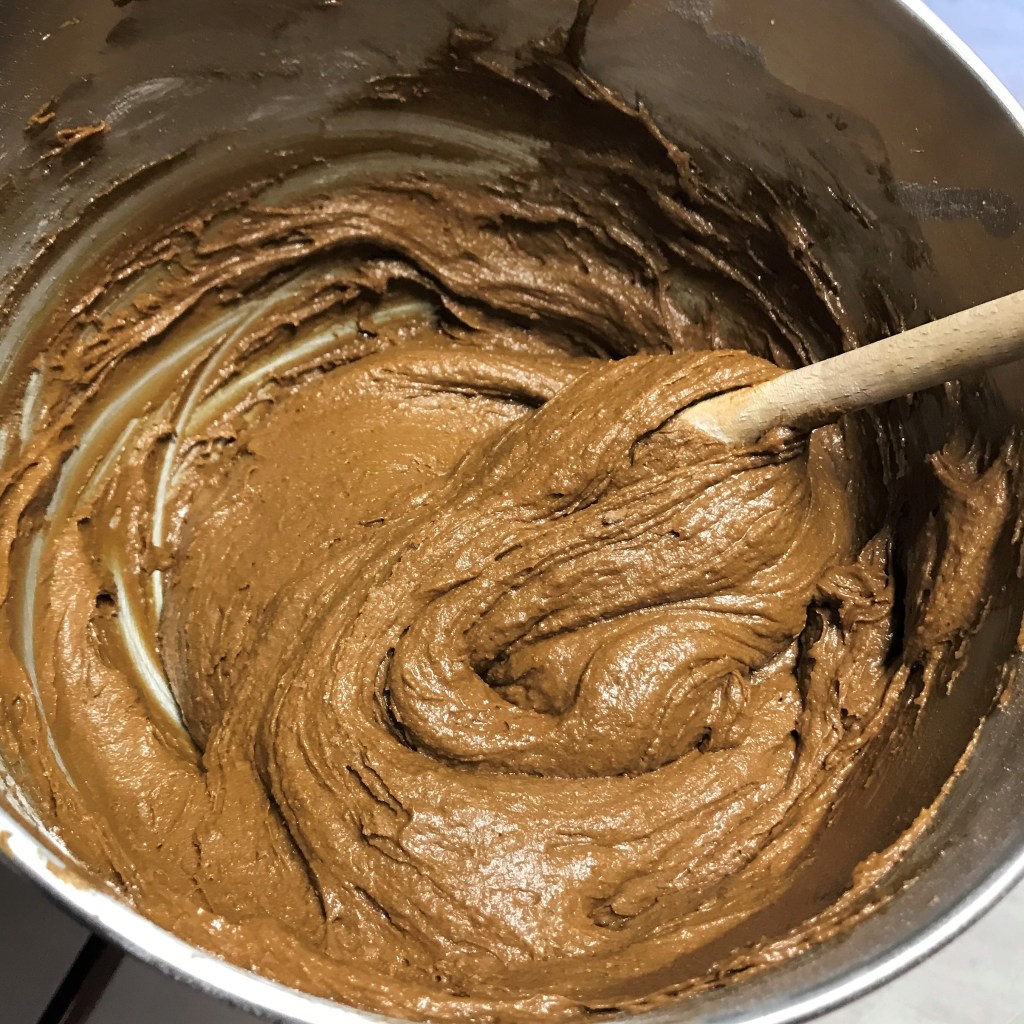
  7. Add the second bowl of flour (with ginger and baking powder) to the molasses mixture and stir until blended. Stop mixer and scrape down the sides. Stir in remaining flour, a few tablespoons at a time, until all flour is blended. Scrape down the sides. Cover the bowl tightly and refrigerate at least overnight, or preferably a day or two.

On baking day, gather your supplies:

  • 2 or 3 large cookie sheets, lined with parchment paper
  • Rolling pin (a round wine bottle works nicely in a pinch)
  • Dough mat (or board, or a really clean countertop)
  • Cookie cutters (preferably round, or anything not too intricate as the cookies will spread)
  • Extra flour for dusting (keep it handy, you’ll use this a lot)
  • Paper towels for wiping your hands
  • Small, thin spatula to assist with moving cookies to baking sheet
  • Large spatula for moving baked cookies
  • Cooling racks (at least two will be helpful)
  • Coarse-grained sugar for decorating (I used turbinado sugar)
  • A baking timer
  • Christmas music for inspiration (I recommend Vince Guaraldi’s “A Charlie Brown Christmas” soundtrack)
  • A glass of wine (seriously, I found this very helpful when things got ugly)
  • My aunt on speed-dial (oh wait, that was just for me!)
Best Christmas music, ever!

Baking Instructions

Preheat oven to 450° F (much hotter than most cookie recipes, and they bake fast)

Generously flour your rolling mat or board, and begin with about 1/4 of the chilled dough. Put the rest back in the fridge until you’re ready for the next batch.

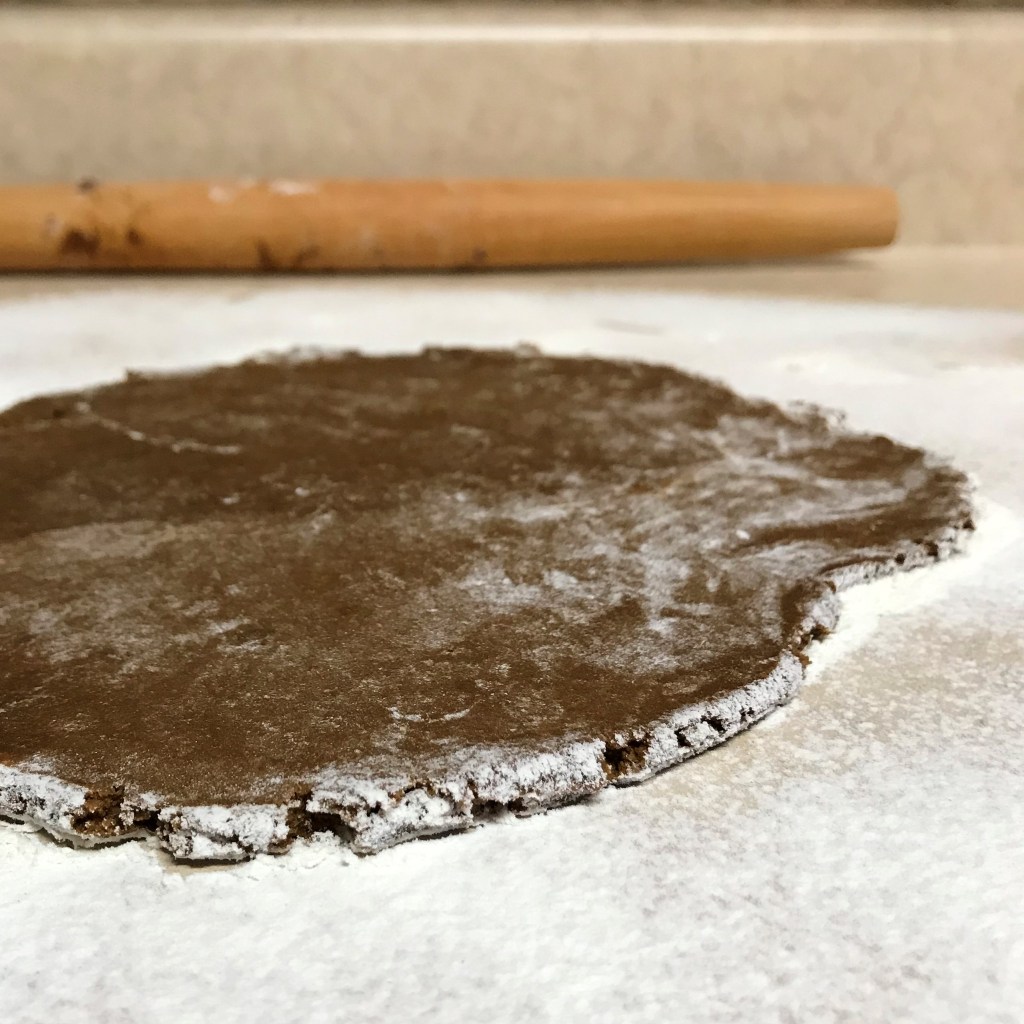
Sprinkle the top of the dough with flour. My aunt suggested that I use “a lot of extra flour,” and I think she meant to say, “Make it look like you had a blizzard in the kitchen.” You need a lot of flour to keep this ultra-soft dough from sticking. Roll it gently to about 1/2” thick.
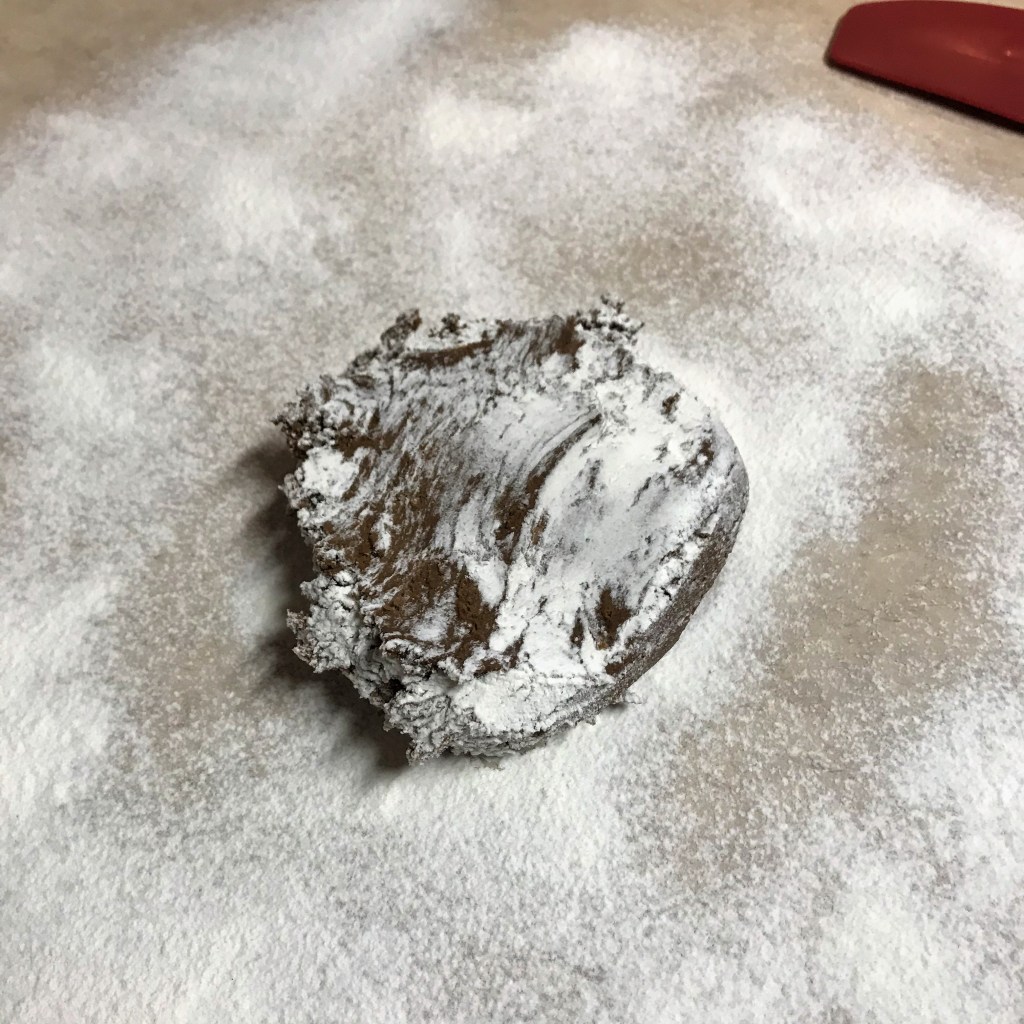
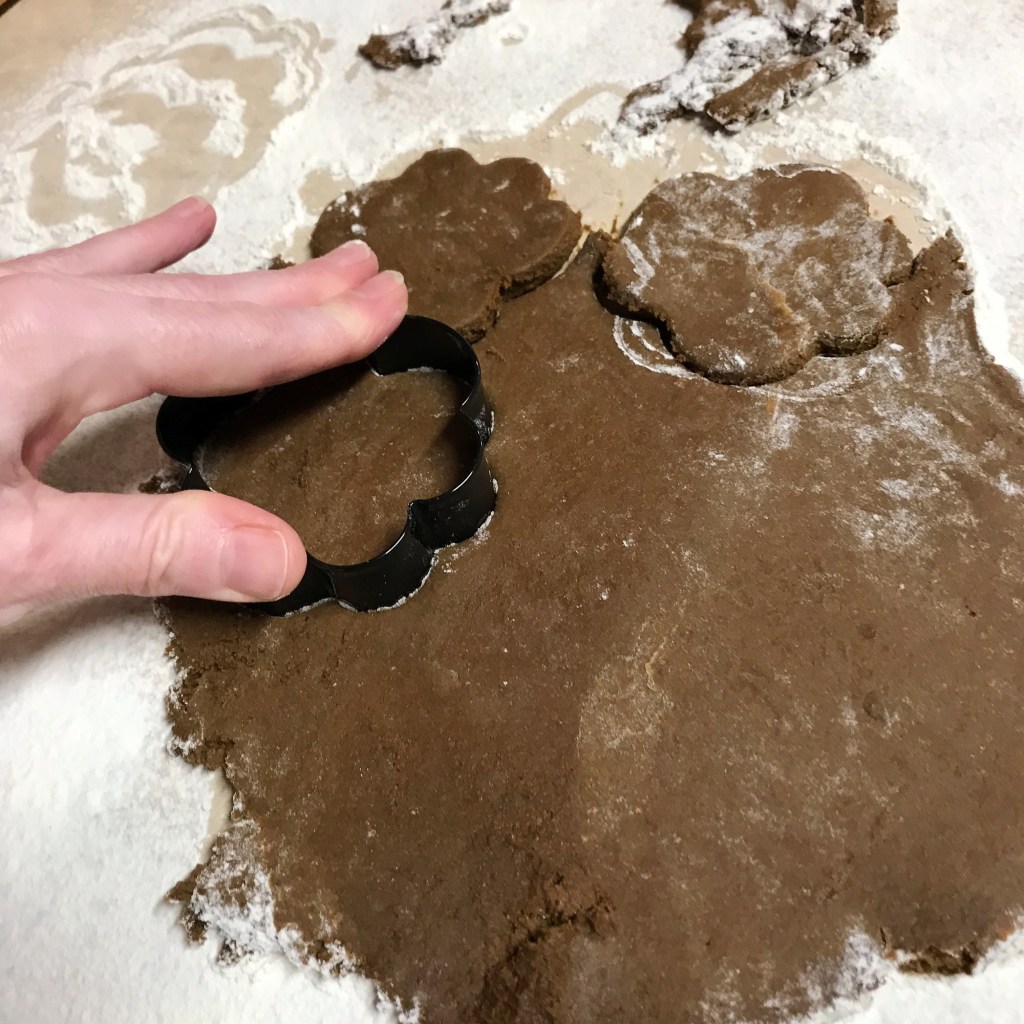
Dip your cutter gently into the cookie dough bowl, then liberally into the extra flour to prevent sticking. Cut as many shapes as you can from the first rolling, and transfer the cookies to the prepared cookie sheet. Aim for only 6 cookies at a time, as they will puff and spread quite a bit during baking. Knead up remaining dough scraps and add them to the next batch.

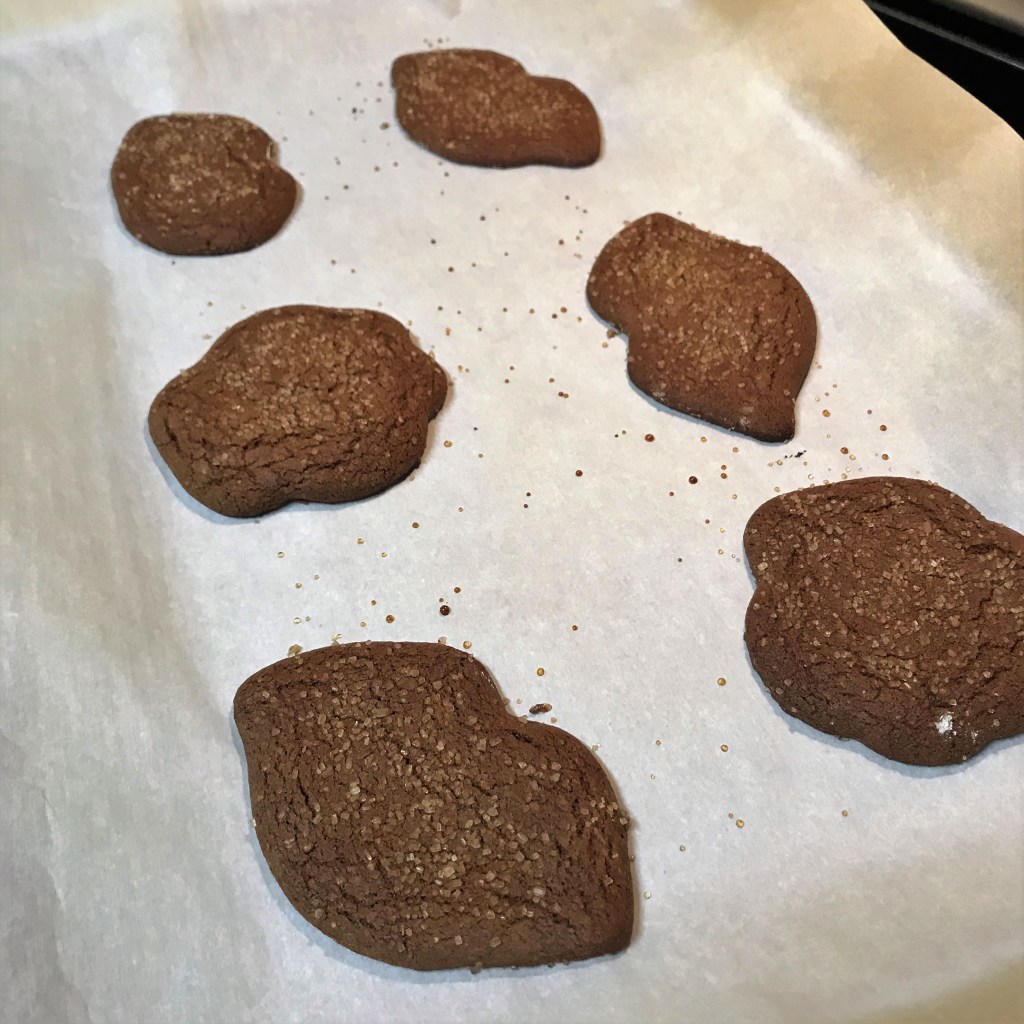
Generously sprinkle each cookie with turbinado sugar.

Bake for 5 to 8 minutes (depending on your oven) until cookies are soft and puffy but not brown on the edges. Transfer cookies as quickly as possible to a cooling rack. Place the hot cookie sheet somewhere to cool.
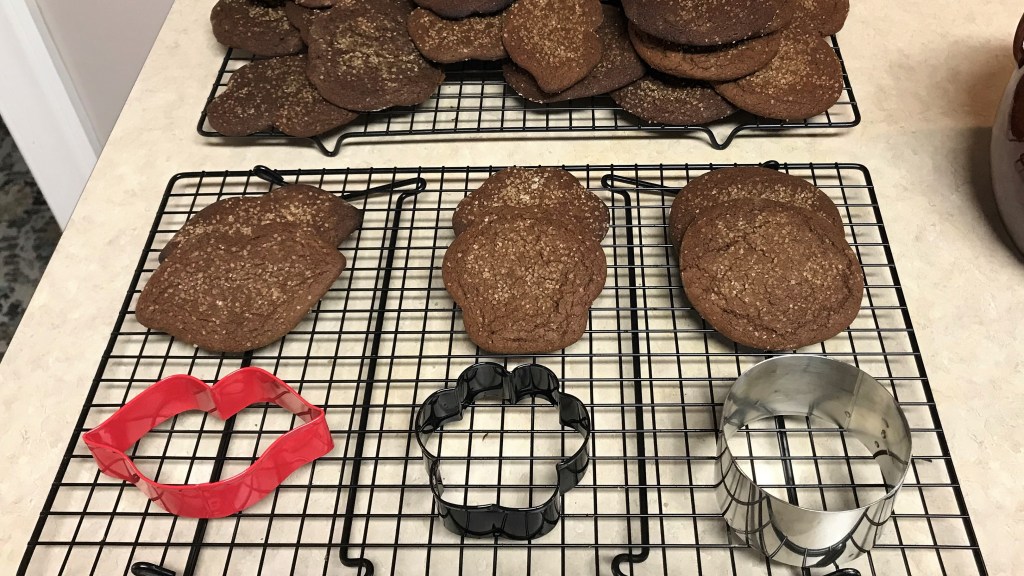
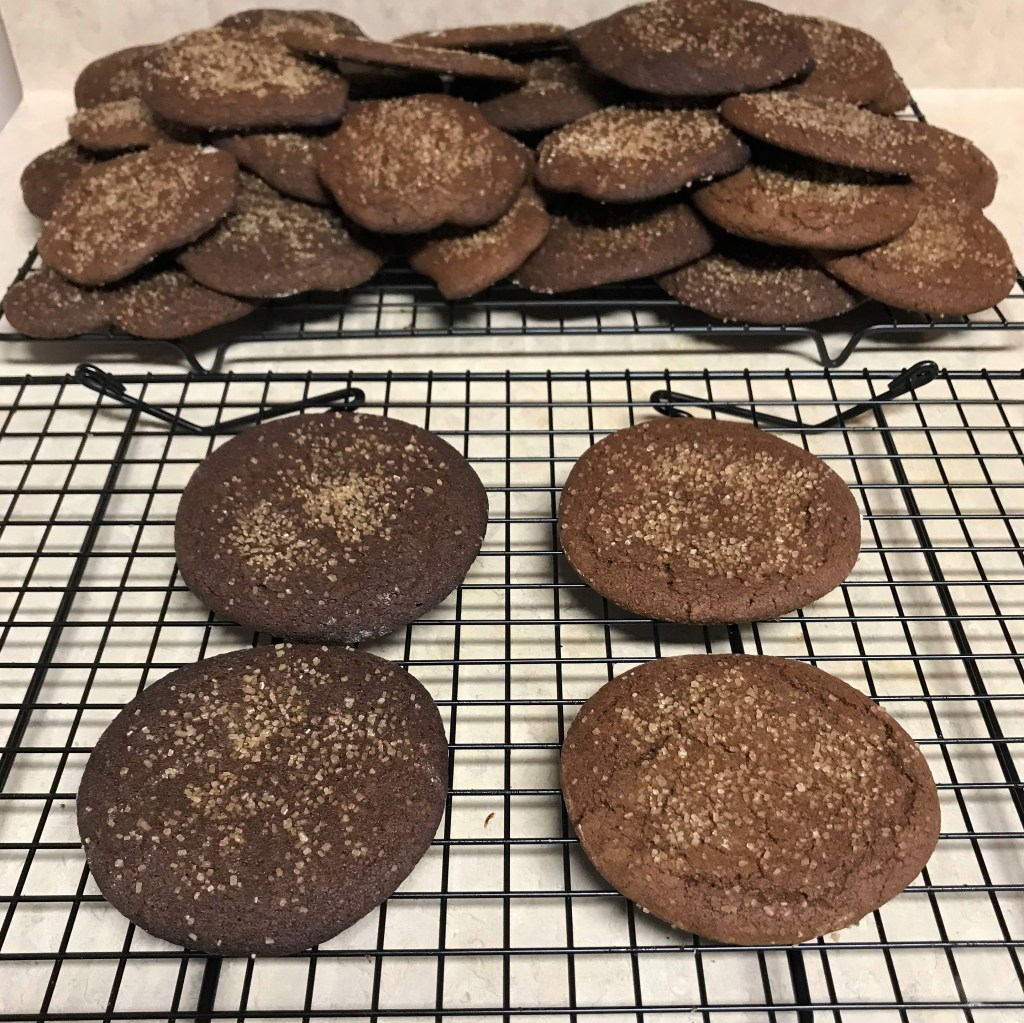
Prepare a second batch of cookies on the extra pan. This whole scene was very stressful for me, and I found myself wondering how my grandma did this with such grace and ease, and with excitable grandchildren “helping.”

Repeat this process until all cookies are baked. You should have flour everywhere (including your hair), about 5 molasses-coated spoons stuck to the counter, a sink full of bowls and random sticky objects, a dining table covered in molasses cookies and an empty wine glass bottle. If you’re crying, well, join the club. If you’re crying and laughing simultaneously at the end of it all, you get bonus points and a commemorative recipe tea towel.


Is it OK for me to share your recipe, Gram?

She would say—no, wait, she would sing, “Oh, ya, sure!”


Pumking Ice Cream

Didn’t I promise this would happen, when my beloved Pumking ale was released this year? I have been obsessed with the idea of turning this seasonal spiced ale into an ice cream, and here I’ve gone and done it!

Many of the recipes I make are merely altered versions of something I’ve made before. In this case, I followed the lessons I learned when I made the Black Mountain Chocolate Stout Ice Cream I shared back in the summer. As with that recipe, I’ve reduced the beer to intensify its flavors, giving immeasurable boost of pumpkin-y-ness to my standard custard-based ice cream. Throw in a fair amount of pureed pumpkin, and what do you suppose I got?

I can’t wait to dig my spoon right into this!

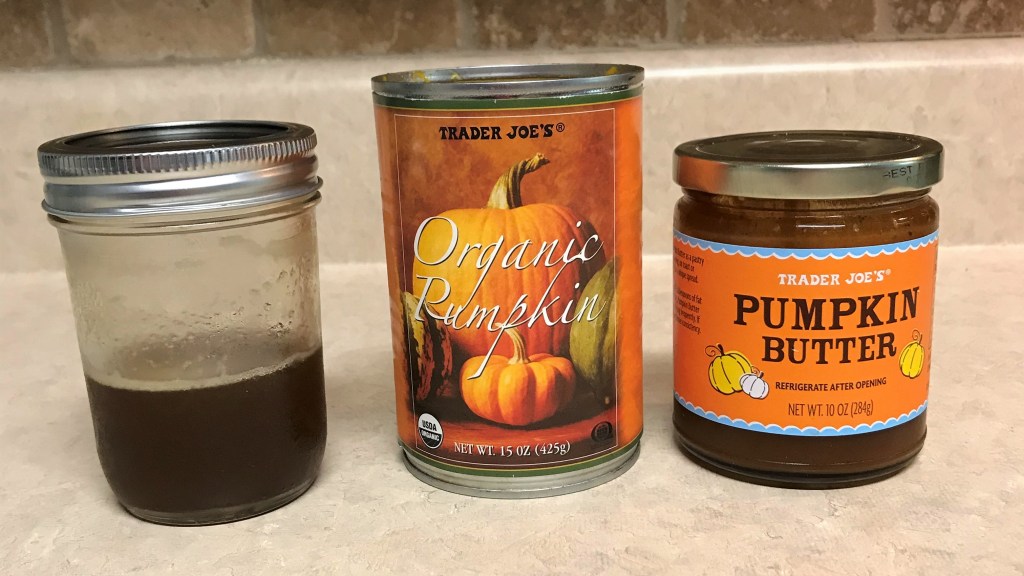
The pumpkin flavor is amped up three times—first with pure pumpkin puree, and then with the infusion of the pumpkin butter, which is essentially cooked pumpkin with sugar, spices and lemon juice. Finally, the Pumking ale accents the ice cream with a spiced and slightly hoppy flavor that is exactly the right balance to the sweet richness.

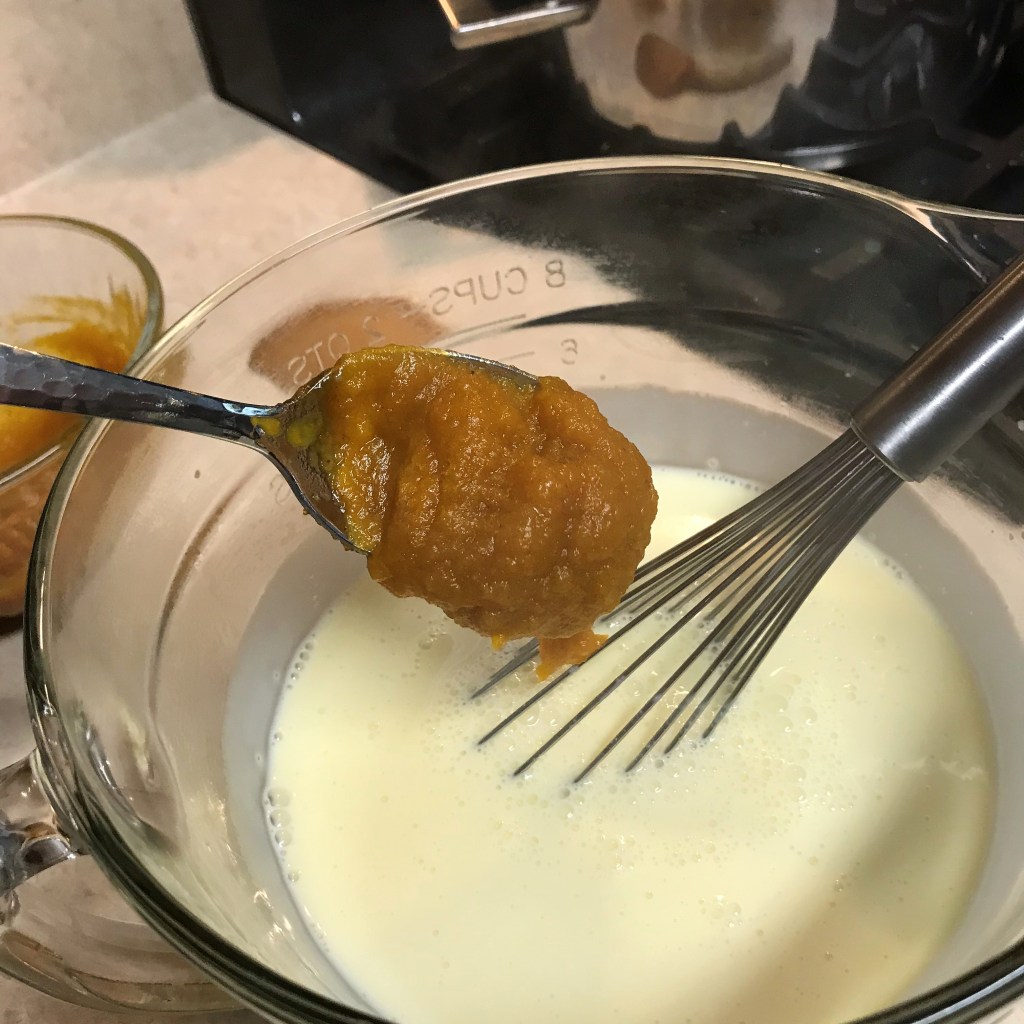
Triple threat! The reduced Pumking, pumpkin puree and pumpkin butter will each bring their own flavor to the party.

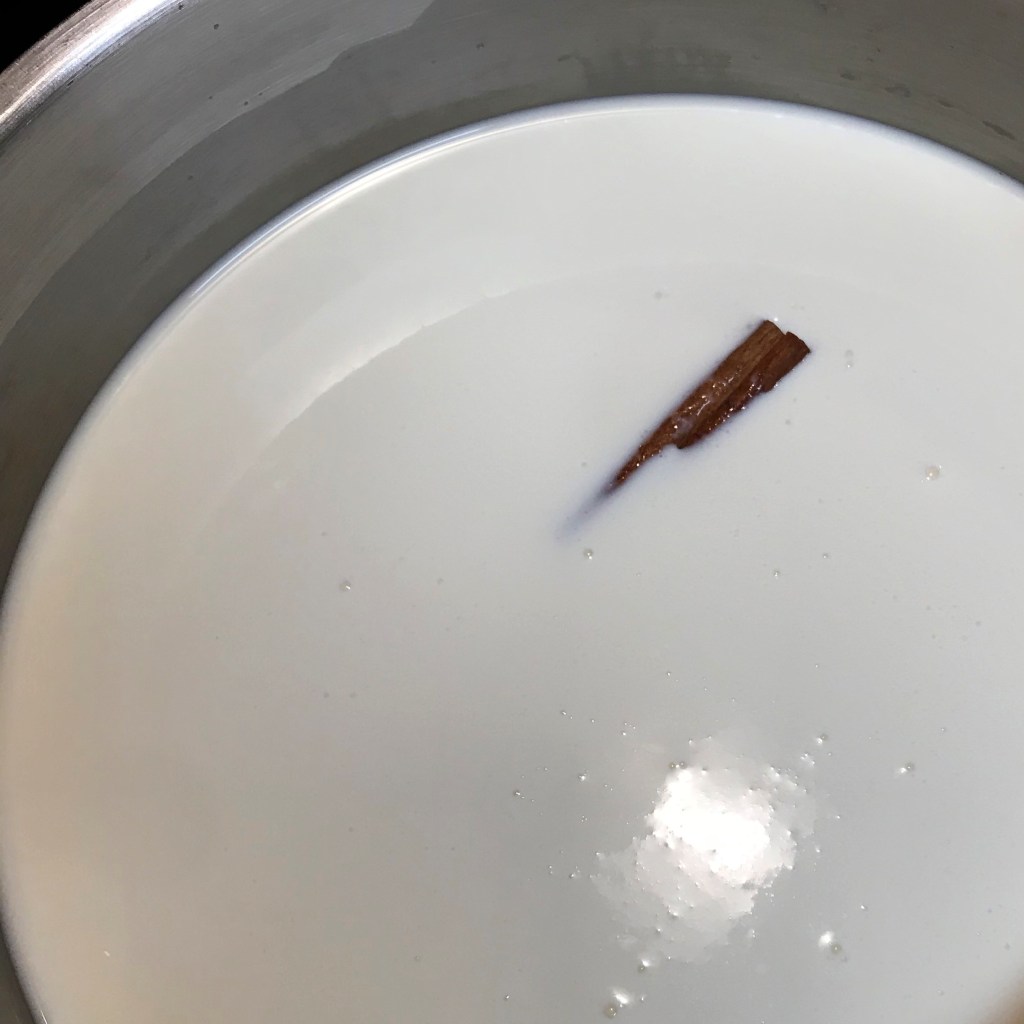
The other ingredients are straight off my go-to list for homemade custard-based ice cream. Equal parts whole milk and heavy cream, three egg yolks, just shy of one cup of sugar. I heated the milk and cream, plus half the amount of sugar, to the just-barely-boiling point.

While that was working, I whisked the egg yolks together with the remaining sugar until it was lighter in color and fluffed up in volume. Sometimes I do this in my stand mixer, but this time it worked fine in a glass pitcher bowl and a little elbow grease.


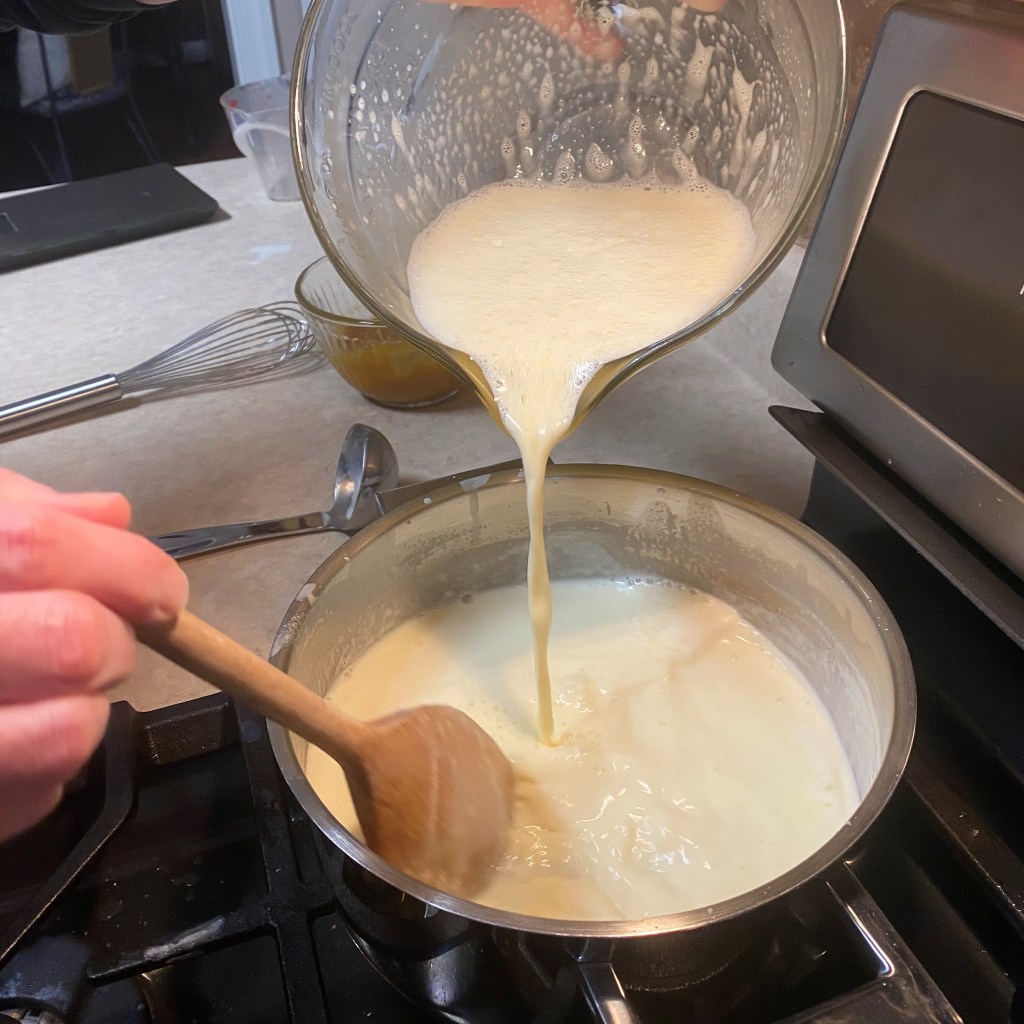
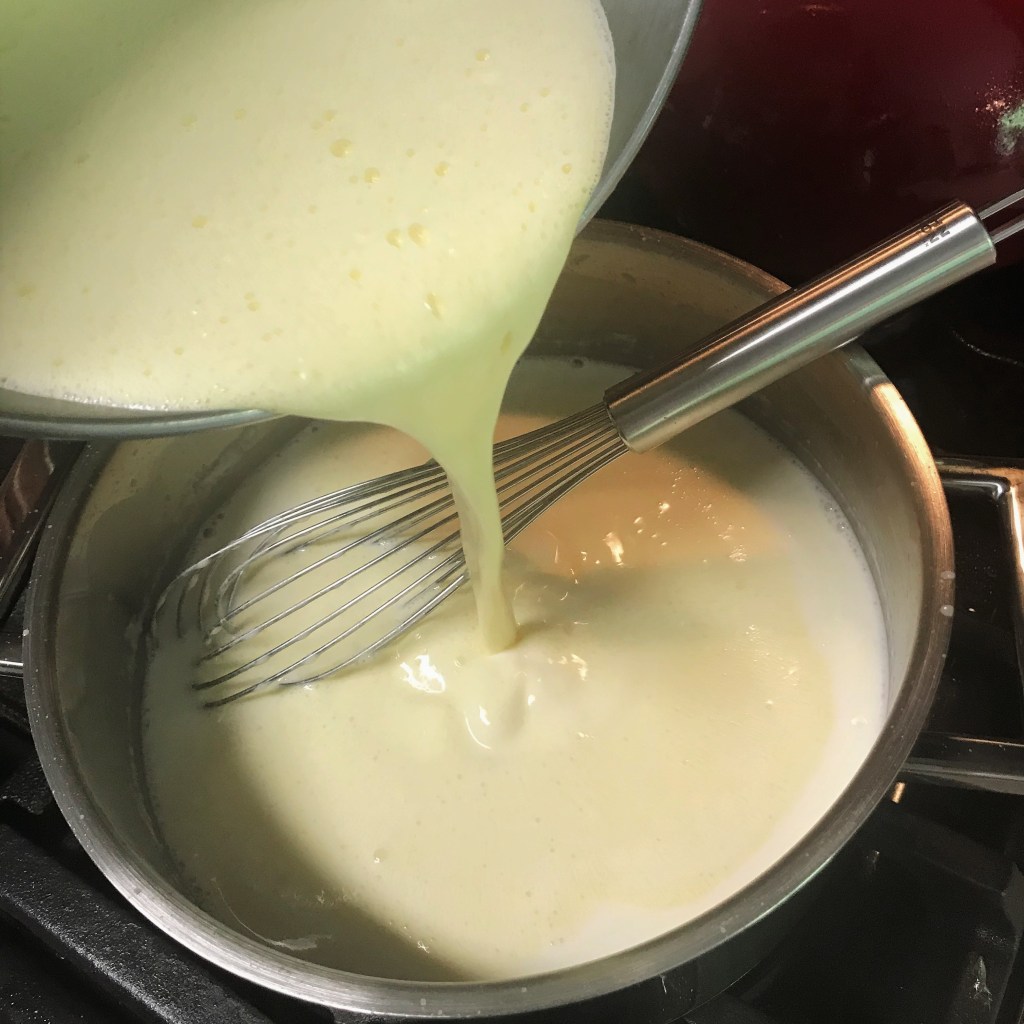
I gradually streamed half of the hot cream mixture into the egg yolks, whisking the whole time to prevent scrambling the eggs. Then, I returned the tempered egg mixture to the pan with the remaining cream mixture, and cooked (stirring constantly) until the custard was slightly thickened and coated the back of my wooden spoon.

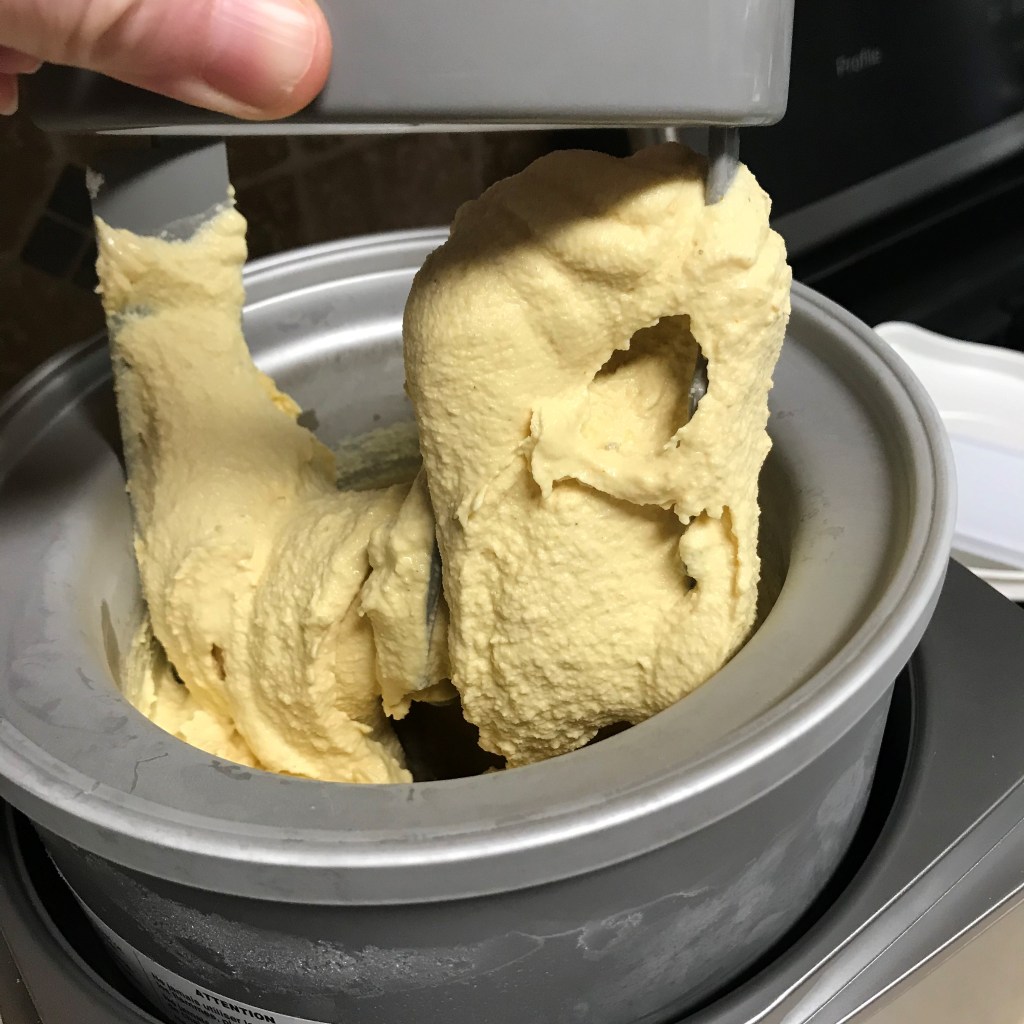
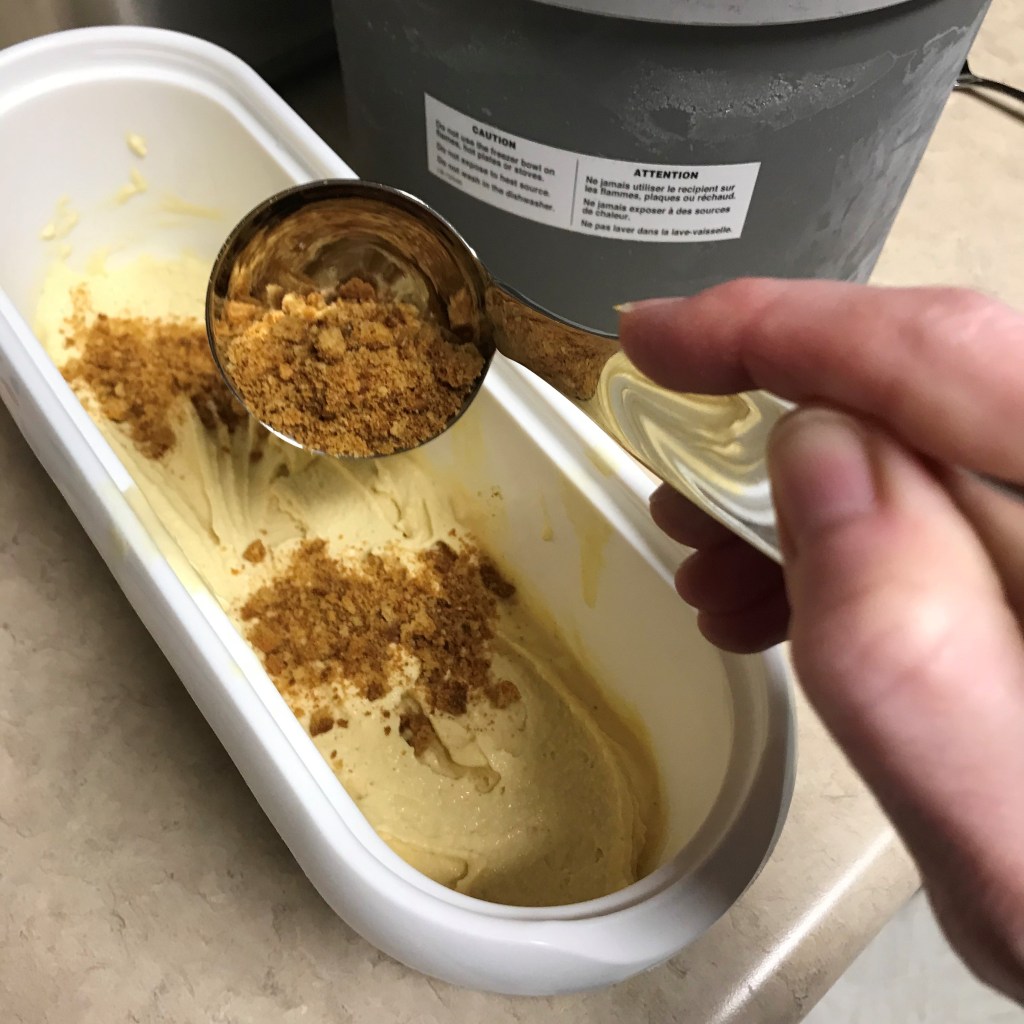
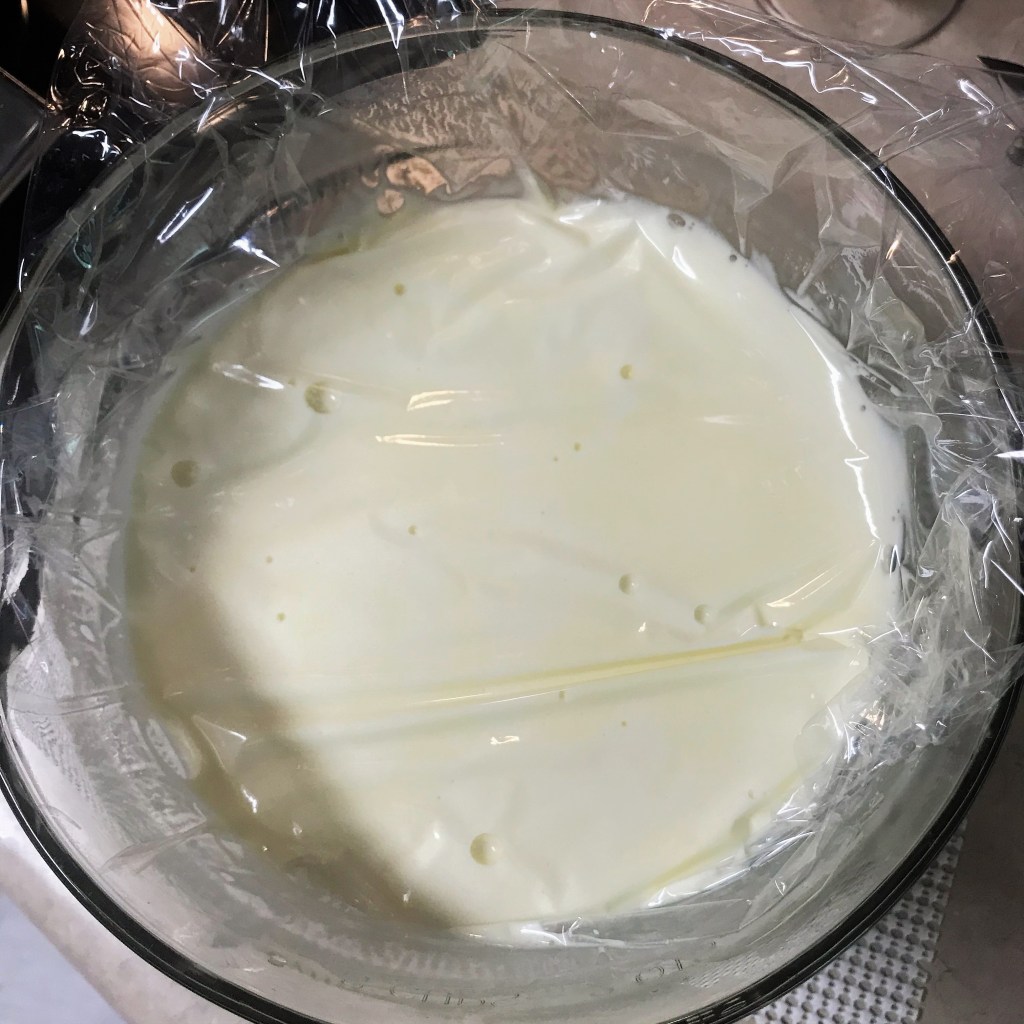
The cooked custard mixture went back into the pitcher bowl, and I blended in the pumpkin puree, pumpkin butter and reduced Pumking ale. As always, I laid plastic wrap directly on top of the custard (this prevents a skin forming on top, and also prevents condensation that could screw up the texture of the finished ice cream. Into the fridge for at least 8 hours (I usually leave it overnight), then into the ice cream maker according to manufacturer’s instructions. Here’s how the rest of the recipe went:

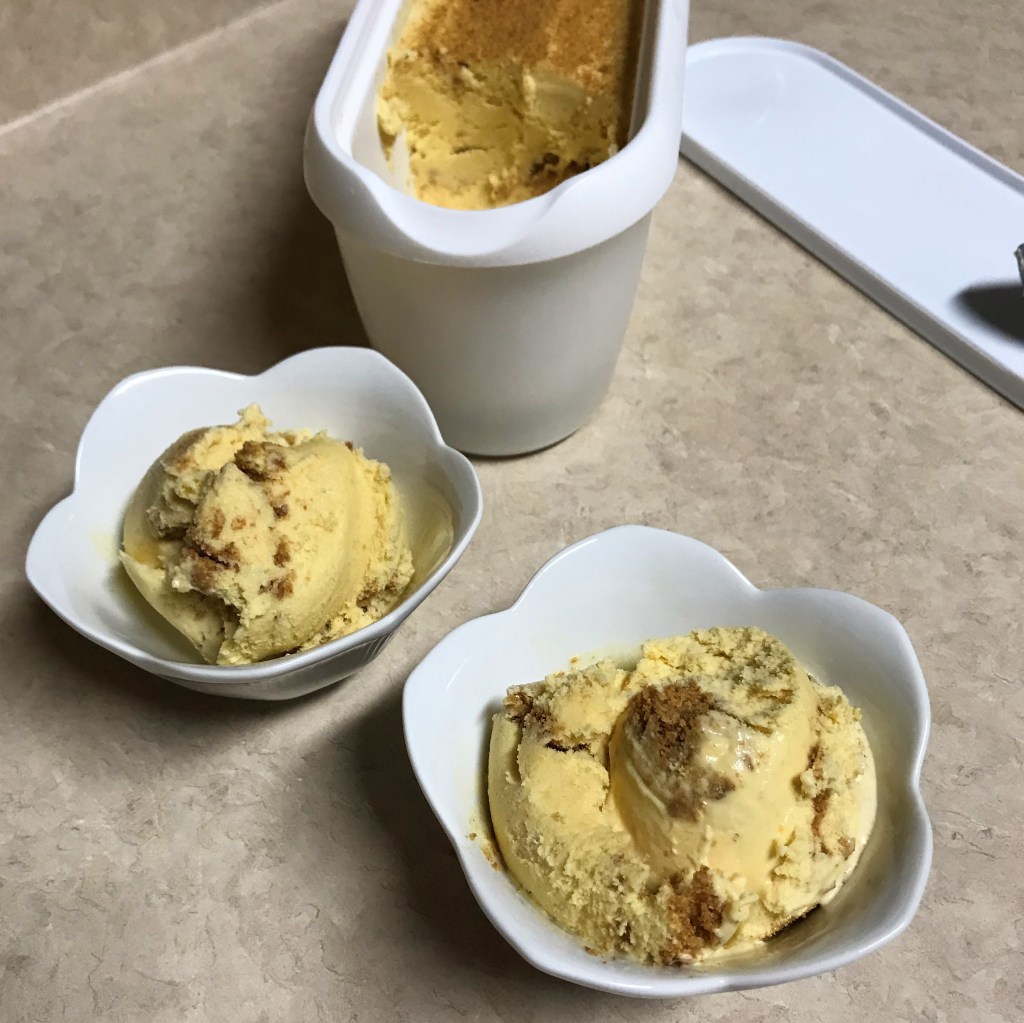
This ice cream surprised me with its super-creamy, unbelievably pumpkin-y flavor and texture. You don’t taste beer in the ice cream—just a complex layered flavor that seems more complicated than it was.

As Thanksgiving desserts go, this is a winner, not only because it’s delicious and satisfies the desire for a rich, creamy pumpkin dessert, but also because you can make it several days ahead to free up time in your schedule for more pressing dishes.

Serve it in an ice cream cone or bowl, or on top of a square of gingerbread or a brownie or a big fat oatmeal cookie or…OK, straight from the container. Why the heck not?

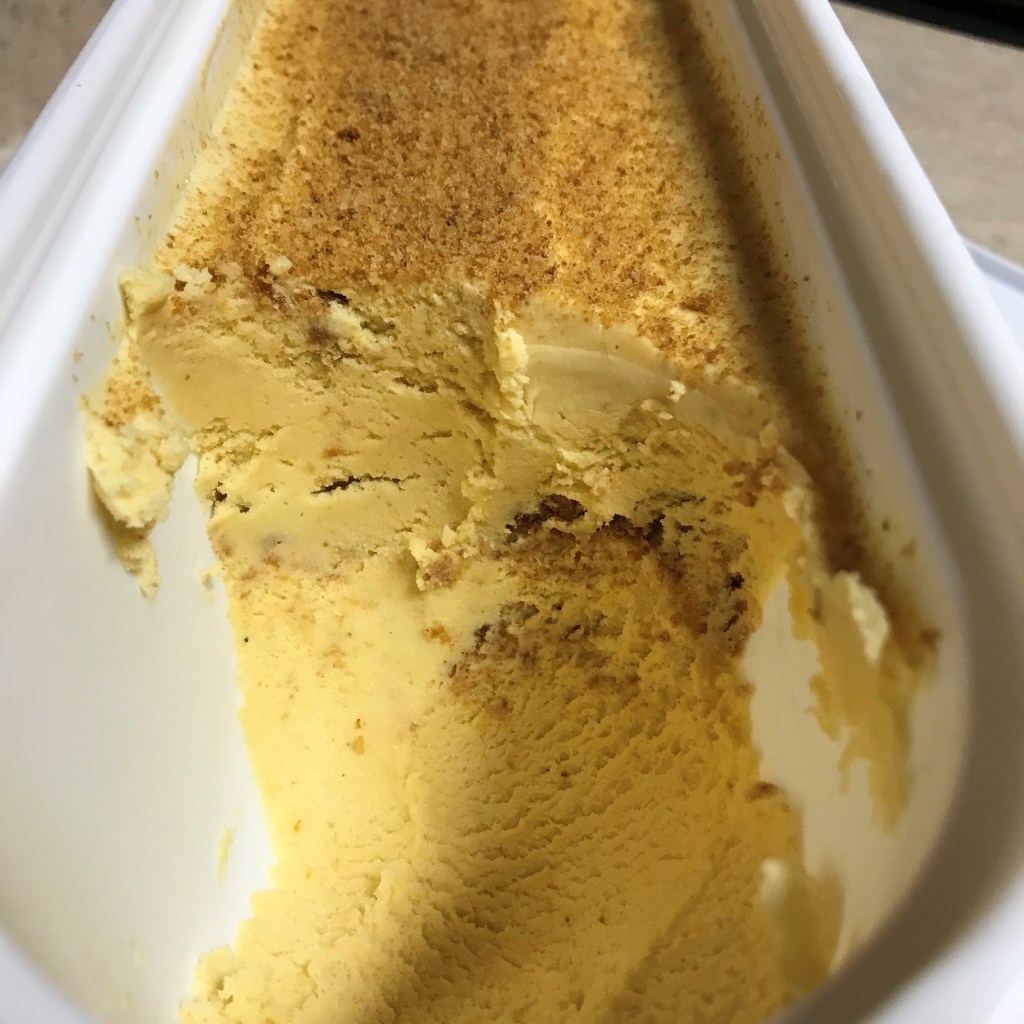
Just like this. 🙂

Ingredients

8 oz. Pumking spiced ale (or another pumpkin seasonal ale)

1 1/2 cups whole milk

1 1/2 cups heavy cream

3 egg yolks

3/4 cup organic cane sugar, divided

1/2 cup pure pumpkin puree (not pie filling)

1/4 cup Trader Joe’s pumpkin butter* (see notes)

1/4 cup crushed ginger snap cookies (optional)

1 oz. vodka (optional, for texture; this is added during final minute of freezing)

*Notes

If you cannot get your hands on the Trader Joe’s pumpkin butter, I would recommend increasing the puree to 1 cup, and cook it with a couple tablespoons of brown sugar, a squeeze of lemon juice and a teaspoon of pumpkin pie spices. Cook until it’s caramelized and thickened, then refrigerate overnight before adding it to the ice cream. It won’t be exactly the same, but darn close.

This tastes exactly like a frozen scoop of creamy, spicy pumpkin pie.

Want to make this recipe?

Follow the steps and pictures above, or click to download a copy for your recipe files. Please let me know how you like it!


The Best Bread Pudding

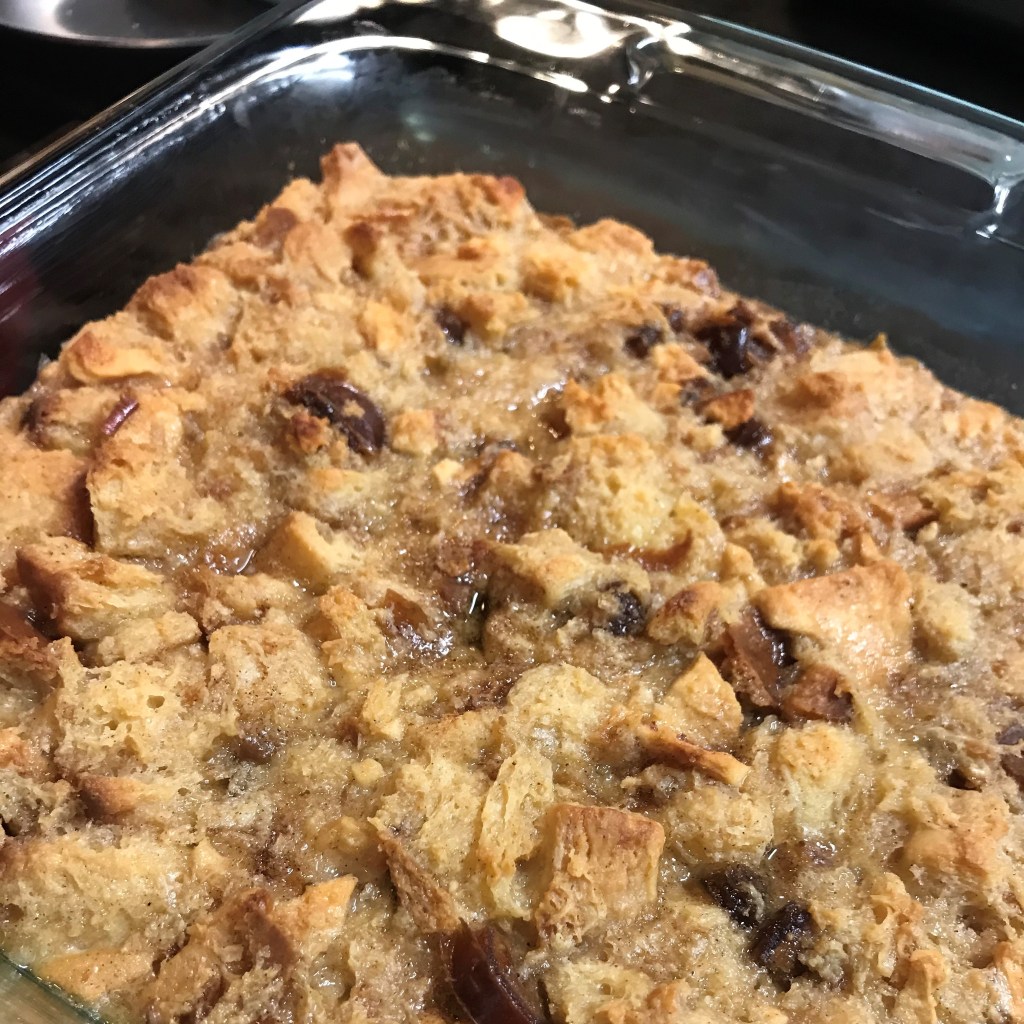
It strikes me funny that a dessert as simple and humble as bread pudding shows up so frequently on upscale restaurant menus. Rarely do you find it an option in a sandwich shop or a casual dining joint. But go to a “nicer” place, and there it is—usually spiked with some kind of liqueur and almost always drenched in a rich creamy sauce. They can make it as fancy as they like, but as far as I’m concerned, my grandmother set the bar on bread pudding. Hers was never quite the same twice, but it was always delicious.
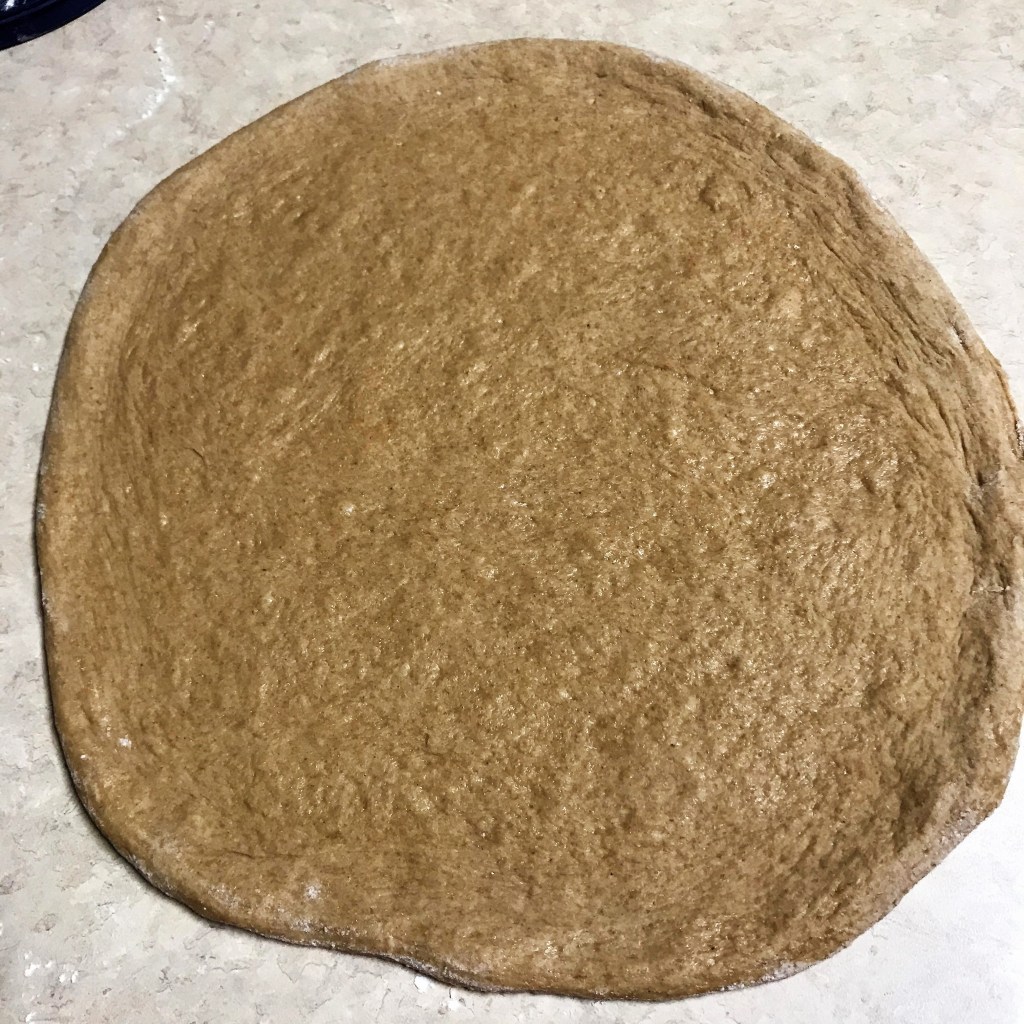
Of all the cooking lessons Gram gave me in her small upstate New York kitchen, one of the most important—that she lived out every day—was to “waste nothing.” As a survivor of the Great Depression, she saved things that most people threw away, including scrap pieces of aluminum foil, fabric remnants, even used twist ties. But the best things she saved went into a bread bag in her freezer, until she had collected four cups worth, enough to make a batch of her famous bread pudding. End pieces of stale bread, that last uneaten sweet roll and even the occasional hamburger bun were revitalized into a delicious, custardy dessert that was cinnamon-y and sweet and tasted like a day at Gram’s house.

I was taken aback recently to realize that I only have four handwritten recipe cards left to me by my cooking mentor, but I’m thrilled that one of them is titled “Basic Bread Pudding.” When I got the news last summer that she had passed away, just as I was awaiting delivery of my new gas range, I pulled out every bread scrap we had in the freezer, and this pudding is the first thing I baked in it.

Like everything else she made, Gram’s recipe for bread pudding is flexible; it’s meant to make use of whatever ingredients you happen to have on hand. The formula is simple, and you can dress it up (or not) however you like. If you like it more custardy, she had a suggestion for that on the back of the card (I’ve included it below, as a direct quote from Gram).

In honor of what would have been Gram’s 99th birthday this week, I’m proud to share her recipe with you. She would have been tickled pink, and also a little surprised, because to her, bread pudding was a given.

No matter what I add to the recipe, somehow it always tastes like Gram made it! ❤

There’s a reason that bread pudding today is showing up on upscale restaurant menus. It’s rich, dense, custardy, and so, so comforting. You can flex the flavors to match the season, serve it warm with a creamy sauce or chilled, straight from the fridge. Frankly, I’m in favor of having it for breakfast. Bottom line, it’s a fantastic dessert that you can make yourself, and (by way of my pictures and descriptions) my grandma is going to show you how easy it is.

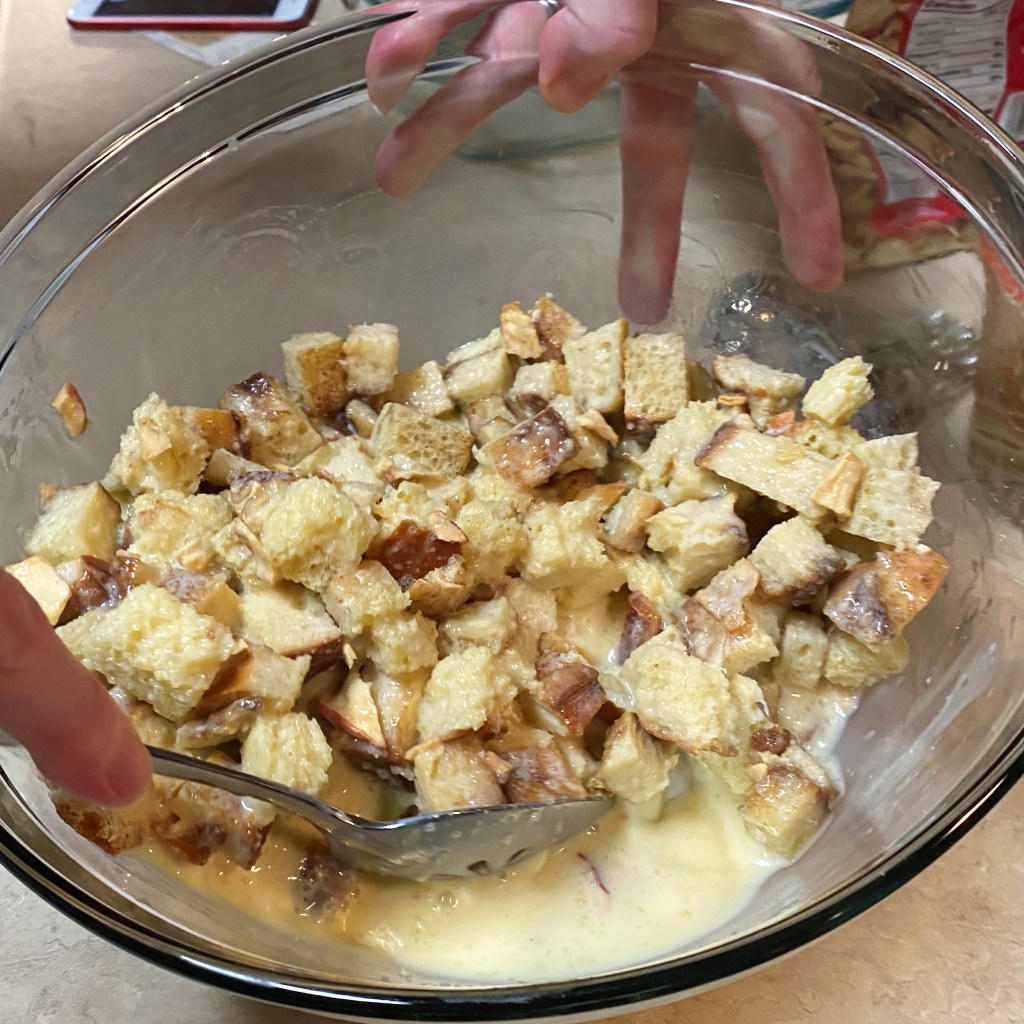
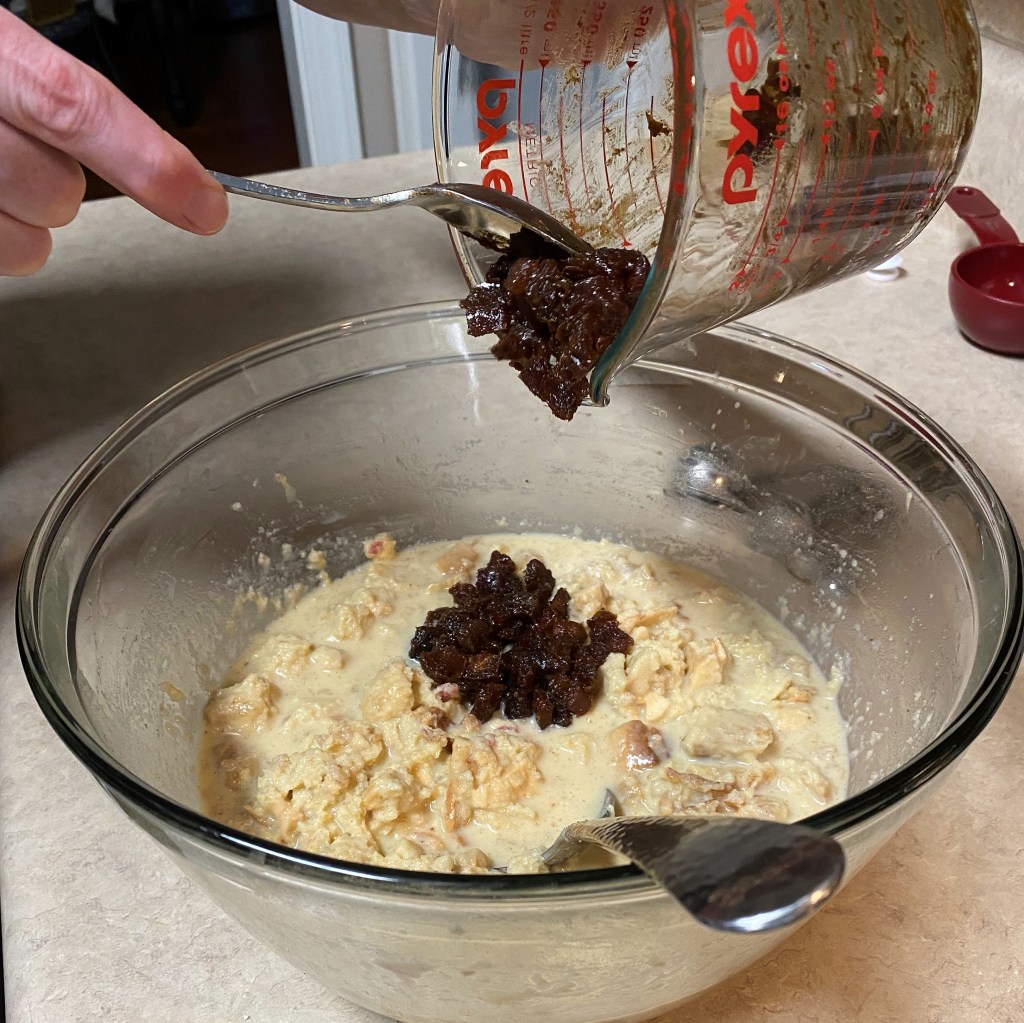
For this batch, I’ve followed Gram’s lead in pulling some scraps from the freezer. I made sourdough challah a couple months back, and I also found some leftover cinnamon rolls, just minding their own business in the freezer. I swapped out the raisins for chopped dates and dried apples, and some of the cinnamon for cardamom. Oh, and I also boozed them up a little bit by soaking the dates in some Grand Marnier (of course, I did).


Ingredients for “Basic Bread Pudding”

2 cups milk

4 cups coarse bread cubes

1/4 cup melted butter

1/2 cup sugar

2 beaten eggs

1/2 cup raisins (or other fruit)

1 tsp. cinnamon or nutmeg

Pour into 1 1/2 quart casserole. Set in pan of hot water. Bake at 350° F for about one hour or until knife inserted in center comes out clean.

For more “custardy” pudding, use 4 cups milk and reduce bread cubes to 2 cups.

Gram (on the back of the recipe card)

Follow along, to see how easy it is to create this luscious dessert! You’ll find a downloadable recipe to print at the end of the post. Enjoy!


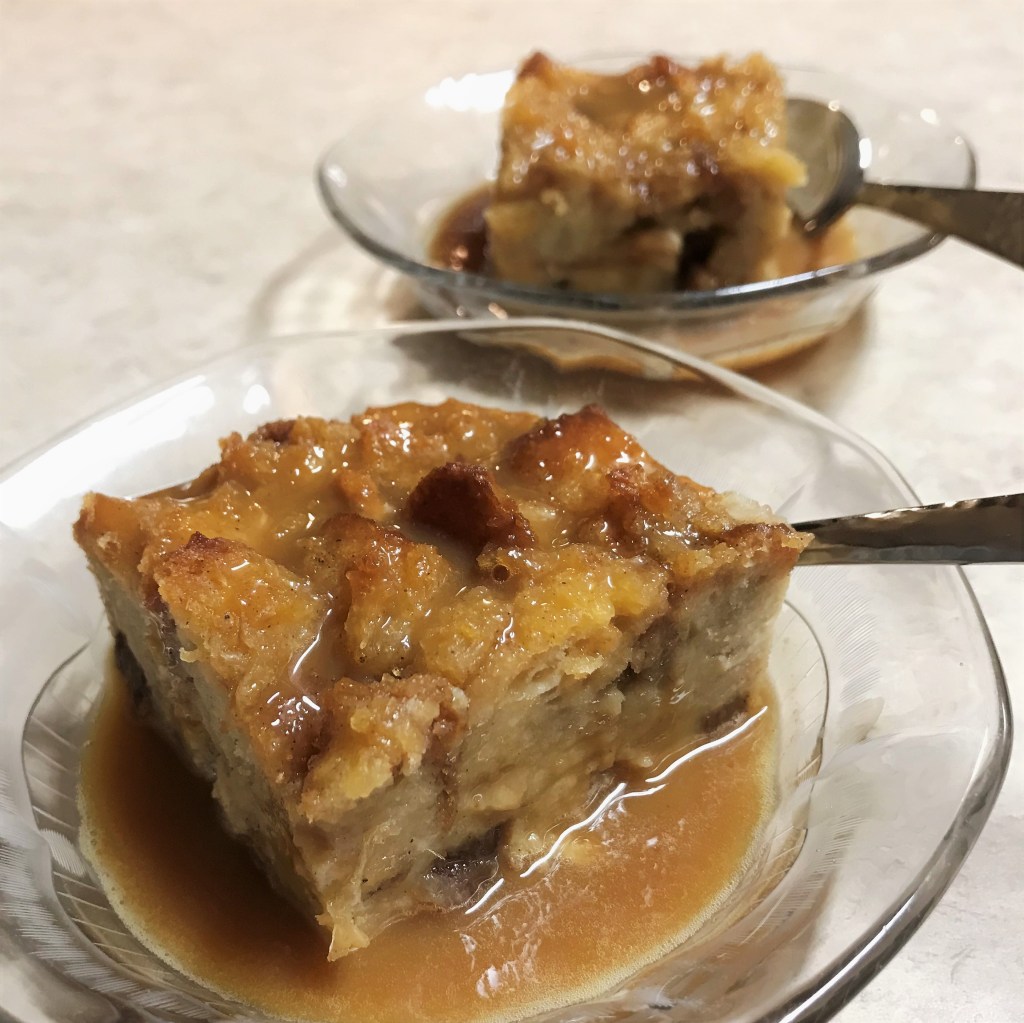
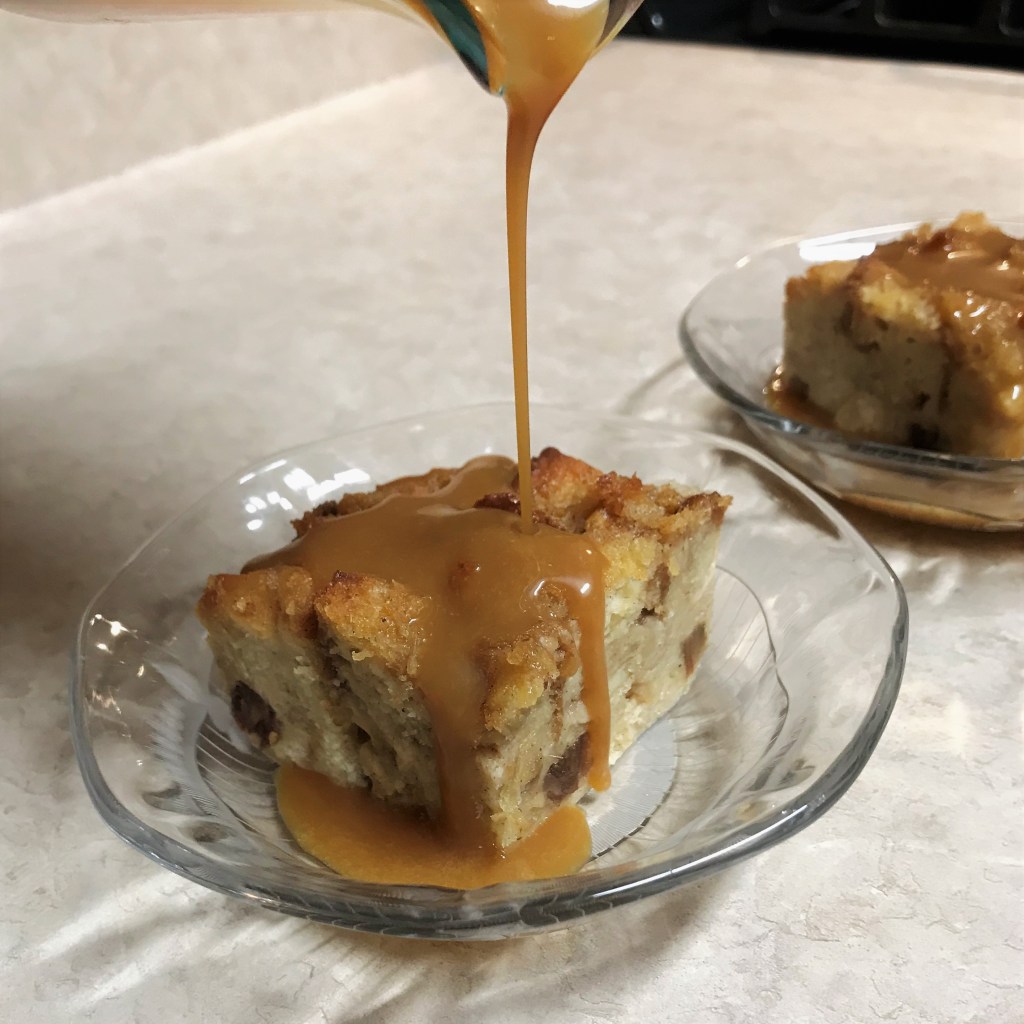
I suppose you want to know about the rich caramel sauce that’s drizzled all over the pudding? It’s salted caramel sauce, which I might have made from scratch (but didn’t). This time, I took an easy shortcut by warming salted caramel ice cream topping in the microwave with a few tablespoons of heavy cream. It thinned out nicely and provided the perfect finishing touch. Gram would’ve loved that idea, I’m sure of it. Just wait ‘til Christmas, when I share her recipe for molasses cookies!


Want to print this recipe?


Two Fun Ways to Celebrate National S’mores Day!

Not that there’s anything wrong with just plain s’mores. I love them, personally. The crispy graham cracker, melty gooey chocolate and perfectly toasted (or “accidentally” burnt) marshmallow, all pressed into one delicious little sugar sandwich bite—takes me straight back to 1977 and Allegheny State Park in the middle of summer family camp.

But that was a long time ago, and although I still love the idea of s’mores in my grown-up years, I’m less inclined to imagine making a campfire or even firing up the chimenea on our patio. I mean, it’s the middle of summer, you know? I’d rather crank the oven up to 450° F because inside, I have air conditioning. And why would I do something as simple as s’mores, when I can over-complicate them into something more visually decadent?

Consider instead these two tasty treats, bearing every last detail of s’mores, but without the campfire smell permeating your clothes, without the bugs and without smoke getting in your eyes. First of all…


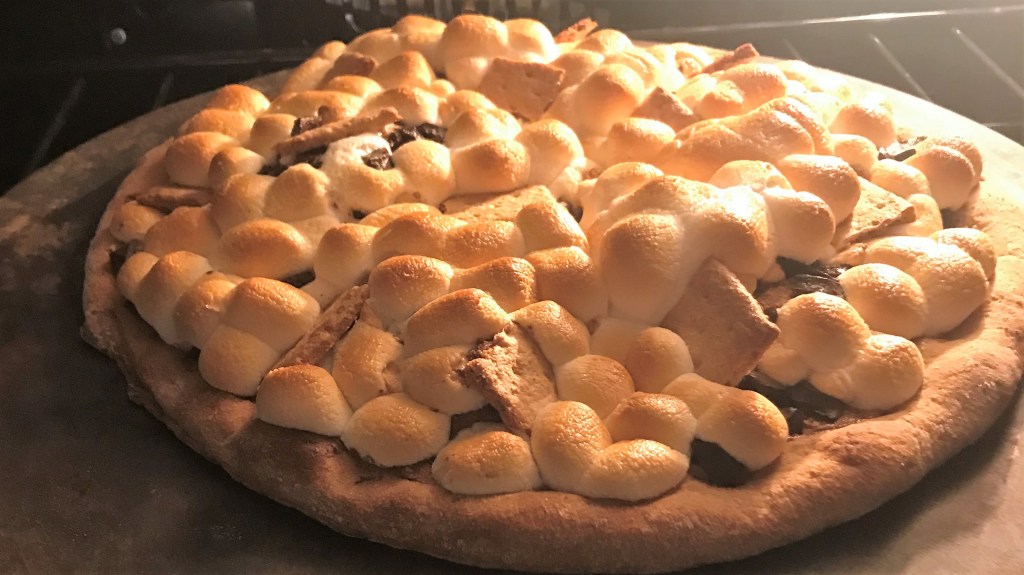
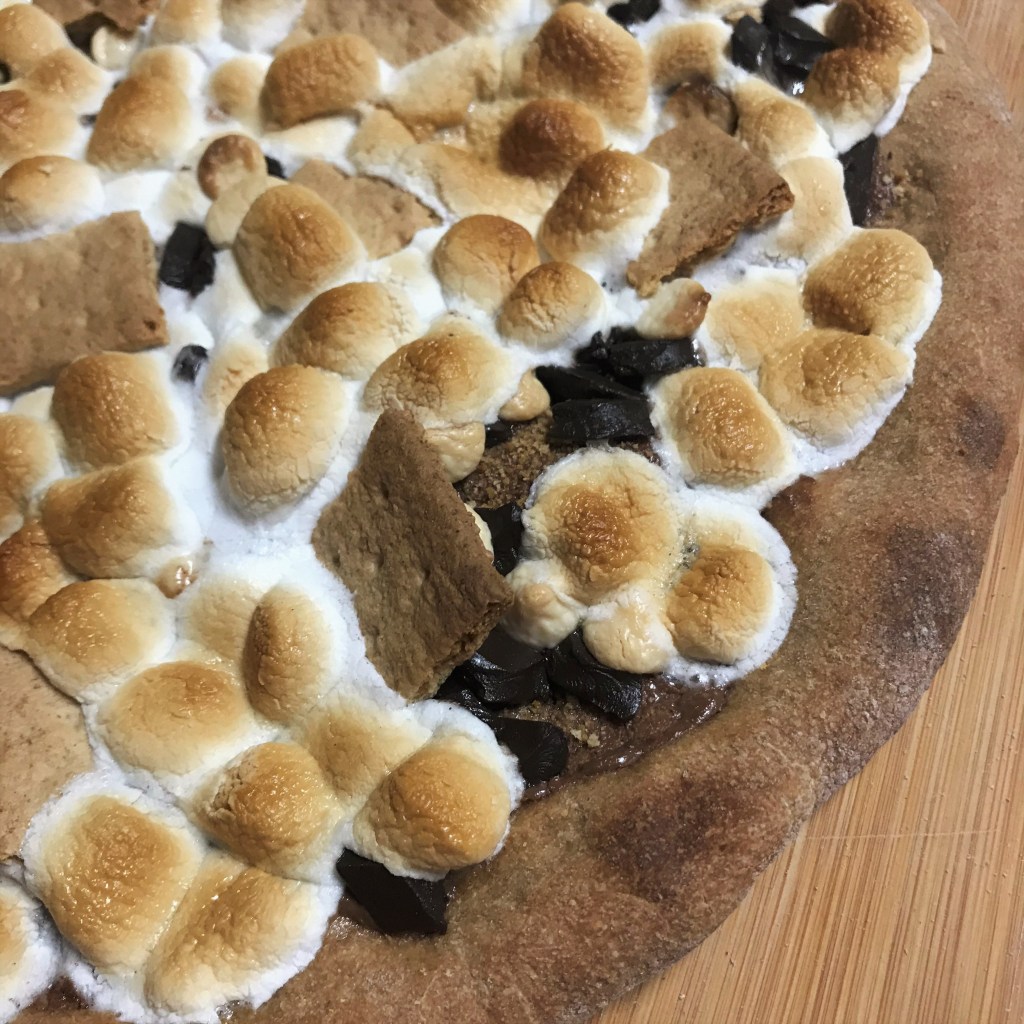
S’mores Pizza!

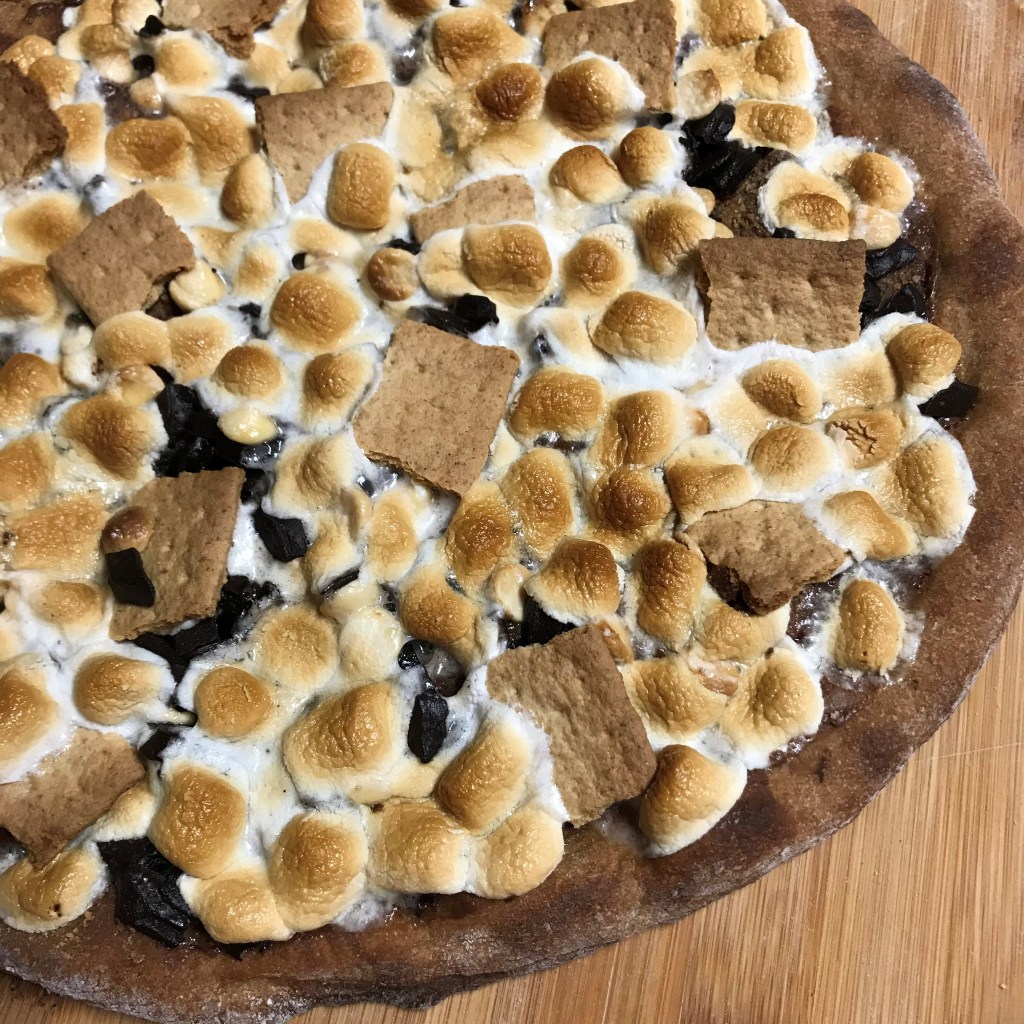
Oh yes, all the flavors of the campfire classic.

Warm and gooey, stupidly sweet and completely kid-friendly. If I had kids, I would expect them to want this for sleepover parties, or maybe even in lieu of a birthday cake.

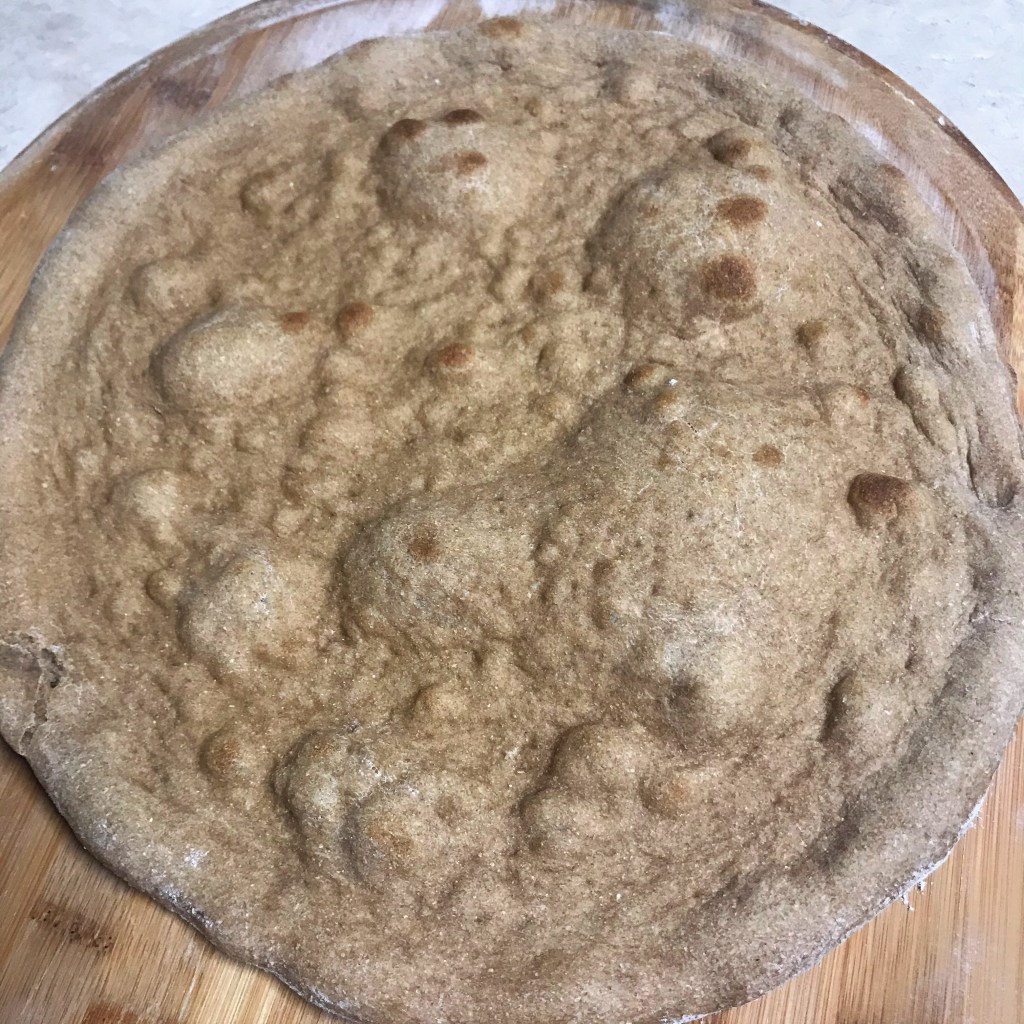
For the crust, I leaned on my pals at King Arthur Baking (did you notice, they changed their name!), and did a quick modification to their recipe for whole wheat pizza crust. Who knew that every kid’s favorite cracker is whole grain? Yes, whole wheat flour is also sometimes called “graham flour,” and it’s the basis for graham crackers, so it also will be the base for my s’mores dessert pizza. I took the King Arthur recipe, cut it in half, converted for sourdough, increased the sugar by four times and swapped in coconut oil.

This crust took a good while, because it’s a slow-ferment yeast bread, and the sourdough conversion and extra sugar slowed it down even more. I was OK with this delay because I’m a bread nerd. If you want something quicker, pick up some whole wheat dough at Trader Joe’s, or go with a basic chocolate chip cookie dough, but use whole wheat flour and save the chocolate chips for a topper. In fact, I want to make my next s’mores pizza that way to appease my husband, who has s’mores apathy. This is not his fault. First of all, he was not a Girl Scout. Secondly, he was raised in NYC, and they didn’t exactly have campfires on the fire escape of his apartment building. But if the s’mores are piled onto a giant cookie? That, I suspect, would be right up his alley. I might even go nuts next time and pile the s’mores toppings onto a brownie base. For crying out loud!

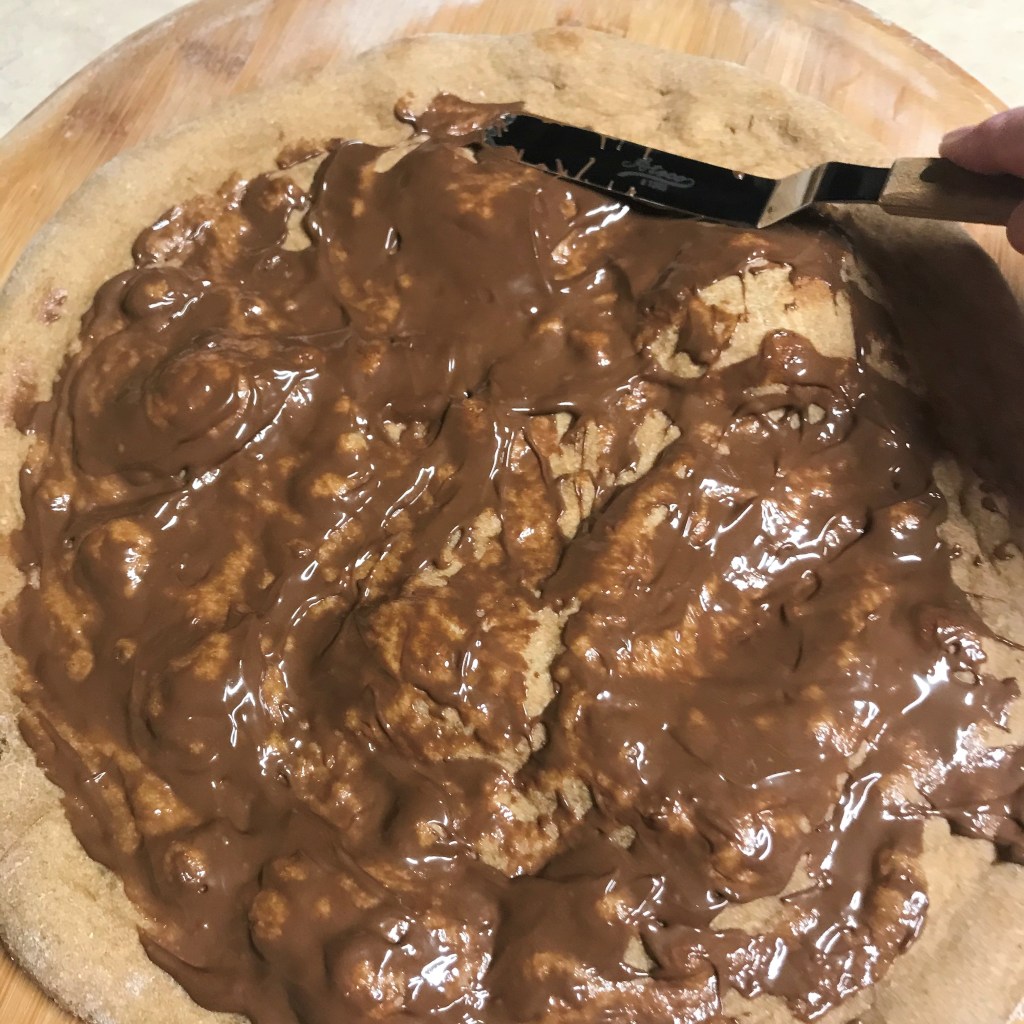
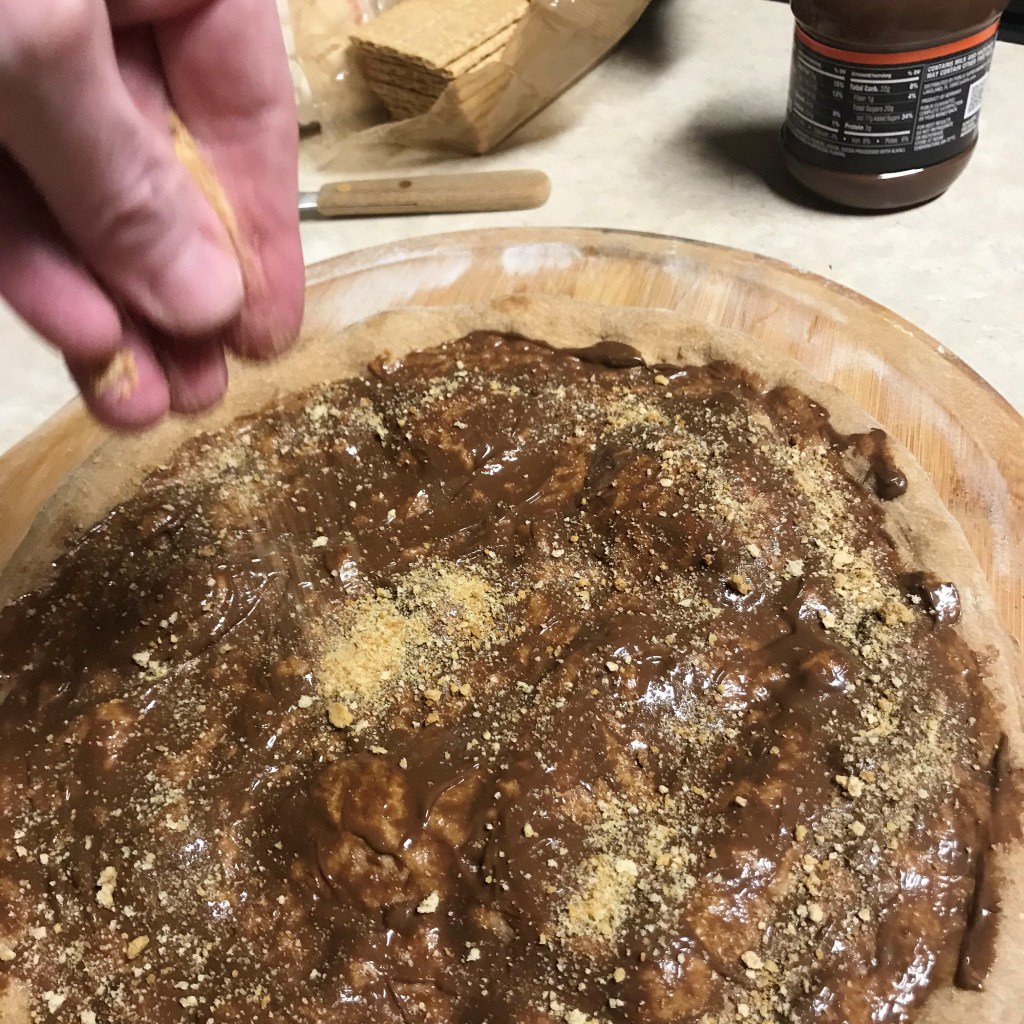
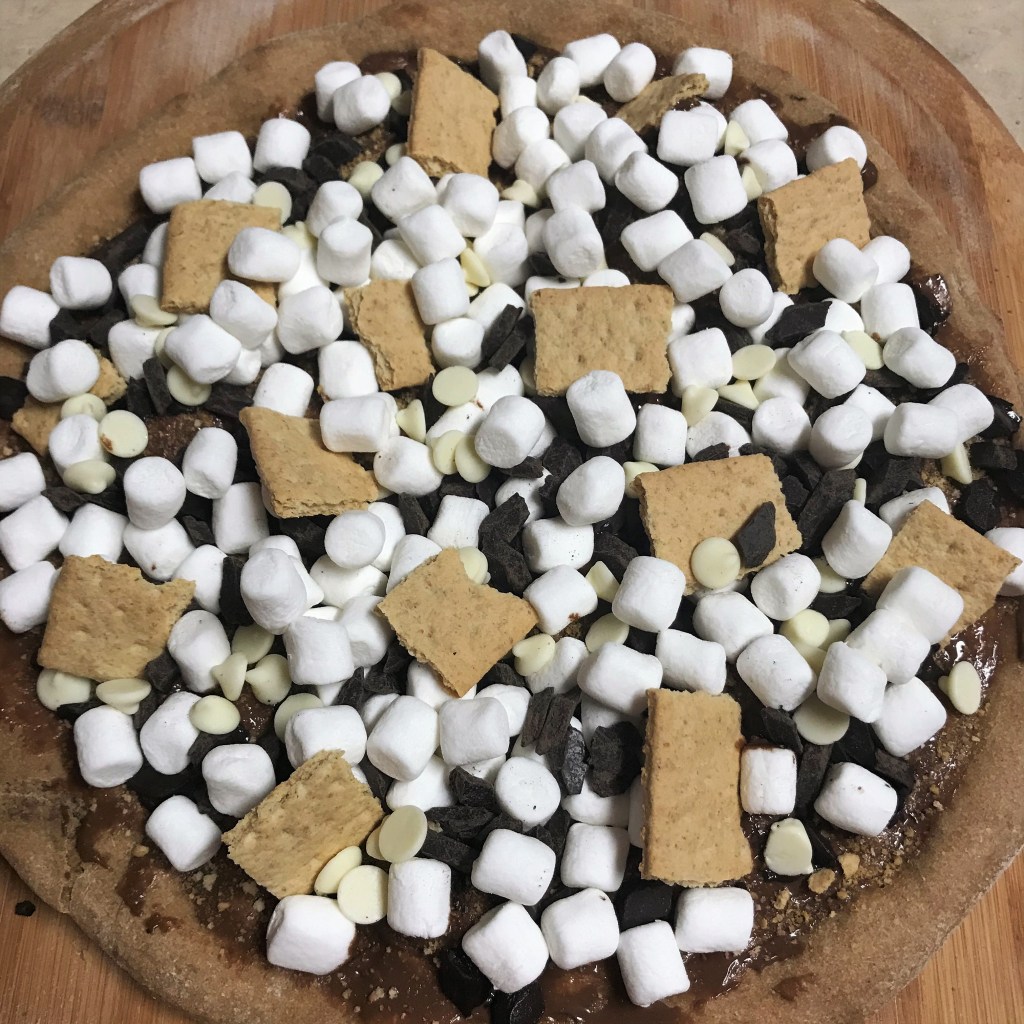
For the toppings here, I got things started with a thin slathering of Nutella. I know, hazelnut is not “traditional” for s’mores, but I haven’t found a spread that is only chocolate, so it’ll have to do. Besides, you barely taste the hazelnut underneath all the other stuff that is traditional for s’mores—the graham crumbs, chocolate bits and (of course) the pillow-y miniature marshmallows.

Want to try it? Check your pantry for these items, or mask up and head to the grocery store to get them.


Ingredients

Whole wheat pizza dough or cookie dough substitute

Nutella or similar chocolate spread

Graham crackers, some crushed, some pieces

Chocolate chips or chocolate chunks (I used semi-sweet for my experiment, but I think milk chocolate would melt better)

Miniature marshmallows

A big glass of cold milk (trust me, you’ll want this after a big sticky slice of s’mores pizza)


Instructions


And then, into a 450° F oven, just long enough for the chocolate to melt and the marshmallows to get toasted. This didn’t take long, maybe 5 more minutes.

The marshmallows got SO puffy during the baking!


This pizza satisfied my once-in-an-adult-blue-moon craving for s’mores, but I will tell you honestly that the end result (by the time I finished taking pictures and slicing it) was a bit on the chewy side, which was oddly addictive for me, but my hubby did not love it and it was a total “no-go” as leftovers. The best thing about real s’mores is that they provide immediate gratification, a fleeting taste of pure and simple decadence.  Once a marshmallow has been toasted then allowed to cool, it becomes overly sticky and loses the gooey deliciousness that makes a simple s’more so ridiculously good. So, if you intend to give this a go, may I suggest you have a few hungry friends nearby (safely distanced, of course) and ready to indulge? Everyone grab a slice and eat it, straight from the oven.


Or, if your properly distanced friends are all members of the over-21 crowd, lean into this adaptation instead:

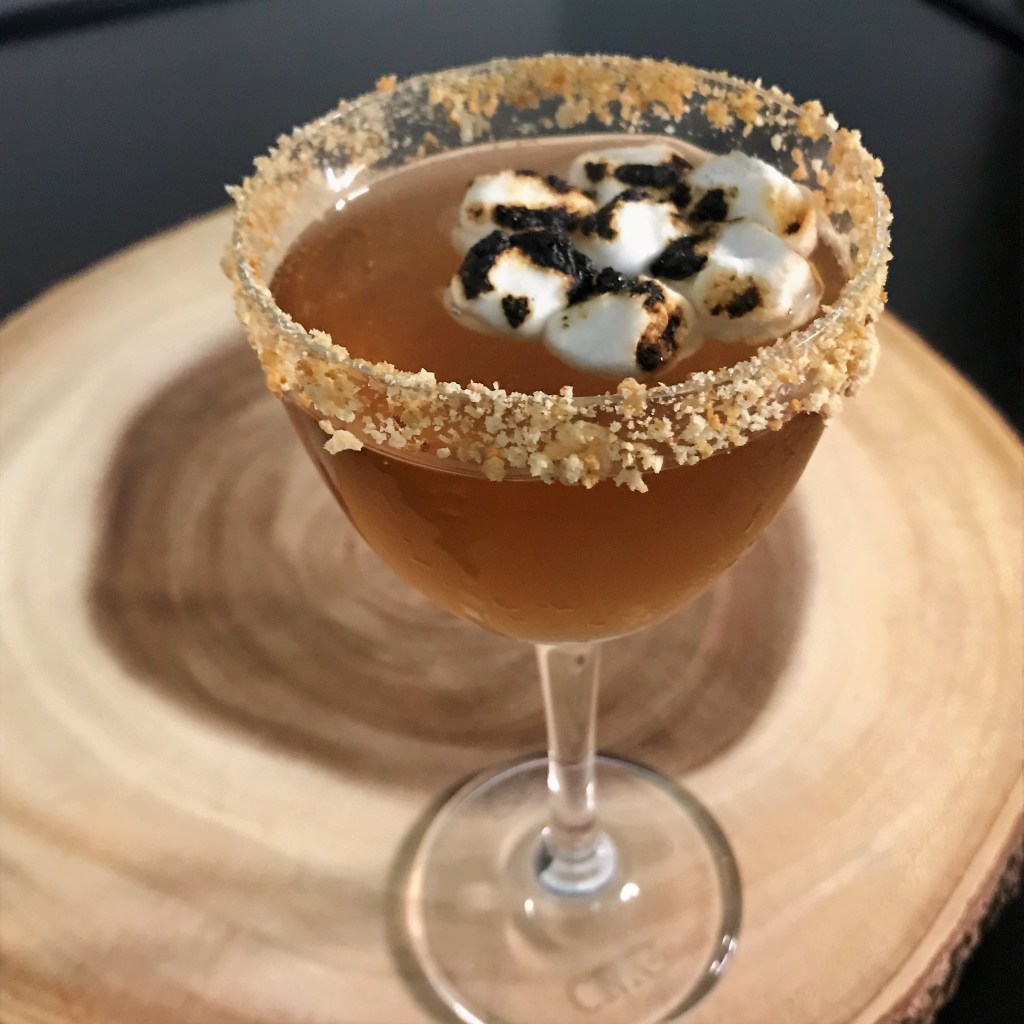
S’mores Martini!

For adult s’mores lovers, only.

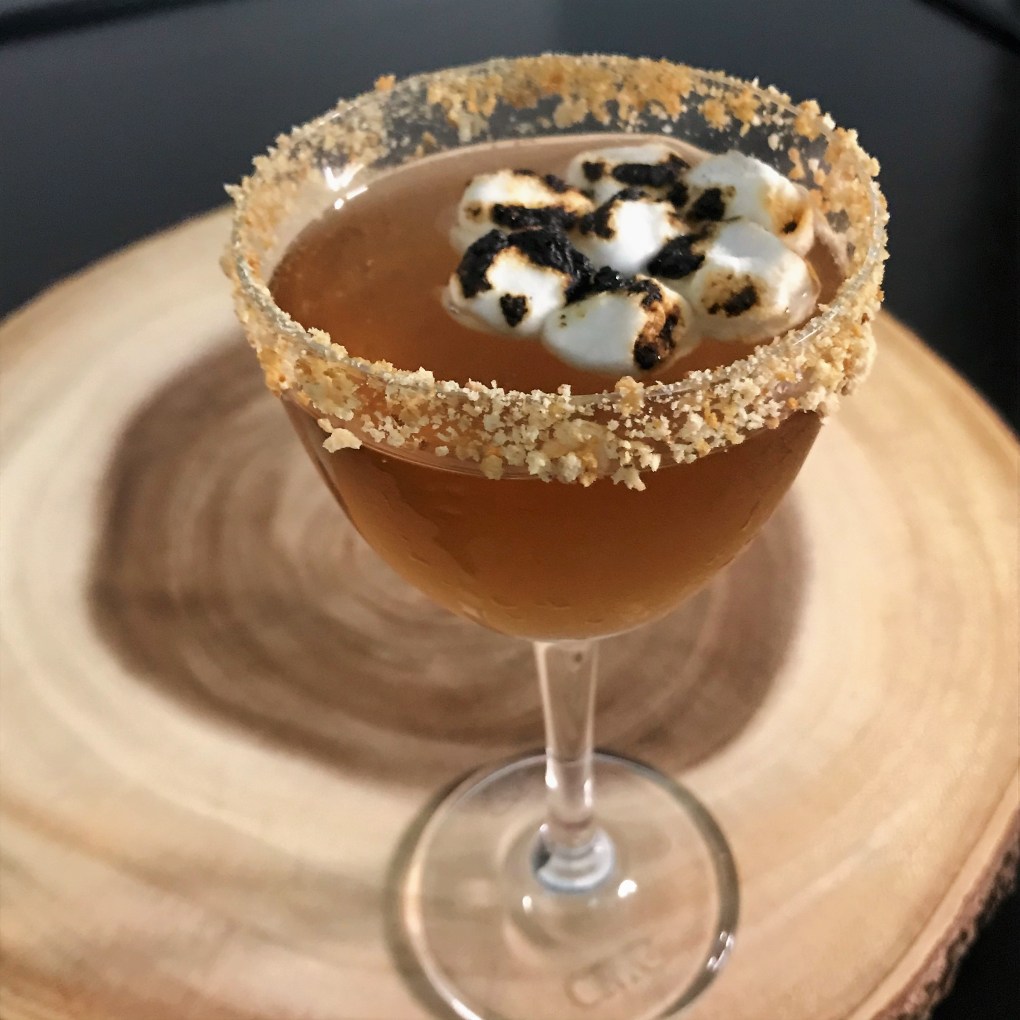
The distinct flavors of your favorite summer camp treat, with vanilla and chocolate spirits, and neatly dispensed in a chilled 4 oz. glass, complete with graham crumb rim and floating a toasted mini marshmallow garnish.

Kumbaya, y’all.


Ingredients

1.5 oz. vanilla vodka (I used Absolut)

1.5 oz. crème de cacao (light or dark, but not creamy)

Graham crumbs

Mini marshmallows

You will also need a petite cocktail glass and a kitchen torch or stick lighter. A cocktail mixing glass or shaker will be helpful, or improvise with a glass measuring cup.


Instructions

  1. Combine the vanilla vodka and crème de cacao in a cocktail mixing glass (or a bowl that is wide enough to dip your glass rim into). Carefully lower the rim of your chilled cocktail glass into the alcohol mixture, then roll the edges into the graham crumbs until coated all around. Put the glass in the fridge or freezer while you prep the marshmallows.
  2. Arrange the mini marshmallows in a heated cast iron skillet, and use a kitchen torch or stick lighter to gently “toast” the edges of the marshmallow. Watch it closely to keep them from burning (unless you like the burned edges, as I do). The goal is to get a nice toasty color on them and help them stick together in a cluster. Use a small spatula to transfer the garnish to a plate or cutting board to cool.
  3. Add ice to the cocktail mixing glass (or pour the alcohol from the bowl into a shaker with ice) and stir (or shake) about 20 seconds, until the outside of the mixing container is frosty. Strain into the cocktail glass. Top with marshmallow garnish.


Southern Peach Shortcake with Sweet Tea Syrup

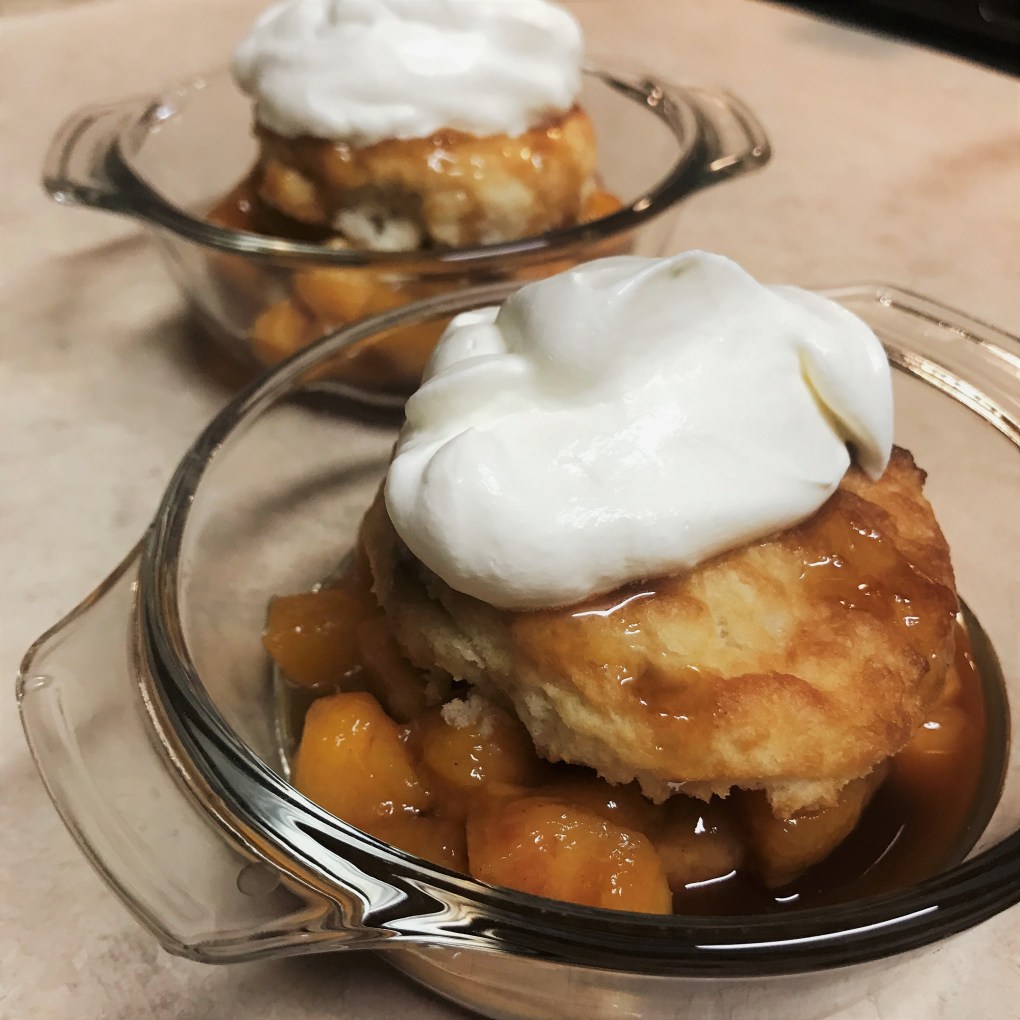
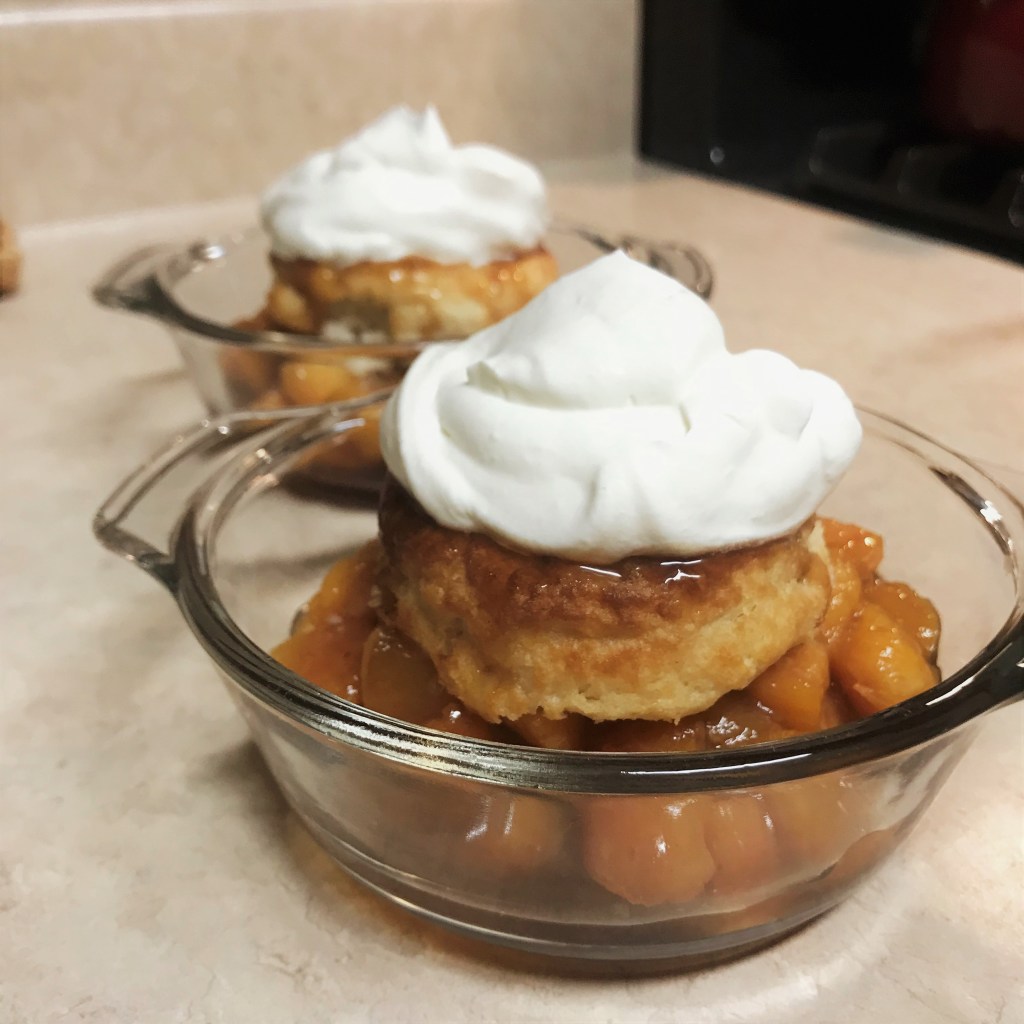
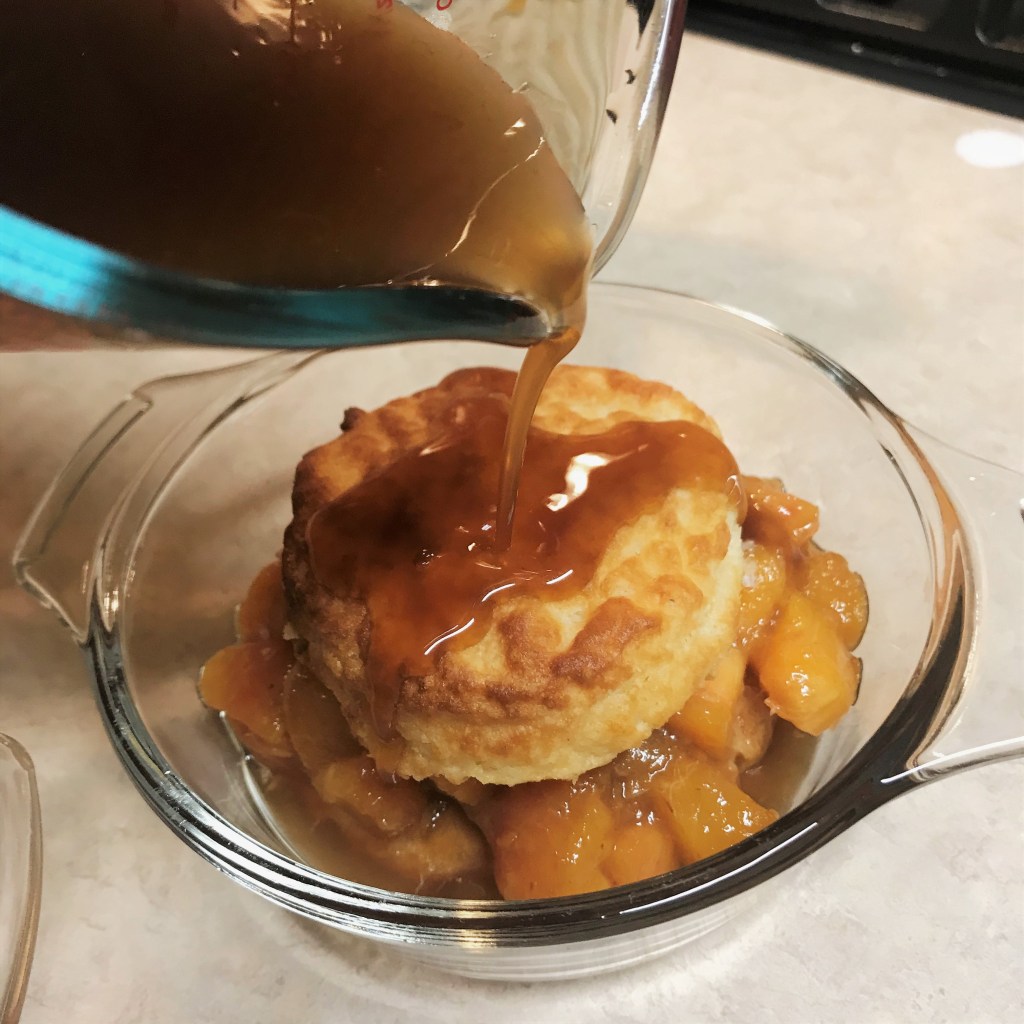
What could be more southern than summer sweet peaches and cream on tender, salty butter biscuits? How about all that, plus a sweet tea syrup? Oh, yeah.

This idea came to me after my first taste of an Arnold Palmer, a non-alcohol summer beverage made of equal parts sweet tea and freshly squeezed lemonade. The drink is attributed to, and named for, one of the greatest American pro golfers of our time. Apparently, after a hot afternoon on the links, it was his go-to beverage, and I can understand why. I still have enough Yankee in me (despite 30+ years living in the South), that sweet tea on its own is decidedly not my drink of choice. But lightly sweetened and combined with tart lemonade, it’s light, refreshing, and I cannot get enough of it. When a flavor combination takes hold of me this way, I can’t help myself from thinking, “what else can I do with this?’”

I had four plump, juicy peaches on the counter—not enough for a cobbler, which would be too much for the two of us anyway.

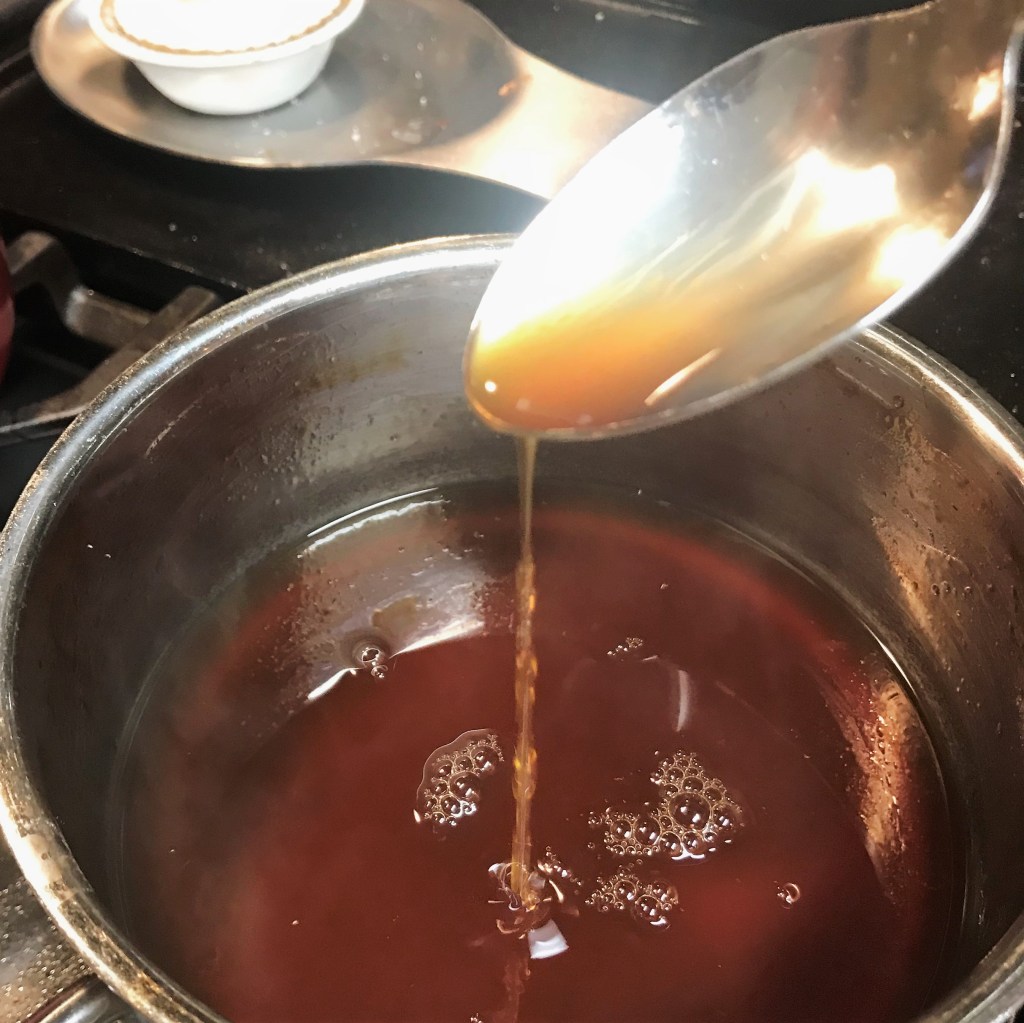
So here we are. I boiled down the Arnold Palmer blend to concentrate the flavors of the tea and lemonade. My tea was light on sugar to begin with, so I added a couple of teaspoons when the syrup reached the reduction level I wanted. The syrup underscores the sweetness of ripe, juicy southern peaches, which are still undeniably the star. Go ahead and use frozen or canned biscuits if that’s easiest or knock it out of the park with some homemade fluffy biscuits if you’re a rock star (and how about sharing that recipe with me because biscuits are not my forte).

This recipe made exactly enough for 3 generous servings, dessert that night and one leftover for hubby’s lunch.

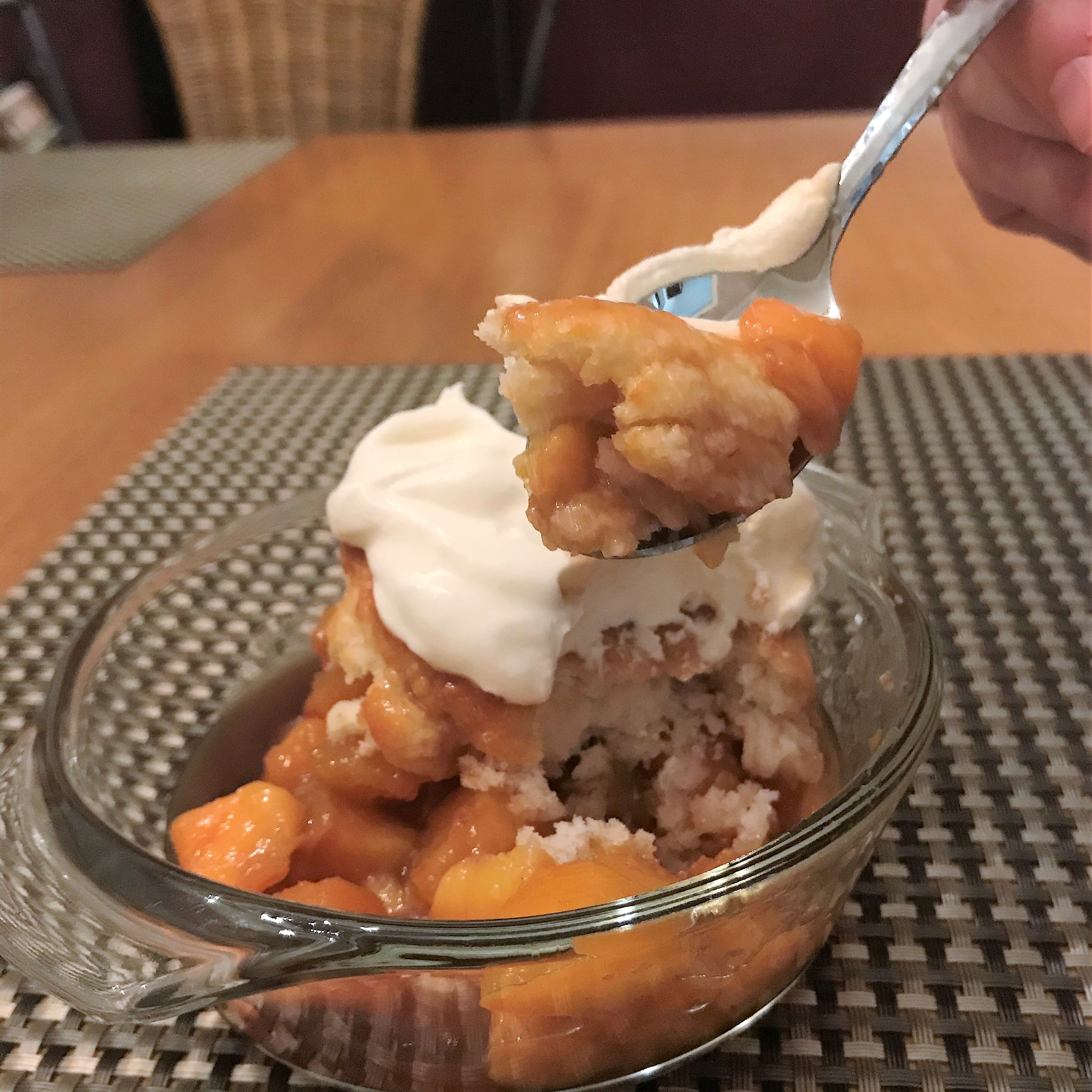
Of course, it’s topped with freshly whipped cream!

Ingredients

4 ripe freestone peaches, peeled* (see notes for peeling tip)

Juice of 1/2 small lemon

3 tsp. cane sugar

3 cups Arnold Palmer* tea-lemonade beverage (see notes for suggestions)

1 Tbsp. corn starch

1 Tbsp. unsalted butter

3 fresh buttery biscuits (I cheated and used purchased biscuits)

Sweetened whipped cream for topping


*Notes

Freestone peaches differ from “cling” peaches in that the soft fruit flesh will release more easily from the pit. The peaches at your market are likely to be freestone unless otherwise labeled.

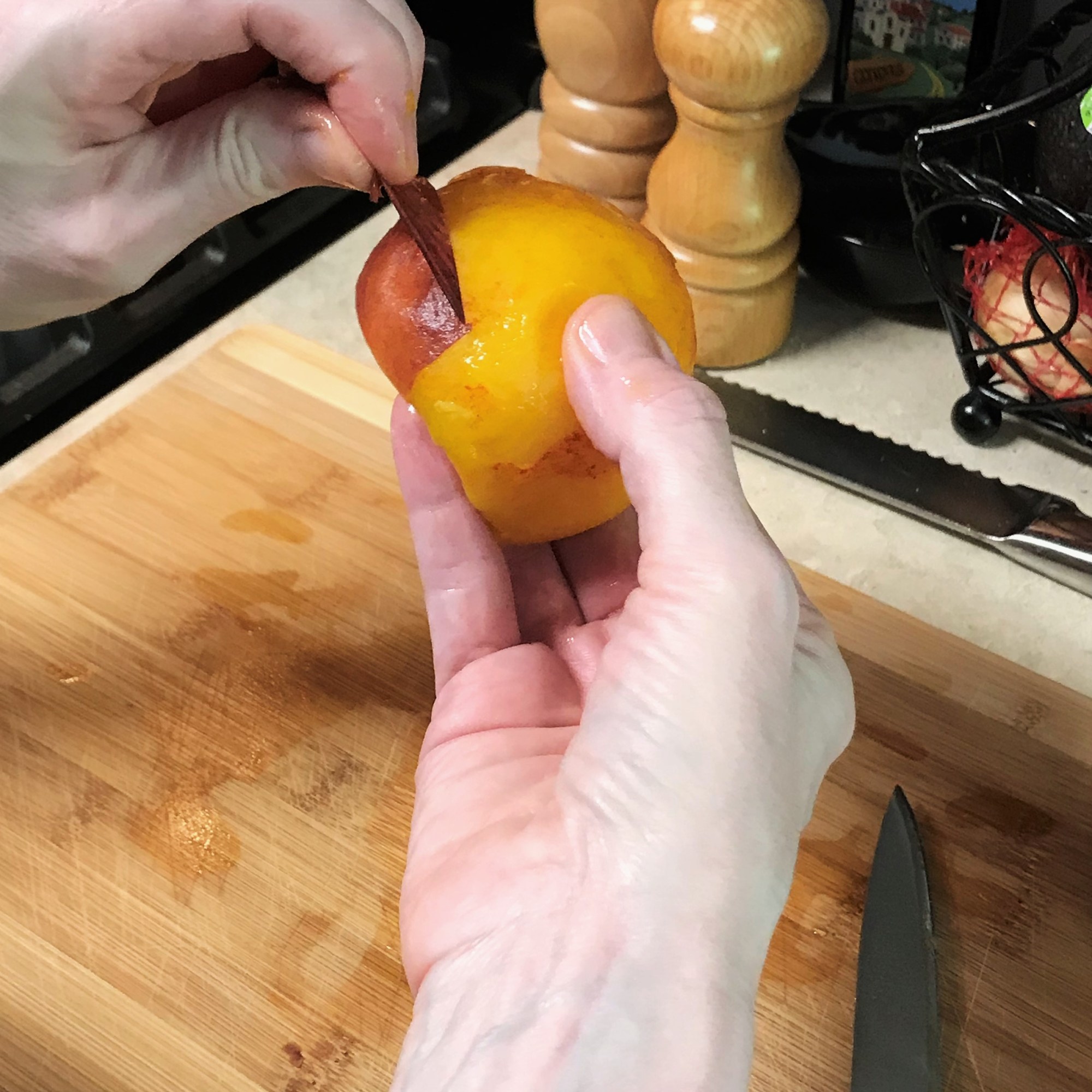
Here’s a tip for peeling peaches without subjecting them to boiling water or crushing them: Use a sharp paring knife at a tight angle to the skin of the peaches and “scrape” against the peel, but not in a way that slices or cuts it. The best way I can describe this process is to pretend you are giving the peach a close shave. This gentle, all-over pressure will cause the skin to loosen from the soft flesh of the fruit. Then, you can slip the point of your knife under a small section of the skin and peel it right off.


For the Arnold Palmer beverage (named for the champion golfer who loved the drink), I mixed equal parts of lightly sweetened tea and Trader Joe’s freshly squeezed lemonade. Simply Lemonade brand would also be good, and homemade would be best of all. Steer clear of instant lemonade drinks such as Country Time. You’ll appreciate the flavors of real lemonade. This blend is so refreshing and summery, I could honestly drink it for breakfast, lunch and dinner.

If you’re not already making your own sweet tea at home, here’s the quick rundown for success. First, get some Luzianne blended tea—this is the real-deal “southern” tea, specifically blended for iced tea (though I can’t identify what makes it so). Seriously, if you aren’t in the South or cannot find Luzianne, there’s nothing wrong with Lipton or another brand, but for this recipe, stick with black tea rather than herbal. If you have the jumbo tea bags, you’ll only need two of them, or six regular sized tea bags.

Southerners swear by this stuff.

May I suggest also, if you expect you’ll be enjoying this beverage in the evening, consider getting the decaf version of the tea bags. On my first experience with the Arnold Palmer drink, I kept filling my glass without a thought about the caffeine (the stuff is that delicious). It was a decision I regretted the entire next day, after having only slept about three hours. I think I’d rather have a hangover than an all-night caffeine buzz. On the plus side, it was a very productive day. 🙂

Bring water to a boil in a tea kettle or pan and pour 6 cups over two family-size tea bags in a heat-safe pitcher. Allow the tea to steep 5 minutes, then remove and discard the tea bags. Add about 1/2 cup pure cane sugar (give or take, depending on your taste) and stir until dissolved.

Allow it to cool a few minutes, then add 2 cups of fresh ice cubes and stir until melted. Refrigerate the tea until you’re ready to enjoy it or, in this case, blend it with equal amount of fresh lemonade.


Instructions


  1. Toss peaches in lemon to prevent browning
  2. Sprinkle sugar over peaches and macerate several hours or overnight in the fridge.
  3. Simmer Arnold Palmer blend down to about 3/4 cup volume.
  4. Taste syrup; if too tart (lemony), add 1 tsp. sugar at a time to taste
  5. Combine 1 Tbsp. cornstarch with 1 Tbsp. cold water. Bring sauce to gentle boil and slowly stream in the slurry to slightly thicken the syrup. You may not use it all. Stir in butter. Transfer to a bowl and refrigerate if you aren’t using it right away.
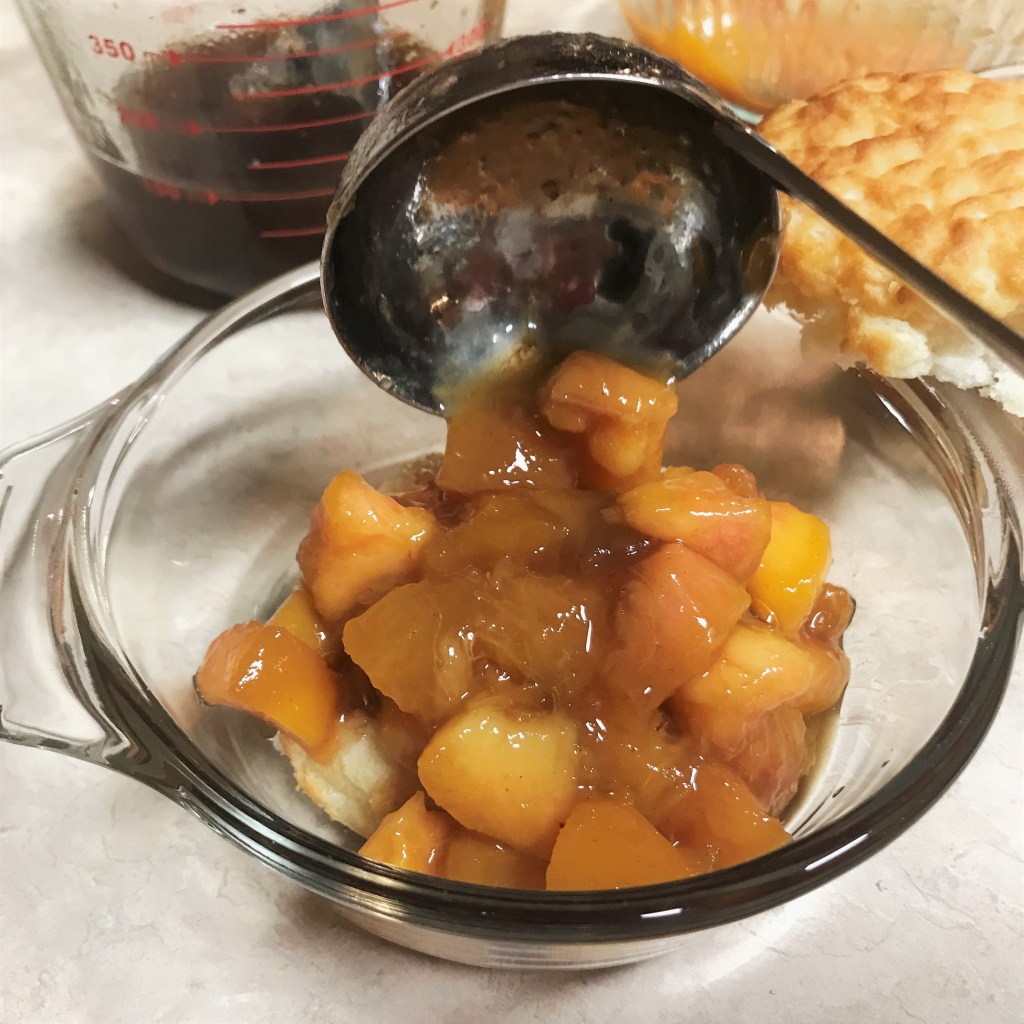
  6. Split a biscuit, drizzle syrup on the bottom half, then layer on peaches and biscuit top. Drizzle generously with sweet tea syrup and top with whipped cream.
The first bite of a sweet summer dessert is the best, am I right?

Want to print this recipe?


Grilled Pineapple-Jalapeno Ice Cream

Inspiration for nearly every original recipe I’ve made comes from my experience with the same combination of ingredients in a different type of dish. For example, I love the balance of flavors in pineapple salsa, especially served up alongside fresh grilled foods in the summertime. So why not take the two key elements of the salsa—pineapple and hot pepper—and cross them over into new territory as a dessert? That’s precisely what I’ve done with this unusual ice cream. Holy. Moly. The distinct jalapeno flavor is subtle throughout, thanks to an infused simple syrup, but it’s definitely the sweetness of the pureed pineapple taking the lead. The creamy ice cream is accentuated even further with pieces of sweet grilled pineapple and the tiny bits of candied jalapeno, left over from the syrup creation.

I love the smooth and creamy texture of a custard-based ice cream, so that’s where this recipe begins. Proper tempering of the egg yolks is key to the outcome, so be patient and watch it closely. If you’re not quite ready for the jalapeno flavor, I’m quite certain the ice cream would be good without it. But if you’re game for a tropical flavor adventure, I promise you won’t be disappointed!


Ingredients

1 1/2 cups whole milk

1 1/2 cups heavy cream

2/3 cup sugar, divided

3 egg yolks

Pinch kosher salt

1/4 tsp. vanilla extract

1/8 tsp. Fiori di Sicilia* (optional, but yum)

2 oz. jalapeno simple syrup (recipe below)

1 cup pureed fresh pineapple*

1/2 cup grilled pineapple pieces*

2 Tbsp. candied jalapeno pieces (reserved from making simple syrup)

1 Tbsp. neutral alcohol, such as vodka or light rum* (optional, but improves ice cream texture)

*Notes

Fiori di Sicilia is a unique Italian extract, featuring very concentrated citrus and vanilla flavors. It’s optional in this recipe, but adds a special flair. Look for it in specialty stores or online from King Arthur Flour.

It may be best to puree the pineapple just before freezing the ice cream, to preserve the beautiful fresh color.

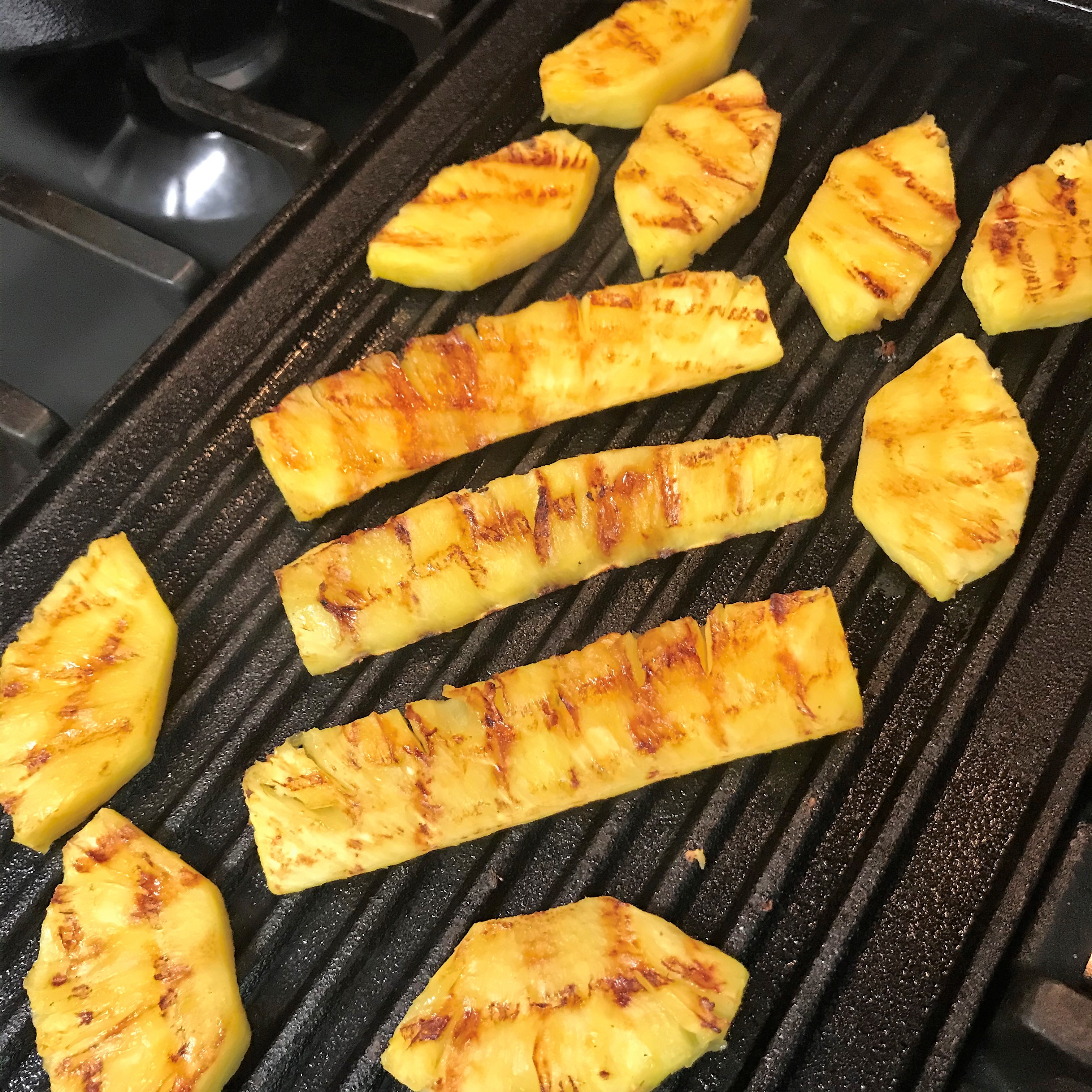
Earlier in the week, I had grilled pineapple for our Jamaican Jerk pizzas, and I reserved enough pieces to use for this ice cream. If you like pineapple with bold spicy flavors, you’ll want to circle back and check out those pies!


Grilling the pineapple really elevates its sweetness in a lovely way, but don’t let this be a deal-breaker. If you’re pressed for time, skip the grilling and use fresh pineapple bits or even canned tidbits (but drain them first).

The addition of alcohol is optional, but it helps to improve the texture of the ice cream. I used 1800 coconut-flavored tequila, another nod to the tropical flavors.

Instructions

  1. Stir together milk, heavy cream and about half the sugar over medium heat until sugar is dissolved, and mixture comes to a very slight boil. Reduce heat to lowest setting or turn off burner.
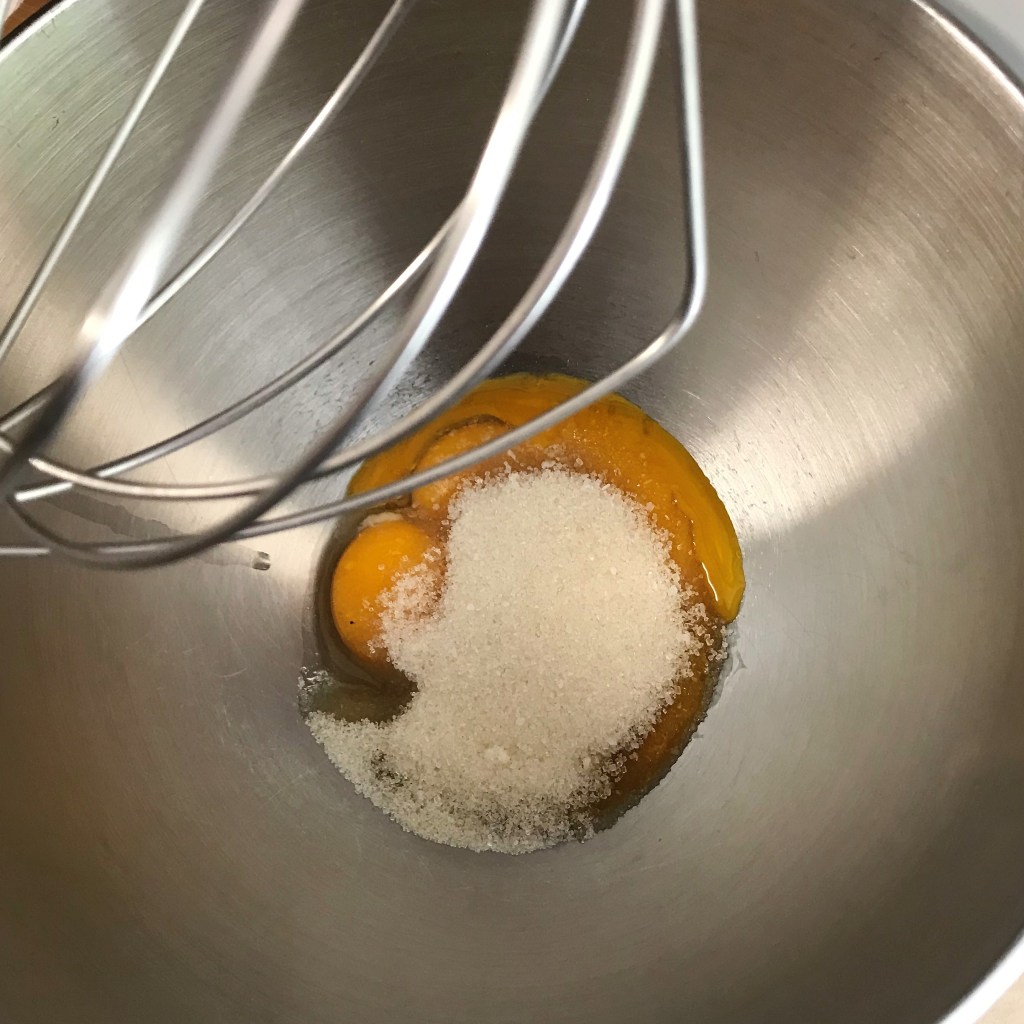
  2. While milk mixture is heating, whisk egg yolks, the remaining sugar and kosher salt until light, fluffy and lemon colored. Scrape down sides of bowl as needed, to ensure all sugar gets incorporated.
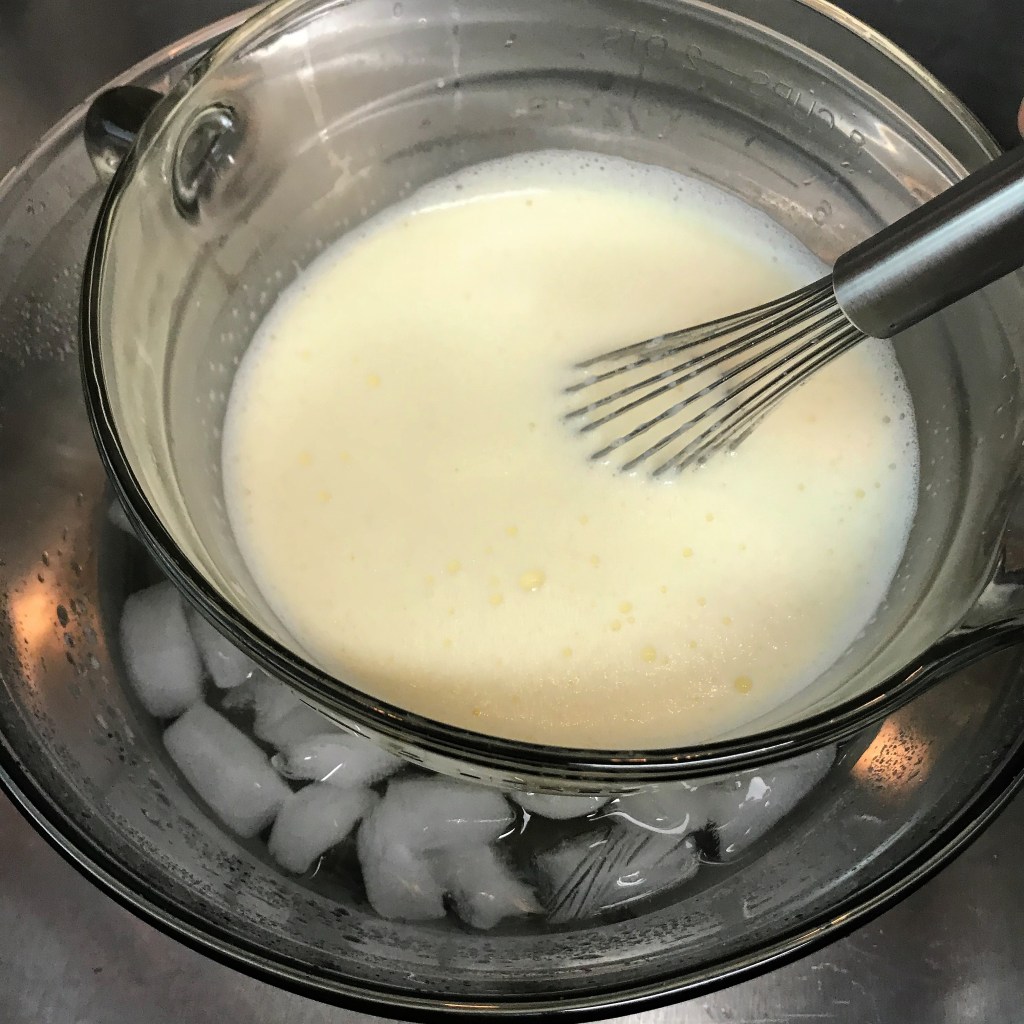
  3. Prepare an ice bath to be used for cooling the custard. Place a heat-proof glass bowl over another bowl filled with ice cubes and water. It will be helpful to have this ready when the custard has finished cooking.
  4. Ladle out 1 cup of hot milk mixture into a measuring cup with a pour spout. Temper eggs by slowly drizzling hot milk into the mixing bowl, whisking the entire time. Then, return the egg mixture back to the pot with the remaining hot milk and cream. Simmer on medium-low heat, stirring constantly, until custard retains shape on the back of a spoon.
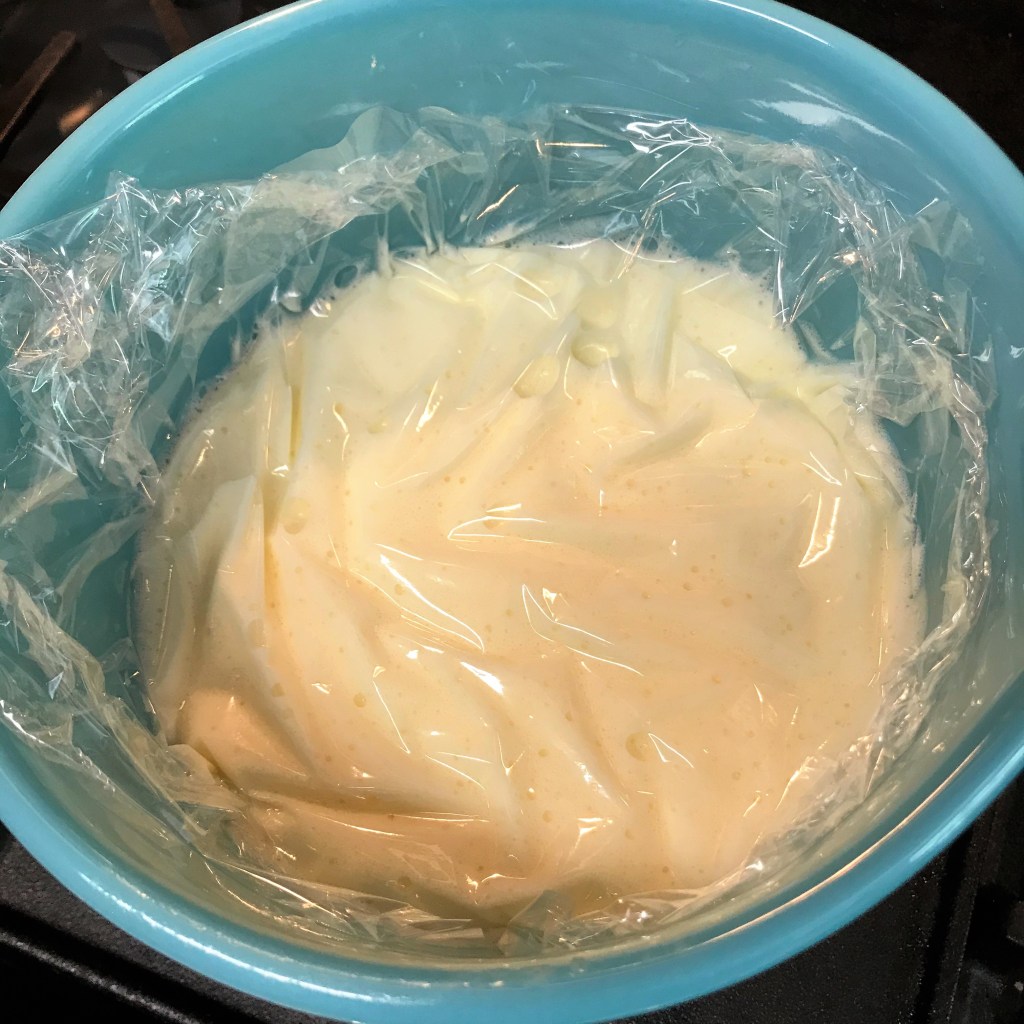
  5. Remove from heat and pour through a mesh strainer into a bowl over ice water to cool custard. I’ll confess here that I often skip this step when making a custard-based ice cream, but the flame seemed a little hot under my pan this time and I wanted to cool it down quickly before the eggs got any ideas about curdling. Stir in vanilla, Fiori di Sicilia and jalapeno simple syrup. Lay heavy plastic wrap directly onto surface of custard, then cover entire bowl with another layer of plastic or tight-fitting lid. Refrigerate overnight.
  6. The next day, add pineapple puree to chilled custard just before freezing according to manufacturer’s instructions. After 20 minutes, add grilled pineapple pieces and candied jalapeno pieces for final few minutes of churning, adding vodka or rum in final minute.

Here’s a slideshow to help you visualize the process:

Transfer ice cream to insulated freezer container and freeze at least four hours to ripen. I know it’s tempting to dive right in for a scoop, but this ice cream will be at its best after an overnight freeze.

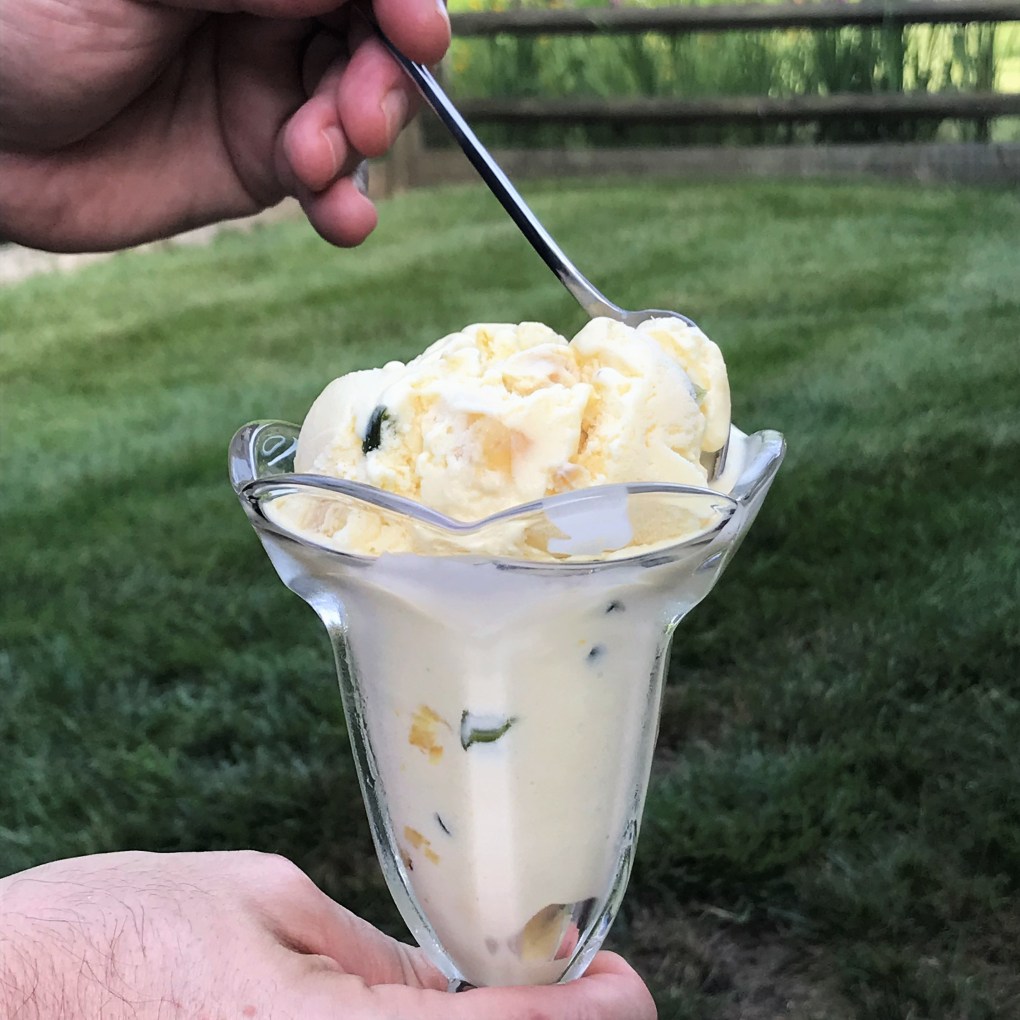
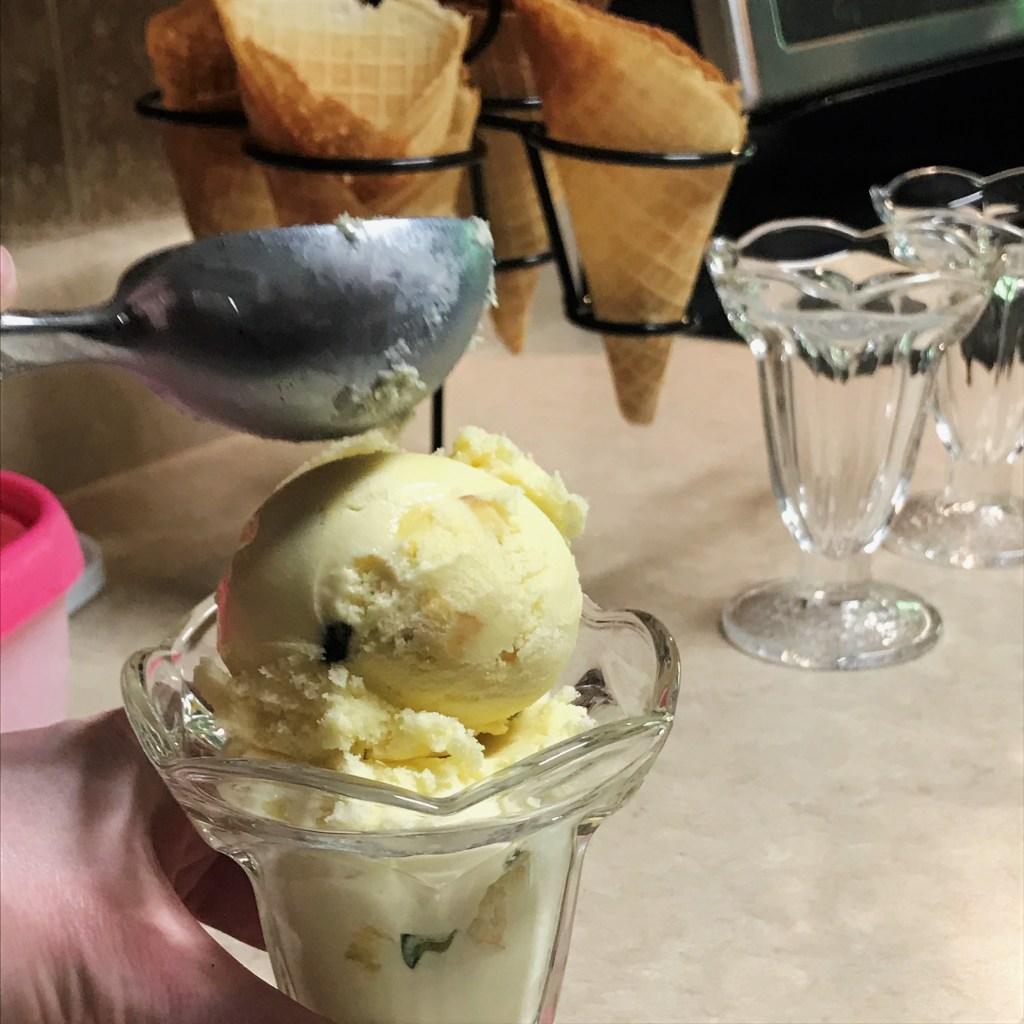
Oh my, is that a perfect looking scoop? 🙂

Jalapeno simple syrup

1 cup pure cane sugar

3/4 cup filtered water

2 smallish jalapenos, seeded and diced

Heat sugar and water over medium heat until sugar is dissolved and syrup begins to lightly boil at the edges. Add jalapeno pieces and stir, cooking about 2 minutes at low heat. Turn off heat, cool completely, strain jalapenos (reserve them) and keep syrup in a covered jar in the fridge up to 2 weeks.

Want to print this ice cream recipe?


FYI, you will only use 2 oz. of the jalapeno syrup in the ice cream recipe. Save the rest for elevating your tropical flavored cocktails—maybe this Watermelon Jalapeno Mule!

A refreshing taste of summer, perfect for sipping in the backyard.


Strawberry Mascarpone Ice Cream

If you love the idea of homemade ice cream but don’t feel like messing around with a cooked custard base, this recipe will be right up your alley. The cream cheese (or, in this case, mascarpone) gives it a luxurious, silky texture, but it comes together quicker without the extra, fussy step of tempering eggs and straining a custard. Greek yogurt helps lighten it up a bit without compromising the creaminess. The layers of fruit syrup and crushed graham crackers bring home all the memories of a fresh summer cheesecake.

I’ve broken the recipe into tasks over a couple of days, but you could easily start this in the morning and finish it the same evening. Just be sure you give the berries enough time to macerate, and the cream mixture time to thoroughly chill before freezing.

Not wild about strawberries? Feel free to swap them out in favor of another favorite fruit, but consider that some fruit might need to be cooked first. Blueberries and raspberries, to name two, aren’t as juicy as strawberries so they would need a little help getting there. I think fresh summer peaches would be amazing in this recipe—and, of course, cherries.

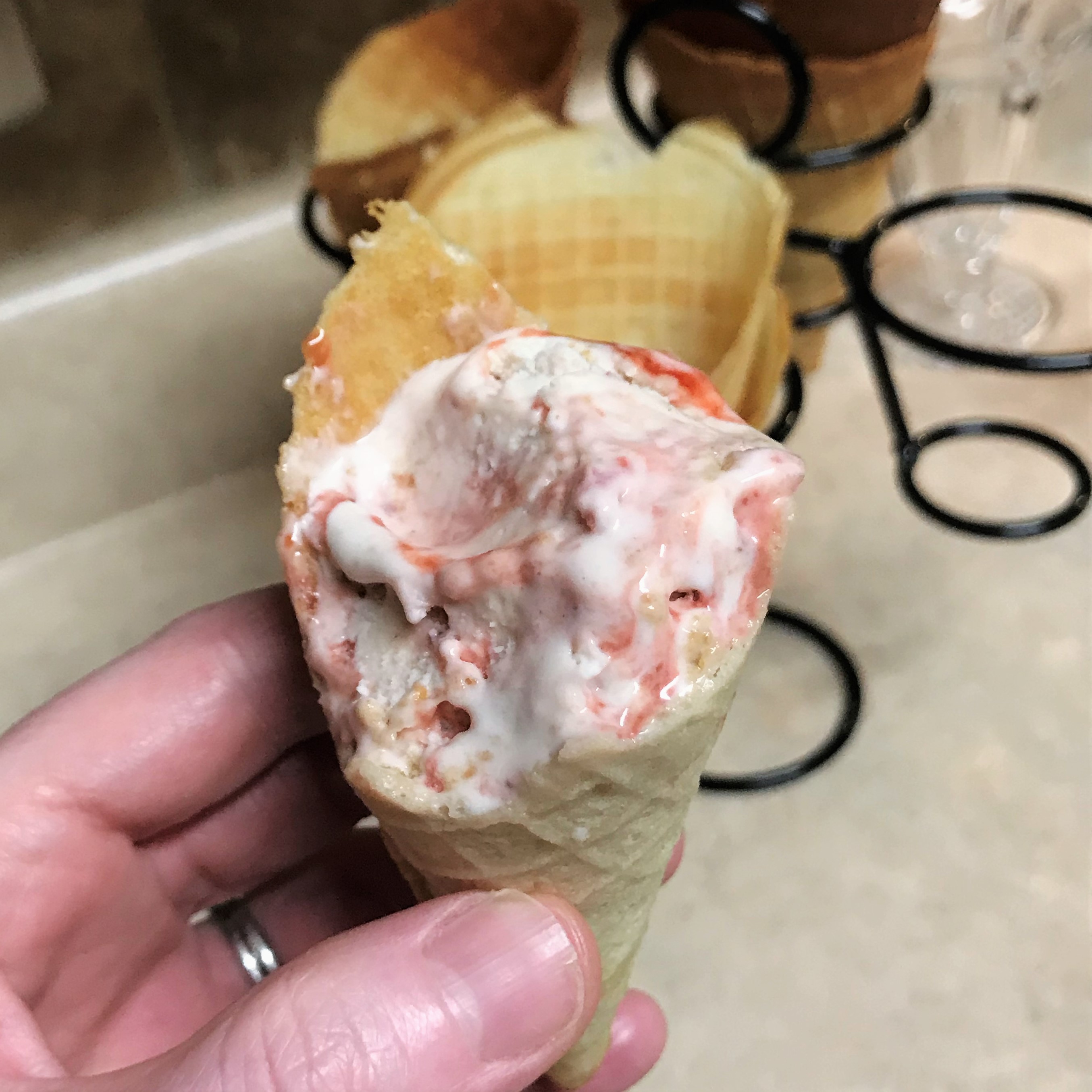
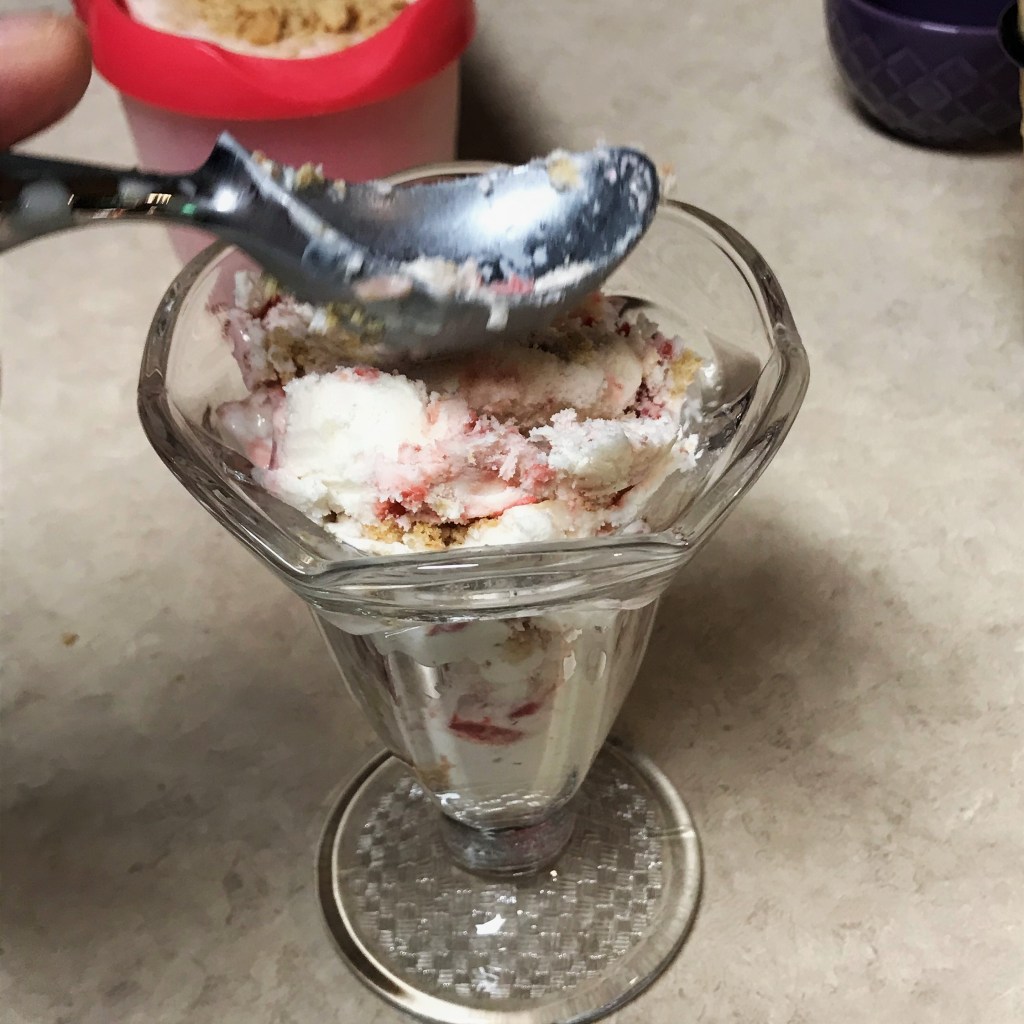
In a bowl, off the spoon, in a cone. However you take it, this ice cream is delicious!

Ingredients

8 oz. mascarpone* or cream cheese

3/4 cup caster (super-fine) sugar*

1 cup heavy cream

1 cup whole milk

3/4 cup Greek yogurt* (plain or vanilla)

1 tsp. vanilla extract

1/4 tsp. almond extract

2 1/2 cups fresh organic strawberries*

1/2 cup light brown sugar

1 Tbsp. vodka* (optional for improved texture)


*Notes

Mascarpone is an Italian-style creamy cheese, a bit denser and definitely silkier than regular cream cheese. It will lend an ultra-creamy texture to this ice cream which, unlike most of my others, does not begin with an egg custard. If mascarpone is not available in your market, use full-fat cream cheese (the brick kind) for similar result.

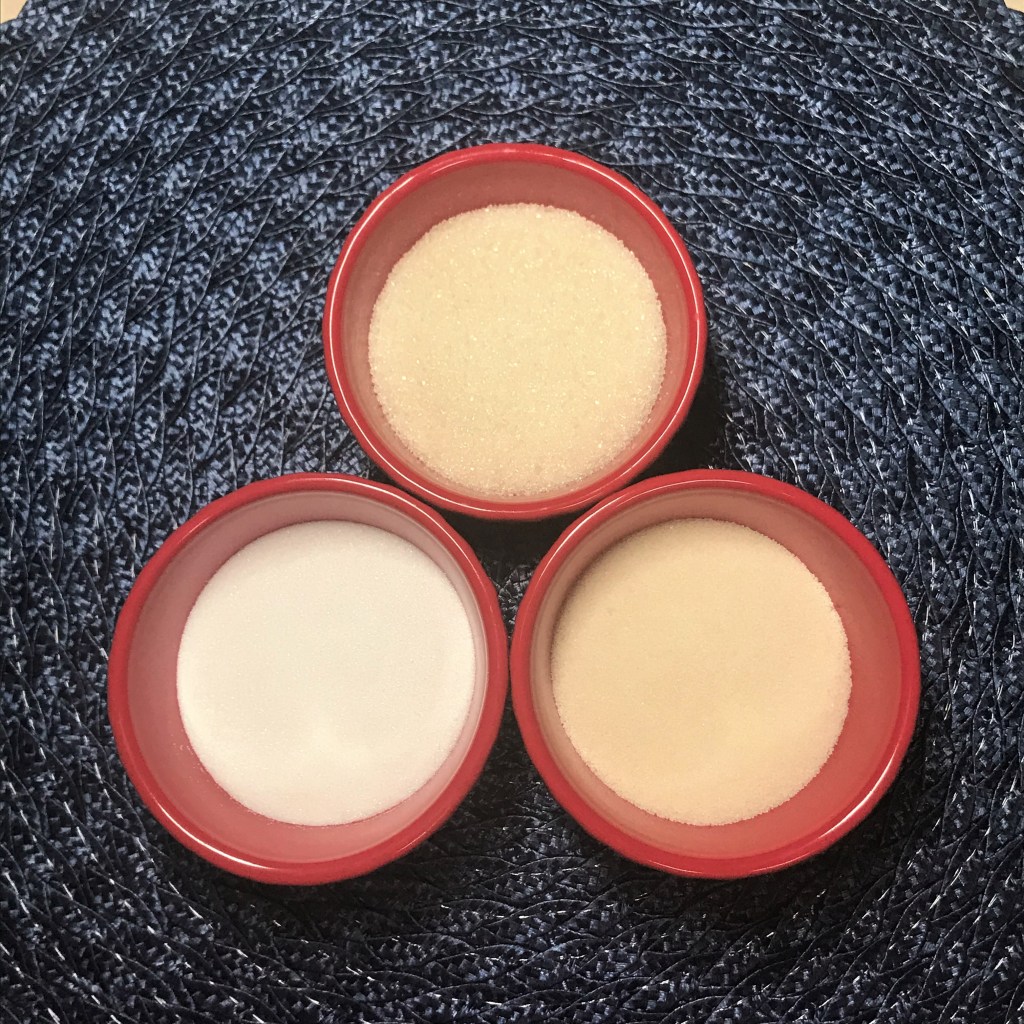
Caster sugar is sometimes called “super-fine” sugar. I’ve chosen it for this recipe because it is easier to dissolve in cold ingredients. In my custard-based ice creams, I use pure organic cane sugar, which I’m certain would not fare well in this recipe because we are not cooking the base.

From top, clockwise: pure organic cane sugar, fine organic cane sugar, caster sugar.

Caster sugar is pure white and extremely processed (a quality that makes it practically against my religion), so it’s rare for me to use it at all. It’s also pretty expensive compared to most sugars. If you can’t find caster, put your regular sugar in a blender and grind it into as fine a powder as you can. Measure the amount after grinding. Otherwise, warm the milk called for in the recipe and dissolve your sugar into it, then cool completely before proceeding.

Because the mascarpone already has cream in it, I’m using less heavy cream than I normally would for ice cream. To make up the difference, I’ve opted for Greek yogurt, and the one I chose is vanilla with a touch of cinnamon, which I think is going to play really nicely against the strawberries. I’m always on the lookout for a twist, which typically leads me to develop favorite new recipes.

Unfortunately, strawberries top the 2020 “Dirty Dozen” list of potentially toxic produce items. Each year, the Environmental Working Group, a non-profit organization, issues a list of produce items most likely to be contaminated with pesticides and other questionable chemicals. You can learn more about it here, but in the meantime, choose organic strawberries whenever possible.

The vodka in this recipe is optional, and it does not affect the flavor, but it helps with the final texture of the ice cream, making it easier to scoop straight from the freezer.

This time, I did not add the vodka at the end, and I can feel the difference as this ice cream is very solid.

Instructions

Day one:

Clean and hull the strawberries, and slice into pieces. I use an egg slicer for this task—it’s quick and simple, and I end up with uniform slices. Add the berries to a medium size bowl and stir in brown sugar. Give the berries time to fully macerate at room temperature, then put them in the refrigerator.

If you’re cool with having a pink-colored ice cream, feel free to skip this next step. I’ve decided this time around that I want to create a ribbon of strawberry syrup through the white ice cream, so I’m going over the top, even though it means I’ll add a day to my ice cream prep. Care to join me? Allow the strawberries to macerate overnight, then use a large mesh strainer to drain off the liquid and simmer it over medium-low heat until it is reduced by half and has the consistency of a thin syrup.

After reducing, I have about 1/3 cup of strawberry syrup– more than enough to create my “ribbon.”
If there’s enough left over, I’ll drizzle it over the first serving of ice cream!

Allow the syrup to cool to room temperature, then return it to the fridge in a separate bowl from the drained berries.

In the bowl of your mixer, beat the mascarpone together with the caster sugar, milk and Greek yogurt until fully combined. Slowly beat in the heavy cream, taking care not to whip it too much. Add the vanilla and almond extracts. Transfer the cream mixture to a sealed bowl and refrigerate several hours until fully chilled.


Day two (or three, if you went down the rabbit hole with me on the strawberry syrup):

Stir the cream mixture to reincorporate all ingredients, as some separation will have occurred. You don’t need to whip it here—just mix or gently whisk until the mixture has a uniform, creamy appearance. If you didn’t make the strawberry syrup, drain the berries at this point and blend their liquid into the cream mixture.

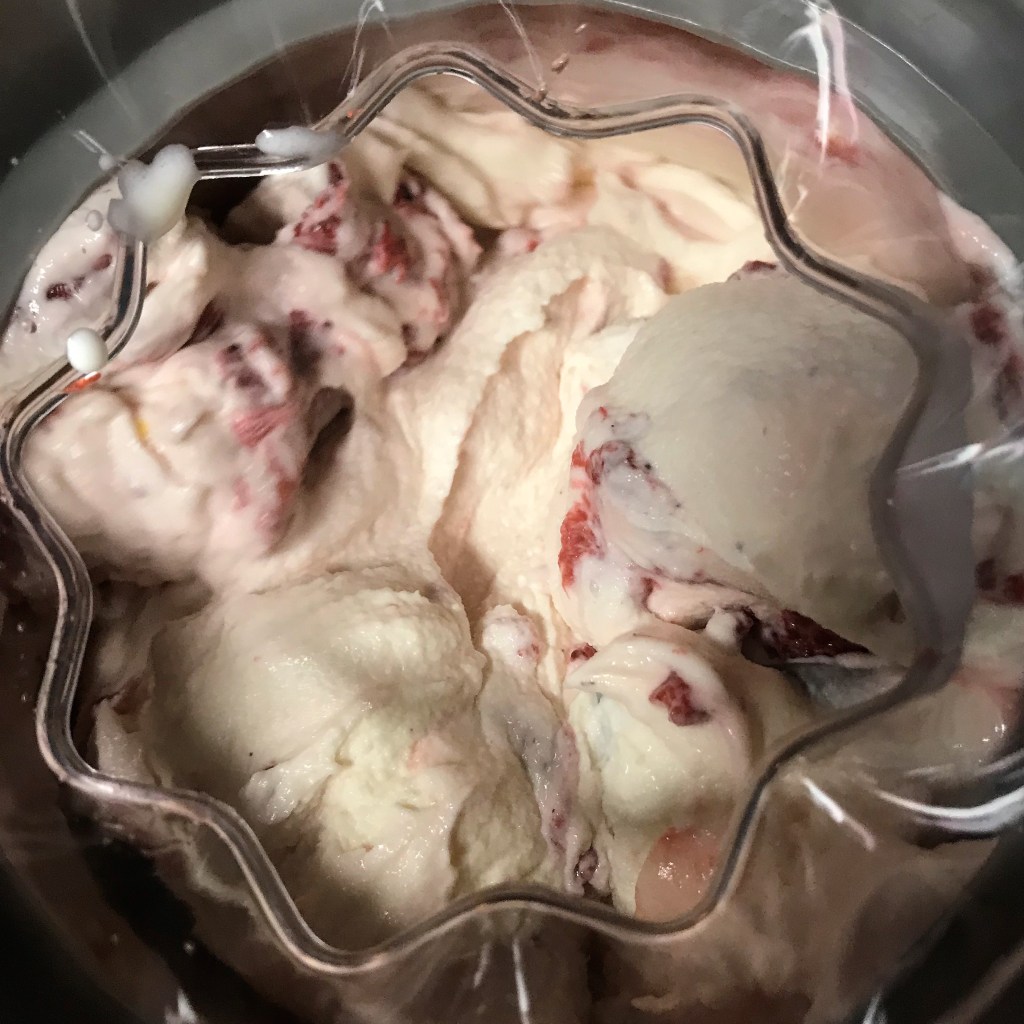
Pour the cream mixture into the ice cream machine and mix according to manufacturer’s instructions. Mine takes 20 to 25 minutes to freeze. For the final few minutes of freezing, spoon in the strained strawberries (and vodka, if using), allowing them to blend in before adding another spoonful, and repeat until all strawberries are used.

Place the graham crackers into a paper or zip top bag, and gently crush them with a rolling pin or the bottom of a bowl or measuring cup. I didn’t want it to be fully crumbs—try to keep a few bits of the crackers for texture in the finished ice cream.


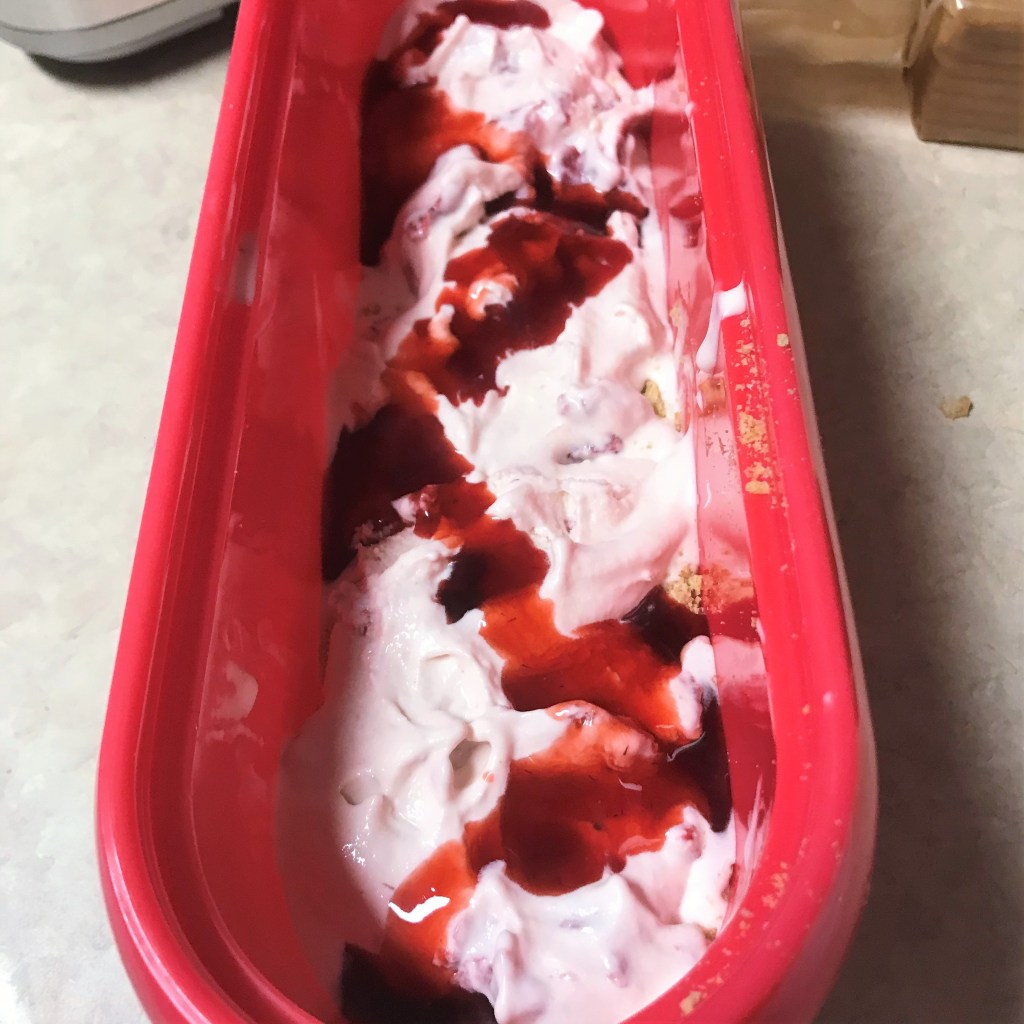
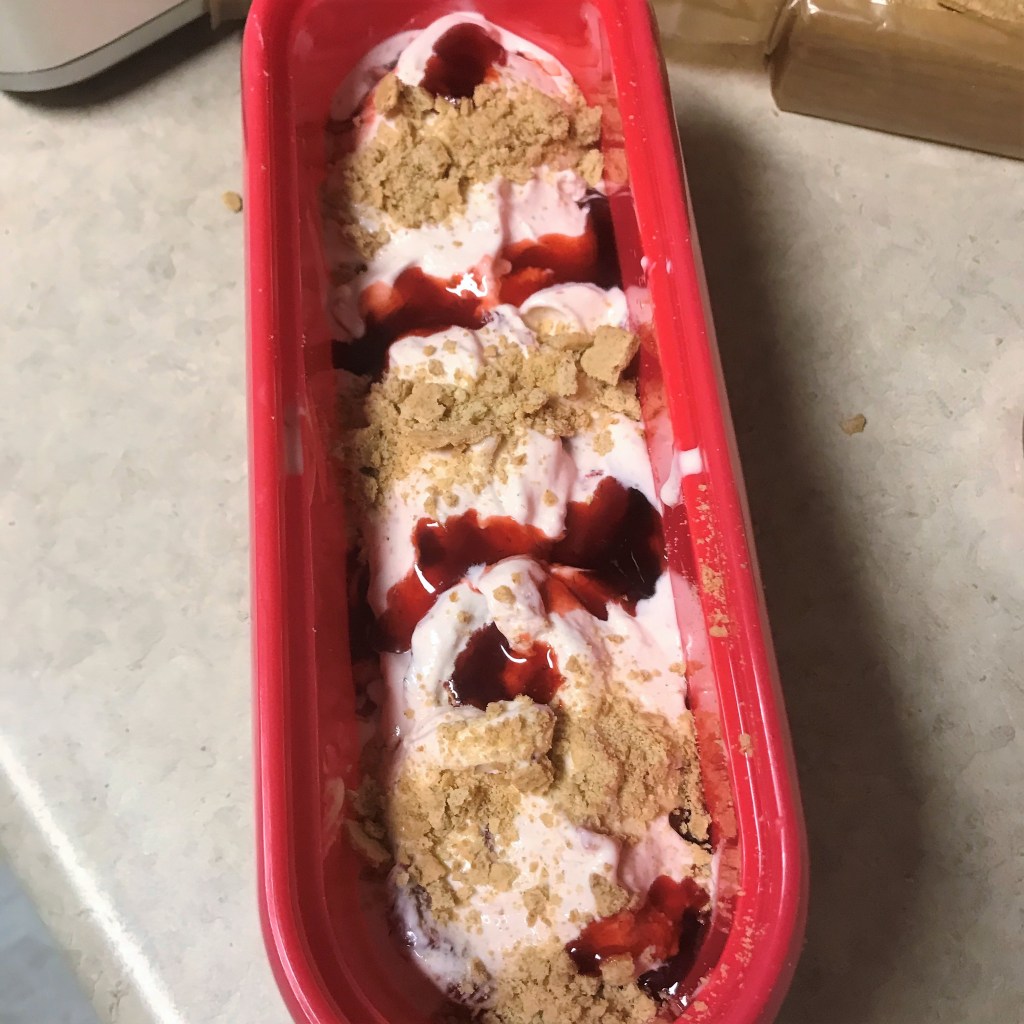
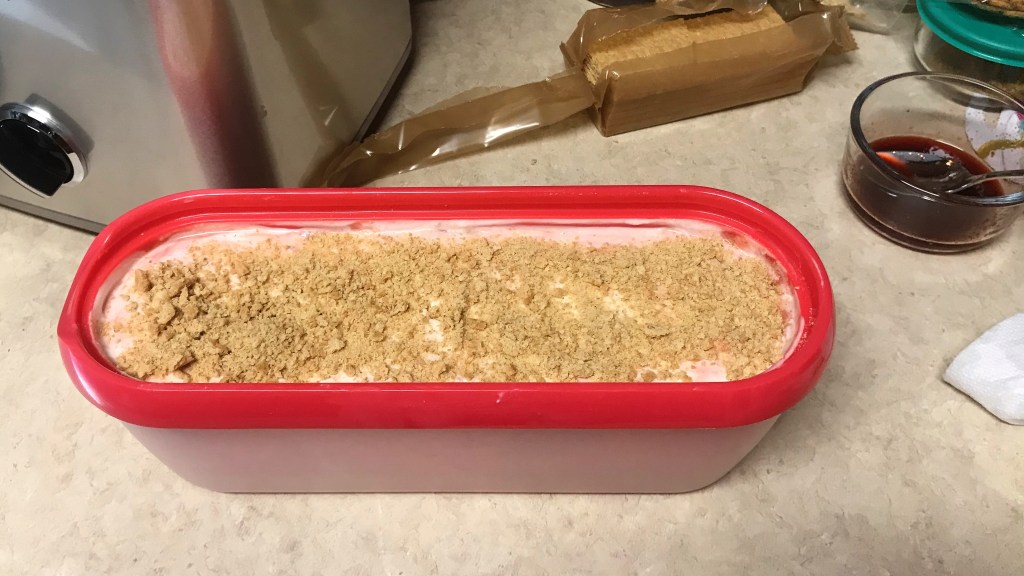
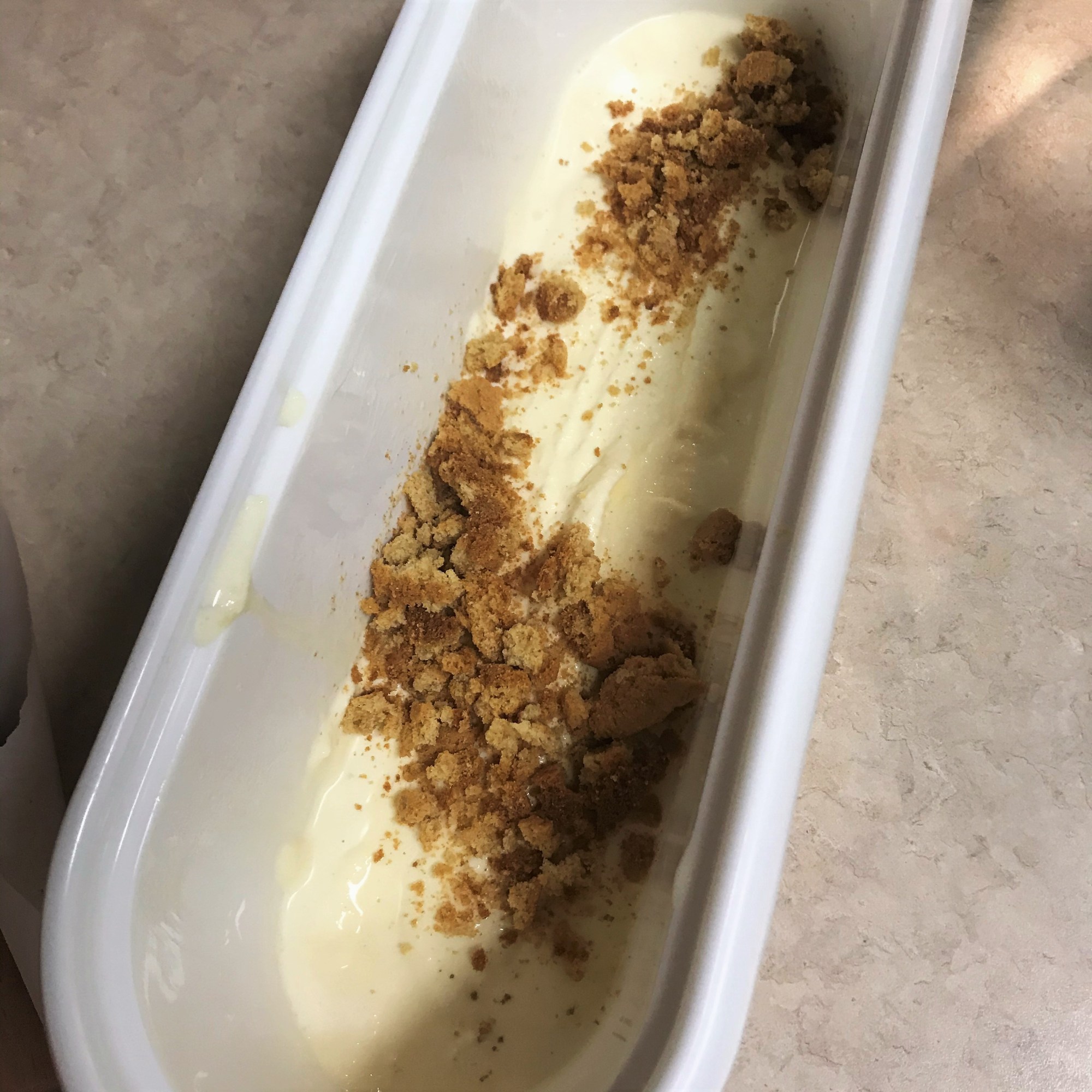
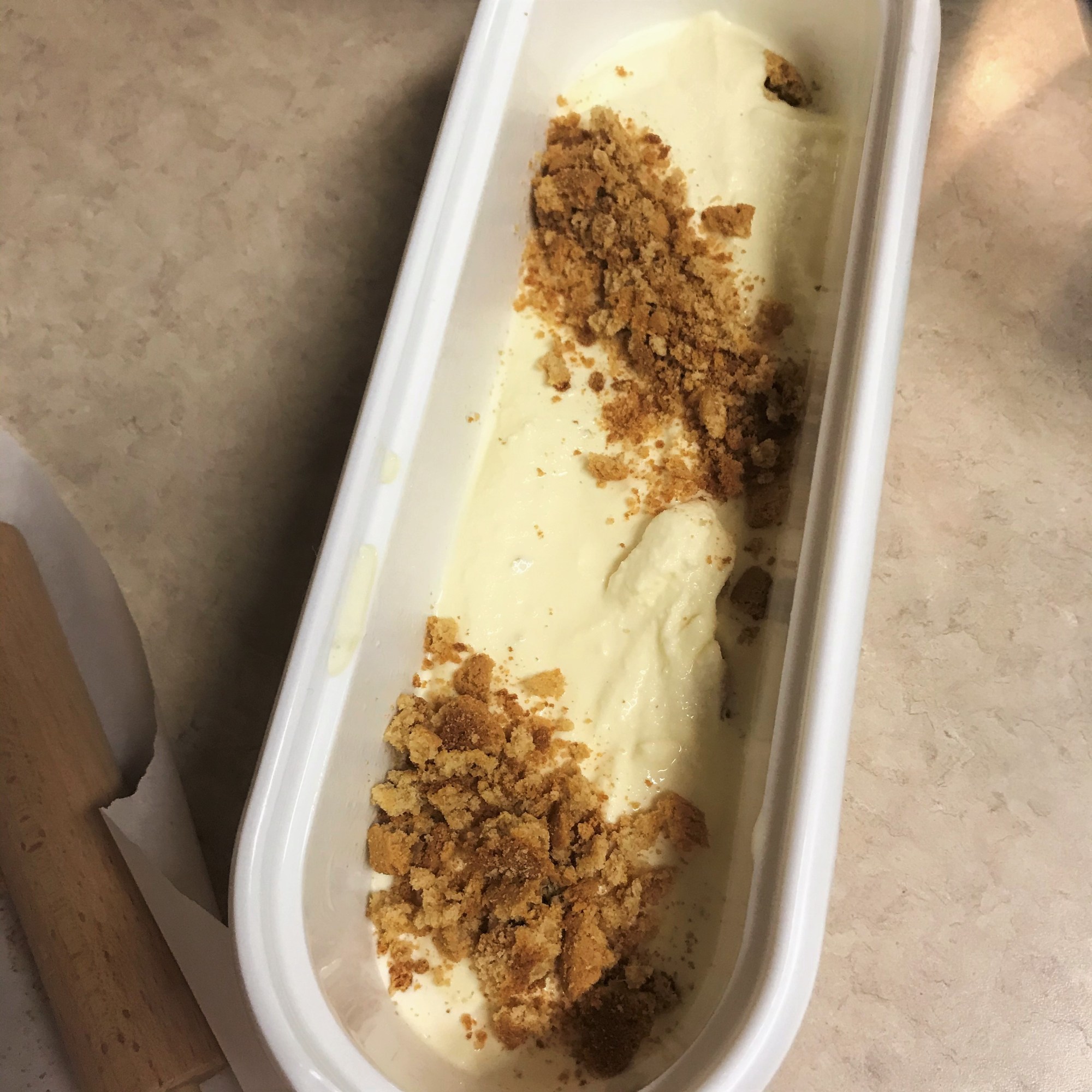
Layer the ice cream in an insulated container, beginning with ice cream, then staggered layers of reduced syrup ribbon (if using) and graham crumbles. Finish with the leftover fine crumbs. Cover the container and freeze at least 4 hours until firm.

The strawberry syrup pushes this treat right over the top!

Want to print this recipe?


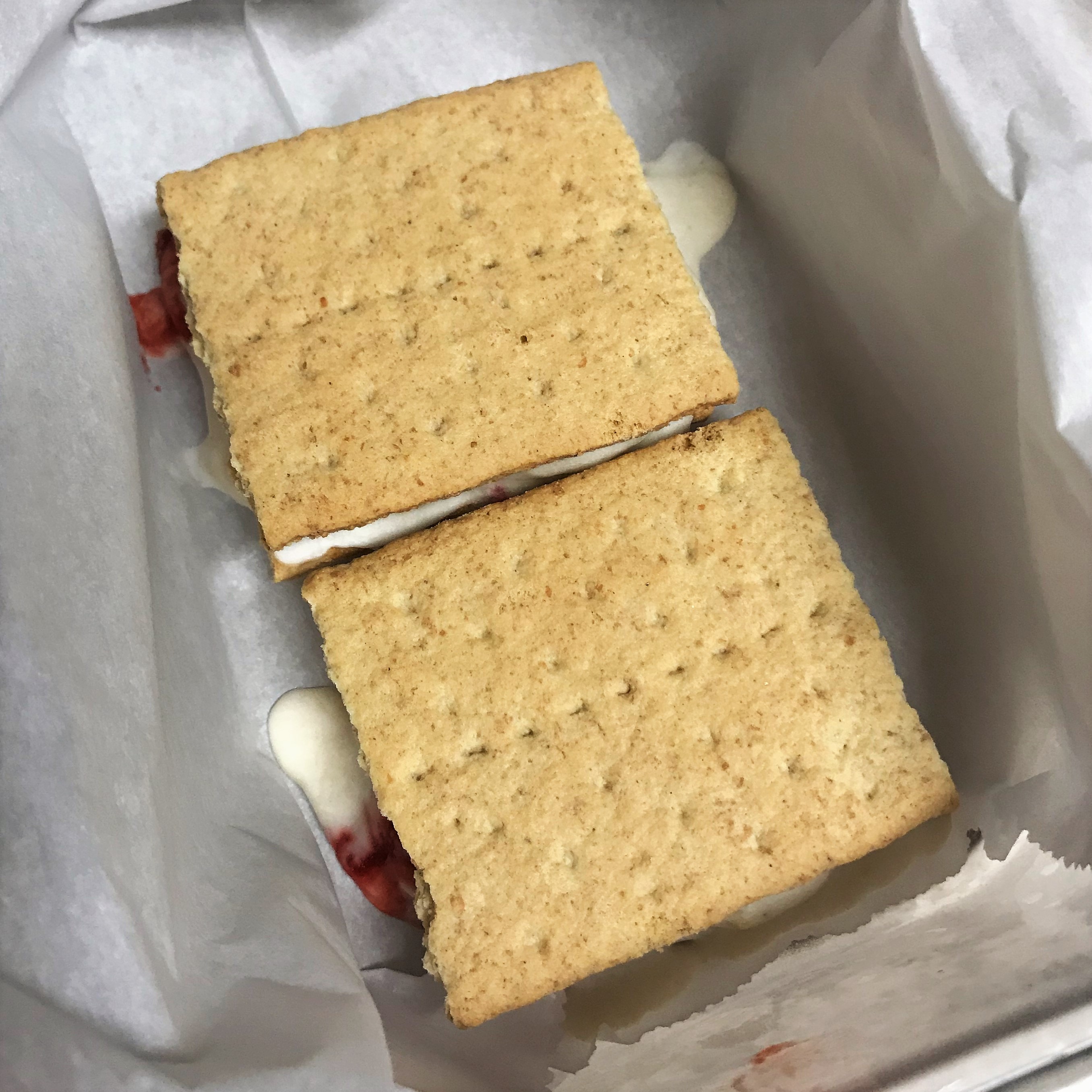
Just for fun, and because we had already licked the bowl, the spoon and the ice cream maker paddle, I gathered up the dregs that freeze hard to the freezer bowl and made miniature ice cream sandwiches with a couple of graham crackers. They were not the prettiest things, but it was a delicious taste test!


Black Mountain Chocolate Stout Ice Cream

I’d like to begin this post by declaring I don’t particularly care for chocolate things, unless they are really chocolate. Dark chocolate brownies are good because they are intensely chocolate, but chocolate milk, shakes, even most cakes—nope, not hitting my sweet spot. Milk chocolate? Forget it.

Then, a couple of years ago, at the Big Chill festival in Winston-Salem’s Bailey Park, a genius volunteer ice cream maker had the audacity to introduce a chocolate ice cream made with Guinness beer. “In ice cream?” I thought. Oh yes, in ice cream. It was dark, decadent and rich, without even a hint of beer flavor—only intense, chocolately lusciousness—and it stole my soul.

Then one afternoon when my husband, Les, and I had taken our dog, Nilla, to one of her favorite “dog bars” in our downtown, it hit me. Fiddlin’ Fish Brewing Company had collaborated with neighboring Black Mountain Chocolate to produce a stout beer that is smooth and roasty, with exactly enough underlying chocolate, and I knew in a moment that it needed to become part of this ice cream.

With a little fiddlin’, here it is—the richest, darkest, most luxurious chocolate ice cream I’ve ever tasted. The texture is beyond silky—almost like a cross between pudding and icing, and it’s so rich, you’ll want to add a little bit of alcohol in the final minute of mixing to keep it scoopable when it’s fully frozen. May I suggest Kahlua or Patron XO Café Dark?

My version of stout ice cream has a few special ingredients, but if you love chocolate and ice cream, it’s 100% worth the trouble. As I said, chocolate ice cream has never been my thing. But this one? It’s the be-all, end-all, winner of a chocolate ice cream that might just solve all the world’s problems. Or, at least, all of mine.

Deciding what to put it in was the toughest decision. I almost opted for going straight at it with my spoon.

Ingredients

1 cup Fiddlin’ Fish Black Mountain Chocolate Stout beer*

1 1/2 cups heavy cream

1 cup whole milk

2/3 cup fine cane sugar

3 Tbsp. honey or dark corn syrup

3 Tbsp. Double Dutch dark cocoa*

2 tsp. espresso powder*

1 tsp. vanilla extract

4 egg yolks

Pinch of kosher or sea salt

5.5 oz. good quality chocolate, broken into small chunks*

1 oz. vodka or one of the other suggested spirits* (optional)

*Notes

The Black Mountain Chocolate stout beer is available for drinking in the tasting room at Fiddlin’ Fish, but you can also purchase a “crowler” can of it to take home for later. This is how I got it home, and thankfully, since it was 32 oz., I had plenty left over to enjoy while I waited for this ice cream! For my out-of-area followers, consider using a similar dark beer from one of your own local brewing companies!

Double Dutch dark cocoa is a blend of Dutch-processed cocoa and black cocoa, available online from King Arthur Flour (nope, they’re still not paying me to talk up their products—I just happen to love them!) I add some of this to every batch of brownies I make (even store-bought), and Les has used it in his cookies. Never have I ever tasted such intense chocolate flavor. If you can’t get your hands on some, try Hershey’s Special Dark cocoa as a replacement.

The espresso powder is not necessary, but it really enhances the dark chocolate flavor. Don’t substitute ground coffee, but Starbucks Via instant coffee will probably be OK if you choose the darkest roast they have.

Espresso powder is a very finely ground powder of the dark roast coffee. It doesn’t add a coffee flavor to the ice cream, but further intensifies the chocolate. I bought mine in the specialty baking section at Walmart (of all places), but I believe you could also substitute a pouch of Starbucks Via instant French roast. Be sure it dissolves completely in the hot milk mixture so there is no “gritty” texture left behind.

You might be tempted to use an inexpensive bar of baker’s chocolate from the supermarket, but I don’t recommend it. Get thee to the candy aisle of your market. As with any recipe, you will have better end results when you choose the best ingredients you can find, and if it costs a bit extra, I promise you won’t regret it. At the time I developed this recipe, Black Mountain Chocolate was closed for pandemic safety, but I love their products and look forward to making this ice cream again with one of their superb hand-crafted dark chocolates, now that they have re-opened. Something in the 60-70% cacao range is perfect. And with no nuts or other add-ins, just chocolate.

The alcohol suggested for this recipe is optional but recommend for the best texture. Because this ice cream is so rich, it can be a little tricky to scoop straight from the freezer. Vodka or one of the other alcohols suggested above will improve this, so you don’t have to be tortured waiting for a taste.

Instructions

I know you can’t get enough of these ice cream pictures, so have a look at the visual step instructions first, if you’d like.

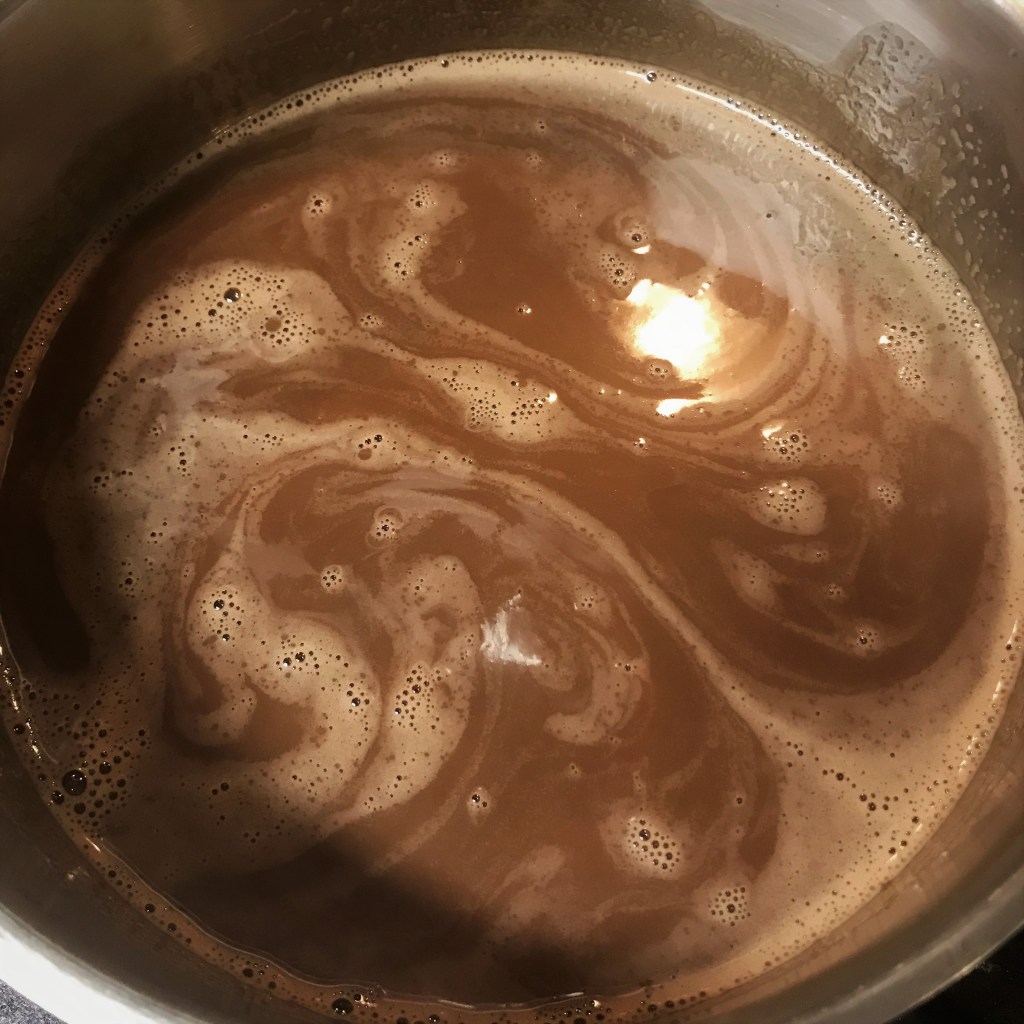
  1. In a small saucepan, bring stout beer to a light boil over medium heat, then reduce heat and simmer until it reduces to 1/2 cup, which should take about 10 minutes (measure to be sure).
  2. Add the heavy cream, milk, sugar, honey or syrup, cocoa and espresso powder, and whisk until sugar fully dissolves.
  3. In a large mixing bowl, whisk together the egg yolks and salt.
  4. Ladle out about 1 cup of the hot mixture into a measuring cup with a pour spout.
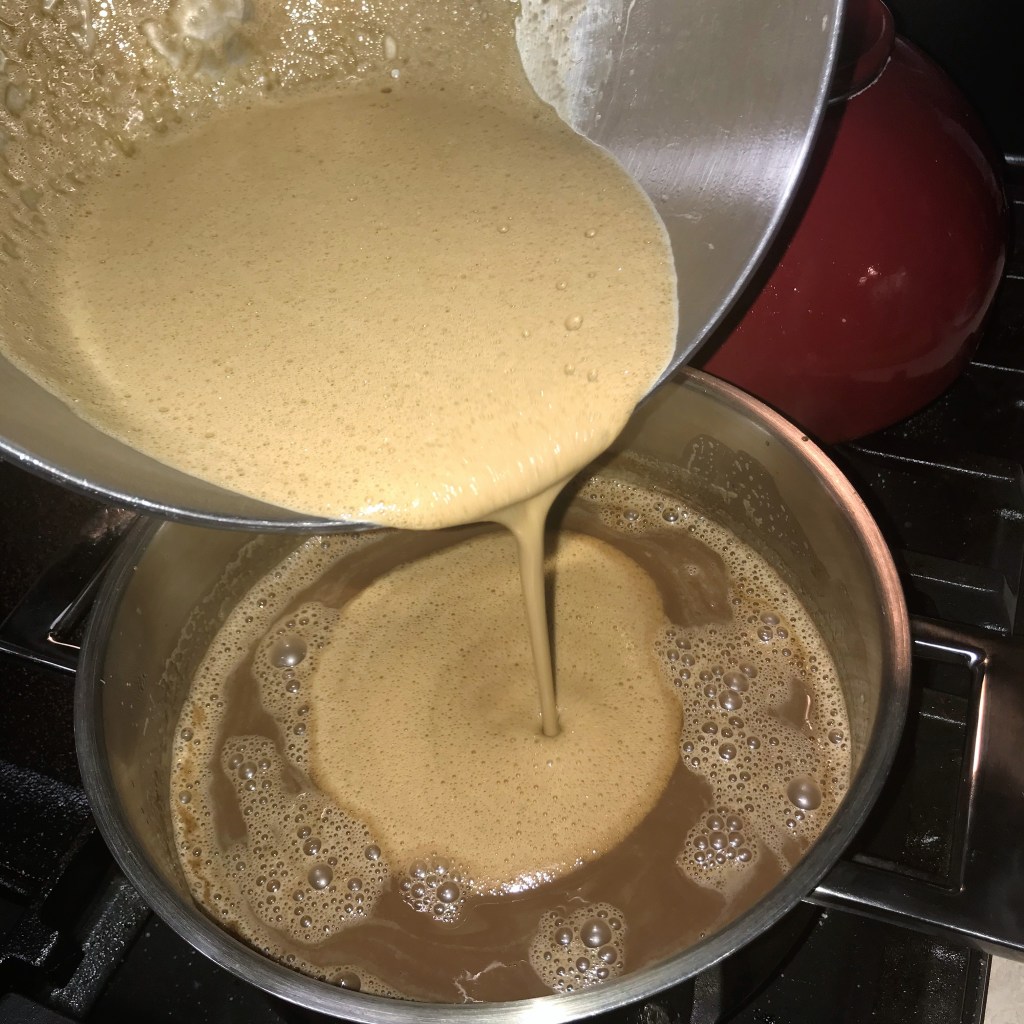
  5. Slowly stream the cream mixture into the eggs, whisking constantly. This will “temper” the eggs, raising the temperature gradually to cook them without curdling.
  6. Transfer the mixture back to the pot with remaining liquid and cook over medium-low heat until custard thickens and coats the back of a spoon.
  7. Place the broken chocolate pieces in a large bowl with a mesh strainer over the top. Pour the hot custard mixture through the strainer over the chocolate pieces, and let it rest 2 minutes. Discard any solids that remain in the strainer.
  8. Stir or whisk the custard until the chocolate is completely melted.
  9. Place thick plastic wrap directly onto the surface of the custard, then cover the bowl with another piece of plastic wrap or a lid. Refrigerate overnight.
  10. Next day, stir custard until smooth, then pour into ice cream maker and churn according to manufacturer’s instructions. In the last minute of churning, add vodka or kahlua.
  11. Transfer the ice cream to an insulated freezer container and freeze until firm, at least 4 hours, but preferably overnight.

Want to print this recipe?


Key Lime Pie Ice Cream

When the pandemic eases and we finally decide travel is safe again, Key West, Florida is one of the first trips I’d like to make. I’ve only been to this magical place twice in my life, but I cannot shake the memories of the uber laid-back lifestyle, the six-toed Hemingway cats, the ease of meeting strangers, the quirky street art and performers, the incredible freshness of seafood straight off the fishing boats, and, of course, the perfectly sweet-tart flavor of key lime pie.

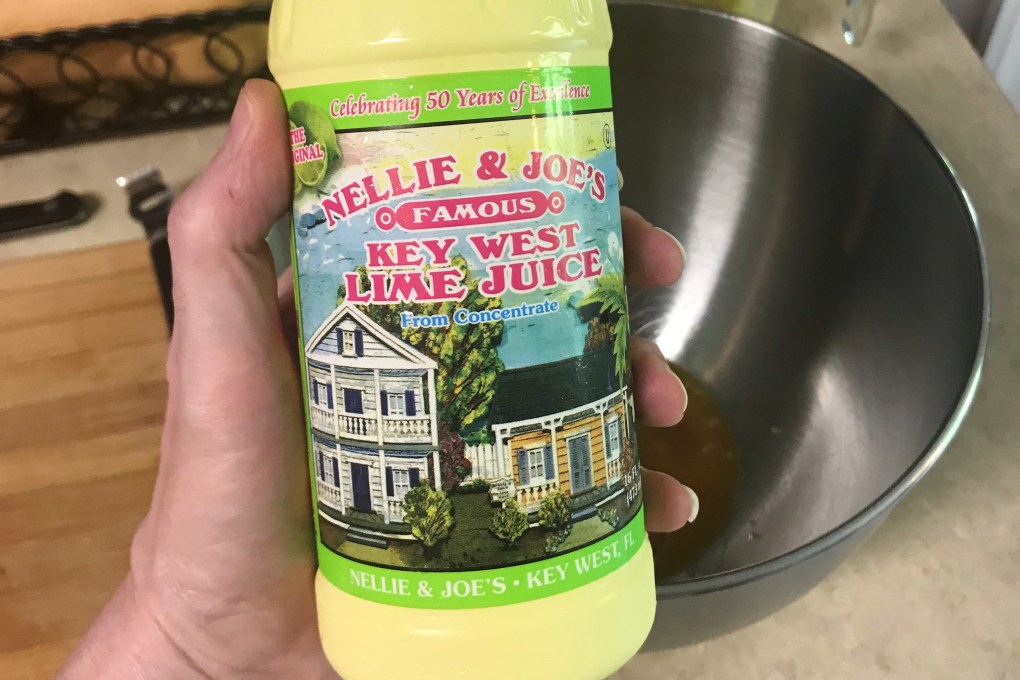
This southernmost U.S. treat is adaptable to so many things I love—cookies, cocktails and this delightful frozen treat. For the most authentic flavor, purchase about 3 pounds of real key limes (good luck finding them) and start squeezing. You should be finished in a day or so. Or, better yet, just get your hands on a bottle of this:

This is the stuff! If you don’t find it in the juice aisle, check in the aisle with the cocktail mixers.

It comes from Pompano Beach, just a few hours up U.S. Route 1 from its birthplace, Key West, and it’s been the standard for key lime pie pretty much since the pie was invented (allegedly by the Borden company, maker of sweetened condensed milk). I always have a bottle of this juice in the fridge, and I’ve used it in everything from pie to cocktails to ceviche. It’s fantastic.

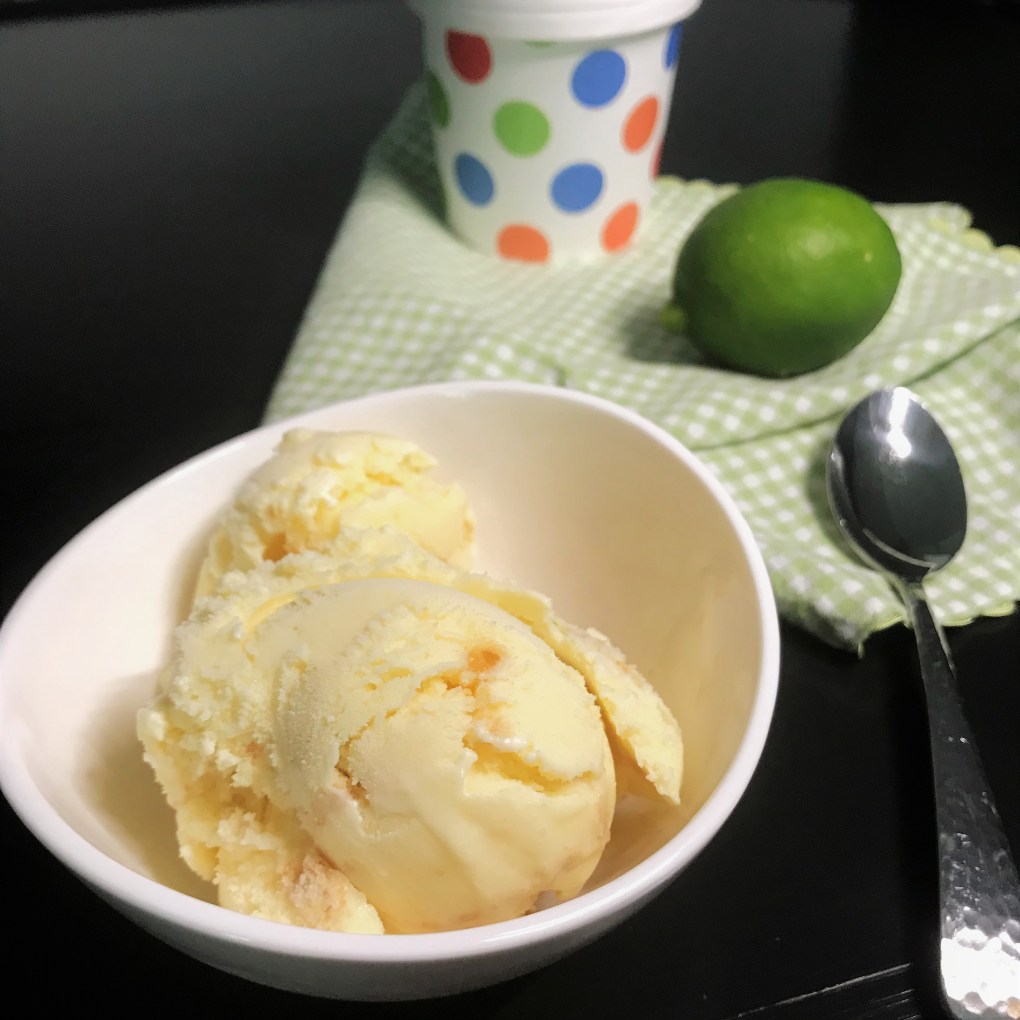
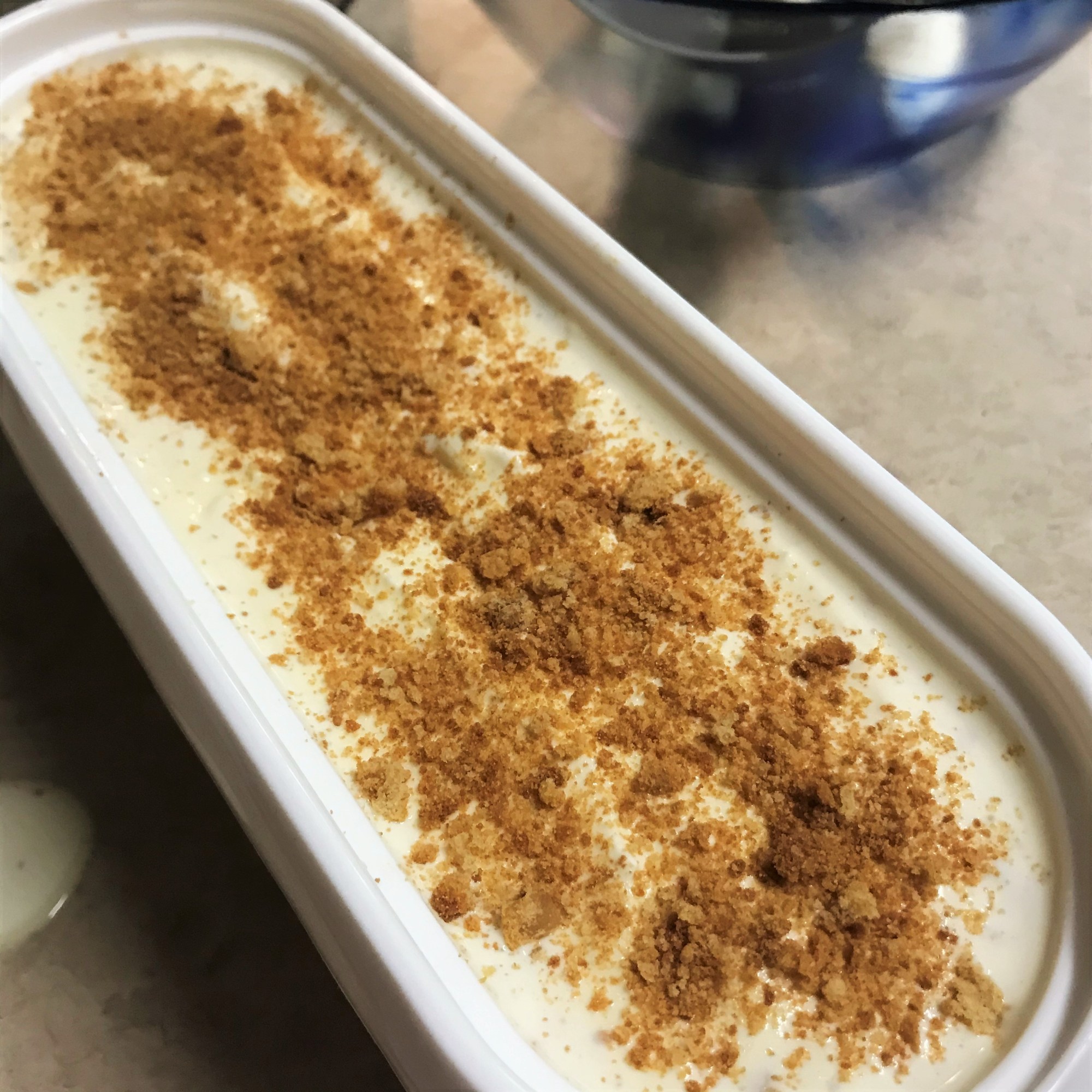
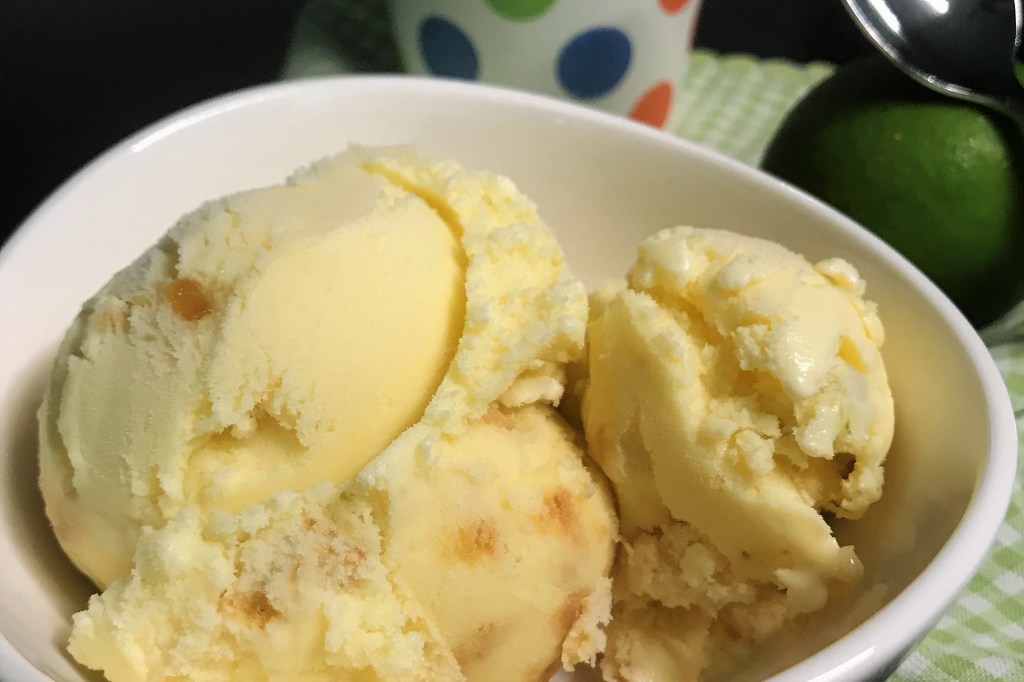
This ice cream makes me happy on so many levels, I don’t know where to begin. The custard base makes it super creamy, the authentic key lime gives it a perfect balance of tart with sweet, and the layers of ginger cookies punctuate the whole thing with exactly the right amount of texture and spice. Oh my goodness.


Ingredients

2 cups whole milk

1 1/2 cups heavy cream

1 cup cane sugar, divided

4 egg yolks, room temperature (preferably free-range)

1/2 cup key lime juice* (see notes)

1/4 tsp. Fiori di Sicilia* (optional, but adds a “special something”)

Zest of 1/2 lime (optional, add at the very end)

2/3 cup crushed ginger snap cookies*

*Notes

I’ve never bothered with squeezing the fresh key limes, partly because they are so expensive, and partly because I have imagined it would take the better part of an hour to squeeze so many. Key limes are about 1/3 the size of the typical Persian limes you see in the market. The great news is you don’t have to have fresh limes to make a delicious pie—as long as you have the real deal key lime juice. Look for Nellie and Joe’s brand in the juice section of your supermarket. Or maybe even in the cocktail mixers section.

Fiori di Sicilia is the same ingredient I mentioned for the Southern Belle Lemon Bars, part of the Kentucky Derby Preview Party collection of recipes a couple of months ago. It’s a unique Italian extract, imparting flavors of bright citrus and a hint of vanilla. A little goes a long way, so use it sparingly. Find Fiori di Sicilia in specialty stores such as Sur la Table, or online from King Arthur Flour.

You guys already know that I can’t leave well enough alone when it comes to food, and this ice cream is no exception. A classic key lime pie sits on a graham cracker crust base, but Comfort du Jour is all about twisting and turning to elevate your happy, so my pie (and this ice cream) has ginger snap cookies rather than graham crackers. The zippy flavor of ginger plays so nicely with anything citrus, I just have to. We are big fans of the Trader Joe’s “triple ginger” cookie, and I used about 12 of them in this ice cream recipe.

Instructions

Heat milk and heavy cream over medium heat in a heavy bottomed saucepan until steaming but do not allow it to boil. Reduce heat to low, add about half the sugar (this doesn’t have to be exact—just eyeball it) and whisk until completely dissolved. Turn off the heat.

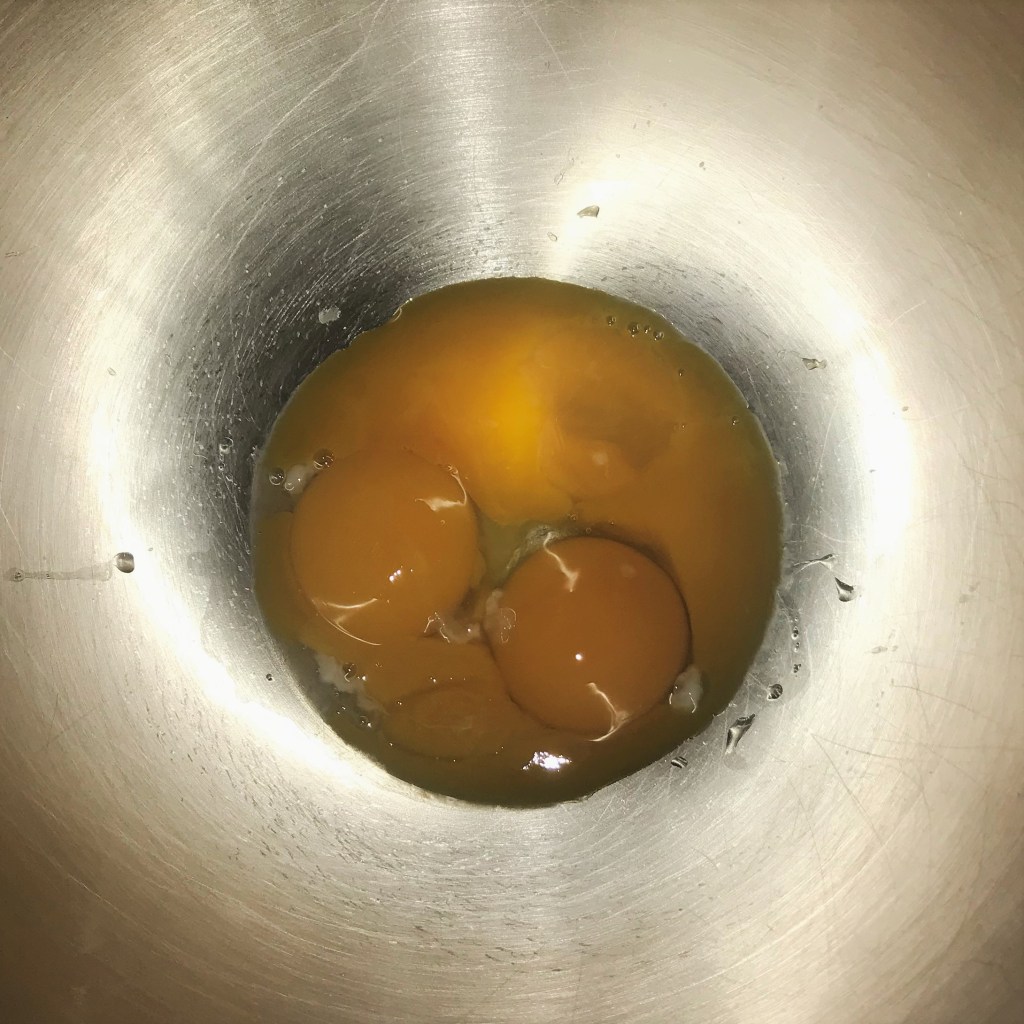
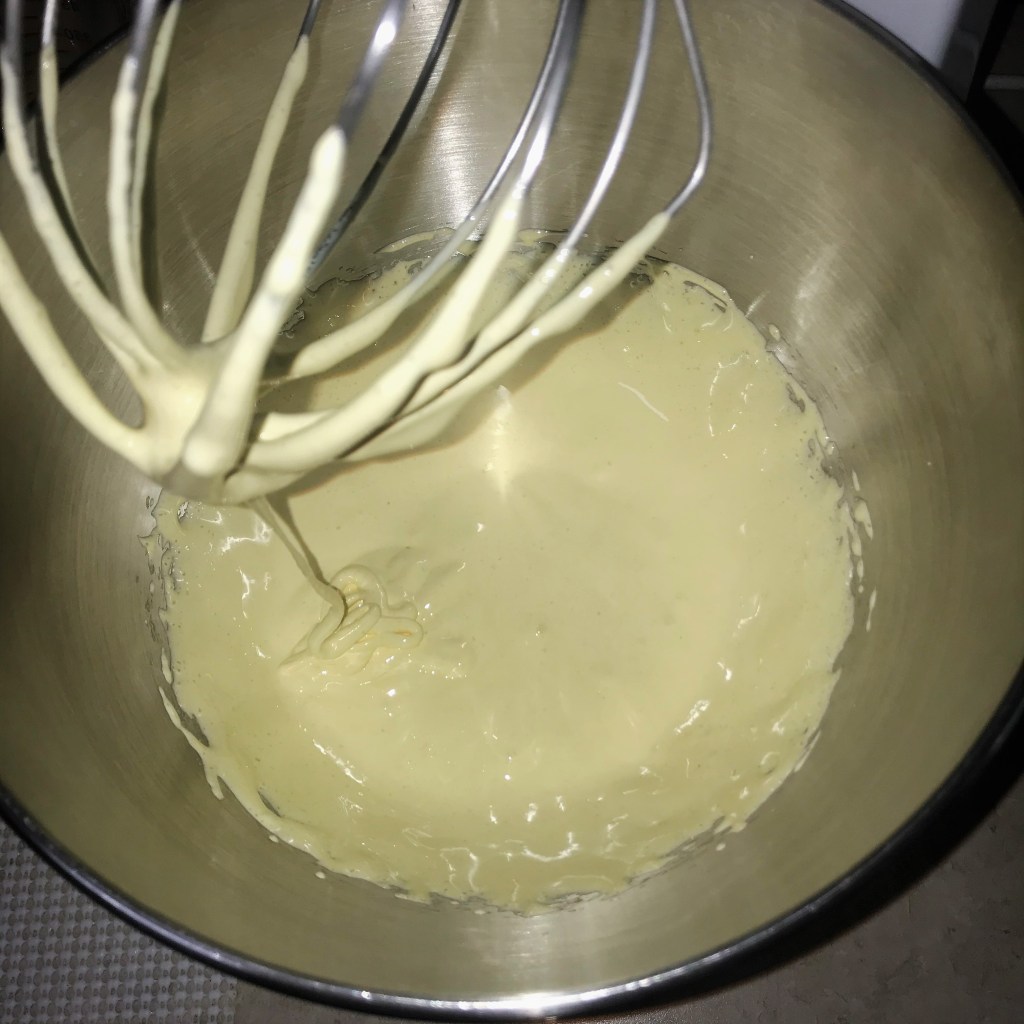
In a mixing bowl, whisk egg yolks together with remainder of sugar until light, fluffy and pale yellow.

Ladle out about 1 1/2 cups of the hot milk mixture into a measuring cup with a pour spout. Very slowly, stream milk mixture into the eggs, whisking constantly. This step is “tempering” the eggs, so that they can be incorporated into the milk mixture without turning to scrambled eggs. Take your time here.

Turn the heat back on low under the milk/cream mixture still on the stove, then pour the tempered egg mixture back into the pot. Combine with the remaining cream mixture and cook over low heat, stirring constantly, until mixture is thick enough to keep its shape on the back of the spoon. This should take about 7 minutes, but the simplest marker for doneness is the spoon test.

Remove from heat. Pour custard into a large bowl. Add key lime juice and Fiori di Sicilia and whisk gently to combine. Place heavy plastic wrap directly on top of custard mixture. Cover entire bowl with another layer of plastic wrap or a fitted lid and refrigerate overnight.

Set your ginger snap cookies out overnight to get “stale.” They’ll soften a bit, which will make them easier to crush tomorrow.

Next day:

Stir or gently whisk chilled mixture thoroughly to reincorporate ingredients, then freeze according to ice cream machine instructions (mine usually takes about 20 to 25 minutes).

While that’s going, prepare your lime zest (be sure to wash it first!), and gently crush the ginger snap cookies with a rolling pin. I wrapped them loosely in a piece of parchment and only pressed down on them with my rolling pin, first in one direction, then across the other. I want a few little shards of cookie mixed in with the crumbs.

In the last minute, add the lime zest and 1 Tbsp. neutral alcohol (such as vodka). The alcohol will not affect flavor but will improve the texture of the finished ice cream and make it easier to scoop for serving. Layer into an insulated ice cream container, alternating key lime custard mixture with the crushed ginger snap cookies. Try to stagger the position of the crumbs as you layer, so each scoop is perfectly marbled with the cookie flavor. Top with fine crumbs at the end. Cover and transfer container to freezer for several hours to ripen (firm).

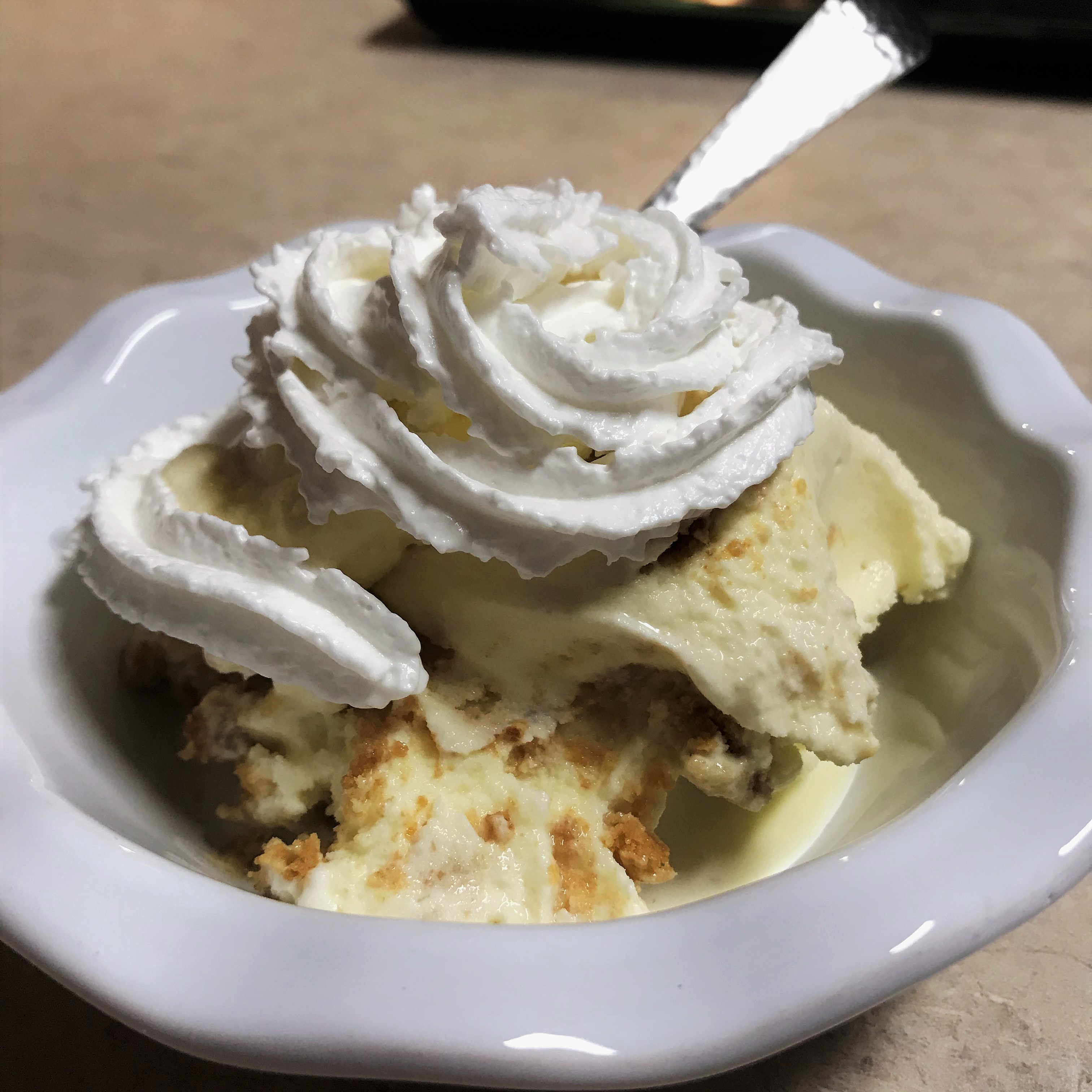
I’ve found the texture of the ice cream best when it’s been in the freezer at least 24 hours. I like this ice cream au naturel, but feel free to top with whipped cream, as my husband does!


Want to print this recipe?

Key Lime Luscious!


Chocolate Bourbon Pecan Balls

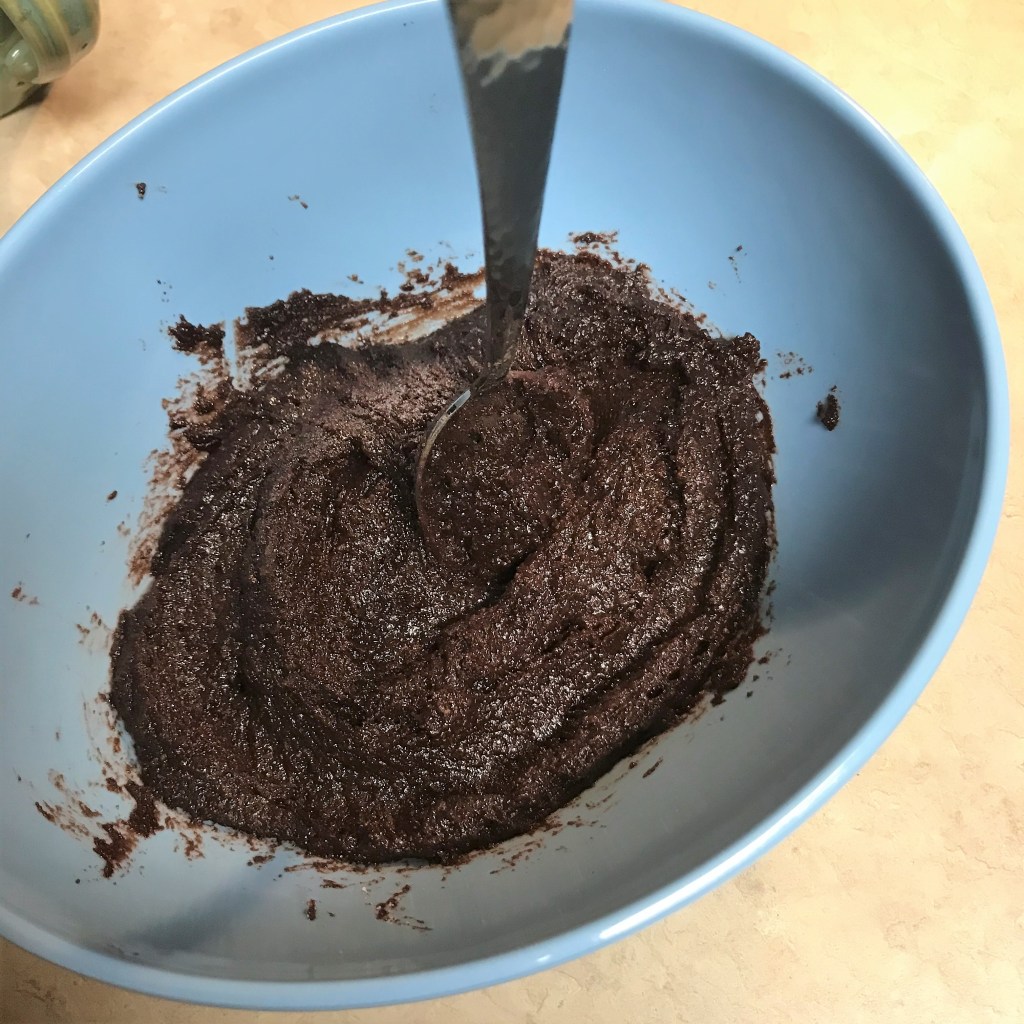
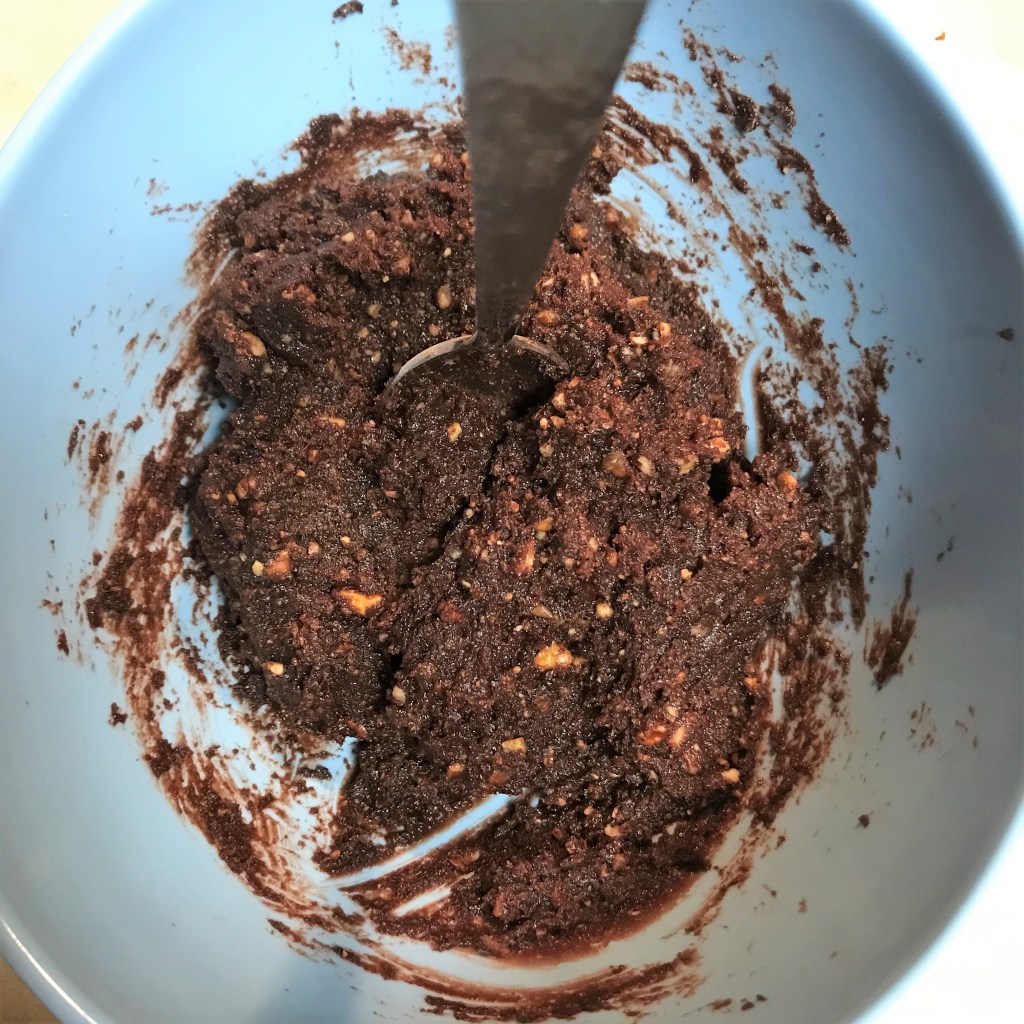
Think of these as very grown-up candies! During the mixing step, it will seem a little bit like you’re making mortar—it’s sooo thick and gooey. But once you have shaped and chilled them, they’ll be wonderful. What I like about this recipe is that it doesn’t involve making ganache, which is an extra step of melting chocolate in heavy cream in a double boiler. Using pantry ingredients keeps it simple, but make no mistake—these itty bitty bites are still impressive. Unlike the ganache-style truffles, these have some texture to them, thanks to the graham crumbs and pecans.

This recipe makes about 24 bourbon truffles. They pack a pretty boozy punch so don’t serve them to children or non-drinkers.


Ingredients

1 cup dry toasted, unsalted pecan pieces

3/4 cup Kentucky bourbon, divided

2 sleeves graham crackers

1/2 cup dark cocoa powder, divided

1/2 cup powdered sugar, divided 1/4 cup Karo corn syrup (light or dark is fine)


Instructions

In a small bowl, pour about half the bourbon over the pecan pieces and let them relax (in a drunken stupor) for about 3 hours.

Break the graham crackers into pieces, pulse in a food processor or blender until they are fine crumbs. Transfer the crumbs to a large mixing bowl.

Preheat the oven to 325° F. Use a slotted spoon to remove the pecans from the bourbon and transfer them to a single layer on a baking sheet lined with parchment paper or silicone baking mat. Reserve the soaking bourbon. Bake the pecans until they’re dry and lightly toasted, about 12 minutes or up to 15 minutes (be careful not to burn). Cool, then chop finely or pulse in a food processor, but not to the point of powder. They should have a texture similar to panko crumbs.

Combine 1/4 cup each of the cocoa and powdered sugar in a small bowl or zip-top bag, and set aside for dusting the finished truffles.

Add the chopped pecans, all remaining bourbon (including the soaking portion), corn syrup, and the remaining cocoa and powdered sugar to the bowl of graham cracker crumbs. Prepare to get messy. Stir these ingredients together until no dry pockets remain. It will be sticky and gooey, but keep going. When the mixture is fully blended, rub your hands with a little dab of butter and roll a heaping tablespoon at a time into a ball. Place the bourbon balls on a parchment-lined tray, cover with plastic and chill for about 2 hours.


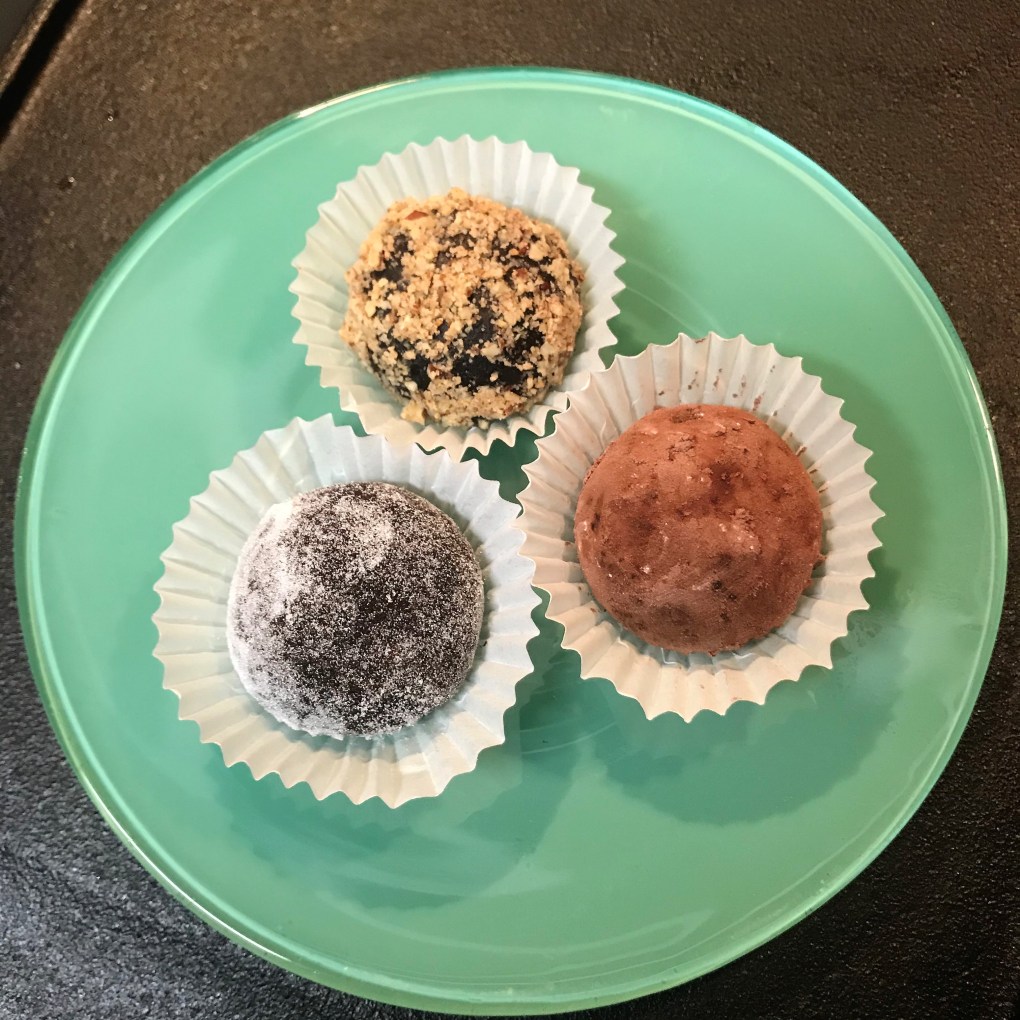
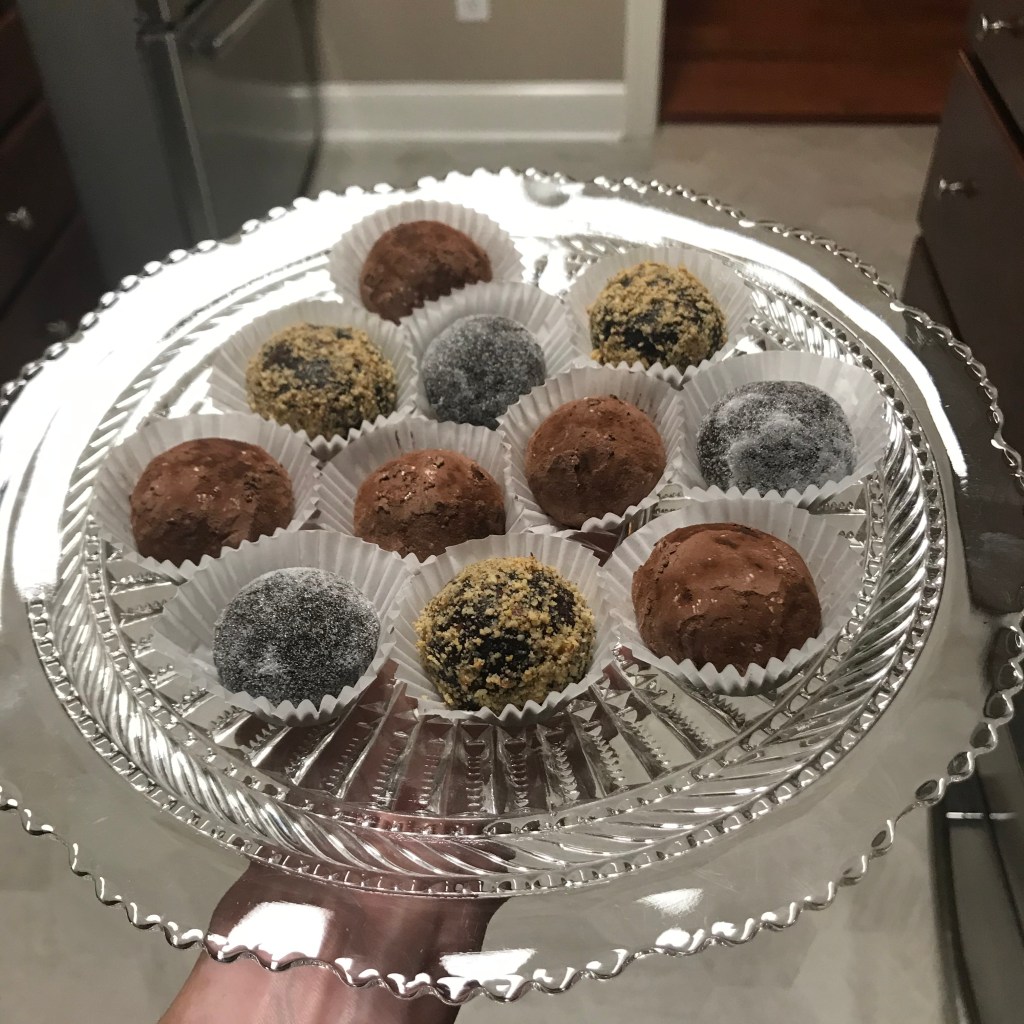
When balls are chilled and firm, gently roll them around in the reserved cocoa-sugar mixture until they’re well coated. Cover and chill again until ready to serve. If desired, give them another roll in the cocoa-sugar when you’re ready to present them. I think they’re cute in these little mini-muffin papers, and your guests will be able to pick them up without tongs.

Boozy truffle, anyone?


Elevate your happy, Comfort du Jour style!

I decided to make these Chocolate Bourbon Pecan Truffles even more impressive by rolling them in different types of coatings. Try doing a third of them in the cocoa-powdered sugar blend, a third in super-fine (caster) sugar and a third in finely chopped pecans. One recipe, but three treatments, gives the impression of variety but with very minimal extra effort.


Want to print this recipe?