Sweet Potato-Cornmeal Pancakes

It’s a busy time of year for this food blogger— we are well into National Whole Grains Month and “Better Breakfast” Month, and today is also the first full day of autumn. Could there be a better time to present these pancakes? Whole wheat flour and cornmeal give them a hearty texture, and roasted sweet potato lends a seasonal sweetness that is out of this world. Top it with a smear of salted butter and some real maple syrup, and holy moly, what else can I say?

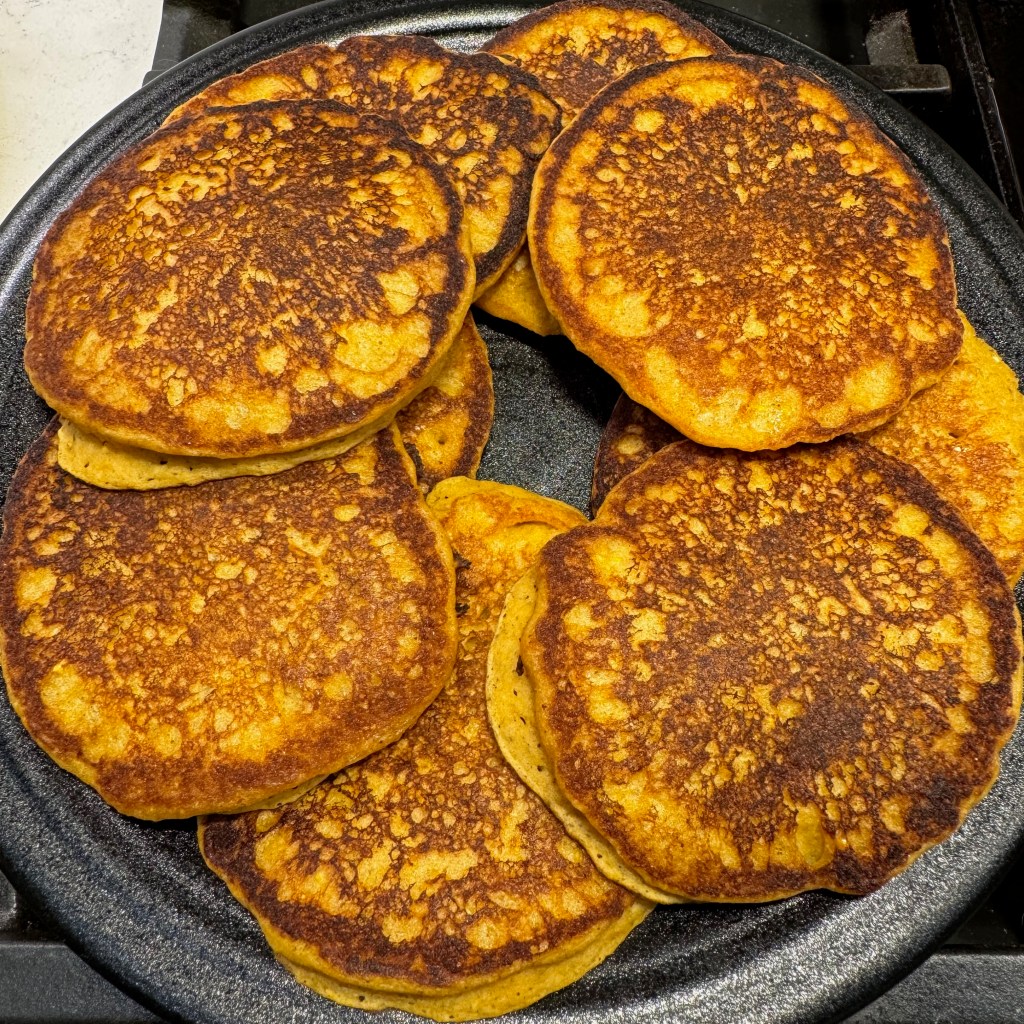
The color, the texture, the flavor… I loved everything about these.

In the spirit of transparency, I admit that I’m known to buy sweet potatoes with no specific purpose for them. Same with bananas, which gets sketchy because they are usually mottled with brown spots within a few days and so they end up mashed in a bowl in the refrigerator for a couple of weeks until I either make banana bread or muffins or dog treats. Sweet potatoes, thankfully, are hardier and will hold their integrity on the counter for a couple of weeks whilst I ponder the possibilities.

This recipe came to me when I considered how I might use sweet potatoes in a breakfast recipe. I considered a skillet hash (and might still make one), but I really had been craving pancakes, and then I spotted a jar of medium coarse cornmeal that had been left on the counter after pizza night. Why couldn’t I combine the sweet potatoes and cornmeal into a pancake that would be delicious either for breakfast or for dinner? So I did.

Soaking the cornmeal

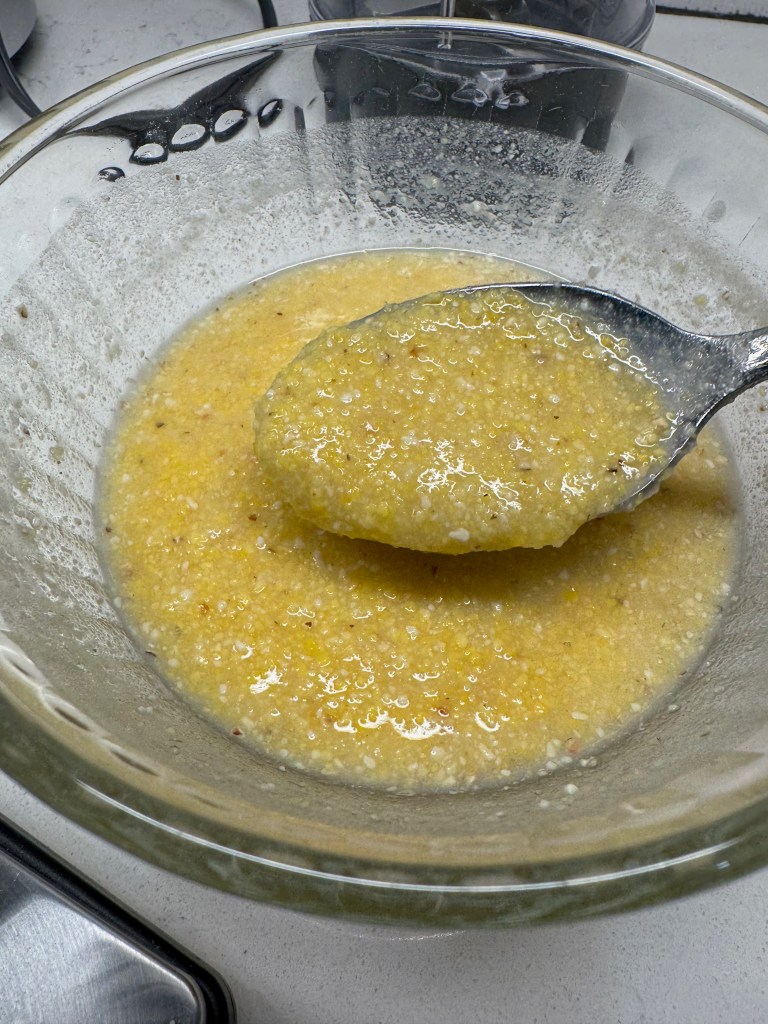
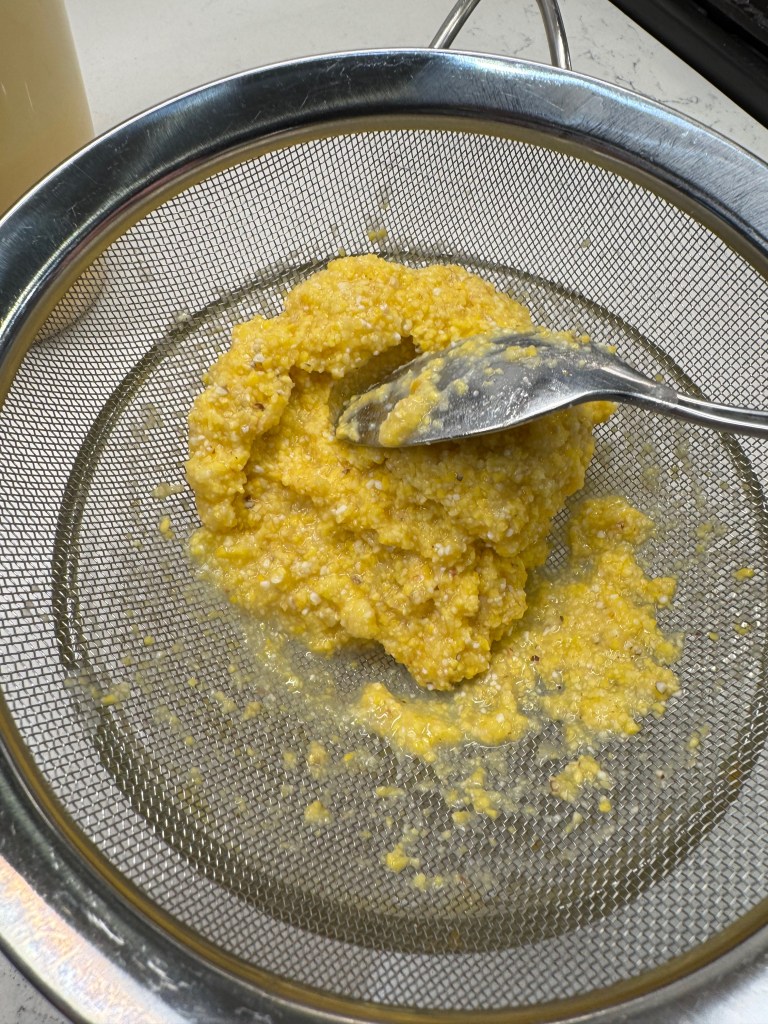
This was a bit of an experiment for me, as I wanted the texture of cornmeal but without the grit, so I relied on a trick that I’ve used with some of my sourdough bread recipes: I pre-soaked the cornmeal for about an hour and strained out the water before mixing my pancake batter. This helps not only soften the grain, but also unlocks enzymes in the corn, making it easier to digest later.


How to mix sweet potato into pancakes

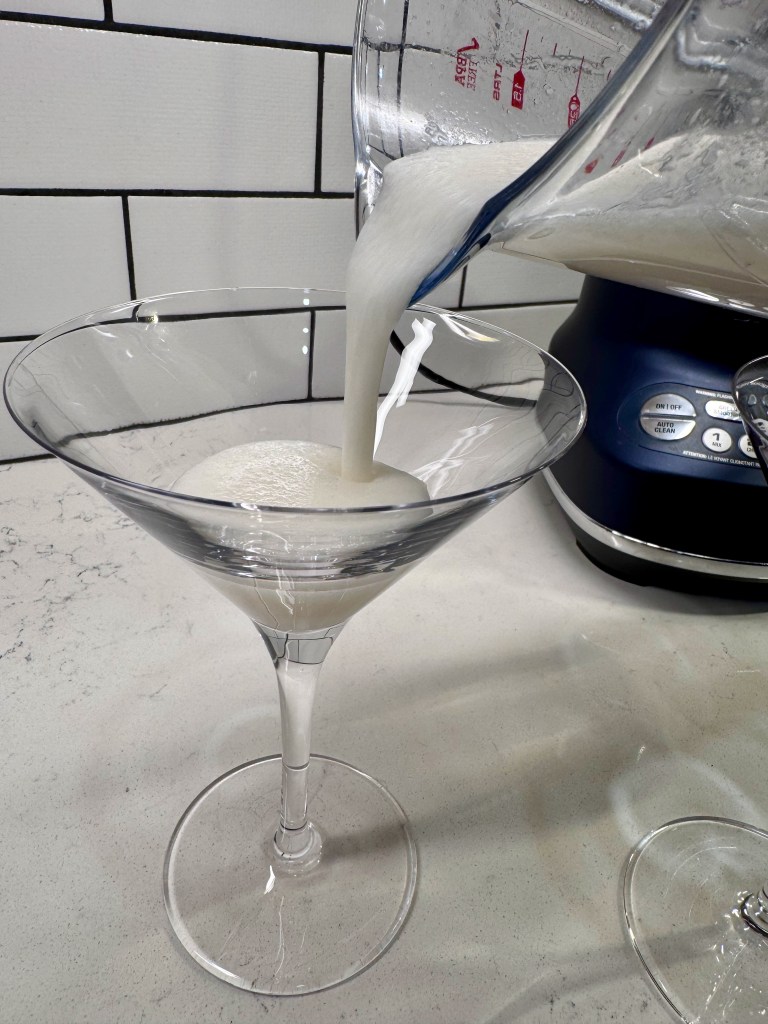
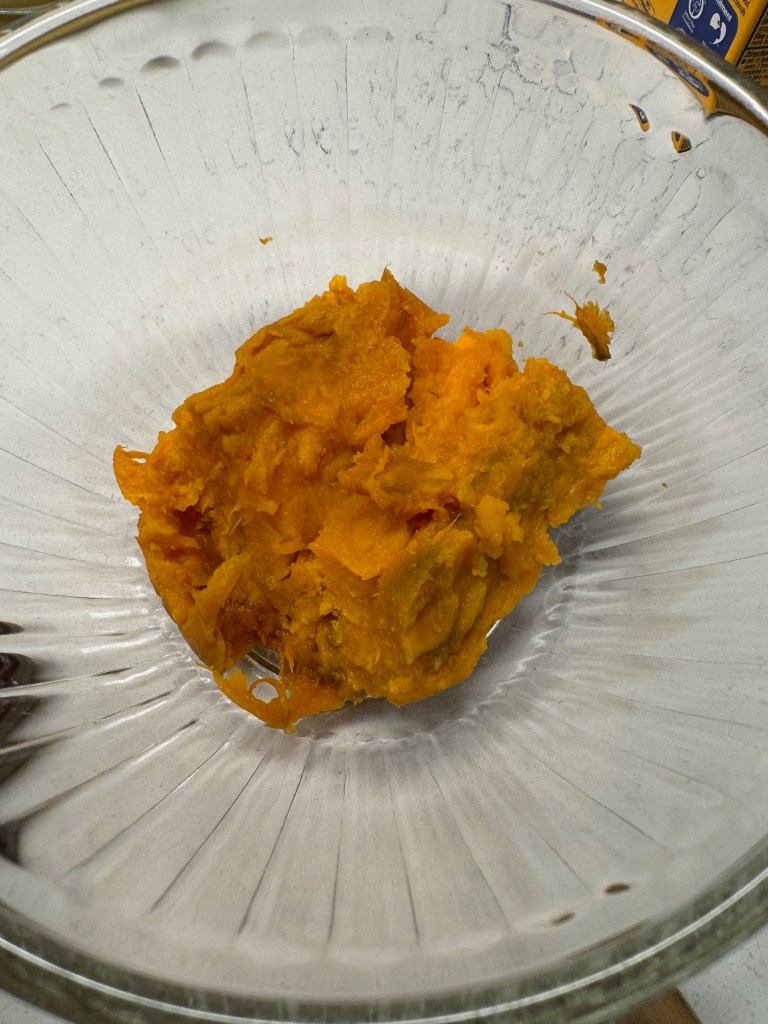
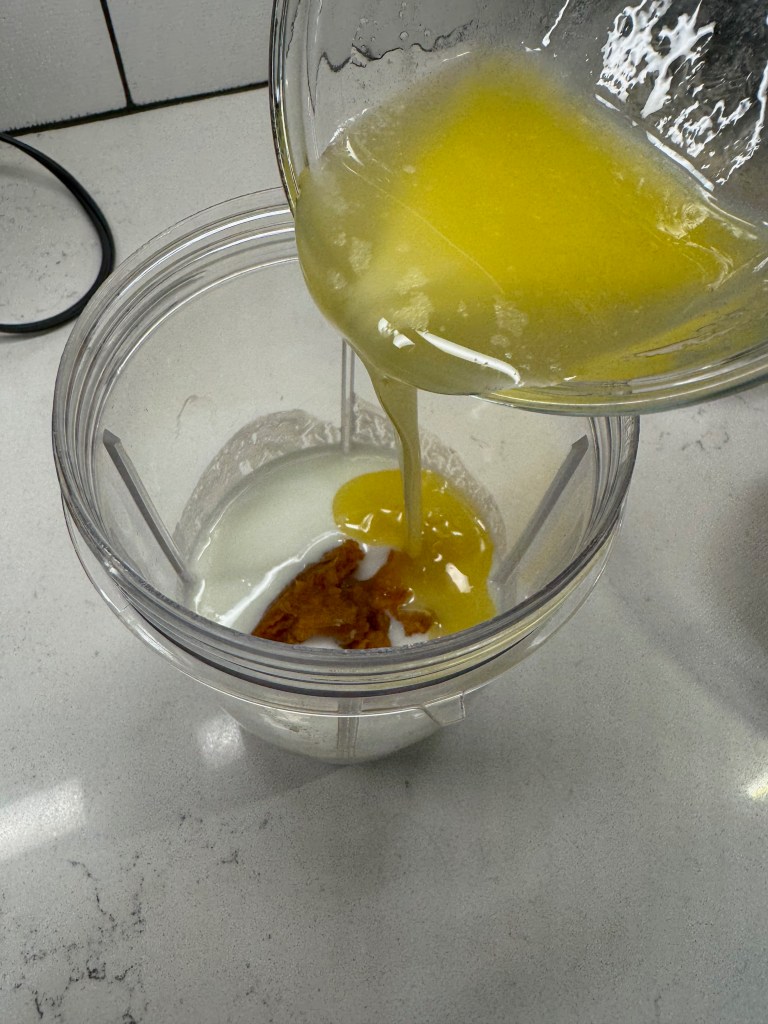
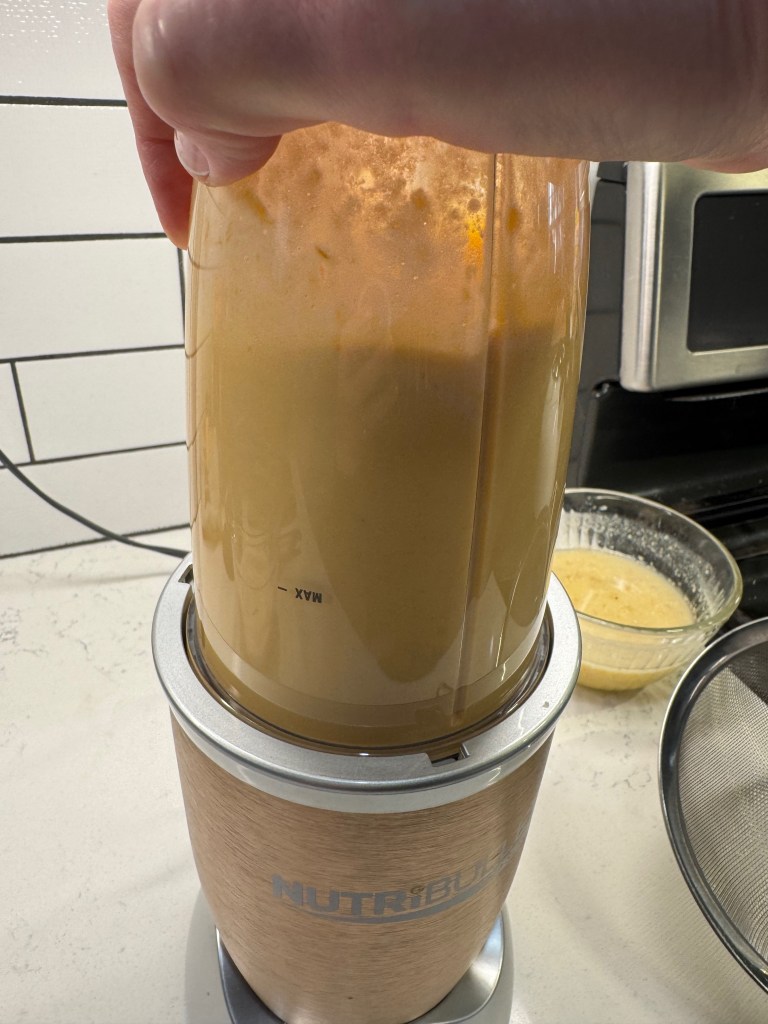
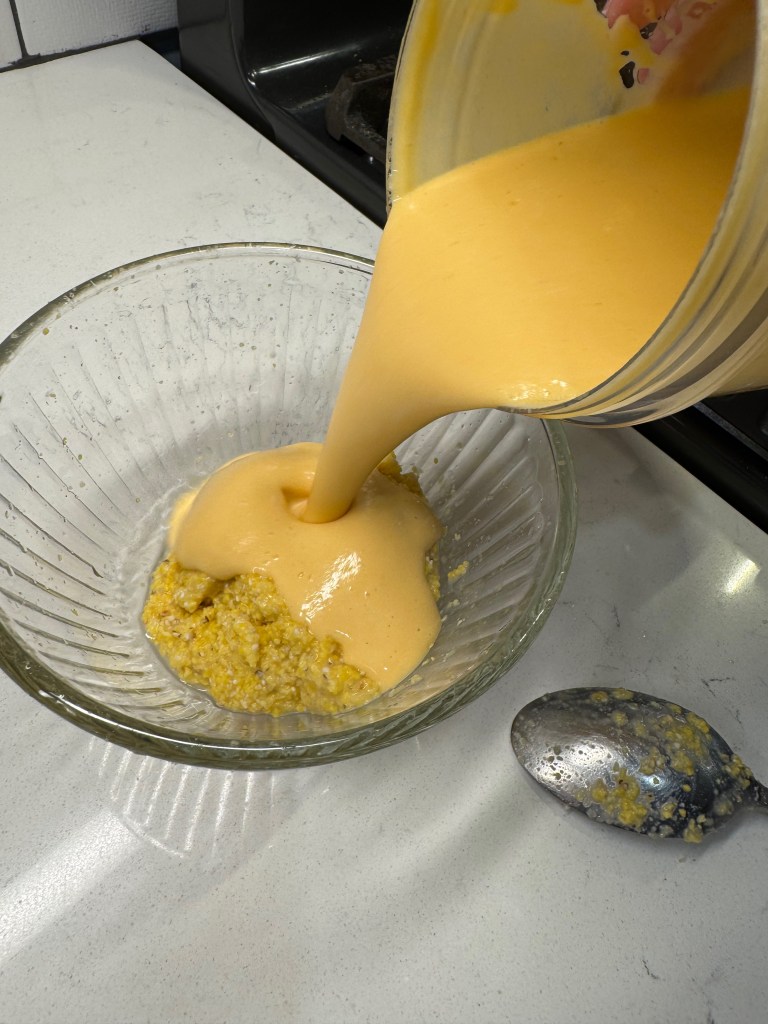
One of the things I wanted to avoid with this recipe was having a batter that was too wet. Pancakes need a certain amount of heft to hold up when they hit the griddle, so I opted to roast my sweet potato rather than boil it in chunks. This also turned out to be an easier method, given that I didn’t have to mess with peeling or cutting up the sweet potato. I scooped out about a half cup of the flesh and blended it with egg, buttermilk and melted butter, then stirred it into the drained mushy cornmeal. 


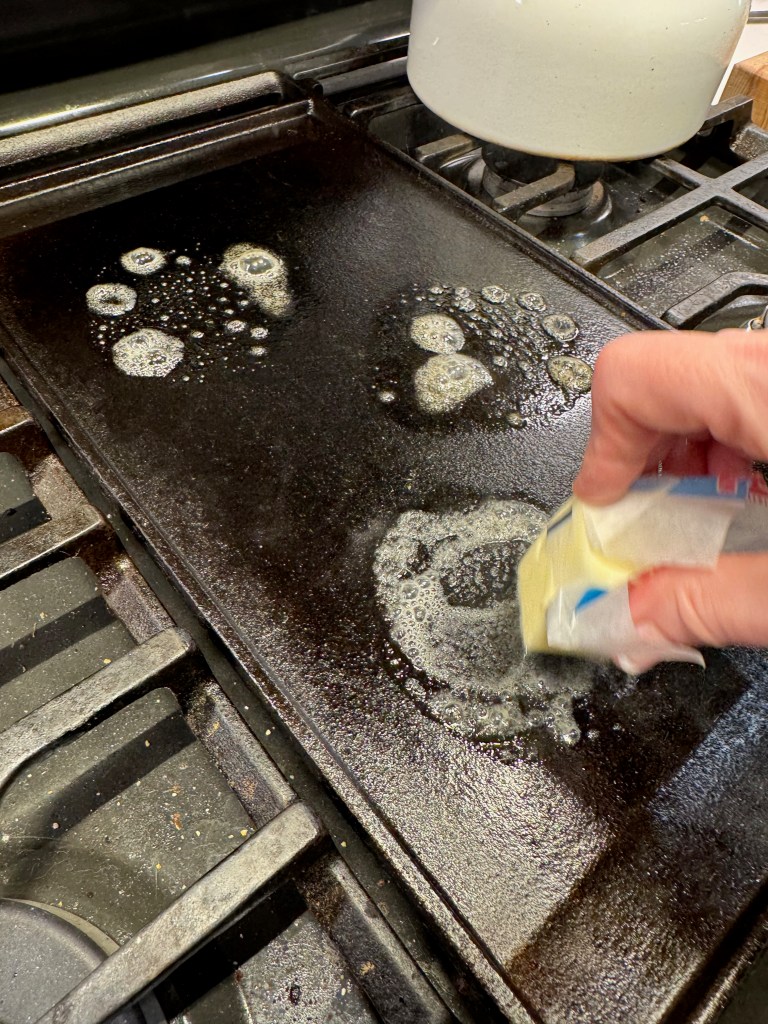
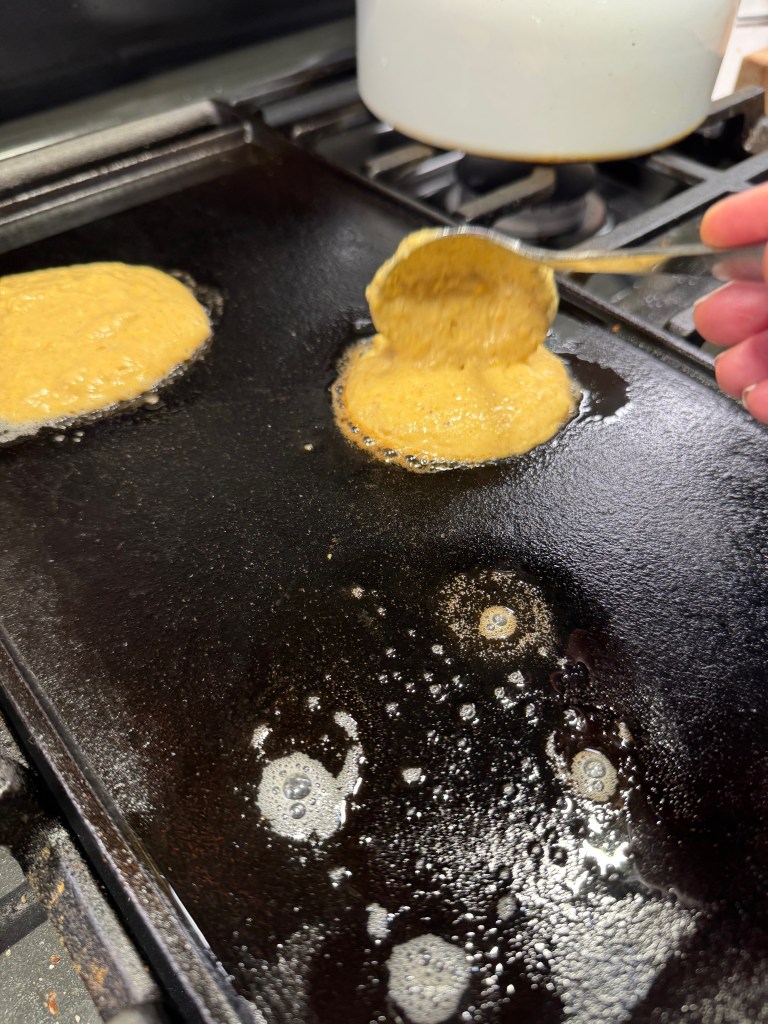
From there, it’s pancakes as usual, and you know I couldn’t resist spiking the flour with some spices to welcome the autumn season. Cinnamon was my go-to, and I threw in a little pumpkin spice blend as well. Butter on the griddle, and a warm oven to keep them cozy while we finished up the whole batch. 

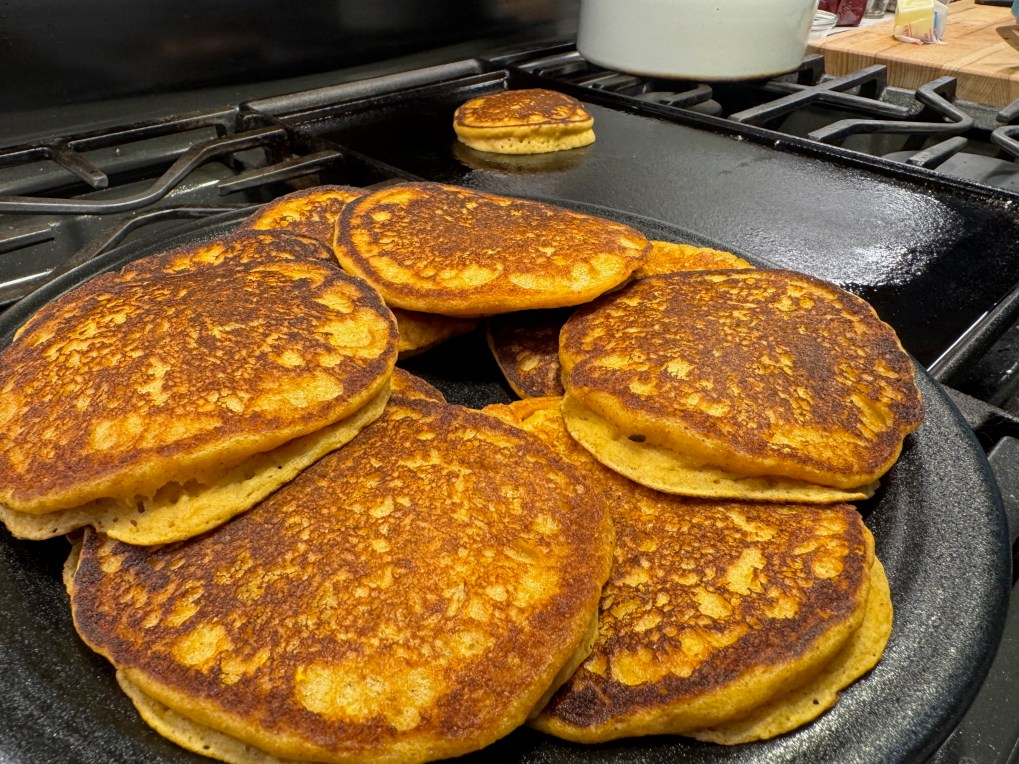
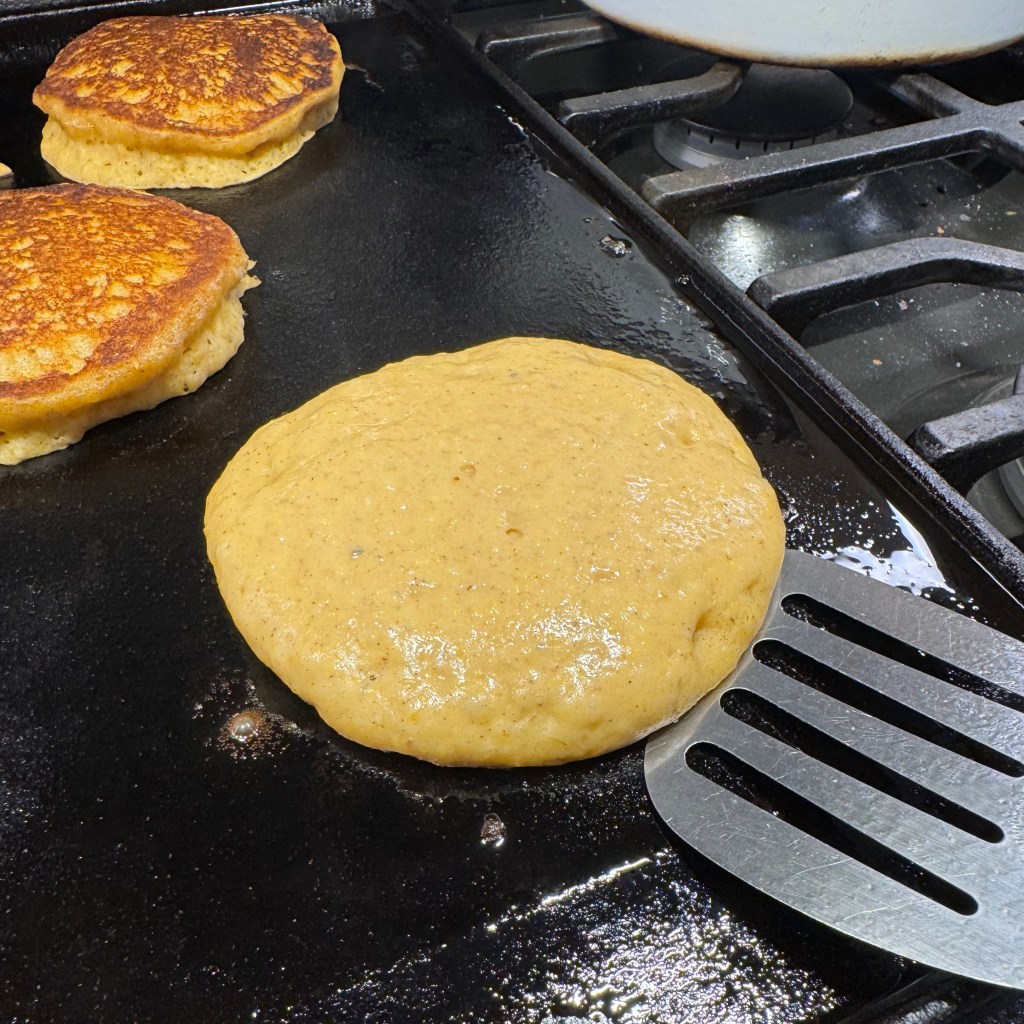
It’s time to turn the pancakes when the edges are dry and you see bubbles on the tops.

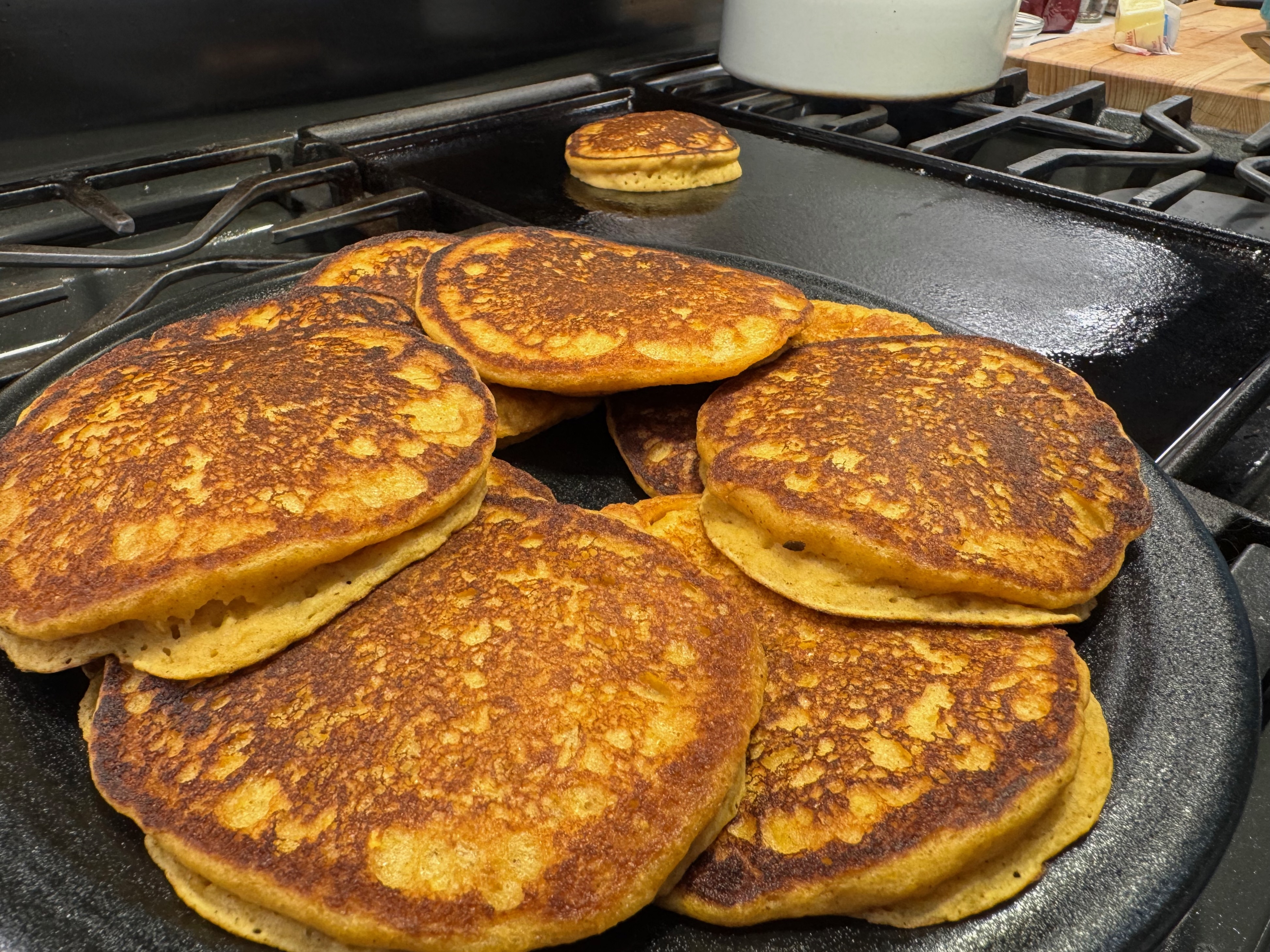
Welcome autumn!

What I loved about these pancakes, besides the sweet potato flavor and spices, was that the insides were creamy and almost custard-like, thanks to the soaked cornmeal. They were so comforting and delicious with a pat of butter and real maple syrup, plus smoky bacon on the side. A lovely introduction to the season. I’d make these again in a heartbeat, and I probably won’t wait until next autumn. What flavors are you looking forward to this fall?

Sweet Potato-Cornmeal Pancakes

  • Servings: 9 five-inch pancakes
  • Difficulty: Average
  • Print

Pre-soaking the cornmeal helps give these tender pancakes a custard-like interior. The sweet potato makes them perfect for fall breakfast, brunch or dinner.


Ingredients

  • 1/2 cup medium grind cornmeal
  • 1/2 cup roasted sweet potato (warm)
  • 1 egg, at room temperature
  • 3/4 cup buttermilk, at room temperature
  • 1 Tbsp. sorghum, maple syrup or honey
  • 3 Tbsp. melted butter
  • 3/4 cup all-purpose flour
  • 1 tsp. baking powder
  • 1/2 tsp. baking soda
  • 1/2 tsp. salt
  • 1/4 tsp. cinnamon, nutmeg or pie spice

Notes: It helps to have the sweet potato baked in advance. Do this in either the oven or microwave. Cool and then scoop out flesh to measure 1/2 cup for this recipe. Use remaining sweet potato in another dish, or double this recipe and freeze extra pancakes between layers of parchment paper when cooled.

Directions

  1. Pour enough boiling water to cover cornmeal in a small bowl. Stir to break up any lumps. Rest this at least an hour before draining through a mesh strainer.
  2. Combine flour, baking powder, soda, salt and spices in a batter bowl.
  3. Combine sweet potato, egg, buttermilk, sorghum and melted butter in a blender. Pulse or blend until smooth. Stir in soaked cornmeal.
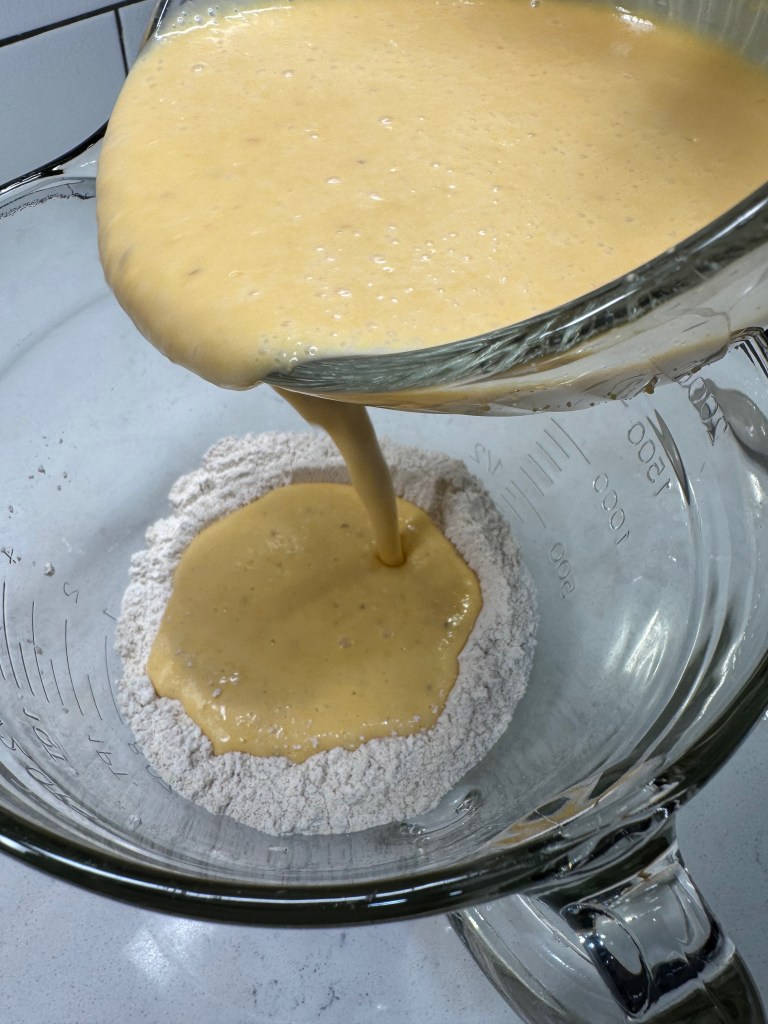
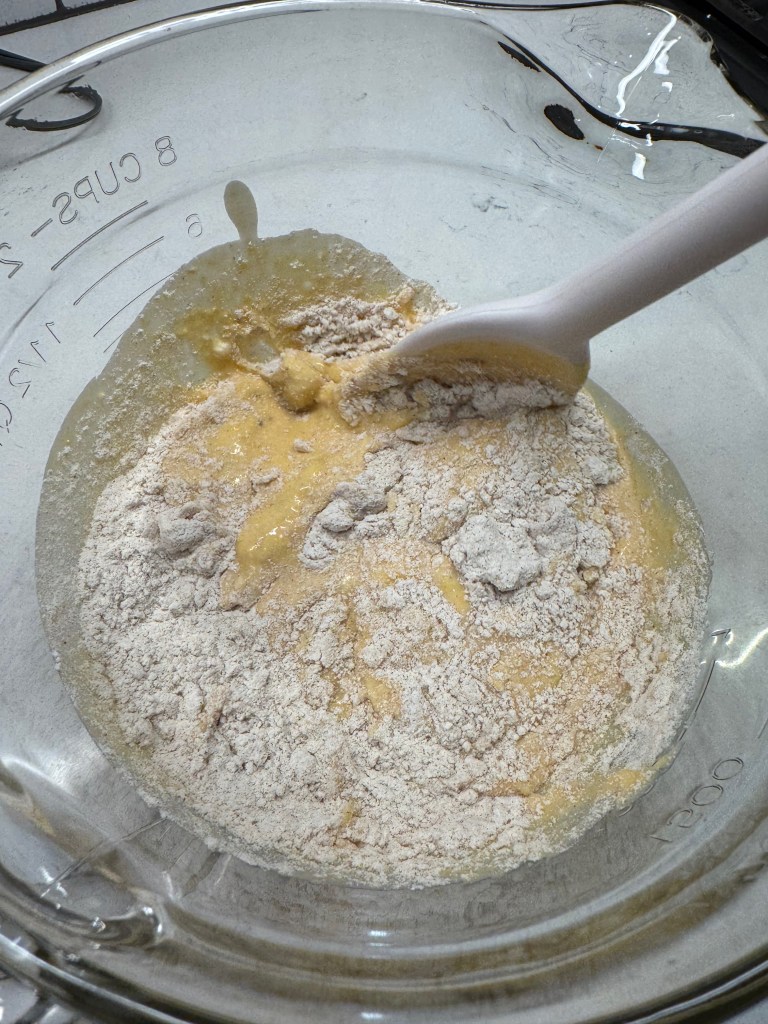
  4. Add wet ingredients to flour mixture, folding gently to combine. Do not overmix; there may be a few lumps.
  5. Heat griddle to medium heat. Melt butter in spots where you’ll cook the pancakes. Add batter and cook until the edges are set and the top is bubbly. Use a spatula to gently turn pancakes to cook the other side.
  6. Keep pancakes on a plate in a warm oven until all batter is cooked. Serve with butter and maple syrup.

Caramel Apple Blondies

What is it about Autumn that everyone finds so appealing? It is easy to imagine that I’m among the majority when it comes to fall being my favorite season. Everyone I know seems to mention that it’s theirs also, so I did a little investigating to see if this is just confirmation bias or a birds-of-a-feather situation. Let’s see what the data says.

A survey reported by CBS says as many as 45% of Americans favor fall over the other three seasons combined. And another poll by Morning Consult—a business intelligence company that specializes in survey data— breaks it down into deeper demographics to reveal that Autumn is the clear favorite, especially among women, especially Gen Xers, and especially in the South. That’s me, on all three counts!

No wonder I get so excited about cooler temperatures, boots, sweaters and pumpkin spice. Indeed, this is my favorite time of year, and I’ve put a new spin on one of my own recipes to highlight one of the season’s best flavors, apple. And, in honor of all the state and county fairs that are happening this time of year, I thought it fitting to wrap a little caramel around the apple for even more nostalgia.

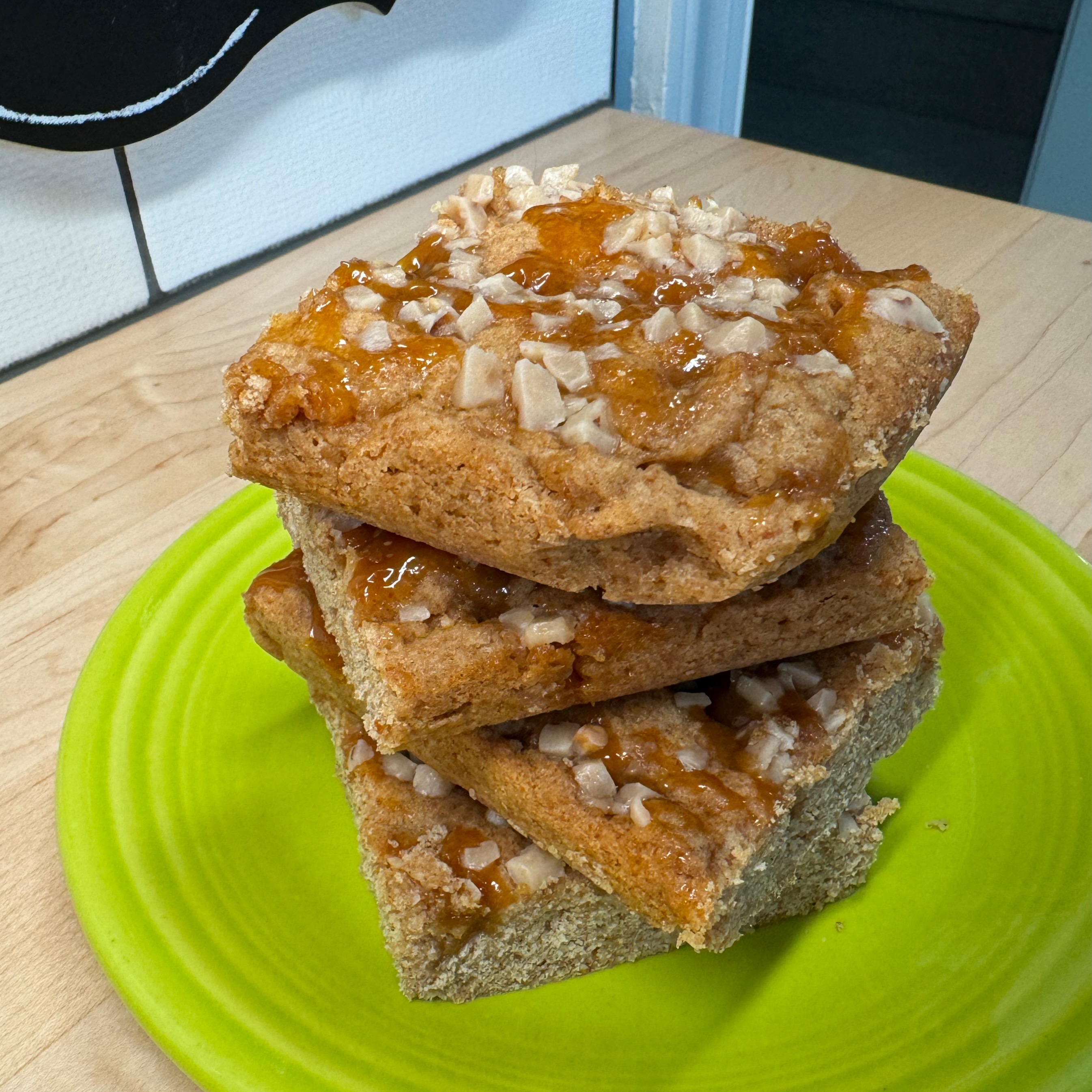
My caramel apple blondies are a deliciously sweet, caramel apple-y treat that’s perfect for a Halloween party, a gift for a favorite teacher or new neighbor, or just tucked into your grandkid’s lunch box.

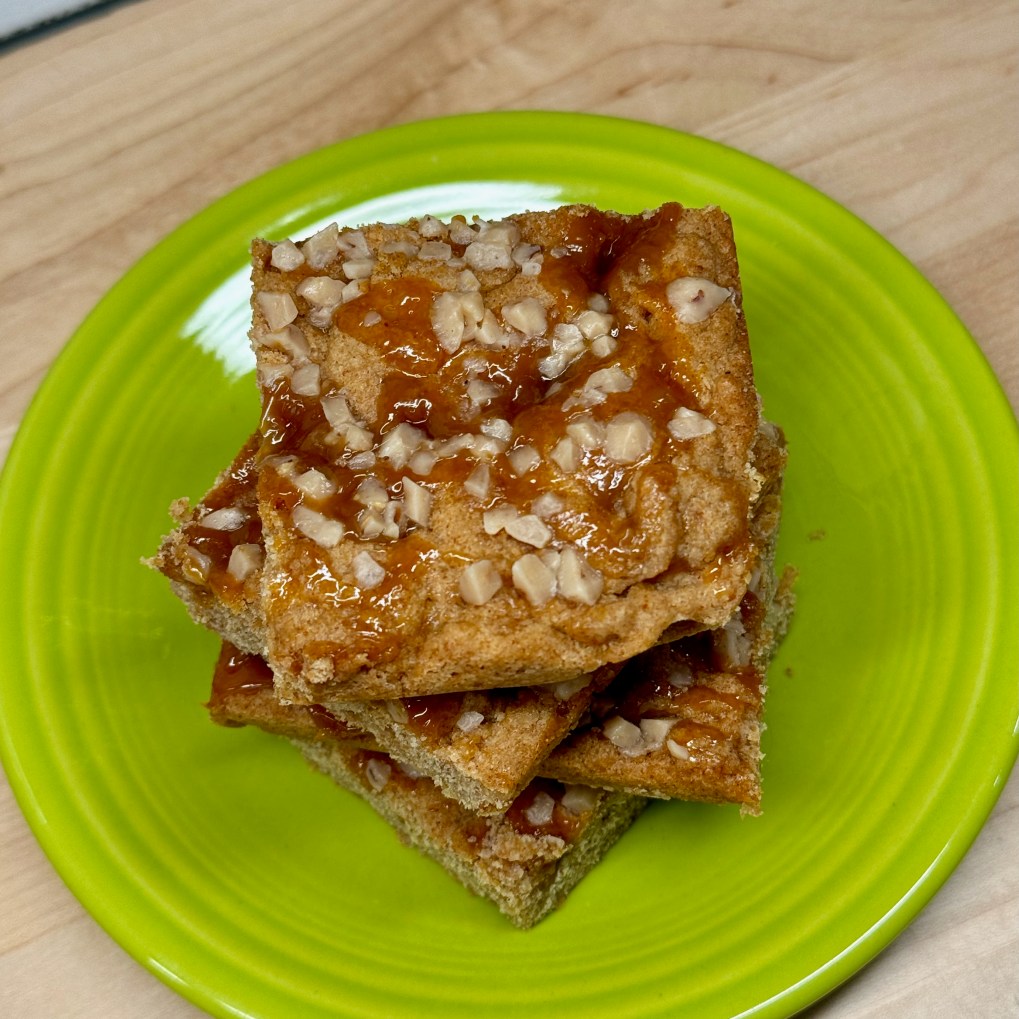
It took great restraint not to cut into them straight from the oven!

What ingredients are in caramel apple blondies?

A blondie is essentially a cookie bar, with a dense, chewy texture and often includes some kind of fun mix-in, such as chocolate chips or nuts. Similar to a brownie, but without chocolate, a blondie is made from a dough that resembles the base of a chocolate chip cookie, with plenty of butter, brown sugar, egg, vanilla, flour and leavening, such as baking powder.

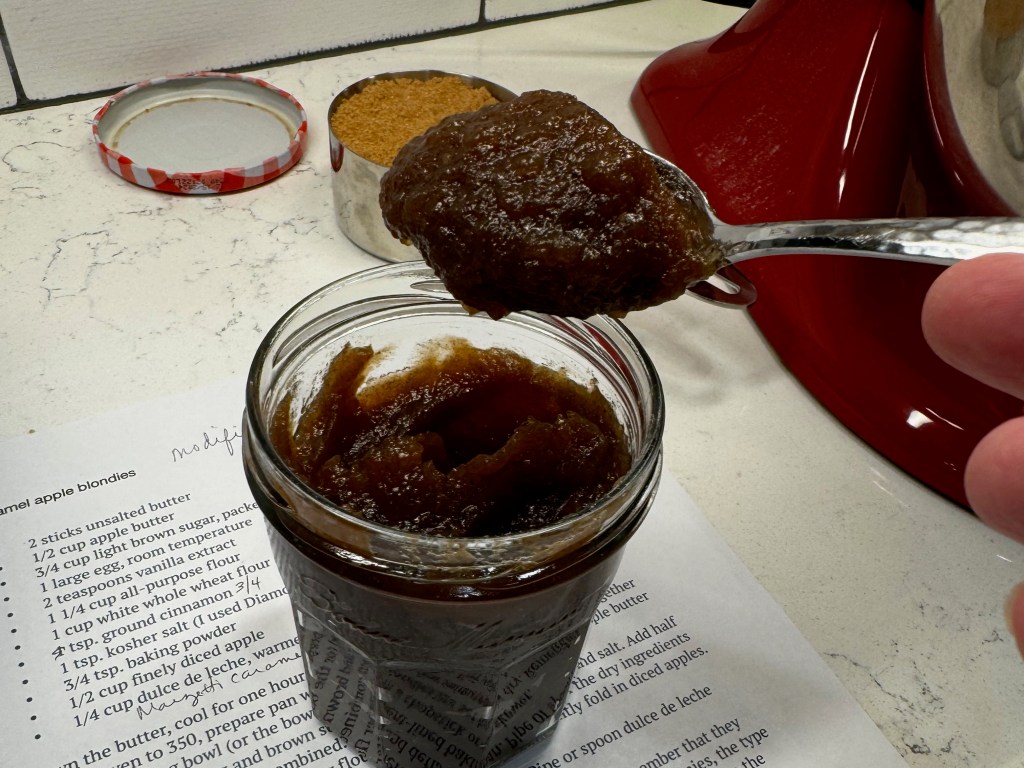
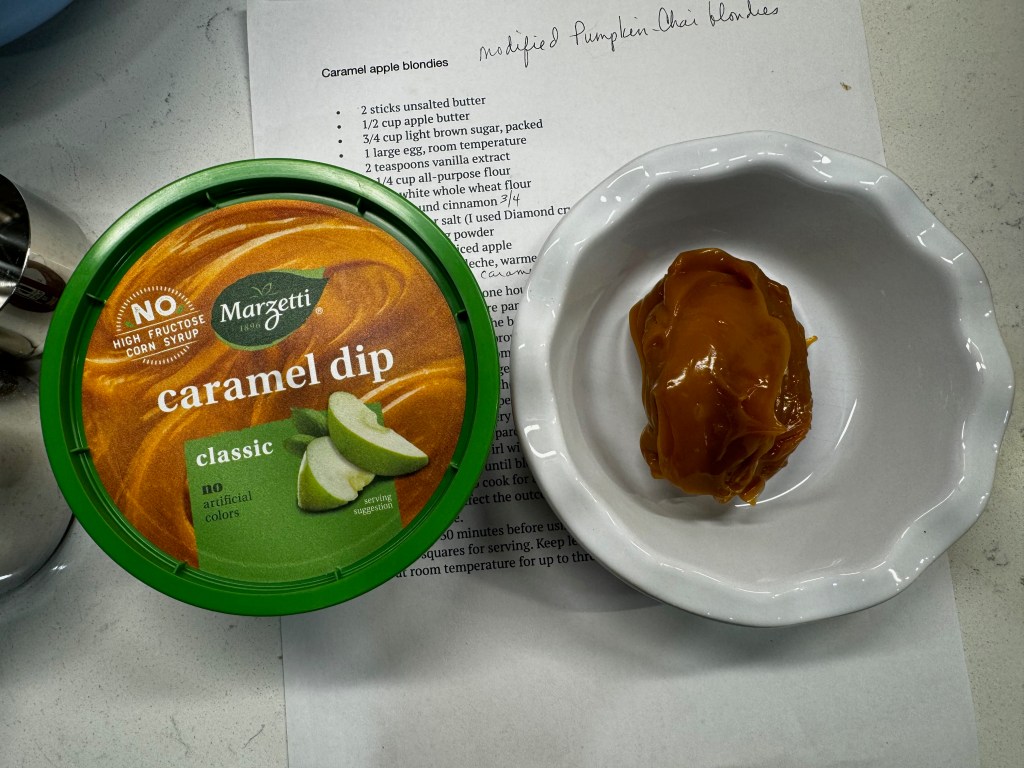
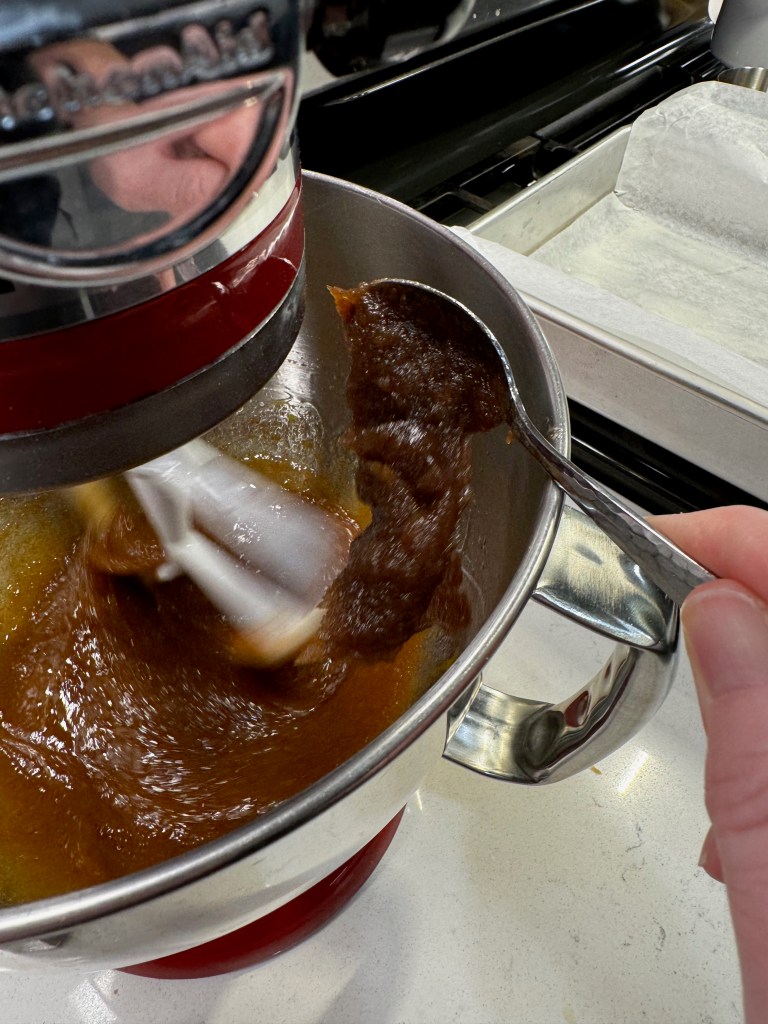
For this recipe, I’ve leveraged the same technique as in last year’s pumpkin chai blondies, using a concentrated paste of cooked down apples this time— otherwise known as apple butter— to give a distinct apple flavor without the high amount of moisture that would have been in fresh chopped apples. The caramel element is an easy grocery store item, the same stuff you pick up in the produce department for dipping apple slices. 


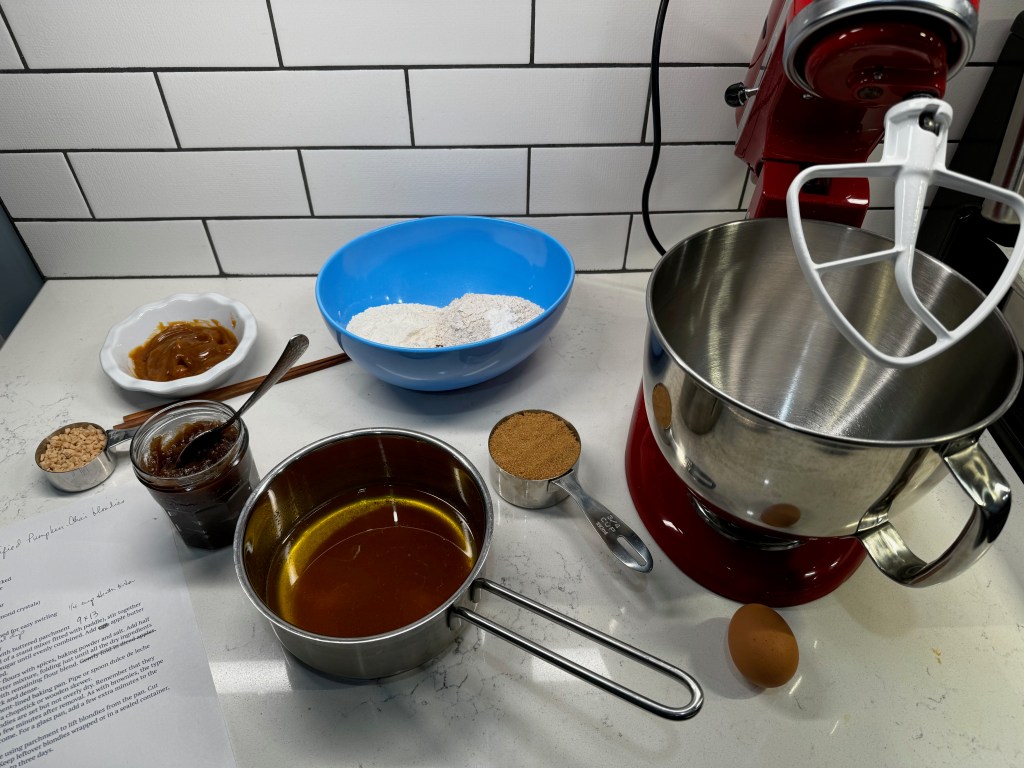
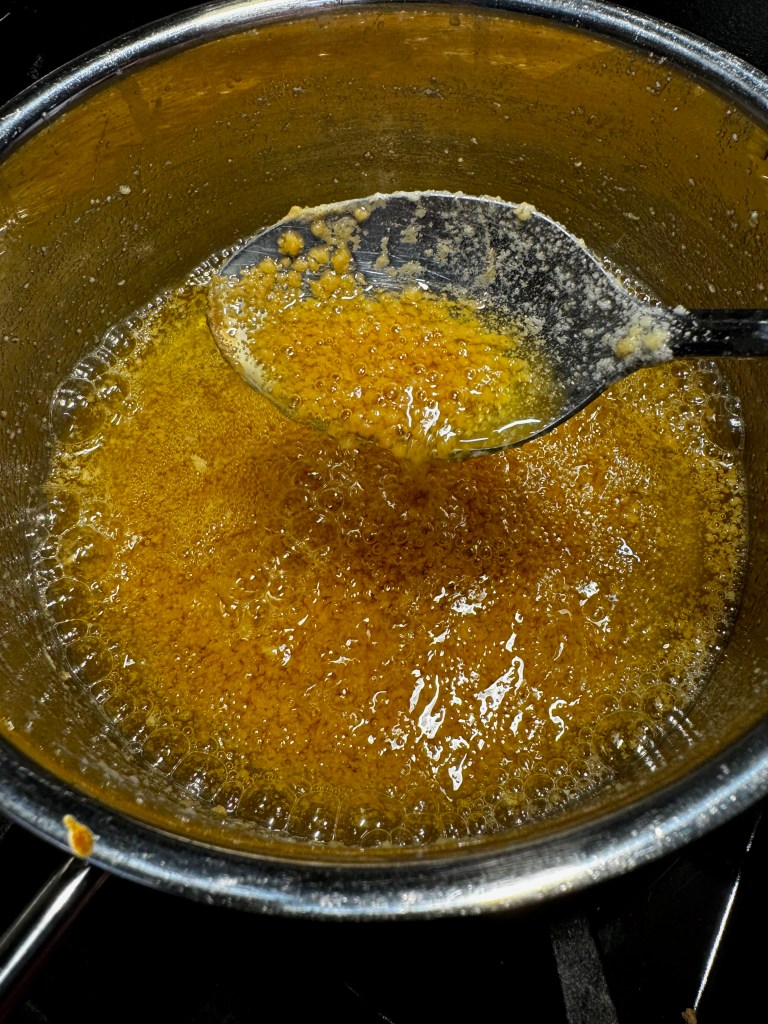
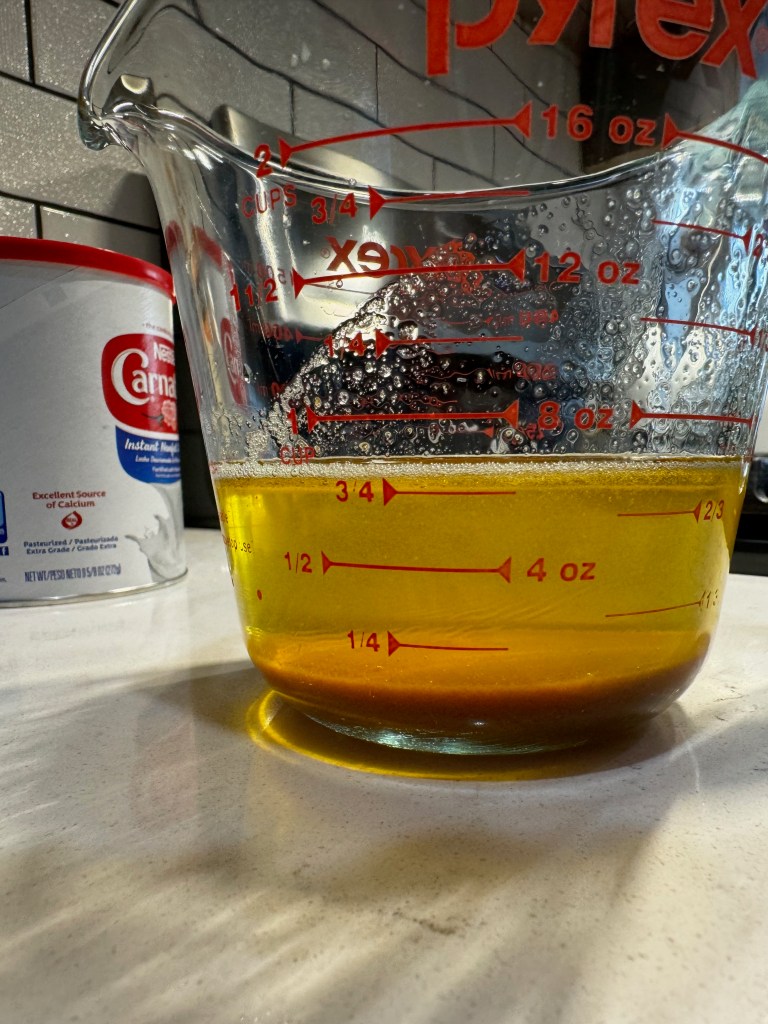
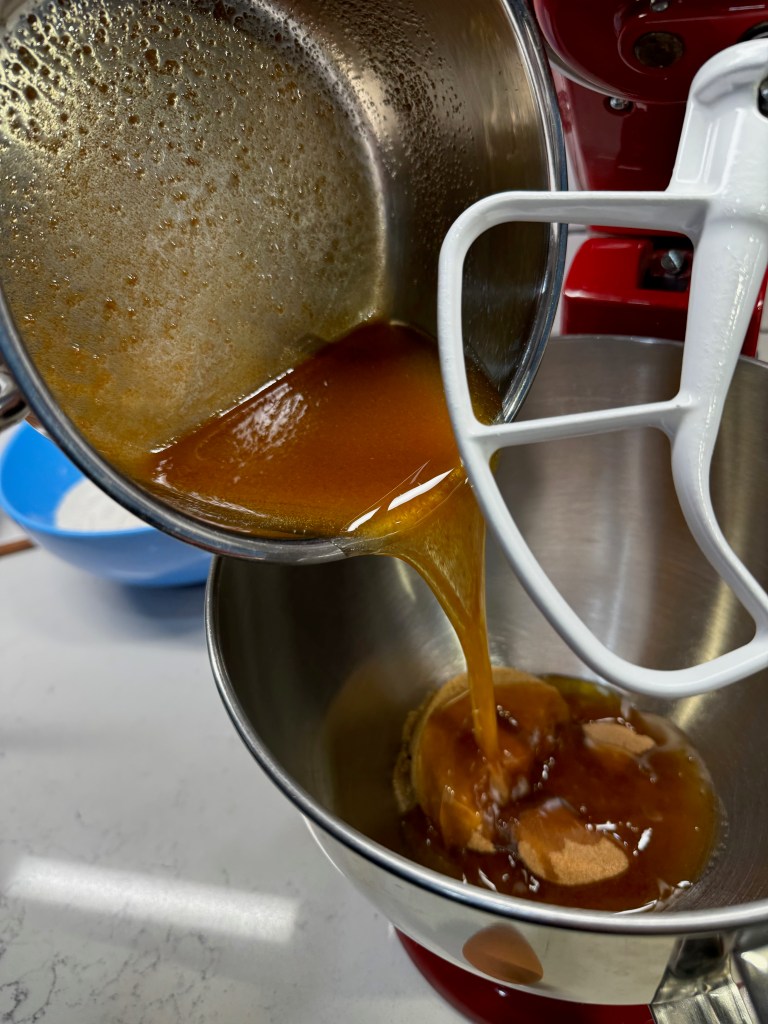
To keep these blondies a bit “healthy-ish,” I subbed in a half amount of whole wheat pastry flour. And in case you wonder why the melted butter is soooo dark in the pan in my ingredients photo, it’s because I tried a new (and very flavorful) trick when I made my browned butter.

Check out that very browned butter!

How to make browned butter even better

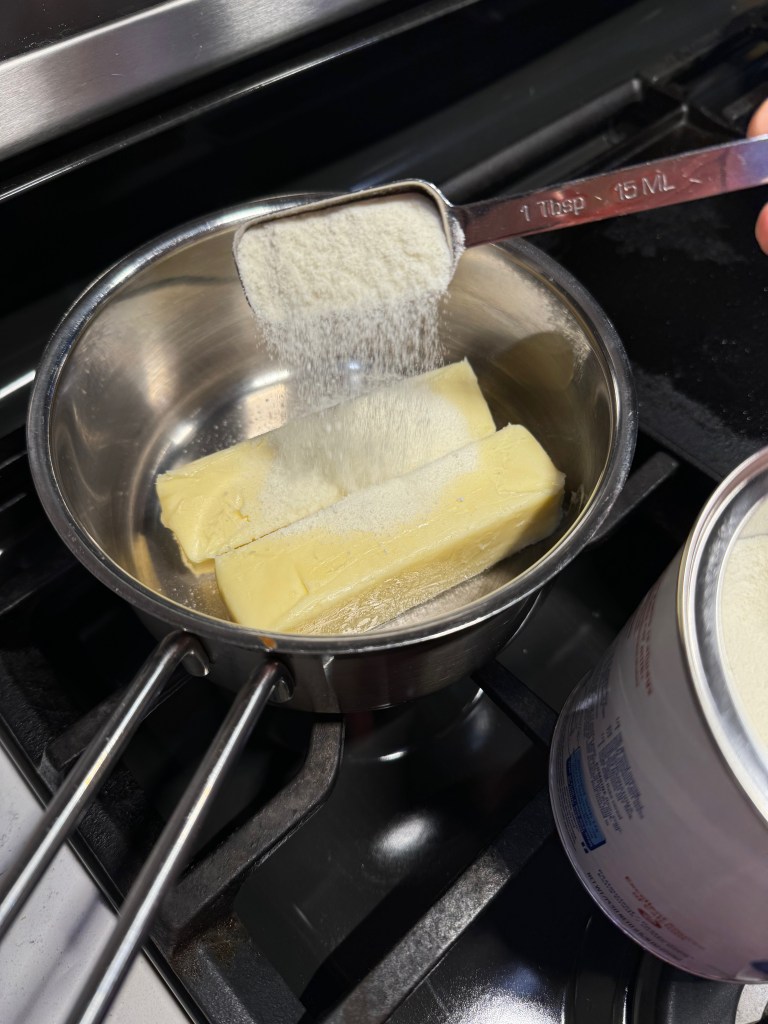
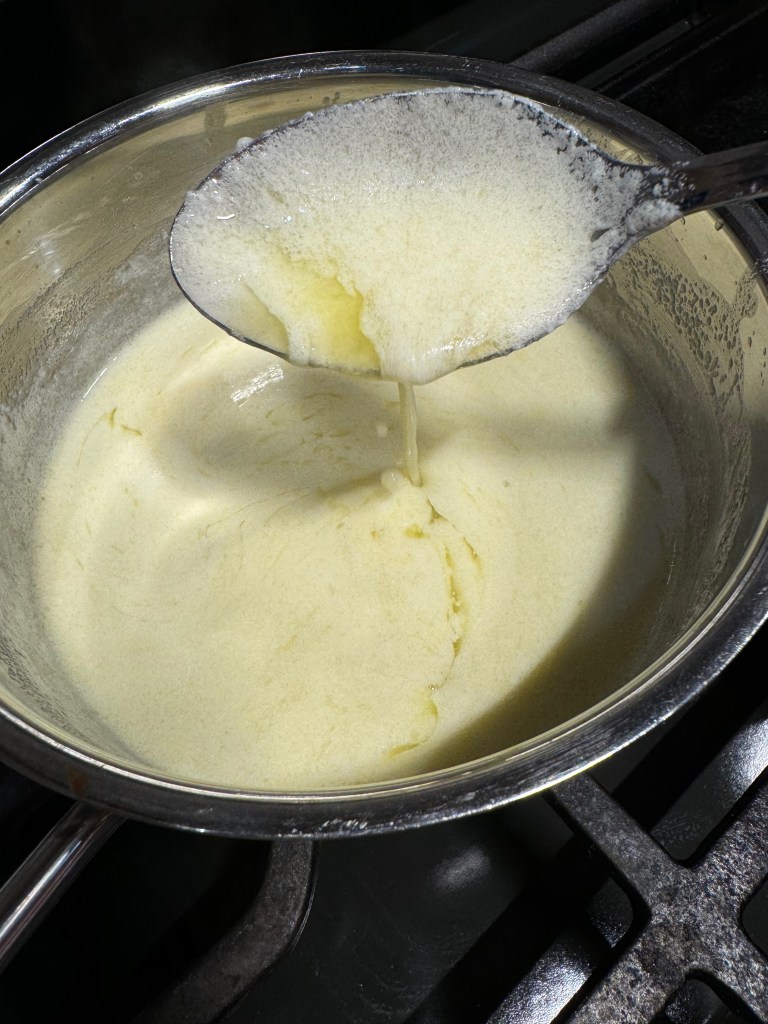
If you spend any time at all on social media or the internet, you may have seen this new trend of adding powdered milk to the butter as it browns. Given that it’s the milk solids that actually brown, it stands to reason that increasing the milk solids will amp up the flavor. And holy moly, it sure did! I used salted butter, by the way, though most baking recipes call for unsalted. Why? Because salt in desserts does the same thing as salt in savory dishes— it shoves the most important flavors to the forefront.


How do you make caramel apple blondies?

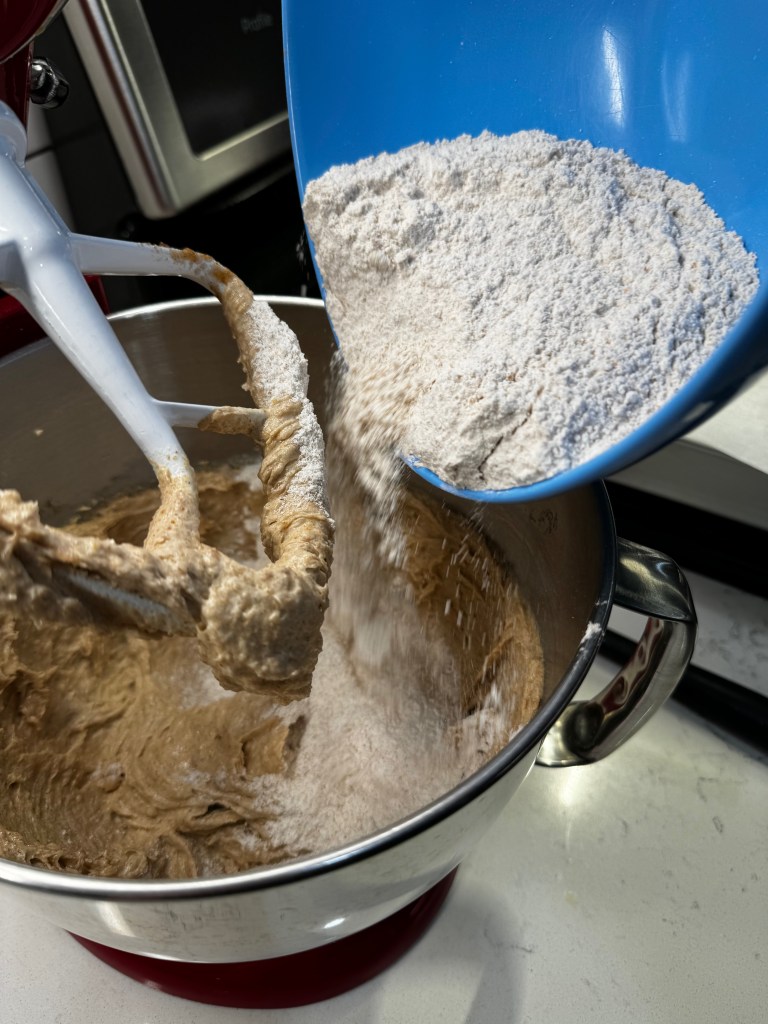
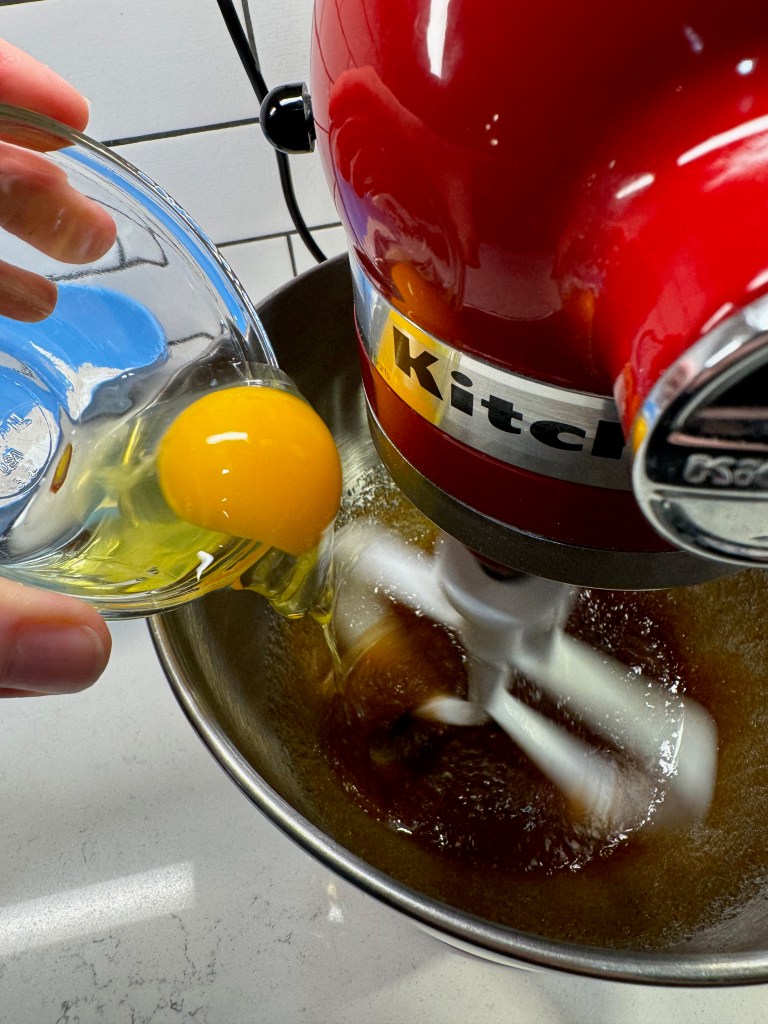
The rest of the recipe is very simple. Mix together the melted butter and brown sugar, then add the egg, apple butter and vanilla. Add the dry ingredients, half at a time, mixing only until all the flour is incorporated. 


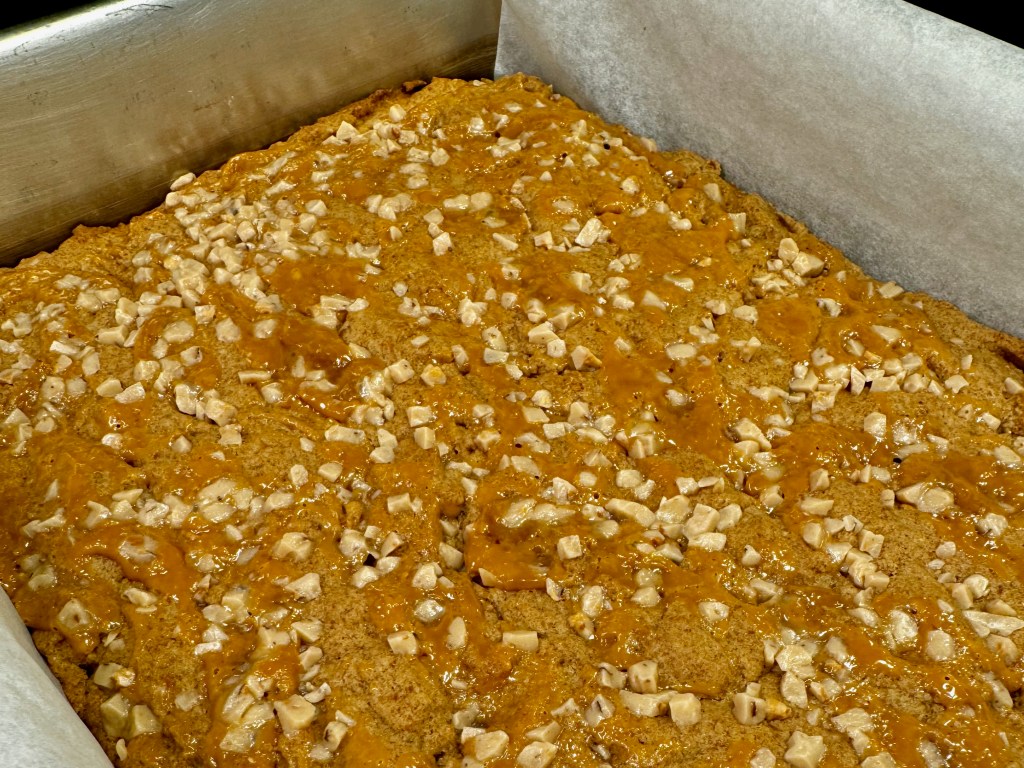
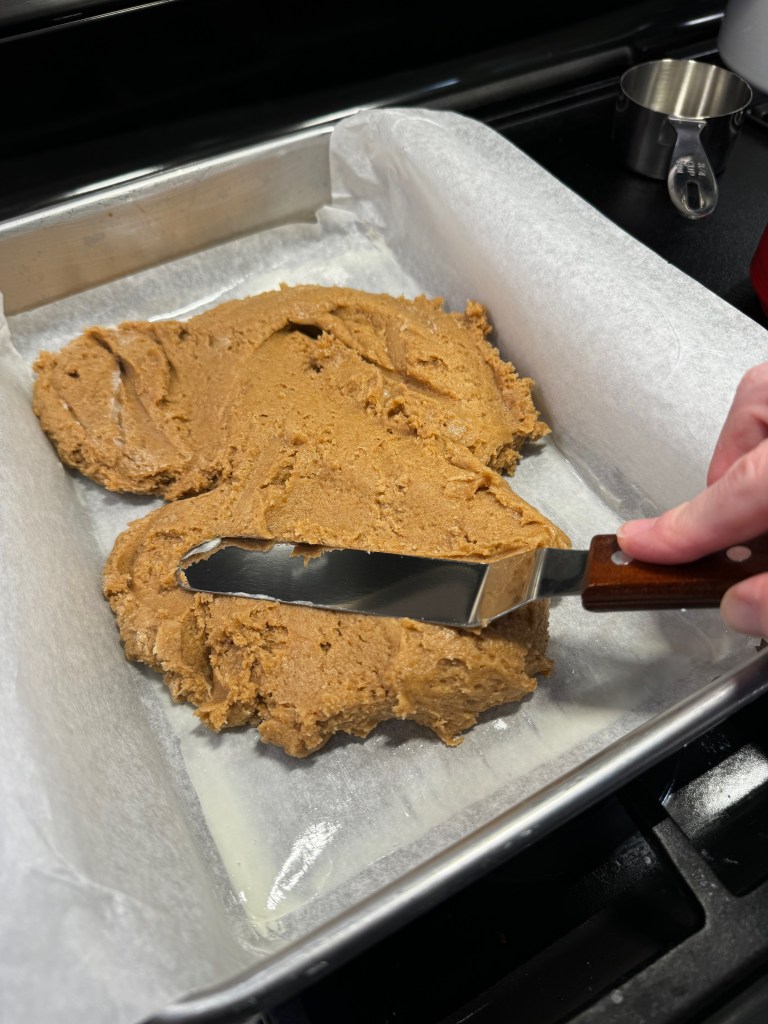
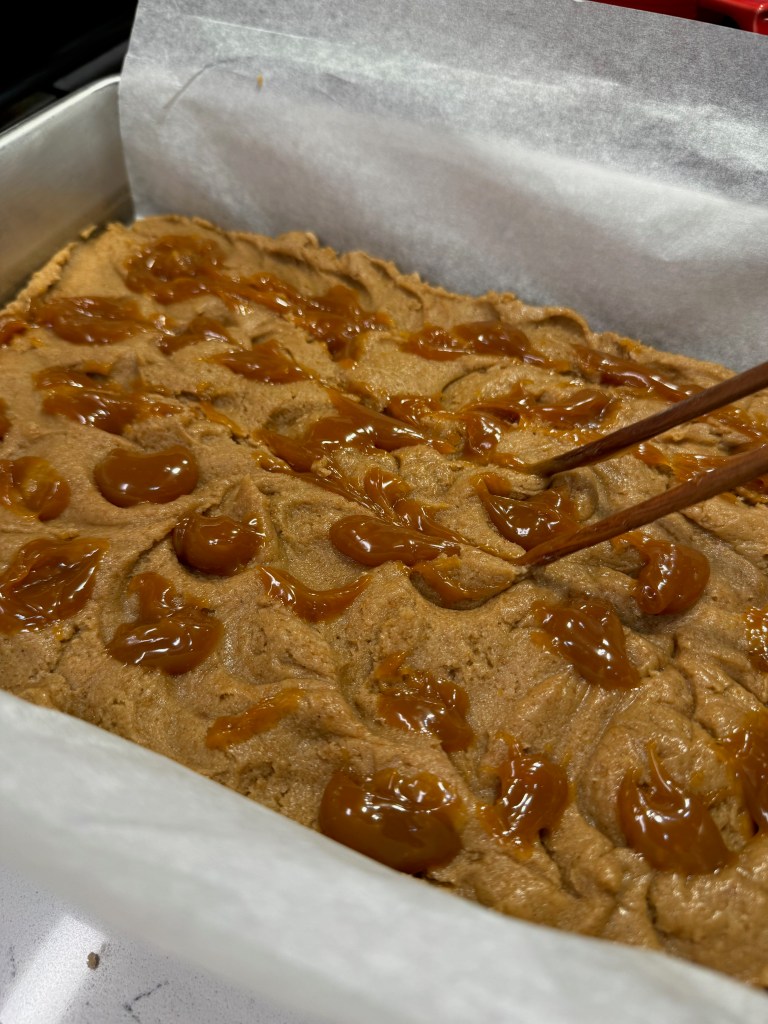
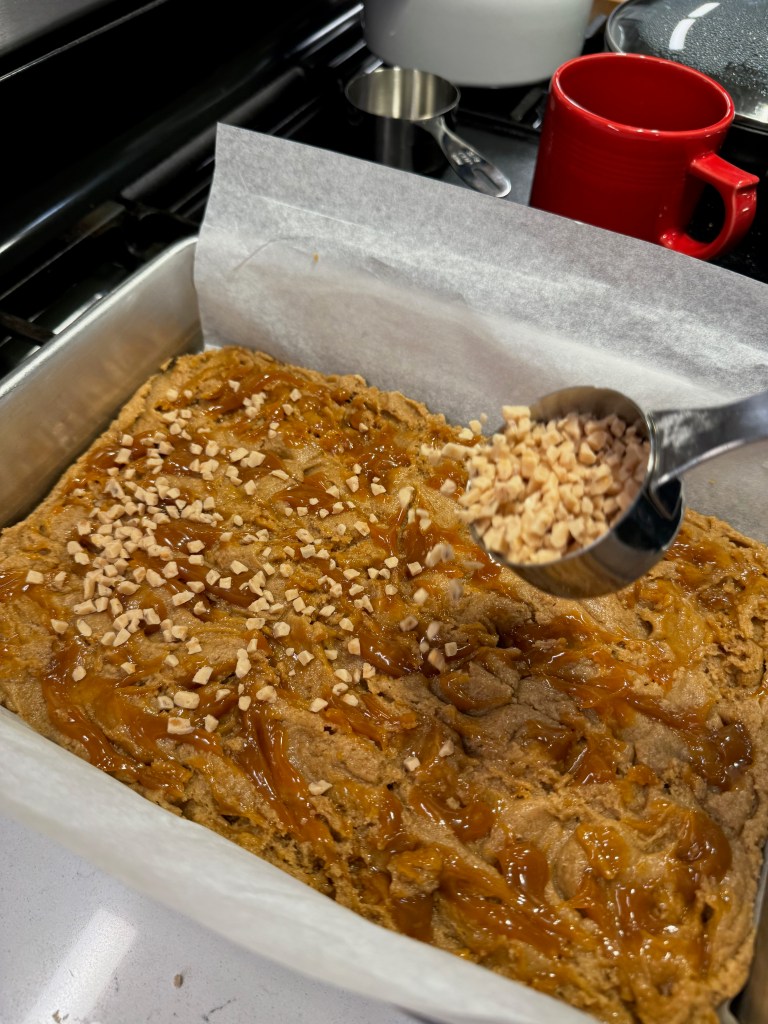
Spread the batter evenly into a buttered, parchment-lined pan, then spoon and swirl a bit of warmed caramel dip over the top. Scatter a few tablespoons of Heath candy bits on top and bake until the blondies test done with a clean toothpick.


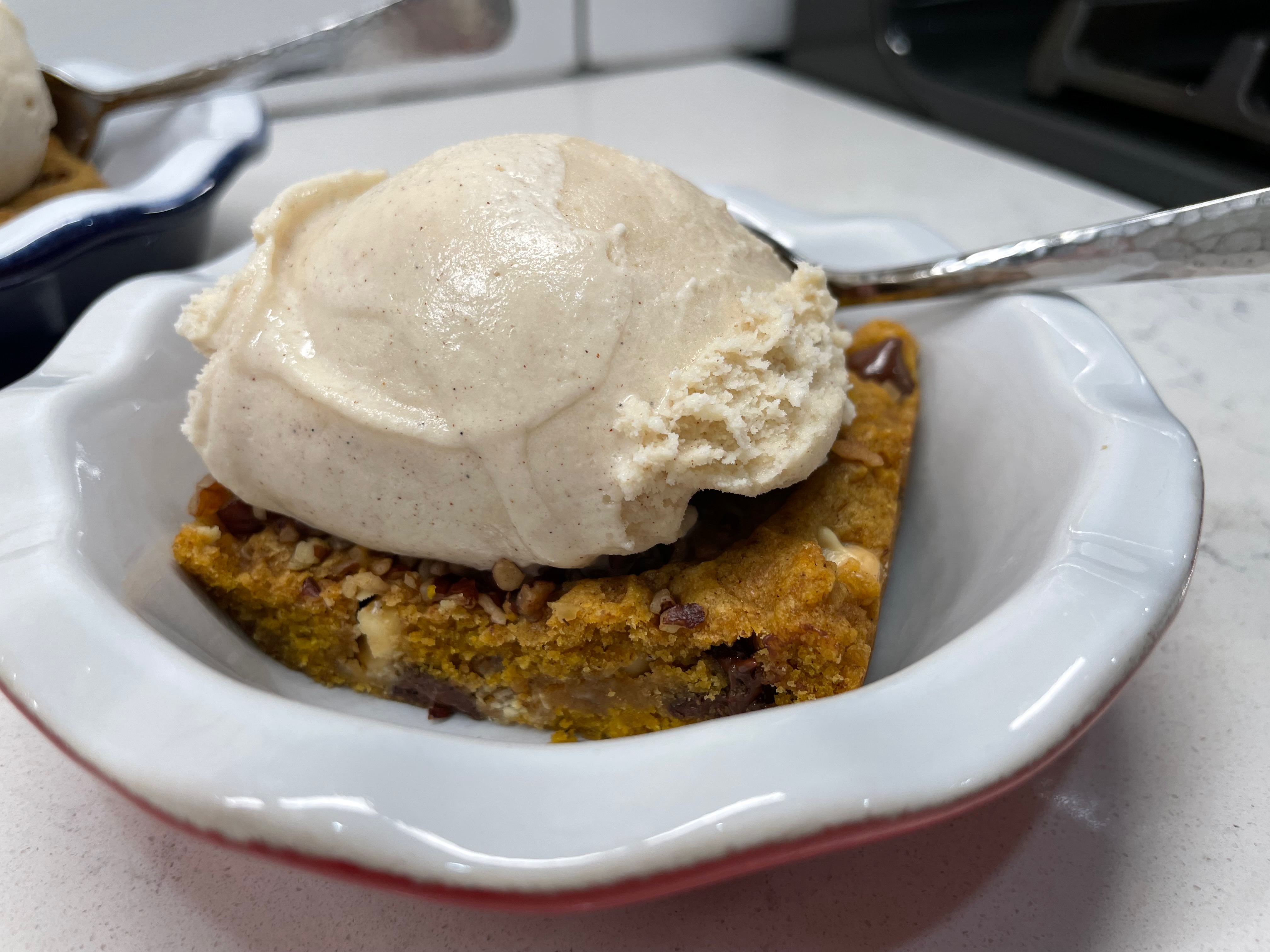
Cool the blondies completely before cutting them, and if you really want to push them over the top, serve them with a scoop of my easy cinnamon ice cream. We enjoyed them this way, and I got so excited, I completely forgot to take a picture. But you can imagine, right? 😉

Caramel Apple Blondies

  • Servings: 12 or 16
  • Difficulty: Average
  • Print

Caramel and apples reminds me of the treats I used to look forward to at the county fair. These blondies are just one of many reasons I'm excited about fall.


Ingredients

  • 2 sticks salted butter
  • 2 Tbsp. nonfat dry milk powder
  • 3/4 cup light brown sugar, packed
  • 1 large egg (room temperature)
  • 1 cup apple butter (homemade or store bought)
  • 2 tsp. real vanilla extract
  • 1 1/4 cups all-purpose flour (see notes for measure instructions)
  • 1 cup whole wheat pastry flour (or sub in regular all-purpose flour if desired)
  • 3/4 tsp. ground cinnamon
  • 1/2 tsp. kosher salt
  • 3/4 tsp. baking powder
  • 1/4 cup caramel dip (find in the produce section, near the apples)
  • 1/4 cup Heath candy bits (optional, sub chopped pecans if desired)

Notes: Unsalted butter can be used, if that’s what you have on hand; double the kosher salt if you go this route.

When measuring flour, use the “fluff, sprinkle, level” method rather than scooping directly into the bag or container.

Directions

  1. Place the butter in a heavy-bottomed sauce pan over medium heat. Stir frequently, and when melted butter begins to brown, add the dry milk powder. Stir constantly, as the browning will happen quickly at that point. Remove from heat as soon as the butter reaches a copper color. Transfer to a measuring cup to cool.
  2. Preheat oven to 350° F, with oven rack in center position. Prepare a 9 x 13″ baking pan with a buttered parchment liner, leaving flaps on the long sides for easy lifting of baked blondies.
  3. In a large mixing bowl (or the bowl of a stand mixer fitted with paddle), stir together browned butter and brown sugar until evenly blended. Add apple butter and egg. Beat until combined and somewhat fluffy.
  4. In a medium bowl, whisk together flours with cinnamon, baking powder and salt. Add half the flour mixture to the apple mixture, folding just until all the dry ingredients are incorporated. Repeat with remaining flour blend. The batter will be very thick and dense.
  5. Spread batter evenly over parchment. Warm the caramel dip slightly in the microwave for easier swirling. Pipe or spoon caramel dip over batter and swirl with a chopstick or spoon handle. Sprinkle on Heath candy bits.
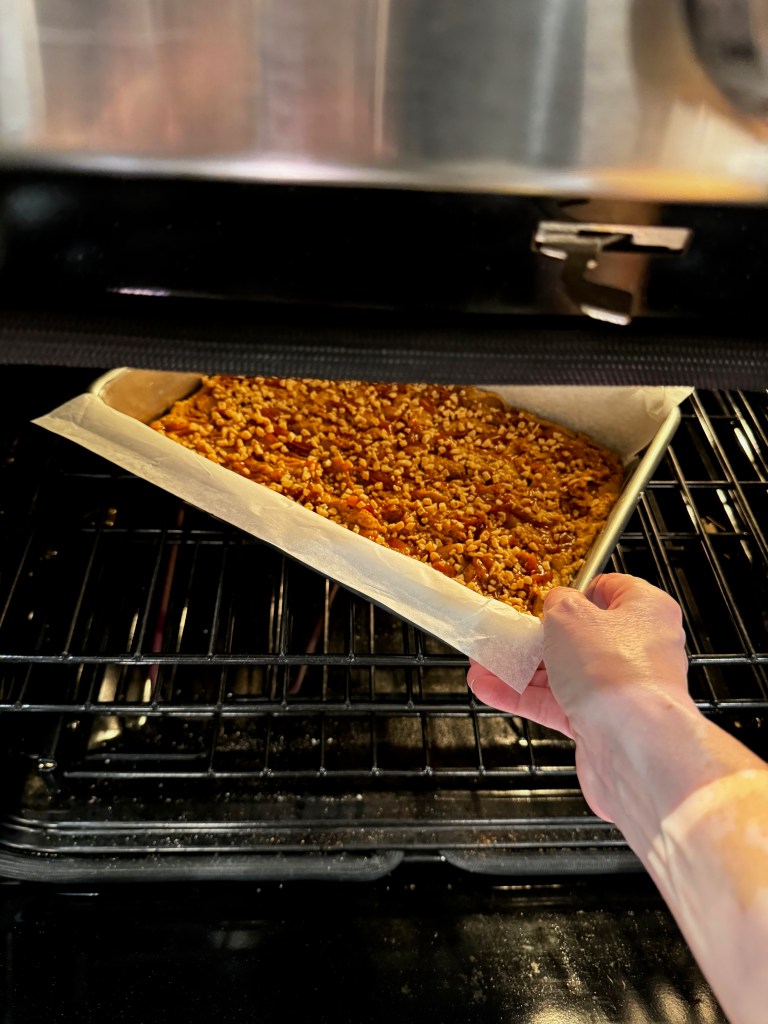
  6. Bake for 25 minutes, or until blondies are set but not overly dry. Remember that they will continue to cook for a few minutes after removal. As with brownies, the type of pan may affect the outcome. For a glass pan, add a few extra minutes to the baking time.
  7. Cool for at least 30 minutes before using parchment flaps to lift blondies from the pan. Cut into squares for serving. Keep leftover blondies wrapped or in a sealed container at room temperature for up to three days.


DIY Solar Jack O’Lanterns 🎃

It’s October, and that means that my front door is now being guarded (or is it watched?) by Mr. Bones, the spooky, gauzy dude that my husband has placed on our porch every October since 2007. He gives me the major creeps because every time I open the front door, he’s staring at me. It doesn’t matter which way we hang him on the nail of our entry, either. He turns on the breeze to stare me down. But in his defense, he was here long before me, so I adjust. 💀

Could you not, Mr. Bones?!

Last year, in my attempt to entice more than five trick-or-treaters to our house for Halloween, I added to the theme with the fun DIY project that I’m sharing today. This cute little decoration was inspired by something I saw on Pinterest, but it was unclear who actually made and posted the lanterns. That’s one of the things about social media— a great idea can be shared by someone who doesn’t understand the settings of their account, and sometimes it ends up being just a photo with no accompanying information. What can you do? 

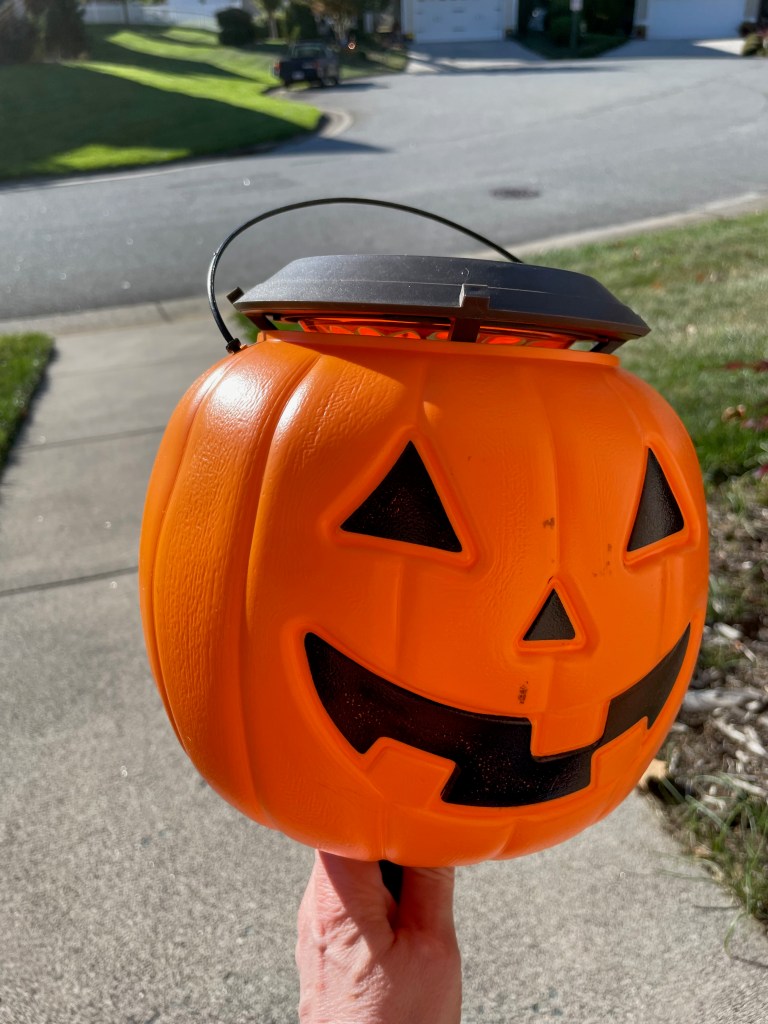
But in this case, it was clear to me that the project involved plastic pumpkin candy buckets and solar lights, and I figured, “how hard could it be?” Turns out, it wasn’t difficult at all. 

The pumpkins make Mr. Bones look even more creepy.

What materials do you need for a DIY solar jack o’lantern?

This kid-friendly project requires only the plastic pumpkins and some solar yard lights sized to match the top opening of the bucket. My lights were nothing special, just some off-the-shelf items I picked up at Lowes, and I found the pumpkins in the seasonal section at Walmart. Naturally, you want to be sure that some light will shine through the pumpkin buckets before you cut them, and you can easily test this by holding a bucket upside down over a lamp bulb in your home. If the bucket is translucent enough to let the light shine through, you’re good to go!

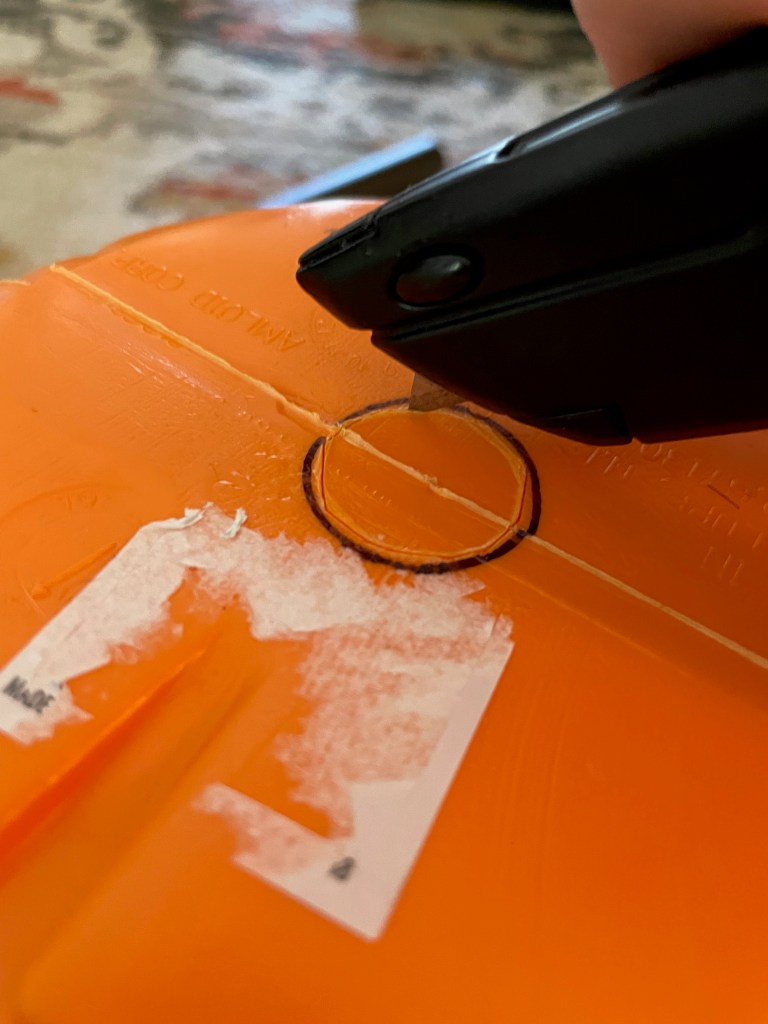
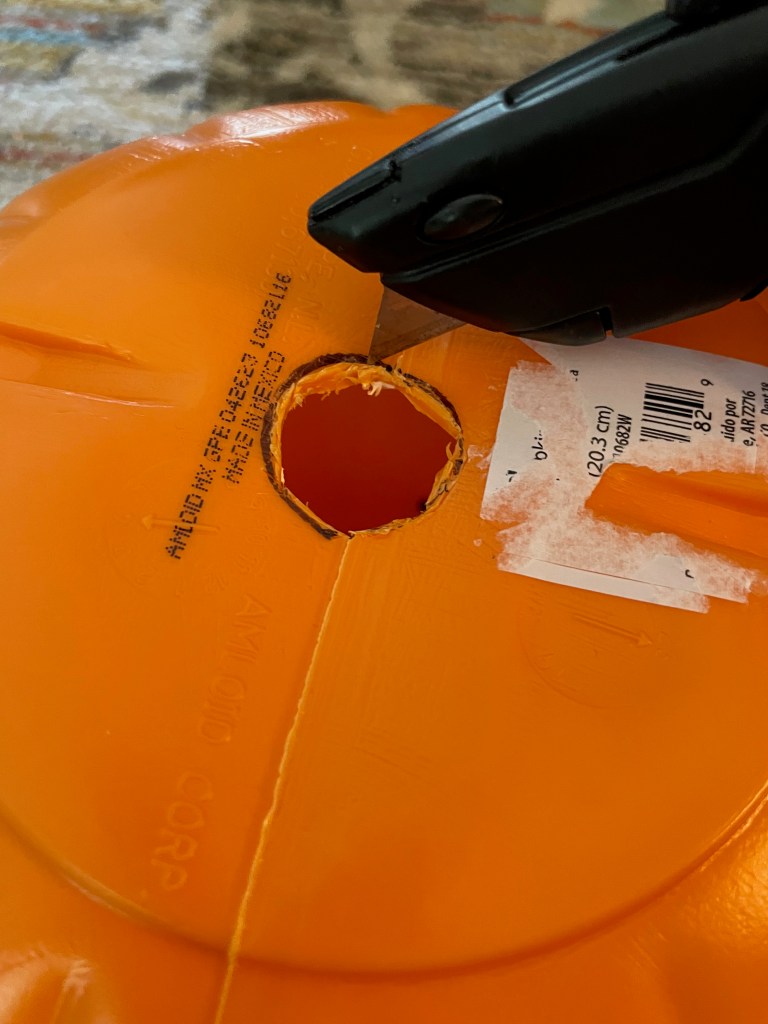
A couple of easy tools are necessary for this project, including a pen (for tracing around the solar light stem onto the bottom of the pumpkin) and either a utility knife or a cordless drill fitted with a hole drill bit the size of your circle. For safety sake, only an adult should tackle this part of the project. I used a utility knife, and to minimize risk of injury, I adjusted the knife so that only a small point of the blade was exposed. 


The first pass with the knife was only to “score” the plastic, and I made subsequent passes to make a deeper cut until the circle could be punched out. A quick test with the solar light stem, and adjustment if needed, and then reassembly of the solar light. 


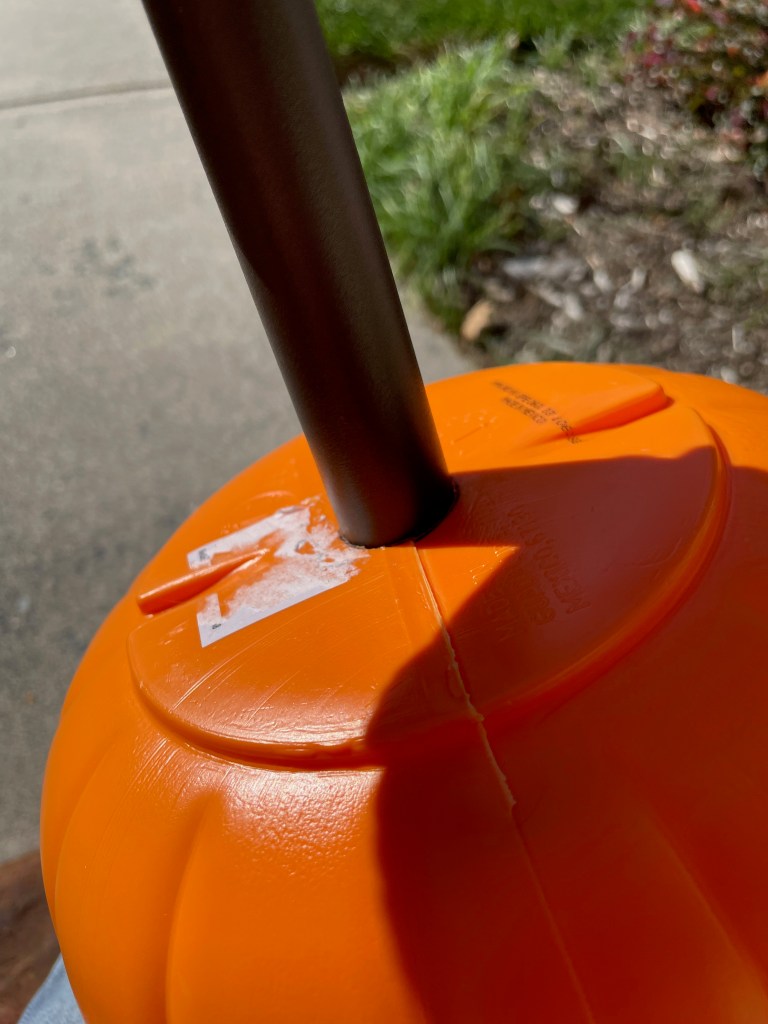
The solar light cap should be slightly larger than the top opening of the pumpkin bucket, so that rain water does not collect inside. Mine look like the pumpkins have a little hat! The pumpkin buckets wanted to slide down the lamp stems after a few minutes, so I used a couple of heavy rubber bands— the thick kind that grocery stores use on broccoli— to snug around the stems, keeping the pumpkin in place all month long. Another fun thing about this decoration is that you can remove the pumpkins from the solar lights after Halloween and set them aside for next year.

Please ring our bell. Plenty of candy inside!

My solar lights have a slight “bubble” texture to them, so the pumpkins also have a dappled glow. I can’t say that the solar jack o’lanterns made a difference in our trick-or-treater turnout— we still ended up with a mountain of leftover candy, as usual— but I guess changing neighborhood habits can’t be as easy as this little project. 

Maybe this year!


Double Dark Chocolate Ice Cream

It’s funny how things change after marriage. When we were dating, my husband, Les, and I spent weekends going to shows, visiting antique stores, shooting pool or walking the trails at nearby parks. Now, our Saturdays are more likely to involve cleaning out the garage and hitting up the sample tables at Costco.  Who said romance is dead?

Last weekend, we loaded all our goodies into the trunk of the car after a Costco run— the bulk package of paper towels, a two-liter bottle of extra virgin olive oil, tower of canned tuna— everything except some irresistible dark chocolate peanut butter cups that caught my eye at checkout. That item rode shotgun with me in the front seat because we didn’t get to sample them inside and we are always starving when we finish shopping. By the time we got home, I said, “you know, these peanut butter cups would be great in a dark chocolate ice cream. I guess it’s time I made some.”

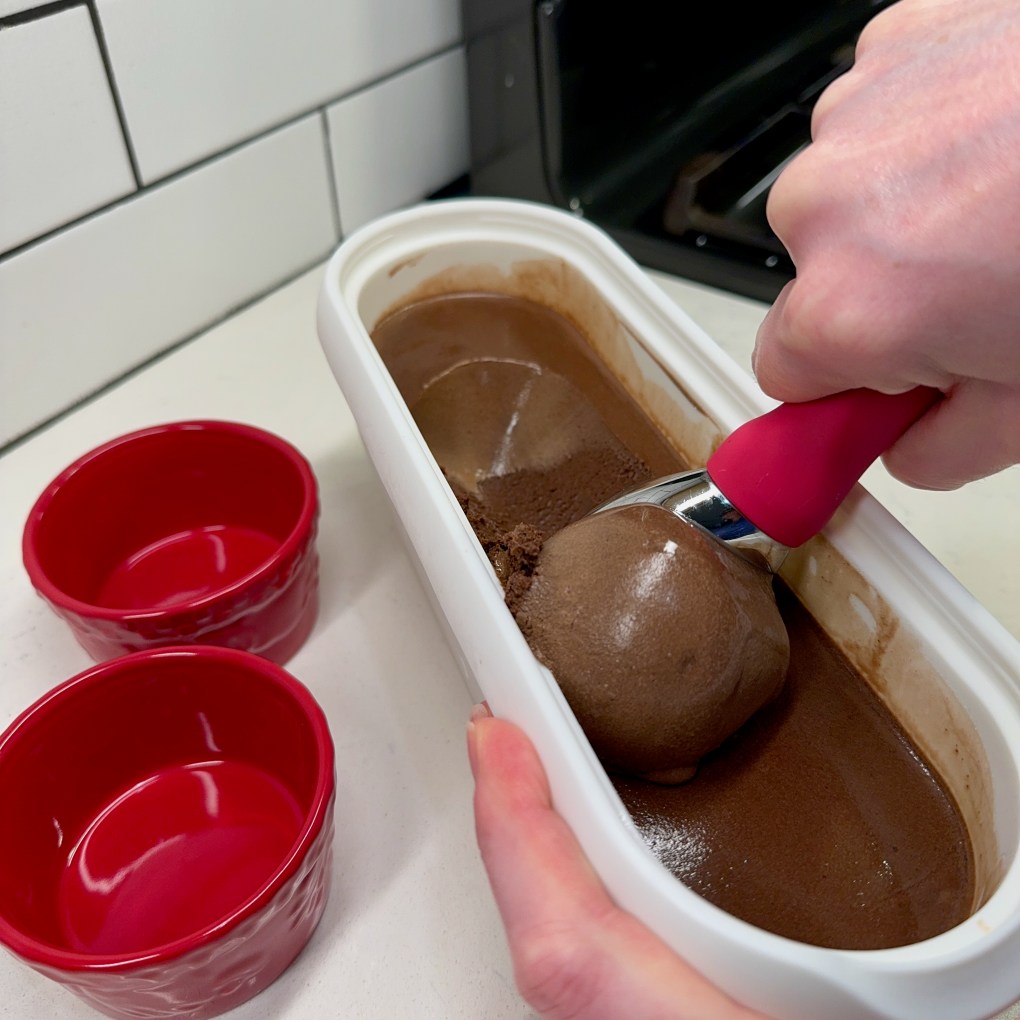
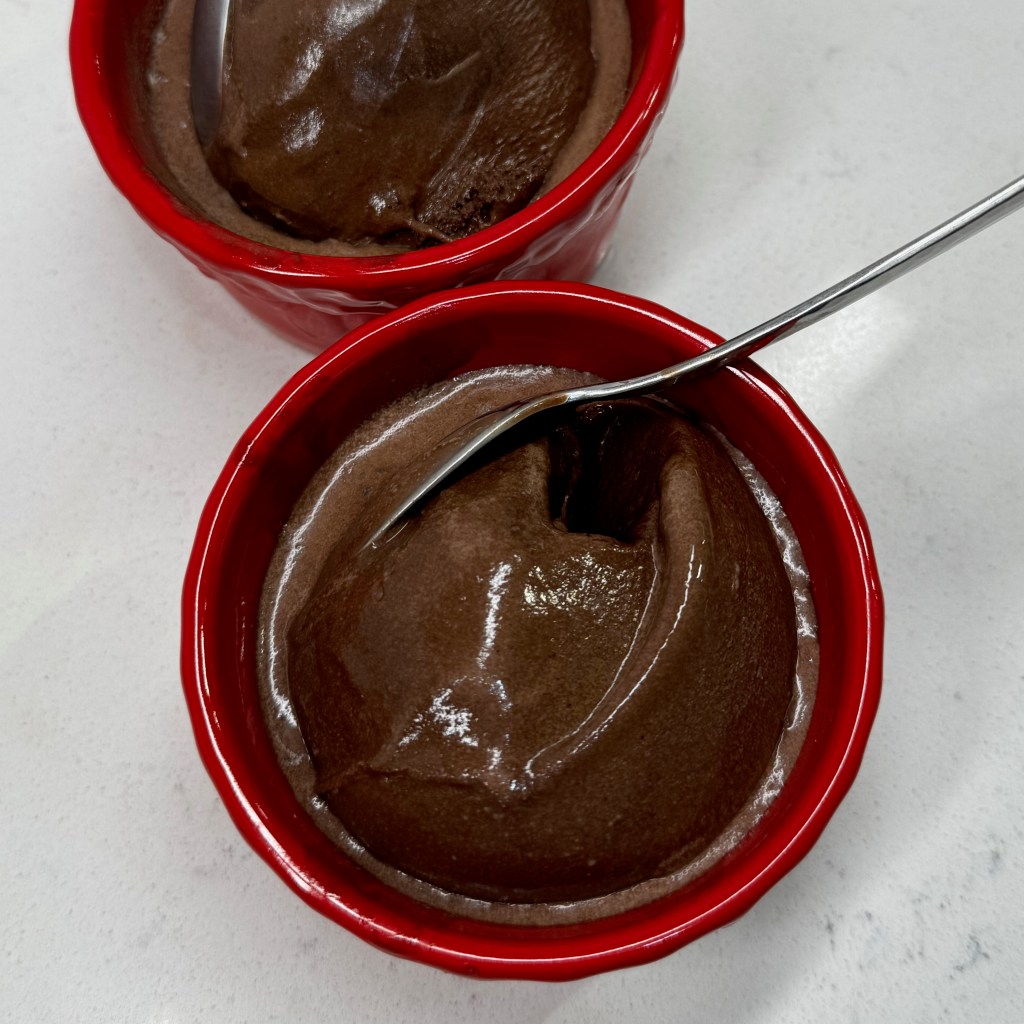
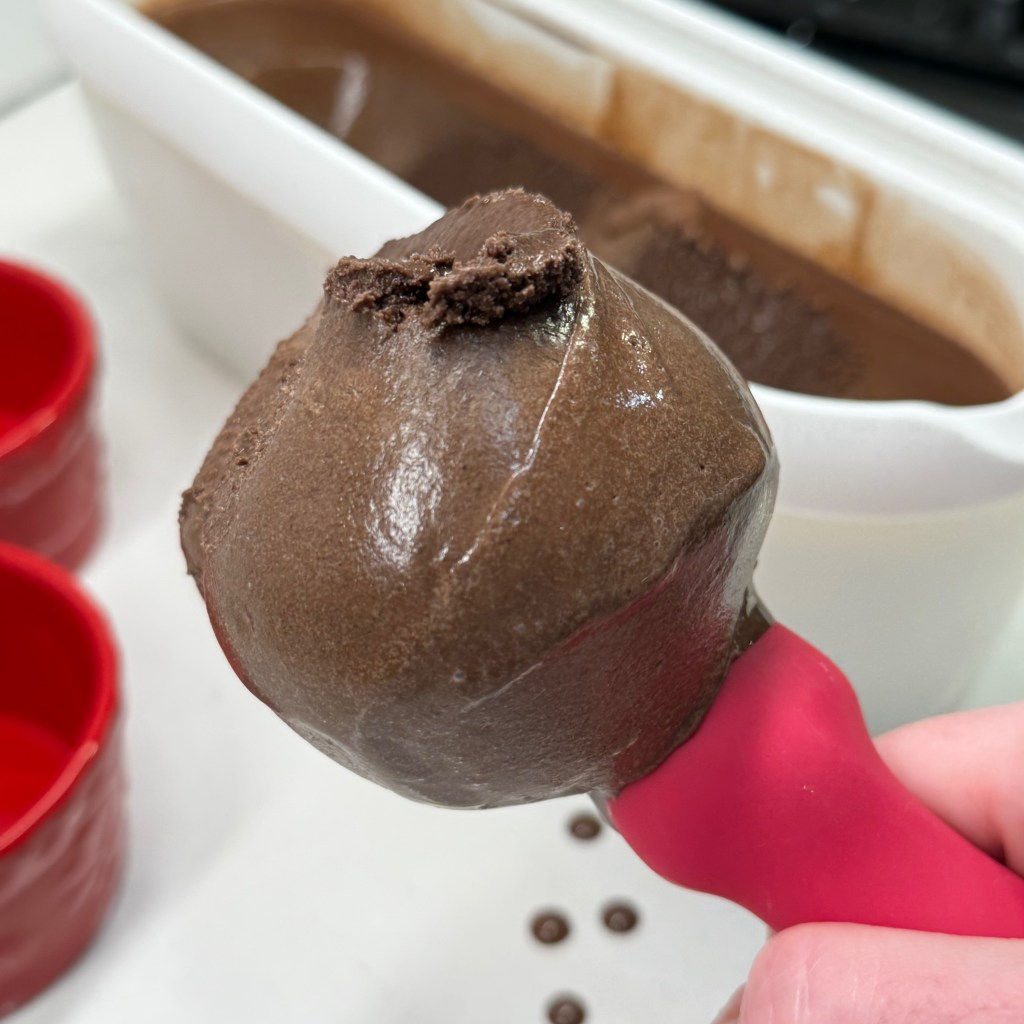
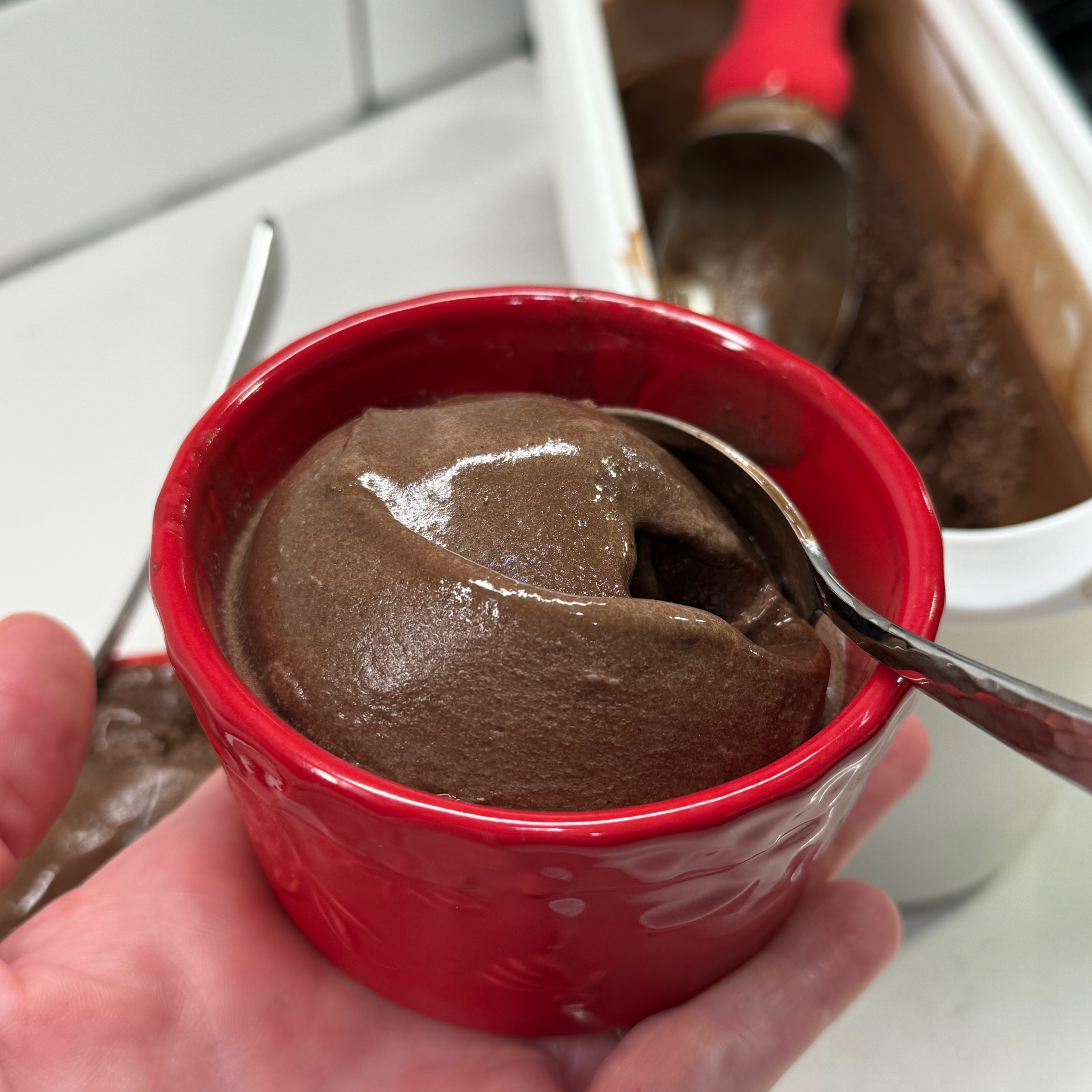
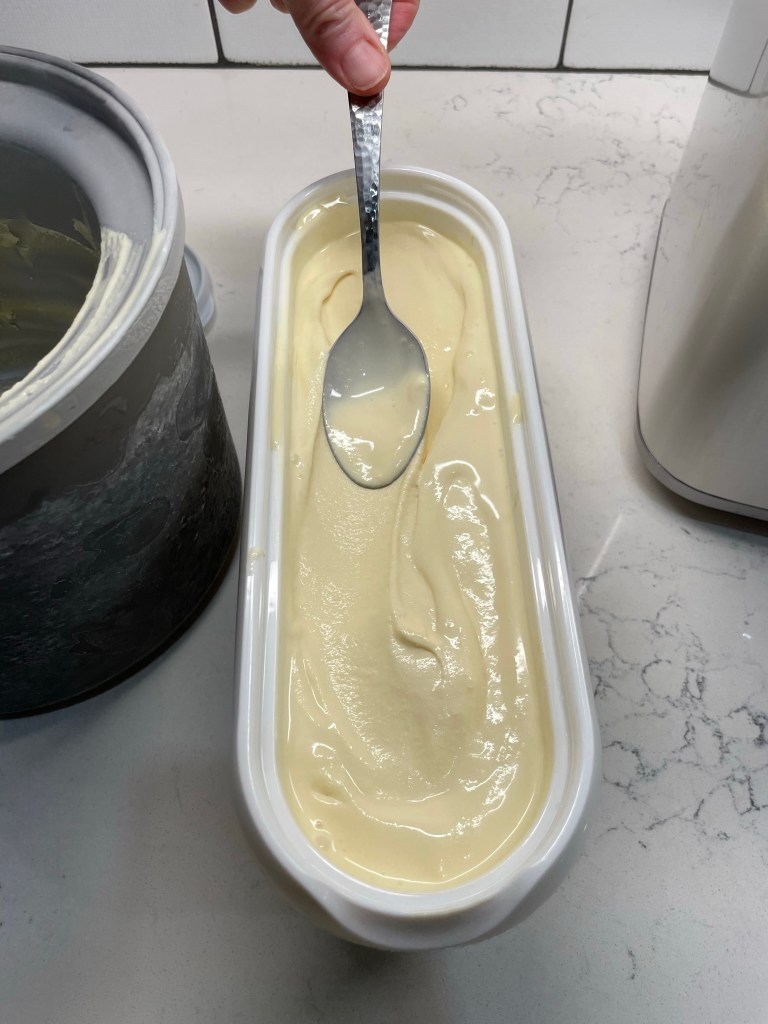
It’s possibly the creamiest ice cream I’ve ever made.

So, where are the peanut butter cups?

Your eyes don’t deceive; the peanut butter cups aren’t in there and I can explain. Our impression of the peanut butter cups changed after we got home, as we found them to be oddly gritty, especially after I chilled them. This is one of the hazards of Costco, as we now have a humongous bag of an impulse item that lost its shine on the way home. I didn’t want to risk sabotaging the perfect texture of the ice cream before me, so I changed my plan. The candy inspired me, and for that, I give thanks.

Without ice cream, there would be darkness and chaos.

Don Kardong (1976 Olympic runner, serious ice cream lover)

Let’s be honest, the world is full of darkness and chaos, even with ice cream. But summer’s favorite treat at least provides a most pleasant distraction, and this one deserves to be shared for its deep, dark chocolate flavor and silky smooth consistency. Here’s a fun fact: I’m not even particularly fond of chocolate ice cream, but this one? This one is awesome.


Most of my homemade ice creams these days begin, as this one does, with a can of sweetened condensed milk. I used to rely on custard as a base, and I still think it’s delicious and luxurious. But it gives me a headache trying to whip the egg yolks and sugar just right, then tempering with hot milk and especially cooking the custard to the proper thickness without crossing the line into scrambled egg territory. You can probably tell that I’ve had my share of issues here. 😏

The first time I made sweetened condensed milk ice cream, the clouds parted and I heard angels singing. I’m pretty sure it was the s’mores ice cream that I made for National S’mores Day three years ago, and I’ve hardly looked back. Condensed milk is thick, rich and exactly the right amount of sweetness for ice cream. It is an amazing substitute for custard, without the fuss or the saturated fat of several egg yolks. I learned later that the fat-free version of condensed milk works just as well as the regular kind (as long as you eat the ice cream within a few days), and isn’t this just the greatest news? 

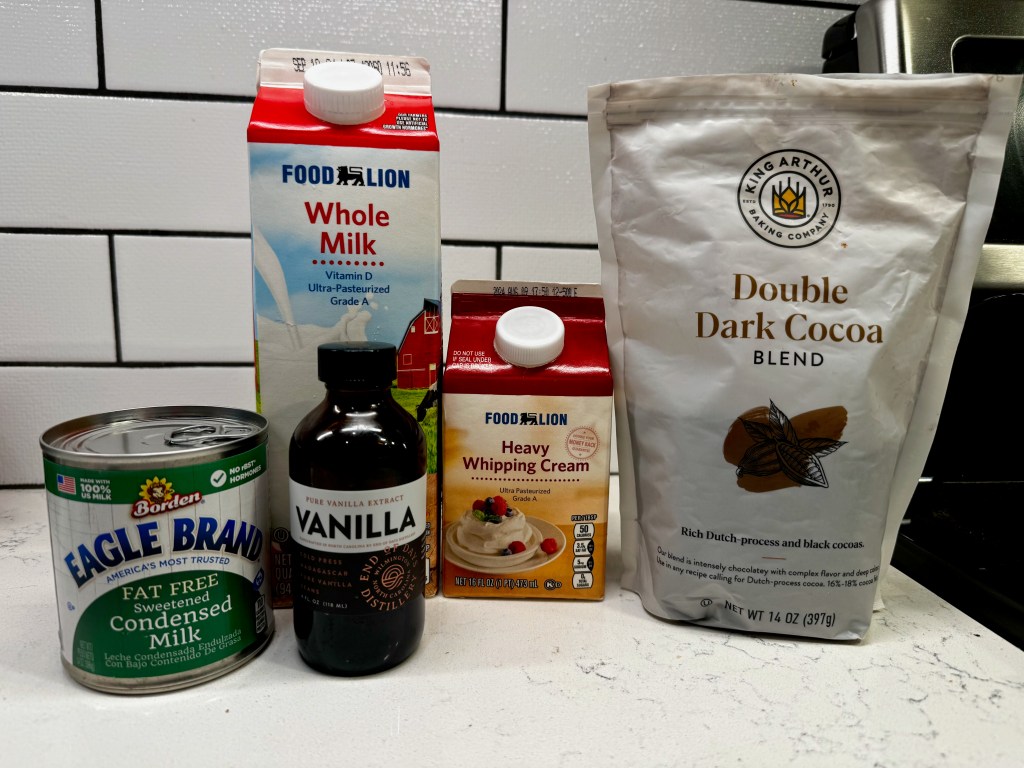
The ingredient list is surprisingly simple.

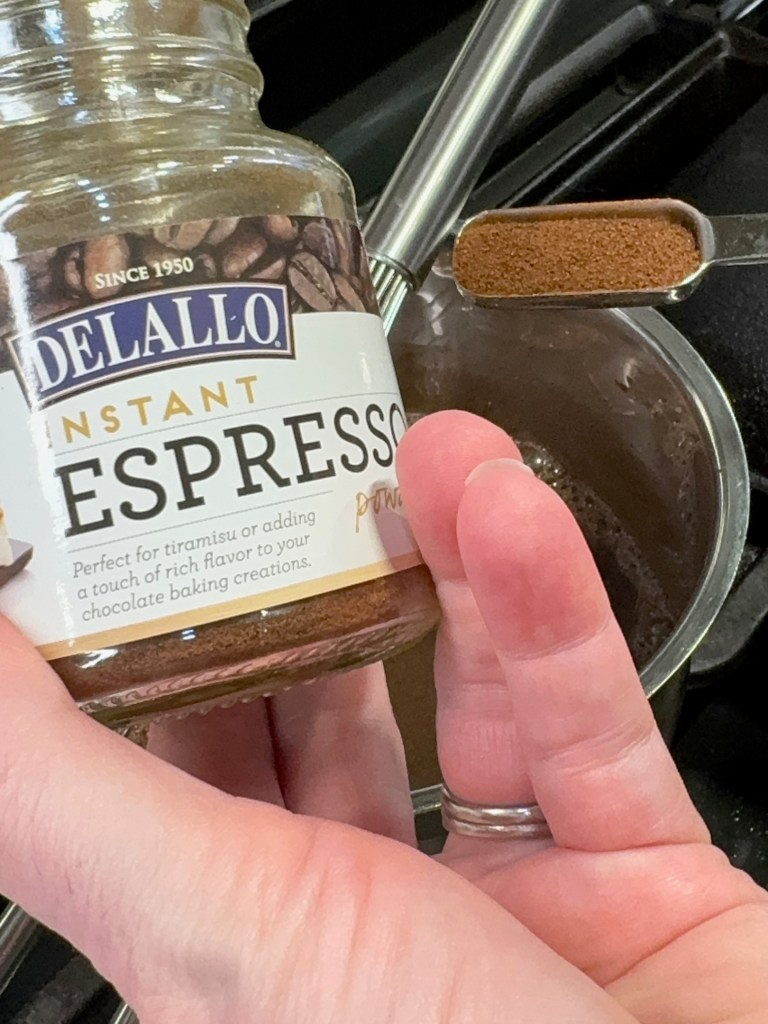
So, I decided that sweetened condensed milk was the way to go, along with a few other things— whole milk, cream, dark cocoa powder and vanilla. As my recipe progressed, I also stirred in a bit of brown sugar to offset the sharpness of the cocoa and a teaspoon of espresso powder to accentuate the deep chocolate flavor. We are already more than halfway through National Ice Cream Month— let’s get this done!

Chocolate lovers, pay serious attention

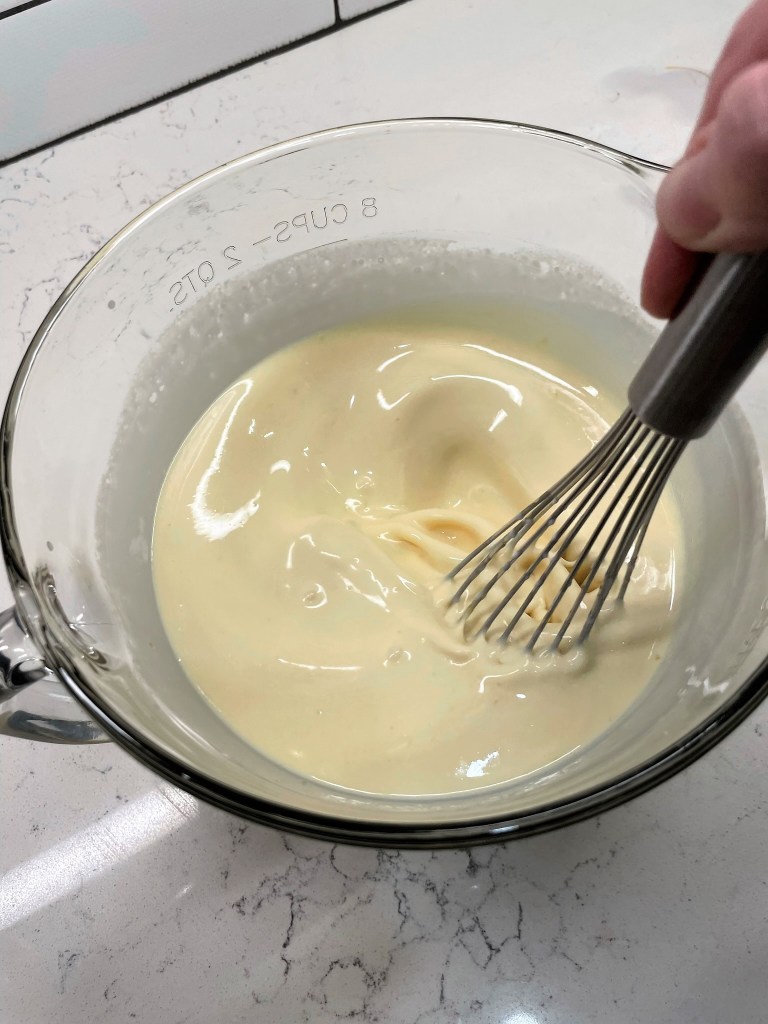
Do you remember, as a kid, stirring Nestlé Quik into a glass of ice cold milk, and how you could never quite get all the chocolatey powder to dissolve, no matter how long you stirred? It’s tough to mix a powder into a liquid, and even more so when the powder is cocoa. For starters, the density of cocoa powder is greater than the density of milk— it’s mostly fat and fiber, so it’s kind of like me expecting my middle-aged body to squeeze into my favorite old jeans shorts. It ain’t happening (especially after so much ice cream)! But there is a way to force the cocoa to dissolve, with a side effect of also releasing its full flavor potential. You have to cook it.

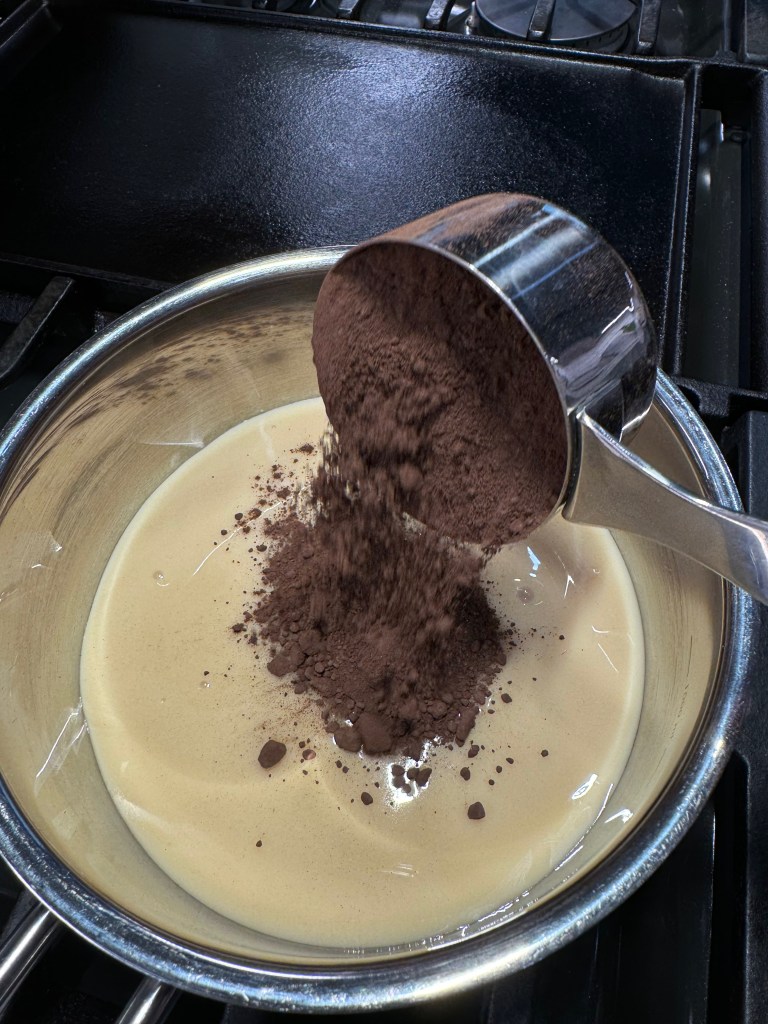
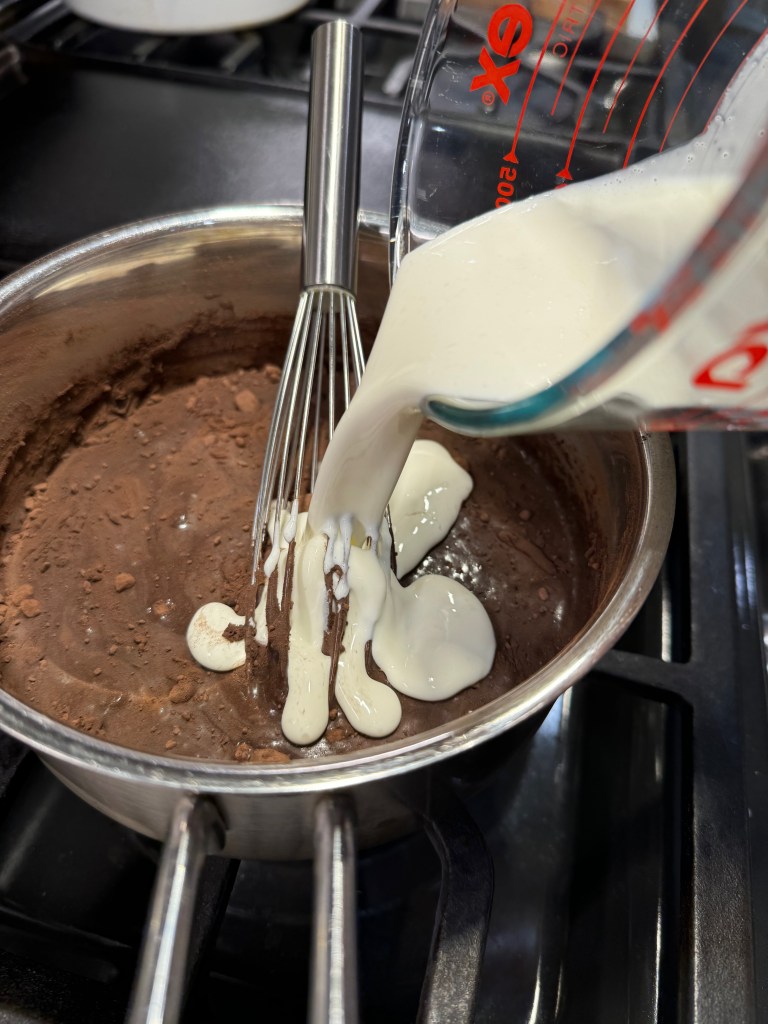
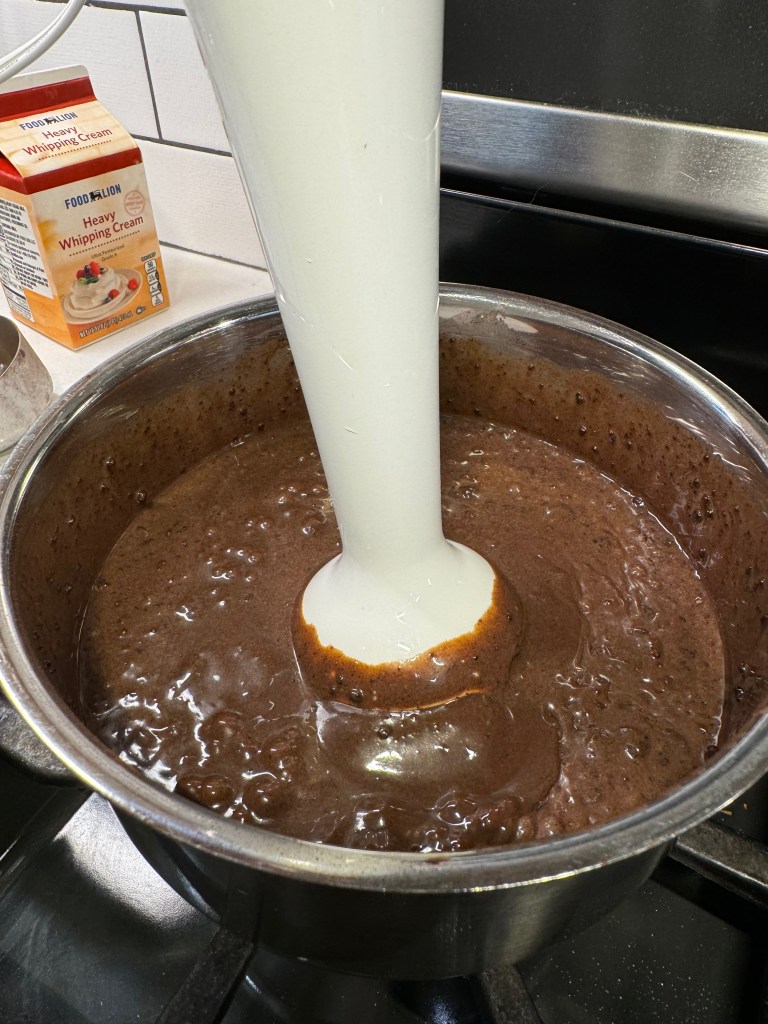
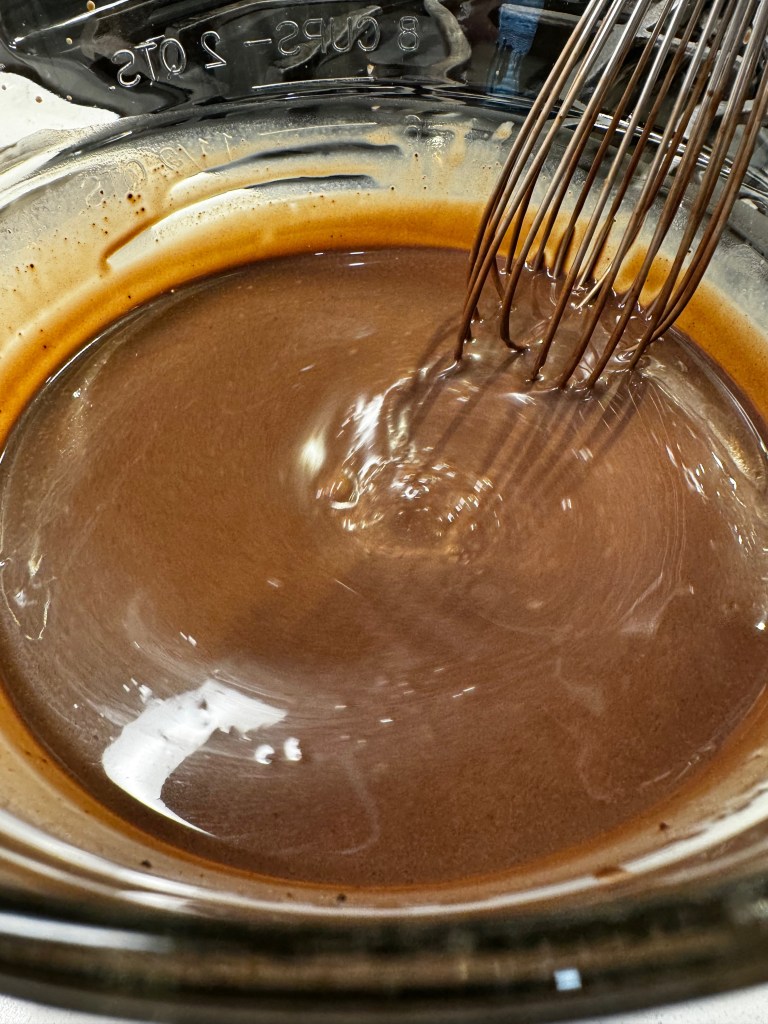
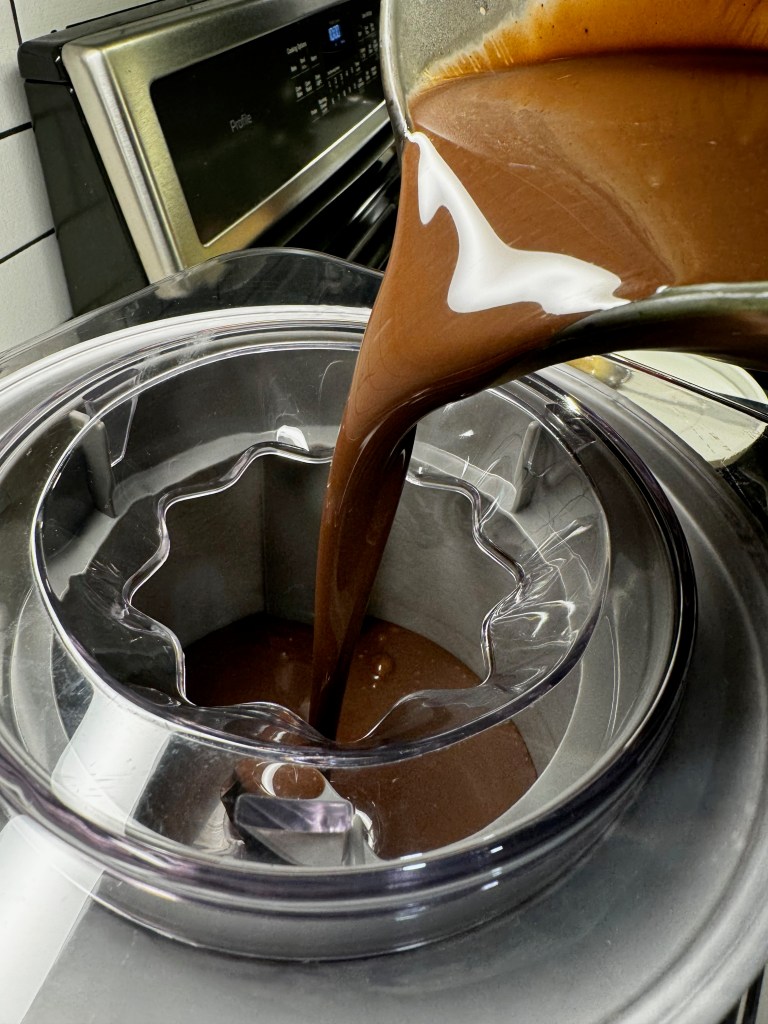
Sorry, but even with a non-custard base ice cream, we must turn on the stove for this one, at least long enough to coax the cocoa into dissolving. As I began whisking my cocoa into the condensed milk, I remembered that my condensed milk was fat-free, and I needed a little fat content to help this along. So I whisked in a half cup of the cream from my recipe and realized that I had another problem. My cocoa was lumpy, and it hadn’t occurred to me to sift it first (I was too excited, I guess). This, my friends, is exactly why my immersion blender lives in the cabinet above the range hood. I was back in business!


The condensed milk base was so deep and rich, I worried that the cream and milk would flatten the flavor, but that definitely was not the case. Vanilla did its part as well, accenting the depth of the cocoa. It was smooth, creamy and exploding with chocolate flavor.

But what does the resident chocolate lover think?

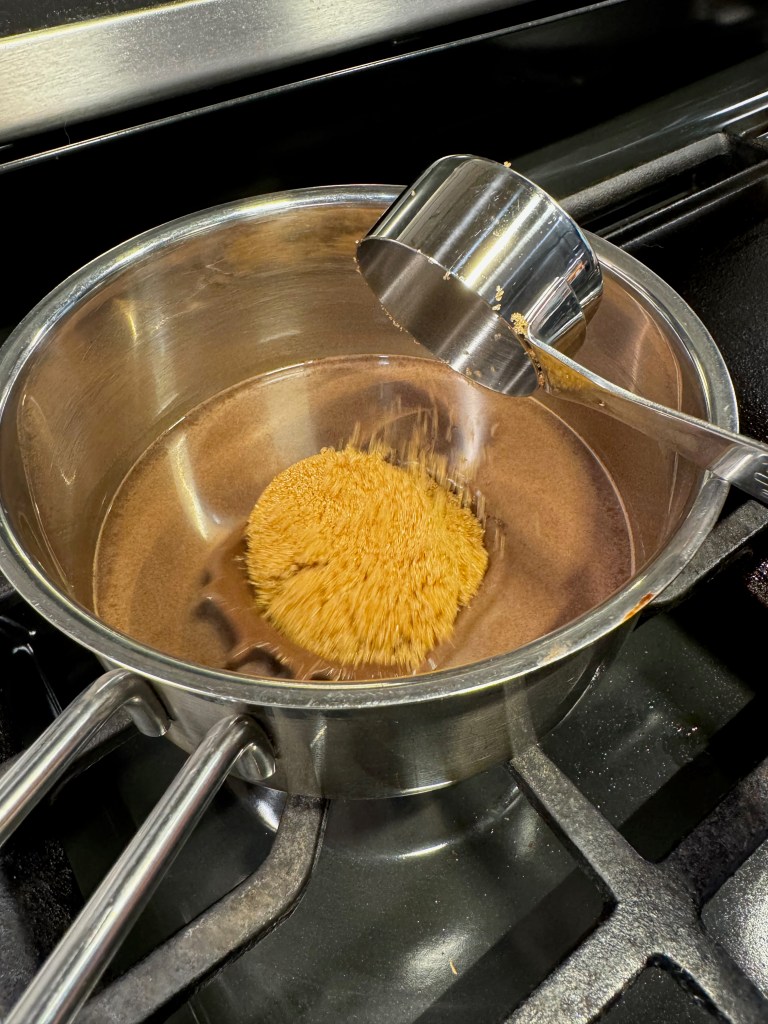
As much as possible, I include Les in my process of making new recipes, especially when it comes to sweets because my own sweet tooth is underdeveloped. He licked the tasting spoon and declared it “very chocolatey, but not sweet enough.” The double dark cocoa blend from King Arthur Baking is a fantastic blend of Dutch-processed and black cocoas. It’s more intense even than Hershey’s dark cocoa, and that intensity registers as a touch bitter. So one cup of the ice cream base went back into the pan so that I could melt in a quarter cup of brown sugar to soften that sharpness, and this is when I decided to also add a touch of espresso powder to enhance the chocolate flavor without more cocoa. It was a bold move because Les despises coffee flavor, but trust me, he would never know it’s in there.


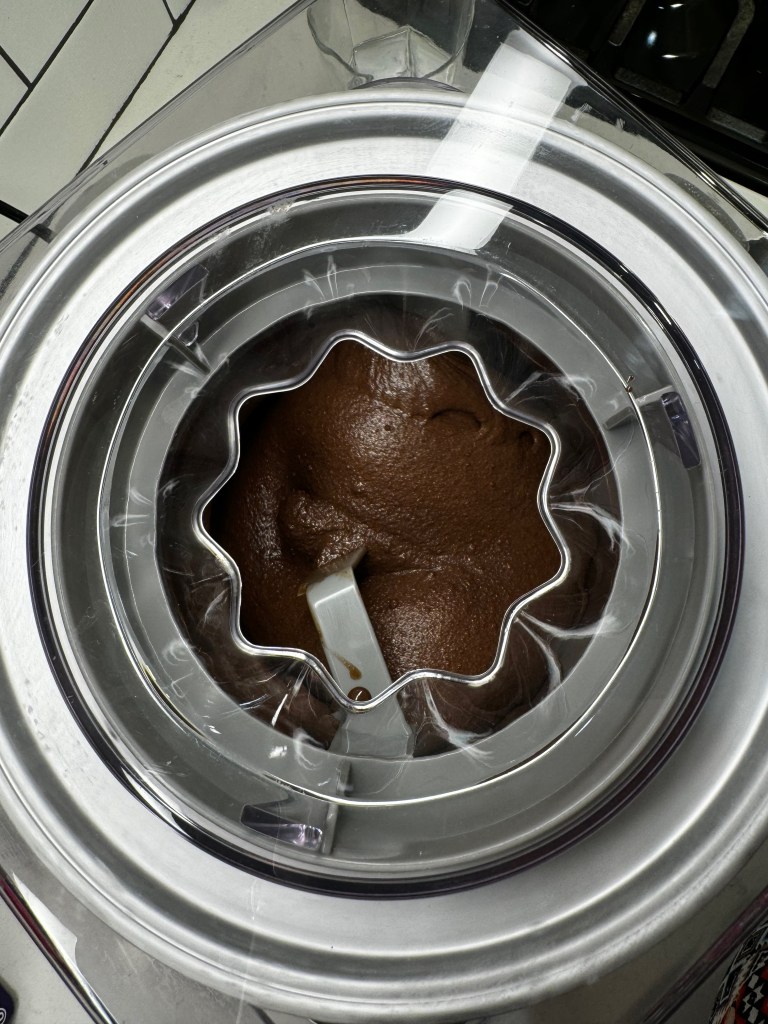
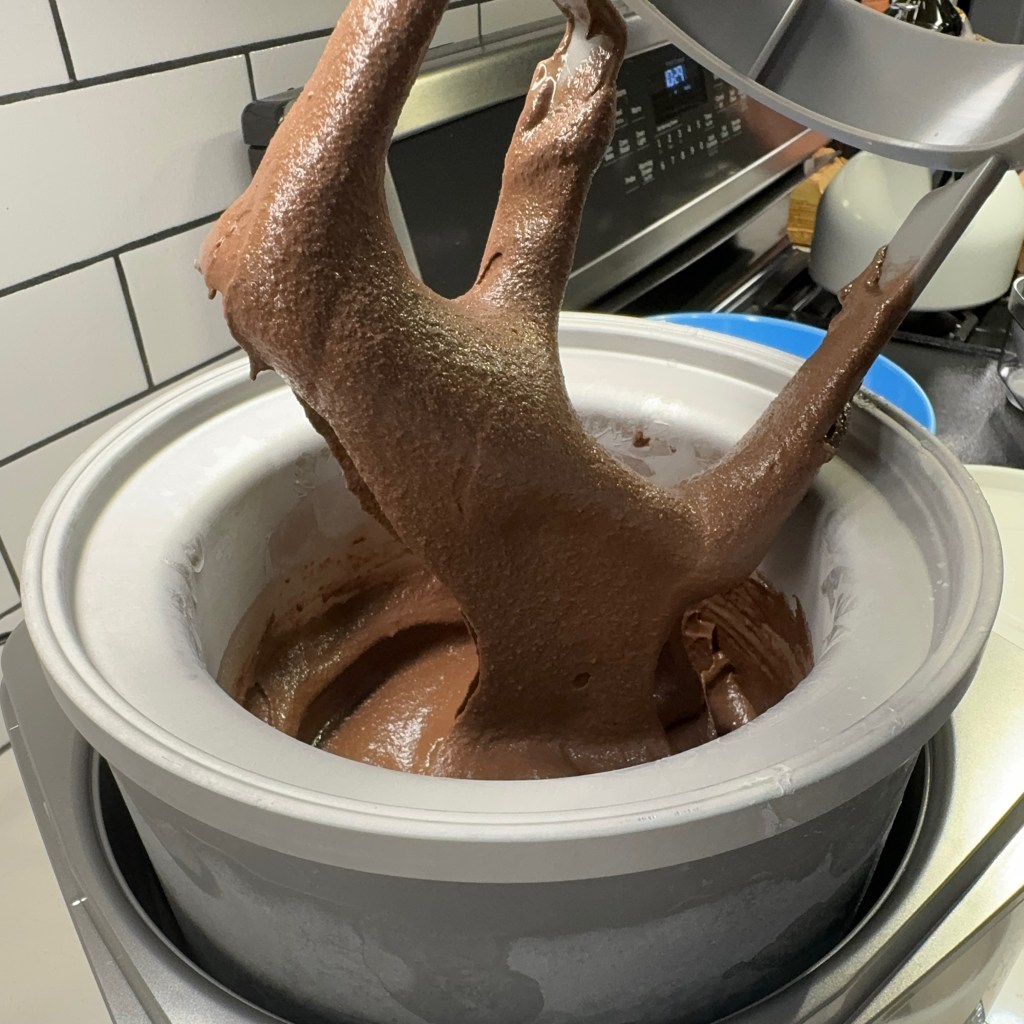
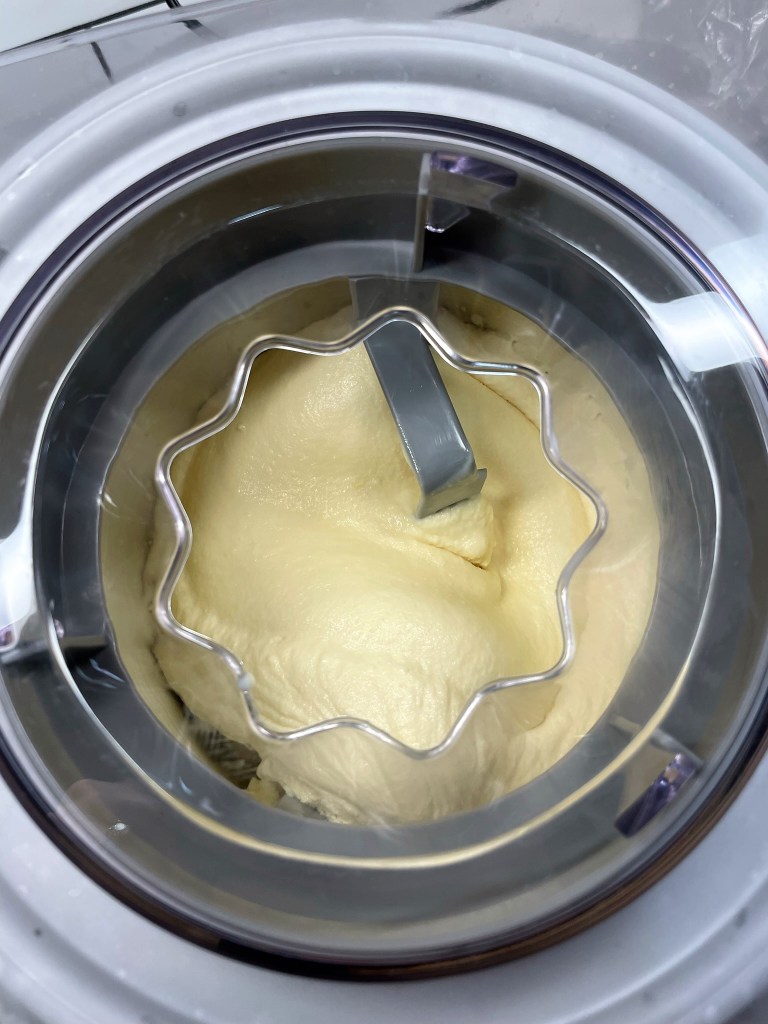
Second taste test was a winner, and I chilled and churned as usual, trusting my Cuisinart 2-quart ice maker that is going strong after 15 years. I know that the internet is full of “no churn” recipes, but if you enjoy homemade ice cream, I wholeheartedly recommend that you purchase a good quality machine. Mine has paid for itself many times over.


One could certainly make an argument for adding any variety of candies or other goodies to this dark chocolate ice cream. It would be a terrific base for a rocky road, a mint chip—or yes, a peanut butter cup blend. But I don’t regret enjoying it just as it is, in all its deep, dark chocolatey goodness.

Still twelve days left of National Ice Cream Month. What flavor do you want next?


Double Dark Chocolate Ice Cream

  • Servings: About 8
  • Difficulty: Average
  • Print

If you love chocolate ice cream, do yourself a favor and make this no-egg recipe. It would be a terrific base for any number of add-ins, but its creamy, indulgent texture makes it perfect on its own!


Ingredients

  • 1 can sweetened condensed milk (fat-free works great)
  • 1/2 cup dark cocoa powder
  • 1 1/4 cups heavy cream, divided
  • 1/4 cup brown sugar
  • 1 tsp. espresso powder (optional, to accentuate the chocolate flavor)
  • 1 cup whole milk
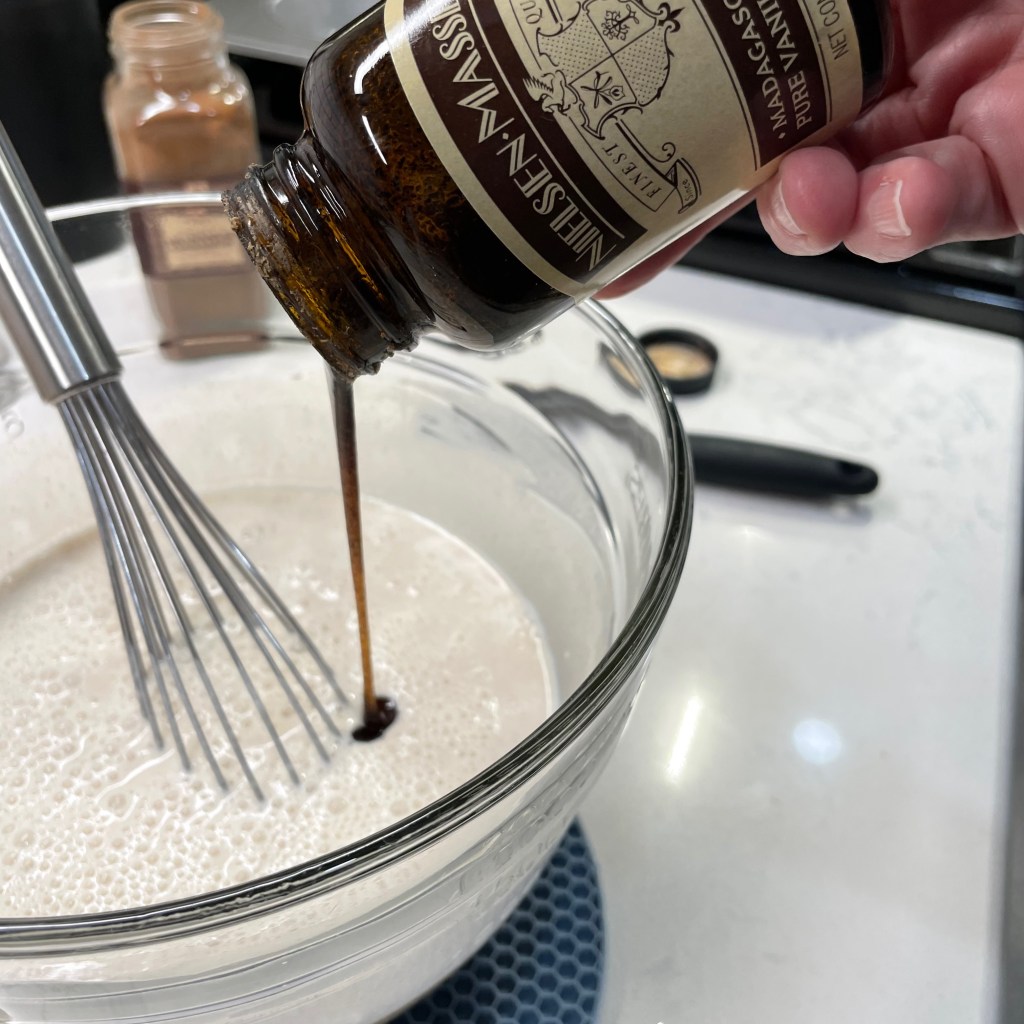
  • 2 tsp. real vanilla extract
  • 1 Tbsp. vodka (optional, added in the final minute of churning)

Note: The vodka addition is optional, and I recommend omitting it if you will be serving children or others who avoid alcohol. It’s a very small amount, and if you choose to add it during the final minute of churning in the ice cream maker, you’ll find that the ice cream is easy to scoop straight out of the freezer. If you do not use the vodka, simply take the ice cream out five minutes before serving.

Directions

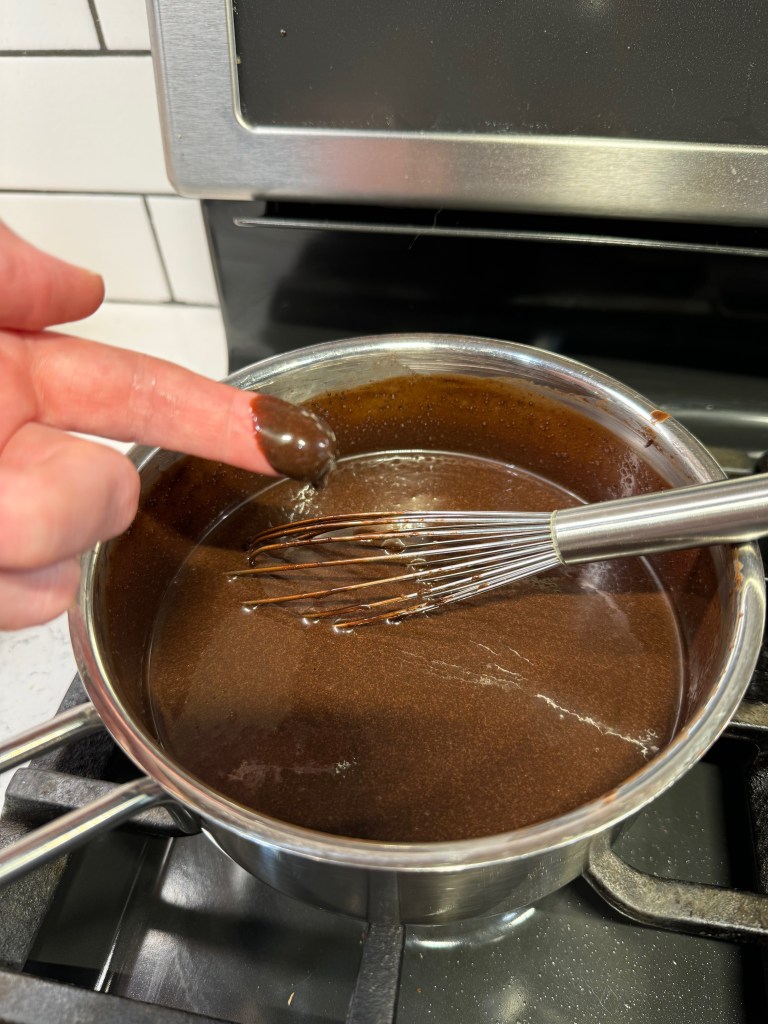
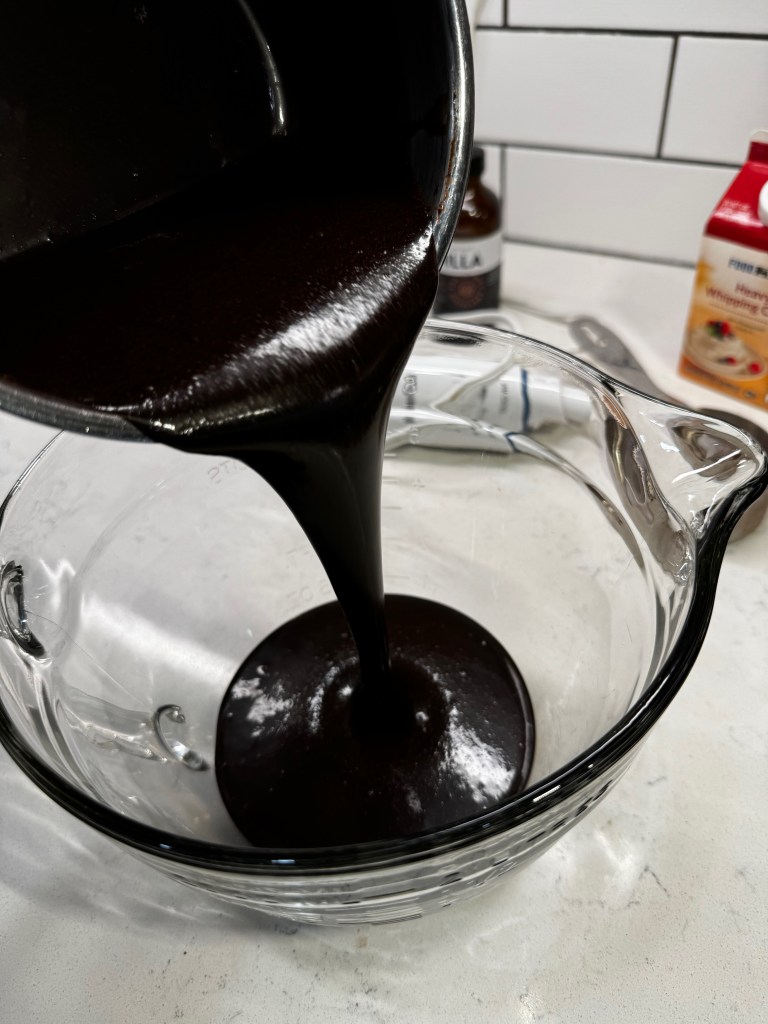
  1. Combine condensed milk, cocoa, brown sugar, espresso powder and 1/2 cup of the heavy cream in a small, heavy-bottomed sauce pan. Whisk over medium low heat for 6 to 7 minutes, until sugar is completely dissolved and the mixture is very hot to the touch. Remove from heat and continue whisking for one minute.
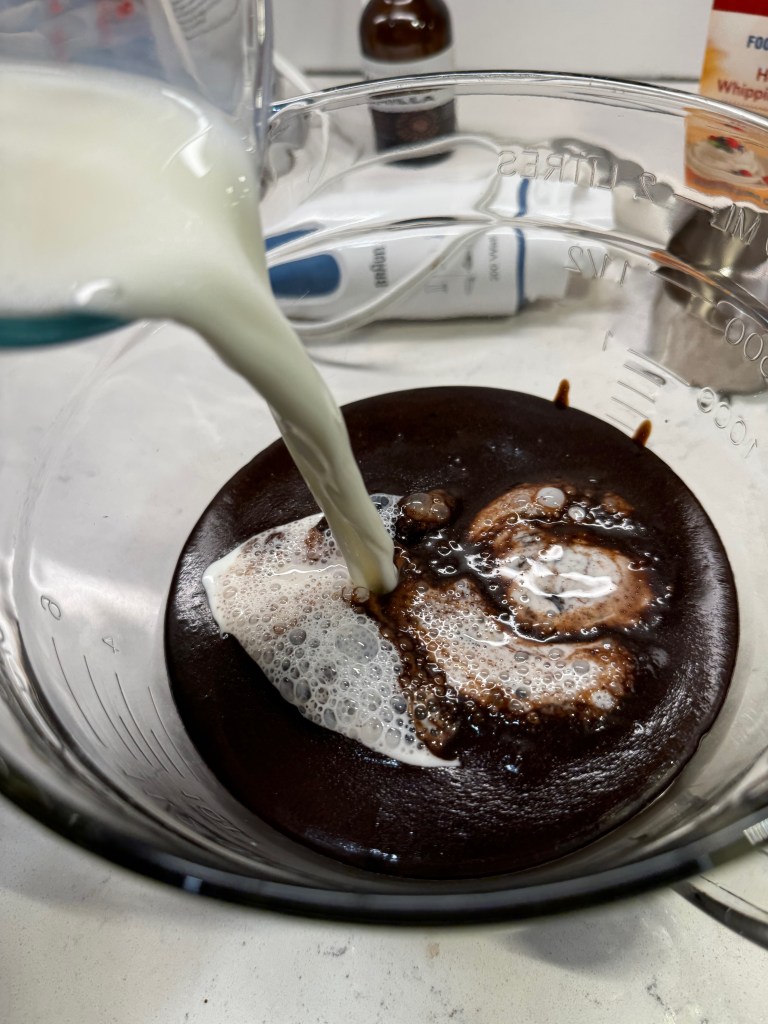
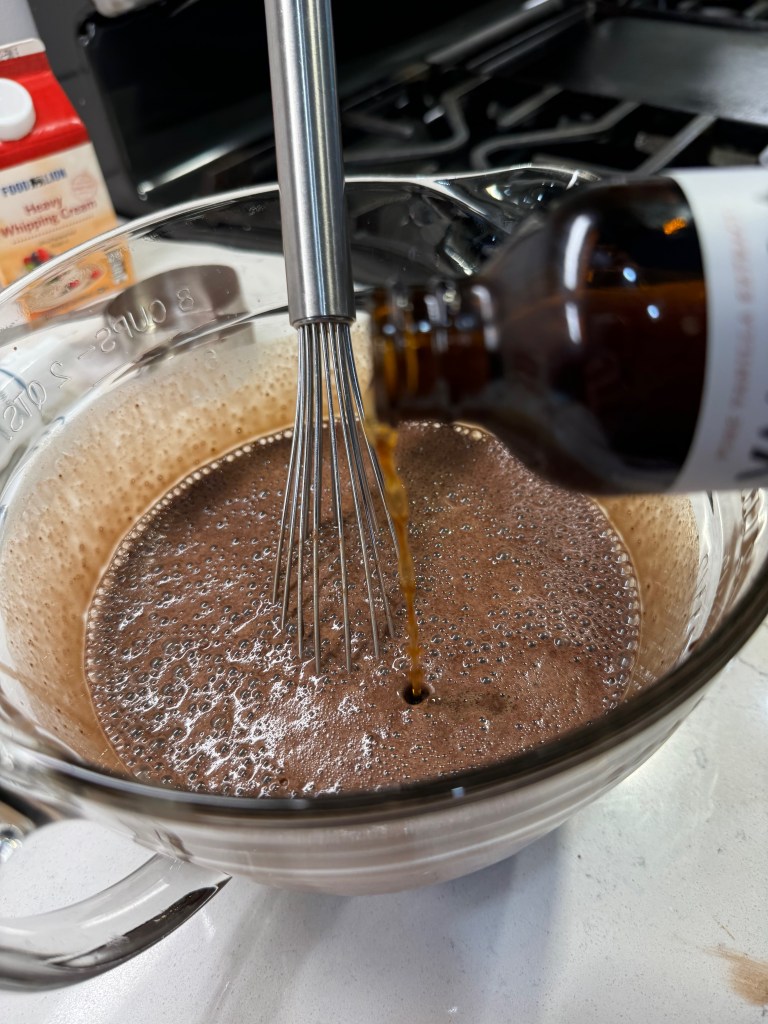
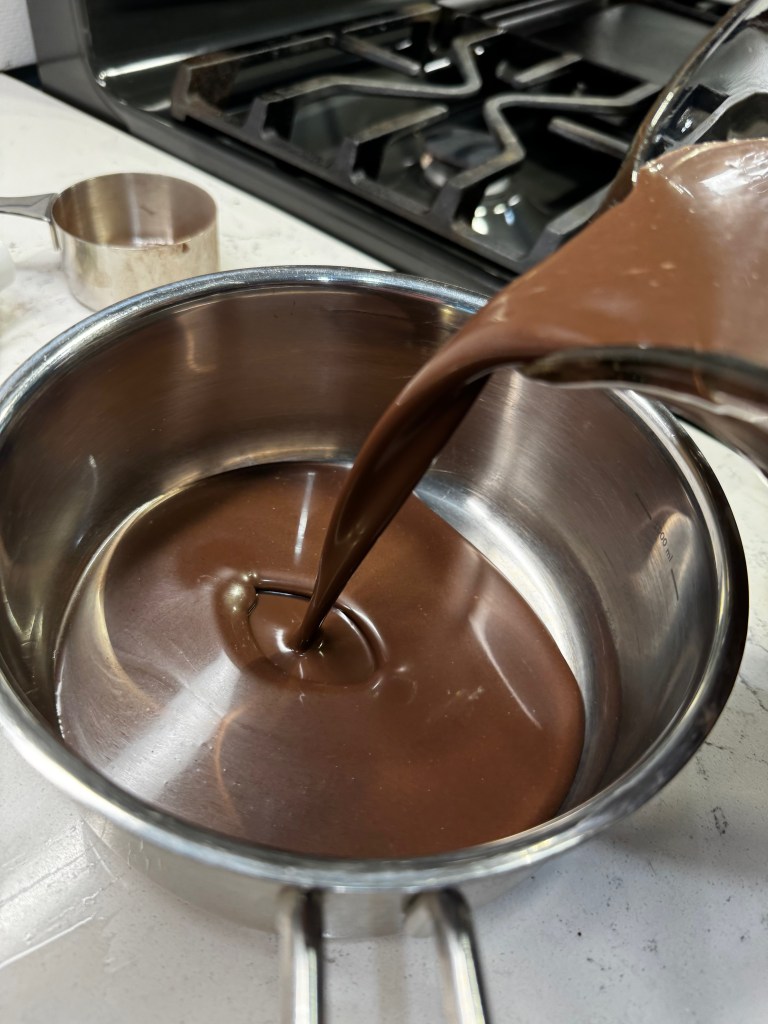
  2. Transfer hot cocoa mixture to a large, heatproof bowl. Whisk in whole milk, vanilla and remaining heavy cream. Cover with a tight-fitting lid and refrigerate several hours until thoroughly chilled.
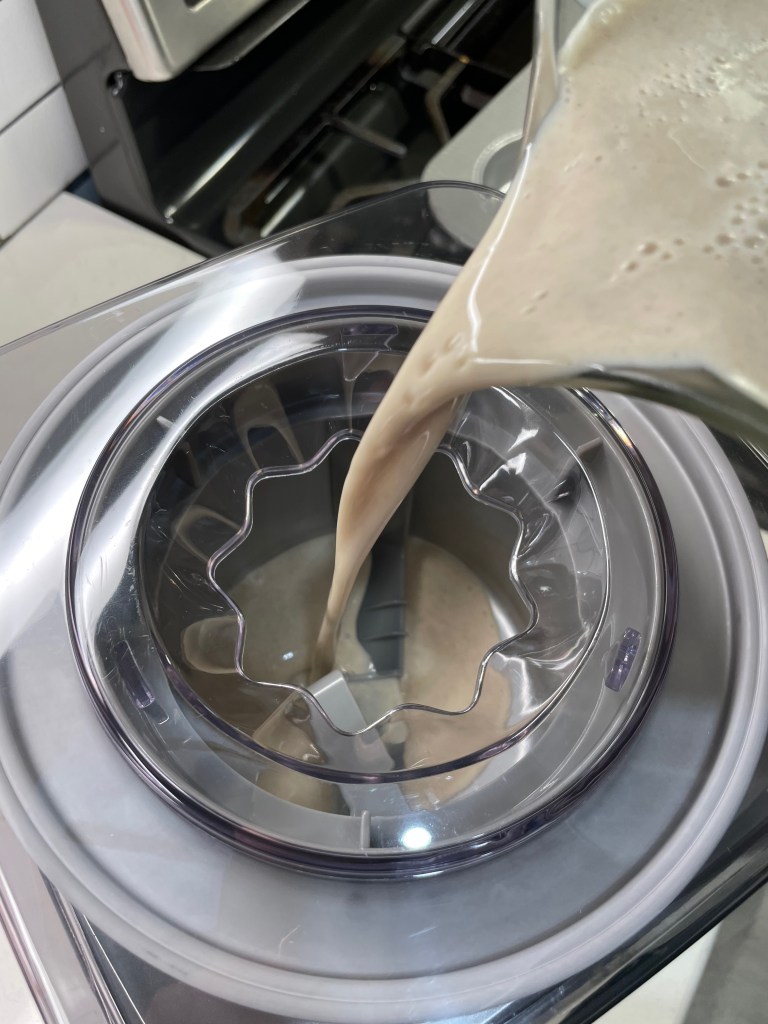
  3. Prepare ice cream machine and churn mixture according to manufacturer’s instructions. Add vodka during the final minute of churning, if desired.
  4. Transfer to an insulated ice cream container. Freeze several hours or overnight until firm.


Harissa Tomato Soup

Raise your hand if you got a jar of harissa in your Christmas stocking this year. Really, I’m the only one? 😂 Sincerely, I love that my husband sneaks fun foodie surprises into my gifts, because it sets me up for interesting flavor adventures throughout the coming year.

I’m here to tell you, this isn’t that spicy. 😏

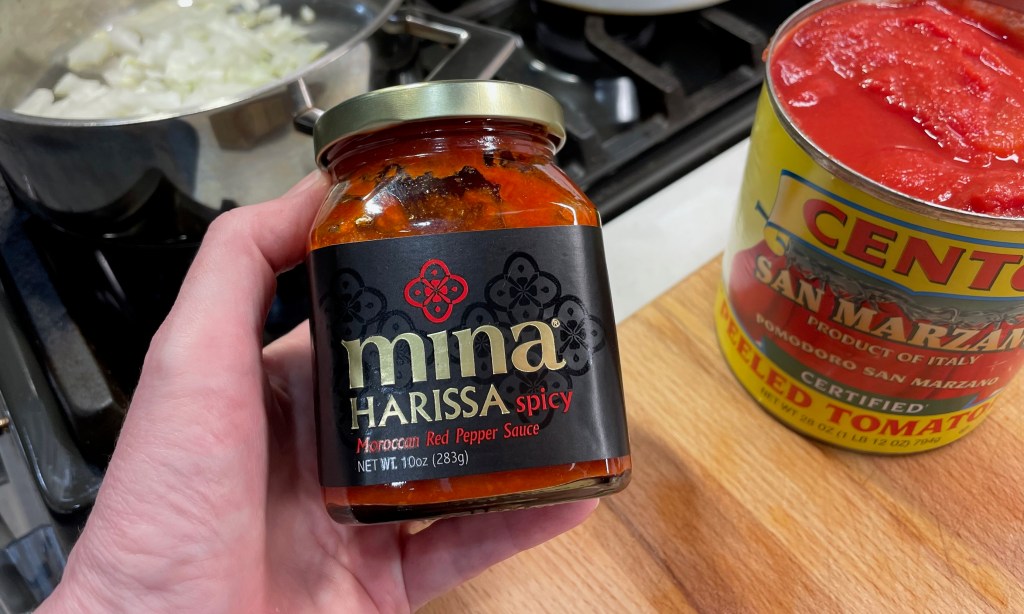
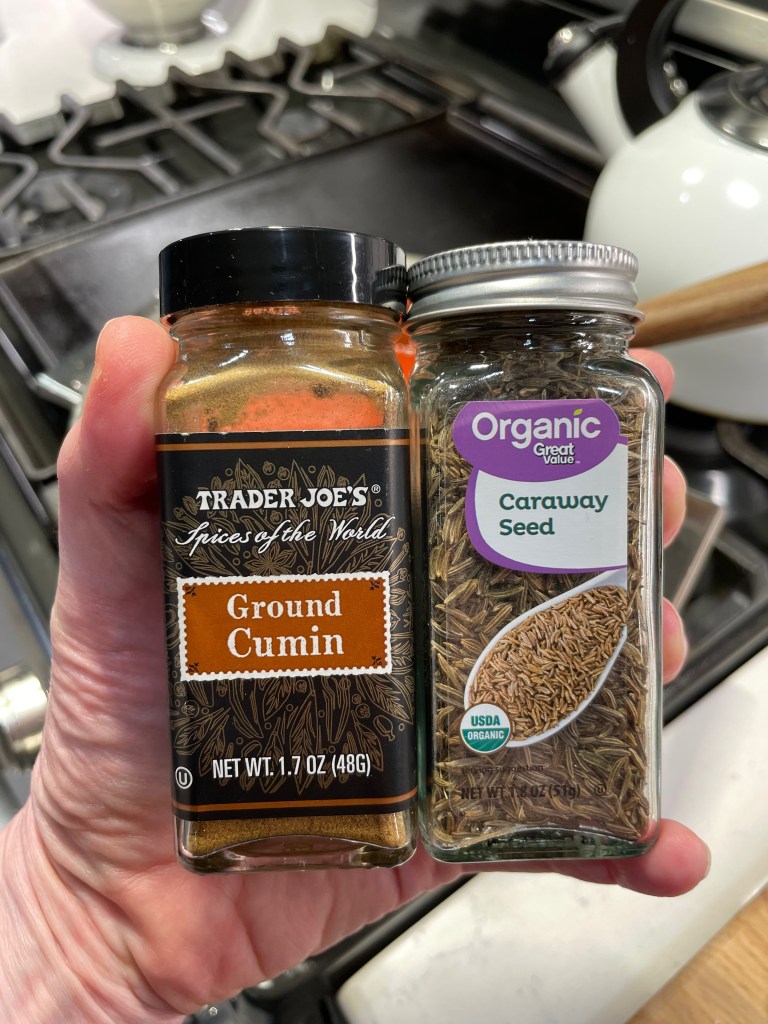
Harissa, if you’re not familiar, is a Moroccan concoction made with roasted red peppers— ranging from sweet to hot—along with garlic and what I like to call the “C spices” of cumin, caraway and coriander. It’s a complex blend of flavors that can be used in a marinade or added directly to a meat or vegetable dish to perk up the flavors. It is typically quite aromatic and spicy, so a little usually goes a long way.

This jar of harissa has already served me well because it transformed what would otherwise have been an ordinary bowl of tomato soup. If you’re bored in the kitchen and tired of making the same things over and over, this post should inspire you to see how easily you can change things up with one ingredient swap or addition. A couple of generous spoonfuls of harissa, along with accompanying spices, elevated this simple, made-from-canned-tomatoes soup to such a degree that Les and I devoured the entire batch in one sitting.

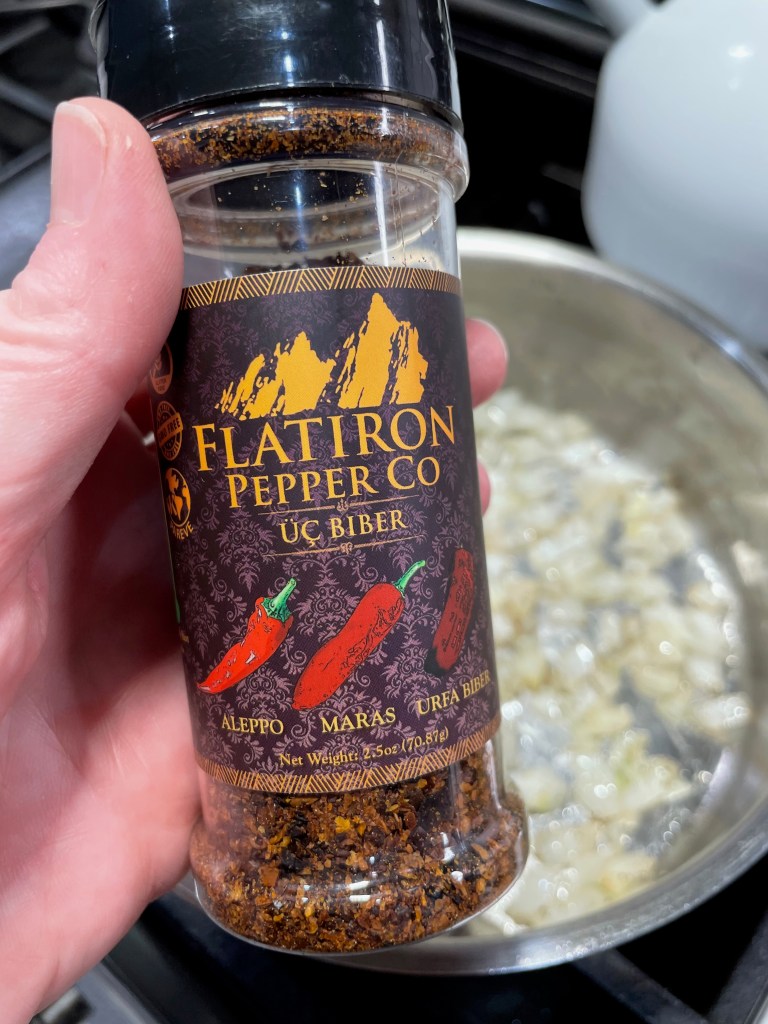
I will confess here that I did not find this particular brand of harissa as flavorful as some others I have tried, including the one carried by Trader Joe’s. My first taste of harissa was during the few years that I worked in a specialty olive oil store. Our harissa-infused extra virgin olive oil was bold, spicy and flavorful, and this jar of harissa paste didn’t quite measure up in the flavor (or heat) department. Still, I found it a good base, which I jazzed up with more of the other flavors I expected— namely hot pepper flakes, cumin and caraway— and this soup did not disappoint!


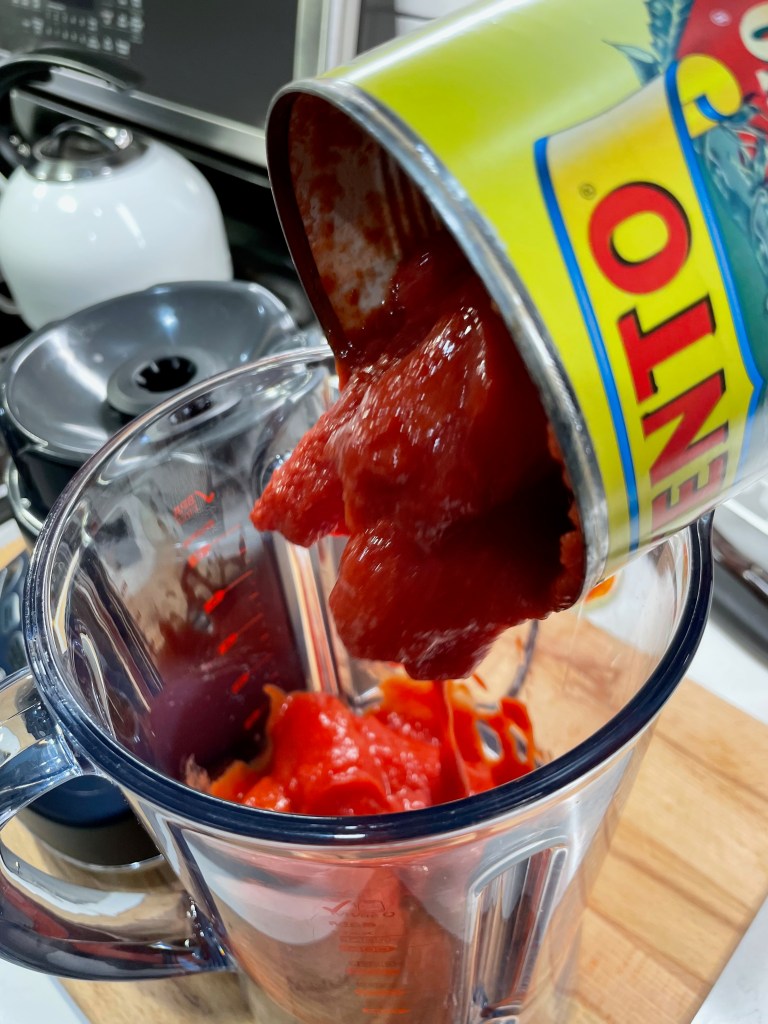
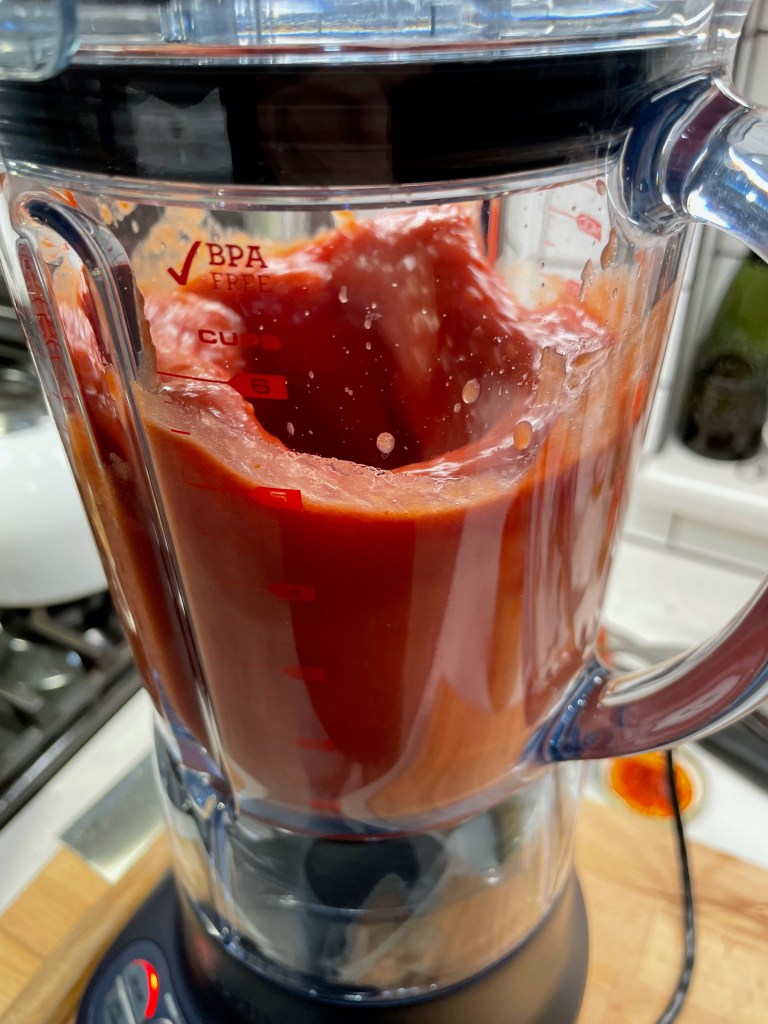
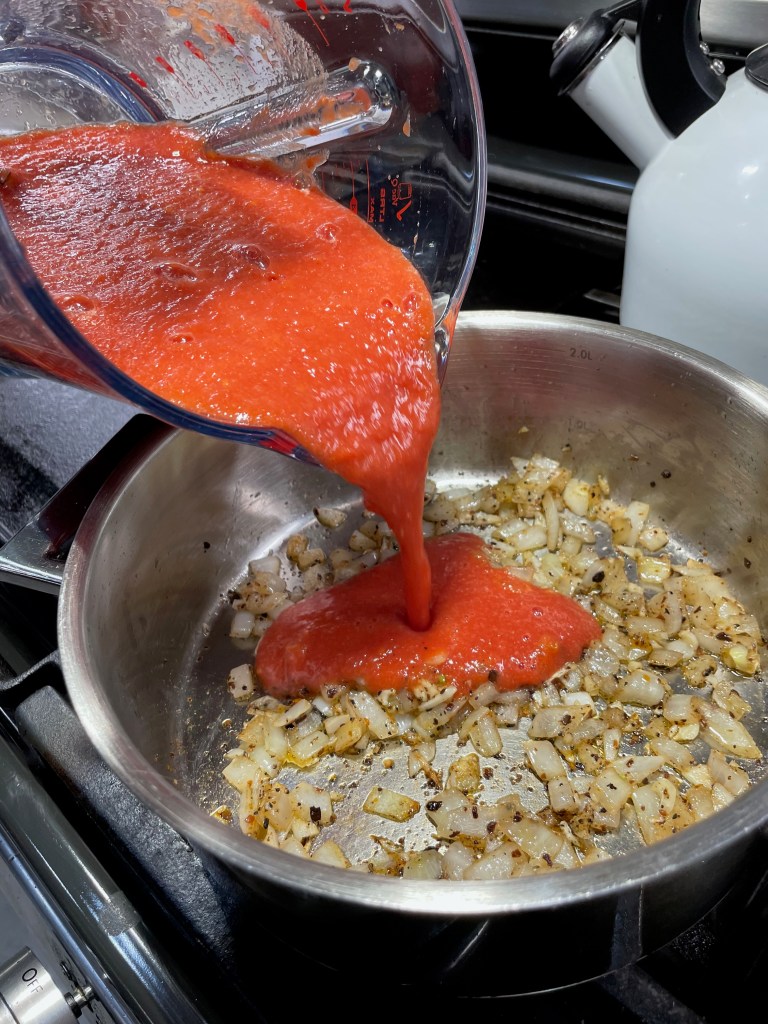
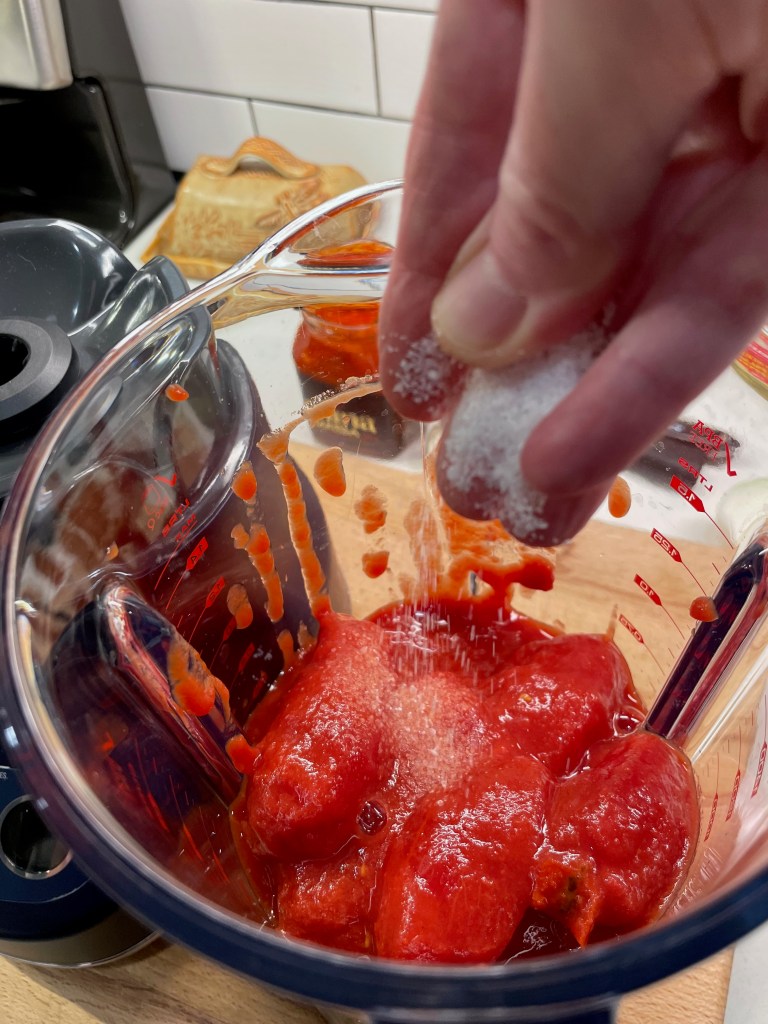
The base of any good tomato soup, of course, is tomatoes! And given that fresh tomato season is still about four months out, I reached for a big can of San Marzanos. I’ve learned the hard way that lesser quality tomatoes don’t have the same depth as real San Marzanos, so choose well. I whizzed these up in my George Clooney blender (so named because it is tall, handsome and versatile), and then I added it to lightly sautéed onions and garlic along with a few tablespoons of the harissa.


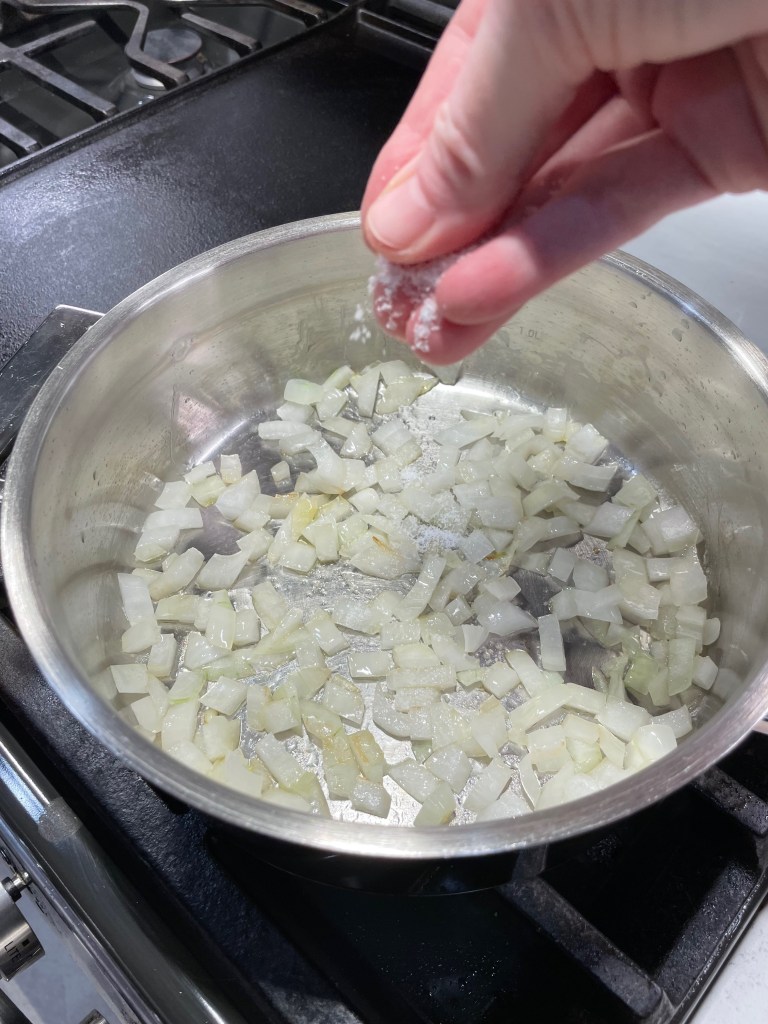
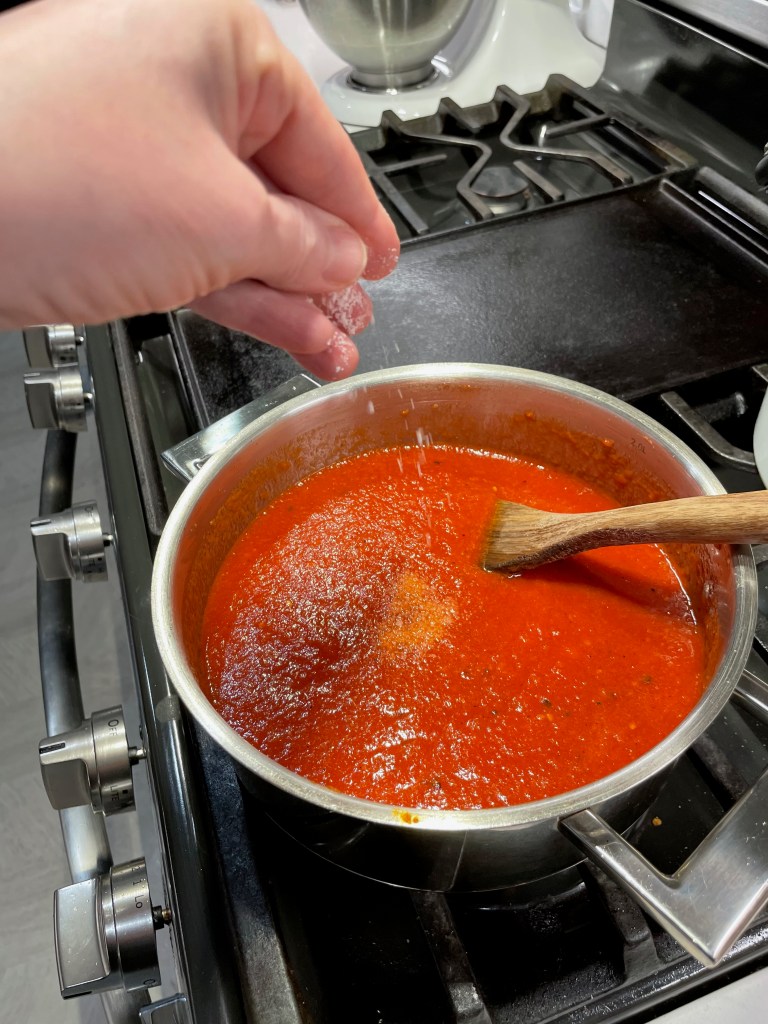
As with any recipe, I followed the advice of every culinary expert I respect, by seasoning every layer— during sauté of the onions, preparing the tomatoes and building the soup over heat. Salt has more purpose than just flavor, and if you miss seasoning the layers of a recipe, you may end up with a meal that tastes under-seasoned and over-salted at the same time.


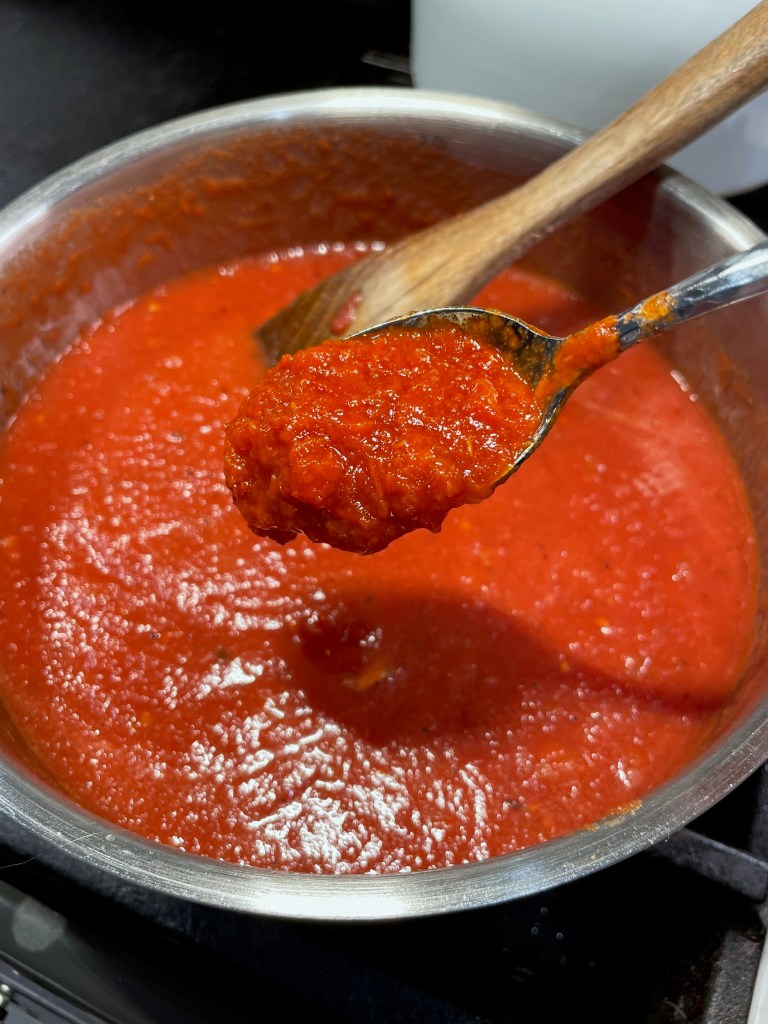
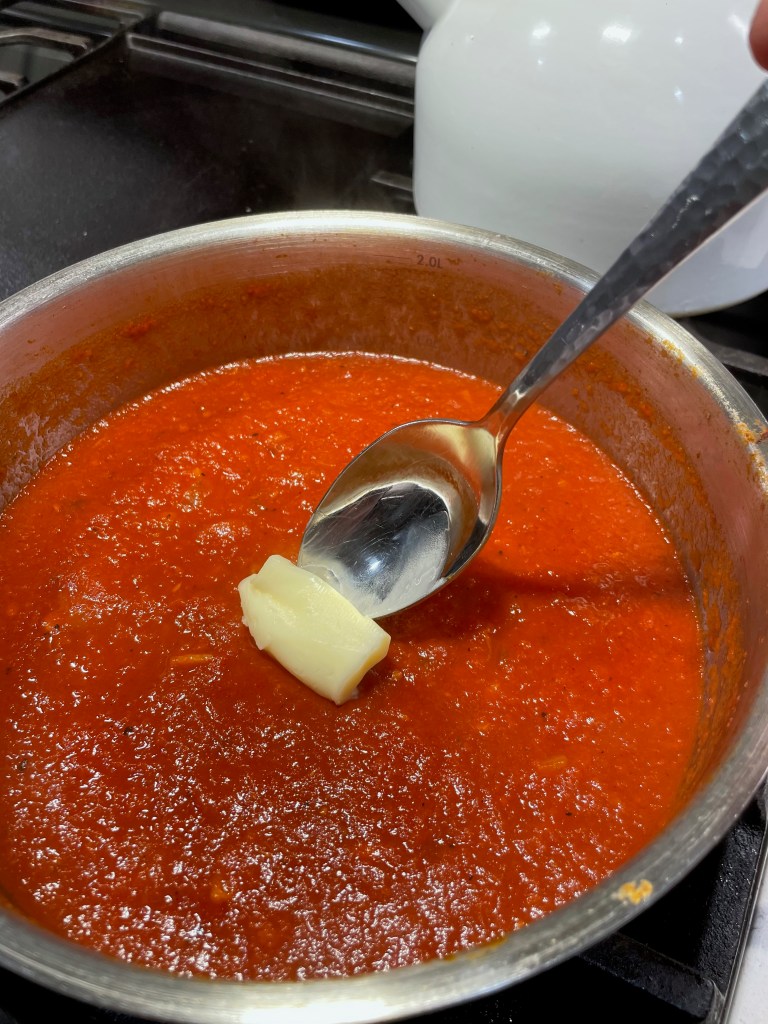
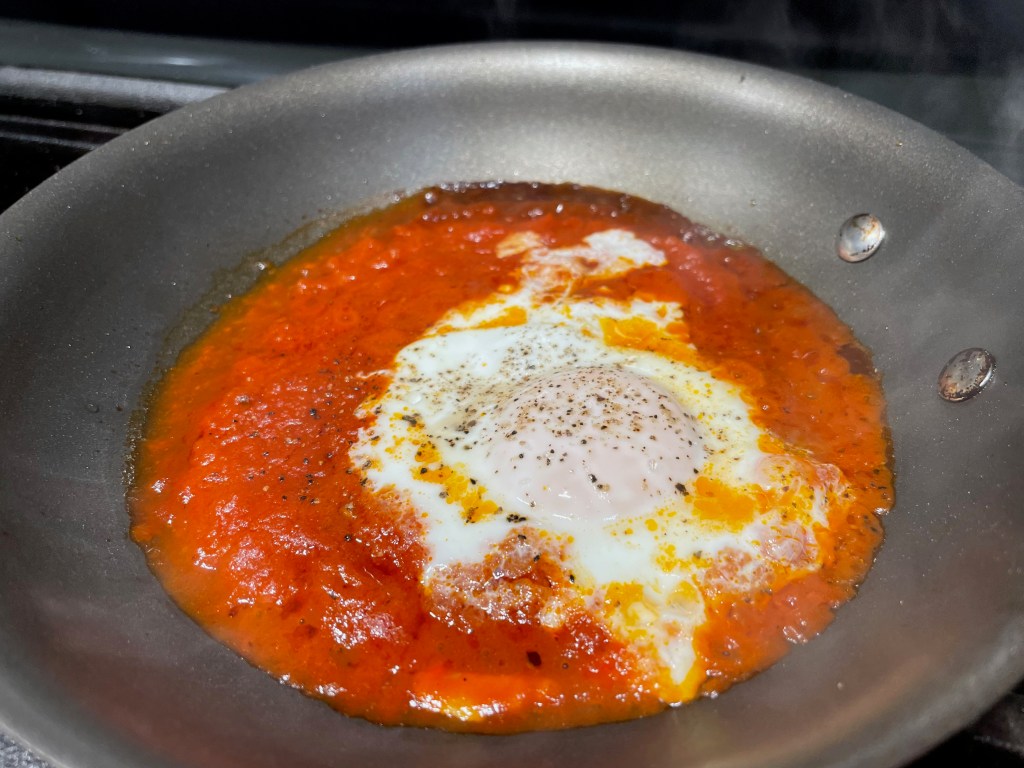
For a rich finishing touch, I melted in about a tablespoon of butter just before serving— borrowing a trick from the playbook of Italian chefs. This may have been the best tomato soup I’ve ever made, and I give credit to the harissa, if only for inspiration. I mentioned earlier that we devoured the whole pot that night. But that’s not quite right. I saved about a quarter cup, which I had in mind for a miniature shakshuka for breakfast the next day, and, no surprise, it was also delicious!

Next time, I’ll make a whole batch of shakshuka with harissa. This was divine!

Harissa Tomato Soup

  • Servings: 4 cups
  • Difficulty: Average
  • Print

It's amazing that a few tablespoons of harissa can elevate a classic soup so much, but it really does!


Ingredients

  • 2 Tbsp. extra virgin olive oil
  • 1/2 medium onion, chopped
  • 2 cloves garlic, minced
  • A few shakes red pepper flakes (I used Flatiron Pepper’s Uç Biber variety)
  • 28 oz. can real San Marzano peeled tomatoes, pureed in blender briefly with a pinch of salt
  • 2 Tbsp. Mina brand harissa paste
  • 1/2 tsp. ground cumin
  • 1/2 tsp. ground caraway seed
  • Salt and pepper for seasoning each layer
  • 1 Tbsp. unsalted butter

My recommendation for adding red pepper flakes, cumin and caraway is based on the mild nature of this particular harissa. If you use another brand with more flavor, adjust additions accordingly.

Directions

  1. Heat a heavy-bottomed pot over medium heat. Swirl in olive oil and sauté onions until slightly softened. Season with salt and pepper to aid in releasing moisture from the onions. Add red pepper flakes and garlic and cook another minute or so.
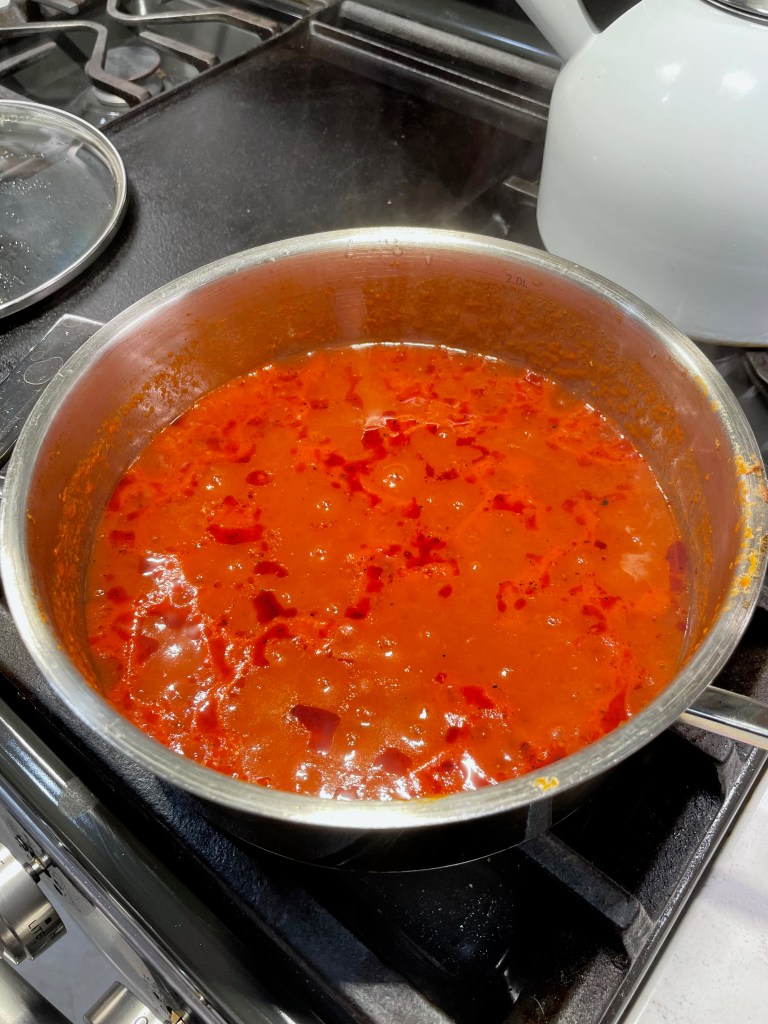
  2. Pour the puréed tomatoes into the pot with the onions. Add the harissa and stir to combine. Add a pinch of salt and the ground cumin and caraway. Bring the mixture to a low boil, and then reduce heat and simmer for approximately 30 minutes (longer if you have time). Give the soup a taste and adjust seasonings as needed.
  3. Just before serving, stir in butter.


Easy Cinnamon Ice Cream

To say that I love a bargain is an understatement. I’ve never fawned over the vanilla-scented gourmet kitchen stores at the mall— the ones that sell the high-dollar pan sets, expensive crystal, and pre-made mixes for quick breads and specialty gravy bases. Those stores are filled with lovely things, don’t get me wrong. But you’re more likely to find me pacing the aisles at T.J. Maxx, Home Goods and Big Lots, where I’ve found many a bargain. I’m not talking about low prices for cheap items, but the way. It’s quality at a better price that I want, and I’m willing to take my chances with the unpredictability of these bargain stores’ inventories. 

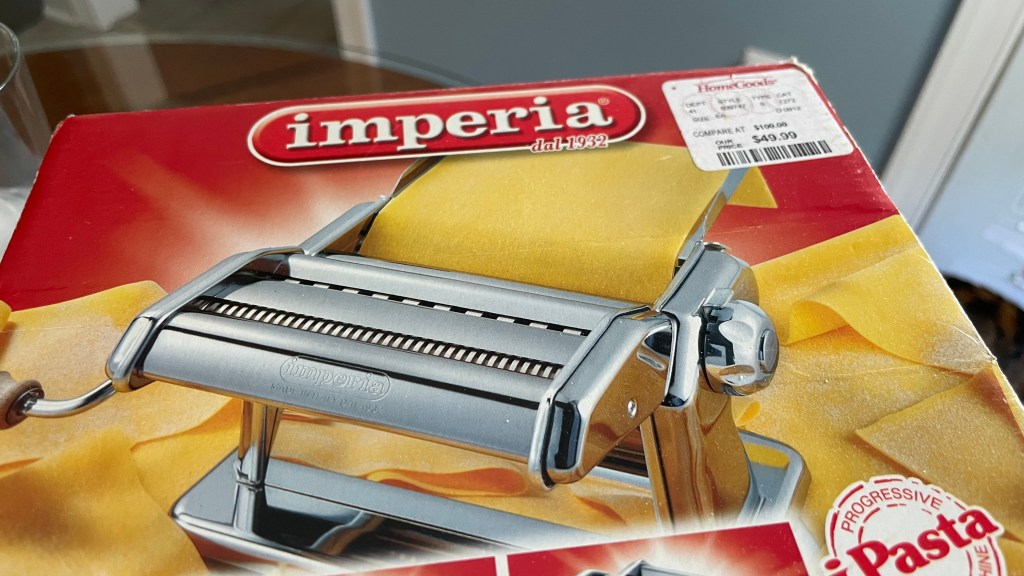
For example, my Italian-made pasta rolling machine that had been on my wish list for at least two Christmases (if not for the $100+ price tag), jumped into my cart unexpectedly about 12 years ago for the low, low price of— well, zoom in on the picture below and see for yourself. The exact item sells today at the vanilla-scented store for $149.95. I’d rather apply that hundred-dollar savings to the food I will make with the thing and just sniff my own bottle of vanilla at home as I delight in my good fortune.


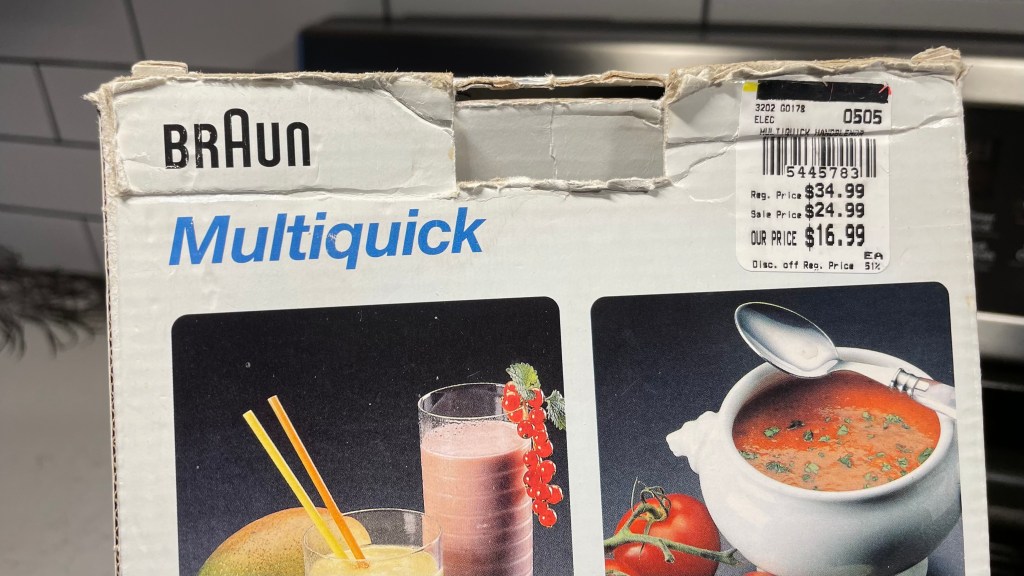
Likewise, my Braun immersion blender, which is still going strong after pureeing hundreds of soups and cheese sauces for the past 15 years, only set me back $17. Could we please have a moment of silence for Tuesday Morning? Thank you. Oh, how I miss that store.

Another super find that has served me well is my Cuisinart Pure Indulgence 2-quart ice cream maker, and this was a major scoop at only $49, but wait, it gets better! I bought this when Big Lots was still doing its old rewards program of 20% off an item after 10 purchases of $20 or more. In other words, I only spent $39 for an ice cream machine that retailed for more than double that price. The purchases I made to get that discount were staple items that I would have bought anyway— mostly Bob’s Red Mill products and cleaning supplies.

It’s the thrill of the hunt that I love, but I also enjoy having these quality items in my cabinets because they make it easier for me to produce delicious foods for myself and my loved ones. Plus, I can count on them to last a long time.

This past week, I made my latest ice cream— using my Cuisinart machine, of course— and though I don’t usually post two desserts in a row, I decided to share this right away for a couple of reasons. First, it’s super easy and might take some pressure off my foodie friends as we all plan the various holiday meals on the horizon. Second, it’s a natural follow-up to a question posed by my New Jersey blog buddy, Bernadette, in the comments section of my pumpkin chai blondies post a few days ago. I’m keeping good on my promise. 😁


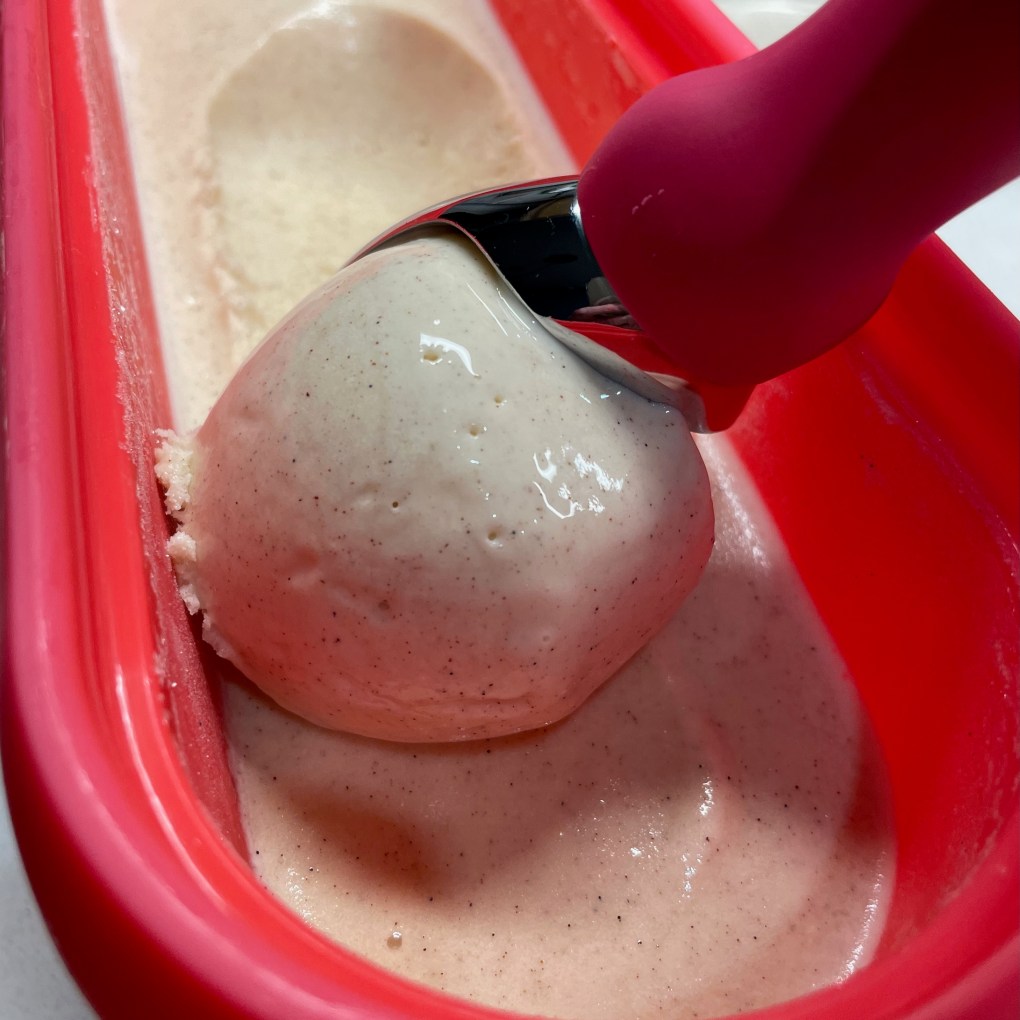
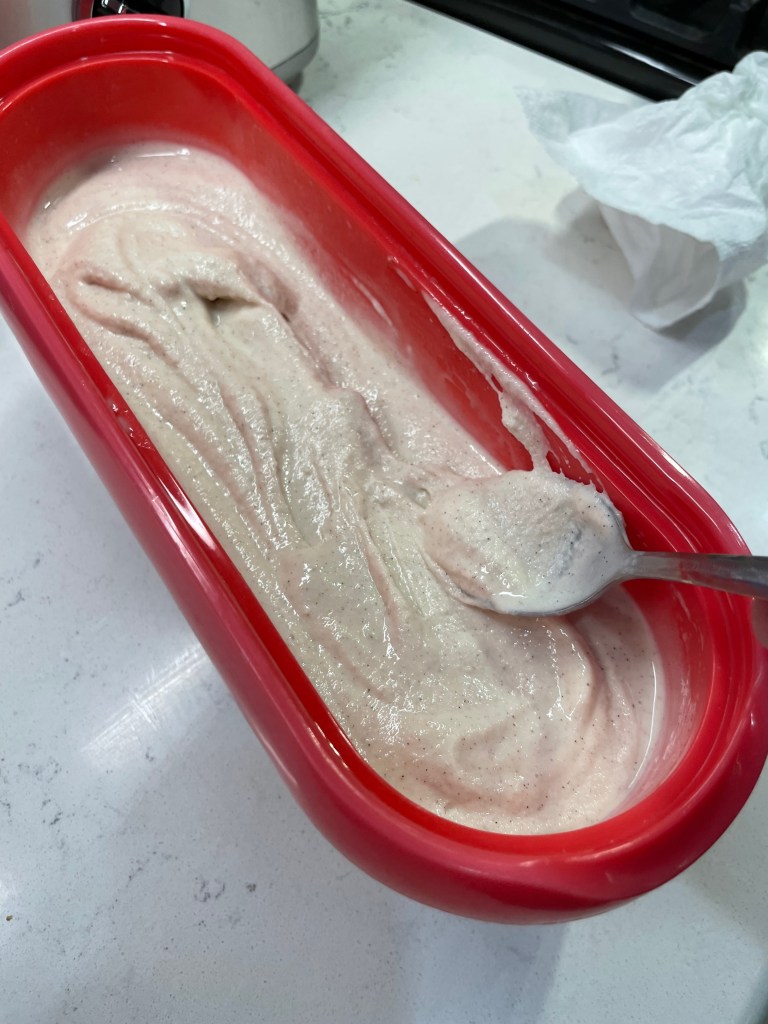
Here it is, Bern— not maple, but cinnamon, and I think you’re gonna love it! The base takes mere minutes to make, and the ingredient list is short: just cinnamon stirred into sweetened condensed milk (fat-free is totally fine here), then milk and heavy cream, plus a little splash of vanilla (or vanilla bean paste, if you’re me).


I chilled the base thoroughly in the fridge for a few hours, and then my Cuisinart churned it into silky ice cream in about 25 minutes. Into the freezer for overnight ripening, and it was done.


This cinnamon ice cream is the little black dress of the holiday dessert table— versatile and perfect for any type of occasion. It was a great complement to the pumpkin chai blondies, but it would also be a stunning sidekick to my pal Christine’s mile high apple pie, or the festive fig butter cranberry apple galette that I made last fall. How about chocolate cake or pecan pie or— well, what desserts are you making this holiday season that would be good with a sweet scoop of cinnamon ice cream?


Easy Cinnamon Ice Cream

  • Servings: About 8
  • Difficulty: Easy
  • Print

This easy-to-make ice cream is creamy, delicious on its own, and pairs nicely with nearly any autumn or holiday dessert.


Ingredients

  • 14 oz. can sweetened condensed milk (regular or fat-free, see recipe notes)
  • 1 teaspoon ground cinnamon
  • 1 cup whole milk
  • 1 cup heavy cream
  • 2 teaspoons vanilla extract or 1 Tablespoon vanilla bean paste
  • 1 Tablespoon vodka (optional, added in the final minute for improved texture)

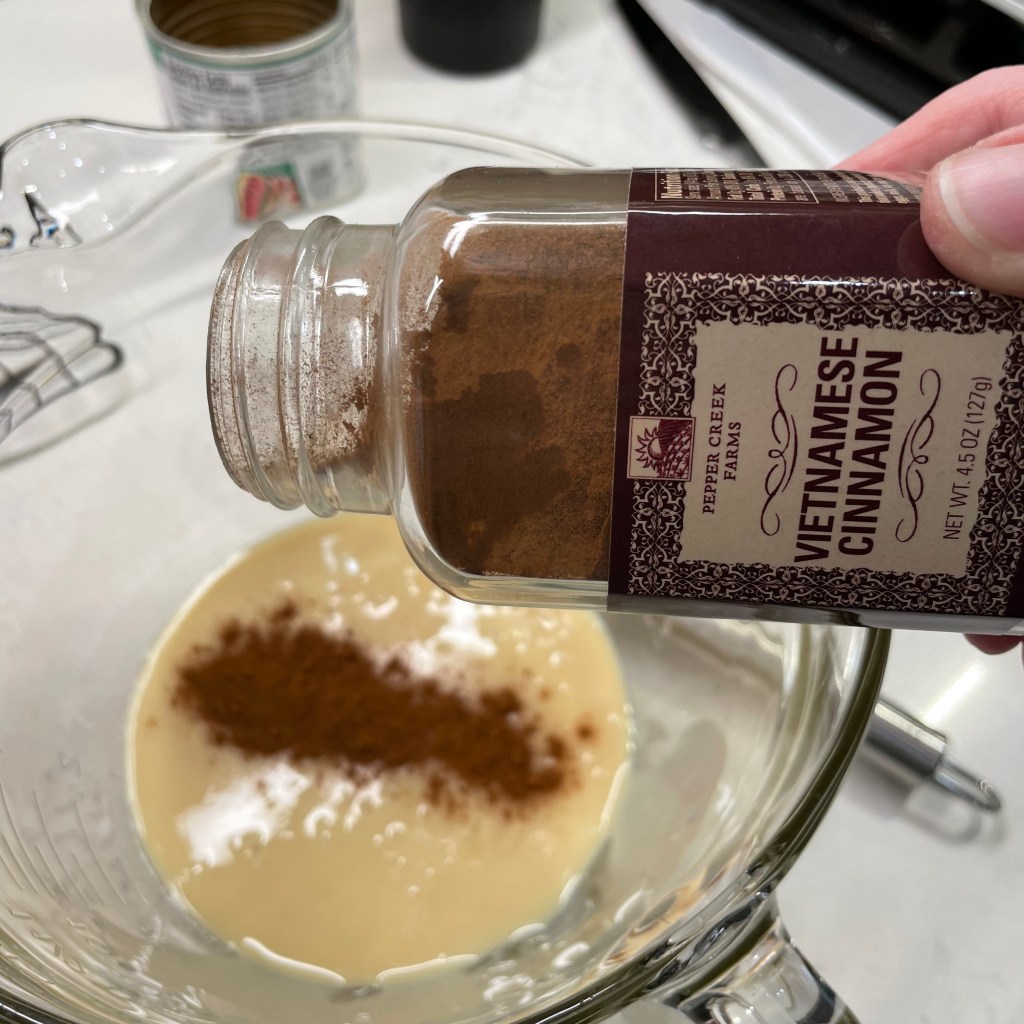
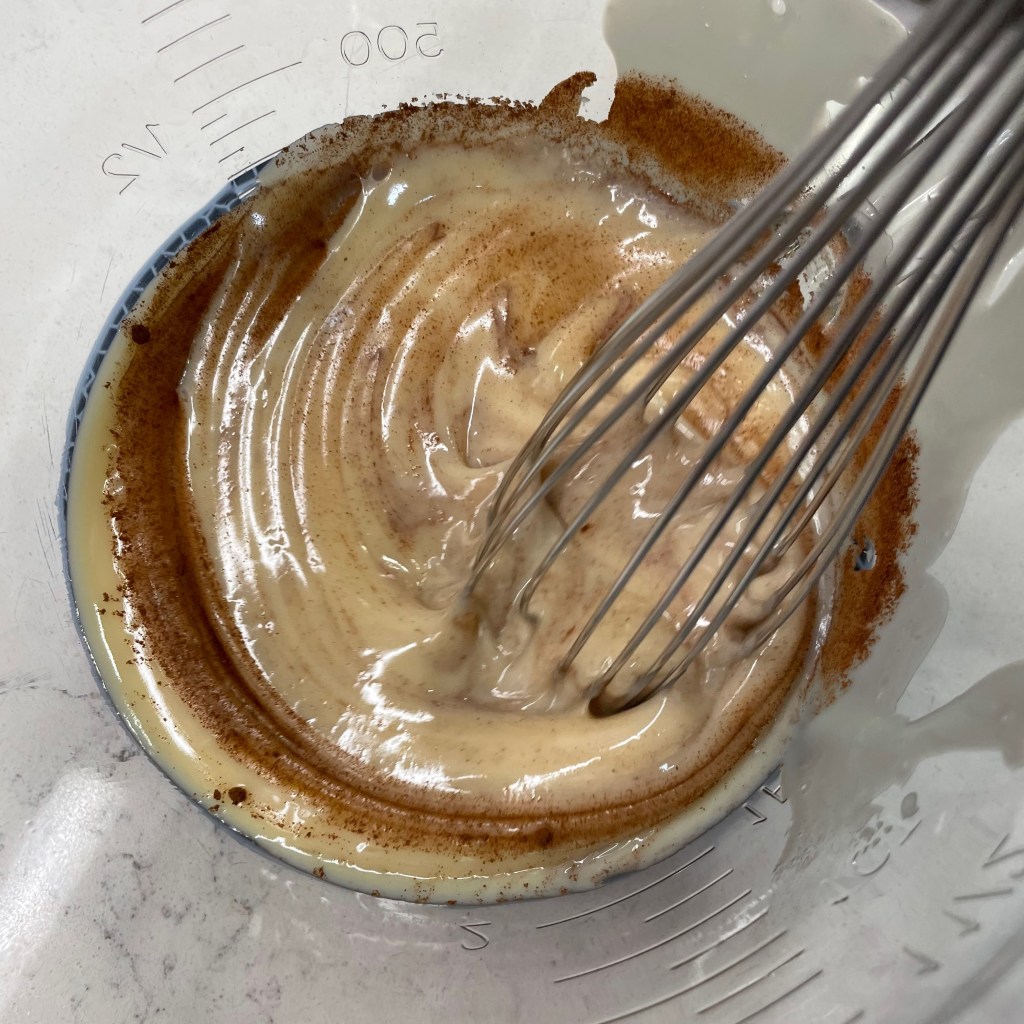
Notes: When you mix the ice cream base, add the cinnamon to the sweetened condensed milk first. Ground spices tend to “float” on liquids, so this helps to incorporate it into the mix before the thinner liquids are added.

I’ve found the fat-free version of condensed milk perfectly acceptable for making ice cream, with only one caveat: plan to use the ice cream within a couple of days of making it, or the texture may become more icy than creamy.

Directions

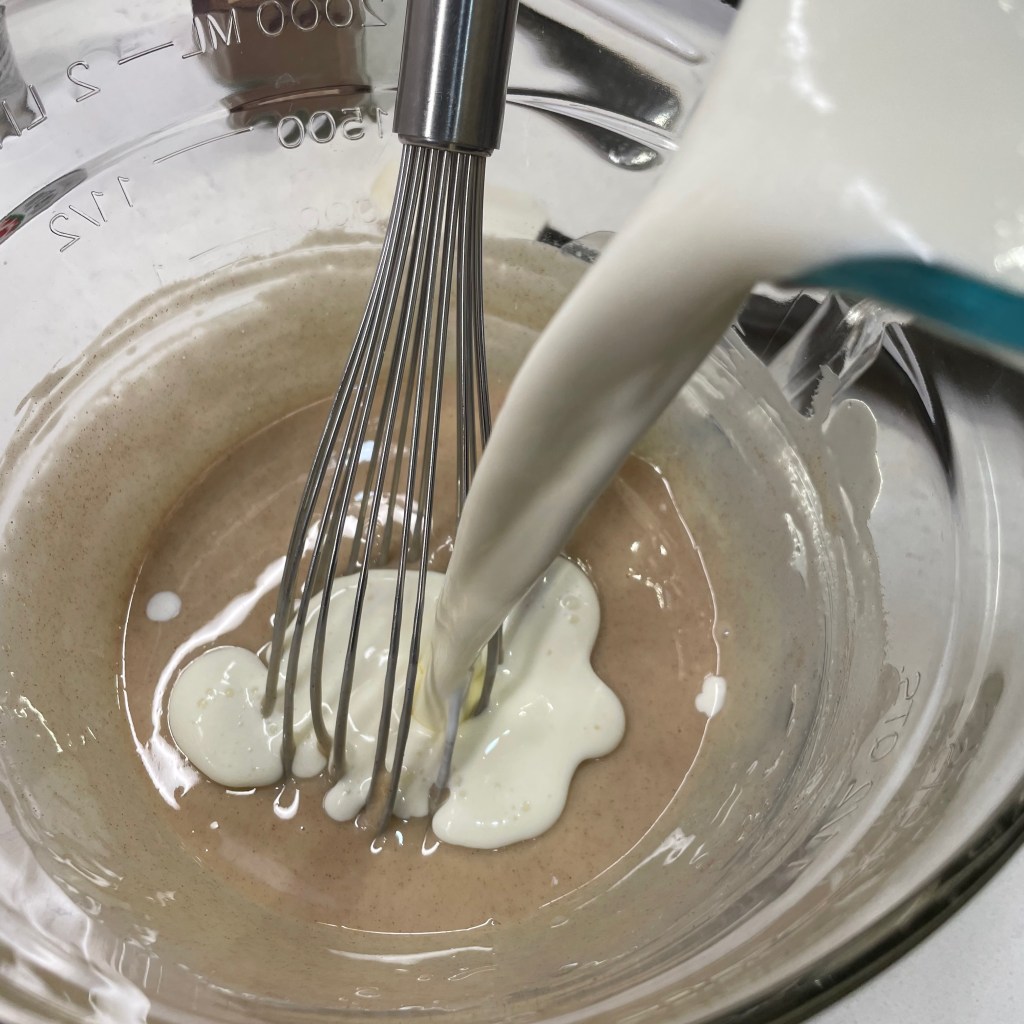
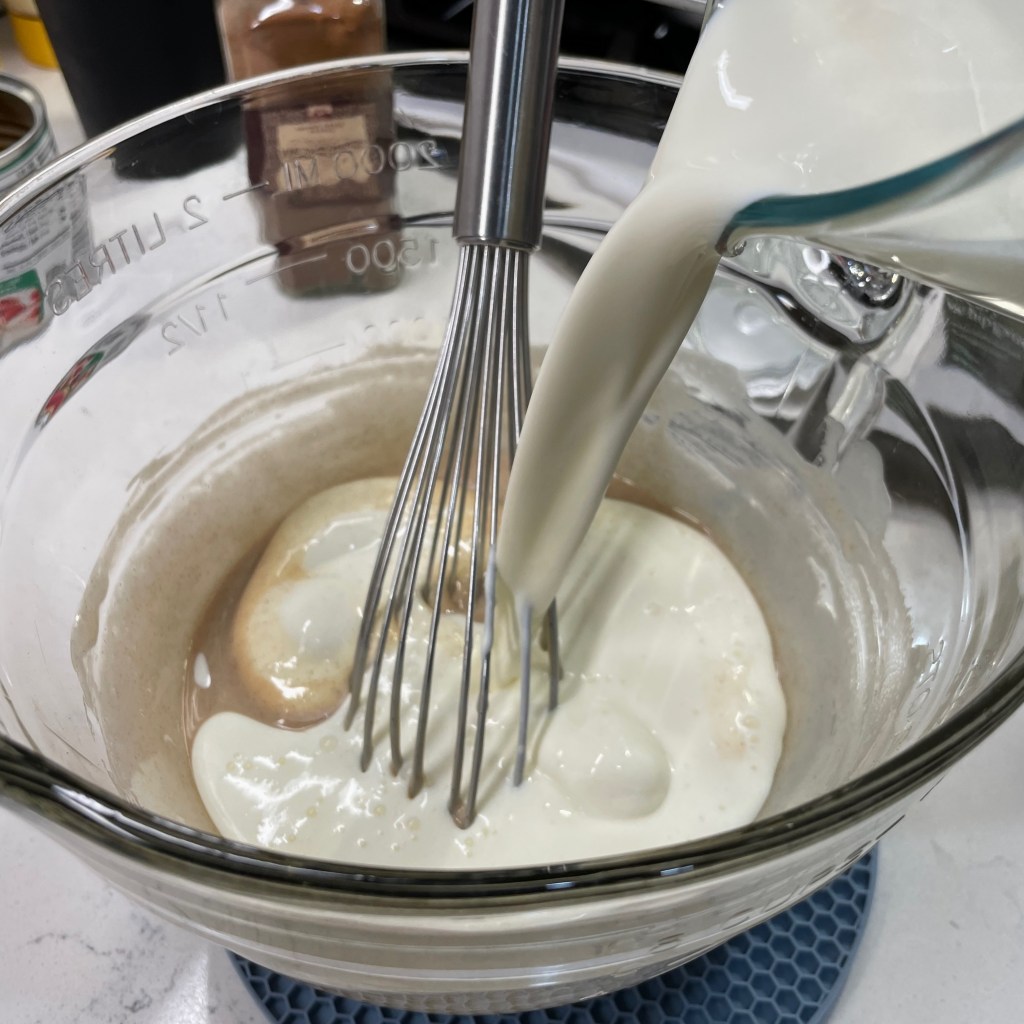
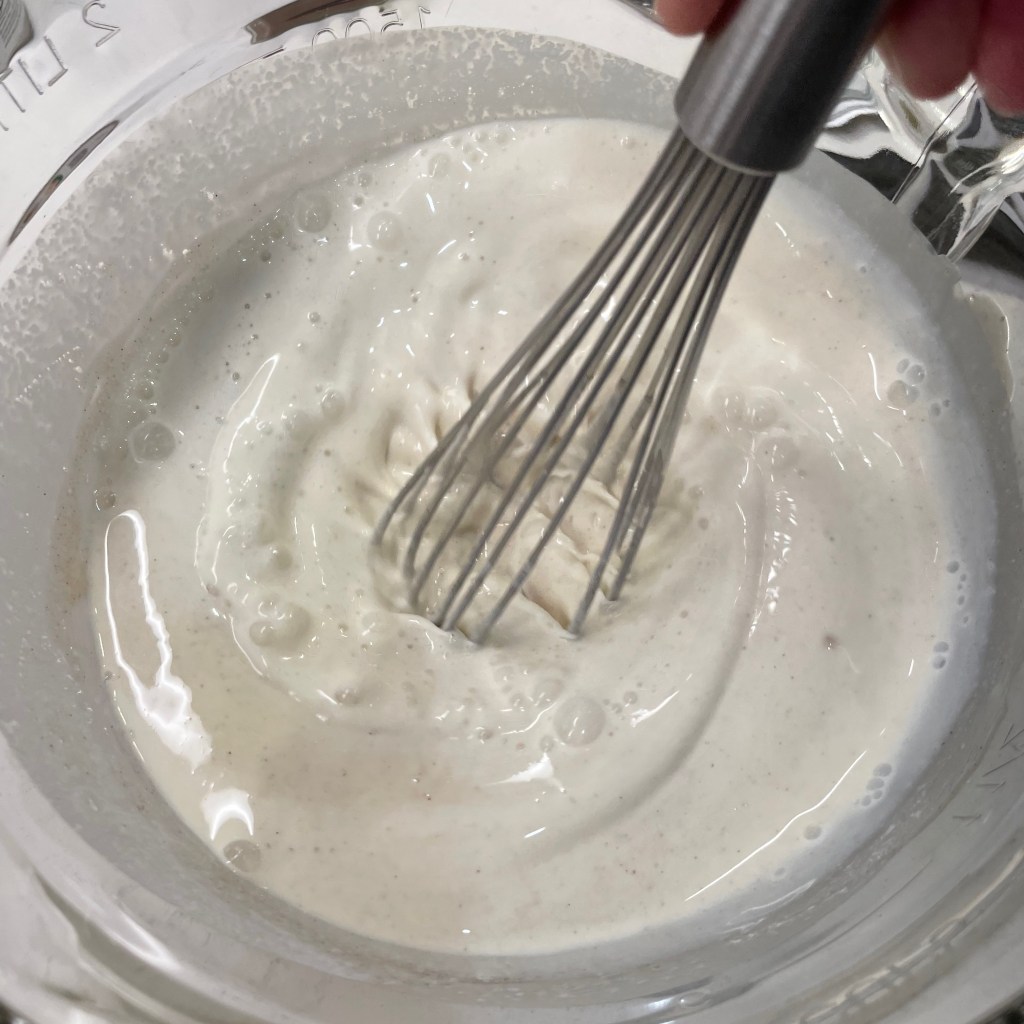
  1. Combine sweetened condensed milk and cinnamon in a large bowl and whisk to thoroughly incorporate the cinnamon. Whisk in milk, cream and vanilla. Cover the bowl and refrigerate until the mixture is thoroughly chilled, at least a couple of hours.
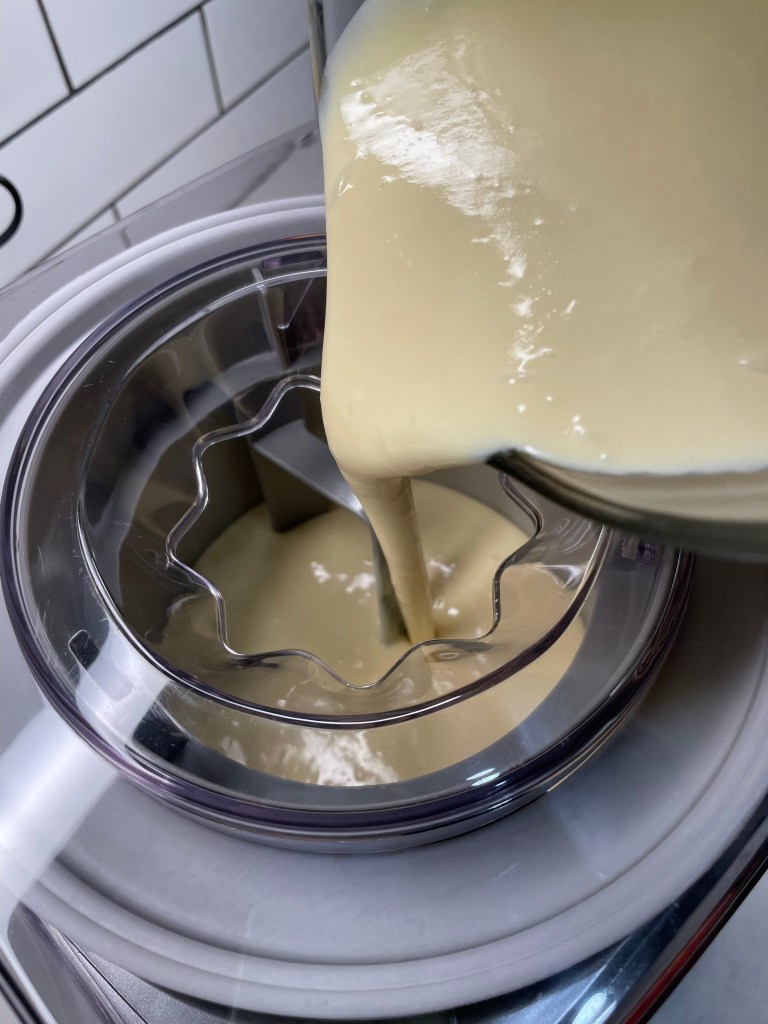
  2. Set up your ice cream machine. Gently whisk the ice cream base to re-blend any ingredients that may have settled during chilling. Pour the ice cream base into the machine and churn according to manufacturer’s instructions. My Cuisinart gets this done in about 25 minutes. Add vodka during the final minute of churning to make the ice cream easier to scoop directly from the freezer (omit this step if the ice cream will be served to children or other non-drinkers).
  3. Transfer the ice cream to an insulated freezer container and freeze at least eight hours, preferably 24 hours, to ripen.


Creamsicle Ice Cream

Do you remember your favorite frozen summertime treat? I had three, and they were pretty much neck and neck: an ice cream called “blue moon,” with an unidentified fruity flavor and bits of pineapple (one day I will figure out how to make it), the Rocket Pop in all its red, white and artificial blue glory, and of course, the Creamsicle. That combination of orange sherbet over vanilla ice cream on a stick was synonymous with summer in my youth. I loved it so much that I can’t resist sharing my scoopable version of a Creamsicle to kick off National Ice Cream Month.


I feel great about this ice cream for a few reasons. First, of course, is the nostalgia of it. The mingled flavors of vanilla and orange take me back to the summers of the 1970s, when life was so carefree. It conjures memories of splashing at the community pool with friends and walking barefoot in the freshly cut grass behind my grandmother’s house. I envision water balloon fights and the familiar sound of the ice cream truck coming down the street, drawing the kids like moths to a flame. God, I loved those days.

This is also exciting for me because my previous efforts at Creamsicle ice cream fell sorta flat, probably because I was still relying on my custard-based ice cream formula. Custard ice cream is wonderful, but it’s a lot of effort and sometimes the richness overpowers the flavors. The first time I used sweetened condensed milk for my ice cream— it was when I made S’mores Ice Cream, and I did it to keep the color nice and white— was a major “aha” moment for me. Homemade ice cream doesn’t have to be so fussy as standing over the stove tempering egg yolks and cream, crossing your fingers that you don’t scramble the eggs and have to start over. Then waiting for the mixture to cool overnight before you can churn it? It’s so extra.

Sweetened condensed milk provides an excellent, smooth texture in the base of an ice cream, it provides exactly the right level of sweetness, and it comes with a bonus advantage in that you can swap in the fat-free version with almost zero impact on the texture. Delicious ice cream and reduced guilt? Sign me up!

Who’s ready for some ice cream?


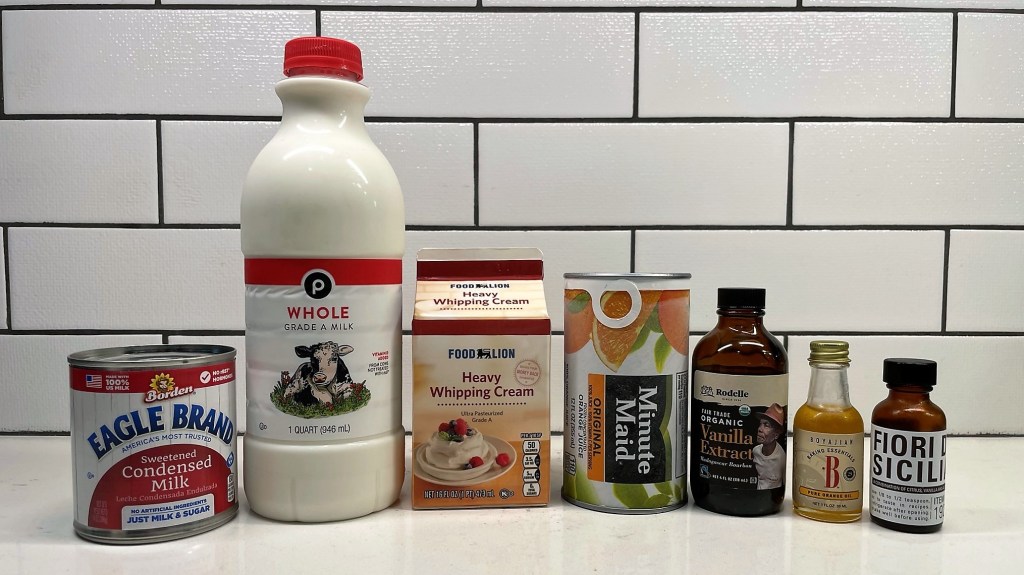
The base of this ice cream is so simple, with only four main ingredients— milk, cream, condensed milk and frozen orange juice from concentrate. The addition of vanilla extract alone would give the impression of a Creamsicle, but I’ve amped up the intensity with two secret weapons that I highly recommend.


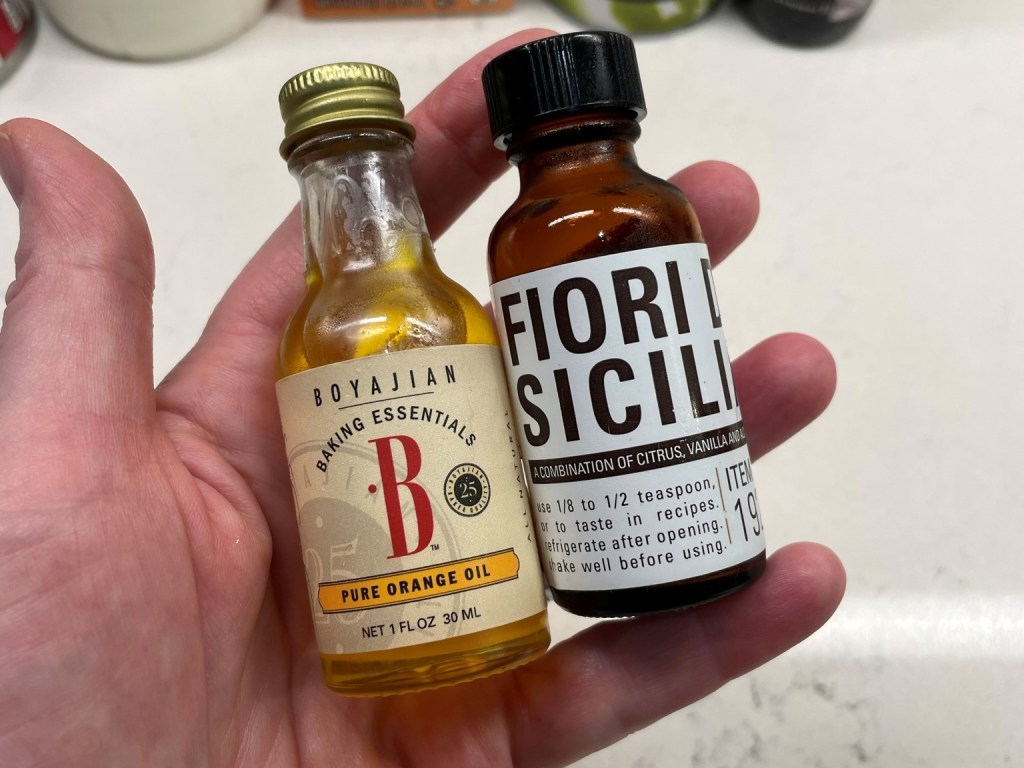
Orange oil is derived from real orange peel, and it adds a very concentrated orange flavor without adding more orange juice, which would make the ice cream too icy. Fiori di Sicilia is a citrusy-vanilla extract that is used for making panettone, and it is so potent that you only need a scant 1/4 teaspoon to get the job done in this ice cream. I purchased both of these specialty ingredients from King Arthur Baking Company, but you might also find them at a specialty store, such as Williams-Sonoma or Sur La Table, either in store or online.

Can you make the ice cream without these ingredients? Of course, but if you want more than a hint of Creamsicle in your ice cream, these will help you get there.

Here’s how it goes:

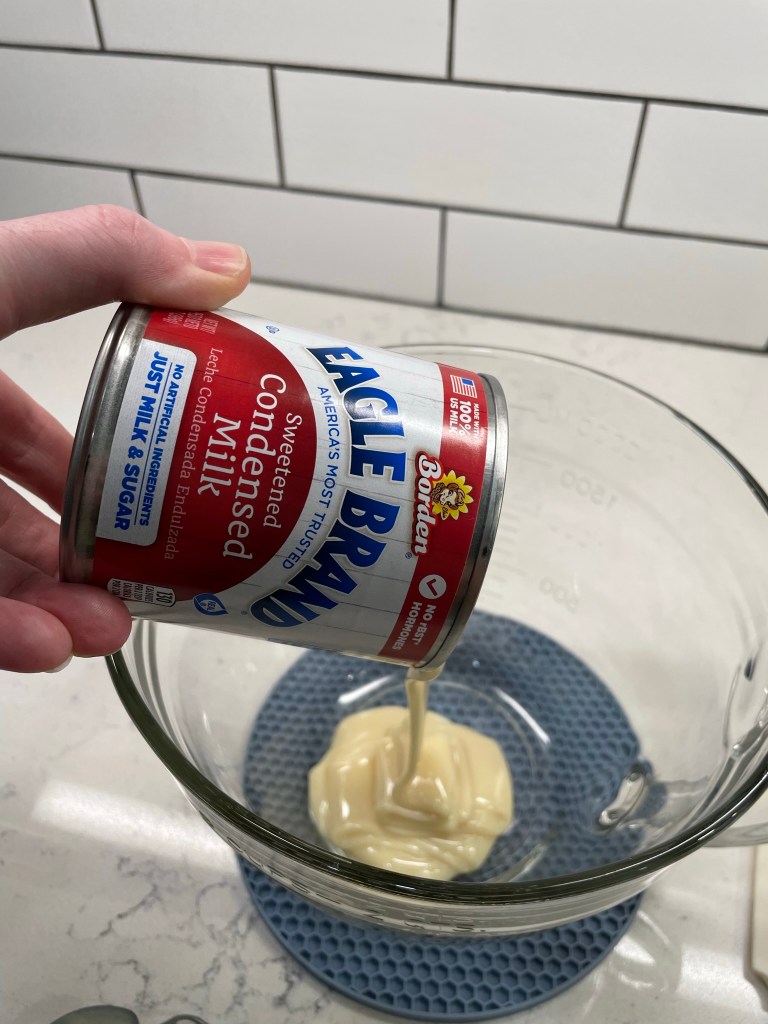
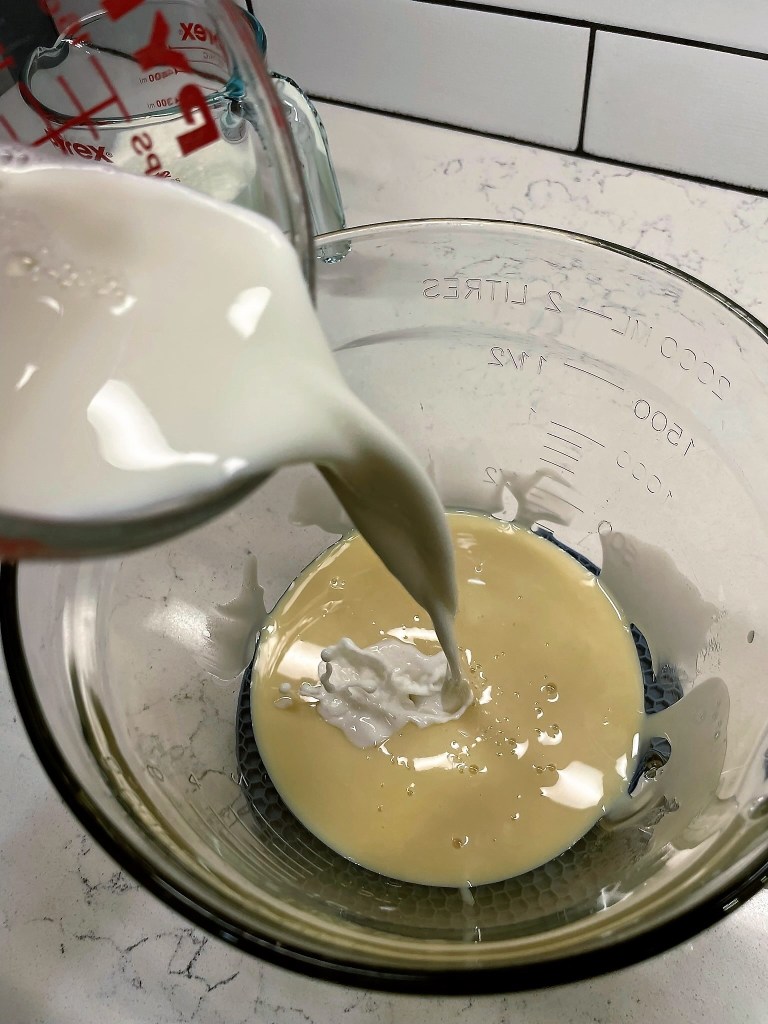
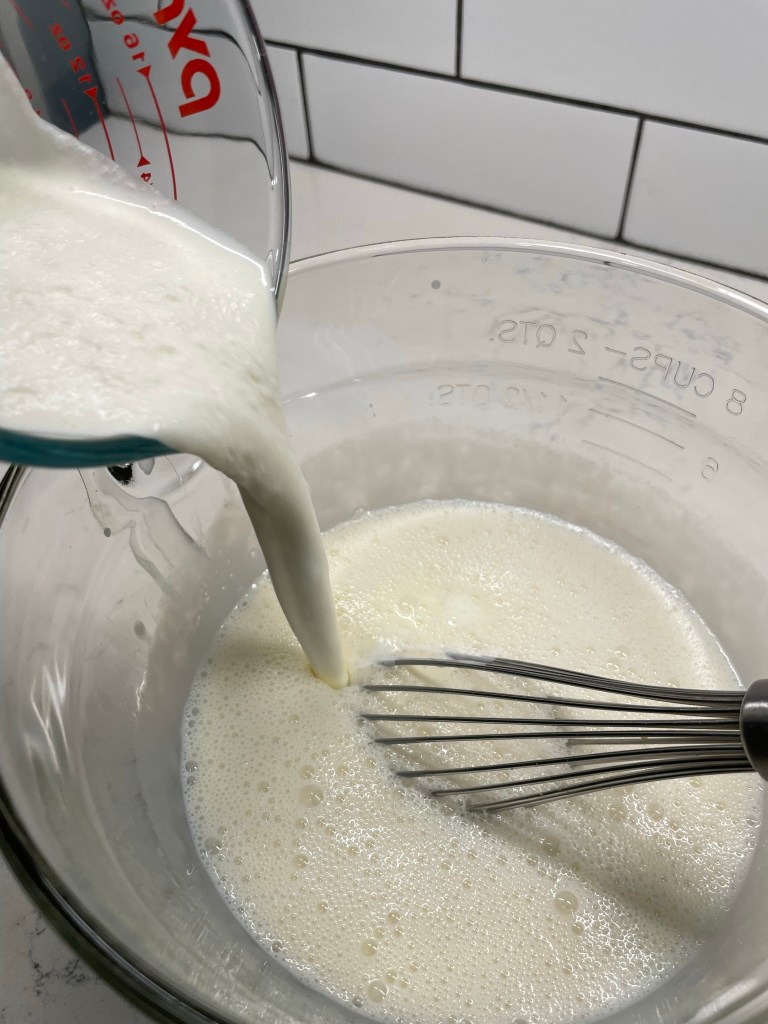
Feel free to swap in fat-free condensed milk here; on this day, I only had original in the cabinet. Whisk the whole milk into the condensed milk first, because their viscosities are very different and it requires some hefty whisking to combine them. Next, gently whisk in the heavy cream.


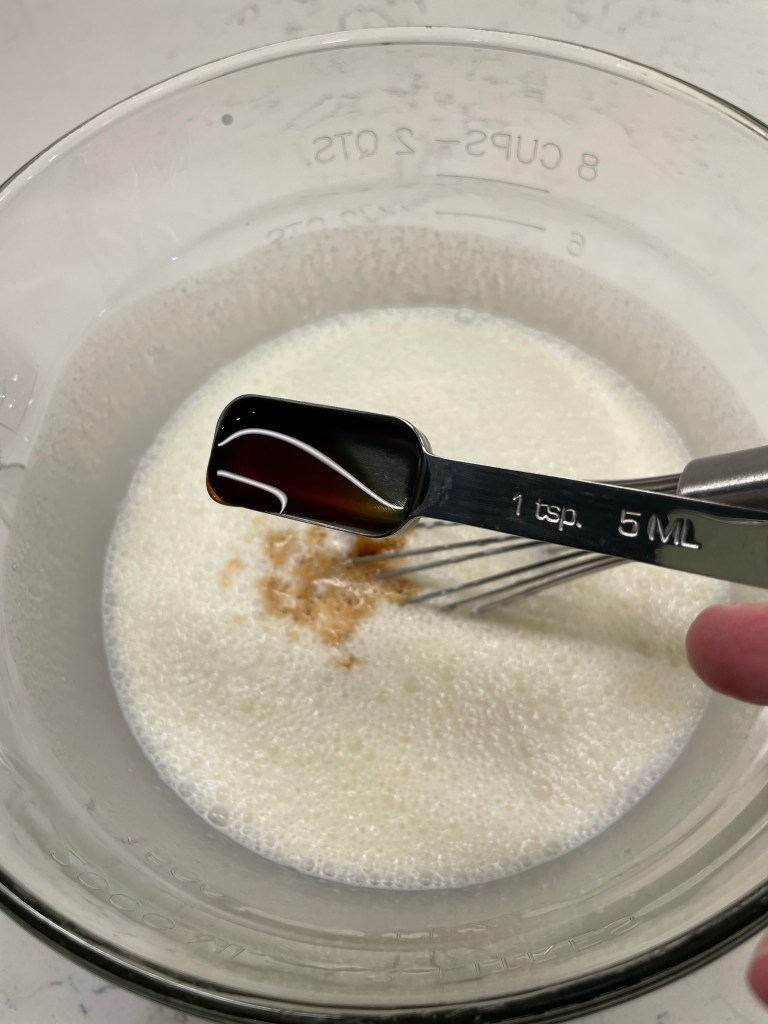
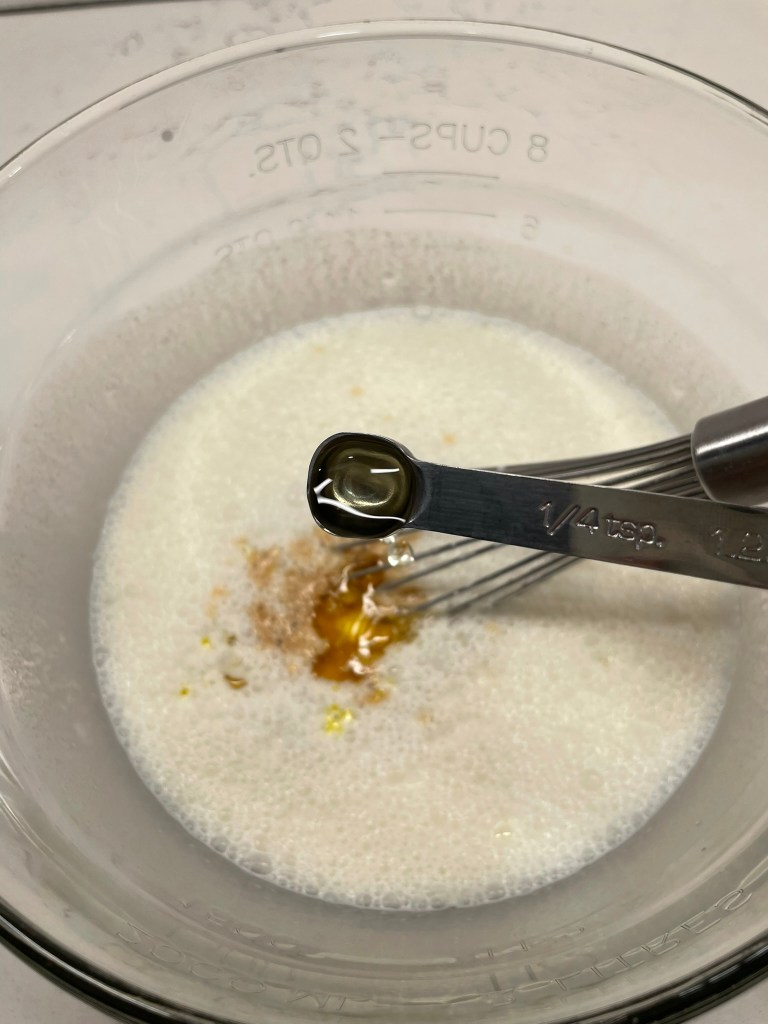
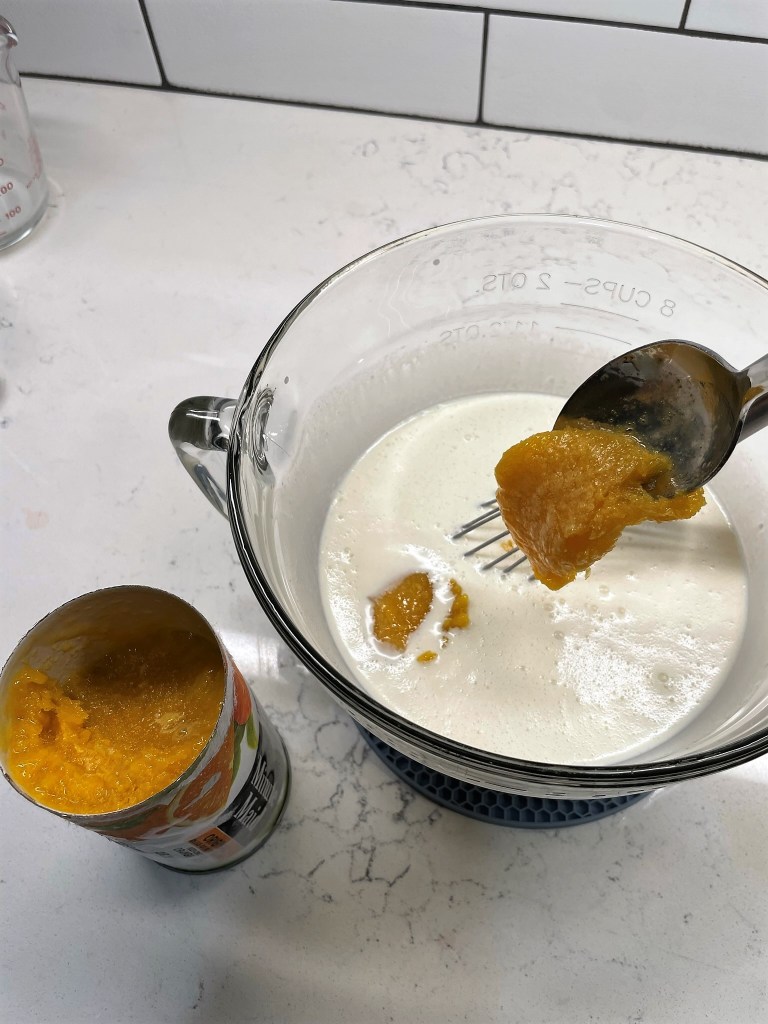
The flavoring agents are next: vanilla extract, orange oil and Fiori di Sicilia. Finally, half a can of orange juice concentrate, the kind your mom used to buy in the frozen section. Choose a reputable brand that lists only orange juice as an ingredient.


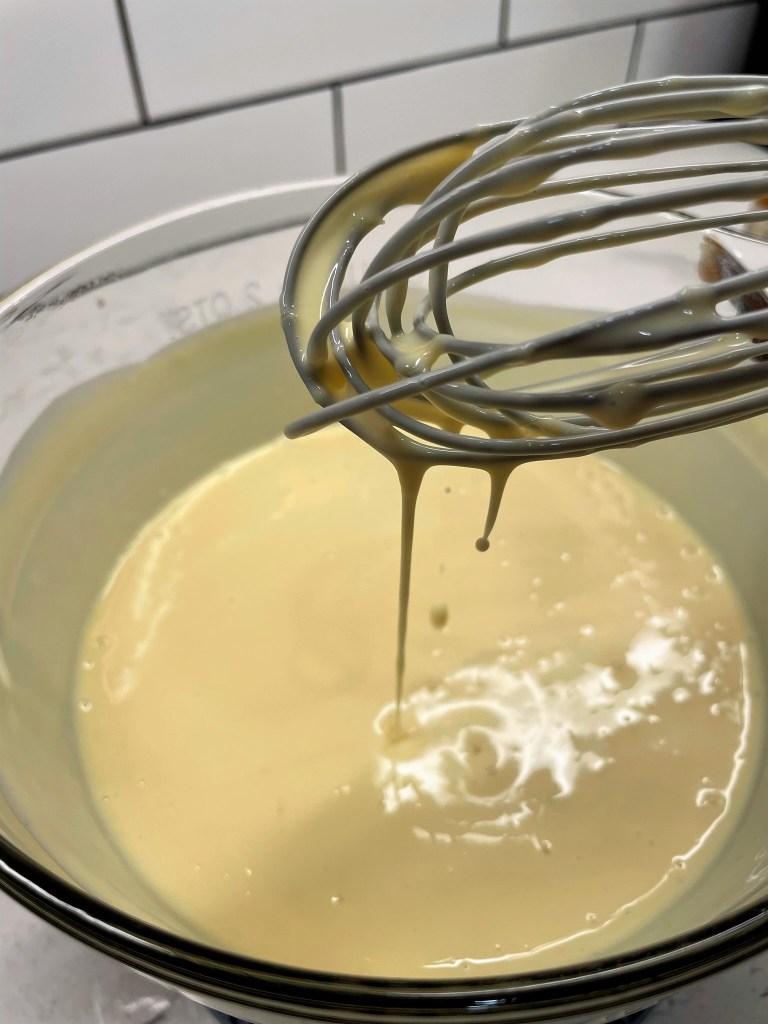
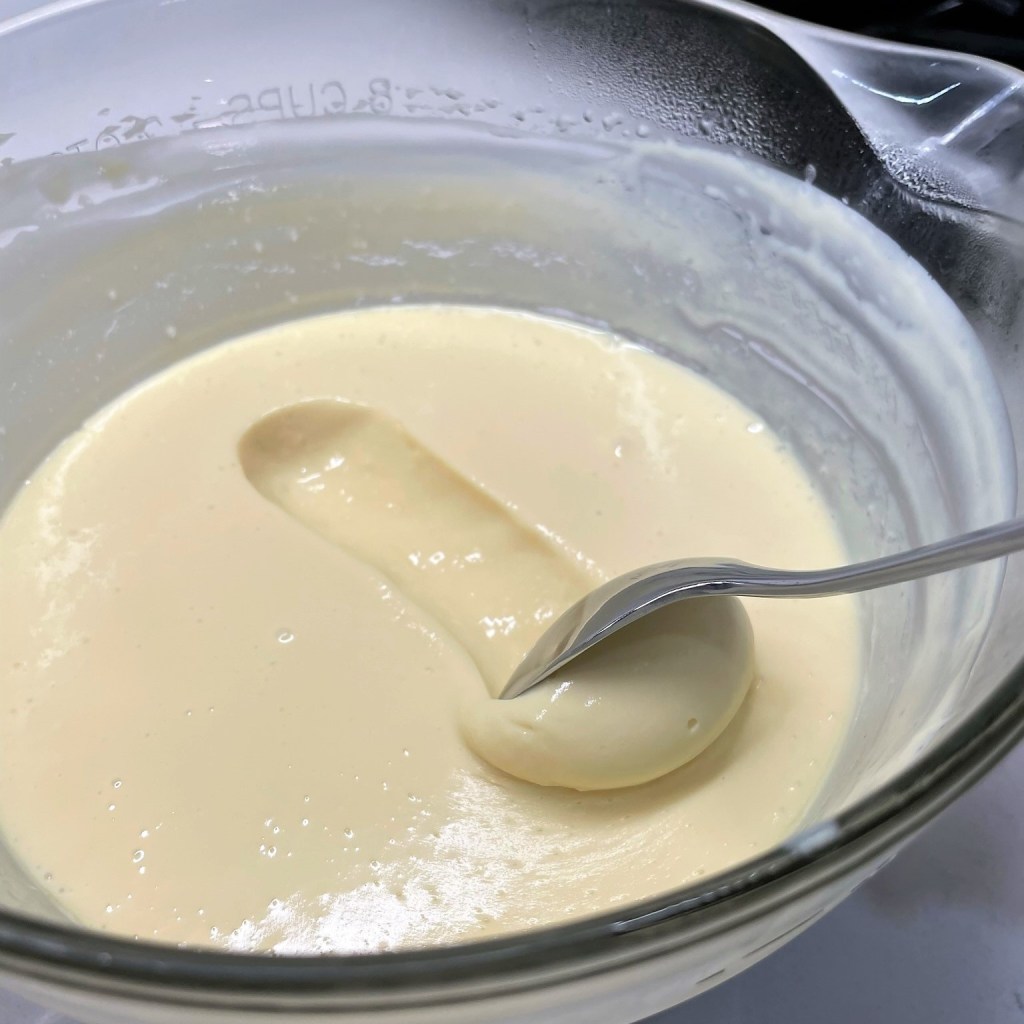
Whisk gently to incorporate the frozen orange juice, and then cover the bowl and refrigerate several hours or overnight. Now, something magical happens when you combine condensed milk and an acidic ingredient like citrus juice. OK, it isn’t magic, it’s science. This reaction happens with any kind of dairy milk, but the result with condensed milk is a nicer consistency. The acid changes the structure of the proteins in the milk, causing them to curdle or thicken. In the morning, you can expect it to look a little like pudding. Deliciously creamy, citrus-vanilla pudding.


Nobody would blame you if you eat a spoonful of it right on the spot.

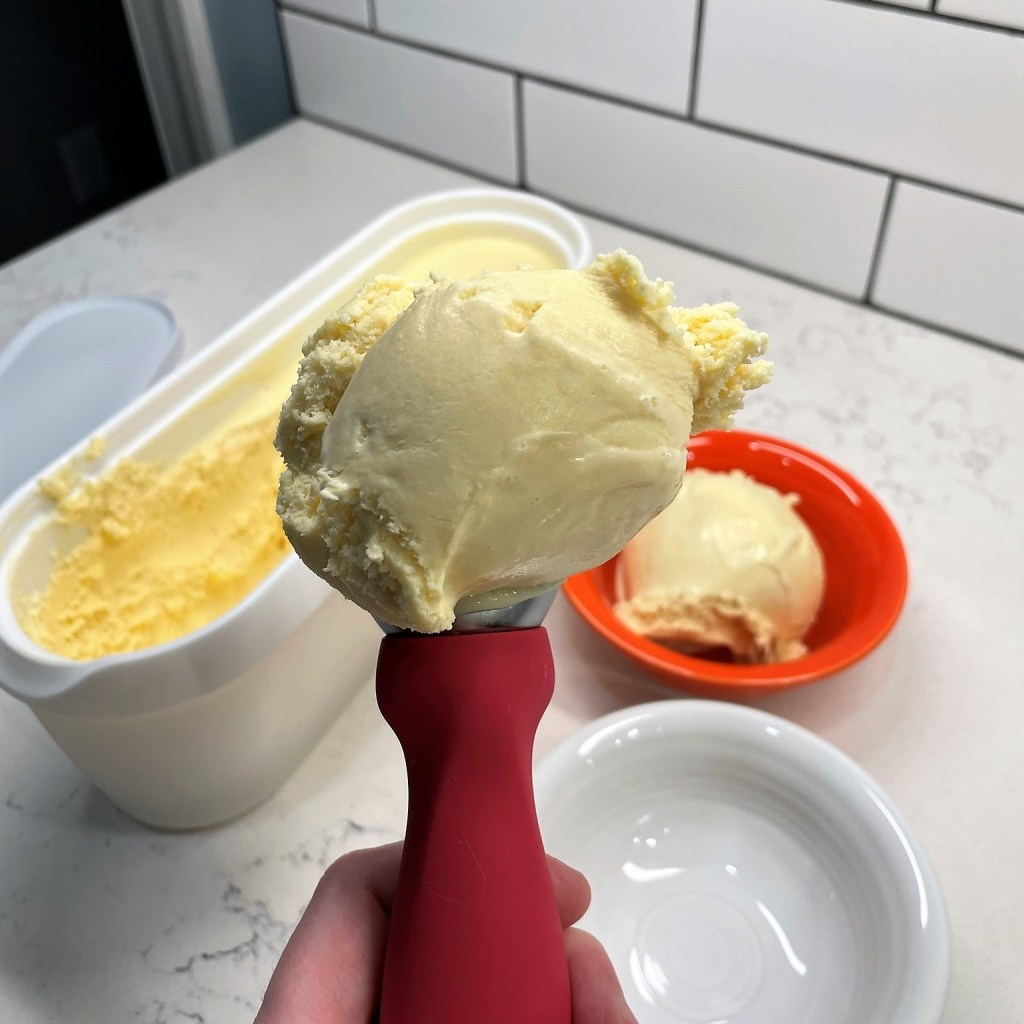
The thickness is not a problem, and a quick whisking will bring the ice cream base to a thick but pourable consistency. Freeze as usual in an ice cream machine and then transfer to an insulated container to ripen it in the coldest spot of the freezer. Overnight is best, but if you can’t resist, you’ll still enjoy this Creamsicle ice cream in soft-serve form.


Creamsicle Ice Cream

  • Servings: About 8
  • Difficulty: Average
  • Print

Orange and vanilla are a superb combination! With this recipe, I wanted to recreate the flavor of Creamsicles, which I loved so much in my childhood. Mission accomplished.


Ingredients

  • 14 ounce can sweetened condensed milk (regular or fat-free)
  • 1 cup whole milk
  • 1 cup heavy cream
  • 2 teaspoons real vanilla extract
  • 1/2 teaspoon orange oil (optional, but recommended)
  • 1/4 teaspoon Fiori di Sicilia (optional, but recommended)
  • Approximately 6 ounces frozen orange juice concentrate

Directions

  1. In a large bowl or pitcher, combine condensed milk and whole milk and whisk to combine. Gently whisk in heavy cream. Stir in vanilla extract, orange oil and Fiori di Sicilia.
  2. Add spoonfuls of frozen orange juice concentrate, gently whisking to incorporate each spoonful before adding more. Cover bowl with a lid or plastic wrap and refrigerate several hours to fully chill the mixture. The ice cream base will thicken significantly because of a chemical reaction between the dairy and citrus. Simply whisk to loosen it when you’re ready to freeze.
  3. Freeze ice cream base, following manufacturer’s instructions for your particular machine. Transfer churned ice cream to an insulated container and freeze overnight before serving.

This ice cream is ready to scoop and serve straight from the freezer. As with any homemade ice cream, it is best enjoyed within about a week.


Easy Buttermilk Dessert Sauce

The next time you make a dessert that needs a sauce, but you aren’t quite sure what sauce is right, it’s this one. This is the sauce.

It is sweet and slightly salty like caramel, but without the fuss. It’s rich and elegant like an anglaise, but without cream or eggs. And it has the warm color of butterscotch, but it isn’t that either. This easy buttermilk sauce is neutral in flavor, so you can turn it any number of directions with a splash of vanilla, a sprinkle of cinnamon or pie spice—hey, even a shot of booze! You can pour it warm right over a baked dessert or ice cream sundae, or chill it to drizzle over fresh berries. It’s oozing with possibilities!

Any extra sauce keeps nicely in the fridge, and can either be warmed in a saucepan or the microwave.

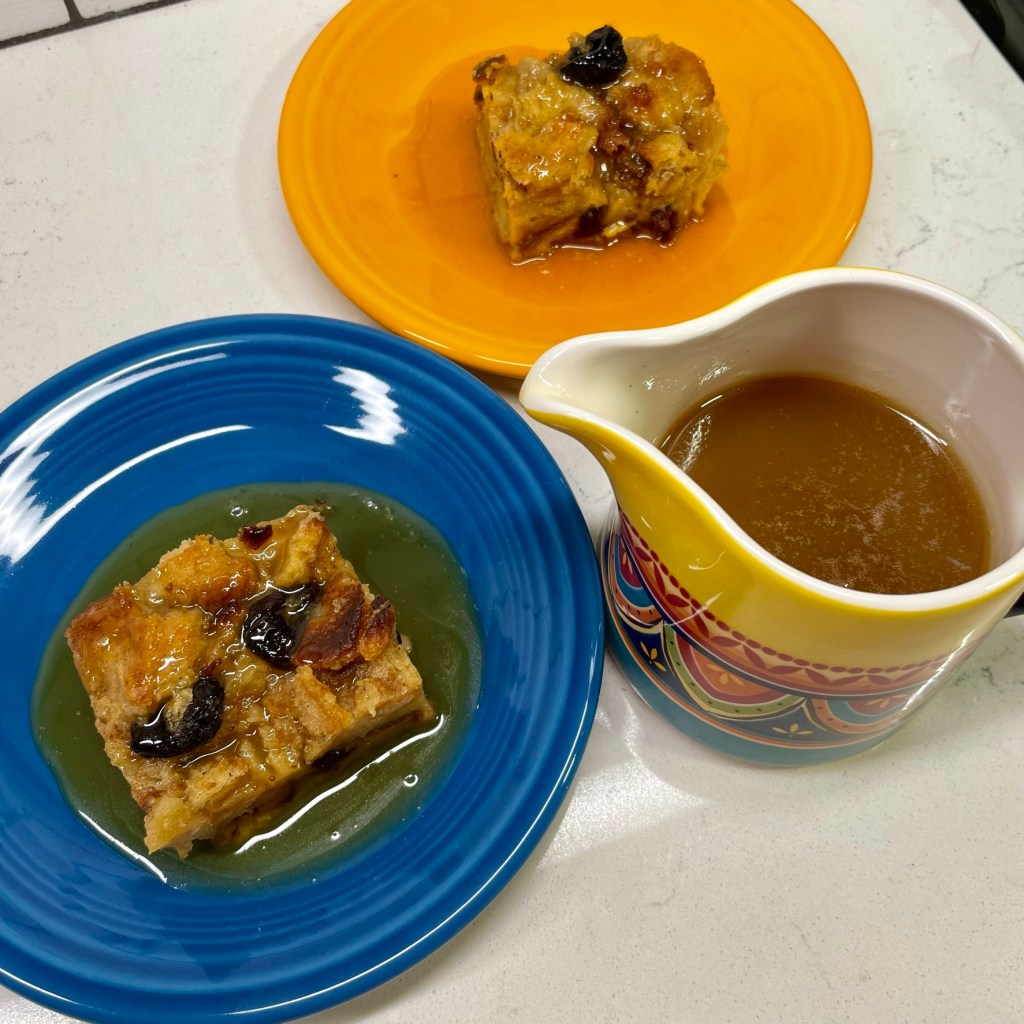
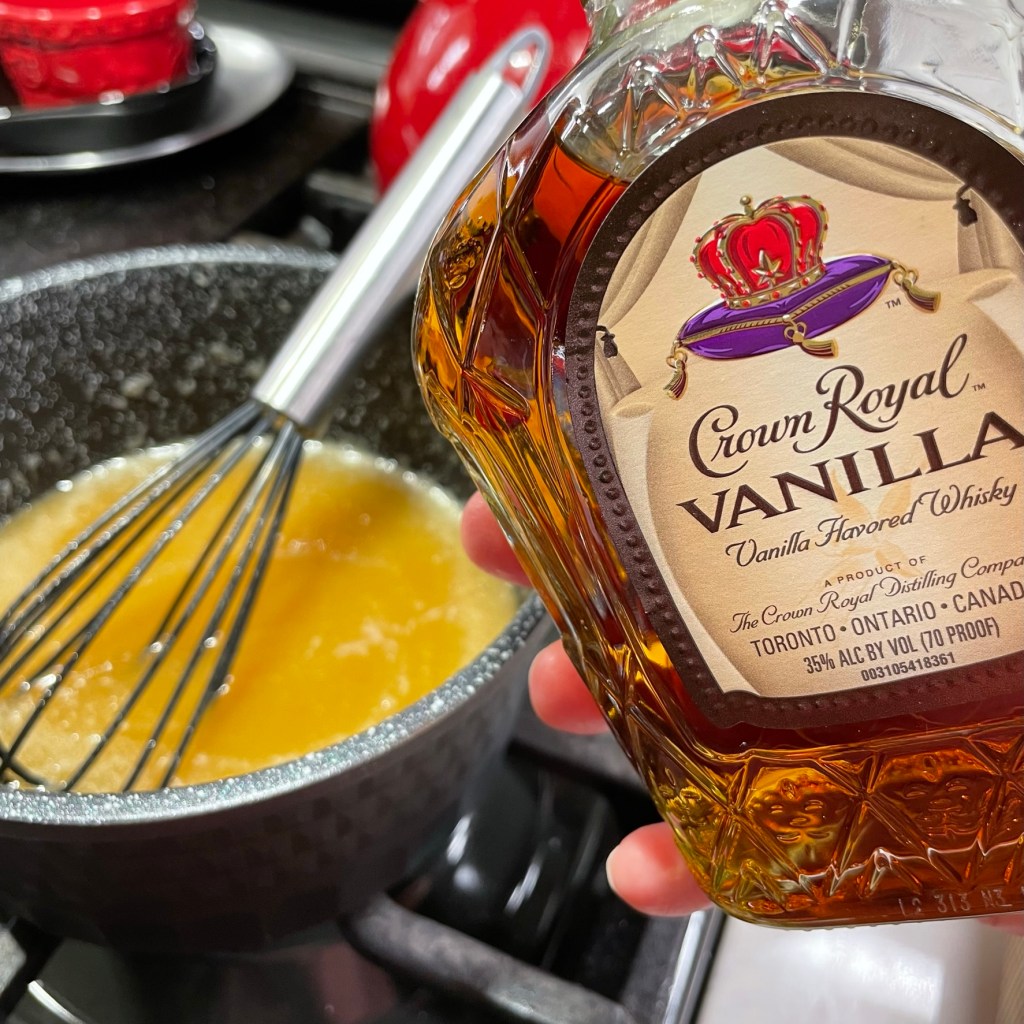
There are no complicated ingredients, and the sauce comes together in under 15 minutes, so you can even make it last minute if you discover too late that your dessert needs a little help (we’ve all been there). Most recently, I made this with vanilla bean paste and a half-shot of vanilla whiskey to accompany a batch of bread pudding, made from cardamom-scented cinnamon rolls and dried cherries. The combo of bread pudding and sauce was sooo good!

You take both bread puddings. I’m just gonna drink this extra sauce.

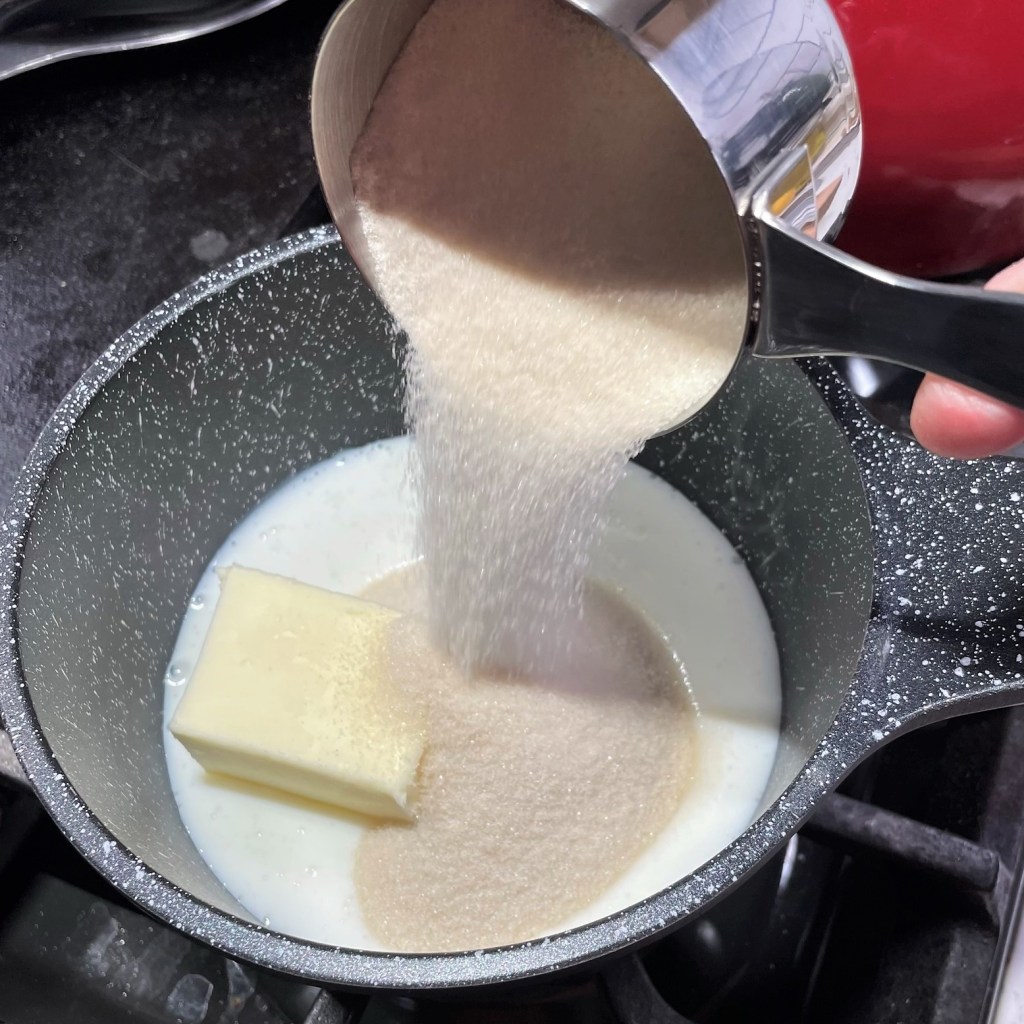
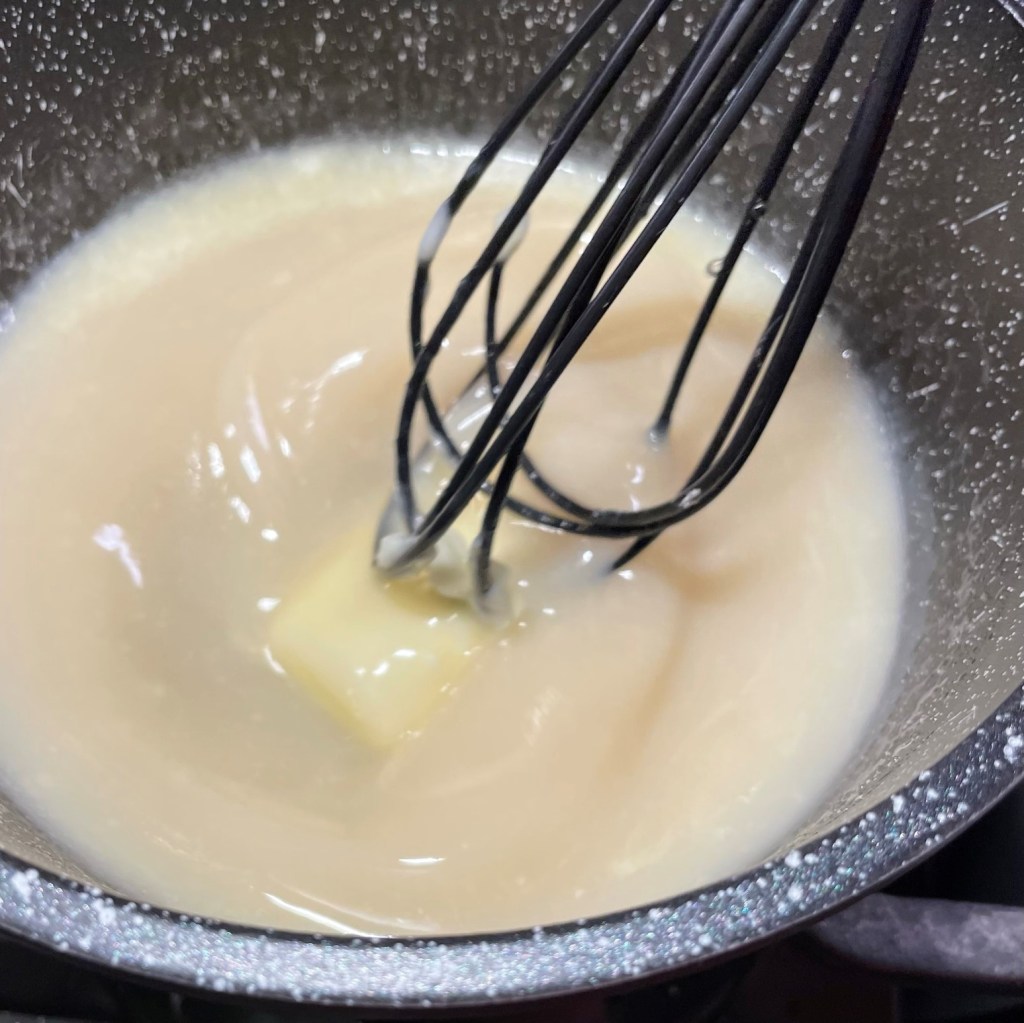
Begin with a cup of buttermilk, the good, thick kind. Put it on medium heat with 3/4 cup of cane sugar and half a stick of salted butter. Most dessert recipes call for unsalted butter, but here, the salted butter is just right to complement the sweetness of the sauce. I whisk a little bit of corn syrup into the sauce as well, as it helps to prevent the sauce from crystallizing when it cools.


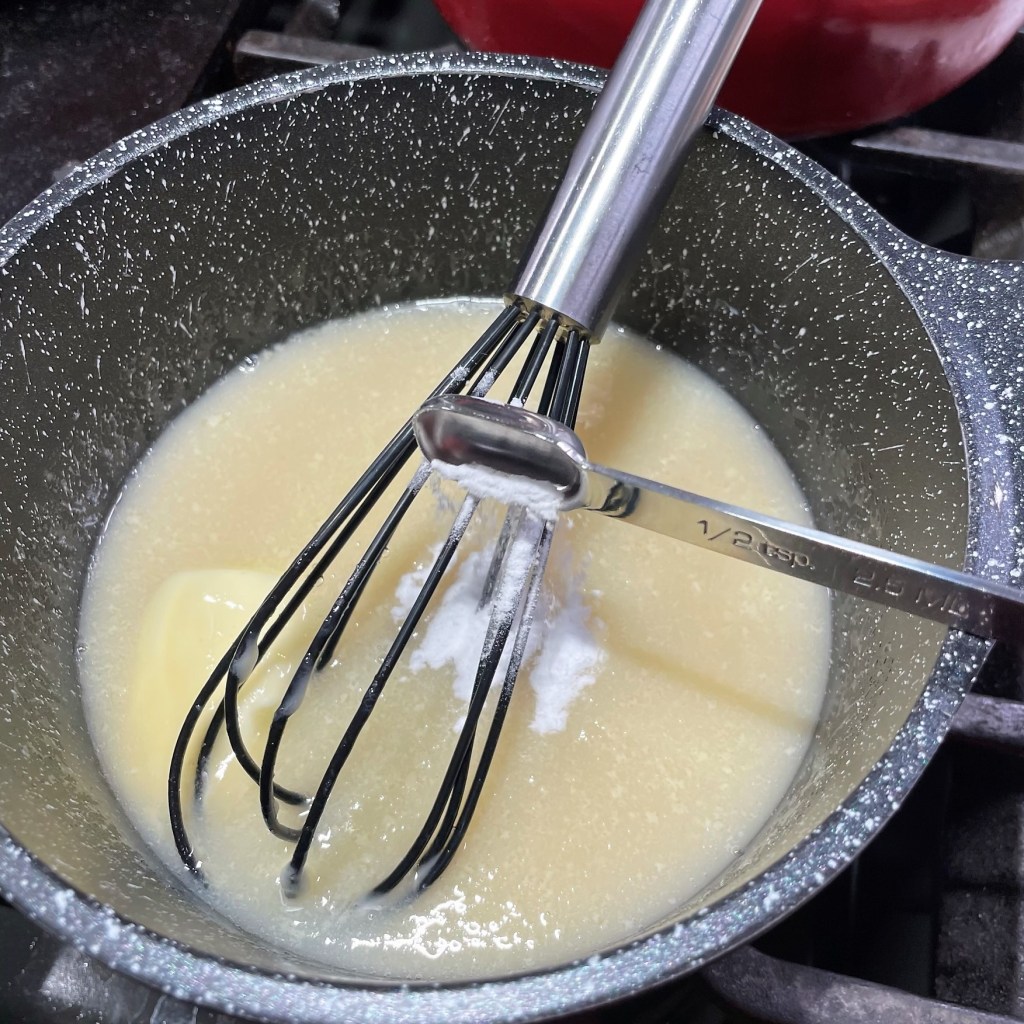
After the butter has melted and the sugar is dissolved, it’s time for the magic ingredient, which is a miniscule amount of (drumroll, please) baking soda! Remember, the miraculous ingredient I posted about in September that makes grilled shrimp so juicy and delicious? The baking soda works wonders in this buttermilk dessert sauce, too, and for the same scientific reason. Watch and see.


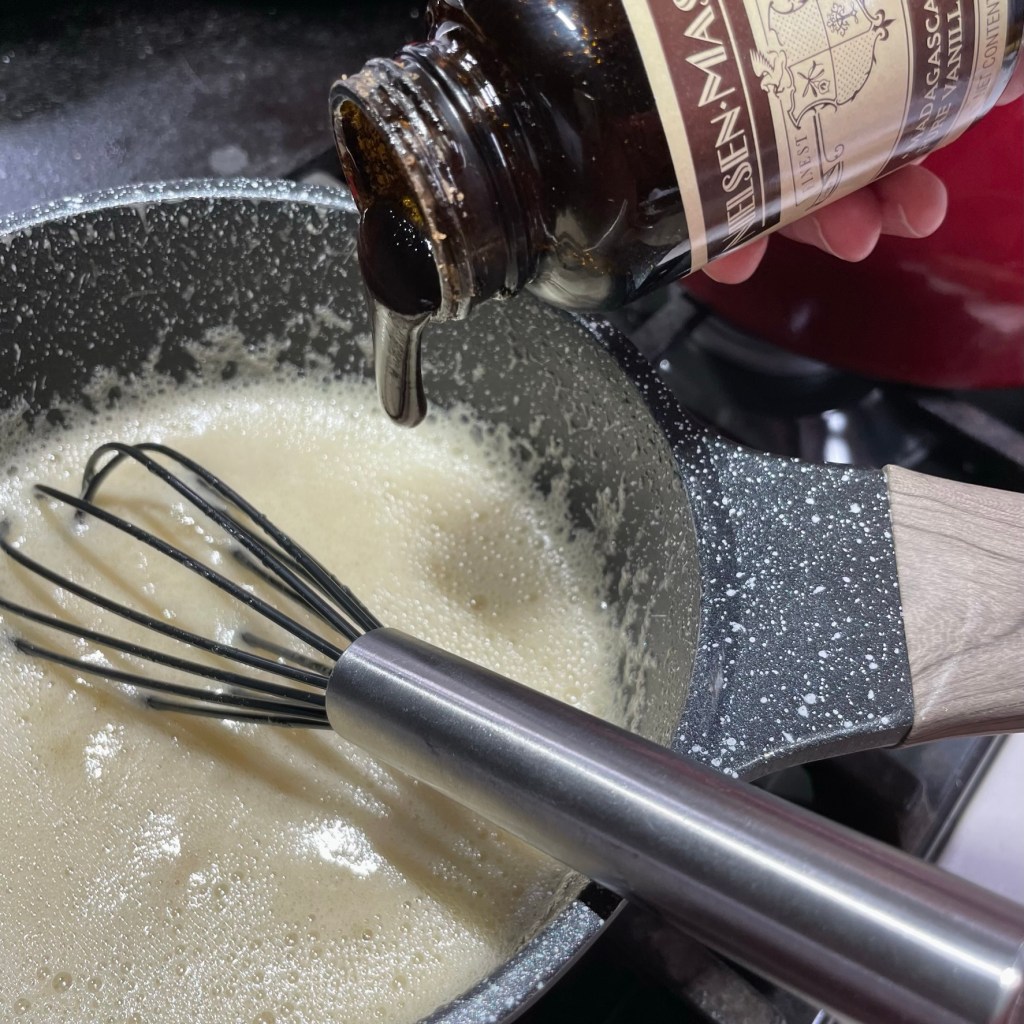
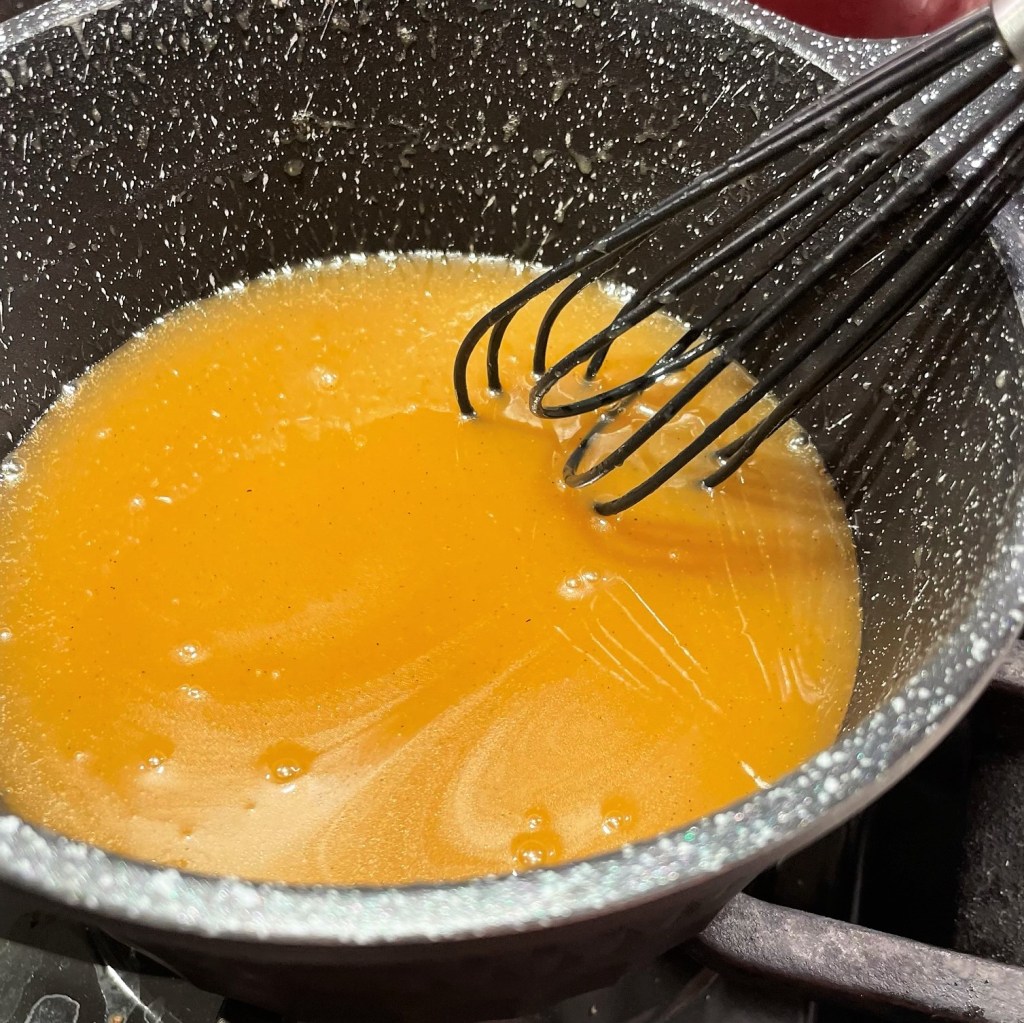
The alkaline properties of baking soda launch a chemical reaction with the acidic buttermilk, so you want to use a saucepan that is large enough to hold three times the volume of the buttermilk. Almost immediately after you whisk in the soda, the mixture will froth and foam like crazy, and as you whisk and cook for 5 or 6 minutes, the buttermilk will transform into a semi-translucent, golden sweet syrup.

Turn off the heat, stir in vanilla and any other flavor enhancer that sounds good to you. As it cools, the buttermilk glaze will thicken slightly into a sauce consistency. It’s so delicious, you may find yourself coming up with new dessert recipes just to make another batch! What will you use it on this weekend?


Oh, and in case you’re wondering about the bread pudding, just follow my Gram’s basic recipe outline which is, in my opinion, the best bread pudding ever! Use your imagination to flavor the sauce to suit your own dessert, and let me know in the comments what you think of it!

Easy Buttermilk Dessert Sauce

  • Servings: About 8
  • Difficulty: Easy
  • Print

The next time you have a baked dessert that needs a sauce, but you aren’t quite sure what sauce is right, it’s this one. This is the sauce.


Ingredients

  • 1 cup real cultured buttermilk (lowfat is fine)
  • 3/4 cup cane sugar
  • 1/4 cup butter (4 Tbsp.)
  • 1/2 tsp. baking soda
  • 1 Tbsp. corn syrup
  • 1 Tbsp. Crown vanilla whiskey (optional, but yum)
  • 1 tsp. vanilla bean paste (or vanilla extract)
Be sure to use a saucepan that is three times larger than you expect you’ll need. When the buttermilk and baking soda collide, things get big and foamy in a hurry! Feel free to swap out the vanilla for almond, a smidge of cinnamon or another flavor to suit whatever dessert you’ll be dressing up with this sauce.

Directions

  1. Combine buttermilk, sugar and butter in a large saucepan. Whisk over medium heat until sugar is dissolved and butter is fully melted.
  2. Whisk in the baking soda and get ready for some dramatic foaminess. Continue to cook and whisk the mixture for about 6 minutes after it reaches a boil. You will notice that the color of the sauce deepens to a warm, golden color.
  3. Turn off heat and whisk or stir until the foaminess subsides. Stir in vanilla and any other flavor enhancer you like. For ground spices such as cinnamon, 1/4 teaspoon is probably about right. Add whiskey or other liquor, if desired.
  4. Allow the sauce to rest for a few minutes. Serve right away or refrigerate if making it ahead. This sauce warms up nicely in a saucepan or in the microwave.


Peppermint Bark Brownies & Candy Cane Whipped Cream

When it comes to holiday goodies, decadent doesn’t have to be complicated, and simple doesn’t have to be ordinary. These brownies—amped up with an extra dose of double dark cocoa and embellished with pieces of peppermint bark—are delightful as they are. But then, because I can’t leave well enough alone, I topped them with a dollop of candy cane-infused whipped cream.

Decadent, simple and way beyond ordinary!

I chose the Dr. Seuss colors for my plates (on purpose).

The best part about it (besides the fact that it’s delicious and oh-so-Christmas-y) is that I didn’t have to make a scratch recipe. I used my favorite Ghirardelli dark chocolate brownie mix as the base, and folded broken up Ghirardelli dark chocolate peppermint bark squares into the batter before baking, along with a generous spoonful of double dark cocoa blend from King Arthur Baking Company (but any dark cocoa powder works fine).

Extra chocolate, anyone? 🙂

Make the brownies as directed, using water and canola oil plus egg to moisten the batter. Gently fold in the broken pieces of peppermint bark and spread it out into a buttered brownie pan.


I considered using the chunkier peppermint bark, with actual bits of candy cane sprinkled on top, but decided on the Ghirardelli-style bark for its smooth, meltable qualities and so that we didn’t accidentally chip a tooth biting into a hidden piece of candy cane. They melted completely into the baked brownies, and offered gooey pockets of pepperminty flavor in each bite. If you don’t mind a little crunchy surprise, there’d be no harm in trying these brownies with the chunky style of bark. The contrast of chewy and crunchy would probably be especially popular with kids. No adjustment is needed to the baking time, and be sure to let them cool completely so they set up for easier cutting and serving.

This candy cane whipped cream makes me so happy!

The candy cane whipped cream is much easier than it sounds—I simply warmed heavy whipping cream in a small saucepan and melted two broken candy canes into the cream. This took about 20 minutes, and I kept a close eye on them to avoid letting the cream reach a boiling point. The candy canes did all the work, providing the sweetness, the minty flavor and the pretty pink color. After a thorough chilling, I used the whisk attachment of my electric mixer to whip it into a creamy emulsion.


Ready to make them? Use the “click to print” card below to save this for your recipe files. Merry Christmas!

Peppermint Bark Brownies & Candy Cane Whipped Cream

  • Servings: 9 or 16, depending on desired size
  • Difficulty: Average
  • Print

These Christmas-y brownies bring together two favorite flavors for a 'simple meets special' holiday treat.


Ingredients

  • 1 box Ghirardelli dark chocolate brownie mix (or your favorite, plus oil, egg and water as directed)
  • 1 heaping tablespoon dark cocoa (I used King Arthur Baking Double Dark Blend)
  • 8 squares Ghirardelli dark chocolate peppermint bark, broken into pieces
  • 1 1/2 cups heavy whipping cream
  • 2 standard size candy canes

It’s best to make this ahead, so that the candy cane-infused cream has plenty of time to chill before whipping and serving. Brownies should also be cooled for easier cutting.

Directions

  1. Preheat oven as directed on brownie mix package, with rack in center position. Generously butter your brownie pan.
  2. Combine dry brownie mix and dark cocoa in a bowl and whisk together. Add ingredients as instructed on brownie mix (this is usually some combination of egg, oil and water).
  3. Gently fold in broken pieces of peppermint bark, and then transfer brownie batter to the prepared pan. Smooth the top with a spatula.
  4. Bake as instructed and allow plenty of time for brownies to cool.
  5. Pour cream into a small saucepan with broken candy canes, and place pan over medium-low heat. Stir gently and watch this closely to ensure cream does not boil. It should remain at a gentle simmer with steam floating above the pan. When candy canes have fully melted, transfer the cream to a bowl and refrigerate until fully chilled.
  6. Use a handheld mixer (or a whisk, if you have really strong arms) to whip the cream to desired fluffiness. Spoon a dollop of the candy cane whipped cream onto each brownie square and serve immediately.


Easy Slow Cooker Beef Stew

There is nothing earth-shattering or revelatory about beef stew in the fall, is there? The ingredients in my version are as one would expect—big chunks of vegetables, potatoes, beefy morsels and a thick, rich braising gravy—yet this is exactly the kind of comforting, satisfying, rib-sticking classic fall food I’ve been dreaming about since the temperatures first began to drop. So, even though I expect you may have your own recipe for beef stew, I’m going to share mine visually, just to make you hungry and ready to celebrate the season in comfort (you’re welcome).


Under less busy life circumstances, I might have made this one-pot stew right on the stovetop in our enamel-coated Dutch oven. But when I’m upside down with my day job, busy with home updates and wrangling our pets, I really appreciate the versatility of our slow cooker. Ours has extra options, including a setting for browning meat, so I was able to get this done without shifting ingredients from one pot to another. If your slow cooker has more simple settings, just brown the meat first in a skillet on the stove and transfer it to your slow cooker when it’s ready to braise.

I selected grass-fed, locally raised beef for my stew. It’s easier on my digestive system than conventional beef, and we feel strongly about supporting local suppliers. Choose the best beef you can find, and a cut that is mostly lean, but with some marbling for flavor. I tossed the beef chunks with a few generous pinches of kosher salt and let them rest 15 minutes while I prepped my other ingredients and got my slow cooker up to speed.


For no special reason, I decided that I would use fancy onions for my beef stew. I chose cippolini onions, which are small and squatty—kind of like miniature vidalias—and they need to be peeled before cooking. This was easy to do, with a quick bath in simmering water, then a shock in an ice bath. For the sake of uniformity, I cut my other vegetables to match the size of the cippolinis. If you wish, use a large sweet or yellow onion, cut into large chunks. 


Browning the meat encourages more flavor because of something called the Maillard reaction, and if you want to geek out on food science, you could read this article to understand what that’s all about, or you could simply trust the process and brown the meat (your taste buds will thank you). When the oil in my slow cooker was ready, I added the salted meat a few pieces at a time to avoid a sudden temperature drop and turned them frequently to ensure even browning.


As soon as the meat was browned, I added a pat of butter and a few cloves of chopped garlic. A dusting of flour coated the meat and set the stage for gentle thickening, and then I splashed in about 1/4 cup of dry red wine. This adds depth of flavor to braising liquid, but if you don’t care for wine in food, you could substitute a splash of red wine vinegar or apple cider vinegar for a similar effect.


This is the time to transfer the browned meat to the slow cooker if your appliance only has heat settings, and it helps to have the cooker set on high heat setting when you do so. Add two cups of broth to the meat and stir it around until it begins to thicken slightly. Add the cut-up vegetables and cippolini onions, then add enough additional broth to just cover the cooker ingredients. Drop the temperature to low setting, add a couple of bay leaves into the stew, cover it and let it simmer for about six hours.


By that time, the beef will be very tender and the vegetables will be soft to the bite. If you like your stew a little thicker, a corn starch slurry will do the trick without giving an off taste. Turn the cooker heat back up to high and remove the bay leaves. Whisk together corn starch with equal amount of very cold water until smooth, and drizzle a stream of the slurry into the stew. When the braising liquid reaches a gentle boil, it will thicken to perfection.


We served our beef stew with some homemade, warm-from-the-oven dinner rolls. Now, aren’t you glad it’s autumn? What comfort food have you been craving?


Easy Slow Cooker Beef Stew

  • Servings: About 8
  • Difficulty: average
  • Print

There's an easy way to enjoy an all-day stew without giving it all-day attention. Grab your slow cooker and let's get cooking!


Ingredients

  • 1 1/2 pounds grass fed stewing beef, or chuck roast cut into pieces
  • 3 Tbsp. extra virgin olive oil
  • 4 to 5 cloves garlic, smashed and chopped
  • 1 Tbsp. salted butter
  • 1/4 cup all-purpose flour
  • 1/3 cup dry red wine
  • 4 cups low-sodium beef broth, divided
  • 7 oz. cippolini onions, blanched for easy peeling
  • 2 cups fresh carrot chunks
  • 2 cups Yukon gold potato chunks (skin-on is OK)
  • 1 cup chopped celery, ribs removed
  • Kosher salt and freshly ground black pepper
  • 2 dried bay leaves
  • 2 Tbsp. corn starch blended with 2 Tbsp. ice water (optional, for additional thickening)

Directions

  1. Blot stewing meat (or chunks) dry with paper towels. Sprinkle with one heaping teaspoon kosher salt and black pepper to taste. Rest meat at room temperature for about 30 minutes.
  2. Heat olive oil in a cast iron skillet, Dutch oven or slow cooker (if yours has a browning function). Brown meat on all sides over medium heat. Add garlic and cook about 2 minutes, taking care to avoid burning it. Sprinkle flour over meat and garlic, and toss until it appears absorbed onto the browned meat.
  3. Pour wine over meat and quickly toss, scraping up any browned bits from the surface of the pot. The wine should thicken quickly, creating a sticky coating all over the meat. Transfer the meat (if using a separate pot) to the slow cooker on high setting.
  4. Add 2 cups of the beef broth and stir meat around until the broth begins to thicken slightly. Add onions, carrots, potatoes and celery and toss to combine. Add remaining broth and stir. Place bay leaves and thyme sprigs on top of the stew mixture. Reduce slow cooker to low setting and cook for about 6 hours, until beef pieces and vegetables are tender.
  5. If desired, stir in corn starch slurry during the last 30 minutes of cooking time (use high heat). Serve with crusty rolls to sop up all the delicious gravy!