Hibiscus Bee’s Knees 🌺

The saying goes that there’s nothing new under the sun, and though I generally believe it to be true with food and drink, I do think that sometimes a twist on a classic is different enough to warrant calling it “new.” Case in point, this tart and sassy summer cocktail.

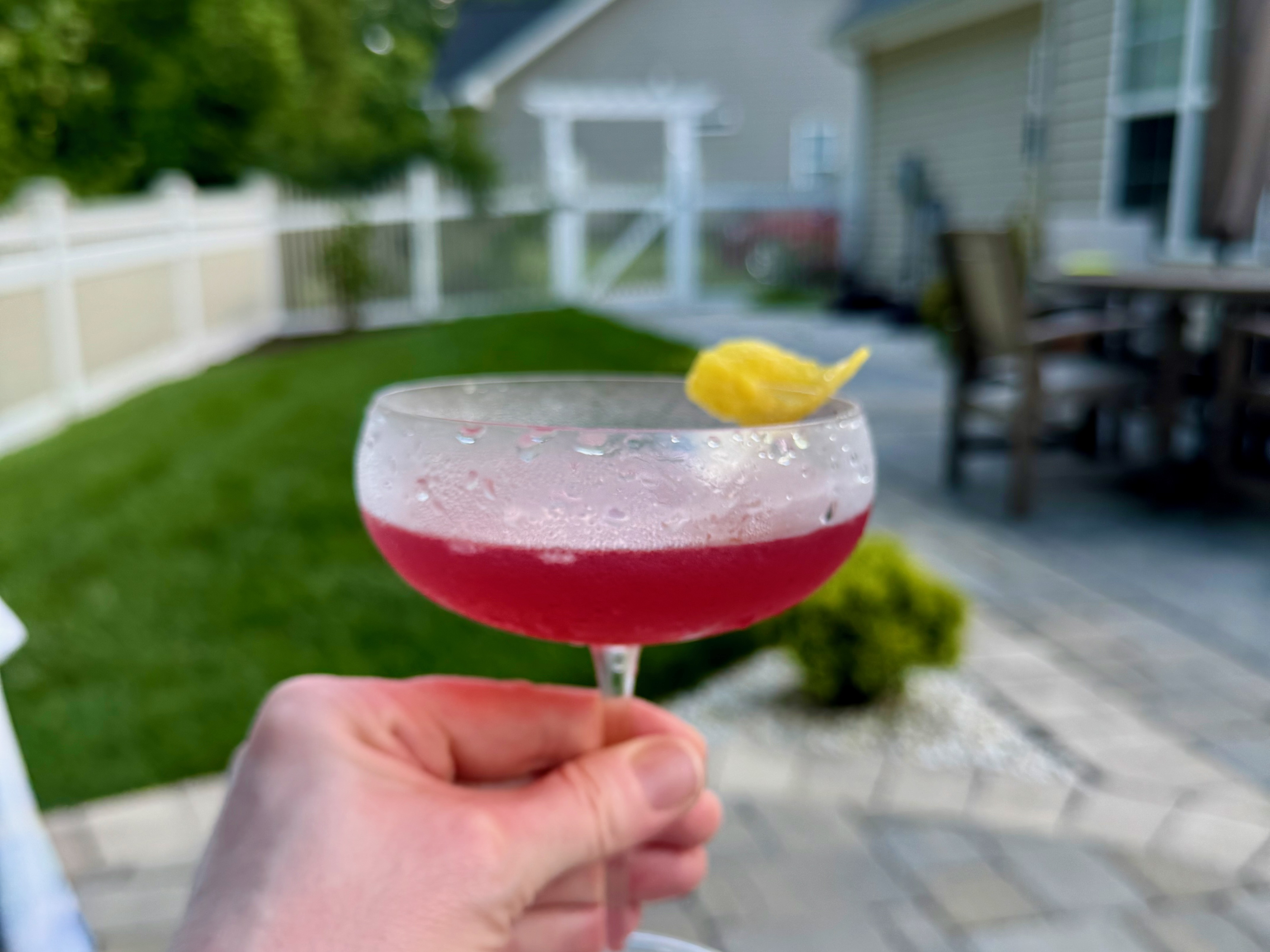
It’s refreshing, balanced and beautiful!

Mine is a two-ingredient update to a Prohibition-era cocktail, and it pushes a classic into the modern, with a vibrant reddish hue that is perfect for Juneteenth or the summer solstice. The key difference is hibiscus, in the form of pure hibiscus tea bags, which I simmered in boiling water long enough to draw out the tart, floral flavors. A few pieces of crystallized ginger added a subtle zing of spice, and I think it would be even better with fresh ginger if you like the flavor.

The resulting strong tea was sweetened with a generous squeeze of local honey, for a syrup that is thin enough to blend well with the cocktail ingredients in a shaker filled with ice. I do not recommend adding honey straight, as it would remain heavy and thick. But in an equal parts syrup, it’s perfect.
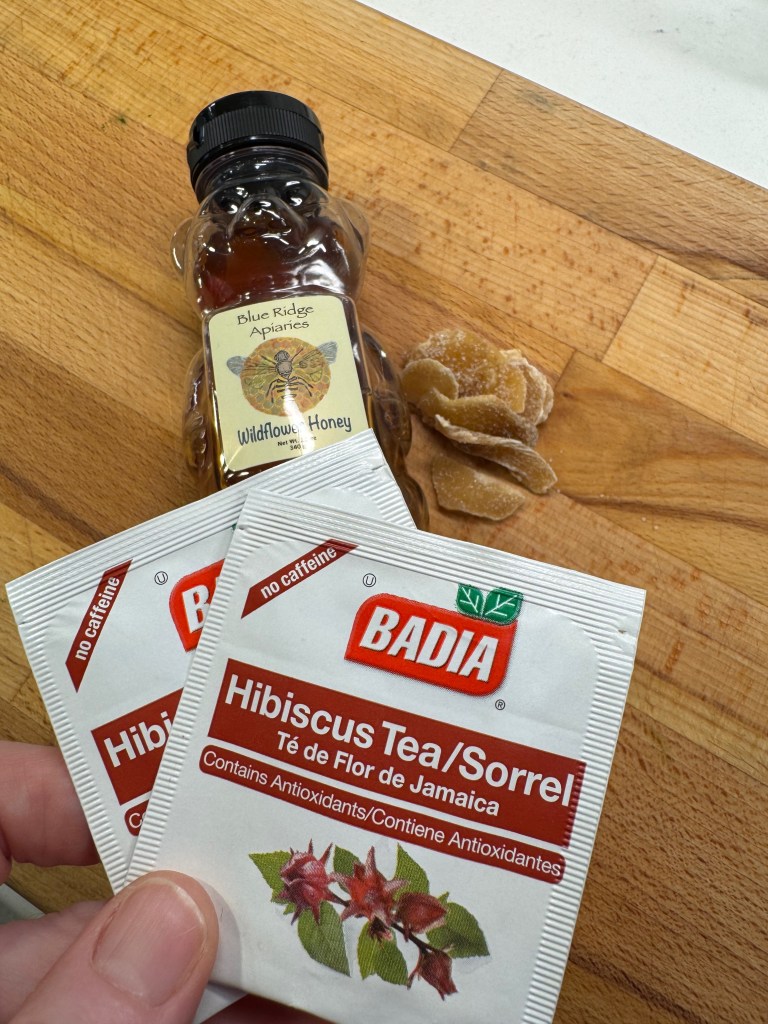
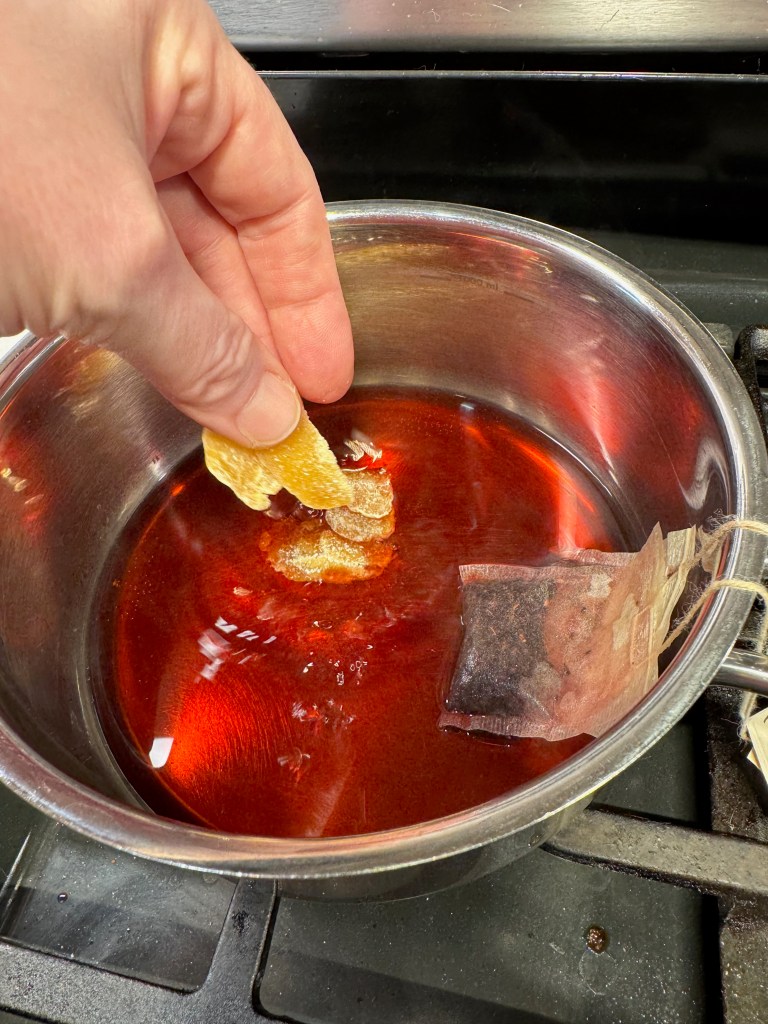
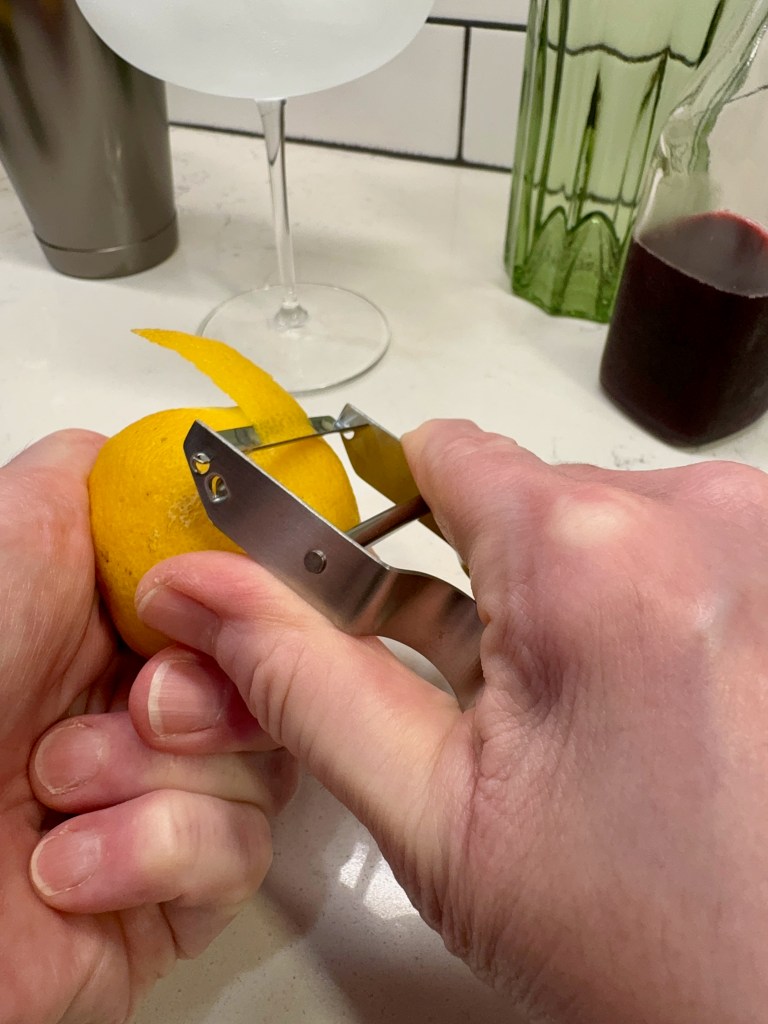
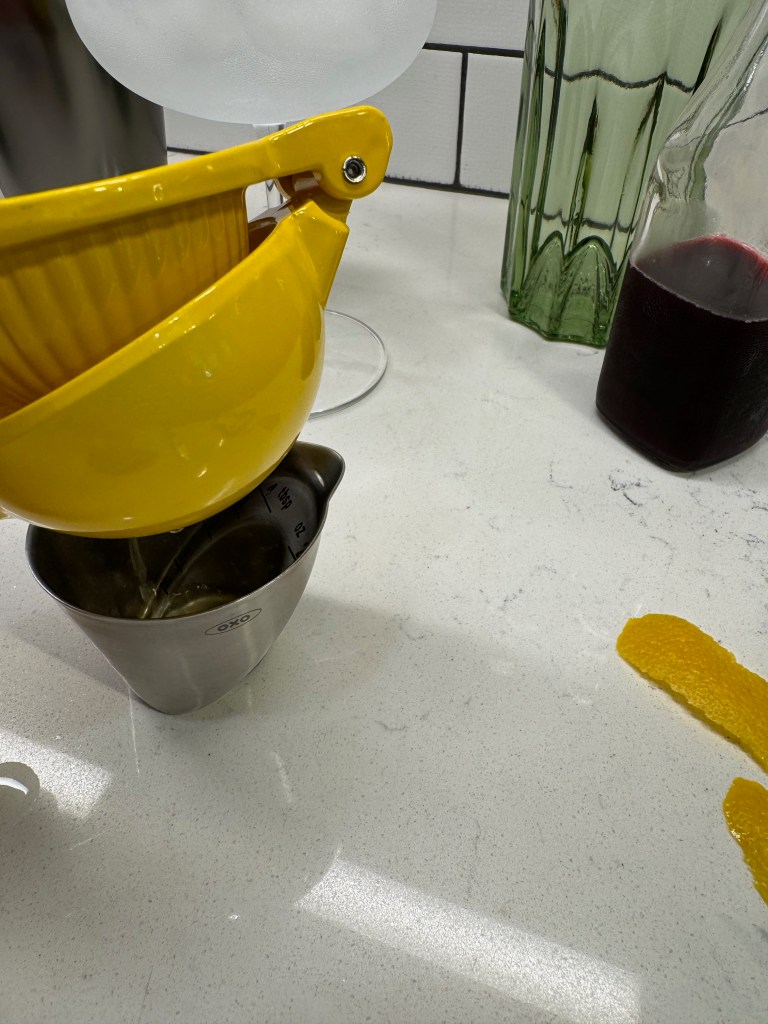
This hibiscus-ginger syrup will keep in the fridge for about two weeks, and I have no doubt that it would be great in other cocktails or even as a flavor enhancer for sparkling water or tonic on a hot summer day. But for this featured cocktail, we need gin— the traditional spirit for bee’s knees— and fresh lemon. Grab a cocktail shaker, a lemon squeezer and a peeler to strip a bit of peel for garnish, and chill down a cocktail glass with ice water.

Once the syrup is made, it’s quite a simple drink.

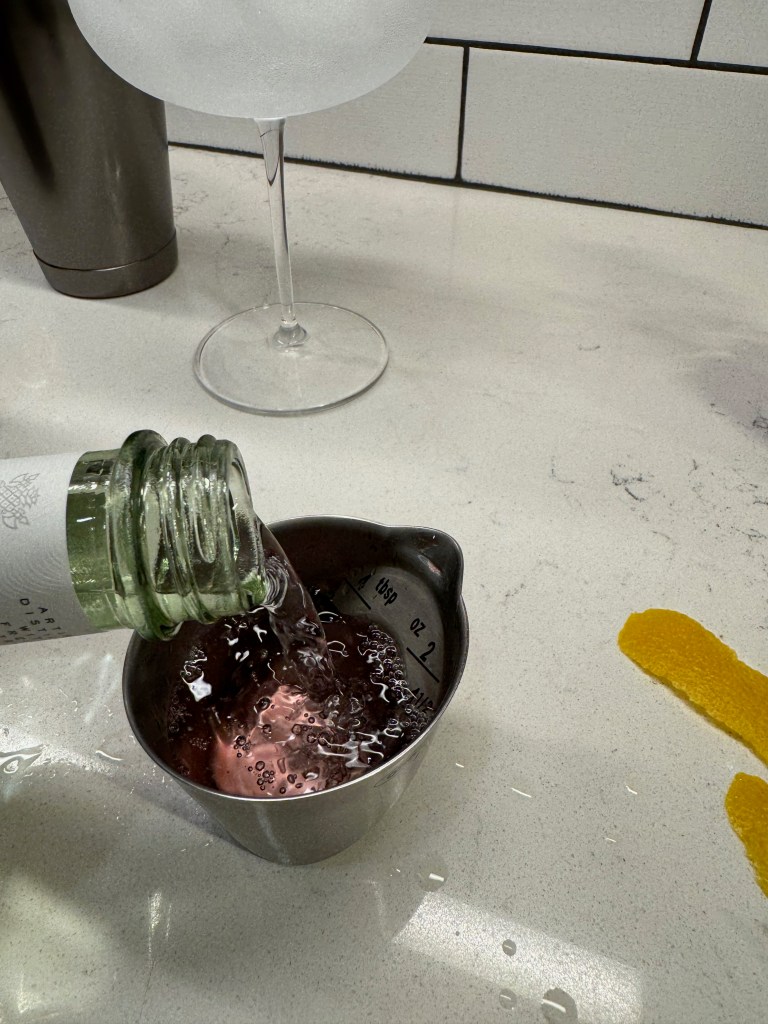
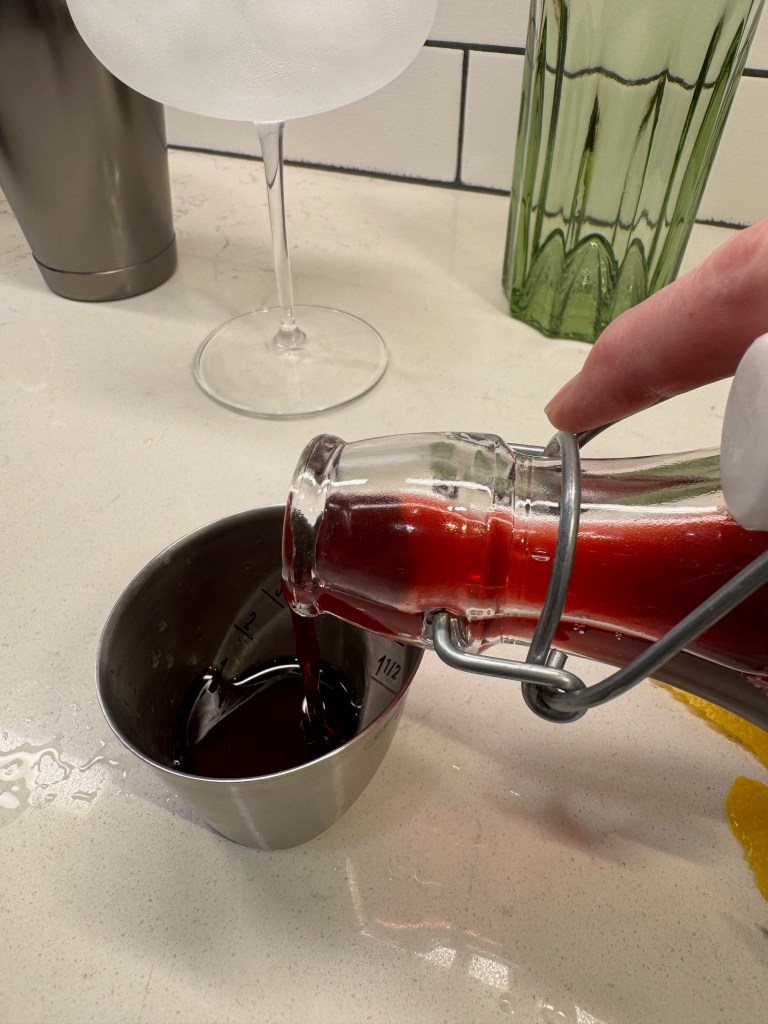
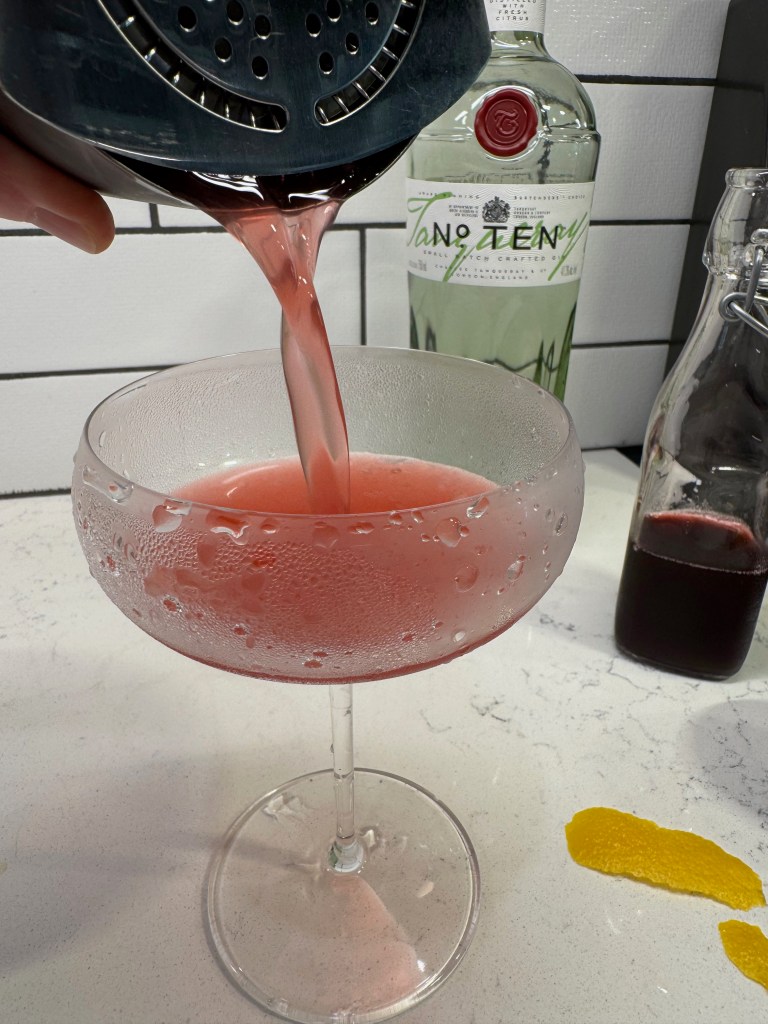
Get your lemon strip first, then cut the lemon in half for easy squeezing into the shaker. Add an equal amount of hibiscus-ginger honey syrup and then two ounces of your favorite gin. While you enjoy these refreshing images, let’s take a trip down nostalgia lane to learn more about the original “bee’s knees.”
How did the bees knees come about?

Back in the days of Prohibition, otherwise known as “the U.S. Government’s 13-year attempt at controlling its citizens,” grown adults had to get creative to find ways to cover up the questionable flavors of crappy liquor, the only kind they could get their hands on at the time. There were bootleggers, of course, who smuggled booze into the cities. And there were also people making their own at home, and the term “bathtub gin” arose from that era, a fair description of what was likely not very palatable. 

Honey and lemon juice, both strong flavors on their own, did a terrific job of hiding the paltry gin enough for them to choke it down and get their buzz on. People enjoyed the combination so much that the the drink became known by a phrase that everyone was using at the time to describe what was “the best.” The bee’s knees!

Early recipes for bee’s knees were in the “equal parts” category, meaning that they used the same amounts of gin, lemon and honey. Yikes. For modern times, the recipe is adjusted to a more standard ratio of 2 ounces gin and 3/4 ounce each of the other two ingredients. It’s nicely balanced, not too sweet and not too acidic.

I found a fun and informative article that delves deeper into the history of the bee’s knees, including its possible connection to “the Unsinkable Molly Brown,” as well as some interesting variations that I’d love to try sometime. Check it out here if you’re curious.

Back to our cocktail!

Today, of course, we have plenty of options for quality gin, and I imagine that your favorite would work just fine in this drink. I’ll also say that if you have always considered yourself to be a non-gin drinker, the bee’s knees might be the cocktail to change your mind. 

I’ve chosen Tanqueray No. 10 this time, for no other reason than the store was sold out of my usual Ford’s gin. Actor Stanley Tucci recently collaborated with Tanqueray No. 10 in an ad campaign, where he discussed the proper way to order a martini, and his description of the spirit won me over. Or maybe it was his voice. Either way, there’s a distinctive citrus note running through this gin, making it a nice anchor for the lemon and hibiscus.

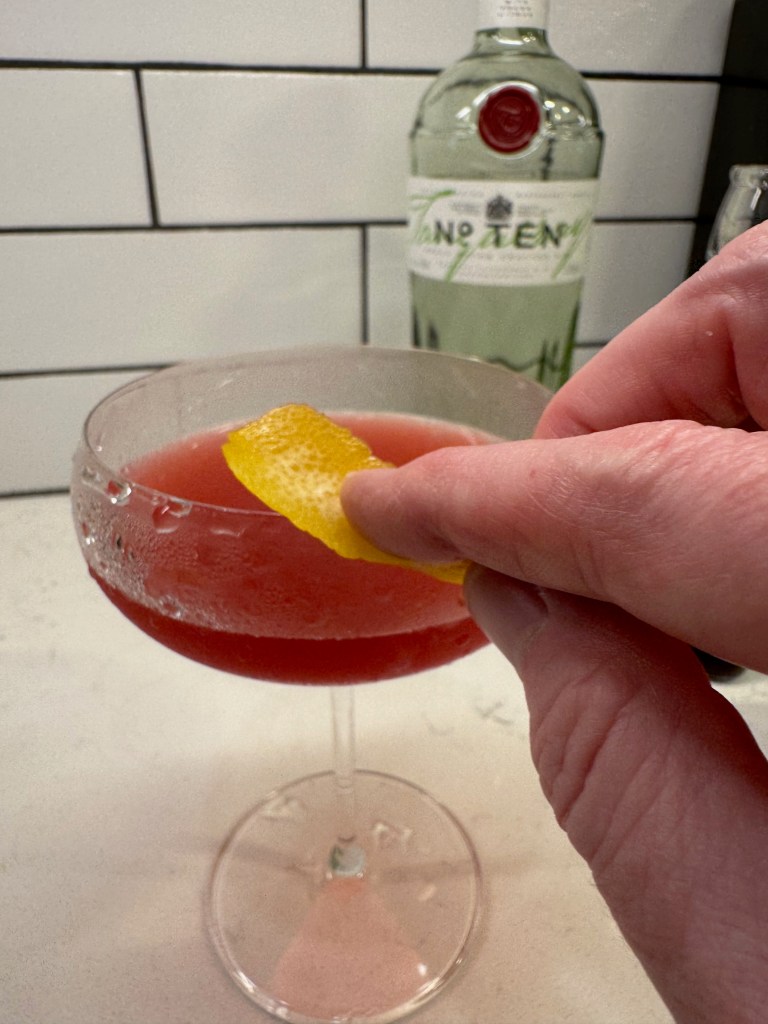
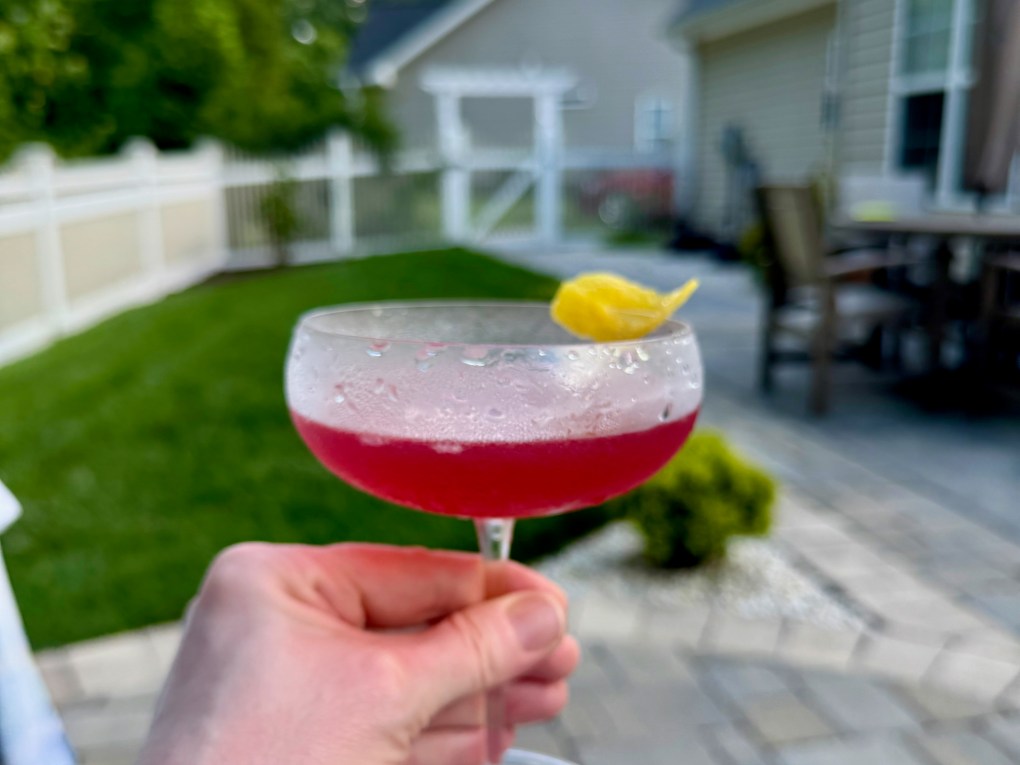
Shake your cocktail ingredients with plenty of ice until the outside of the shaker is uncomfortable to hold. Strain it into the chilled glass and express the lemon peel over the drink, finishing with a wipe of the oily side of the peel all around the edge. 
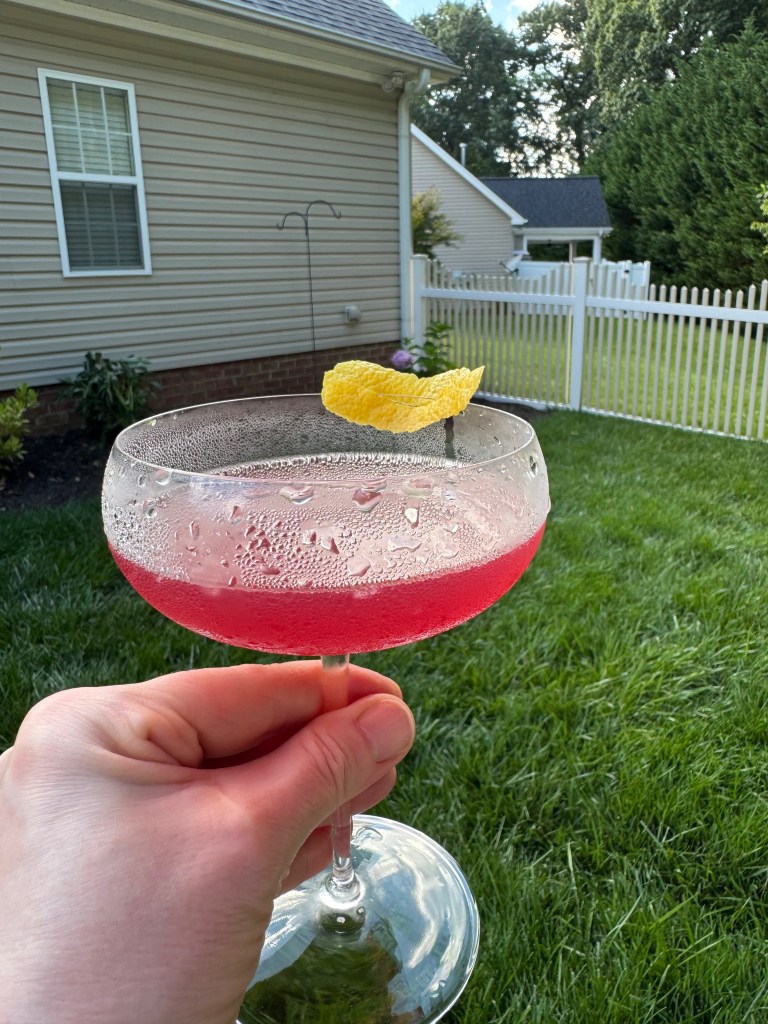
The pretty, bright reddish hue of this drink makes it suitable for a Juneteenth celebration, where the color red symbolizes strength and resilience. And I can’t think of a more appropriate drink for summer than one made with fresh citrus and bright florals. This one deserves to be on repeat for the whole season!

Hibiscus Bee's Knees
  • Servings: 1 cocktail
  • Difficulty: Easy
  • Print

This two-ingredient twist on a classic cocktail is bright, beautiful and delicious enough to deserve a spot in the rotation all summer long. Use pure hibiscus tea bags, or seek out dried hibiscus flowers to make the syrup.


Ingredients

  • 2 oz. citrus-forward gin
  • 3/4 oz. fresh lemon juice
  • 3/4 oz. hibiscus-ginger honey syrup (see below for recipe)
  • A strip of lemon peel, for garnish

Directions

  1. Add a generous amount of ice, plus water, to a cocktail glass to chill it down. Set aside while you prepare the cocktail.
  2. Combine gin, lemon juice and hibiscus-ginger honey syrup in a cocktail shaker.
  3. Add at least one cup of ice and shake vigorously for about 20 seconds. Strain into the chilled glass. Squeeze the outside curve of lemon peel over the drink, swiping the peel all around the edge of the glass. Drop peel in glass or cut a slit in it to balance it on the edge.

Note: Make the hibiscus-ginger honey syrup early enough to allow it to fully cool before using in cocktails. Strain the syrup into a sealable bottle or jar, and keep it in the fridge for up to two weeks. This recipe will make enough syrup for about six cocktails or cocktails.

Ingredients

  • 1/2 cup cold water
  • 2 pure hibiscus tea bags
  • About 6 pieces crystallized ginger (or half as much fresh sliced ginger)
  • 1/2 cup local honey

Directions

  1. Bring water to a gentle boil in a small saucepan. Turn off heat and add tea bags and ginger, swirling and steeping for about five minutes. Remove tea bags. Stir honey into the tea and continue to steep with the ginger until cooled to room temperature.
  2. Strain out solids and transfer syrup to a jar or bottle.


Watermelon-Hibiscus Sorbet

There’s a big celebration happening across America this weekend, and I don’t just mean Father’s Day. Sunday is Juneteenth, and Black American families will gather to recognize the anniversary of the day many of their ancestors actually became free. I wrote about this last year when I created a cocktail that I called “Long Time Coming,” and I believe the message bears repeating. As a person who values diversity and inclusion, I feel humbled by the fact that Juneteenth and its meaning was not on my radar until only a few short years ago. I won’t go into all the feelings I have about the blatant omission of this important occasion in my public-school education because I’ve already said it and, well, it isn’t about me. The point is, Juneteenth is significant, and well worth celebrating! Last year, it finally became recognized as a U.S. holiday.

What is Juneteenth?

The word itself is a portmanteau, that is, a mashup of two words—in this case, June and nineteenth. And the occasion of Juneteenth is a big deal, especially to families with African-American ancestors. It was on June 19, 1865 that Union solders rode into Galveston, Texas to enforce the Emancipation Proclamation, which President Abraham Lincoln had issued more than two years earlier. Though slavery had been abolished throughout the land, approximately a quarter-million people had remained enslaved in Texas. One year after the enforcement, the freed people organized a celebration called “Jubilee,” which evolved over the years into Juneteenth, as we know it today.

How do people celebrate Juneteenth?

Juneteenth is a joyous occasion, and many people celebrate with family reunions, picnics and church activities. Because this holiday happens in summer, most typical celebrations are held outdoors, and though there are many cookout-type foods you might find on the table, a few dishes are considered “traditional,” including pulled-pork barbecue, spicy sausages (known as “hot links”), collard greens, fried chicken and red velvet cake.

Why are red drinks served for Juneteenth?

The color red, in general, is significant for this holiday, which is why you’ll see watermelon on every table, and red drinks are considered traditional—most notably, strawberry soda. Around my part of the South, there’s a soft drink called Cheerwine that is bright red in color, and I expect it also is a typical offering at Juneteenth celebrations. The brilliant red color signifies two distinct themes—the blood shed by enslaved ancestors, as well as the courage and resiliency they exhibited in moving forward as freed people. Hibiscus tea, which has a tart-bitter flavor, is also a popular beverage for Juneteenth, and I have infused it into a simple syrup to give it prominence in this watermelon-hibiscus sorbet.

This sorbet is so refreshing!

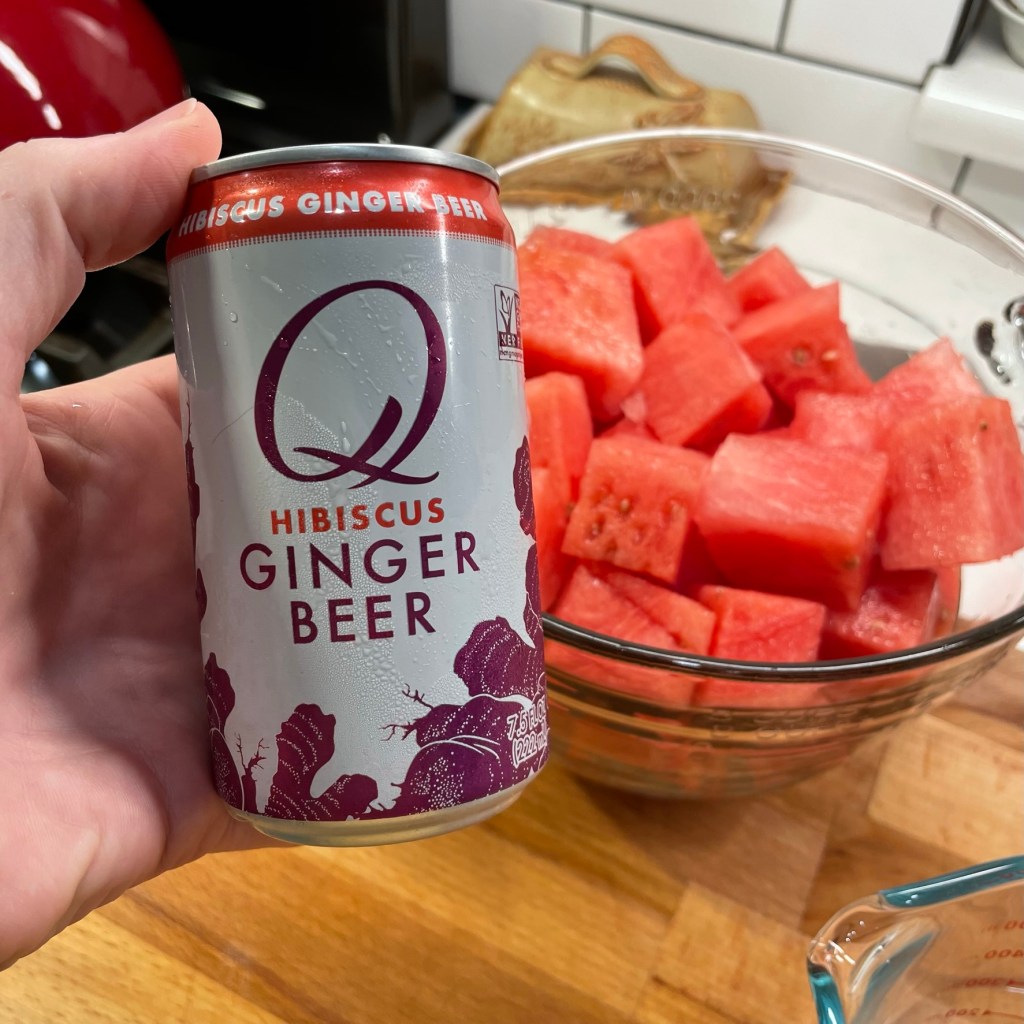
Ready to make this gorgeous, refreshing Juneteenth dessert? The ingredients list is short, thanks to the intensely complex flavor of the hibiscus ginger beer I discovered last year. This product will likely be found in the cocktail mixers section of your supermarket, rather than the soda aisle, as its founder created a full line of mixers to replace the sticky-sweet ingredients that had been standard for cocktail-making. What I like about the Q mixers is that they are not cloyingly sweet, and this hibiscus ginger beer has infusion of interesting spices, including chili pepper, coriander and cardamom. On its own, it is very intense (almost takes my breath away, frankly), but it is not designed to be consumed straight. It makes excellent cocktails, which I learned last year with my Juneteenth drink. And, it adds a lovely, zesty zing to this sorbet. If you can’t find the hibiscus ginger beer, substitute a regular ginger beer. My favorite is Reed’s brand, which is sweetened with honey and a touch of pineapple. Don’t let the “spicy” notes of ginger beer scare you away; by the time it’s blended with the watermelon, the kick is quite subtle. You could also substitute milder ginger ale, but I would recommend adjusting down the additional sugar if you do so.


Because the hibiscus ginger beer is not super-sweet, I needed to add some sugar to the mix and I did so by creating a simple syrup, which I infused with hibiscus tea for more of the sharp, tart flavor it offers. It is pretty easy to find hibiscus tea bags—most of the larger supermarkets in my area carry some brand of it—but if you can’t find it, a perfectly good substitute for this sorbet would be the Red Zinger tea by Celestial Brand. The flavor is different, but it’s red, and made from the flowers of African rooibos, which fits right in with the occasion of Juneteenth. The ideal ratio of sugar to water in the simple syrup will vary, depending on the ripeness of your watermelon and the sweetness of your ginger beer.  


Finally, the star of the show is fresh summer watermelon. My husband reached way down into the display crate at the supermarket to grab the last personal size watermelon they had. When cut up into chunks, I had almost exactly 8 cups of this hydrating fruit. I couldn’t help nibbling on a few of the chunks and, of course, sharing with my favorite good dog.

There isn’t much our girl doesn’t love!

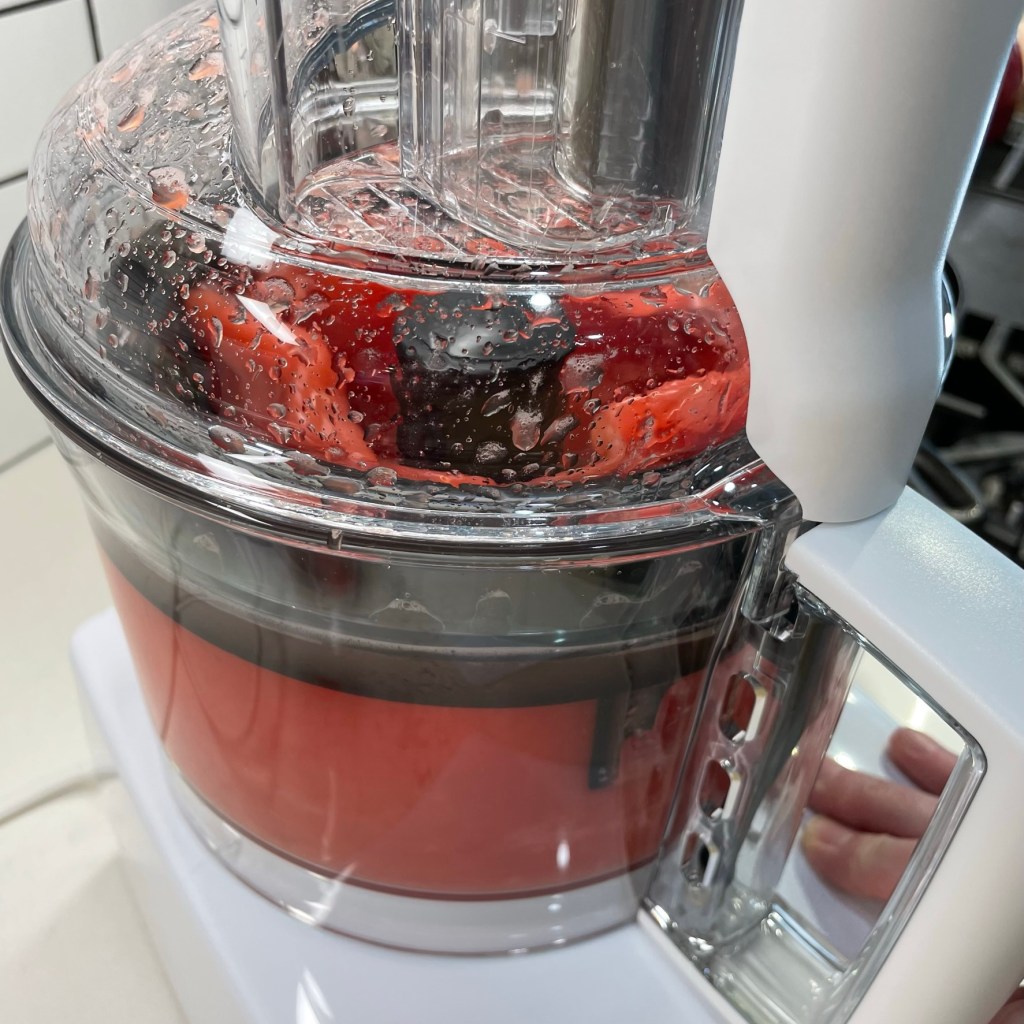
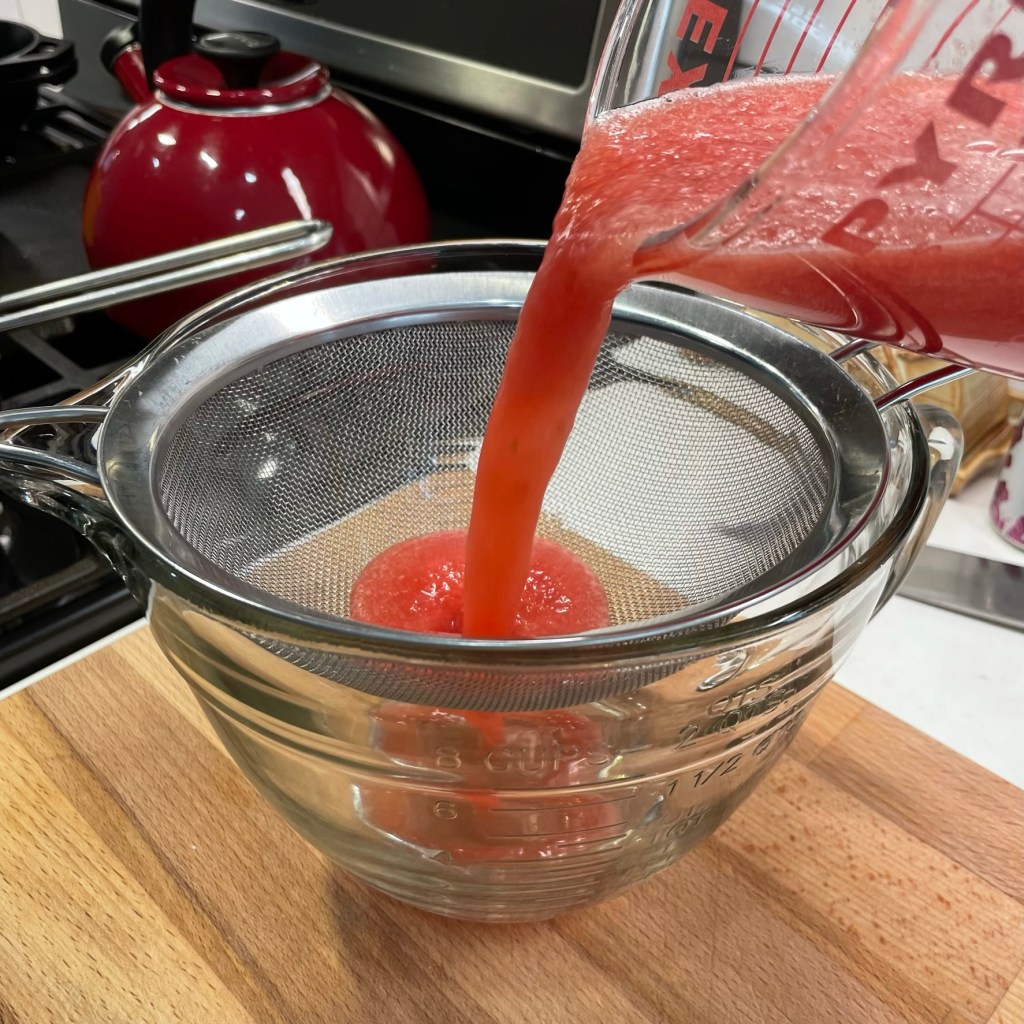
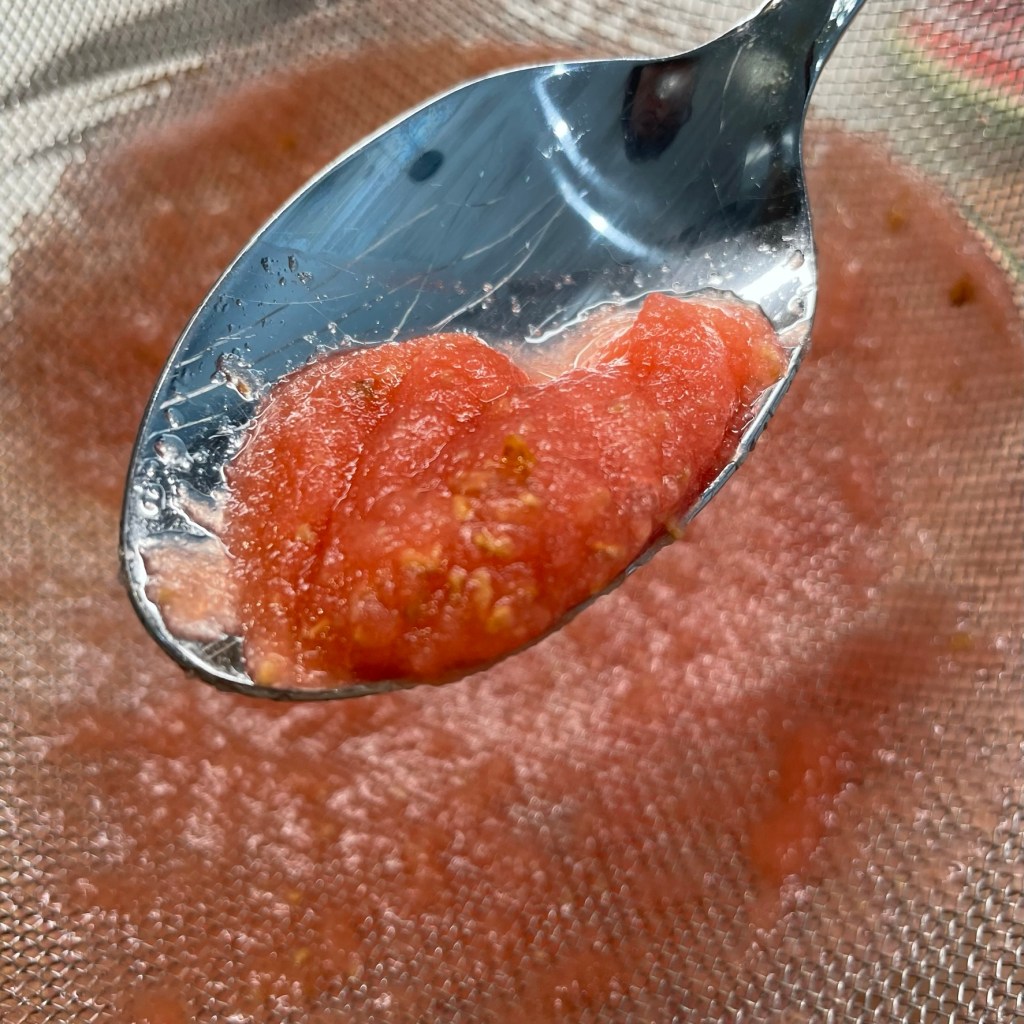
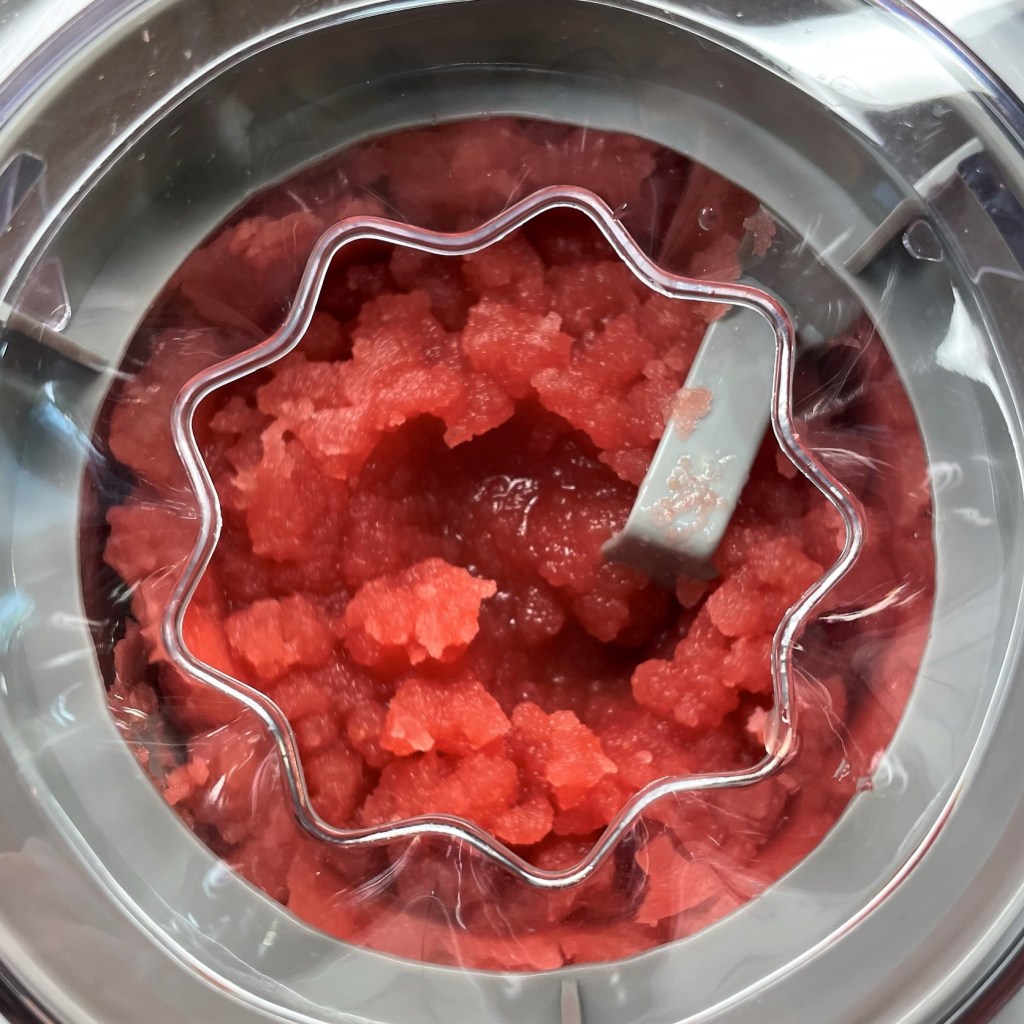
When I was ready to make the watermelon-hibiscus sorbet, I fitted my new food processor with a large blade and added all of the watermelon to the processor bowl. Pulse a few times, then run it continuously until no pieces remain and it is very liquid. Add a pinch of salt to bring out the best in all the other flavors that are about to happen. Strain it into a large pitcher bowl, through a strainer with a fairly open mesh. You want to retain most of the pulp, but limit how many bits of seed make it into your sorbet. Yes, even the so-called “seedless” watermelons do actually have seeds; they are just smaller and more tender than the black seeds of yesteryear melons.


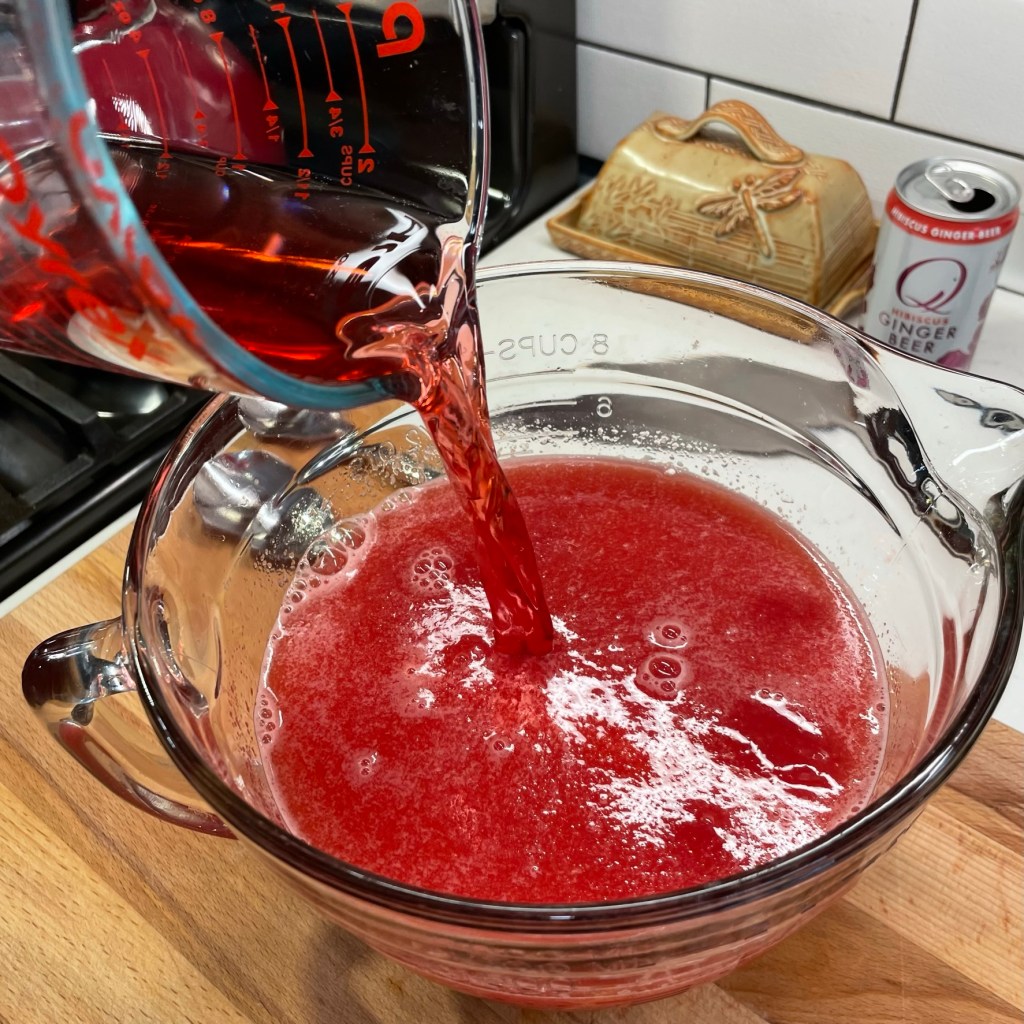
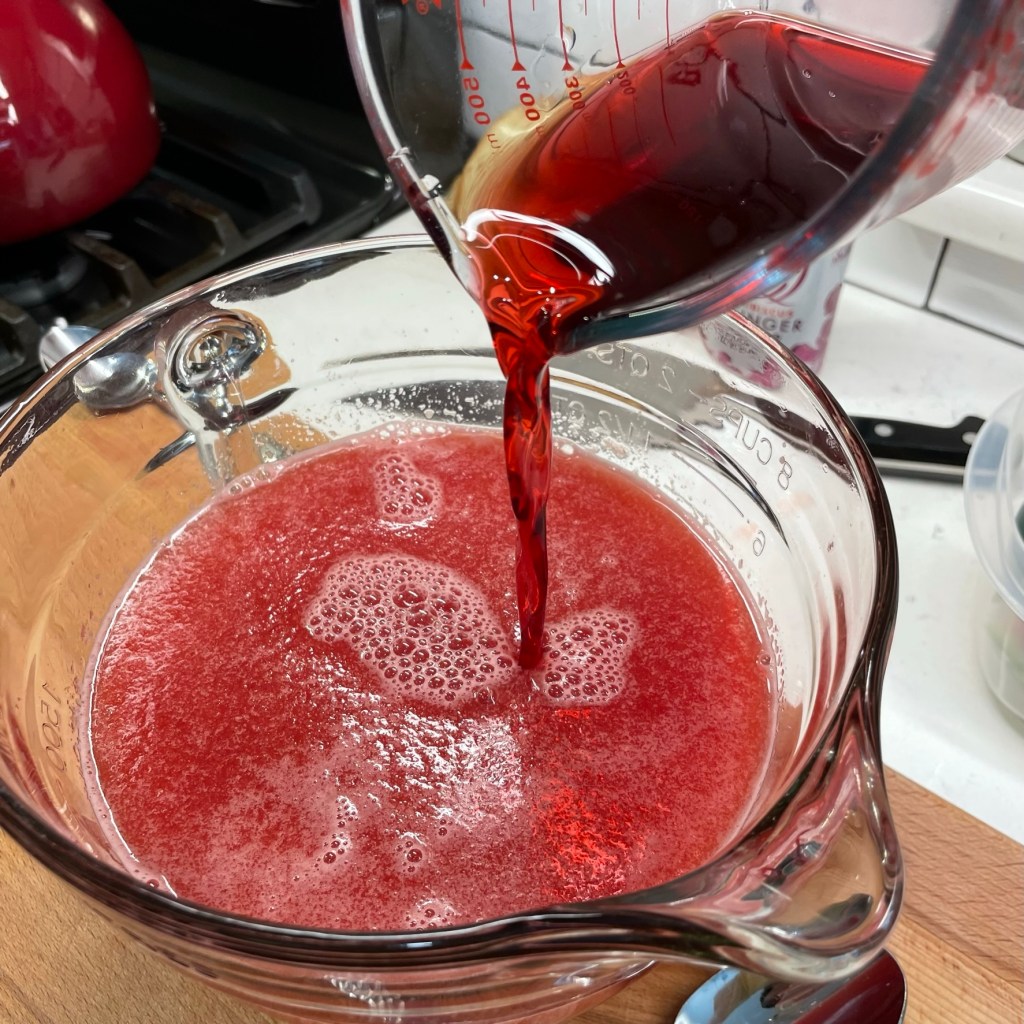
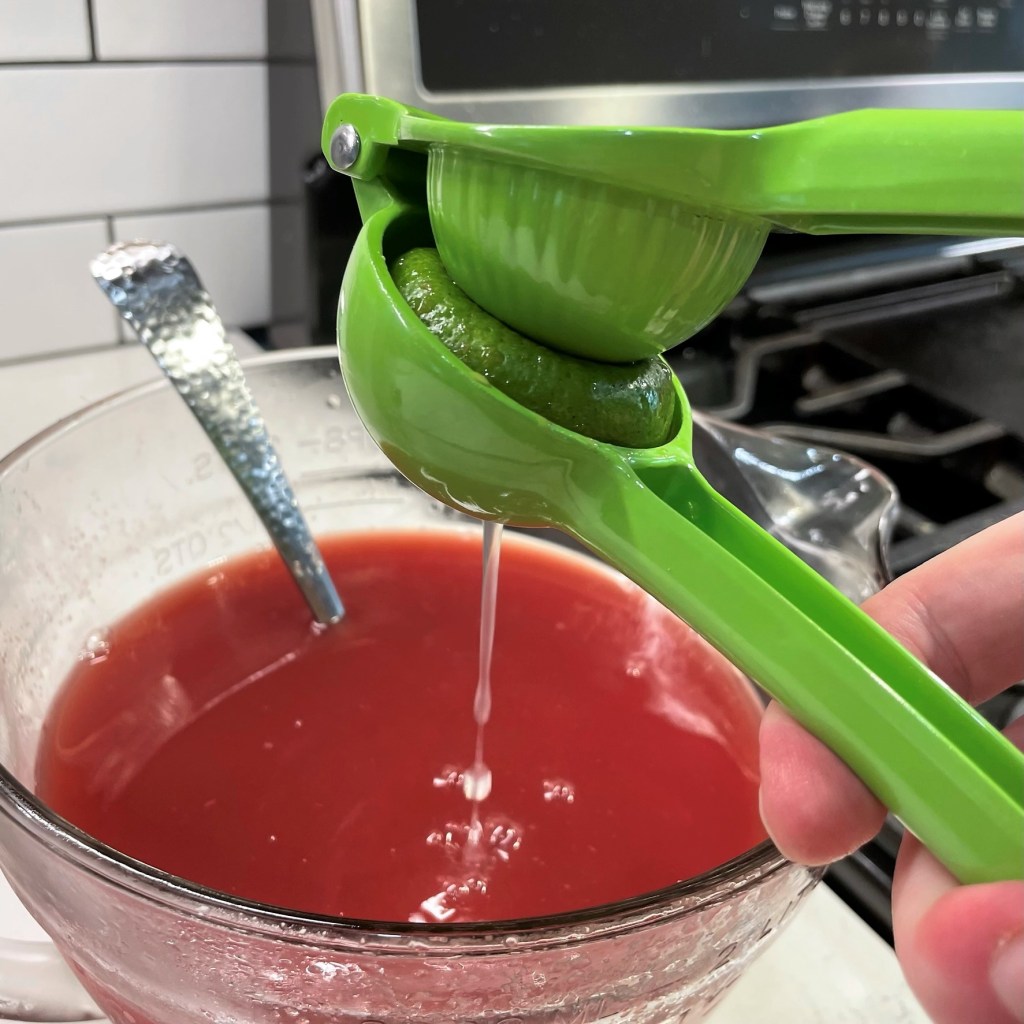
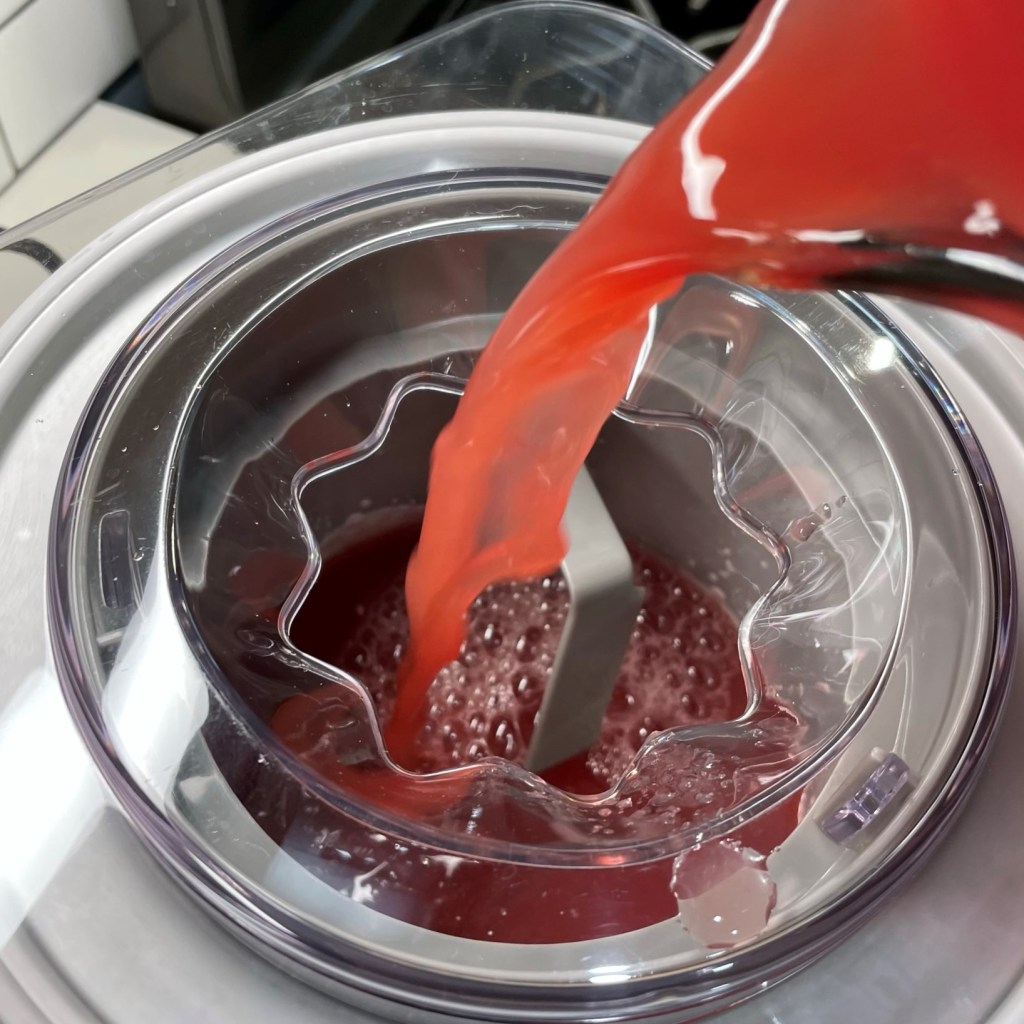
Add the hibiscus ginger beer and hibiscus-infused simple syrup. Squeeze both halves of a fresh lime and add that juice to the mixture. Freeze in an ice cream machine until it is nice and frosty.


Unlike ice cream, there is no risk of “over-churning” a sorbet. The main thing is that you want to be able to easily transfer the soft, frozen mixture to a freezer container, so it may be easier to stop churning when it is still somewhat “wet,” rather than completely frozen. Give it four hours in the freezer to firm up completely, and scoop to serve.

If you want to add a bit of booze (I think a bit of Jamaican rum or blanco tequila would be nice in this), limit it to no more than 1/4 cup, or it won’t freeze well. And if you’re serving kiddos, obviously, skip the booze.


No ice cream machine?

You can still make homemade sorbet—just give yourself a little bit of extra time. Consider adding a small amount of light corn syrup to the puree base—3 tablespoons ought to do it—to help keep the sorbet stable and avoid too many icy crystals. Pour the base directly into a freezer-safe container with a lid and freeze it for a couple of hours. Remove it, slush up the mixture with a fork and freeze two more hours, then repeat until it is fully frozen. If the consistency is too chunky, don’t worry. You can let it freeze as solid as you want and whirr up the chunks in a food processor or high-power blender just before serving.

Watermelon-Hibiscus Sorbet

  • Servings: about 8
  • Difficulty: average
  • Print

Here’s a fresh and vibrant “red drink” dessert, made with watermelon, hibiscus and ginger beer—it’s perfect for Juneteenth or any summer celebration, and very easy to whip up, with or without an ice cream machine.

Ingredients

  • 8 cups fresh watermelon chunks
  • 1/2 cup water
  • 2 hibiscus tea bags
  • 1/4 to 1/2 cup fair trade sugar (adjust amount to suit sweetness of watermelon and ginger beer)
  • 1 can Q brand hibiscus ginger beer (or 1 cup of another ginger beer)
  • Juice of 1 lime
  • a pinch of salt

Directions

  1. Fit the bowl of a food processor with a large blade. Add watermelon chunks (in batches, if necessary) and pulse a few times, then puree until liquid. Stir in a pinch of salt. Strain the puree into a pitcher bowl through a large-mesh strainer to filter out lingering seed bits. Chill until ready to proceed.
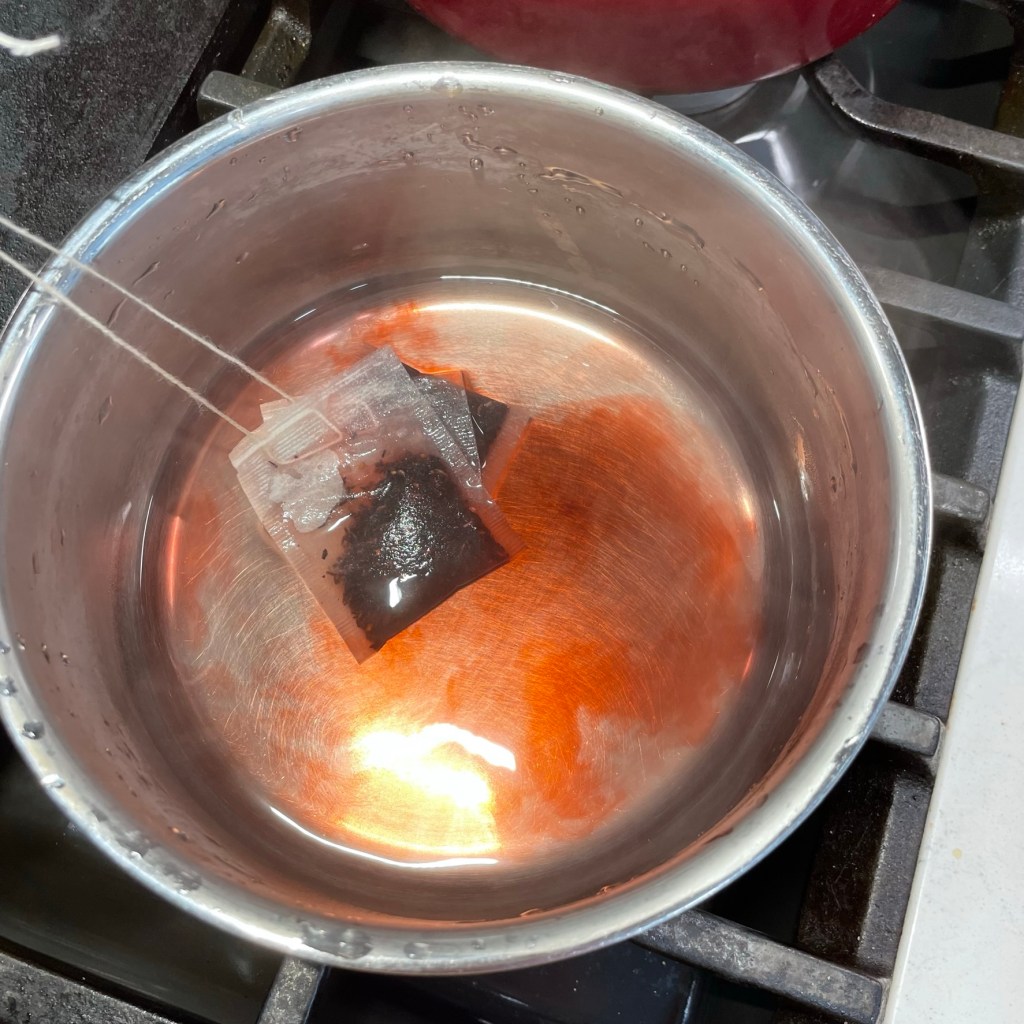
  2. Heat water over medium heat until boiling. Turn off heat and add hibiscus tea bags. Steep five minutes and discard tea bags. Stir in sugar until dissolved. Cool completely.
  3. Add ginger beer and hibiscus-infused simple syrup to the watermelon puree. Give it a taste to check sweetness. If it needs additional sugar, make a small amount of rich simple syrup (2 parts sugar to 1 part water) and add to the puree. Alternatively, stir in a few tablespoons of light corn syrup. Squeeze lime juice into the puree. If the mixture is not completely cold, chill it down in the fridge for an hour or so.
  4. Freeze in an ice cream machine until slushy. Transfer to an insulated freezer container and freeze several hours until firm.

If you don’t have an ice cream machine, pour the puree directly into a freezer safe container with a lid and freeze for a couple of hours. Remove it, slush up the mixture with a fork and freeze two more hours, then repeat as many times as needed until it’s fully frozen. If the resulting consistency is too chunky, you can whirr them up in a food processor or high-power blender just before serving.

Want to make a boozy sorbet? Add no more than 1/4 cup of light or Jamaican rum, vodka or blanco tequila before freezing.


Long Time Coming (a Juneteenth cocktail)

On Juneteenth, my mind is littered with so many emotions I find it difficult to put my thoughts down. I am thrilled for the modern Black community, for whom Juneteenth has always been woven into the fabric of life. I am embarrassed to realize that the meaning of this occasion escaped me until last year, when the U.S. entered a long-overdue season of racial reckoning after the horrifying death of George Floyd. Most of all, I am disappointed and angry that the significance of Juneteenth was not spelled out in the history books of my small, lily-white upstate N.Y. town. Or anywhere else, for that matter.

Along with so many others in my age group, I grew up learning about the greatness of the men whose tremendous business skills built this great nation, including the forefathers and later the business and industrial magnates—Andrew Carnegie and J.P. Morgan and John D. Rockefeller and Cornelius Vanderbilt—you know, all the rich, white guys. But we did not hear the whole story, and that means we never got the real story. There is so much more to be said and taught about our nation’s history, but a great deal of resistance to teaching it, and I’m flat-out puzzled and pissed off about that.

Truth.

Juneteenth, in case you have completely avoided all news outlets recently, marks a celebration for the last of the slaves being freed following President Abraham Lincoln’s famous Emancipation Proclamation. The news that slavery had become illegal spread throughout the land, but not exactly like wildfire. It was not until 2½ years later, when federal soldiers rode into Galveston, Texas, to read the edict out loud, that the enslaved African-Americans there even realized they were free. I suspect the delay of this information had a lot to do with the fact that the slaveholders had more to gain by keeping the joyous news on the down low.

Fast forward 156 years, and Juneteenth has at last become a federal holiday, under the pen of President Joe Biden, and it’s been a long time coming. We still have a lot of work to do to recognize full equality and taking the first step feels a little intimidating. Rather than assume what kind of celebration is respectful, I have done some research into the significant themes around Juneteenth, and I am responding with this bright red cocktail, created in honor of those for whom respect has been a long time coming.

It’s lively, refreshing and suited to this occasion.

Red drinks have always played a major role in celebration of Juneteenth, as the color symbolizes both the bloodshed of Black peoples’ ancestors and the courage and resilience that brings them to this point in history. Hibiscus, a deeply-hued flower, is a significant ingredient in red drinks for Juneteenth, as it was one of many favored foods that enslaved Africans brought with them to this land. Hibiscus has a delightfully tart flavor and somewhat astringent effect—not particularly sweet on its own, almost like cranberry, but with hints of floral. I first tasted hibiscus as a tea, and that is a very traditional way to enjoy it on Juneteenth, but I wanted to mix it into a cocktail for one specific reason: this whiskey.

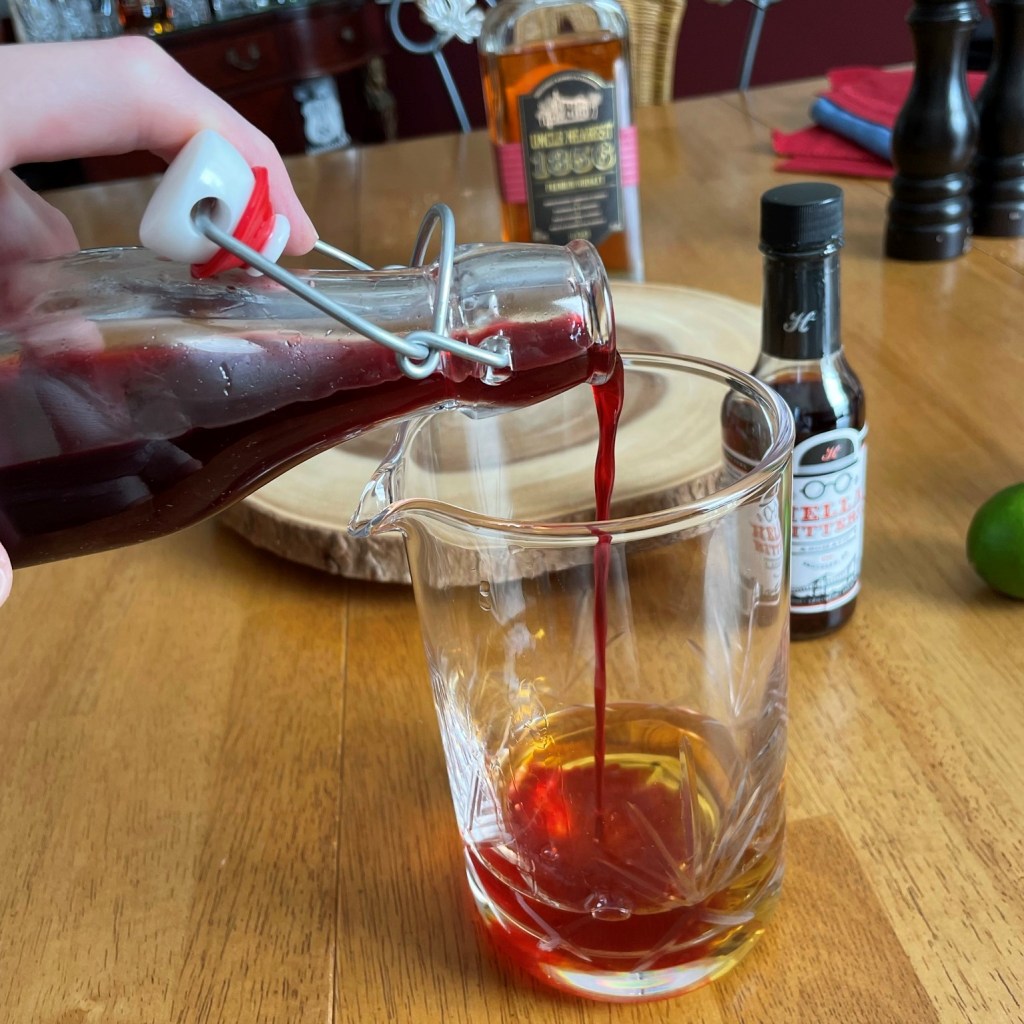
You can visit the Uncle Nearest distillery along the Tennessee Whiskey Trail.

As part of my own “first steps” toward racial equity, I have made a personal commitment to seek out and support Black-owned businesses, and Uncle Nearest is one, founded a few years ago by a Black woman named Fawn Weaver. The story behind this new whiskey brand is rich and complex, just like the spirit in the bottle. There is so much to know about it—more than I can say here in this post—but the kicker of this true story is that Nathan “Nearest” Green, an enslaved man in Lynchburg, Tenn., taught Jack Daniel how to make whiskey. Yes, that Jack Daniel. This startling real story began to circulate a few years ago, and I think you’ll find the story linked here a fascinating read. I was elated this week to find that Uncle Nearest whiskey is already available in our local liquor store.

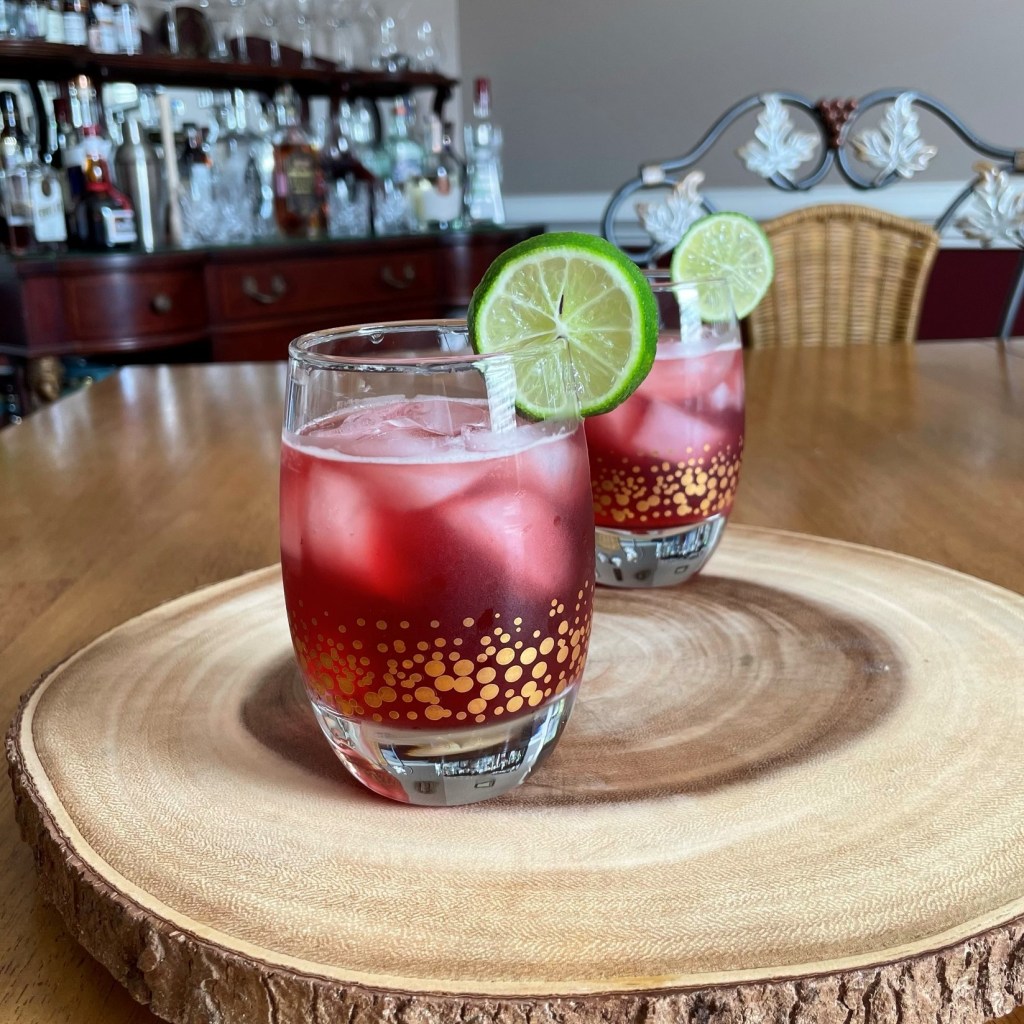
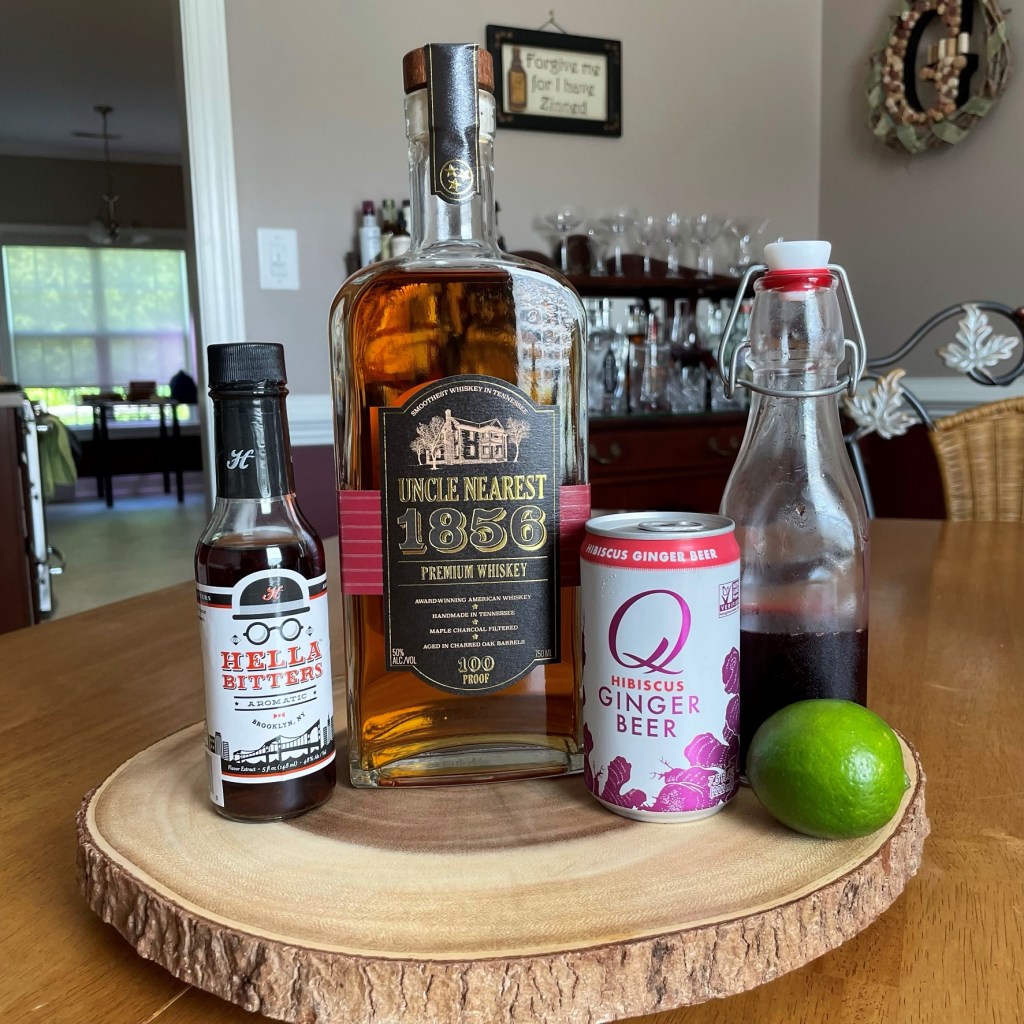
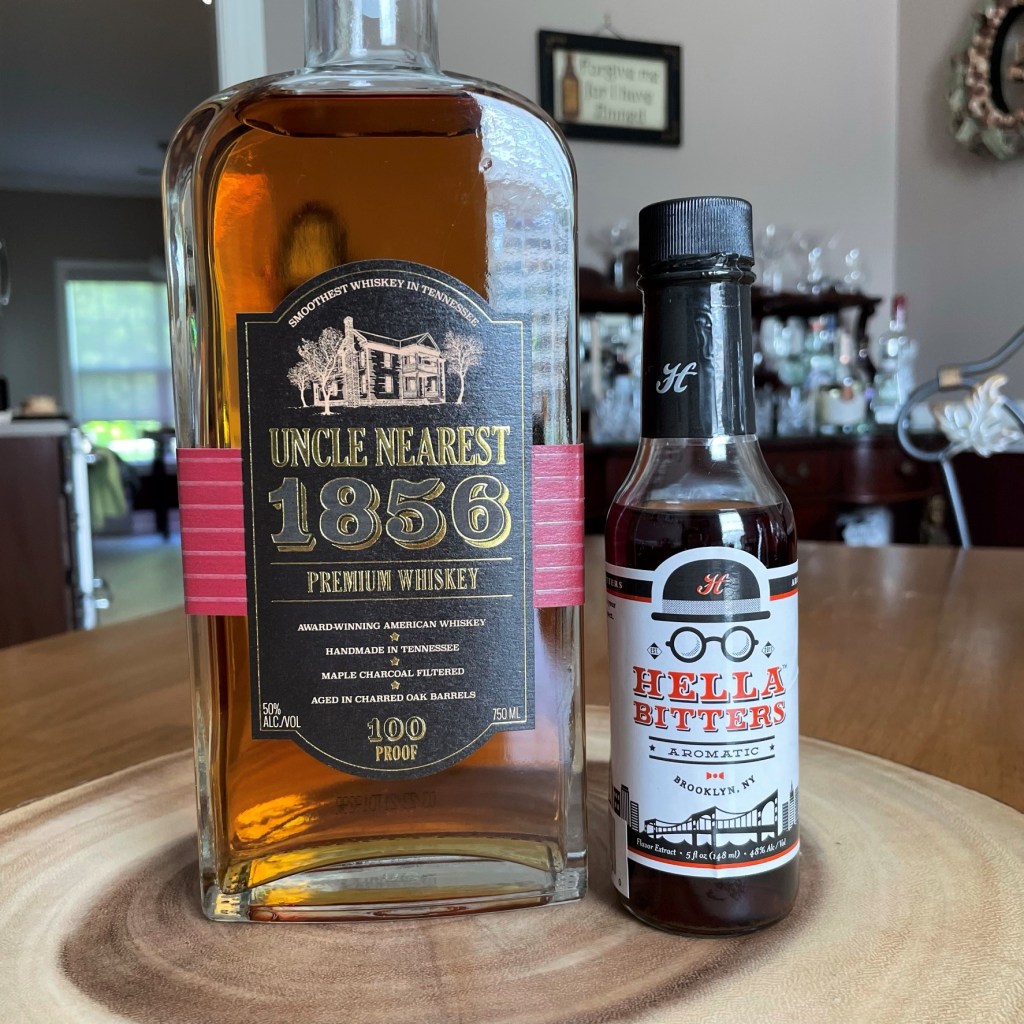
I’ve paired the Uncle Nearest 1856 premium whiskey with a couple of other ingredients that seemed right to me—hibiscus simple syrup, spicy ginger beer and a few drops of aromatic bitters, courtesy of Hella Cocktail Co., another Black-owned business. Finally, a subtle accent of vanilla, a flavor that seems so utterly common today, yet most of us would never have known it without the discovery and effort of an enslaved 12-year-old boy named Edmond Albius. I only learned about him last year when I went searching for the most popular flavors in America.

A cocktail will not fix the problems of racial inequity, but every little bit of awareness leads me into the light, and this is my small way of paying that forward. The drink is somewhat bittersweet—much like the story that inspires it—but refreshing and invigorating, nuanced with spice and freshness. It tastes exactly how I feel, now that I am finally beginning to understand the real story.

I’ve paired the Uncle Nearest whiskey with hibiscus syrup and ginger beer, plus aromatic bitters and a touch of fresh lime.

Ingredients

1.5 oz. Uncle Nearest 1856

0.5 oz. hibiscus-vanilla simple syrup* (see notes)

2 or 3 drops Hella aromatic bitters

Quick squeeze of fresh lime

About 2 oz. spicy ginger beer*

Lime wheel to garnish


*Notes

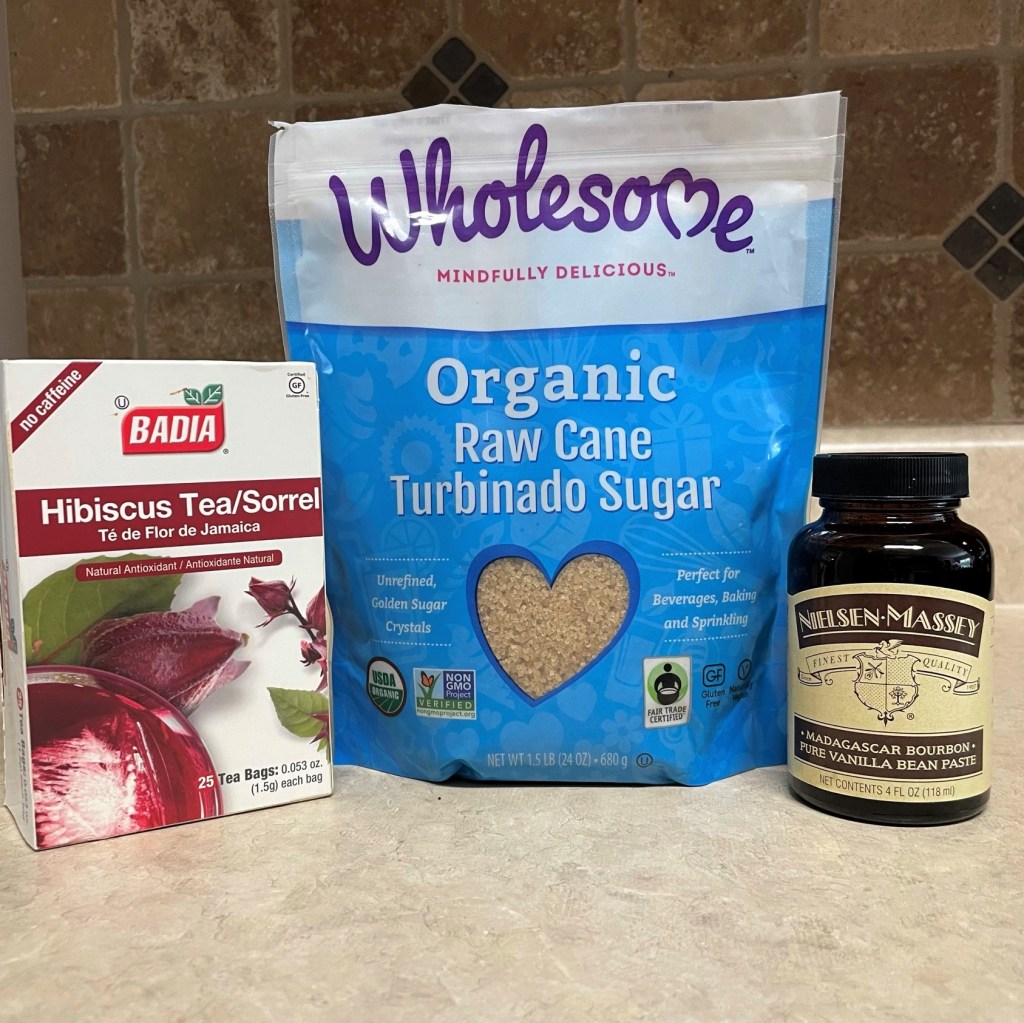
A simple syrup is made with water and sugar, and in our house, that means fair trade-certified sugar because I learned the real, true story about slave labor in the sugar industry several years ago. Profit-driven exploitation of human beings must stop, and as consumers, we have the power influence companies to do the right thing. Is it more expensive? The answer depends on who you ask.

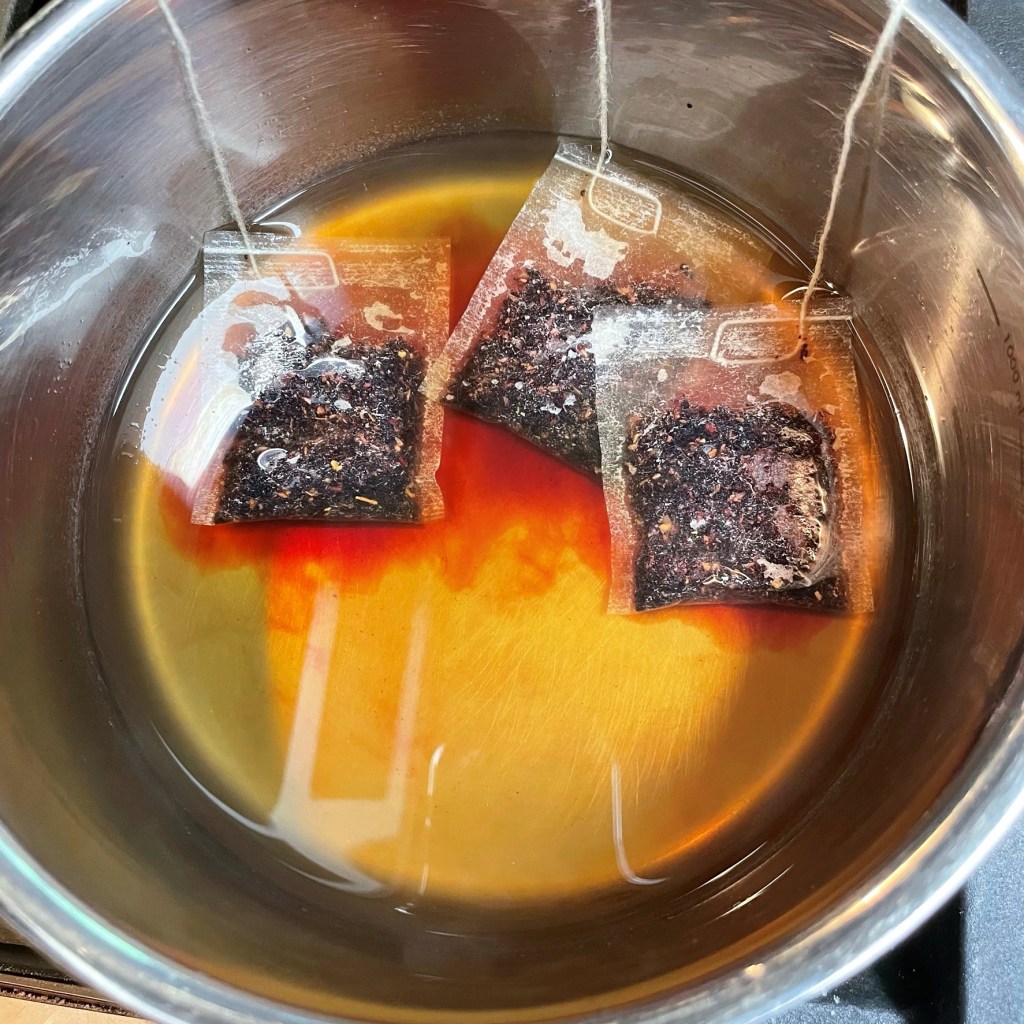
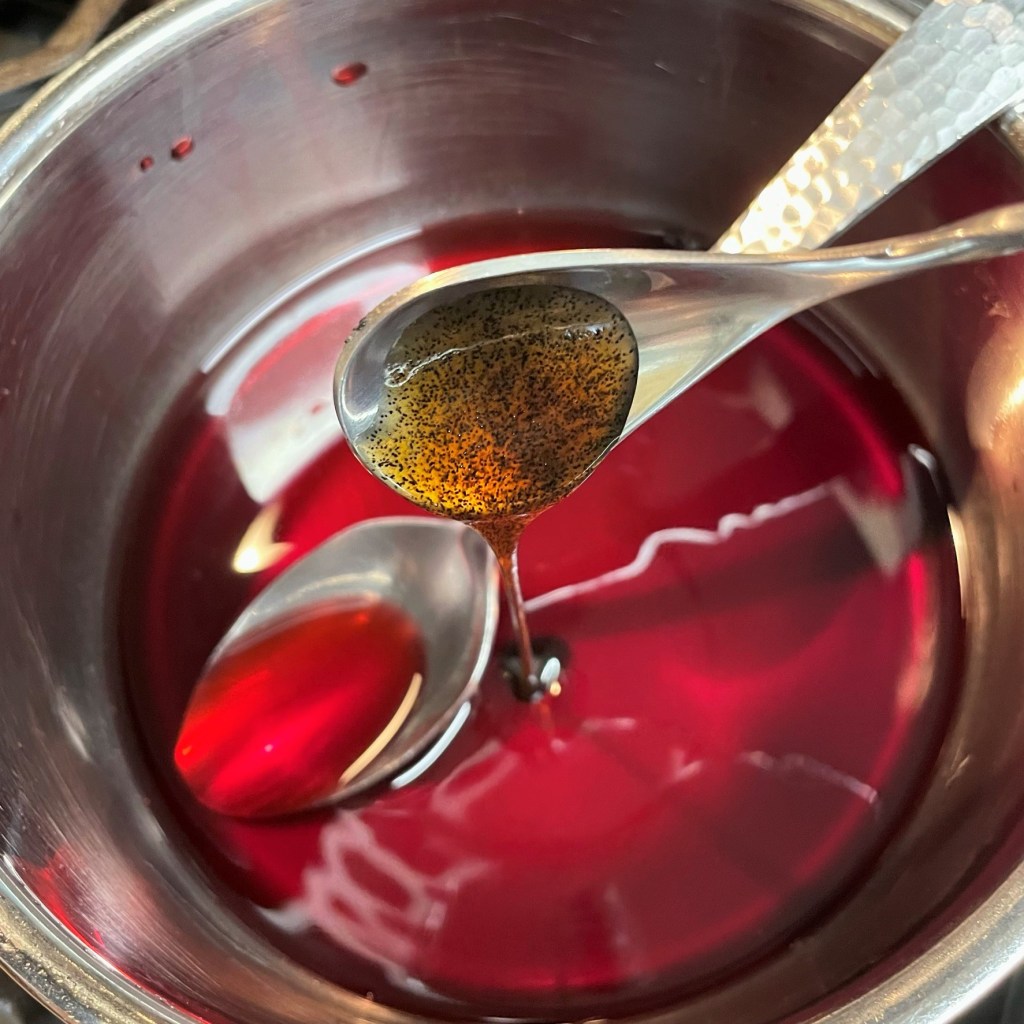
Here’s how I made the hibiscus-vanilla simple syrup:


If spicy is not your thing, any ginger beer or ginger ale will lend a nice little zip to this cocktail. I chose the Q brand “hibiscus ginger beer,” obviously for the hibiscus twist but also because it also includes spices that are celebrated in African-American cuisine. I stumbled onto this ginger beer by accident, and it turned out to be perfect in this drink.


Instructions

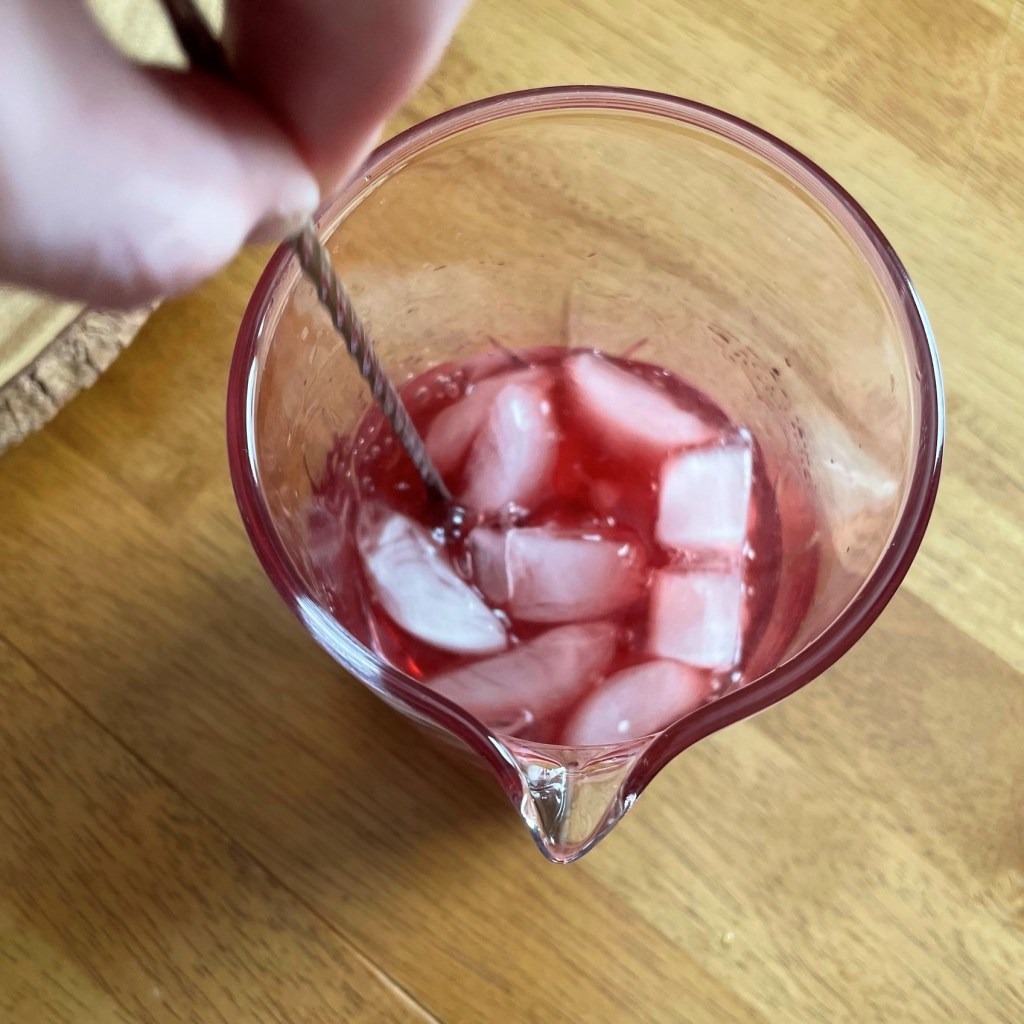
Combine Uncle Nearest 1856, simple syrup and bitters in a cocktail mixing glass. Add 1 cup of ice and stir until the outside of the glass becomes frosty. Strain over new ice in a double rocks glass. Squeeze in lime juice and top with ginger beer. Garnish with a lime wheel.


You may be wondering if I’m a paid endorser for the brands and products I spotlight on Comfort du Jour, and the answer is “no.” I do not receive money or merchandise for my recommendations, and what that means for you is that you can count on me to give an honest opinion. If something changes, I will update my disclosures. Either way, you can still count on me to be honest in my recommendations, as I will only stand behind services and products I believe in. Fair enough? 😀

Terrie