It’s pronounced “YEAR-Oh.”

That was the matter-of-fact statement printed on some of the commemorative T-shirts for our local Greek festival a few years back. It was supposed to end the controversy of the traditional handheld pita sandwich, which some people (including my NYC-born husband) call “JYE-row.”

Let the dispute rage—however you say it, these things are absolutely delicious and I’ve only recently learned to make them at home. This time of year, my community would normally be gearing up for the annual Greek festival, a three-day event filled with traditional food and music and dance and laughter and oh-so-heavenly Greek pastries—but alas, we are not doing anything “normal” this year, are we? The festival, I’m told by an insider, will be pushed back to at least September, if they are able to do it at all with whatever social distancing guidelines might be in place months from now.

To help temper our collective craving for Greek deliciousness, I’ve decided to share a few of my own recipes, including my take on a “YEAR-Oh” recipe I received quite by accident. My aunt had texted me in search of a good but easy flatbread recipe, and after I figured out she wasn’t referring to the pizza crust-type of flatbread, but the handheld pita-type, I asked what she planned to do with them. “Gyros,” she texted.

Hold the phone—what? She makes her own gyros? This is one of my favorite Mediterranean food items, a primary reason for my love of the Greek festival, and yet it had not occurred to me to try to make them at home. Thankfully, our chance conversation about flatbread has changed all that.

This recipe for gyro meat is remarkably simple to make, and would be delicious with just onions, garlic, rosemary and oregano, as it was given to me, but my husband and I really like a good bit of spice, so I substituted a blend of other Mediterranean spices that had worked very well on some lamb chops a few months ago, and guess what? Winner, winner—gyro dinner. For good measure, I’m also sharing my easy, four-ingredient recipe for tzatziki sauce and the homemade soft pita breads that are in my regular rotation.

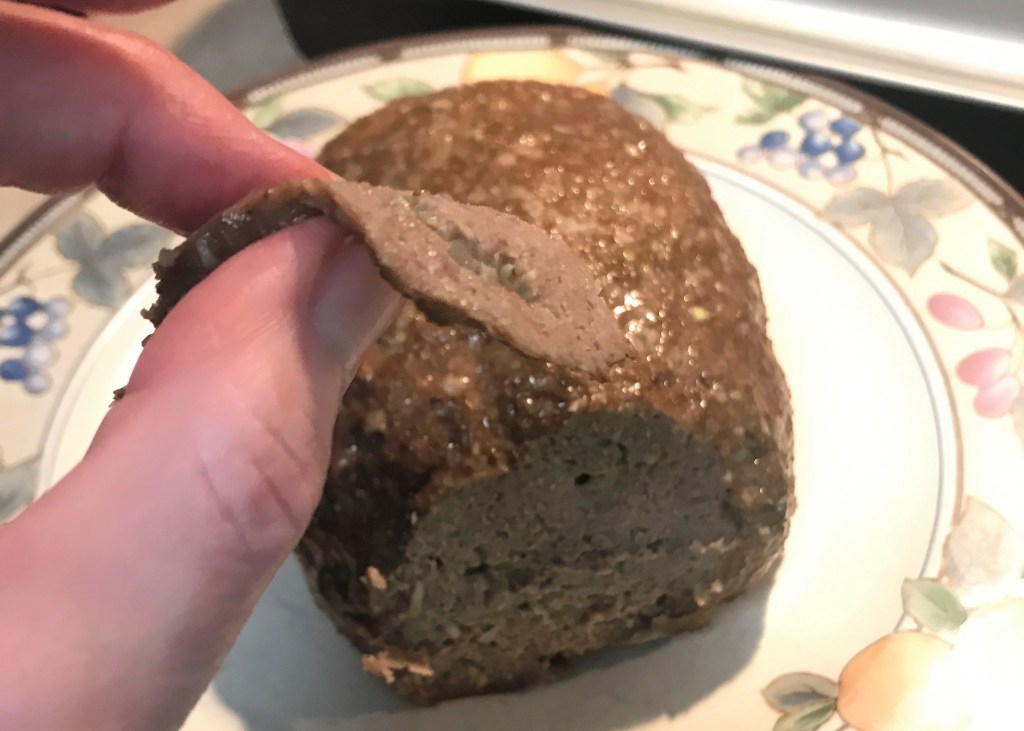
You can use ground beef or ground lamb in this recipe, or some combination of both, as I did. One of the keys of the recipe is processing the ground meat into an ultra-smooth texture before cooking it. Skipping this step will leave you with something more like meatloaf or burgers, so don’t be tempted to pass on it. If you have time to chill the cooked gyro meat overnight, you’ll be able to slice it ultra-thin for a really authentic result. Authentic enough, anyway, to hold us over until September.

Opa!


Ingredients

1.5 pounds ground beef or lamb or both (at least 85% lean)

1 cup very finely chopped onion

4 cloves garlic, very finely minced

Spice blend
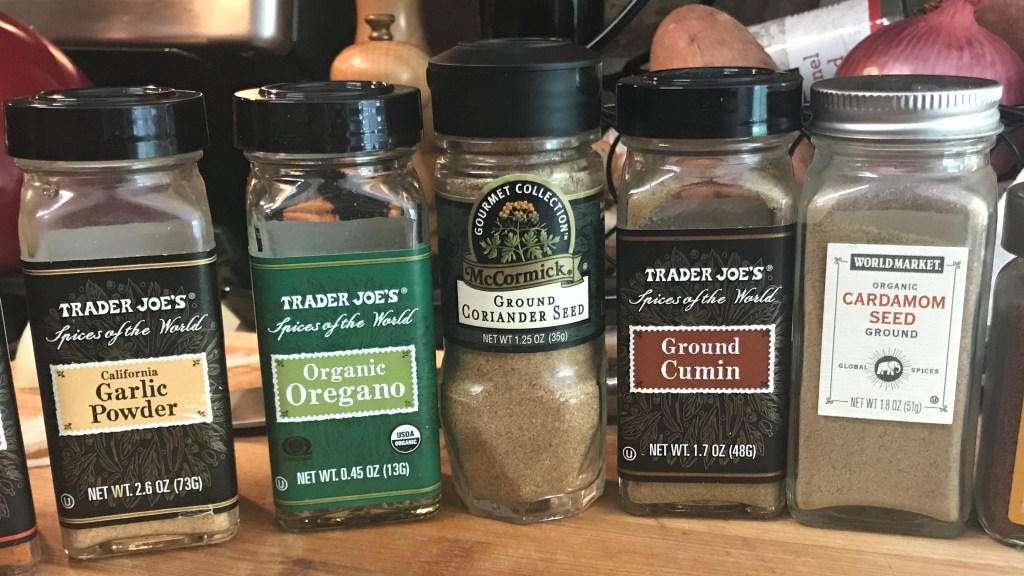
These spices were an excellent combination of flavor for my gyros.

1/2 tsp. cumin

1/2 tsp. ground coriander

1/4 tsp. dried Mediterranean oregano leaves

1/4 tsp. ground cardamom

1/4 tsp. garlic powder

1 tsp. kosher salt

1/2 tsp. freshly ground black pepper

For serving

Soft pita breads*, tzatziki sauce, fresh tomatoes, chopped red onion

*These are delicious on my homemade soft pita breads, or you may use something simple and ready-made, like the garlic naan breads available at Trader Joe’s.

Hubby suggested pepperoncini on the finished sandwich. Excellent call!

Instructions

Combine meat, onions, garlic and spices in a large bowl. Refrigerate mixture at least 2 hours. Working in batches, process meat mixture until it’s smooth and homogenized. If you’re cooking and serving right away, shape mixture into a compact oval-shaped mound in a cast iron skillet, and bake at 325° F for about 1 hour, until meat is fully cooked and very firm, even slightly dry. If you’re serving right away, cut the meat into thin slices and enjoy on warm pita breads with your favorite toppings. Keep scrolling for work-ahead tips.


If you have time to work ahead, mound the processed meat onto a large piece of plastic wrap, and roll it up as tightly as you can, twisting the ends (similar to a sausage chub) so that the meat mixture is as compact as possible. Chill for a few hours, up to overnight, then proceed with the recipe.


After baking, cool and chill meat overnight again for ultra-thin slices. To reheat chilled gyro slices, grill on an oiled skillet until edges are lightly crispy.

Tzatziki Sauce – a must with your homemade gyros!
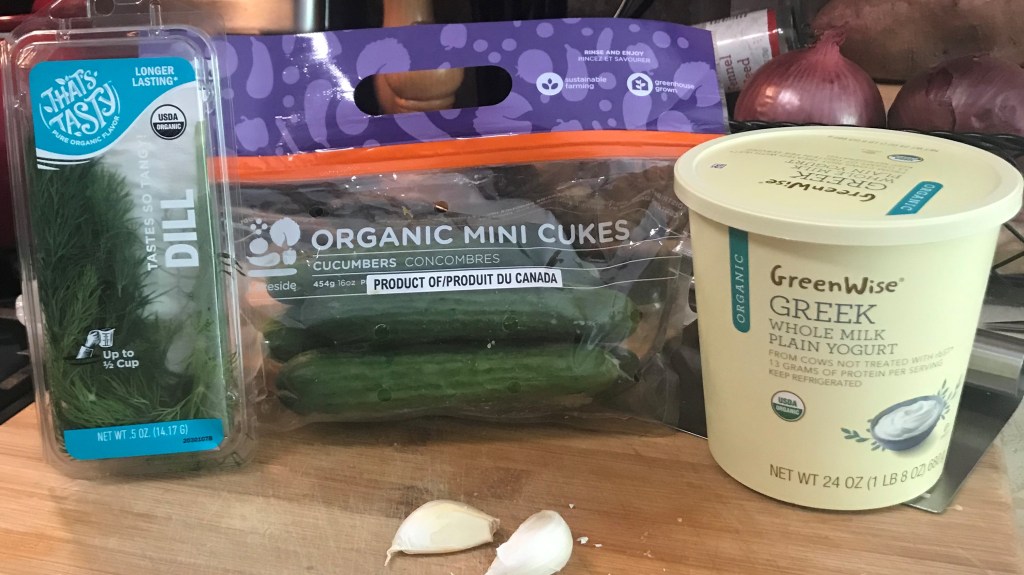
Just four ingredients (plus salt) make an awesome and authentic tzatziki sauce. In a pinch, you could substitute sour cream for the yogurt.

1 Persian cucumber*, peeled, seeded and finely chopped or grated

A couple pinches of kosher salt

1 cup plain Greek yogurt (or substitute sour cream in a pinch)

2 cloves garlic, crushed and finely chopped

1 tsp. fresh dill leaves, finely chopped

*English or slicing cucumbers work in this recipe, too. I like the smaller size of the Persian cukes because one is just right for many of my recipes, and I don’t have to wrap up leftovers. You want about 1/3 cup of cucumber. Whichever type you use, be sure to remove the seeds and excess moisture.

Line a small custard cup with a paper towel. Add the chopped or grated cucumber and stir with a sprinkling of kosher salt. Wrap the paper towel over the cucumbers and allow this to sit in the fridge for 30 minutes to draw out and absorb excess moisture.

Combine cucumbers with yogurt, garlic and dill. Cover and refrigerate until ready to serve with gyros.
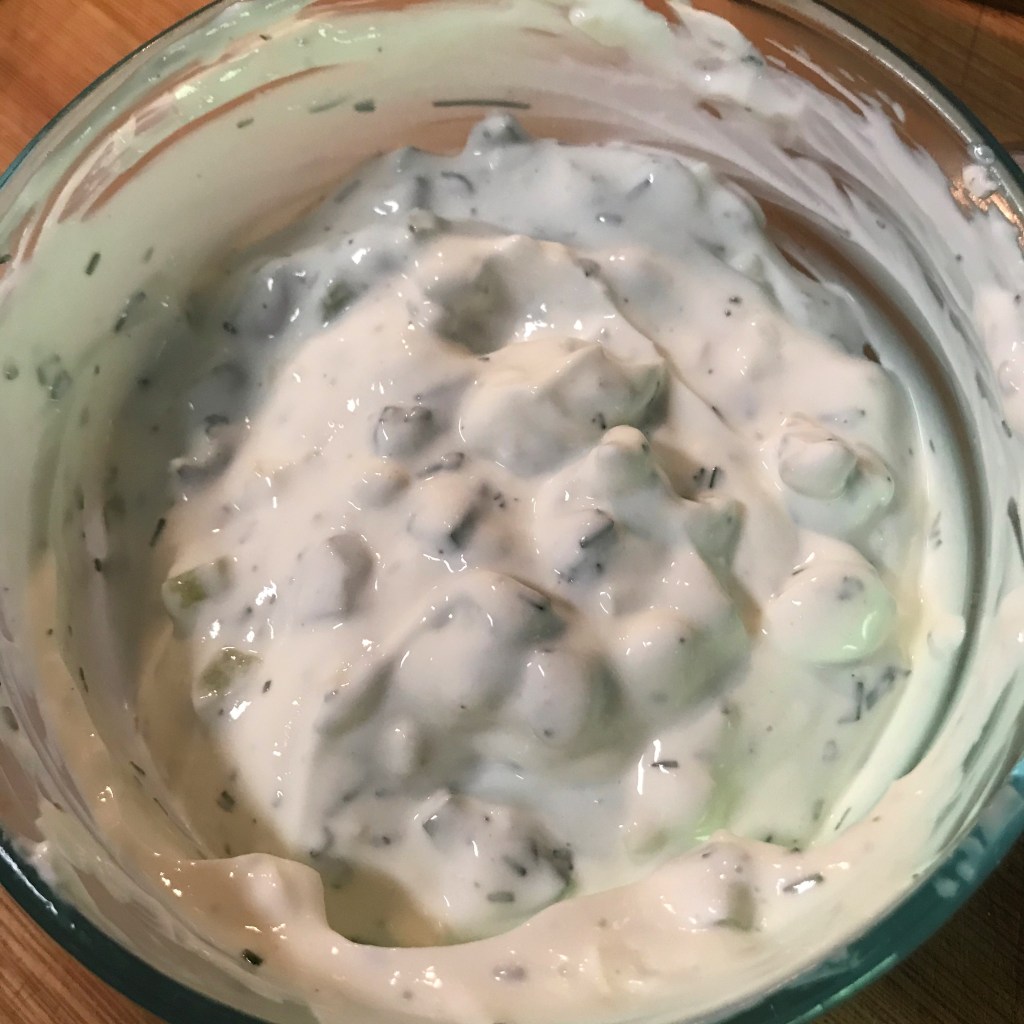
Somebody please give me a spoon!

Want to print these recipes?
Low carb version. He had to have just one more bite, Even Nilla wants some!


Easy Hummus at Home

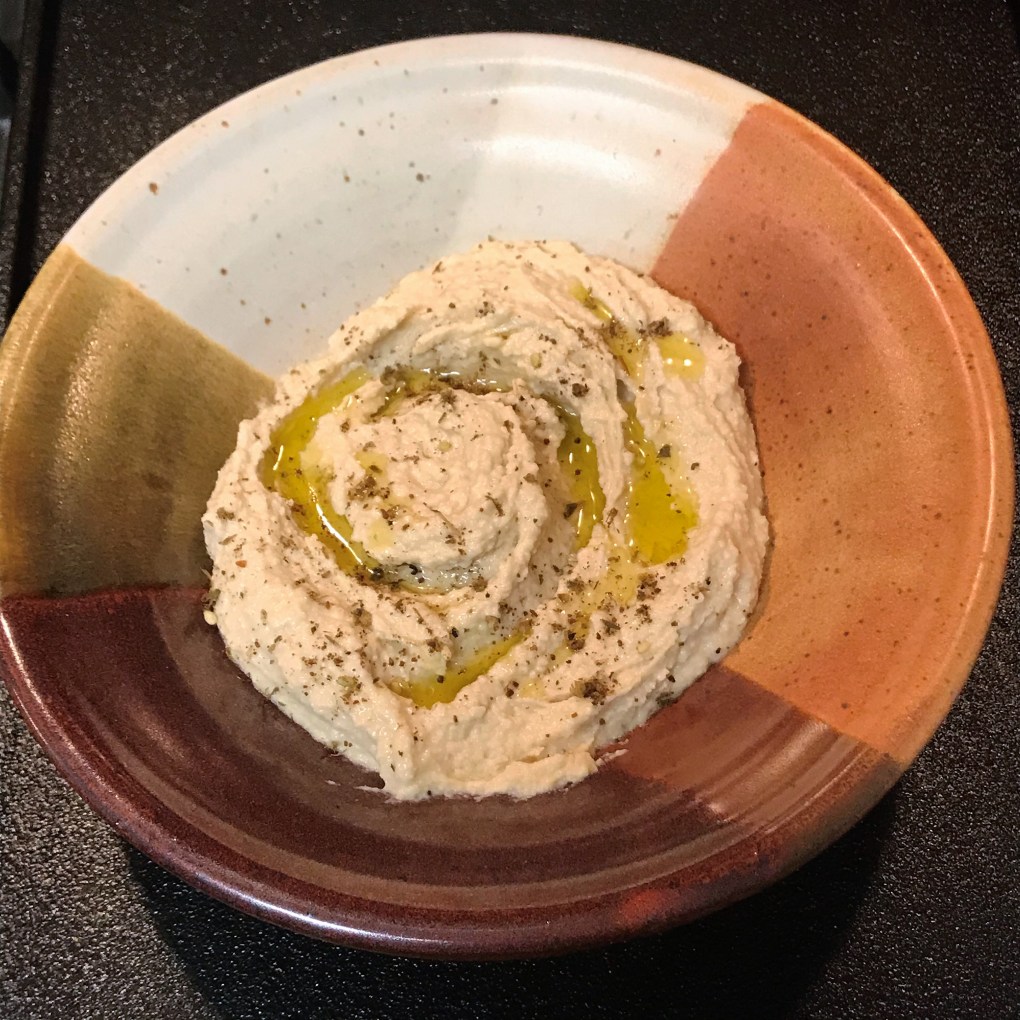
If you love hummus, but not the price of a small container, this recipe is for you. With only a few simple ingredients, and a processor or blender, you can make delicious hummus at home. I’m finding this a great way to use some of the extra garbanzo beans I purchased when the shelter-in-place rules went into effect.

The biggest difference I’ve found between grocery store hummus and the homemade variety is the texture; my homemade always leaned toward the grainy side. I searched on Pinterest and found the guaranteed best method for creating smooth, silky hummus (because literally everyone on Pinterest makes claims like that). It involved heating the beans with a small amount of baking soda to loosen the skins so they could be removed. I love little tips like that! So I tried it. An hour and a half later:

The pile of peels was almost as large as the pile of beans!

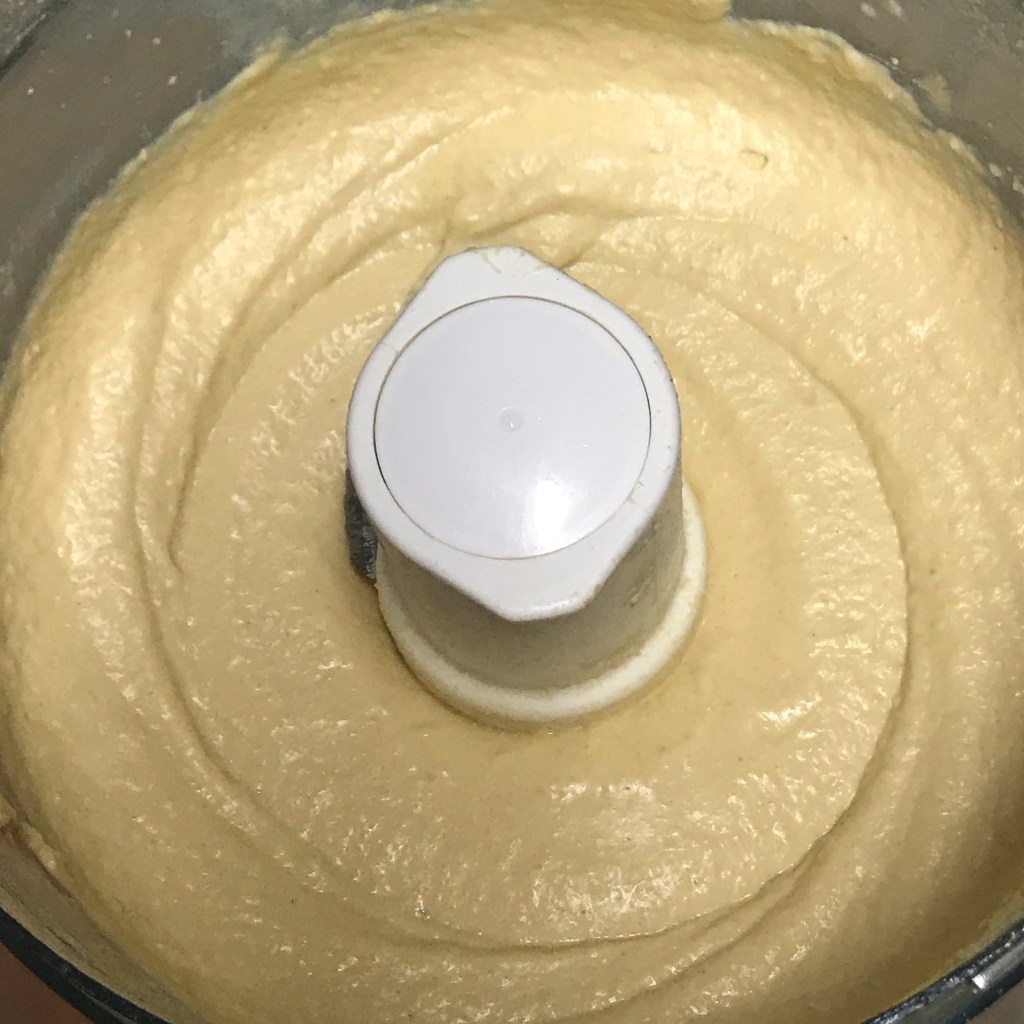
Seriously. So we’re not doing that today. I dug deeper and tried a few other tricks, and I have some good news to share: the trick to making silky smooth hummus is heating the beans in their liquid before processing them, and having patience with the processing. Follow along, and you’ll be successful. This recipe makes about 2 cups of hummus; flavor variations are suggested at the end.


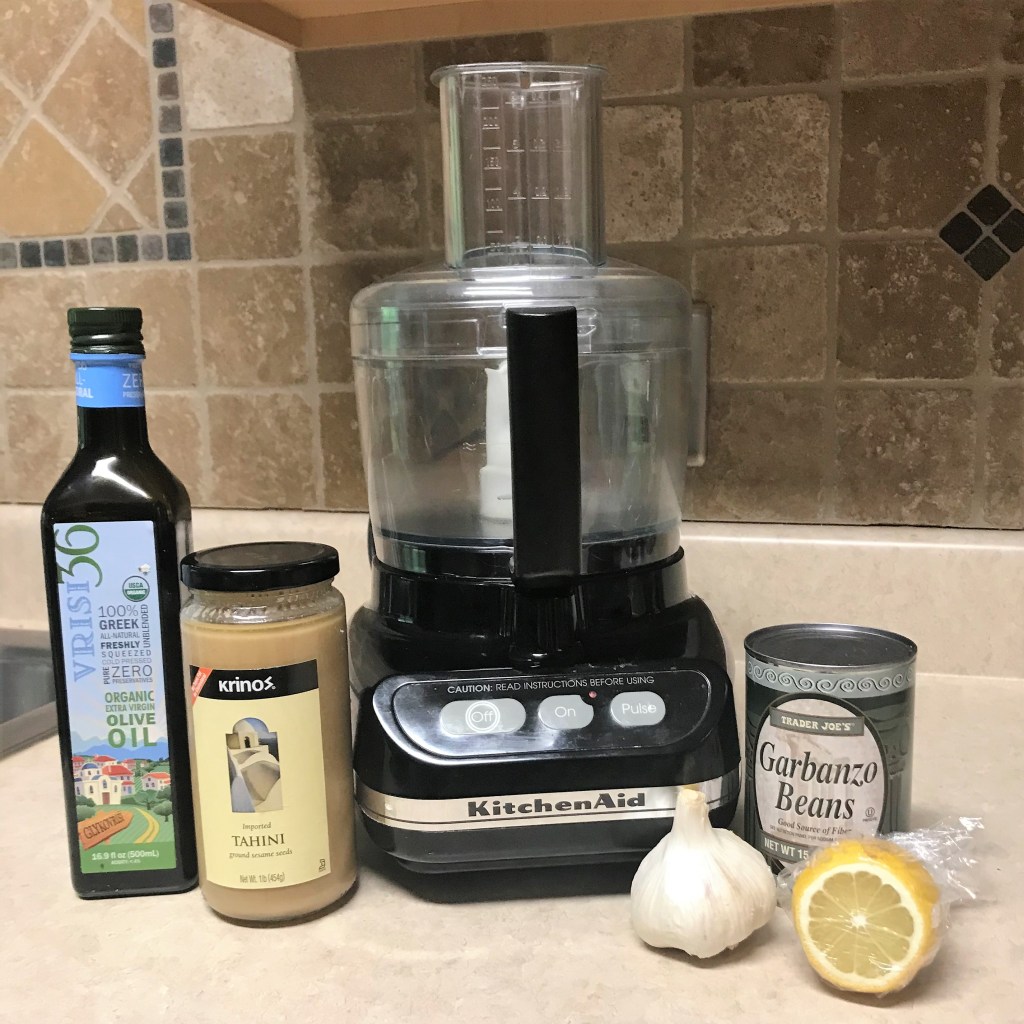
Ingredients & Tools:

1 can (15 oz.) garbanzo beans, with minimal additives (ideally, just beans, water and salt)
2 Tbsp. tahini* (see note below)
1 to 2 cloves chopped fresh garlic (should measure about 1 Tbsp.)
2 to 3 Tbsp. extra virgin olive oil (if you have some of the premium stuff, this is a good recipe to use it!)
Juice of half a small lemon
Kosher or sea salt to taste


Food processor or blender (you need one or the other to make this)
Small saucepan for heating beans
Measuring cup with spout for drizzling liquid into processor
Citrus squeeze juicer (helpful, but not necessary)


*Notes

Tahini is essentially a paste made of ground sesame seeds. It has a mild nutty flavor and sticky texture, like a thin peanut butter. In a pinch, if you don’t have tahini, you could use a natural, unsweetened peanut butter as a substitute. But if you pick up tahini on your next essentials run, I promise I’ll help you use it!


Instructions:

Warm beans and liquid in small saucepan over medium-low, until simmering and heated through.

Drain beans, reserving the liquid in a measuring cup with pour spout.

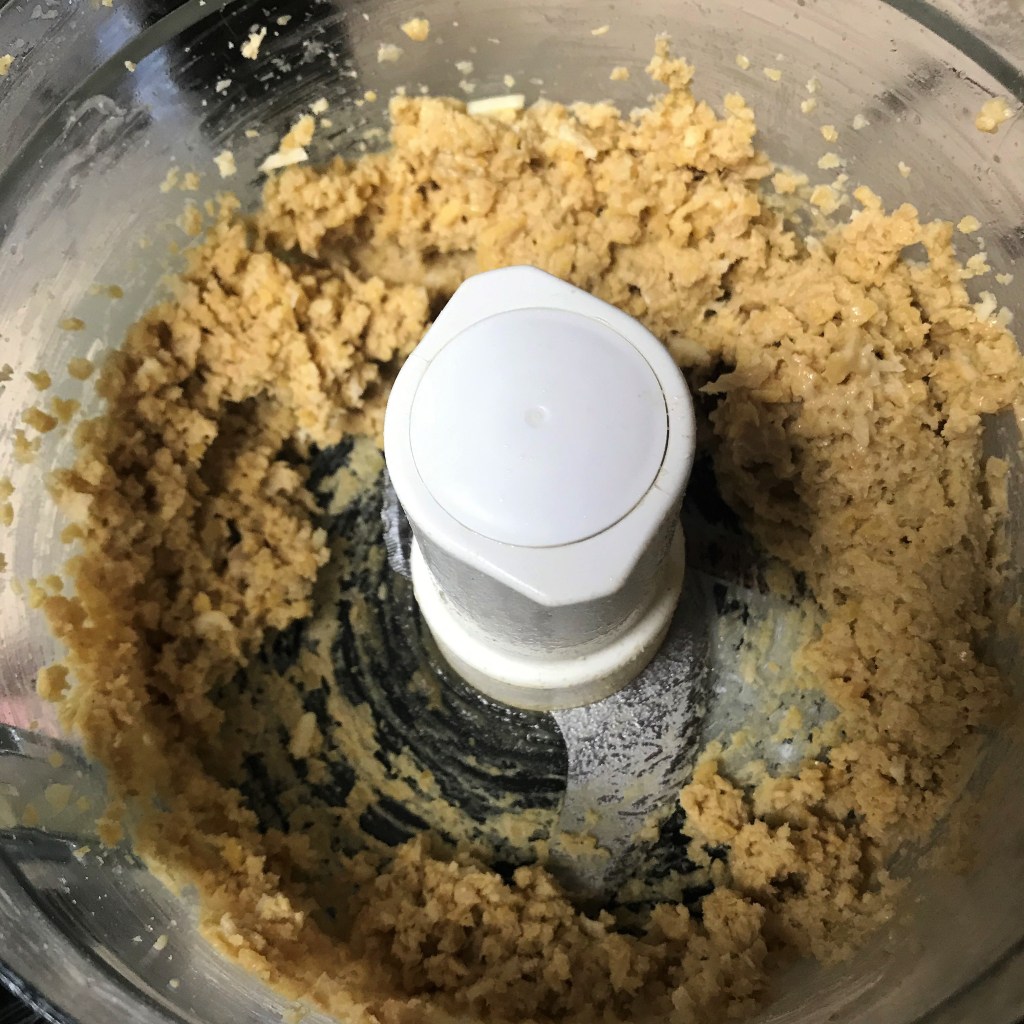
Empty all the beans, tahini, chopped garlic and about 1 Tbsp. bean liquid into the processor bowl, and pulse 5 times for about 3 seconds each time. The mixture will be sticky and clumpy, but that’s OK.

Add another tablespoon of liquid and pulse 5 times again. Use a rubber spatula to scrape the mixture down into the processor bowl, then replace the cover and turn on the processor to run continuously.

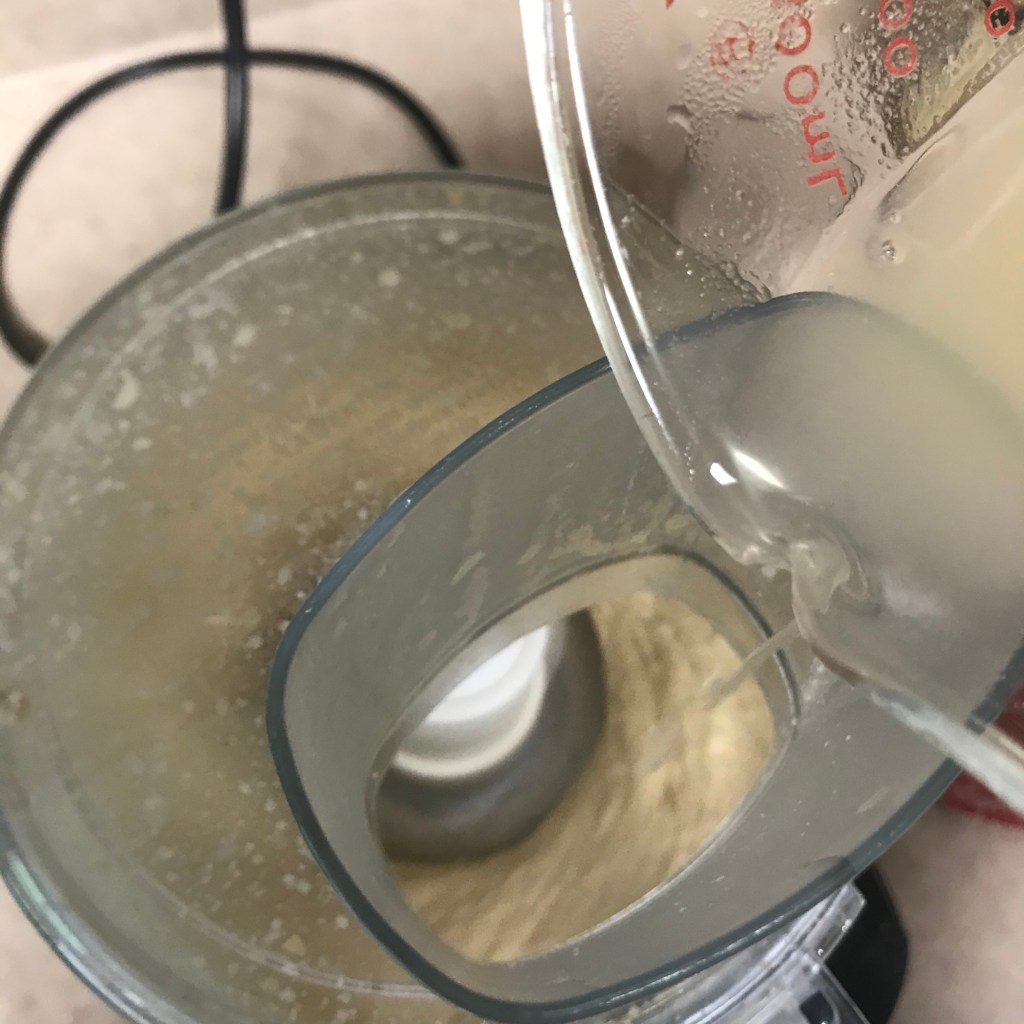
With the processor running, slowly drizzle 2 Tbsp. of the olive oil into the mixture (or more if you like a more intense olive oil flavor). Stop and scrape down again, and then process again, slowly streaming more of the warm bean liquid into the garbanzo mixture until you achieve the desired smoothness and consistency. Keep in mind the mixture will firm up a bit when chilled.

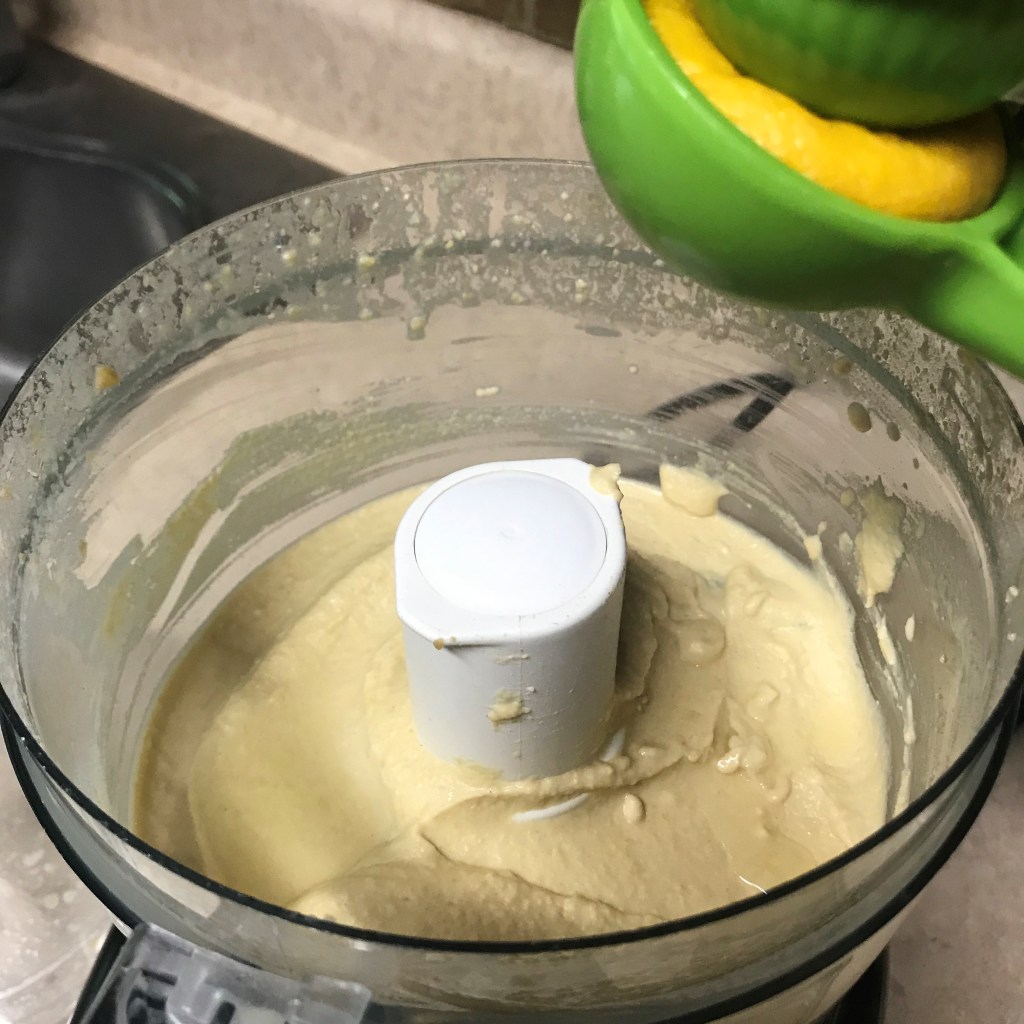
When you’ve reached the desired consistency, turn off processor, squeeze lemon juice into the hummus and pulse a few times to blend; add sea salt to taste. Transfer the mixture to a covered container and chill a few hours until ready to serve.


Hummus is a healthful and versatile snack. Enjoy it as a dip with fresh cut vegetables, crackers or pita bread, and even as a sandwich spread in place of mayo. Below are some of our favorite hummus flavor variations. Each recipe begins the same as the simple recipe above; for smooth texture, add mix-ins earlier in the recipe. For more distinct chunks, add them later.

Hummus Flavor Variations

Artichoke and garlic

Use about 5 to 6 artichoke heart quarters with the base recipe; I usually do a rough chop on them before adding to the garbanzo mixture. If your artichoke hearts are marinated in oil and herbs, use less olive oil in the blending step of the recipe.


Roasted red pepper

Use amount equivalent to one bell pepper, either roasted at home or purchased. If they’re packed in oil, use less olive oil in the blending step of the recipe. I like to add sweet or hot smoked paprika for an extra flavor punch.


Sun-dried tomato

Use 5 or 6 pieces of tomato, rough chopped before adding. If they’re packed in oil, they’re good to go. If dried, plump them first in hot water or in the bean liquid you’ve drained. A little dried basil would be a nice complement to the flavor of the tomatoes.


Spinach

Sauté a generous handful of fresh spinach until fully wilted, or thaw (and squeeze dry) about 1/2 cup frozen spinach; add to bean mixture early to blend very smoothly.


Caramelized onion (slightly sweet)

Sauté a small onion in olive oil until very soft and golden in color; add to bean mixture at any point of the recipe (I like to add it later to retain some of the onion shapes).


Roasted beet (slightly sweet)

Purchase the roasted beets ready-to-go from the produce section. I usually buy them at Trader Joe’s, but have seen them in other stores as well. I don’t recommend canned beets because of the water content. About 3 small beets will be good; rough chop and add them early to the bean mixture. Finished hummus will be a lovely pink color.


White bean hummus

Use cannellini beans instead of garbanzos. Add fresh chopped or dried oregano; use slightly less bean liquid and oil. Cannellini beans have a creamy texture, and this hummus is very elegant and silky. Sprinkle with toasted pine nuts just before serving.


Black bean hummus

Use black beans instead of garbanzos. I like to throw lots of spice into this one; think chili and cumin spices, maybe even a small can of roasted green chiles. Rather than lemon juice, use red wine vinegar.


Want to print this recipe?


Spreadable Scallion Cream Cheese

We eat a lot of bagels with lox at our house, and we like a little more pizzazz than just plain ol’ cream cheese. According to my husband, Les, “schmear” is the appropriate Yiddish word for bagel-worthy cream cheese, and it implies a smoother, spreadable consistency than what you get in the store-bought bricks. But the first time I did the shopping for us as a couple, I developed a serious case of sticker shock in the pre-made, spreadable cream cheese section. And for such a tiny container of it, not to mention that the “whipped” varieties are basically half cream cheese and half air!

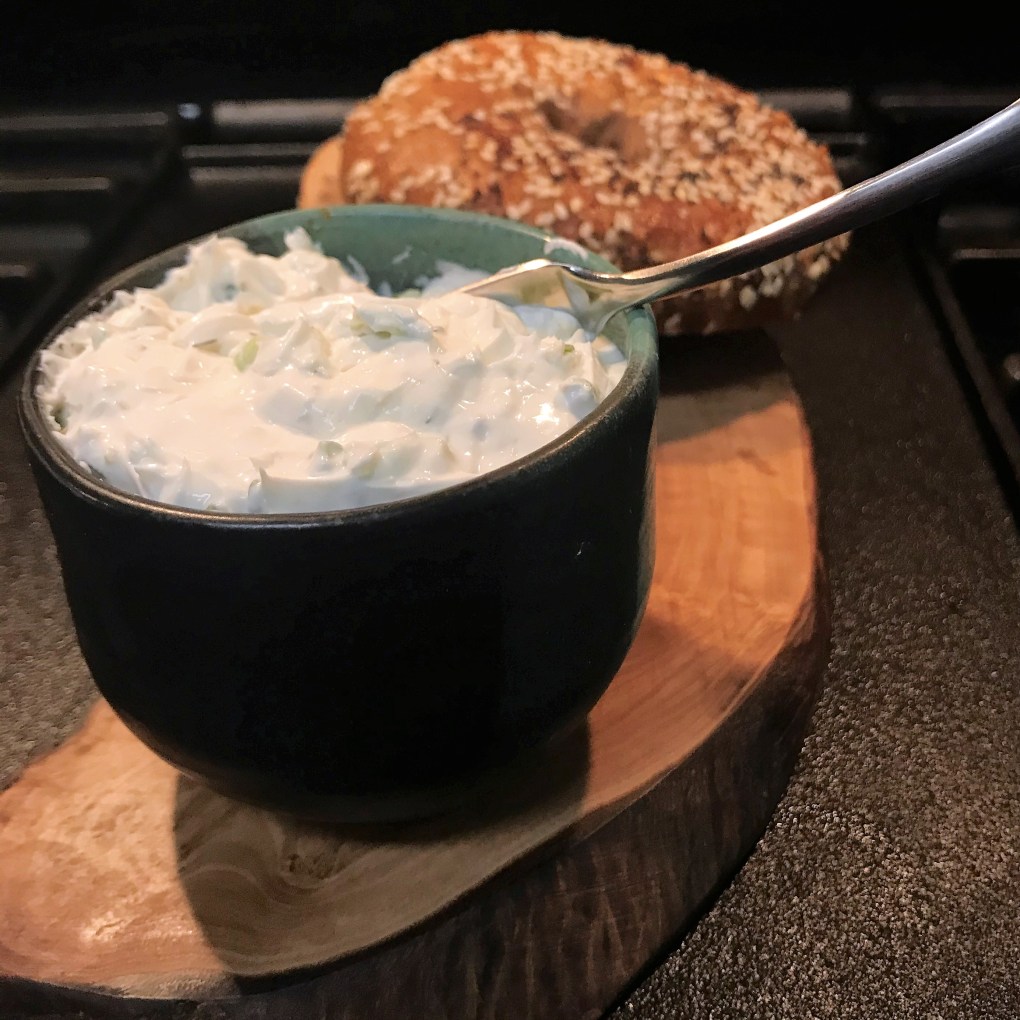
It was pretty easy to replicate Les’s favorite, which is scallion cream cheese; to be fair, he says our homemade version is not only more economical, but also tastier. I love being able to customize the flavors, without a bunch of additives we can’t pronounce. My double-batch version here calls for plain Greek yogurt, but you could just as easily substitute sour cream. If you want a smaller amount, just reduce the ingredients by half. At the end, I’ve suggested additional flavor variations. I hope you find one you love!


Ingredients and Tools:

2 bricks (8 oz. each) regular or Neufchatel (reduced fat) cream cheese
1/4 to 1/3 cup plain Greek yogurt (whole or 2%)
1/2 tsp. dried dill
1/2 tsp. dried minced garlic
1 small bunch scallions (green onions), washed and trimmed, white and green parts sliced thin

Stand mixer or electric hand mixer, unless you have some serious guns to whip it by hand!


Instructions:

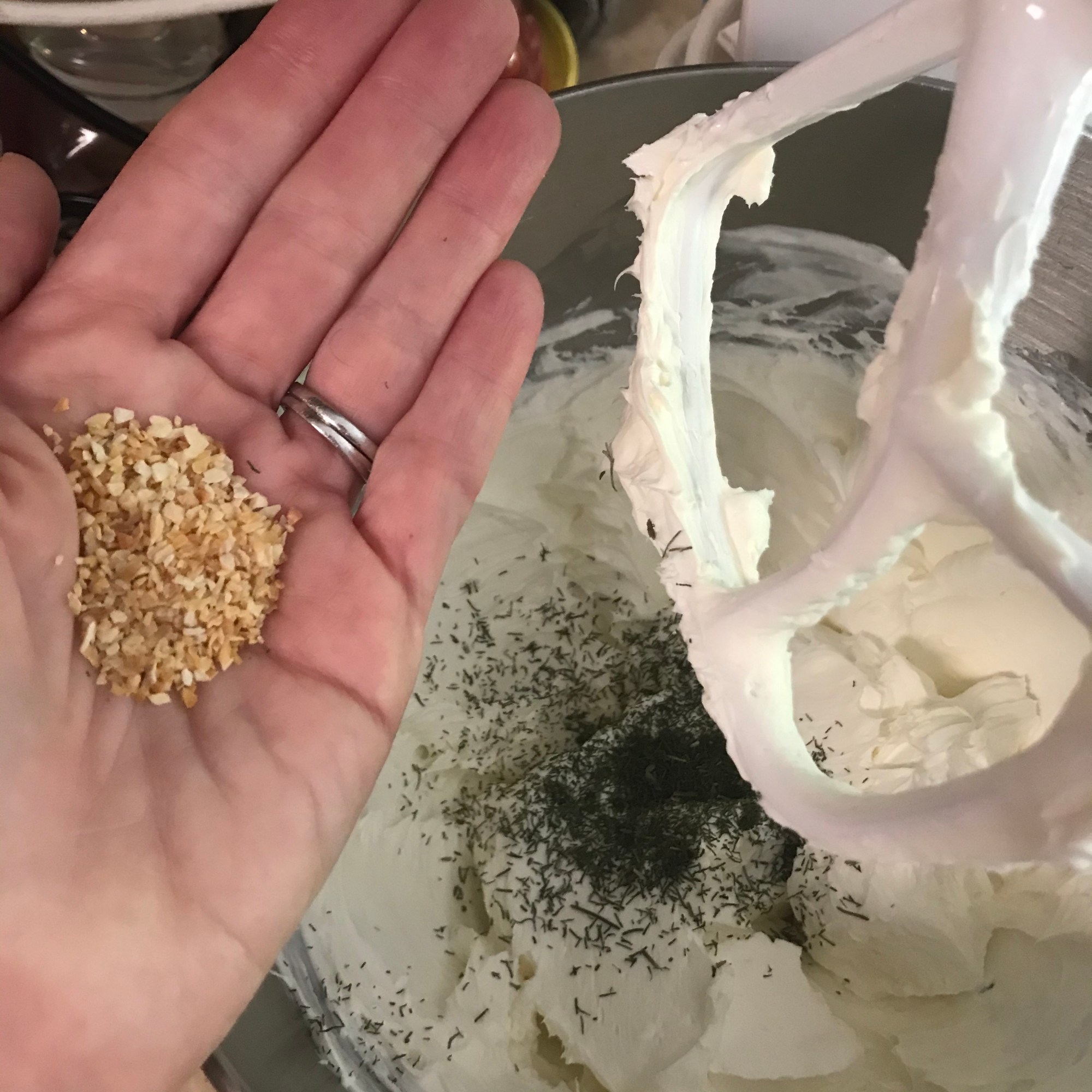
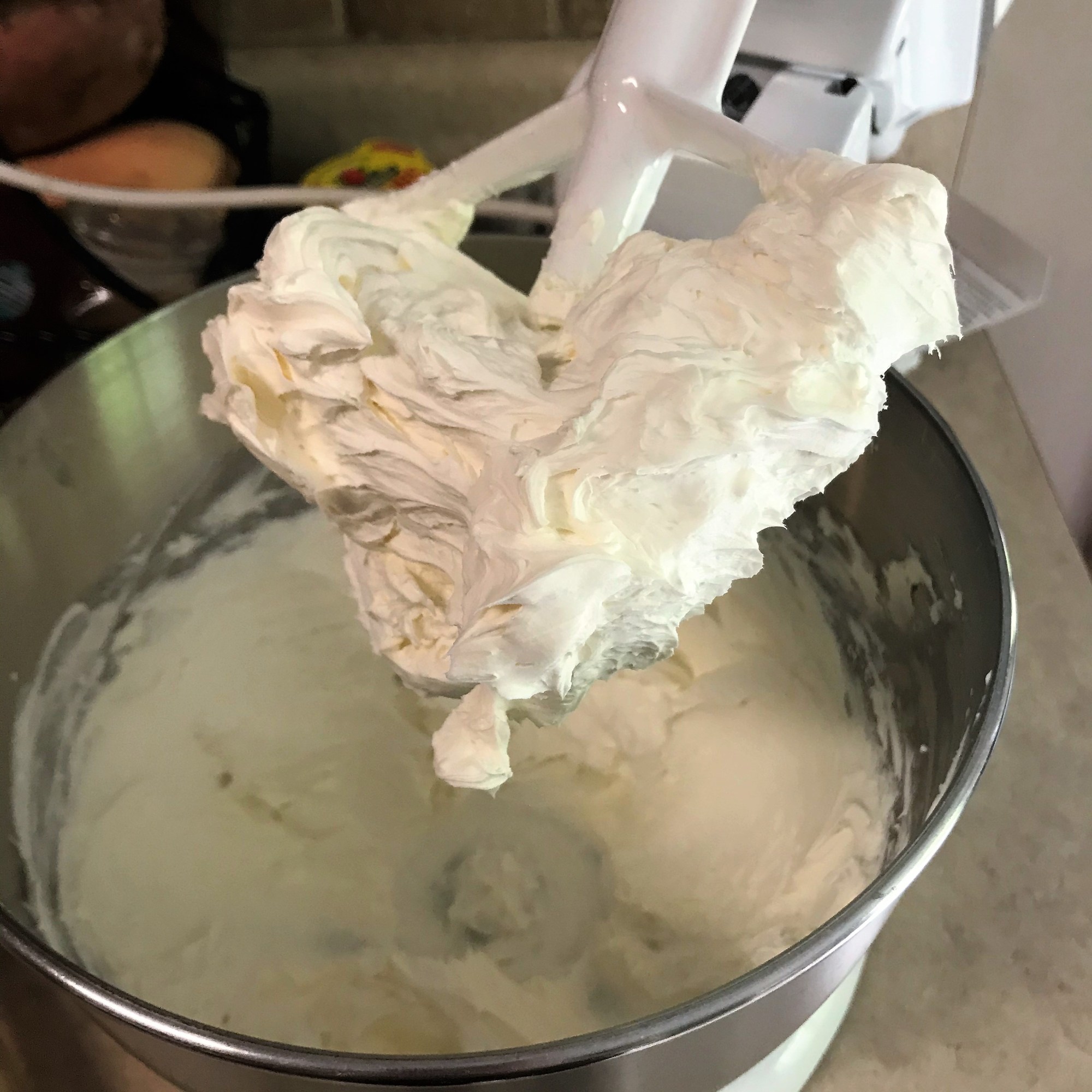
Put both packages of cream cheese into the mixing bowl, straight from the fridge. Whip the cream cheese by itself for about 1 minute, then add the yogurt (begin with 1/4 cup, add more as you like) and whip until blended. Stop a couple times to scrape down the sides and across the bottom of the bowl. When the whipped mixture has the appearance of cream cheese icing, add the dill and dried minced garlic and whip again just until blended.


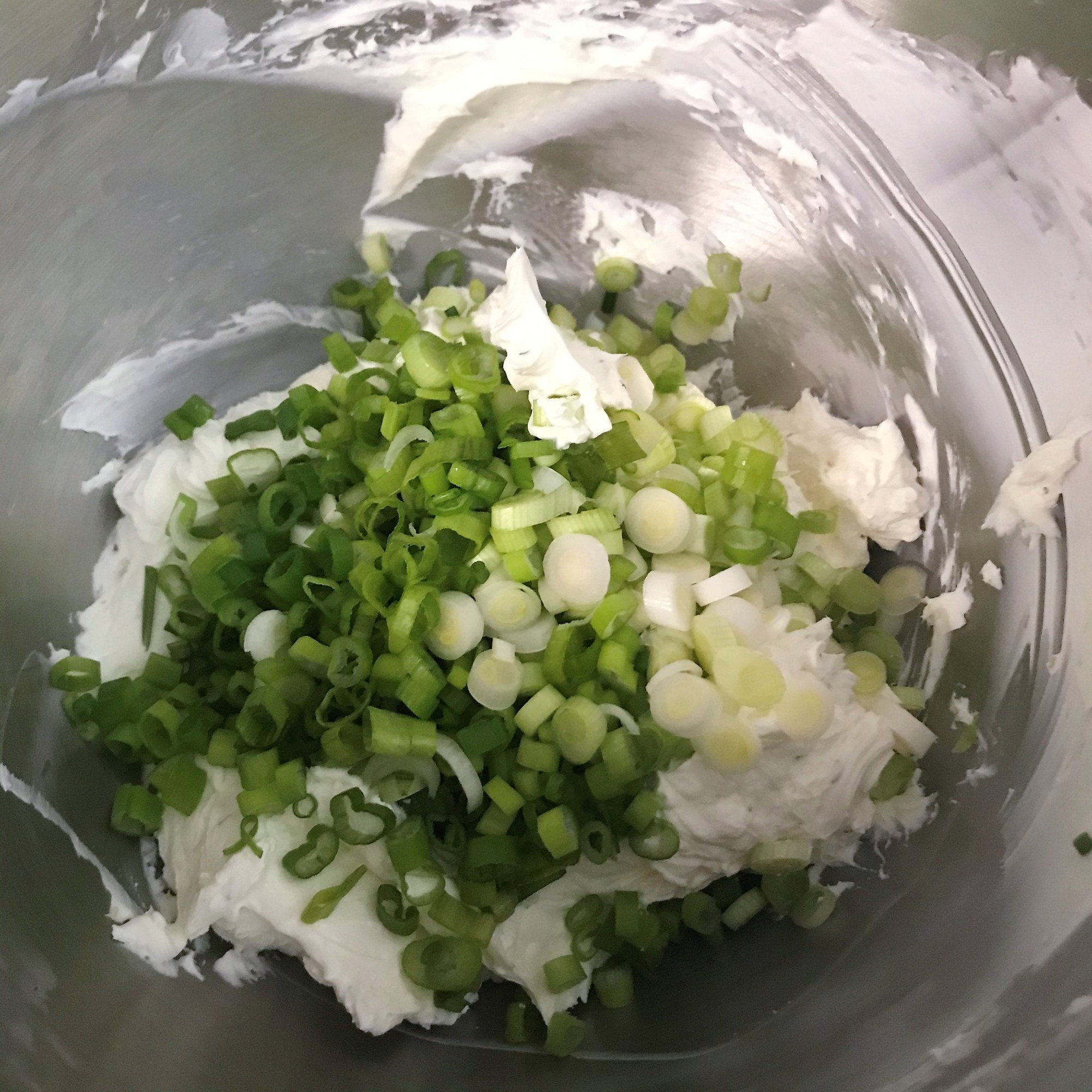
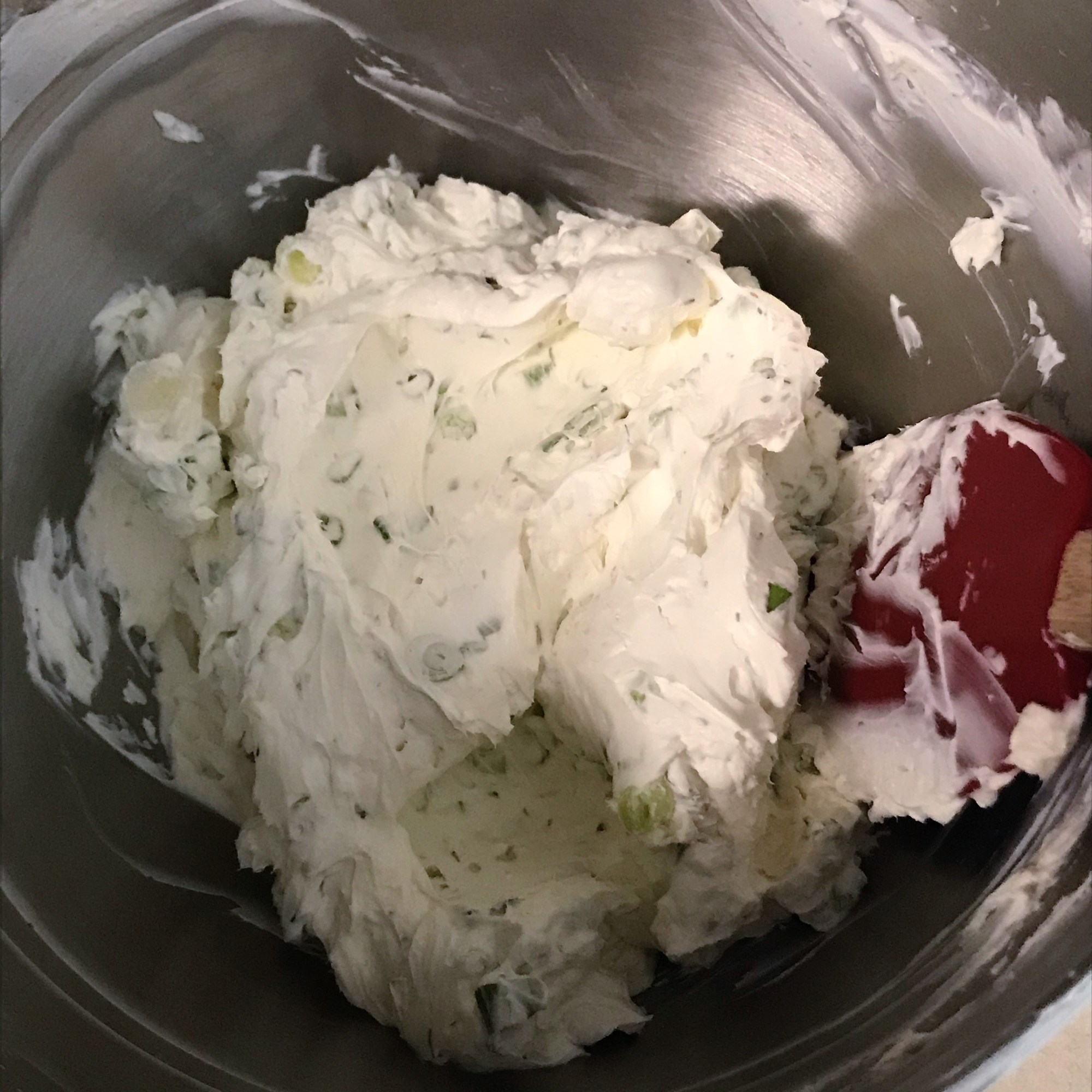
Next, add all of the scallions; it may seem like a lot, but it’ll be just right once it’s mixed. Blend on a low speed until fully incorporated, then transfer to a covered bowl and refrigerate.


The dried garlic needs at least a few hours to soften and spread its flavor through the cream cheese. If you’re making this for something right away, I’d recommend scooping out what you need immediately before adding the garlic. Otherwise, you’ll have a few potent, crunchy bites. Les has taught me to adore this stuff, especially on a lightly toasted “everything” bagel. But we also use it in other ways—on crackers, as a spread on sandwiches and even slathered on the inside of a tortilla for breakfast burritos.


Want to elevate your happy, Comfort du Jour style?

Like so many things I make at home, cream cheese is a blank canvas just begging for interesting variations. Swap out the dill for any other dried herbs you like, but I’d suggest using them sparingly until you have a feel for the concentration of flavor—these herbs really open up after some time in the fridge. Mix in chopped pickled jalapeno, capers, sun-dried tomatoes, pepperoncini or olives, but blot them dry first on paper towels.

Prefer sweeter spreads? Skip and garlic and herbs; mix in 1 Tbsp. of powdered sugar along with 1/4 teaspoon cinnamon or 1/2 teaspoon vanilla, and fold in raisins, chopped toasted nuts or dried cranberries. Les would argue that sweet cream cheese is not “authentic” (you can’t take the NYC outta the boy), but I say make whatever makes you happy!


Want to print this recipe?