My interest in astrology has always been one of curiosity. I’ve never been fully invested in the idea that my personality was pre-determined by the stars or whatever phase the moon was in when I took my first breath at the exact latitude and longitude where I was born. I mean, for starters, if I were to ask all-knowing AI for a general description of Leo, this is what I get. Honestly, does this sound like me?

I want to say that it’s all a bunch of hooey, but the Leo description is very much on point. Ahead of my milestone birthday recently, I looked up Leo traits and another related prompt came up in my search: “the best foods for Leos.” This oughta be good, I thought, given that I can count on one hand the foods that I don’t like. The first site that popped up was Harry & David— you know, the mail order fruit basket company— and here’s what it suggested:
Leo (July 23–August 22)
Corn, clams, spinach, and mozzarella are some of the foods to which this fire sign is drawn. This is due in part to some — such as tomatoes — being in season during the sunny summer months when Leos are born.
The moment I read that, I knew exactly what to do.
The clambake connection
Clambakes are not exactly “native” to North Carolina, but we did have a fun one associated with the Crosby pro-am golf tournaments that used to be held around here. This was a charity tournament that Bing Crosby started at Pebble Beach many moons ago, and his widow, Kathryn, moved it in the mid-1980s to Bermuda Run just outside Winston-Salem, where it stayed for 15 years.
The golf tournament was unsanctioned, so we didn’t always see big-name pros, but there were plenty of stars from the stage and screen and it was always an exciting week in our small city. Anyone could go to the tournament, but tickets to the clambake were highly coveted— I was only able to get in because I dated a guy who worked for Cadillac, one of the sponsors. It’s where I first fell in love with the music of a barely known country artist named Vince Gill, and everyone who saw him at Groves Stadium knew in an instant that he would become a huge star. Let’s enjoy his breakout song while we talk about this pizza, shall we?
Ingredients for a clambake pizza
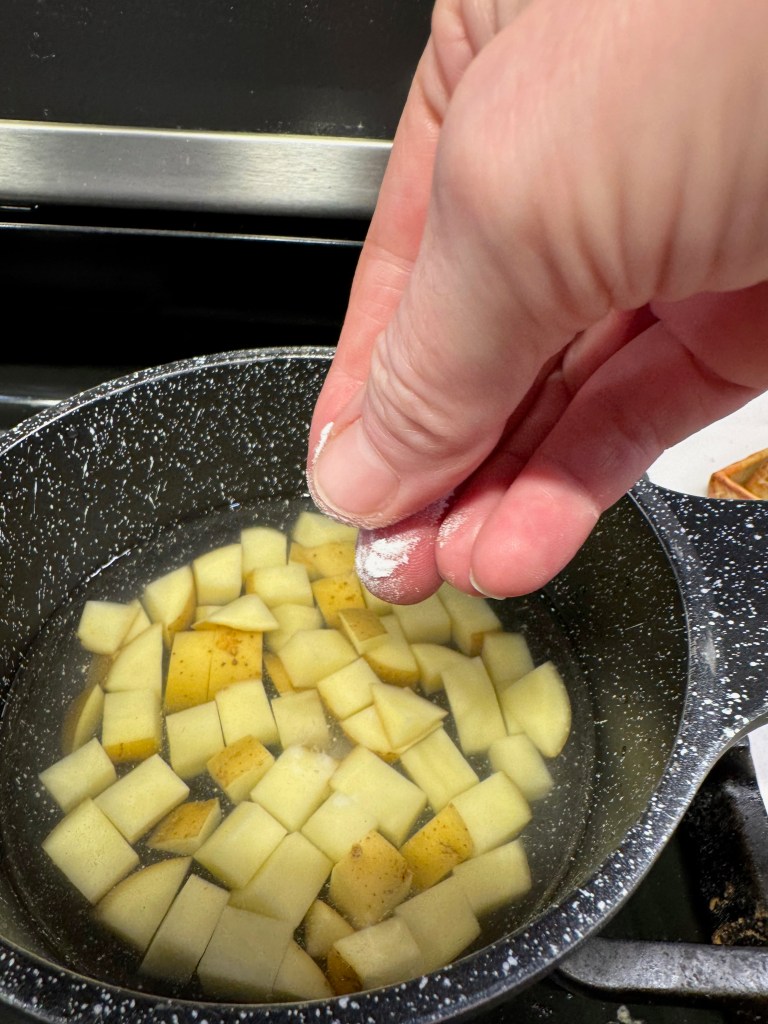
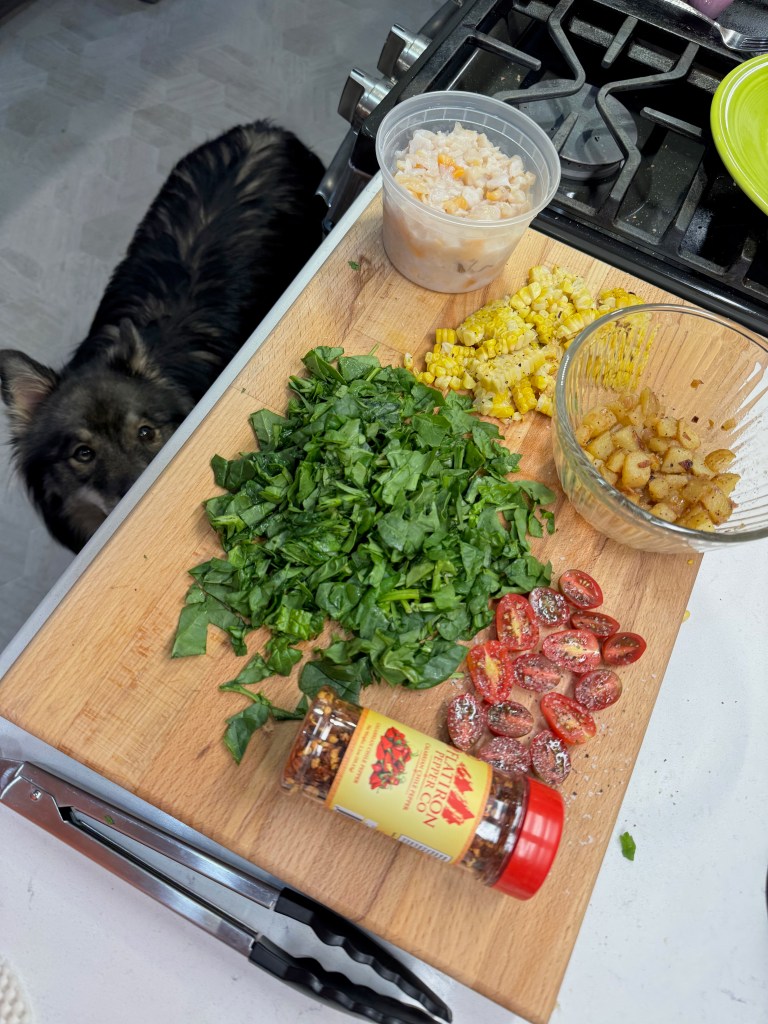
A typical clambake is outdoor cooking at its finest yet most humble. Simple ingredients, cooked over a smoldering fire until the natural flavors of ocean and earth reach their peak. Clams, corn, potatoes, onions, fresh herbs and lemon are the basic ingredients, and my list of “Leo-approved” foods was already overlapped quite a bit. Spinach would be great on this pizza, and baby tomatoes would add a nice pop of color and acidity to balance the richness of the clams. Potatoes may seem like an odd topping for pizza, but it worked really well on my steak and potato pizza a few years ago, so why not? I parboiled cubed Yukon golds and then fried them up in butter with the shallots.

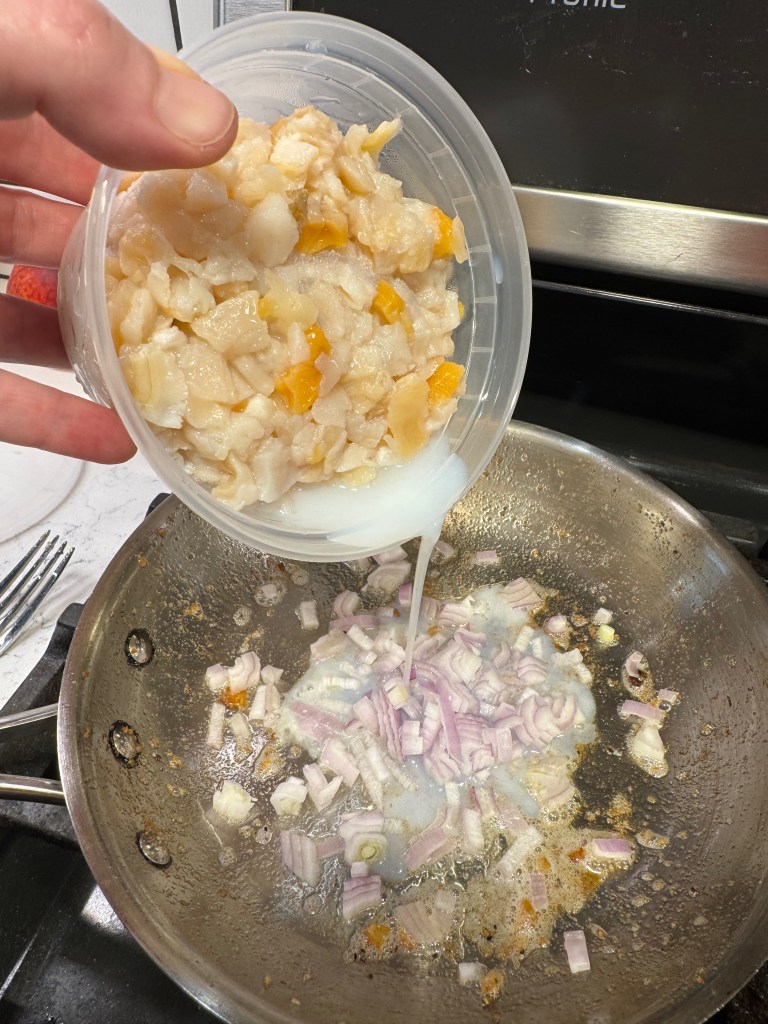
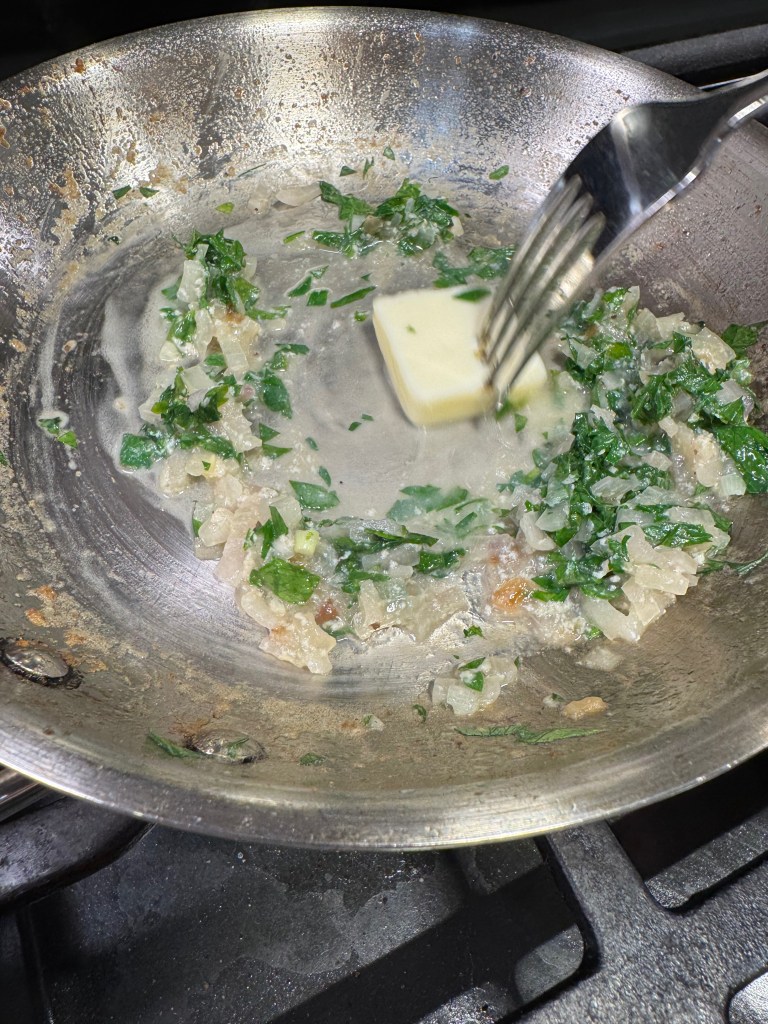
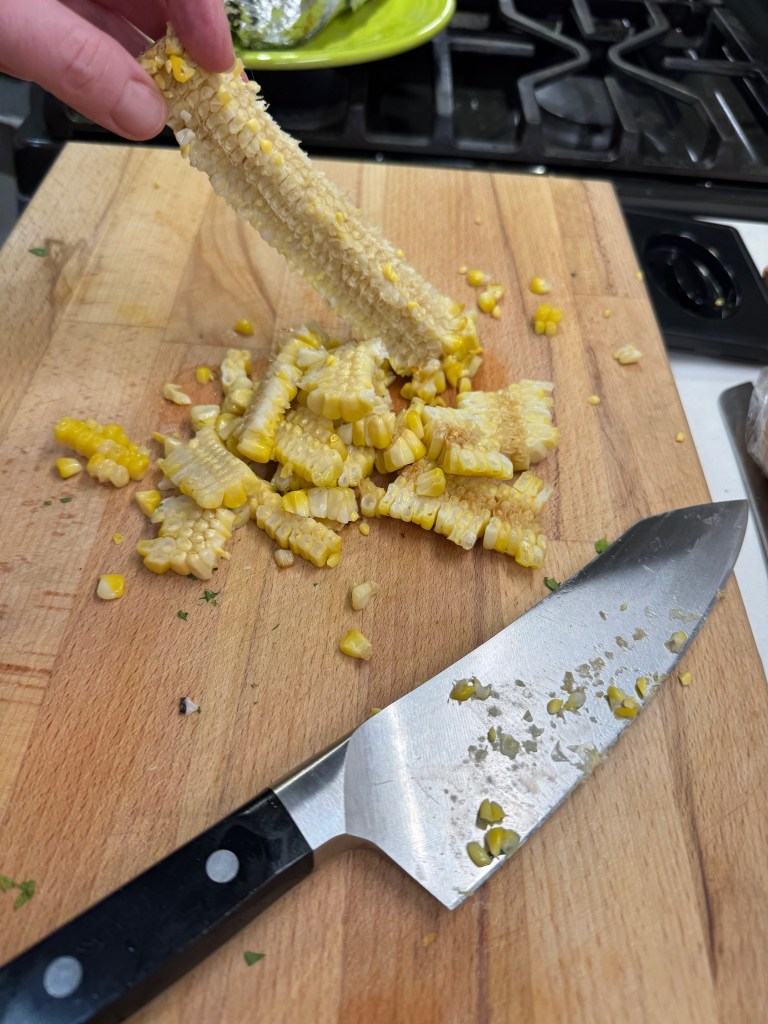
My littleneck clams came from my favorite local seafood shop— fresh from the Atlantic, already cleaned, shucked and chopped. For obvious reasons, they couldn’t go onto the pizza in their shells. After the potatoes were crisped up, I poured the flavorful clam “liquor” into the pan, and swirled in some butter with fresh parsley to dollop on the pizza before baking. I stripped an ear of grilled corn and chopped up the baby spinach, and we were ready to rock and roll.
Cooking pizza on the grill
My pizzas are usually done in my home oven, outfitted with a 3/8”-thick slab of steel, preheated to 550° F for at least an hour. In other words, hot! For this one, though, my husband and I did the baking outdoors (clambake style!) on our Napoleon gas grill, which gets even hotter than the oven. We purchased a Weber pizza stone that works great for summer baking when we don’t care to heat up the house. Les handled all of that while I prepped inside, beginning with shaping my dough into a 14-inch round and laying it on a flour- and cornmeal-dusted bamboo peel.
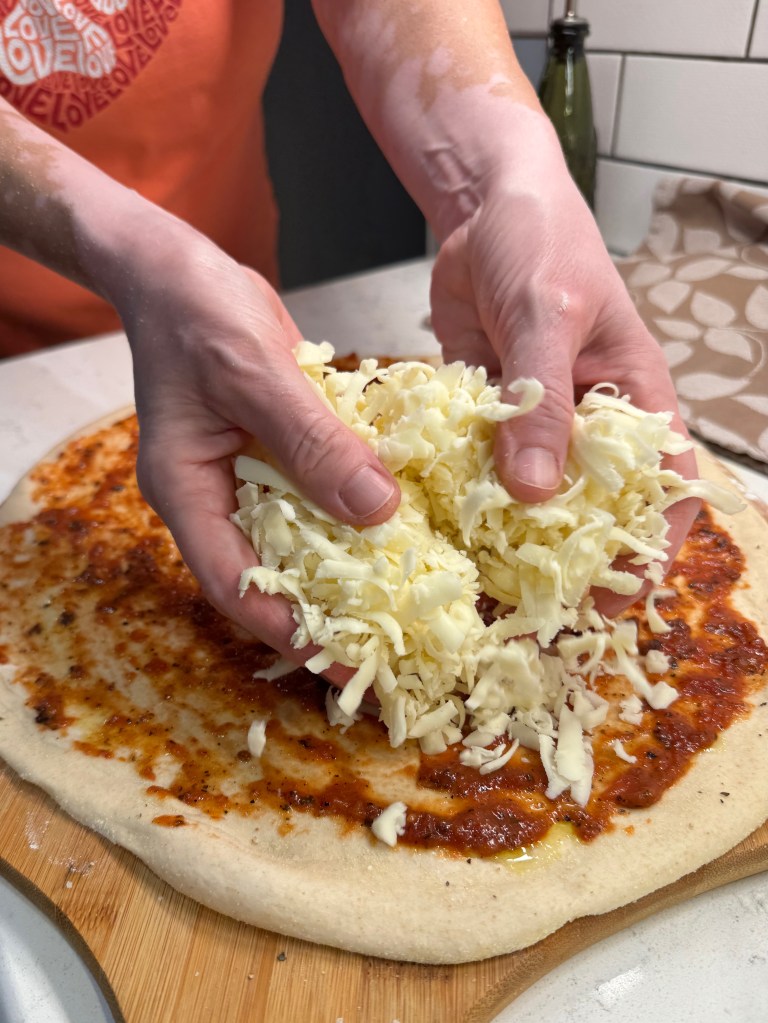
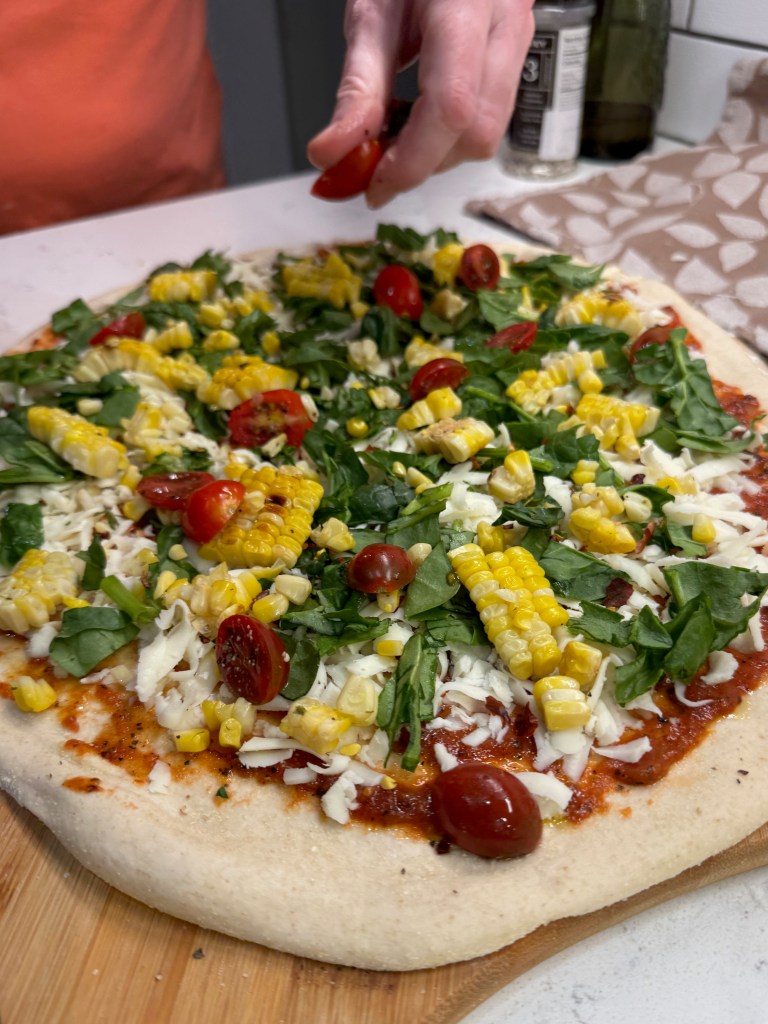
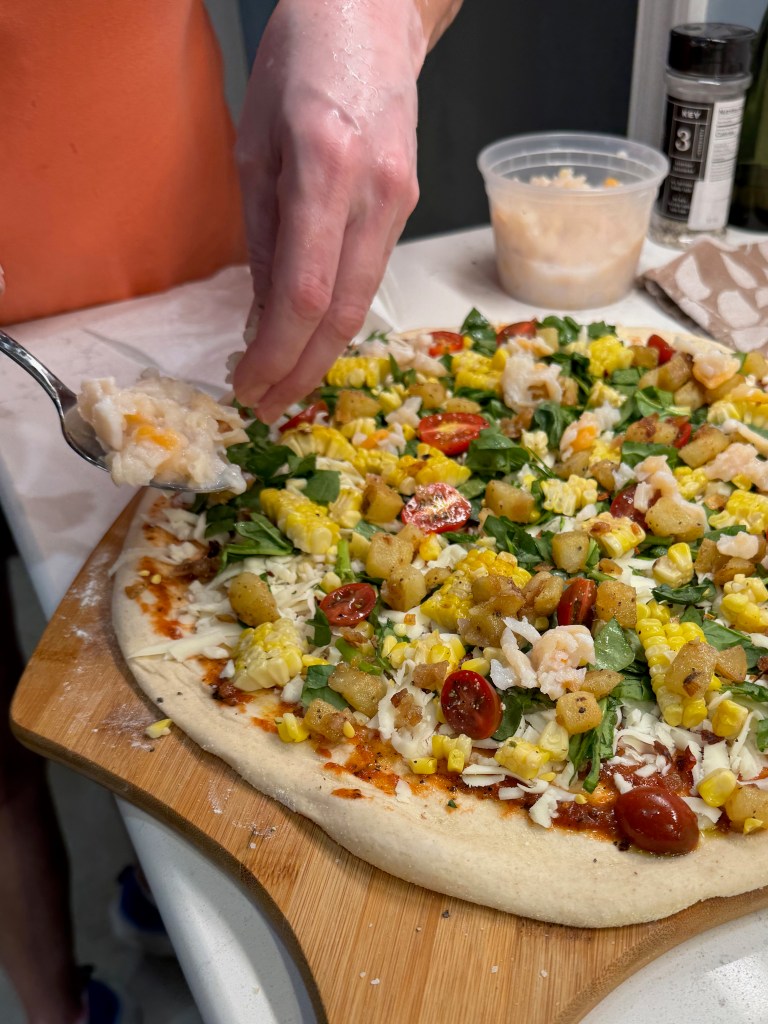

The toppings are straightforward, and I’ve put the wettest ingredients— the corn, tomatoes and clams— on top of the drier ingredients. I want them to get the benefit of the heat without creating too much steam underneath, which would wreck my crust. The clam liquor-butter mixture was laid on last in dollops and this was ready for the bake!
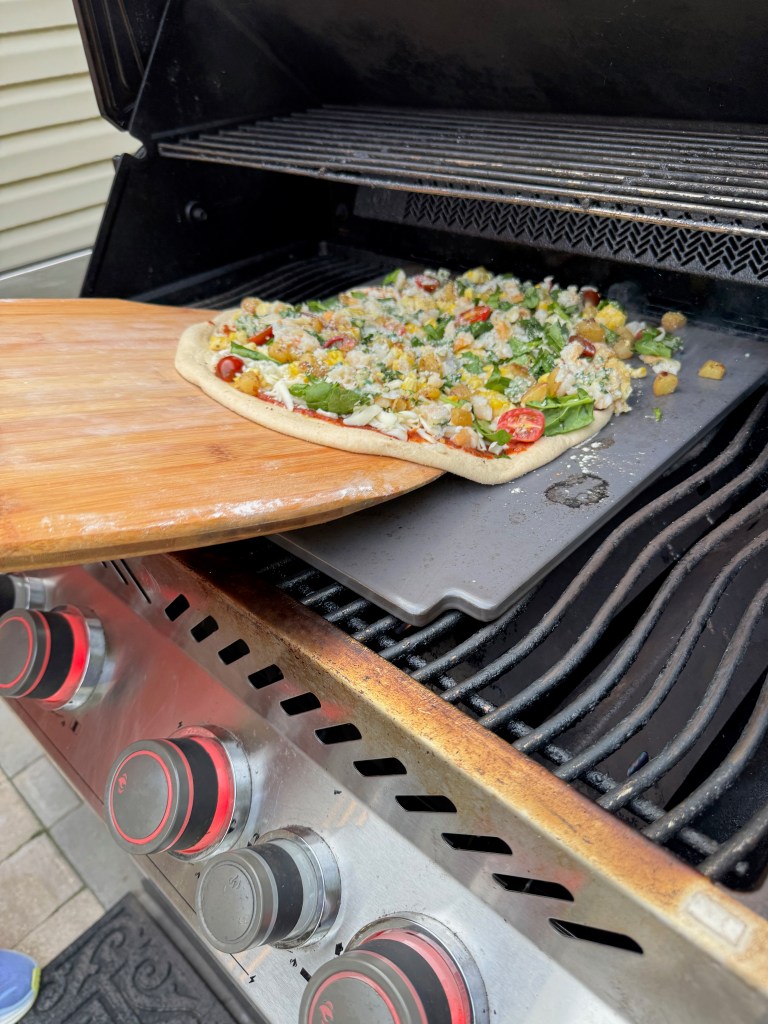
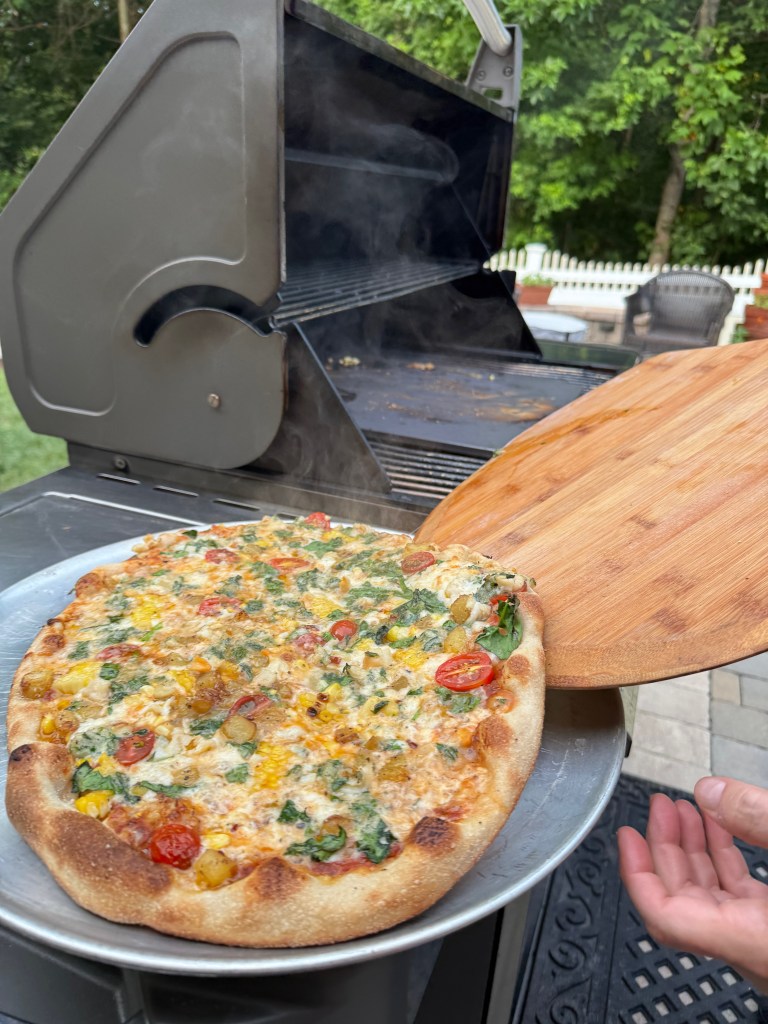
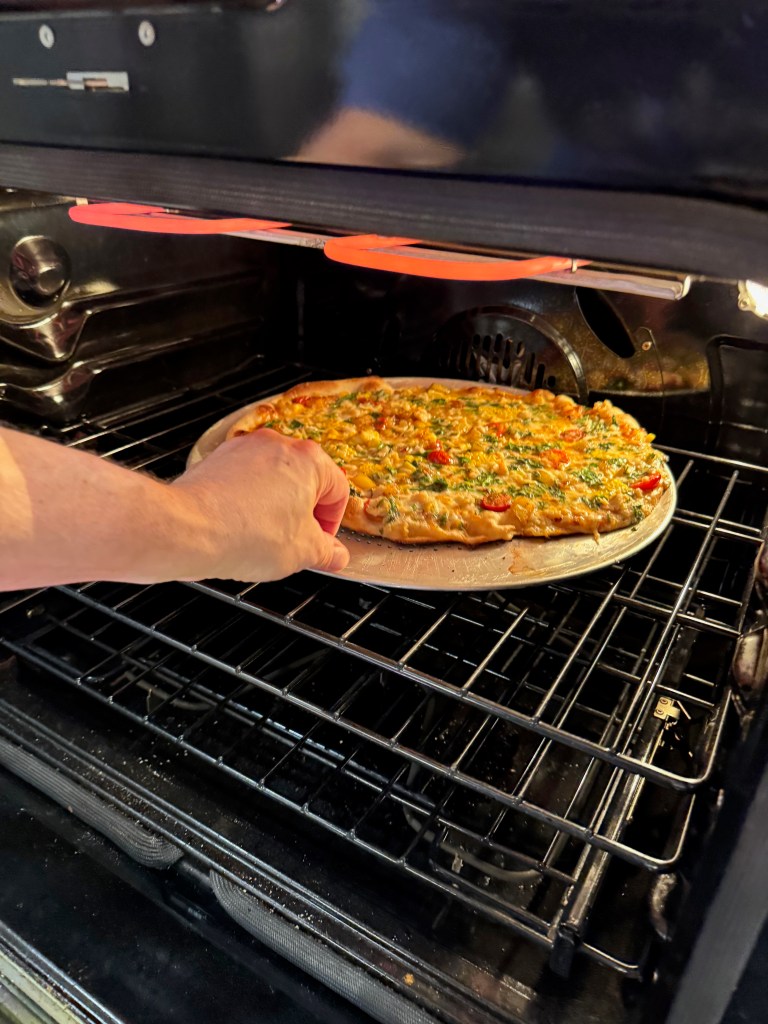
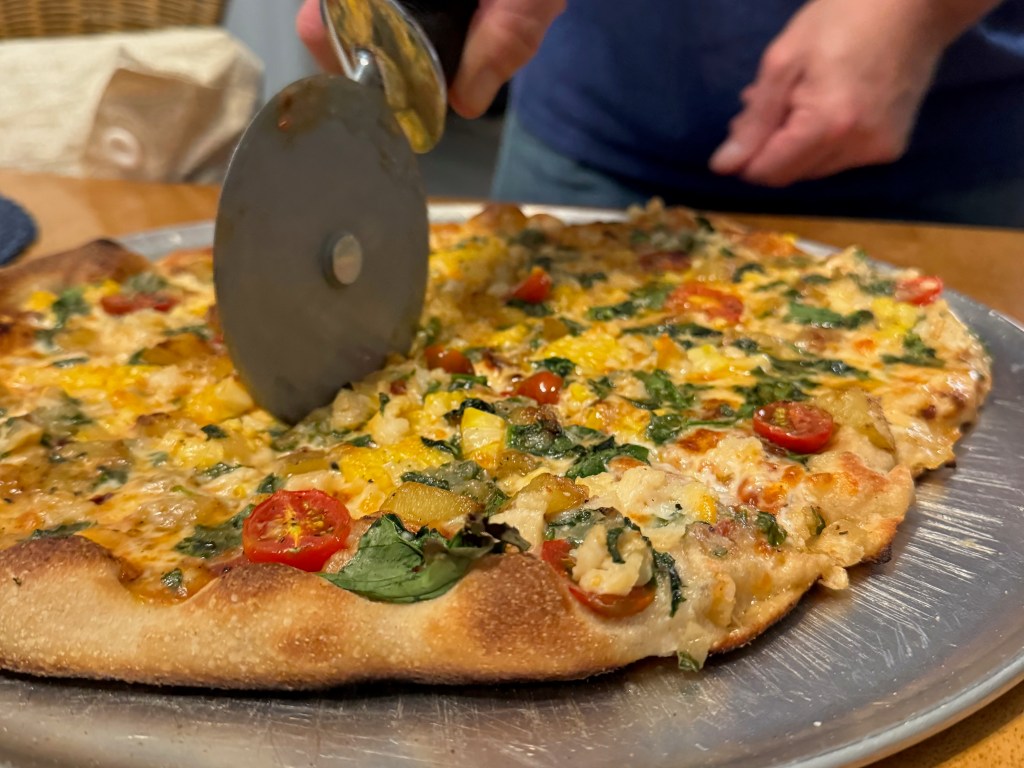
One minor shortcoming of our grill for pizza is that the top of the pizza doesn’t have a chance to brown as it would in the oven. Solution? Easy— we just slide the finished pie under the high broiler in the oven for 30 to 60 seconds. Voila! Blistered crust and perfectly browned toppings, but without heating up the whole house for hours in the dead heat of summer.

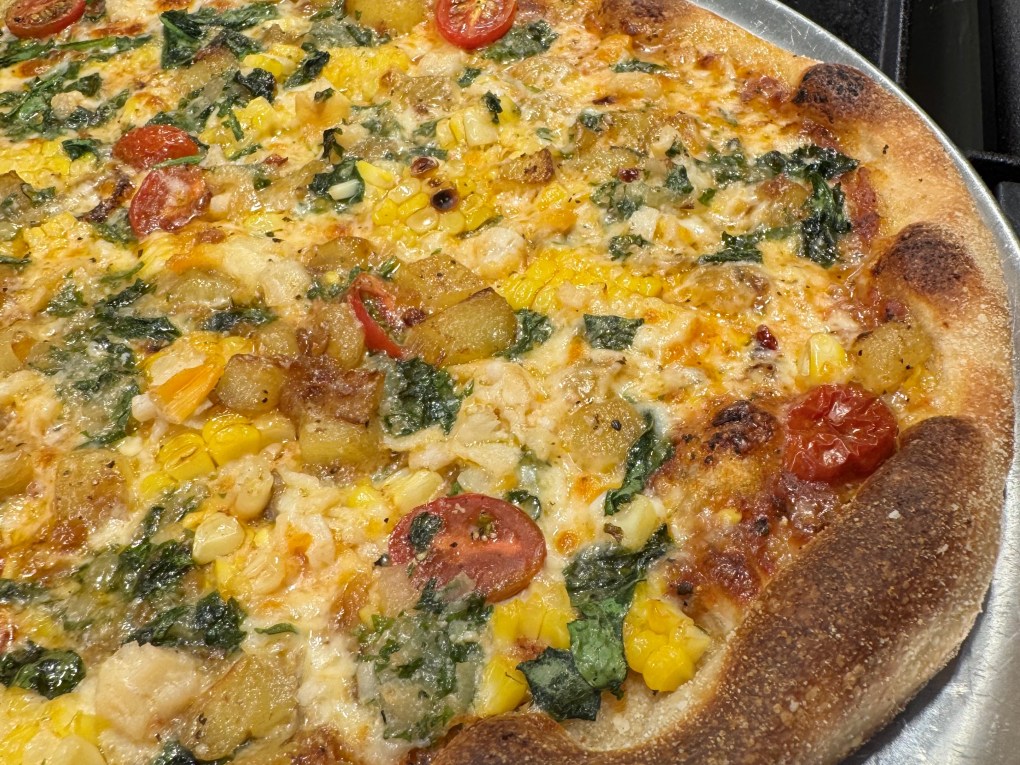
So how was this lovely creation, made of Leo-favored ingredients and served up on this last day of my zodiac sign? Delicious! My husband and I have both come to love clams on pizza, ever since our trip to New Haven and our own adventures with white clam pie, which I’m now Jonesing to do again soon. This fun interpretation brought plenty of other tasty ingredients into play, and we could taste each of them. The tomatoes were a good addition, and the trick of reducing the clam liquor with the buttered onions really added a great finishing note of ocean flavor. Would I make it again? Definitely! And I probably won’t wait until Leo season rolls back around.
Tomorrow is the first day of Virgo. Now, I wonder what they like to eat? 😉
Clambake Pizza
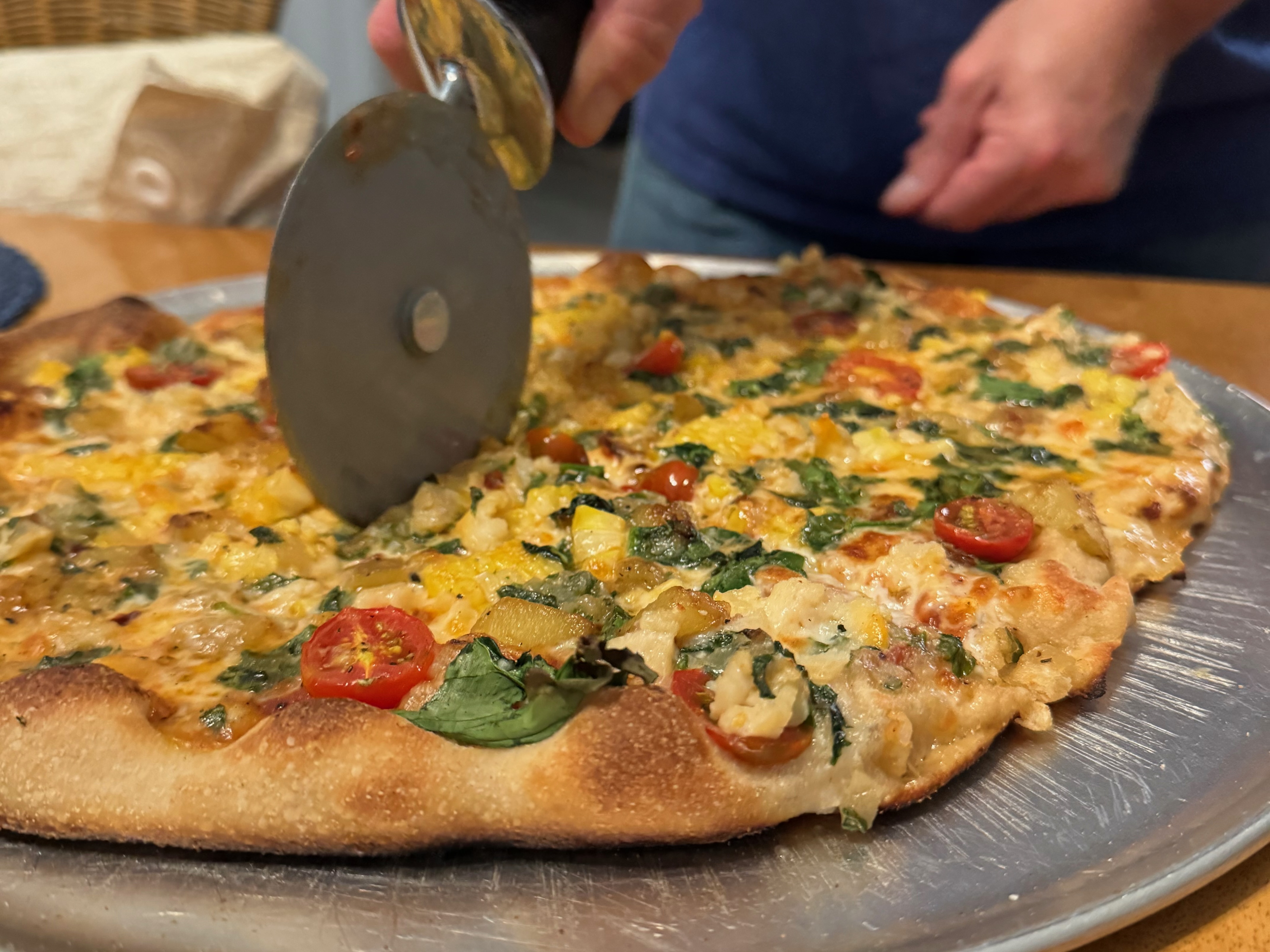
Apparently, my zodiac sign (Leo) loves clams, corn, spinach and mozzarella. What else could I do with this information but make a clambake pizza?
Ingredients
- 2 Tbsp. salted butter (half for cooking onions, half for clam-herb butter)
- 1 small shallot, minced
- 1 medium Yukon gold potato, cubed and boiled to al denté tenderness
- A pinch of baking soda in the potato cooking water
- 11 oz. pizza dough ball, at room temperature
- 1/3 cup favorite pizza sauce
- 3/4 cup freshly grated firm mozzarella
- 1 ear of grilled corn, stripped from cob
- A handful of cherry or grape tomatoes, halved and salted
- A fat handful (about 2 cups) fresh baby spinach, rough chopped
- A few shakes of crushed red pepper, if you like heat
- About 1 cup fresh chopped littleneck clam meats (reserve some of the liquor for the herb butter)
Directions
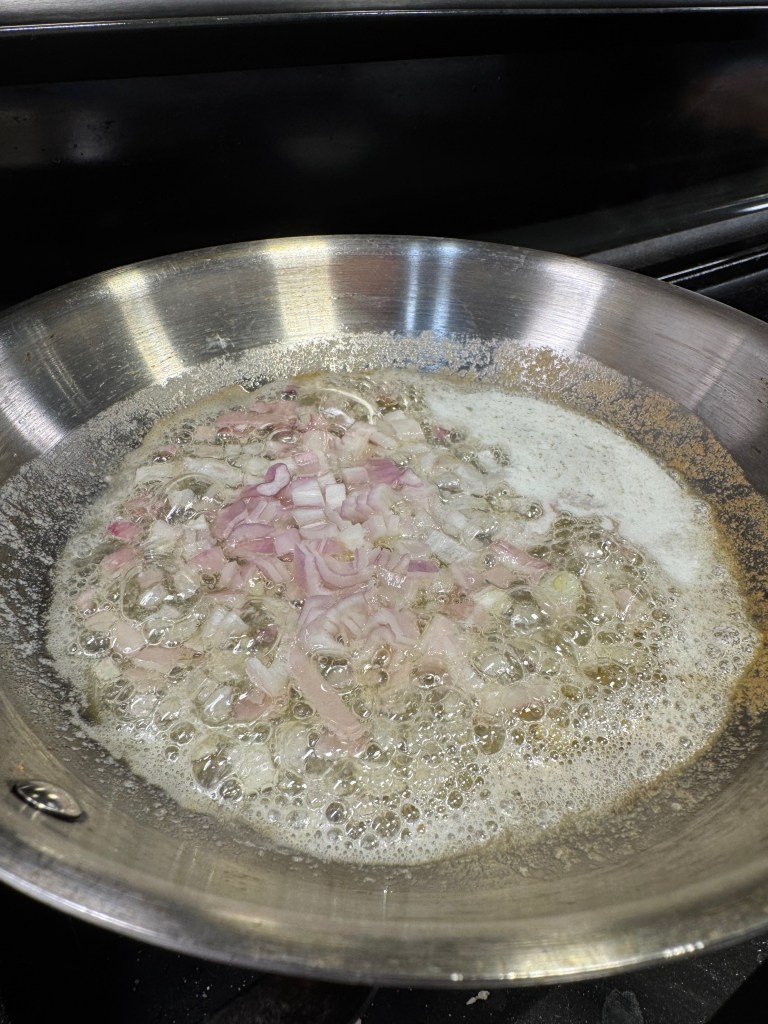
- Heat a small sauté pan over medium heat with a tablespoon of butter. Sauté the shallots for a few minutes until slightly softened. Drain the potatoes and add to the pan, tossing to crisp up the sides.
- Transfer the cooked potatoes to a small bowl. Pour some of the clam liquor into the sauté pan with the shallots and butter and simmer to reduce the liquid. Remove from heat and swirl in the other tablespoon of butter, along with the fresh parsley. Set this aside as a final topper to the pizza.
- Shape pizza dough into a 14-inch round and place it on a flour- and cornmeal-dusted peel. Swirl sauce over the pizza and scatter the mozzarella all over it.
- Layer toppings on, beginning with the spinach, pepper flakes and corn, then the tomatoes, potatoes and clams. Finally, arrange dollops of the clam liquor-infused herb butter all over the pizza, emphasizing the clams as much as possible.
- Transfer to the pizza to the preheated steel (or stone) and bake for 6 to 7 minutes, using peel to turn pizza at the 4-minute mark. If baking on the grill, transfer finished pizza to a heatproof pan and slide it under the high broiler of your oven for up to 60 seconds, to get the roasted appearance of an oven-baked pie.
- Wrap any leftover slices individually in aluminum foil. Reheat on a preheated griddle or skillet, loosely tented with foil. This preserves the crispy texture of the crust while allowing the cheesy topping to melt.
Just for fun…
A few famous Leos: 😎 Looks like I’m in excellent company!
Jennifer Lopez
Barack Obama
Mick Jagger
Helen Mirren
Antonio Banderas
Sandra BullockCharlize Theron
Steve Carell
Meghan Markle
Arnold Schwarzenegger
Halle BerryMadonna
Steve Martin
Tony Bennett
Martha Stewart




 Comfort du Jour