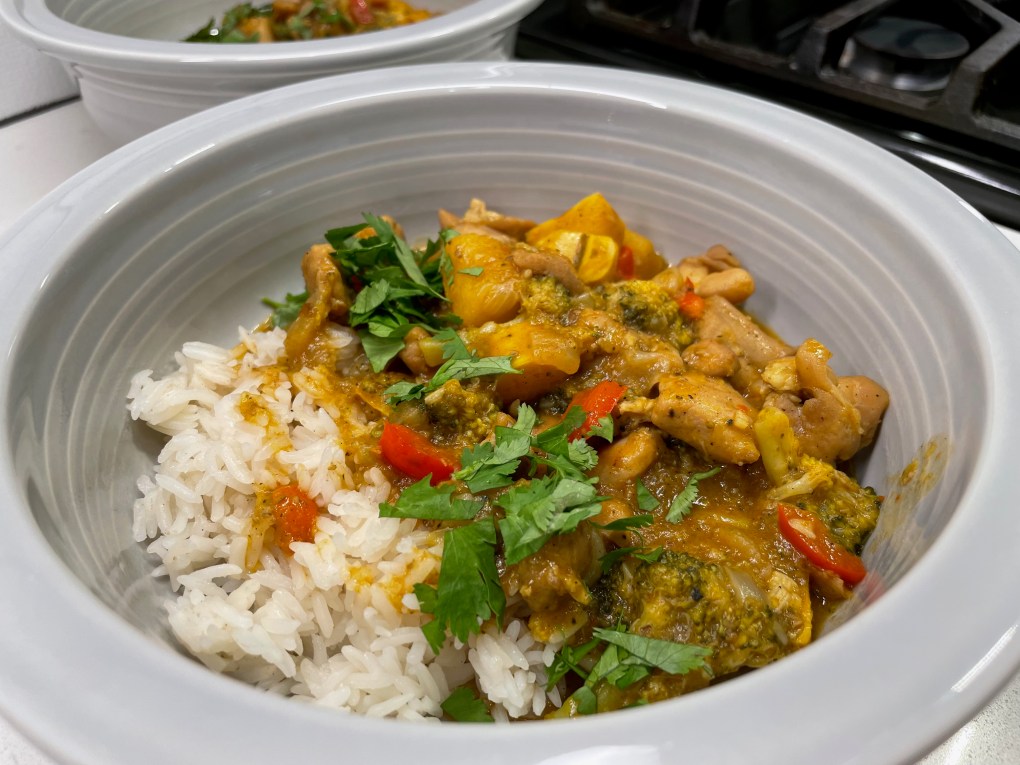
Chicken Curry with Autumn Vegetables

The best thing about Thanksgiving leftovers— for me, anyway— is when they are gone. For all the excitement leading up to the biggest food holiday of the year, I’m usually over it after two rounds of leftovers. Yes, I look forward to a good turkey sandwich, usually with a thin layer of leftover dressing and a smear of tangy cranberry sauce, plus a dab of mayo and perhaps a piece of lettuce in a ridiculous effort to offset all those carbs. And obviously, I enjoy transforming the turkey bits into spicy dishes, such as my turkey and black bean enchiladas or a delicious, comforting bowl of leftover turkey gumbo.

But my taste buds get weary after all that butter and gravy, and I start craving something with more pizzazz, and (for reasons I cannot explain) preferably from a culture other than my own. This impromptu Indian-inspired meal gave me not only delicious, warm spicy flavors, but also a generous dose of comfort on a dreary November night. My chicken curry came together more quickly than you might imagine, and it was a great way to incorporate some nutritious autumn vegetables and use up a package of skinless chicken thighs that I had stashed in the freezer.
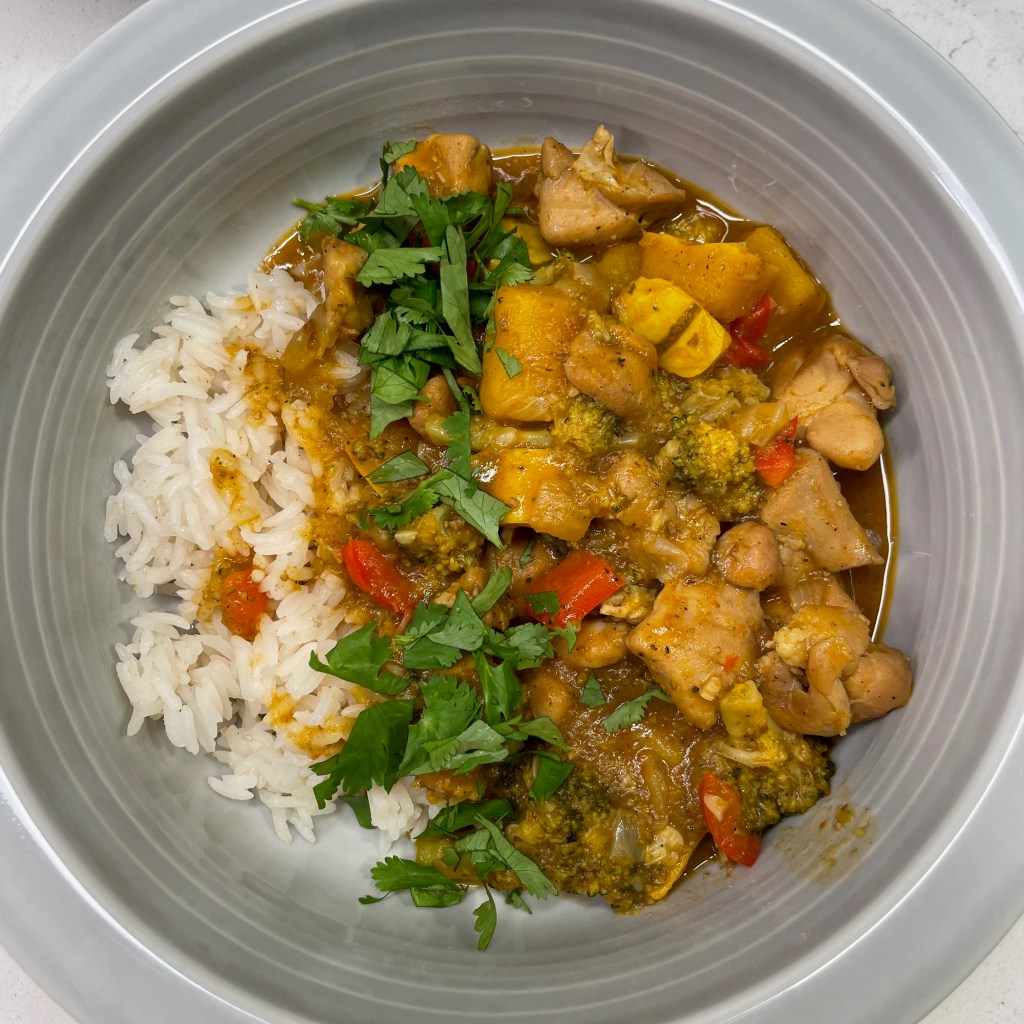
There’s flavor, color and loads of nutrients. What more could I ask?

Curry is not a cuisine of my youth; I first learned to enjoy it about 15 years ago in a local Thai restaurant, and I finally got brave enough to try making it at home within the past few years.  There are many varieties and styles (or colors, if you will) of curry, and it has taken me some time to learn which ones I like best. In Thailand, a green curry might include lemongrass, garlic, kaffir lime and hot chile spices, and those flavors are spectacular with seafood in a broth softened with coconut milk. In nearby India, a curry looks altogether different and usually gets its flavor from a blend of dry spices, including cardamom, coriander, ginger, cumin and turmeric. If you purchase a jar or can of “curry powder,” it may contain any combination of those pre-ground ingredients, but it’s easy enough to mix and match your own flavors if you already have the individual spices.
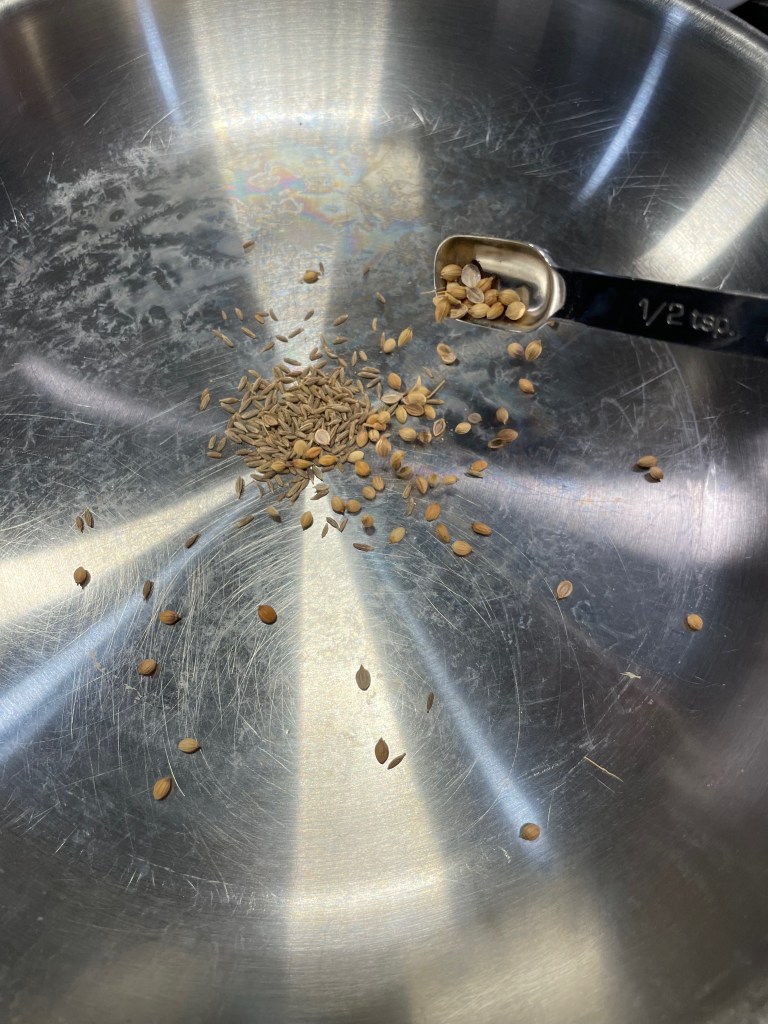
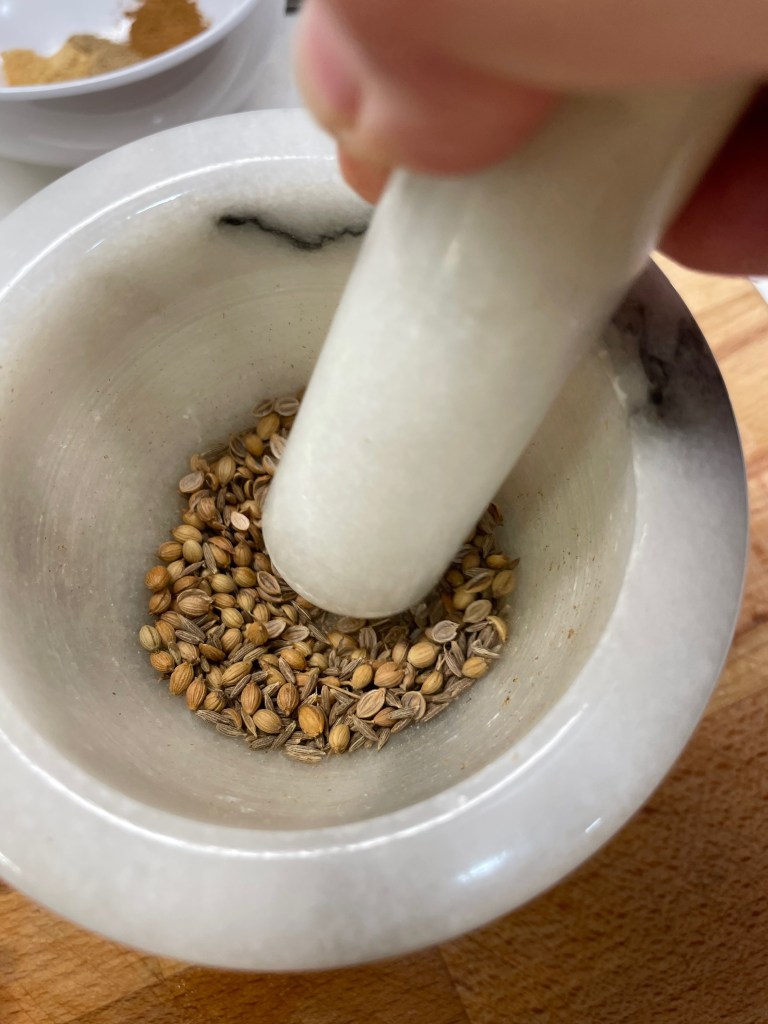
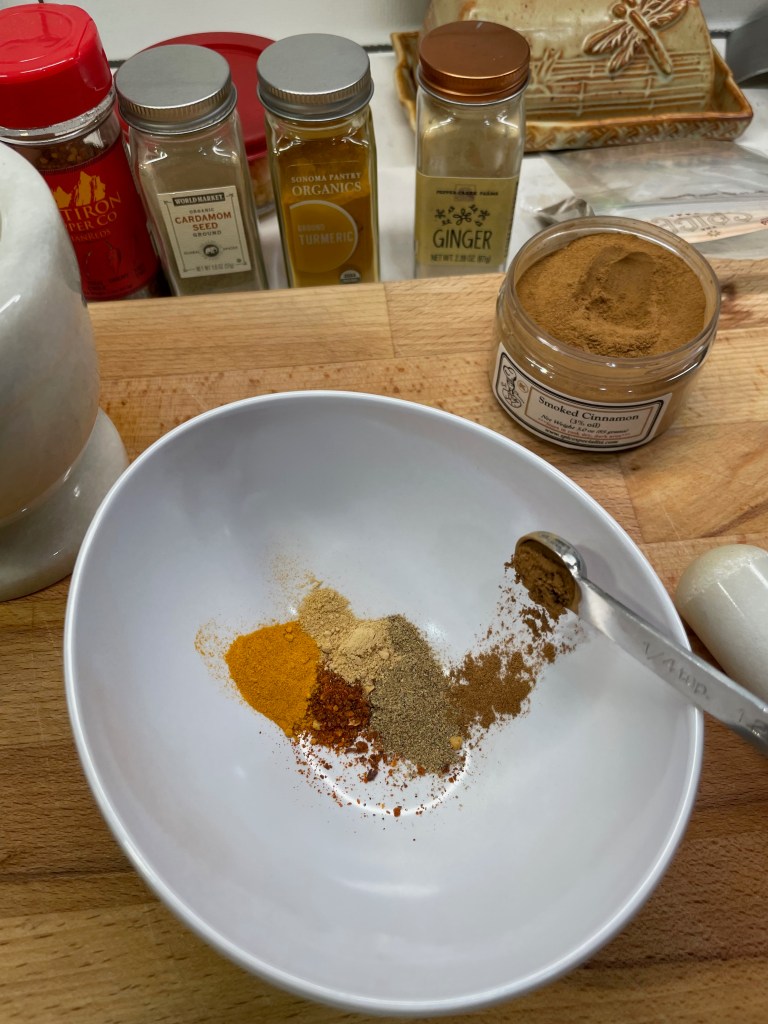
My chicken and autumn veggies dish is more similar to an Indian curry, and I started my blend with a quick toasting of whole cumin and coriander seeds. Heat brings forth the intense flavors, whether by toasting whole spices or by adding ground spices to hot oil in the pan. The technical term for this is “blooming,” and you don’t want to miss this easy step for the extra flavor it imparts to your final dish. I toasted the seeds in a hot, dry skillet— swirling the whole time for about 45 seconds until they were intensely fragrant— and then let them cool before crushing them in a mortar and pestle. Next up, I assembled my other dry, pre-ground spices, including ginger, cardamom, turmeric, cinnamon and hot chile flakes.
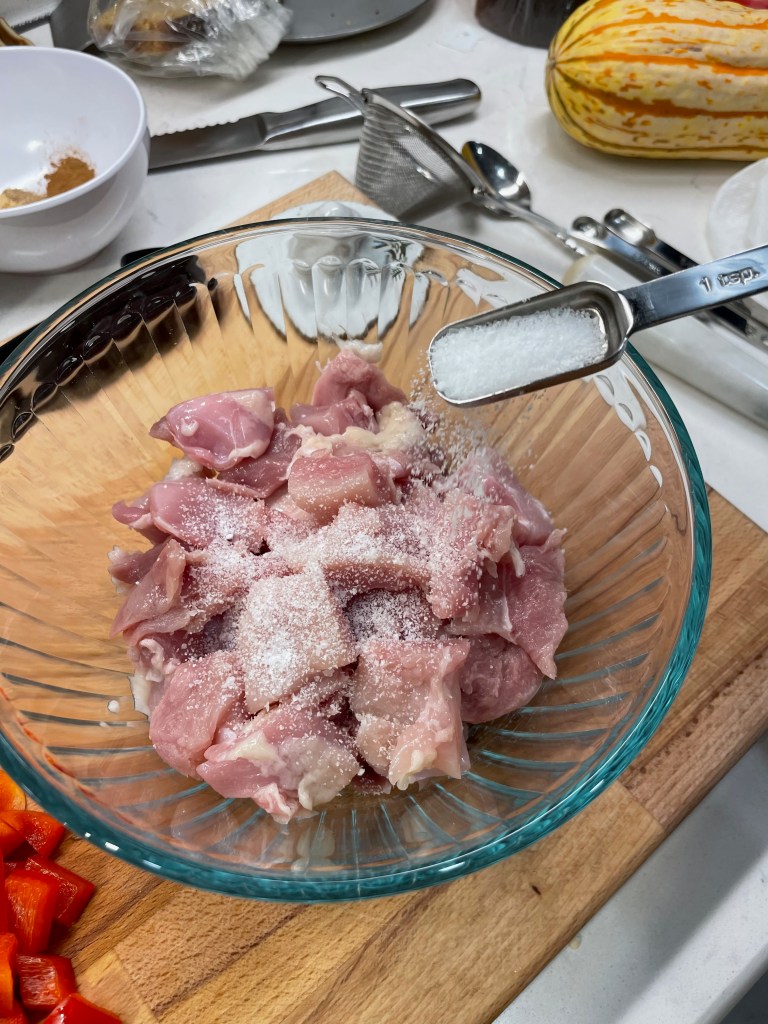
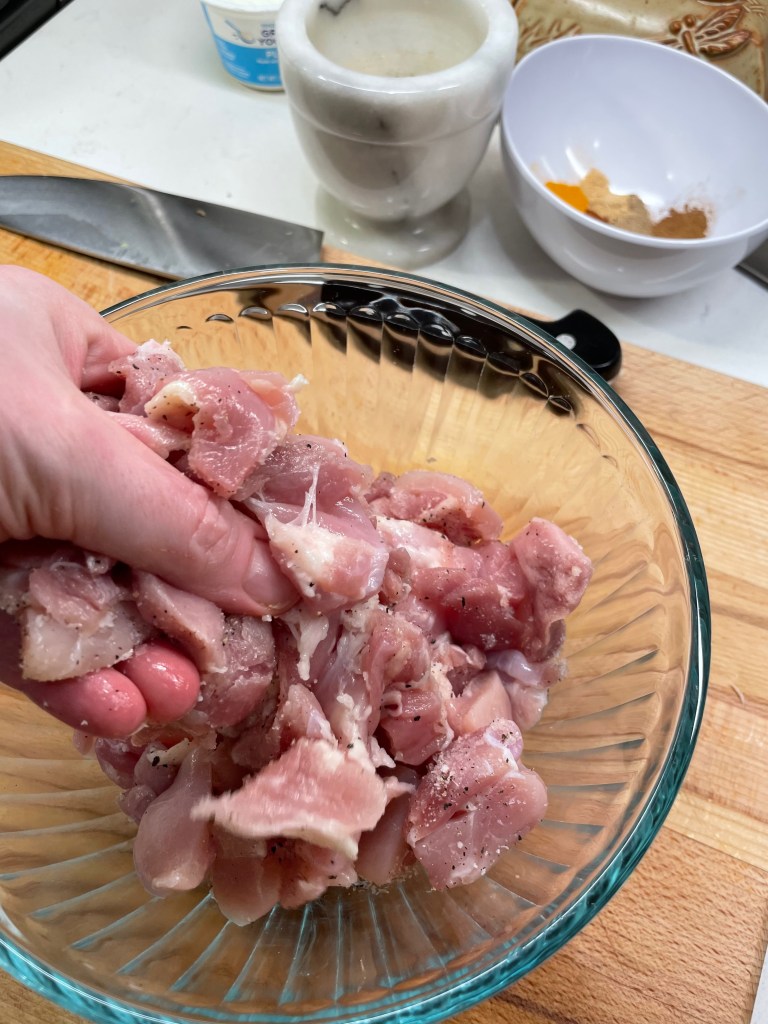
I chose boneless chicken thighs for their texture and flavor, but chicken breast or tenderloins would also be delicious here. I cut them into one-inch chunks, seasoned them with salt and pepper and let them rest while I cut up onions, red bell peppers, fresh broccoli and delicata squash. For this dish, I highly recommend getting all your components lined up and ready, as the cooking goes quickly once it begins.
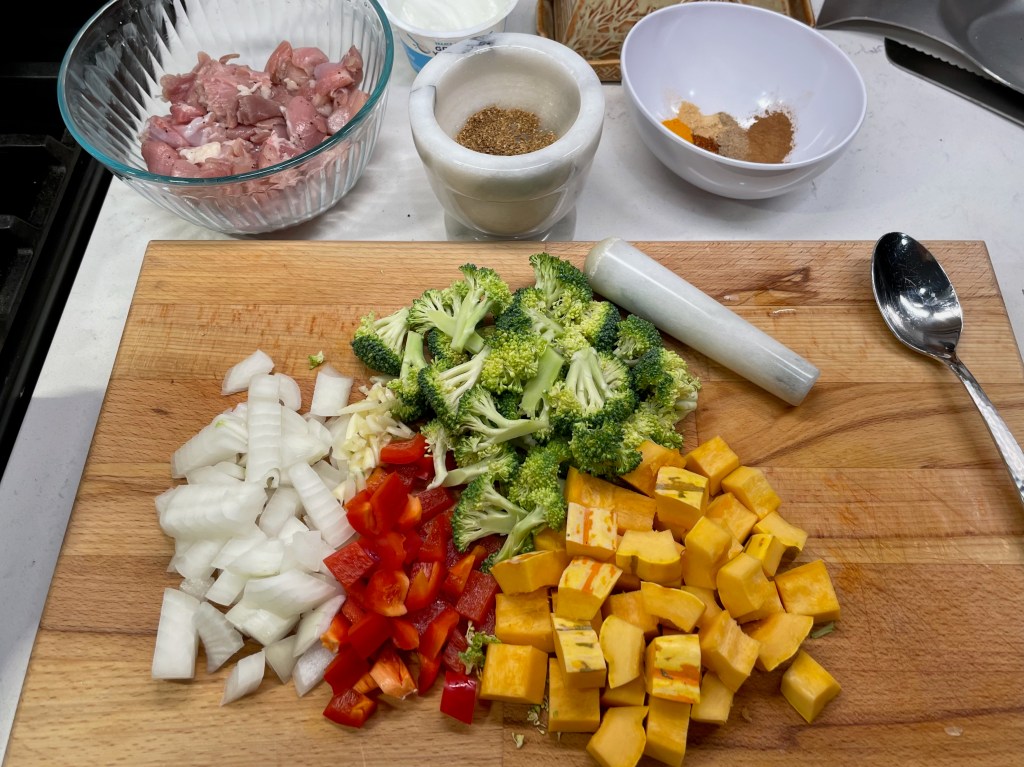
Behold all the vitamins and fiber on that cutting board!

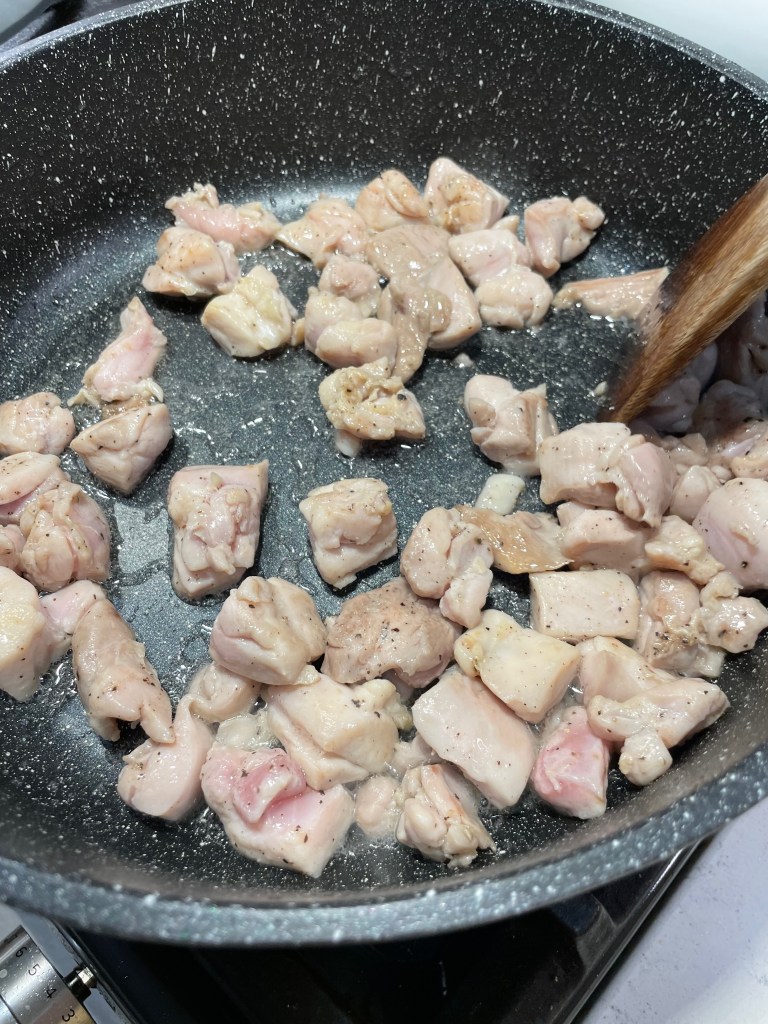
You’ll also need a bit of oil to get things started. Choose an oil that performs well over high heat, such as canola, peanut or coconut oil. I cooked the chicken first, just until the bits were no longer pink, and then transferred them to a separate bowl while I sautéed the vegetables. When I’m cooking veggies of varying textures, I usually begin with the firmer ones, adding the rest in descending order of necessary cooking time. The best time to add the spices is just before adding more vegetables— this allows them to bloom in the hot oil that coats the veggies. Season along the way, of course, with salt and pepper as well. This does more than add salty flavor; salting during cooking helps to draw moisture out of the ingredients for better texture.
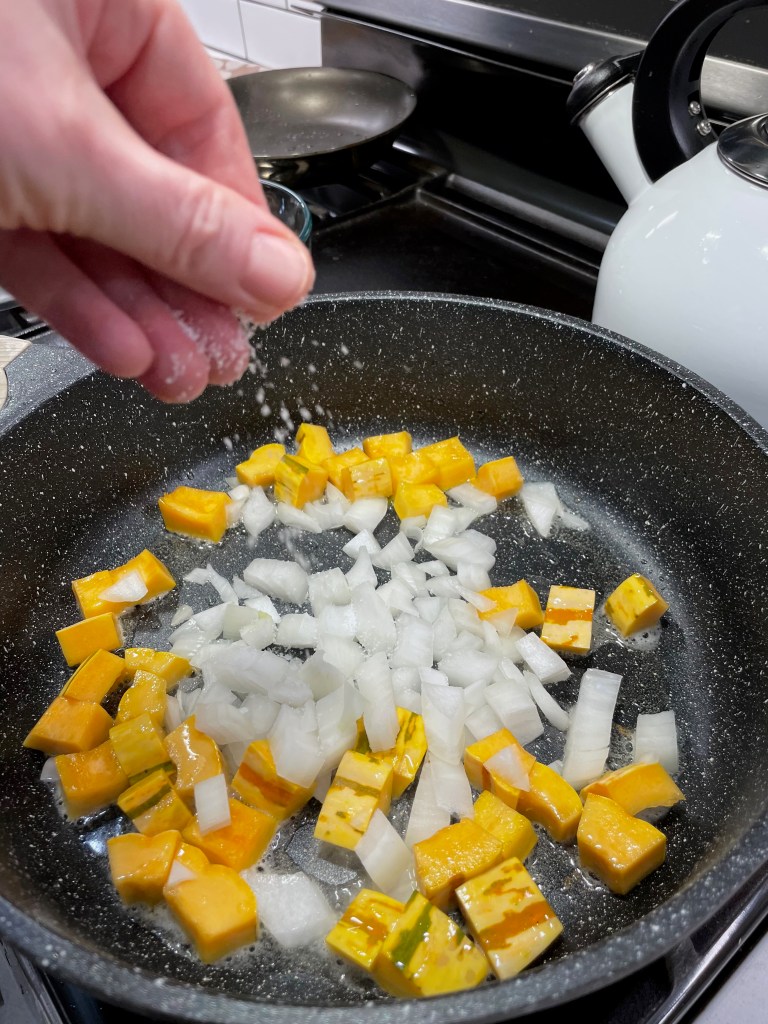
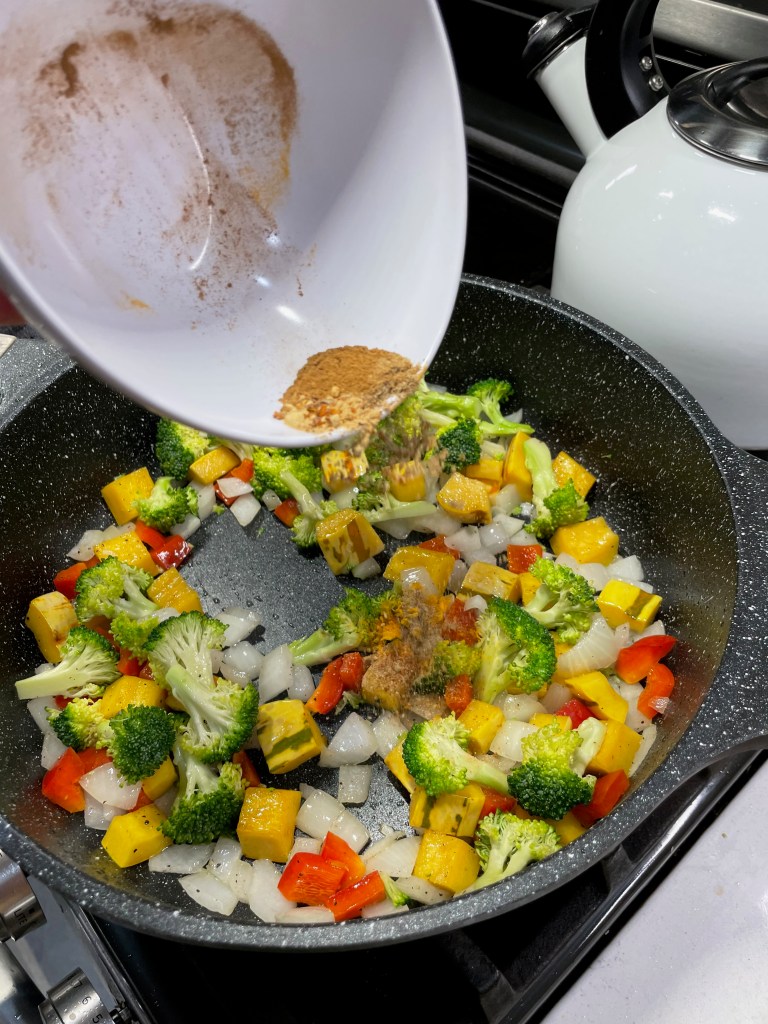
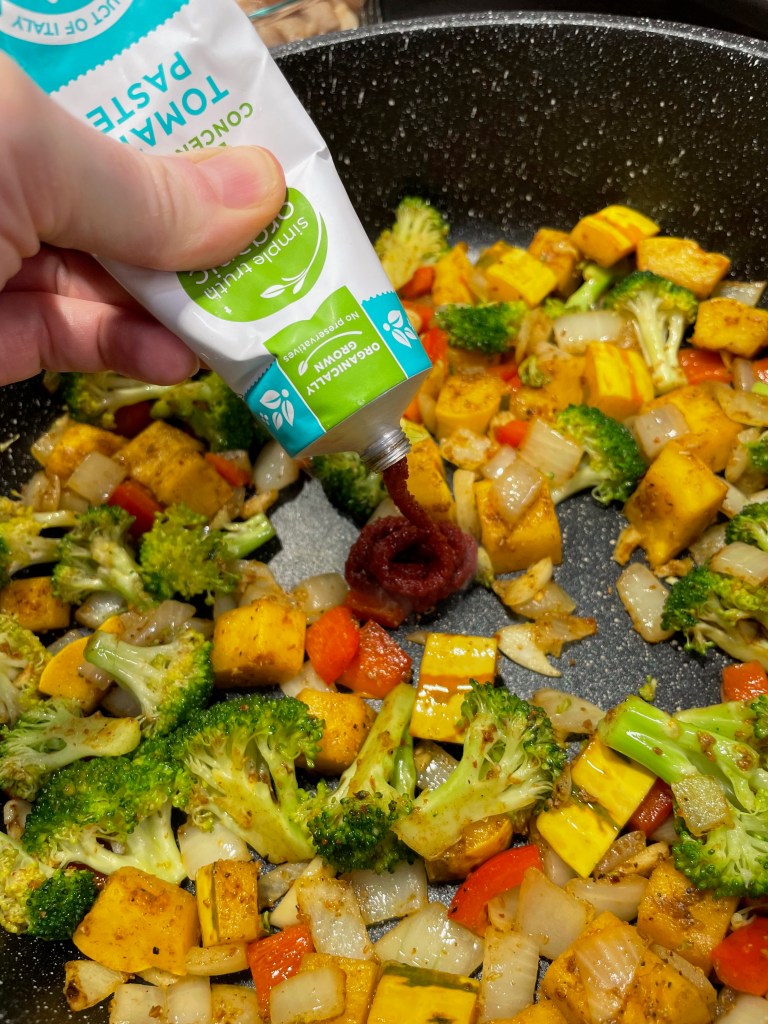
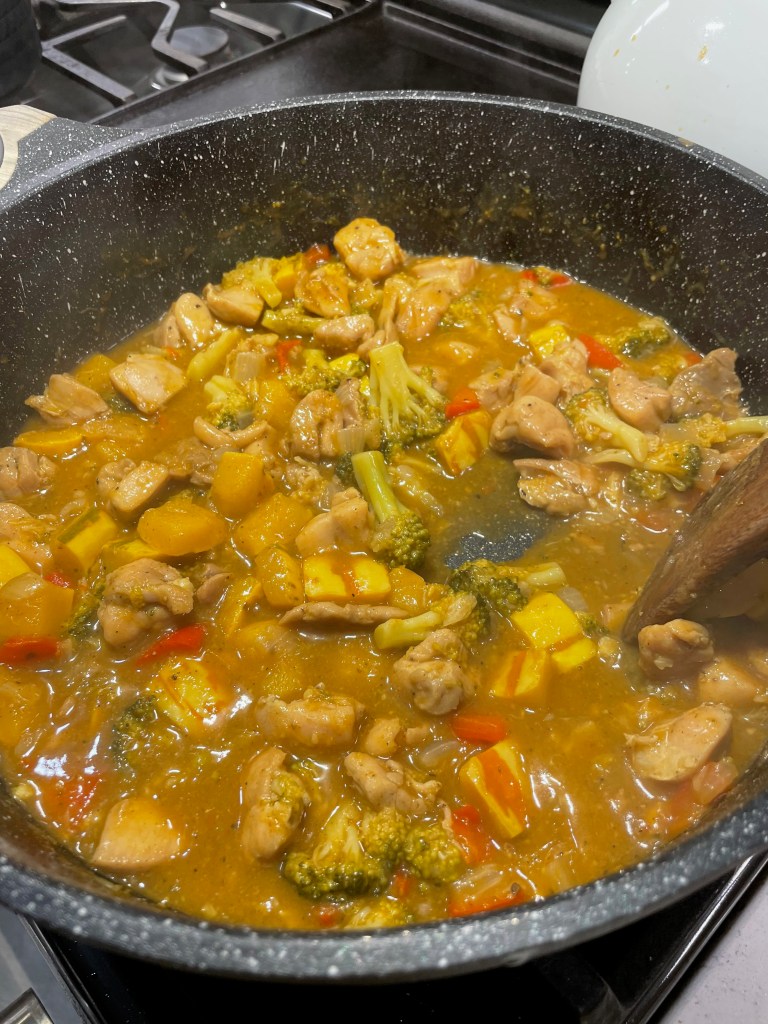
A dab of tomato paste in the center of the pot adds a rich, warm color and also a burst of umami flavor from the concentrated glutamates in the tomatoes. A little broth to thin it out, and then the chicken goes back into the pan with half a can of light coconut milk to simmer until everything is nice and tender. This took about 30 minutes, long enough to cook up a pan of basmati rice, perfect for soaking up the flavorful curry.
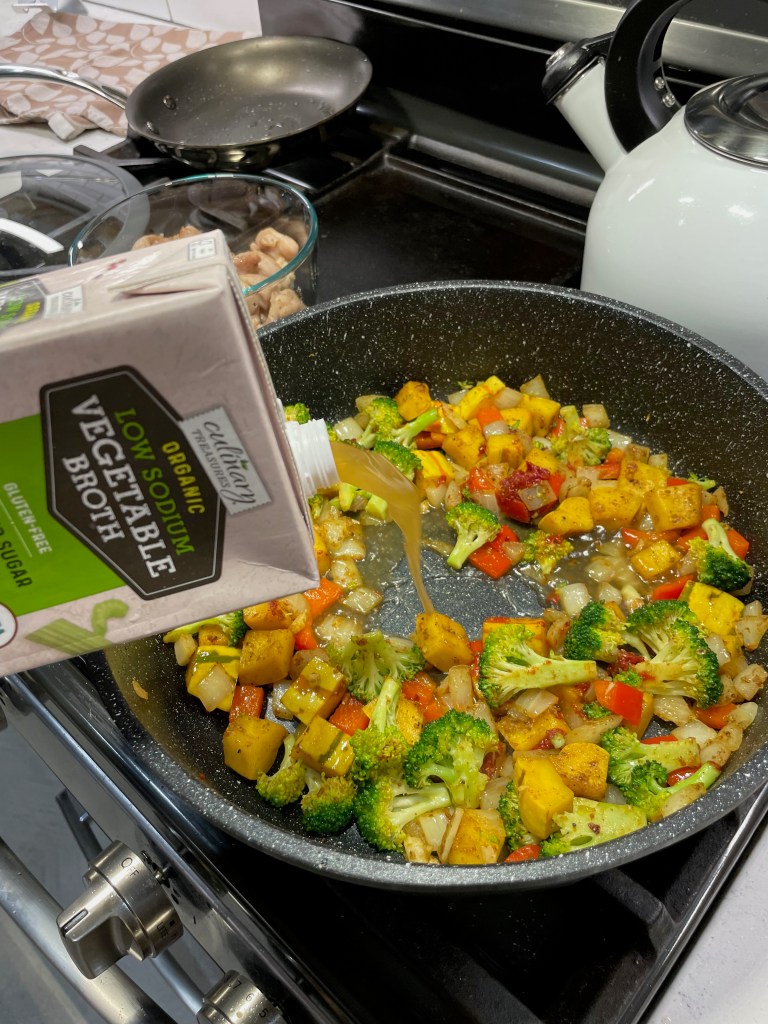
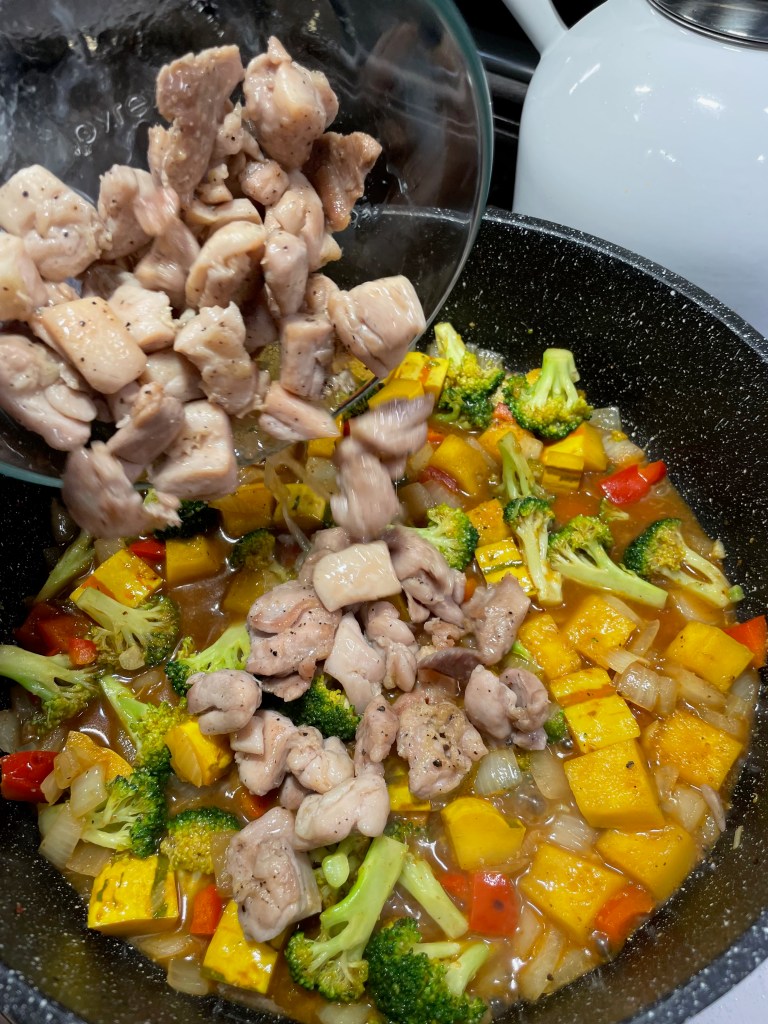
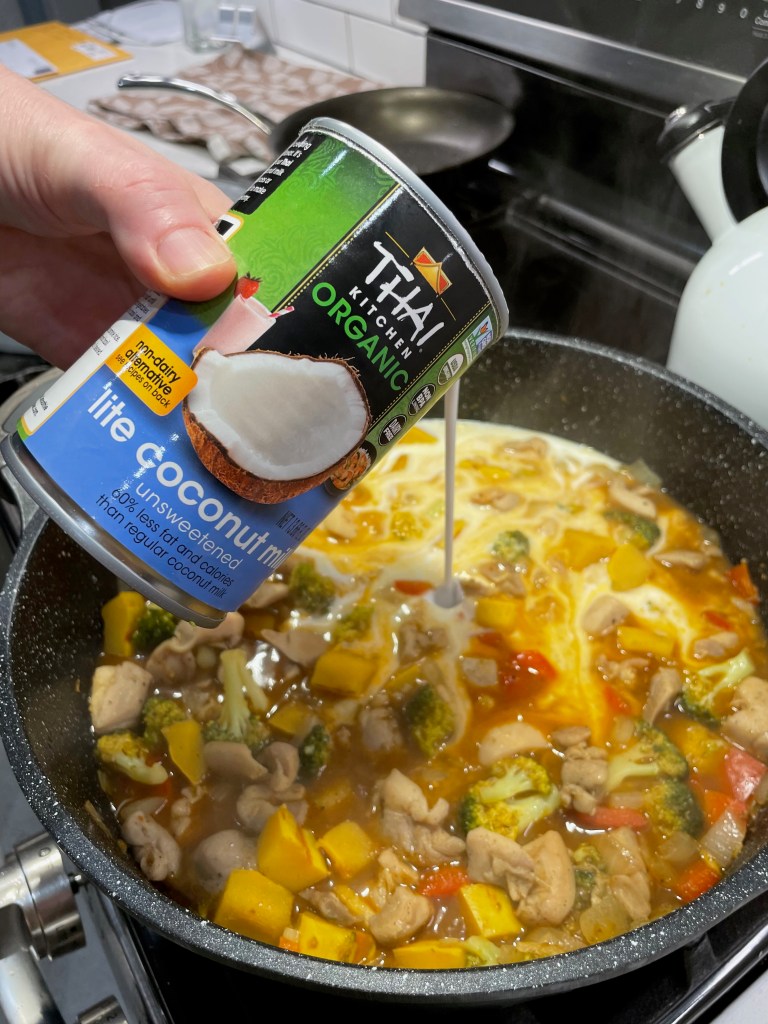
This kind of meal hits the spot after so much gravy, dressing and mashed potatoes, and the heavy load of vegetables does the body good, too! 

Chicken Curry with Autumn Vegetables

  • Servings: 4
  • Difficulty: Average
  • Print

This dish ticks all the boxes with big flavor, warming comfort and exceptional nutrition. It's easy enough for a busy weeknight and rich with autumn comfort.


Ingredients

  • 1 pound boneless, skinless chicken thighs, patted dry and cut into 1-inch chunks
  • Kosher salt and black pepper
  • 1/2 tsp. whole cumin seeds
  • 1/2 tsp. whole coriander seeds
  • 1/4 tsp. EACH cardamom, cinnamon, red pepper flakes, ginger, turmeric (see recipe note below)
  • 1/2 sweet or yellow onion, chopped
  • 1 small delicata squash, cleaned and cut into 1-inch chunks
  • 1/2 bunch fresh broccoli, cut into small florets
  • 1/2 red bell pepper, chopped
  • 2 Tbsp. high-heat cooking oil (I used coconut, but canola or peanut would be good)
  • 1 to 2 Tbsp. tomato paste
  • 1/2 cup low sodium broth (chicken or vegetable)
  • 1/2 can light coconut milk
  • Basmati or brown rice for serving
  • Fresh cilantro for serving (optional)

Recipe Notes: I created my own curry spice blend because I have the individual ingredients, and 1/4 teaspoon each was a good starting point for my adjustments. This is a good way to control the heat and balance the blend with the spices you like best, but there’s no harm in buying a pre-made curry powder. Use 1 to 2 teaspoons, depending on how intense you’d like the flavors to be.

Because this dish moves quickly once cooking begins, I recommend having all ingredients prepped and on standby before you turn on the burner.

Directions

  1. Season the chicken chunks with about 3/4 teaspoon salt and a few twists of black pepper. Toss to coat, and allow it to rest at room temperature while you prep the spices and vegetables.
  2. Heat a small dry skillet over medium-high heat. Add seed spices and toast, swirling the pan constantly until the spices are very fragrant. Transfer to a bowl to cool, and then grind in a mortar and pestle or electric spice grinder.
  3. Measure remaining spices into a bowl and set aside.
  4. Place a wide, heavy-bottomed pot over medium-high heat. Add oil and heat until shimmering, then toss the chicken pieces just until all sides are no longer pink. Transfer chicken to a bowl and keep warm.
  5. Add vegetables to the pot, beginning with the firmest and adding the others in descending order of time needed to soften. Season with a pinch or two of salt to help draw out the moisture. Add spice blend and ground seed spices to the hot vegetables and toss to coat.
  6. Stir in tomato paste for rich color and burst of umami flavor. Add broth and cook until the liquid begins to simmer.
  7. Return chicken to pan. Stir in coconut milk. Cover pan and reduce heat to simmer the curry for about 25 minutes. Serve with basmati rice and sprinkle with chopped cilantro, if desired.


Sassy Succotash

All’s well that ends well, and after a few unexpected issues with the ingredients in this dish, I’m pleased to deliver the end result. It’s a colorful mix of healthful ingredients, with a little bit of crispy bacon on top, just because.

In case you aren’t familiar, succotash is a very popular dish in the southeast U.S., one that I first met when I dated a guy who was born and raised in rural North Carolina. His mother made succotash with sweet corn and lima beans as a regular part of her Sunday supper, which was immediately followed by three hours of gazing at a NASCAR race (yawn). They were nice people and she made juicy fried chicken (and the best coconut cake I’ve ever had the pleasure of eating). When I dared to make Thanksgiving dinner for them, I was admonished by boyfriend’s dad, who informed me that I needed to learn how to cook green beans. In the South, this would customarily involve a pressure cooker and a pound of “fatback,” a pretty dramatic contrast to my “upstate” green beans, which were delicately blanched and served with butter and almonds. Yep, they were still actually green. My bad.

I’m quite sure his family would not have approved all the liberties I’ve taken today with this succotash, adding all this crazy color and bold flavor, but what can I say—you can’t fix sassy.

For my version of succotash, I changed course for a moment with an idea to use golden hominy rather than corn because the hominy matched the size of the butter beans and roasted squash pieces. But as they say about the best-laid plans, things didn’t work out when the canned hominy proved to have texture equal to hog slop—it would have looked even worse in pictures than it did in the bowl. That’ll teach me second-guessing myself (this time, anyway).

I suspended preparation of the dish, long enough for my super-efficient husband to pick up a bag of our favorite frozen roasted corn, which brought me back to my Plan A. The roasted corn is pretty and rustic, and with addition of the big pieces of red onion and dark, earthy poblano pepper, my sassy succotash is a bona fide hit for Thanksgiving this year.

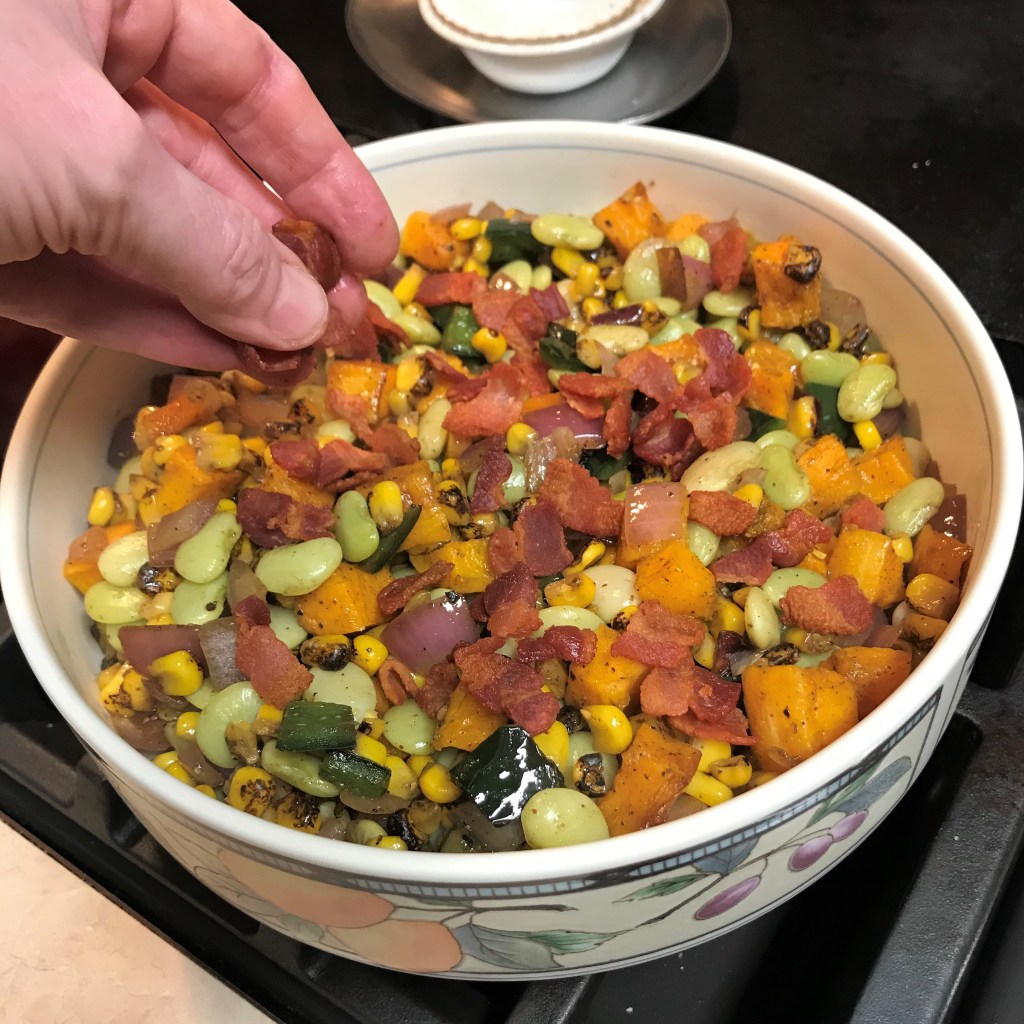
The finished dish has so many different colors and textures. It’s flavorful, and full of nutrients, too!

Oh, and I married the right guy, too—born and raised in NYC, and couldn’t care less about NASCAR. All’s well that ends well. ❤


Ingredients

2 cups butternut squash cubes (roasting instructions below)

2 cups frozen butter beans*, cooked according to package

3 slices uncured, smoked bacon, cut into 1” pieces

1/2 medium red onion, chopped

1/2 large poblano pepper, chopped*

1/4 tsp. ancho chile powder* (see notes)

1 1/2 cups frozen roasted corn*

*Notes

Butter beans are usually a bit larger than lima beans, although I’m not sure it was the case with the bag I purchased. Either will work fine in this dish, so don’t sweat it.

I chose poblano for this dish because of its dark green color and mildly smoky flavor. It’s not as hot as jalapeno, but does have a little kick to it, though the heat dissipates during cooking. You could substitute a dark green bell pepper if you prefer.

Ancho chile is the dried, smoked version of poblano peppers. If you cannot find it, substitute any chili powder—it’s a small amount, so you won’t compromise or alter the flavor much.

We love the roasted corn from Trader Joe’s in so many things. I have seen other brands occasionally, but it would also be fine to use regular frozen corn, or, of course, you could upstage me and grill fresh corn!

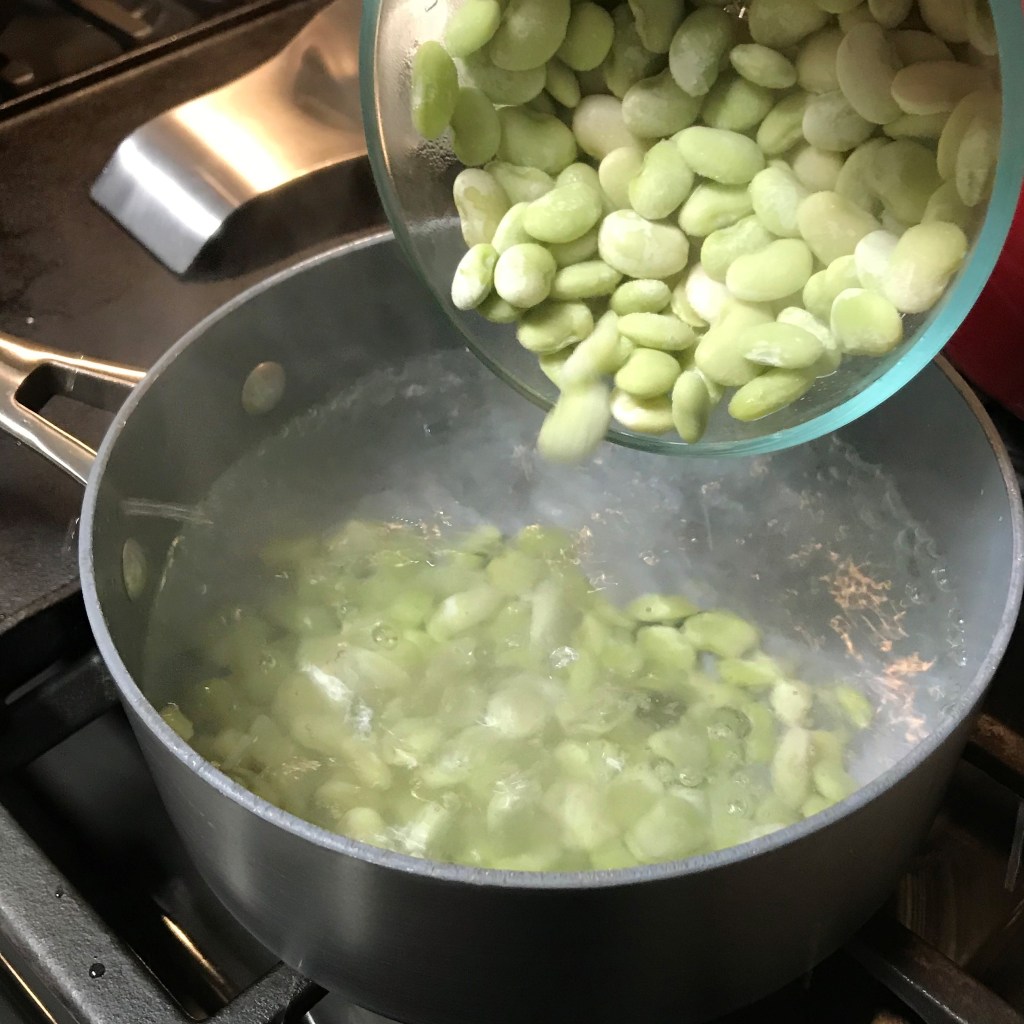
The hominy setback turned out to be a blessing, because everything was prepped and ready to go for assembling the dish. Here’s how it goes, and you’ll find written instructions below, along with a downloadable version for your recipe files. Enjoy!


Instructions

  1. Preheat oven to 400° F. Line a rimmed baking sheet with parchment paper.
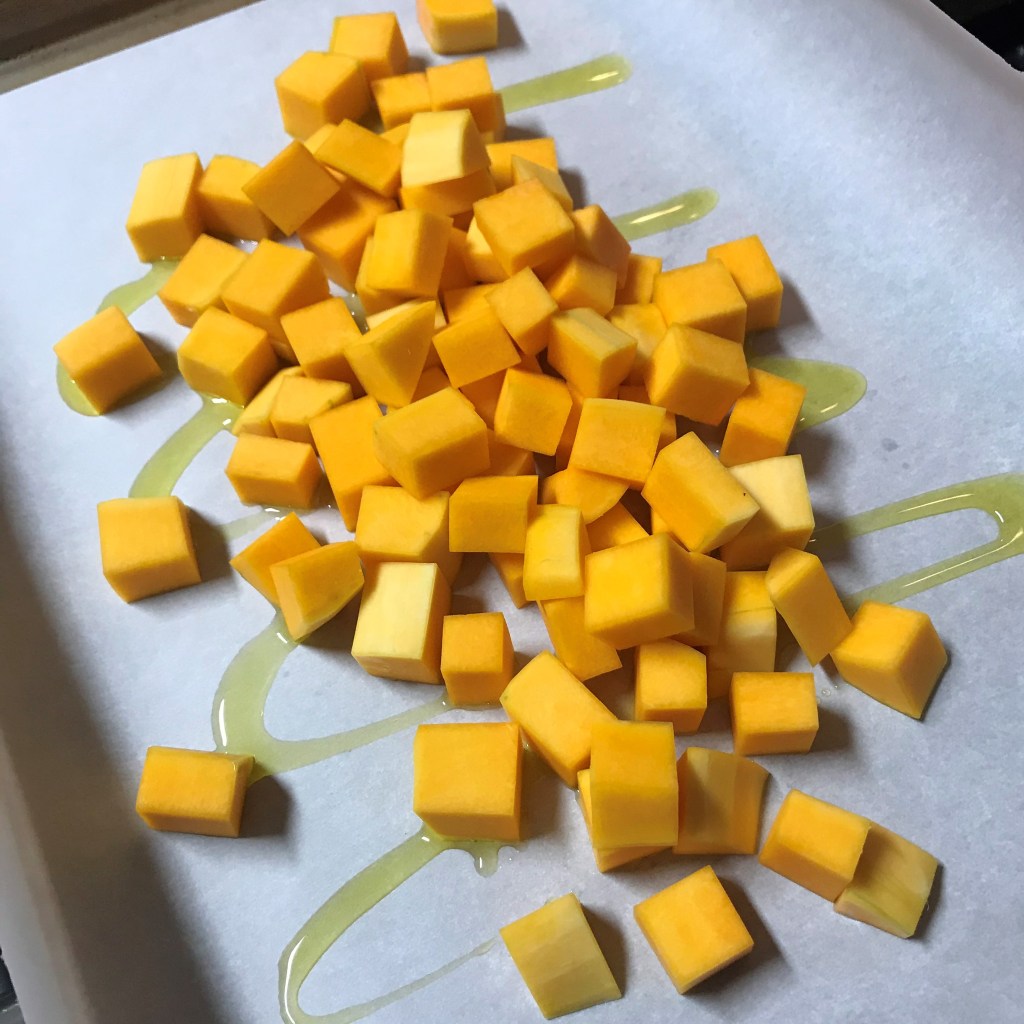
  2. Toss the butternut squash pieces in olive oil, just enough to coat all sides. Season with salt and pepper and roast them for about 25 minutes, or until fork tender, but firm.
  3. Prepare the frozen lima beans according to package instructions, and then shock them in cold water to halt the cooking so they don’t get mushy. Drain and set aside.
  4. Heat a large, nonstick skillet over medium heat. Add the bacon pieces and toss to cook until they are done and crispy; remove to a drain on a paper towel. Do not drain the bacon grease.
  5. Add the red onion and poblano peppers to the skillet and sauté in bacon grease until they are very slightly soft. Sprinkle ancho chile powder over the mix and toss to coat.
  6. Add the frozen corn to the skillet and toss until heated through. Add the cooked butter beans and toss again.
  7. Just before serving, toss the butternut squash into the pan and toss the mixture to reheat the squash and combine everything evenly. Transfer the succotash to a serving bowl, and sprinkle with the reserved crispy bacon pieces.

About that extra squash…I had a sweet patient girl waiting for just such an occasion. Good catch, Nilla! ❤
(She is lightning fast!)

Want to make this dish vegan?

Omit the bacon, and saute the onions and peppers in a tablespoon of olive oil rather than bacon grease. No other adjustments will be necessary. I love an adaptable recipe!

Get the recipe!


Creamy Curried Butternut-Cauliflower Soup

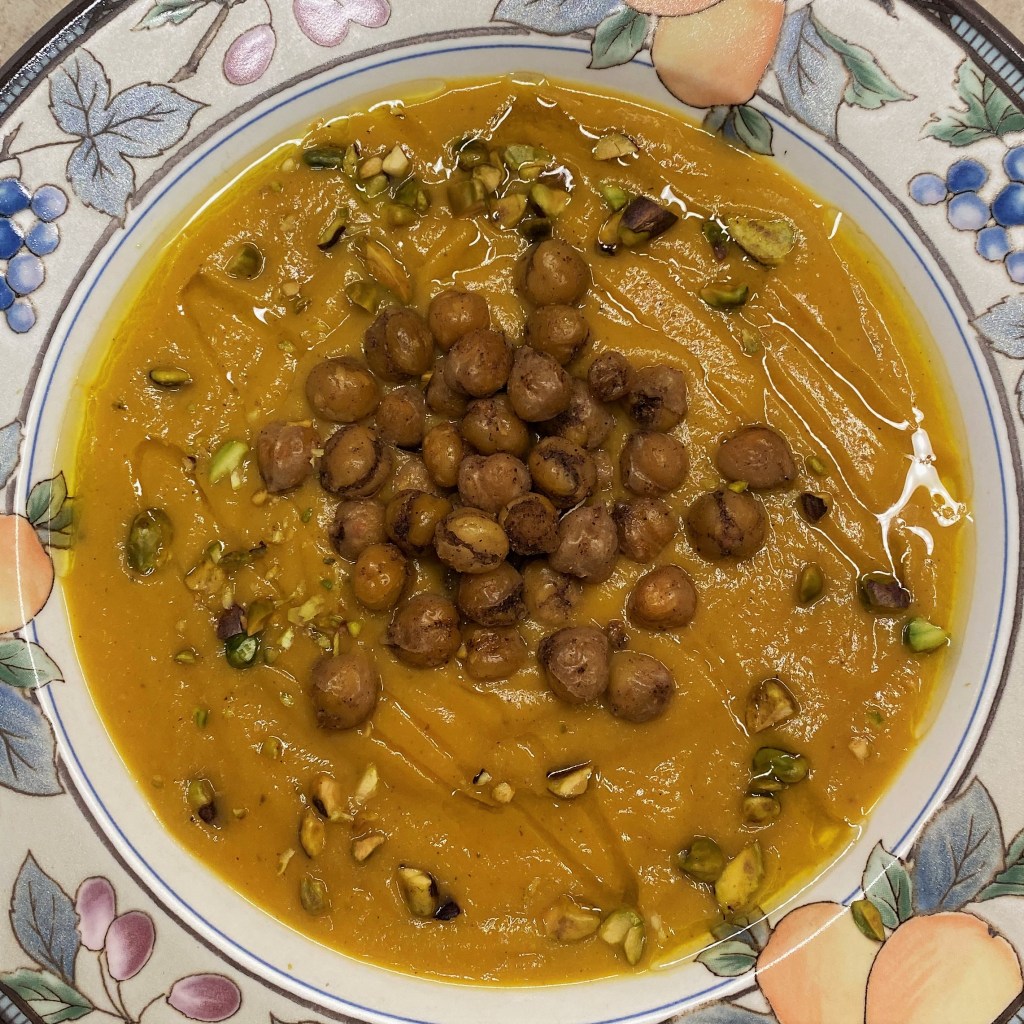
This soup will help you slide nicely into autumn, with its bright and light vegetable flavors, seasoned with warm, aromatic Indian spices, and made richer with a last-minute swirl of cream. This is a recipe that moves along a sliding scale in many ways—you can make it with anything from chicken bone broth to vegetable broth, or spicy to mild, or light to creamy (either with real cream or coconut milk).

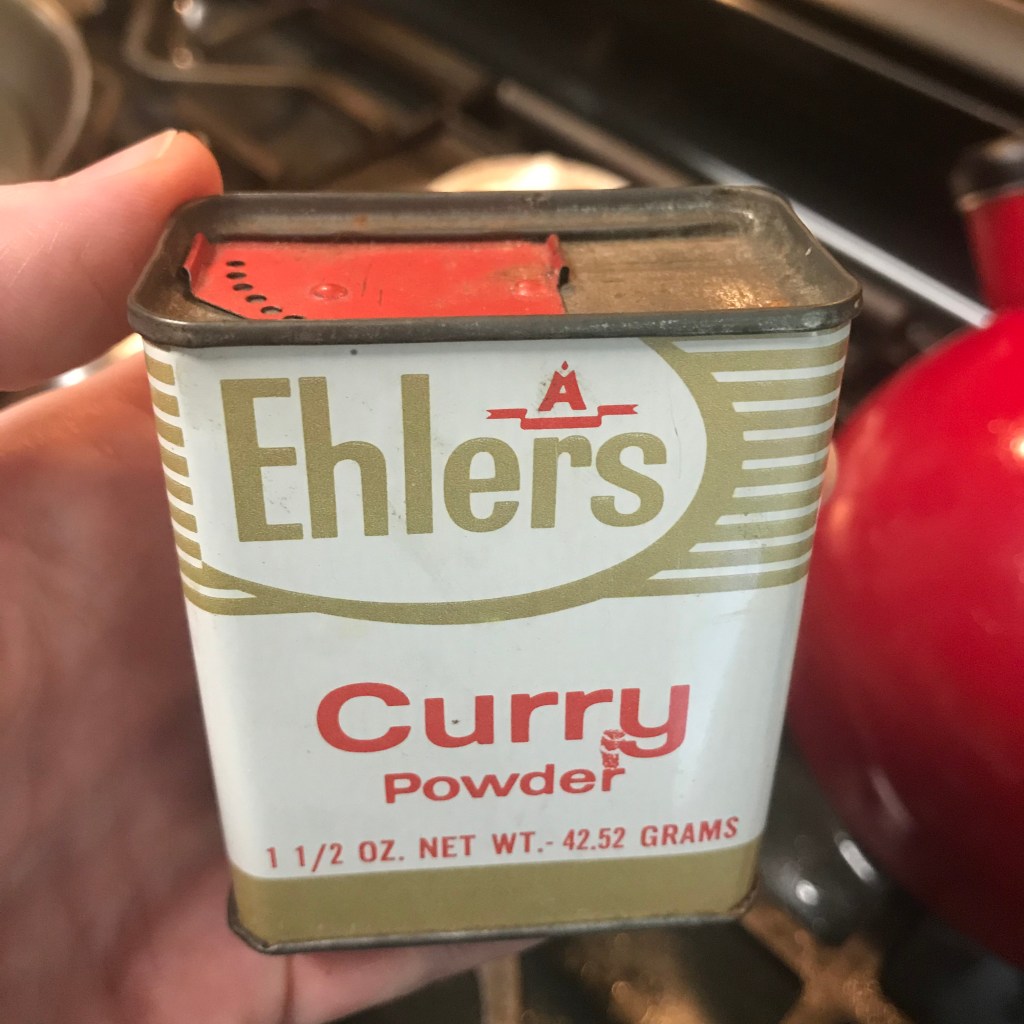
When my husband, Les, noticed my description of this soup as “curried,” he seemed surprised, and noted that he didn’t remember enjoying curry before. Sound familiar? If you’ve tasted something called “curry” in the past and found it weird or unpleasant, let me fill you in on the probable cause—poor labeling. You see, curry isn’t a flavor or a spice on its own. Curry is a method of cooking, not just in India but throughout much of Asia, and it happens to involve use of many spices, some of which you’d find in a grocery store “curry powder.” But just as “chili powder” is ambiguous (or even sketchy), so is curry powder. Depending on what brand you buy, you may end up with varying ratios (and quality) of spices. Check out this spice tin Les and I found in his mom’s cabinet a few years ago:

The idea of adding this stuff to a can of chicken gumbo soup has literally squashed my appetite for the rest of the day. Breaking news: adding a non-descript (and probably stale) spice blend will not improve an already overly-processed canned food. It’s no mystery why nobody ever uses this stuff, including Les’s mom—this can was never opened.

But curry cooking shouldn’t take the punishment for poor packaging. These flavors can be fantastic, and in my estimation, it may be better to make your own blend to match the spices to your taste, and also to enhance what you’re cooking, which is hopefully more fresh and interesting than condensed canned soup. If I had an Indian grandmother, I’m quite certain I would have learned to cook with one of these close at hand. A “masala dabba” holds a collection of individual spices, and the cook knows which combination is best for the meal.

This looks like beautiful art to me! How many of these spices can you identify?

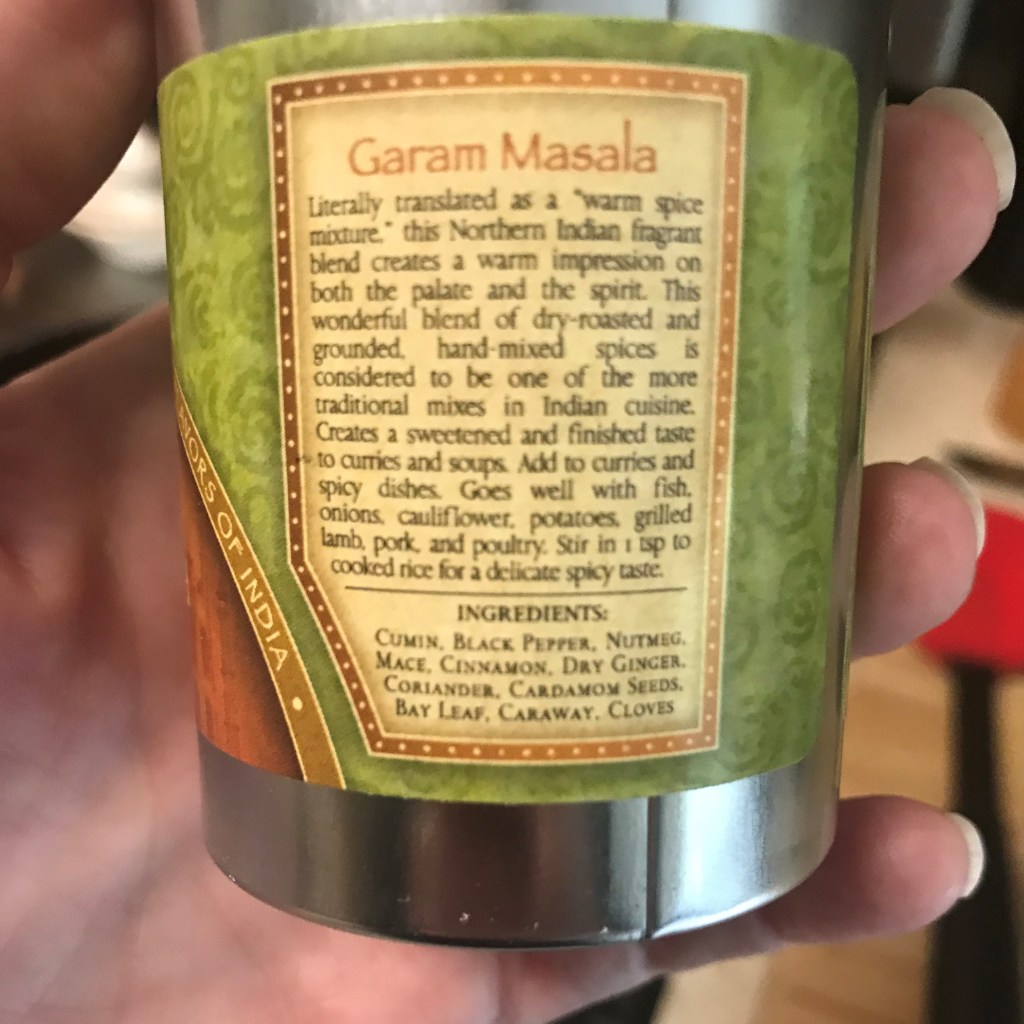
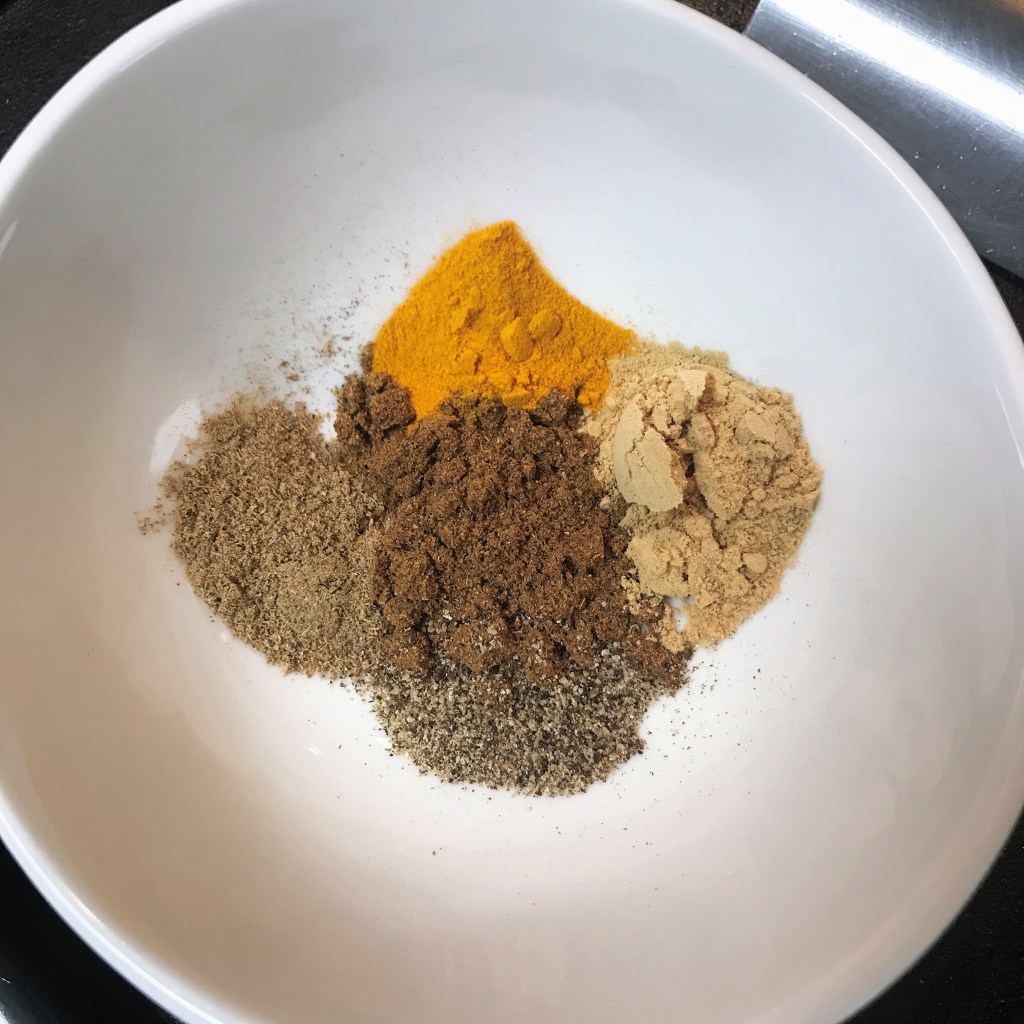
Mixing and matching spice ingredients makes a lot more sense than a one-spice-fits-all approach, and I’d love to have my own masala dabba one day. For now, I’ll make do with what I have in the pantry, and for this veg-heavy soup, I’ve chosen warm, pungent spices, most of which are in another common Indian blend—garam masala. I’m trying to use up all my “pre-made” blends to make more space in the cabinet, so I’m beginning with the garam masala, and embellishing with extra ginger, pepper and cardamom, and also a bit of turmeric, to punch up the bright color of the butternut squash.

Garam masala literally translates as “warm spice mixture,” implying that the spices make you feel warm inside, and that certainly is true with this creamy, autumn-embracing soup. It brings a whole lot of healthy to a weekend meal (or meatless Monday), and you may as well make a large batch of it, because the leftovers will warm up in a jiffy for weekday lunches or dinner. Serve it with a salad or sandwich for a satisfying, comforting meal.

This recipe makes approximately 8 servings. I cooked it on the stove top, but it’s easily adapted to a slow cooker.


Ingredients

3 cups butternut squash, peeled and cubed

3 cups fresh cauliflower, cleaned, trimmed and chopped into florets

1 cup carrots, chopped

3 cups low sodium broth (I used vegetable, but chicken would work also)

1 tsp. kosher salt

Freshly ground black pepper

3 Tbsp. extra virgin olive oil, drizzled over vegetables

1 Tbsp. extra virgin olive oil

1 medium sweet or yellow onion, chopped (about 1 cup)

5 cloves garlic, chopped (about 3 Tbsp.)

1 tsp. garam masala

1 tsp. ginger

1/4 tsp. turmeric

1/4 tsp. ground cardamom

1/4 tsp. ground cayenne (optional)

1/2 can coconut milk (regular or light)

Spiced crispy chickpeas (recipe follows) and chopped pistachios (optional), for serving


Instructions

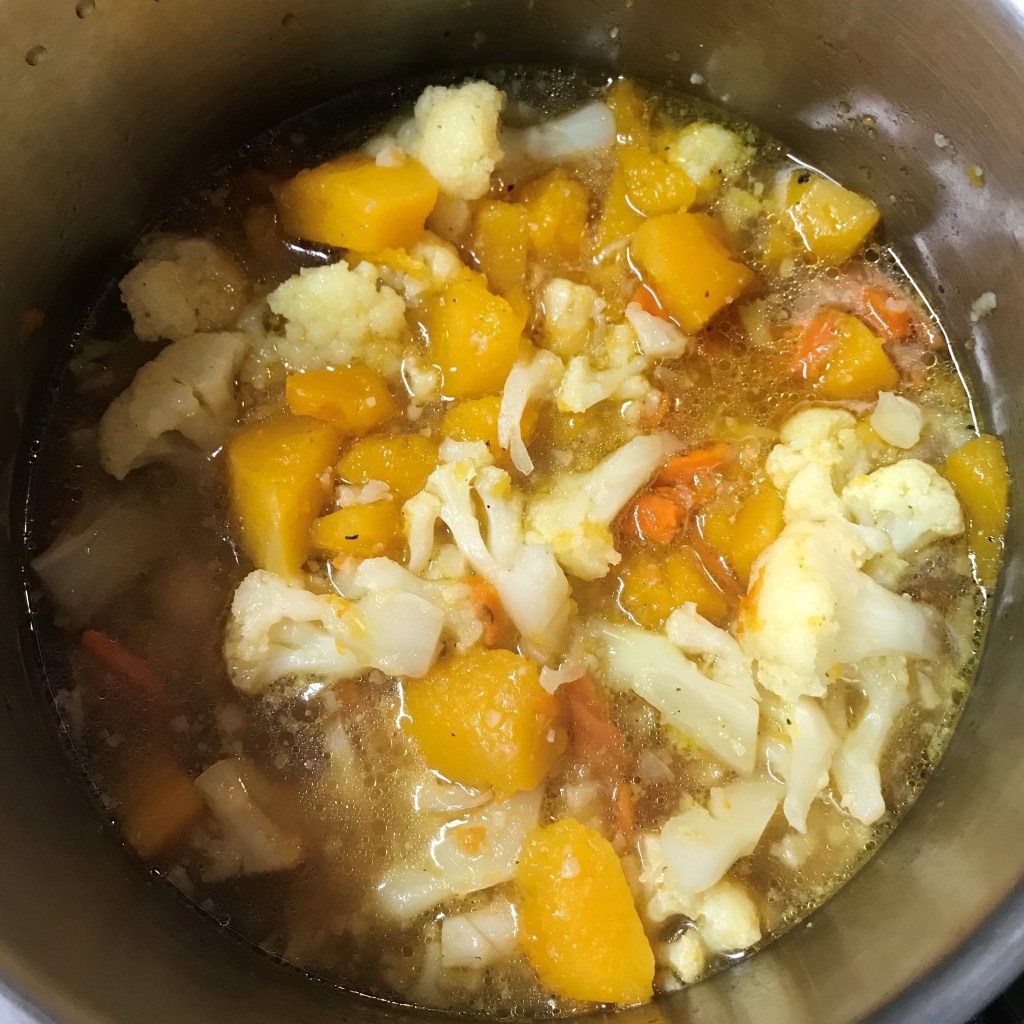
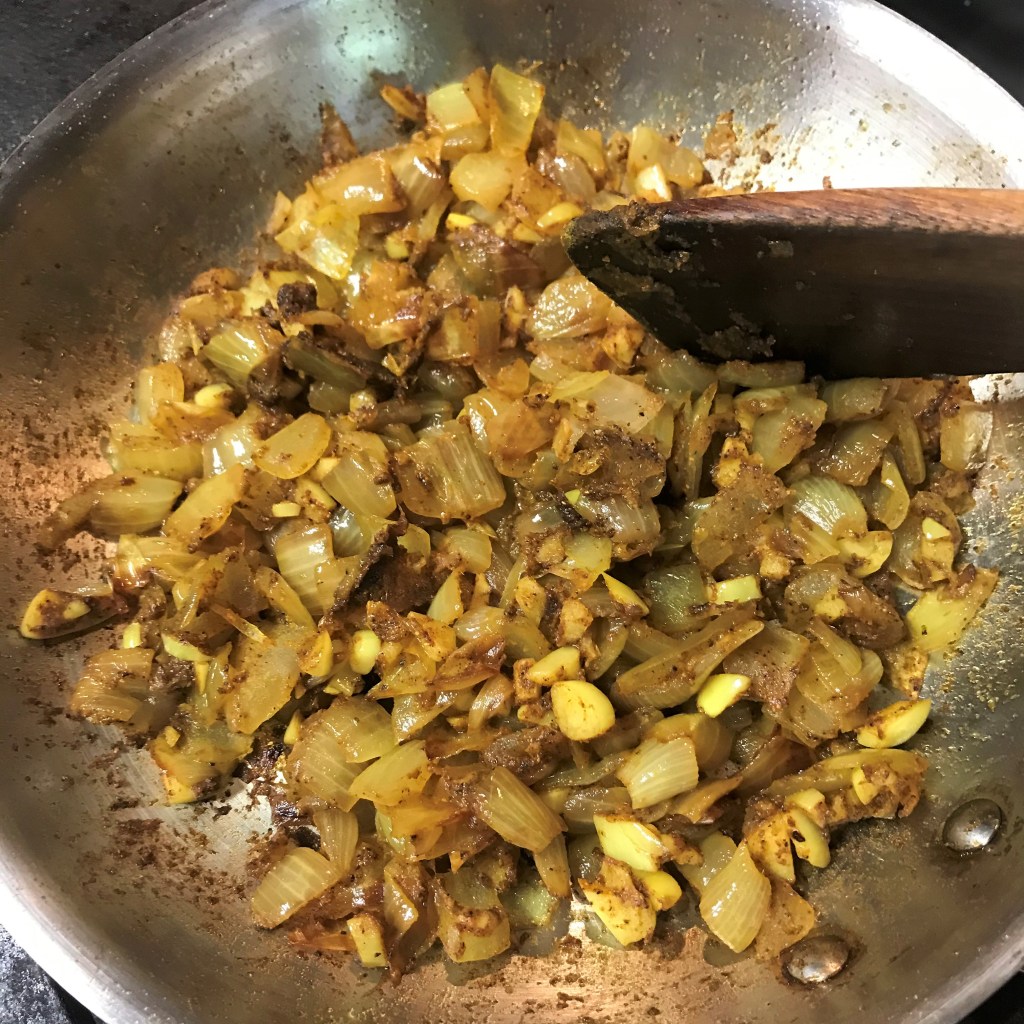
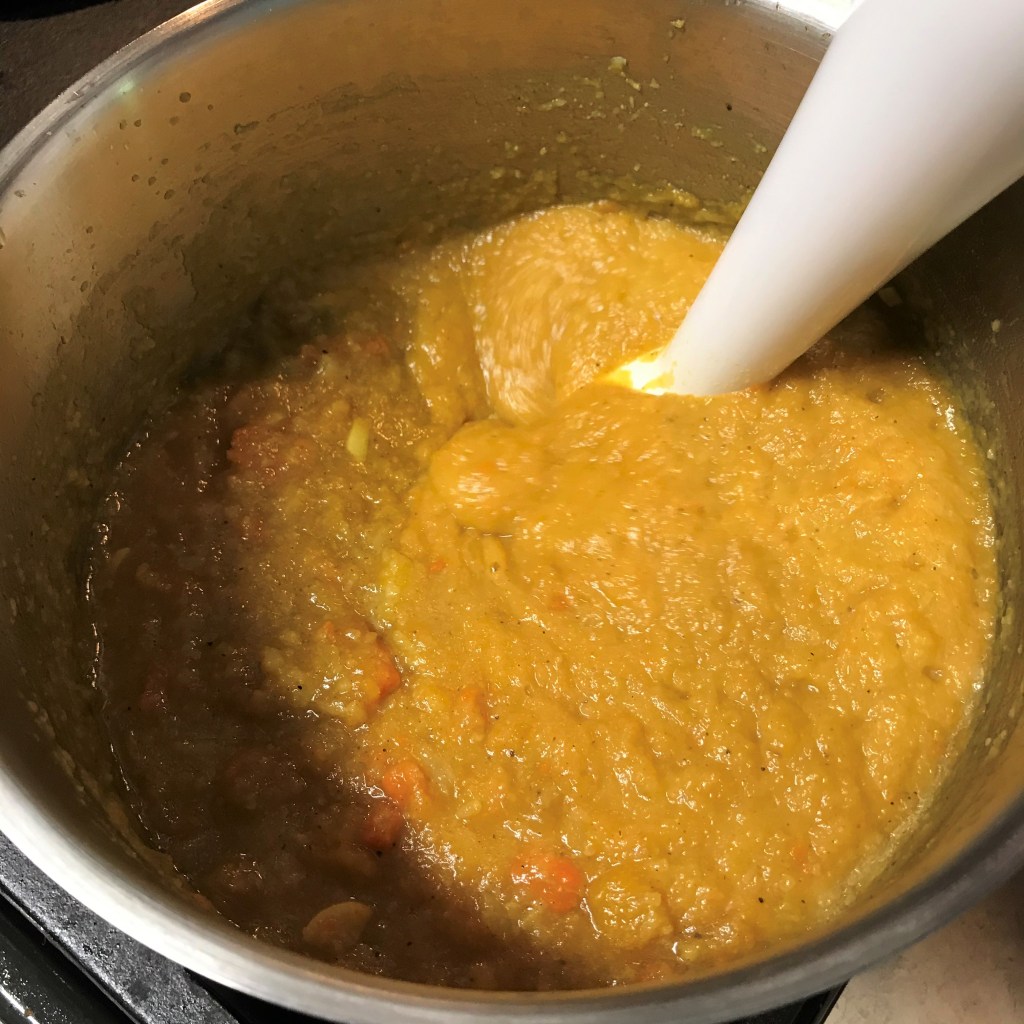
It takes time for these flavors to develop, but the steps are very simple. Here’s the visual, then spelled out instructions, and a downloadable PDF version at the end.

  1. Place a large stock pot over medium heat. Add squash, cauliflower and carrots, plus 3 cups broth. Drizzle with 3 Tbsp. olive oil. Simmer 1 hour (or in slow cooker on high for 2 hours).
  2. Sauté onions until softened, caramelized and browned on edges, add garlic and seasonings and sauté 5 more minutes. When soup pot vegetables are soft enough to mash with a fork, add the onion-spice mixture and simmer another hour (or in slow cooker on low for an additional 2 hours).
  3. Use immersion blender to puree soup to desired smoothness. Add more vegetable broth if  needed for easy blending. Alternatively, allow mixture to cool somewhat, and transfer mix to a regular blender (in batches if necessary), then return soup to mixing pot. Taste and adjust seasonings as desired, simmer on low until ready to serve or refrigerate if cooking ahead.
  4. Just before serving, stir in coconut milk, stir until blended. This adds a wonderful, creamy richness to the soup and accents the warm spices.

A little extra somethin’

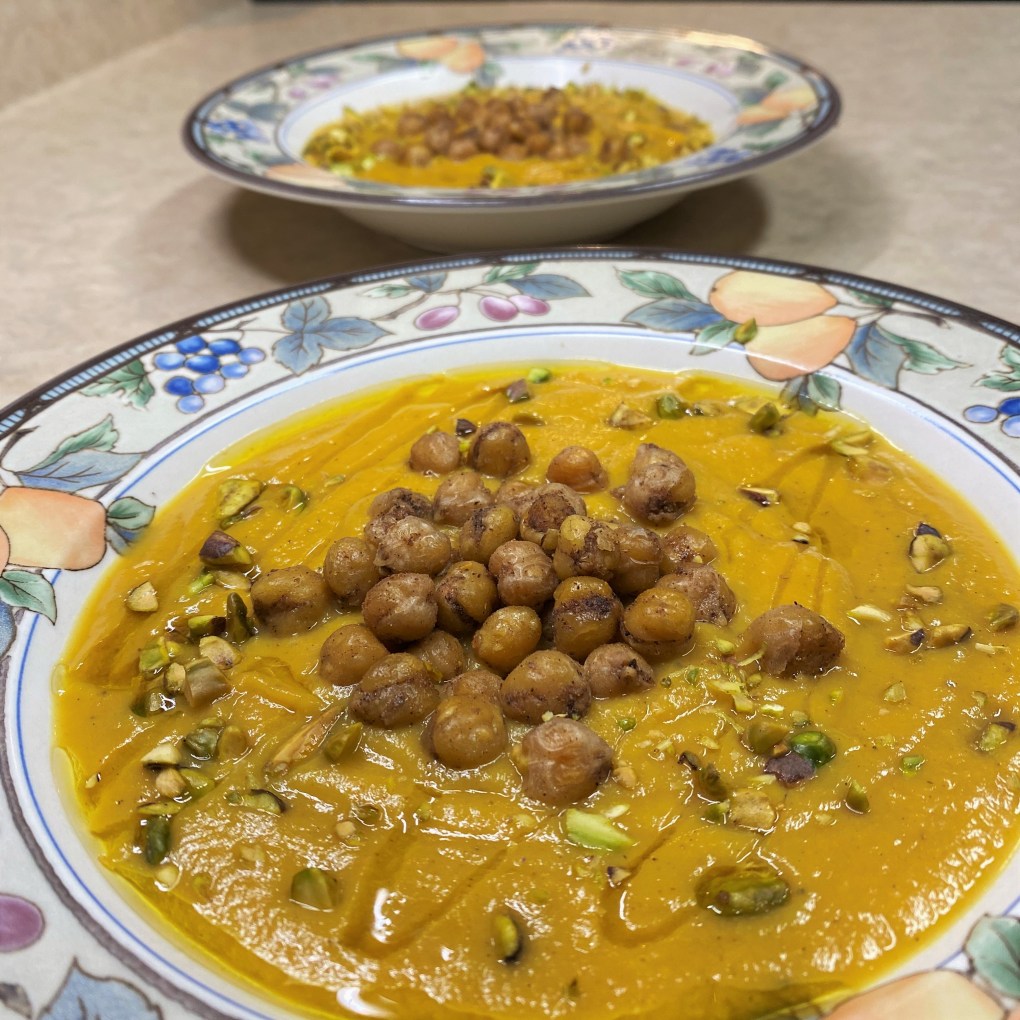
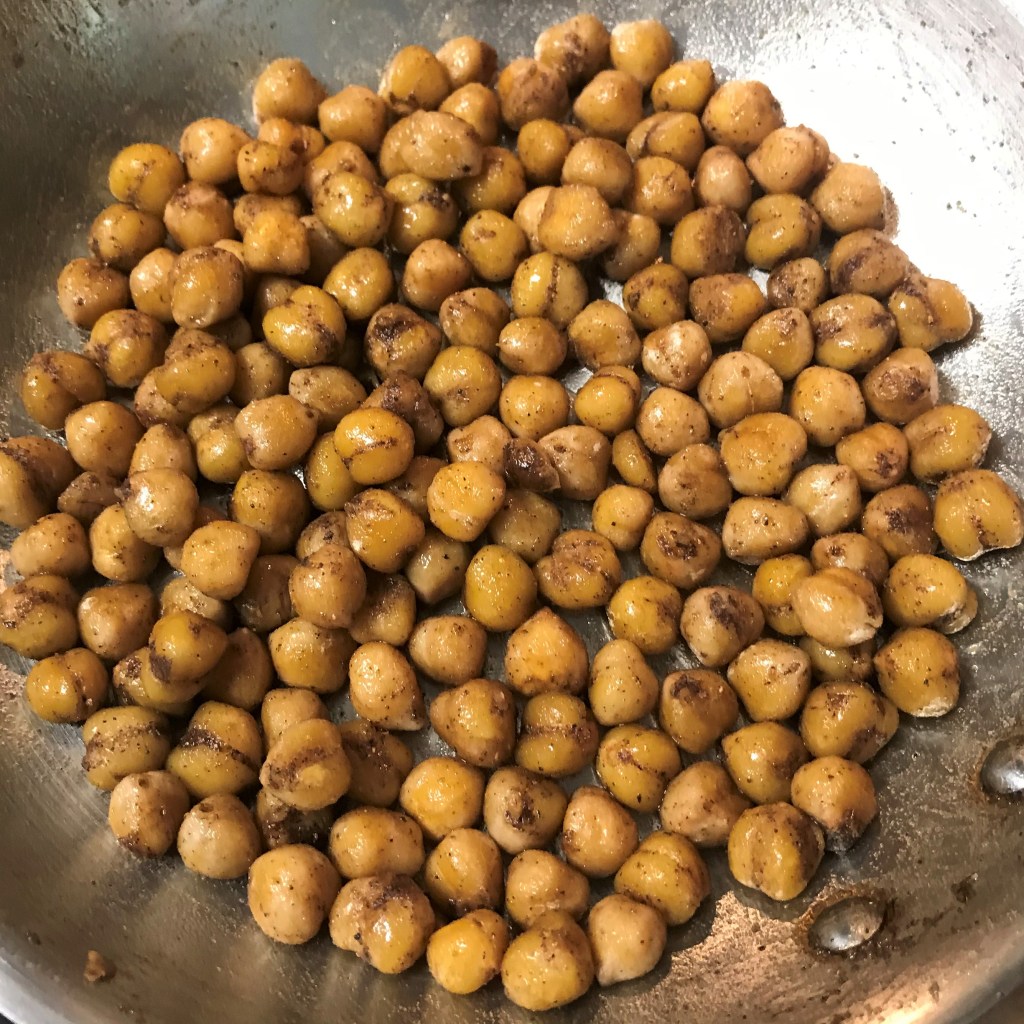
We gave this fragrant, flavorful soup a little decoration, with a sprinkling of roasted chopped pistachios and these seasoned crispy chickpeas:

1 Tbsp. extra virgin olive oil

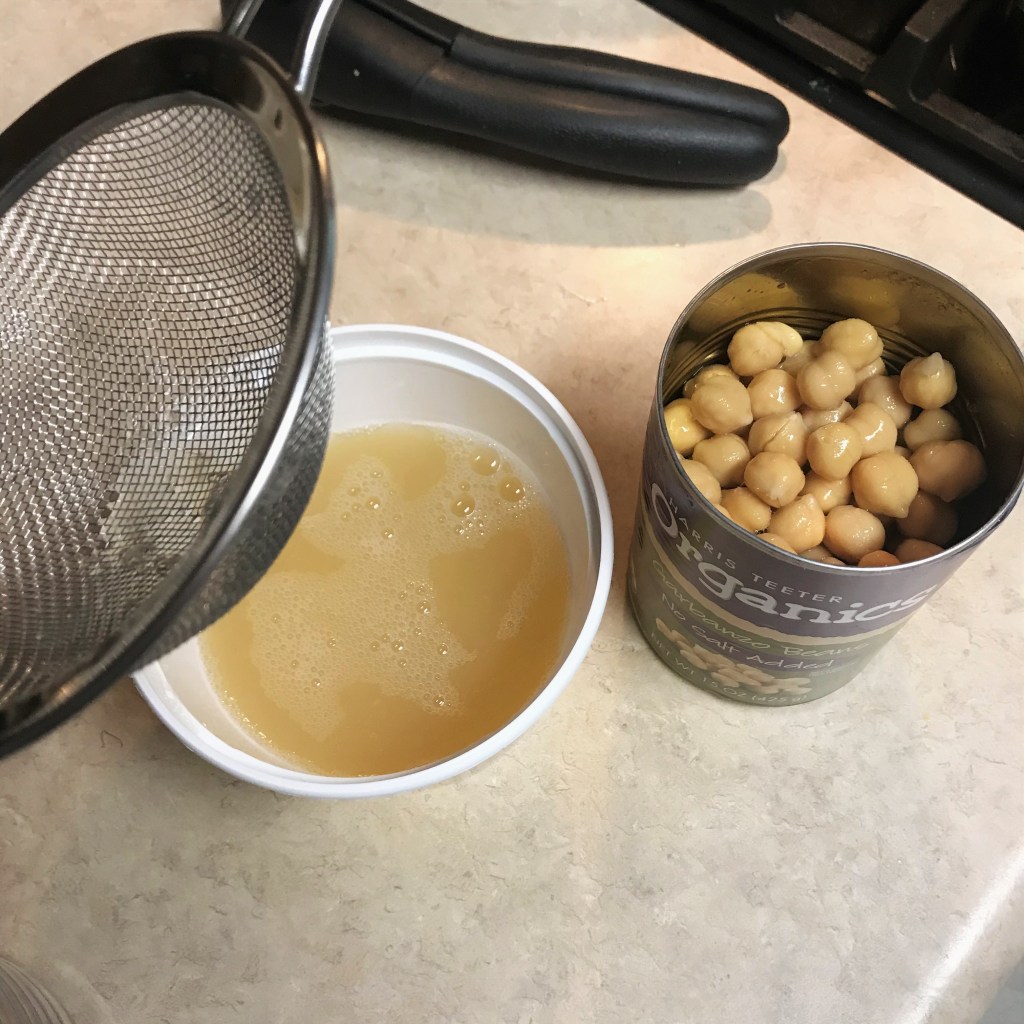
1 can chickpeas (garbanzo beans), drained and patted dry with paper towels

1/4 tsp. garam masala, plus salt and pepper

Heat oil in small skillet over low heat, swirl chickpeas until coated, then add salt and spices. Stir and swirl frequently until the beans look smaller and feel firmer. Remove them from heat and allow them to cool completely before serving.


Want to print this recipe?

Now, ‘fess up in the comments below. How many unopened, outdated spices are in your cabinet right now? 😉