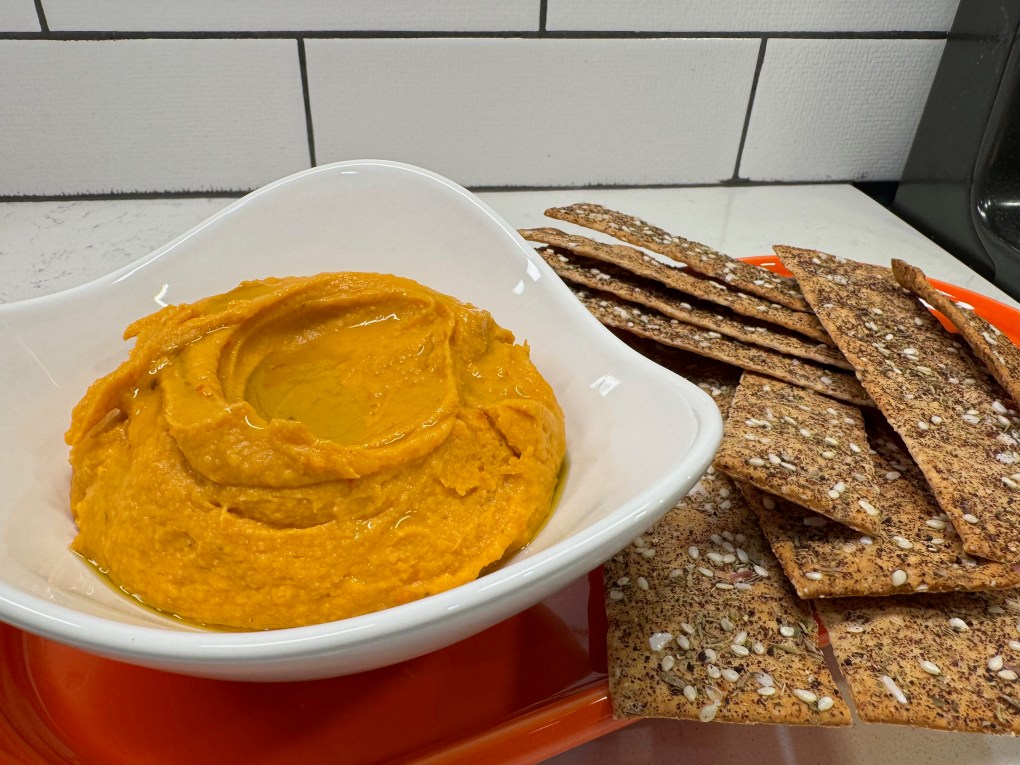
Sweet Potato-Harissa Hummus

It’s sweet potato season, and I’m committed to finding ways to enjoy this vegetable that grows prolifically in my state of North Carolina. Sweet potatoes are incredibly versatile and highly nutritious, yet they frequently get turned into something that looks like dessert, especially around Thanksgiving. I’m picturing that marshmallow crusted calorie bomb that everyone calls a casserole. Or my own classic sweet potato dish with loads of butter, brown sugar and pecans. Come to think of it, that one is quite delicious. It’s probably why I turned it into a signature cocktail a couple of years ago. But I digress.

Anyway, today I’m honoring the savory nature of sweet potatoes with an easy-to-make hummus, embellished with roasted sweet potato and harissa. It’s a fun little twist that celebrates the health benefits of sweet potato— antioxidants, potassium and lots of fiber— with just enough Moroccan spice to make it interesting and unique.
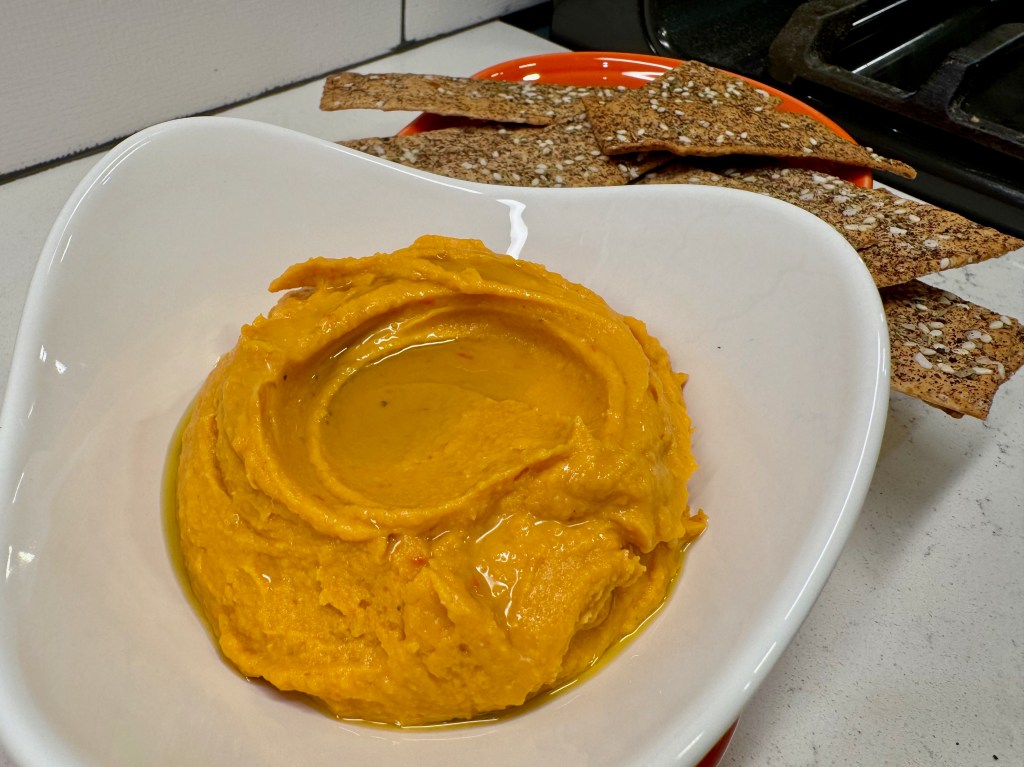
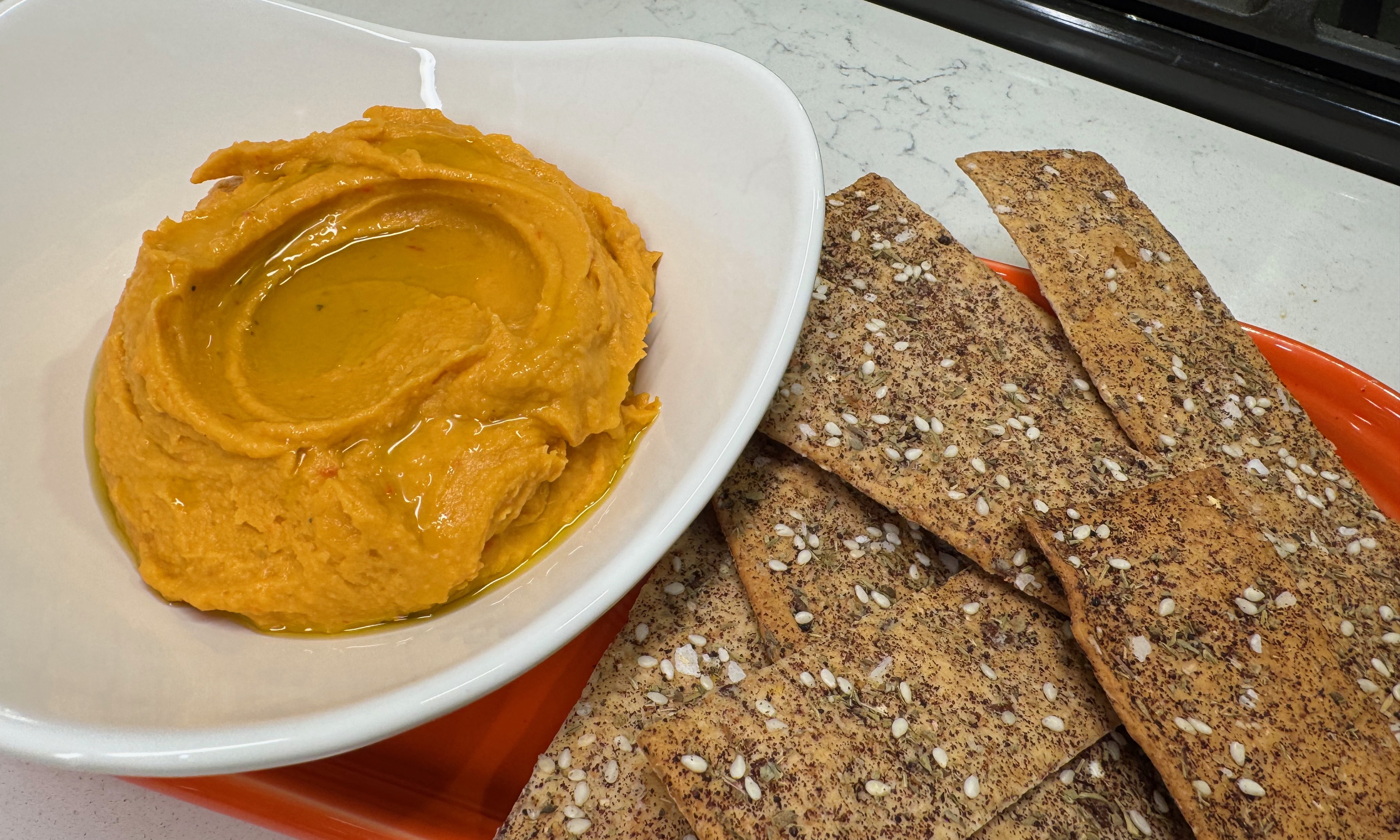
A little swirl of olive oil at serving time is the perfect finish.

I happened to mention this hummus recently when we were out to dinner with friends, and they were so intrigued that I’ve decided to make it again when they come over for cocktails and appetizers in a couple of weeks. I’m determined to heed my own advice about carving out time to get together with friends more frequently, even if it’s only for a casual bite (or maybe especially so). It’s the company that matters most, and who doesn’t love appetizers? Come along and I’ll show you how easy this one is!

Ingredients for hummus

Gather up a few key ingredients, including: garbanzo beans, which I like to call “chickpeas;” tahini, which is a thin sesame seed paste; olive oil and some seasonings. You’ll need a food processor or a good strong blender to make it, though I would not recommend using a bullet-style blender. The mixture will be somewhat hot, so you need to vent the container you use to blend it. If you only have a bullet blender, let it cool before you get to that step (for safety sake).

I generally take the shortcut of using canned chickpeas, but freshly cooked is probably even better— just be sure you cook them tender enough to blend well, and hold back some of the cooking liquid, too. Here’s a bit of good news for readers with certain legume allergies, including my high school bestie, who cannot eat chickpeas, soybeans or lentils. You can absolutely make hummus with other canned beans, including cannellini, which I think are divine! They are softer than chickpeas so a few adjustments are needed, and I’ll spell those out in the click-to-print recipe card you’ll find at the end of this post.

The process for making hummus

One burning question my friend, Charlotte, asked when I shared the exciting news of this sweet potato hummus was, “did you peel the chickpeas?” And this is a fair question, given that some traditionalists say it’s necessary. The answer is no, though I have done it once and I found it to be a complete waste of 90 minutes, only to end up with a pile of chick peas roughly half the size of when I started and a huge pile of skins that went straight to the trash. The theory behind this frustrating and tedious step is that the thick skins hinder achieving the smooth, silky texture that is so wonderful about hummus. And it’s true that the skins can be a little chunky, but I have an easier way around that.

My first tip is to look for chickpeas that don’t have “calcium chloride” listed as an ingredient. This additive helps beans hold their shape during the high-temperature canning process, and it may be fine if you intend to put the beans on a salad or crisp them up as a topping for something. But for hummus, you want them to blend smooth, so avoiding calcium chloride will help you get there. The easiest route to avoiding it is to pick up a can labeled “organic.”

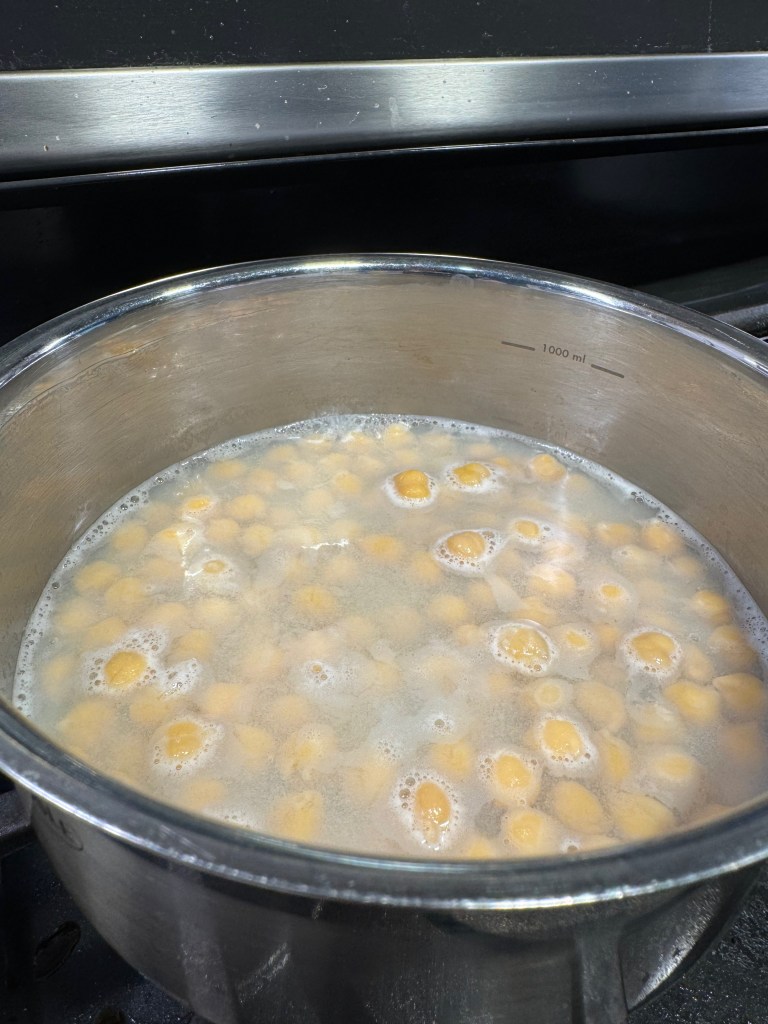
My second tip is simple— heat the garbanzo beans in their liquid before blending, and add a pinch of baking soda to soften up the skins. Dump the entire can (liquid and all) into a small saucepan over medium low heat and let them go until you see small bubbles and steam coming off the pan. Strain the chickpeas through a mesh strainer, but keep the liquid because you’ll need some of it for blending.

Let’s make sweet potato hummus!

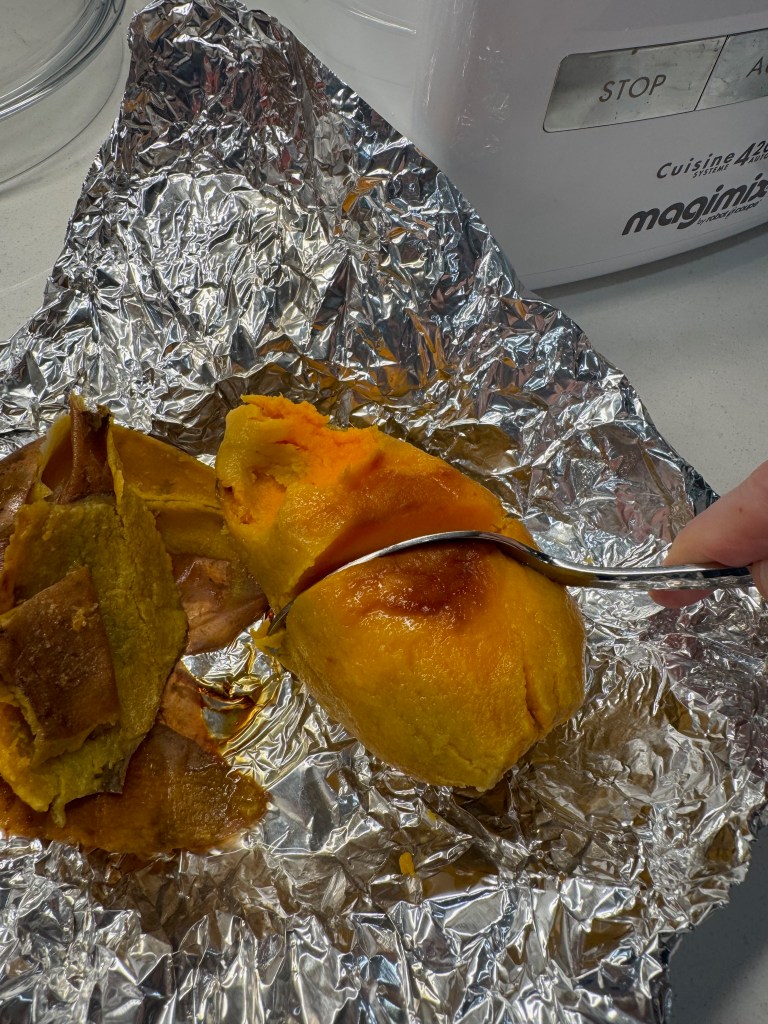
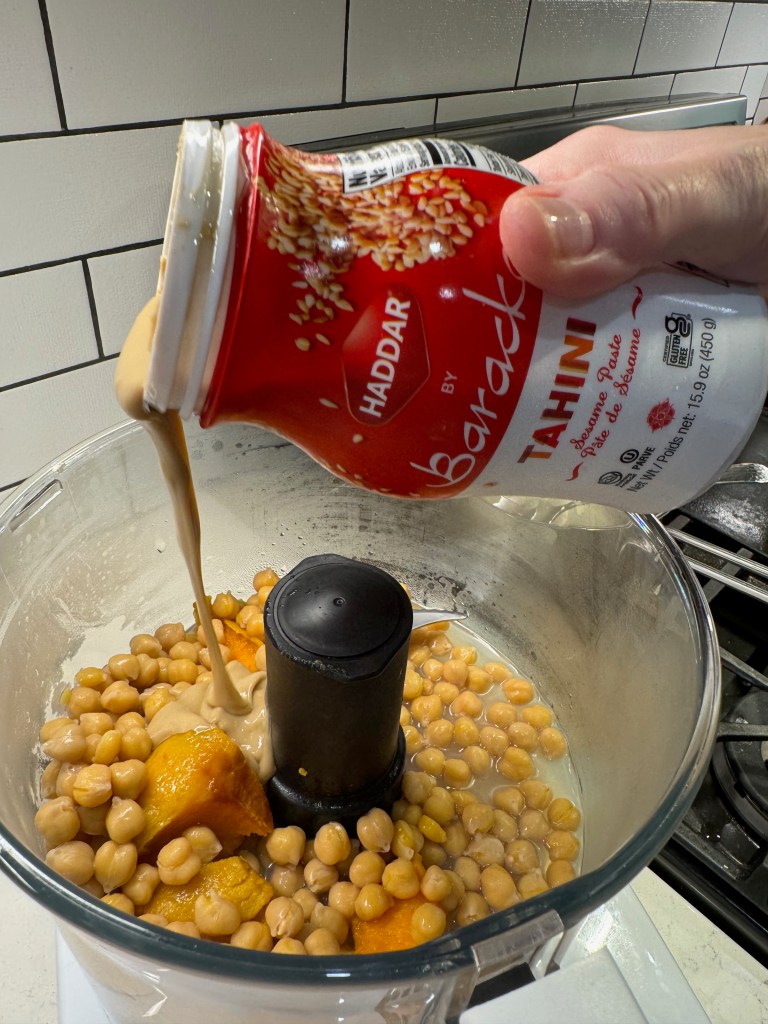
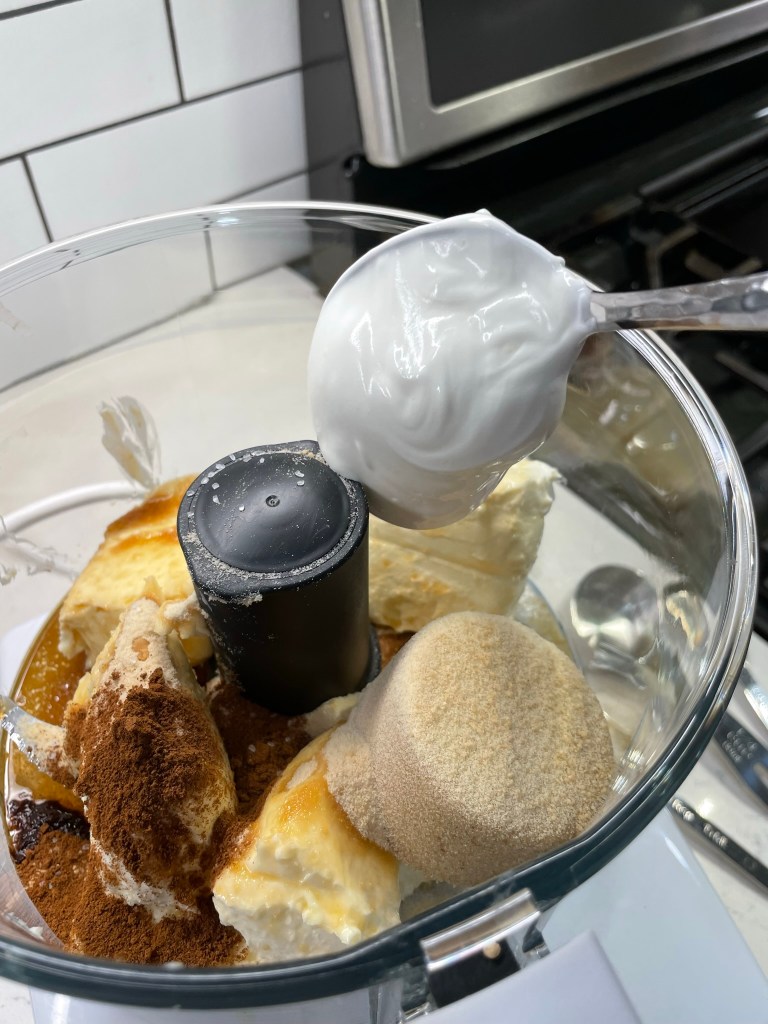
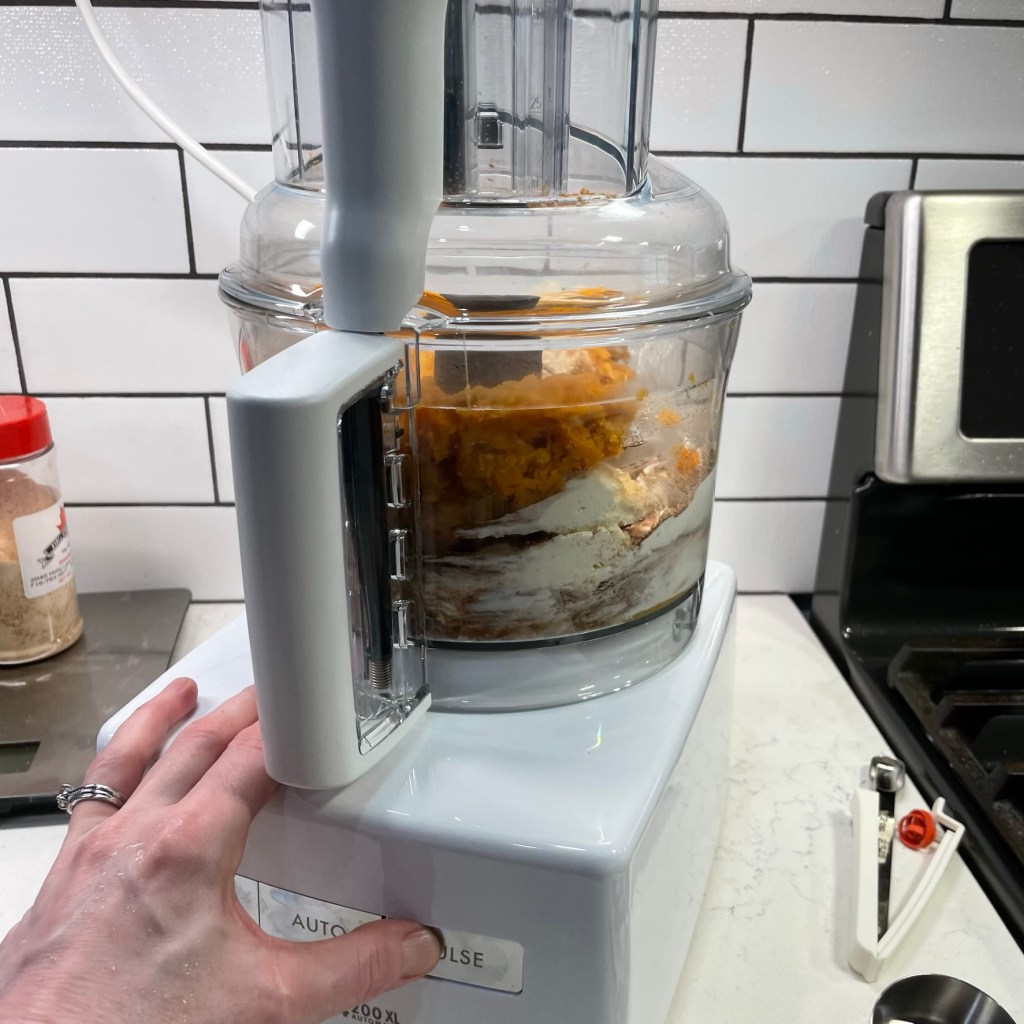
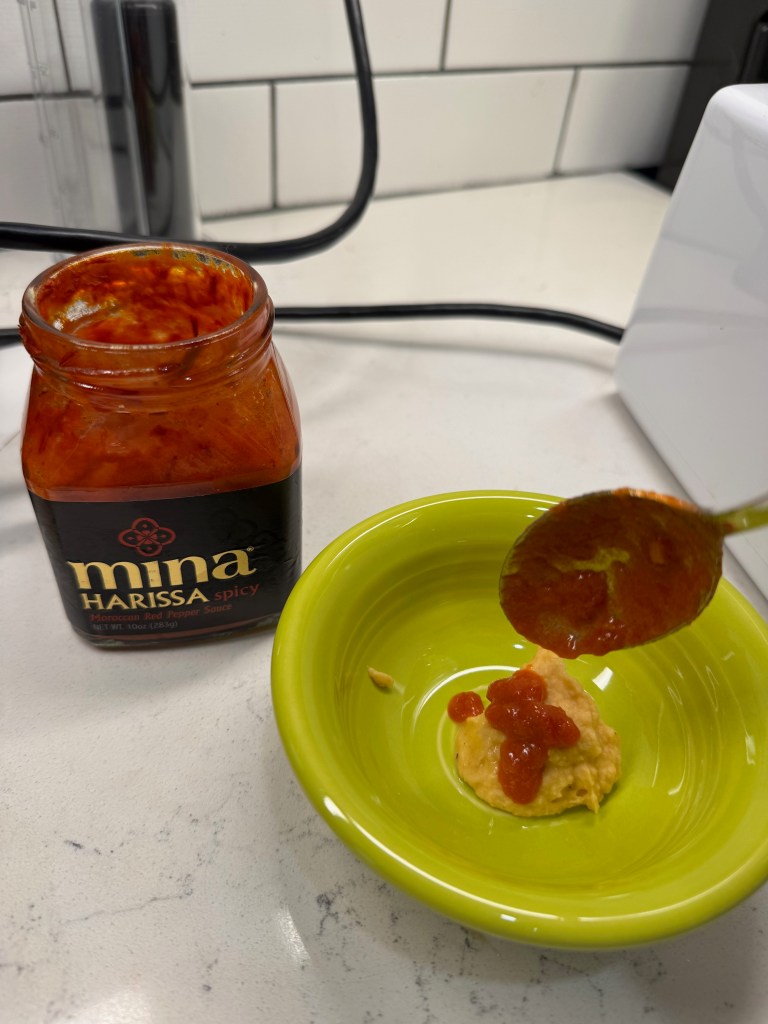
Use the large bowl of a food processor (or a good blender with the vent cover off) to combine the warm chickpeas plus a little bit of the liquid, half a roasted sweet potato, some tahini and salt. Pulse several times until you have a somewhat smooth mixture of hummus. This was my first shot at using harissa in hummus, so I gave it a quick sample test and found it to be a great pairing with the sweet potato! If you are not familiar with harissa, it’s a spicy chile pepper paste common to Morocco and other mideast cultures. It usually includes some variety of chiles, plus garlic and seed spices, such as caraway, coriander and cumin.

This brand of harissa is labeled “spicy,” but don’t you believe it. I barely tasted any heat at all and my husband said the same. If you are sensitive to capsaicin heat, be sure you evaluate the level in your harissa and use your judgment on how much can be added without it sending you to the ER. If your body can’t take capsaicin at all, simply omit it. The sweet potato hummus is delicious without further embellishment.
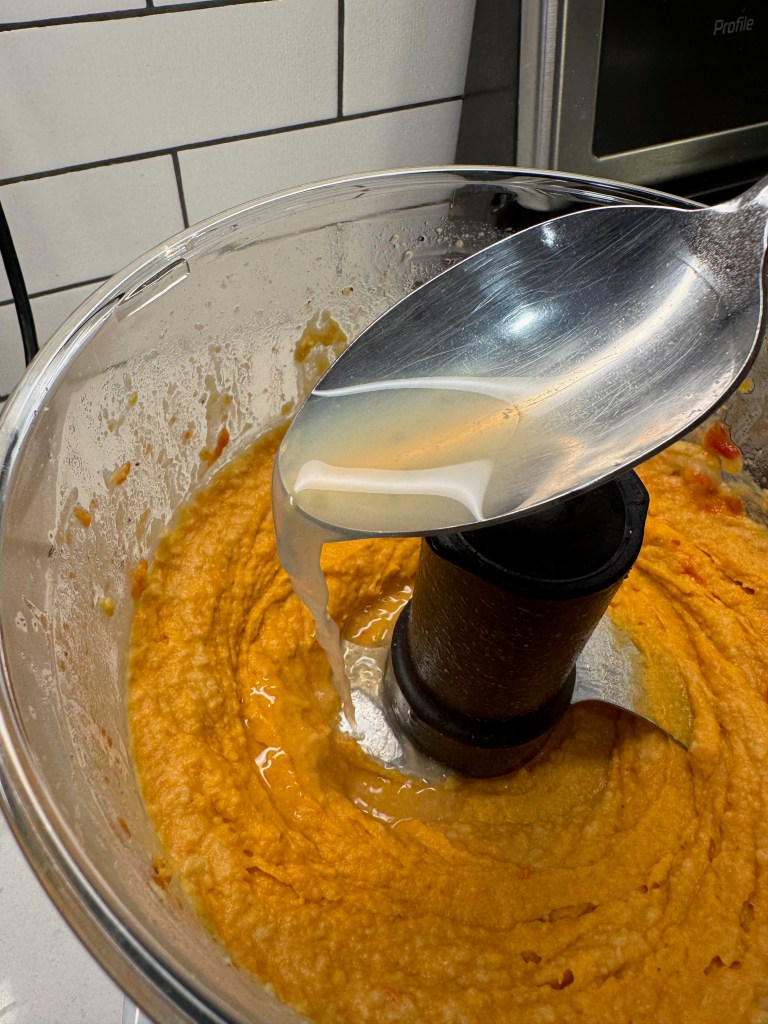
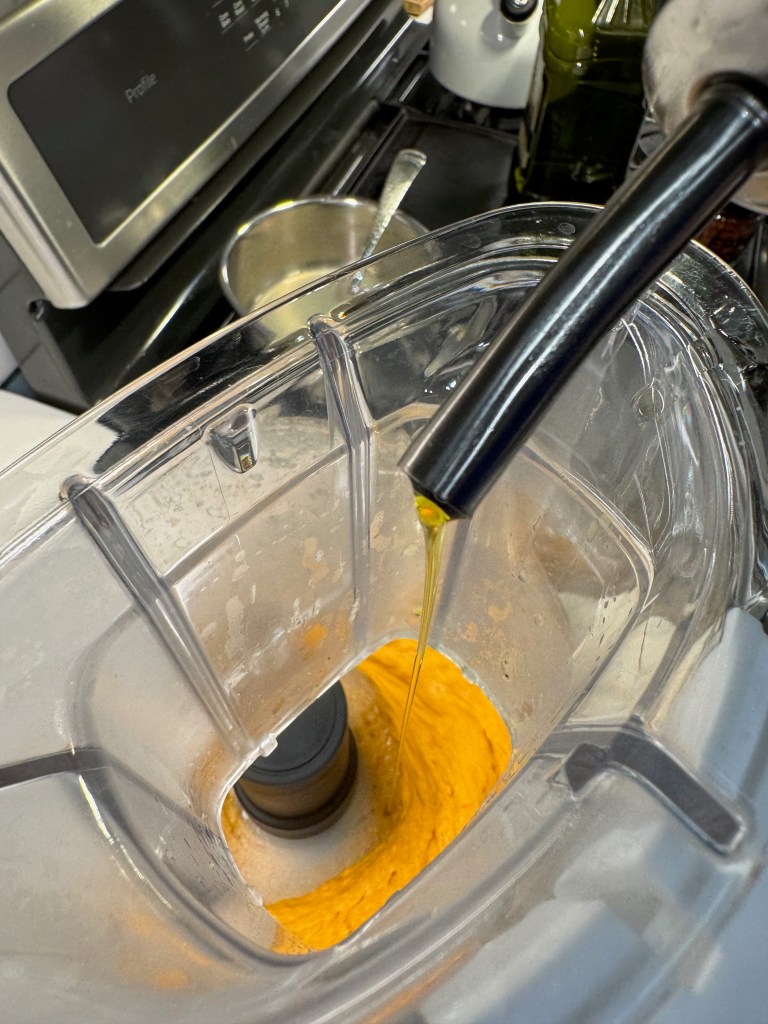
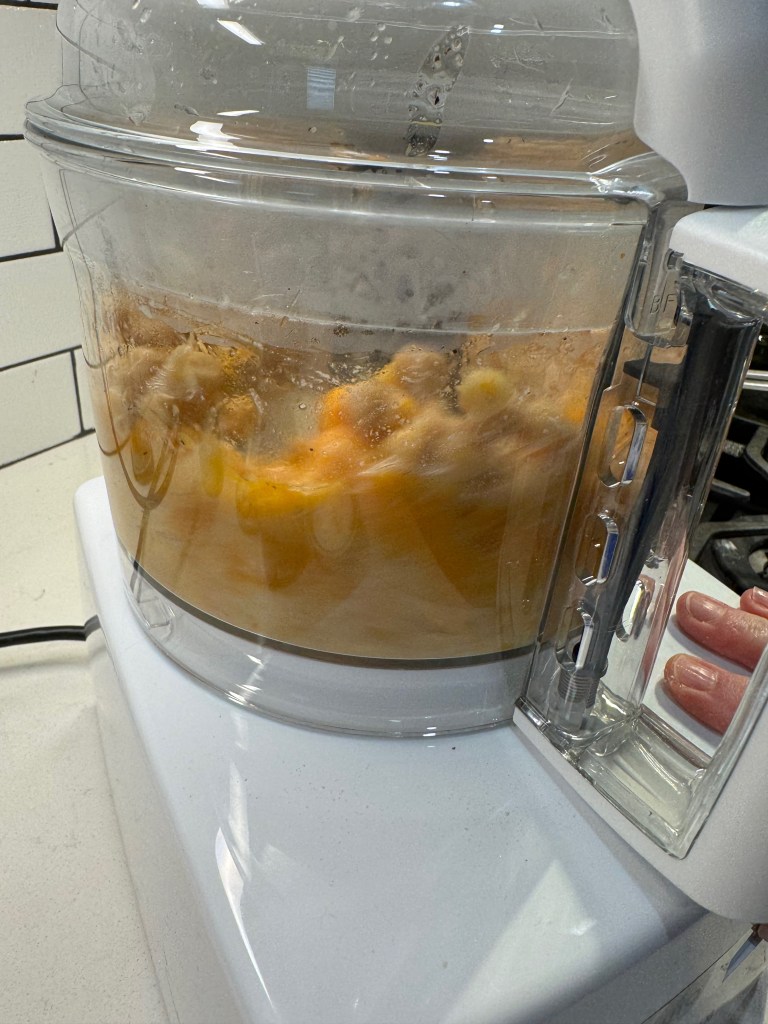
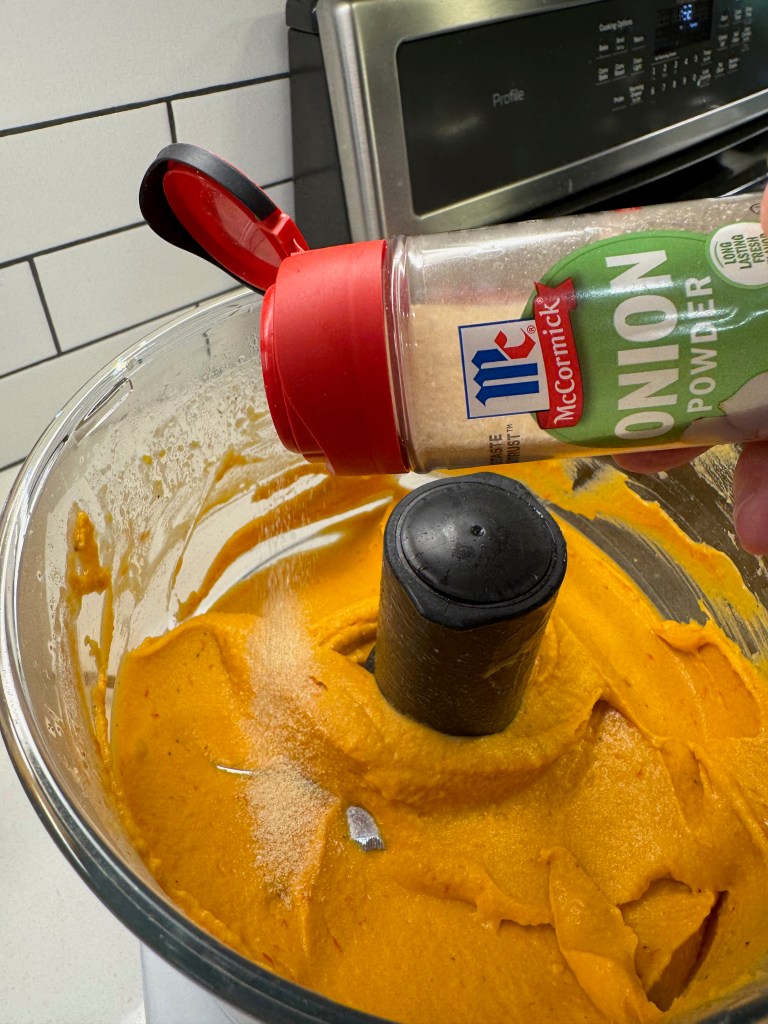
For this final step, scrape down the sides of your processor bowl and then run it continuously until the hummus is a silky consistency. If you find the mixture to be too stiff, stream in a little more of the chickpea liquid and process again. Keep in mind that the hummus will be thicker once it’s chilled. Drizzle in olive oil while the machine is running. When it is smooth to your liking, give it one more taste test and adjust seasoning as needed. For mine, I decided to add a few shakes of onion powder to emphasize the savory flavor of the harissa, but I’ll leave that up to you.

Would you try this sweet potato and harissa hummus? What are your favorite appetizers for sharing with friends at home? 

Sweet Potato-Harissa Hummus
  • Servings: Makes about 2 cups
  • Difficulty: Average
  • Print

This is a fun, savory twist on classic hummus, using harissa paste from Morocco and seasonal sweet potatoes. Other beans may be substituted for chickpeas as noted.


Ingredients

  • 1/2 cup roasted sweet potato
  • 15 oz. can organic garbanzo beans (chickpeas)*
  • 1/8 tsp. baking soda
  • 3 Tbsp. tahini paste
  • 1/4 tsp. kosher salt
  • 3 Tbsp. harissa paste (see notes)
  • 2 Tbsp. extra virgin olive oil
  • 1/4 tsp. onion powder
  • Crackers, crostini or pita chips for serving

Note: Hummus may also be made with other canned beans, such as navy, Great Northern or cannellini. These alternative beans will be softer than chickpeas, so plan to adjust your liquid amounts accordingly. I still recommend warming them before blending for the smoothest consistency.

Harissa paste varies significantly by brand in both heat and thickness. Take note of the heat intensity before you add it to your hummus, so you may adjust the amount to suit your taste. My brand was Mina, labeled “spicy,” but had almost no heat at all. I’ve purchased other brands of harissa that were extremely hot, so it bears checking.

Directions

  1. Pour entire can of garbanzo beans (including the liquid) into a small saucepan over medium-low heat. Add baking soda and bring to simmer until you notice light boiling around the edges and steam rising from the pan. Remove from heat and strain the beans, reserving the liquid.
  2. Add beans, plus about 1/4 cup of the liquid, to the large bowl of a food processor or blender (with vent cover removed). Add sweet potato, tahini and salt to the processor and pulse several times until the mixture is blended but still slightly coarse. Use a spatula to scrape down the sides of the processor bowl.
  3. Add harissa to the processor and pulse a few times. If the hummus seems too thick, add another tablespoon or two of the chickpea liquid to attain desired consistency.
  4. Run the processor consistently while you drizzle the olive oil into the chute. Give it a final taste test, adjusting as needed with onion powder, garlic powder, salt and/or pepper. This hummus is best after refrigerating for a few hours, and it will firm up a bit in the fridge.
Sweet Potato-Cornmeal Pancakes

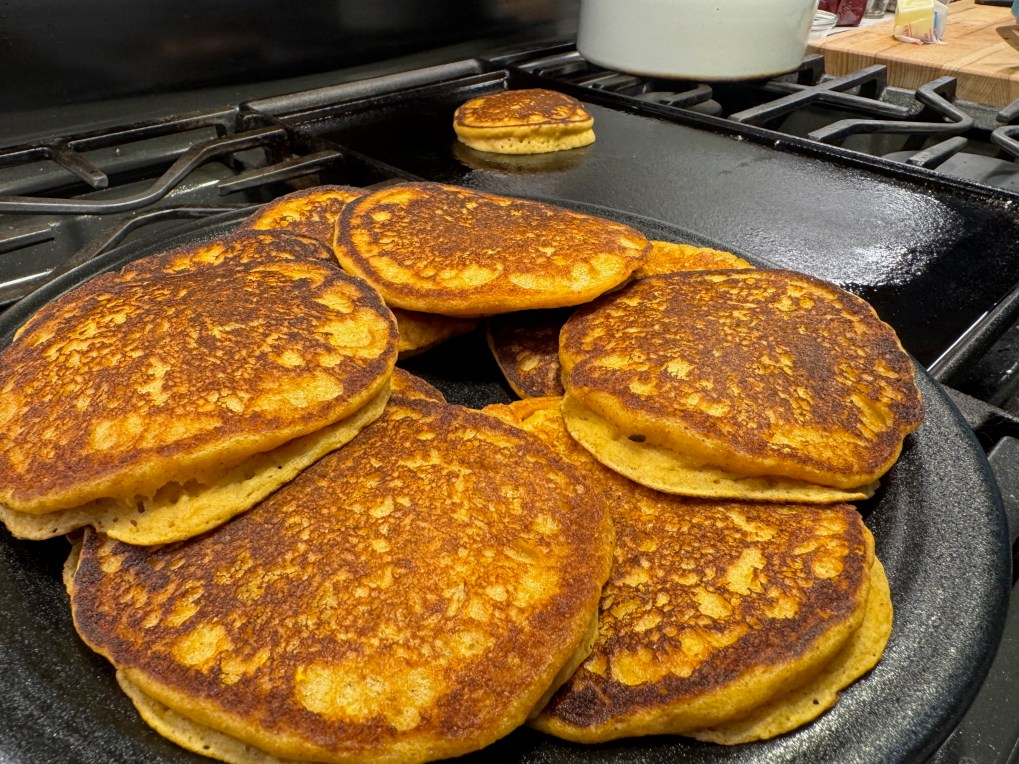
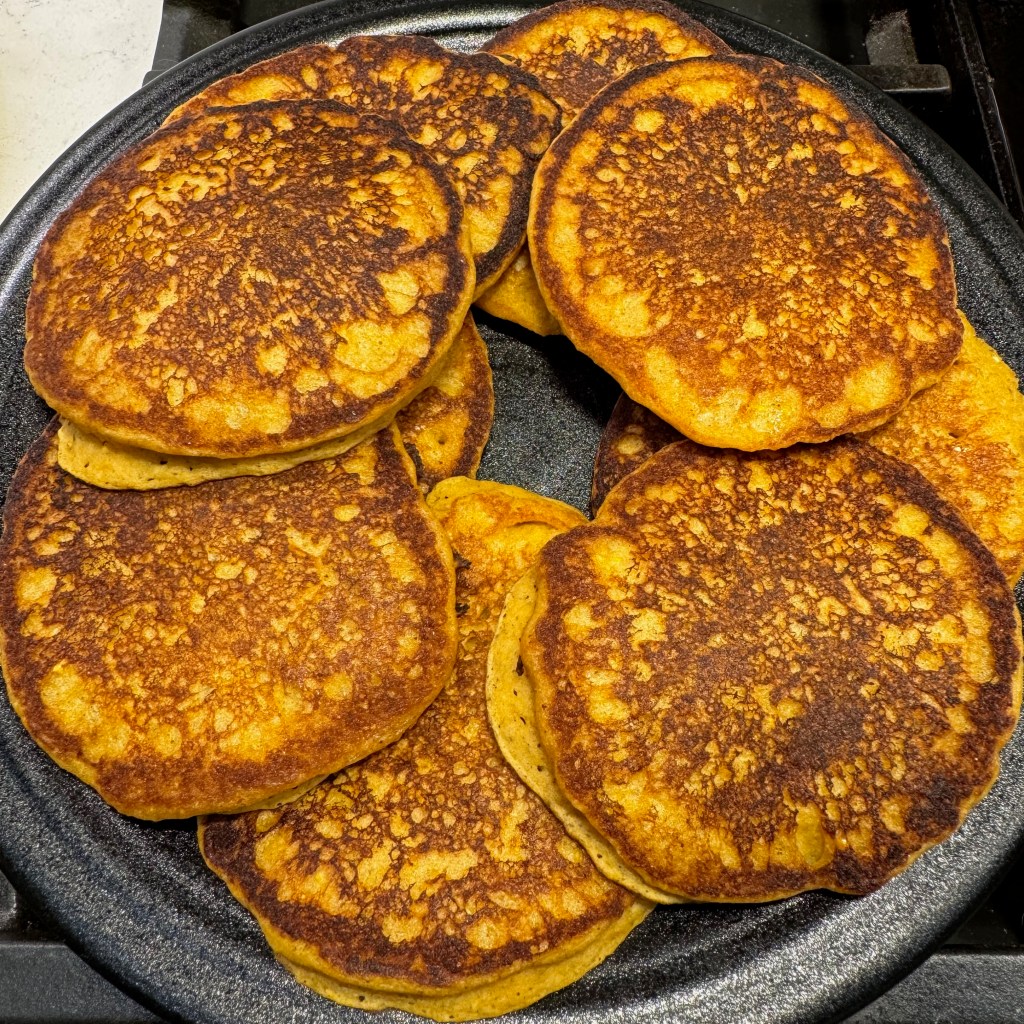
It’s a busy time of year for this food blogger— we are well into National Whole Grains Month and “Better Breakfast” Month, and today is also the first full day of autumn. Could there be a better time to present these pancakes? Whole wheat flour and cornmeal give them a hearty texture, and roasted sweet potato lends a seasonal sweetness that is out of this world. Top it with a smear of salted butter and some real maple syrup, and holy moly, what else can I say?

The color, the texture, the flavor… I loved everything about these.

In the spirit of transparency, I admit that I’m known to buy sweet potatoes with no specific purpose for them. Same with bananas, which gets sketchy because they are usually mottled with brown spots within a few days and so they end up mashed in a bowl in the refrigerator for a couple of weeks until I either make banana bread or muffins or dog treats. Sweet potatoes, thankfully, are hardier and will hold their integrity on the counter for a couple of weeks whilst I ponder the possibilities.

This recipe came to me when I considered how I might use sweet potatoes in a breakfast recipe. I considered a skillet hash (and might still make one), but I really had been craving pancakes, and then I spotted a jar of medium coarse cornmeal that had been left on the counter after pizza night. Why couldn’t I combine the sweet potatoes and cornmeal into a pancake that would be delicious either for breakfast or for dinner? So I did.

Soaking the cornmeal

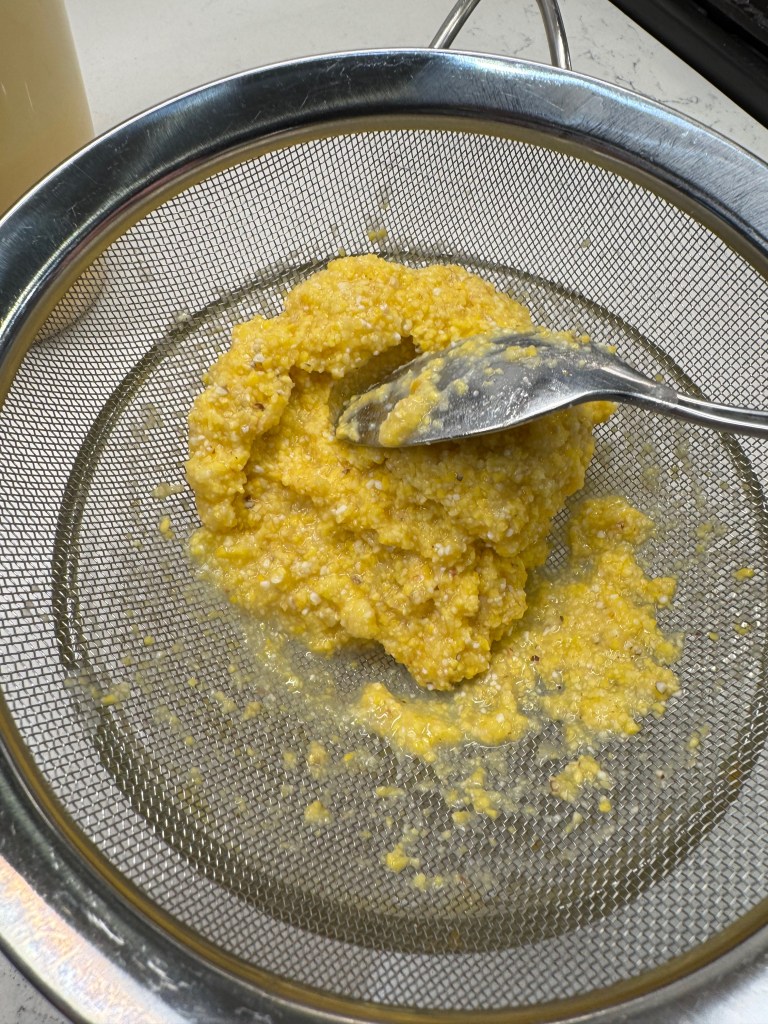
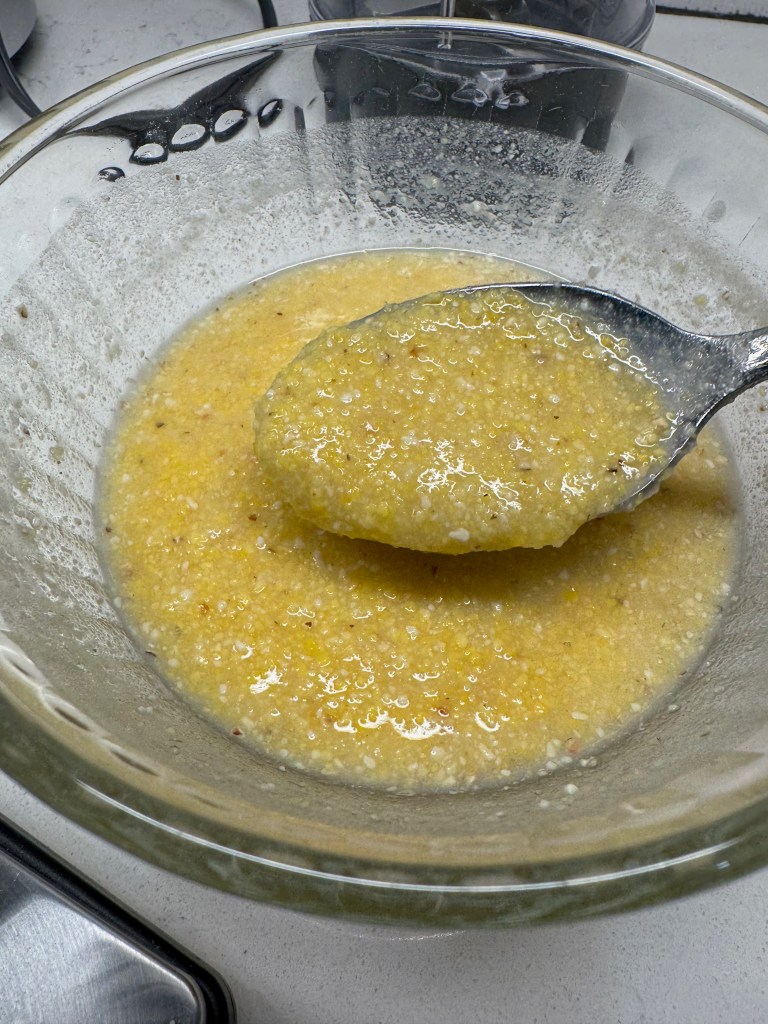
This was a bit of an experiment for me, as I wanted the texture of cornmeal but without the grit, so I relied on a trick that I’ve used with some of my sourdough bread recipes: I pre-soaked the cornmeal for about an hour and strained out the water before mixing my pancake batter. This helps not only soften the grain, but also unlocks enzymes in the corn, making it easier to digest later.


How to mix sweet potato into pancakes

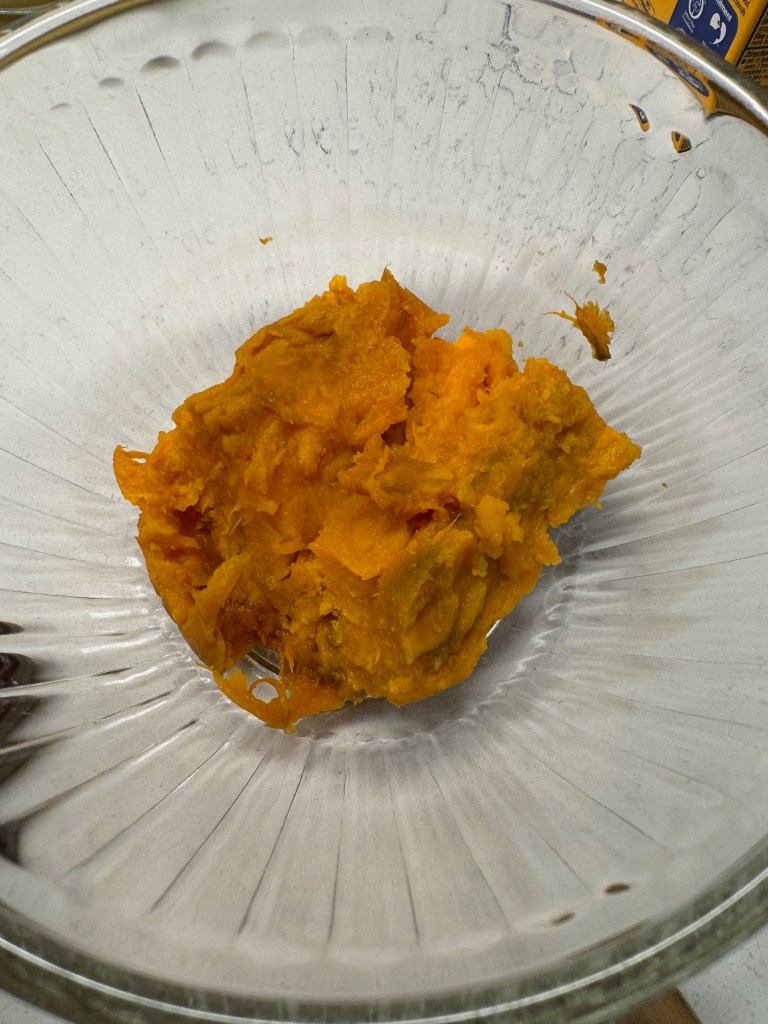
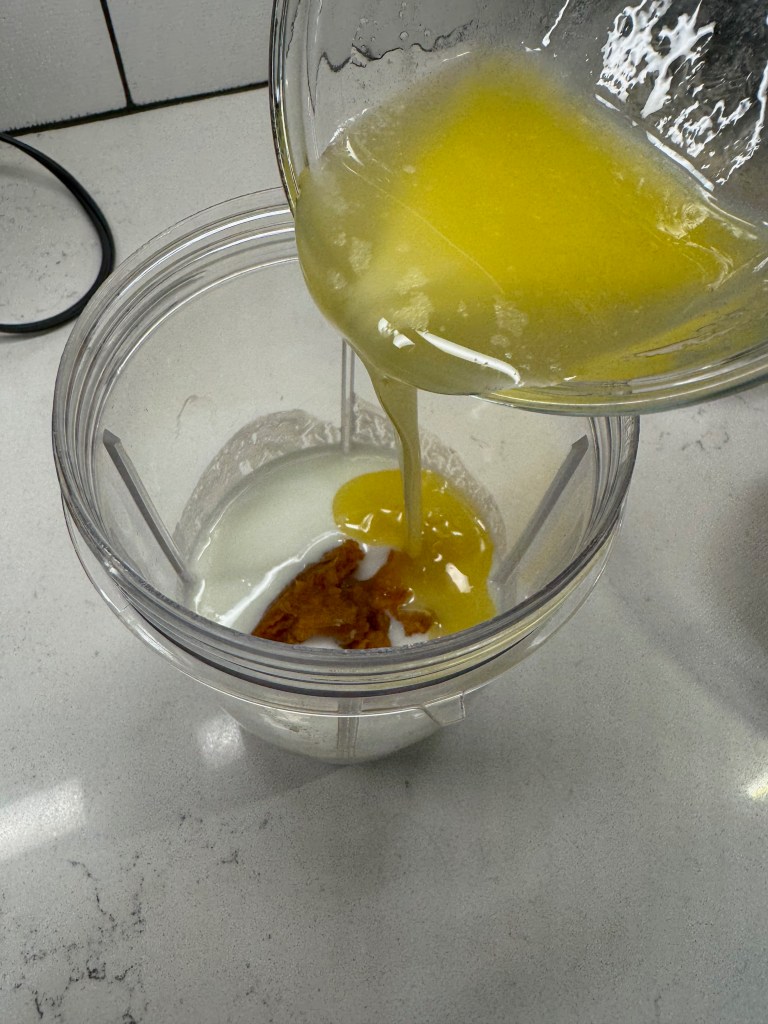
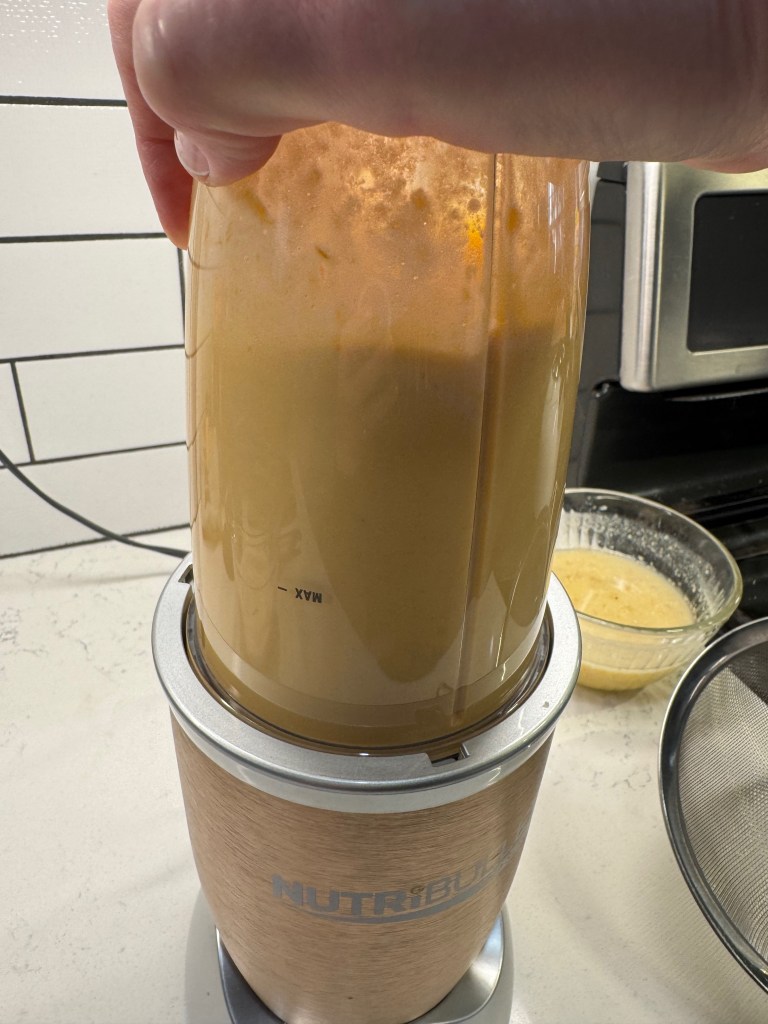
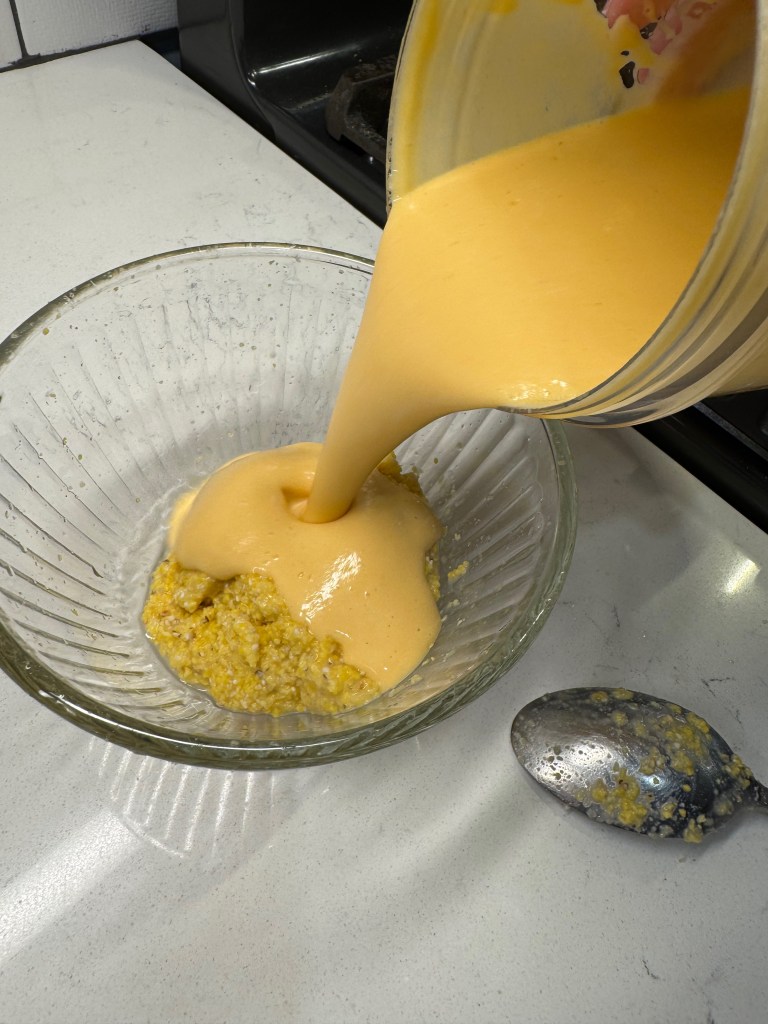
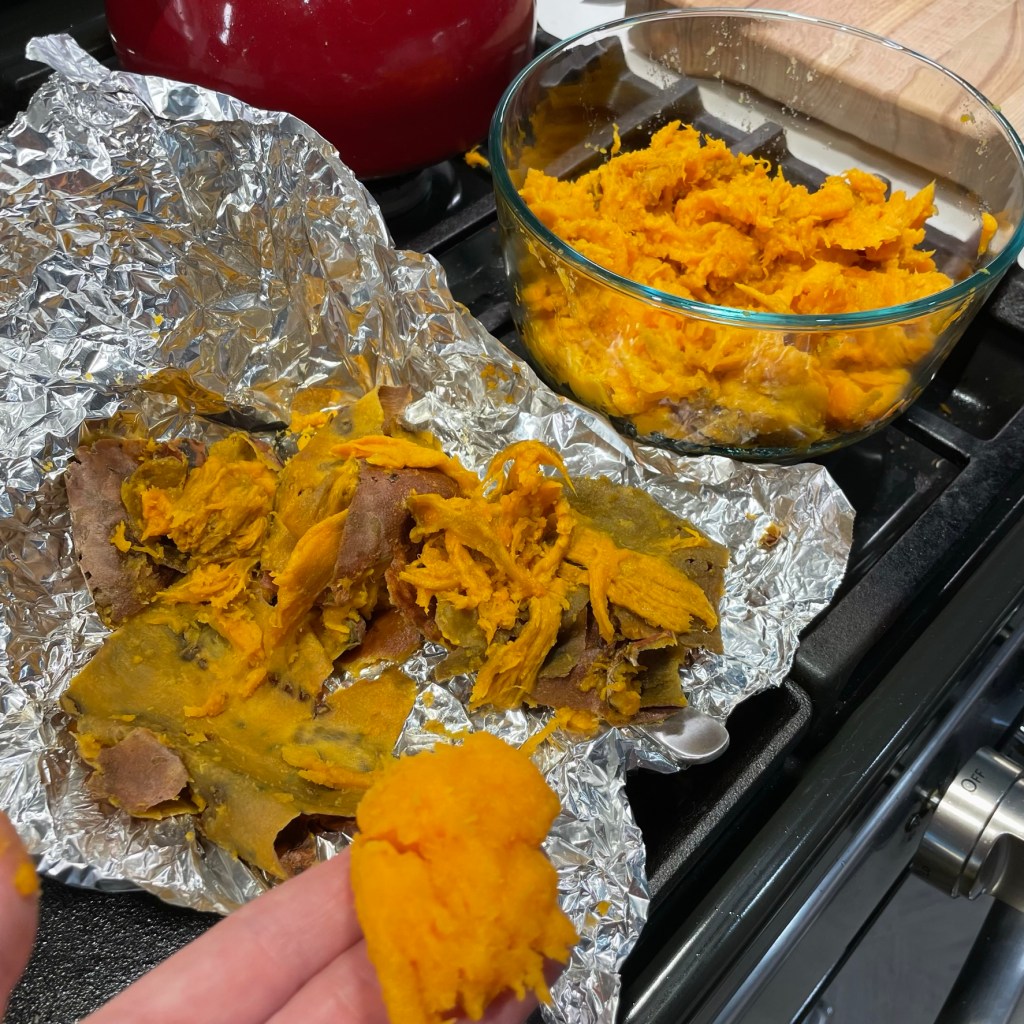
One of the things I wanted to avoid with this recipe was having a batter that was too wet. Pancakes need a certain amount of heft to hold up when they hit the griddle, so I opted to roast my sweet potato rather than boil it in chunks. This also turned out to be an easier method, given that I didn’t have to mess with peeling or cutting up the sweet potato. I scooped out about a half cup of the flesh and blended it with egg, buttermilk and melted butter, then stirred it into the drained mushy cornmeal. 


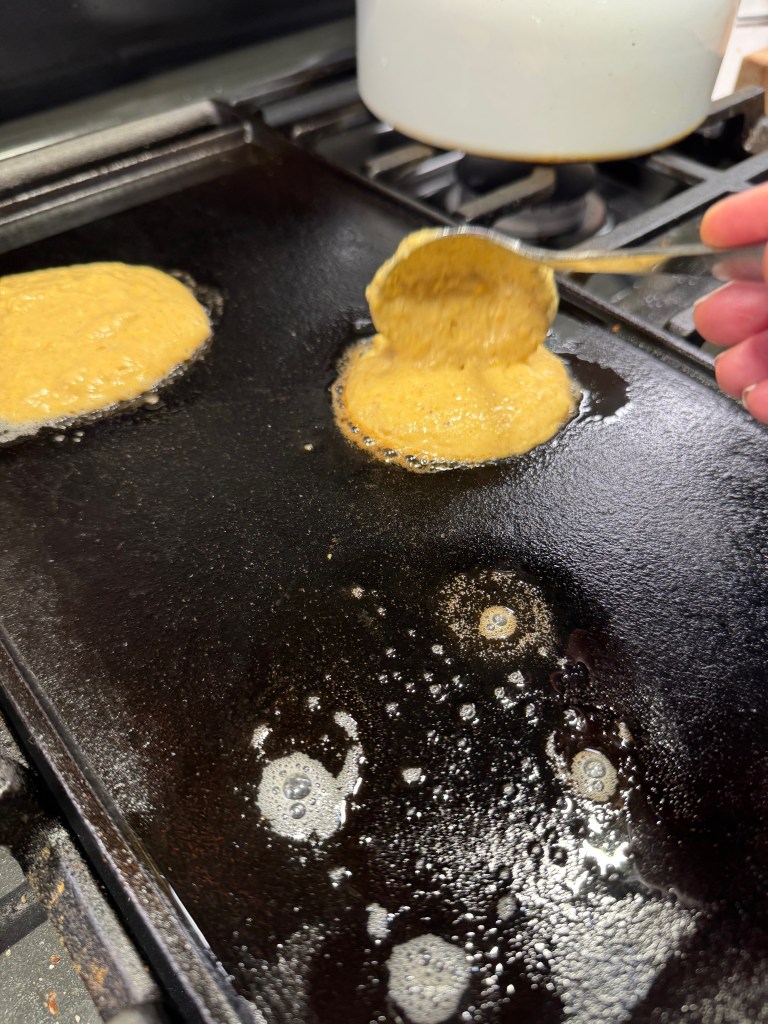
From there, it’s pancakes as usual, and you know I couldn’t resist spiking the flour with some spices to welcome the autumn season. Cinnamon was my go-to, and I threw in a little pumpkin spice blend as well. Butter on the griddle, and a warm oven to keep them cozy while we finished up the whole batch. 

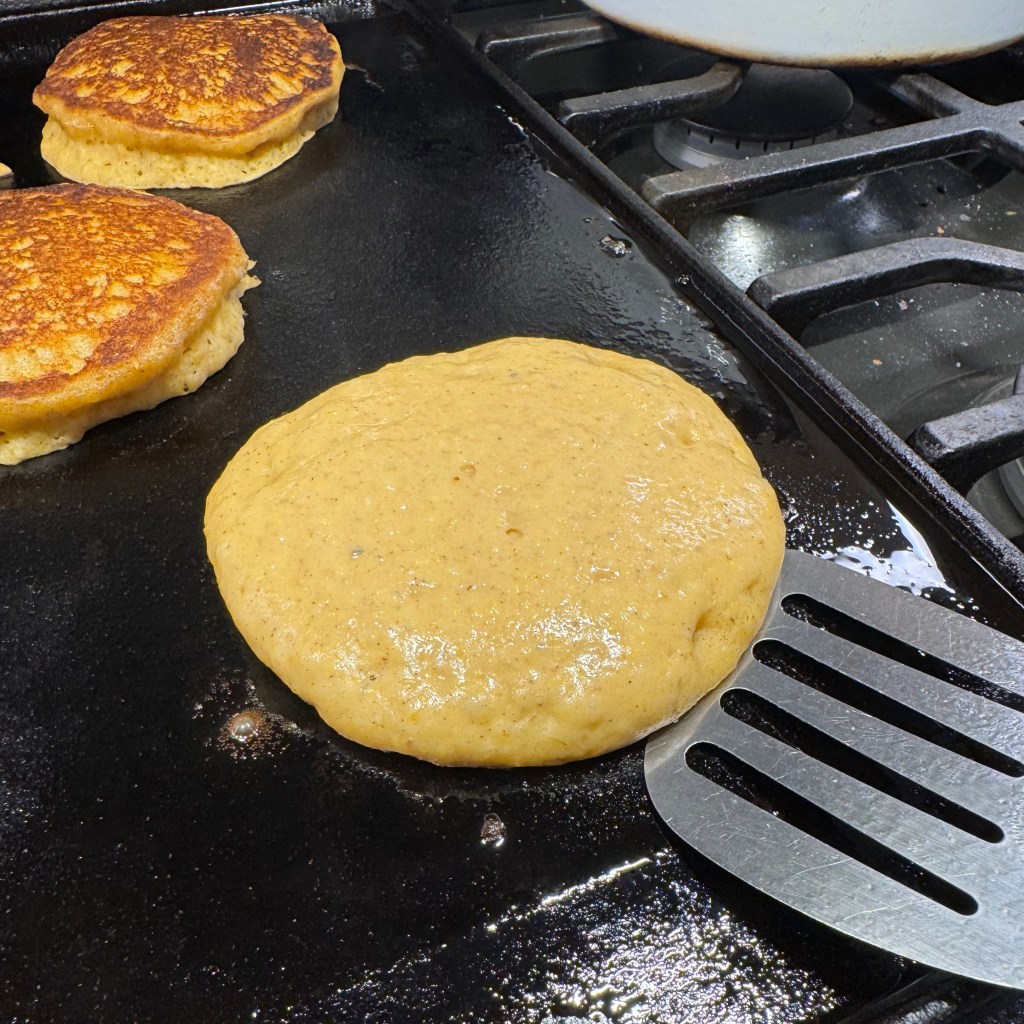
It’s time to turn the pancakes when the edges are dry and you see bubbles on the tops.

Welcome autumn!

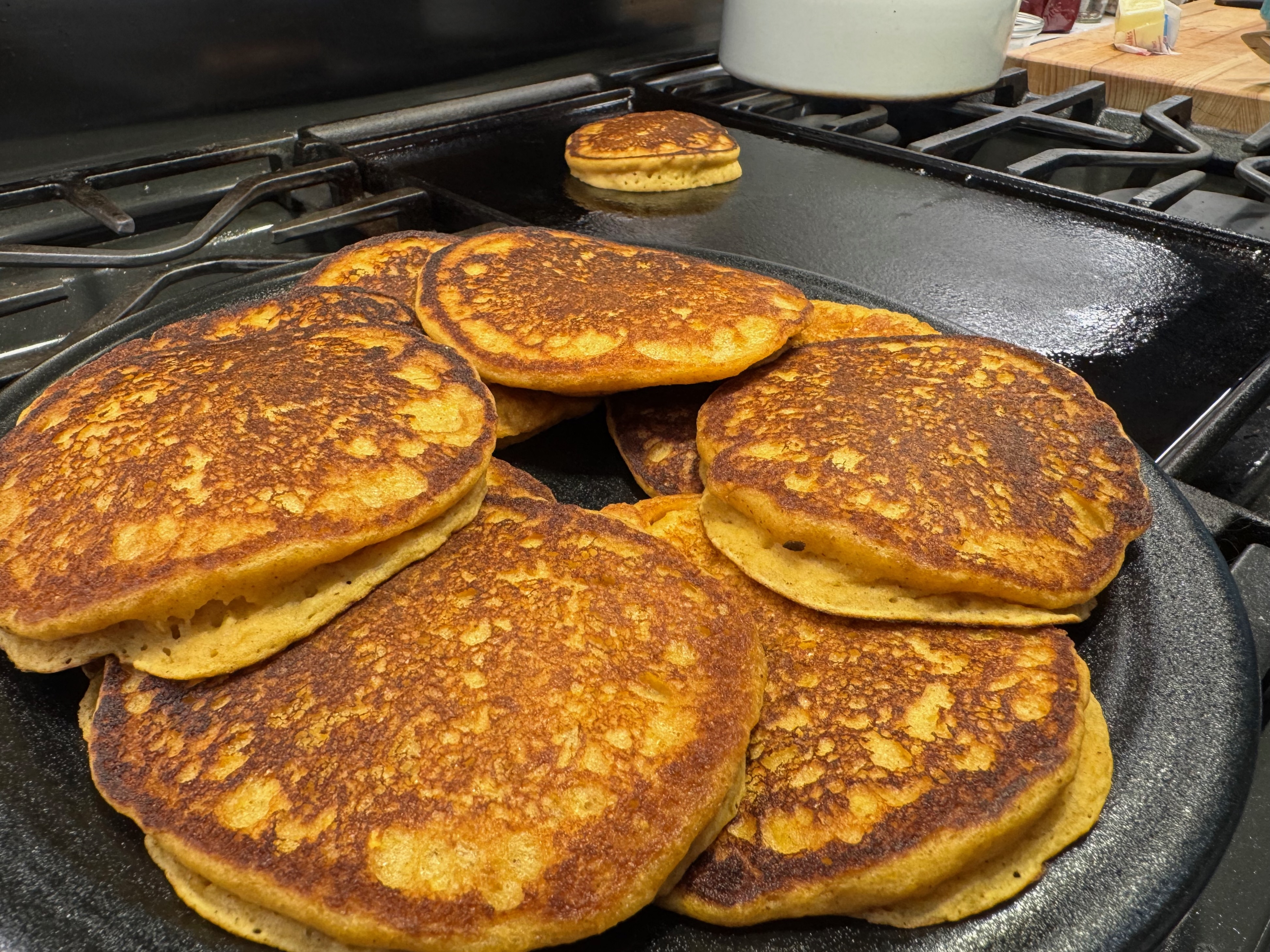
What I loved about these pancakes, besides the sweet potato flavor and spices, was that the insides were creamy and almost custard-like, thanks to the soaked cornmeal. They were so comforting and delicious with a pat of butter and real maple syrup, plus smoky bacon on the side. A lovely introduction to the season. I’d make these again in a heartbeat, and I probably won’t wait until next autumn. What flavors are you looking forward to this fall?

Sweet Potato-Cornmeal Pancakes

  • Servings: 9 five-inch pancakes
  • Difficulty: Average
  • Print

Pre-soaking the cornmeal helps give these tender pancakes a custard-like interior. The sweet potato makes them perfect for fall breakfast, brunch or dinner.


Ingredients

  • 1/2 cup medium grind cornmeal
  • 1/2 cup roasted sweet potato (warm)
  • 1 egg, at room temperature
  • 3/4 cup buttermilk, at room temperature
  • 1 Tbsp. sorghum, maple syrup or honey
  • 3 Tbsp. melted butter
  • 3/4 cup all-purpose flour
  • 1 tsp. baking powder
  • 1/2 tsp. baking soda
  • 1/2 tsp. salt
  • 1/4 tsp. cinnamon, nutmeg or pie spice

Notes: It helps to have the sweet potato baked in advance. Do this in either the oven or microwave. Cool and then scoop out flesh to measure 1/2 cup for this recipe. Use remaining sweet potato in another dish, or double this recipe and freeze extra pancakes between layers of parchment paper when cooled.

Directions

  1. Pour enough boiling water to cover cornmeal in a small bowl. Stir to break up any lumps. Rest this at least an hour before draining through a mesh strainer.
  2. Combine flour, baking powder, soda, salt and spices in a batter bowl.
  3. Combine sweet potato, egg, buttermilk, sorghum and melted butter in a blender. Pulse or blend until smooth. Stir in soaked cornmeal.
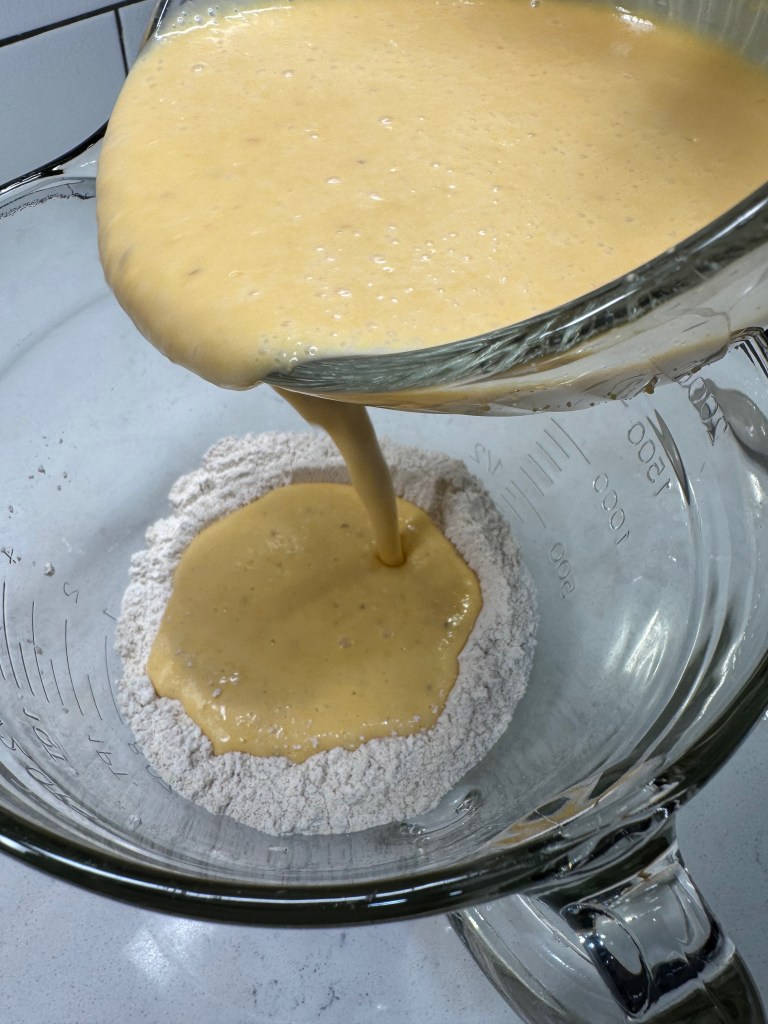
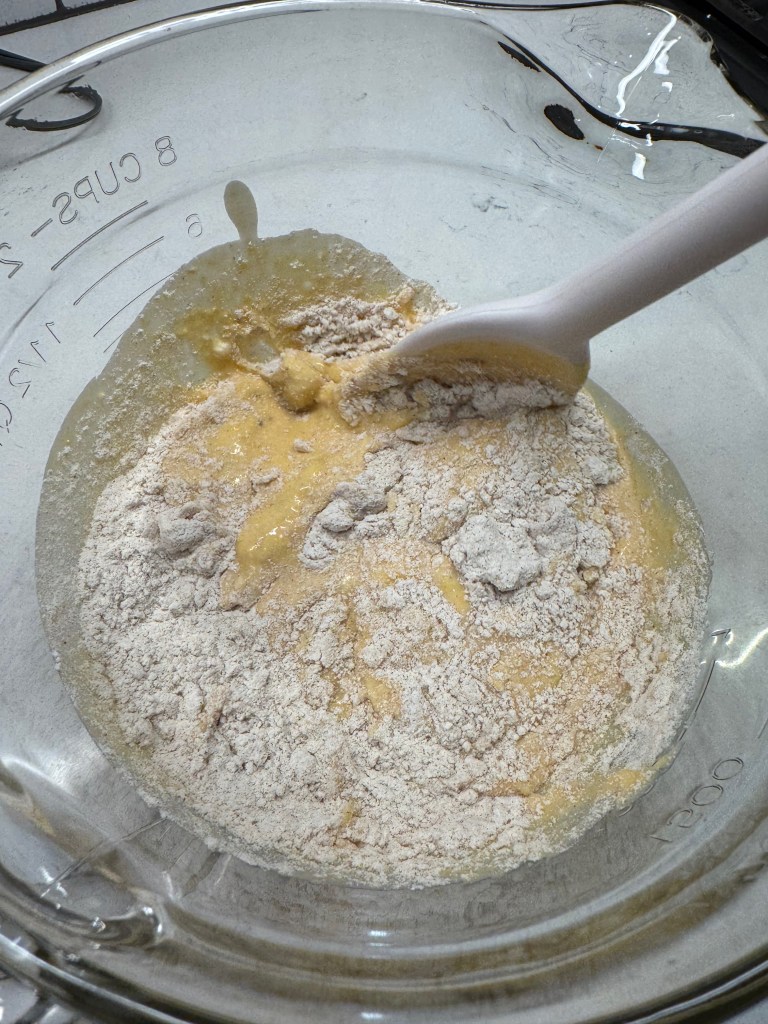
  4. Add wet ingredients to flour mixture, folding gently to combine. Do not overmix; there may be a few lumps.
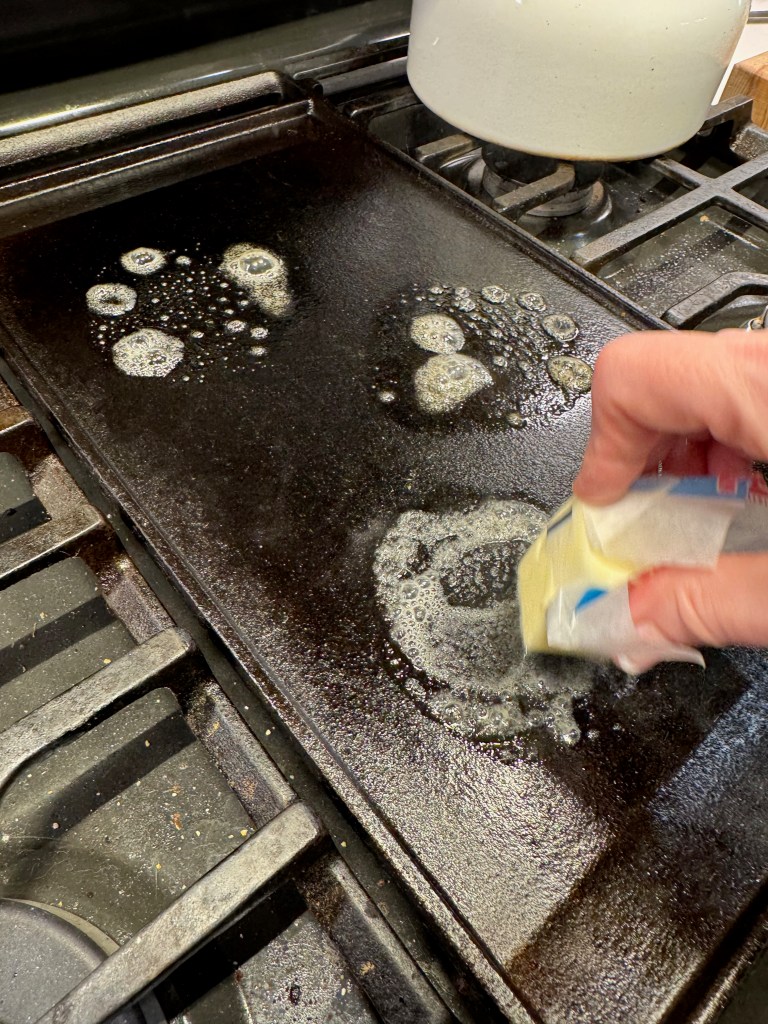
  5. Heat griddle to medium heat. Melt butter in spots where you’ll cook the pancakes. Add batter and cook until the edges are set and the top is bubbly. Use a spatula to gently turn pancakes to cook the other side.
  6. Keep pancakes on a plate in a warm oven until all batter is cooked. Serve with butter and maple syrup.


Thick & Hearty Sweet Potato Chili

Super Bowl’s coming, and my arteries are feeling clogged just thinking about it. Why do so many game day snacks have to be loaded with saturated fat, sodium and calories? I know— because it’s all about comfort food and they’re delicious, right?! I spent half an hour of quality time last week with my primary care physician, who informed me after my labs that my blood work isn’t exactly a pretty picture. Again. This is the second time in three years that I’ve gotten a bad report on my cholesterol (the year in between, I didn’t ask), and the weight gain that followed menopause hasn’t shown any effort to find its way out, either. As I told my doctor, I have a huge disadvantage in that I never had to fight for the healthy weight I enjoyed in my younger years. I always pretty much ate and drank what I wanted and I stayed in my optimal size. But not anymore. And I loathe the gym, so changing up my diet is pretty much my only option to get back to good. It pisses me off, if you want the truth.

But I wanted to prove to myself that eating better doesn’t have to mean sacrificing every single thing I love. Why couldn’t I tap into my creativity a little bit and see what kind of magic might happen in the kitchen? I’ll go after mac and cheese another day, but with the big game coming up, I figured a practice run at the most Super Bowl-y of all Super Bowl foods might be a good way to ease into things. Chili at its core could be pretty health-conscious— at least until you pile on the cheese, sour cream and chips for dipping in it— so this makeover was mostly about maximizing flavor and minimizing the heaviness.

I don’t necessarily need meat in chili, so I set my sights on making a plant-forward version that had plenty of what I do want— big flavor, hearty texture, smokiness and heat. This bowl has all of the above. What it doesn’t have is saturated fat. My ingredients are clean, and I used only extra virgin olive oil for roasting and sautéing the various components.

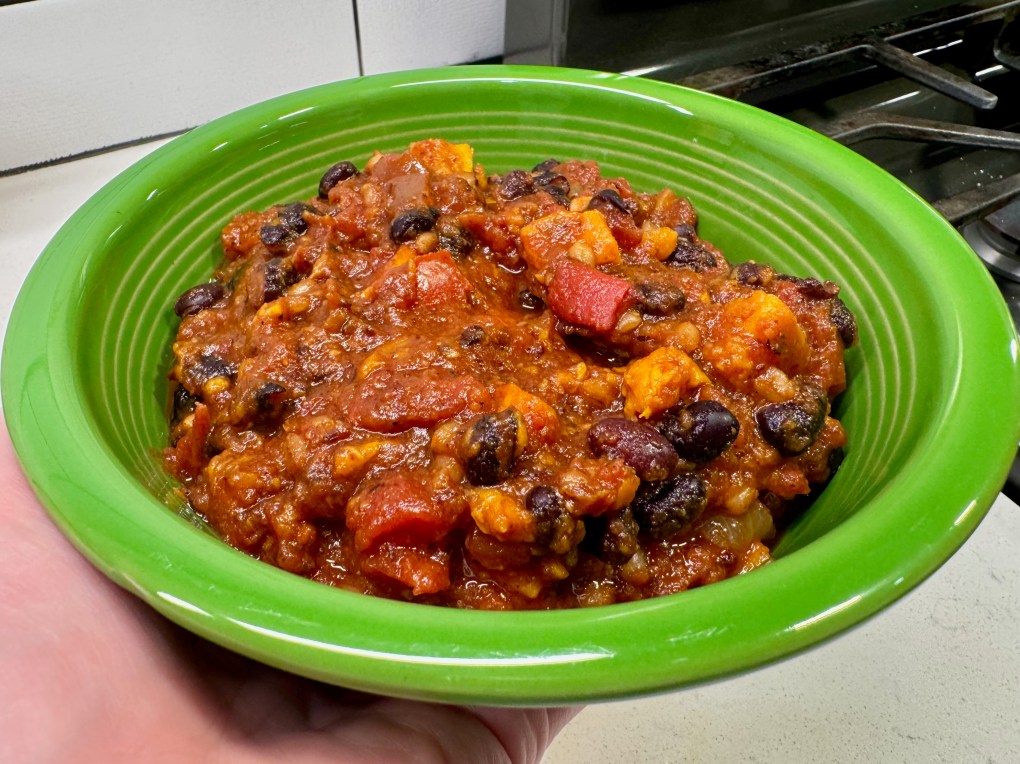
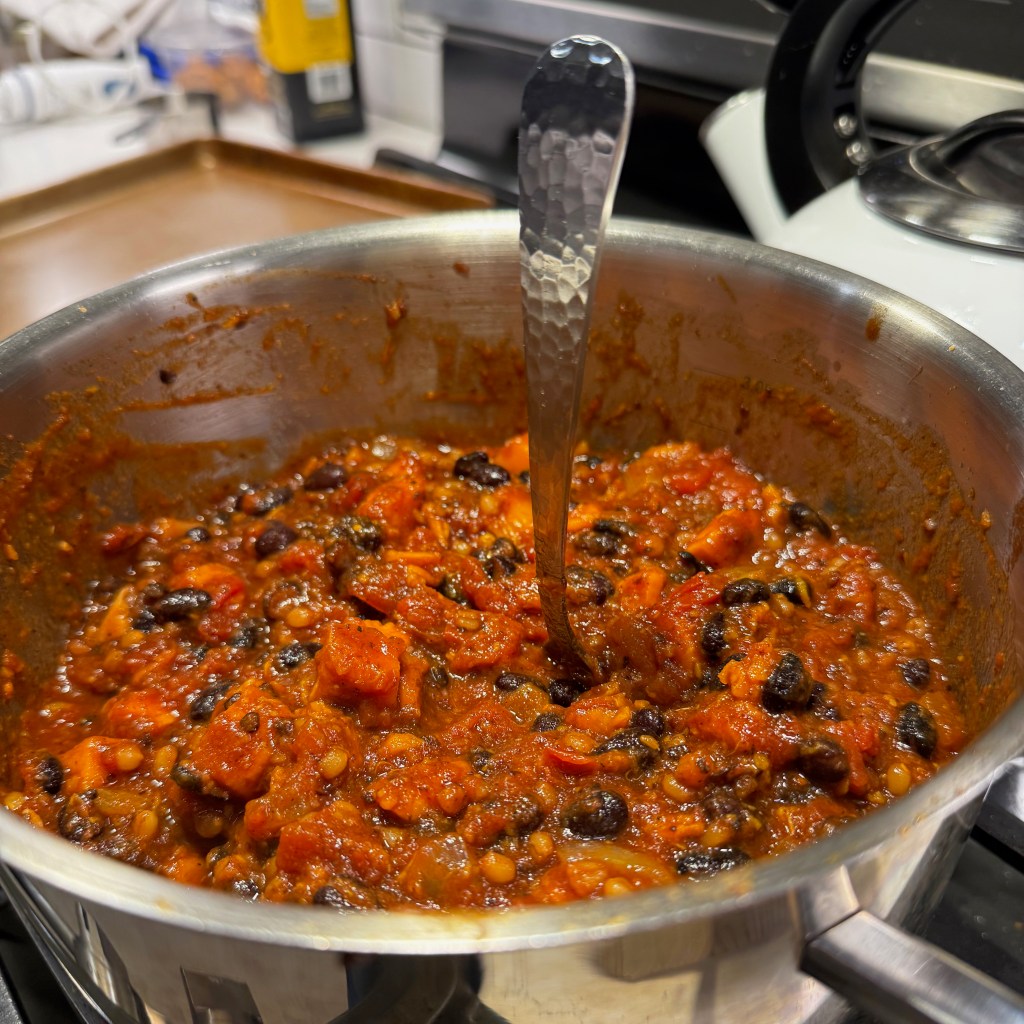
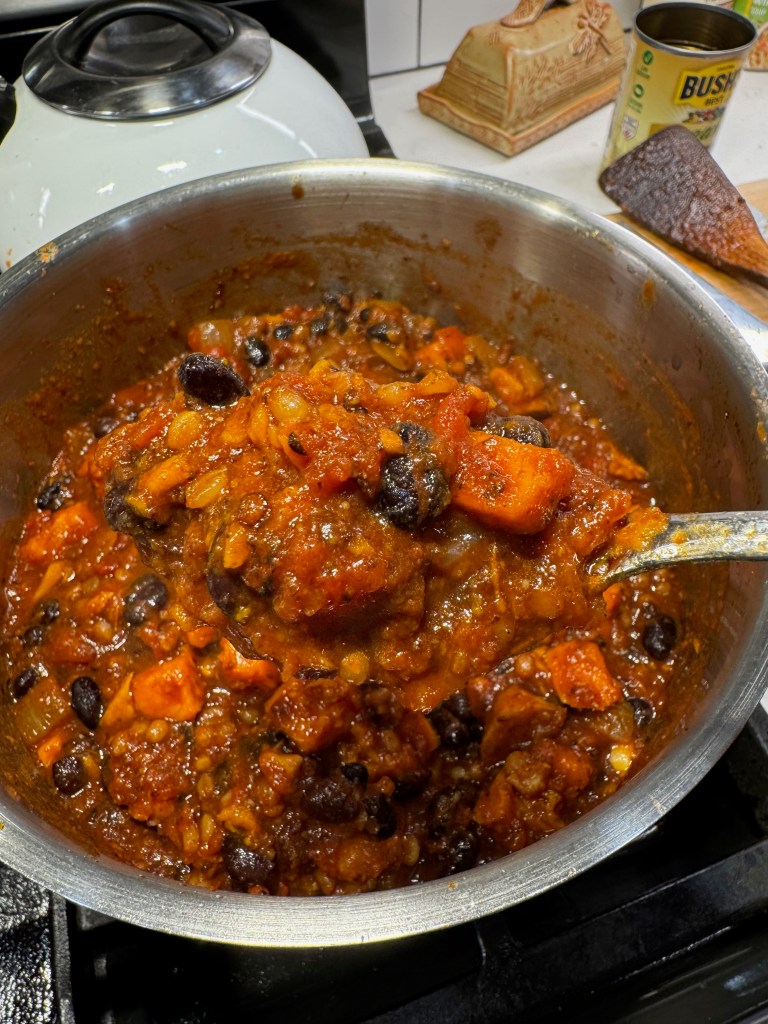
So thick, my spoon stands on end in the chili!

The flavor is smoky and spicy, with a subtle sweetness from the sweet potatoes. Nutrition-wise, this chili is off the charts. Protein, fiber, folate, magnesium, antioxidants, lycopene, potassium— it’s all there. And there’s no broth or juice added to the chili, which makes it thick enough for a spoon to stand straight up in it. Is it the same as the rich and meaty chili that my husband loves to make for Super Bowl? Of course not— there’s no meat inside. But if it satisfies my craving while I’m trying to do better, well, that’s good enough for me.

Let’s get into it!

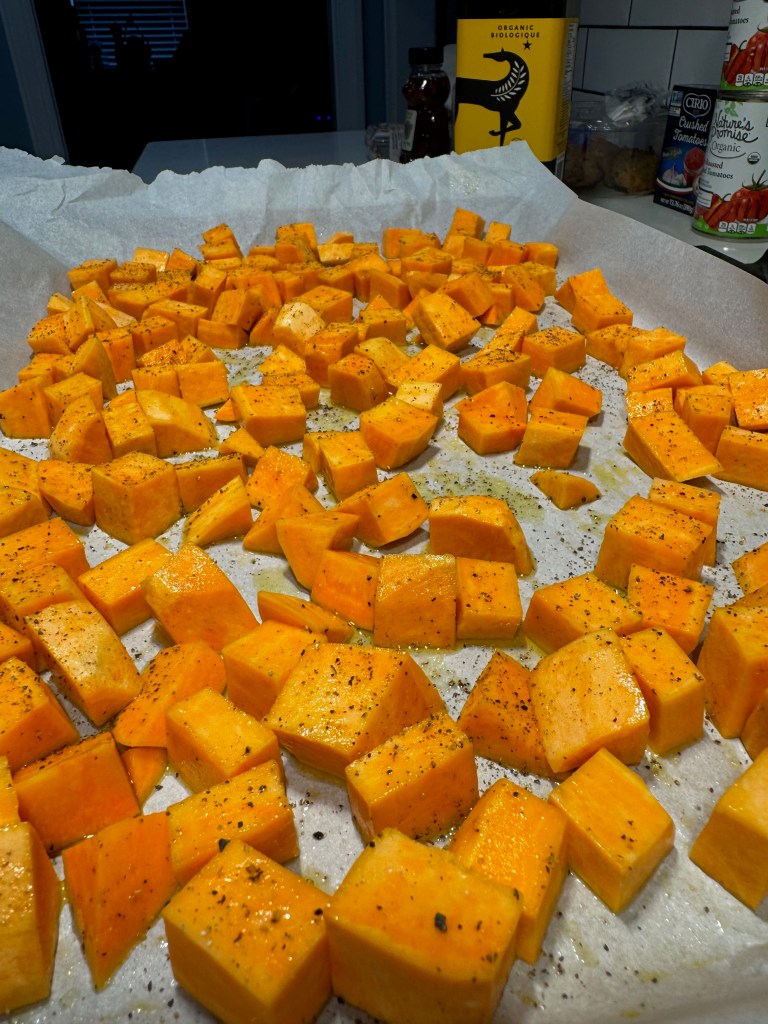
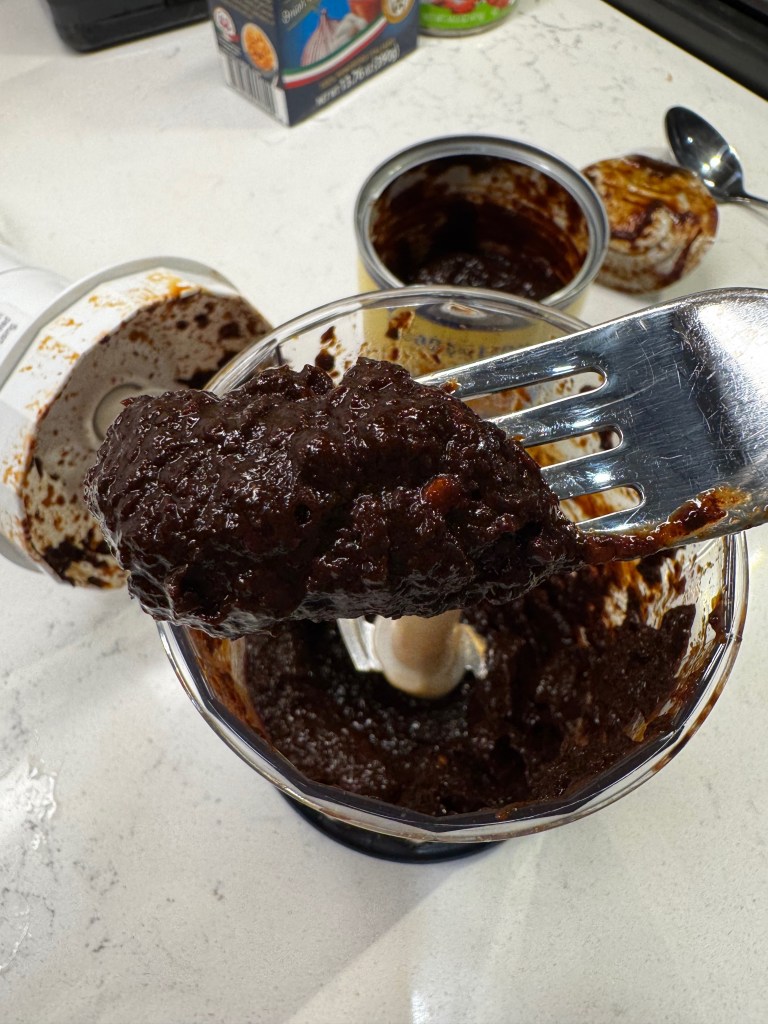
I roasted the sweet potatoes rather than simmering, which deepened the flavor as well as reduced moisture. The seasonings are smoky and aromatic, adding layers of flavor that only get deeper when you stir in the pureed chipotle with adobo sauce. I used about three tablespoons of this dark red paste, but the amount is flexible to match your taste for heat. 


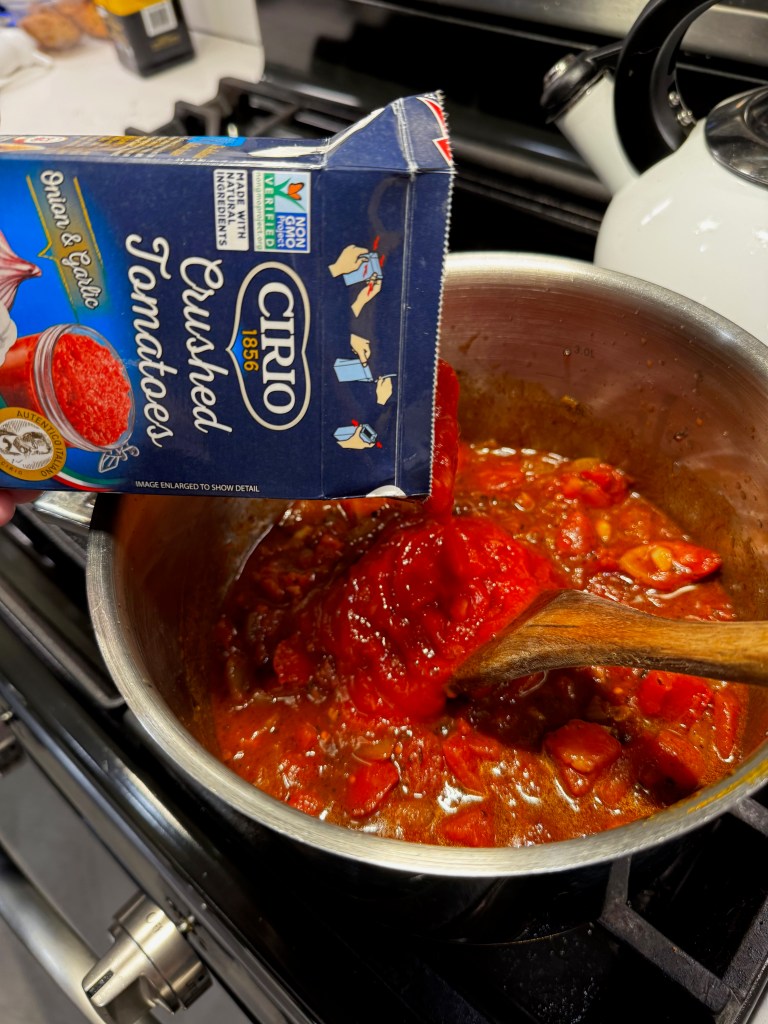
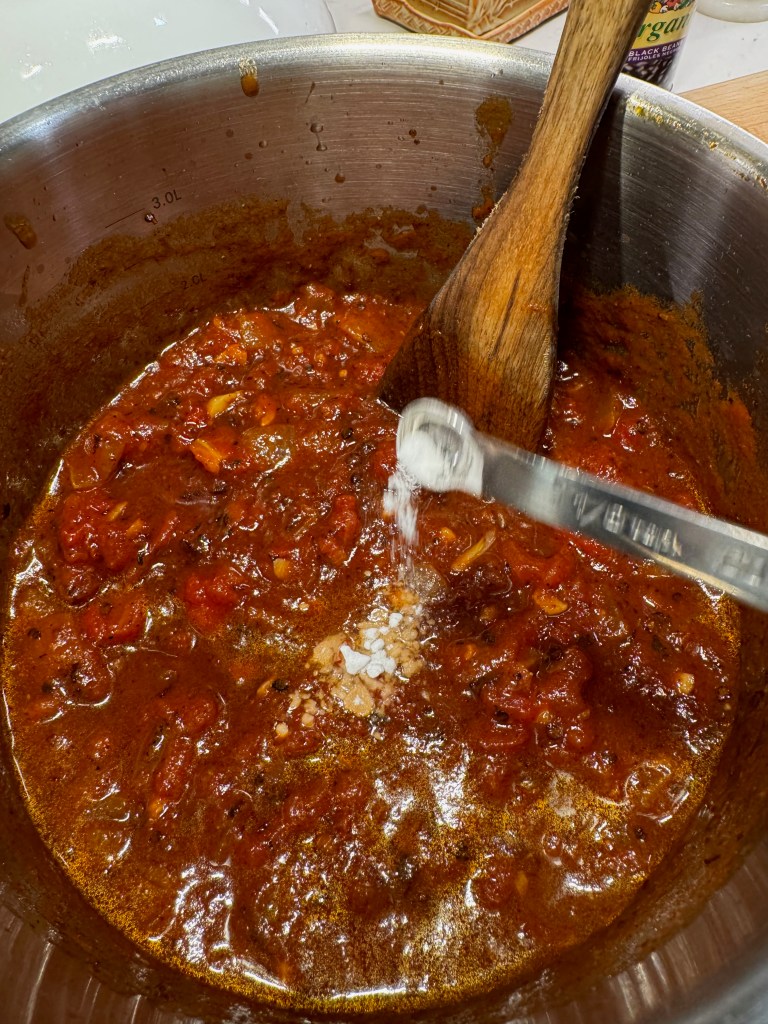
Fire roasted tomatoes added another layer of smokiness, but also a major hit of acid alongside the crushed tomatoes that went in with it. Next, a smidge of baking soda. This may seem like a strange addition to a pot of chili, but its alkaline nature helps soften the too-bright acidity of so many tomatoes. Let it bubble and foam for a minute or so, then carry on with the rest of the recipe.


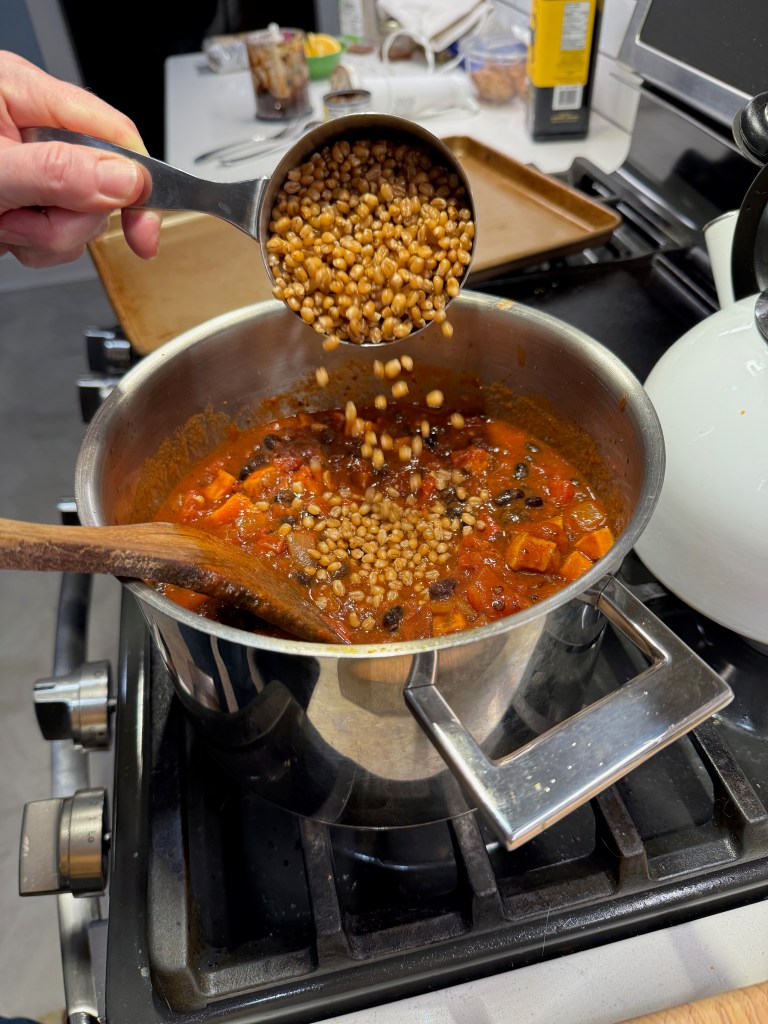
Black beans, the roasted sweet potatoes and cooked wheat berries finished this off, and it was thick, hearty and satisfying— all the things I wanted, none that I don’t. I suppose you could sub in pinto or kidney beans, but I love the earthiness of black beans. If you’re gluten free, you’d have to sub something for the chewy whole grain wheat berries— maybe cooked quinoa or buckwheat groats. 


Thick & Hearty Sweet Potato Chili

  • Servings: About 6
  • Difficulty: Average
  • Print

Game day food is notoriously heavy and calorie-laden, but this chili is scoring big on flavor and fiber, without saturated fat or excess calories. Did I mention that it's also vegan? Plant-based for the win!


Ingredients

  • 2 large sweet potatoes, peeled and cut into cubes
  • 4 Tbsp. extra virgin olive oil, divided
  • 1 medium-large sweet or yellow onion, chopped
  • 4 cloves garlic, smashed and sliced thin
  • 1 tsp. kosher salt
  • 3/4 tsp. cumin seed, crushed into powder
  • 1 tsp. smoked paprika
  • 3/4 tsp. ancho chile powder
  • About 14 twists freshly ground black pepper
  • 2 to 4 Tbsp. pureed chipotle with adobo (see notes)
  • 28 oz. canned fire roasted diced tomatoes
  • 14 oz. can or carton crushed tomatoes
  • 1/8 tsp. baking soda (optional, see notes)
  • 2 cans low-sodium black beans, drained
  • 1 cup cooked wheat berries (see notes)

Notes: The chipotle puree is made by dumping an entire can of chipotles in adobo into the small bowl of a food processor and blending until smooth. The flavor is ultra-smoky and deeply hot. You will only need about a third of the total can amount, but the rest can be used in many other southwest-themed dishes.

If the acidity of the tomatoes is too much, add a tiny bit of baking soda to neutralize it. This doesn’t change the flavor of the chili, it only softens the sharp acid notes of the tomatoes.

If not for the wheat berries, this recipe would be gluten free as well as vegan! If you are sensitive to gluten, omit them entirely or consider substituting with al denté cooked brown rice, quinoa or buckwheat groats.

Directions

  1. Preheat oven to 400° F, with oven rack in center position. Line a heavy sheet pan with parchment paper.
  2. Toss sweet potatoes in two tablespoons of olive oil and spread evenly onto parchment-lined sheet pan. Season with kosher salt and pepper. Roast for about 40 minutes, until potatoes can be easily pierced with a knife tip and edges are caramelized.
  3. Meanwhile, place a medium, heavy-bottomed pot over medium heat. Swirl in remaining two tablespoons olive oil when pan is hot. Add onions and sauté several minutes, until onions are softened with edges just beginning to brown. Reduce heat, add garlic and stir to heat through.
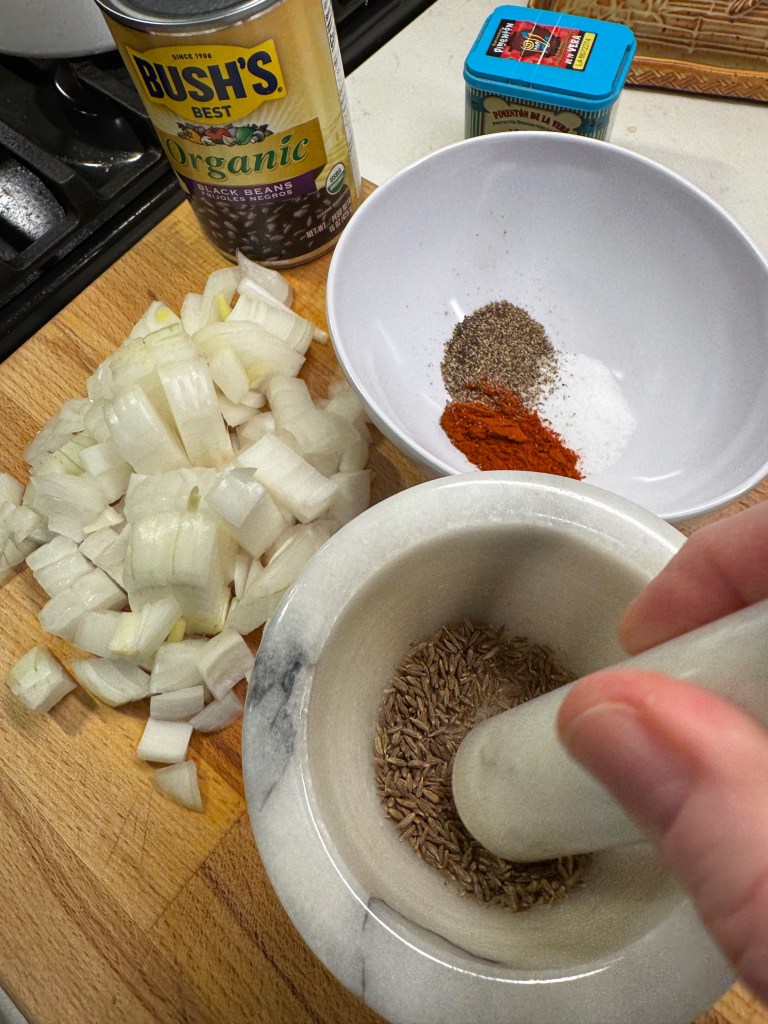
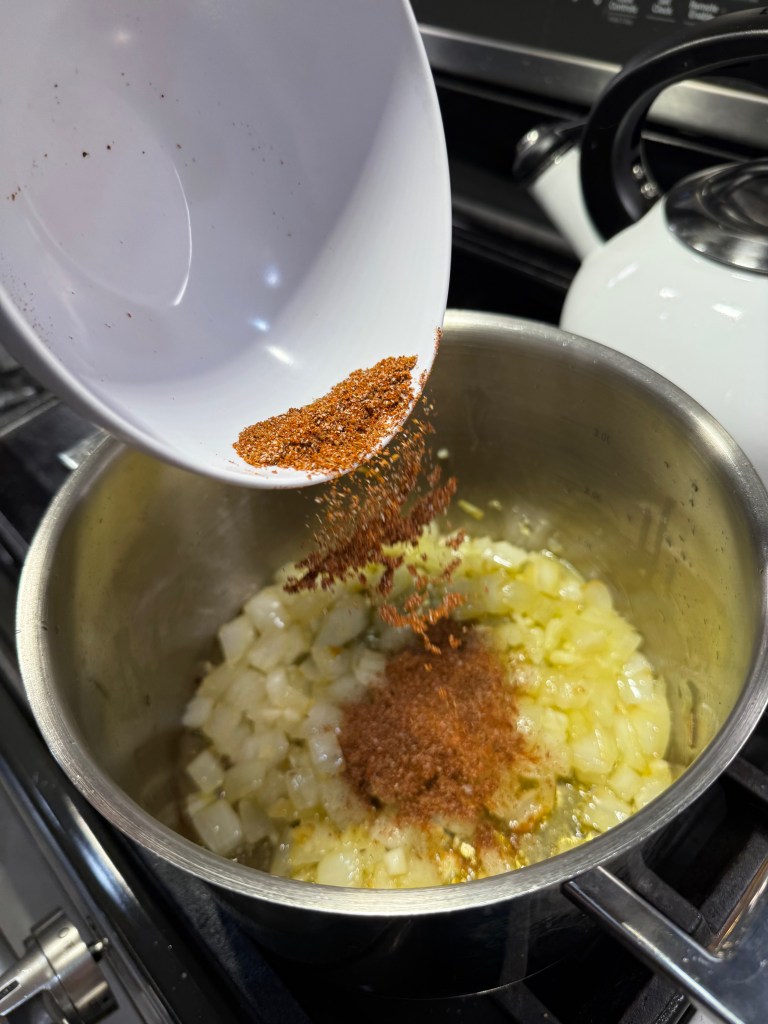
  4. Combine salt and spices in a small bowl. Sprinkle over sautéed onion mixture and toss to coat. Allow spices to bloom for about two minutes, then stir in chipotle with adobo puree.
  5. Add diced and crushed tomatoes, stirring to combine evenly with seasoned onion mixture. Return heat to medium and bring to a simmer. Stir in baking soda and cook for about one minute.
  6. Add black beans, roasted sweet potatoes and cooked wheat berries. Heat through and serve.


Half-Sweet Mashed Potatoes

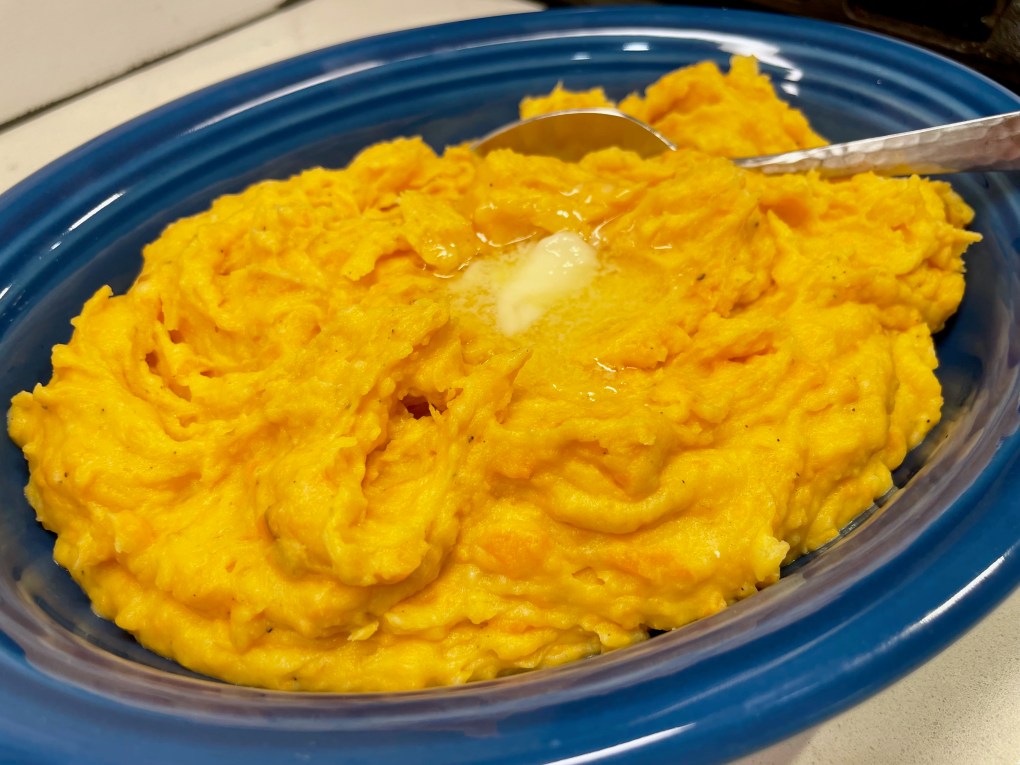
Can you make room on the table for one more Thanksgiving side dish? This is an easy one, and we’ve had it at our house for autumn meals other than Thanksgiving even more than on the holiday itself. Combining the fluffiness of Yukon gold potatoes and the sweetness of seasonal sweet potatoes satisfies two cravings at once, and there’s so much flavor and creamy texture between them that minimal extra ingredients are needed. Let’s get into this!

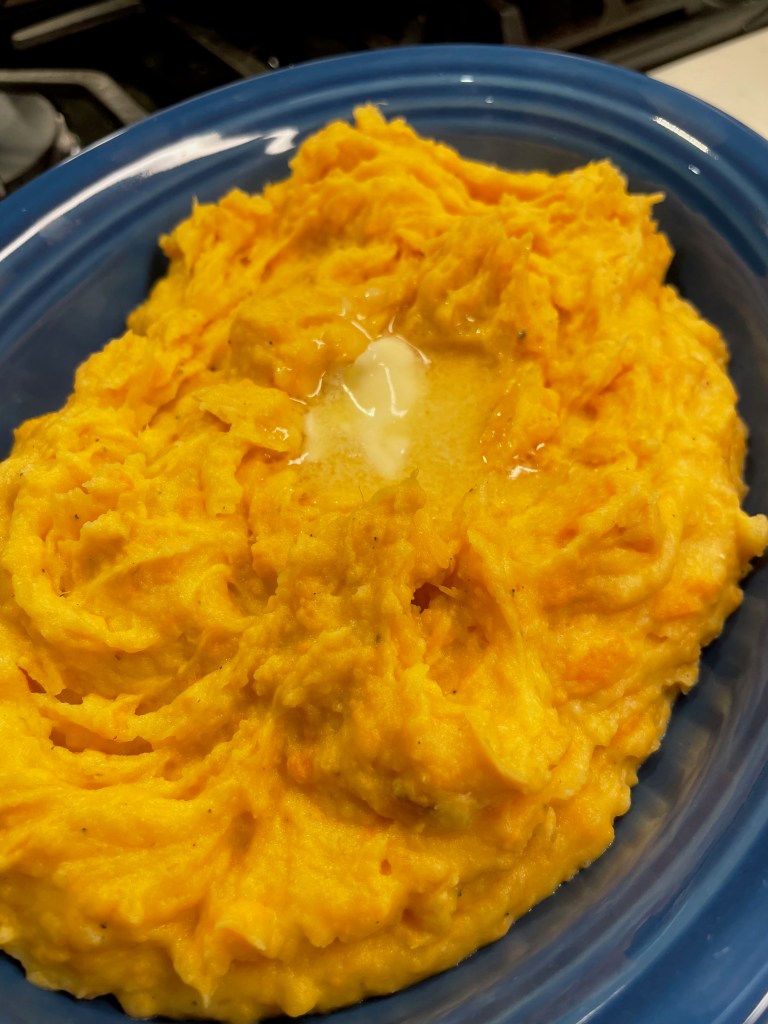
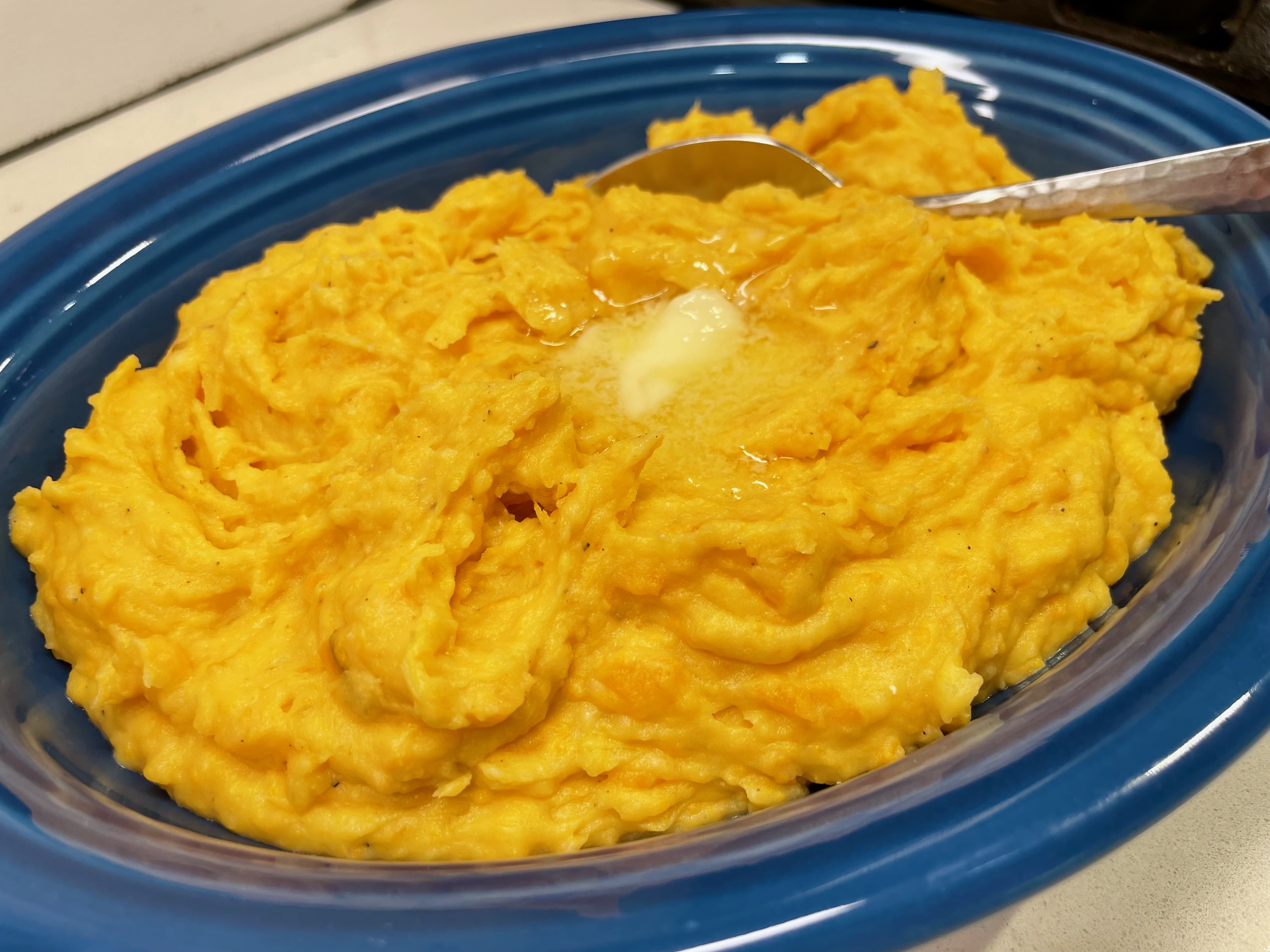
Who can resist a big bowl of mashed potatoes?

The first time I made these half-sweet mashed potatoes was just ahead of Thanksgiving, 2020, when my husband, Les, and I realized it would be just the two of us for the holiday (thanks for nothing, Covid). My food blog was still on training wheels, and I had fun sharing new food ideas with the homebound, given that we were all in the same boat of scaled-back Thanksgivings. I whipped up a batch of these potatoes to use as a topper for my Thanksgiving mini meatloaf recipe, and the sweet-and-gold combo of potatoes was so good, we made them again and again— with or without a holiday.

When I looked back at that mini meatloaf post, I cringed seeing the lousy lighting, crappy counters and sketchy photography skills that were the norm for me back in those days. My blog and my kitchen have come a long way since then, but I still remember the excitement I felt in trying new things and distracting myself from the news of the day (a feeling that is familiar once again). As I perused that first recipe, there was one standout thing about the potatoes I made for those mini meatloaf bites that I don’t recommend if you’re serving them on the side— I had whisked in some egg white to help the potatoes hold their shape on the mini loaves. This is completely unnecessary when making them for a side dish, but I wouldn’t blame you if you wanted to add a few sprinkles of Parm-Romano cheese blend, as I did for that post. Les would proclaim that Parm-Romano never ruined any dish! And he’s right, of course.

Let’s get cooking!

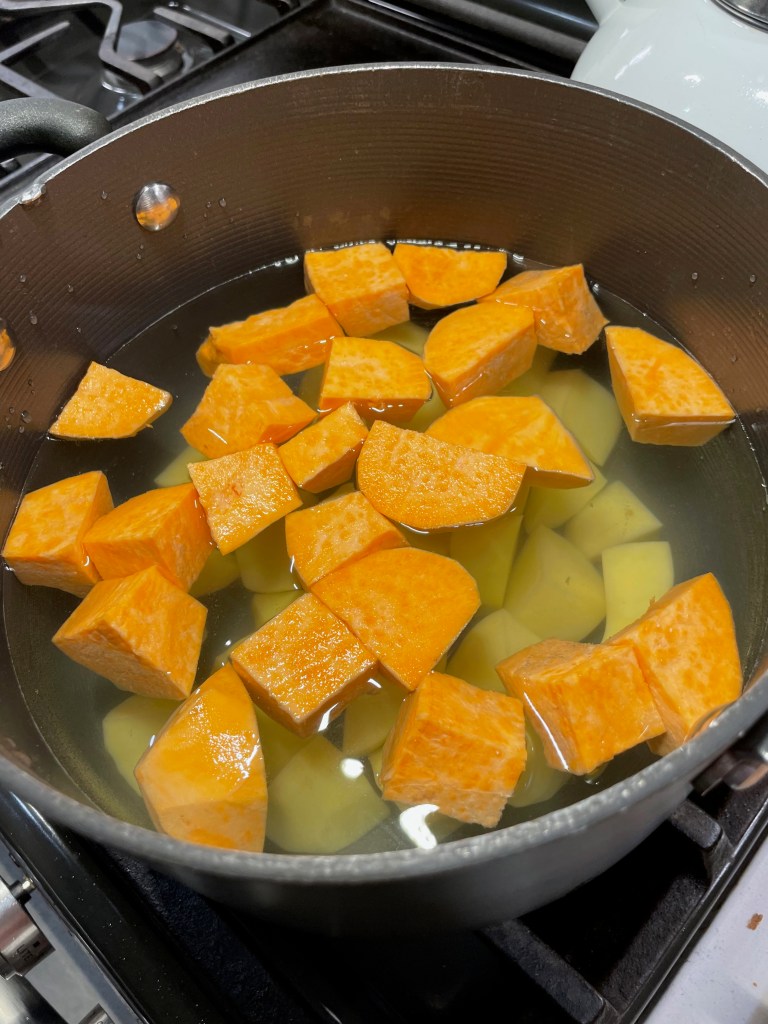
This recipe is geared toward smaller occasions, but it’s easy to double, triple or even quadruple if you’re cooking for a larger crowd. I began with a pound and a half each of Yukon golds and sweet potatoes, peeled and cut into manageable size chunks.

Use equal amounts, give or take.

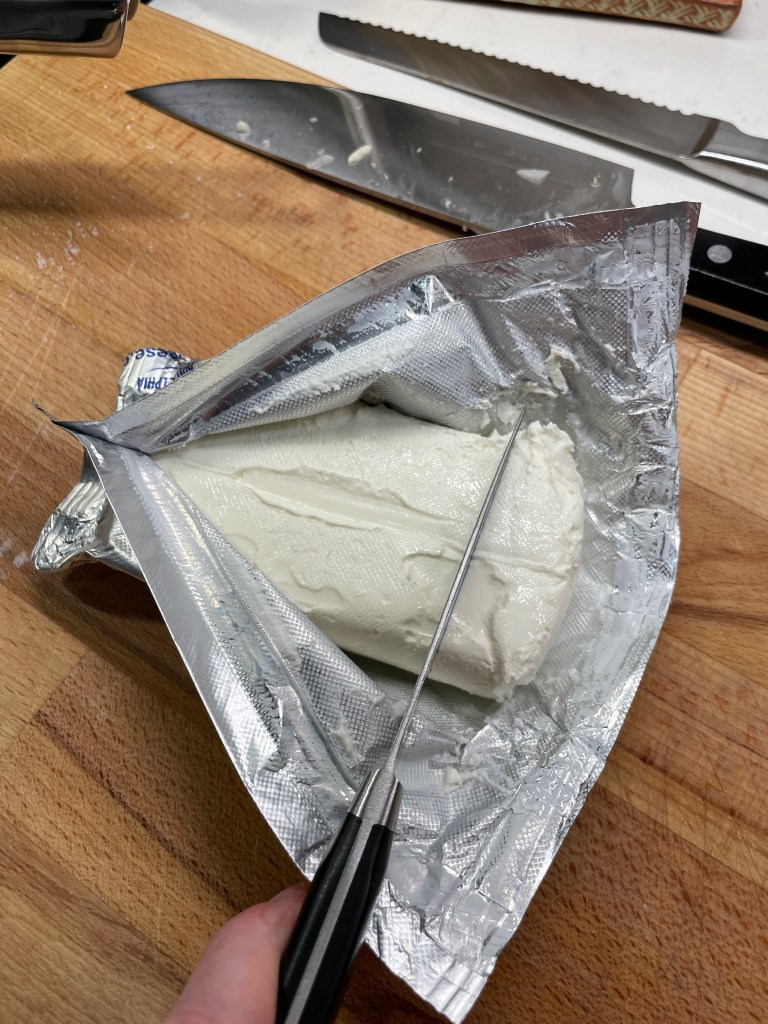
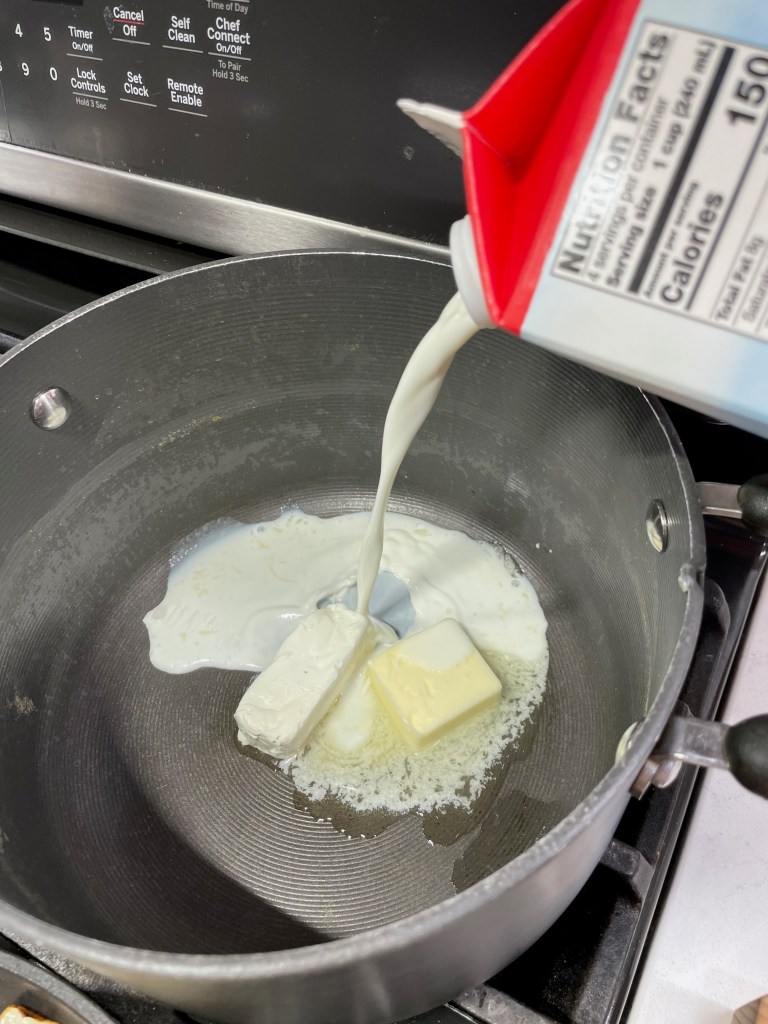
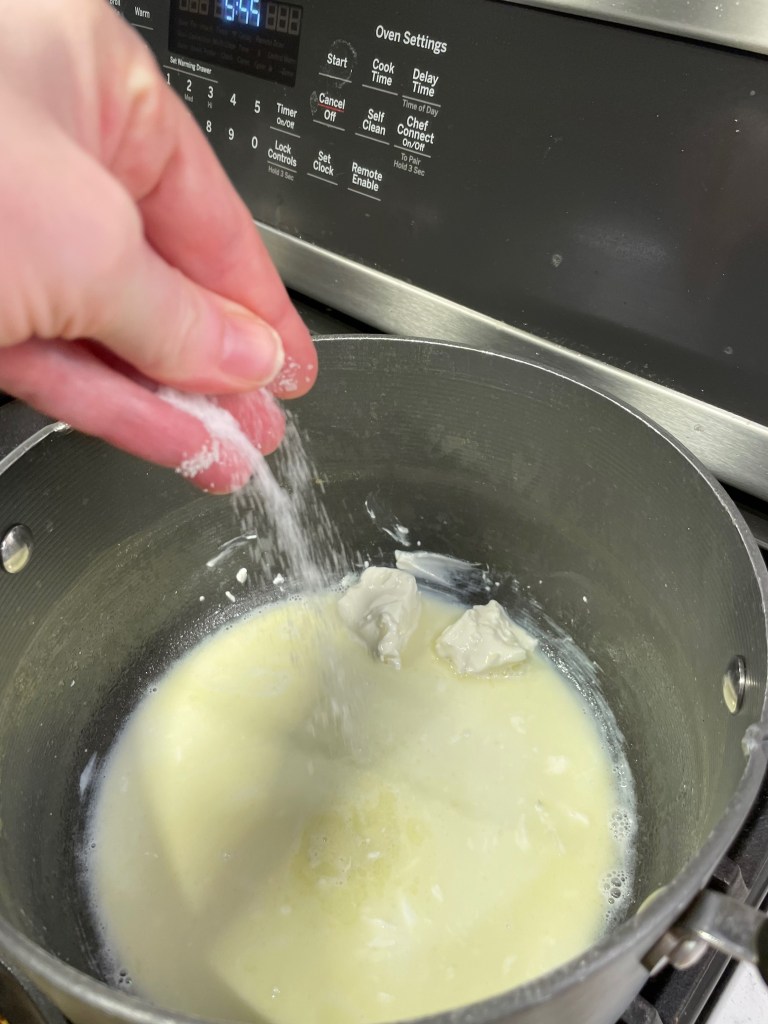
While your large chunks of potatoes mingle in salted cooking water, get ready with a two-ounce bit of cream cheese. It’s helpful to have this at near-room temperature, though you’ll have a chance to warm it up while the potatoes drain. Place the cooking pot back over medium-low heat to melt the cream cheese with a thick pat of butter, a splash of milk and, of course, salt. The beauty of using these kinds of potatoes is that they don’t suck up as much liquid or butter as russets, so you can have good results with less of those high-fat add-ins.


This part of the recipe technique is one of several “poTAYto-poTAHto” moments that Les and I squabble over every Thanksgiving. If you want to add cold-from-the-fridge milk and butter straight into the hot potatoes (the way my husband does), you go right ahead— it’s your kitchen after all. But if you want to do it the right way (you see what I did there?), then for goodness sake, warm those ingredients in the pot first and then add the hot potatoes! In my thinking, it helps keep the overall dish warm, and also ensures that you don’t shock the starches with cold milk and change their texture. Besides, they’ll be ready to serve sooner. (I can’t wait ’til he reads this. 🤭)


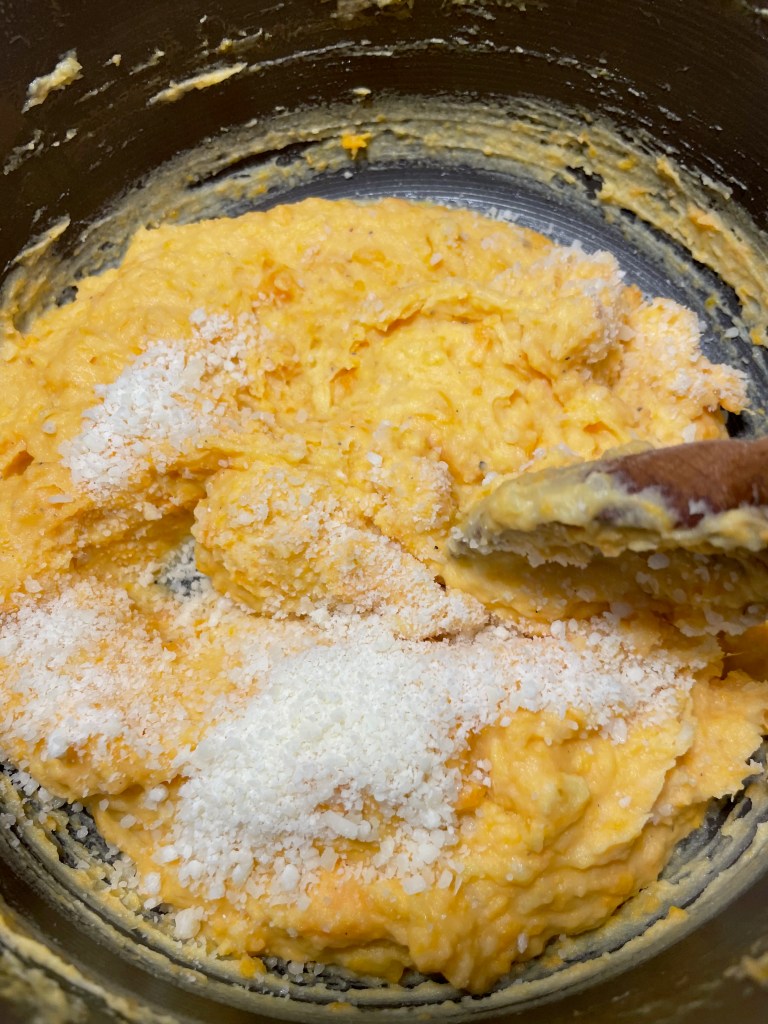
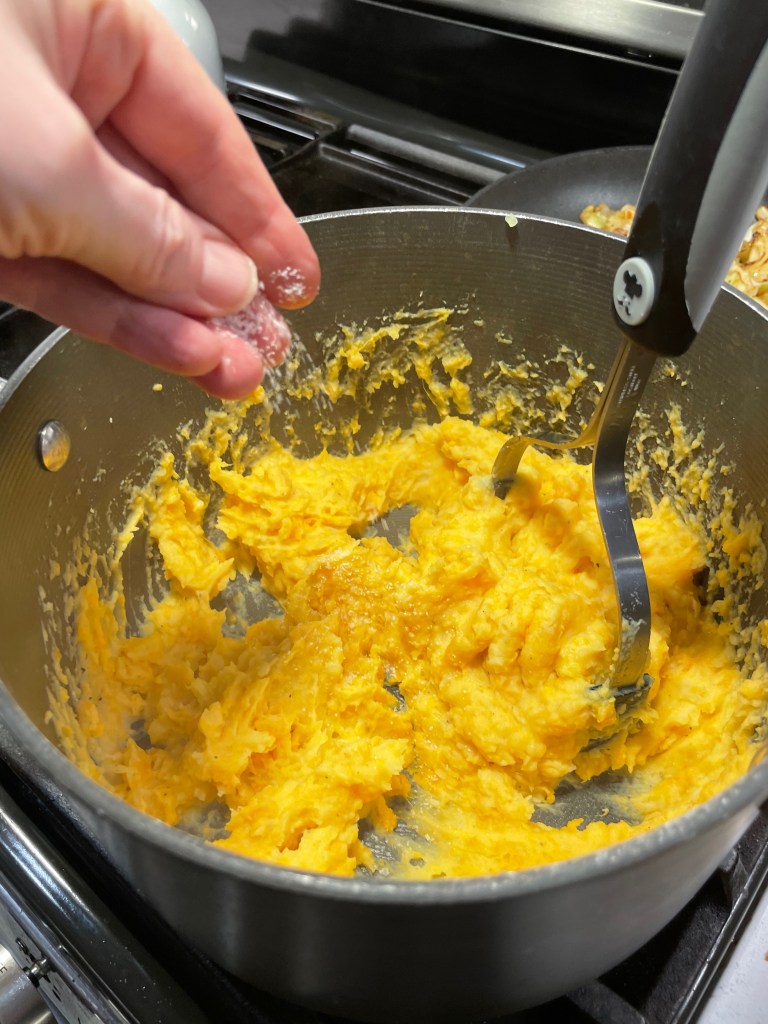
Mash them to your liking with a handheld masher. No need to get fancy here with a ricer or any other kitchen gadget. There’s something nostalgic or even comforting about finding a lump or two in there. Give the dish a final seasoning to taste and— OK, Les wanted to toss in some Parm-Romano, so we did that, too. See? Despite our occasional differences in technique, we are still a team. ☺️

And there you have it— one of the easiest Thanksgiving sides ever— one that tastes great, looks good on the table and settles the question of whether to make sweet potatoes or mashed. The best of both, win-win. Your guests will enjoy them, and they can be made ahead for easy reheating, too. Do you realize we are less than a week from Thanksgiving?

Coming next week, a signature cocktail. Until then, cheers!

Half-Sweet Mashed Potatoes

  • Servings: About 6
  • Difficulty: So stinkin' easy
  • Print

This recipe for half-sweet mashed potatoes combines Yukon gold and sweet potatoes, offering a flavorful Thanksgiving side dish. Minimal ingredients enhance both taste and creaminess. The dish is easy to prepare, suitable for any gathering, and can be made ahead for convenience. A perfect solution for sweet and savory cravings.


Ingredients

  • 1 1/2 pounds russet potatoes, peeled and cut into large chunks
  • 1 1/2 pounds sweet potatoes, peeled and cut into large chunks
  • A hefty pinch of kosher salt for seasoning the cooking water
  • 2 ounces (about 1/4 standard package) cream cheese
  • 2 Tbsp. salted butter
  • 1/4 cup whole or 2% milk, or half and half (depending how rich you like them)
  • Salt (and pepper, if you wish) to taste
  • A few spoons freshly grated Parm-Romano blend cheese, if you feel like it

Notes: Cut yourself some slack on the weight of the potatoes. They don’t have to be absolutely equal amounts, by any means. If they weigh about three pounds together, you’re golden. Or sweet, whichever.

Directions

  1. Place a heavy-bottomed pot filled with cold water over medium heat. Add both kinds of potatoes to the pot and bring to a light boil, then reduce heat and simmer until potatoes are good and tender, approximately 20 minutes.
  2. Drain the potatoes in a colander and immediately return the pot to the stove over medium heat. Add cream cheese, butter and milk to the pot, along with a good pinch of salt, and stir or whisk until smooth and evenly combined. Do not boil this mixture.
  3. Add the drained, hot potatoes back to the pot with the cream cheese mixture. Mash with a hand masher until creamy. Don’t mind a few lumps here or there. Give it a final salt adjustment, and add grated Parm-Romano cheese, if desired, stirring in just before serving.


Smoky Chipotle-Maple Roasted Sweet Potatoes

There’s an old piece of culinary wisdom out there, and it goes like this— “Don’t mess with Thanksgiving!” If you’re a traditionalist when it comes to what goes on the table at everyone’s favorite food holiday, then you probably want to look away, keep scrolling, move along. Because what I’m about to share may seem blasphemous.

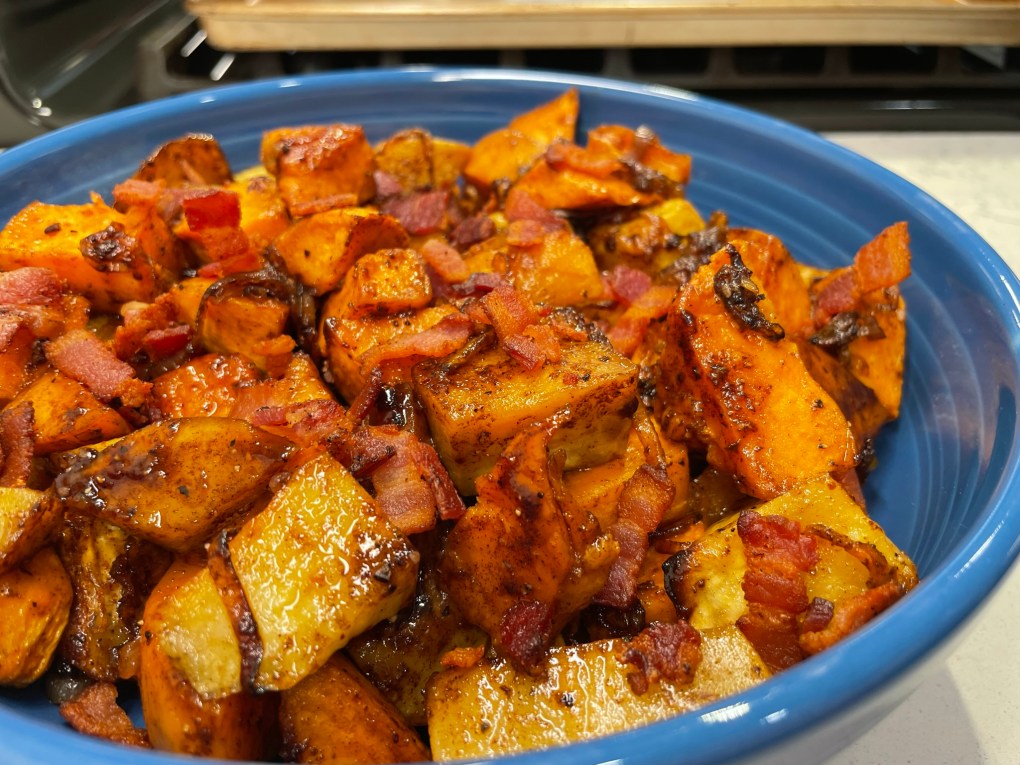
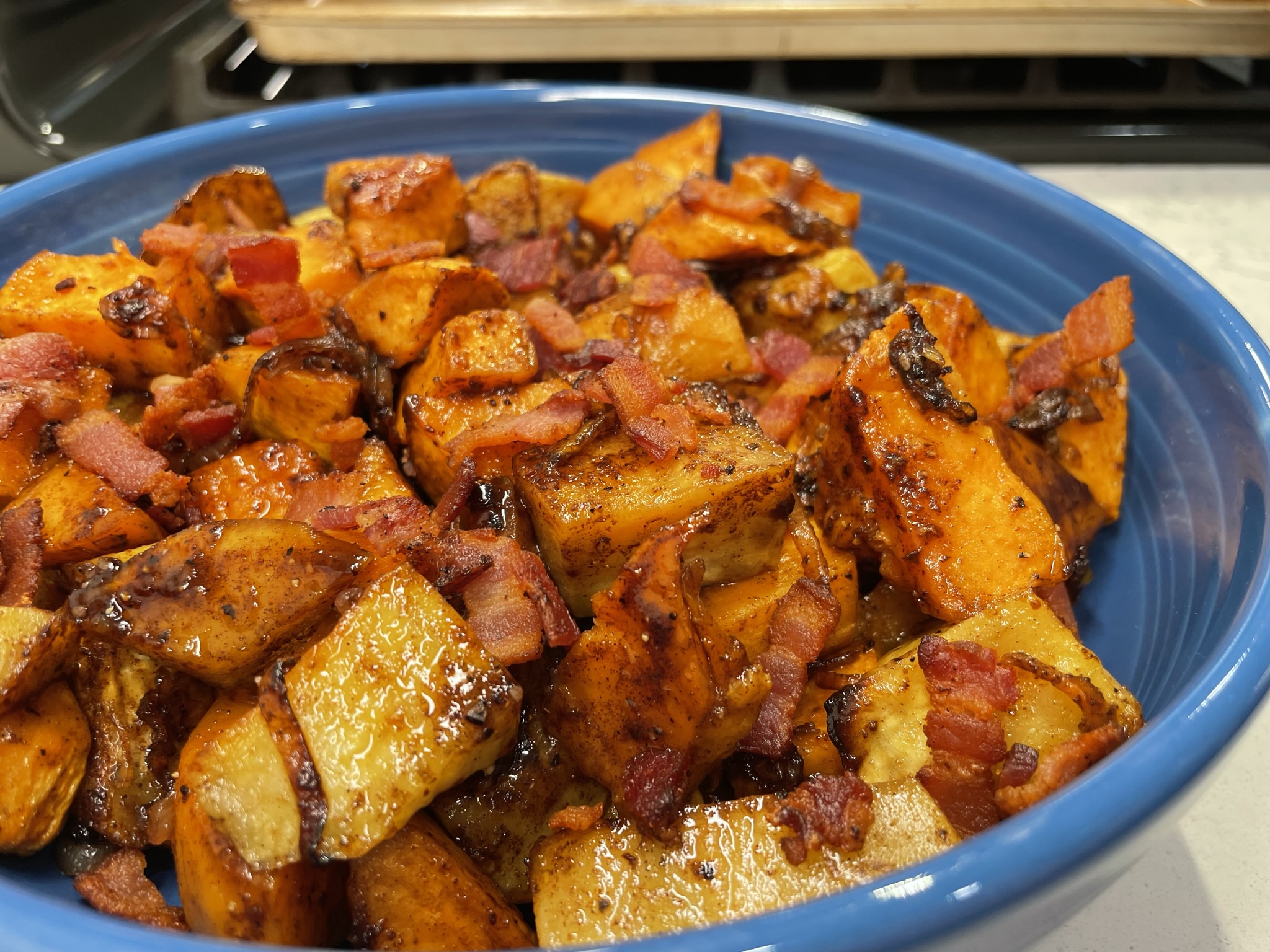
But if you like to shake things up from time to time, and if you can handle a little heat, then you may have just stumbled upon a new favorite sweet potato recipe. These roasted chunks are caramelized and crispy on the outside, tender and creamy on the inside and spicy-sweet all the way through. It’s a far cry from the usual sweet potato sides, but you know that other old piece of wisdom— “Variety of the spice of life!”

The crispy bacon is optional but delicious.

How spicy are we talking here?

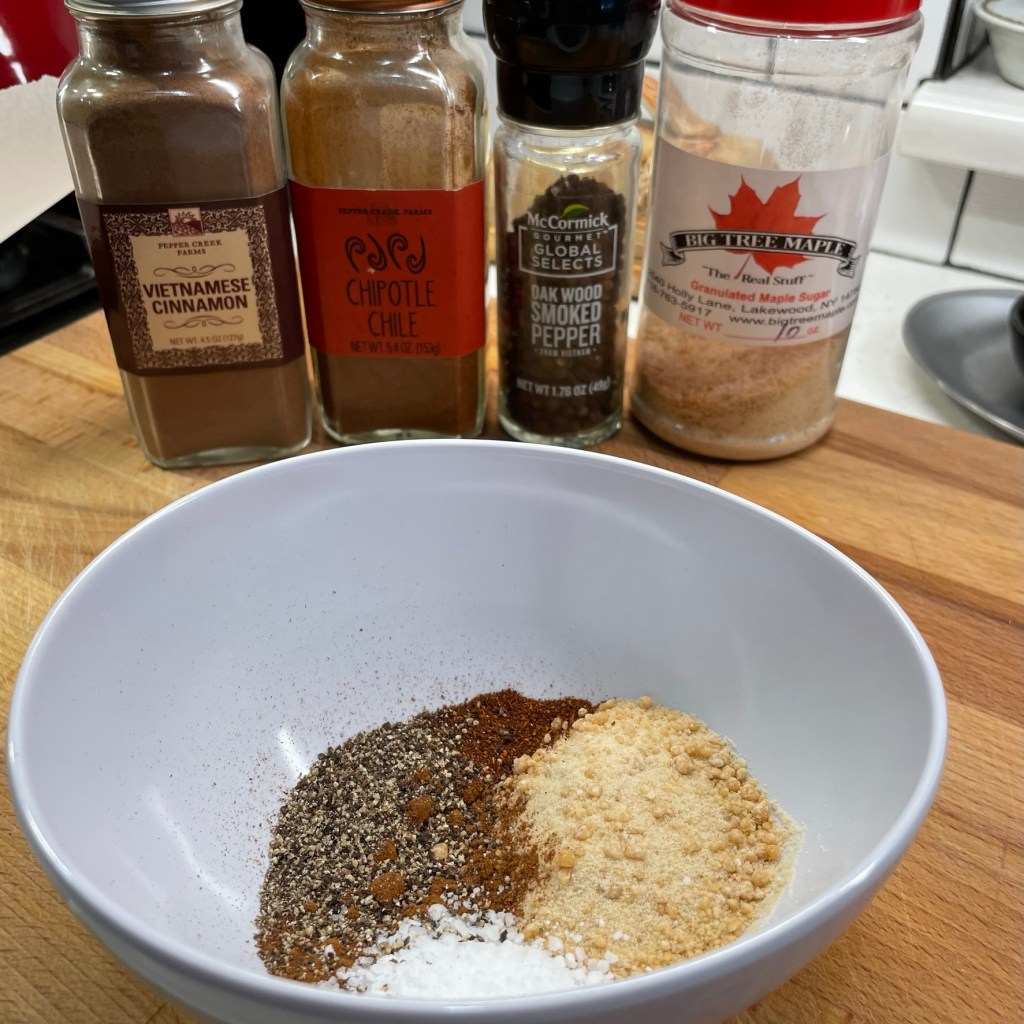
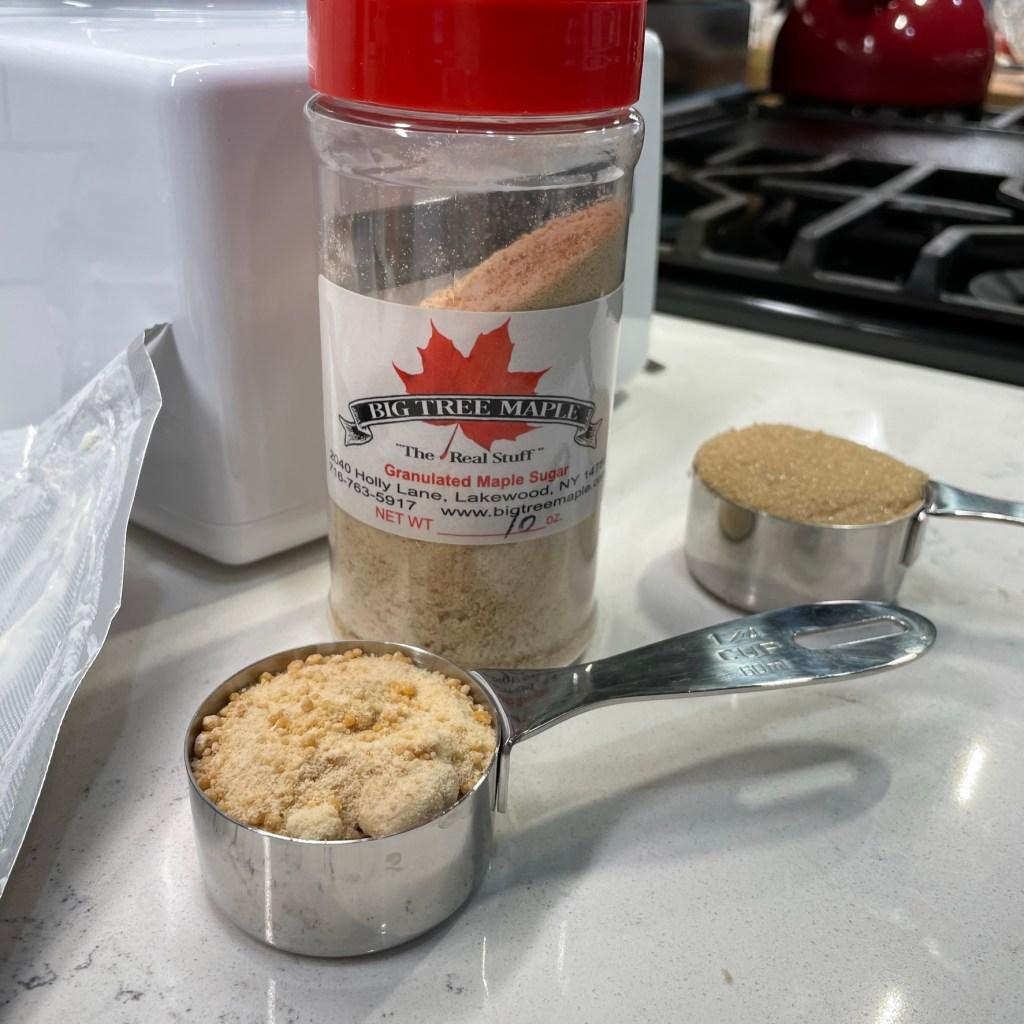
This spice list is short— ground chipotle, smoked black pepper and a hint of cinnamon. And for the sweet counterpart to those spices, maple sugar. I love pairing maple with heat, and when fall rolls around, I pretty much try to put a little bit of maple into everything. If you don’t like the heat of chipotle, you could substitute smoked paprika. If you like the heat but don’t care for the smoky notes, try subbing a lesser amount of cayenne pepper. As with any recipe I share, you are always welcome to make it your own.

Maple sugar is a nice seasonal touch, but light brown sugar would work in a pinch.

Prepping sweet potatoes for roasting

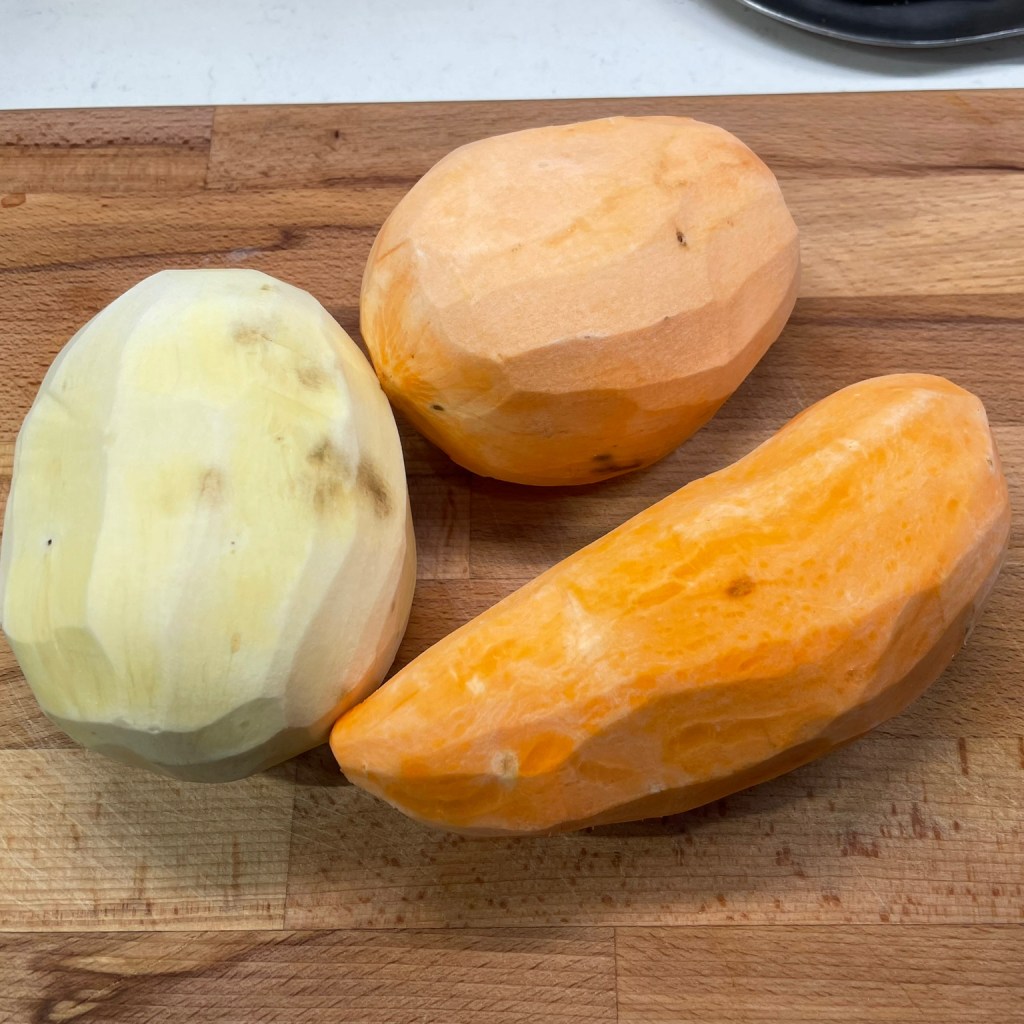
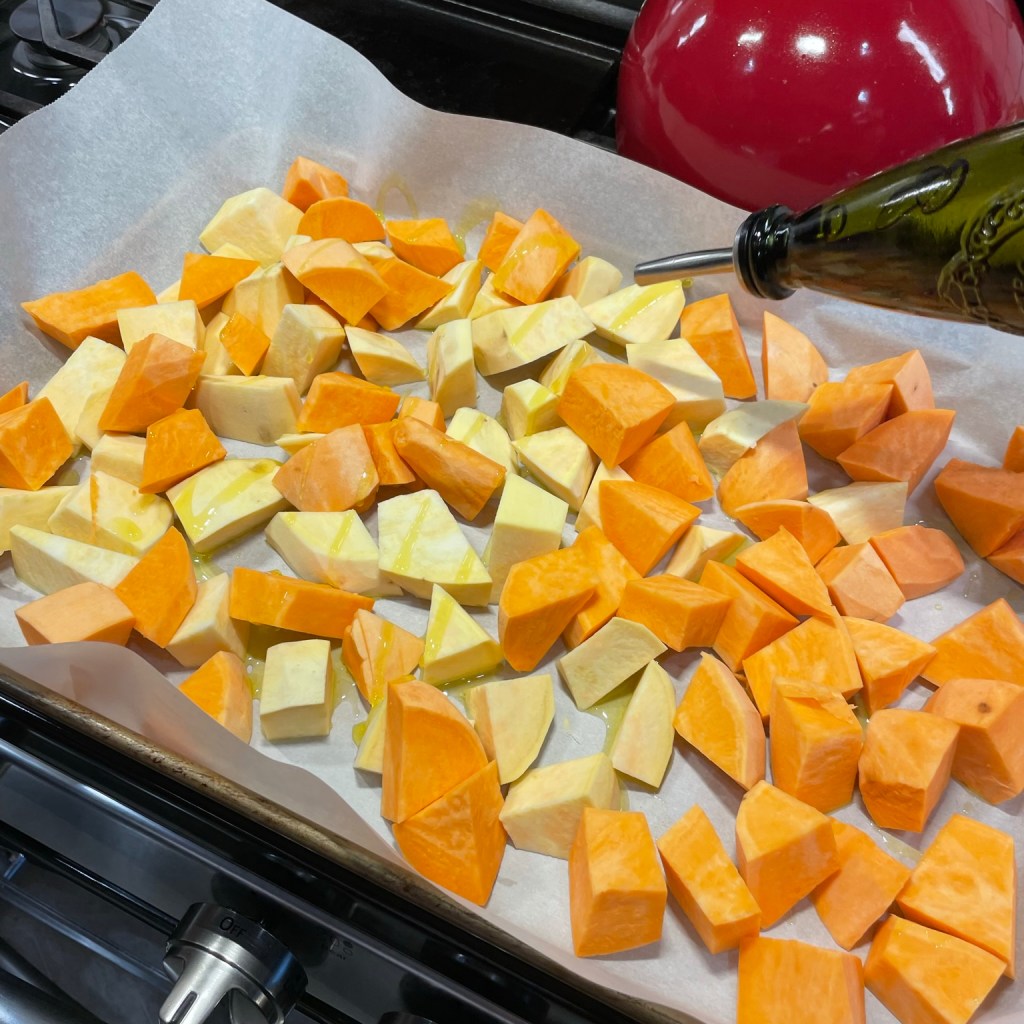
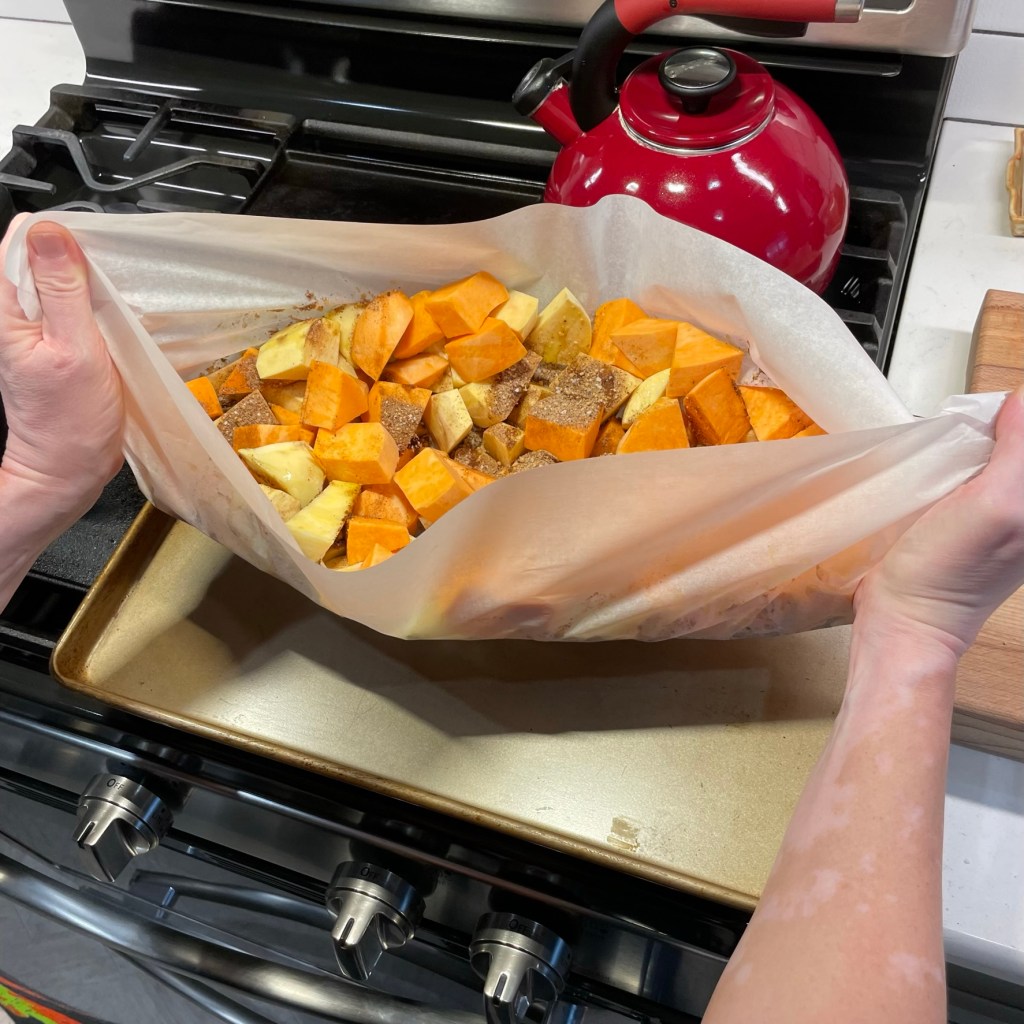
To keep things visually interesting, I picked up three different varieties of sweet potato, and you can see that they each had a unique color after peeling. The texture was the same on all three, so I expected they would roast evenly. I cut them into big chunks and laid them out onto a parchment-lined baking sheet, where they were drizzled with oil and tossed with the maple sugar and spice blend. My quick method for tossing them involves grabbing up two corners of the parchment into each hand like a hammock and quickly “swaying” it left and right. Do this first with just the oil, and again after you add the spices.


The pan slides into a hot oven for about half an hour, with a quick toss-around of the potatoes about halfway through. They will emerge fork-tender, with browned corners and a deeply smoky flavor and just enough sweet to balance the heat. 

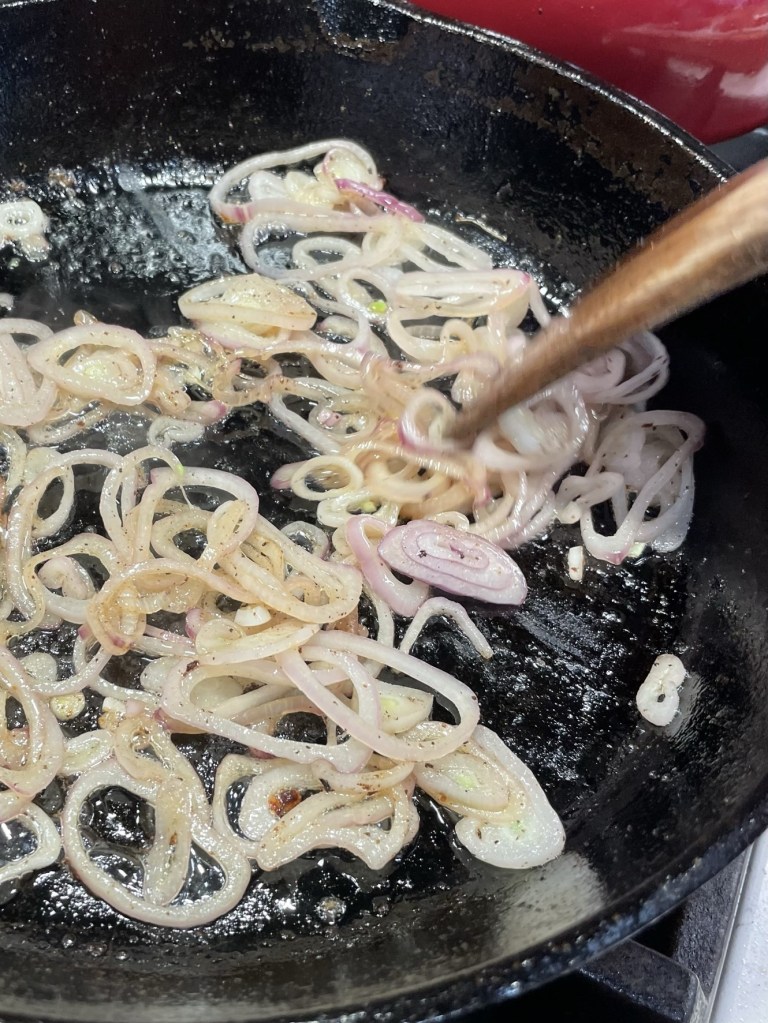
While they roast, cook up a couple slices of cut-up bacon to play up the smoke flavor even more. I go through phases where I put bacon in everything, but these sweet potatoes would be just fine without it. Do not, however, miss out on the caramelized onions. A sweet onion would be ideal here, but on the day that I made this recipe, I didn’t have one, so I sliced a shallot into rings and cooked them up in the bacon drippings until they were golden brown. 


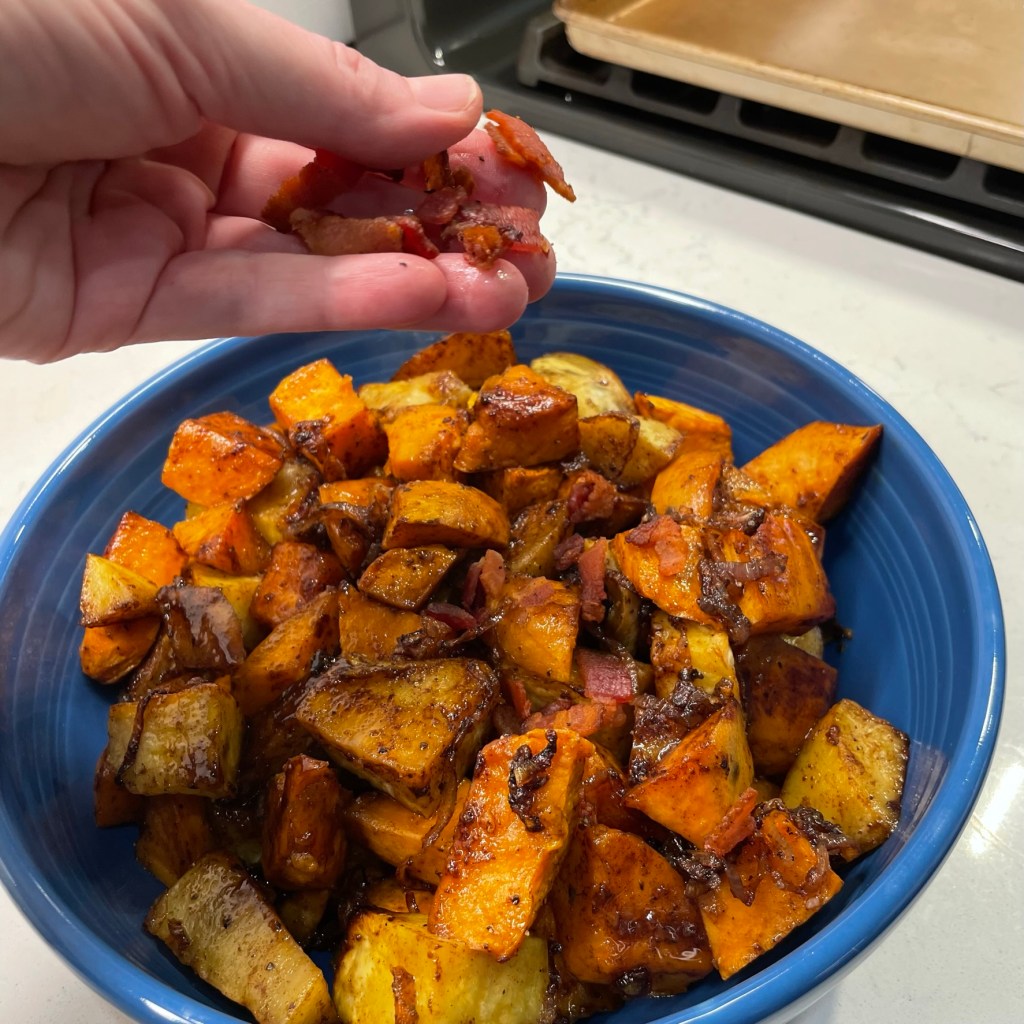
That unnecessary bacon goes on top at serving time, if you so choose. As with all roasted vegetables, these will have their best texture when they are fresh out of the oven, but they can also be done in advance and warmed at dinner time. Just hold the bacon til the end for best contrast of texture.

Smoky Chipotle-Maple Roasted Sweet Potatoes

  • Servings: About 6
  • Difficulty: Average
  • Print

This combination of smoky chipotle and not-too-sweet maple shakes things up for this side, which is a bold one for Thanksgiving or any cold-weather weeknight dinner.


Ingredients

  • 3 extra large sweet potatoes (any color), cut into large chunks
  • 2 Tbsp. extra virgin olive oil
  • 2 Tbsp. brown sugar
  • 2 Tbsp. maple sugar (or additional brown sugar if not available)
  • 1 tsp. kosher salt (less if regular table salt)
  • 1/2 tsp. ground chipotle powder (see notes for substitution ideas)
  • 1/4 tsp. ground cinnamon
  • 1/2 tsp. freshly ground black pepper (smoked, if you can find it)
  • 4 slices uncured bacon, cut into one-inch pieces
  • 1 large shallot, sliced into rings (or 1/2 cup chopped sweet onion)

Notes: There are several substitutes for chipotle powder, depending on preference. Paprika is good if like the smoky flavor but not the heat. Cayenne would provide heat without smoke. Ancho chile powder is slightly hot with brighter, fruity pepper notes. Choose what works for you.

Omit the bacon, if you wish, and sauté the shallots instead in a teaspoon or two of olive oil.

Directions

  1. Preheat oven to 375° F, with rack in center position. Line a baking sheet with parchment paper.
  2. Combine brown and maple sugars in a small bowl with the other dry seasonings and mix to blend evenly.
  3. Drizzle olive oil over sweet potato chunks on parchment, and then sprinkle the seasonings all over them. Gather up both short ends of the parchment to make a “pouch” and gently shake it side-to-side to coat the chunks with the seasonings.
  4. Roast potatoes 30 to 35 minutes, until they are fork-tender.
  5. While potatoes roast, cut bacon into bite sized pieces and cook in a cast iron skillet until crispy. Transfer the bacon to a paper towel to drain, but keep the drippings in the skillet. Add the shallots to the skillet and season them with salt and pepper. Cook over medium heat, tossing frequently, until the onions are as caramelized or crispy as you like them.
  6. Scatter onions all over the roasted potatoes (while they are still on the parchment sheet pan), and then transfer the mix to a serving bowl. Sprinkle bacon bits over the potatoes and serve.


Sweet Potato Cheesecake

If there’s one aspect of Thanksgiving dinner that is a conundrum for me, it’s dessert. As much as I love to cook and entertain and shake up interesting cocktails, I have an irrational fear around making pastry dough. And wouldn’t you know it? All the classic Thanksgiving desserts are pies. 

My personal preference for dessert leans toward the fruity, nutty crumble or cobbler kinds of things or lighter, citrusy things, such as key lime pie, with a crumb crust that doesn’t require rolling out a flaky dough. 

But certain flavors and textures are expected on Thanksgiving, so when I bumped into this sweet potato cheesecake recipe last year, I found it to be a perfect mashup of holiday tradition and ease of preparation. It was pretty darn delicious, too.


The original recipe for this cheesecake is on The Kitchn, and my version of it is similar enough that I’m happy to send you there for the details. I made very few adjustments as follows:

A zestier crumb crust

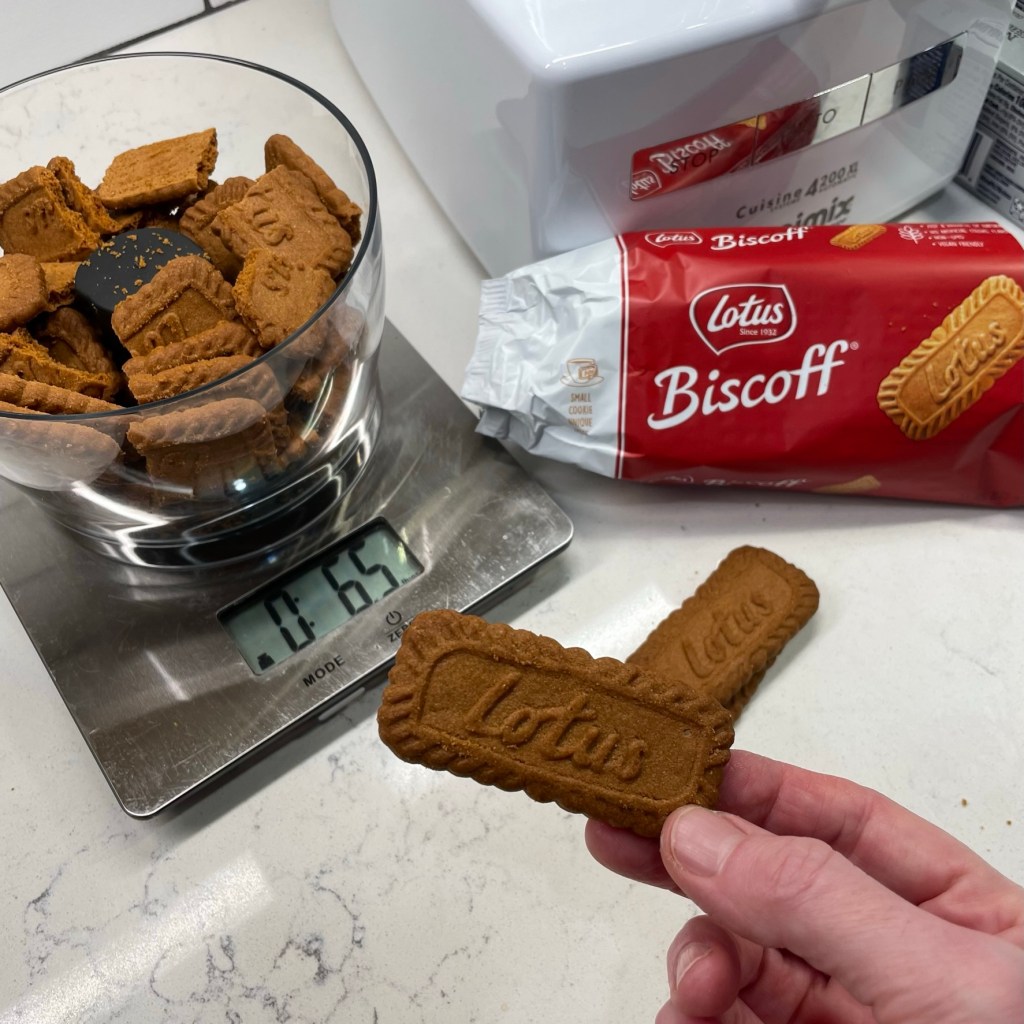
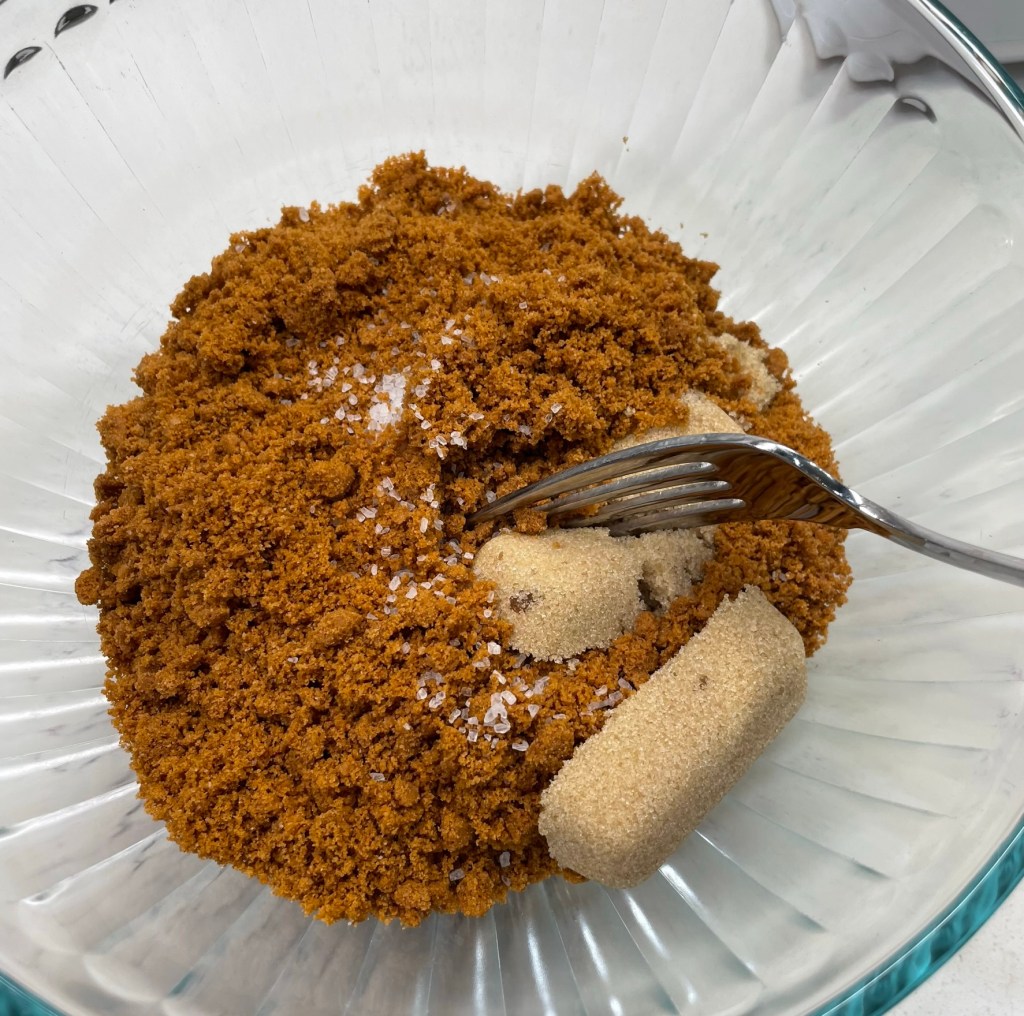
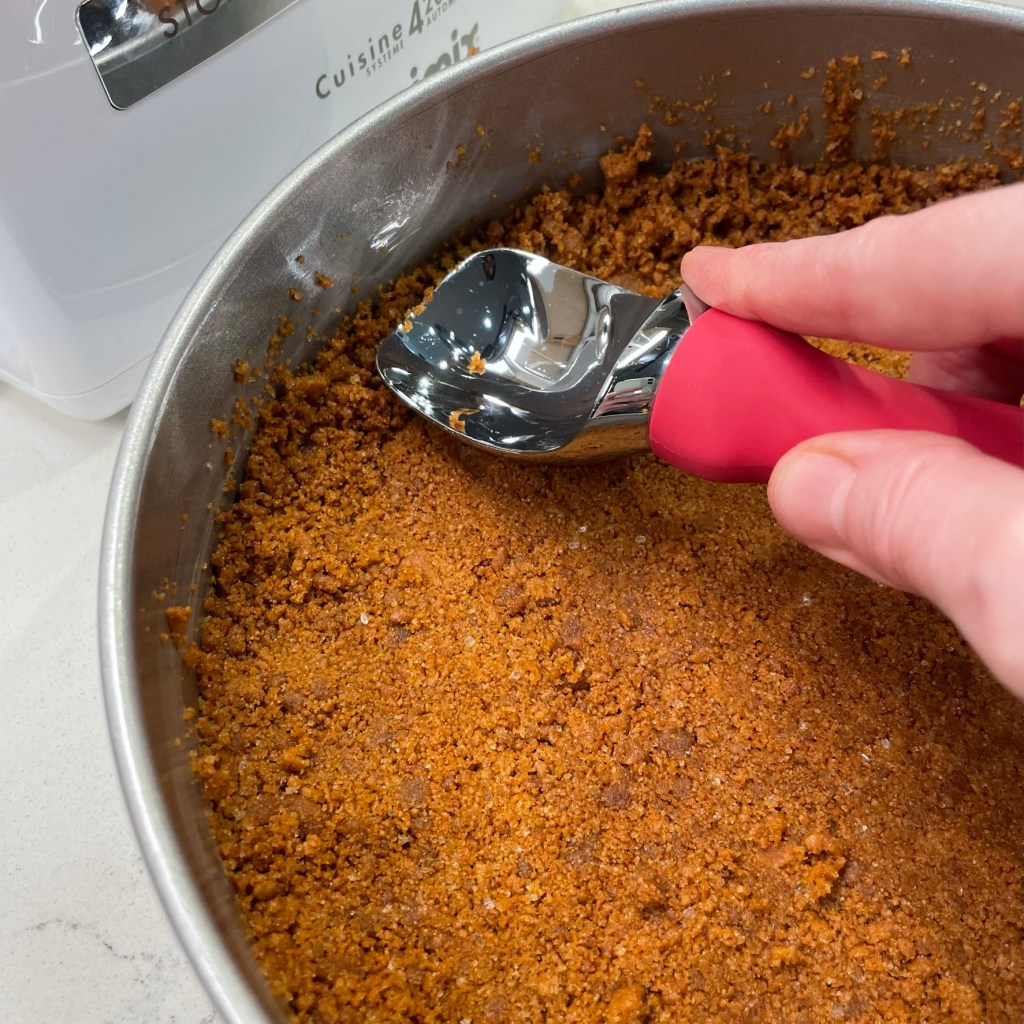
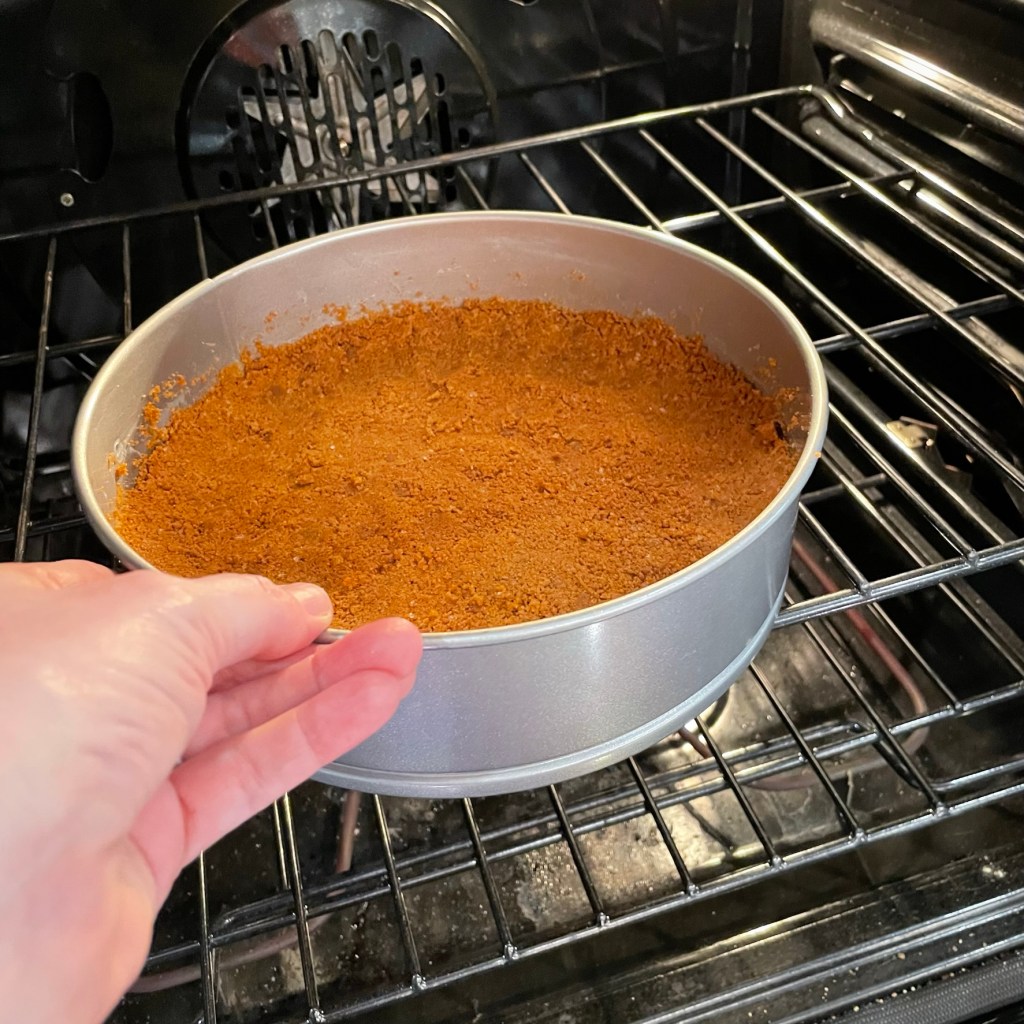
Rather than graham crackers in the base, I used Biscoff cookies— you know, the ones they give you on the airplane? They are crispy, buttery (though there’s no butter in them) and very cinnamon-y, a nice backdrop to the creamy sweet potato filling in the cheesecake. The cookies were sweet enough that I also reduced the sugar called for in the crust, and I skipped the extra cinnamon altogether.


Another favorite seasonal flavor

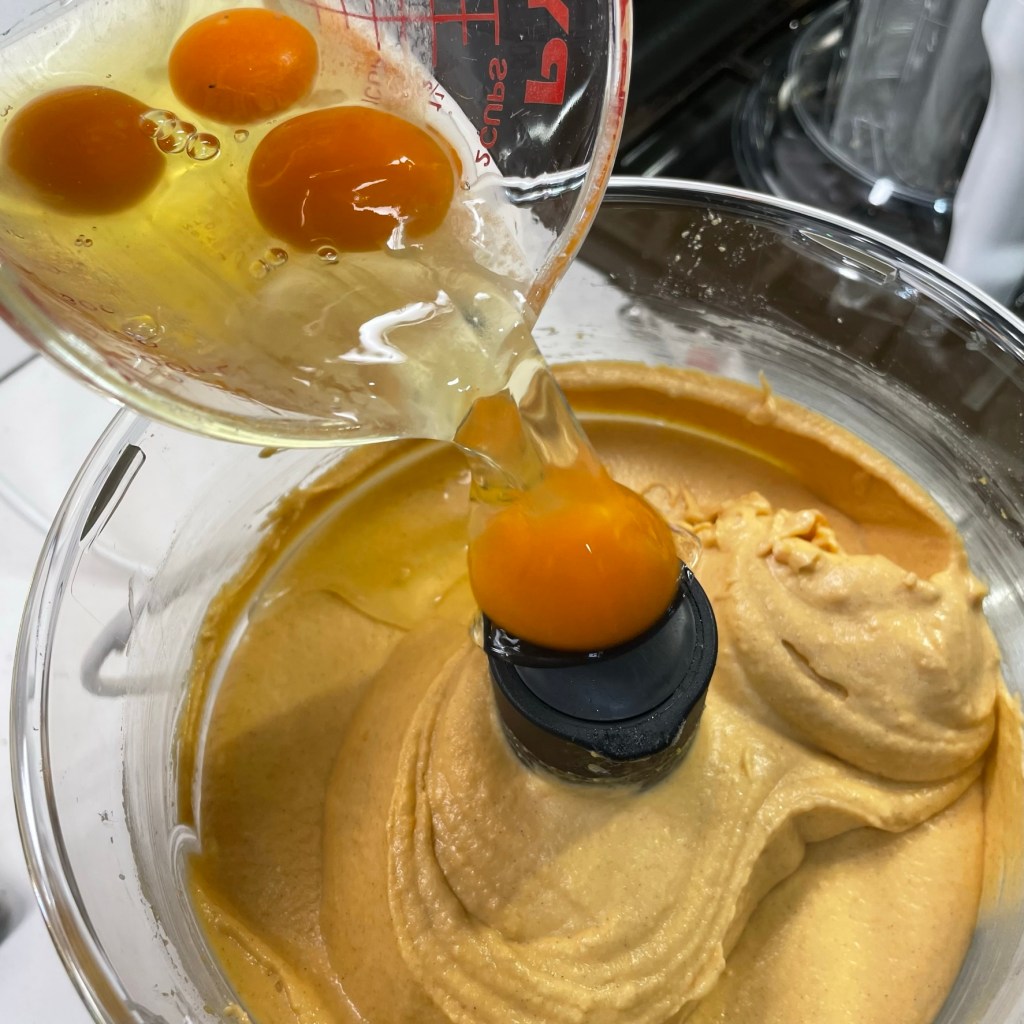
I also substituted real maple sugar in place of the regular sugar called for in the recipe, in keeping with the season and also because I happen to love the maple flavor. Everything else about the recipe was the same— roasted sweet potato, cream cheese, sour cream, vanilla and warm spices. Then free-range eggs, one at a time, and into the pre-baked crust— gently, of course, so as to not disturb the no-fuss crust.


Topping on the side, please

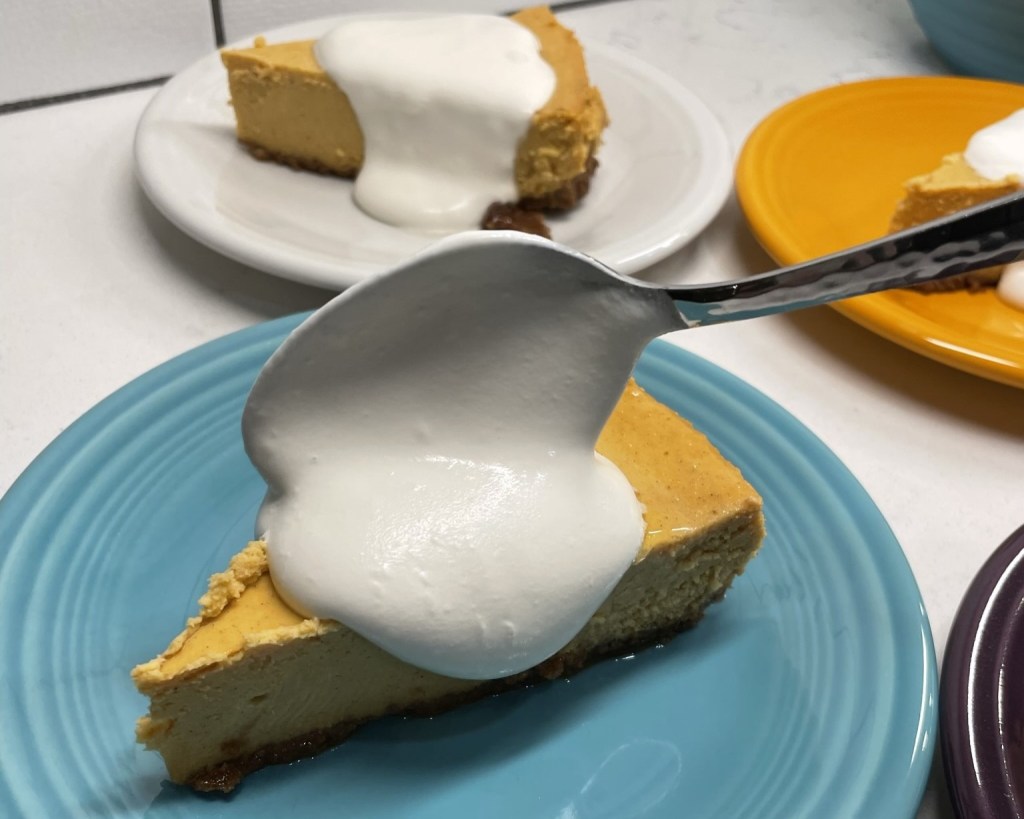
Next, I did not spread the sweetened sour cream topping over the entire cake before serving. The Kitchn version of this cheesecake was gorgeous, but we had a small gathering and I knew we would need to store the leftovers in the fridge. I made the topping— also with maple sugar— and saved it to dollop onto the individual pieces at serving time.

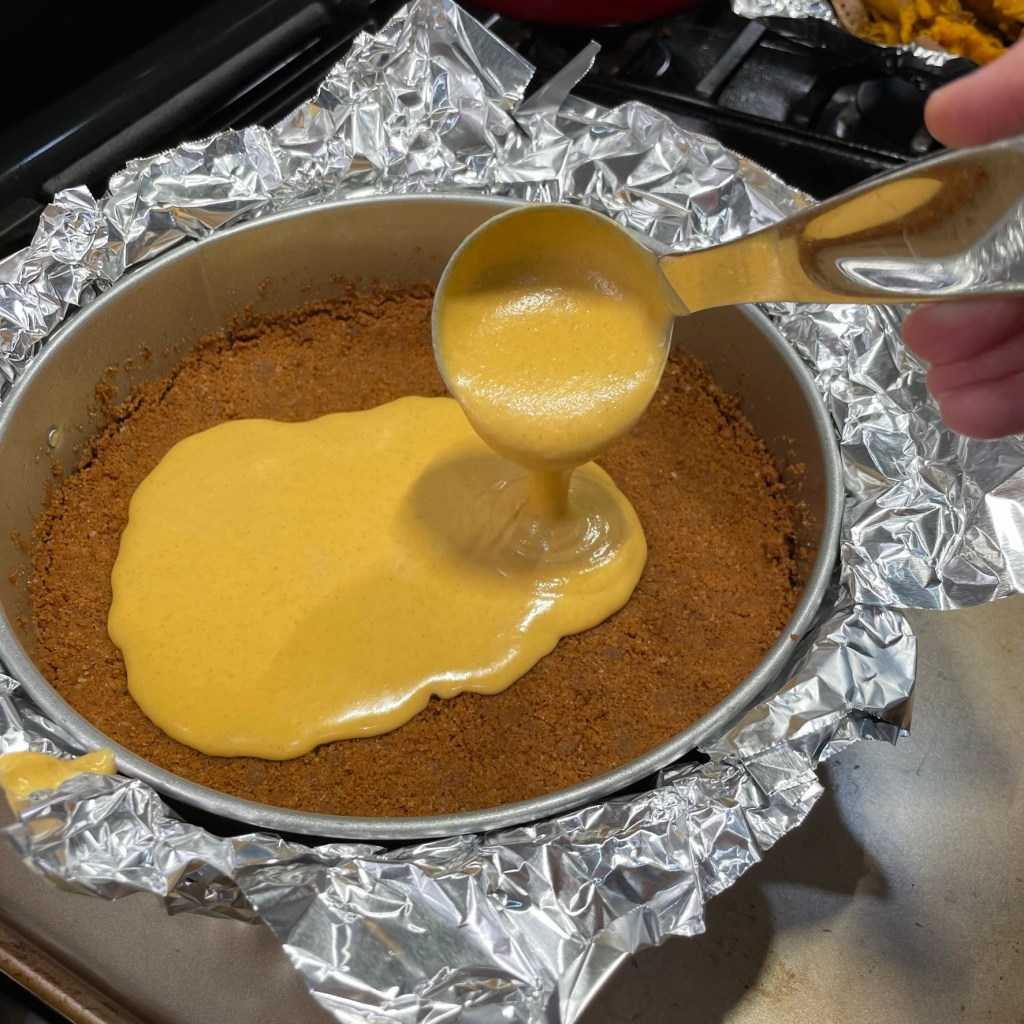
The dreaded water bath!

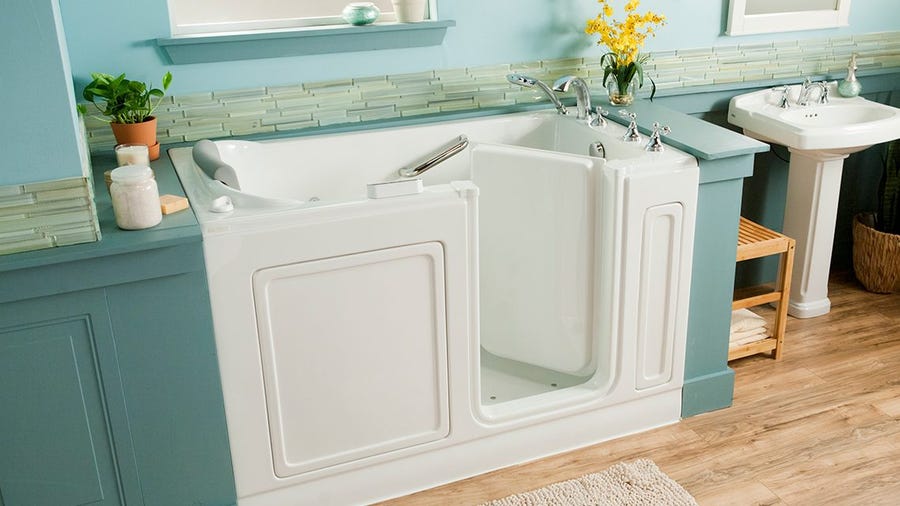
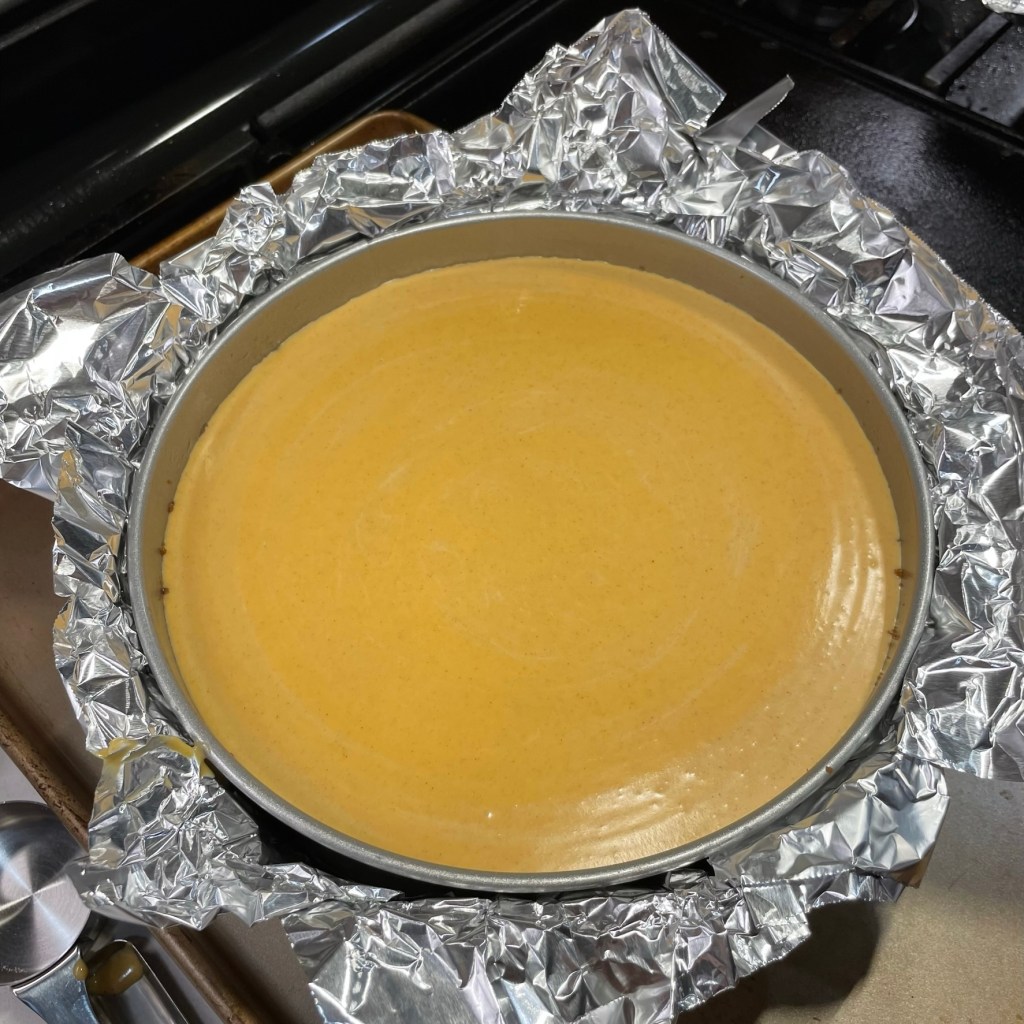
Finally, and this was the big one for me, I found a way around the usual “water bath” that is recommended for baking cheesecake. The process of wrapping up a springform pan with layers and layers of aluminum foil so that it can be surrounded with two to three inches of hot water in the oven is nothing but a big fat hassle. If even a small tear happens in that foil, water gets in and ruins the whole expensive thing. I wonder why, after so many years of springform pan baking, hasn’t someone developed a leak-proof version? Can we bring in the engineers who figured out the walk-in bathtub? That’s the technology we need here. 

If they can do this, WHY can’t they make a leak-proof springform pan?

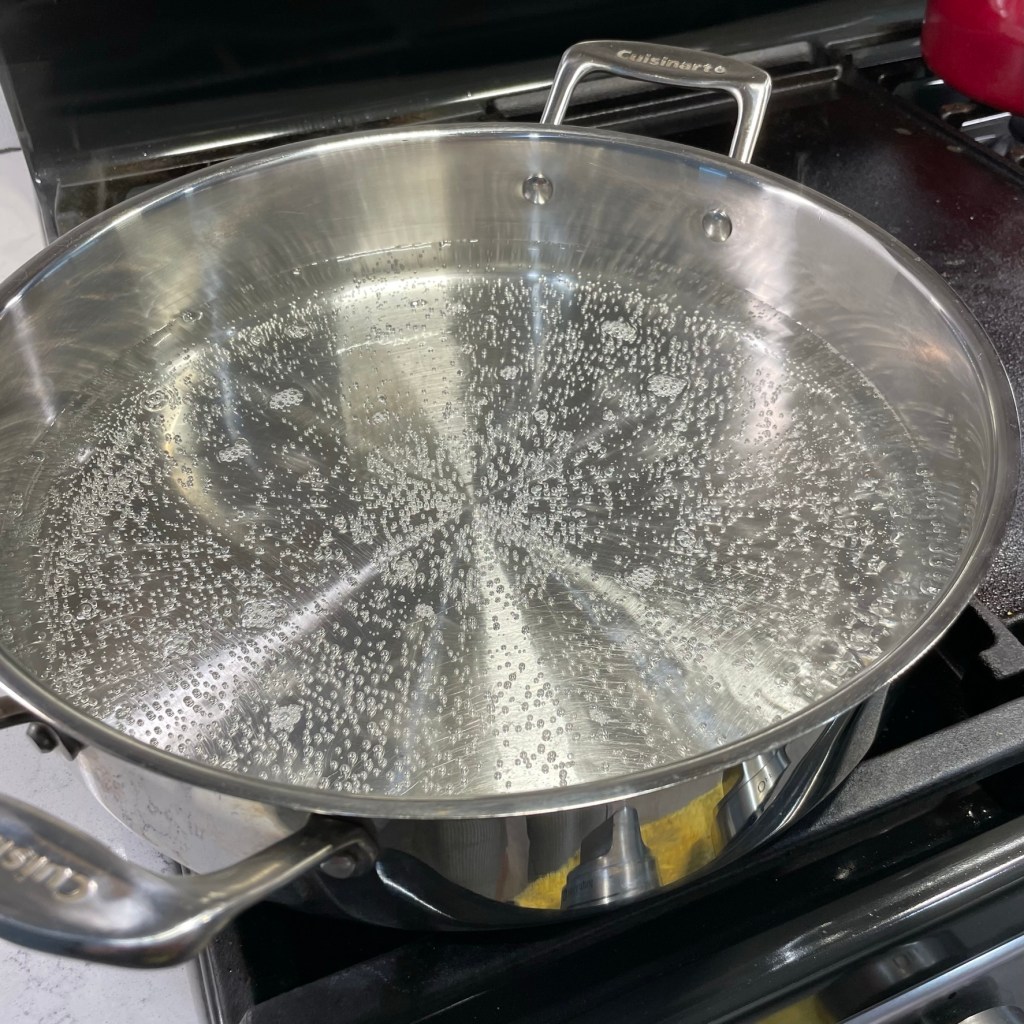
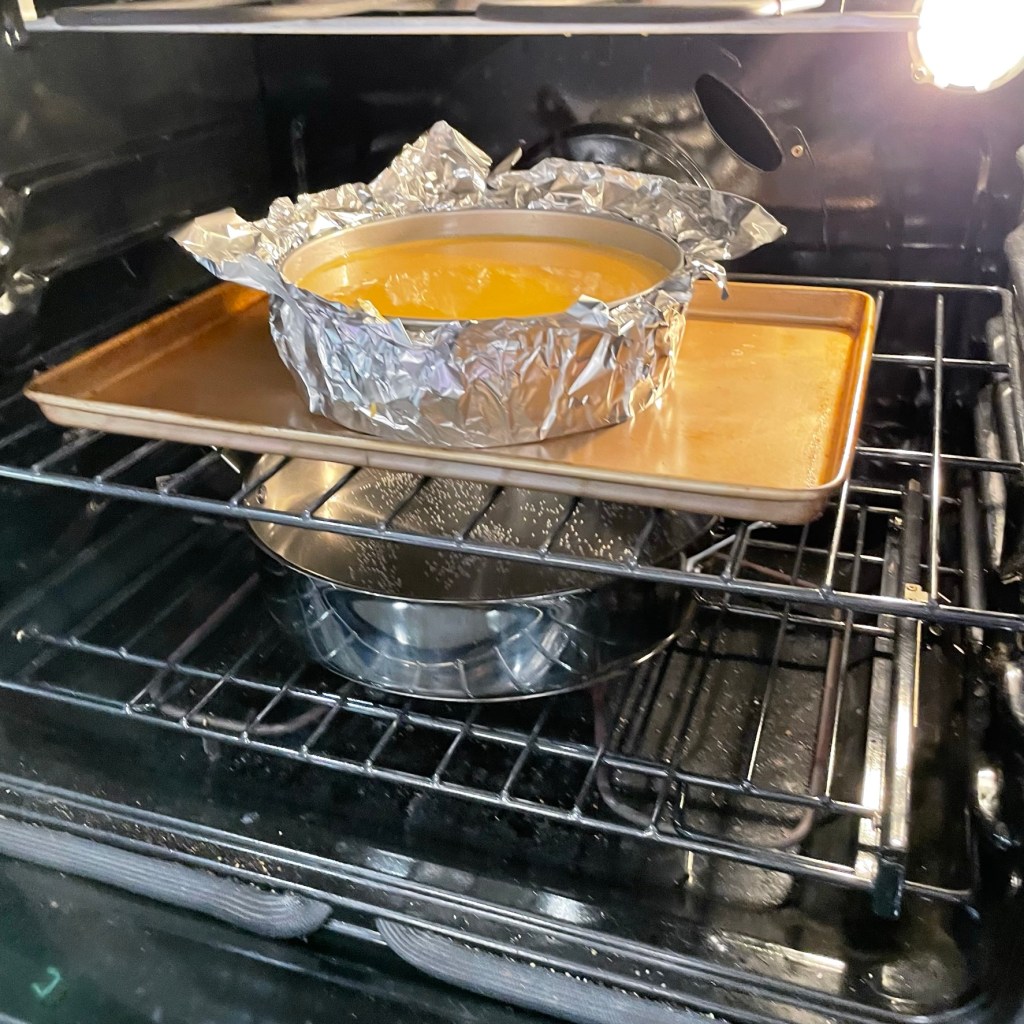
So, in my frustration, I did some research on the water bath method for cheesecakes and here’s what I learned: it isn’t the hot water that keeps the cheesecake from splitting or overbaking, it’s the steam! The cheesecake needs a very humid environment for slow and gentle cooking, but the cheesecake doesn’t need to actually be in the water for the steam to work. Though I had already wrapped my pan in foil, I went rogue at the last minute with a gigantic steam pan underneath my cheesecake, and watch what happened.


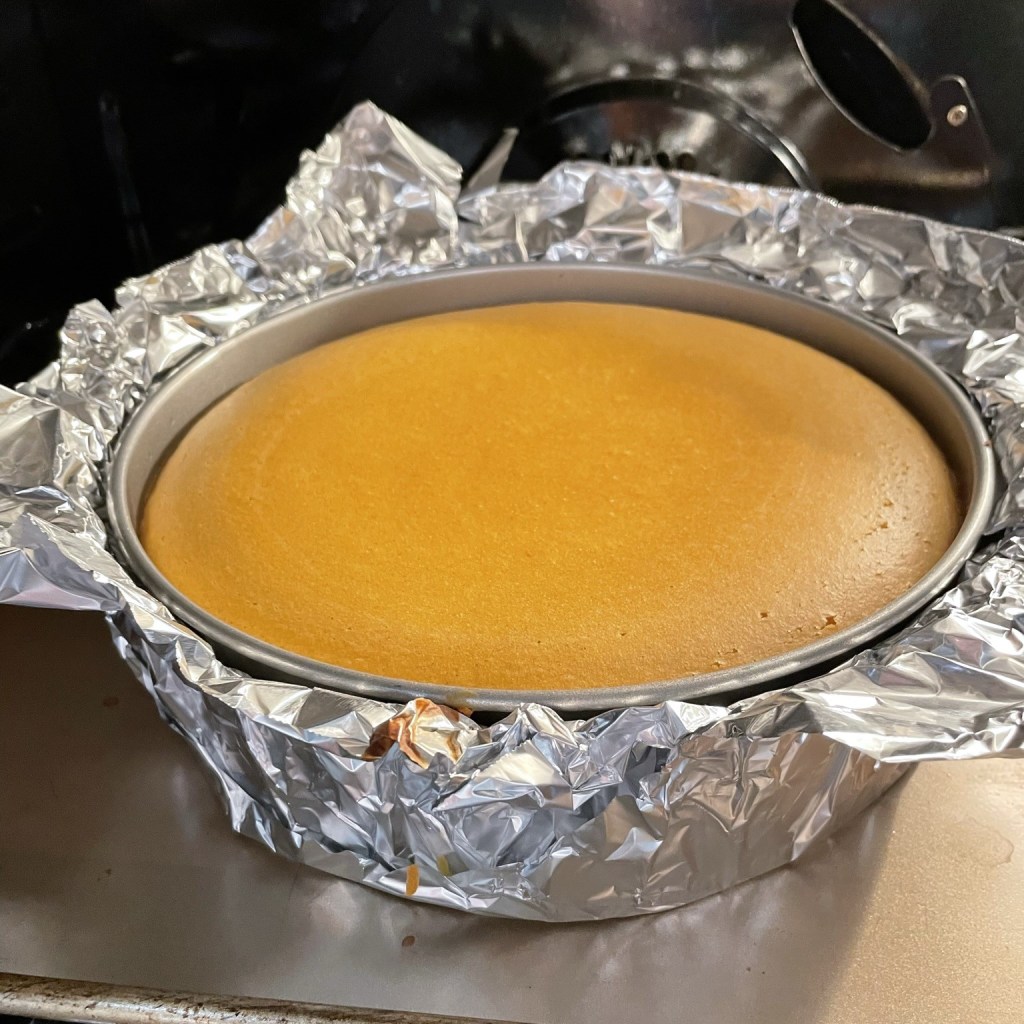
My cheesecake was perfect! As with any cheesecake recipe, the instructions said to bake it until the filling was set but the center was “still slightly wobbly,” and I cooled it in the oven for about an hour before taking the thing out. There was no water in my cake, no drama trying to lift it from the water bath, and no cracks on top. 

All in all for me? A Thanksgiving dessert that was, dare I say, a piece of (cheese)cake.


Where’s the recipe?

This is where you’d usually find a click-to-print recipe on my blog, but today I’m comfortable redirecting you to the original source. My adjustments, though meaningful to me, were slight, and I found the tips and instructions on The Kitchn to be clear and helpful. If you’re feeling inspired, go get it!

Happy Thanksgiving to my friends, followers and visitors!

https://www.thekitchn.com/sweet-potato-cheesecake-recipe-23421088


Sweet Potato Casserole Old Fashioned

I’ll bet I know what you’re thinking. She did what?! 😂

The matter of a signature cocktail for Thanksgiving is always a priority for me. I want guests at our table to immediately feel welcome and for the signature drink to set the mood for the occasion. And though I don’t especially like the old-school sweet potato casserole— you know the one, topped with sticky browned marshmallows— when the idea rose of putting those nostalgic flavors into a cocktail? Well, that’s quite a different story!

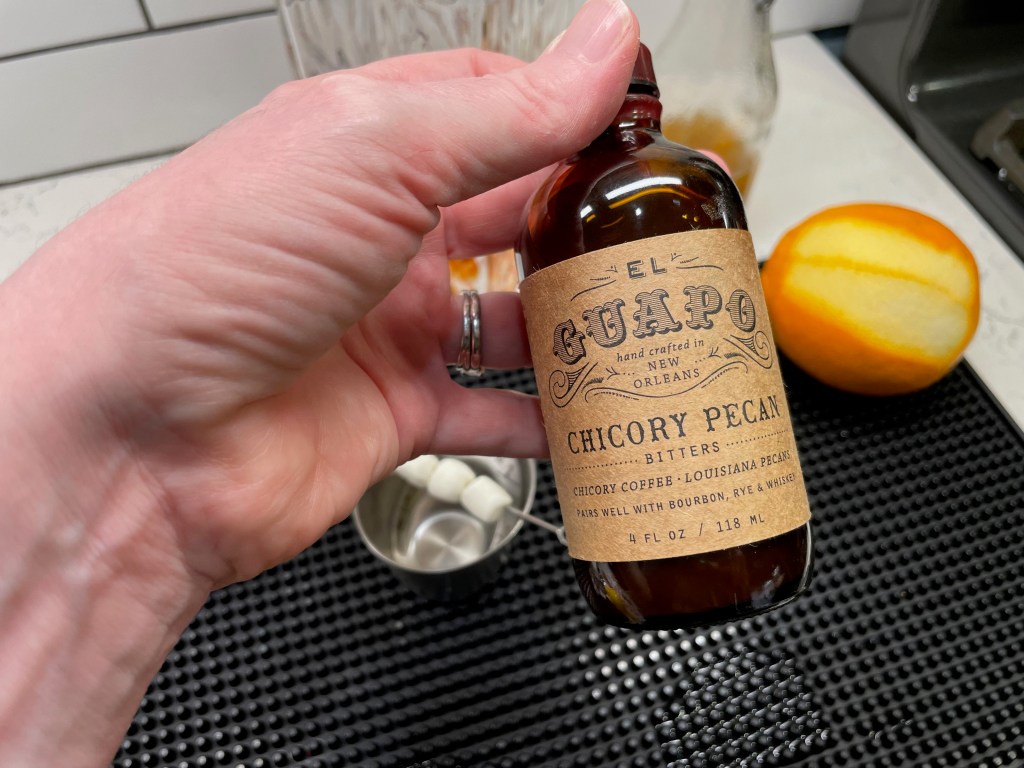
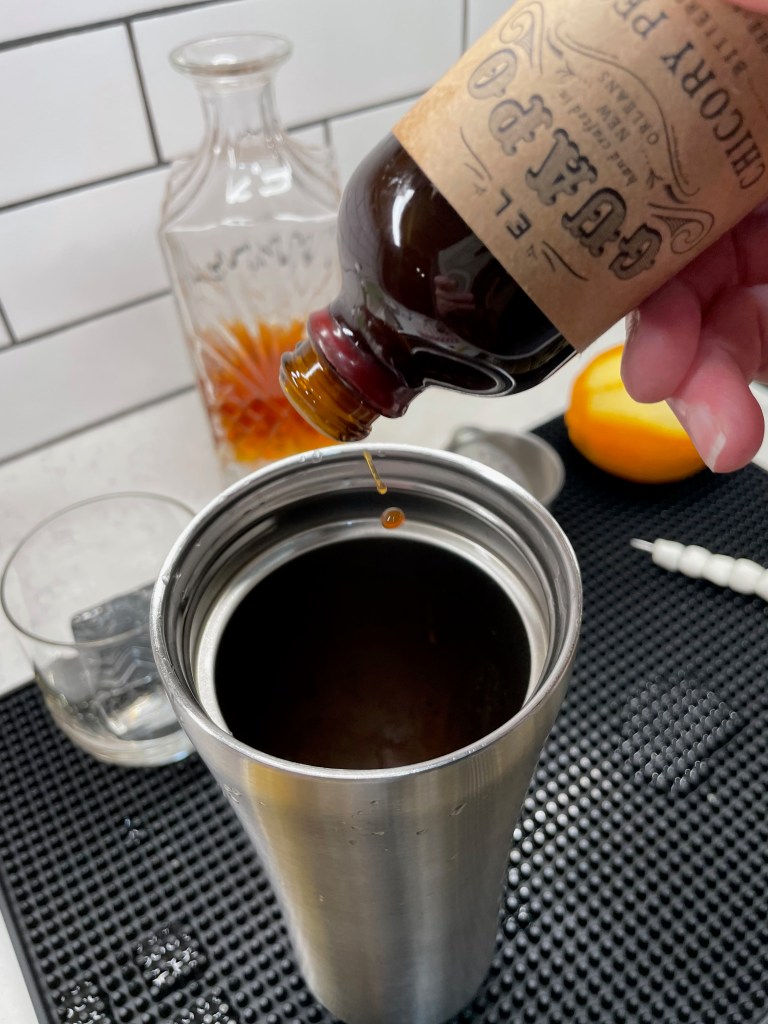
This discussion of a sweet potato casserole cocktail came about several months ago, as my blog buddy, Maylee over at Beyond Gumbo, and I were e-chatting about a New Orleans-based company that makes cocktail ingredients. El Guapo is the brand, and I had recently purchased a bottle of its chicory pecan bitters. I’m always on lookout for unusual cocktail ingredients, and this one struck my fancy for making holiday themed drinks.

Chicory has a slight bitter flavor that is reminiscent of roast coffee.

As so often happens, though, the bitters sat on my bar for a while as I pondered how to build a drink that would benefit from the interesting combination of flavors. I’ve used it to make a pecan pie old-fashioned, and then it got left behind until recently, when Maylee posted a wonderful recipe for a homemade pumpkin spice latte that sounds way better than anything I could buy at Starbucks. For her latte, she made a pumpkin spice syrup and she reminded me in the comments section about the sweet potato cocktail we’d discussed months earlier. Thank goodness she remembered!

And here we are! My friend’s pumpkin spice syrup inspired me to try my own version of sweet potato syrup, which was not only simple to make, but literally makes this bourbon drink taste like a tipsy liquid version of a retro sweet potato casserole. This is one of the things I love most about food blogging, the way my online friends and I are always inspiring one another to try and succeed at new things, and we keep going until we all run out of ideas. 

I hope that’s a very long time. Cheers! 😁


What you’ll need

If you want to try this yourself, take a moment right now to purchase the chicory pecan bitters, as they are essential to the drink. You can buy them directly from El Guapo’s site or take advantage of speedy shipping from Amazon. Don’t worry about how to use the rest of the bottle, as I’ll be experimenting and sharing other recipes as I develop or discover them.

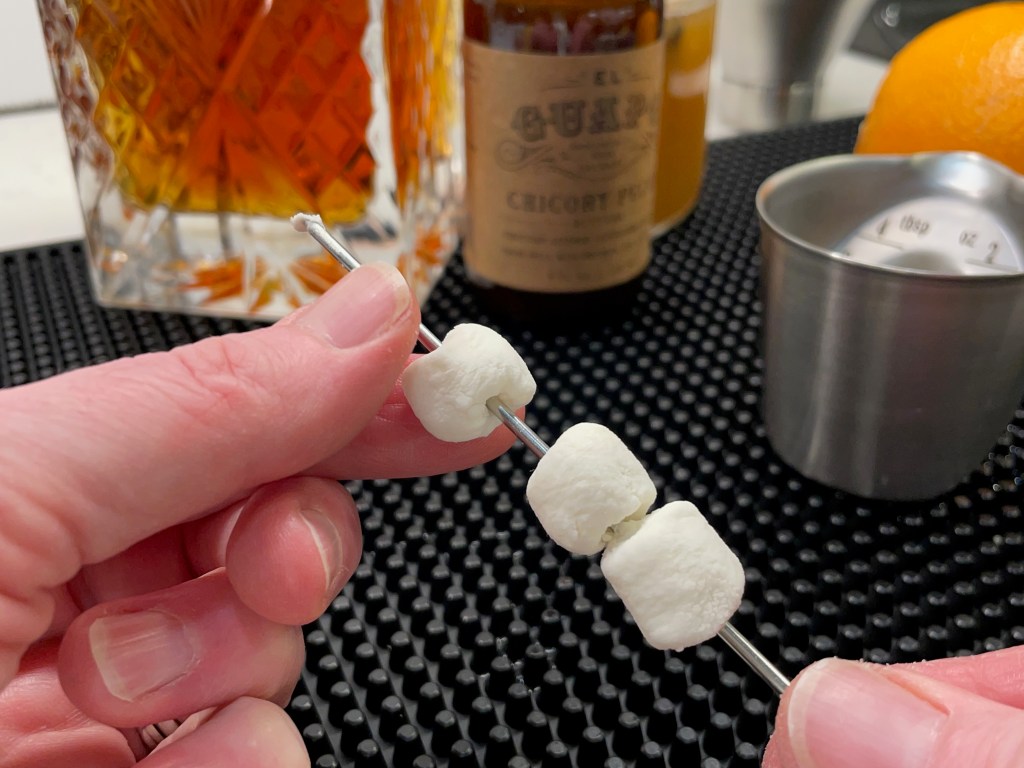
The other ingredients you’ll need are bourbon (a sweet one, such as Maker’s Mark or Elijah Craig), a good-sized sweet potato, a bit of turbinado or brown sugar and a cinnamon stick, plus the mini marshmallows to garnish the drink, vintage style.

Once the syrup is ready, the rest of the drink is easy peasy!

Make-ahead sweet potato syrup

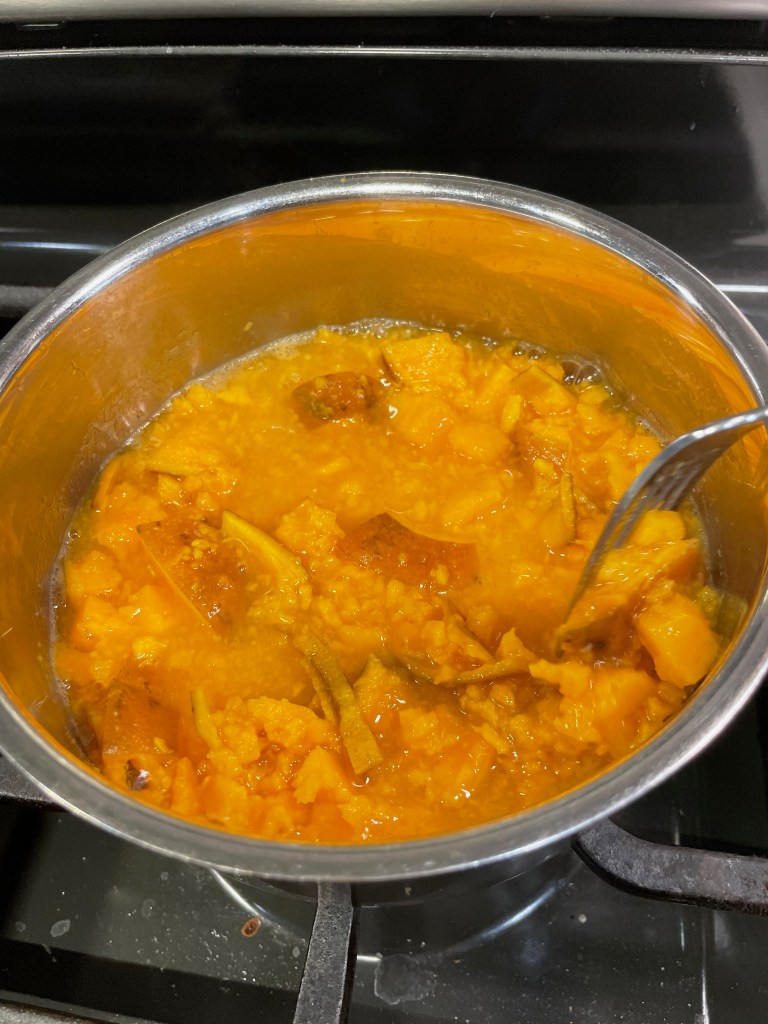
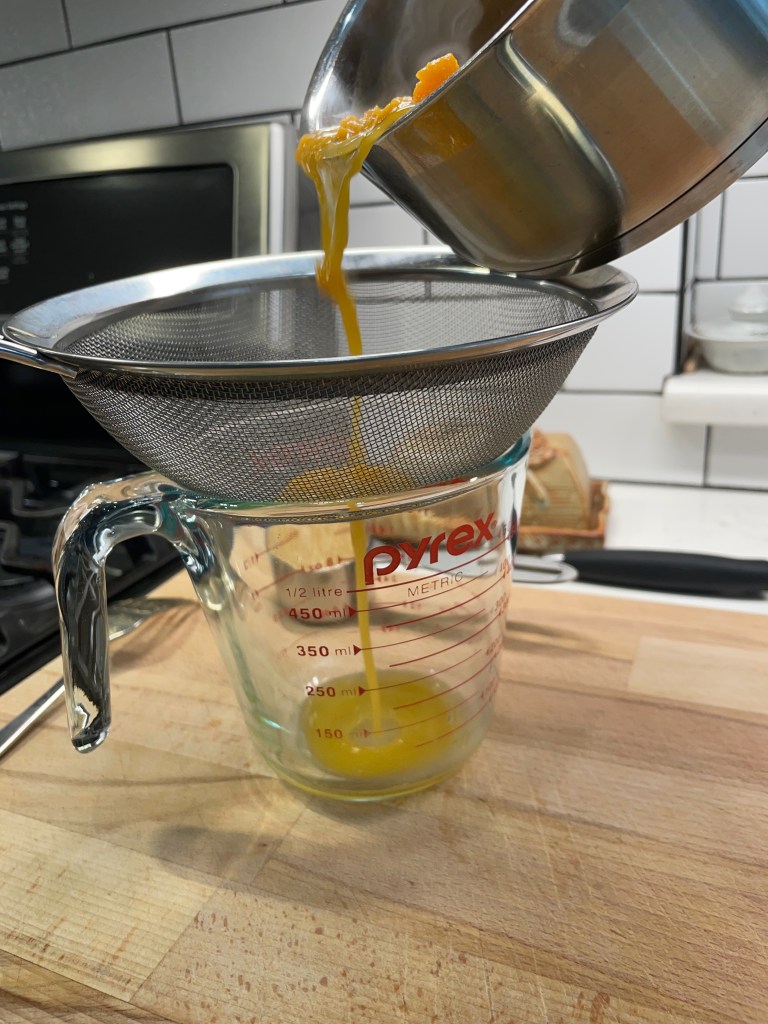
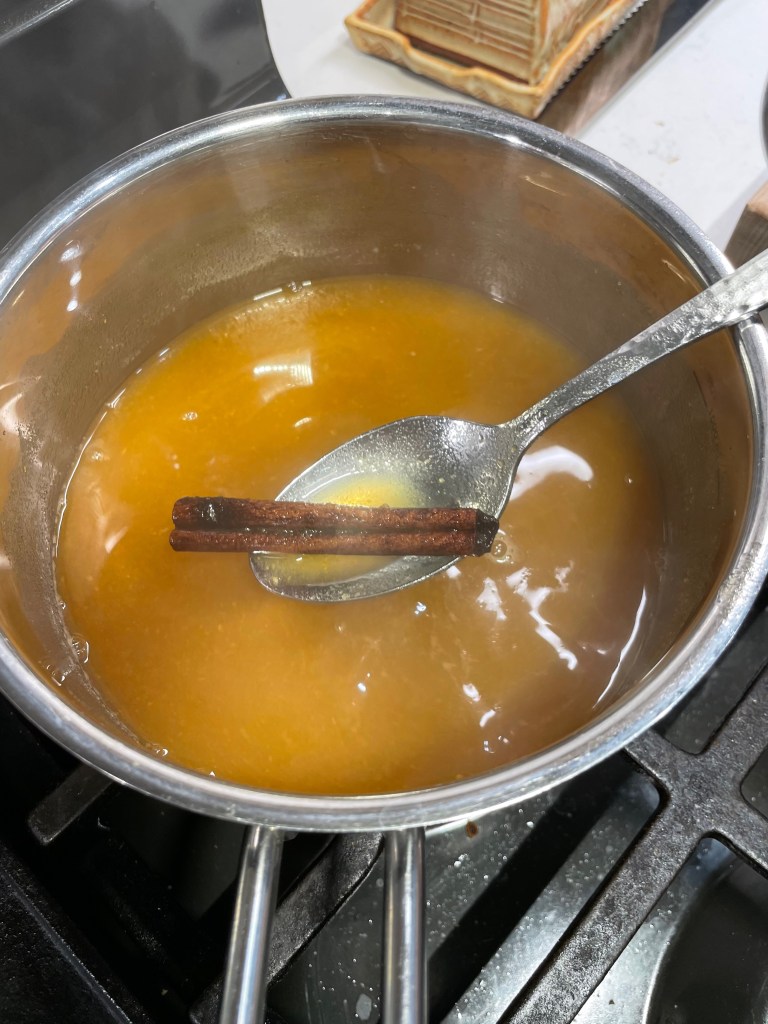
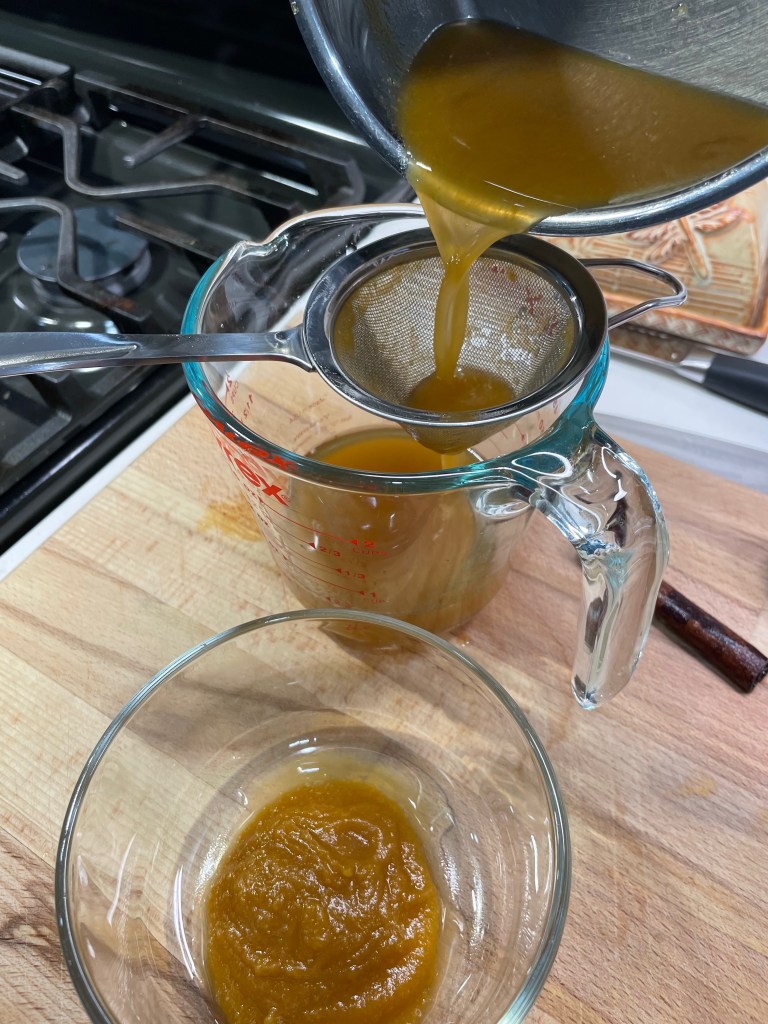
The sweet potato syrup is easy to make ahead, and I’d recommend doing it this weekend so you’ll be ready when guests arrive next Thursday. Simmer the sweet potato chunks until tender, then gently mash and strain the liquid into a measuring glass. Add enough water to total 1 1/4 cups. Pour the strained liquid back into the pan with the sugar and cinnamon stick. Bring to a slight boil, then simmer for about 15 minutes. Cool to room temperature, and then strain again— this time through a very fine mesh strainer to filter the solids as much as possible. Transfer it to a bottle and chill until you’re ready for cocktails.


When my syrup was finished, it measured 3/4 cup, exactly enough for 8 cocktails. If you’ll be making more drinks, my click-to-print recipe below is easy enough to double.

Time for a cocktail!

When the bell rings for happy hour, get your cocktail tools and ingredients ready to go. You’ll need a shaker (this is best when mixing ingredients of different viscosity), a measuring tool for the ingredients, ice for shaking, heatproof cocktail picks and a culinary torch or lighter to toast the marshmallows. 

The toasted marshmallows are a whimsical nod to the sweet potato casserole of my childhood!

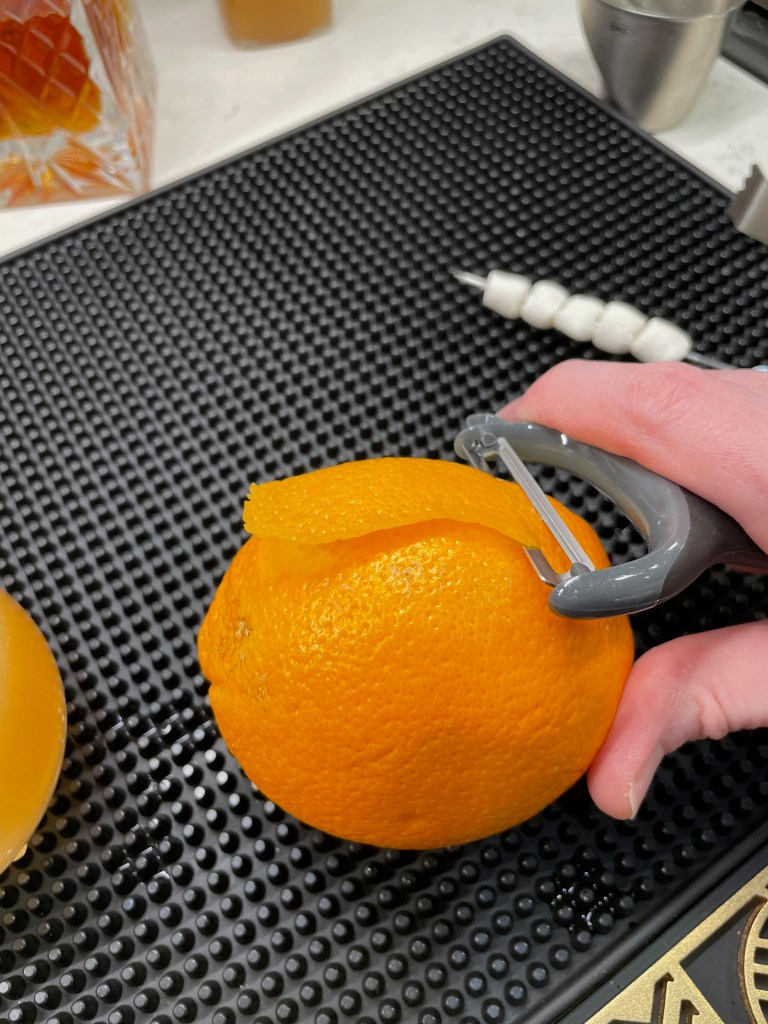
I recommend threading the marshmallows onto the cocktail pick first so you can get straight to enjoying this delicious drink as soon as it’s poured. To reduce the stickiness, I smeared the cocktail picks with a bit of butter before adding the marshmallows. I like a little orange peel expressed over my drink, so this is good time to strip that off a washed orange, too.

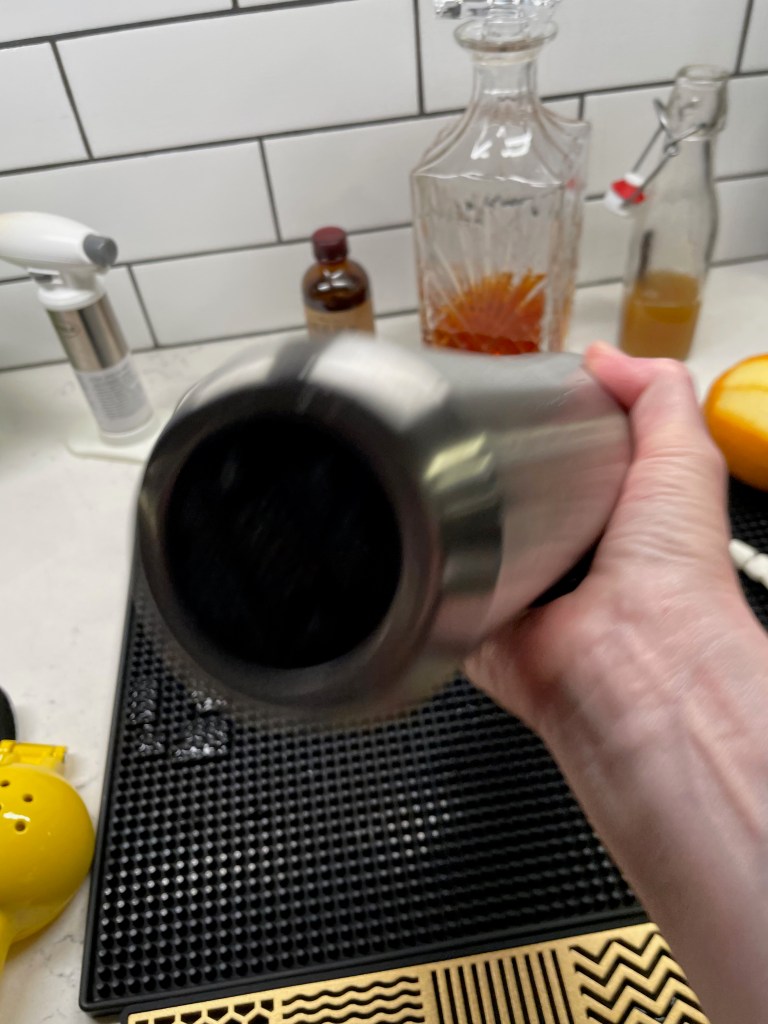
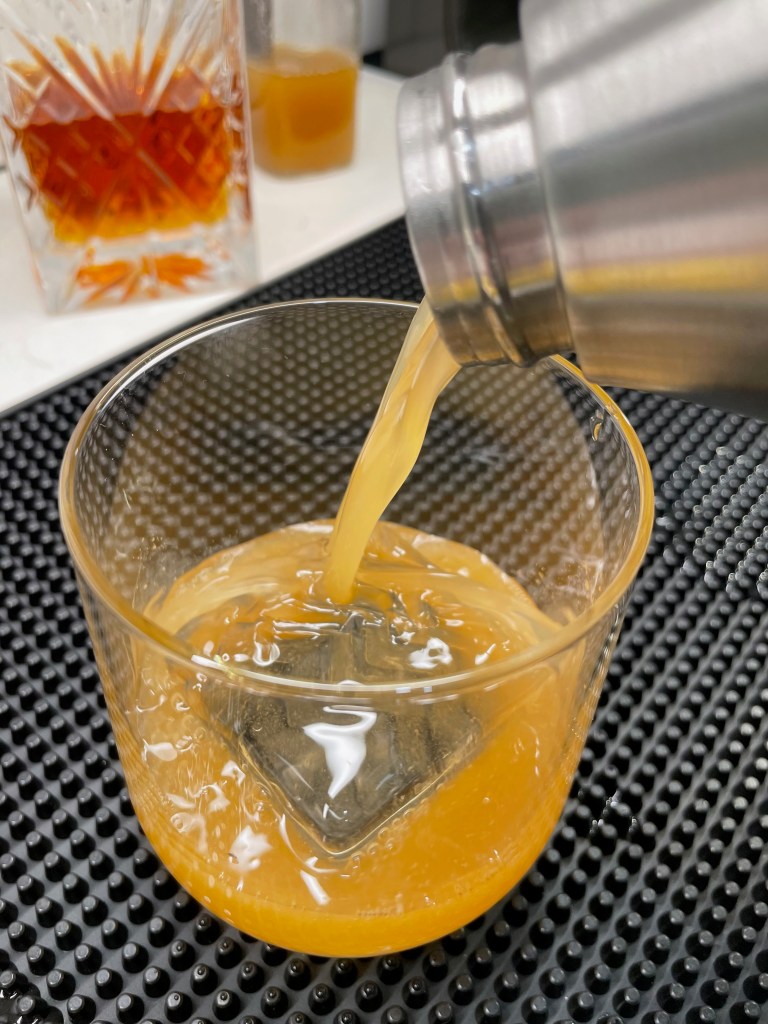
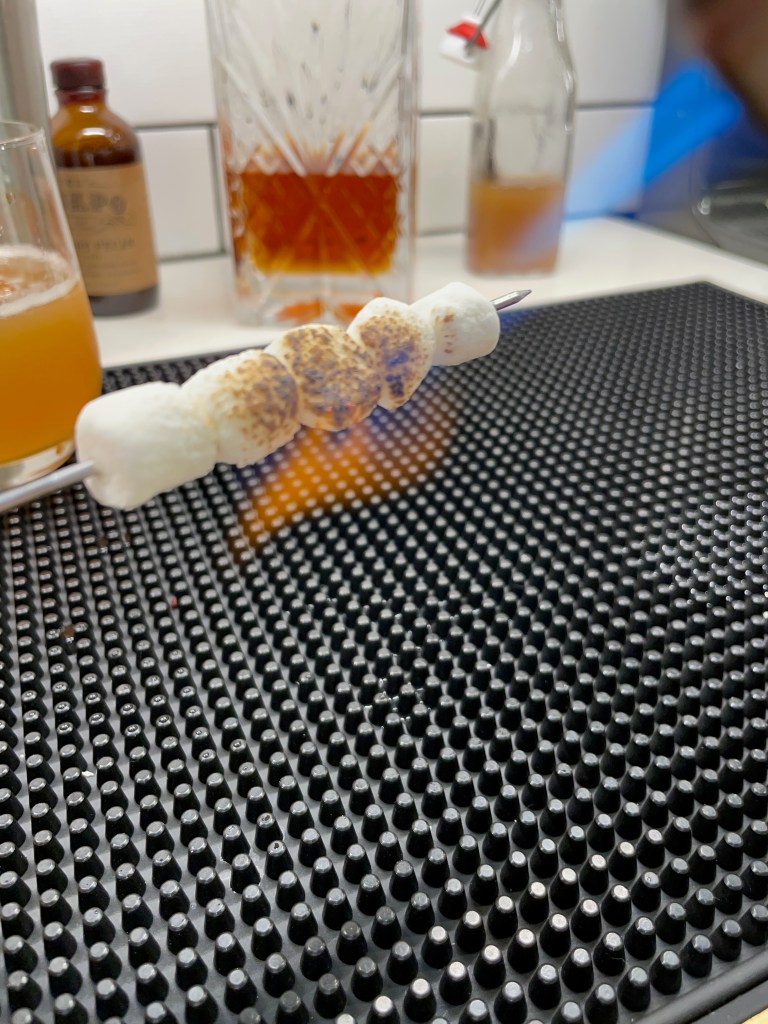
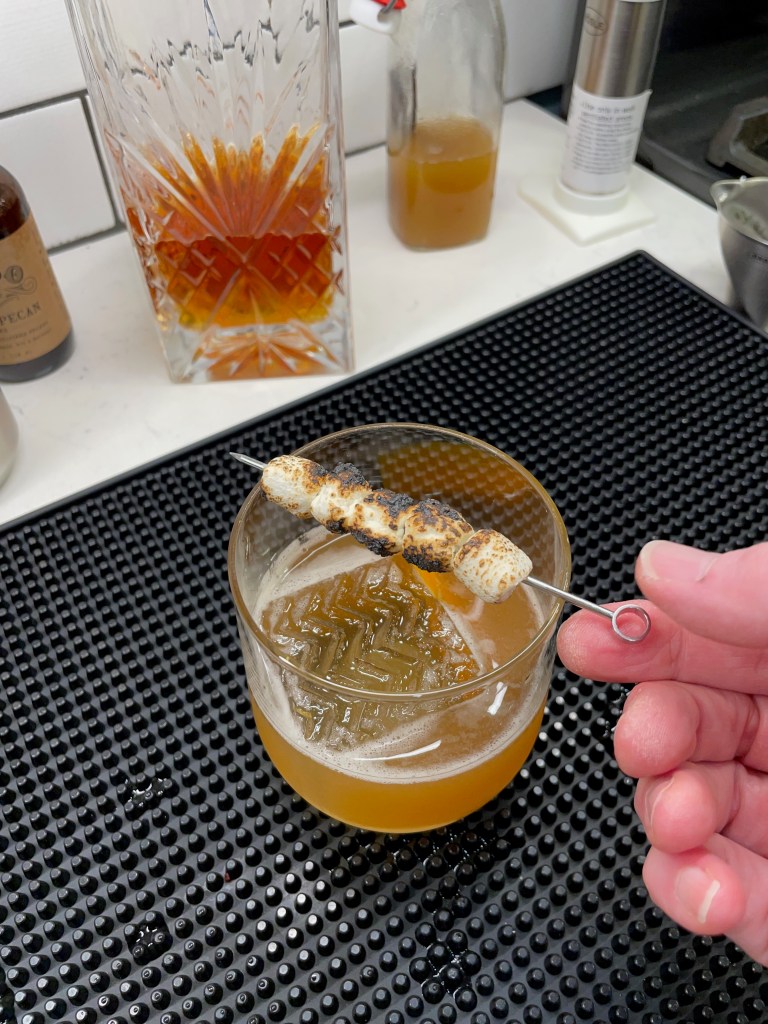
Here comes the mixing! Combine the bourbon, syrup and chicory pecan bitters in a shaker with about a cup of ice. Shake for 20 seconds, or until the outside of the shaker is cold and frosty. Strain over new ice. Express the orange peel (if using) over the drink and toast the marshmallows to garnish the glass.


Sweet Potato Casserole Old Fashioned

  • Servings: 1 cocktail
  • Difficulty: Average
  • Print

Yes, this fun recipe is exactly what you imagine; the flavors of a classic Thanksgiving side, transformed into a delicious holiday cocktail.


Ingredients

  • 1 1/2 ounces bourbon (a sweet one, such as Maker’s Mark or Elijah Craig)
  • 3/4 ounce sweet potato syrup (recipe and directions below)
  • 3 shakes El Guapo chicory pecan bitters
  • miniature marshmallows, threaded onto a heatproof cocktail pick
  • 3-inch strip of orange peel, optional for expressing over cocktail

Directions

  1. Combine bourbon, sweet potato syrup and chicory pecan bitters in a cocktail shaker with a cup of ice. Shake for 20 seconds, or until shaker is frosty.
  2. Strain over a large ice cube in a double rocks glass. Espresso orange peel over drink, if desired. Toast marshmallows and garnish the cocktail.
  3. Cheers!

The only fussy element of this drink is the sweet potato syrup. Plan to make this ahead, and keep it in the fridge for up to two weeks. The recipe below makes enough syrup for 8 cocktails.

Ingredients

  • 1 large sweet potato, peeled and cut into chunks
  • 1/3 cup turbinado or brown sugar
  • 4-inch piece of cinnamon stick

Directions

  1. Cover sweet potato chunks with cold water in a medium saucepan. Cook over medium heat until potatoes are fork-tender, about 35 minutes. Gently mash the potatoes, still in the water, with the back of the fork. Strain through a wire mesh strainer into a glass measuring cup. Add enough water if needed to total 1 1/4 cups. Rinse any solids out of the pan.
  2. Pour sweet potato liquid back into the saucepan. Add sugar and cinnamon stick and simmer over medium-low heat for about 10 minutes until sugar is fully dissolved and mixture takes on a syrupy consistency. Remove from heat and cool to room temperature.
  3. Strain again, this time through a fine mesh strainer or coffee filter. Finished syrup should measure approximately 3/4 cup. Transfer syrup to a jar or sealable bottle and refrigerate for up to two weeks.


Elevate it even further!

Want to take this drink a flavor step further in the direction of a sweet potato casserole? Try this trick of “fat-washing” your bourbon with browned, unsalted butter. It’s easy to do, and as a bonus, you’ll have a small bowlful of bourbon-infused butter left over to flavor something else on the table. The actual sweet potato casserole, perhaps? 😉


Jamaican-inspired Sticky Sweet Potatoes

I’m all for tradition—Thanksgiving, after all, is my all-time favorite holiday and also happens to be the most traditional meal most Americans enjoy together—but for me, some of the meal traditions are tired. So I’m here to shake things up in the flavor department, starting with these sweet potatoes.

For many years, I made a sweet potato casserole that had brown sugar and eggs and cream and buttery layers of pecan crumble and everyone loved it. But it was so sweet that one year when I took it to a potluck, the organizer peeked under the cover and put it on the dessert table. True story. And no wonder, with 2/3 cup sugar in the sweet potato mixture and 3/4 cup sugar in the topping. In an 8-serving side dish?! Let’s not even discuss the amount of butter because it’s clogging my arteries just thinking about it.

Still, I made this over-the-top dish year after year after year because the people I was feeding at the time expected it. “Tradition,” and all that jazz. After some time, I got bored and started zhuzhing it up with a splash of booze, mainly to amuse myself. I incorporated a shot of Grand Marnier at first, because orange is a natural pairing with sweet potato. And then I tried it with bourbon because, well, bourbon. As you can imagine, neither did much to tamp down the cloying richness of that dish, which has since been banished to the darkest depths of my recipe box.

Yes, it is tradition to indulge on Thanksgiving, but what did fiber-rich, perfectly nutritious sweet potatoes ever do to deserve being drowned in a sea of saturated fat and then crusted up with so much sugar?

In recent years— and especially since the launch of Comfort du Jour— I have enjoyed twisting up the classics and traditional foods, and I’m thrilled to be married to a man who enjoys the variations as much as I do. For last year’s table, I presented these sticky sweet potatoes for Thanksgiving, and they were a hit! Yes, there is some brown sugar in the recipe, but a far cry from the amount in my old standard. And this one has zero saturated fat from butter, milk, eggs or cream.


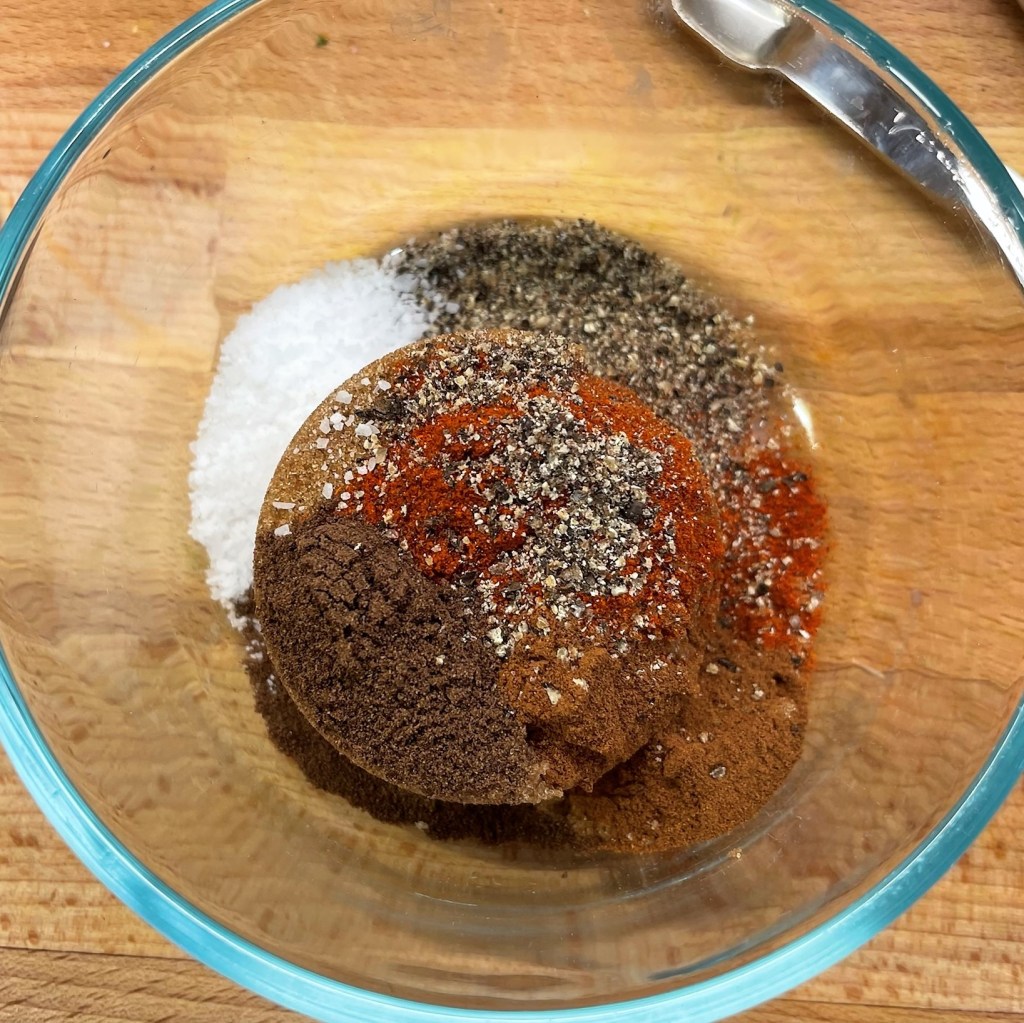
These beauties are spiced up with flavors that remind me of Jamaica—bold and balanced with sweet, spicy, savory and herbal notes—a combination I loved when I visited the island many years ago. The flavors play up the natural goodness of sweet potato without overwhelming. I created a blend of brown sugar (only 1/3 cup for this 8-serving batch, but you could use as little as 1/4 cup), kosher salt, sweet Spanish paprika, allspice, cinnamon and freshly ground black pepper. In place of butter, extra virgin olive oil; specifically, I used a specialty oil that is whole-fruit fused with blood orange. You can find this at one of the olive oil and balsamic boutiques that have popped up everywhere.


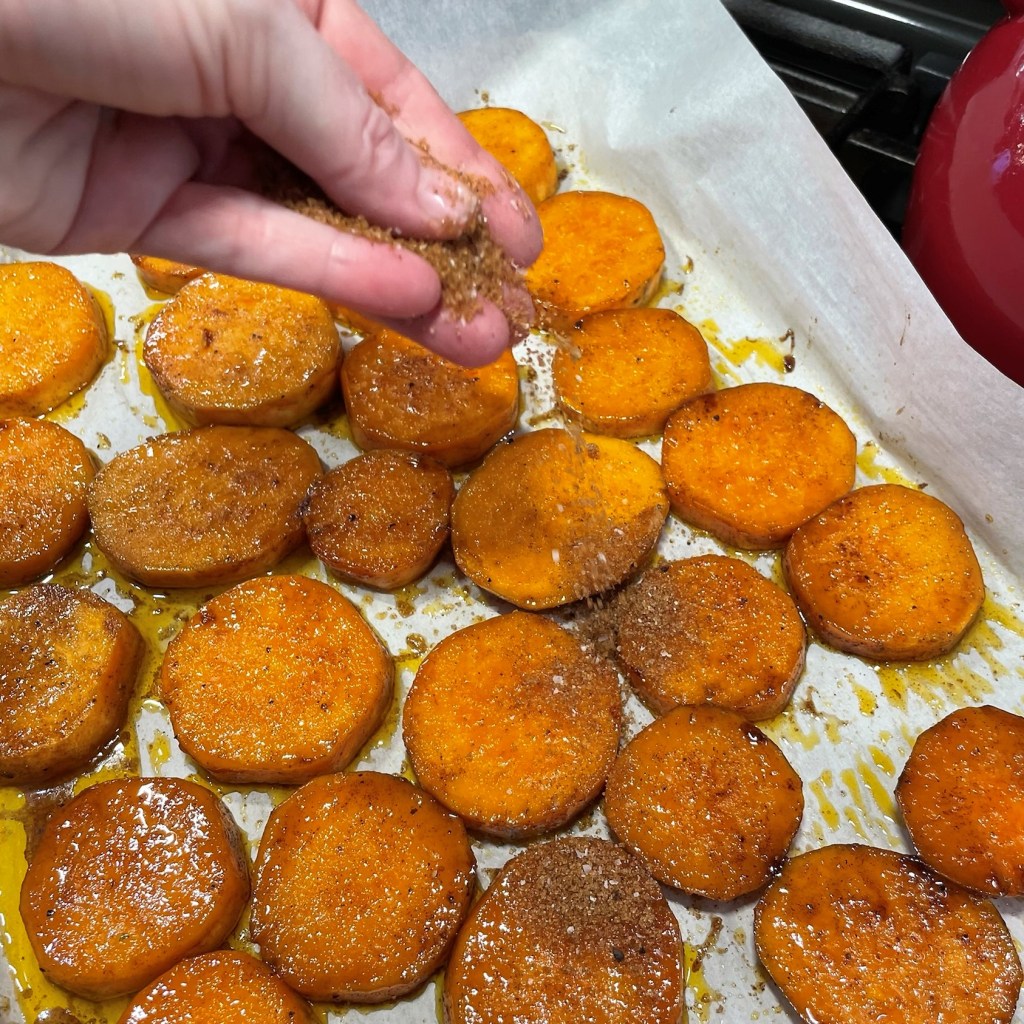
I arranged them in a single layer and roasted them at 350° for about 30 minutes, then turned them over, sprinkled more of the spice blend and roasted 15 more minutes. By this time, the sweet potatoes were tender and essentially done, but dinner wasn’t. So I left the baking sheet on the countertop, covered loosely with foil. When I was ready to serve them, the sweet potatoes got sprinkled with the last pinches of the spice blend and went under the broiler for about one minute, just enough to heat them through and caramelize that sticky spicy coating.


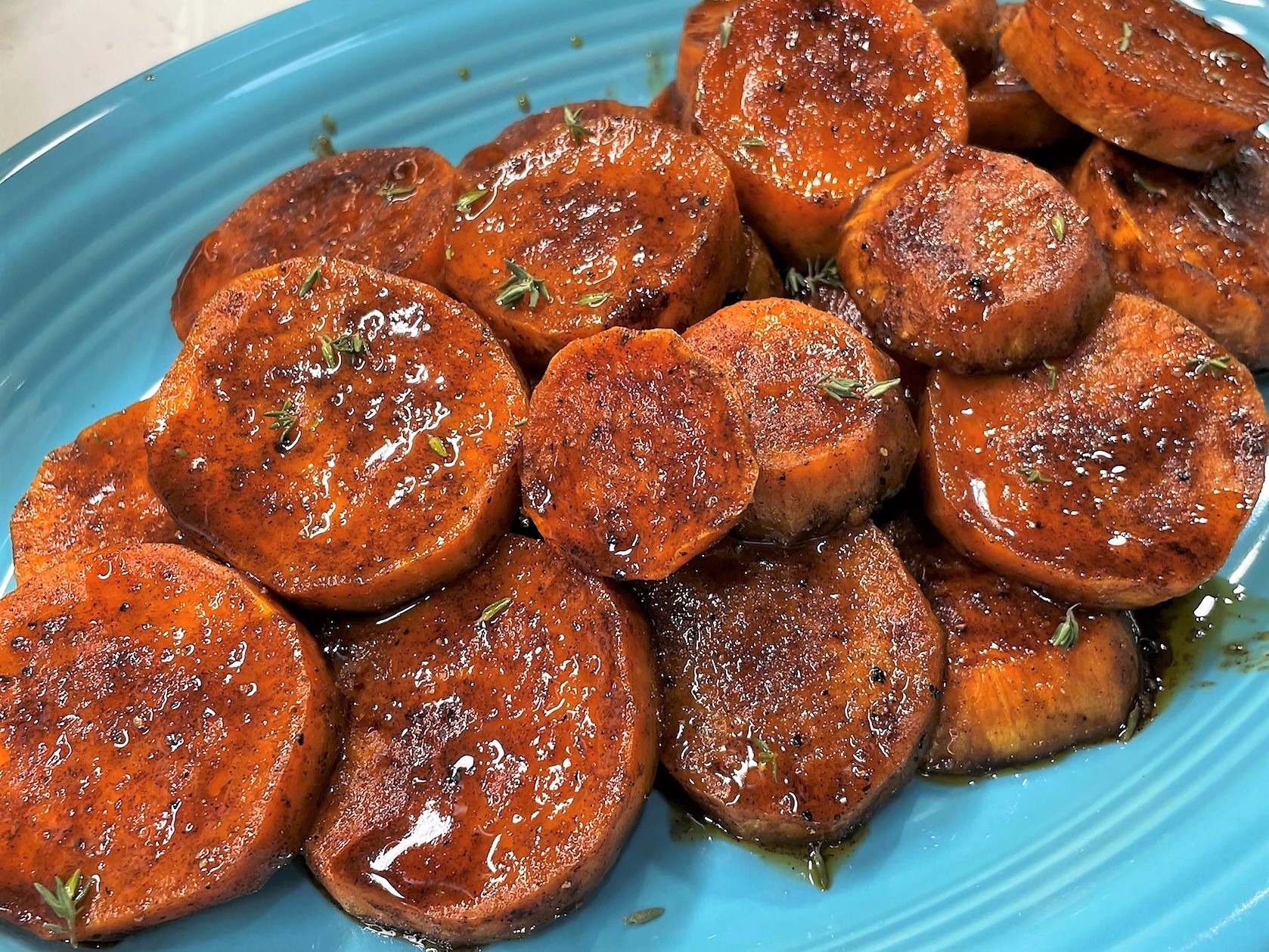
The timing worked out perfectly, as they only needed a quick blast of high heat at the end, and then a quick transfer to a serving platter where I decorated them with fresh thyme leaves and sent them to the table.

These Jamaican-inspired sweet potatoes are a nice change of pace with a big punch of flavor and no guilt. Yes, I’ll take these any day—Thanksgiving or otherwise!


Jamaican-inspired Sticky Sweet Potatoes

  • Servings: 8
  • Difficulty: Average
  • Print

These are no ordinary candied sweet potatoes! The island-inspired seasonings, especially the allspice, lend an unexpected flair to a Thanksgiving day standard.


Ingredients

  • 3 pounds fresh sweet potatoes, peeled and sliced into 1/2-inch thick rounds
  • 2 Tbsp. extra virgin olive oil (see recipe notes below)
  • 1/4 to 1/3 cup brown sugar, depending on your sweet tooth
  • 1 tsp. sweet (Spanish) paprika
  • 1/2 tsp. ground allspice
  • 1/2 tsp. ground cinnamon
  • About 20 twists of freshly ground black pepper
  • 1 tsp. kosher salt
  • 1 tsp. fresh thyme leaves, for garnish

Note: If you have a specialty olive oil store, I like the blood orange-fused oil for this recipe. The citrus essence makes the island-inspired spices even more aromatic and addictive.

Directions

  1. Preheat oven to 375 F, with rack in center position. Line a large, rimmed cookie sheet with parchment paper.
  2. Combine brown sugar and seasonings in a small bowl and set it aside.
  3. Put thick slices of sweet potato in a large bowl and drizzle olive oil over them, tossing to coat evenly. Sprinkle half of the seasoning blend over the sweet potatoes and toss again. Arrange the slices in a single layer on the parchment-lined sheet.
  4. Roast for 30 minutes. Remove pan from oven and carefully turn each sweet potato slice. Sprinkle half of the remaining spice mix over the second side of the sweet potatoes and roast 15 more minutes, or until potatoes are tender enough to pierce with a fork.
  5. Remove from oven and let the sweet potatoes rest a few minutes; tent loosely with foil and set aside as long as needed while you prepare other dinner items. If you need to refrigerate them overnight, put remaining spice mixture in a bowl and set it aside; pick up with Step 6. If you plan to finish the sweet potatoes now, skip to Step 7.
  6. Remove chilled sweet potatoes from refrigerator at least one hour before proceeding with the recipe.
  7. Remove foil and turn sweet potatoes over. Sprinkle with remaining amount of spice mixture and broil on high for 1 to 2 minutes (watch so it doesn’t burn!), to re-heat the potatoes and caramelize the sticky spice coating. Transfer sweet potatoes to a serving platter and sprinkle with thyme leaves. Serve warm.


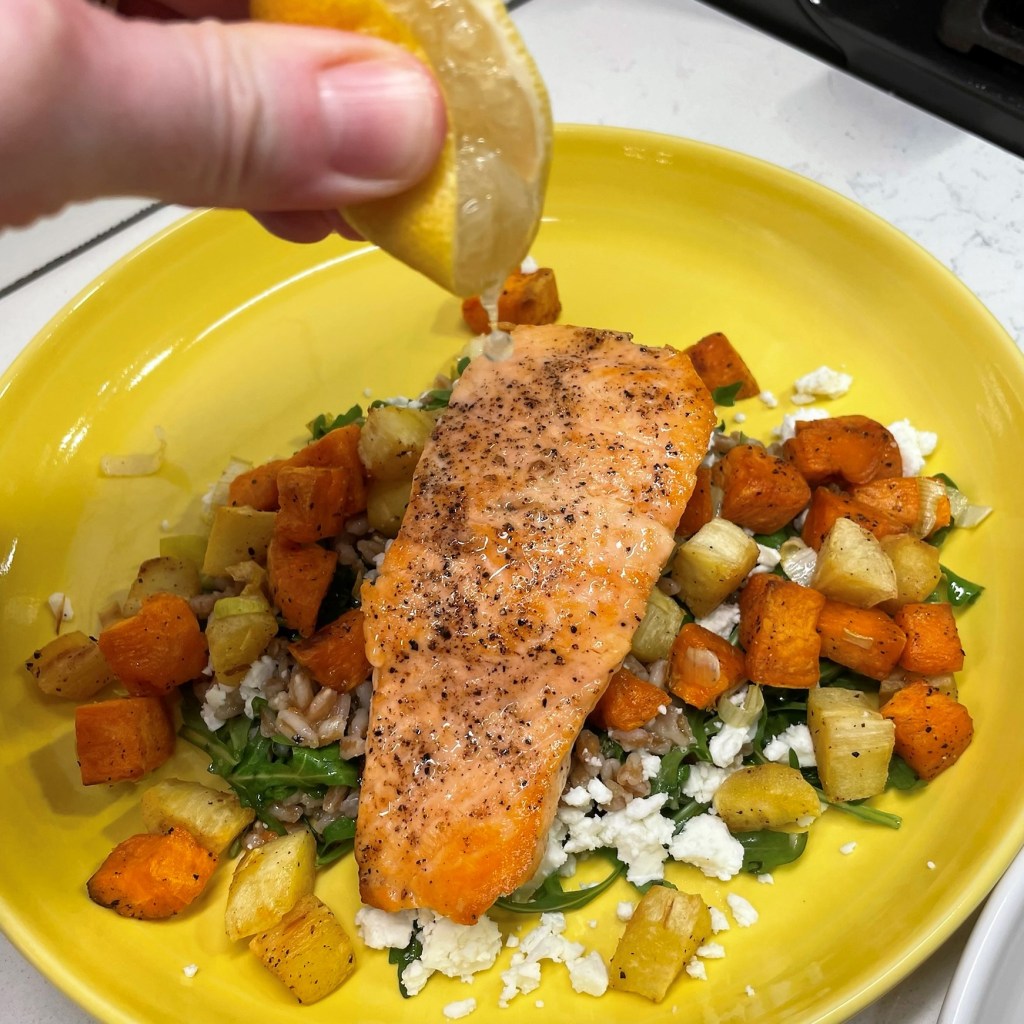
Salmon with Warm Farro Salad

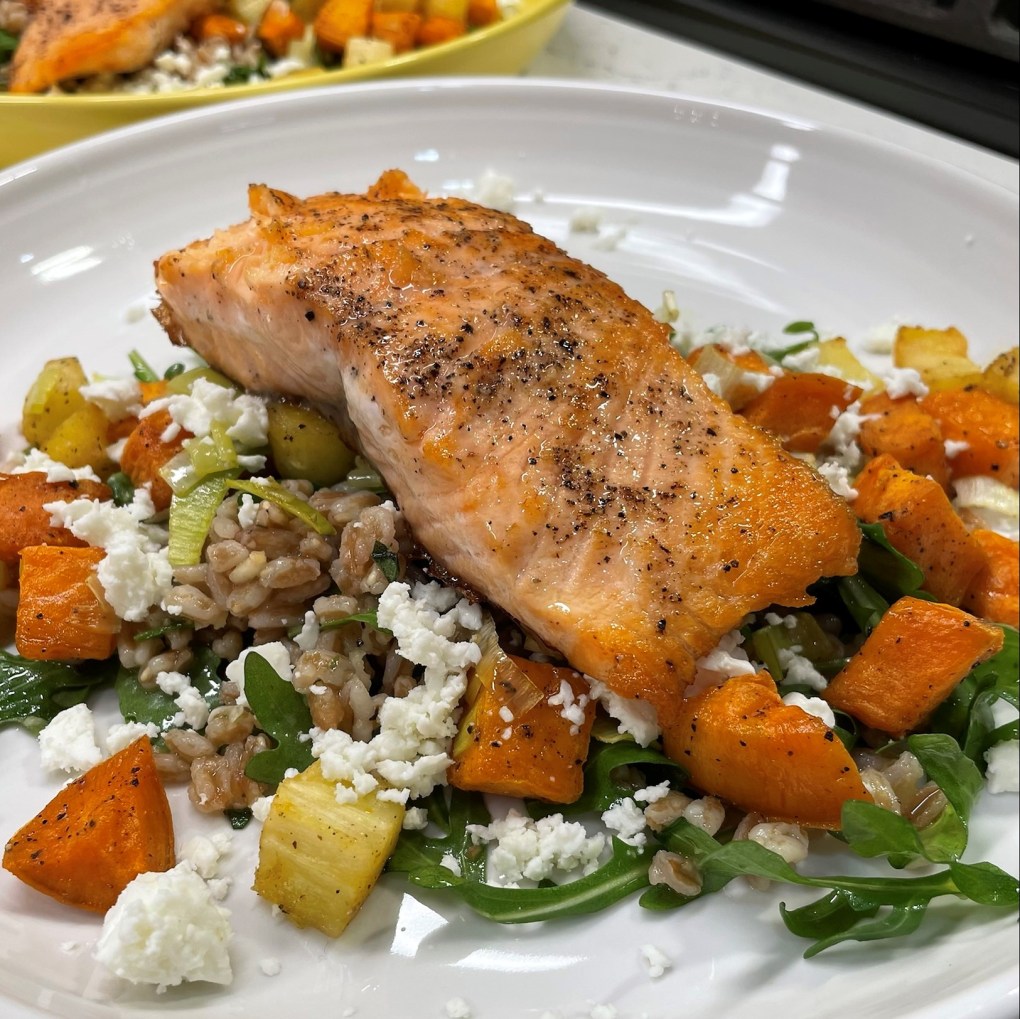
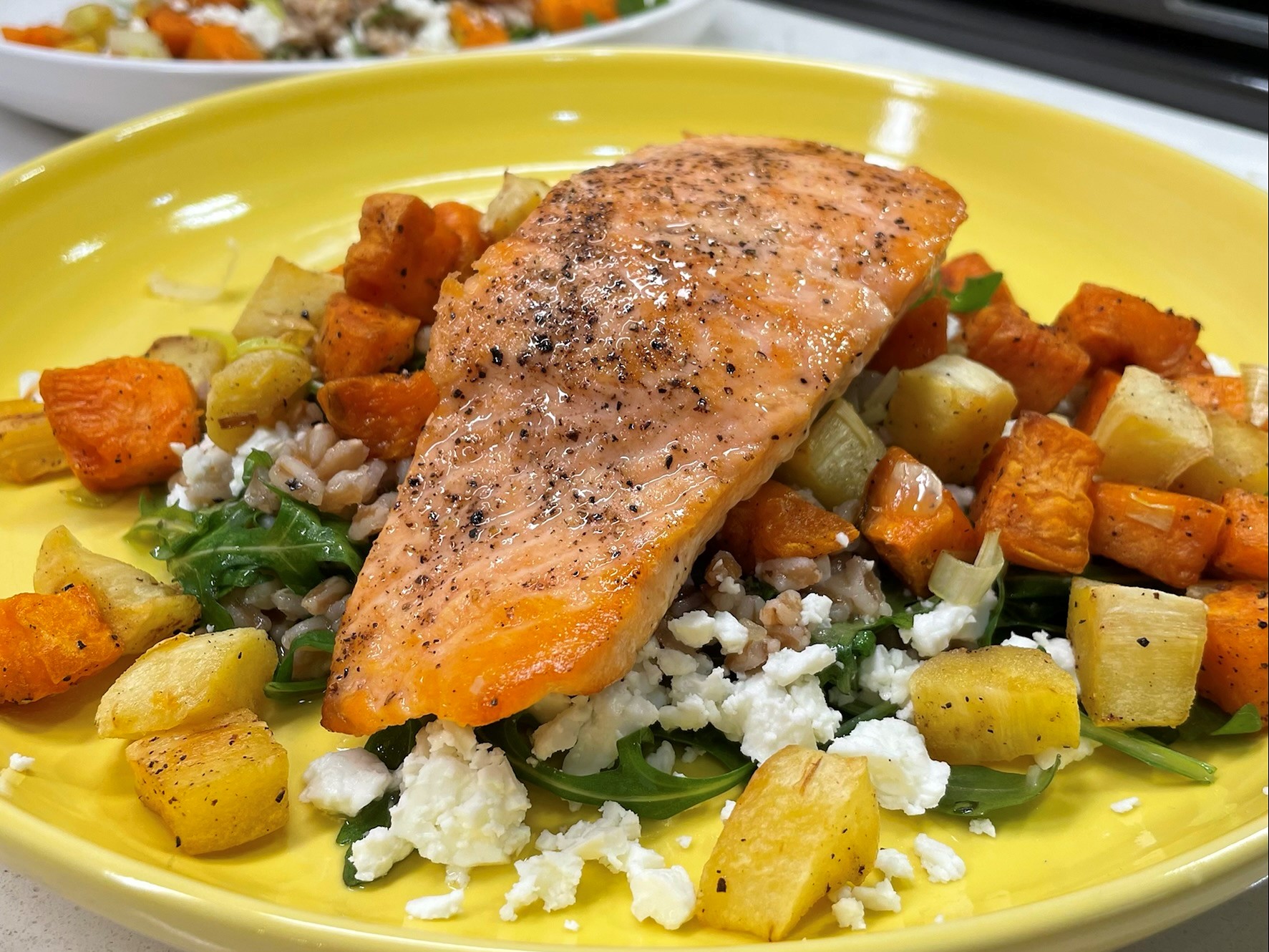
Comfort foods come in many shapes and sizes, though I usually think of them as rich, creamy sauces or over-the-top pizzas or decadent ice creams. But this entrée, despite being inherently light and healthful, is also very comforting, thanks to the variety of textures and flavors in the mix.

I designed this pretty plate from memory after a brunch with co-workers during the holiday season. It was the farro salad and roasted root vegetables that caught my eye on the menu that day. I loved the tender chew of the farro and the warmth and earthiness given by the sweet potatoes and parsnips. If you are not familiar with farro, please allow me to introduce you.

handful of quick cooking farro
Italian farro, par-cooked to be ready in just 10 minutes! Use farro any way that you would use wheat berries, barley or brown rice.

What is farro?

Farro is an ancient grain that is native to Italy. It is perhaps better described as a category of grain, given that three distinct varieties—spelt, einkorn and emmer—are frequently described as “farro.” In its most basic state, farro is a hard kernel that can either be cooked whole in water or ground into meal or flour. But it may also be partially or fully pearled, meaning that some or all of the bran has been removed. The pearling process results in altered cooking time, but the grain would still be suitable for the same kinds of dishes.

What does farro taste like?

When cooked as a whole grain, farro has a warm, nutty flavor that is similar to that of brown rice. Unlike most conventional wheat grains, farro has not been greatly hybridized from its ancient state, and some people find it more easily digestible for that reason. But as a botanical relative of wheat, farro does contain gluten and should be avoided by people with gluten sensitivity or celiac disease.

How do you cook farro?

To cook partially pearled farro (the most common form you’ll find in stores), give it a rinse under running water and inspect the grains to weed out any small debris that may have missed screening during packaging. Add the farro to double the amount of water and heat until boiling, then reduce heat and simmer about 20 to 25 minutes for al dente, or longer if you want it more tender. Farro that has not been pearled may take twice as long, and some packaged farro is par-cooked for quicker preparation, so always check the label instructions for recommended cooking time.

What can you use farro for?

Farro is a versatile grain that can be used in pilafs, salads or soups. If ground into flour, it can be used in baking recipes, though the resulting texture would be more dense than baked goods made with typical wheat. If you want to try farro flour in a favorite bread recipe, consider substituting only about one-fourth of the total amount of flour, and increase the amount the next time when you better understand its properties.


salmon with warm farro salad - comfortdujour.com
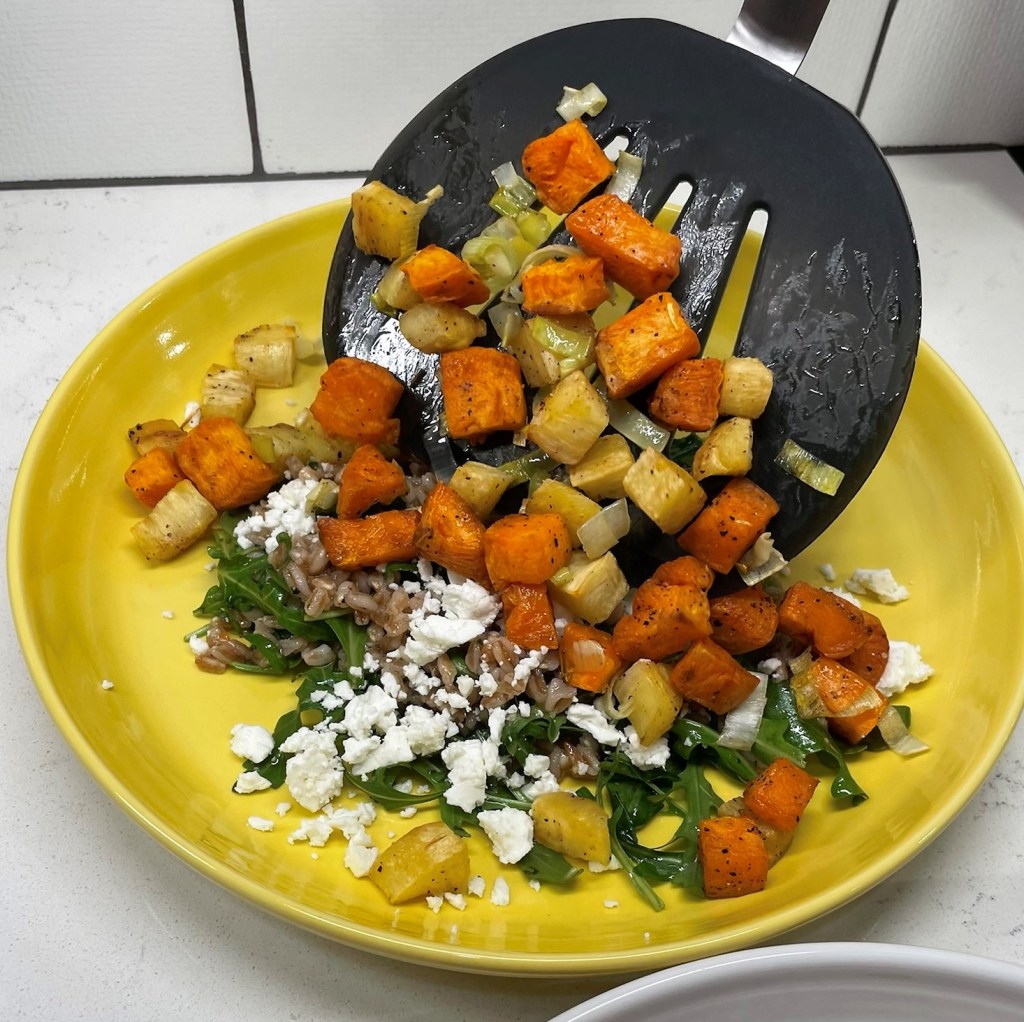
There is a lot of lovely contrast amid all these ingredients. I especially like the feta crumbles!

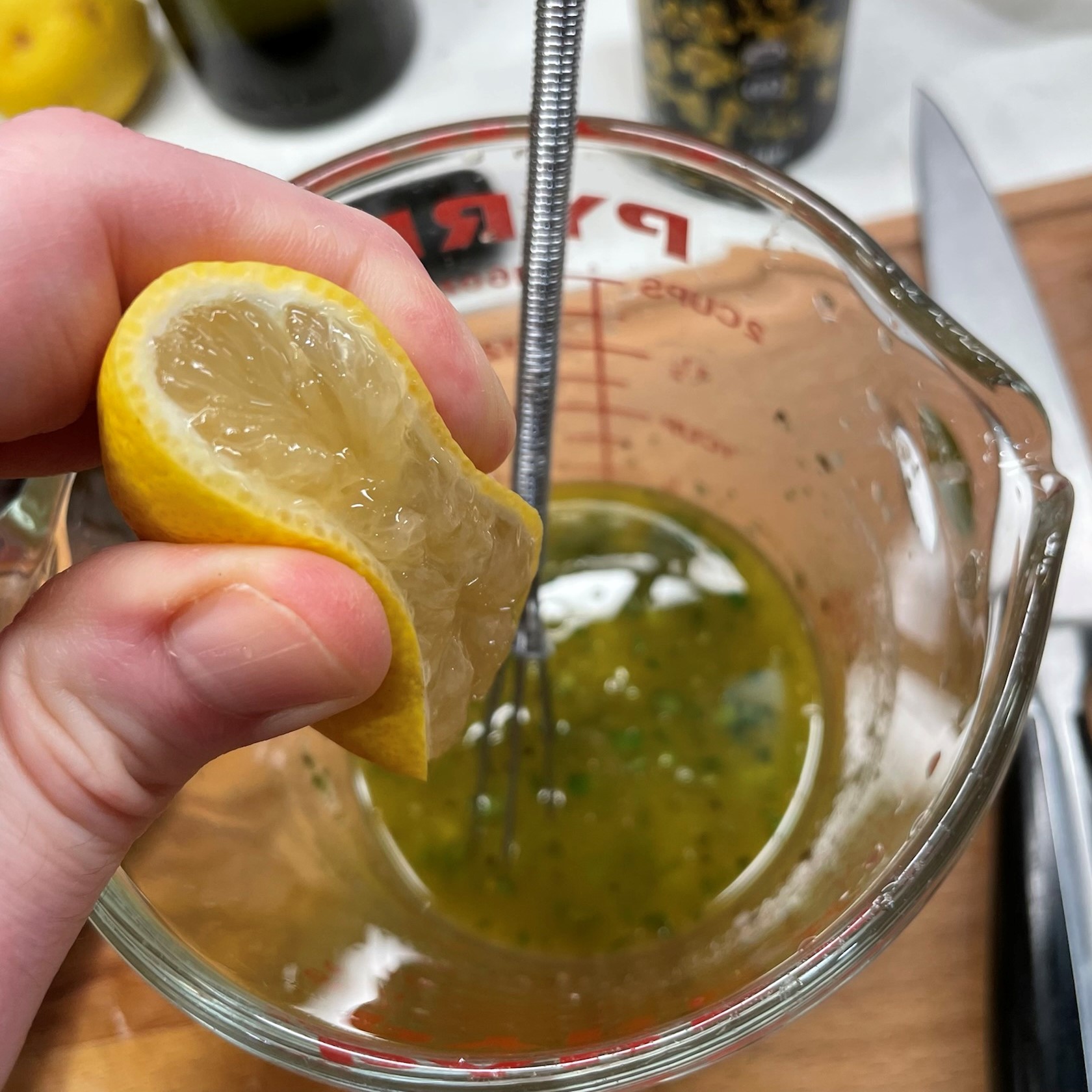
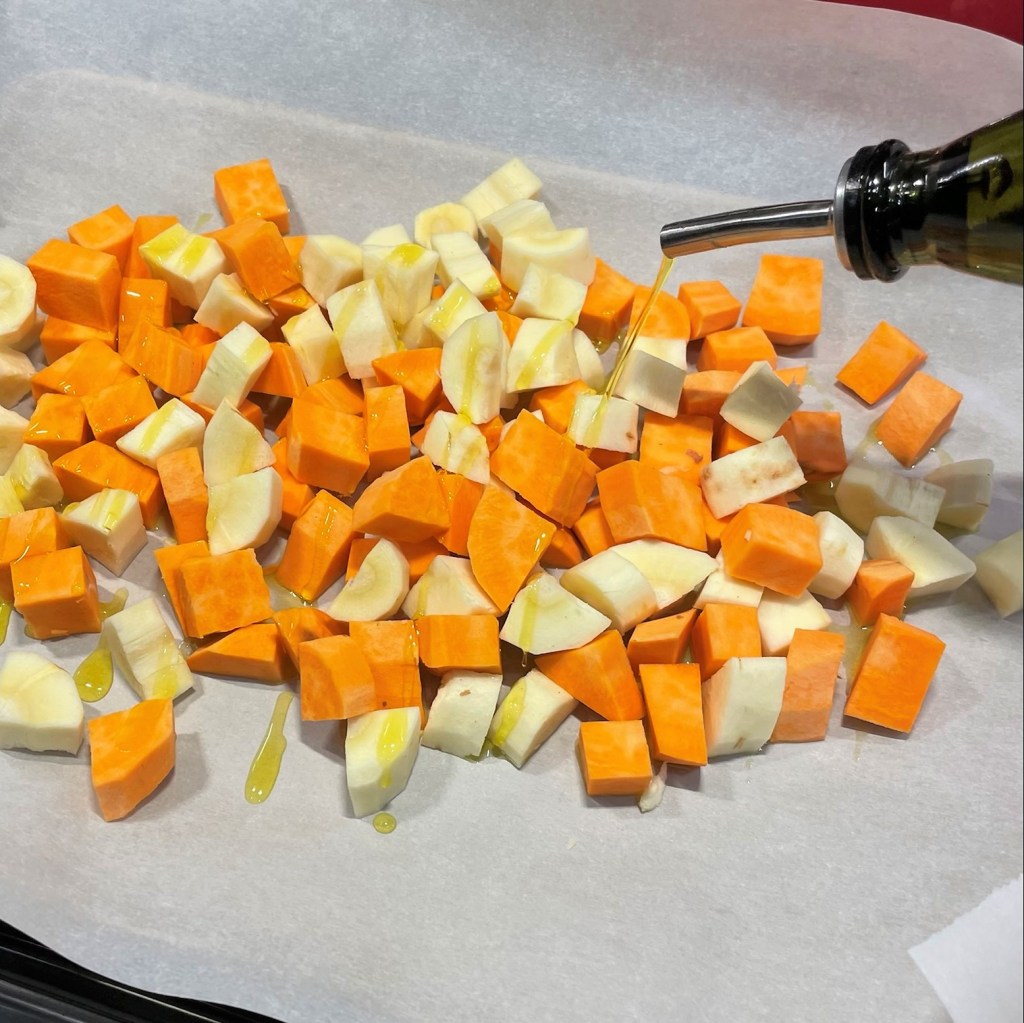
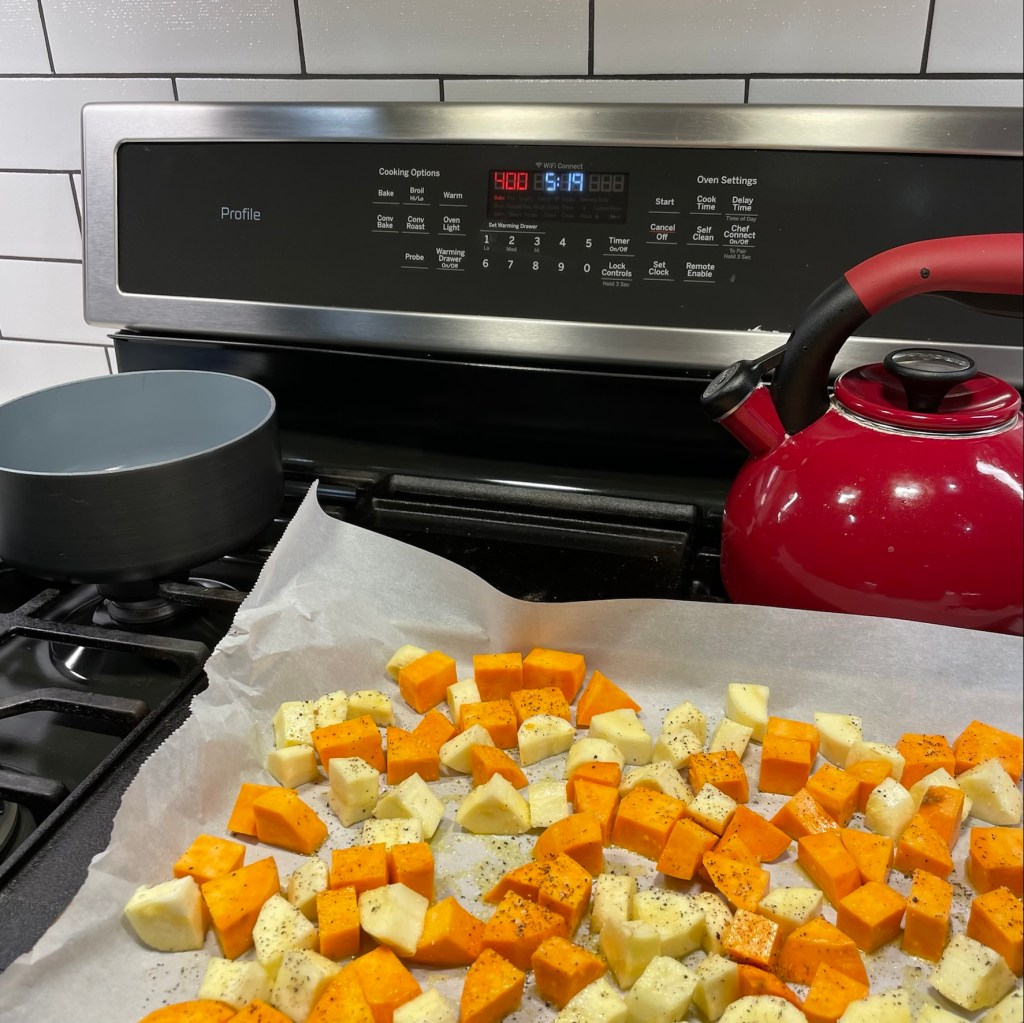
The rest of this recipe is straightforward and simple—the sweet potatoes and parsnips are tossed lightly in olive oil and roasted until tender and browned, and the salmon is lightly seared in a skillet with nothing more than salt and pepper. A quick vinaigrette of lemon, garlic and oregano ties the whole dish together with a fat handful of peppery arugula greens.


Ingredients

1 large sweet potato, peeled and cut into large chunks

2 parsnips, peeled and cut into large chunks

2 Tbsp. extra virgin olive oil

Kosher salt and freshly ground black pepper

1/2 cup sliced fresh leeks (or chopped sweet onion)

1 cup cooked farro* (see recipe notes)

A fat handful fresh baby arugula leaves, washed

Garlic-oregano vinaigrette*

2 fillets fresh salmon, skin removed

1/4 cup crumbled feta (or goat cheese)


*Recipe Notes

As noted above, some farro products have been par-cooked for convenience. Follow the instructions on your package to cook the farro to “al dente” stage, so that it is soft but still has a bit of chew to it.

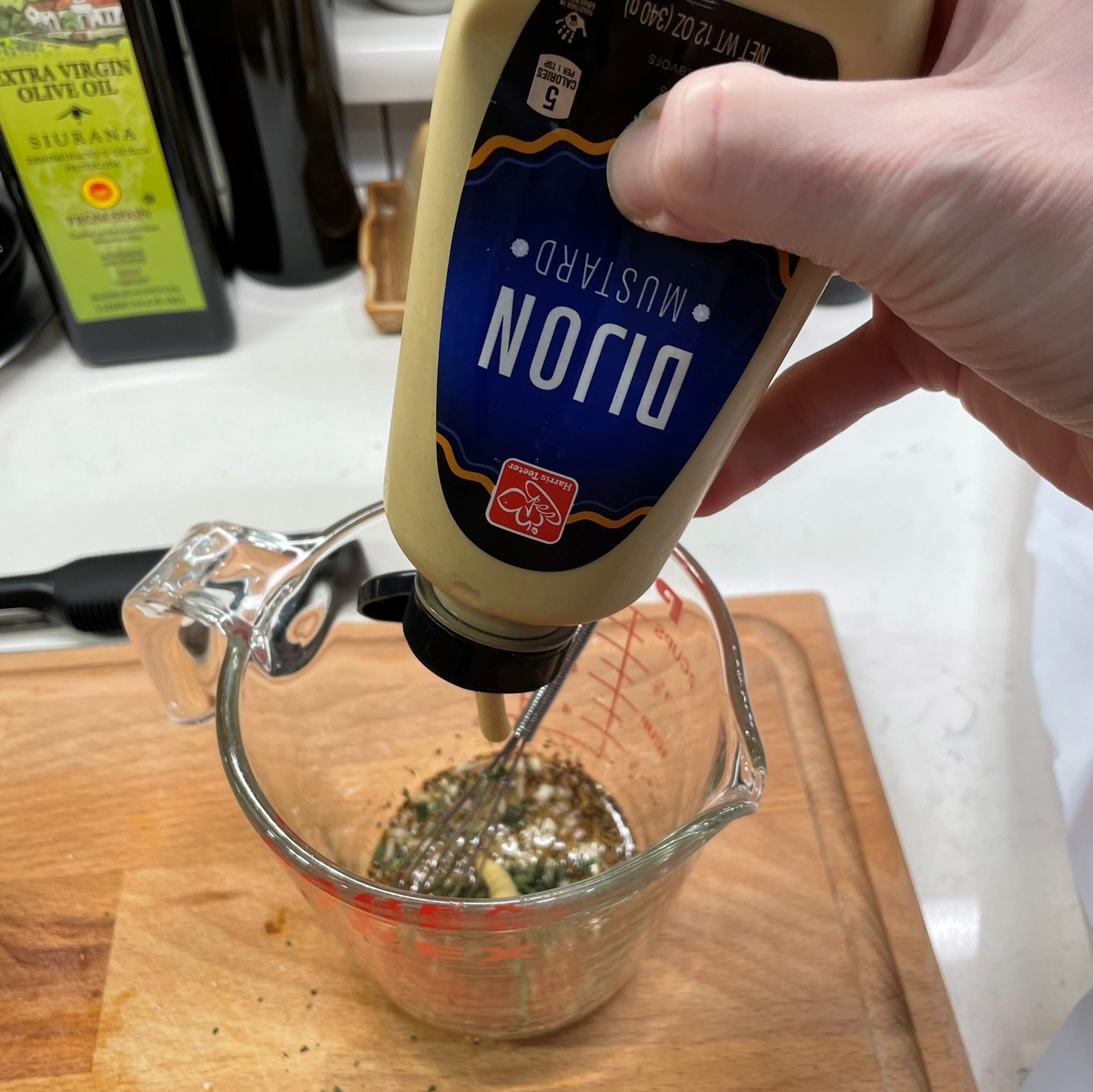
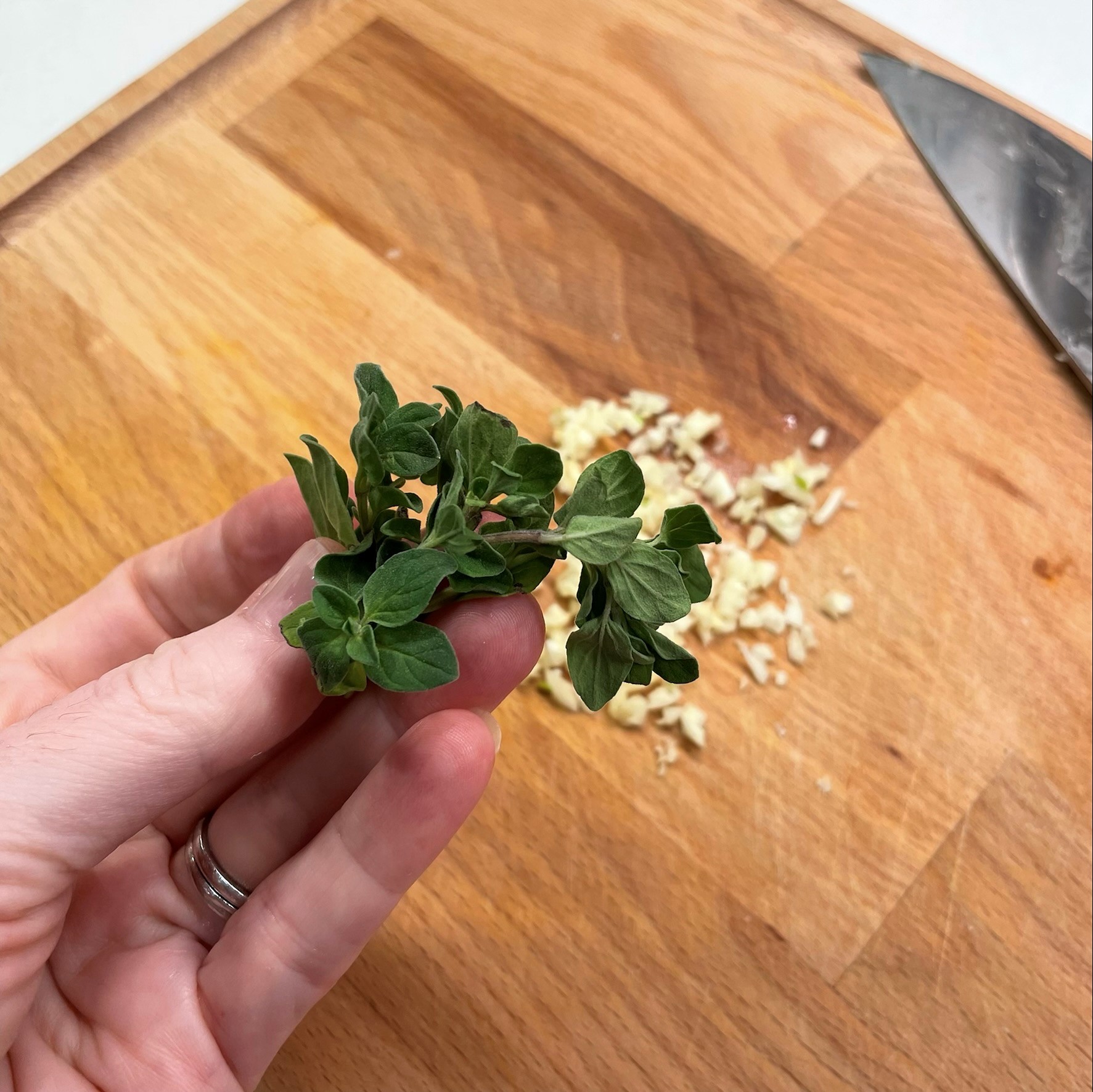
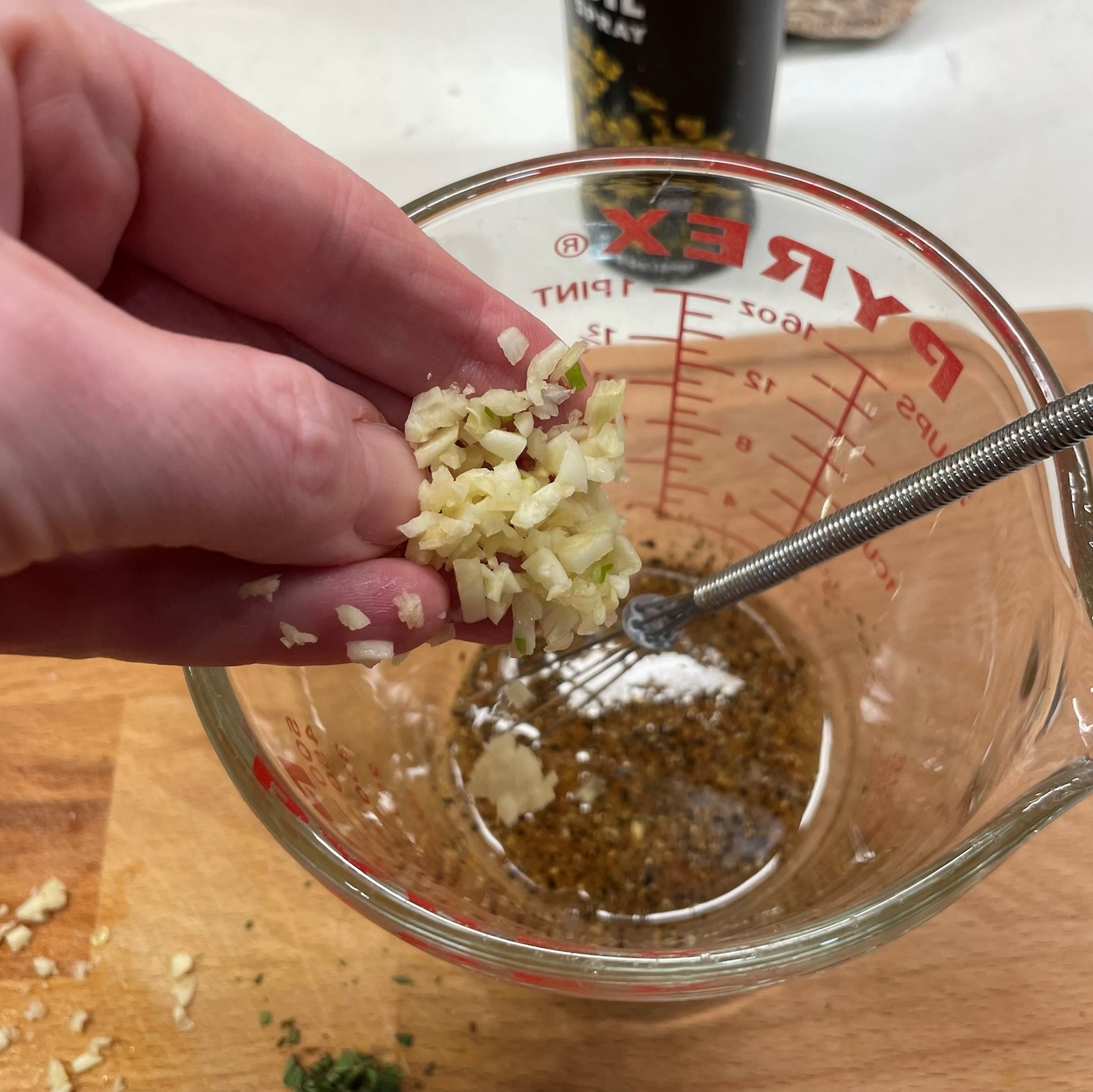
Vinaigrette is one of the simplest salad dressings to make at home. I usually make it in a glass measuring cup for easy pouring, but if you want to make it even easier, put all the ingredients into a small jar with a lid and shake the dickens out of it. My recipe for this vinaigrette is included in the downloadable PDF at the end of this post. You’ll need a light vinegar, Dijon, fresh garlic, oregano and lemon, and extra virgin olive oil.


Instructions

Follow along as I show you how I made this tasty, healthful comfort food. Scroll to the bottom for a downloadable version you can print for your recipe files.


Sweet Potato Chew Treats

As parents everywhere are putting the finishing touches on Christmas gifts and treats for their children, we have a similar situation at our house, but with a slight difference. Our children have paws and whiskers.

Nilla, guarding the stockings in 2019.

This will be the sixth year that my husband, Les, and I will stuff stockings for our pets. On Christmas morning, there will be plenty of joyful ruckus in our living room, as they will enjoy new toys, a few packaged treats and some extra special surprises.

For our spoiled cat, Taz, the big surprise will be a new, tall cat tree. Her old one, which Les bought to help her feel at home when the cats and I were preparing to move into his (now our) house, had seen better days, and we moved it to the garage toward the end of summer. Like any cat, Taz likes to be on top of things, and I predict that she will quickly claim the tree’s top perch as her new favorite spot, just as she did with the last tree.

Little Miss Spoiled. ❤

And sweet Nilla, our 13-year-old husky mix, has already been looking forward to opening her stocking—so much so, that she has excitedly brought the stocking to us a few times since we unpacked the Christmas decorations. It’s empty, but she remembers Christmas mornings past, and no wonder, with these tasty, chewy, totally healthy treats tucked inside.

It’s Nilla’s Christmas dreams come true. 🙂

Nilla’s love for vegetables is not limited to sweet potatoes. She gives equal time to green beans, red bell peppers, butternut squash, broccoli, cauliflower, cabbage, raw asparagus, peas, carrots and (her all-time favorite) spaghetti squash. But these sweet potato chews have become a bit of a tradition for us at Christmas, and I cannot refuse this sweet girl!

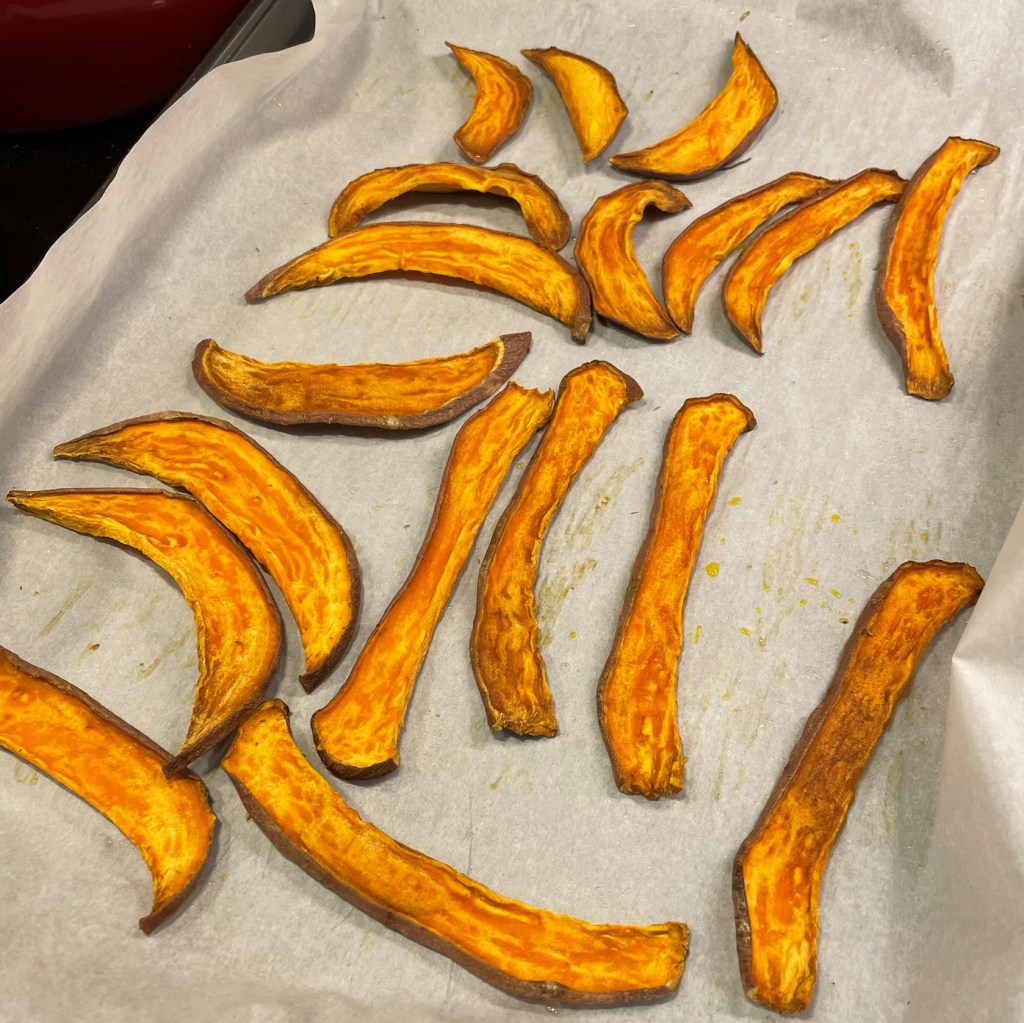
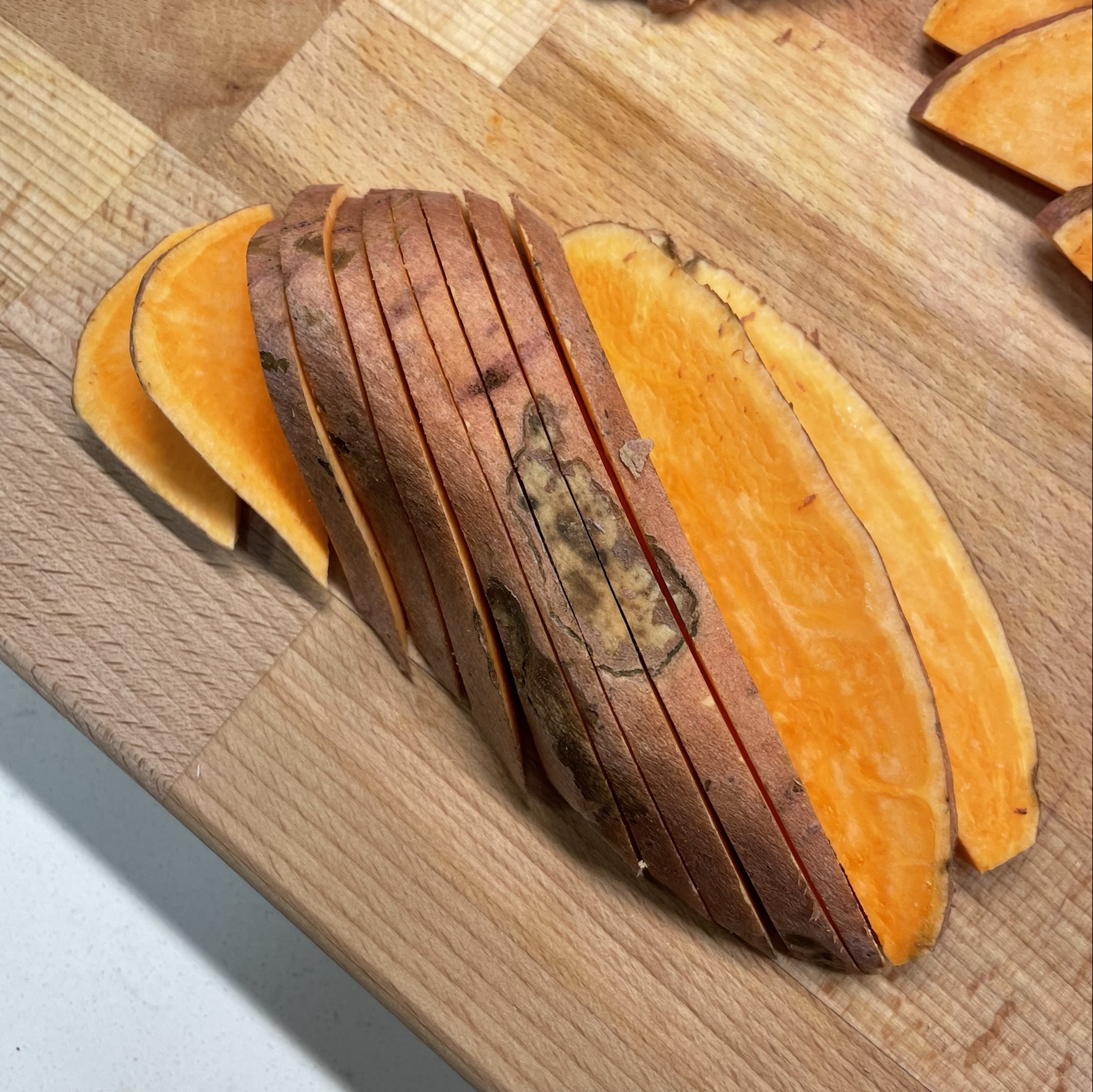
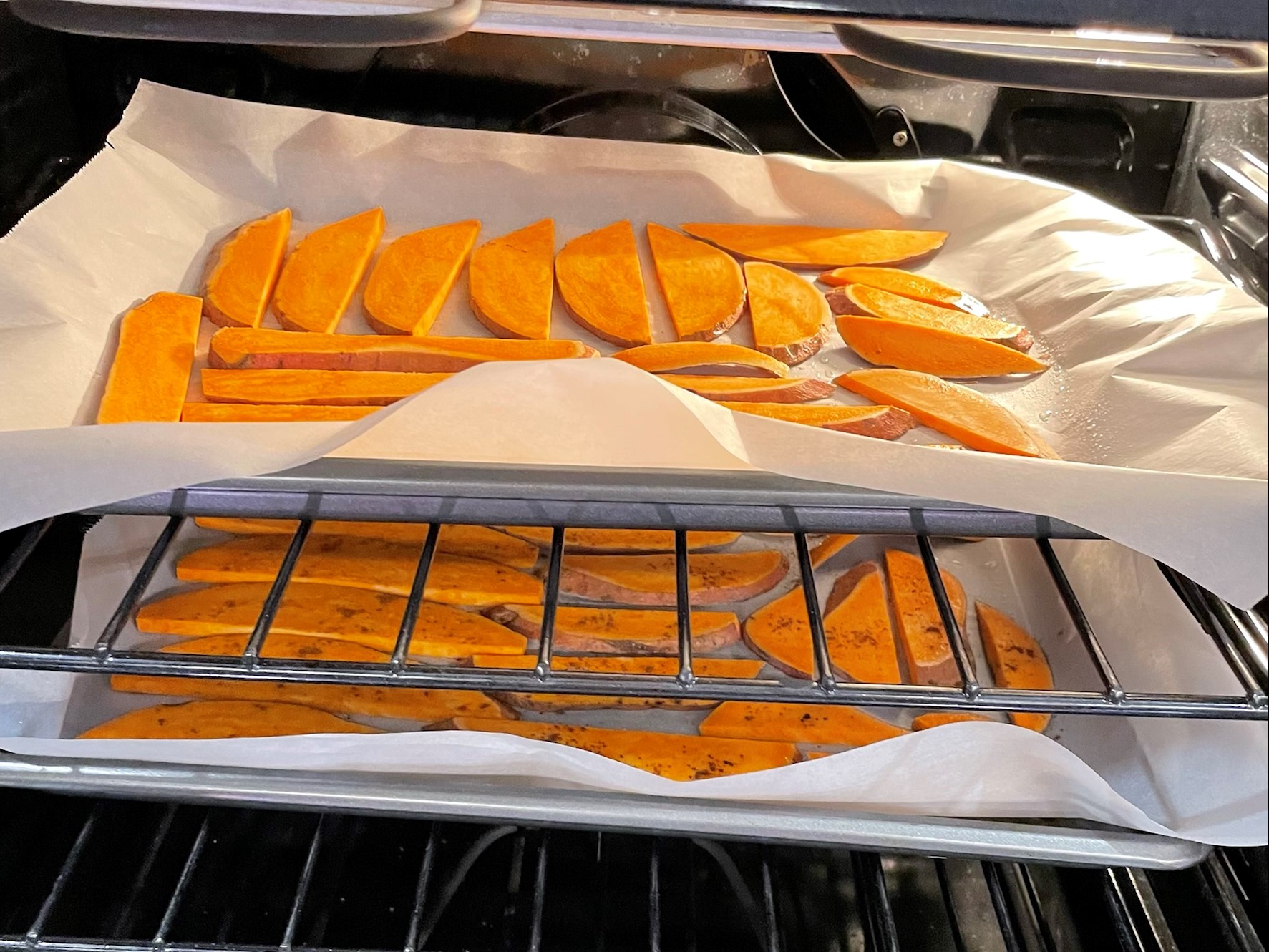
If you also have a very good dog at home, here is a treat that is easy to make and delightful to share with your furry loved one. All you need is a couple of good-sized sweet potatoes, a sheet pan and an oven. Cut the sweet potatoes into thin slices—lengthwise if you have a large dog and crosswise into chips for a small dog—and roast them at a low temperature until they are somewhat dehydrated and chewy. So easy! Dogs love the flavor and texture of these one-ingredient treats, and the vitamins and fiber are good for their bellies.

Please consult your veterinarian if your dog has dietary issues and remember that although your dog will want to eat the whole batch in one sitting, it’s best to share these sweet potato chews as treats rather than a replacement for their regular feedings.


Ingredients

Fresh sweet potatoes—that’s it!

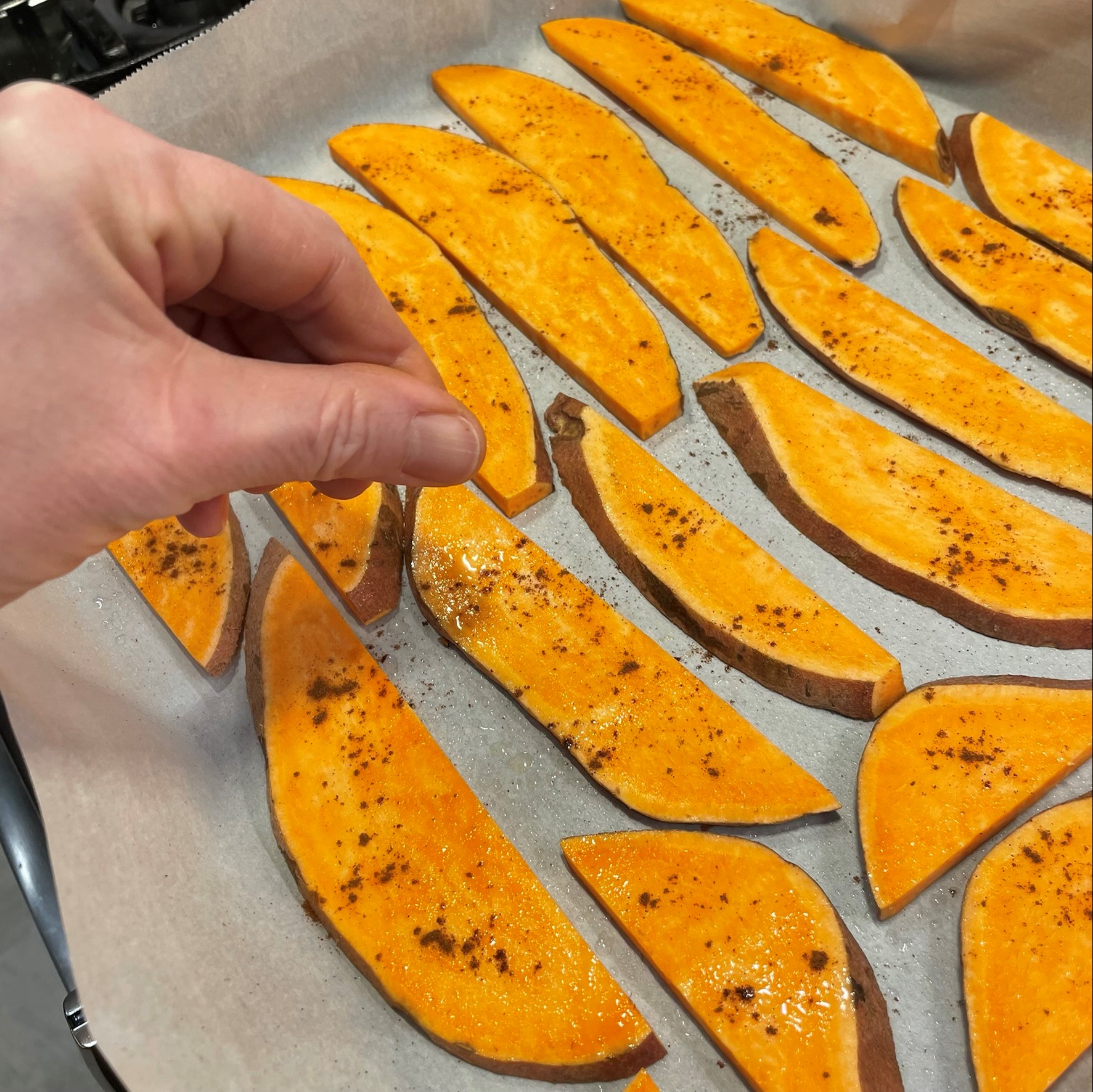
Olive oil spray and ground cinnamon (optional)


Instructions

Preheat oven to 300° F, with two oven racks in the near-center positions. Line two baking sheets with parchment paper.

Scrub the sweet potatoes (peeling is not necessary) and slice them into ¼” thick pieces. Arrange the slices in a single layer on the parchment-lined sheets. If you wish, spray the slices very lightly with olive oil spray and sprinkle a touch of ground cinnamon onto one side of the slices. Do not use salt or sugar, as both are not great for dogs.

Roast for about two hours, turning the sweet potato slices over halfway through roasting time. When the potatoes reach a chewy, firm texture, remove them from the oven and allow them to cool completely.

Note that the sweet potatoes will continue to dry and harden a bit after removal from the oven, so you don’t want to roast them until they are fully dry.

Keep the cooled sweet potatoes in an airtight container in the fridge. For Nilla’s stocking, I like to wrap up a handful in a piece of plain parchment paper. Here’s a sneak peak at what Christmas will be at our house.
Merry Christmas!