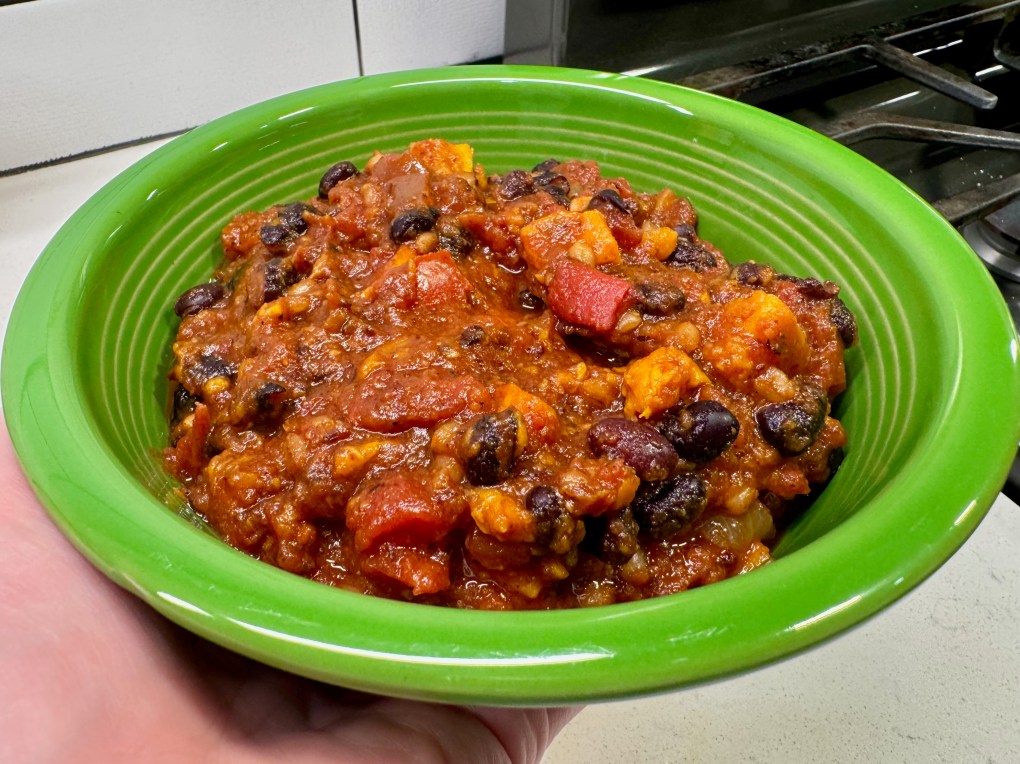
Thick & Hearty Sweet Potato Chili

Super Bowl’s coming, and my arteries are feeling clogged just thinking about it. Why do so many game day snacks have to be loaded with saturated fat, sodium and calories? I know— because it’s all about comfort food and they’re delicious, right?! I spent half an hour of quality time last week with my primary care physician, who informed me after my labs that my blood work isn’t exactly a pretty picture. Again. This is the second time in three years that I’ve gotten a bad report on my cholesterol (the year in between, I didn’t ask), and the weight gain that followed menopause hasn’t shown any effort to find its way out, either. As I told my doctor, I have a huge disadvantage in that I never had to fight for the healthy weight I enjoyed in my younger years. I always pretty much ate and drank what I wanted and I stayed in my optimal size. But not anymore. And I loathe the gym, so changing up my diet is pretty much my only option to get back to good. It pisses me off, if you want the truth.

But I wanted to prove to myself that eating better doesn’t have to mean sacrificing every single thing I love. Why couldn’t I tap into my creativity a little bit and see what kind of magic might happen in the kitchen? I’ll go after mac and cheese another day, but with the big game coming up, I figured a practice run at the most Super Bowl-y of all Super Bowl foods might be a good way to ease into things. Chili at its core could be pretty health-conscious— at least until you pile on the cheese, sour cream and chips for dipping in it— so this makeover was mostly about maximizing flavor and minimizing the heaviness.

I don’t necessarily need meat in chili, so I set my sights on making a plant-forward version that had plenty of what I do want— big flavor, hearty texture, smokiness and heat. This bowl has all of the above. What it doesn’t have is saturated fat. My ingredients are clean, and I used only extra virgin olive oil for roasting and sautéing the various components.
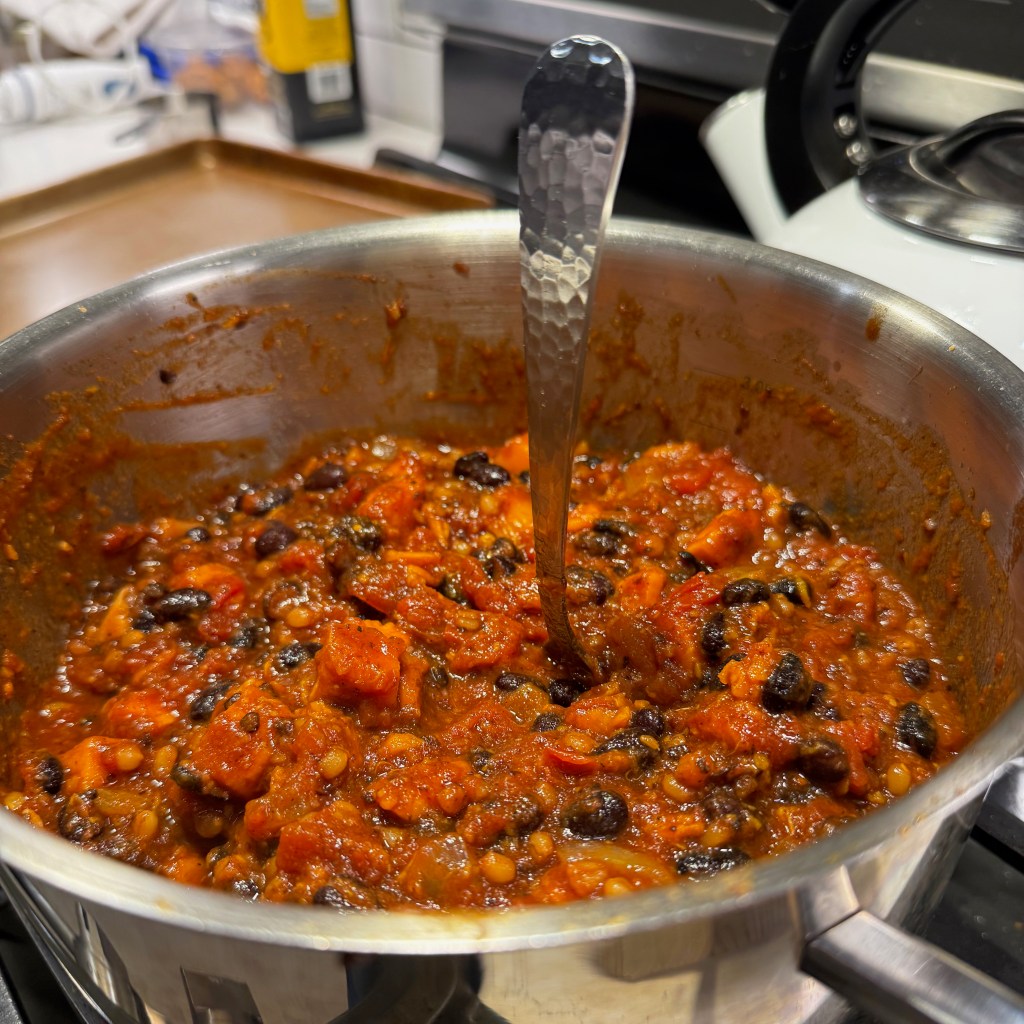
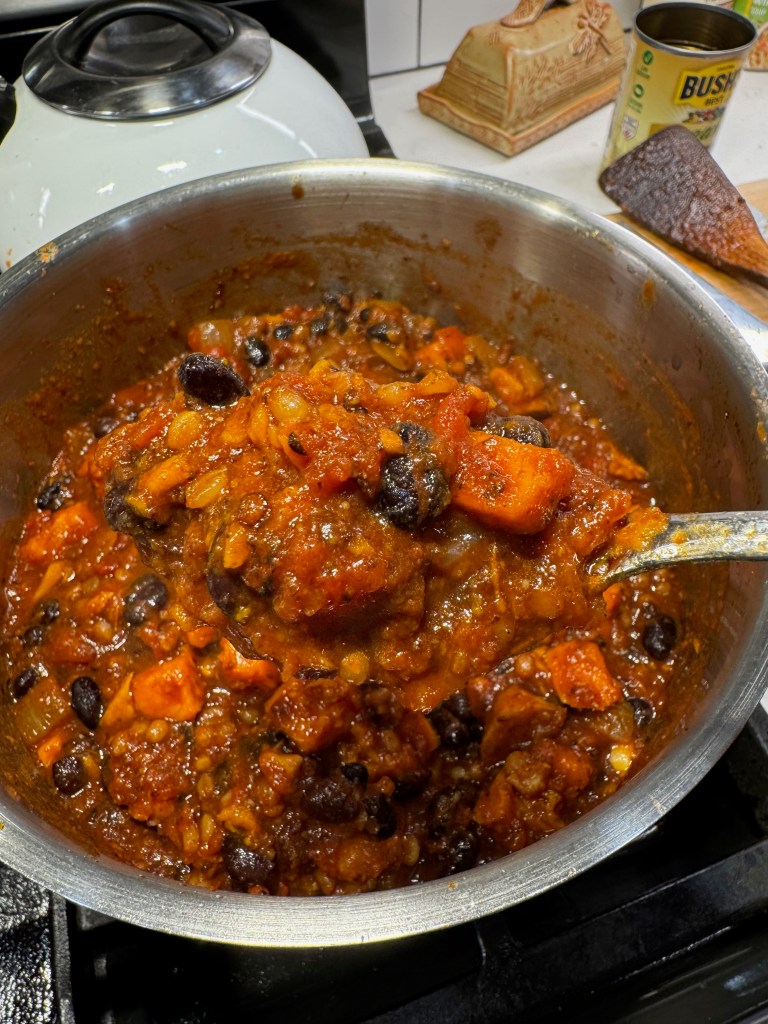
So thick, my spoon stands on end in the chili!

The flavor is smoky and spicy, with a subtle sweetness from the sweet potatoes. Nutrition-wise, this chili is off the charts. Protein, fiber, folate, magnesium, antioxidants, lycopene, potassium— it’s all there. And there’s no broth or juice added to the chili, which makes it thick enough for a spoon to stand straight up in it. Is it the same as the rich and meaty chili that my husband loves to make for Super Bowl? Of course not— there’s no meat inside. But if it satisfies my craving while I’m trying to do better, well, that’s good enough for me.

Let’s get into it!

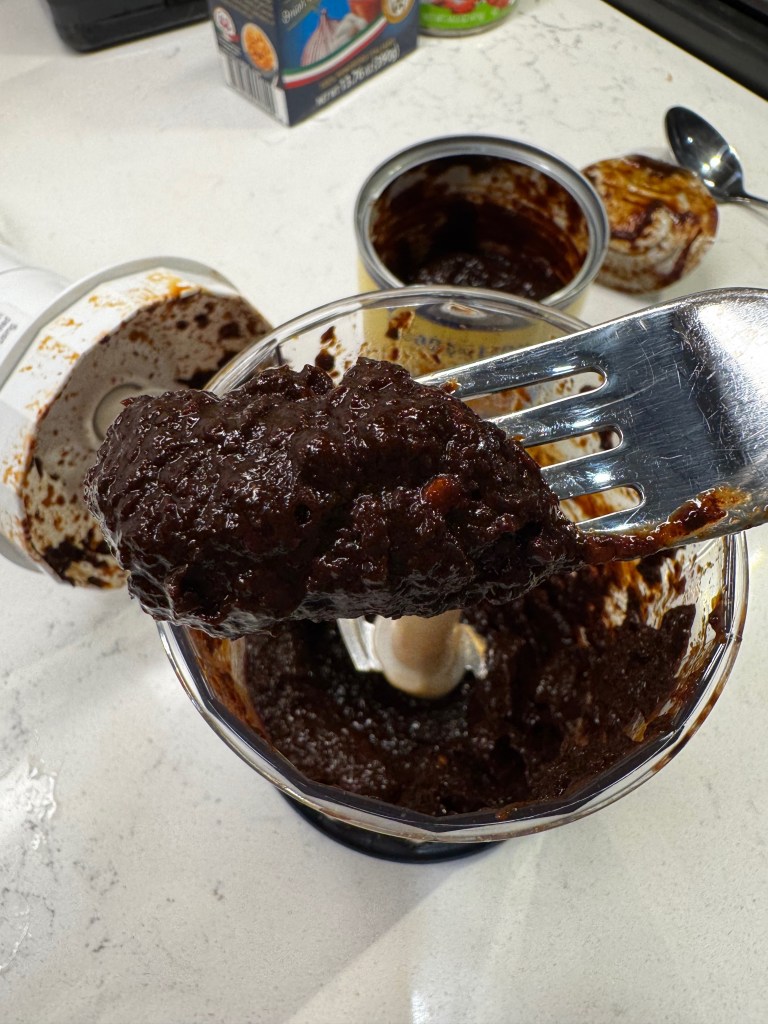
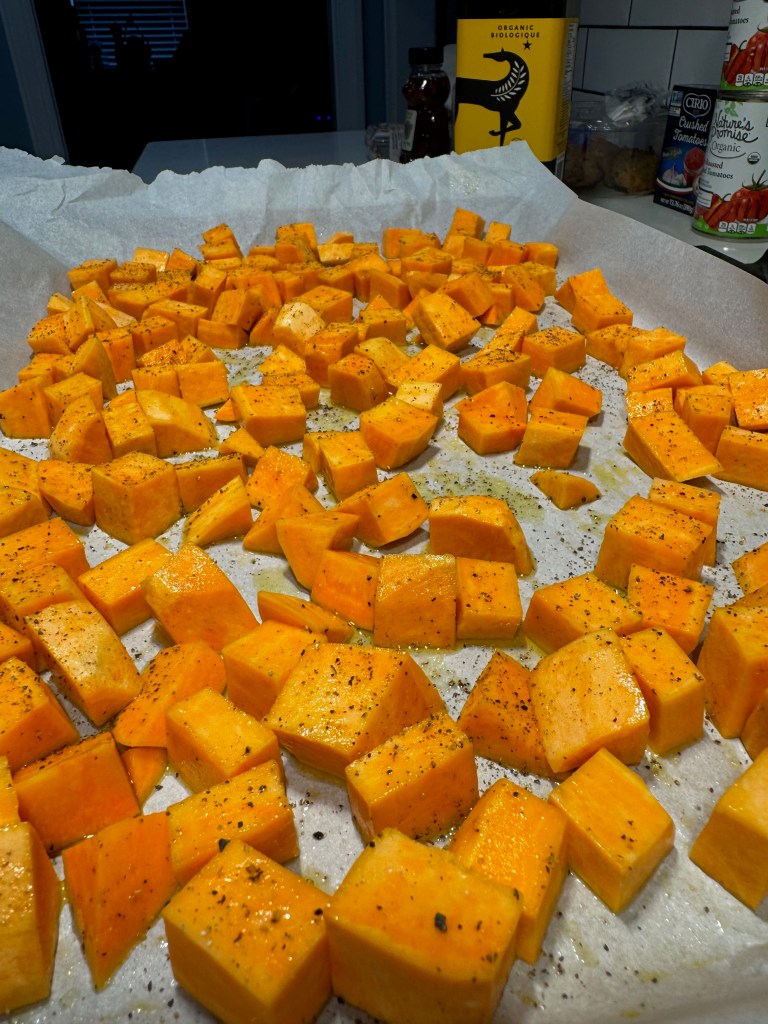
I roasted the sweet potatoes rather than simmering, which deepened the flavor as well as reduced moisture. The seasonings are smoky and aromatic, adding layers of flavor that only get deeper when you stir in the pureed chipotle with adobo sauce. I used about three tablespoons of this dark red paste, but the amount is flexible to match your taste for heat. 

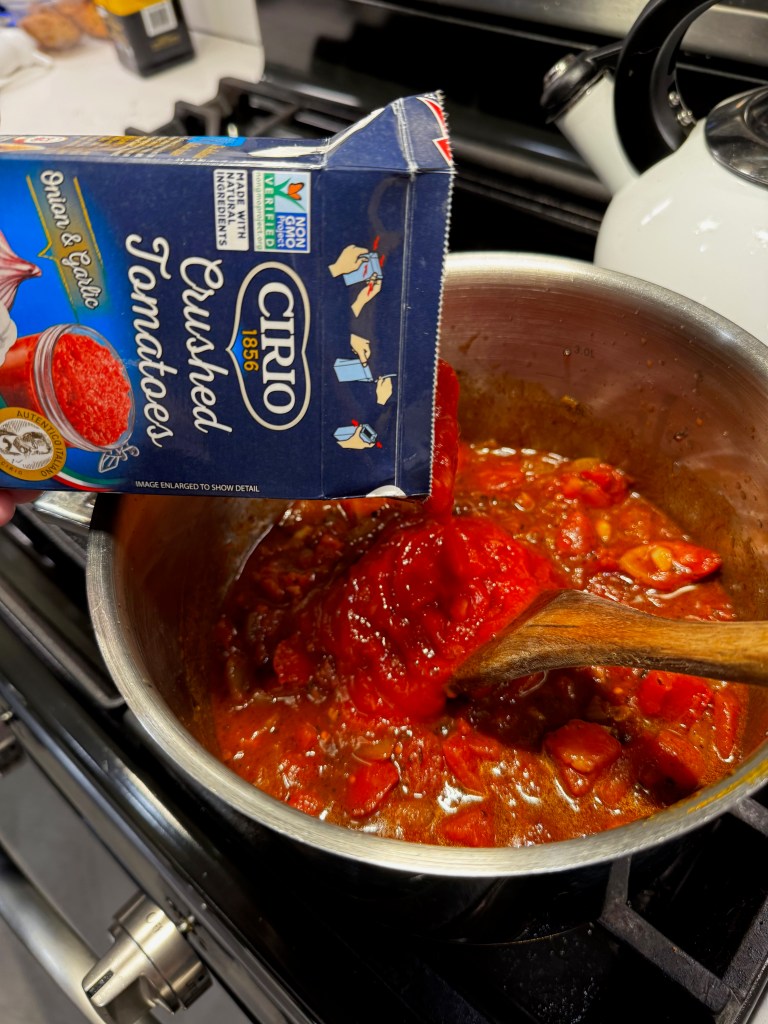
Fire roasted tomatoes added another layer of smokiness, but also a major hit of acid alongside the crushed tomatoes that went in with it. Next, a smidge of baking soda. This may seem like a strange addition to a pot of chili, but its alkaline nature helps soften the too-bright acidity of so many tomatoes. Let it bubble and foam for a minute or so, then carry on with the rest of the recipe.

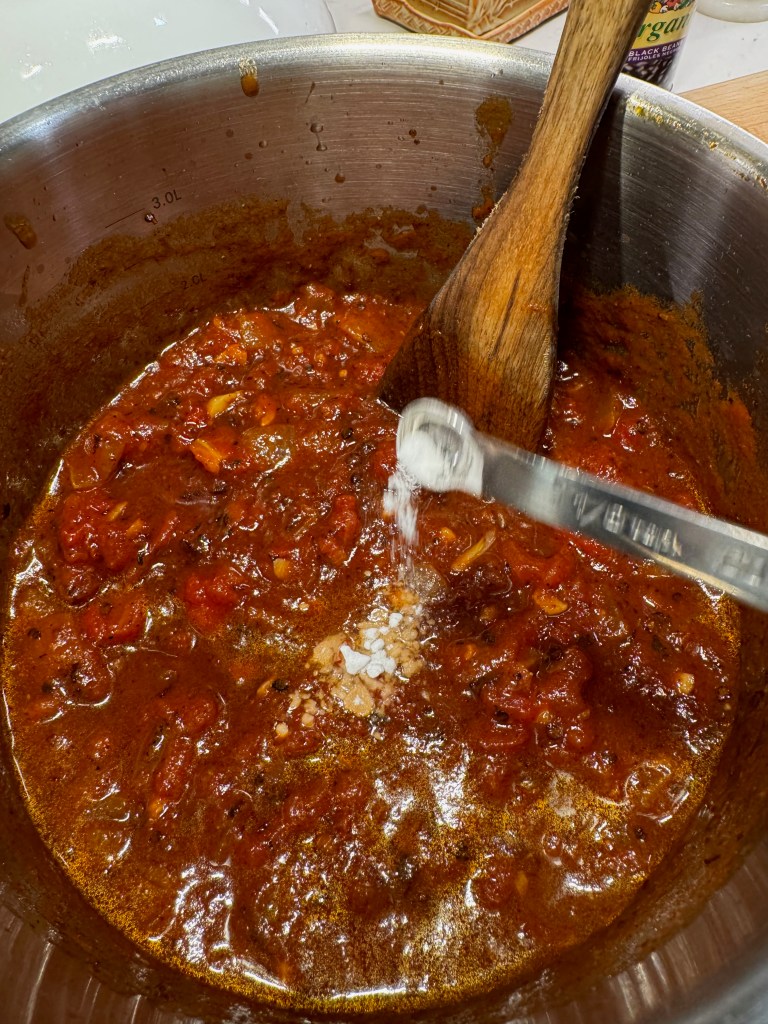
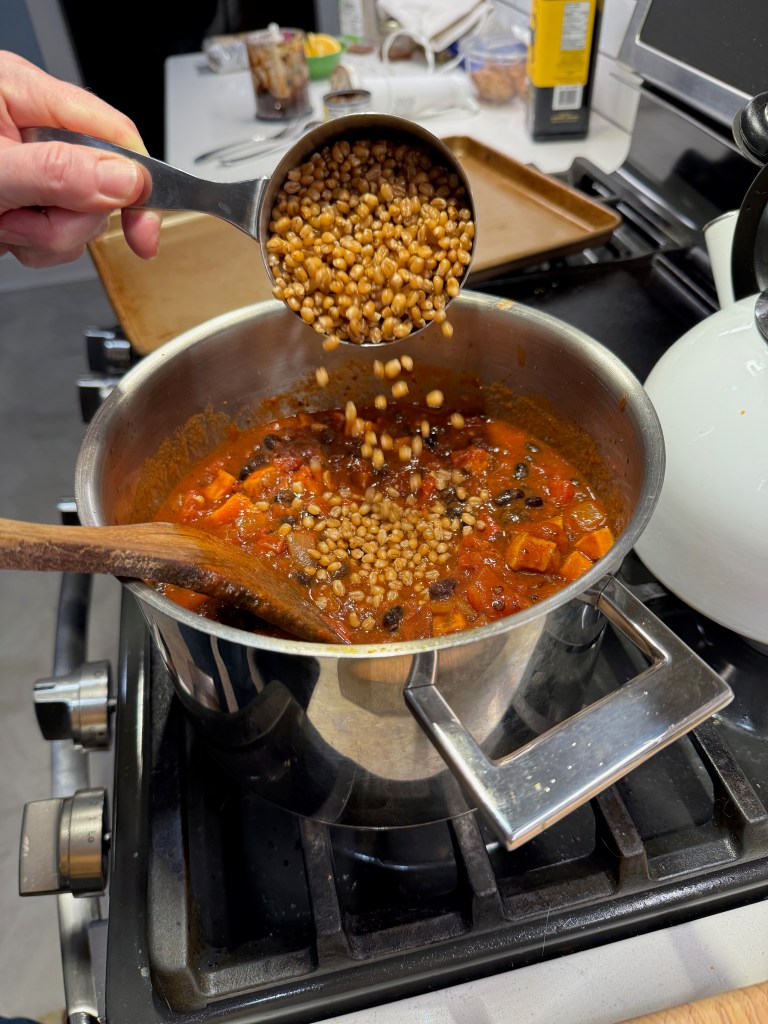
Black beans, the roasted sweet potatoes and cooked wheat berries finished this off, and it was thick, hearty and satisfying— all the things I wanted, none that I don’t. I suppose you could sub in pinto or kidney beans, but I love the earthiness of black beans. If you’re gluten free, you’d have to sub something for the chewy whole grain wheat berries— maybe cooked quinoa or buckwheat groats. 


Thick & Hearty Sweet Potato Chili

  • Servings: About 6
  • Difficulty: Average
  • Print

Game day food is notoriously heavy and calorie-laden, but this chili is scoring big on flavor and fiber, without saturated fat or excess calories. Did I mention that it's also vegan? Plant-based for the win!


Ingredients

  • 2 large sweet potatoes, peeled and cut into cubes
  • 4 Tbsp. extra virgin olive oil, divided
  • 1 medium-large sweet or yellow onion, chopped
  • 4 cloves garlic, smashed and sliced thin
  • 1 tsp. kosher salt
  • 3/4 tsp. cumin seed, crushed into powder
  • 1 tsp. smoked paprika
  • 3/4 tsp. ancho chile powder
  • About 14 twists freshly ground black pepper
  • 2 to 4 Tbsp. pureed chipotle with adobo (see notes)
  • 28 oz. canned fire roasted diced tomatoes
  • 14 oz. can or carton crushed tomatoes
  • 1/8 tsp. baking soda (optional, see notes)
  • 2 cans low-sodium black beans, drained
  • 1 cup cooked wheat berries (see notes)

Notes: The chipotle puree is made by dumping an entire can of chipotles in adobo into the small bowl of a food processor and blending until smooth. The flavor is ultra-smoky and deeply hot. You will only need about a third of the total can amount, but the rest can be used in many other southwest-themed dishes.

If the acidity of the tomatoes is too much, add a tiny bit of baking soda to neutralize it. This doesn’t change the flavor of the chili, it only softens the sharp acid notes of the tomatoes.

If not for the wheat berries, this recipe would be gluten free as well as vegan! If you are sensitive to gluten, omit them entirely or consider substituting with al denté cooked brown rice, quinoa or buckwheat groats.

Directions

  1. Preheat oven to 400° F, with oven rack in center position. Line a heavy sheet pan with parchment paper.
  2. Toss sweet potatoes in two tablespoons of olive oil and spread evenly onto parchment-lined sheet pan. Season with kosher salt and pepper. Roast for about 40 minutes, until potatoes can be easily pierced with a knife tip and edges are caramelized.
  3. Meanwhile, place a medium, heavy-bottomed pot over medium heat. Swirl in remaining two tablespoons olive oil when pan is hot. Add onions and sauté several minutes, until onions are softened with edges just beginning to brown. Reduce heat, add garlic and stir to heat through.
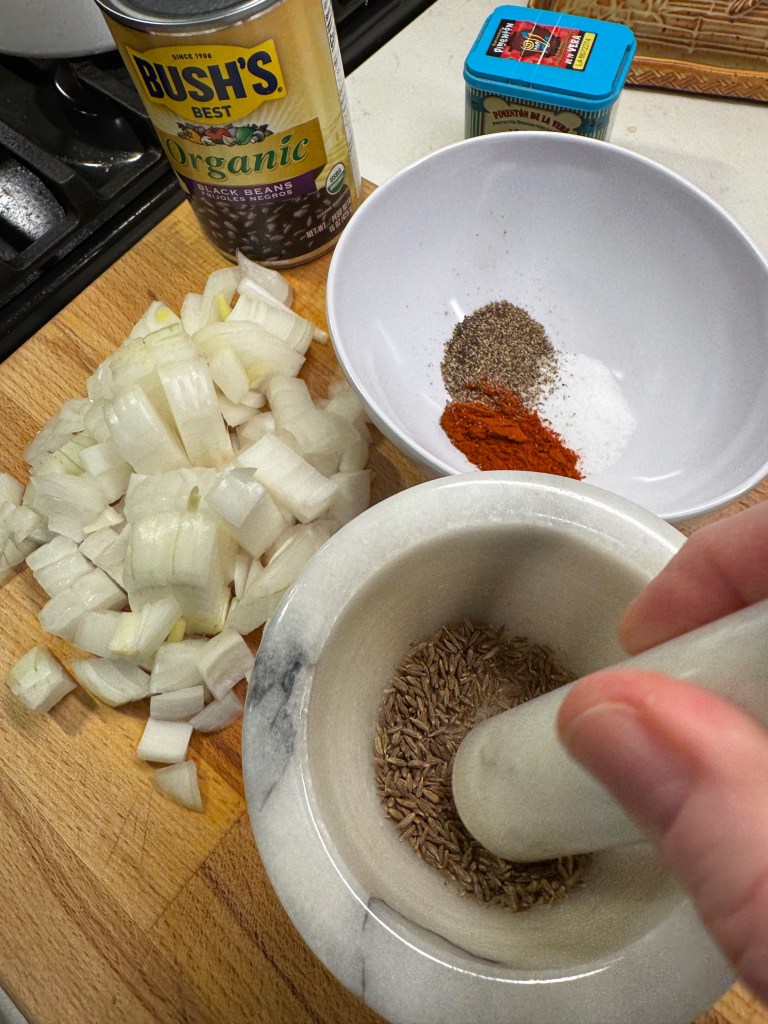
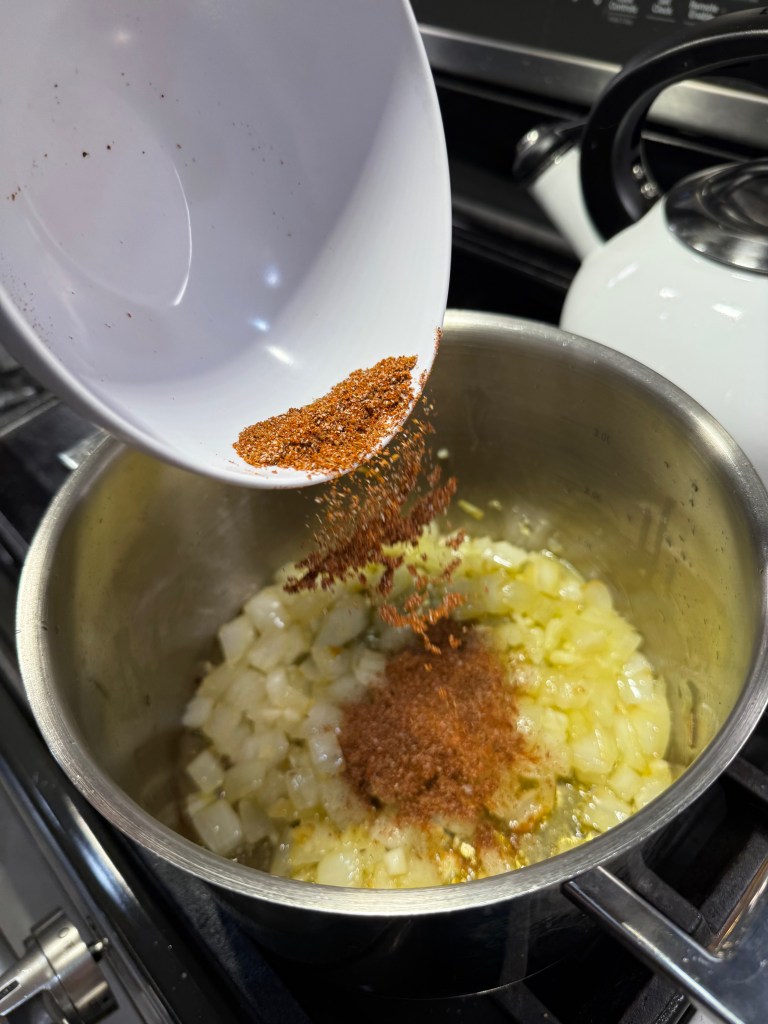
  4. Combine salt and spices in a small bowl. Sprinkle over sautéed onion mixture and toss to coat. Allow spices to bloom for about two minutes, then stir in chipotle with adobo puree.
  5. Add diced and crushed tomatoes, stirring to combine evenly with seasoned onion mixture. Return heat to medium and bring to a simmer. Stir in baking soda and cook for about one minute.
  6. Add black beans, roasted sweet potatoes and cooked wheat berries. Heat through and serve.


Jamaican-inspired Sticky Sweet Potatoes

I’m all for tradition—Thanksgiving, after all, is my all-time favorite holiday and also happens to be the most traditional meal most Americans enjoy together—but for me, some of the meal traditions are tired. So I’m here to shake things up in the flavor department, starting with these sweet potatoes.

For many years, I made a sweet potato casserole that had brown sugar and eggs and cream and buttery layers of pecan crumble and everyone loved it. But it was so sweet that one year when I took it to a potluck, the organizer peeked under the cover and put it on the dessert table. True story. And no wonder, with 2/3 cup sugar in the sweet potato mixture and 3/4 cup sugar in the topping. In an 8-serving side dish?! Let’s not even discuss the amount of butter because it’s clogging my arteries just thinking about it.

Still, I made this over-the-top dish year after year after year because the people I was feeding at the time expected it. “Tradition,” and all that jazz. After some time, I got bored and started zhuzhing it up with a splash of booze, mainly to amuse myself. I incorporated a shot of Grand Marnier at first, because orange is a natural pairing with sweet potato. And then I tried it with bourbon because, well, bourbon. As you can imagine, neither did much to tamp down the cloying richness of that dish, which has since been banished to the darkest depths of my recipe box.

Yes, it is tradition to indulge on Thanksgiving, but what did fiber-rich, perfectly nutritious sweet potatoes ever do to deserve being drowned in a sea of saturated fat and then crusted up with so much sugar?

In recent years— and especially since the launch of Comfort du Jour— I have enjoyed twisting up the classics and traditional foods, and I’m thrilled to be married to a man who enjoys the variations as much as I do. For last year’s table, I presented these sticky sweet potatoes for Thanksgiving, and they were a hit! Yes, there is some brown sugar in the recipe, but a far cry from the amount in my old standard. And this one has zero saturated fat from butter, milk, eggs or cream.


These beauties are spiced up with flavors that remind me of Jamaica—bold and balanced with sweet, spicy, savory and herbal notes—a combination I loved when I visited the island many years ago. The flavors play up the natural goodness of sweet potato without overwhelming. I created a blend of brown sugar (only 1/3 cup for this 8-serving batch, but you could use as little as 1/4 cup), kosher salt, sweet Spanish paprika, allspice, cinnamon and freshly ground black pepper. In place of butter, extra virgin olive oil; specifically, I used a specialty oil that is whole-fruit fused with blood orange. You can find this at one of the olive oil and balsamic boutiques that have popped up everywhere.


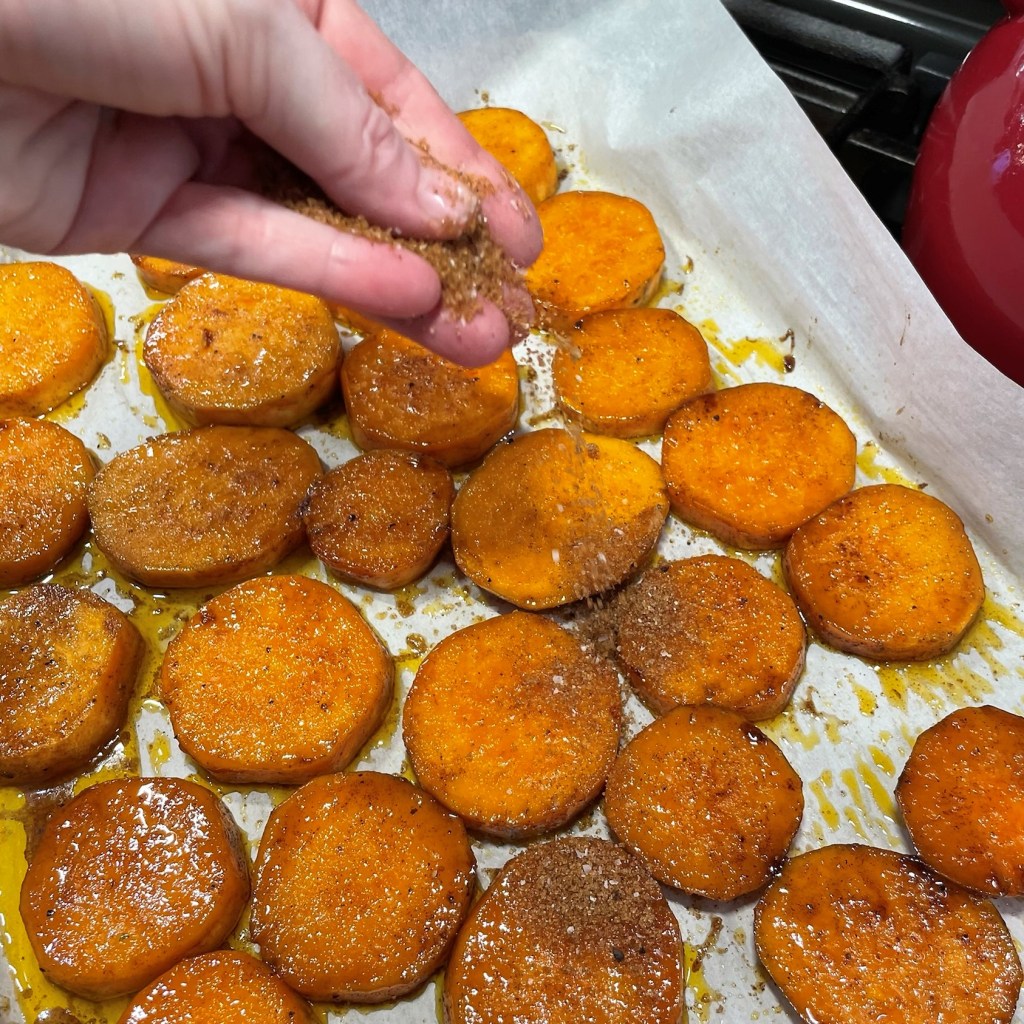
I arranged them in a single layer and roasted them at 350° for about 30 minutes, then turned them over, sprinkled more of the spice blend and roasted 15 more minutes. By this time, the sweet potatoes were tender and essentially done, but dinner wasn’t. So I left the baking sheet on the countertop, covered loosely with foil. When I was ready to serve them, the sweet potatoes got sprinkled with the last pinches of the spice blend and went under the broiler for about one minute, just enough to heat them through and caramelize that sticky spicy coating.


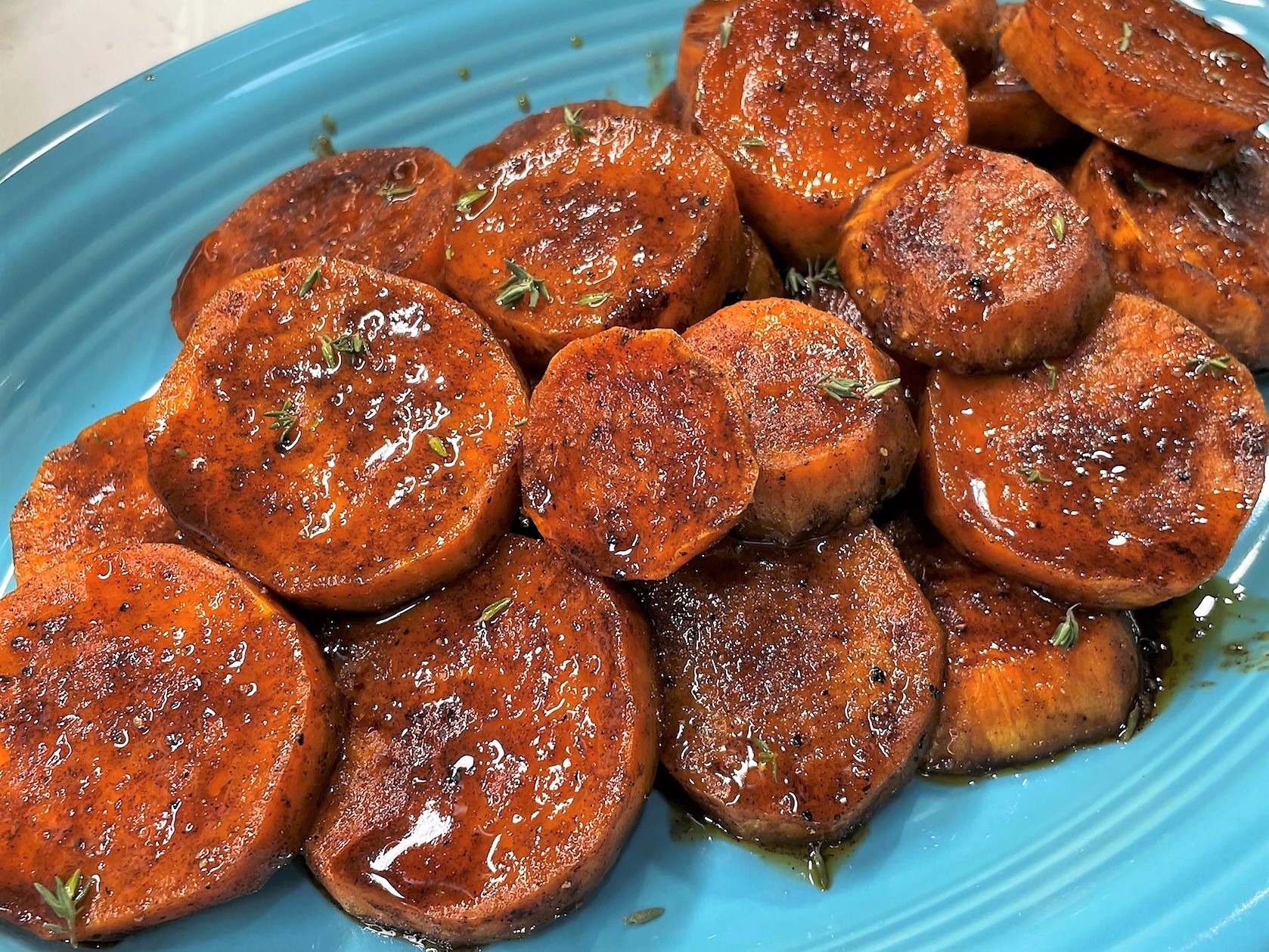
The timing worked out perfectly, as they only needed a quick blast of high heat at the end, and then a quick transfer to a serving platter where I decorated them with fresh thyme leaves and sent them to the table.

These Jamaican-inspired sweet potatoes are a nice change of pace with a big punch of flavor and no guilt. Yes, I’ll take these any day—Thanksgiving or otherwise!


Jamaican-inspired Sticky Sweet Potatoes

  • Servings: 8
  • Difficulty: Average
  • Print

These are no ordinary candied sweet potatoes! The island-inspired seasonings, especially the allspice, lend an unexpected flair to a Thanksgiving day standard.


Ingredients

  • 3 pounds fresh sweet potatoes, peeled and sliced into 1/2-inch thick rounds
  • 2 Tbsp. extra virgin olive oil (see recipe notes below)
  • 1/4 to 1/3 cup brown sugar, depending on your sweet tooth
  • 1 tsp. sweet (Spanish) paprika
  • 1/2 tsp. ground allspice
  • 1/2 tsp. ground cinnamon
  • About 20 twists of freshly ground black pepper
  • 1 tsp. kosher salt
  • 1 tsp. fresh thyme leaves, for garnish

Note: If you have a specialty olive oil store, I like the blood orange-fused oil for this recipe. The citrus essence makes the island-inspired spices even more aromatic and addictive.

Directions

  1. Preheat oven to 375 F, with rack in center position. Line a large, rimmed cookie sheet with parchment paper.
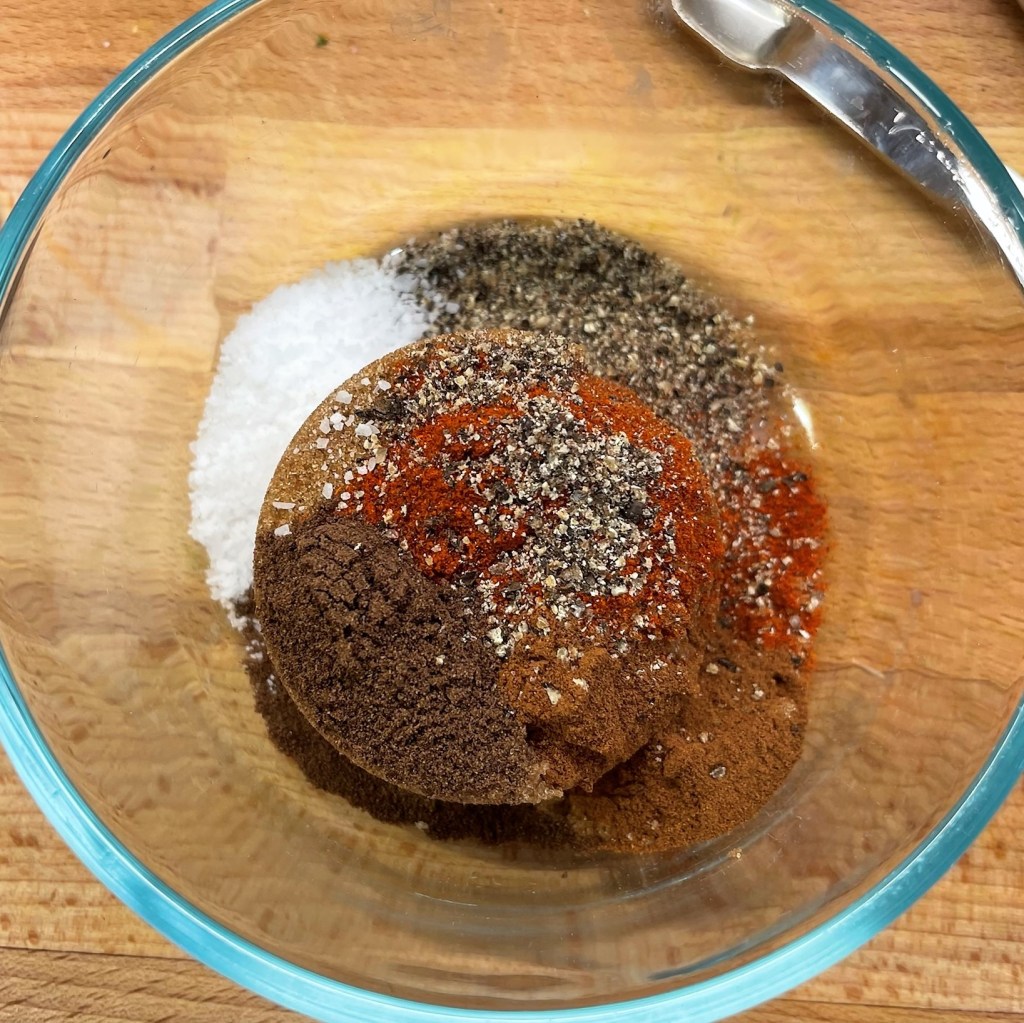
  2. Combine brown sugar and seasonings in a small bowl and set it aside.
  3. Put thick slices of sweet potato in a large bowl and drizzle olive oil over them, tossing to coat evenly. Sprinkle half of the seasoning blend over the sweet potatoes and toss again. Arrange the slices in a single layer on the parchment-lined sheet.
  4. Roast for 30 minutes. Remove pan from oven and carefully turn each sweet potato slice. Sprinkle half of the remaining spice mix over the second side of the sweet potatoes and roast 15 more minutes, or until potatoes are tender enough to pierce with a fork.
  5. Remove from oven and let the sweet potatoes rest a few minutes; tent loosely with foil and set aside as long as needed while you prepare other dinner items. If you need to refrigerate them overnight, put remaining spice mixture in a bowl and set it aside; pick up with Step 6. If you plan to finish the sweet potatoes now, skip to Step 7.
  6. Remove chilled sweet potatoes from refrigerator at least one hour before proceeding with the recipe.
  7. Remove foil and turn sweet potatoes over. Sprinkle with remaining amount of spice mixture and broil on high for 1 to 2 minutes (watch so it doesn’t burn!), to re-heat the potatoes and caramelize the sticky spice coating. Transfer sweet potatoes to a serving platter and sprinkle with thyme leaves. Serve warm.


Pumpkin-Lentil Stew

For me, the scariest thing about learning to cook plant-based food was accepting that it’s more than ingredient swaps, it’s a new process. Learning vegan cooking forced me out of my comfort zone of using what I call “crutch” foods—the easy things we were all taught to reach for—like cheese, eggs, cream and chicken broth. The only way to overcome this hurdle of making foods in new ways is to practice, and if you have vegetarians or vegans coming for Thanksgiving, the time to practice is now. There are plenty of plant-based convenience foods out there today, but they aren’t always an even swap and it’s important to also know how to cook real, whole foods without needing those processed substitutes.

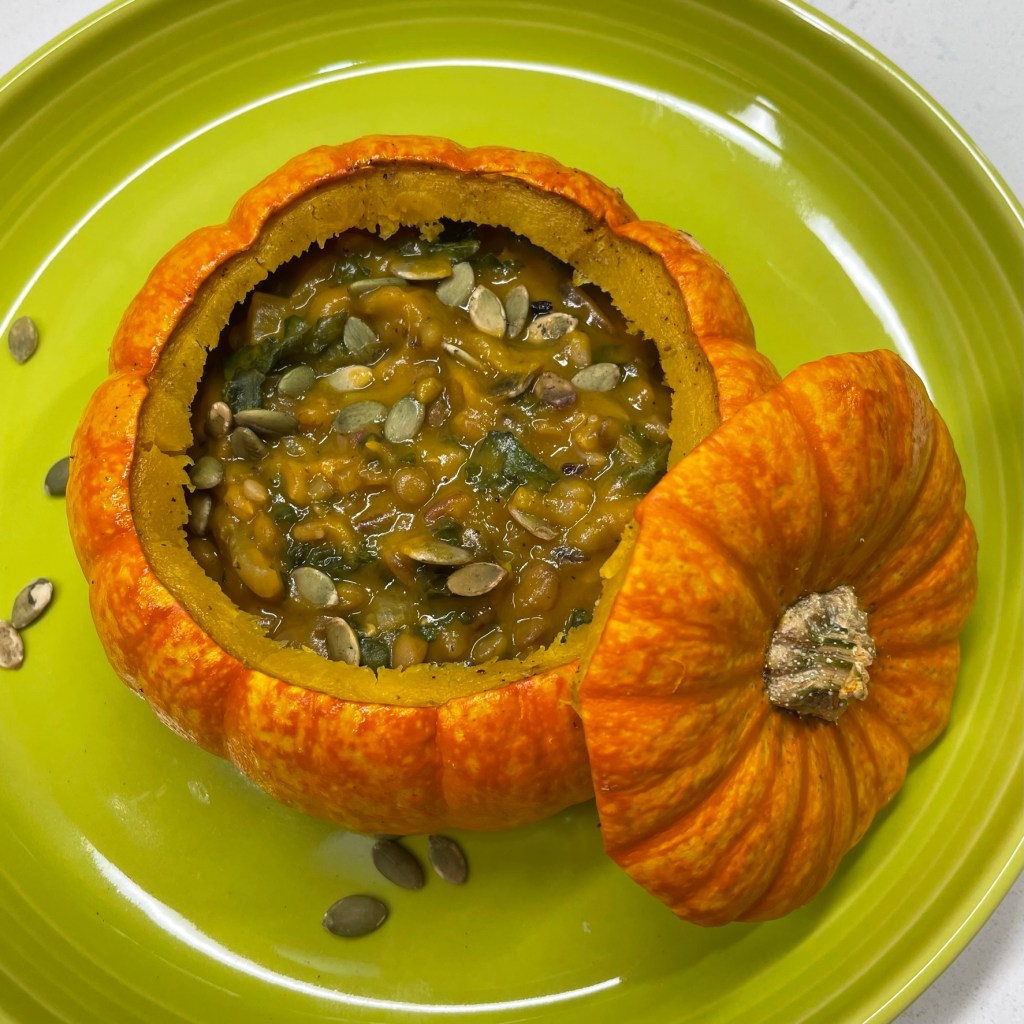
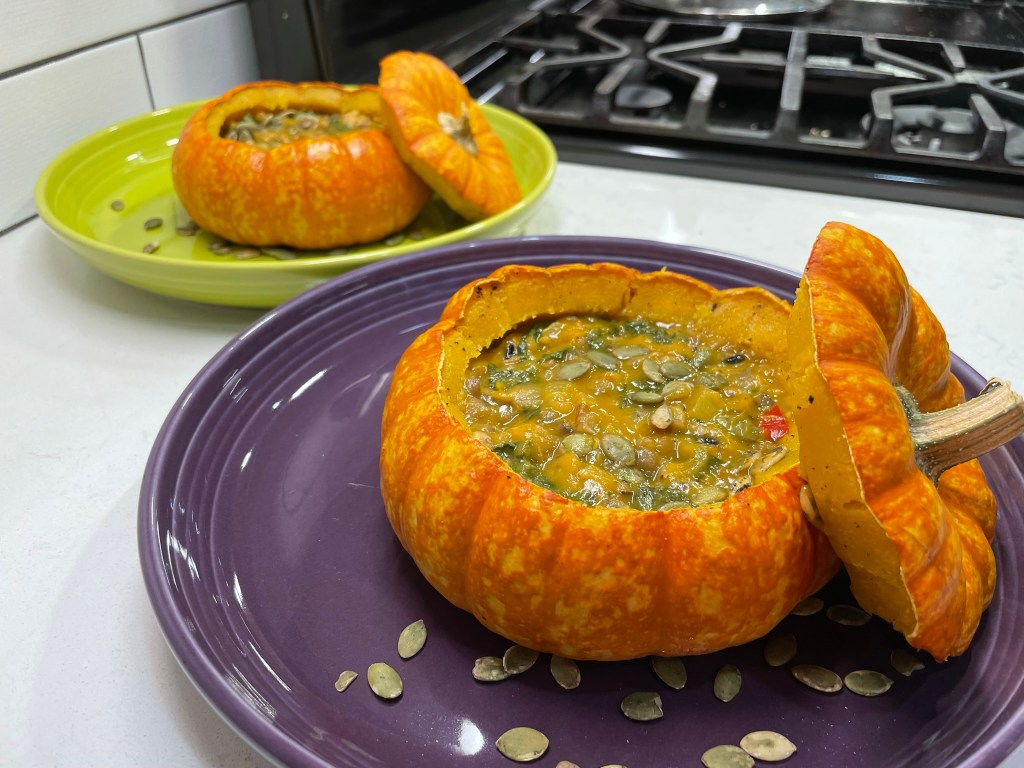
A couple of years ago, when Comfort du Jour was new, I went over the top with a Savory Sausage Mac & Cheese (baked in a pumpkin). It was fun to serve and tasted as good as you’d imagine. This year, I decided to do something visually similar but with all plant-based ingredients, and this is that dish.

Loaded with nutrients, satisfying and perfectly festive for fall!

Unlike my earlier creation, which was stuffed with rich, decadent cheese, heavy carbs and calorie-laden pork sausage, today’s recipe is entirely plant-based. It also happens to be free of gluten and nuts, so it’s suitable for people with those dietary restrictions, too. I start thinking about dishes like this around mid-October, because my husband’s daughter is a committed vegan, and as I see it, we can dread cooking for loved ones with dietary restrictions (and believe me, they will feel it at the table), or we can adjust in a way that is as fun as it is nutritious.

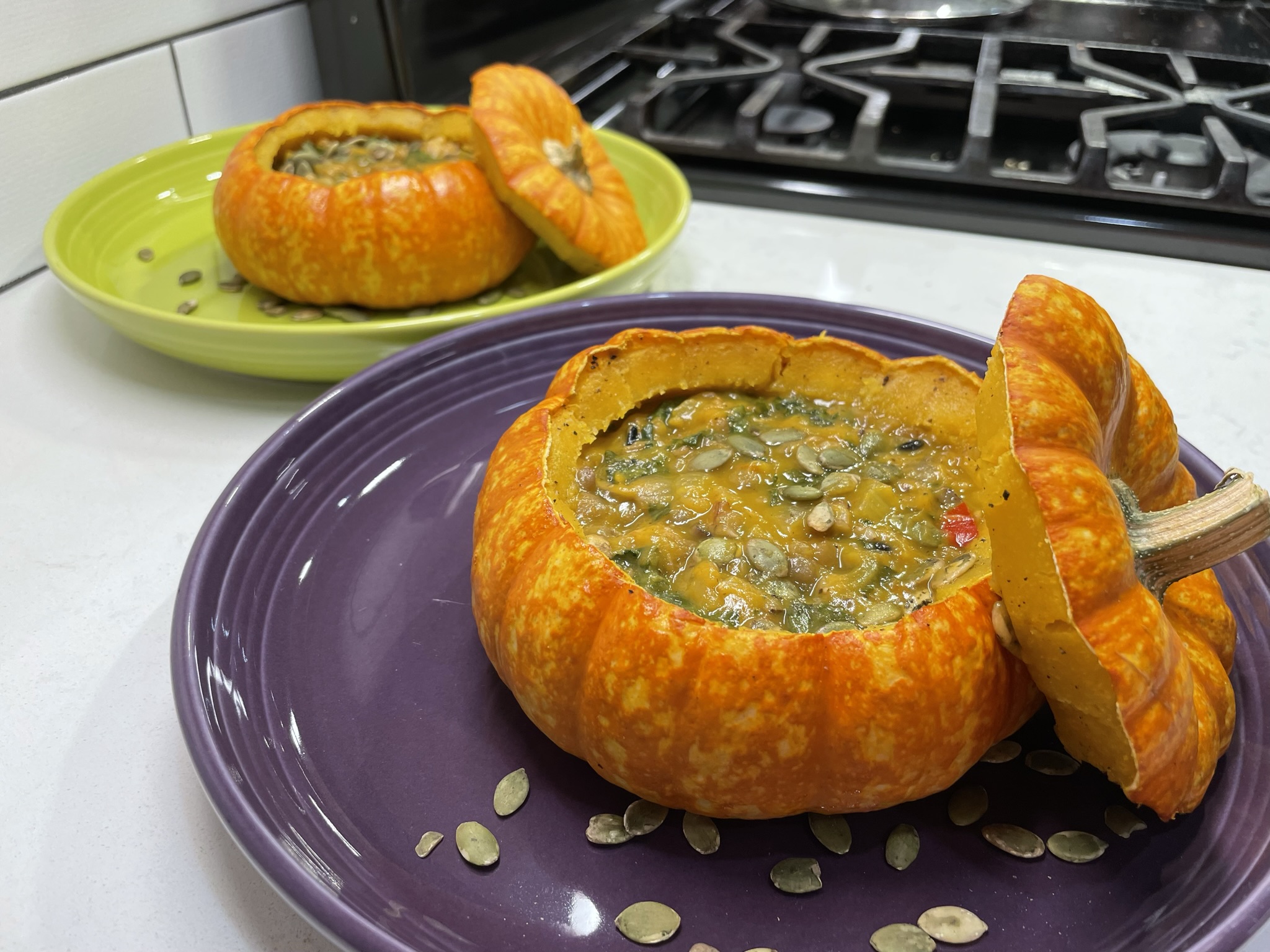
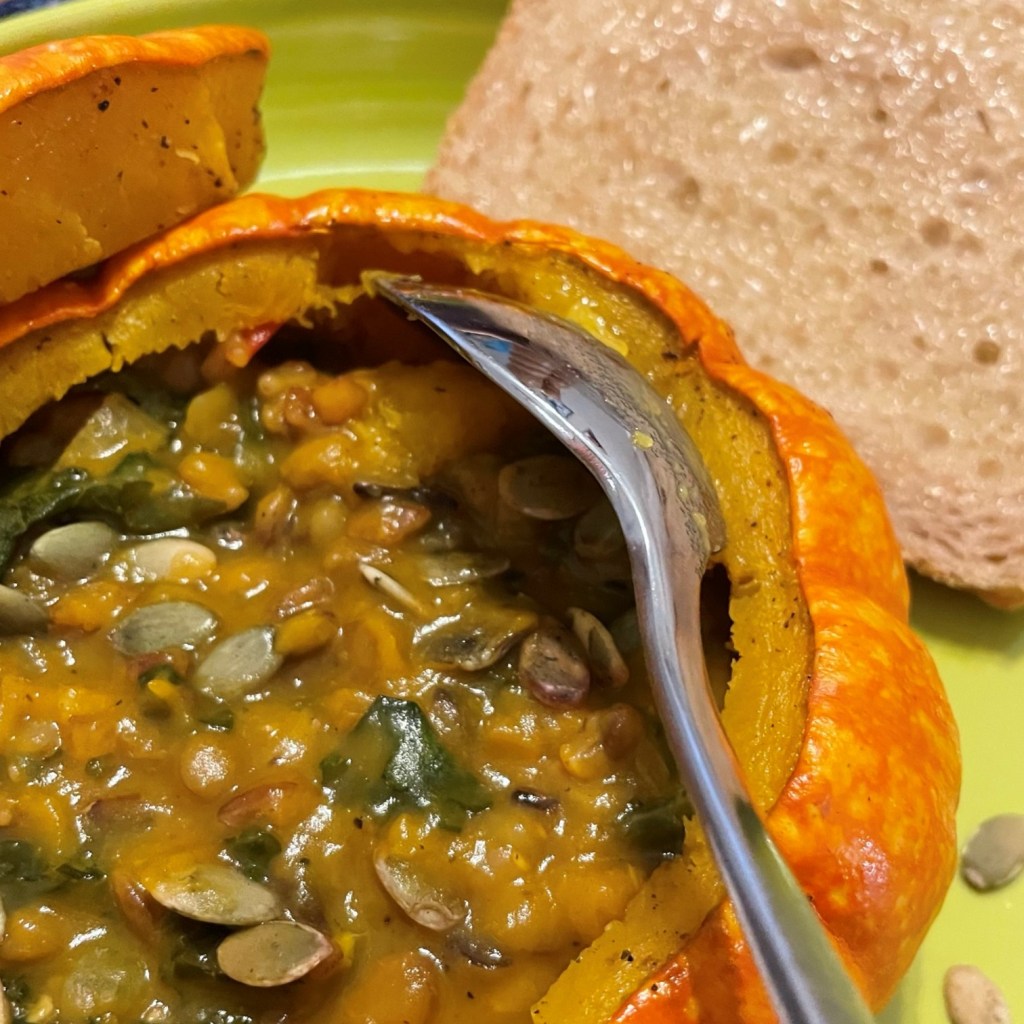
Who needs a bread bowl when you can have a pumpkin bowl?

This effort was also a reminder that a meal doesn’t have to be heavy to be satisfying; after we finished our pretty pumpkin supper, both my bacon cheeseburger-loving husband and I acknowledged that we were “stuffed” (in a good way). We didn’t miss what wasn’t in it, and no wonder, because what was in it was hearty and full of texture.  

There are three main components of this dish: roasted pumpkin (which did double duty as a serving vessel), creamy pumpkin bisque (without actual cream, to keep it vegan) and a mixture of cooked lentils and rice with sautéed mushrooms and aromatics.


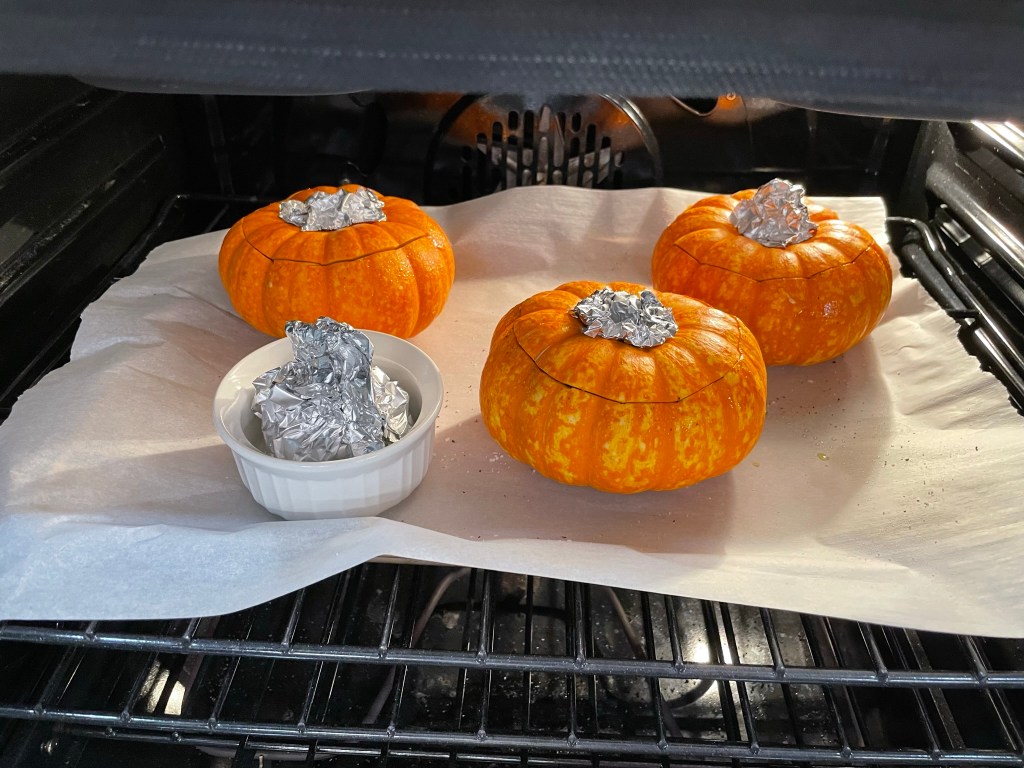
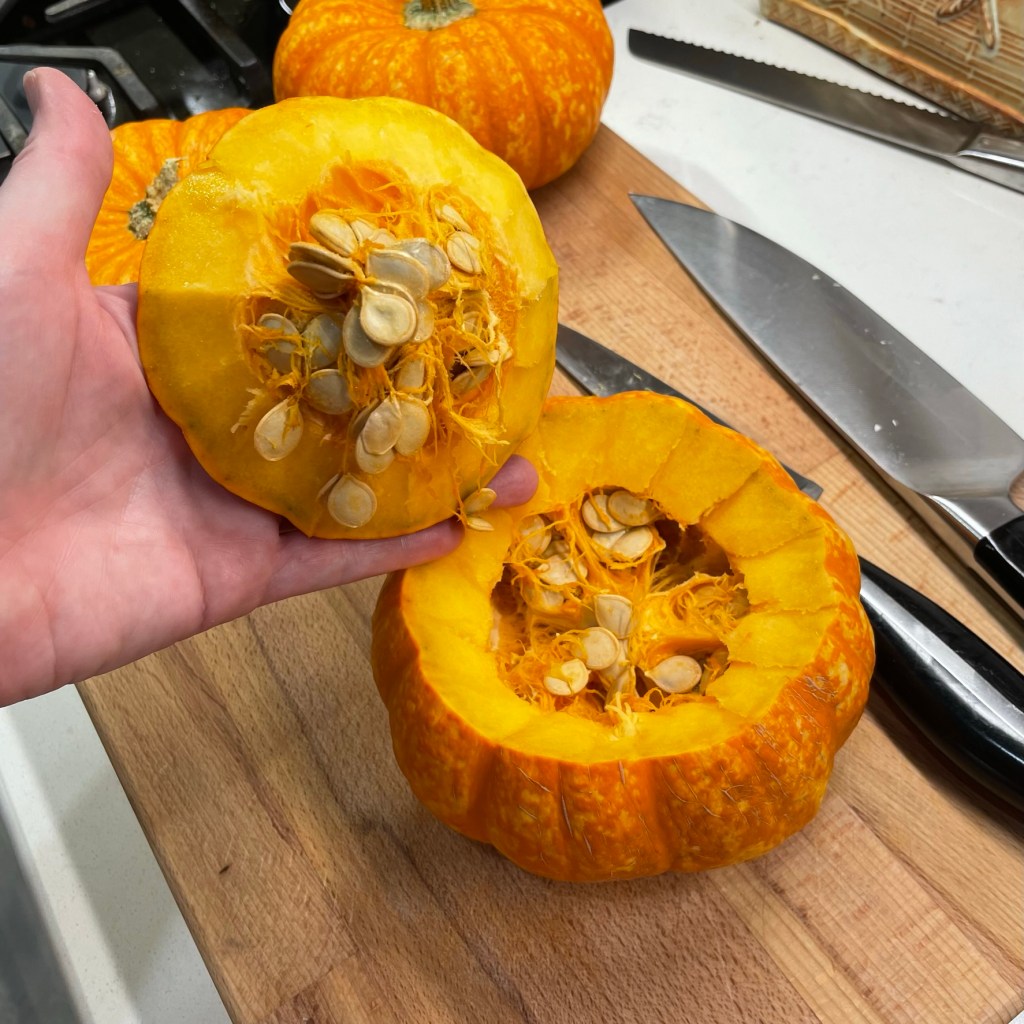
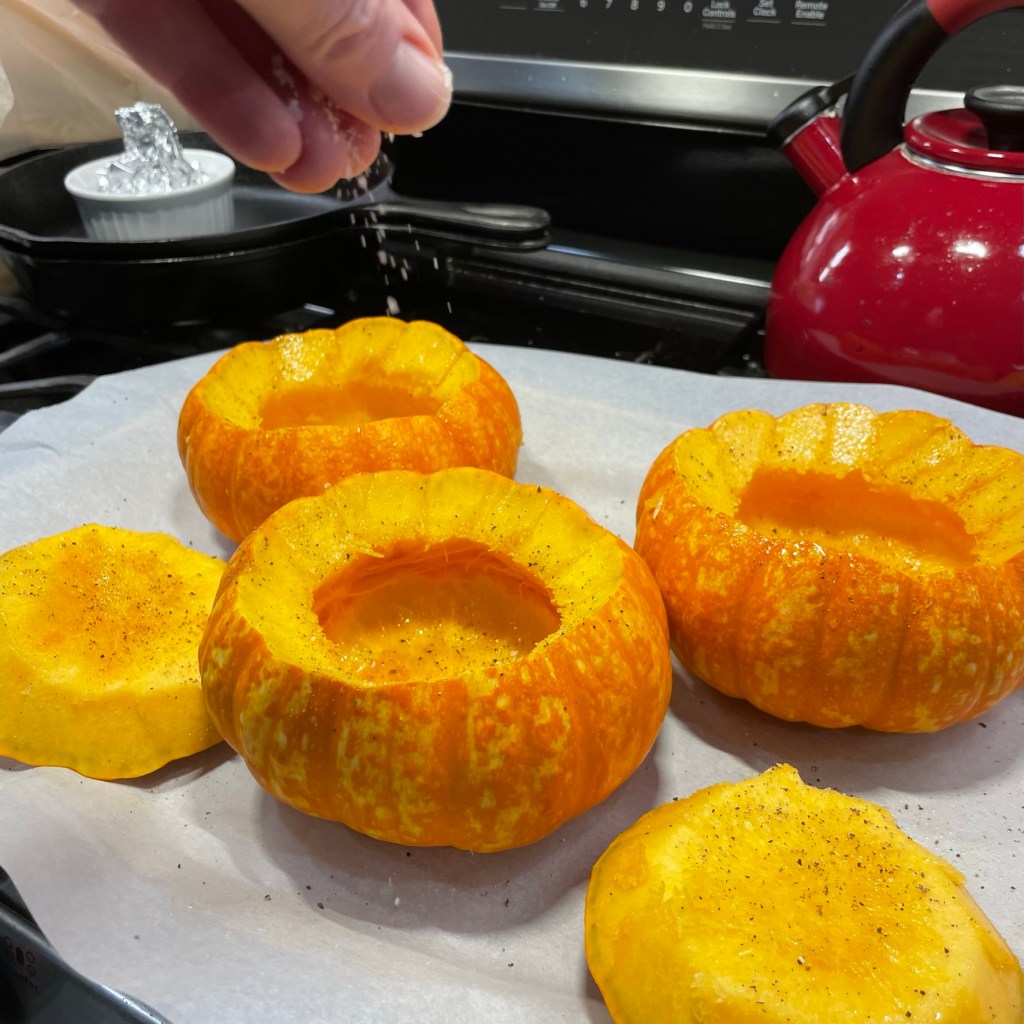
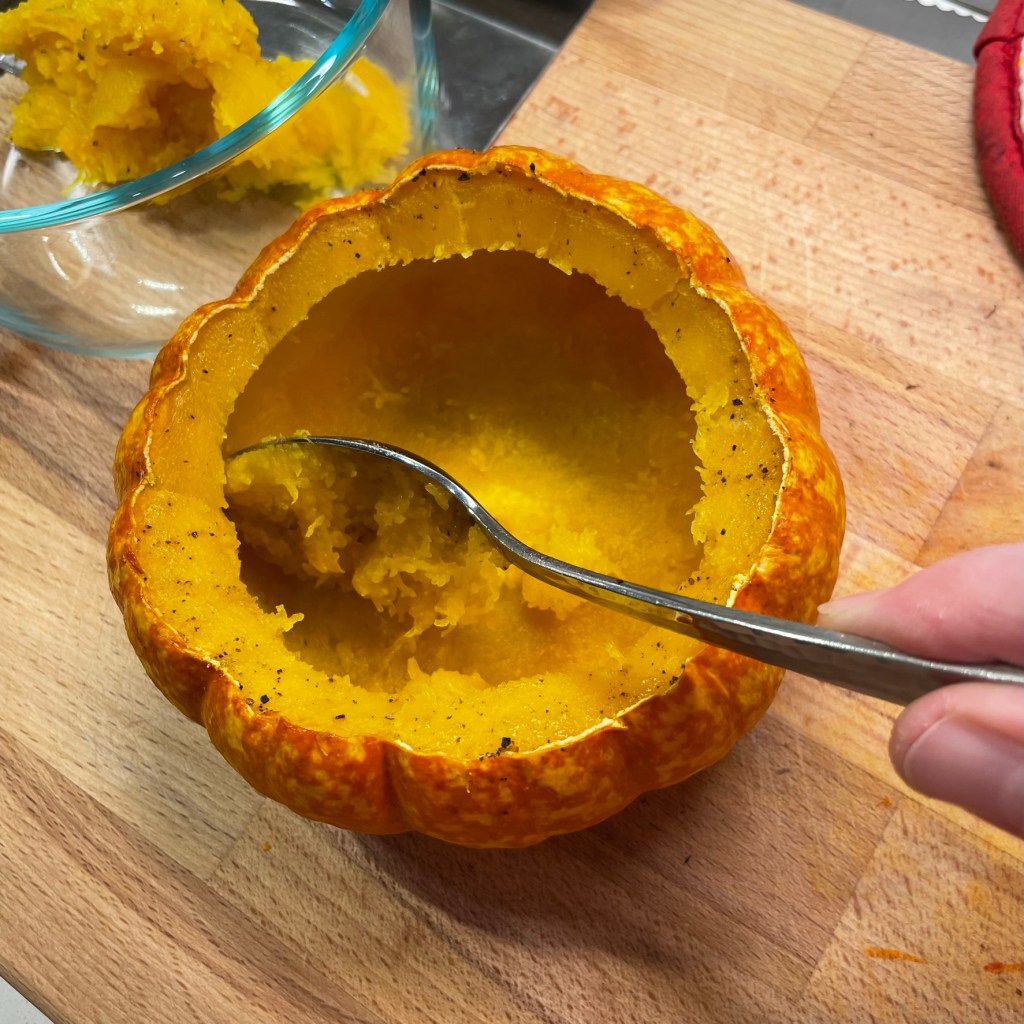
If you prefer, you could swap in another sturdy winter squash, such as buttercup or acorn. If you wish to serve the stew inside the roasted squash, be sure to choose one that will sit flat on a plate. Or you could simply serve the soup in a bowl and save time by using canned pumpkin. I found it comforting to roast the pumpkin. My mini pumpkins were small—about six inches across—and I roasted them at 350° F for 45 minutes, then scraped out some of the soft pumpkin pulp when they were cool enough to handle. I was careful to keep enough pulp in the bottom of the gourd to prevent my soup from leaking, and enough along the top cut edge to keep the carved top from falling inside


The pumpkin bisque was the simplest part of this, made with the scooped-out roasted pumpkin, enough vegetable broth to blend smoothly, and a couple of other ingredients to punch up the flavor a bit. Roasted garlic adds a depth of flavor. The carrot-turmeric juice is something I bought for smoothies, and it worked great here for spice and color. And the smoked maple syrup is a fall/winter staple in my smoked maple old fashioned cocktails, and I liked it here for a slight touch of sweetness but mostly the smoke. I might have added some plant-based creamer here as well, but I never have it on hand unless I have a vegan guest coming. Honestly, the soup was great without it. If you have some almond milk, go for it!


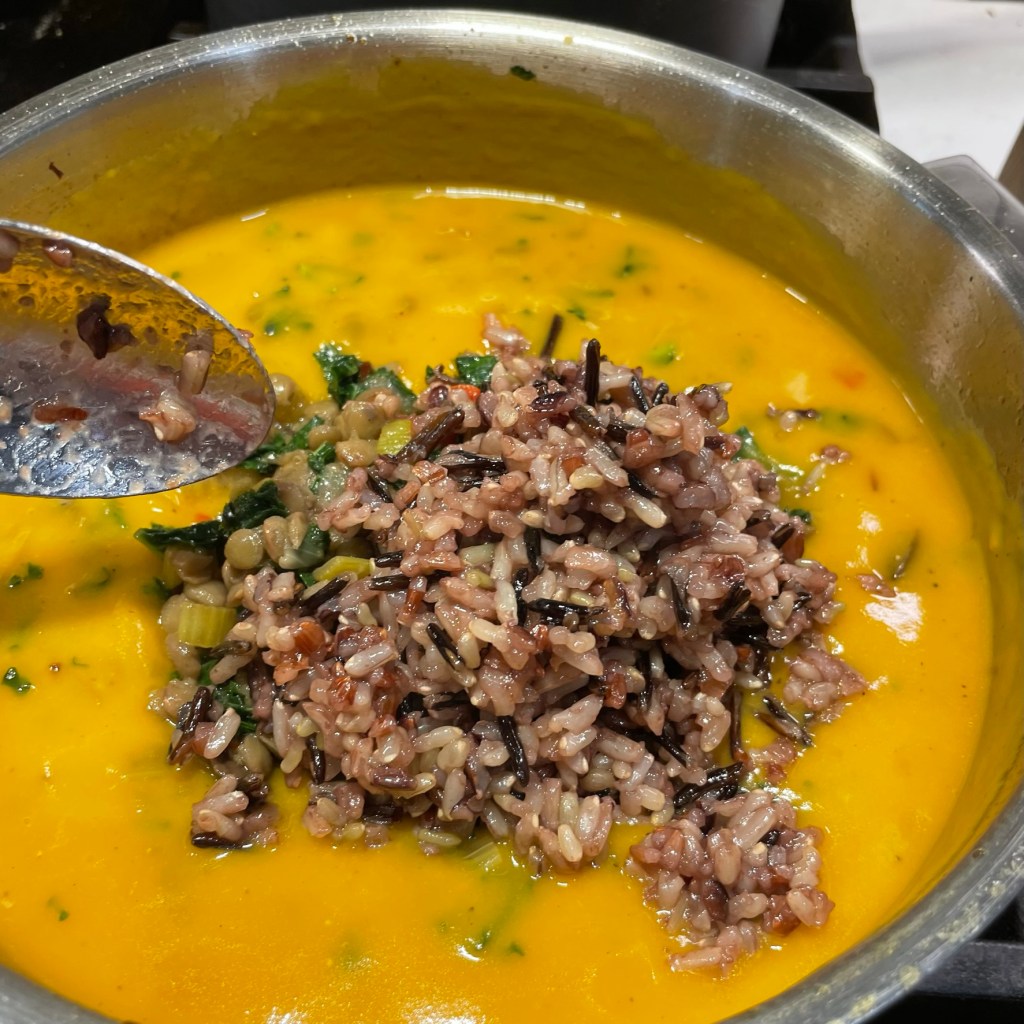
Finally, a mixture of cooked lentils, kale, sautéed mushrooms and aromatics gave my dish all the texture and fiber it needed to satisfy our hungry bellies. I also added a portion of wild rice blend to my stew, but next time I would sub roasted Yukon potatoes for extra chunkiness. If gluten isn’t a concern, I think cooked wheat berries would also be great in this, for a little snappy texture.

This was a time-consuming project, partly because I was multi-tasking and making it up as I went along. Next time, it’ll be a breeze, especially since I’ve made a click-to-print recipe card below to guide me (yes, I make those for sharing, but I also use them myself)! Please, don’t be intimidated. Cooking is as fun as you make it. By the way, every part of this dish can be prepared in advance. Simply warm the stew and pumpkins before assembling and serving.

We scooped a little pumpkin flesh with each bite of the stew.

A word to the wise, though—if you decide to make this for a vegan guest at Thanksgiving, you might want to make enough for everyone. This is exactly the kind of dish to make the meat eaters jealous. 😉

Pumpkin-Lentil Stew

  • Servings: 4
  • Difficulty: Intermediate
  • Print

This is a satisfying, autumn-themed dish that also happens to be vegan, gluten-free and nut-free. It would make an excellent main course for a vegan Thanksgiving.


Ingredients

  • 4 mini pumpkins, tops removed and cleaned (see ingredient notes below)
  • 1 bulb roasted garlic
  • About 1-1/2 cups cooked lentils (see notes)
  • 1 cup cooked wild rice blend (substitute cooked wheat berries or cubed and roasted Yukon potatoes, if you wish)
  • 4 Tbsp. extra virgin olive oil, divided (you’ll use a little for each thing you saute)
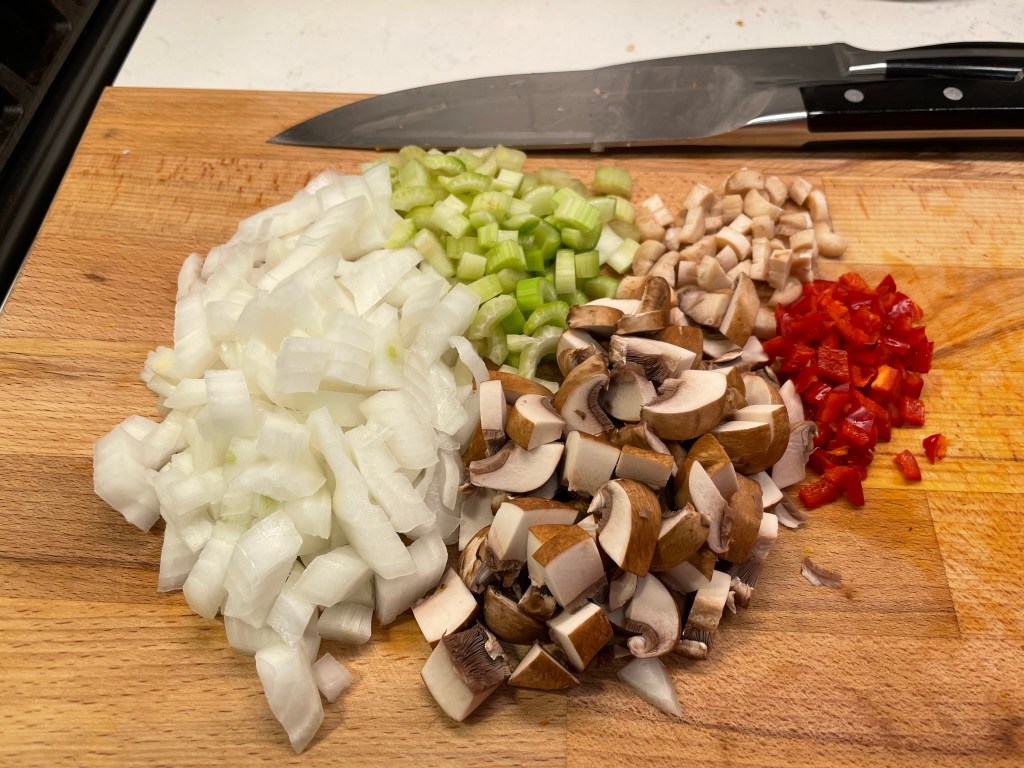
  • 1 medium sweet onion, chopped
  • 8 oz. carton cremini mushrooms, cleaned and cut into chunks
  • 1 rib celery, strings removed and chopped
  • 1 jalapeno pepper, seeded and minced (I used a red one for color)
  • Kosher salt and black pepper
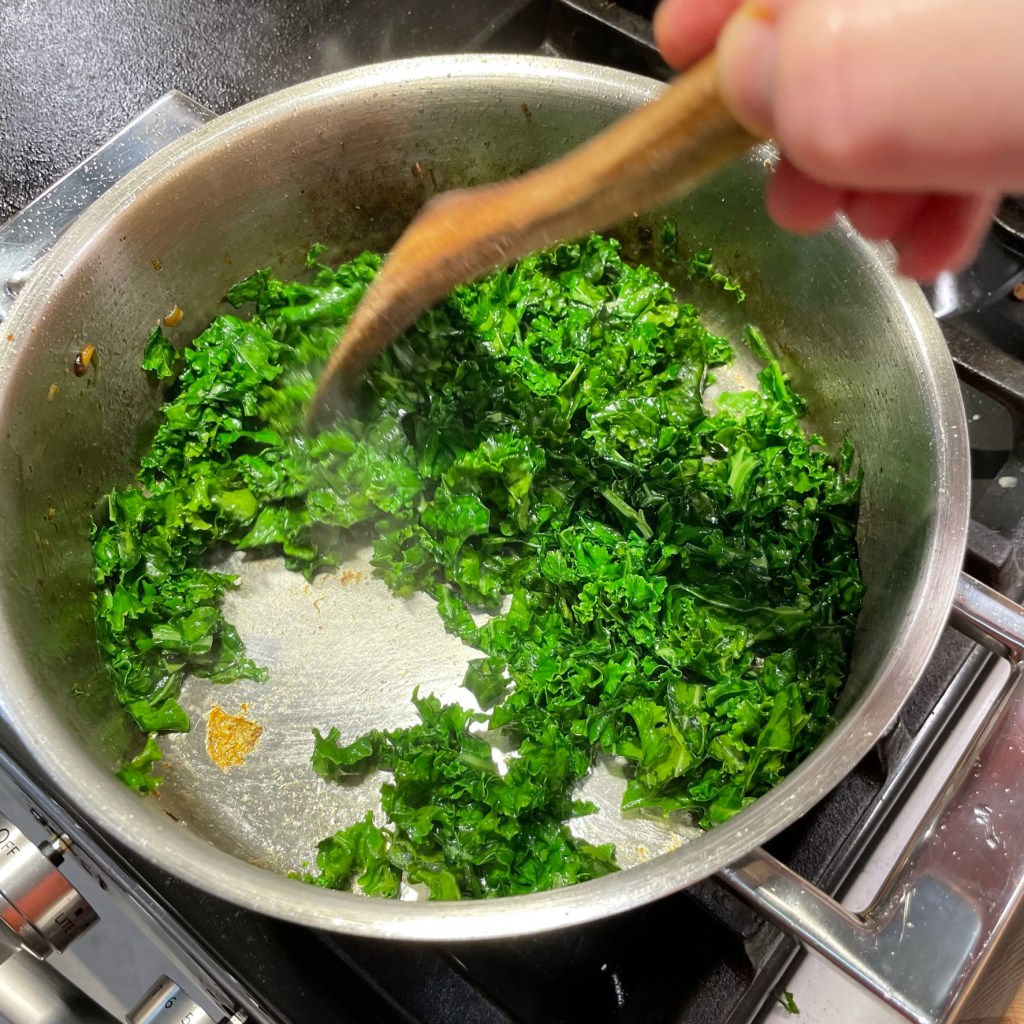
  • A fat handful of kale (substitute with double the amount of spinach, if you prefer)
  • 1/2 cup vegetable broth
  • 1/4 cup carrot-turmeric juice (or substitute more broth)
  • 1 Tbsp. smoked maple syrup (substitute with regular maple syrup or omit)
  • Roasted, shelled pumpkin seeds for garnish

Ingredient notes: The pumpkins I used were about 6-inches across and more squatty than round, primarily because I intended to use them as serving dishes. If you only find pie pumpkins, you may want to cut the tops a little deeper so it isn’t awkward to reach a spoon down into it at serving time. If you prefer to serve in bowls, any roasted pumpkin or winter squash will be fine, and you’ll need about 2-1/2 cups of pumpkin pulp. You could even use canned pumpkin puree, and one standard can should cover it.

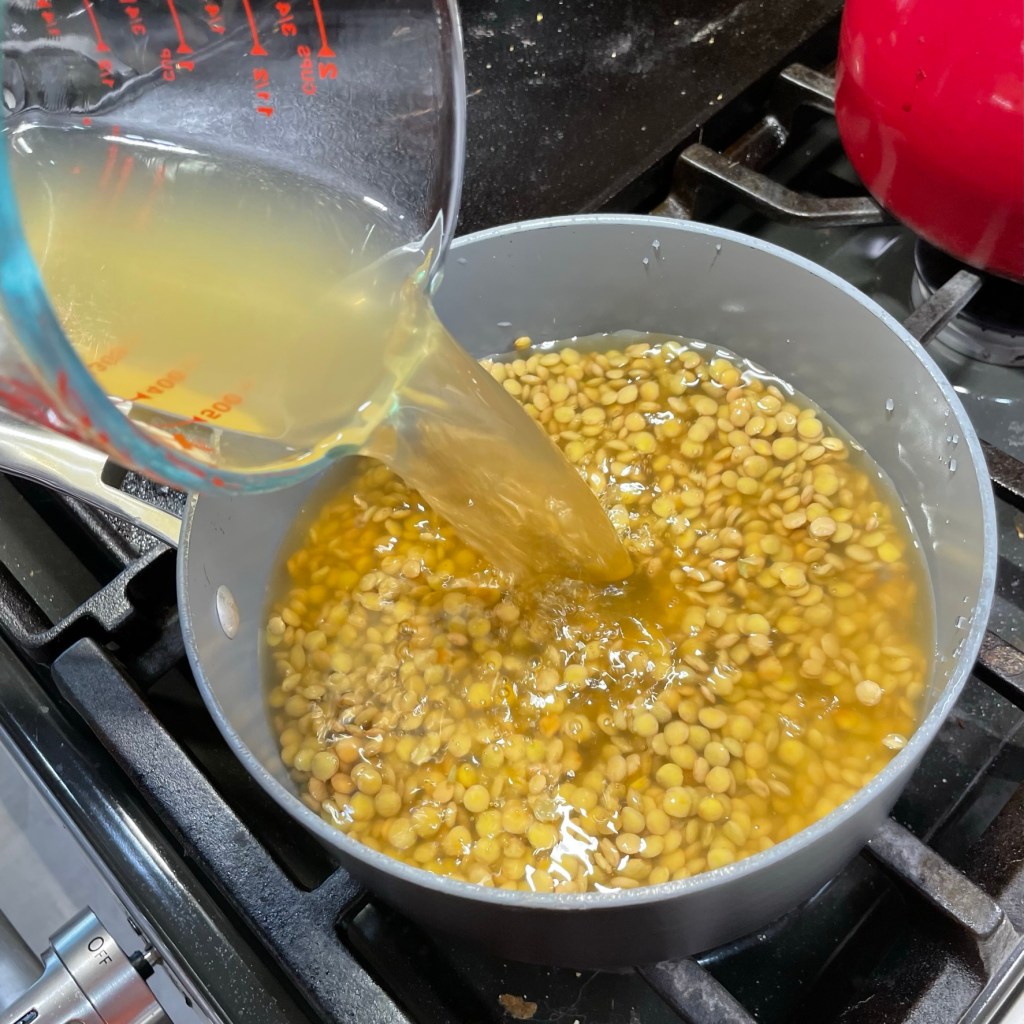
I used dried brown lentils for this dish, and cooked them in veggie broth for extra flavor. To save time, purchase lentils already cooked, such as canned, or those sold by Trader Joe’s.

Directions

  1. If using canned pumpkin puree, skip to Step 3. If roasting the pumpkins, pre-heat oven to 375° F, with rack in center position. Spray or brush a small amount of olive oil inside the pumpkins and sprinkle the flesh with salt and pepper. Replace the tops, capping the stems with a piece of foil to prevent burning them.
  2. Roast pumpkins for 45 minutes, until flesh can easily be scraped with a fork. Let them rest until cool enough to handle, and then use a small spoon to gently scrape out some of the flesh, keeping about 1/2-inch intact on the bottom and sides of the pumpkins’ interiors so they hold their shape. Transfer the scooped flesh to a blender container, and set the roasted pumpkin bowls aside at room temperature.
  3. Combine pumpkin with roasted garlic (squeezed from it’s paper shell) in the blender container. Add veggie broth, carrot juice (if using) and maple syrup. Pulse a few times to combine, then puree until completely smooth. Transfer to a bowl and set it aside.
  4. Place a skillet or wide pot over medium heat and swirl in a tablespoon or more olive oil. When the oil shimmers, add onions, celery and jalapeno. Season with salt and pepper, and saute until slightly softened. Push the vegetables to one side of the pan. Swirl in another tablespoon of oil and cook the mushrooms until they become soft and give off most of their moisture. Transfer the vegetables to a bowl and set it aside. Add a final tablespoon of oil to the pot and saute the chopped kale until it has wilted and softened. Adjust salt to taste. Transfer the kale to the same bowl with the other vegetables. Add lentils to the vegetable bowl and fold gently to combine.
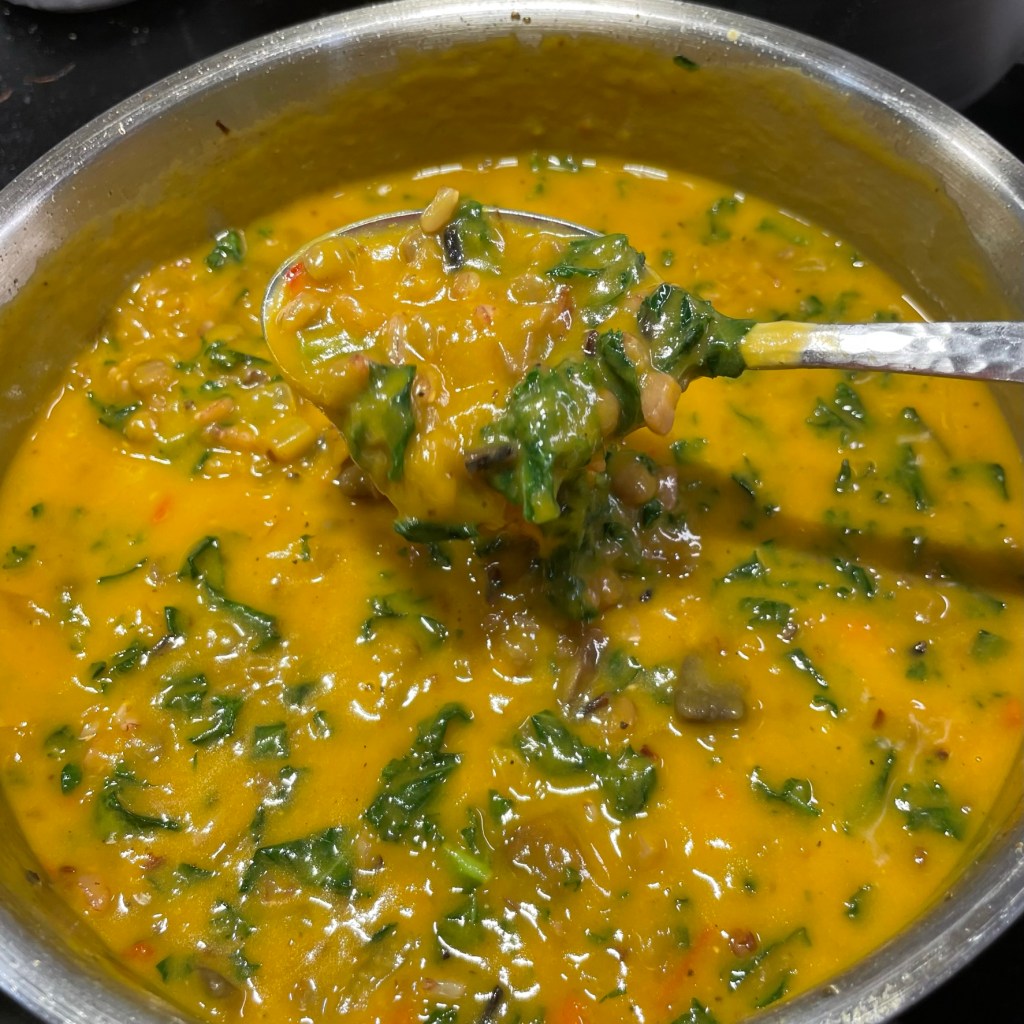
  5. Transfer the pureed pumpkin base to the same pot used for cooking the vegetables, and place it over medium-low heat. Gently stir in about half of the lentil-vegetable mixture, then add more until the stew seems balanced to you. Add more vegetable broth if you wish, and adjust salt and pepper to taste.
  6. If the pumpkin bowls have cooled completely, slide them into a warm oven on a cookie sheet for about 15 minutes. Ladle the pumpkin-lentil stew into the bowls, sprinkle with roasted pepitas and serve.


Vegan Black Bean Burger

At our house, we enjoy doing Meatless Monday—for the good of the environment, yes—but mostly for the health benefit of eating more vegetables and whole grains, and to test recipes that I’d like to serve when my husband’s vegan daughter visits. When I set out several years ago to “make a better black bean burger,” I tried every which way to make it flavorful and simple, but I kept running into the same problem: the burger looked great on the bun until I bit into it, at which point it just squished. The black beans must be smashed or processed to hold together in a patty, but once they are, the texture is just, well, lost.

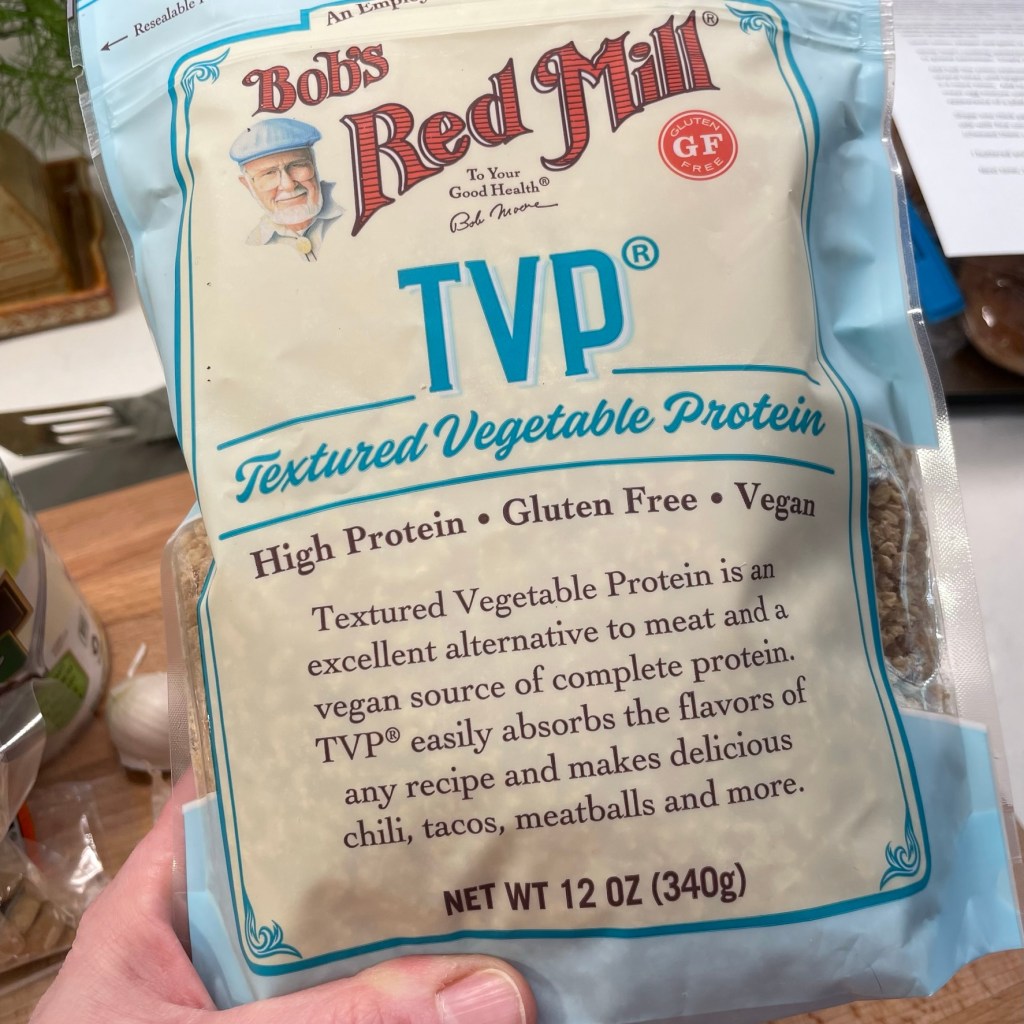
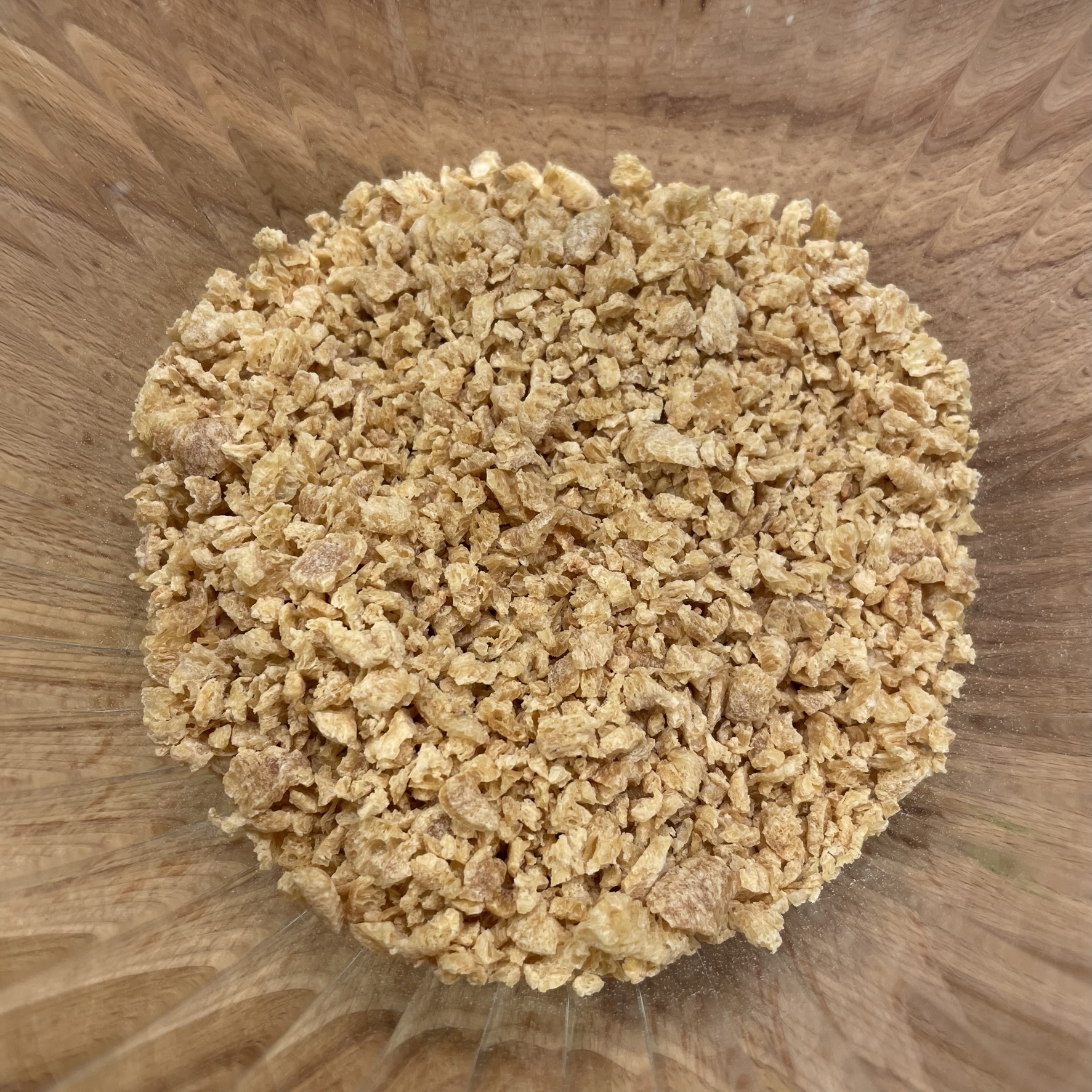
This time, however, I turned to a new ingredient that I’ve seen and tasted before but had never employed in my own kitchen—textured vegetable protein. With the increased popularity of and demand for plant-based foods, it has become easier to find ingredients such as  this one in a regular supermarket, rather than trudging to a health food store or taking a chance with an online purchase.

TVP is a true blank canvas of vegan foods.

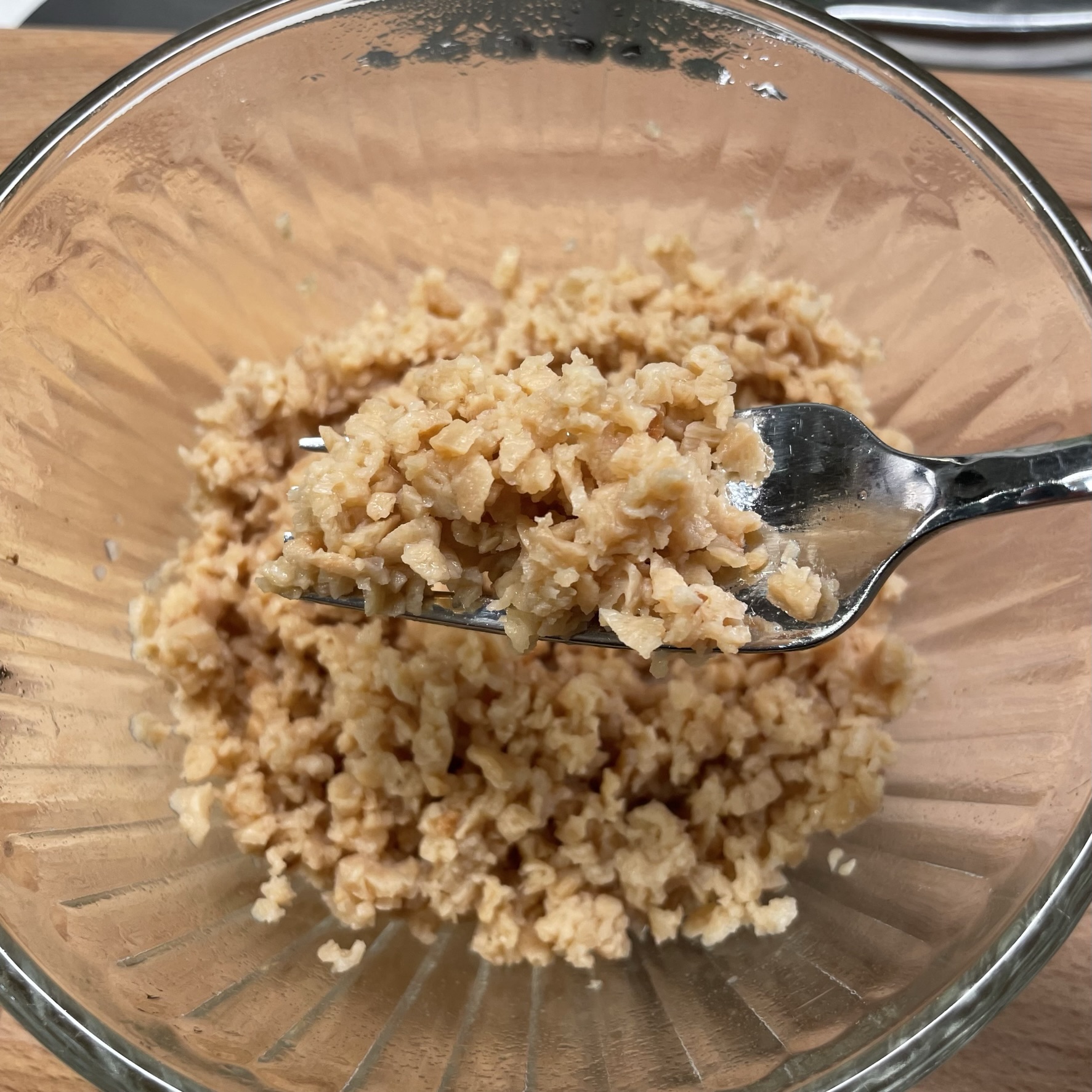
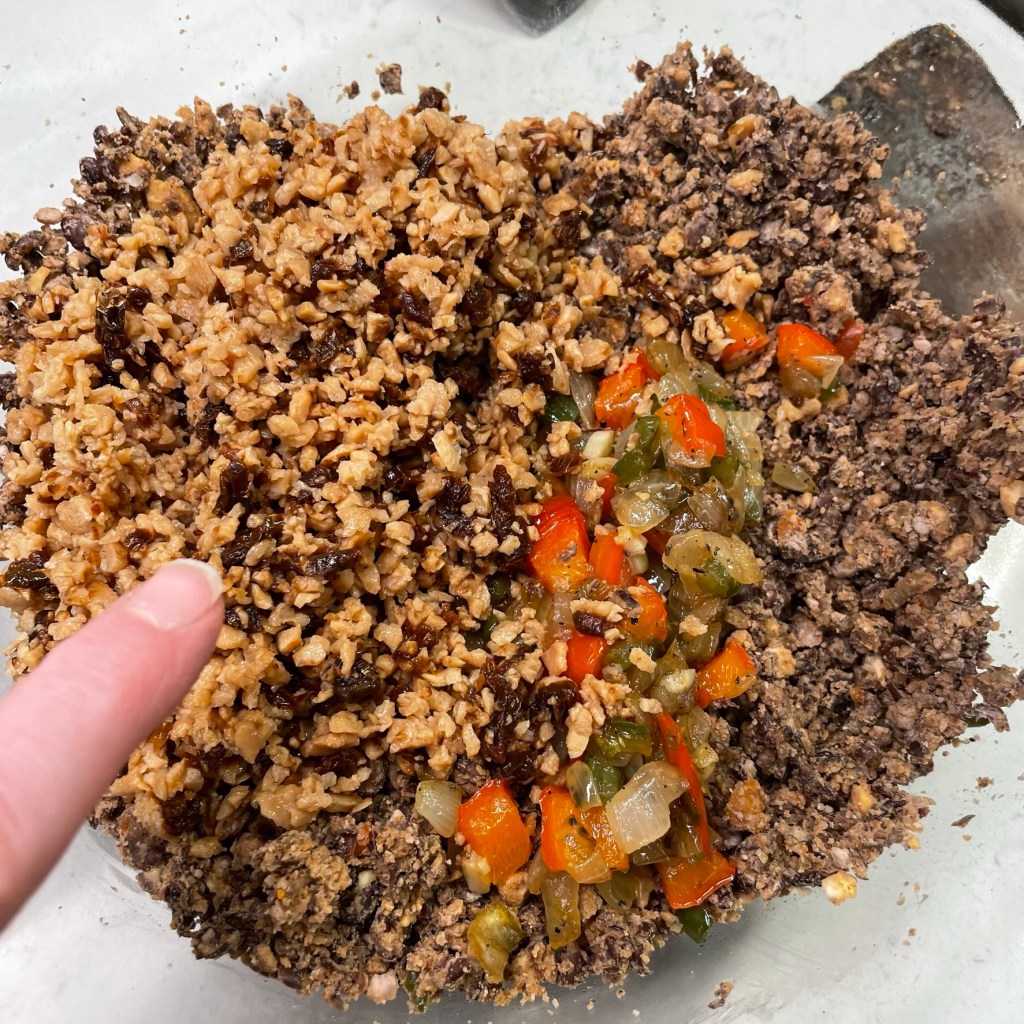
This product, known to plant-based eaters as “TVP,” is a defatted soy product, with a pleasant, chewy texture after rehydrating, and a neutral, almost sweet flavor that can be shifted to the cuisine of your choice. In this recipe, my first-ever shot at cooking with TVP, I wanted to boost the protein content of my Southwest-inspired black bean burgers, but I was also looking for an assist with the texture. The TVP packs a whopping 12 grams of protein per serving, and it only takes a few minutes to soften up with water or broth, but it holds its shape after rehydrating. In other words, it’s exactly what my smashed black beans needed to keep their composure. I found this product in one of our larger supermarkets, but you can also find it online from Bob’s Red Mill.

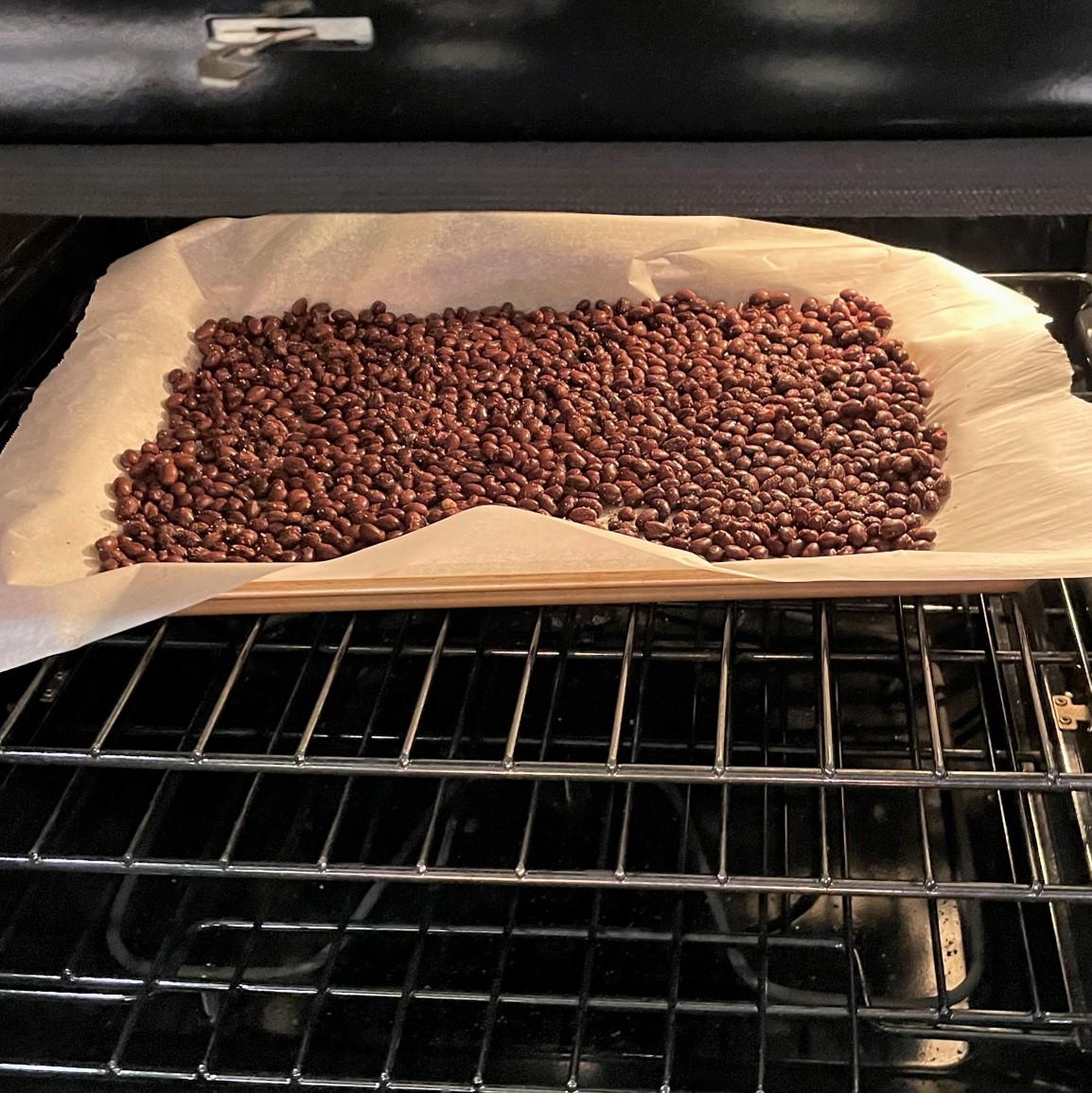
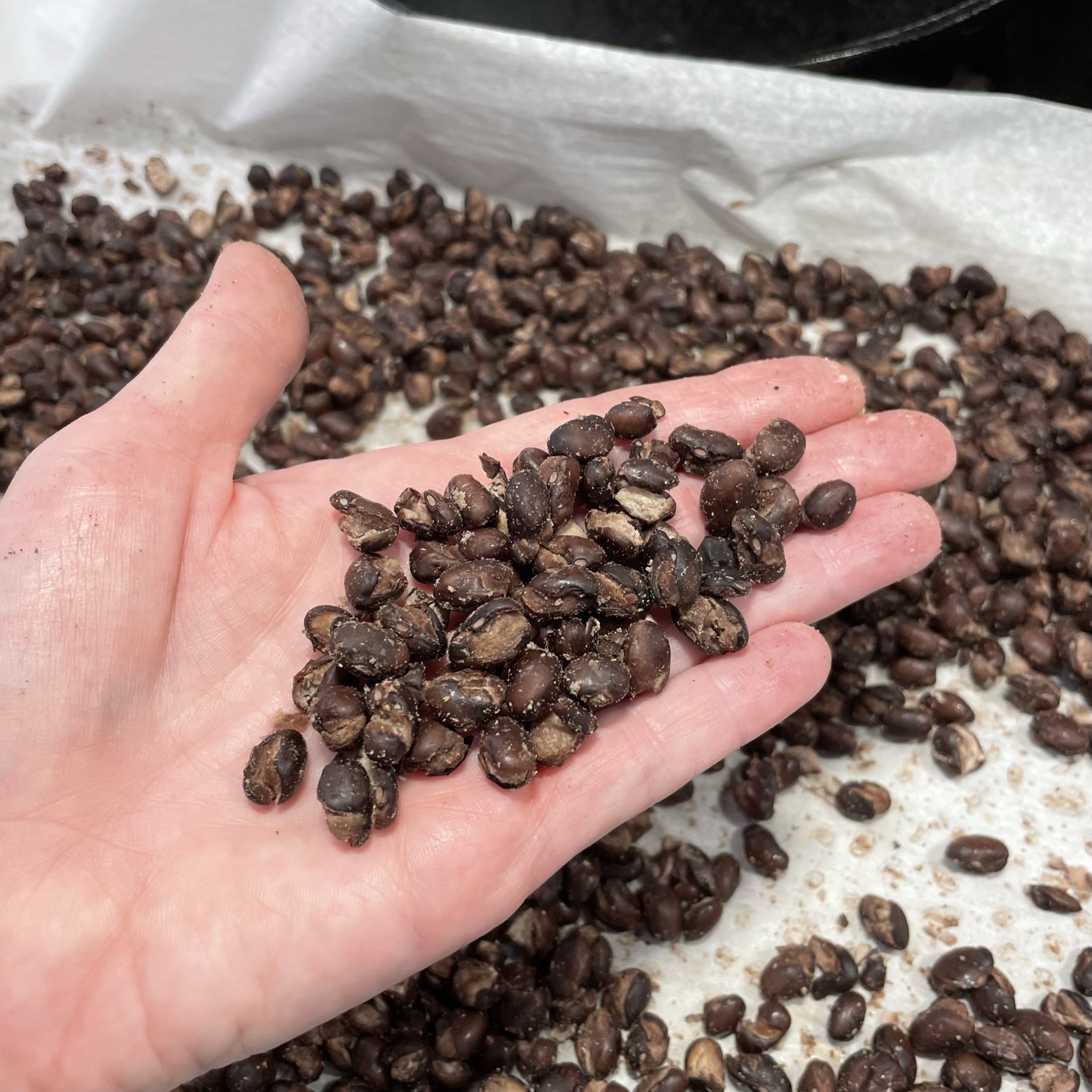
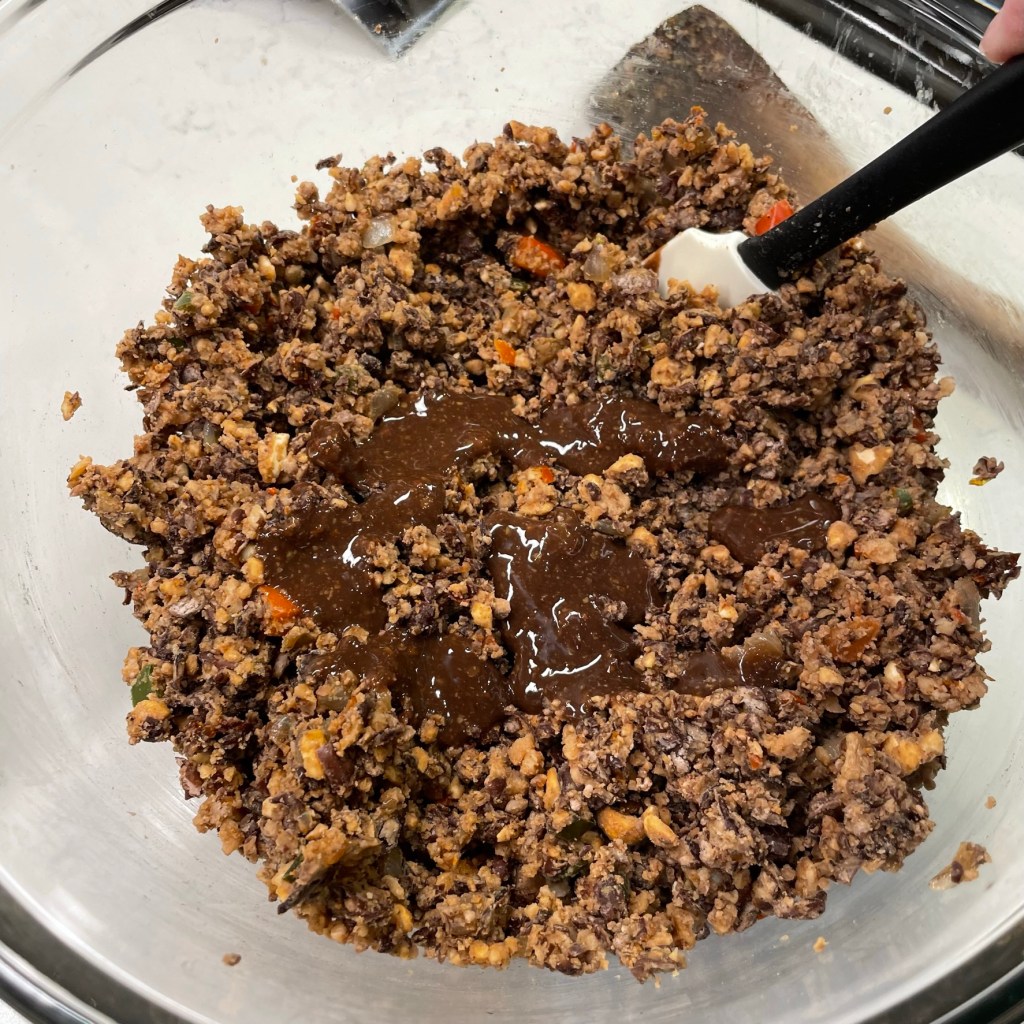
The other trick I used to give my burgers more heft was oven-roasting the beans before pulsing them into bits. This technique has worked for me in the past, but at that time, I was still using egg as a binder, which made it vegetarian but obviously doesn’t fly for a burger claiming to be vegan. This time, to keep it truly plant based, I further modified my old recipe and substituted a “flax egg,” which was nothing more than ground flax meal combined with the reduced liquid from the can of beans (I could have used water, but I’m always looking for a way to add one more bit of flavor). The flavor boosts came from a generous spoonful of my spicy coffee rub, a few sun-dried tomatoes and the last tablespoon of chipotle puree lingering in the fridge, left over from my pollo chipotle.

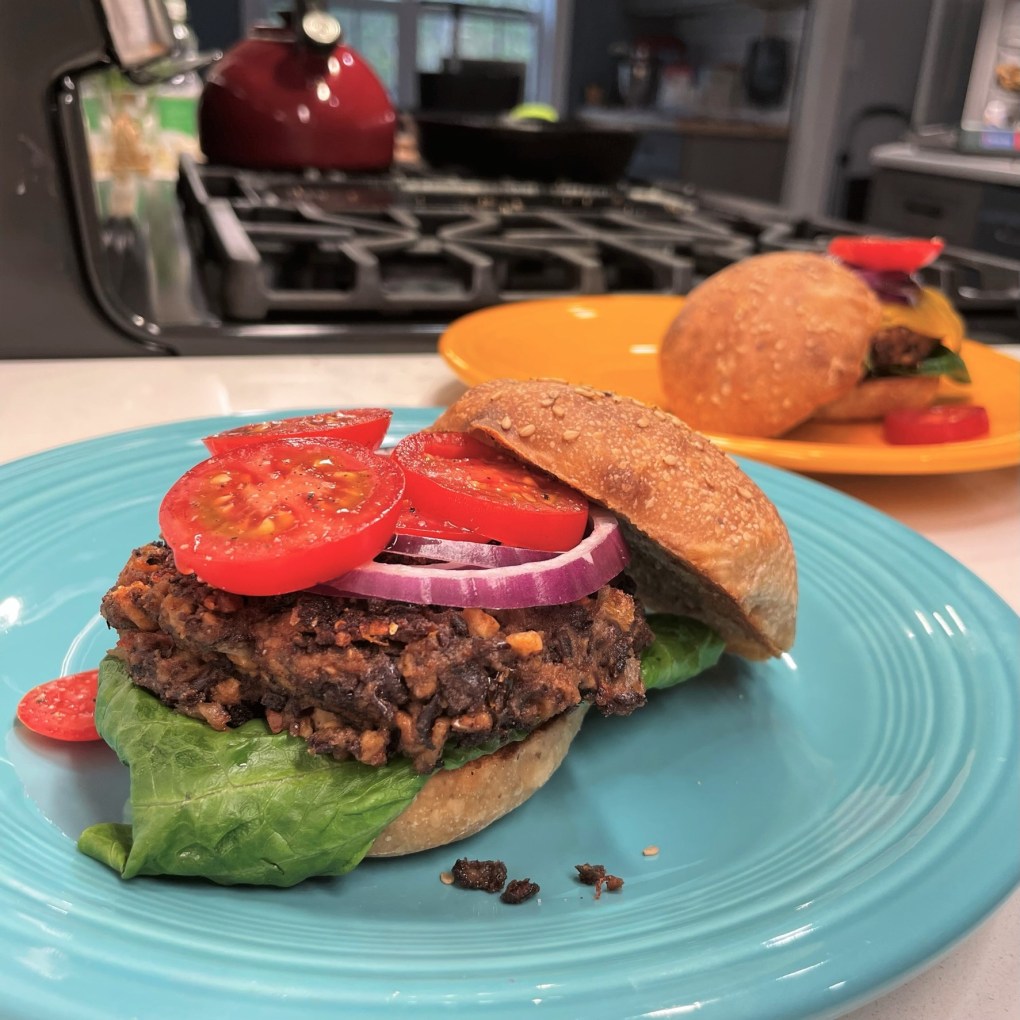
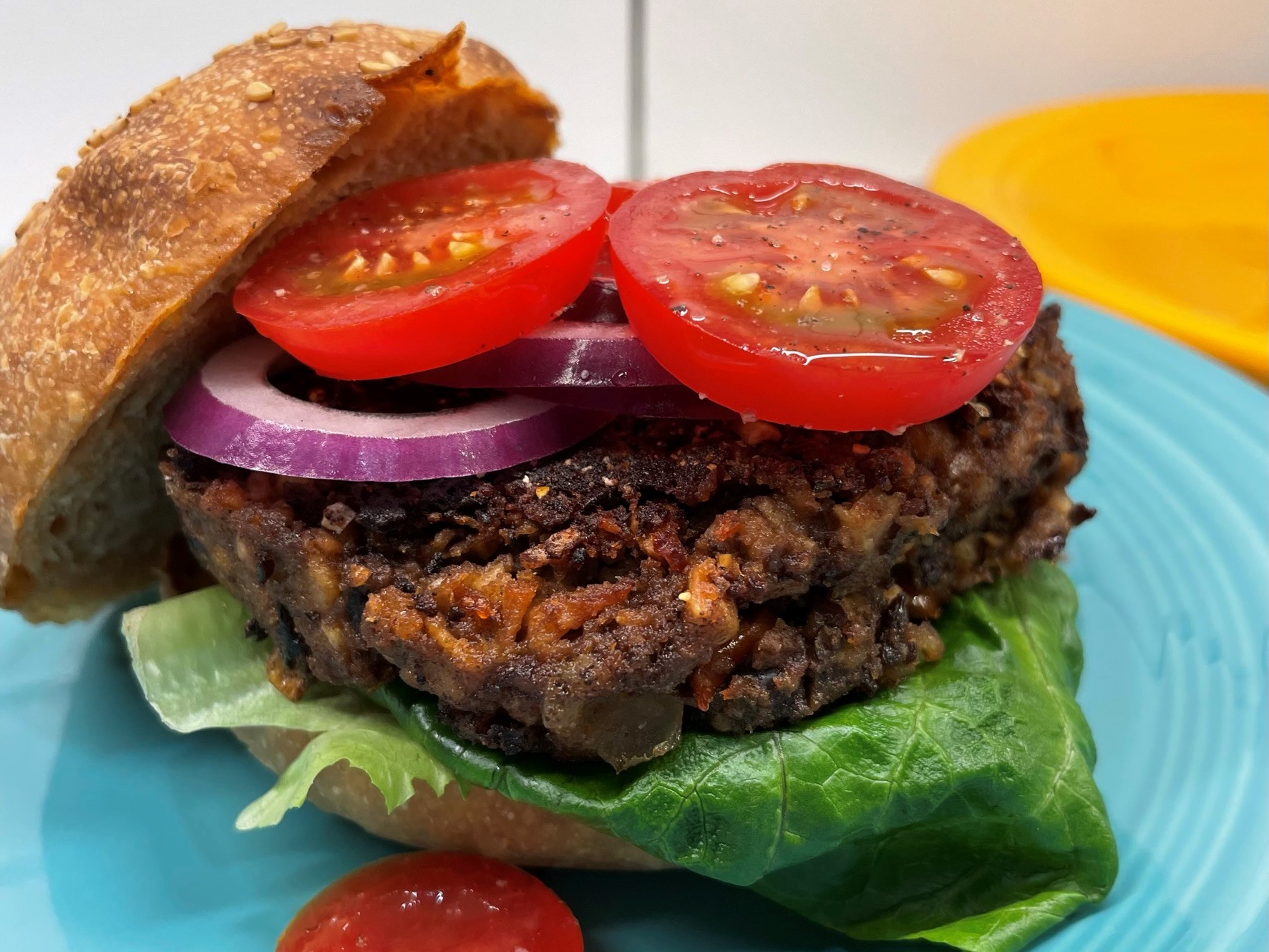
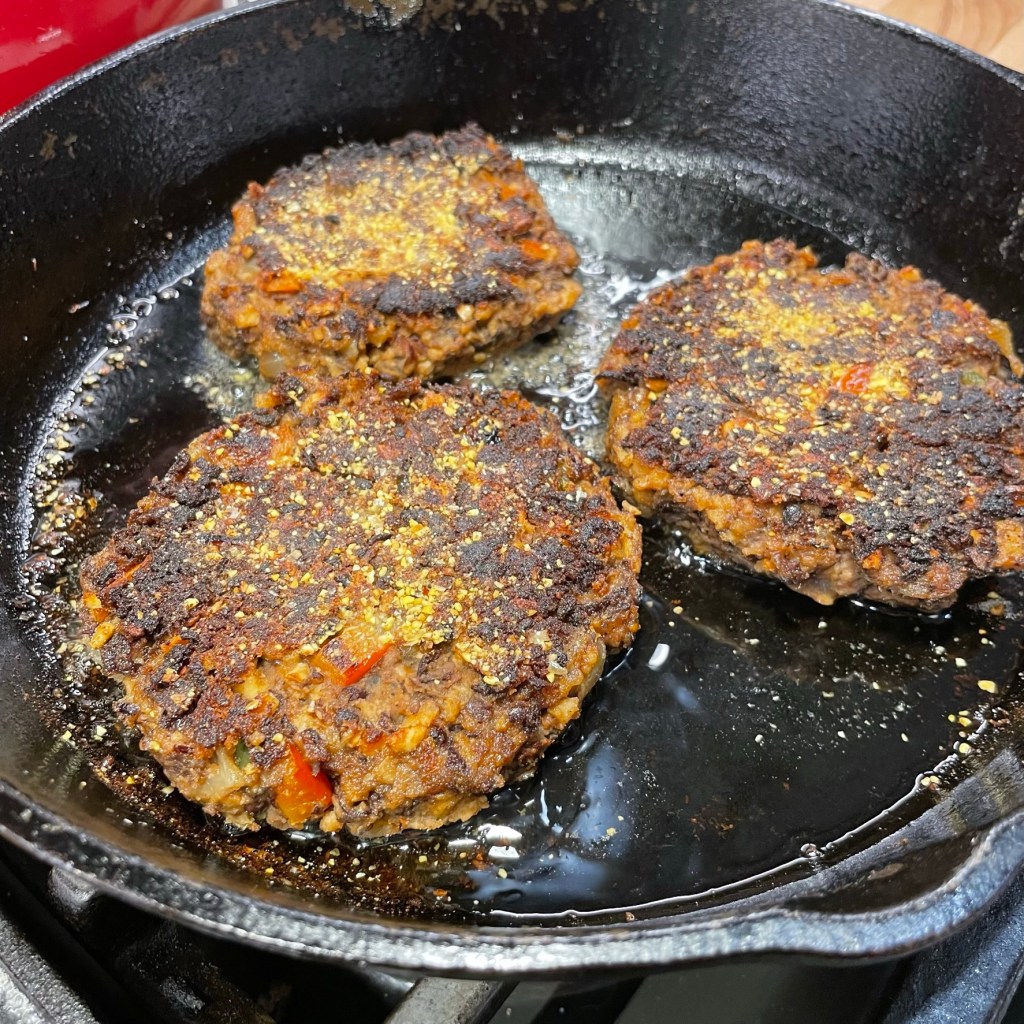
The color was right, the texture was good, and the flavor was totally on-point for the burger lovers in this house. Which is both of us, of course!

The textured vegetable protein and oven-roasted black beans gave these all the texture I crave in a burger!

Ingredients (makes about 5 burger patties)

2 cans organic black beans, drained and rinsed (reserve liquid from one can)

2 Tbsp. extra virgin olive oil, plus extra to drizzle on beans before roasting

1 cup diced sweet onion

1/2 red bell pepper, seeded and chopped

1/2 jalapeno pepper, seeded and chopped

3 cloves fresh garlic, smashed and rough chopped

1/2 cup roasted salted cashews (from a can is fine, or roast them yourself)

1/2 cup textured vegetable protein, dry from the package

About 5 sun-dried tomatoes, cut up into bits* (see recipe notes)

1/2 cup water or vegetable broth*

1 Tbsp. milled flax seed*

1 Tbsp. spicy coffee rub or other favorite smoky-spicy seasoning*

Medium-grind corn meal, for crusting the burgers before frying

Canola oil, for trying the burgers

Soft vegan buns and favorite toppings, for serving


*Recipe Notes

I learn many things from my trials in the kitchen, and one shortcut occurred to me a moment too late. My photo steps reveal that I rehydrated both the sun-dried tomatoes and the textured vegetable protein with low-sodium vegetable broth. Eventually, I combined them, so my recommendation is doing them together in one bowl to save time and dirty dishes.

Low-sodium vegetable broth is one of my core pantry items and I frequently use it for rehydrating ingredients or cooking dry goods such as rice or quinoa. My philosophy is, why use water if you have an opportunity to elevate flavor?

Flax seed is a nutritional powerhouse, but dieticians are quick to point out that our bodies can only benefit from it when it has been milled. You can buy flax “meal” pre-packaged, but it turns rancid rather quickly. If you buy a bag of seeds, you can keep them fresh longer and mill them in a blade-style coffee grinder as you need them. To make a flax “egg,” combine a tablespoon of the meal with an equal part of warm liquid. The mixture will thicken into a gel-like substance that works great as a binder.

My spicy coffee rub was excellent for flavoring these burgers, and I’ve included the recipe for it on the downloadable PDF if you’d like to try it. Otherwise, use any spice blend you like for grilling. If you are committed to making the burgers vegan, confirm the ingredients of your spices. You might be surprised at some of the stuff they sneak in there. 😉


Instructions

There are several components of these burgers, and most of them can be prepared concurrently, or the day before. My instructions are broken out into each component, and I trust that you’ll manage the prep however it works best for you.


Prepping the black beans

Preheat oven to 350° F. Line a baking sheet with parchment paper or silicone mat. Spread black beans out in a single layer and let them air dry while the oven heats. When it comes to temperature, drizzle olive oil lightly over the beans and roll them around to lightly coat them. Season with salt and pepper, and then roast the beans for 30 minutes or until they have a dry, slightly crumbly exterior.


Making the flax egg

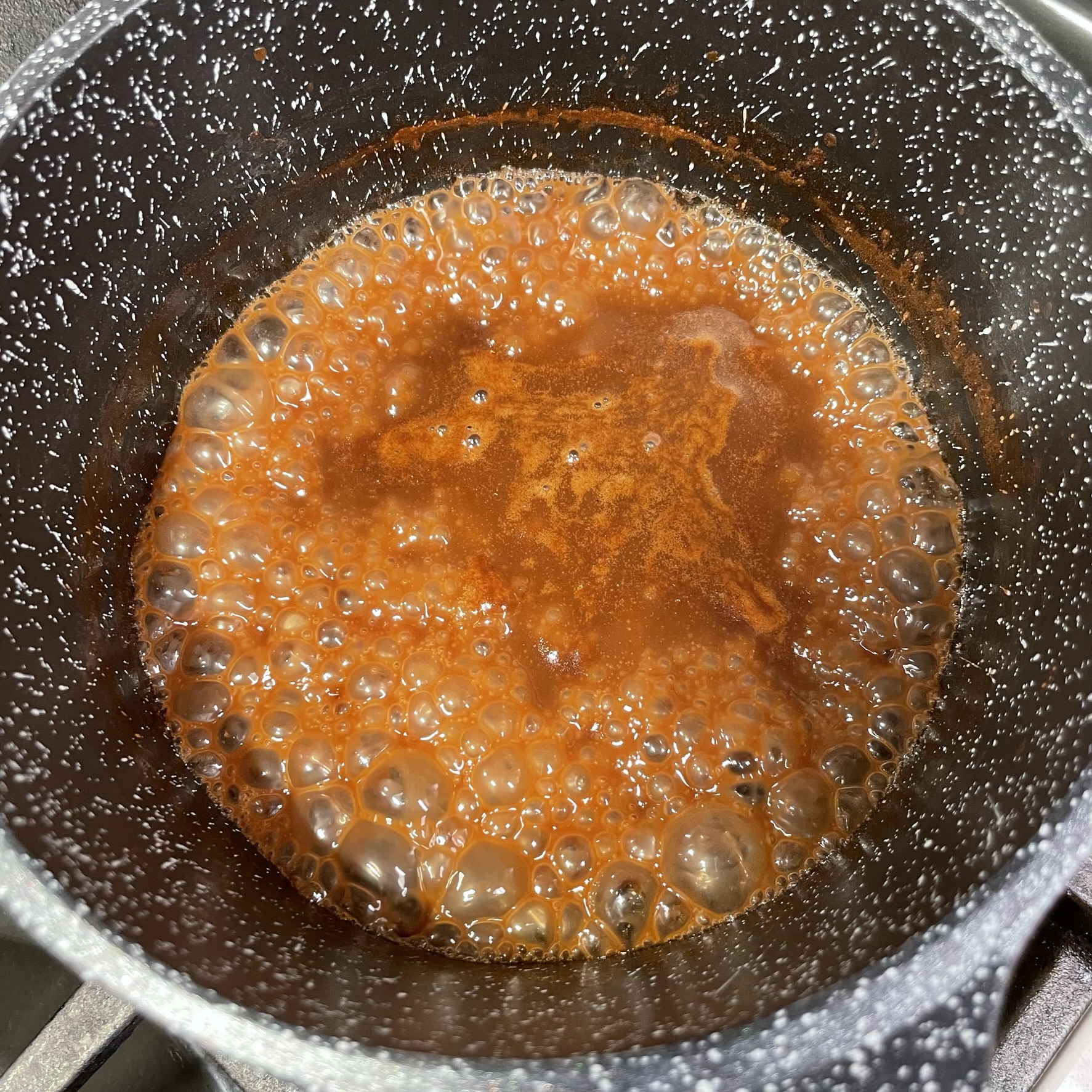
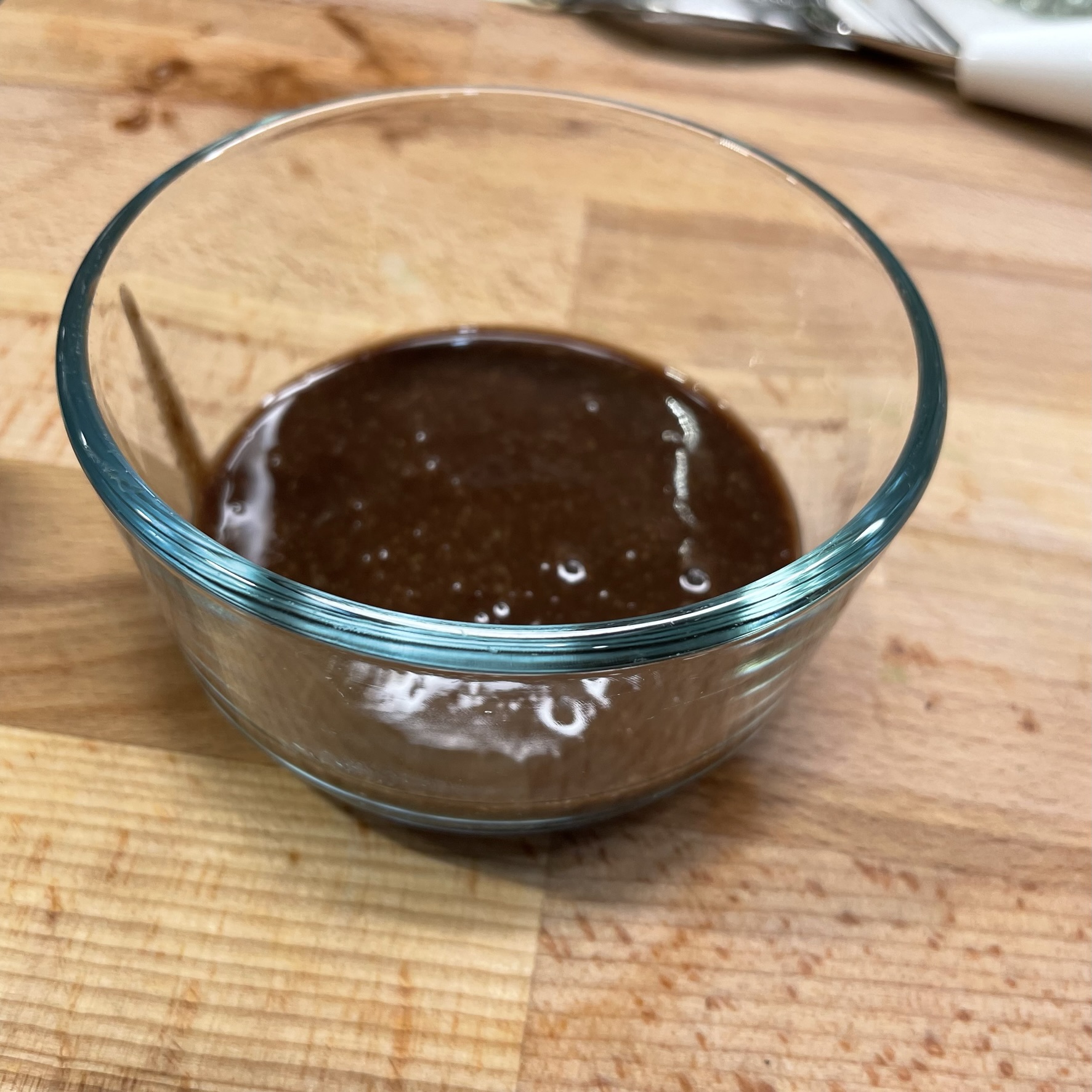
Reduce the reserved black bean liquid in a small saucepan until it’s reduced to about 2 tablespoons. Let it cool slightly. Sprinkle the milled flax into the liquid and stir to blend. Let this mixture rest for about 15 minutes until it’s a thick, gelled mixture.


Rehydrating the TVP

Heat vegetable broth in a small saucepan or the microwave. It should be at least the temperature of hot bath water. I hydrated the sun-dried tomatoes separately, but I could have added them to the bowl with the TVP. I’m still learning here! Pour the hot broth over the mixture, stir to moisten and let it rest at least 10 minutes to fully rehydrate. Refrigerate this if you are working ahead.

Prepping the veggies

Heat skillet over medium heat. Add olive oil and sauté onions, peppers and garlic until softened and slightly caramelized. I usually judge this not by time, but by appearance. When the steam rising from the skillet is replaced by the sound of oil sizzling, they are done. If you still see a lot of steam, that moisture will come back to cause trouble when the burgers are in the skillet. Divide the mixture (at least visually) into halves.


Putting it all together

All ingredients should be cooled to approximately room temperature before mixing. It’s OK if they are cold or lukewarm, but do not process the beans and veggies if they are still hot because this will result in a mushy mixture that won’t hold together well in patties.

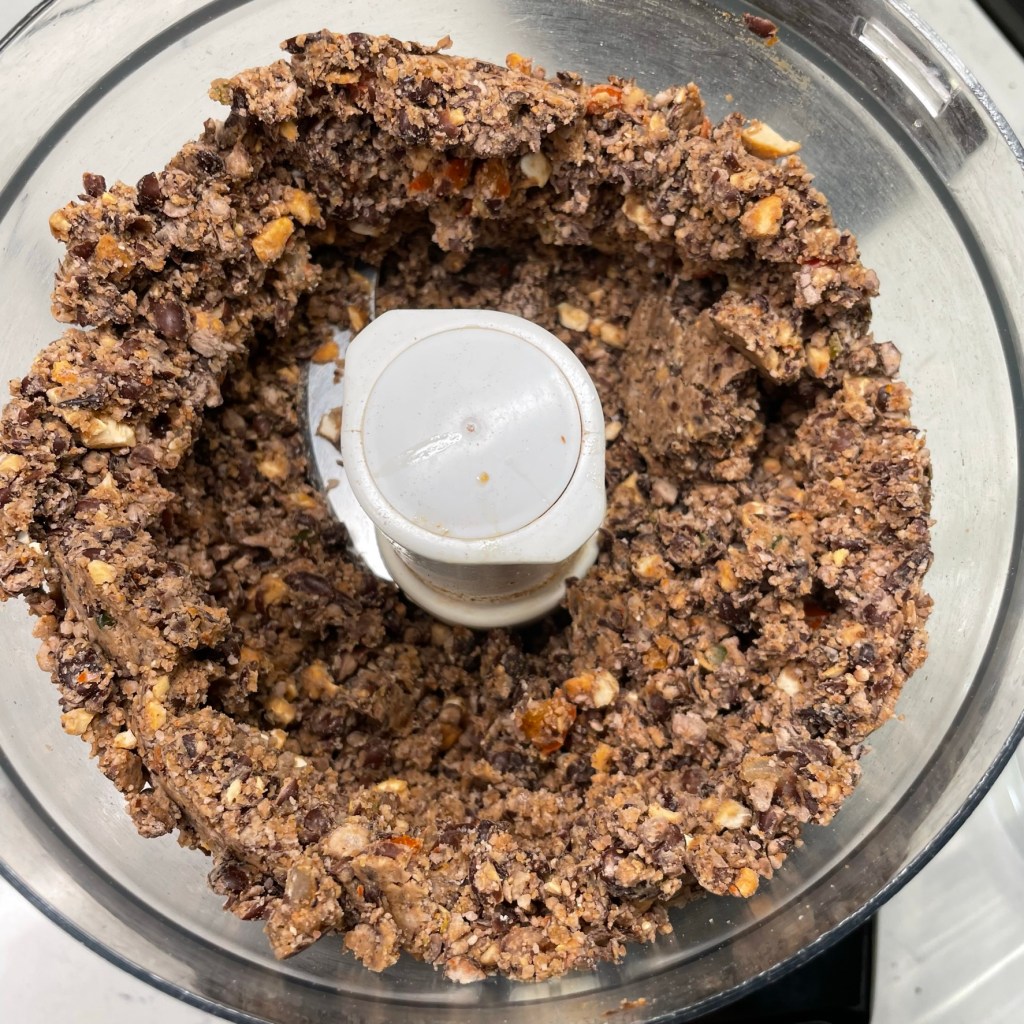
To the large bowl of a food processor, add all the roasted black beans, half the sauteed veggies and cashews. Add the spicy coffee rub (or substitute) and chipotle puree. Pulse a few times, just until the beans are about 1/3 their original size and the mixture looks uniform in texture. Don’t process it to the point of being smooth. Transfer the mixture to a large bowl.

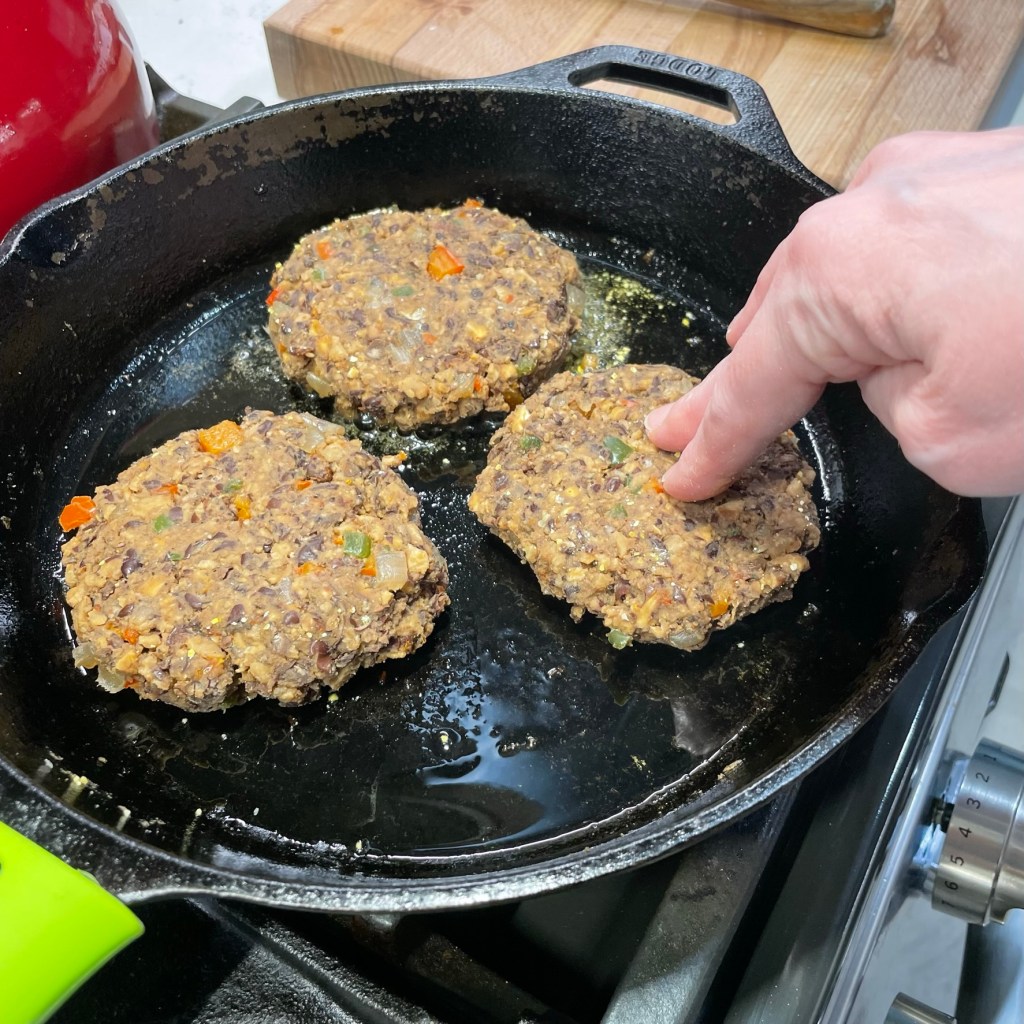
Add the remaining vegetables and TVP mixture to the processed bean mixture and fold to combine. Add the flax egg and fold to blend. Shape the mixture into burger-shaped discs that are the same size as your burger buns (they will not shrink during cooking as meat does). Sprinkle both sides of the burgers with cornmeal and press on them to adhere it. Put the burgers on a plate or cookie sheet, covered with plastic wrap, and refrigerate for an hour or two so the patties set up for cooking. Remove from fridge about 30 minutes before frying.

Heat a cast-iron skillet over medium high heat. Add canola oil to a depth of about 1/4” and place the burgers in the skillet, keeping enough distance between them for easy access to turn them. Cook each side until crispy and browned, about 5 or 6 minutes. Take care when turning, as they will fall apart if you “flip” them as you would a meat burger.

Serve with your favorite plant-based toppings and enjoy!


You may be wondering if I’m a paid endorser for the brands and products I spotlight on Comfort du Jour, and the answer is “no.” I do not receive money or merchandise for my recommendations, and what that means for you is that you can count on me to give an honest opinion. If something changes, I will update my disclosures. Either way, you can still count on me to be honest in my recommendations, as I will only stand behind services and products I believe in. Fair enough? 😀

Terrie