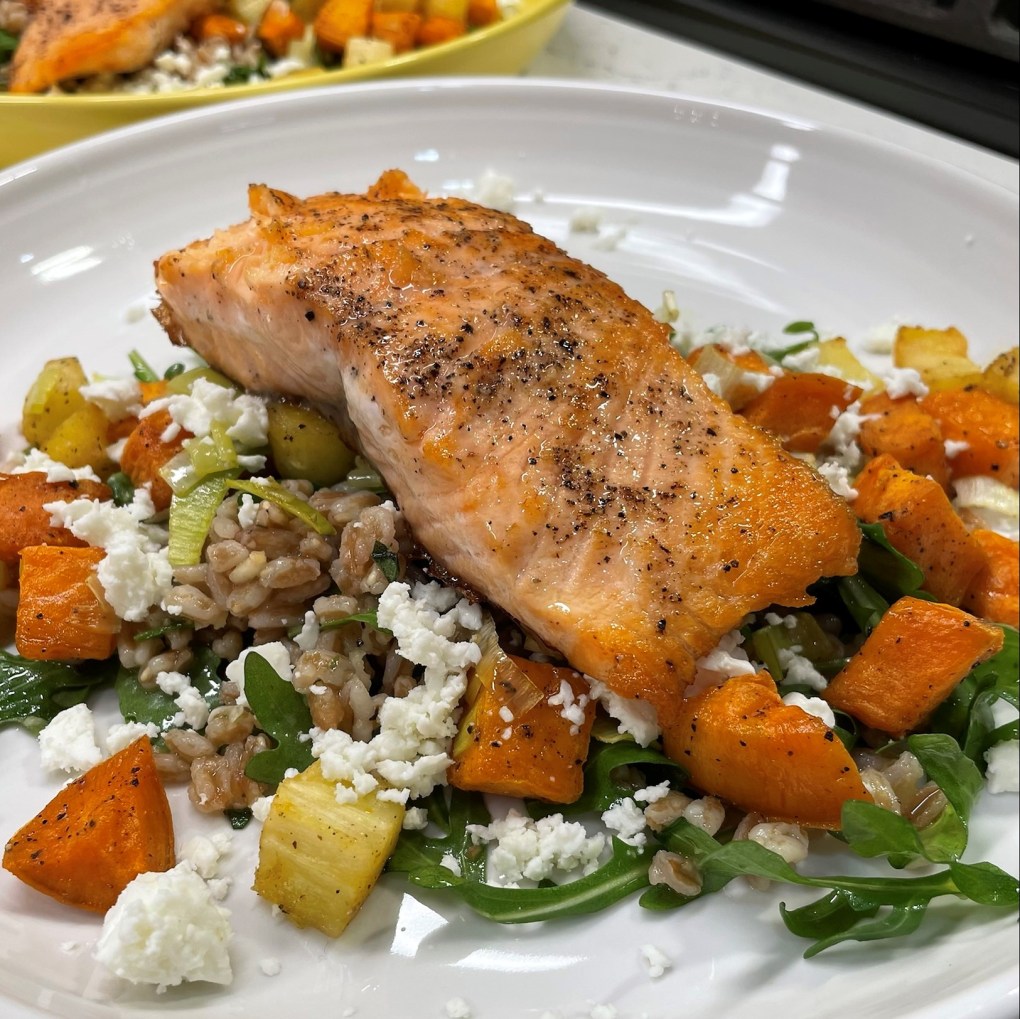
Salmon with Warm Farro Salad

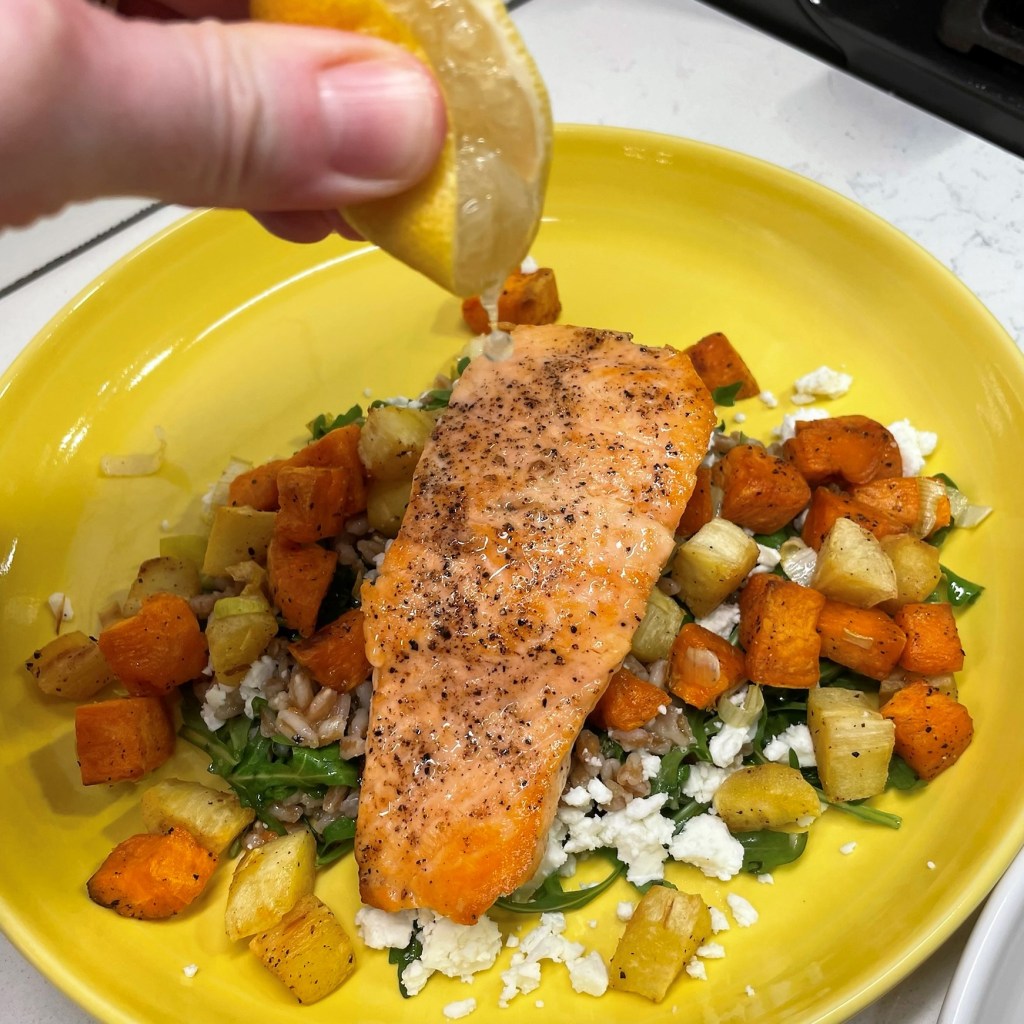
Comfort foods come in many shapes and sizes, though I usually think of them as rich, creamy sauces or over-the-top pizzas or decadent ice creams. But this entrée, despite being inherently light and healthful, is also very comforting, thanks to the variety of textures and flavors in the mix.

I designed this pretty plate from memory after a brunch with co-workers during the holiday season. It was the farro salad and roasted root vegetables that caught my eye on the menu that day. I loved the tender chew of the farro and the warmth and earthiness given by the sweet potatoes and parsnips. If you are not familiar with farro, please allow me to introduce you.

handful of quick cooking farro
Italian farro, par-cooked to be ready in just 10 minutes! Use farro any way that you would use wheat berries, barley or brown rice.

What is farro?

Farro is an ancient grain that is native to Italy. It is perhaps better described as a category of grain, given that three distinct varieties—spelt, einkorn and emmer—are frequently described as “farro.” In its most basic state, farro is a hard kernel that can either be cooked whole in water or ground into meal or flour. But it may also be partially or fully pearled, meaning that some or all of the bran has been removed. The pearling process results in altered cooking time, but the grain would still be suitable for the same kinds of dishes.

What does farro taste like?

When cooked as a whole grain, farro has a warm, nutty flavor that is similar to that of brown rice. Unlike most conventional wheat grains, farro has not been greatly hybridized from its ancient state, and some people find it more easily digestible for that reason. But as a botanical relative of wheat, farro does contain gluten and should be avoided by people with gluten sensitivity or celiac disease.

How do you cook farro?

To cook partially pearled farro (the most common form you’ll find in stores), give it a rinse under running water and inspect the grains to weed out any small debris that may have missed screening during packaging. Add the farro to double the amount of water and heat until boiling, then reduce heat and simmer about 20 to 25 minutes for al dente, or longer if you want it more tender. Farro that has not been pearled may take twice as long, and some packaged farro is par-cooked for quicker preparation, so always check the label instructions for recommended cooking time.

What can you use farro for?

Farro is a versatile grain that can be used in pilafs, salads or soups. If ground into flour, it can be used in baking recipes, though the resulting texture would be more dense than baked goods made with typical wheat. If you want to try farro flour in a favorite bread recipe, consider substituting only about one-fourth of the total amount of flour, and increase the amount the next time when you better understand its properties.
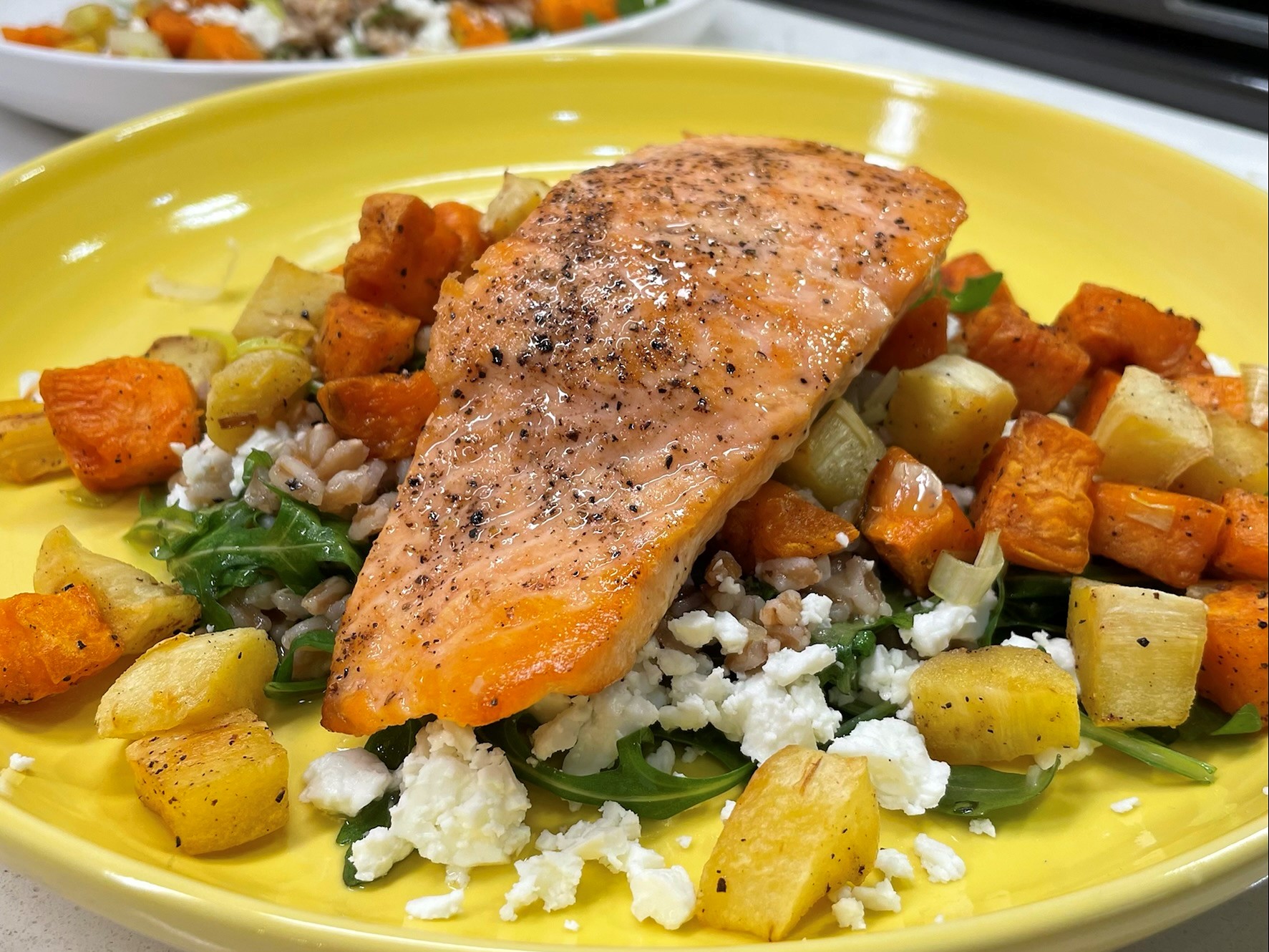

salmon with warm farro salad - comfortdujour.com
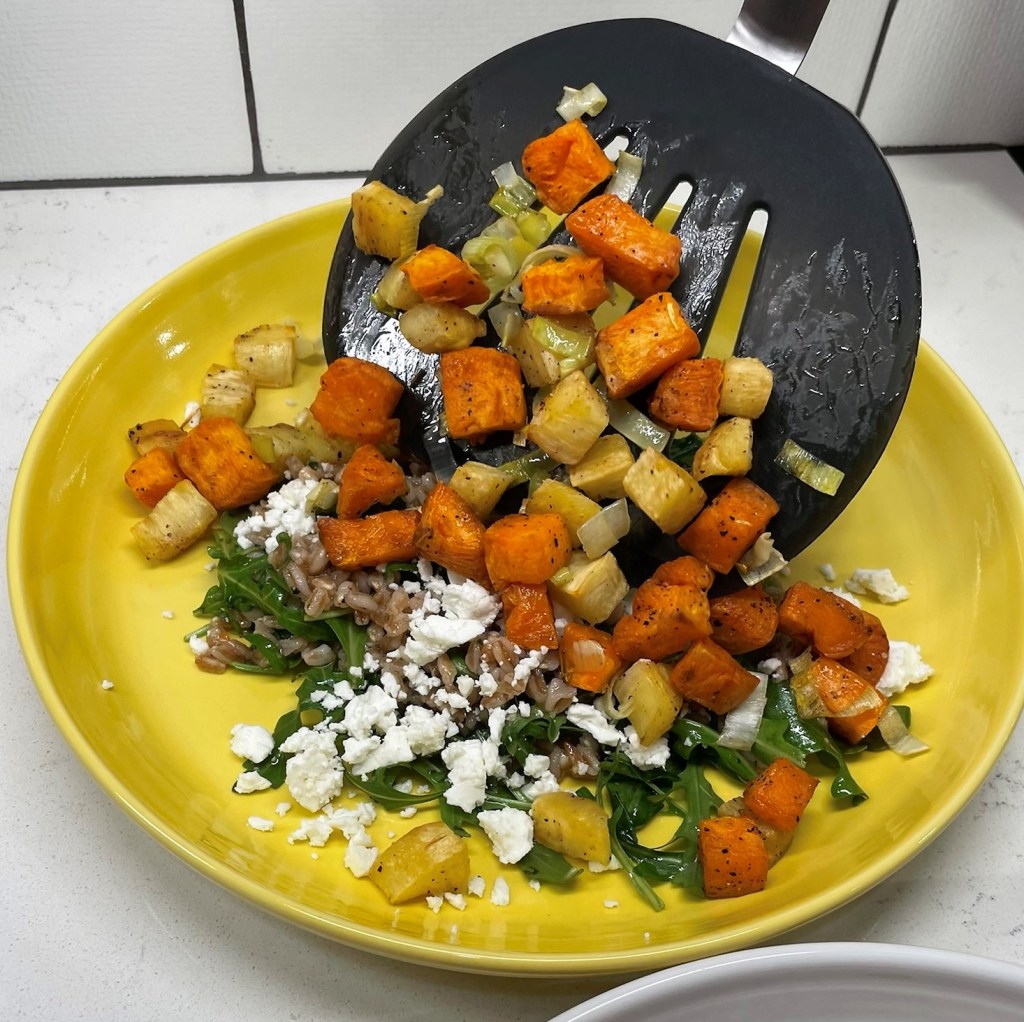
There is a lot of lovely contrast amid all these ingredients. I especially like the feta crumbles!

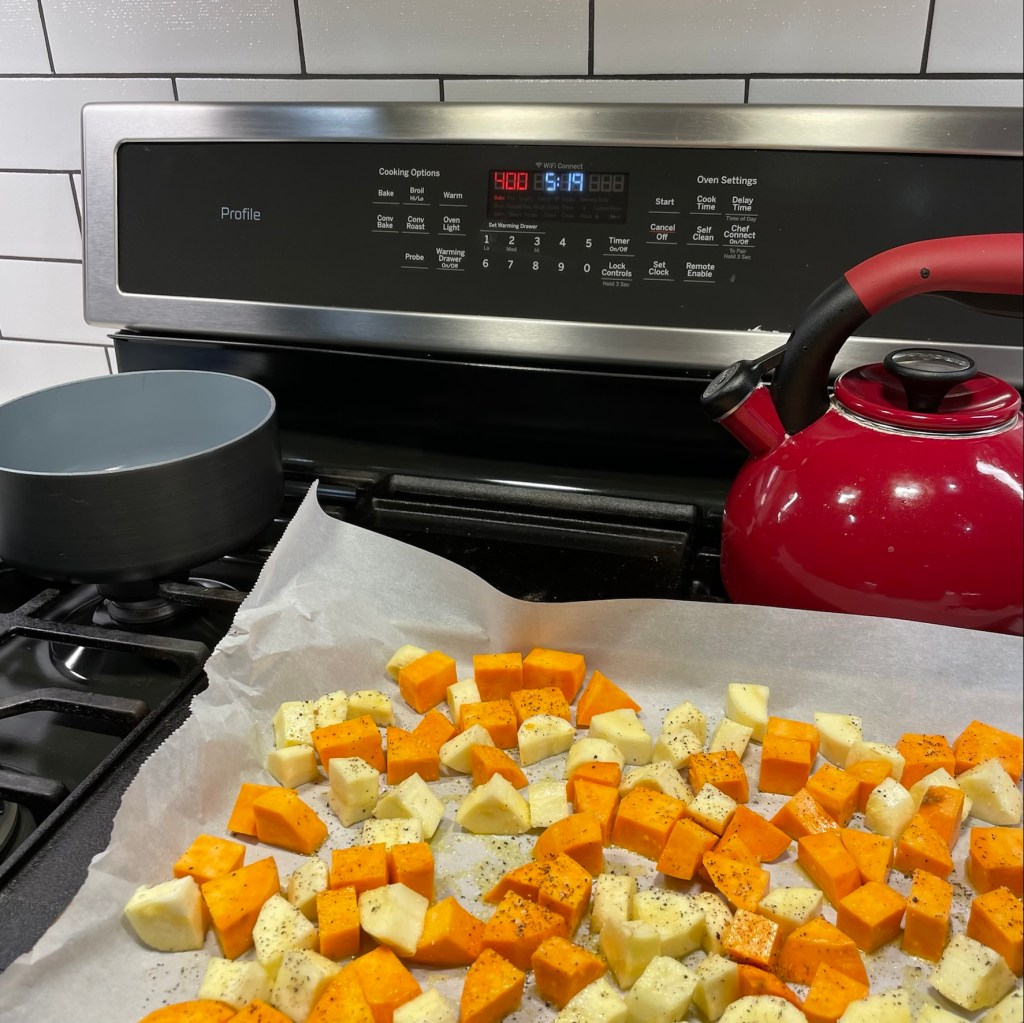
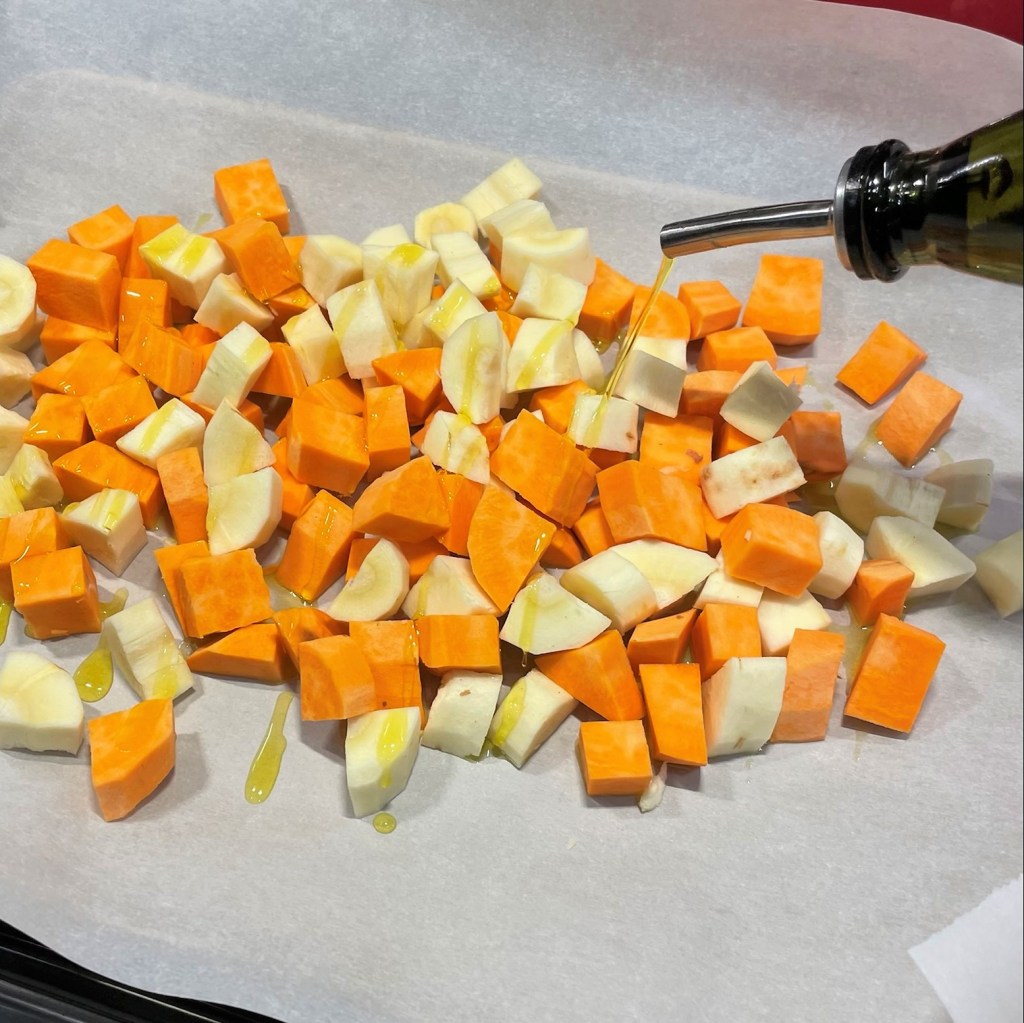
The rest of this recipe is straightforward and simple—the sweet potatoes and parsnips are tossed lightly in olive oil and roasted until tender and browned, and the salmon is lightly seared in a skillet with nothing more than salt and pepper. A quick vinaigrette of lemon, garlic and oregano ties the whole dish together with a fat handful of peppery arugula greens.


Ingredients

1 large sweet potato, peeled and cut into large chunks

2 parsnips, peeled and cut into large chunks

2 Tbsp. extra virgin olive oil

Kosher salt and freshly ground black pepper

1/2 cup sliced fresh leeks (or chopped sweet onion)

1 cup cooked farro* (see recipe notes)

A fat handful fresh baby arugula leaves, washed

Garlic-oregano vinaigrette*

2 fillets fresh salmon, skin removed

1/4 cup crumbled feta (or goat cheese)


*Recipe Notes

As noted above, some farro products have been par-cooked for convenience. Follow the instructions on your package to cook the farro to “al dente” stage, so that it is soft but still has a bit of chew to it.

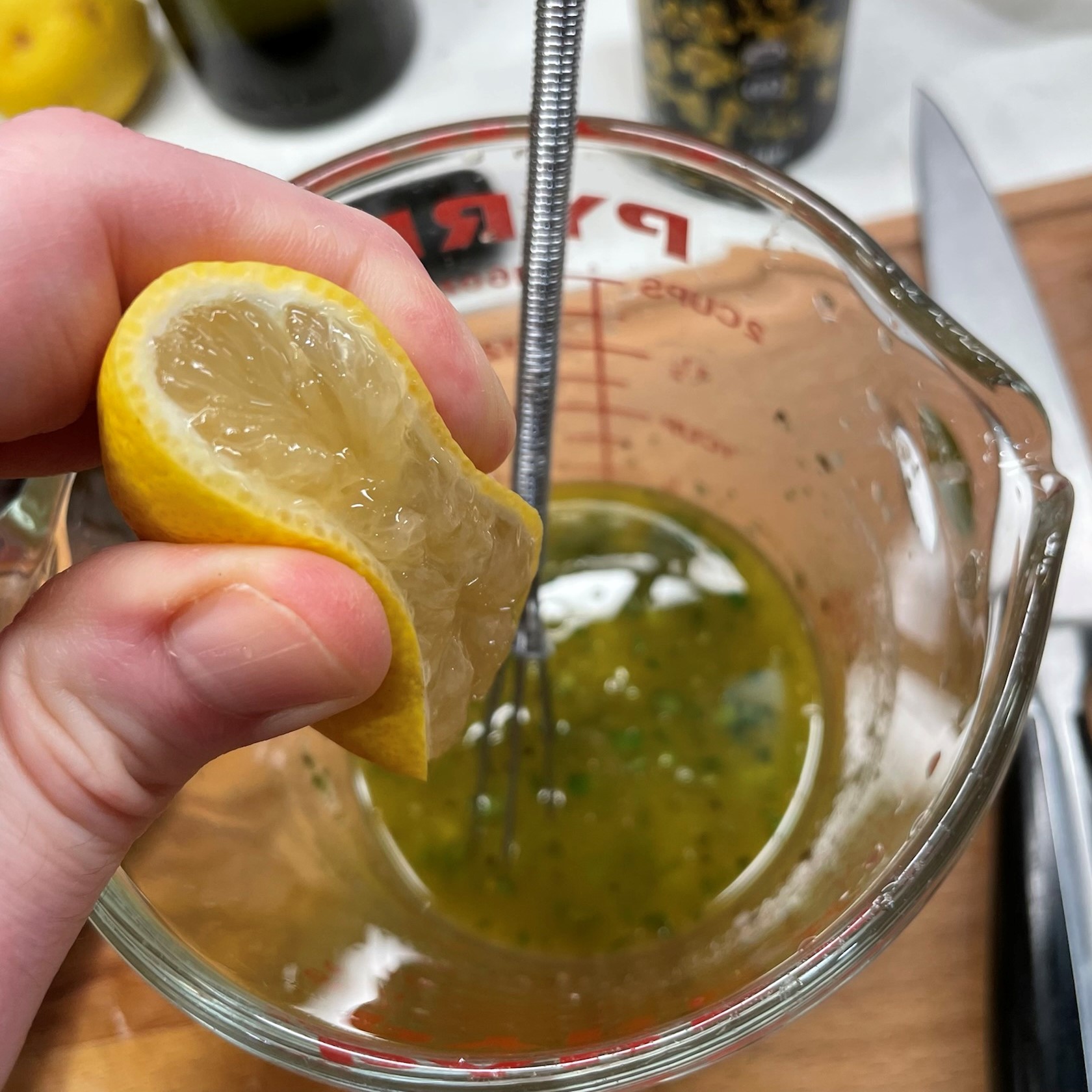
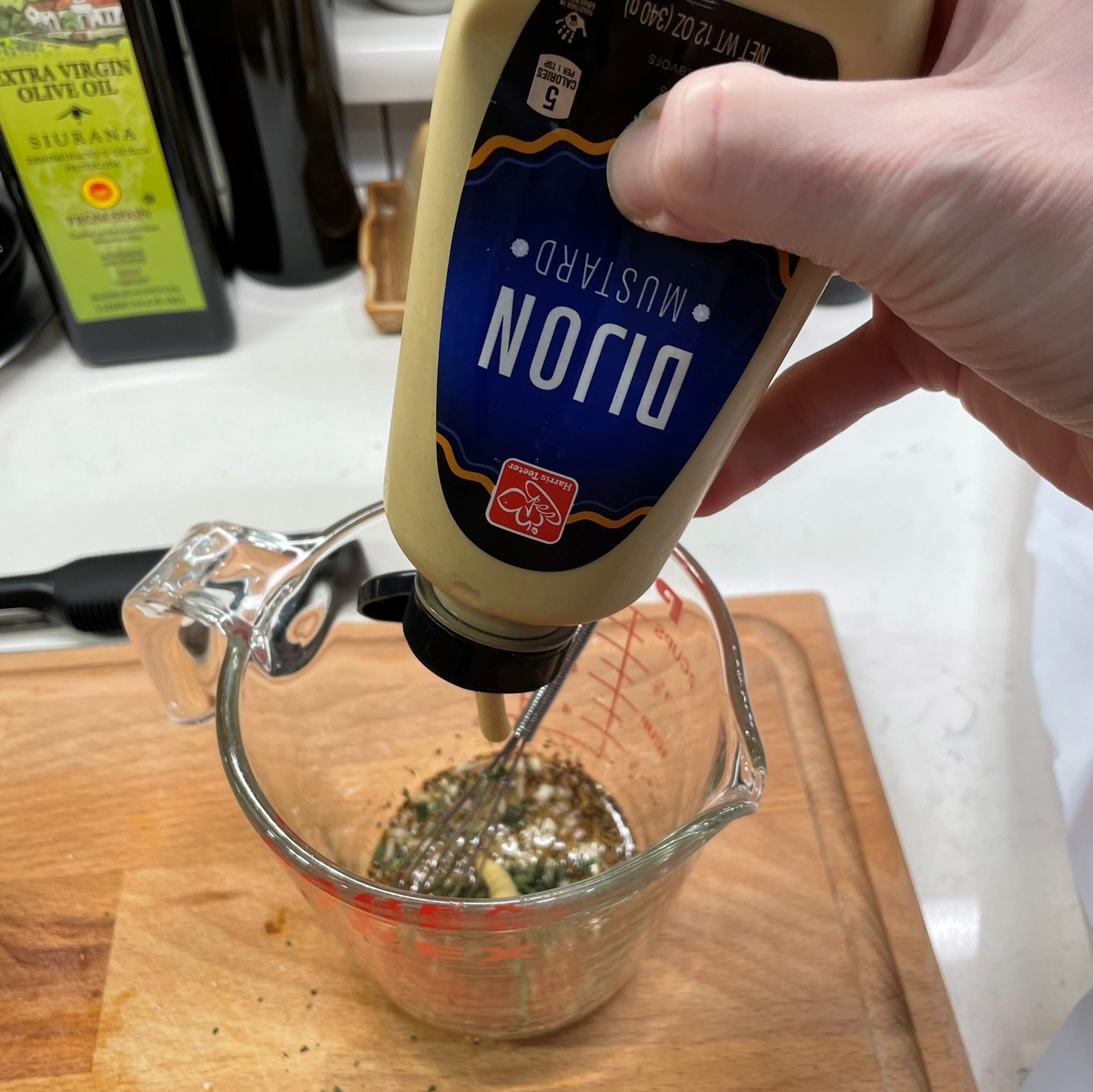
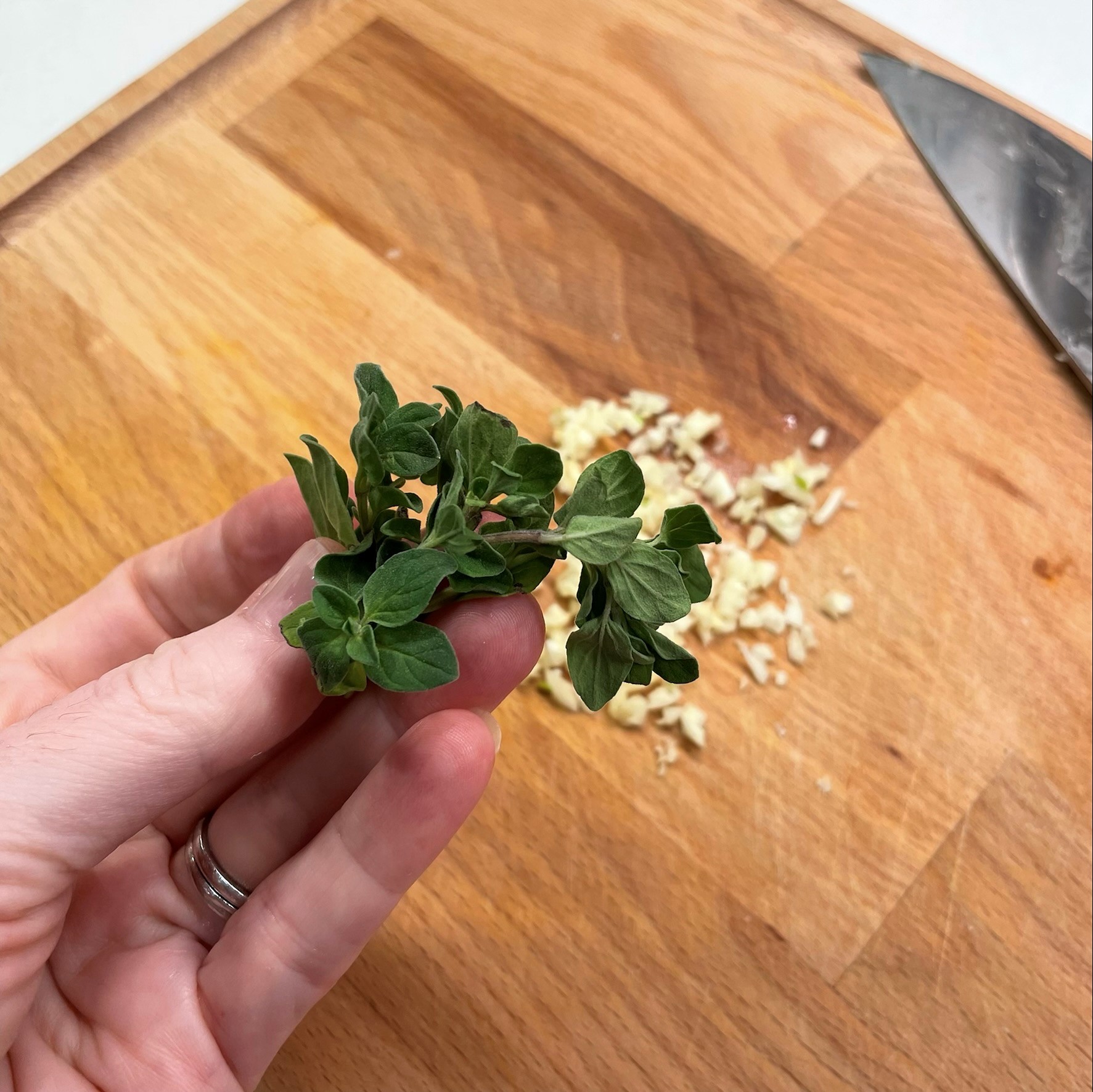
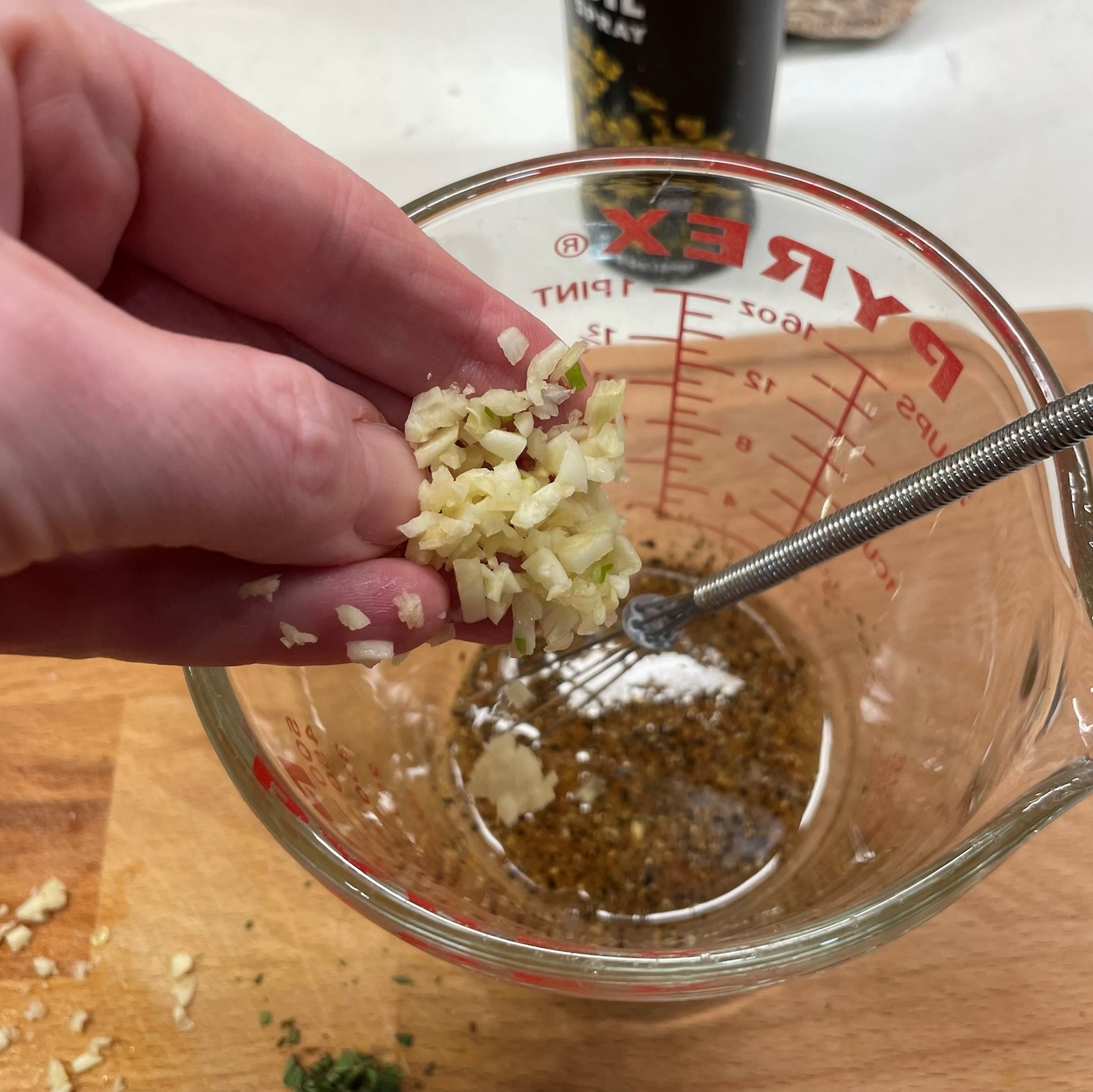
Vinaigrette is one of the simplest salad dressings to make at home. I usually make it in a glass measuring cup for easy pouring, but if you want to make it even easier, put all the ingredients into a small jar with a lid and shake the dickens out of it. My recipe for this vinaigrette is included in the downloadable PDF at the end of this post. You’ll need a light vinegar, Dijon, fresh garlic, oregano and lemon, and extra virgin olive oil.
Instructions

Follow along as I show you how I made this tasty, healthful comfort food. Scroll to the bottom for a downloadable version you can print for your recipe files.


Po’ Boy Shrimp Tacos

Being creative in the kitchen is often little more than playing a game of mix and match. You take a dish you already know, apply another style of cuisine or a few ingredient swaps, and you’re on your way. That’s what happened in my kitchen when I decided to twist together Mardi Gras and Taco Tuesday.

Having never been to New Orleans myself, I already knew something about its foods (well, I mean, who doesn’t?) from friends and internet research. The po’ boy, a classic of New Orleans, is a simple sandwich of inexpensive ingredients—usually local, in-season seafood—fried up and served on French bread with lettuce, tomato and pickles. These humble yet tasty handhelds were slipped out the back door to out-of-work streetcar drivers who were on strike at the end of the Roaring ‘20s (now that we’re here, I suppose I should specify, 1920s). As the locals tell it, a kitchen worker would see one of the hungry drivers coming up for a handout, and shout, “here comes another po’ boy!”

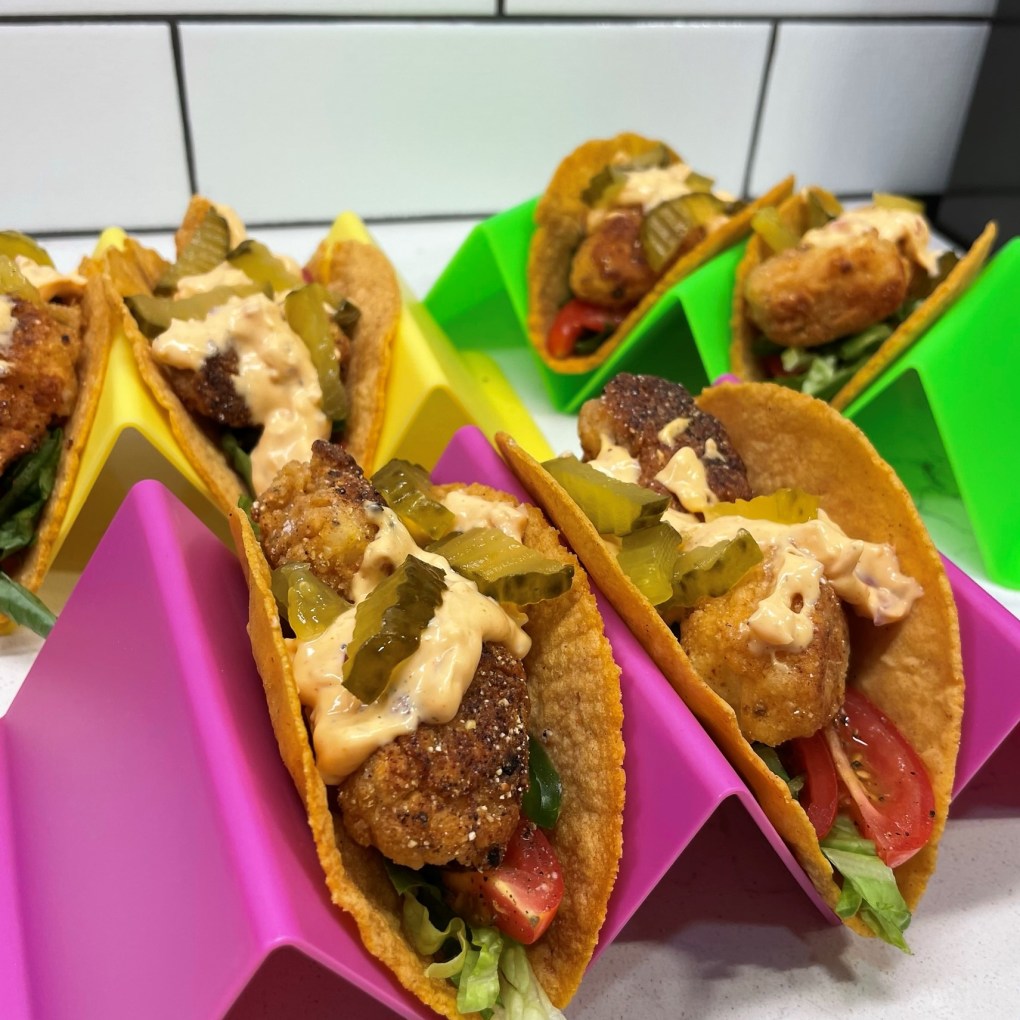
My taco-esque spin on the po’ boy is not necessarily original, given that you have probably seen plenty of shrimp tacos. But the New Orleans flavors are purposely prominent here, from the savory dry spices I added to my handmade corn tortillas, to the Cajun spices in the shrimp breading, to the bold and zesty remoulade that topped it all off. There is no cheese or salsa on these tacos; rather, I swapped in the fresh toppings that you would expect on a po’ boy sandwich—thinly shredded lettuce and tomato. But I did want to keep it in taco territory, so I also layered in some thinly sliced jalapeno, which didn’t bother my heat-loving husband one bit. If it bothers you, leave ‘em off.

If I could hit the rewind button on one thing, I would be the preparation of the shrimp. The shrimp or fish on a true po’ boy would be deep fried in a cornmeal crust, so I went along with tradition on that, but my juicy shrimp did get a bit lost in the density of a buttermilk bath and all that breading, and the whole frying process made a mess of the kitchen and had me frustrated in the end. It was delicious but I doubt all that was necessary. My Plan B was to simply season the shrimp straight in the Cajun spices and give them a quick sauté, same as I do for my go-to Cajun shrimp & garlicky cheese grits. The flavors would have been the same and the overall dish would have been lighter, both in heft and calorie count, so I’ll try it that way next time. 

But then again, it’s Fat Tuesday, so anything goes!

Ingredients

6 corn tortillas* (see ingredient notes)

1/2 lb. Gulf shrimp*, peeled and de-veined

2 tsp. spicy Cajun or Creole seasoning*

Canola or peanut oil for frying (amount depends on whether you use breading)


Breading (optional)

1/2 cup all-purpose flour, divided

1/2 cup cultured buttermilk

1/4 cup fine or medium cornmeal (seasoned with the Cajun spices)


Toppings

About 1/2 cup finely shredded lettuce (I used romaine)

1/2 cup chopped fresh tomato

A few thin slices fresh jalapeno (optional)

5 or 6 slices chopped sweet and spicy pickles (we love “Wickles” brand)


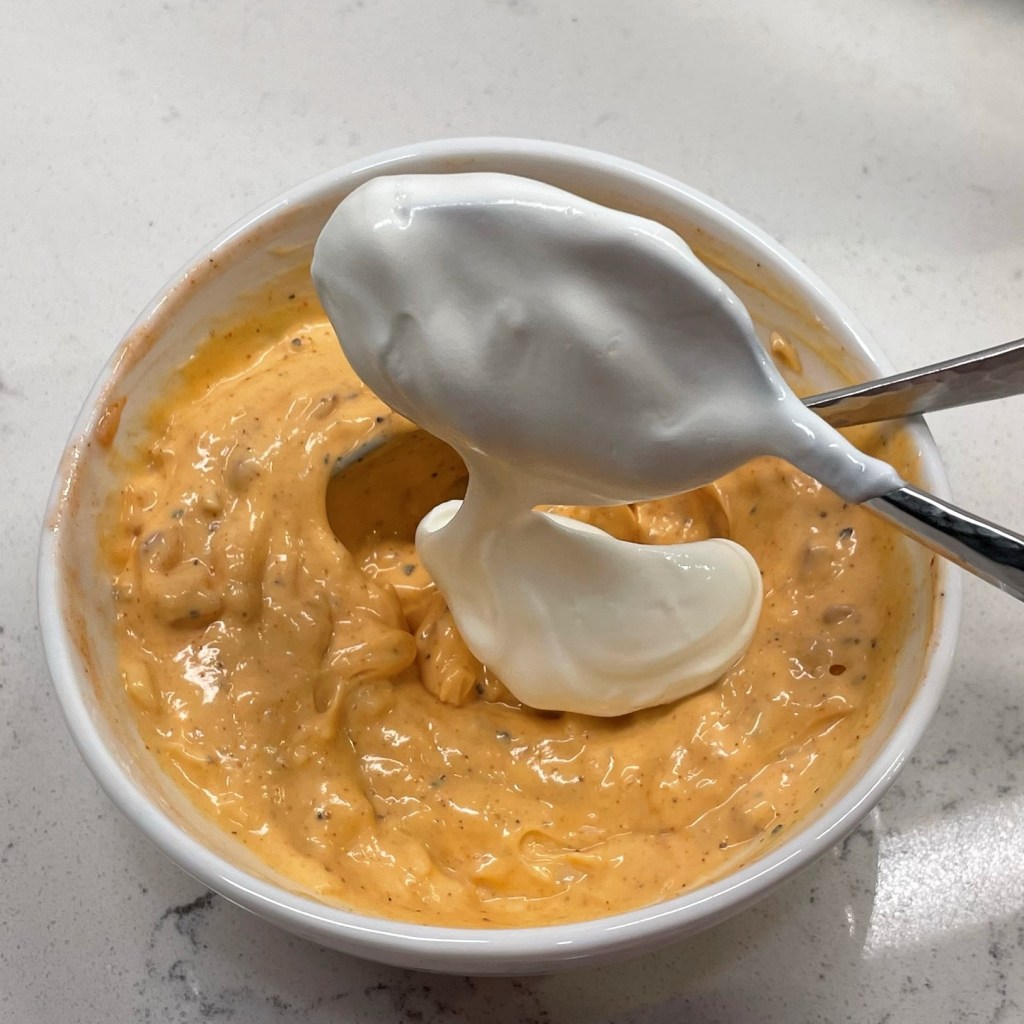
Remoulade

4 Tbsp. mayonnaise

1 Tbsp. Frank’s RedHot Sauce* (original variety)

1 Tbsp. minced fresh garlic

2 Tbsp. finely minced red onion

1/4 tsp. paprika (sweet or smoked)

1 Tbsp. sour cream

Salt and pepper


*Ingredient Notes

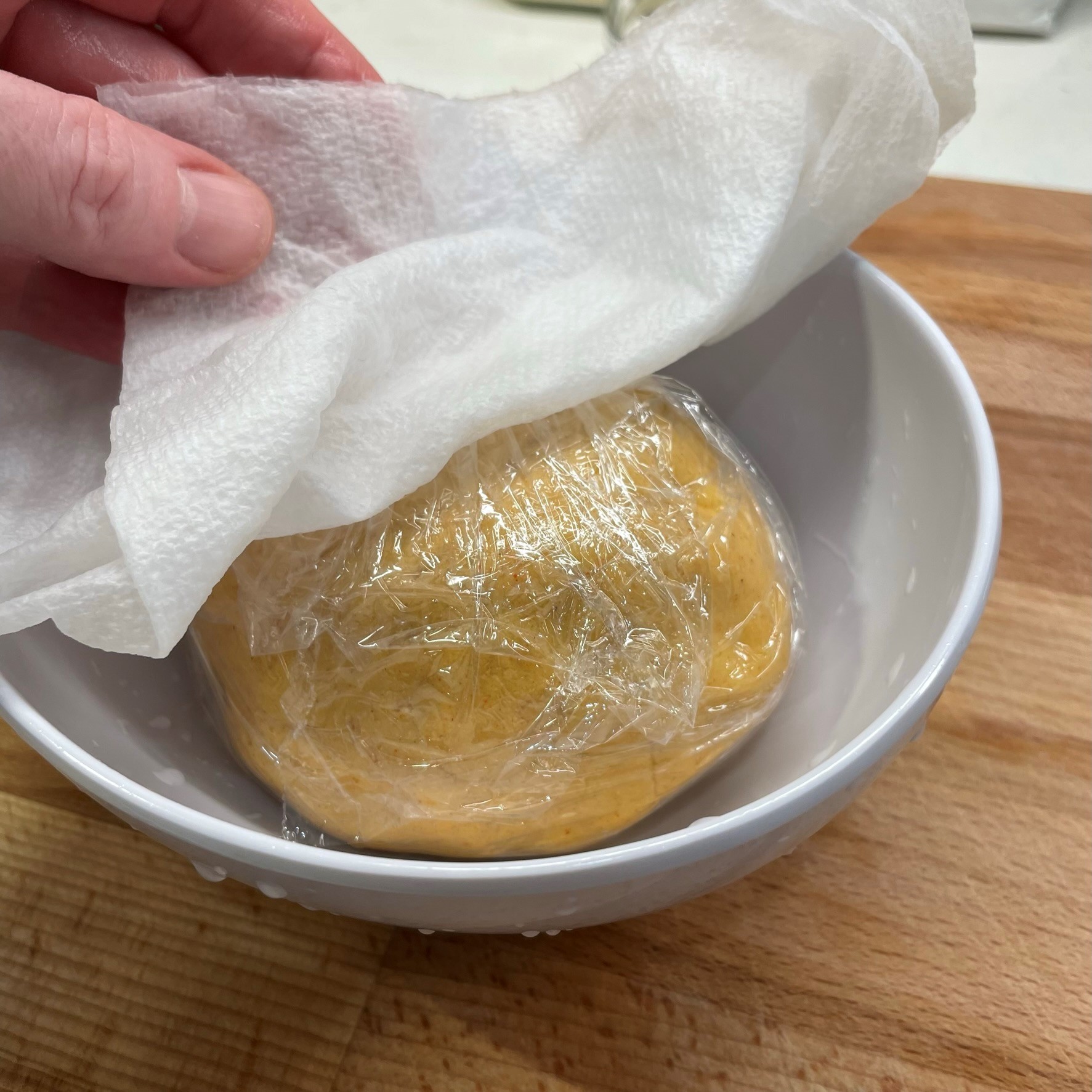
You could certainly use store-bought corn tortillas for your po’ boy tacos, and perhaps give them a quick flip through a dry cast-iron skillet to warm and slightly char them just before serving. We love handmade corn tortillas, and I added about 1/2 teaspoon each of smoked paprika and onion powder to my masa dough, to lend a little more flair. See my previous post on handmade corn tortillas for more detail about the technique.

I used large shrimp, 16 to 20 count per pound, but I cut them in half for easier divvying among our tacos. My recommendation for Gulf coast shrimp is not merely for authenticity (it is, after all, intended to be a tribute to New Orleans), but also for the integrity of the product. Be wary of seafood from other countries, especially the stuff that comes out of Southeast Asia, as the industry there is prone to problems ranging from over-fishing and contamination to heinous human rights violations. Is the domestic shrimp more expensive? I suppose it depends on who you ask.

If you don’t have a local fishmonger you trust, look for evidence of standards on the supermarket packaging, and don’t hesitate to ask questions at the fish counter.

To clarify, Cajun and Creole seasonings are not the same, but both are prominent in Louisiana cooking, and I believe they are interchangeable in this recipe, mostly based on your tolerance for heat. Cajun cuisine leans more toward spicy pepper heat and Creole is more about the dried herbs. I used a chile and garlic Cajun powdered seasoning, added to the cornmeal breading. If you skip the breading, simply toss the shrimp directly in the seasoning before sautéing—and don’t skimp!
Frank’s RedHot is the sauce I used, but if you can get your hands on a bottle of Crystal brand hot sauce (the preferred brand in Louisiana), by all means go with that.


Instructions

Make the remoulade ahead, so the flavors have time to meld in the fridge. Stir together all ingredients and adjust heat, salt and pepper to taste. Cover and refrigerate until serving time.

If you are making your own tortillas, make those next, keeping them warm on a towel-lined plate as you prepare the shrimp.

For a sautéed version, pat the shrimp dry on paper towels. Spritz them with spray oil and then toss in the Cajun seasoning until well coated. Heat a small amount of oil in a skillet and saute, turning once, until shrimp are no longer pink. Total cooking time should be two to four minutes, depending on the size of the shrimp.

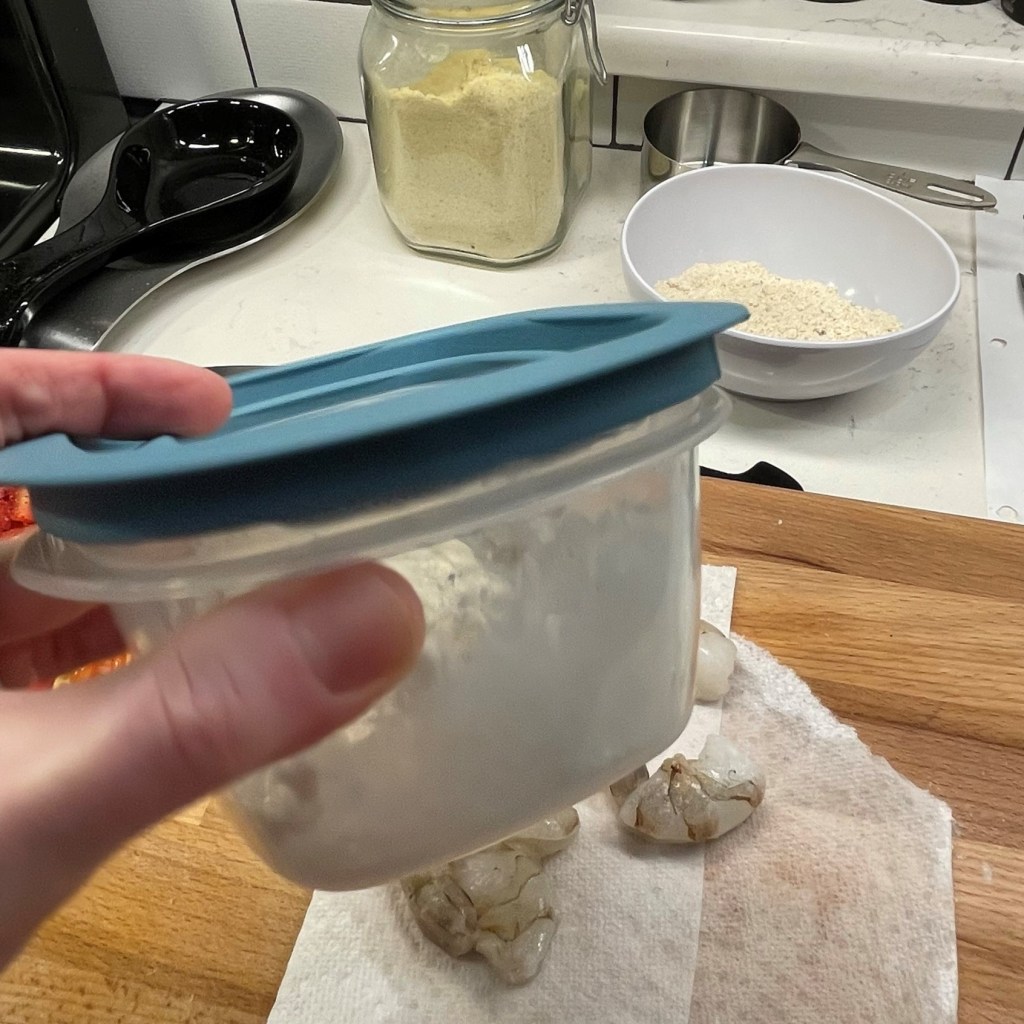
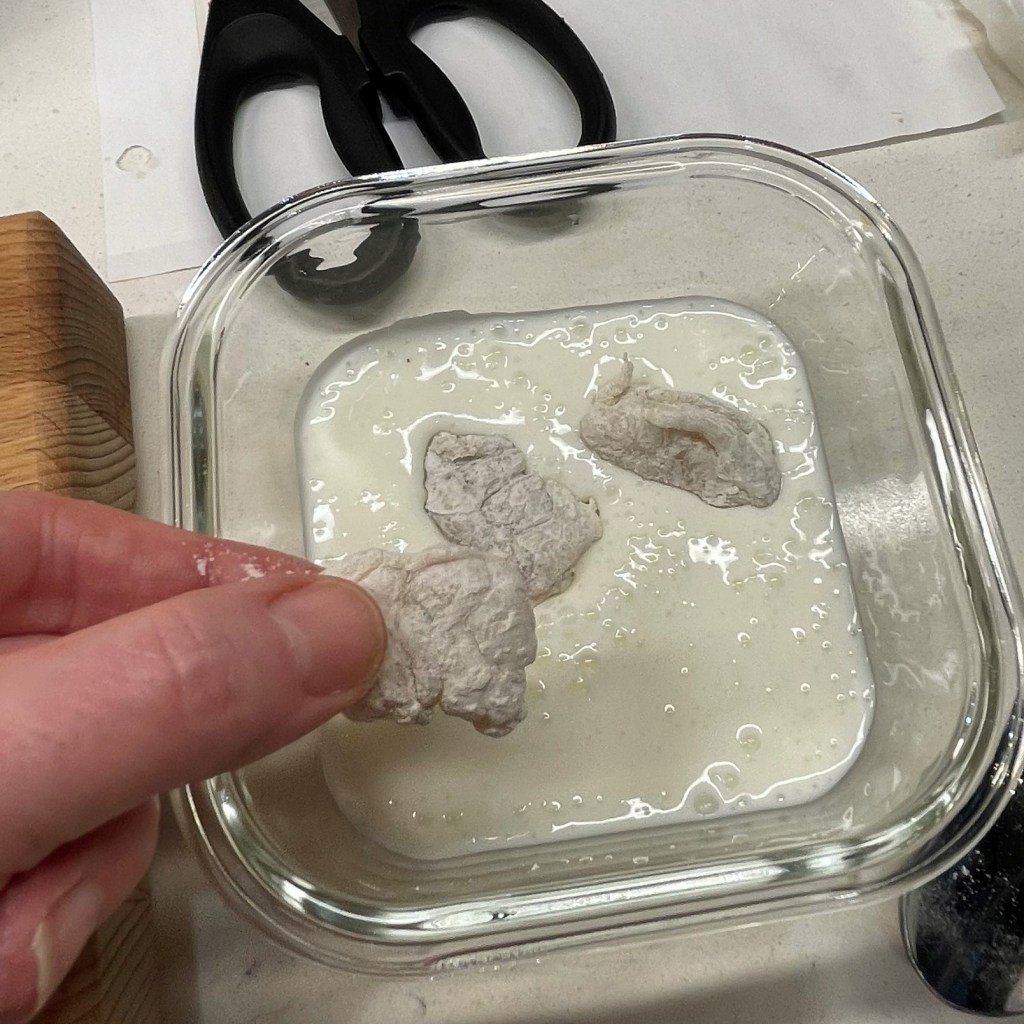
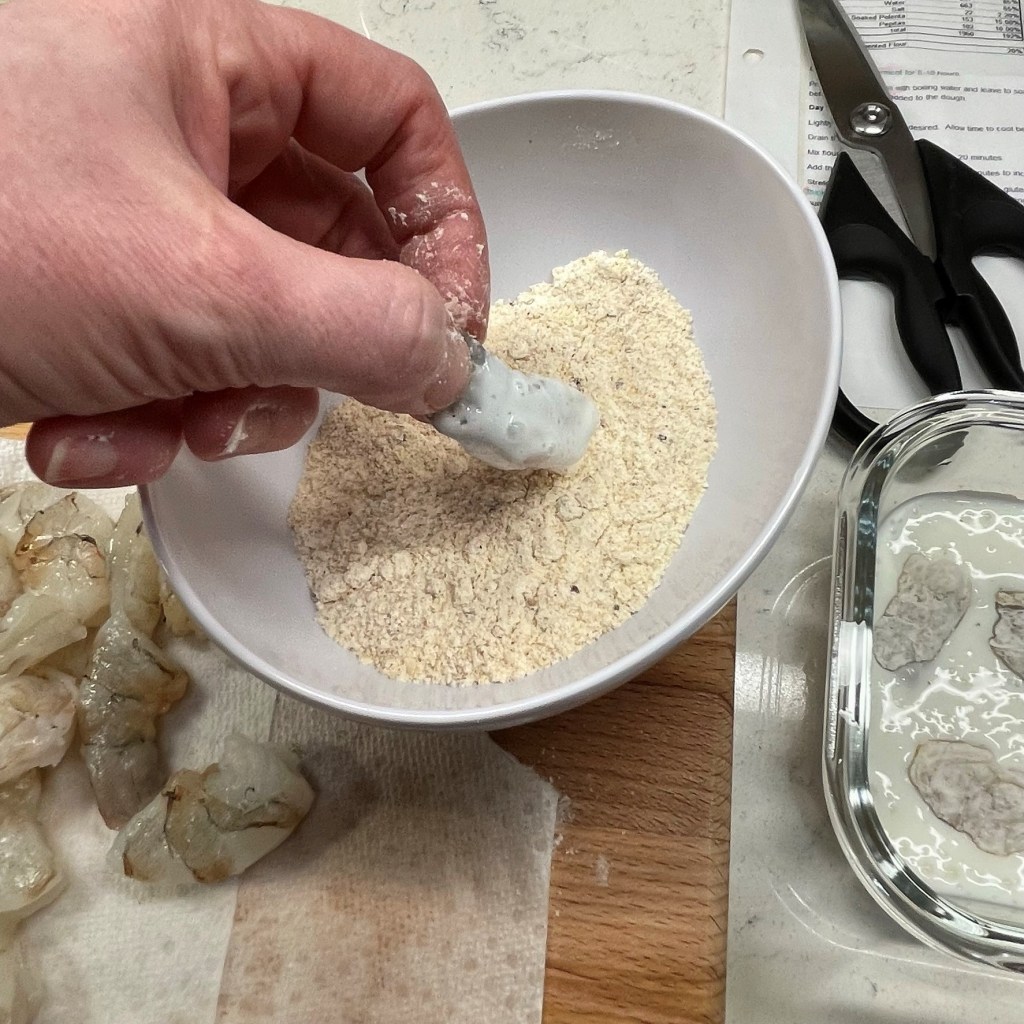
For fried shrimp, heat canola or peanut oil over medium heat in a cast iron skillet, about 1/2” deep. Pat the shrimp dry on paper towels. Set up a breading station, with half the flour in one dish, buttermilk in the second, and remaining flour mixed with cornmeal, Cajun seasoning and cayenne (if using) in a third.

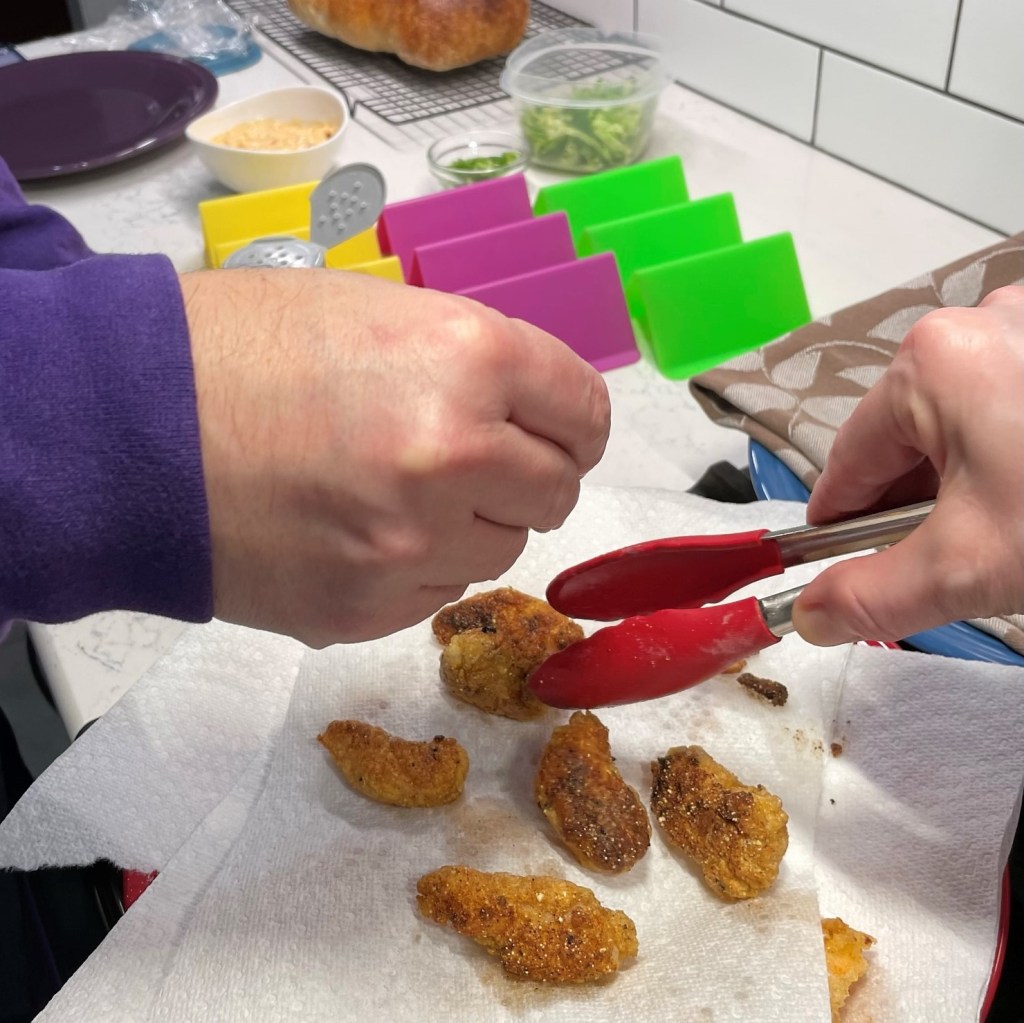
When the oil is ready (toss a bread cube in to see if it bubbles immediately), toss the shrimp lightly in the plain flour, then dip into the buttermilk and finally the cornmeal mixture. Add the shrimp pieces to the skillet one at a time, keeping room between them. Don’t try to do the shrimp all at once because you will cause the oil temperature to drop too quickly. Turn the shrimp pieces when they are golden on the bottom, and salt immediately upon transfer to a paper towel-lined plate. If you need to add oil, do it between batches and allow time for it to return to proper temperature.

Assemble the po’ boy tacos, beginning with shredded lettuce, tomato and jalapeno (if using). Divide the shrimp among the tacos, dress with remoulade and garnish with chopped spicy pickles.


Bananas Foster Ice Cream

Every year, I say that I want to make something elaborate for Mardi Gras—a king cake or jambalaya or étouffée (which my computer just tried to auto-correct as “toupee”)—but I usually miss my chance because I’m tied up making things for Super Bowl or Valentine’s Day. As much as I try, I simply can’t do everything at once.

But because Easter has a floating date (blame it on the moon), so does Ash Wednesday and so does Mardi Gras—and as luck would have it, I have had a little free time after Super Bowl to get my act together in time for this year’s Mardi Gras, which will be March 1. Frankly, I wonder whether I am qualified to make something as traditional as a king cake, given that I have never actually been to New Orleans. I do make a good gumbo, and there was that jambalaya deep-dish pizza last year that was pretty awesome, but I am not prone to do too many repeats, and my craving for a dessert was getting the better of me.

And that’s how this Bananas Foster ice cream came to be.

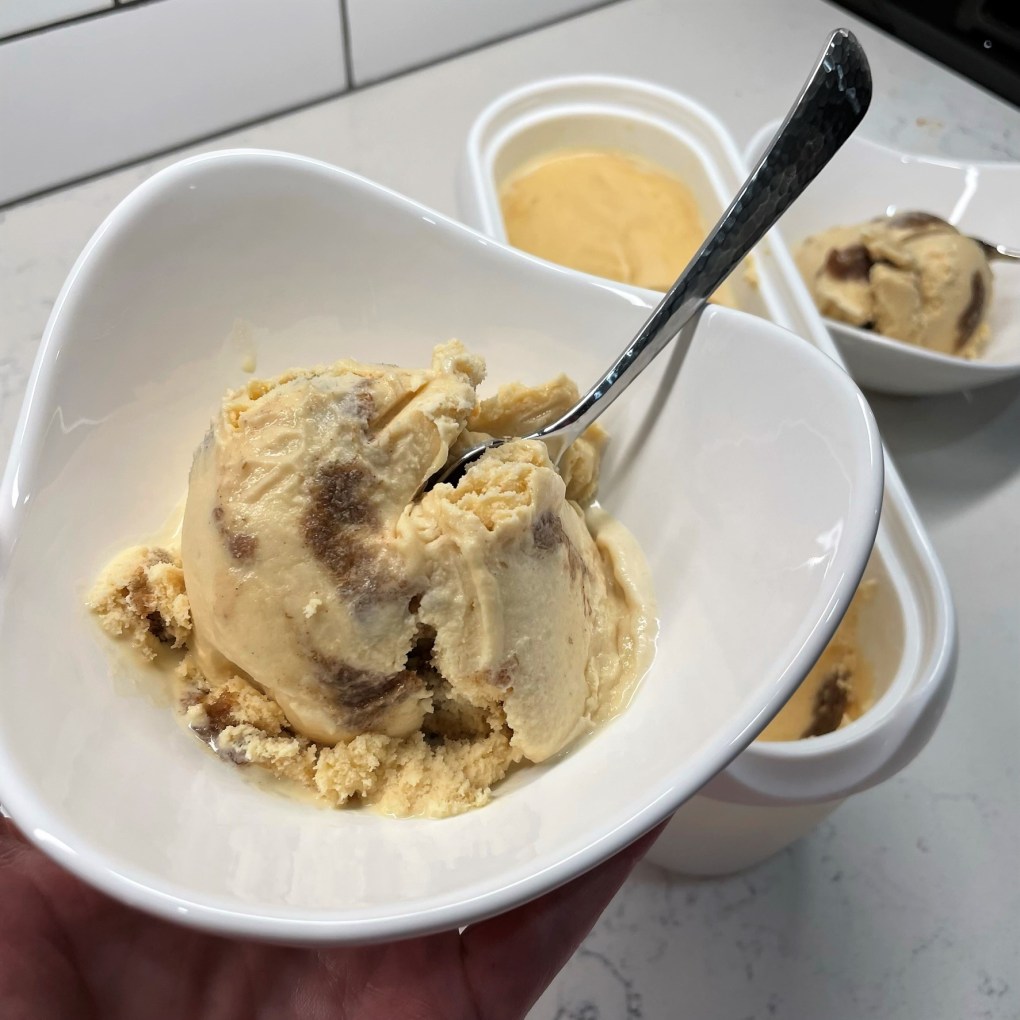
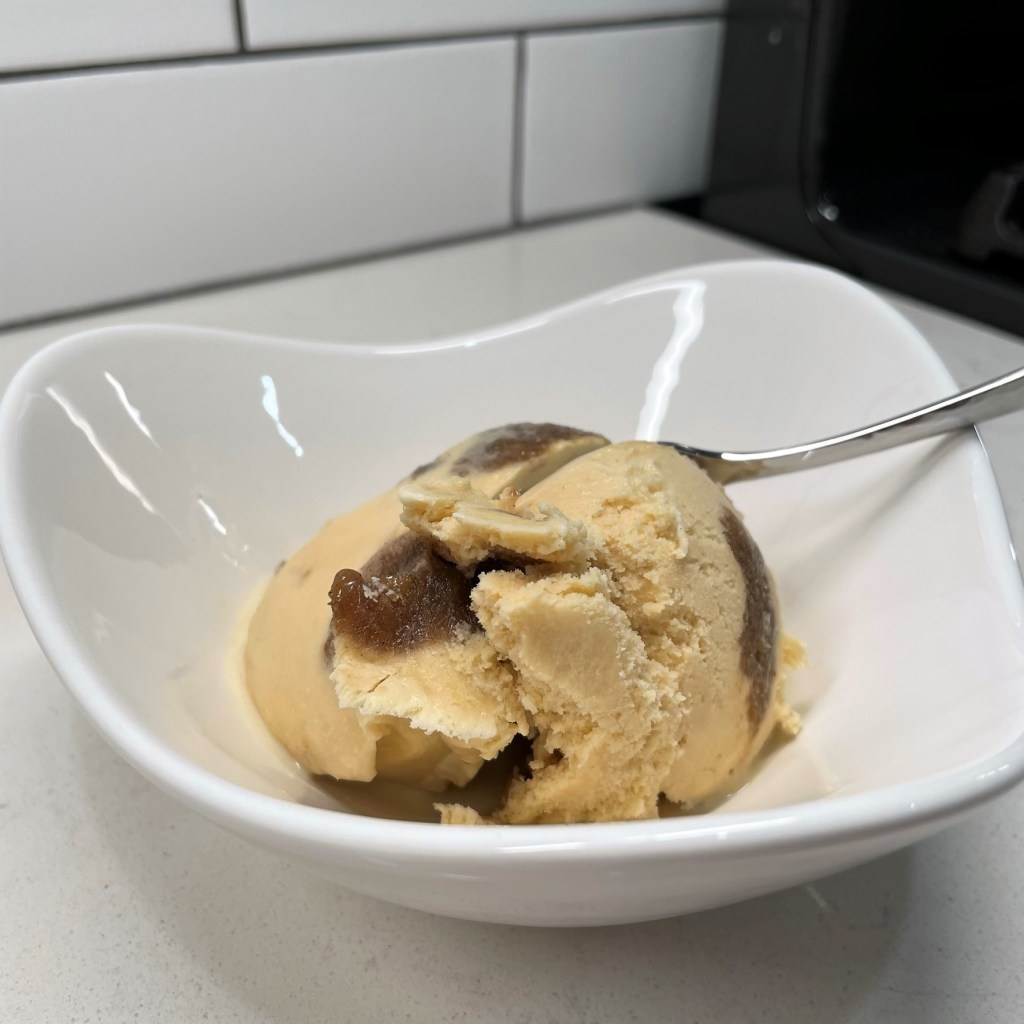
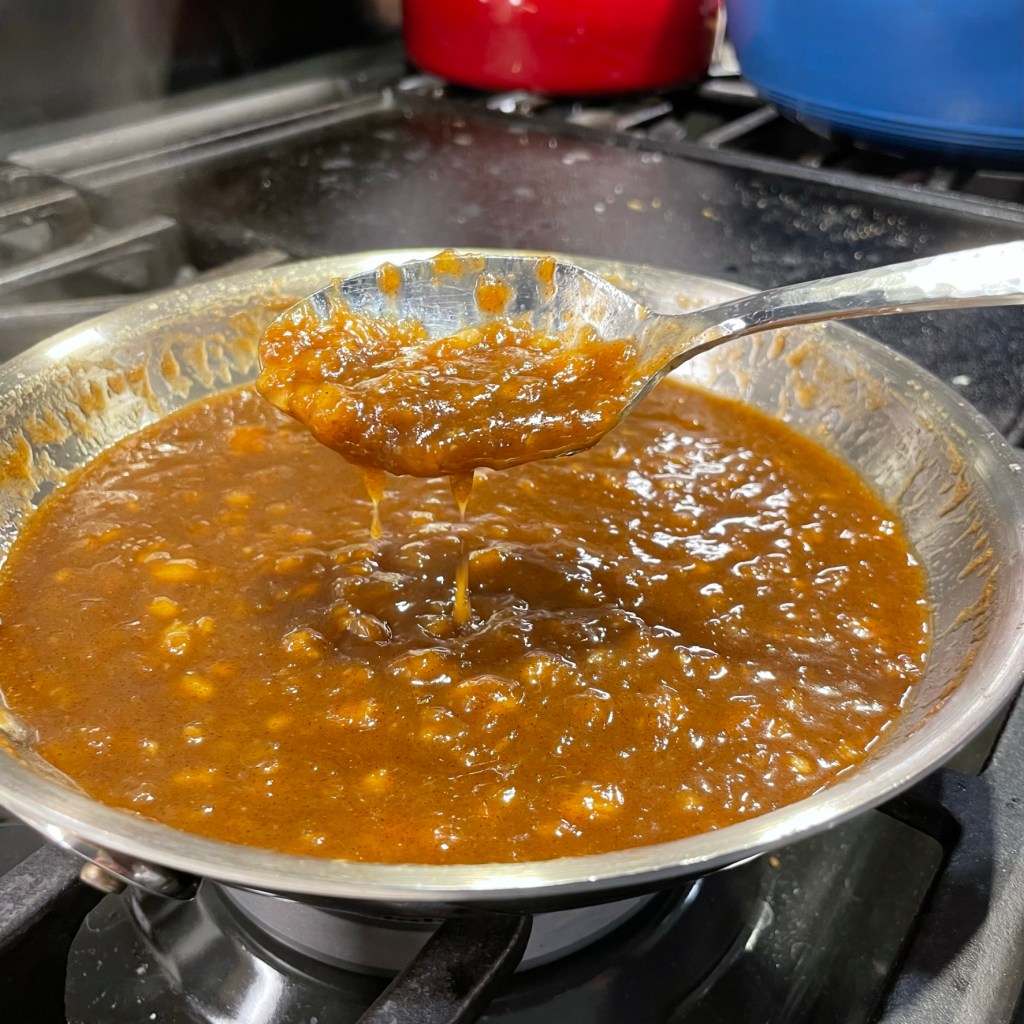
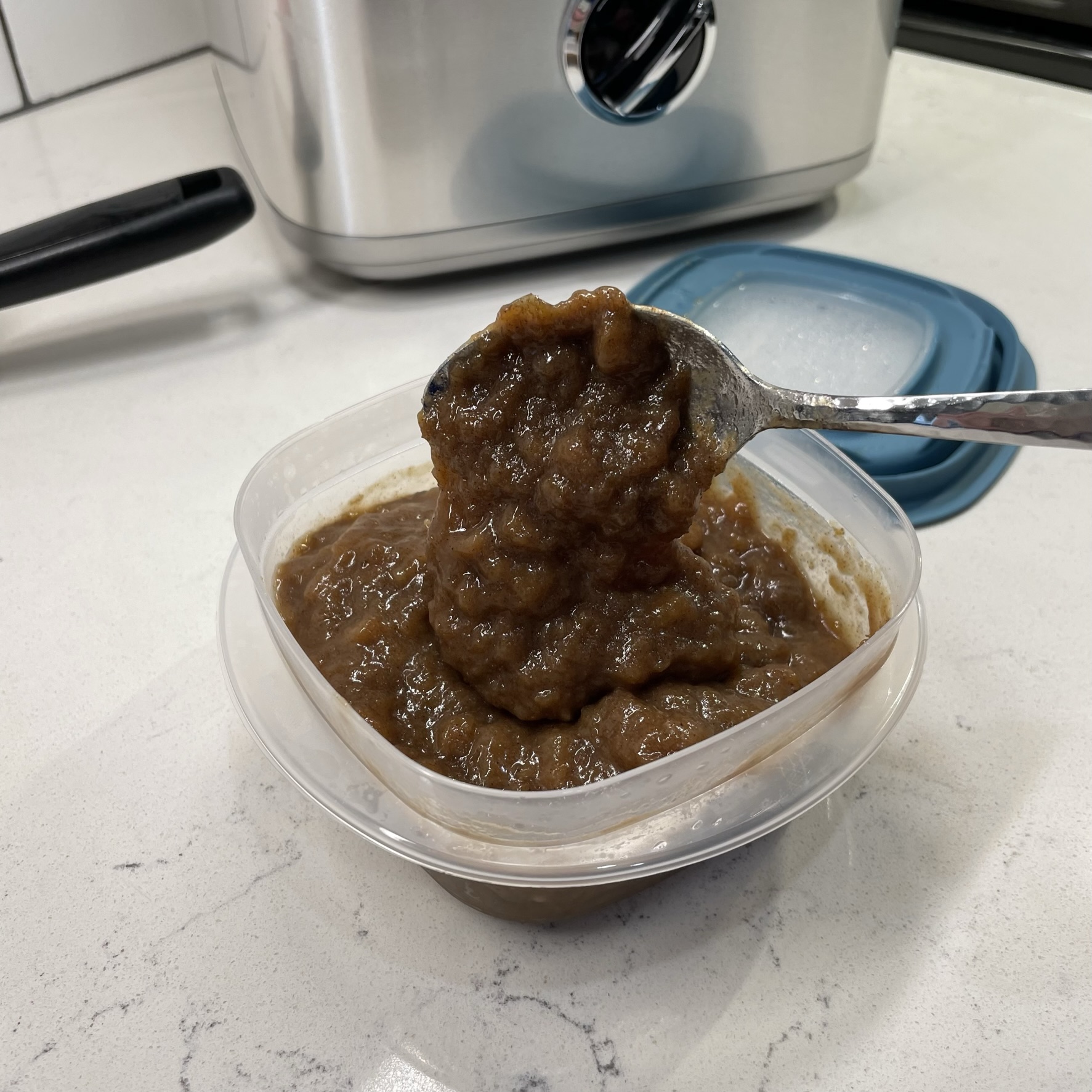
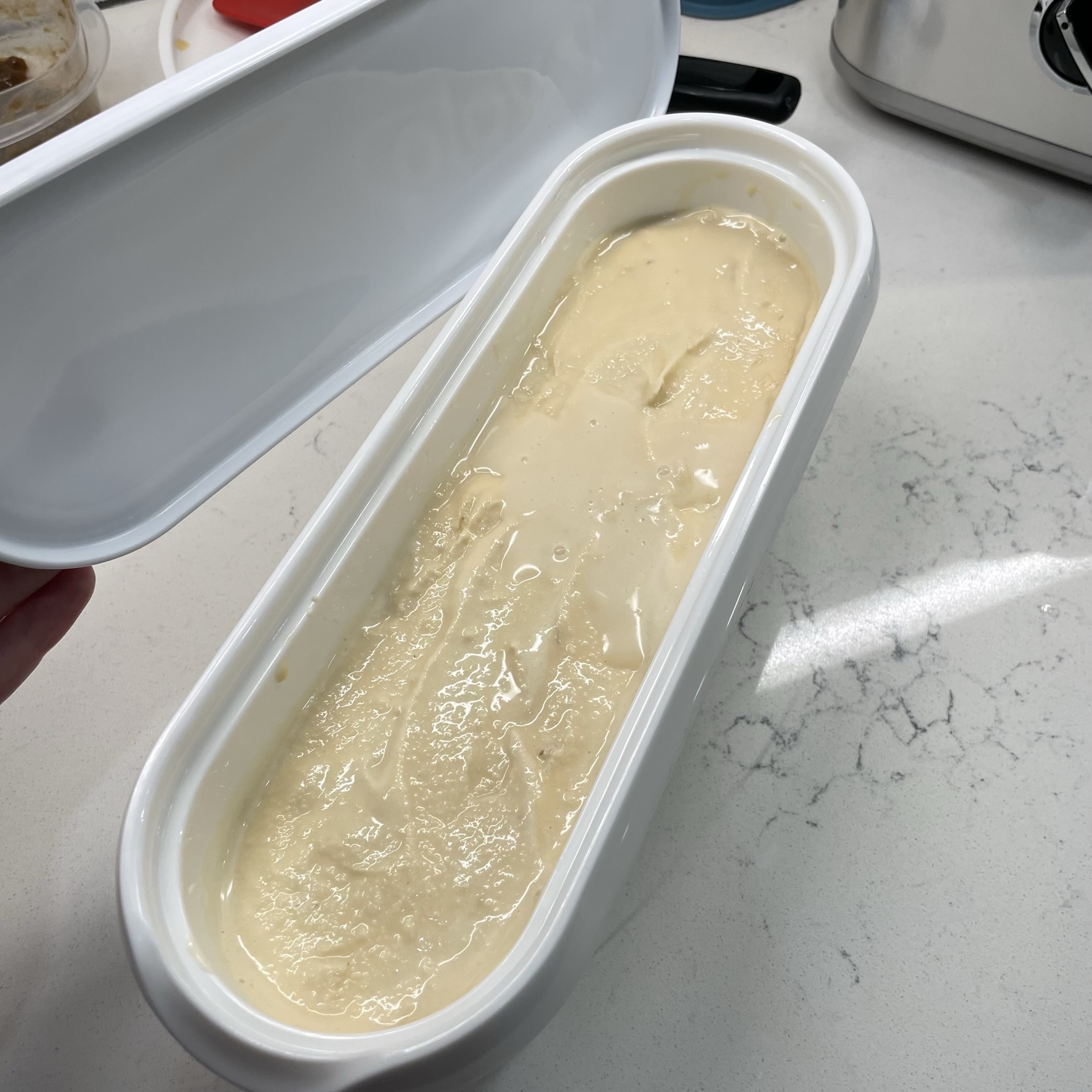
The Bananas Foster swirl is very prominent and so flavorful.

Bananas Foster is a decadently sweet dessert, native to New Orleans. The traditional recipe involves flaming rum-soaked syrup including brown sugar, cinnamon and butter—all spooned over caramelized bananas and served with a scoop of creamy vanilla ice cream. In a previous season of my life, I experienced the pure joy of having Bananas Foster prepared tableside, and those flavors never quite cleared my imagination. It was all at once tropical, sweet, warm, cold, sensual, creamy, boozy and flat-out amazing. What could possibly go wrong, I thought, in skipping the flambé and just adapting that whole mix into an ice cream?

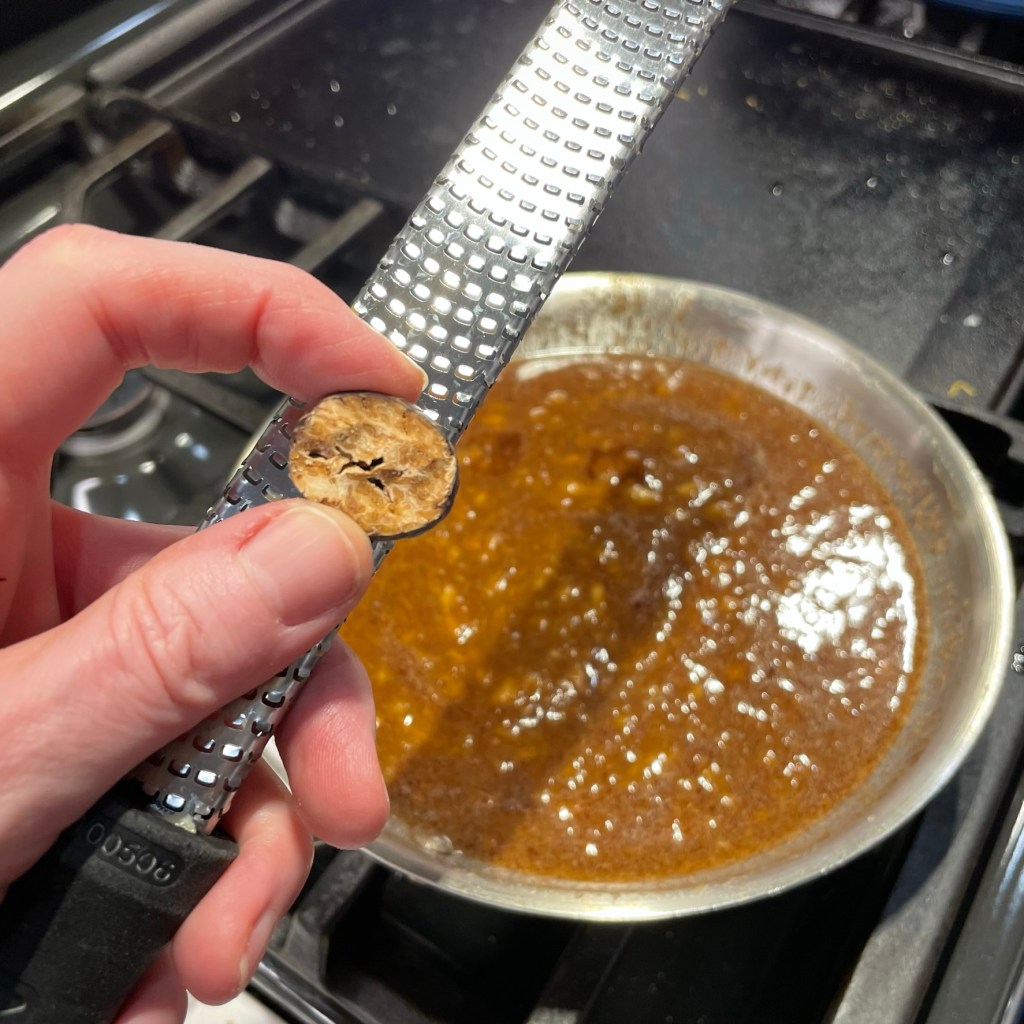
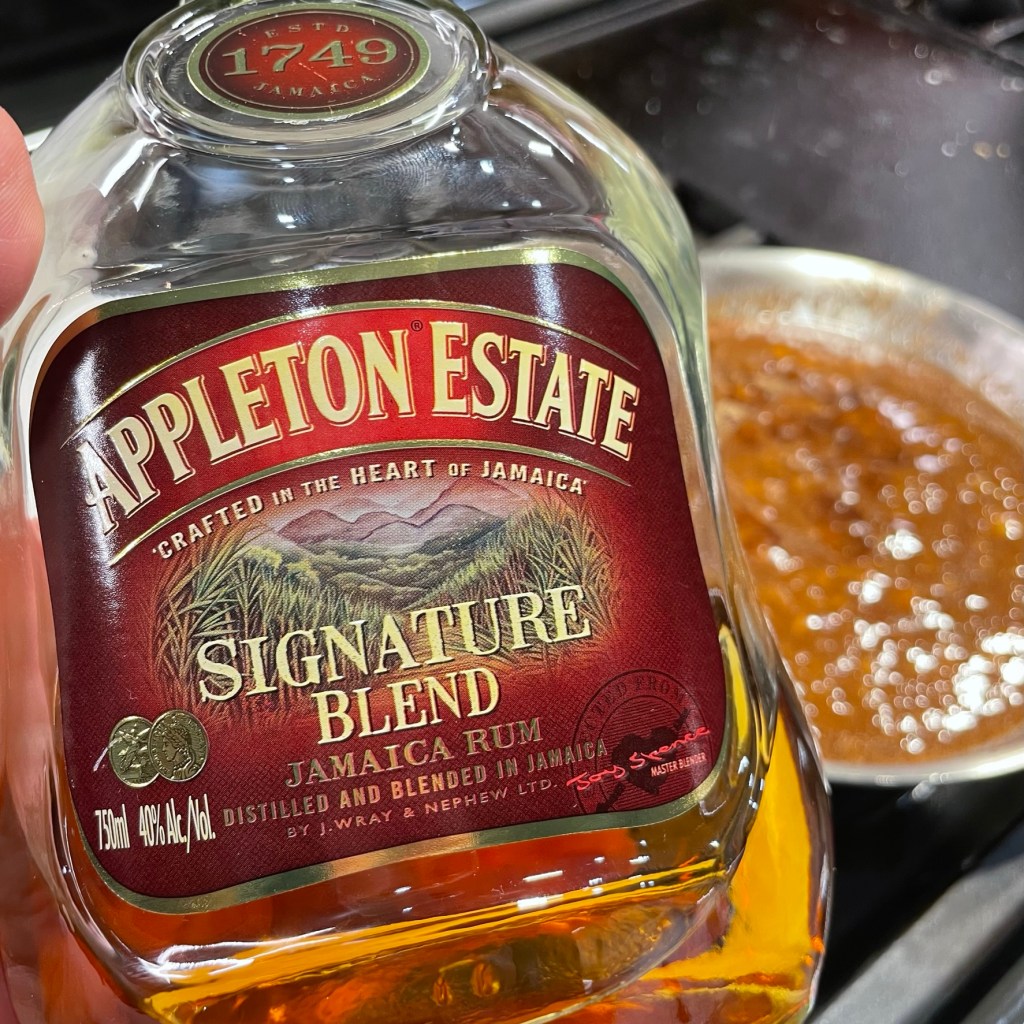
For the richness factor, I started with my go-to custard base for the ice cream, but I used brown sugar rather than white to lay a foundation of warm, molasses-y flavor. I caramelized a couple of ripe, mashed bananas into a mixture of brown sugar, butter, cinnamon and freshly grated nutmeg, then I poured in a shot of aged dark rum from Jamaica (the same rum I used recently in those “air fryer” jerk wings). Both components got an overnight chill, and then I froze the ice cream and layered in the bananas foster filling the next day.

One of these days, I’ll get to New Orleans to celebrate Mardi Gras properly. Until then, I’ll just put on some beads and some zydeco music and enjoy another scoop of this frozen delight.

Don’t mind me, I’m just having my own private Mardi Gras over here.

Ingredients

1 1/2 cups whole milk

2/3 cup light brown sugar (packed)

3 egg yolks (room temperature is best)

1 1/2 cups heavy cream

Pinch of kosher salt

1 tsp. real vanilla extract

1 Tbsp. vodka or dark rum, optional (added at the end of freezing)

Bananas Foster Swirl

3 Tbsp. salted butter

1/3 cup light or dark brown sugar

3/4 tsp. ground cinnamon

A few shavings whole nutmeg

2 very ripe bananas

1.5 oz. dark rum or spiced rum


Instructions for Custard

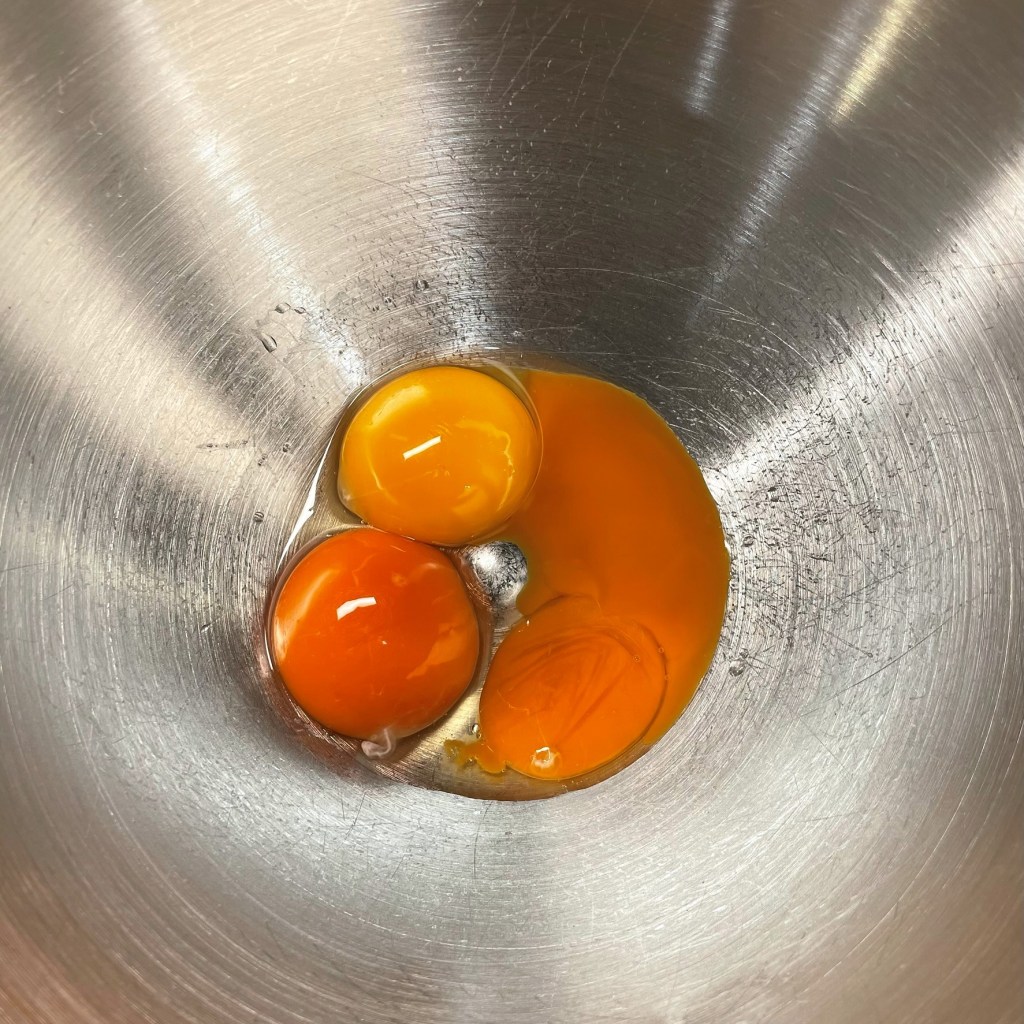
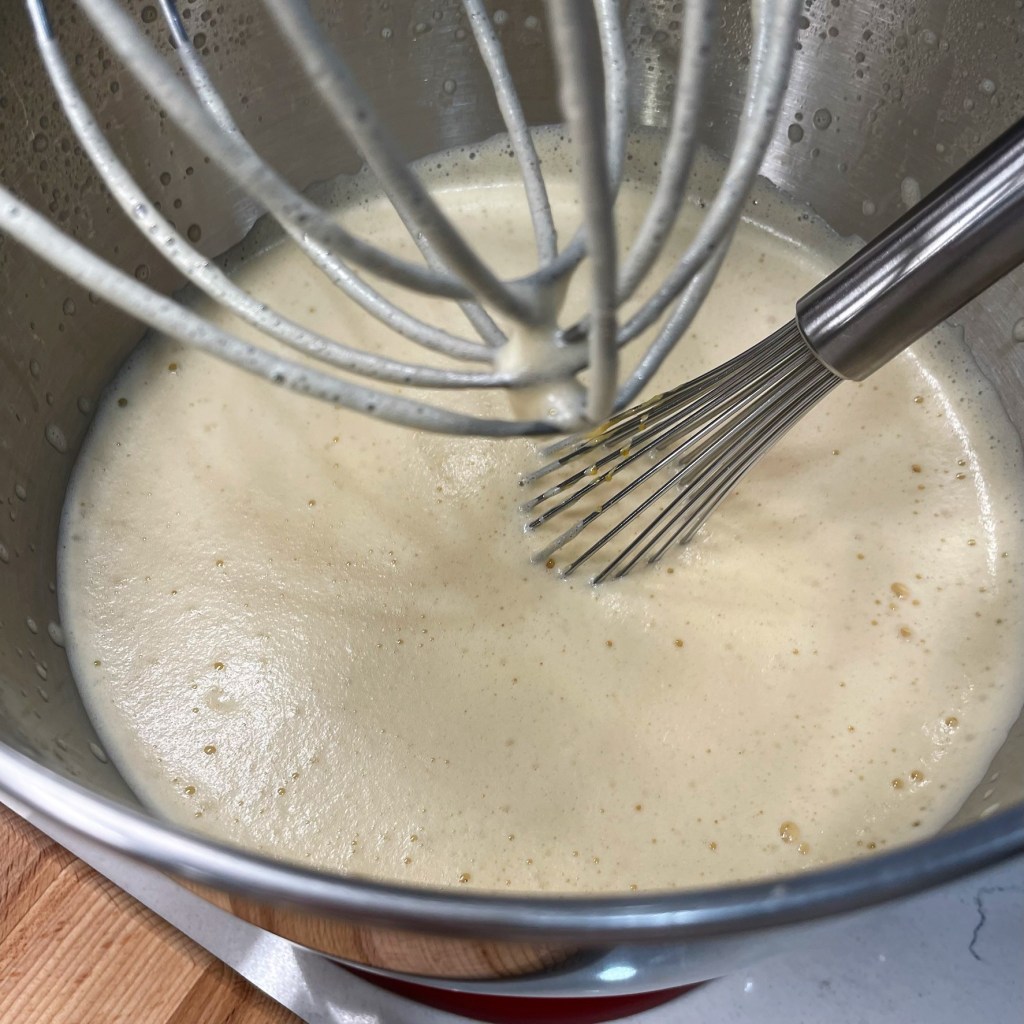
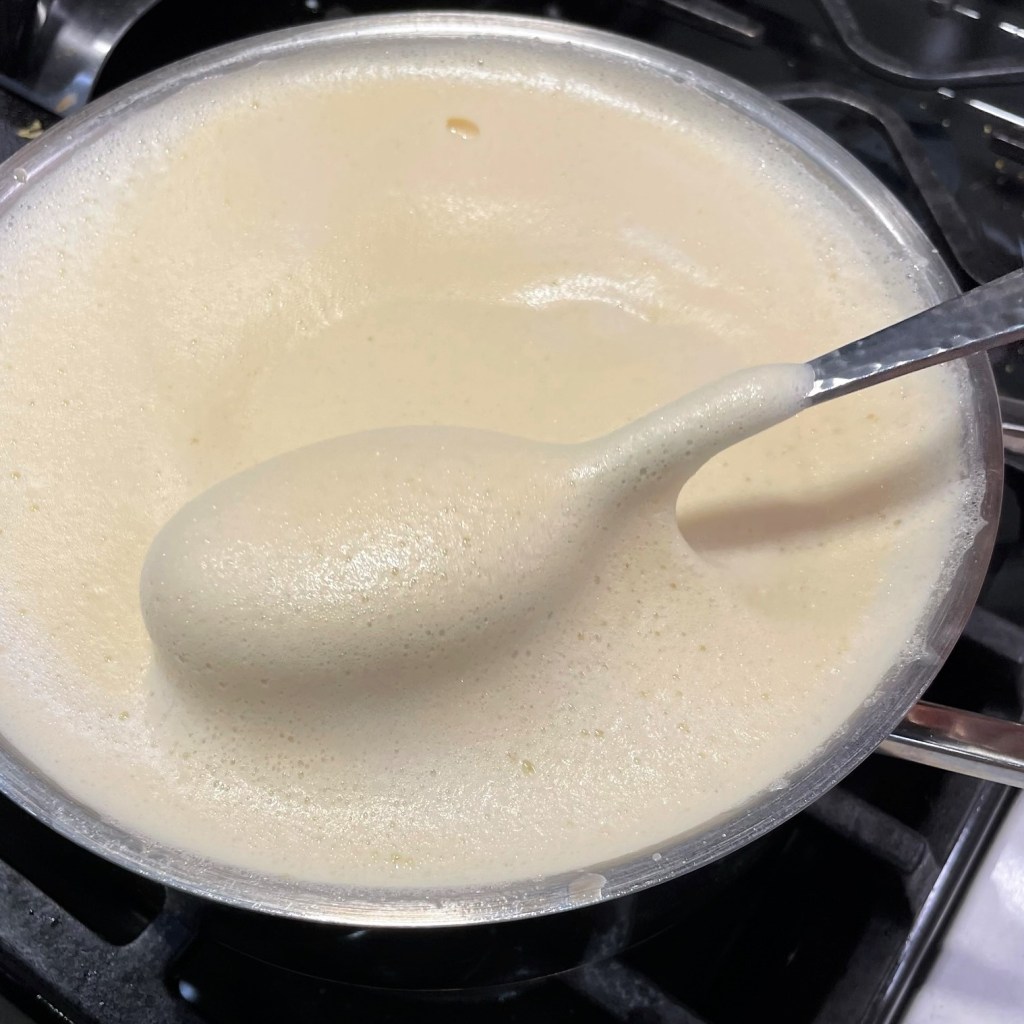
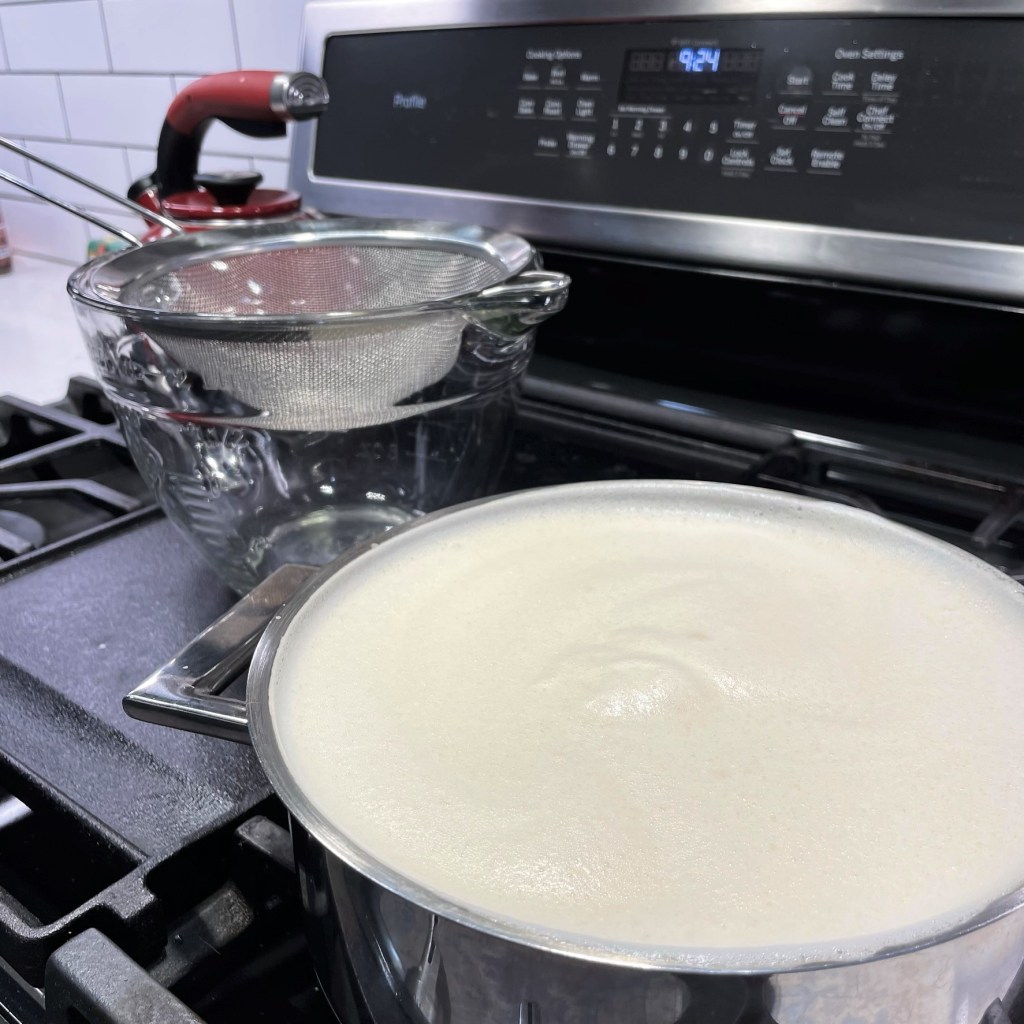
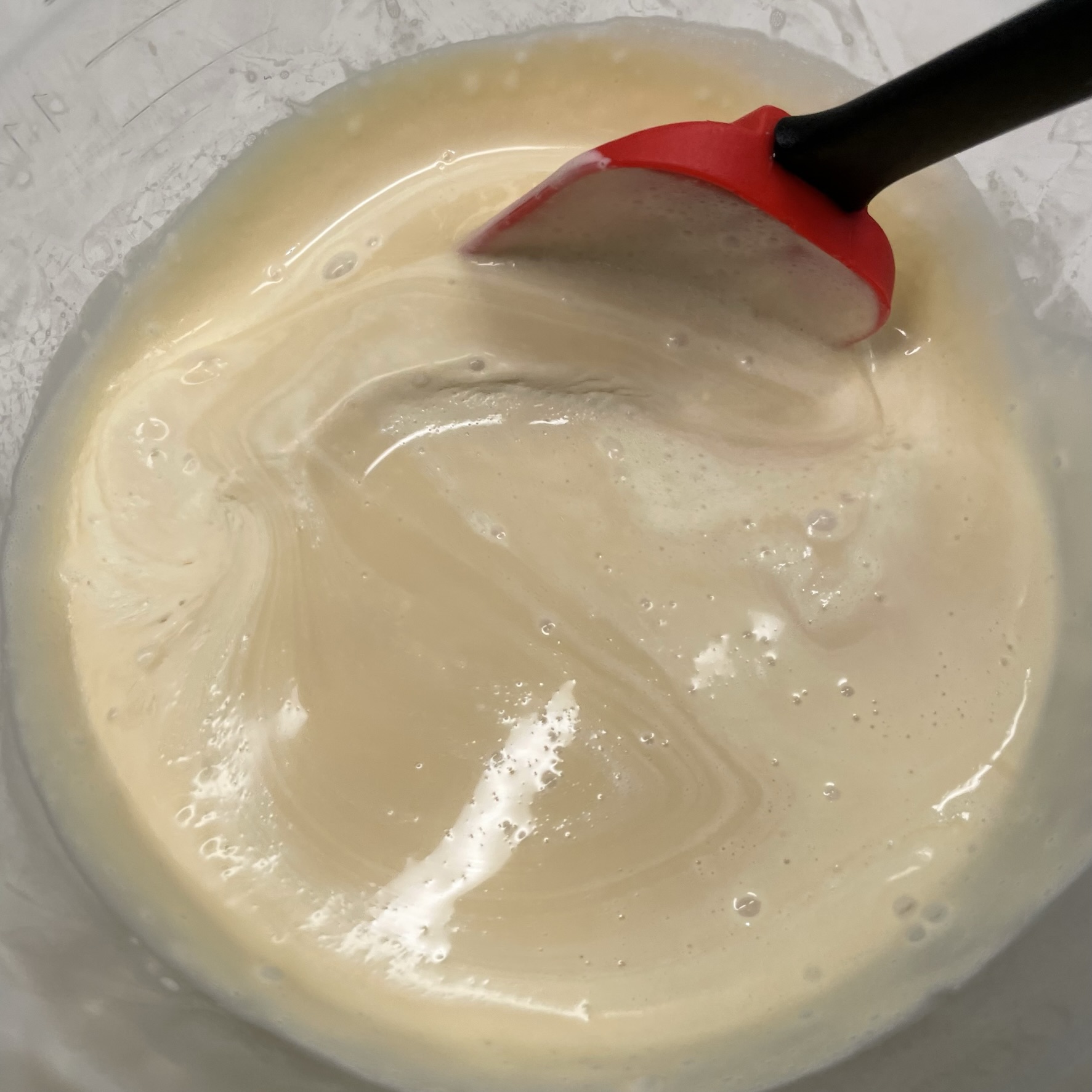
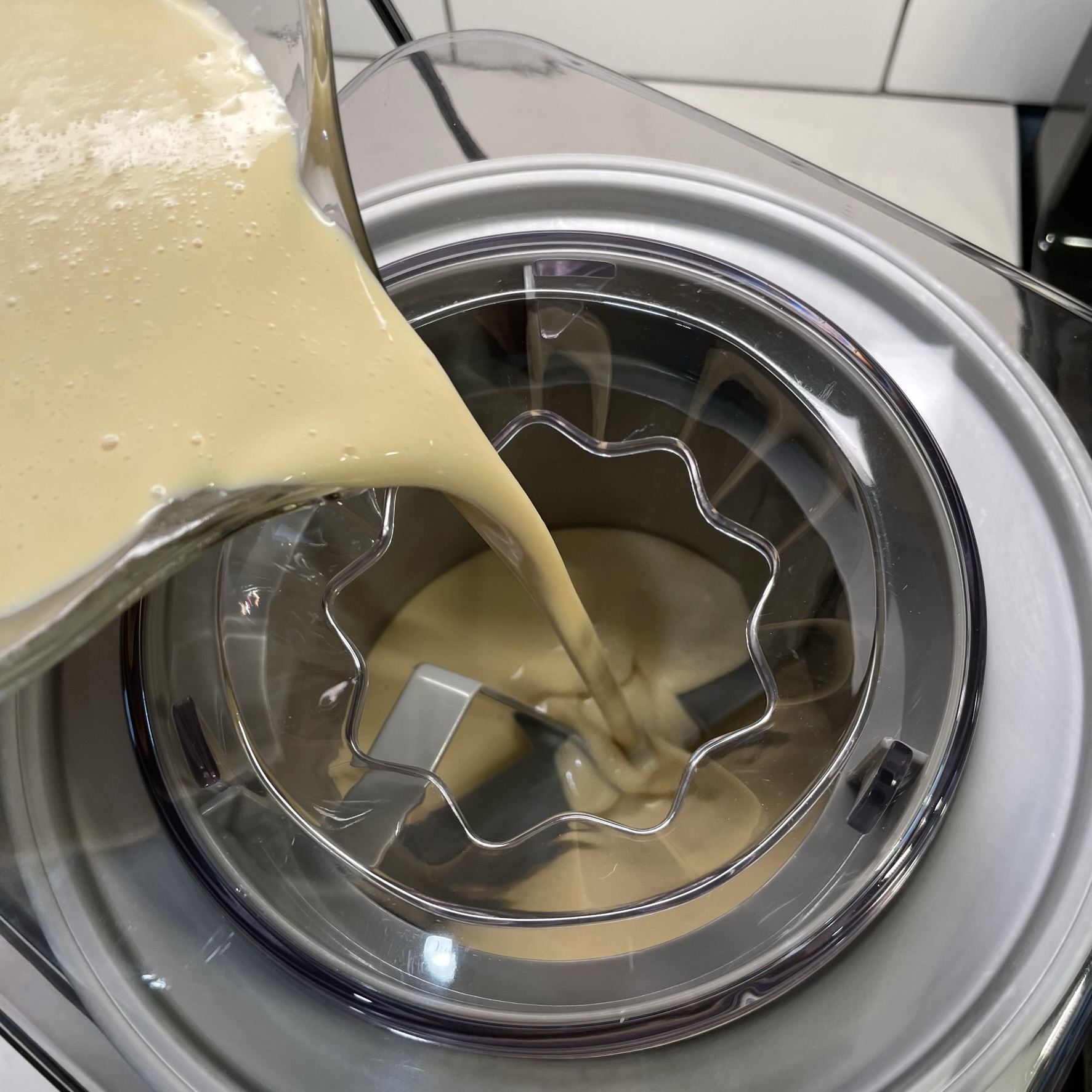
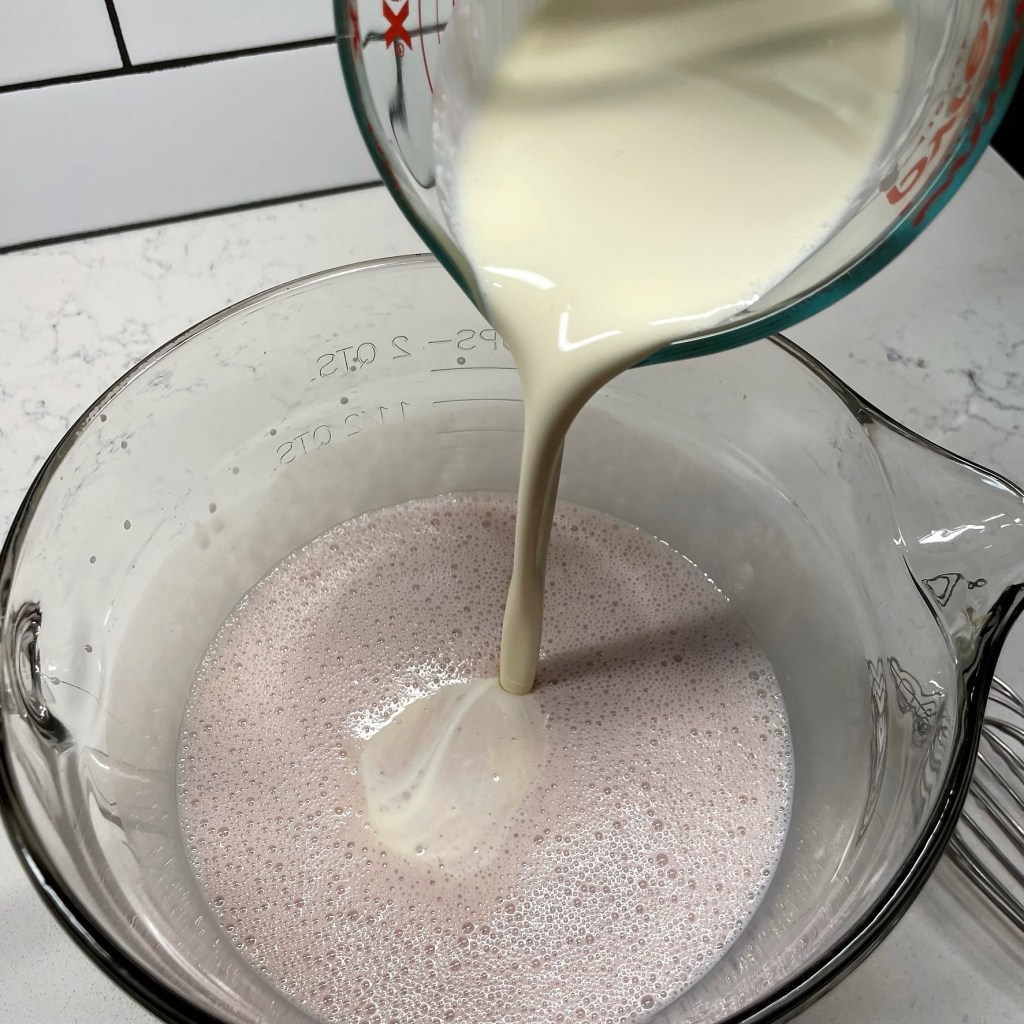
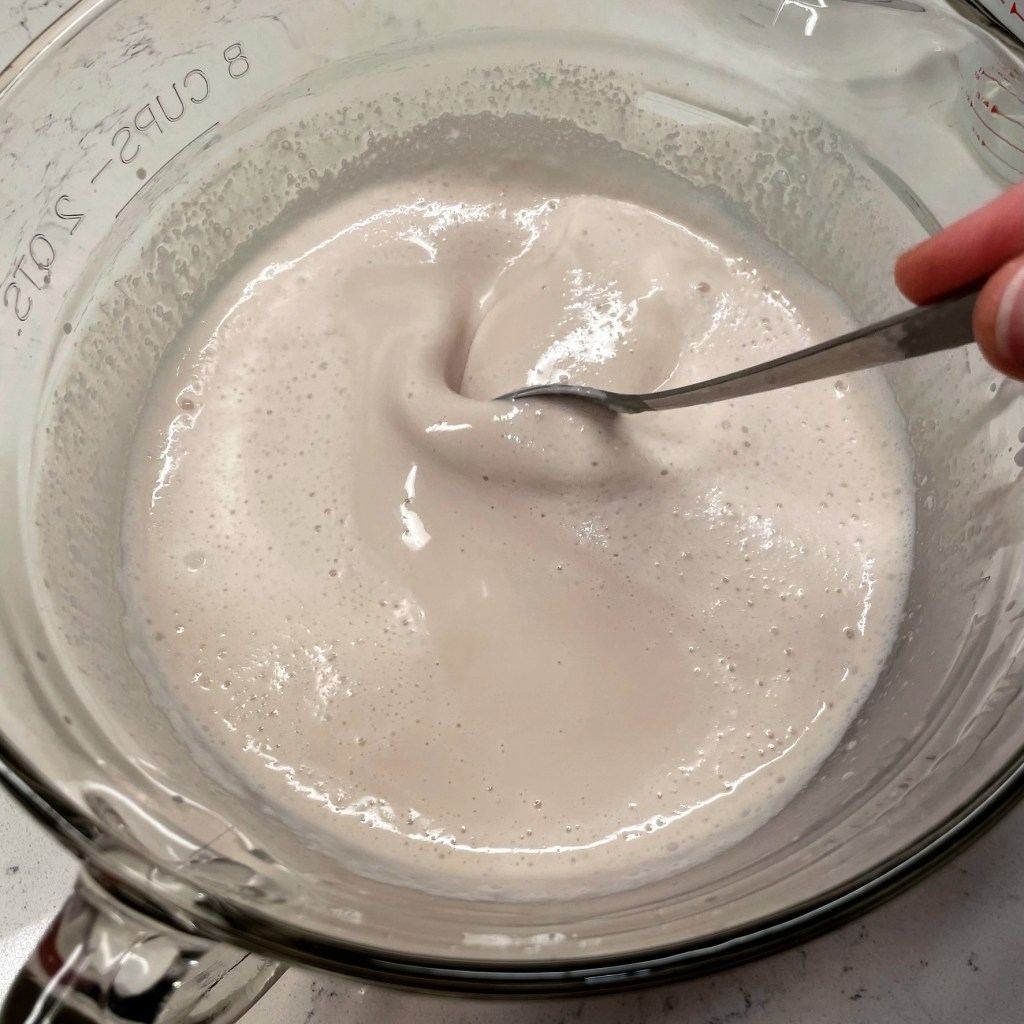
Full disclosure: I have made my custard-based ice cream many times, and never had this much trouble with foam. Most of the time, the custard cooks up silky and rich. But I got carried away and whipped my egg yolks too much! The ice cream turned out great, but don’t try to replicate this mistake. 🙂

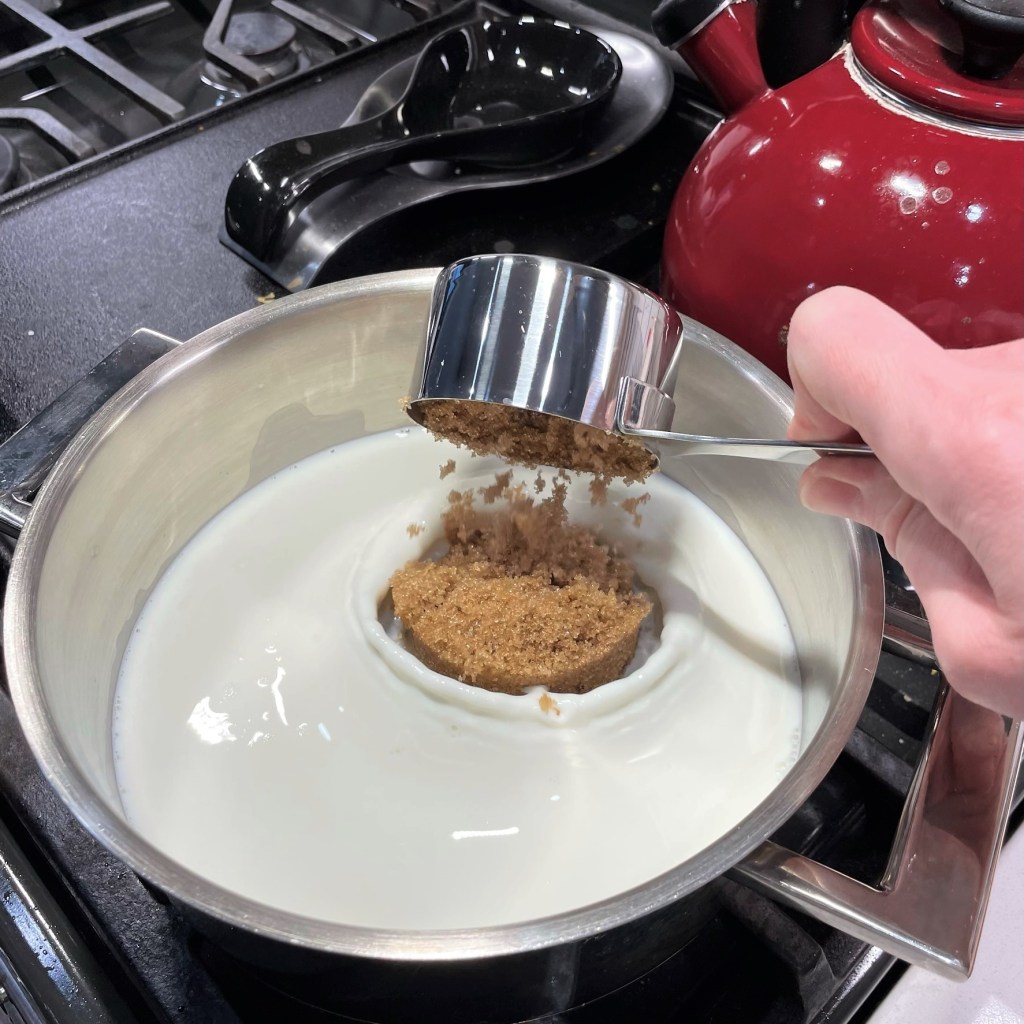
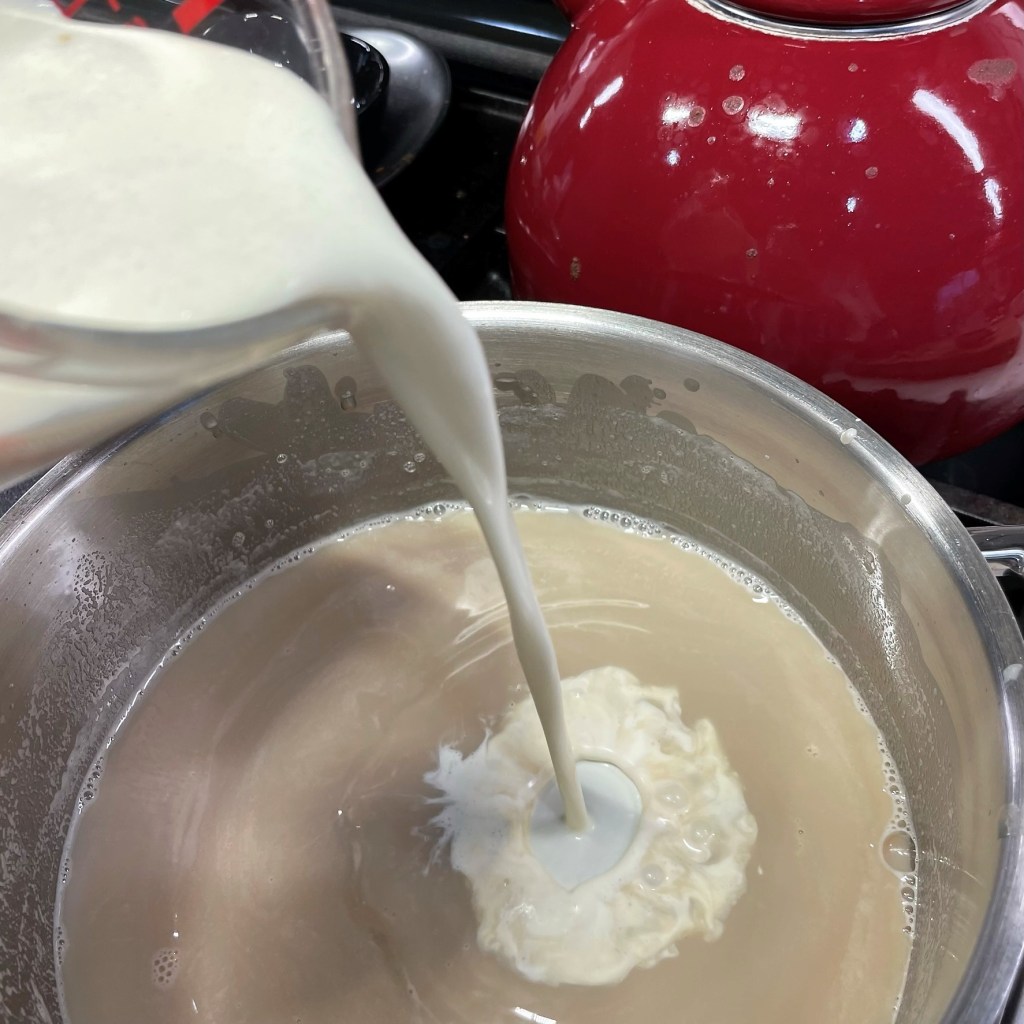
Place a medium, heavy-bottomed pot over medium heat. Combine milk and brown sugar and cook, stirring frequently, until sugar is fully dissolved and milk is steaming.

Using an electric mixer, lightly whip the egg yolks until they are lighter and somewhat airy. This usually works best with a bit of fine sugar in the bowl, but I skipped that step this time because I was using grainy brown sugar in the recipe.

When the milk mixture begins to barely bubble around the edges, transfer about half of it into a measuring cup. Add the heavy cream to the pot and bring it back up to the steaming temperature.

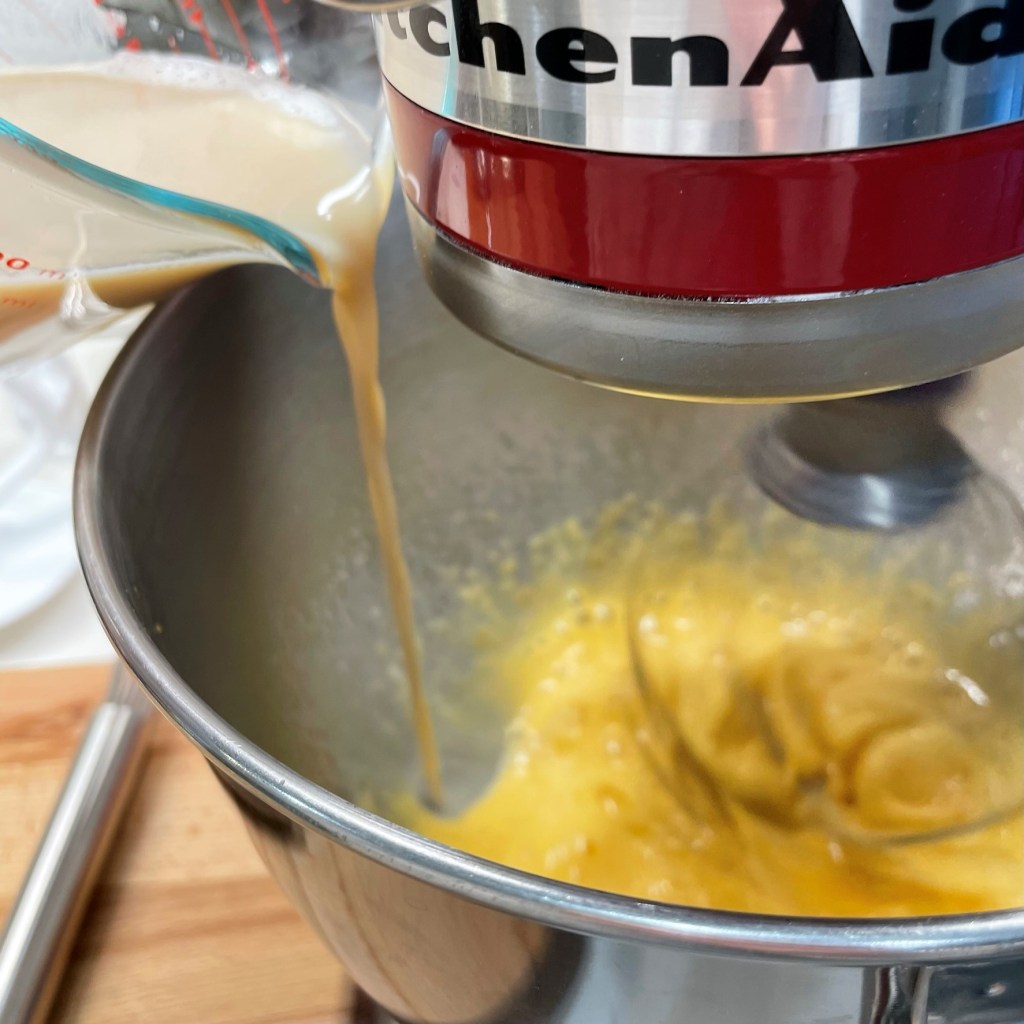
While that’s going, slowly and gradually add the measured hot milk mixture to the egg yolks (with the mixer running constantly). This step is called “tempering,” and it raises the temperature of the eggs slowly to cook them without scrambling them.

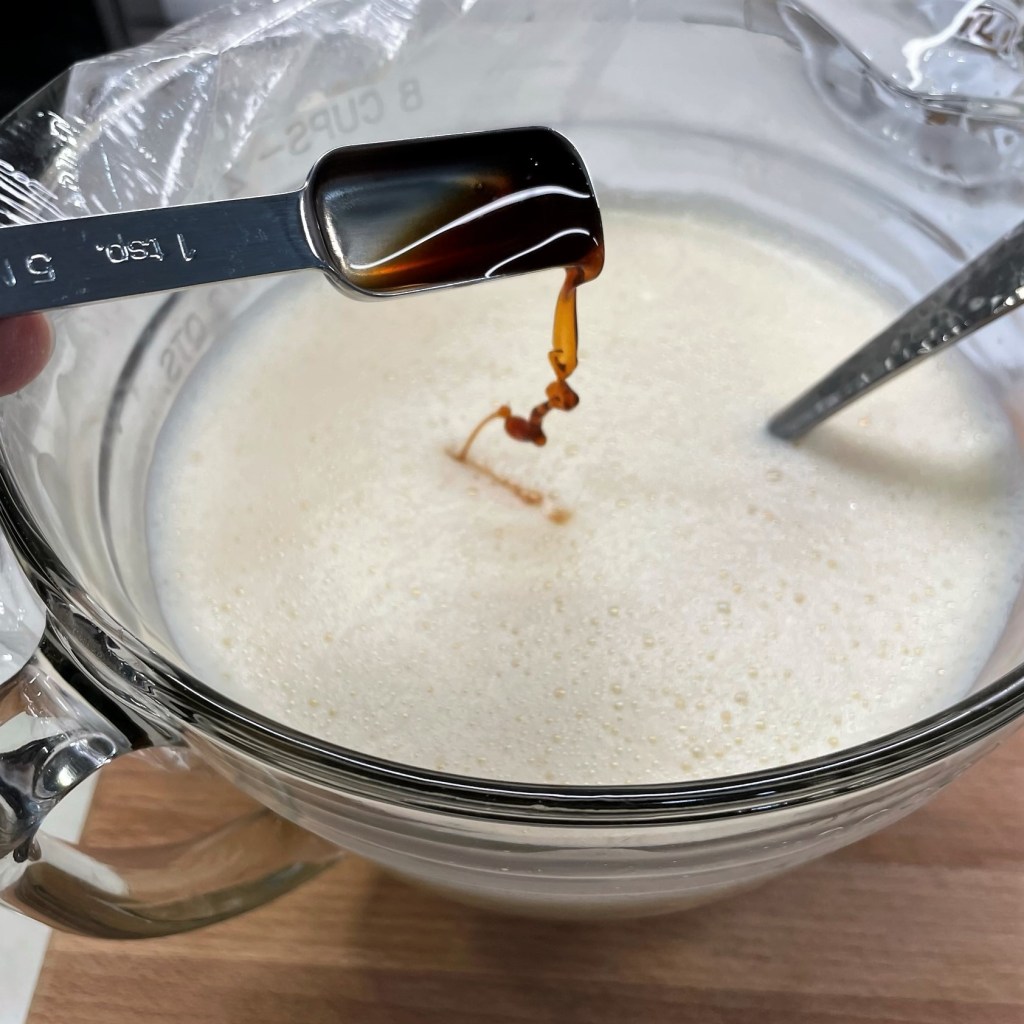
Pour the tempered egg mixture back into the saucepot and cook the whole mixture over medium heat, stirring constantly, until it is steaming again and the custard has thickened enough to coat the back of a spoon. Remove from heat and strain the custard mixture through a mesh sieve to a clean bowl. Stir in the vanilla and let it cool for a few minutes. Taste it, because oh my goodness. I must make more brown sugar ice cream!

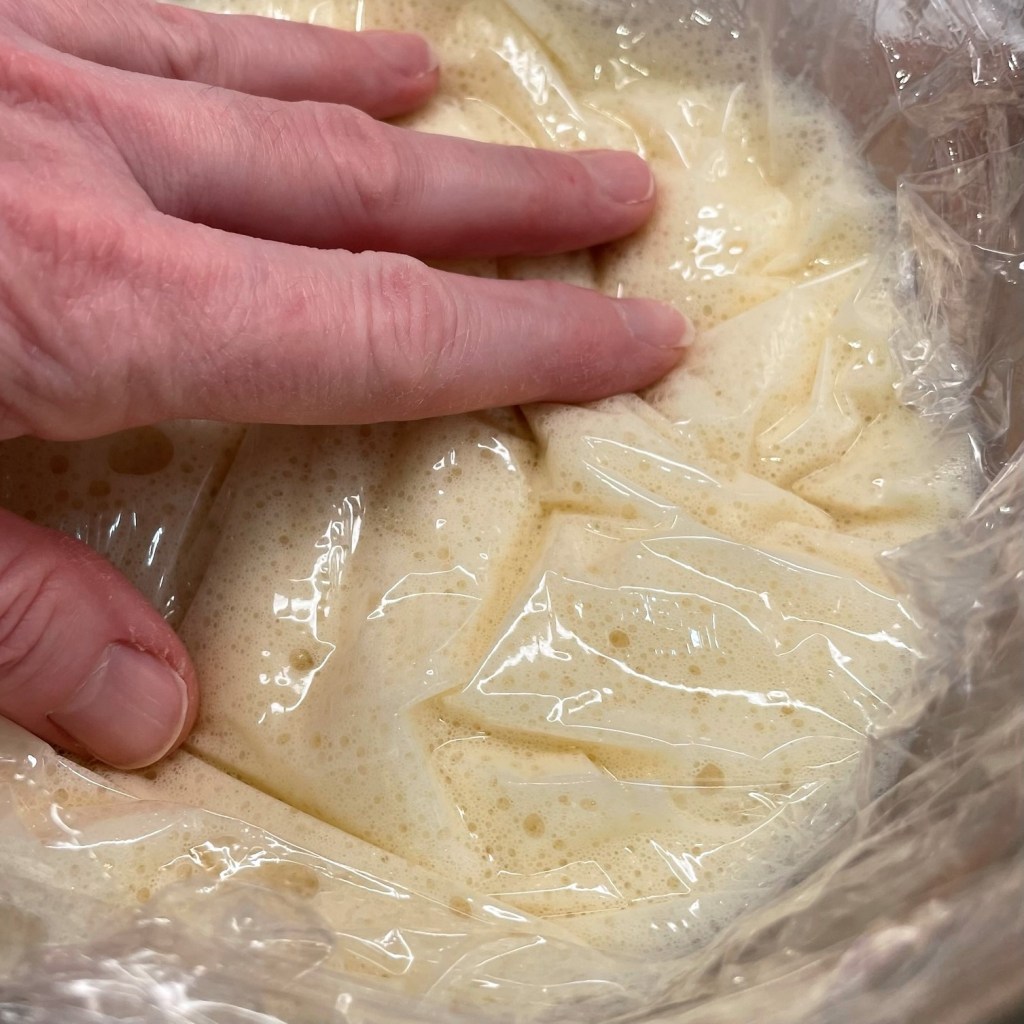
Carefully lay a piece of plastic wrap directly onto the surface of the custard. This serves two purposes—it prevents a skin from forming on the surface, and it prevents condensation from building and dripping into the mixture. Moisture droplets have a way of making unwanted crystals in the finished ice cream. Seal up the bowl, or cover it with an additional layer of plastic. Refrigerate overnight.


Bananas Foster Swirl

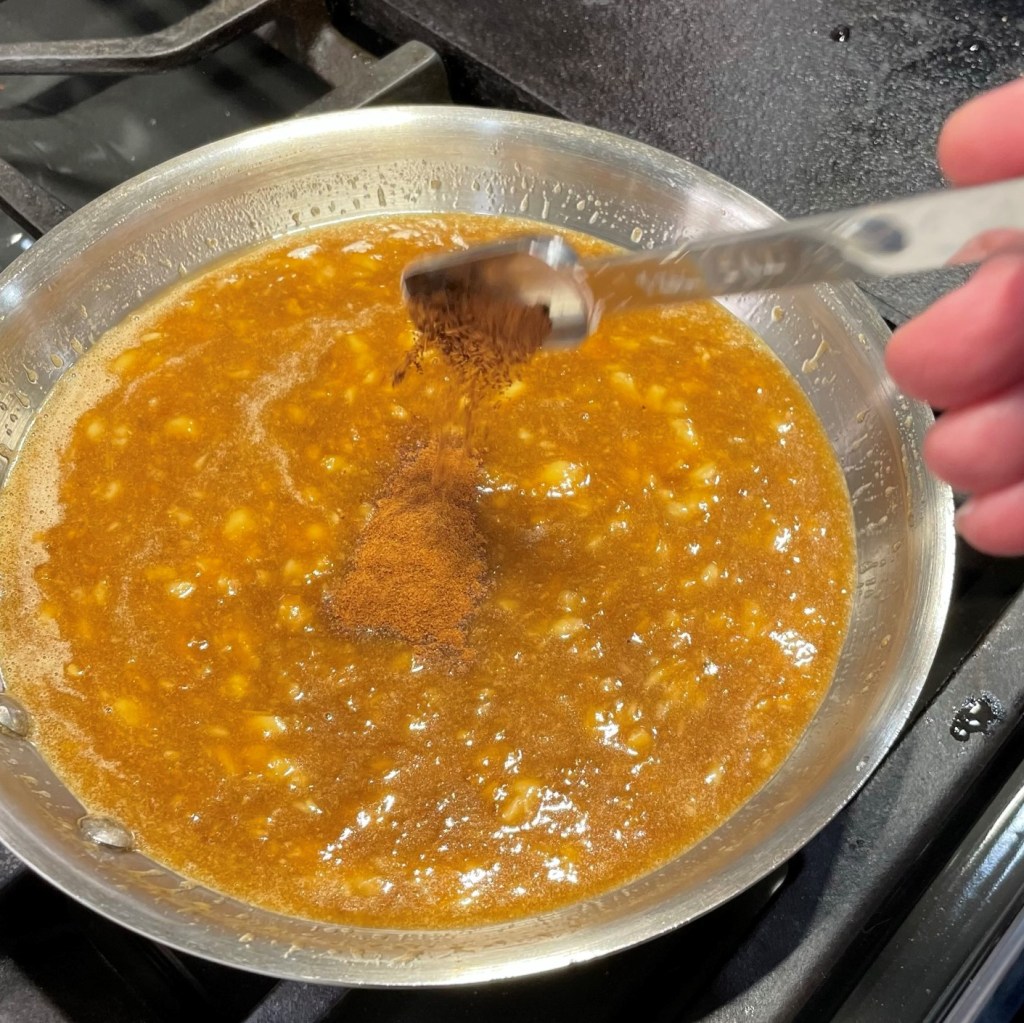
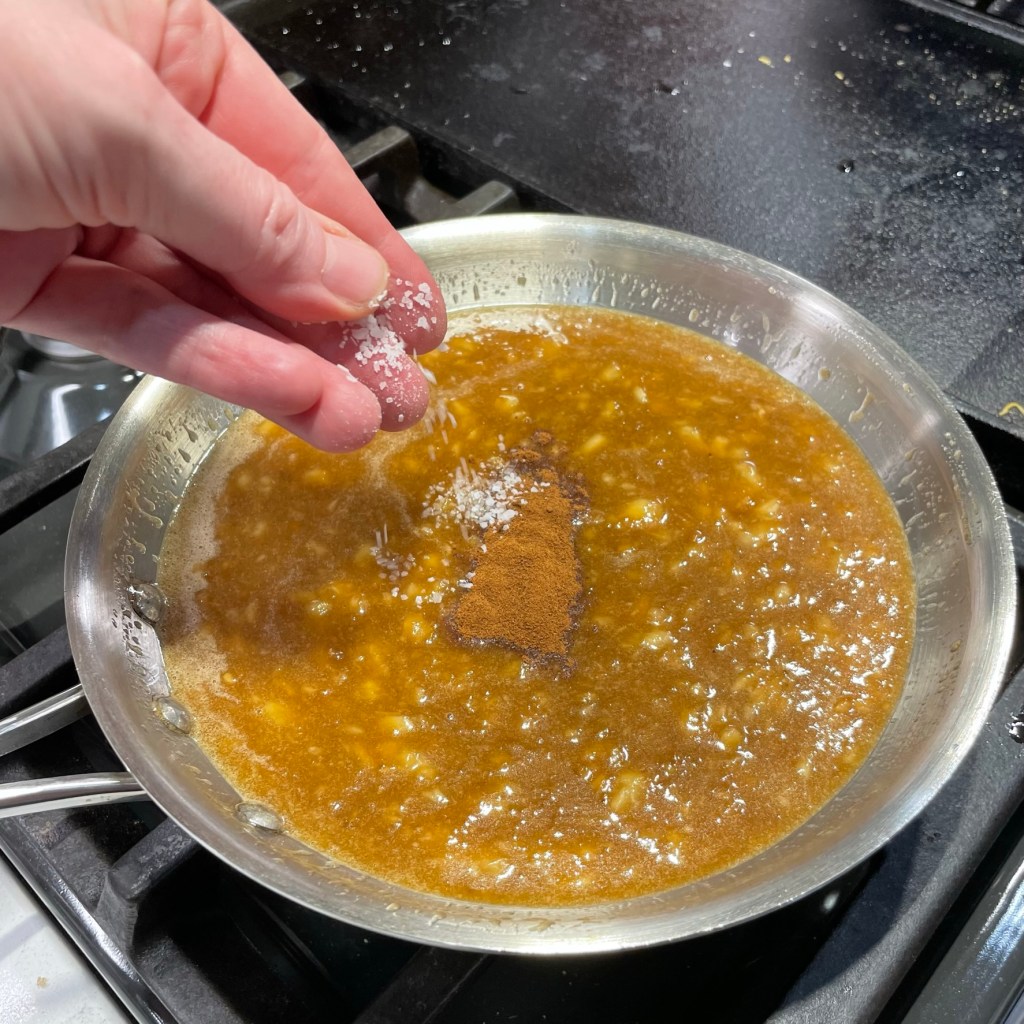
Melt the butter in a medium skillet. Stir in the brown sugar until it seems dissolved and a bit syrupy. Stir in the cinnamon and nutmeg.

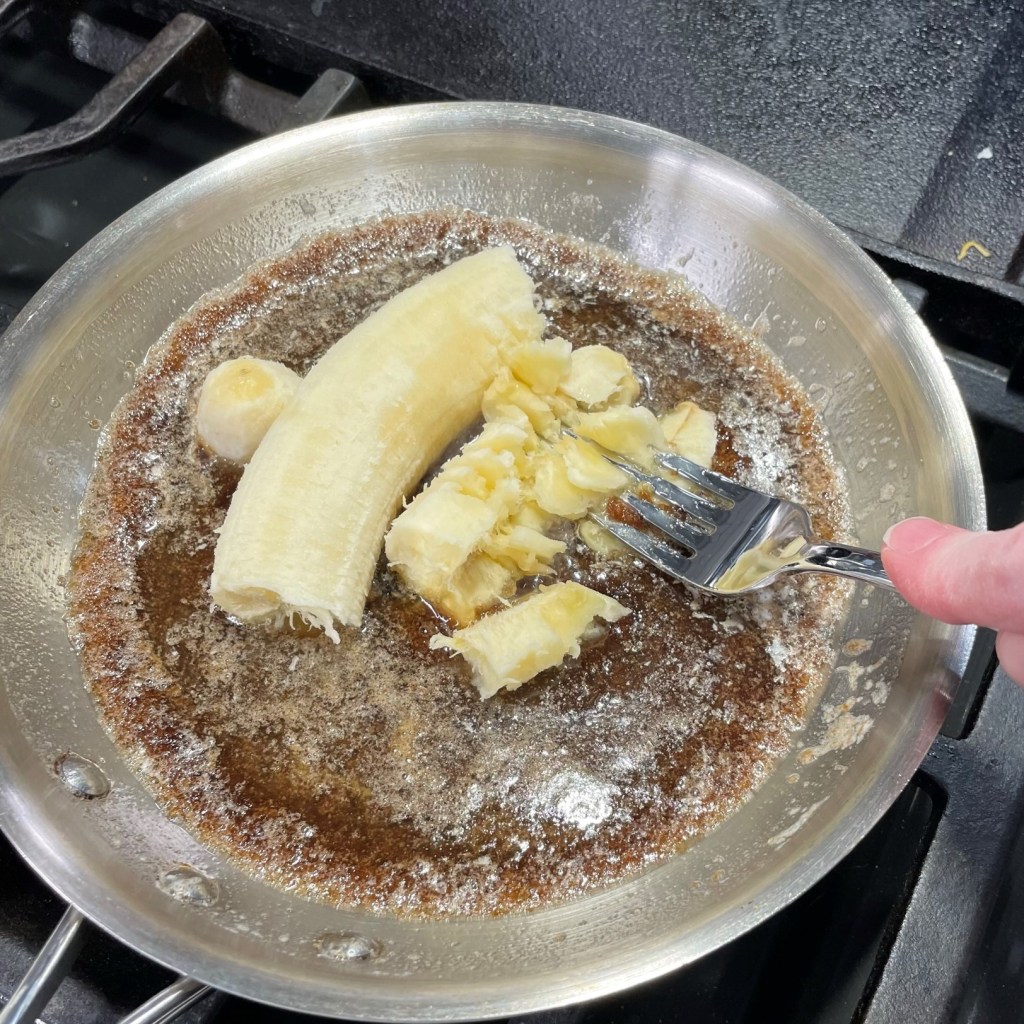
Add the bananas to the skillet, one at a time, and mash them into the syrup with a fork. It’s OK to keep a few visible chunks of banana—in fact, I recommend it. When the mixture is bubbling all over, stir in the dark rum until evenly blended. Cook a few minutes longer, until it begins to bubble again, and then remove from heat and let it cool.

Transfer the mixture to a bowl and refrigerate it overnight.


Finishing the Ice Cream

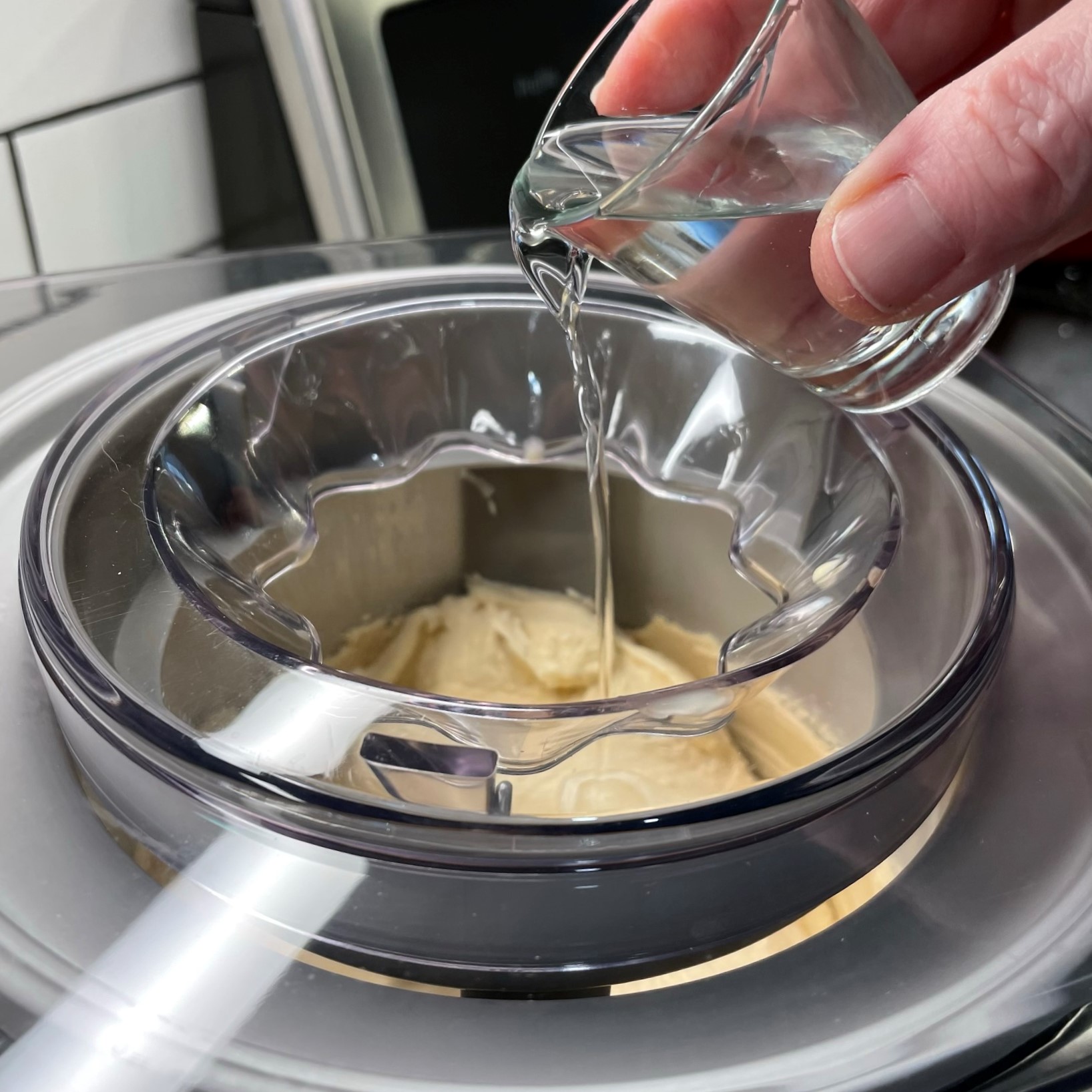
Stir the custard to reincorporate any ingredients that may have settled to the bottom of the bowl. Freeze according to manufacturer’s instructions. When the ice cream has reached the consistency of soft-serve, add the vodka or rum (if using) and churn another minute until it’s fully blended.

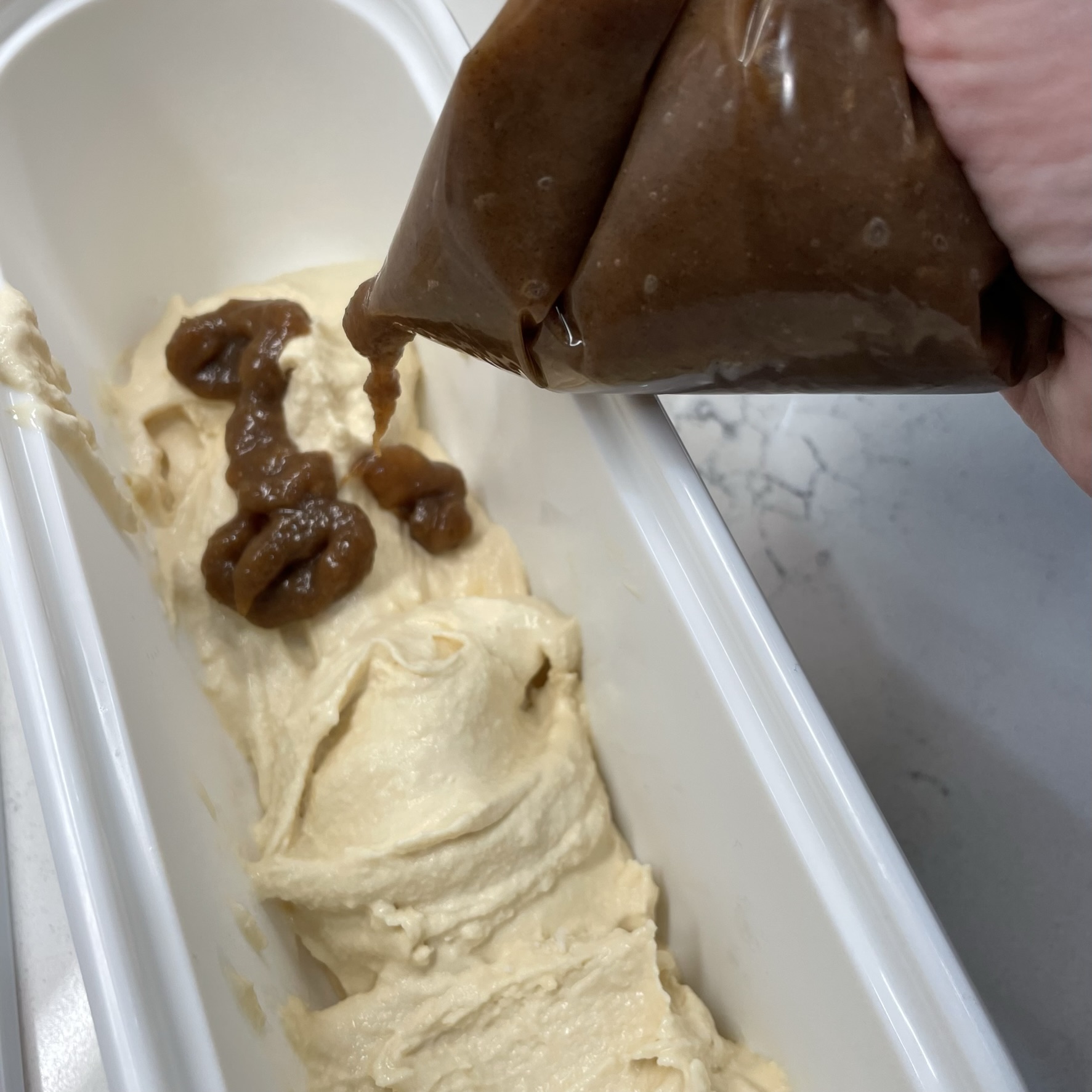
Layer 1/3 of the ice cream in an insulated container, then spoon or pipe about 1/3 of the banana swirl mixture over it. Continue with another 1/3 of the ice cream, then another 1/3 of the remaining swirl mixture*. Finish with the remaining ice cream. Freeze several hours to overnight.


*Note

When this recipe was finished, I had about 1/4 cup extra Bananas Foster Swirl mixture left over. You can discard this, or mix it into some muffin or pancake batter, or stir it into Sunday morning oatmeal!


Easy, Creamy Potato Soup

As far as I am concerned, the best thing about winter is the soup. When the weather is cold, damp or just generally crummy, a piping hot mug of soup is like a reset button for my winter-weary soul. And you know what makes soup even better? An easy recipe that doesn’t take all day, uses the simplest of ingredients (so I don’t have to run to the store to make it), and can be customized with almost any extra flavors one could imagine. This creamy potato soup is ticking all those boxes for me.

Soup is one of my favorite comfort foods ever, and that probably dates back to days that I stayed home sick from school. On those rare occasions, I would get dropped off at my grandmother’s house, where I’d spend the day napping to the soothing sound of her cuckoo clock, sipping some variety of last-minute, homemade soup and watching TV under a soft afghan from the big, upholstered wing-back chair in her den. My Gram could whip up a soup from thin air, it seemed, and to this day, a “what’s-in-the-fridge” soup is my favorite kind. Is it possible that I may have feigned illness on occasion, just to enjoy that kind of day? Why, yes, that is certainly possible. Sometimes a kid just needs a little extra comfort—the kind only a grandma and a warm cup of soup can deliver.

I have outgrown the days of pretending to be sick, but I still yearn for the cozy comfort of a warm mug of soup, especially when gloomy weather has me down. I’ll take any kind of soup; chowders, stews, bisques, broth with noodles, minestrone—they are all on equal footing for me. My husband loves soup, too, but his preference is specifically for cream-style soups, so this one was a double win at our house.

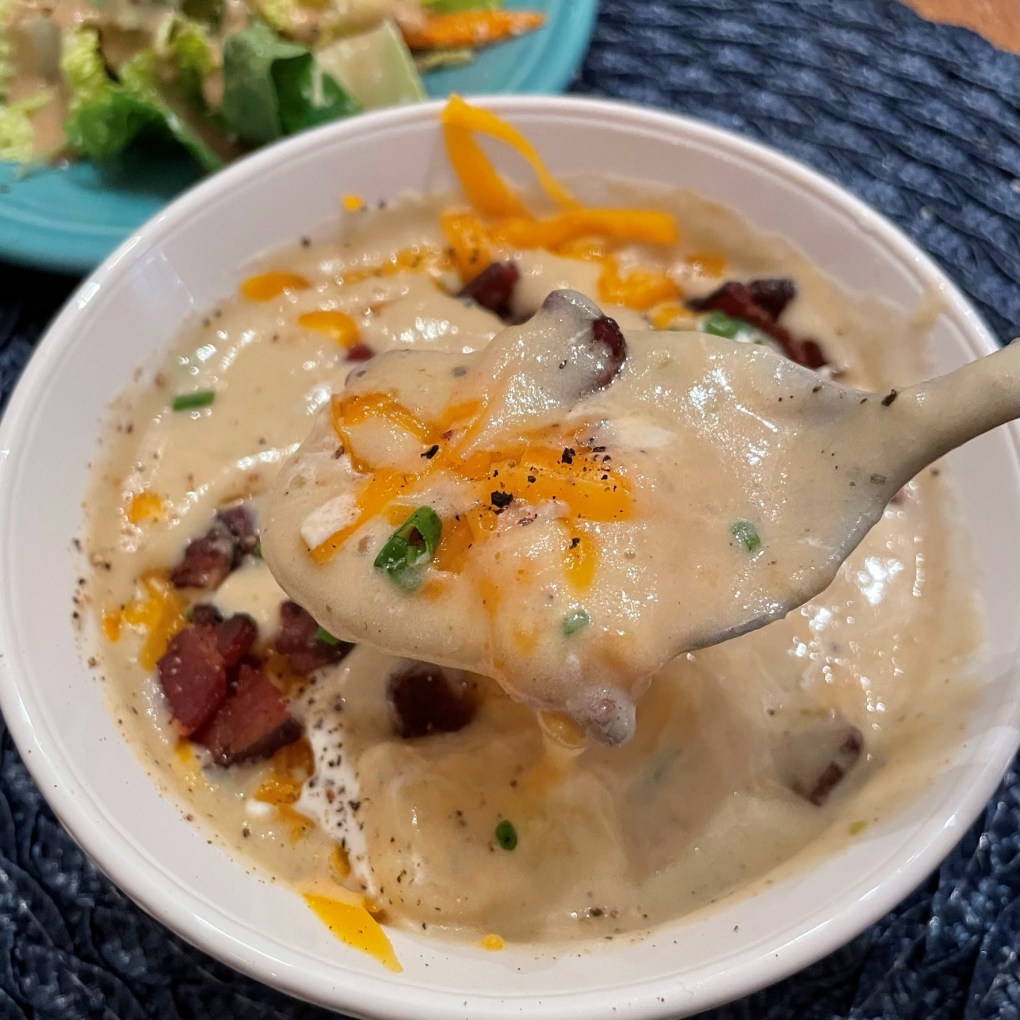
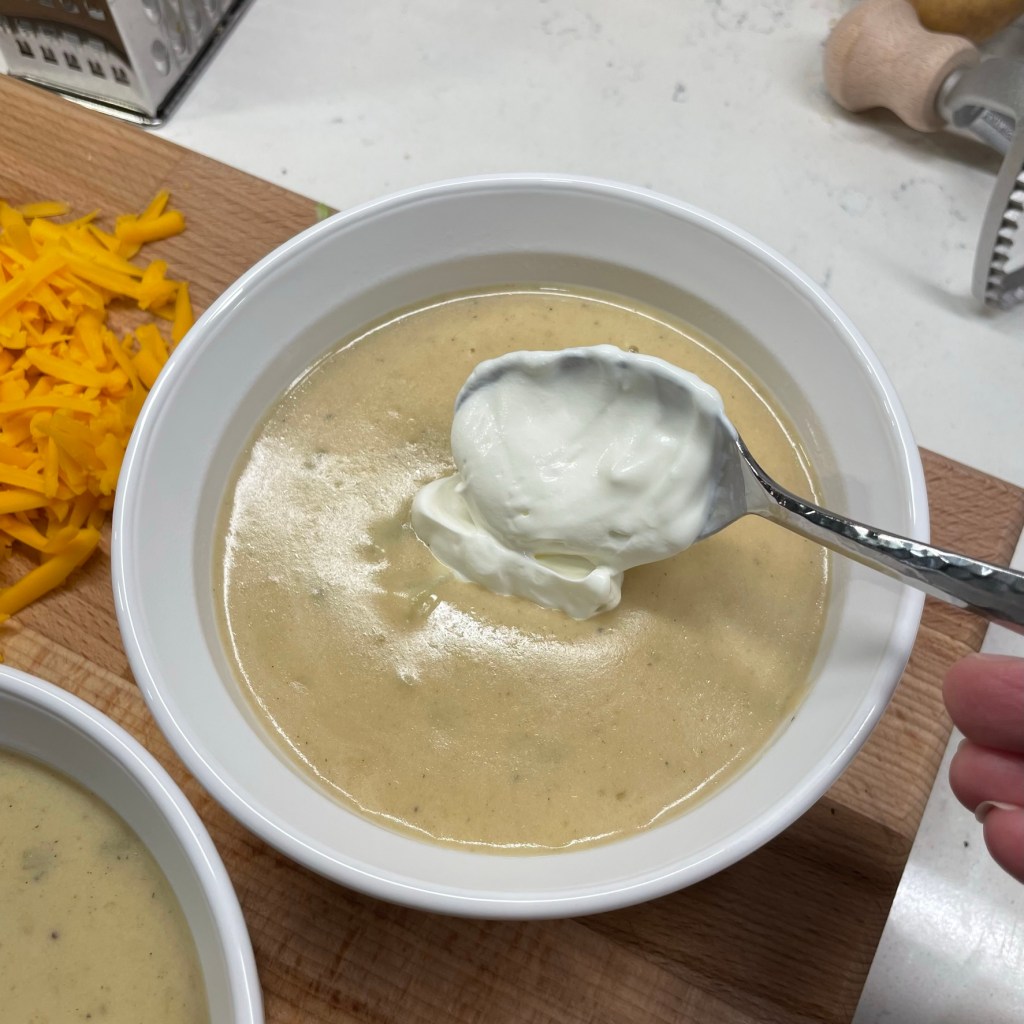
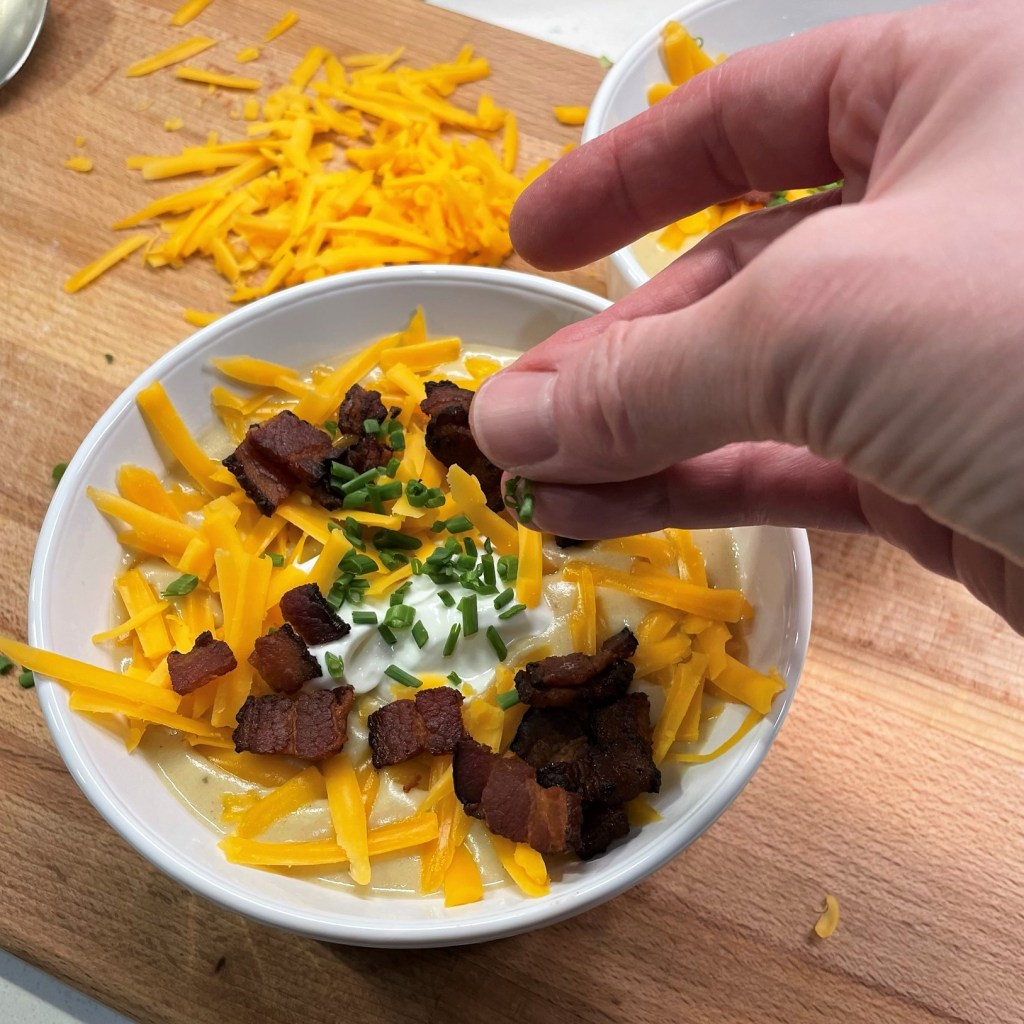
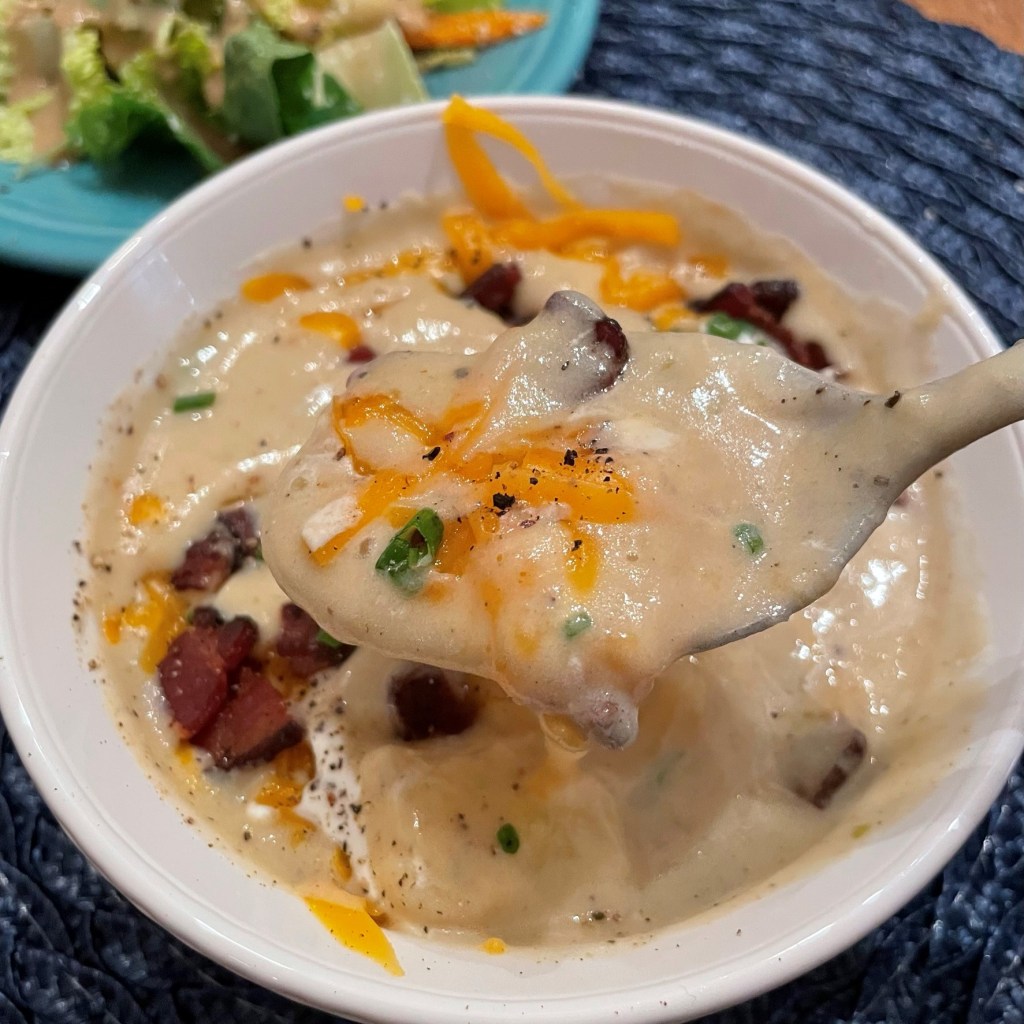
Sour cream, shredded cheddar, bacon and chives makes this easy soup a satisfying meal!

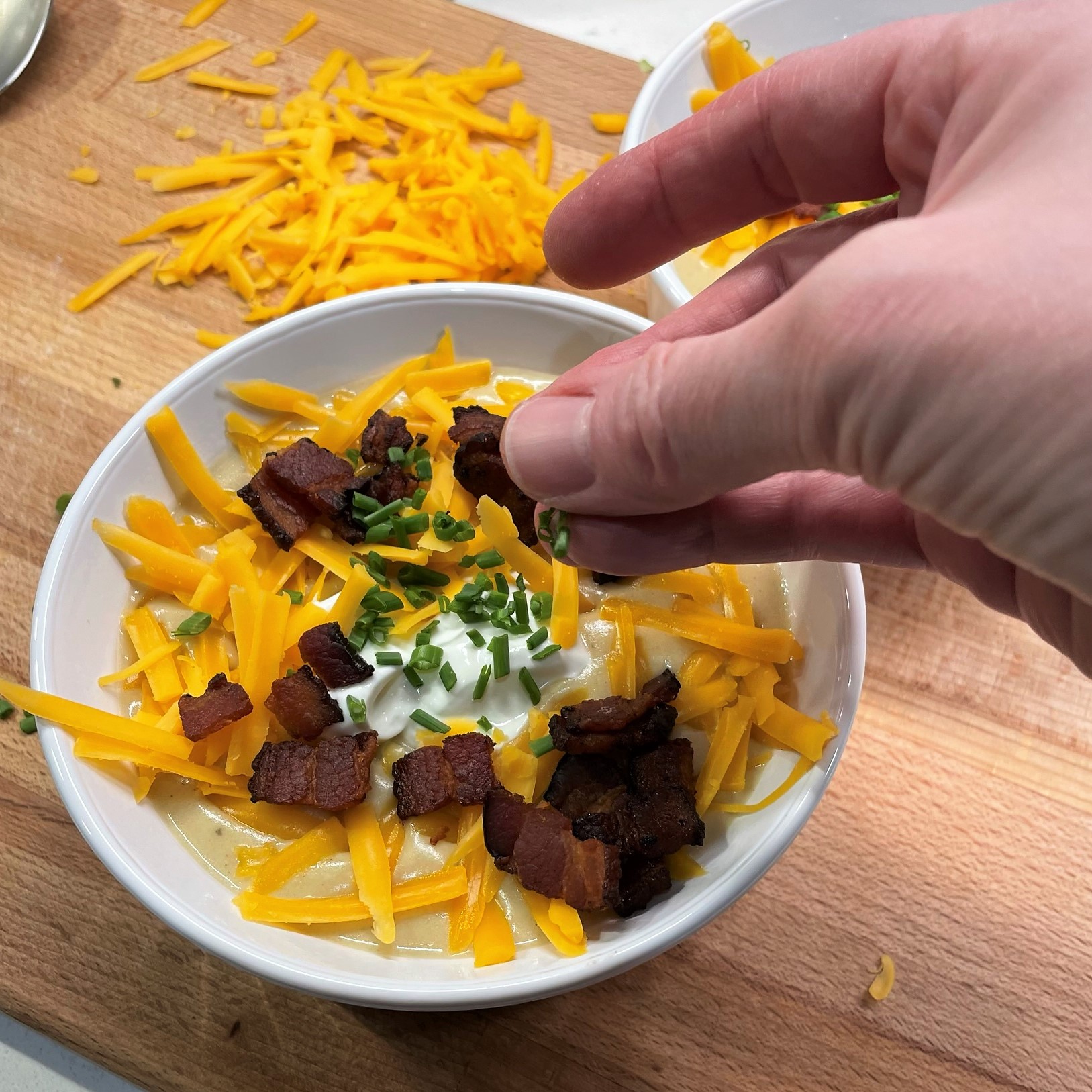
We had fun dressing up our creamy potato soup like a loaded baked potato—with sour cream, chives, cheddar cheese and crispy bacon pieces on top. But it would be very easy to keep the base of the soup and swap in different enhancers, such as roasted broccoli florets, sautéed mushrooms, frozen corn, cubes of ham or whatever else takes you to your happy place.

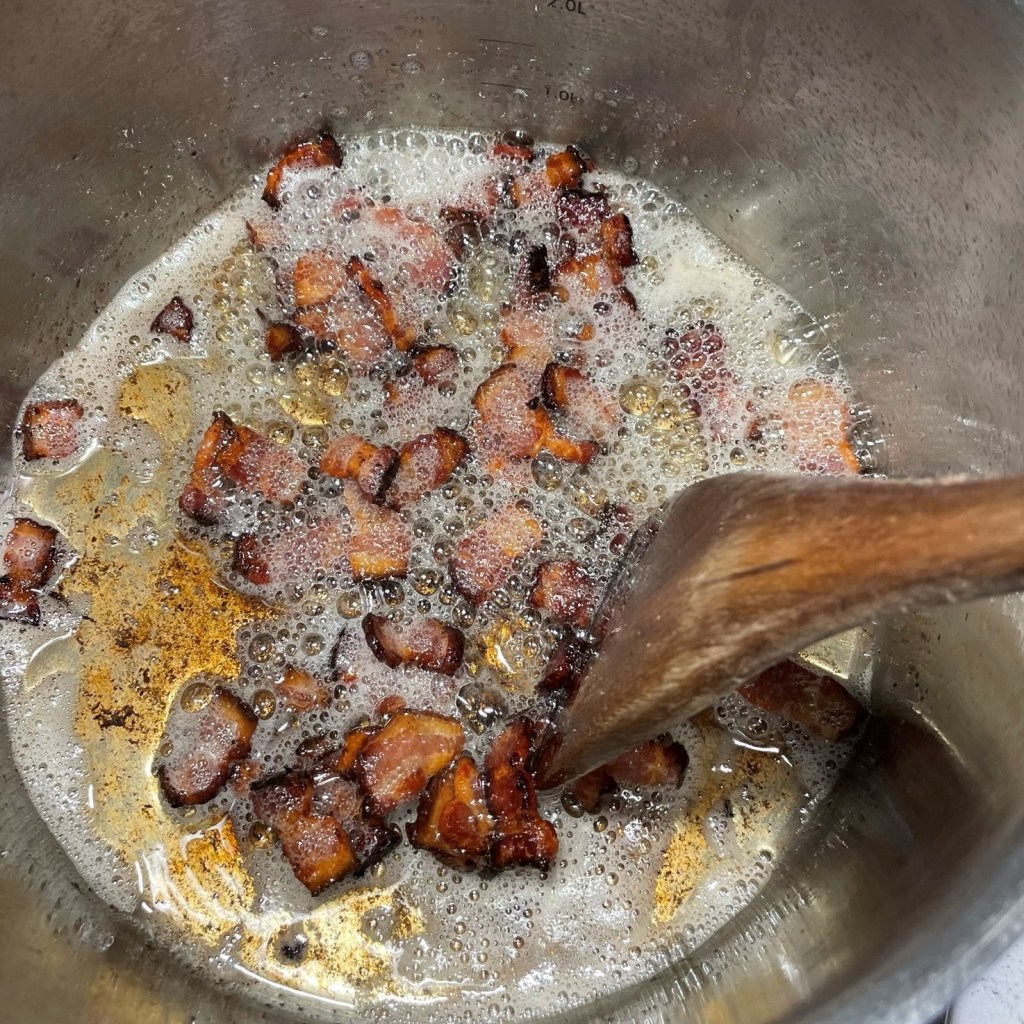
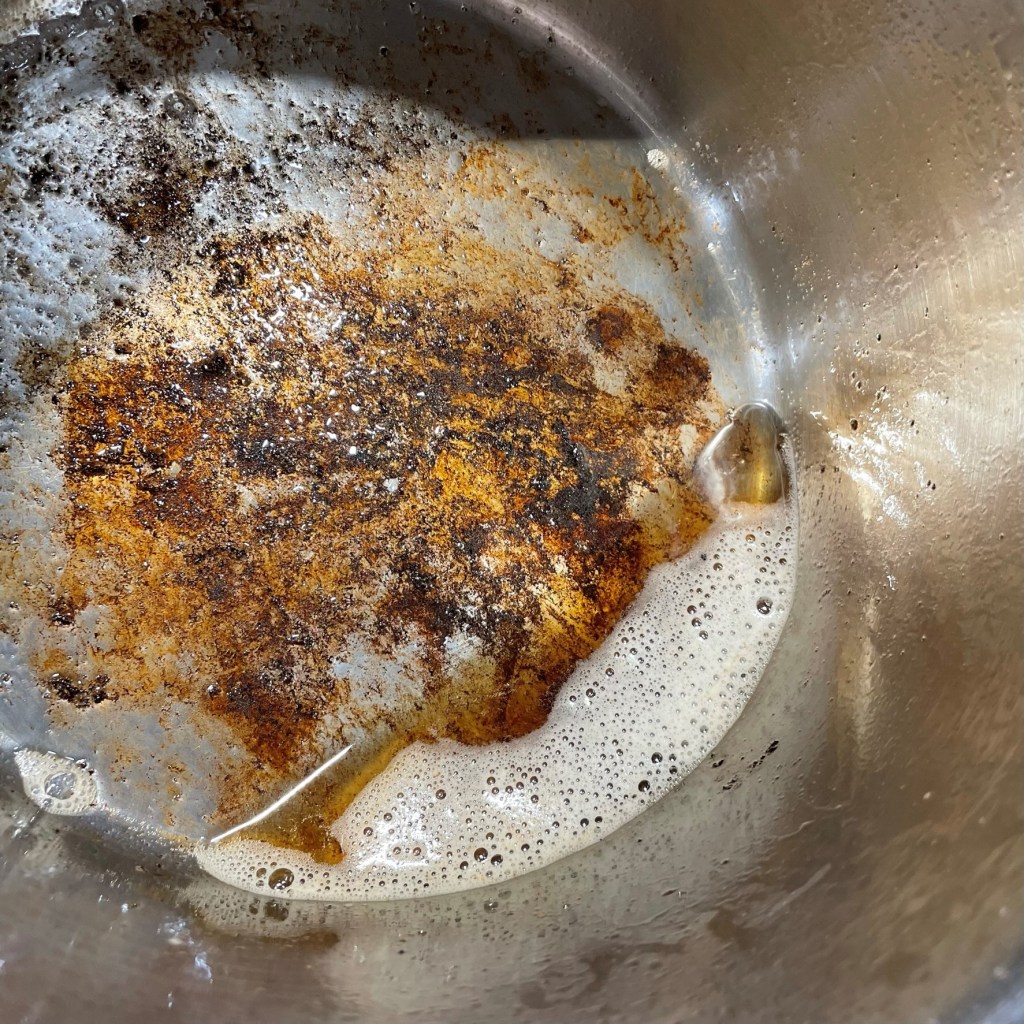
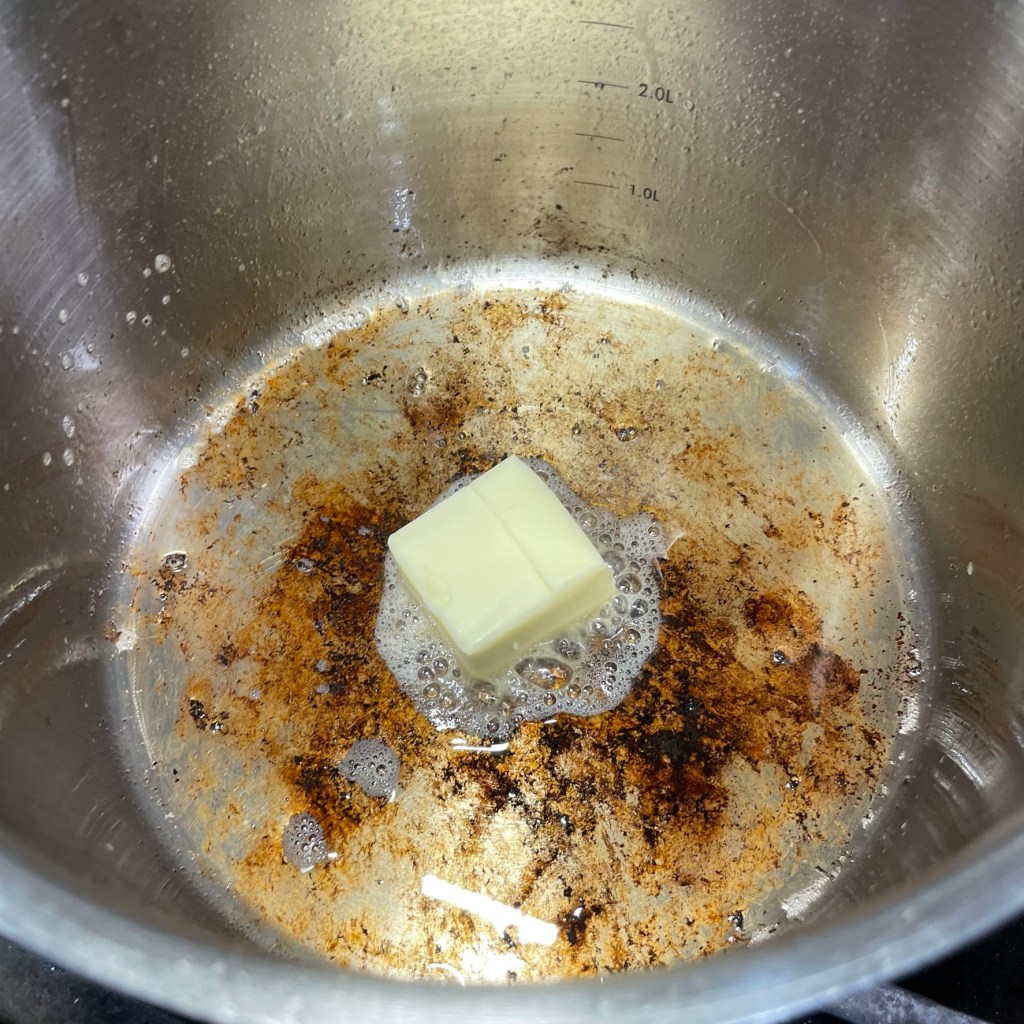
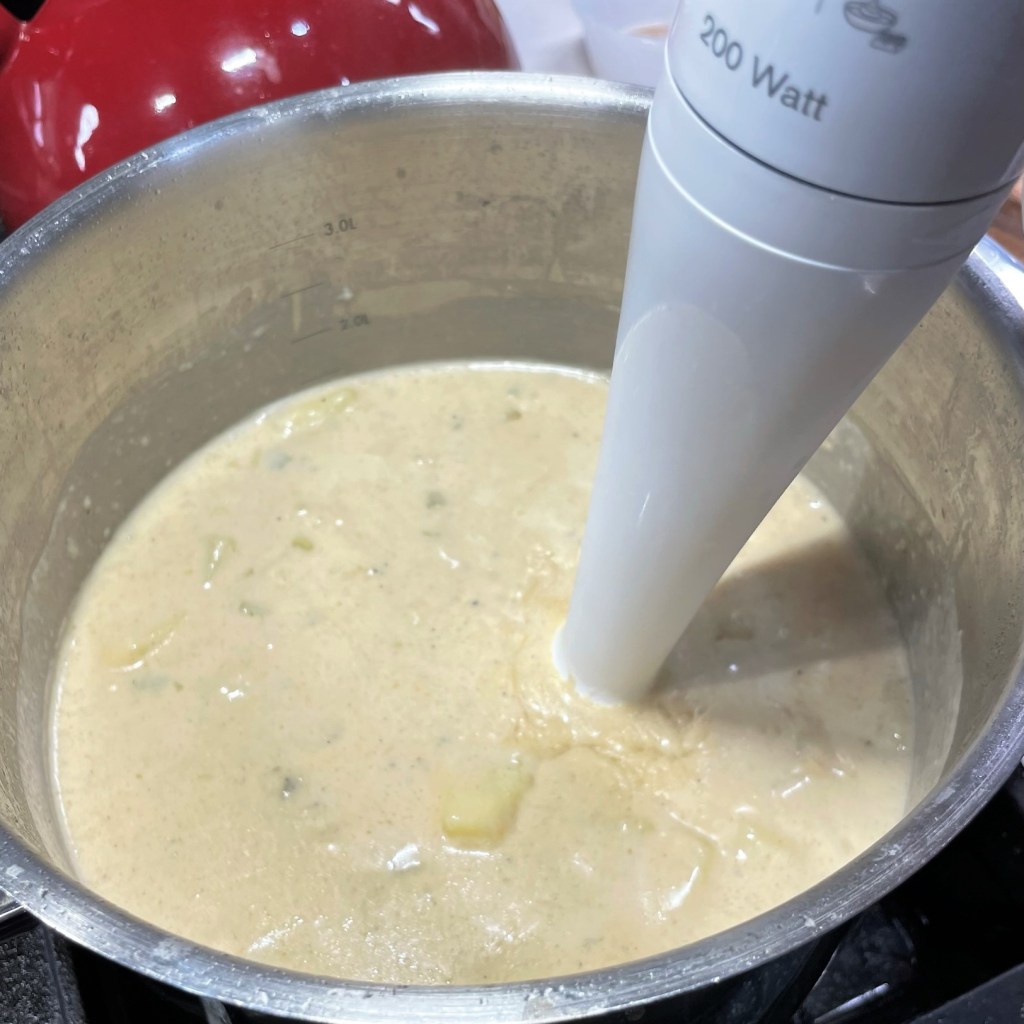
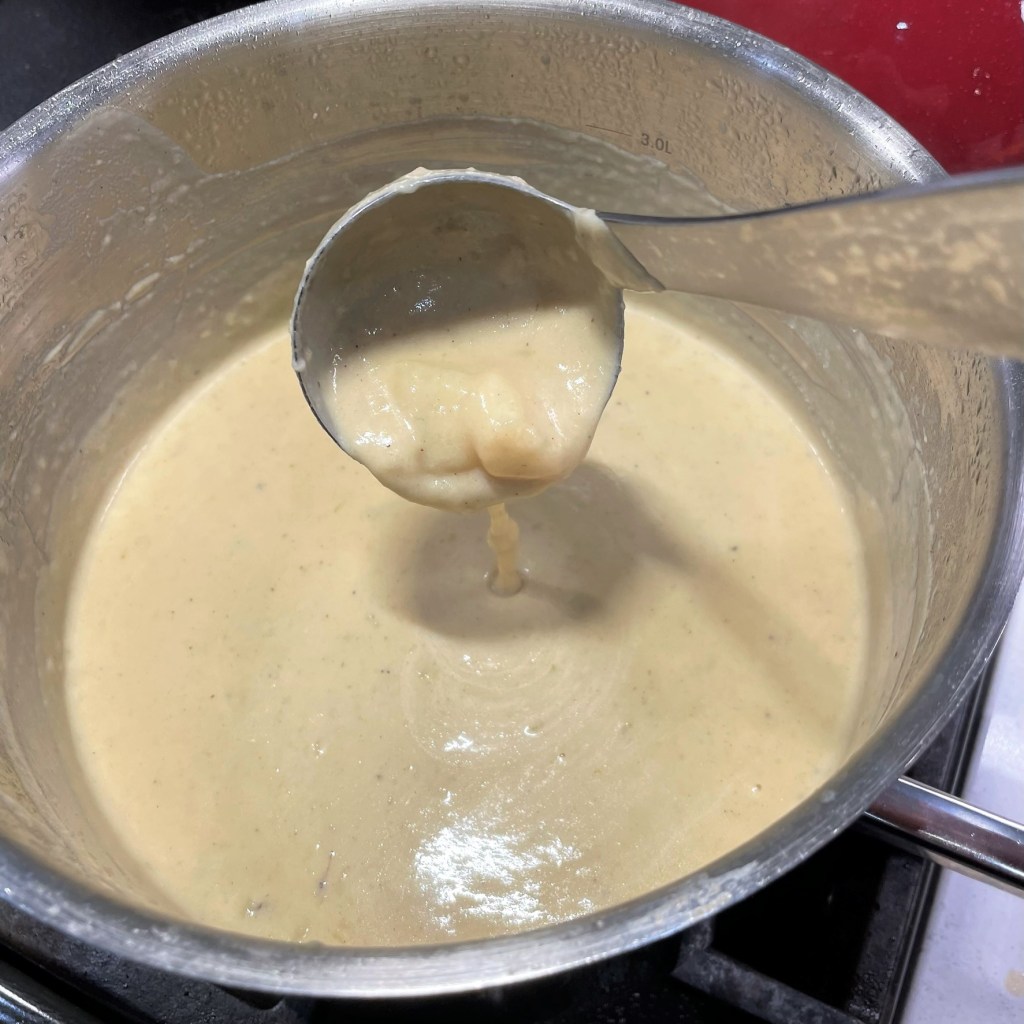
This potato soup is very easy to make, and despite the ultra-creamy, silky appearance, it has no heavy cream whatsoever. Buttery Yukon gold potatoes were the key element for my recipe, but you could use any combination of gold, red or russet potatoes, as long as some of them will hold their shape after simmering. Peel or don’t—whatever works for you. I thickened the soup with a slight amount of roux, made from the drippings I had from crisping up the bacon (but you could swap in butter or olive oil), and a combination of low-sodium vegetable broth and milk, then I used my trusty immersion blender to puree it halfway. It was every bit as luxurious and comforting as a cream-based soup, but with far less guilt!

We still have almost four weeks ’til the official arrival of Spring. As luck would have it, there is at least a pound of potatoes remaining in the kitchen, so I’m pretty sure this one will be on the menu again by the weekend, just in time for another round of colder temperatures.


This recipe makes 4 entrée servings or 6 appetizer servings

Ingredients

3 Tbsp. bacon drippings, butter or olive oil

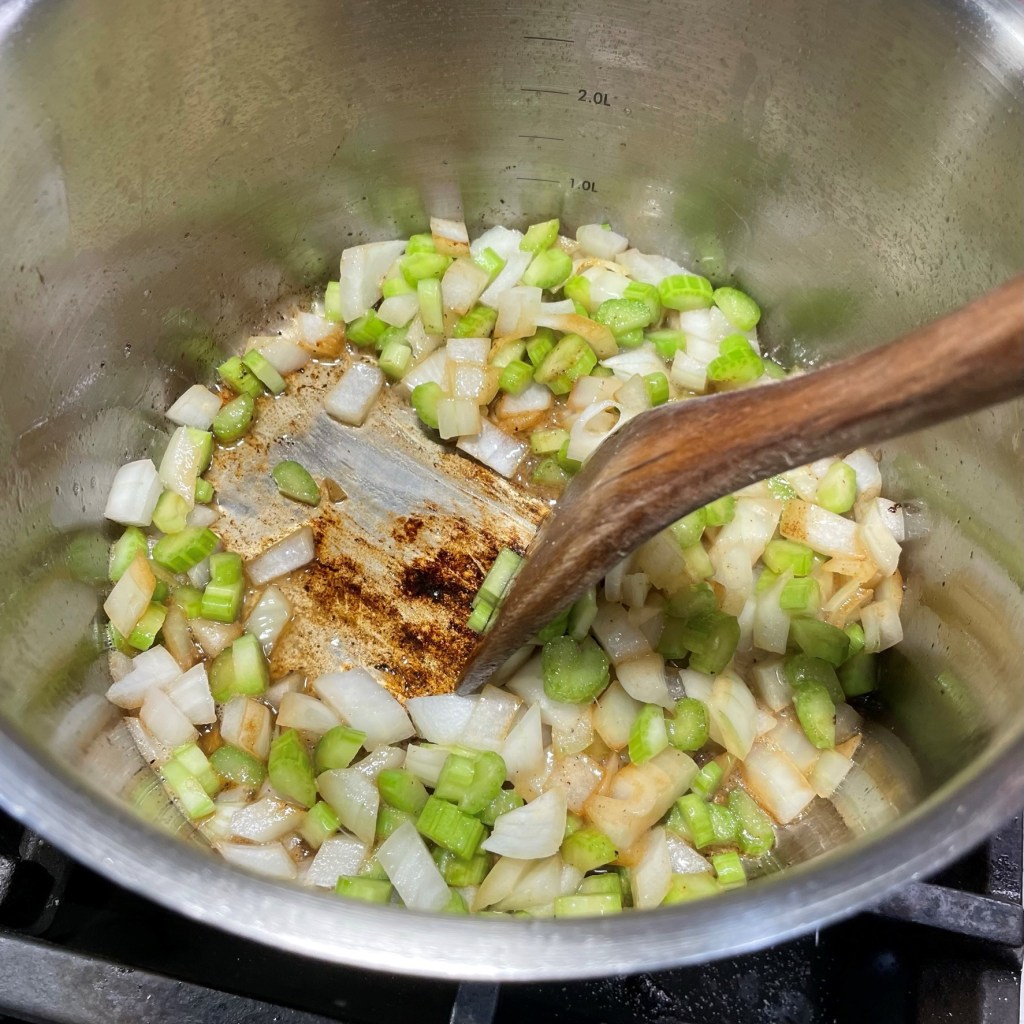
1/2 large onion (about 1 cup), chopped

3 ribs celery hearts, trimmed and chopped

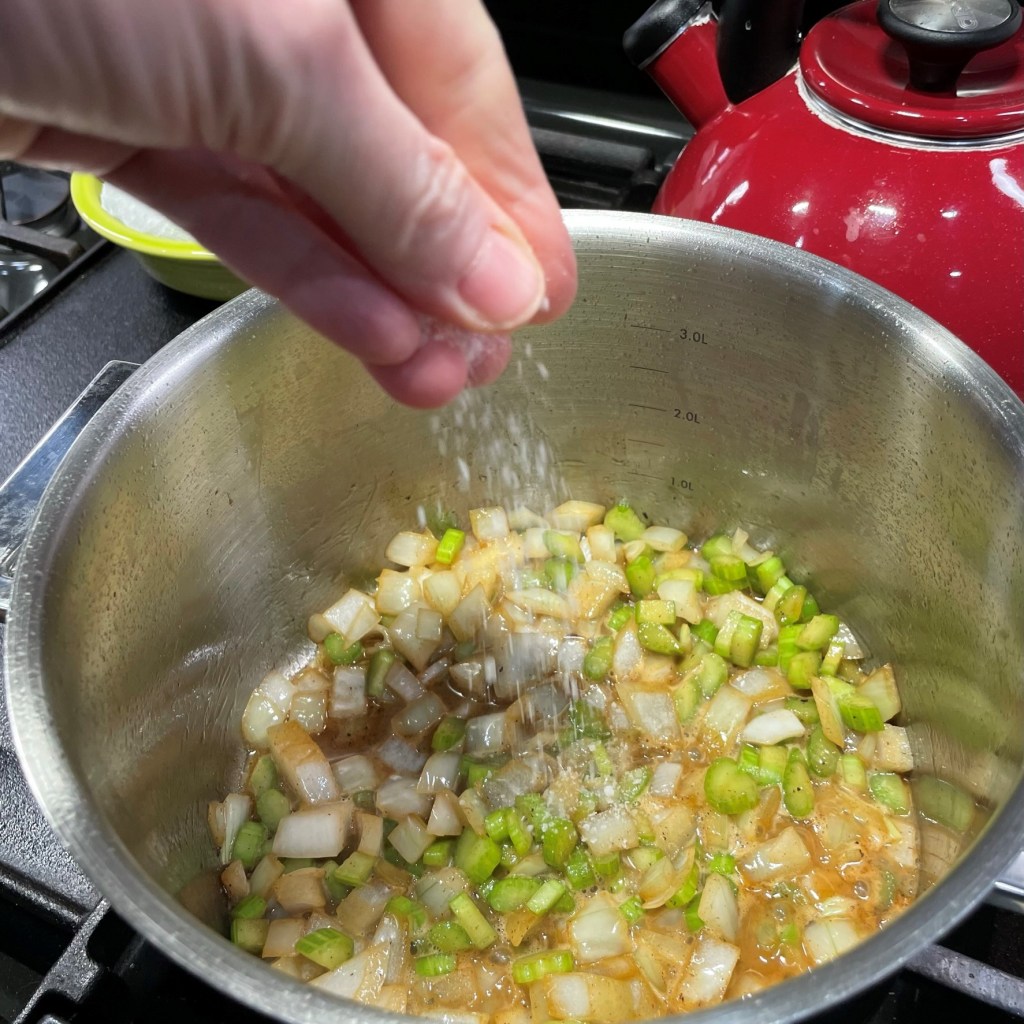
Salt and pepper

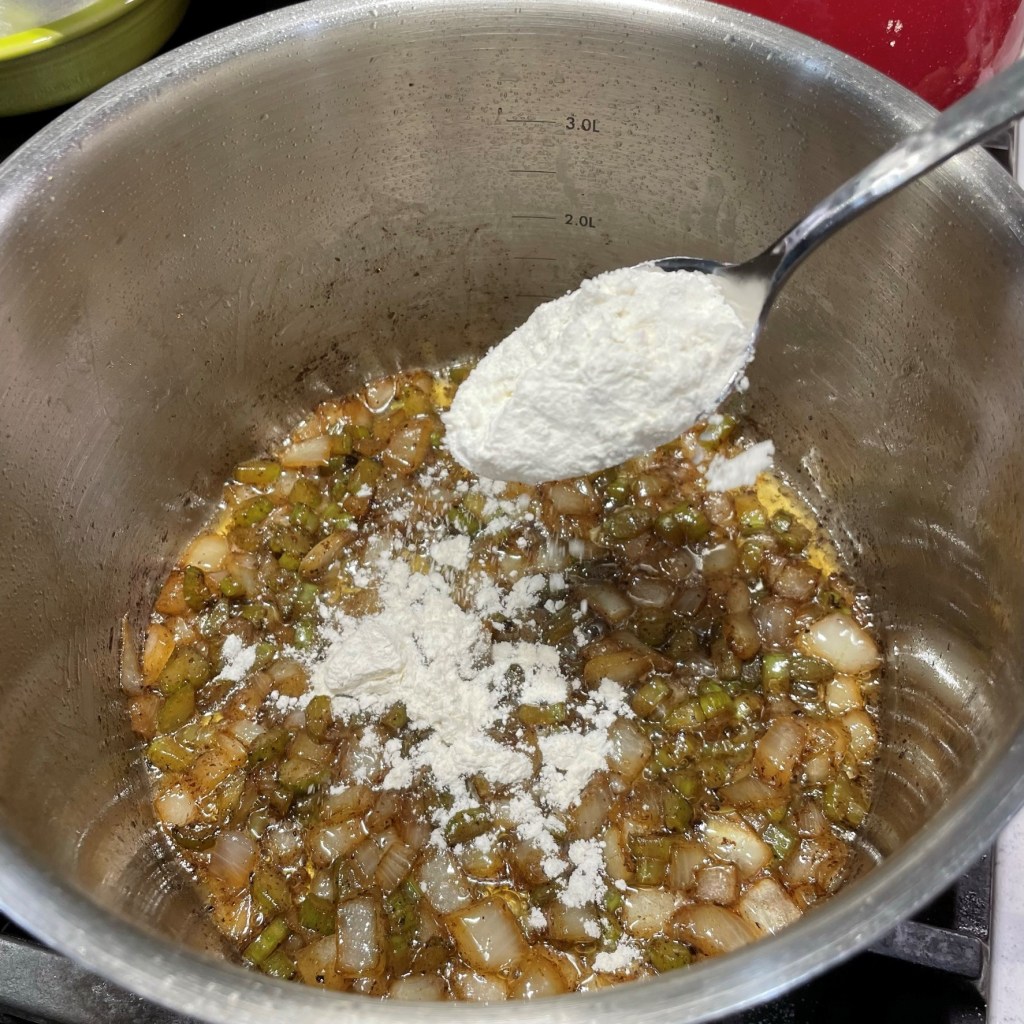
2 Tbsp. all-purpose flour (gluten-free 1:1 flour works for this also)

2 cups low-sodium vegetable broth* (see notes)

2 cups milk*

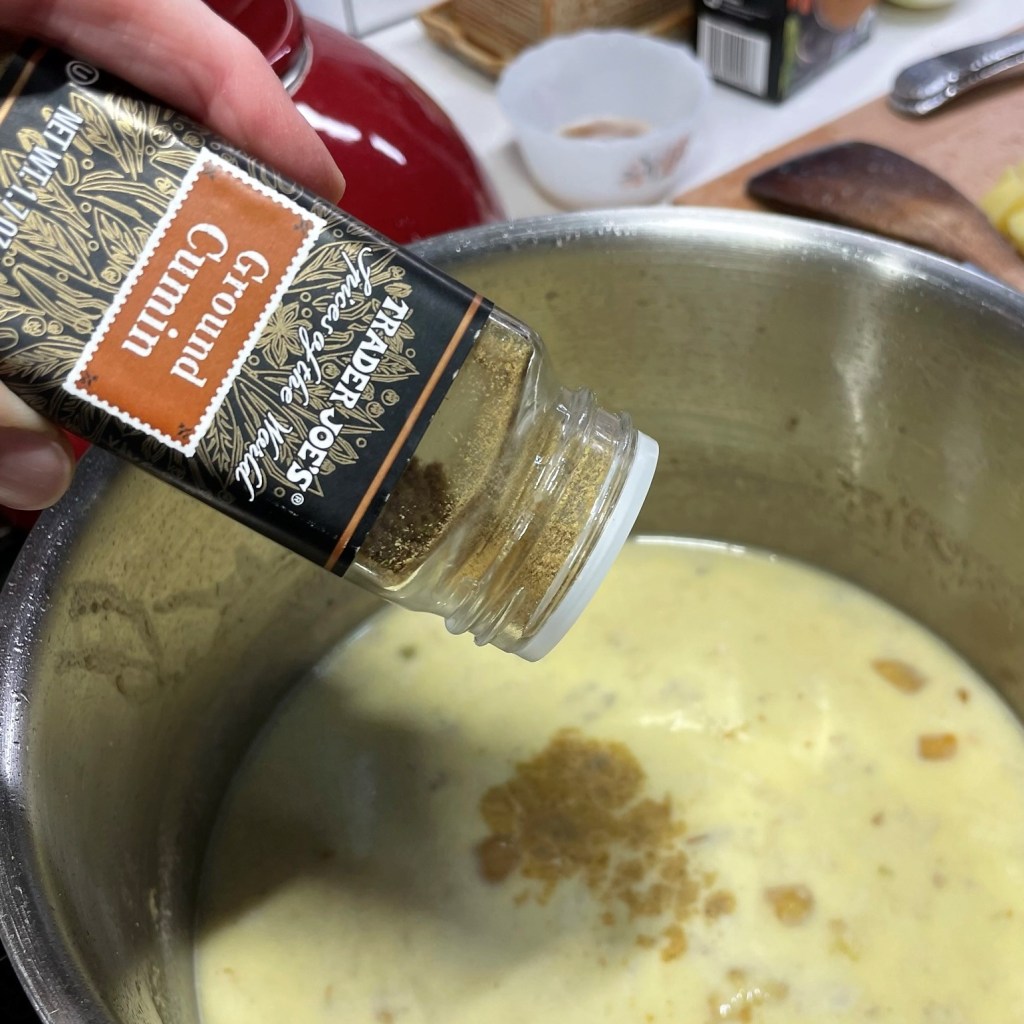
About 1/2 tsp. ground cumin

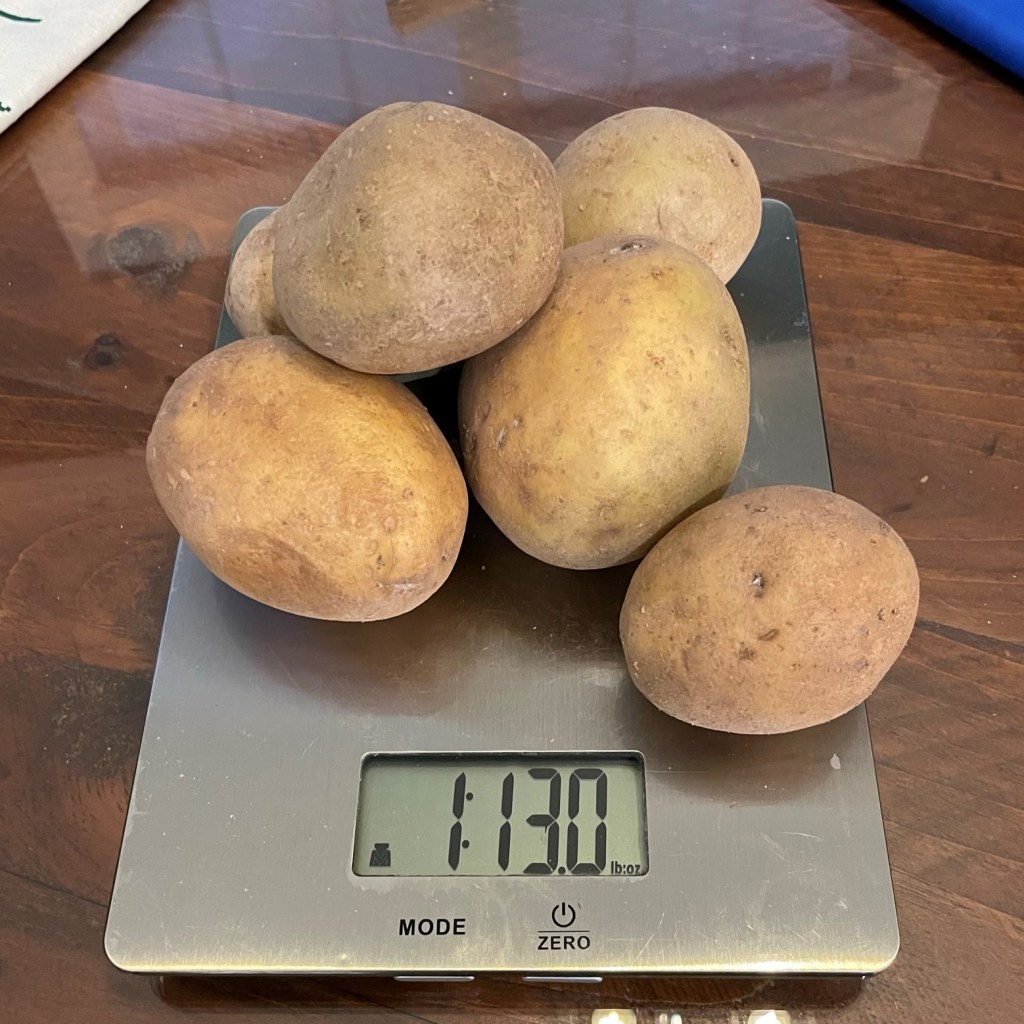
About 1 lb. Yukon gold potatoes, scrubbed and cubed (peel if you wish)

Toppings and stir-ins of your choice


*Notes

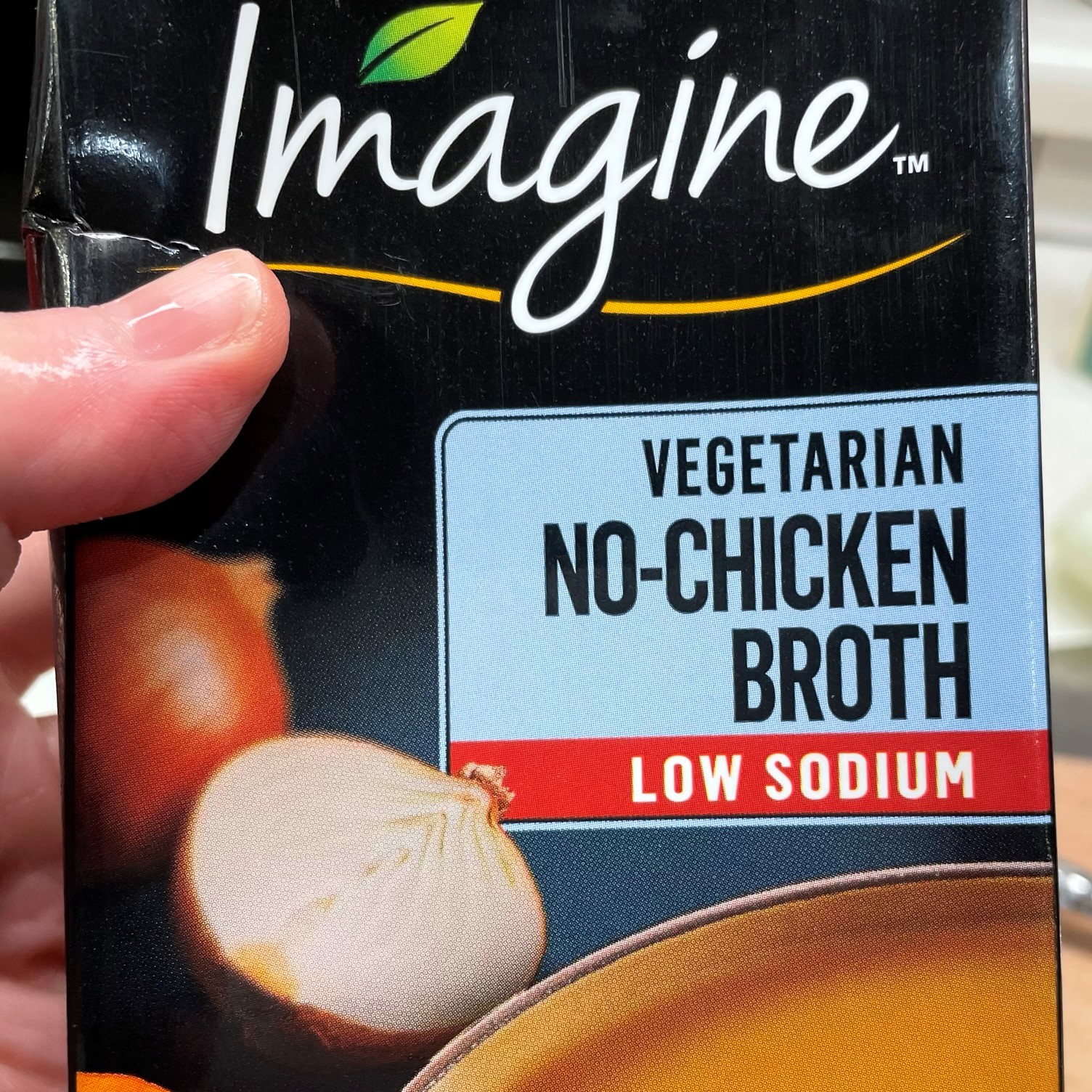
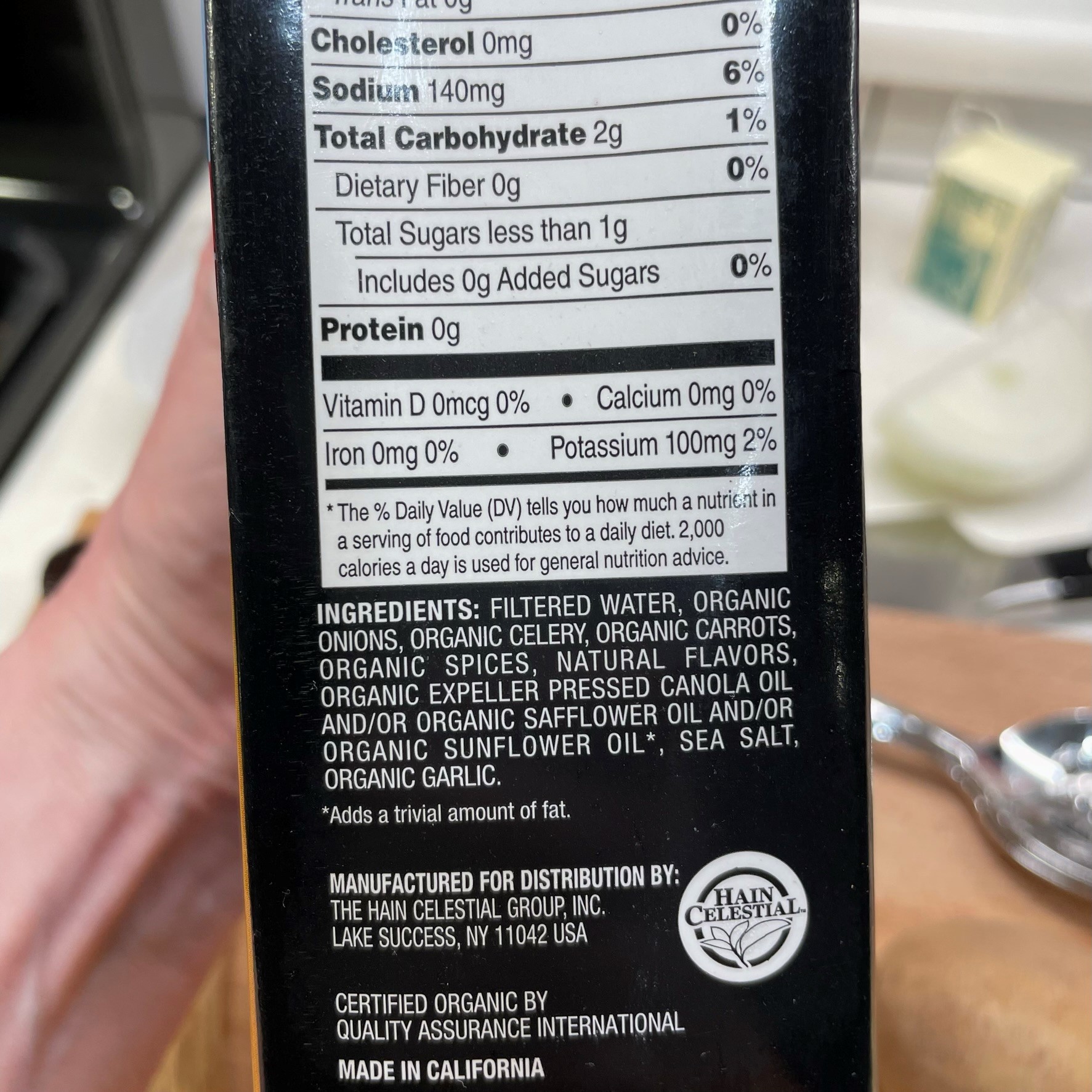
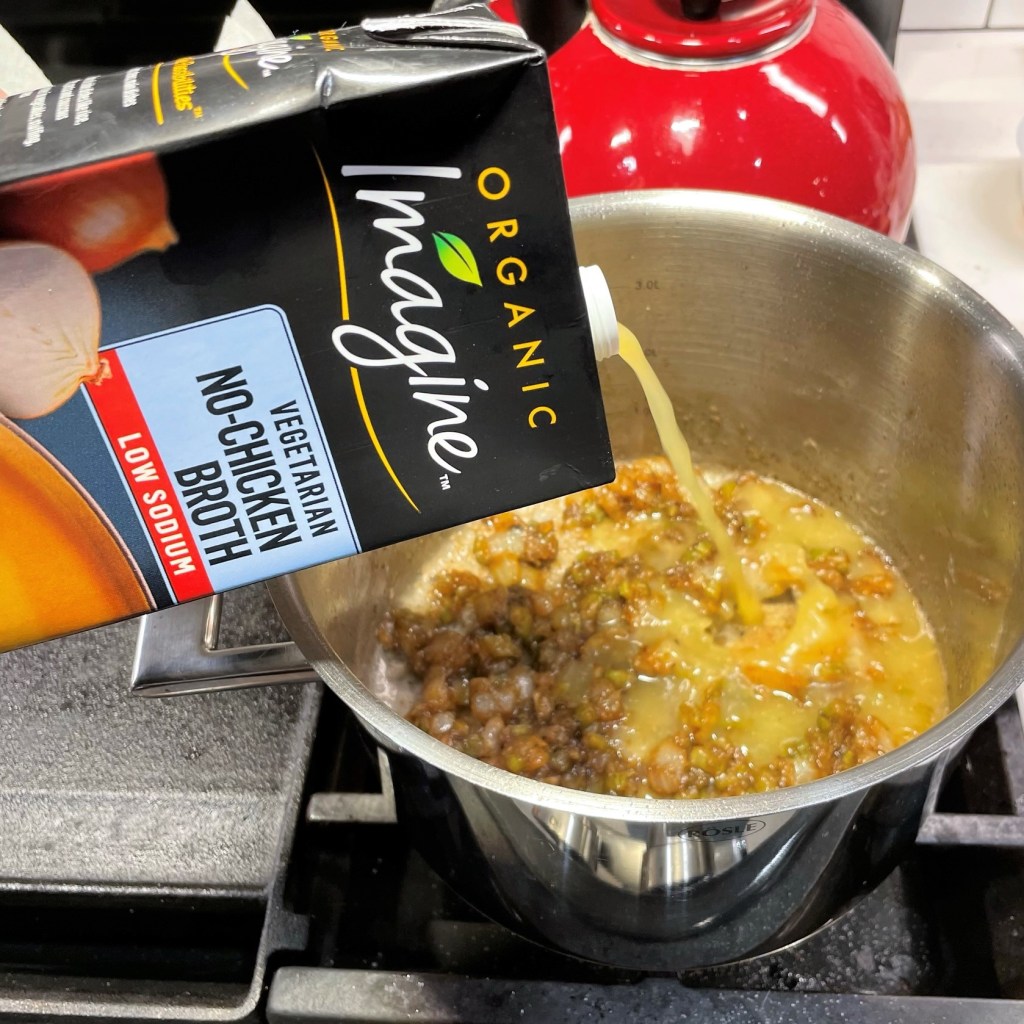
Vegetable broths vary widely in ingredients; for best results, choose a broth that does not contain tomatoes. The brand I like for this is Imagine vegetarian “no-chicken” broth. It has a rich golden color and seasonings that are very reminiscent of chicken broth.


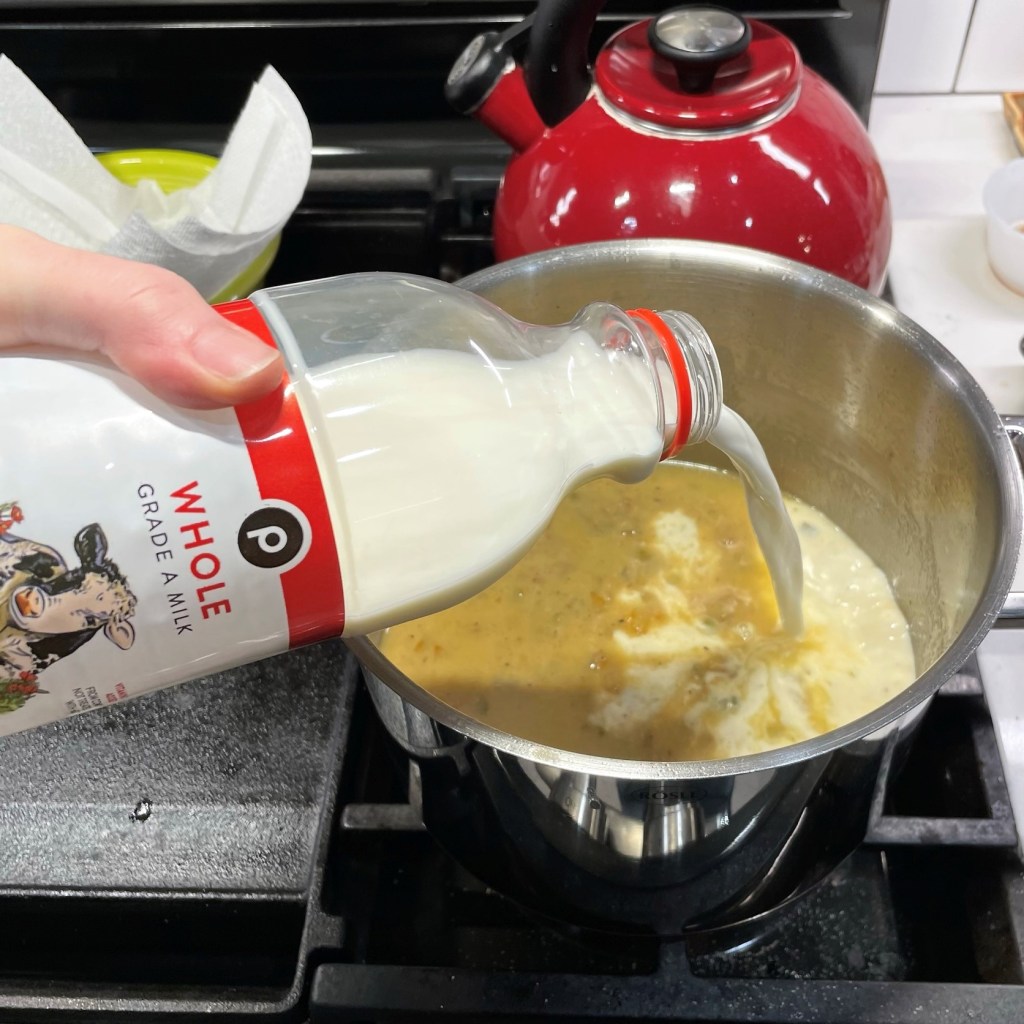
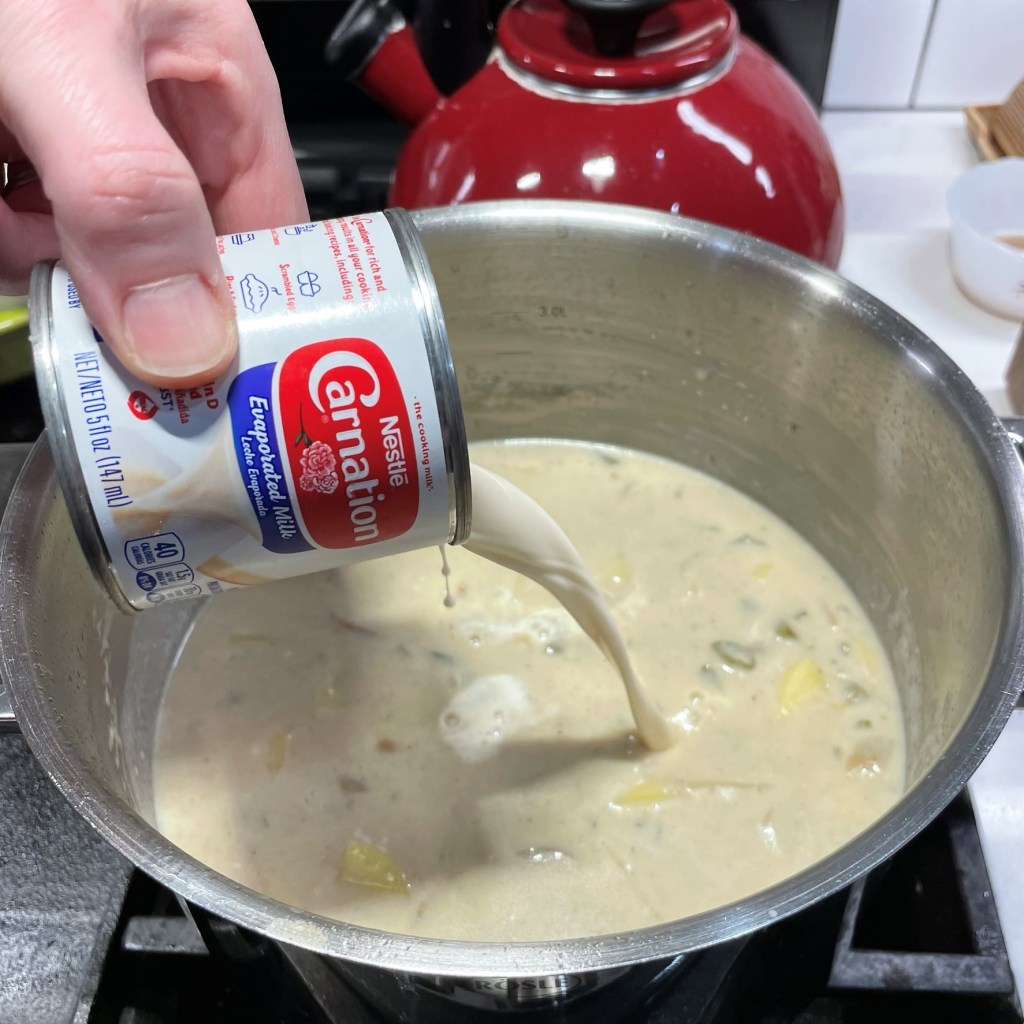
I used a combination of whole milk and canned evaporated milk in my recipe, primarily because I only had 1 1/2 cups of fresh milk. Feel free to substitute 2% or skim milk if you’d like; the flavor will be less rich overall, but the roux will still give the soup a thick and creamy consistency, and you can also achieve creaminess with the immersion blender technique.


Instructions

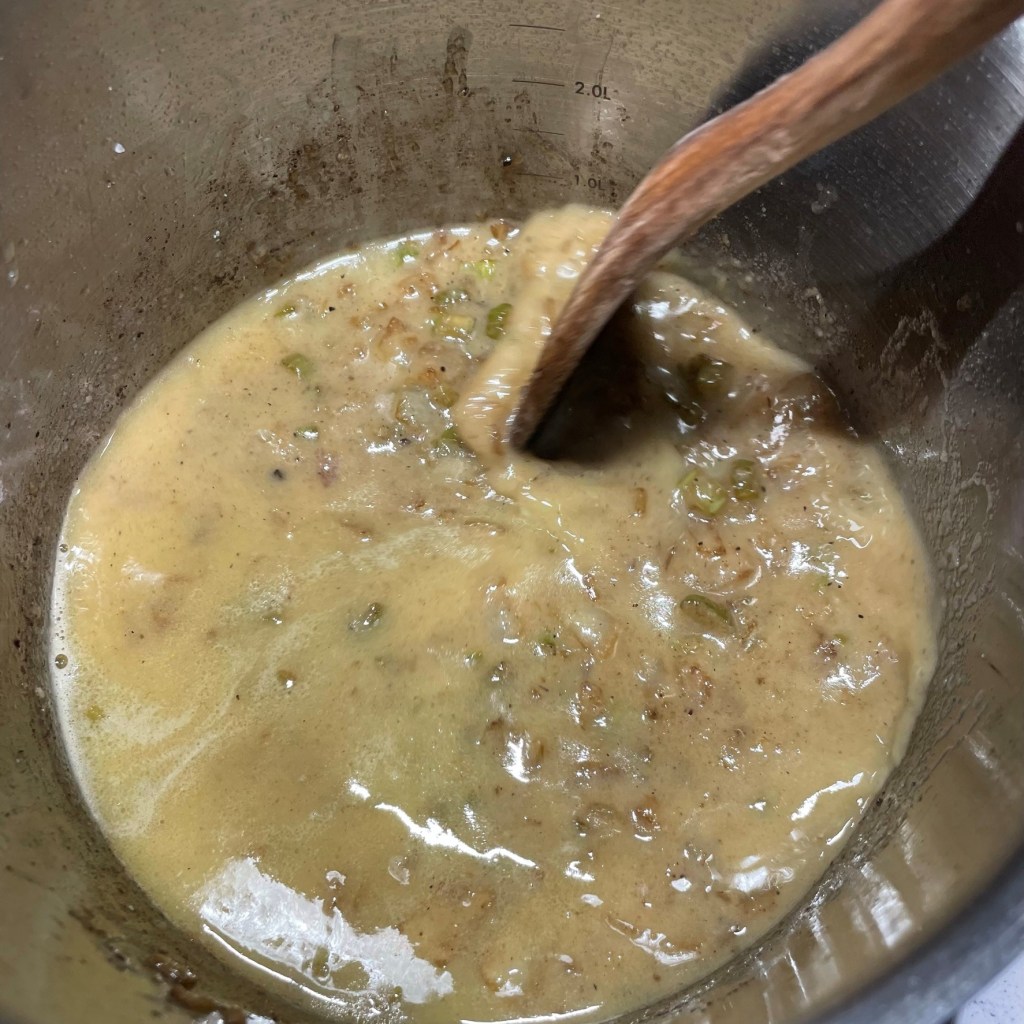
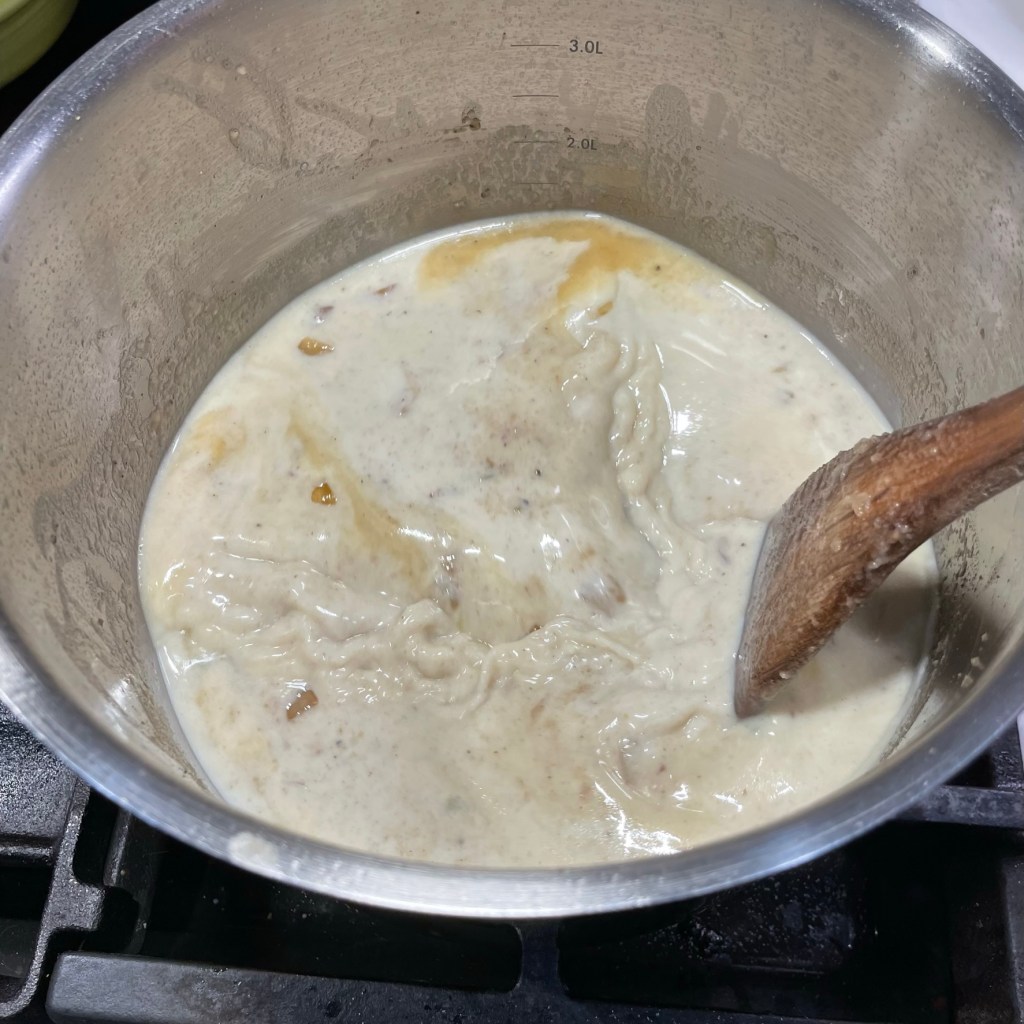
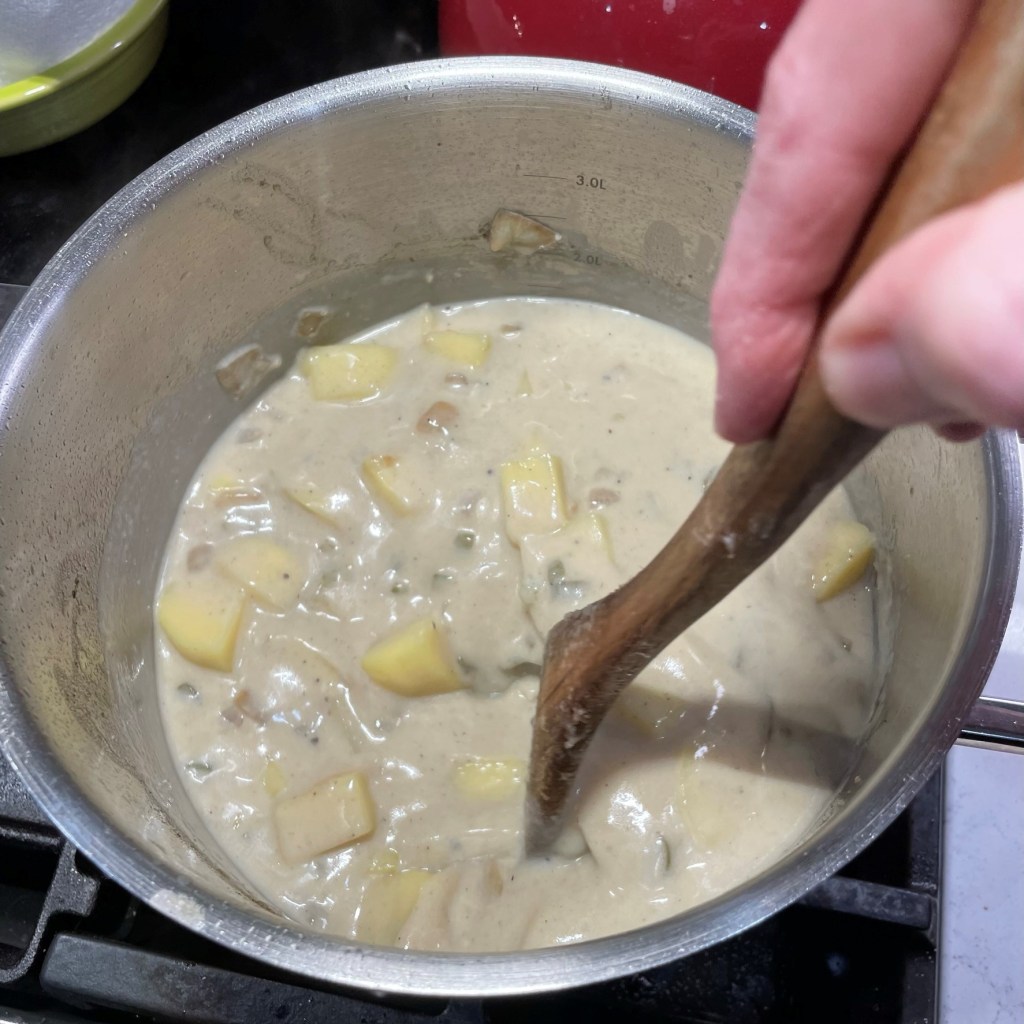
Step up to the stove with me and I’ll walk you through this easy recipe. Keep scrolling for a downloadable recipe that you can save or print for a rainy, gloomy day. 🙂

Old Man Winter, you are no match for this soup.


“Cincy” Chili

Everything about this recipe is upside-down for me. It defies almost every cooking instinct I live by, except the most important one—it’s delicious! Cincinnati Chili is unlike any other chili you’ve tried. It does not have spicy Mexican or even smoky Tex-Mex flavors, and that’s because its roots are Mediterranean. The cooking begins not with browning meat and onions, but with water and a small amount of tomato juice in the pan. The spices come next, and they are not the ones you would ordinarily associate with chili—including cinnamon, cloves, allspice and bay leaf. The raw meat is simmered directly in the liquid, so it stays very fine-textured (much like my recipe for hot dog chili). And the most noticeable difference is in the presentation—this “chili” is served on a bed of spaghetti and buried under shredded cheddar cheese, and any “way” you like it. Honestly, it doesn’t seem like chili at all.

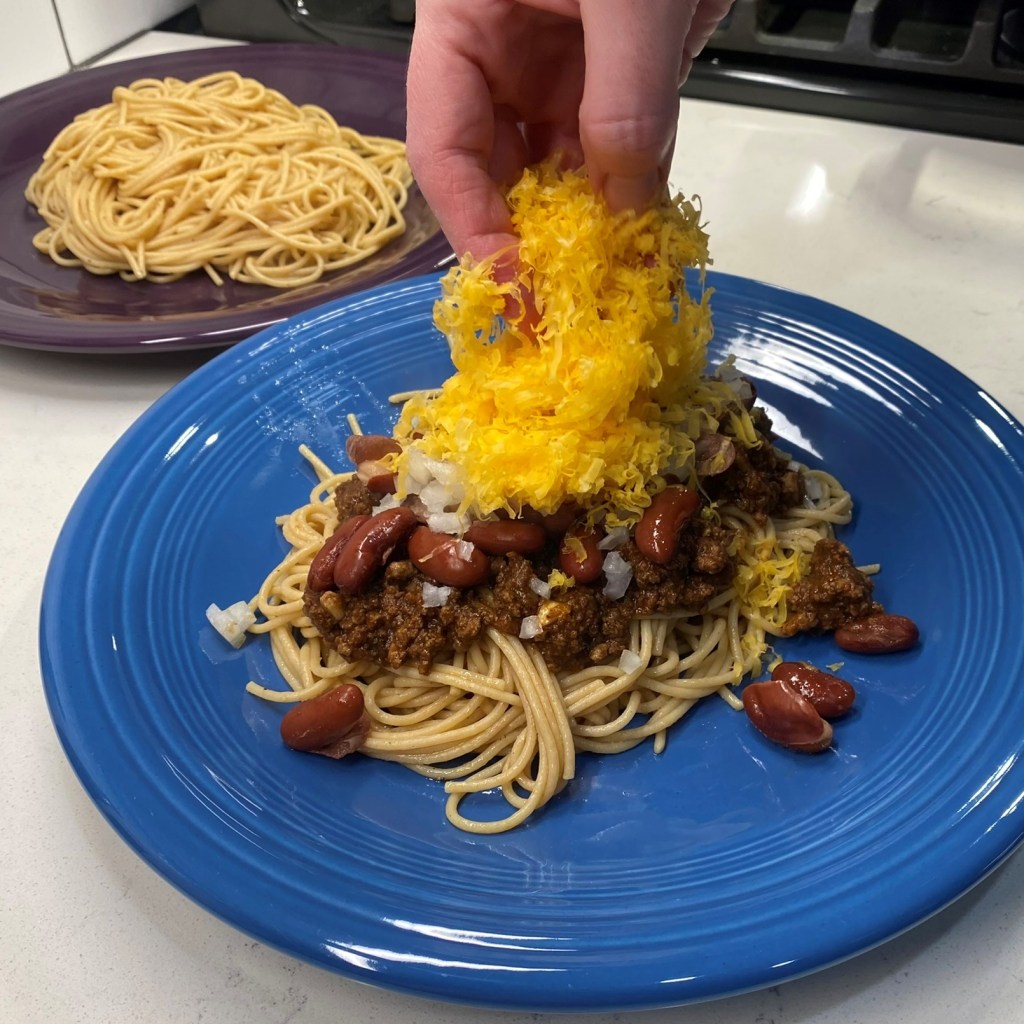
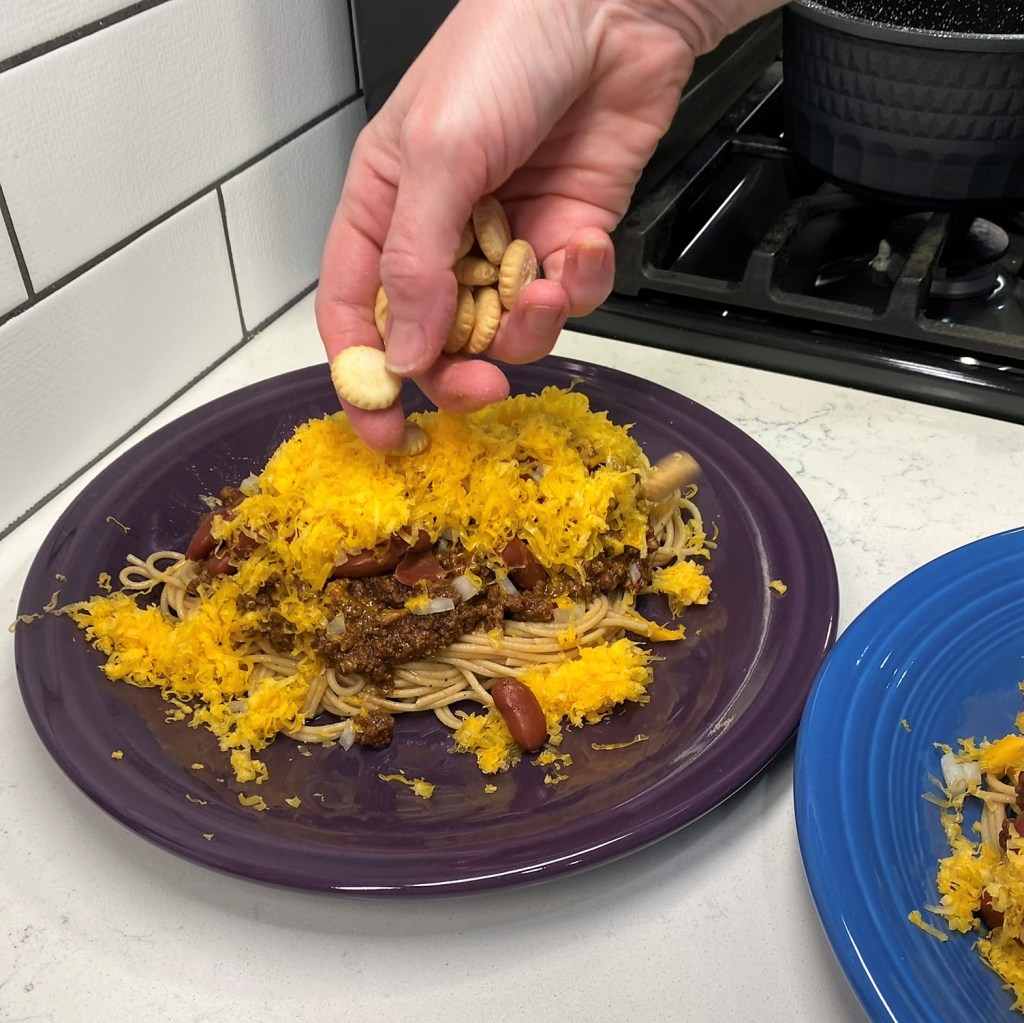
Top with any of the traditional ingredients. Make it “all the way” with heated kidney beans, onions and fine shredded cheddar cheese.

This tasty dish was born when two brothers settled in Cincinnati, Ohio from their native Greece and opened a restaurant. Their recipe for a hot dog chili topping was seasoned with all the flavors of the Mediterranean, and it was such a hit with the locals, they eventually began serving it as a signature entrée, and “Cincinnati chili” earned its title as the most iconic food of the city.

My first taste of Cincinnati chili did not happen in southwestern Ohio, but in Greensboro, N.C., in a hidden little downtown gem called Cincy’s. It’s a woman-owned business with bragging rights of being the city’s oldest downtown eatery. This out-of-the-way place is only open three hours a day for lunch, and it happens to be a short walk from the radio station where I used to work. Despite the limited hours, Cincy’s was usually jumping, and though it offers a wide variety of sandwiches, wraps and burgers, the restaurant is best known for its namesake, Cincinnati-style chili.

I looked at several “authentic” online recipes for this dish, and especially at the reviews, to see what natives of Cincy—the experts, if you will—had to say in feedback, and that became the basis for my version. This final composition is based on my taste buds’ memory of those downtown lunches from yesteryear.

What I have plated up here is every bit as good as I remember, though I’m sure I’ll have to visit Cincy’s again soon, just to be sure!


Ingredients

2 3/4 cups water

1 cup tomato sauce or strained puree (no chunks!)

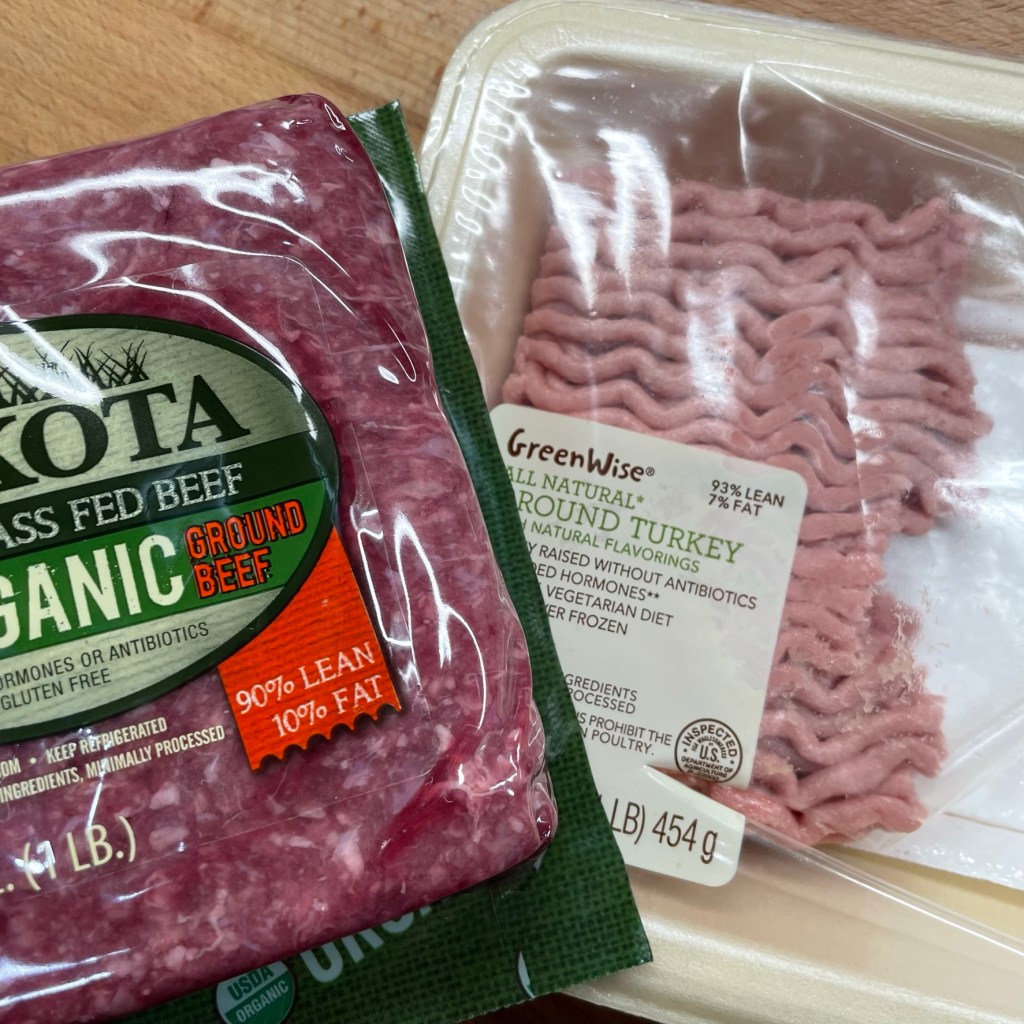
1 lb. lean ground meat* (see ingredient notes)

4 cloves fresh garlic, minced

¼ cup red wine vinegar*


Dry Seasonings:

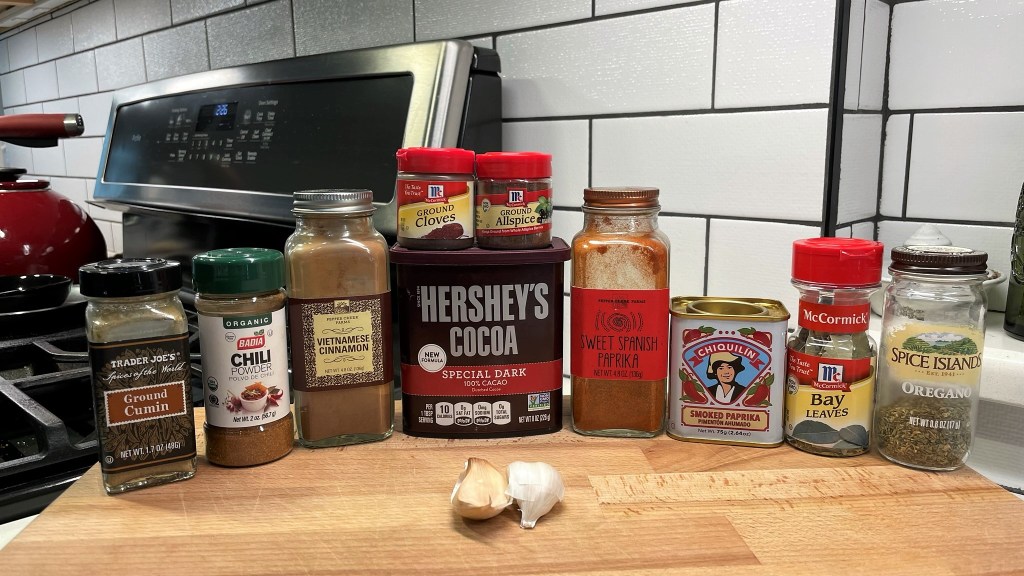
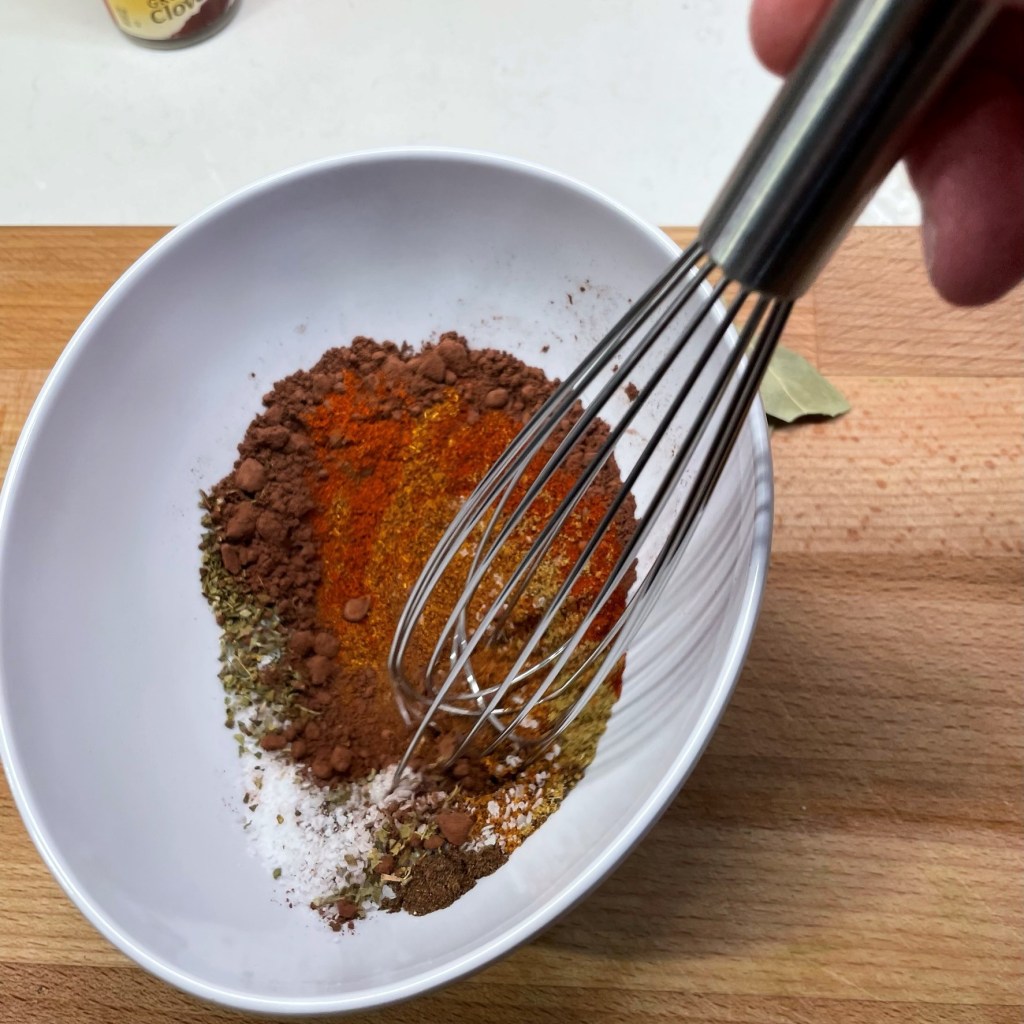
Is there anything from my spice cabinet that ISN’T in this so-called chili?

1 Tbsp. chili powder*

1 ½ tsp. cocoa powder

1 tsp. ground cinnamon

1 tsp. sweet Spanish paprika

1 tsp. smoked paprika*

½ tsp. ground cumin

½ tsp. dried oregano

¼ tsp. ground cloves

¼ tsp. ground allspice

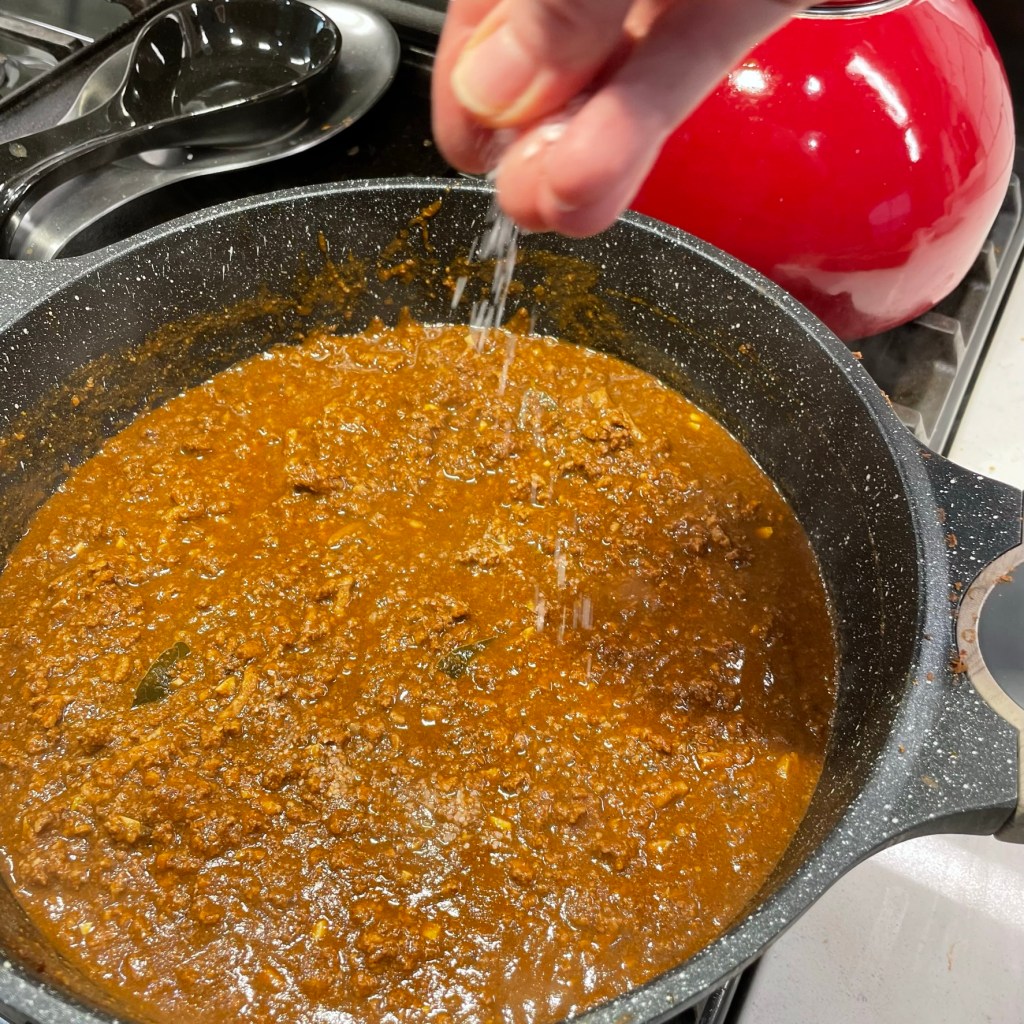
1 tsp. kosher salt (or 3/4 tsp. regular table salt)

Several twists freshly ground black pepper

2 dried bay leaves


For serving:

½ lb. spaghetti (I used whole wheat)

1 can light red kidney beans, rinsed and warmed

½ cup finely minced onion

4 oz. finely shredded cheddar (I used medium sharpness)

Oyster crackers, if desired


*Notes

Any combination of lean (90%) ground beef or turkey works well in this recipe, but for a vegetarian version you could substitute with a combination of cooked lentils and cracked bulgur wheat, as they do at the restaurant where I first enjoyed this dish. Follow the package recommendations for cooking time of those products and add them to the pot at the appropriate time to avoid overcooking them.

Apple cider vinegar would probably work in this recipe as well, but given that the recipe has Mediterranean roots, I used red wine vinegar, which is typical in Greek cuisine.

Chili powder is one of those spice ingredients that is different from one brand to the next. Peek at the label to see whether your chili powder contains salt or any other ingredients you may want to adjust in the overall recipe.

My smoked paprika is a sweet (not hot) variety. The slight smokiness was nice in this dish, but if you don’t have this, you could simply double the amount of regular sweet paprika.


Instructions

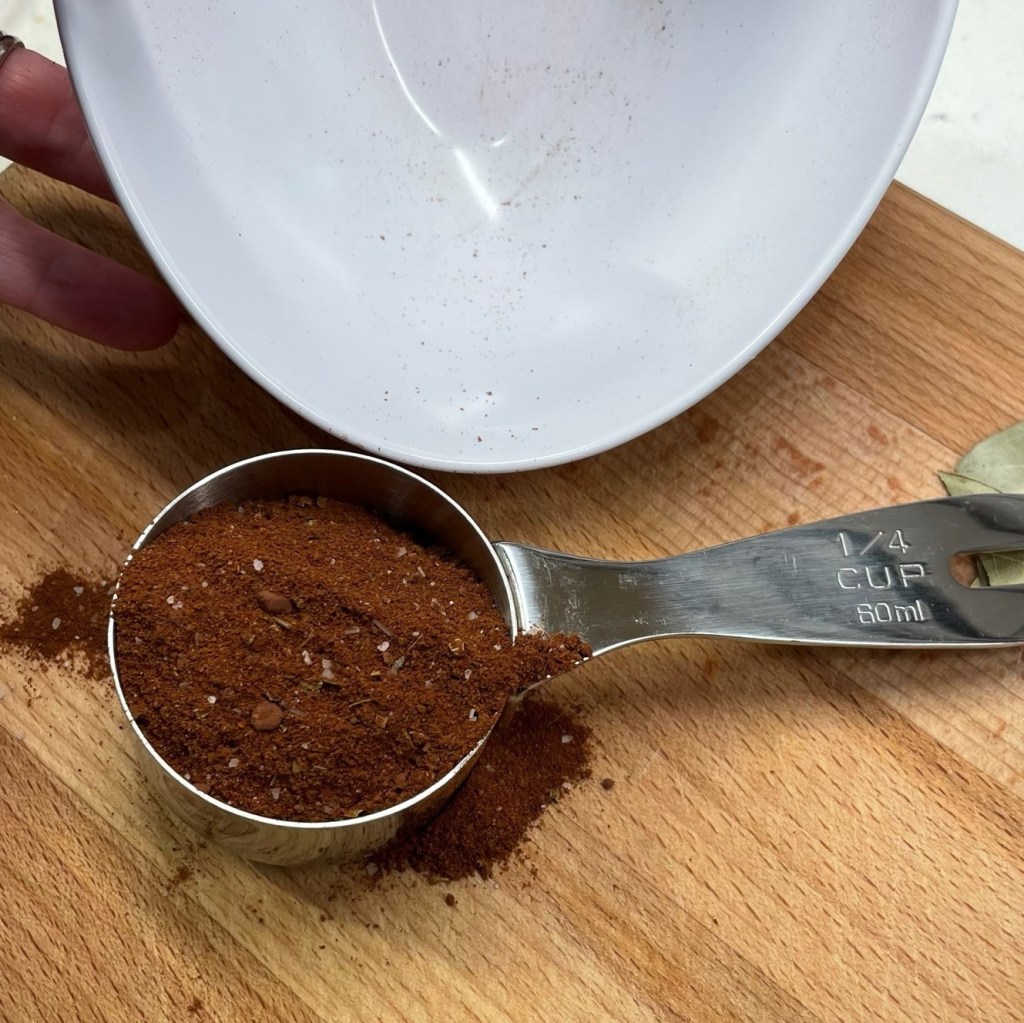
  1. Combine all the dry seasonings (except bay leaves) in a bowl and set aside.
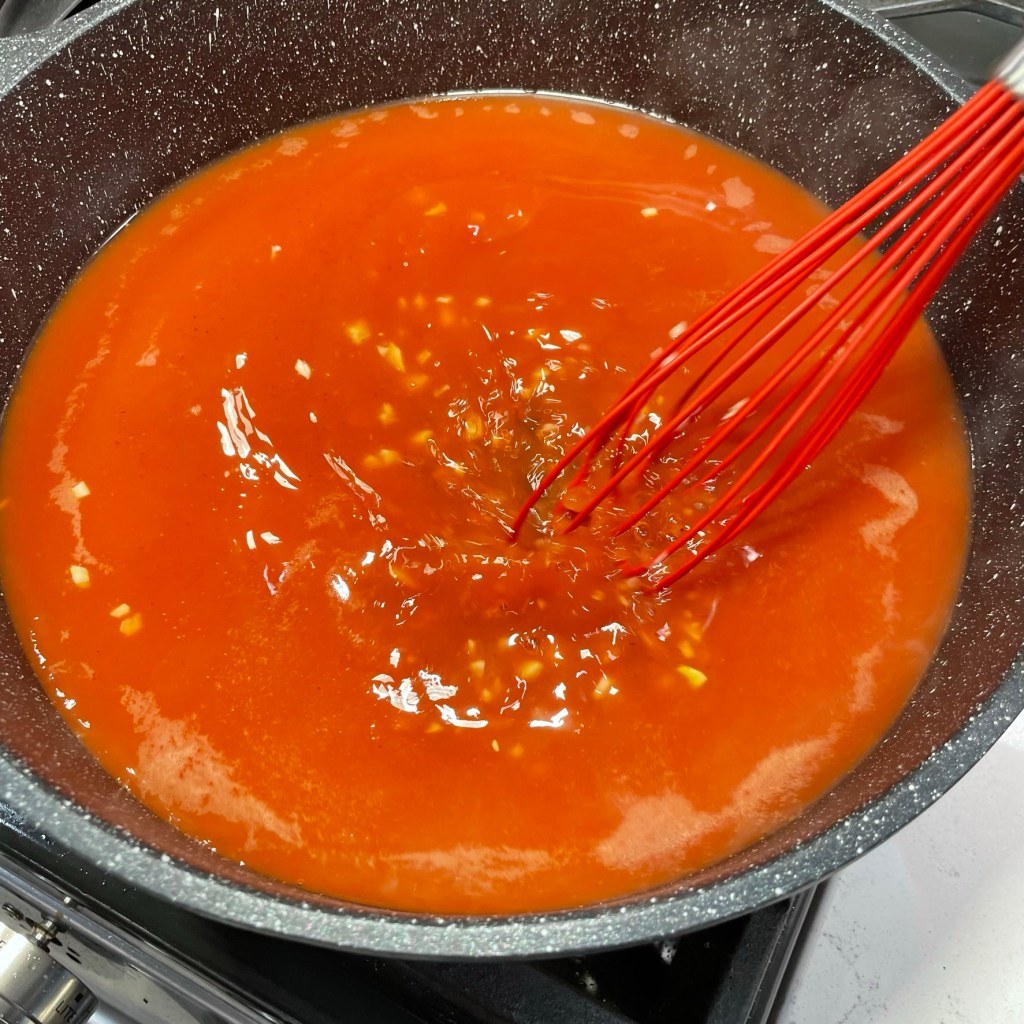
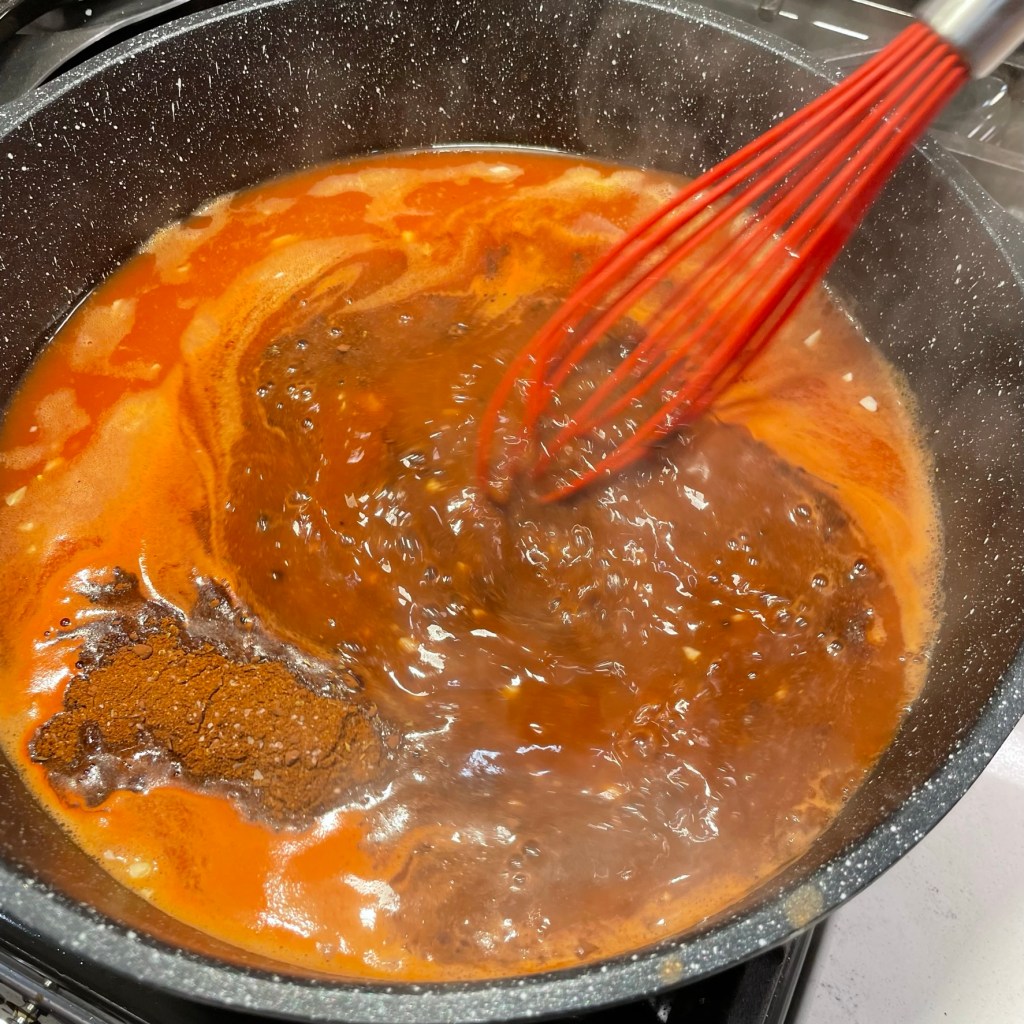
  2. Combine the water and tomato sauce in a large saucepot, over medium-low heat. Stir in the dry seasonings, garlic and red wine.
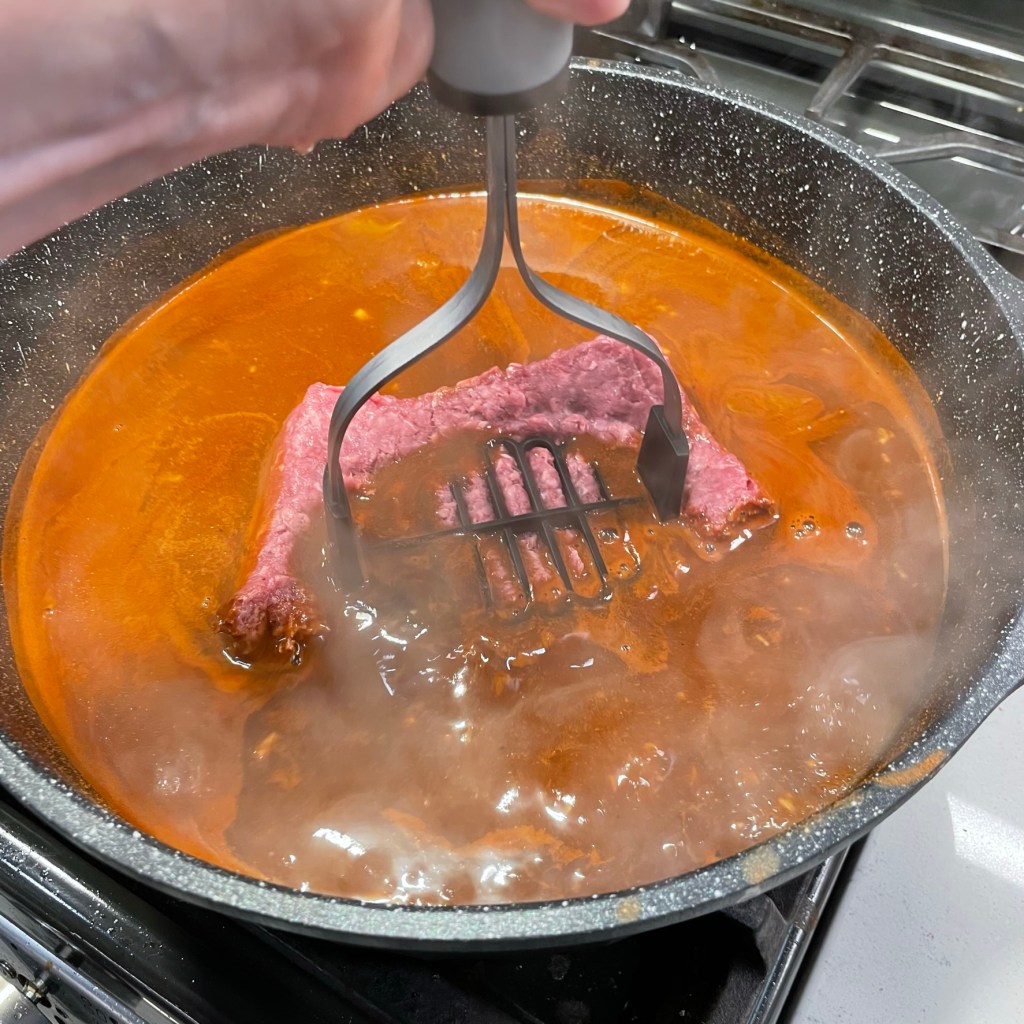
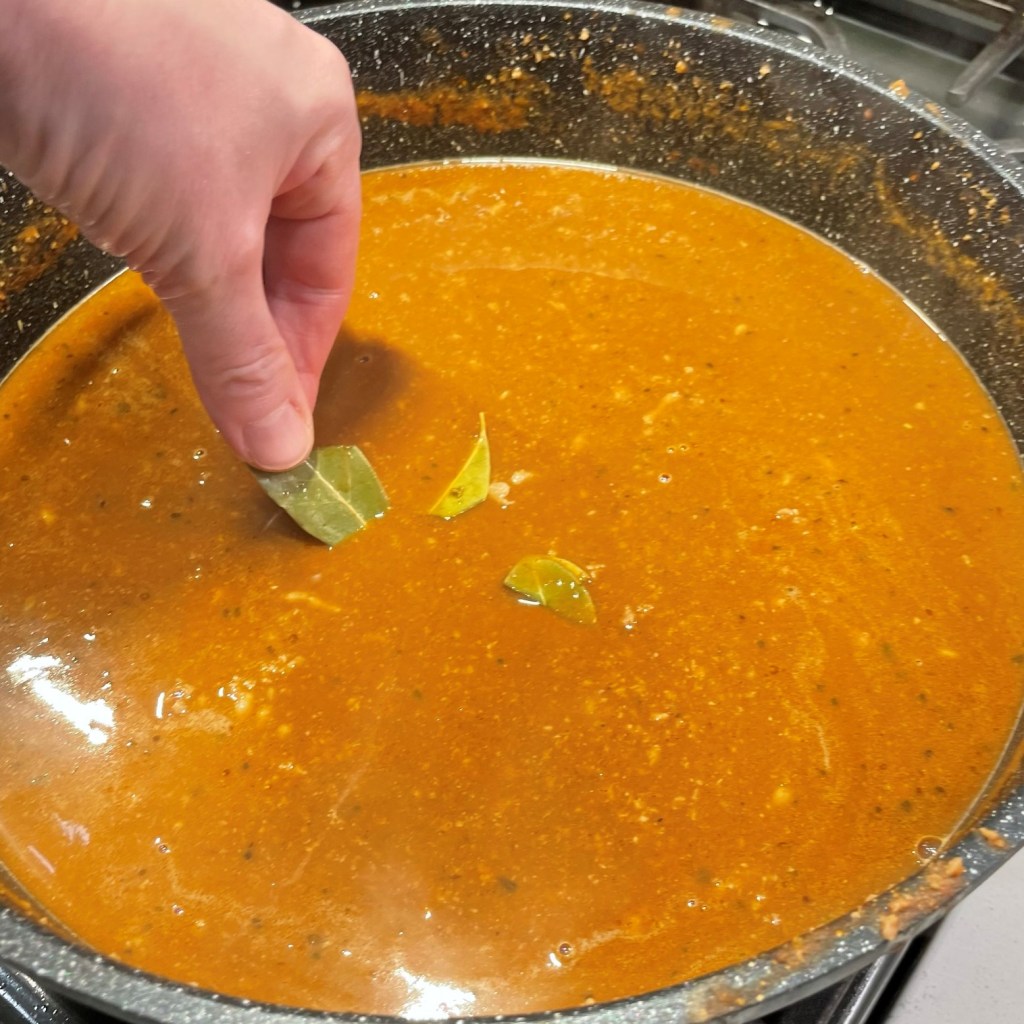
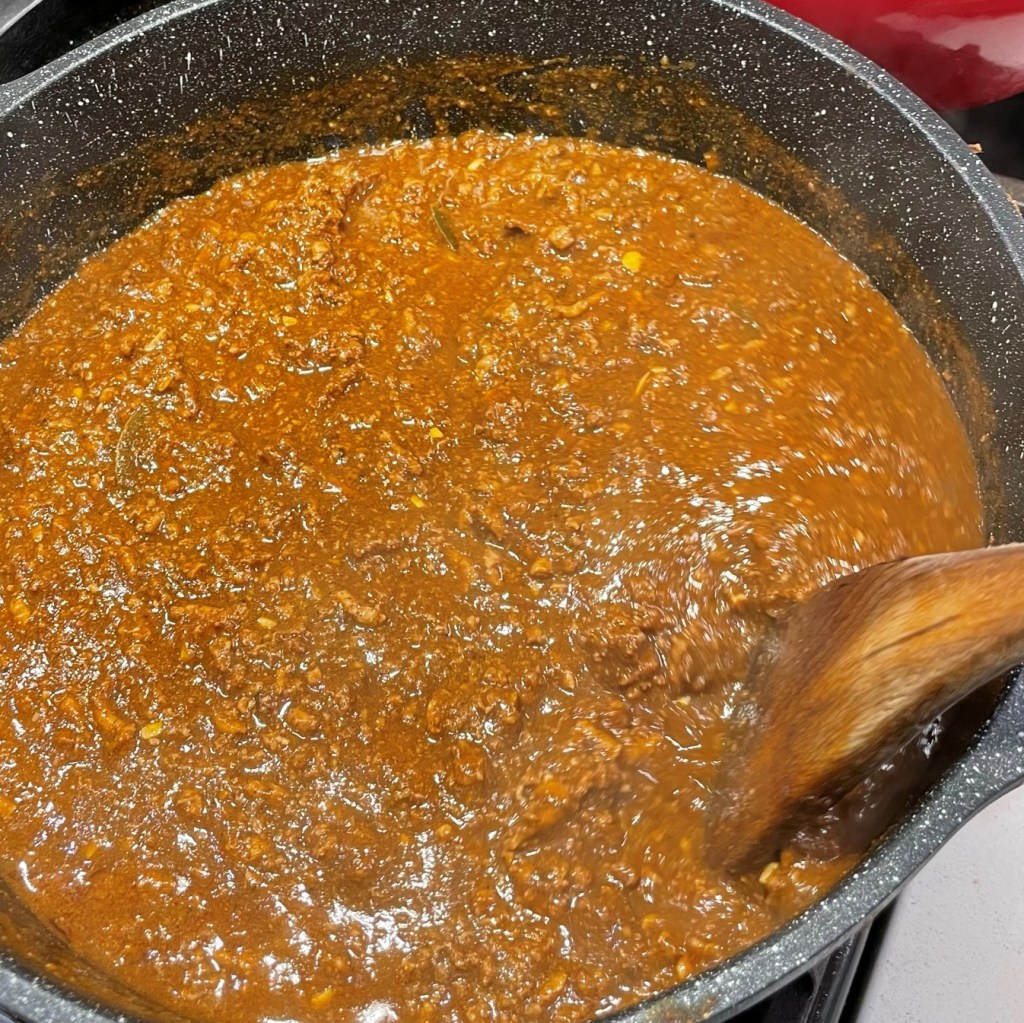
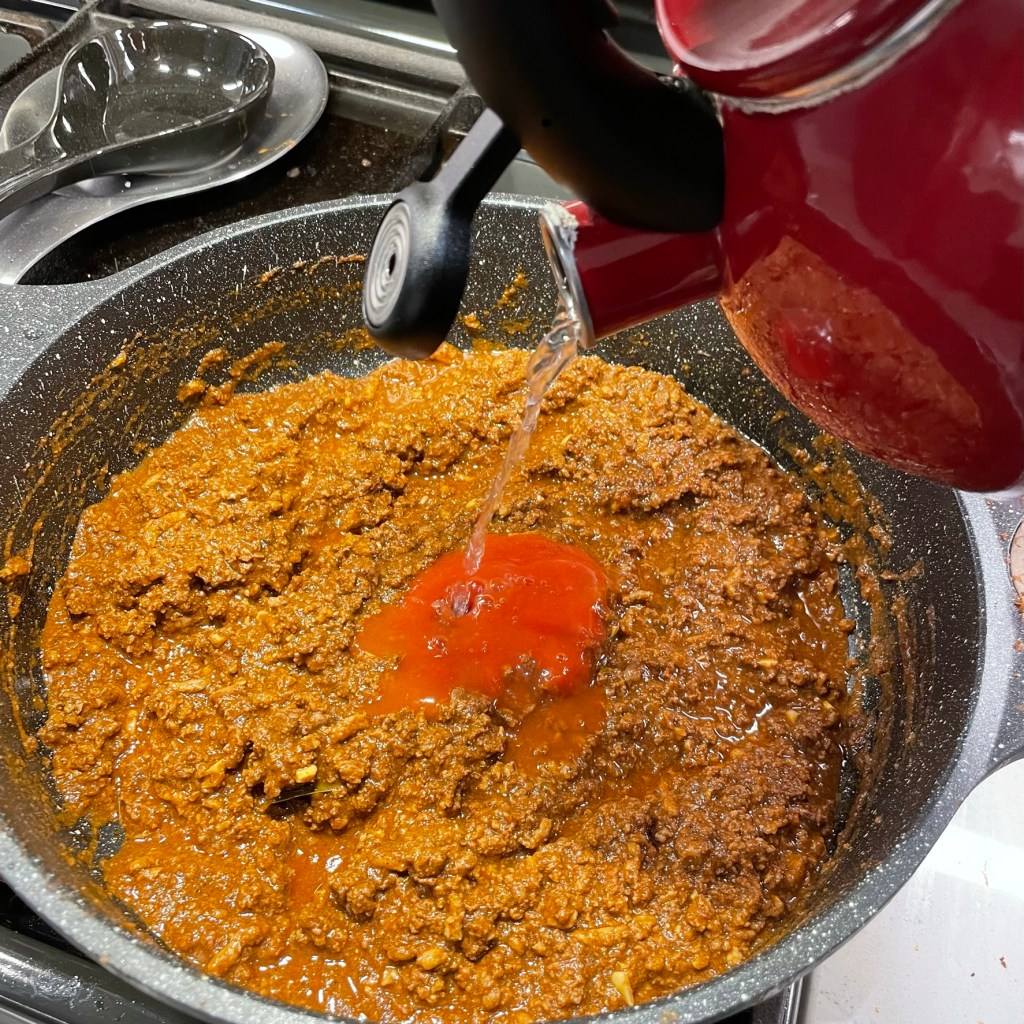
  3. Crumble the raw ground meat into the pot and use a utensil or potato masher to break it up as much as possible into a fine texture. Add the bay leaves. Bring the mixture to a low boil, then reduce heat and cover the pot. Simmer, stirring occasionally, until liquid is reduced, and sauce is thick but not dry. Give it at least an hour. Add a bit more tomato sauce and water, as needed, if the sauce has cooked down too much. It should be more meaty than “saucy.”
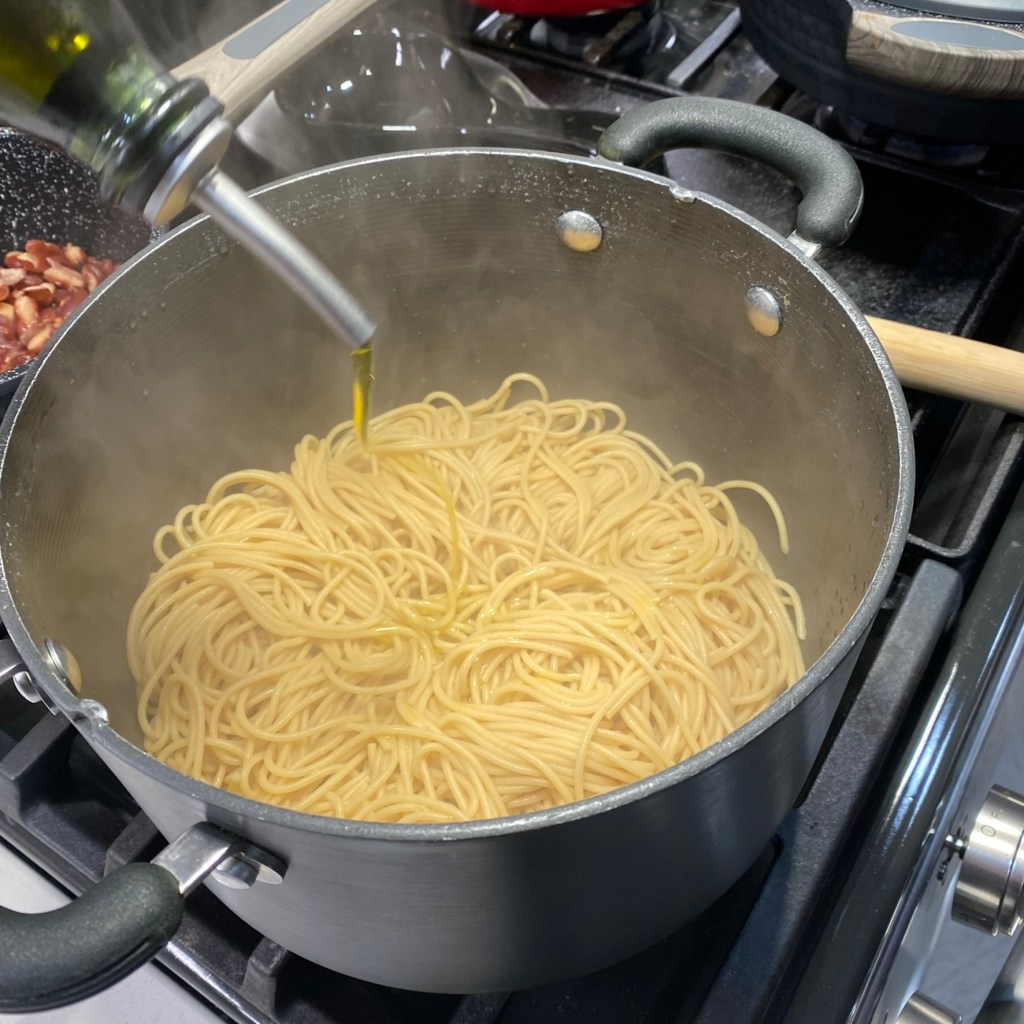
  4. Cook spaghetti noodles to al dente stage, then drain and immediately toss with a bit of oil or butter to keep the noodles from sticking.
  5. Plate spaghetti and top with meat sauce, plus any of the other toppings you like. Here’s how they break it down, Cincy style:

“2-way” = spaghetti with chili only

“3-way” = with chili and cheese

“4-way” = with chili, cheese and beans OR chili, cheese and onions

“5-way” = with chili, cheese, beans AND onions (the best)!


Kickass Whiskey-Braised Collards

After a mere 30 years living in the South, I finally learned how to make collard greens, one of the staple foods of the region. It happened quite serendipitously, as I described in my original recipe for “Just Collards.” Since that fateful day, and the quick walk-through given to me by a kind stranger, I have made collards many times, using the same basic recipe. My husband and I enjoy them with everything from fried chicken that I pick up at the deli counter, pulled pork that he makes on the smoker, and even occasionally just on the side with some homemade mac and cheese.

Collard greens, in case you don’t already know, are one of nature’s “superfoods,” and they can be eaten raw, but most often you’ll find them braised in liquid. Collards are so packed with nutrients (including vitamin C, calcium, immune-supportive B vitamins and magnesium), that even the resulting cooking juices are considered to be sustaining. They are a very hardy crop, easy to grow in nearly every climate, and they are widely revered here in the South.

Until now, I have followed the same basic recipe—cook up some chopped bacon with onions, add chopped collards to the grease, splash in vinegar and broth and let them simmer until tender. Easy enough, and always delicious. I can’t quite explain what happened last week that inspired me to put a hot and spicy, bold and boozy twist on them—maybe a burst of Black History Month energy—but, mercy, was it ever good!

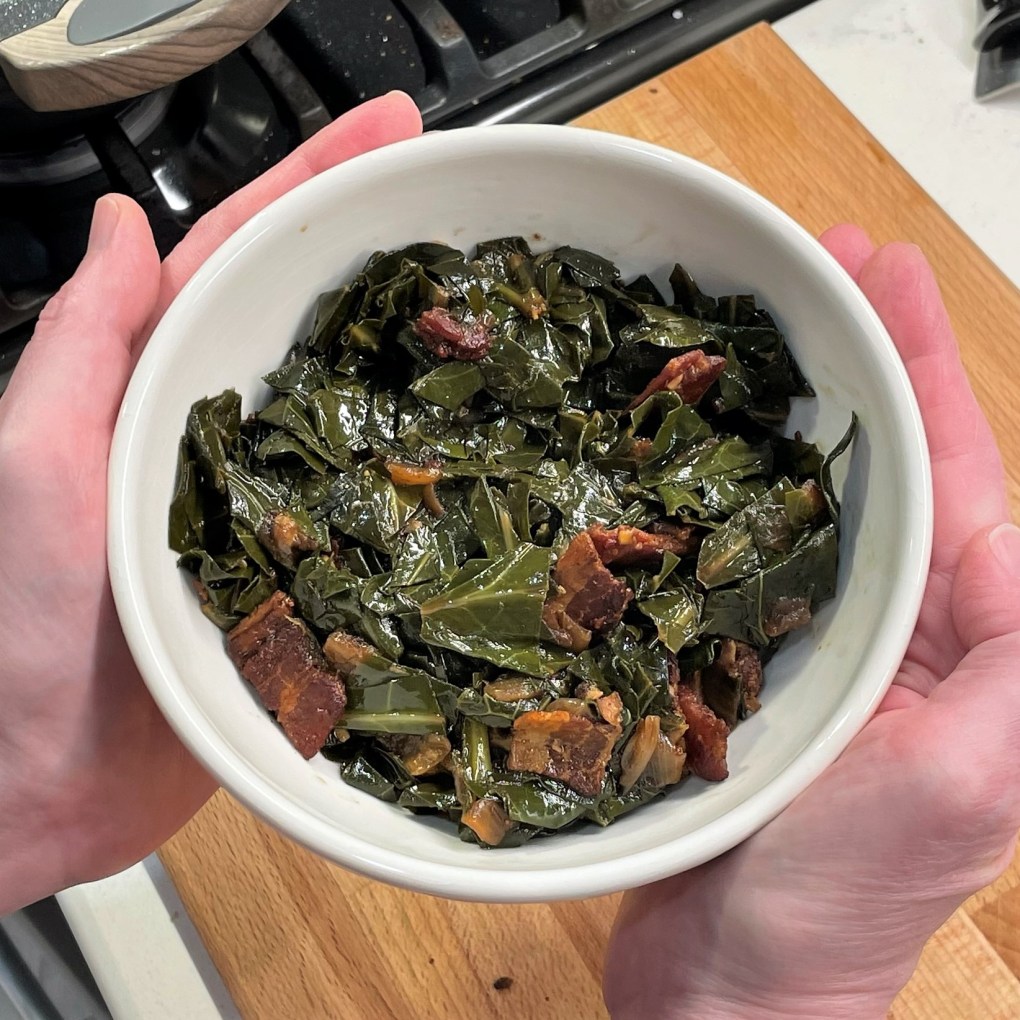
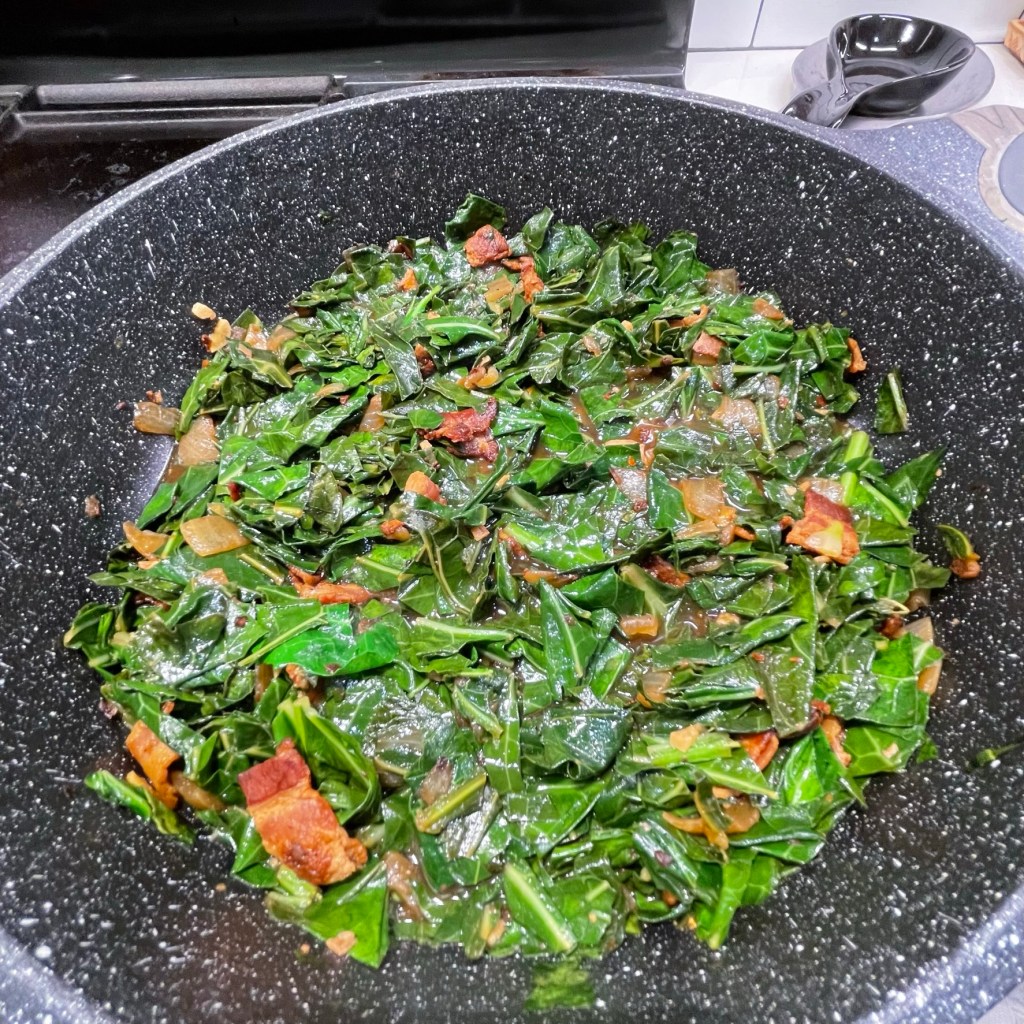
The salty bacon, smoky pepper heat and the bite of whiskey have transformed my usual collards into something extra flavorful!

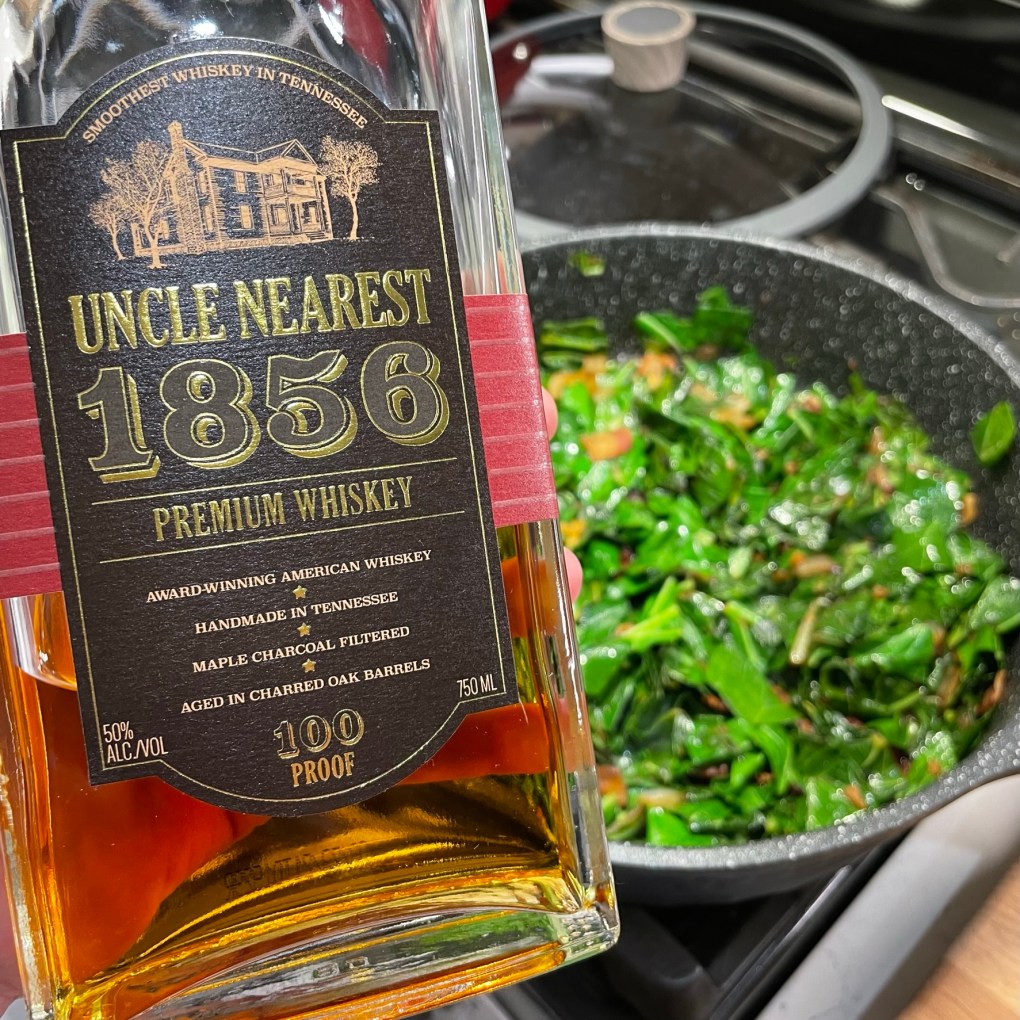
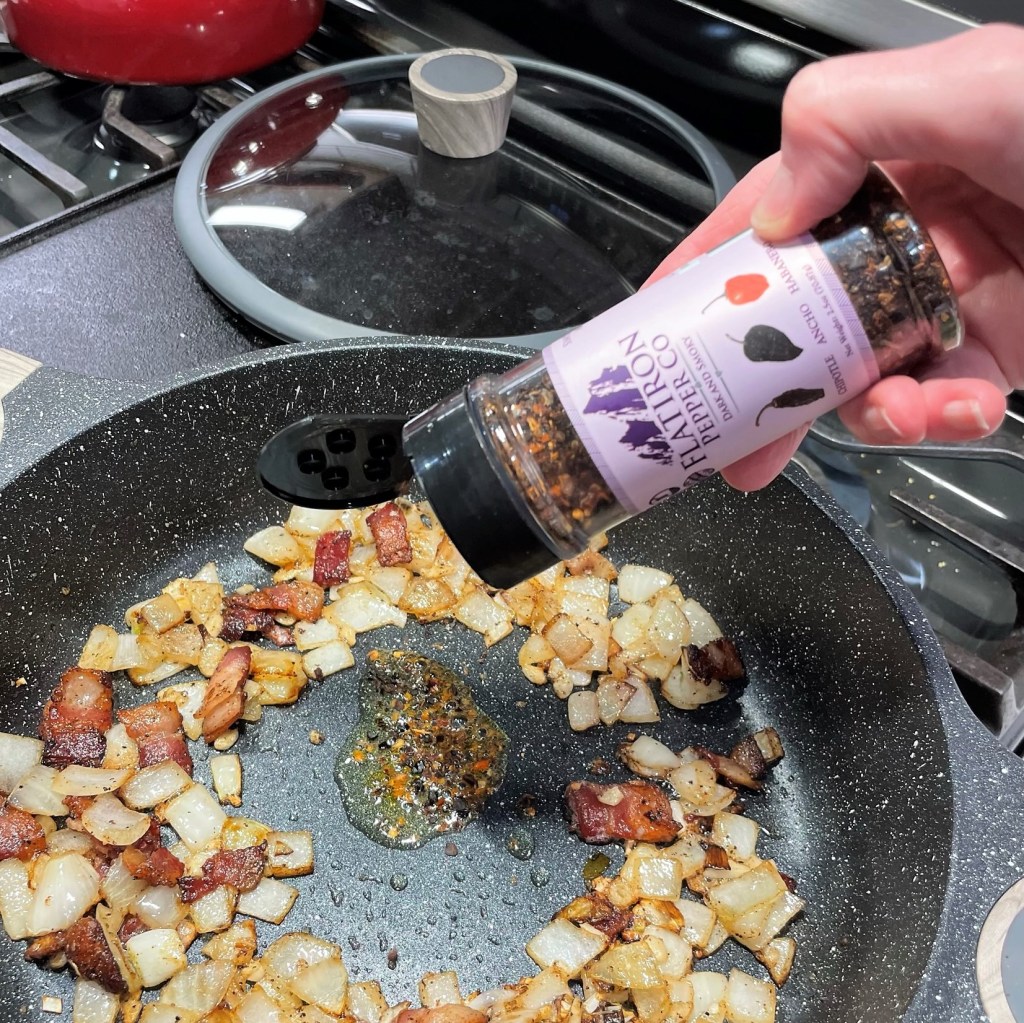
I amped up these collards with fresh garlic and a few extra shakes of a specialty pepper mix we love, which includes smoky chipotle, fruity ancho and fiery habanero. The combination of hot pepper flavors sent these collards over the top into kick-ass territory. The real kicker, though, was the shot of whiskey I splashed into them. And not just any whiskey, but the only brand I happened to have on hand when my imagination started running—Uncle Nearest 1856. If you have not yet heard of this whiskey, I hope you’ll take a few minutes to read about it. Uncle Nearest is a Black-owned brand, built on the legacy of Nathan “Nearest” Green, an enslaved man who taught Jack Daniel how to make whiskey. If you’re thinking, “how can that be?” well, this is why we have Black History Month, so we can fill in the gaps of what we thought we knew.

Braising in the whiskey turned out to be a great decision.

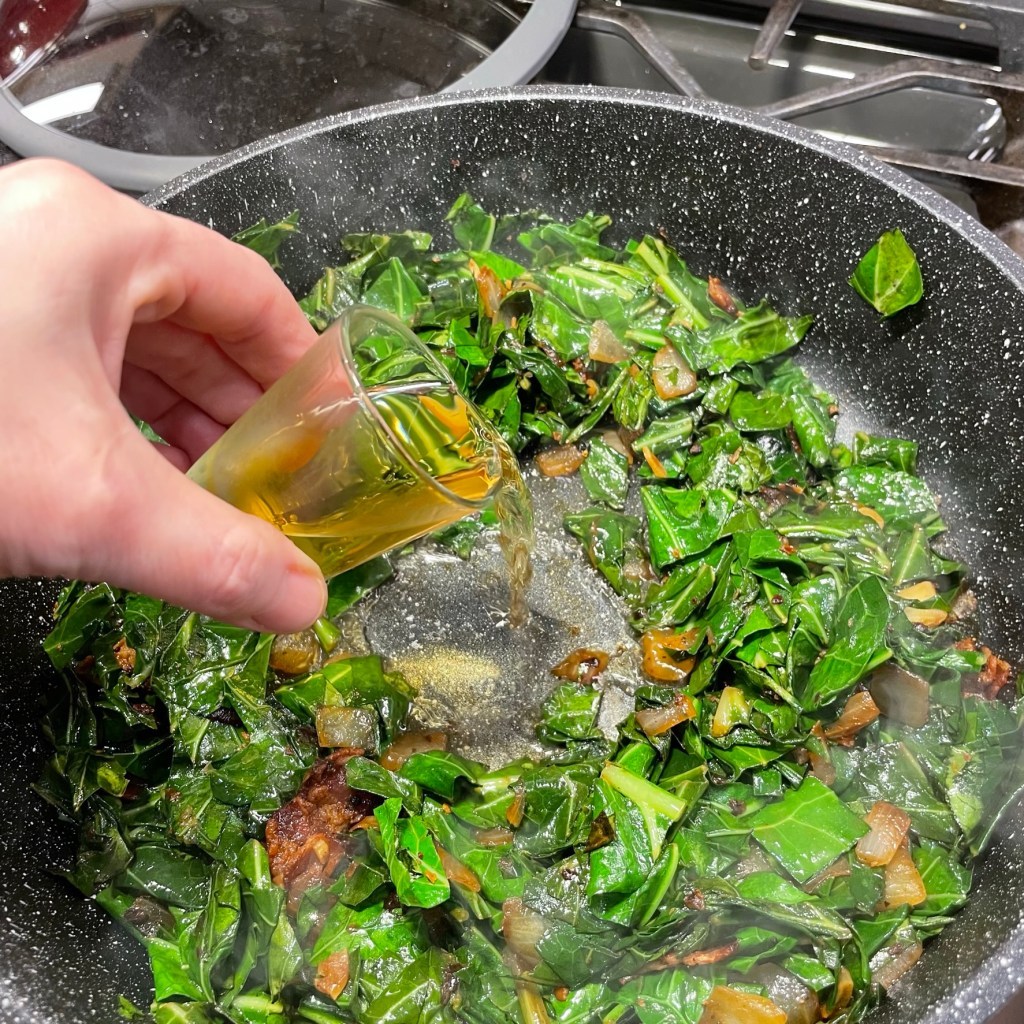
Uncle Nearest 1856 was the basis for the Long Time Coming red cocktail I created in honor of Juneteenth last year, and at 100 proof, it’s pretty sturdy. The charred oak barrel notes of the spirit imparted additional smokiness to these collards, which cooked up in about half the time as my regular, go-to recipe. That might have been the whiskey, or it could just be that I served them up earlier than usual, because they smelled so darn good.


Ingredients

3 slices uncured bacon, cut into 1/2″ pieces

1/2 large yellow or sweet onion, chopped

3 cloves fresh garlic, chopped or minced

Kosher salt and freshly ground black pepper

Several shakes Dark and Smoky red pepper blend (or any crushed red pepper you like)

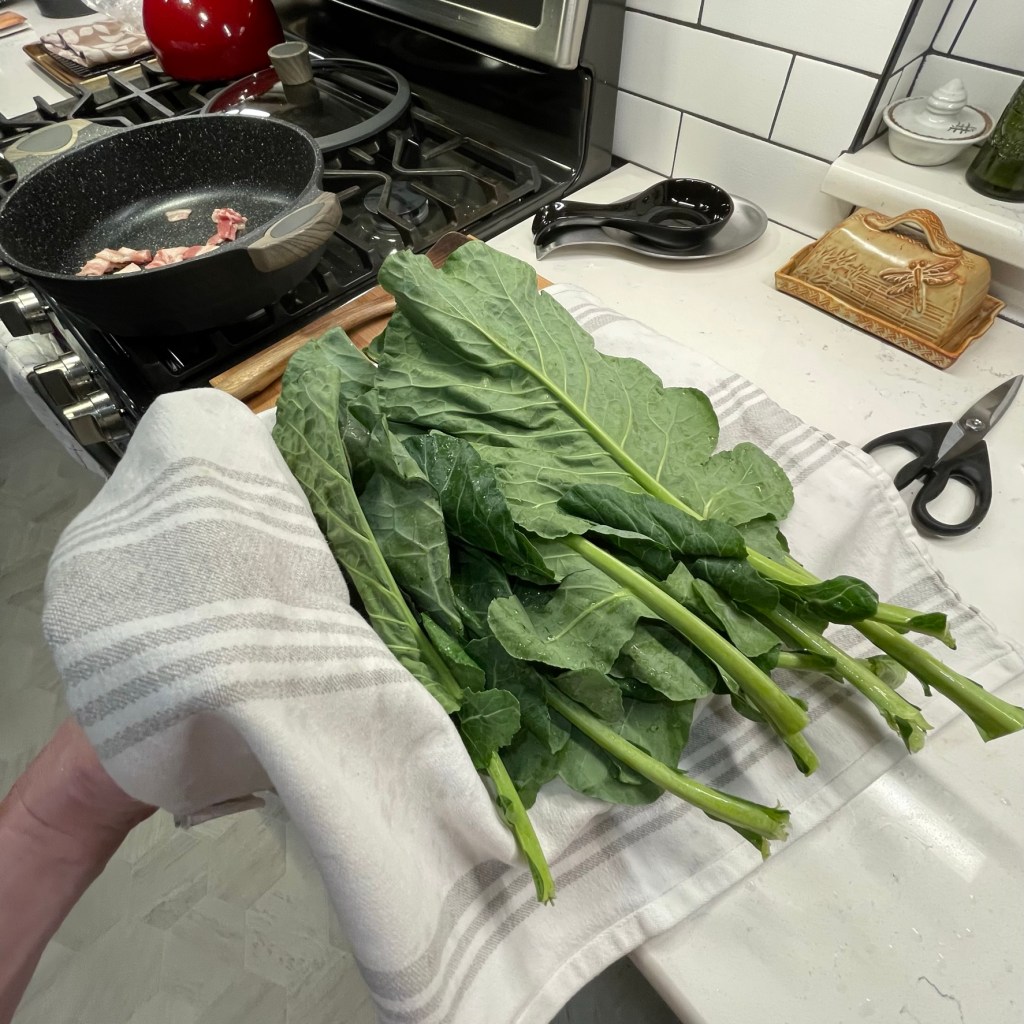
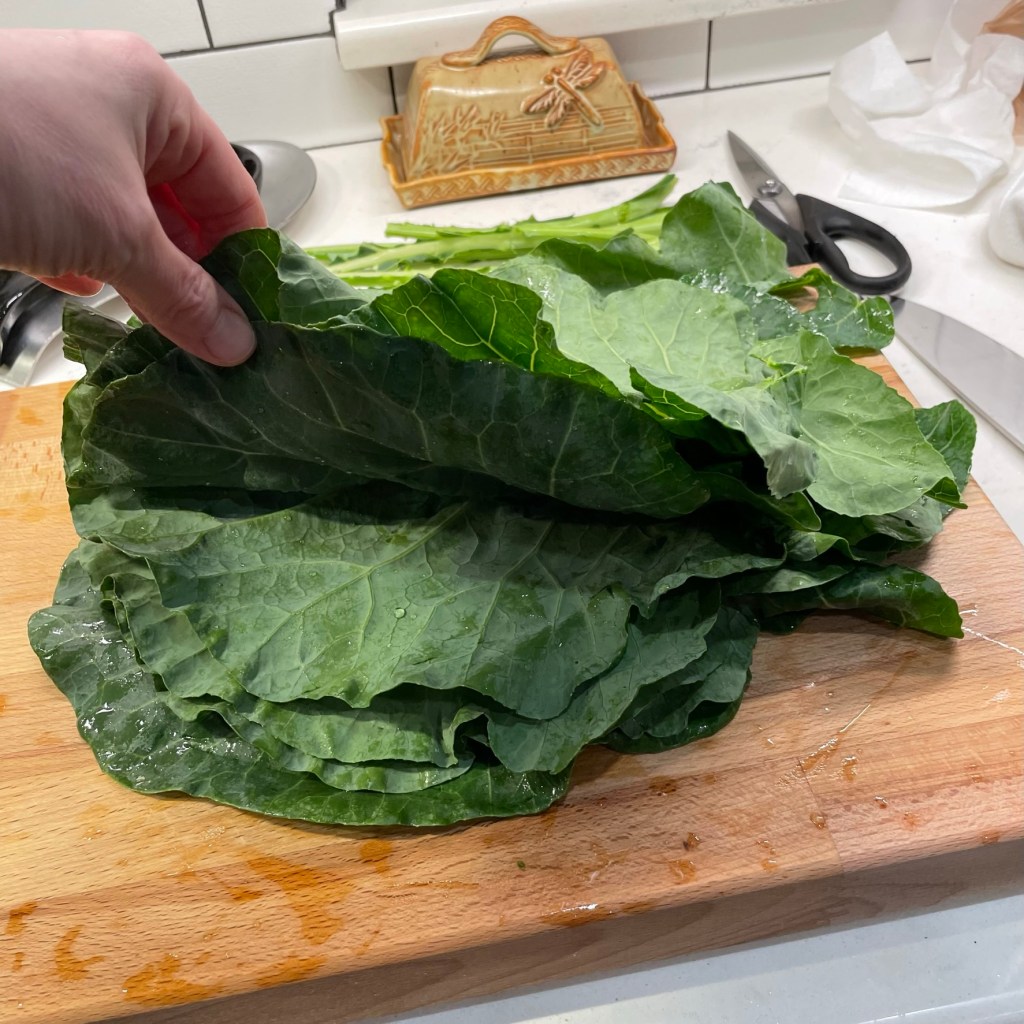
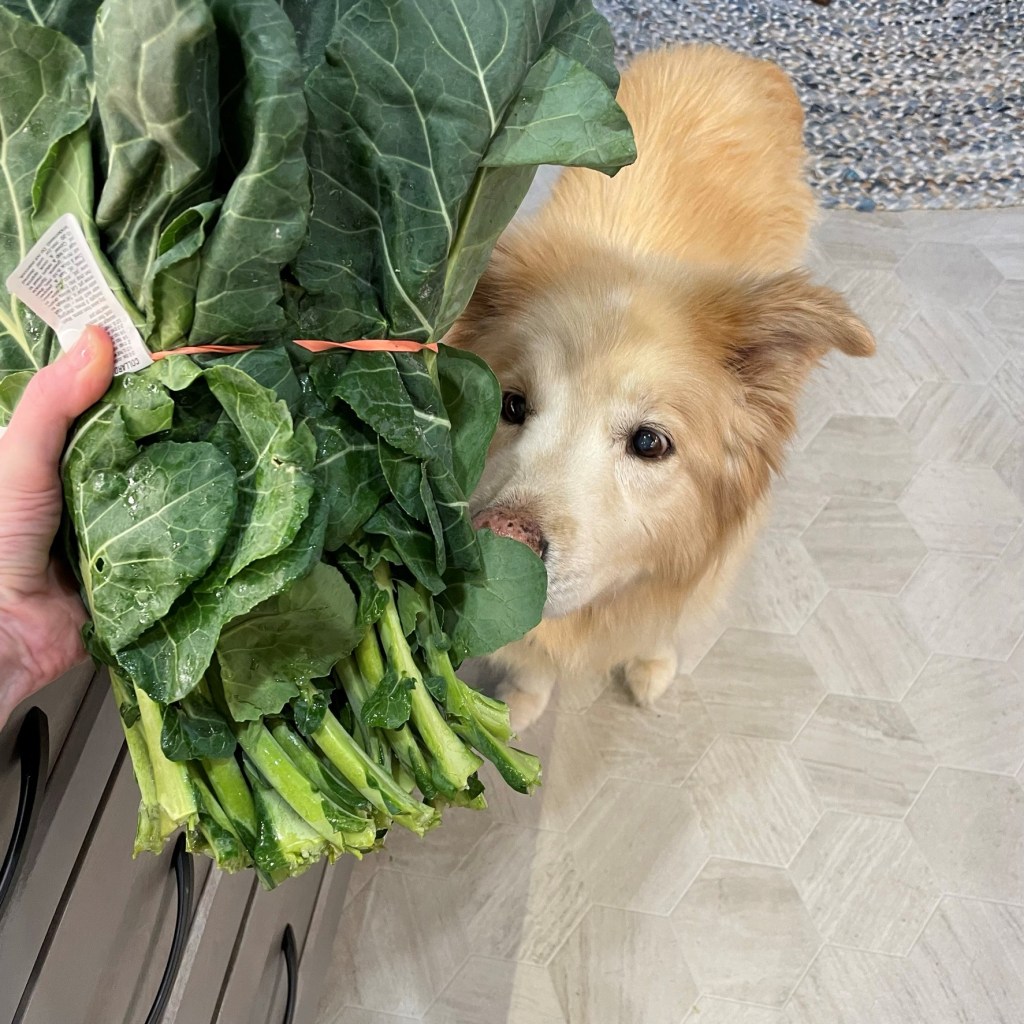
1 large bunch fresh collard leaves, washed and trimmed of heavy stems

1 shot glass whiskey (about 3 tablespoons)

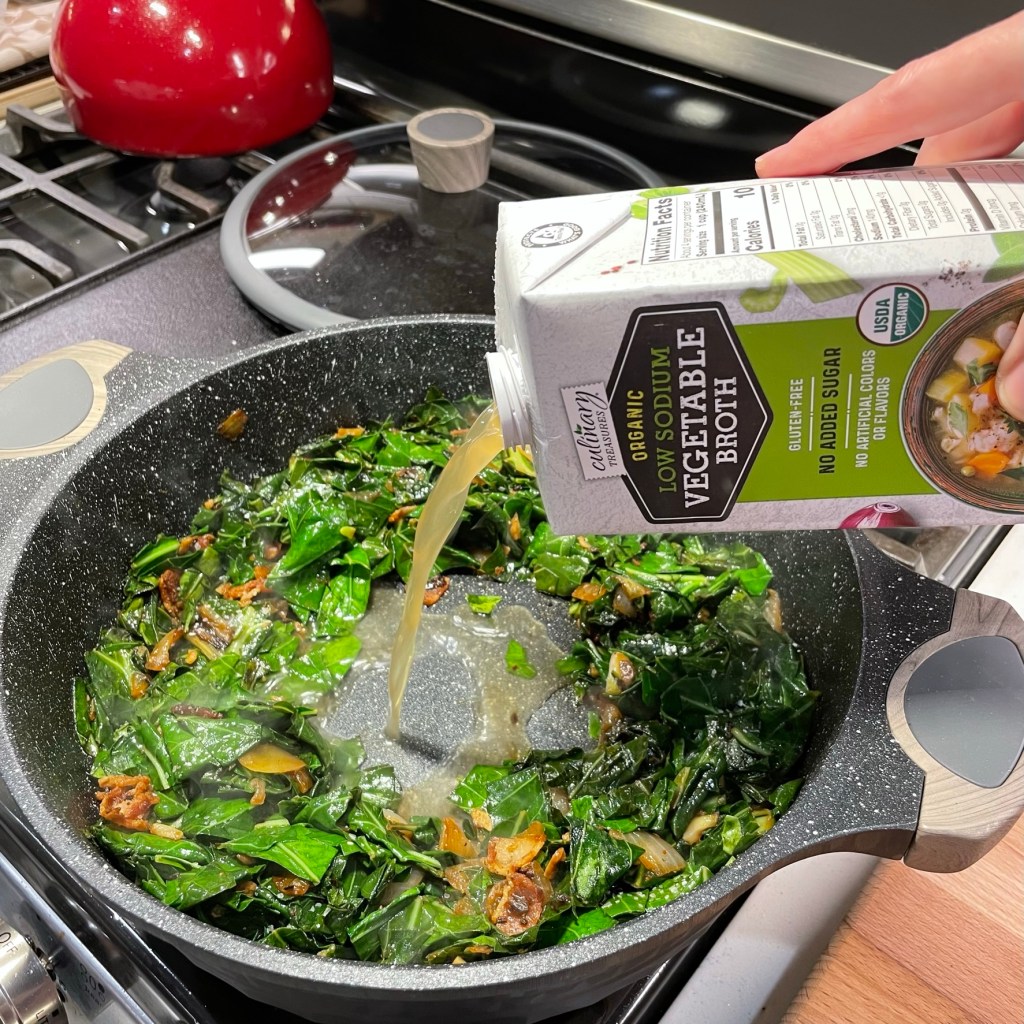
1 cup low-sodium vegetable broth


Instructions


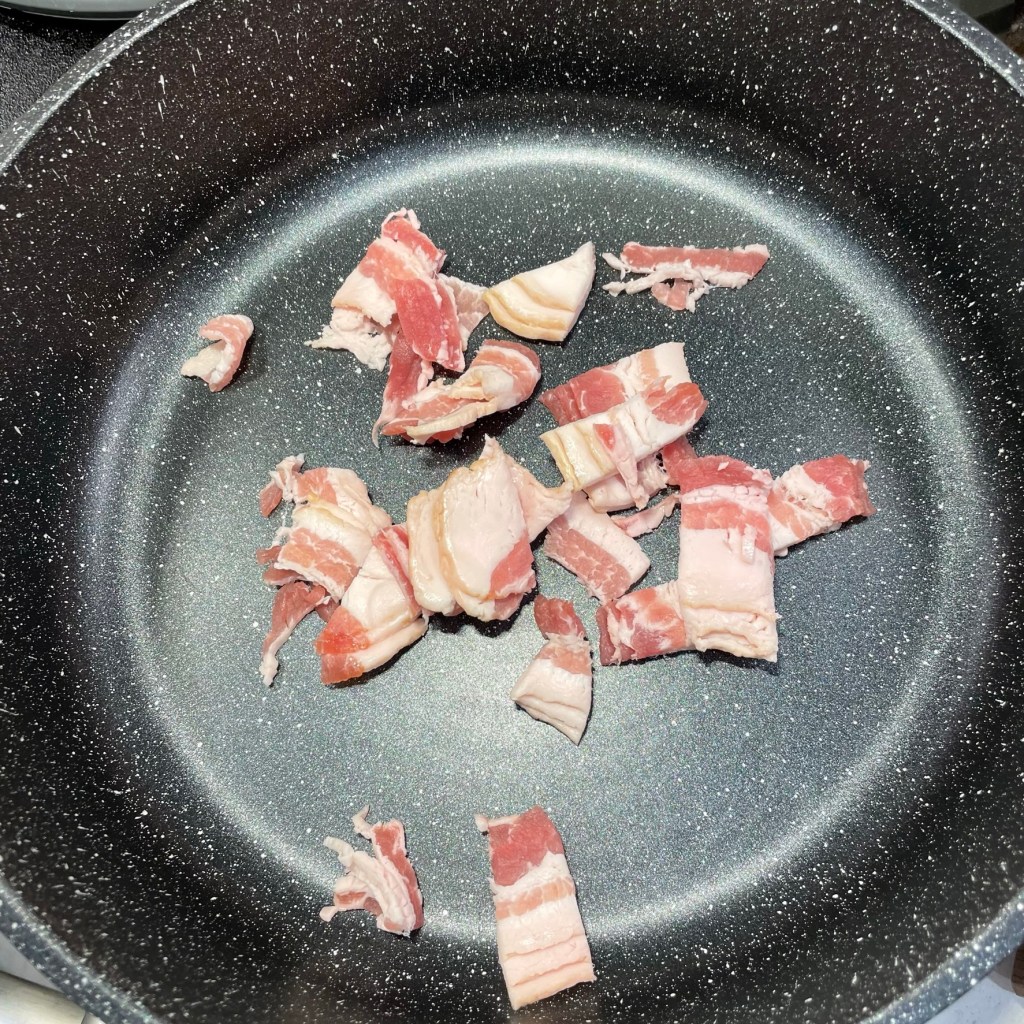
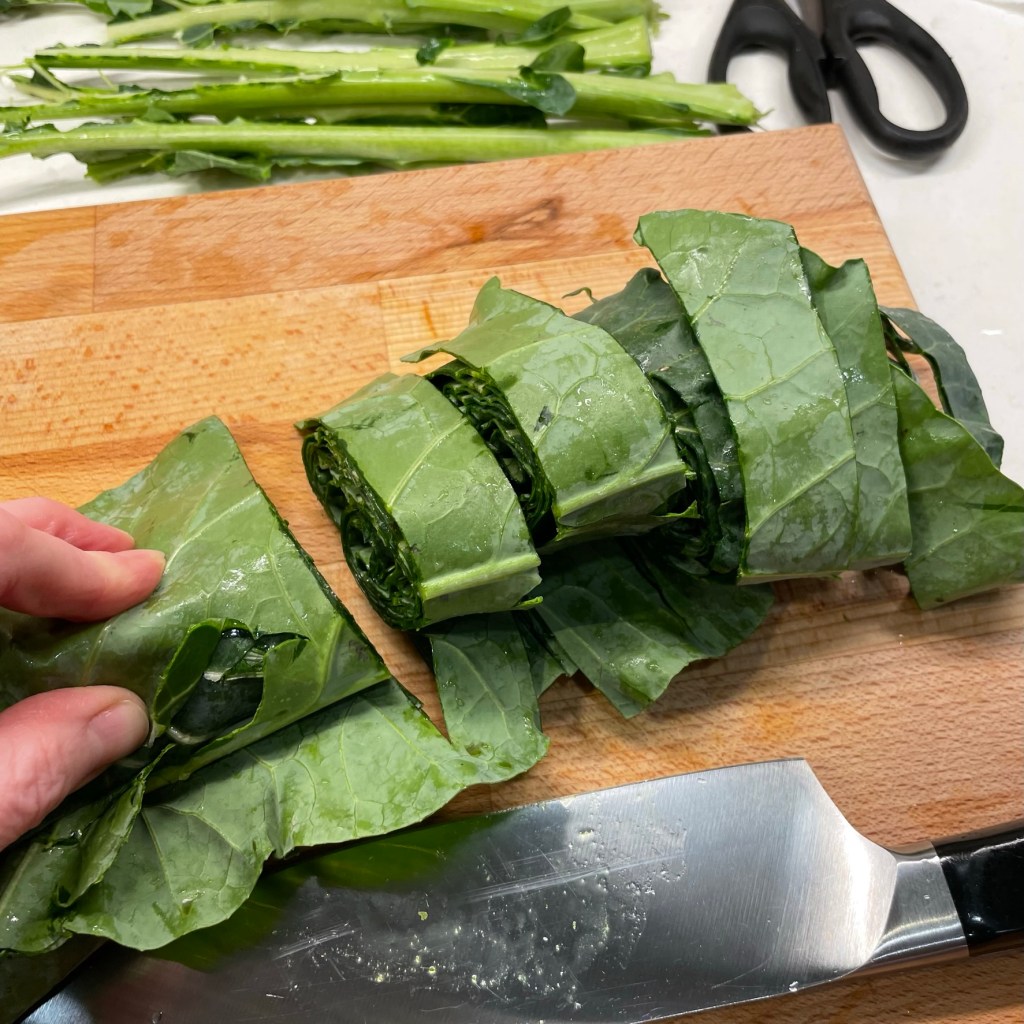
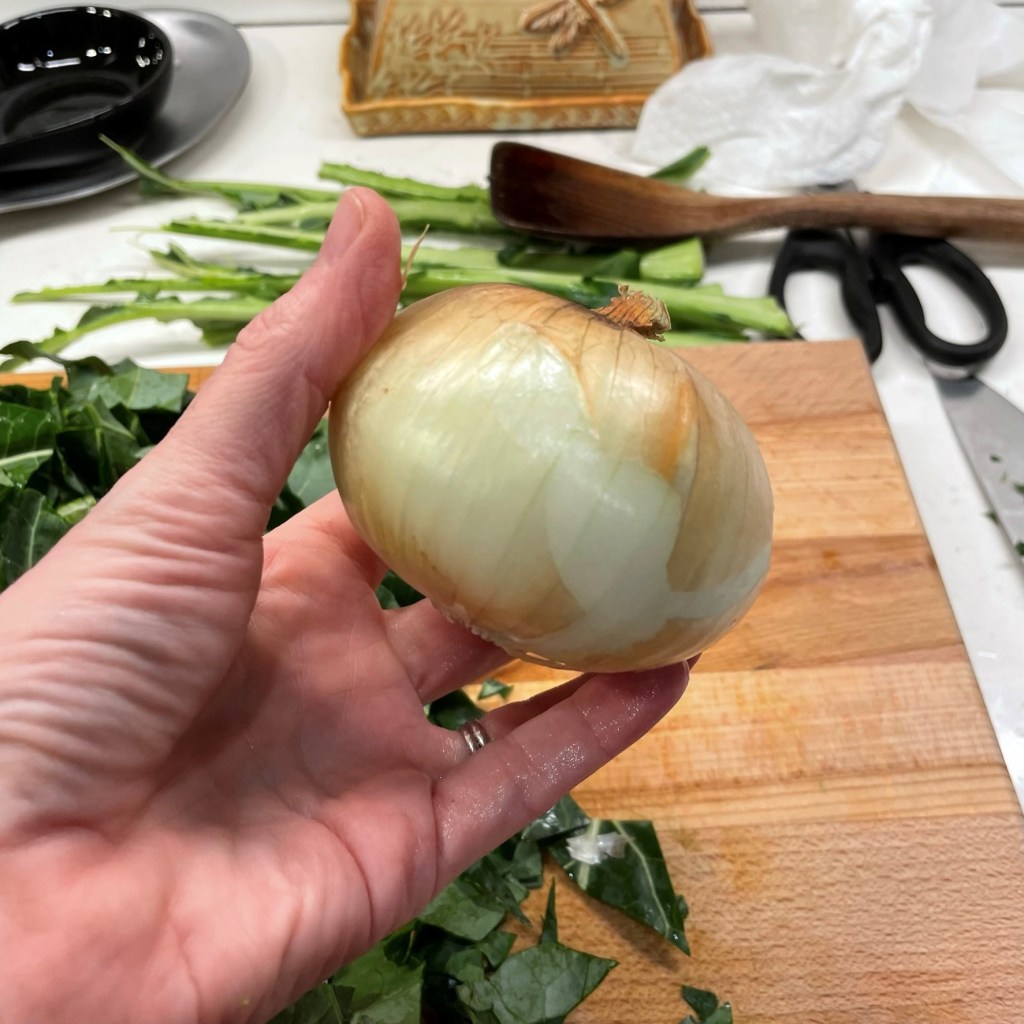
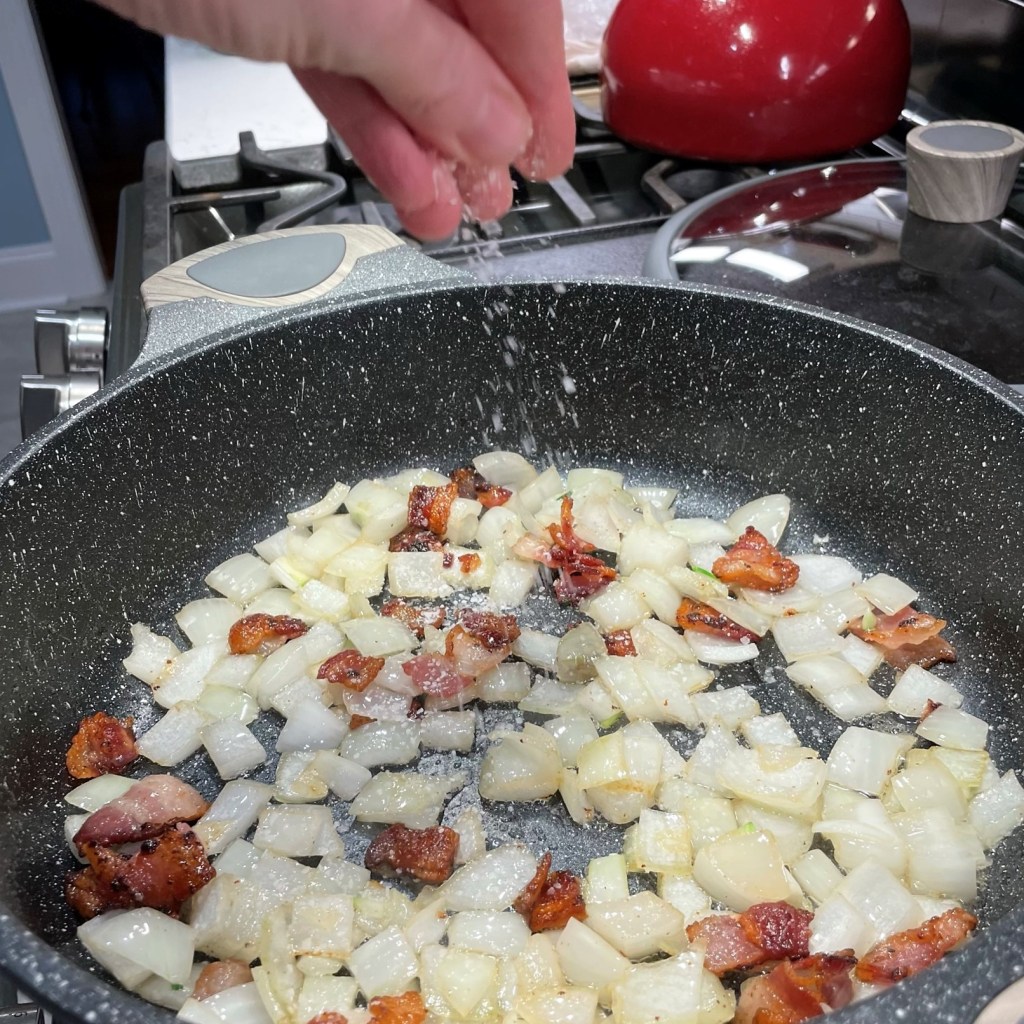
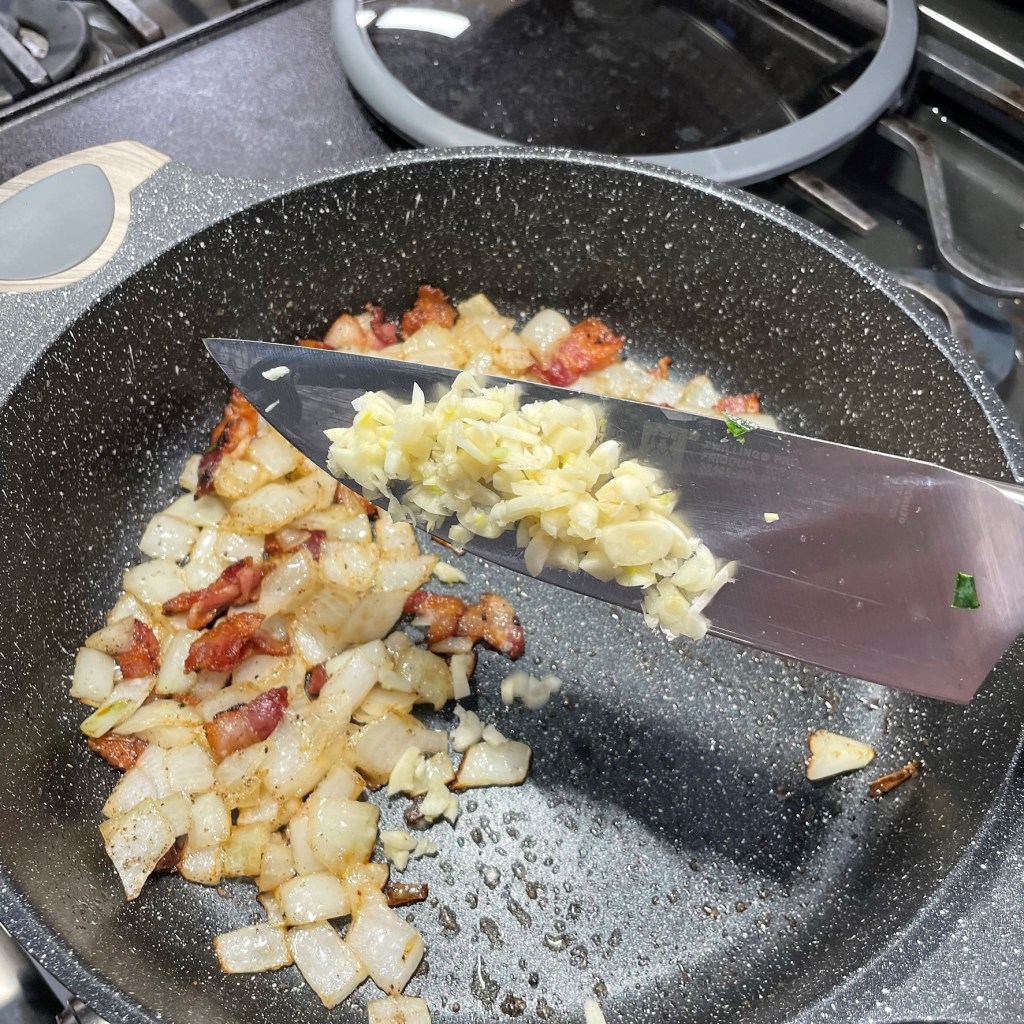
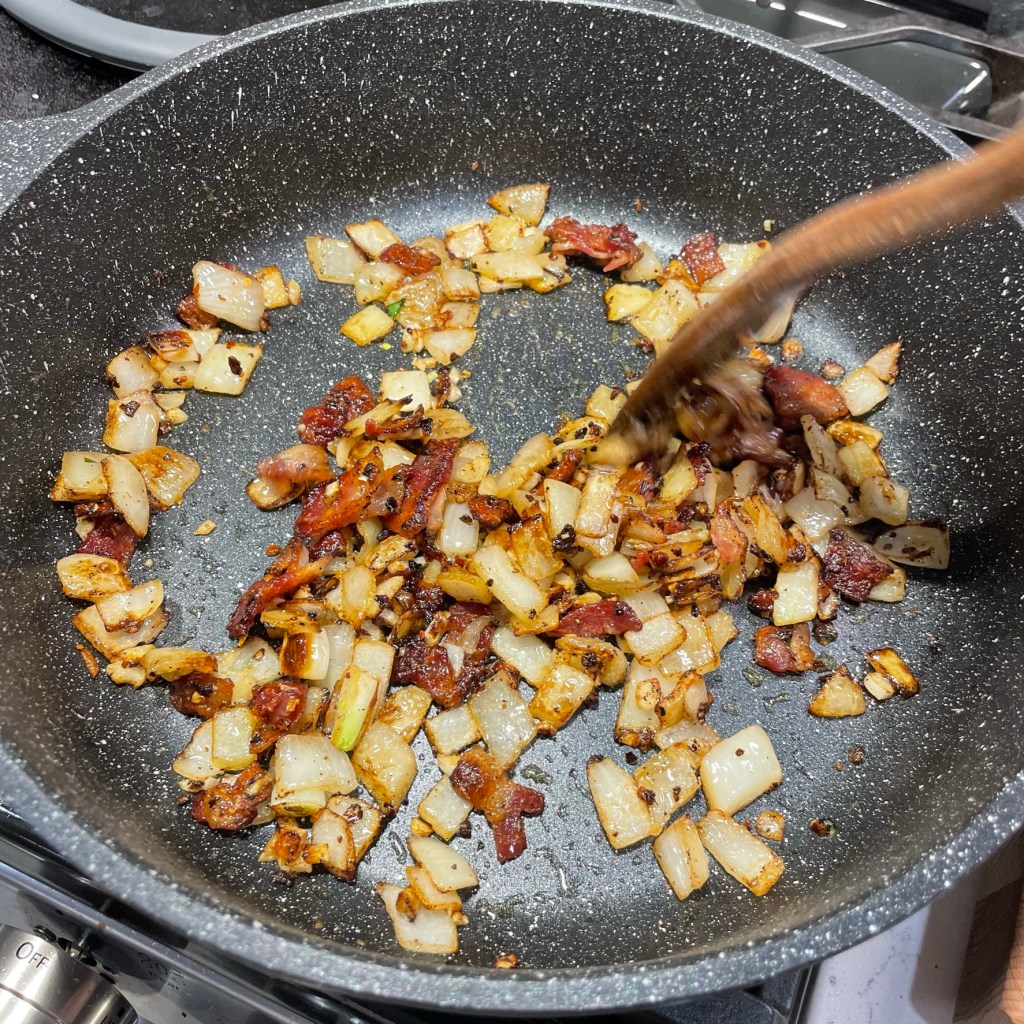
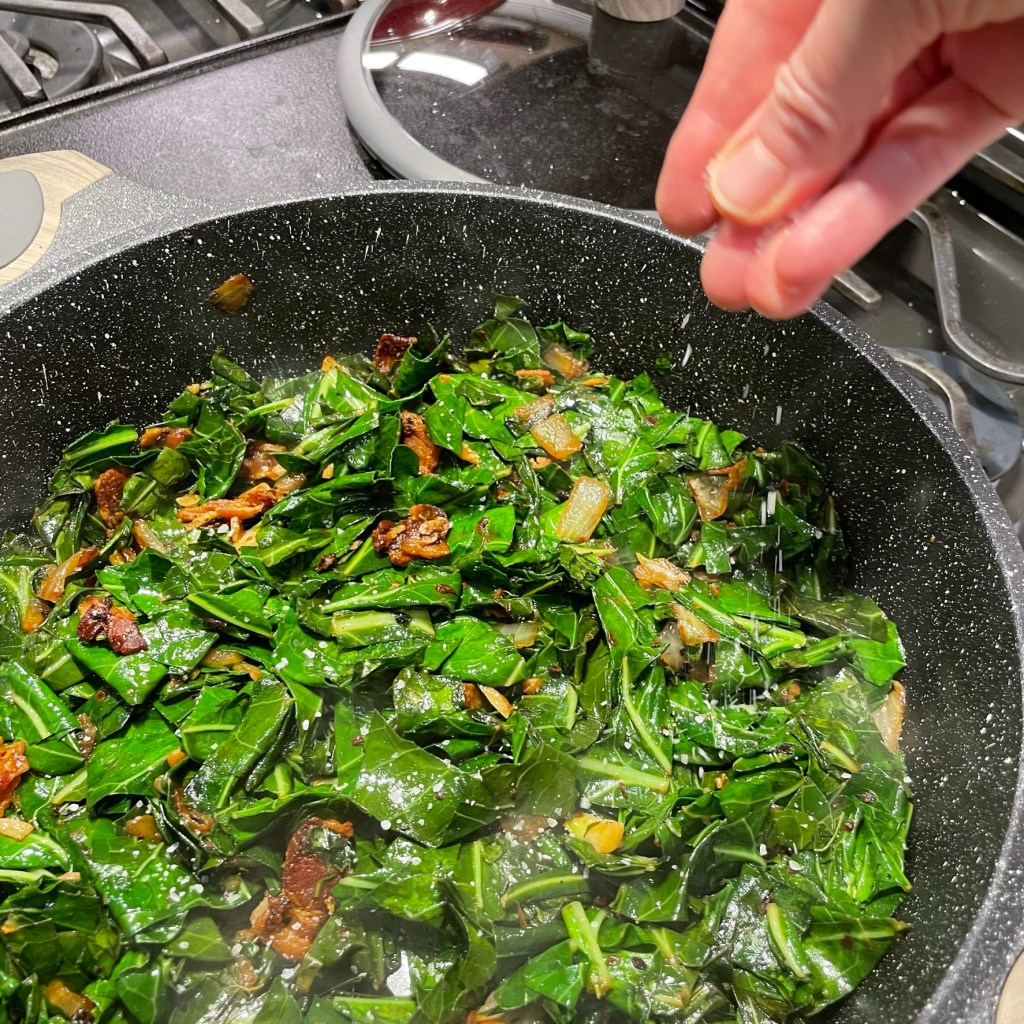
In a large skillet or pot, cook the bacon and onion over medium heat until the bacon has crispy edges and the onion is softened. Add the garlic, season with a bit of salt and pepper, and cook another minute or two.

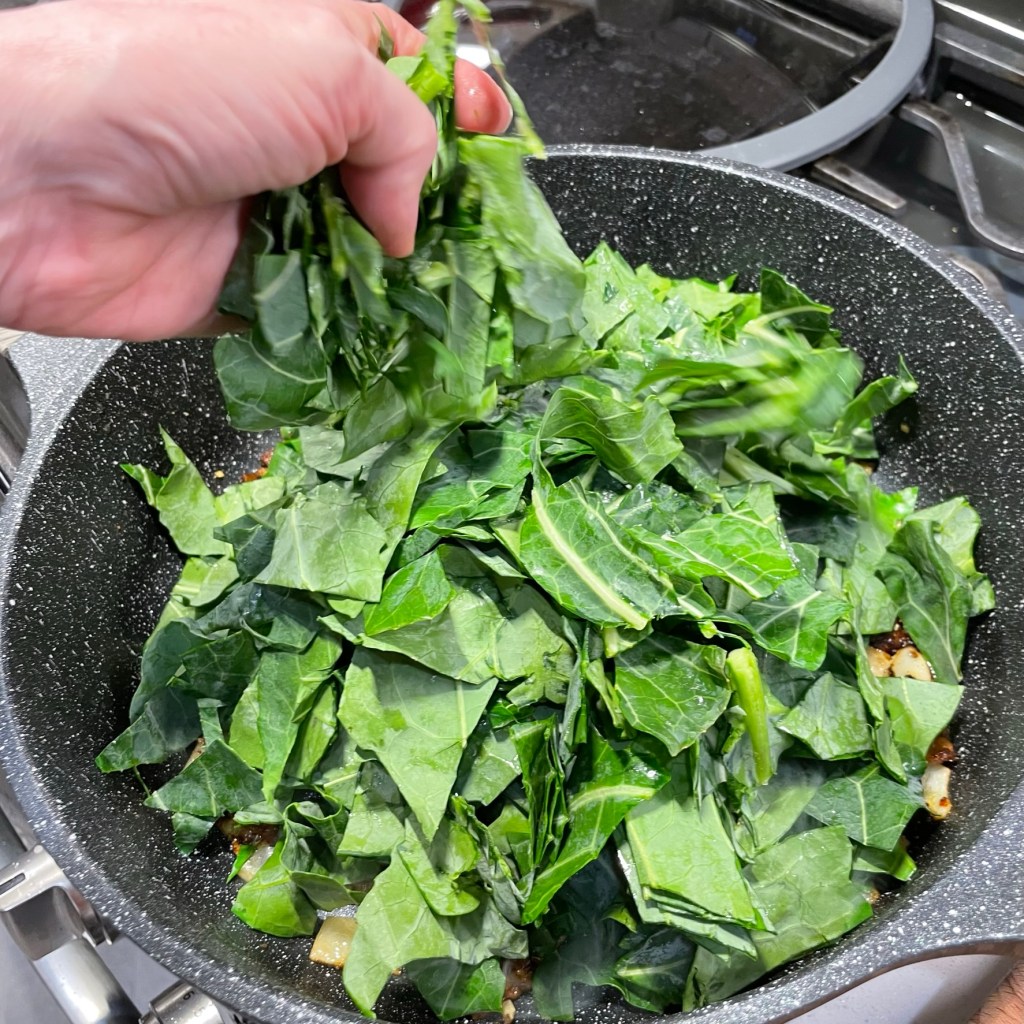
Clear a space in the center of the pan and add about a teaspoon of olive oil. Shake the red pepper flakes into the oil to activate the flavors, and then toss the bacon-onion mixture to spread it around. Add the collards, a handful at a time until wilted, and toss to cook. When the collards have softened and collapsed into the pan, add the whiskey and vegetable broth and bring to a boil. Reduce heat and simmer, covered, until collards are tender. This will take anywhere from 25-50 minutes, depending on your simmer level and preference. Adjust salt and pepper to taste before serving.


Homemade “Cherry Garcia” Ice Cream

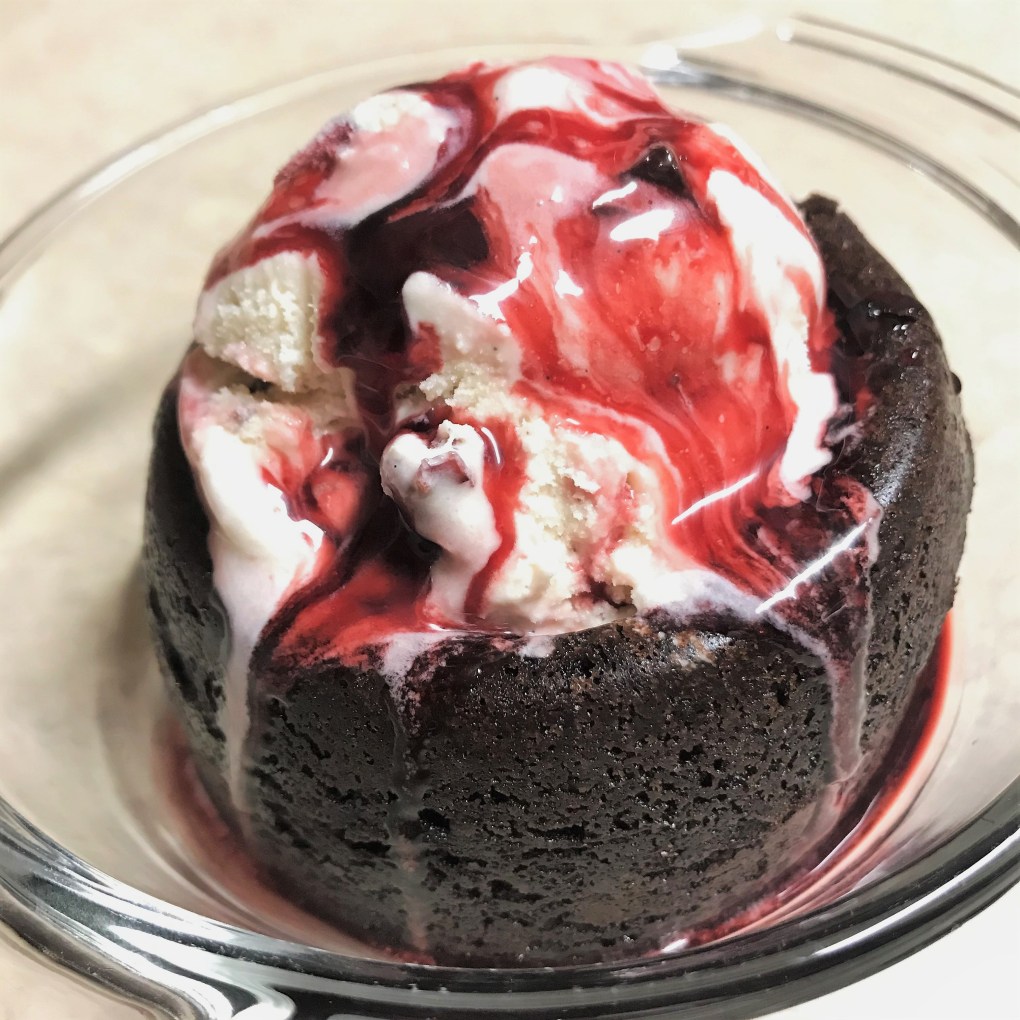
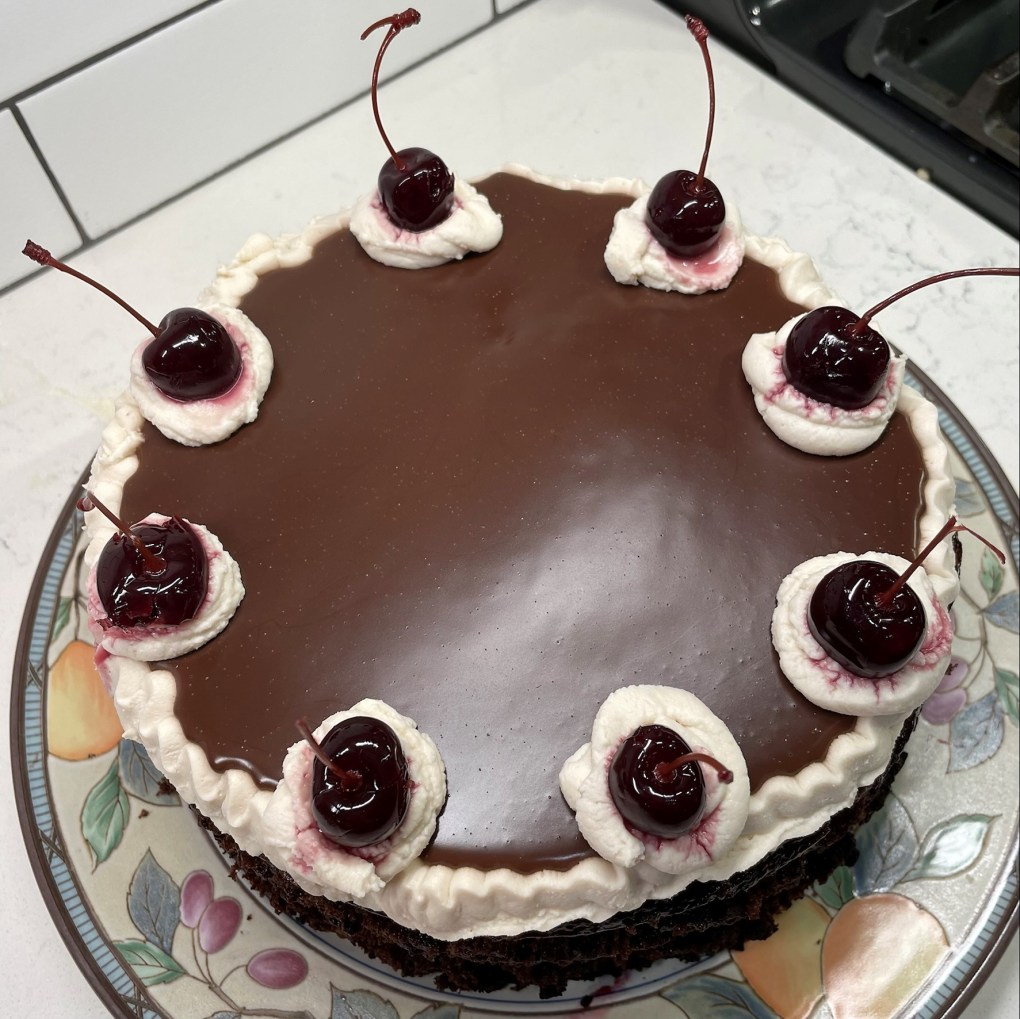
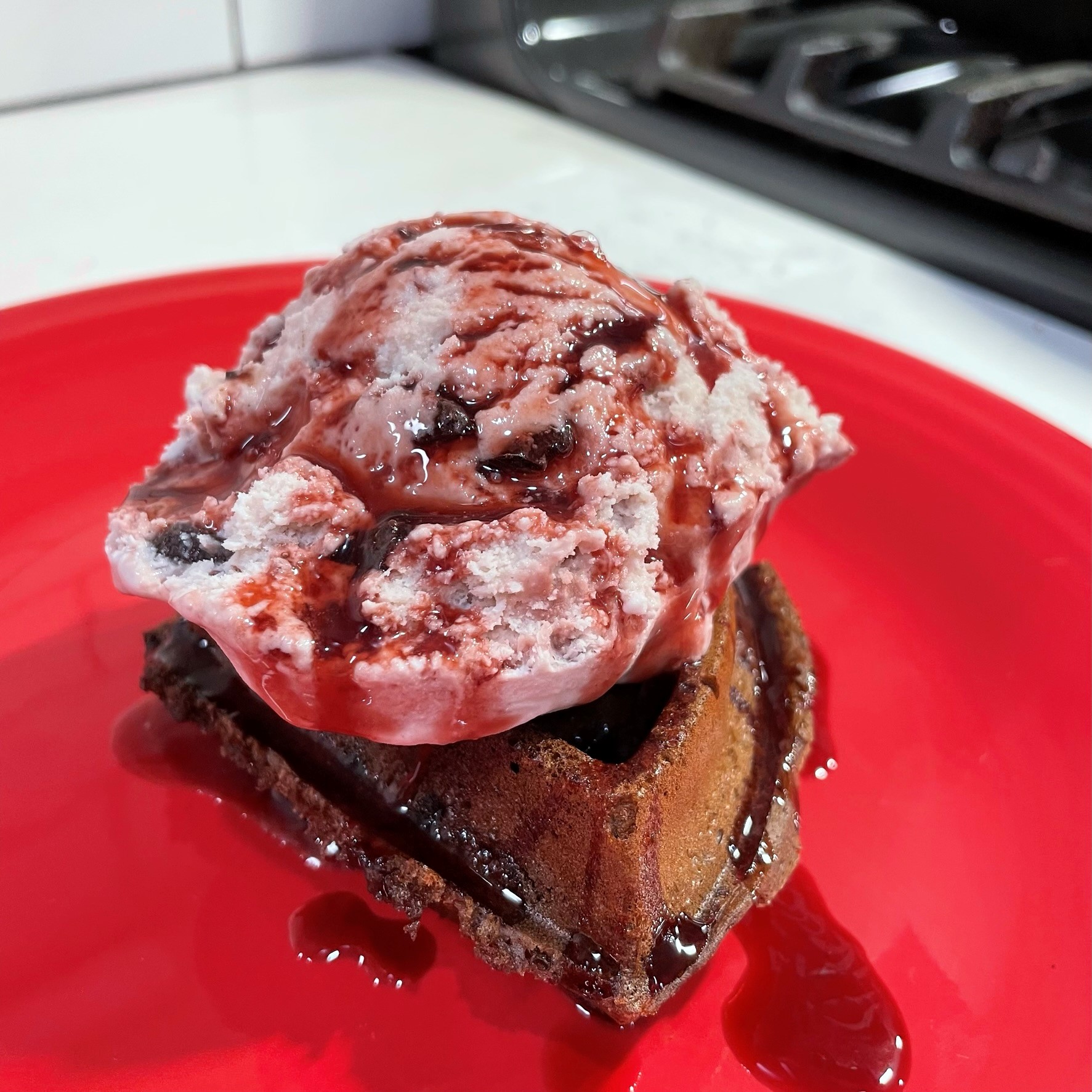
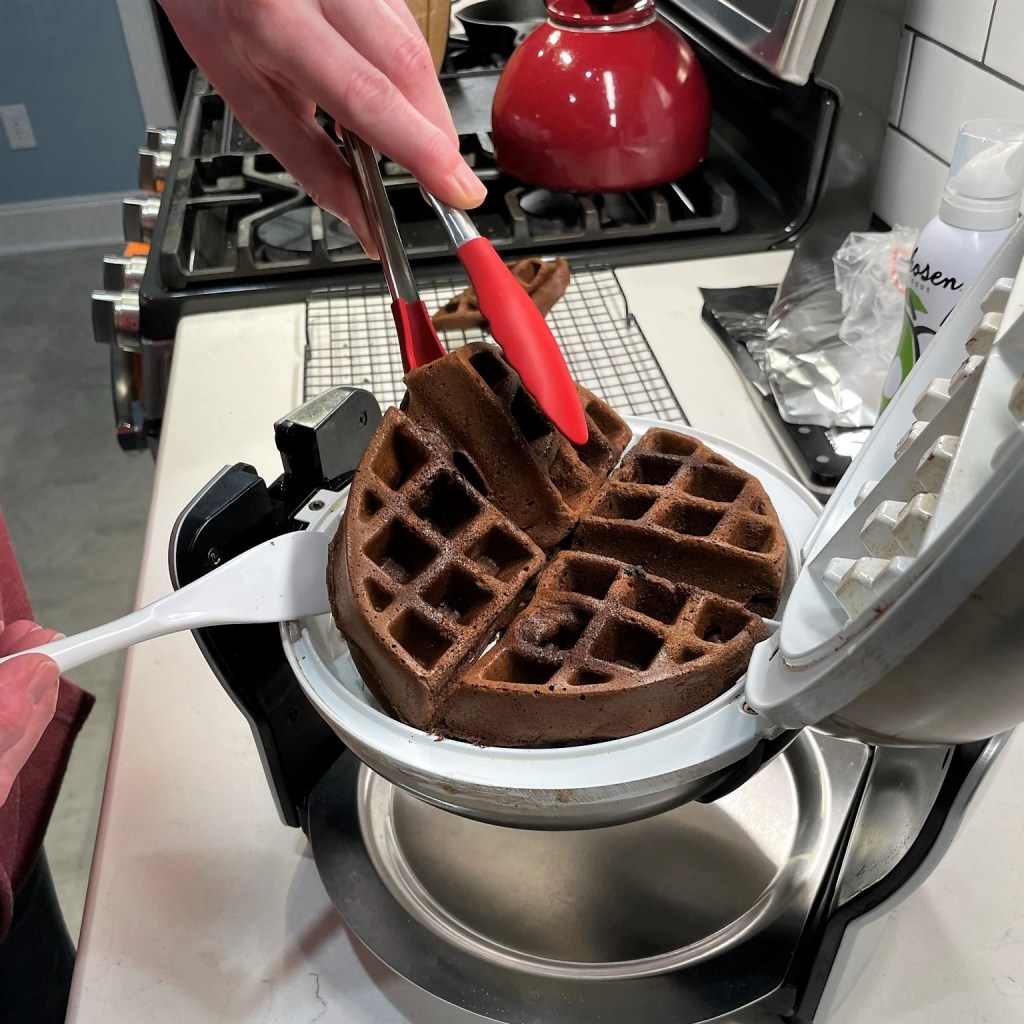
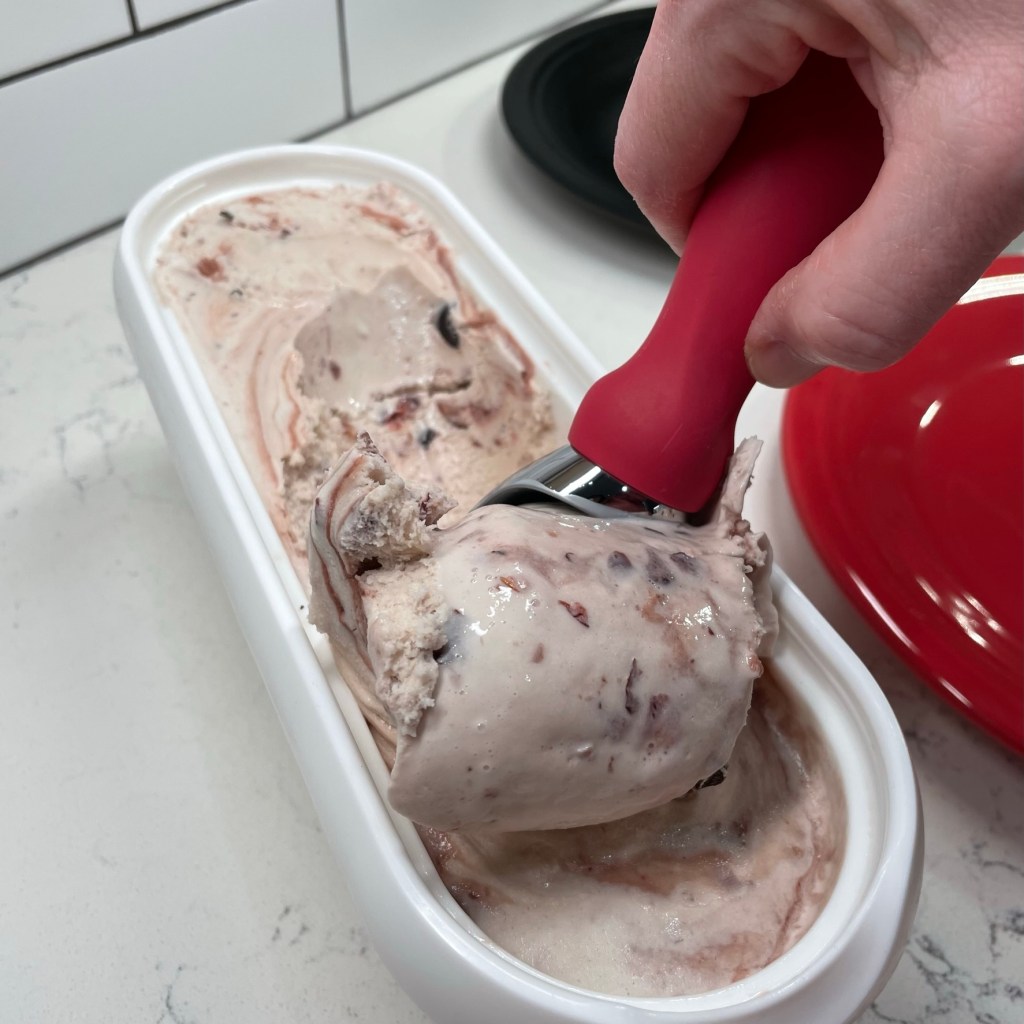
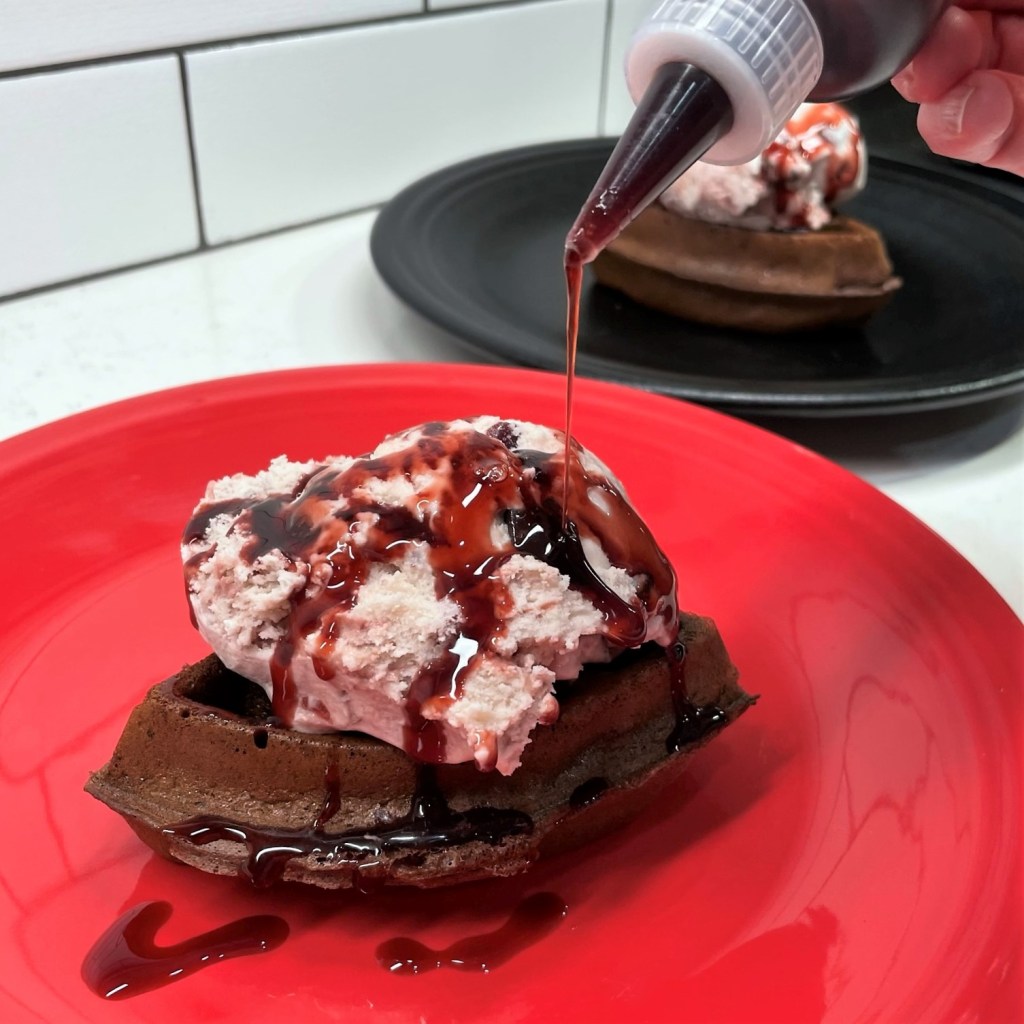
When you’re in love, you do crazy things. Not that making your sweetheart’s favorite foods is crazy, mind you, but I do think it’s possible to push the envelope quite far, as I have done at times in my quest to tantalize my husband’s taste buds. This dessert might qualify, because not only did I make a homemade version of his favorite ice cream, I scooped that deliciousness right over a chocolate waffle and drizzled it with a homemade cherry syrup.

This is the way to my lover’s heart! ❤

Les’s all-time favorite sweet flavor combination is chocolate with cherries, and I have mentioned this previously on Comfort du Jour, in these scrumptious posts:


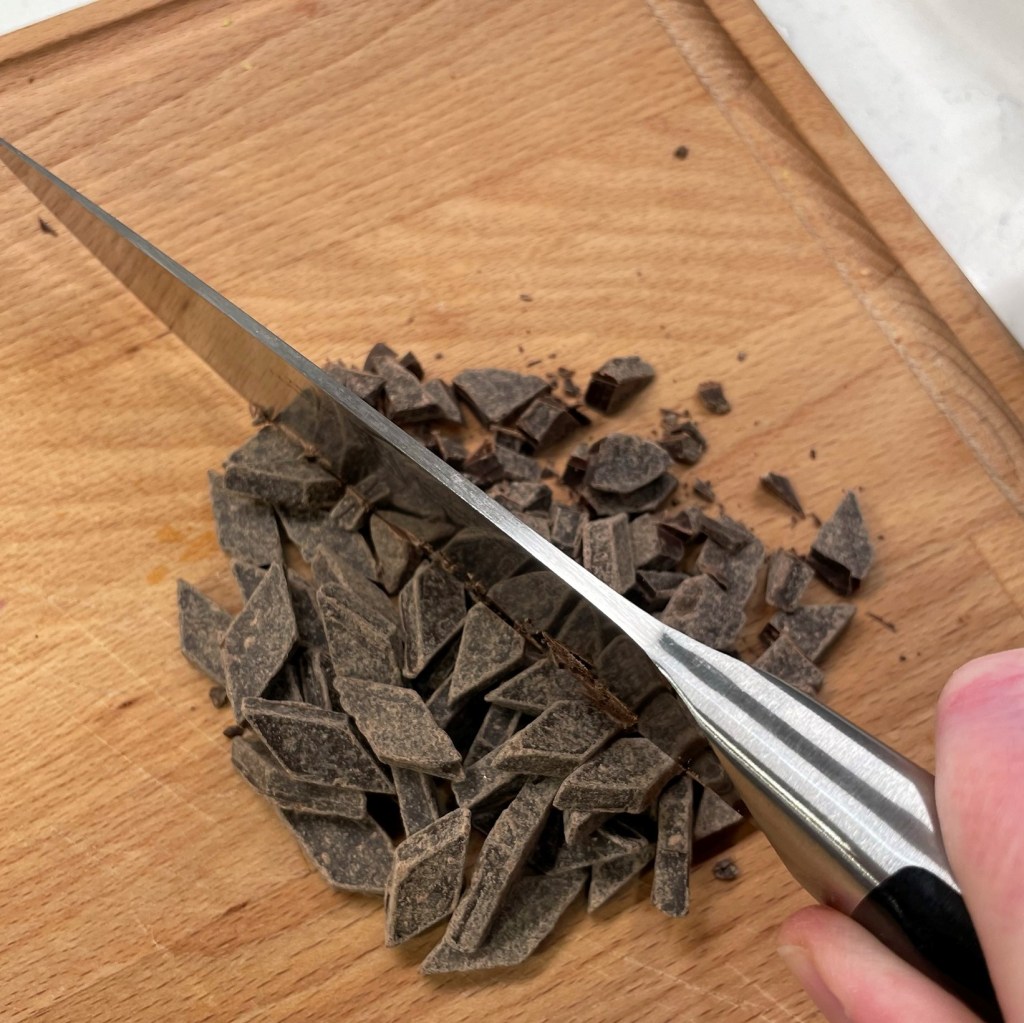
All those desserts were delicious, but when it comes to cherry and chocolate, it is unquestionably ice cream that wins my man’s heart. One of his favorite grocery store ice creams is the Ben & Jerry’s classic flavor, Cherry Garcia, and though I made it back in October 2020 for the triple chocolate-cherry brownie bowls, I felt that it needed a little tweaking, so I didn’t share the recipe at the time. The color of my first batch was off, because I had used my go-to custard base that had a yellowish tint from the egg yolks. And the chocolate chunks were 70% cacao, which proved to be too bitter and a touch gritty in the mix of so much creaminess.

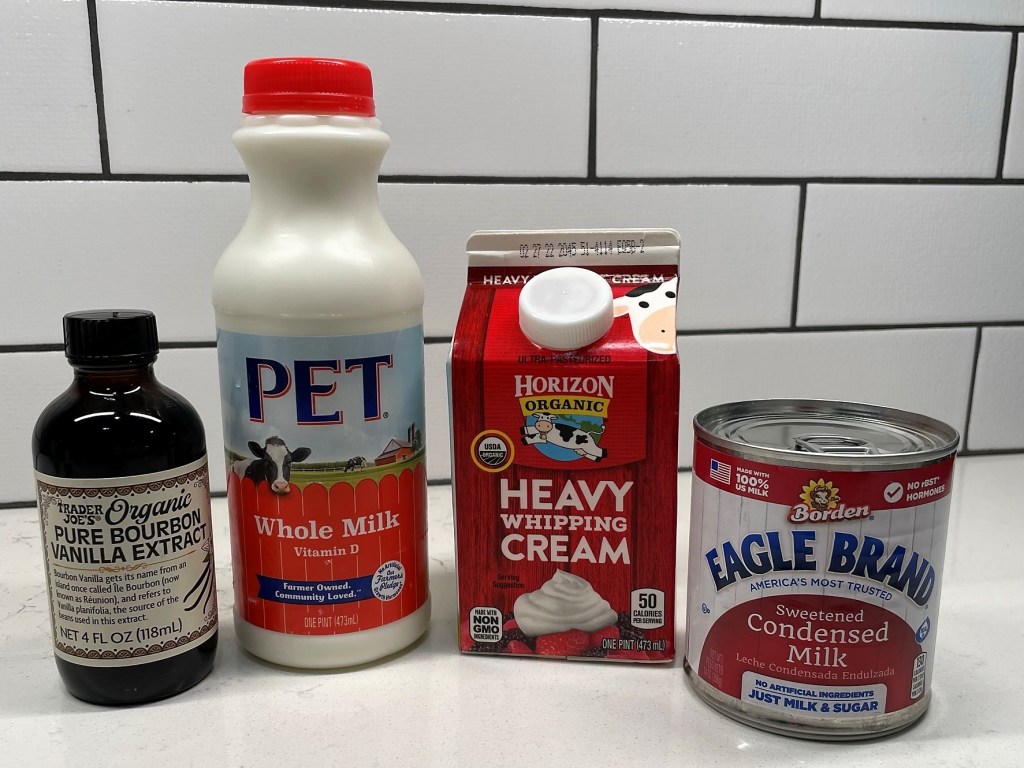
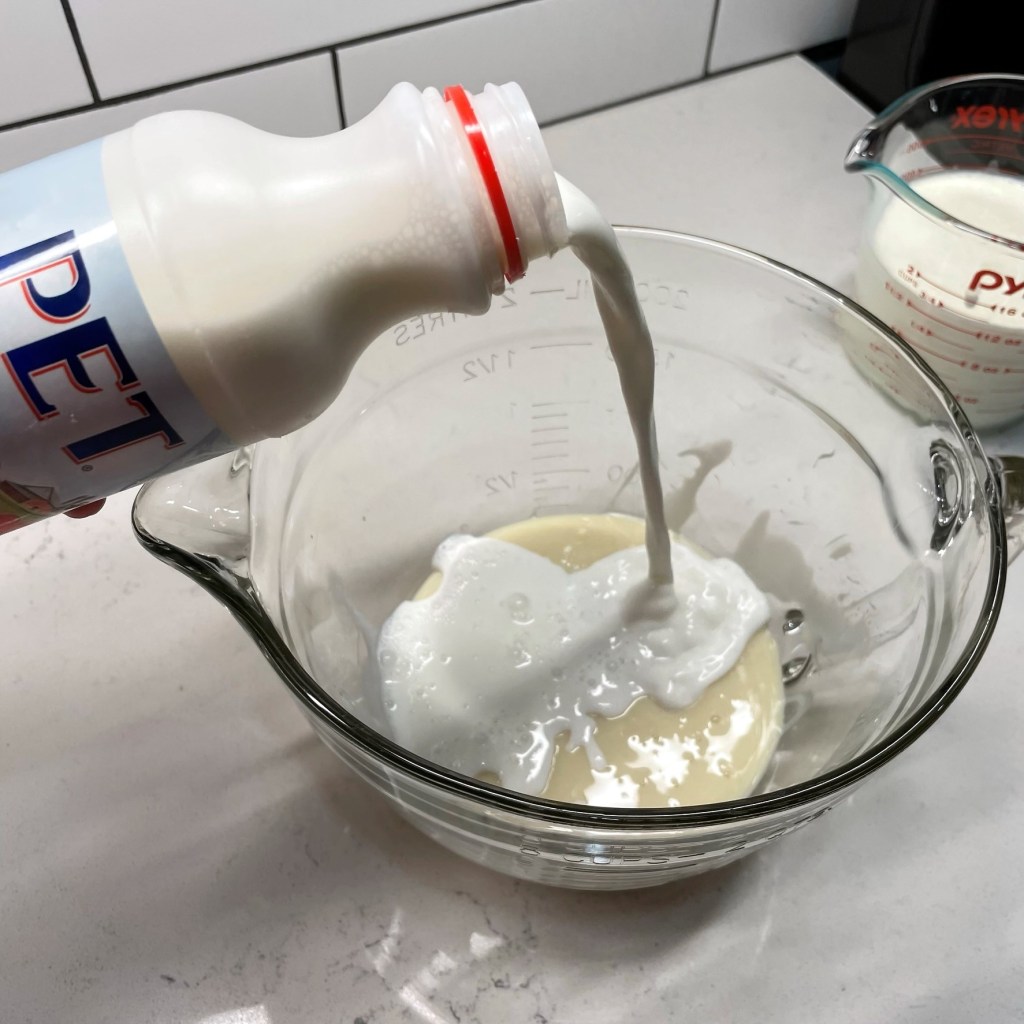
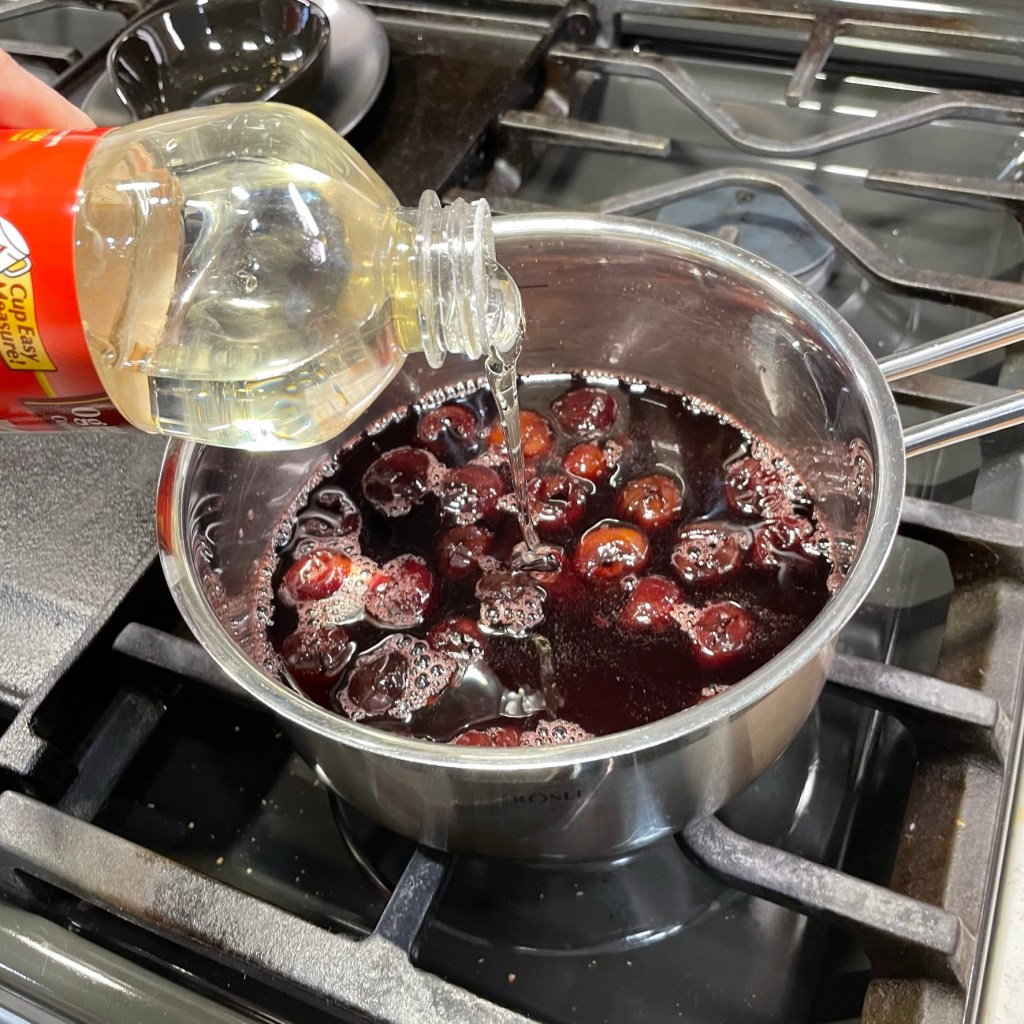
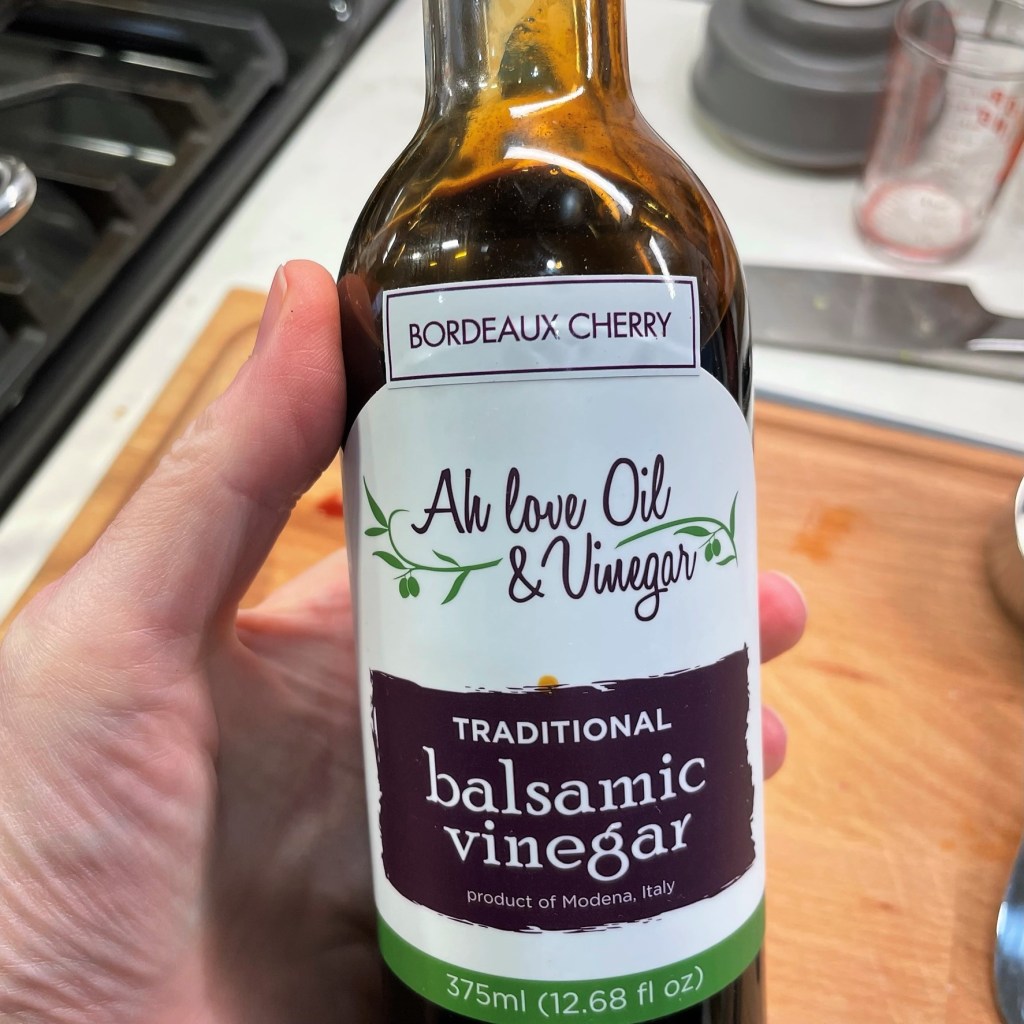
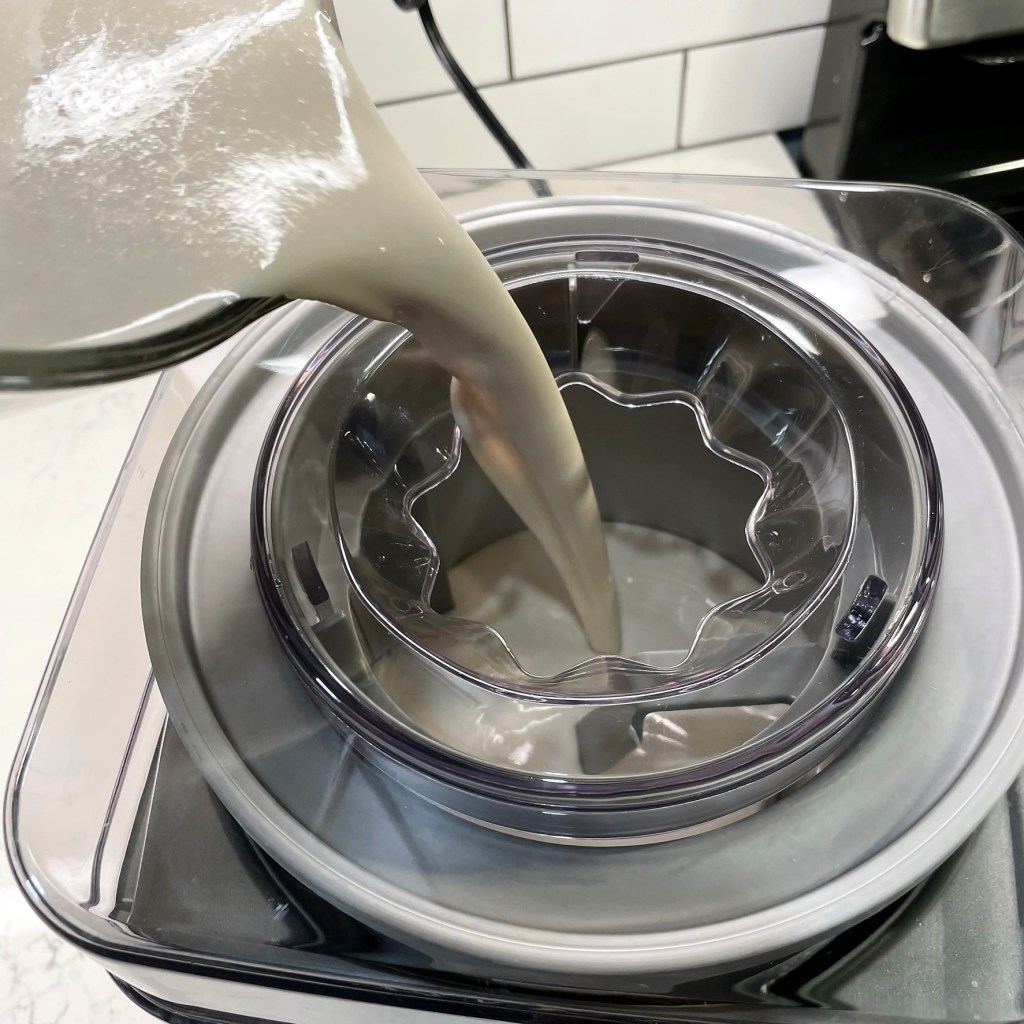
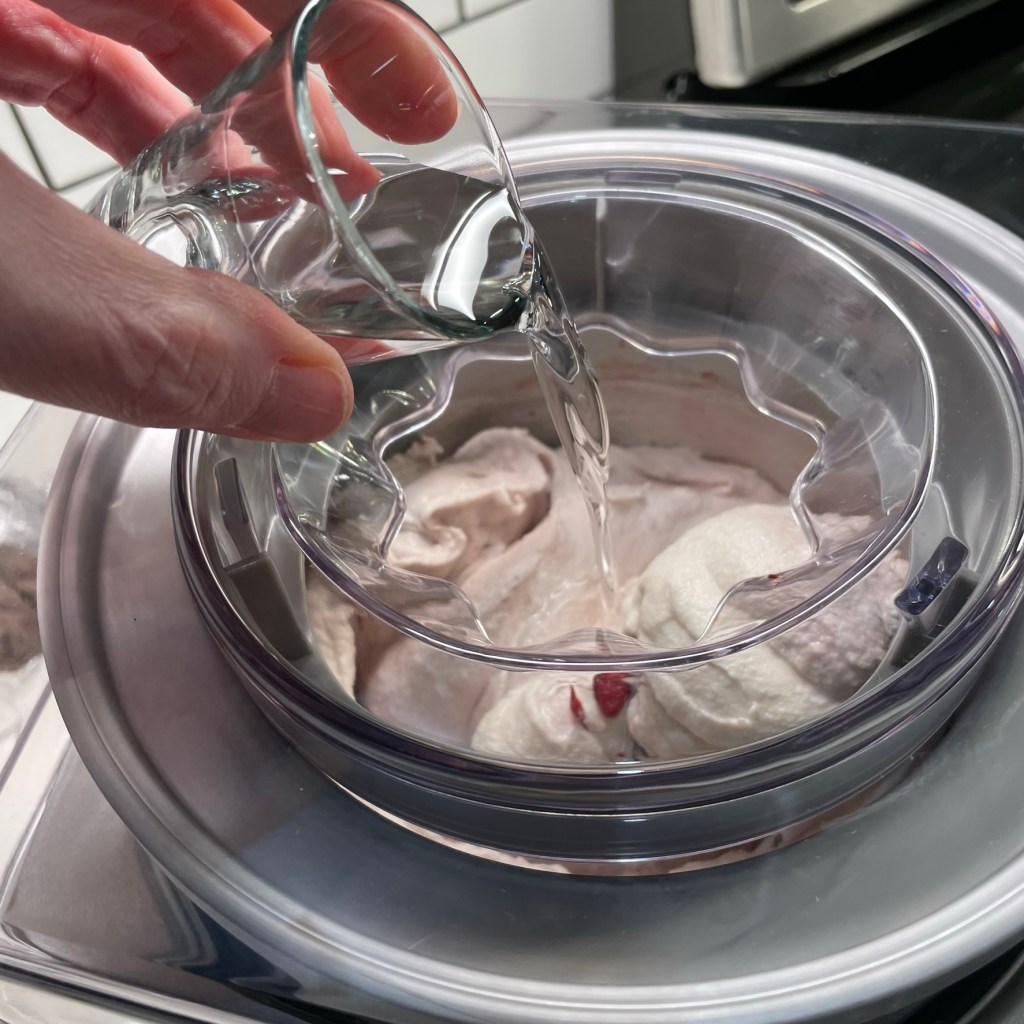
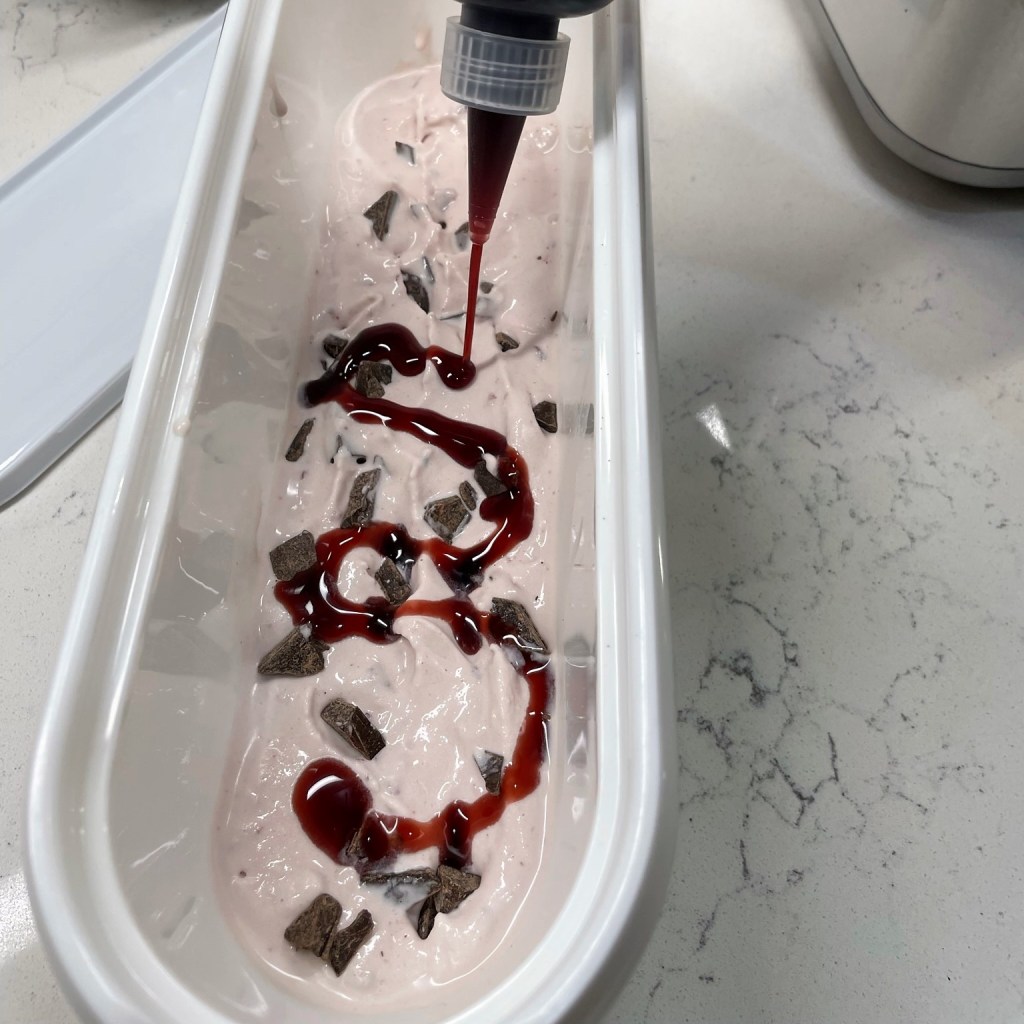
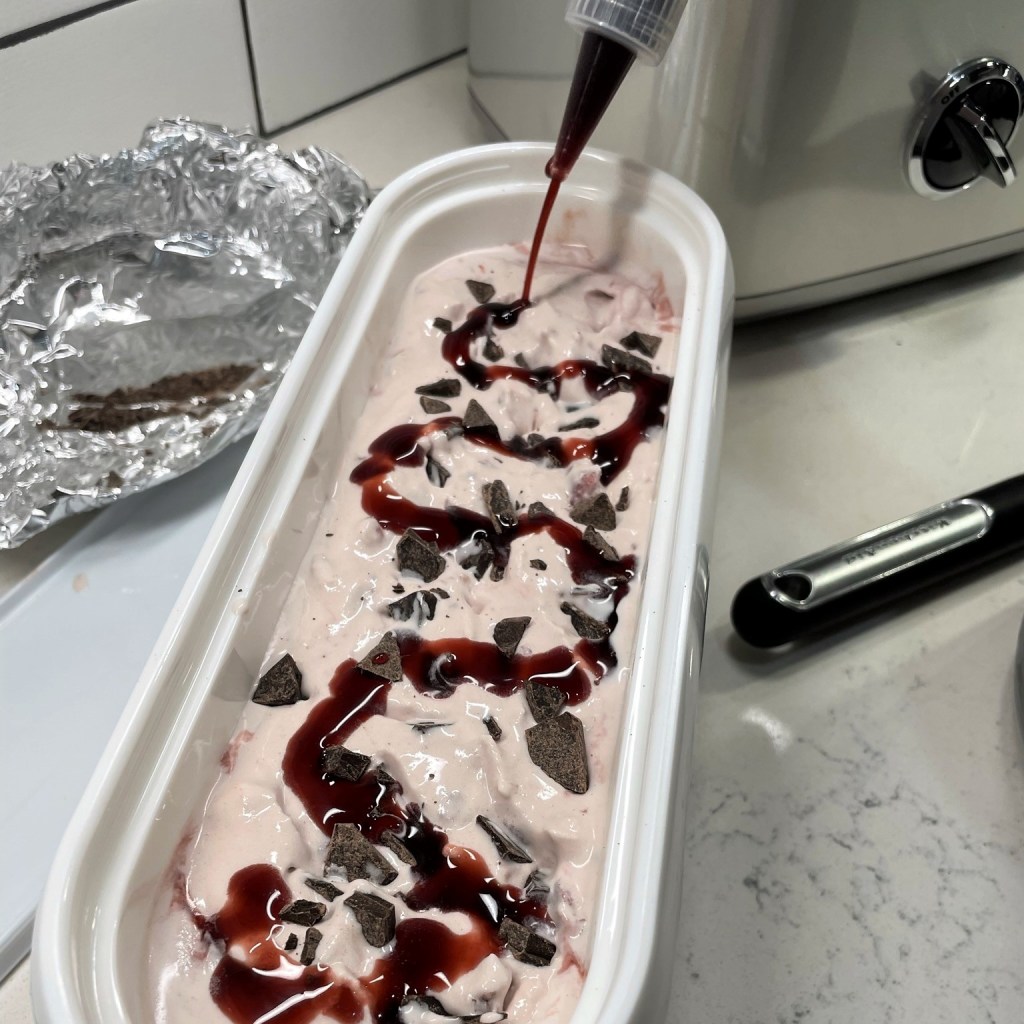
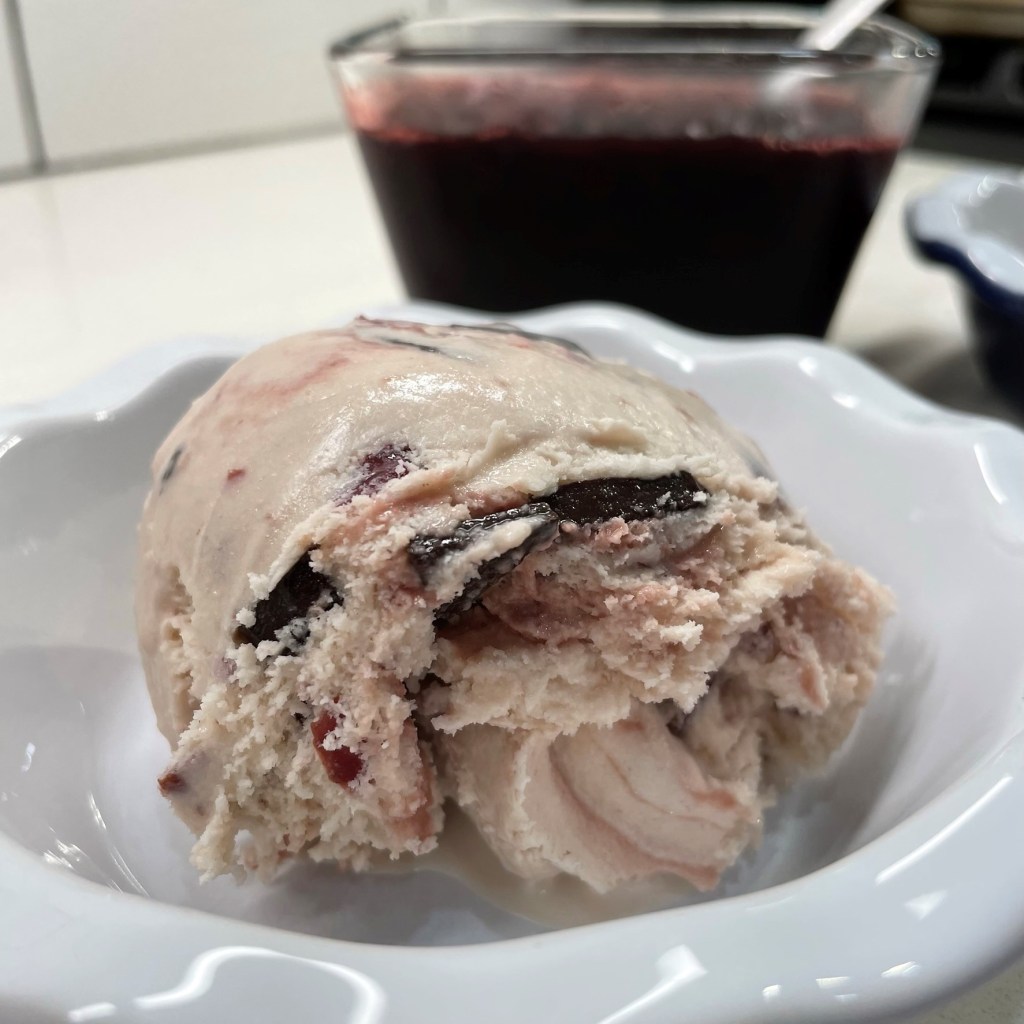
So, I did what I do best and gave the recipe a makeover. And I’m back to share it with you—a homemade version of “Cherry Garcia” ice cream—one that uses sweetened condensed milk in its base, for creamy sweetness without the yellow egg color, a ribbon of sweet-tart cherry syrup that is tinged with a surprise ingredient, and bits of semi-sweet chocolate that bring just the right balance to the sweet cream, vanilla and cherries.

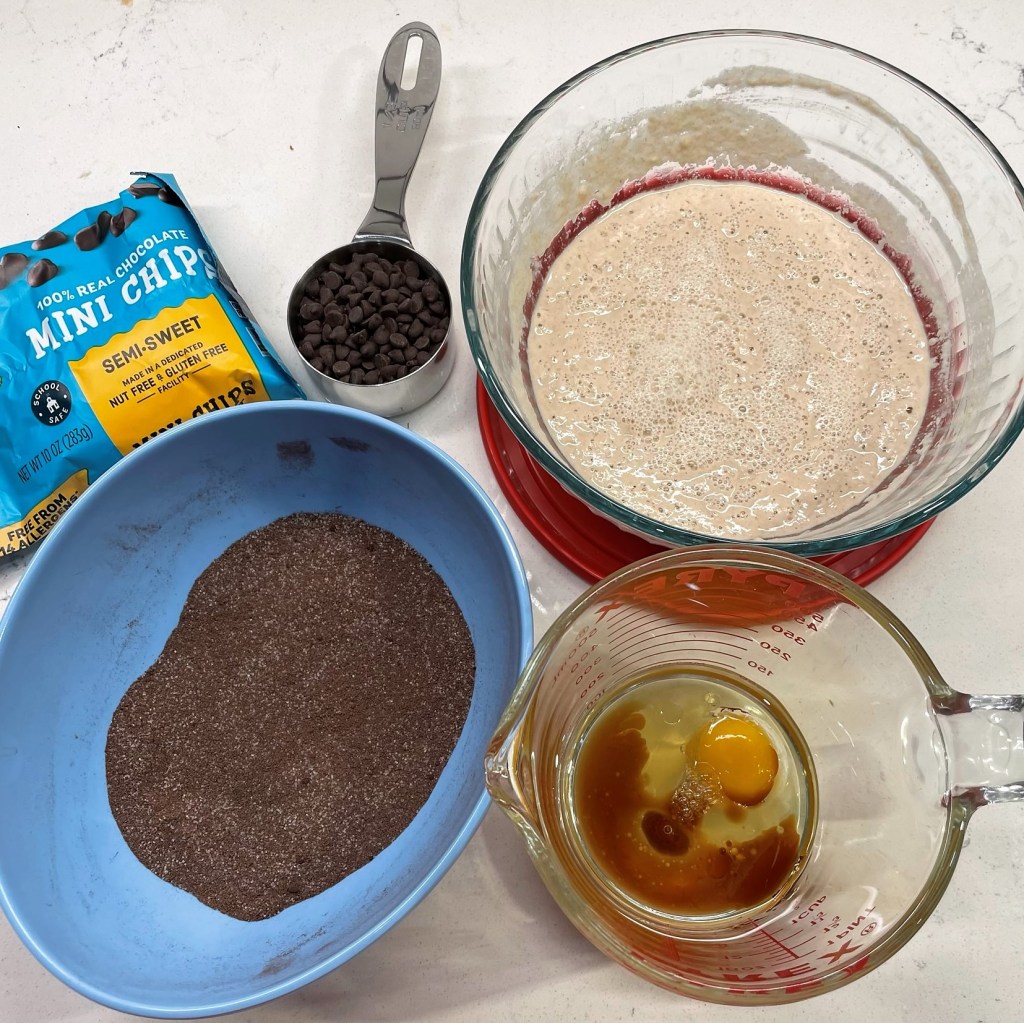
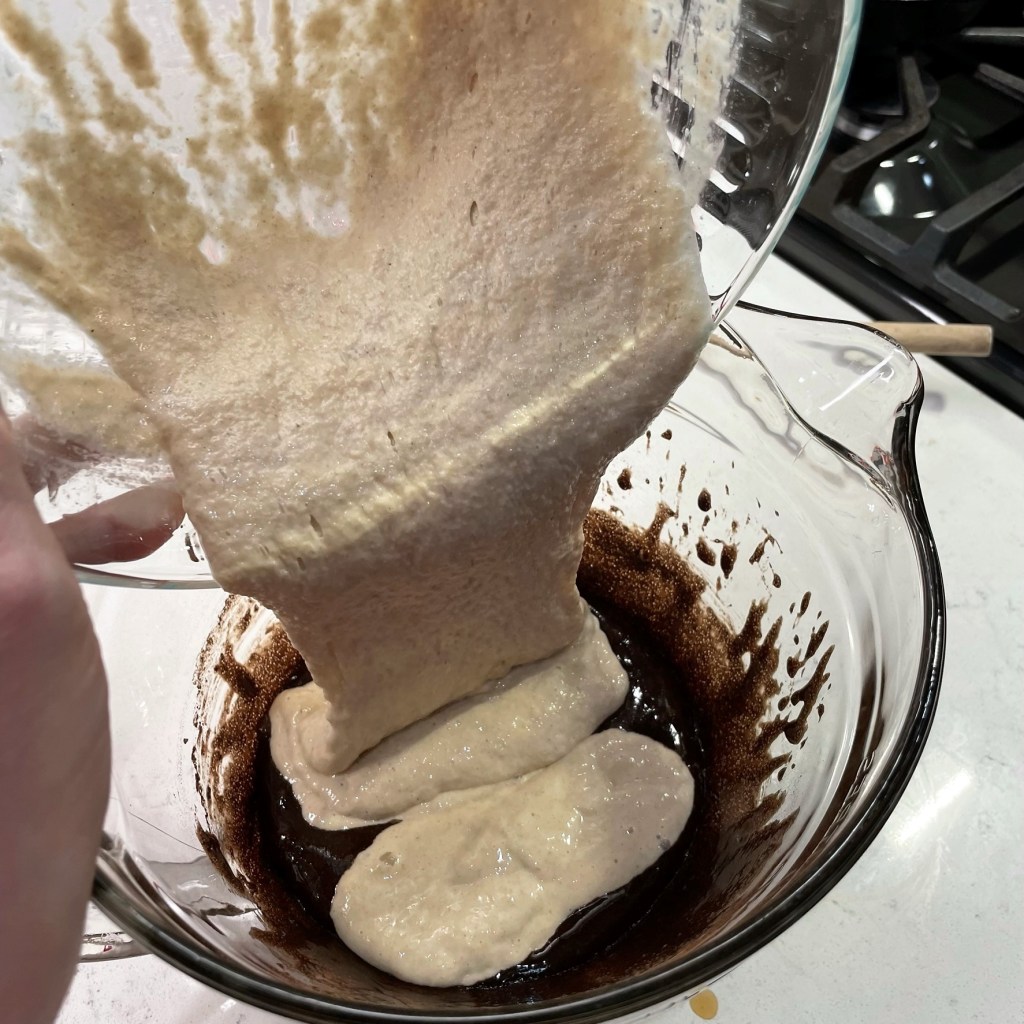
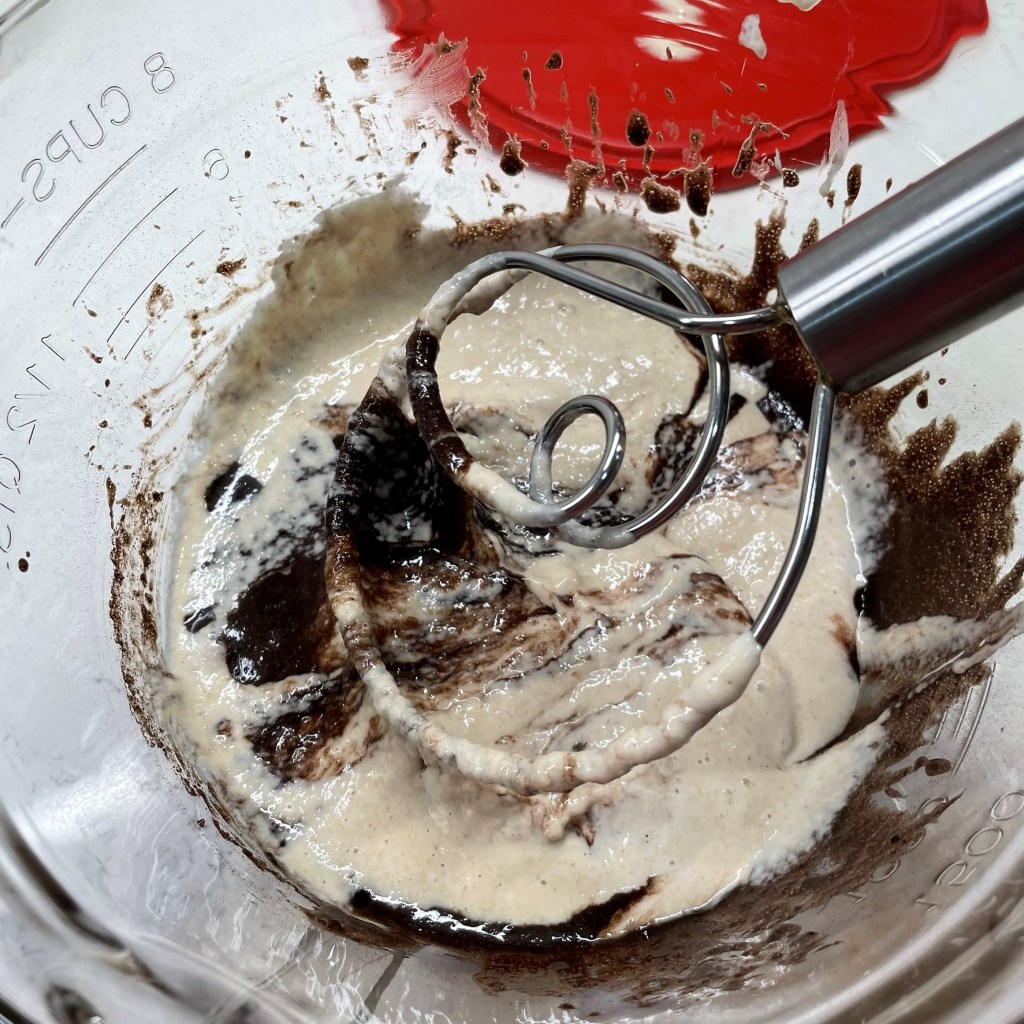
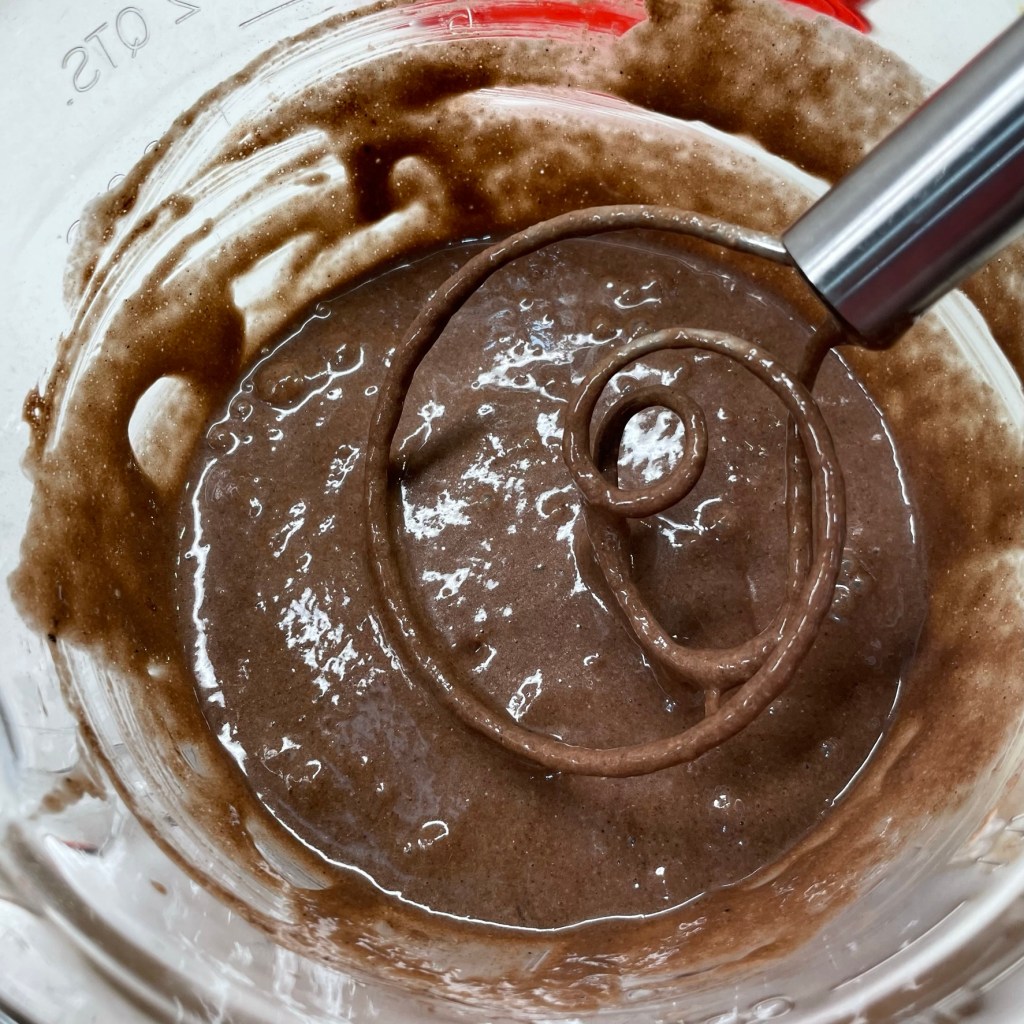
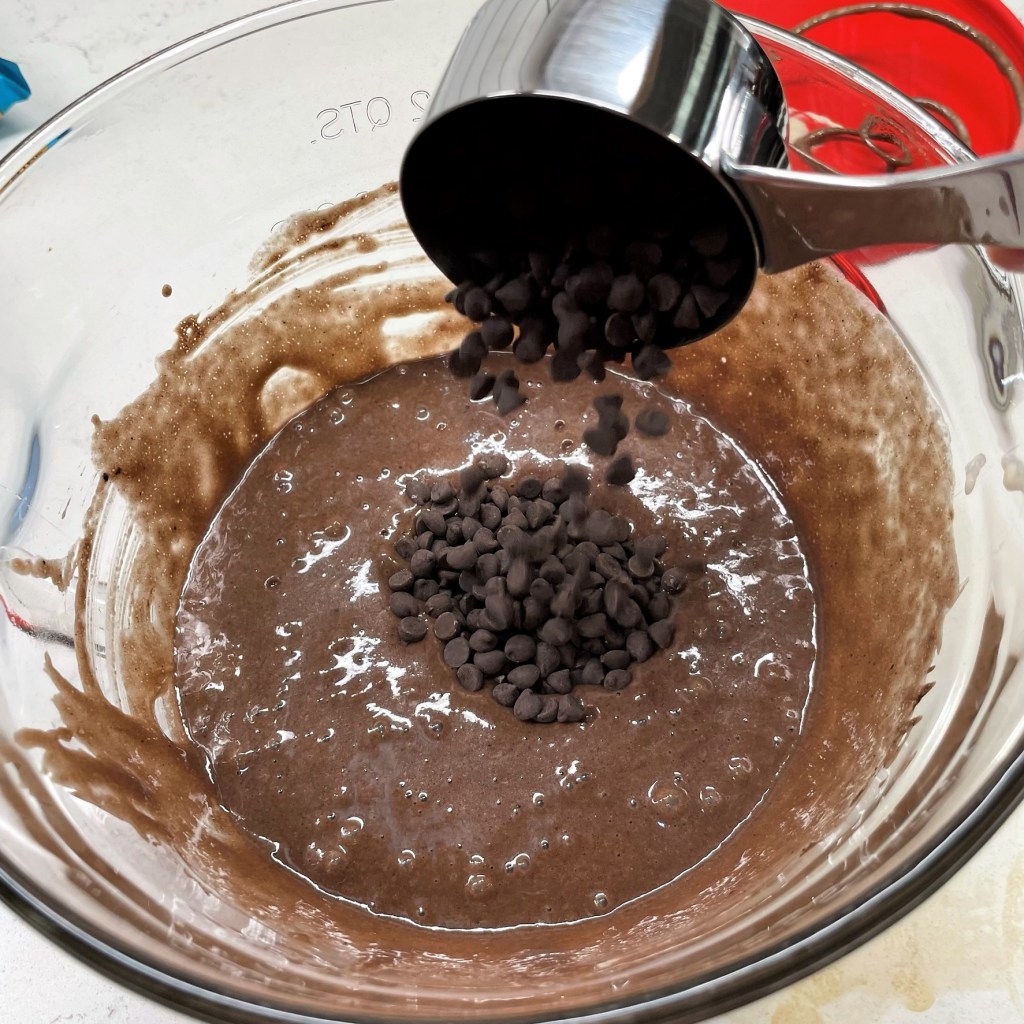
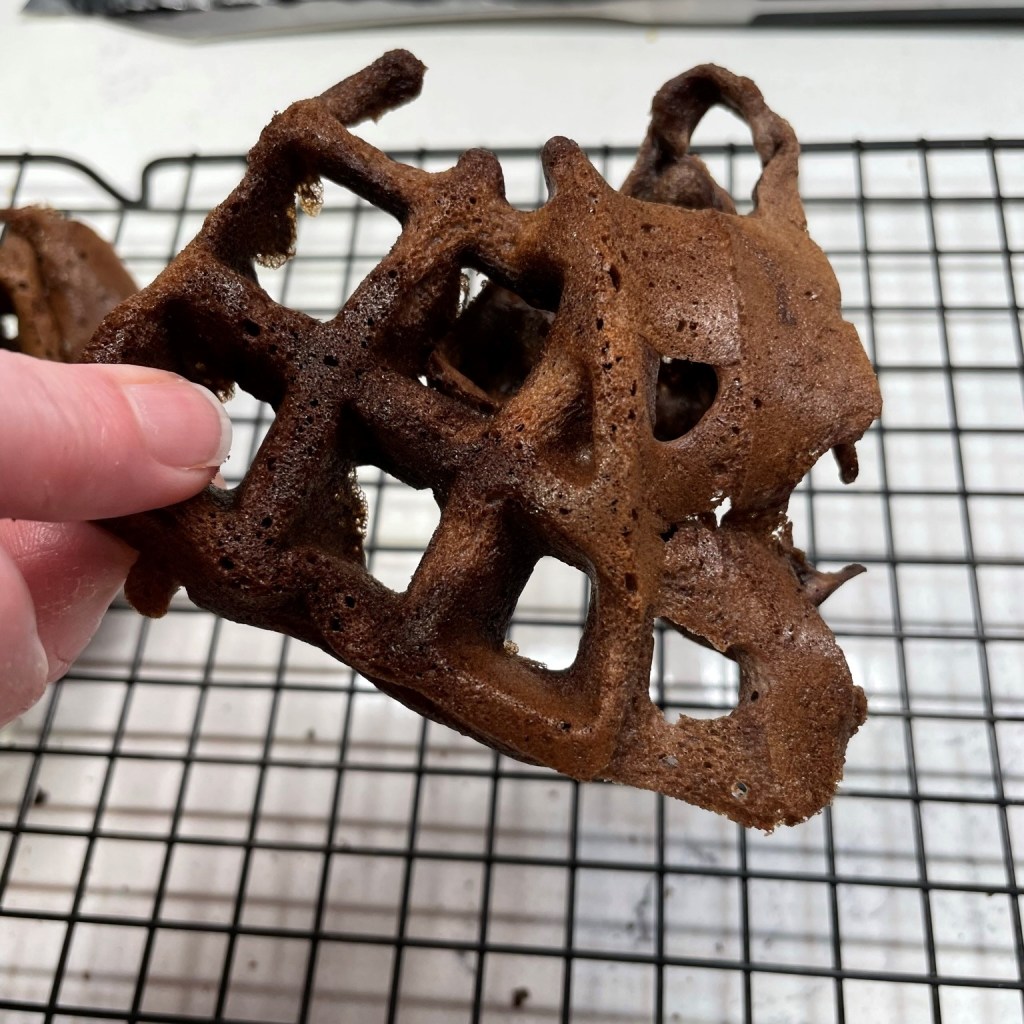
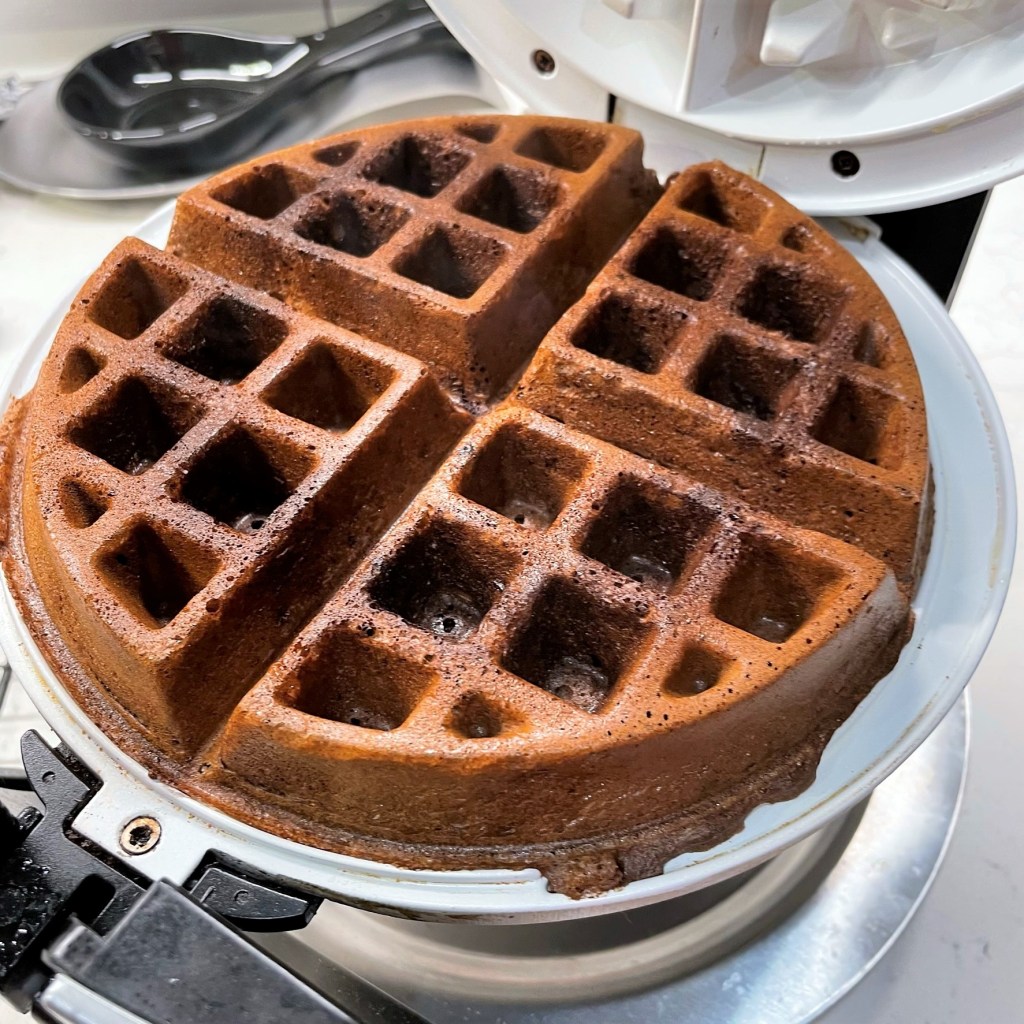
And, in a bold move, I gave it a go with a recipe I’d been eyeing for years on King Arthur Baking’s website—sourdough chocolate malt waffles. This dessert was nothing short of spectacular.

Over the top? Obviously, but c’mon, we’re talking about Valentine’s Day!

Be my ❤ alentine?

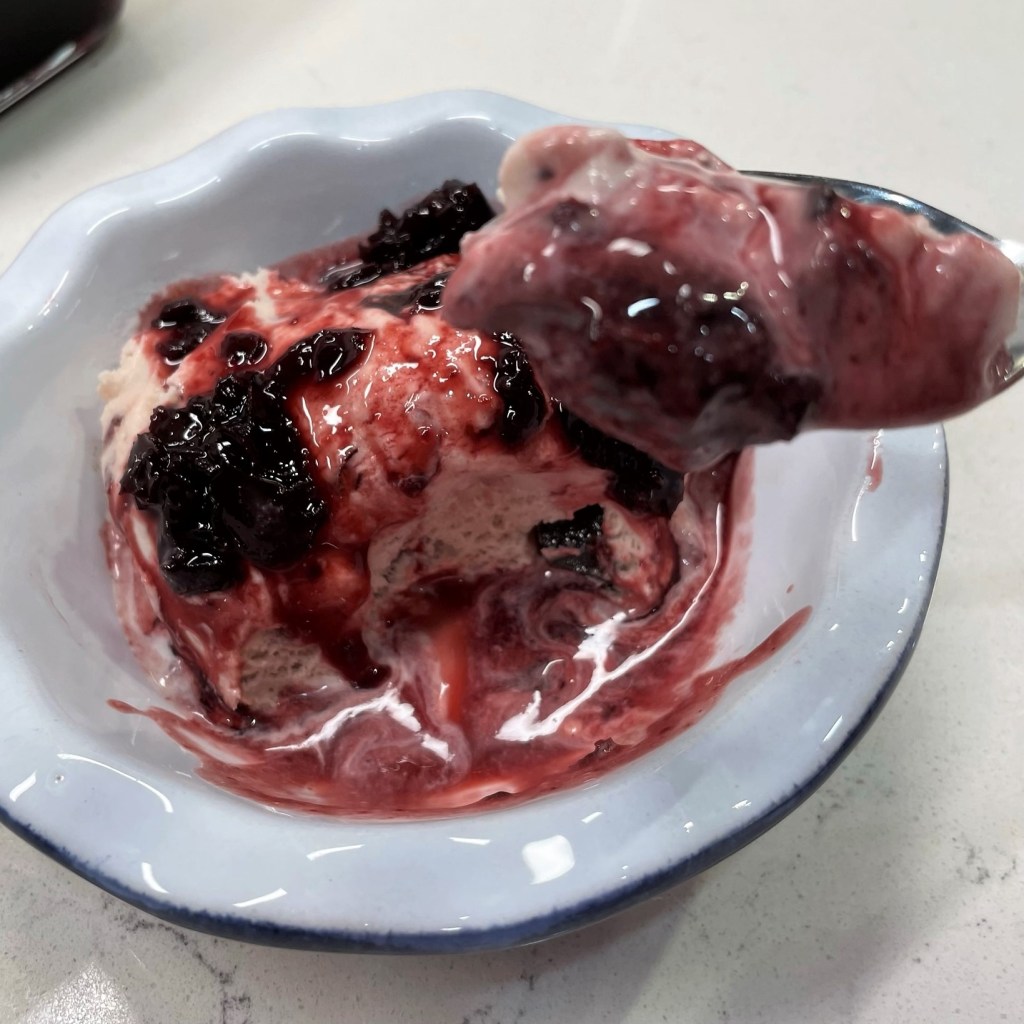
Before I get into the making of this lovely dessert, let me acknowledge that a few of you may not be inclined to go this crazy, or maybe you don’t have an ice cream machine yet, or you don’t have sourdough starter to make the chocolate waffles. Please feel free to lift any single part of this dessert for your own celebration, even if it means just making the cherry syrup to drizzle over store-bought ice cream, or serving the ice cream with a store-bought chocolate cookie. I ended up making a second batch of the cherry syrup (with chunks of cherries), and it was fantastic over plain vanilla ice cream.

My ingredients and instructions are all included in a downloadable PDF at the end of the post. Enjoy!


“Cherry Garcia” Ice Cream Base


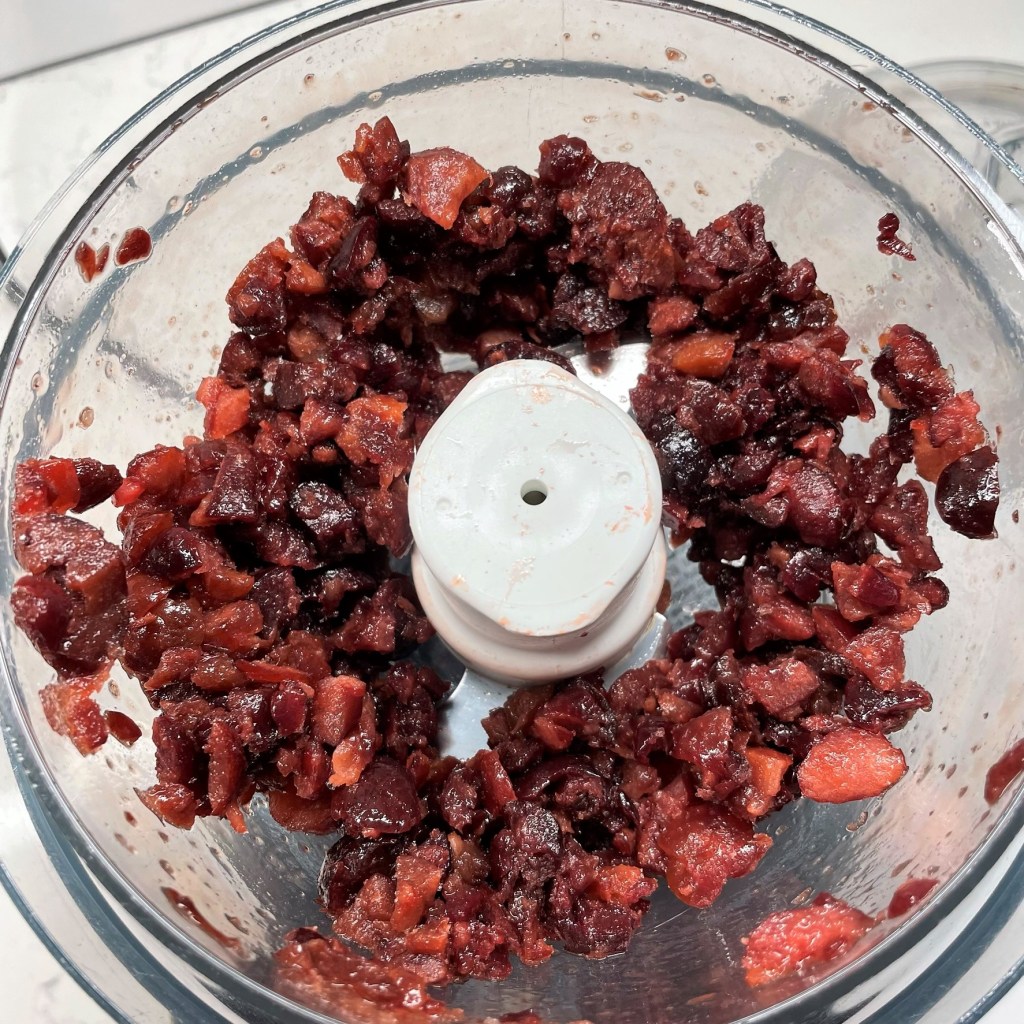
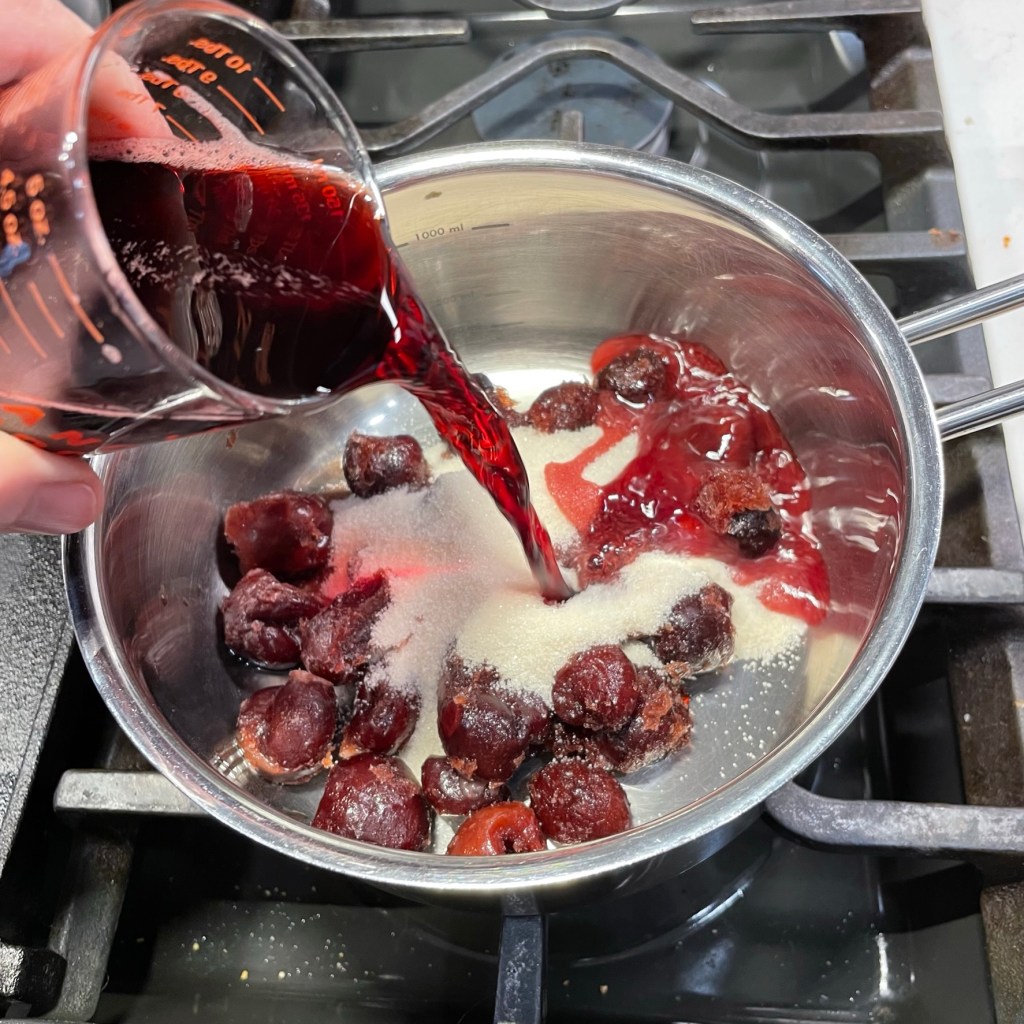
Cherry Swirl Syrup


Sourdough Chocolate Malt Waffles

Adapted from Chocolate Malt Waffles | King Arthur Baking


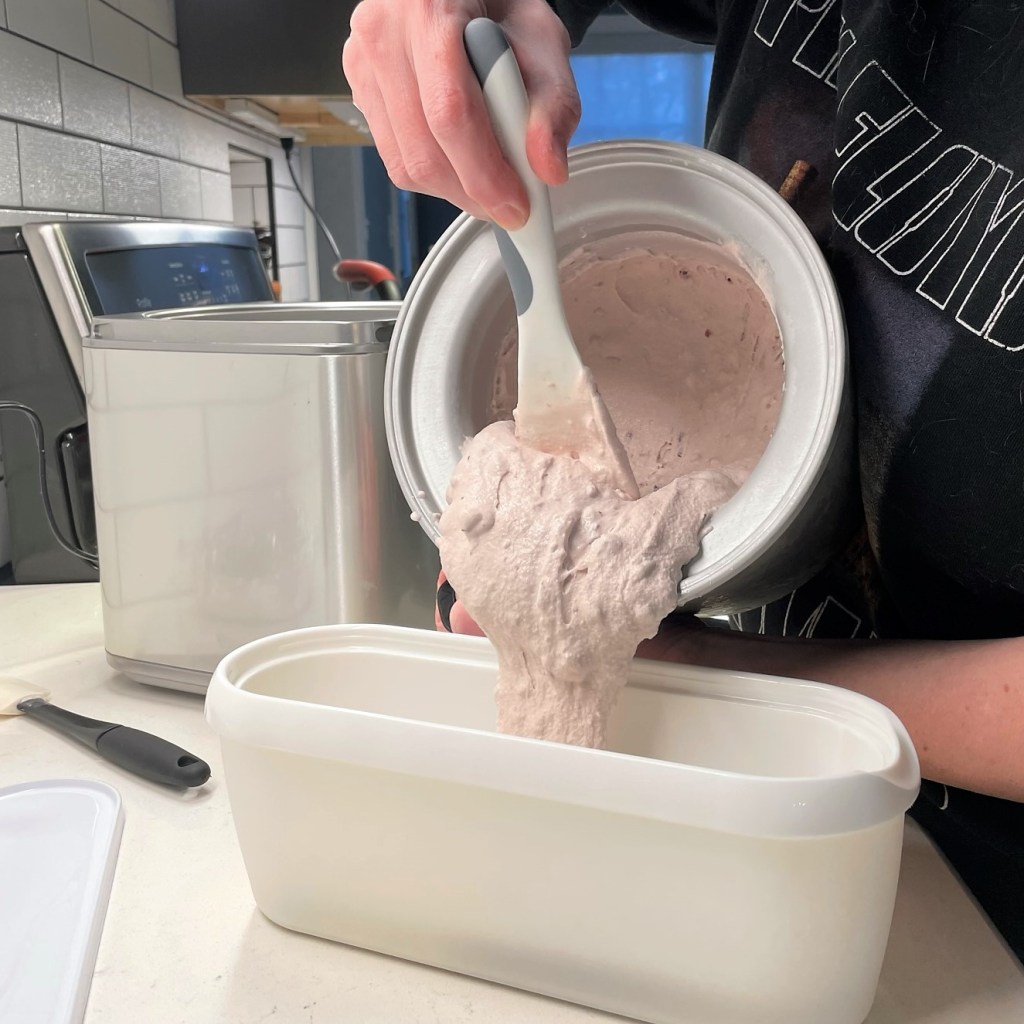
Freezing the Cherry Garcia Ice Cream


Chocolate-Cherry Heaven, Coming Right Up!


“Air Fryer” Jerk Chicken Wings

After much discussion, and consideration of all the newfound extra space in our remodeled kitchen, my husband and I have finally decided for certain on the matter of an air fryer.

Several of our friends with air fryers have extolled the virtues of their machines and enticed us with descriptions of the ultra-crispy and mouthwatering dishes they have produced with them. We got the rundown on the various styles and sizes and functions, and even made a special trip to Williams-Sonoma to compare the features for ourselves and measure and imagine exactly where we’d put such a device in our newly remodeled kitchen.

And after all that planning and considering, our final decision was that, well, we didn’t need one after all.

Most of the foods our friends described were not the kind of things we imagined we’d really make at home (though crispy French fries with minimal oil sounds pretty darn good), and when we really dug in to learn how air fryers work, we realized that we already have a version of an air fryer in our full-sized electric convection oven. If we use the convect-roast or convect-bake setting, in combination with a higher temperature, the effect is nearly the same as in an air fryer, at least for the foods we expected we would actually make. And to prove it (to ourselves as much as anyone else), we made these crispy chicken wings, using a tried-and-true method I learned from Food Network’s Alton Brown.

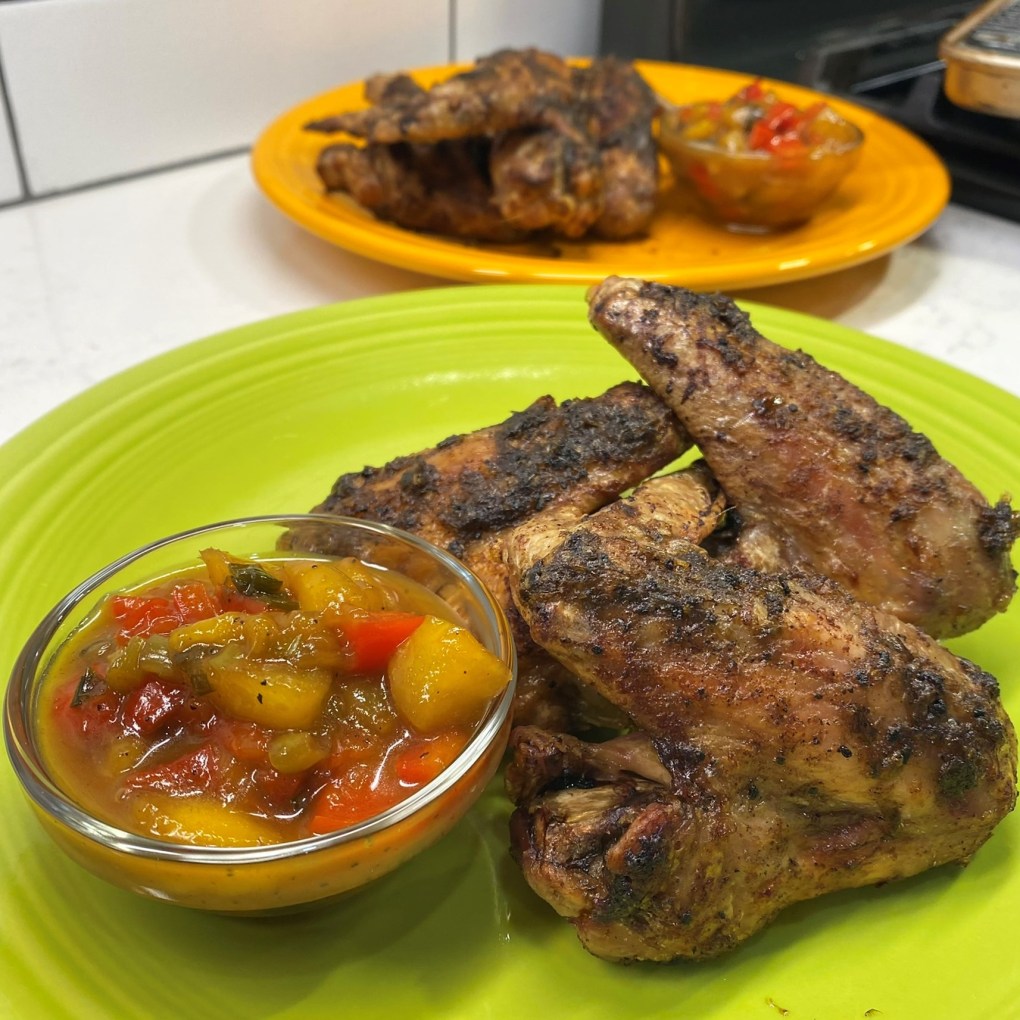
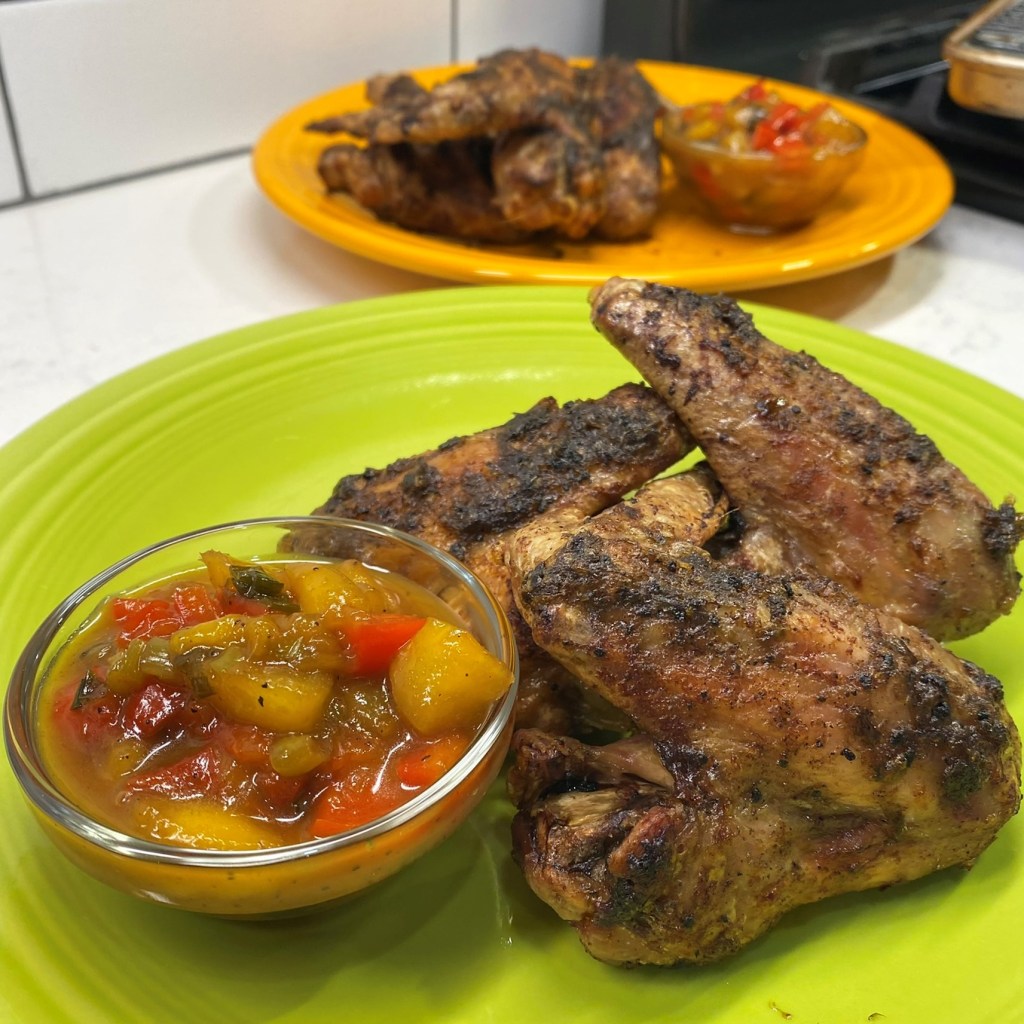
Tons of spicy flavor, without all the grease or drippy sauce of the usual Buffalo wings.

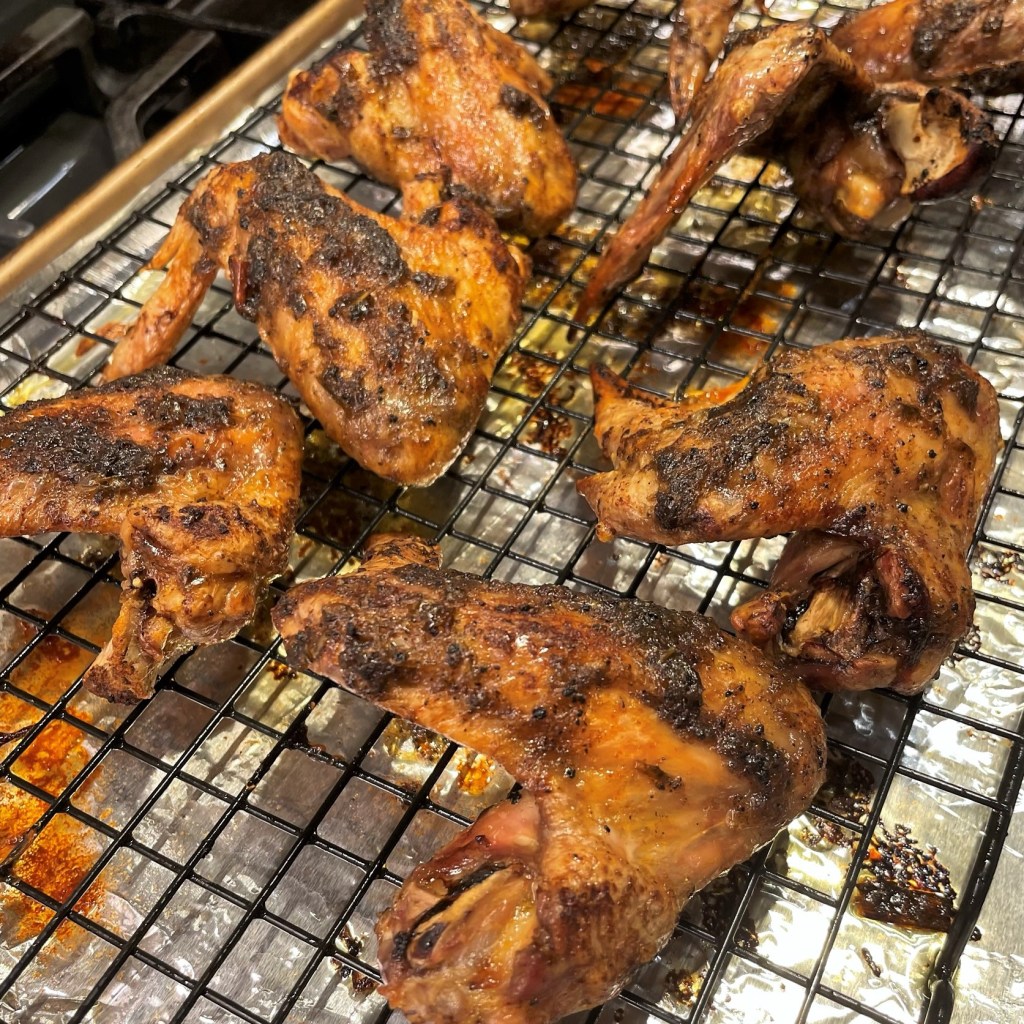
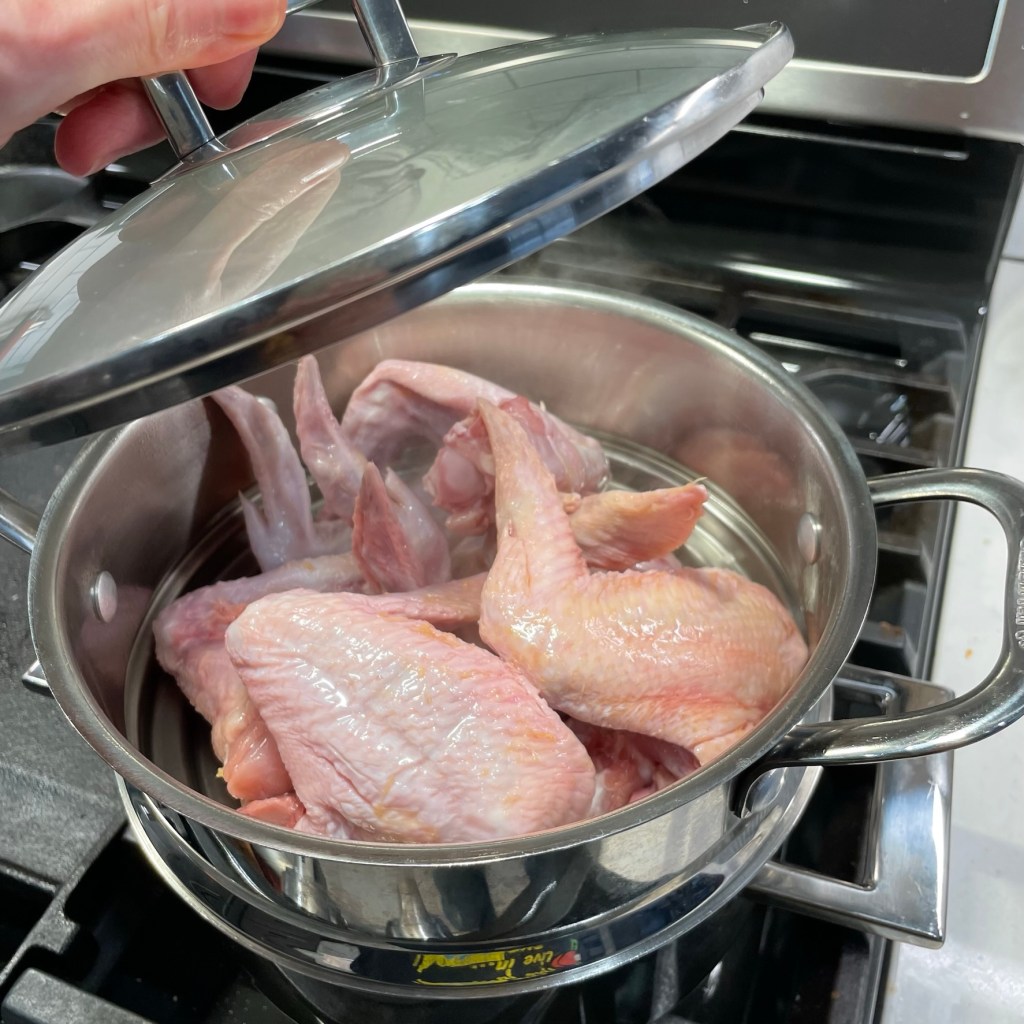
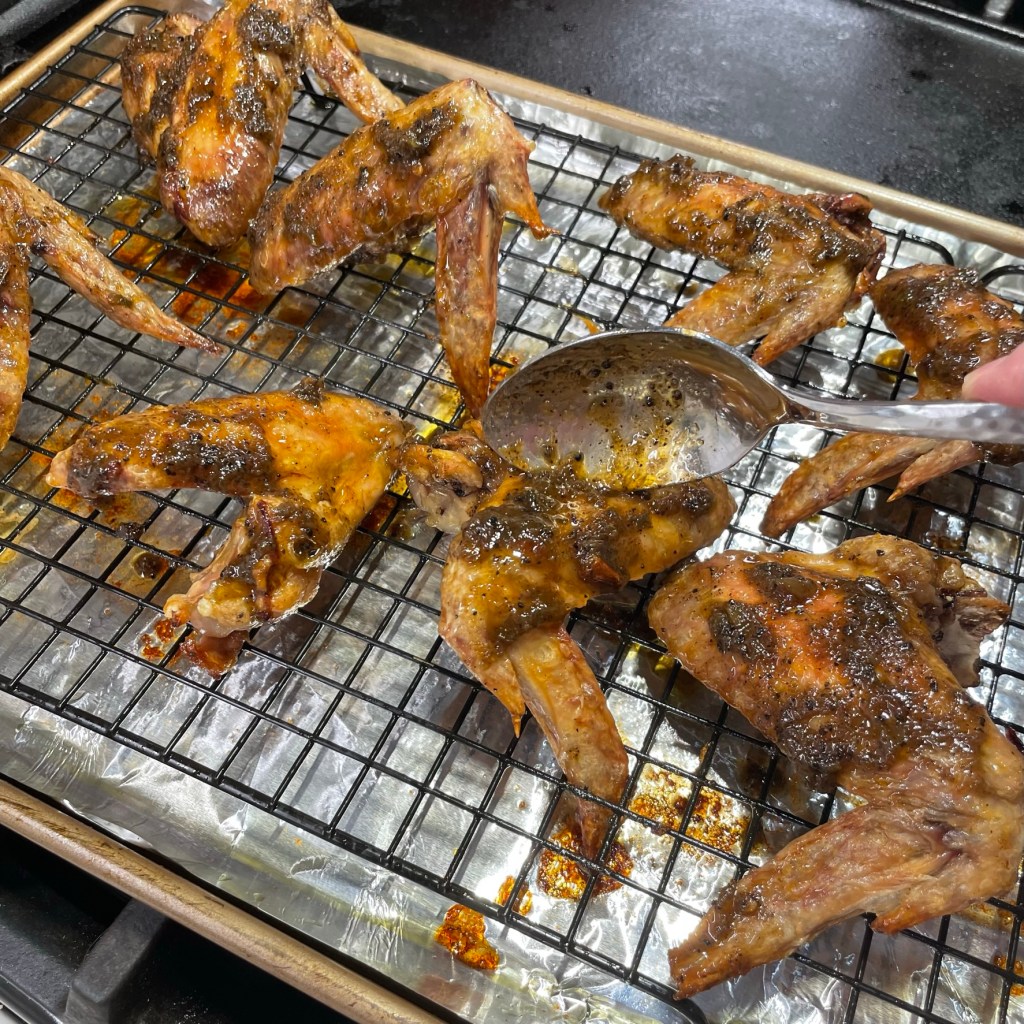
This method differs from others because it involves first steaming and chilling the wings, a process which renders excess skin fat so that better crisping can take place in the oven. No oil is required because there is plenty of natural fat remaining in the chicken skin. Roasting them at high temperature further tightens the skin, and you are left with a crispy-crunchy exterior and tender, juicy meat inside.

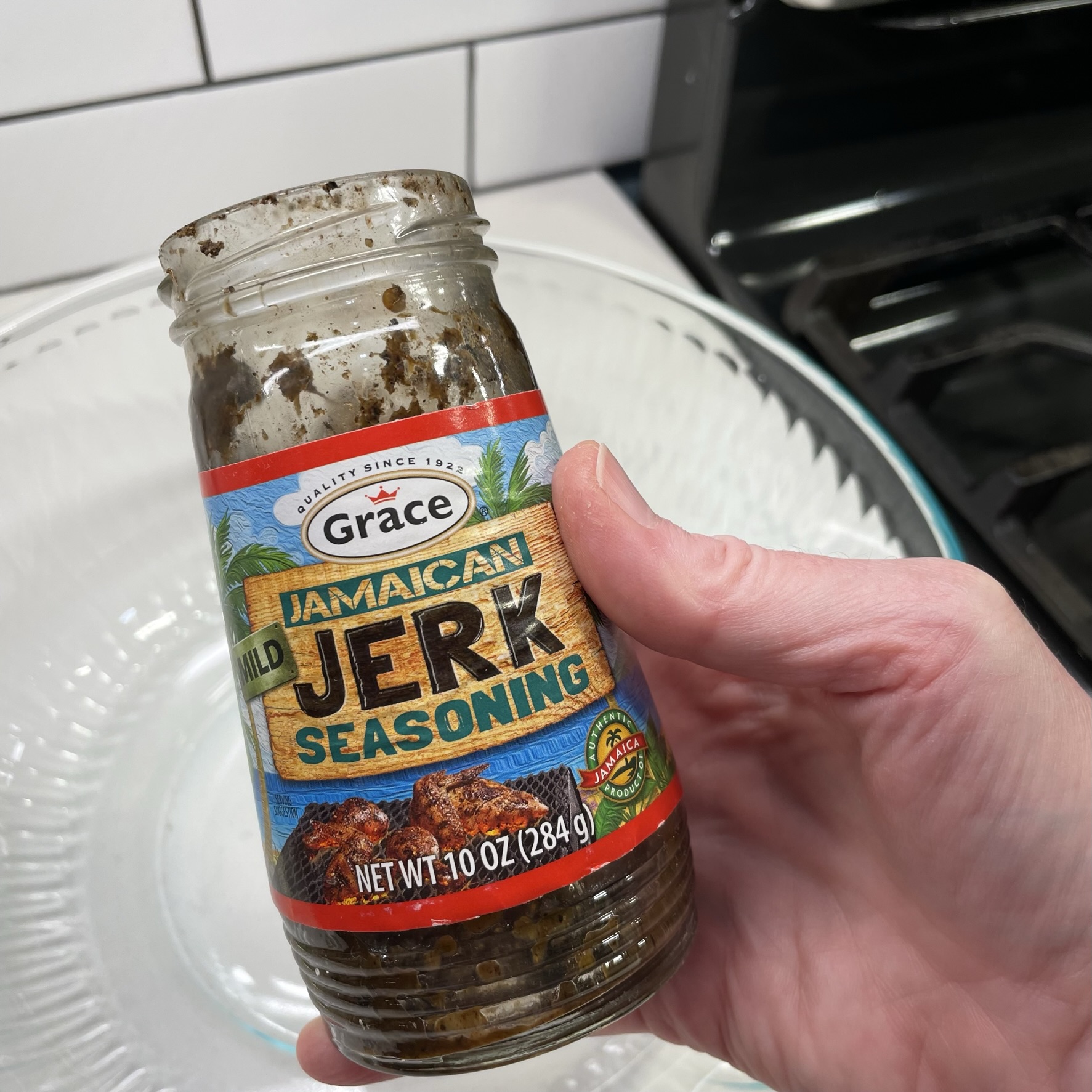
With football’s biggest game only days away, I thought it would be appropriate to share a different kind of wing recipe—one that packs plenty of flavor and as much heat as you want, but without the same old “Buffalo” flavors. These wings are covered in Jamaican jerk seasoning, featuring allspice, scallions, scotch bonnet peppers and brown sugar, which may sound complex, but I used a ready-made jerk rub that is easy to find in stores. The flavors are intense but not overpoweringly hot, and because we like to dip our wings into a dip or sauce, I made an easy mango and red pepper chutney to go with them.

I’ve made steamed and roasted wings before, but without convection and usually for my Just South of Buffalo Wings (which are still a favorite at our house). We also have done the jerk flavor wings many times, but usually on the grill during the summer months. This time, we combined methods and flavors and put the convection method to the test. As you’ll see, it passed with flying colors, and the convection chopped nearly 15 minutes off the previous steamed-and-roasted recipe. No need for one more appliance here!

This recipe is written for 16 pieces, but it should be very easy to double or triple as needed.


Ingredients

8 whole chicken wings (trimmed and cut into flats and drummettes if desired)

4 Tbsp. prepared jerk rub (a wet version from a jar)

2 Tbsp. canola, avocado or peanut oil (to thin the jerk rub)

1 Tbsp. light brown sugar

1 Tbsp. dark rum (preferably Jamaican)


Mango-Red Pepper Chutney

1/2 red bell pepper, diced

2 scallions, chopped (white and green parts)

Kosher salt and black pepper

1/2 cup mango, chopped (fresh or frozen, thawed)

2 Tbsp. brown sugar

1 Tbsp. red wine vinegar

2 Tbsp. dark Jamaican rum


Instructions

  1. Set a lidded steamer basket over a pot with about two inches of water and bring it to a low boil.
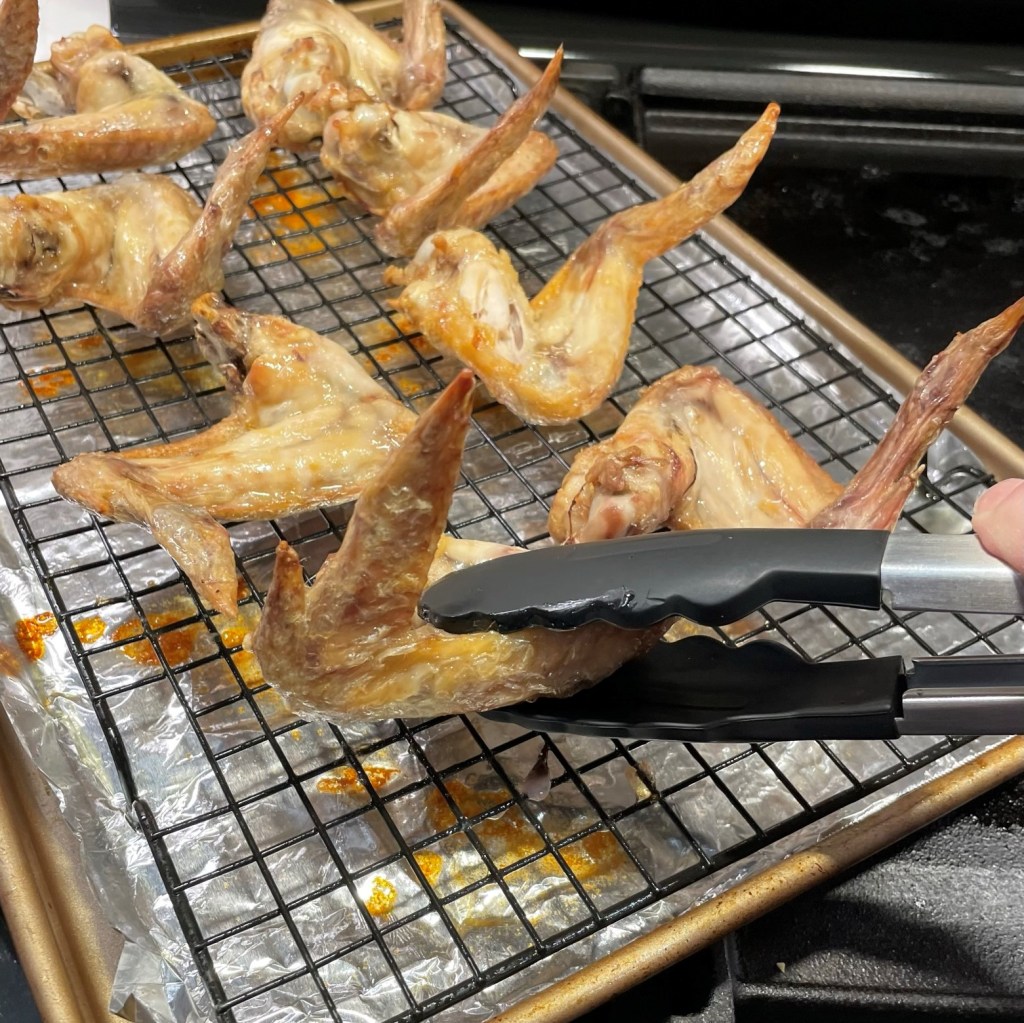
  2. Spray the basket with oil and arrange the chicken wings in it, overlapping them so that the rising steam can permeate the whole batch. Cover the steamer and keep at a low boil for about 10 minutes.
  3. Transfer the steamed wings to a parchment-lined baking sheet and rest until they are cooled to near-room temperature. Cover and refrigerate the wings for at least one hour or up to overnight.
  4. Preheat oven to 425° F on a convection setting, with oven rack in the center position. Spray a cookie cooling rack with oil and set over a foil-lined cookie sheet. Arrange wings on rack, with space between the pieces to allow easy air flow.
  5. Convect-roast for 15 minutes (or regular roast for 20 minutes). While wings are roasting, make the mango-pepper chutney.
  6. After 15 minutes, turn wings to roast the other side 15 more minutes (or 20 for regular roast setting). The wings should be nicely browned all over and the skin on the wings should appear tight but not too dry.
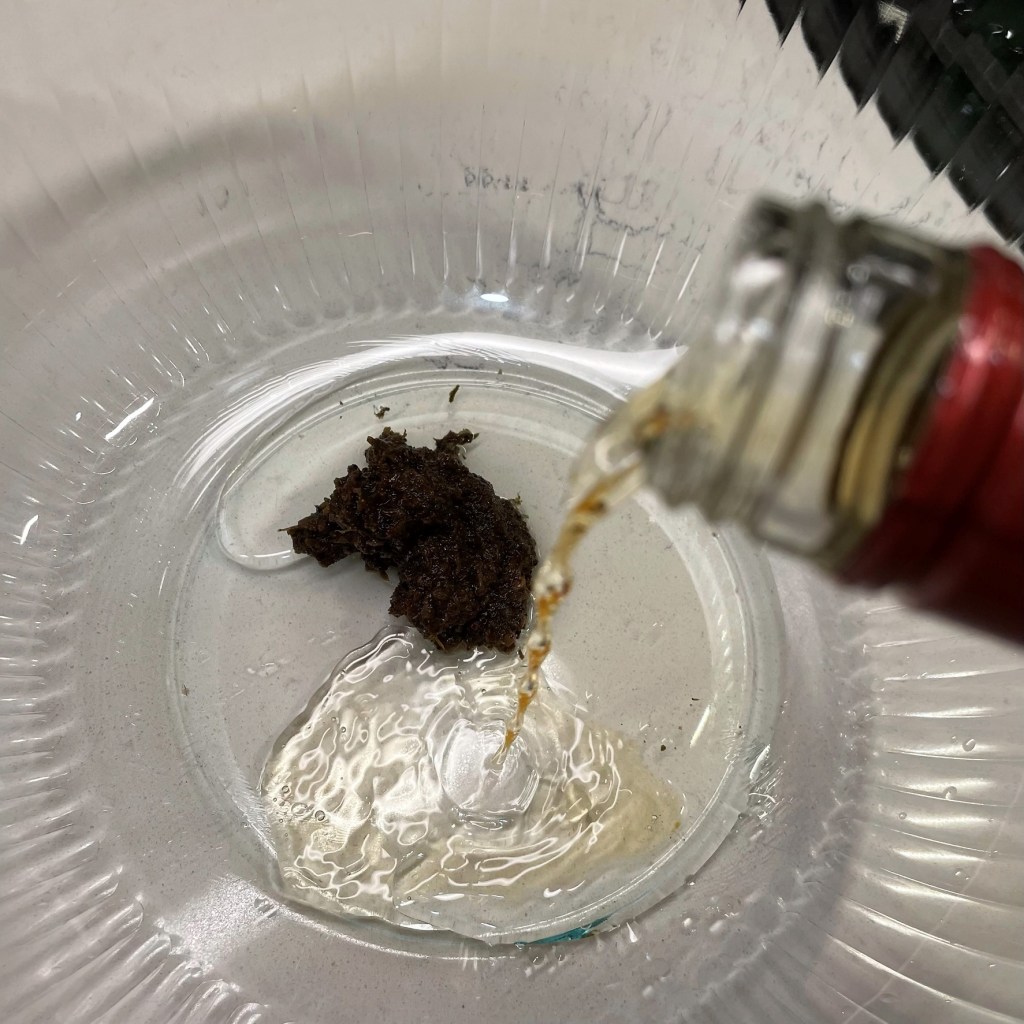
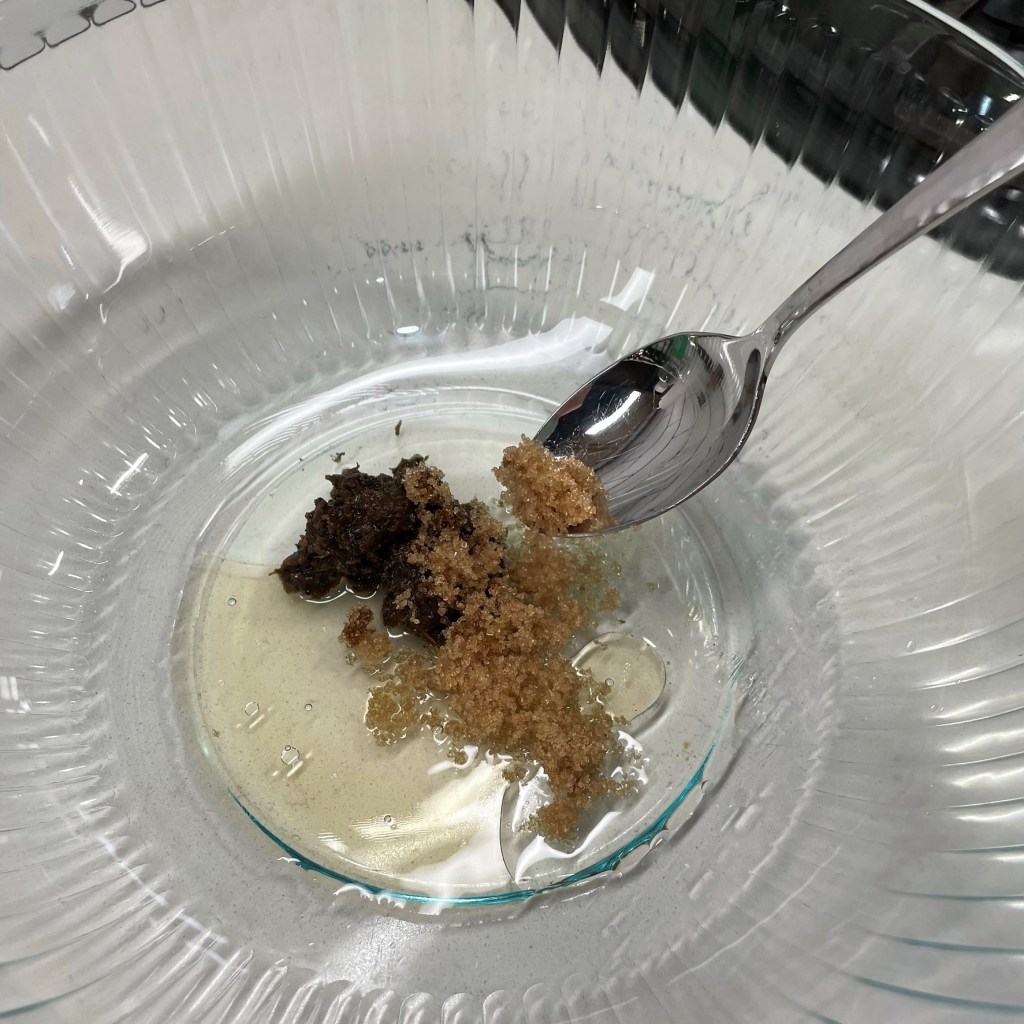
  7. During the second half of roasting, combine jerk wet rub seasoning, canola oil, brown sugar and rum in a large bowl. Whisk until evenly combined.
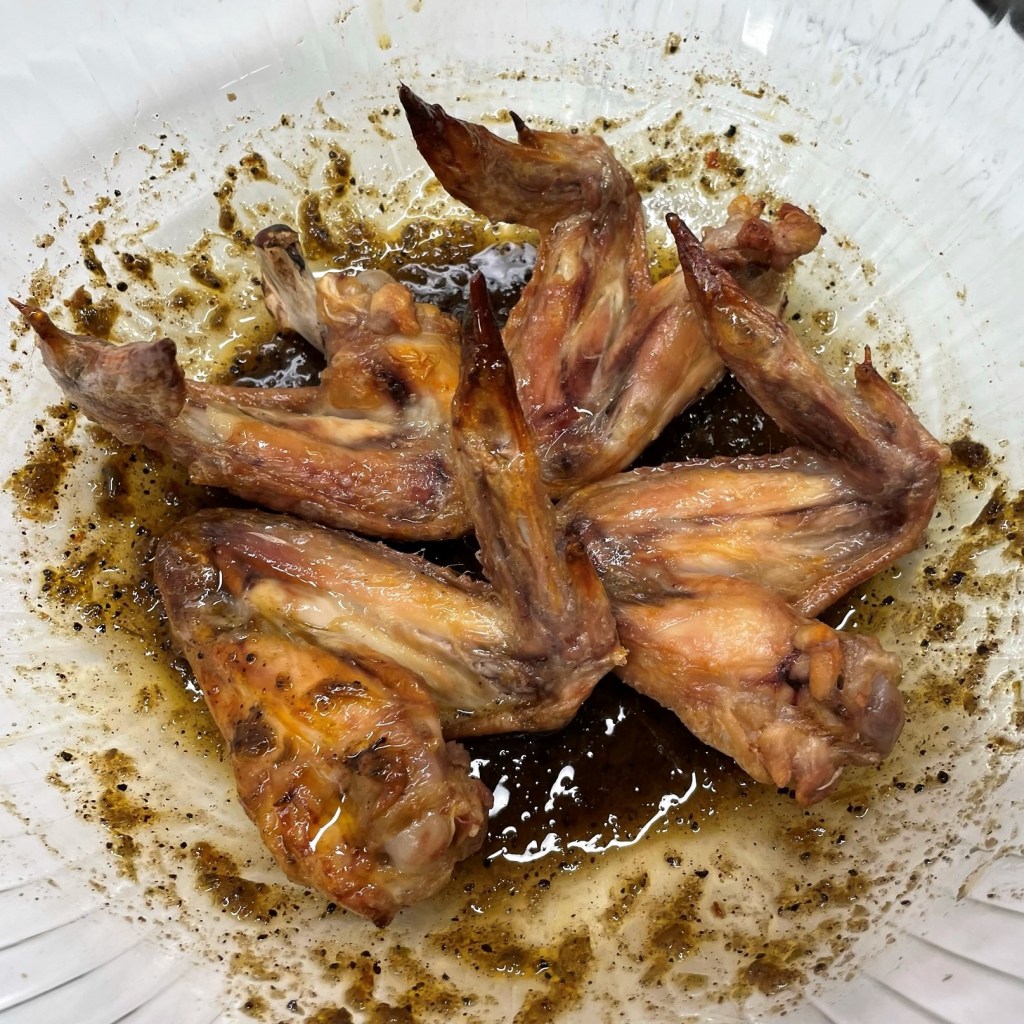
  8. Toss wings in the bowl of jerk rub, spooning the seasoning over any unglazed areas. Return the wings to the rack on the cookie sheet and roast about 3 more minutes to set the glaze in the oven.
  9. Serve immediately with the mango-pepper chutney.

Mango-Red Pepper Chutney Instructions

  1. Place a small saucepan over medium heat. Swirl in oil and saute peppers and scallions, just long enough to soften them. Season with salt and pepper.
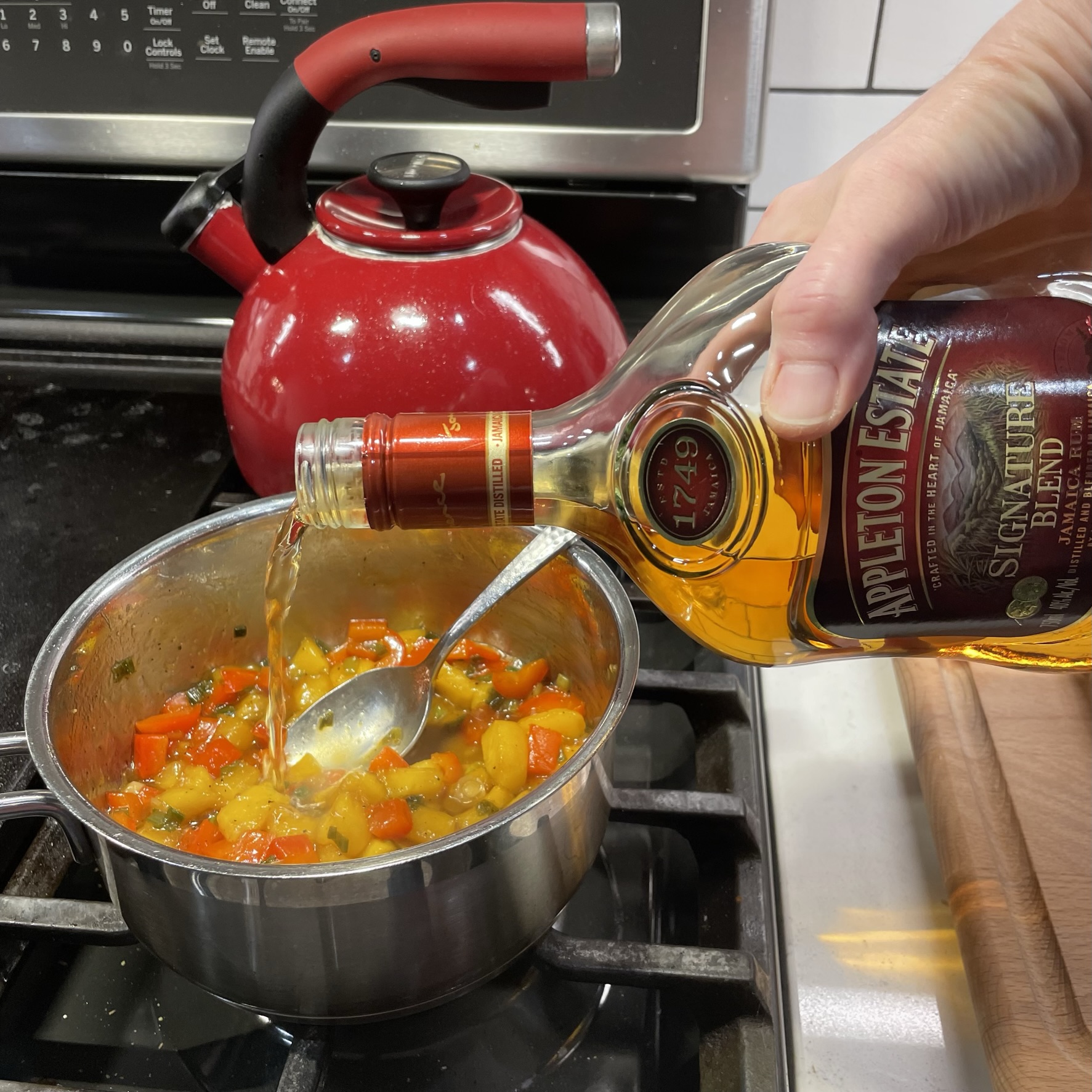
  2. Add the cut-up mango pieces and stir until the mixture is heated through. Stir in brown sugar, vinegar and rum. When mixture begins to bubble, reduce heat and cover, simmering until thickened. Remove from heat and cool to room temperature.


Roasted Garlic Ranch Dip

There was a time (in the not-so-distant past) that we didn’t rely on overly processed food from the supermarket for every little thing. Before the grocery aisles were jam-packed with 173 kinds of salad dressing, there was oil and vinegar, and people spiced those up by whisking in a handful of other common items to create dressings far tastier than the pre-made stuff. Vinaigrette is one of the simplest dressings to make from scratch, and creamy dressings are equally simple with a few basic ingredients.

You might be amazed at how much flavor you will be able to create at home with nothing more than simple fridge items, a few spices and a whisk (or, as I’ll show you today, a food processor). On the economic side, it costs pennies on the dollar to make your own dips and dressings, and it only takes a few minutes to pull them together.

The other benefit of making your own dressing—besides the savings and the flavor factor—is that you will know exactly what is in it. Commercial dressings contain so many stabilizing and preservative ingredients that aren’t necessary. And if it seems a healthier bet to buy the packets of ranch dressing mix and “make it yourself” with fresh buttermilk, all I can suggest is to take a closer look:

As soon as I see maltodextrin and monosodium glutamate (MSG), I’m gone!

I suppose these ingredients might be perfectly harmless (remember when they said that about partially hydrogenated vegetable oil?), but it’s a fair assumption that the fresh herbs and minimal spices you add to a real homemade dressing will present a lesser concern. And your dressing will taste better, which might even lead you to enjoying more salads and vegetables.

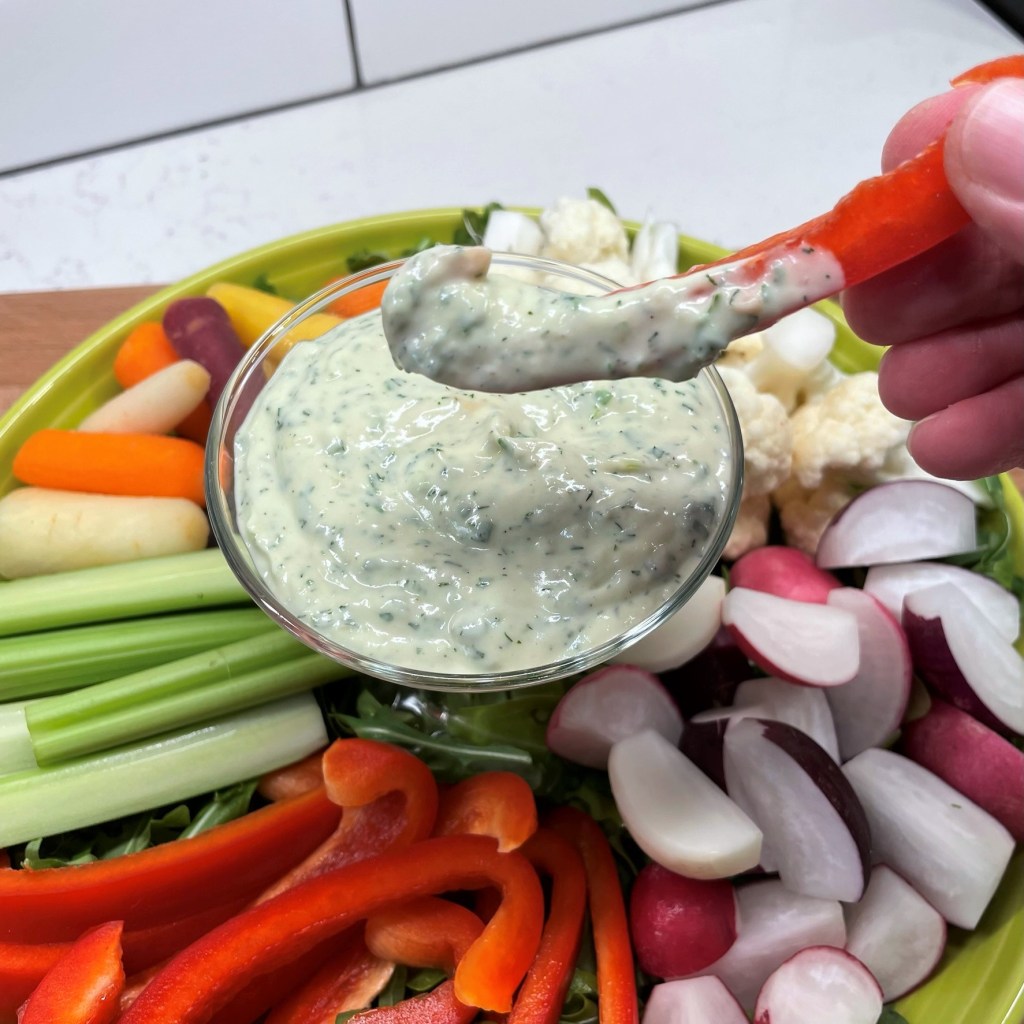
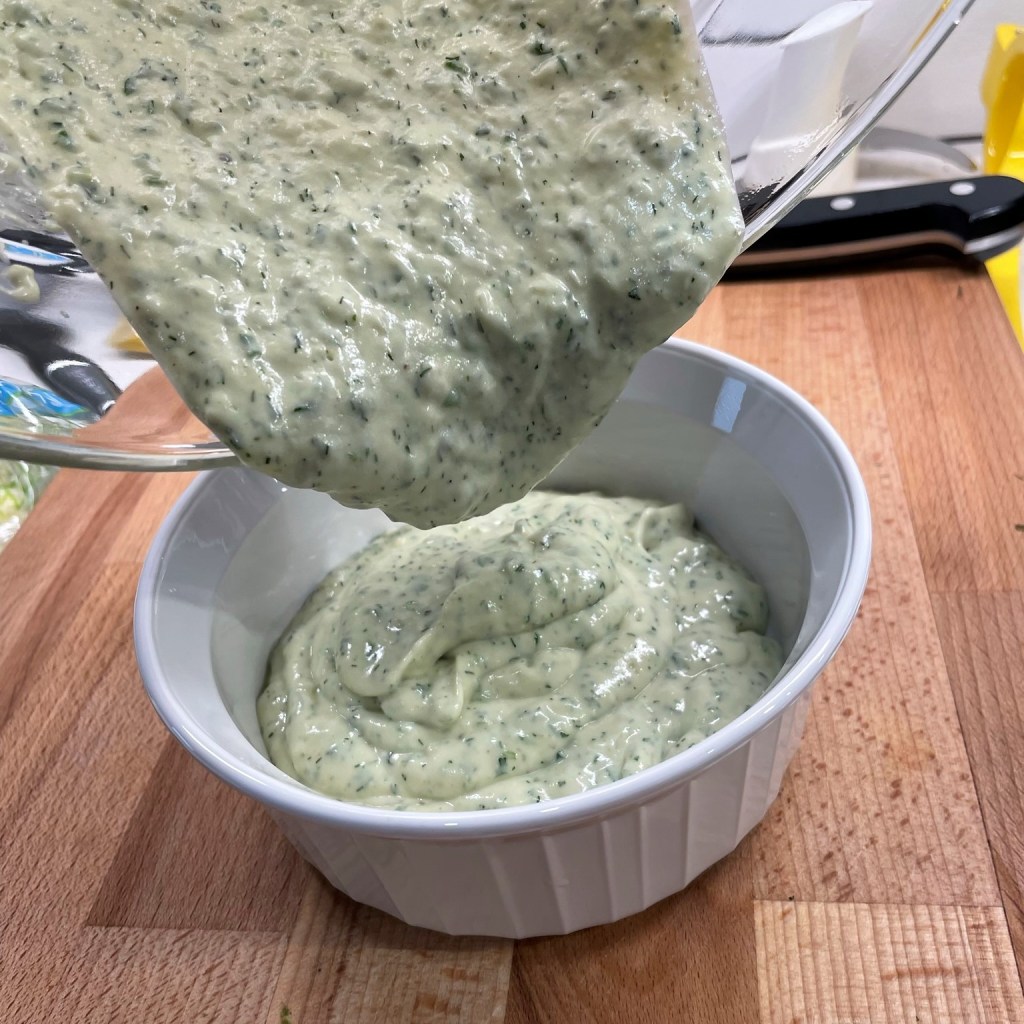
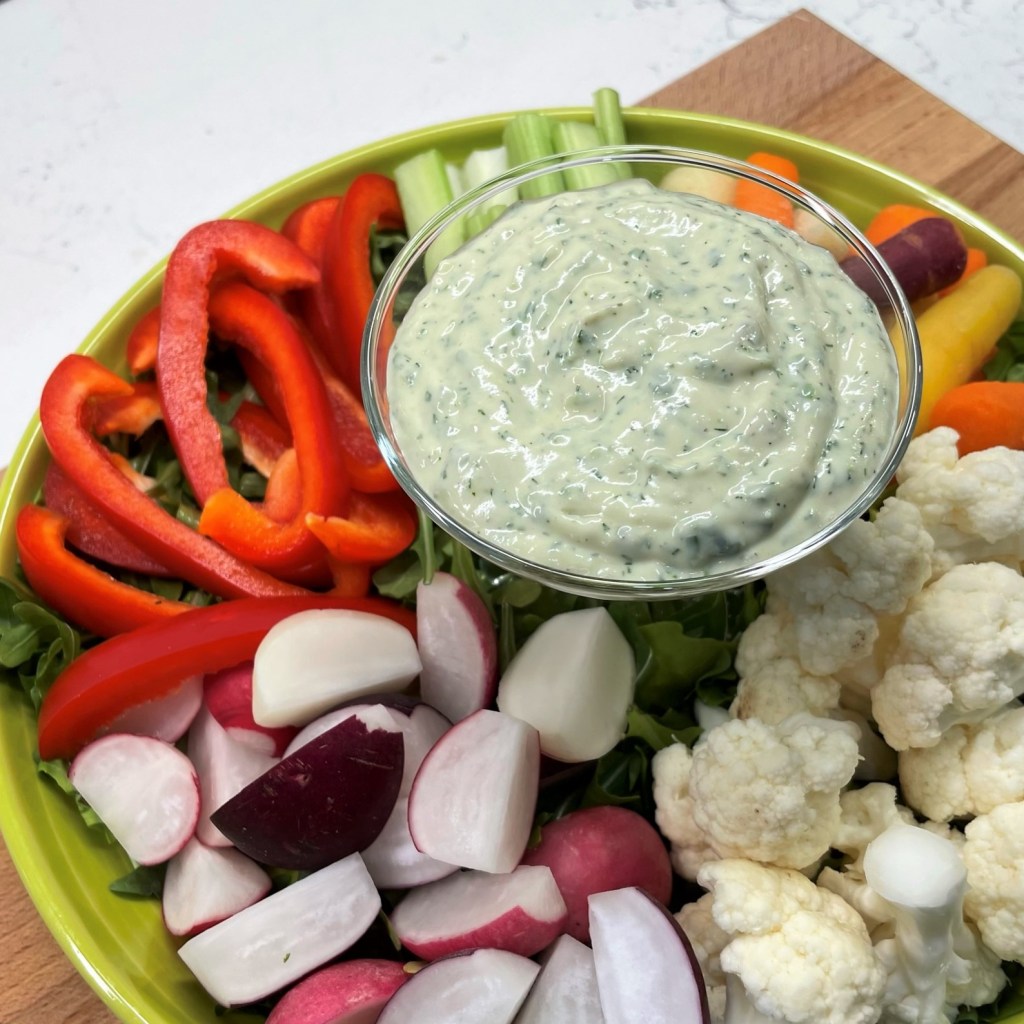
For this creamy ranch dressing dip, I have used a whole bulb of roasted garlic to add a mellow flavor to plain Greek yogurt, buttermilk, olive oil-based mayo and a bunch of fresh herbs. A little salt and pepper, a squeeze of lemon, and that’s all there was to it. If you prefer a bit more zing, use fresh garlic, but only a fraction of what is called for here. If you don’t have the same fresh herbs, substitute what you have or what you like. If you want to add half of a ripe avocado in place of some of the mayonnaise, go for it.

Nice to have something a little healthy for a game day snack!

My homemade roasted garlic ranch dip was intended for dipping fresh veggies as a game day snack, but if you prefer a more pourable dressing for salads, simply ease up on the mayo and use more buttermilk.

This recipe makes about 1 1/4 cups.


Ingredients

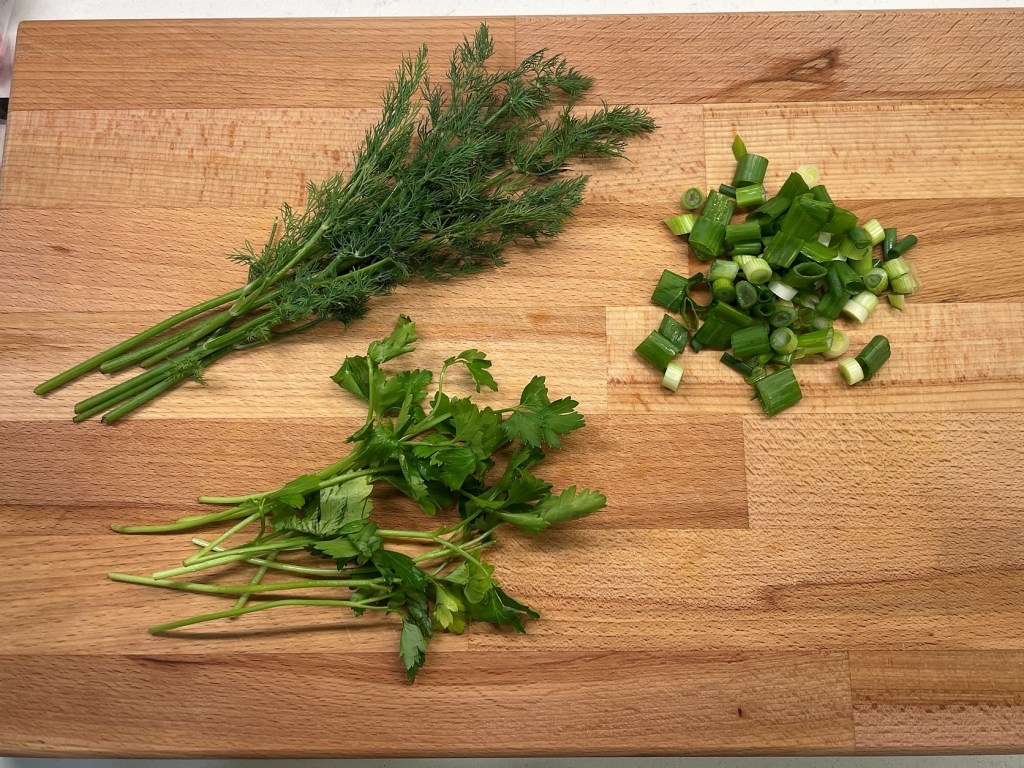
2 scallions, white and green parts

1 small handful fresh parsley

1 small handful fresh dill

1 tsp. Dijon mustard

2 Tbsp. freshly squeezed lemon juice (about 1/2 an average-sized fruit)

1 Tbsp. olive oil

Kosher salt and black pepper

1/2 cup mayonnaise* (see notes)

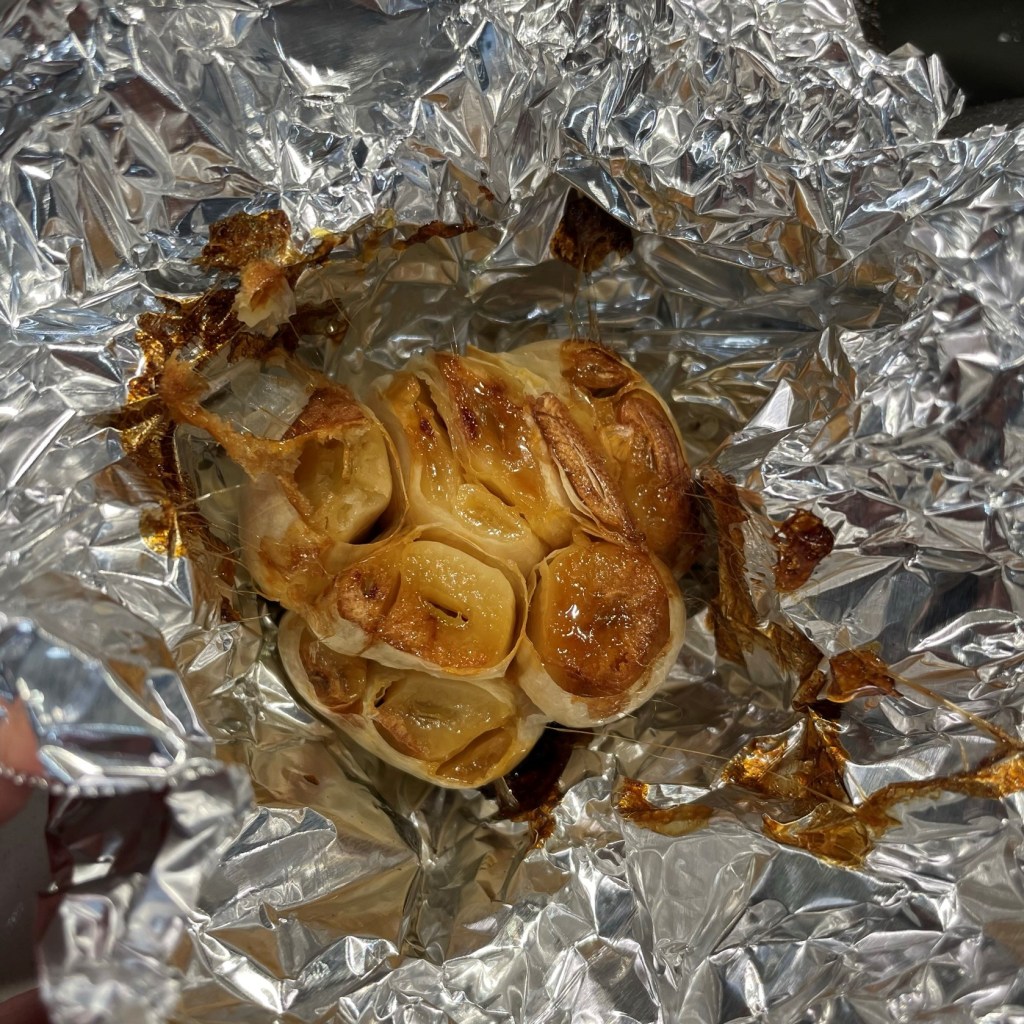
1 bulb roasted garlic*

1/4 cup thick, cultured buttermilk*

1/4 cup stirred Greek yogurt (whole fat or 2% recommended)

1/4 tsp. onion powder

1/4 tsp. carboxymethylcellulose (just kidding—I’ve never heard of this, but it’s in the store-bought ranch mix!)


*Notes

Choose a mayonnaise that you trust, bearing in mind that labels can be misleading. The front of the jar may suggest that your mayo is made with olive oil, but on further inspection, soybean oil could be listed as the first (most prominent) ingredient, with the healthier oil listed much later. Learning what your food is made of can be an eye-opener, and when you do find a product that meets your health standards, you will be able to build on it to make a lot of other foods serve you better.

Thick buttermilk works especially well for dip-style dressings. Look for a brand that doesn’t have a lot of “gum” ingredients, which are unnecessary stabilizers. Bacterial cultures should be present in good buttermilk as well. And for this dip, I do not recommend making a buttermilk substitute using regular milk and lemon juice or vinegar. That works for some baking recipes, but not in this instance, as you will miss the smooth textural element that buttermilk lends to your dip or dressing.

I love roasting garlic for use in many things, and it is easy to do. If you have never made your own, you may find some helpful tips in my previous post for making your own roasted garlic. When roasted, the garlic takes on a mellow, somewhat nutty flavor that lends a lot of depth to foods. If you prefer fresh, or simply don’t have the time or patience to roast it, I would recommend only using one or two segments of the garlic rather than a whole bulb (unless you’re battling vampires, obviously).


Instructions

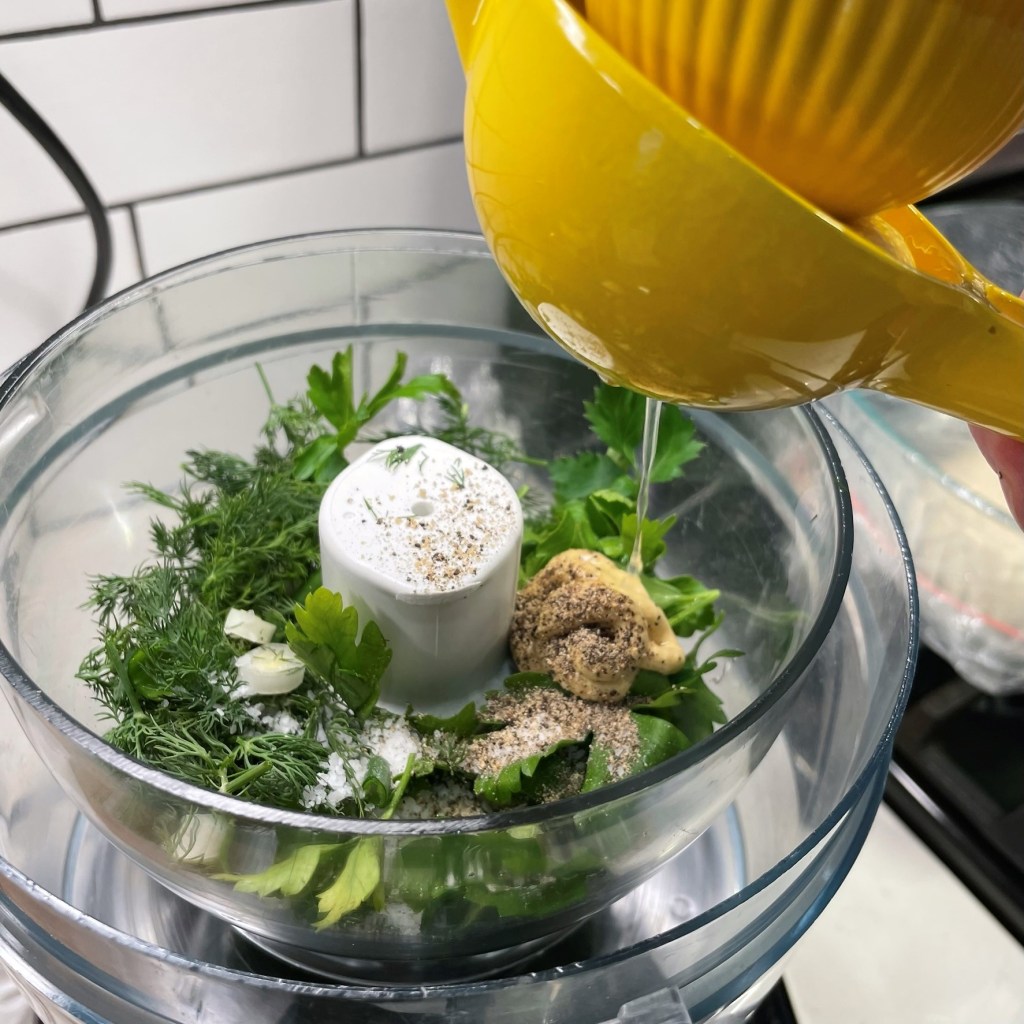
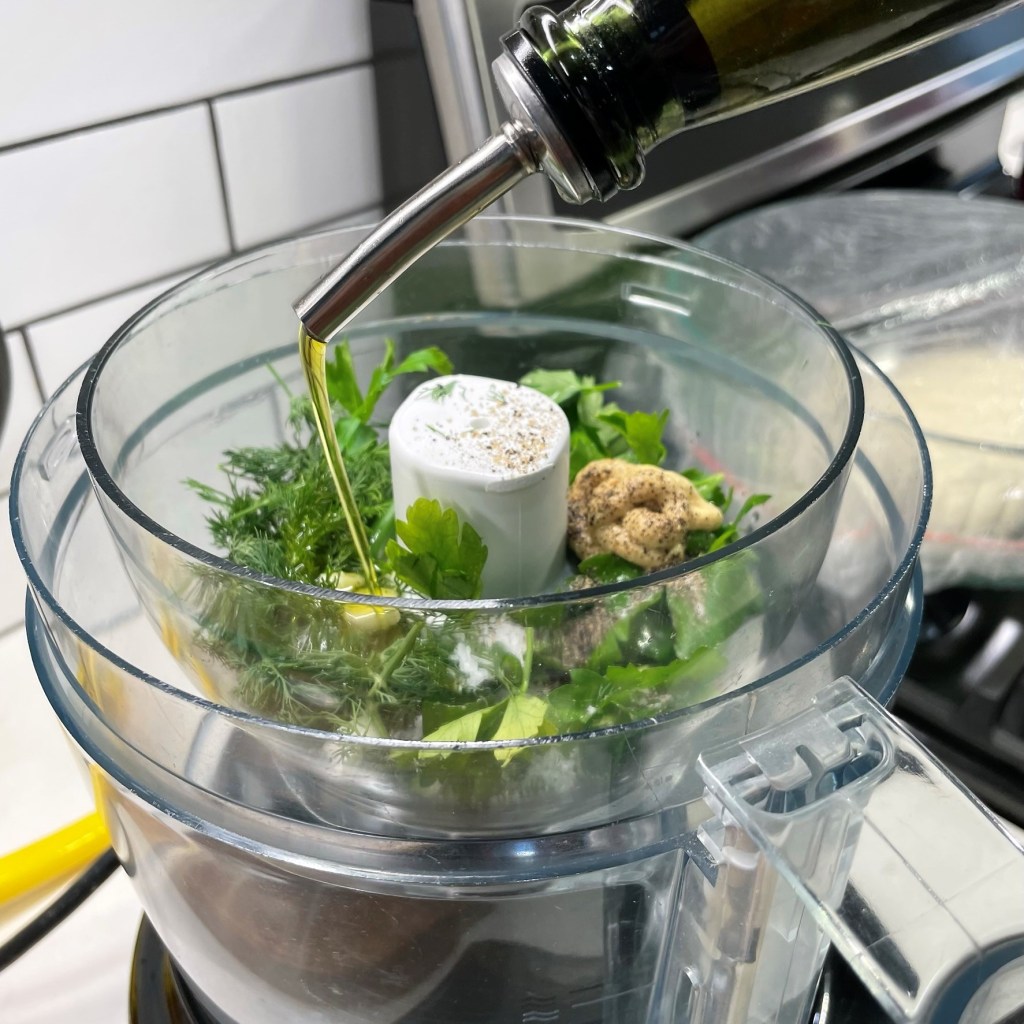
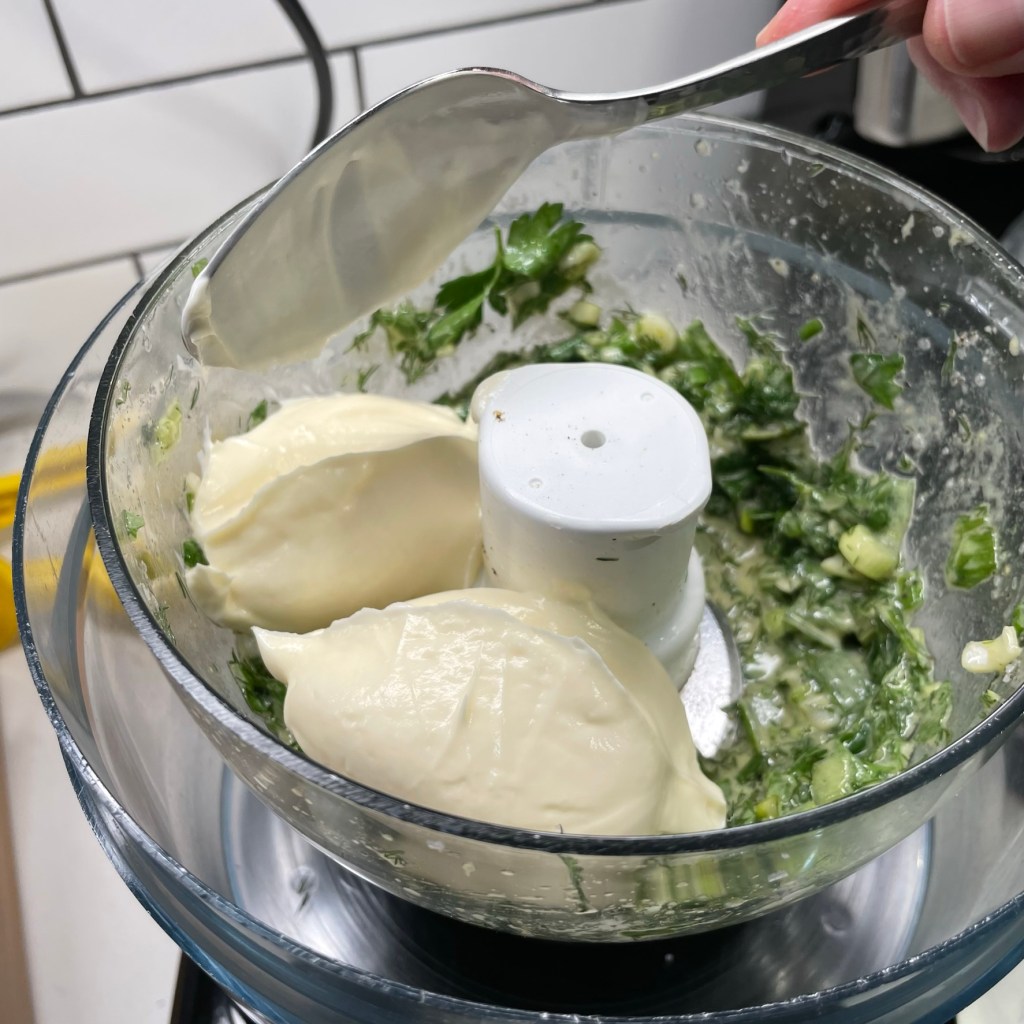
  1. Begin by chopping up your fresh herbs, together with the Dijon, salt, pepper, lemon juice and olive oil. I made a small batch this time, and my processor only rough-chopped these ingredients, even in the small insert bowl. As long as the volume reduces to make room for the other ingredients, it’s fine.
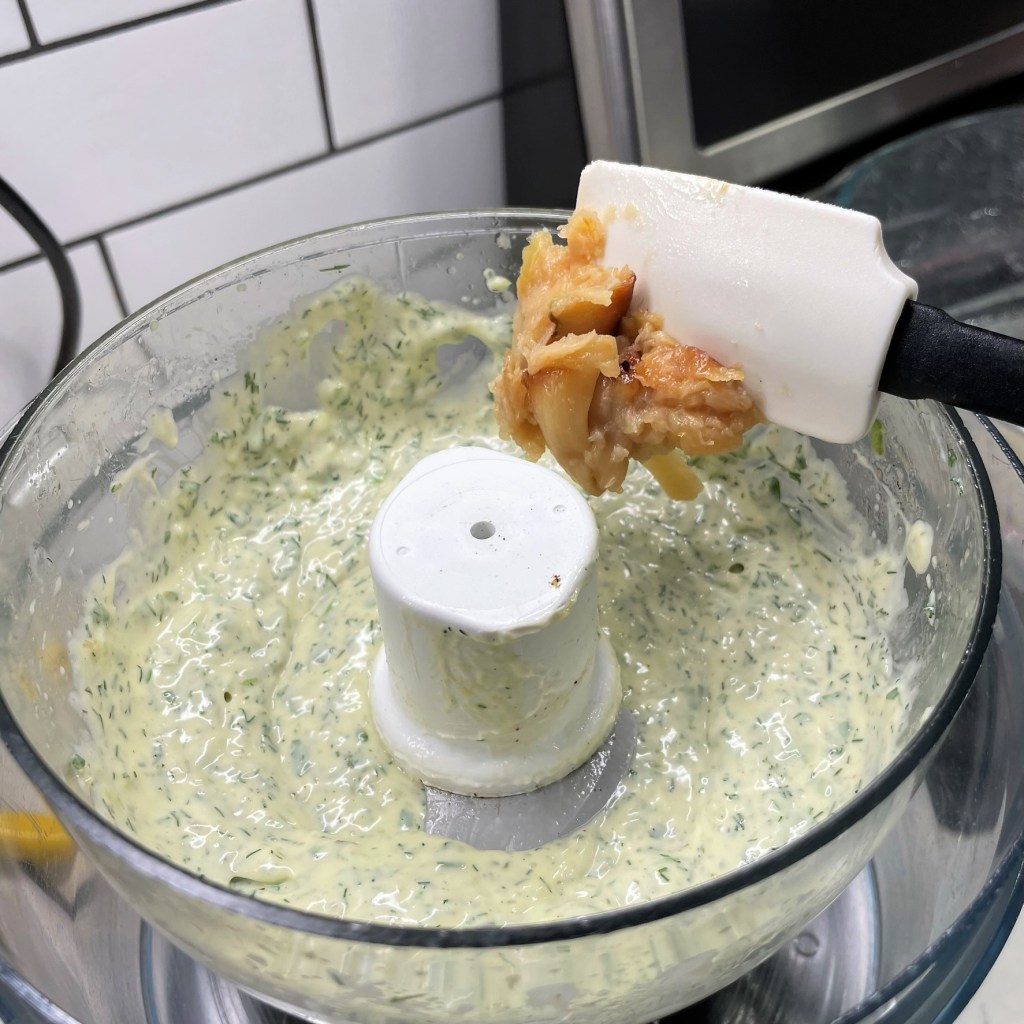
  2. Add the mayo and pulse to combine. Add the roasted garlic and process until you no longer see visible bits of the garlic.
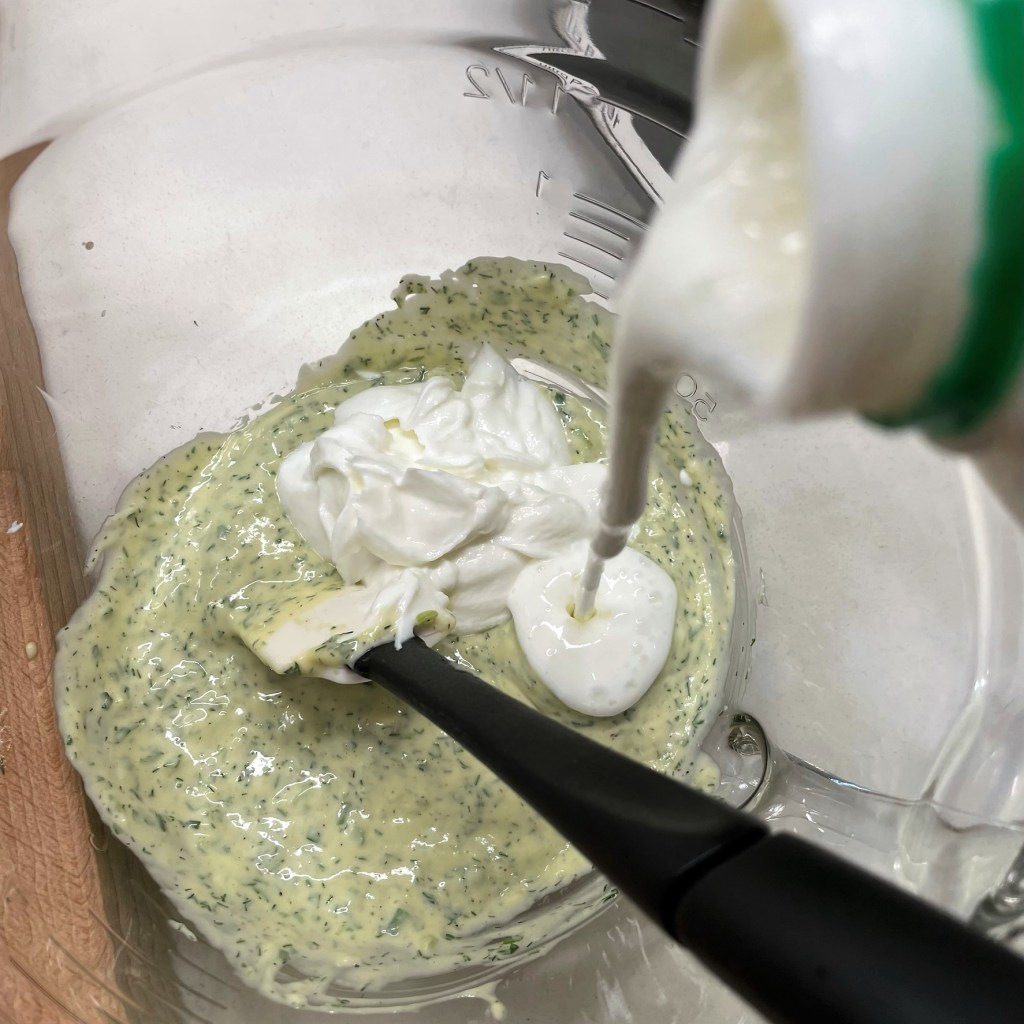
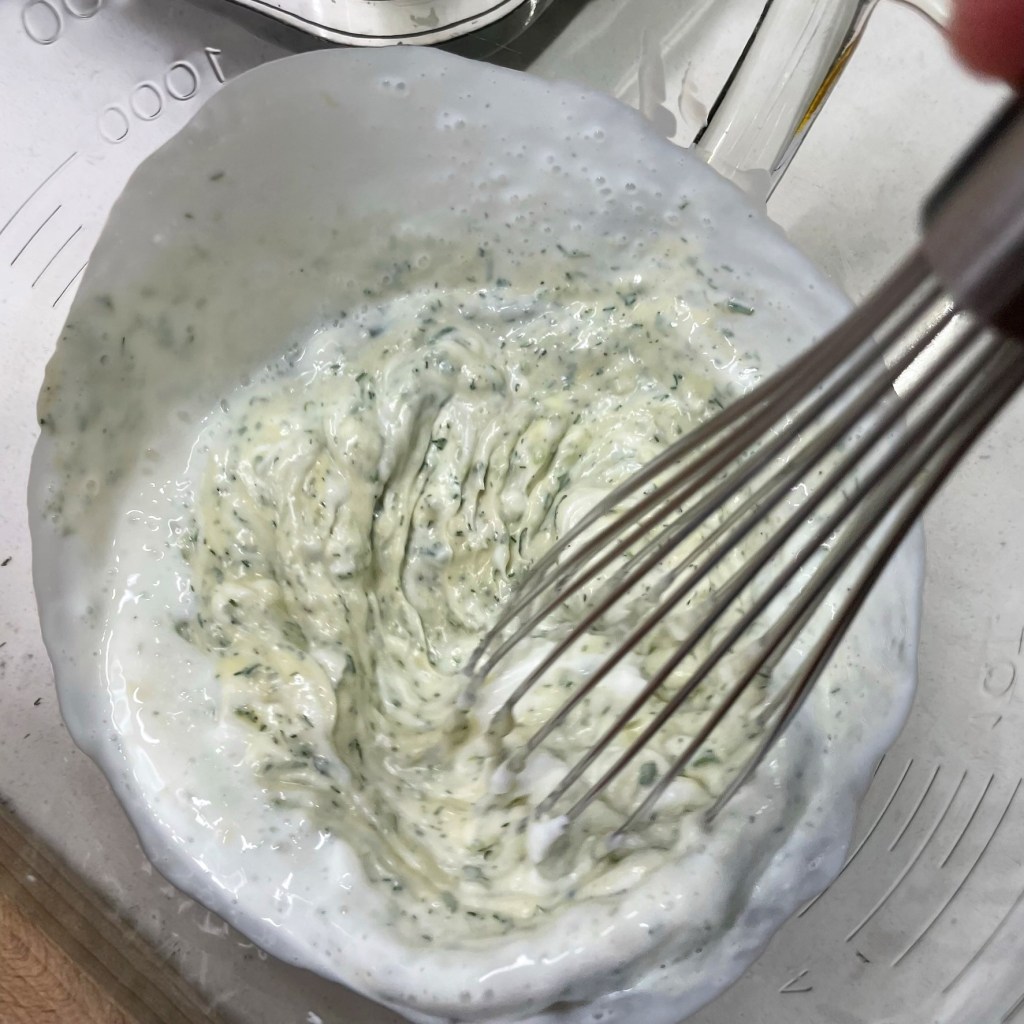
  3. Transfer the mixture to a bowl. Add yogurt, buttermilk and onion powder, and whisk until smooth. Adjust seasoning to taste (remember that additional salt will need time to dissolve, so you may want to let it rest a few minutes before final taste adjustments).
  4. Chill the dip at least one hour before serving. Enjoy within a few days for best freshness and give it a good stir when you take it out of the fridge.


My Favorite Martini

One might look with suspicion at the photos on my smartphone, especially if they didn’t know my backstory or my penchant for showing, rather than telling, what is happening in my life. As I was scrolling my photo roll the other day—looking for a random image of what, I don’t remember—I noticed that I frequently snapped images of mainly three things: bread dough, cats and martinis. Alrighty, then.

Cats have been part of my world for as long as I can remember, and apparently even longer, as I even have a photograph of myself as an infant, with a black and white cat right next to me—a guardian angel, no doubt. Many cats have graced me with their presence and their trust over my lifetime, and I am fascinated by their expressions, their agility and their overall adorableness. I try in vain to capture their essence.

Bread dough has played a major role in my recent life as well, especially after the “birth” of my sourdough starter in 2016. I am fascinated by the development of dough, and humbled that I can be part of the magic that happens in it. I make a lot of bread and I take a lot of pictures of that process.

So what about martinis, and where do they fit in as a most-photographed item? I realized, upon closer inspection, that most of my martini pictures were taken right around 4:30 p.m., the time of day I would regularly wish my Aunt Joy a happy “Happy Hour” across the miles that separate us. However did we manage before texting?

An afternoon martini helped me navigate some of the madness during our kitchen remodel.
Gotta love that blue tape on the door.

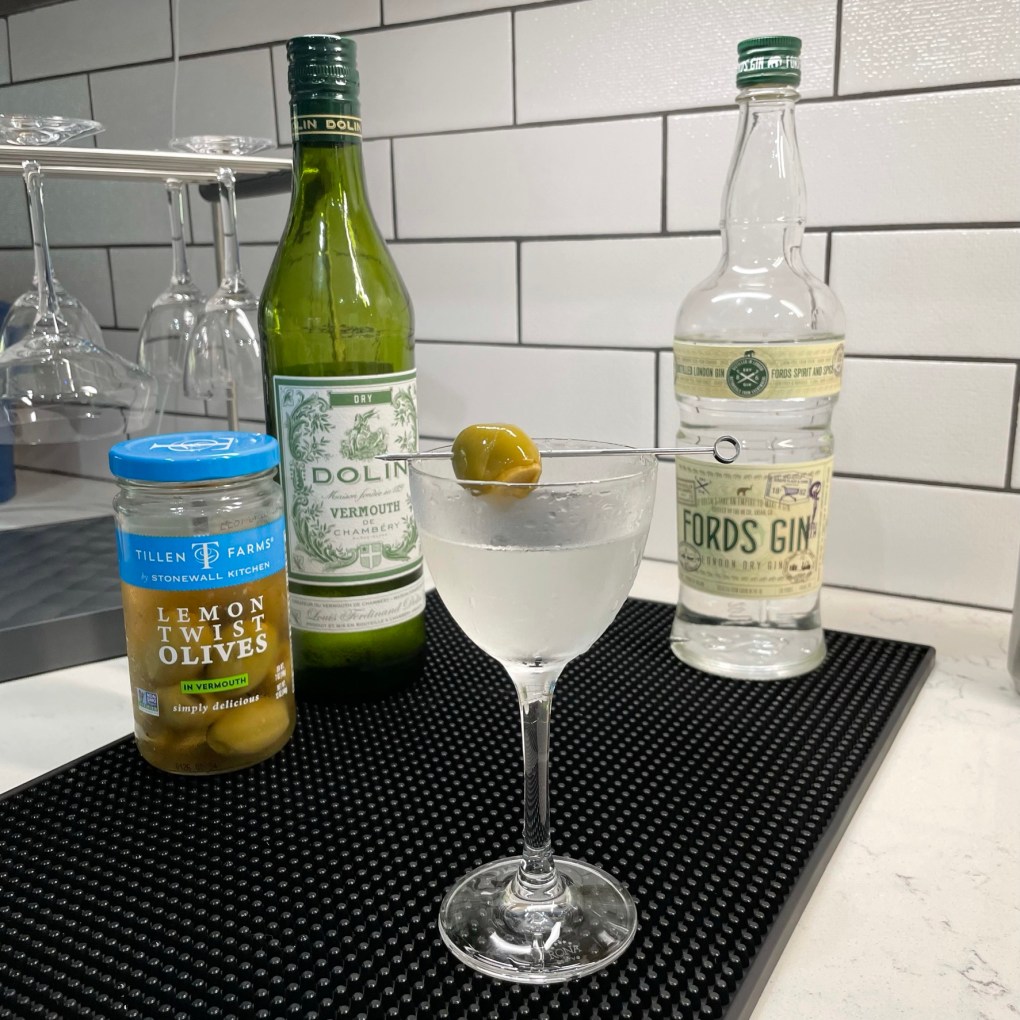
In previous years, my happy hour libation would have been a simple glass of wine, and occasionally enjoyed at a wine bar with a girlfriend. But COVID changed everything, and with so much time on my hands for experimenting, the cocktail has had a real renaissance moment at my house. I have dabbled in mixology, trying out different spirits and techniques—even investing in the correct glassware—and my new favorite is definitely the martini. It is simple, but refined. It goes down easy, but not too easy.

I suppose my grandmother had a little something to do with martinis being my chosen cocktail, though I do not remember her ever making them as I do today—gin, shaken with ice and vermouth, sprinkled with bitters and poured into a chilled coupe glass with a skewered, lemon peel-stuffed olive. For her happy hour, Gram simply poured her martini ingredients over ice in a short glass. She made hers with vodka, and always “dirty” with a little bit of briny olive juice, and I don’t remember whether she added vermouth. Maybe if she found it on sale.

The first time I remember sharing a martini with Gram was in Spring 1992 in central Florida, where she and my grandpa retreated each year to escape the brutal upstate New York winters. My week there marked the first time I felt like an adult in my relationship with Gram, but that had nothing to do with the cocktail.

My grandpa had just passed away after a lengthy stay in the hospital, and though my mother had been there to say goodbye, and one of her sisters had stayed a bit longer to spend precious final moments and offer support to Gram, neither was able to stay indefinitely, and Gram was alone when her husband died. Even their snowbird “cronies,” as she called them, had already migrated back to their homes up north. I was living in North Carolina at the time, and I felt compelled, as the geographically nearest relative, to make the 10-hour drive (which is practically nothing, when you’re in your 20s) to be with her. She appreciated my presence, but for most of my visit it seemed clear she did not need it.

We traipsed around town for a few days as if all was normal, visiting the farmers’ market, where we bought fresh tomatoes and cucumbers for all the salads we ate. She taught me how to use the flat edge of a paring knife to loosen the tomato skin for easier peeling, and I still do it that way today. We chatted about my blossoming relationship with my boyfriend at the time, and she beamed with pride as I told stories about my job on the radio. We shared afternoon martinis, including on the day the funeral director dropped by the house to deliver my grandfather’s ashes, and I was astonished that she did not collapse in grief. Then, on the day before I was scheduled to drive home, Gram pulled off the main drag into a gas station lot and I realized the reason for my visit.

“Oops, you’ve stopped on the full-service side, Gram,” I told her, recalling how careful she had always been—and urged me to be—to pinch pennies by clipping coupons, canning her own pickles, stretching out leftovers and stitching handmade clothes. There was no way, I figured, that she intended to pay extra for an attendant to fill her tank. And then she shocked me by explaining that Grandpa had always taken care of gassing up the car and she supposed she’d have to get used to paying more now that he was gone. That’s when I realized that there was an important reason for me to be there. Finally, after so many years of the being the student, I had a chance to teach something new to the best teacher I ever had.

“OK, pull to the other side and step out of the car with me. Today I am going to teach you how to pump gas, Gram.” She was a grateful student.

Would she have appreciated this lesson in martini making? Of course! She’d remark with a lilted voice at how fancy and elegant my version of a martini is, as if I were making a cocktail for the Queen of England (also a martini maven). She would even pretend to hold the stem of a coupe glass very gingerly, with her pinky finger extended.

And then she’d grab a juice glass and pour her own favorite martini, the vodka version, straight over ice.


This is my favorite martini, with orange bitters and occasionally a strip of organic lemon peel.

Ingredients

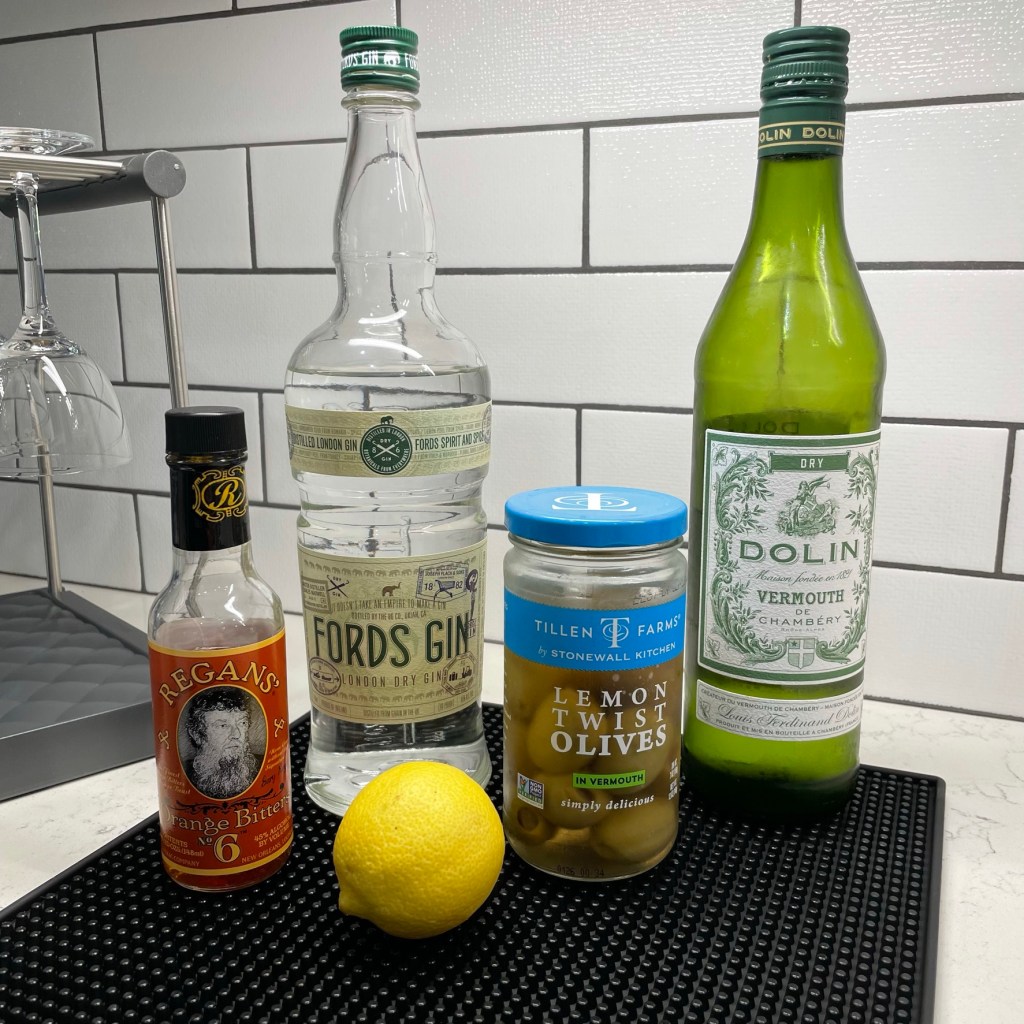
  • 2 oz. Fords gin
  • 0.5 oz. Dolin dry vermouth
  • 2 quick shakes Regan’s orange bitters
  • A lemon peel-stuffed olive to garnish
  • Optional strip of organic lemon peel, if you’re feeling extra fancy (or if they’re on sale)

Instructions

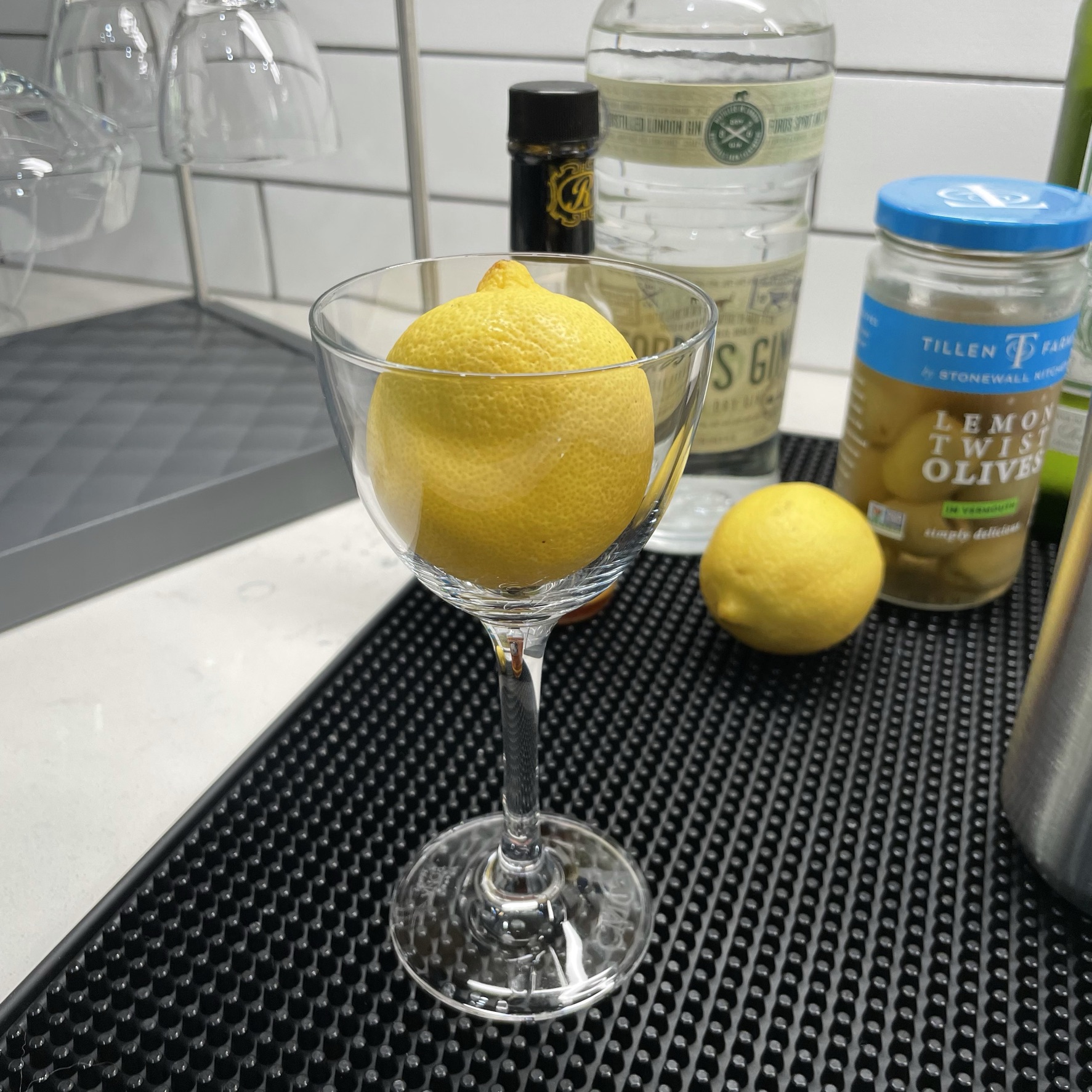
First things first, chill down your cocktail glass. Some people like to keep them in the freezer, but I prefer to chill only the bowl of the glass by filling it with ice cubes and a splash of water. Give it a spin with your cocktail pick. Why? It is a law of physics that the ice-in-motion will chill the glass faster than the ice just sitting there.

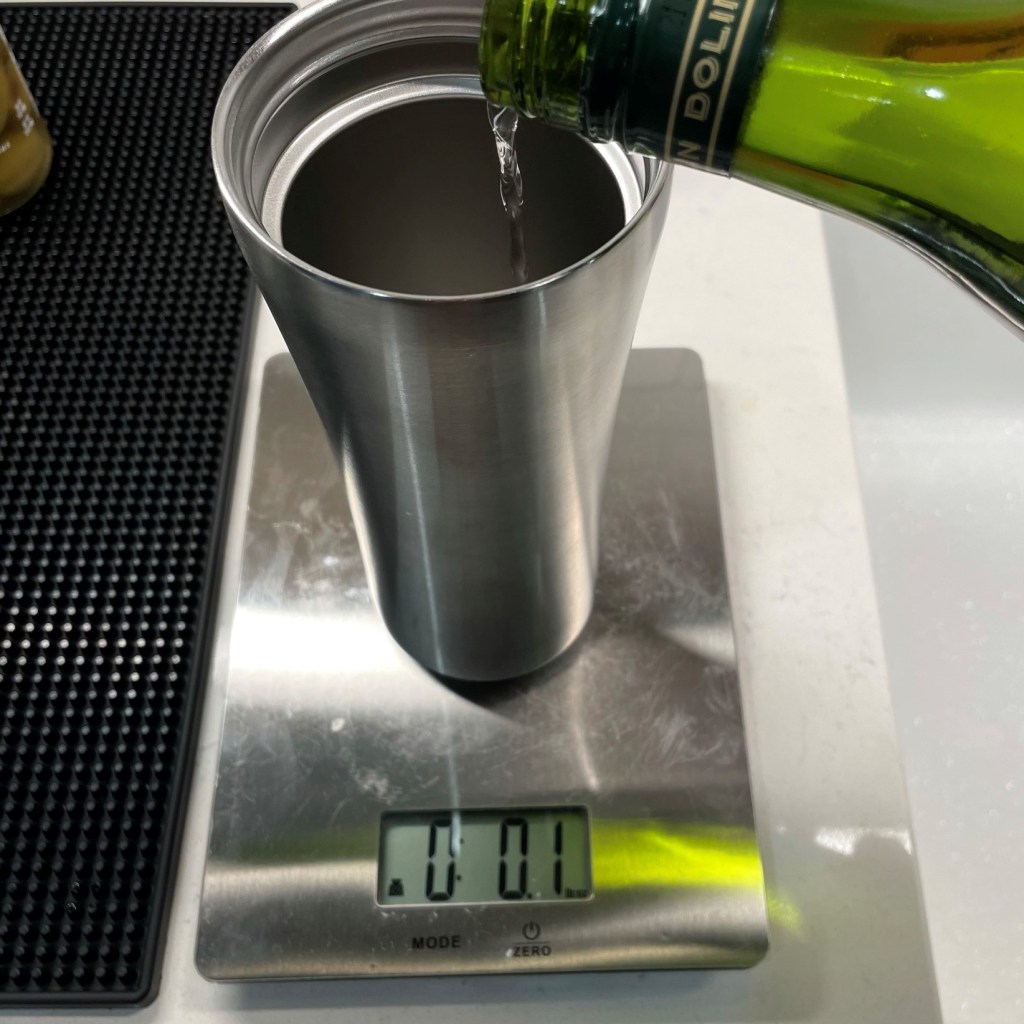
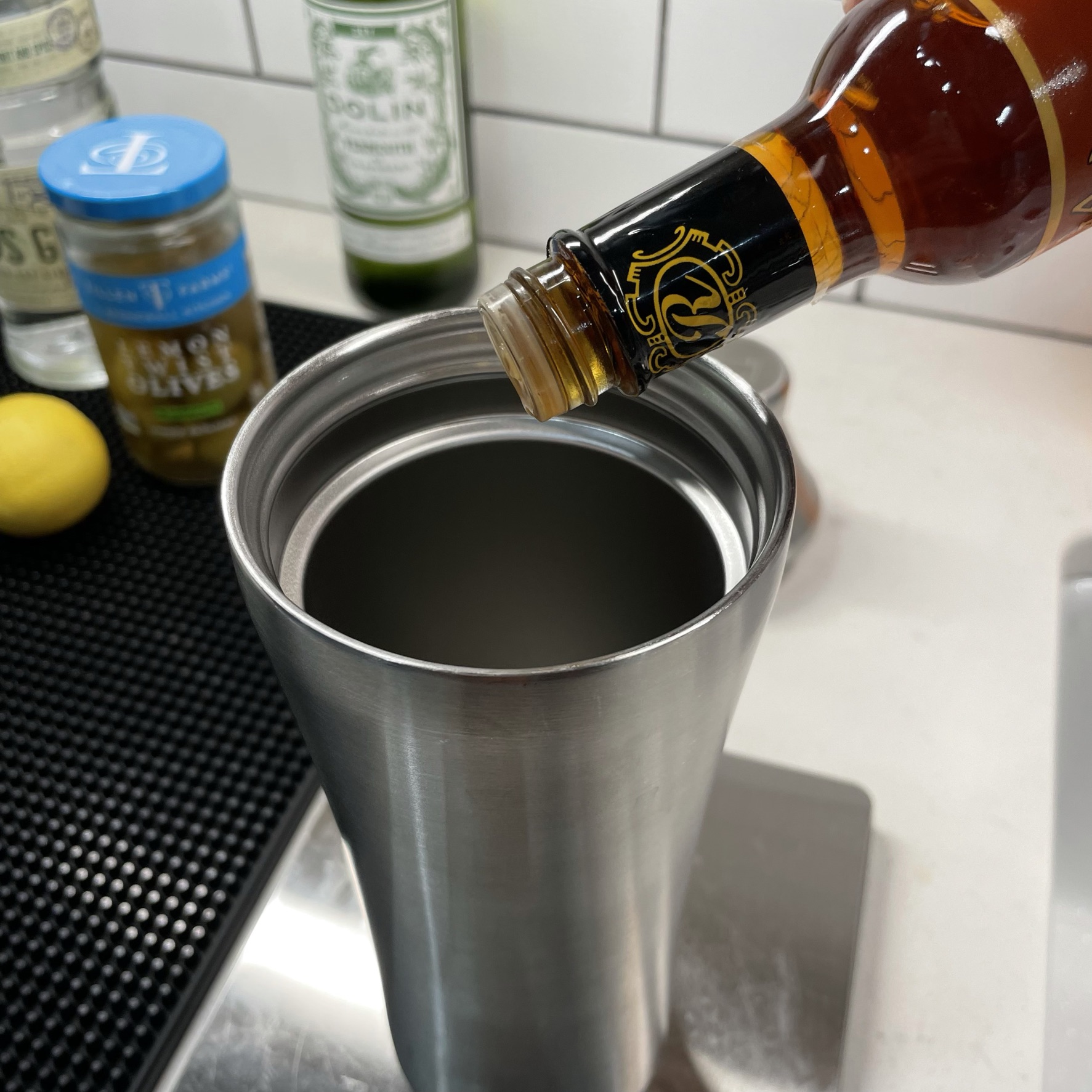
Next, measure the gin and vermouth into a cocktail shaker, and give it two quick shakes of orange bitters. This may seem unusual, but the bitters play very nicely with my preferred gin and makes the drink feel complete.

Now, cap the shaker and give it a good shaking. Some people prefer to stir a martini to prevent over-diluting it, but I generally prefer to shake it and I have found that using a generous scoop of ice chills it down very quickly, also preventing over-dilution. Don’t shake it violently, just enough to mix the ingredients completely. 20 seconds should do it.

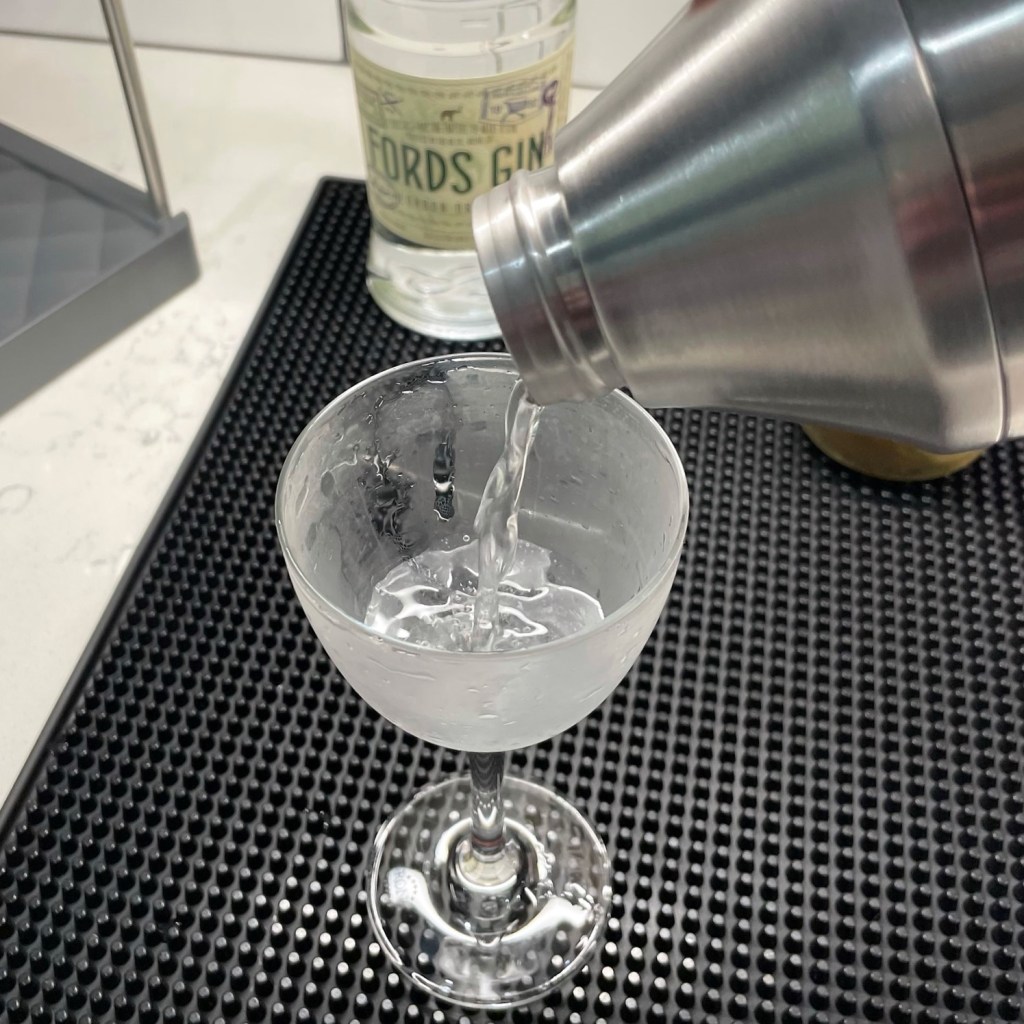
Pour the shaken martini into the chilled glass. I like chilling it with ice because the stem of the glass doesn’t get frosty or slippery from the freezer.

Dump the ice that has been chilling your glass (be sure to let all the water fall out), and strain your beautiful martini right into it. Skewer the olive and drop it into the glass.

Repeat as desired.