Slow Cooker Elk Meatloaf

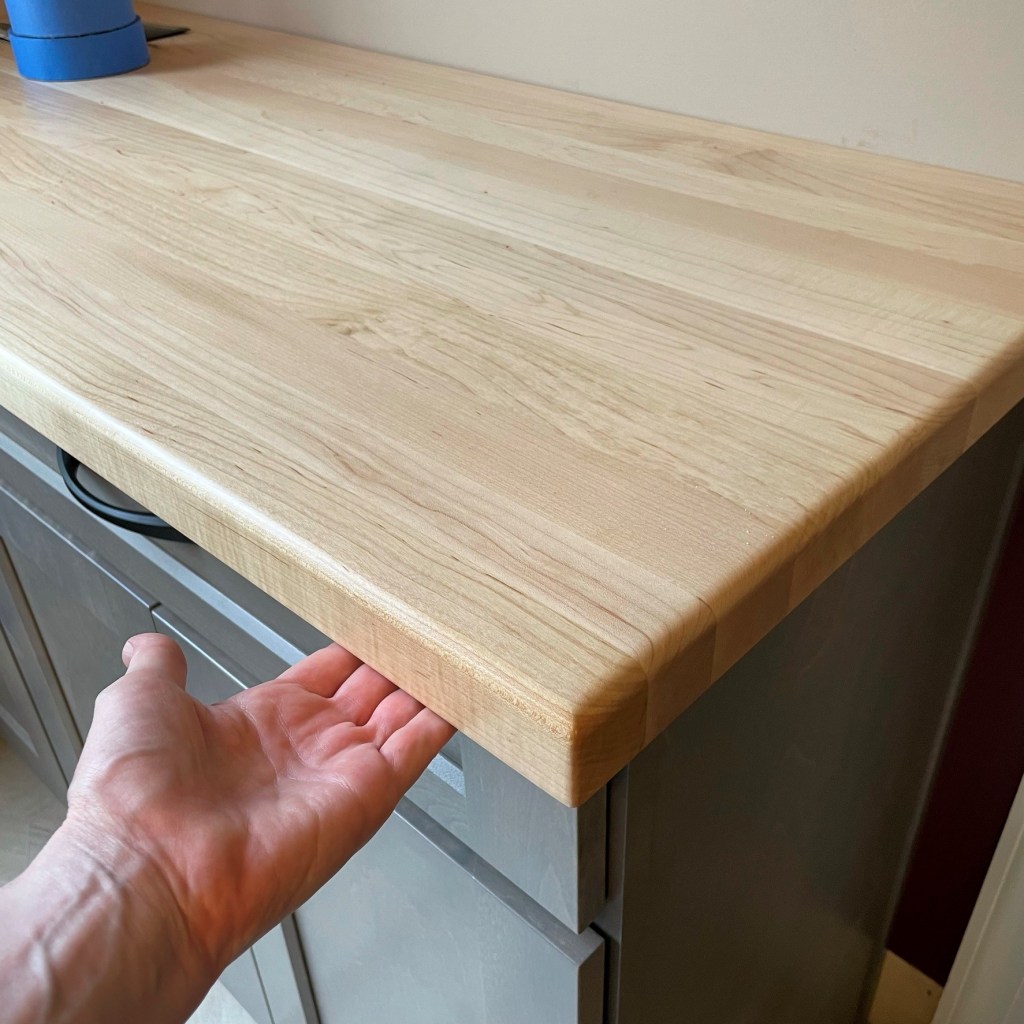
First of all, our kitchen remodel is going well overall. We are beginning to realize our dreams as it relates to having more storage, counter space and lighting. The quartz countertop was installed successfully last week, though they rattled something loose on a couple of the drawers which will require adjustment. I am already excited about this five-foot long stretch of counter space, which will likely become my husband’s primary spot for prepping when we work together in the kitchen. Everything about our new plan is designed to give us more freedom to be in there at the same time, without bumping fannies or otherwise getting in each other’s way. We especially can’t wait for Thanksgiving in this new kitchen!

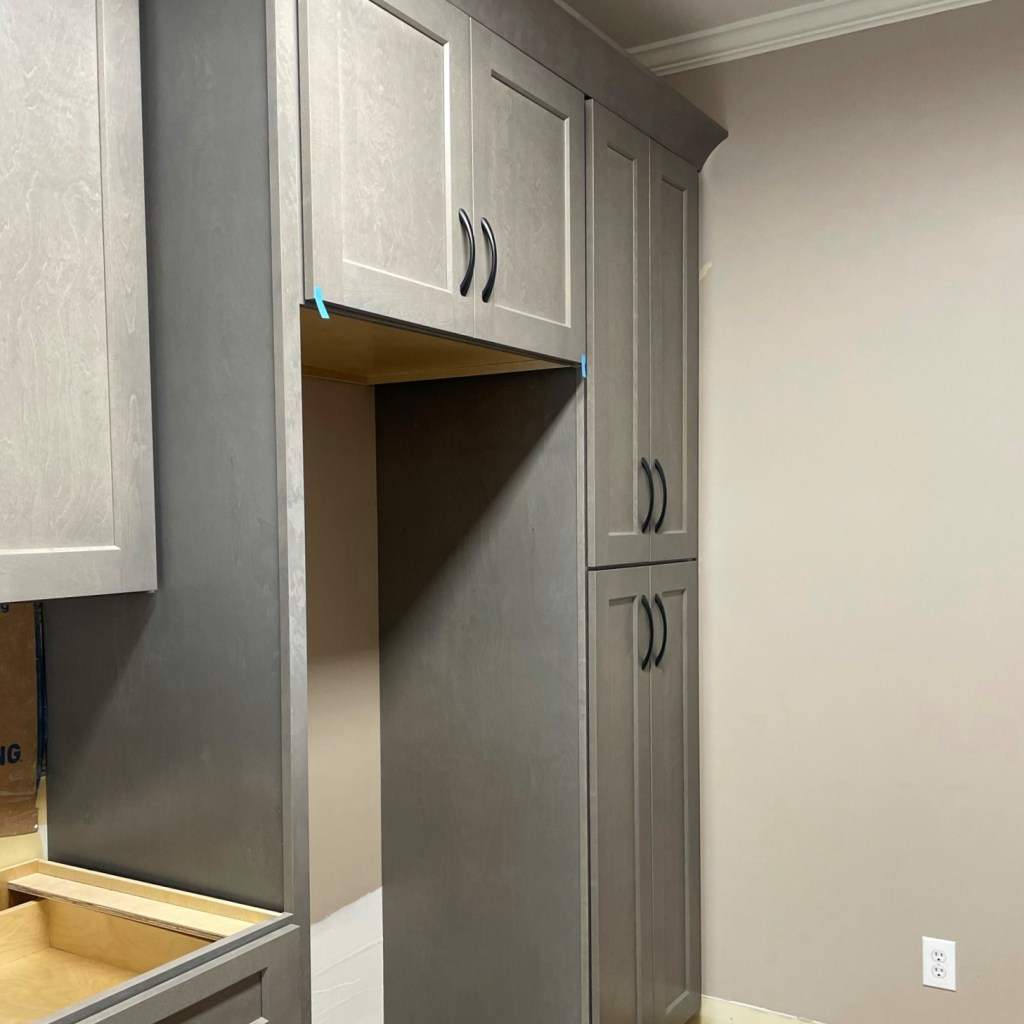
Our microwave will be housed in the open cabinet above this counter, and the base cabinet is a pull-out trash/recycling station.

There have been a few snags, of course, many of which I suspect could have been avoided, but what do I know? As I write this, an electrician is spending a second full day working to achieve our wishes for under-cabinet plug molds and lighting, a tricky proposition because some of the old outlets and junction boxes were capped off and covered by new cabinets before these guys had a chance to do their “rough-in.” While they have wrestled with that, I’ve been holed up in our home office with our nervous-about-noises dog, Nilla, listening to the soothing intonations of Melody Gardot. If you have never heard of her, it’s time you did. Click play on the video below and you will understand at once why I play her music during high-stress situations. Go ahead and subscribe to her YouTube channel while you’re at it—you can thank me later.


One of the hardest things for me to endure amid the ruckus of this remodel is not anxiety for the renovation itself—our general contractor has been very responsive to our concerns—but mainly for not having enough time to keep my usual schedule of posting here on Comfort du Jour. I had more than a dozen completed recipes in archive that I wanted to share with you during this time, but I haven’t had time to write them up, send them to Les (my talented copy editor/husband), edit and caption the photos, format the whole thing on WordPress and hit “publish.” Whew. A lot goes into maintaining my blog, and I love every second of it, though I have not had enough consecutive seconds lately to manage it all. Unexpectedly, I have appreciated these two days of electrical work for giving me a bit of time to catch up. And breathe.

When I originally sat down to contemplate how to cook without a kitchen, I expected we would make a lot of soup-and-sandwich meals, and that has been true to some degree. But I also wanted to stretch myself to explore other methods of cooking, and this recipe is one of the resulting meals. My shopping list recently included ground beef, as I wanted to try making meatloaf in the multi-purpose slow cooker, otherwise known as my new best friend. But then, right next to the packaged grass-fed beef I was reaching for, this caught my eye, and I thought, “why not?”
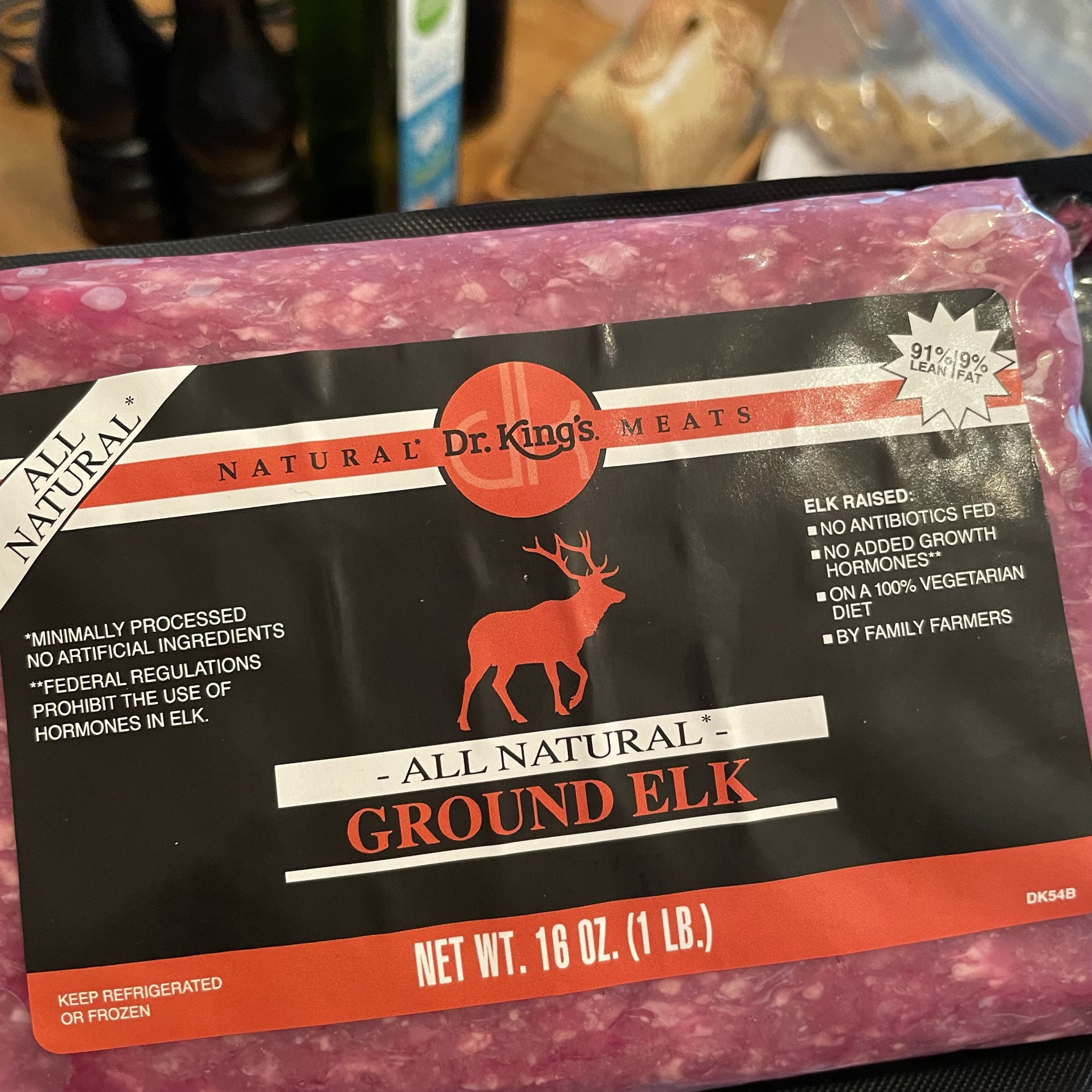

Elk is naturally lean, and similar in flavor to beef but richer. It is not a strong flavor, as venison or lamb.

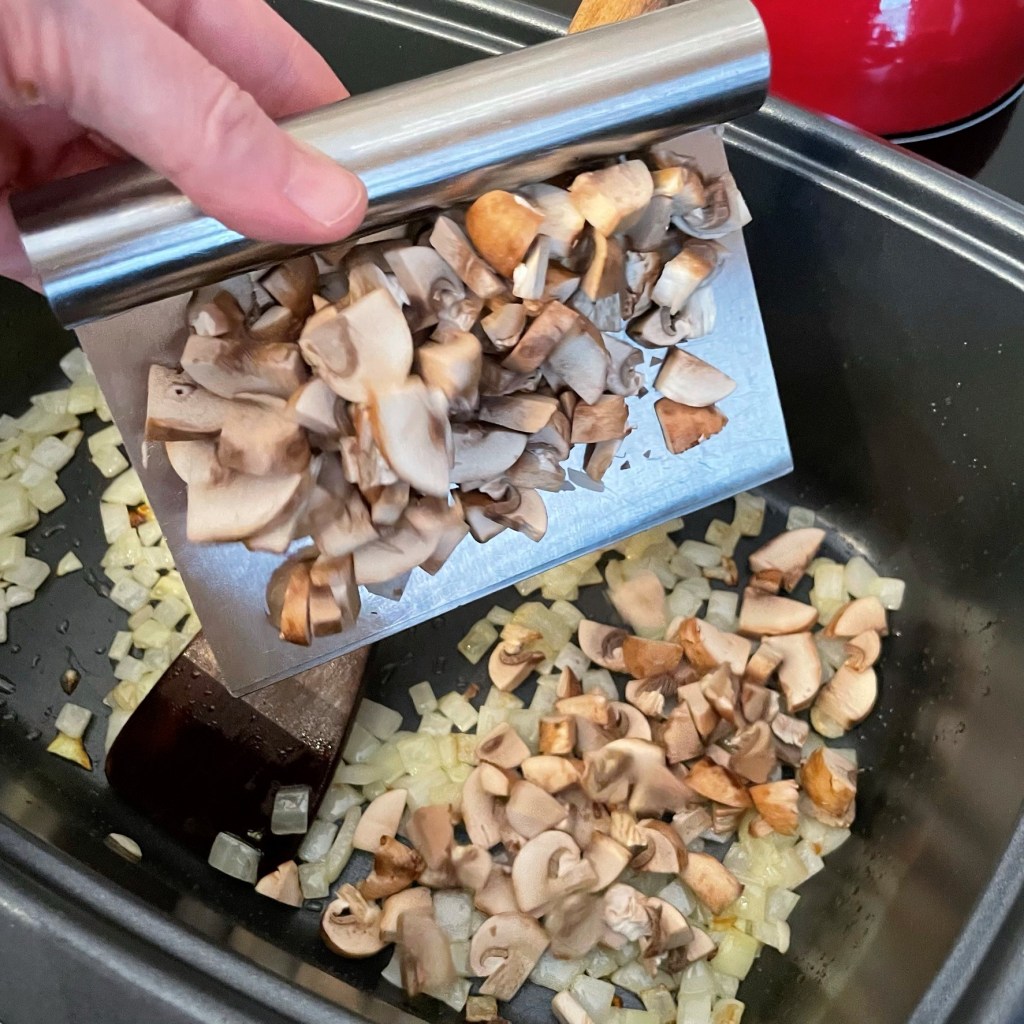
A few years ago, I tasted elk for the first time in a restaurant burger, and I found it delicious—similar to beef but richer and more flavorful. Elk is a very lean meat (91%, as noted on the package I bought), but I had a few ideas in mind for keeping the meatloaf moist and they all worked together perfectly. First, I used a more generous glug of olive oil than usual to sauté my onions on the “browning” feature of the slow cooker. Some chunky sautéed mushrooms created pockets of moisture throughout the mixture. The egg I used as a binder also added moisture, thanks to the natural fats in the yolk. Finally, the glaze on top helped protect the surface from drying out during baking, which is true for an oven meatloaf as well.

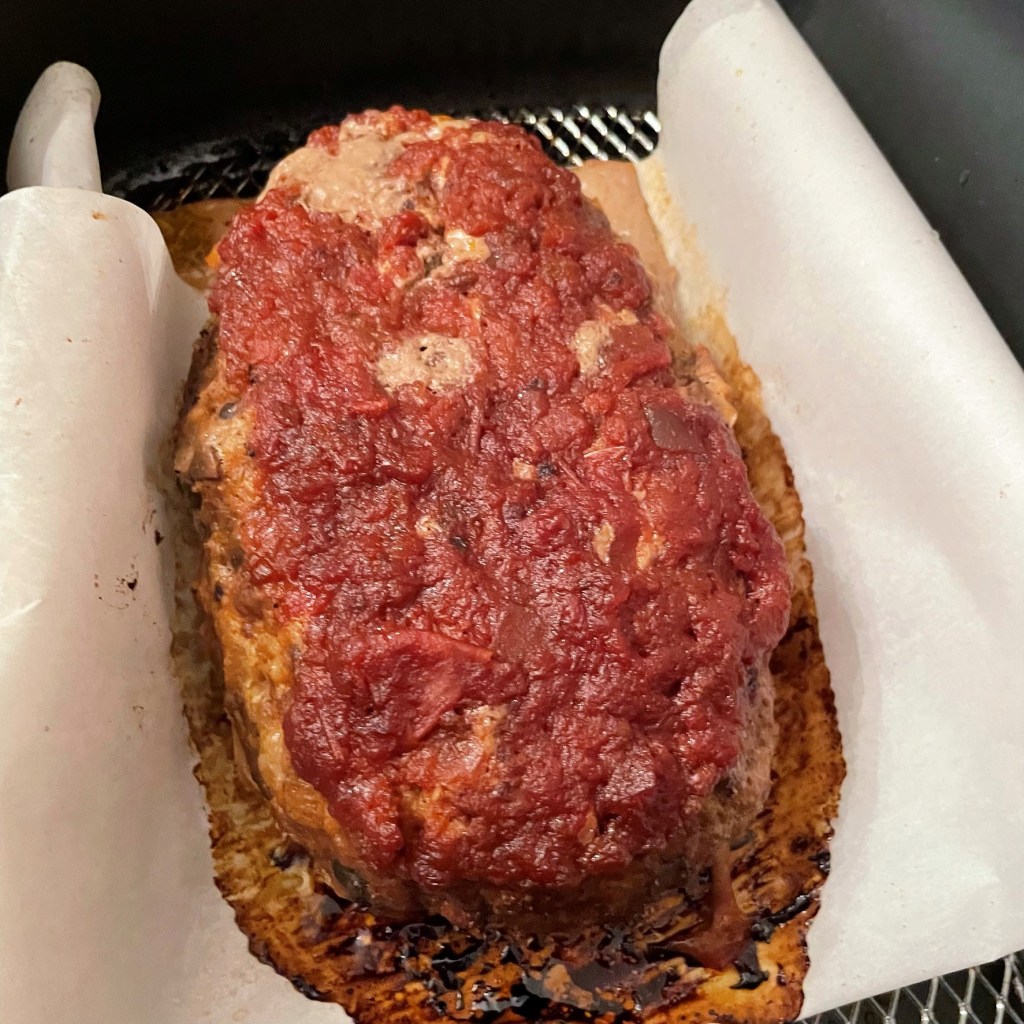
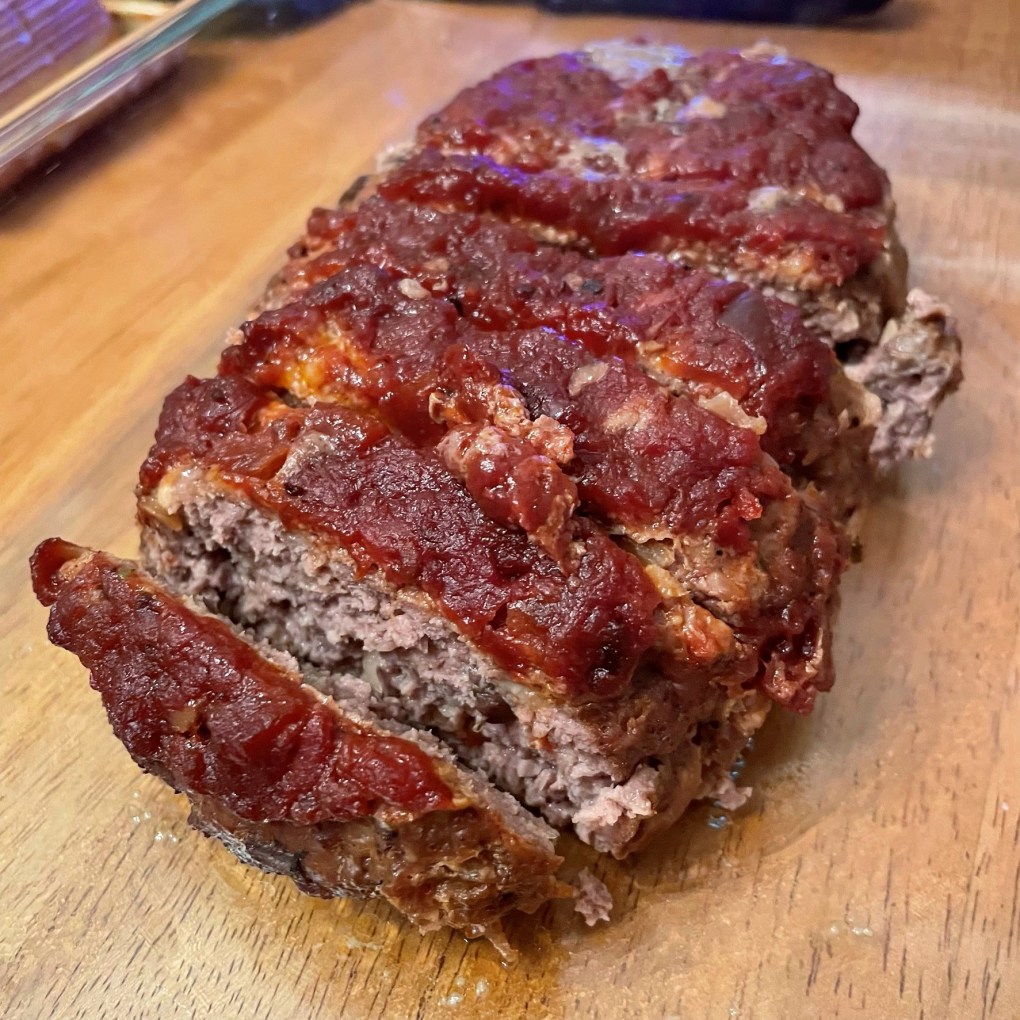
I can’t say for sure that meatloaf would be successful in every kind of slow cooker, but I’ve seen some evidence on Pinterest to support that idea, and most of those recipes involve lining the cooker with foil and pressing a double batch of meatloaf mixture into the shape of the cooker insert. Our Cuisinart slow-cooker, which is quickly gaining major respect in my eyes, also has a “roast” feature that is said to function just like any oven, so I gave it a try. See for yourself how it turned out—looking so sexy on our fancy Chinet plates!
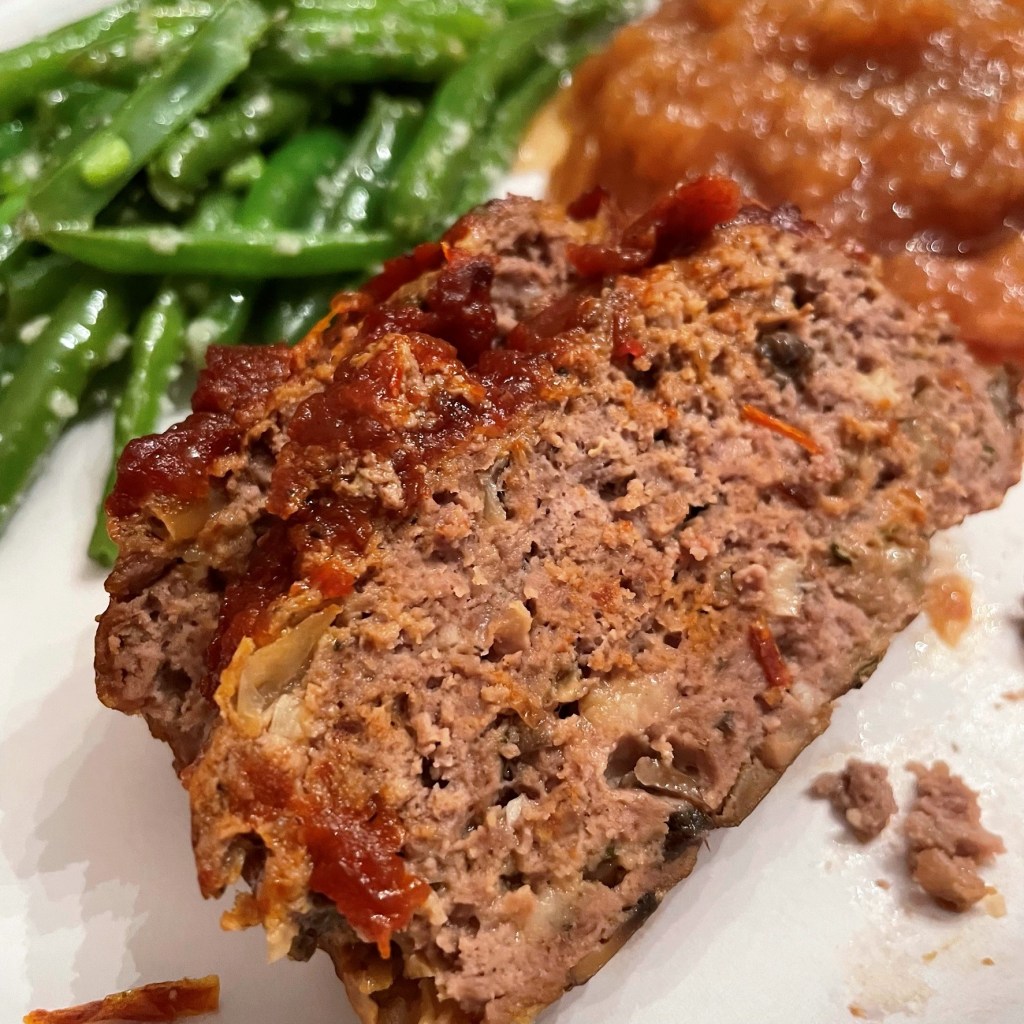
My elk meatloaf sliced beautifully, and we served it up with simple steamed green beans and homemade applesauce that Les had made a few days before…also in the slow cooker! 🙂

Ingredients

1 lb. lean ground elk (or any other ground meat with similar fat content)

1/3 cup panko crumbs

1/3 cup whole milk* (see notes)

4 Tbsp. olive or canola oil

1/2 large sweet or yellow onion, chopped

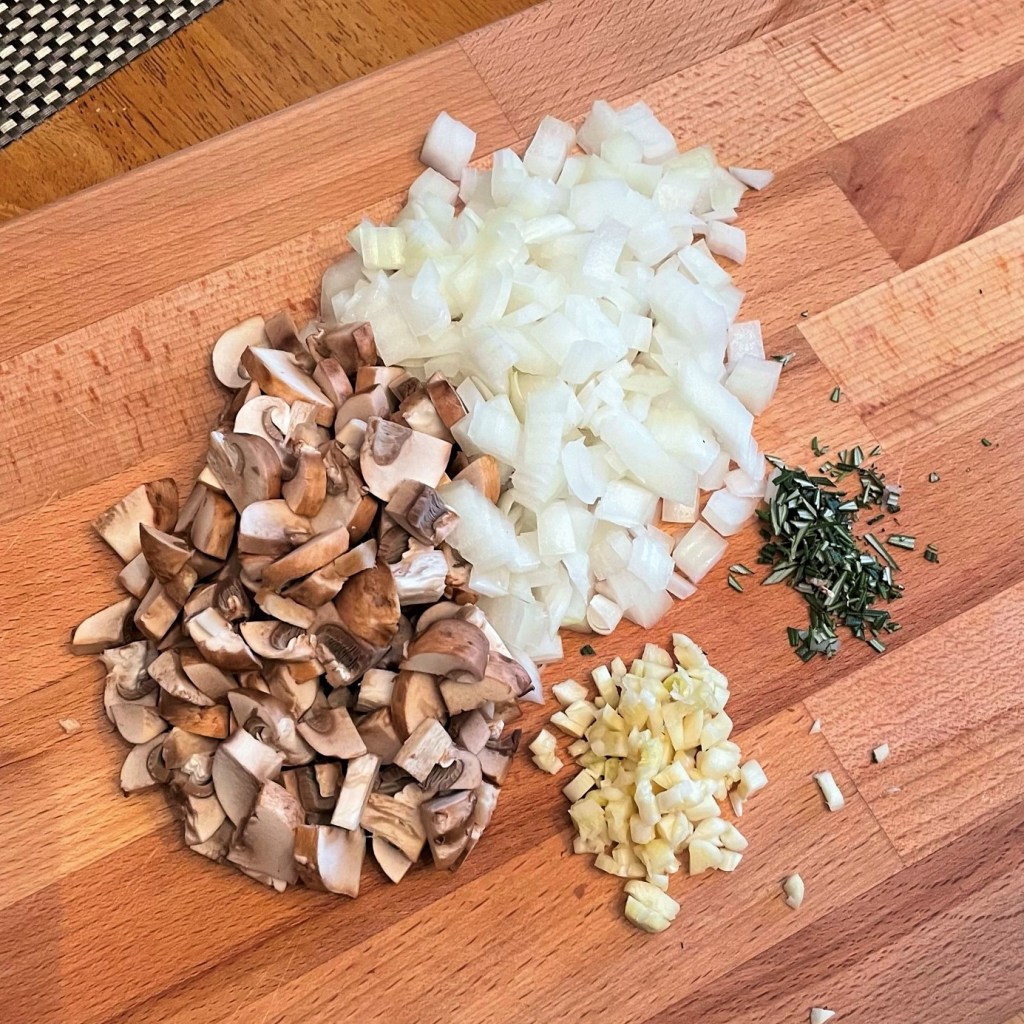
About 5 cremini mushrooms, cleaned and chopped

2 cloves garlic, finely minced

1 tsp. fresh rosemary leaves, minced

1 large egg

Salt and pepper

1/2 cup bbq sauce, chili sauce or whatever you like as a meatloaf topper*


*Notes

I used whole milk to moisten the panko crumbs, but if you are dairy-sensitive, I have also had good luck using aquafaba, the liquid drained off a can of garbanzo beans. The purpose of the milk is to help convert the crumbs into a sticky binder to hold the meatloaf together, and the aquafaba is a fine stand-in.

My sauce for this meatloaf was left from the kielbasa bites I made from that crazy “Chopped” challenge. It was chili sauce mixed with grape jelly, so it had a tomato base with a bit of heat, onions and spices, plus the sweetness and stickiness of the jelly. I enjoyed the combination so much that I saved the sauce after we finished the kielbasa. And of course, now I want to re-create it, just not with three pounds of kielbasa.


Instructions
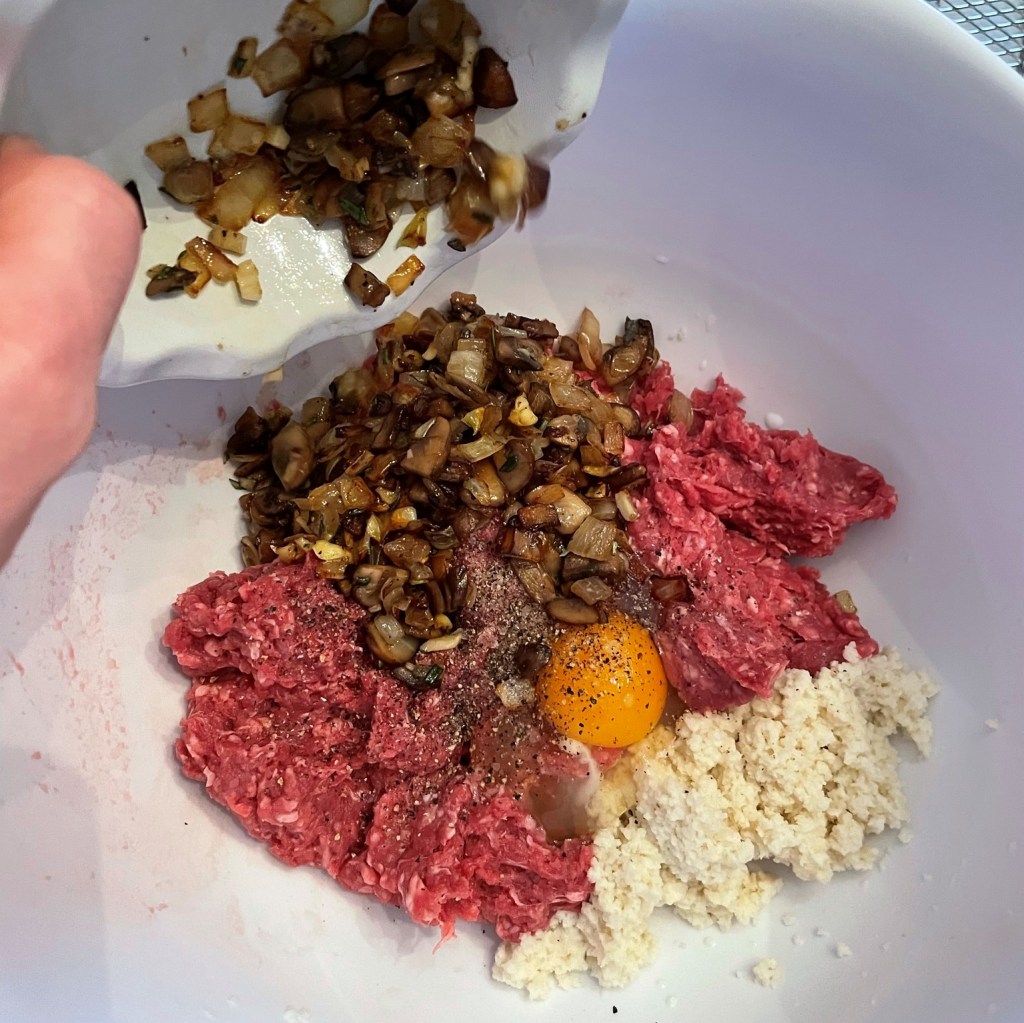
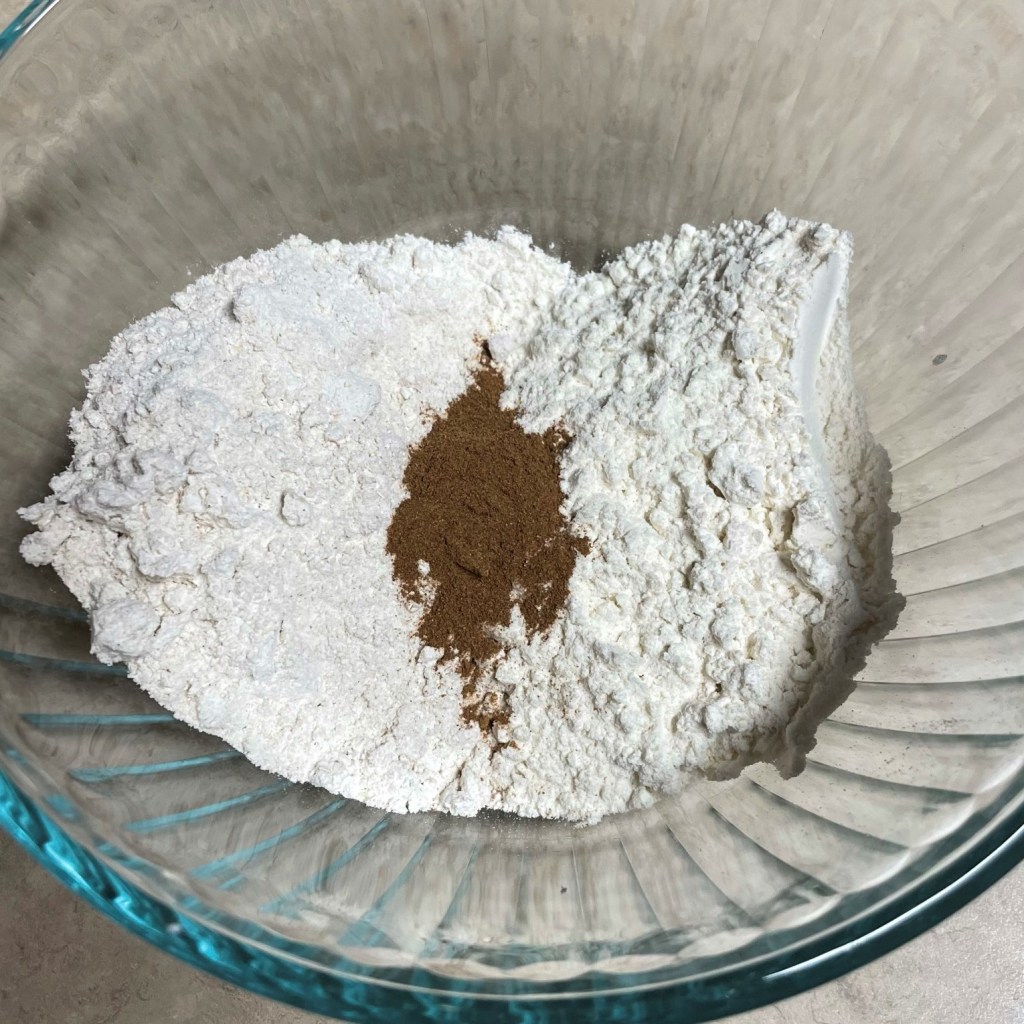
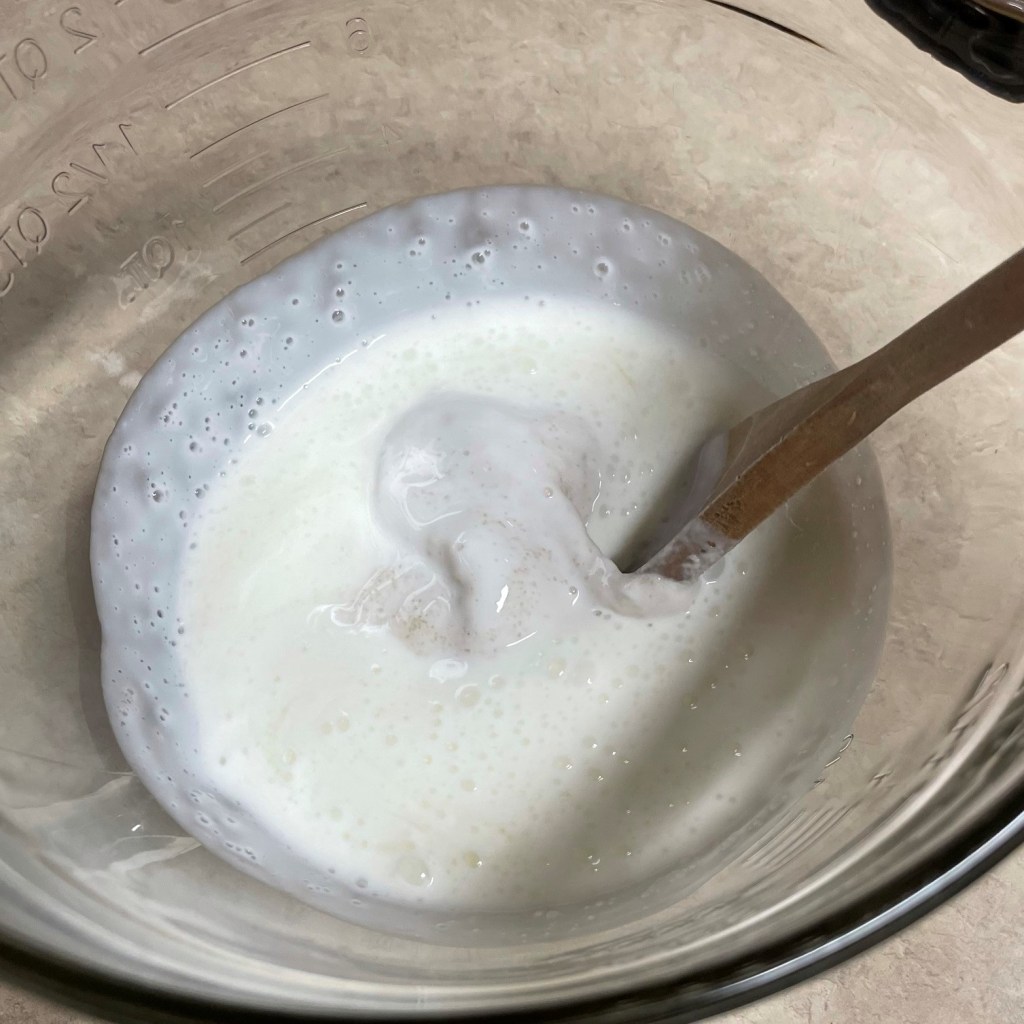
  1. In a bowl large enough for combining the full meatloaf mixture, moisten the panko crumbs in the milk. I usually eyeball the amounts, but it is approximately 1/3 cup of each. Give the mixture (called a “panade”) enough time to hydrate, then push it to one side of the bowl.
  2. Crumble the ground elk meat into the other side of the mixing bowl, so that blending with the other ingredients will not require a heavy hand.
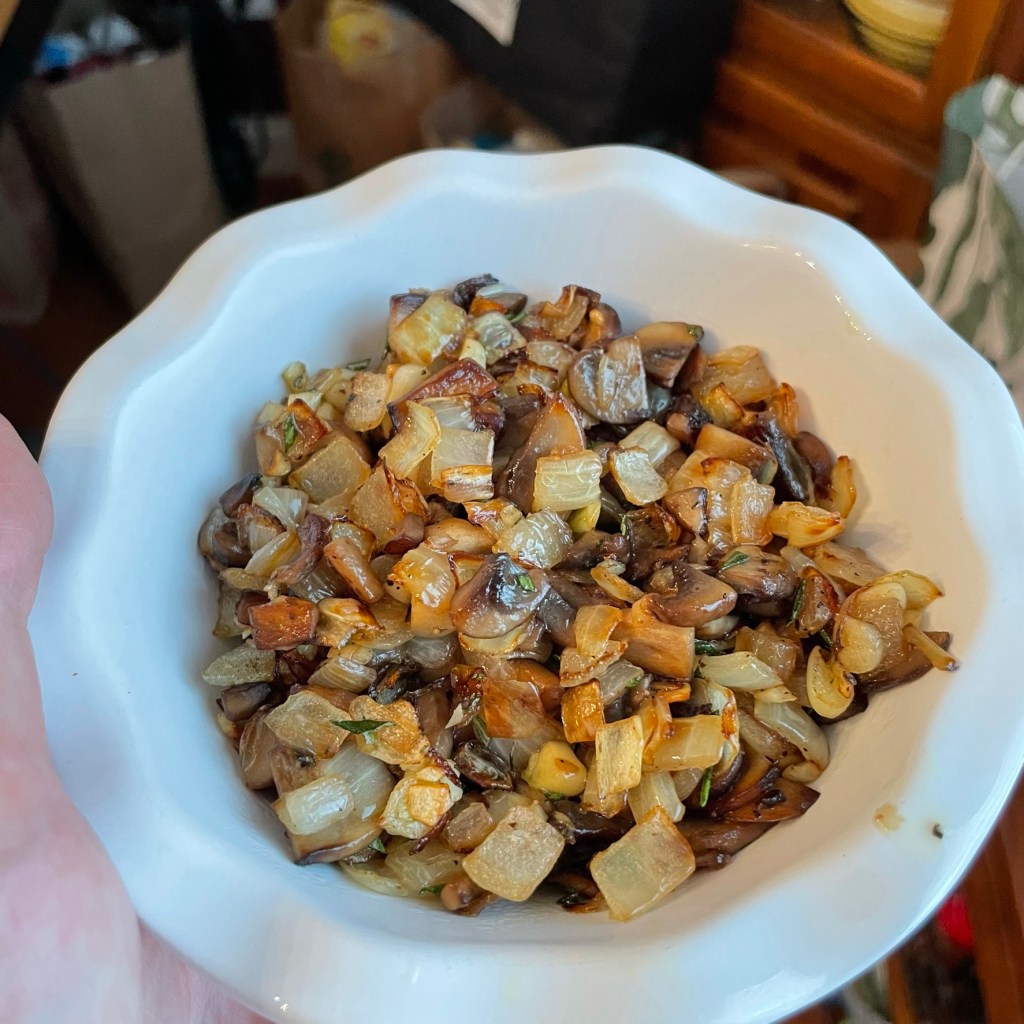
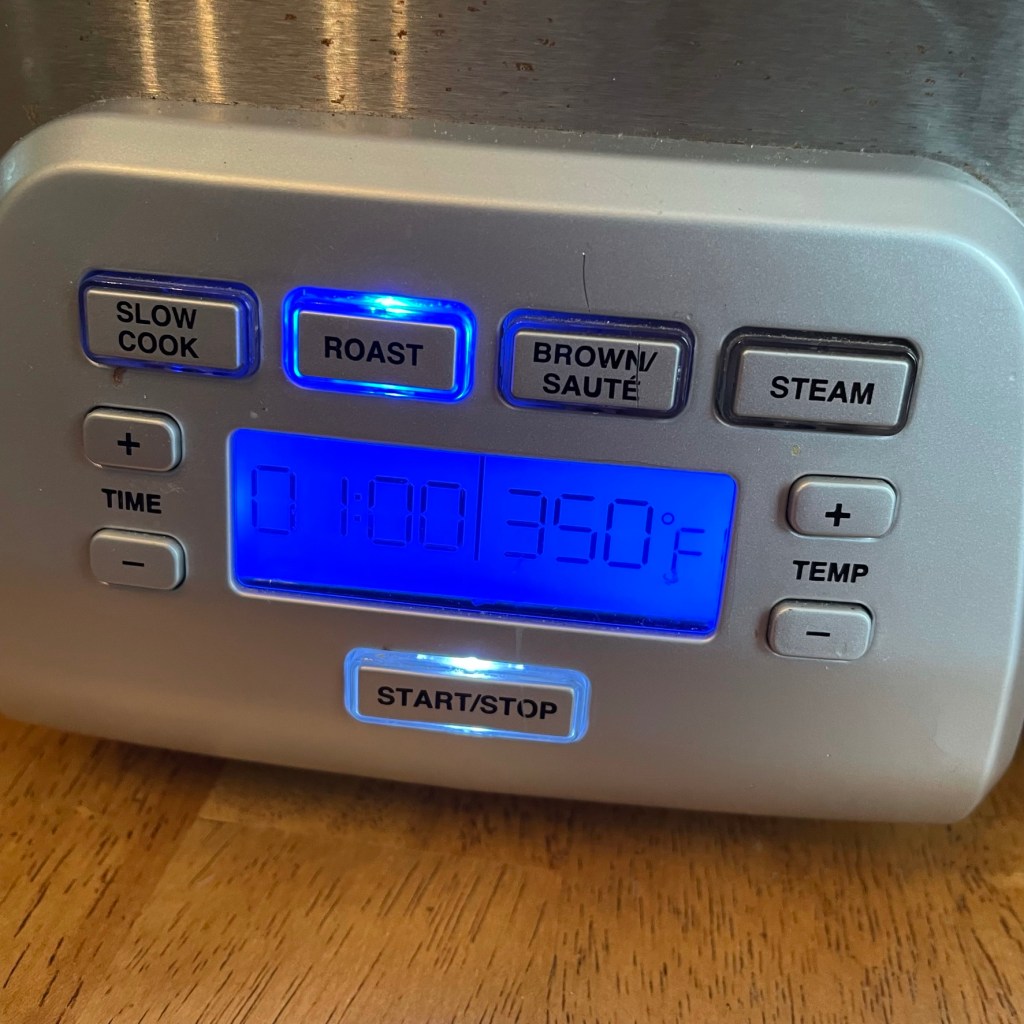
  3. Heat 2 Tbsp. olive oil over medium heat (this was 350° F on my slow cooker setting). Add onions and cook until softened. Add the rest of the oil, plus the mushrooms and garlic, and sauté until everything is golden and caramelized, but not so long that the mushrooms dry out. Turn off the slow cooker and transfer the mixture to a bowl to cool several minutes.
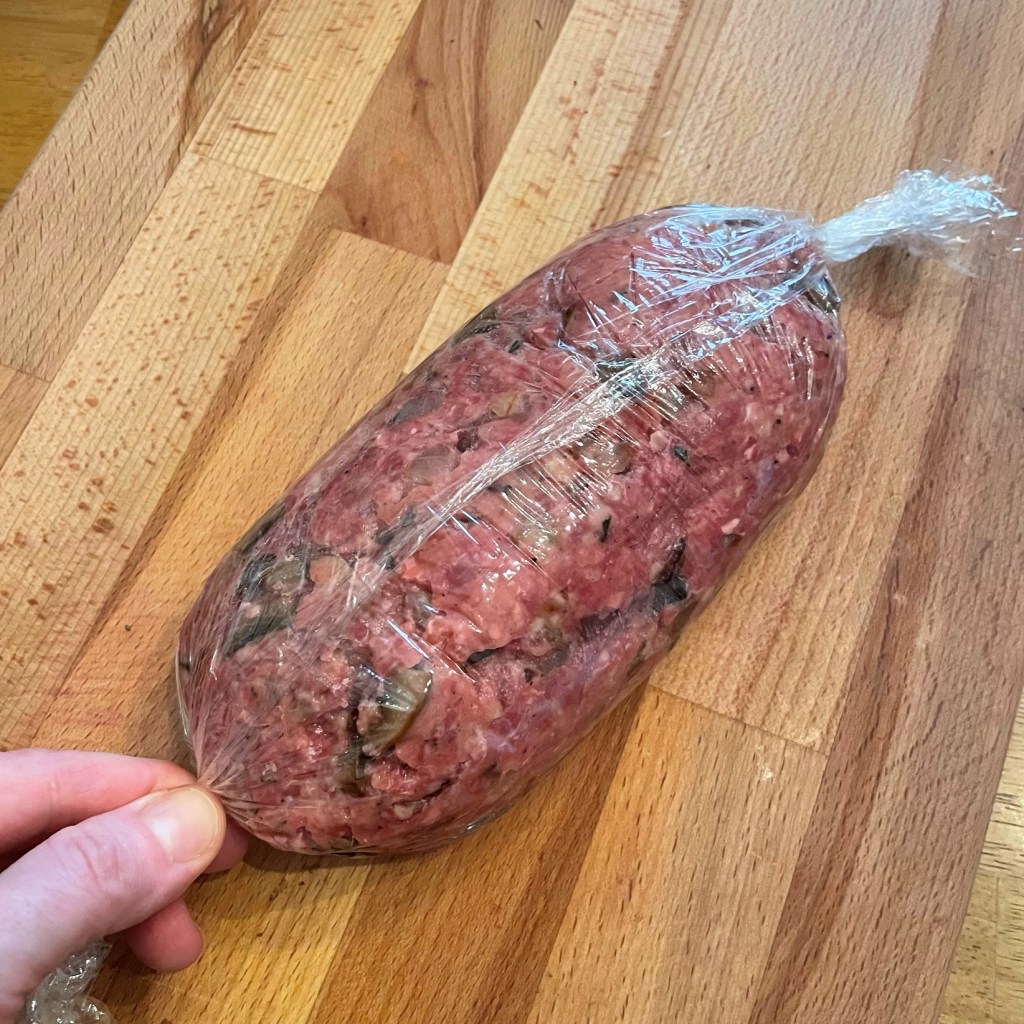
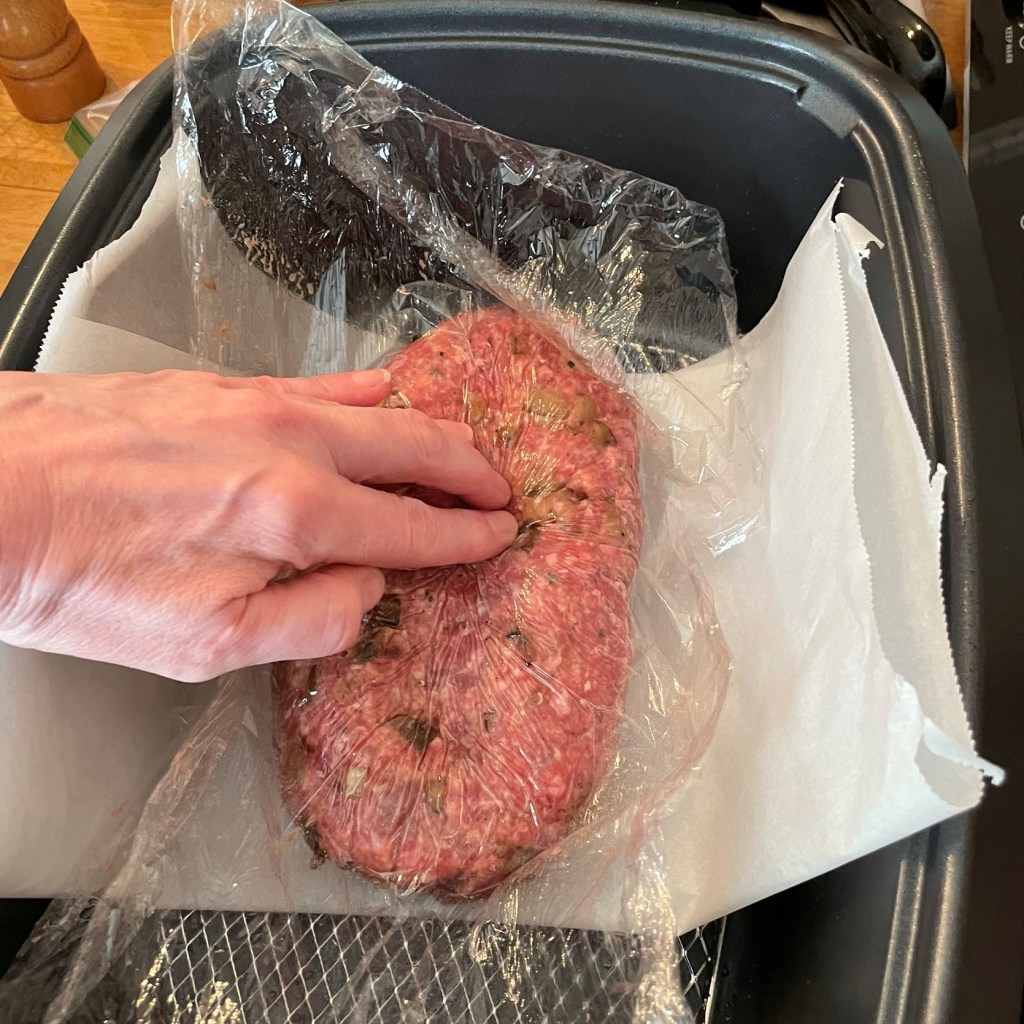
  4. Add the onion mixture to the bowl with the meat and panade. Add the egg and chopped rosemary, and season with salt and pepper. Combine everything as evenly as you can without mixing too heavily. My method is to plunge both hands into the bowl, twisting away from each other as if adjusting faucets or stereo knobs. It seems to get the job done quickly and it’s also a good way to work out any aggression you may have over your kitchen remodel. When the meat mixture is sufficiently blended, shape it into a log on a large piece of plastic wrap and twist the ends up like a sausage chub. Tuck it into the fridge (or a lunchbox with some ice packs, if you can’t sneak past the electricians that are taking for-freaking-ever) and let it chill for about an hour. I do this for any meatloaf because it seems to improve the structure and texture during baking. Plus, it gives me time to clean up my workspace before the next steps.
  5. Prepare your slow cooker if you’re using one, or preheat the oven to 350° F. The notes from Cuisinart suggested turning the insert rack upside down for roasting, and I laid down a piece of folded parchment paper to keep the meat from oozing through the mesh rack. Unwrap the meatloaf and place it on the parchment, tucking extra paper edges underneath.
  6. Spoon the sauce topper over the meatloaf. Bake on roast setting for one hour, then reduce temperature to keep warm until you’re ready to serve.
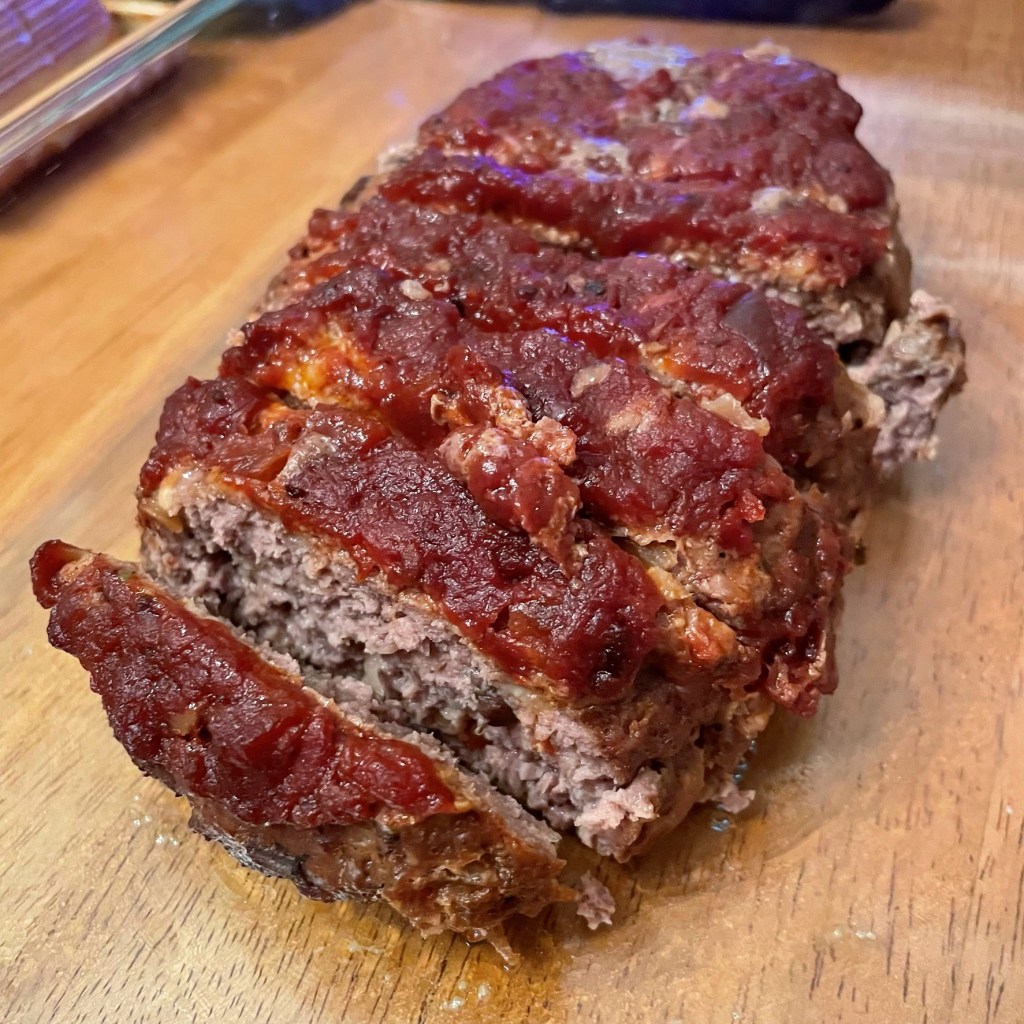
It’s a winner!

Authentic Arroz con Pollo

If you do an internet search for “authentic arroz con pollo recipe,” you will get at least a dozen pages of results, with very few duplicates. Go ahead, I’ll wait.

Some of the ingredients are consistent across the recipes, but there are many variations and even the pictures can look dramatically different. The reason there are so many “real” arroz con pollo recipes is that there are many, many Hispanic grandmothers passing down their own recipes. And this dish—which is not definitively native to a single country or people—has become a blend of whatever ingredients are available in all the regions where those grandmothers have lived and cooked.

My previous experience of arroz con pollo—or “ACP,” as it is usually listed on many of our local Mexican restaurant menus—has not been completely positive, and that’s because here in the South, the recipe has morphed into an “Americanized” dish that is oozing with cheese and basically bland (it’s a rare instance of a dish being too much about the cheese, in my opinion). And that is a shame because at its roots, arroz con pollo has a lot going on!  

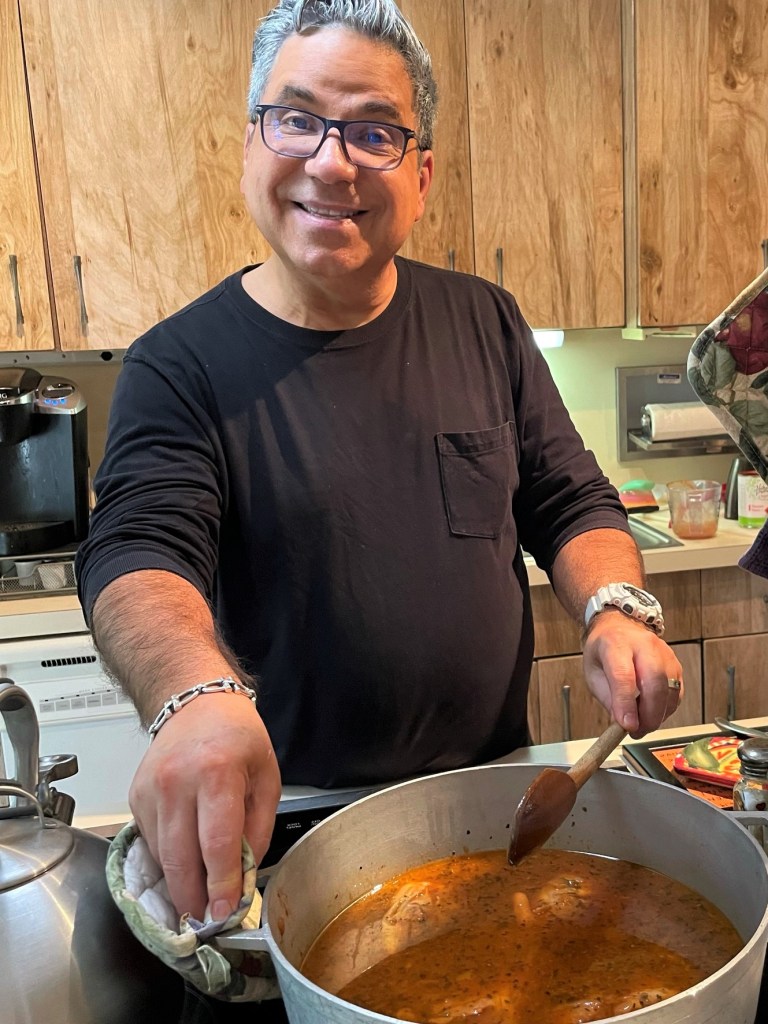
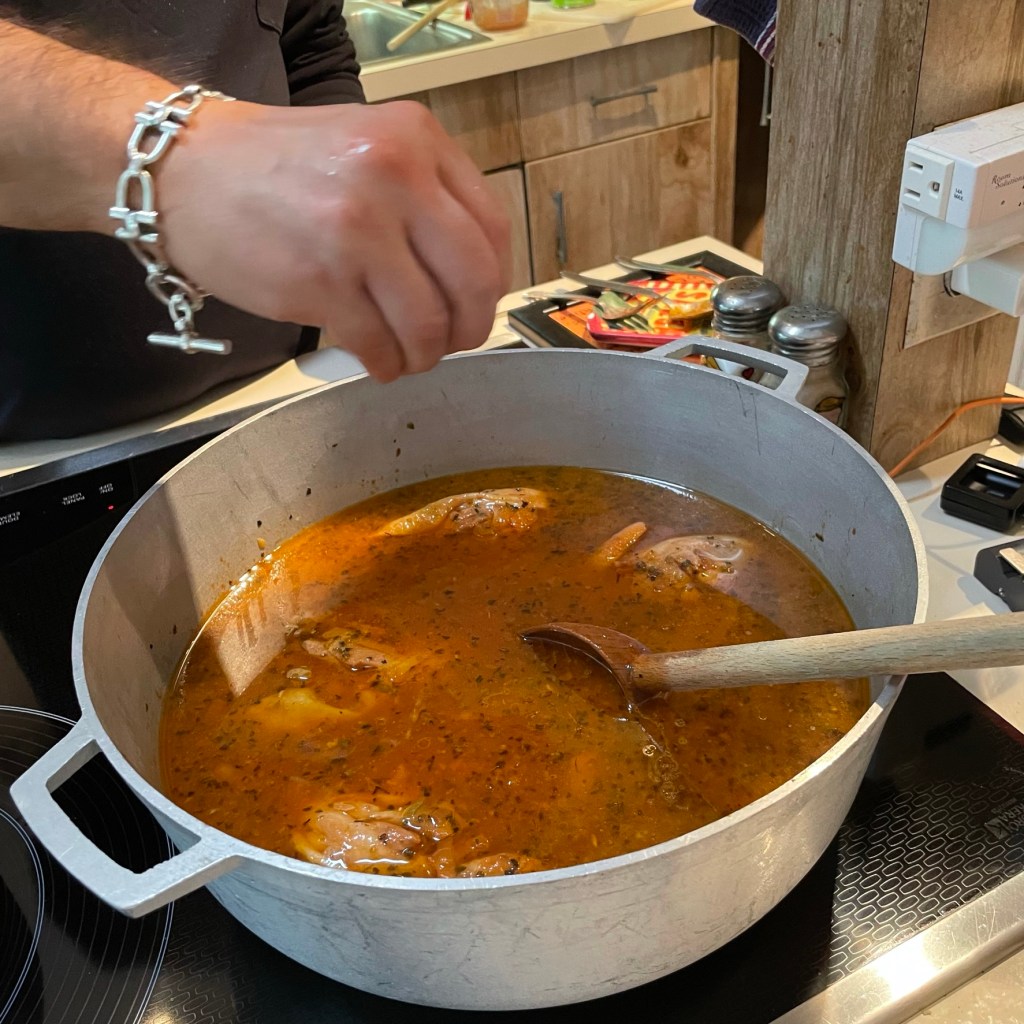
Recently, I had a front-row seat to watch and learn the authentic, real-deal Puerto Rican version of this flavorful dish. During our vacation up north, my husband and I spent a few days on Long Island, where we visited his cousin, Evan. To my good fortune, Evan’s husband, Will, became my own personal “ACP” instructor! His mother hails from P.R. and his father is of Spanish heritage, so Will has good reason to be passionate about this dish that is representative of his family. We had a joyful afternoon in the kitchen!

Will took the day off work to teach me how to make ACP. Love you, Sweetheart! ❤

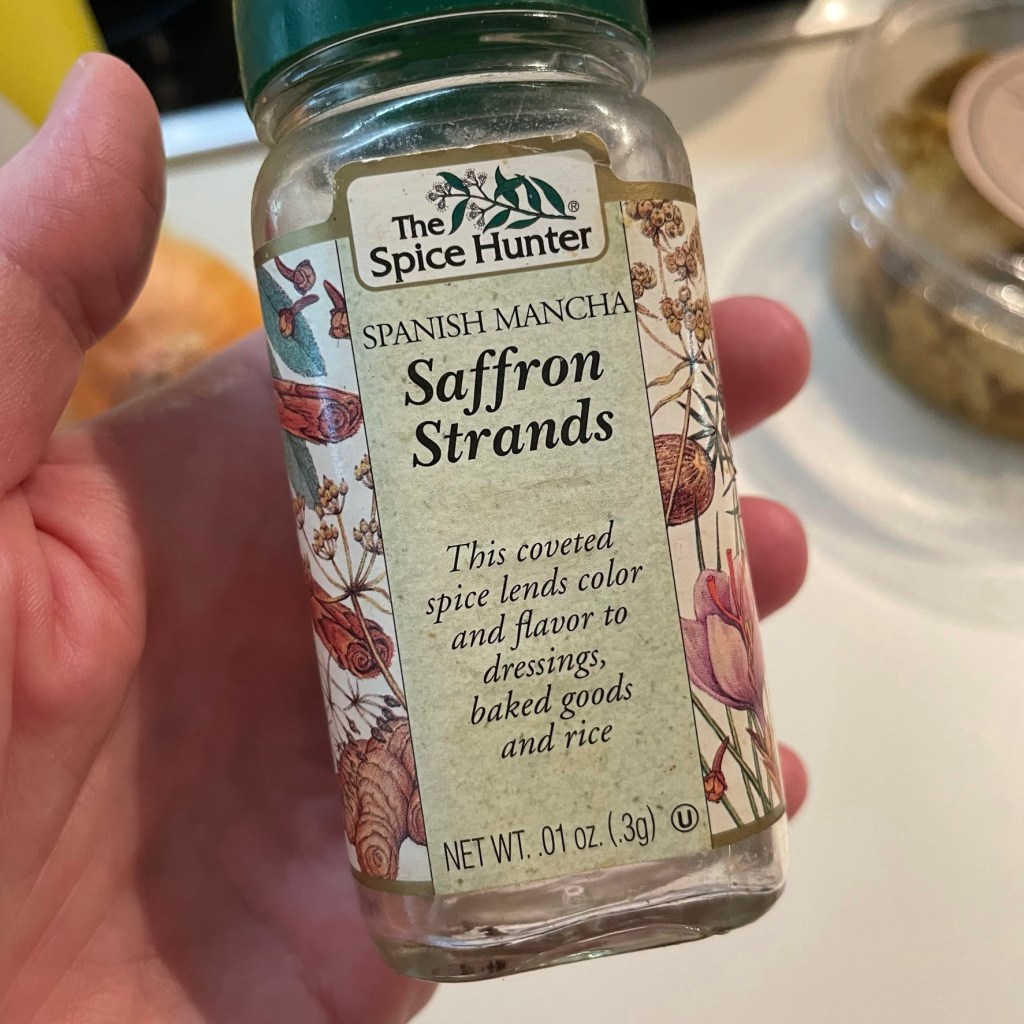
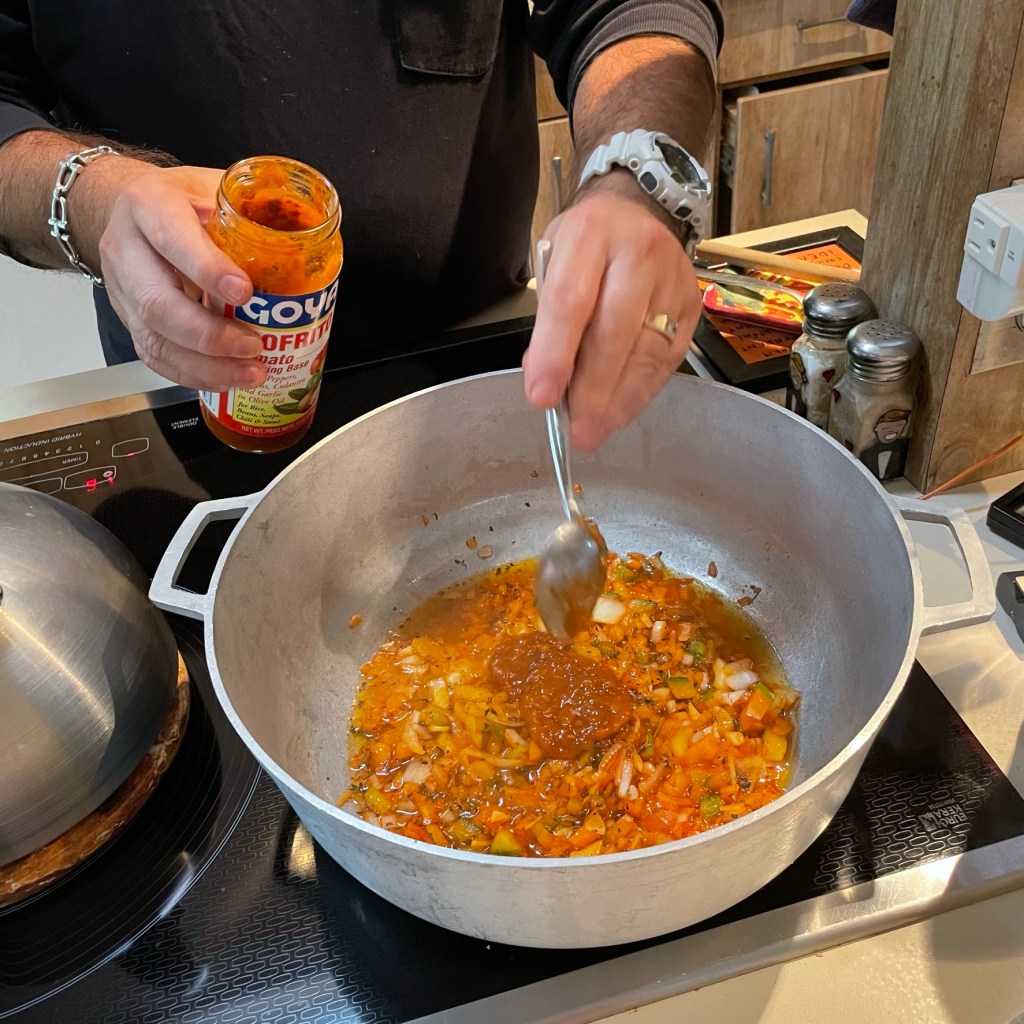
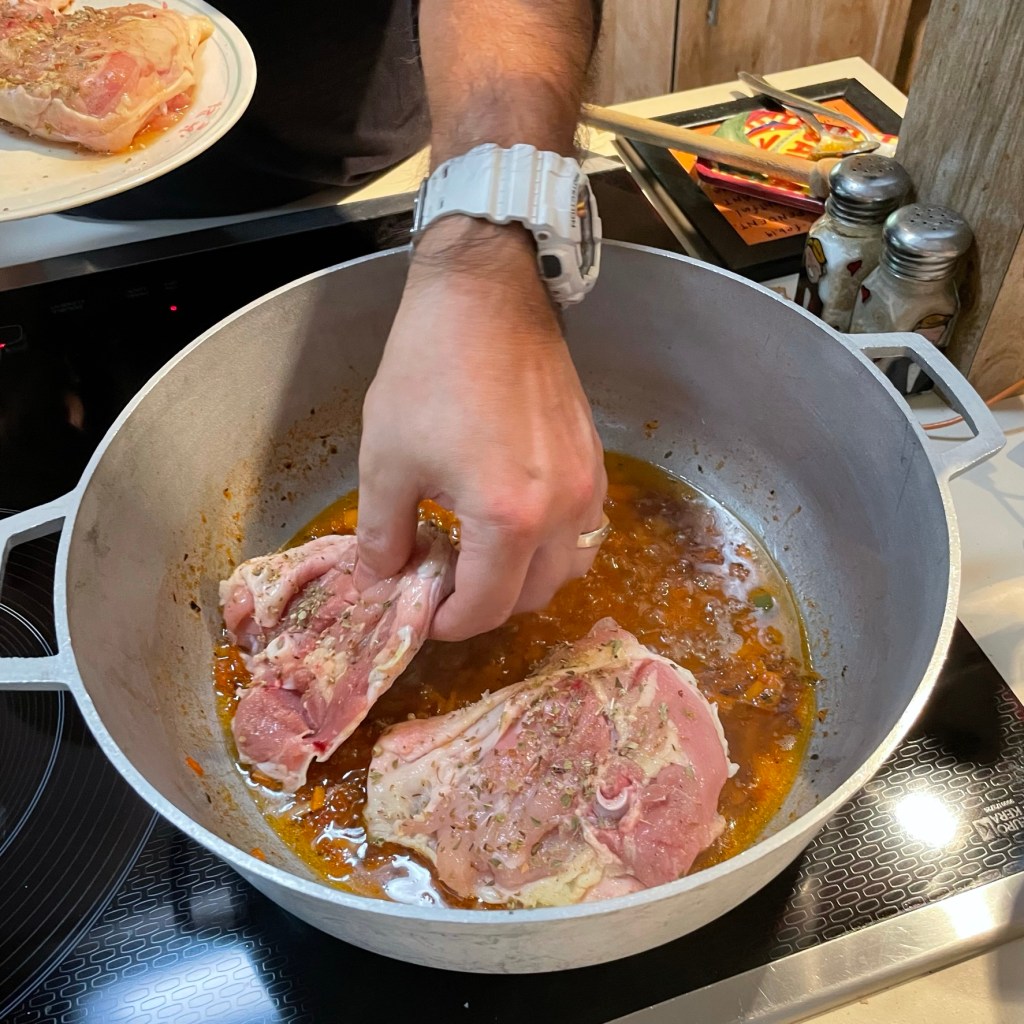
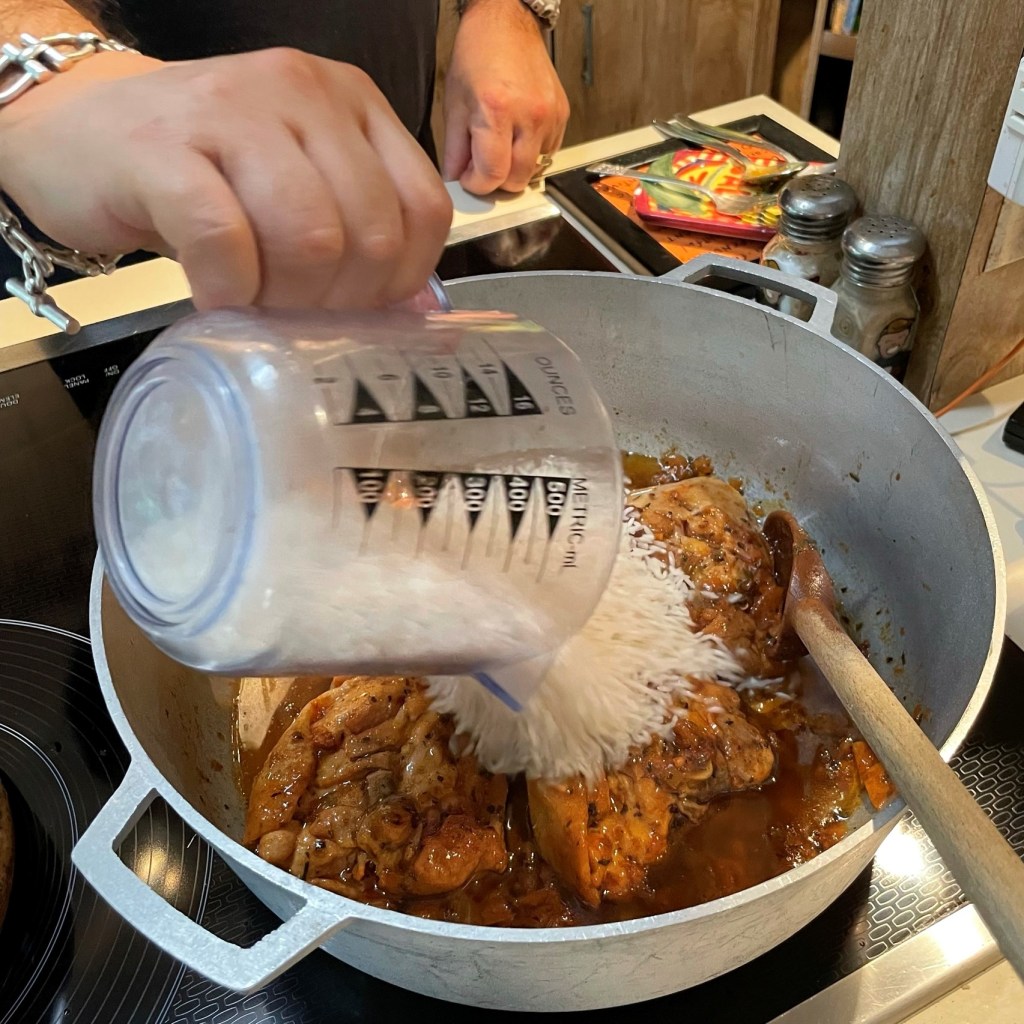
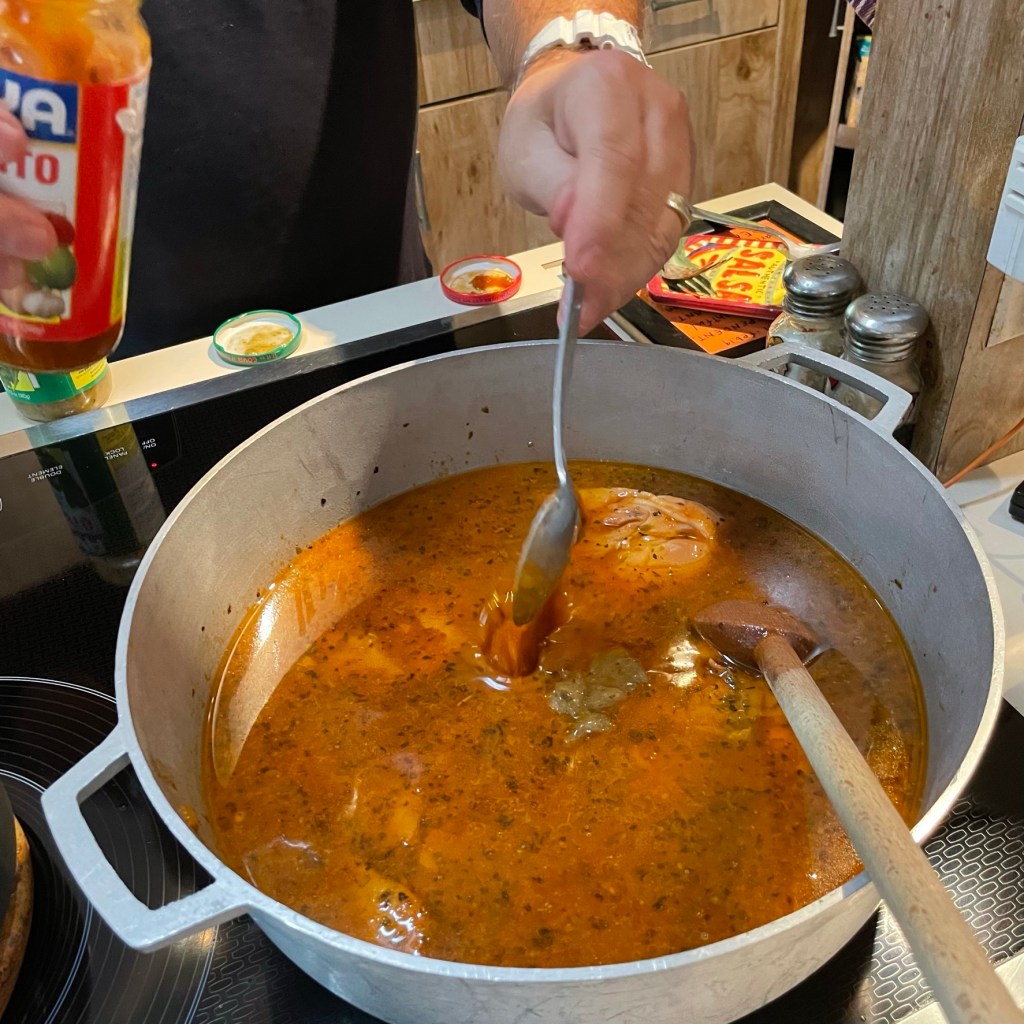
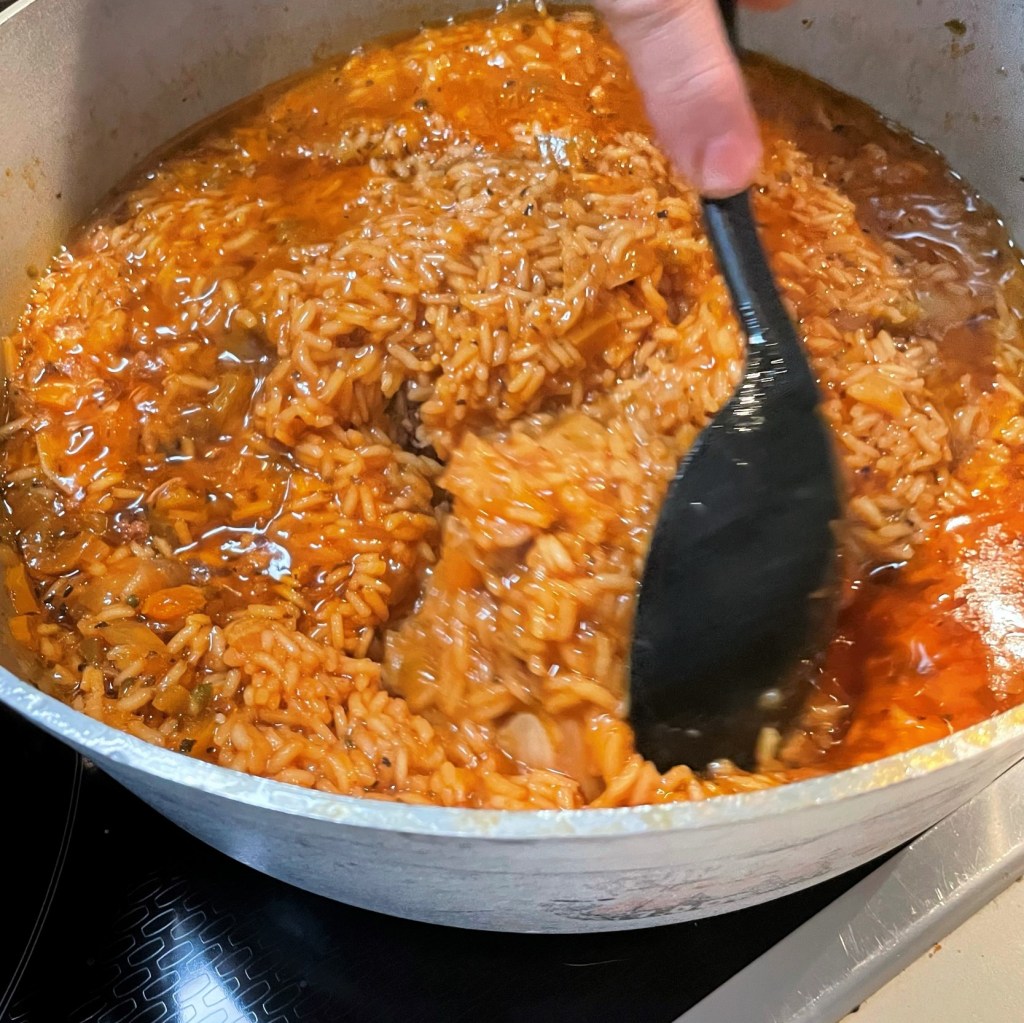
Throughout this private cooking lesson, Will shared with me all the culinary wisdom handed down to him from his mother, who learned it from her mother, and so on. Because this was an authentic Puerto Rican variation of arroz con pollo, it was packed with layers of flavor, beginning with Sazón and finishing with saffron, and all in one giant pot, called a “caldero.” The pictures of Will’s family recipe tell the story far better than I can, so please join us at the stove as we celebrate this last day of Hispanic Heritage Month!


Ingredients

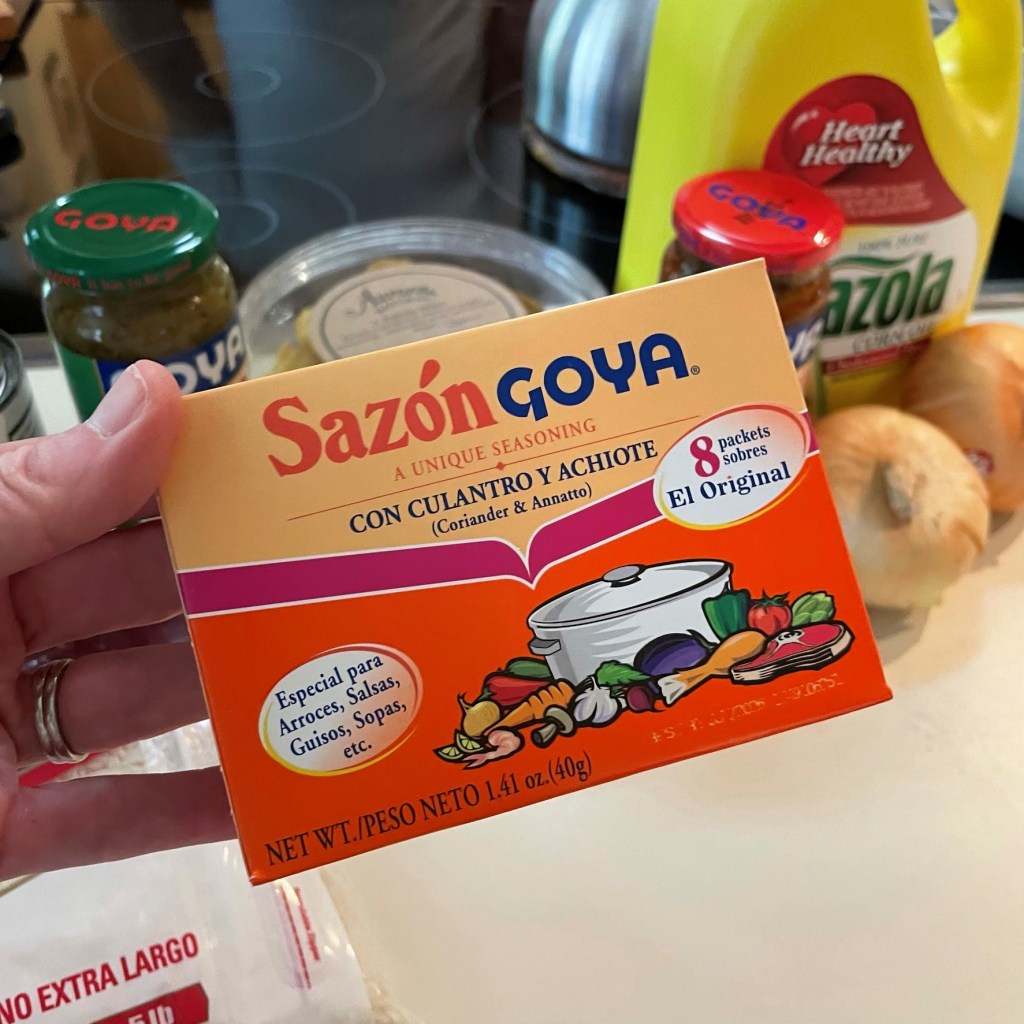
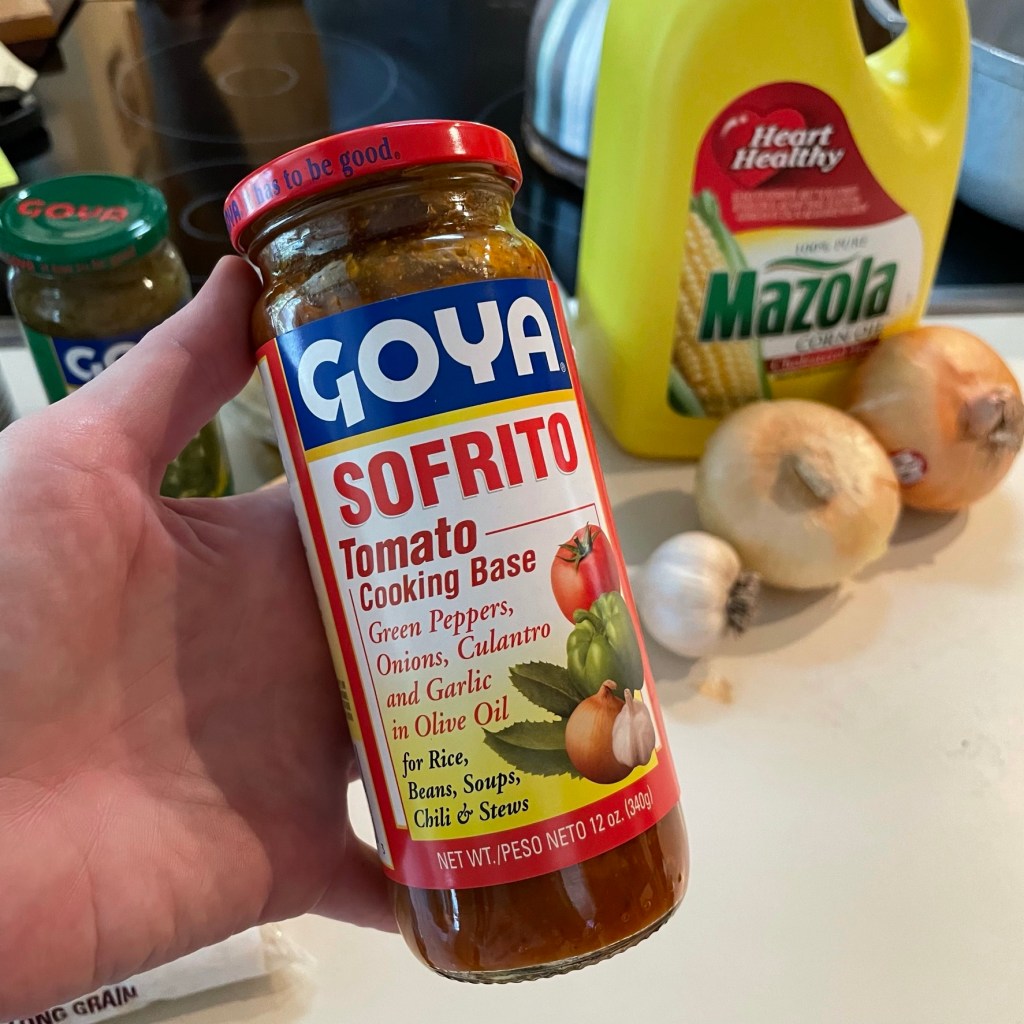
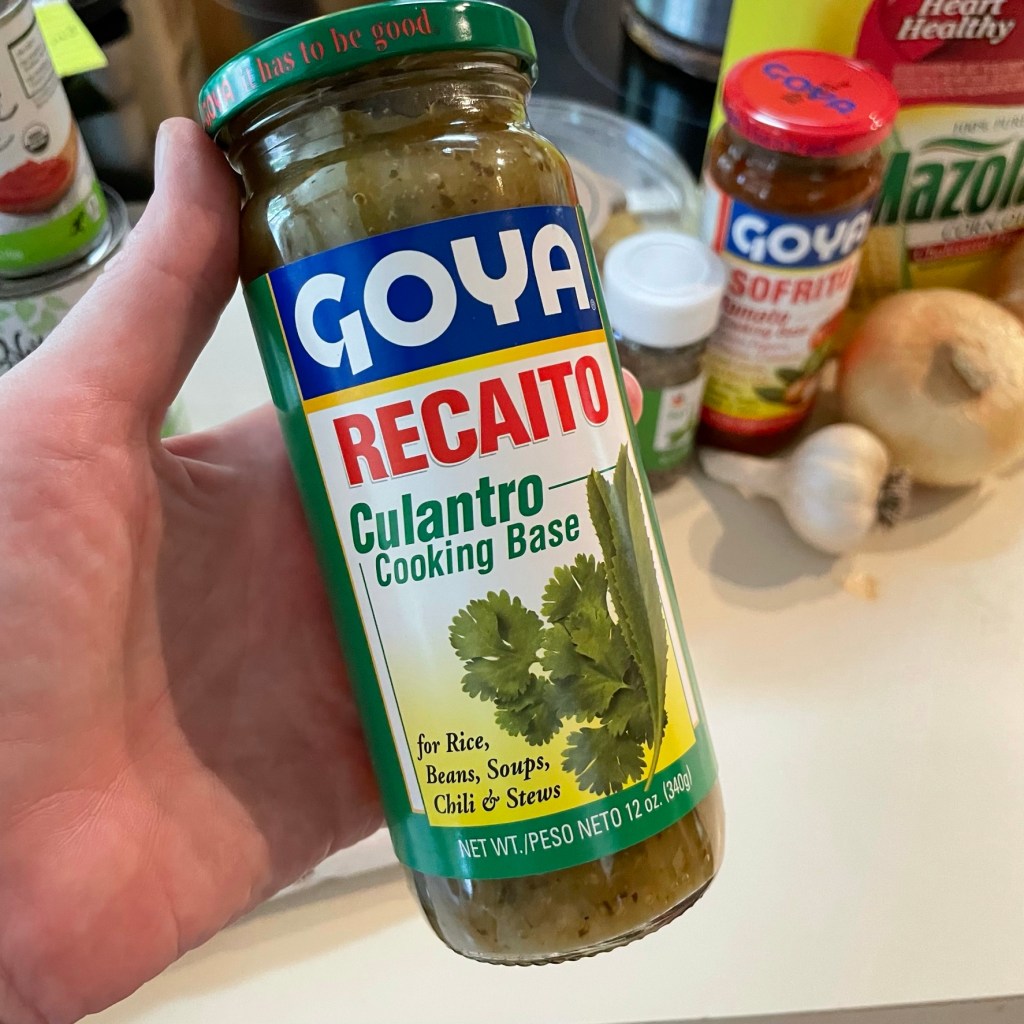
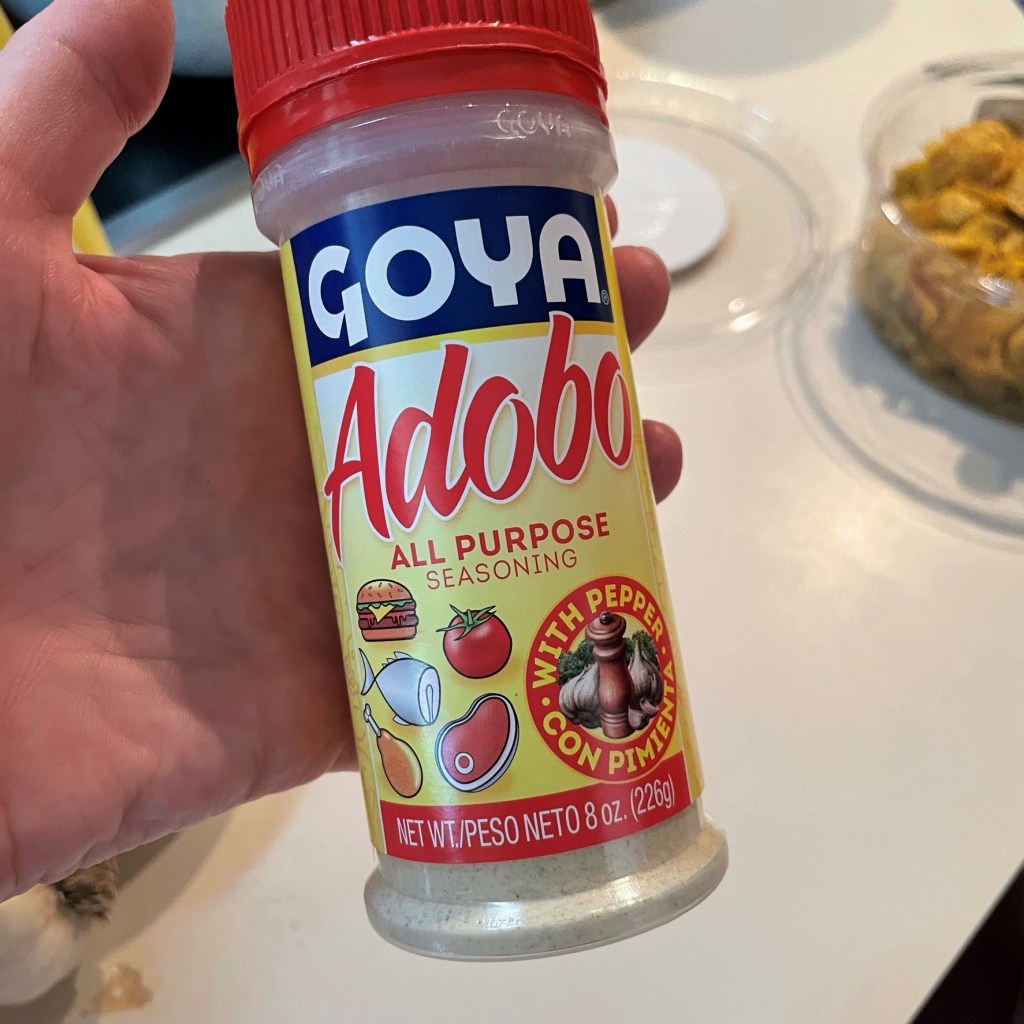
First, let’s take a look at the special ingredients that make this dish uniquely Puerto Rican.


Hold up, what exactly is “culantro?”

It can seem a little confusing, so let’s address the difference between cilantro, which most of us are familiar with, and culantro, which is an ingredient in both of these cooking bases. Unlike cilantro, which is wispy and delicate and mostly used to finish or garnish a dish after cooking, culantro is sturdier and stronger, both in texture and flavor. It has a similar flavor to cilantro, but its long, slender leaves are mainly included as a cooked ingredient, and during the cooking process, the hearty flavor calms down a bit. This herb is extremely common throughout the Caribbean, so of course it is a staple in the cuisine of Puerto Rico.

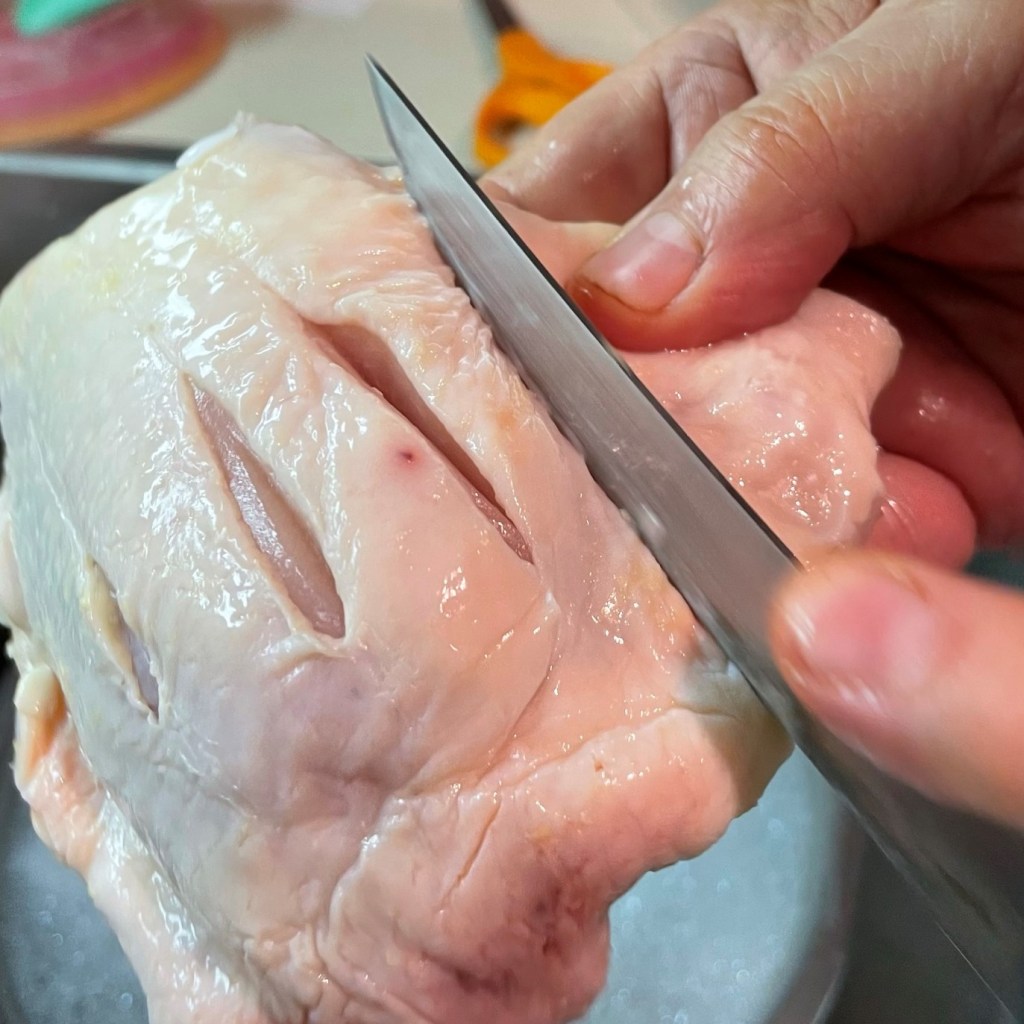
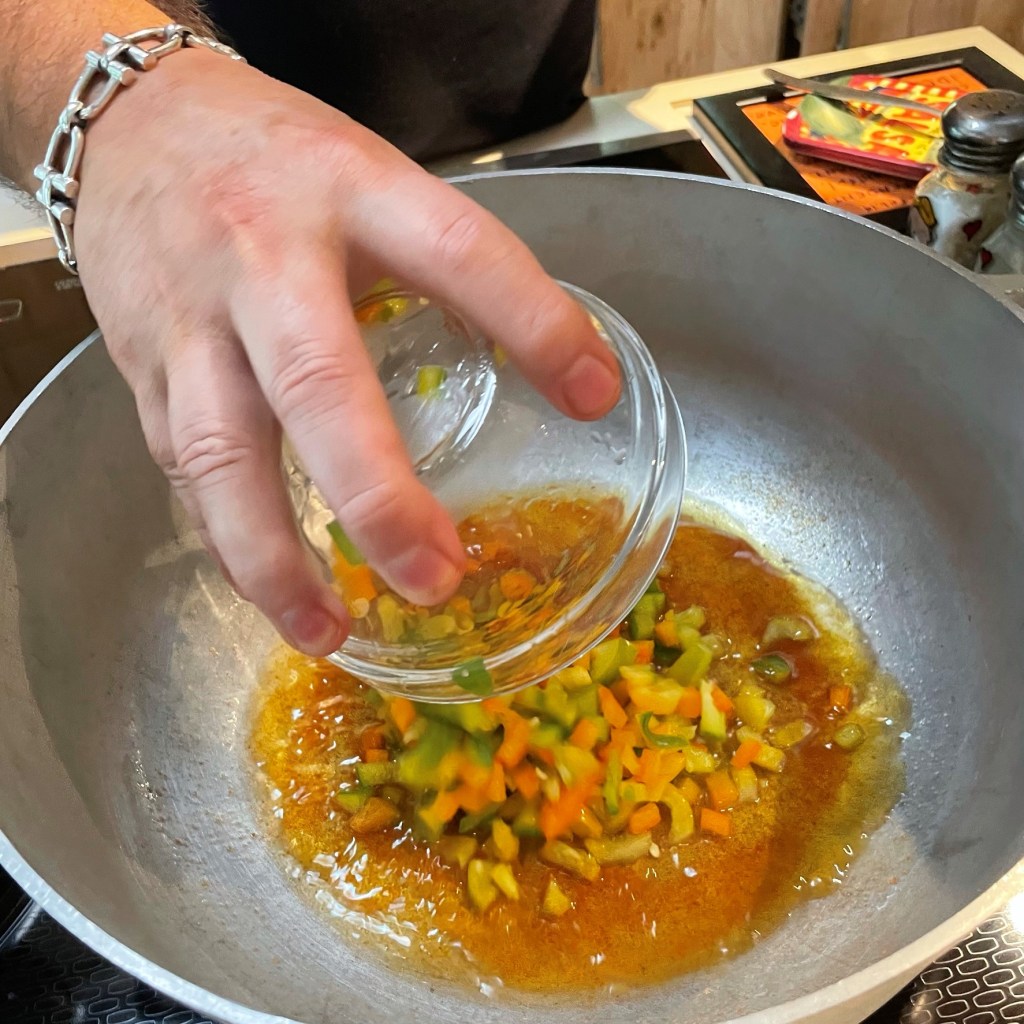
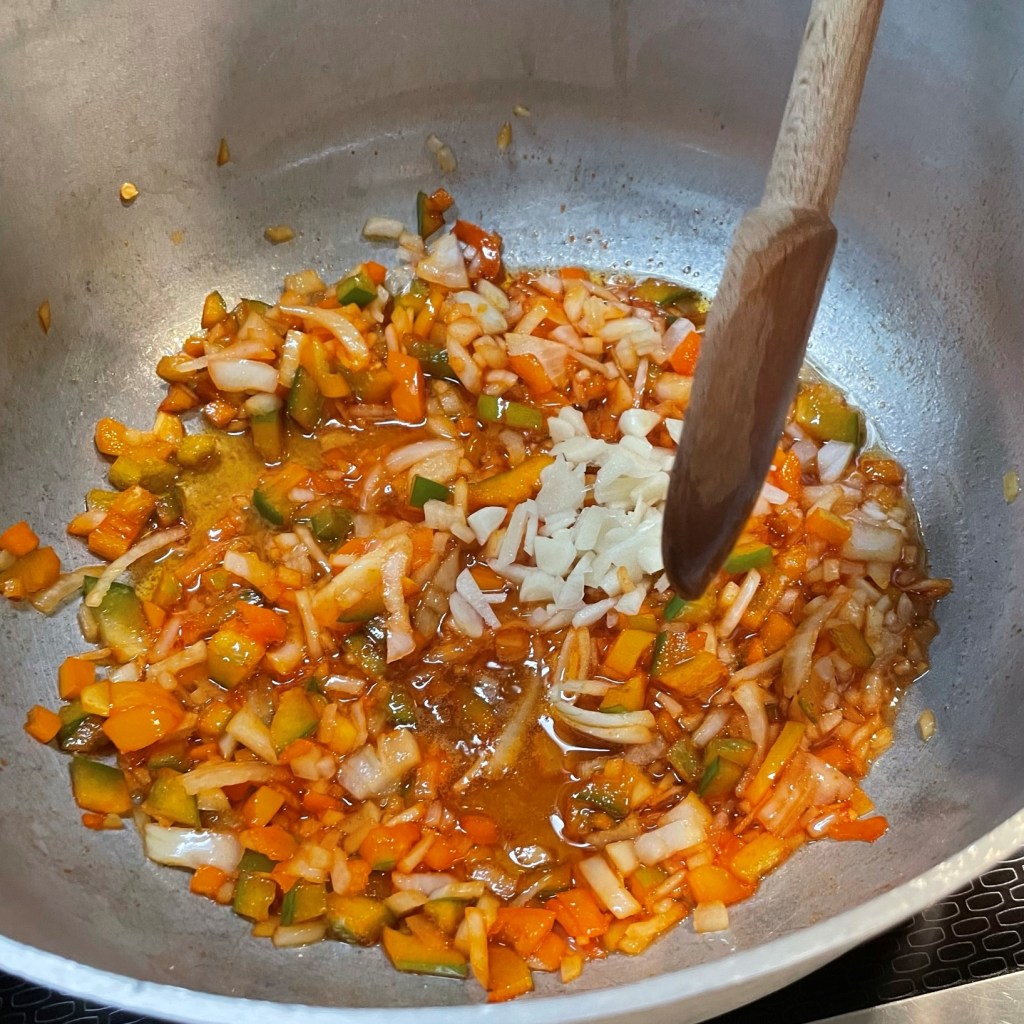
The remaining ingredients for the arroz con pollo included bone-in, skin-on chicken thighs, corn oil, onions, peppers, garlic, tomato sauce and rice. I did my best to take notes and catch all the details, but this is the kind of recipe you make from instinct, and that’s exactly how Will prepared it. He was cracking me up as he went along, and reminded me so much of myself—occasionally cursing his stove and fretting about ways that his dish might not turn out perfectly. We are always our own harshest critics in the kitchen, can I get an amen? Trust me, this arroz con pollo was delicious!

Made with love, heart and soul!

At the end of the post, I’ve included a PDF that you can download for your recipe files. You will need to tweak seasonings to suit your taste and adjust cooking times for your own stove, of course, but my outline should provide a good starting point. Here we go!


Instructions

Arroz con Pollo!


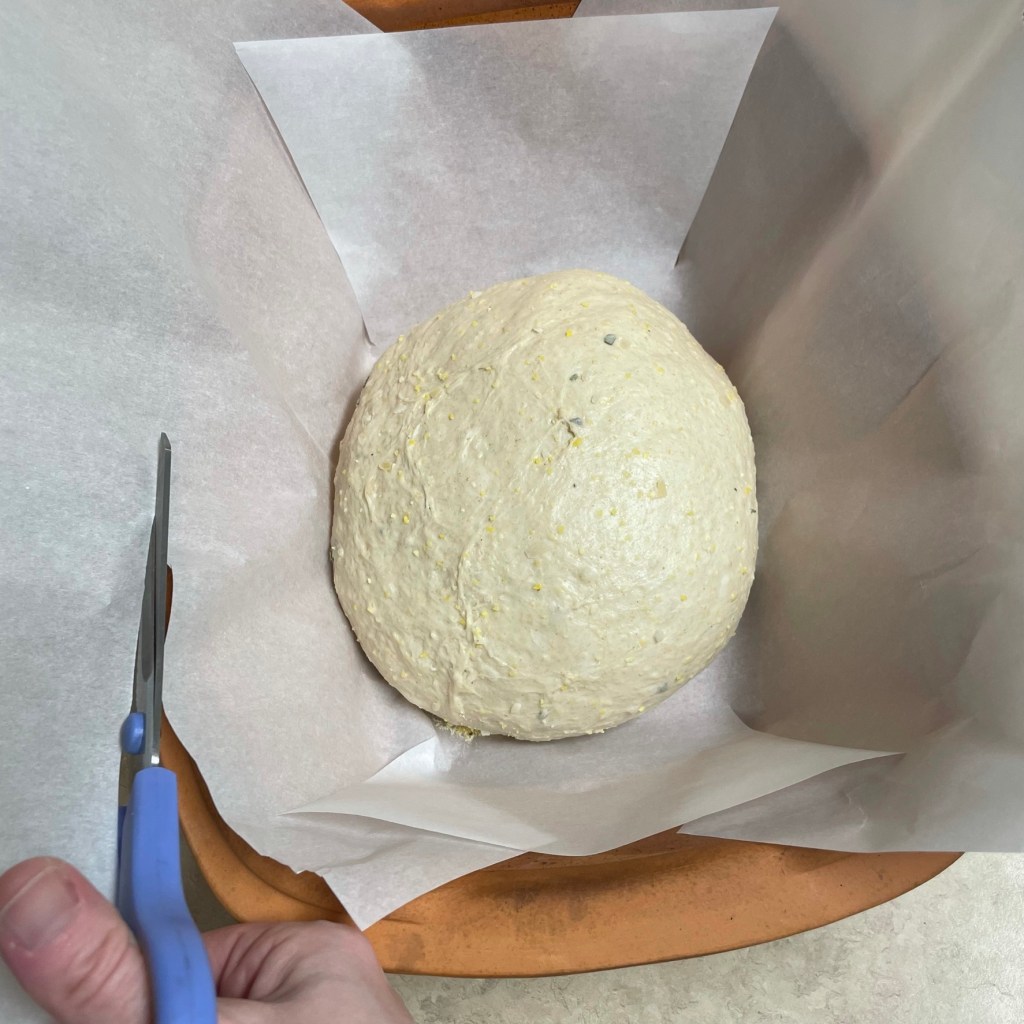
Sourdough Onion & Sage Bread

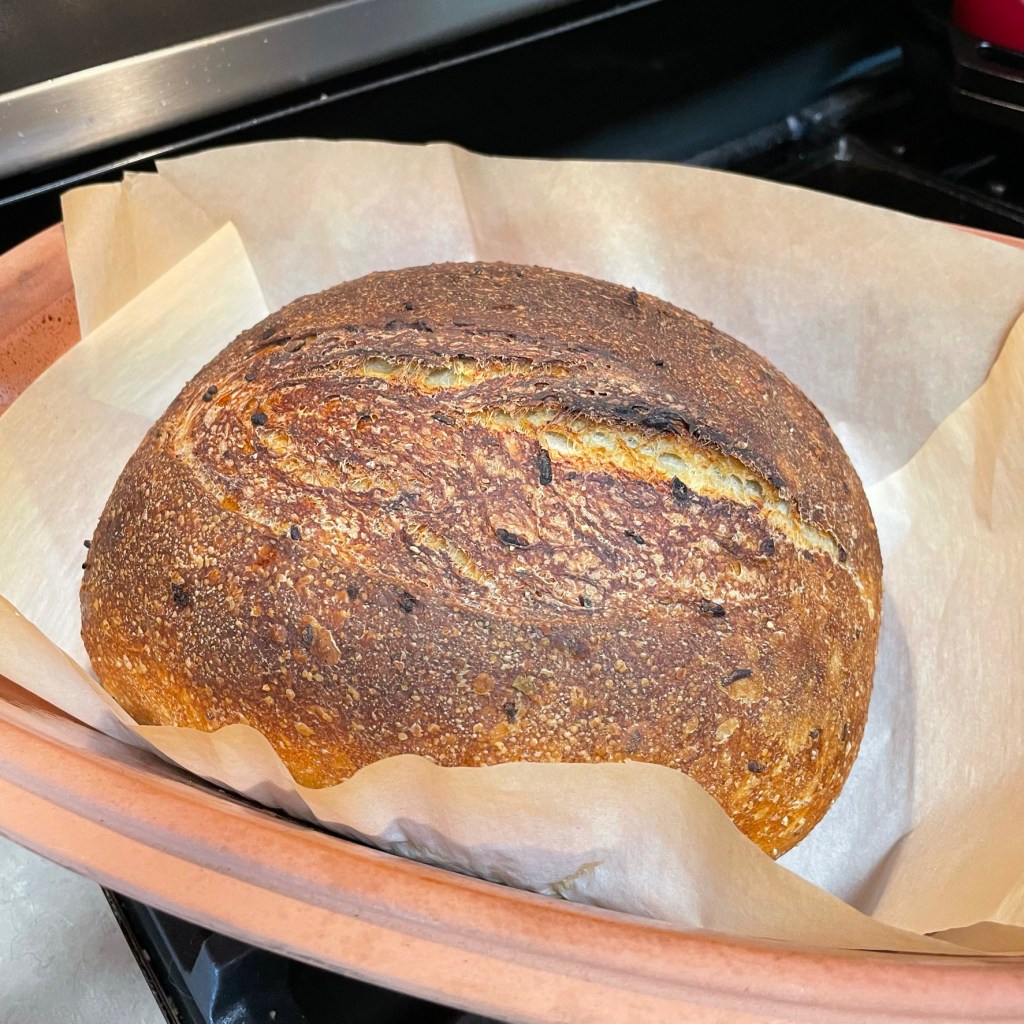
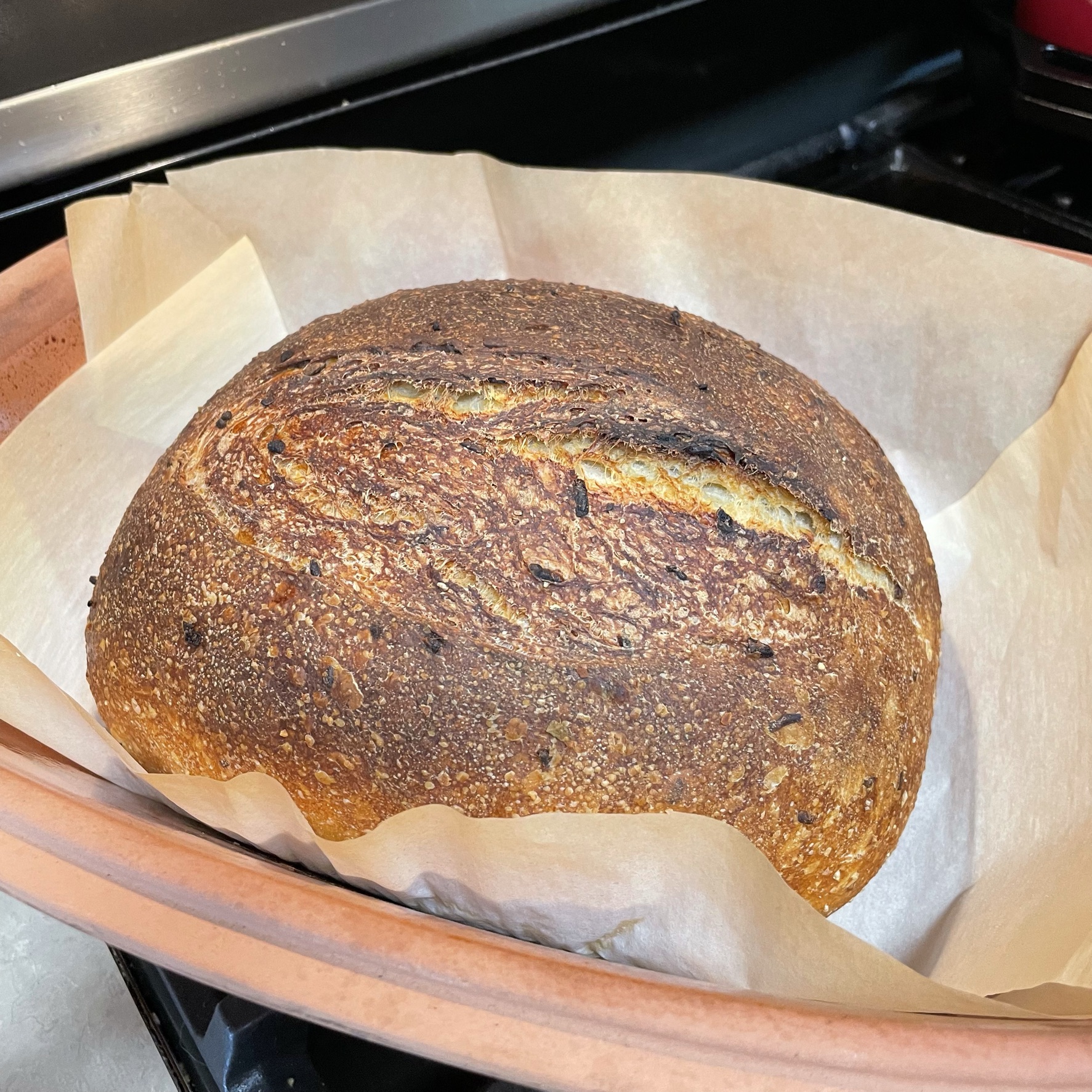
With the arrival of fall comes the joy of having the house filled with the addictive aromas of meaty stews, roasted vegetables, and every variety of freshly baked breads and desserts. A few days before we dismantled the kitchen for our remodel, I pulled this favorite sourdough recipe out of my arsenal and baked it to accompany the roasted butternut squash lasagna that I shared last month.

The recipe I share today is a mashup of several bread recipes I have tried from an amazing blog called “The Fresh Loaf.” The site is a virtual community and message board for sourdough lovers—from novice to expert—and over the years, I have gained invaluable wisdom by eavesdropping on the conversations of those I consider to be far advanced of my own skills. I was barely beginning my own sourdough journey when I discovered TFL, but the pictures and formulas I found there inspired me to attempt new techniques, and I now proudly consider myself to be an “intermediate” bread maker.

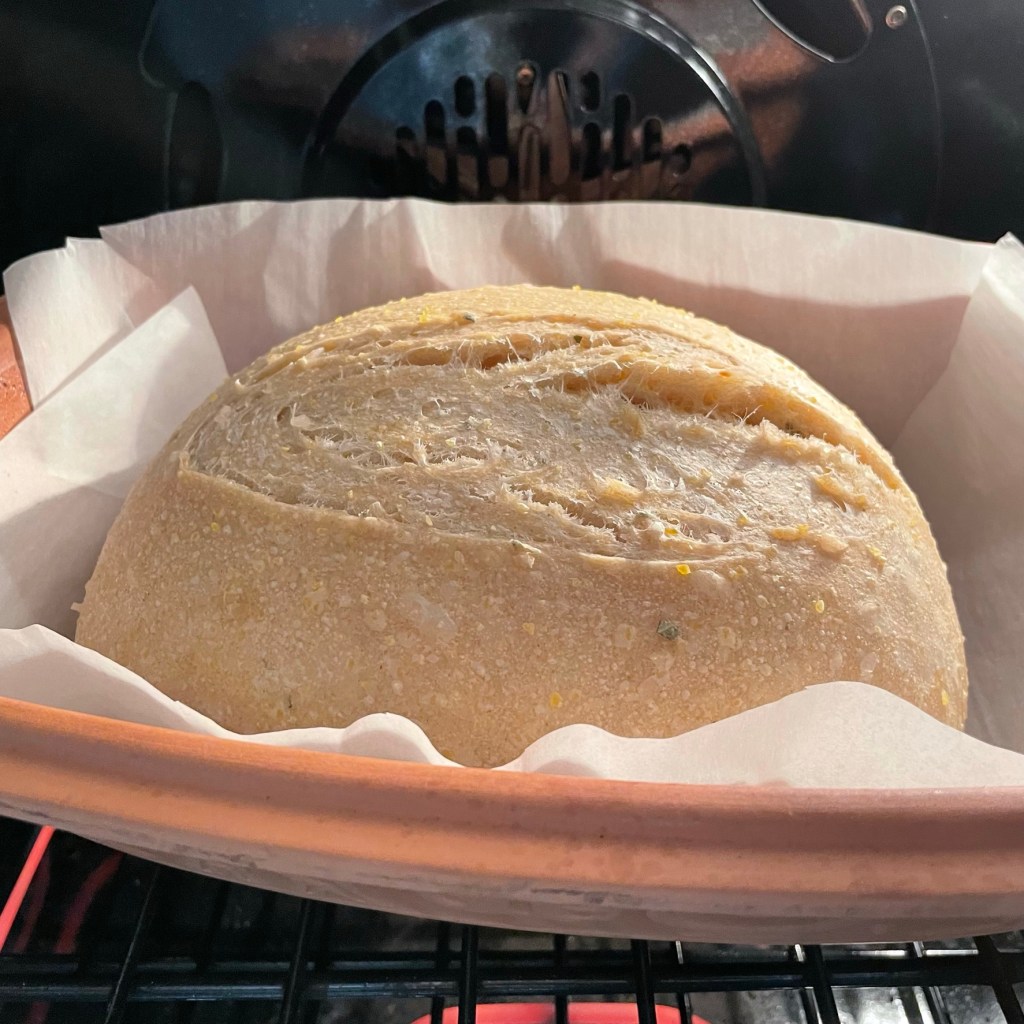
One of the methods I learned is baking with steam, a simple technique that results in a perfectly crusty yet chewy exterior and lovely crumb texture that the aficionados would call “gelatinized.” Breads made with this steam-baked method make fantastic toast and sandwiches (especially grilled cheese).

The extra hydration of the dough creates the big, open crumb inside the bread. The steam makes the crust perfectly chewy.

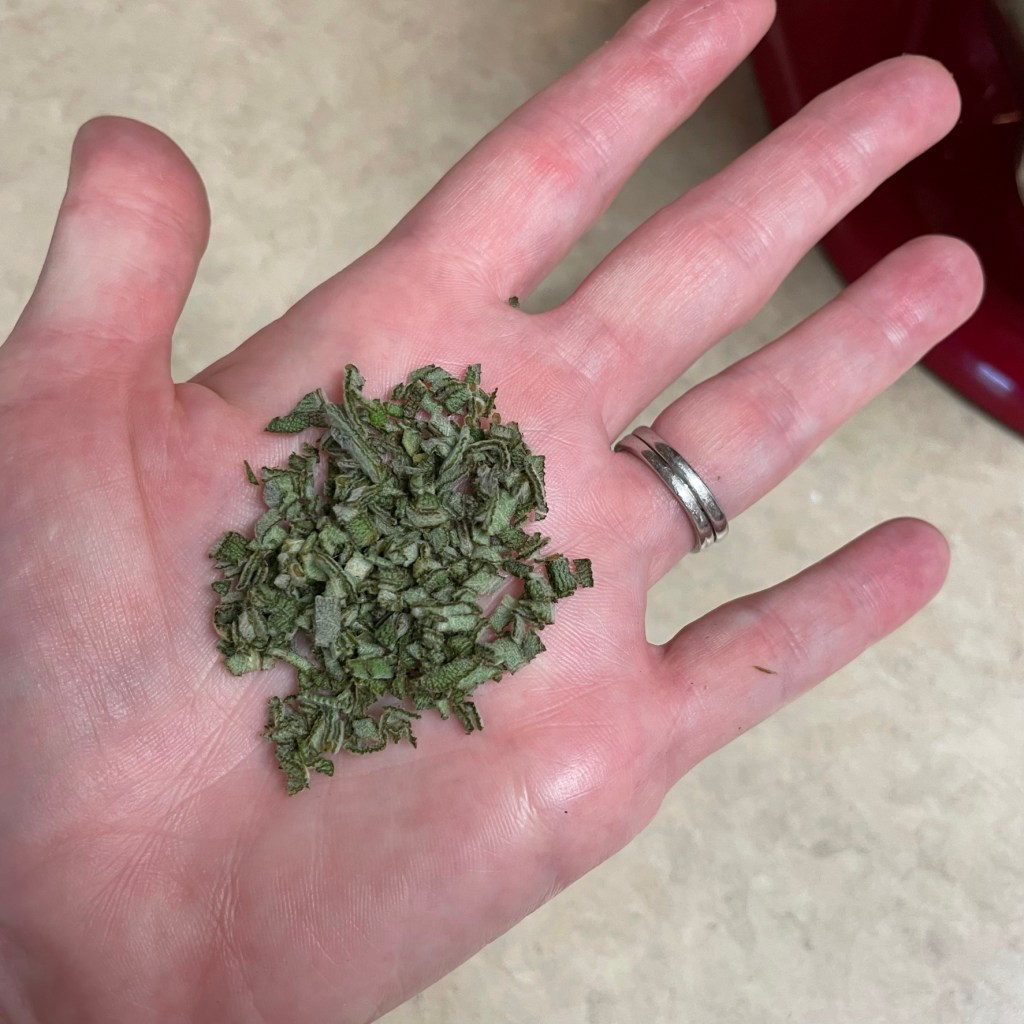
The generous amounts of onion and sage I’ve added to this loaf also make it perfect for Thanksgiving stuffing or dressing, or you can follow my lead with any stale leftovers and turn it into savory croutons for hearty salads and all the soups you’ll be simmering during the autumn and winter months ahead.

Up close, you can see the golden polenta, the bits of onion and flecks of sage. This bread is perfect for fall!

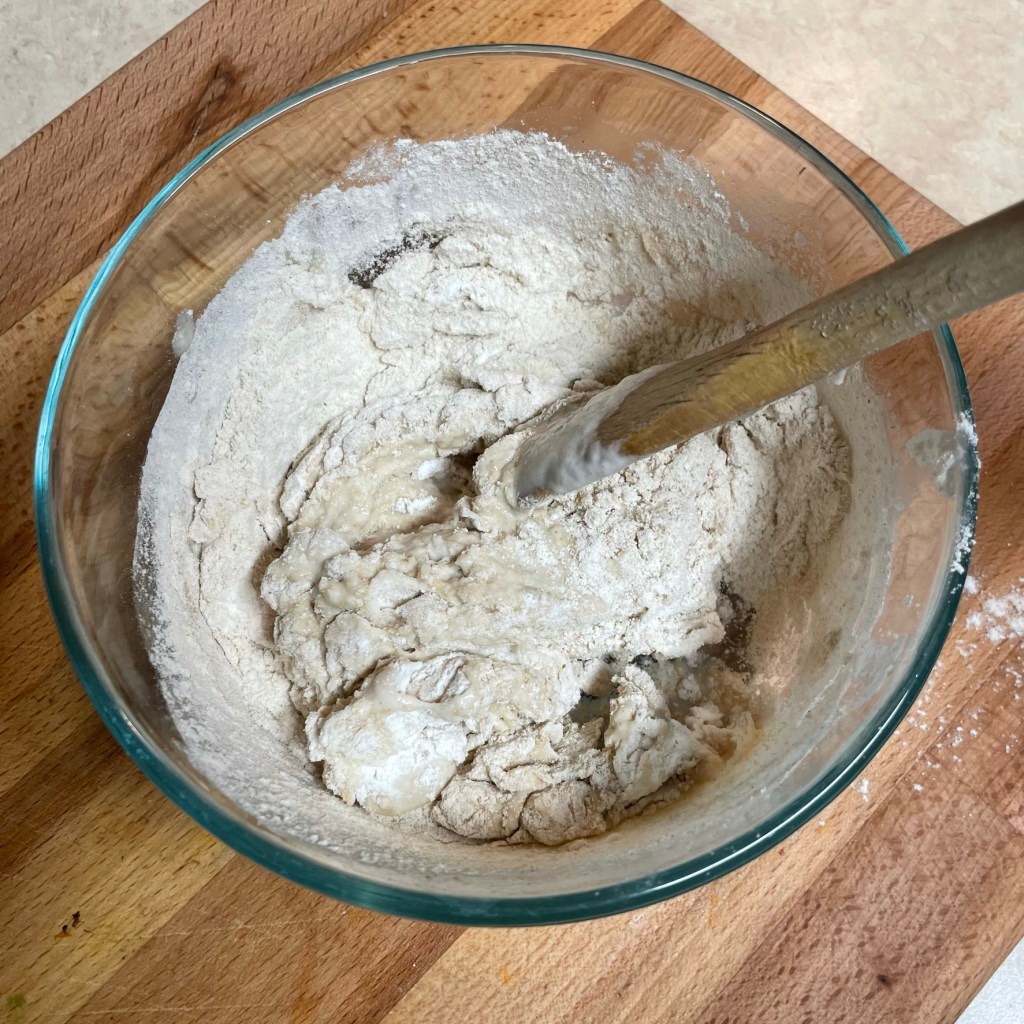
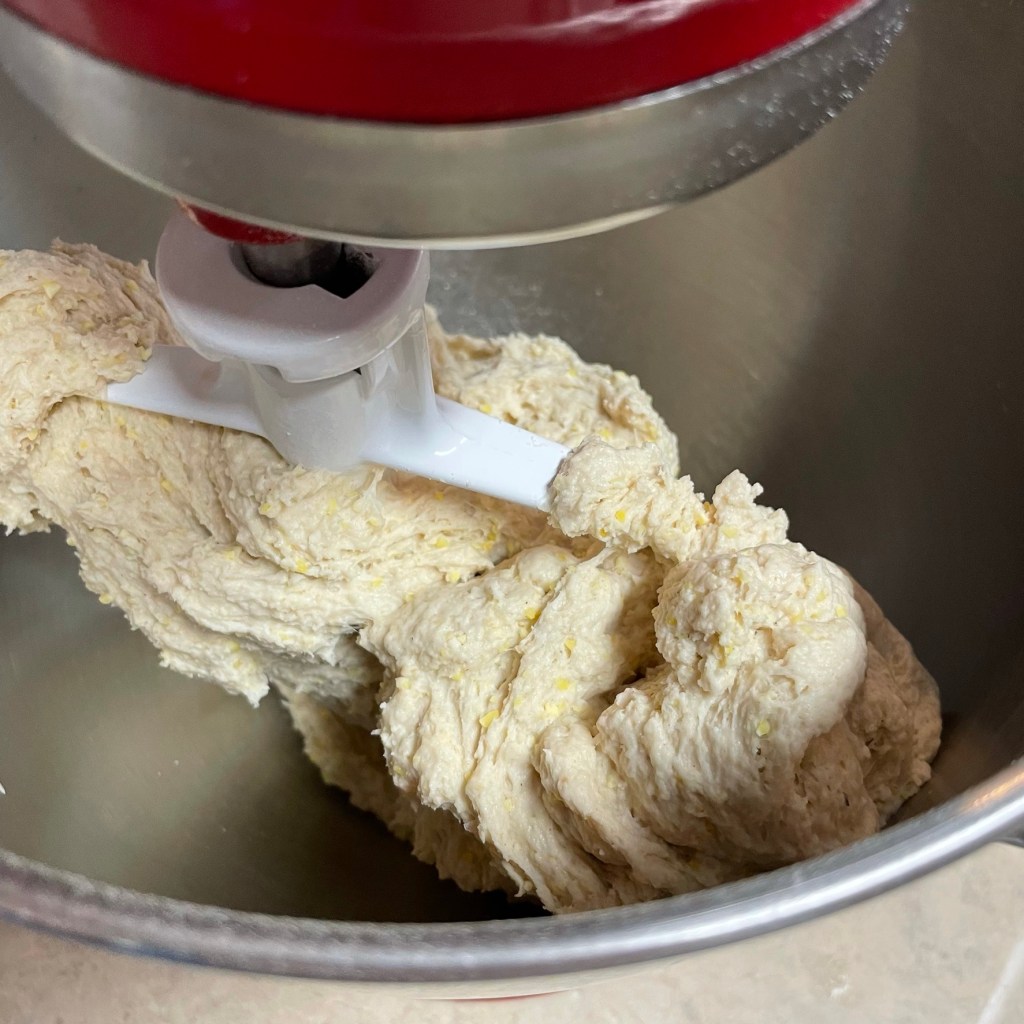
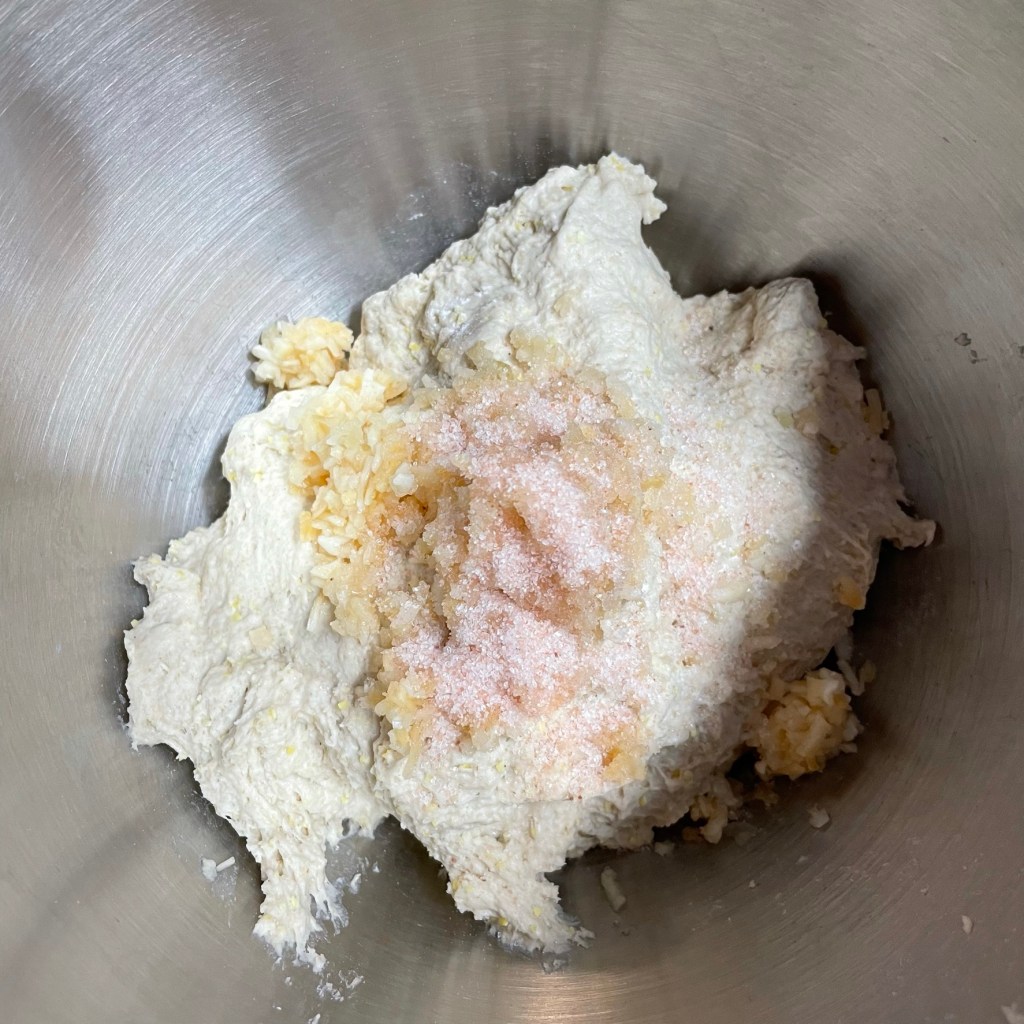
Besides the intoxicating fall-scented flavors, this loaf also uses a pre-ferment, which is a fancy way of describing a pumped-up sourdough starter, and a soaker, which is nothing more than grains (in this instance, corn) that have been soaked overnight in water—a technique that coaxes the deepest flavors out of the grain and into the bread.


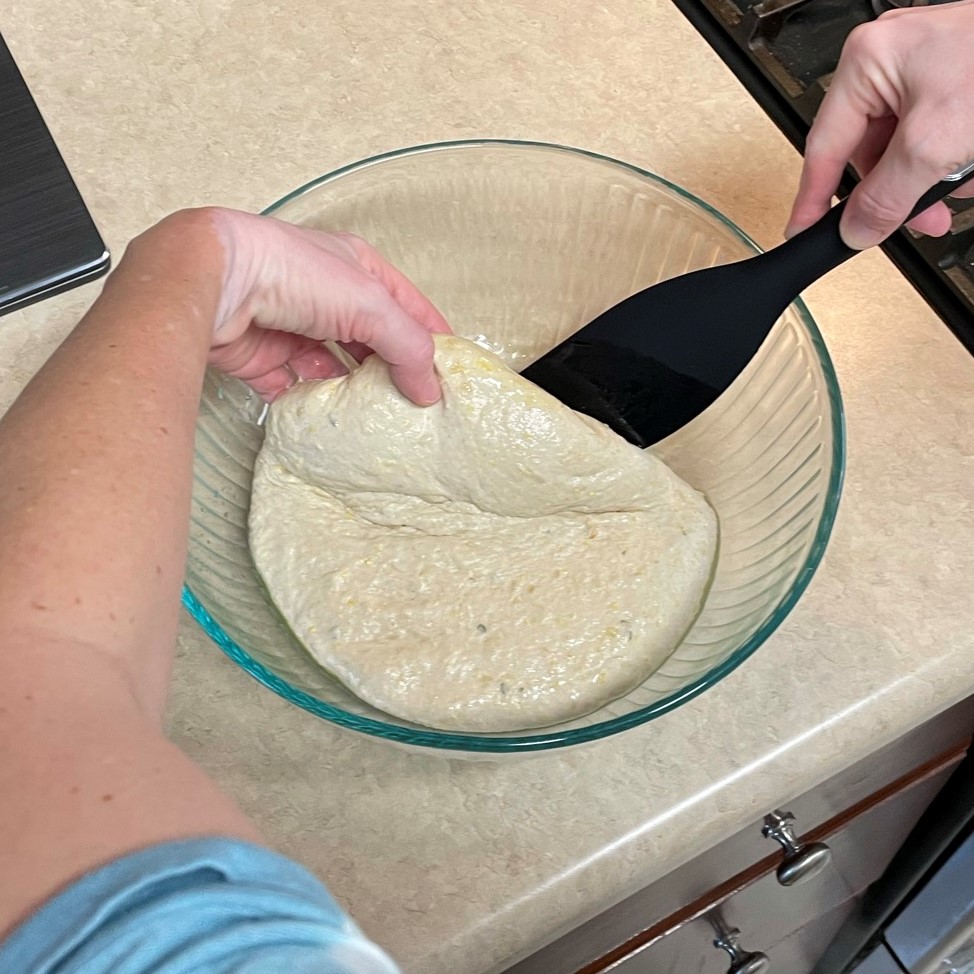
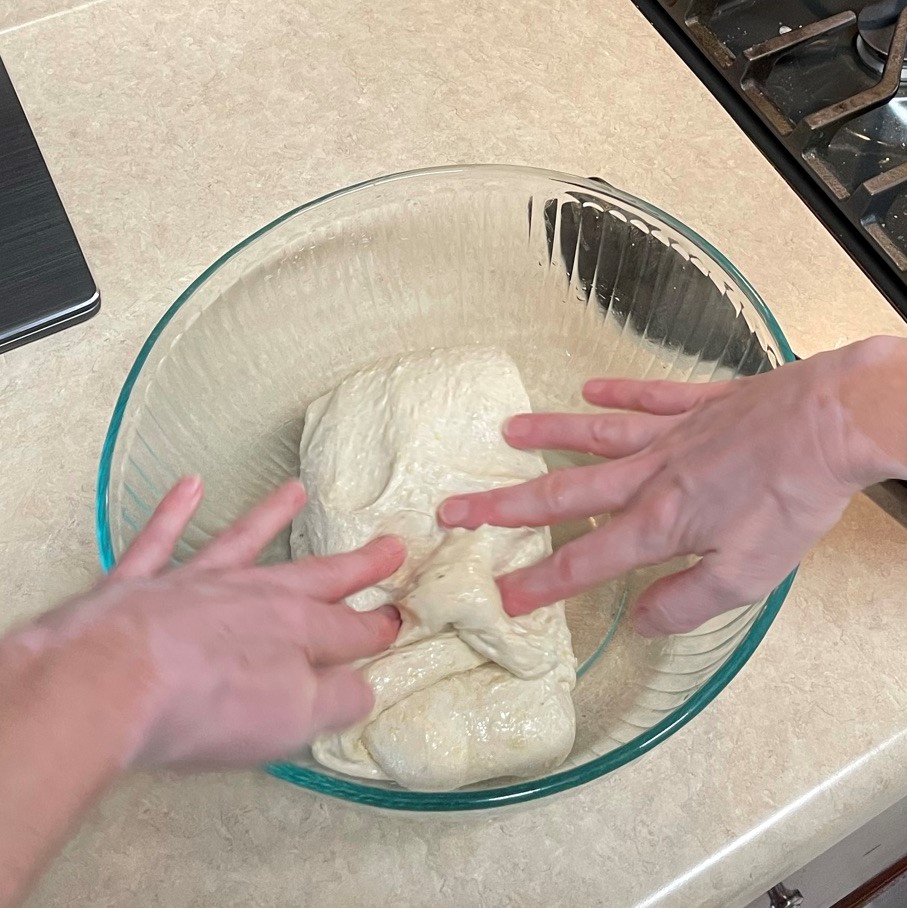
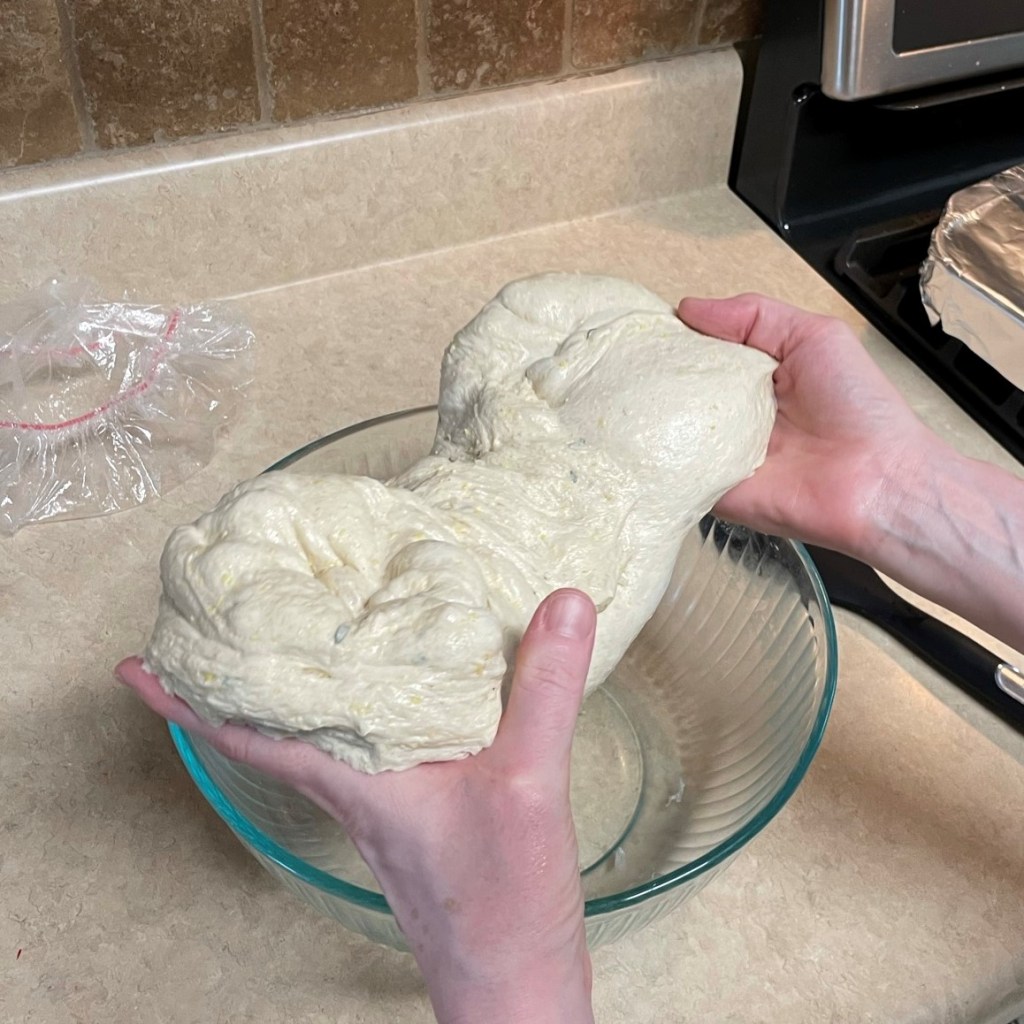
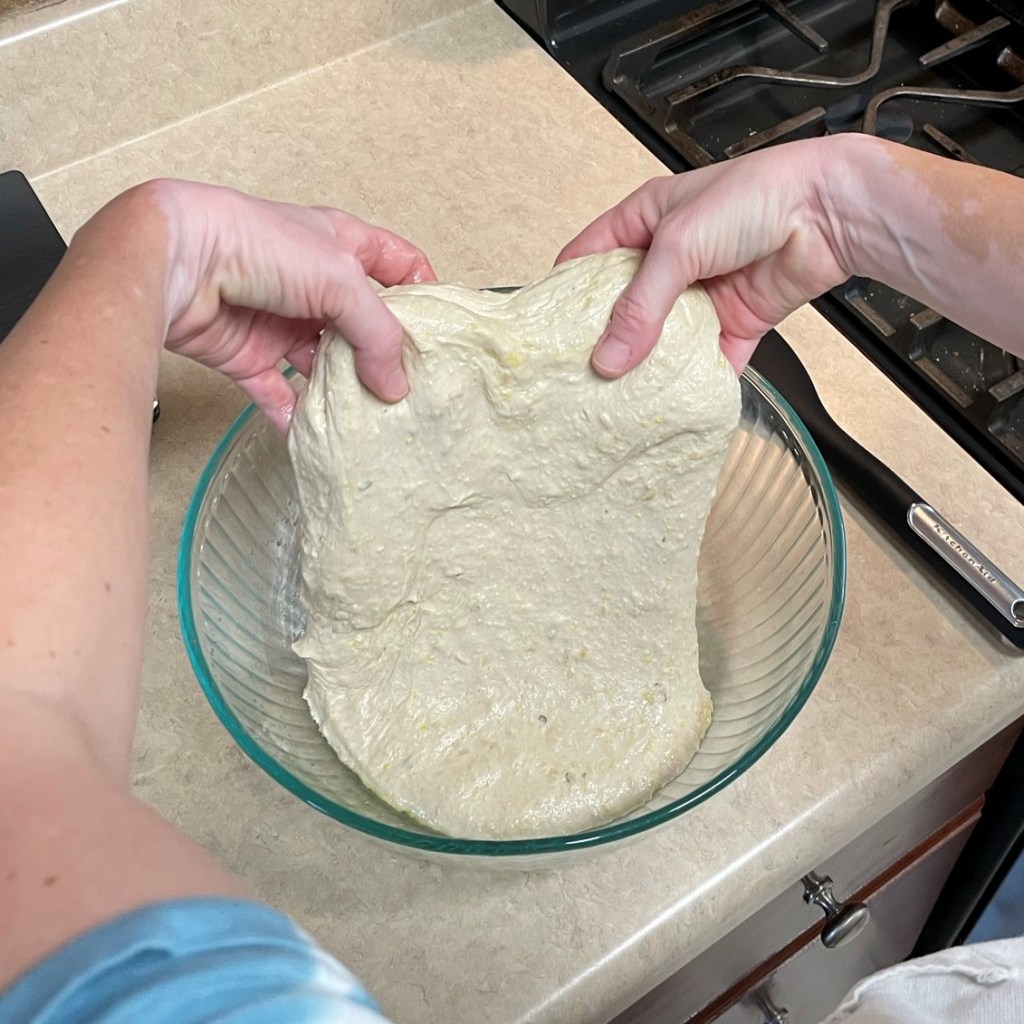
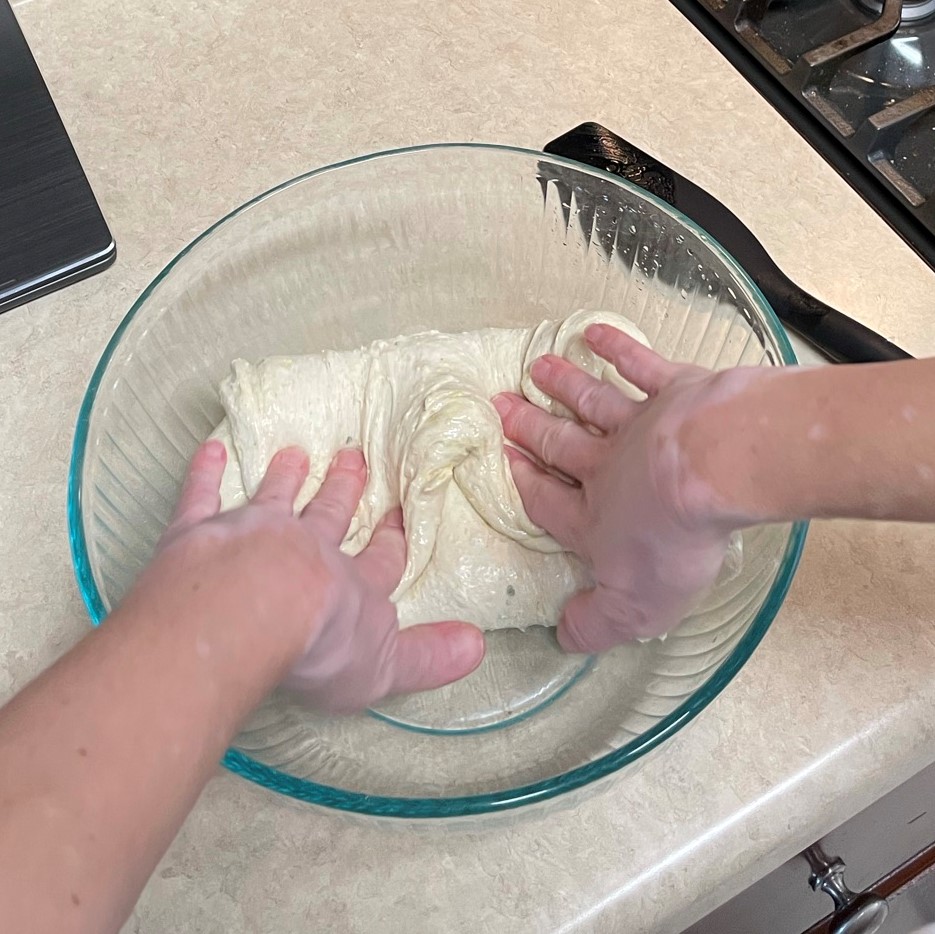
The kneading method used for this bread is also a bit different. It’s called “stretch and fold,” and it is an easy way to build strength in dough with a high volume of water, without so much messy, sticky kneading. Try this a few times, and you will be astonished at the elastic texture and volume achieved in the bread dough.

If this all seems confusing, trust me, it isn’t. I have found sourdough baking to be joyfully simple once you get the hang of it. As I mentioned last fall when I made the sourdough pumpkin challah, this kind of baking—naturally leavened and slow-fermented—is like a good relationship; the more you open yourself up to it, the more it comes back to you until you finally reach a point of familiarity that you can’t imagine ever buying a loaf of bread at the grocery store.

One more note: I strongly recommend measuring ingredients by weight when baking any kind of bread, but especially sourdough. Weight measuring takes the guesswork out of your ingredient ratios, and you can find an inexpensive, easy-to-use kitchen scale just about anywhere, including Walmart (where I bought mine).

That’s my story, and this is my favorite sourdough for autumn. I hope the pictures entice my fellow sourdough bakers to give it a go, and if you scroll to the bottom of the post, you’ll find a downloadable PDF for your recipe files. My ingredients are listed in grams (sorry, no volume measurements), so go on and get your kitchen scale and get baking.

Enjoy!


I could eat the whole loaf all by myself! 🙂


Slow Cooker Turkey Chili Soup

Can someone please explain to me how time works? Because it has only been nine days since my last post, but it feels like 29. Some of the days have been a blur, as we have had non-stop activity in the kitchen during the demolition of the old and especially the arrival and installation of the new. And then, other days it has been so quiet it seems that even the crickets are on vacation. This morning, I literally had to ask my husband, “what day is today?” because amid the ruckus, I couldn’t quite remember. Only one week down and at least five to go—oy, vey!

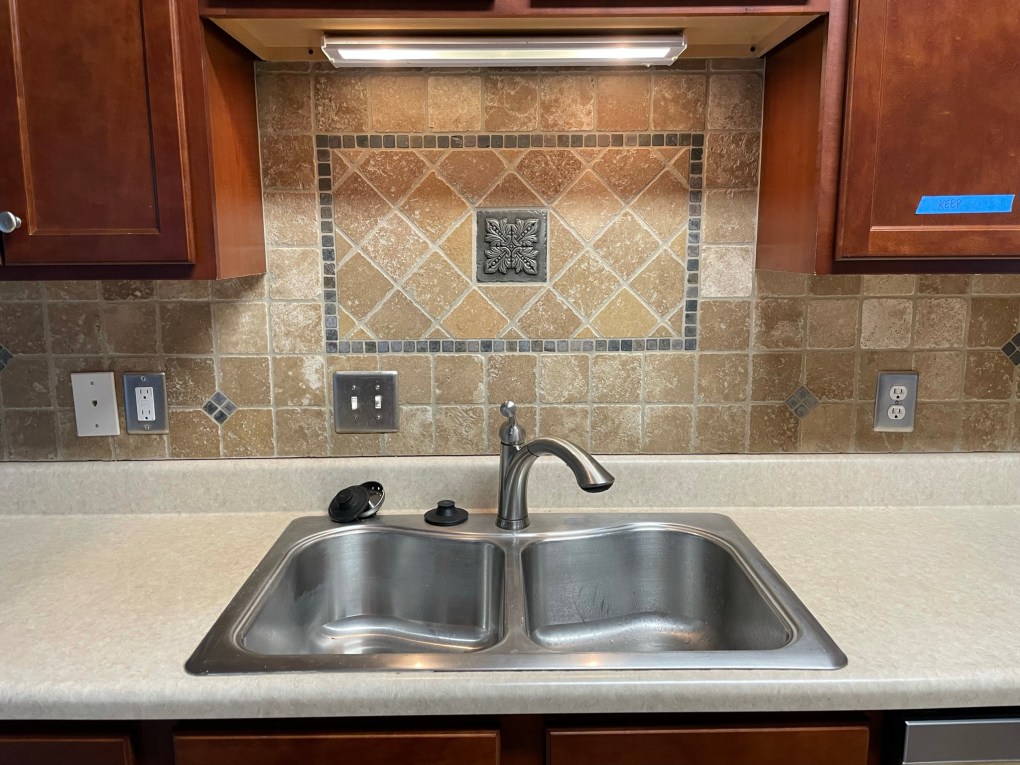
It would be premature at this point to show you the progress of our remodel, given that we don’t yet have a countertop and the floor is covered in protective cardboard and there is new and ongoing discussion about how much we can configure our backsplash for a couple of design features I’ve been desperate to have. Well, OK, maybe just a few quick photos, but I want to save some for the big reveal!


There is much more to be done, and some of the details our contractor is working through are special enough to be considered “fussy,” so we are fine with some intermittent slowdowns. As far as we know, and barring any future catastrophes, things are still on track for us to be back in the kitchen by mid-November!

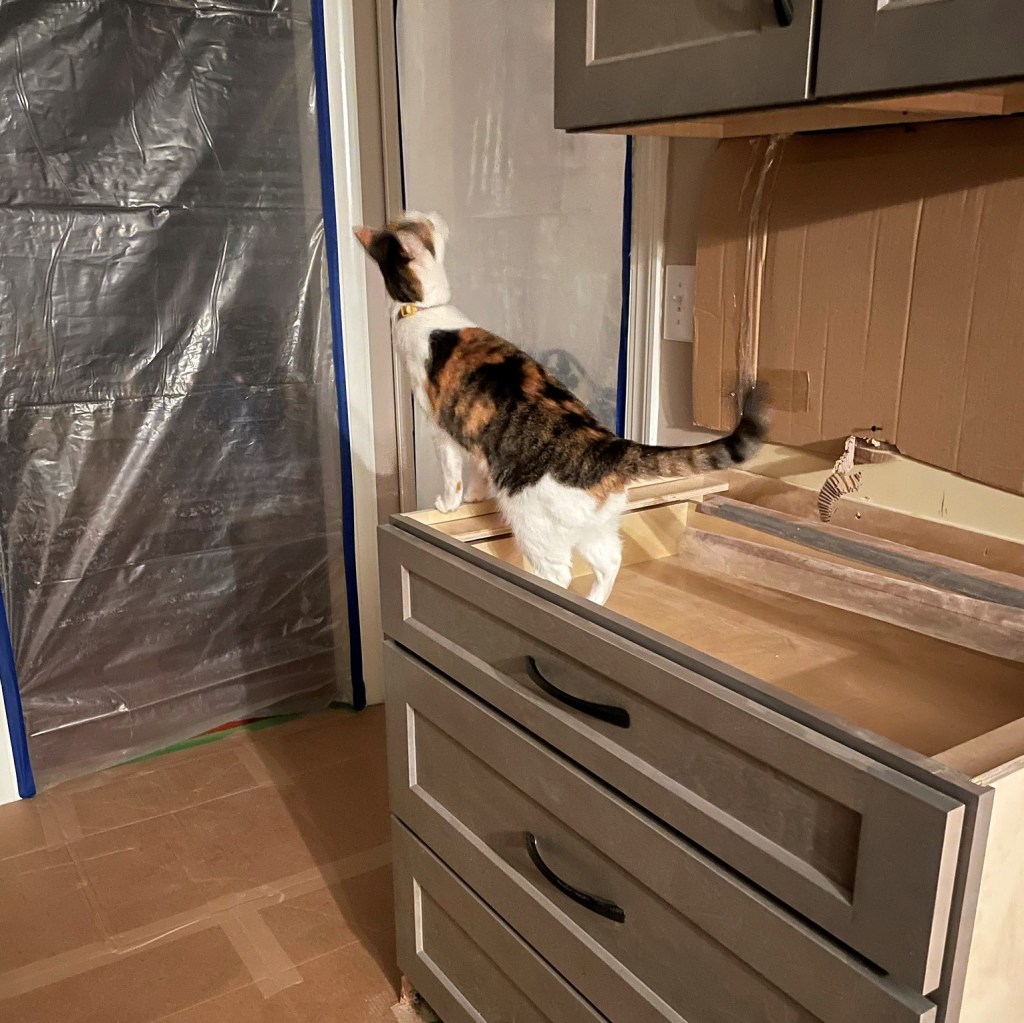
The biggest challenges have been exactly as expected—keeping the pets calm and cared for, which has been manageable so far because the weather is nice enough for our cat to chill outside (which she loves anyway) and our next-door neighbor has generously invited me and the dog over for some peace and quiet whenever things get wild over here. The other obvious challenge has been cooking without a kitchen, and today I’m sharing the first real, “cooked” recipe I’ve made since we started the remodel project. Breakfast doesn’t count because we are mainly just using the toaster. And until Friday of last week, we had relied on take-out and sandwiches for lunch and dinner. And (of course) cocktails for me, but that will be another post. 😉

Our first real meal could not have been more perfect for the fall season, and it also could not have been simpler to make, despite the fact that I did not have a stove, a microwave, a sink or a countertop. How did I pull it off?

It’s my multi-purpose friend, the slow cooker!

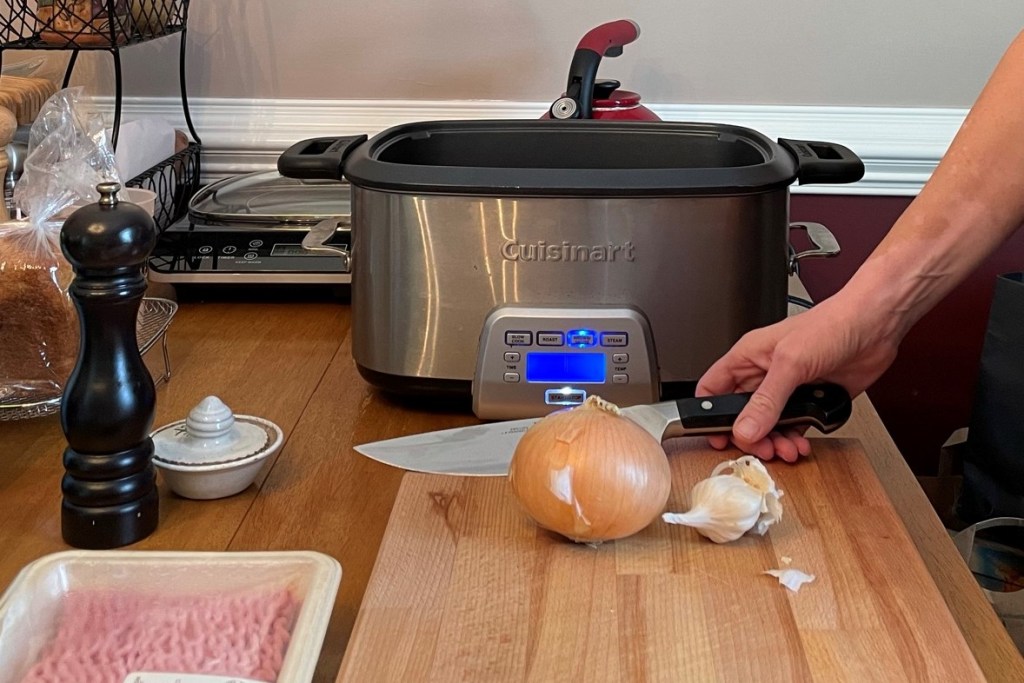
Say hello again to our multi-purpose slow cooker, the same one I used for our final “Chopped” challenge when Les tricked me into cooking all that kielbasa. The “browning” setting on this 7-in-1 appliance saved the day for my new adventure of “cooking without a kitchen.” I browned the ground turkey and onions, then added all the other ingredients, switched it to the slow cook setting, and let it simmer until Les walked in the door at the end of his workday. I was so excited to have actually cooked, and there was something very comforting about having the aromas of that chili soup filling the house. We needed a good, home-cooked meal at the end of such a crazy, noisy week. And, because it all came together in one pot, even the cleanup was easy.

This original recipe is one of my favorites, and it conjures warm and fuzzy memories for me. A few years ago, on a gloomy February day during another crazy time in my life, I’d scrambled through the cabinets for something to make that did not require a trip to the grocery store. I didn’t have a whole can of tomatoes, but I did have a small can of salsa, plus some roasted green chiles, half a bag of frozen corn, a can of beans and a carton of chicken broth. When I settled in with a bowl of this delicious concoction, which is not quite chili and not quite soup, I loved it so much, I took time to write it all down, and I’m glad I did because it was just right for such a crazy time as this. And there’s another benefit to it—easy leftovers!

Of course, you don’t need to have a special slow cooker to make it. Feel free to use a soup pot or Dutch oven. I’m pretty sure that’s what I’ll do next time—you know, when I have a shiny new kitchen!

If I had an oven this week, I would have made a batch of cornbread to accompany this tasty chili soup!

Ingredients

3 Tbsp. extra virgin olive oil

1 small sweet onion, chopped

1 lb. ground turkey (or turkey breast, if you prefer leaner meat)

3-4 cloves garlic, chopped

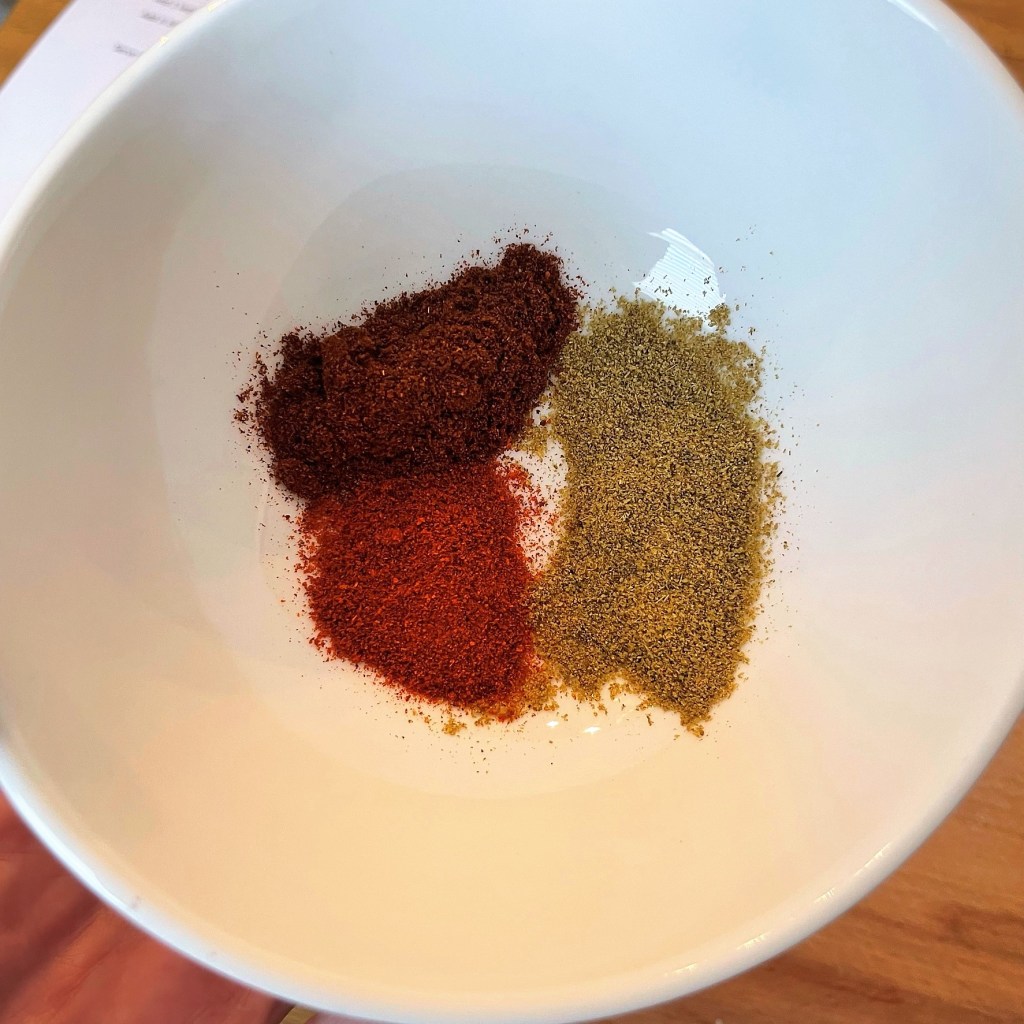
1/2 tsp. ground cumin

1/2 tsp. sweet Spanish paprika

1/2 tsp. ancho chile powder

Salt and pepper

3 Tbsp. all-purpose flour

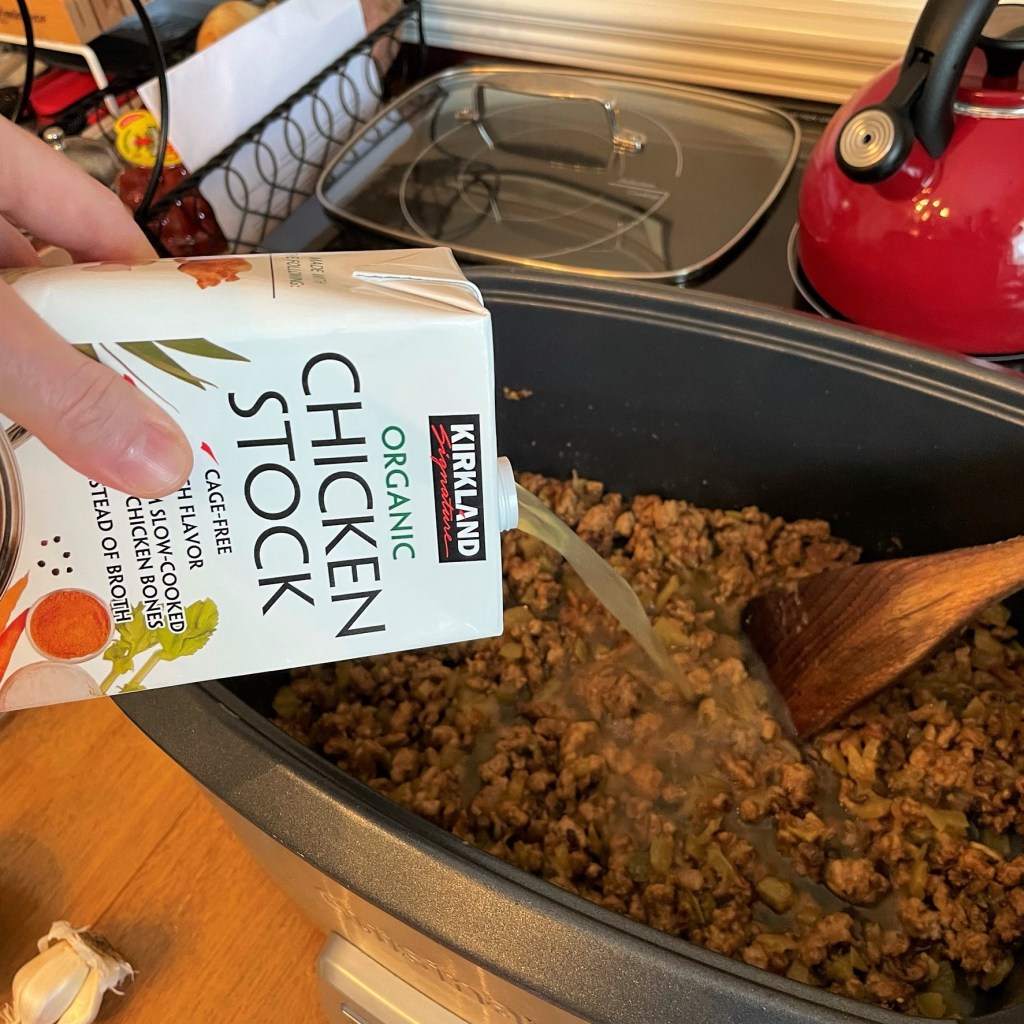
4 cups chicken broth (this is equal to 1 large carton)

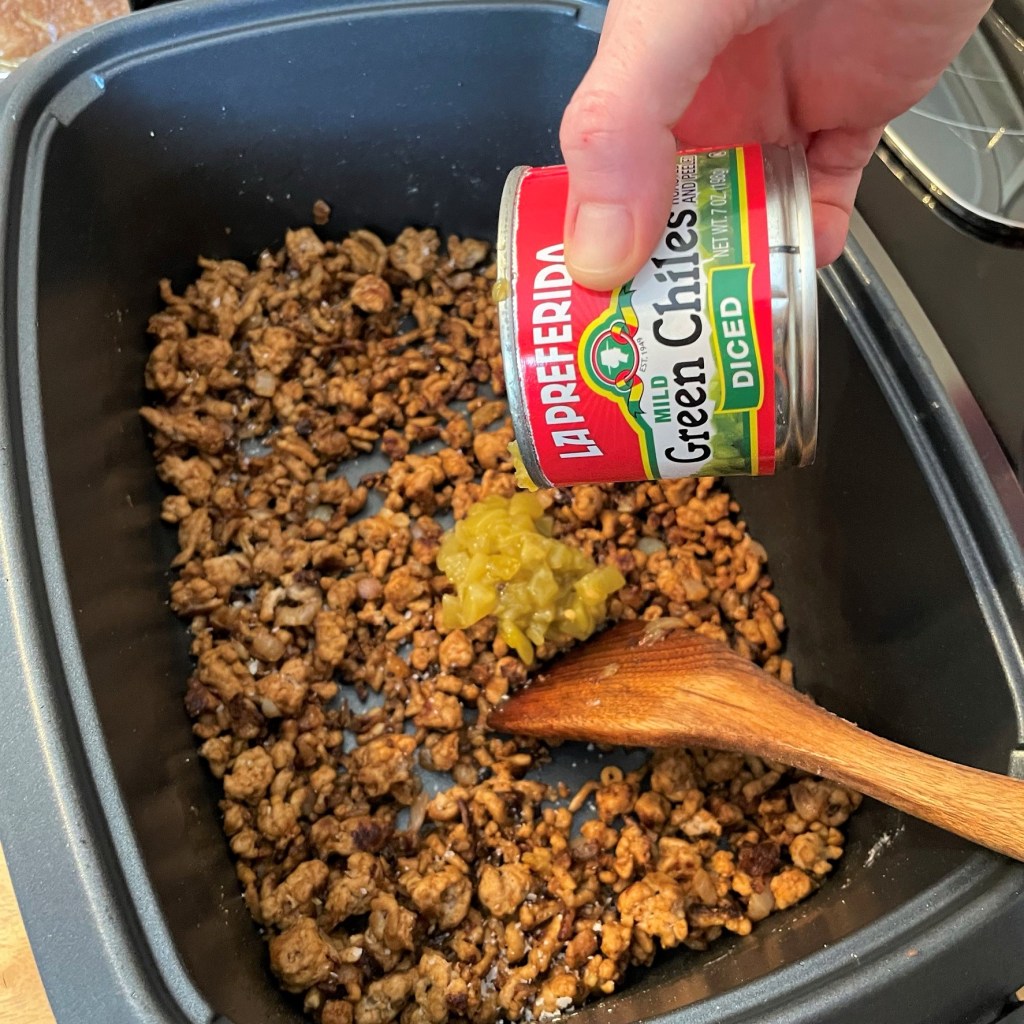
7 oz. can roasted green chiles, chopped

1 small can Herdez salsa (about 8 oz.)

1 1/2 cups frozen roasted corn

1 can black beans, drained

Tortilla chips for serving


Instructions


  1. Add olive oil to the slow cooker (or pot), on a medium heat setting. Saute the onions until they are soft and translucent, then push them to the outside of the pot.
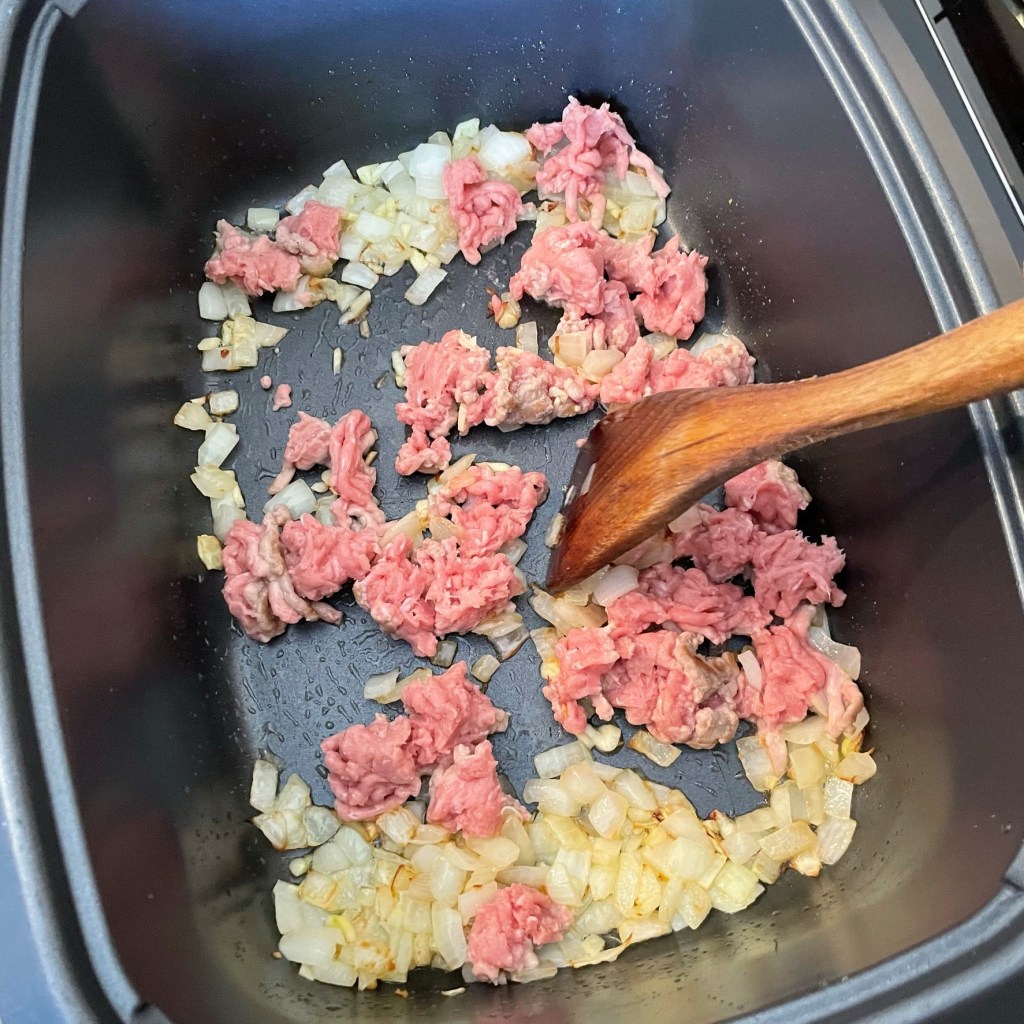
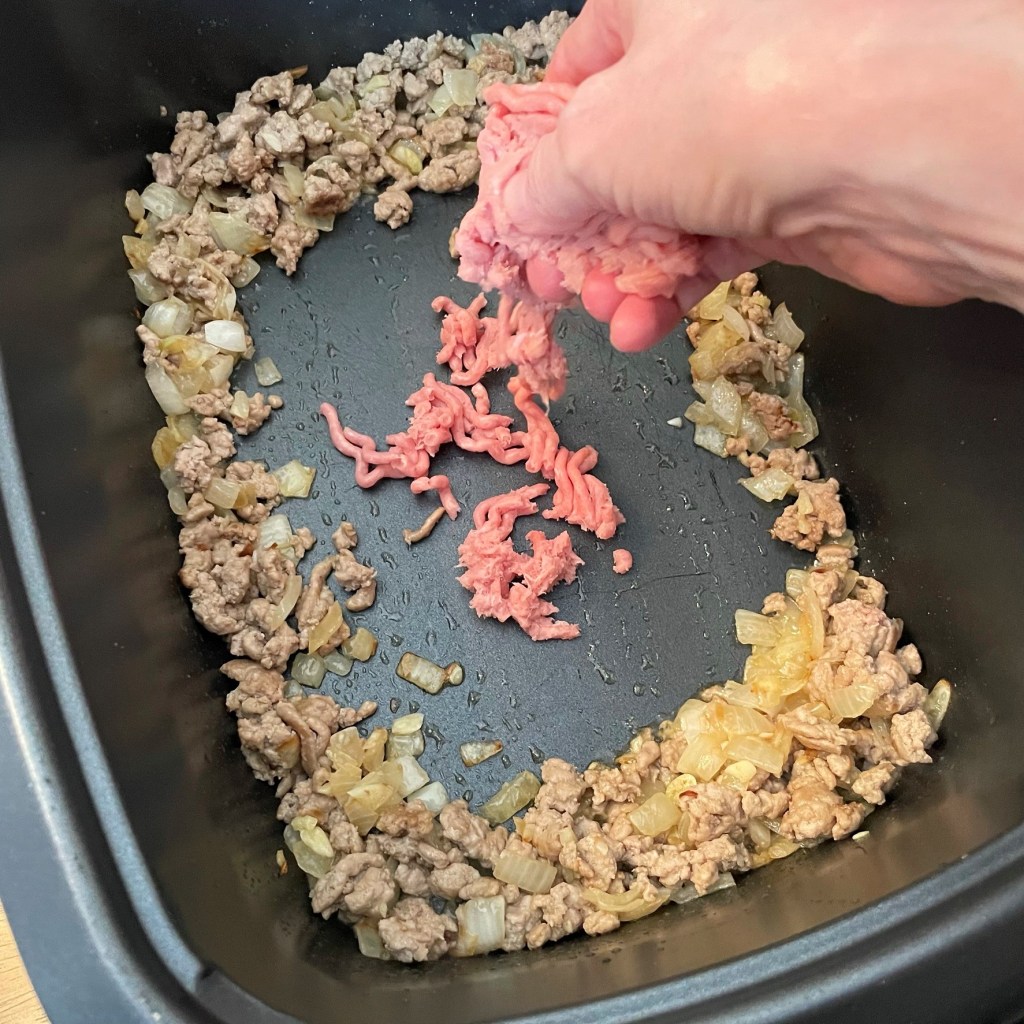
  2. Add the ground turkey, about half at a time, breaking it up into bits with your fingers as you go. When you brown ground meat, it’s a good idea to cook a small amount at a time to maintain a steady heat. Otherwise, the meat will just steam. When all the turkey is browned, add the chopped garlic and the spices, plus salt and pepper, and cook about one minute until the garlic is fragrant.
  3. Sprinkle the flour over the ground meat mixture and stir it around to evenly coat all the meat. It should seem a little dry on the surface of the meat; add a touch more flour if needed to get this appearance. Cook the mixture two minutes, add the green chiles and cook two more minutes.
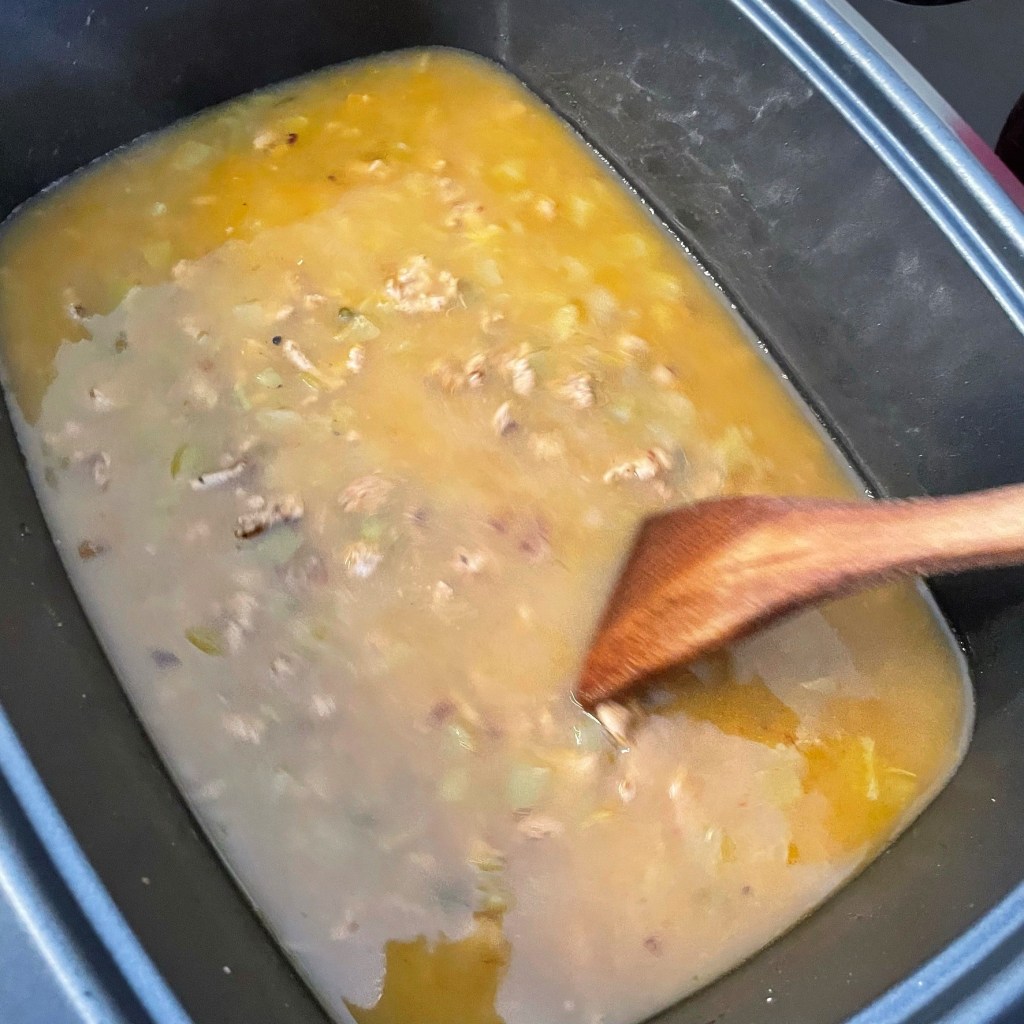
  4. Add the chicken broth to the pot all at once. Stir gently to mix the broth with the roux-covered meat mixture and cook until it reaches a slight boil, then reduce the heat and simmer about one hour. At this point, I switched the slow cooker setting from “browning,” which is essentially the same as cooking on a stove top, to “high slow cook.”
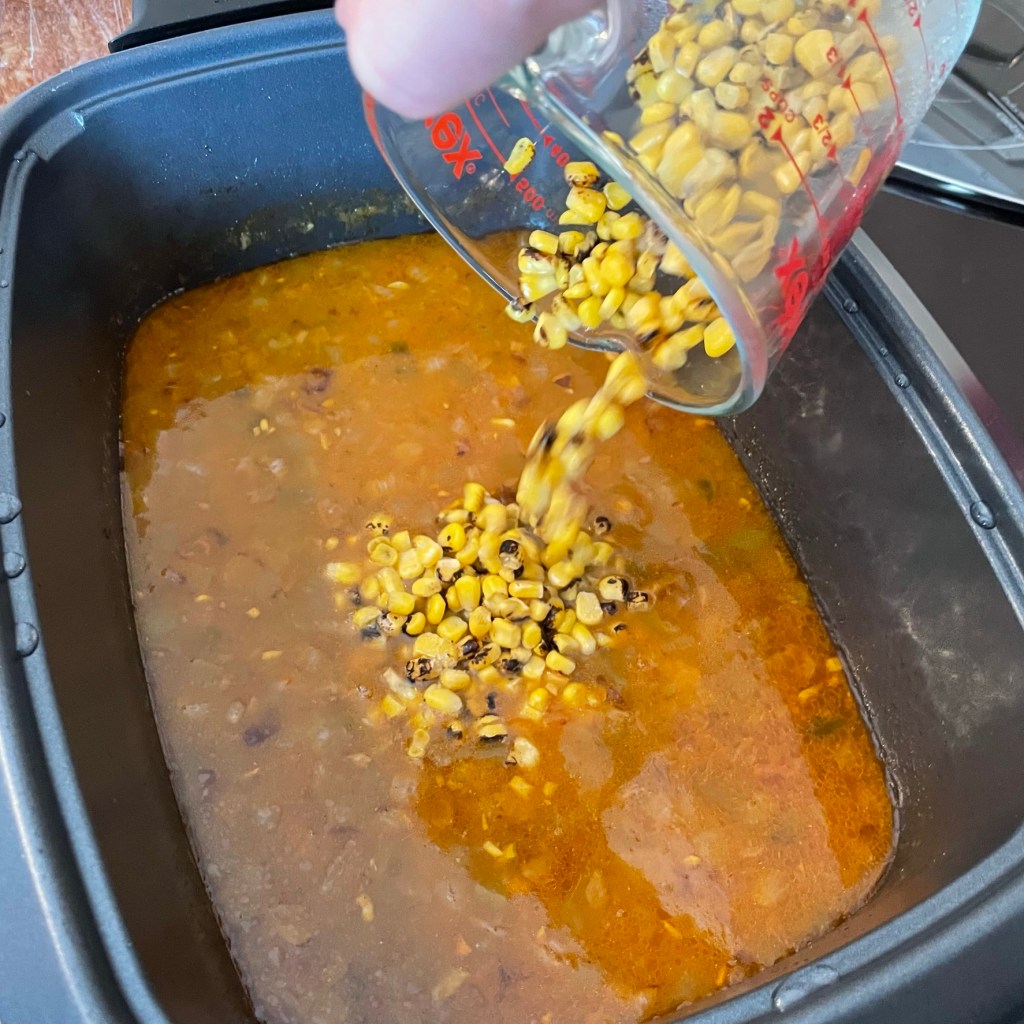
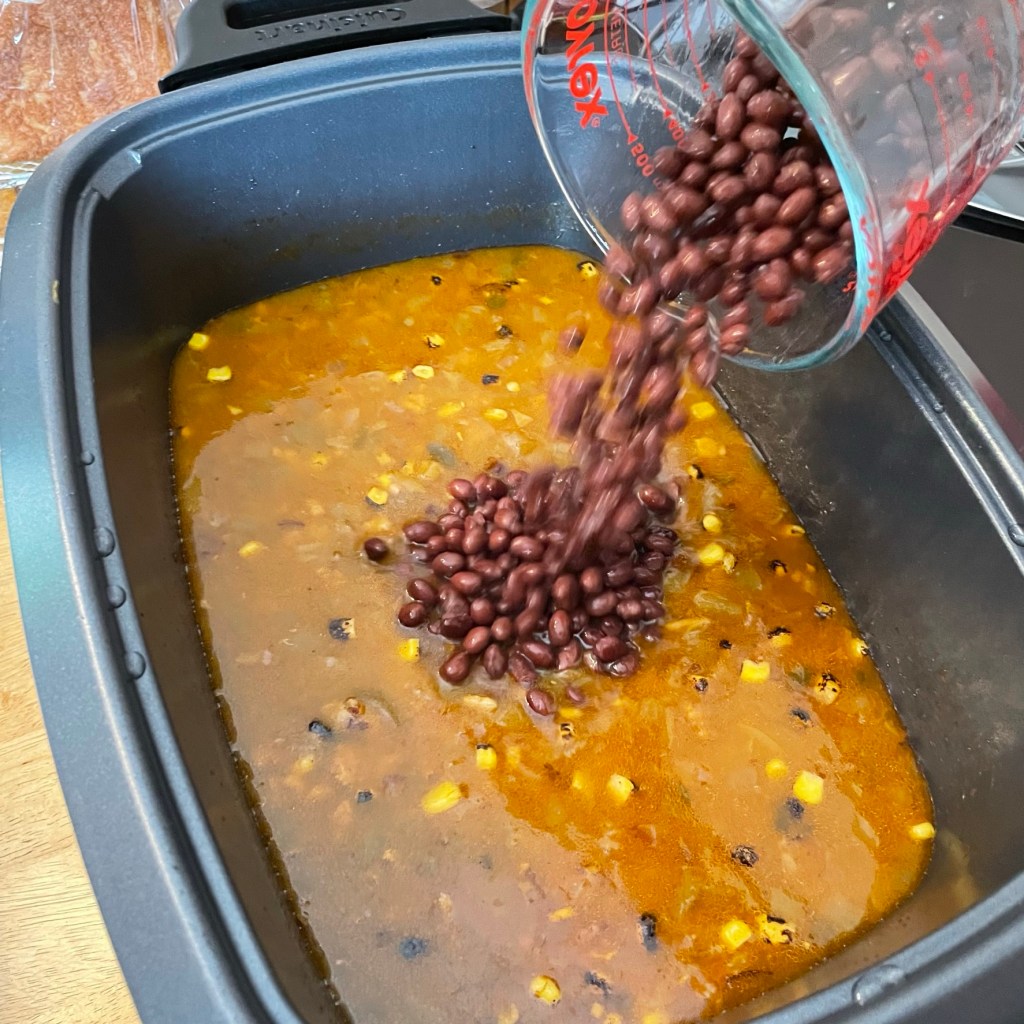
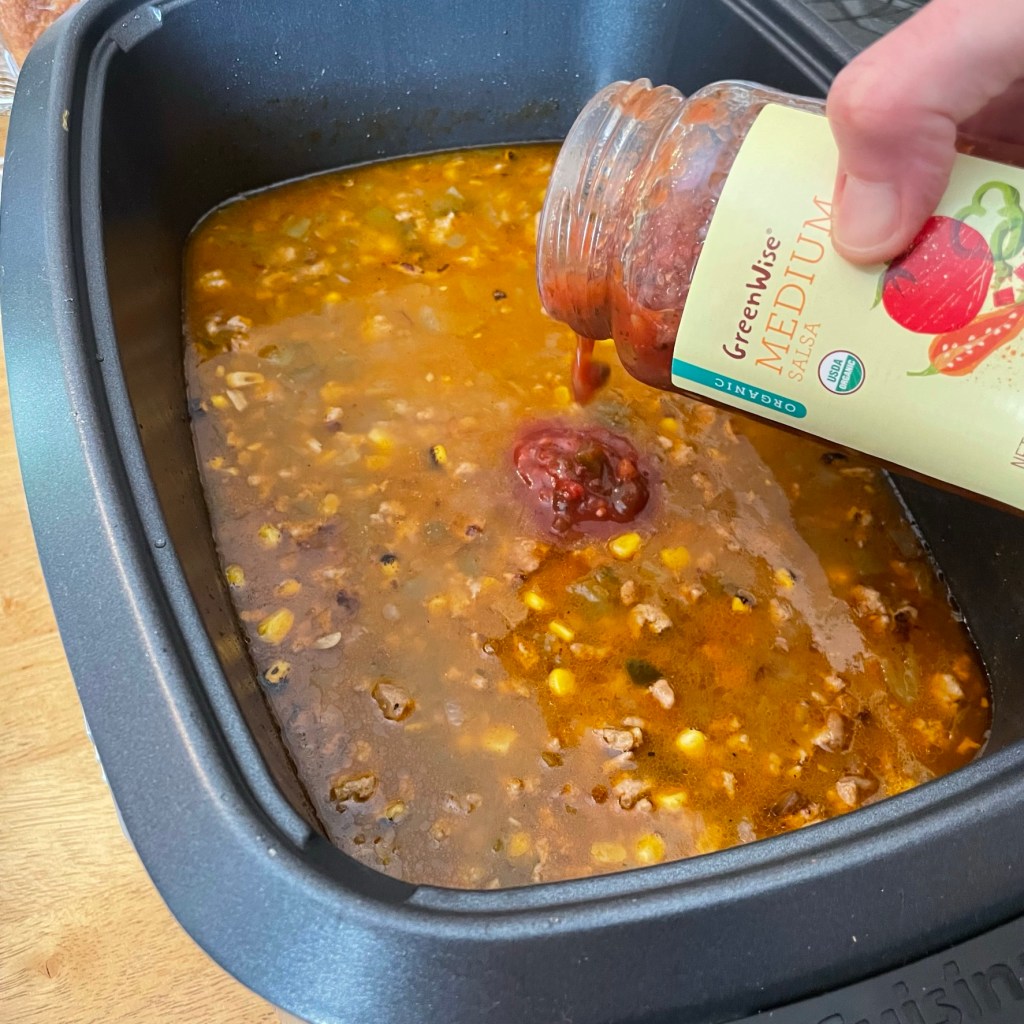
  5.  Add the roasted corn, black beans and salsa and stir to combine. Adjust seasonings to taste. Simmer on low setting for two hours or more, until you’re ready to serve.
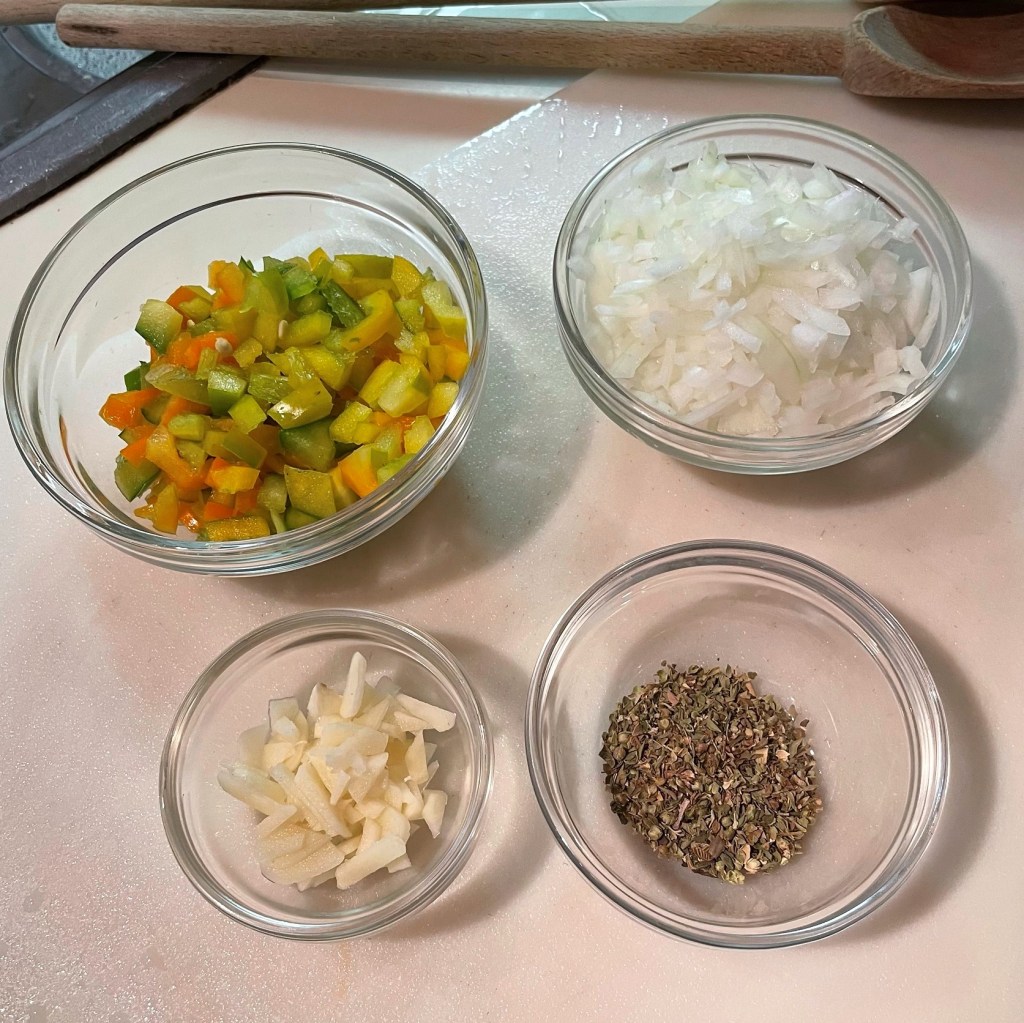
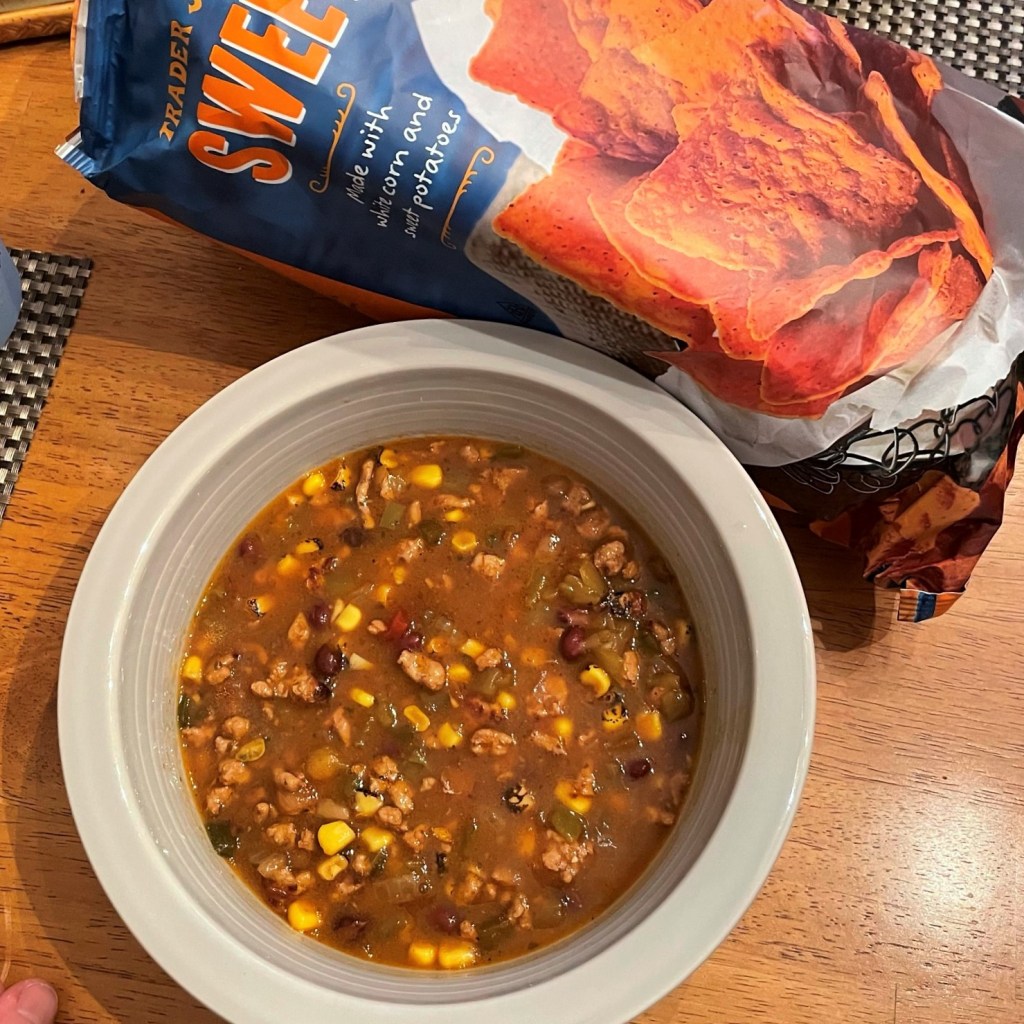
For our first “cooking without a kitchen” meal, I served this comforting turkey chili soup with tortilla chips, but it’s really delicious with a fresh batch of skillet cornbread.


Out With the Old!

Things are getting real over here. Yesterday at exactly 9:16 am, a crew of three guys arrived at our front door, ready to start work on the kitchen remodel we’ve been dreaming about for so many months. And I will admit that on Sunday night, when my husband, Les, and I emptied out the final few things, there was a moment (OK, maybe half a moment), when I felt a little sad.

Not sad to have our project underway, mind you. We are ready after so much planning, and I have been getting a little antsy about the timeline following several delays on delivery of the new cabinets. We were firm about not tearing things out until we knew for sure the new cabinets were delivered and correct. It has been a classic case of “hurry up and wait,” but well worth it because we are investing in American-made products, from the cabinets to the countertops, sink and faucet, and even the new dishes we will be getting to replace the ones you’ve seen so many times in my blog photos.

What made me sad was my reminiscing over some of the things that have happened in this room we are overhauling. All the Thanksgiving meals, Super Bowl parties, family gatherings and romantic meals for just the two of us. Of course, there will be more of all those things when the new kitchen is installed, but not exactly in this same space where our memories as a couple began. It’s bittersweet. I fought hard to hang onto it this week, even baking one last loaf of sourdough bread on Sunday night, mere hours before the crew showed up to tear it down.

Last man standing.

And then, just like that, the feeling passed. Because, yay! A new kitchen!

I was almost too tired to keep standing.

It’s going to be a little wild over here, and for the next week or so, please bear with me as I’ll be focused on the well-being of our pets, who are plenty confused with the state of things. We will be doing a lot of take-out this week, and then I will dive into the new challenge of cooking “kitchen-less.” In between, I have some catching up to do, with recent welcome-to-fall recipes that I’ve made, and more food stories and recipes to bring to the table from our vacation, including an authentic Puerto Rican comfort food dish, a couple of fab pizzas inspired by our visits to the amazing pizzerias in New Haven, Connecticut and (of course) a few fun cocktails that I’m sure you’ll enjoy! Here’s a little taste of what’s to come.


It will be weird to continue seeing and posting pictures showing the kitchen as it was, while at the same time I will be watching the transformation into what it will become—a bright and beautiful, made-in-America kitchen! There will be some frustrations, I’m sure, but we are looking forward to the finished project, and even the extreme kitchenless cooking we will do.   

If you have done a full kitchen remodel, please tell me in the comments, what got you through the rough parts? Because here they come!

Let the games begin!


Sourdough Pumpkin Spice Waffles

As eager as I have been to get things rolling on our kitchen remodel, I have enjoyed being able to make some of the fall recipes I thought would get left behind. If we must be delayed, I may as well keep cooking fun things, right? We still have a few days of “Better Breakfast Month,” and this simple twist on your favorite waffles is covering a lot of territory for me.

If you have never tried them, sourdough waffles are the best thing going—with delicate, crispy exterior and soft, fluffy goodness on the inside. They are not as sweet as some other waffles, which is fine by me, given that I usually drench them in real maple syrup. In keeping with the season (we are now five full days into fall), I have also spiked these easy-to-make, overnight waffles with pumpkin and warm spices, the two flavors everyone seems to either love or hate. If you’re in the first camp, keep reading. If not—well, perhaps you simply need to try these waffles, so you might want to keep reading, too.

I used to hesitate on pumpkin spice recipes, imagining that maybe this ubiquitous flavor combination was too cliché. But then I went to Trader Joe’s, otherwise known as the pumpkin spice capital of the world, and I found myself surrounded by pumpkin spice cookies, donuts, yogurt, coffee, granola bark, cake bites, scented candles—well, you know the scene. And it was there, standing amid all those fall-inspired goodies, that I realized 75 million Trader Joe’s fans can’t be wrong. And neither are these waffles.

I love the rich autumn color of these pumpkin spice waffles!

The addition of pure pumpkin puree gives these waffles a gorgeous fall color and a big dose of antioxidants, while a teaspoon of pumpkin pie spice brings the essence of the season. Here’s a bit of happy news: if you don’t have a sourdough starter, you can still make a version of these. I made only those two modifications to my favorite sourdough waffle recipe for this variation, and I expect you can do the same with whatever recipe you like to use, sourdough or not. Just add pumpkin to the wet ingredients and pumpkin pie spice to the flour.

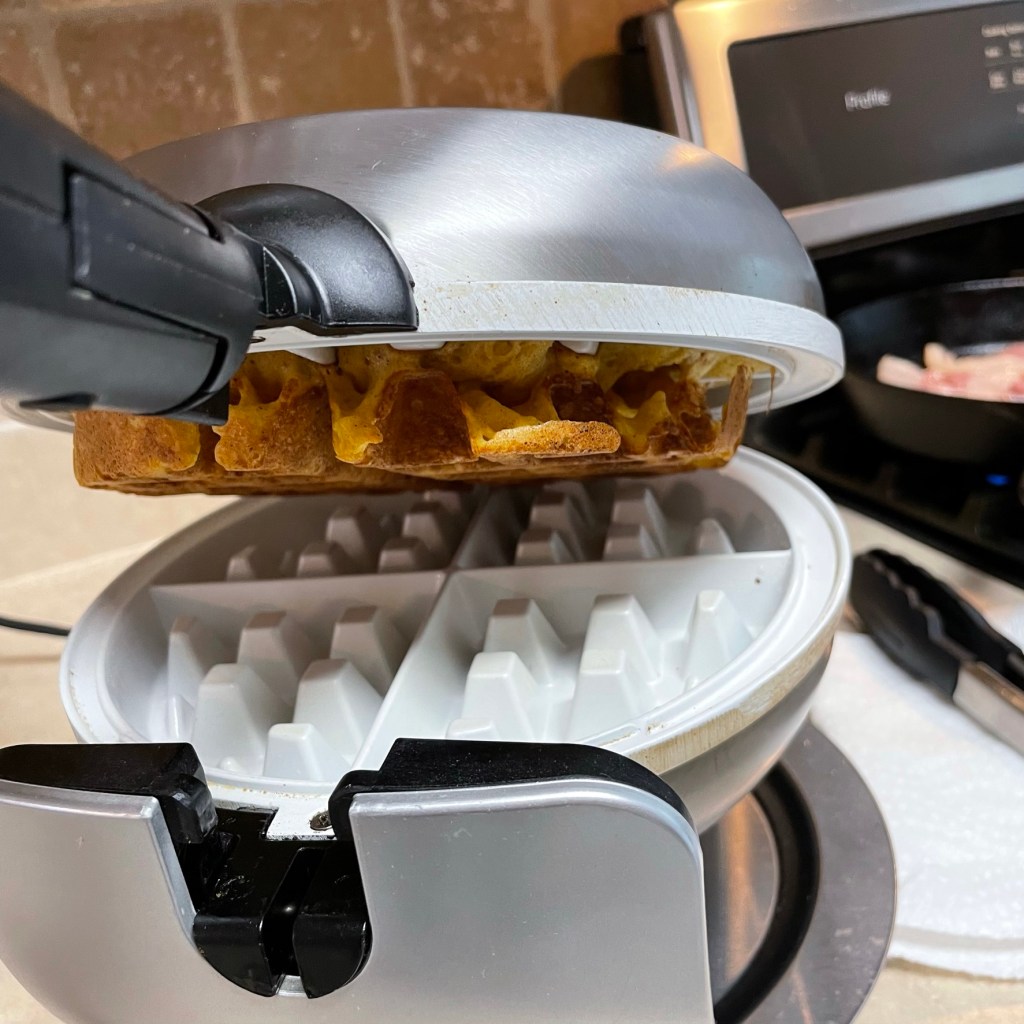
Obviously, you do need a waffle iron to make waffles. I have had good results using both a Belgian-style maker and a standard square maker, though the recipe will yield different amounts depending on the size of the waffles. No waffle maker, but jonesing for a pumpkin spice breakfast? Reduce the oil a bit, keep everything else the same and make pancakes instead.


Ingredients

Overnight Starter

1/2 cup sourdough discard

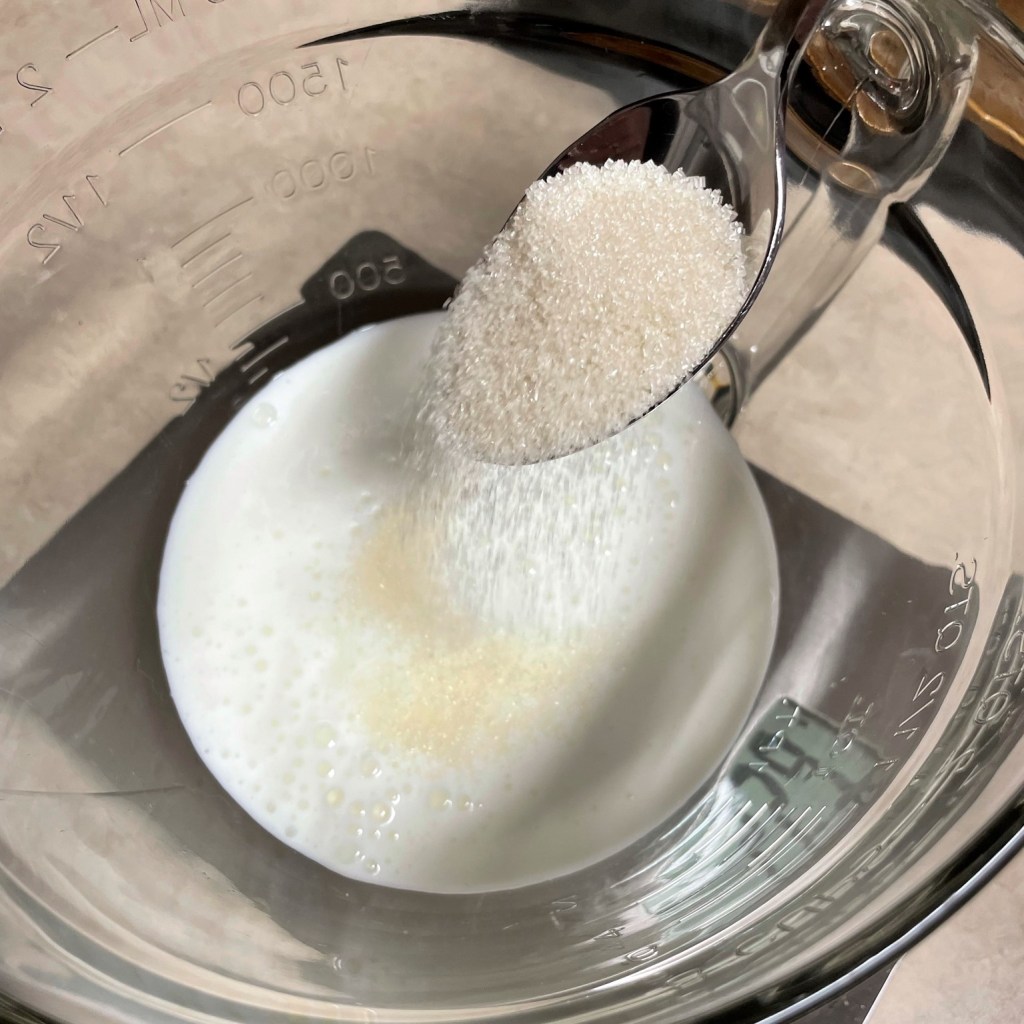
1 cup cultured buttermilk

1 Tbsp. cane sugar

1/3 cup pure pumpkin puree

1/2 cup all-purpose flour

1/2 cup whole wheat pastry flour (or white whole wheat)

A heaping 1/2 tsp. pumpkin pie spice (or a few pinches each of cinnamon, nutmeg and ginger)


Combine the first four ingredients in a large bowl (twice as large as you think you’ll need) until smooth. Stir in the flour and spice ingredients. Cover bowl with plastic wrap or a lid and leave it on the counter overnight to ferment.


In the Morning

Heat waffle iron to medium-high heat. Preheat oven to 200°F with oven rack in center position. Place a cooling rack inside a baking sheet inside the oven, for keeping the first few waffles warm while you finish the batch.


Whisk together these ingredients in a glass measuring cup:

1 large egg

2 Tbsp. canola oil (or melted butter)

1/2 tsp. baking soda

2 pinches salt


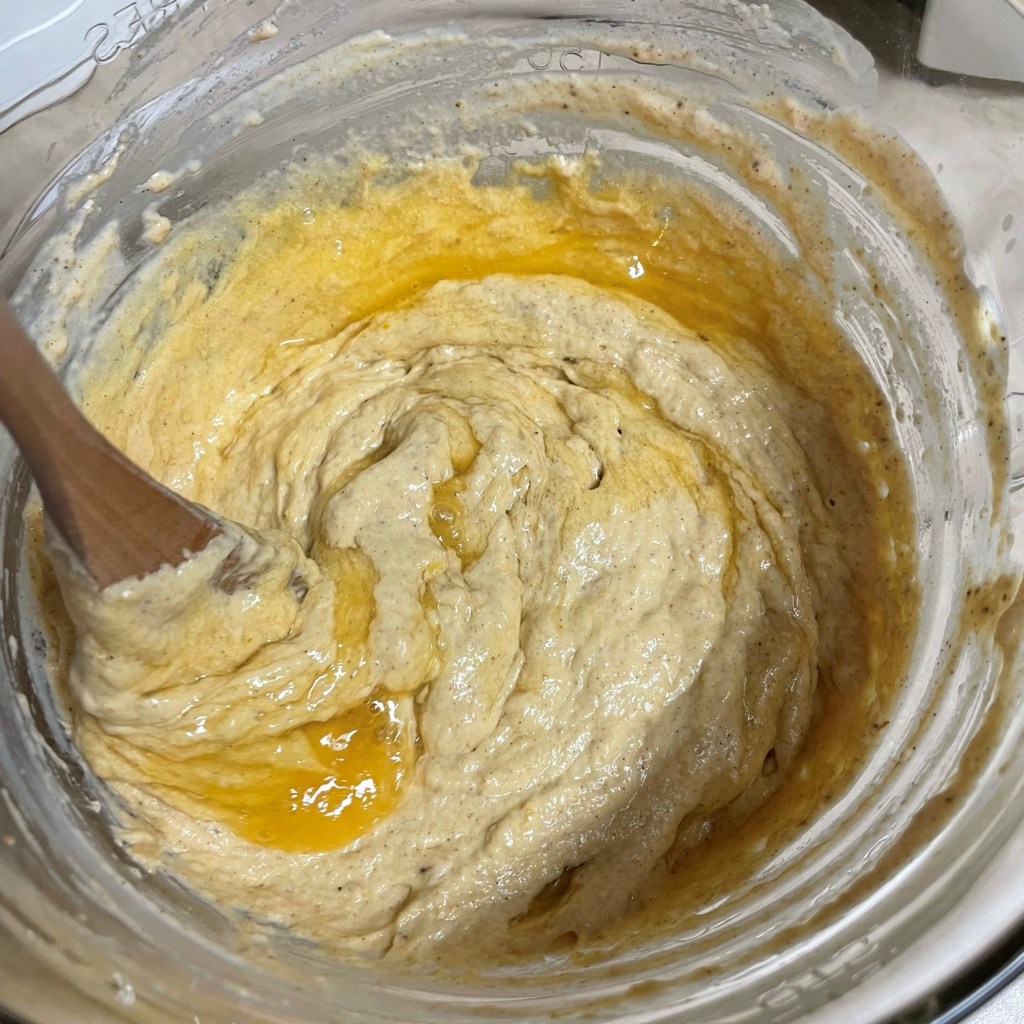
Pour the mixture into the pumpkin-sourdough starter and fold together, just until evenly combined. The buttermilk and baking soda will react, and the batter will become rather bubbly and rise in the bowl. Let the batter rest on the counter for about 10 minutes before you proceed with making the waffles.

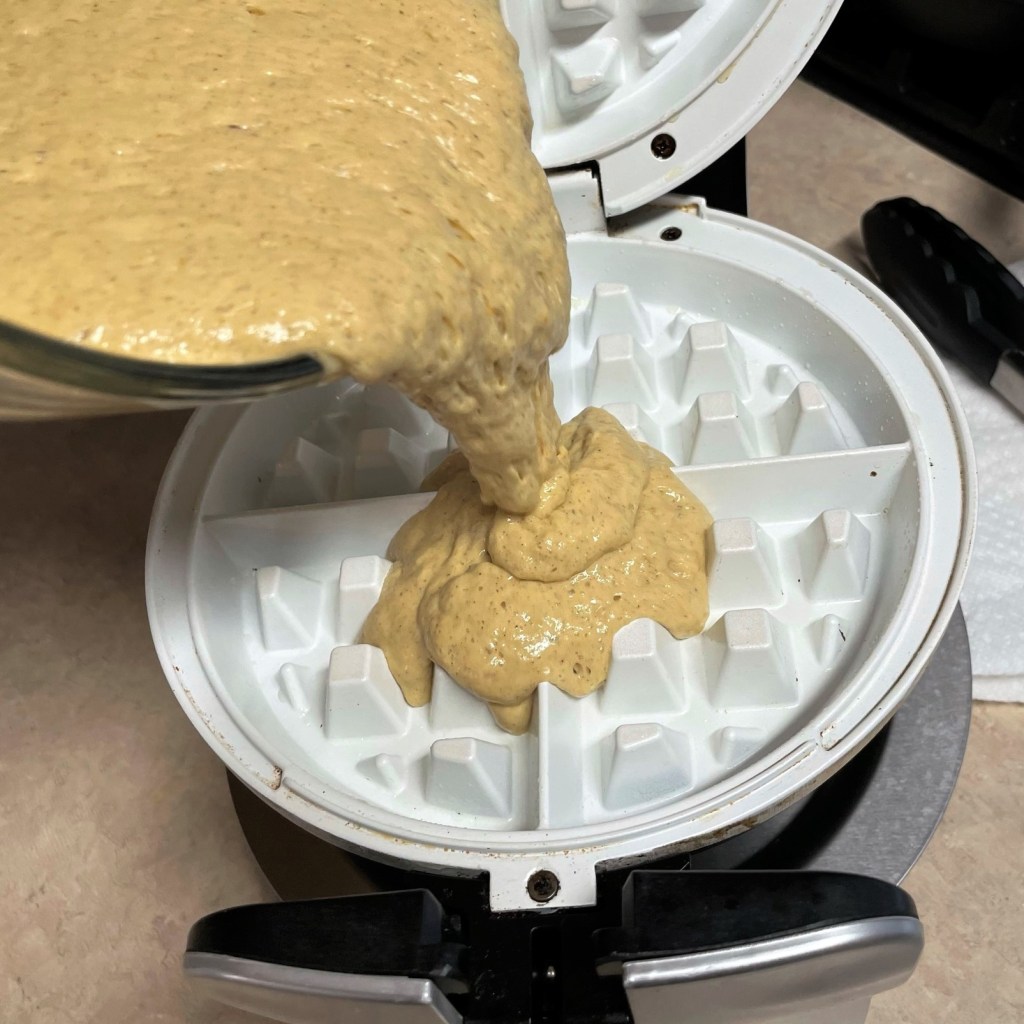
Follow manufacturer’s instructions for making the waffles, transferring them to the oven to keep warm until ready to serve.


This recipe will make about four tall Belgian waffles, or about 12 squares. Either way, it’s plenty of breakfast for four people.


Homemade Giardiniera

One of the challenges (or joys, depending on your outlook) of flying by the seat of your pants is you can’t confidently predict an outcome. This is true for me in the kitchen, even when I am doing that flying through a familiar recipe. When I cook, I generally do not follow a recipe to the letter; rather, I follow my instinct to complete a meal using the ingredients I can find. This is why my mac and cheese is never exactly the same, and why I have so many meatloaf recipes in my repertoire, including a stuffed one that I made last winter that I never got a chance to share with you—but I will (it involves bleu cheese).

Last month, when I whipped up the Italian Deli Tortellini Salad, I made a promise that I would share my homemade version of giardiniera, which I had declared is far and away better than any stuff you’ll buy in a jar. I’m making good on my promise, but before I continue, I must explain that my on-hand ingredients this time produced a giardiniera that would be perfect for serving at, well, Easter.

It’s pink!!!

In my previous times making this quick-pickled vegetable medley, I have used sweet or yellow onions and I didn’t have this pastel outcome. But in the ruckus of preparing to remodel, I had to forego an extra trip to the market, and I just used the red onions that I had. It was disappointing at first, because I am a perfectionist who wants everything to be just so, especially if I am sharing it on my blog. But there is also great joy in some of these culinary surprises, and it got me wondering what would happen if I used purple cauliflower along with the red onions, and maybe even purple carrots?

No matter the hue, I find the homemade version to be not only more flavorful, but also far crunchier than the jarred versions. I grew to love this stuff when I worked in a supermarket, as a house-made version of it was always in the prepared foods section of our deli department, and it was a perfect side to a beef on weck sandwich (now there’s a recipe for my culinary bucket list)!

Giardiniera is simple to make, but I suggest you plan ahead because it requires a few days and a decent amount of space in the fridge, at least during preparation. When it is finished, you’ll need a tall jar or good-sized container for keeping it, and it will last in the fridge for a few weeks.

One more thing to mention about my variation of giardiniera—it is intended as a riff on the Italian version, not the “Chicago-style,” which is marinated in olive oil rather than pickled.


Ingredients

About 4 cups fresh cauliflower florets                                            

1/2 cup carrot slices

1/2 red or yellow bell pepper, or pepperoncini or cherry peppers

1/2 onion (remember that red onion will make the dish pink!), cut into slices

3 celery heart stalks (strings removed), sliced thickly on the bias

Other vegetables would be good in this as well, provided they are crunchy. If I had made that trip to the store for yellow onions, I would have also picked up a bulb of fennel—that would be fantastic.

1/4 cup kosher salt* (see notes)


*Notes

I use kosher salt for most of my cooking and especially when brining or pickling. It has a pure salt flavor and the large grains take up more space than regular table salt. The additives in table salt (iodine and anti-caking agents) can add an unpleasant flavor and will likely result in a cloudy liquid. If you only have table salt, it is OK to use it here, but I’d recommend using less of it—maybe 3 tablespoons plus a teaspoon.


Instructions – Day One

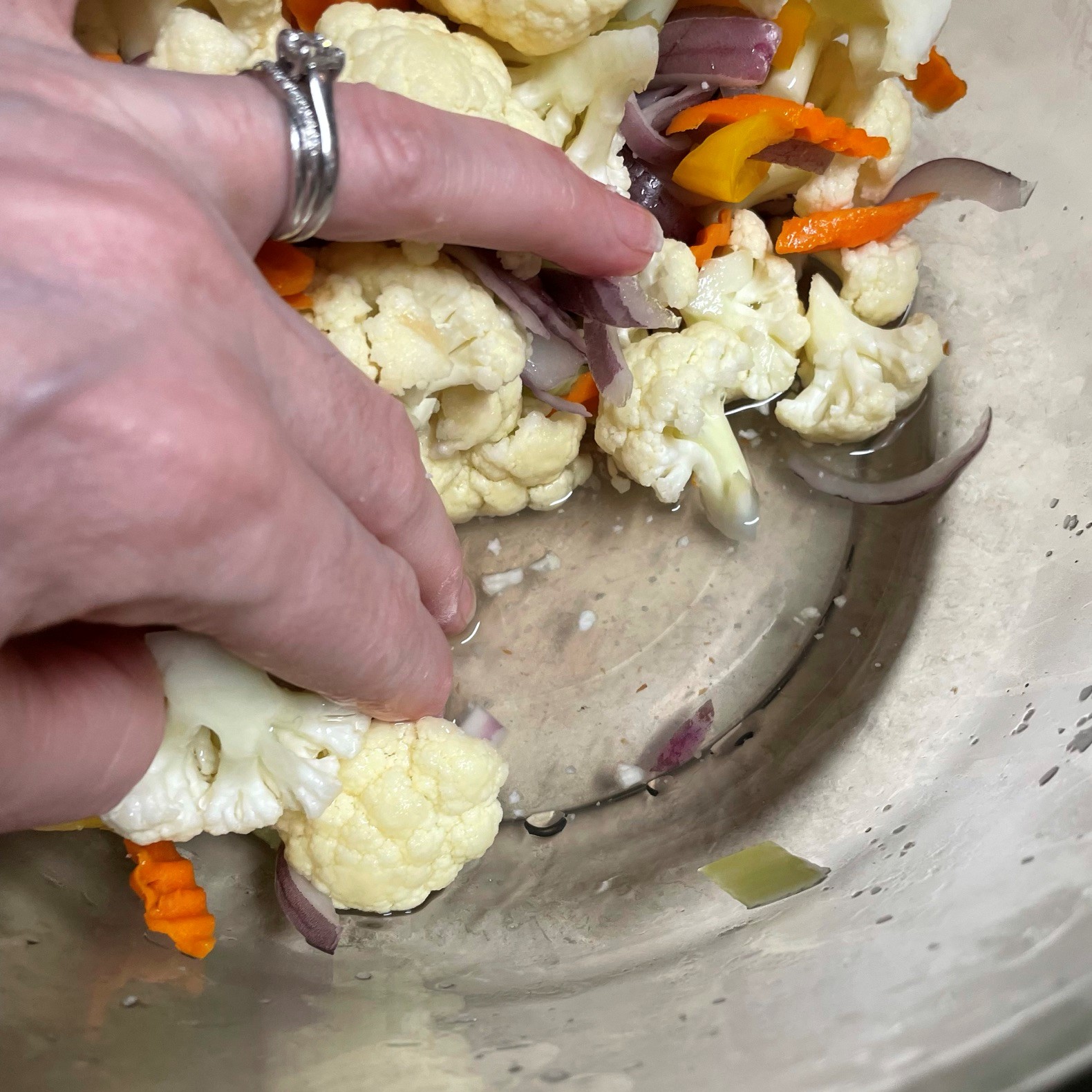
Combine all the cut-up vegetables in a large bowl. Pour salt over them and use your hands to toss until evenly salted. Cover the bowl with plastic wrap or a lid and refrigerate several hours, up to overnight.


I’ll stop right here and admit that in my distraction over all the remodel prepping activity, I let my vegetables brine in the salt way too long, but it was not a disaster; a couple of extra rinses on the second day washed away the excessive saltiness.


Instructions – Day Two

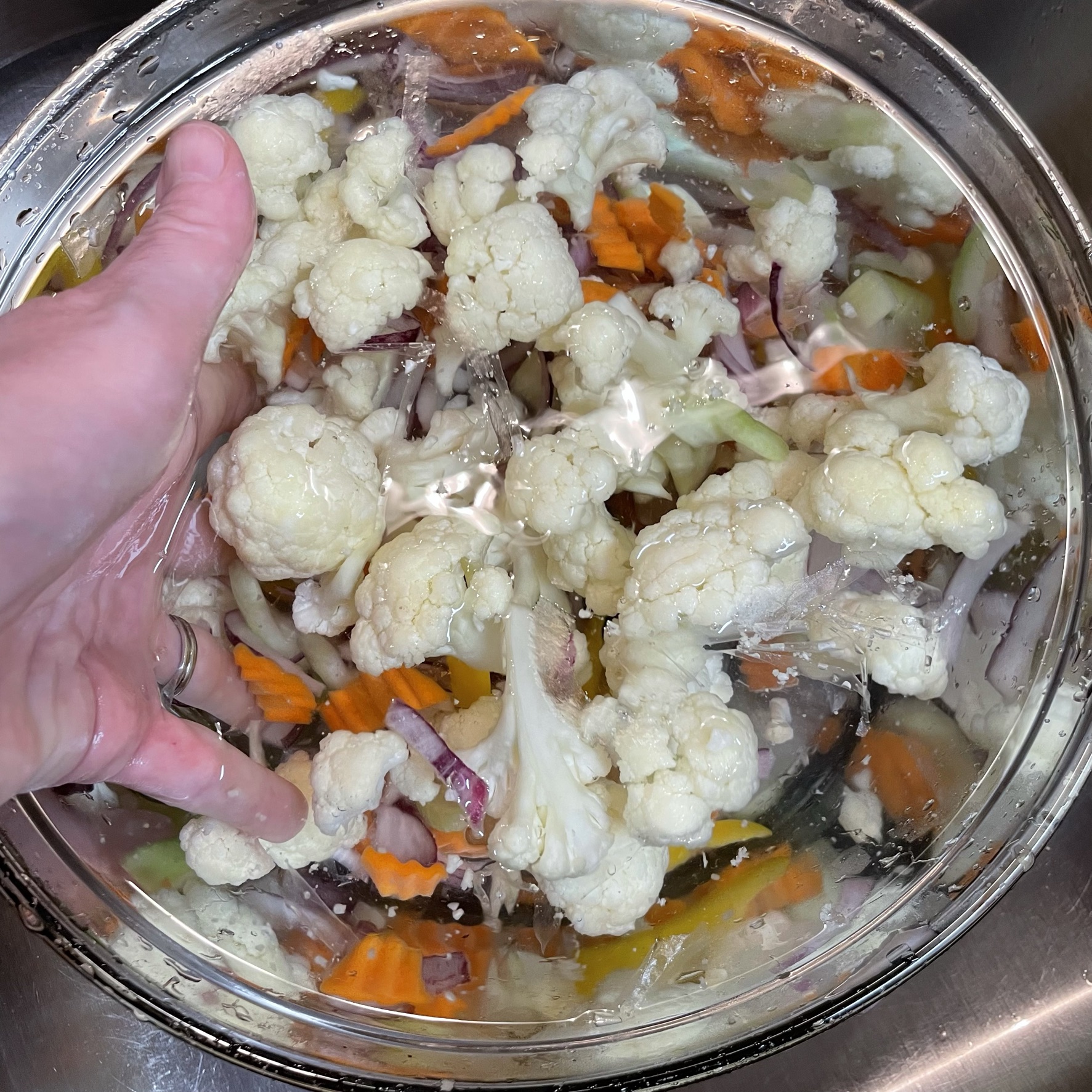
Drain the released liquid from the vegetables and rinse well under cold running water for about two minutes. Taste one or two pieces for saltiness. If they are too salty, cover them in the bowl with cold water and let them rest half an hour, then drain and rinse again. When they taste seasoned, but not unpleasantly salty, they are ready for the next step of pickling.

This part of the recipe project felt like a scavenger hunt, mainly because I have packed away my spices based on which ones I figured we would likely need for easy cooking during our remodel.

Believe it or not, I used to know where everything was.

In case I have not mentioned previously, I have a lot of spices—enough to fill up both sides of this cabinet (and surplus spices, which live in a cabinet above the washer and dryer), and there are too many jars to fit in a single box for short-term storage. We expected to be put out of the kitchen two weeks earlier, and when the delays gave me time to make giardiniera, I had to go in search of my ingredients.


No worries. It will all be worth it when the kitchen is done. 😊


Pickling Ingredients

1 1/4 cups apple cider vinegar* (see notes)

1 1/4 cups water

3 or 4 cloves garlic, peeled and lightly crushed*

2 tsp. each mustard seeds, coriander seeds, fennel seeds

1 tsp. crushed red pepper flakes

2 bay leaves

3 Tbsp. cane sugar

2 tsp. kosher salt (slightly less if using table salt)


*Notes

I usually have two kinds of apple cider vinegar on hand. One is raw, which means unfiltered and unpasteurized, which I will use for salad dressings or health purposes, but it is expensive. The other is a grocery store brand that is clear, which means it is filtered and pasteurized. I use the latter for this purpose because the vinegar is heated and that destroys the probiotic benefit of the raw vinegar anyway.
Unfortunately, I was so consumed in my search for fennel seeds that I did not remember the garlic when I made this batch, but I recommend it for an extra zing of flavor.

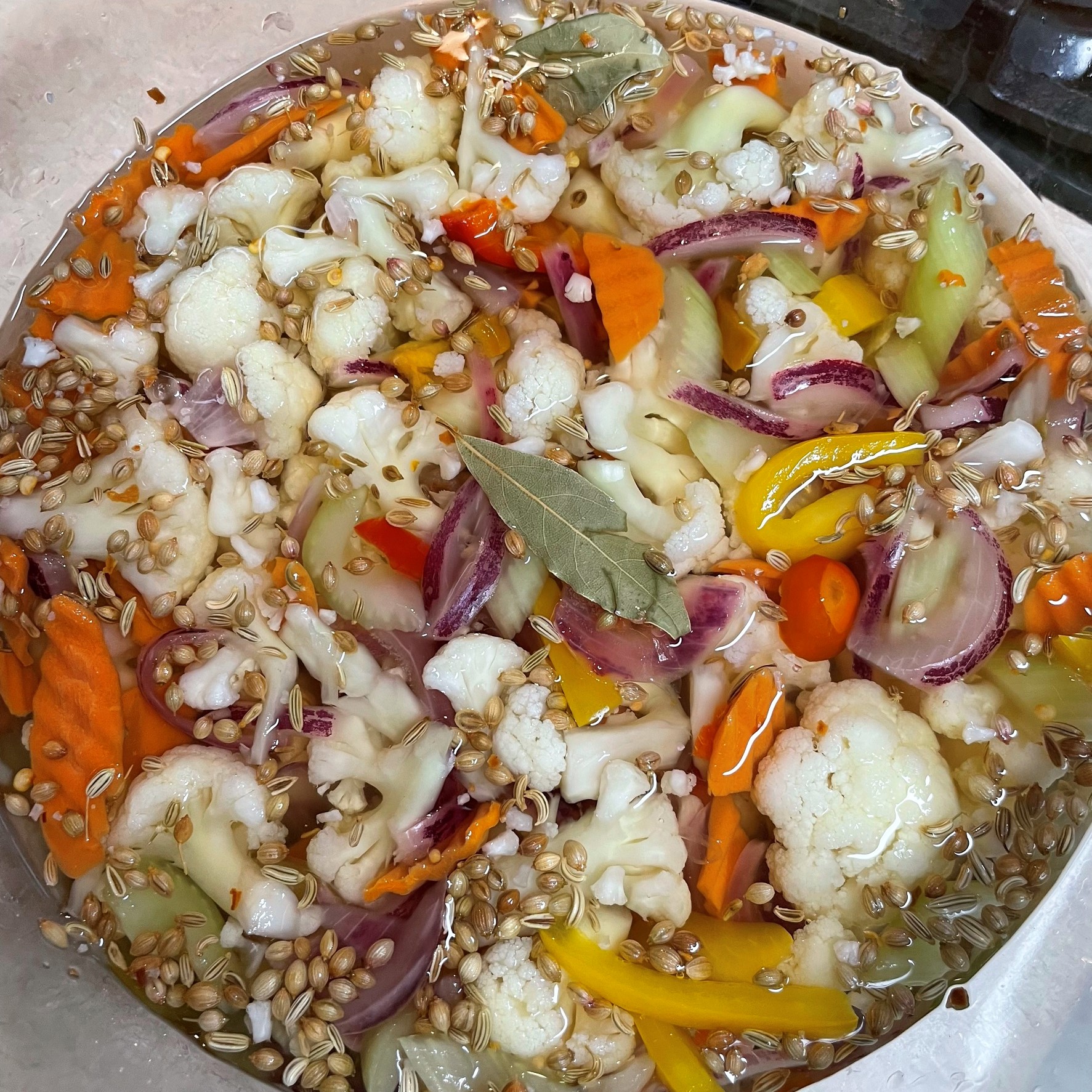
Combine the pickling ingredients in a medium saucepan and bring to a boil. Stir to dissolve the sugar and salt, then remove from heat. Pour the pickling liquid over the vegetables in a clean bowl and press the veggies under the surface of the liquid as much as possible. If it seems there is not enough liquid to go around, add equal splashes of vinegar and water to ensure good coverage.
Cover the bowl with plastic or a lid. Allow the giardiniera to cool, then refrigerate it at least overnight before enjoying it. For longer storage in the fridge, I transfer the giardiniera to a tall jar, and pour the pickling liquid through a mesh strainer to catch the seed spices and bay leaf.


Roasted Butternut Squash Lasagna

Today marks the beginning of something I’ve been looking forward to, and I don’t mean that my kitchen renovation is underway—we are still waiting, but we do at least have good news today. After a few false starts related to the delivery of our new cabinets, we finally got word from Matt, our contractor: “We have the cabinets!!” So that hurdle is cleared and now the real chaos (the tearing out of the existing kitchen) is slated to begin on Friday (Yay)!

The delay gave me enough time to whip up a few dishes that I would have otherwise missed, including this one, which is a flavorful shout out to the significance of this day.

What I’m referring to is Autumn Equinox, otherwise known as the first full day of fall, but affectionately known at my house as the start of soup and stew season, the unpacking of my favorite sweaters, the countdown to the first flick of the switch on the gas fireplace, and the return of the hot toddy, and I am loving all of the above.
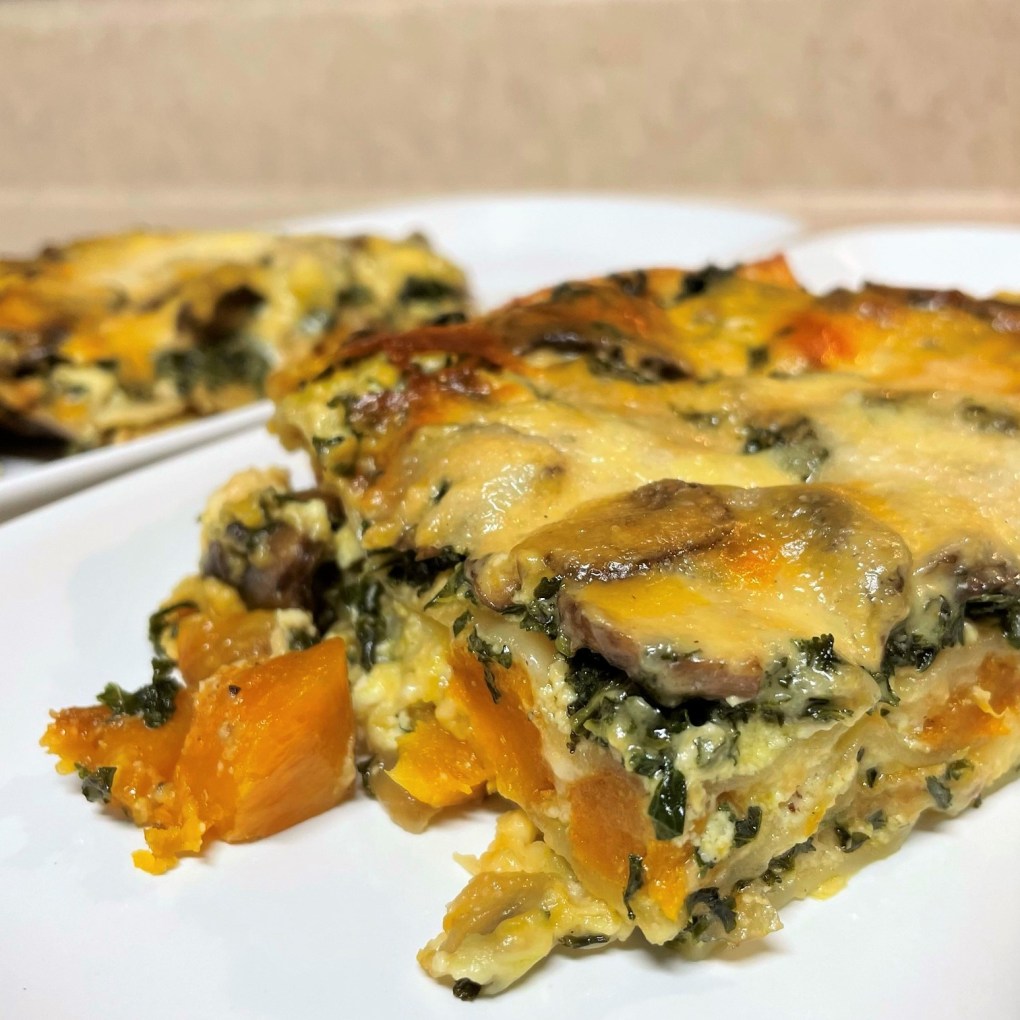
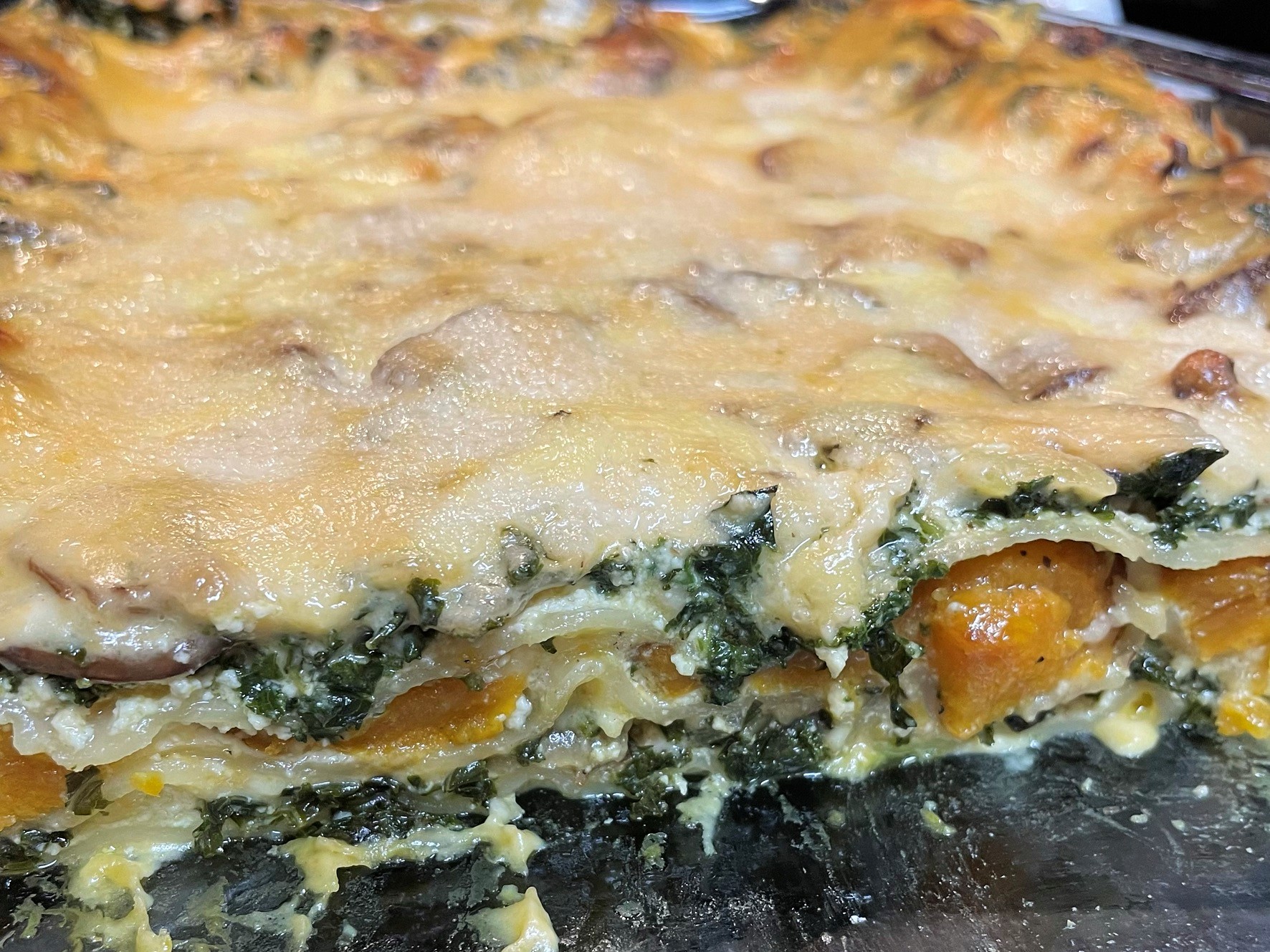
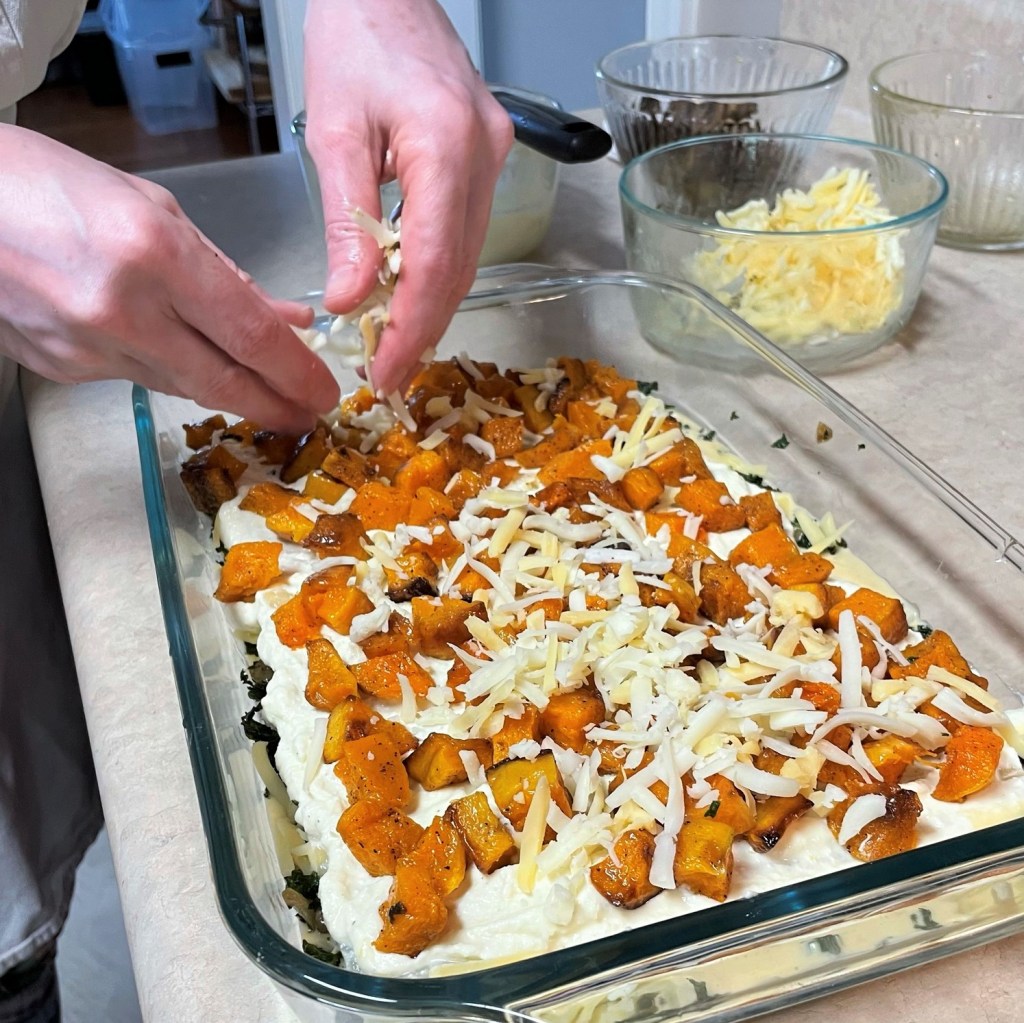
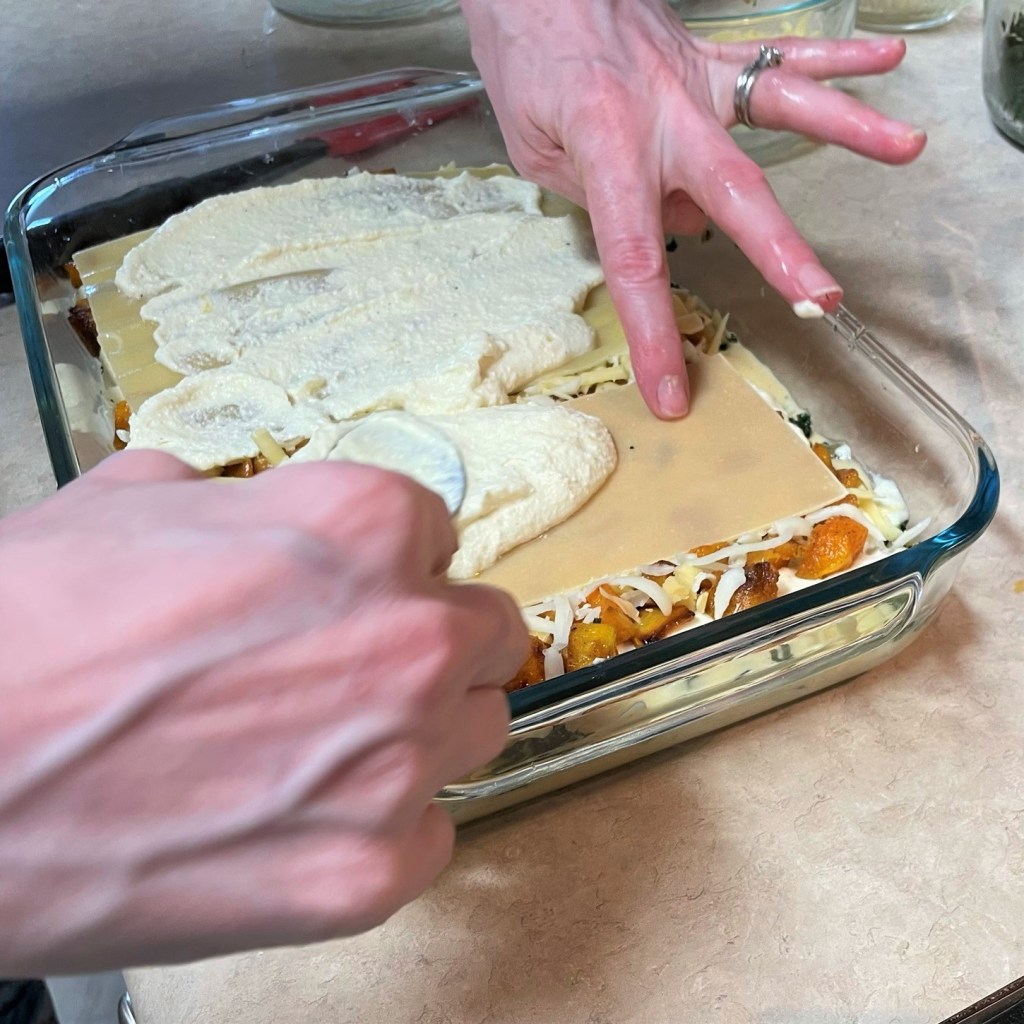
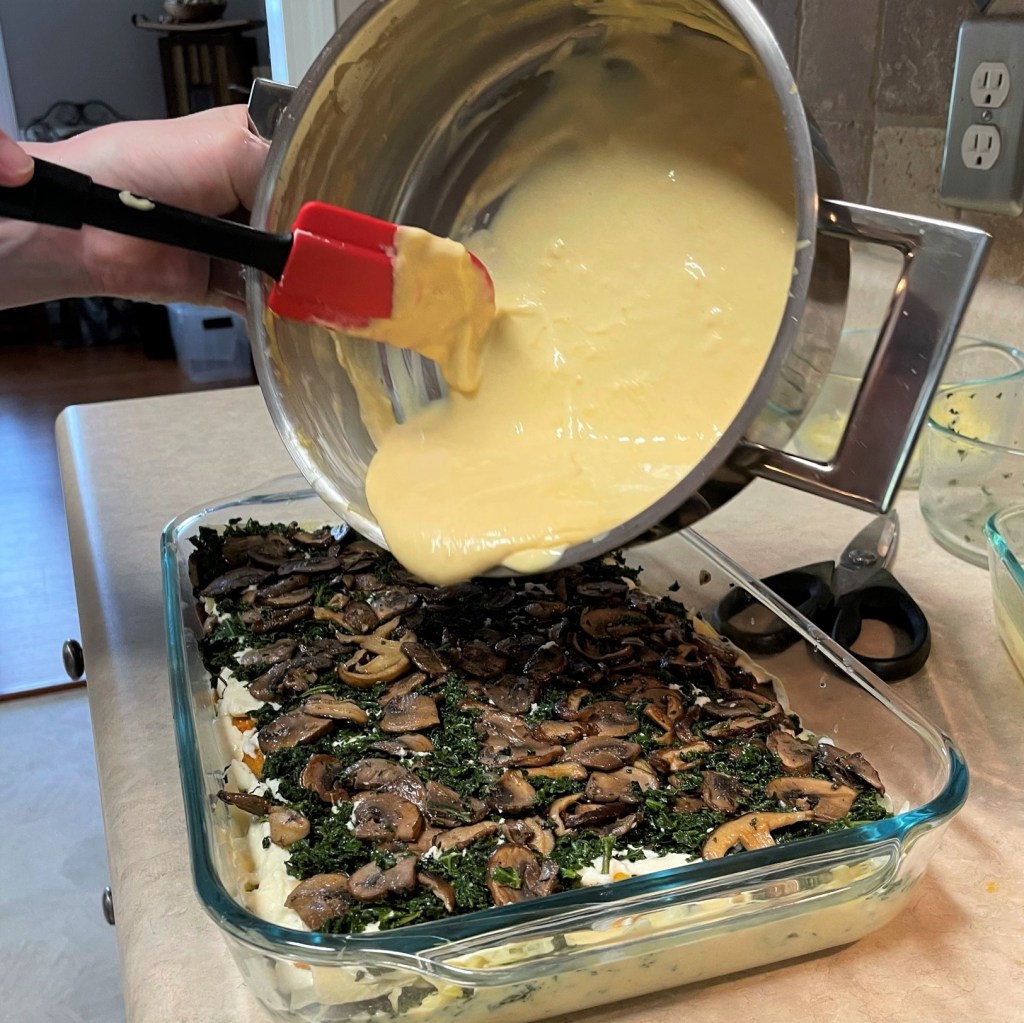
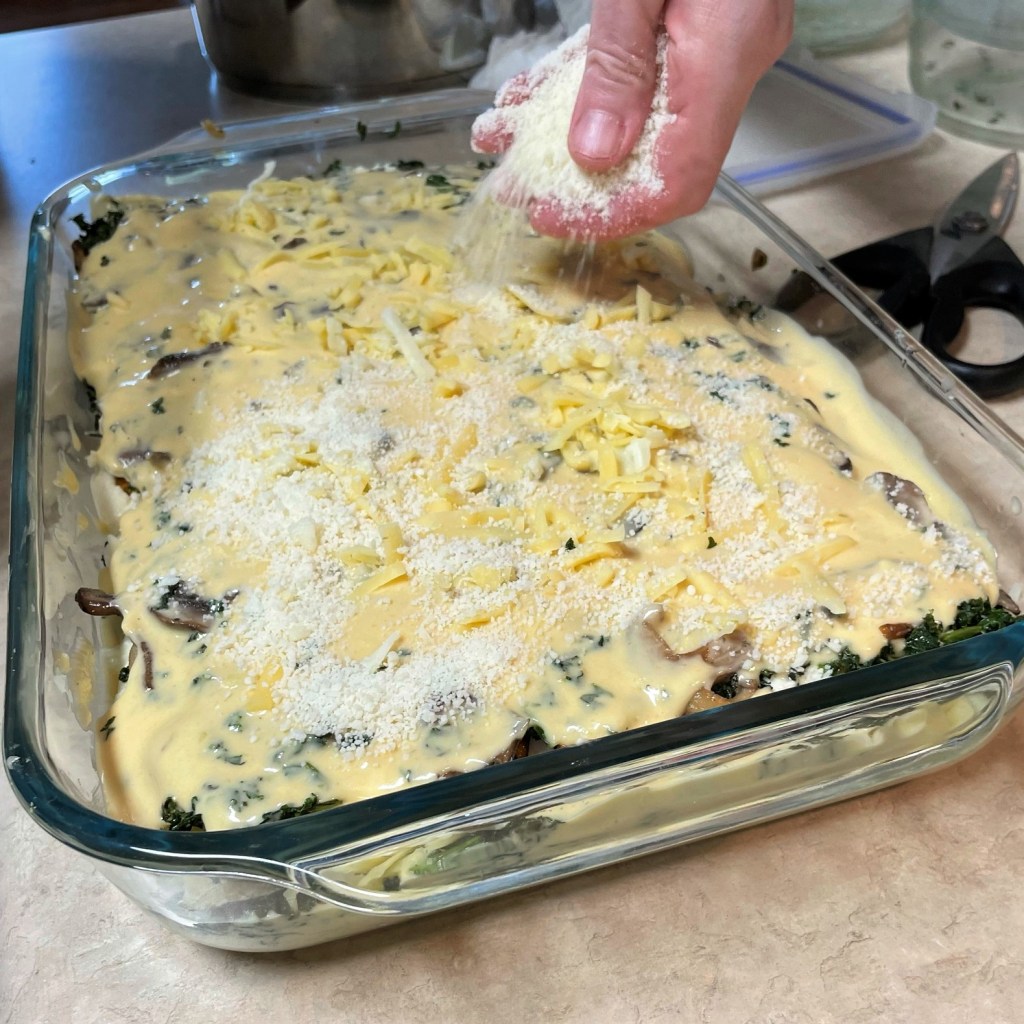
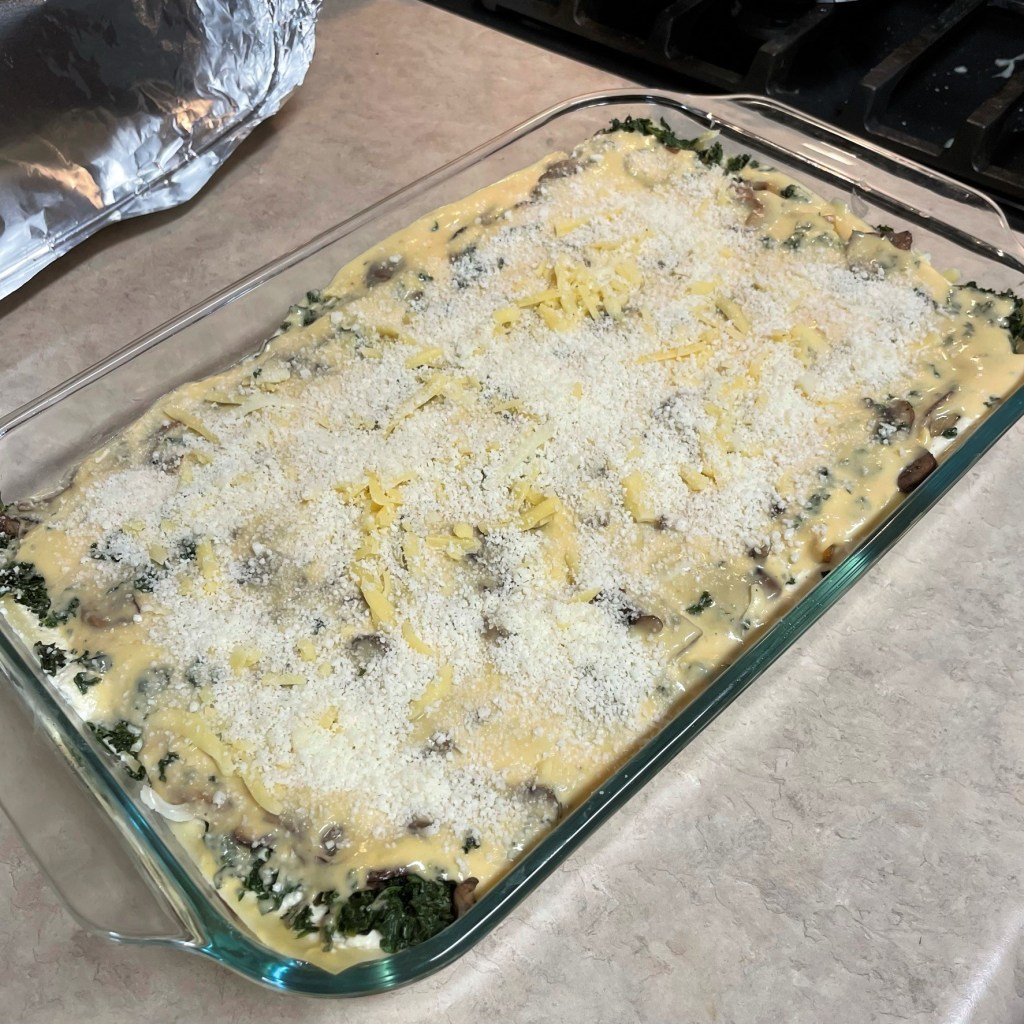
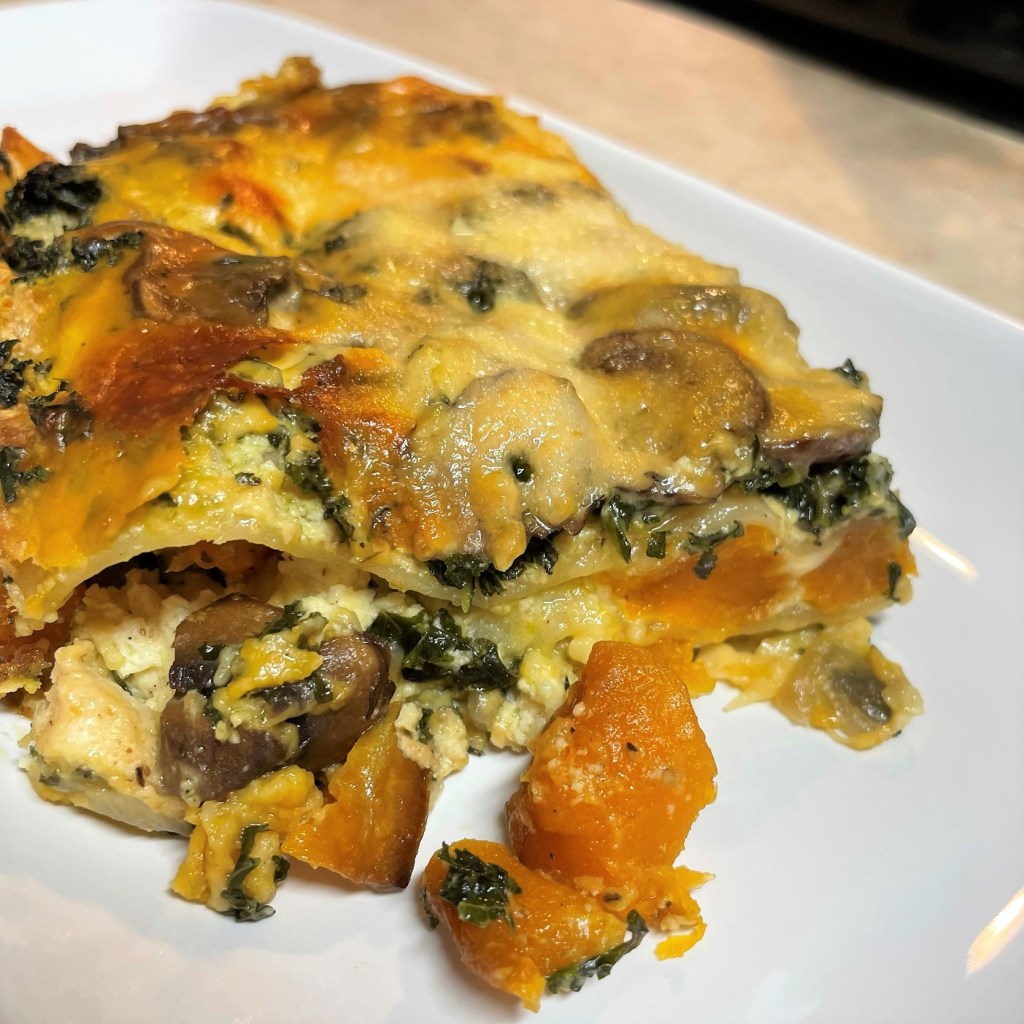
In fact, it feels like the perfect time to introduce you to one of my favorite homemade autumn-themed dishes, this butternut squash lasagna, which I first started making almost 10 years ago. This comforting casserole is layered, not with Italian seasonings or tomatoes or mozzarella, but with flavorful, seasonal vegetables, including onions and kale, two kinds of mushrooms and oven-roasted butternut squash. Nestled between the vegetable layers you’ll find a lemon-scented ricotta, shredded fontina and a creamy, cheesy bechamel that is spiked with even more butternut squash. It is rich and satisfying, even without meat, and makes my taste buds very happy.

Layer upon layer of comforting fall flavor!

There is nothing complicated about this meal but, like any lasagna, it does take some time to pull together. My suggestion is to break it up into two days; prep the separate components ahead of time, so assembly and baking will be a snap on the second day. The other thing that is great about this dish is that you can customize it to increase the amounts of favorite ingredients and reduce any of the others that are not favorites. If you prefer more squash and less kale, just swap the amounts and change up the layering.


Ingredients

1 medium or large butternut squash, peeled and cubed* (see notes)

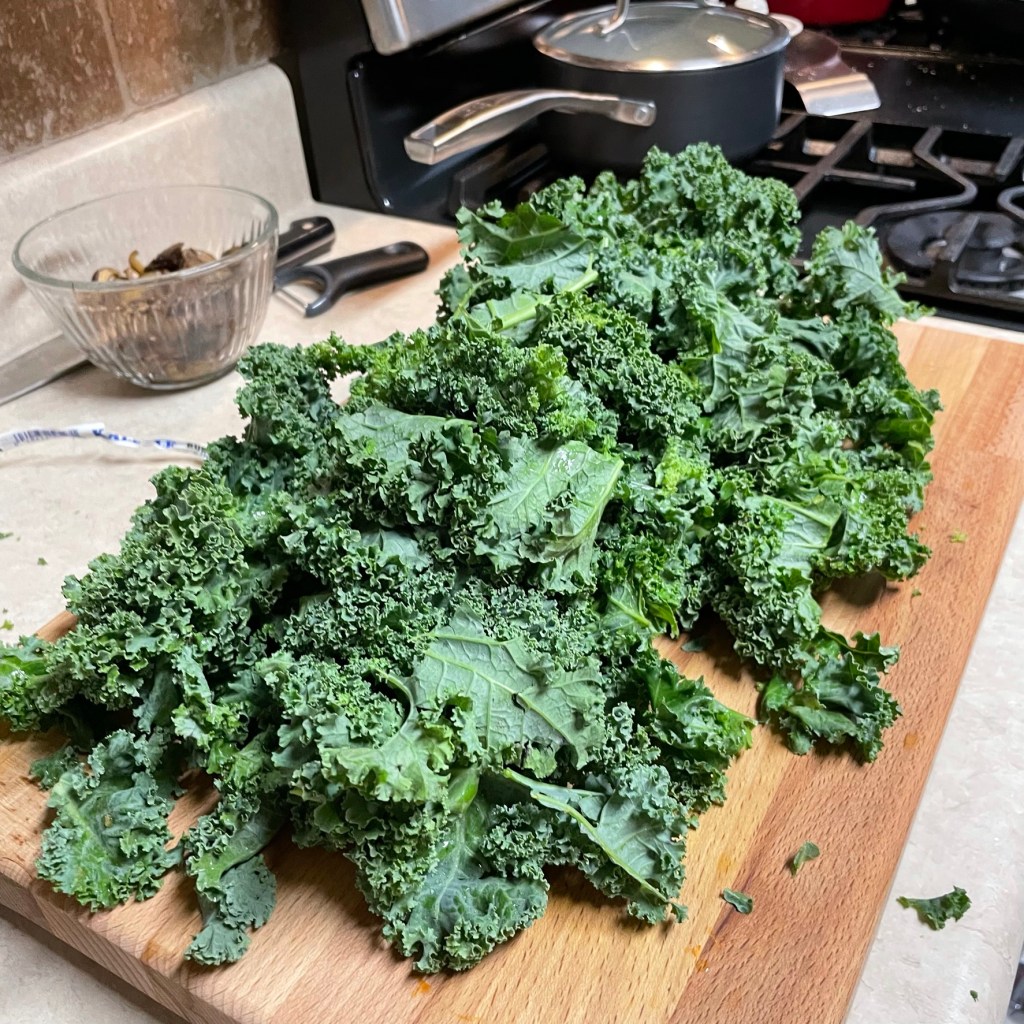
1 large bunch curly kale, washed and stripped of heavy stems*

12 oz. fresh mushrooms (I used a combination of cremini and shiitake)

1 medium onion, chopped

14 oz. whole milk ricotta, strained of excess liquid

2 cloves fresh garlic, minced

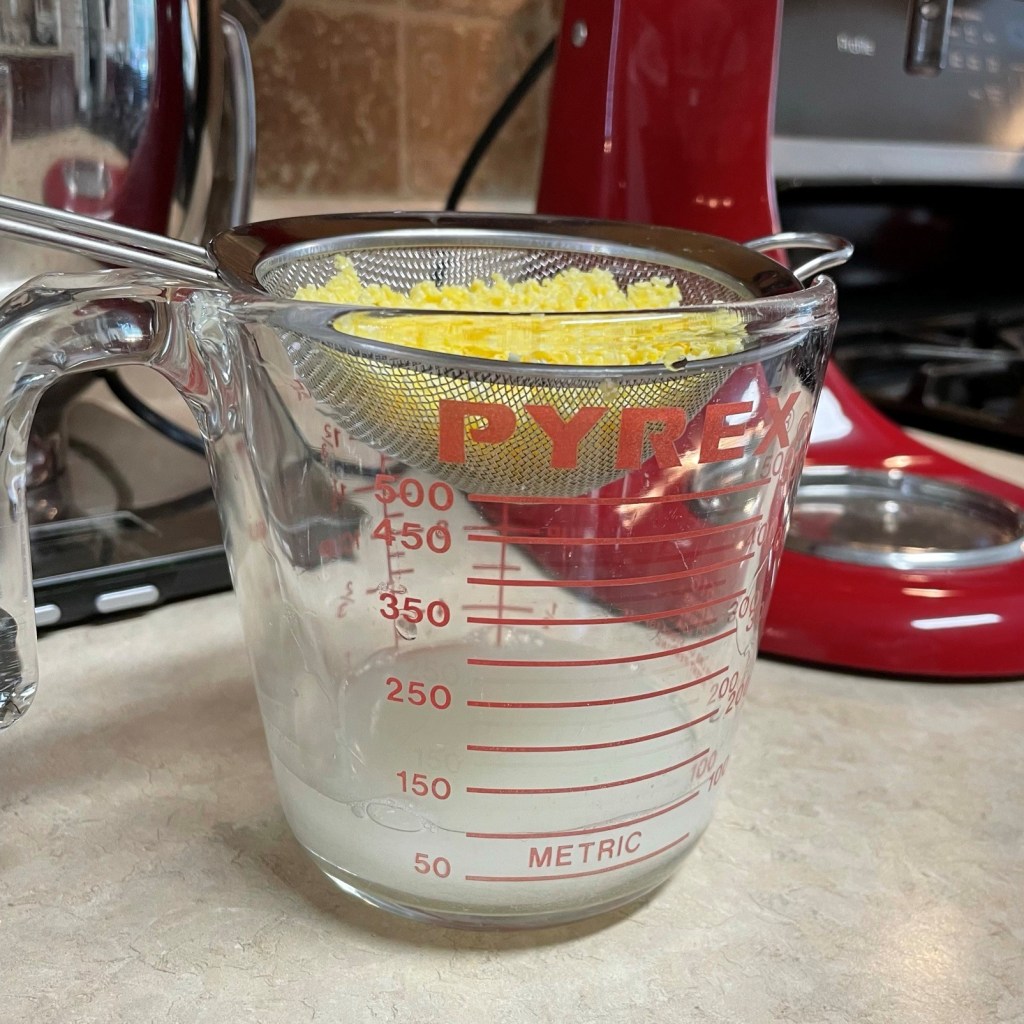
Zest of one lemon (organic is best)

1 large egg

4 Tbsp. butter (either salted or unsalted is fine)

4 Tbsp. all-purpose flour

2 cups whole milk

1 bulb roasted garlic

1 cup shredded gouda cheese*

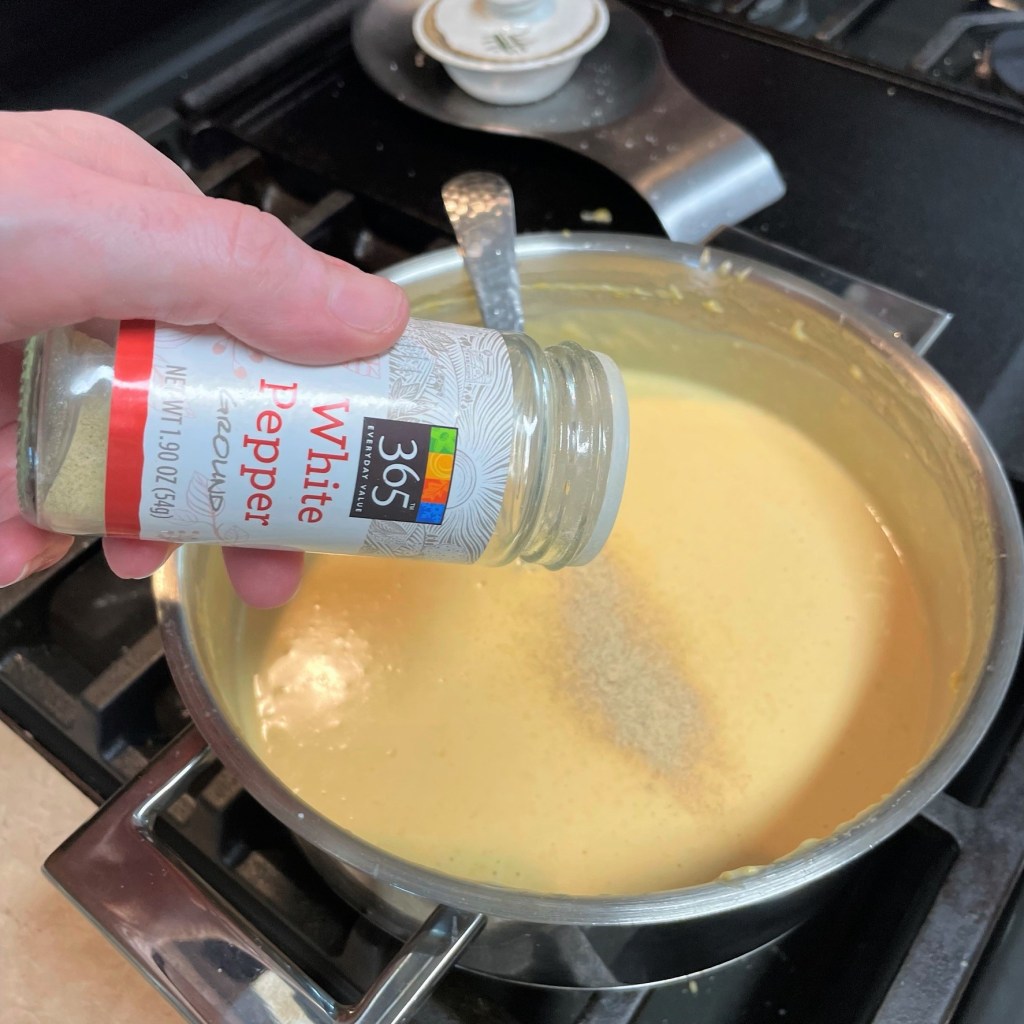
A few shakes ground white pepper

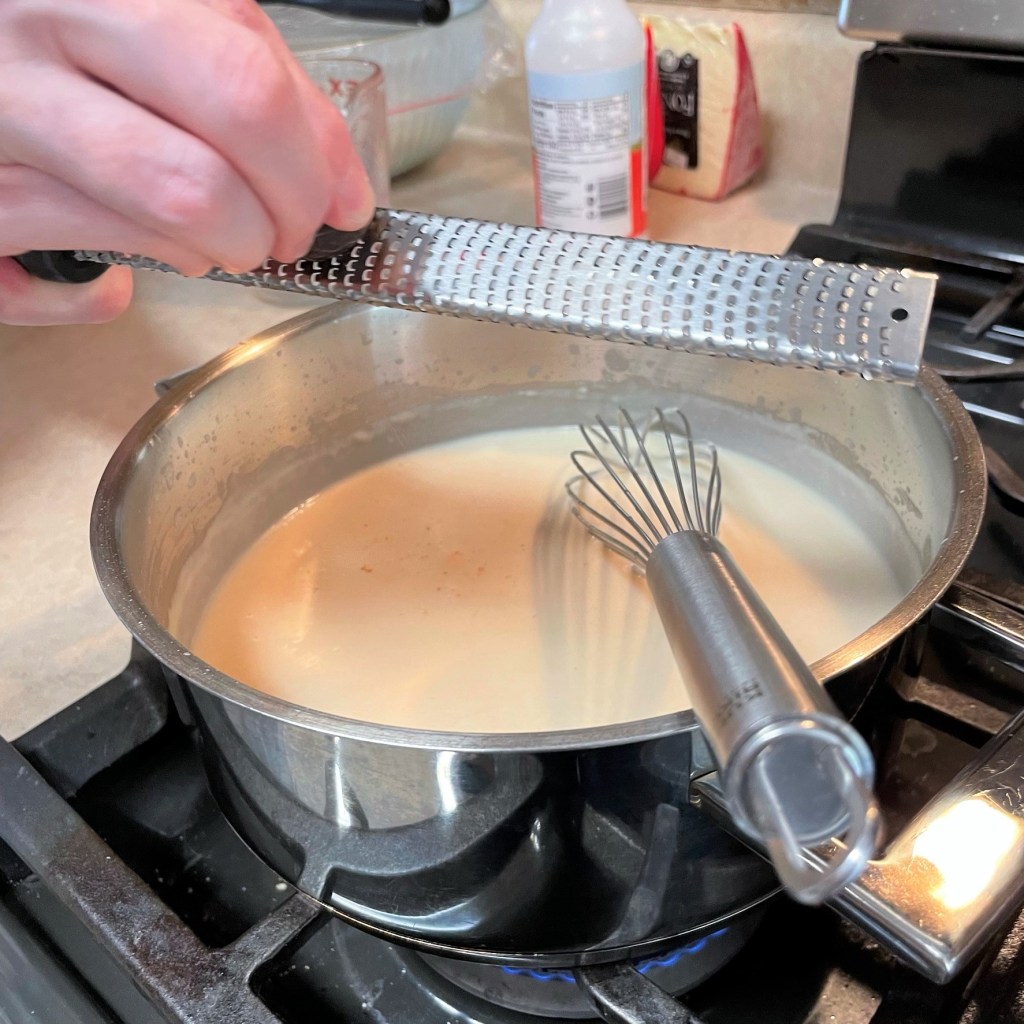
Freshly grated nutmeg (about 6 passes on a microplane)

Enough lasagna noodles or sheets for three layers of it in your preferred pan*

2 cups shredded fontina cheese*

About 1/3 cup grated parm-romano blend


*Notes

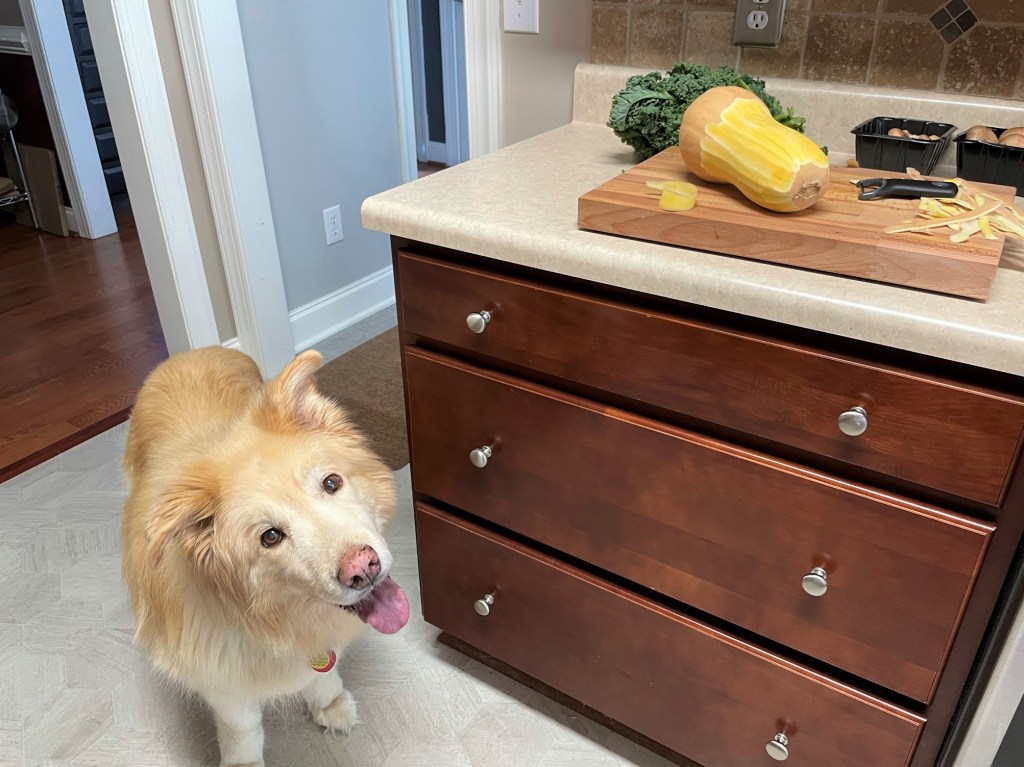
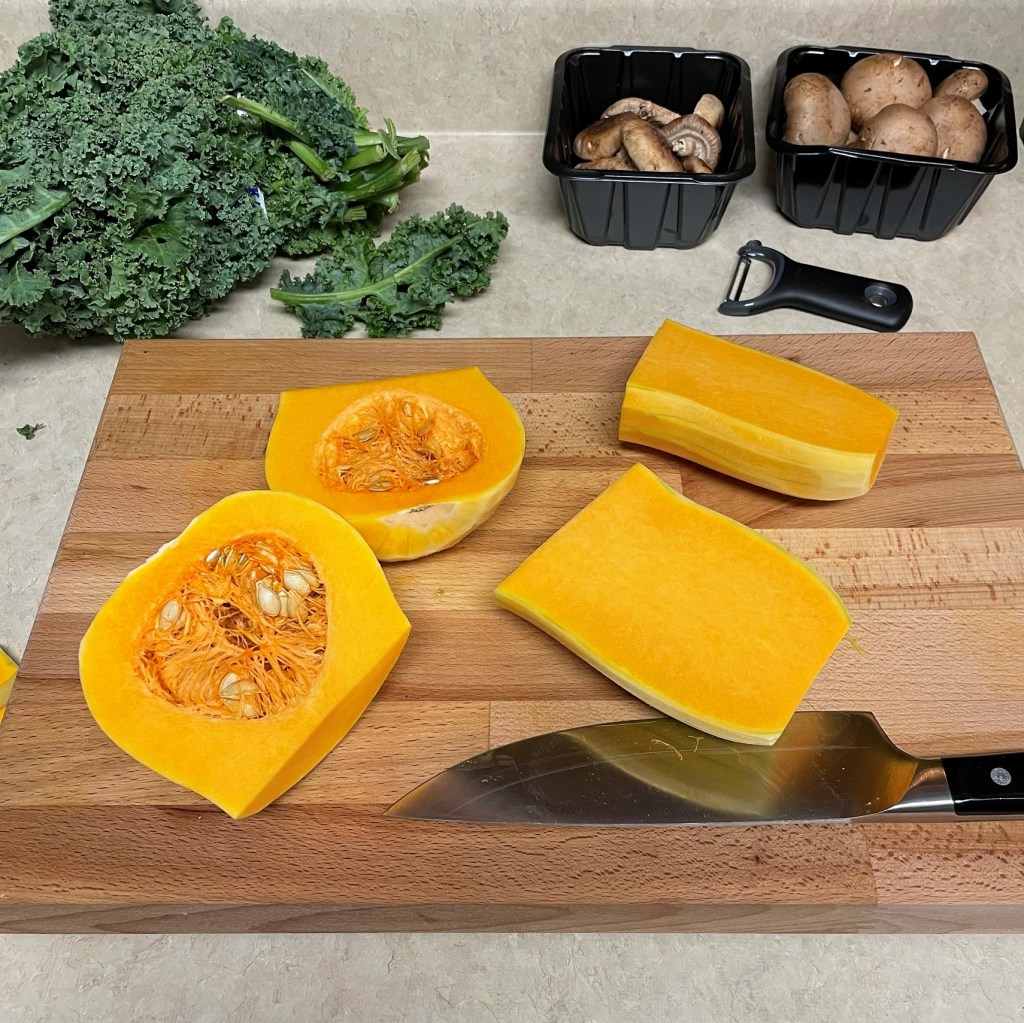
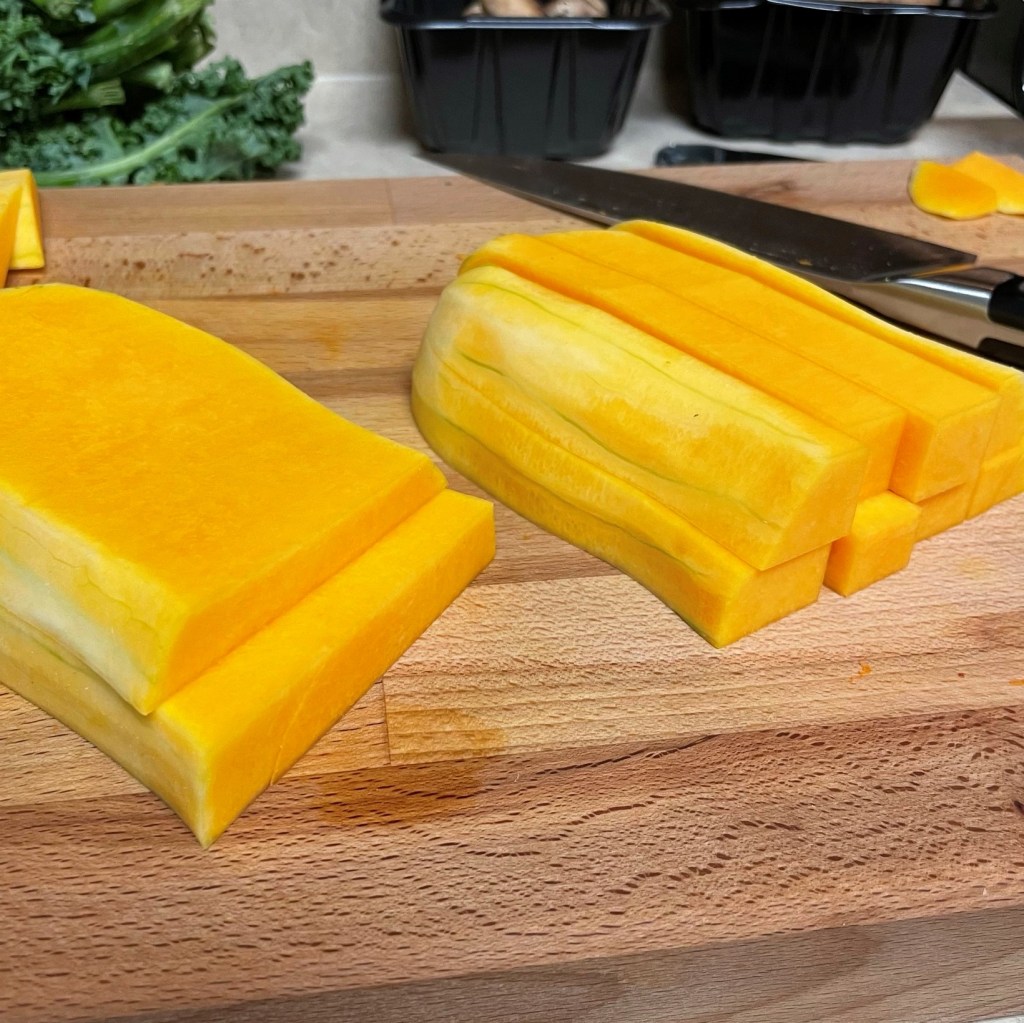
Part of the squash will be cubed and roasted, and the rest will be simmered and mashed to be blended into the bechamel. I usually use the smooth neck part of the gourd for roasting, and the round part, which usually appears stringy after cleaning out the seeds, gets boiled and mashed to be added to the bechamel sauce. Keep this in mind as you prep the squash.
For this year’s version of my recipe, I went heavier on the kale than usual. It would be perfectly fine to use half as much, and perhaps double the mushrooms or increase the butternut squash to make up some of the volume. You could also substitute swiss chard or spinach; it all depends on your palate.

I chose Gouda and fontina cheeses for this dish because of their creamy, meltable texture and rich, nutty flavors. Some other cheeses would work well in this dish, including Havarti, Gruyere, raclette, mild white cheddar or Monterey jack. I do not recommend mozzarella, which has too much “pull.” 

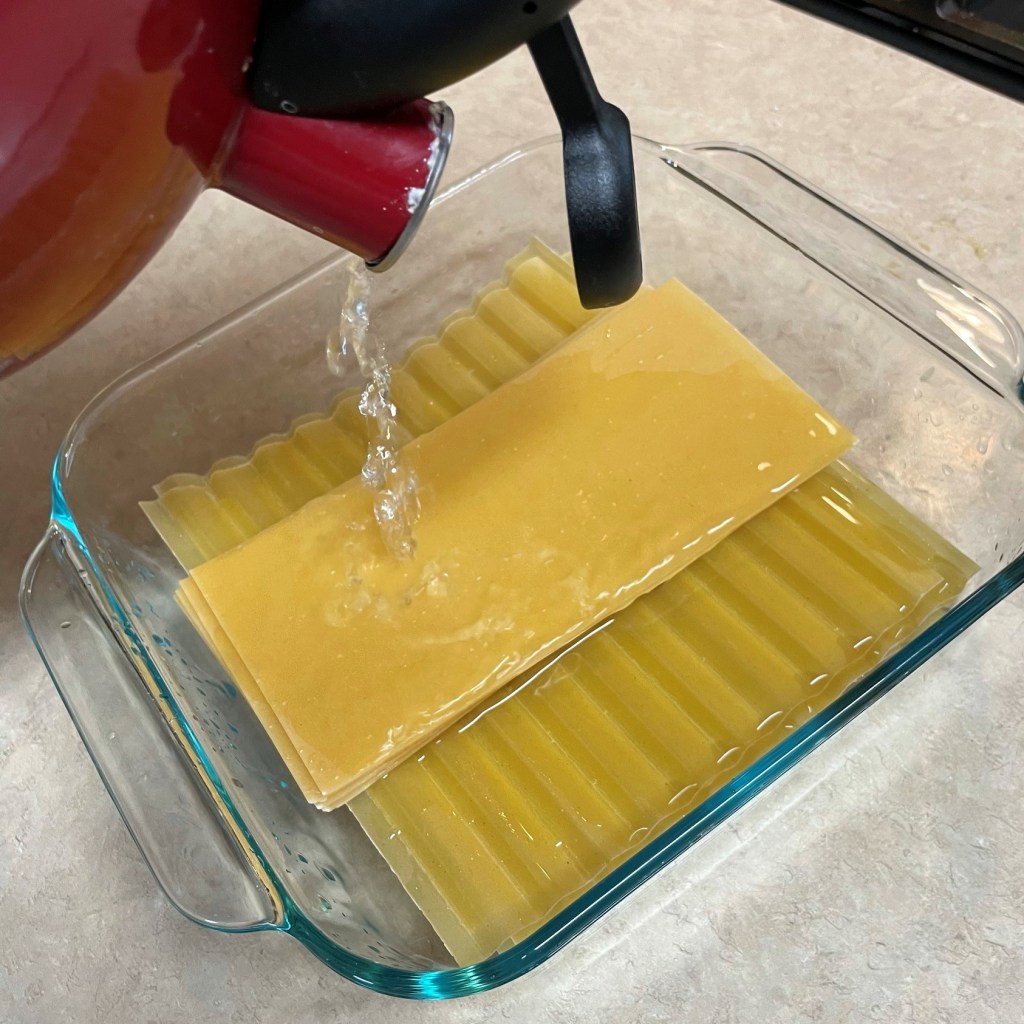
Normally, I use a special square lasagna baking dish, but we are in the middle of planning for this remodel, and darned if I can find it! No worries, I pulled out a glass 9 x 13 and it worked great. The noodles do not have to be boiled first; I usually just moisten them for several minutes in hot water while I get everything else into place. If the noodles are layered next to ingredients with plenty of moisture, they will cook just fine.

We are still trying to trim down the pantry, so I used the random lasagna noodles we already had!

Prep the Squash

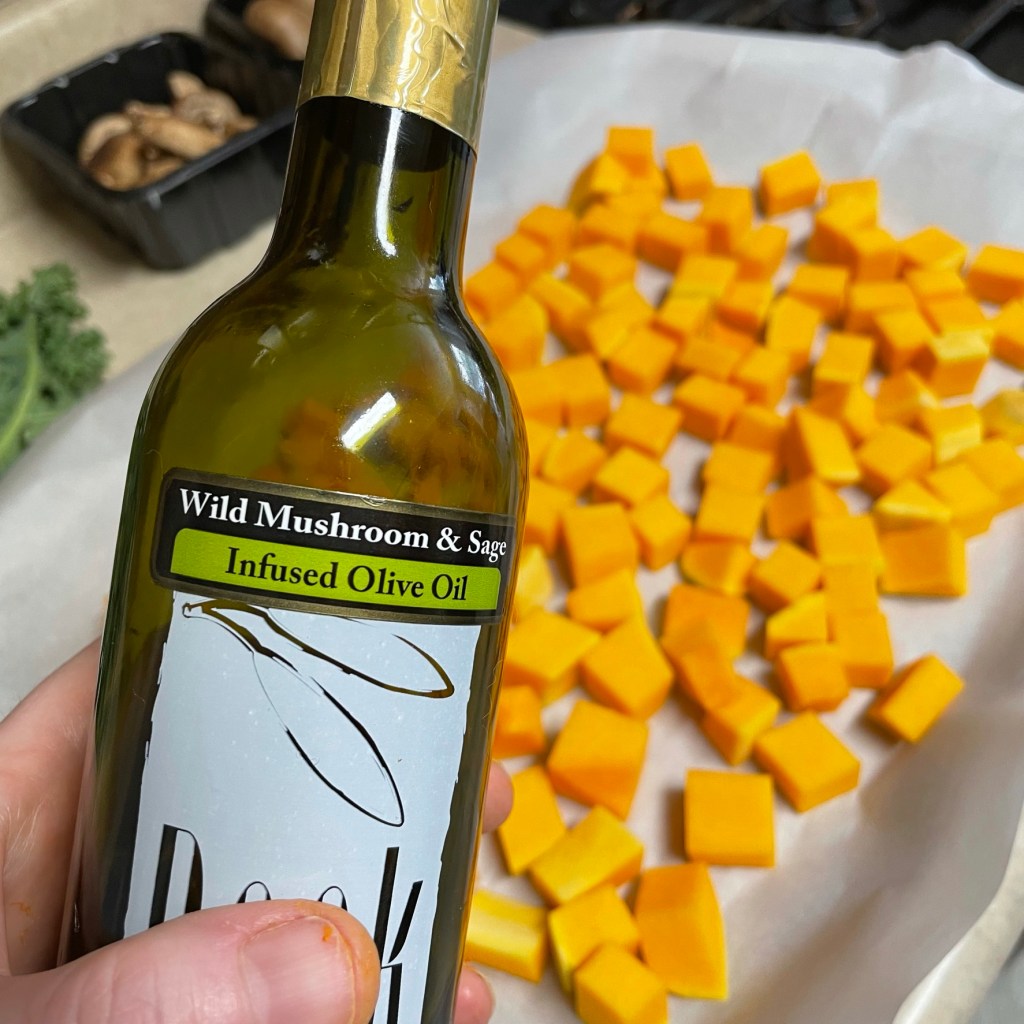
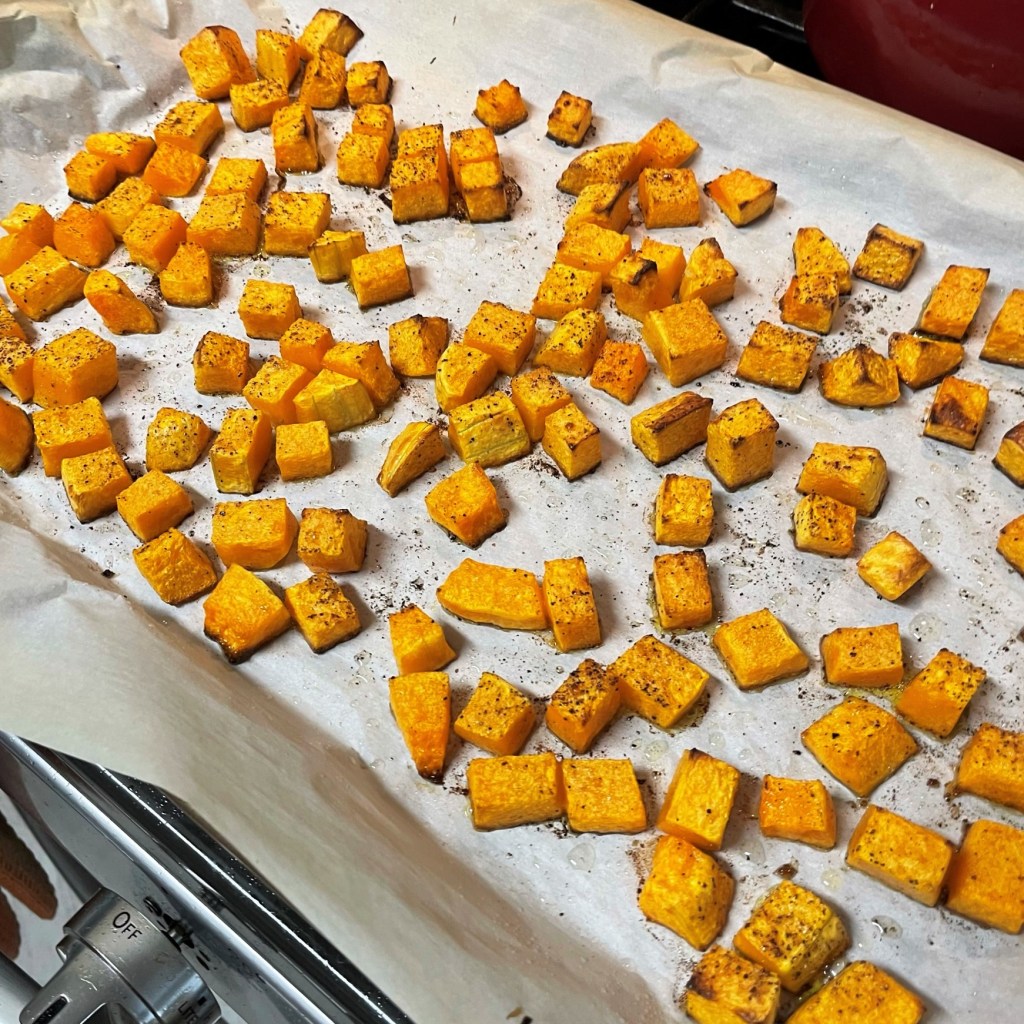
Divide the squash so that you have uniform cubes from the neck of the squash, which you will toss in olive oil, salt and pepper, and then roast at 350°F until evenly browned, about 40 minutes. Allow it to cool on the pan before transferring to a separate bowl. Set aside until you’re ready to assemble the lasagna.

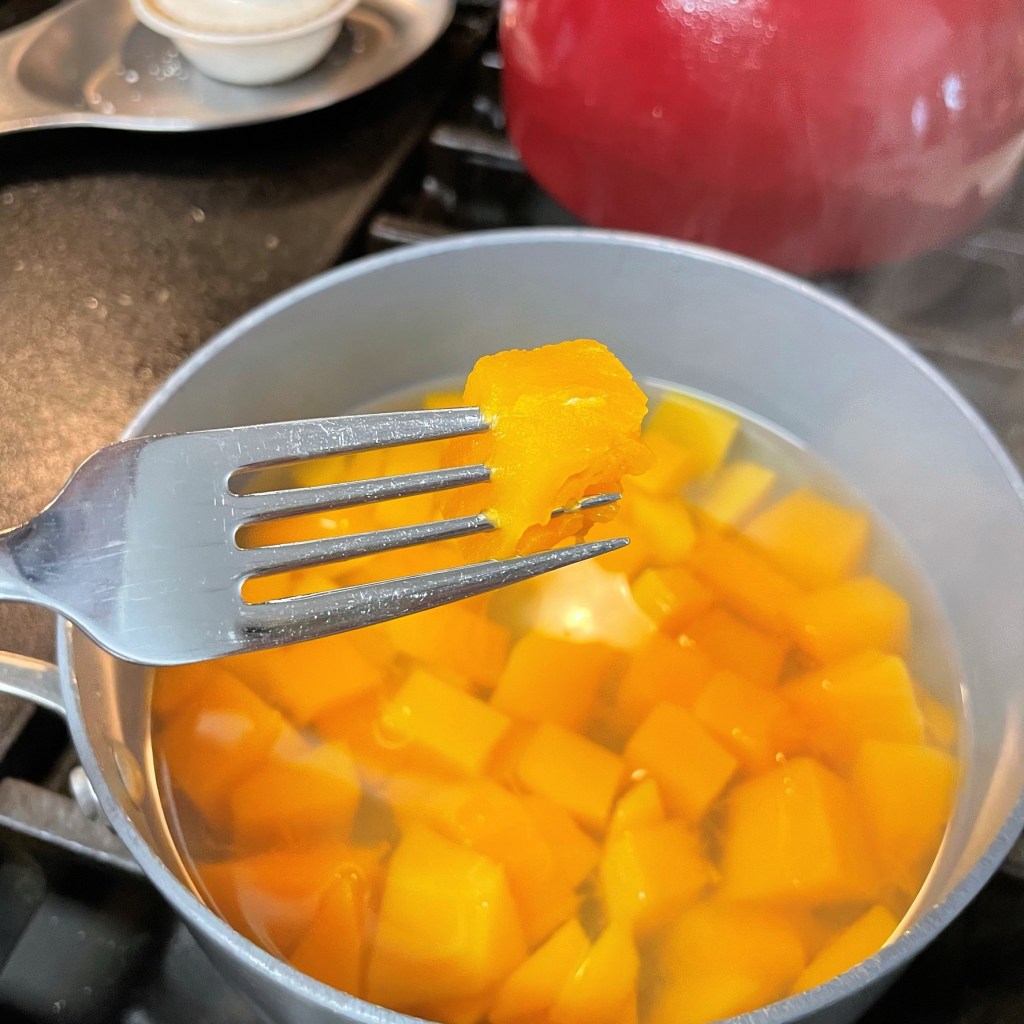
Add the remaining squash (from the bulb end) to a saucepan and cover with water. Bring to a boil, reduce heat and simmer until fork tender, about 30 minutes. Drain and set aside.


Prep the Kale

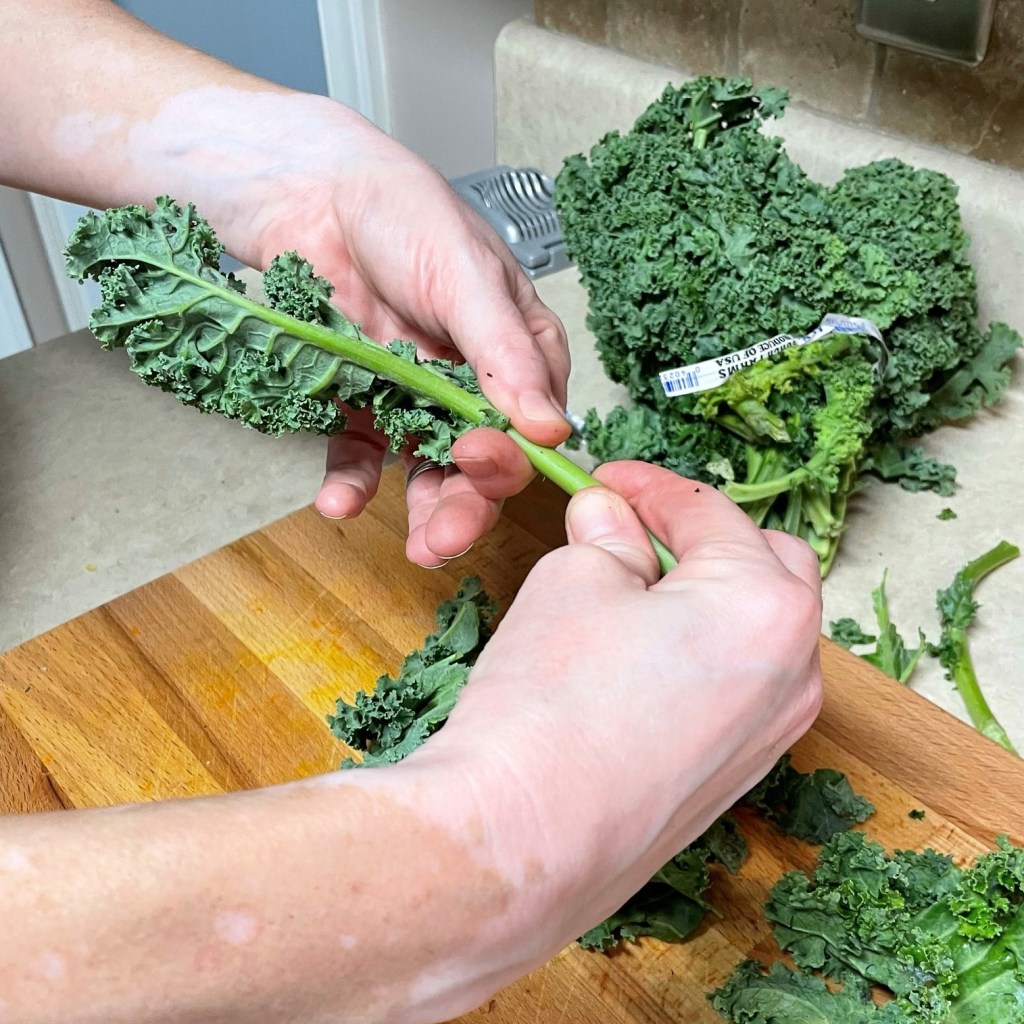
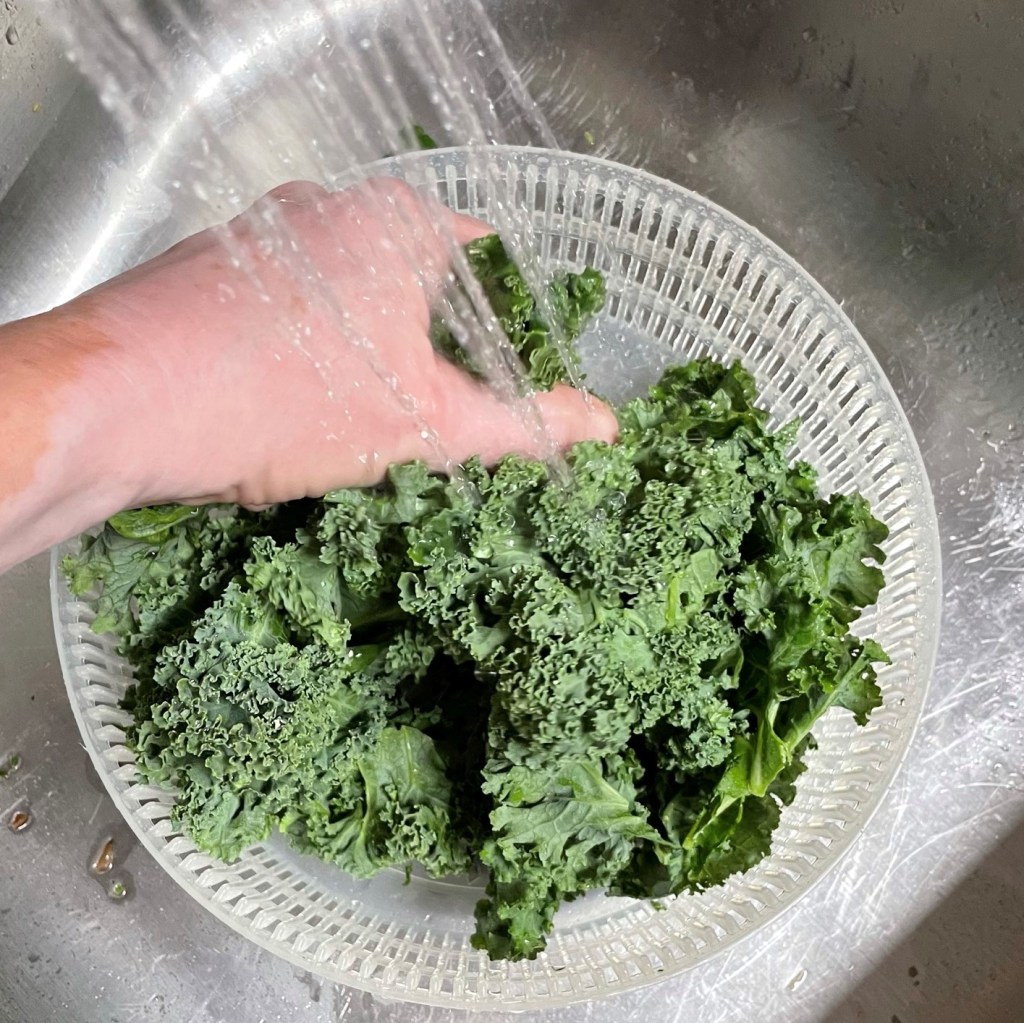
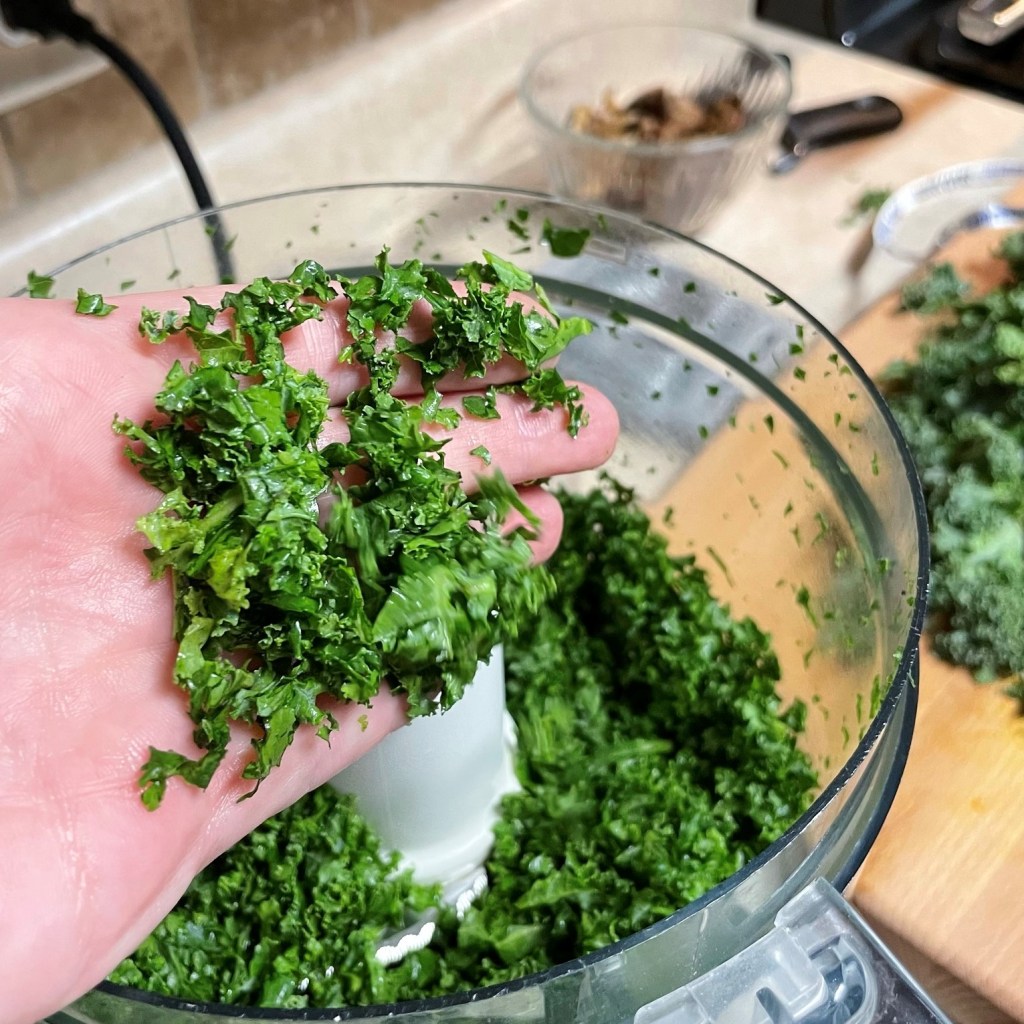
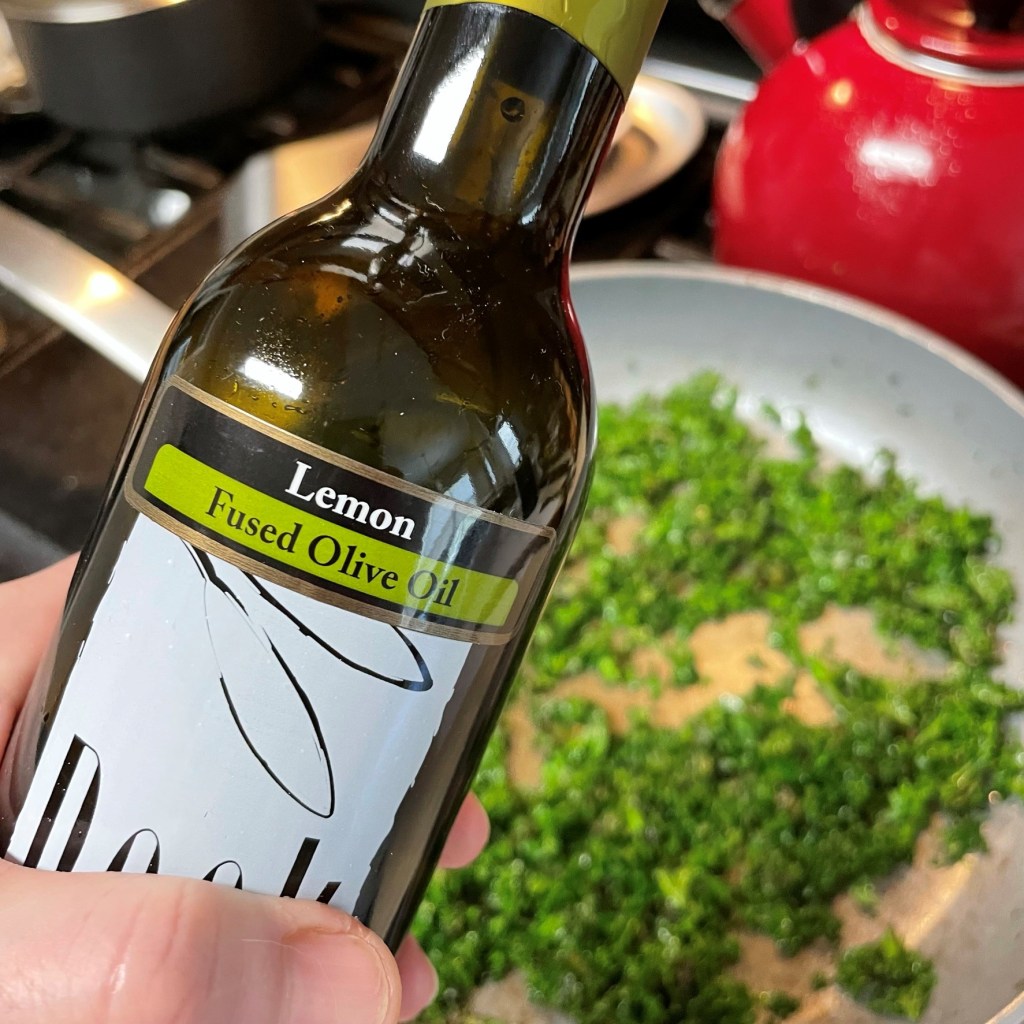
Strip the heavy stems and wash the kale leaves. Working in batches, pulse handfuls of the kale about six times in a food processor, until kale is a fine texture. Sauté in olive oil until wilted and lightly browned on some of the edges. Just before cooking the last batch, sauté the chopped onion in the skillet first, then add kale. Season this final batch with salt and pepper and combine with previously cooked kale. Set aside.


Prep the Mushrooms

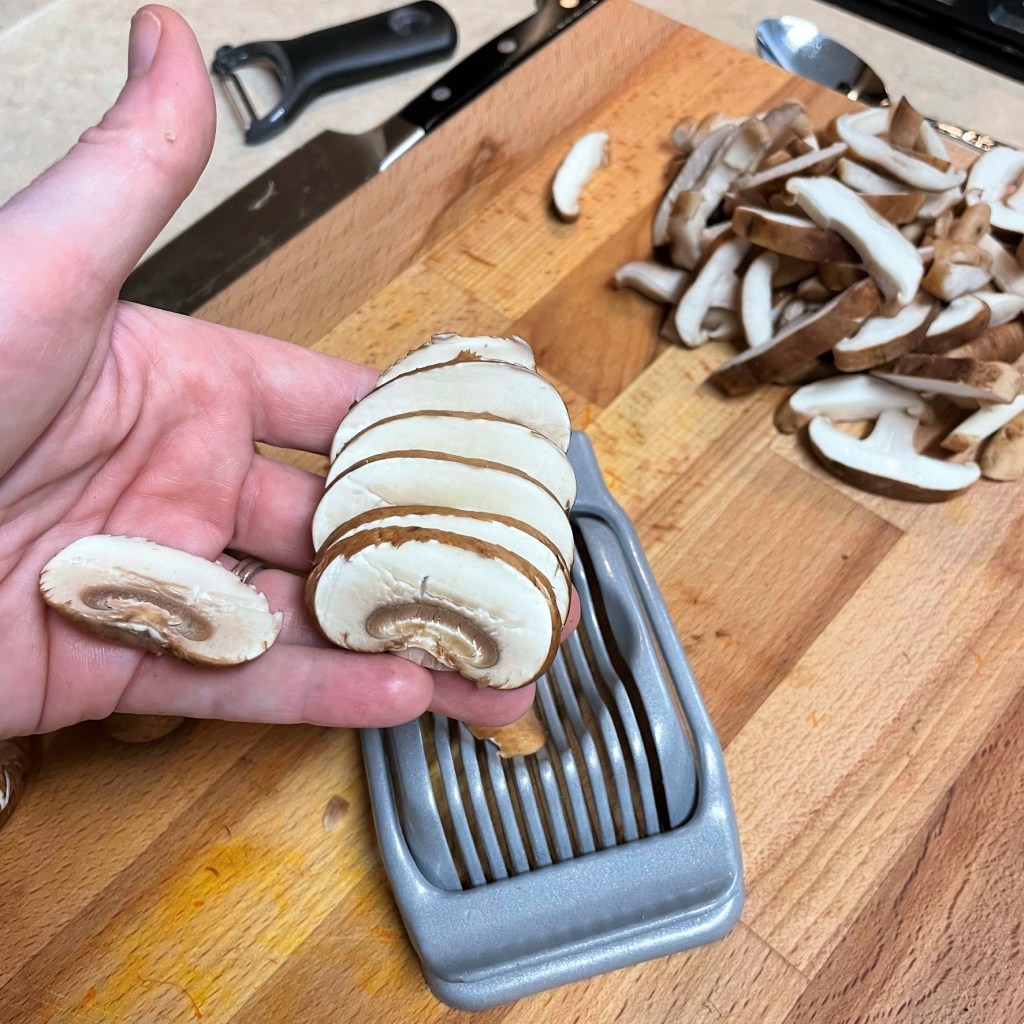
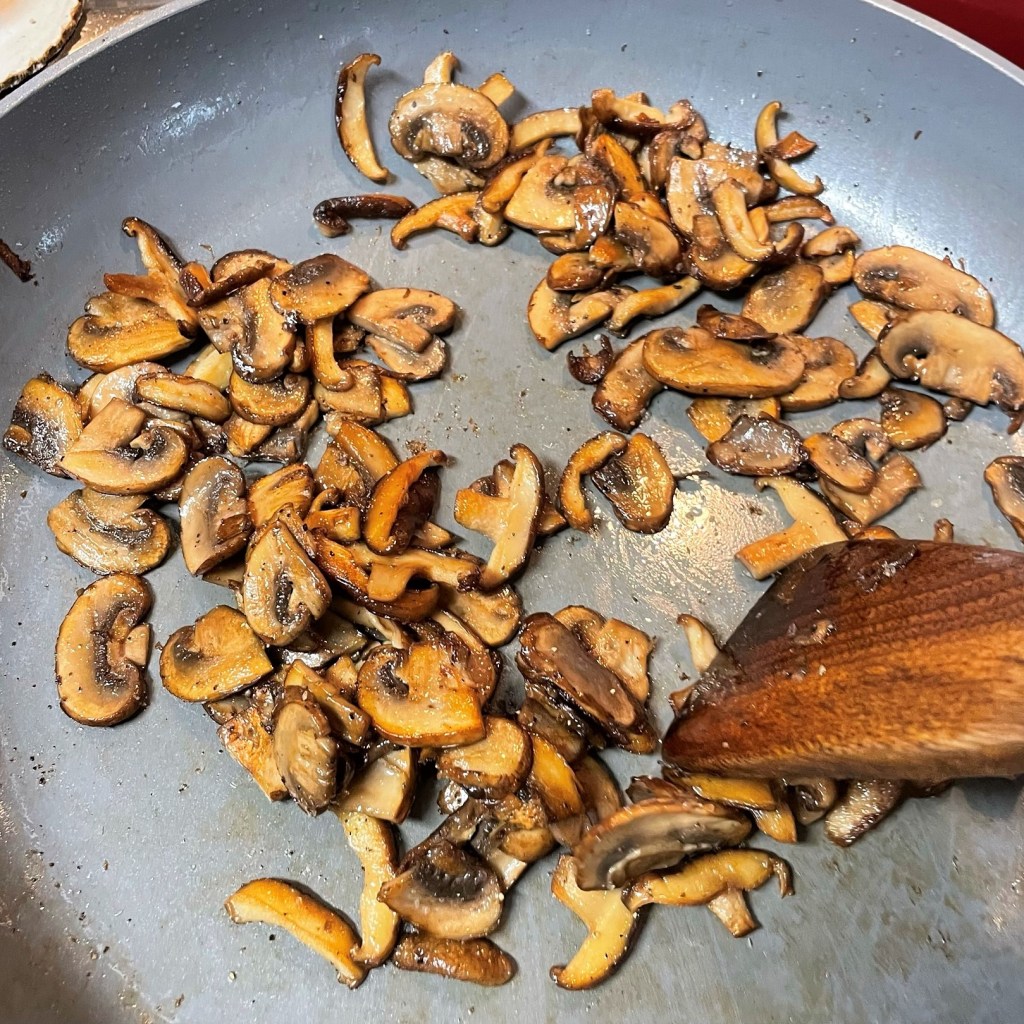
Clean and dry the mushrooms, then trim the stems and slice evenly. Brown the mushrooms, about one-third at a time, in olive oil. Season the last batch with salt, pepper and a few sprinkles of dried thyme leaves. Combine all mushrooms in a separate bowl and set aside.


Prep the Ricotta Mixture

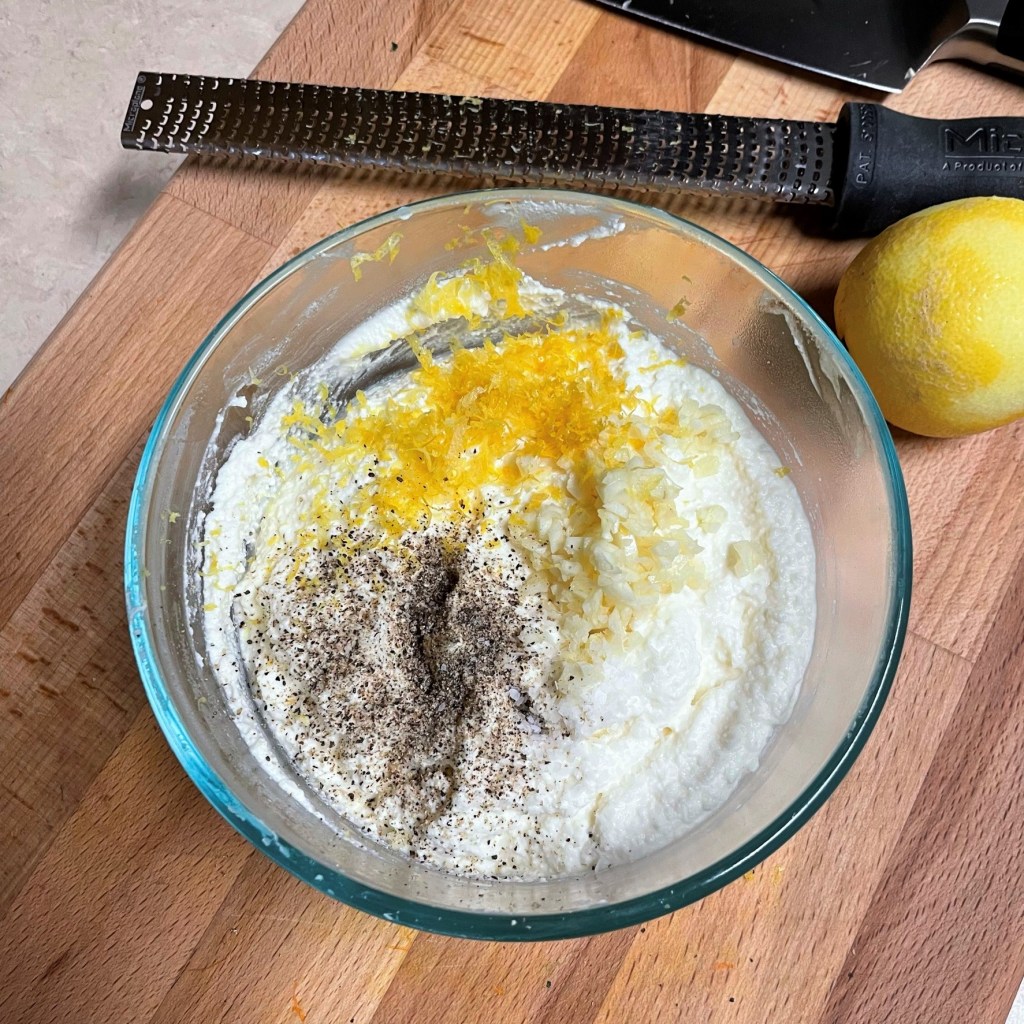
Drain the ricotta in a mesh strainer over a bowl. Stir occasionally to evenly strain the excess liquid from the cheese. Different brands will release varying amounts of liquid, but 30 minutes should do it. Discard the drained liquid. Add lemon zest, fresh garlic and black pepper to the ricotta. Stir in egg. Set aside for now if you’re working ahead.


Make the Bechamel

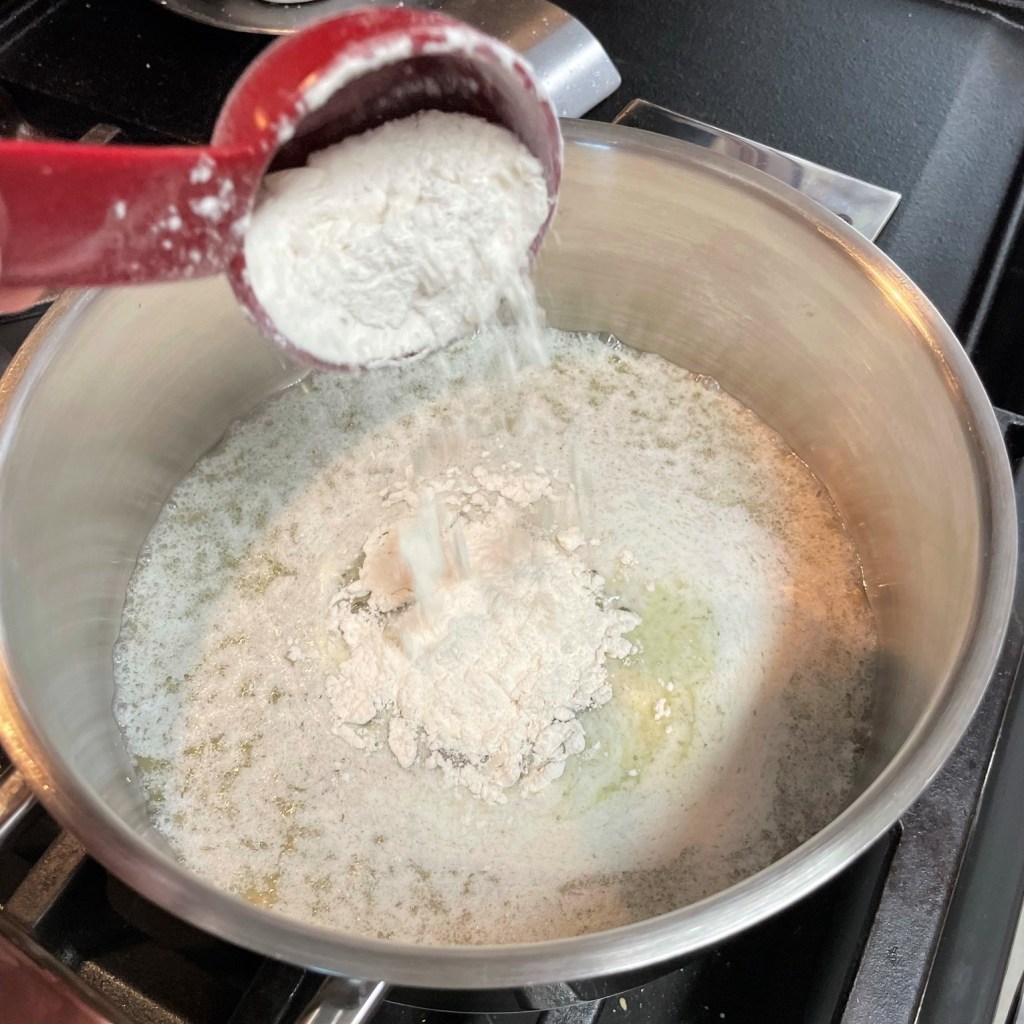
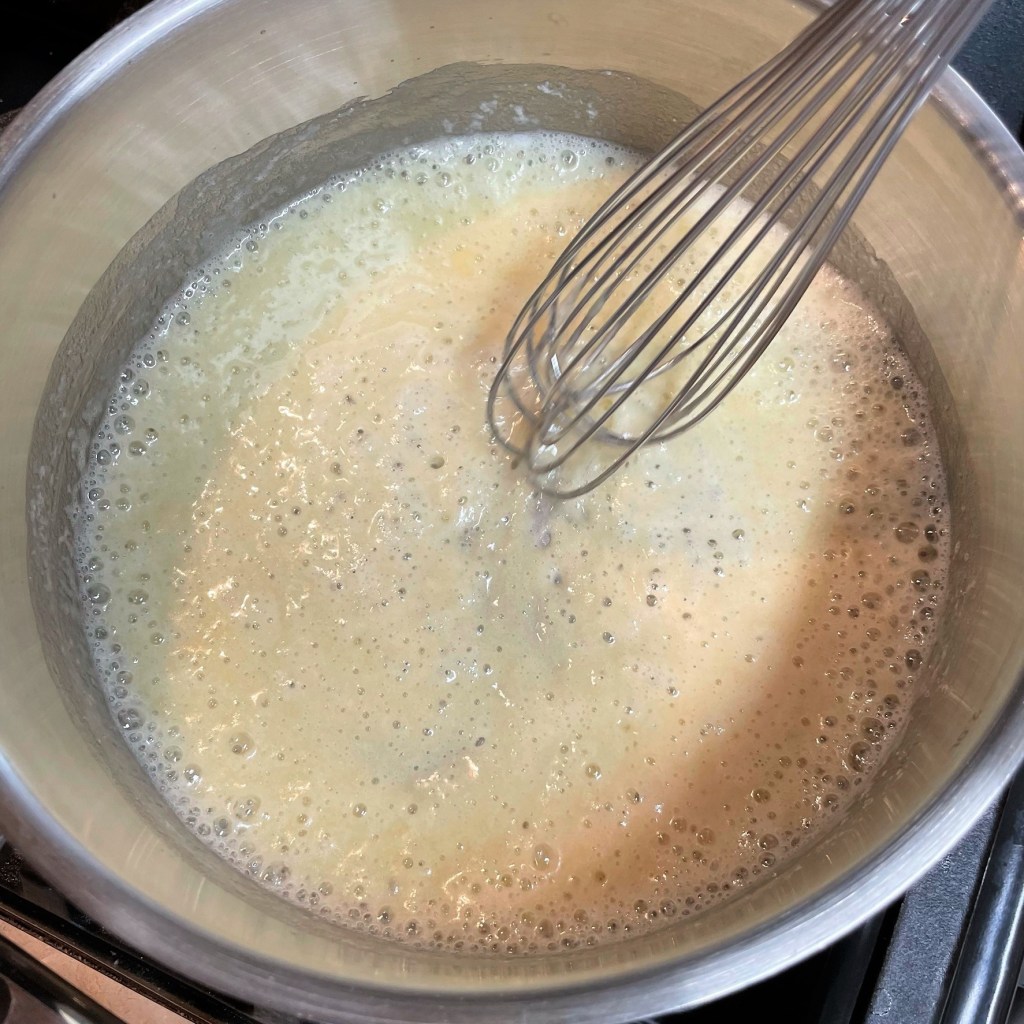
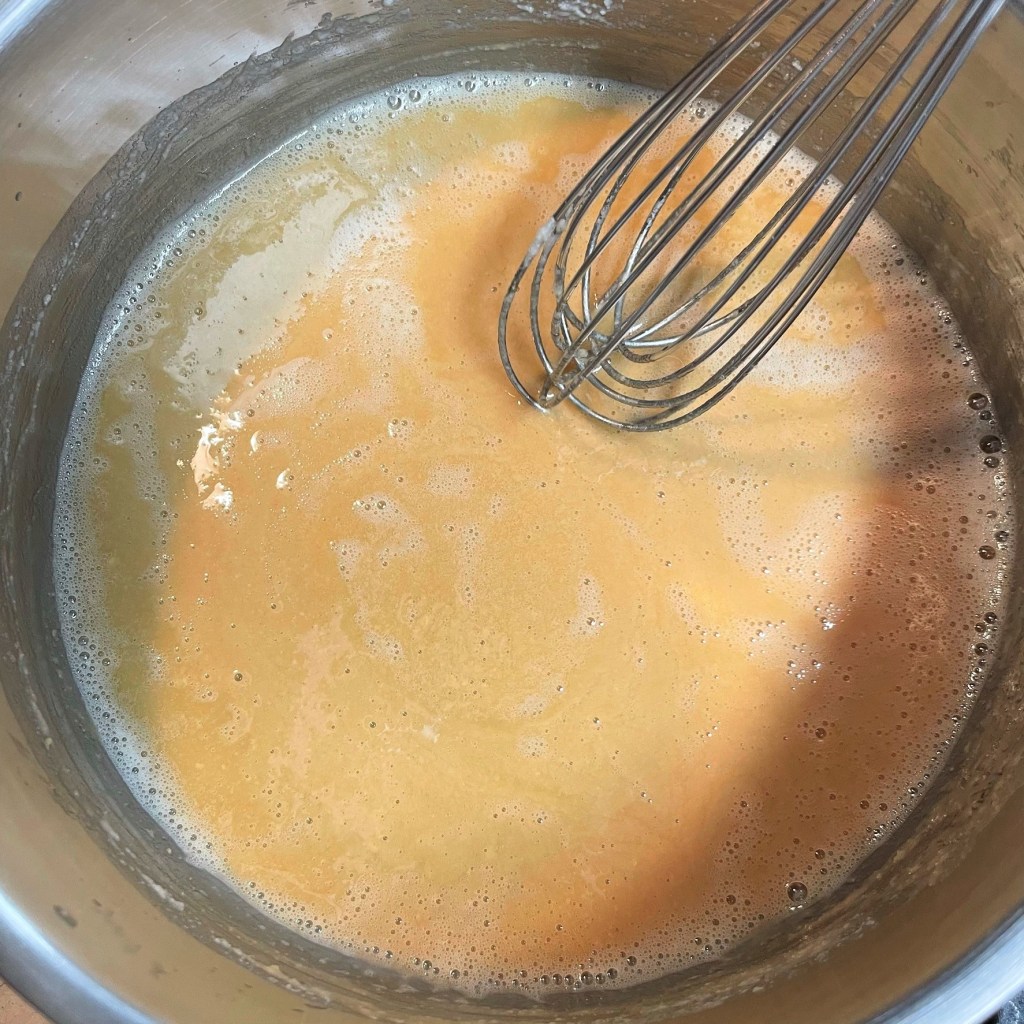
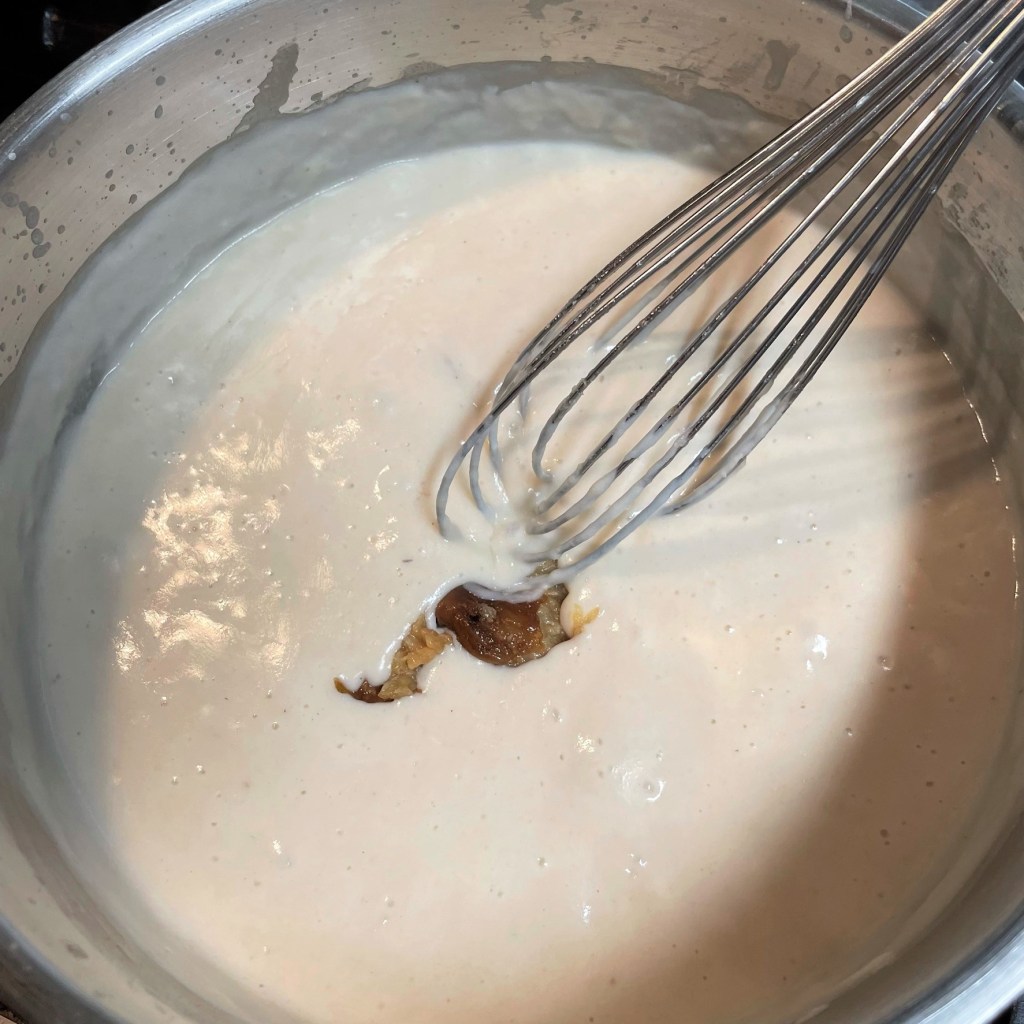
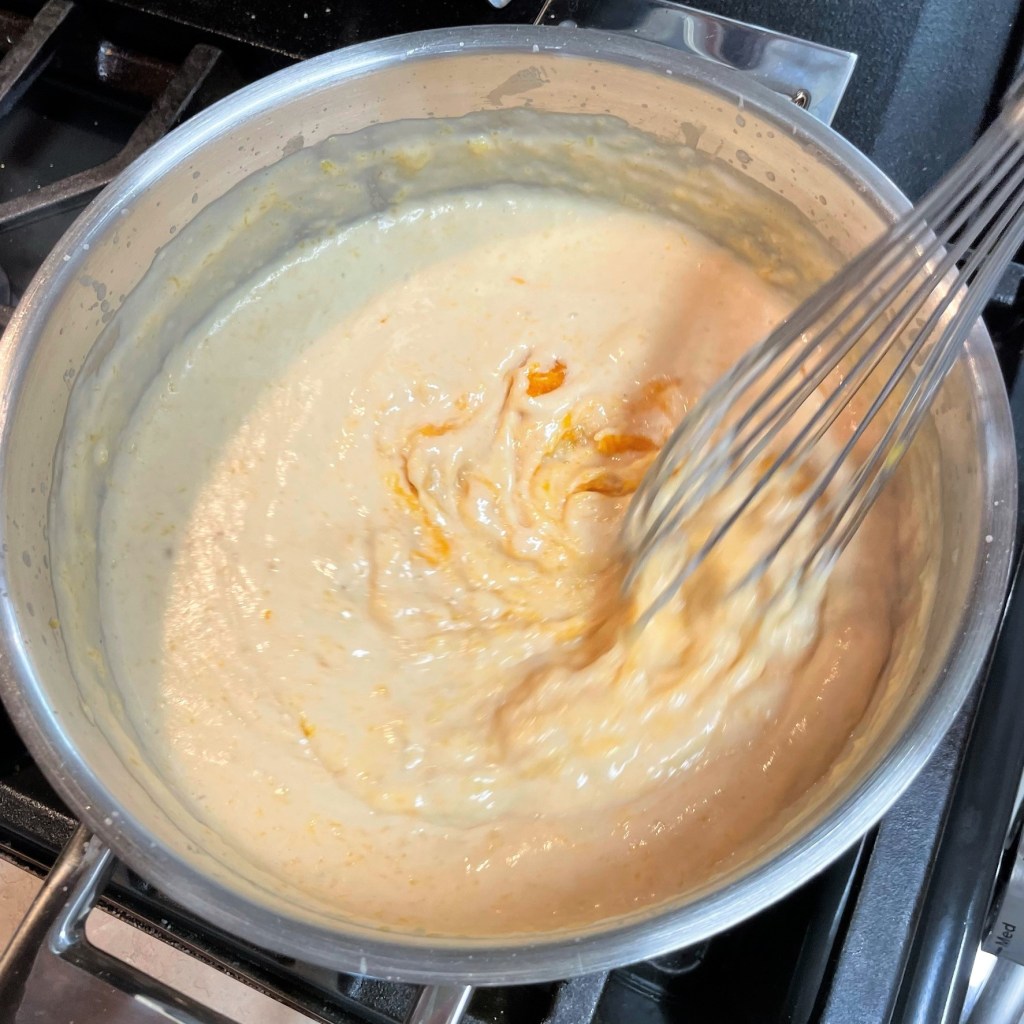
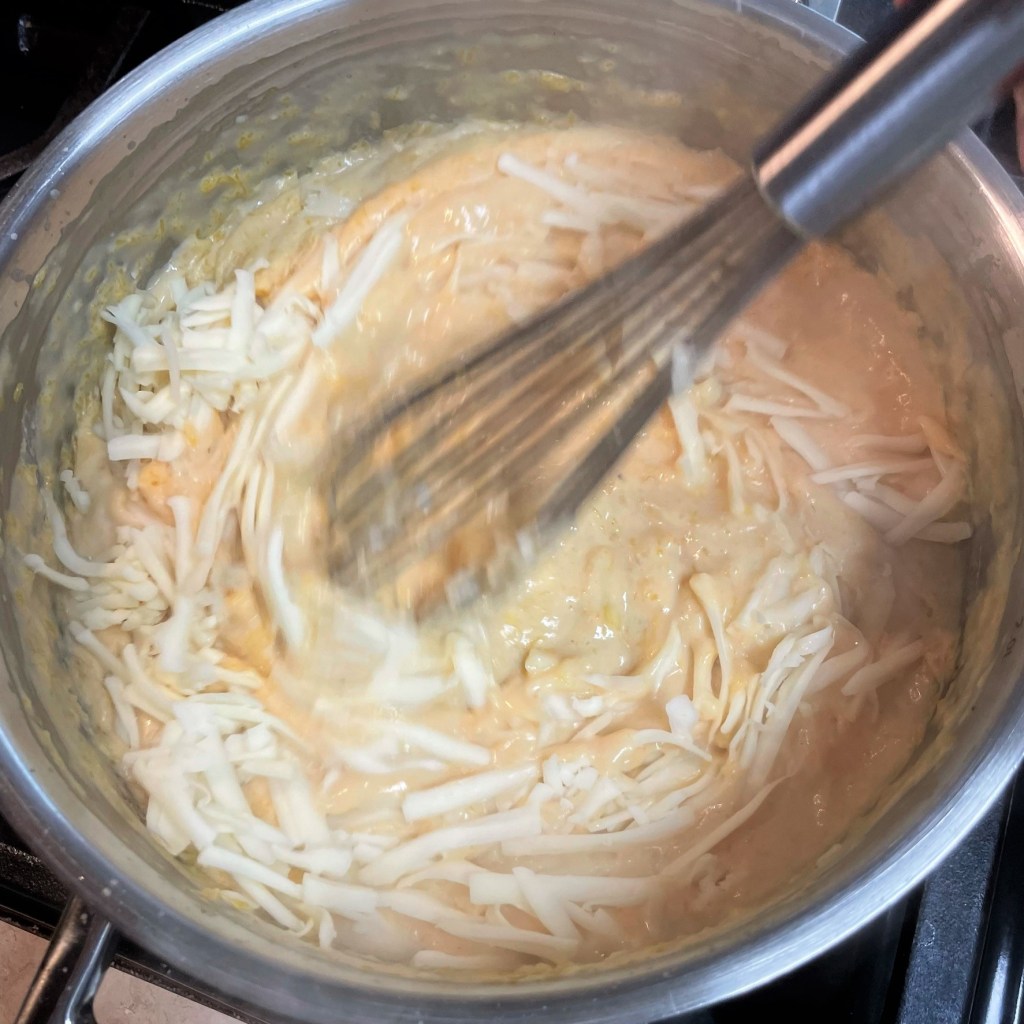
Remember, this is just a fancy French word that means “thickened cream sauce.” It’s easy to make! I prefer to make the bechamel just before assembling the lasagna, but if you are pressed for time, it’s fine to make it ahead and then re-heat in a pot until it is a smooth, pourable consistency. There are several steps for this component, and several flavorful add-ins, so I’ll describe it in pictures.

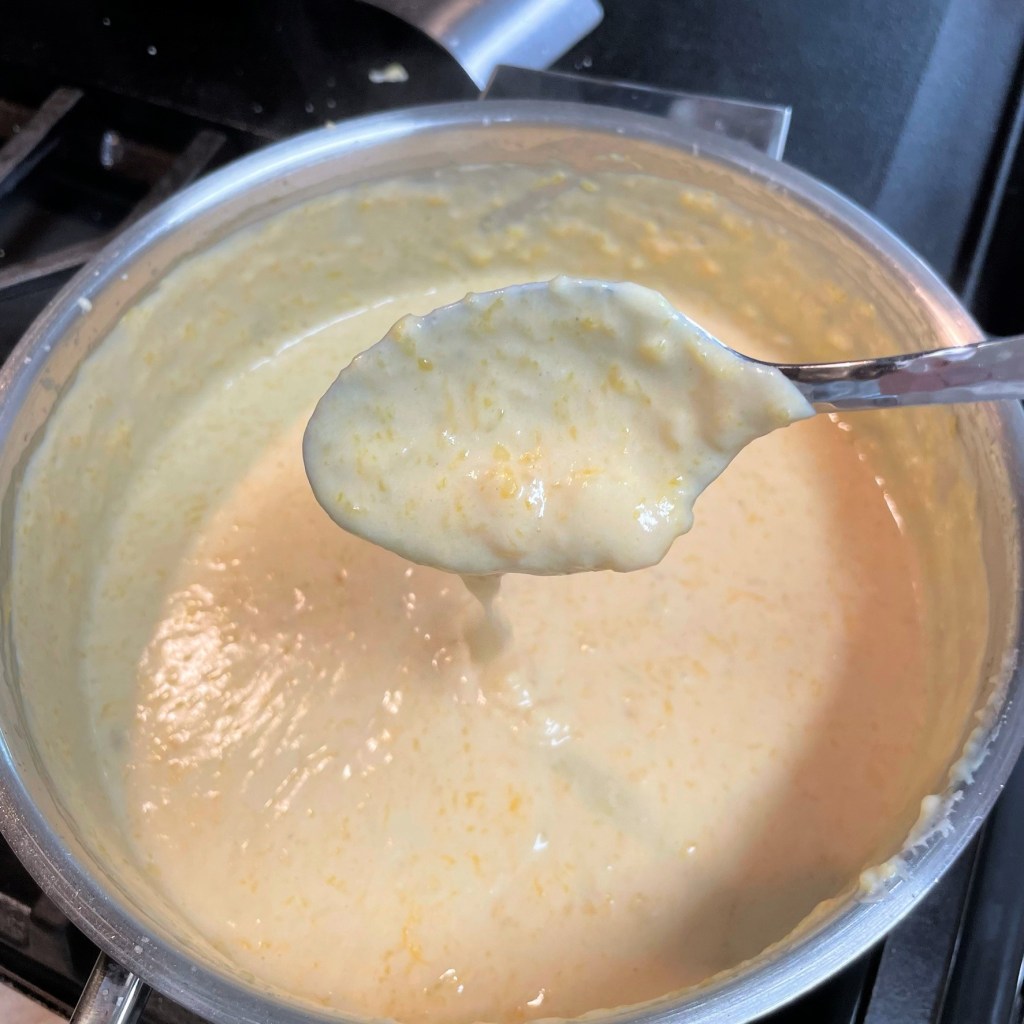
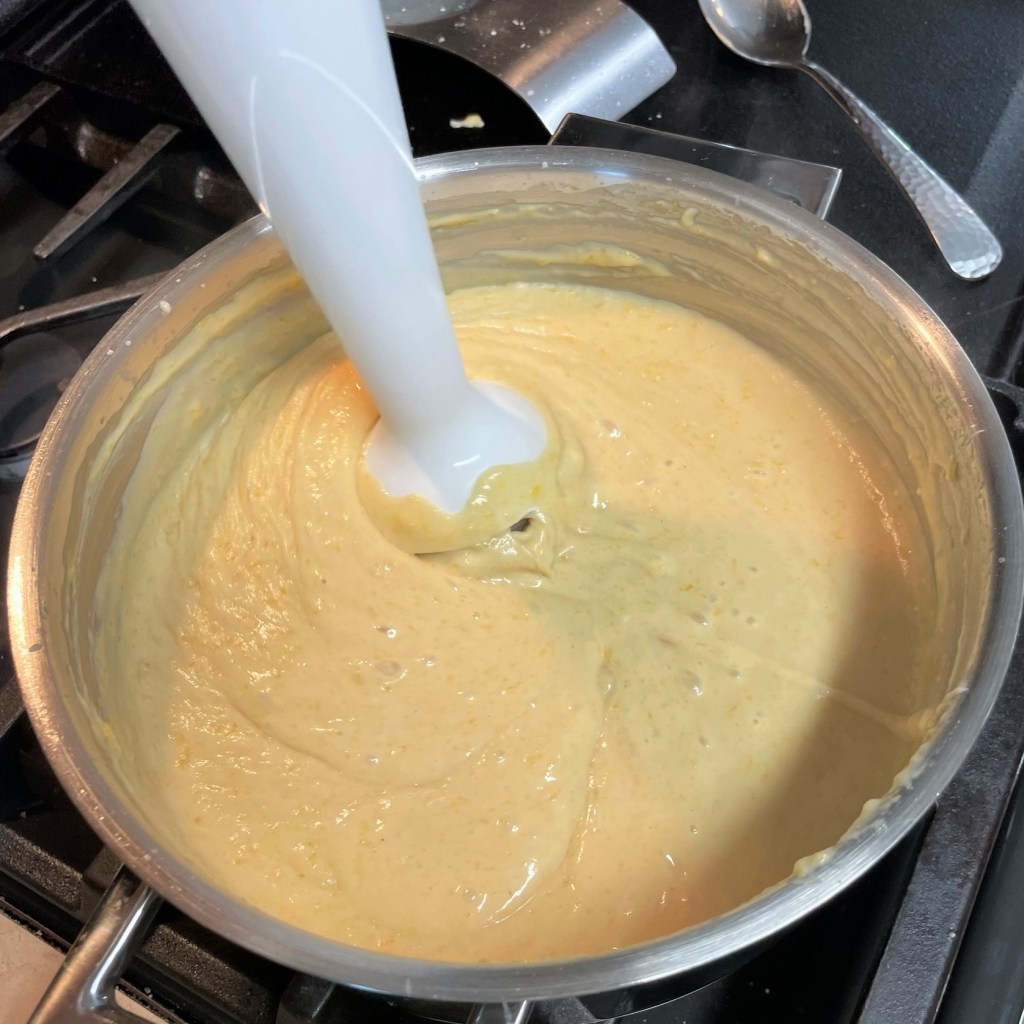
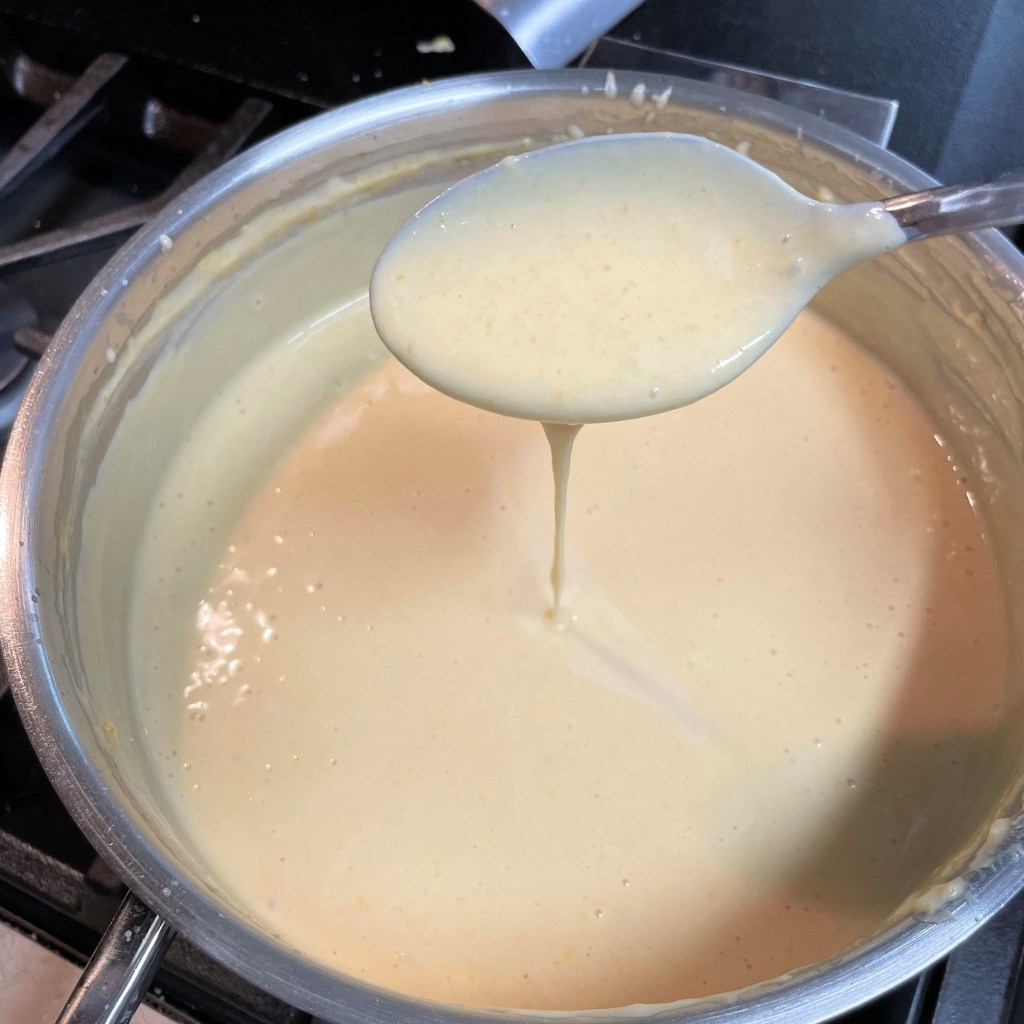
Heat a large sauce pot over medium heat. Add butter until melted. Whisk in flour and cook until it is bubbly, lightly browned and fragrantly nutty. Add the milk, about half at a time, whisking the first amount until smooth before adding the rest. Continue to cook, stirring frequently, until the sauce is thickened and bubbly. Whisk in about 2/3 cup of the mashed butternut squash and cook until heated through. Stir in shredded gouda, whisking until melted. Use an immersion blender, if you have one, to blend the bechamel sauce to a super-smooth consistency. This is not an essential step, but I love the silky texture that is achieved with the blender. Keep the sauce warm enough to be pourable and spreadable for assembling the lasagna.


Assemble and Bake

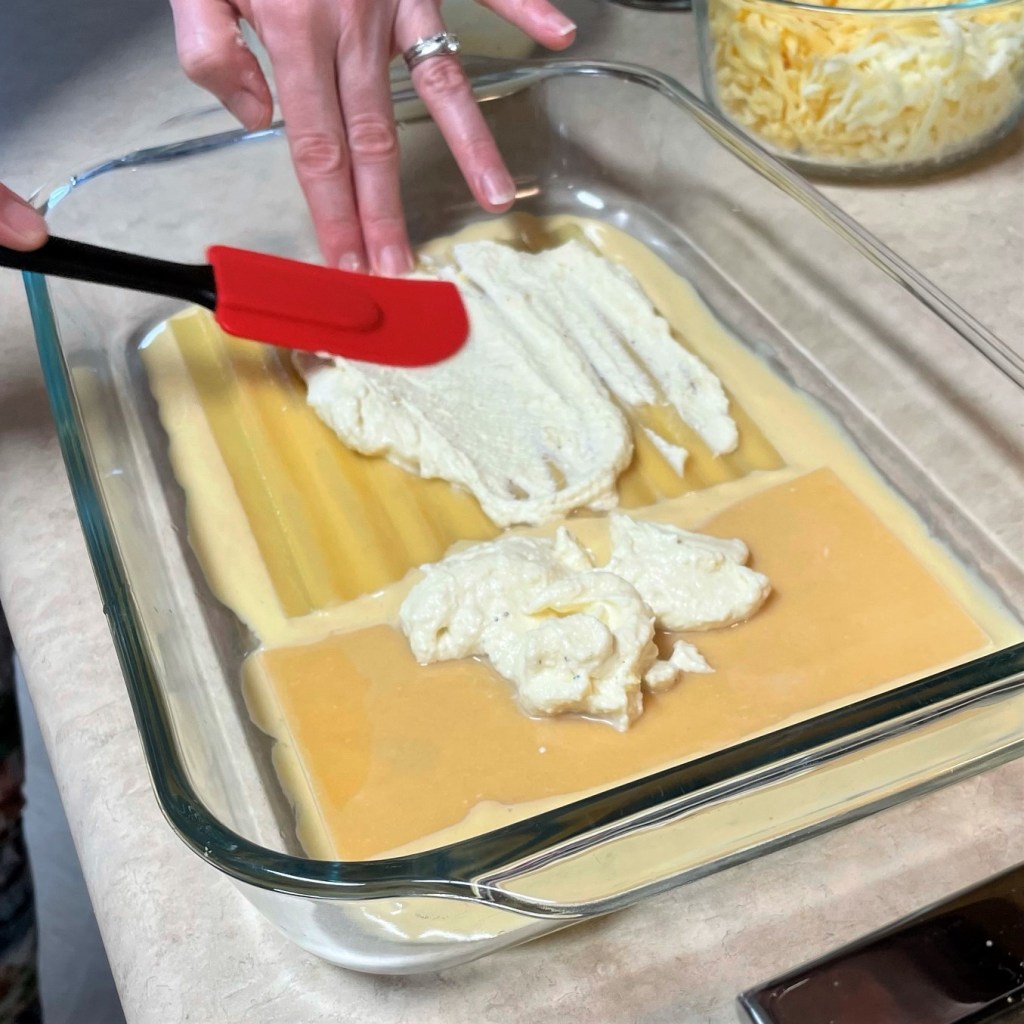
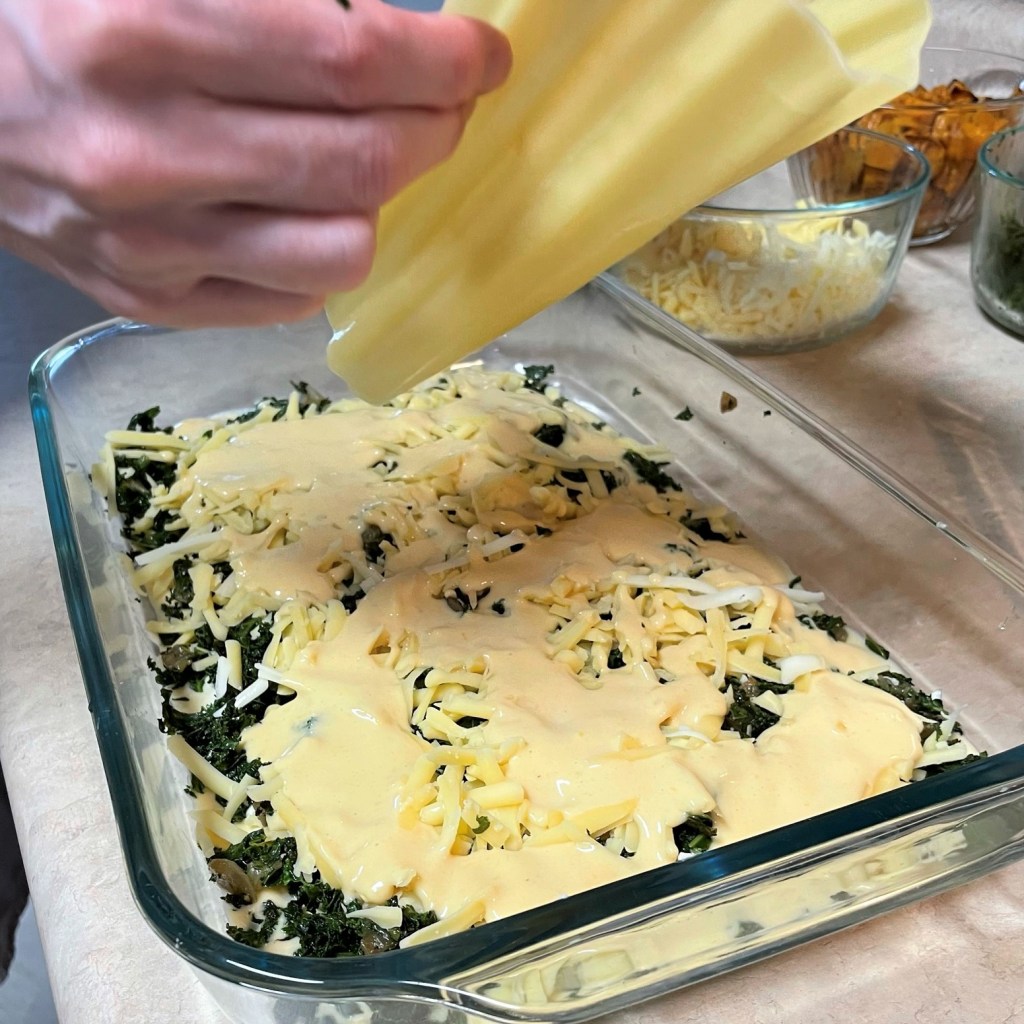
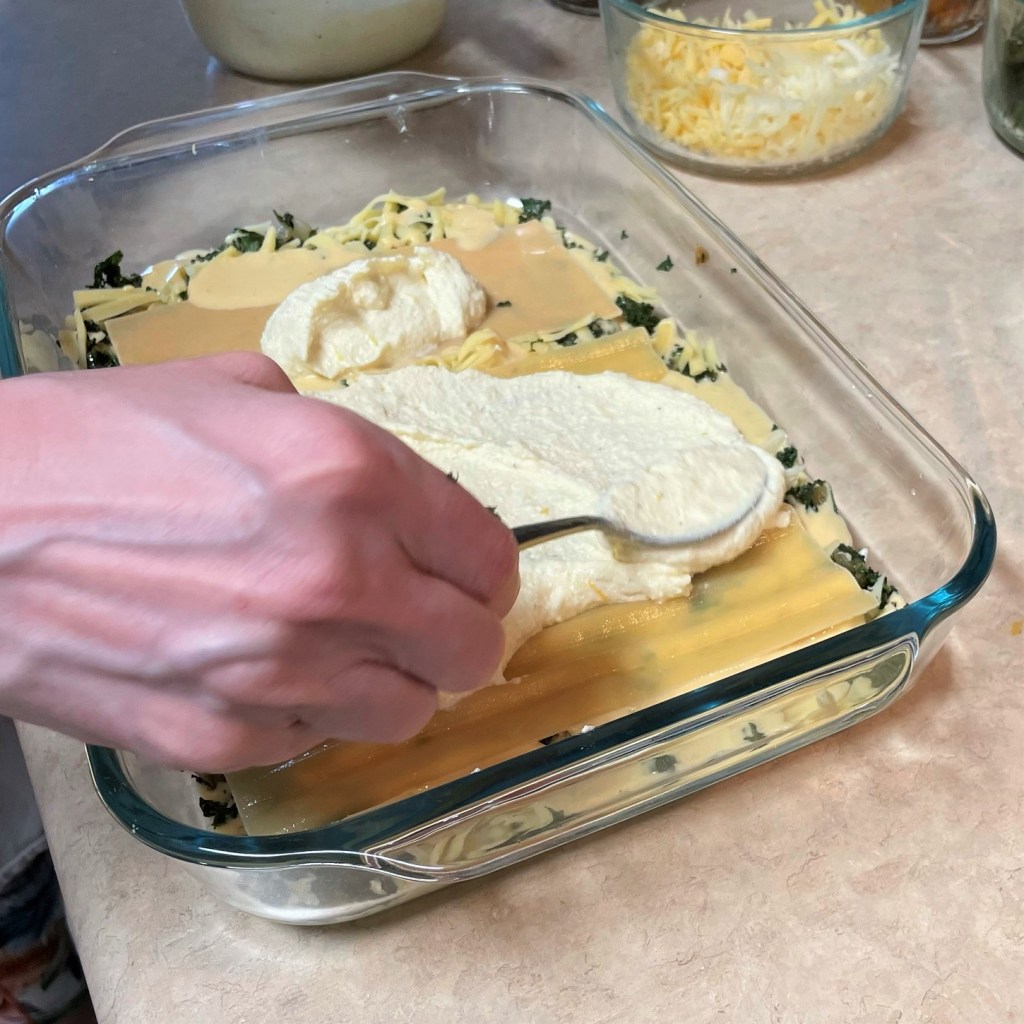
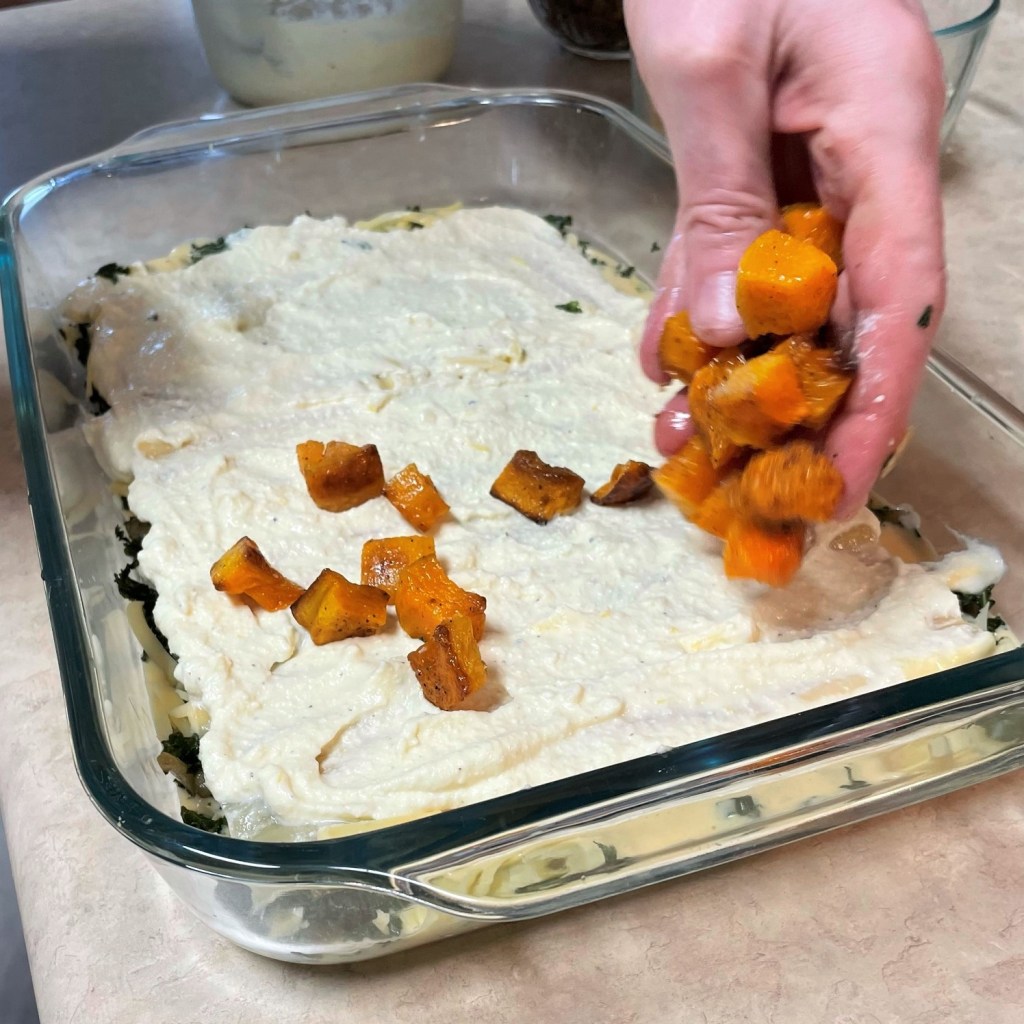
Ladle about 1/2 cup of the butternut-bechamel sauce into the bottom of a 9 x 13 glass baking dish. Then, layer the individual components as follows:


Cover casserole with plastic wrap or foil and allow it to rest for at least 30 minutes, to give the noodles time to absorb some of the moisture from the other ingredients. Preheat oven to 350°F, with rack in center position.

Remove wrap or foil and bake about 45 minutes, or until layers are bubbly throughout and cheese on top is browned in several places.

Let the lasagna rest about 10 minutes before cutting and serving.


Cheesy Stuffed Crust Supreme Deep-Dish Pizza

Every so often, I get a kick out of looking at the National Day calendar, which reminds me of the non-official occasions I can choose to celebrate on a given day. For example, yesterday was Talk Like a Pirate Day, but I didn’t mark the occasion because that felt ridiculous.

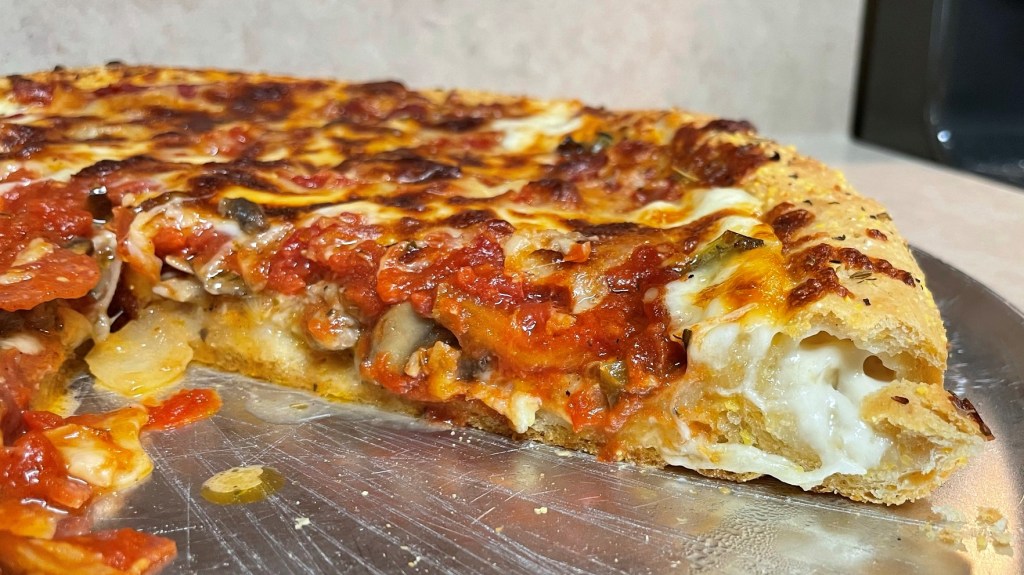
Perhaps it is a bit of serendipity, or just coincidence (which my husband, Les, does not believe exists) that I discovered today, Sept. 20, is both National Pepperoni Pizza Day and National String Cheese Day. The two seemingly separate “events” are both going to be recognized with this insanely over-the-top deep-dish pizza that we made at our house a full three months ago. Sometimes, in the rush to get something else posted on the blog, I end up putting some delicious thing on the back burner. In this instance, it worked out, because this pizza, which I dubbed “Go Big or Go Home,” happens to be perfect for this day. The toppings included pepperoni, but also sausage, peppers, onions, mushrooms, tomatoes and a ton of cheese, and the Chicago-style crust had a circle of string cheese strips enclosed all around the edges.

So much Italian flavor in here and soooo much cheese!

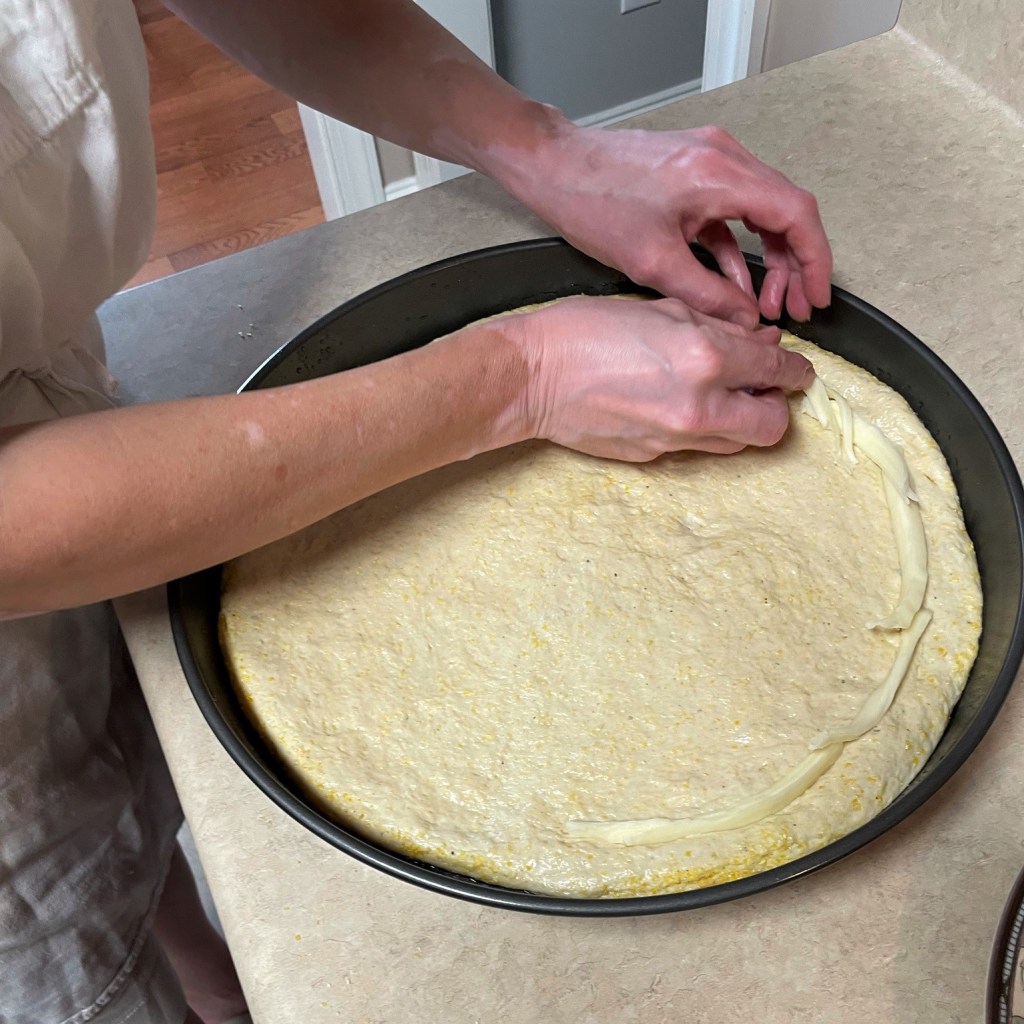
We had been dreaming about a cheesy stuffed crust pizza for a while, but I had a hard time imagining how to keep thick mozzarella sticks secured inside the dough without making a square pie. My solution was to tear the string cheese into strips and then overlap the strings in layers all the way around. Why didn’t that occur to me sooner? It resulted in a perfectly cheesy, ooey-gooey pizza experience, and made it one of the most fun versions of a deep dish that we have made (so far 😉).


Ingredients

1 recipe deep dish pizza dough (see my previous post for Chicago Deep Dish or use your own)

3 Tbsp. extra virgin olive oil

5 sticks of mozzarella string cheese, pulled apart into about four strips for each

1 packed cup shredded whole milk mozzarella, divided

1/2 cup cooked Italian sausage (we used a spicy variety)

1/2 green bell pepper, chopped and sauteed

1/2 medium yellow onion, chopped and sauteed

About 20 pieces thinly sliced pepperoni

1/2 can San Marzano tomatoes, drained and squeezed by hand

A few spoonfuls of your favorite prepared pizza sauce

Several shakes of your favorite Italian seasoning blend


Instructions

  1. Preheat oven to 450° F, with oven rack in center position.
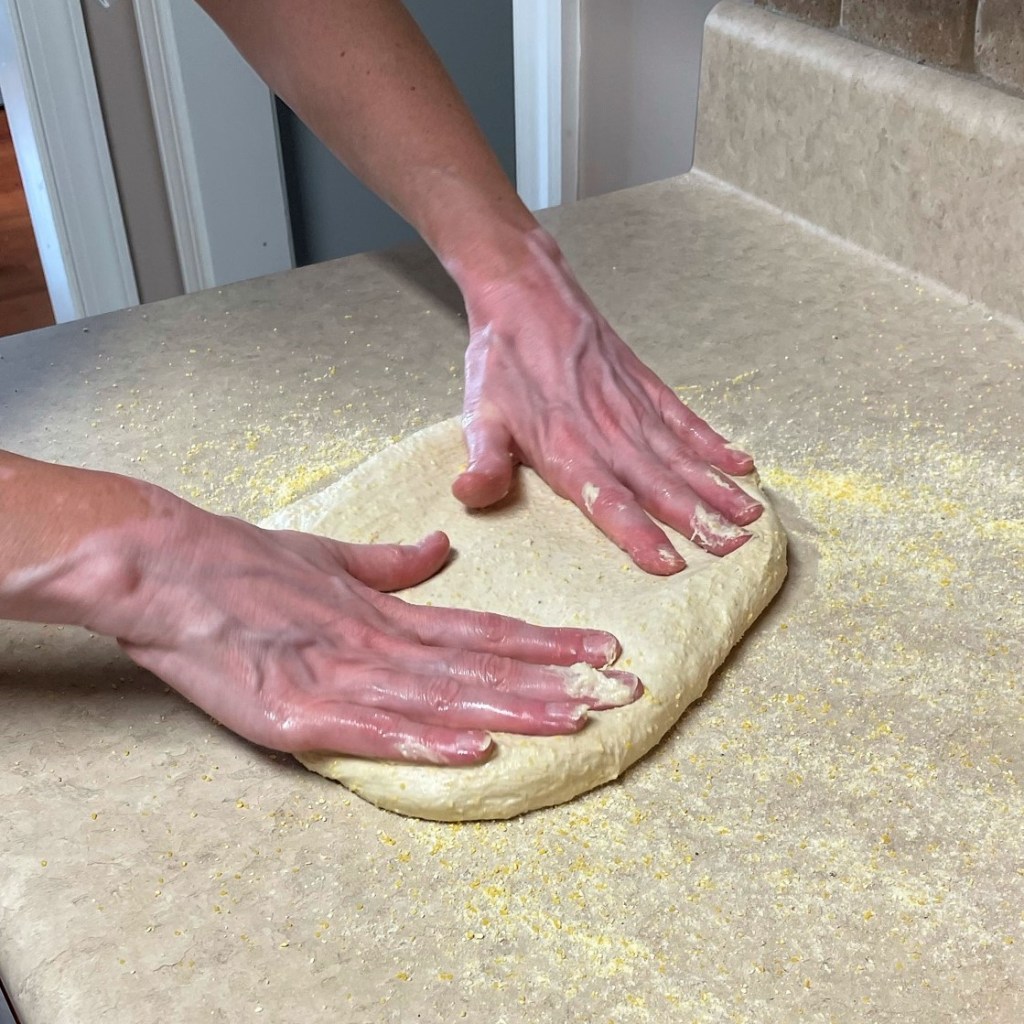
  2. Add olive oil to a 14-inch, deep dish pizza pan and swirl it around. Shape the pizza dough, leaving as much extra dough around the edges as possible.
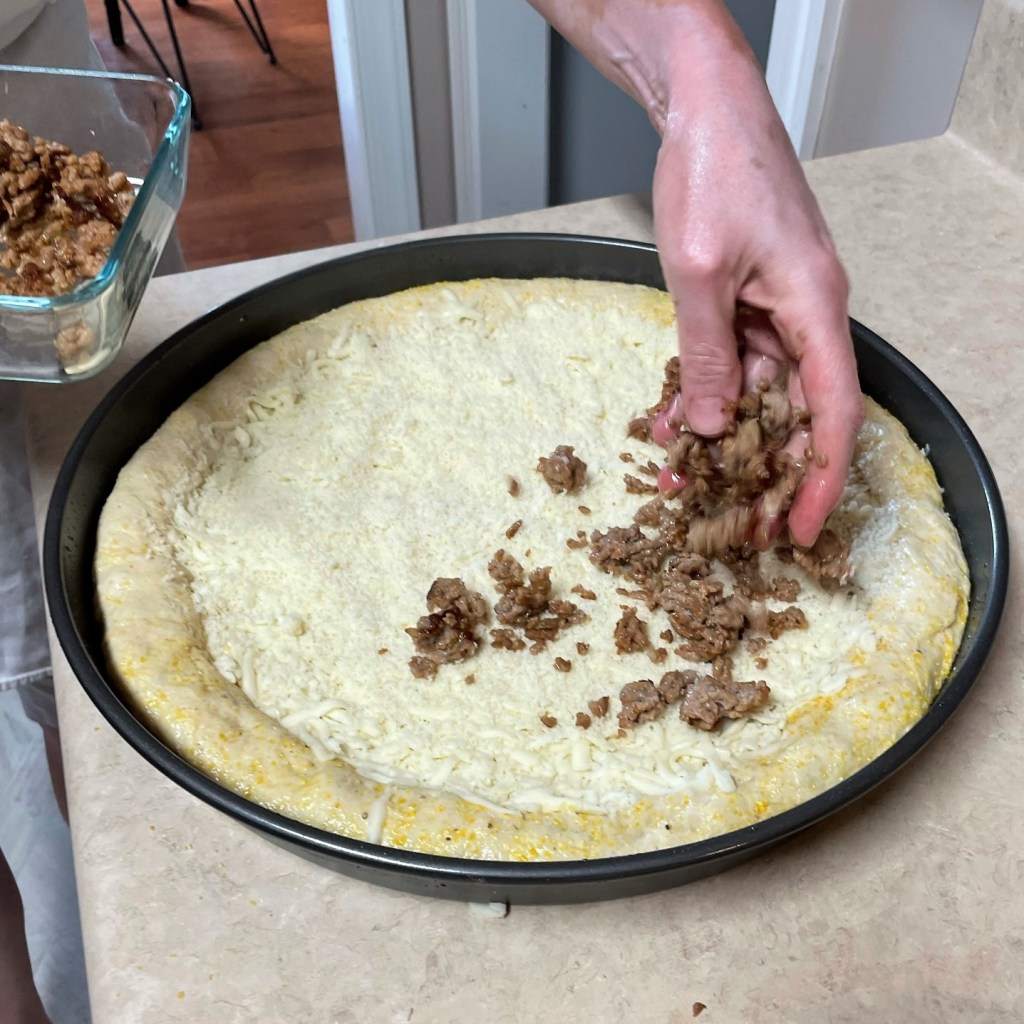
  3. Arrange the strips of string cheese, overlapped so there is plenty of cheese thickness all the way around the edges of the pizza dough. Gently stretch and pull the edges of dough over the string cheese strips and press to seal it to the base of the dough. Portion half of the shredded mozzarella onto the base and use your hands to press it firmly into the base of the pizza and also to cover the stuffed crust seam.
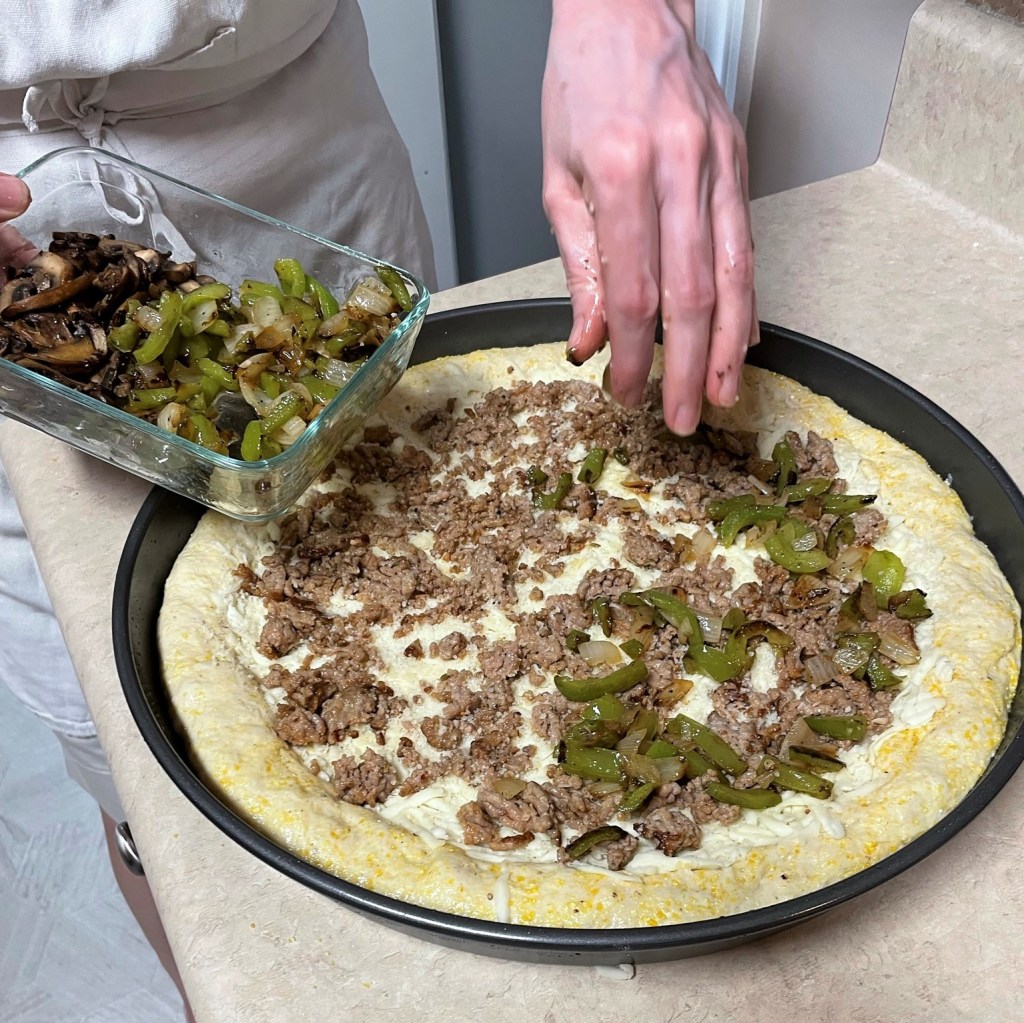
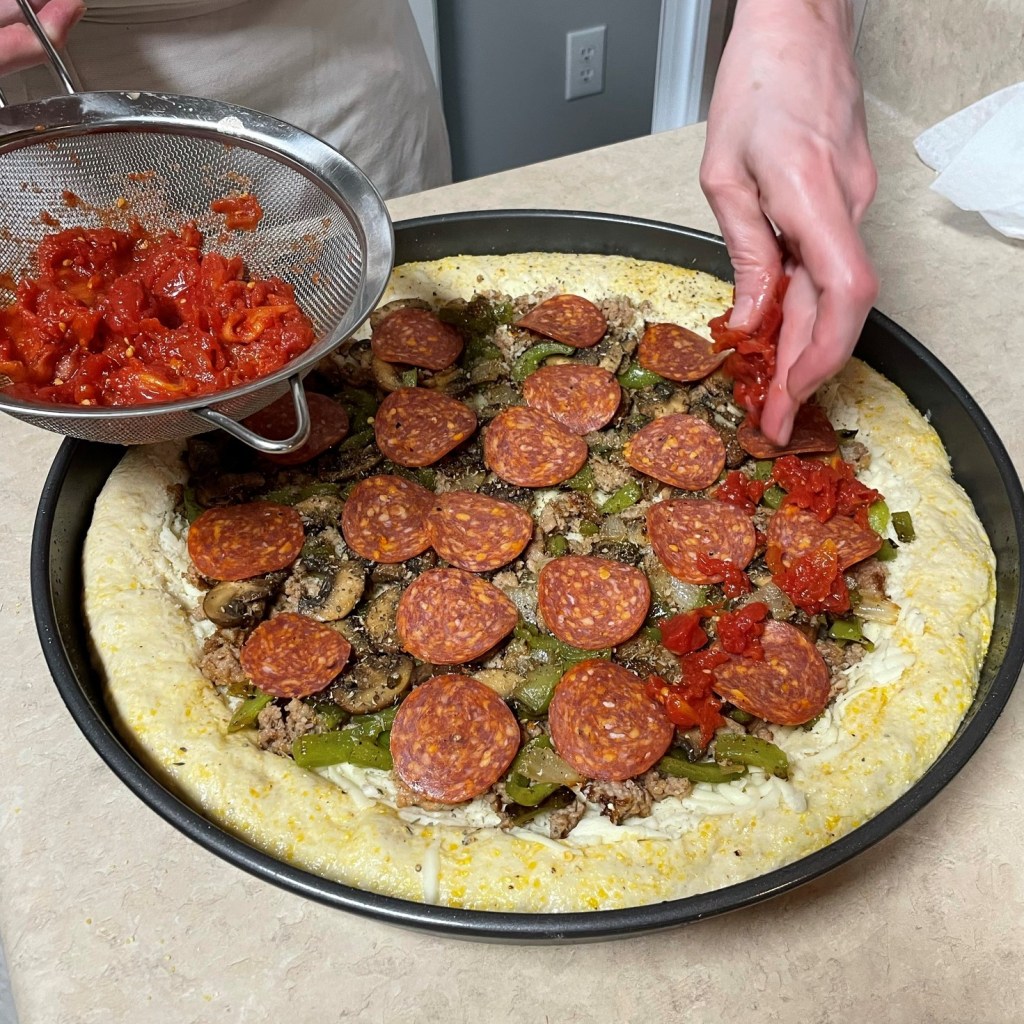
  4. Layer on the cooked Italian sausage, then the peppers, onions and mushrooms. Arrange slices of pepperoni generously all over the pizza. Scatter the crushed canned tomatoes randomly over the pepperoni, and then drop a few spoons of pizza sauce in-between the tomatoes and spread it lightly.
  5. Sprinkle the pizza, including the dough around the edges, with your favorite Italian seasoning blend. Sprinkle the rest of the shredded mozzarella, along with any remaining strips of string cheese, on top of the pizza.
  6. Bake for 25 to 30 minutes, until crust is golden brown and filling is bubbling. The cheese will be lightly browned and bubbling also. Let the pizza cool in the pan for 8 minutes before transferring it to a pizza tray. We use a large pancake turner and a wide fish spatula to get under the pizza to move it. Alternatively, cut the pizza right in the pan and serve up the wedges.

See? Go big or go home!


Easy Puff Pastry Pinwheels

Of all the things I love about writing a blog—and there are many, from seeing a record of my kitchen accomplishments to moving another bucket list item to the “done” column to hearing the stories from others who have tried my dishes—the best benefit of all is meeting new friends. I had the most wonderful opportunity to do just that when my husband, Les, and I traveled by car for our recent vacation. Our trip was slated to take us up I-95 through Virginia, D.C., Maryland, Delaware and into New Jersey, and I was thrilled that my blogging pal, Bernadette, was open to a meet-up. She had mentioned many times on her own blog, New Classic Recipe, that she was a resident of the Garden State, and fate was on our side because we were able to meet just one quick exit off the highway, on our way up to the northern part of the state.

I first came to know about Bernadette because she began commenting on some of my posts near the end of 2020, most notably the Oysters Rockefeller Pizza, and when I checked out her blog (WordPress is good that way, encouraging you to check out the bloggers who like your pages), I found myself also mesmerized by stories of her travels and food adventures, and especially the Italian recipes, including this one for fried, stuffed olives. We began following each other’s blogs, but I didn’t expect I would meet her one day.

At least, not until a couple of weeks ago. 😊

Les, me and Bernadette. 🙂

Once our travel plans became clear, I reached out to Bernadette privately, and she was terrific to recommend places near her that we could connect in person, and I’m so glad that we did! We gabbed over lunch—about food and blogging, about family and friendship, and the time just went so fast, as Les and I were suddenly back in the car and on our way to the rest of our action-packed vacation.

Before we parted, my new friend surprised me with a gift bag that contained two jars of handmade preserves, which I treasure. One of them is fig, which we will most certainly dig into when the holidays arrive, and the other is blackberry-prosecco. As much as I have enjoyed slathering the latter on my breakfast toast, I wanted to make something delicious and special with it, both to honor my new friend and to show appreciation for this (literally) sweet handmade food gift. This recipe is simple to make because it relies on store-bought puff pastry, but it has a little bit of “wow” factor, thanks to a pretty shaping method that is very easy to do. And the blackberry-prosecco preserves offer just the right kiss of sweetness on top of a cream cheese cushion.

The laminated dough puffs up during baking and makes the prettiest pastries!

My intention for these pastries is to serve them for breakfast or brunch, and because September is Better Breakfast Month, it seems apropos to do so. But honestly, there’s no reason these could not also be served as a light dessert, perhaps even with a glass of prosecco, in a friendly nod to the prosecco in Bernadette’s preserves.

Wait, why not both? 😉


Ingredients

1 sheet refrigerated (or frozen, thawed) puff pastry

3 oz. cream cheese, slightly softened

1 heaping Tbsp. powdered sugar

1/4 tsp. vanilla

6 tsp. favorite fruit preserves

1 egg (+ 1 tsp. cold water, for egg wash)


Instructions


  1. Preheat the oven to 400° F, with oven rack in the center position.
  2. Remove puff pastry from package and roll out on a lightly floured counter or board. Use a rolling pin to gently press out any folds in the pastry and aim to keep the pastry sheet in a mostly square/rectangle shape.
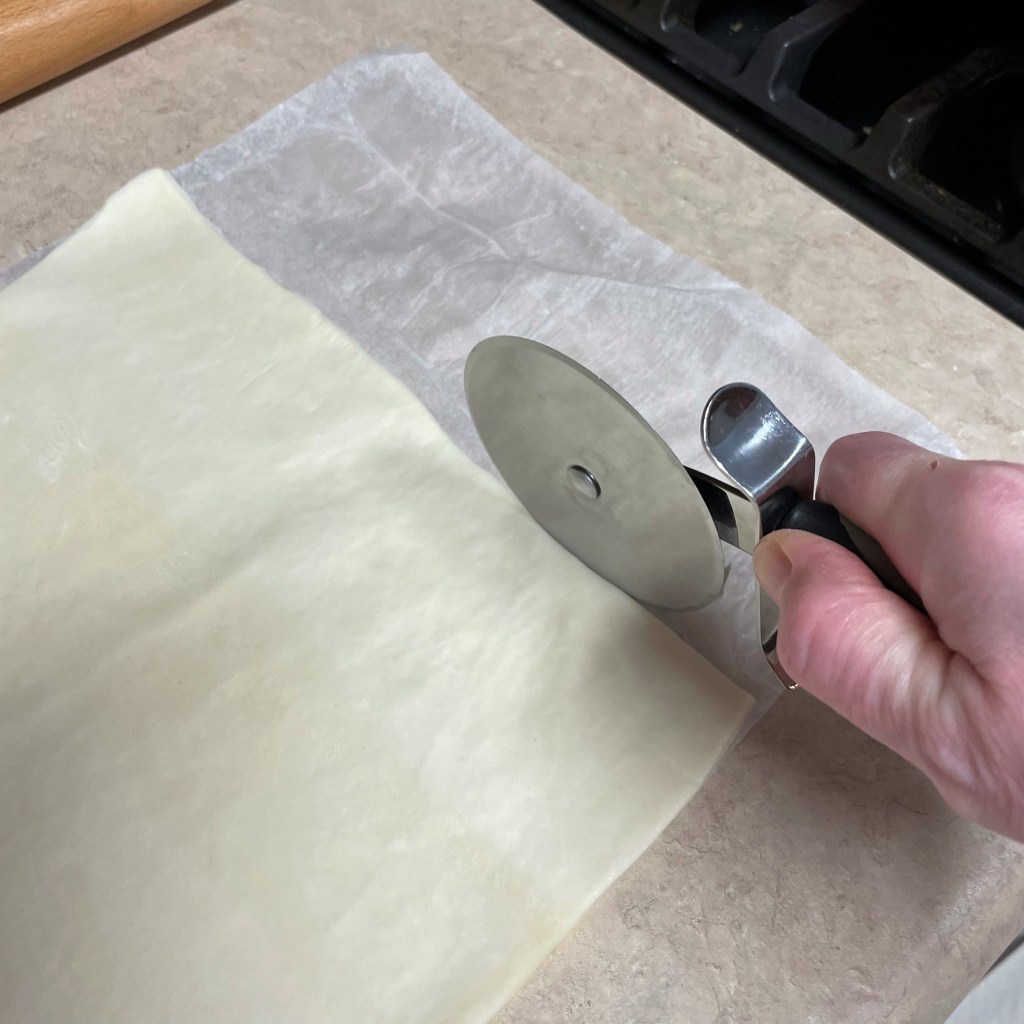
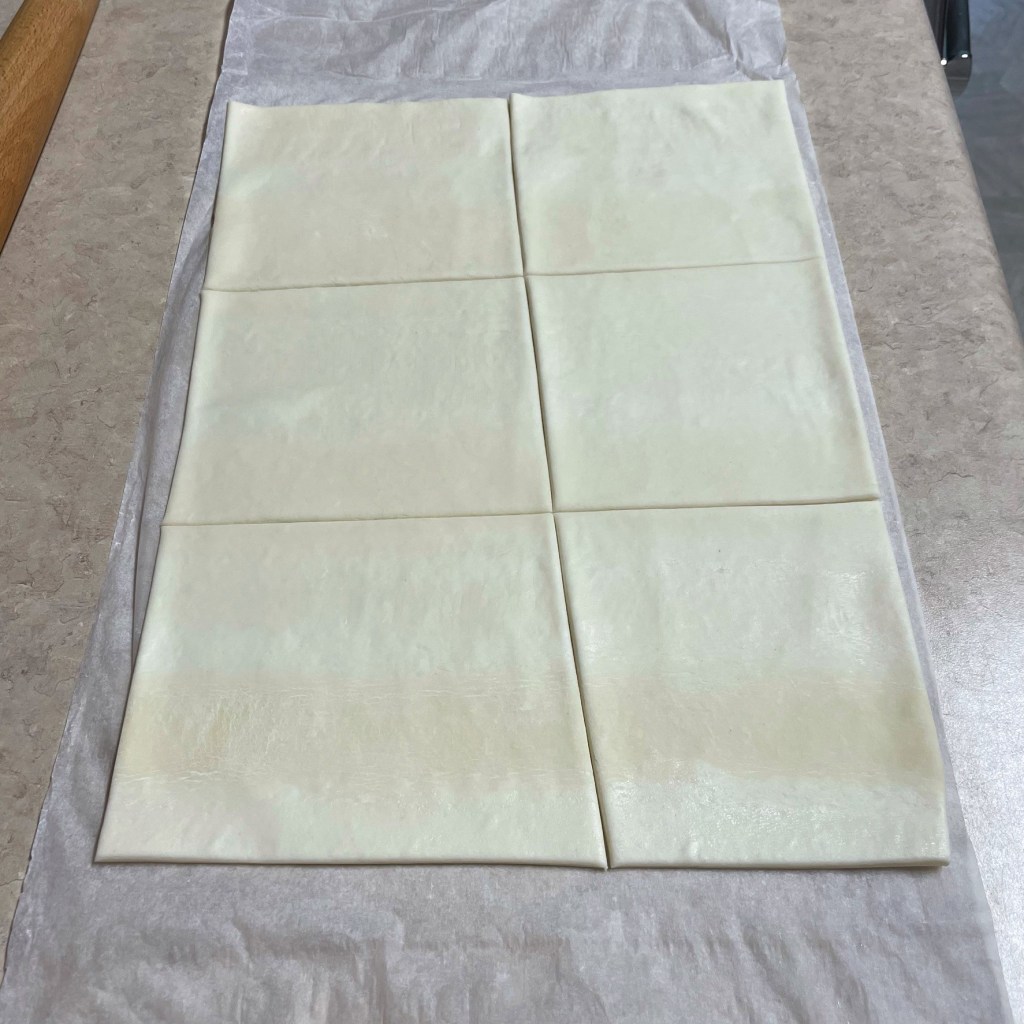
  3. Using a pizza wheel, trim the edges all around and cut the pastry into six roughly equal size squares. Arrange the squares on a parchment-lined cookie sheet. It is not necessary to have much space between them.
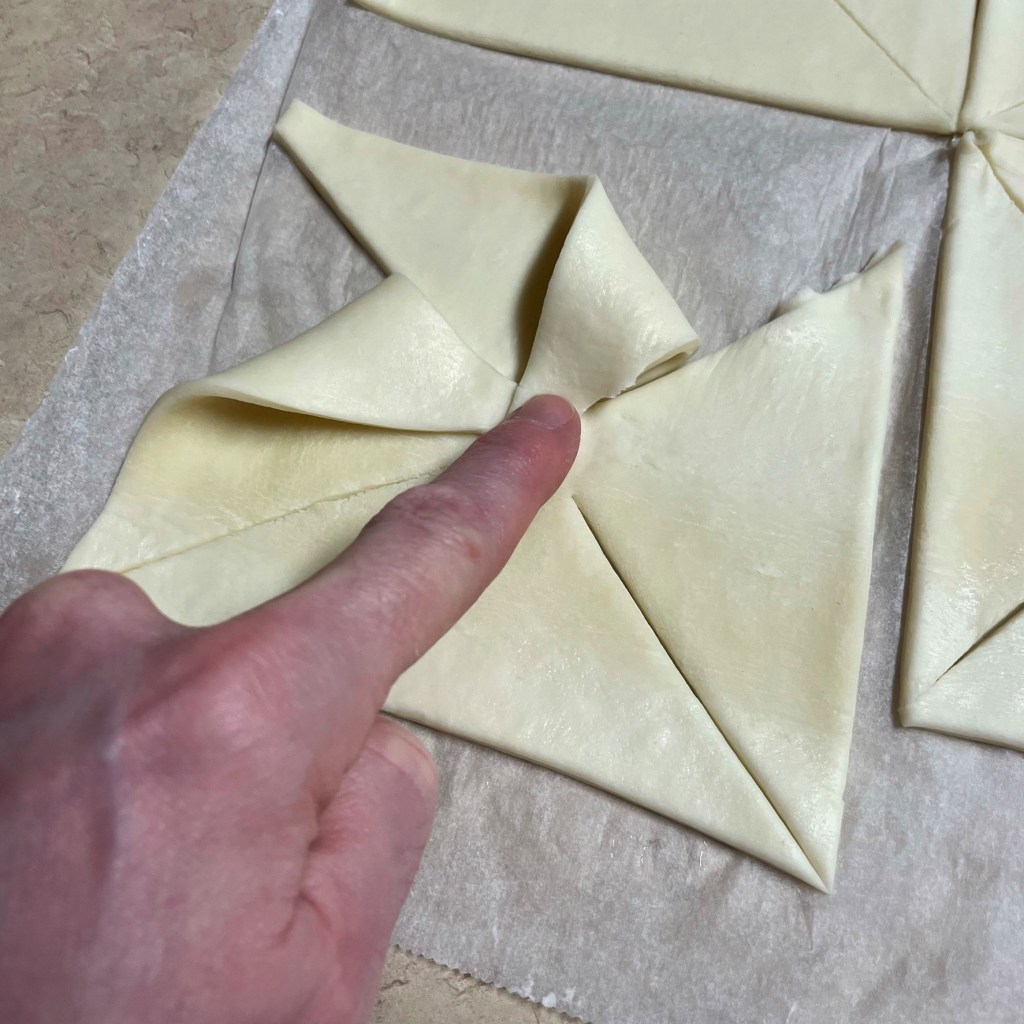
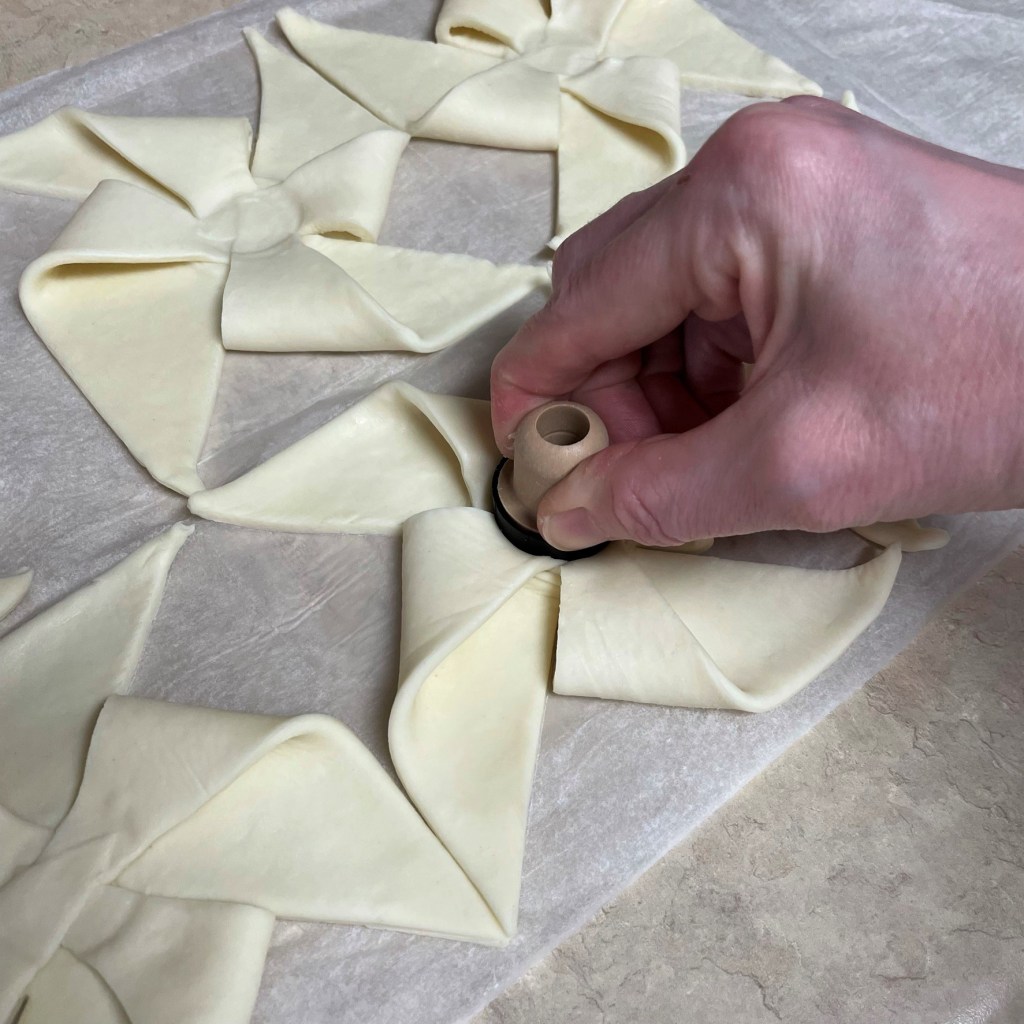
  4. Use a paring knife to cut diagonally from the corners of each pastry square toward the center, but keep about 1½ inches of the center fully intact. Fold every other point toward the center, slightly overlapping them in the middle. Press down firmly on the centers with your thumb to ensure the pastry stays put.
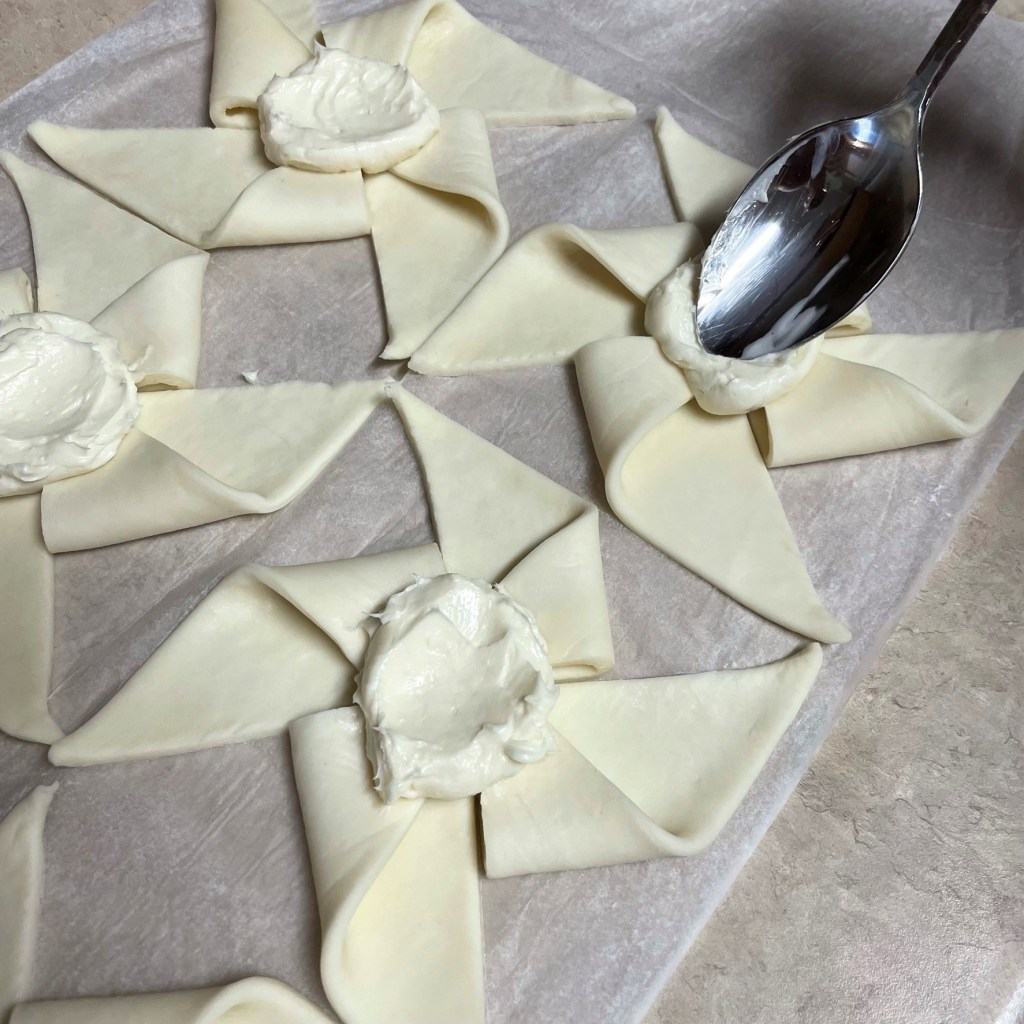
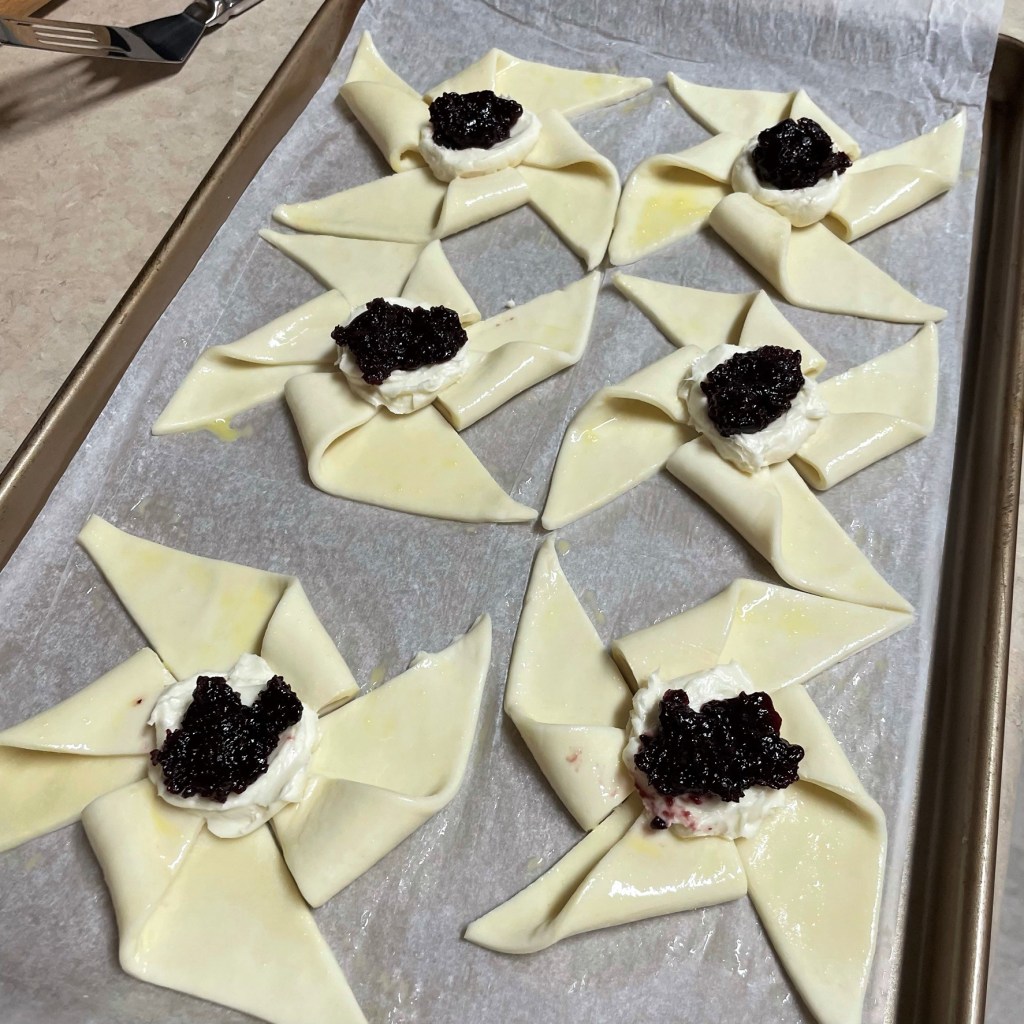
  5. Divide the sweetened cream cheese mixture among the pastry pinwheels. Each should have about 1 tablespoon. Gently press the center of the cream cheese with the back of a spoon to create an impression. Fill each impression with a small spoonful of your favorite preserves.
  6. Brush all exposed pastry dough with egg wash. Bake for about 18 minutes, or until pastries are puffy and golden. Rotate baking sheet about halfway through the time, for even browning.
  7. Cool pastries on the baking sheet for about 2 minutes before transferring to a rack to cool.

Making breakfast better!