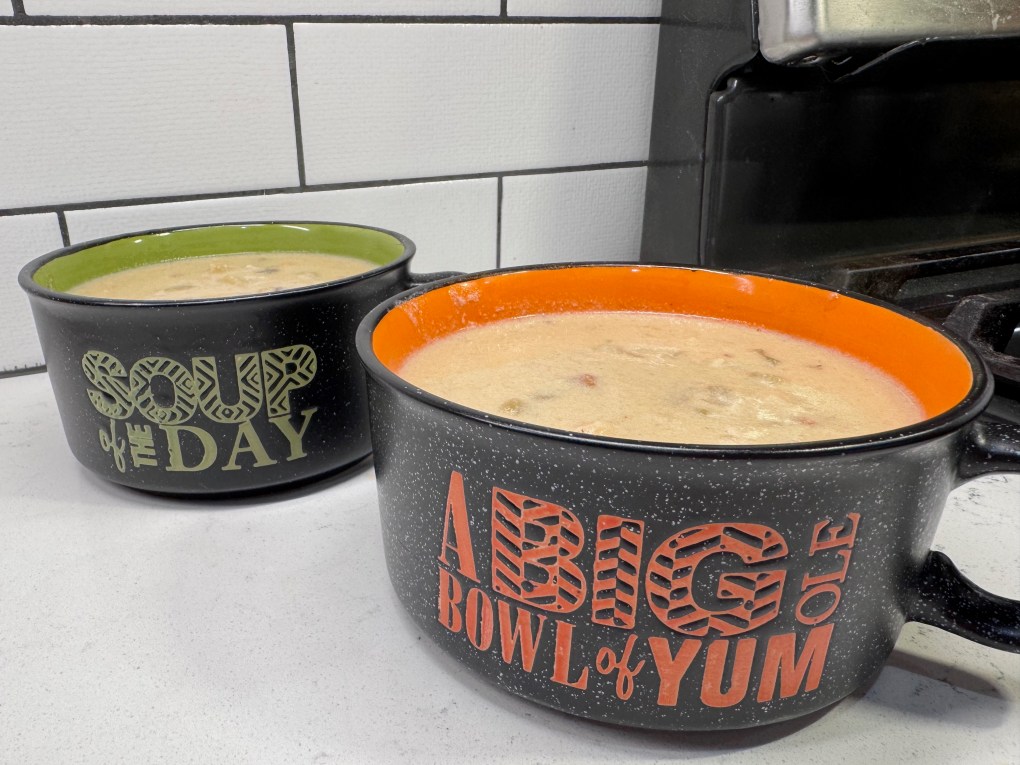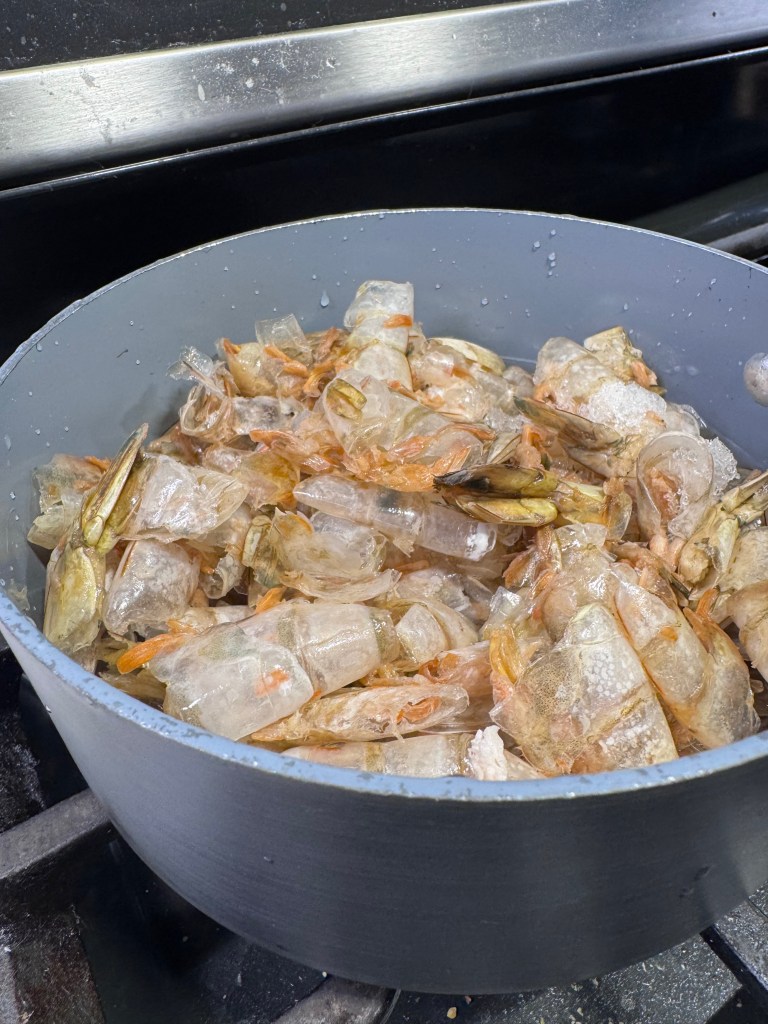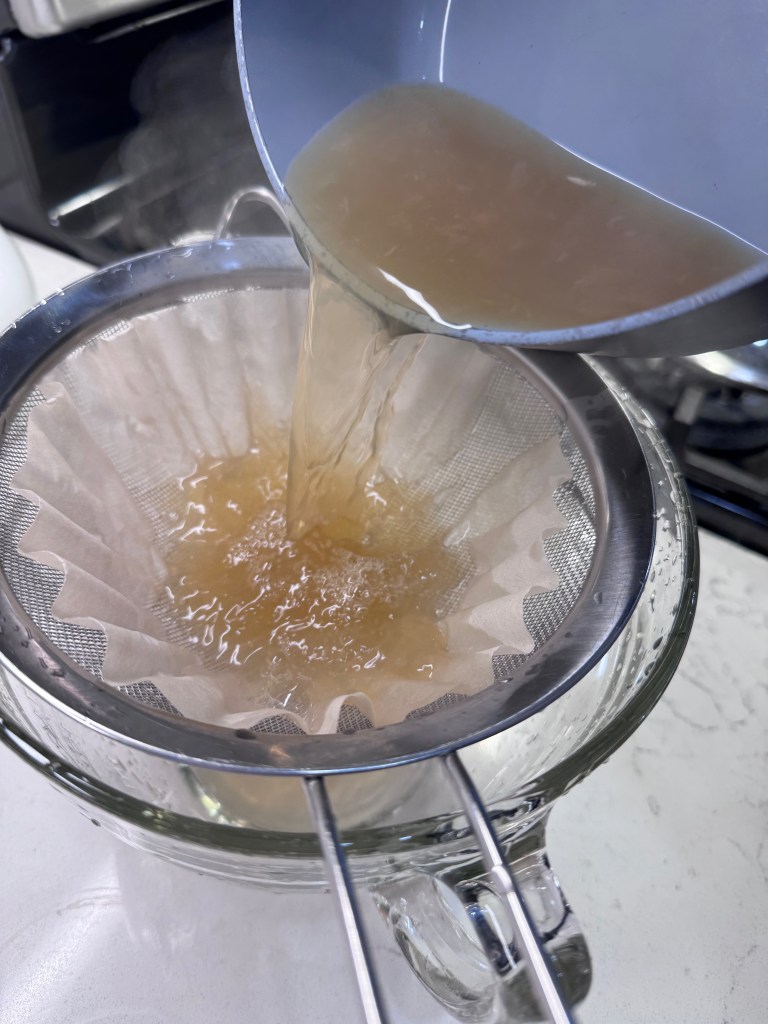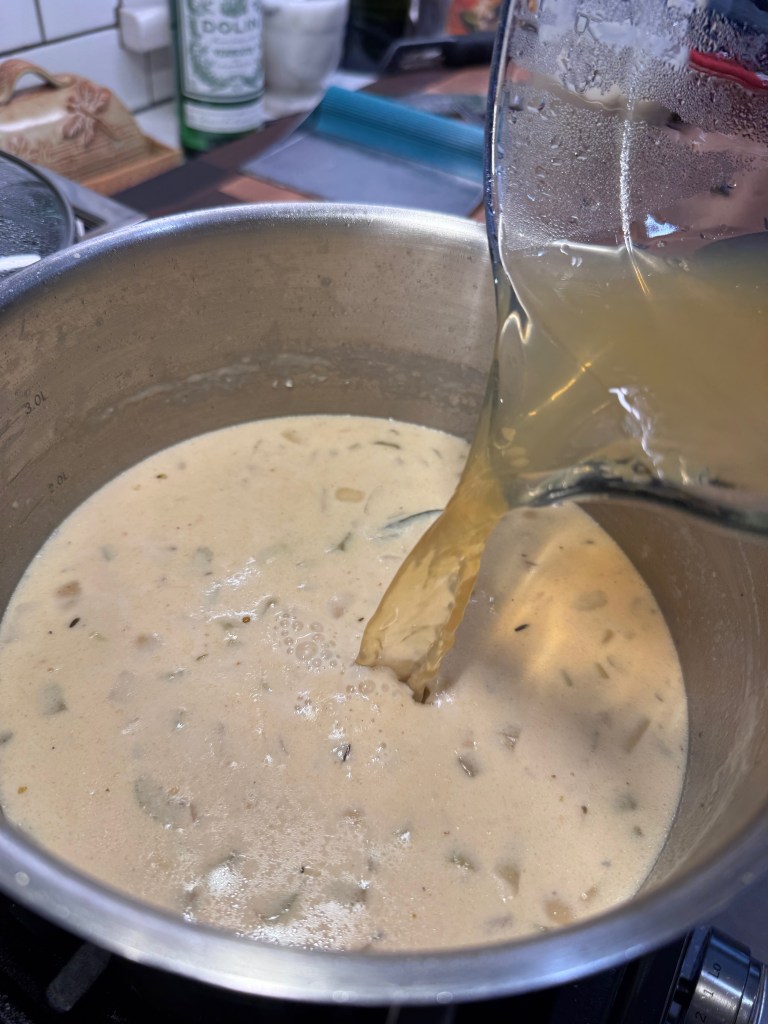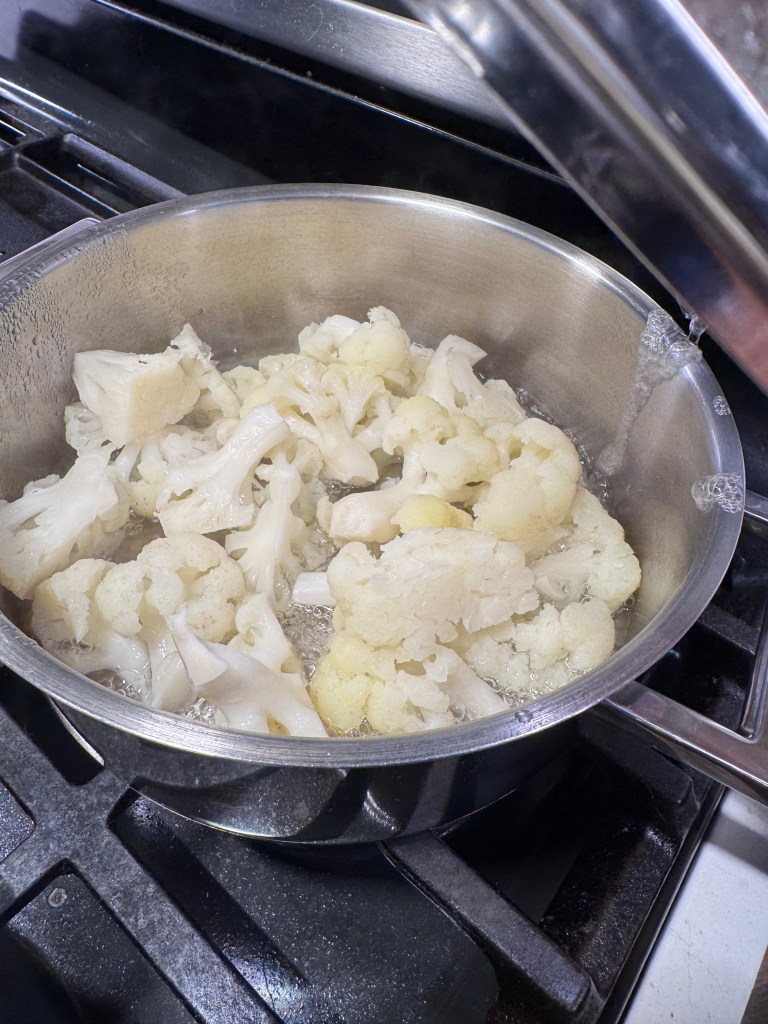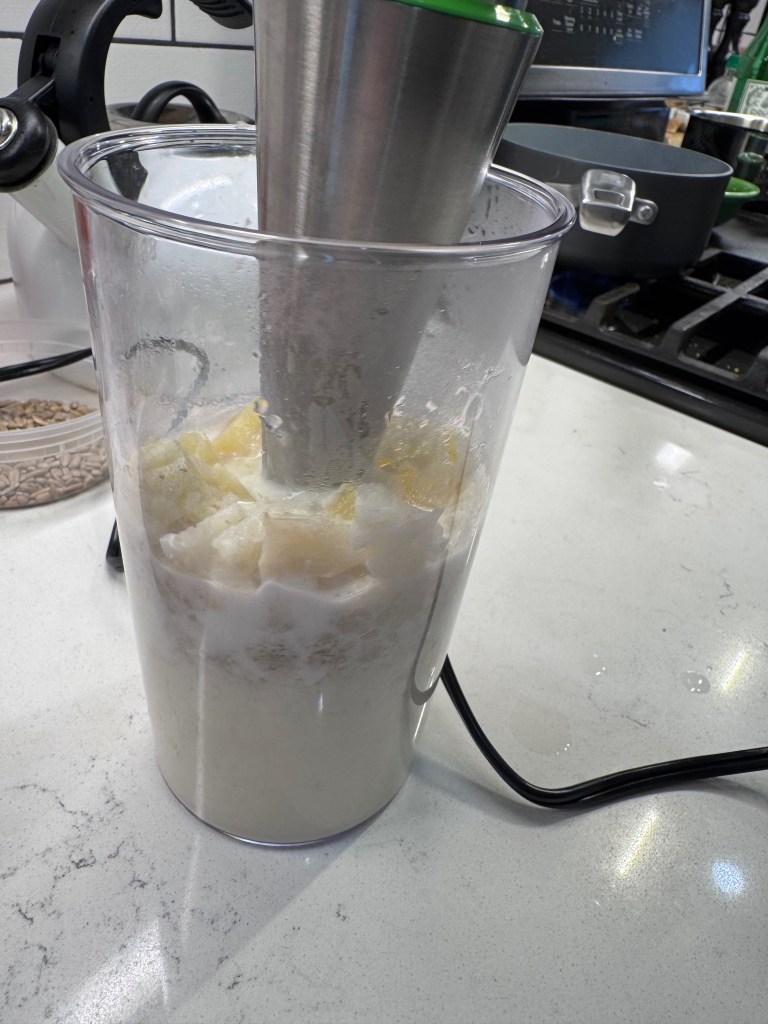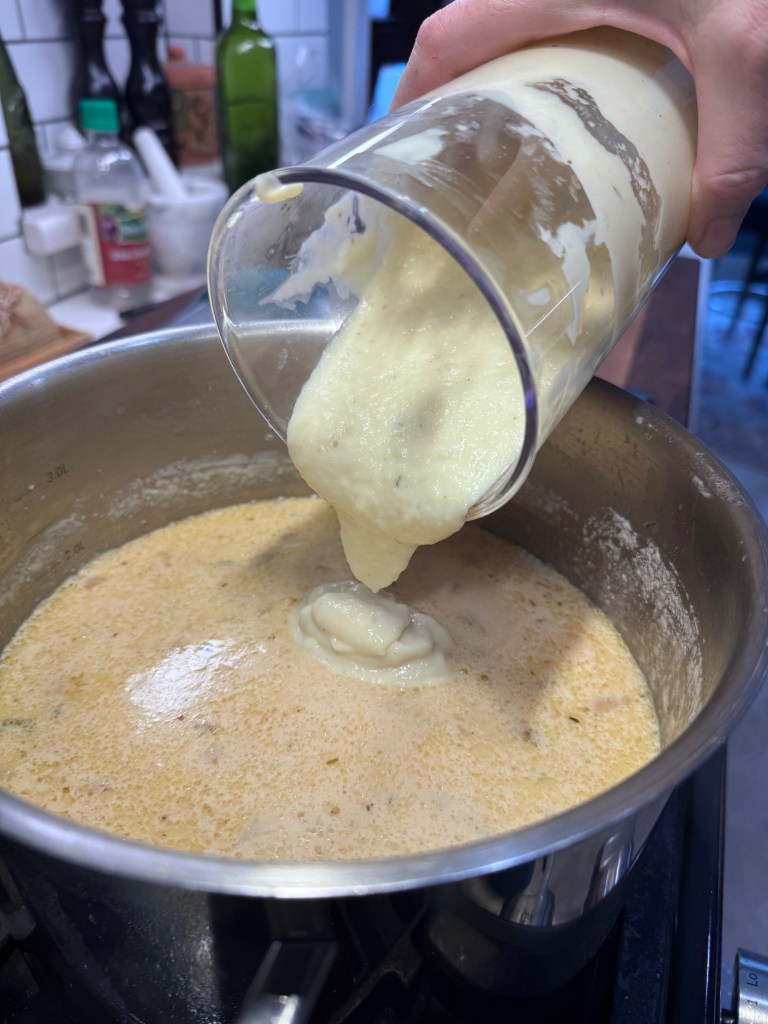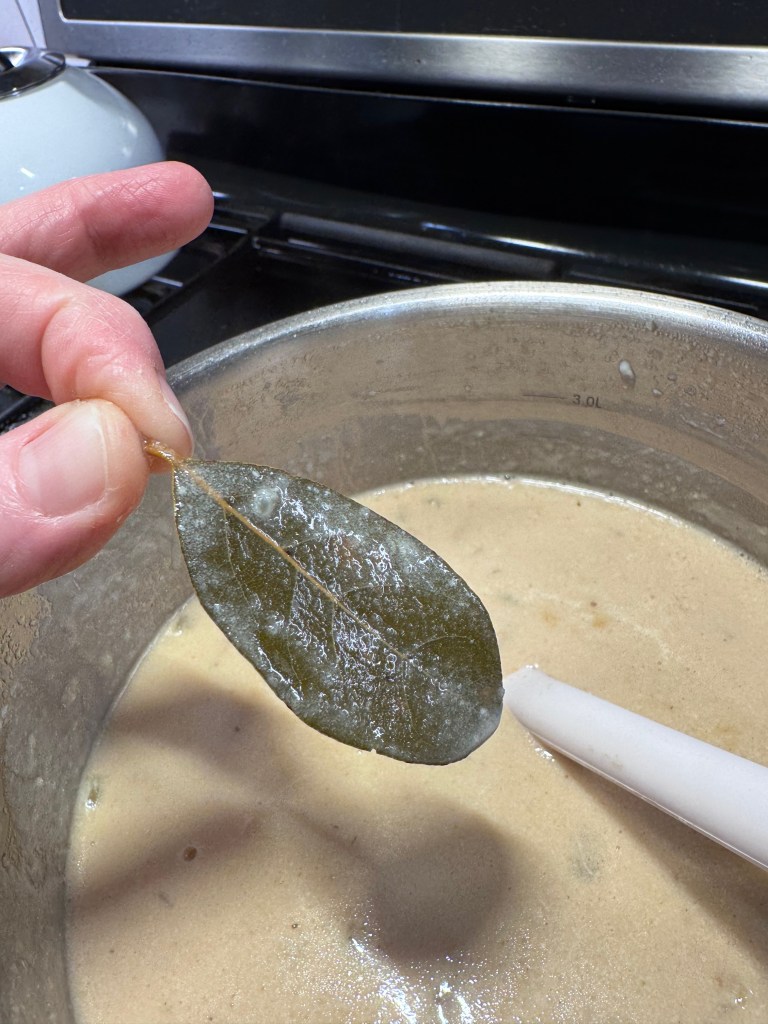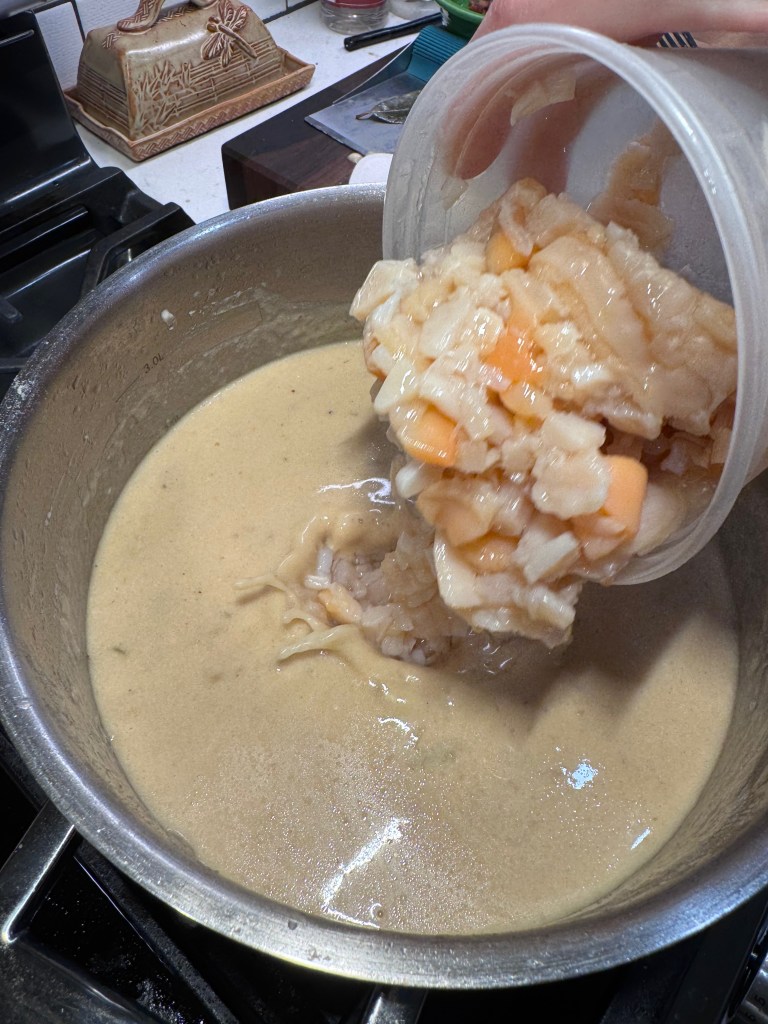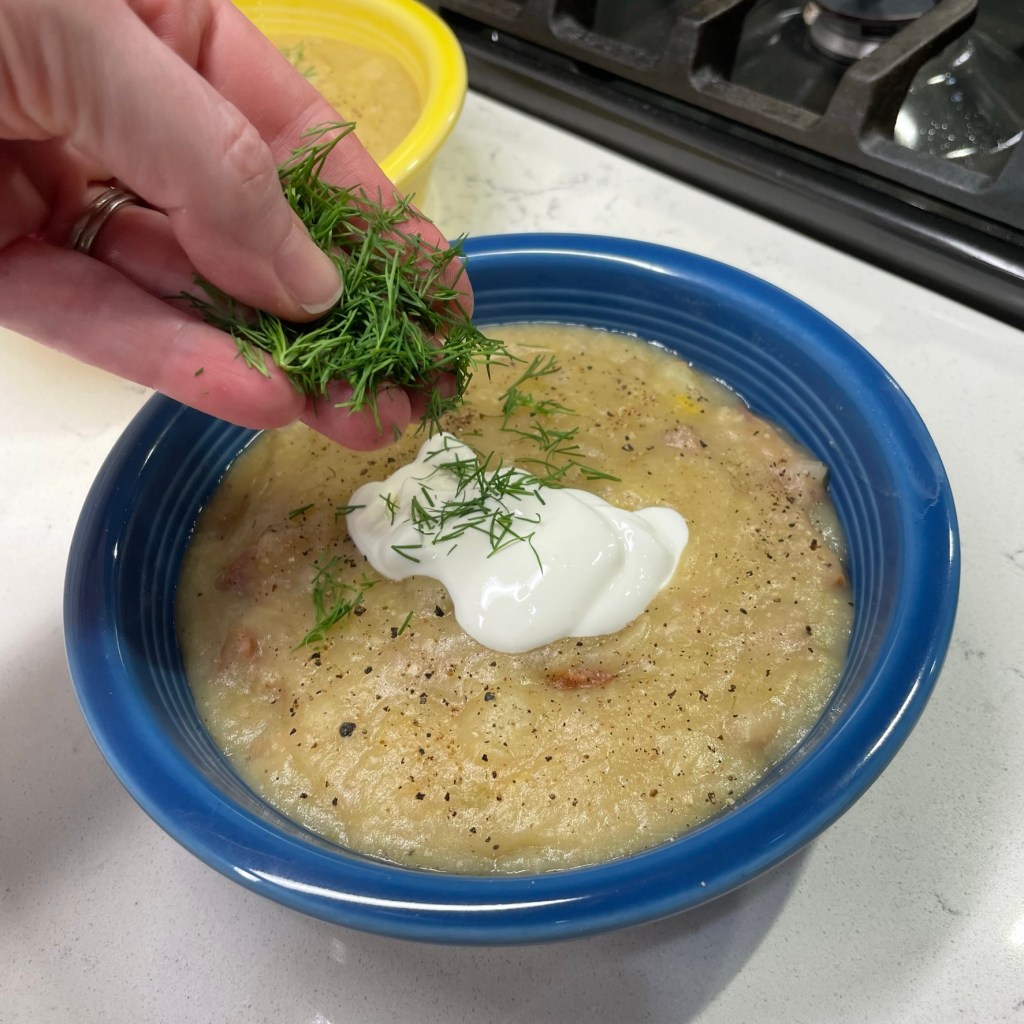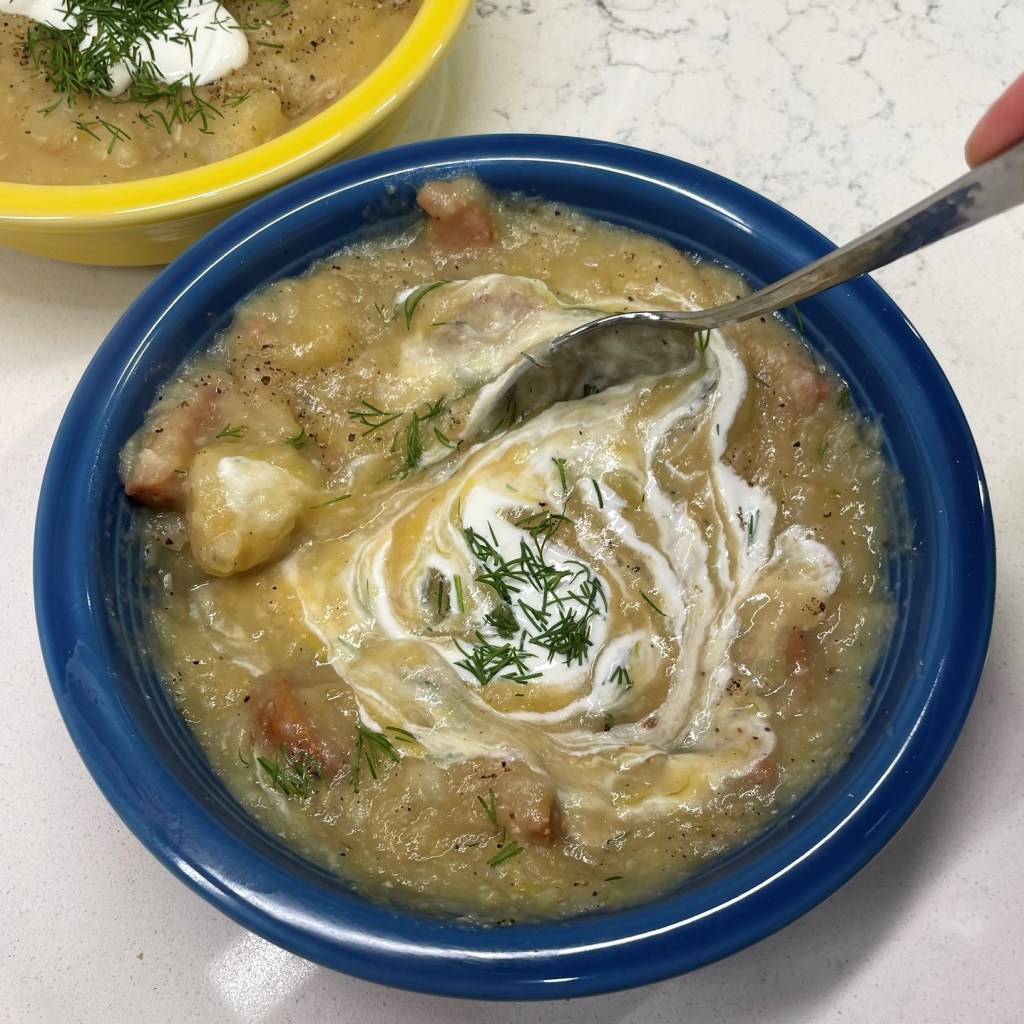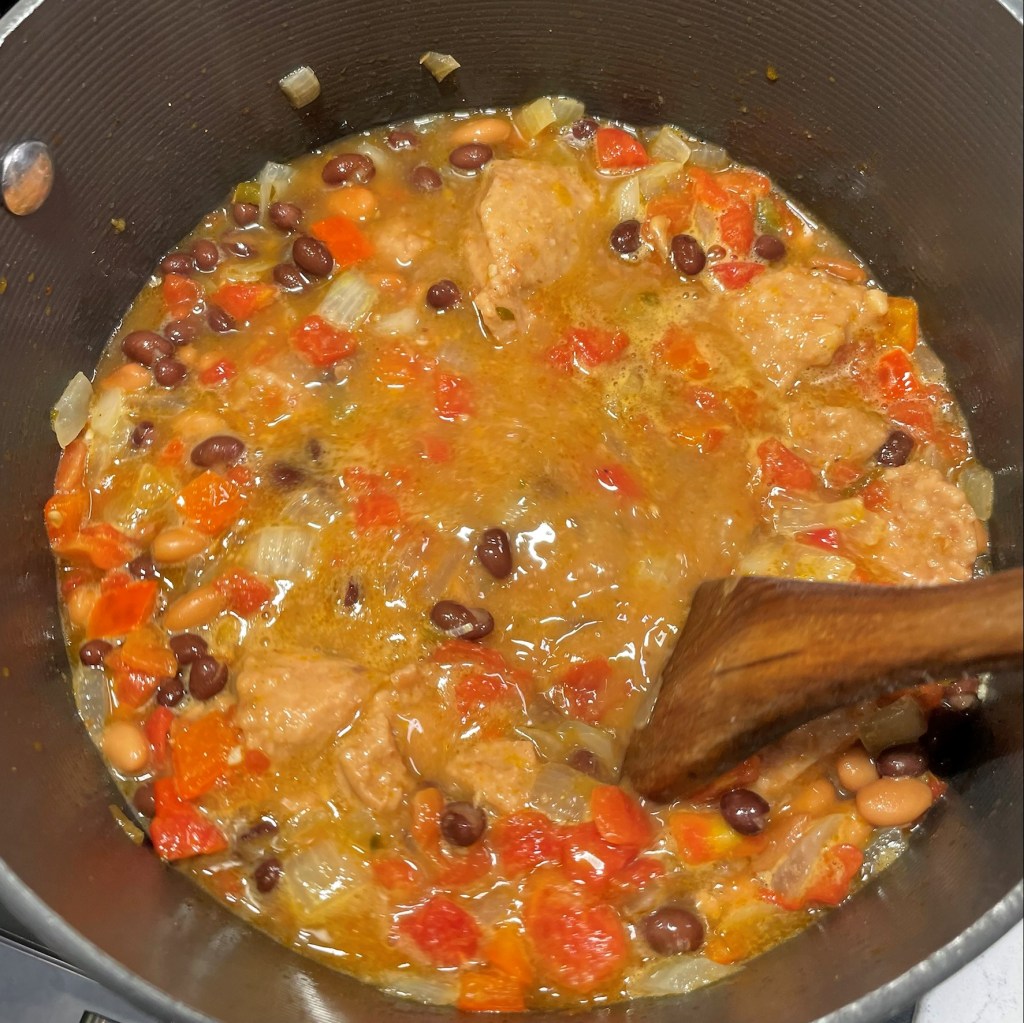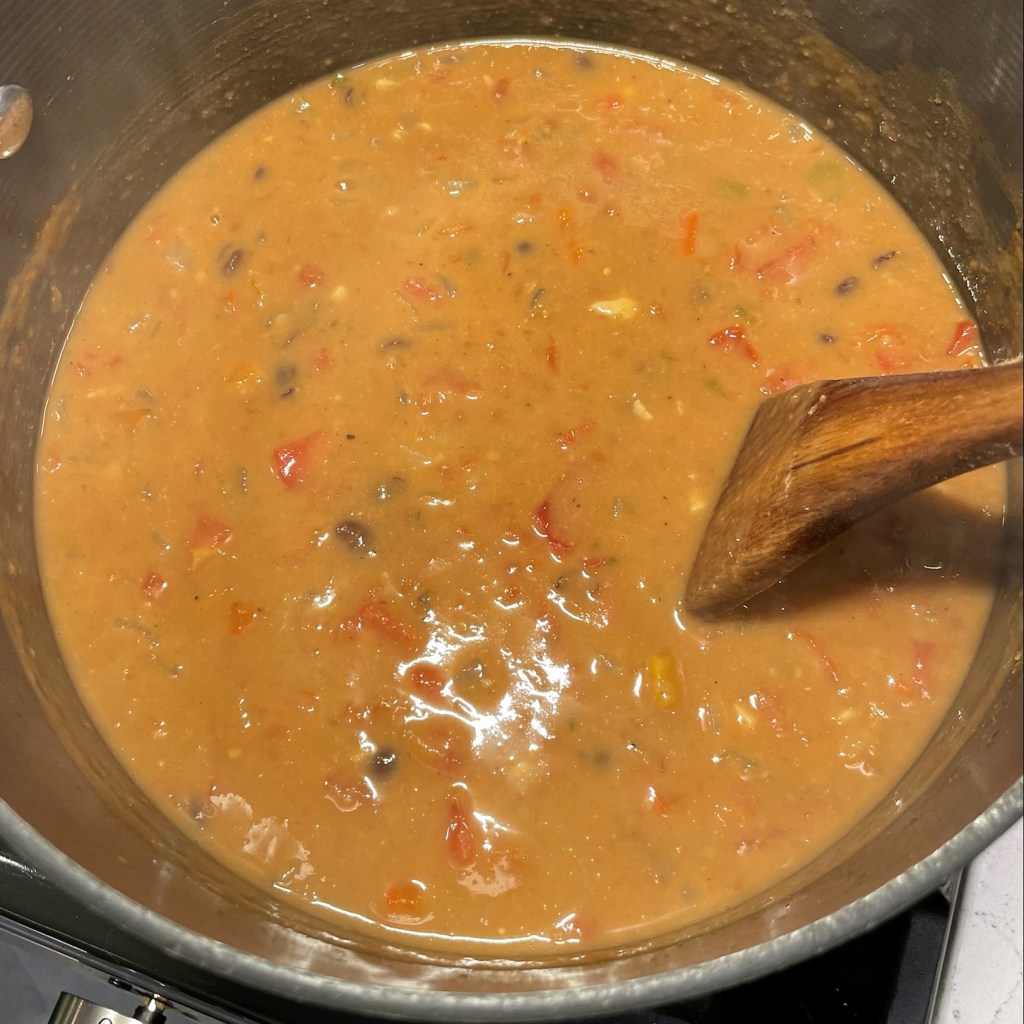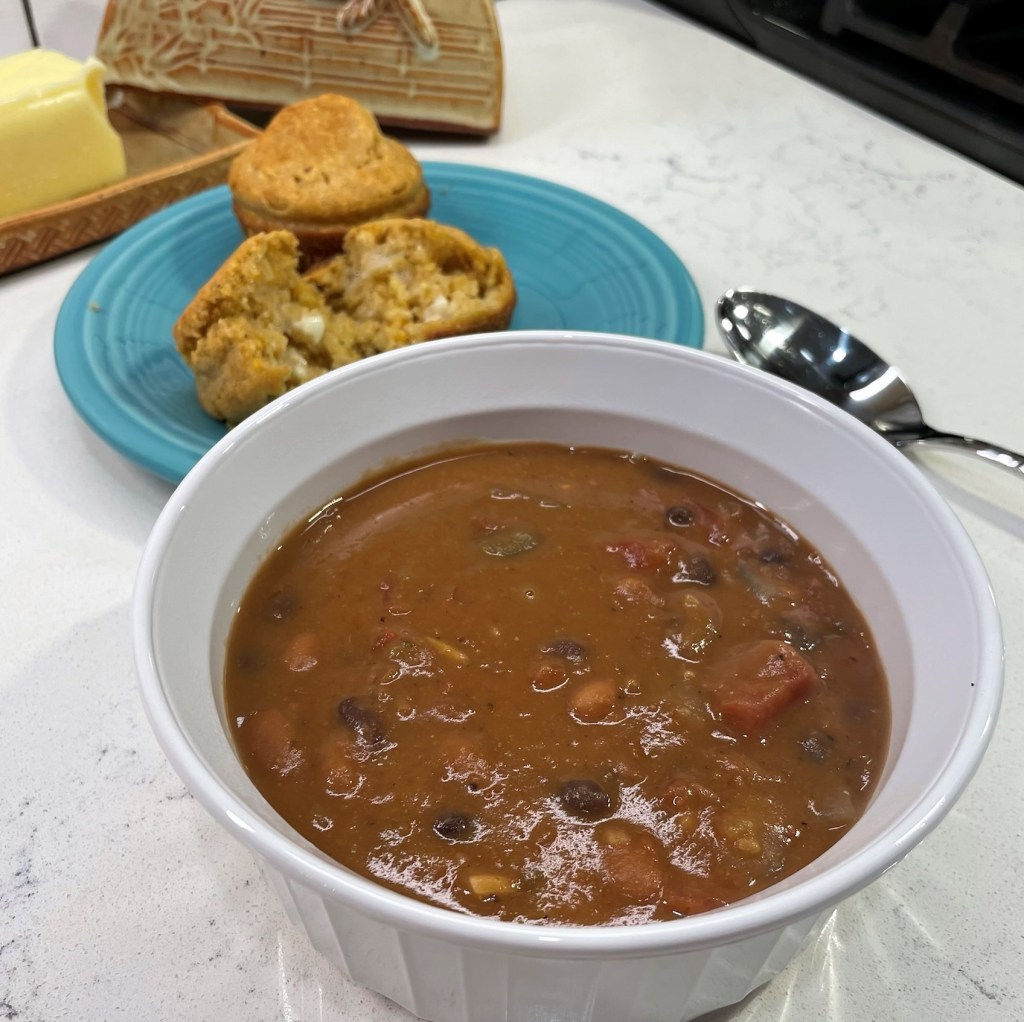
Hatteras-style Clam Chowder

There are days that I go looking for a good inspiration recipe, and then there are days when they pop up out of nowhere while I’m looking for something else. This recipe, I suppose, was somewhere in between. 

I’ve been wanting to make a clam chowder with the fresh chopped clams that always tempt me from the case at my local seafood shop, but I didn’t want either of the classic chowder options that you always hear about. New England style, of course, is the creamy, white version that uses potatoes, clams, onions and loads of heavy cream. It’s luxurious and comforting, but high on the saturated fat scale. And then there’s Manhattan style, with its light tomato broth, onions, big chunks of potato and chewy clams. It’s a lovely light bite, but some people (my New York-born-and-raised husband included) don’t find brothy soups as satisfying. 

A perfect in-between

As I pondered how to find a happy medium between the lighter, tomato brothy chowder I craved and the creamy but bland version my husband favored, I got to thinking maybe it would fun to create something altogether new— a chowder with more texture and maybe some autumn ingredients. That’s when my search for “autumn clam chowder” turned up a terrific inspiration recipe on the Southern Living website— they called it Hatteras Chowder.

How in the world this dish escaped my eye after the 37+ years I’ve lived in North Carolina is beyond me, and I am taking it as my sign that I need to finally visit the Outer Banks, where Hatteras Island graces the Atlantic coastline with the tallest brick lighthouse in the United States. 

Hatteras Lightstation
Photo by Shalom Shore on Pexels.com

It was lucky that I stumbled on this inspiration, because I had been wrestling with what to make to honor my state on North Carolina Day. I’ll share my own version of this recipe in a moment, but first, I want to brag on my state a little bit. After all, I have called it home for nearly four decades! 

I love living in North Carolina. I drove into town in my little white Pontiac (that had no A/C), with my cat, my clothes, a big stereo system and $800 in my pocket. This place gave me hope for achieving my dream, and I found more than I had imagined, personally and career-wise. We have the coast just a few hours east and the mountains two hours west. We get to enjoy all four seasons, though we haven’t seen much snow in recent winters in my neck of the woods.

The city of Winston-Salem, where Les and I met and live, boasts a vibrant arts and innovation culture— a big step up from the days when Winston-Salem was only about tobacco. We have terrific indoor and outdoor venues nearby for live music, great food and drink, and our city is proud of the diversity of its citizens. Yes, we have our share of unfortunate political embarrassments (you’ve probably read about one of them even this week, but we will take care of that in November), and our coastline frequently bears the brunt of tropical storms and hurricanes, but the good in North Carolina truly outweighs the bad or we wouldn’t still be here!


Our state is also well known for many foods, including pulled pork bbq, collard greens and pimento cheese, but this Hatteras chowder that I’ve just learned about is made with fresh-from-the-Atlantic clams, red potatoes, bacon, onion, celery, carrot, white wine, herbs and clam juice. As written, the recipe sounds delicious. But you know me, I have to make it my own.

Twisting up a classic

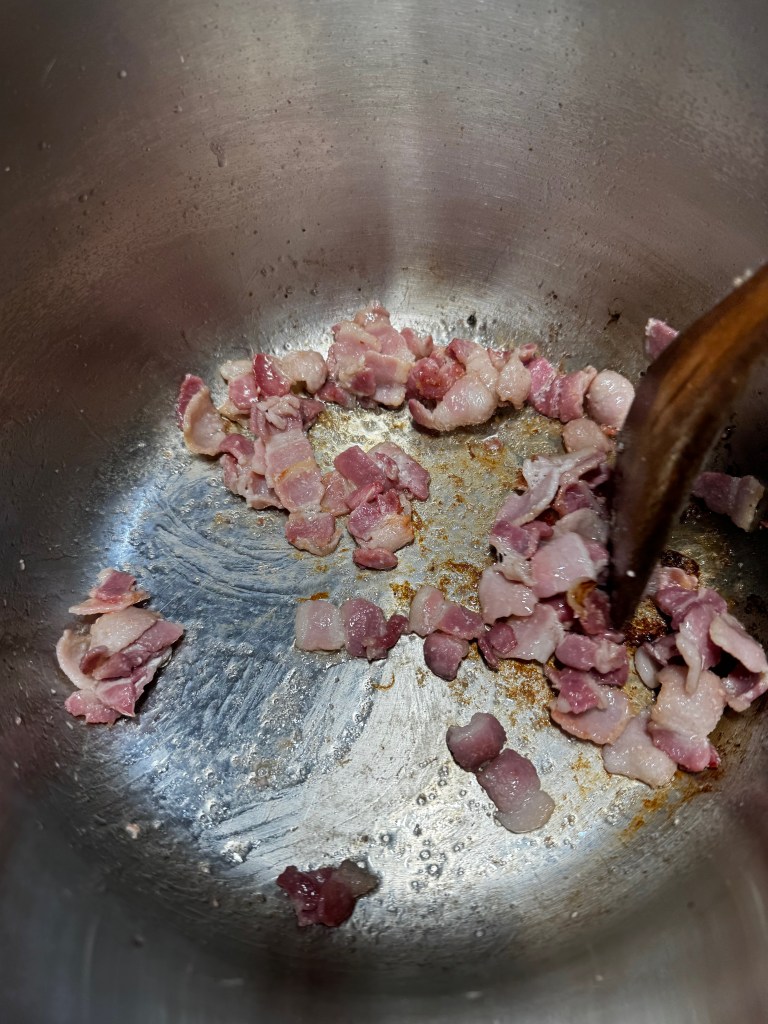
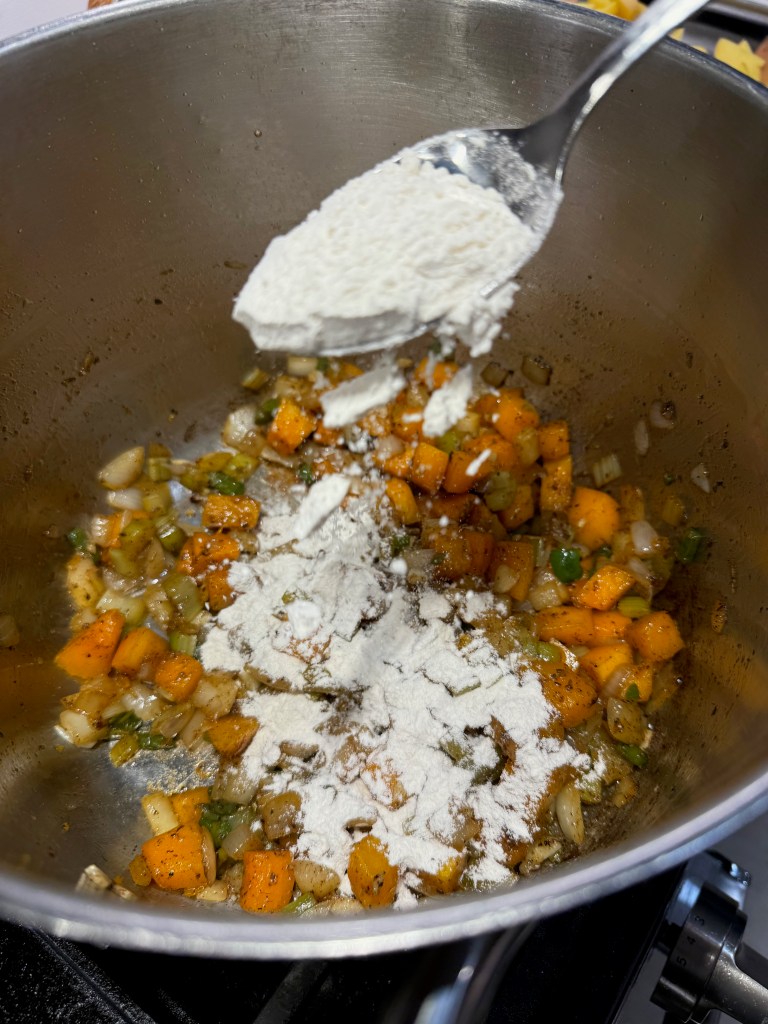
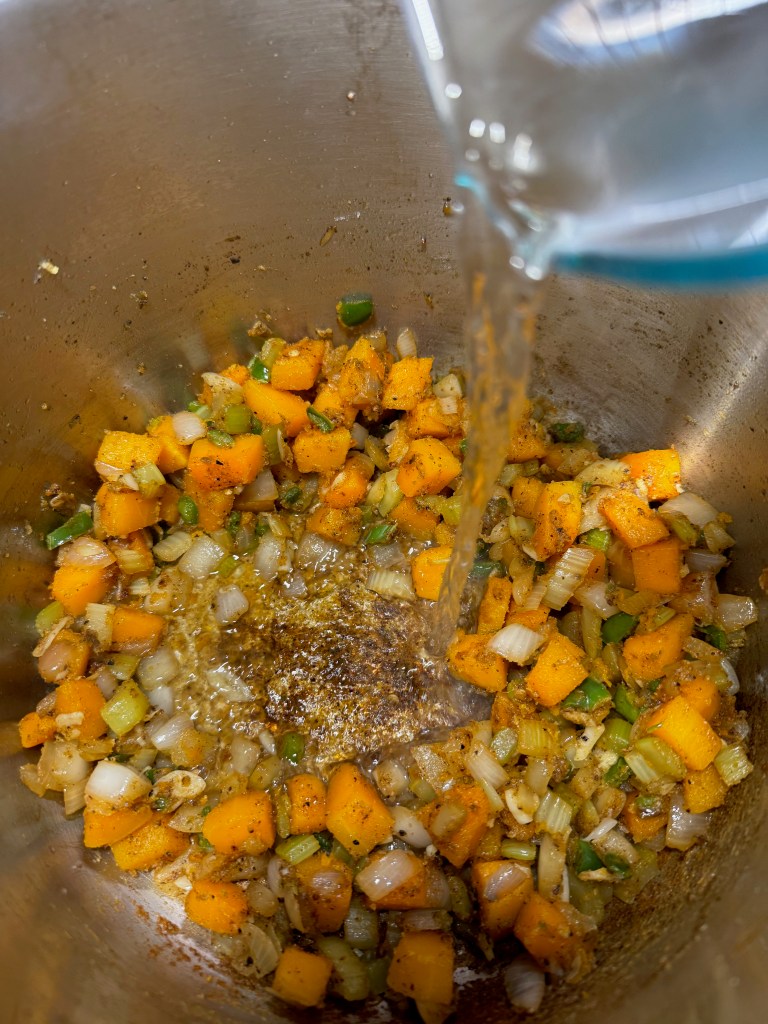
I didn’t have carrots on hand, but butternut squash stood in nicely. A jalapeño in the produce drawer promised to add a subtle layer of heat, which Les would never argue against. I sautéed those in the fat rendered from the bacon. To add a little extra body to the chowder, I cooked in a bit of flour just before deglazing the pot with white vermouth (because I never have wine on hand anymore).


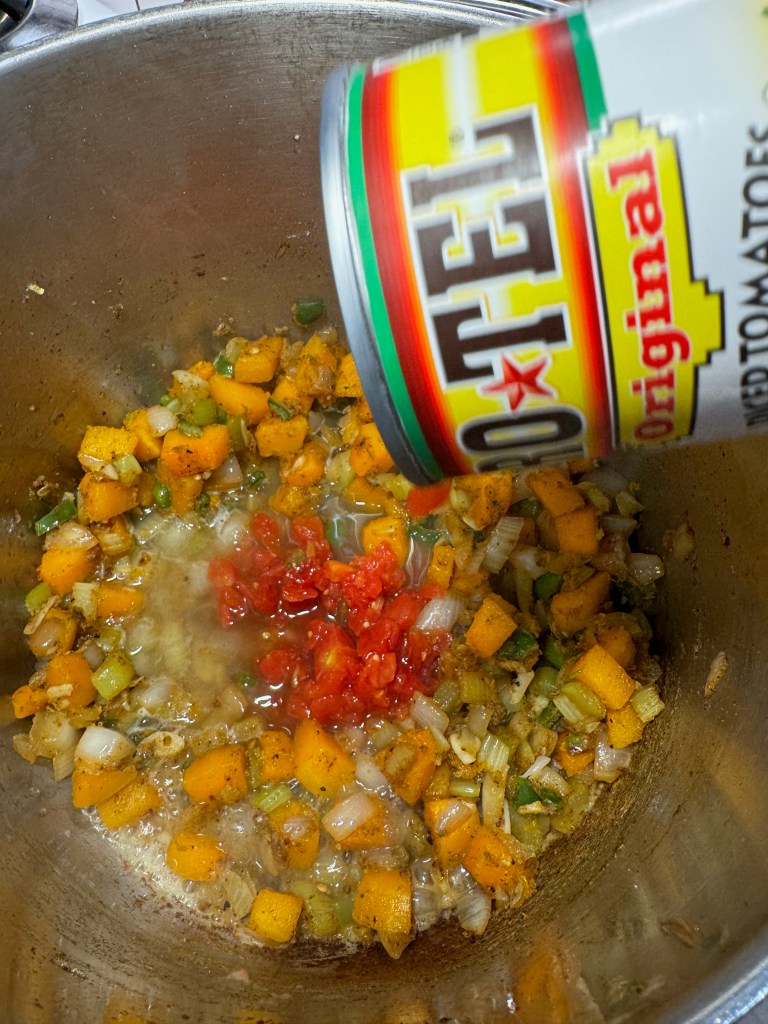
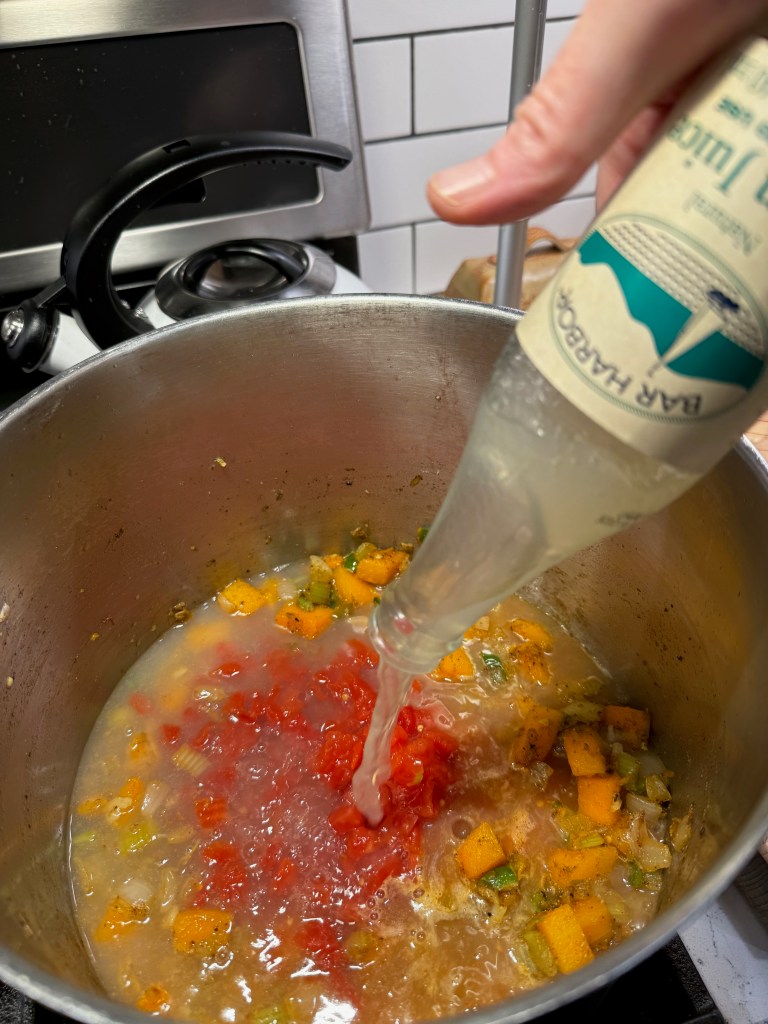
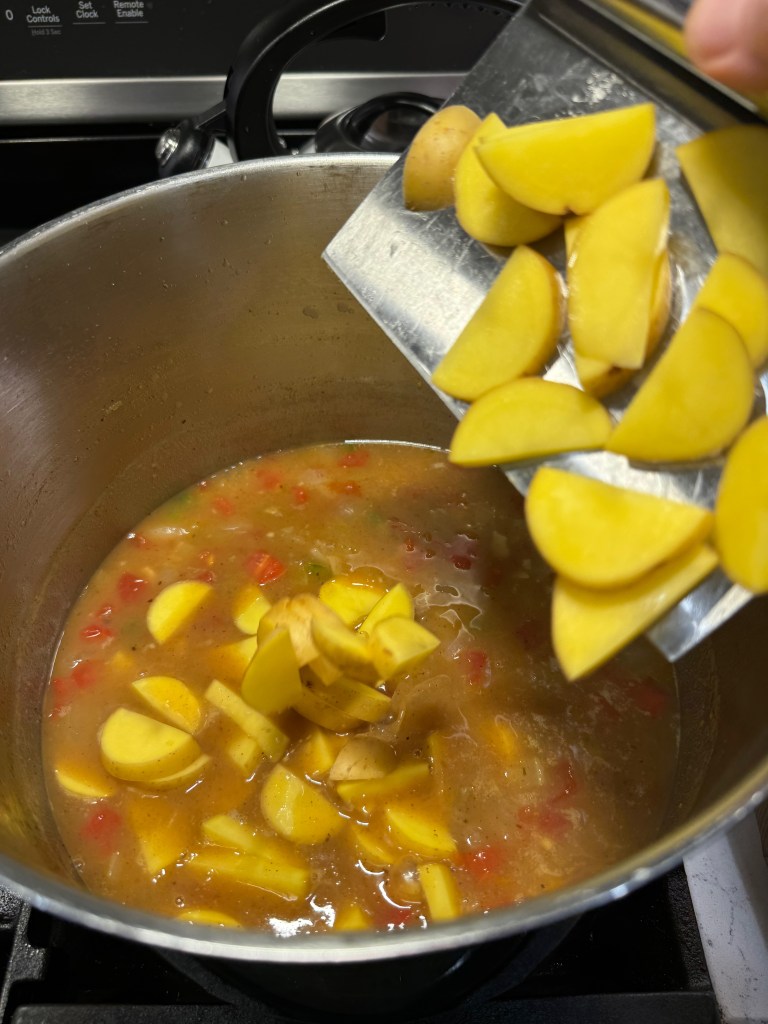
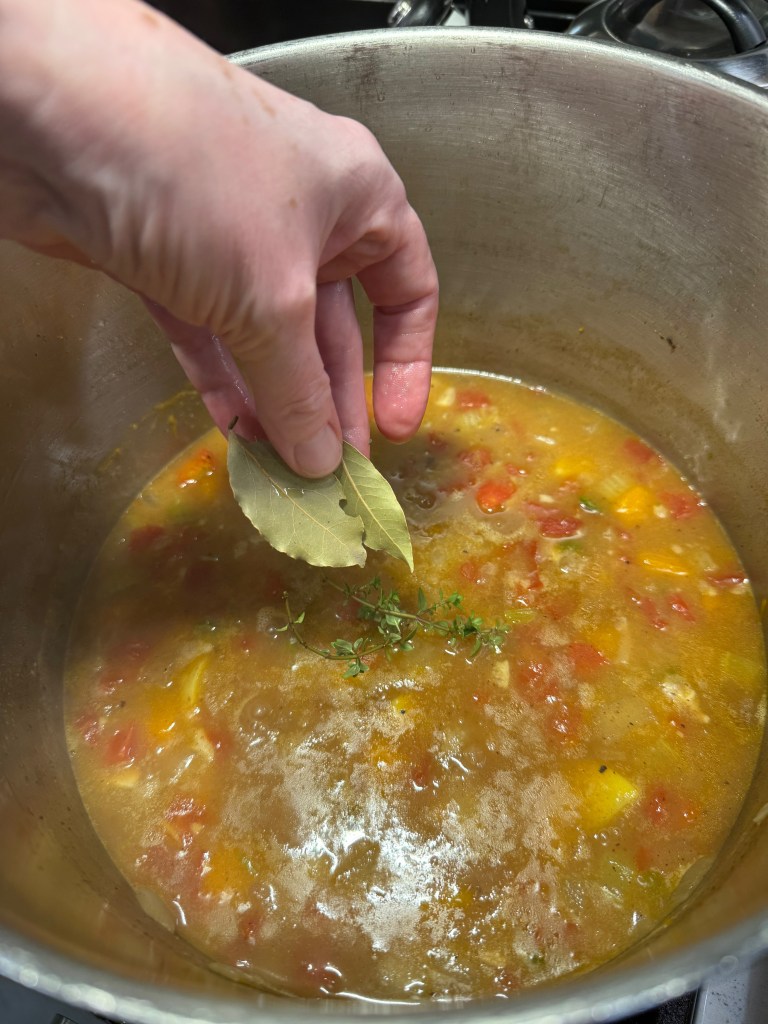
Believe it or not, I did have two bottles of clam juice in the pantry, because I’ve been jonesing to make chowder for over a year. The recipe called for three, but I didn’t mind keeping this on the thicker side. To bring a tiny bit of “Manhattan” into it, I tossed in a can of Rotel tomatoes which also brought another layer of heat, and that touch of acidity was perfect for balancing the flavors. Finally, my sliced Yukon gold potatoes (I didn’t have red), fresh thyme sprigs and dried bay leaves, and then it was time to simmer this hearty, chock-full-of-flavor autumn soup.


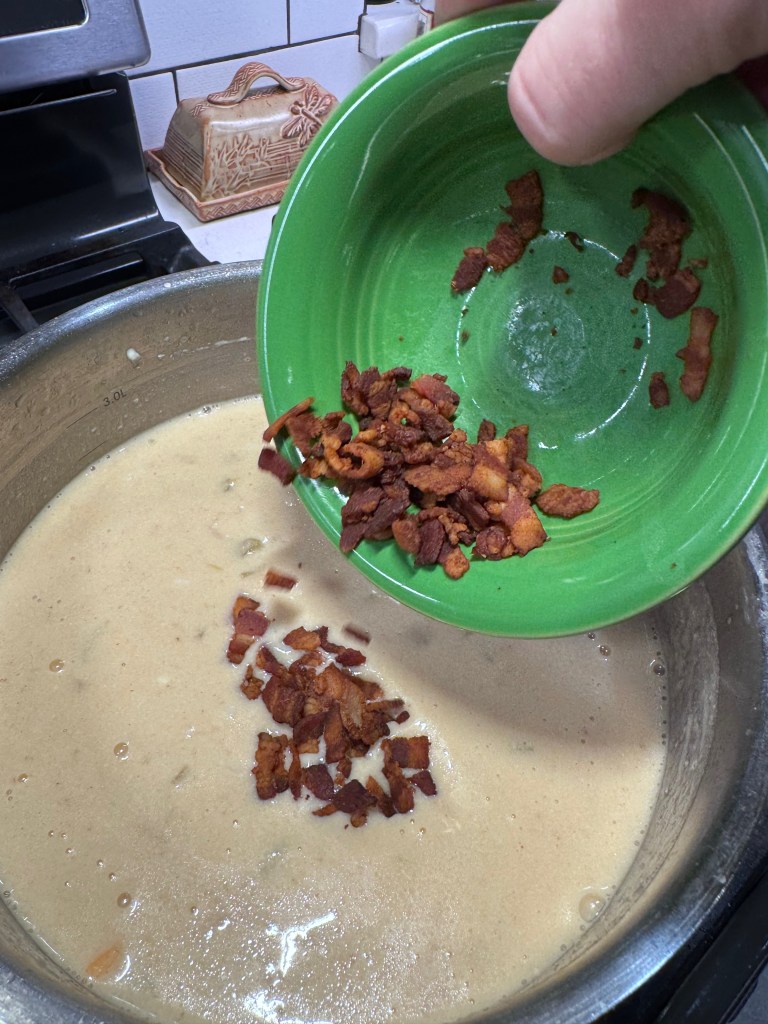
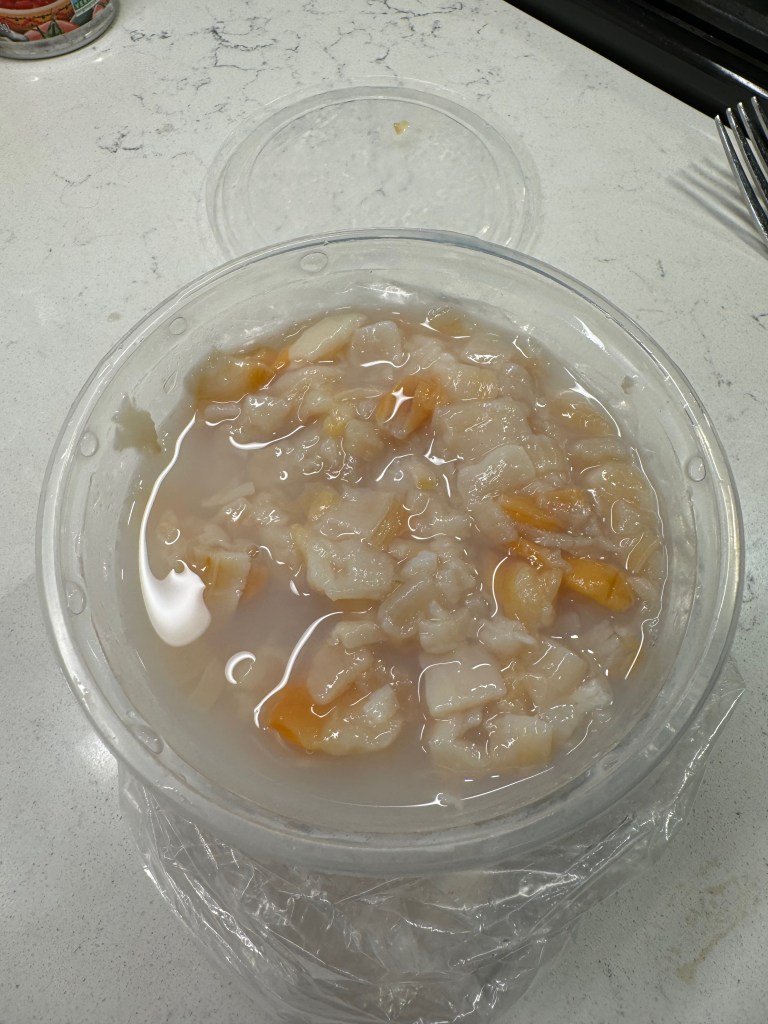
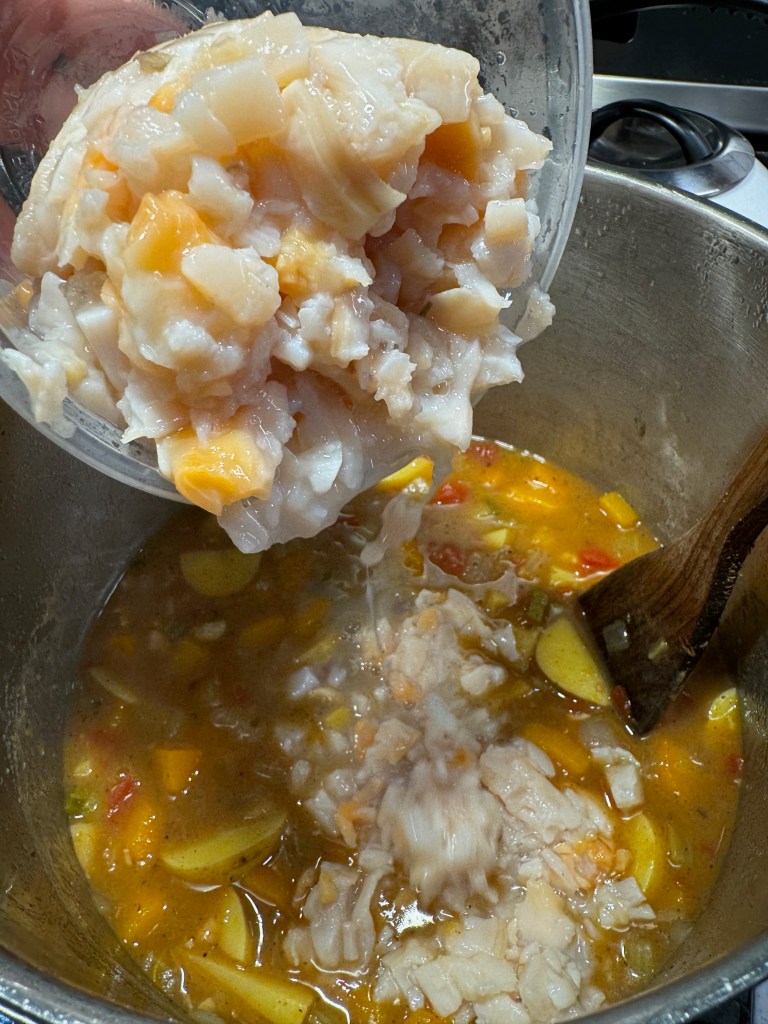
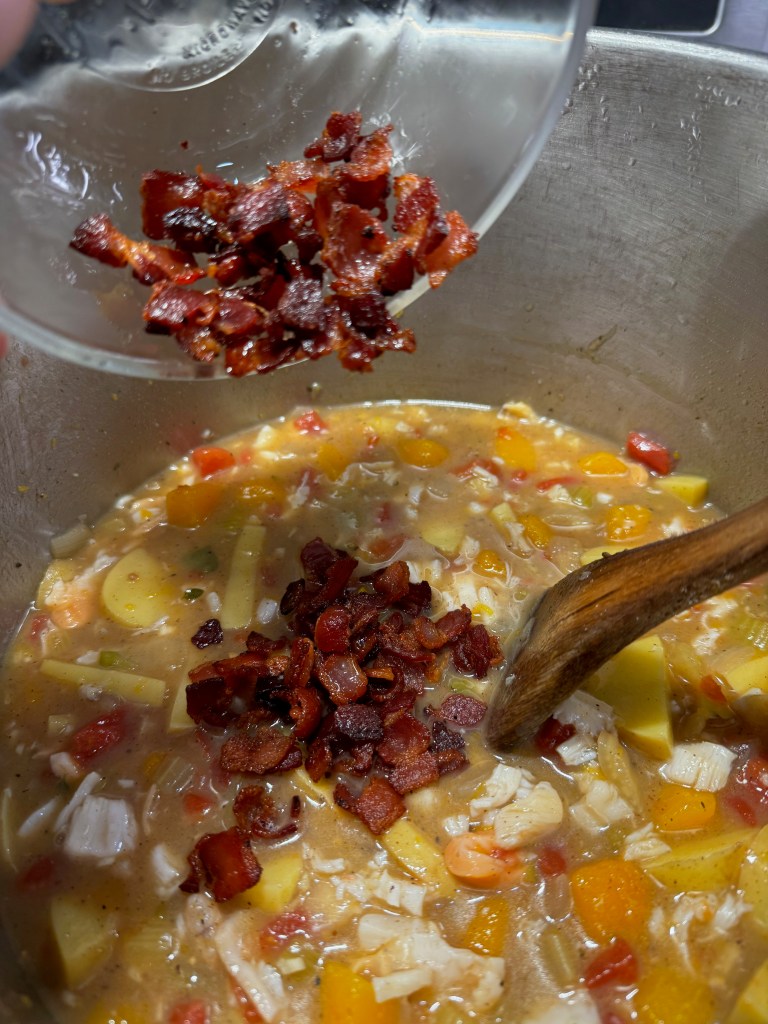
Here comes the big shortcut I took with this recipe. The Southern Living article said that only fresh whole clams were appropriate for this chowder—not chopped— and it included steps for purging the grit and then cooking the clams separately. I’m sure that canned chopped clams would come up short here, but the fresh chopped clams from my favorite local seafood chop were sweet, slightly chewy and so fresh; I’d put them up against the fussy whole-clam process any day of the week. These sweet little gems and their liquid get stirred in just at the end, along with the crisped-up bacon that started this whole thing.


This chowder was satisfying in every way— it had the hearty, chunky texture that Les wanted without the heavy cream that I didn’t want. The jalapeño and Rotel put a slight south-of-the-border spin on it, and I’ll add that this chowder reheated as leftovers very well. The only thing I’d do differently next time is make a double batch. 


So this is a new “North Carolina” recipe that I will most definitely add to my repertoire, and it was a perfect way to celebrate all things Tar Heel on North Carolina Day. Click to print recipe is below; I hope you enjoy it.

For a fun little sendoff today, I’ve also prepared a Spotify playlist of artists that call North Carolina home. Some of these names will be instantly familiar; others will be new. I hope you find something fun among them. 

Cheers, y’all!


Hatteras-style Clam Chowder

  • Servings: About 6
  • Difficulty: Average
  • Print

Somehow, I've missed this delicious coastal North Carolina dish, despite having lived in the state more than 30 years. My version swaps in winter squash for carrots and adds jalapeño and spicy tomatoes for a little extra pizzazz.


Ingredients

  • 4 slices thick bacon, chopped
  • 1 medium onion, chopped
  • 3 ribs celery, strings removed and sliced
  • 1 cup butternut squash cubes
  • Kosher salt and black pepper
  • 1/4 cup all-purpose flour
  • 1/2 cup dry white wine (I used dry vermouth)
  • 1/2 cup water
  • 1/2 can original Rotel
  • 2 bottles clam juice
  • 2 cups Yukon gold potatoes, scrubbed and diced
  • 2 dried bay leaves and 3 sprigs fresh thyme
  • 1 lb. fresh chopped clam meat (with liquor)

I found this chowder recipe very versatile to accept substitutions, based on what you like or have on hand. I’m sure that you could swap in shrimp or whitefish for the clams, and seafood or veggie broth in place of the clam juice. My inspiration recipe used carrots rather than butternut squash and it did not include flour for thickening. The tomatoes and jalapeño were my additions, and a fun twist!

Directions

  1. In a heavy-bottomed pot, cook bacon over medium heat until crispy and then remove to a separate bowl.
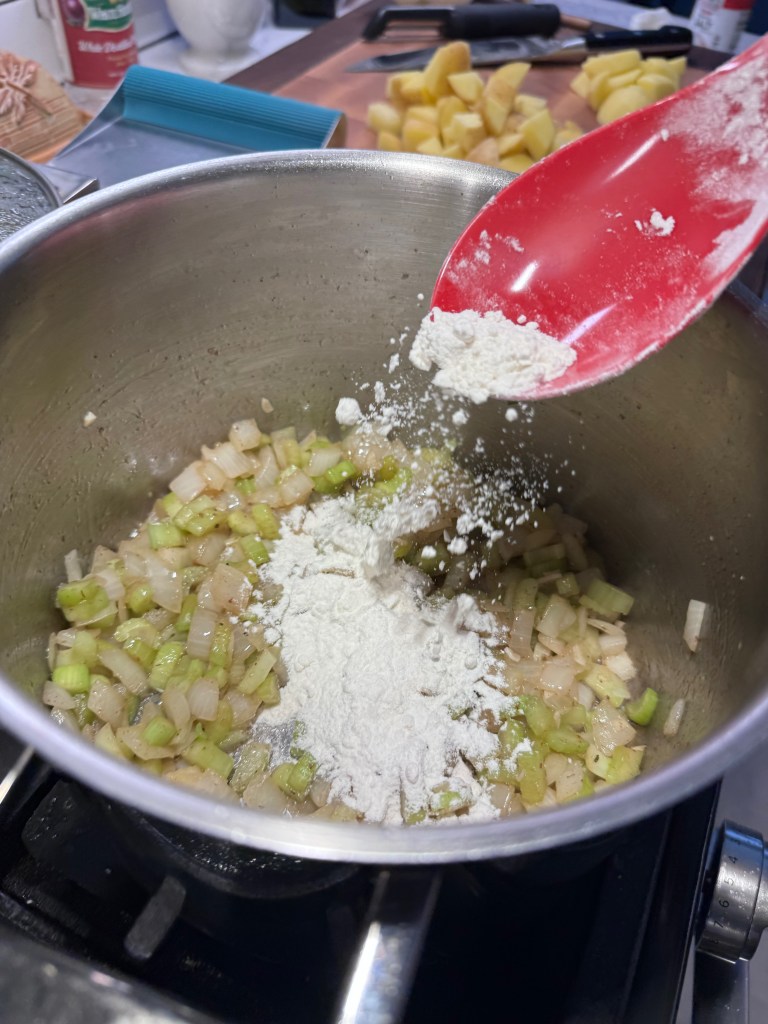
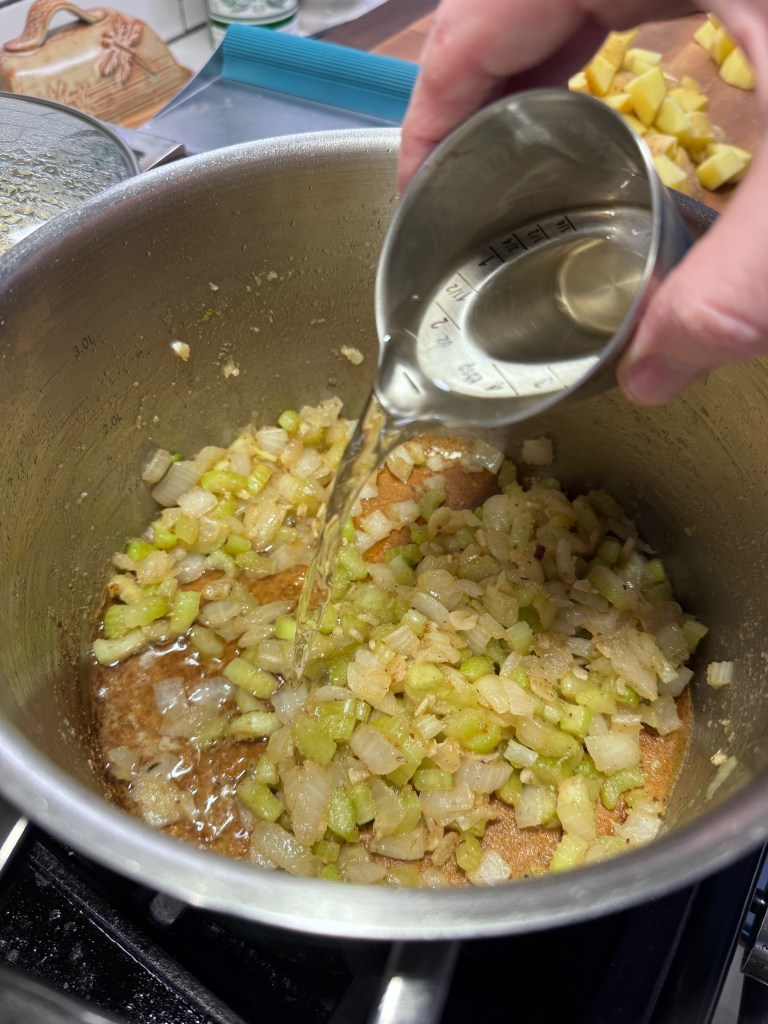
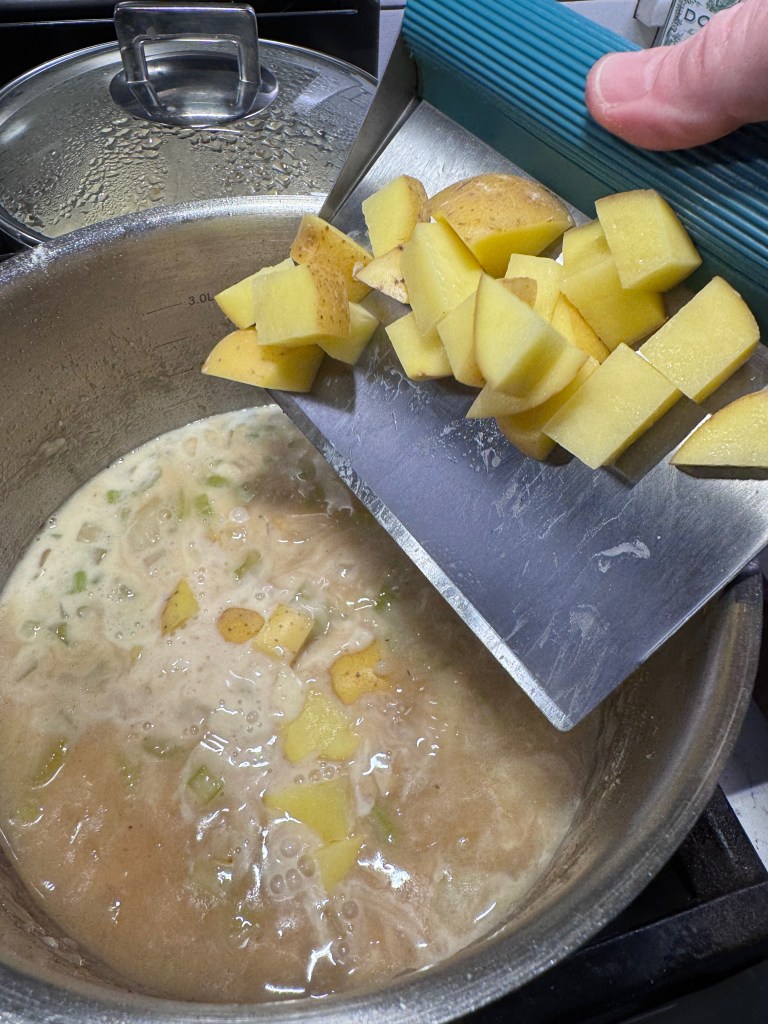
  2. Add onion, celery, butternut squash and jalapeños (season with salt and pepper)and sauté until softened. Add flour and stir until foamy. Add wine (or vermouth) and water, Rotel and clam juice. Add potatoes, bay leaves and thyme and reduce heat to low. Simmer for about 30 minutes.
  3. Gently stir clams (including liquid) into the pot. Add bacon and heat through. Serve right away with hot sauce and saltine or butter crackers.


Harissa Tomato Soup

Raise your hand if you got a jar of harissa in your Christmas stocking this year. Really, I’m the only one? 😂 Sincerely, I love that my husband sneaks fun foodie surprises into my gifts, because it sets me up for interesting flavor adventures throughout the coming year.

I’m here to tell you, this isn’t that spicy. 😏

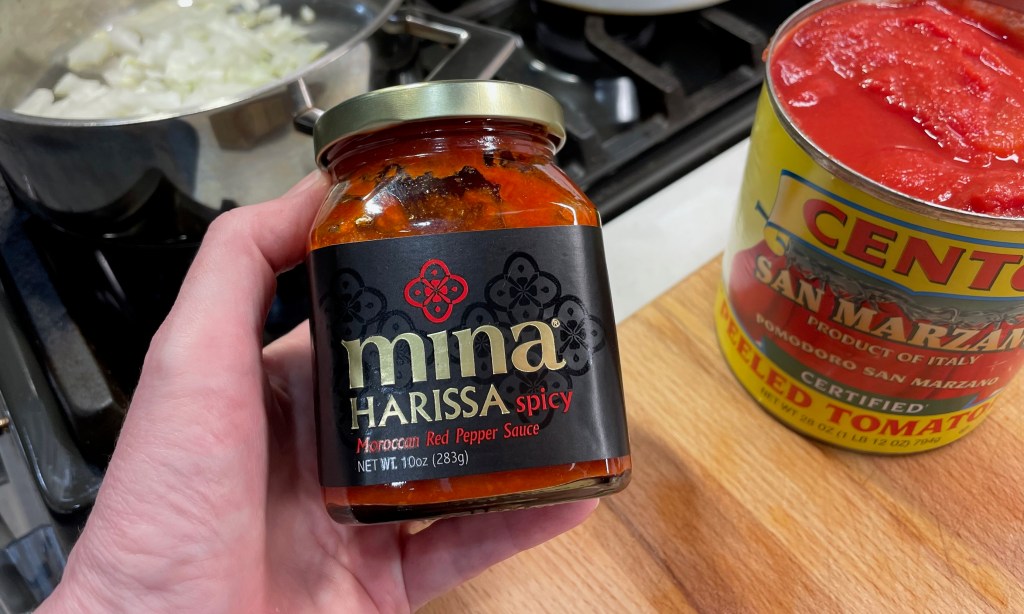
Harissa, if you’re not familiar, is a Moroccan concoction made with roasted red peppers— ranging from sweet to hot—along with garlic and what I like to call the “C spices” of cumin, caraway and coriander. It’s a complex blend of flavors that can be used in a marinade or added directly to a meat or vegetable dish to perk up the flavors. It is typically quite aromatic and spicy, so a little usually goes a long way.

This jar of harissa has already served me well because it transformed what would otherwise have been an ordinary bowl of tomato soup. If you’re bored in the kitchen and tired of making the same things over and over, this post should inspire you to see how easily you can change things up with one ingredient swap or addition. A couple of generous spoonfuls of harissa, along with accompanying spices, elevated this simple, made-from-canned-tomatoes soup to such a degree that Les and I devoured the entire batch in one sitting.

I will confess here that I did not find this particular brand of harissa as flavorful as some others I have tried, including the one carried by Trader Joe’s. My first taste of harissa was during the few years that I worked in a specialty olive oil store. Our harissa-infused extra virgin olive oil was bold, spicy and flavorful, and this jar of harissa paste didn’t quite measure up in the flavor (or heat) department. Still, I found it a good base, which I jazzed up with more of the other flavors I expected— namely hot pepper flakes, cumin and caraway— and this soup did not disappoint!


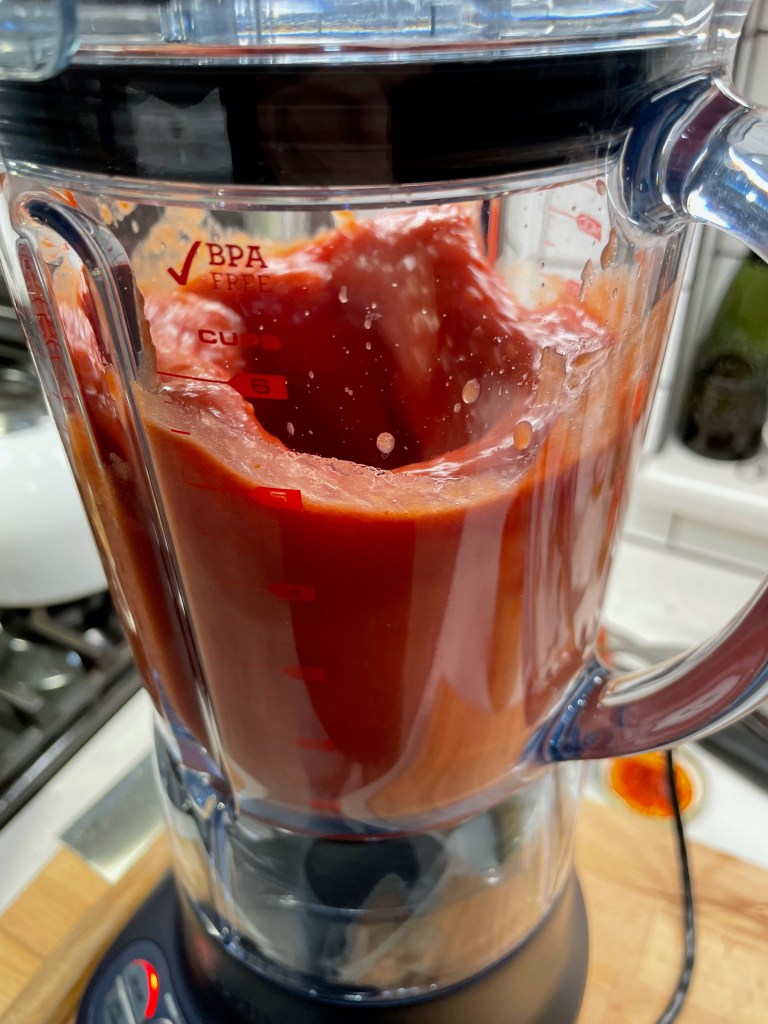
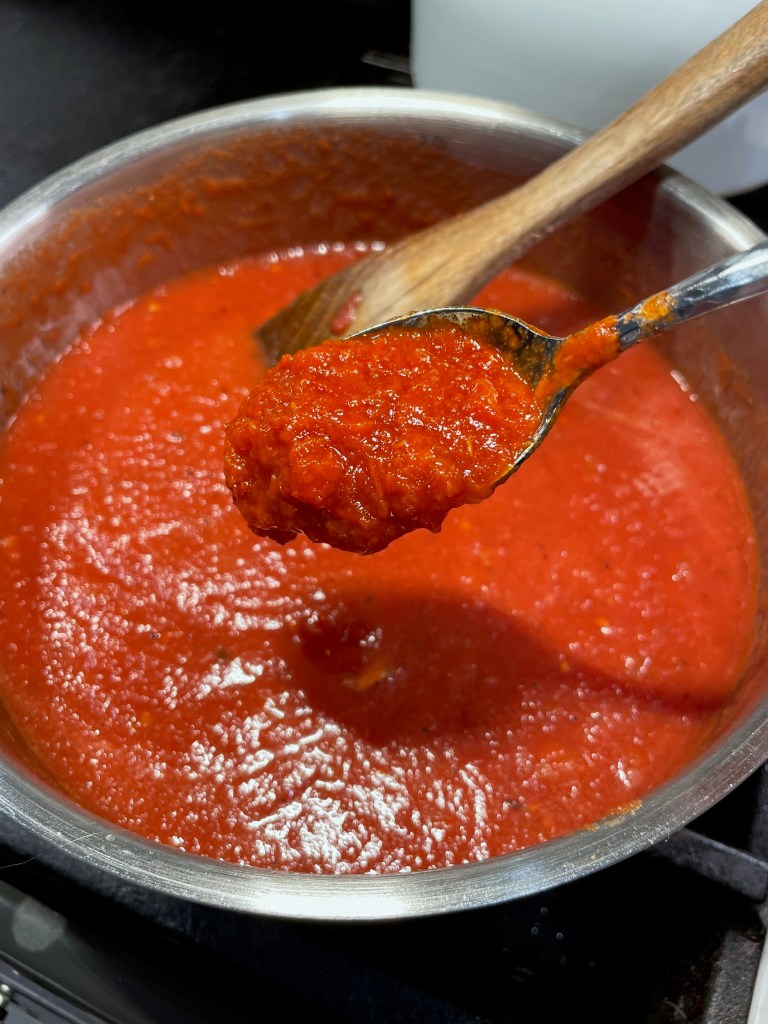
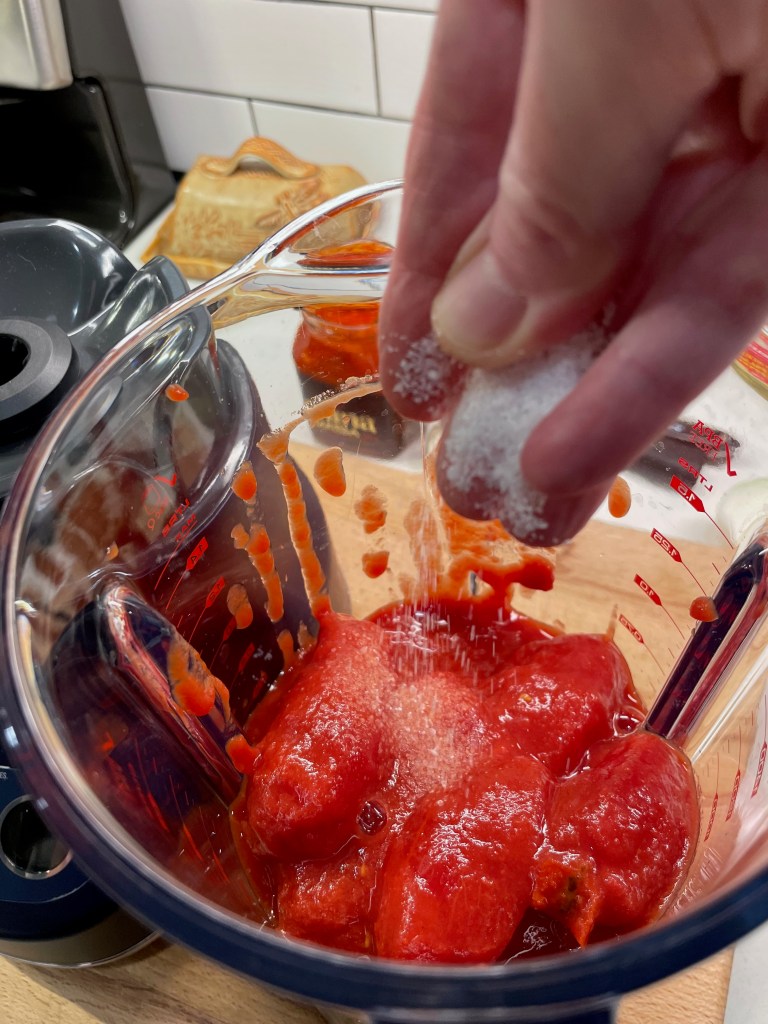
The base of any good tomato soup, of course, is tomatoes! And given that fresh tomato season is still about four months out, I reached for a big can of San Marzanos. I’ve learned the hard way that lesser quality tomatoes don’t have the same depth as real San Marzanos, so choose well. I whizzed these up in my George Clooney blender (so named because it is tall, handsome and versatile), and then I added it to lightly sautéed onions and garlic along with a few tablespoons of the harissa.


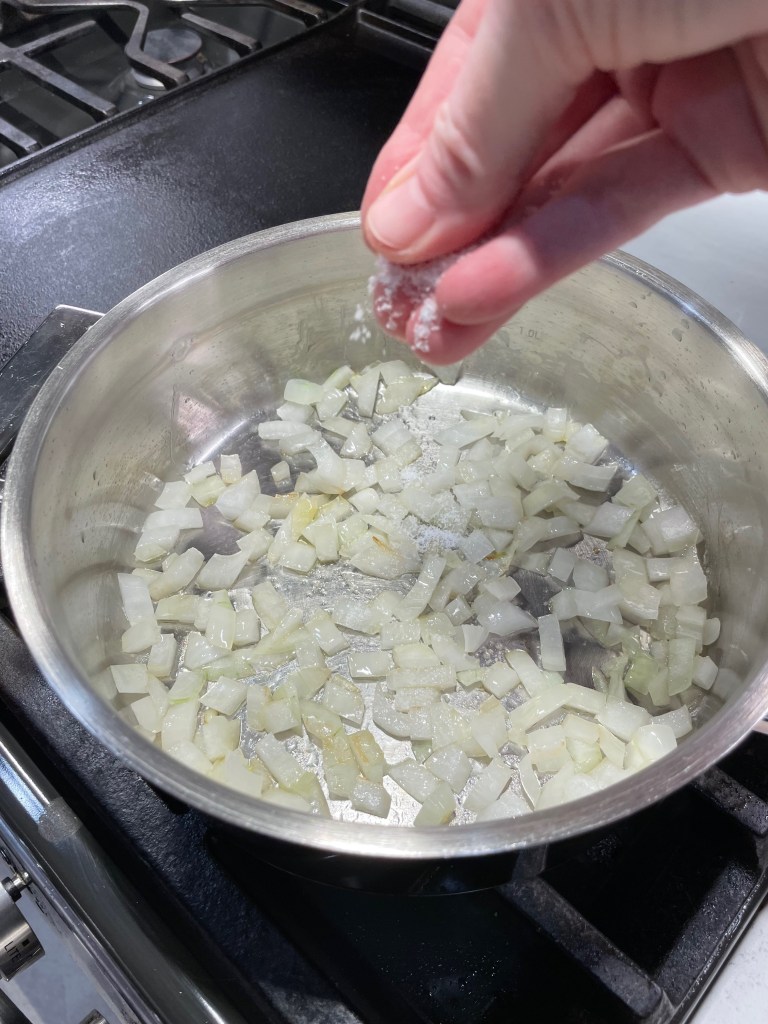
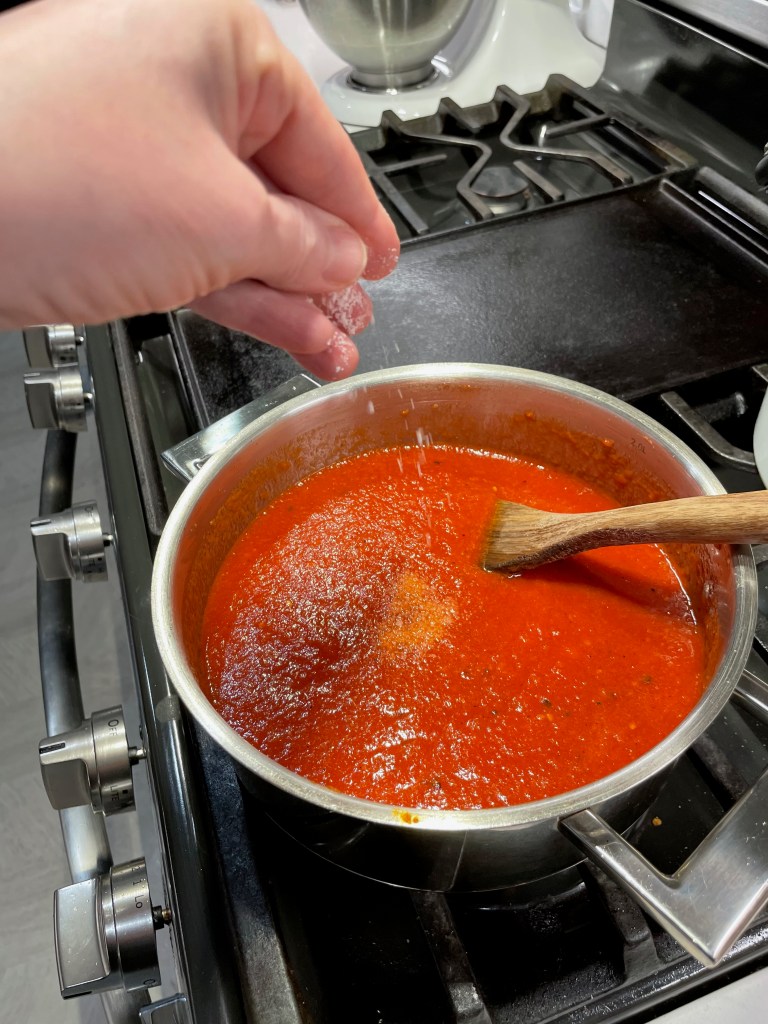
As with any recipe, I followed the advice of every culinary expert I respect, by seasoning every layer— during sauté of the onions, preparing the tomatoes and building the soup over heat. Salt has more purpose than just flavor, and if you miss seasoning the layers of a recipe, you may end up with a meal that tastes under-seasoned and over-salted at the same time.


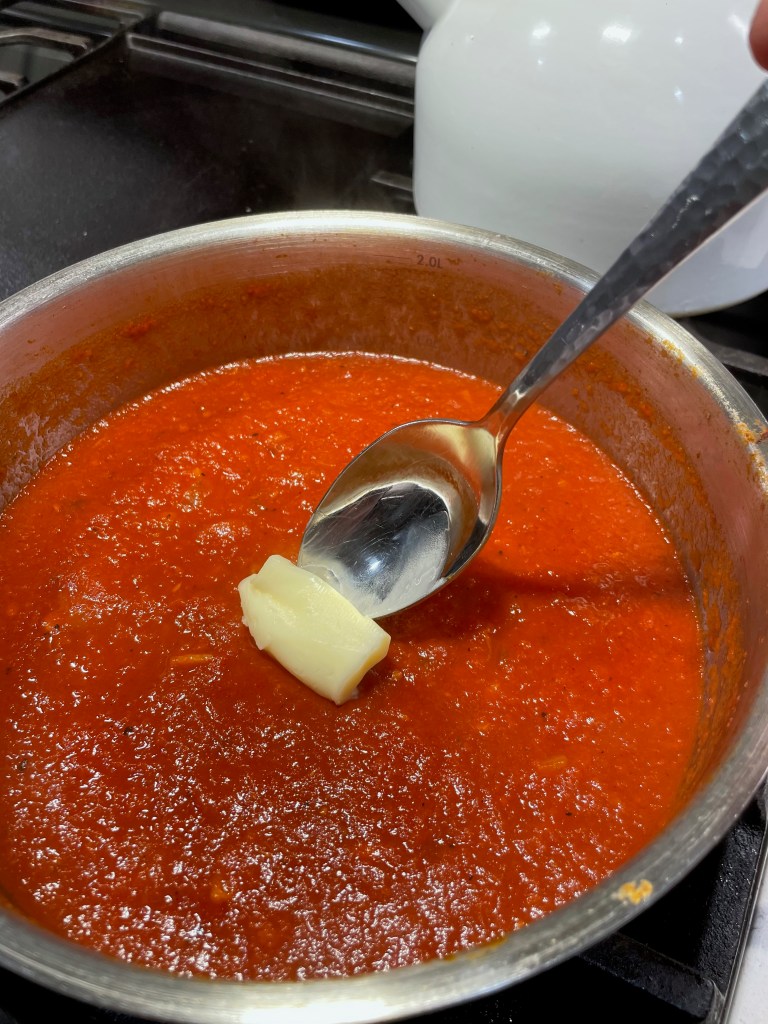
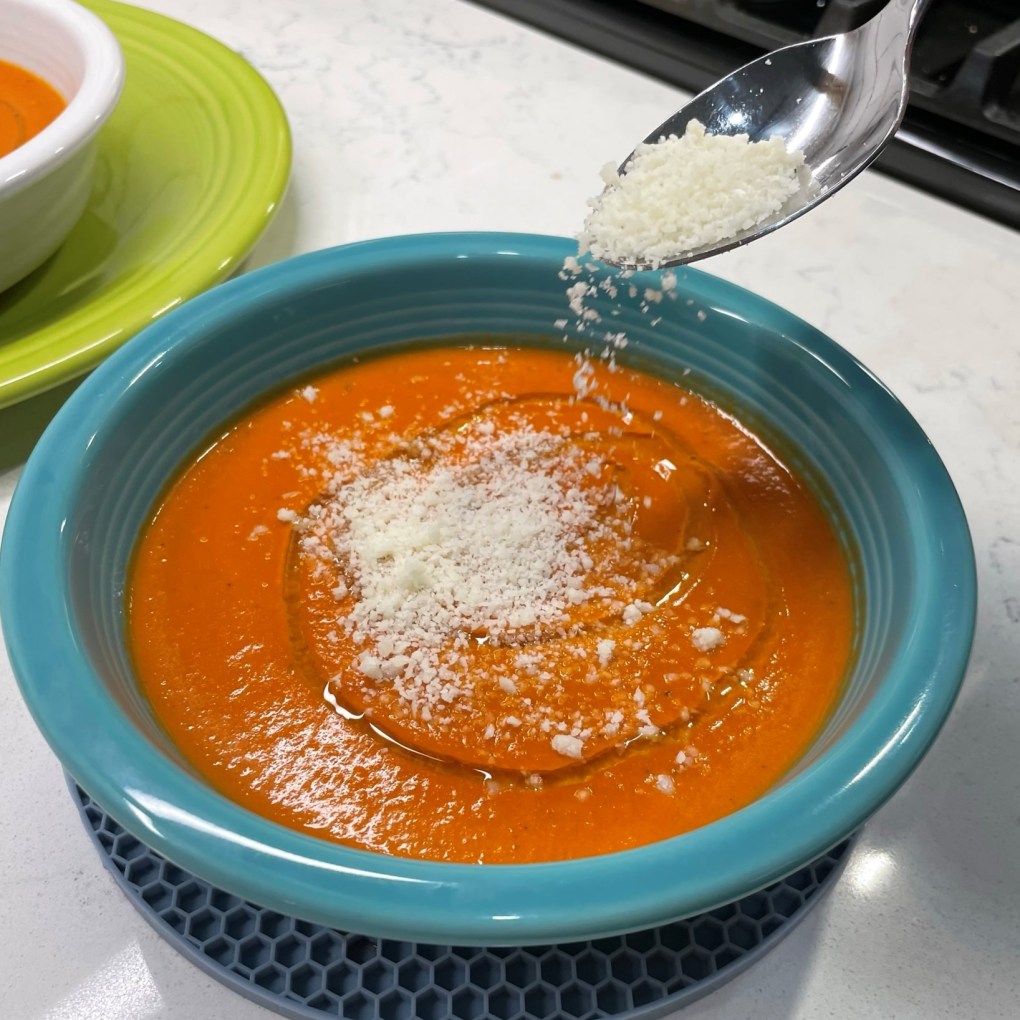
For a rich finishing touch, I melted in about a tablespoon of butter just before serving— borrowing a trick from the playbook of Italian chefs. This may have been the best tomato soup I’ve ever made, and I give credit to the harissa, if only for inspiration. I mentioned earlier that we devoured the whole pot that night. But that’s not quite right. I saved about a quarter cup, which I had in mind for a miniature shakshuka for breakfast the next day, and, no surprise, it was also delicious!

Next time, I’ll make a whole batch of shakshuka with harissa. This was divine!

Harissa Tomato Soup

  • Servings: 4 cups
  • Difficulty: Average
  • Print

It's amazing that a few tablespoons of harissa can elevate a classic soup so much, but it really does!


Ingredients

  • 2 Tbsp. extra virgin olive oil
  • 1/2 medium onion, chopped
  • 2 cloves garlic, minced
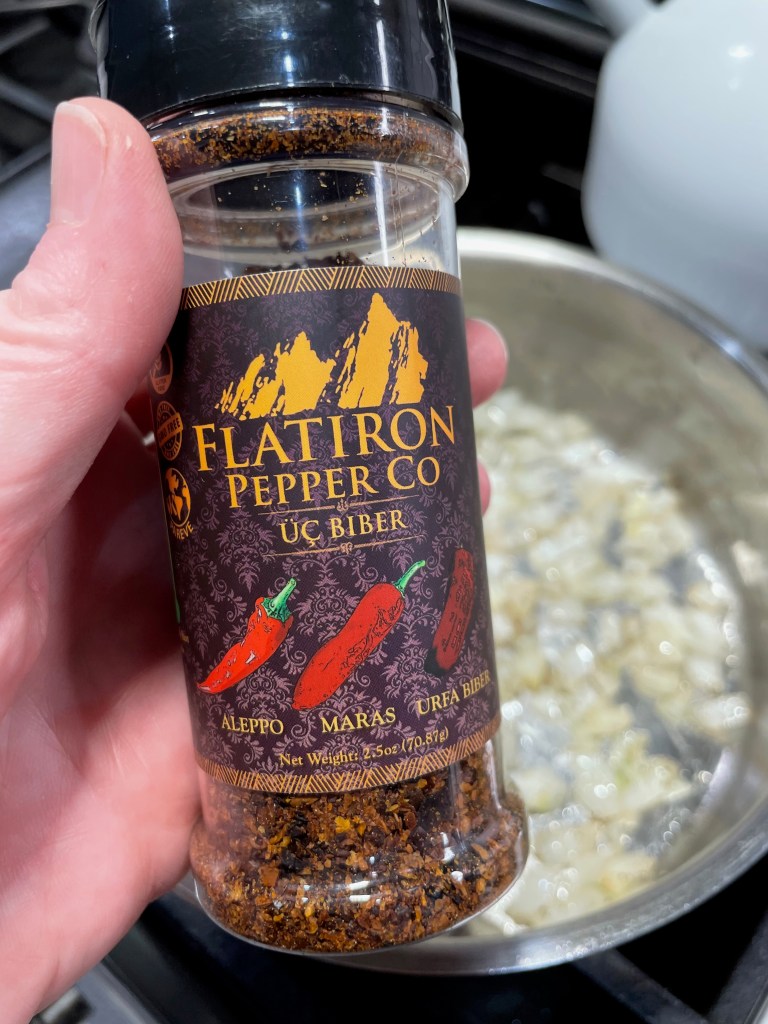
  • A few shakes red pepper flakes (I used Flatiron Pepper’s Uç Biber variety)
  • 28 oz. can real San Marzano peeled tomatoes, pureed in blender briefly with a pinch of salt
  • 2 Tbsp. Mina brand harissa paste
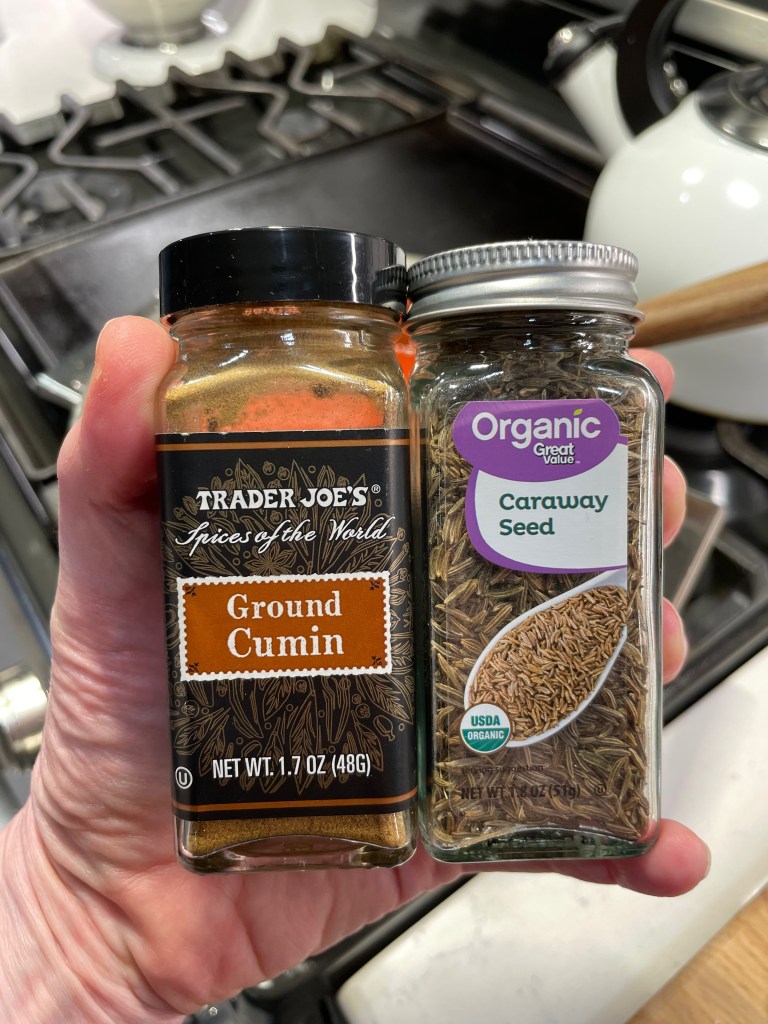
  • 1/2 tsp. ground cumin
  • 1/2 tsp. ground caraway seed
  • Salt and pepper for seasoning each layer
  • 1 Tbsp. unsalted butter

My recommendation for adding red pepper flakes, cumin and caraway is based on the mild nature of this particular harissa. If you use another brand with more flavor, adjust additions accordingly.

Directions

  1. Heat a heavy-bottomed pot over medium heat. Swirl in olive oil and sauté onions until slightly softened. Season with salt and pepper to aid in releasing moisture from the onions. Add red pepper flakes and garlic and cook another minute or so.
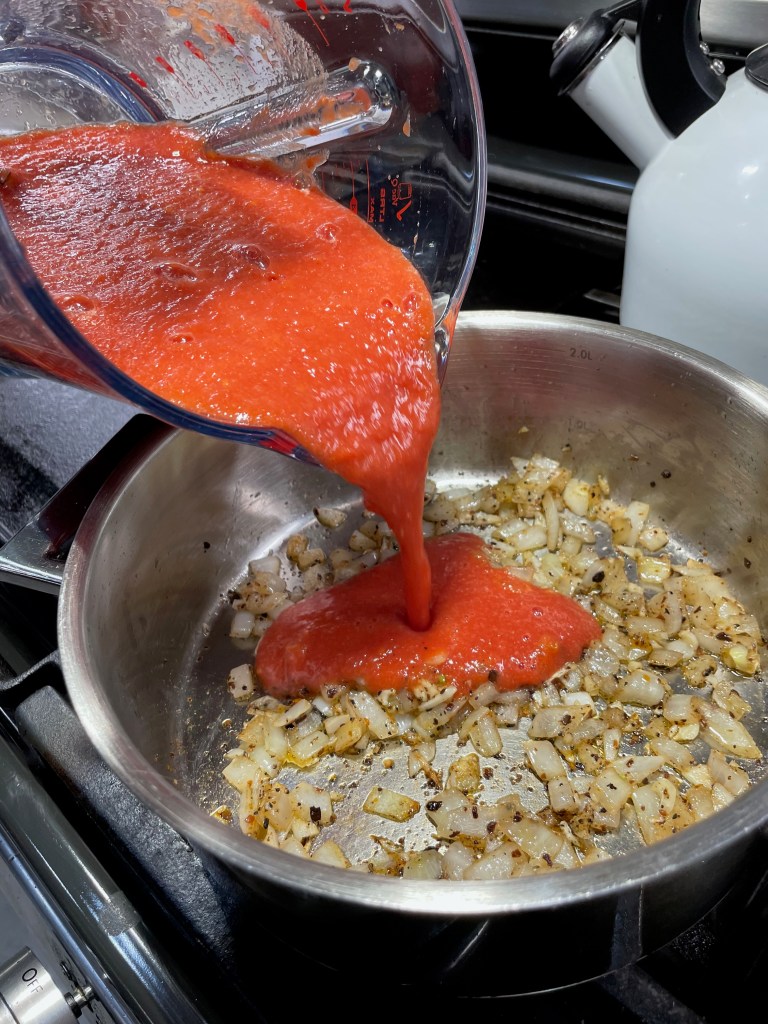
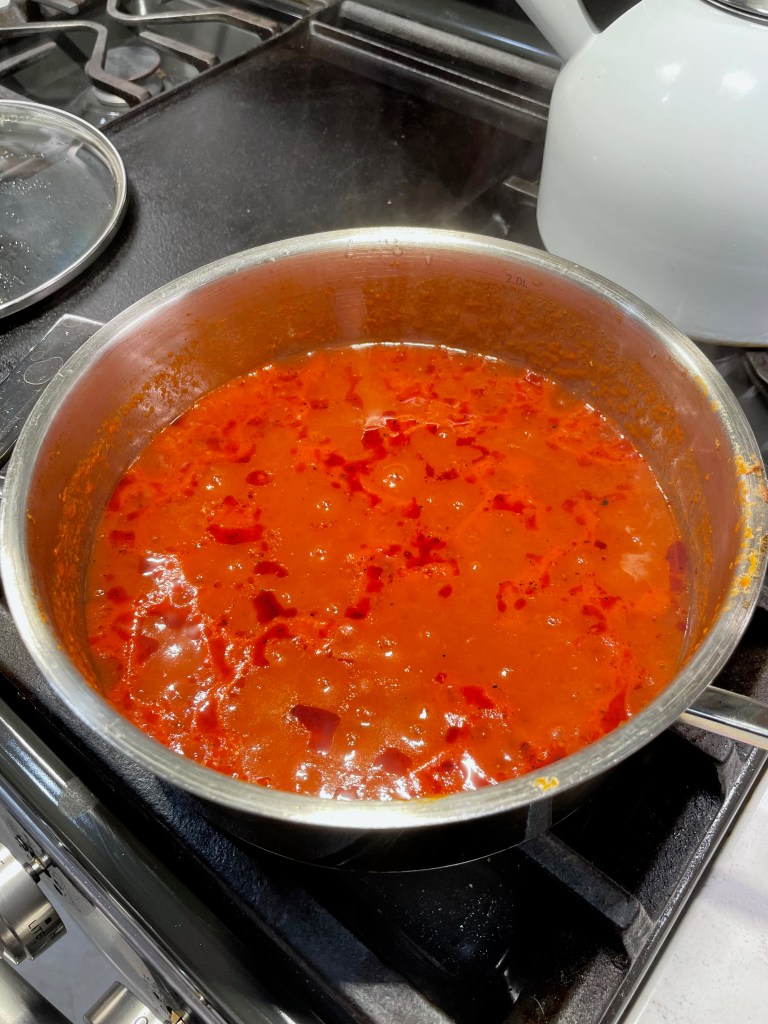
  2. Pour the puréed tomatoes into the pot with the onions. Add the harissa and stir to combine. Add a pinch of salt and the ground cumin and caraway. Bring the mixture to a low boil, and then reduce heat and simmer for approximately 30 minutes (longer if you have time). Give the soup a taste and adjust seasonings as needed.
  3. Just before serving, stir in butter.


Much Ado About Black Bean Soup

Soup. It’s one of the simplest and most comforting pleasures of the cold weather season, and when I spied a bag of dried black beans in the back of my tall pantry a couple months ago, I thought, “Great, this will be easy!” Soak them overnight, drain and rinse, then cook them up with a few aromatic veggies, spice and broth, right? Well, as you may have already guessed, this one didn’t go quite that smoothly. And it’s my own fault for not paying attention to the “best by” date on the side of the cellophane bag. Oops. 

Though dried beans are easy, there are a few guidelines, and using them up before they get too old is one that should not be overlooked. I was already more than a day into it, though, when I realized that my beans had “expired” more than two years earlier. I’m thankful that I was able to call for backup, and I received expert advice that rescued my black bean soup, which turned out as delicious and comforting as I had hoped. 

Don’t worry, this story has a happy ending. 🙂

But before I get to the rescue of my soup, let’s talk about how things should go when making soup from dried beans, and hopefully I’ll remember my own advice next time!

Prep the beans

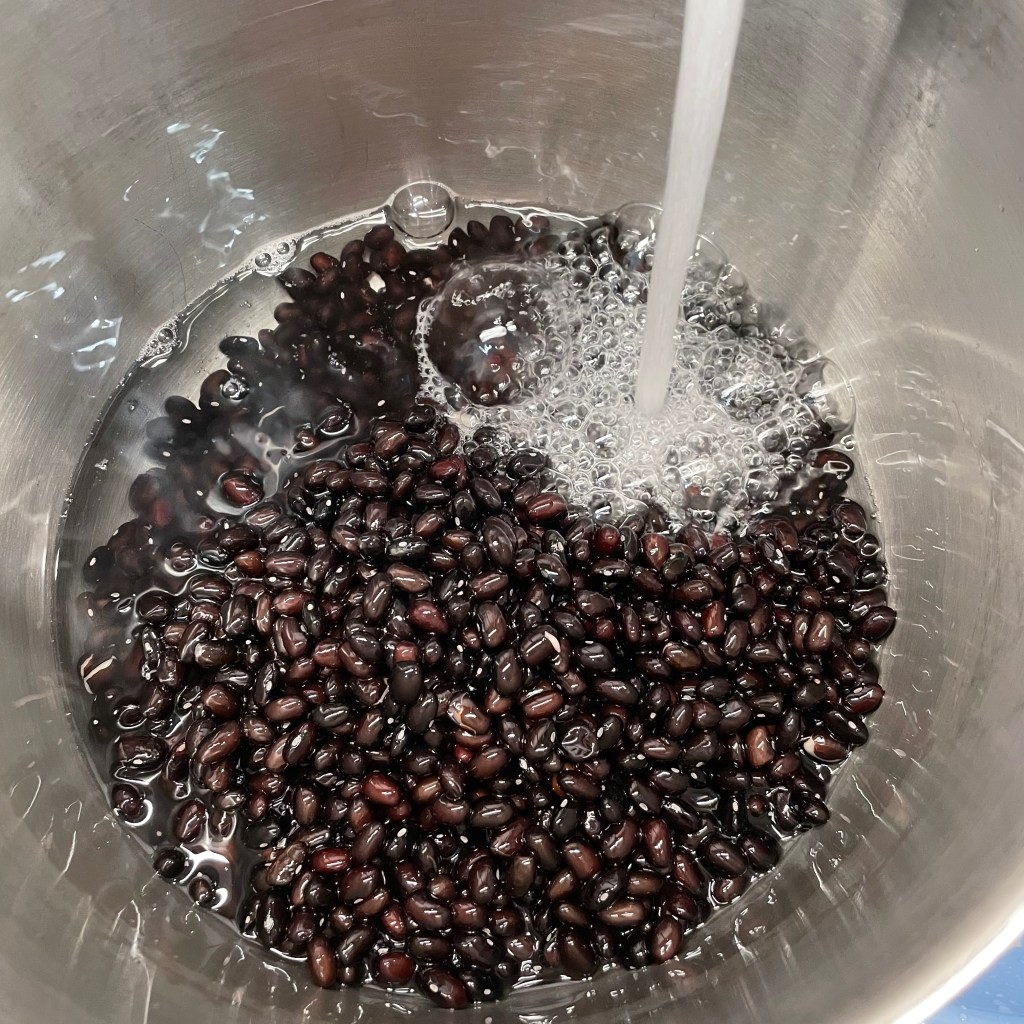
The first rule of thumb is to rinse and sort through the beans, just in case there is a random stone or other debris in the bag. I have never found one, but I’m certain that I would split a molar if I skipped this step even one time. So, sort them I do, under cold running water, and then I dump them into a deep pot with plenty of water for an overnight soak.

There are many viewpoints about whether the soak is necessary (spoiler alert— it technically isn’t), but the “shortcut” instructions for skipping the soak always leaves me with beans that are too “al dente” for my taste, and they take forever to cook (turns out mine would, anyway, but I’ll get to that).


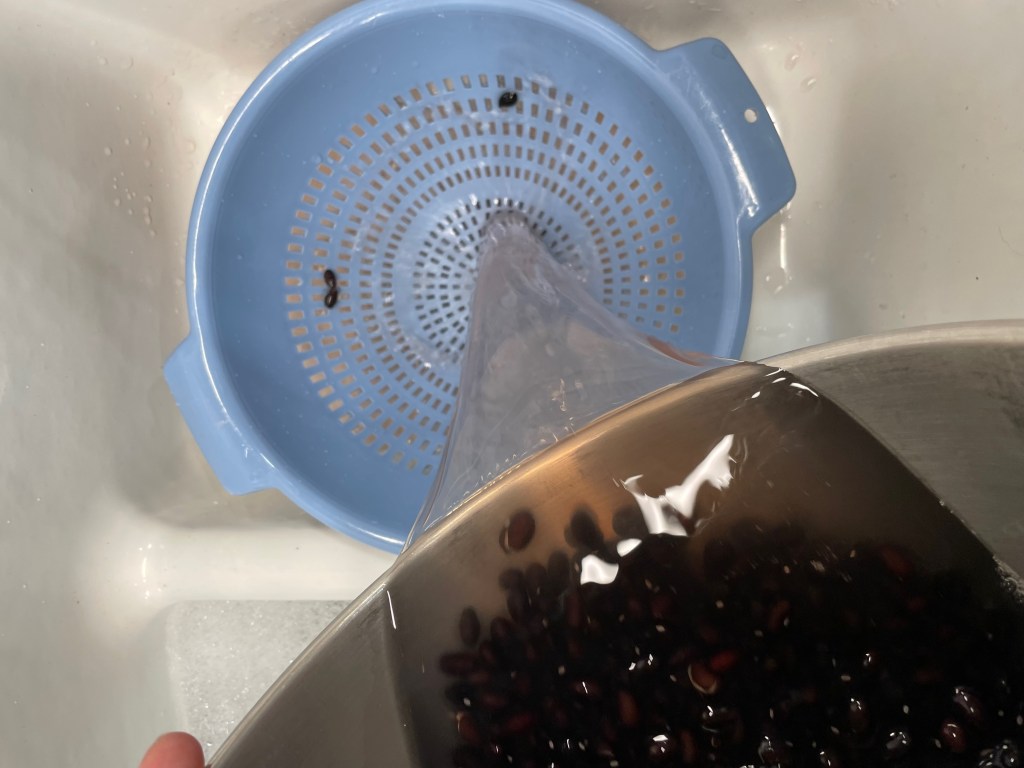
Draining soaked black beans is especially dramatic because of the purplish color of the soaking water, but it is usually cloudy and foamy, too, and this is because you’re eliminating some of the complex sugars that make beans difficult to digest. The soak gives the beans a chance to let loose some of that gas (so you don’t have to). 😏

Season every layer, except this one?

If there is one myth we should all unsubscribe from, it is the notion that salt is an enemy to dried beans, and that using it too soon will keep the beans from softening. Honestly, who are the bean police making up these rules? I’ve heard this one my entire adult life, but it has been proven to be untrue. Some cooks even add salt to the soaking water, and there is nothing wrong with doing so. If you wait until the very end to add salt— as so many recipes insist you must— then you’re prone to end up with beans that taste unseasoned and overly salty at exactly the same time. You might guess from this statement that I’ve learned this the hard way, and you’d be correct!

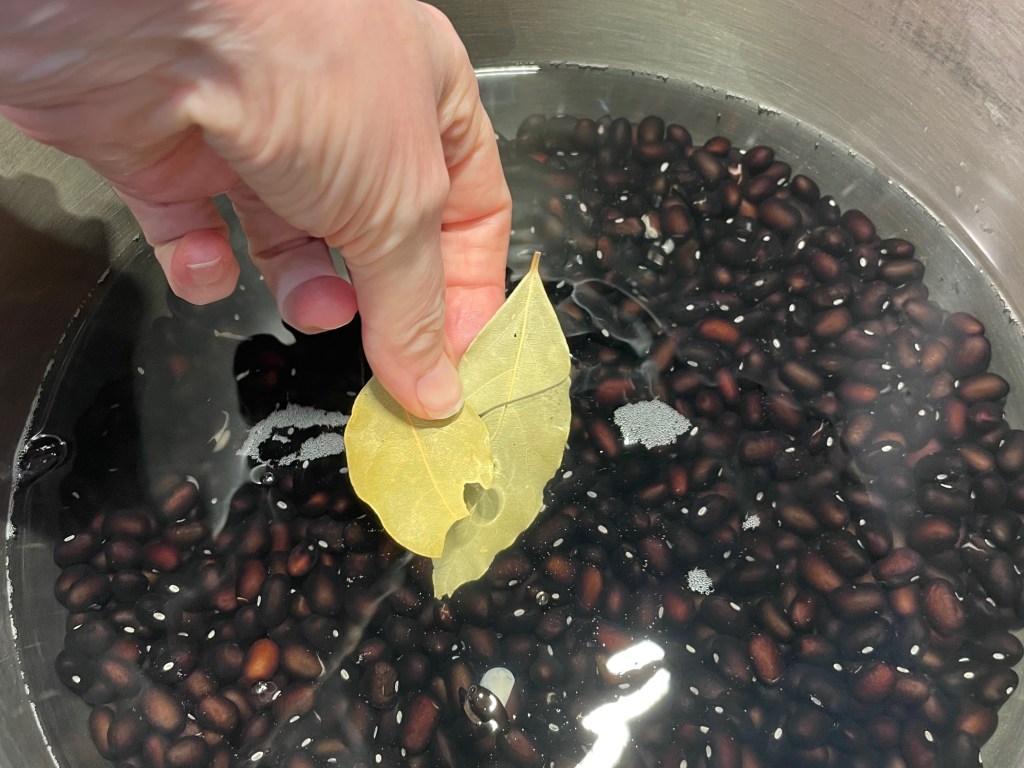
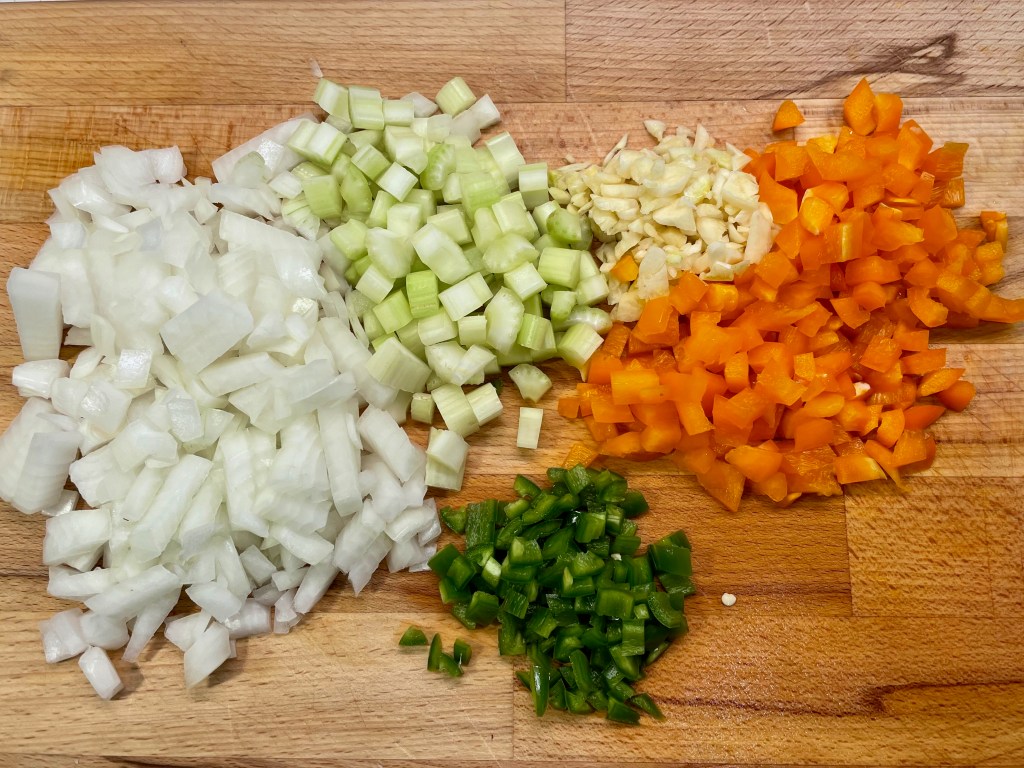
I placed my beans, covered with water, over medium heat with a couple of bay leaves, and got to work prepping the aromatics that would flavor my soup: onions, garlic, celery, red bell pepper and jalapeño.


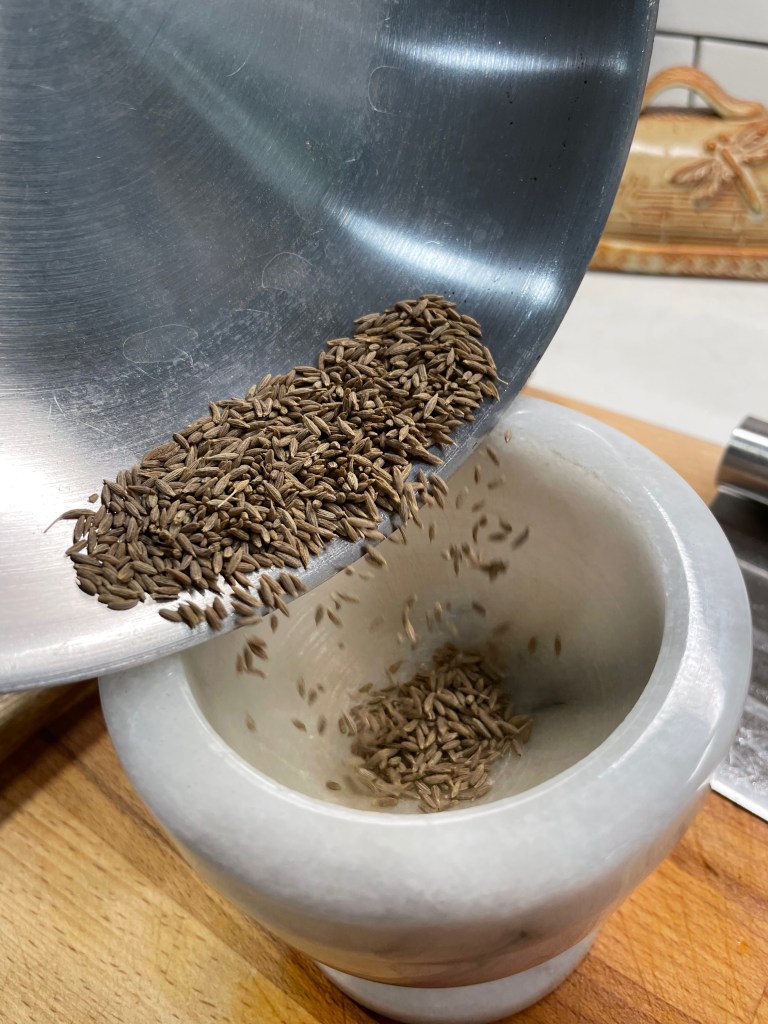
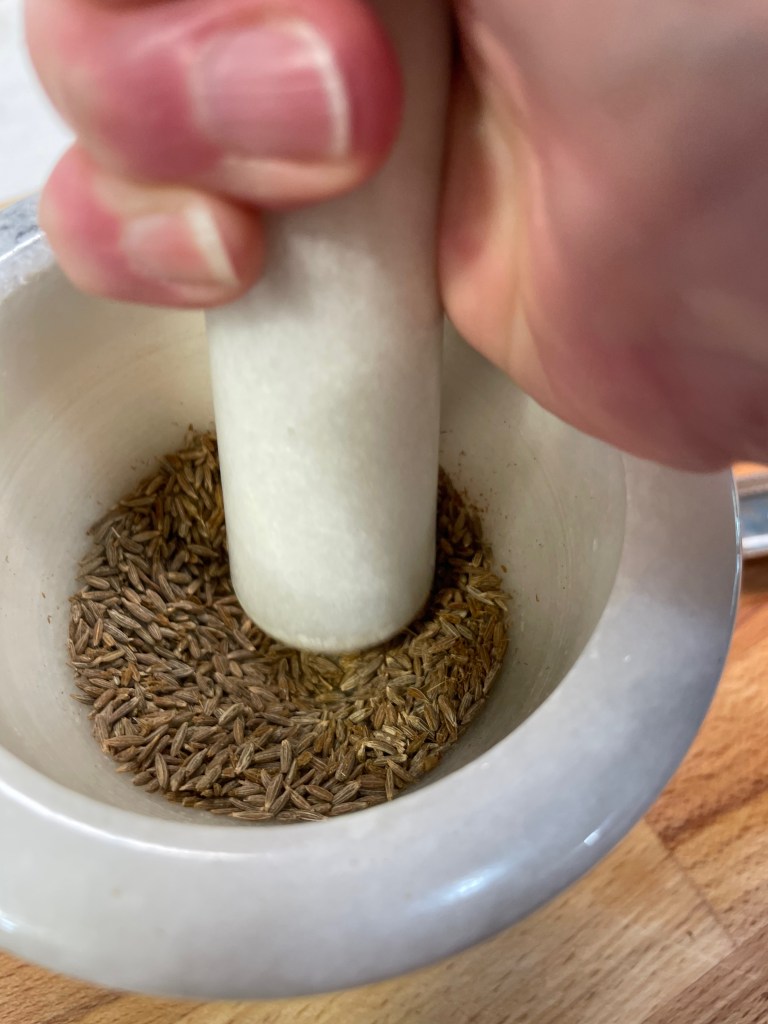
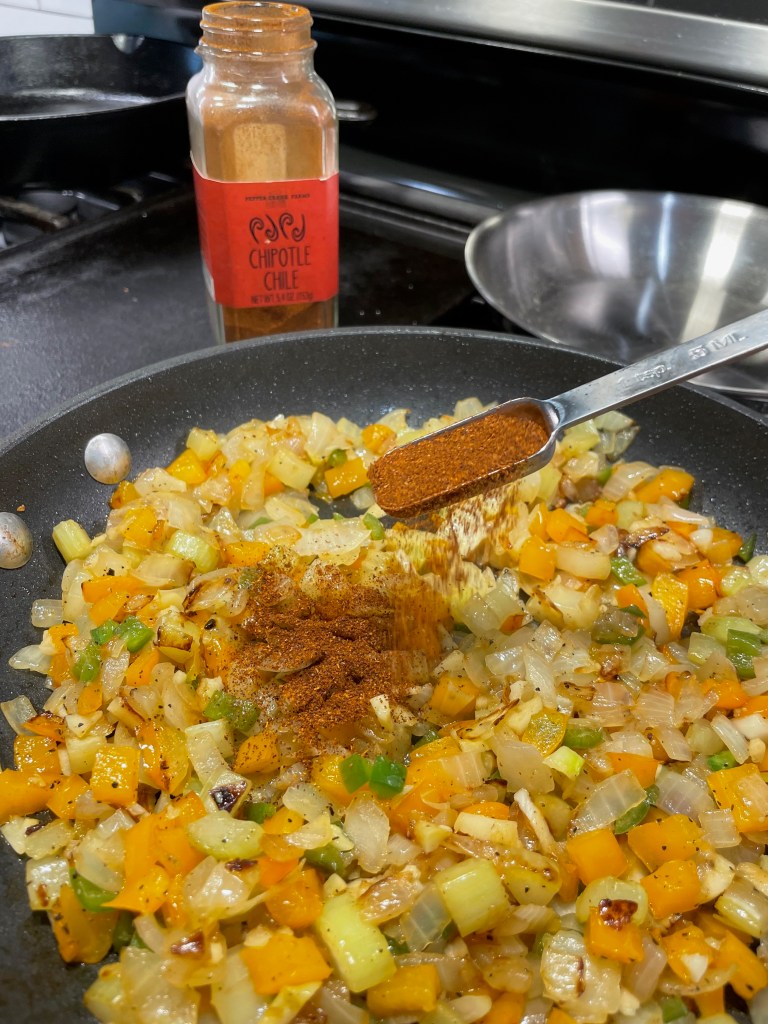
The seasonings came next. I pulled out a small skillet to toast up some whole cumin seed. Toasting seed spices is an easy way to elevate their flavor, and a quick crushing in my mortar and pestle revealed a most potent aroma. Add to that a generous sprinkling of chipotle chile powder, plus salt and pepper (of course), and my kitchen already smelled inviting!


Under normal circumstances, those veggies would go into the pot after about an hour, when my beans became tender. But my ignorance about the best-by date on my beans is where the trouble came in. After 20 hours of soaking and two solid hours of simmering, my beans were still very firm. Not crack-a-tooth firm, but firm enough that they didn’t budge when I pressed on them with the back of a fork. Dang it! I almost scrapped the whole thing, and I had to come up with another plan for dinner. I needed help.

Thank goodness for foodie friends!

I am ever appreciative for the friendships I’ve made since I began food blogging, and on that day, my gratitude for Dorothy at The New Vintage Kitchen was multiplied. Dorothy is a revered graduate of the “waste nothing” school of culinary excellence, and I reached out with a text message, figuring if there was a way to salvage my beans from this debacle, she would point me toward it. 

“I’d probably add a bit of baking soda and keep cooking them,” Dorothy texted me. She also encouraged me to “go ahead and salt them.” I was grateful for that advice, too, because old habits die hard.

Amazing that such a small amount of baking soda has such an impact!

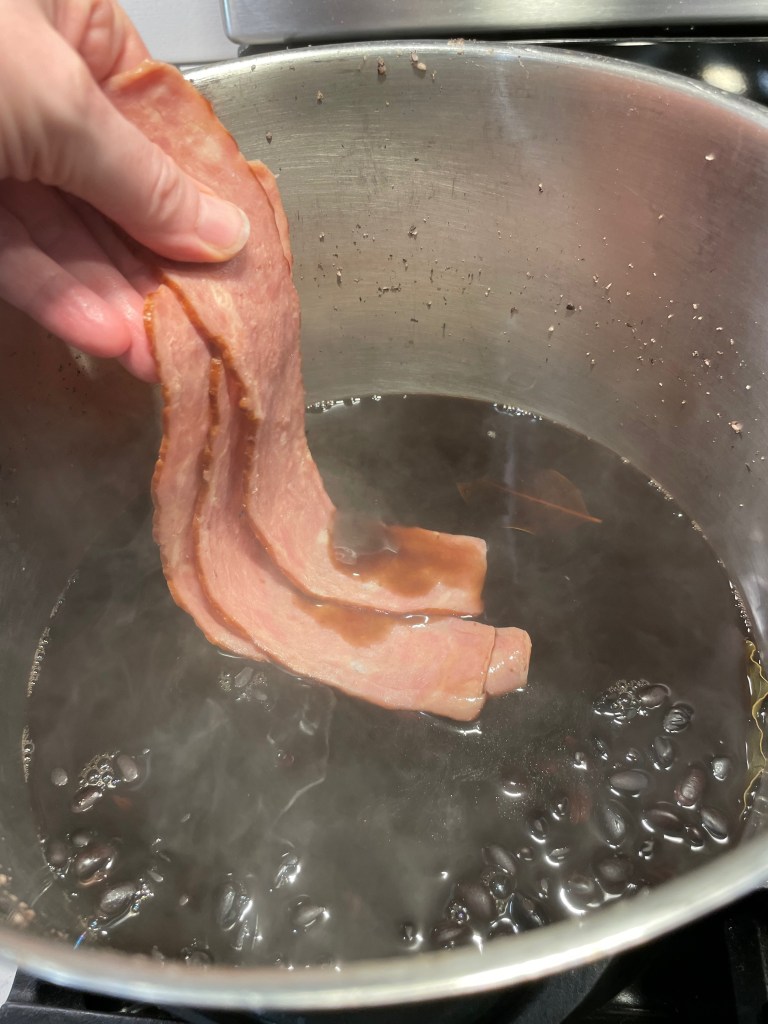
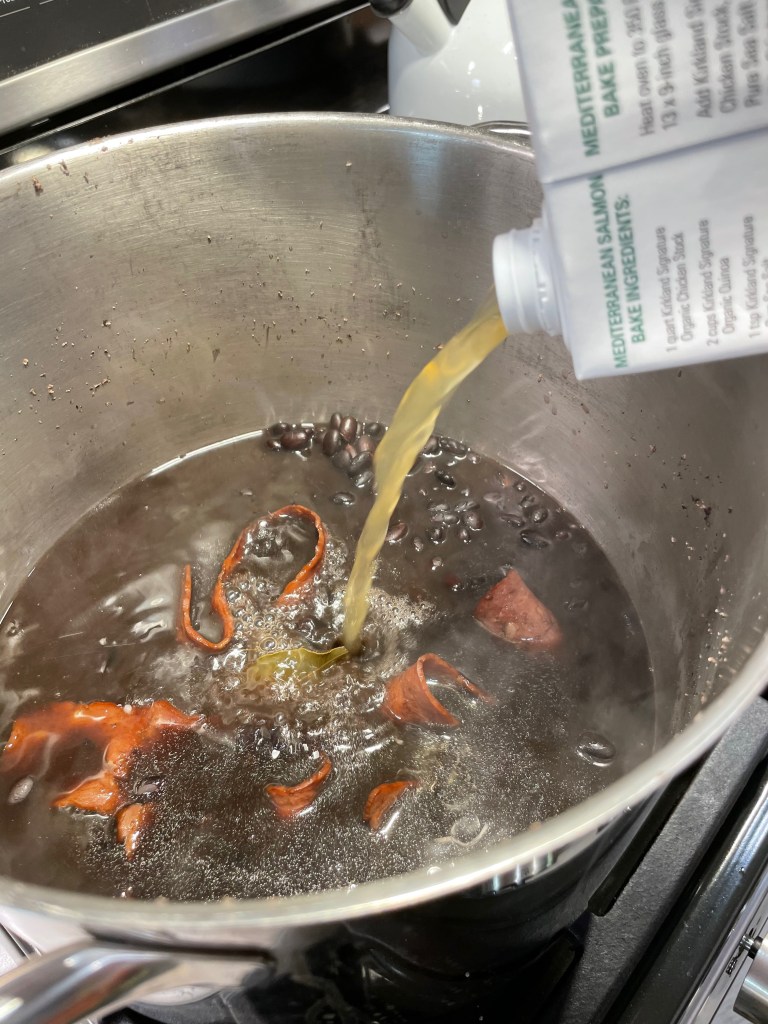
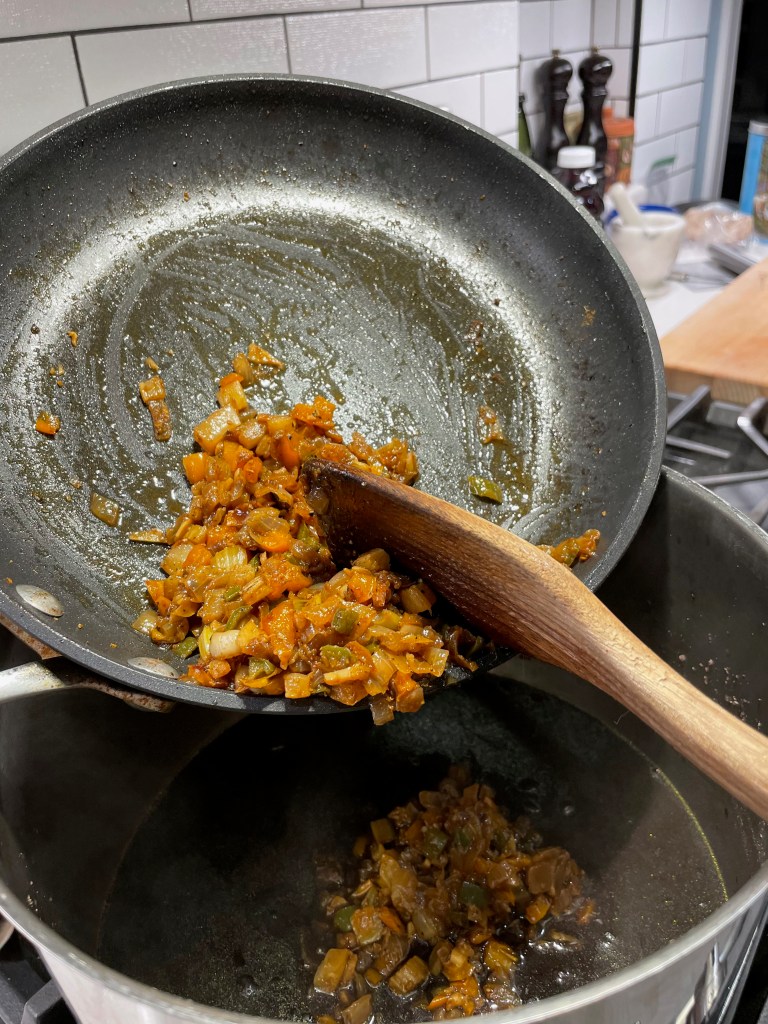
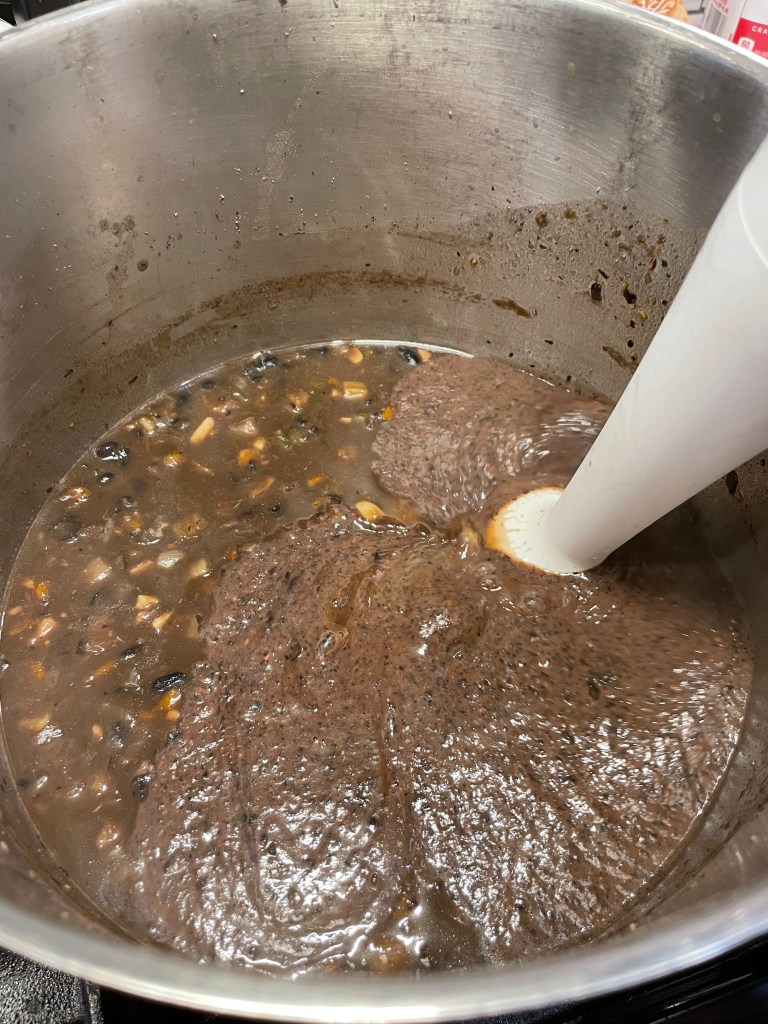
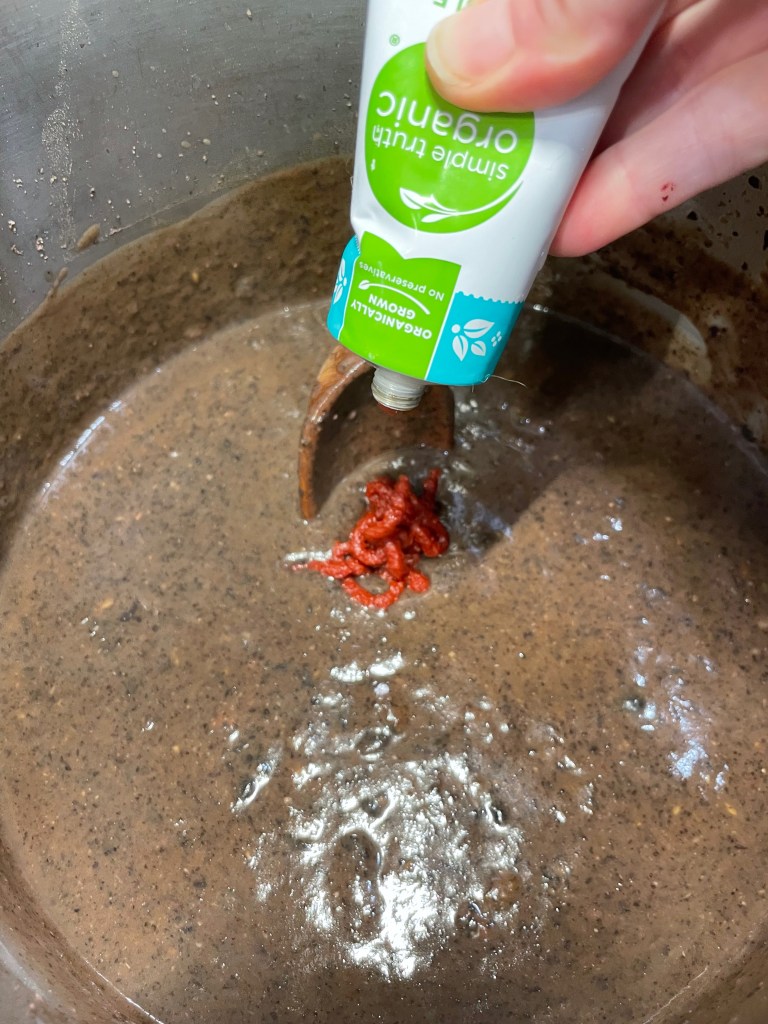
And just like that, I was back in business! Thanks to the alkaline nature of baking soda, my beans were softened about an hour later, and I added a couple of strips of turkey bacon for smoky flavor, all my sautéed veggies, plus some low-sodium veggie broth. Soon enough, my soup was ready for final touches! I took my immersion blender for a 20-second spin and stirred in some tomato paste to perk up the flavors.


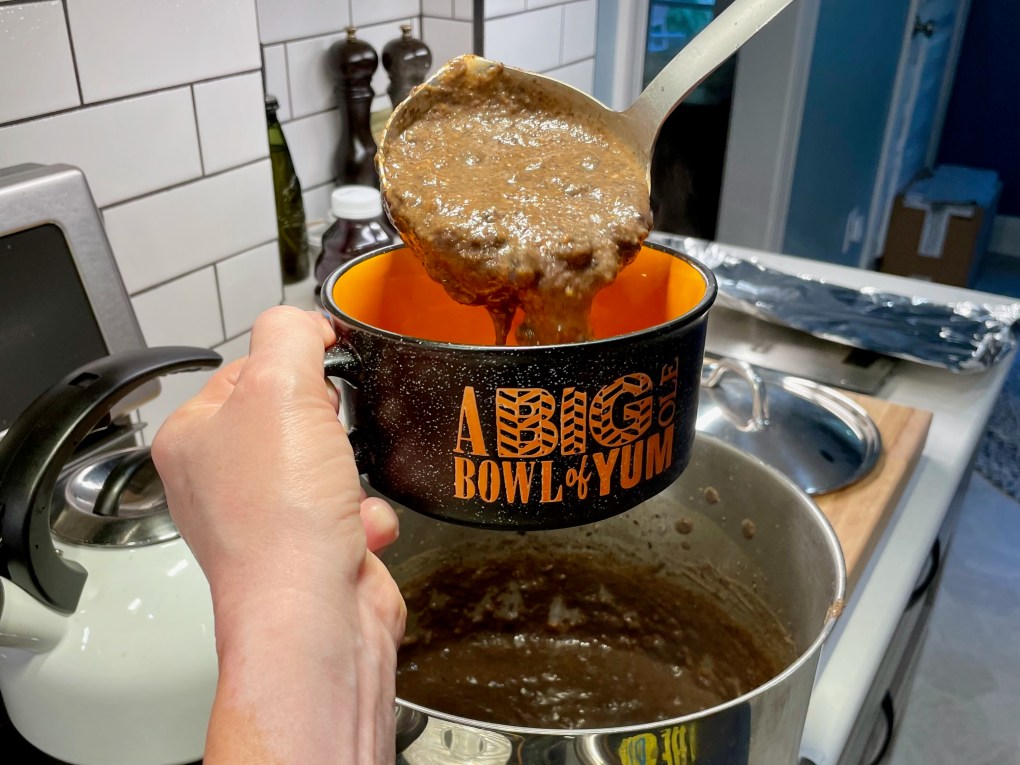
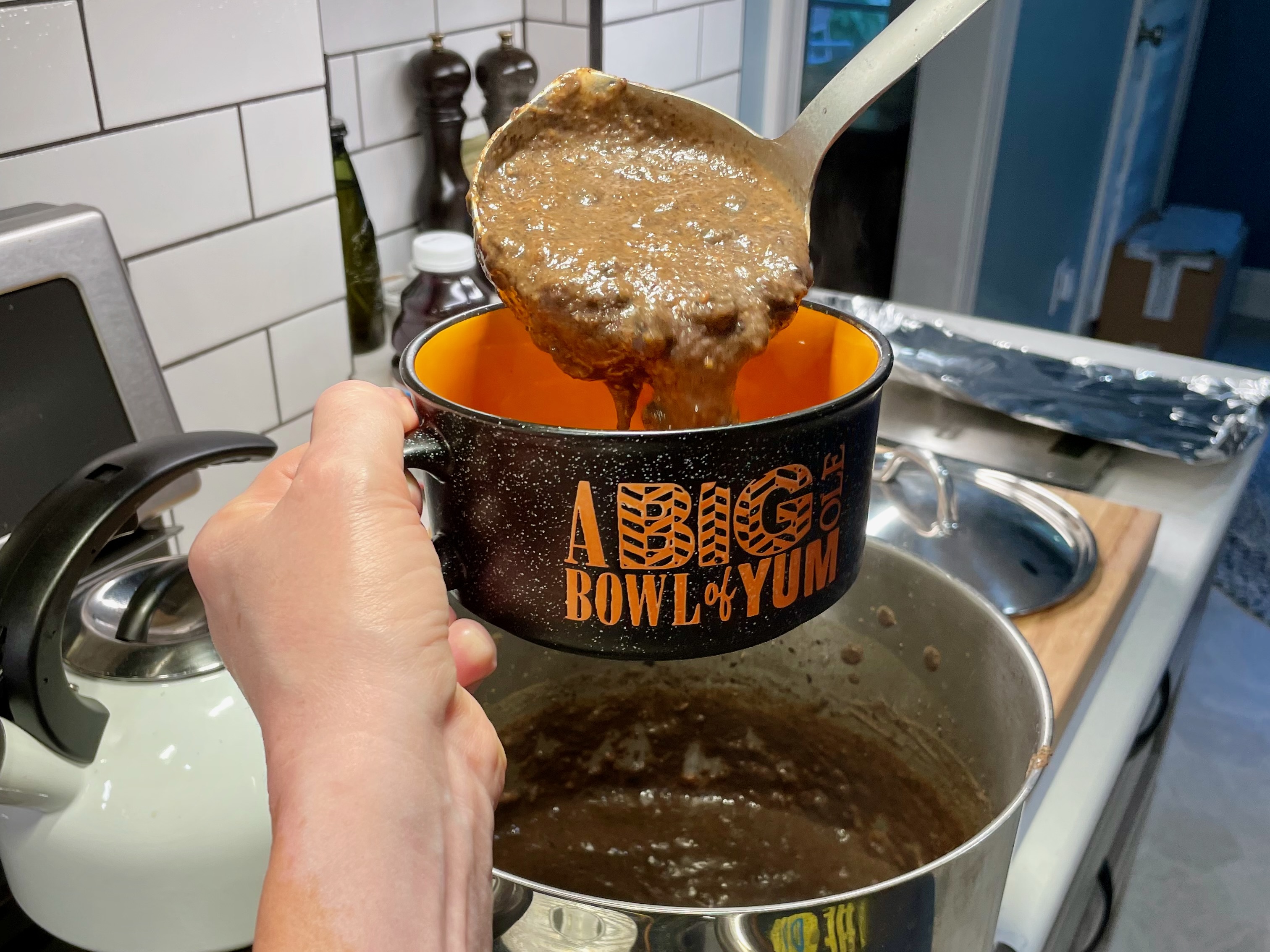
By the time the bean crisis was averted, I had already pivoted to Plan B for dinner that night, so I stashed the soup in the fridge and rewarmed it the following evening. Soup is always better on the second day anyway, and this big ol’ bowl of yum made my hubby and me very happy.

One happy husband. 😘

The tip that keeps on giving…

The story doesn’t end with my own soup, and this is the beauty of sharing foodie tips with fellow cooks. A few weeks after my own panic attack, I got a text from my cousin, who had run into trouble making ham and bean soup. Brad had combined his beans with ham and vegetable broth and dumped in a can of—yikes— diced tomatoes before he noticed the recipe said to hold that last ingredient til the end. Unlike salt, acidity is an enemy to dried beans, and Brad described his panicked effort to strain the beans out of the mixture a “fool’s errand.” This is such a frustrating moment for any cook, and I shared how my black bean soup was saved by a quarter teaspoon of baking soda.

“Give it a try,” I suggested.

Brad texted me the next day. The baking soda had neutralized enough of the acidity of the tomatoes; the beans softened and his soup was saved! He also shared his success story with a buddy who complained that his chili made with dried beans never came out quite right, and he’s going to try the baking soda trick next time, too! 

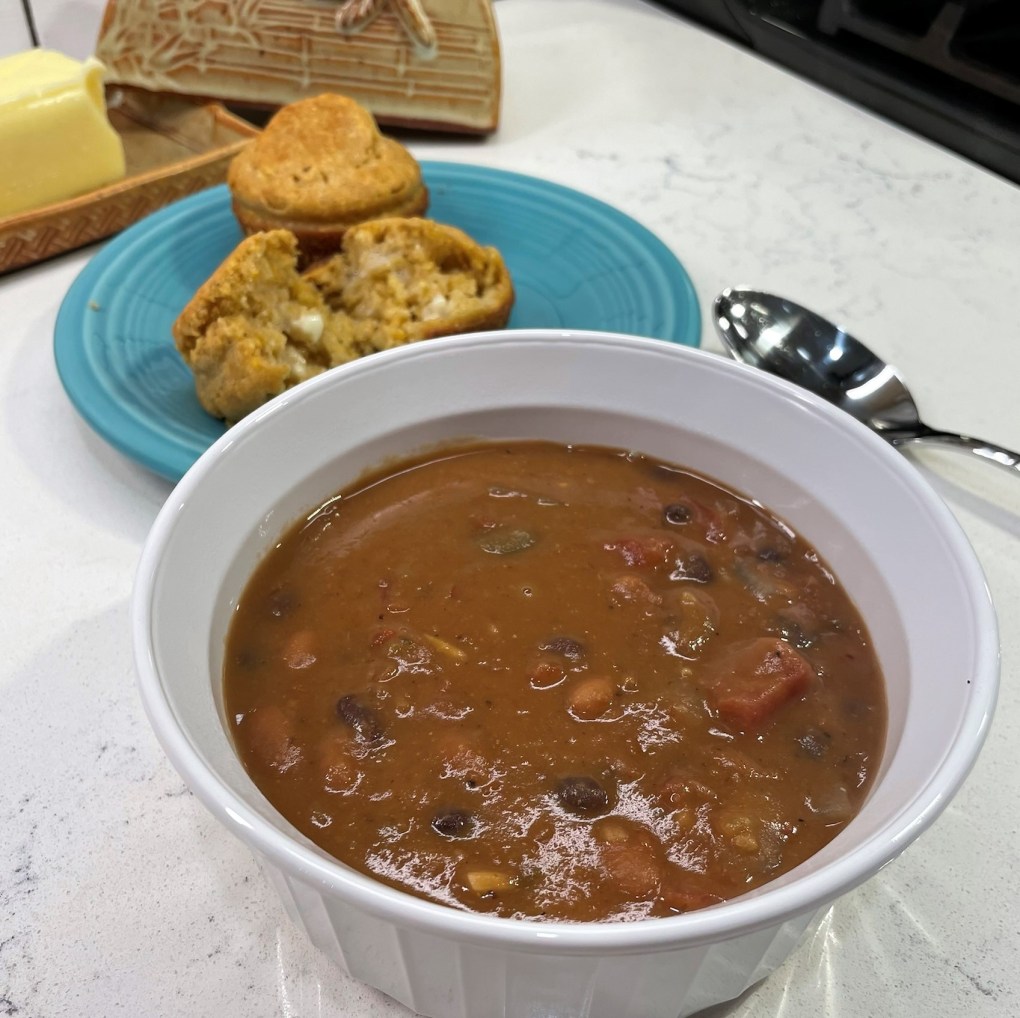
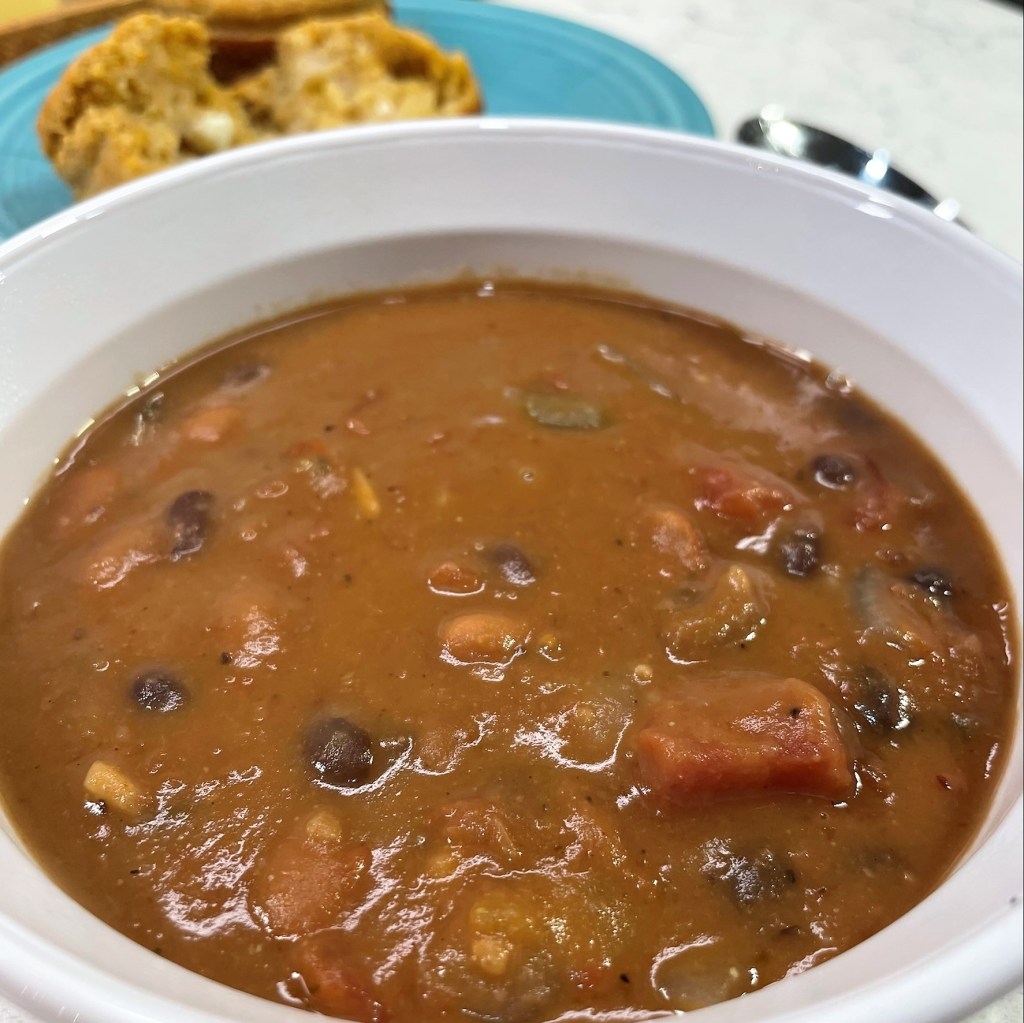
One of these days, I’m going to make a list of all the brilliant uses for baking soda in the kitchen. I’m betting that my fellow cooks have other examples to share. Until then, stay warm and enjoy this comforting black bean soup. A big ole bowl of yum!


Black Bean Soup

  • Servings: About 8
  • Difficulty: Easy
  • Print

This easy soup is smoky and flavorful, made with simple ingredients and so comforting on a cold winter's night!


Ingredients

  • 1 lb. dried black beans, sorted, rinsed and soaked overnight
  • Plenty of water, for soaking and cooking
  • 2 dried bay leaves
  • 1/4 tsp. baking soda (see recipe note below)
  • 2 Tbsp. extra virgin olive oil
  • 1 medium sweet or yellow onion, chopped
  • 2 stalks celery, strings removed and chopped
  • 1 medium red bell pepper, seeded and chopped
  • 3 cloves garlic, finely chopped
  • 1 jalapeño, seeded and finely chopped
  • Kosher salt and freshly ground black pepper
  • 1 tsp. cumin seeds, toasted and ground
  • 1 Tbsp. chili powder (I used ground chipotle chiles)
  • 3 strips smoked turkey bacon
  • 2 cups low sodium vegetable or chicken broth
  • 2 Tbsp. tomato paste
  • Sour cream and scallions, for serving

Recipe Note: Be sure to check the “best by” date on your dried beans. If they are more than a year old, they will likely take longer to cook. A bit of baking soda will help the beans soften if they are older or seem to be taking a long time.

Directions

  1. Drain and rinse the soaked beans, transferring them into a large, heavy-bottomed pot. Cover with at least two inches of cold water. Add a teaspoon of salt and a couple of bay leaves to the pot. Bring to a slight boil, then cover and simmer for about one hour until beans begin to feel tender.
  2. Place a sauté pan over medium heat and add olive oil. Add onion, celery and pepper to the pan with a generous pinch of salt and black pepper. Sauté for about 3 minutes, until they are softened and slightly translucent. Add garlic and jalapeño and cook 2 more minutes. Season with cumin and chili powder. Set aside to cool.
  3. When beans are tender, add turkey bacon to the pot, along with broth and sautéed vegetables. Simmer until the mixture is hot throughout and bacon is shriveled. Remove bacon strips and bay leaves.
  4. Use an immersion blender to purée the soup. It can be smooth or chunky, to your liking. Alternatively, transfer a cooled portion of the soup to a conventional blender and stir the pureed portion back into the pot. Use caution, and do not purée a hot liquid in a closed blender container.
  5. Stir in tomato paste and adjust seasonings to taste.
  6. Serve with a swirl of sour cream and chopped scallions.


Autumn Minestrone

This post is kind of a recipe within a recipe, and my inspiration for the soup was born from my effort to make pasta using sourdough discard. I know— who would imagine such a thing, right? When Les and I traveled to Nashville, Tenn. recently, we met some friends for dinner and got to talking about gluten issues that each of them suffer. Our friend, Dick, said he had found real sourdough bread more digestible and that a few gluten-free breads were helpful to satisfy his carb cravings, but that pasta had been another story; it always left him feeling bloated and uncomfortable, and he didn’t enjoy the texture of the gluten-free options on the market. He knew about my food blog, and he said, “if you could make a real pasta that I could eat and enjoy…”

And over here was me— just hating the thought of someone missing out on a favorite food. There has to be a way, and I’m on a mission to find a way to ease the uncomfortable symptoms that gluten brings to people with mild or moderate sensitivities. If I can figure this out, and then advance to making an egg-free version that is suitable to dry, I will send some to Dick for feedback. My version is not gluten-free, obviously (I use wheat flour), but the fermentation process changes the gluten structure and exhausts the anti-nutrients that mess with non-celiac individuals, and that just might be enough for Dick. We’ll see.


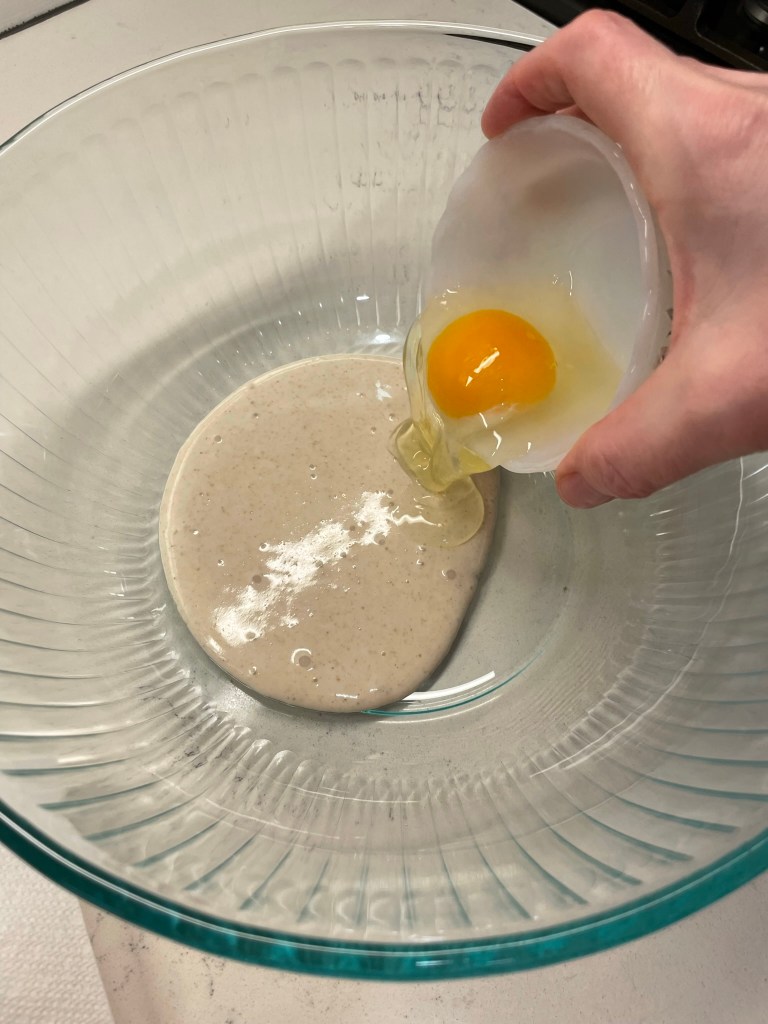
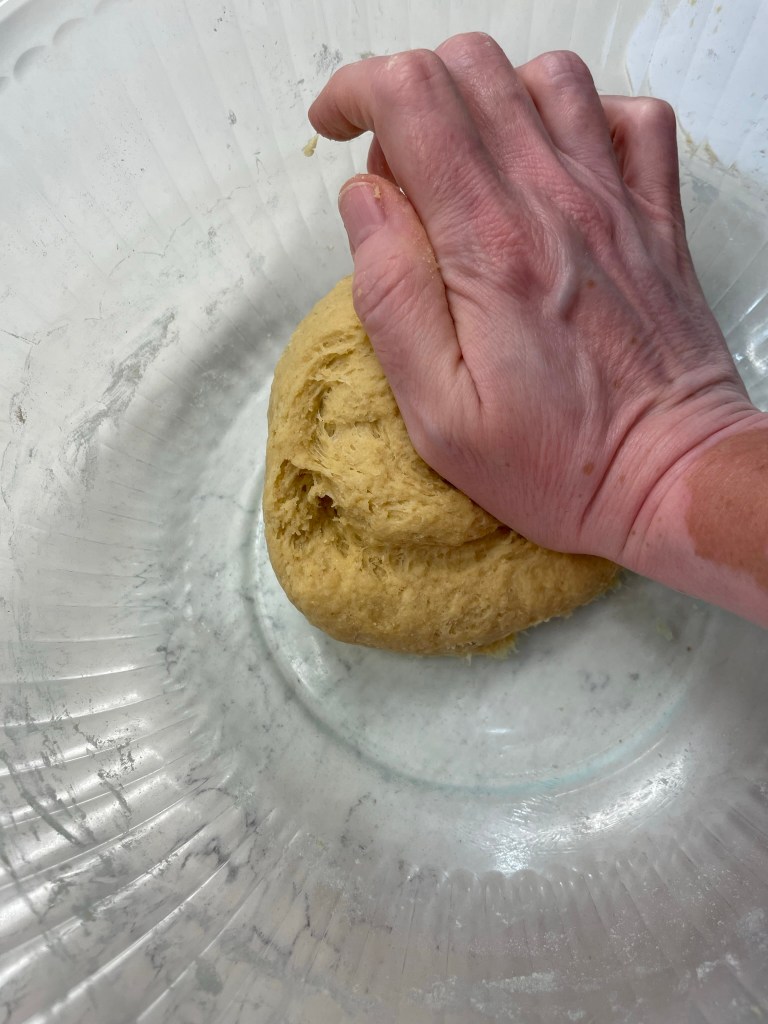
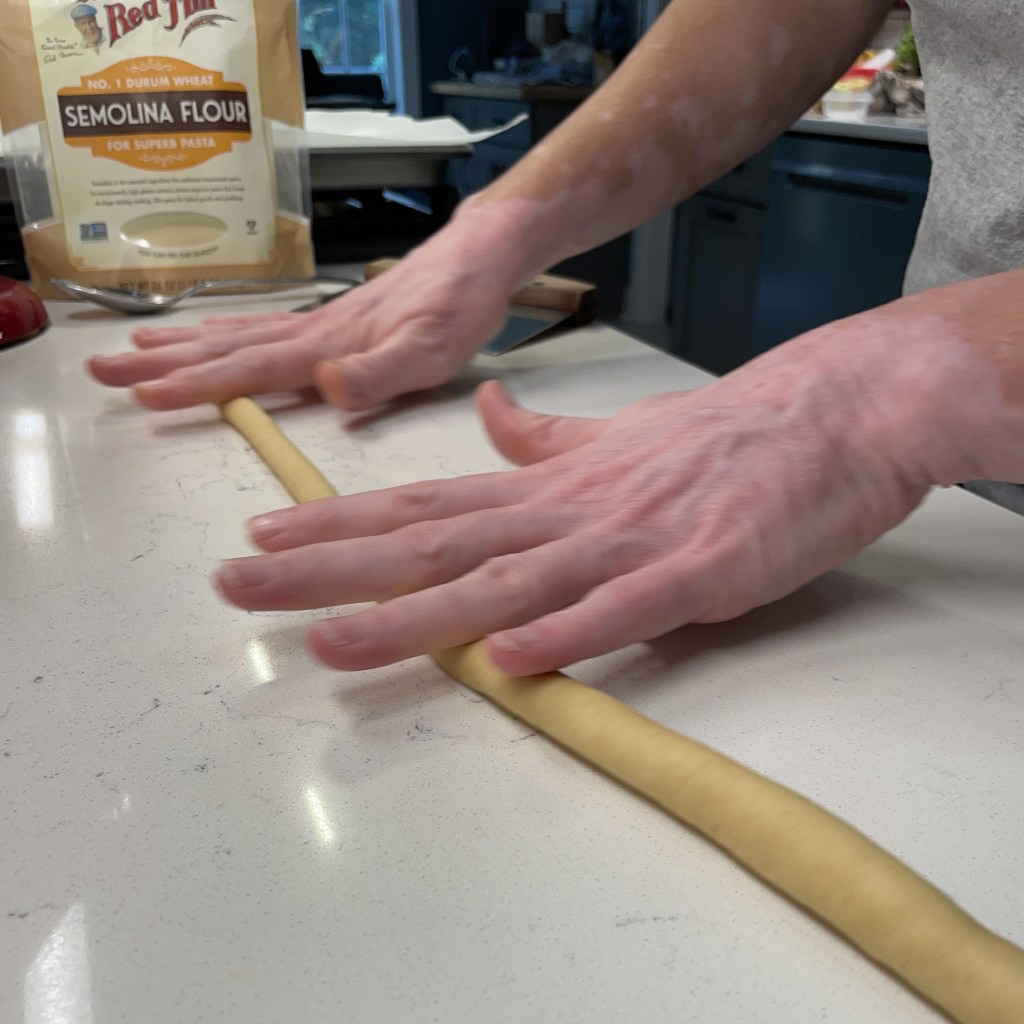
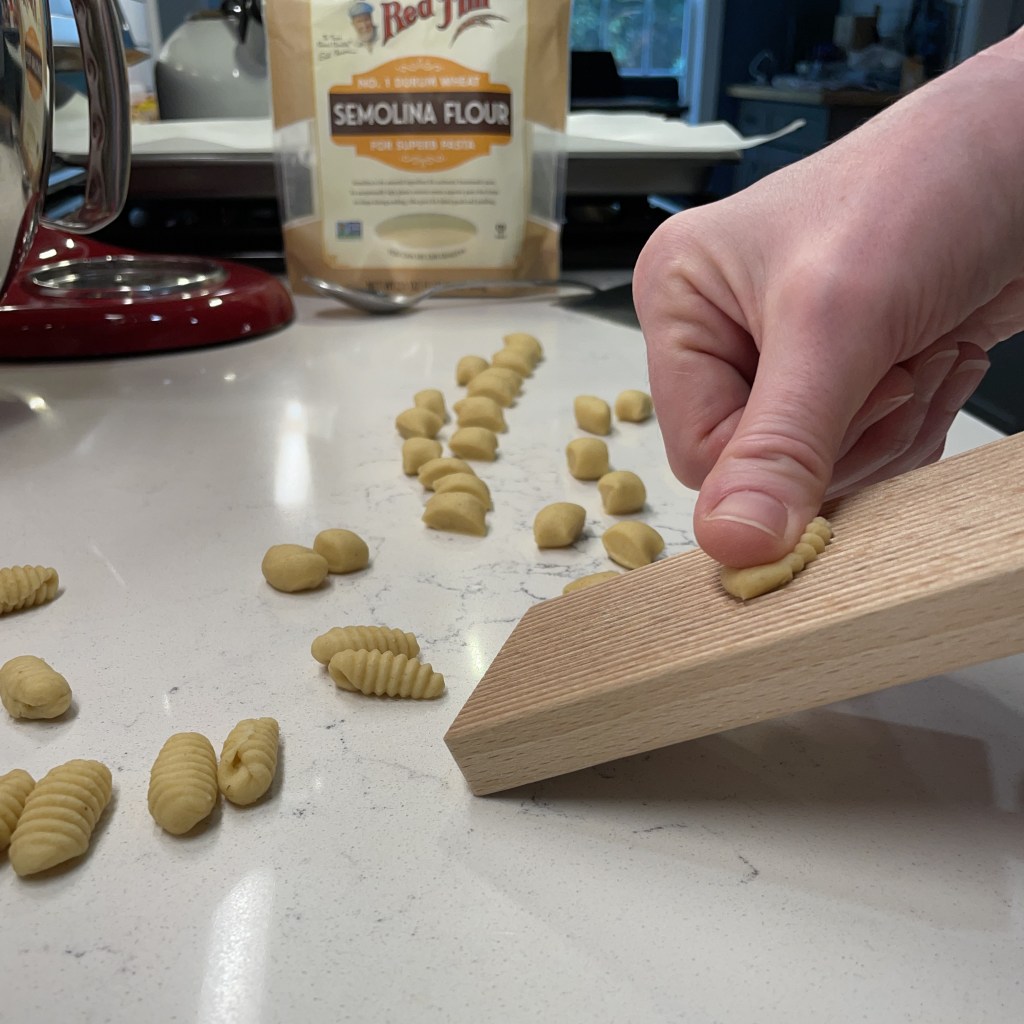
I’ll let you know how things progress with the sourdough pasta quest, but my immediate challenge was finding a good way to use my test batch. I used a combination of all-purpose, white whole wheat and semolina flours, plus sourdough discard and eggs, to make my pasta dough. It had been chilling in the fridge for a day, and I rolled it into ropes and shaped it into little gnocchi-meets-shell-shaped things. The first thing that came to mind for these little bites was soup, and here we are!

Mmmm, so good!

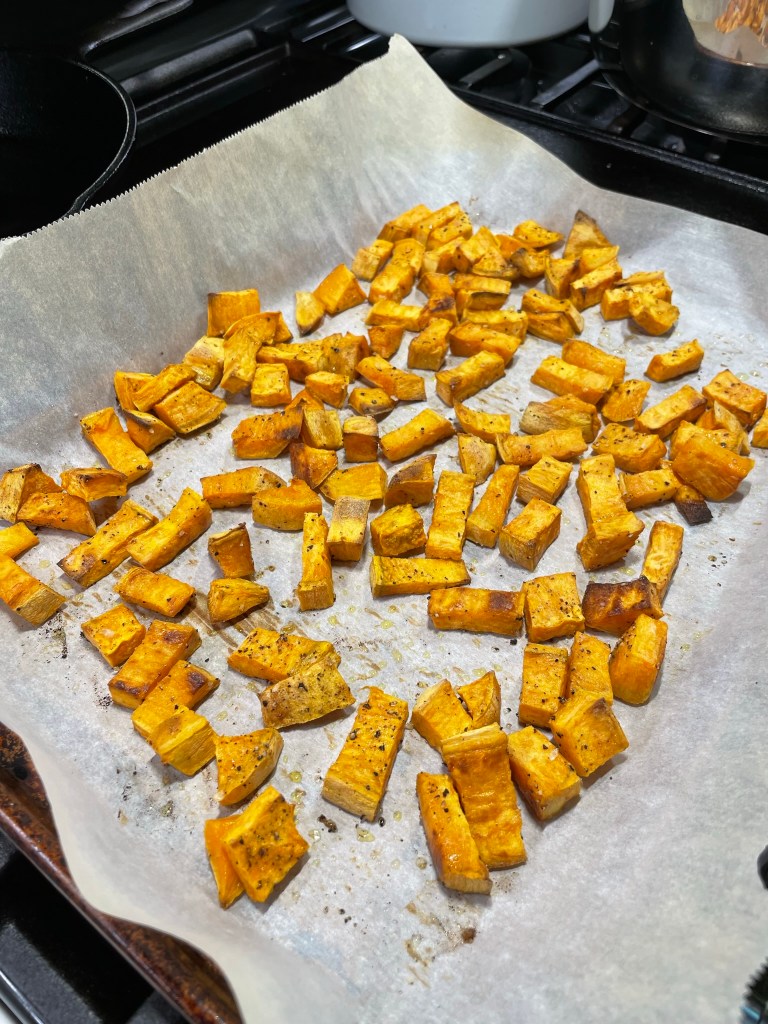
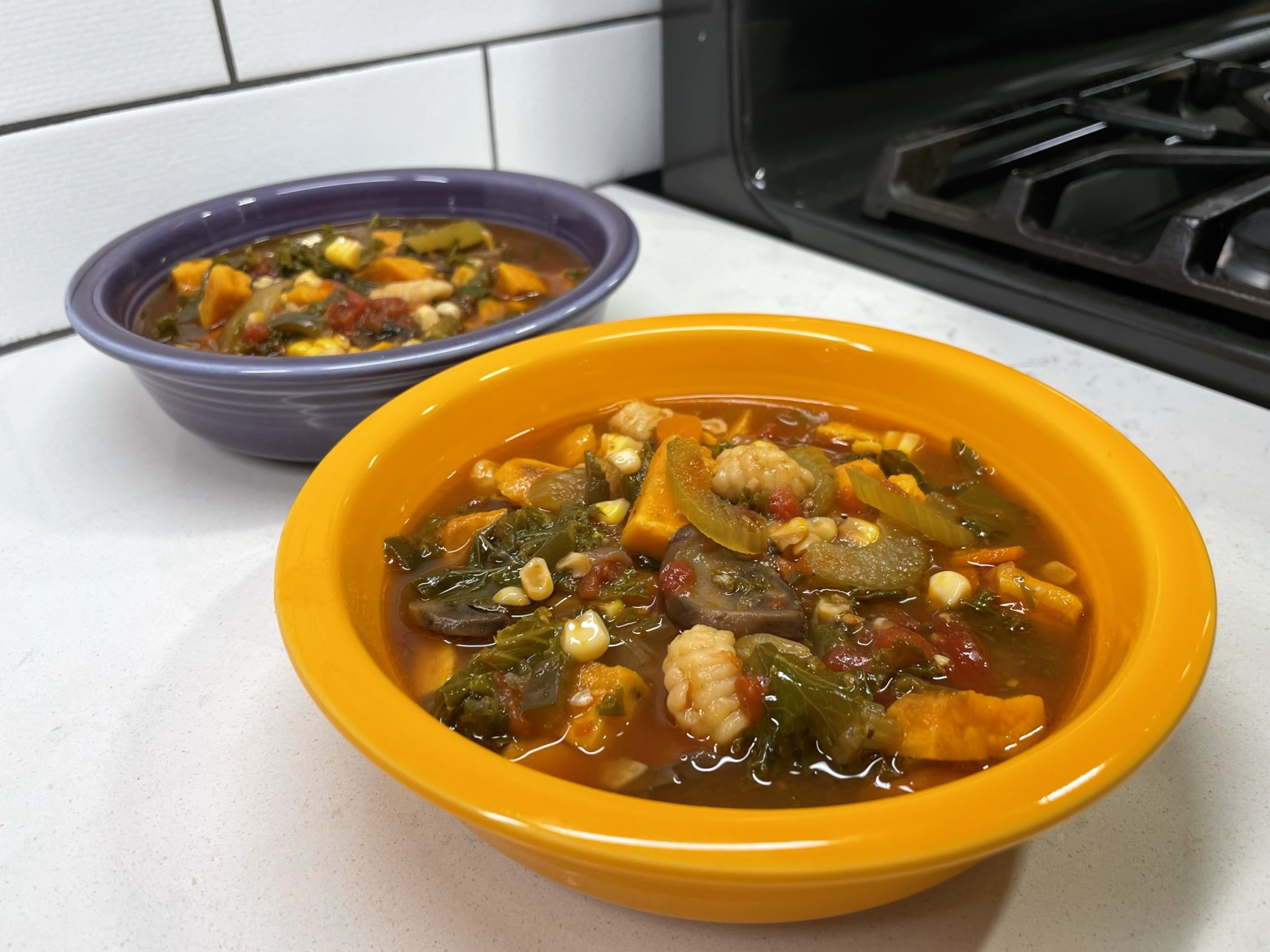
This soup brings together the best of two things for me— a whole bunch of terrific early fall ingredients and an all-day simmered vegetable soup. Sweet potatoes are abundant already this season, so I cut up a large one and roasted it with a touch of olive oil, salt and pepper. I could have put the cubes right into the soup, but I knew this would be a long simmer and I didn’t want them to turn to mush. Besides, roasting sweet potatoes caramelizes them and intensifies their autumn flavor. This turned out to be worth the extra step, for sure.


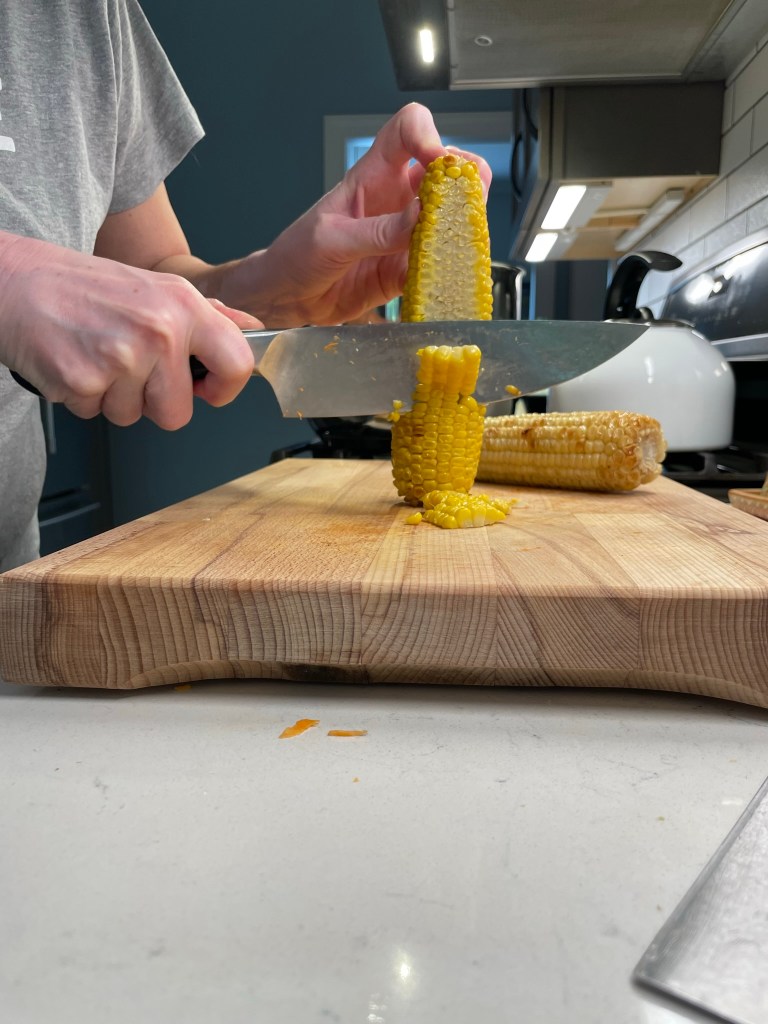
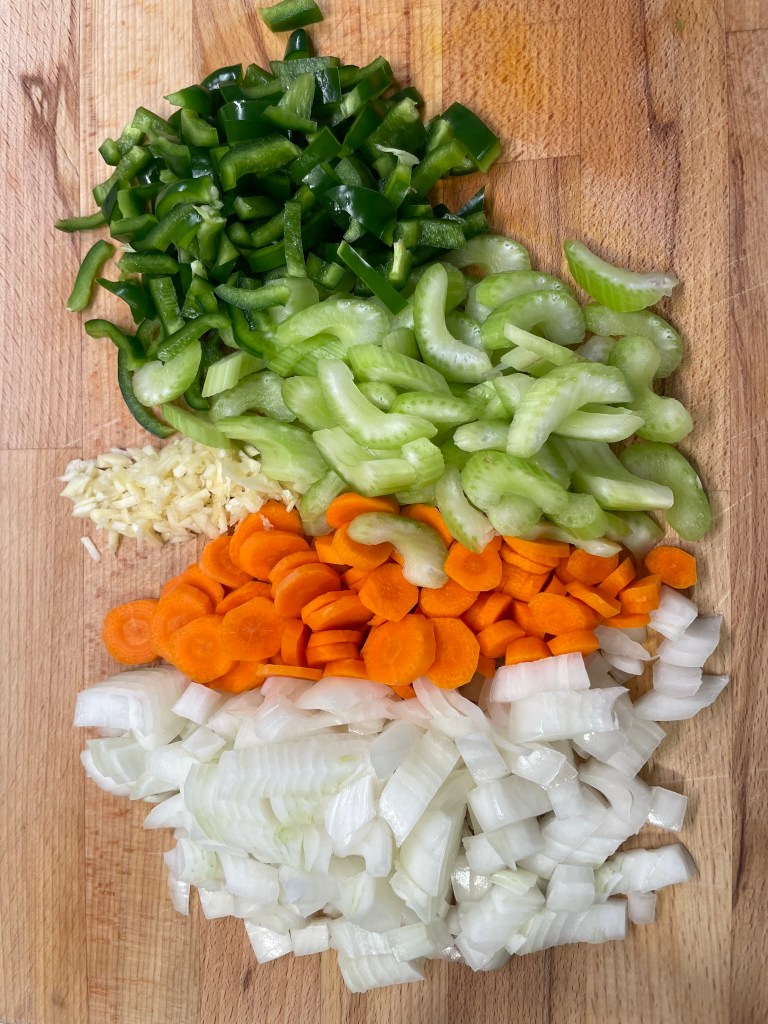
The corn season runs long around here, so I had Les grill up a couple extra ears when we had it for dinner recently. I stripped the kernels and set them aside while I prepared to build the soup base with carrots, celery and onion (otherwise known as mirepoix), plus poblano pepper and garlic. Whole canned tomatoes went in next, then mushrooms and veggie broth. 


The only seasoning I added to this soup— other than the usual kosher salt and black pepper— was a couple of bay leaves. Anytime I make a simmered soup, stew or roast, bay leaf is like a magic ingredient that is not only flavorful but highly aromatic.

After a nice, long simmer—about an hour— I removed the bay leaves, added two “fat handfuls” of chopped kale, more broth and my homemade sourdough pasta (which went in straight from the freezer), and brought it up to a gentle simmer to cook the pasta through.


Finally, my soup was ready for the roasted add-ins I had prepared earlier, and dinner was served!

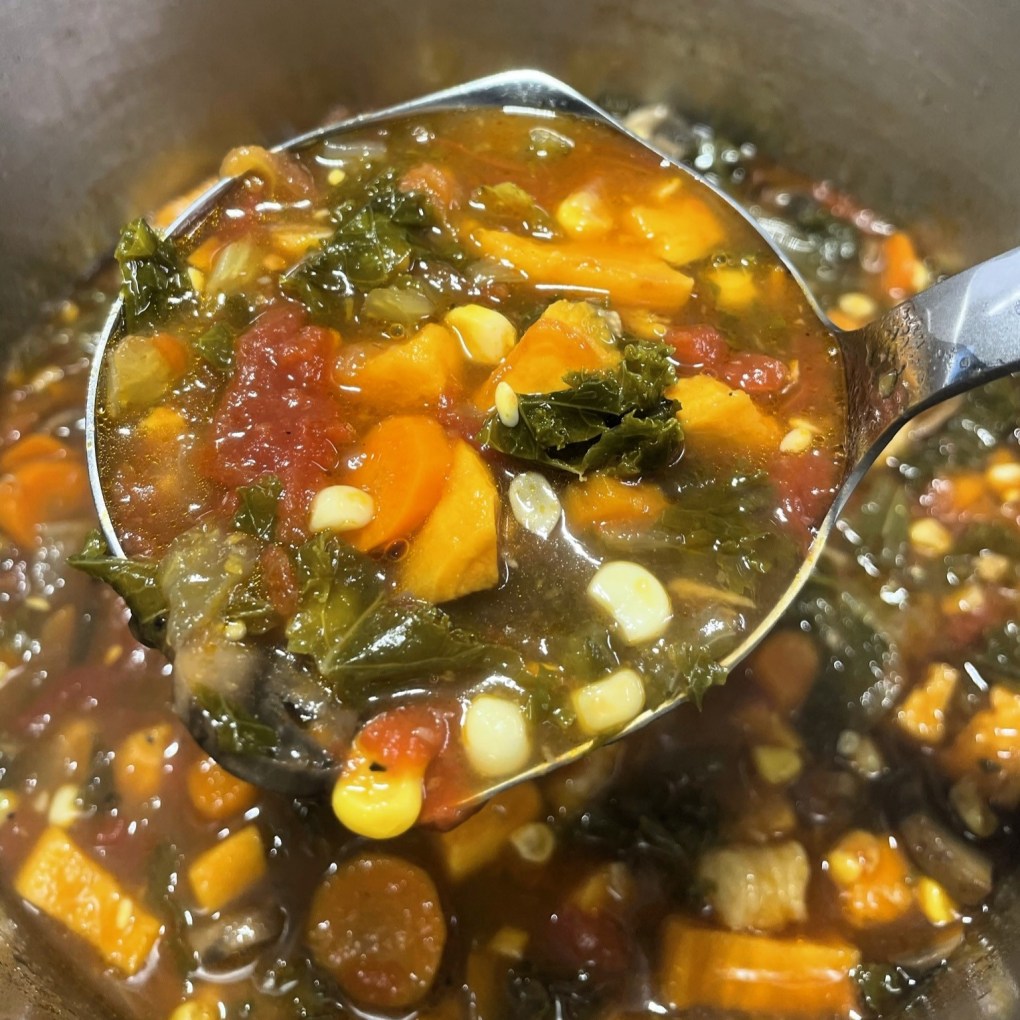
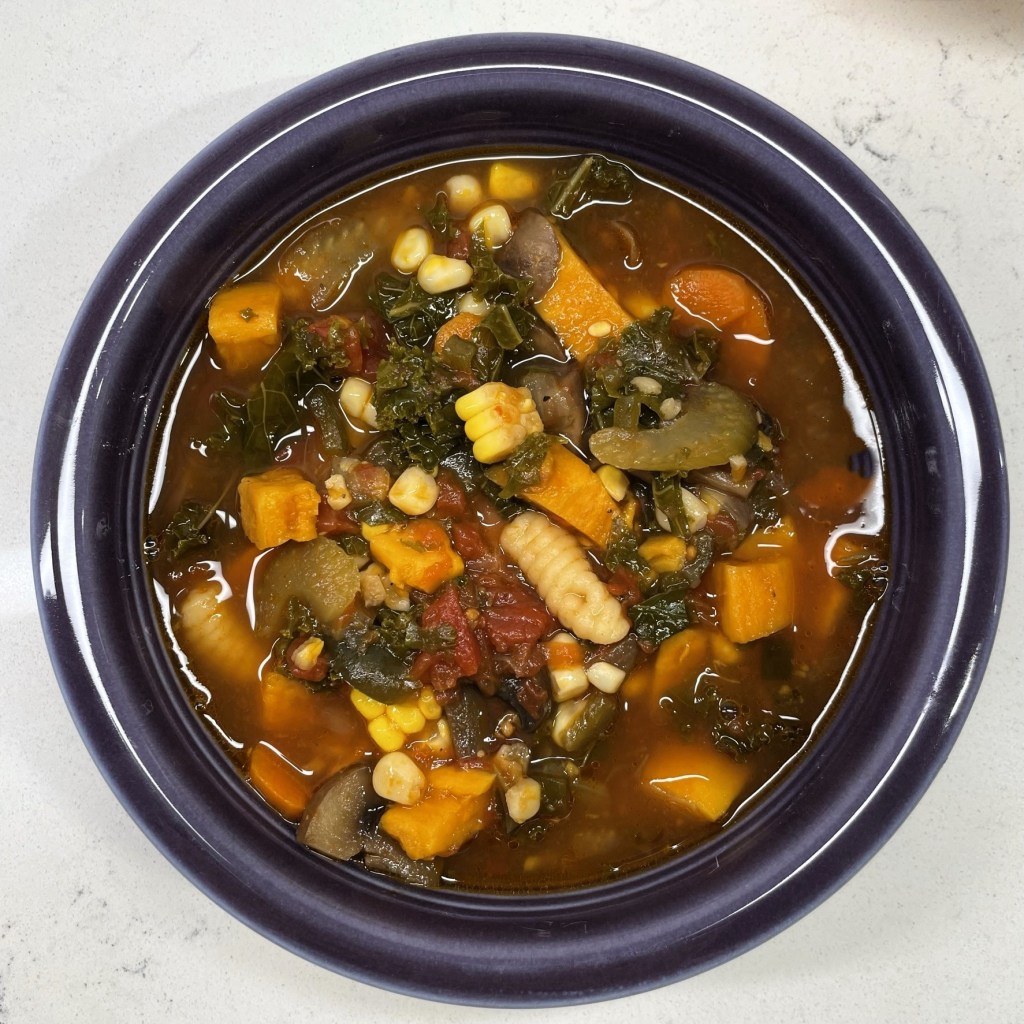
My friends, this autumn minestrone was far and away more delicious than any other vegetable soup I’ve ever made! All those flavors melded together wonderfully, and between the roasted, grilled and simmered vegetables, there was plenty of interesting texture, too.


The pasta cooked up like pudgy, tender dumplings and the tangy earthiness of the sourdough was a really nice complement to some of the sweeter flavors in the soup. If I had not been experimenting with the homemade sourdough pasta, any box pasta with hefty texture would have been a good choice (think rotini, trumpets or those cute little wagon wheels). Using box pasta would also have kept my soup vegan; the eggs in the pasta dough disqualified it from that category.

Oh, this soup hit the spot on a dreary, rainy early autumn day. But you can bet I won’t wait for another one to make this soup again!

Autumn Minestrone

  • Servings: 8 to 10
  • Difficulty: Average
  • Print

This soup brings together the best of two things for me— a whole bunch of terrific early fall ingredients and an all-day simmered vegetable soup.


Ingredients

  • 1 large sweet potato, peeled and cubed (about
  • 1/4 cup extra virgin olive oil, divided (you’ll use a tablespoon to roast the sweet potato and the rest to sauté vegetables in the pot)
  • Kosher salt and freshly ground black pepper
  • 1 sweet onion, chopped
  • 2 medium carrots, peeled and thinly sliced
  • 2 ribs celery, strings removed and sliced
  • 2 cloves garlic, finely minced
  • 1 poblano pepper, chopped
  • 28 oz. can whole peeled tomatoes, drained (reserve liquid for another recipe)
  • 6 cups low-sodium vegetable broth, divided (see directions for breakdown)
  • 2 bay leaves
  • 8 oz. carton cremini mushrooms, cleaned and sliced
  • 2 fat handfuls kale, washed and rough chopped
  • 1/2 pound pasta shapes (homemade or otherwise)
  • 2 ears roasted corn, kernels cut from cob

Notes: I roasted the sweet potatoes first so that their flavor could be concentrated, and to keep them from turning mushy in the soup. Butternut squash would be a great substitute. I used a fresh homemade pasta that was shaped like baby gnocchi. My pasta contained eggs and I added to the soup straight from the freezer. Dry pasta such as elbows or rotini would be a great substitute.

Directions

  1. Preheat oven to 350° F, with rack in center position. Line a sheet pan with parchment and arrange sweet potato cubes in a single layer. Drizzle with olive oil and season with salt and pepper. Roast about 45 minutes, until sweet potatoes are reduced in size and golden on all the edges. Set aside.
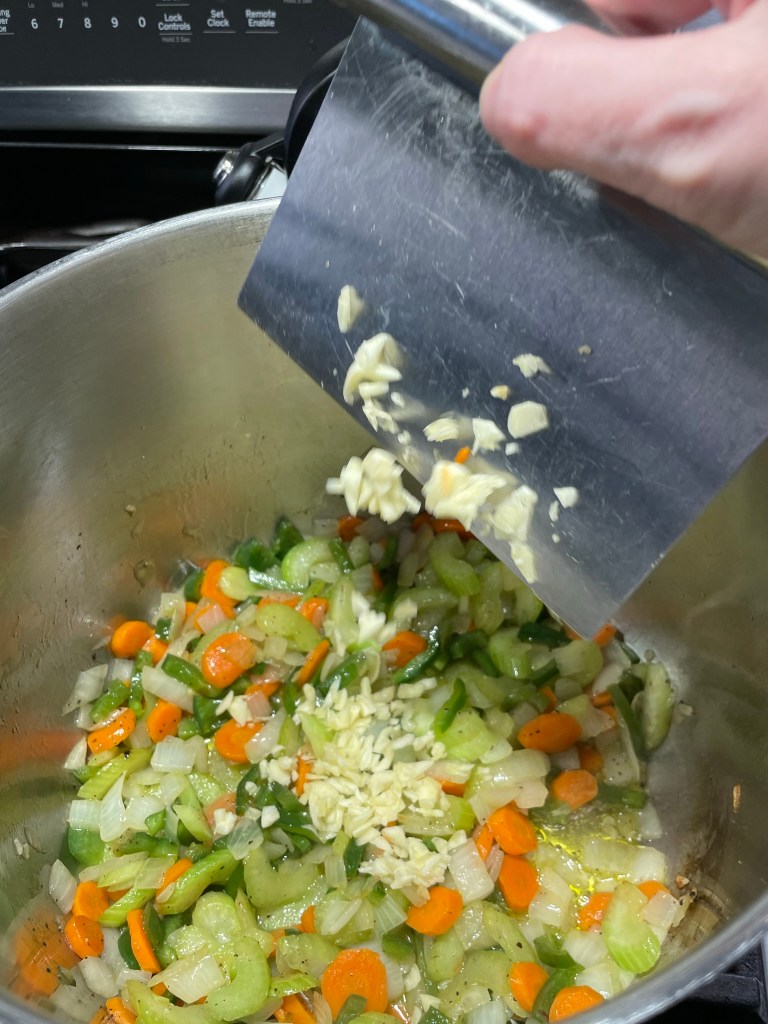
  2. While the sweet potatoes are roasting, place a deep, heavy-bottomed pot over medium heat. Swirl in remaining olive oil and sauté the onions, carrots, celery and poblano peppers. Season with salt and pepper and cook until translucent. Add the garlic and continue to cook until vegetables are very soft.
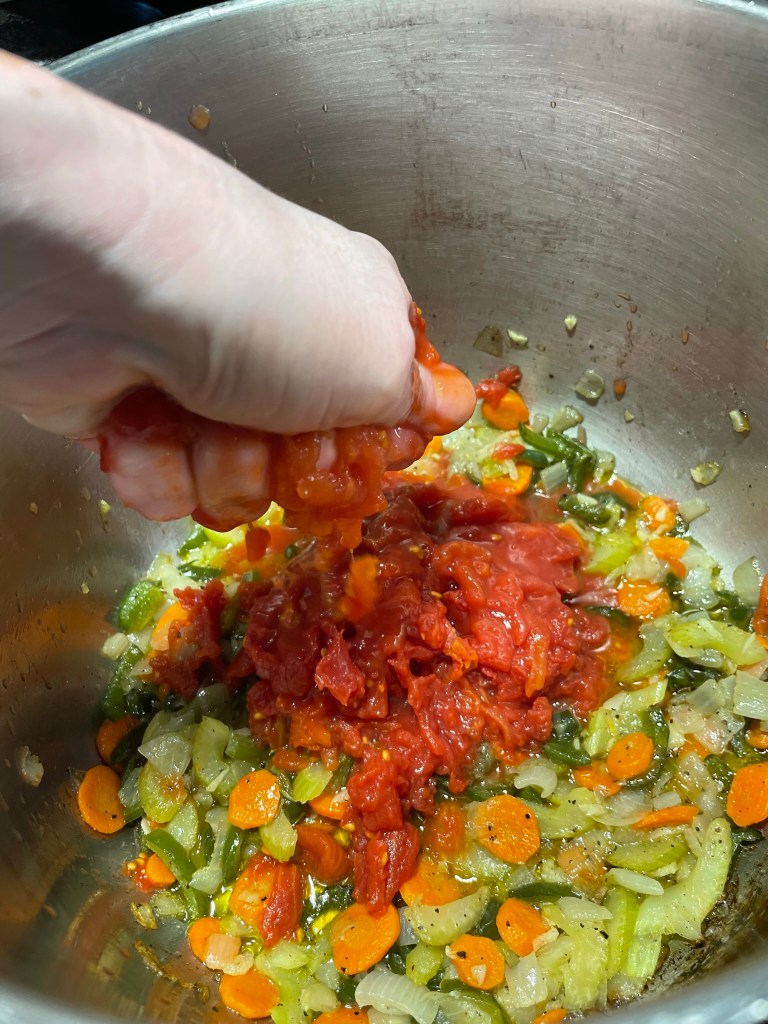
  3. Use your hands to squeeze the whole tomatoes into the pot. Add 4 cups of the vegetable broth and bring to a slight boil. Adjust salt to taste. Reduce heat to simmer.
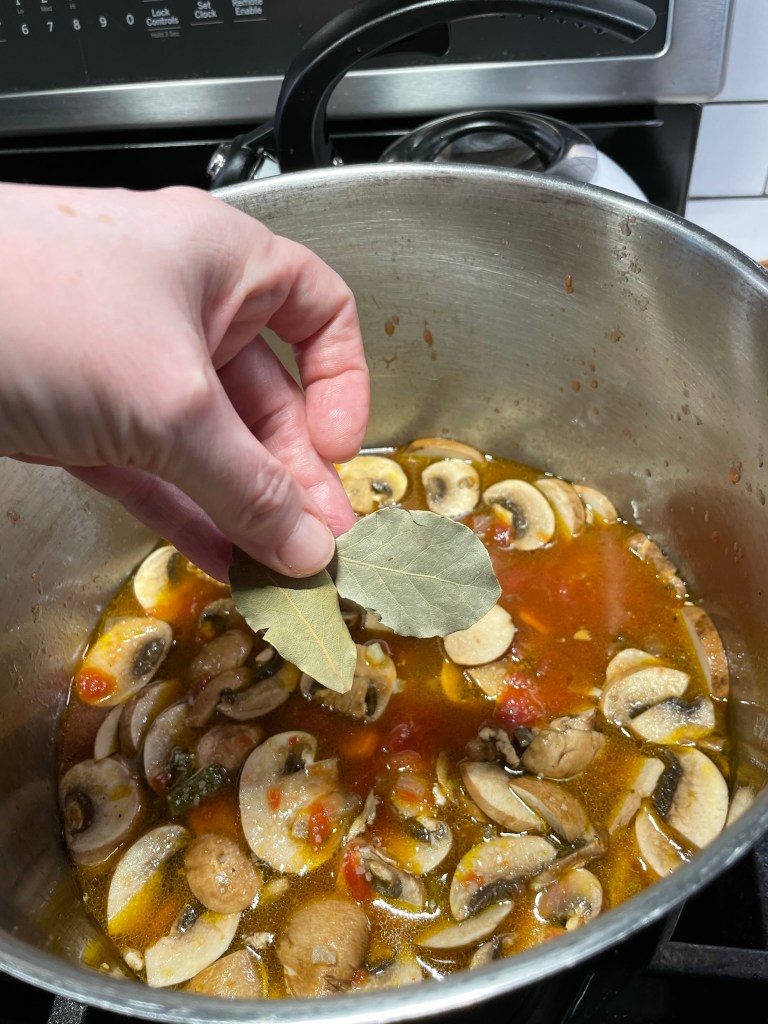
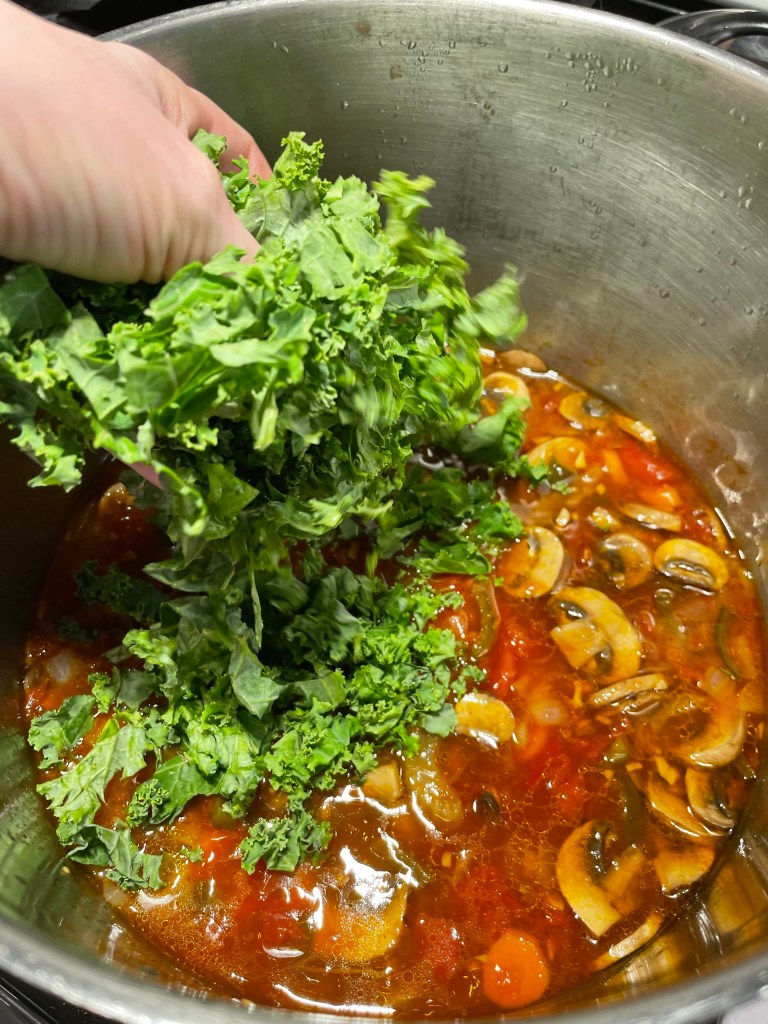
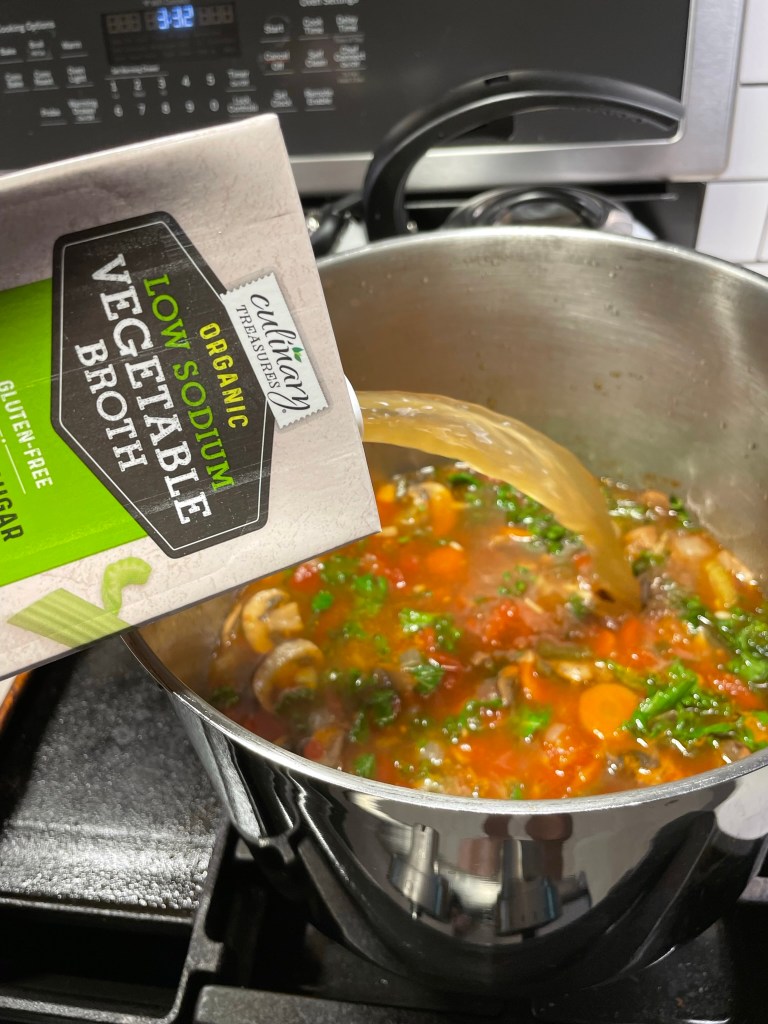
  4. Add sliced mushrooms and bay leaves and simmer for about an hour. Stir in chopped kale leaves until wilted. Add remaining vegetable broth and bring to a gentle boil.
  5. Add pasta straight from the box or freezer and cook it in the minestrone until tender.
  6. Finally, stir in corn kernels and roasted sweet potatoes. Make a final adjustment to salt and pepper, and then cook on low until heated through.


Southwest Chicken Soup

There’s never a wrong time for chicken soup, and winter seems especially appropriate, given that it is also cold and flu season. In the middle of January, my husband and I both found ourselves stuck at home with Covid. I had started experiencing symptoms on a Thursday night, and I was quick to blame the just-completed replacement of our entire HVAC system as the culprit for the sore throat and sneezing that had suddenly walloped me. Dust and bits of insulation had been falling out of all the vents in the house for two days, so of course I felt lousy. At least, with the new system, I’d be warm.

But two nights later, as I sat shivering on the sofa, despite wearing a bulky sweatshirt, fuzzy jammie pants, two pairs of socks, my Land’s End shearling-lined slippers and curling up under a big ass blanket, I knew I was in trouble. The lines on my at-home rapid Covid test were not only pink— they were bright magenta! Les tested positive the next day, and we settled in for a week of being bored out of our ever-loving minds. Thank God we have every TV streaming service known to man, and some of the kindest neighbors around who did front porch drop-offs of soup, orange juice and other sick-at-home necessities. We are grateful.

That first night of symptoms, I had made this southwest-themed chicken soup, and it was exactly what I needed, though I wish I had made a double batch. Next time, I will do exactly that and I’ll stash some in the freezer— just in case!

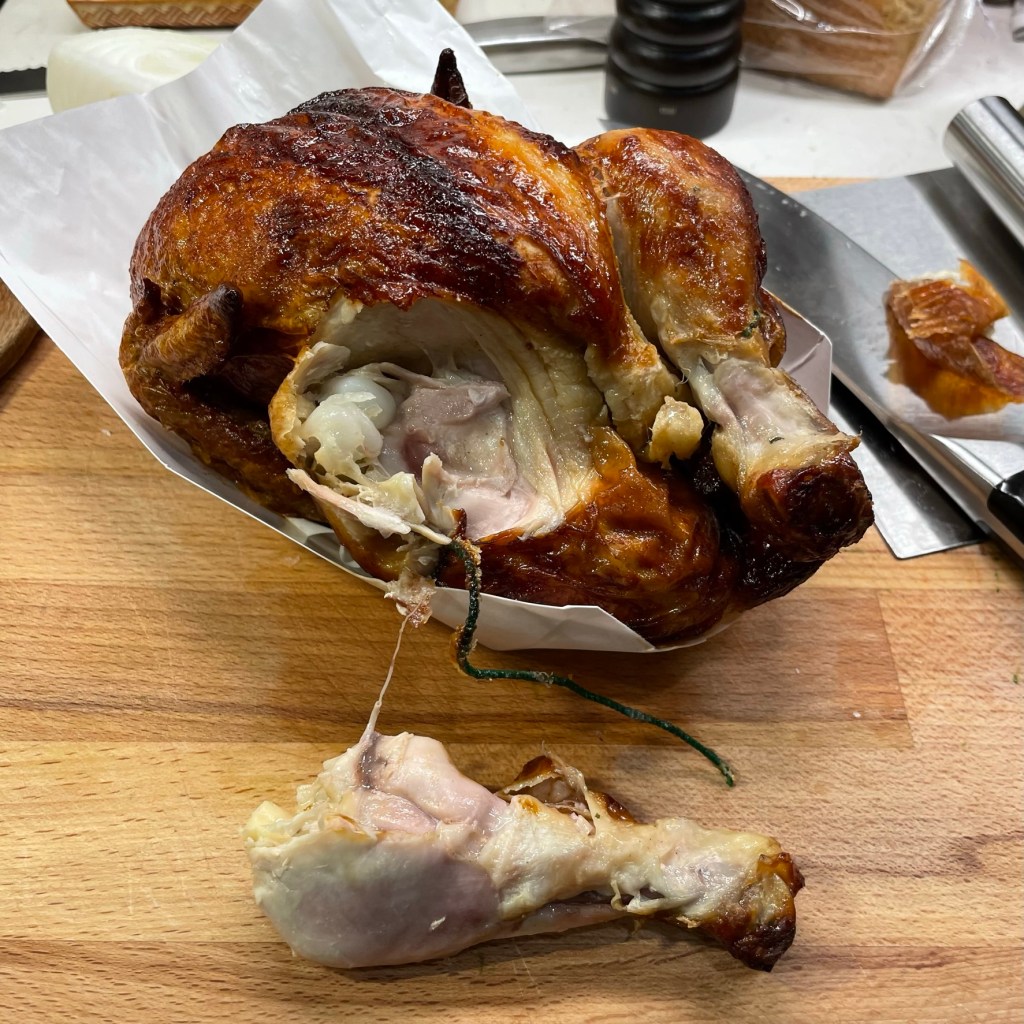
The soup is quick to make because it relies on a supermarket deli roast chicken and a few easy pantry ingredients. The chicken I selected was labeled “Peruvian,” which includes seasonings like paprika, cumin and oregano— all perfectly compatible for a southwest-themed soup. I used almost exactly half of the chicken, including the shredded meat from a thigh, breast and drumstick, plus the skin (I’ll explain in a moment). The remaining chicken meat went into a very tasty chicken salad that Les made, using some of his fabulous pimiento cheese. It was so good on sandwiches, and I’ll try to sweet talk him into making that again to share on the blog.

Once in a while, these deli roast chickens come in really handy!

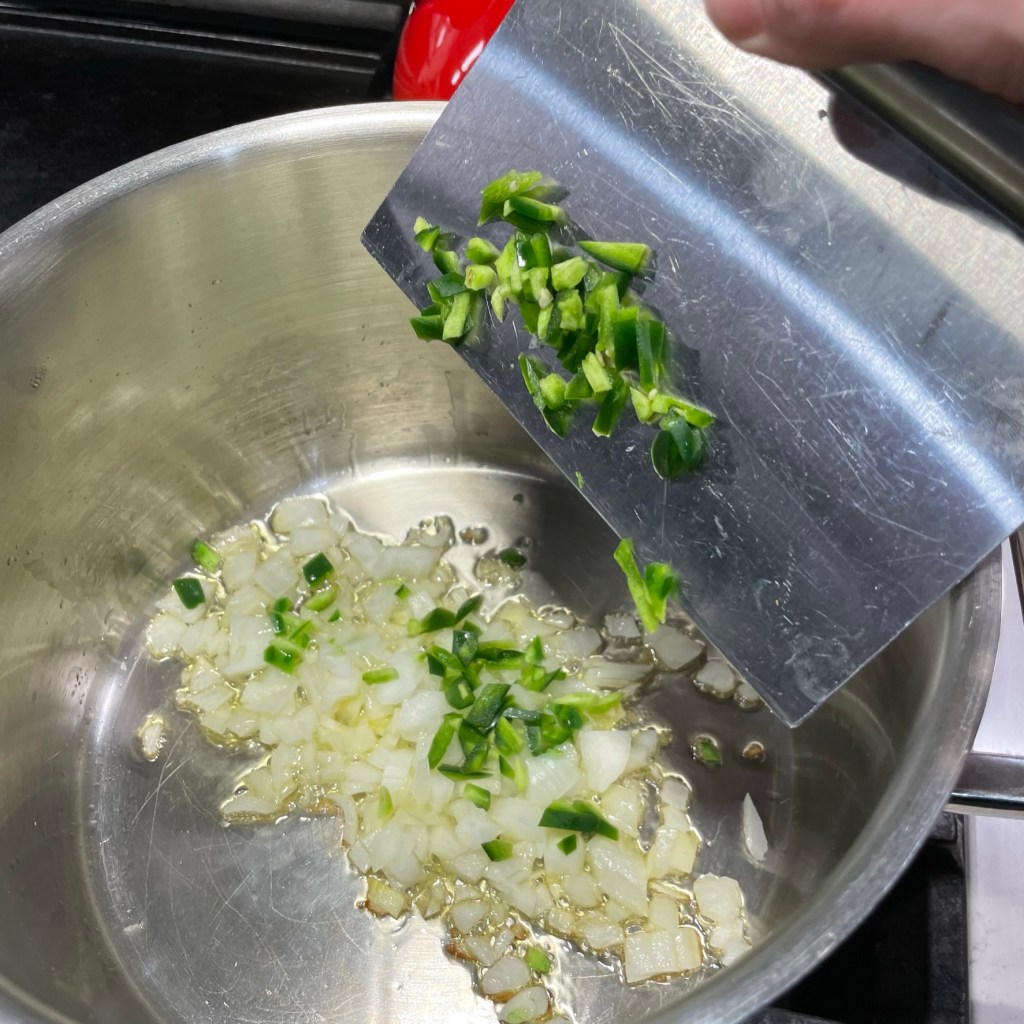
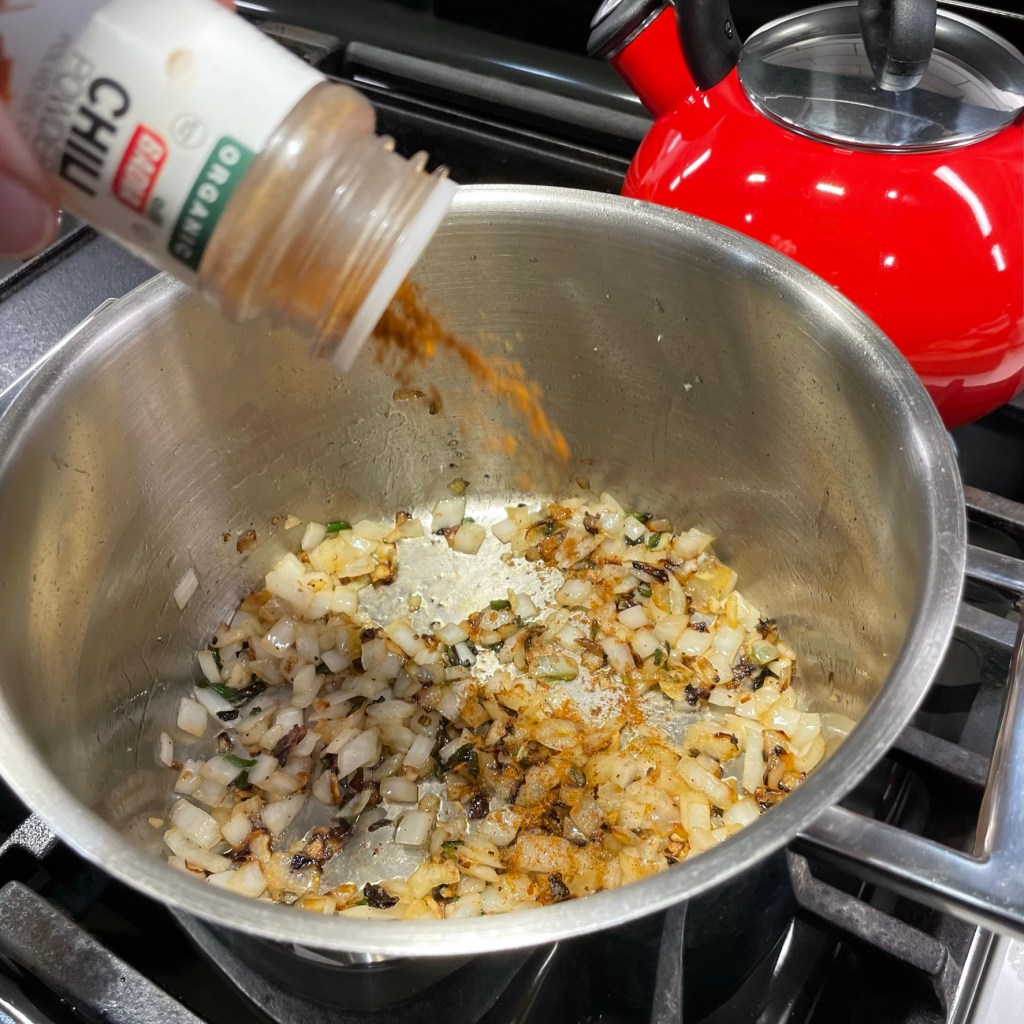
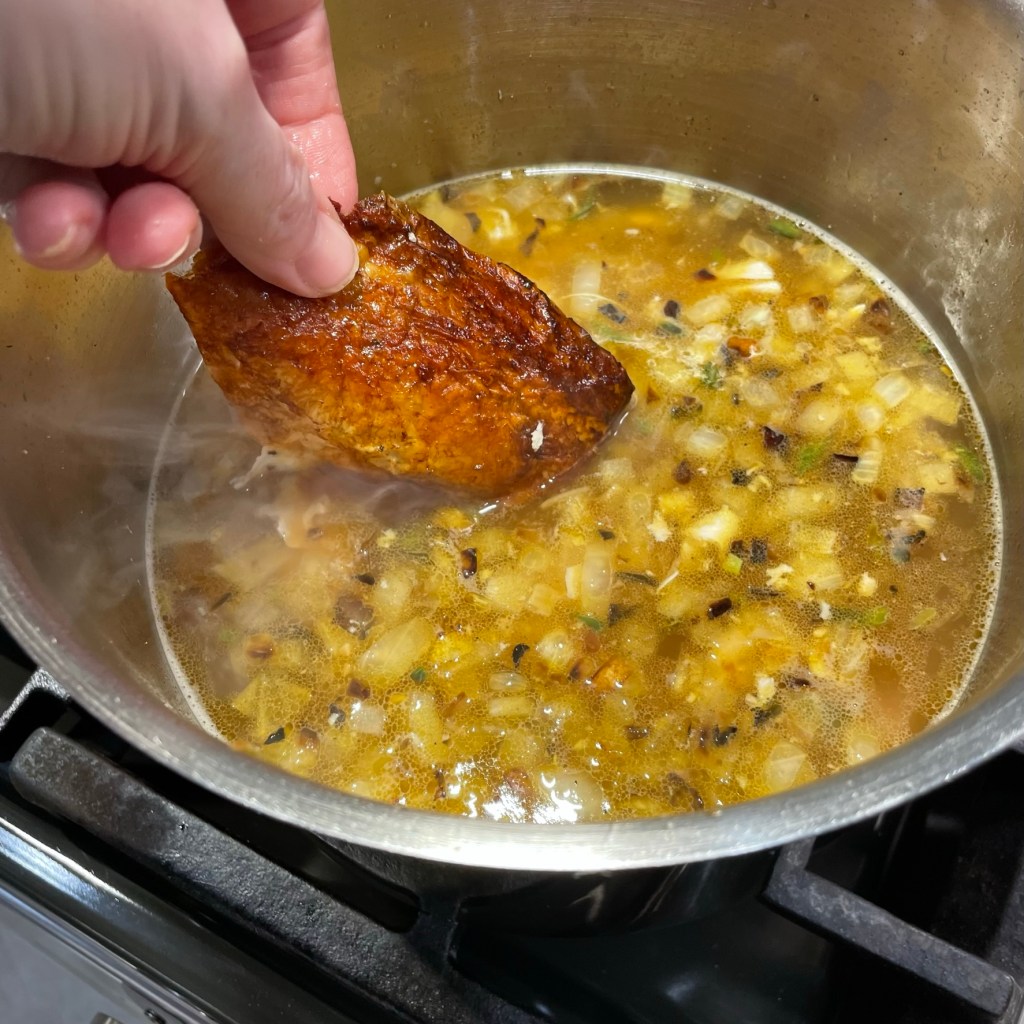
I started the soup with a quick saute of chopped onions and diced jalapeno— just long enough to soften them up. A few shakes of chili powder added a layer of flavor, and then I poured in a whole carton (4 cups) of chicken stock, the shredded chicken and several pieces of skin from the chicken, and I heated it to the point of a low boil before dropping it to a simmer. The skin released extra flavor into the soup, and I pulled them out before serving the soup.


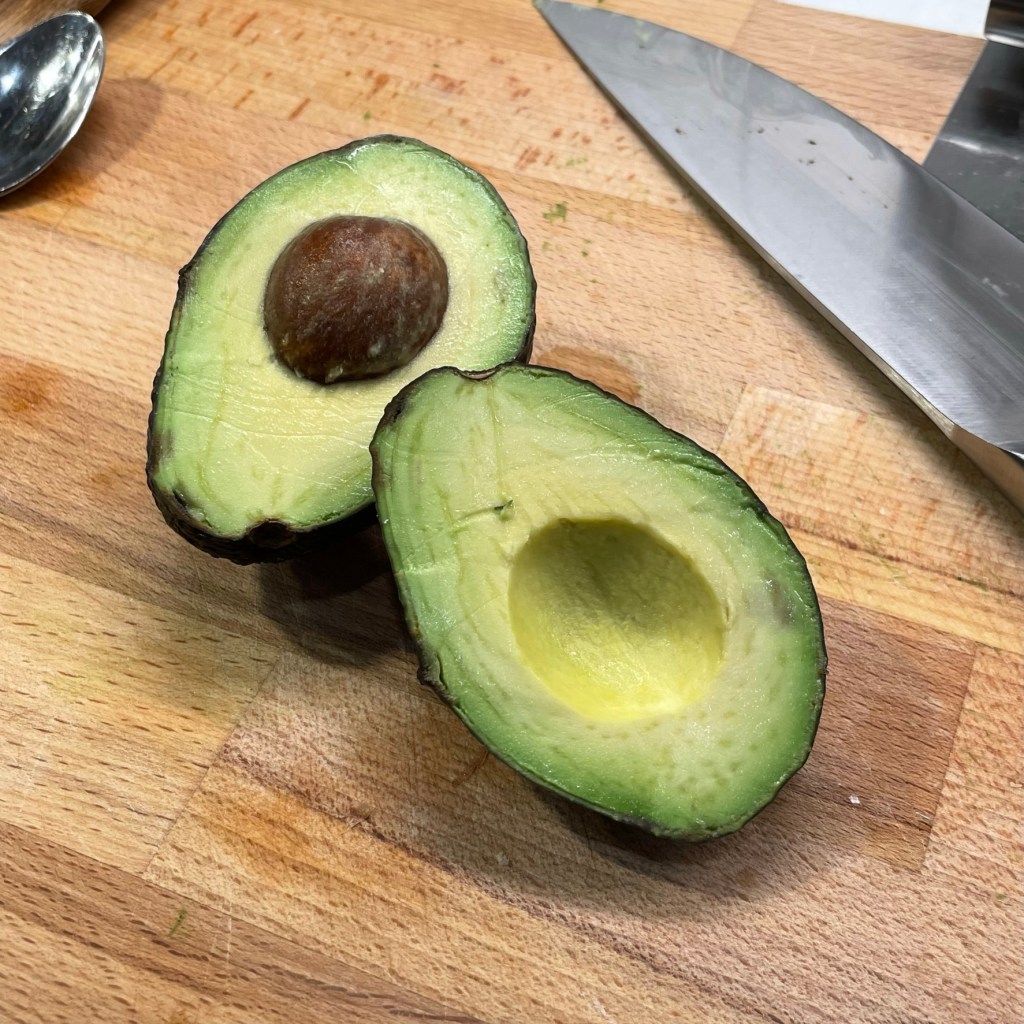
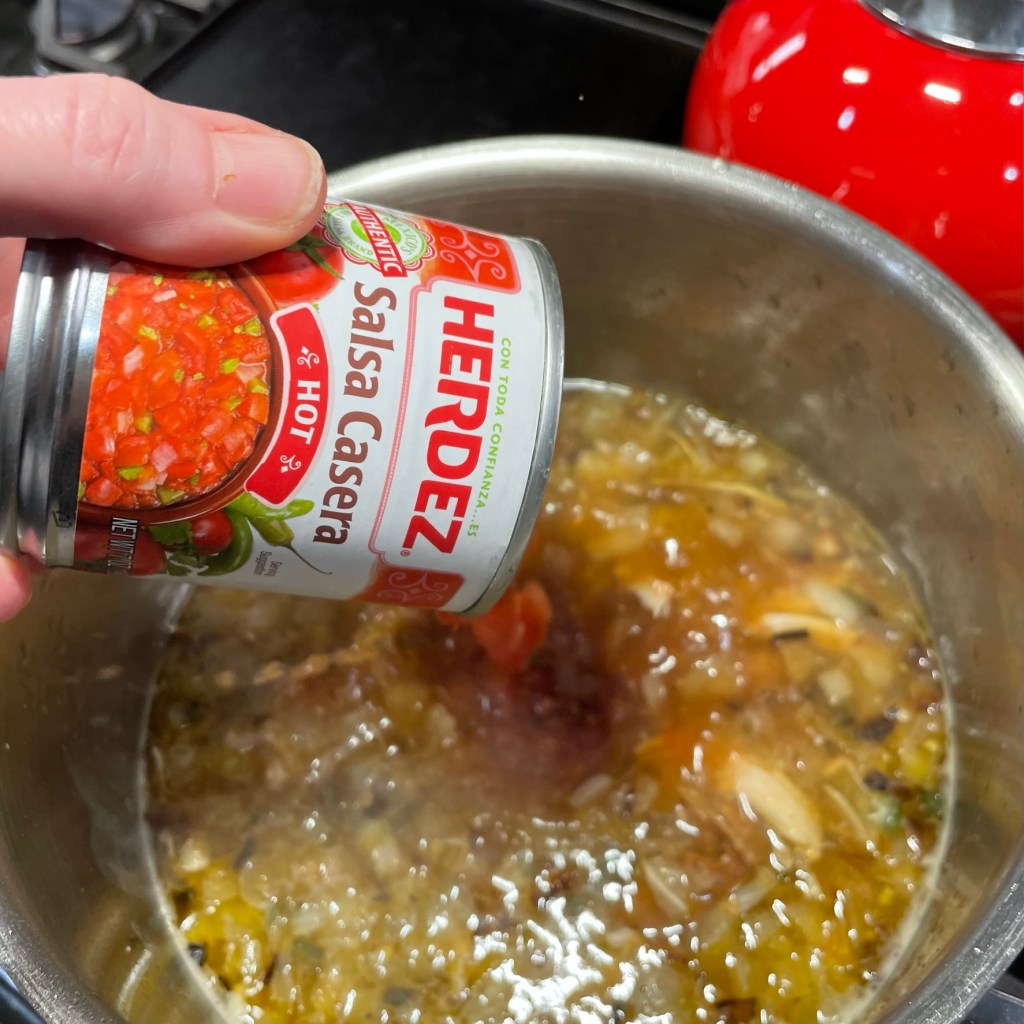
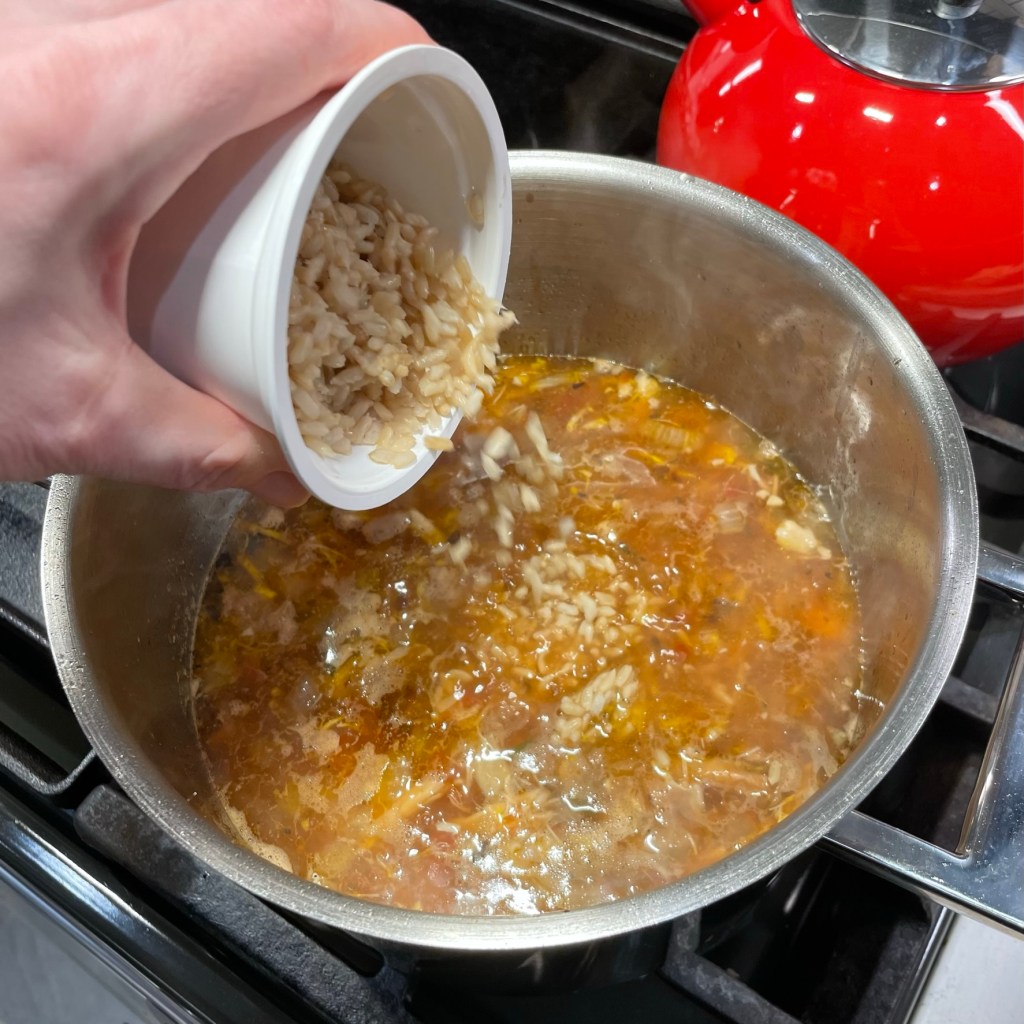
While the soup simmered, I prepped the fresh toppings which included diced avocado and torn cilantro leaves, plus wedges of fresh lime to squeeze over at serving. A small can of hot salsa added a big punch of flavor. Pre-cooked brown rice saved precious minutes and added a little whole grain to the soup.


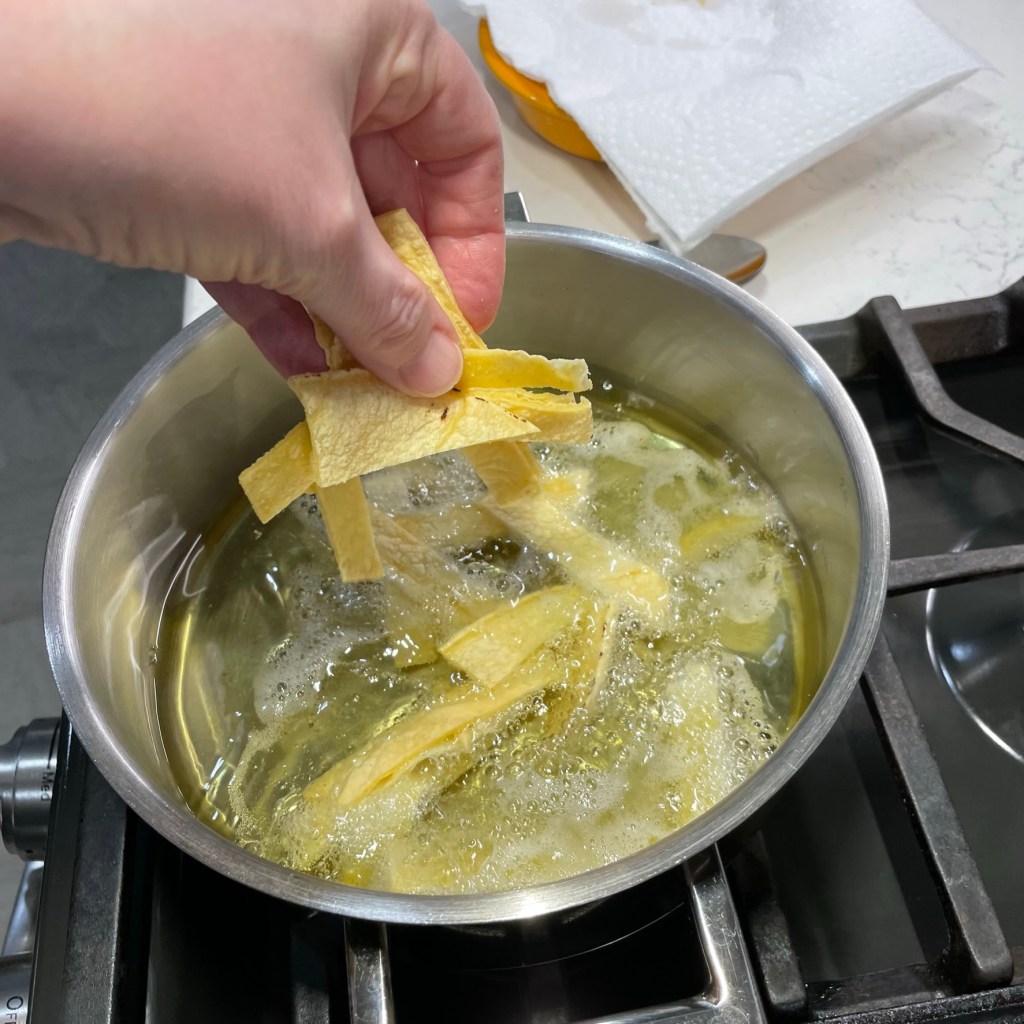
The only thing my soup still needed was a little bit of crunch on top. Any other day, I would have just served it with a few tortilla chips on the side. But on that day, when I was already feeling crummy and didn’t want to run to the store, I found instead a package of corn tortillas shoved into the back of our deli drawer. So I heated some peanut oil, cut up the corn tortillas into small strips and fried them crispy. It took only about 4 minutes, and it was the perfect finishing touch!


Southwest Chicken Soup

  • Servings: About 6
  • Difficulty: Easy
  • Print

A deli roast chicken and a few easy pantry ingredients make this flavorful twist on a classic comfort food perfect for chasing away the mid-winter blahs!


Ingredients

  • 1 small onion, chopped
  • 1/2 jalapeño, seeded and minced
  • Kosher salt and freshly ground black pepper
  • 2 Tbsp. extra virgin olive oil
  • A few shakes of prepared chili powder
  • 4 cups chicken stock or broth
  • About 2 cups shredded or chopped roast chicken (and skin, optional)
  • 10 oz. can spicy salsa (I used Herdez brand)
  • About 1/2 cup cooked brown rice (I used pre-cooked Minute Rice)
  • 1 ripe avocado, peeled and cubed
  • 1/2 fresh lime, cut into wedges for serving
  • Small handful of fresh cilantro leaves
  • Crispy tortilla strips (store bought or homemade, for serving; my recipe is below)

Directions

  1. Heat olive oil in a medium sized soup pot, over medium heat. Add onions and jalapeños, season with salt and pepper and sauté until softened. Sprinkle with a few shakes (about 1/2 tsp) chili powder.
  2. Add chicken stock and shredded chicken. Drop any crispy roasted chicken skin into the soup pot to extract the extra flavor.
  3. Stir salsa into the soup and heat until it comes to a low boil. Reduce heat and simmer for about 30 minutes.
  4. Prepare crispy tortilla strips while soup simmers, or skip this step if you’re using pre-made chips.
  5. Add brown rice and heat through. Serve soup in shallow bowls, topped with chopped avocado and torn cilantro.
  6. Top each bowl with a few crispy tortilla strips and serve immediately.

If you have a few extra minutes, it’s worth the little bit of trouble to make the crispy tortilla strips from scratch. Be sure to season them immediately upon removal from the hot oil. I used Trader Joe’s “Everything But the Elote” seasoning, but chili powder, season salt or simple salt and pepper would also be delicious.

Ingredients

  • 4 to 6 corn tortillas, cut in half, then stacked and cut into strips about 1/2-inch wide
  • 1 cup neutral cooking oil, such as grapeseed, canola or peanut oil
  • Salty seasoning of your choice

Directions

  1. Heat oil in a shallow pot over medium-high heat; it should measure about 1-inch deep in the pot.
  2. Add a few test strips of tortilla to the oil to test the temperature. They should immediately bubble all over.
  3. Fry tortilla strips for about 4 minutes, until light and crispy. Use a slotted spoon to remove the strips. Drain them on layers of paper towel, and sprinkle right away with salt or seasonings.


All-day Tomato Bisque

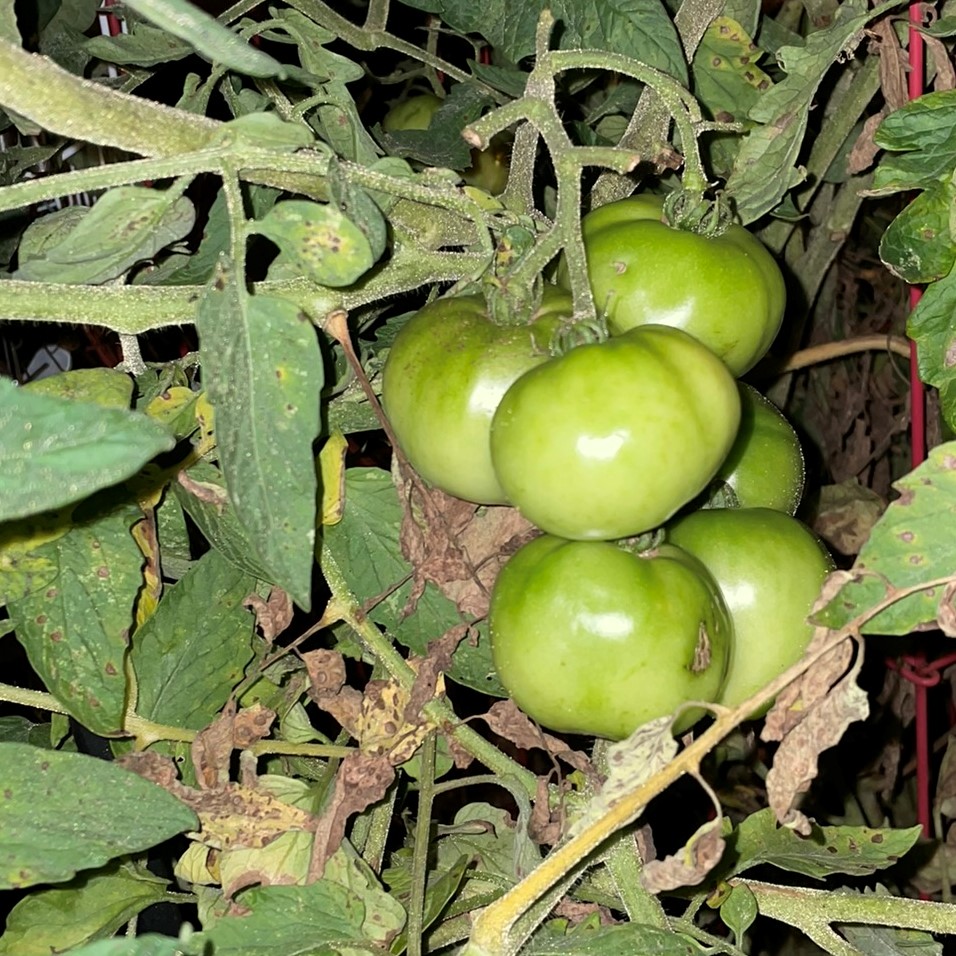
It was almost unbelievable to me, when I walked out toward our shriveled-up raised bed garden to begin breaking down the zucchini trellis and found—get this—new tomatoes!!!

It’s true that Southern summers tend to run a bit longer than some other regions, but I didn’t expect a tomato comeback, especially in the last days of September and given that our nighttime temperatures are sinking into the 40s. Mother Nature is something else though, isn’t she?


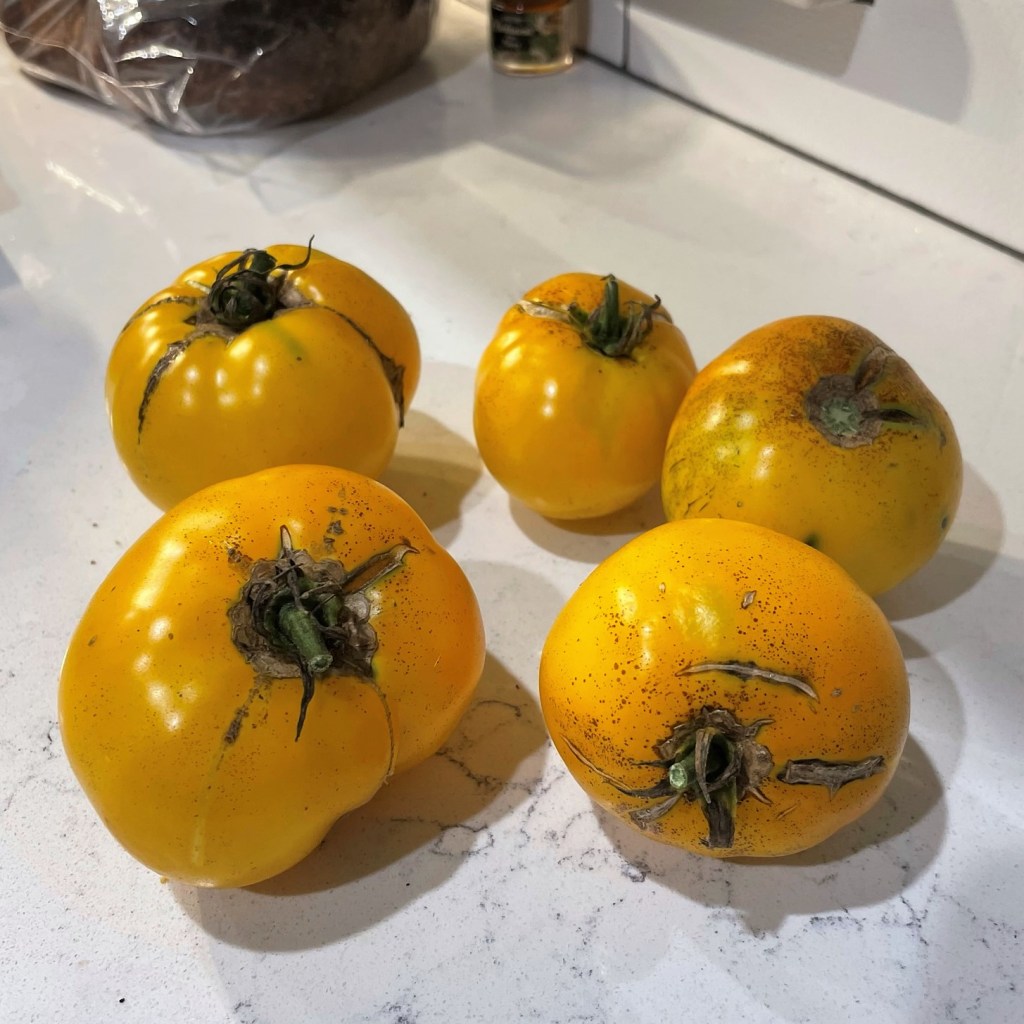
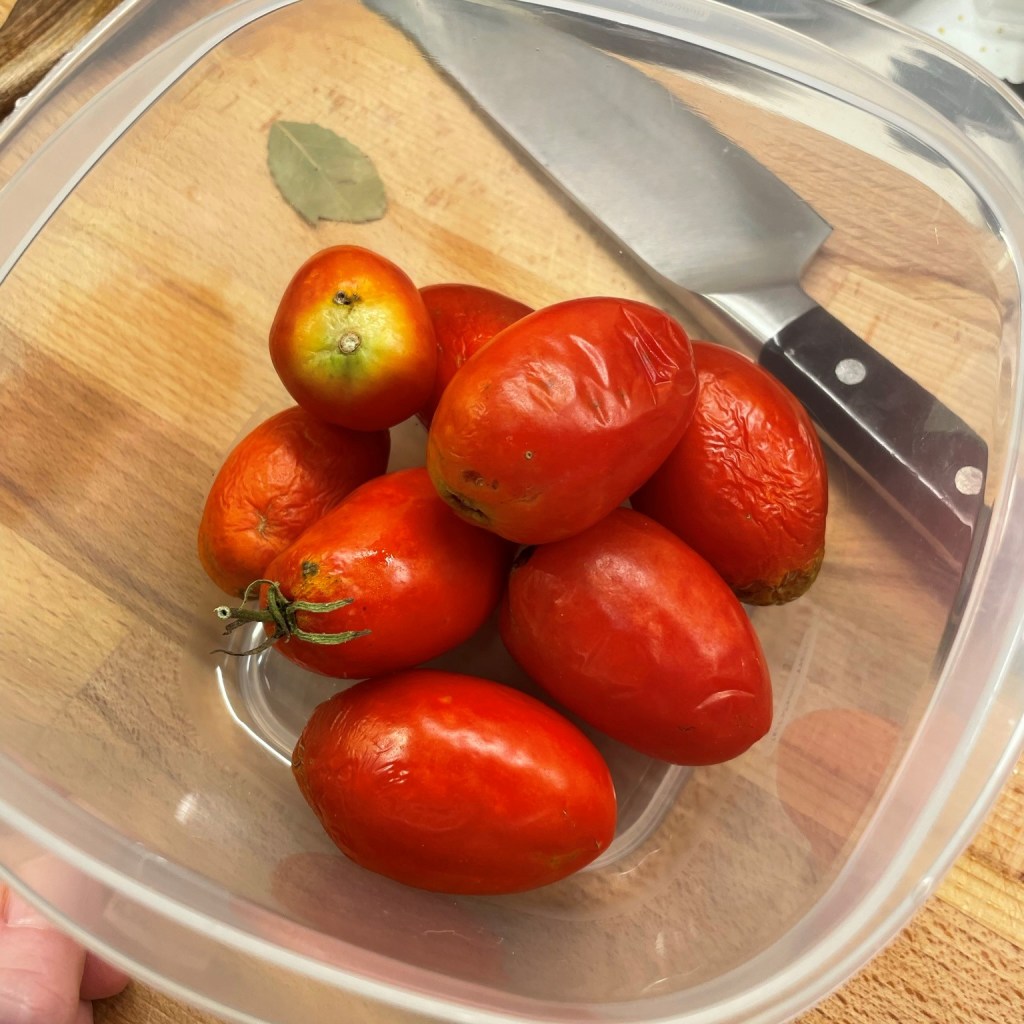
In addition to the lemon boy heirlooms (ripe and otherwise), we also had a bumper crop of a handful of Romas and though they didn’t look as pretty as the ones we enjoyed earlier in the summer, they were perfectly ripe and had a great flavor. I knew they’d be an excellent ingredient for homemade tomato bisque, which happens to be my husband’s favorite.

To be clear, you don’t literally need all day to make this bisque; I just needed something to do over the weekend, when our area was awash with the remnants of Hurricane Ian. Rather than making soup to freeze for a rainy day, I spent an entire rainy day making the soup we’d enjoy later. If you have half an hour, and don’t need to cook down fresh tomatoes, you could whip up this soup and use the simmering time to make a grilled cheese sandwich (our favorite side for this soup).

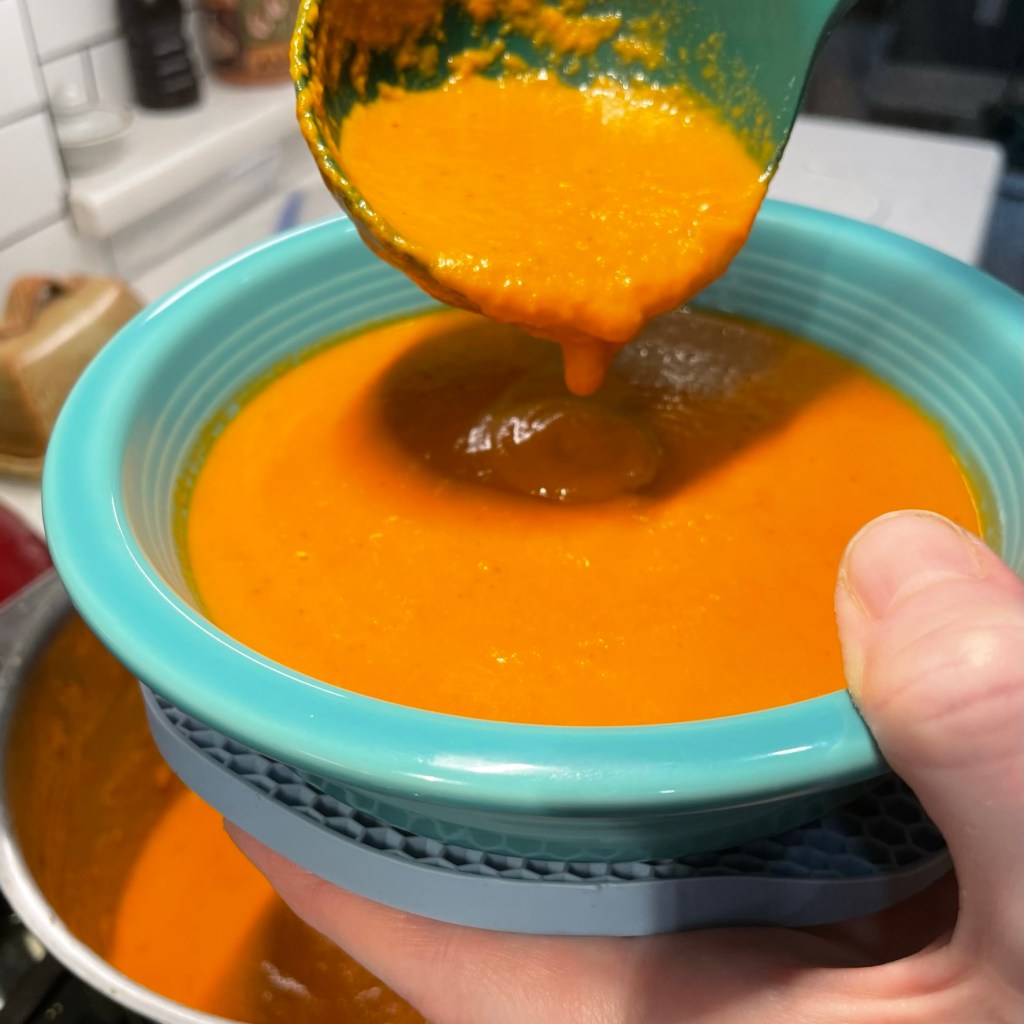
This is what a bowlful of comfort looks like.

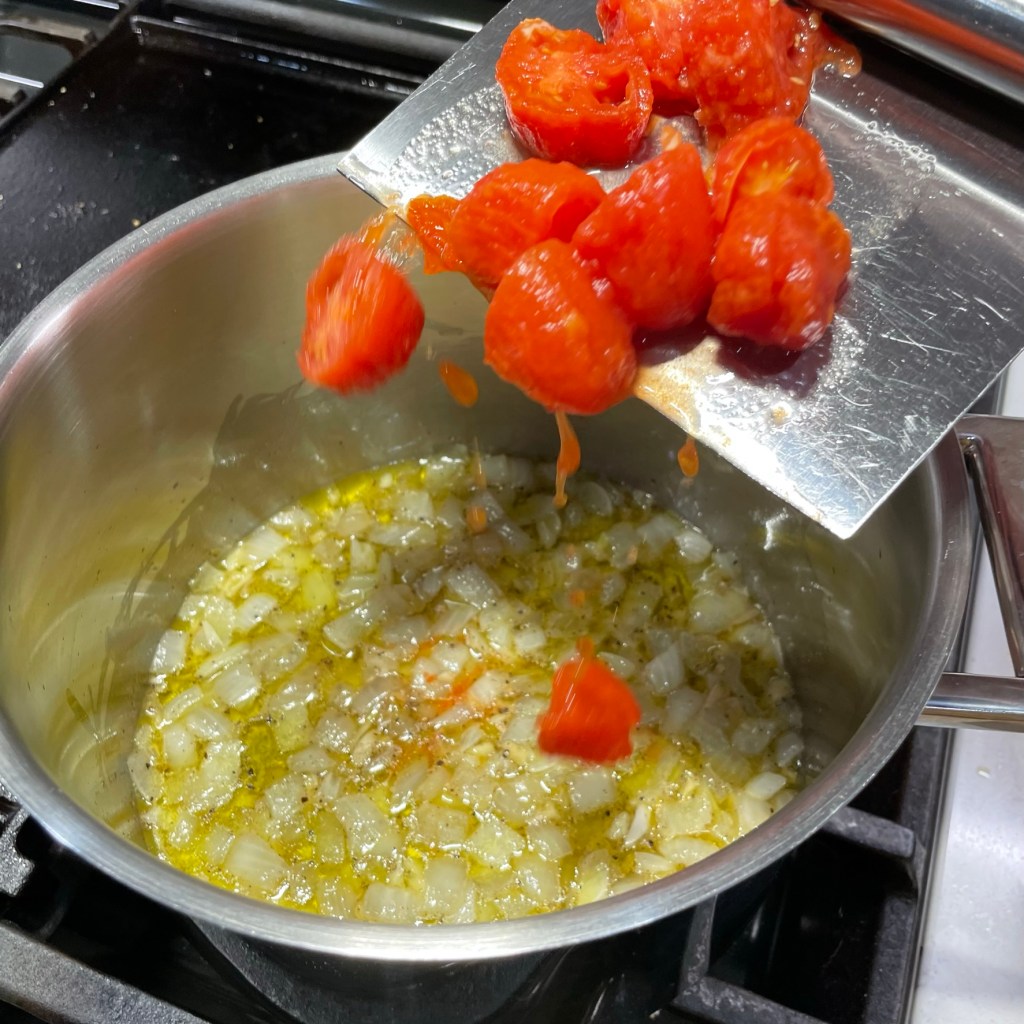
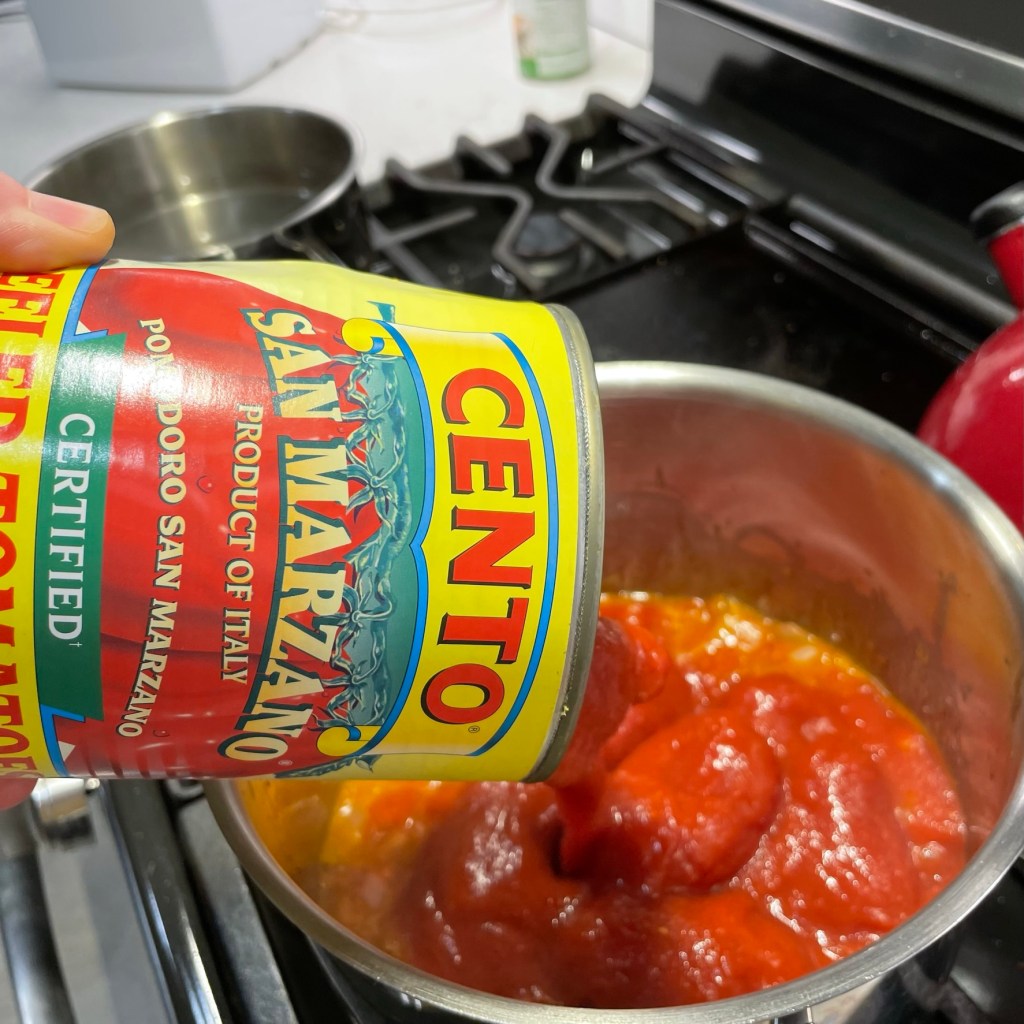
My plan for the bisque came together in seconds: I’d blanch and shock the tomatoes for easy peeling, then chop them up and add them to my soup pot along with sauteed onions and garlic, plus a large can of Italian tomatoes (San Marzano, of course) and give the mixture a nice, long simmer to marry the flavors.


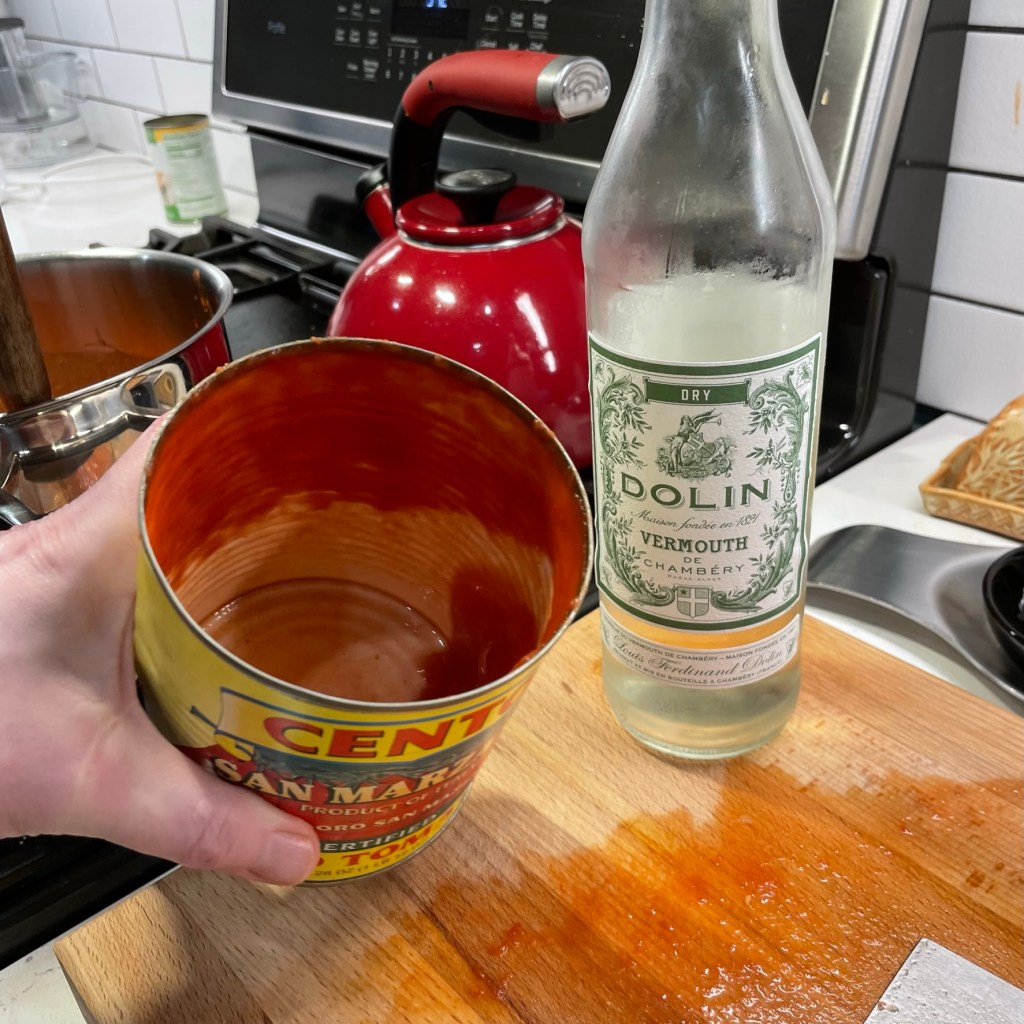
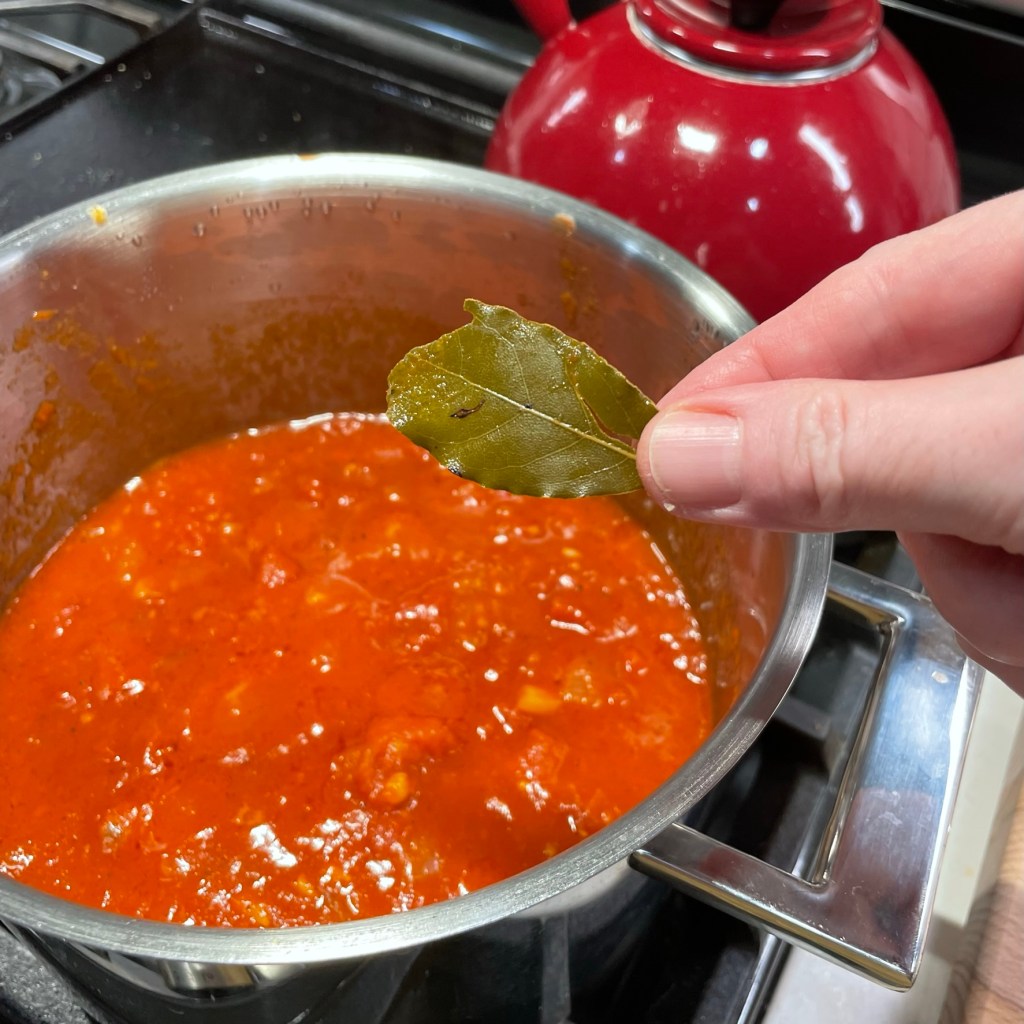
For a flavor boost, I swished out the tomato can with a few tablespoons of dry vermouth (the same spirit I put in my favorite martini) and dropped into the pot a dried bay leaf, which is always a good bet for a dish that is going in for a long simmer. Two hours later, I removed the bay leaf and brought out the immersion blender to puree the soup into the creamy texture that my hubby loves.


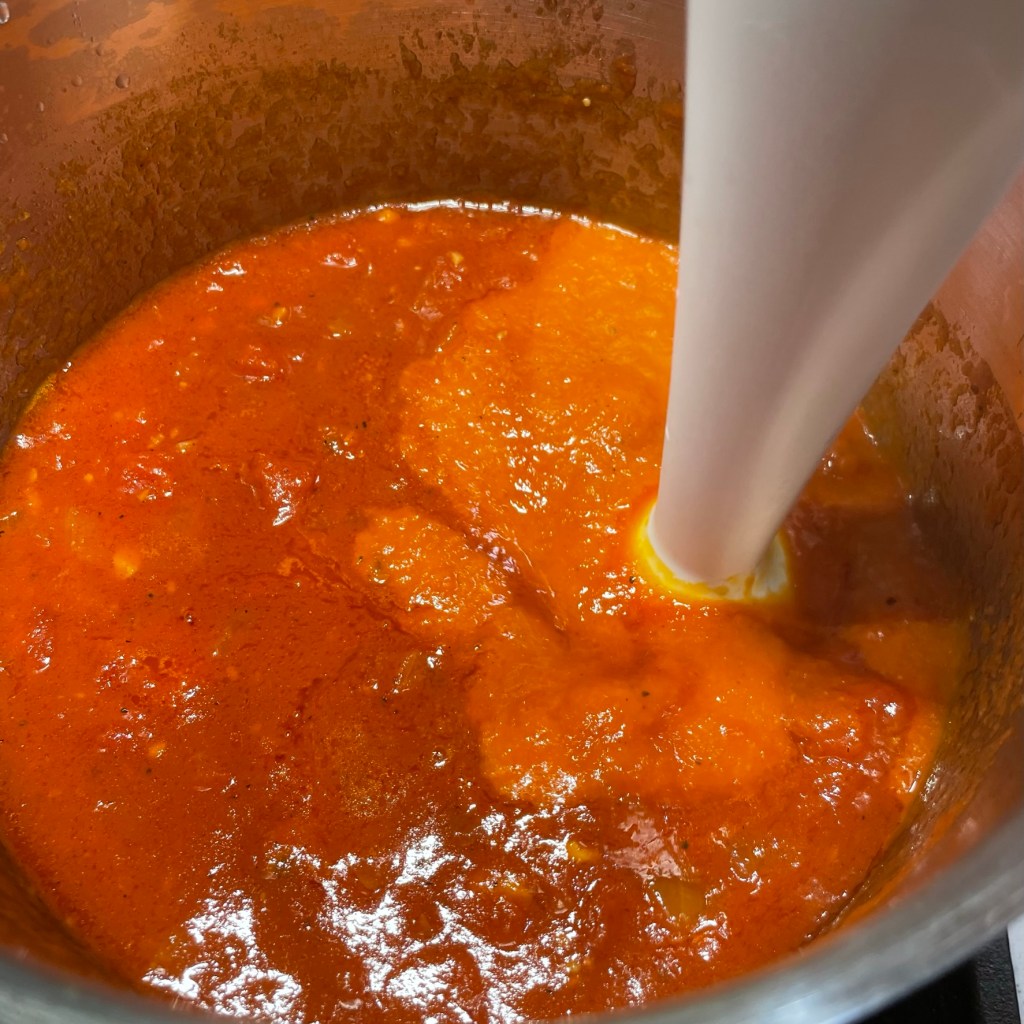
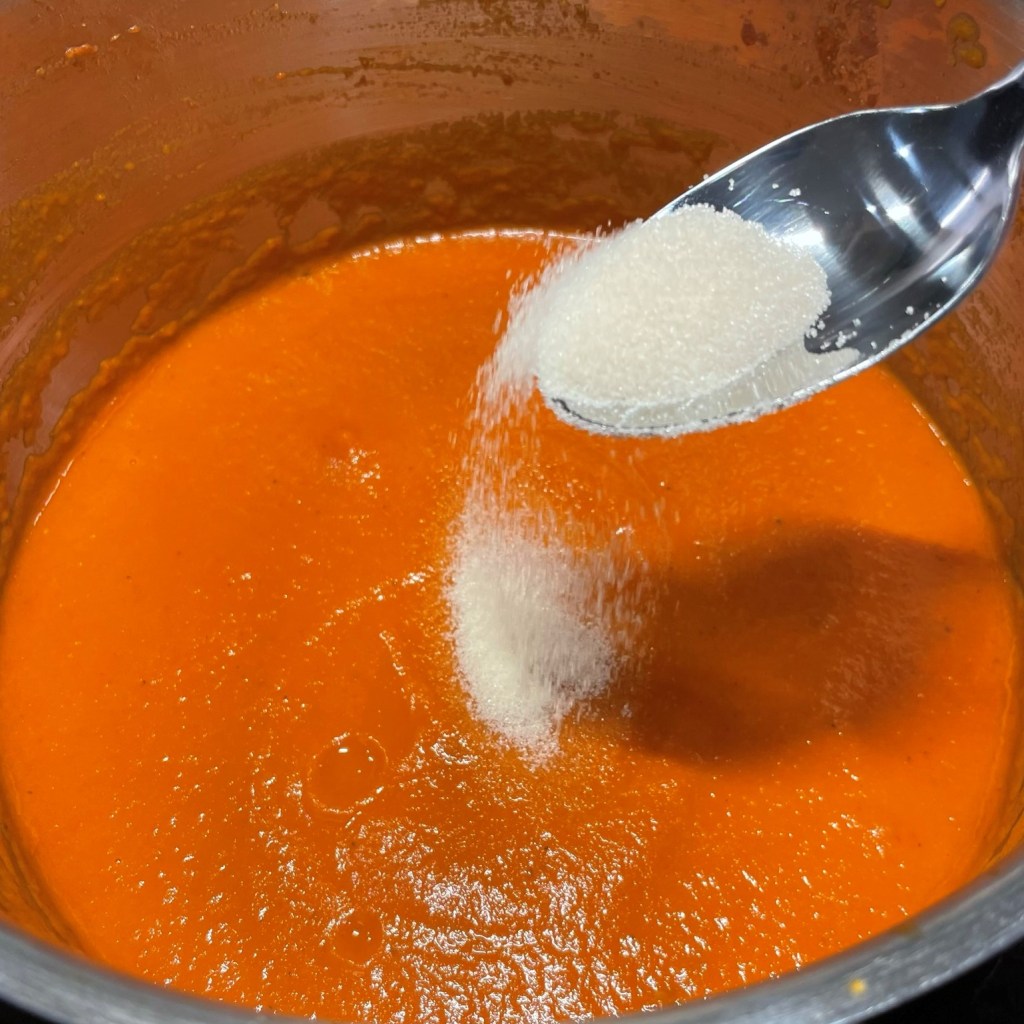
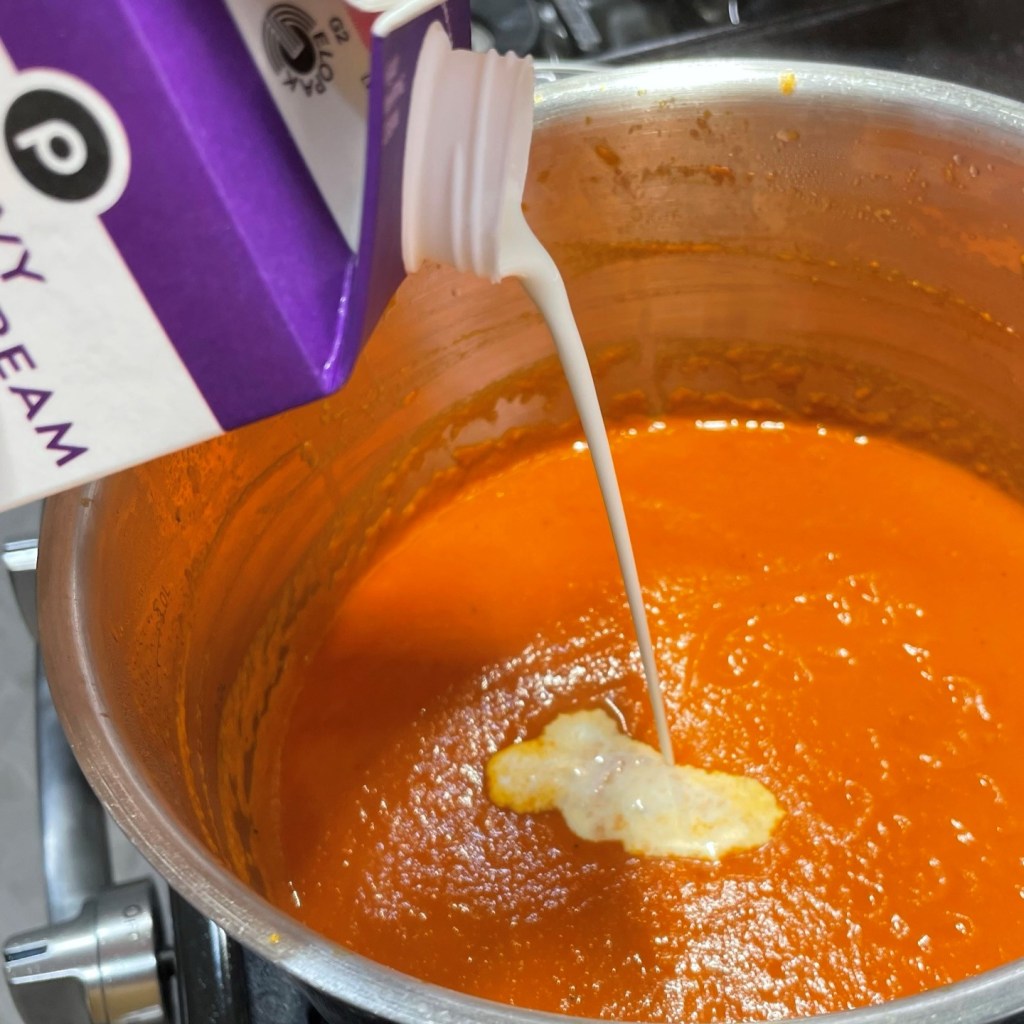
The resulting soup was really good, and I could taste the freshness that my surprise Romas contributed to the pot. It needed a little more depth, though, and definitely a little more color. Maybe you have noticed, as I have, that a homemade tomato soup or sauce tends to come out more orange than red, and it turns out there is a good (and scientific) reason for that, as I learned a few days ago in this article in my news feed. A little bit of tomato paste deepened the color and intensified the tomato flavor, a slight spoonful of sugar balanced the acidity, and a generous splash of cream made it bisque-y.


This was a great use of my encore tomatoes, though this easy homemade soup would be delicious with only canned tomatoes, which are usually packed at their peak of freshness. You might replace my fresh tomatoes with an extra, 15-ounce can, or simply reduce the other ingredients a bit for a smaller batch.

As for us, we are glad for a little extra, as a warm homemade soup will be most welcome at the end of today’s Yom Kippur service (that’s the Jewish holiday that has a 24-hour complete food-and-water fast), and we will undoubtedly devour our leftovers!

All-day Tomato Bisque

  • Servings: 8 cups or 6 bowls
  • Difficulty: Average
  • Print

Of course, you don't really need to spend all day making this soup, but the long simmer time makes a world of difference in flavor, especially when using fresh garden tomatoes.


Ingredients

  • 8 fresh, small plum tomatoes (or substitute a 15-ounce can of diced tomatoes)
  • 2 to 3 Tbsp. extra virgin olive oil, depending on taste
  • 1/2 large onion, chopped
  • 2 cloves garlic, smashed and chopped
  • Kosher salt and black pepper to taste
  • 28-ounce can whole, peeled tomatoes (San Marzano or another type that is packed in puree)
  • 1/4 cup dry vermouth (or dry white wine, such as pinot grigio)
  • 1 whole dried bay leaf
  • 2 Tbsp. tomato paste
  • 1 tsp. sugar (optional)
  • 1/4 to 1/2 cup heavy cream (use less or substitute half and half for reduced fat)

Directions

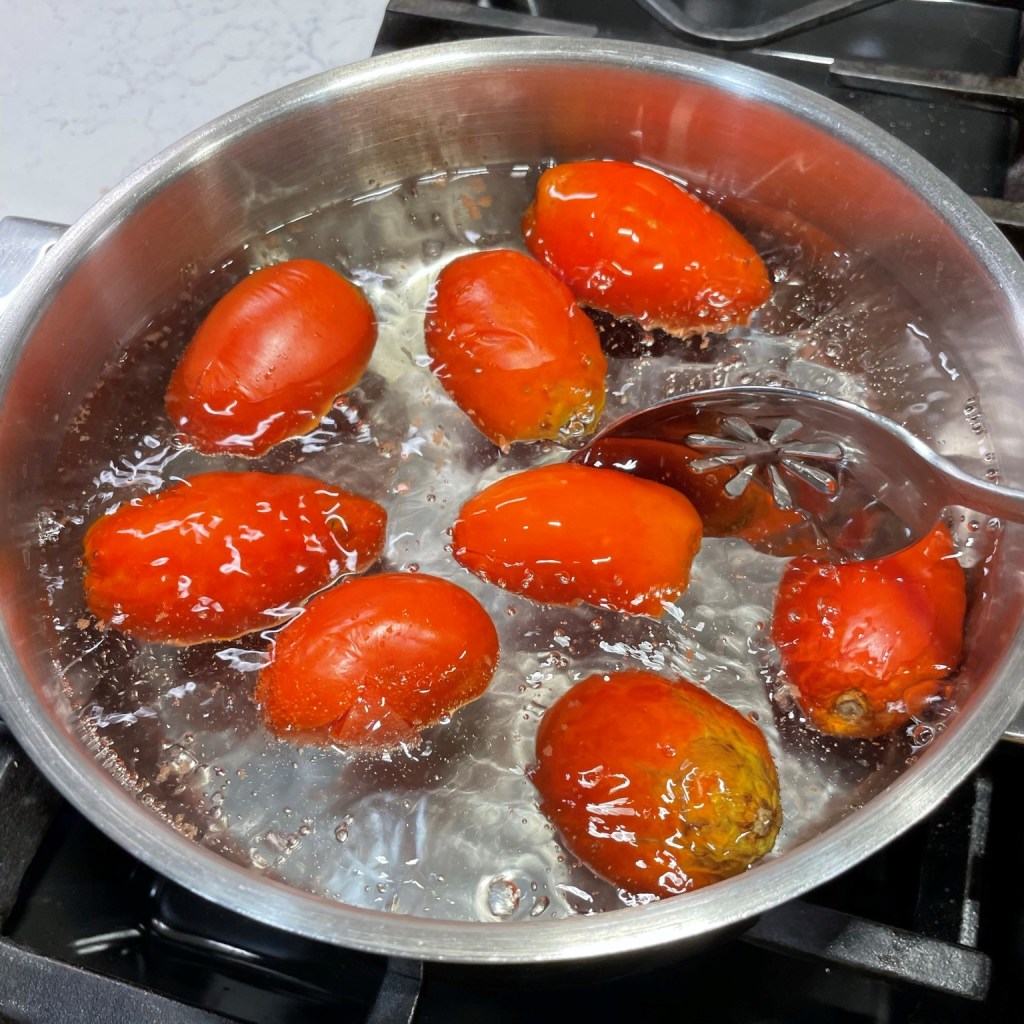
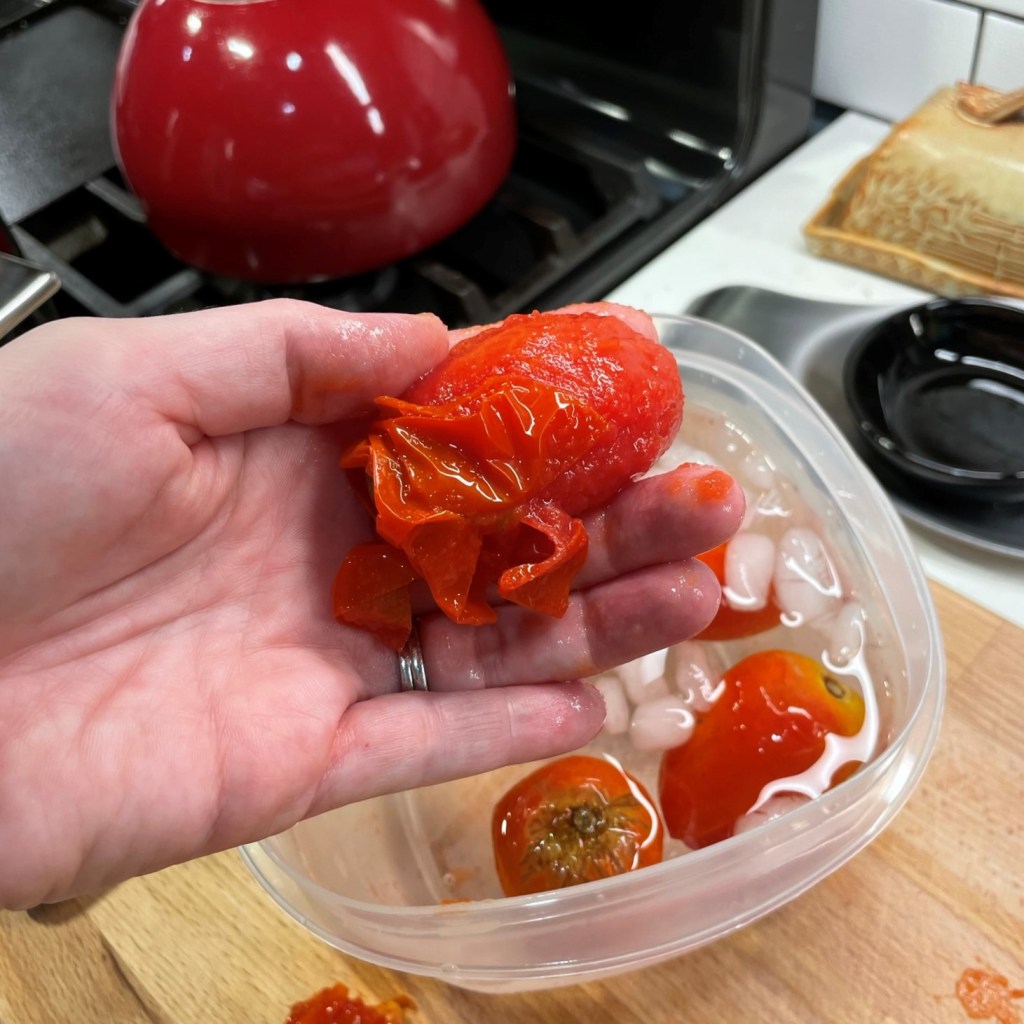
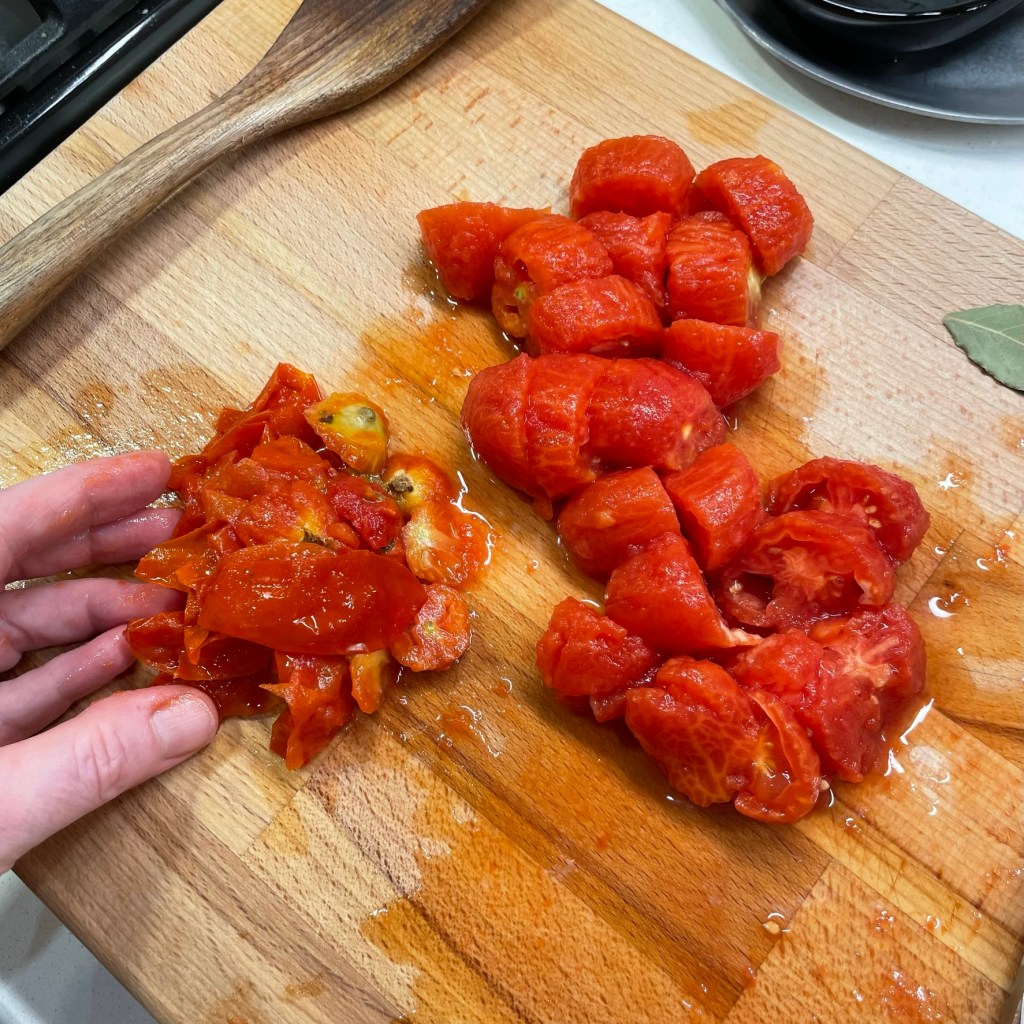
  1. Put on a pot of water to boil for blanching the fresh tomatoes. Wash and score the bottom (blossom end) with an X for easy peeling. Carefully immerse the tomatoes into the boiling water for a minute or two, just long enough for the skins to split. Transfer immediately to a bowl of ice water, then peel and chop them.
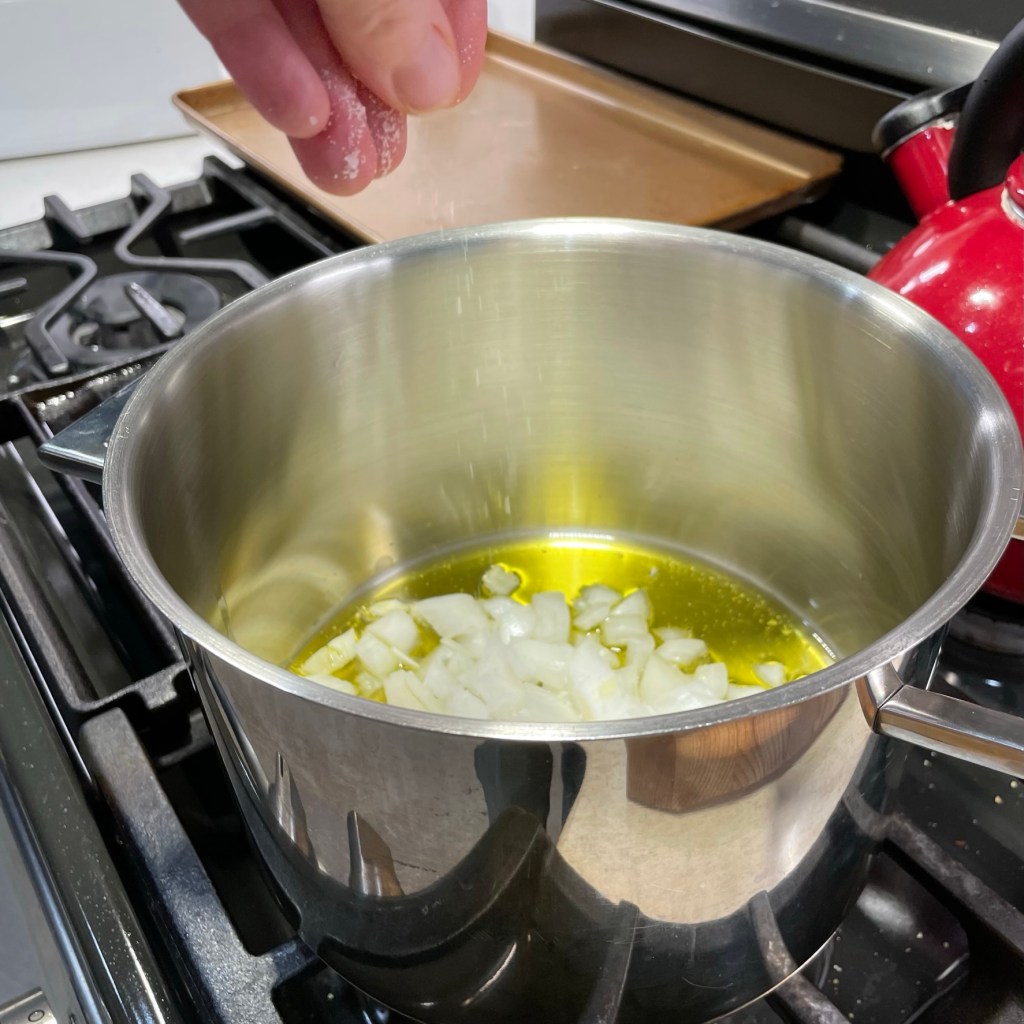
  2. While water is boiling, heat olive oil in a heavy-bottomed soup pot over medium heat. Add onions and sprinkle with salt. Cook until softened and slightly transparent. Add the garlic and cook another minute.
  3. Add the fresh, chopped tomatoes to the pot and stir to heat through. Add the large can of tomatoes (juice and all, but remove basil sprigs) and break them up with your cooking utensil. If you wish, you can squeeze the whole tomatoes with your hands as you add them to the pot, and I would recommend this if you’re in a hurry. For long, slow simmering, the heat will break them up just fine.
  4. Add vermouth (or wine) to the tomato can and swirl it to rinse out the leavings. Add this to the soup and bring the pot to a slight boil, then cover and reduce heat. Add the bay leaf and simmer for at least 30 minutes or up to several hours. Check the soup occasionally and stir to keep it from burning on the bottom.
  5. When tomatoes break easily under pressure from your utensil, use an immersion blender to puree it as smooth as you like. Be sure to remove the bay leaf first! If you don’t have an immersion blender, allow the soup to cool and puree it in batches in a regular blender. Keep the vent cap open for safety.
  6. Stir in tomato paste and sugar (if using), and adjust salt and pepper to taste. Stir in cream just before serving.


White Borscht

Like many of you, I have been filled with agony over Russia’s violent aggression against Ukraine, disgusted by the flippant and cavalier attitudes presented by deniers and Putin sympathizers, and worried that there is little I can do to make a tangible difference in the lives of the Ukrainian people. And yet I feel a kinship with them and want to do something, anything, to show my support.

One of the primary reasons I started Comfort du Jour was to build community with others who, like me, feel deeply connected to the world through food. It is the most universal need of humanity, yet very personal because of the customs and traditions woven into our individual and collective heritage.

Last week, a message from Sam Sifton, the founding editor of New York Times Cooking, arrived in my email inbox and it confirmed that I am not alone in this desire to use food to demonstrate solidarity. Sifton described being inundated with reader requests for recipes for borscht, a traditional sour soup that is common across all of Eastern Europe, most notably with Ukraine. I could not resist digging into the variety of recipes he offered in response to his readers, and this one in particular caught my eye.

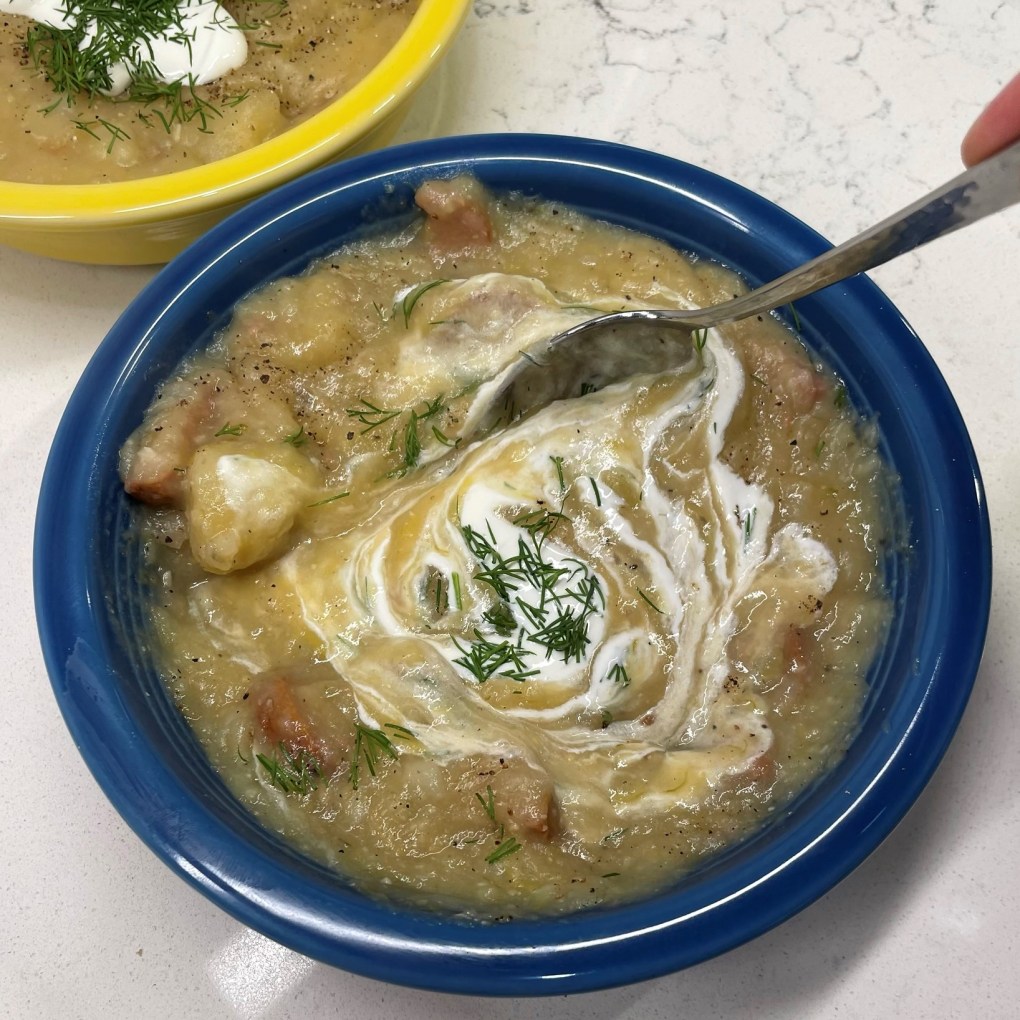
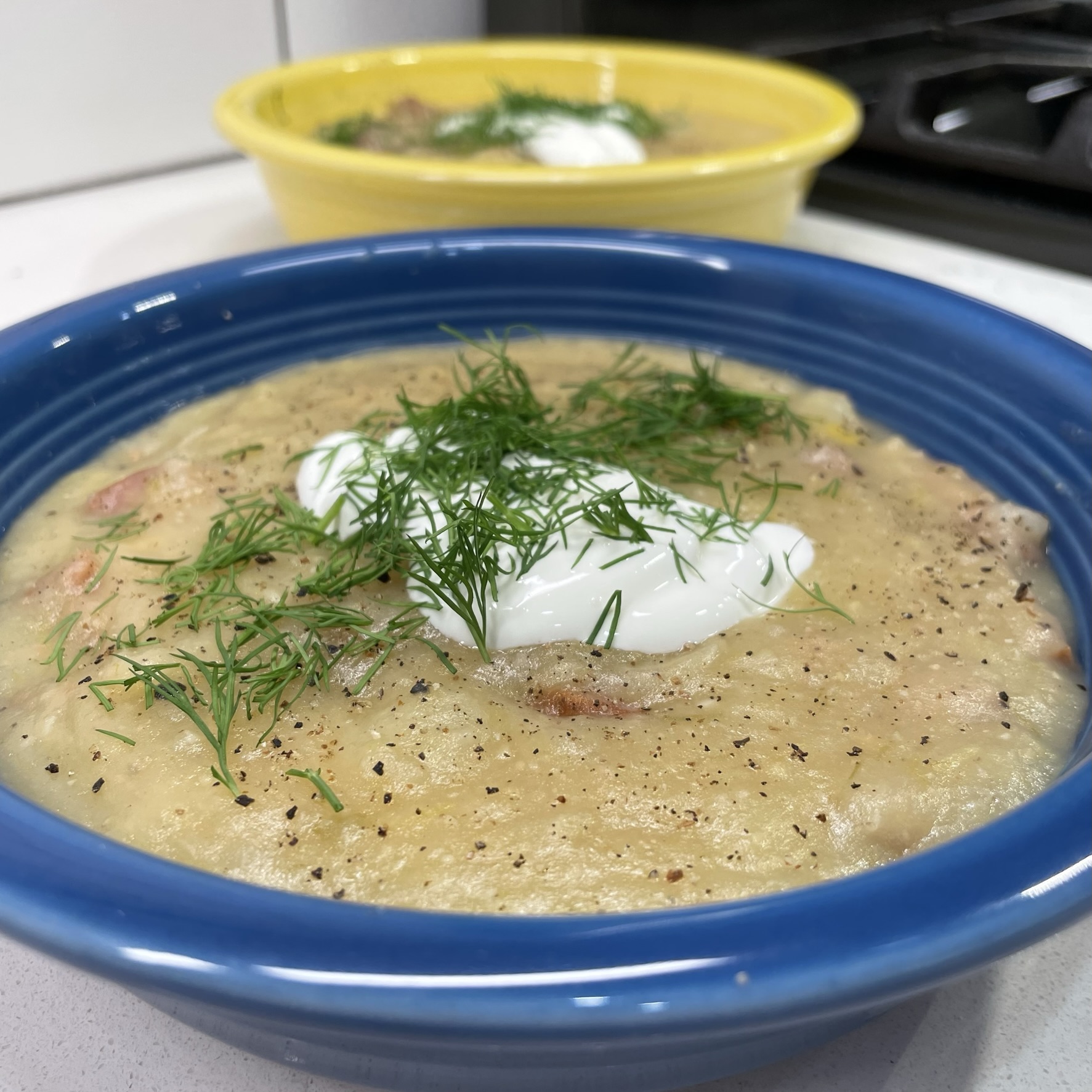
Most borscht recipes are based on red beets, and though I adore their earthy flavor, my husband (whose Hungarian mother used to make beet borscht for herself) does not. This version, named “white borscht” by chef and author Gabrielle Hamilton, features potatoes and kielbasa, and seemed more in line with my husband’s palate. The original recipe suggests using real pork kielbasa, but I have substituted a lower fat turkey kielbasa. I also cut the butter amount in half and stirred in a little sour cream at the end rather than the crème fraiche suggested by the recipe’s author.

The sour cream and dill add a touch of freshness to this hearty, humble soup.

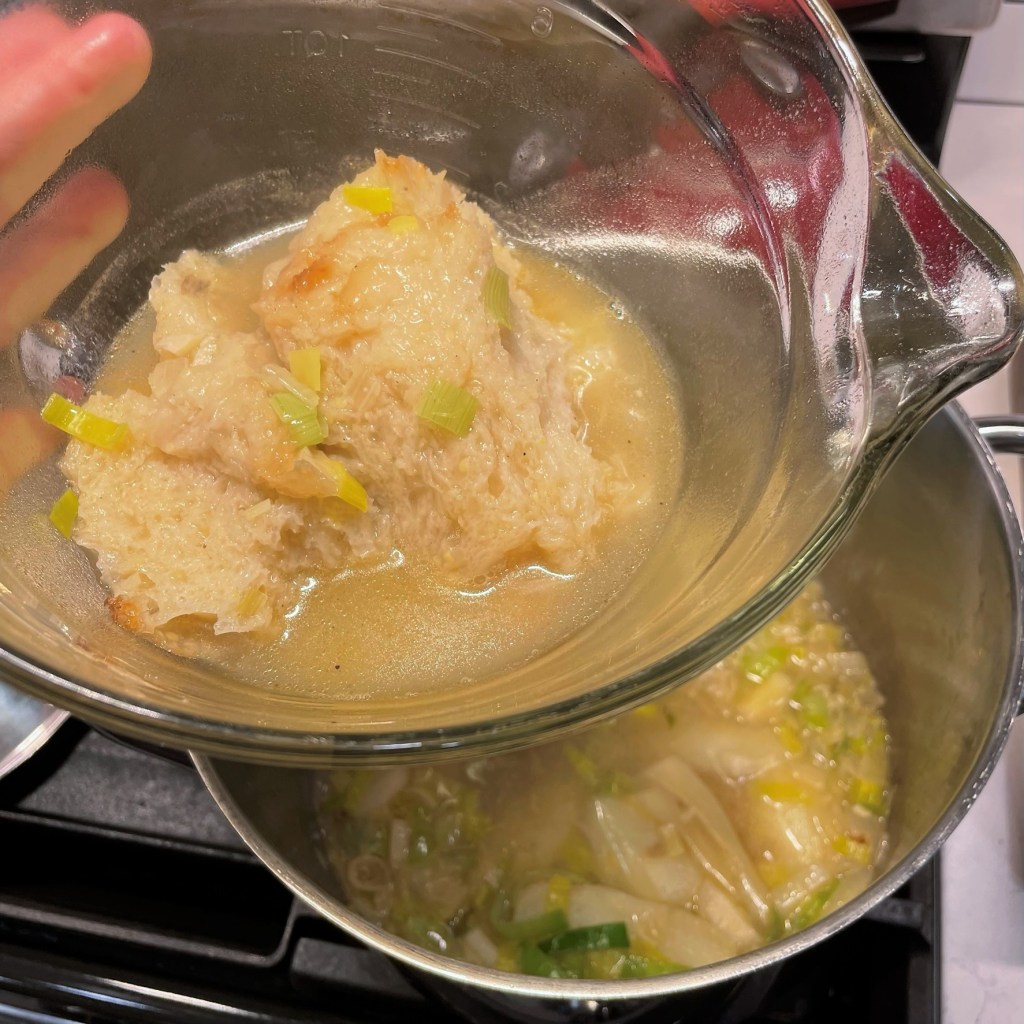
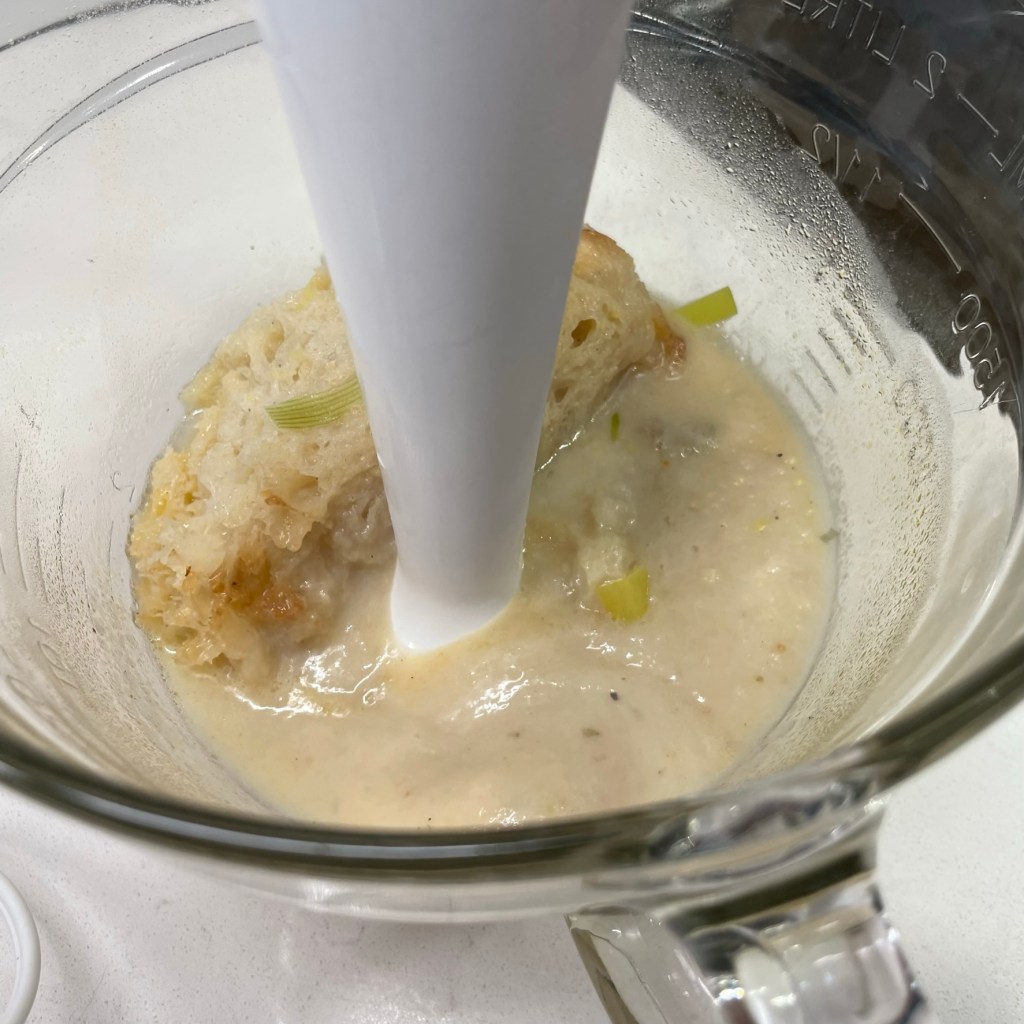
As always, my exploration into other cultures’ cuisine has taught me some lessons, and one thing about this soup surprised me. I have long assumed that Eastern European soups are “sour” because of fermentation or added vinegar (and sometimes they are), but this soup is both soured and thickened with a hefty chunk of sourdough bread, which I always happen to have on hand. This method of soaking and pureeing the bread was a genius move by the author, as it gave the soup a sturdy, almost creamy, texture, as well as a distinctive sour flavor. Always more to learn in the world of food, isn’t there?

My only regret is that I cannot make an enormous vessel of this soup to feed and comfort all of Ukraine, but I hope that somehow, sharing this experience will ripple across time and space to ensure the courageous people of that nation that they do not stand alone. 🇺🇦


Adapted from https://cooking.nytimes.com/recipes/1021711-white-borscht

Note: The original recipe linked above is only available to paid subscribers of New York Times Cooking (which I am), but my adaptation is very close to the original, except for the aforementioned substitutions and the fact that I halved the recipe for our family of two.


Ingredients

1 lb. smoked turkey kielbasa, cut into three or four pieces

6 cups filtered water

2 dried bay leaves

4 Tbsp. salted butter, divided

1 medium yellow onion, chopped

3 cloves garlic, smashed and minced

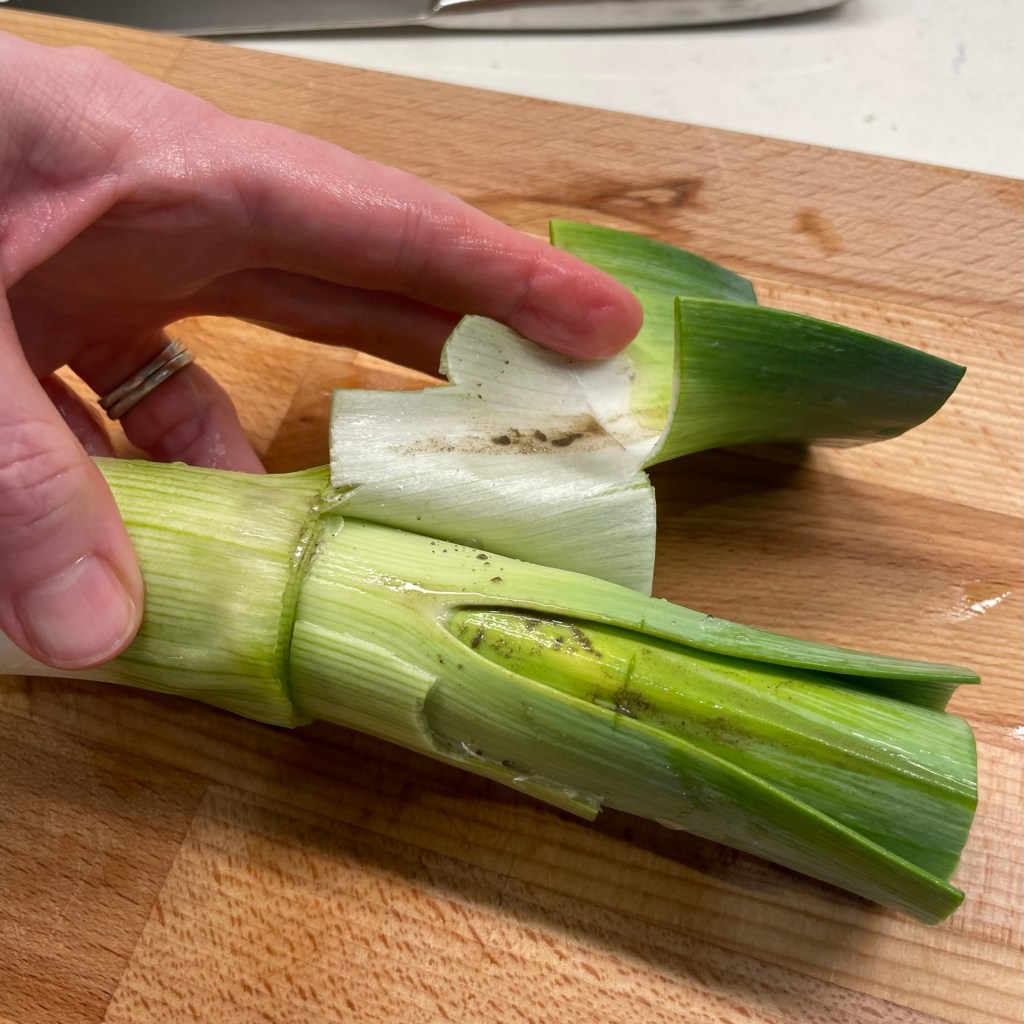
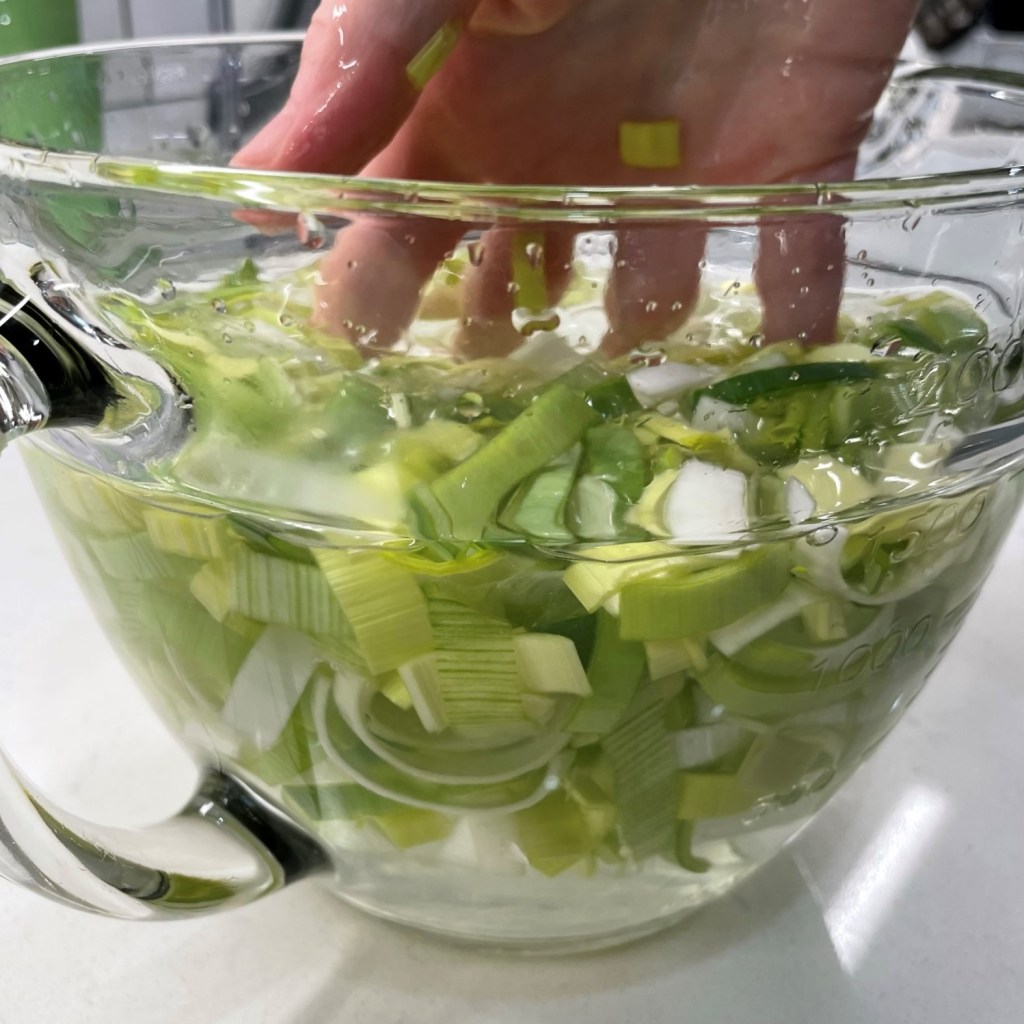
1 large leek, cleaned and cut into thin half-moon slices

Kosher salt and about 1 tsp. ground black pepper

A large piece of dense sourdough bread*, crusts trimmed (see notes)

1 1/2 lbs. russet potatoes, peeled

About 1 cup chicken or vegetable broth*

Sour cream and fresh dill for serving


*Notes

Note that real sourdough bread is made from a sourdough starter. Some grocery bakeries take a shortcut that embellishes yeast bread with citric acid, and it is not the same. If you don’t have sourdough bread, consider picking up a loaf from an authentic bakery or use a (seedless) rye. I confess that the sourdough loaf I had on hand was dotted with pumpkin seeds, but after pureeing, this did not have a bad effect on the finished borscht.

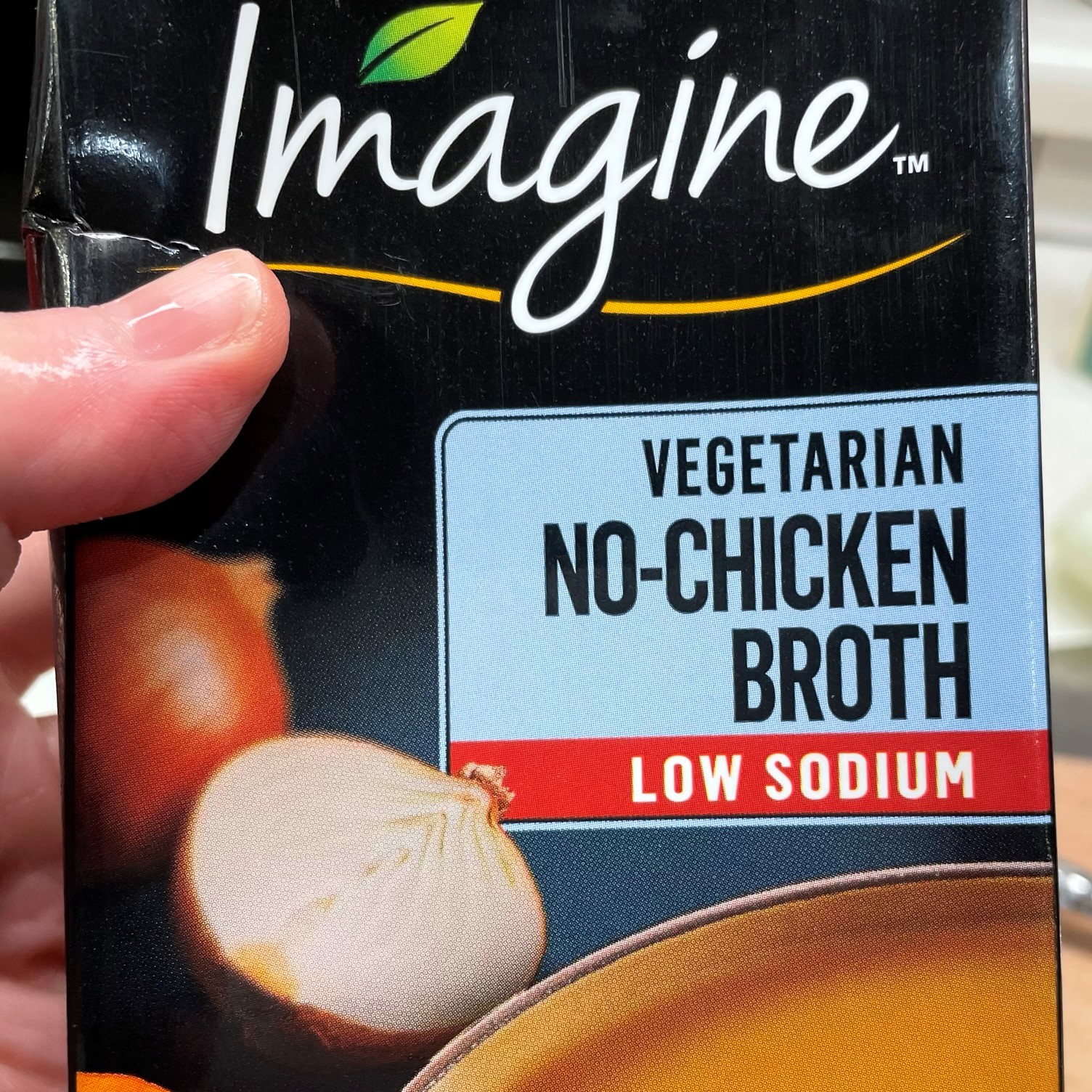
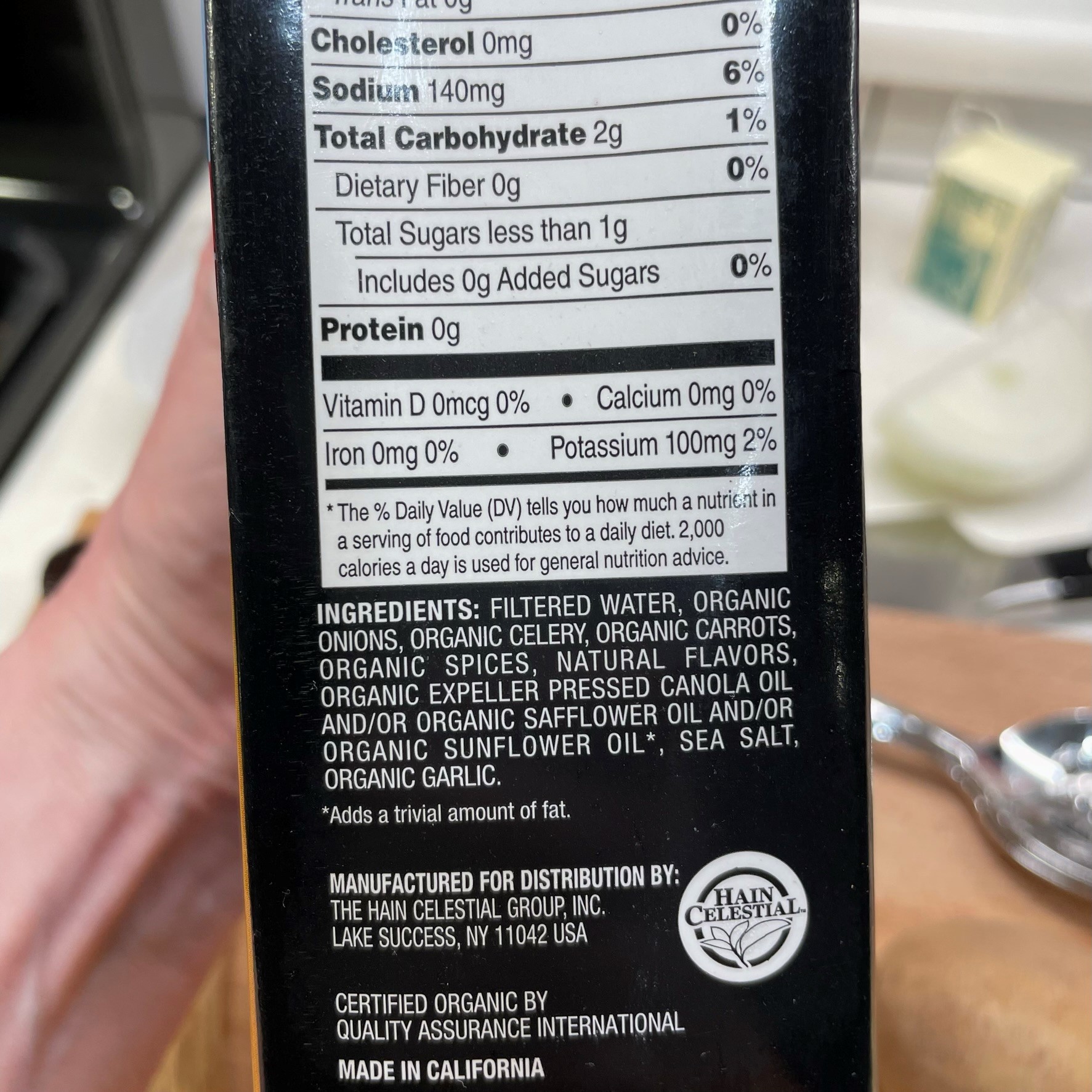
The recipe that inspired me did not call for broth, other than the one created by simmering the kielbasa, but in my first-attempt jitters, I accidentally simmered my soup longer than I should have and needed more liquid to keep it from becoming mashed potatoes. It isn’t a bad idea to have some broth at the ready for this purpose. I used a version of vegetable broth called “No-Chicken” broth, and it was perfect for making up the difference in liquid without affecting flavor.


Instructions

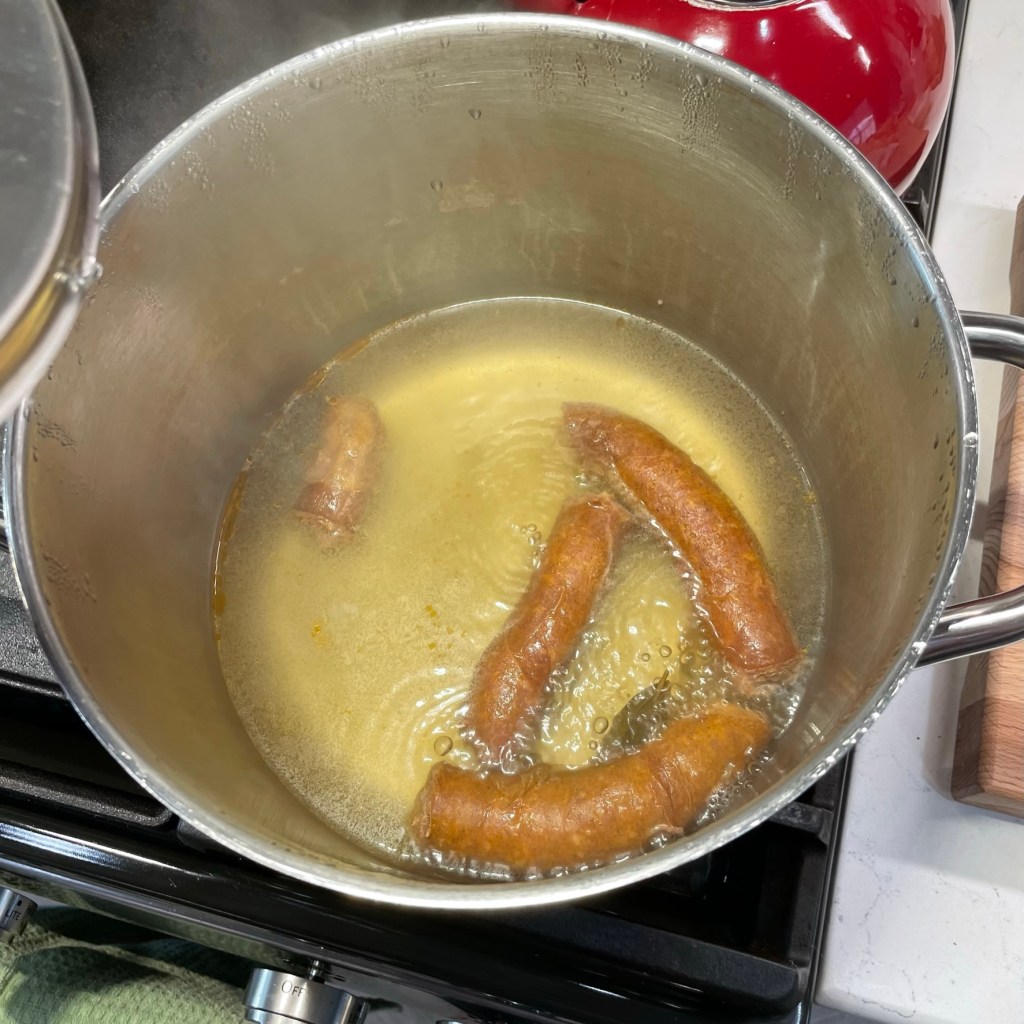
  1. Place the kielbasa chunks in a large soup pot and cover it with the filtered water. Add the bay leaves and bring to a boil, then reduce heat to a simmer for about 20 minutes.
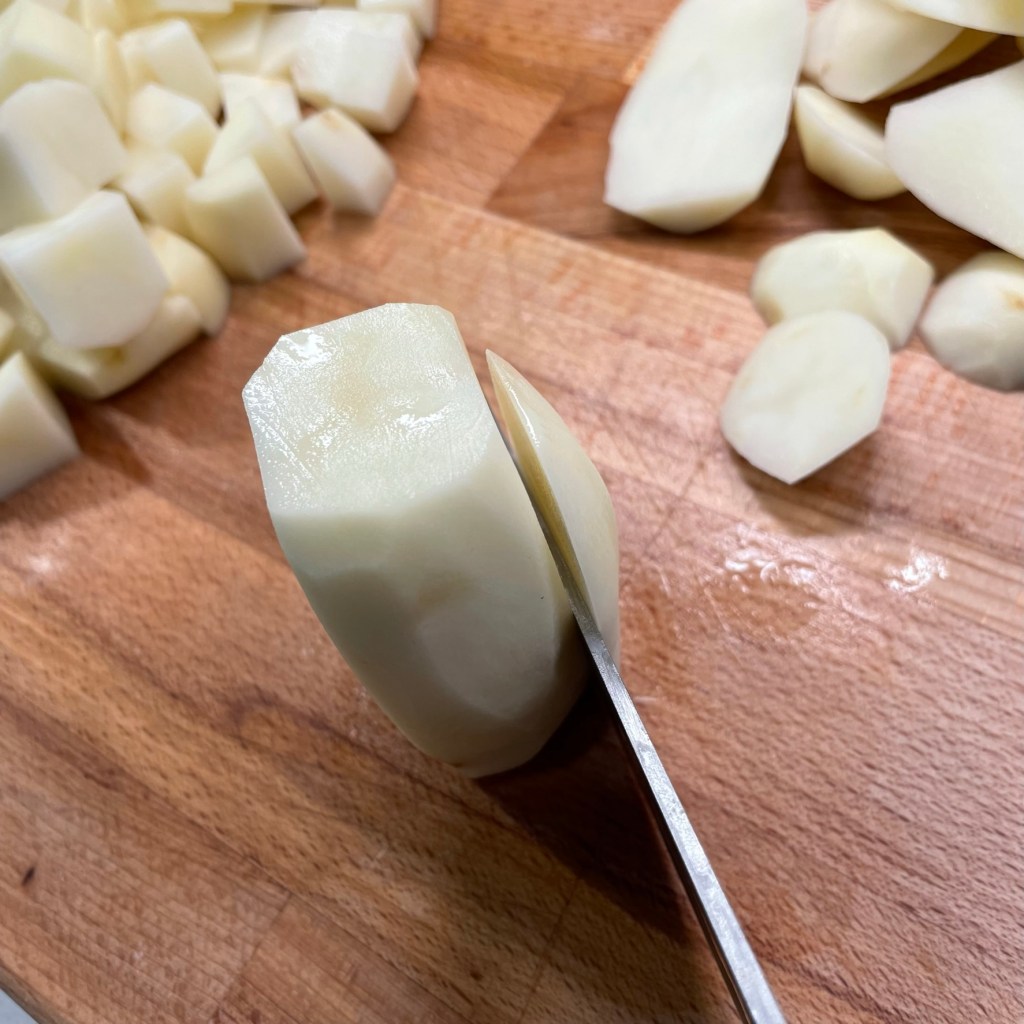
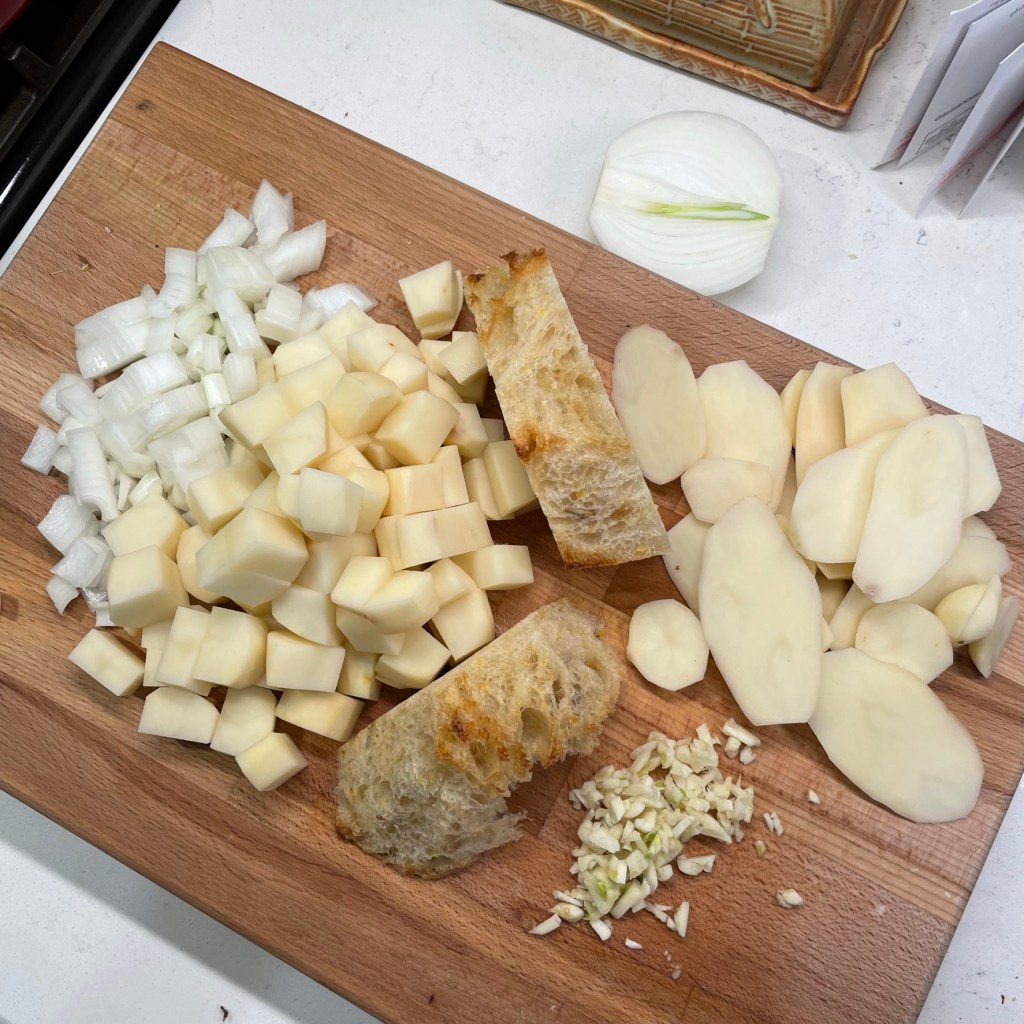
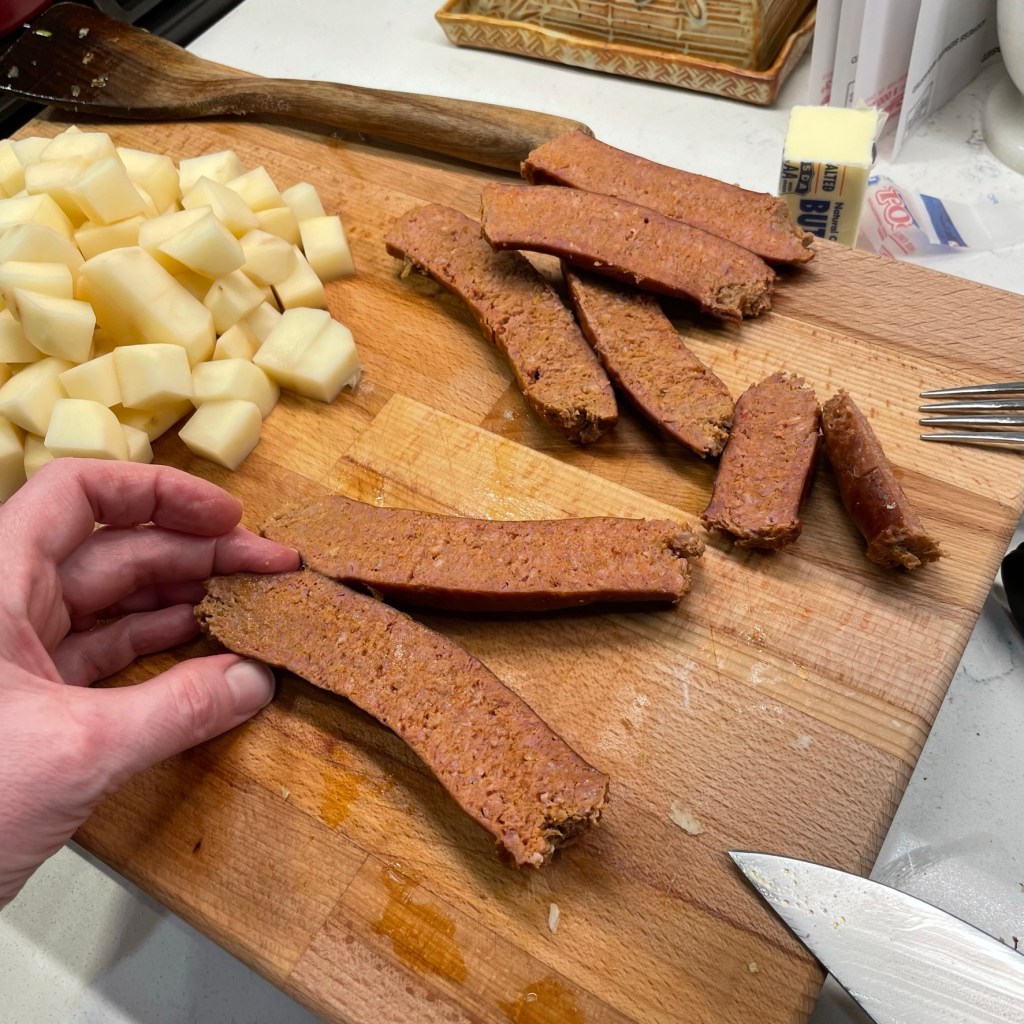
  2. Prep the potatoes by cutting off the sides and ends, creating mostly flat sides on the potato. Keep the potato scraps in one pile and cube up the rest into a separate pile.
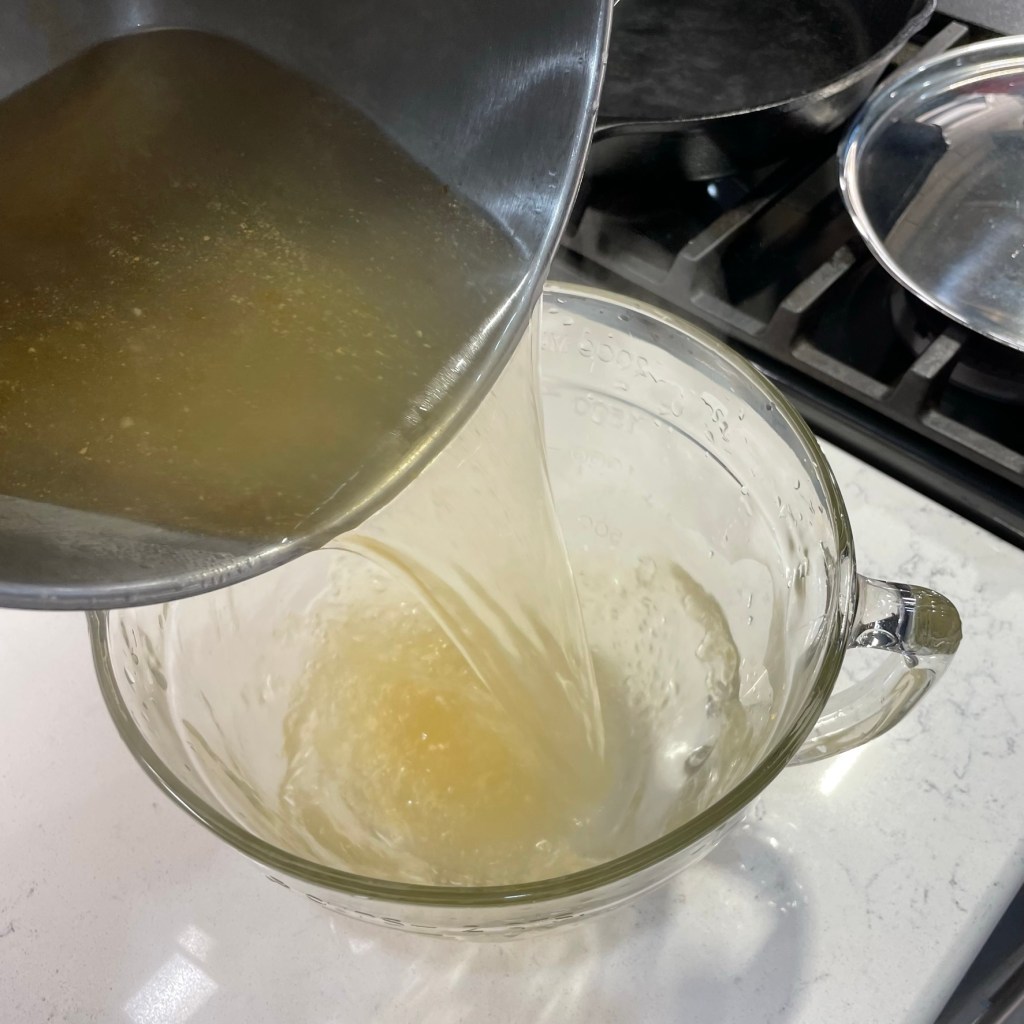
  3. After simmering, the kielbasa should be noticeably swollen, and small droplets of fat from the kielbasa will be swirled throughout the broth. Use tongs to transfer the kielbasa to a cutting board. Pour the broth into a large bowl or measuring pitcher.
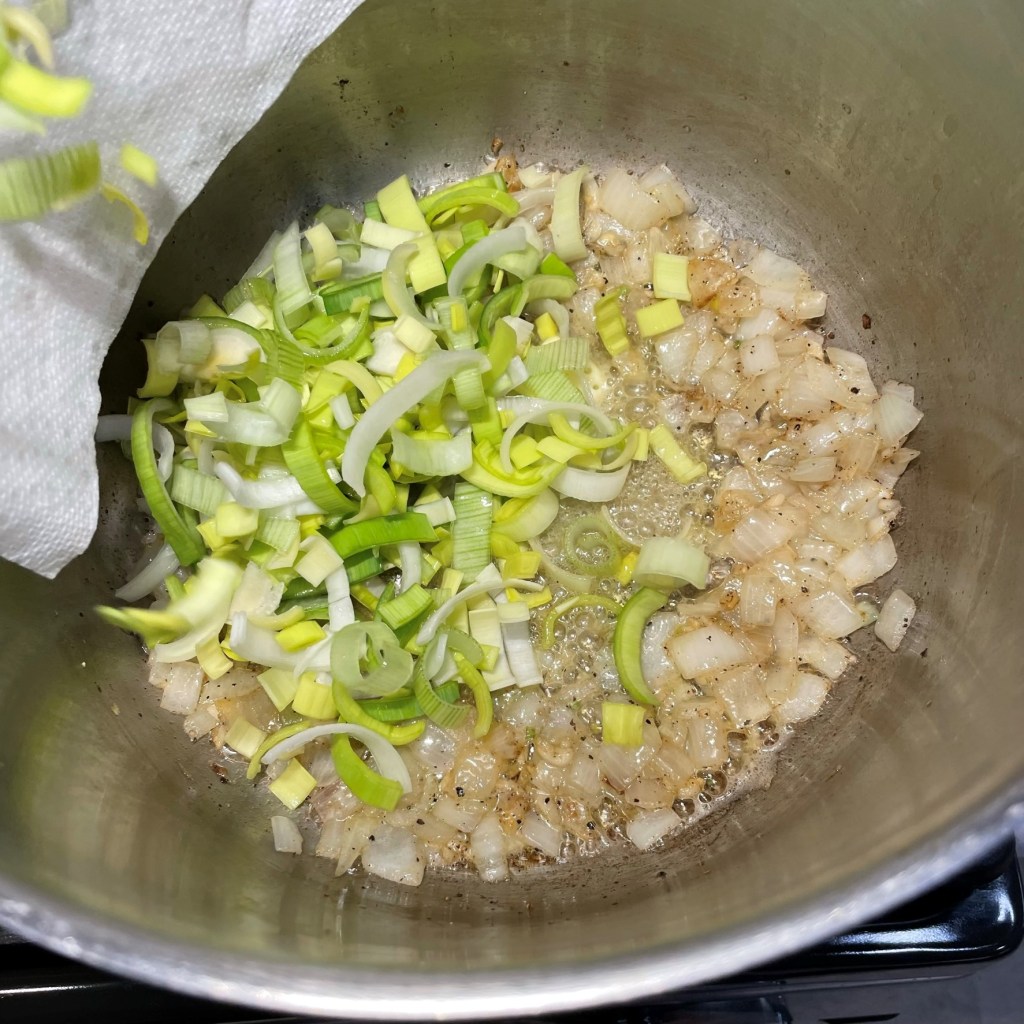
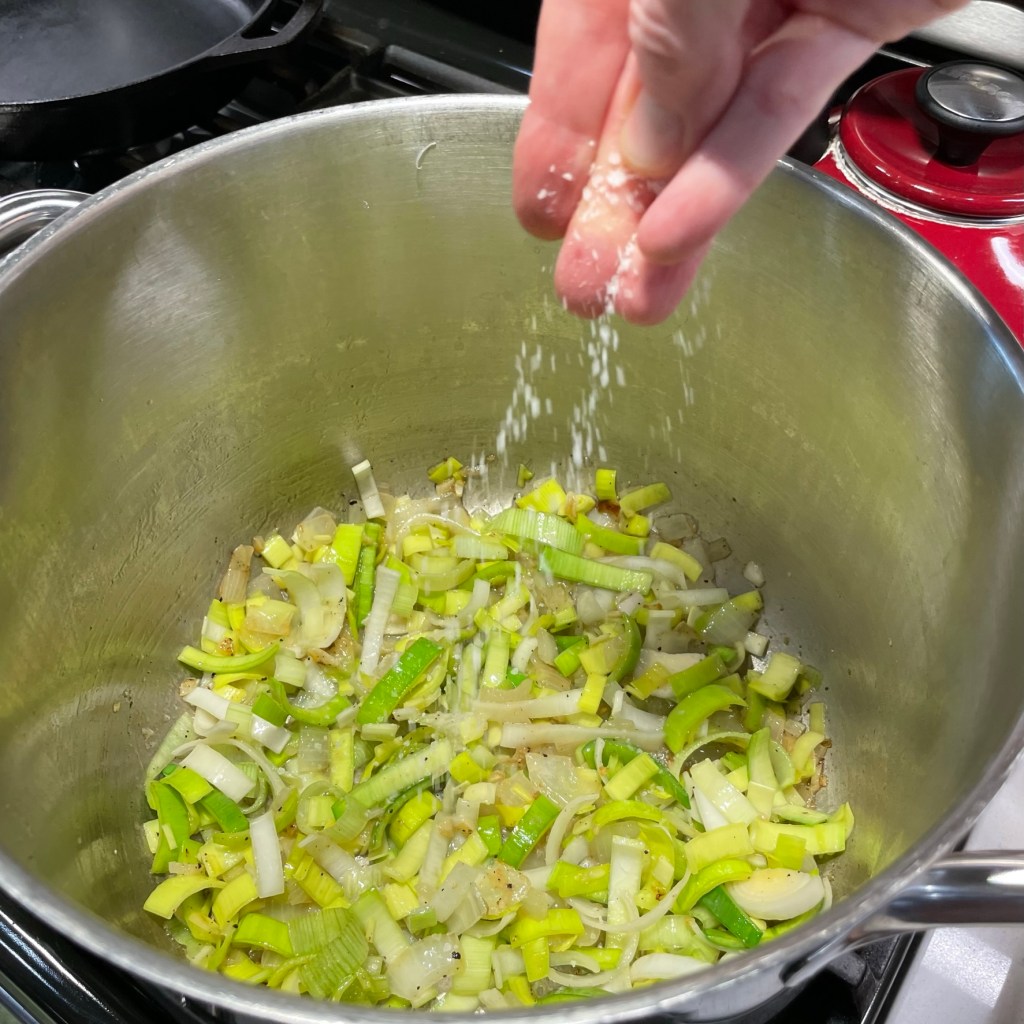
  4. Into the same pot, melt two tablespoons of the butter and sauté the yellow onions and garlic with salt and pepper for about five minutes, until tender. Add the remaining butter and leeks to the pot and sauté two more minutes, until those are also tender.
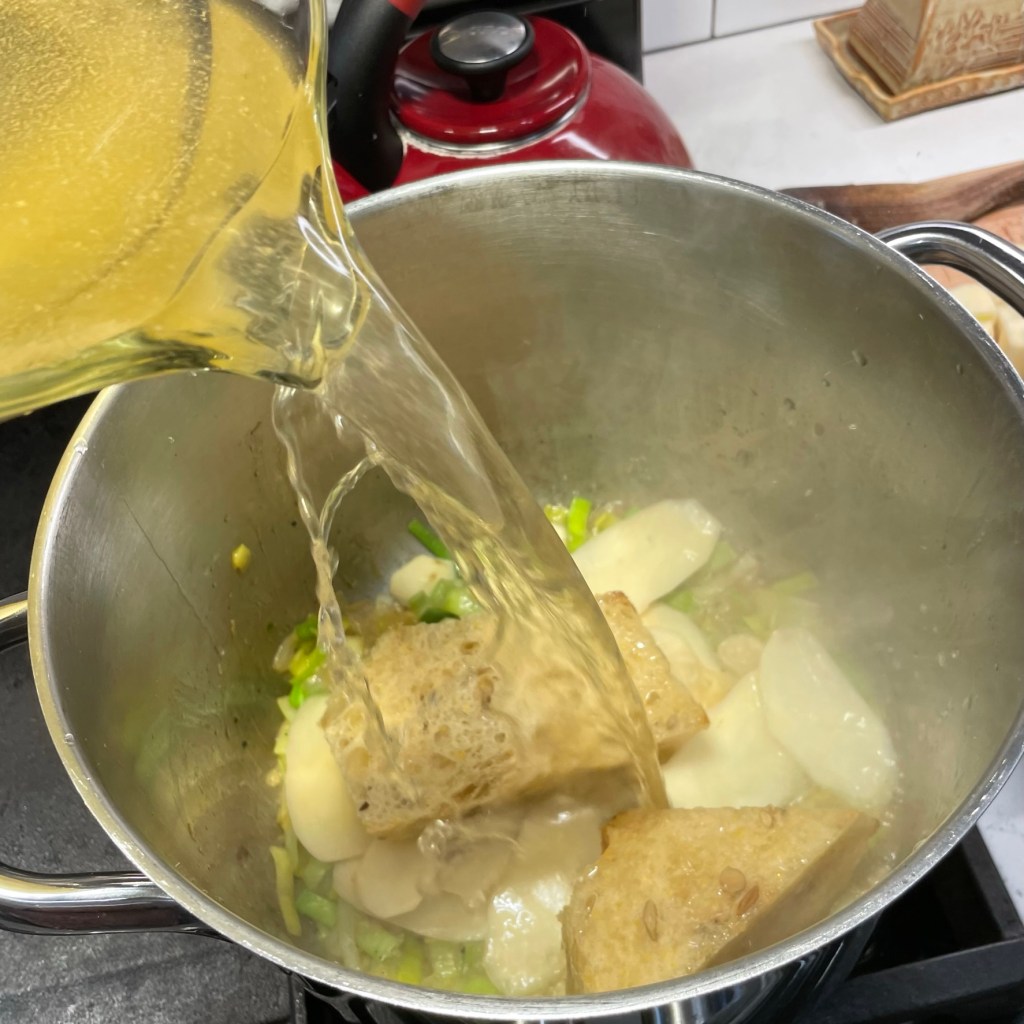
  5. Add the scraps of potato and the large chunks of sourdough bread to the pot. Pour about 2/3 of the reserved broth into the pot and simmer until the bread looks completely bloated, about 10 minutes. Use a large, slotted spoon or tongs to pull out the sopping bread into the measuring pitcher with the remaining reserved broth. It’s OK if some of the leeks and onions tag along. Set the pitcher aside to cool for a few minutes.
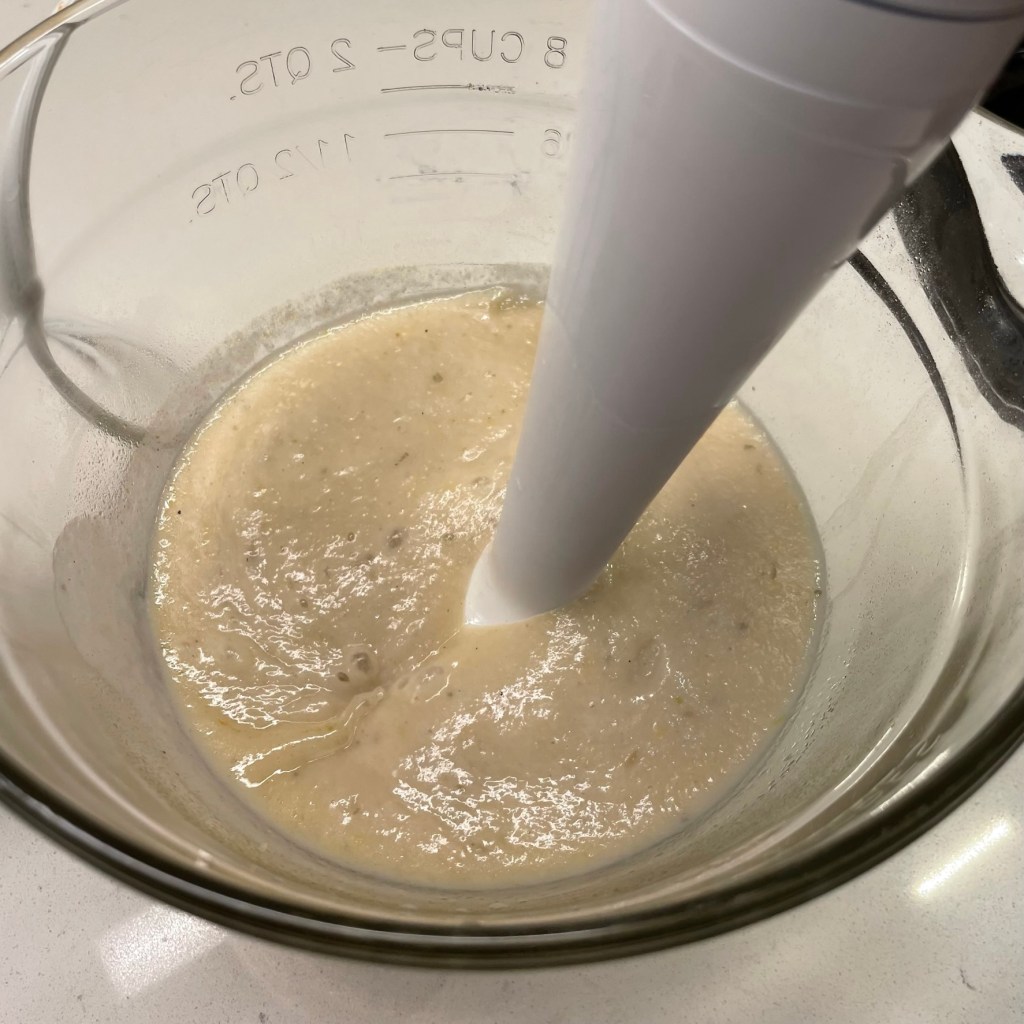
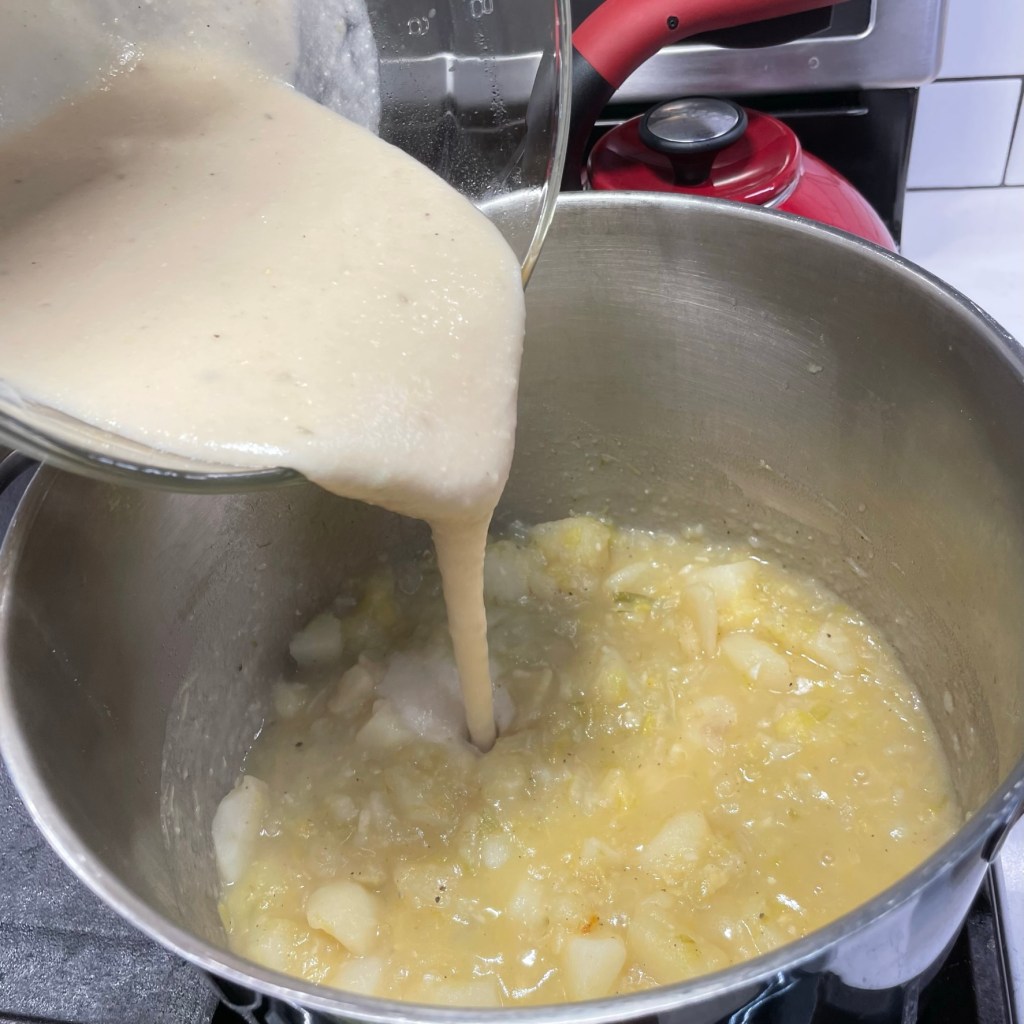
  6. Add the potato cubes to the pot, along with enough broth or water to just cover them. Heat to a boil and then simmer for about 15 minutes until potatoes are slightly tender. While that simmers, use an immersion blender to puree the sopping sourdough with the liquid in the bowl or pitcher.
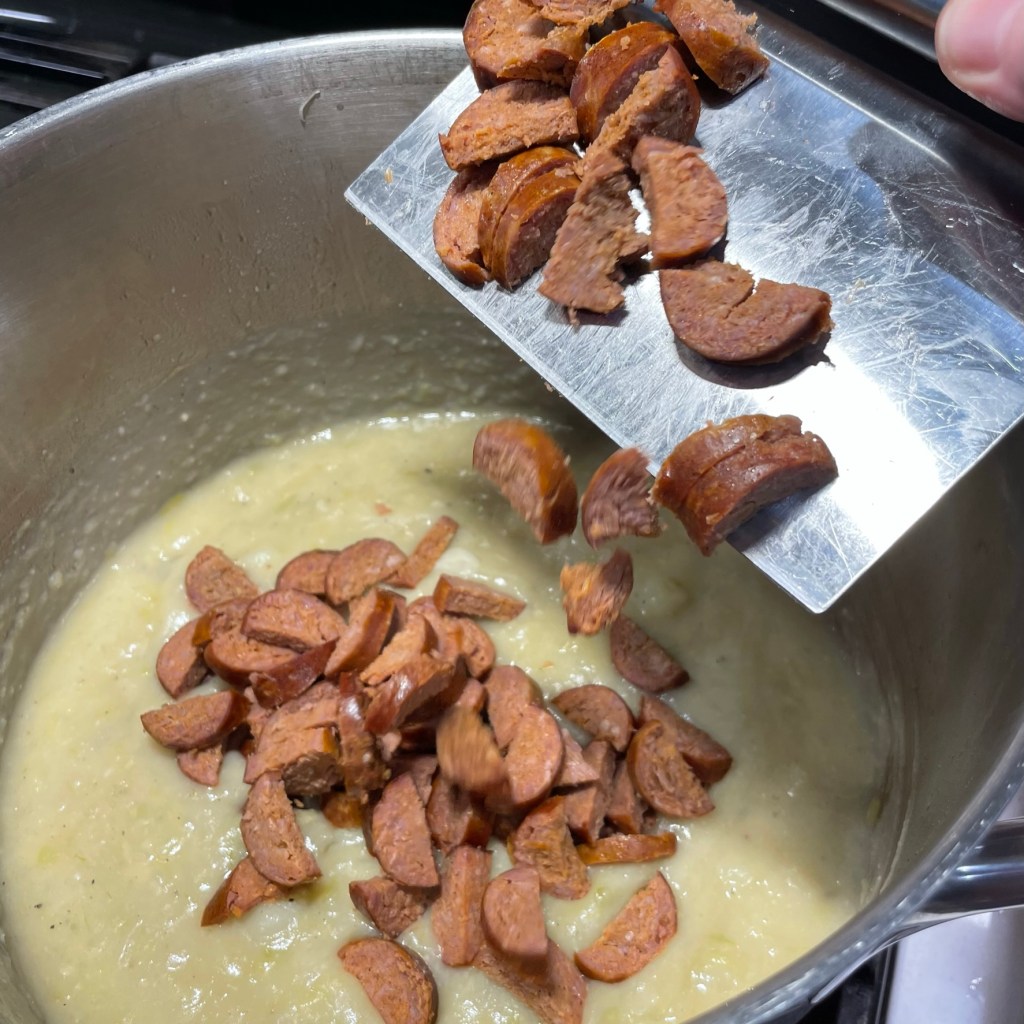
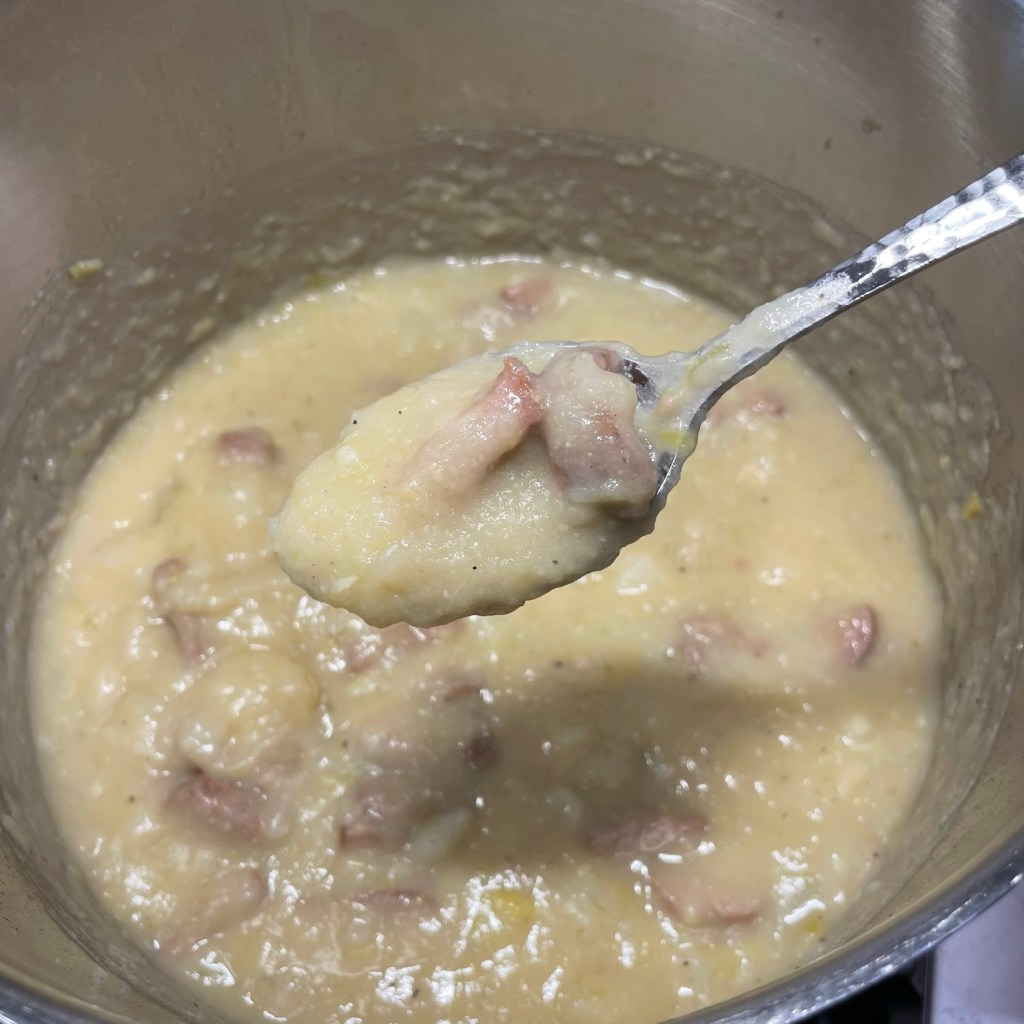
  7. Stir the puree mixture back into the pot, along with the kielbasa. Adjust salt and pepper to taste. Simmer just until heated through, as continued cooking will cause the potatoes to turn mushy.
  8. Serve the white borscht with a dollop of sour cream and a sprinkling of fresh dill.


Easy, Creamy Potato Soup

As far as I am concerned, the best thing about winter is the soup. When the weather is cold, damp or just generally crummy, a piping hot mug of soup is like a reset button for my winter-weary soul. And you know what makes soup even better? An easy recipe that doesn’t take all day, uses the simplest of ingredients (so I don’t have to run to the store to make it), and can be customized with almost any extra flavors one could imagine. This creamy potato soup is ticking all those boxes for me.

Soup is one of my favorite comfort foods ever, and that probably dates back to days that I stayed home sick from school. On those rare occasions, I would get dropped off at my grandmother’s house, where I’d spend the day napping to the soothing sound of her cuckoo clock, sipping some variety of last-minute, homemade soup and watching TV under a soft afghan from the big, upholstered wing-back chair in her den. My Gram could whip up a soup from thin air, it seemed, and to this day, a “what’s-in-the-fridge” soup is my favorite kind. Is it possible that I may have feigned illness on occasion, just to enjoy that kind of day? Why, yes, that is certainly possible. Sometimes a kid just needs a little extra comfort—the kind only a grandma and a warm cup of soup can deliver.

I have outgrown the days of pretending to be sick, but I still yearn for the cozy comfort of a warm mug of soup, especially when gloomy weather has me down. I’ll take any kind of soup; chowders, stews, bisques, broth with noodles, minestrone—they are all on equal footing for me. My husband loves soup, too, but his preference is specifically for cream-style soups, so this one was a double win at our house.

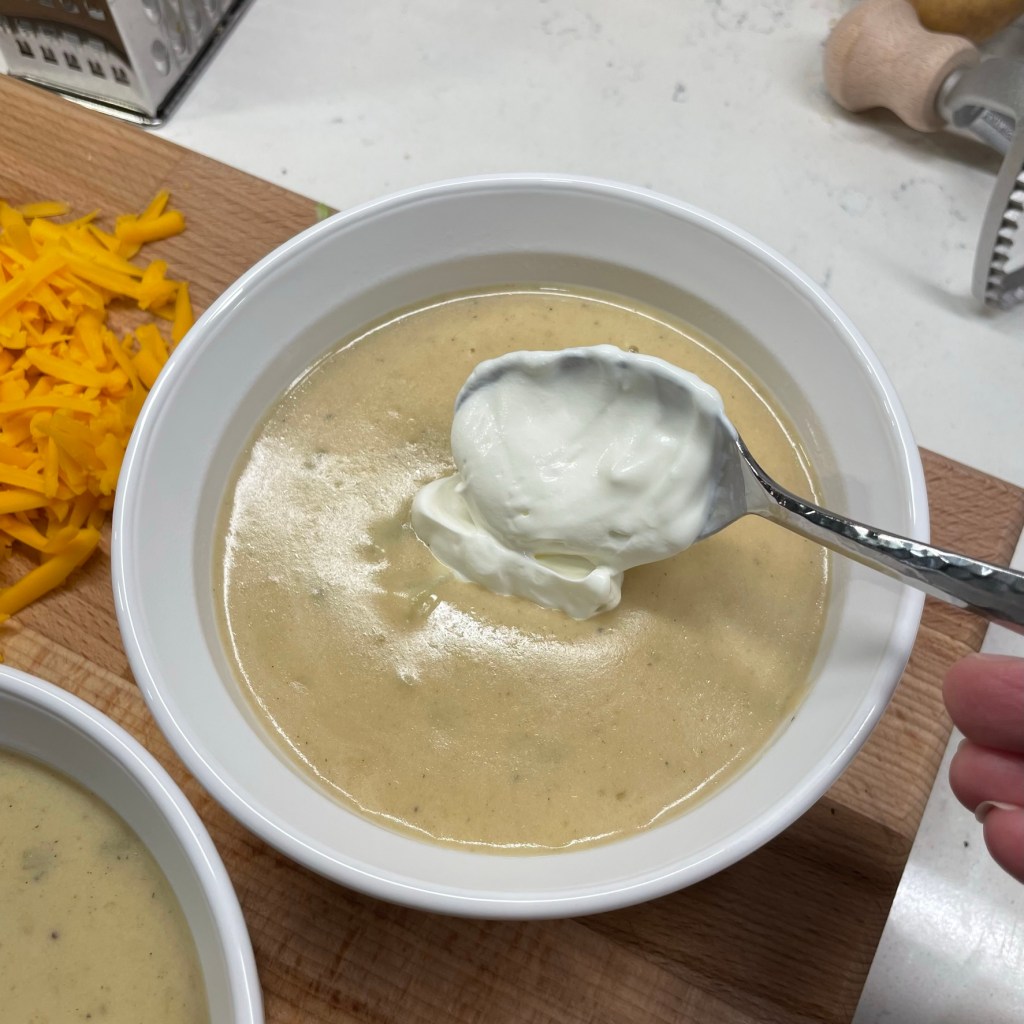
Sour cream, shredded cheddar, bacon and chives makes this easy soup a satisfying meal!

We had fun dressing up our creamy potato soup like a loaded baked potato—with sour cream, chives, cheddar cheese and crispy bacon pieces on top. But it would be very easy to keep the base of the soup and swap in different enhancers, such as roasted broccoli florets, sautéed mushrooms, frozen corn, cubes of ham or whatever else takes you to your happy place.

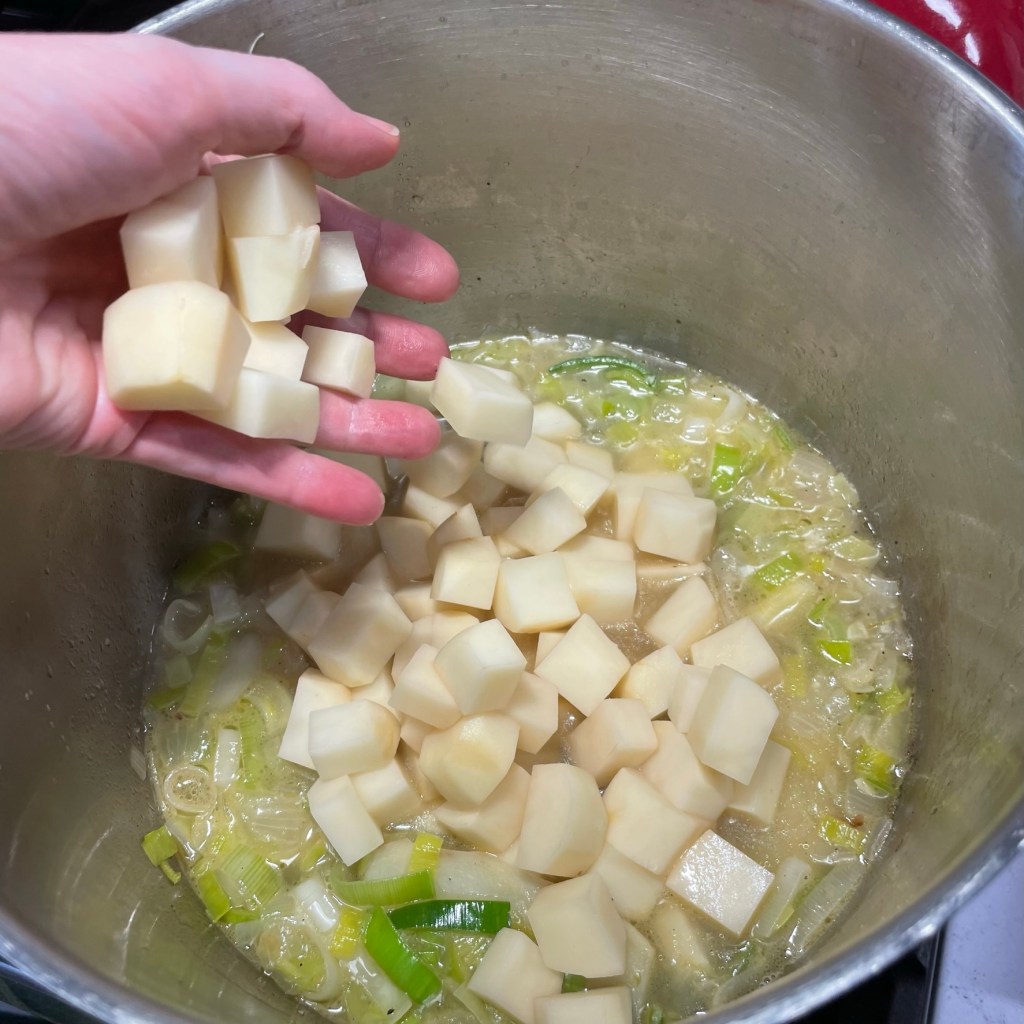
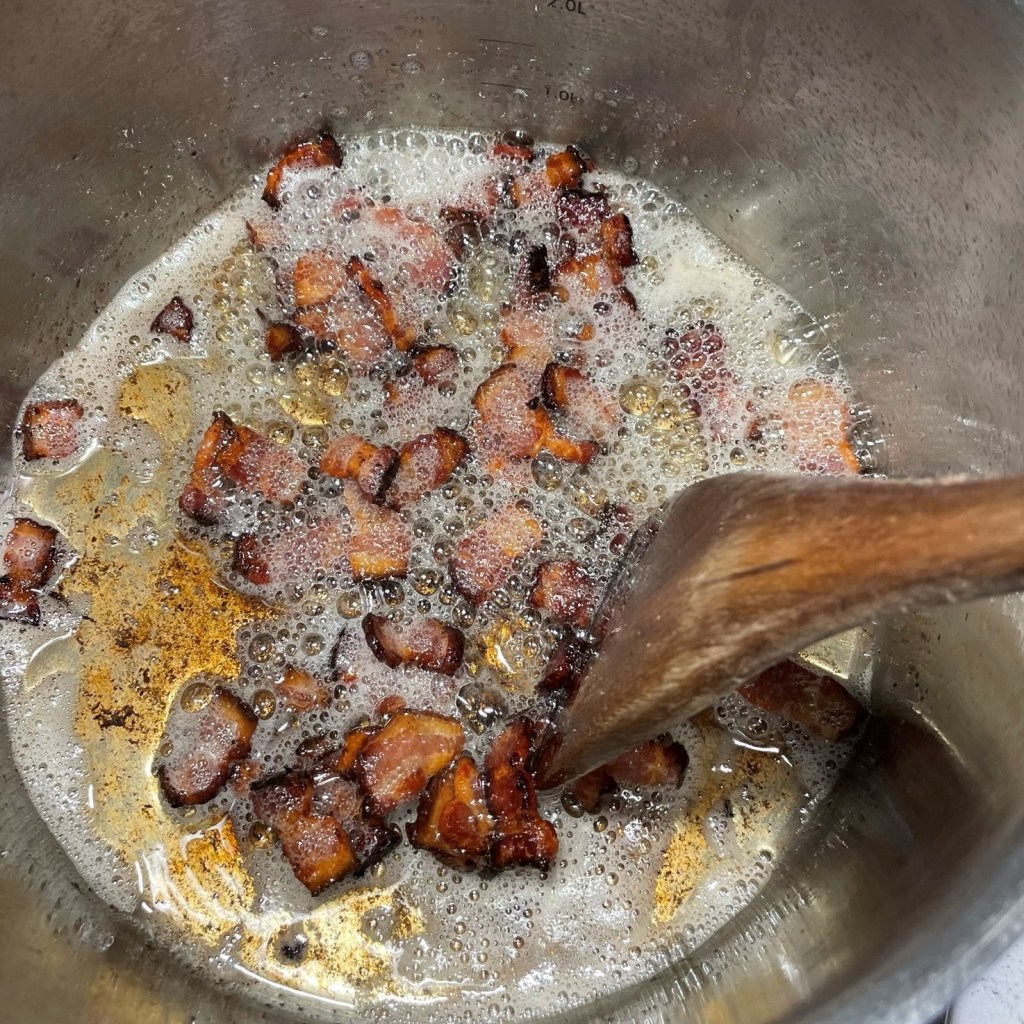
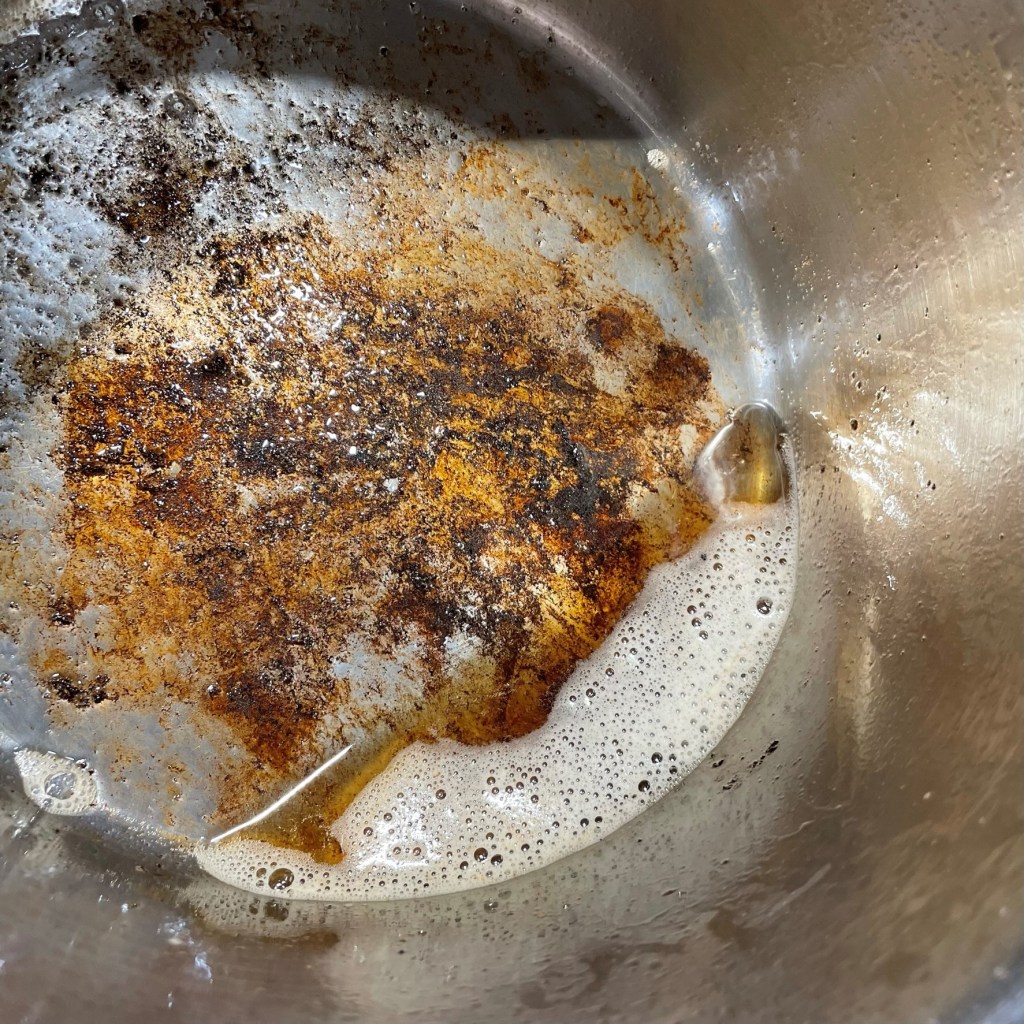
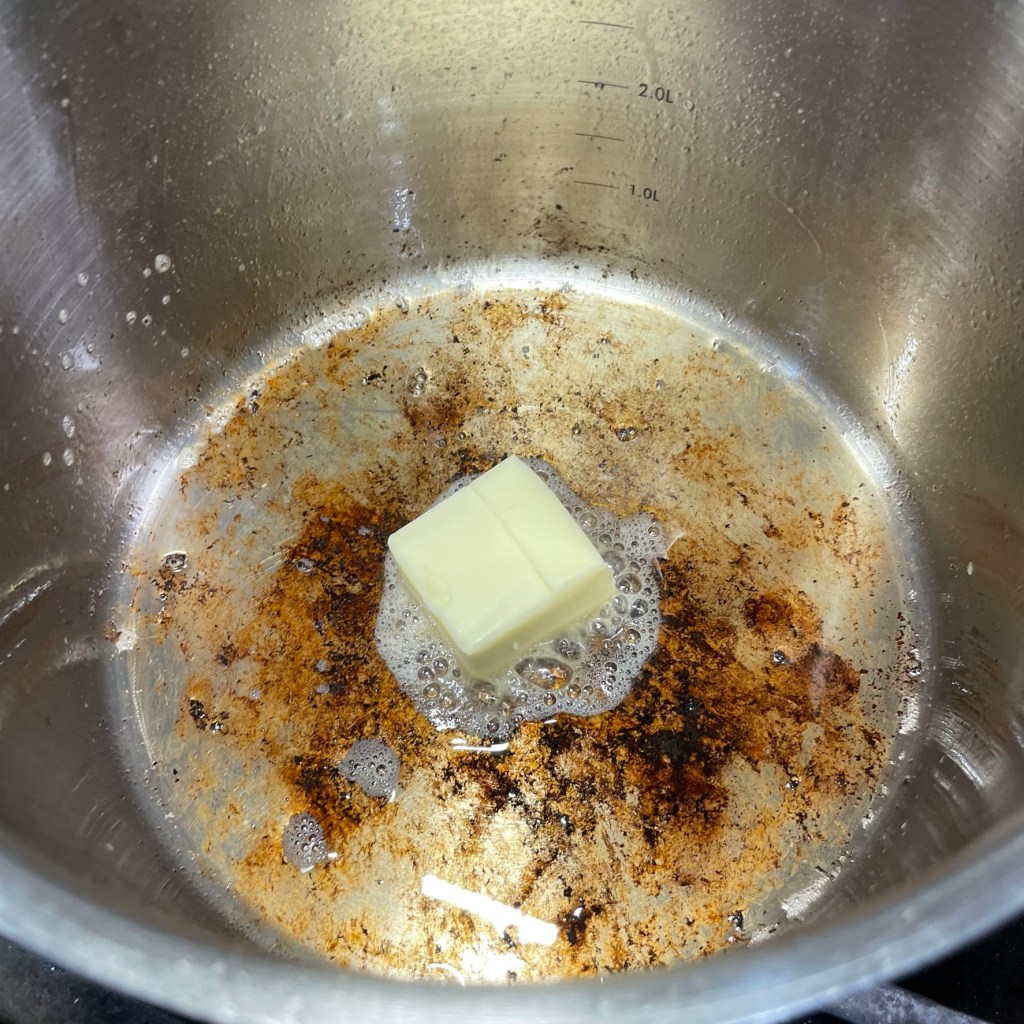
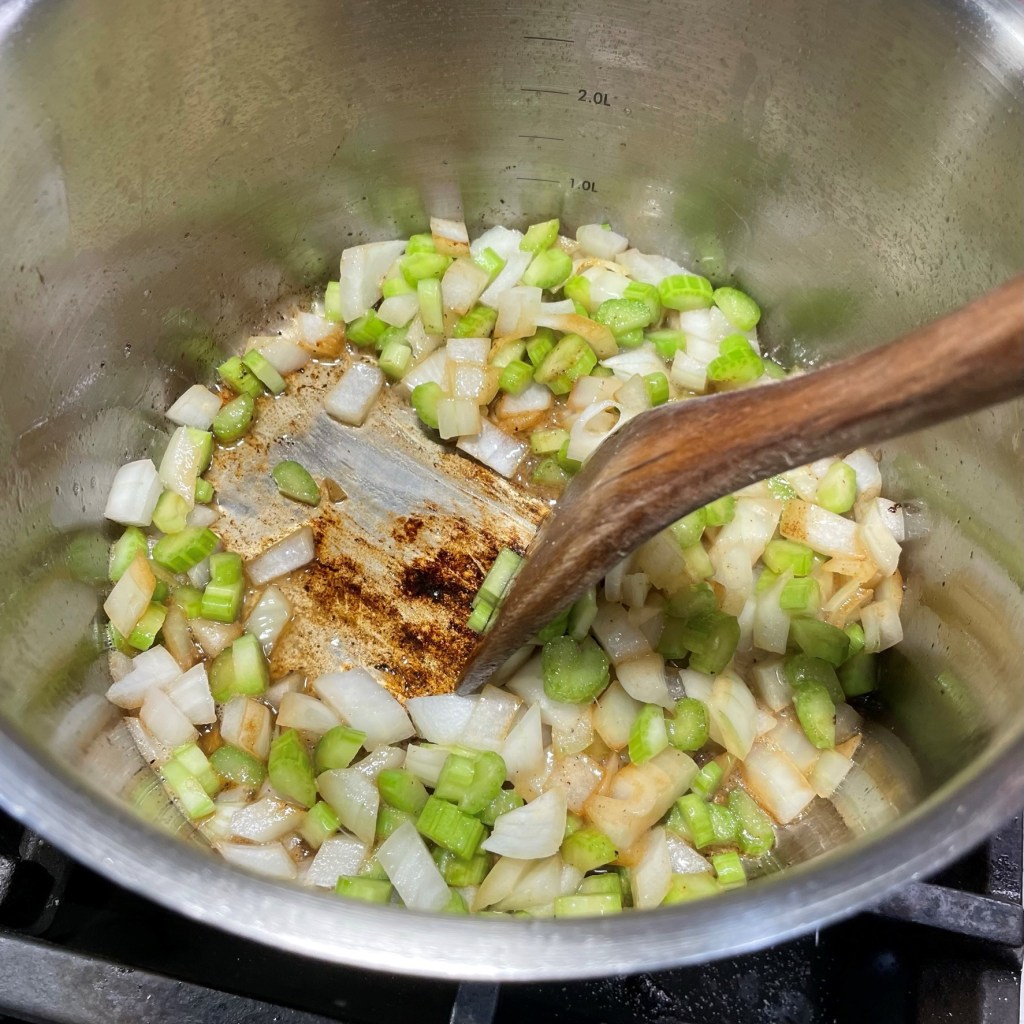
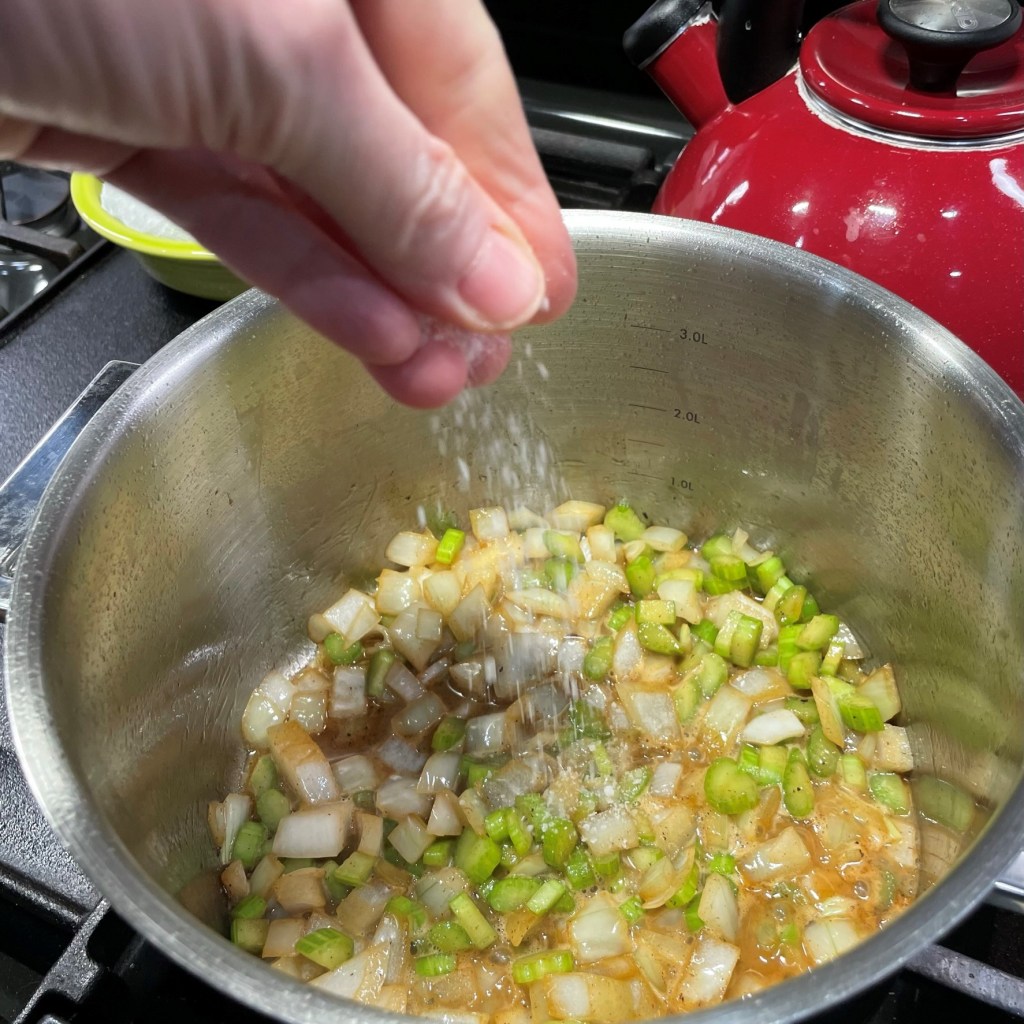
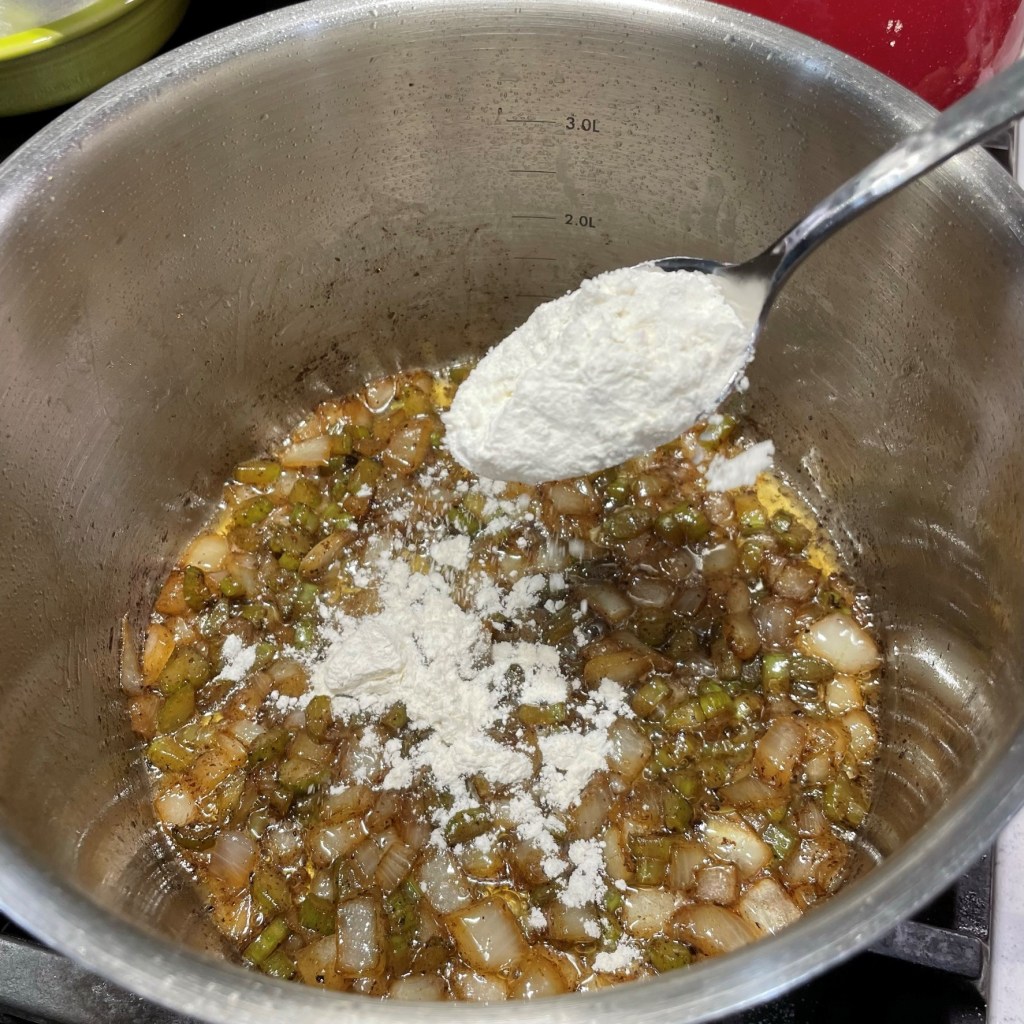
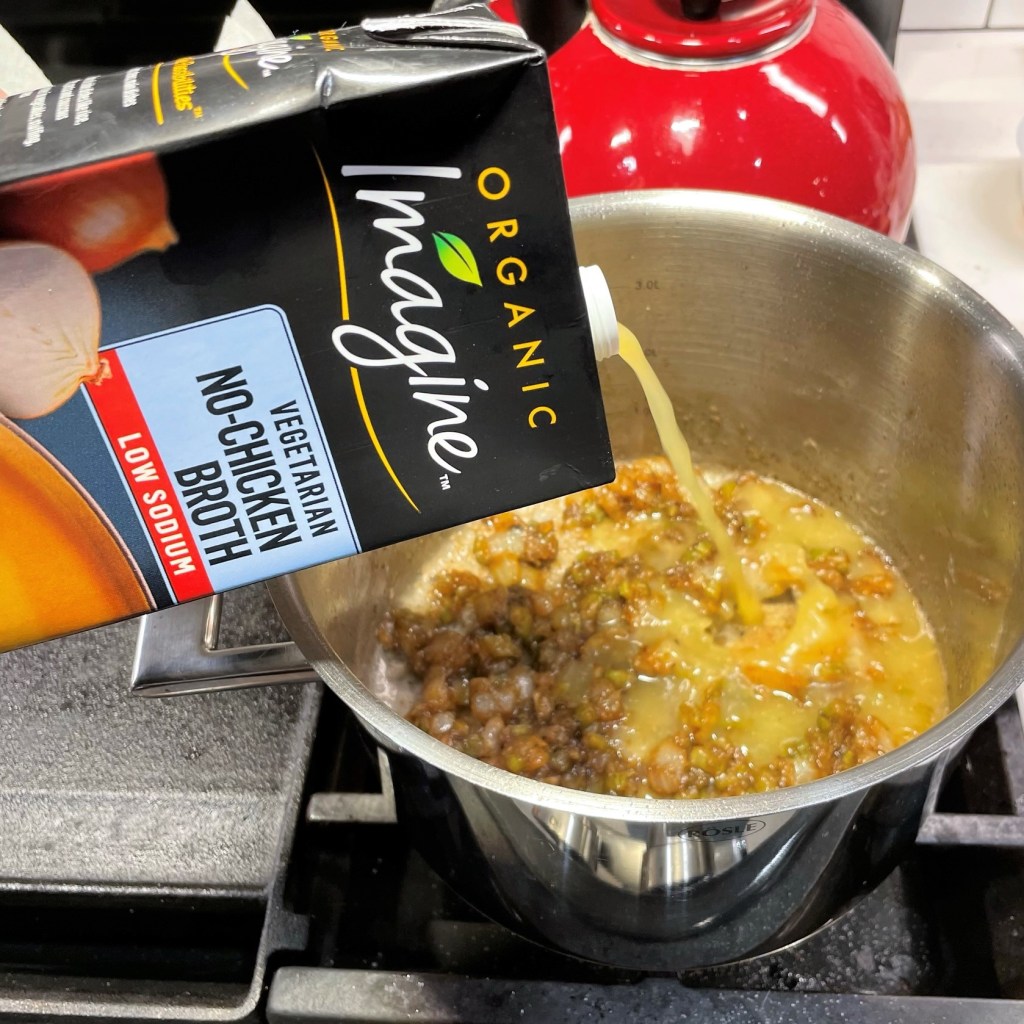
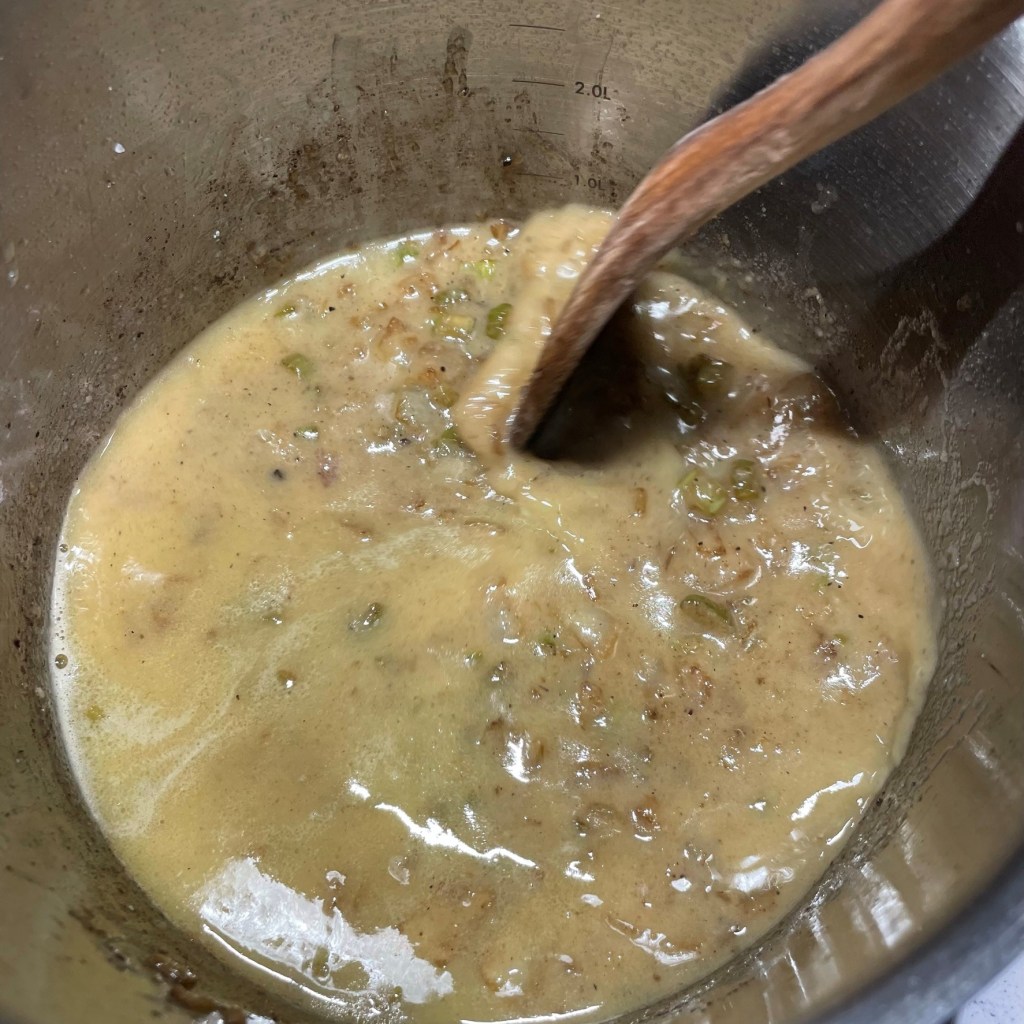
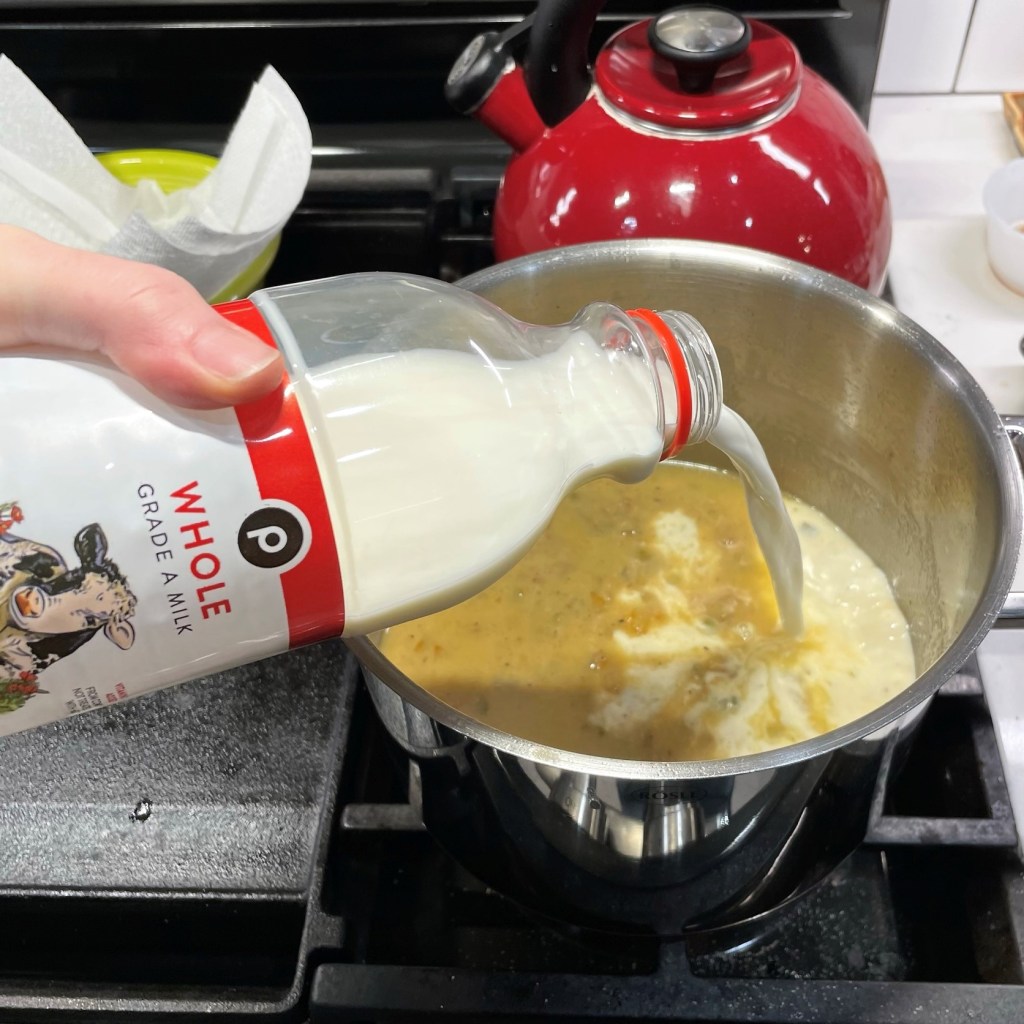
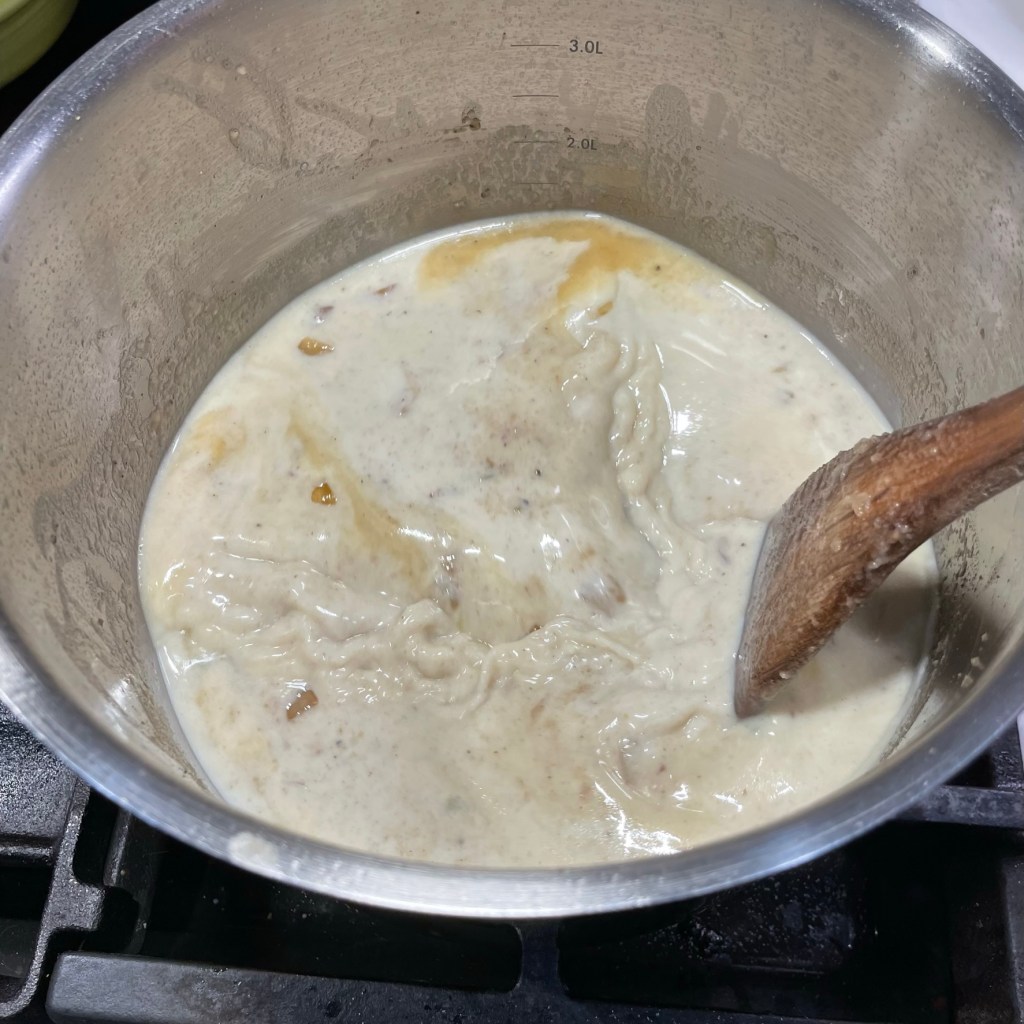
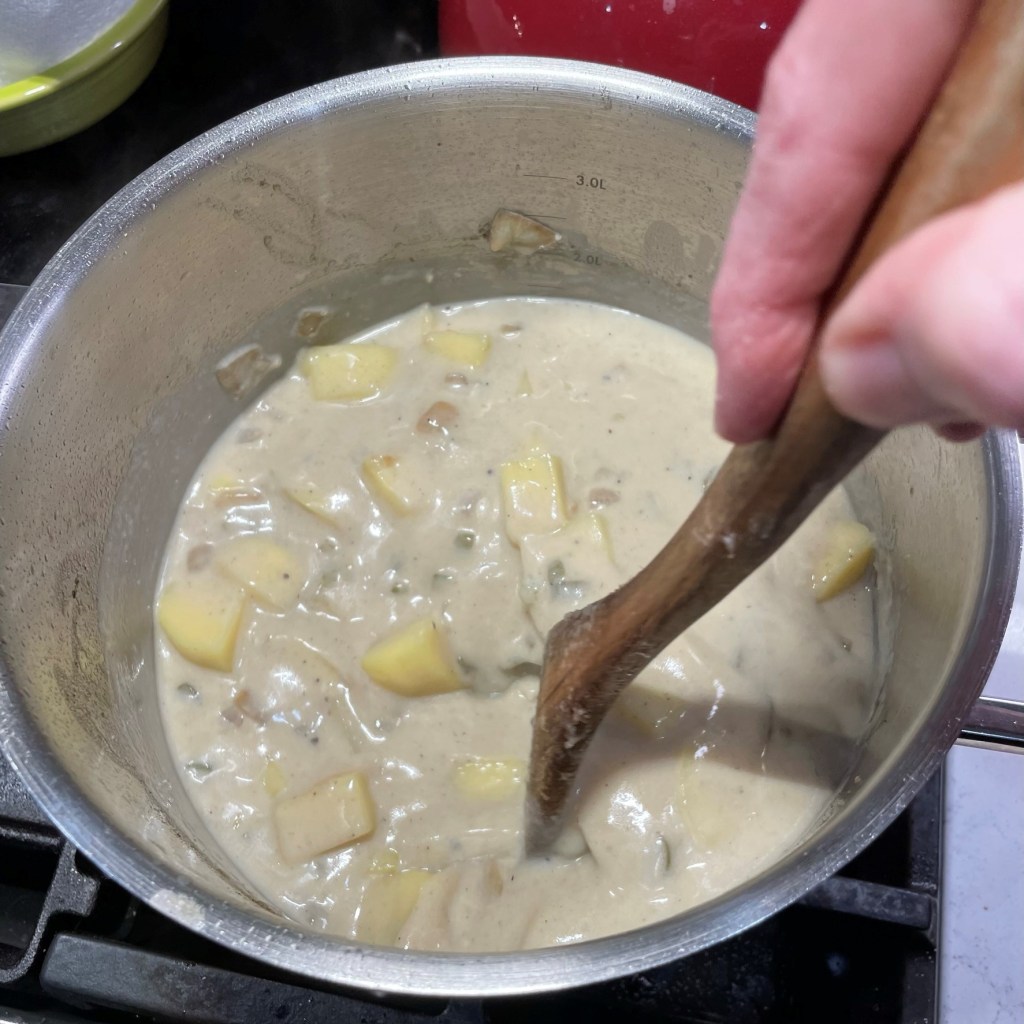
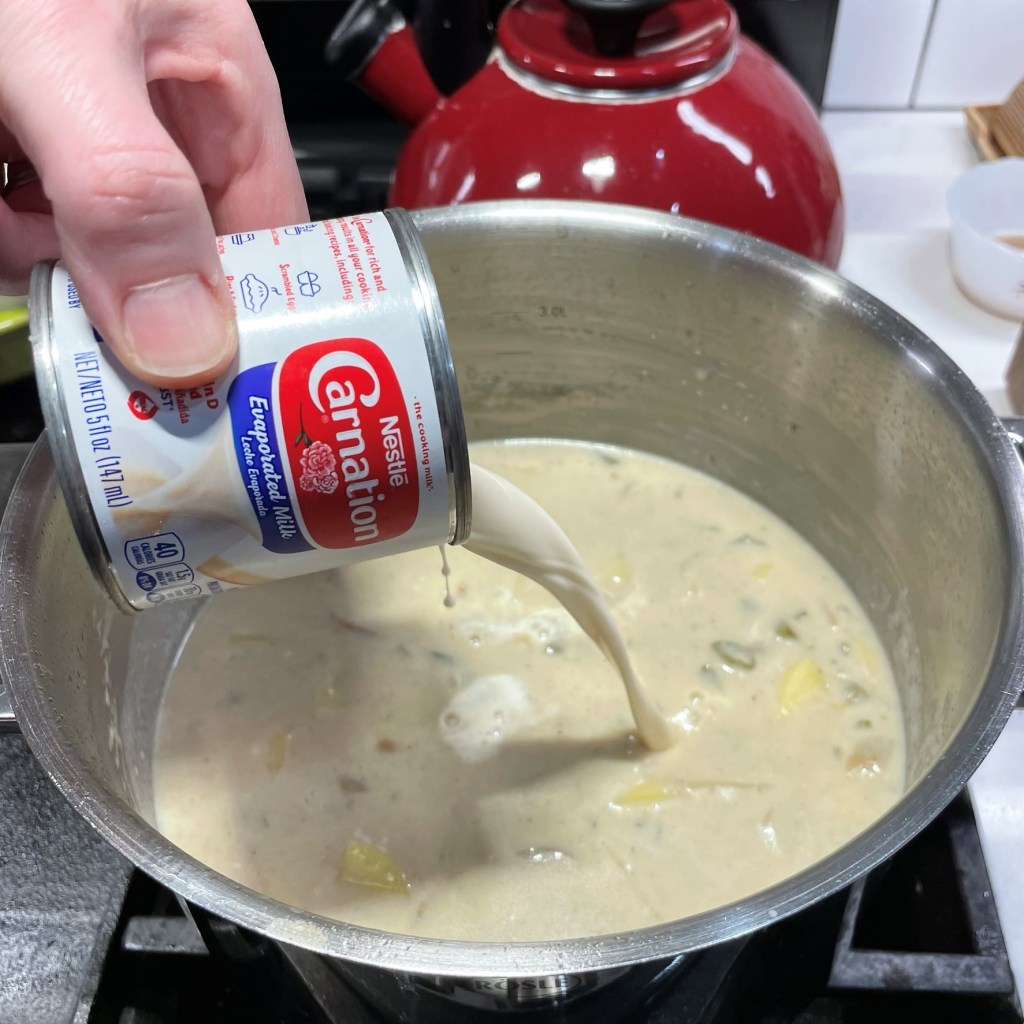
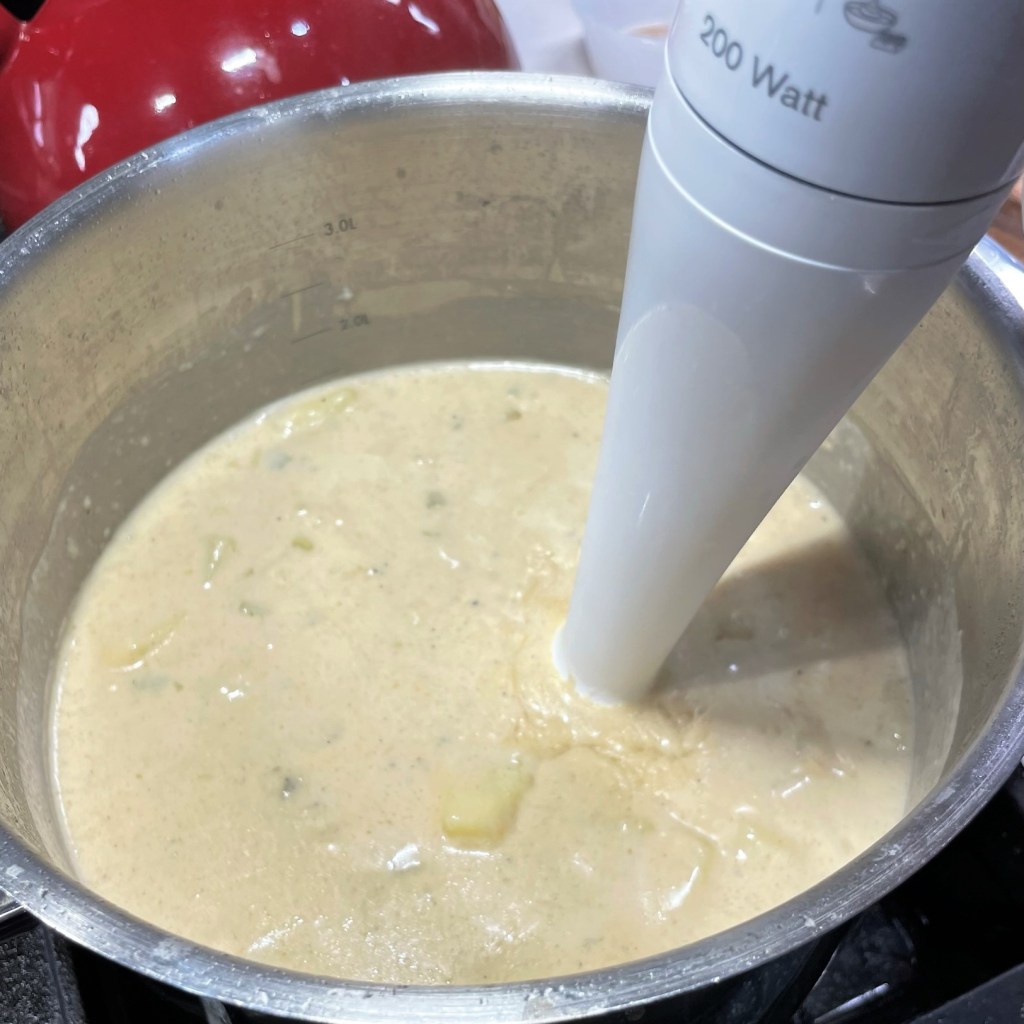
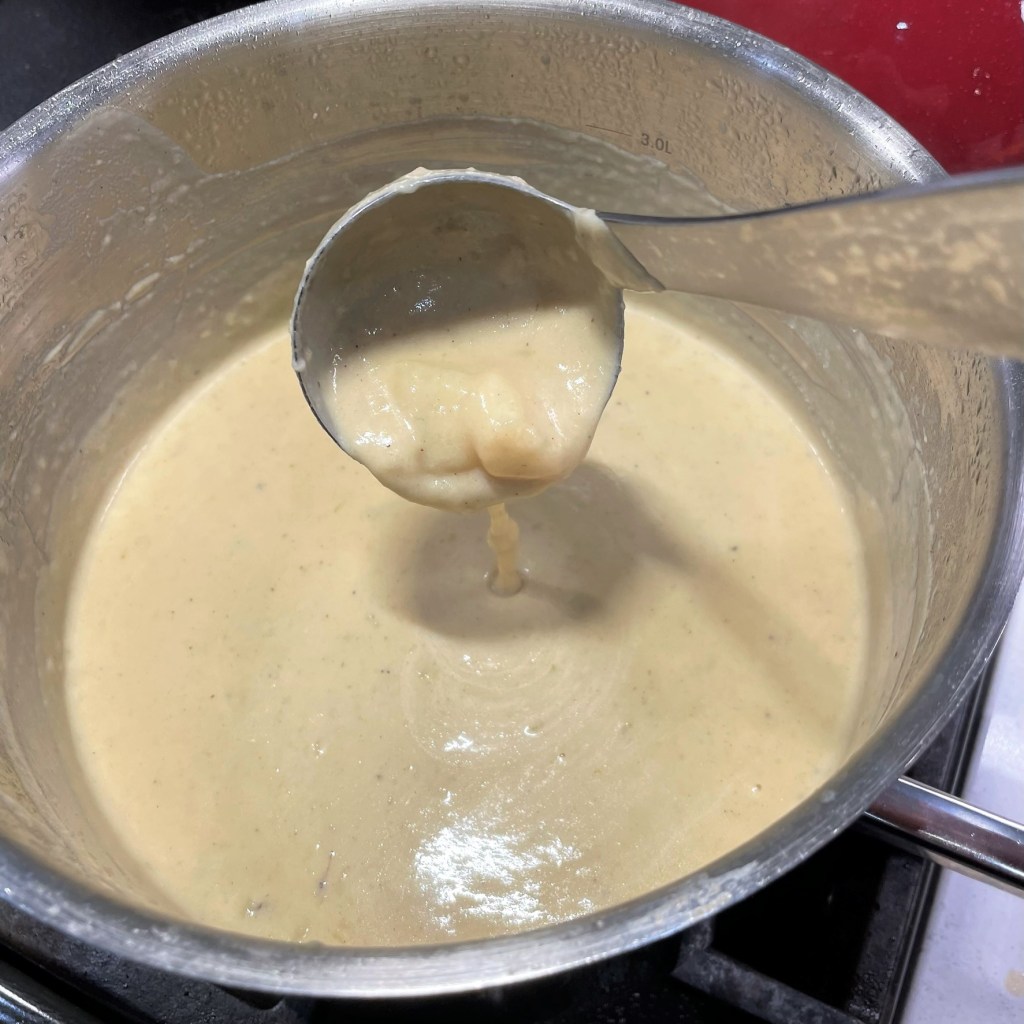
This potato soup is very easy to make, and despite the ultra-creamy, silky appearance, it has no heavy cream whatsoever. Buttery Yukon gold potatoes were the key element for my recipe, but you could use any combination of gold, red or russet potatoes, as long as some of them will hold their shape after simmering. Peel or don’t—whatever works for you. I thickened the soup with a slight amount of roux, made from the drippings I had from crisping up the bacon (but you could swap in butter or olive oil), and a combination of low-sodium vegetable broth and milk, then I used my trusty immersion blender to puree it halfway. It was every bit as luxurious and comforting as a cream-based soup, but with far less guilt!

We still have almost four weeks ’til the official arrival of Spring. As luck would have it, there is at least a pound of potatoes remaining in the kitchen, so I’m pretty sure this one will be on the menu again by the weekend, just in time for another round of colder temperatures.


This recipe makes 4 entrée servings or 6 appetizer servings

Ingredients

3 Tbsp. bacon drippings, butter or olive oil

1/2 large onion (about 1 cup), chopped

3 ribs celery hearts, trimmed and chopped

Salt and pepper

2 Tbsp. all-purpose flour (gluten-free 1:1 flour works for this also)

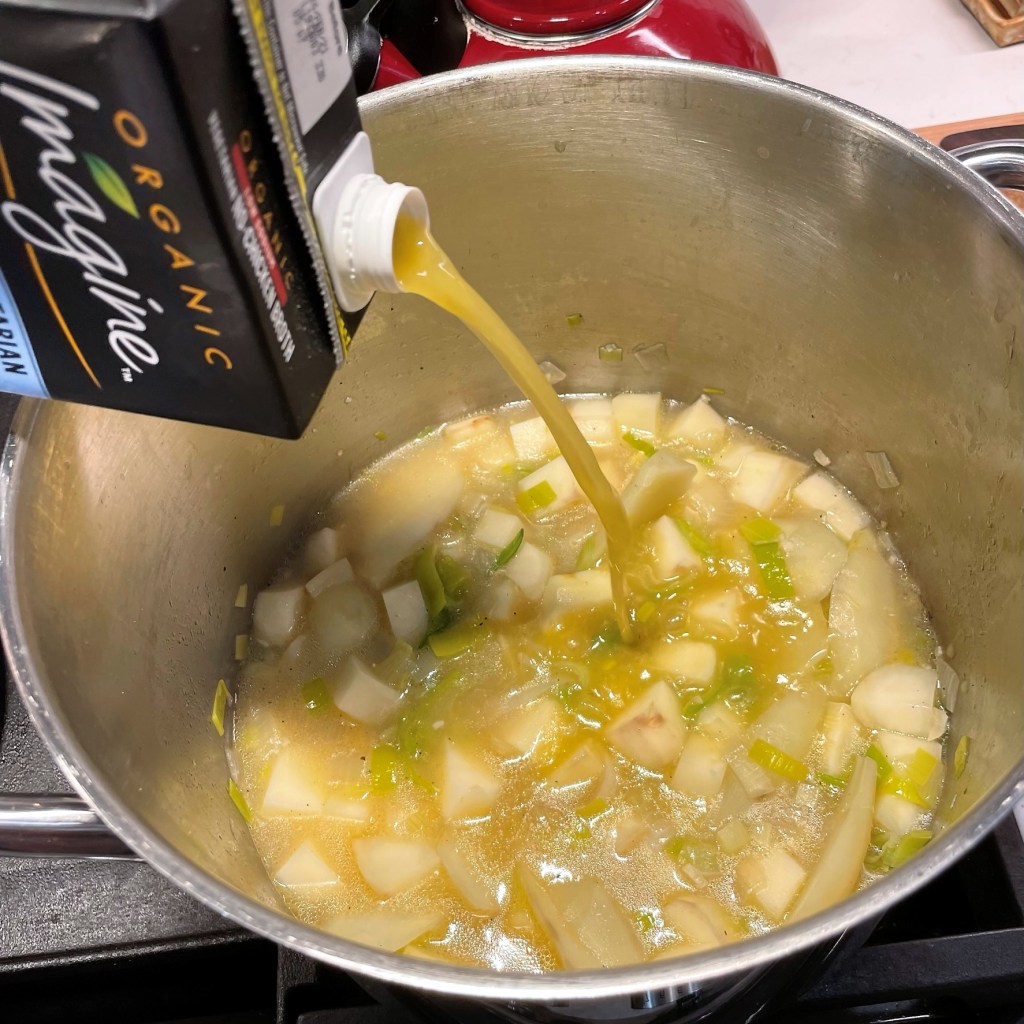
2 cups low-sodium vegetable broth* (see notes)

2 cups milk*

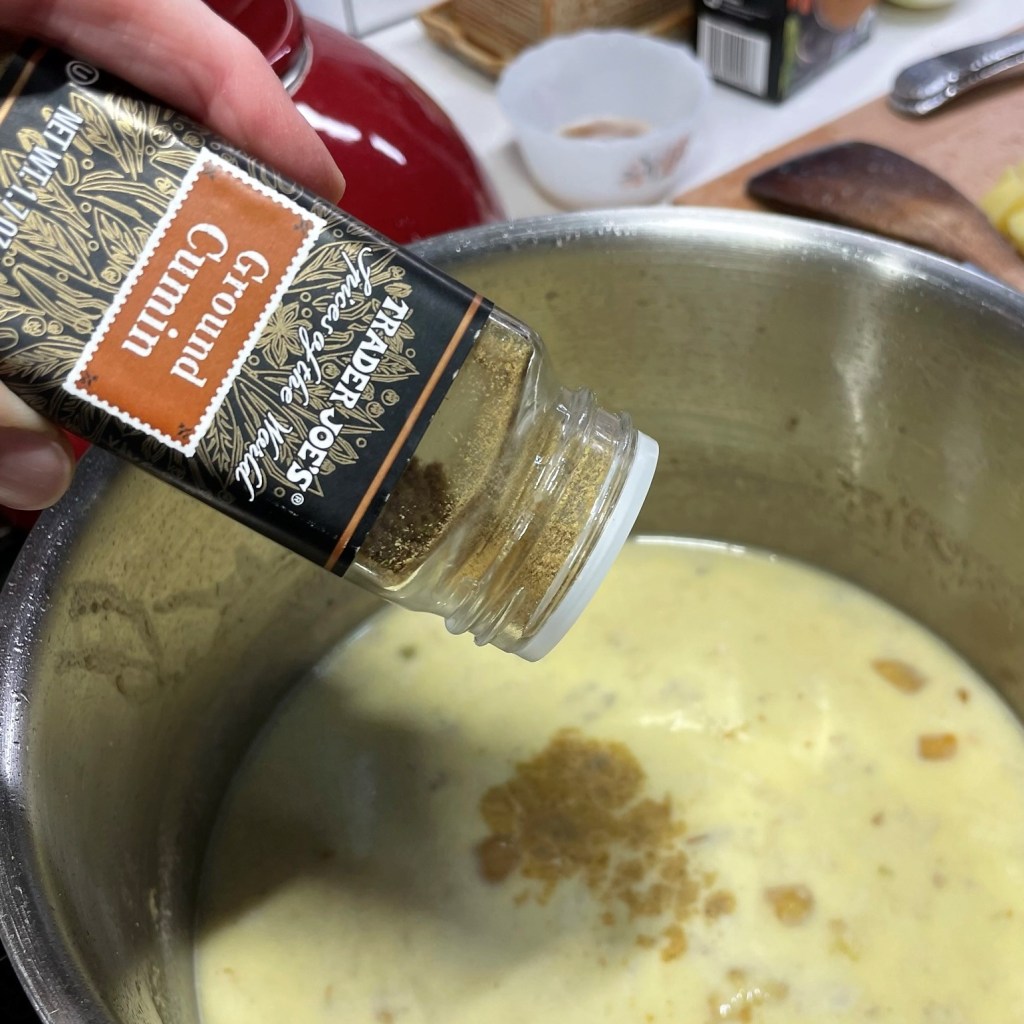
About 1/2 tsp. ground cumin

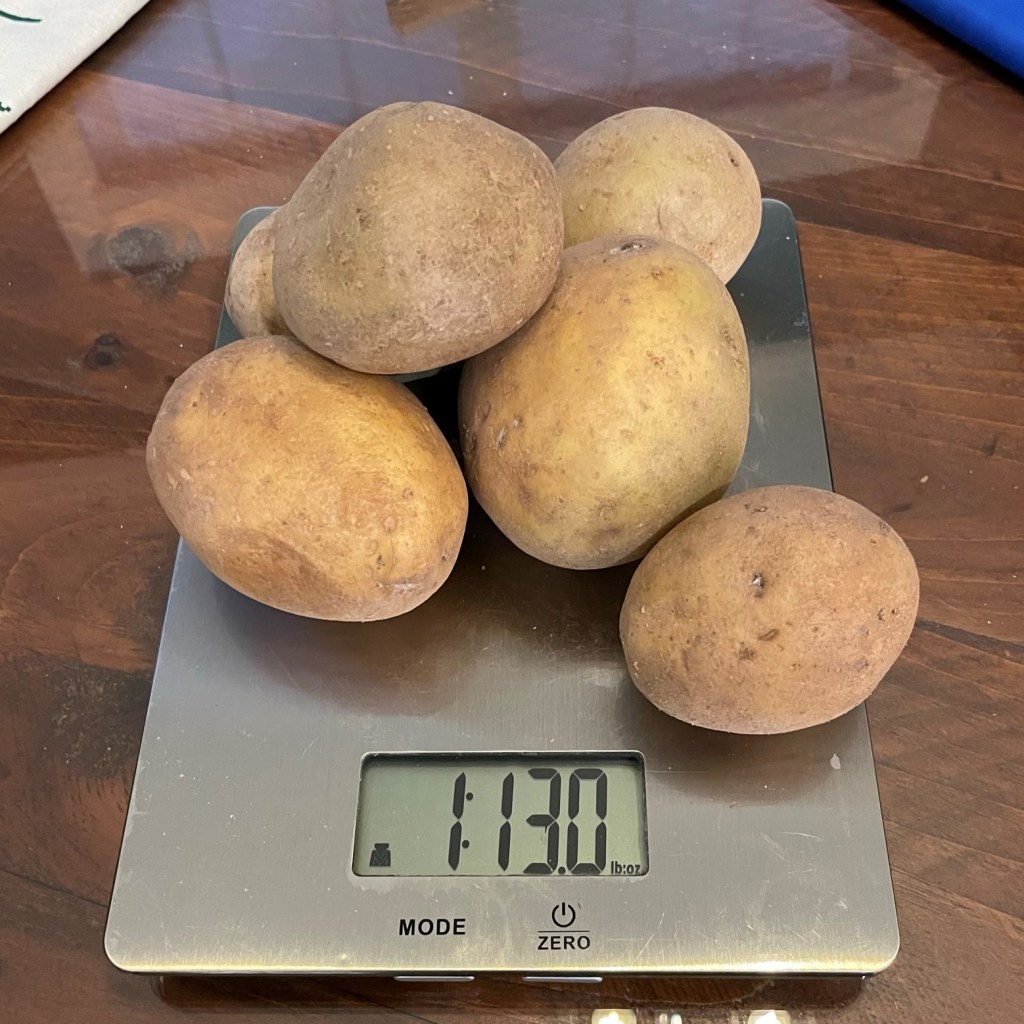
About 1 lb. Yukon gold potatoes, scrubbed and cubed (peel if you wish)

Toppings and stir-ins of your choice


*Notes

Vegetable broths vary widely in ingredients; for best results, choose a broth that does not contain tomatoes. The brand I like for this is Imagine vegetarian “no-chicken” broth. It has a rich golden color and seasonings that are very reminiscent of chicken broth.


I used a combination of whole milk and canned evaporated milk in my recipe, primarily because I only had 1 1/2 cups of fresh milk. Feel free to substitute 2% or skim milk if you’d like; the flavor will be less rich overall, but the roux will still give the soup a thick and creamy consistency, and you can also achieve creaminess with the immersion blender technique.


Instructions

Step up to the stove with me and I’ll walk you through this easy recipe. Keep scrolling for a downloadable recipe that you can save or print for a rainy, gloomy day. 🙂

Old Man Winter, you are no match for this soup.


Quick & Easy Refried Bean Soup

This recipe was shared with me many years ago by a friend who had the craziest schedule I’d ever witnessed. When she wasn’t running full speed ahead with her two middle-schoolers—to dance classes, soccer practice, music lessons, birthday parties, etc.—she was leading a high school youth group, teaching aerobics classes, volunteering at church and befriending every newcomer to the neighborhood. Her door was always open to visitors, even during the hectic holidays, and she always seemed to have something tasty to nibble on when someone appeared unexpectedly.

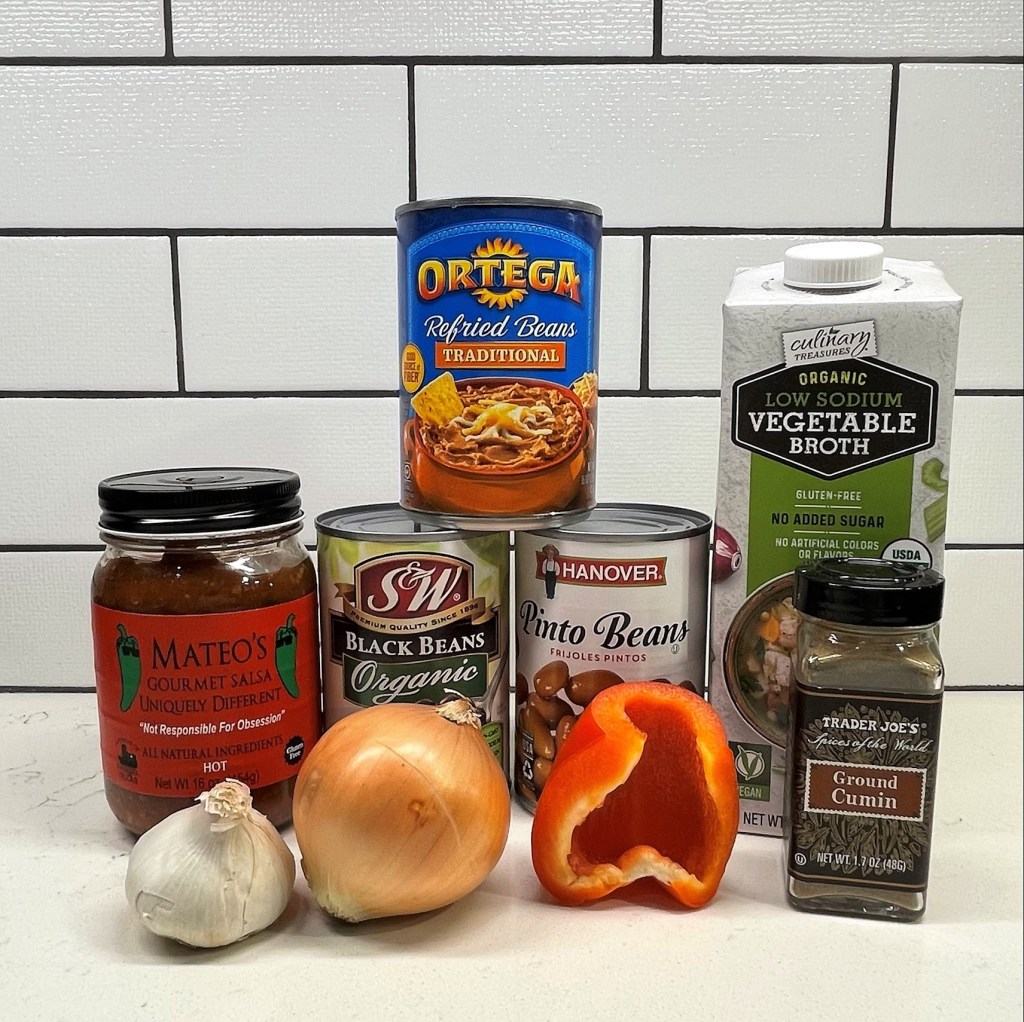
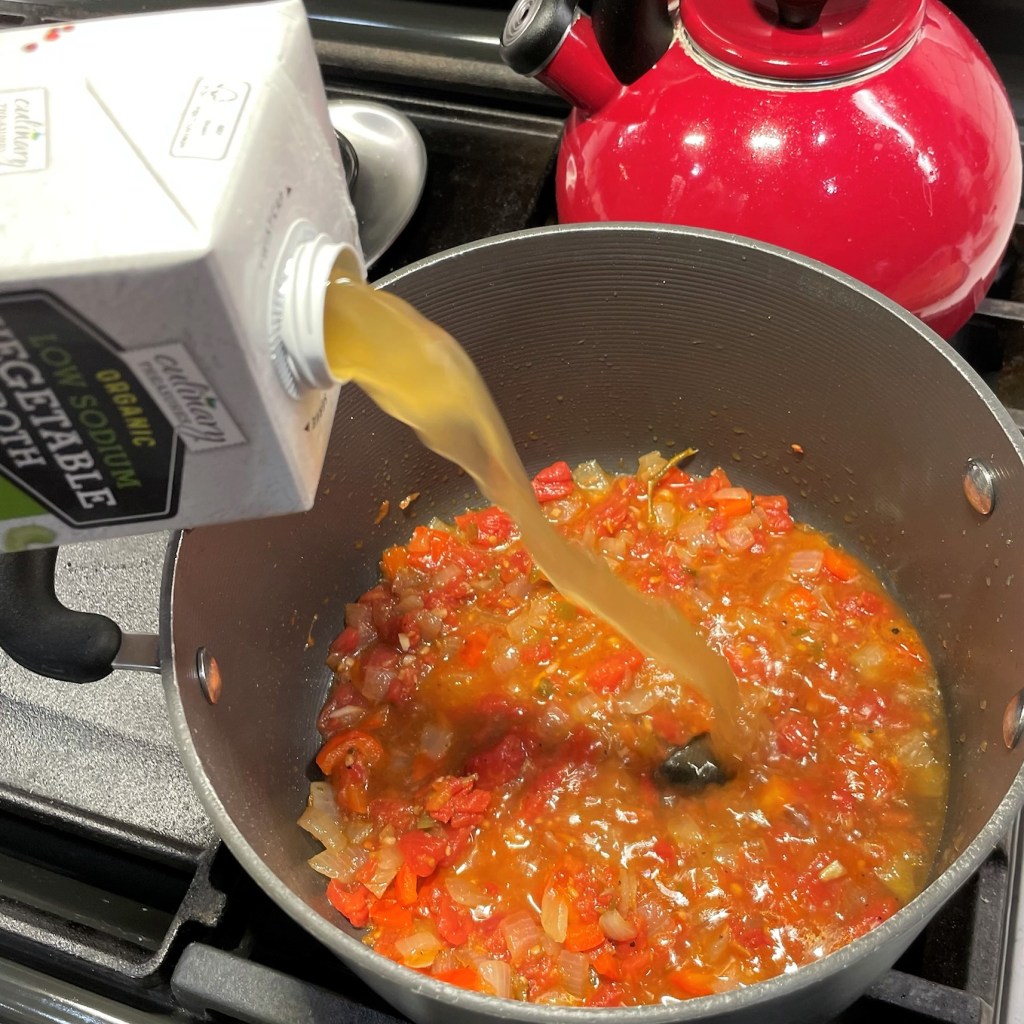
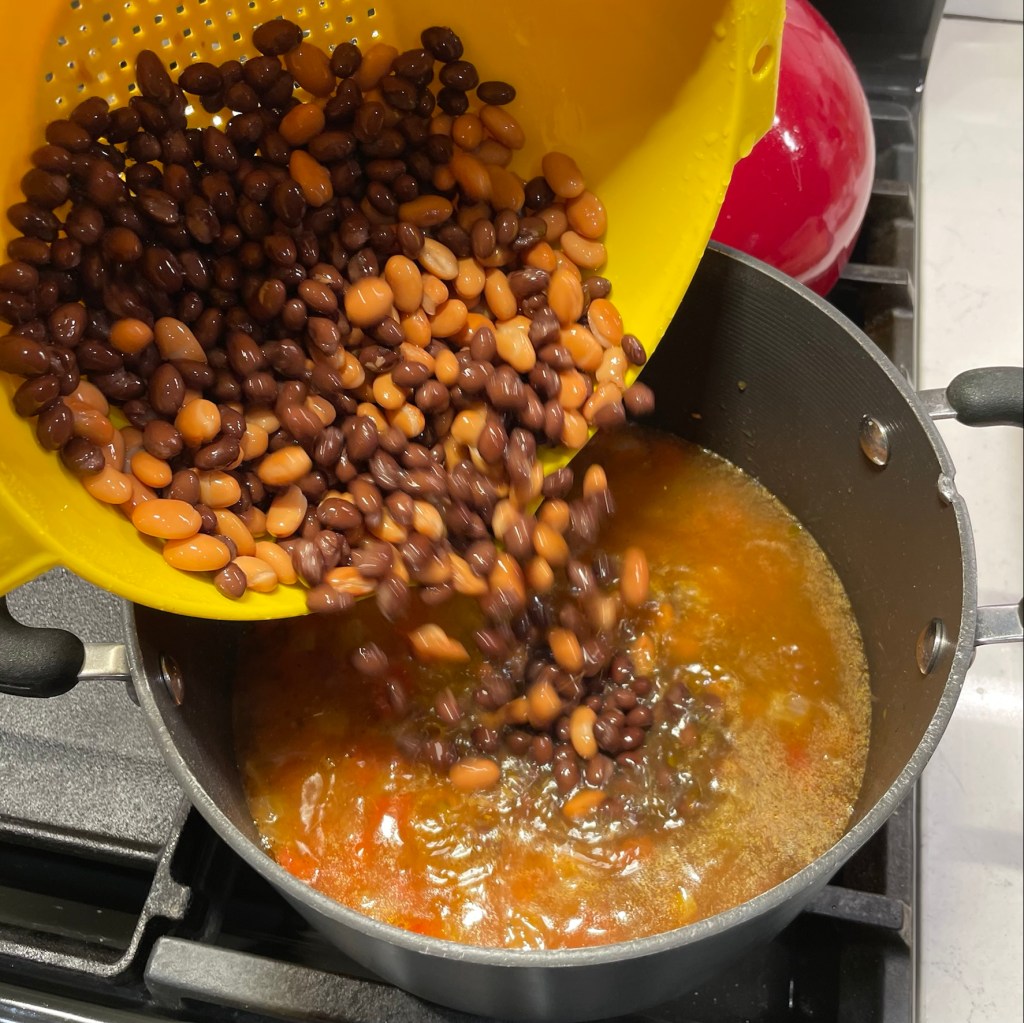
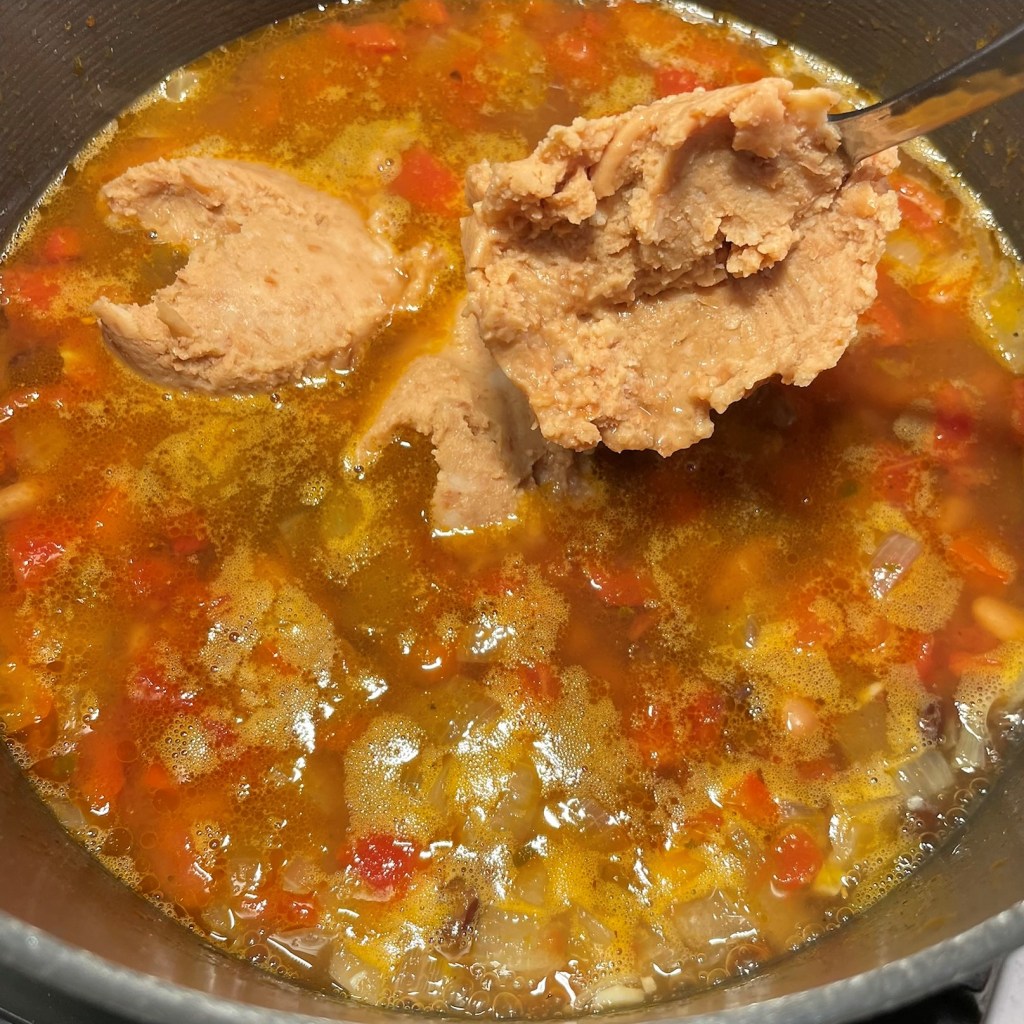
She didn’t have what I would call a passion for cooking, and certainly not much time, but she was incredibly skilled at getting a healthful and satisfying meal on the table in no time flat. This soup is one example, and when I pulled it out of my old recipe box the other day, I thought, “of course.” This is not an all-day-simmer kind of soup; rather, it leverages the already developed flavors of two key ingredients—jarred salsa and canned refried beans. Add some fresh onions and bell pepper, some veggie broth and your choice of chili beans and dinner is served.

There’s plenty of hearty comfort in the bowl, with beans, onions and peppers. And your favorite salsa lends a flavor that defies the quickness of the recipe.

The soup is every bit as comforting as any other homemade soup, but only takes 20 minutes, start to finish, which just happens to be the exact amount of time you need to throw a batch of Jiffy corn muffins into the oven (they’re perfect on the side).

What could be easier after a hectic day of shopping and errands during the busy holiday season?


Simple pantry ingredients and a few easy things from the fridge.

Ingredients

1 Tbsp. extra virgin olive oil

1 medium onion, chopped

1/2 bell pepper (any color), chopped

2 cloves garlic, minced

Cumin, salt and pepper

1 cup prepared salsa from a jar* (see notes)

2 cans beans (mix and match; pinto, black, kidney, navy are all good here)

2 cups low-sodium vegetable (or chicken) broth

1 can refried beans

Corn muffins for serving (optional, but yummy)


*Notes

Any kind of savory salsa will work here. It can be mild or spicy, green or red, thick or runny. If you have a can of Rotel tomatoes on hand, you could also substitute with that.


Instructions

  1. Get your corn muffins in the oven, if you’re making them. This soup can be made while they are baking.
  2. Drain and rinse the canned beans.
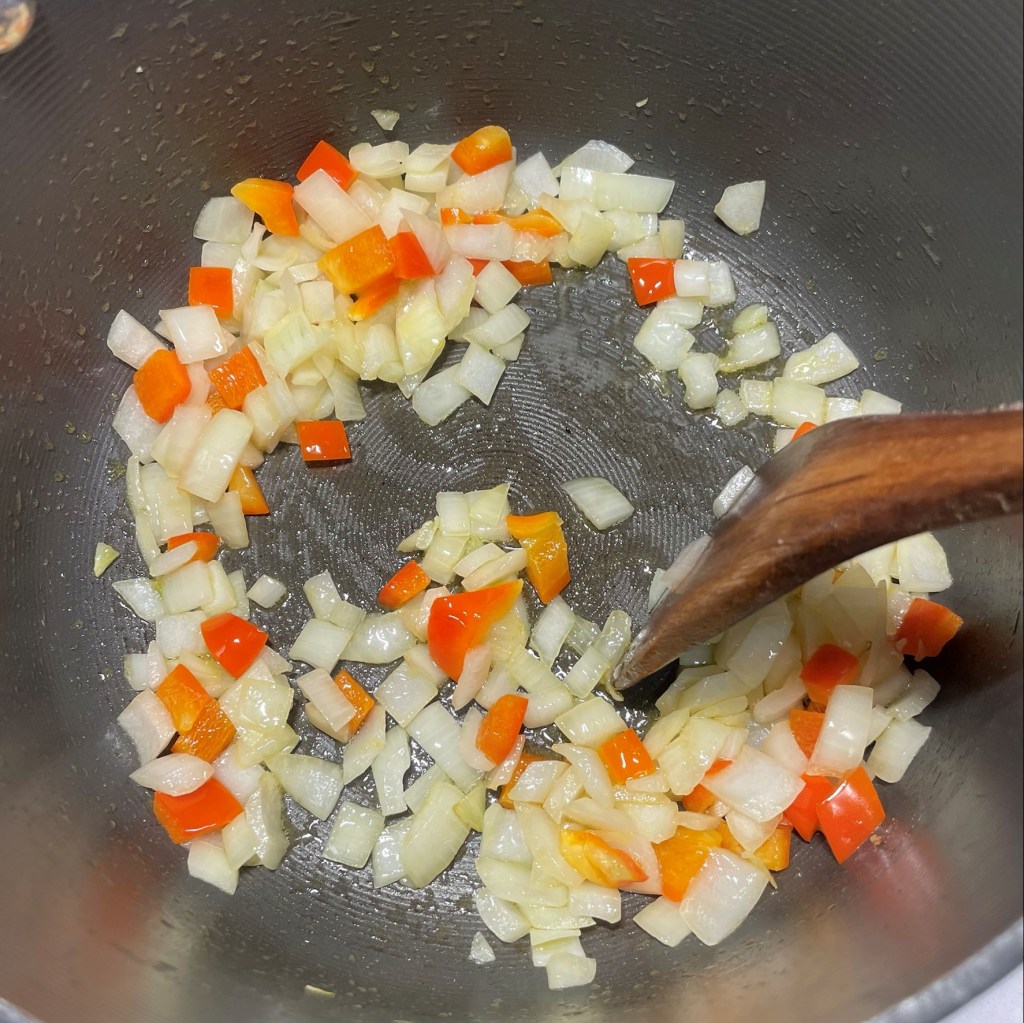
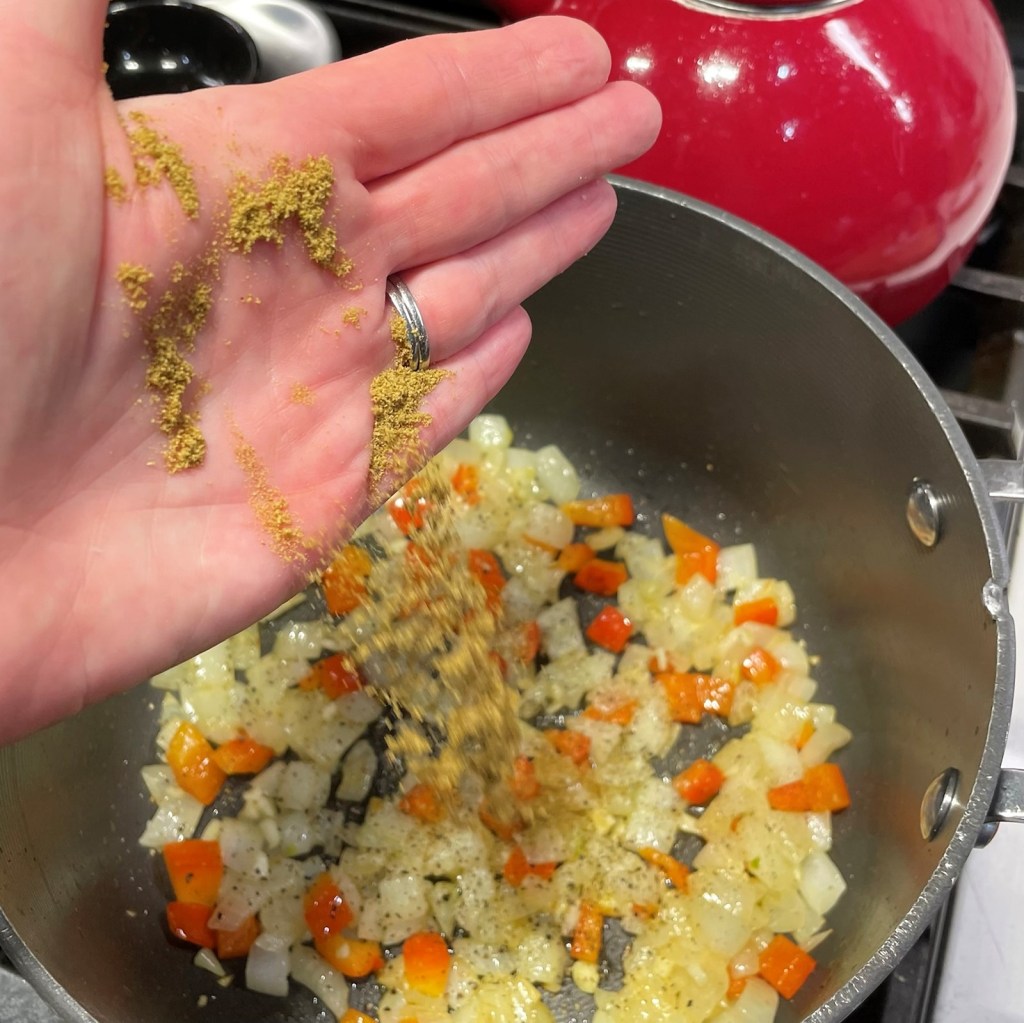
  3. Heat olive oil over medium heat in a soup pot. Saute onion and pepper until softened. Add garlic and saute another minute or two. Season with cumin, salt and pepper.
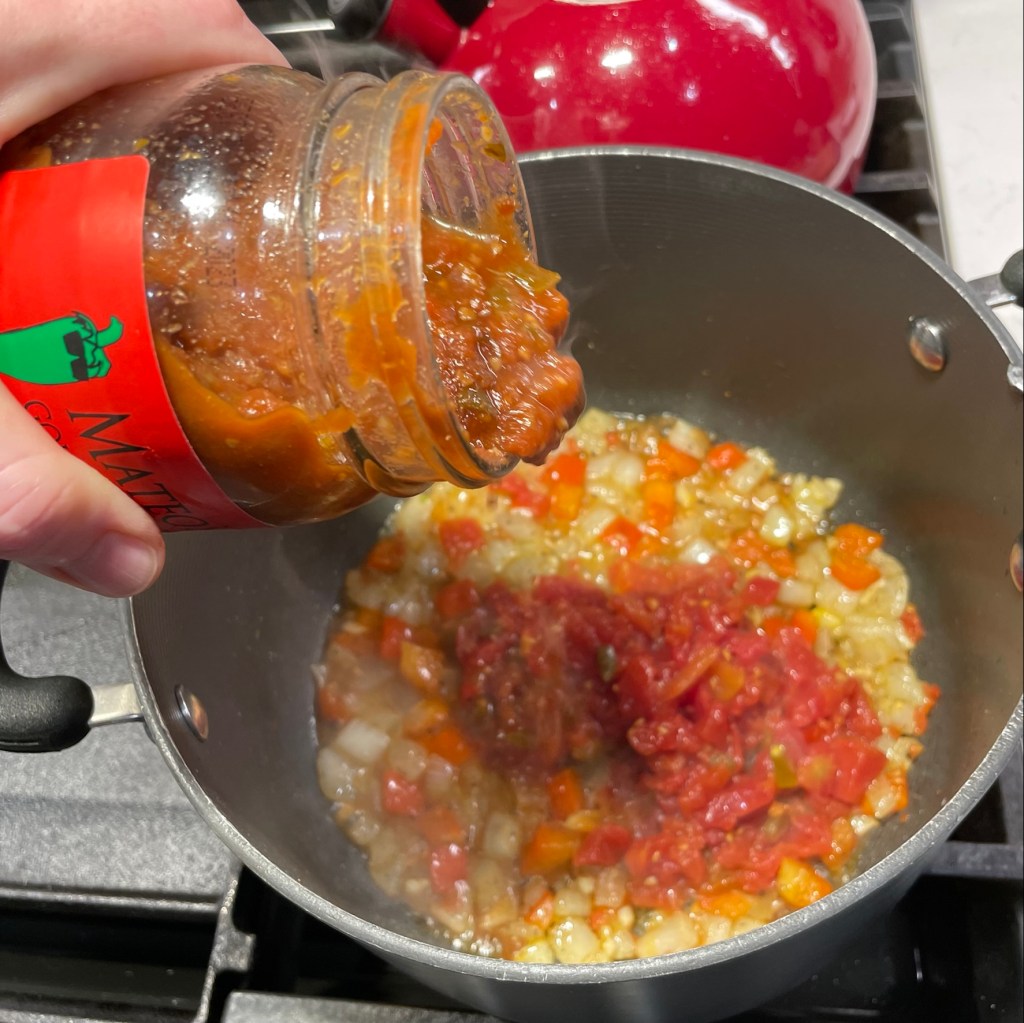
  4. Increase heat to medium-high. Add canned beans, salsa and broth, and stir to combine. When mixture begins to boil, reduce heat to medium. Stir in the can of refried beans, taking time to swirl and blend it into the broth. Adjust seasonings to taste. Simmer until ready to serve.
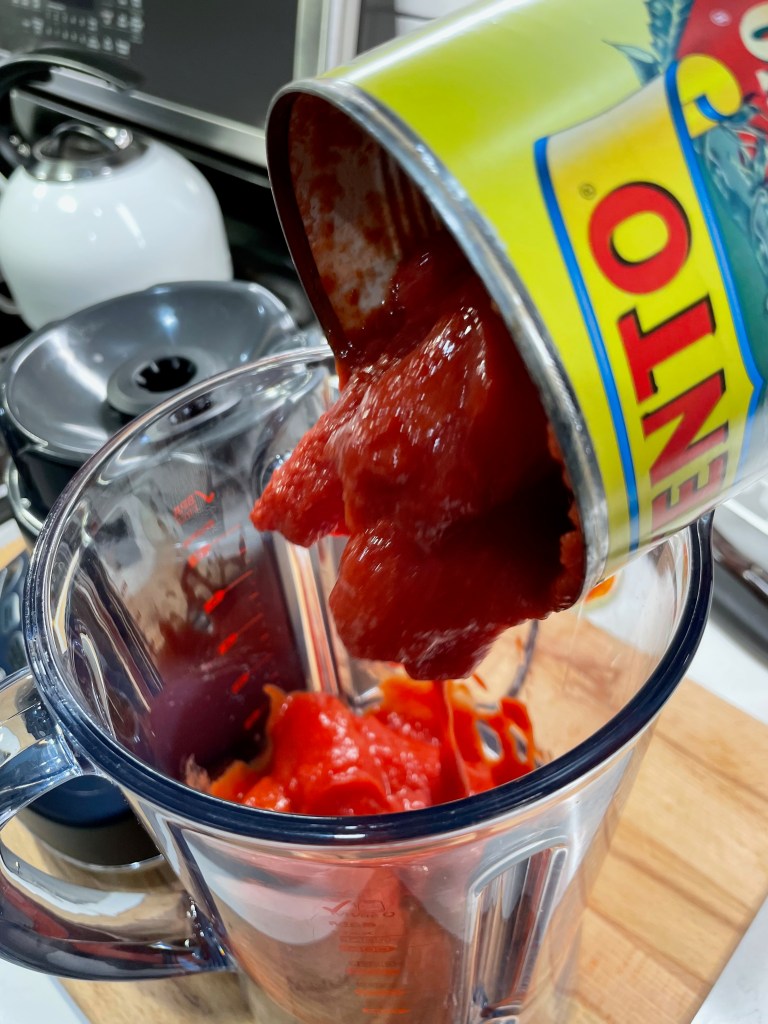

Turning Les’s Chili into “Kitchen-less” Chili

The first dish I cooked from scratch happened in fall 1981, my first semester out of college, living in Southern California. It was sometime after the appearance of the annual TV Guide Season Preview edition. We all of a certain age remember those, right?

This thick edition featured previews of all the new shows, updates on returning shows and, seasoned amid all that, some unique features. The 1981 edition had a clip-out thing with the actor Vic Tayback, in all his “Alice” glory (rolled-up white hat, white t-shirt), sharing the recipe for Mel’s chili. Curious thing is that I didn’t watch “Alice.” Ever. But I wanted to make that chili, and it came out great. Of course, at the tender age of 22, saying something came out great means it was edible.
Vic Tayback as Mel Sharples. Gruff, but likable. And everyone loved his chili.
My chili has grown considerably in depth of ingredients and flavor over the years, and I no longer need to refer back to Mel’s recipe as I did for at least 10 years, but the baseline recipe still has some “Mel” in it. Namely, I still typically use some type of ground meat, onions, garlic, tomato paste and red kidney beans. I remember my very first modification, probably the second time I made the chili, was adding diced green peppers. Diced red pepper followed shortly after.

Soon enough, my chili became the regular main dish at the annual Gura household Super Bowl party, and I tried to do something different with it just about every year. So, among the additions (which sometimes also required deletions), were diced tomatoes (I now use Rotel hot diced tomatoes), roasted garlic, cocoa powder, various types of chili powders and seasonings rather than the packets of chili seasoning the recipe called for, canned green chiles, and diced jalapeno. A breakthrough ingredient some 15 years ago (I think I have to credit chef Steven Raichlen for this) was dark beer, as substitute for the water needed with the tomato paste. I’ve used ground bison. Used ground venison. Used smoked brisket (that might have been my best chili ever, Super Bowl party 2017).

Now comes a new challenge. Making chili without a kitchen, which became my mission one recent weekend while Terrie was taking a trip to West Virginia to buy colorful new Fiesta dishes for our soon-be-be completed kitchen. Fortunately, in our current state of kitchen-lessness, Terrie and I have two useful things for making chili. A multi-purpose slow cooker and a toaster oven; the former was the star of the day for the new batch.

I’m not going to bore you all with the details. Suffice to say, while I roasted a bulb of garlic in the toaster oven, I diced up peppers and onions and lined up the other key ingredients (Guinness Foreign Extra Stout was the beer). I browned the bison in the slow cooker and flavored it with a taco skillet sauce, then removed the bison to sauté the vegetables. Eventually, everything went back  into the slow cooker and I left it on low for 2½ hours. With the jalapeno pepper flakes and ground chipotle that I added, this chili came out, to quote Jim Carrey in Masked, “ssssmokin!”


Ingredients (makes about 8 portions)

Counter space and lighting is even worse in the dining room than in the old kitchen, but I like to get “mise en place!” Everything ready, including a frosty beer for myself.

1 pound ground bison* (notes below)

1 medium onion, diced

1/2 each green and red peppers, diced

1 medium jalapeno pepper, seeded and diced

2 Tbsp. olive oil

1 bulb garlic

1 can Rotel diced tomatoes (I used the “hot” variety)*

2 small cans of chopped green chiles*

1 10-ounce can tomato paste

1 12-ounce beer*

1 packet Frontera brand taco skillet sauce (you will need less than half the packet)

2 cans red pinto beans (for this I used dark red; normally I mix dark and light red beans), drained

1-2 Tbsp. ground chipotle*

A pinch or two of dried jalapeno flakes

1 Tbsp. cocoa powder

Salt and pepper


Tools

Slow cooker and toaster oven for cooking*


Toppings/Extras

Shredded cheese*

Sour cream

Scallions

Tortilla chips


Notes

  • Bison can be substituted with ground beef, ground turkey or other favored protein; chili also works great with different kinds of stewed or smoked meats cut into small chunks.
  • Rotel makes three varieties of diced tomatoes; use whichever suits your heat preference.
  • I used Ortega’s fire-roasted, mild chopped green chiles for this batch, but any will do.
  • I like to use a dark beer; for this batch it was Guinness Foreign Extra Stout, which Terrie thought was too bold but it was the only bottle of dark beer in the “downstairs” fridge.
  • Ground chipotle can be substituted with other types of seasoning such as ancho chili powder or a seasoning packet mix or a combination of seasonings, all based on heat preference and desired flavor profile. And another thought on seasoning: add in whatever you like on a given day. Chili never comes out exactly the same, at least in our kitchen. And that’s OK.
  • If you don’t have a multipurpose slow cooker, you could brown the beef and sauté the vegetables in a fry pan, then add all other ingredients into a cast-iron pot.
  • Needless to say, garlic can be roasted in a regular oven. Unless you’re remodeling your kitchen.
  • I like to use a block of cheese rather than pre-shredded. Because this batch came out spicy, I used a Colby-jack blend. If your chili’s heat factor is low, Trader Joe’s makes a habanero pepper jack that works great and you can make your own bowl as spicy as you want.

Instructions

  1. Pre-heat toaster oven to 400° F. Cut off head of garlic bulb, drizzle with olive oil and wrap in foil. Cook 1 to 1½ hours until the bulb is soft and golden brown.
  2. Brown ground bison in multipurpose slow cooker on brown setting, adding in small batches to avoid steaming. After initial browning, add skillet sauce to coat bison, then remove from slow cooker.
  3. Add olive oil and sauté the vegetables about 5 minutes until soft and translucent.
  4. Change setting to slow cook on low, return ground bison to the slow cooker, and then add in Rotel diced tomatoes, beer and tomato paste. Add seasonings. Mix all ingredients well. If mixture appears too thin, gradually add more tomato paste; if too thick, add water.
  5. After cooking about 90 minutes, add kidney beans and heat through.

In Terrie’s new Fiesta ware, the leftover chili looks like a party in a bowl.