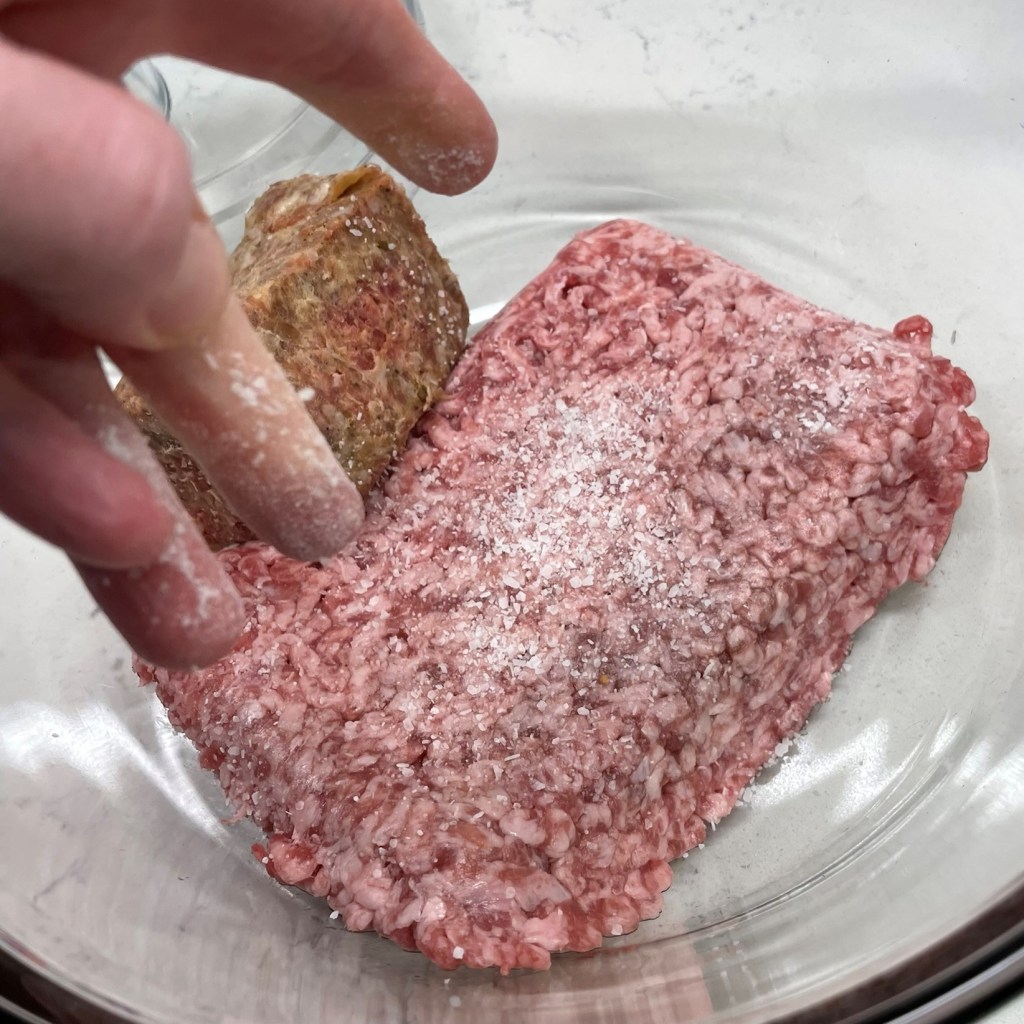
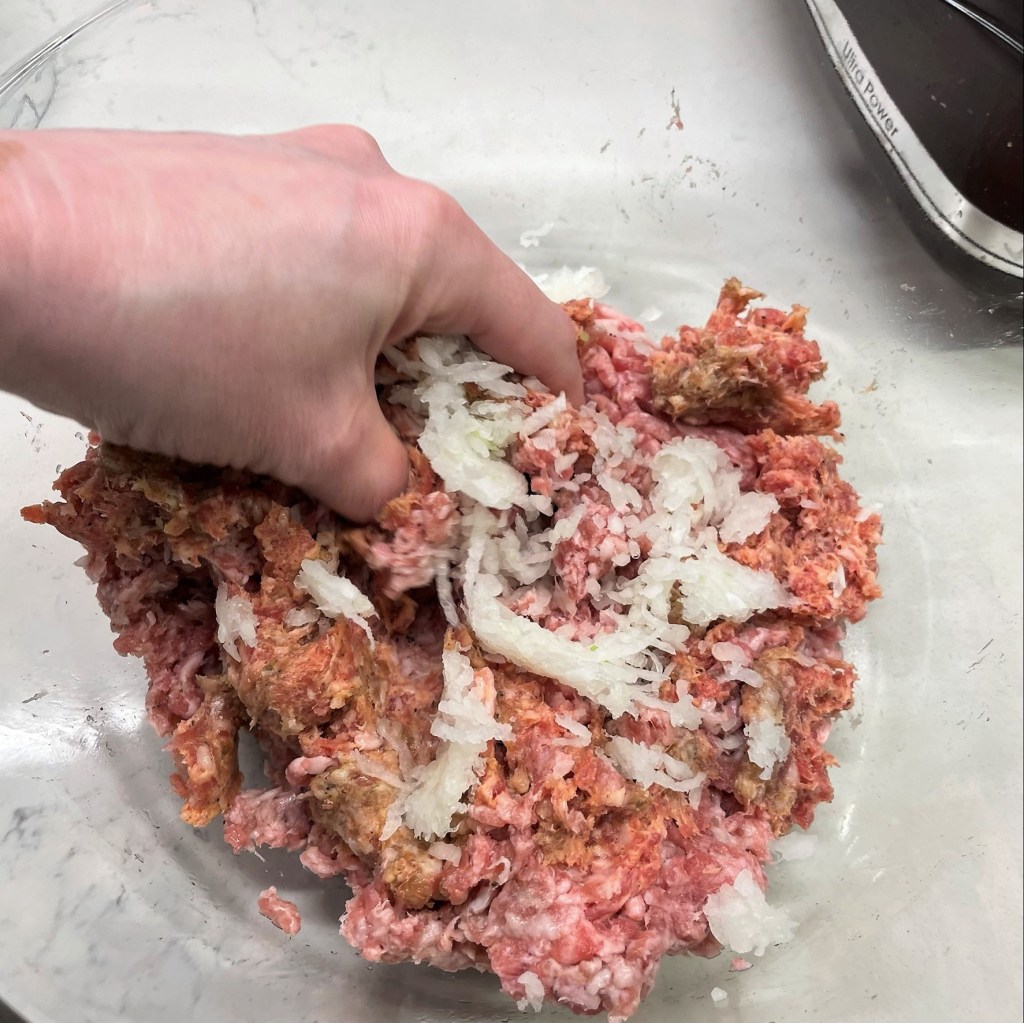
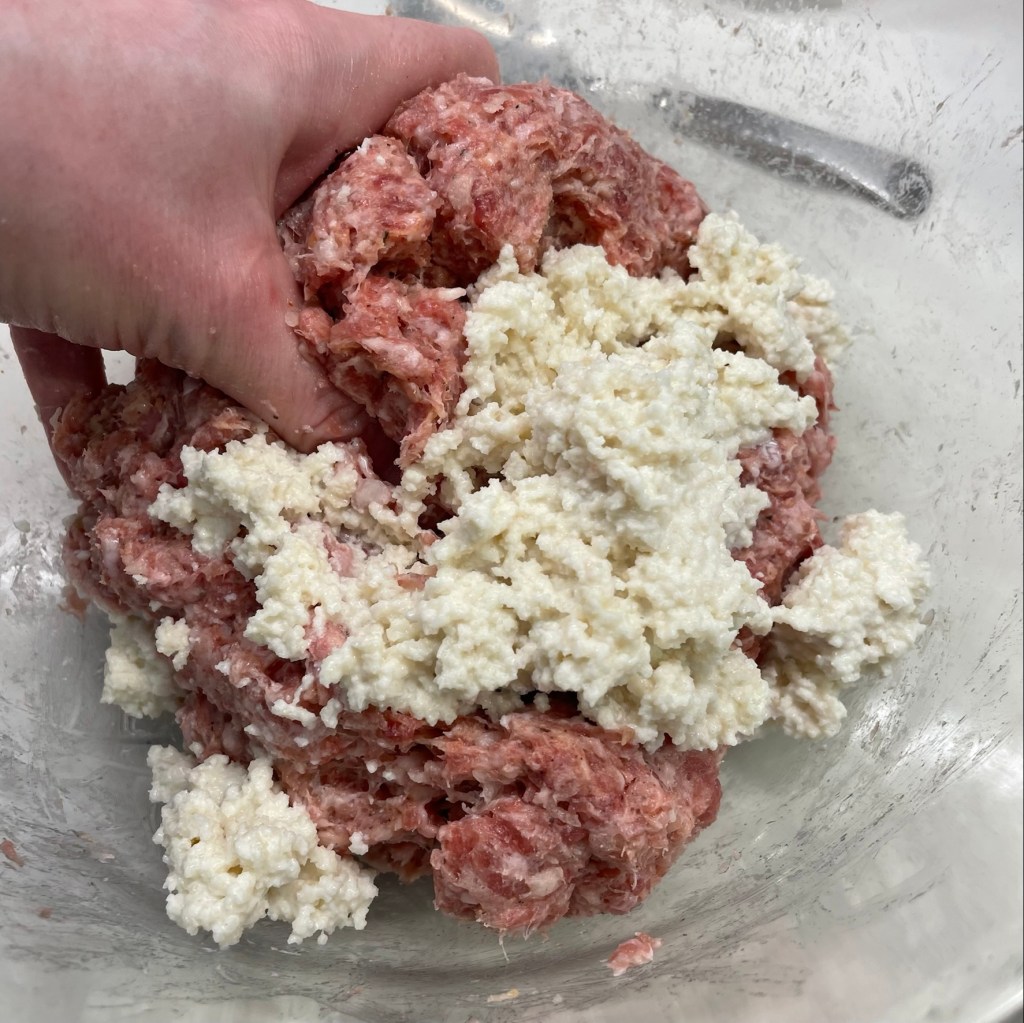
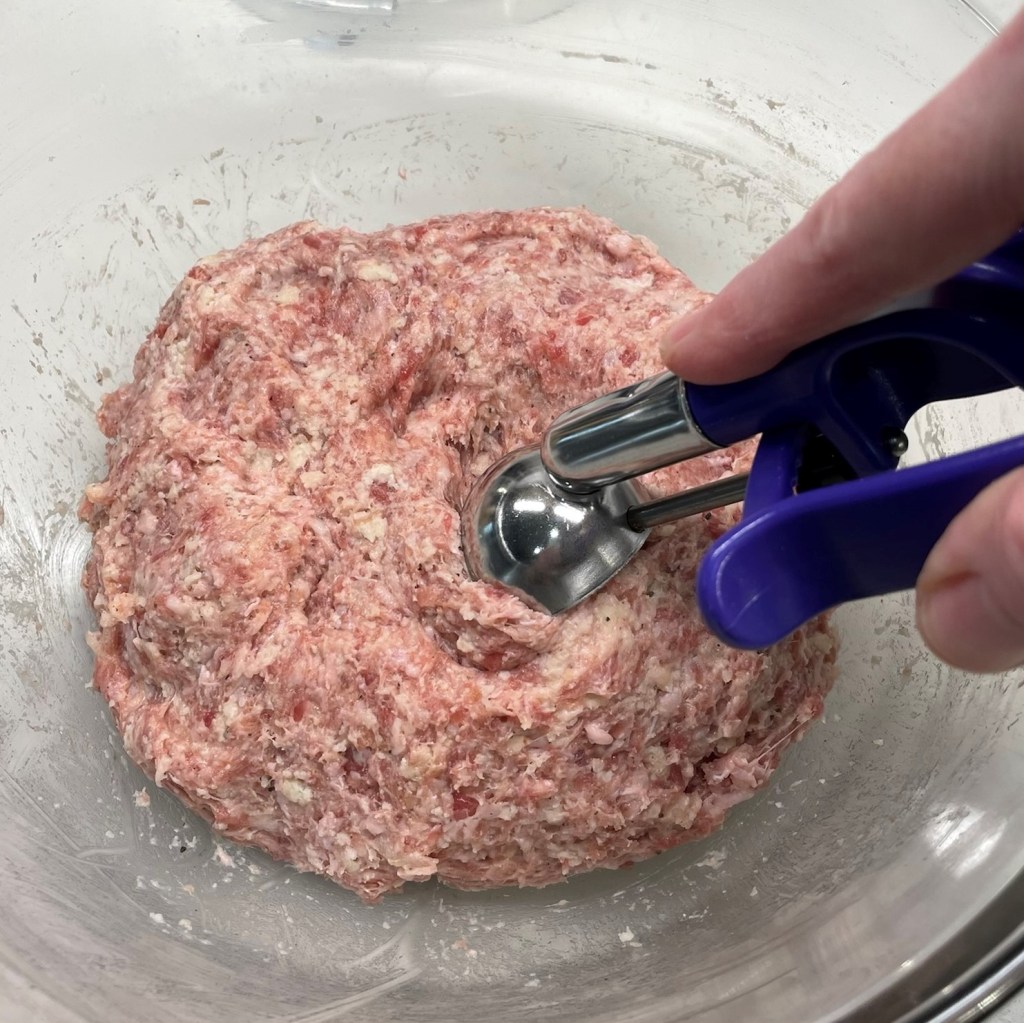
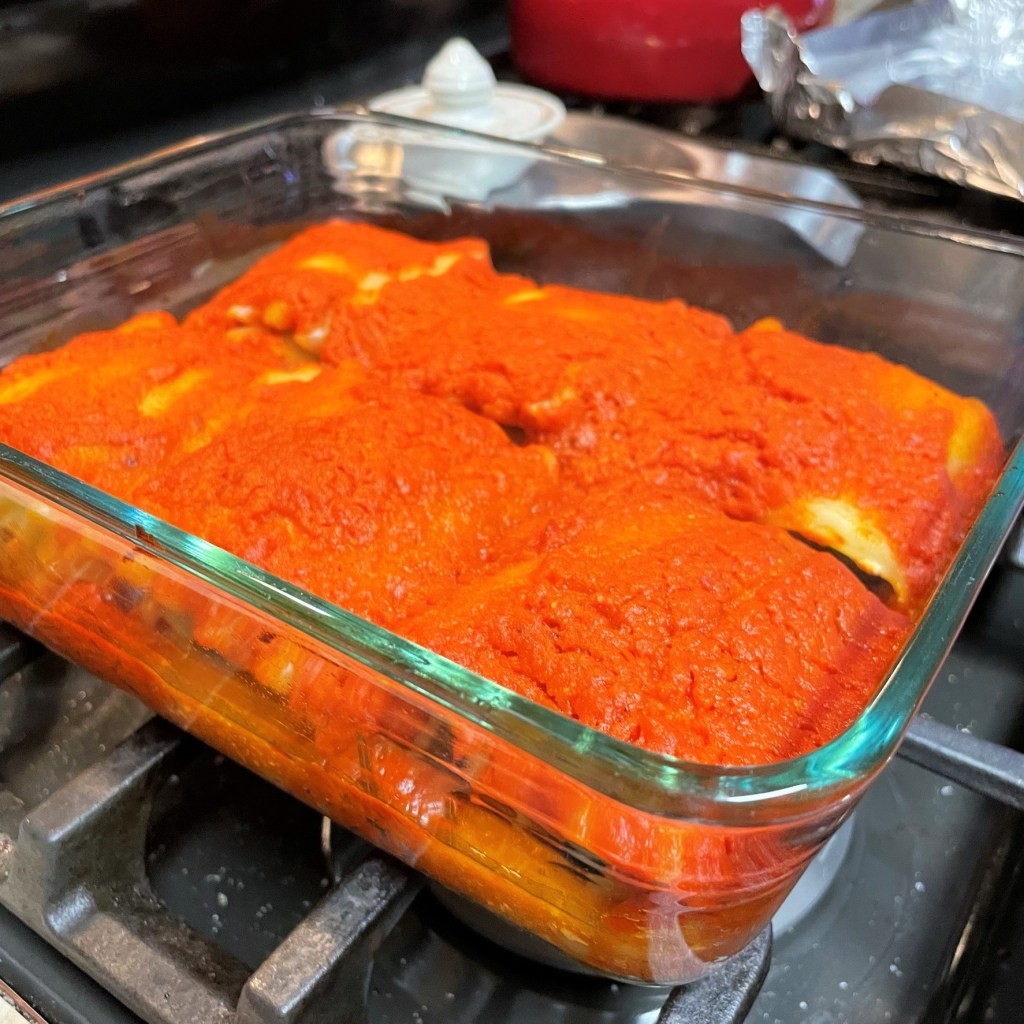
Corned Beef Shepherd’s Pie

For the first year in a long time, I did not do my usual DIY Corned Beef for St. Patrick’s Day. The continued time warp caused by COVID, combined with yet another home renovation project that has just begun at our house, has left me a little flustered and out of my routine. So, there’s that, plus a discovery that I made in our freezer.

Last year, we did two huge briskets in my homemade corned beef brine—one was fated to be a classic corned beef with cabbage and carrots, and the other went the extra mile to become smoked pastrami—and I recently uncovered not one, but two packages of said meat that have been hiding in the depths of our freezer drawer. I couldn’t justify making more until we finished what we already had, but what does one do with a pound of vacuum-sealed, sliced corned beef, other than the obvious sandwiches?

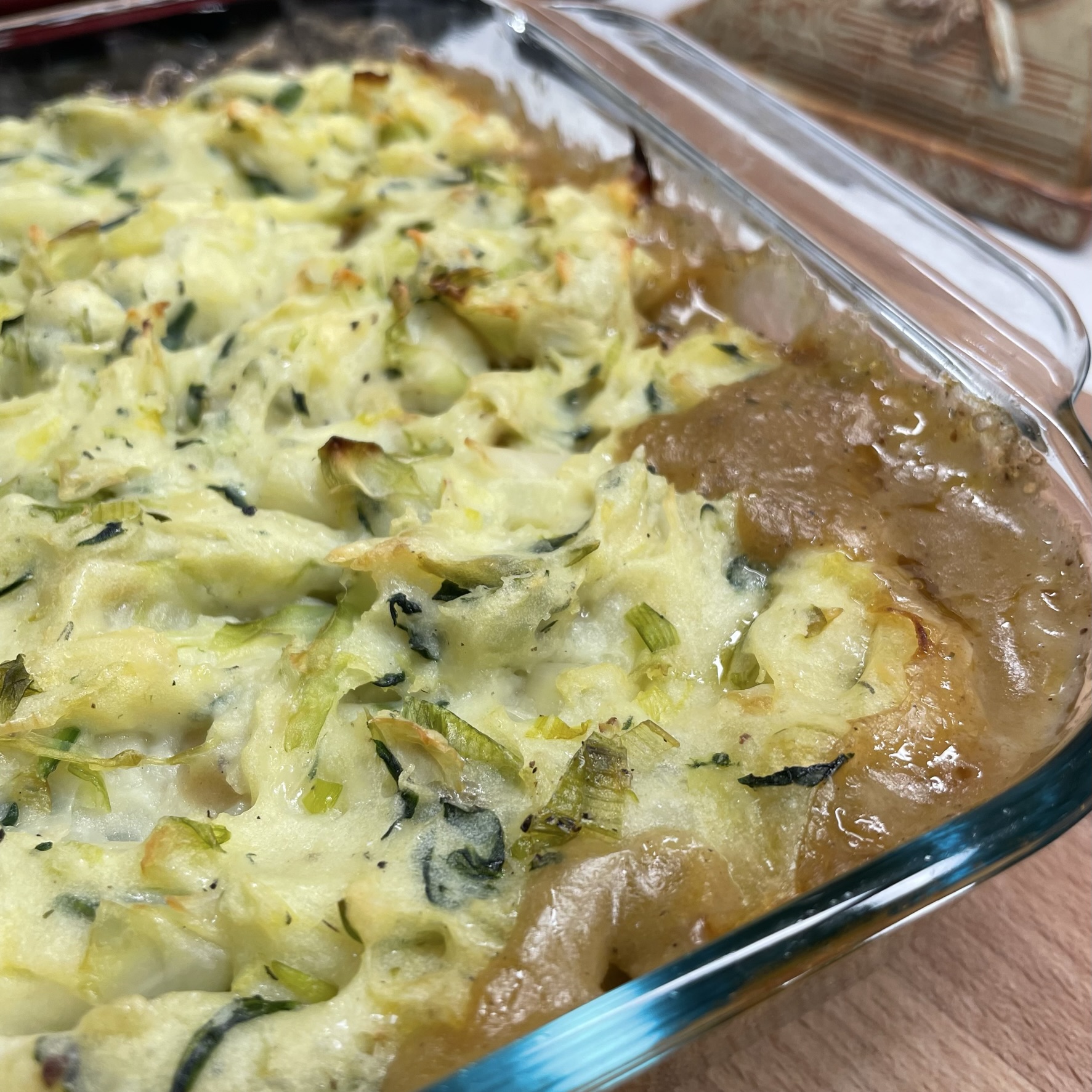
I love cooking up fun foods for special occasions, and shepherd’s pie is a classic for St. Patrick’s Day. A typical shepherd’s pie is made with ground meat (usually lamb or beef), peas, carrots and mashed potato topping. But I could not pass over the entire St. Pat’s celebration without the old standby of corned beef and cabbage. Last year, I shared my recipe for colcannon (which I also love), so I whipped up a new batch of that as my pie topper, and I picked up two fun (and Irish) ingredients to give the colcannon extra body and a boost of sharp flavor. Irish white cheddar was a no-brainer, and when I sought out a package of Irish butter (which I only splurge on this time of year), this embellished version jumped right into my basket!

This is how they make Irish butter even better!

Well, that was lucky! Butter that is already flavored with fresh herbs would make this dish even quicker to prepare.

I channeled my grandmother a little bit in making this dish. She was the absolute queen of leftovers, a real whiz at transforming a random thing from the freezer into a full-blown meal that had leftovers of its own. The shepherd’s pie was delicious, perfectly festive for the occasion, and finally helped me use up the frozen corned beef that I forgot I had.

If you’re staring down your own corned beef leftovers, give this dish a go. If you happen to have leftover cabbage and carrots, or leftover mashed potatoes, too—well, you’re way ahead of the game.

A shepherd’s pie is a fun way to revisit the classic flavors of corned beef and cabbage, and this reheats beautifully, even in the microwave.

Ingredients

There are three specific components to this easy dish, and I’ll break down the ingredients list and instructions accordingly. Follow along with the slides and scroll to the end of the post for a downloadable version you can print or save for your recipe files.

Corned Beef & Cabbage Filling

2 Tbsp. garlic and herb Irish butter

1/2 small head green cabbage, chopped

1 cup baby carrots, cut into bite-size chunks

1/2 large onion, chopped

1 lb. leftover corned beef, sliced or cubed
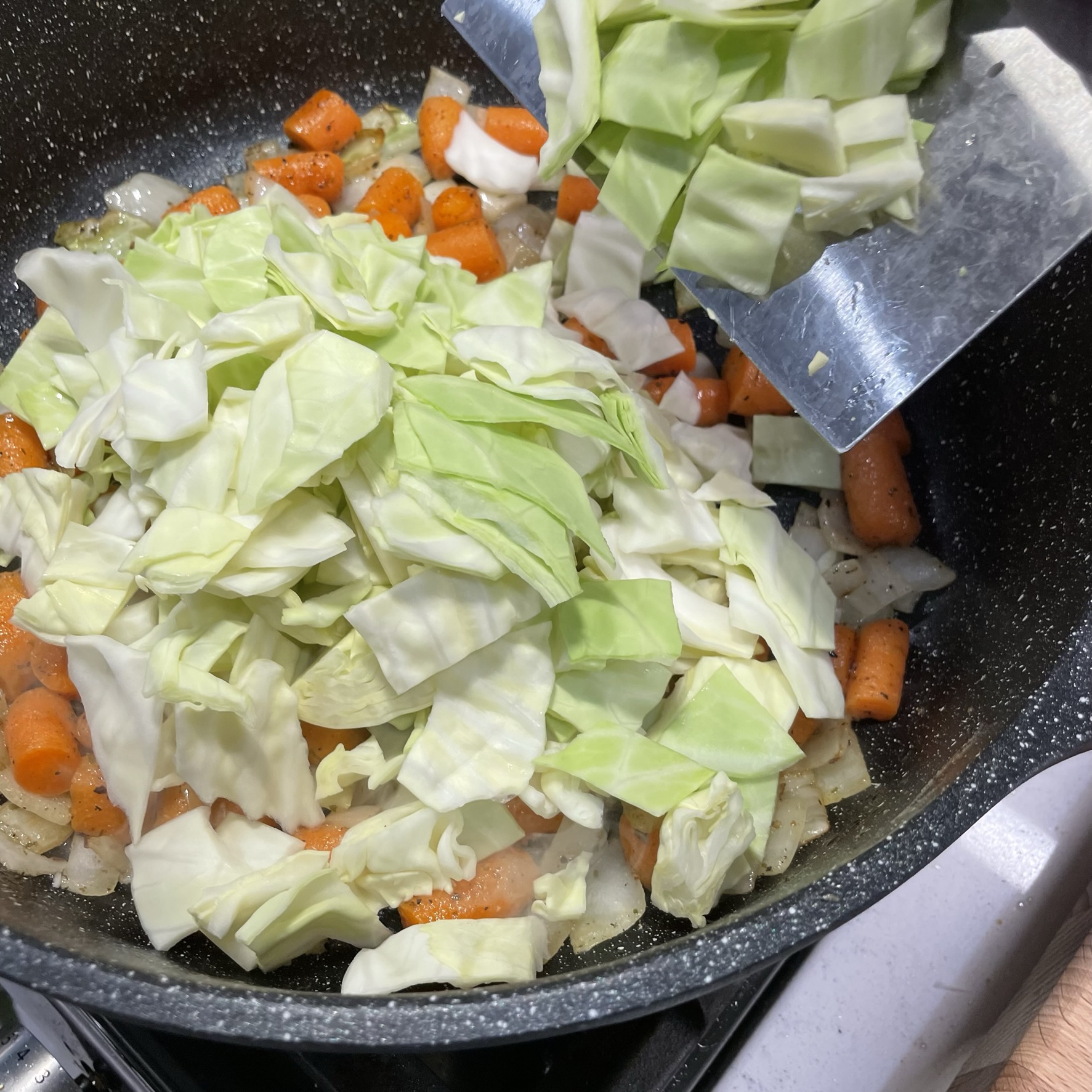
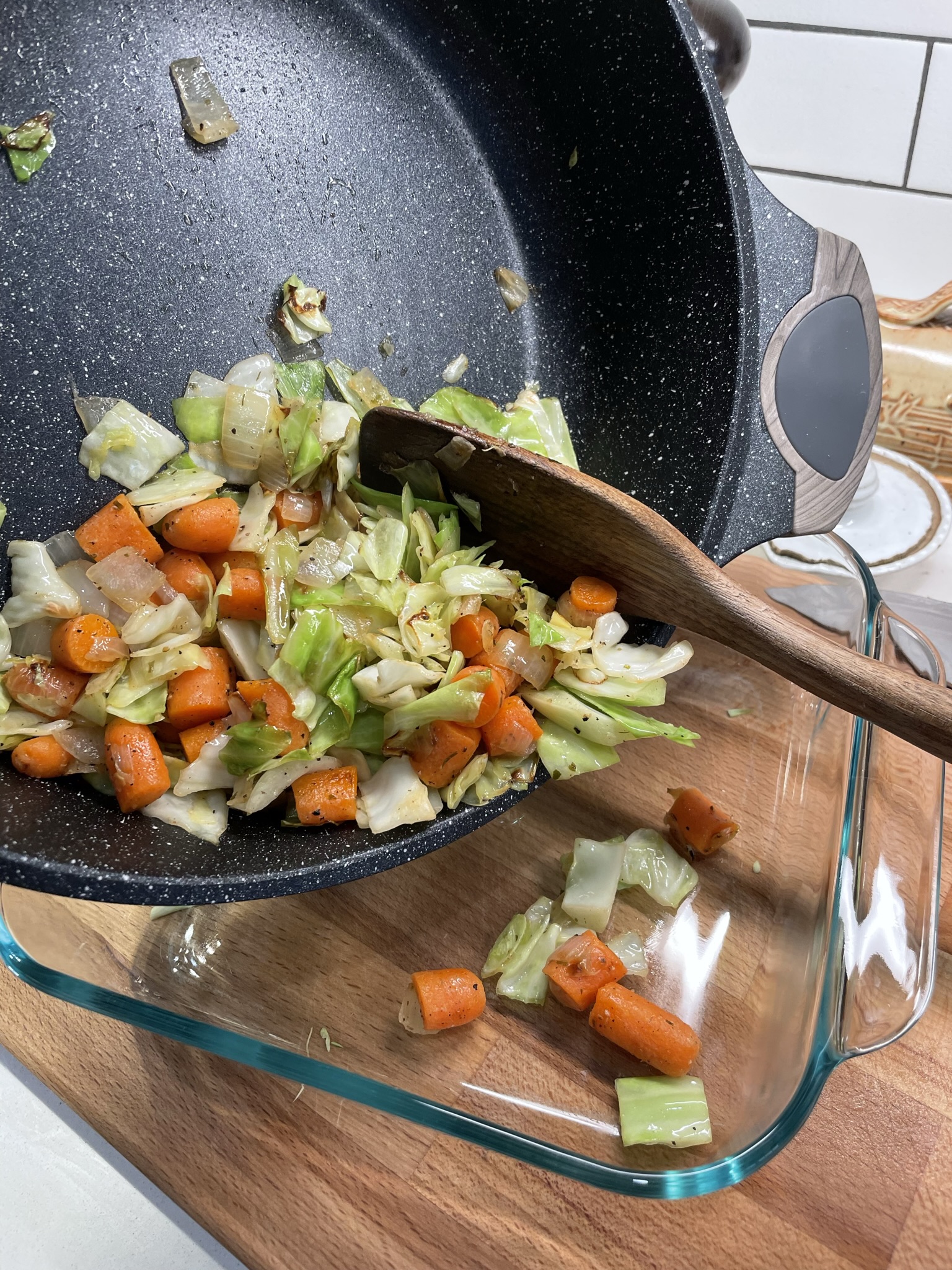
Melt the butter in a large sauce pot or skillet. Sauté the carrots, onion and cabbage until the onions are translucent and the cabbage is soft. Season with salt and pepper and transfer to a glass 8×8 oven-safe casserole dish. Set aside, adding the corned beef later when you are ready to assemble the dish.


Colcannon with Irish Cheddar

1 lb. peeled potatoes, cut and cooked until tender (I used 50/50 russet and Yukon gold)

2 Tbsp. garlic and herb Irish butter

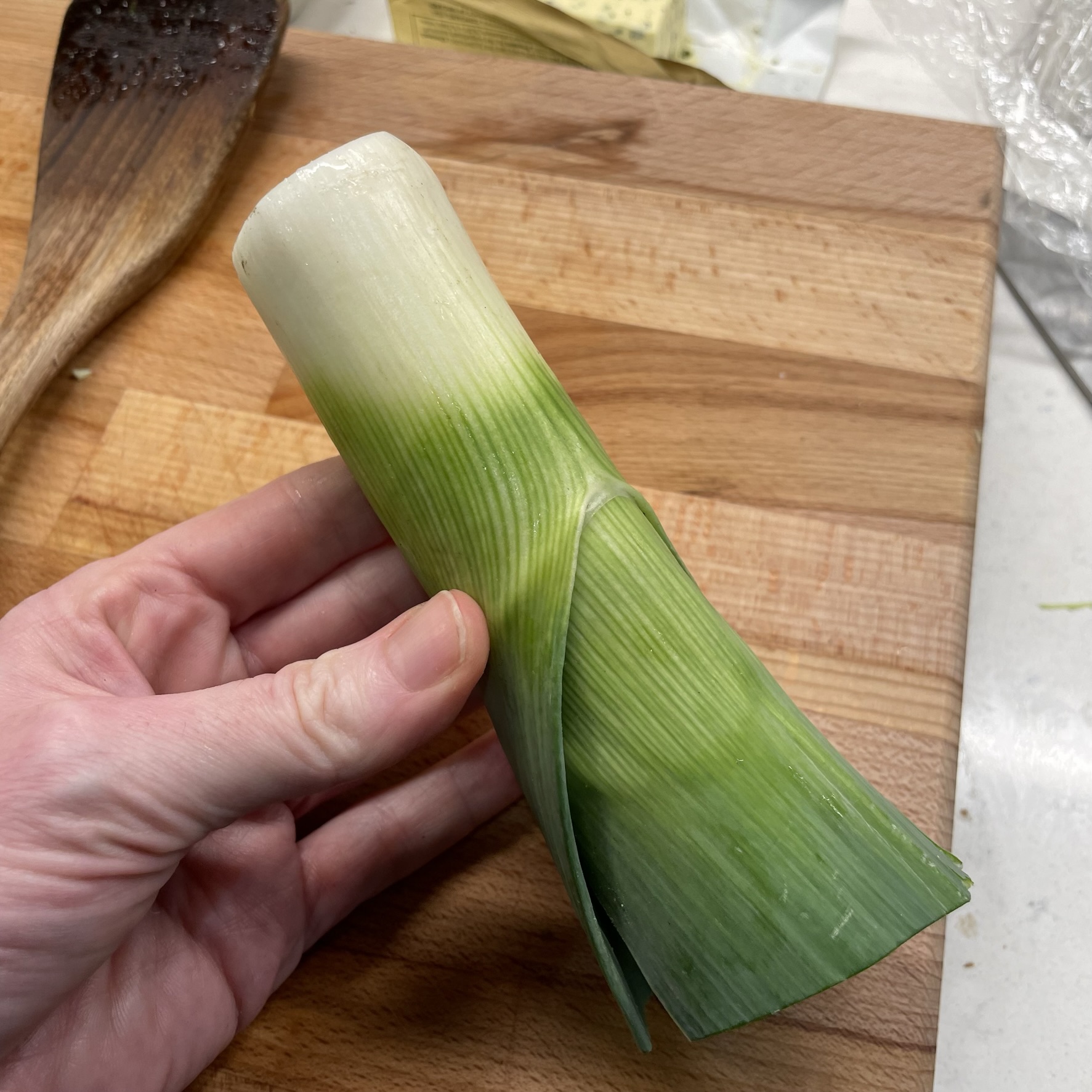
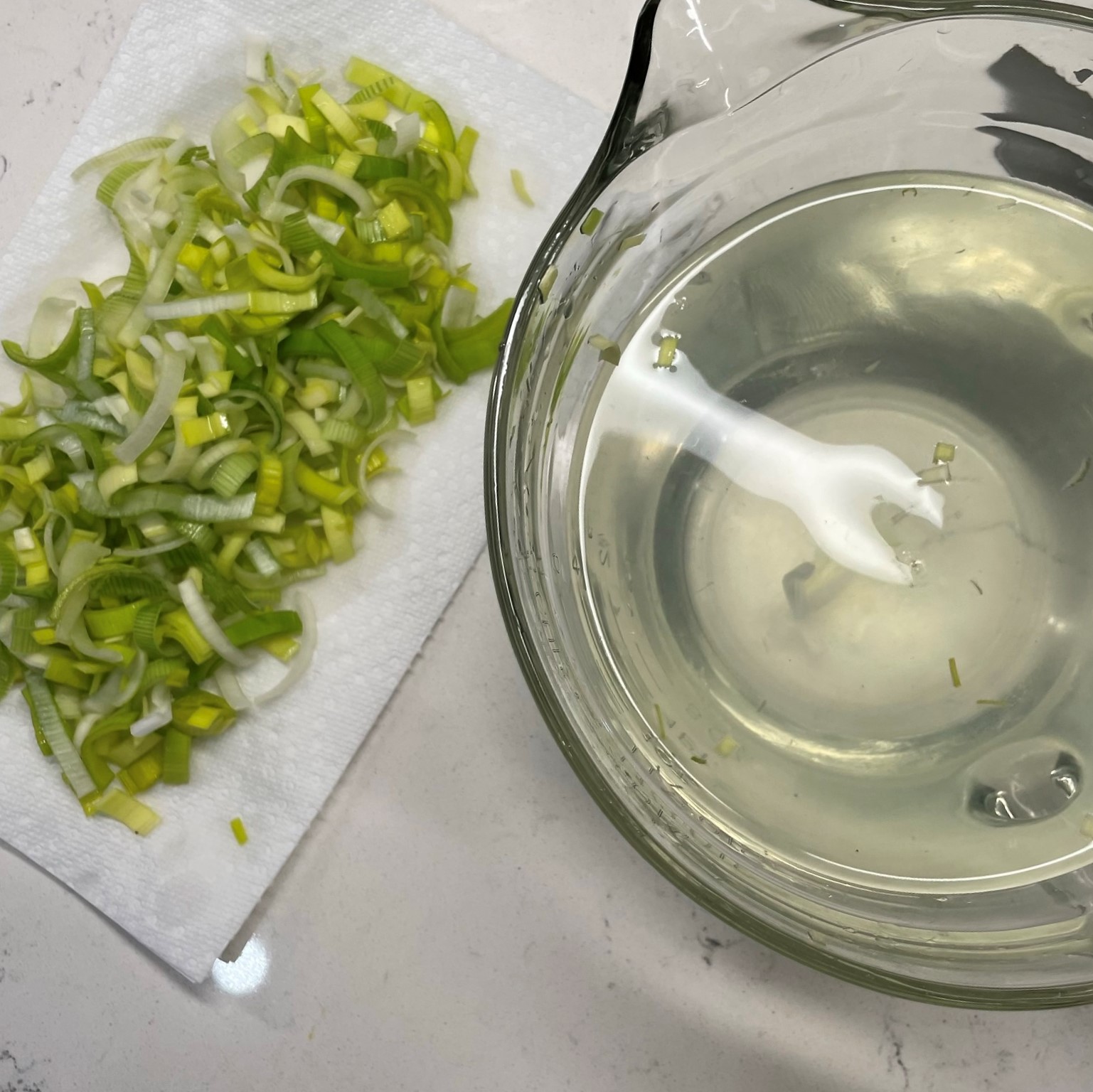
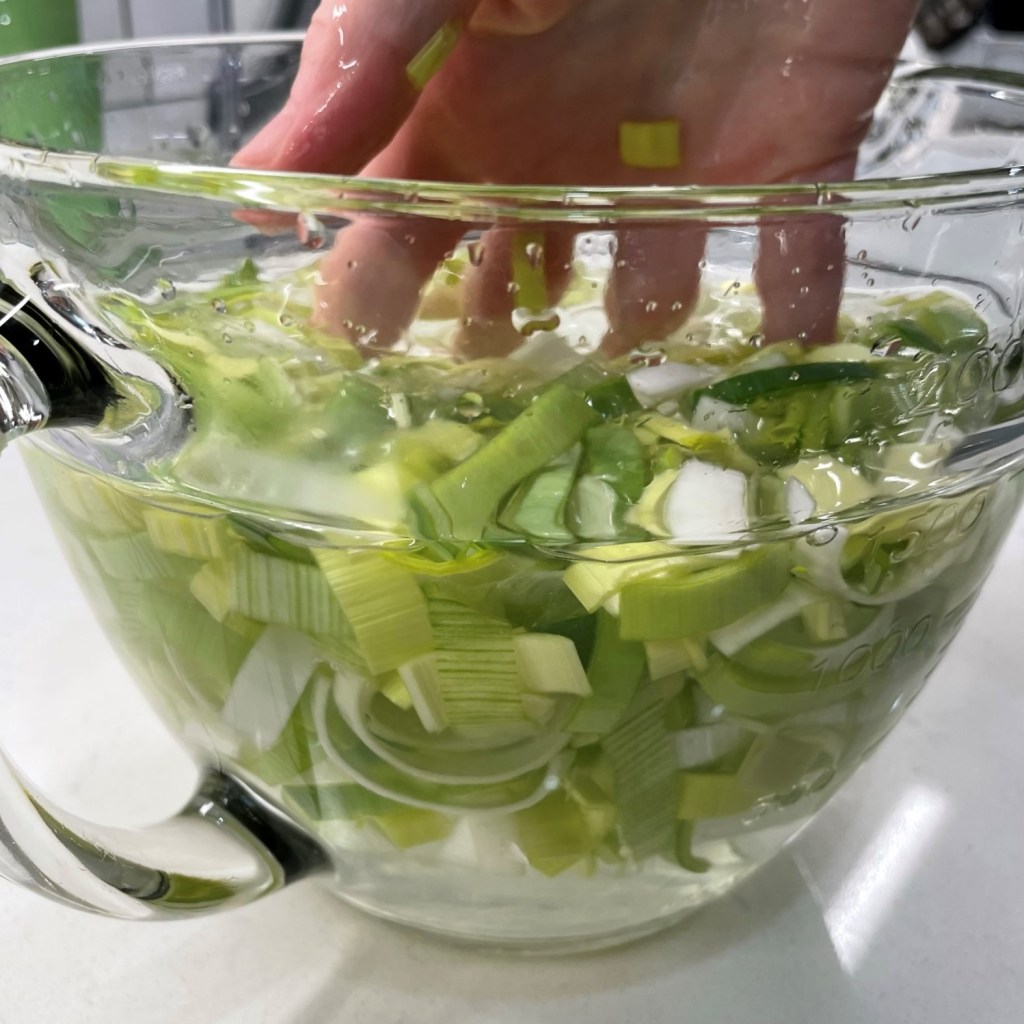
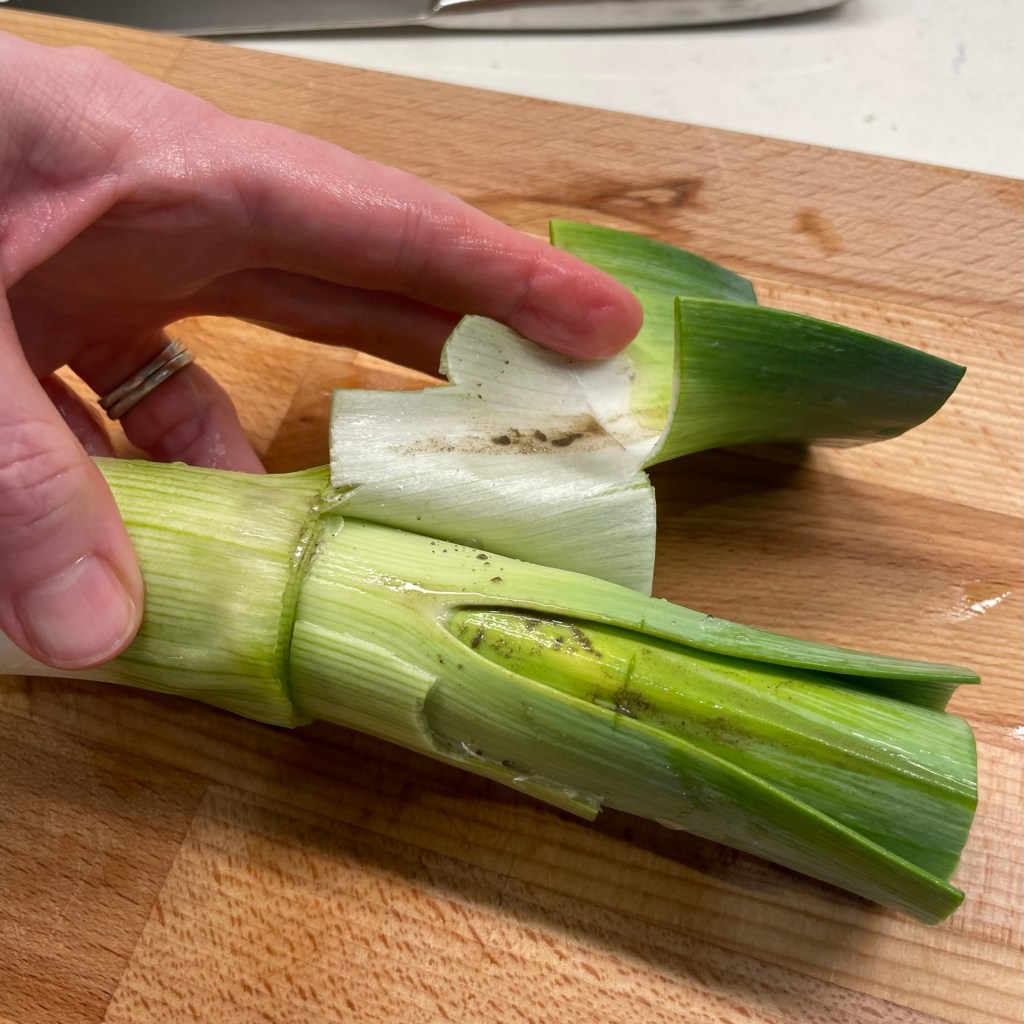
1 leek, cleaned and sliced into half-moon shapes

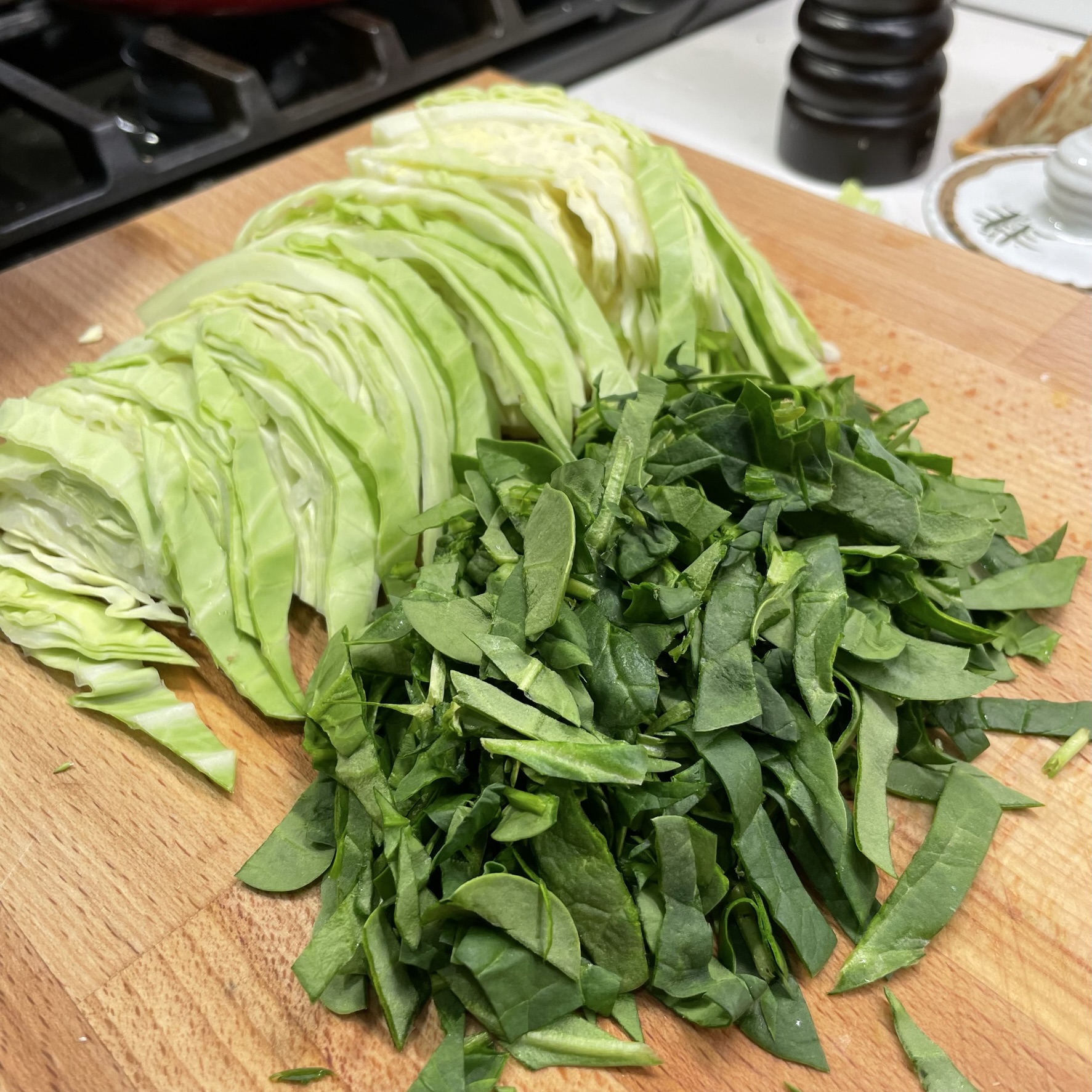
1/2 small head green cabbage, sliced thin

A fat handful of baby spinach leaves, rough chopped

1 cup shredded Irish white cheddar
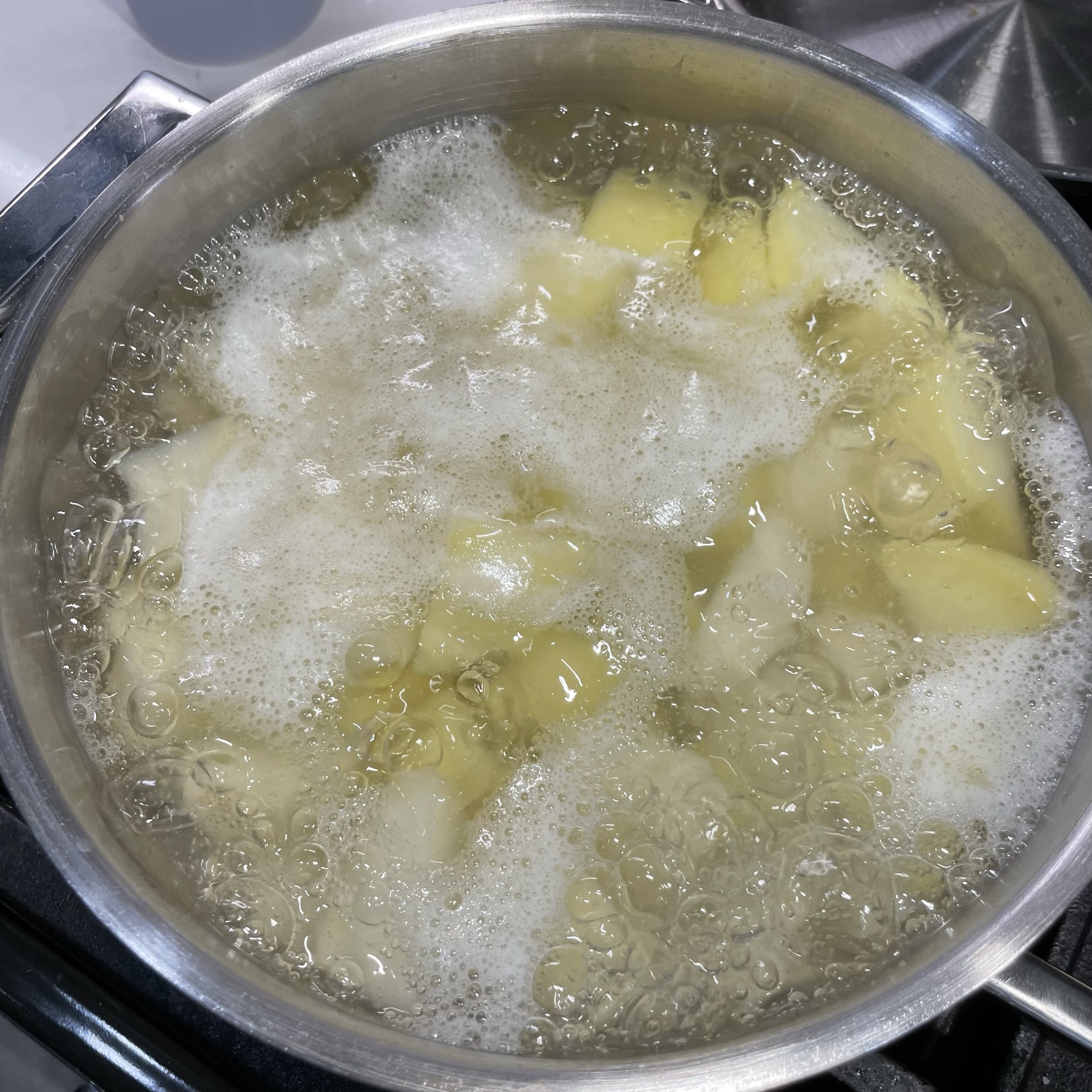
Get the potatoes cooking (don’t forget to season the water with a generous pinch of salt!) and drain them when they reach fork-tender stage.

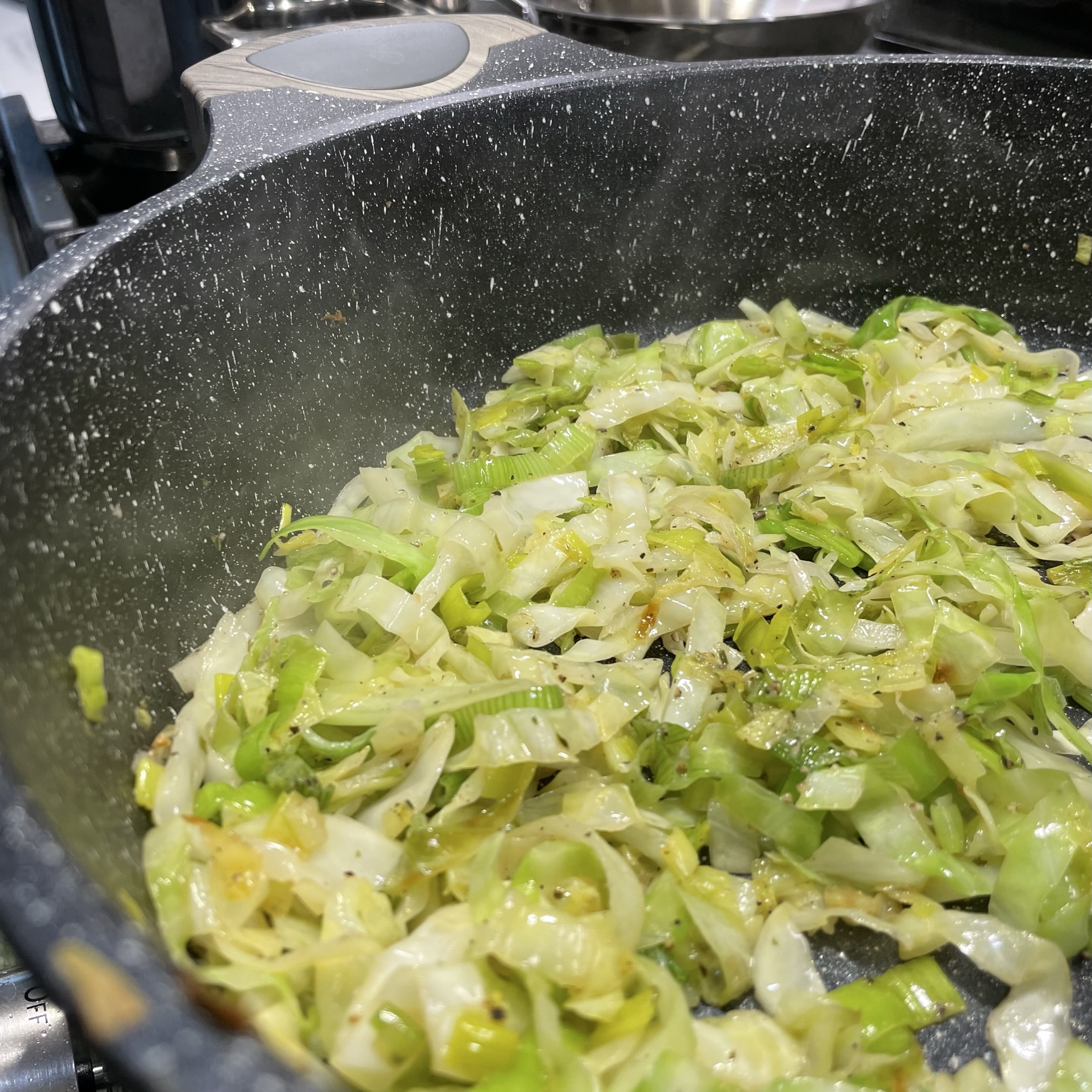
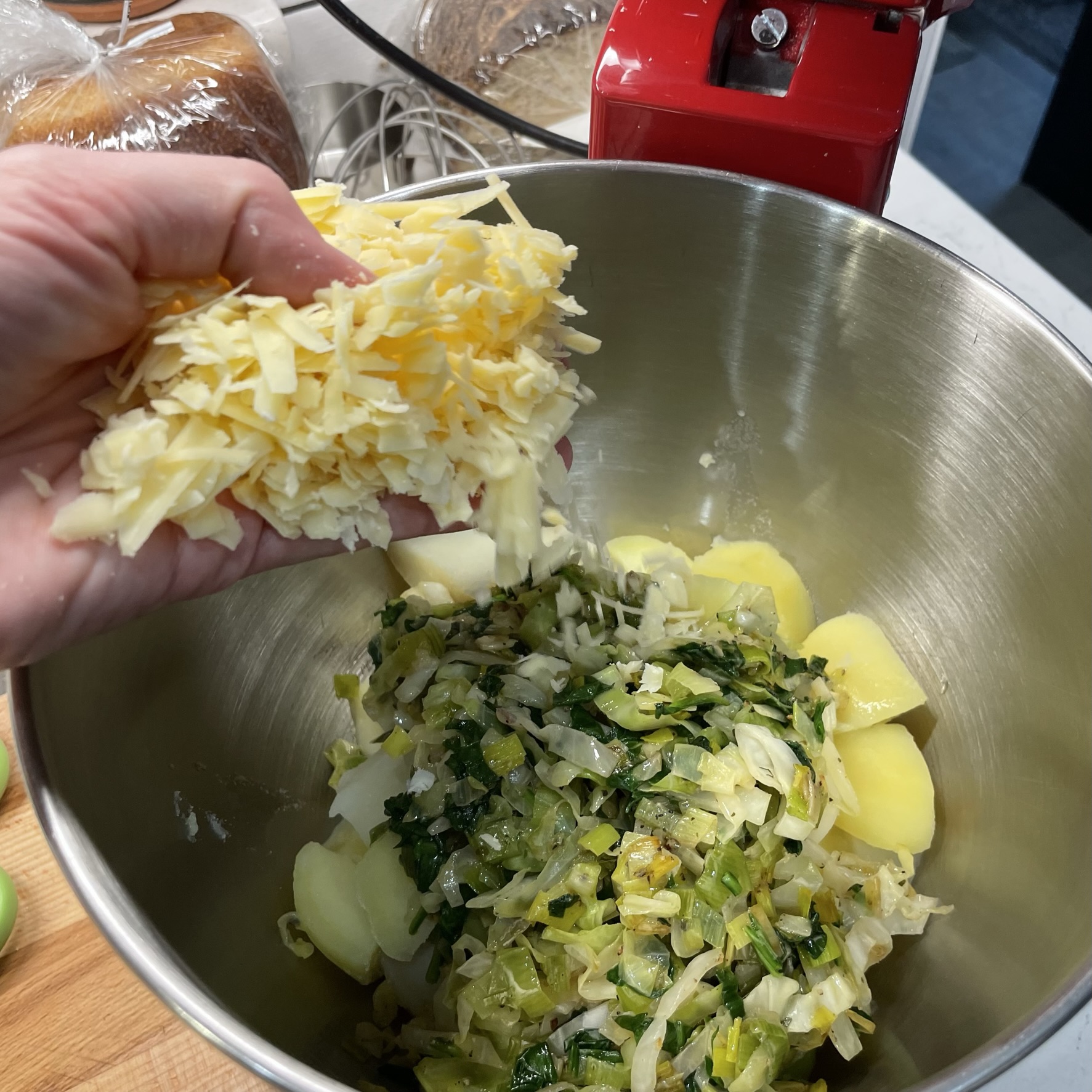
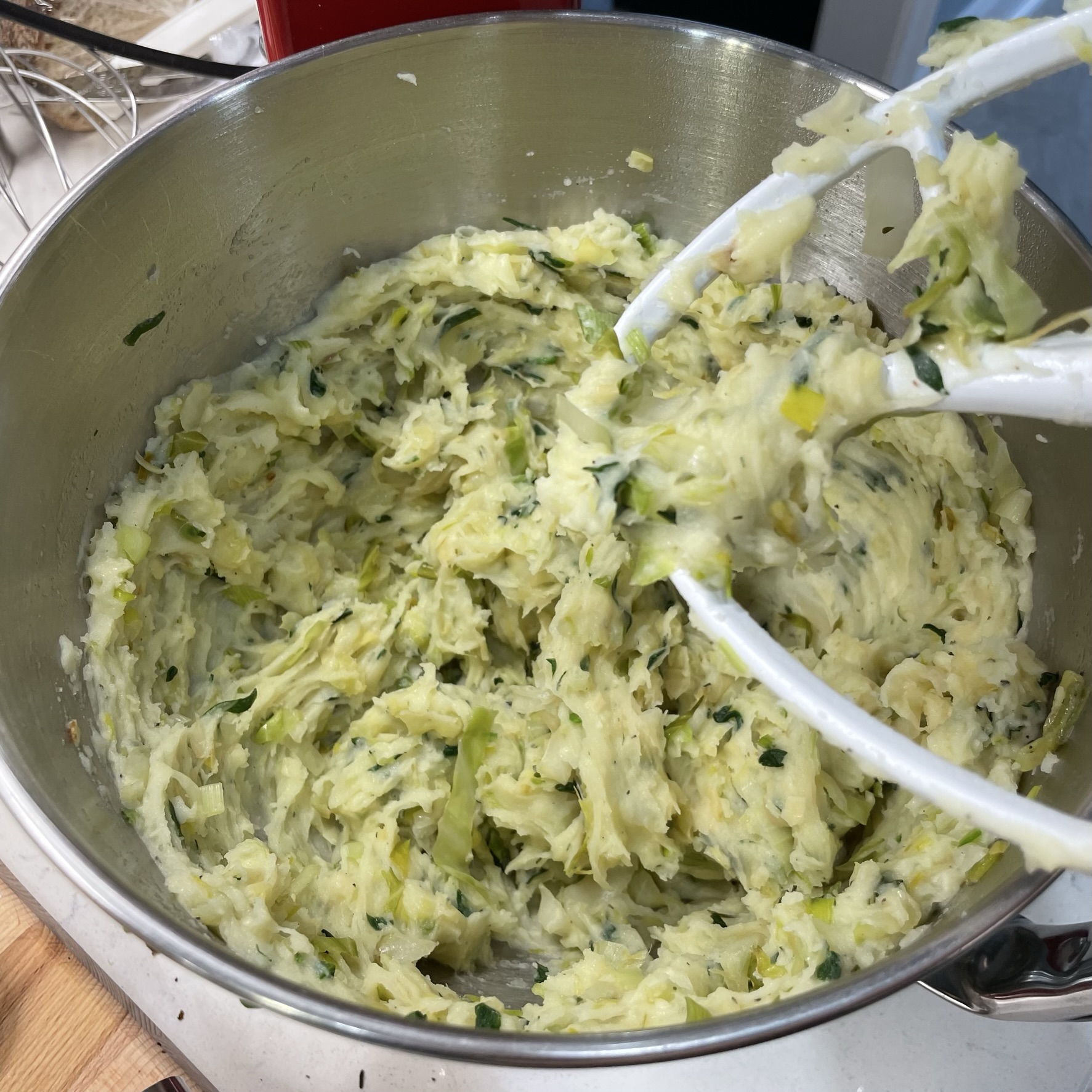
Meanwhile, melt butter in the same sauce pot or skillet used for the corned beef and cabbage filling. Add the leeks and cabbage and cook until tender (season them). Turn off the heat and add the spinach to the pan. Toss it around to wilt the spinach. When the mixture is somewhat cool, add it to the cooked potatoes and mash them together. Stir in the white cheddar and set aside.


Gravy

2 Tbsp. garlic and herb Irish butter

2 Tbsp. all-purpose flour

2 cups low-sodium vegetable broth (or beef broth)

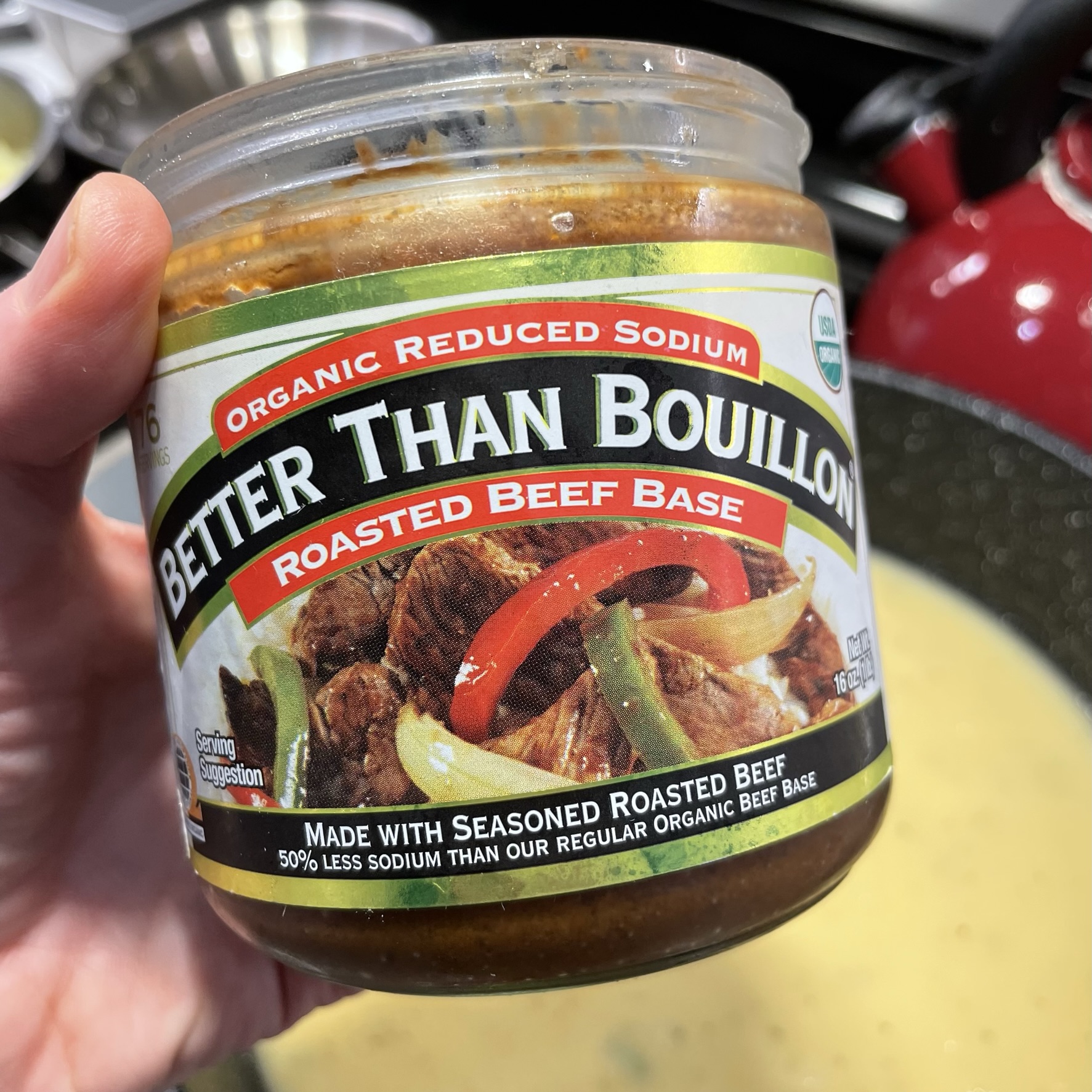
2 tsp. beef base (optional, to boost beef flavor if using veg broth)
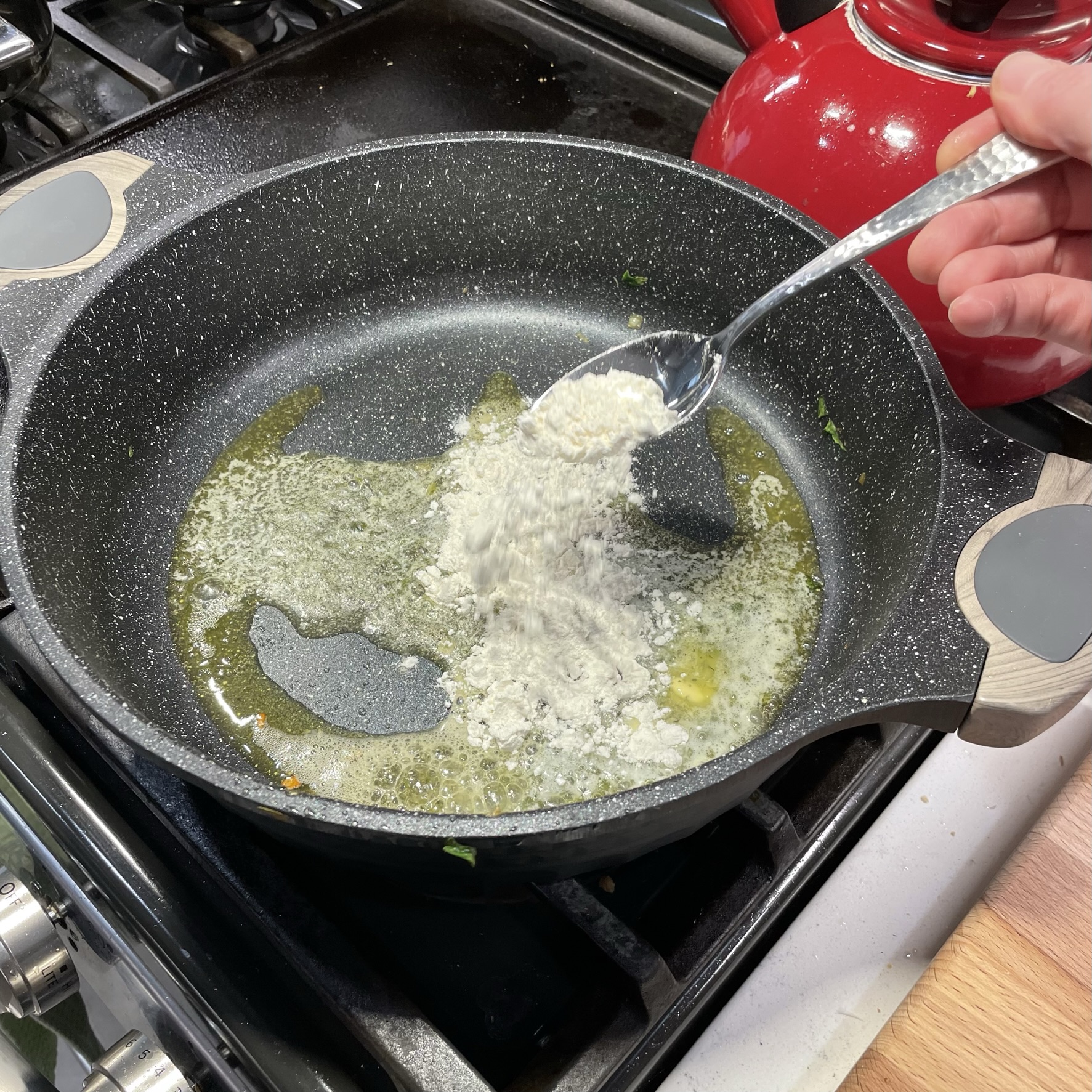
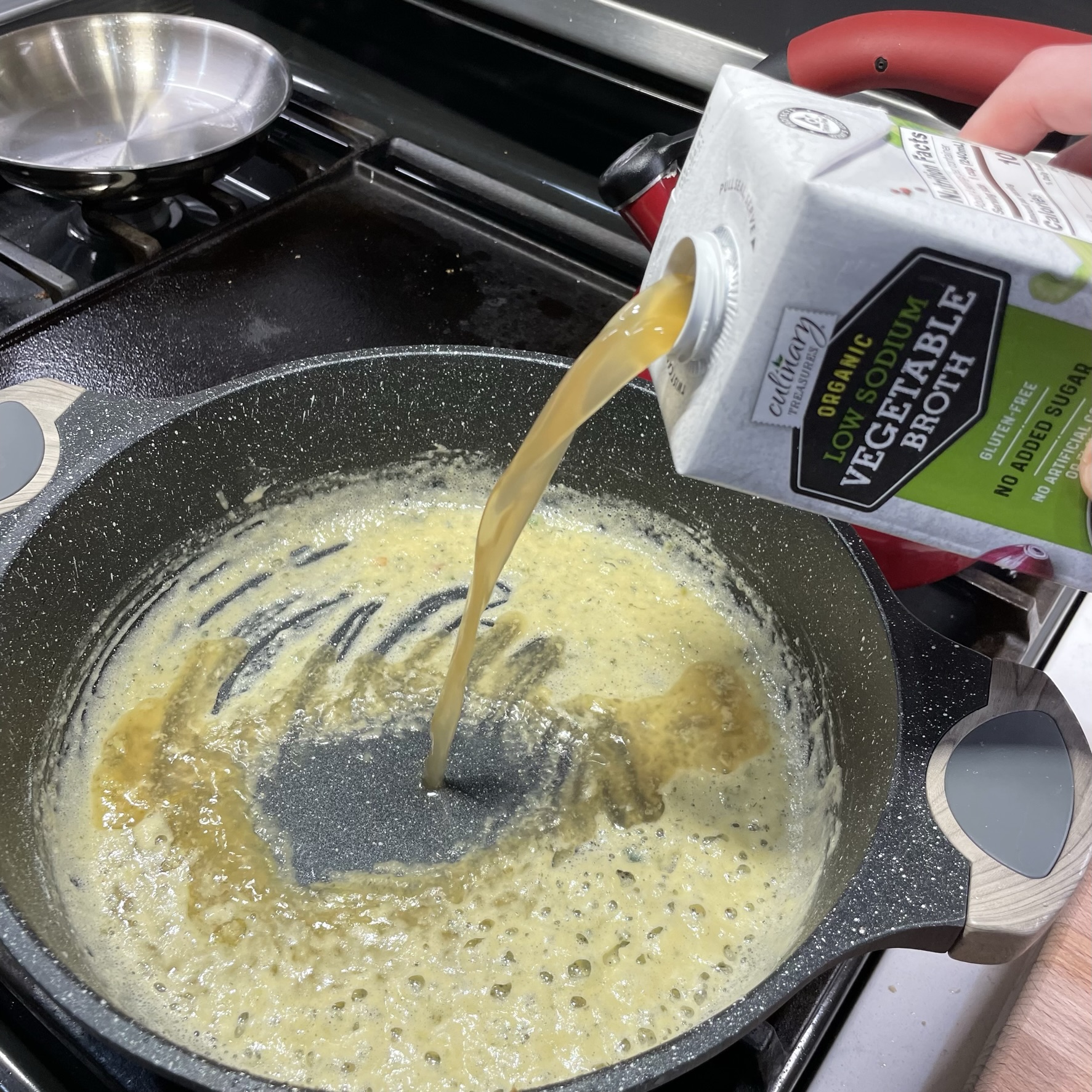
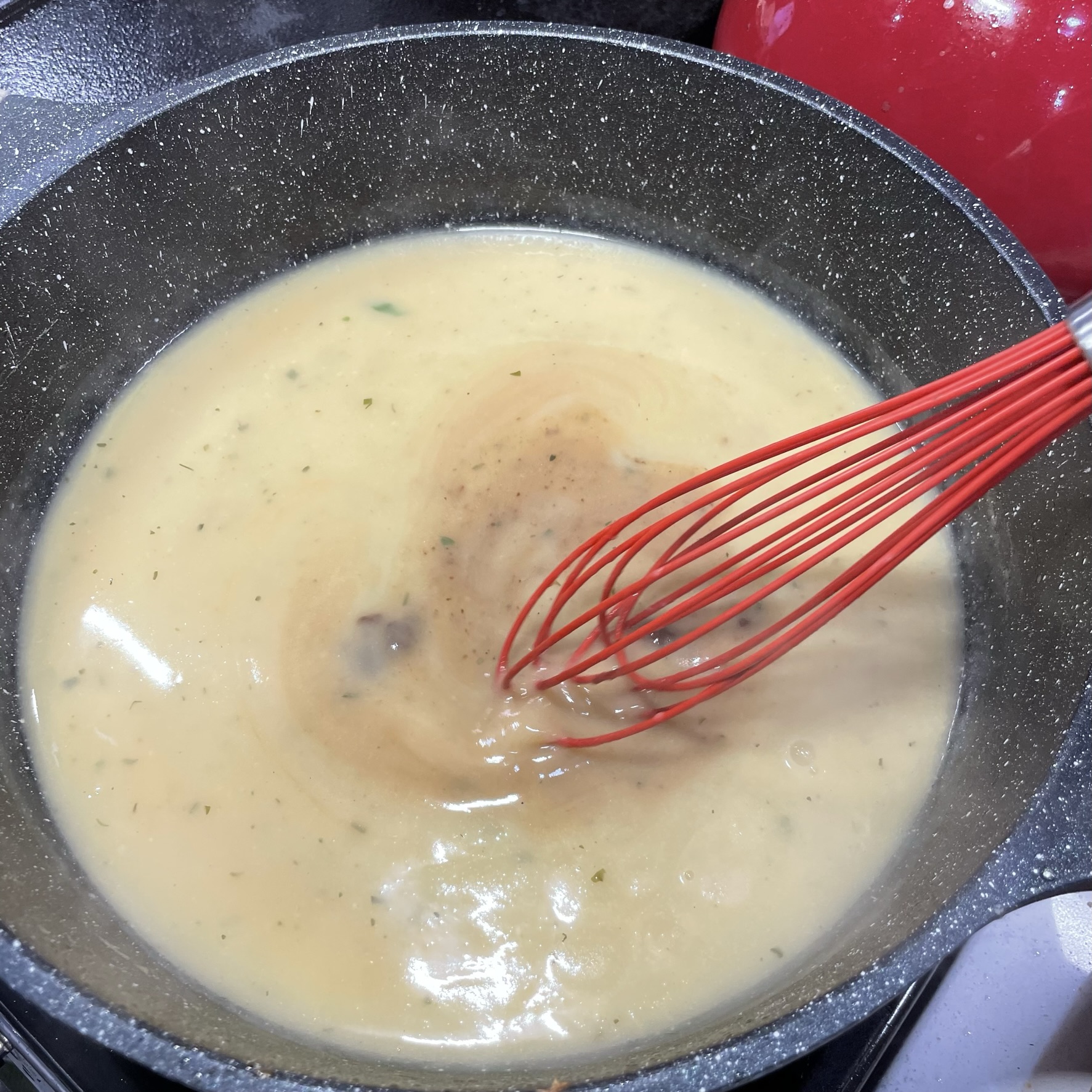
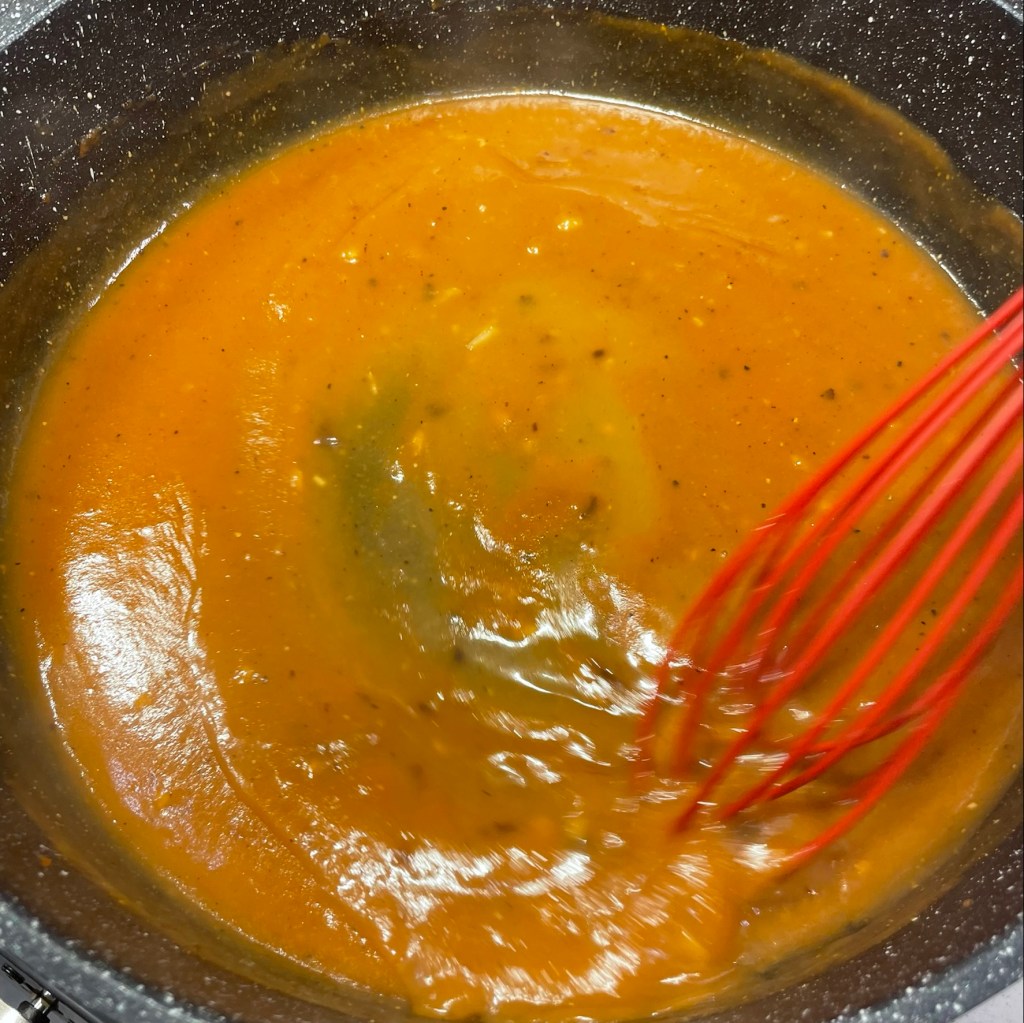
Melt the butter in the same skillet and add flour, whisking until the mixture is foamy with a slightly nutty aroma. Whisk in broth, cooking and stirring until the mixture is thickened. Add beef base, if desired, to deepen the flavor. Or, if you happen to have a Guinness in the fridge… I’m just sayin’.


Put it all together – Preheat oven to 350° F.
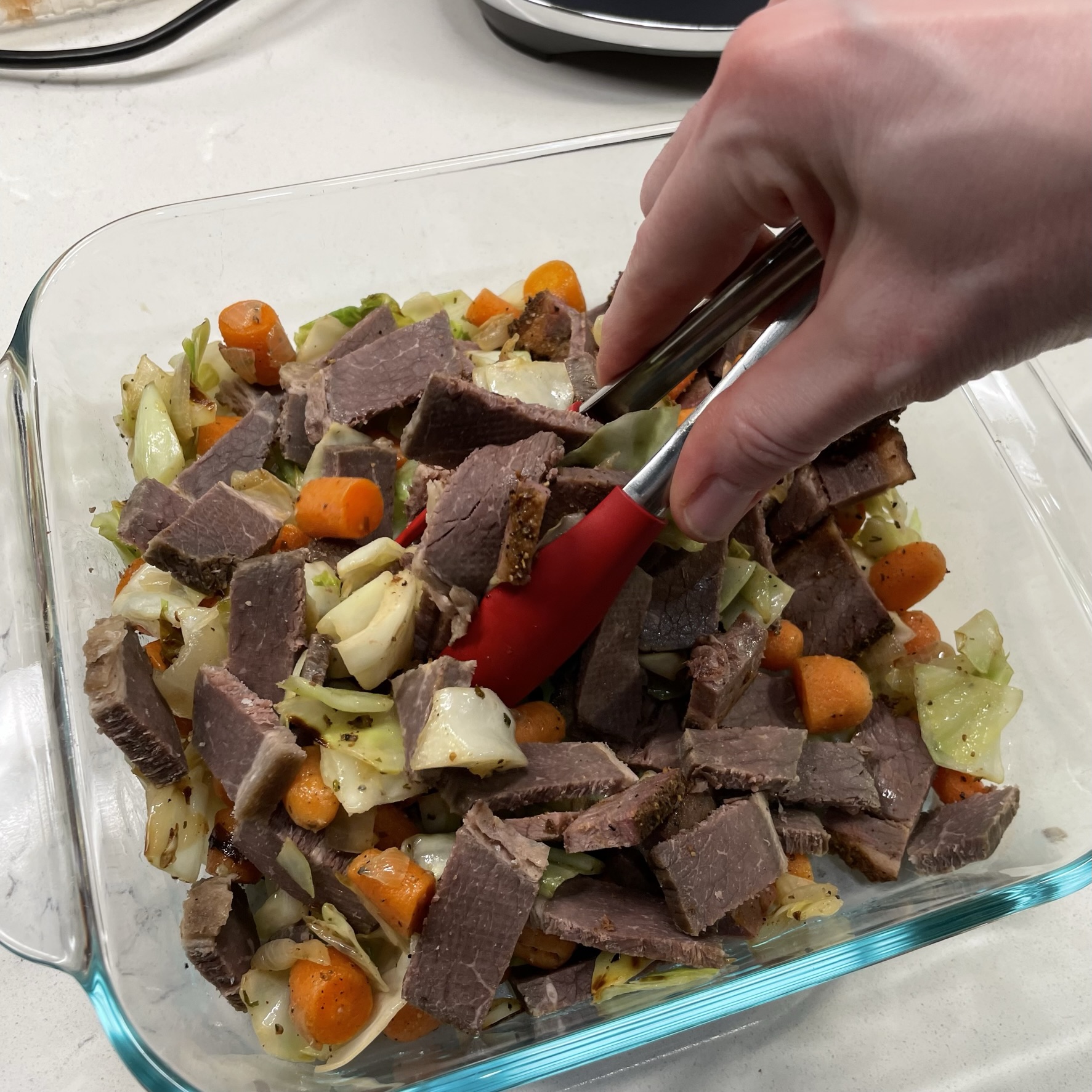
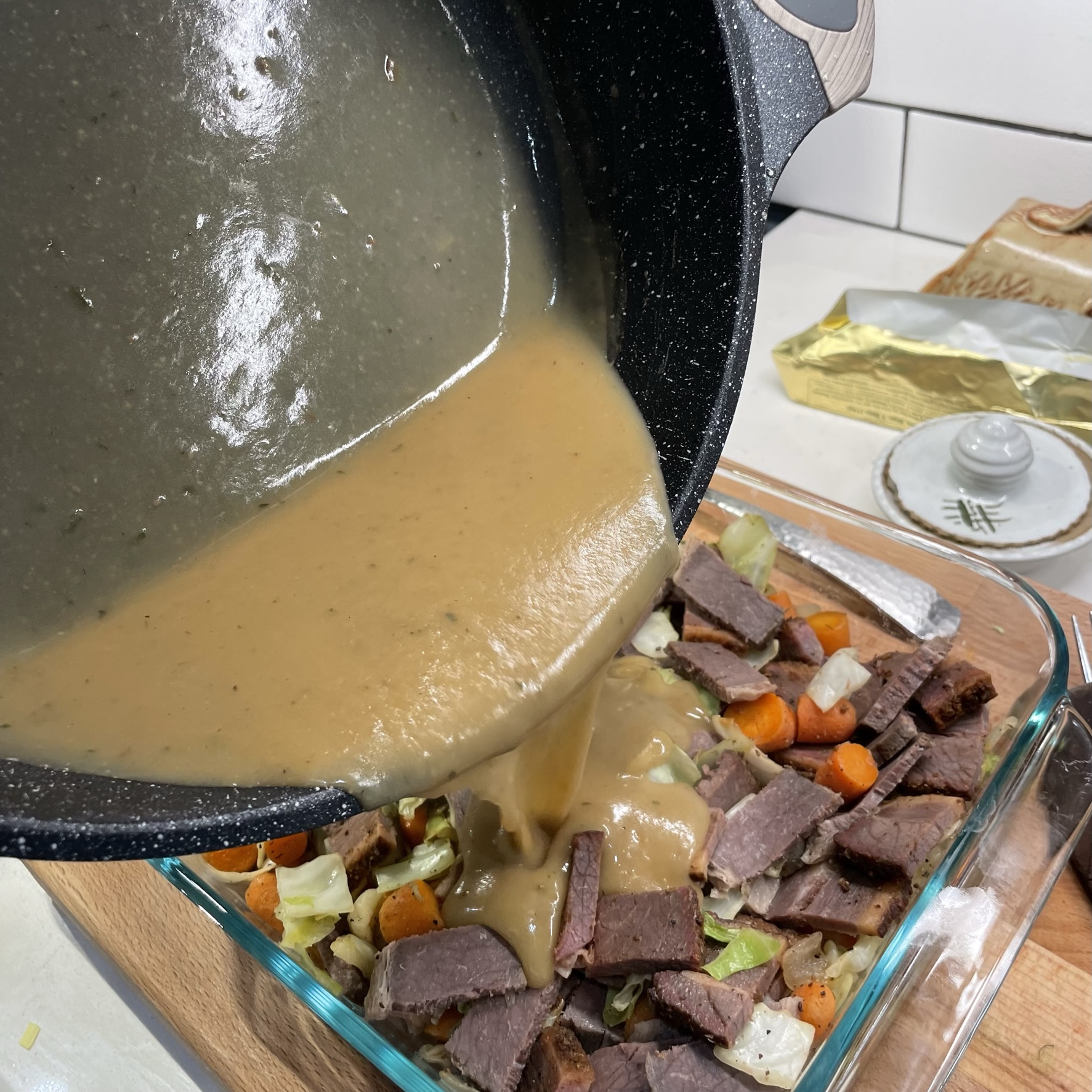
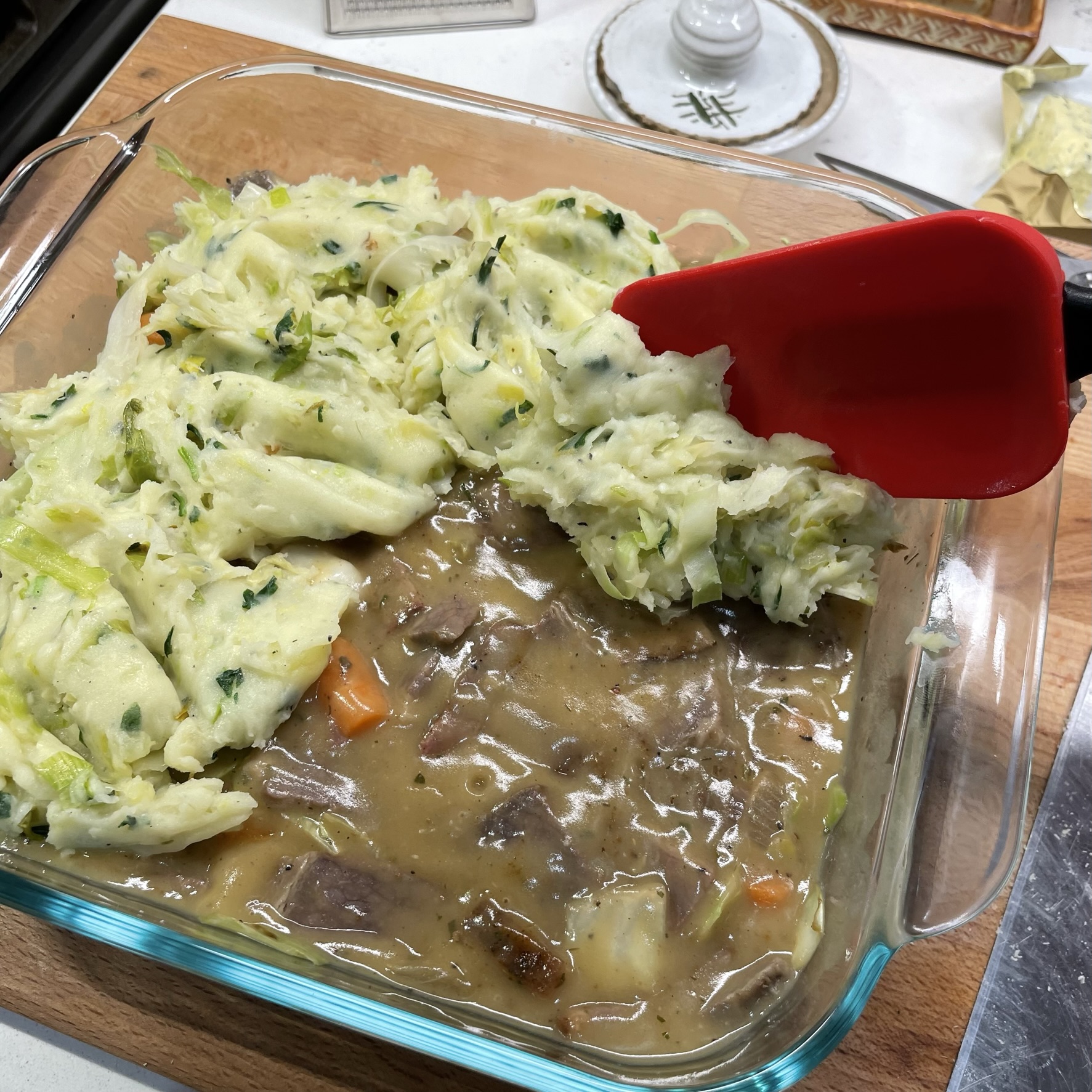
Add the corned beef chunks to the cabbage and carrot mixture and toss to mix it in the casserole dish. Pour the gravy evenly over the filling. Top with dollops of colcannon (don’t smooth it) and bake for 45 minutes, until gravy is bubbling from underneath and colcannon has turned lightly crispy on its peaks.

White Borscht

Like many of you, I have been filled with agony over Russia’s violent aggression against Ukraine, disgusted by the flippant and cavalier attitudes presented by deniers and Putin sympathizers, and worried that there is little I can do to make a tangible difference in the lives of the Ukrainian people. And yet I feel a kinship with them and want to do something, anything, to show my support.

One of the primary reasons I started Comfort du Jour was to build community with others who, like me, feel deeply connected to the world through food. It is the most universal need of humanity, yet very personal because of the customs and traditions woven into our individual and collective heritage.

Last week, a message from Sam Sifton, the founding editor of New York Times Cooking, arrived in my email inbox and it confirmed that I am not alone in this desire to use food to demonstrate solidarity. Sifton described being inundated with reader requests for recipes for borscht, a traditional sour soup that is common across all of Eastern Europe, most notably with Ukraine. I could not resist digging into the variety of recipes he offered in response to his readers, and this one in particular caught my eye.

Most borscht recipes are based on red beets, and though I adore their earthy flavor, my husband (whose Hungarian mother used to make beet borscht for herself) does not. This version, named “white borscht” by chef and author Gabrielle Hamilton, features potatoes and kielbasa, and seemed more in line with my husband’s palate. The original recipe suggests using real pork kielbasa, but I have substituted a lower fat turkey kielbasa. I also cut the butter amount in half and stirred in a little sour cream at the end rather than the crème fraiche suggested by the recipe’s author.

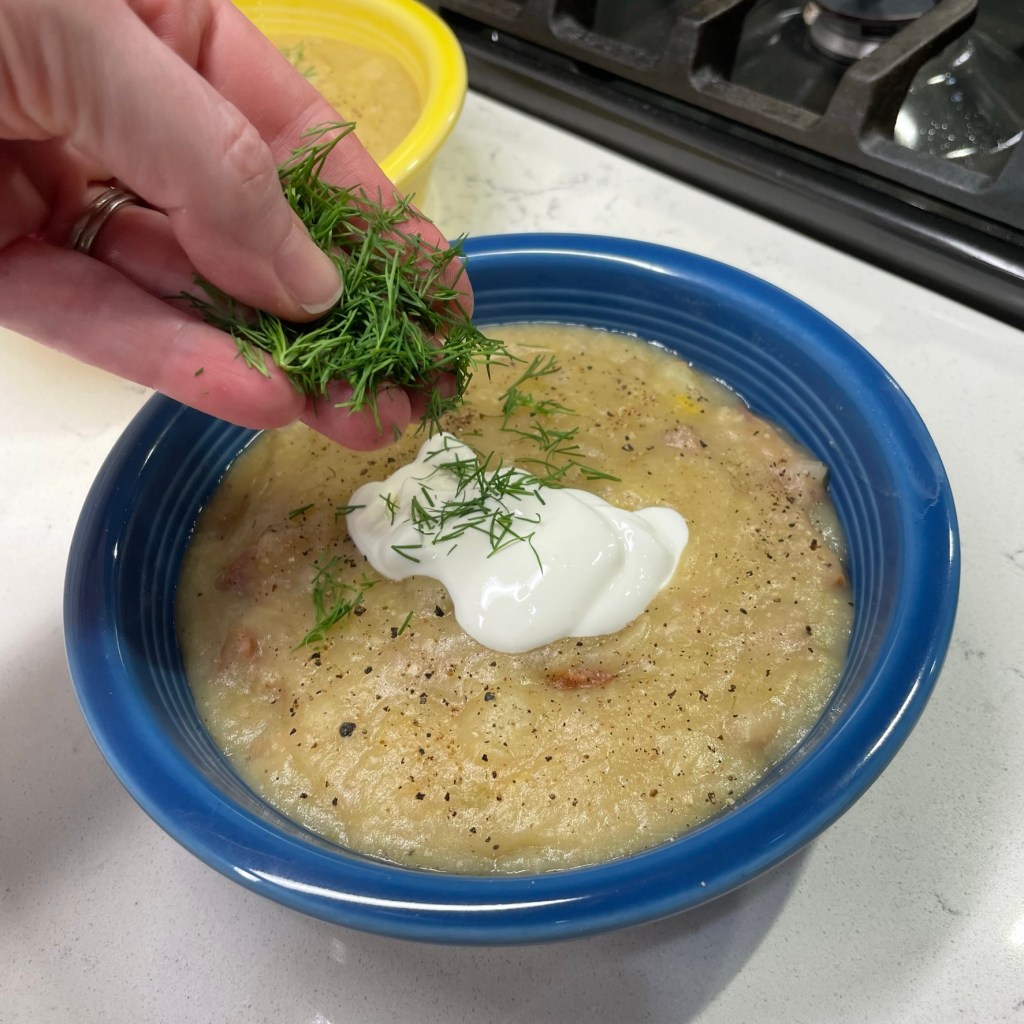
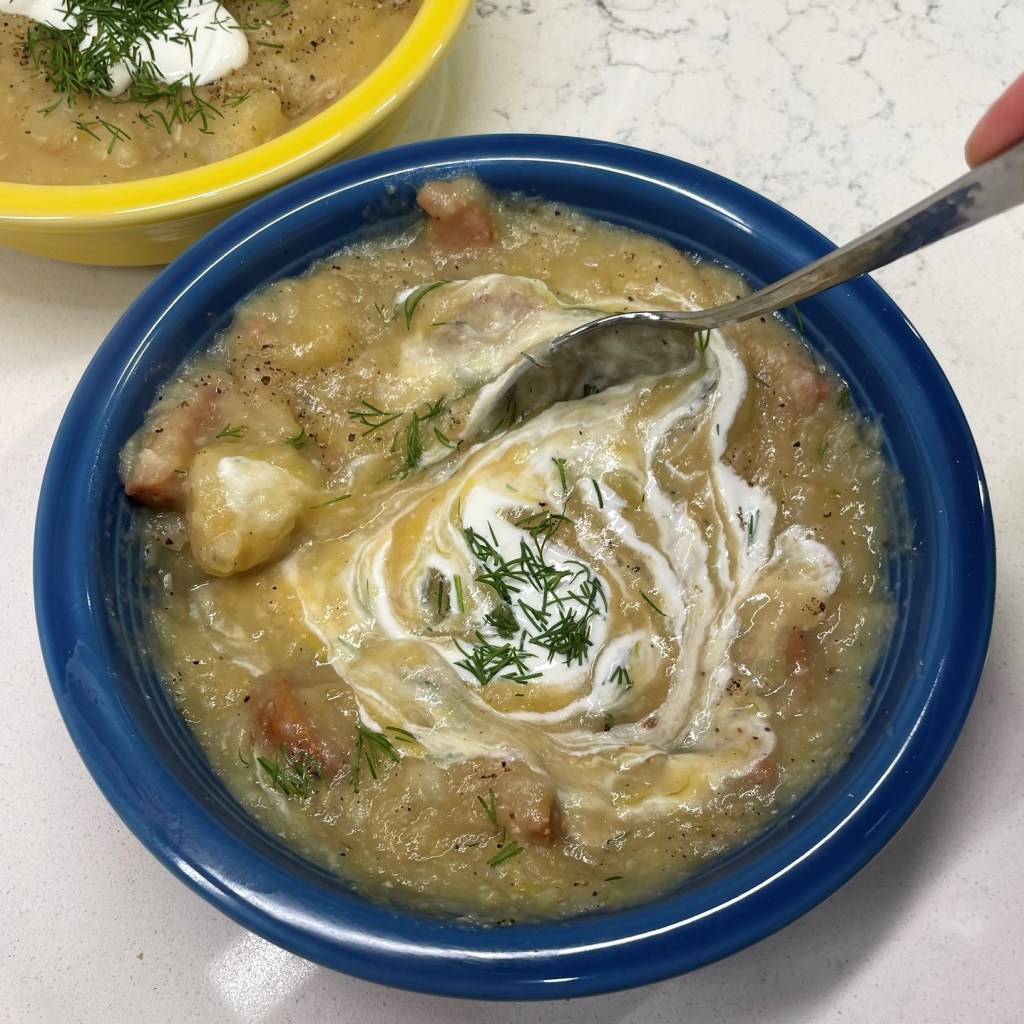
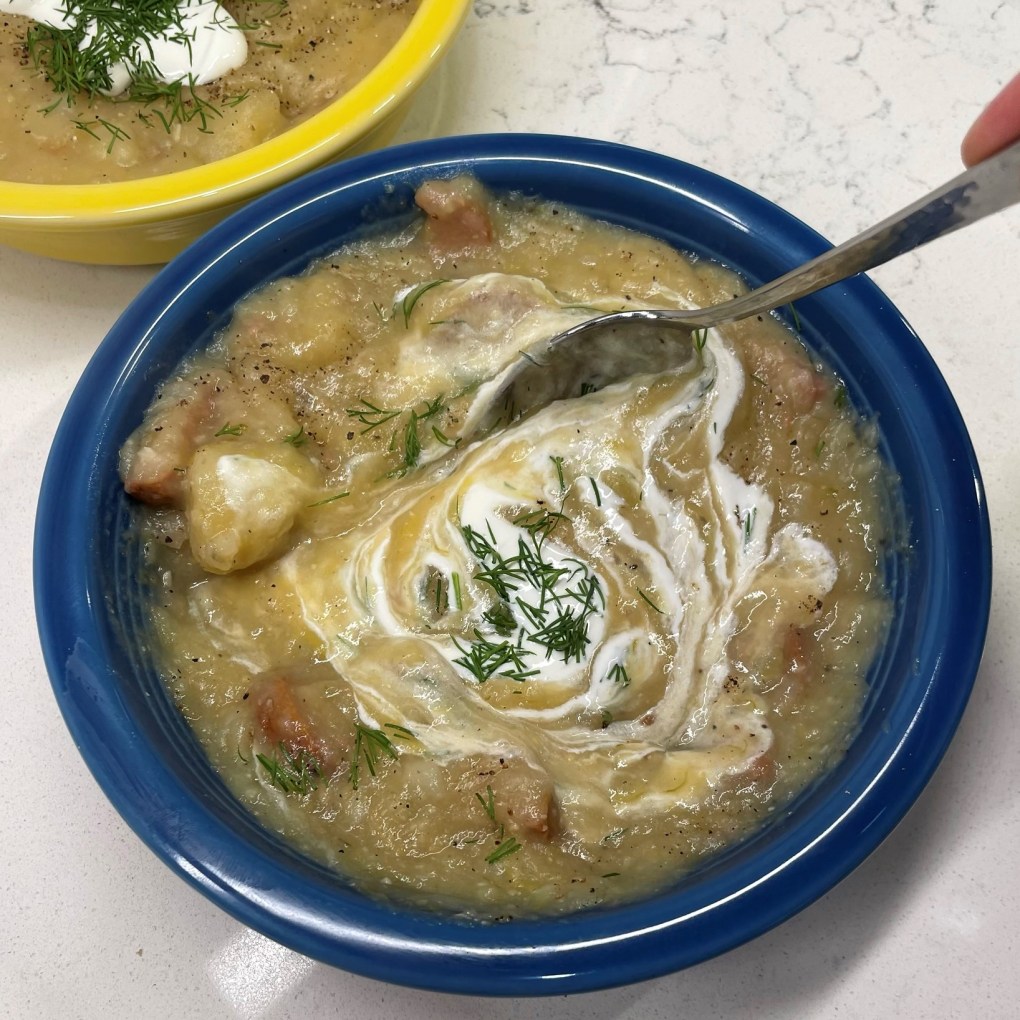
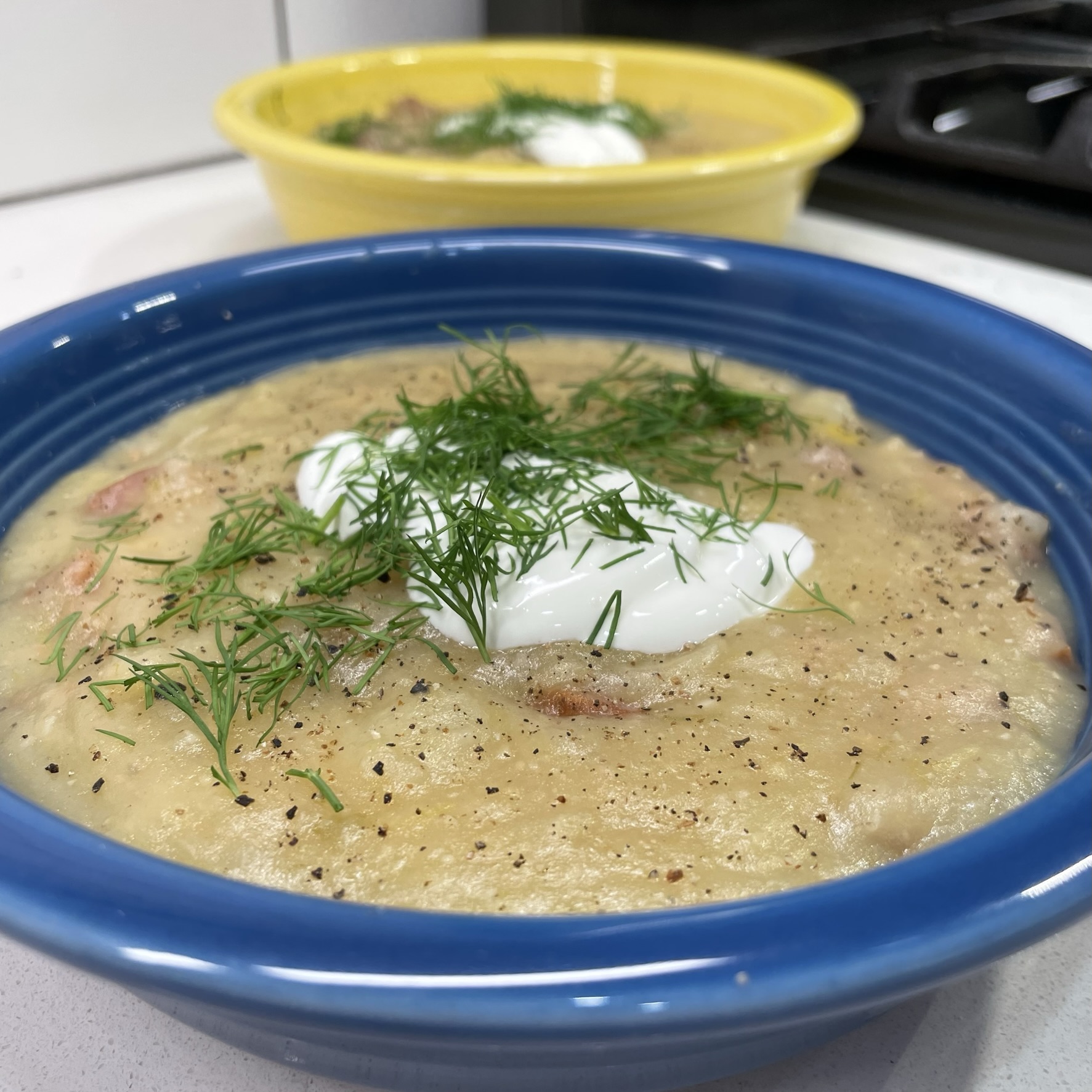
The sour cream and dill add a touch of freshness to this hearty, humble soup.

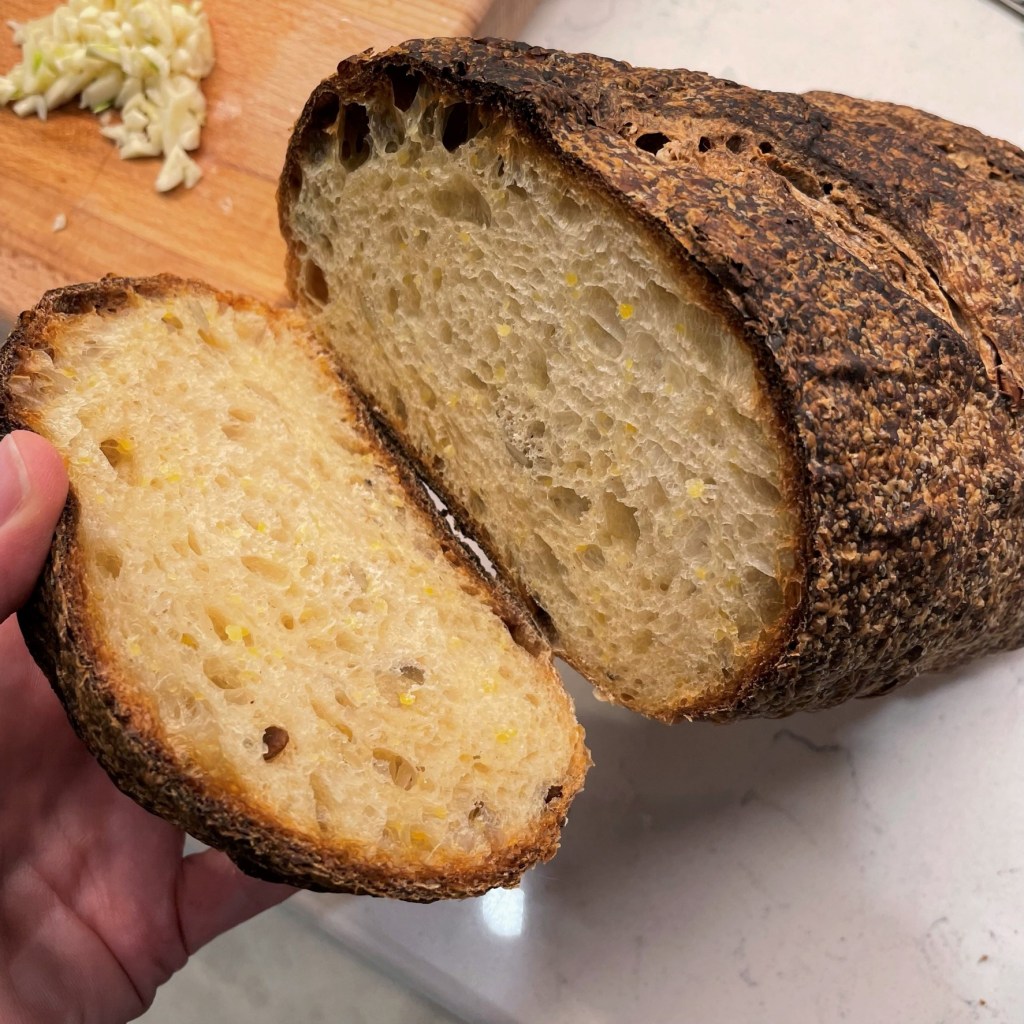
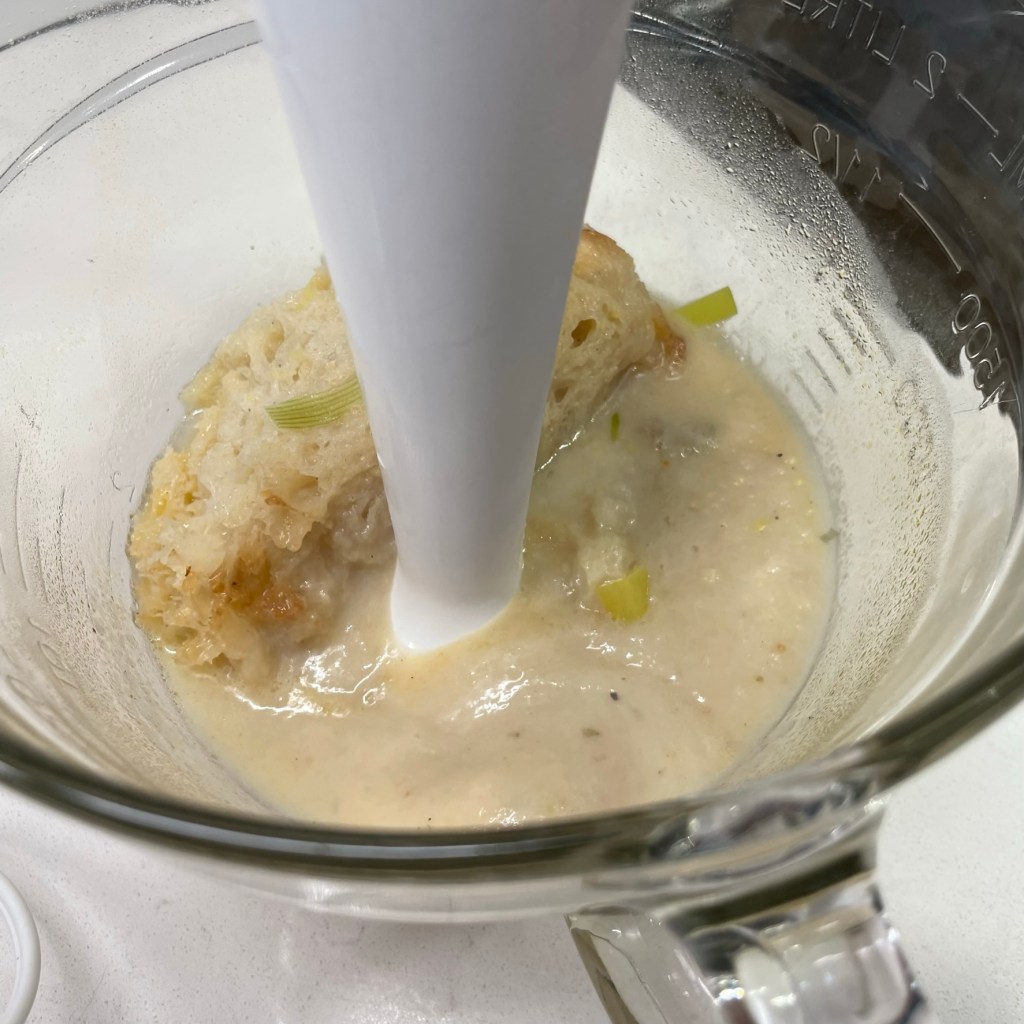
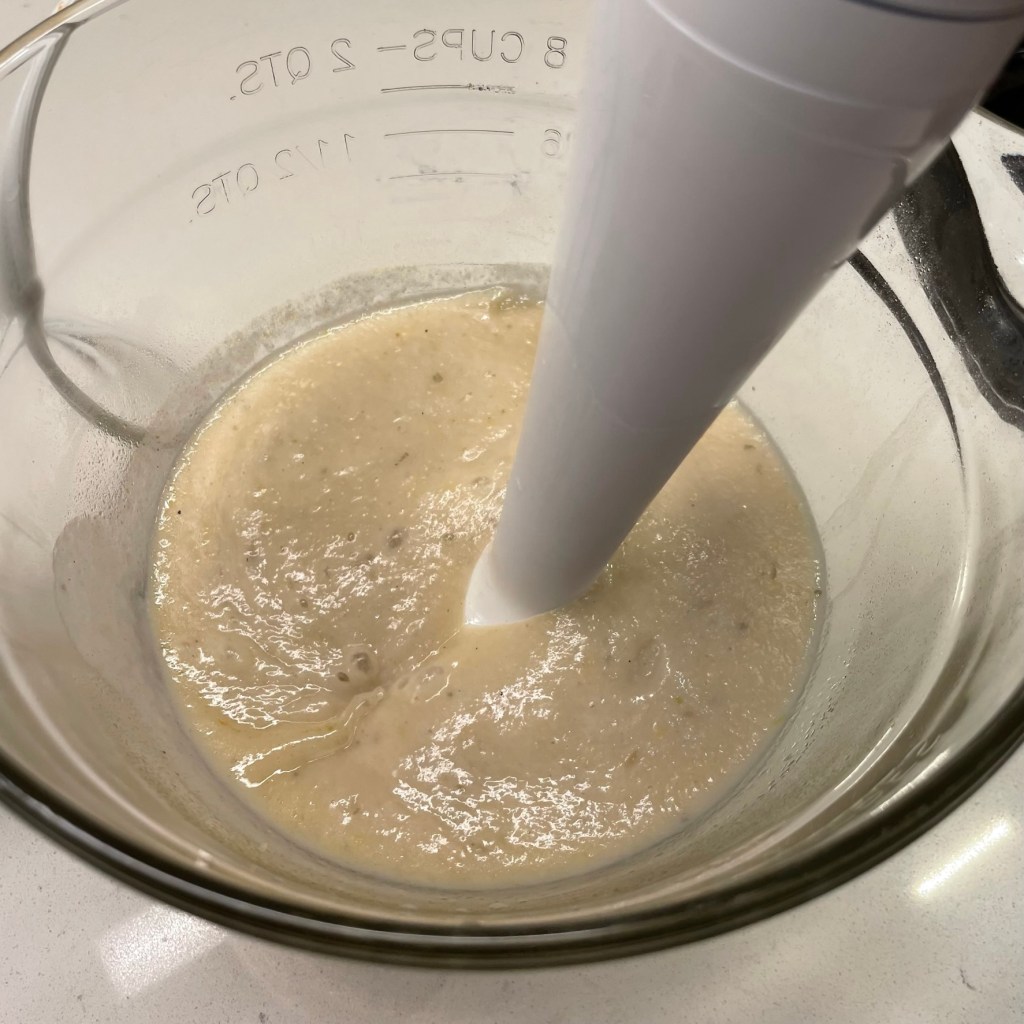
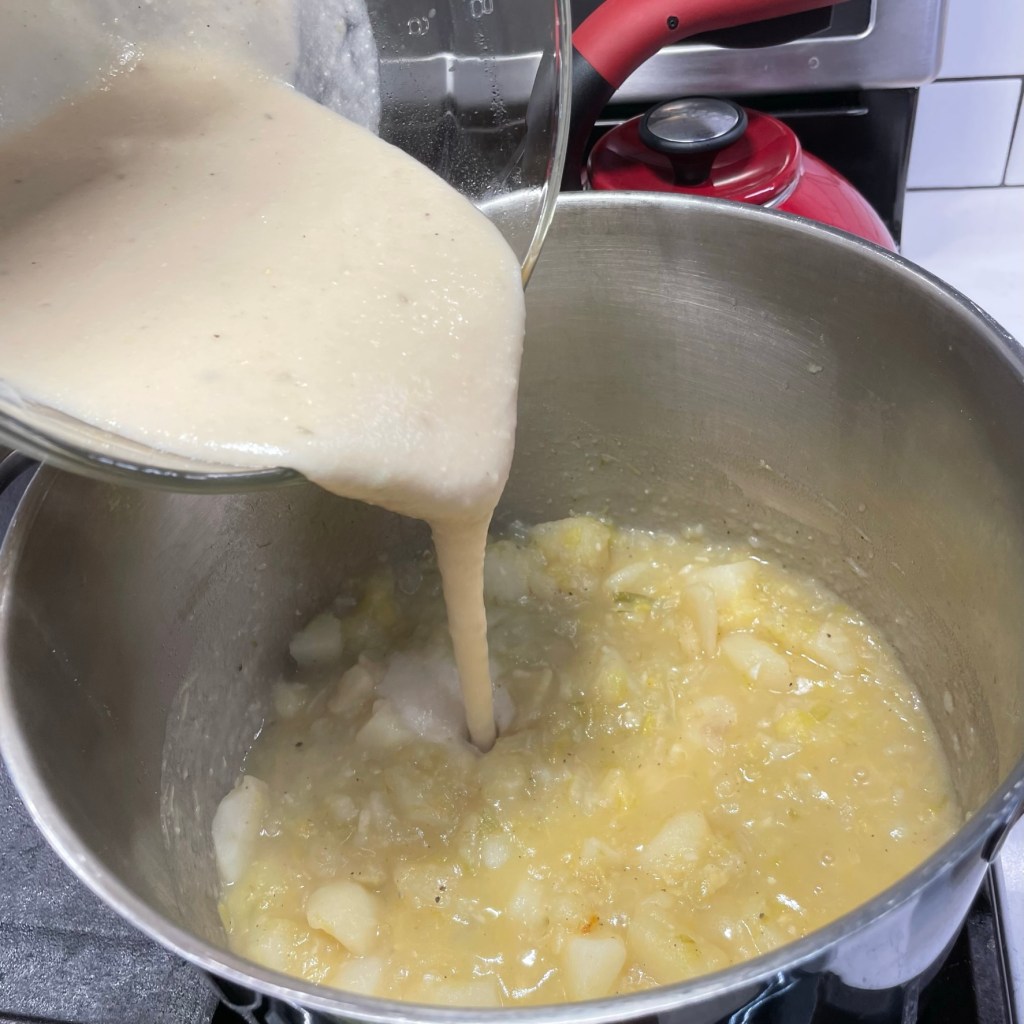
As always, my exploration into other cultures’ cuisine has taught me some lessons, and one thing about this soup surprised me. I have long assumed that Eastern European soups are “sour” because of fermentation or added vinegar (and sometimes they are), but this soup is both soured and thickened with a hefty chunk of sourdough bread, which I always happen to have on hand. This method of soaking and pureeing the bread was a genius move by the author, as it gave the soup a sturdy, almost creamy, texture, as well as a distinctive sour flavor. Always more to learn in the world of food, isn’t there?

My only regret is that I cannot make an enormous vessel of this soup to feed and comfort all of Ukraine, but I hope that somehow, sharing this experience will ripple across time and space to ensure the courageous people of that nation that they do not stand alone. 🇺🇦


Adapted from https://cooking.nytimes.com/recipes/1021711-white-borscht

Note: The original recipe linked above is only available to paid subscribers of New York Times Cooking (which I am), but my adaptation is very close to the original, except for the aforementioned substitutions and the fact that I halved the recipe for our family of two.


Ingredients

1 lb. smoked turkey kielbasa, cut into three or four pieces

6 cups filtered water

2 dried bay leaves

4 Tbsp. salted butter, divided

1 medium yellow onion, chopped

3 cloves garlic, smashed and minced

1 large leek, cleaned and cut into thin half-moon slices

Kosher salt and about 1 tsp. ground black pepper

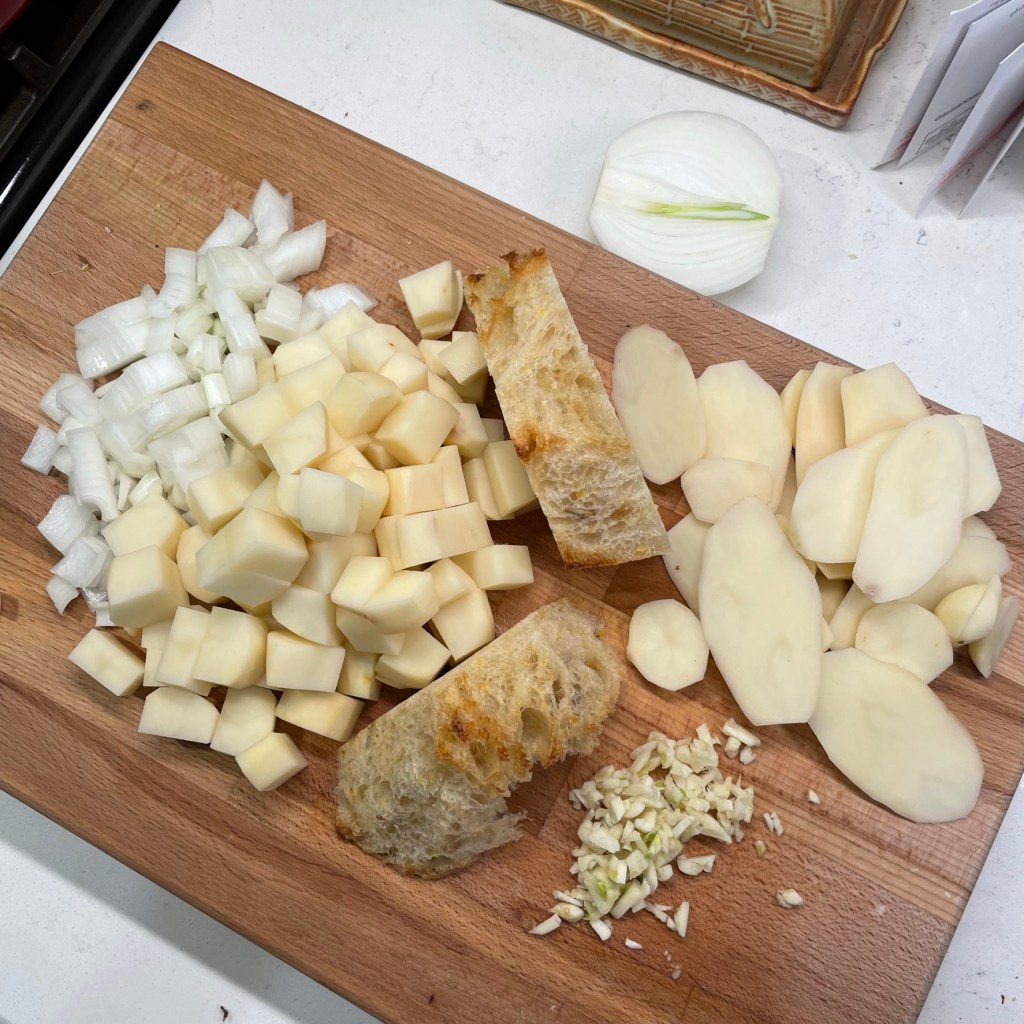
A large piece of dense sourdough bread*, crusts trimmed (see notes)

1 1/2 lbs. russet potatoes, peeled

About 1 cup chicken or vegetable broth*

Sour cream and fresh dill for serving


*Notes

Note that real sourdough bread is made from a sourdough starter. Some grocery bakeries take a shortcut that embellishes yeast bread with citric acid, and it is not the same. If you don’t have sourdough bread, consider picking up a loaf from an authentic bakery or use a (seedless) rye. I confess that the sourdough loaf I had on hand was dotted with pumpkin seeds, but after pureeing, this did not have a bad effect on the finished borscht.

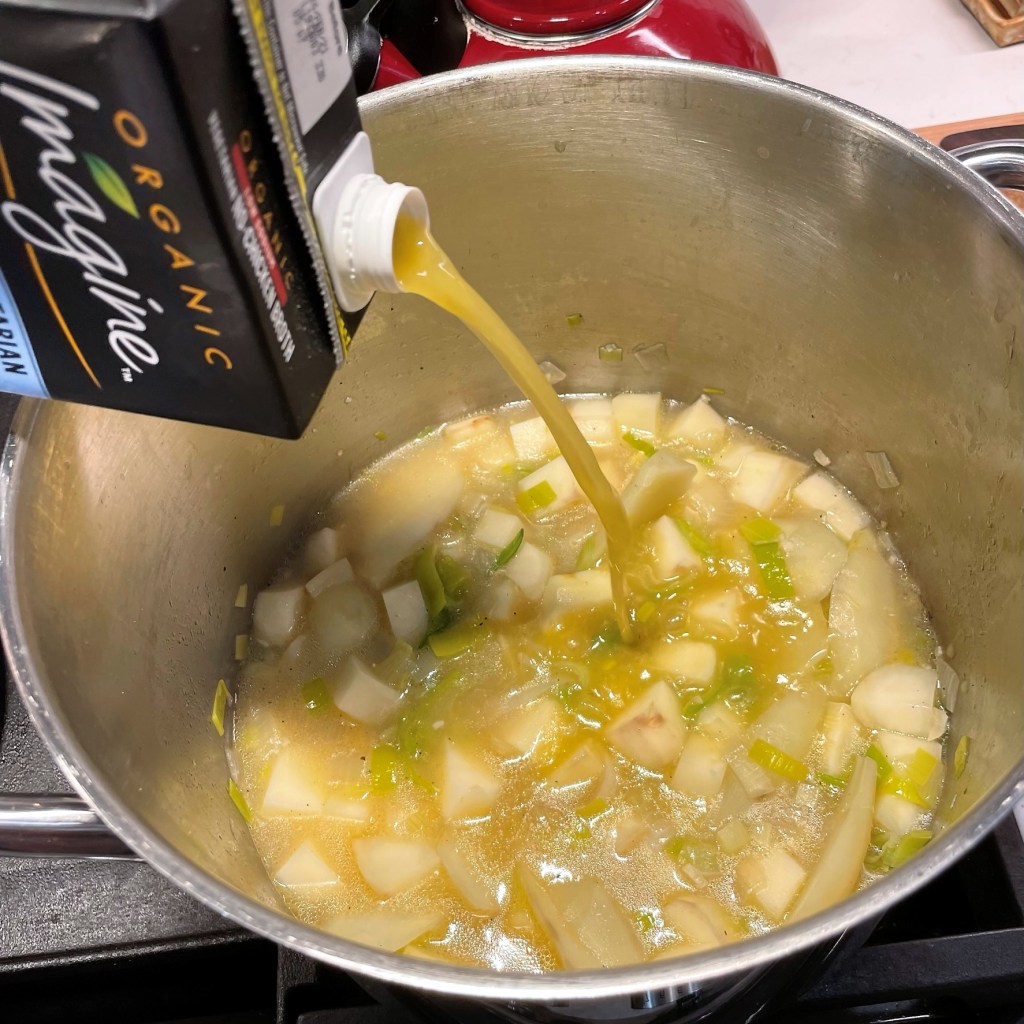
The recipe that inspired me did not call for broth, other than the one created by simmering the kielbasa, but in my first-attempt jitters, I accidentally simmered my soup longer than I should have and needed more liquid to keep it from becoming mashed potatoes. It isn’t a bad idea to have some broth at the ready for this purpose. I used a version of vegetable broth called “No-Chicken” broth, and it was perfect for making up the difference in liquid without affecting flavor.


Instructions

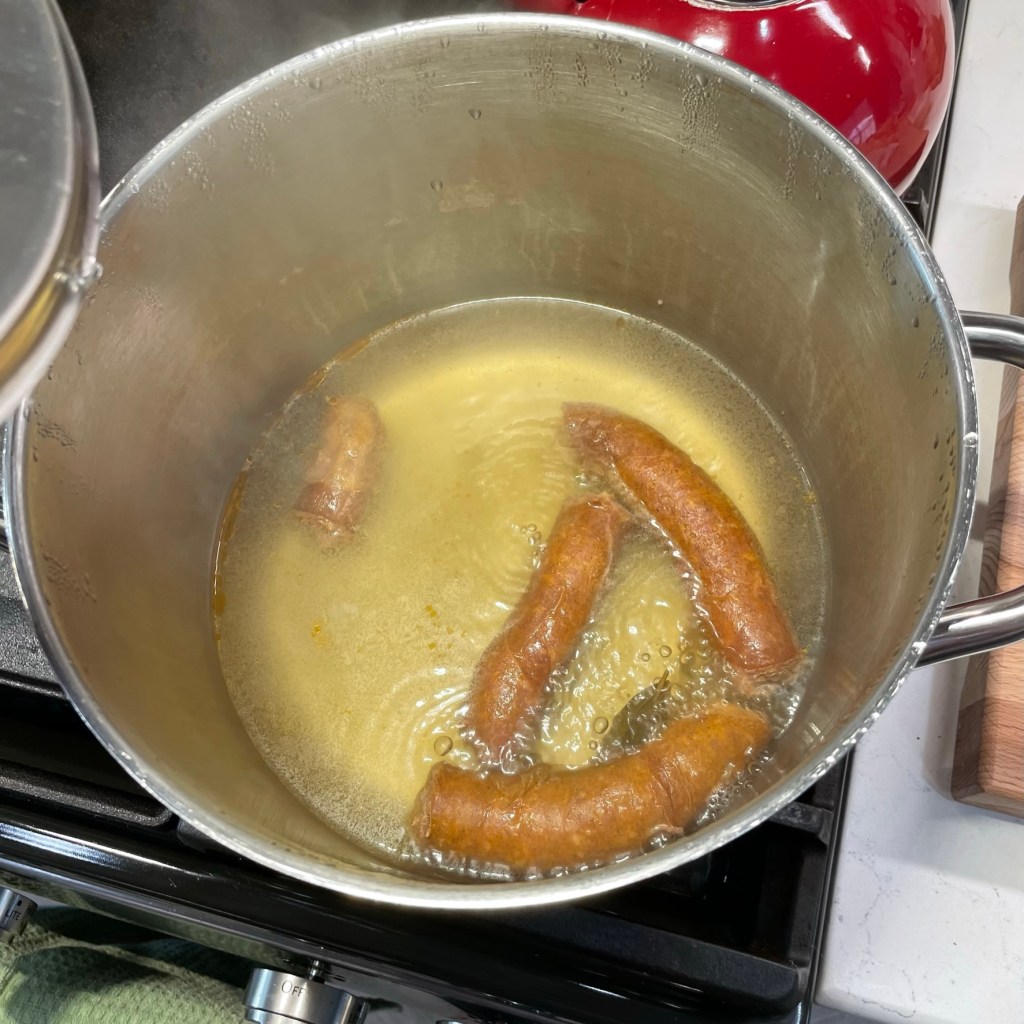
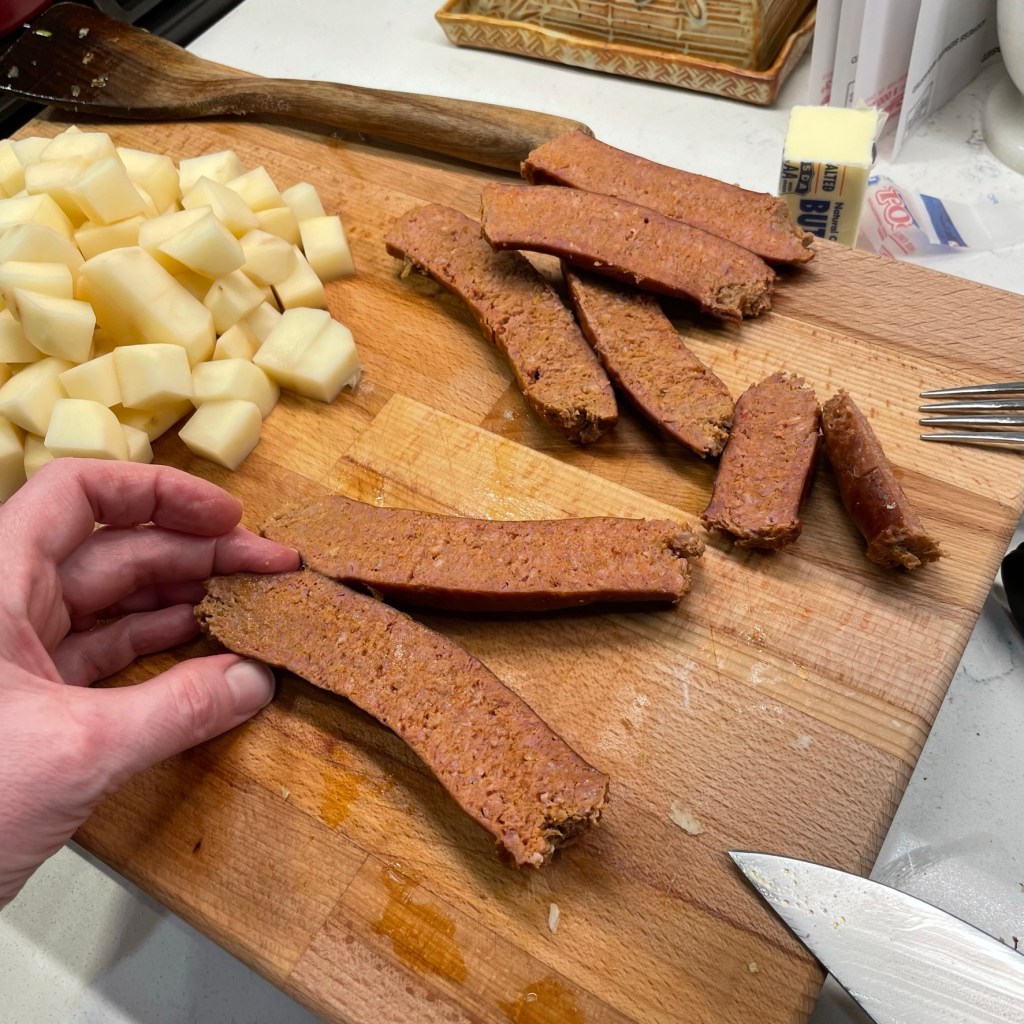
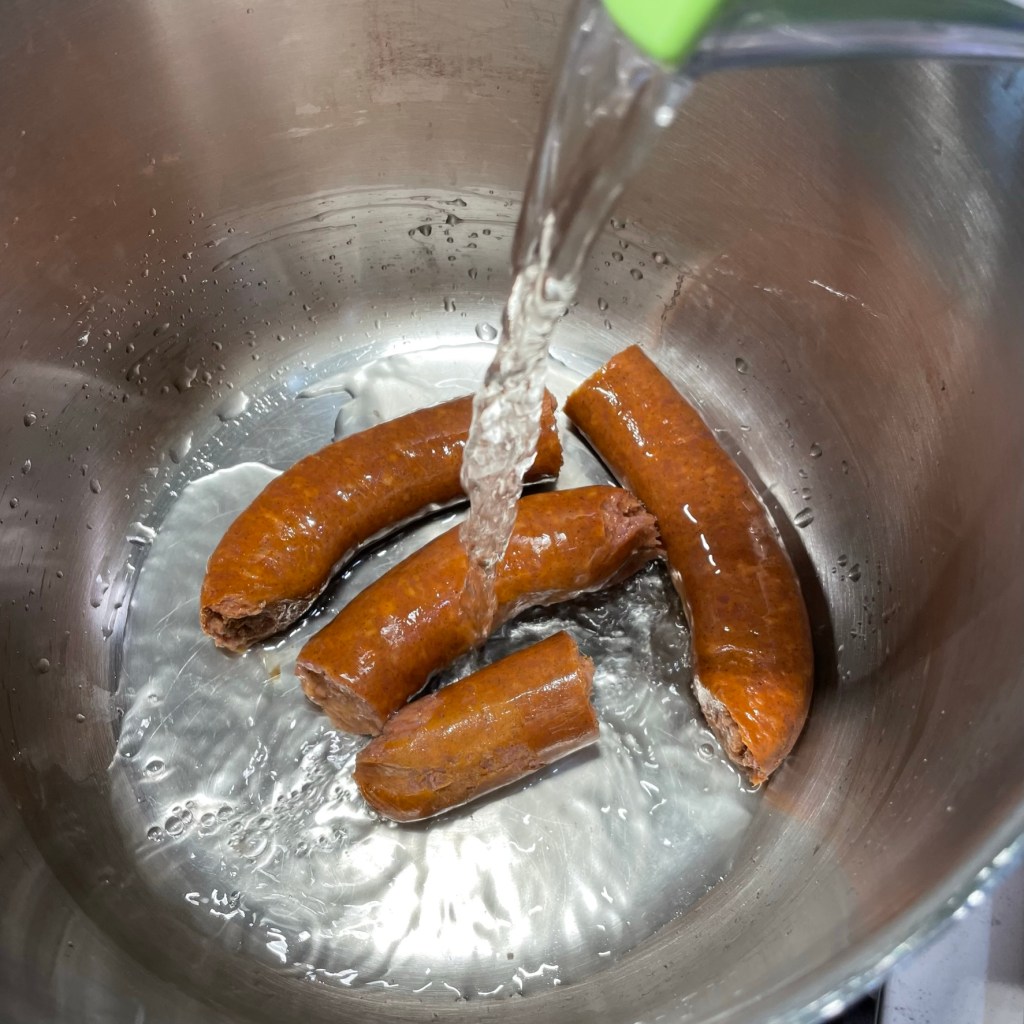
  1. Place the kielbasa chunks in a large soup pot and cover it with the filtered water. Add the bay leaves and bring to a boil, then reduce heat to a simmer for about 20 minutes.
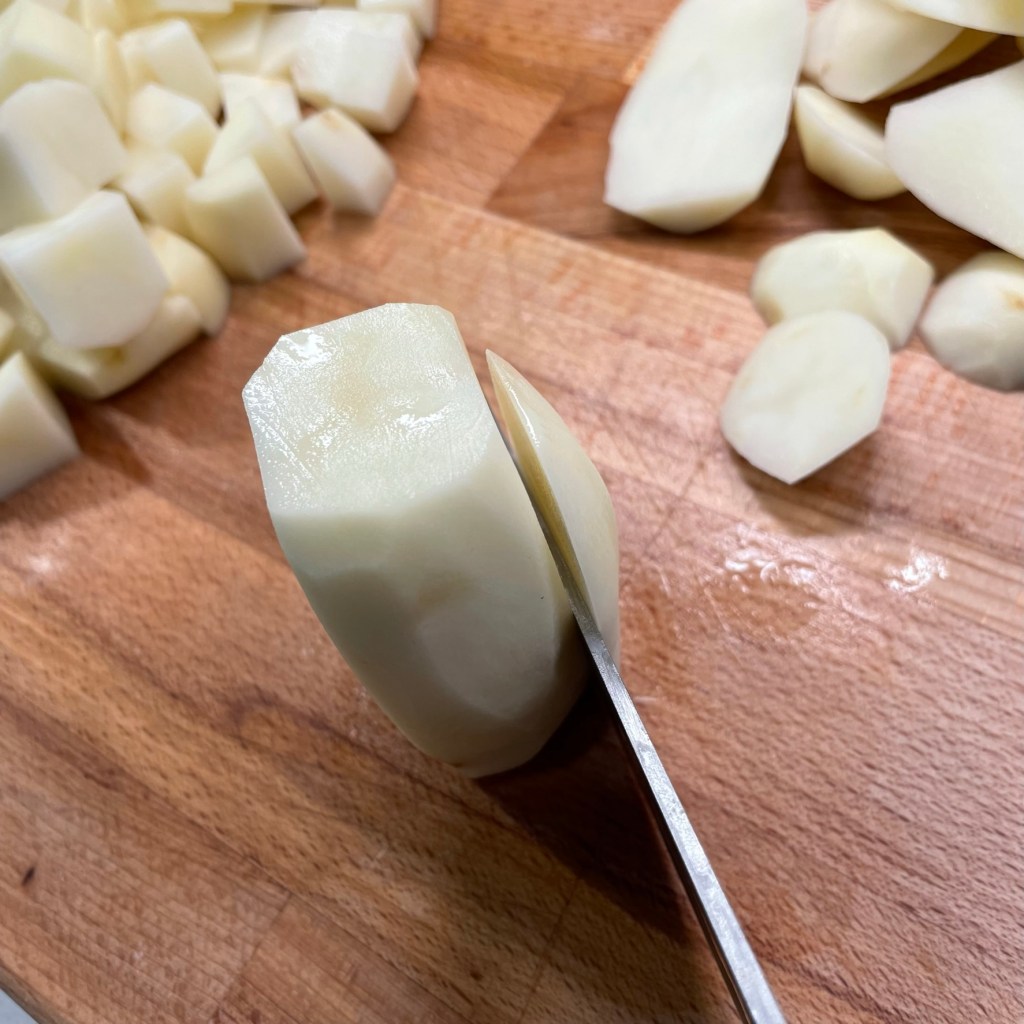
  2. Prep the potatoes by cutting off the sides and ends, creating mostly flat sides on the potato. Keep the potato scraps in one pile and cube up the rest into a separate pile.
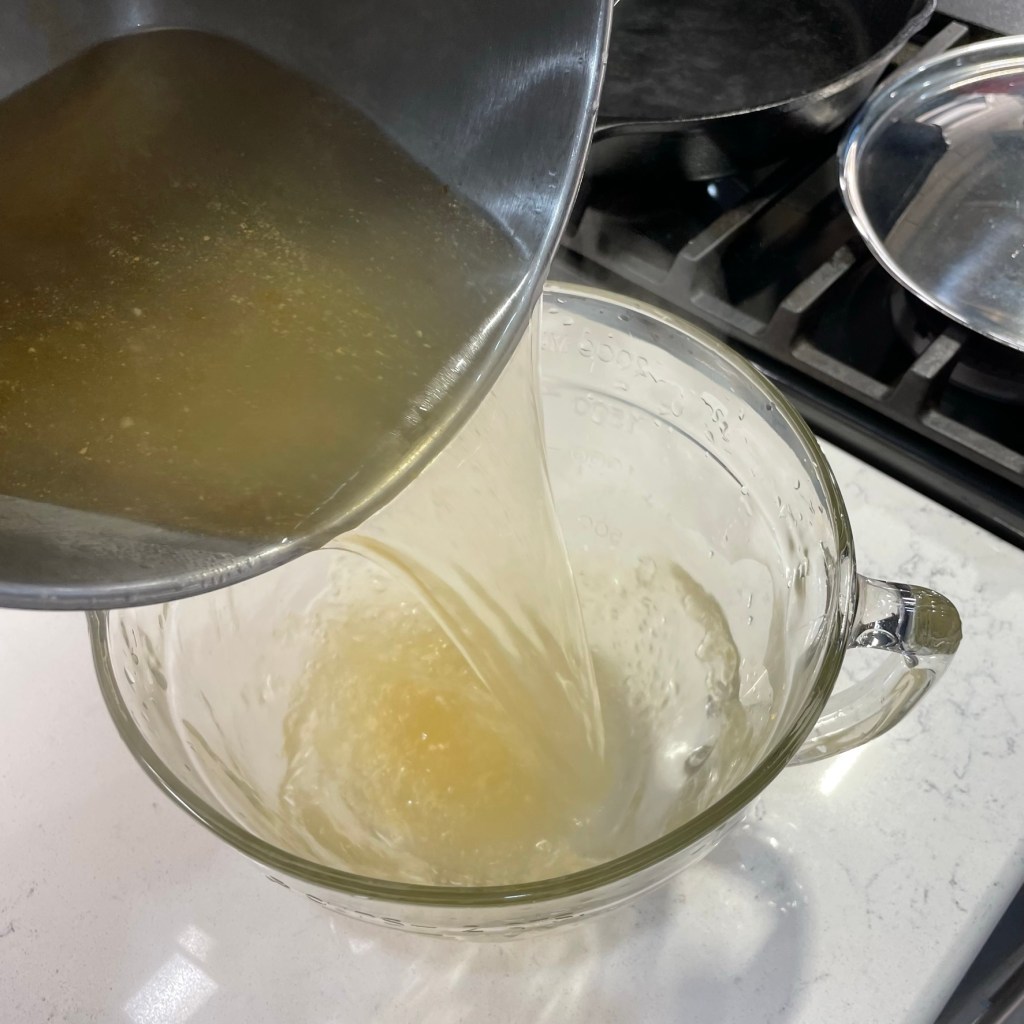
  3. After simmering, the kielbasa should be noticeably swollen, and small droplets of fat from the kielbasa will be swirled throughout the broth. Use tongs to transfer the kielbasa to a cutting board. Pour the broth into a large bowl or measuring pitcher.
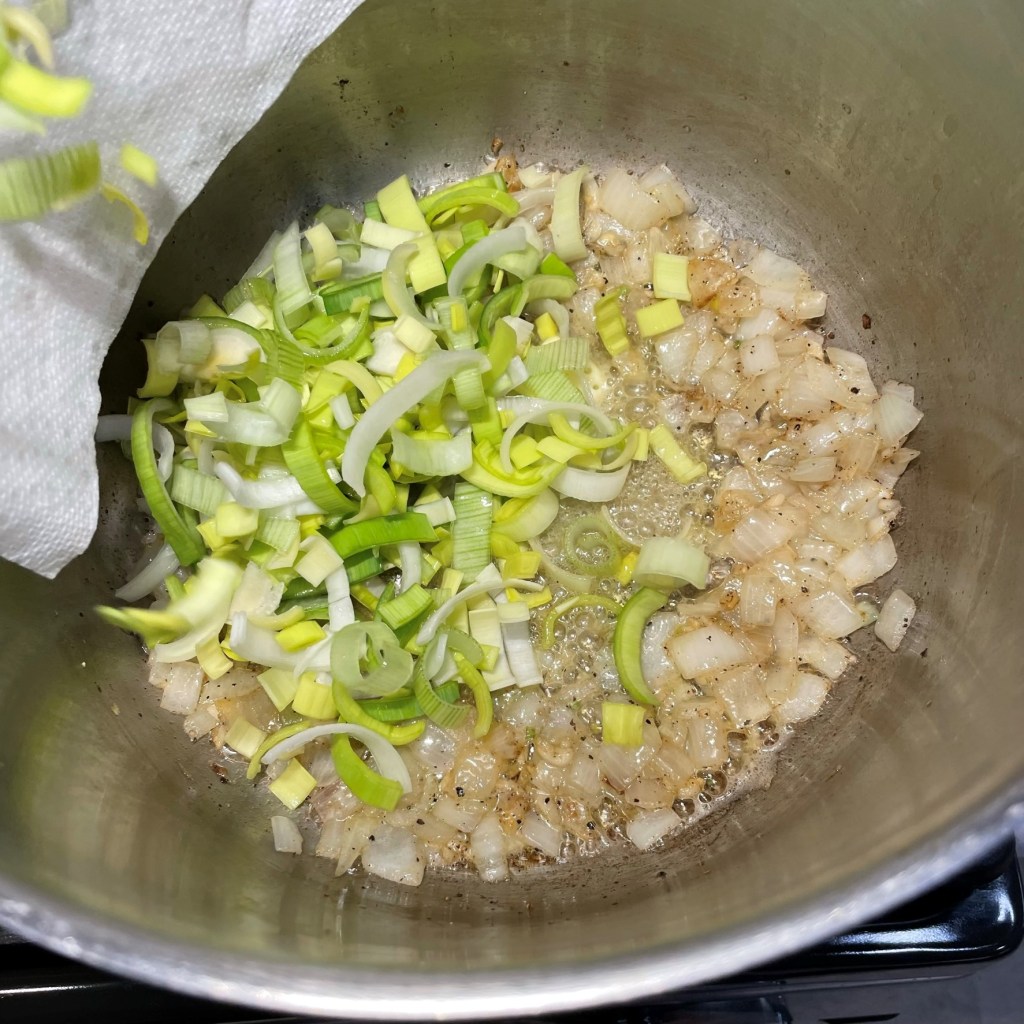
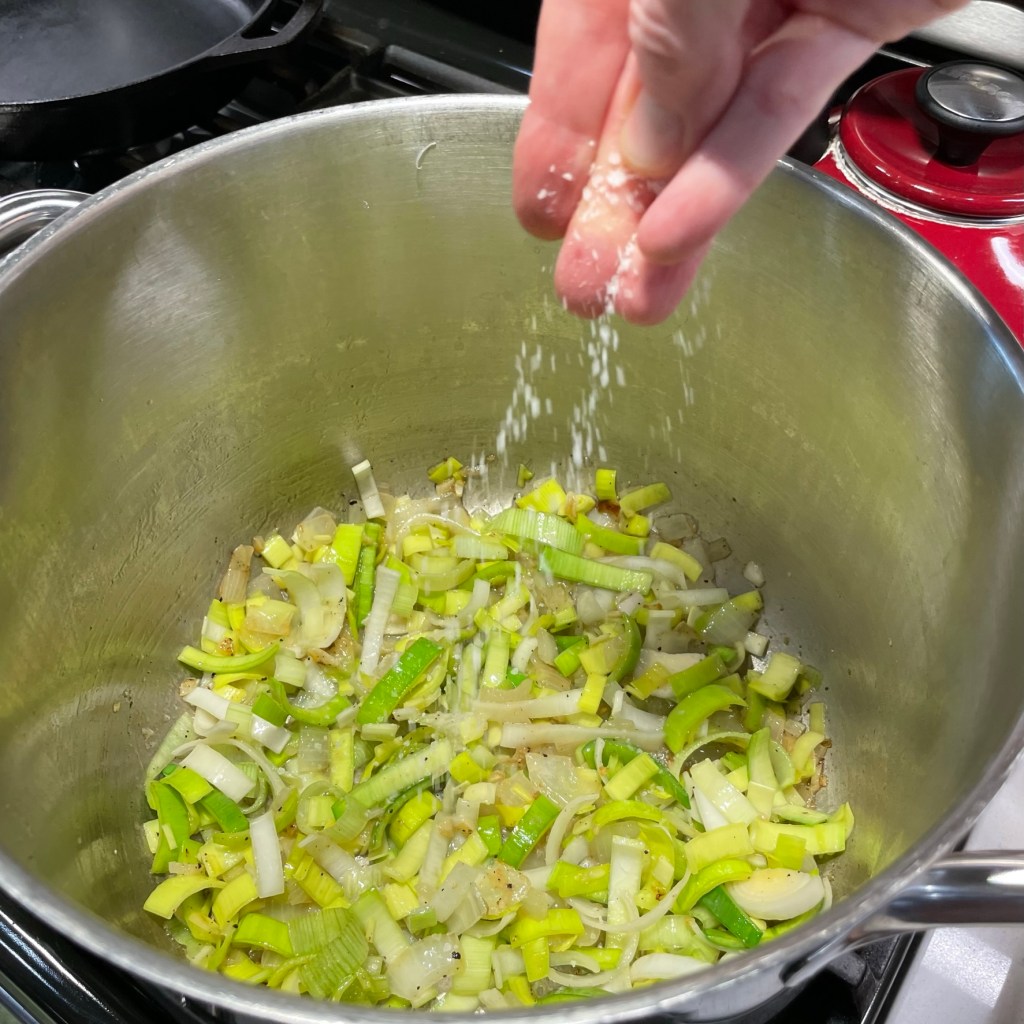
  4. Into the same pot, melt two tablespoons of the butter and sauté the yellow onions and garlic with salt and pepper for about five minutes, until tender. Add the remaining butter and leeks to the pot and sauté two more minutes, until those are also tender.
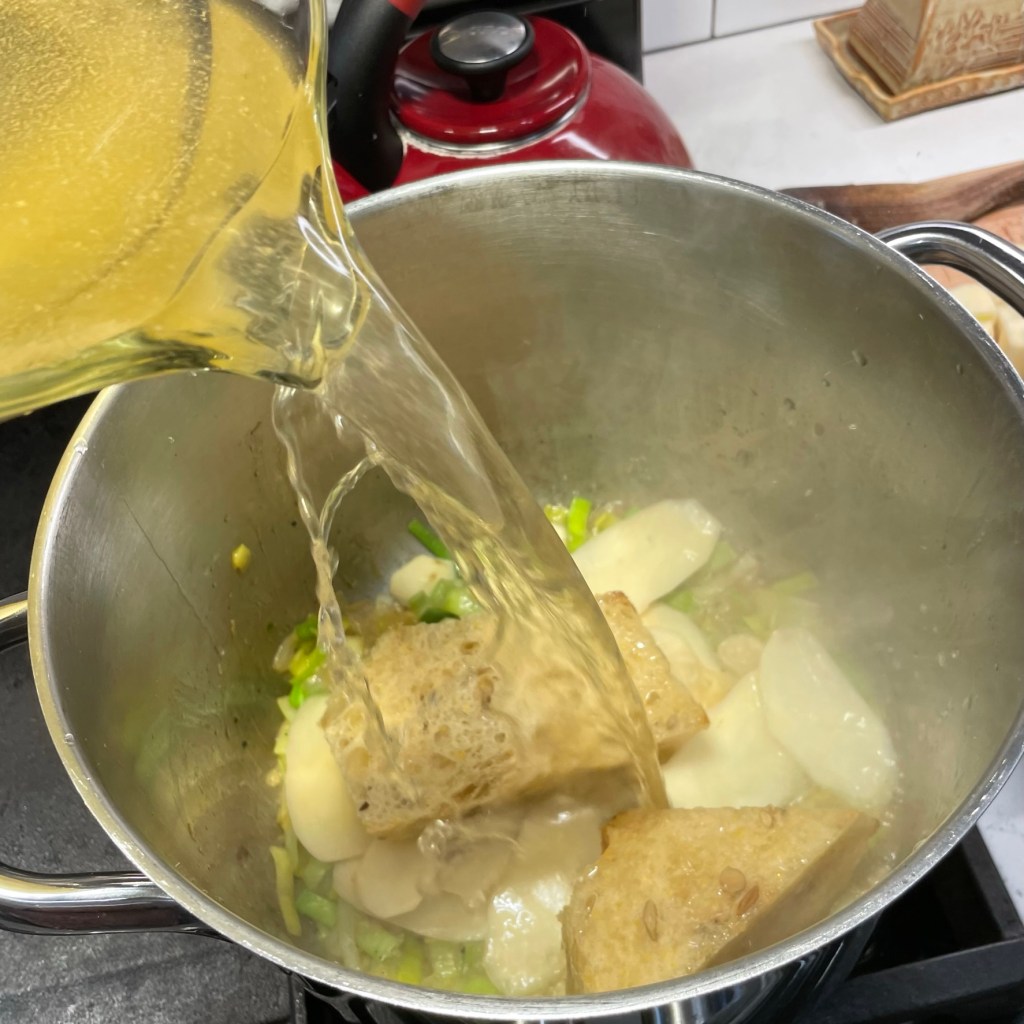
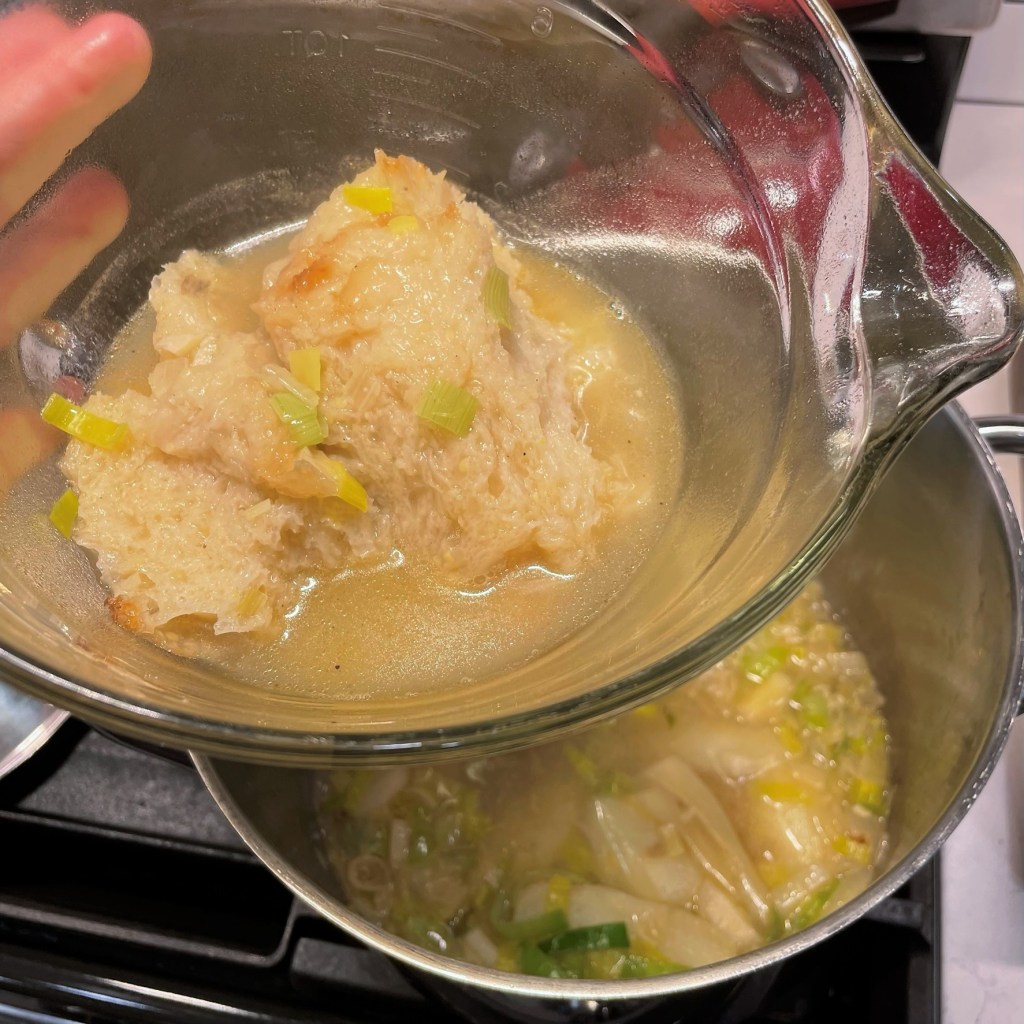
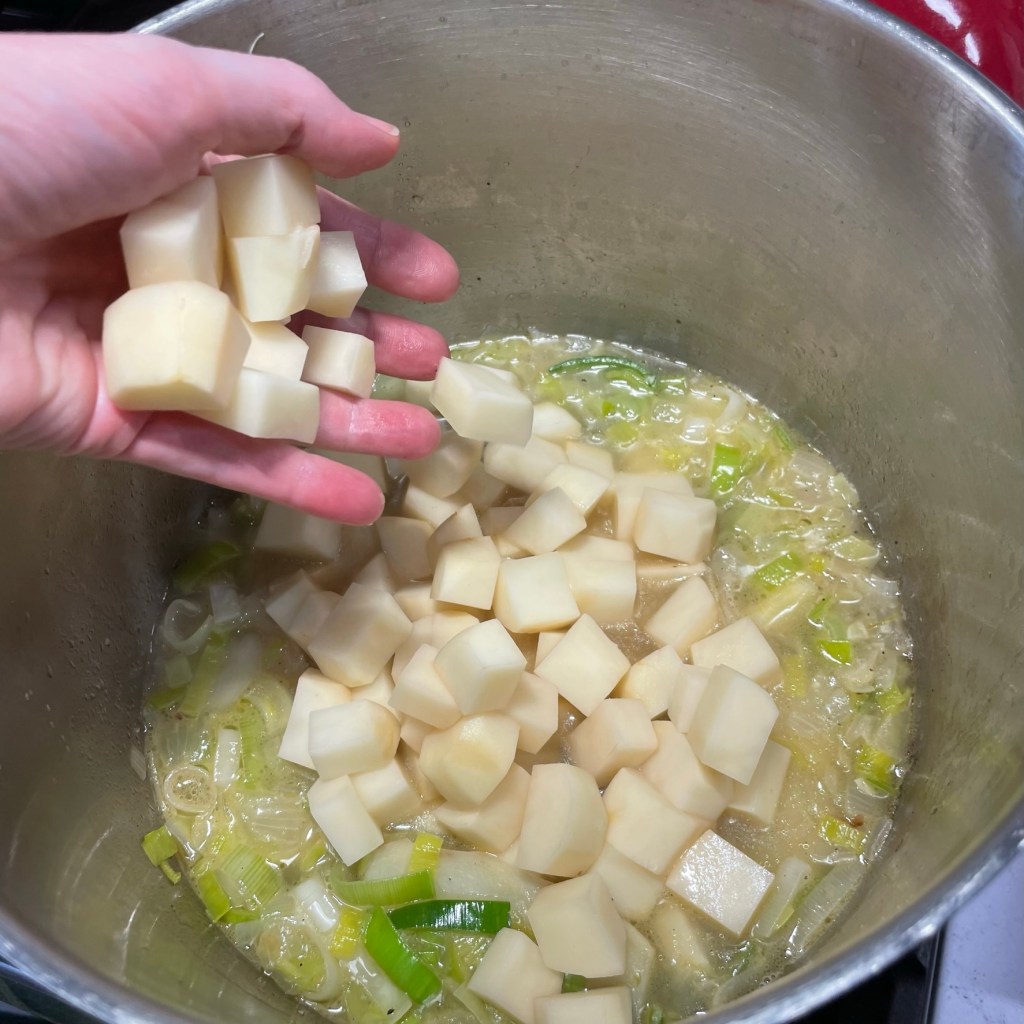
  5. Add the scraps of potato and the large chunks of sourdough bread to the pot. Pour about 2/3 of the reserved broth into the pot and simmer until the bread looks completely bloated, about 10 minutes. Use a large, slotted spoon or tongs to pull out the sopping bread into the measuring pitcher with the remaining reserved broth. It’s OK if some of the leeks and onions tag along. Set the pitcher aside to cool for a few minutes.
  6. Add the potato cubes to the pot, along with enough broth or water to just cover them. Heat to a boil and then simmer for about 15 minutes until potatoes are slightly tender. While that simmers, use an immersion blender to puree the sopping sourdough with the liquid in the bowl or pitcher.
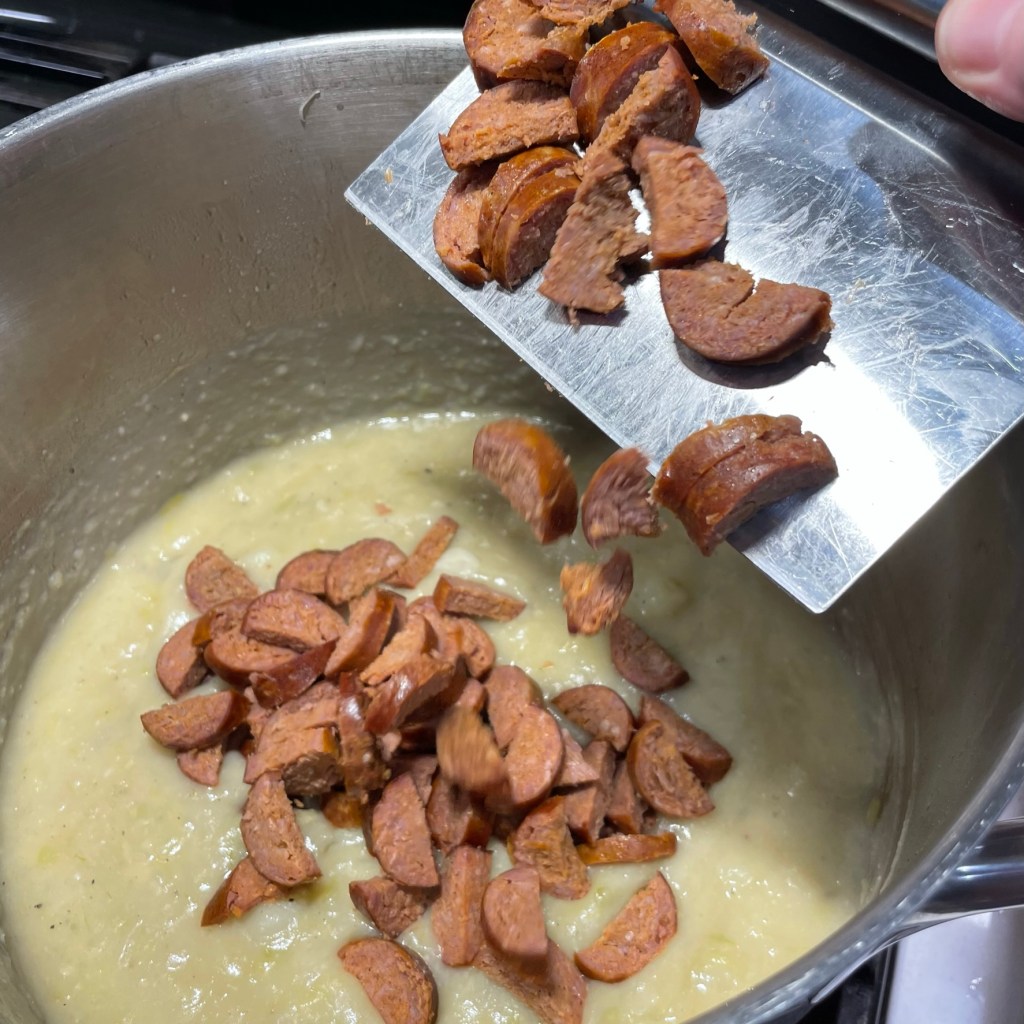
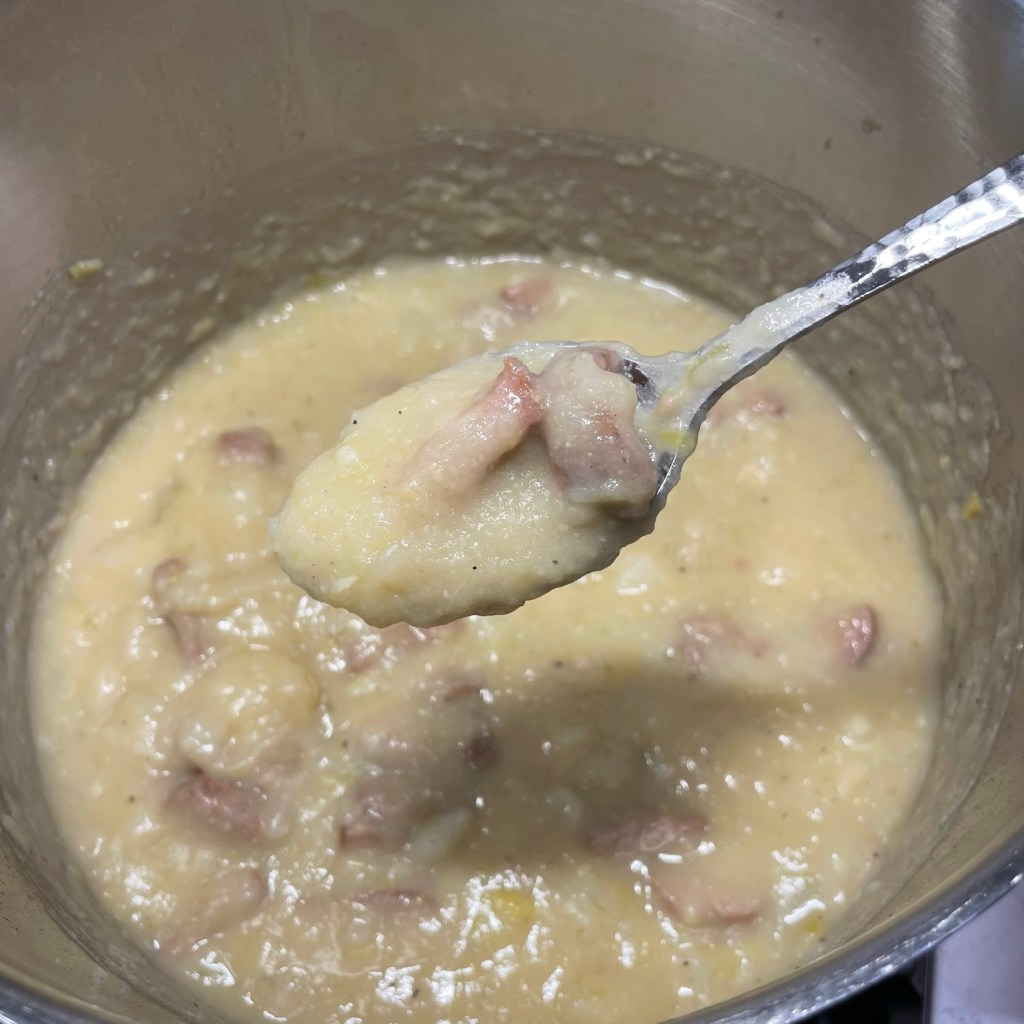
  7. Stir the puree mixture back into the pot, along with the kielbasa. Adjust salt and pepper to taste. Simmer just until heated through, as continued cooking will cause the potatoes to turn mushy.
  8. Serve the white borscht with a dollop of sour cream and a sprinkling of fresh dill.


Po’ Boy Shrimp Tacos

Being creative in the kitchen is often little more than playing a game of mix and match. You take a dish you already know, apply another style of cuisine or a few ingredient swaps, and you’re on your way. That’s what happened in my kitchen when I decided to twist together Mardi Gras and Taco Tuesday.

Having never been to New Orleans myself, I already knew something about its foods (well, I mean, who doesn’t?) from friends and internet research. The po’ boy, a classic of New Orleans, is a simple sandwich of inexpensive ingredients—usually local, in-season seafood—fried up and served on French bread with lettuce, tomato and pickles. These humble yet tasty handhelds were slipped out the back door to out-of-work streetcar drivers who were on strike at the end of the Roaring ‘20s (now that we’re here, I suppose I should specify, 1920s). As the locals tell it, a kitchen worker would see one of the hungry drivers coming up for a handout, and shout, “here comes another po’ boy!”

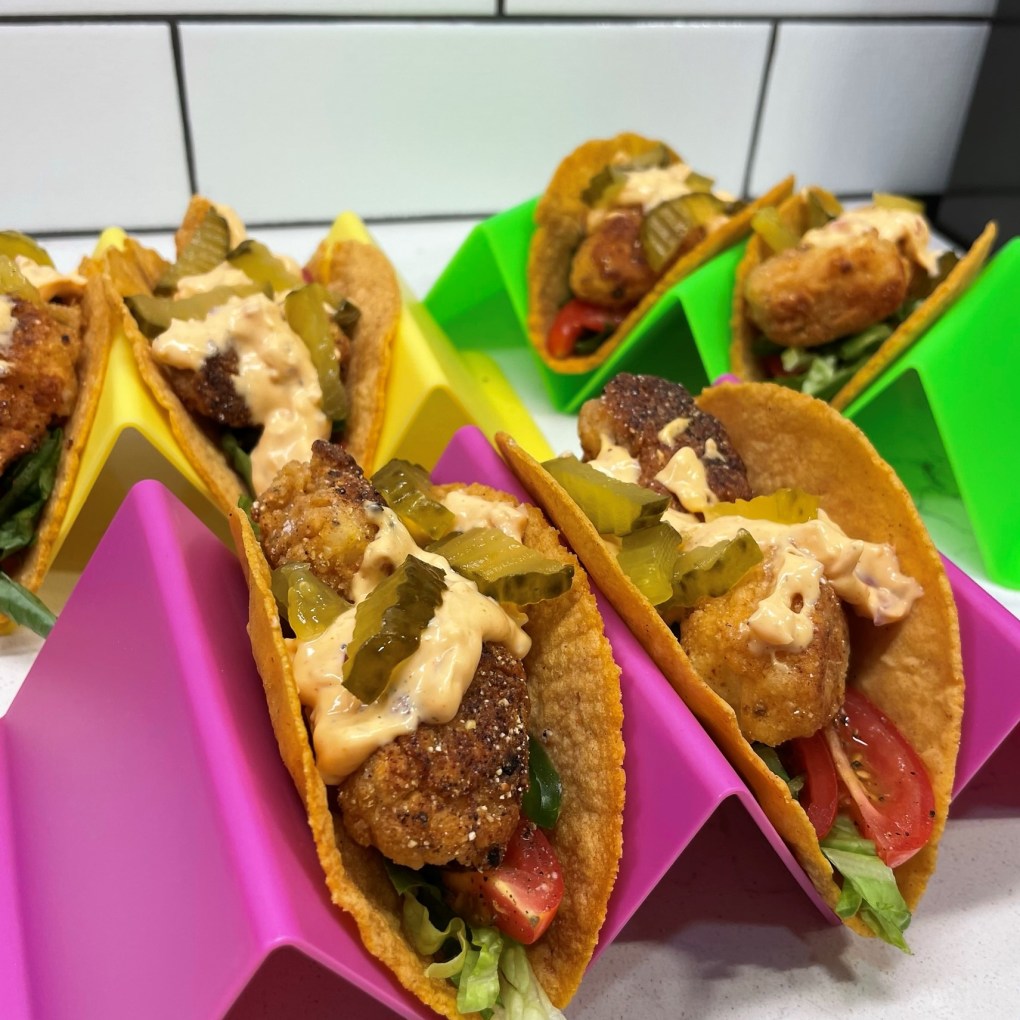
My taco-esque spin on the po’ boy is not necessarily original, given that you have probably seen plenty of shrimp tacos. But the New Orleans flavors are purposely prominent here, from the savory dry spices I added to my handmade corn tortillas, to the Cajun spices in the shrimp breading, to the bold and zesty remoulade that topped it all off. There is no cheese or salsa on these tacos; rather, I swapped in the fresh toppings that you would expect on a po’ boy sandwich—thinly shredded lettuce and tomato. But I did want to keep it in taco territory, so I also layered in some thinly sliced jalapeno, which didn’t bother my heat-loving husband one bit. If it bothers you, leave ‘em off.

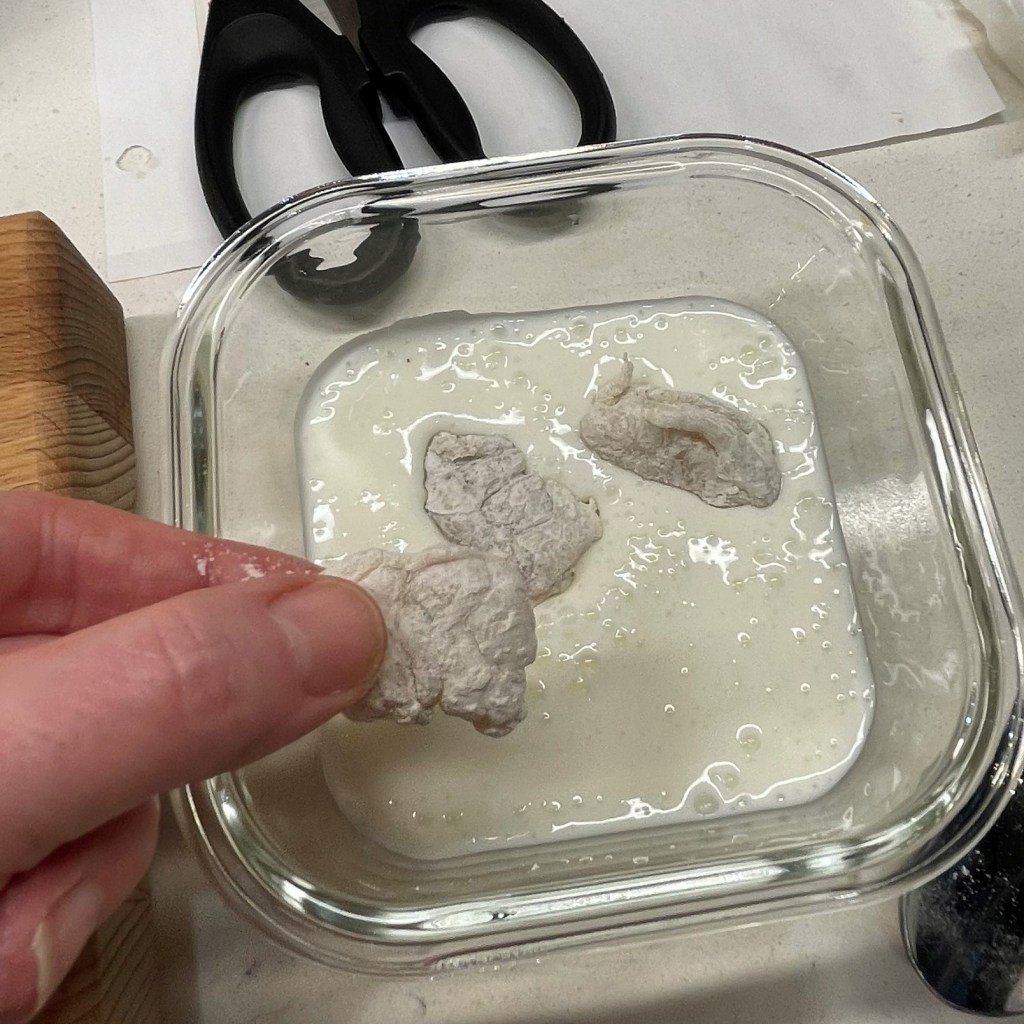
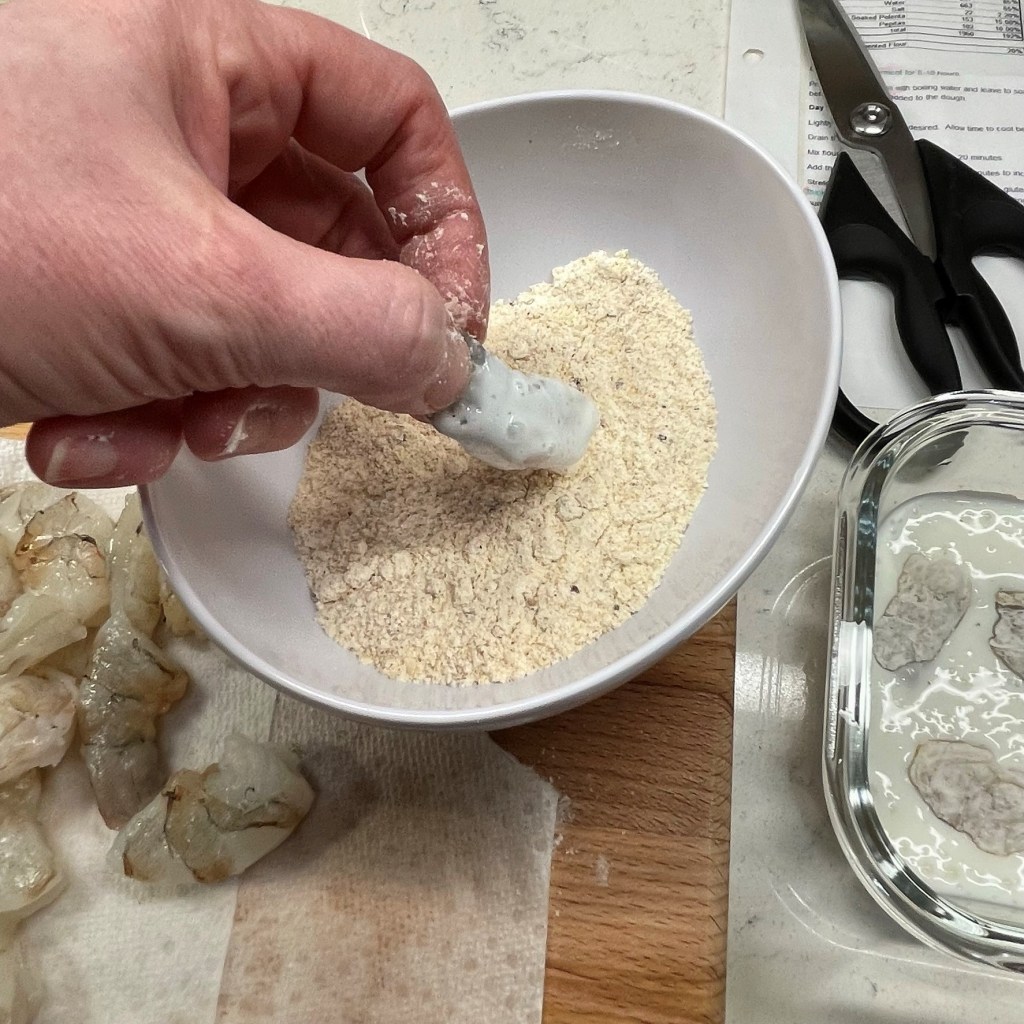
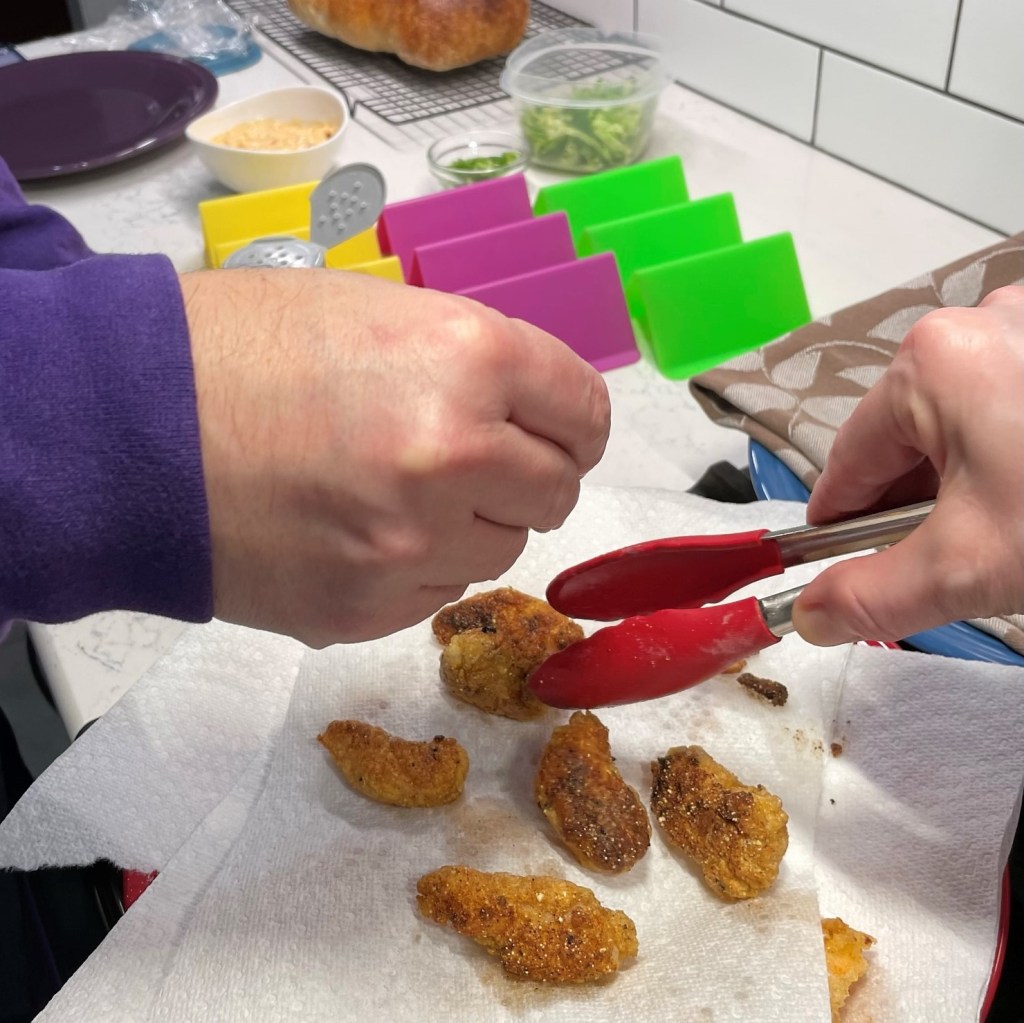
If I could hit the rewind button on one thing, I would be the preparation of the shrimp. The shrimp or fish on a true po’ boy would be deep fried in a cornmeal crust, so I went along with tradition on that, but my juicy shrimp did get a bit lost in the density of a buttermilk bath and all that breading, and the whole frying process made a mess of the kitchen and had me frustrated in the end. It was delicious but I doubt all that was necessary. My Plan B was to simply season the shrimp straight in the Cajun spices and give them a quick sauté, same as I do for my go-to Cajun shrimp & garlicky cheese grits. The flavors would have been the same and the overall dish would have been lighter, both in heft and calorie count, so I’ll try it that way next time. 

But then again, it’s Fat Tuesday, so anything goes!


Ingredients

6 corn tortillas* (see ingredient notes)

1/2 lb. Gulf shrimp*, peeled and de-veined

2 tsp. spicy Cajun or Creole seasoning*

Canola or peanut oil for frying (amount depends on whether you use breading)


Breading (optional)

1/2 cup all-purpose flour, divided

1/2 cup cultured buttermilk

1/4 cup fine or medium cornmeal (seasoned with the Cajun spices)


Toppings

About 1/2 cup finely shredded lettuce (I used romaine)

1/2 cup chopped fresh tomato

A few thin slices fresh jalapeno (optional)

5 or 6 slices chopped sweet and spicy pickles (we love “Wickles” brand)


Remoulade

4 Tbsp. mayonnaise

1 Tbsp. Frank’s RedHot Sauce* (original variety)

1 Tbsp. minced fresh garlic

2 Tbsp. finely minced red onion

1/4 tsp. paprika (sweet or smoked)

1 Tbsp. sour cream

Salt and pepper


*Ingredient Notes

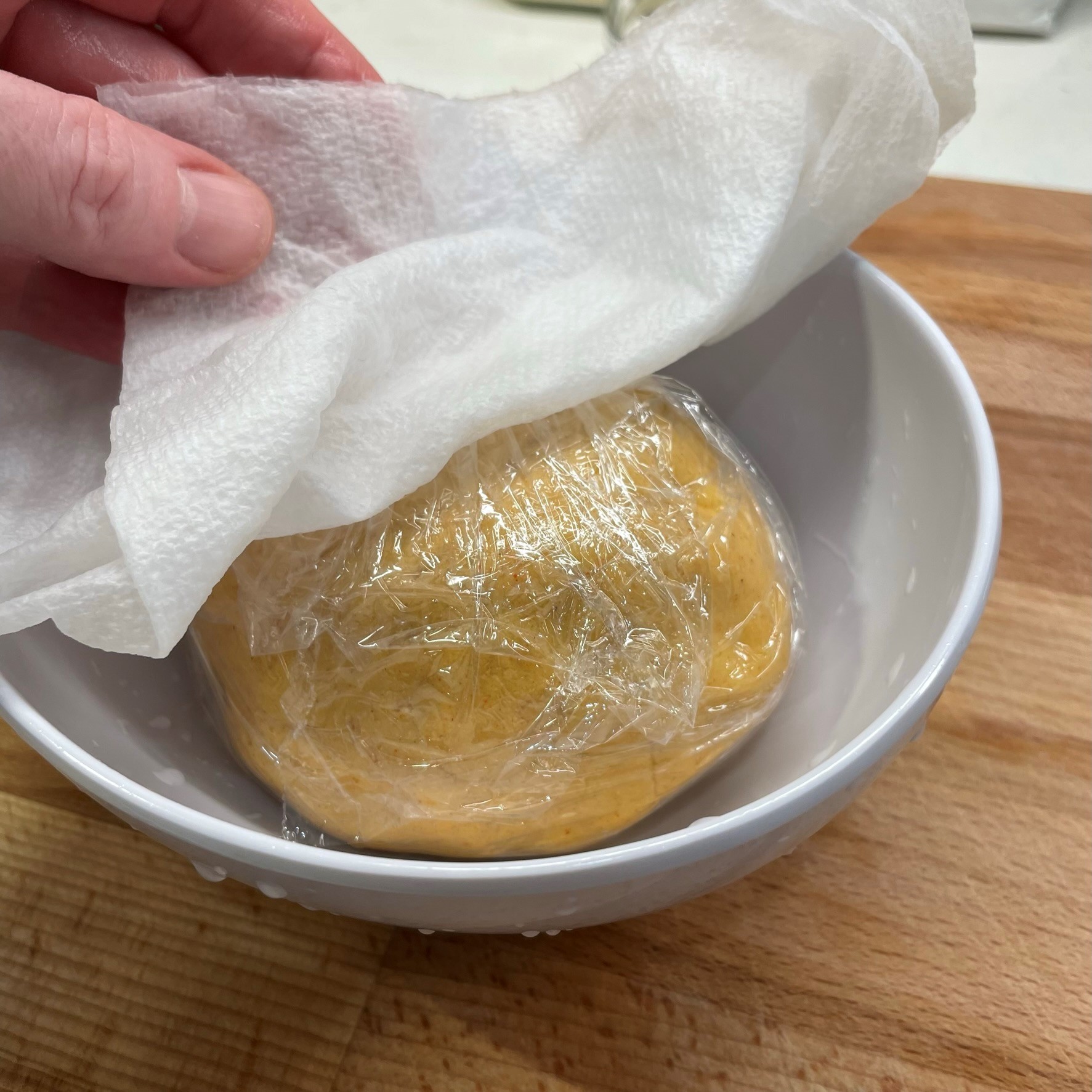
You could certainly use store-bought corn tortillas for your po’ boy tacos, and perhaps give them a quick flip through a dry cast-iron skillet to warm and slightly char them just before serving. We love handmade corn tortillas, and I added about 1/2 teaspoon each of smoked paprika and onion powder to my masa dough, to lend a little more flair. See my previous post on handmade corn tortillas for more detail about the technique.

I used large shrimp, 16 to 20 count per pound, but I cut them in half for easier divvying among our tacos. My recommendation for Gulf coast shrimp is not merely for authenticity (it is, after all, intended to be a tribute to New Orleans), but also for the integrity of the product. Be wary of seafood from other countries, especially the stuff that comes out of Southeast Asia, as the industry there is prone to problems ranging from over-fishing and contamination to heinous human rights violations. Is the domestic shrimp more expensive? I suppose it depends on who you ask.

If you don’t have a local fishmonger you trust, look for evidence of standards on the supermarket packaging, and don’t hesitate to ask questions at the fish counter.

To clarify, Cajun and Creole seasonings are not the same, but both are prominent in Louisiana cooking, and I believe they are interchangeable in this recipe, mostly based on your tolerance for heat. Cajun cuisine leans more toward spicy pepper heat and Creole is more about the dried herbs. I used a chile and garlic Cajun powdered seasoning, added to the cornmeal breading. If you skip the breading, simply toss the shrimp directly in the seasoning before sautéing—and don’t skimp!

Frank’s RedHot is the sauce I used, but if you can get your hands on a bottle of Crystal brand hot sauce (the preferred brand in Louisiana), by all means go with that.


Instructions

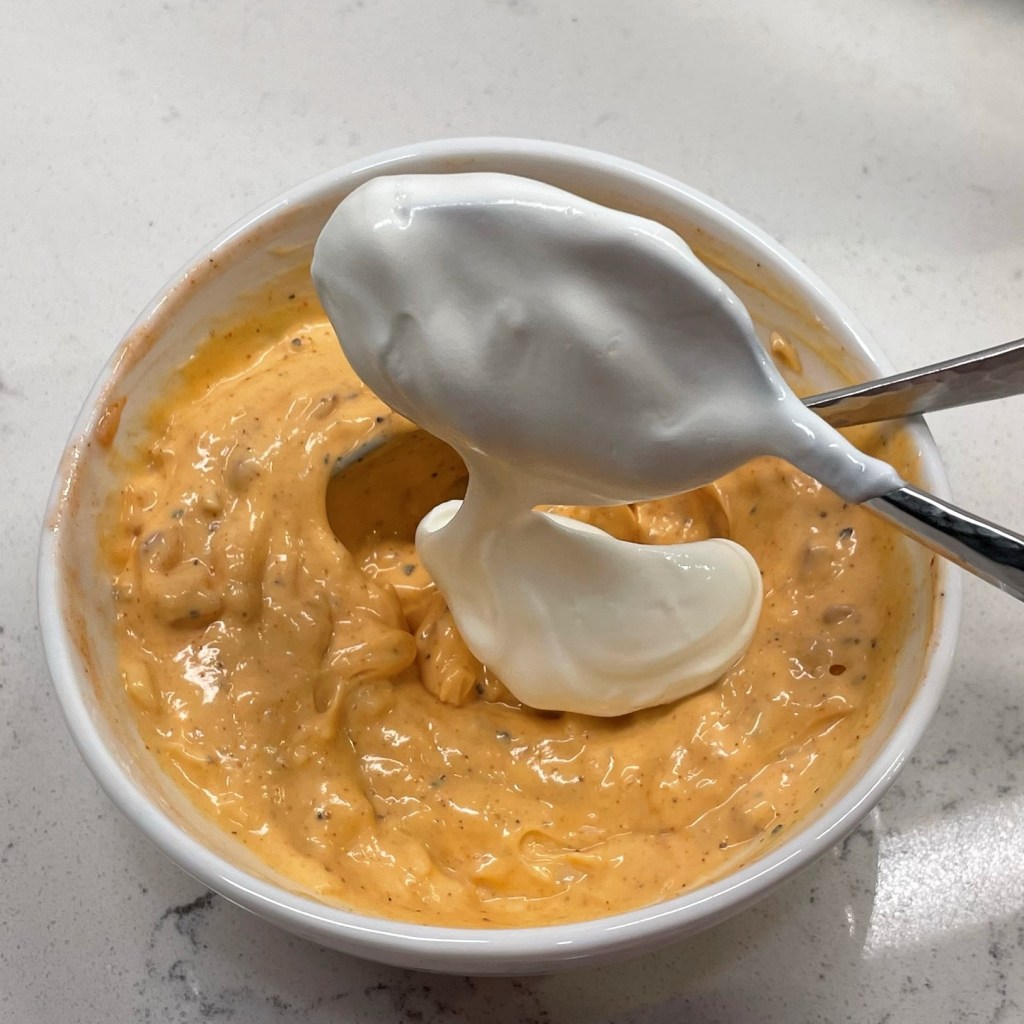
Make the remoulade ahead, so the flavors have time to meld in the fridge. Stir together all ingredients and adjust heat, salt and pepper to taste. Cover and refrigerate until serving time.

If you are making your own tortillas, make those next, keeping them warm on a towel-lined plate as you prepare the shrimp.

For a sautéed version, pat the shrimp dry on paper towels. Spritz them with spray oil and then toss in the Cajun seasoning until well coated. Heat a small amount of oil in a skillet and saute, turning once, until shrimp are no longer pink. Total cooking time should be two to four minutes, depending on the size of the shrimp.

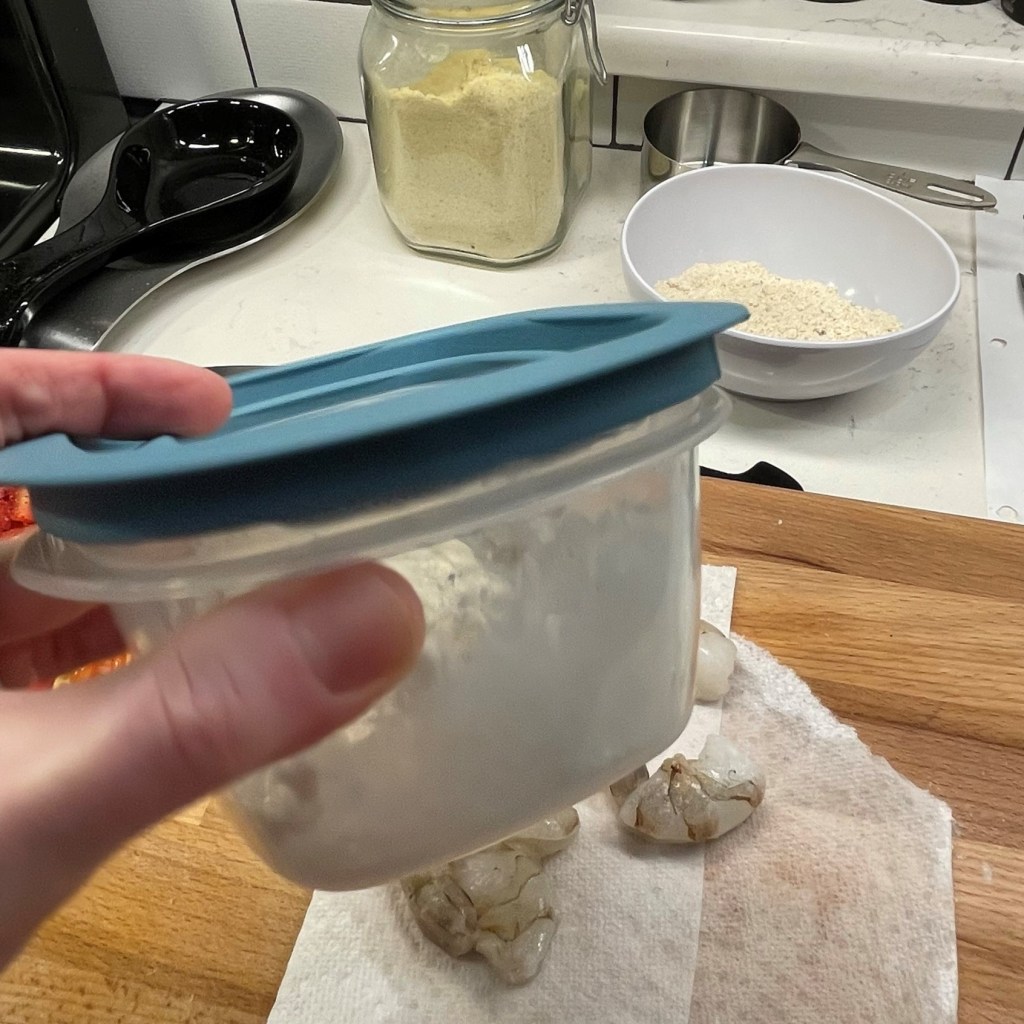
For fried shrimp, heat canola or peanut oil over medium heat in a cast iron skillet, about 1/2” deep. Pat the shrimp dry on paper towels. Set up a breading station, with half the flour in one dish, buttermilk in the second, and remaining flour mixed with cornmeal, Cajun seasoning and cayenne (if using) in a third.

When the oil is ready (toss a bread cube in to see if it bubbles immediately), toss the shrimp lightly in the plain flour, then dip into the buttermilk and finally the cornmeal mixture. Add the shrimp pieces to the skillet one at a time, keeping room between them. Don’t try to do the shrimp all at once because you will cause the oil temperature to drop too quickly. Turn the shrimp pieces when they are golden on the bottom, and salt immediately upon transfer to a paper towel-lined plate. If you need to add oil, do it between batches and allow time for it to return to proper temperature.

Assemble the po’ boy tacos, beginning with shredded lettuce, tomato and jalapeno (if using). Divide the shrimp among the tacos, dress with remoulade and garnish with chopped spicy pickles.


Bananas Foster Ice Cream

Every year, I say that I want to make something elaborate for Mardi Gras—a king cake or jambalaya or étouffée (which my computer just tried to auto-correct as “toupee”)—but I usually miss my chance because I’m tied up making things for Super Bowl or Valentine’s Day. As much as I try, I simply can’t do everything at once.

But because Easter has a floating date (blame it on the moon), so does Ash Wednesday and so does Mardi Gras—and as luck would have it, I have had a little free time after Super Bowl to get my act together in time for this year’s Mardi Gras, which will be March 1. Frankly, I wonder whether I am qualified to make something as traditional as a king cake, given that I have never actually been to New Orleans. I do make a good gumbo, and there was that jambalaya deep-dish pizza last year that was pretty awesome, but I am not prone to do too many repeats, and my craving for a dessert was getting the better of me.

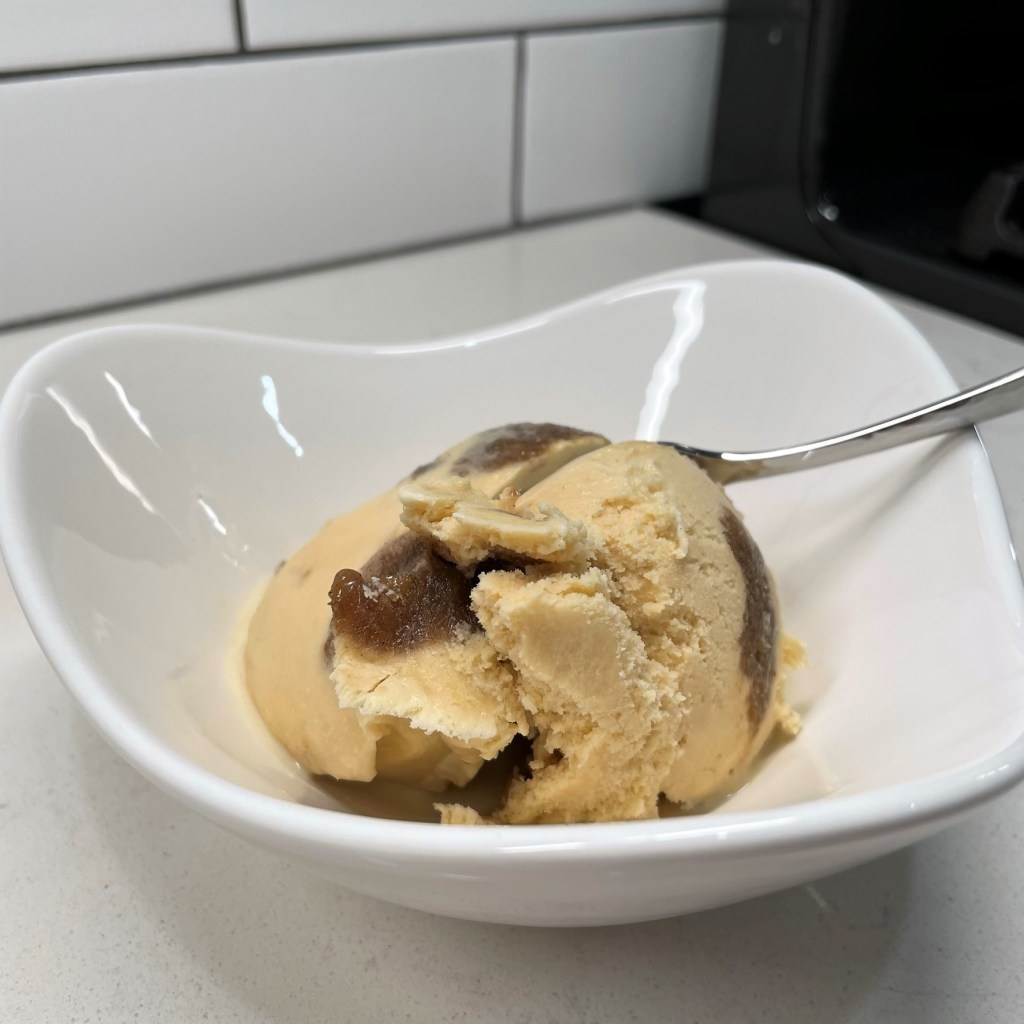
And that’s how this Bananas Foster ice cream came to be.

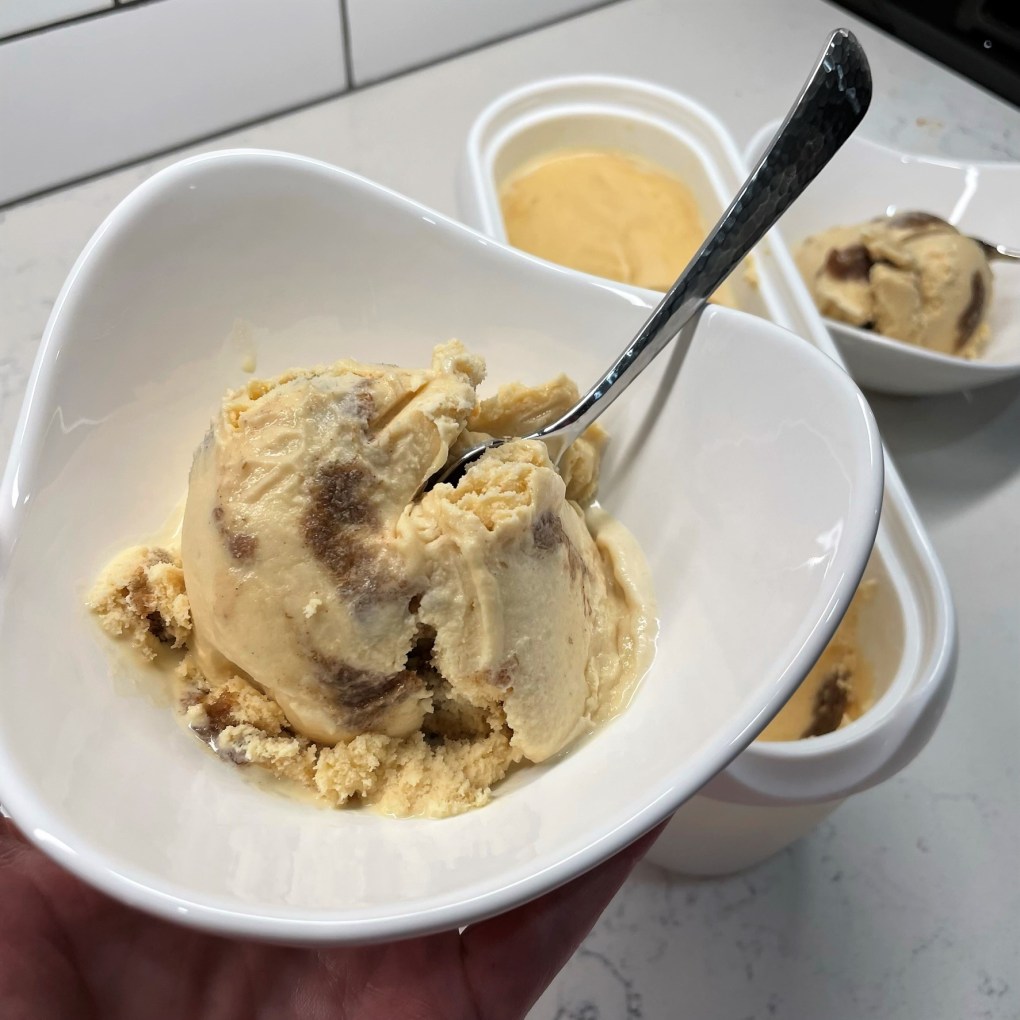
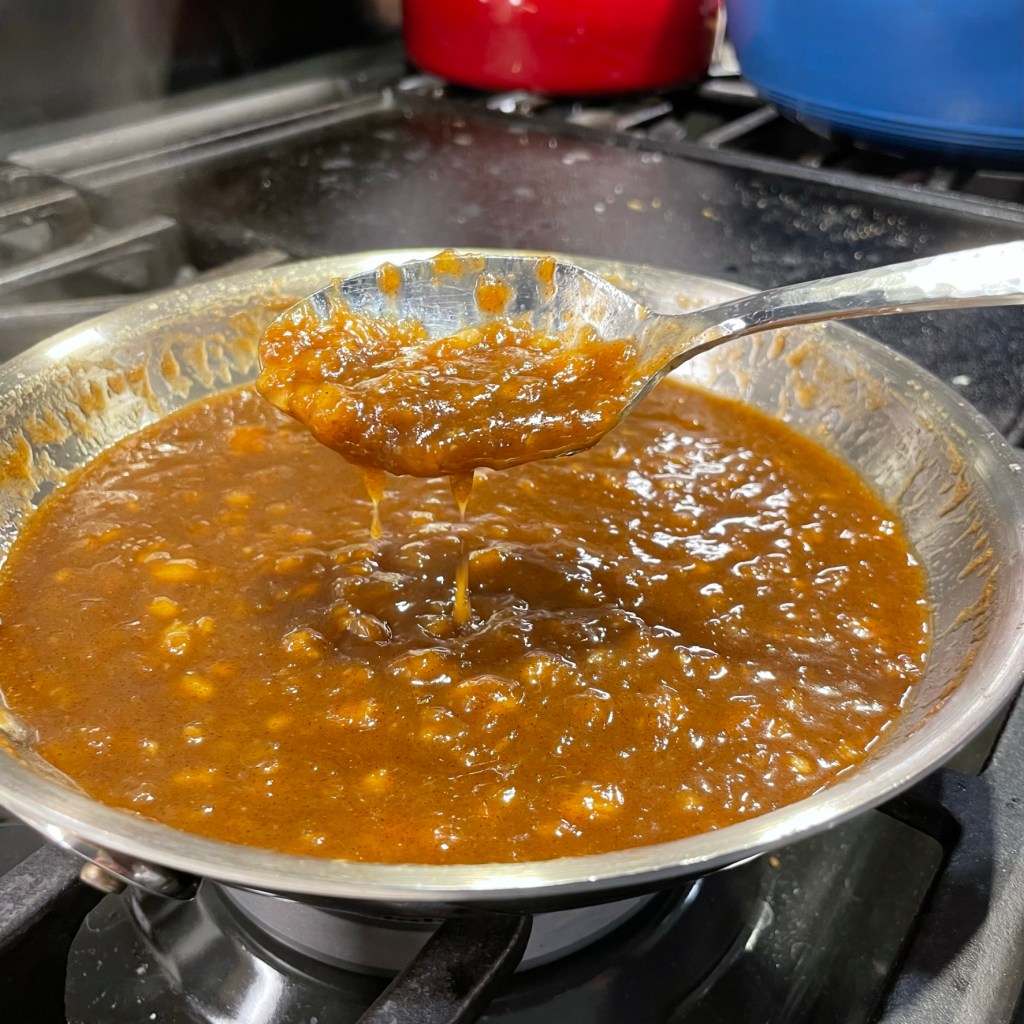
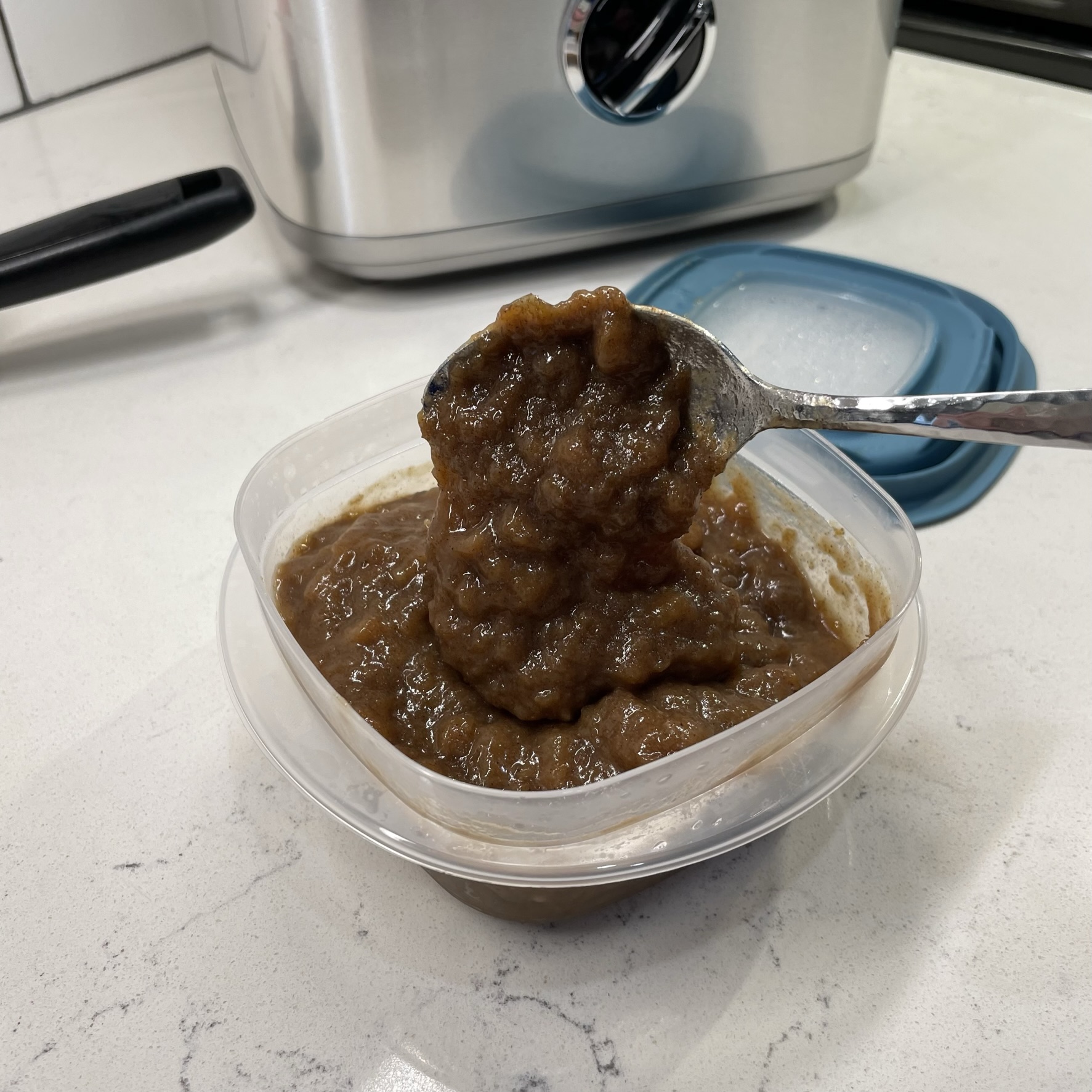
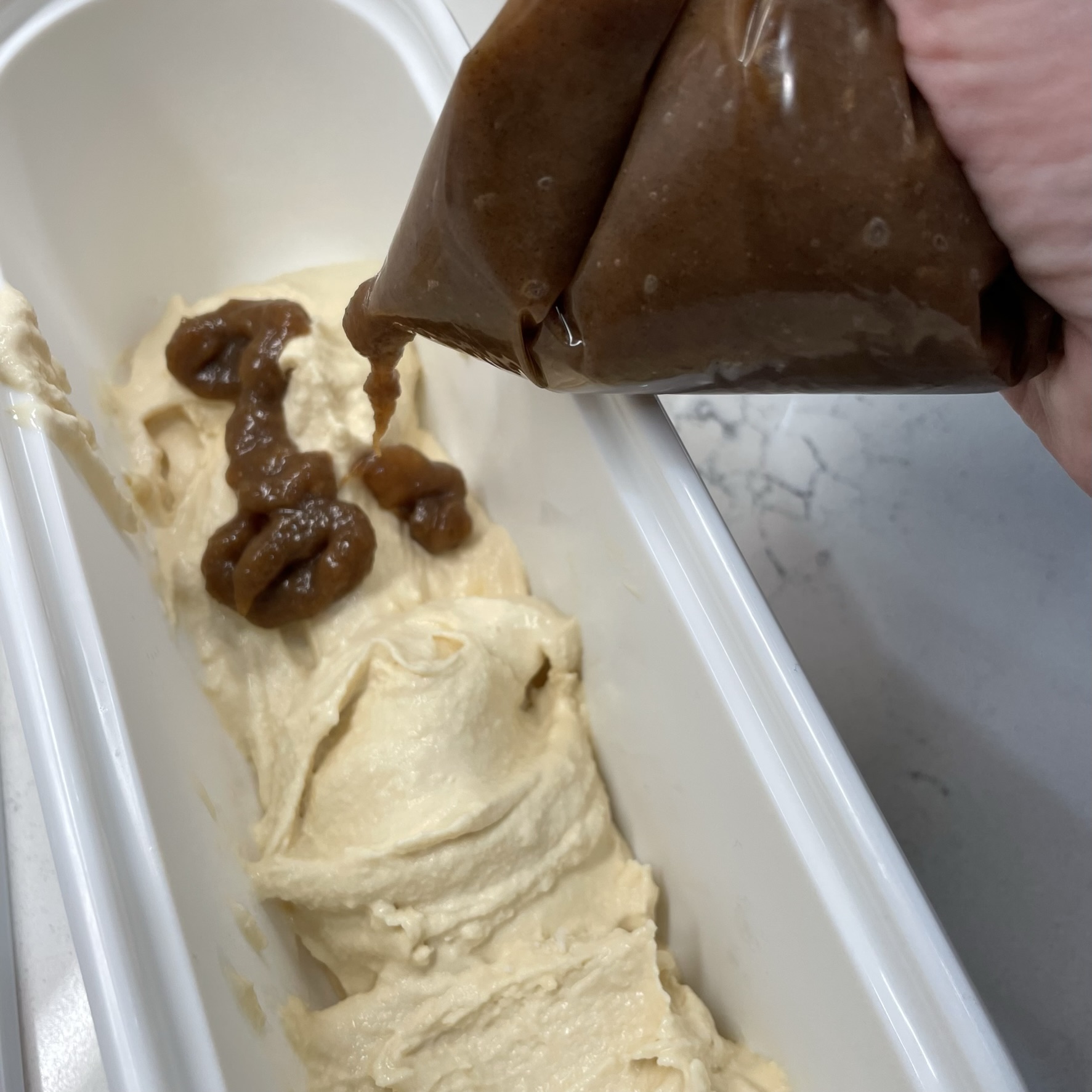
The Bananas Foster swirl is very prominent and so flavorful.

Bananas Foster is a decadently sweet dessert, native to New Orleans. The traditional recipe involves flaming rum-soaked syrup including brown sugar, cinnamon and butter—all spooned over caramelized bananas and served with a scoop of creamy vanilla ice cream. In a previous season of my life, I experienced the pure joy of having Bananas Foster prepared tableside, and those flavors never quite cleared my imagination. It was all at once tropical, sweet, warm, cold, sensual, creamy, boozy and flat-out amazing. What could possibly go wrong, I thought, in skipping the flambé and just adapting that whole mix into an ice cream?

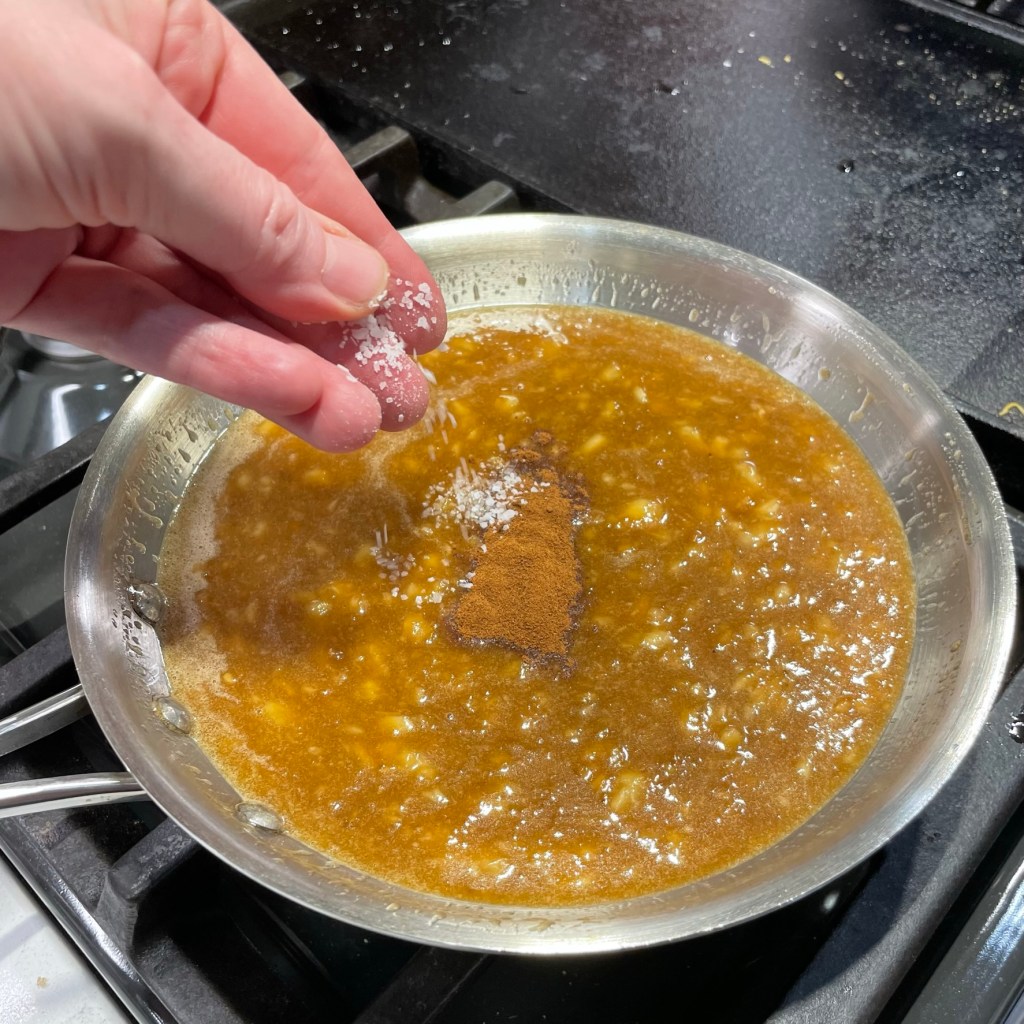
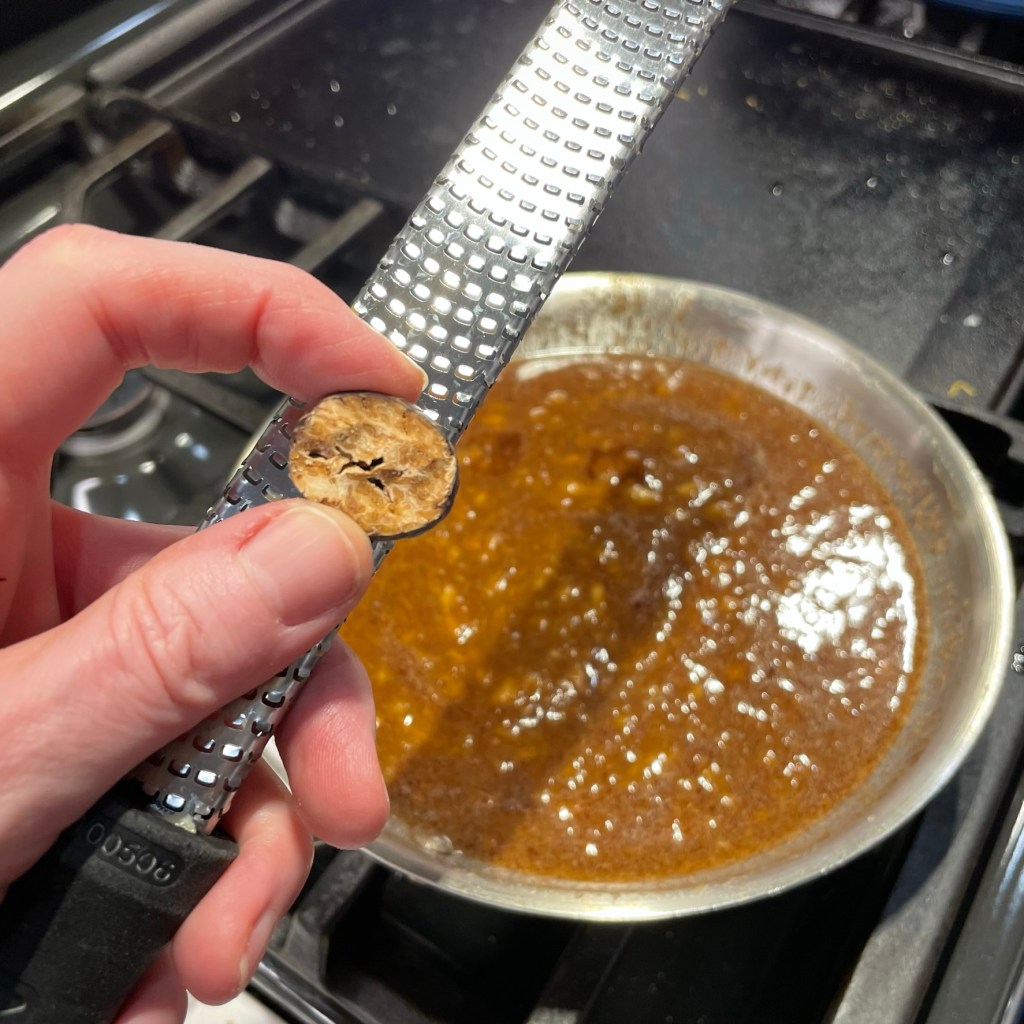
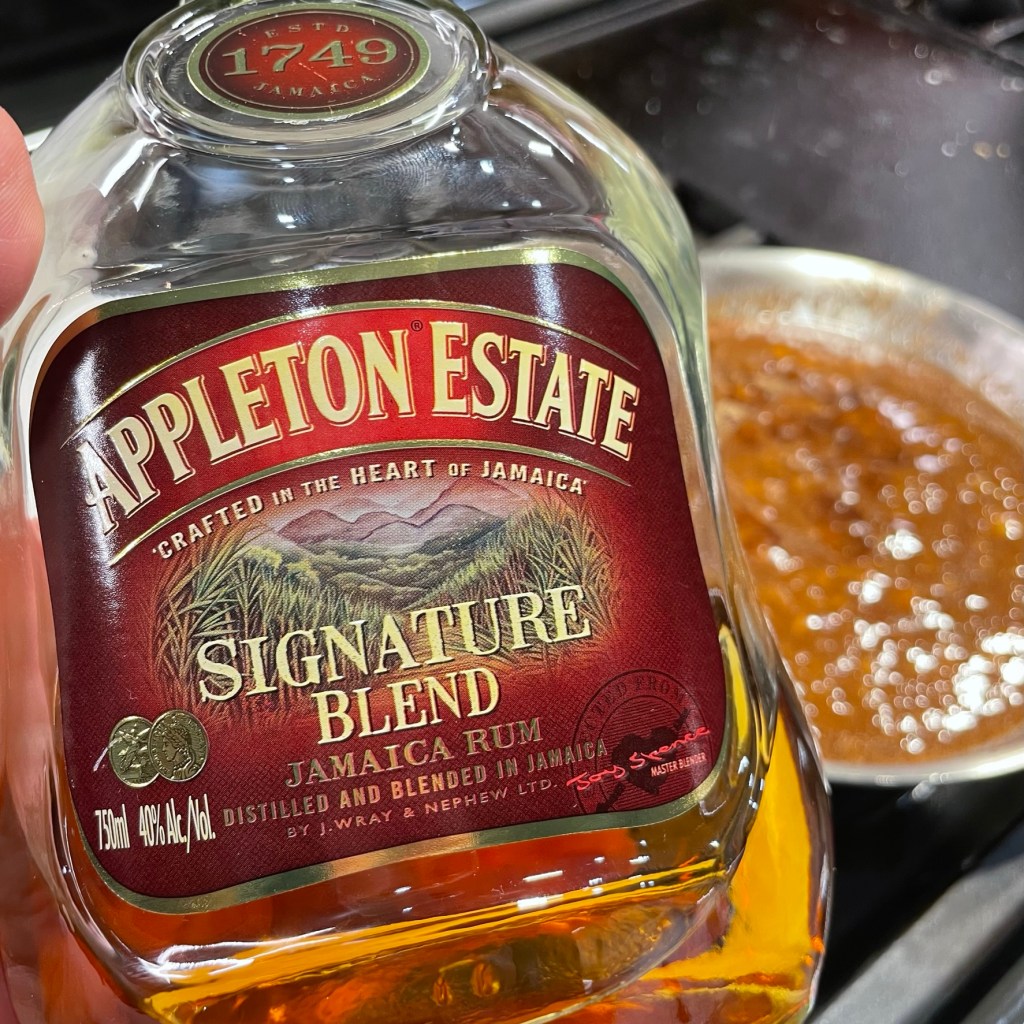
For the richness factor, I started with my go-to custard base for the ice cream, but I used brown sugar rather than white to lay a foundation of warm, molasses-y flavor. I caramelized a couple of ripe, mashed bananas into a mixture of brown sugar, butter, cinnamon and freshly grated nutmeg, then I poured in a shot of aged dark rum from Jamaica (the same rum I used recently in those “air fryer” jerk wings). Both components got an overnight chill, and then I froze the ice cream and layered in the bananas foster filling the next day.

One of these days, I’ll get to New Orleans to celebrate Mardi Gras properly. Until then, I’ll just put on some beads and some zydeco music and enjoy another scoop of this frozen delight.

Don’t mind me, I’m just having my own private Mardi Gras over here.

Ingredients

1 1/2 cups whole milk

2/3 cup light brown sugar (packed)

3 egg yolks (room temperature is best)

1 1/2 cups heavy cream

Pinch of kosher salt

1 tsp. real vanilla extract

1 Tbsp. vodka or dark rum, optional (added at the end of freezing)

Bananas Foster Swirl

3 Tbsp. salted butter

1/3 cup light or dark brown sugar

3/4 tsp. ground cinnamon

A few shavings whole nutmeg

2 very ripe bananas

1.5 oz. dark rum or spiced rum


Instructions for Custard

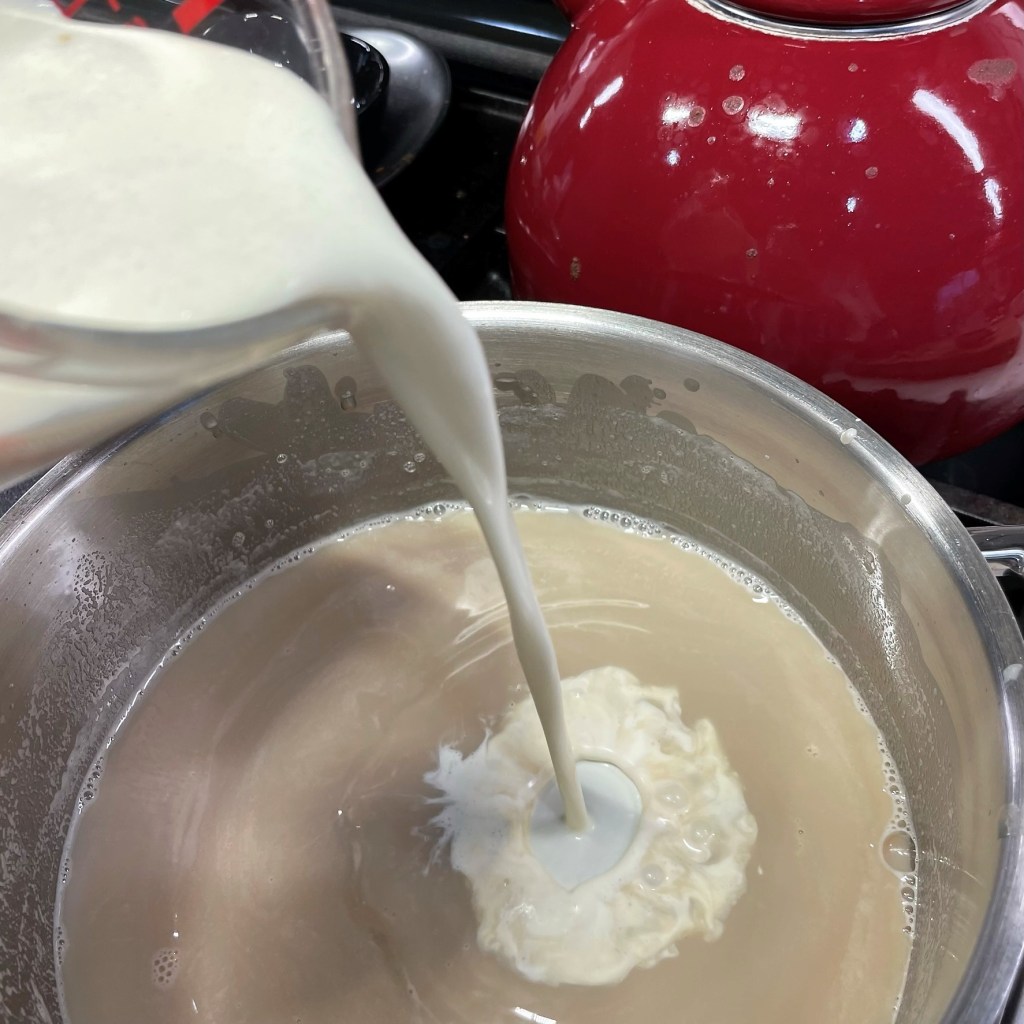
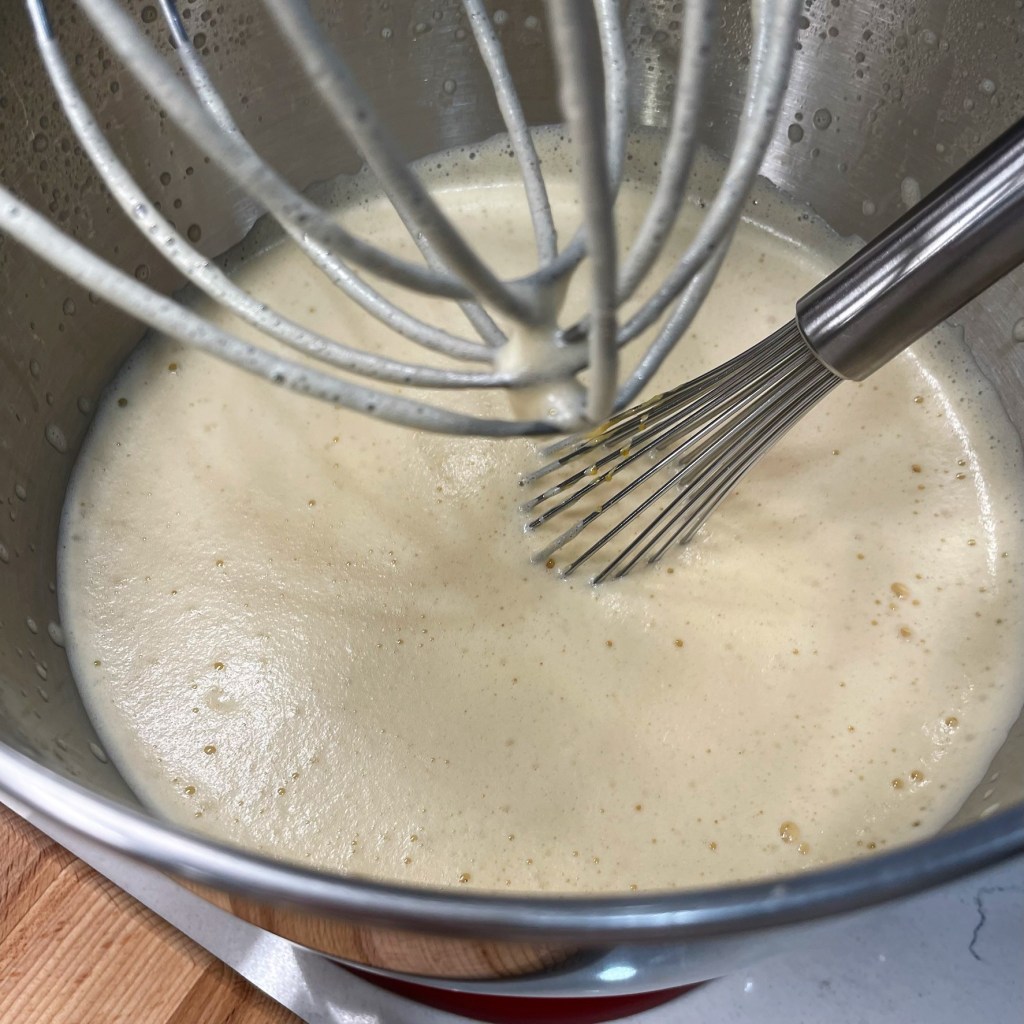
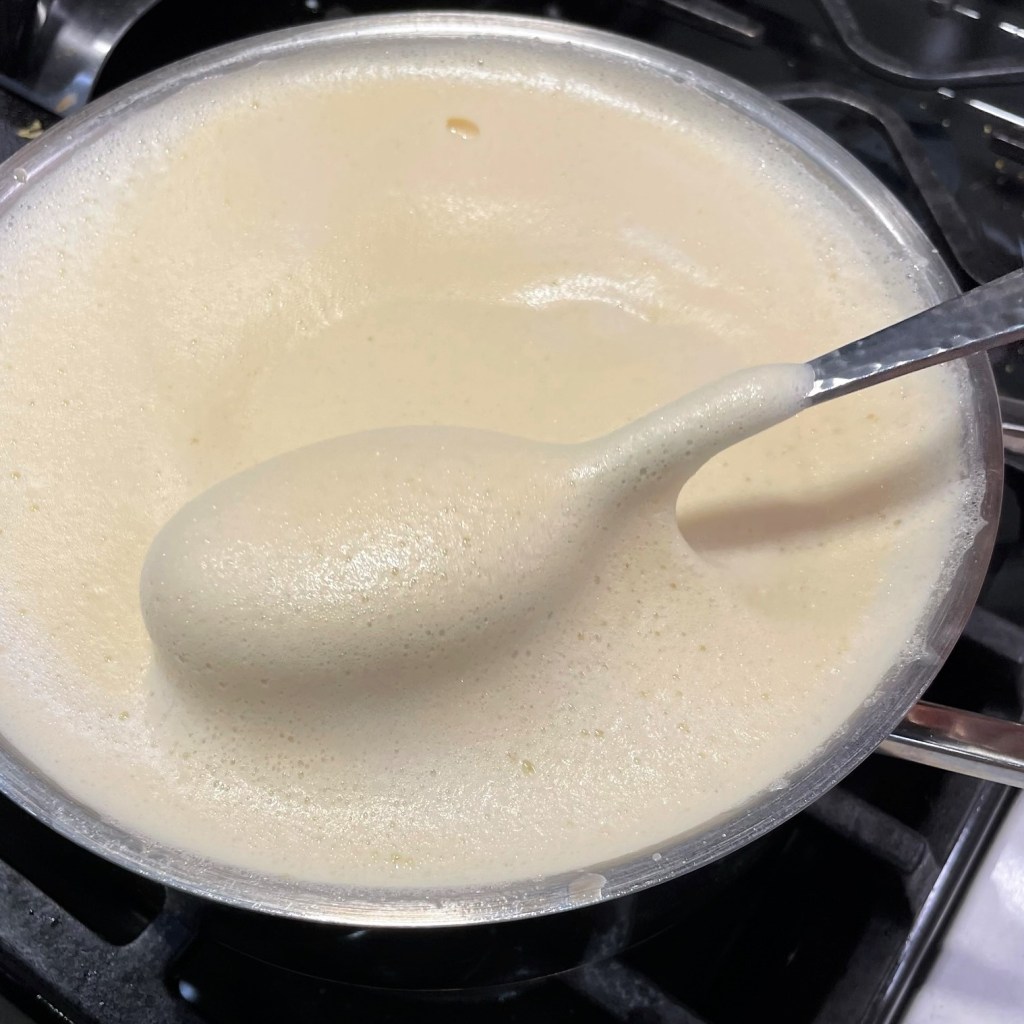
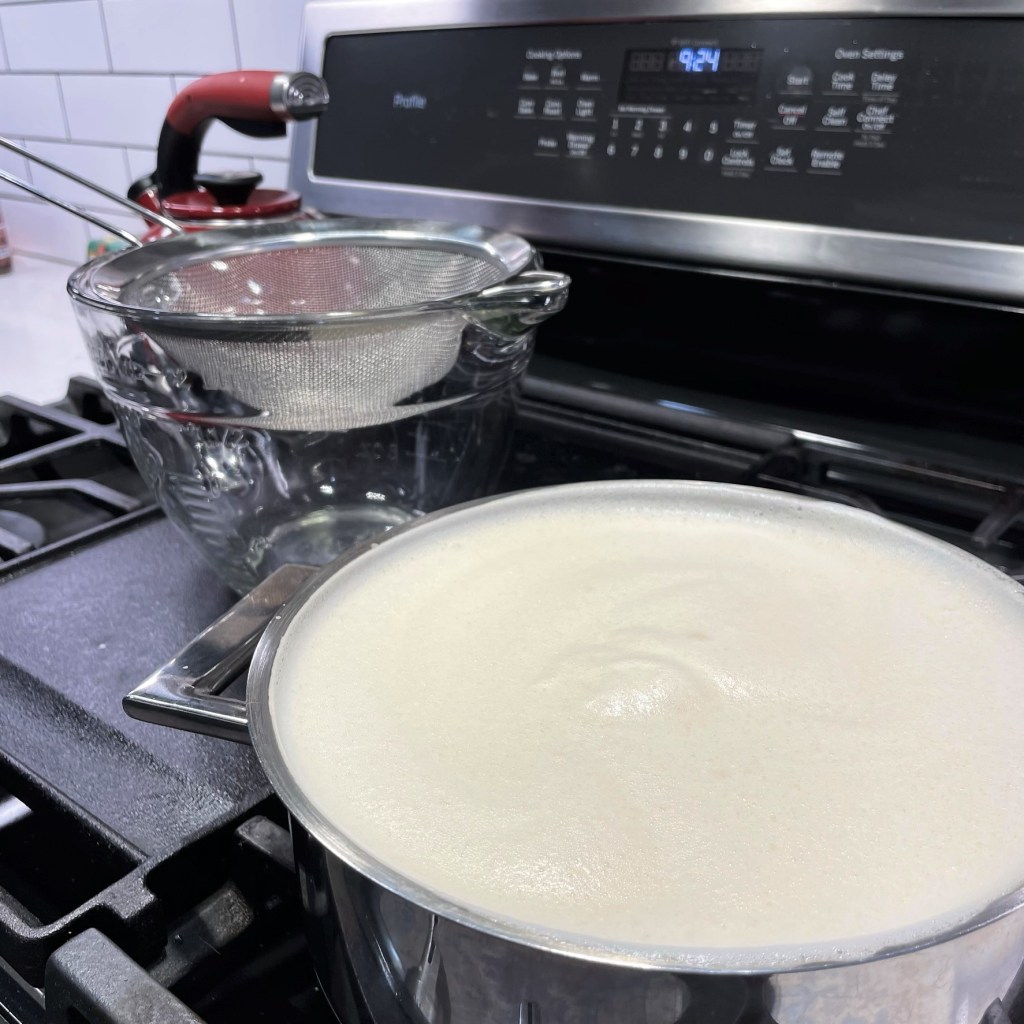
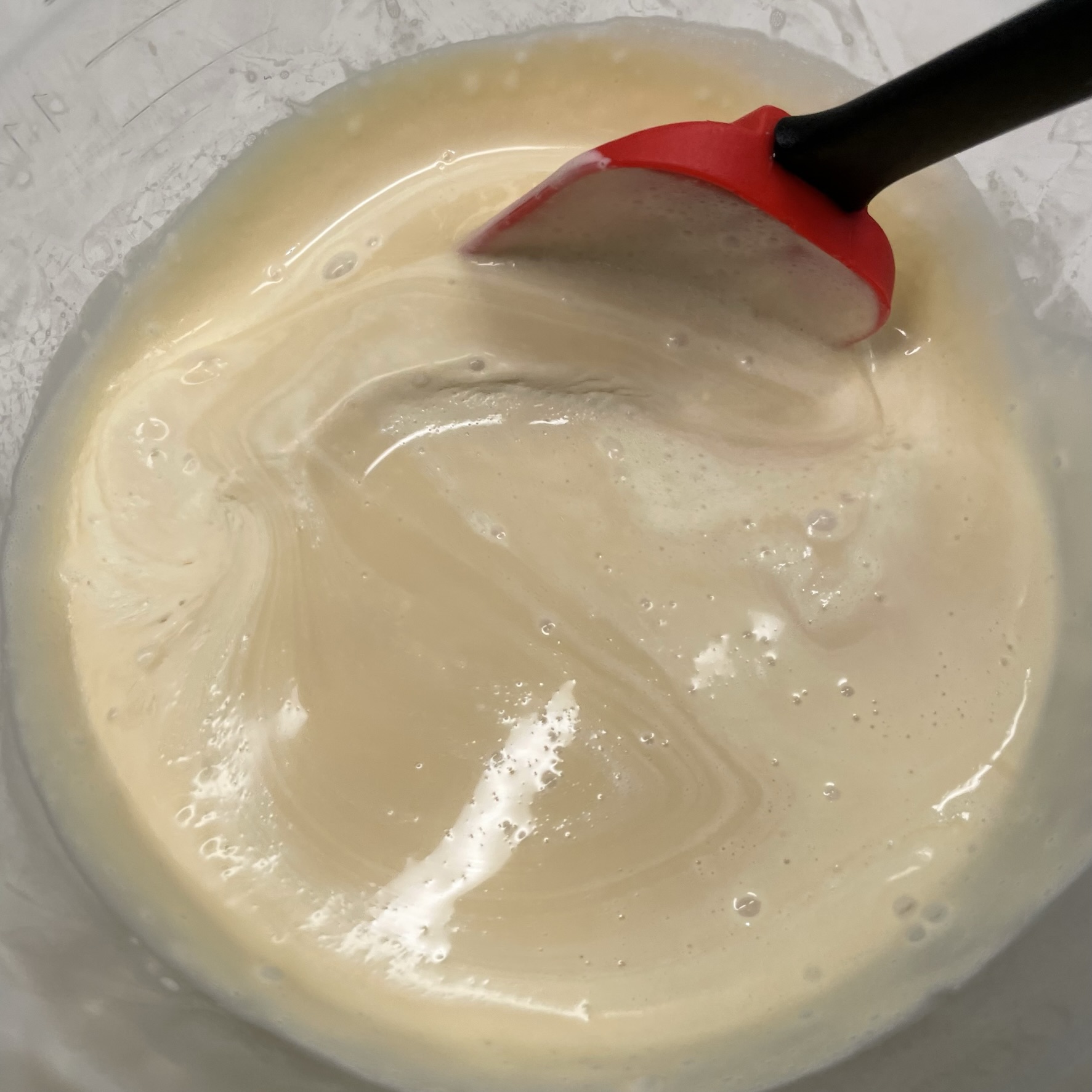
Full disclosure: I have made my custard-based ice cream many times, and never had this much trouble with foam. Most of the time, the custard cooks up silky and rich. But I got carried away and whipped my egg yolks too much! The ice cream turned out great, but don’t try to replicate this mistake. 🙂

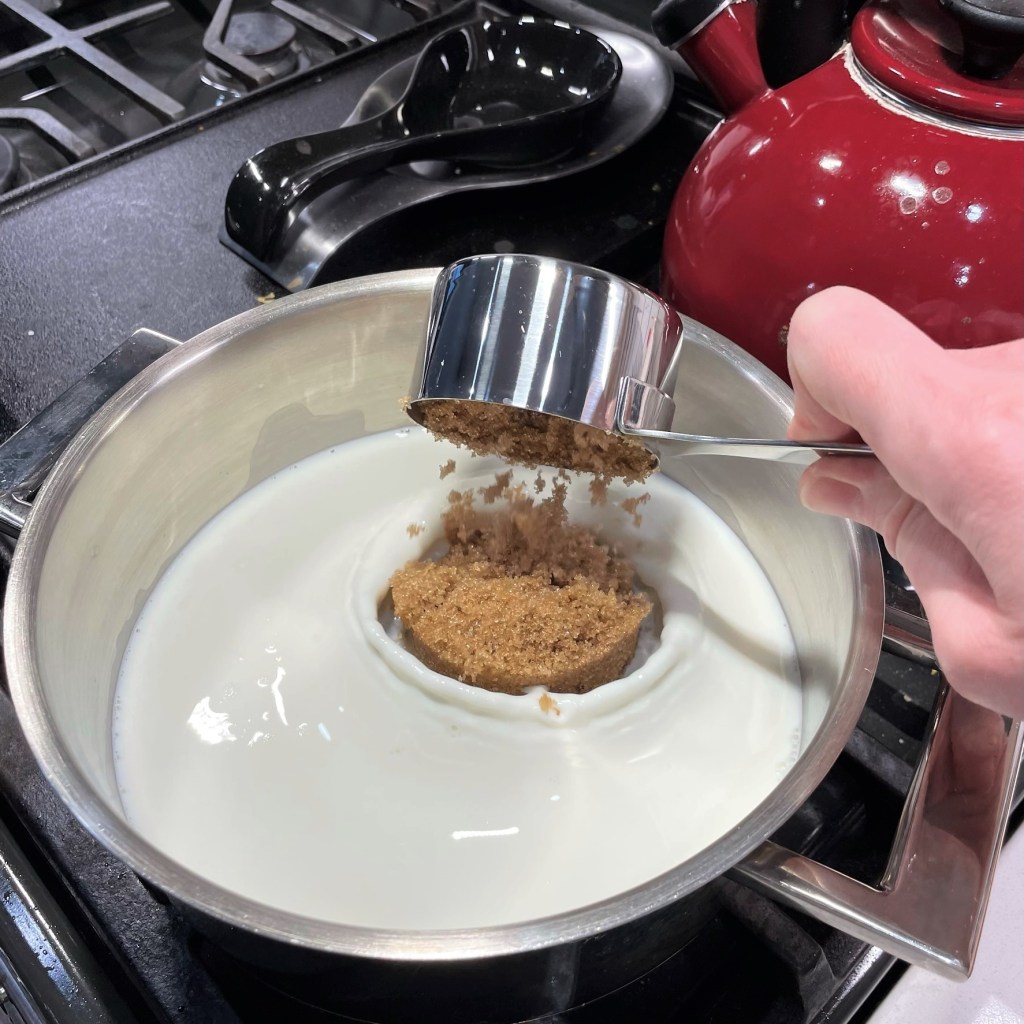
Place a medium, heavy-bottomed pot over medium heat. Combine milk and brown sugar and cook, stirring frequently, until sugar is fully dissolved and milk is steaming.

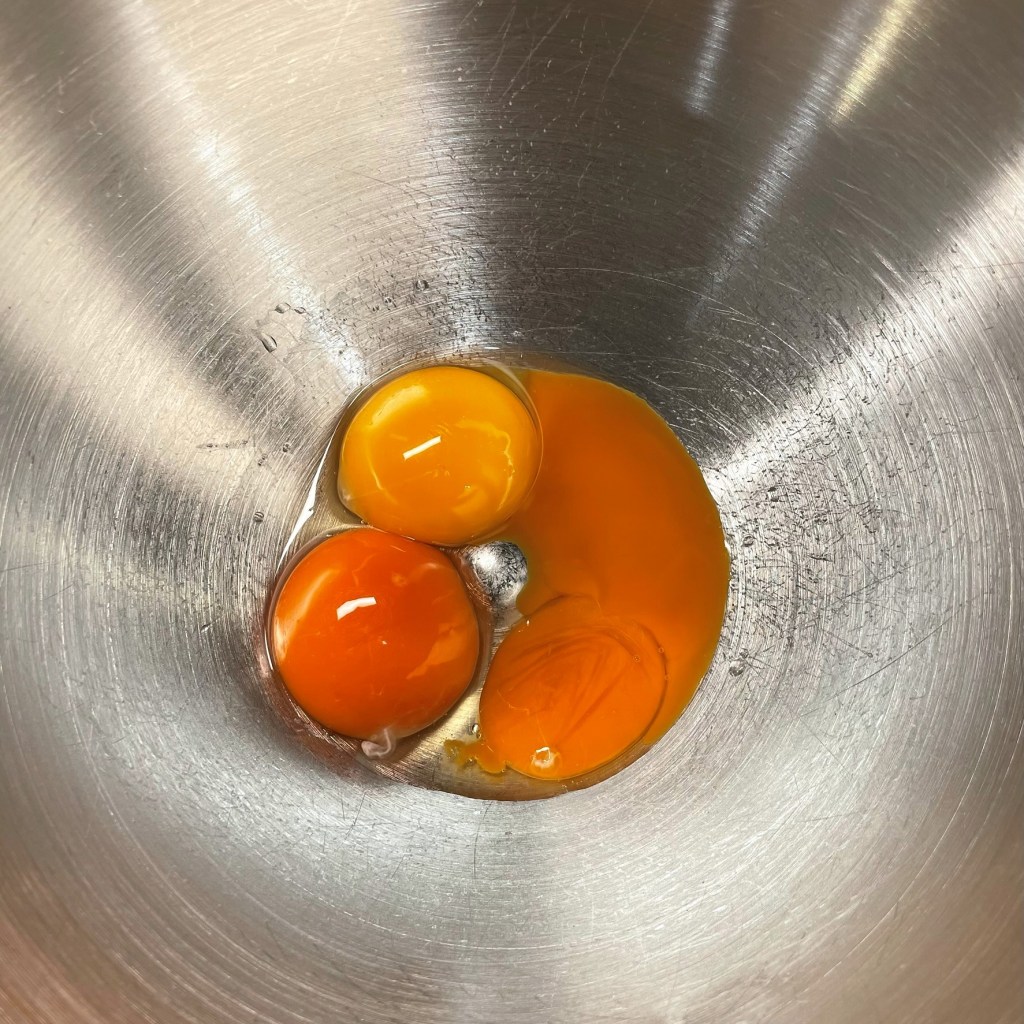
Using an electric mixer, lightly whip the egg yolks until they are lighter and somewhat airy. This usually works best with a bit of fine sugar in the bowl, but I skipped that step this time because I was using grainy brown sugar in the recipe.

When the milk mixture begins to barely bubble around the edges, transfer about half of it into a measuring cup. Add the heavy cream to the pot and bring it back up to the steaming temperature.

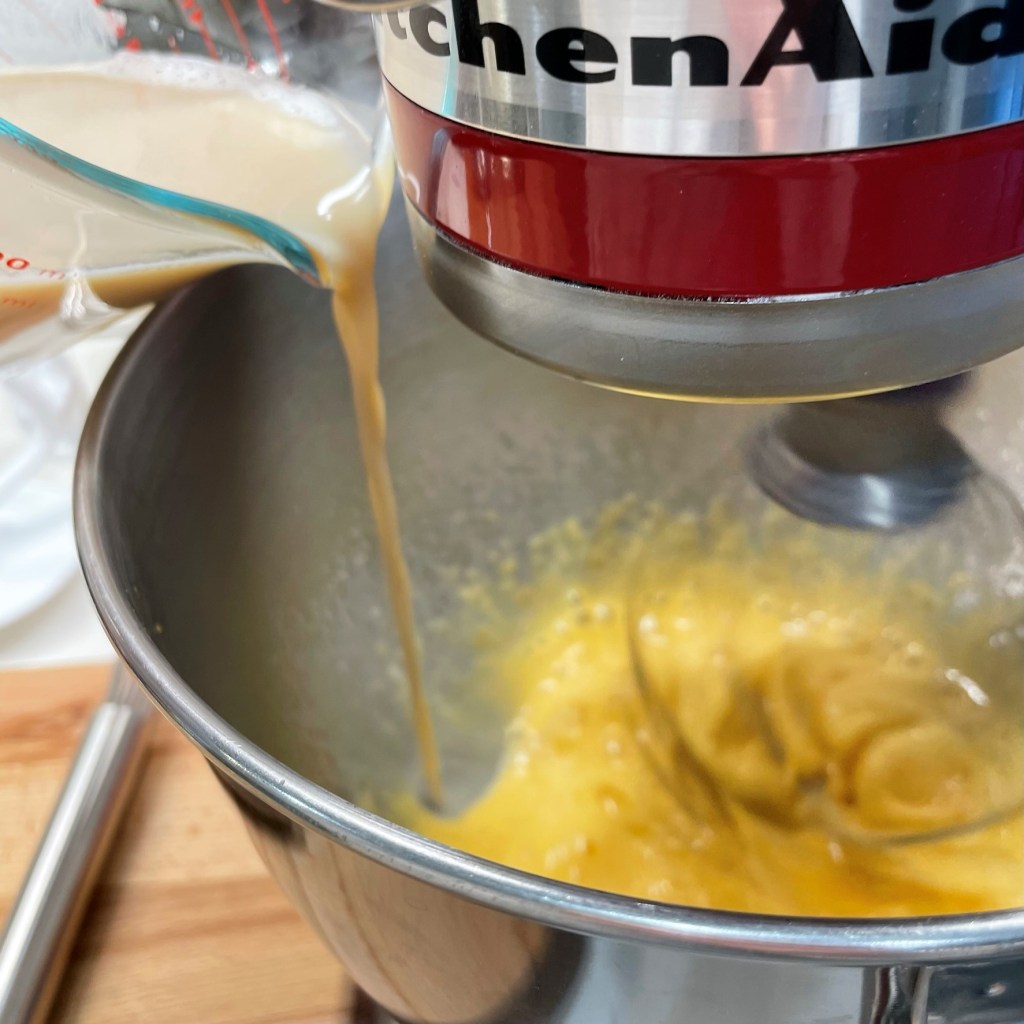
While that’s going, slowly and gradually add the measured hot milk mixture to the egg yolks (with the mixer running constantly). This step is called “tempering,” and it raises the temperature of the eggs slowly to cook them without scrambling them.

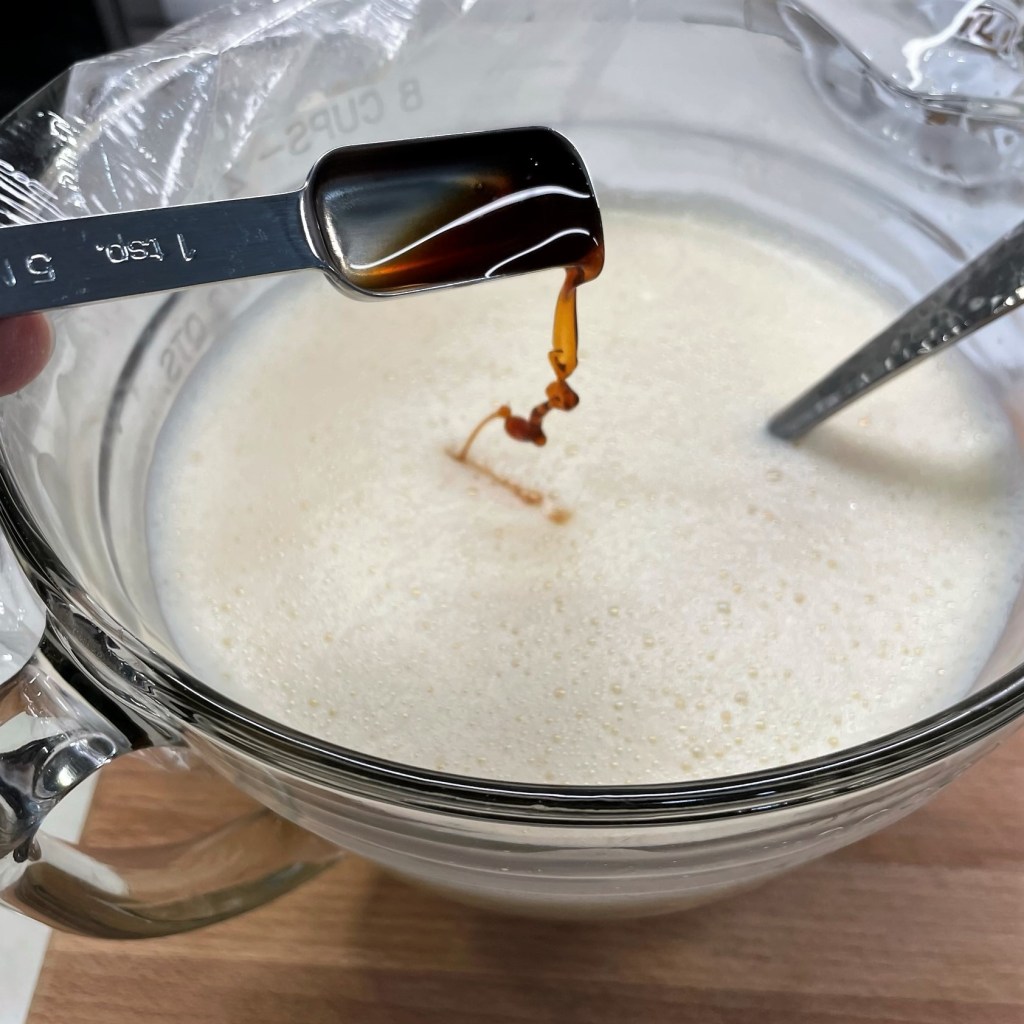
Pour the tempered egg mixture back into the saucepot and cook the whole mixture over medium heat, stirring constantly, until it is steaming again and the custard has thickened enough to coat the back of a spoon. Remove from heat and strain the custard mixture through a mesh sieve to a clean bowl. Stir in the vanilla and let it cool for a few minutes. Taste it, because oh my goodness. I must make more brown sugar ice cream!

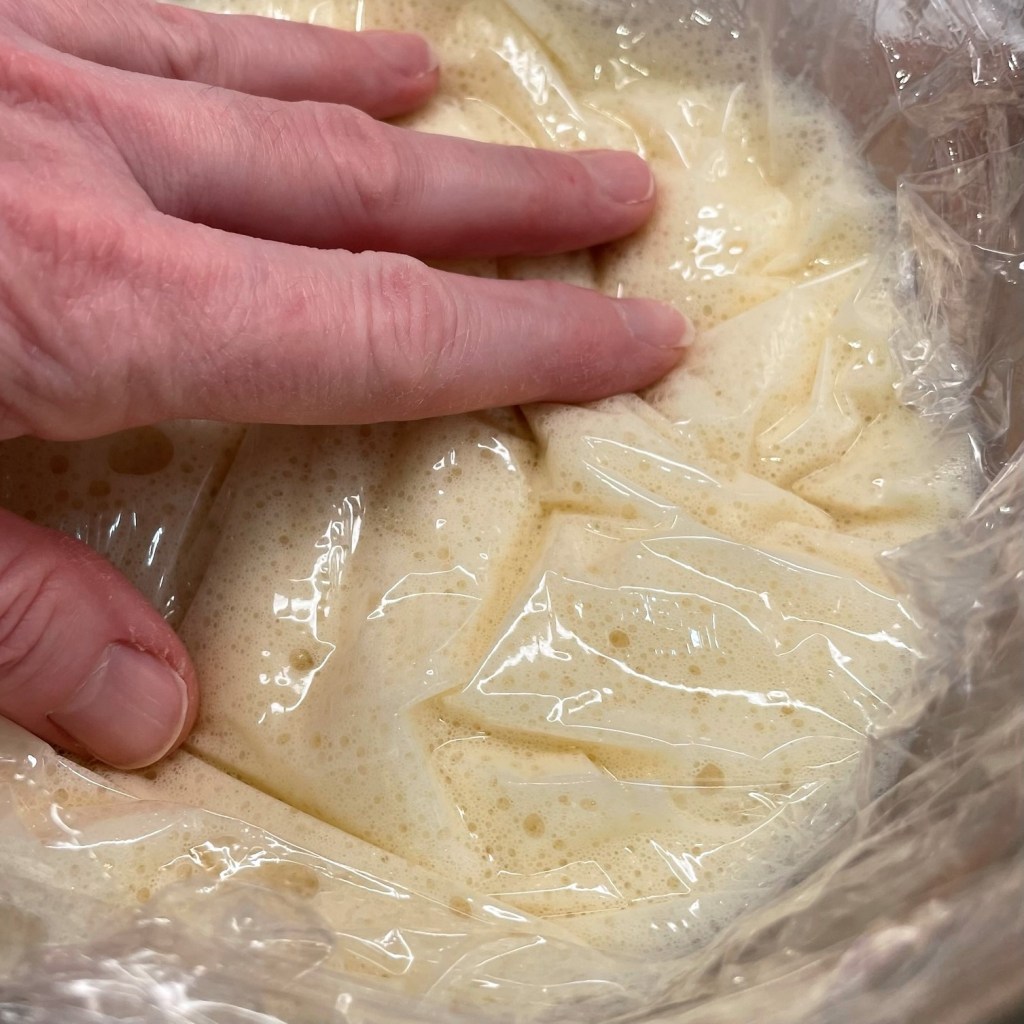
Carefully lay a piece of plastic wrap directly onto the surface of the custard. This serves two purposes—it prevents a skin from forming on the surface, and it prevents condensation from building and dripping into the mixture. Moisture droplets have a way of making unwanted crystals in the finished ice cream. Seal up the bowl, or cover it with an additional layer of plastic. Refrigerate overnight.


Bananas Foster Swirl

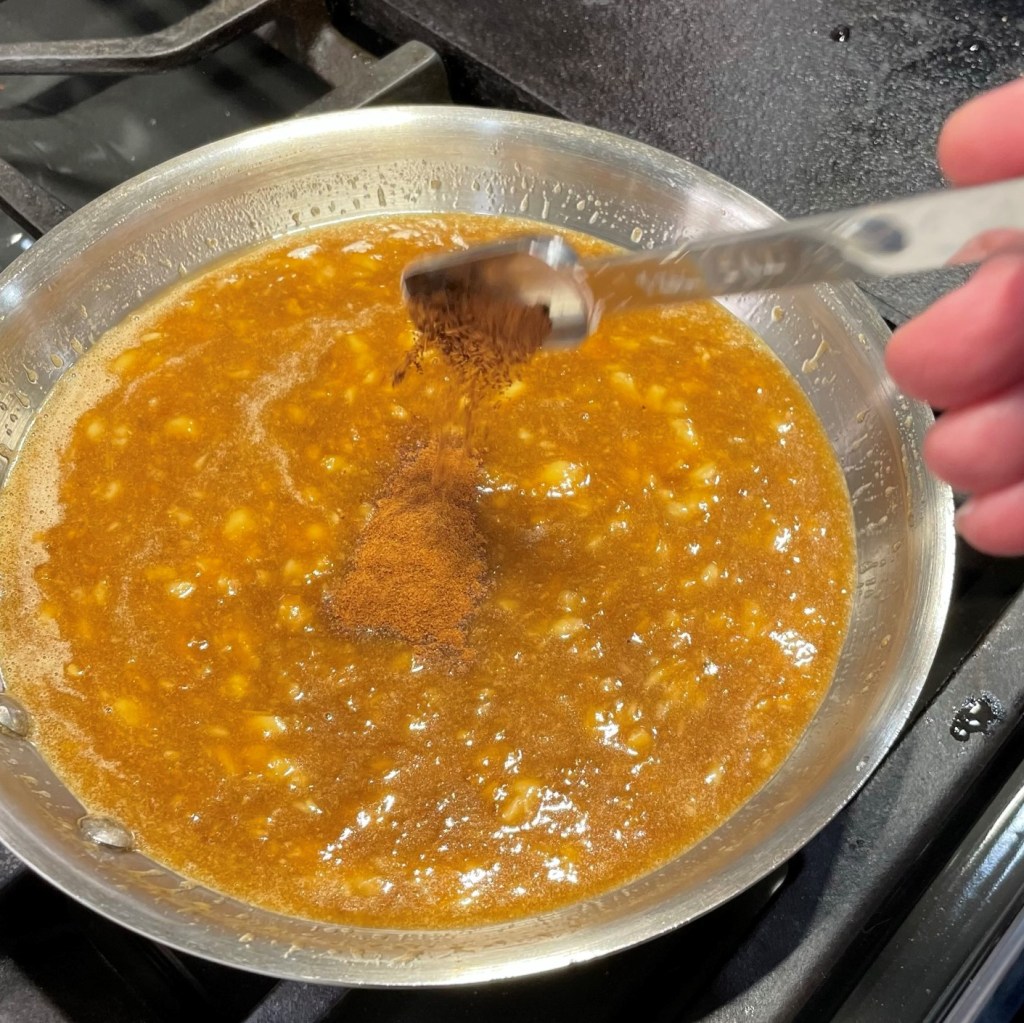
Melt the butter in a medium skillet. Stir in the brown sugar until it seems dissolved and a bit syrupy. Stir in the cinnamon and nutmeg.

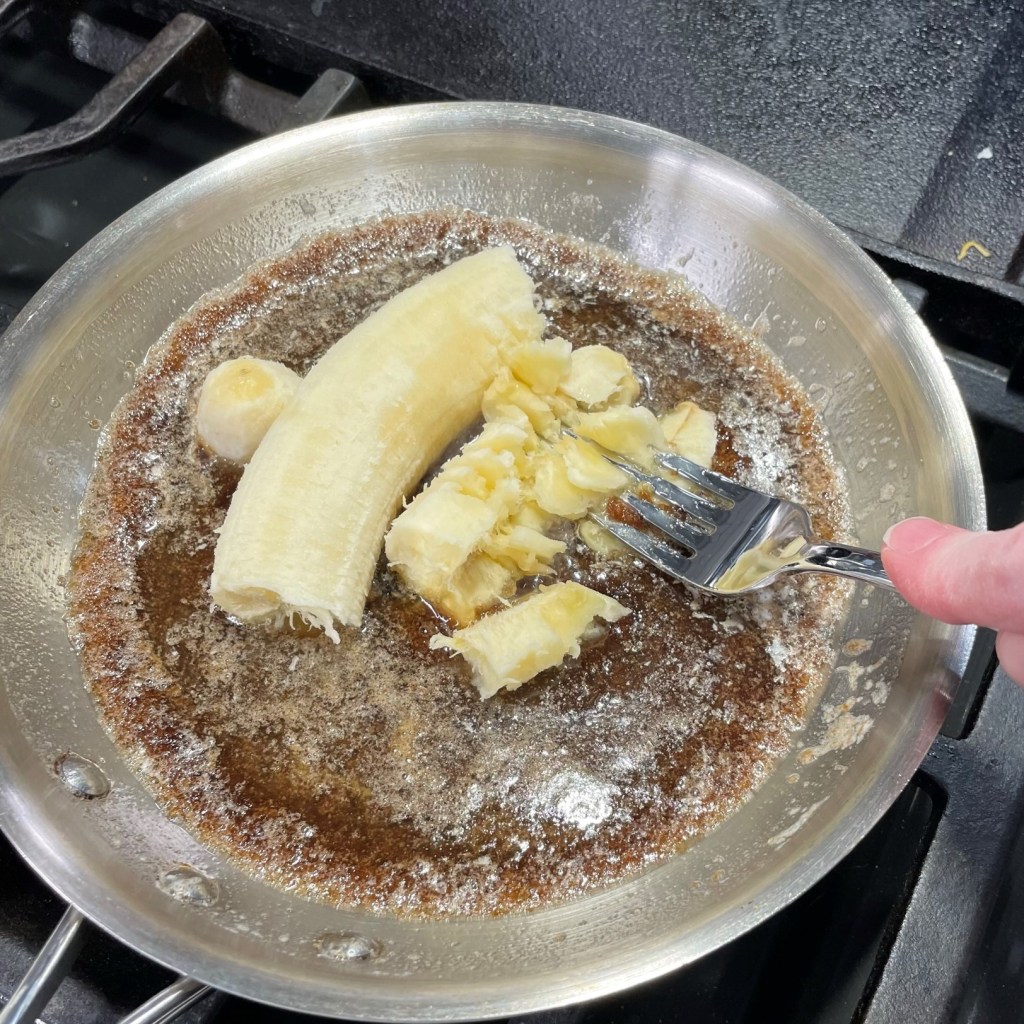
Add the bananas to the skillet, one at a time, and mash them into the syrup with a fork. It’s OK to keep a few visible chunks of banana—in fact, I recommend it. When the mixture is bubbling all over, stir in the dark rum until evenly blended. Cook a few minutes longer, until it begins to bubble again, and then remove from heat and let it cool.

Transfer the mixture to a bowl and refrigerate it overnight.


Finishing the Ice Cream

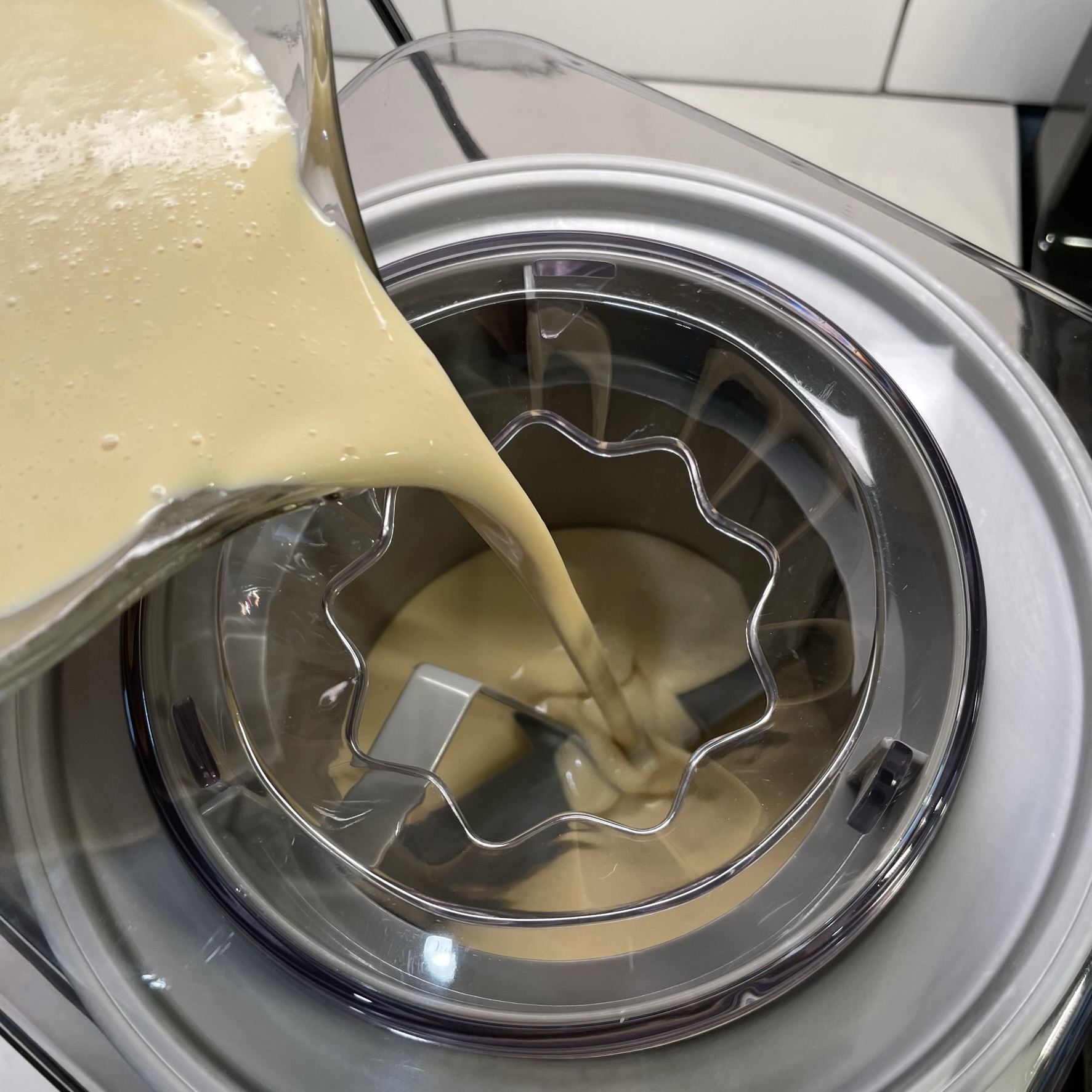
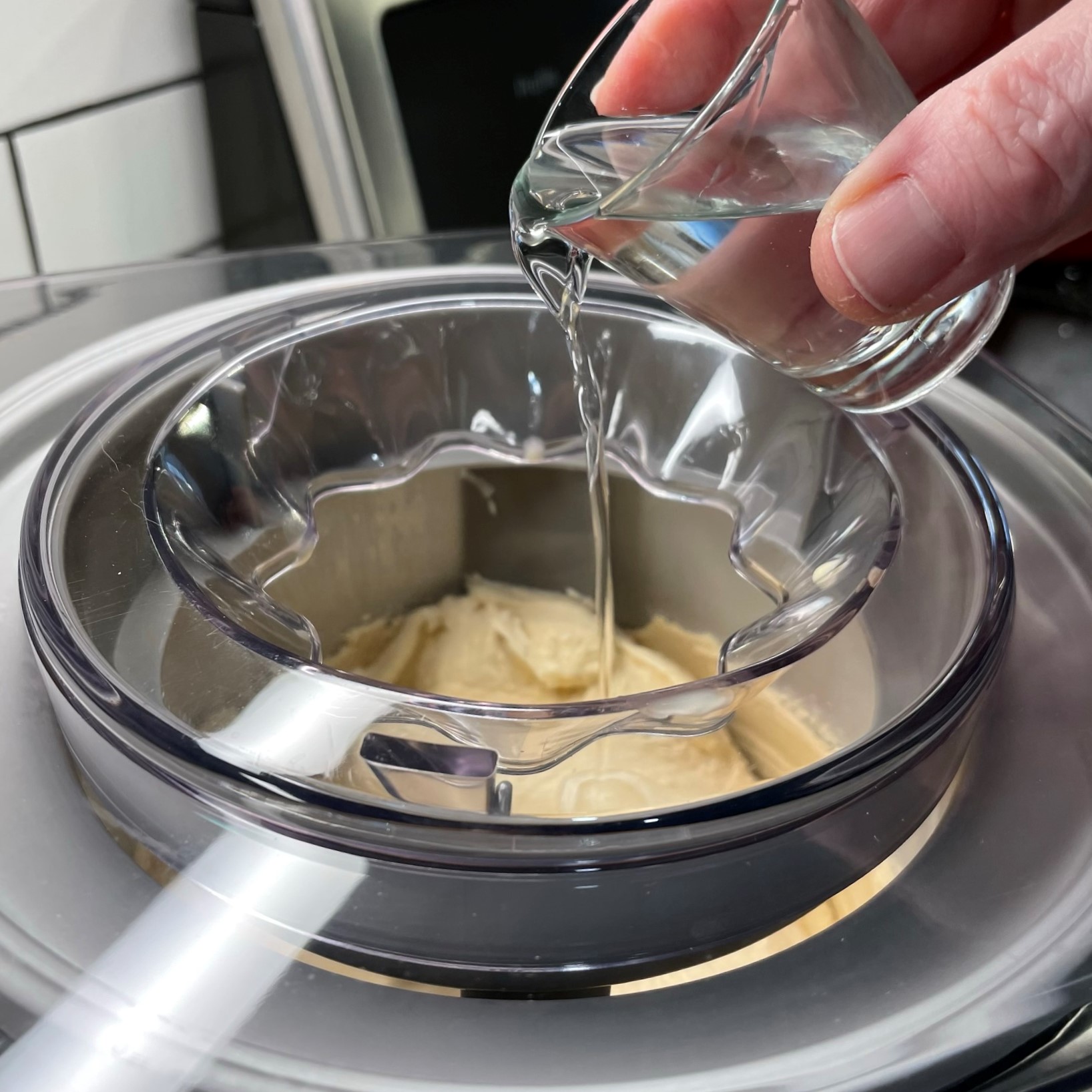
Stir the custard to reincorporate any ingredients that may have settled to the bottom of the bowl. Freeze according to manufacturer’s instructions. When the ice cream has reached the consistency of soft-serve, add the vodka or rum (if using) and churn another minute until it’s fully blended.

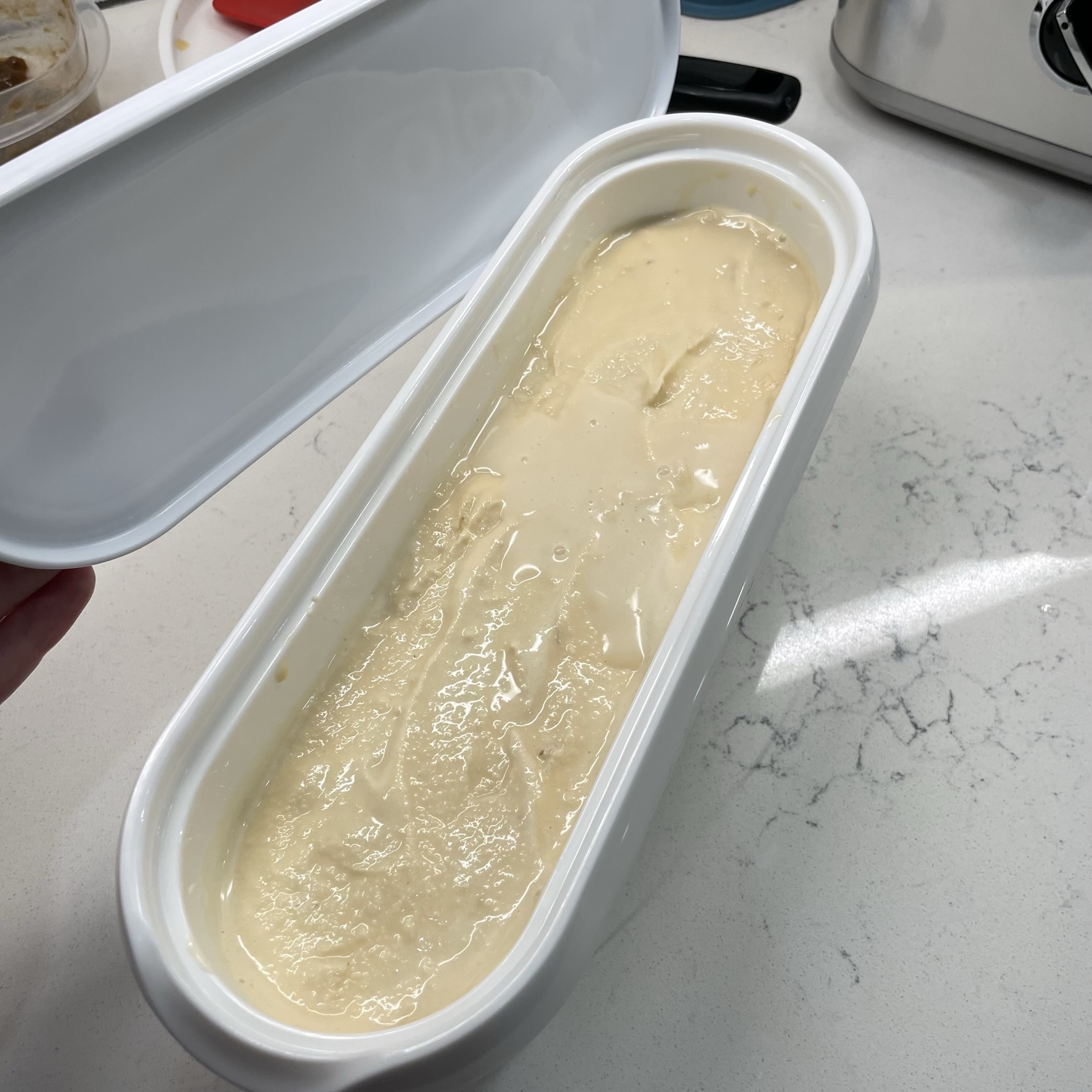
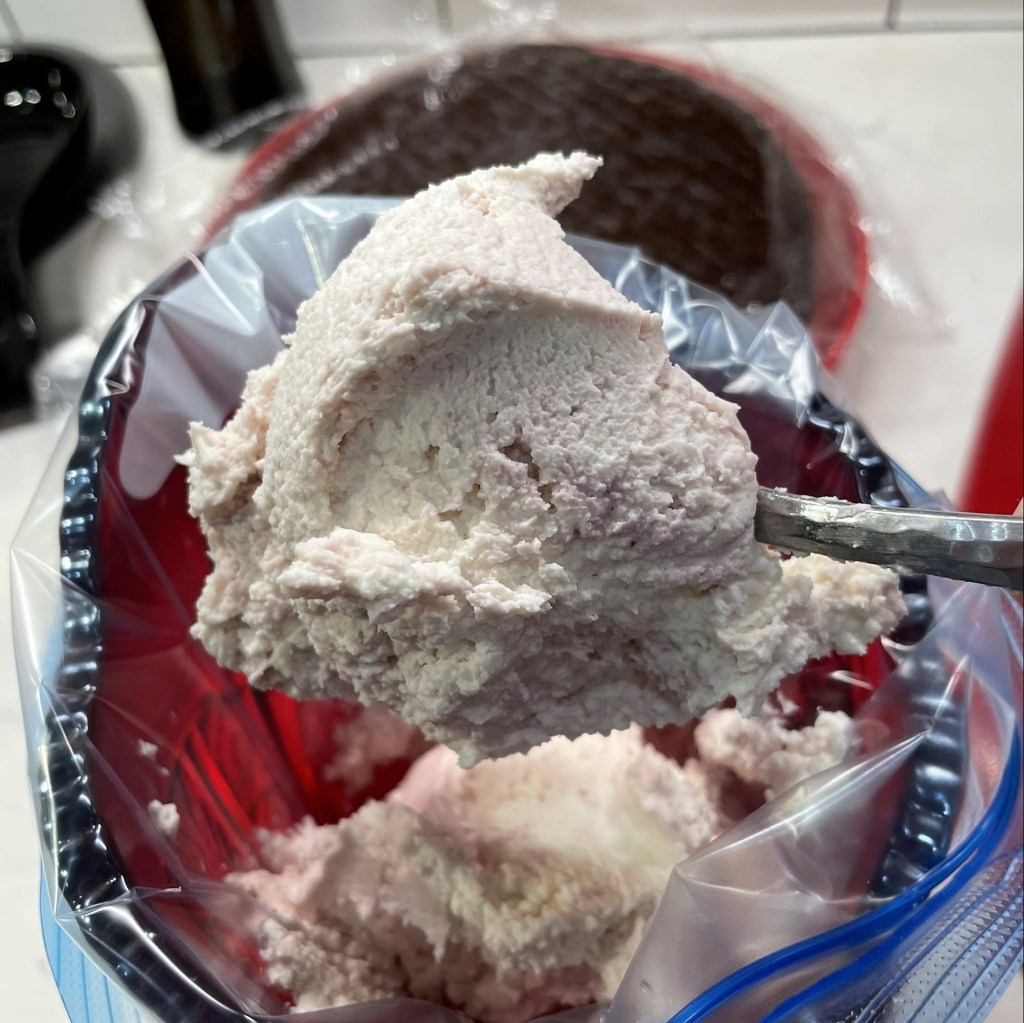
Layer 1/3 of the ice cream in an insulated container, then spoon or pipe about 1/3 of the banana swirl mixture over it. Continue with another 1/3 of the ice cream, then another 1/3 of the remaining swirl mixture*. Finish with the remaining ice cream. Freeze several hours to overnight.


*Note

When this recipe was finished, I had about 1/4 cup extra Bananas Foster Swirl mixture left over. You can discard this, or mix it into some muffin or pancake batter, or stir it into Sunday morning oatmeal!


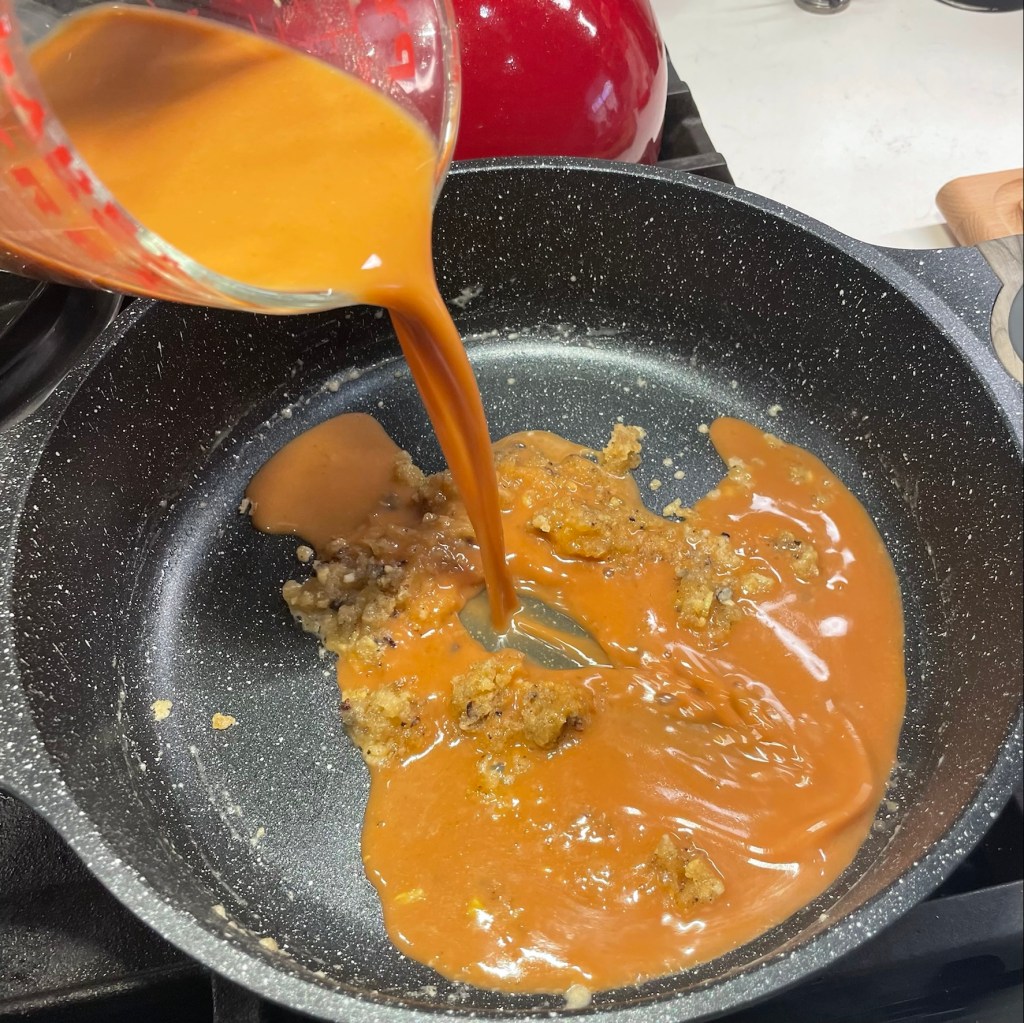
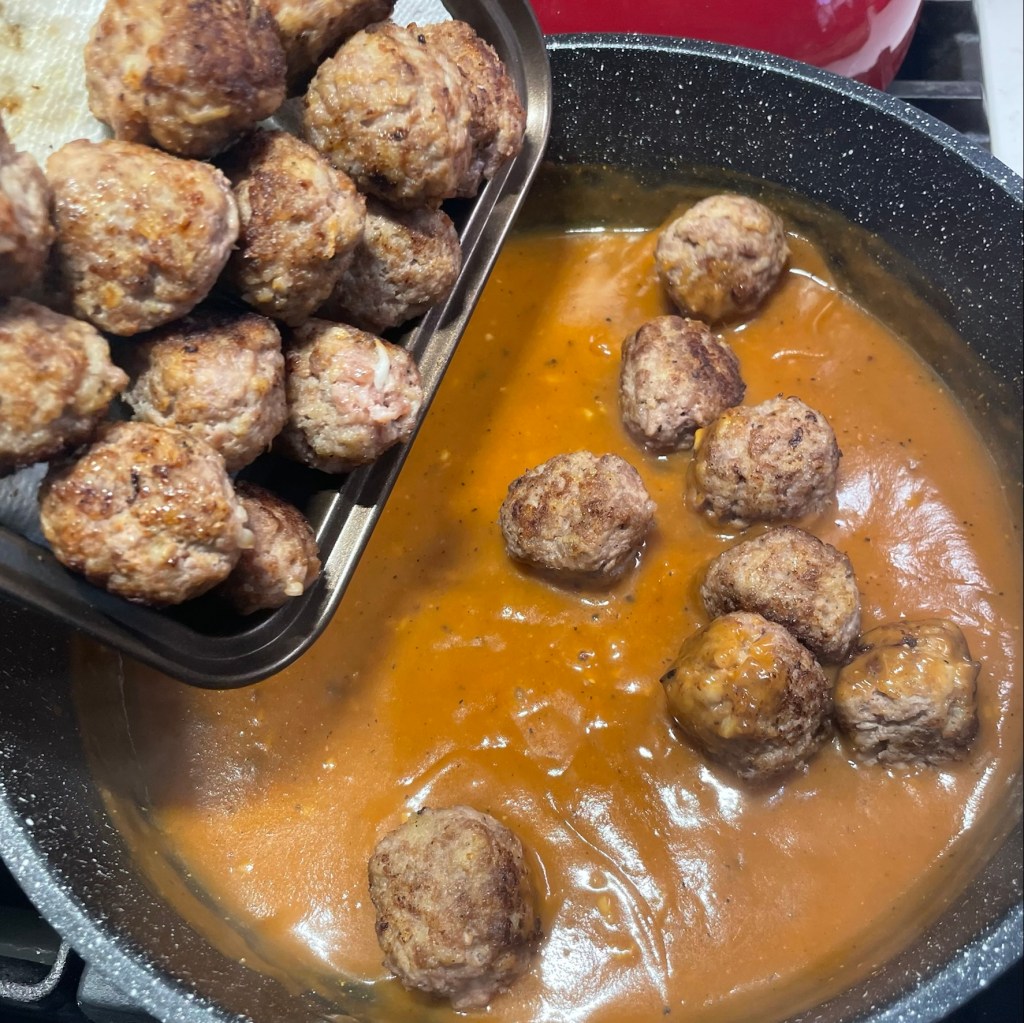
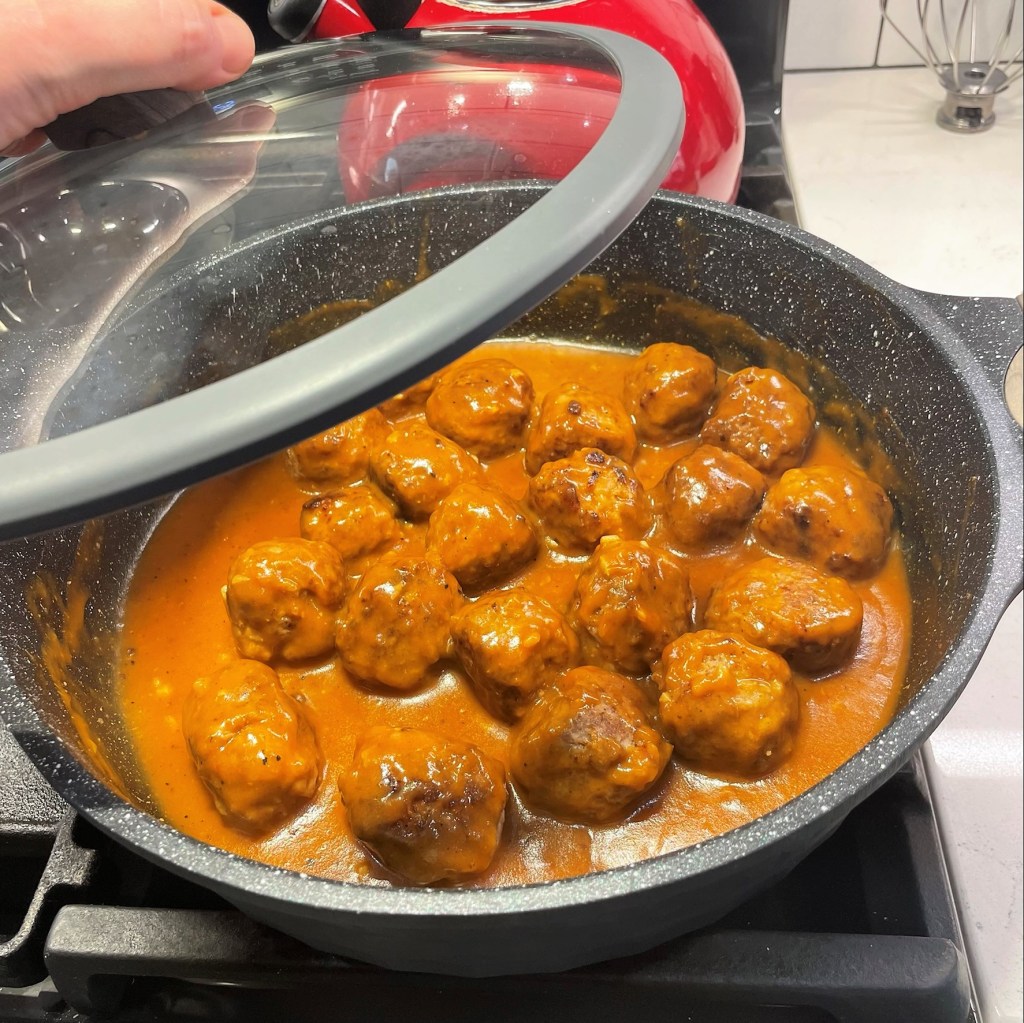
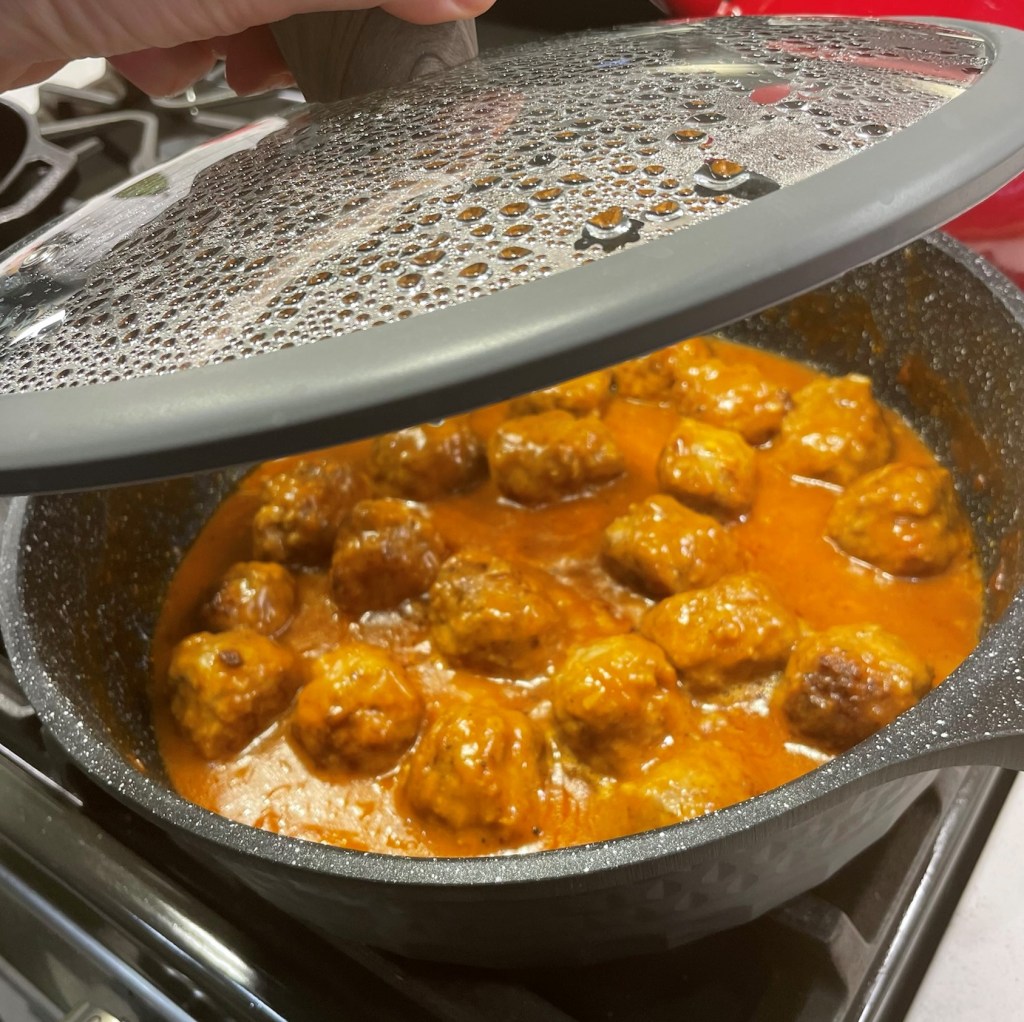
Maple Mustard Meatballs

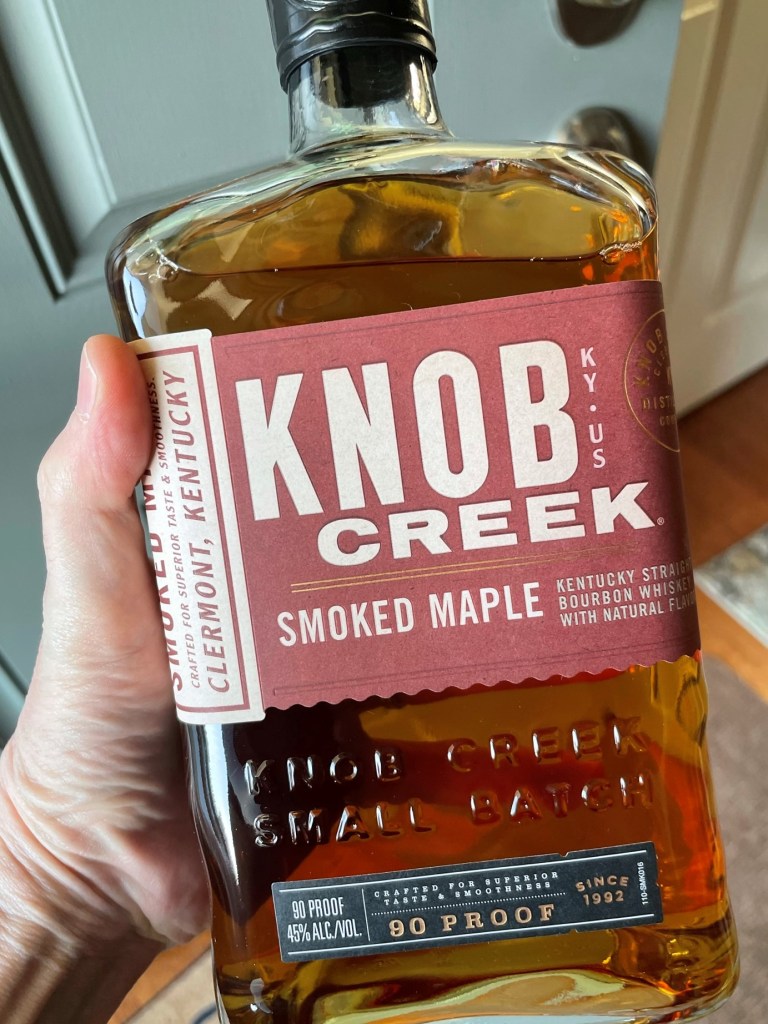
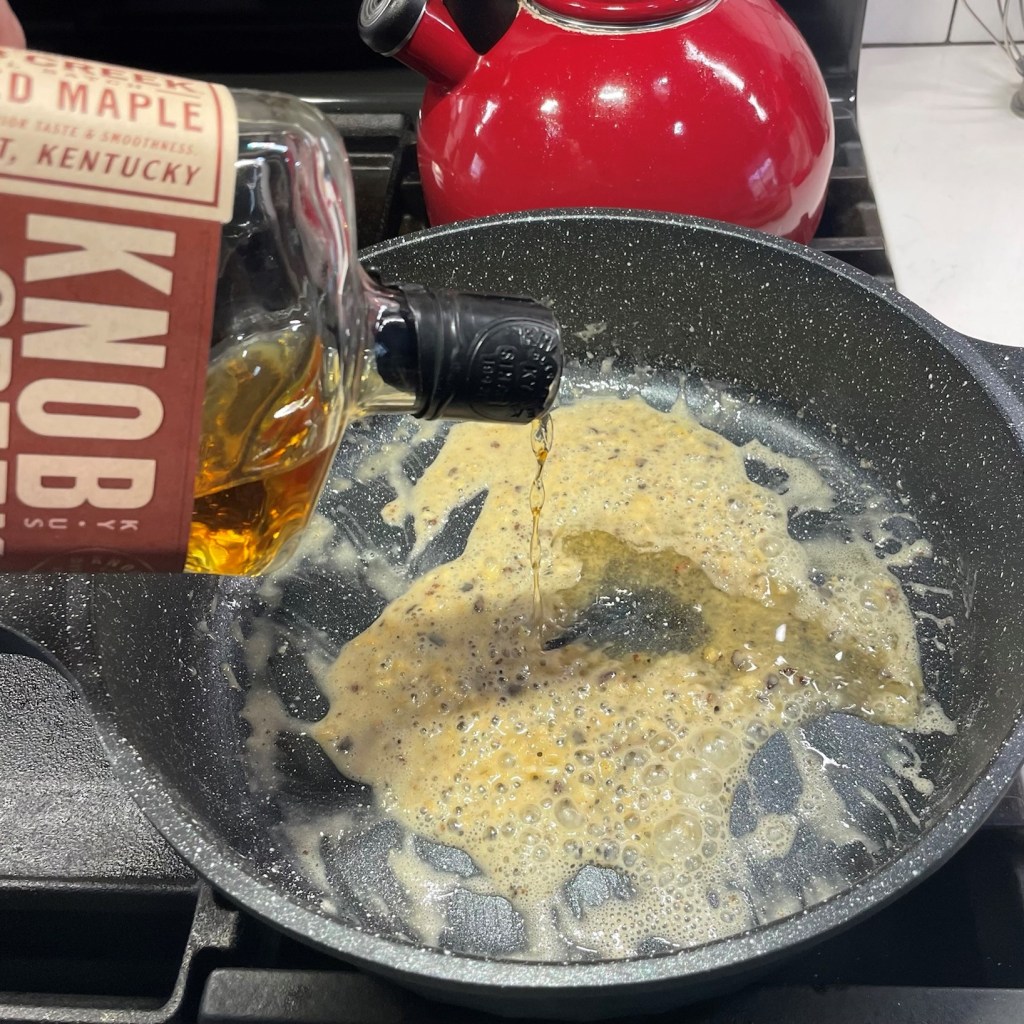
During the holiday season, right smack between Thanksgiving and Christmas, I shared my recipe for Smoked Maple Bourbon Crème Brûlée. That dessert was divine, with all the silky creaminess you’d expect and a generous splash of smoked maple bourbon, a Knob Creek product that my husband and I had recently discovered. The culinary possibilities of this bourbon seem limitless, as we have enjoyed it now in cocktails, dessert and these meatballs, which were inspired by a comment made by a friend on that crème brûlée post.

We have been so inspired by this smoked maple-flavored bourbon.

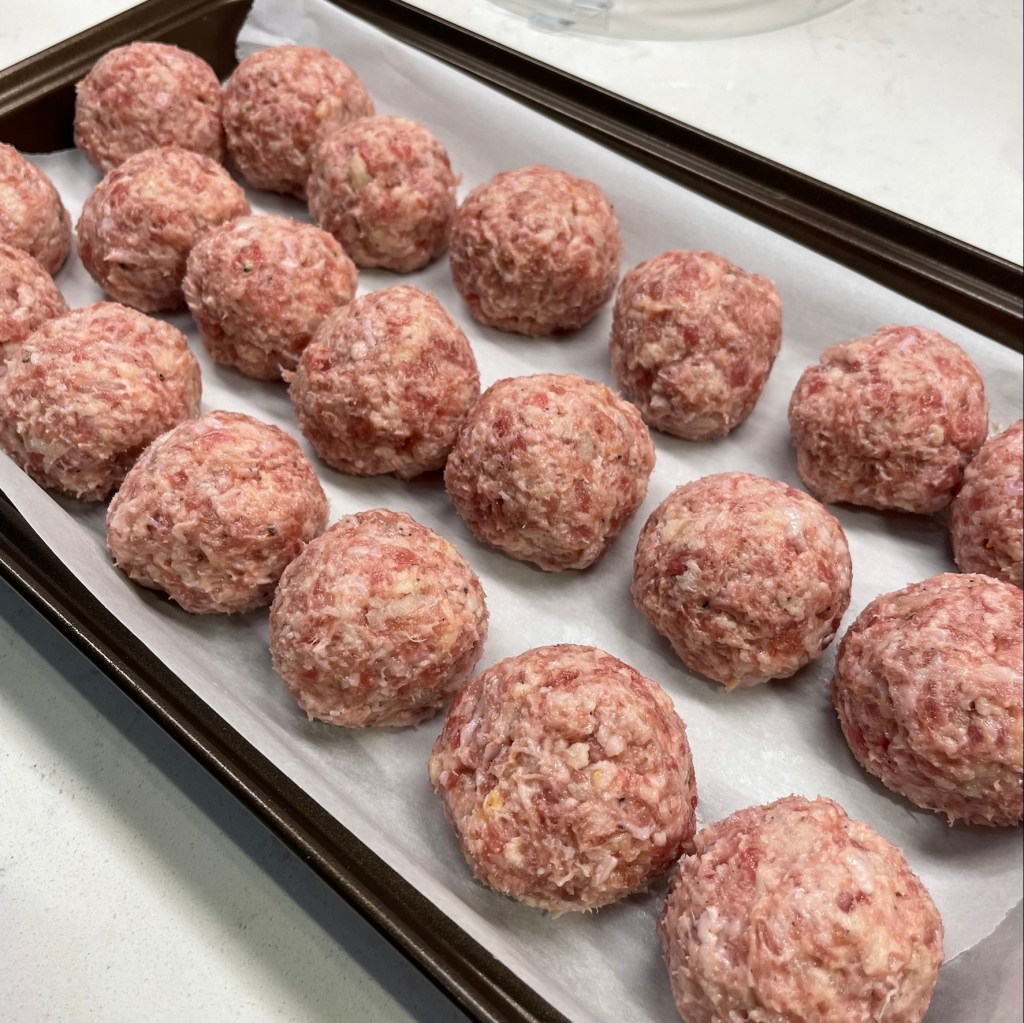
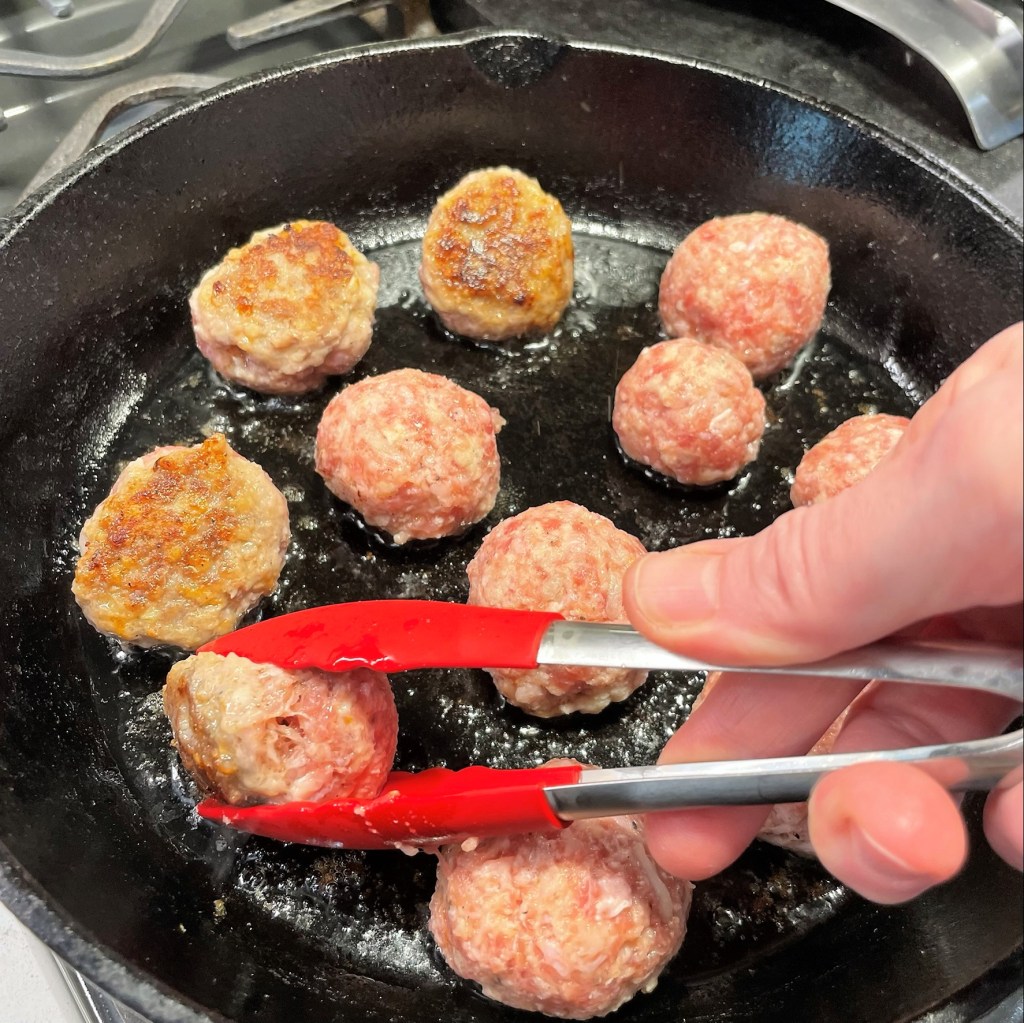
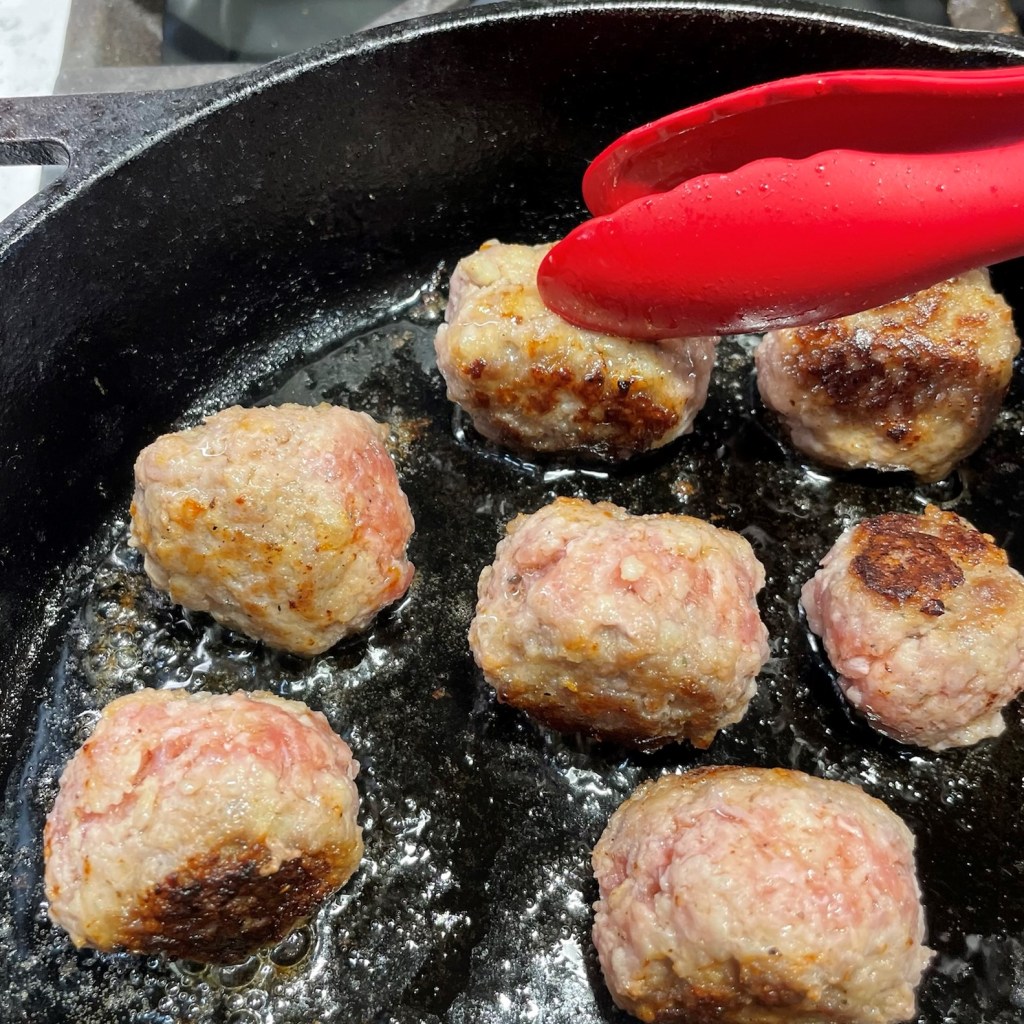
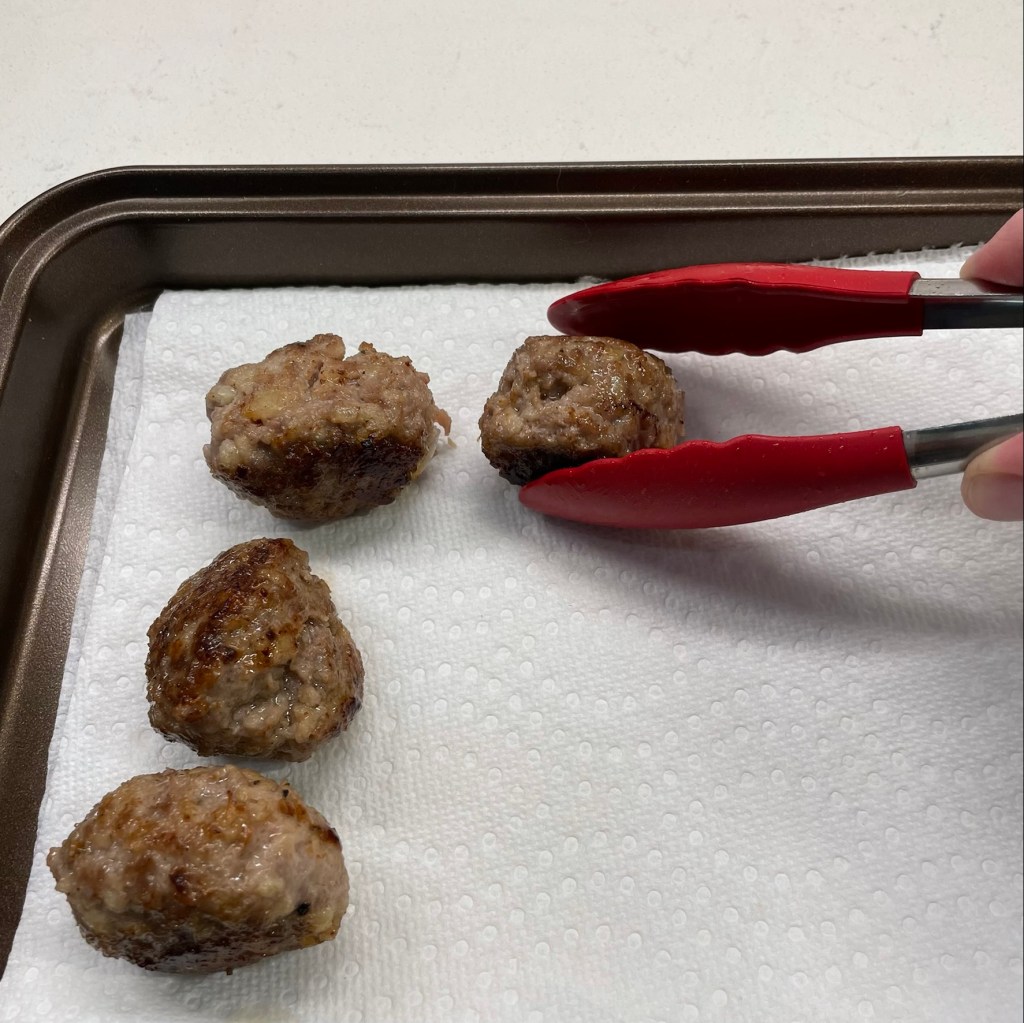
My friend and blog buddy, Michelle, cannot tolerate alcohol in drinks but she enjoys the flavors of booze in food (including the Tequila & Lime Chicken Tacos she inspired me to make last summer). Michelle commented that the maple-bourbon combination in my dessert reminded her of a signature appetizer made by an old friend. Can’t we all relate to that—a dish so good that we can still taste it in our minds, even years later? That simple comment about her friend’s “maple mustard mystery” meatballs got my own creative juices going. I was bored with ground beef (and it isn’t always easy to find fresh grass-fed in the store), so I turned to ground pork instead and modified a recipe I already had for Marsala-braised pork meatballs. I had been thinking about making those, but maple and bourbon sounded much more interesting.

Maple is one of the most versatile sweeteners I know—it is not a flat kind of sweet, as sugar is, but complex, with a warmth and depth that you can’t get from brown sugar or even honey. Maple plays nicely with tangy, spicy and smoky as well as it does with creamy and buttery. If you have only enjoyed maple with weekend pancakes, this recipe may help you break out of a flavor rut. The maple and mustard was a terrific combination for early December, which is when I made the meatballs. Yes, we are hanging in there with dry January, so I suppose you could say I am enjoying bourbon vicariously through myself from last month.

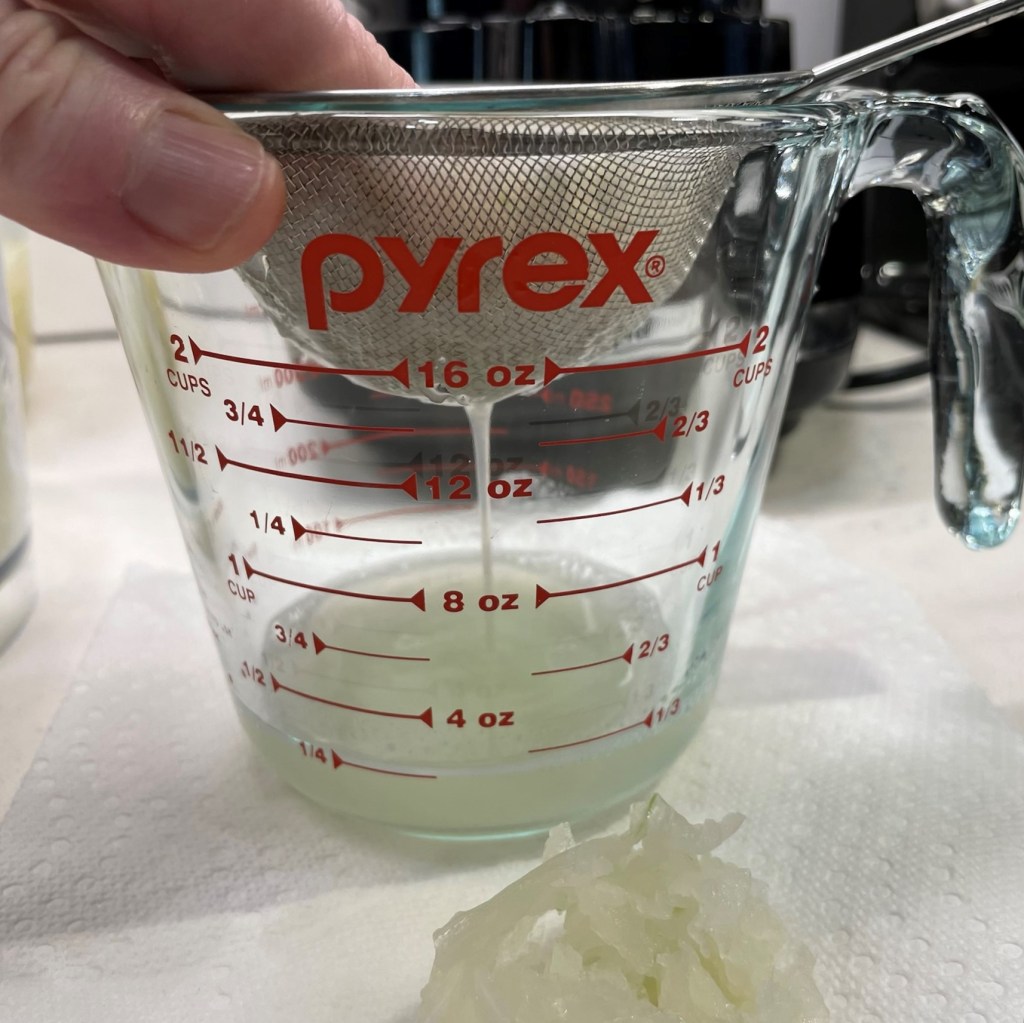
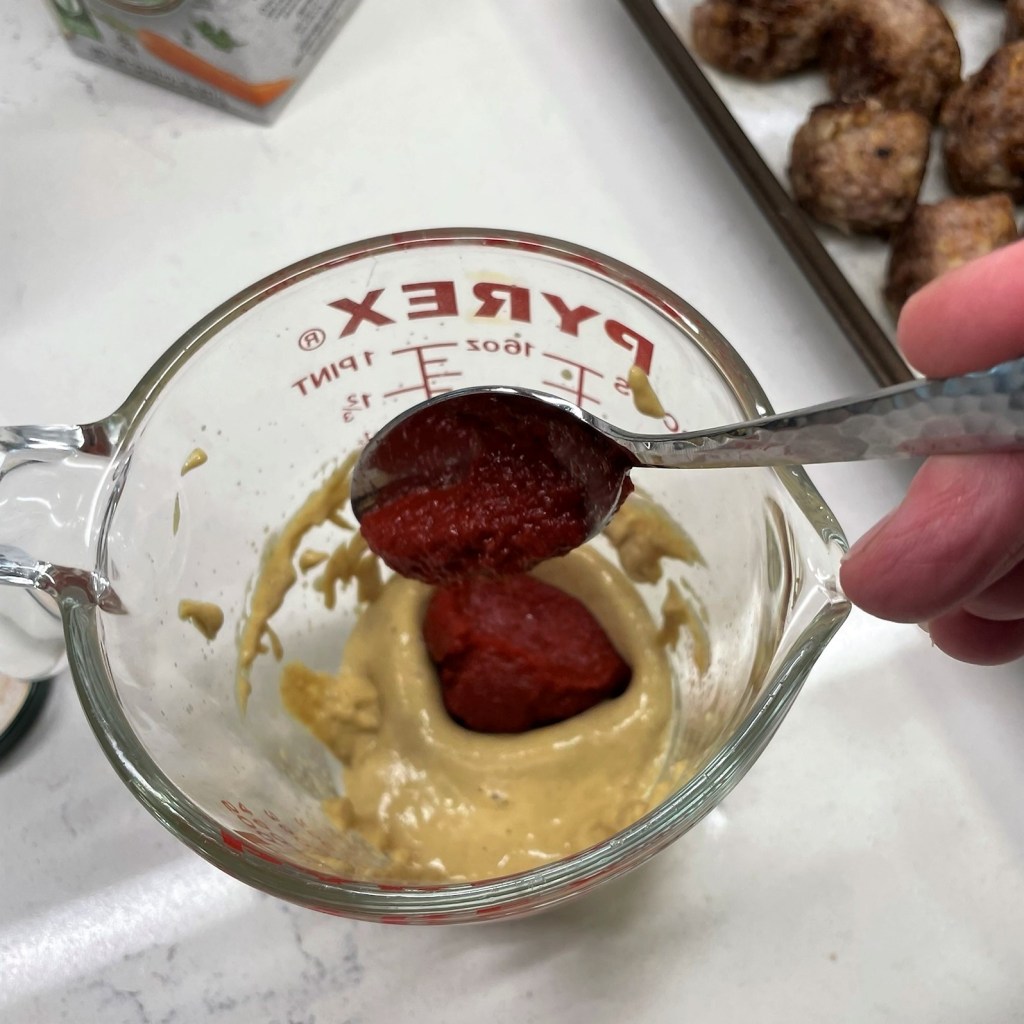
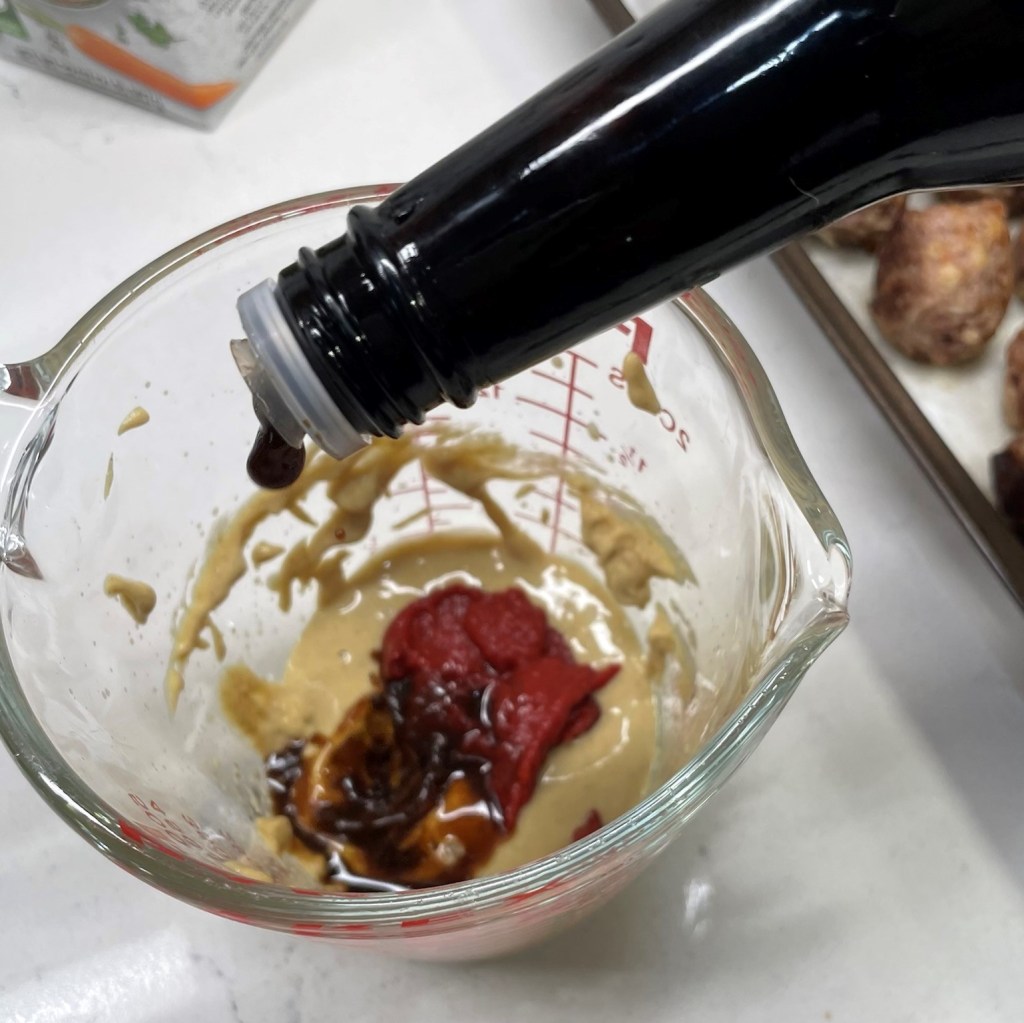
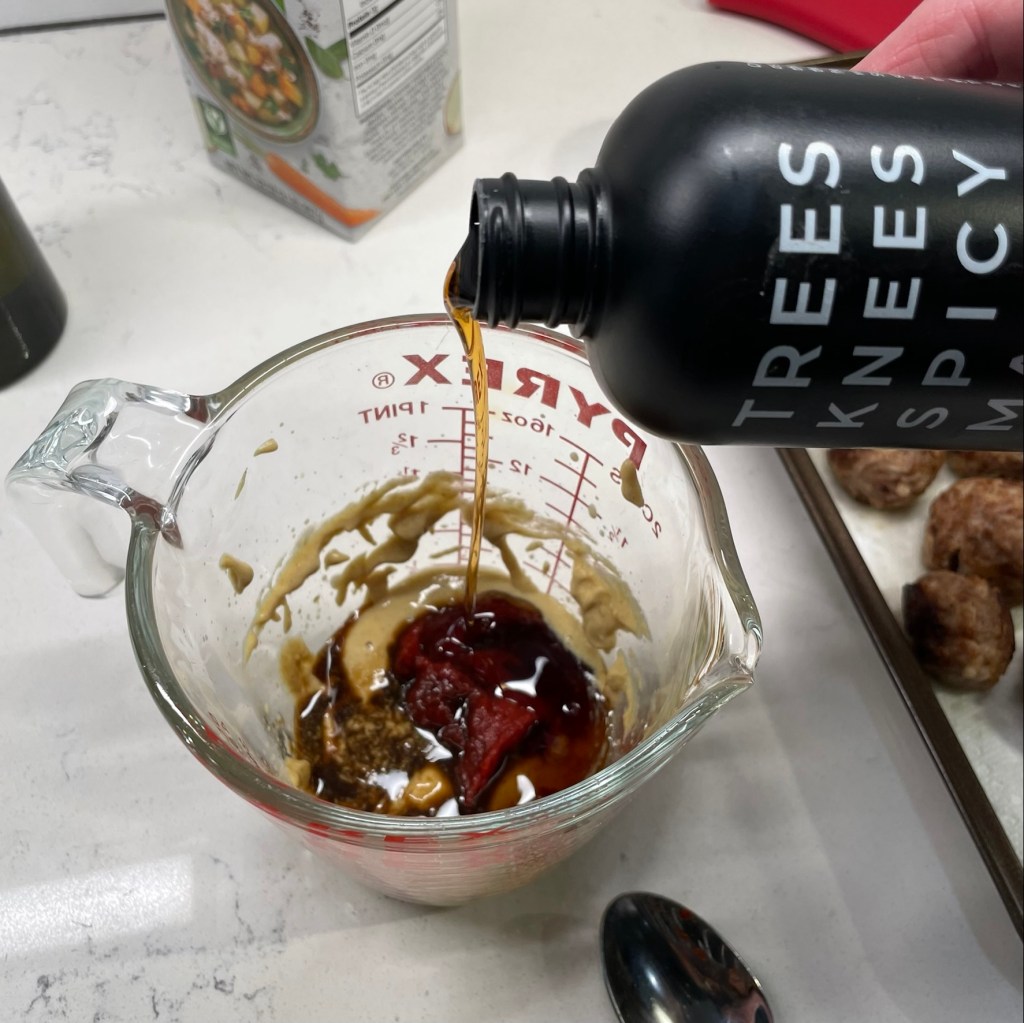
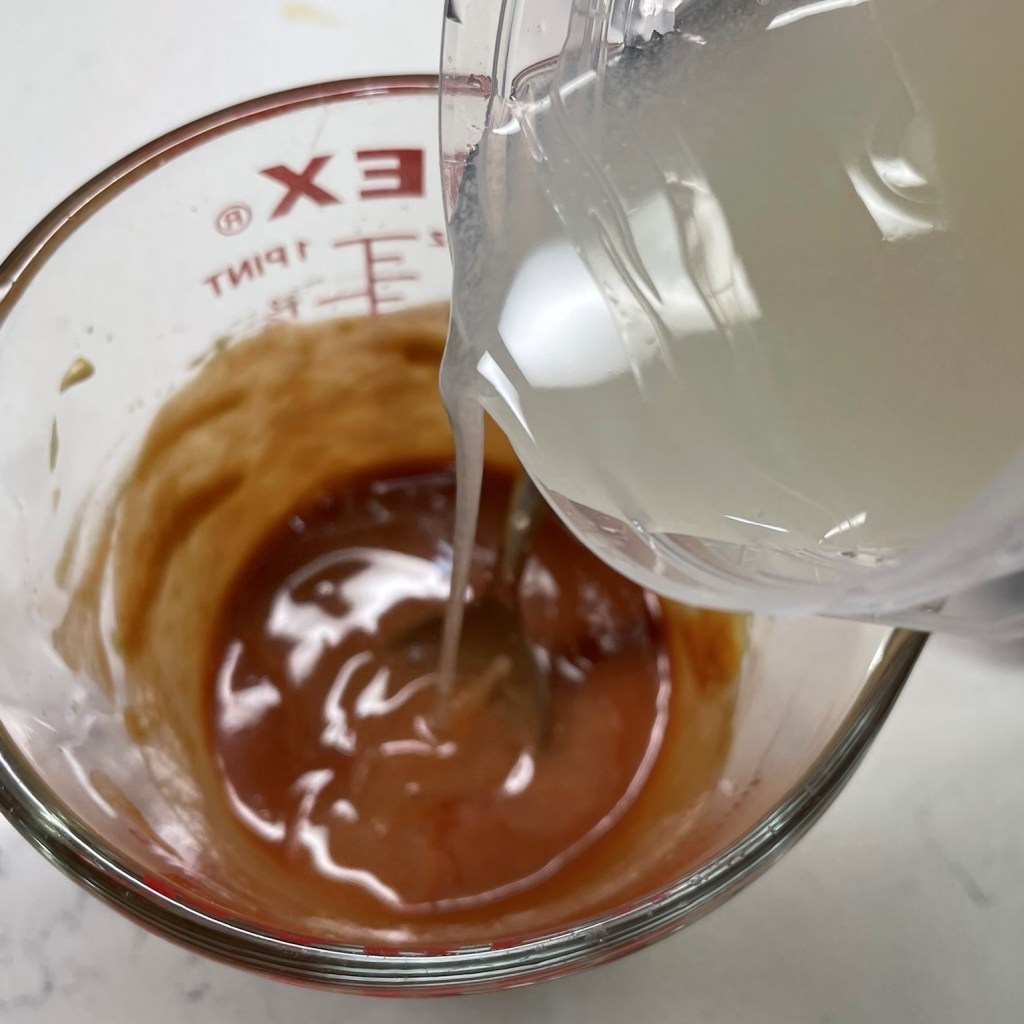
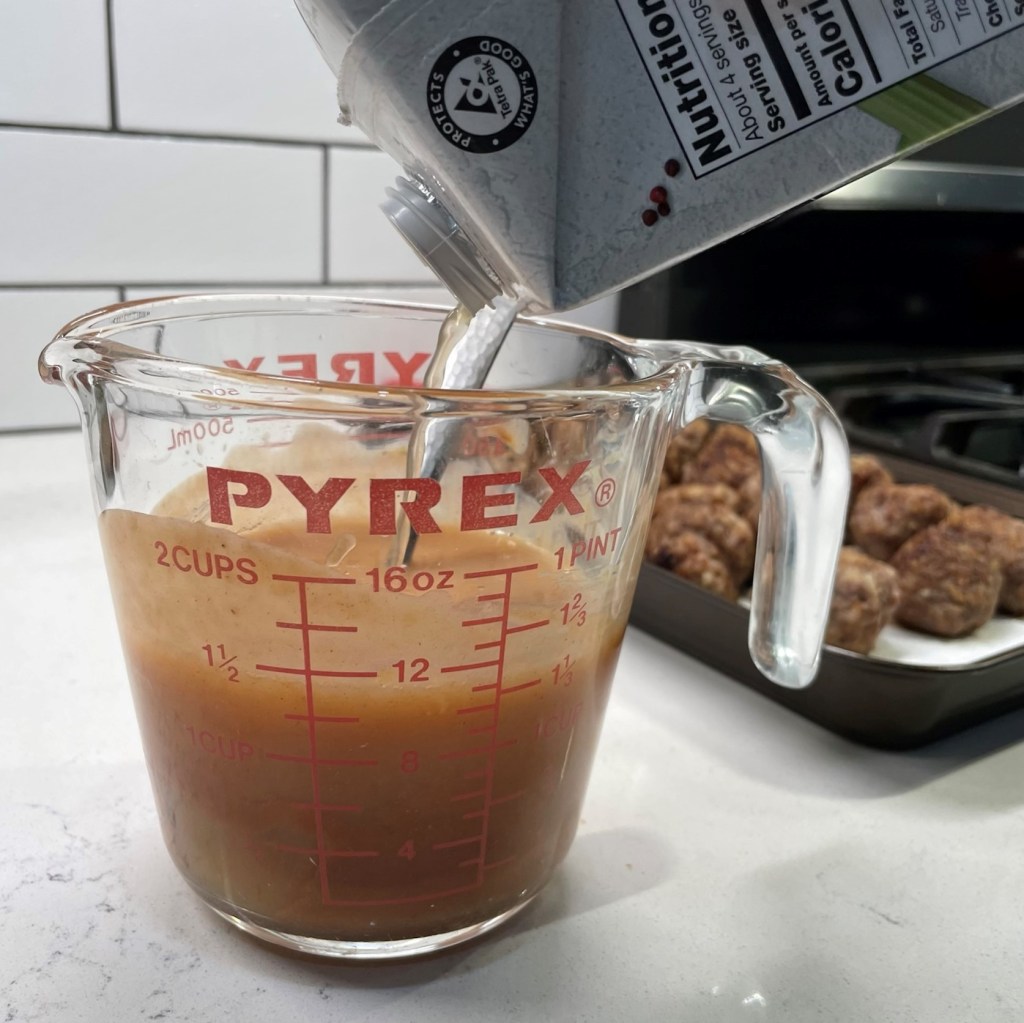
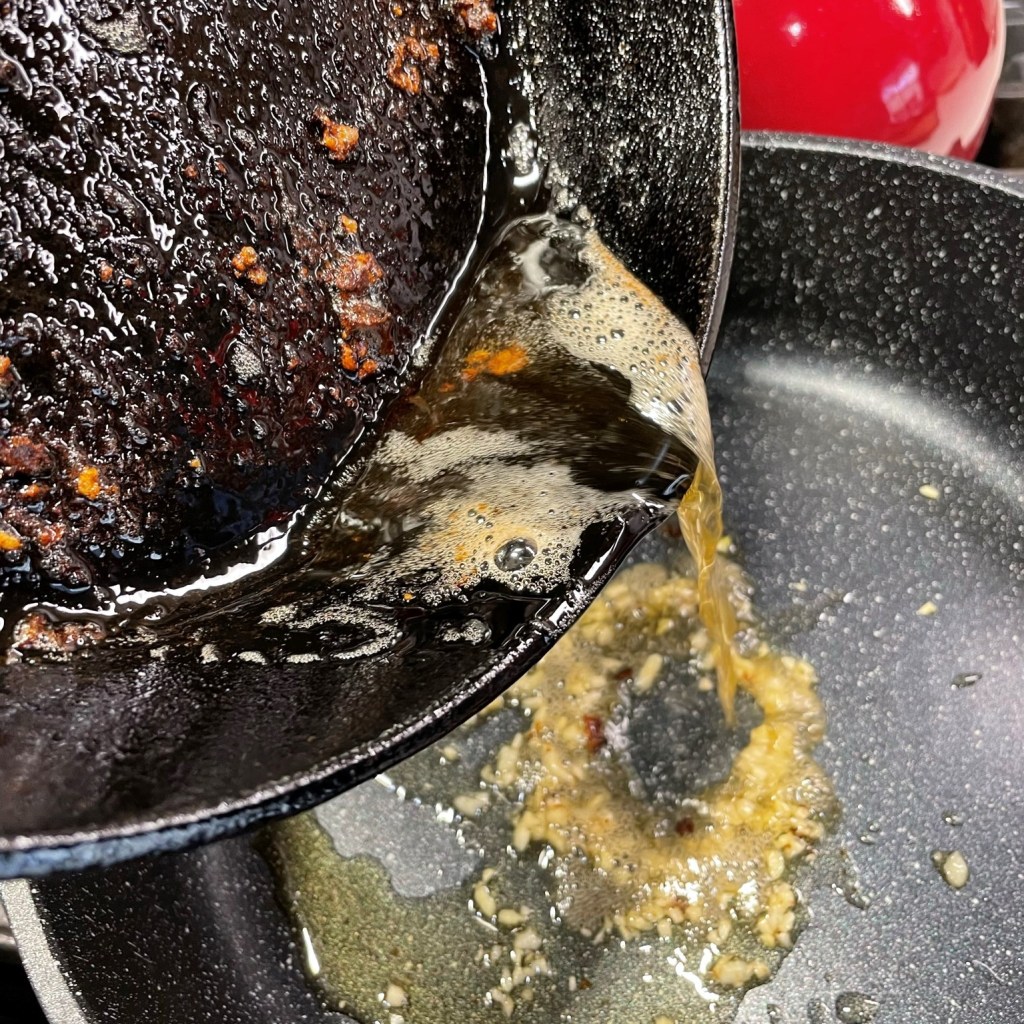
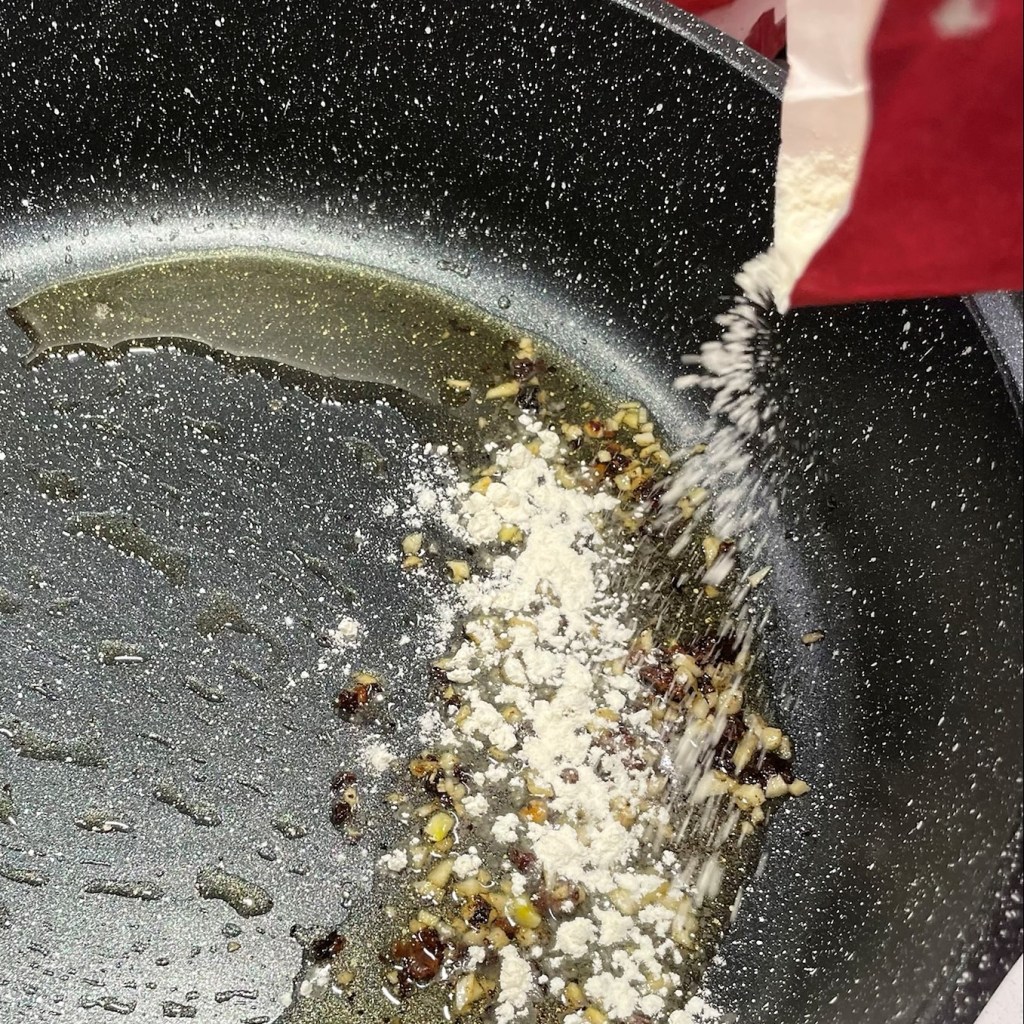
For this meatball recipe, I paired a spicy maple syrup with Dijon mustard, a bit of tomato paste, onion juice and some of the smoky maple bourbon we had bought for the Smoked Maple Cranhattans at Thanksgiving. I resisted the urge to add cream to this sauce, because cream tends to soften other flavors and I really wanted the maple and mustard to enjoy the spotlight.

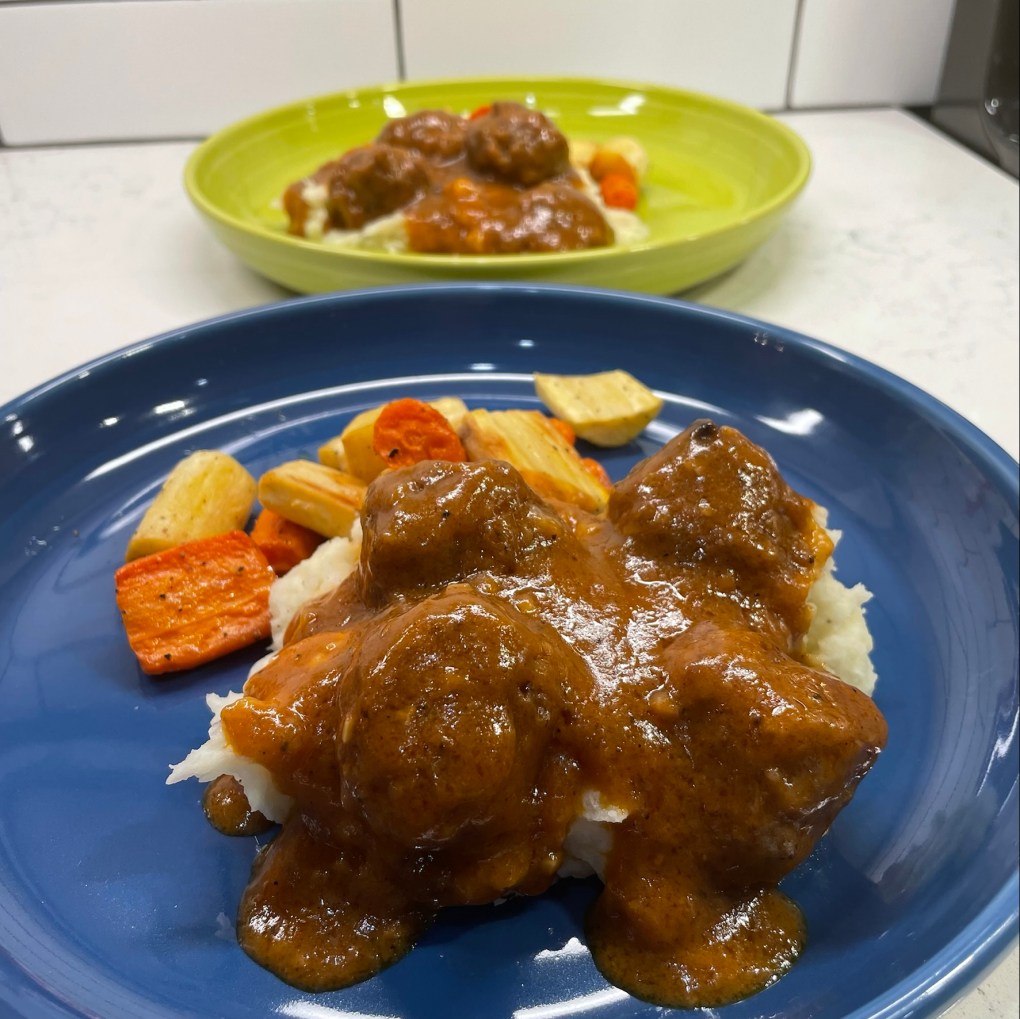
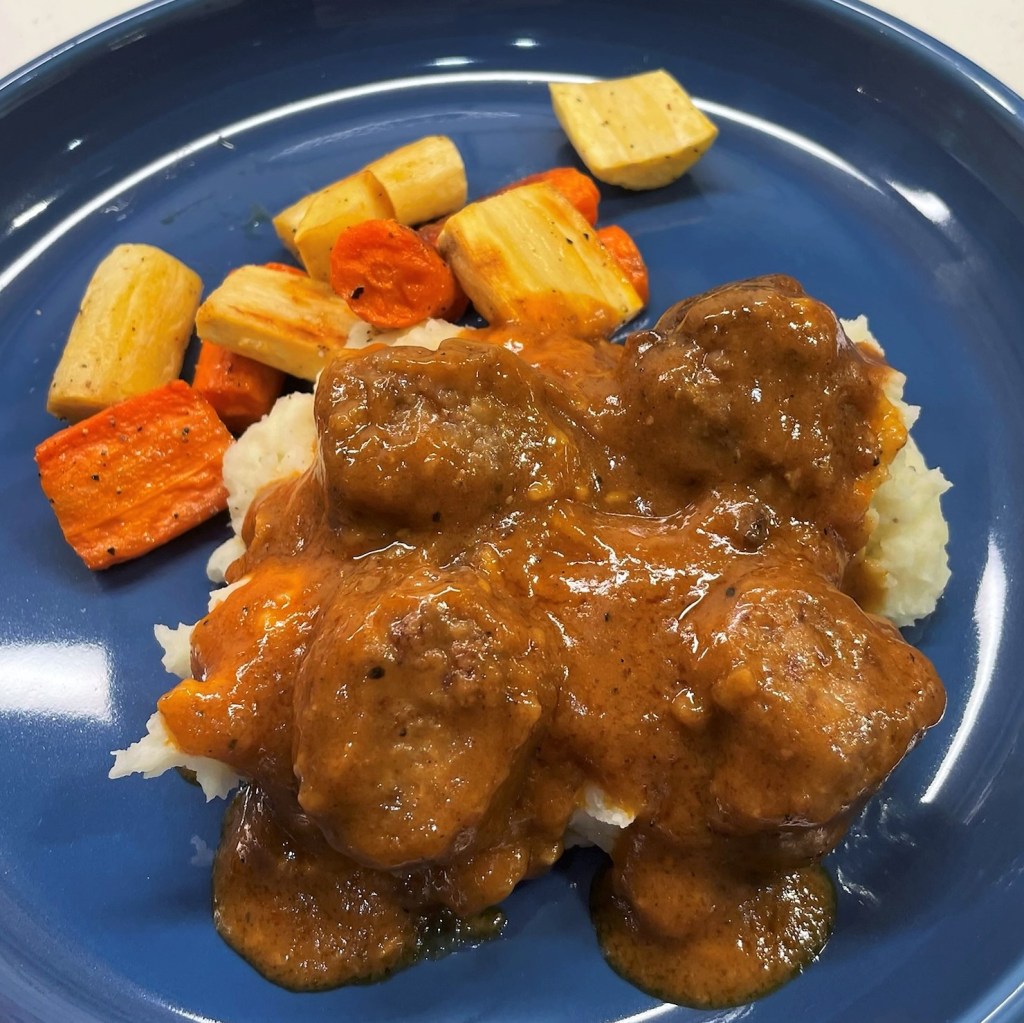
Mission accomplished—they were delicious! I served them over a bed of simple mashed potatoes and with a side of roasted root vegetables, but I couldn’t help thinking they would also be delicious on toothpicks as an appetizer, as my friend remembered them. Super Bowl, maybe?


Ingredients

1 large, sweet or yellow onion* (see notes)

1 lb. fresh ground pork

1/3 lb. bulk breakfast sausage

1/3 cup panko breadcrumbs

1/4 cup milk

2 Tbsp. all-purpose flour

2 Tbsp. Dijon mustard

1 Tbsp. tomato paste

2 tsp. Worcestershire sauce

2 Tbsp. real maple syrup*

2 cloves garlic, finely minced

Up to 1/2 cup low-sodium vegetable broth

2 Tbsp. smoked maple bourbon*


*Notes

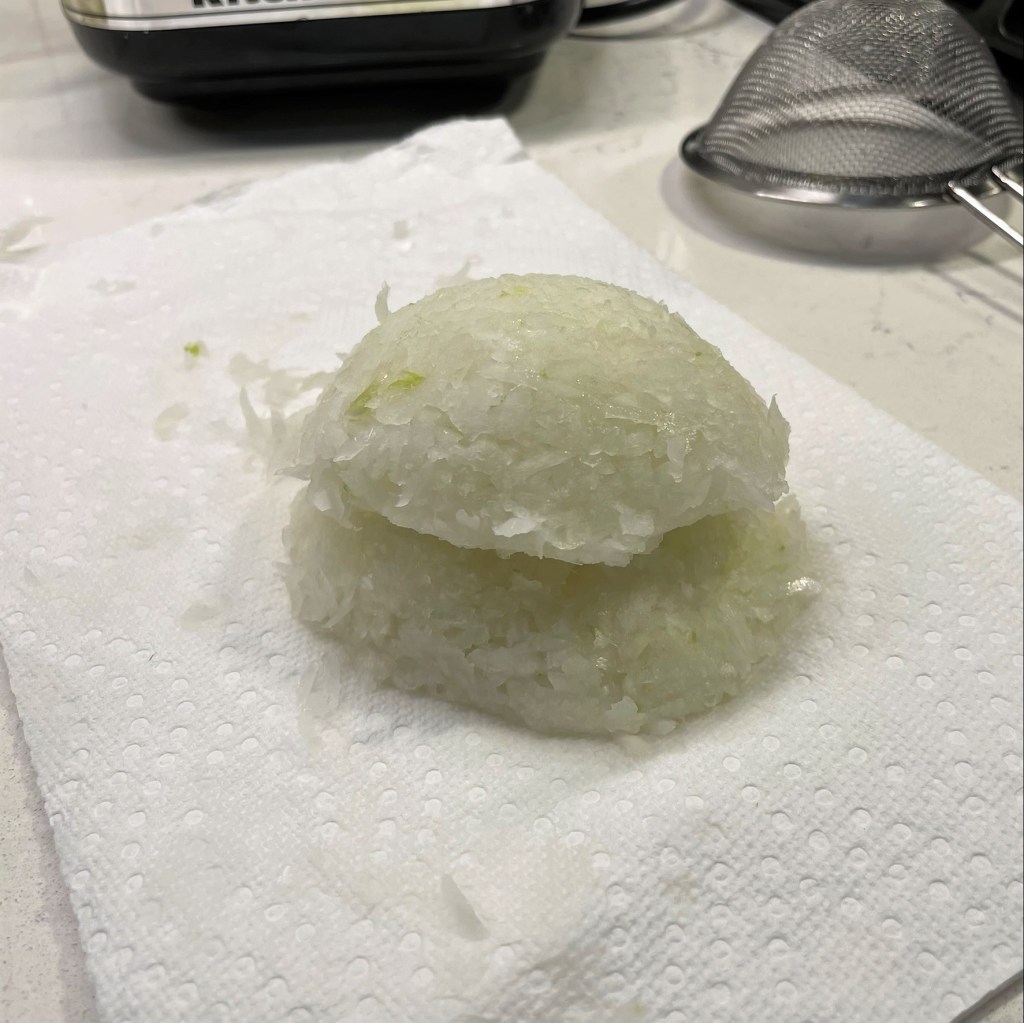
When I made these meatballs, I had reserved onion juice from the Classic Crispy Latkes I had made for the first night of Hanukkah. You will only use half of the large onion in this recipe, but you need the juice of the whole onion to flavor the simmering sauce.

I used a habanero-infused maple syrup for this recipe because my husband and I enjoy spicy foods. Any maple syrup would be delicious—but choose real maple for the best flavor. If the idea of spicy flavor appeals to you, try using regular maple syrup and add about a teaspoon of cayenne or sriracha sauce for similar results.

The smoked maple bourbon is a Knob Creek product. It’s completely optional in this recipe. If you avoid alcohol, simply omit this and add an extra splash of vegetable broth.


Instructions


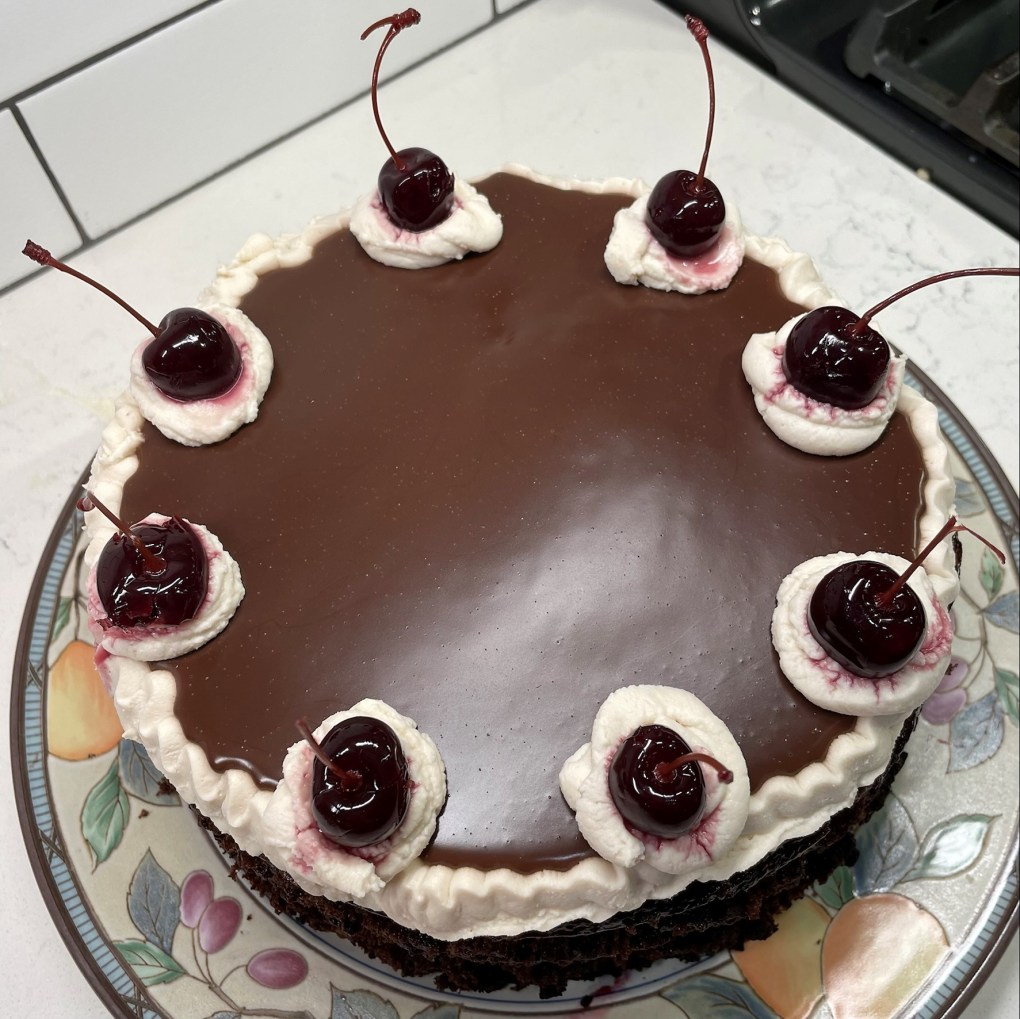
Black Forest Cake

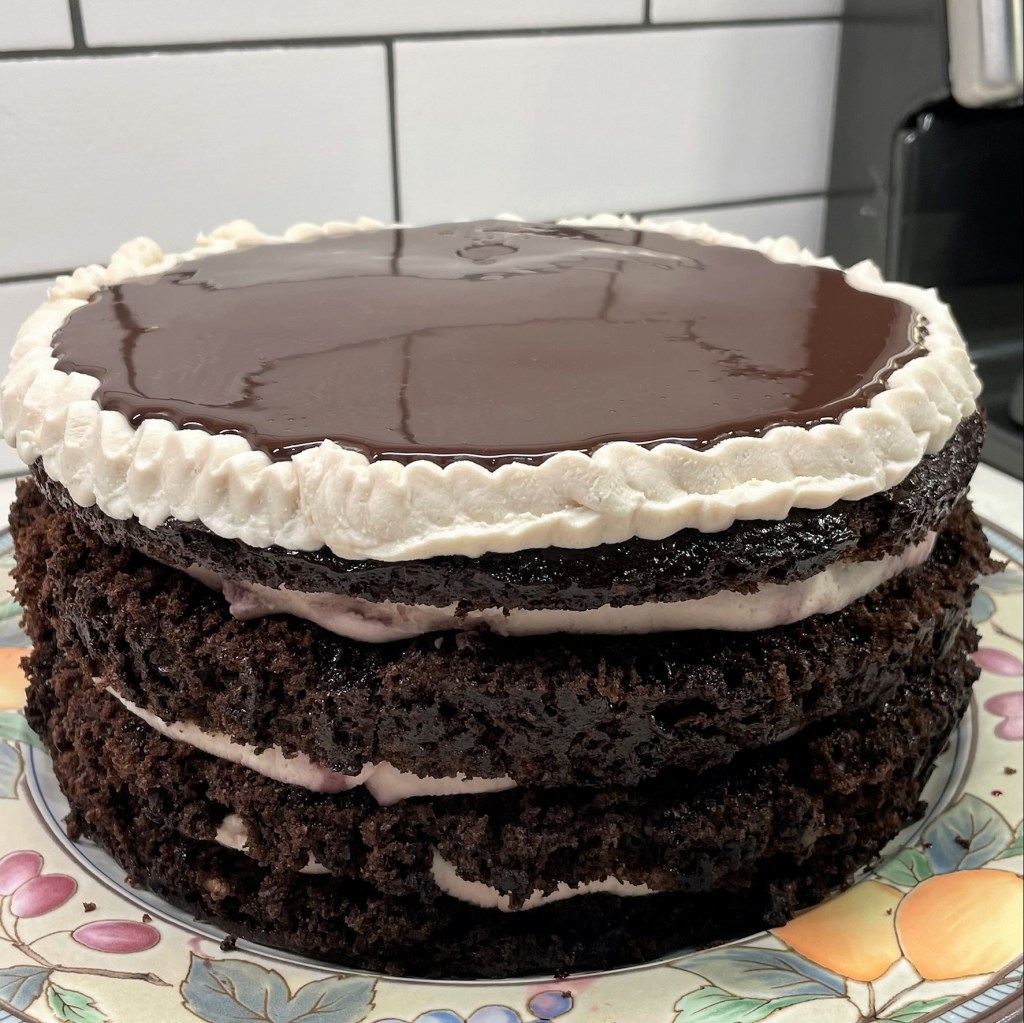
Before we get into it, I’d like to issue my own disclaimer about the inauthenticity of this recipe as a “Black Forest” cake. Any purist would quickly point out that a true, German Schwarzwälder Kirschtorte would be more of a spongy chocolate cake, soaked with kirsch (a clear cherry liqueur) and decorated with whipped cream, sour cherries and shavings of chocolate. But when is the last time you remember me sticking to tradition?

My version of this cake is a departure in almost every category, save for the chocolate and cherry flavors. Cake baking is not in my wheelhouse, so I went for a recipe that I knew I could count on—a sourdough chocolate cake from King Arthur Baking that has served me well before—and I adjusted the fillings to match it. My whipped cream filling is enhanced with mascarpone, making it more substantial to support the sturdy cake. The cake itself is not super sweet, so the cherries had to be. And kirsch liqueur (or any cherry liqueur, for that matter) is nowhere to be found in our liquor stores, so I reached straight for what’s plentiful at our house—bourbon, and that was a very good call.

The cake is not difficult to make, but it is fussy enough that it deserves a special occasion. I was going to save this until the week of Valentine’s Day, but my husband heard on his favorite sports talk show this morning that today is National Chocolate Cake Day, so, heck yeah! We might as well get a jump start on swooning over it. 😉

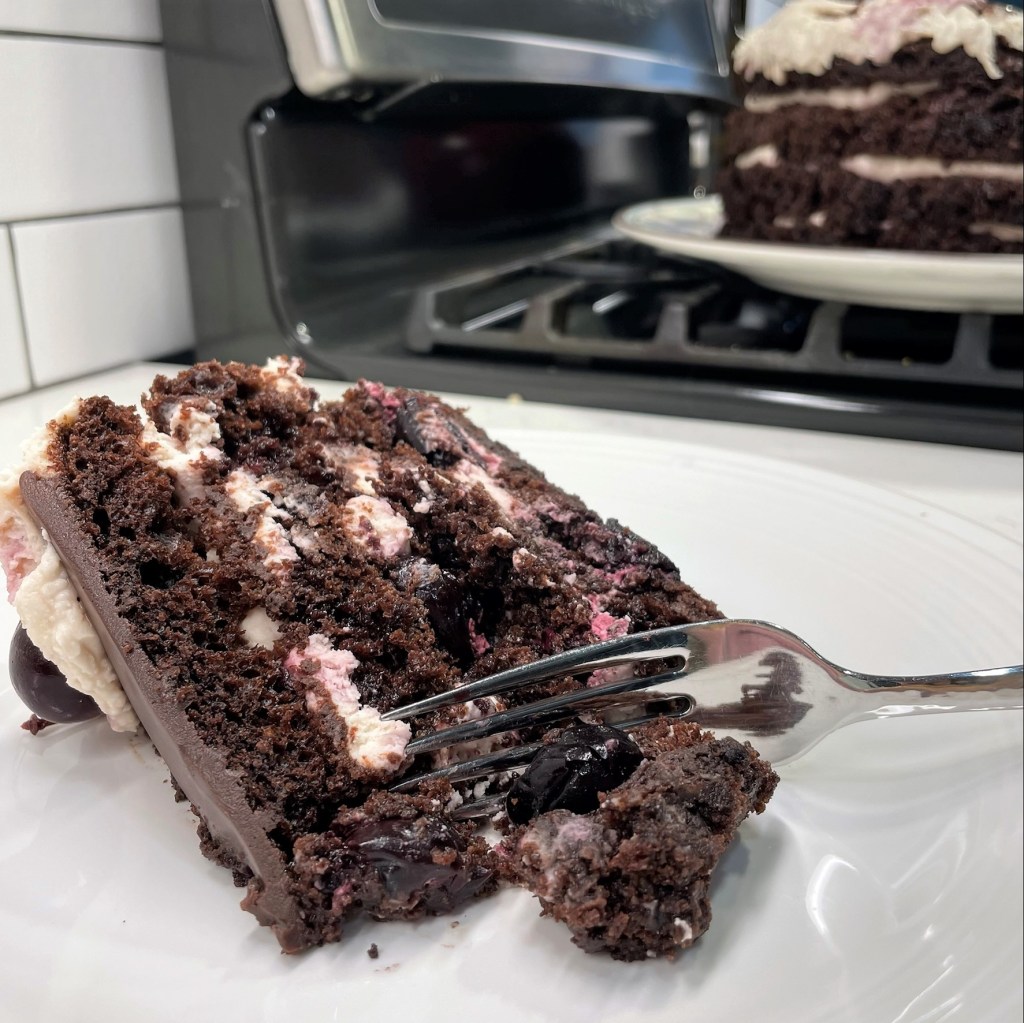
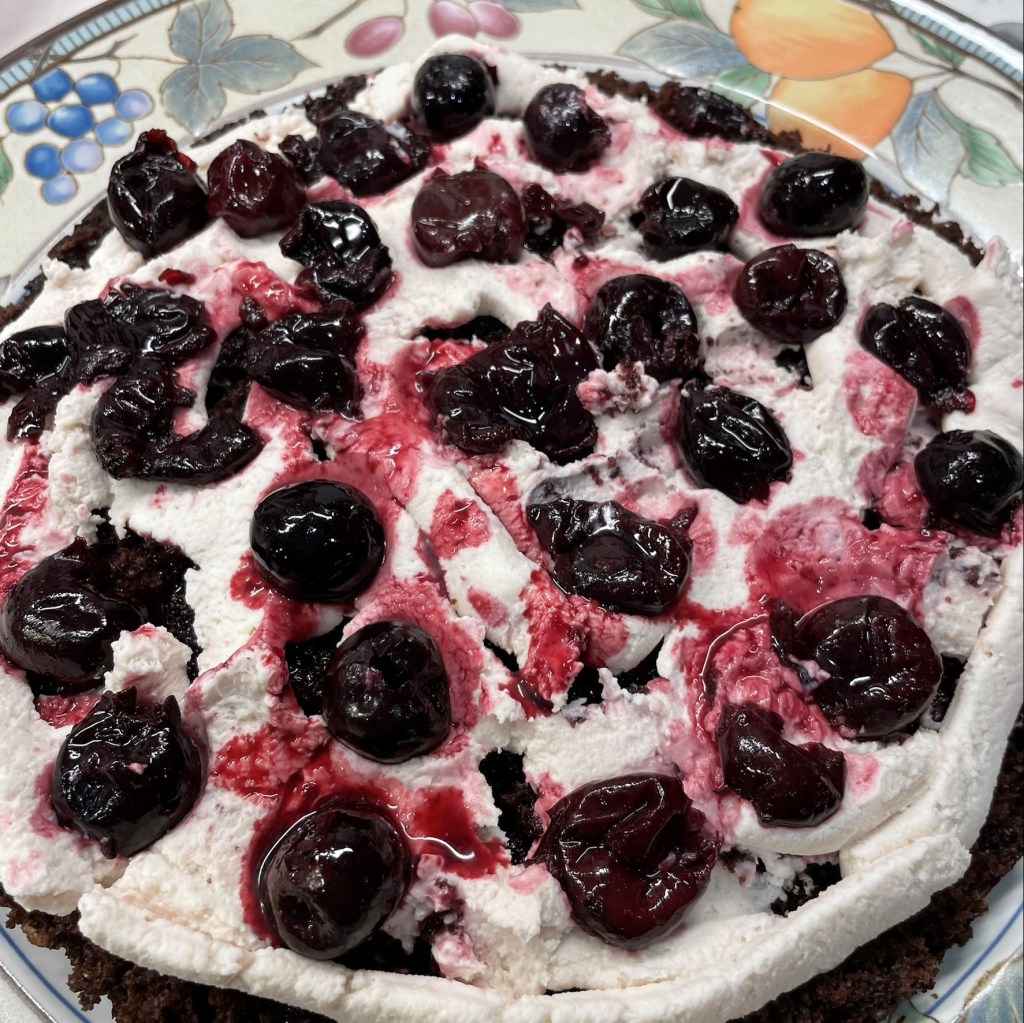
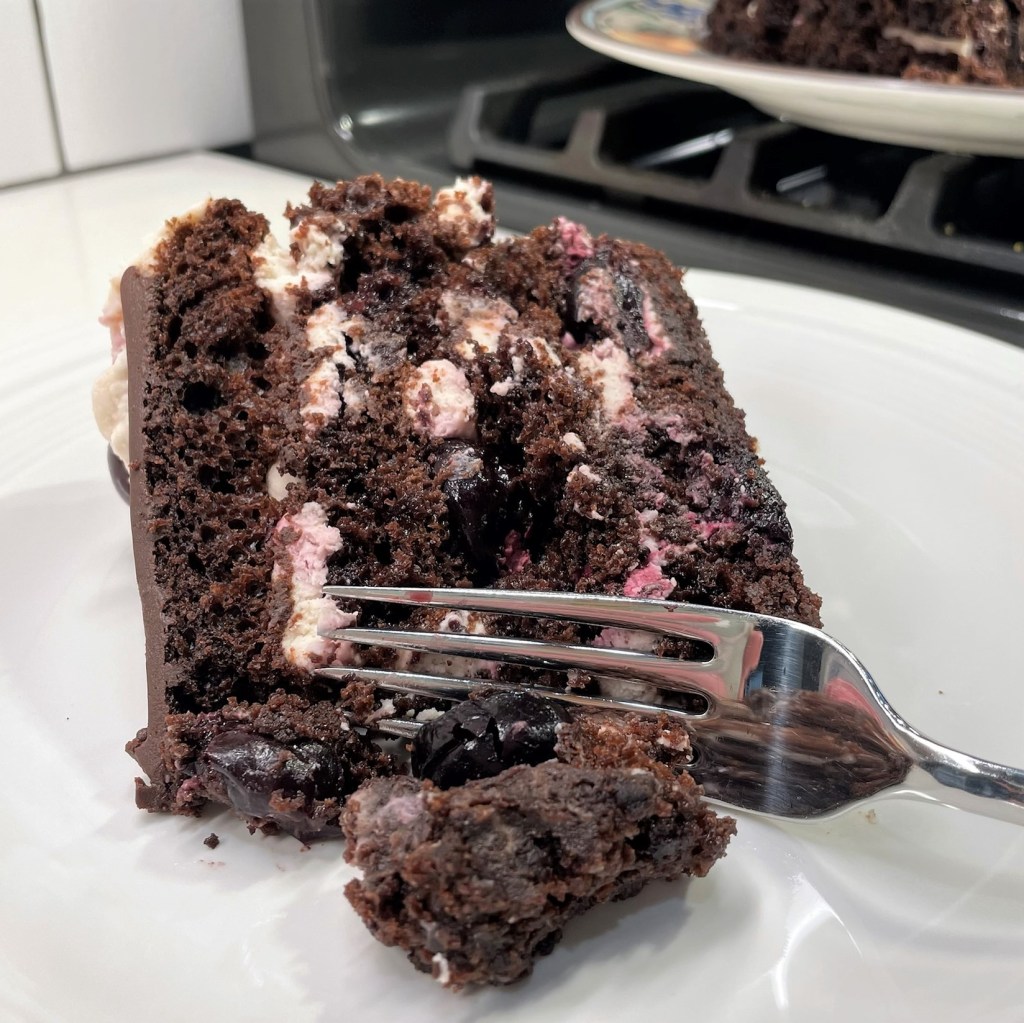
Every slice has a great balance of cherry and chocolate. Who cares if it isn’t a true Black Forest cake? 🙂

We splurged on this decadent, multi-layer dessert to finish our New Year’s Eve meal of White Clam Pizza and our newest addition, the Oysters Rockefeller Pizza, and the cake was delicious for the occasion (and, remarkably, just as good later as leftovers straight from the fridge).

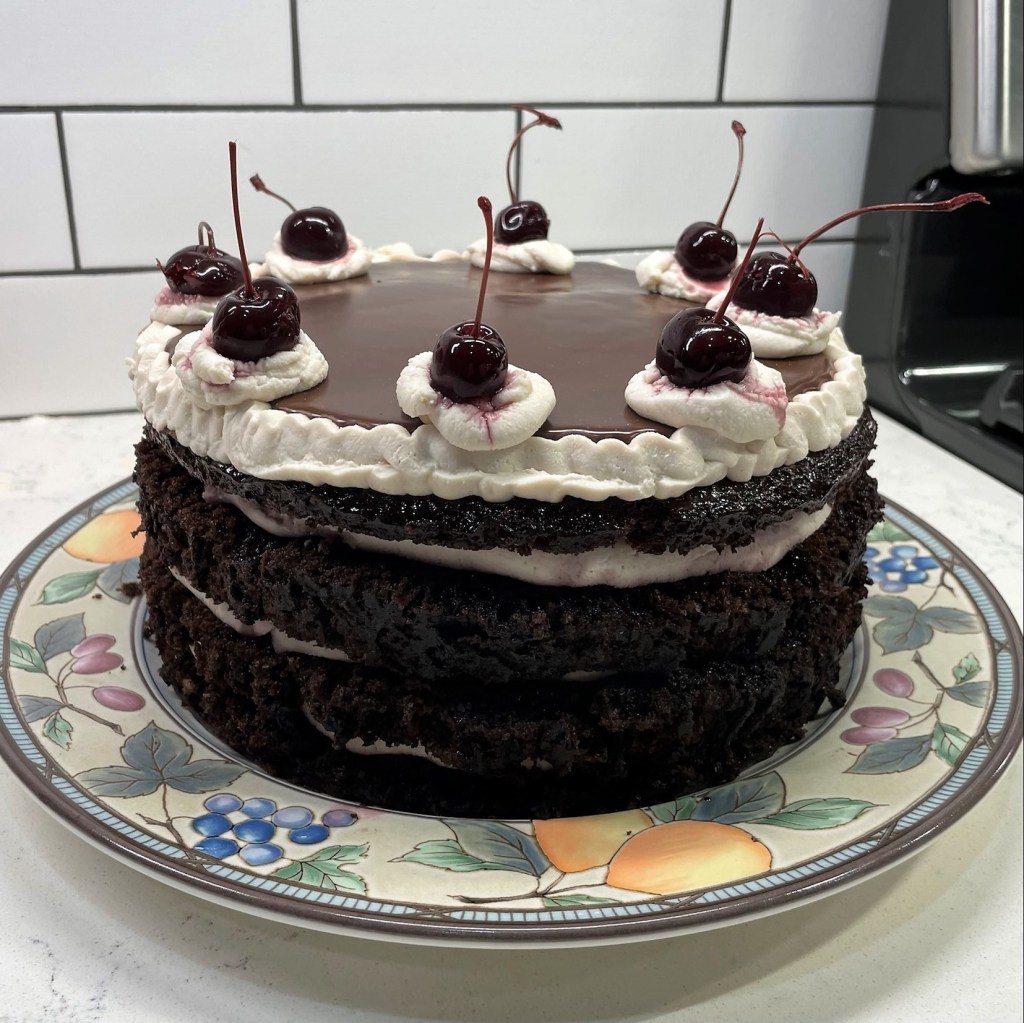
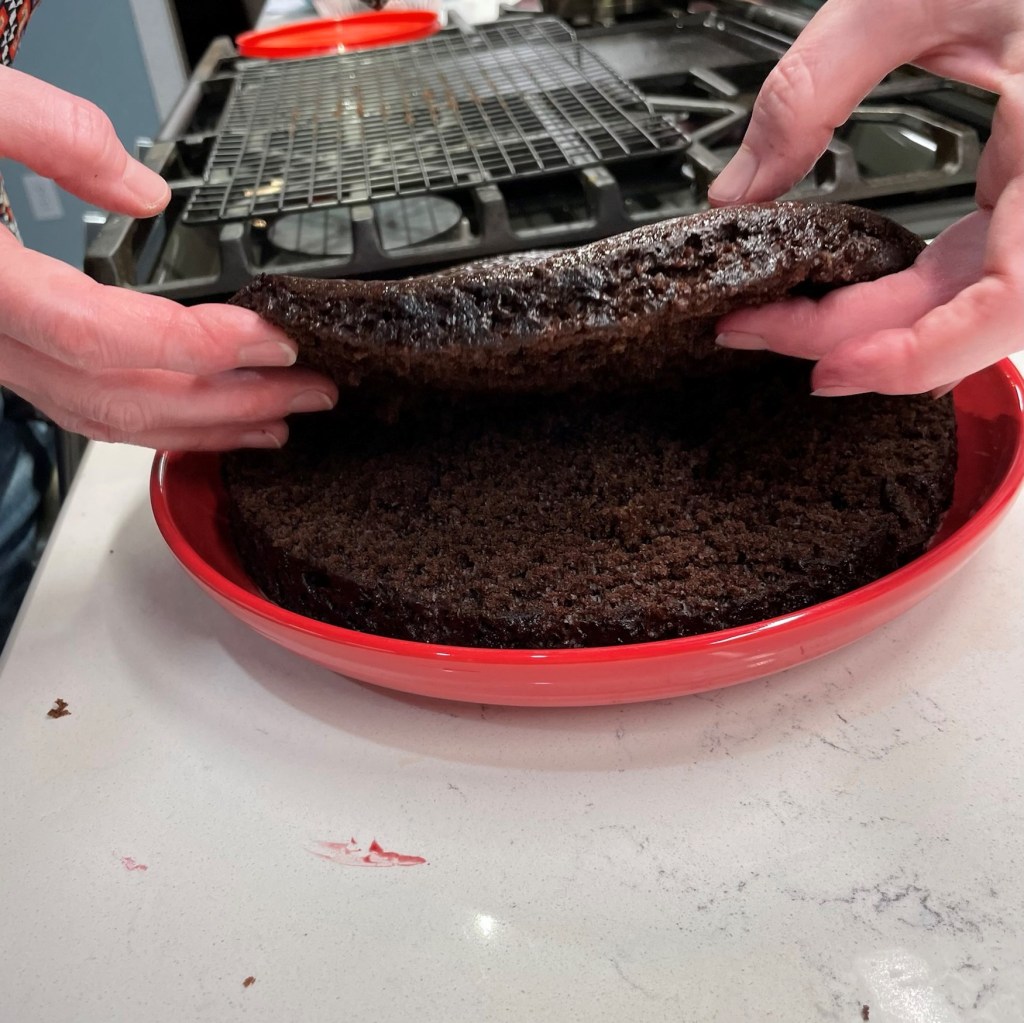
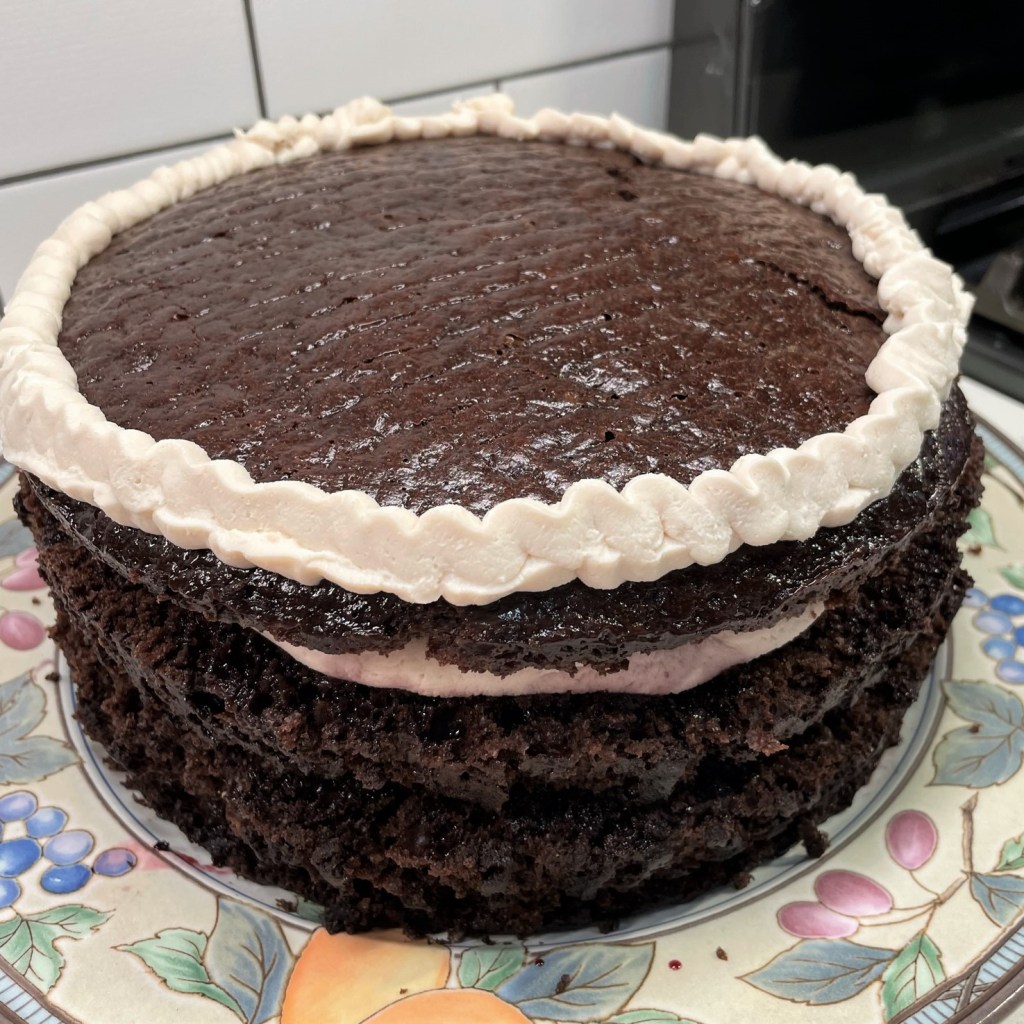
Frosting a cake requires patience that I do not have (especially at the holidays), so I went for a more rustic appearance, which also afforded us a glimpse of the yumminess that was to come, in the form of mascarpone cream and cherries hanging out the sides. There was no whipped cream wrapped around the outside of my cake and no shavings of chocolate, as one would find on a true Black Forest Cake. But it was delicious, with a capital D.

My layers were a little uneven, but the flavors were phenomenal.

So, is it authentic Black Forest Cake? No, but “Sourdough Dark Chocolate Cake with Bourbon-Soaked Cherry and Mascarpone Filling with Ganache Topping” is a mouthful. Plus, it didn’t fit in the title box. 😉


Ingredients

1 recipe Sourdough Chocolate Cake | King Arthur Baking, baked in 9-inch layer pans* (see instruction notes)

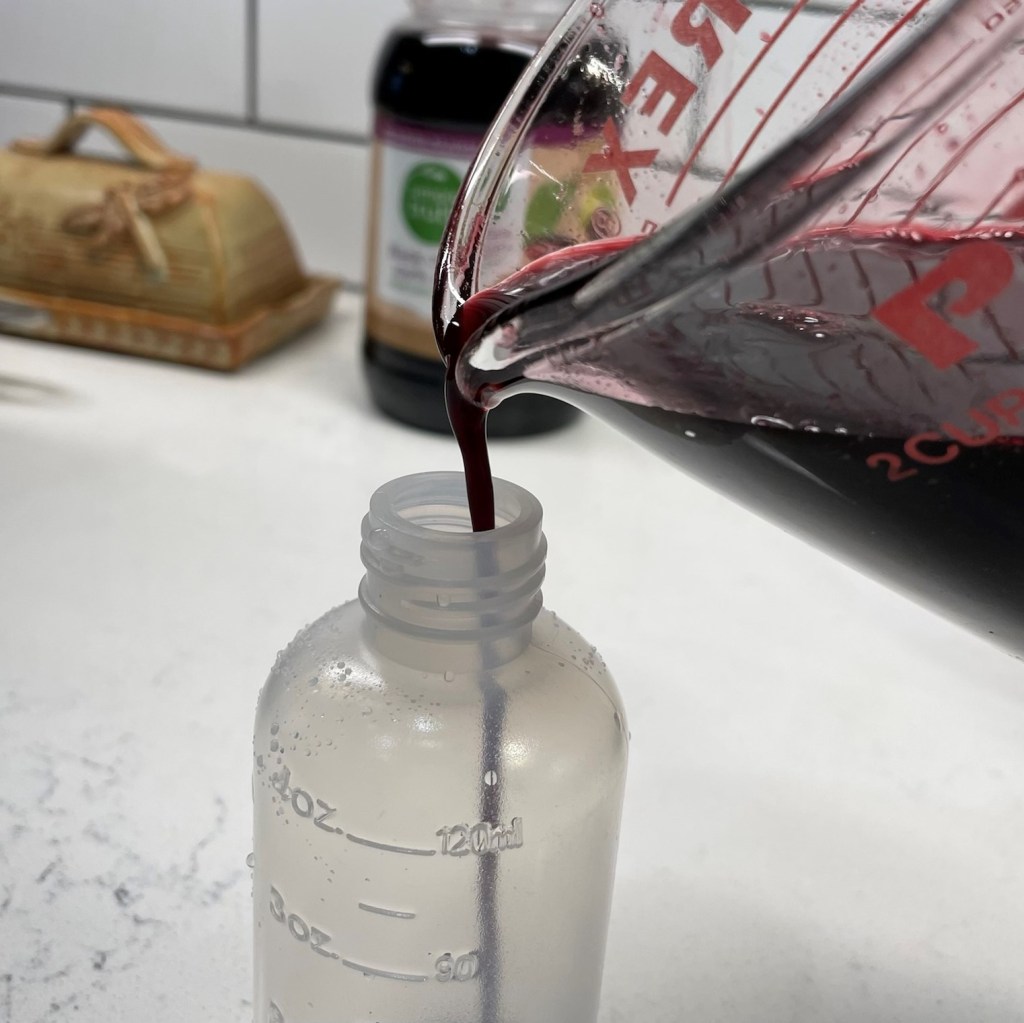
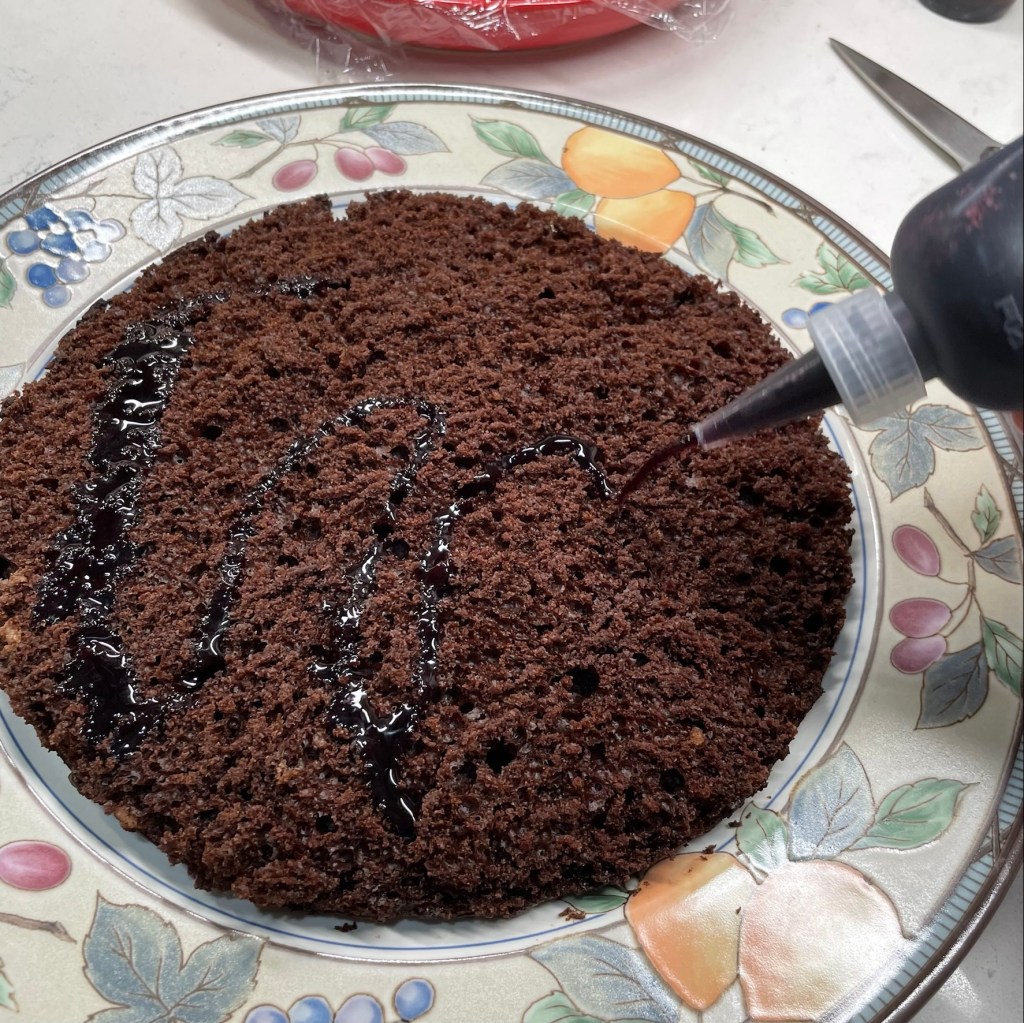
Bourbon Cherries and Syrup

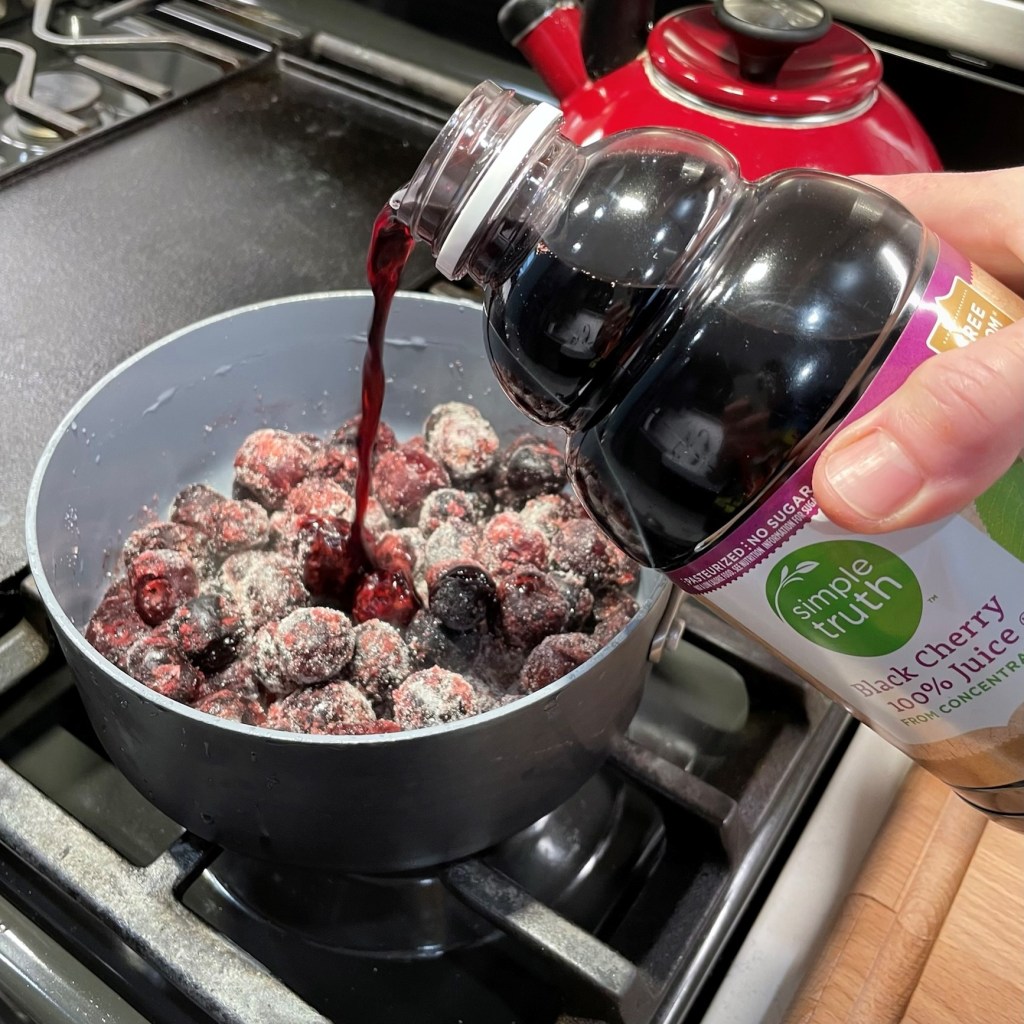
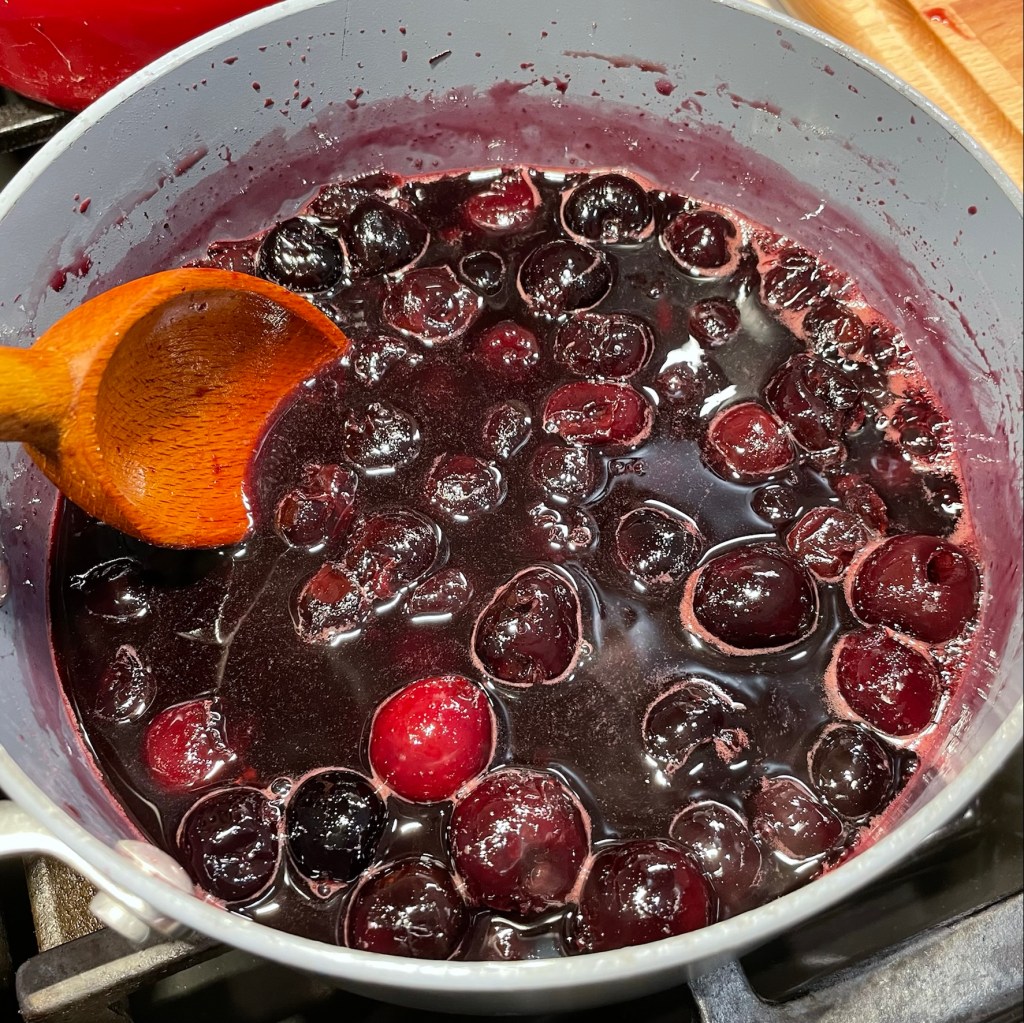
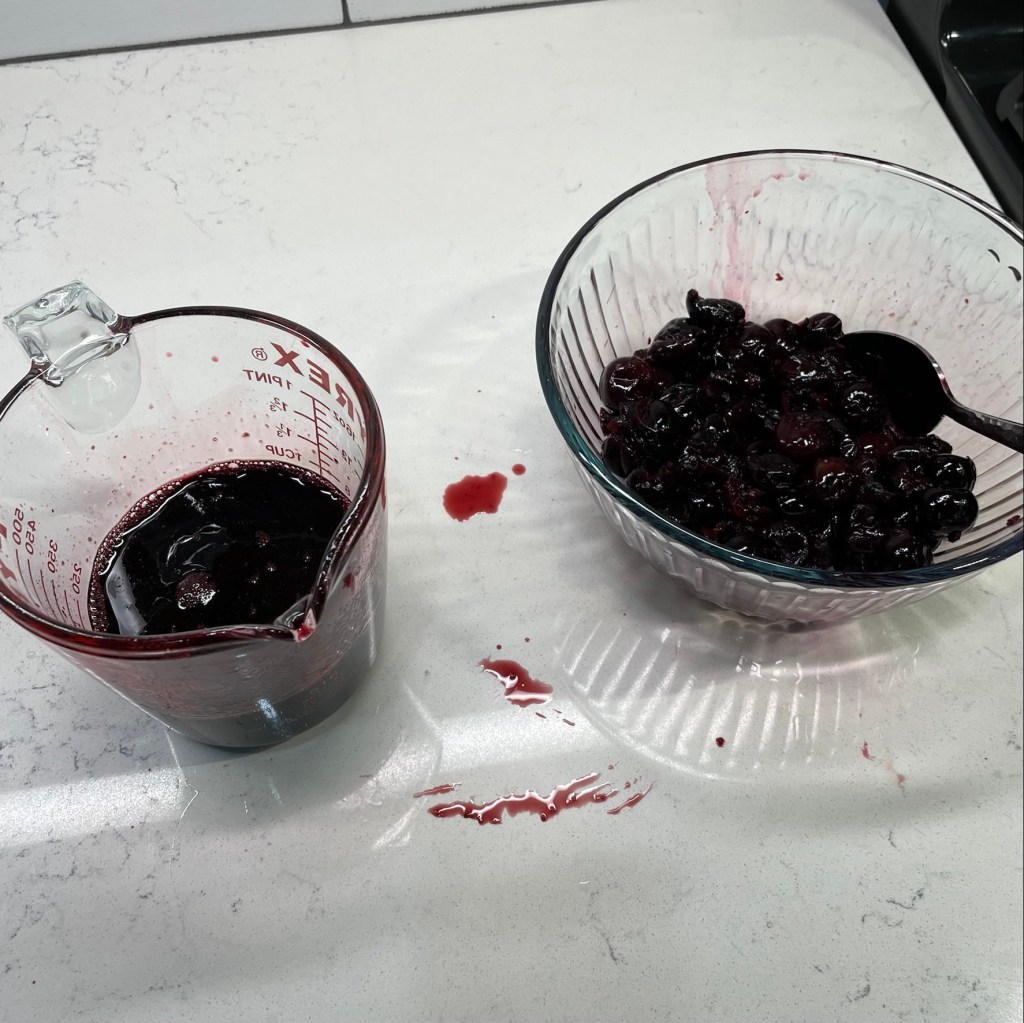
1 lb. bag frozen dark sweet cherries

1/2 cup organic cane sugar

1/4 cup unsweetened black cherry juice

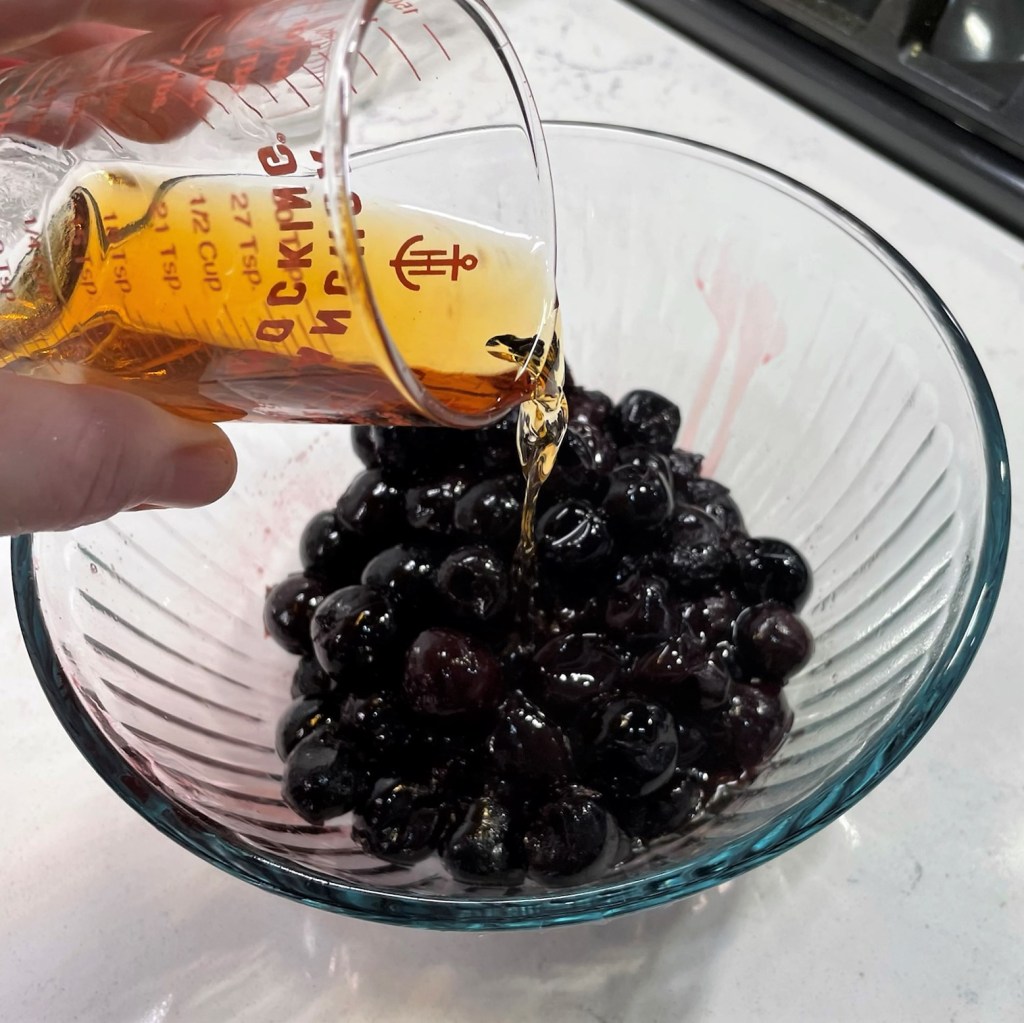
2 oz. bourbon

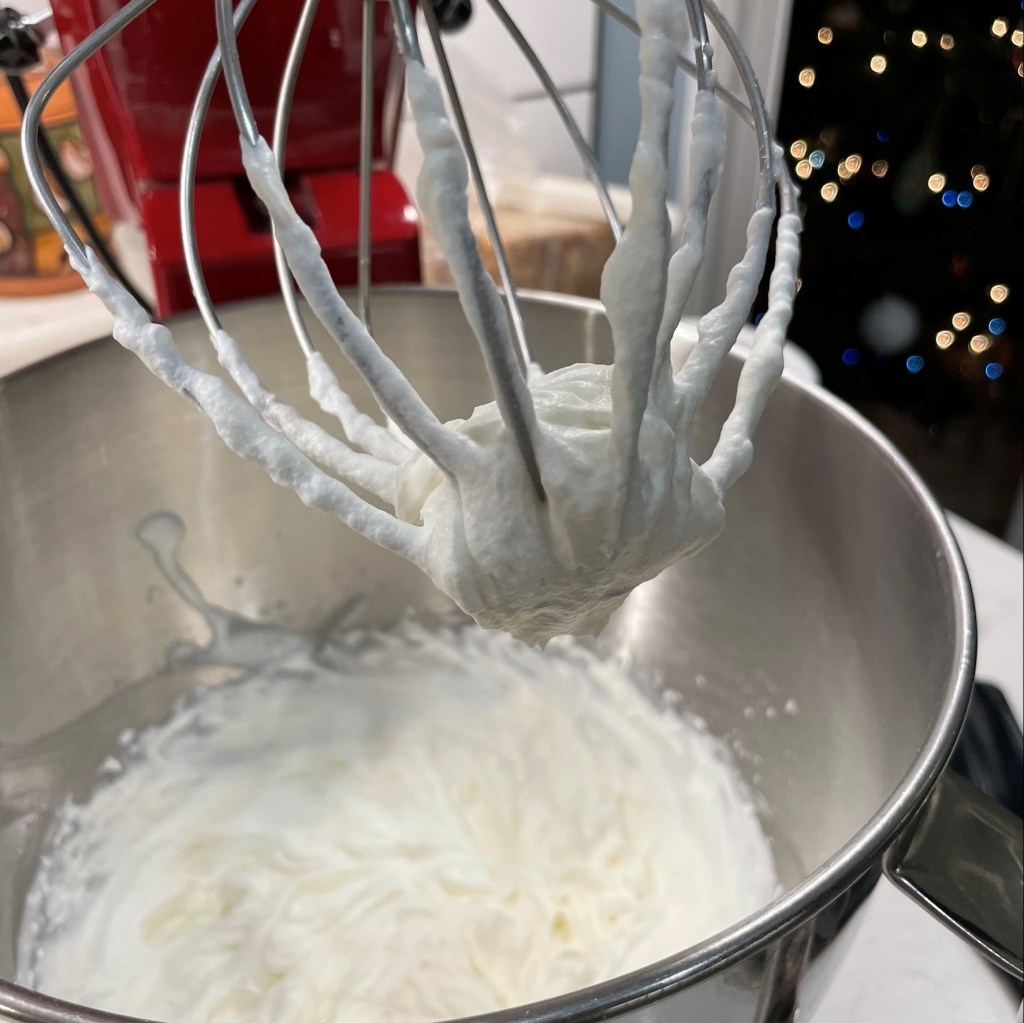
Mascarpone Filling

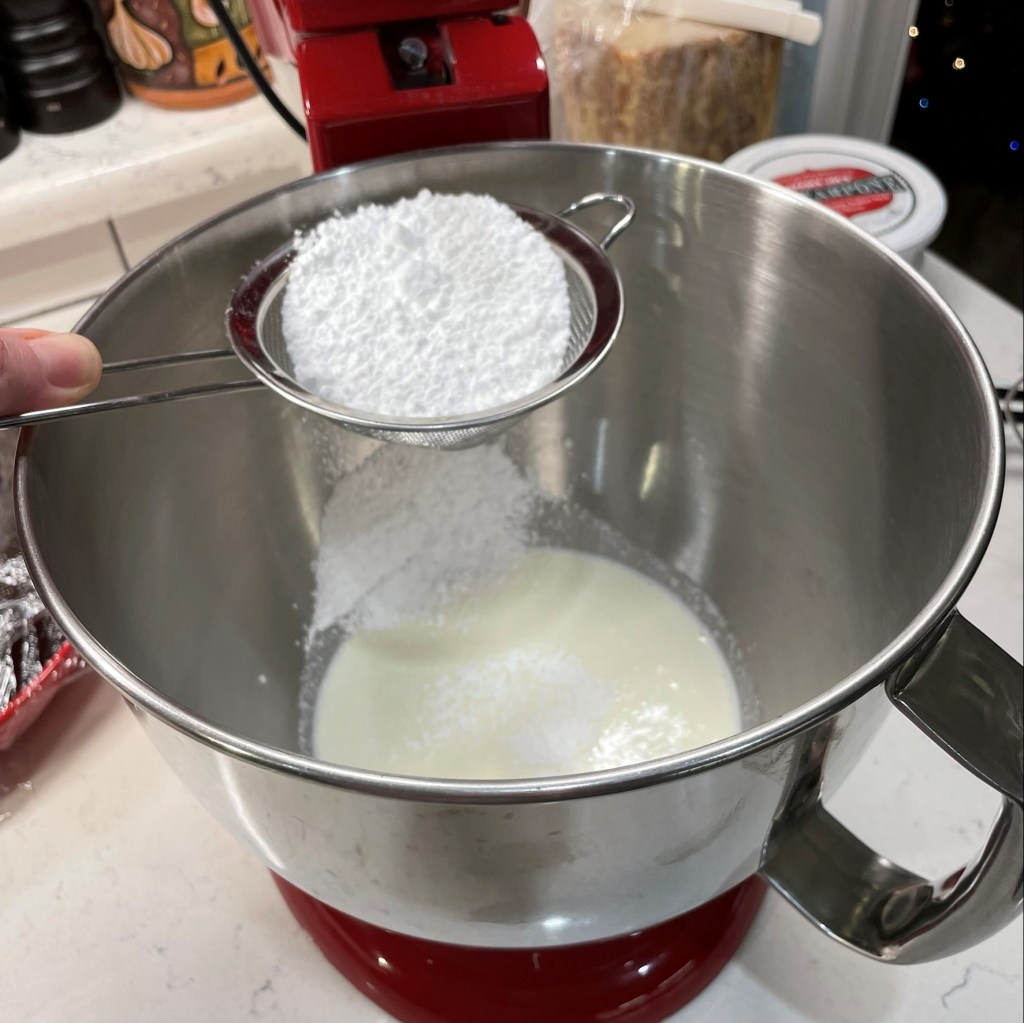
1 cup heavy cream

8 oz. tub mascarpone

1/4 cup powdered sugar, sifted

1 tsp. real vanilla extract

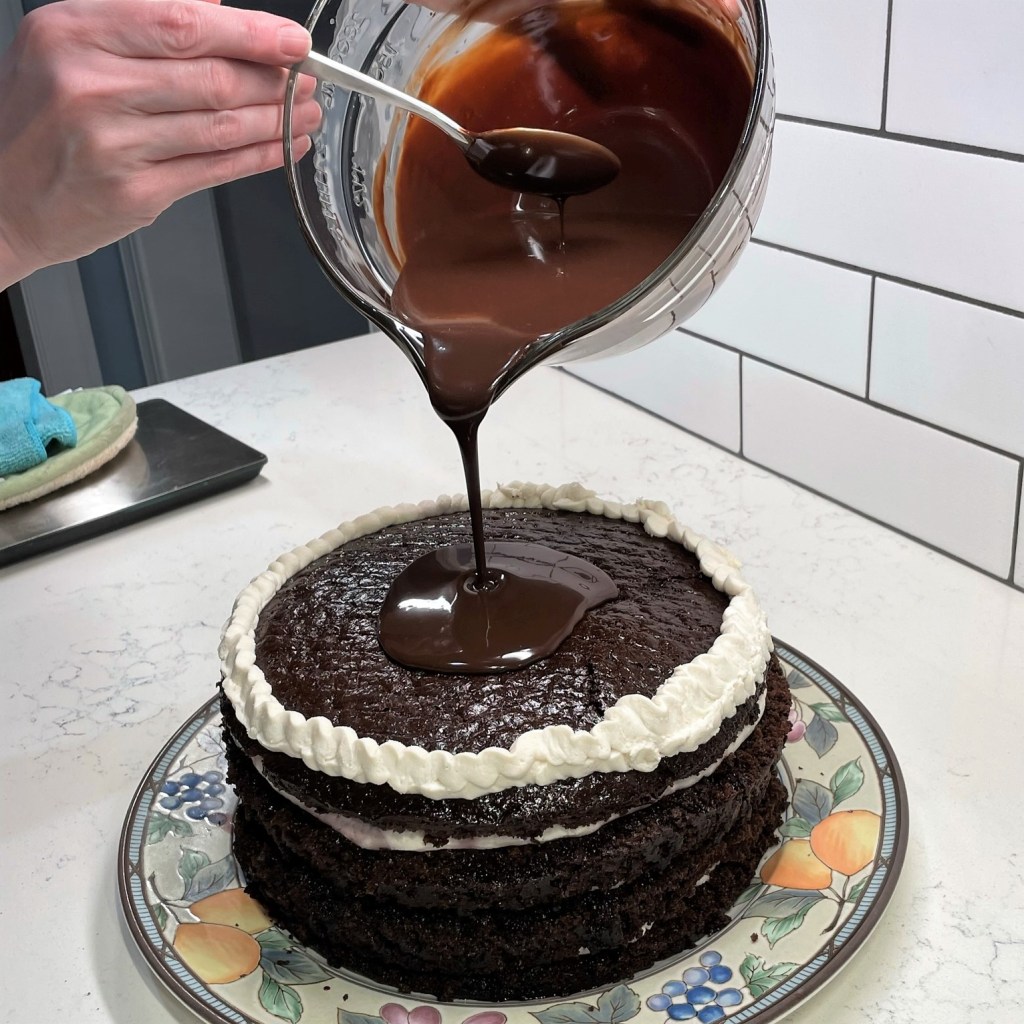
Ganache Topping

8 oz. dark melting chocolate wafers

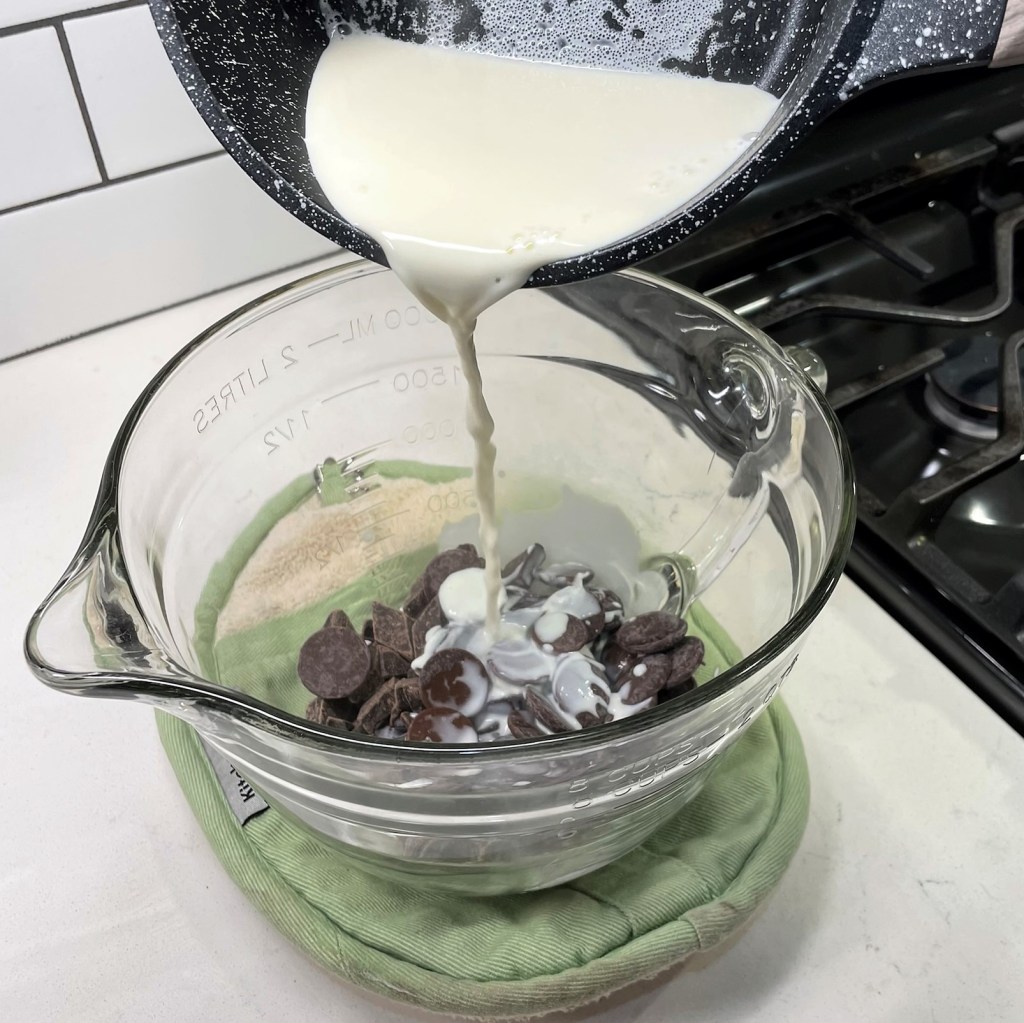
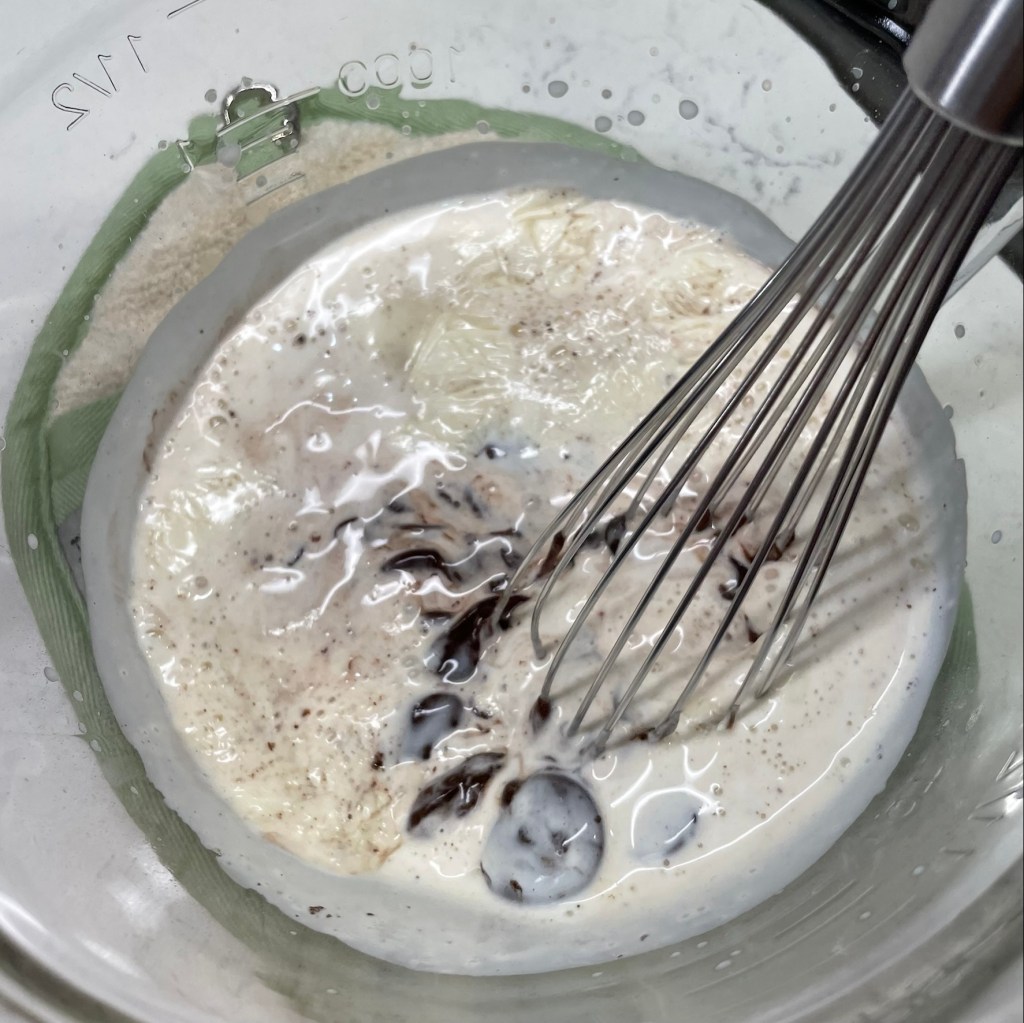
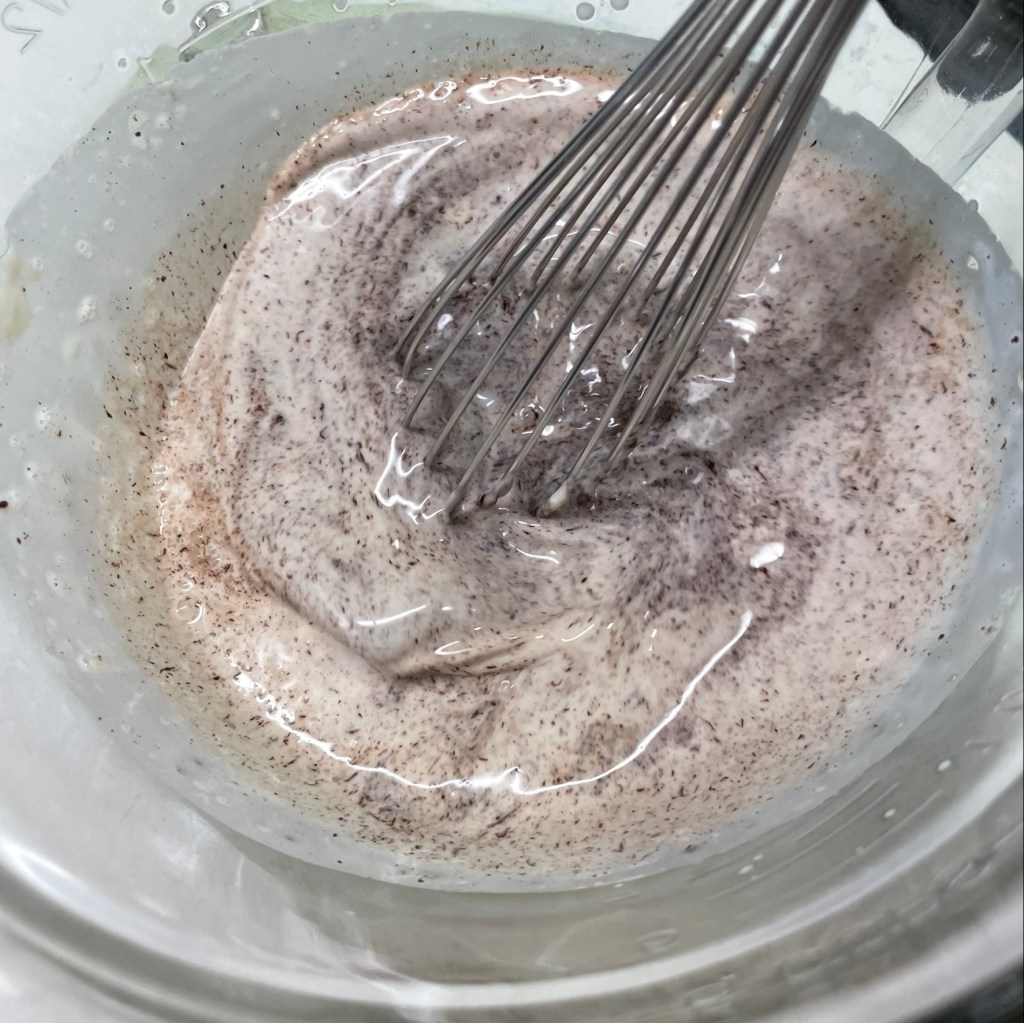
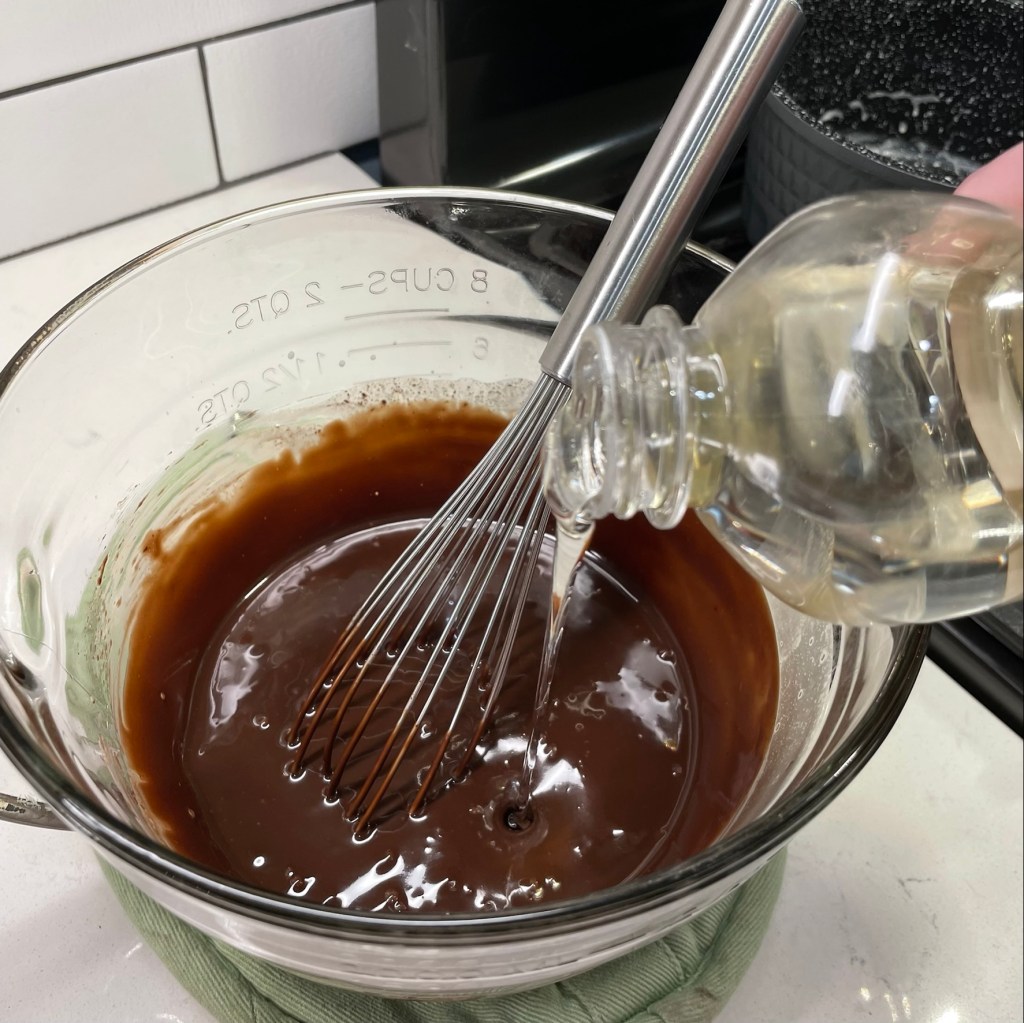
1 cup heavy cream

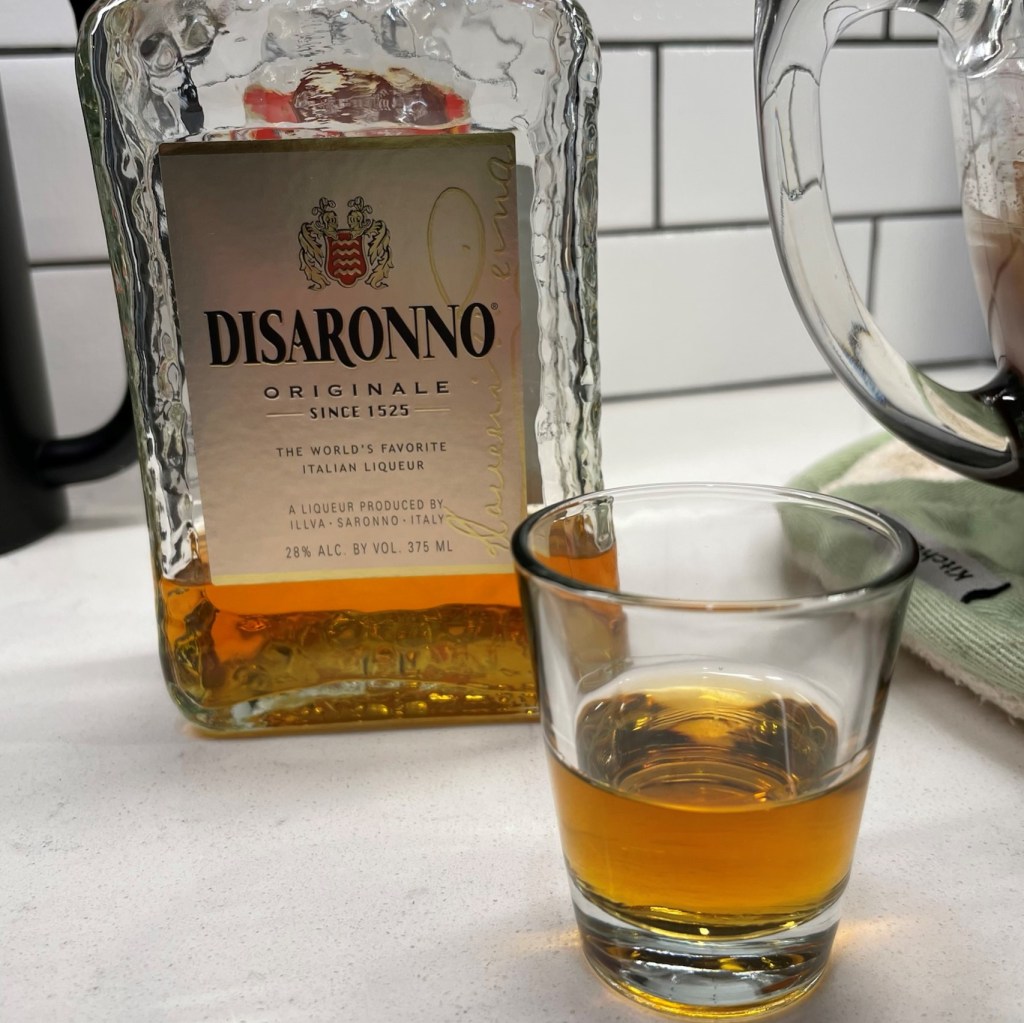
1 oz. amaretto (optional)

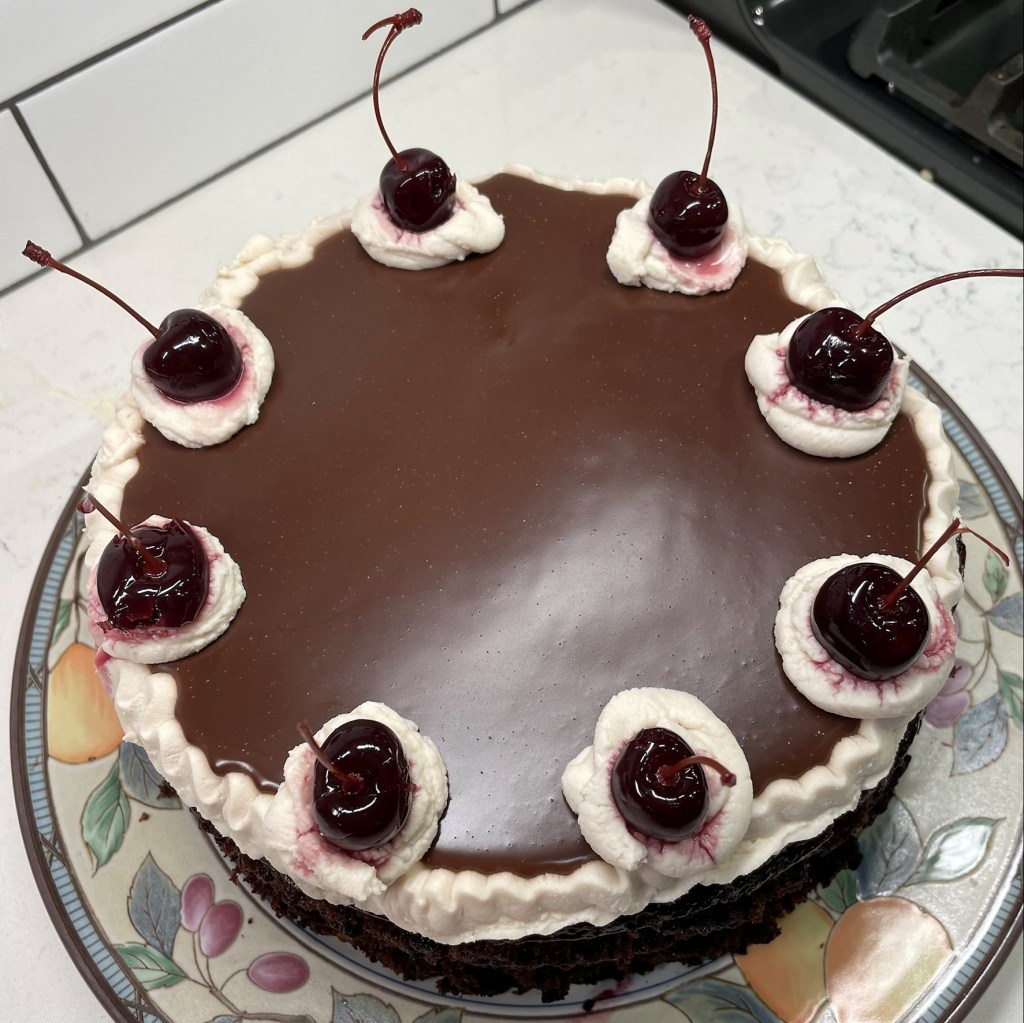
8 bourbon cherries or morello cherries, with stems (for decorating cake top)


Instructions

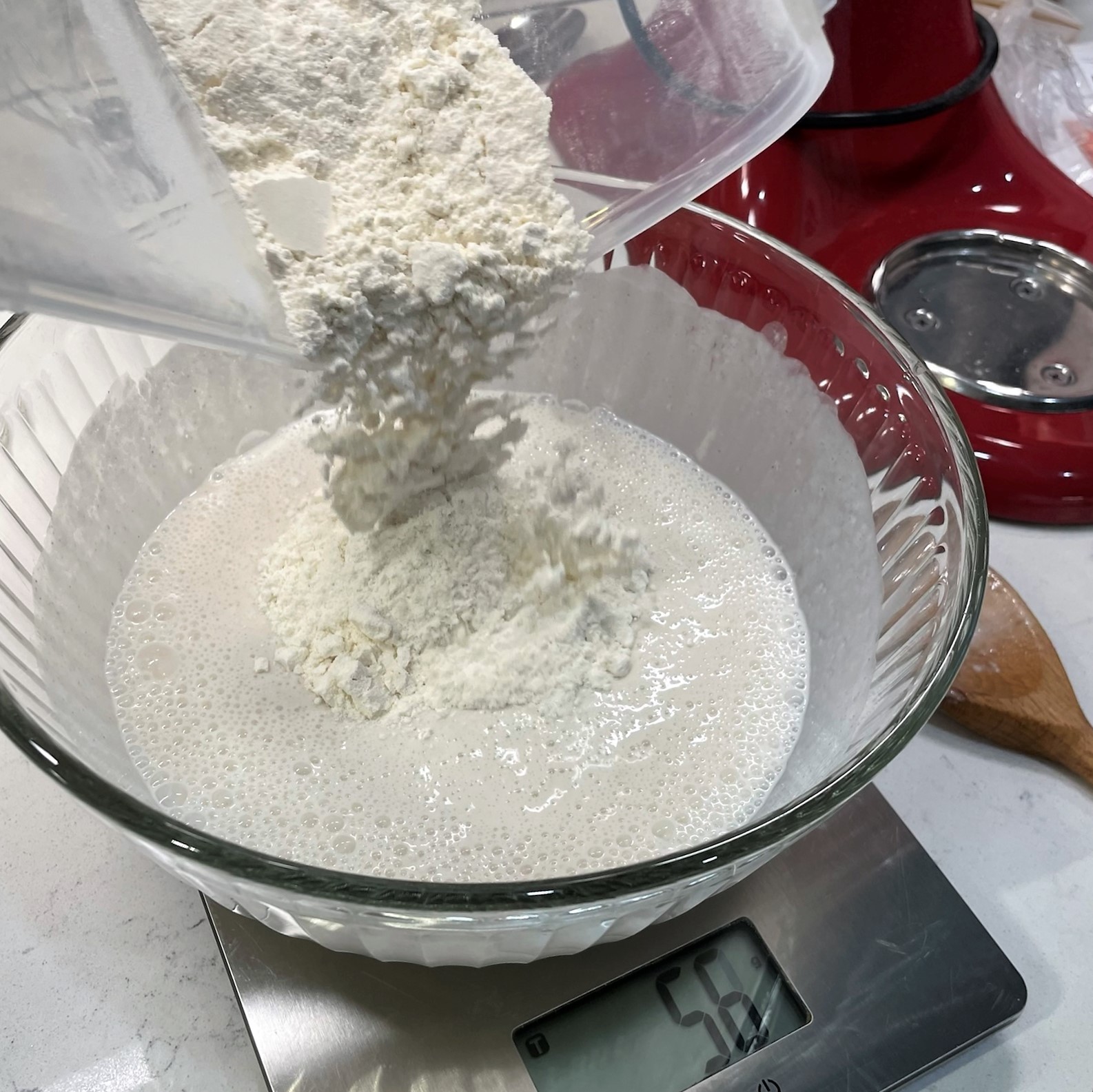
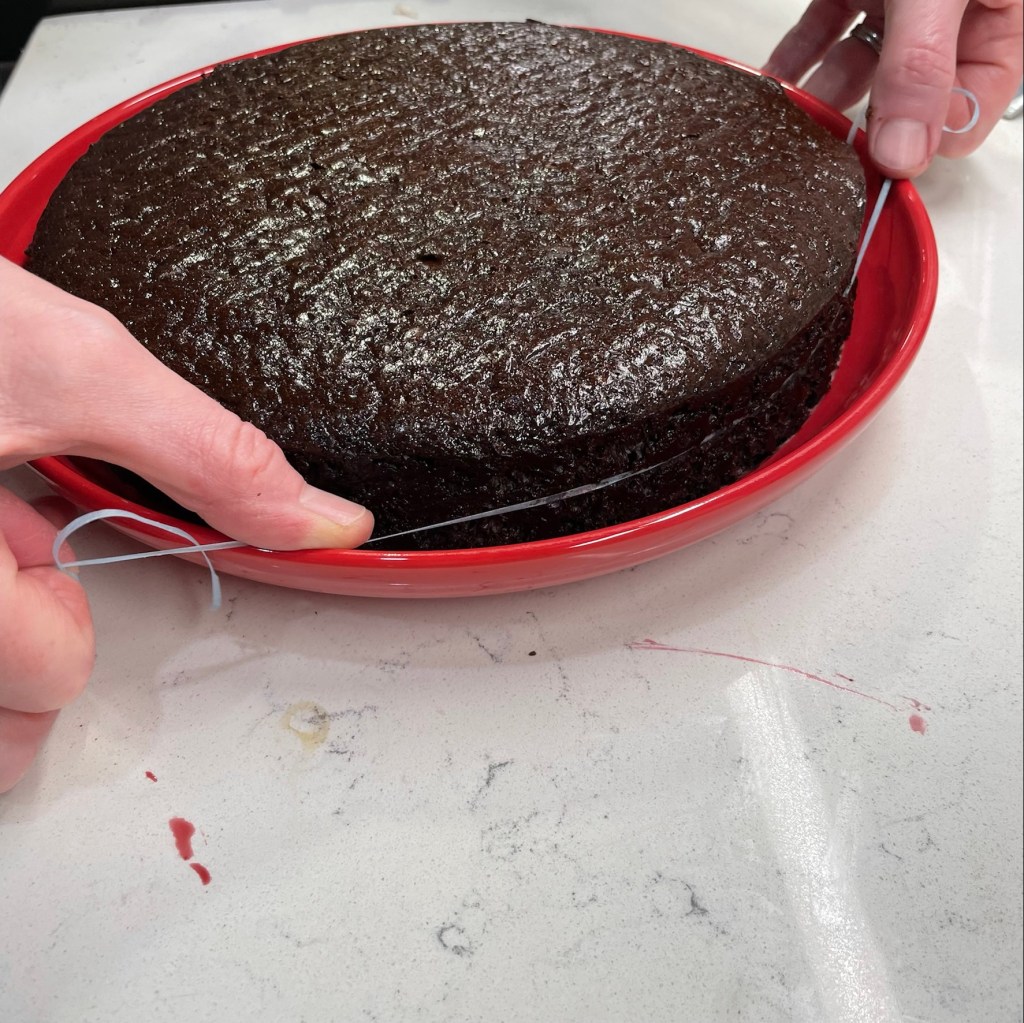
Bake the cake as instructed on King Arthur website. I followed the instructions with one ingredient adjustment; I replaced half of the natural cocoa with KA’s Double Dark Dutch Cocoa. I am crazy about the deep, dark color and chocolate flavor! Also, I baked it in two buttered and cocoa-dusted 9-inch layer pans rather than the 9 x 13 that was suggested, and the cake was done in 30 minutes. Cool the cake layers completely before removing them from the pans.

Not riding the sourdough train? No problem; use any other dark chocolate cake recipe you like, provided the layers are sturdy.

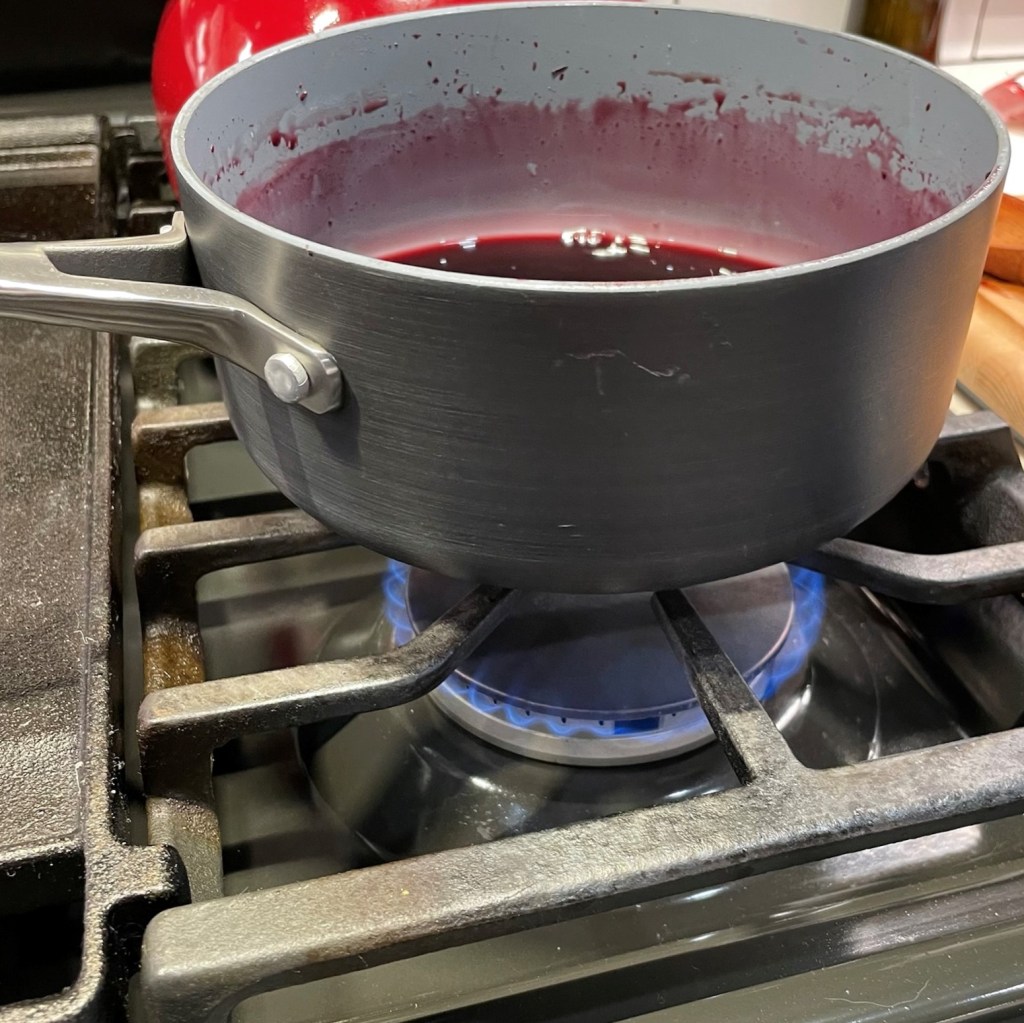
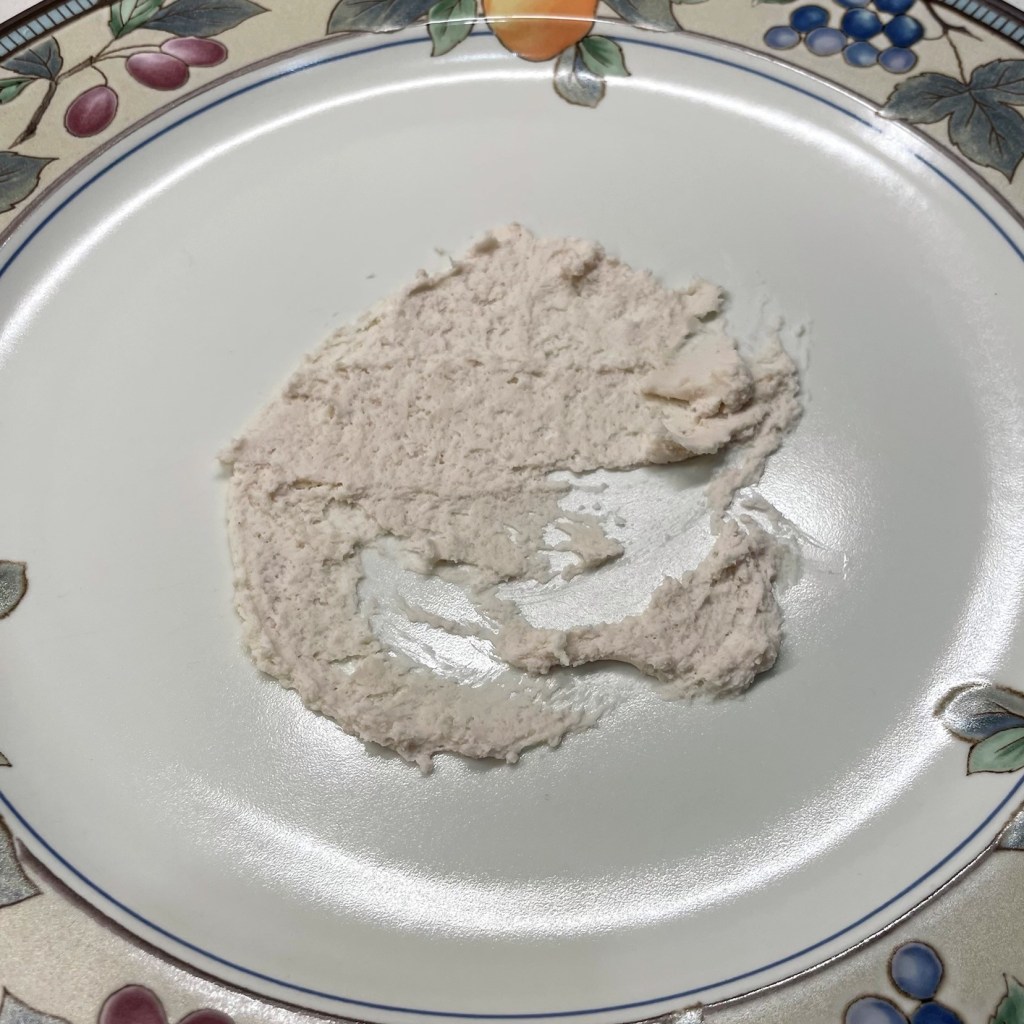
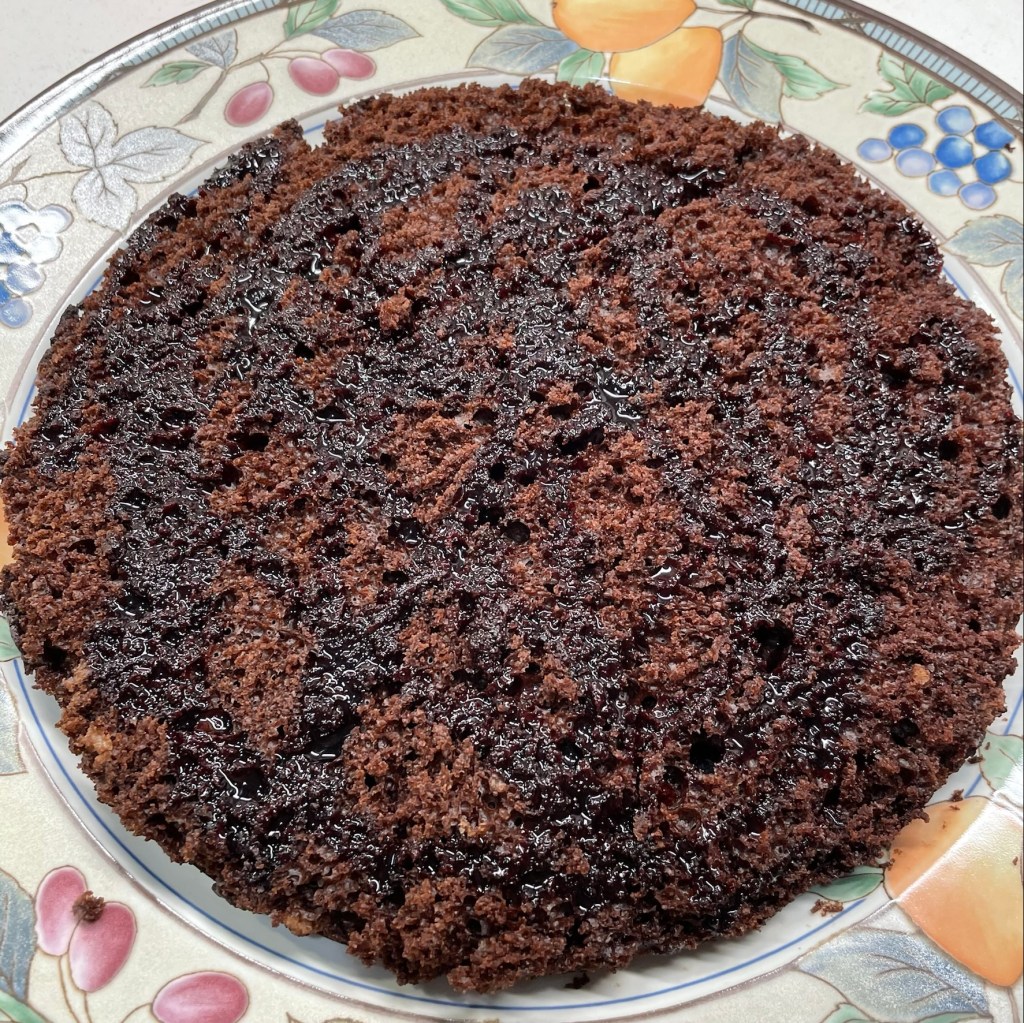
For the cherry syrup, mascarpone filling and shiny ganache topping, I’ll provide a visual walkthrough, and you can scroll to the bottom of the post for a printable recipe if you want to give it a go in your kitchen. Happy Chocolate Cake Day! 🙂


This is my Black Forest cake.


Bloody Mary Shrimp Cocktail

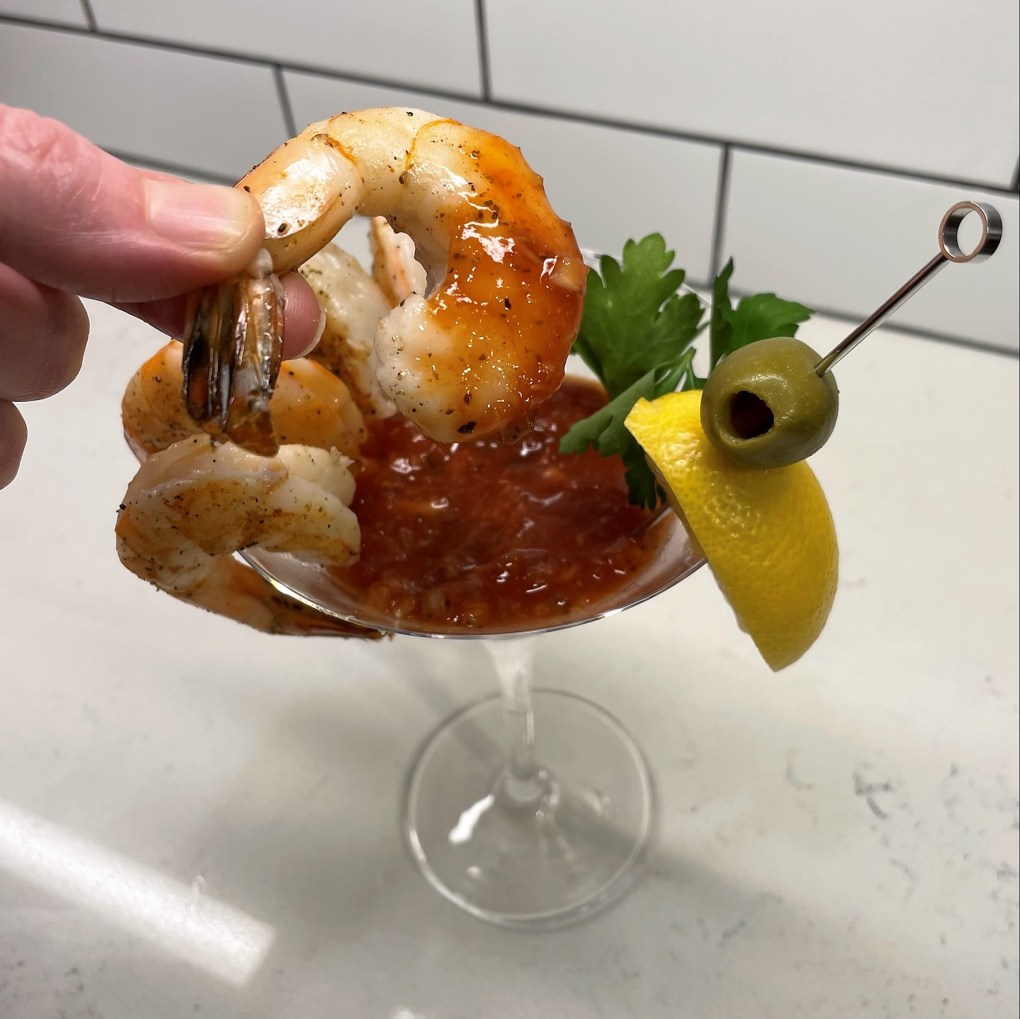
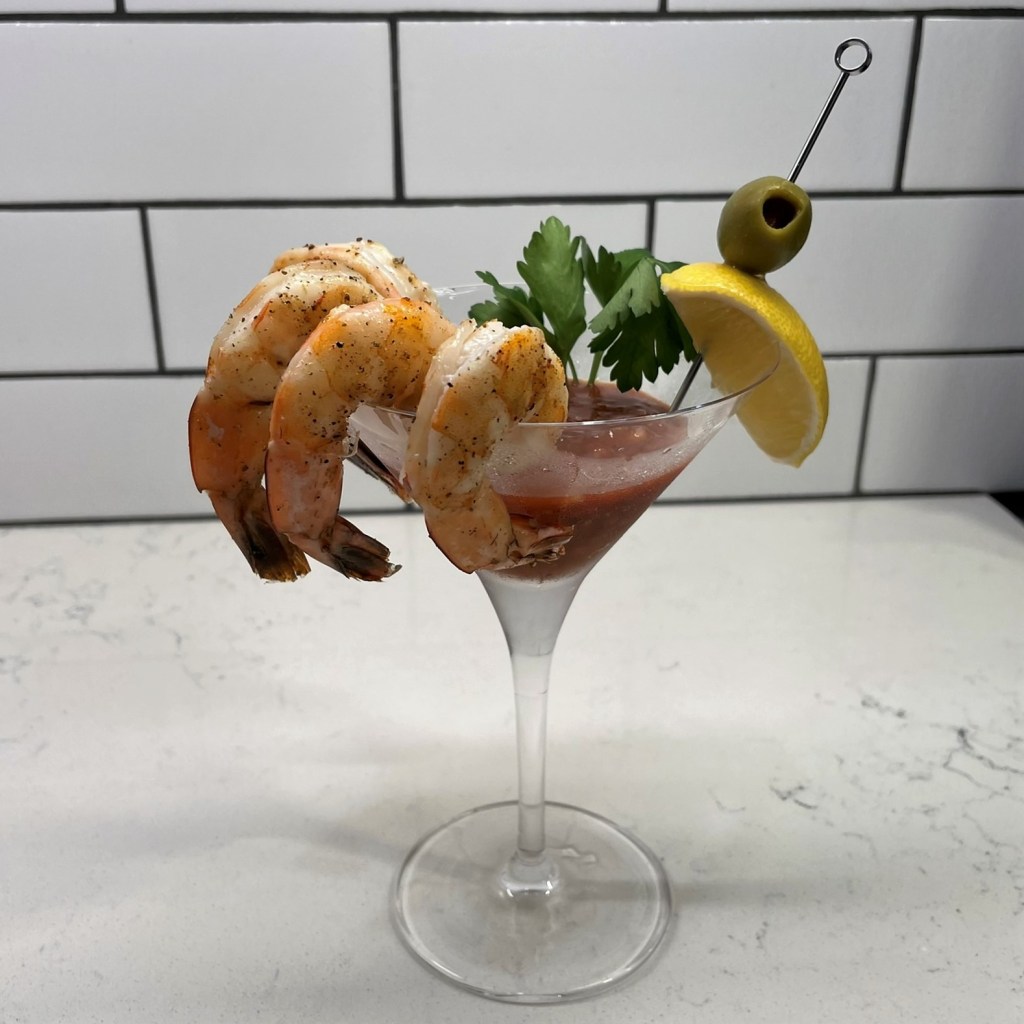
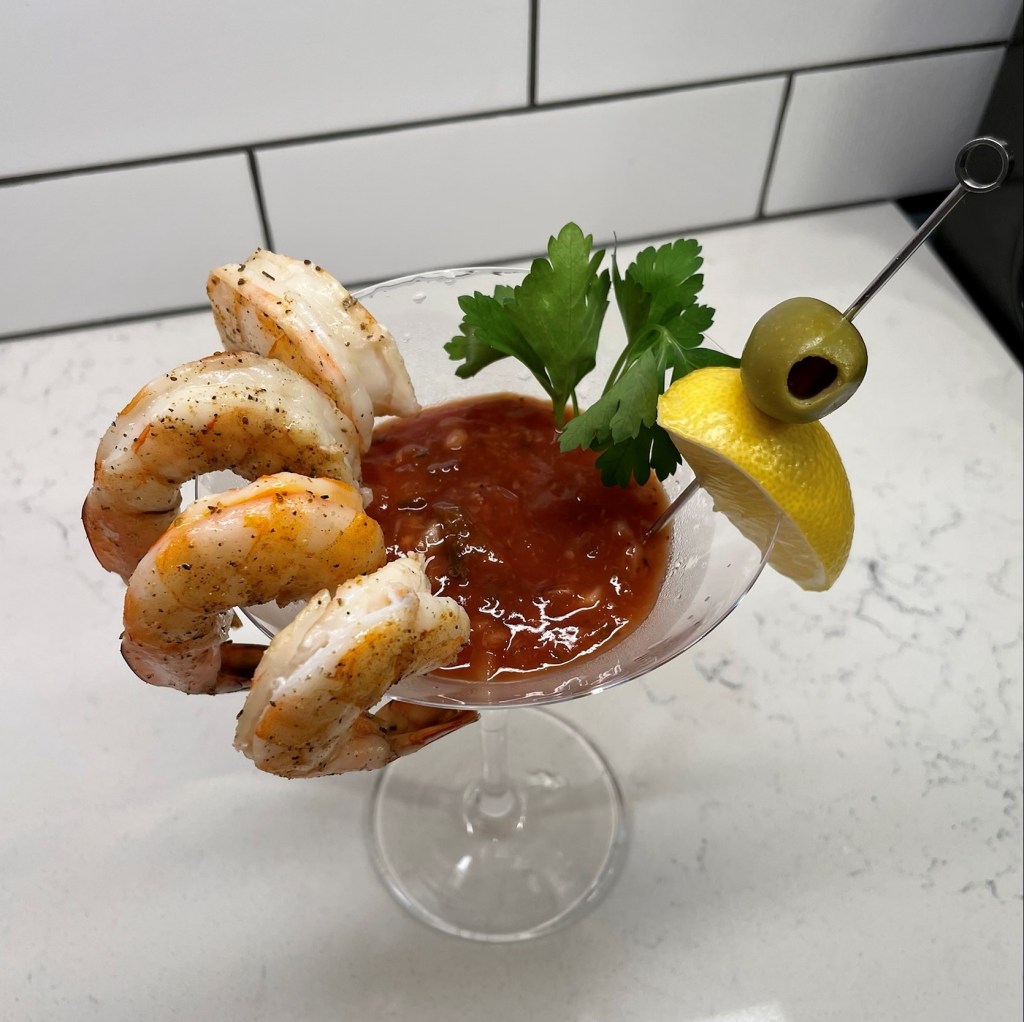
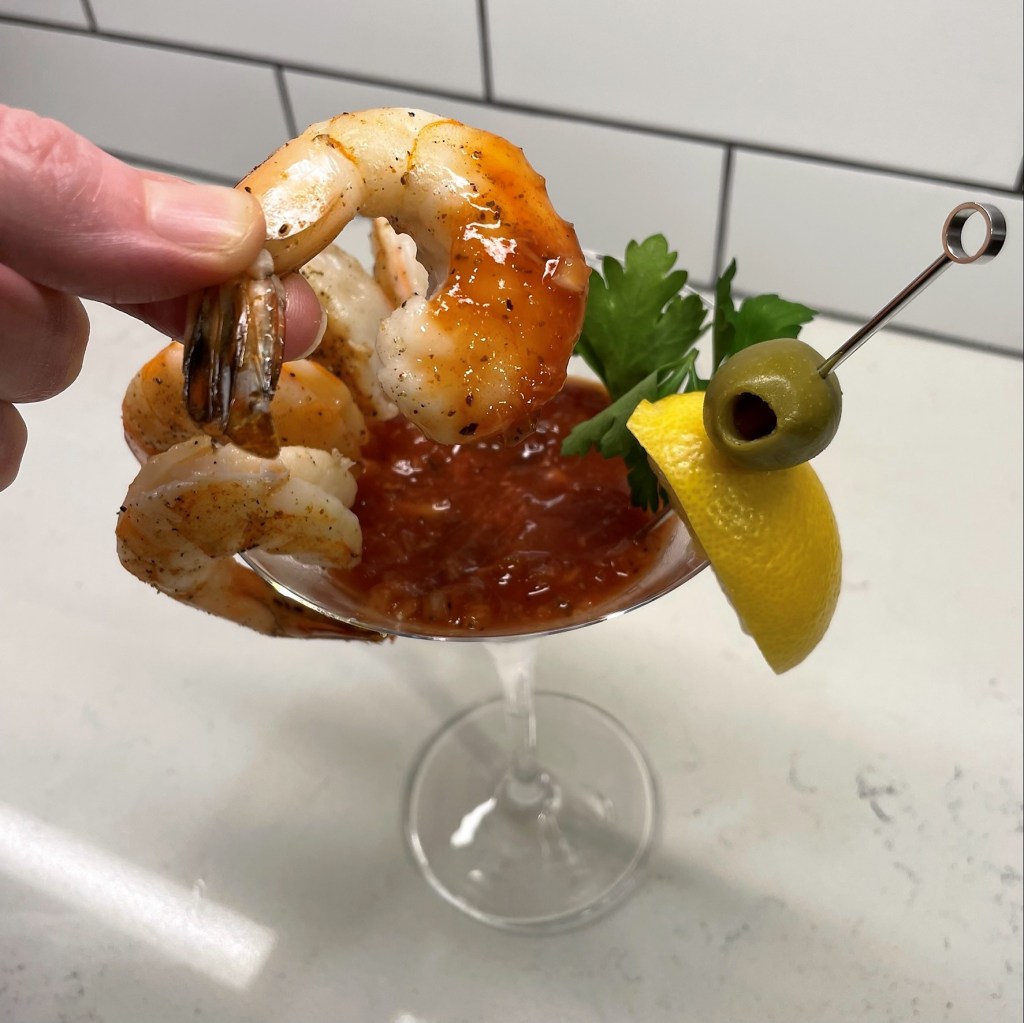
If you are a child of the ‘70s, as I am, you have seen your fair share of shrimp cocktails. It is a classic, but I am waking it up with a fun flavor twist in the cocktail sauce. You’ll find the flavors familiar—from a brunch standard, the bloody Mary—and it’s bringing a zesty jolt of flavor to the chilled freshness of sweet juicy shrimp, which never goes out of style.

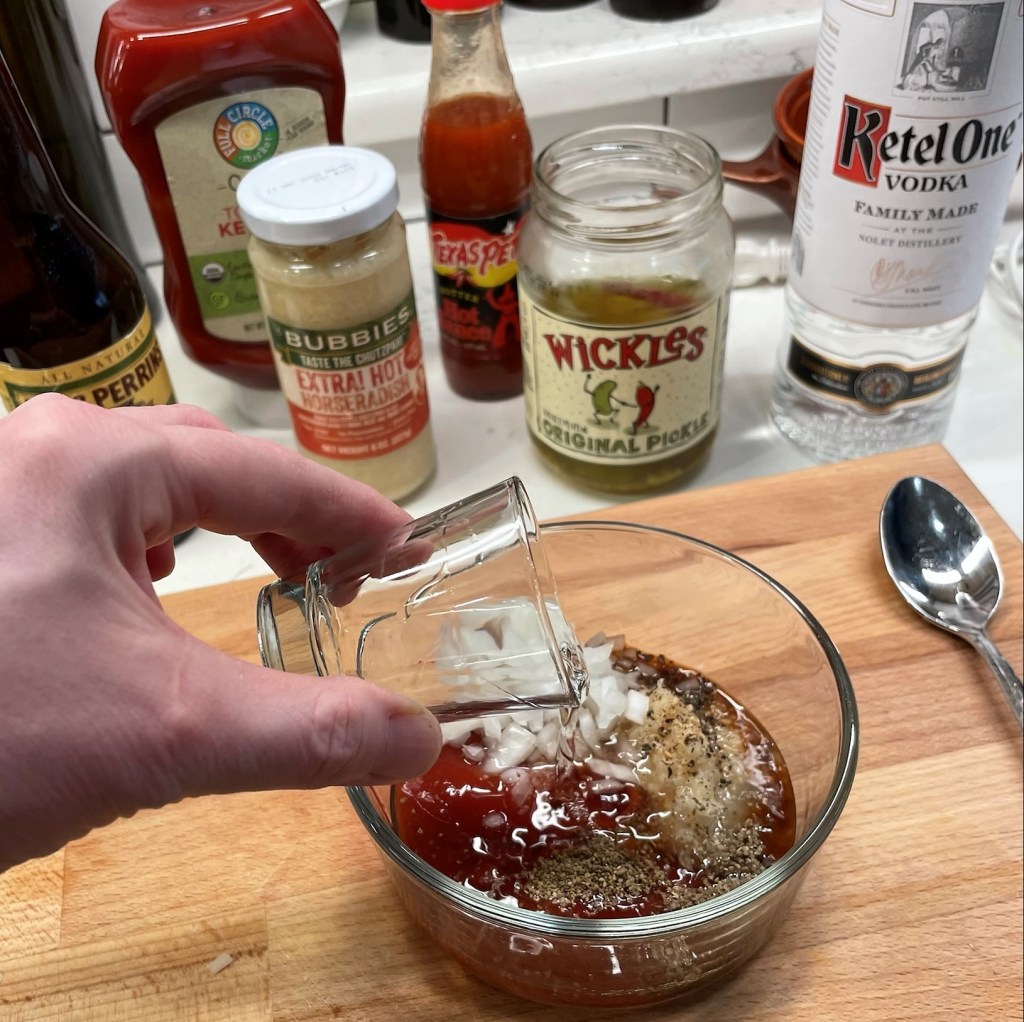
If you’re entertaining for New Year’s, this is an easy way to elevate a classic and please any palate. Begin with your favorite ketchup and dress it up with the ingredients you’d enjoy in a bloody Mary; think crunchy pickles, zippy horseradish, herbaceous celery seed, a shake or two of hot sauce or Worcestershire (or both) and, yes, a shot of vodka.

We like our flavors hot at our house, so I used a “hotter” variety of Texas Pete hot sauce, plus spicy Wickles brand pickles and “extra hot” horseradish. But if you prefer milder flavors, adjust accordingly. You could swap any flavors to suit your fancy. Pretty much anything that would work in a bloody Mary will work here. Same with your garnish.

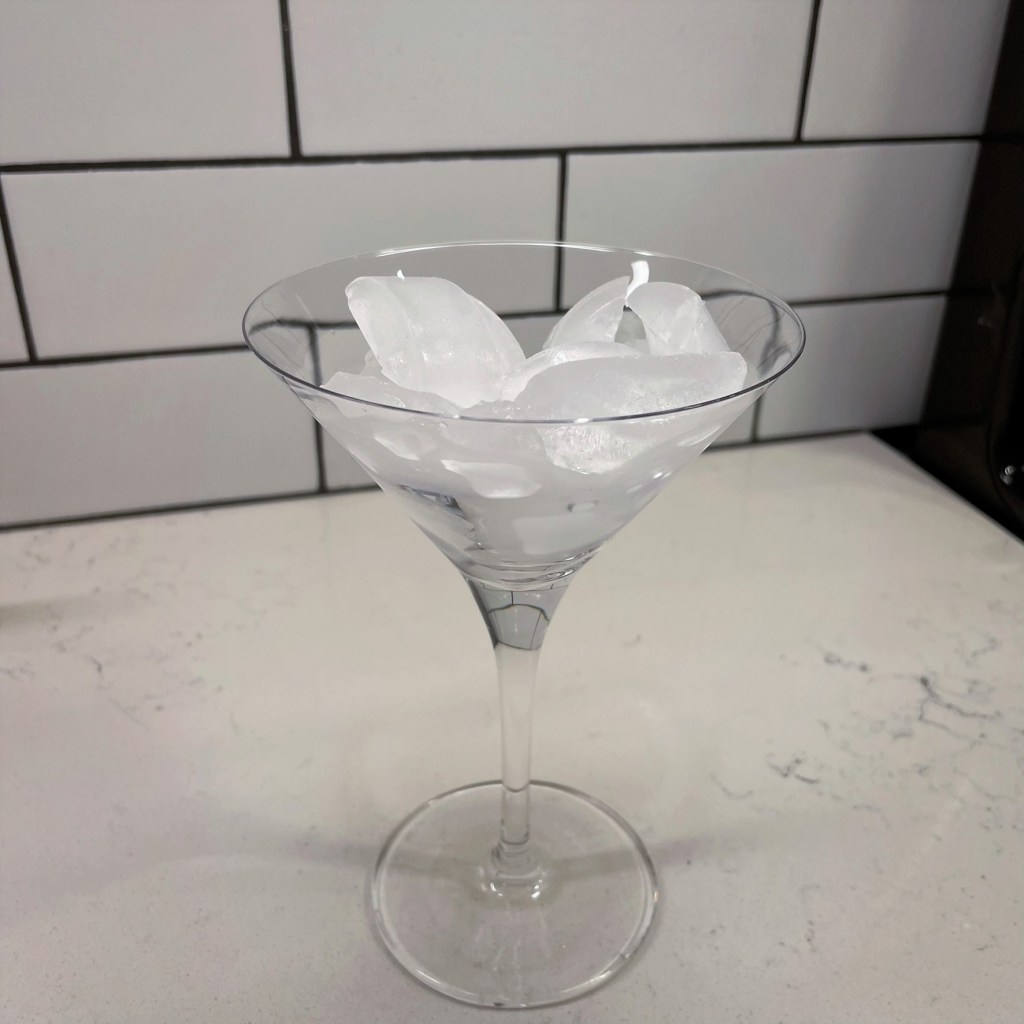
For the shrimp, do what’s best or easy for you, whether purchasing already cooked, steaming them or perhaps trying the roasting method I’ll demonstrate below. Whichever method you choose, be sure the shrimp have plenty of time to chill. Serve them in individual cocktail glasses for an impressive presentation and garnish as you would a bloody Mary!


Ingredients (serves 6)

18 jumbo shrimp* (see notes)

6 Tbsp. ketchup

2 Tbsp. finely minced onion or shallot

2 Tbsp. finely minced sweet, spicy or dill pickle

1 Tbsp. prepared horseradish

2 tsp. Worcestershire sauce

1 tsp. cayenne hot sauce, such as Texas Pete or Tabasco

1/2 tsp. celery seed

Splash or two of pickle juice

1 shot good quality vodka


*Notes

Take time to notice where your shrimp has been sourced, as some farming methods are bad for the environment and the seafood processing standards in some parts of the world are rife with human rights violations. Whenever possible, choose domestic (U.S. produced) shrimp that is either wild caught or sustainably farmed. Clean, peel and devein the shrimp, but keep the tails on for best presentation.

I used 16-20 count shrimp, which means there are 16-20 per pound. If you are serving the cocktail as an appetizer, three shrimp per person is a good starting point.

As a side note, it occurs to me that this zesty cocktail sauce would also be terrific with raw or steamed oysters.


Instructions

Cook the shrimp, using your preferred method. Chill it thoroughly in the refrigerator before serving.

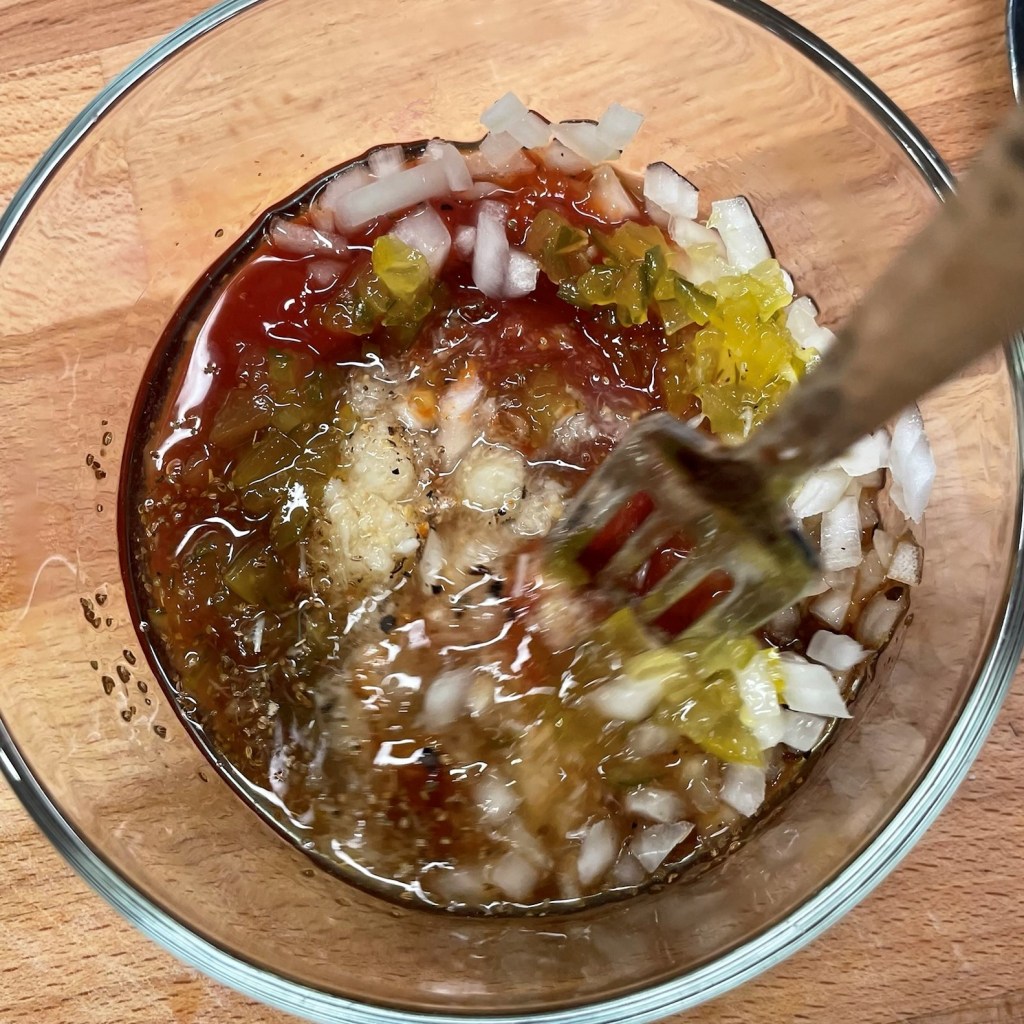
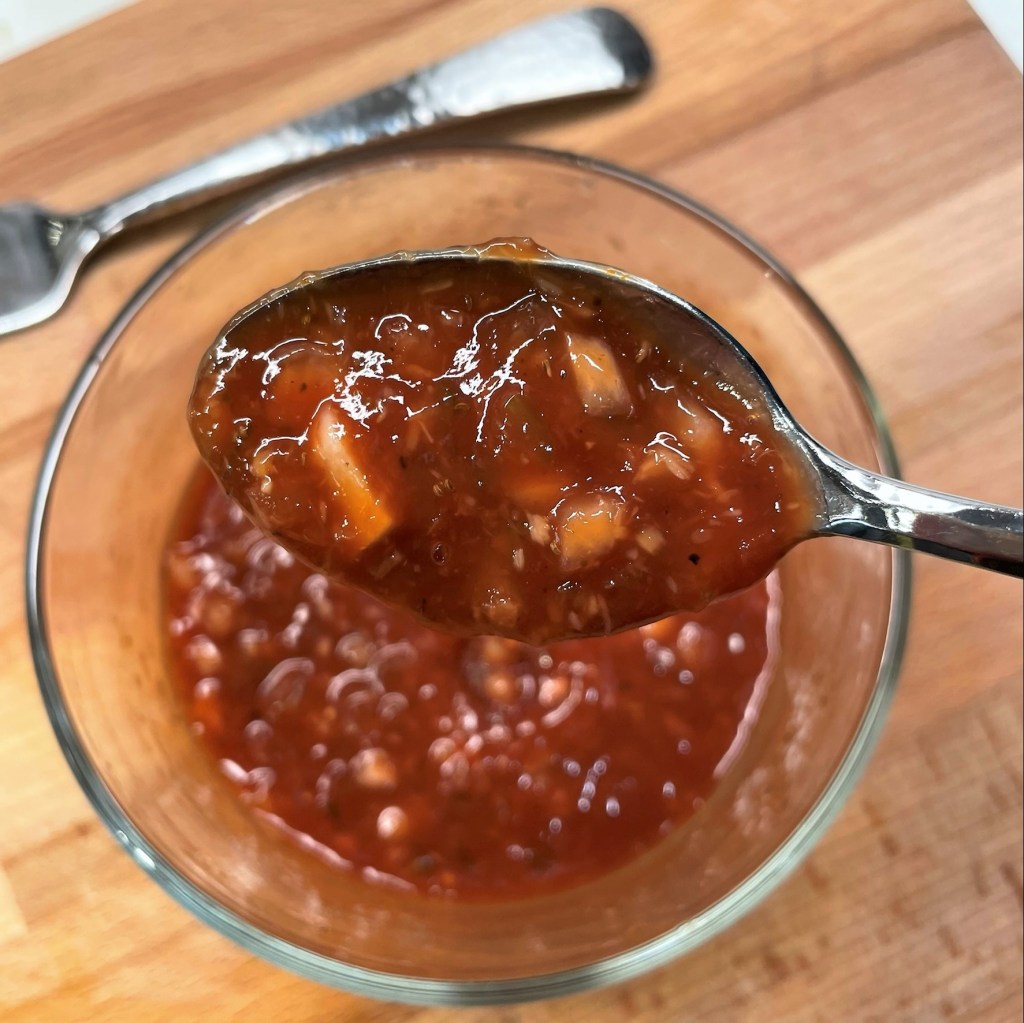
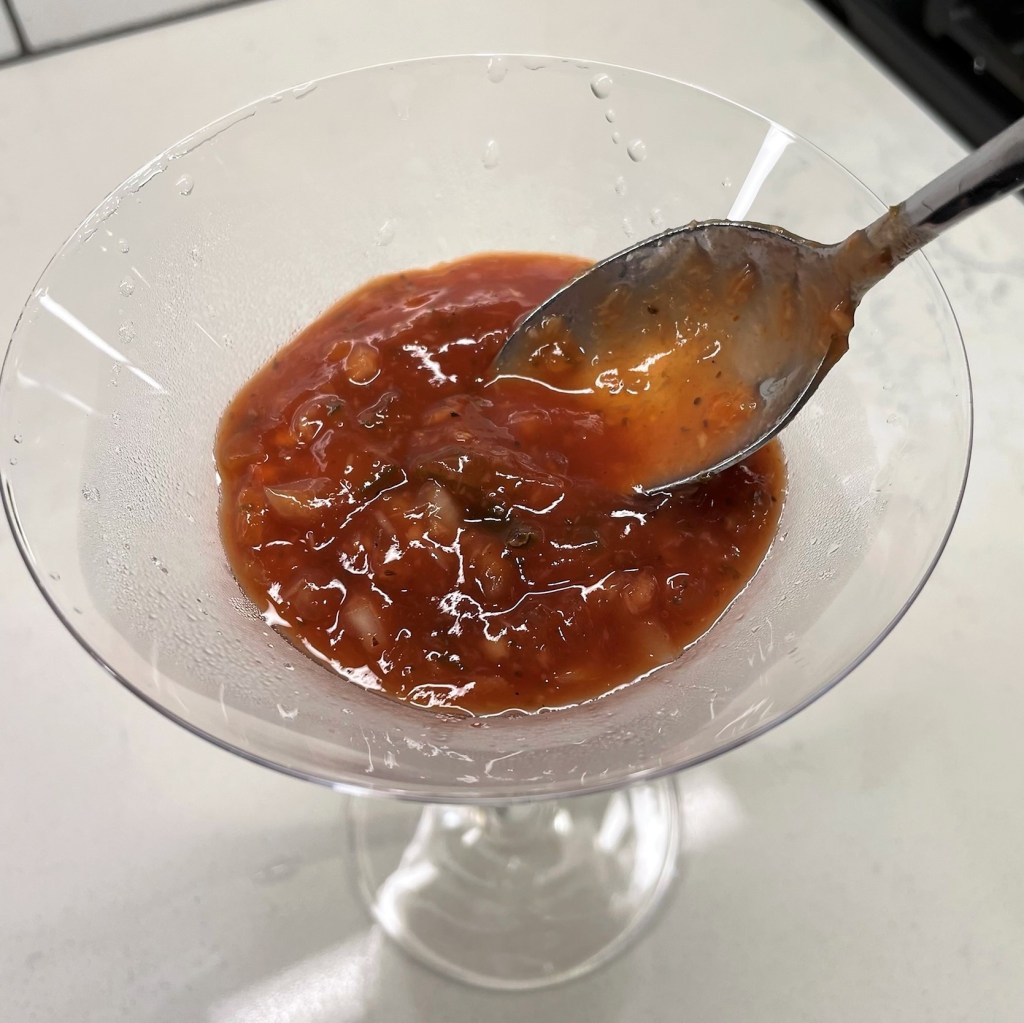
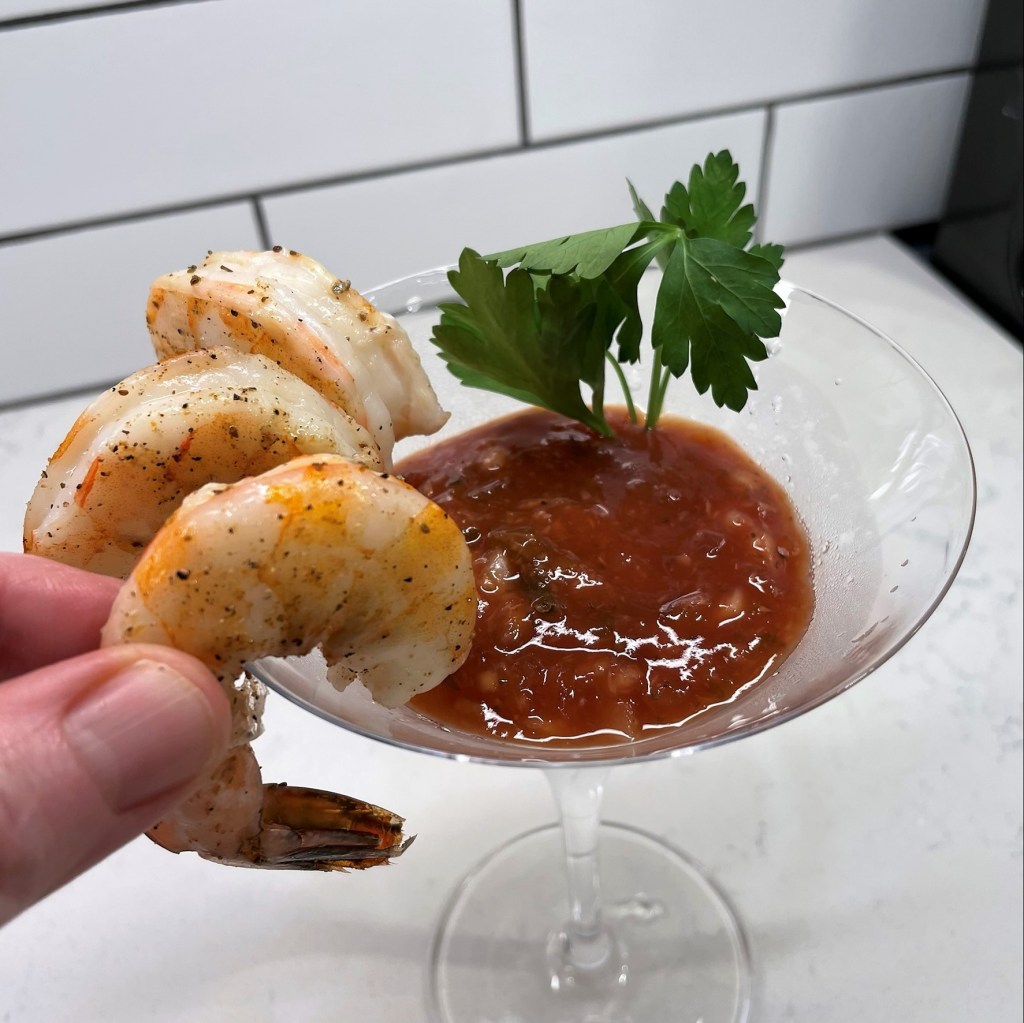
Stir all sauce ingredients together in a bowl and chill until ready to serve. For presentation, spoon about 2 tablespoons of sauce into a shallow cocktail glass and hang the chilled shrimp on the edge of the glass. Garnish with a wedge of fresh lemon and a cocktail olive, onion, pepperoncini, etc.

Happy New Year!

Easy Roasted Shrimp

The roasting method may seem fussy, but it is actually easier than boiling or steaming, because it doesn’t move so quickly. It’s so frustrating to accidentally overcook something as delicate and expensive as shrimp.

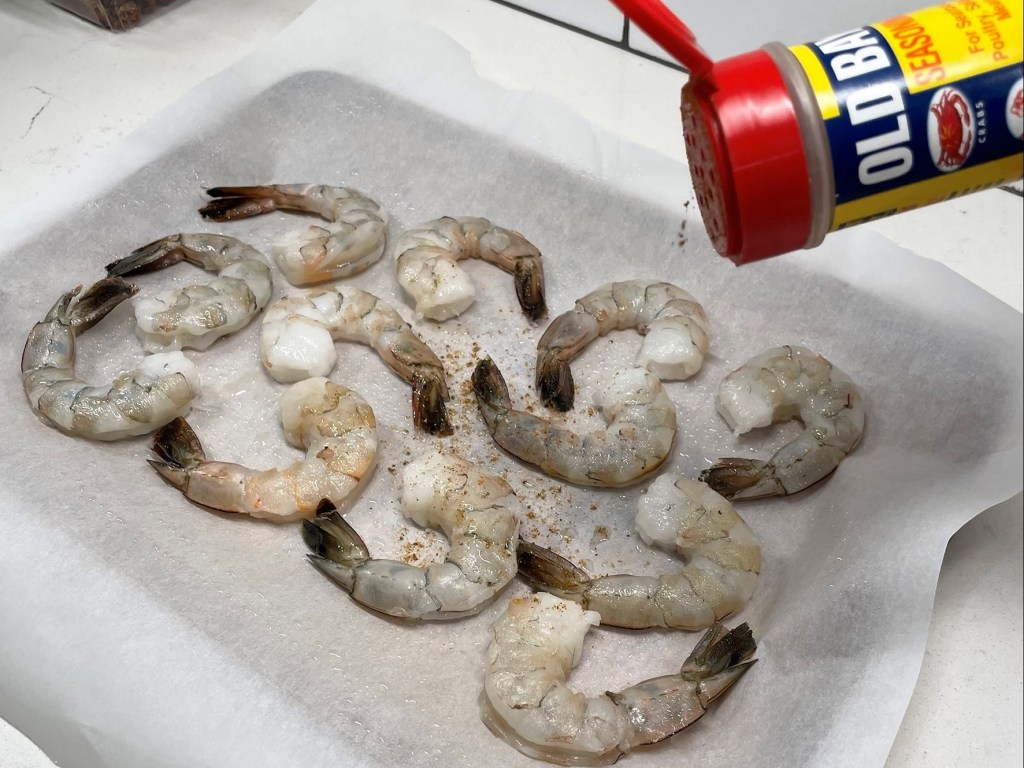
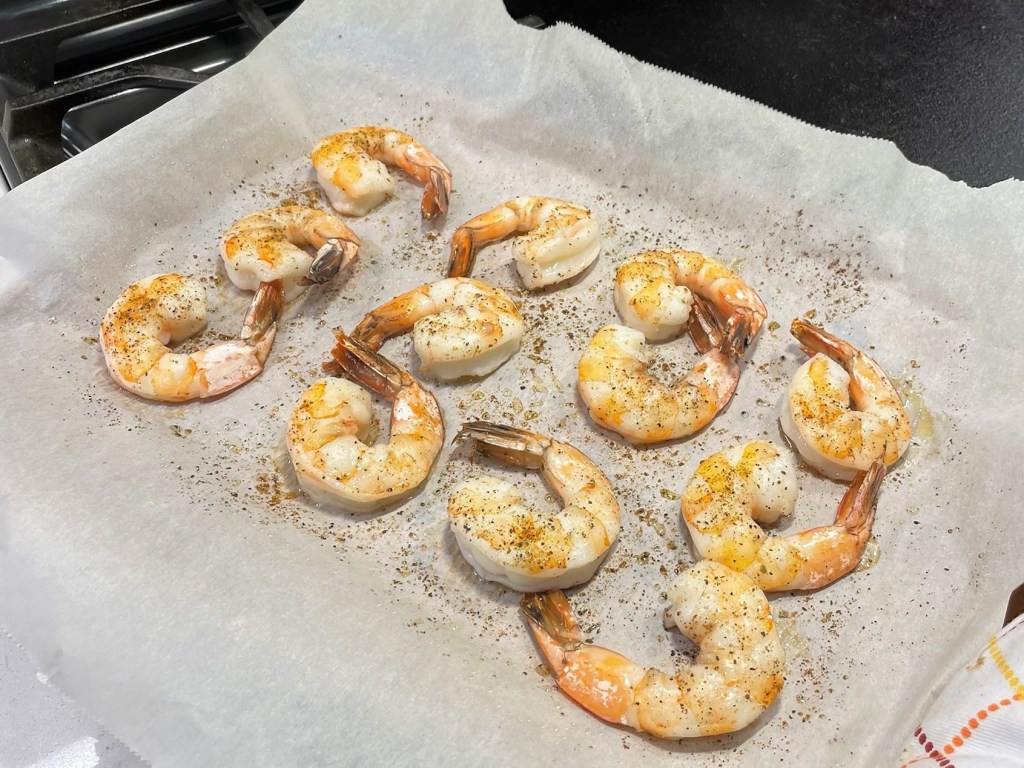
Preheat the oven to 400° F, with oven rack in center position. Peel and de-vein shrimp and arrange them on a parchment-lined baking sheet. Give them a quick spray of olive oil (or toss them lightly in olive oil) and sprinkle both sides lightly with Old Bay seasoning or (more simply) salt and pepper.

Roast for 7 minutes, until shrimp are just opaque. Immediately transfer shrimp to a bowl and chill them down quickly in the freezer for several minutes or plunge the bowl into a larger bowl filled with ice. The goal is to bring down the temperature quickly so that the shrimp don’t overcook to become tough.


Oz-mopolitan – a “wicked” fun cocktail for Halloween!

What if everything we have always assumed about the Wicked Witch of the West turned out to be smear campaign, orchestrated by someone else, whose own reputation was at stake? What if the Wicked Witch was misunderstood, mischaracterized and scapegoated? What if she was driven to be wicked or what if she was never wicked at all?

These are all questions I have pondered, after my husband, Les, and I enjoyed seeing the touring performance of Wicked: The Untold Story of the Witches of Oz. Neither of us had seen or heard much about the story, which began as a book in 1995, and was adapted for the Broadway stage in 2003, ultimately skyrocketing into the $1 billion+ range in ticket sales. There has been talk for more than a decade about a live-action film based on the story, which remains to be finalized, but I have my fingers crossed!

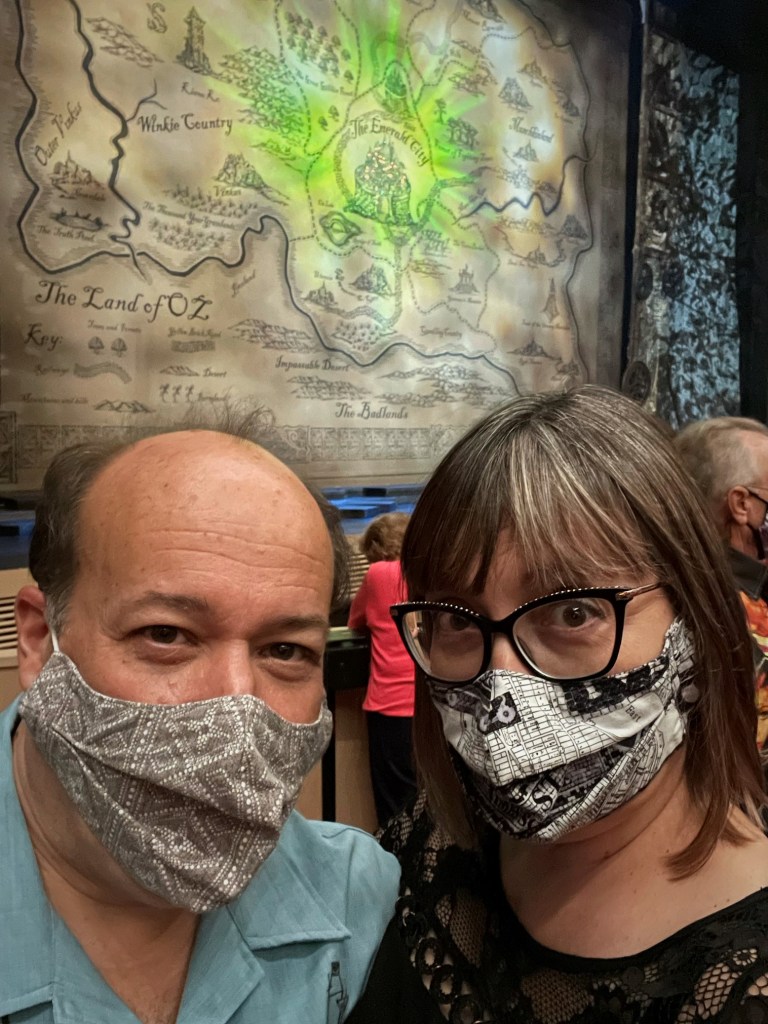
No recordings or photos were allowed during the performance, but the beautiful backdrop was perfect for selfies before the show!

The performance we attended in Greensboro, N.C. was delightful, funny, magical and thought-provoking. The set decoration and costumes were breathtaking, and the music was simply spectacular! I had often heard the tale of Wicked described as a “prequel” to The Wizard of Oz, but we found it to be more departed from that classic, beloved story—perhaps more of a re-telling or an alternate perspective with more context. The tale revolves around the unexpected early connection between Glinda and Elphaba (see?—the wicked witch actually had a name), their rivalry in magic school and in a love triangle, and the final straw that became the wedge to drive them apart. Well, sort of.

There is a flashy scene near the middle of Wicked, when Glinda and Elphaba first discover the glitz and glamour of the Emerald City, and Glinda remarks that it’s “all very Oz-mopolitan!” When Les and I left the theatre, I removed my mask and said, “You know I’m gonna have to make a Wicked cocktail, right?”

I will not present any spoilers, in case you have not seen the play, but I will say that my cocktail is a very slight riff on a classic drink called “The Last Word,” and there’s a reason (other than the color) that I chose this drink. The story of Wicked is itself a riff on a classic, and in that magical tale, it is Elphaba, the perhaps-not-so-wicked witch, who has the last word, and that is what left me with all the questions I pondered at the beginning of this post.

Now, about this green drink. 😉

It’s a shimmery, green, dramatic version of a classic Prohibition-era cocktail. Perfect for Halloween or any other time you are feeling a little “witchy.”

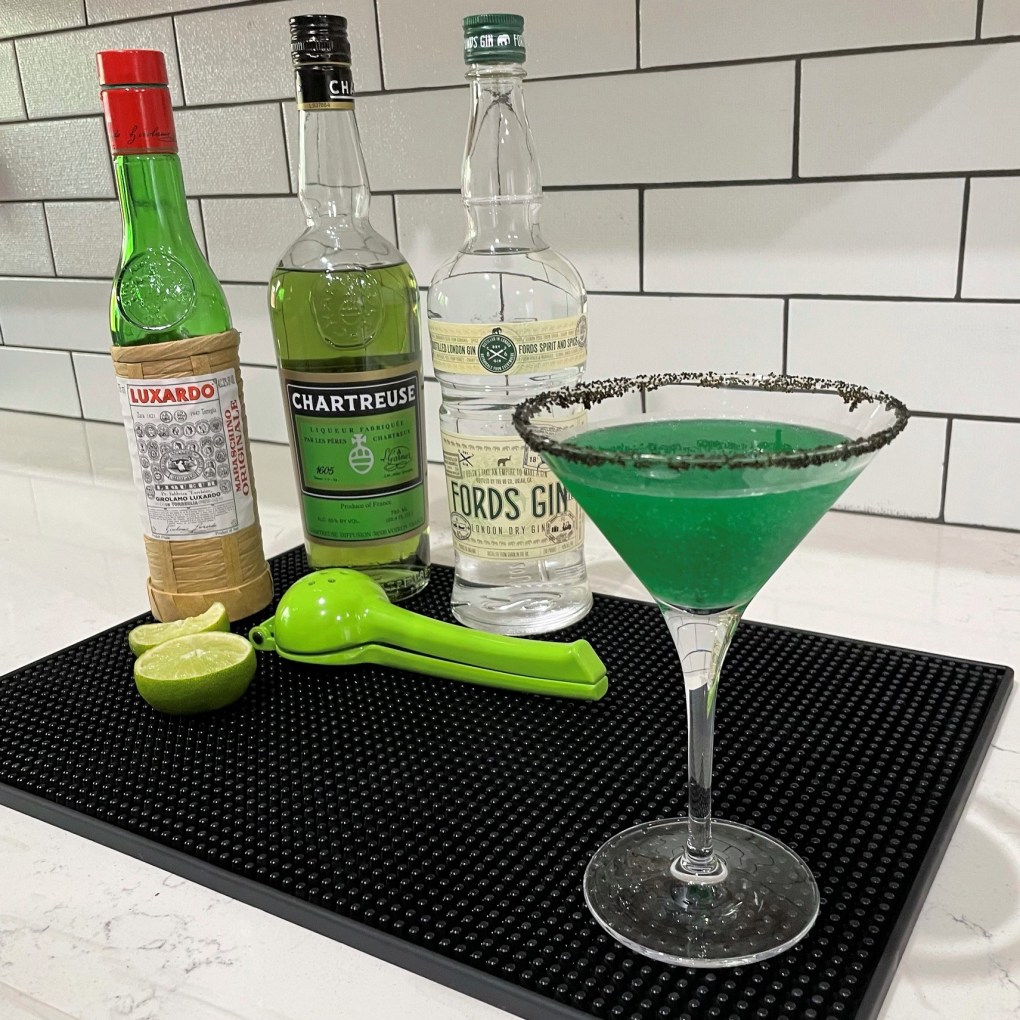
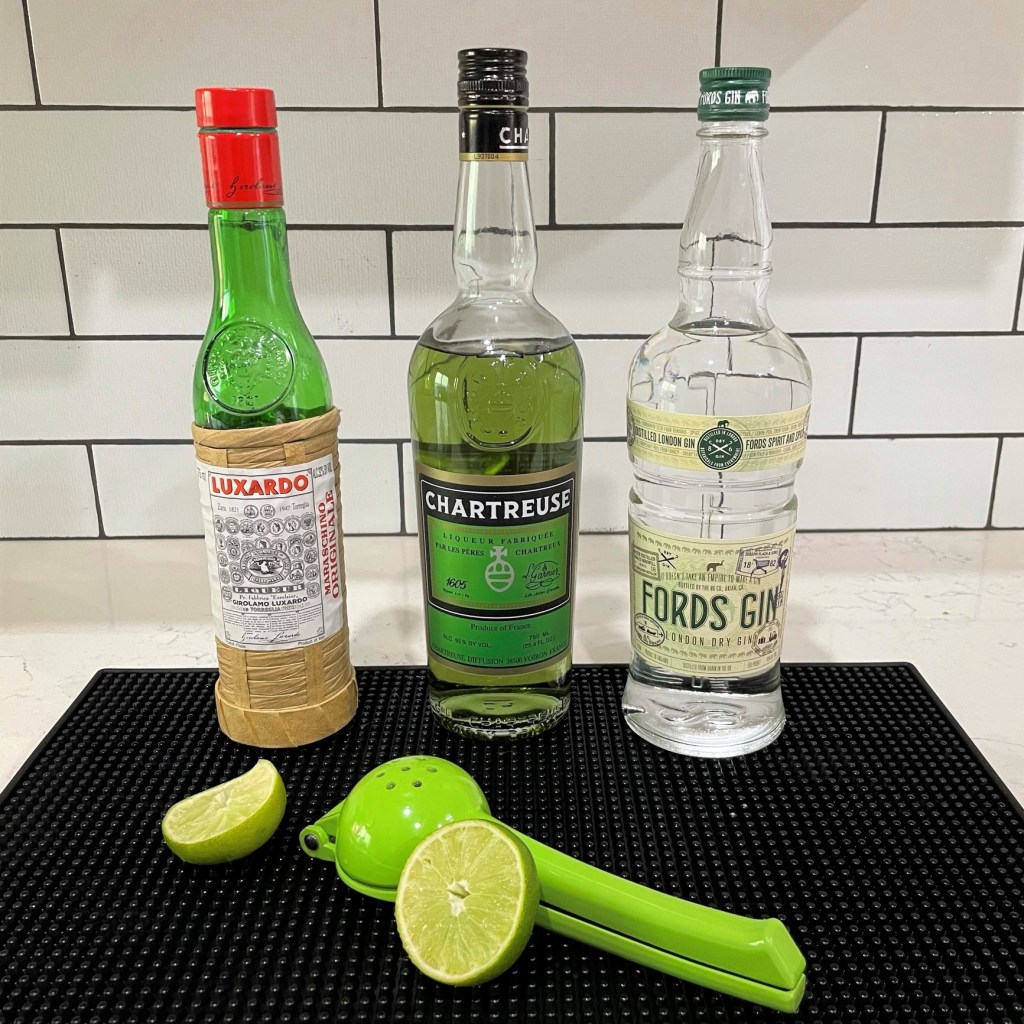
The original drink, The Last Word, was a Prohibition-era classic—made with equal parts gin, green Chartreuse, maraschino liqueur and freshly squeezed lime juice—and it is all at once herbal, sweet, citrus-y and complex. I have not altered the recipe of The Last Word; rather, I have pushed it into “wicked” territory by use of three simple but dramatic special effects.


And for those special effects, I have renamed my version “Oz-mopolitan.” Enjoy!


Equal parts of gin, Chartreuse, maraschino liqueur and lime juice make up the classic cocktail called “The Last Word.”
You are also getting a sneak preview of my new kitchen in these images!

Ingredients (makes one cocktail)

3/4 oz. dry gin

3/4 oz. green Chartreuse liqueur* (see notes)

3/4 oz. maraschino liqueur*

3/4 oz. freshly squeezed lime juice

Special effects

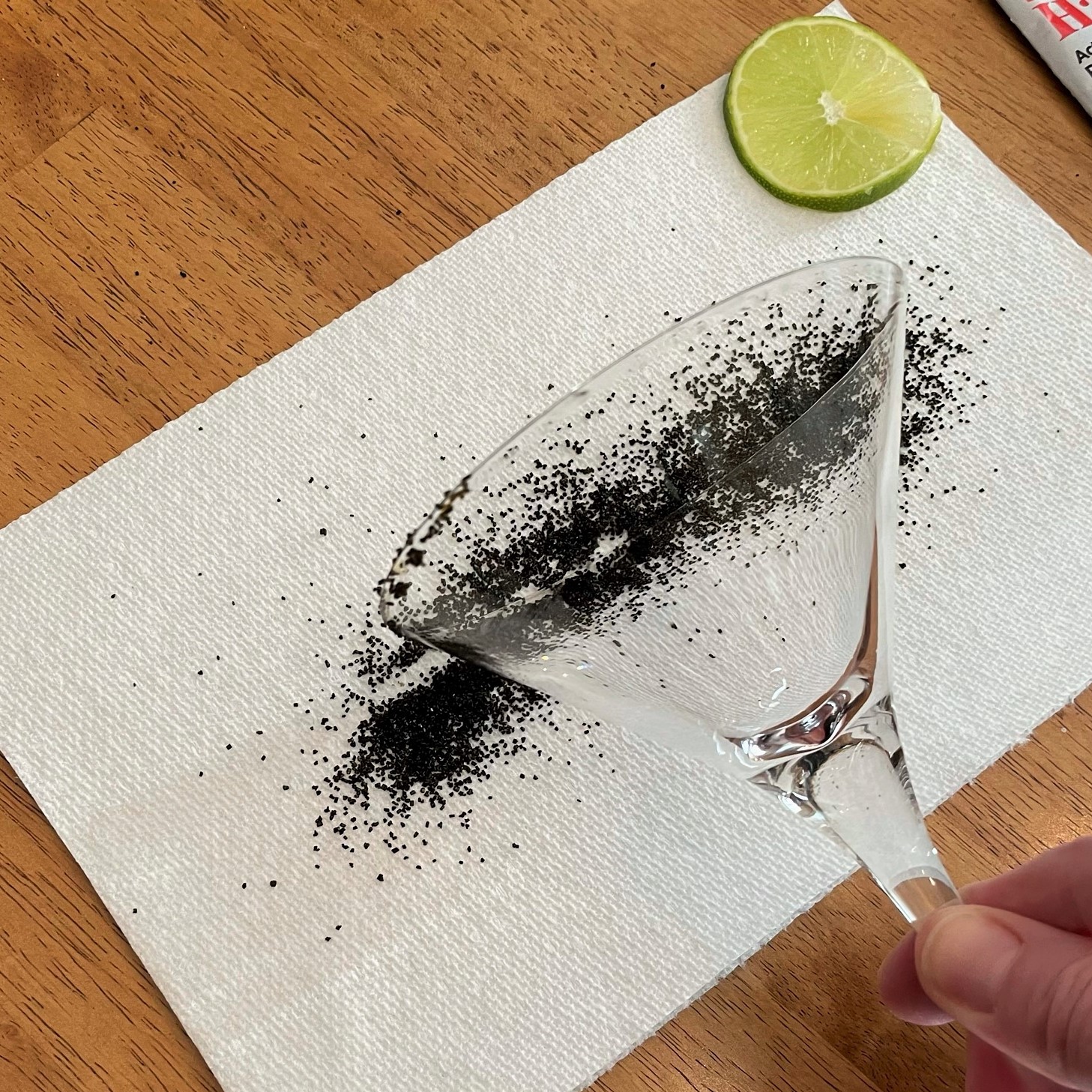
Black sugar sprinkles*

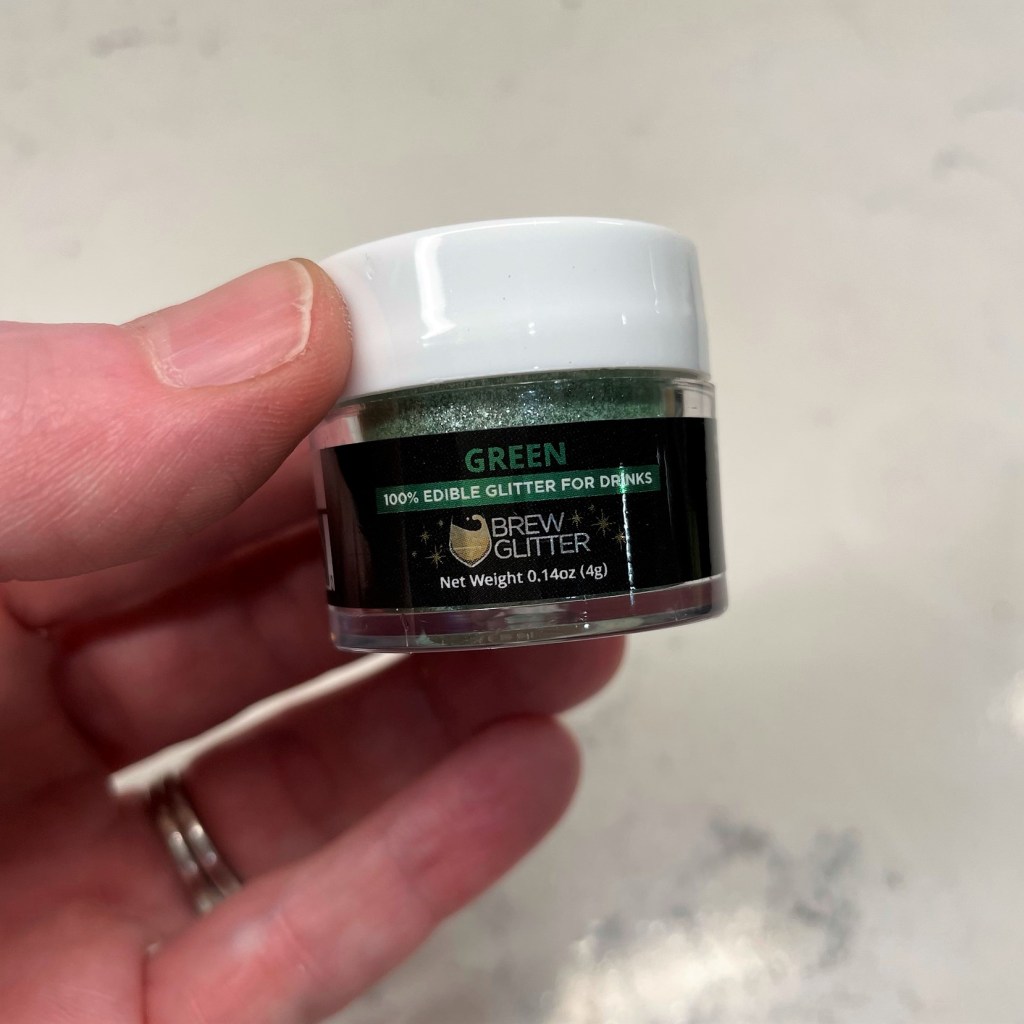
Pearl green edible glitter*

Green food coloring


*Notes

Chartreuse is a French liqueur, and there are two varieties of it—yellow and green. The green version (used in this drink) is strong, bold and herbaceous, almost medicinal on its own. For the most part, it is enjoyed as part of a cocktail rather than as a cordial.

Maraschino liqueur is also generally used as a mixer with an anchor spirit, such as vodka or gin. It is not as “cherry flavored” as you might expect, but it does lend a tart cherry accent to a cocktail. Luxardo makes a terrific version of this liqueur.

The black sugar and edible shimmer dust I used for this were very easy to find on Amazon, but you might also check the cake decorating section of a well-stocked craft store, such as Michael’s. Be sure the products you choose are clearly marked as “food grade” or “edible.”


Instructions


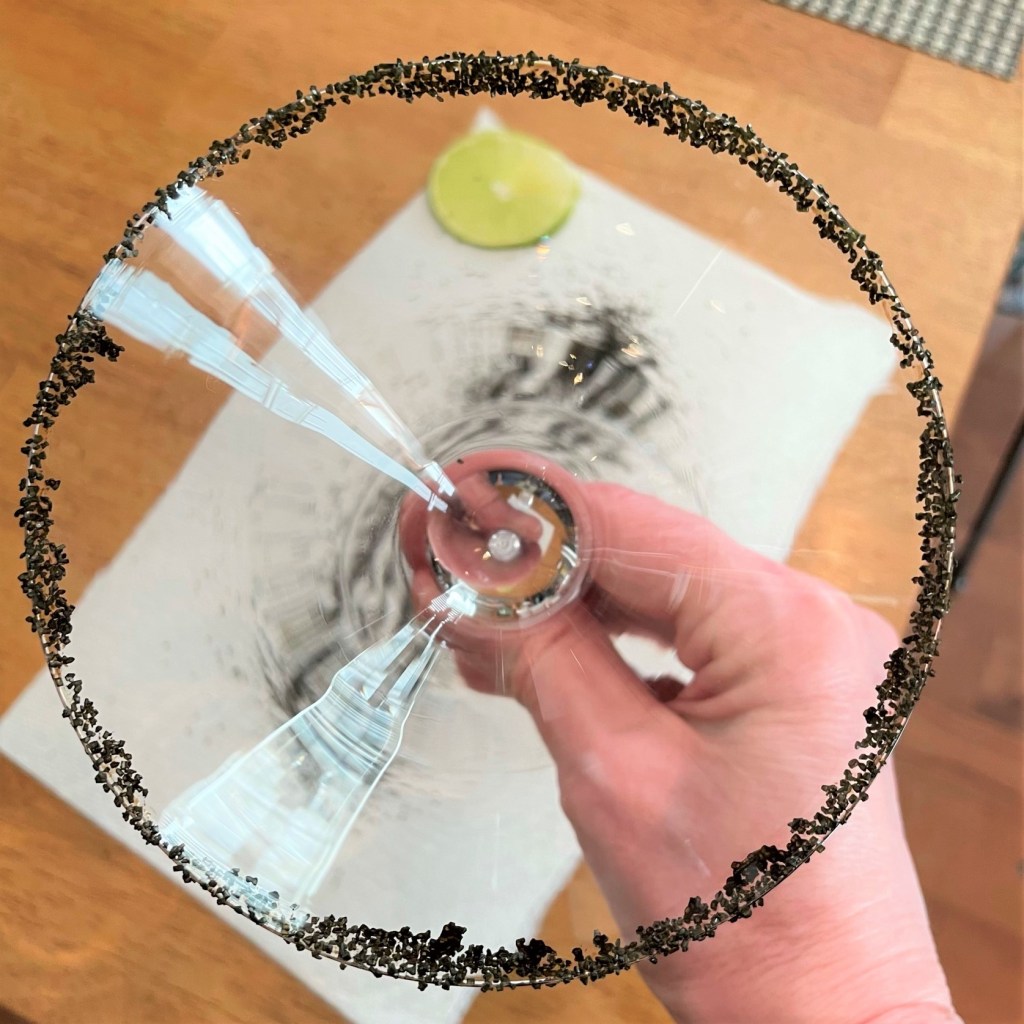
Prepare a martini or coupe glass by swiping a slice of lime all the way around the rim. Sprinkle black sugar onto a clean paper towel and roll the outside rim of the glass over the sugar, repeating the roll as needed for full coverage. It’s best to do this several minutes ahead, giving the sugar time to “set up” on the rim of the glass.

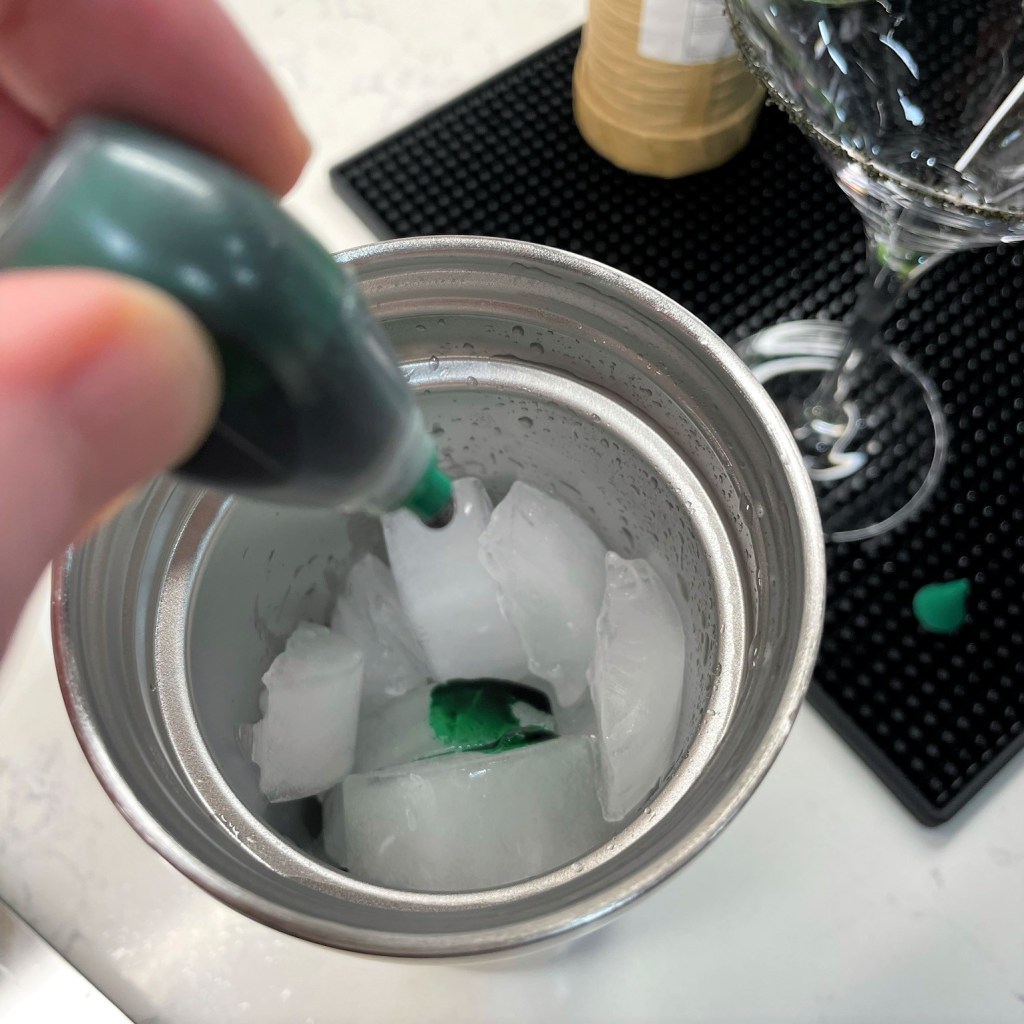
Combine the cocktail ingredients in a shaker, add ice and a drop or two of green food coloring. Shake vigorously for about 20 seconds.

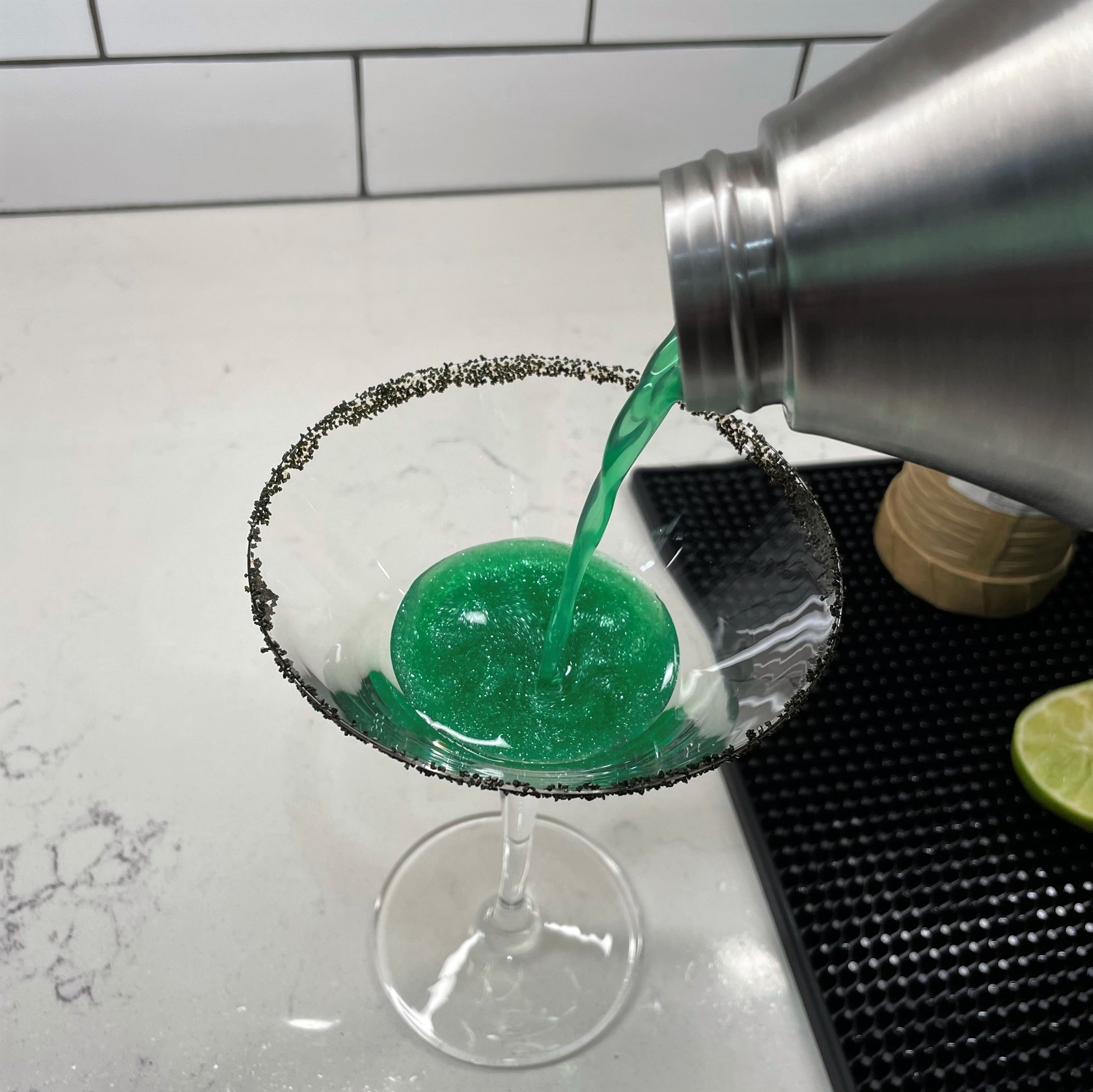
Sprinkle a small amount (I used just shy of 1/8 teaspoon) of edible shimmer dust into the bottom of the rimmed glass.

Strain the cocktail into the glass and watch the shimmer dust create a gorgeous, magical swirl!


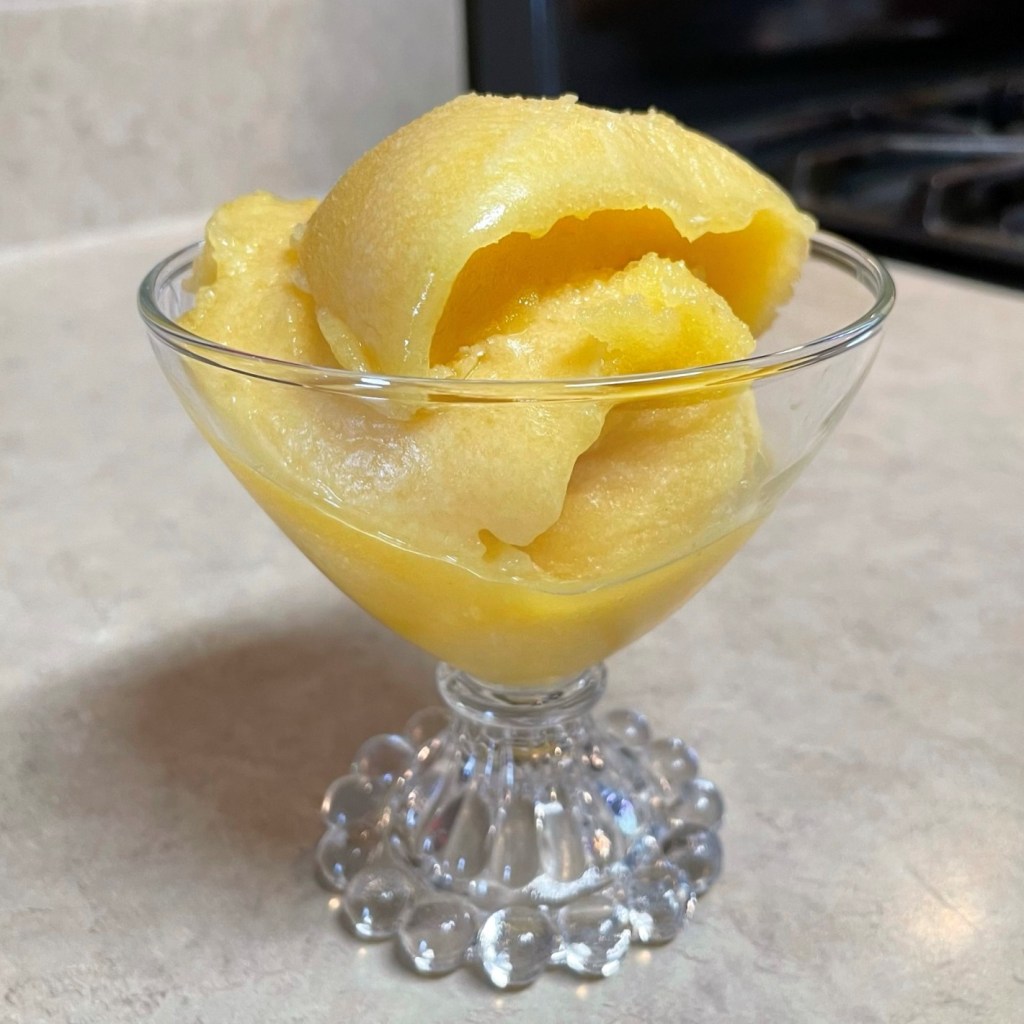
Fuzzy Navel Sorbet

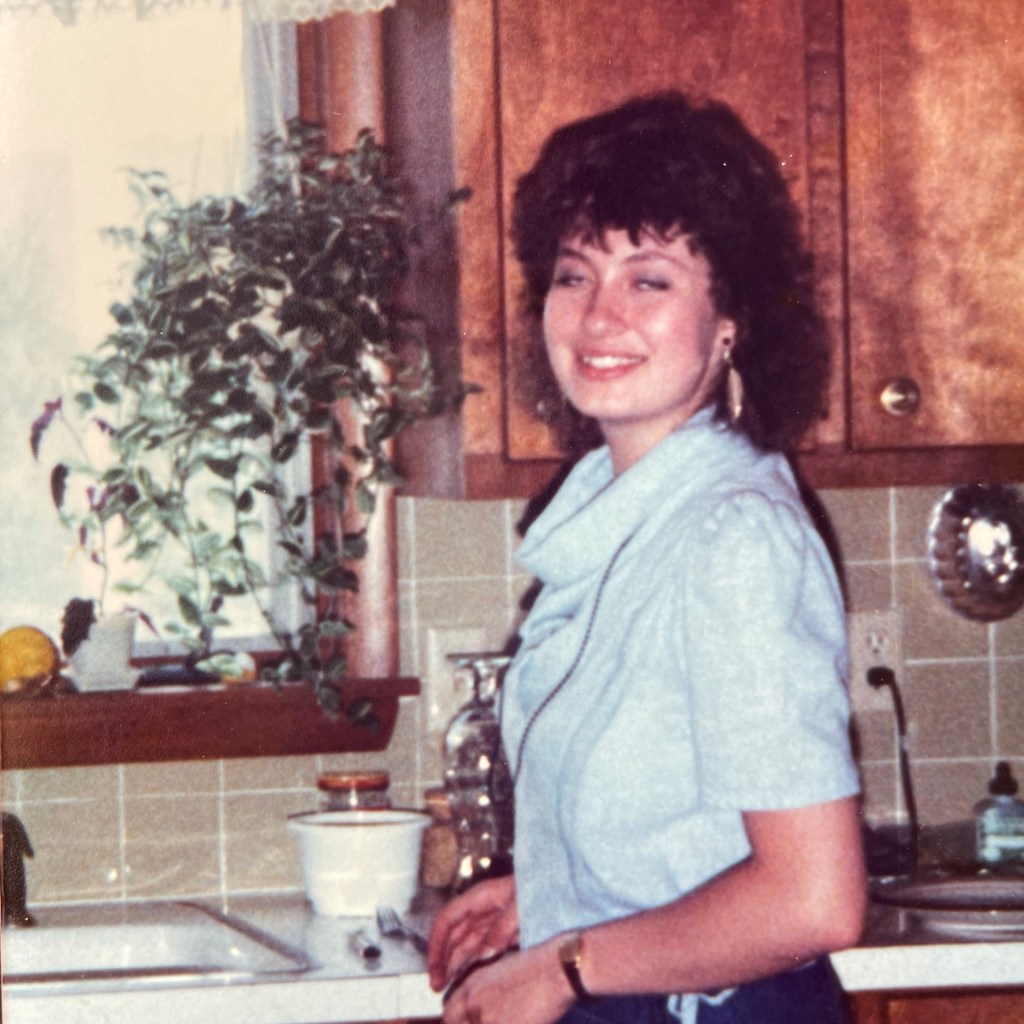
It was July, 1986. My wardrobe included stirrup pants, big blouses and my favorite pin-striped, high-waisted skinny jeans. The ones with the pleats. My hair was permed and teased out to here, and all the girls were lusting after Tom Cruise in Top Gun. I was restless in my not-so-exciting hometown, and I spent entirely too many weekend nights on the dance floor at a bar called the Rusty Nail, drinking the most sticky-sweet drink that was all the rage that year.

When we were not enjoying our Bartles & Jaymes wine coolers, the “fuzzy navel,” made with orange juice and DeKuyper Peachtree schnapps, was the “cocktail” of choice for me and so many of my friends, whether we were out on the town (which meant we were in the next town over), hanging at home (because our town didn’t have much going on) or gathering for a bridal shower (because getting hitched is what several of my friends were doing that year). Man, we were so cool.

Why did we ever think it was cool to smoke??
But I wish I still had that striped top!

It was an odd time for me, as I turned 21 and I would finally be cleared to order a drink in public. Again. There was a great deal of confusion for my friends and me, as the state of New York had raised the legal drinking age not once, but twice, in a short period of time. First, they raised it from 18 to 19, after I had been legally imbibing for about eight months. Then, when I was 20 and enjoying my fuzzy navels, they upped it to the national standard age of 21. In the next town over, this did not present as much of a problem, because I had a fake ID. Yes, it was bad, but shame on the state for having a no-photo ID that was made of plain old paper. I had used a safety pin to scratch off the bottom part of the 7 and a #2 pencil to reshape it into a 2, giving myself a Feb. 25 birthday! Seriously, it was ridiculous that the powers in Albany did not find a way to “grandfather” in the people who were already considered “of age.”

In my hometown though, everyone knew I was a July baby, so I had to rely on the bottles of DeKuyper Peachtree schnapps I had already purchased (when I was younger, yet “old enough”), and that was what carried me through the final stretch of waiting. Let’s just say that I bought a lot of orange juice during those weird alcohol retrograde months.

A few weeks ago, for nostalgia’s sake, I brought home a bottle of Peachtree schnapps when I spotted it in our local ABC store (that’s what we call our state-run liquor stores in North Carolina), and Lord have mercy, I wish I could have seen my own face when I took a sip! It has a fake fruit flavor and a slight medicinal edge, definitely not what I remembered as being “totally awesome.”

Yes, my taste has changed a great deal (thankfully), but I could not resist finding a fun way to pay homage to the drink of my youth, and this easy sorbet is the result of my effort. I am presenting it during National Ice Cream Month, as an alternative frozen treat for anyone who can’t eat ice cream, and as a nod to my younger self on her 21st birthday. The sorbet is surprisingly refreshing on its own, and I found that it also makes a fun brunch cocktail when topped with prosecco!

Please help me think of a good name for this fuzzy navel brunch cocktail. Mimosa and Bellini are already taken. 🙂

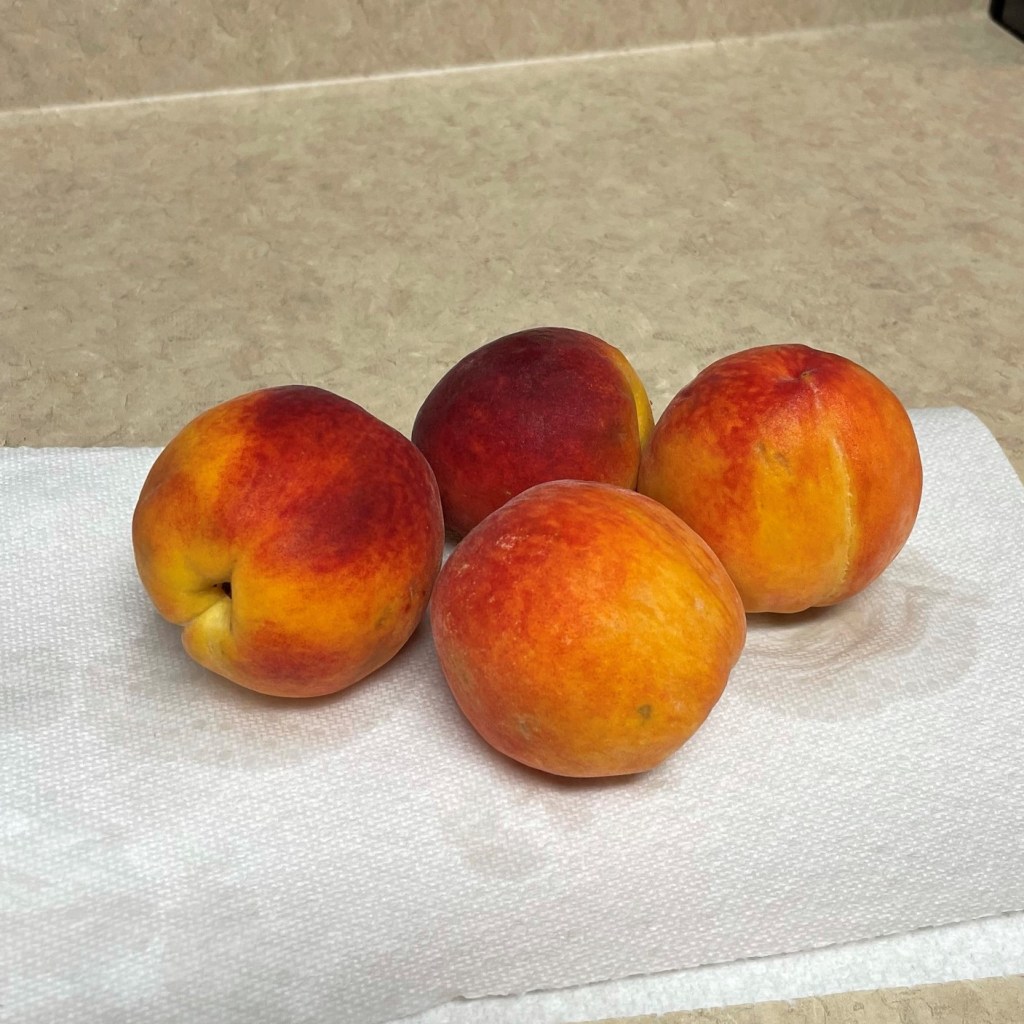
There is a hefty amount of peach schnapps in this sorbet, but fear not—the stuff is only 40-proof, so it isn’t going to wreck you. I pureed a handful of fresh summer peaches to add some freshness and actual peach flavor. The orange juice was a frozen concentrate (which is not as commonly available as in 1986), and I finished the mixture with a light simple syrup of sugar and water.


Ingredients

4 medium peaches, peeled and pitted

Juice of 1/2 fresh lemon

2 cups water, divided

1/2 cup cane sugar

2 Tbsp. light corn syrup* (see notes)

1/3 cup frozen orange juice concentrate

1/3 cup DeKuyper Peachtree schnapps

2 Tbsp. vodka, optional for extra kick


*Notes

Corn syrup is not crucial, but I used it to help keep the sugar from forming unpleasant crystals in the frozen sorbet.


Instructions

  1. Cut up the peaches into chunks and transfer them to a regular or bullet blender. Squeeze in the lemon juice and toss lightly to prevent discoloration of the peaches.
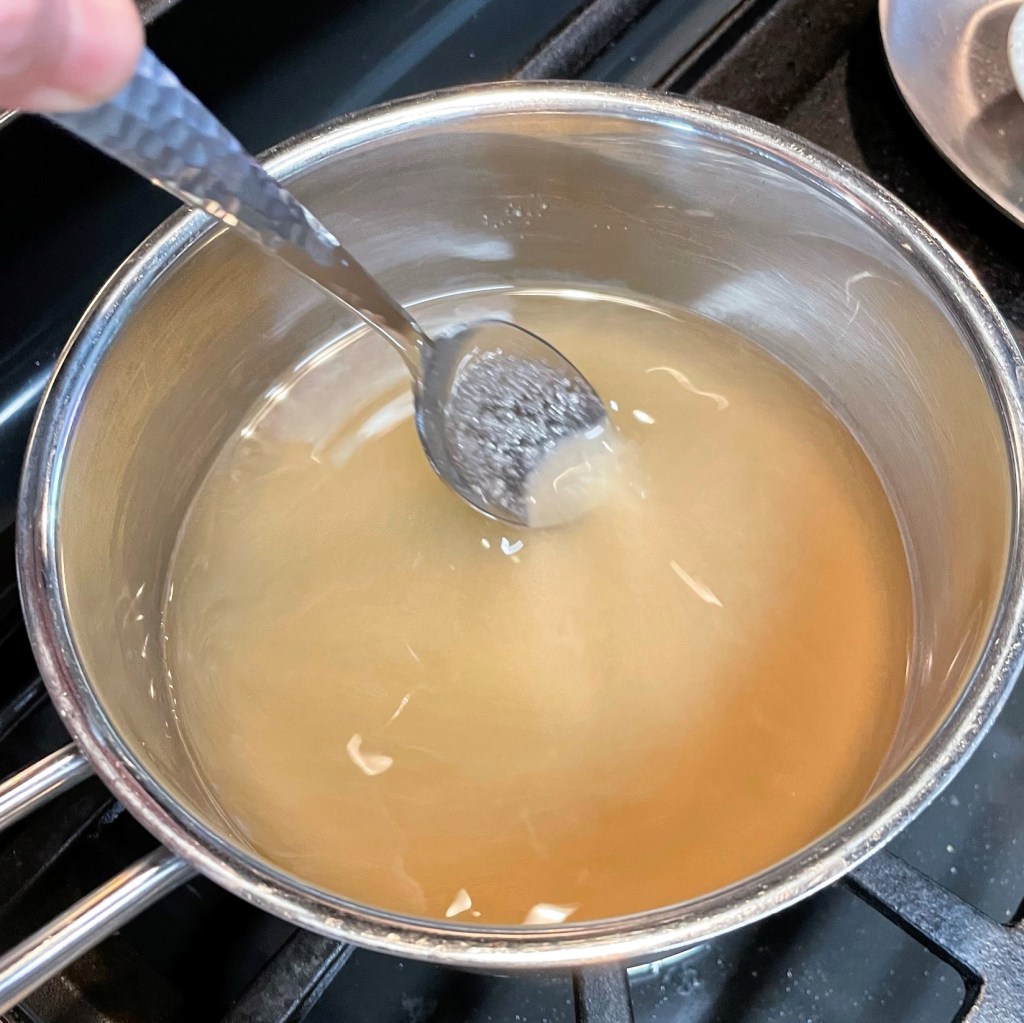
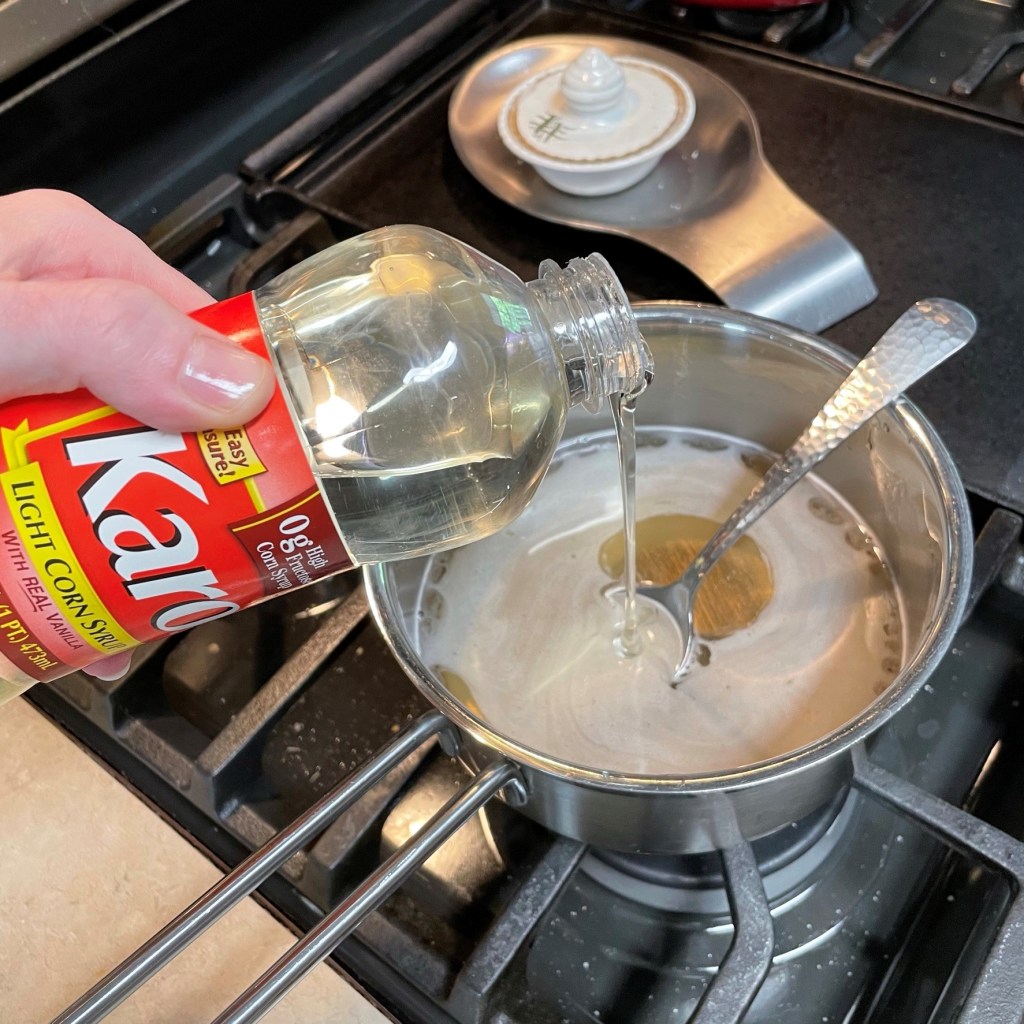
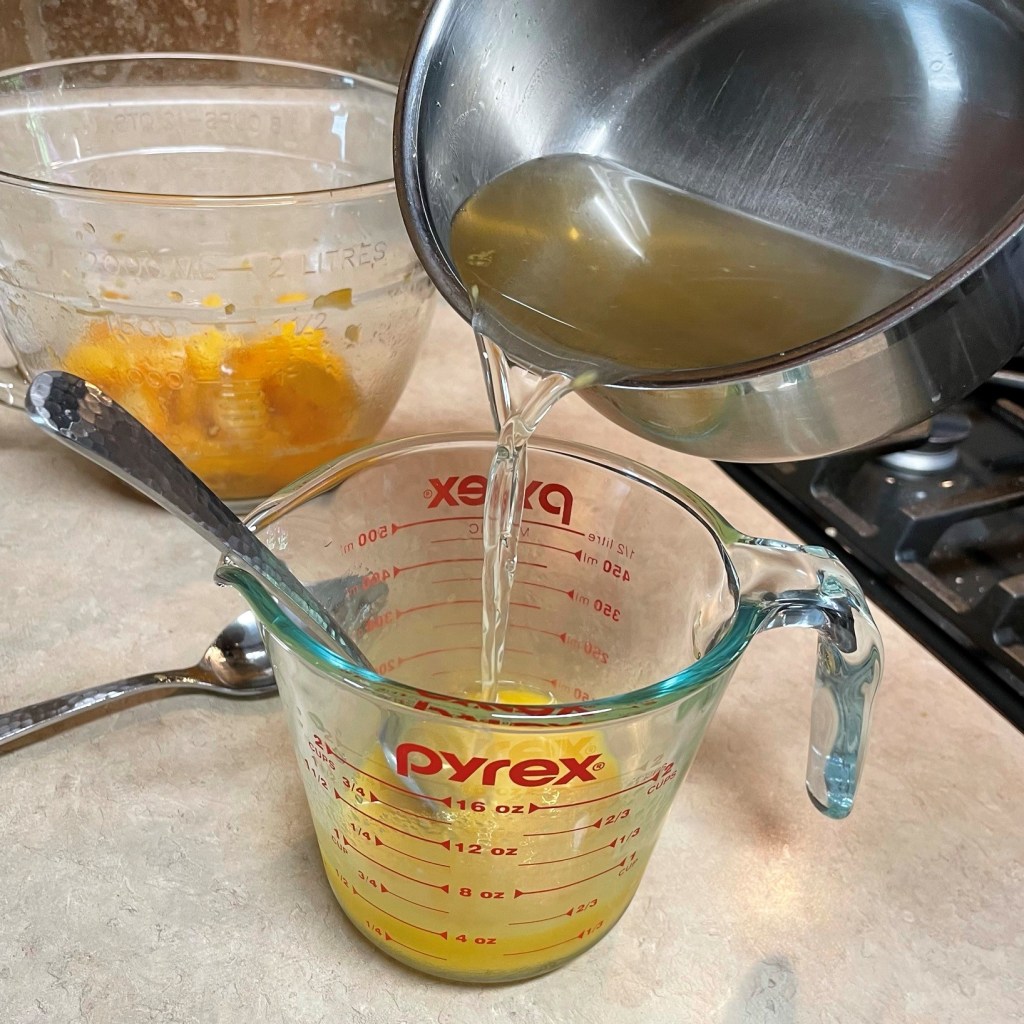
  2. Combine 1 cup of the water and all of the sugar in a small saucepan. Bring to a low boil and stir until sugar is dissolved. Stir in corn syrup. Remove from heat and allow the syrup to cool.
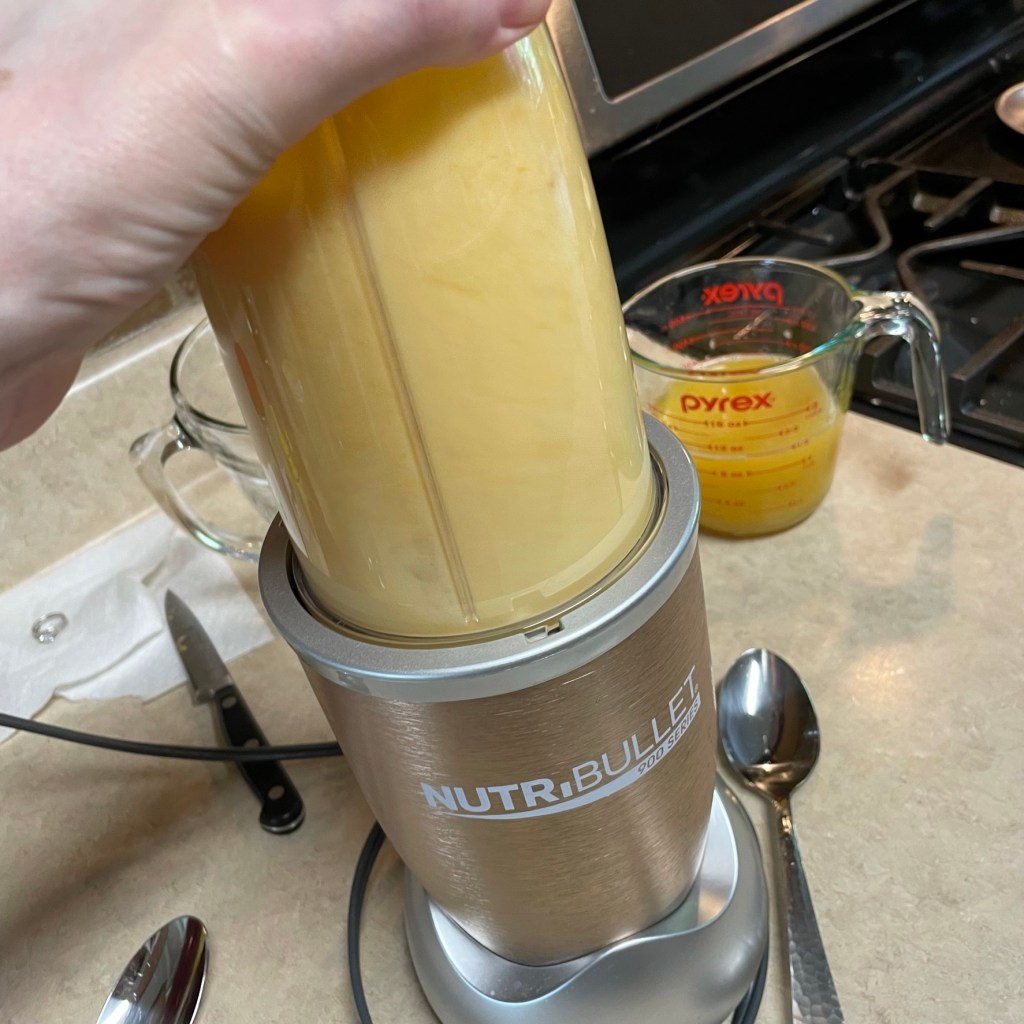
  3. Add the orange juice concentrate to the bullet blender, along with the peaches and about 1/2 cup of the simple syrup. Pulse a few times, then blend continuously until the mixture is smooth and uniform.
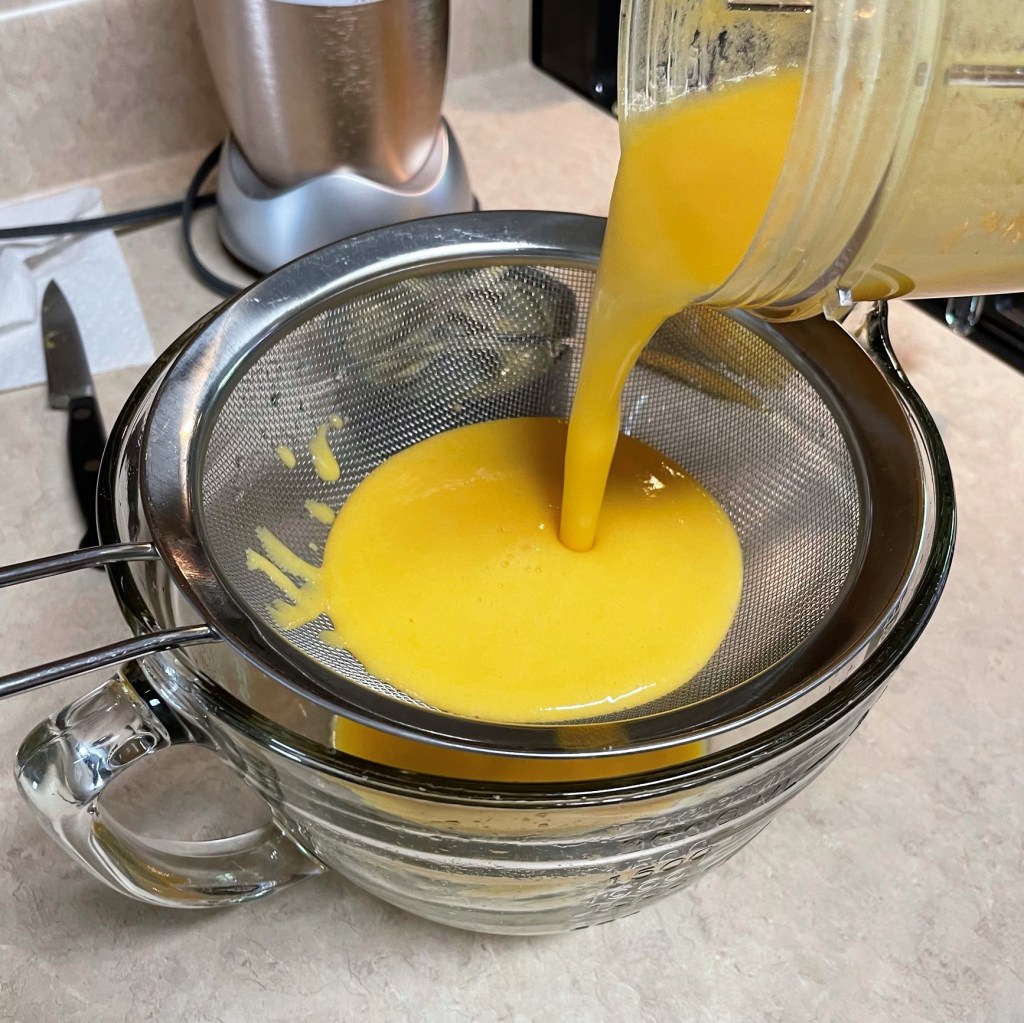
  4. Strain the puree through a mesh strainer to remove any solids, including the stringy fibers that surround the peach pits.
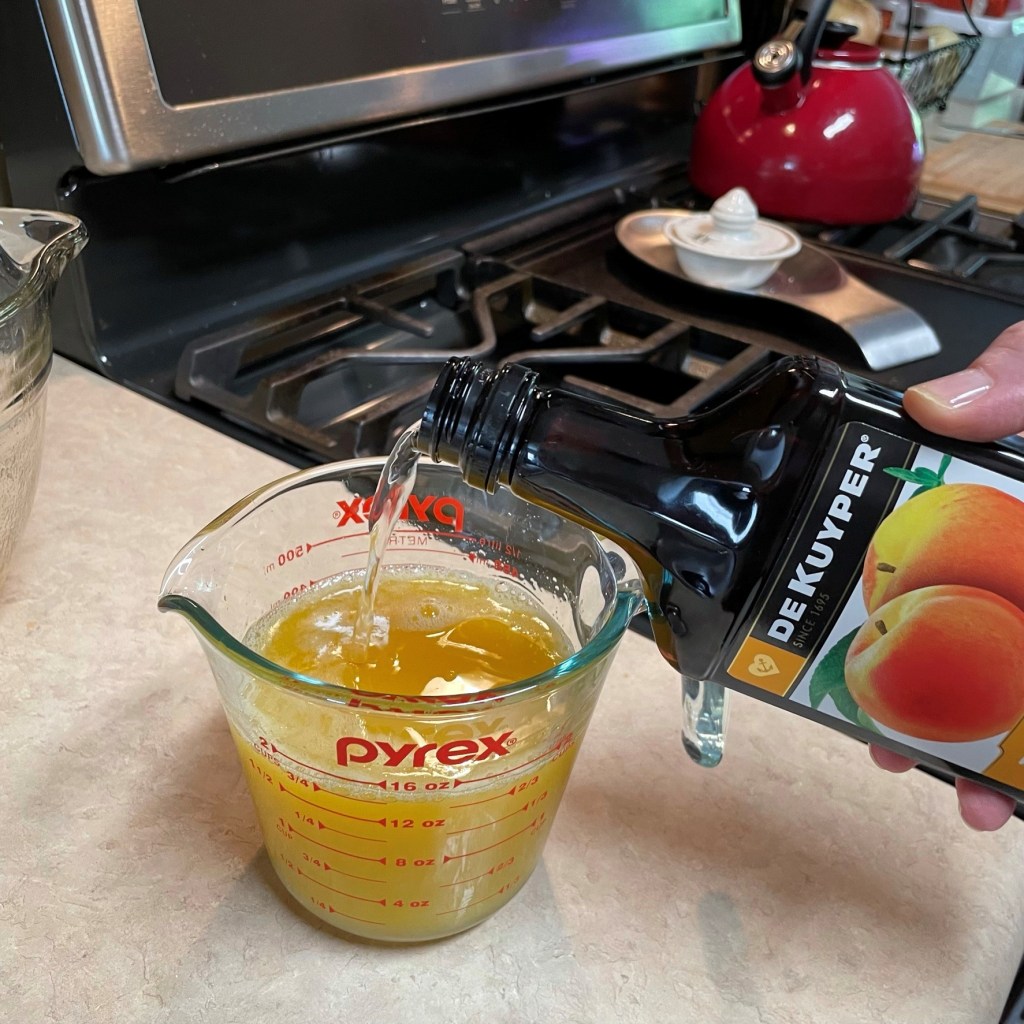
  5. Combine the pureed mixture, the remaining simple syrup, remaining water and the Peachtree schnapps in a large bowl or pitcher. Stir to blend. Cover with plastic wrap and chill several hours or overnight.
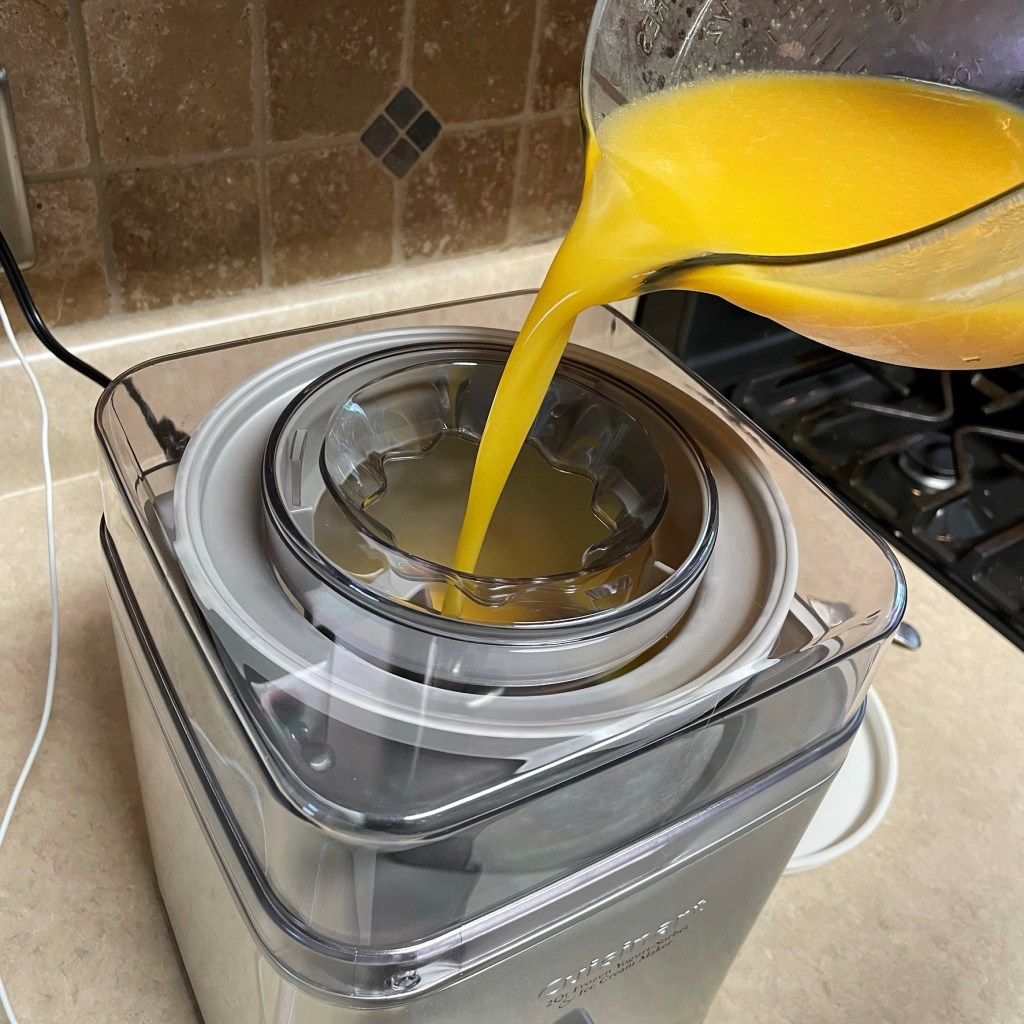
  6. Freeze the fuzzy navel mixture in an ice cream machine for about 25 minutes, until it’s frozen and slushy. Transfer to an insulated container and freeze overnight.

This sorbet can be served as is, or spoon a couple of tablespoons into a flute glass and top with prosecco. It’s a fun little brunch drink, almost as if a mimosa and a Bellini had a baby.


And as for you, young lady—well, you have a lot to learn. But you are awesome just as you are, even with your eyes closed. Don’t ever let anyone tell you different. ❤


Ratatouille Lasagna Roll-ups

The summer season brings all the garden-fresh vegetables I love, including zucchini and eggplant, which I would definitely be growing in our little garden plot if it weren’t for the deer. Year after year, I have tried in vain to grow my own veggies, and the increase of deer activity on our property and that of our neighbors has been almost humorous. Almost.

Gardening, for me, started as a fun, nature-loving adventure but has rapidly declined into a frustrating drama, and now we have this elevated box in our yard, where we cannot grow anything but marigolds and basil, which have proven to be the only things our local deer detest. Last year’s garden was demolished, right down to the flowers and budding fruit of the eggplants and even the jalapeno pepper plants (which I had been told deer would never eat). We have tried all the folk remedies on the internet—human hair, shavings of bar soap, peppermint oil, so-called deer repellent, and even a weird concoction I made from rotten eggs, cayenne and dish soap. That last remedy had near-catastrophic results, but I won’t embarrass my husband again with that story (you can read it here, if you’d like). This year, we didn’t even bother planting a garden, and I’m contemplating turning the raised bed into some kind of wildflower bed. I get exasperated just thinking about it.

To make up for a lack of homegrown veggies, we are regularly visiting our weekly Cobblestone farmers’ market, which features a variety of vendors offering fresh produce as well as pastured meat, eggs, organic mushrooms, jams and preserves, and even handmade alpaca wool products. It’s a fun way to spend an hour on a Saturday morning, and this past weekend, we came home with everything I needed for a new batch of ratatouille. Ah, my favorite veggie-centered summer meal!

Classic ratatouille ingredients = zucchini, eggplant, pepper, onions (leeks this time), tomato and herbs de Provence!

Me being me, though, I cannot simply chop up these ingredients and make a “traditional” ratatouille, which would be a rustic casserole-meets-stew kind of thing. I have to twist it up! My culinary muse inspired me this time to combine the French classic dish with another favorite comfort food—lasagna. I figured that I could infuse my herbs de Provence seasoning into a ricotta mixture with lemon zest and some grated cheese and that it would be the “glue” to hold the other ingredients together inside a rolled-up lasagna noodle. The eggplant and zucchini would be sliced and roasted, and the red pepper would be worked into the sauce. This is how my mind sees a pile of ingredients, and the end result was exactly as I had imagined, both visually and in perfect summer flavor. Delicious!

Inside, you can see and taste all the flavors of a summer ratatouille!

This reimagined one-dish meal took mostly time to put together; it was not at all difficult. I cannot say definitively how much time is needed because I was cooking all day, in between work emails and other home tasks. I will say that it was mostly passive time; I was either waiting for things to lose moisture or to finish roasting or to boil or bake. The rest was just slicing, chopping and stirring, and there’s no particular order that must be followed. You could even make everything a day ahead and just assemble and bake it the next day.

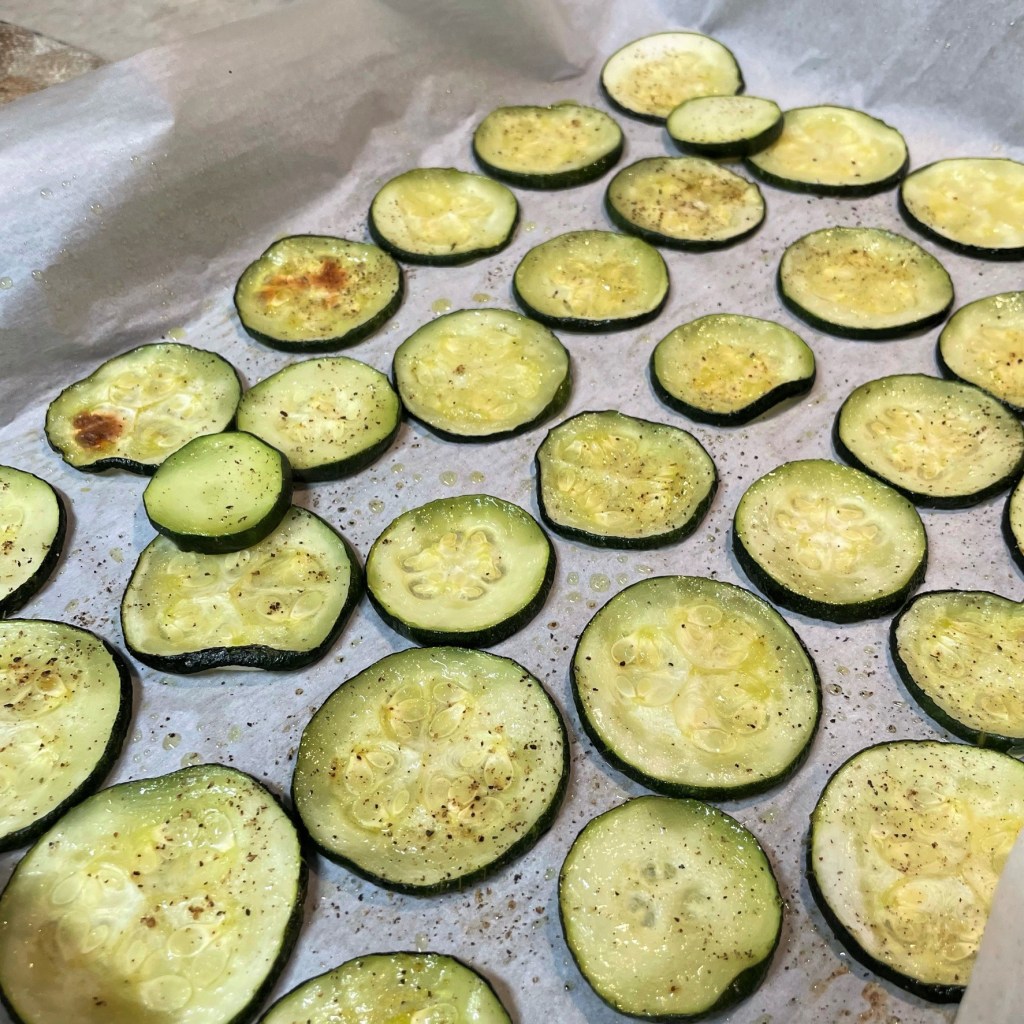
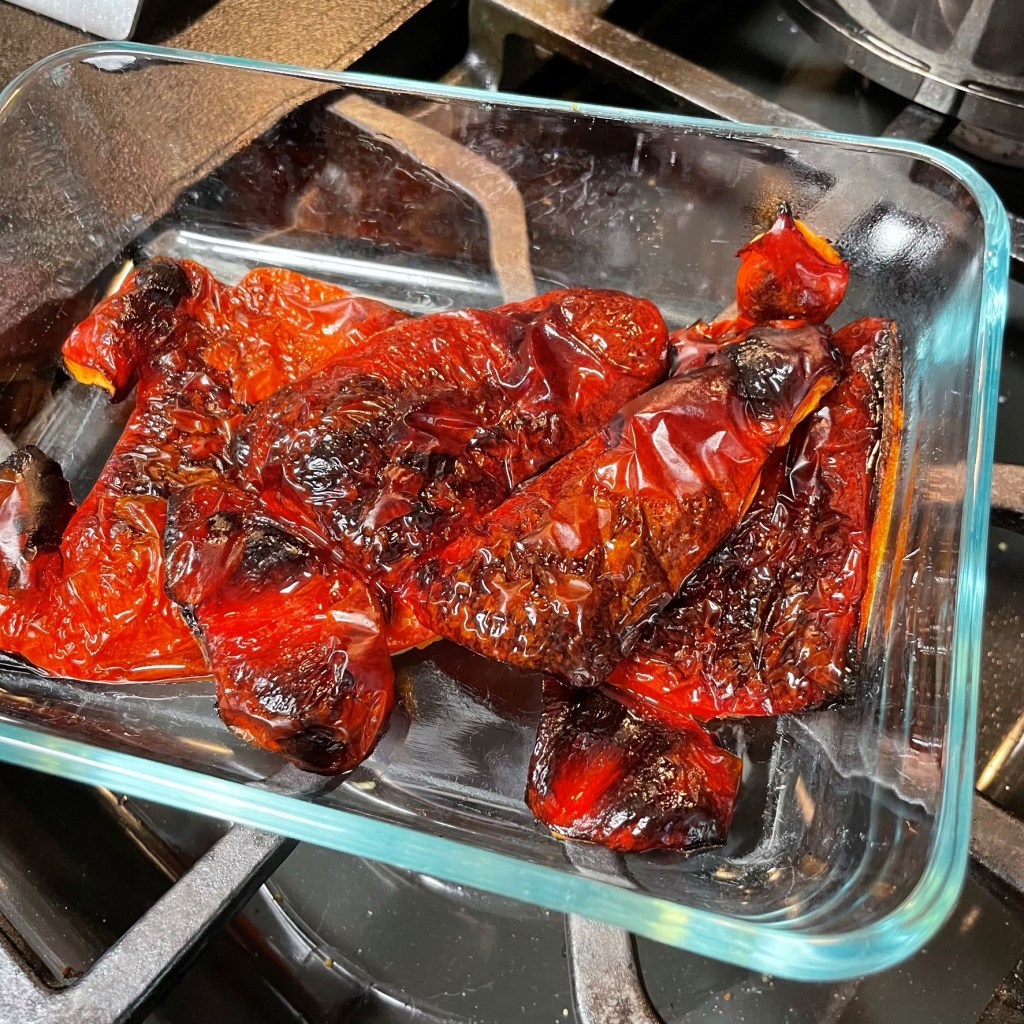
The entire ratatouille-meets-lasagna project weaved itself nicely into my busy day, and because each ingredient received its own treatment, the simplest way I can describe it is to share the process of each component. I’ll share a PDF version of the recipe at the end if you want to try it, but I’ll let the pictures tell the story in today’s post. Here we go! 🙂


The Ricotta Filling


The Eggplant


The Zucchini


The Red Bell Pepper


The Onions


The Tomatoes

The only classic ratatouille ingredient remaining is tomato, and though my ingredients photo displays a big, lovely heirloom tomato from the farmers’ market, I thought better of it when I began cooking my ratatouille. The heirloom tomato would have been full of seeds and too juicy for this dish, so I cast it aside and used half a can of San Marzano tomatoes instead to produce a fusion sauce, together with the roasted red pepper and a healthy dose of garlic. This sauce was similar to the roasted red pepper sauce that my husband, Les, discovered last year, but it leans more toward tomato than pepper. It was exactly what this recipe needed.


Putting it all together

Assembling and finishing my ratatouille lasagna roll-ups was a cinch! I par-cooked the lasagna noodles until they were soft and flexible, spread the ricotta mixture onto them, layered the eggplant, zucchini and leeks and rolled them up!


First ratatouille of the summer! 🙂

Oh, and that plump, juicy heirloom tomato I mentioned found its way instead to a BLT, which we enjoyed as a separate meal on freshly baked sourdough bread with local greens and some pastured pork bacon (also from the farmers’ market).

Who needs a garden, anyway? 😉