Healthy Wheat Berry Salad

This probably should have been one of the first recipes I shared on Comfort du Jour. It’s been in my rotation of favorite simple sides for years, ever since I first discovered wheat berries in the bulk section at Whole Foods. If you’ve never had wheat berries (or maybe never even heard of them), let me introduce you to these versatile little gems.

What are wheat berries?

First of all, they aren’t really berries—at least not the way you’d think of fruit. Wheat berries are the individual dried grains of whole wheat. In their dried state, each grain is about the size of a fat grain of rice. When cooked, they plump up to triple in size.
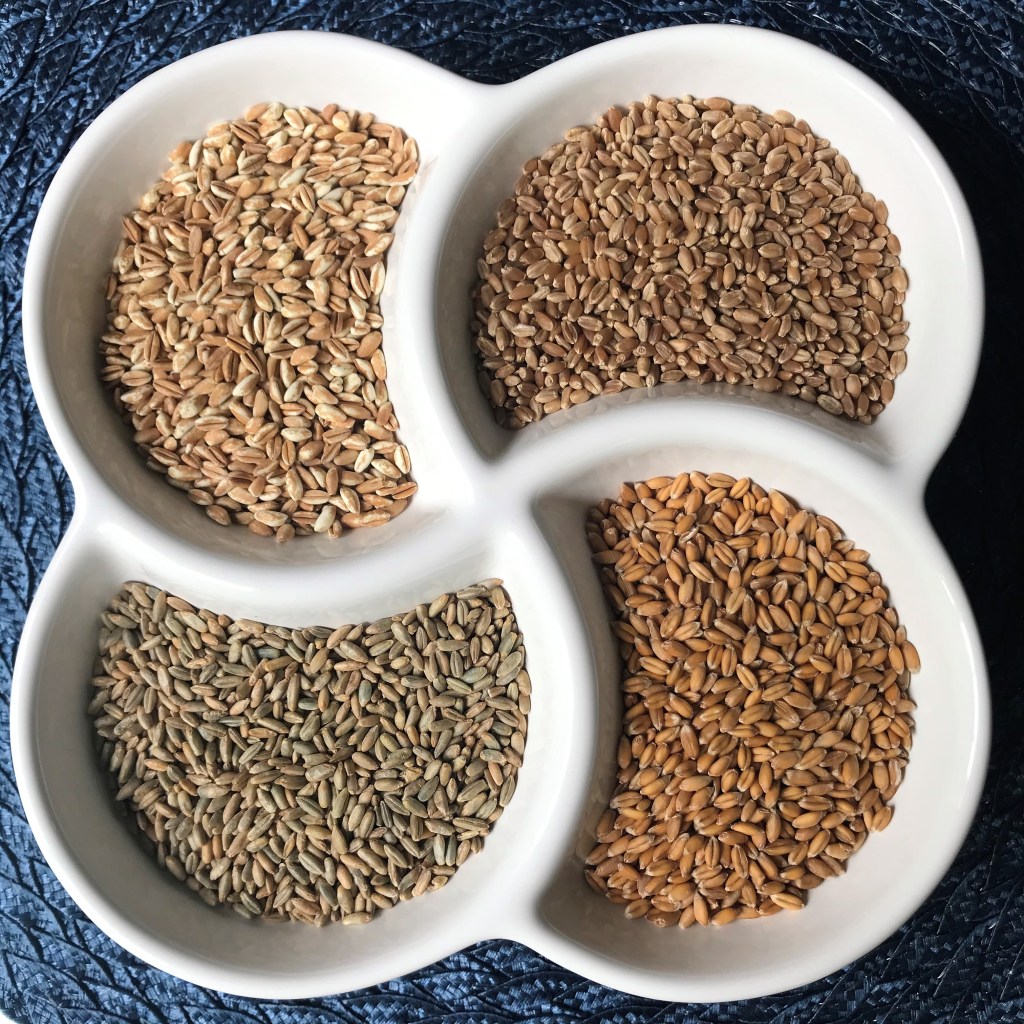
Clockwise, from top right: hard red winter wheat, spelt, rye and farro.

Where can you buy wheat berries?

Most natural foods stores and larger supermarkets with a bulk section are likely to stock varieties of whole grains, including wheat berries, oat groats, barley, and sometimes even rye, spelt or farro. You can also generally find them online from Bob’s Red Mill, though they’ve been in short supply during the pandemic. For this recipe, I’ve used Kamut, which is considered an ancient variety of wheat grain. I prefer it because it’s organically grown and hasn’t been hybridized and modified as conventional wheat has; it’s pretty much the same as it was thousands of years ago. Kamut is technically a brand name for the wheat variety Khorasan, native to Egypt and grown in abundance today in Montana and western parts of Canada. My aunt lives in Montana, and she sent the Kamut berries to me from her favorite natural foods market.
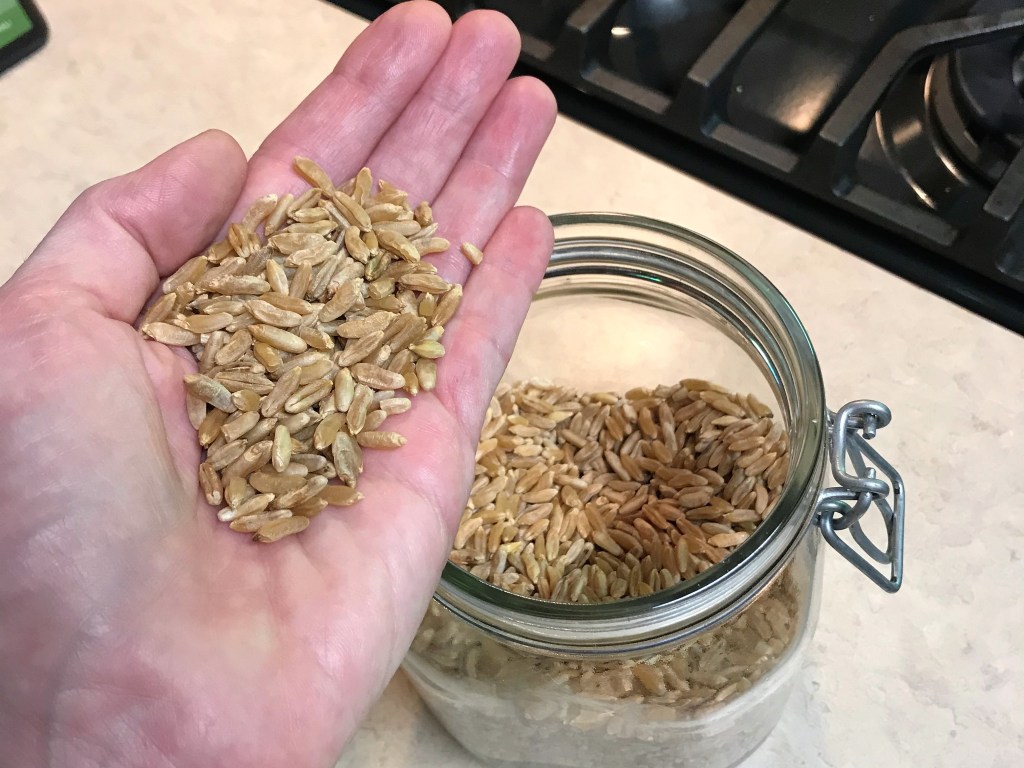
Kamut is a longer grain because it has not been hybridized for quicker harvest.

How do you cook wheat berries?

It’s a similar process to cooking beans from dried. Wheat berries are a natural product, so they need to be sorted and rinsed before cooking, in case of random small stones or other debris. After rinsing, combine them with water (at least 2:1 ratio) in a sauce pan. Bring to a boil, then reduce heat to a simmer and cook until the wheat berries are tender (about an hour), then drain and proceed with your favorite recipe. To use them in a cold dish, cool and refrigerate first.

What can you do with wheat berries?

Pretty much anything you can do with rice, you can do with wheat berries. They have a pleasant chewy texture, like al dente pasta, so they work really well in a main dish such as chili, soup or salad. If you’re into making homemade bread, knead about 1/2 cup of cooked wheat berries into the final dough to add more whole grain goodness. Of course, because they are wheat in whole grain state, you can also mill dried wheat berries into flour, if you happen to have the right equipment to do so. I’ve read recently that Kamut flour makes exceptional pasta, so I’m putting that on my culinary bucket list.

What do wheat berries taste like?

Wheat berries have a mild, almost nutty flavor that is similar to brown rice. Because they are neither sweet nor savory, you can take them in either direction, depending on what you add to them. Besides the chilies, soups and salads I’ve already mentioned, you could also easily toss them on top of Greek yogurt with fresh berries and cinnamon and just call it breakfast.

Now that you’re well acquainted with wheat berries, let’s talk about this salad!

How can something so good be so simple?

We’ve been eating entirely too many rich, heavy foods at our house lately. It’s interesting to me that most of the foods we think of as “comfort foods” are completely on the wrong side of healthy. Foods with simple starches, sugars and fats in abundance are usually what we reach for when we are under stress or facing uncertainty, so it’s not surprising, and maybe you’ve experienced the same.

Allow this salad to bring you back to a healthy place of comfort, with crunch, chew and fresh flavors, dressed in a light, Greek-inspired vinaigrette that’s easy to make from stuff you probably already have in the spice rack and the door of the fridge. Seriously, learn to make your own dressings and you’ll never buy it in the stores again.

We served this on a bed of baby spinach as a fresh, cool side to the meatless moussaka we had for a recent family dinner. If you can’t get your hands on wheat berries right away, any small size whole grain pasta would make an excellent stand in.

Ingredients

2 to 3 cups cooked wheat berries (or other whole grain)

1 can garbanzo beans (drained)

1/2 medium red onion, chopped

1 Persian cucumber*, trimmed and sliced

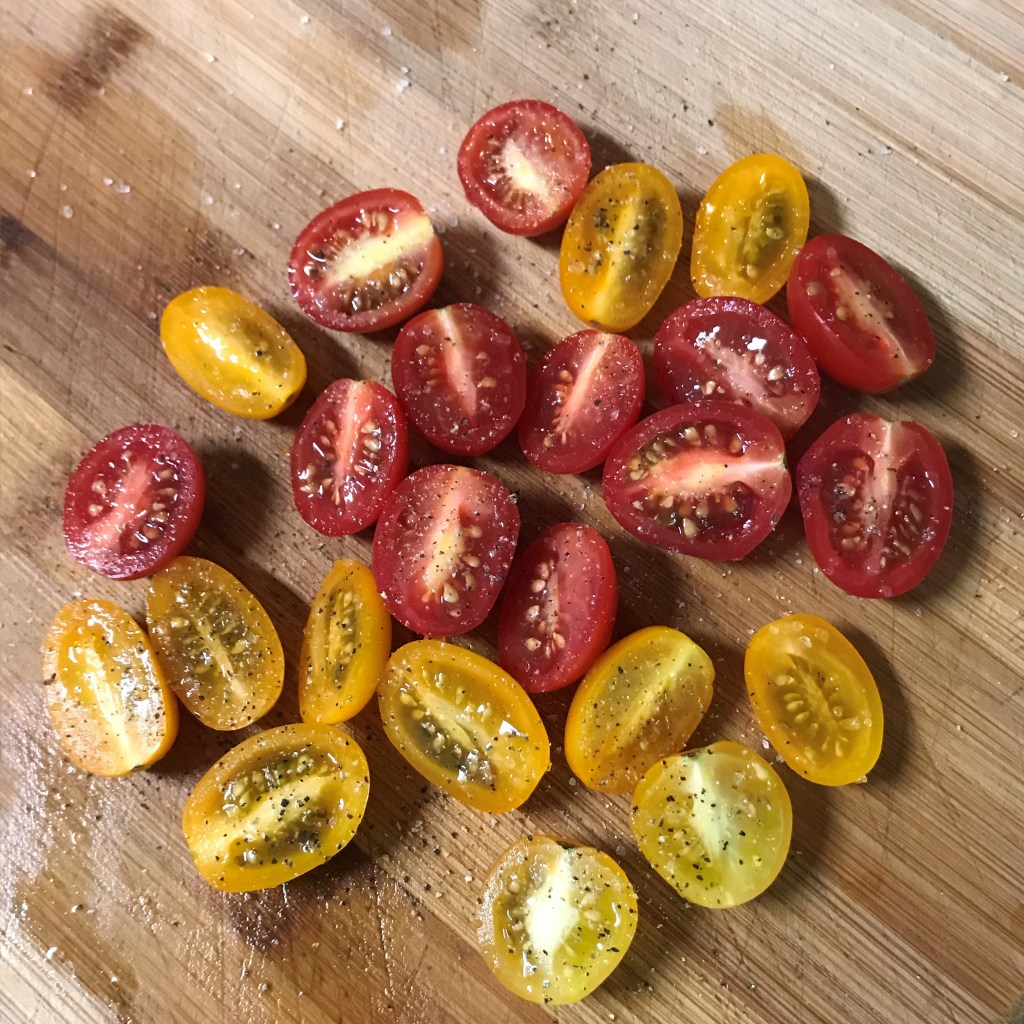
About 1 cup cherry or grape tomatoes, halved

1/3 cup pitted Kalamata olives, rough chopped

1/4 cup pepperoncini, chopped (optional)

chopped fresh parsley or dill for serving (optional)

Dressing

2 Tbsp. red wine vinegar

1 Tbsp. Sicilian lemon white balsamic vinegar*

1 tsp. garlic pepper seasoning* (see notes)

1/2 tsp. dried oregano leaves

3 Tbsp. extra virgin olive oil*

1 Tbsp. cold water

*Notes

Any kind of cucumber works here; I like the Persians for their compact size and minimal seeds. You want about 1 cup of cucumber slices or chunks. I’ve used my handy garnishing tool to strip part of the peel away, leaving a little bit for texture and the little bit of bitterness it adds to the salad. You could do the same with a small, sharp paring knife—or just peel the whole thing.

The lemon balsamic vinegar is a specialty item, purchased from one of the gourmet oil and vinegar shops that seem to have popped up everywhere. If you can’t find it, no problem—substitute a good squeeze of fresh lemon juice and a pinch of sugar.

Check your garlic pepper ingredients (or taste it) to see how much salt is in it. If you have a salt-free version such as Mrs. Dash, you’ll also want to add a couple pinches of salt to the dressing. We have McCormick brand, and the salt level is just about right. Lemon pepper seasoning would also be terrific.

There are so many choices for olive oil at most markets. This is a good recipe to bring out the “good stuff.” I generally use a more neutral flavor of olive oil (but still extra virgin) for everyday cooking and sautéing, but for a fresh dressing, I reach for the more pungent “grassy” varieties. If it has a little bit of bite or bitterness on the back end, it means it’s high in polyphenols—the stuff that makes it so good for you!
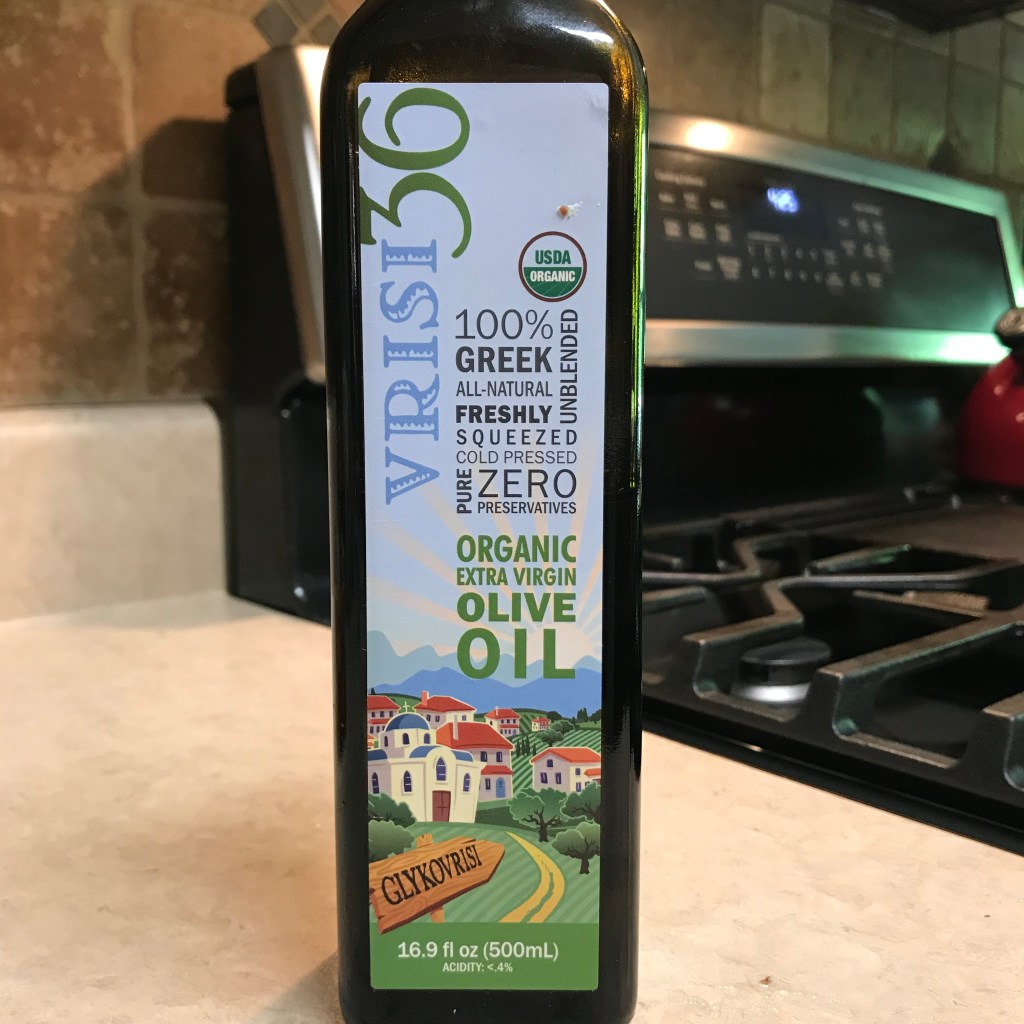
There’s no substitute for a good quality, REAL extra virgin olive oil.

The salad will come together on its own—you don’t need my help combining these simple, fresh ingredients. But if you’ve never made your own vinaigrette, it’s time you learn this simple and valuable trick. It takes less than a minute, and you don’t need any special tools or bottles. I usually make a vinaigrette in my glass measuring cup, just before I assemble my salad. For this one, work ahead a little bit so the dried oregano has time to soften and rehydrate.

Combine the vinegar and lemon white balsamic (or lemon juice and sugar), garlic pepper and dried oregano. Then drizzle the olive oil into the mixture in a slow, steady stream, while whisking constantly. This will help the oil and vinegar come together without separation. If you prefer, combine all the ingredients together in a covered jar and shake the dickens out of it. Allow the dressing to rest in the refrigerator for about an hour, then whisk or shake again and pour over the salad mixture and toss gently to combine.

The salad can be made ahead and it keeps in the fridge for several days. Fold it gently to redistribute the dressing just before serving, and sprinkle with fresh parsley or dill for an extra pop of color and flavor.

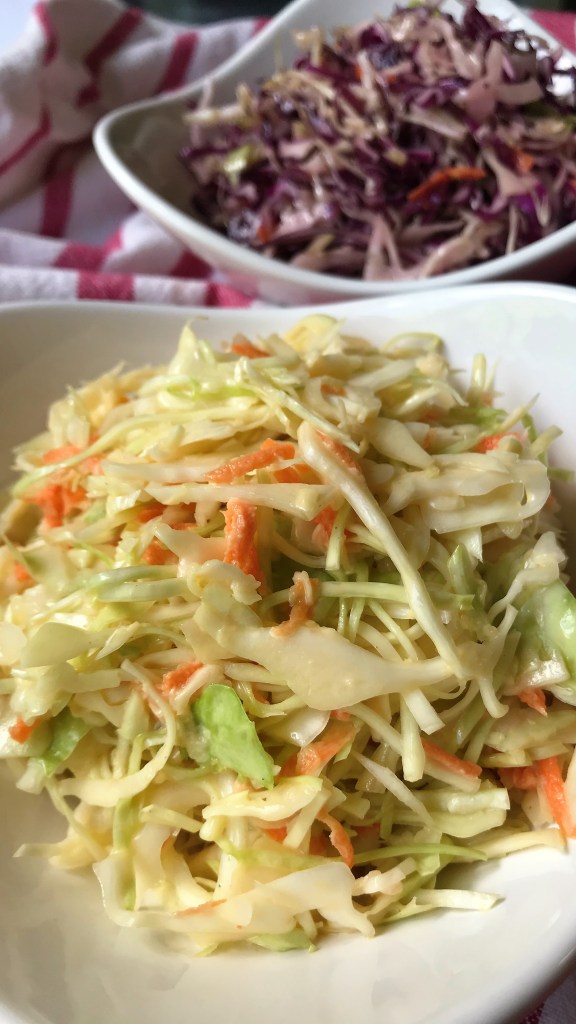
Want to print this recipe?


Cole Slaw Two Ways

There’s no good reason to depend on bottled cole slaw dressing, made up mostly of ingredients we’d never find in our own pantry cabinets. Not when it’s so quick and easy to make our own dressing from the fresh things we do have in our cabinets or refrigerators.

Whether you like the slightly tangy-sweet creaminess of a mayonnaise-based cole slaw (KFC-style) or an elegant, vinaigrette-type dressing that stands up better to extended time on a picnic table, you can handle it yourself in only a few minutes. The one thing for sure is it’ll taste infinitely better than the soybean oil-xanthan gum concoction you’d otherwise pick up in the dressing aisle.

Begin with a basic combination of 4 to 5 cups shredded or chopped cabbage (red, green or both—you decide) and carrots. Use a food processor to save time or chop by hand for a more rustic texture. Then, choose your style and dress it up!

Creamy Slaw Dressing

The creamy-style dressing is on the sweet side, with a distinctive white pepper flavor that is reminiscent of the “colonel’s” cole slaw.

Ingredients

About 1 Tbsp. finely grated onion* (see notes on this)

1/4 cup mayonnaise (I used canola mayo)

2 Tbsp. whole milk

2 Tbsp. buttermilk*

1 Tbsp. white vinegar or white balsamic vinegar*

1 Tbsp. fresh lemon juice*

2 Tbsp. cane sugar*

1/2 tsp. kosher salt

A couple pinches white pepper

*Notes

Grate the onion and use a paper towel to absorb as much excess juice as possible before proceeding with the recipe.

Real cultured buttermilk works best, but you could have similar results with the same amount of plain yogurt or Greek yogurt.

I am a big fan of flavored balsamic vinegars and olive oils, and whenever I have it on hand, I substitute the “Sicilian Lemon” white balsamic for the combined amounts of vinegar and lemon juice in this recipe. If you have access to this product from a specialty store in your area, it’s worth the expense.

Reduce the sugar by half with the white balsamic substitution.

Instructions

Empty the grated onion into a glass measuring cup. Add remaining dressing ingredients and use a mini-whisk or small spoon to blend into a smooth, even mixture.

Use less dressing than you think is correct. Trust me, you won’t mind eating the extra dressing with a spoon!

Pour half of the dressing over the shredded cabbage and carrots and toss to coat, then add more dressing as desired. As the creamy dressing settles in, the cabbage will soften and shrink a good bit. It’s easier to add dressing than to take it away. Cover salad and refrigerate a couple of hours until ready to serve.

Poppy Seed and Lime Vinaigrette Slaw Dressing

The vinaigrette-style dressing is tangy and onion-y, an elegant change of pace for your backyard cookout. The poppy seeds can be left out if you aren’t a fan.

Ingredients

1/2 small onion (sweet, yellow or red—whatever you like)

2 tsp. poppy seeds* (see notes)

2 Tbsp. sugar

Juice of 1/2 fresh lime

1 Tbsp. white wine vinegar

1/2 tsp. dry mustard powder

3/4 tsp. kosher salt

1/2 tsp. freshly ground black pepper

1/4 cup canola oil (or other neutral-flavored oil)

2 Tbsp. extra virgin olive oil*

*Notes

Poppy seeds are sold by the bottle in the spice section of most grocery markets. Celery seed would be a good substitute here, or if seeds cause you trouble, you could easily skip them altogether, but you still want to begin the recipe on the stove.

Extra virgin olive oils provide the most health benefits, but some of them have a very “green” or pungent flavor. For this recipe, use the most neutral-flavored olive oil you can find, such as arbequina. Specialty oil and vinegar shops offer free tastings to help you find your favorites.

Instructions

Grate the onion into a bowl, keeping the juice. Combine sugar, lime juice, vinegar, mustard powder, salt and pepper in a glass measuring cup.

Place a small, heavy-bottomed sauce pan over medium heat and add the poppy seeds. Swirl the pan constantly and toast the seeds for 2 to 3 minutes, until lightly fragrant. All at once, add the onion (with juice) and the lime juice mixture and stir until sugar is dissolved and mixture begins to simmer at the edges of the pan. Remove from heat and transfer to the small bowl of a food processor. Turn on processor and slowly stream canola oil into the mixture, then repeat with olive oil.

When mixture is fully emulsified, pour about 1/3 cup of it over cabbage mixture. Toss to coat, add more dressing if desired, and refrigerate slaw until ready to serve. Save leftover dressing for use on other salads–perhaps a spinach salad with fresh strawberries.

Want to print these recipes?


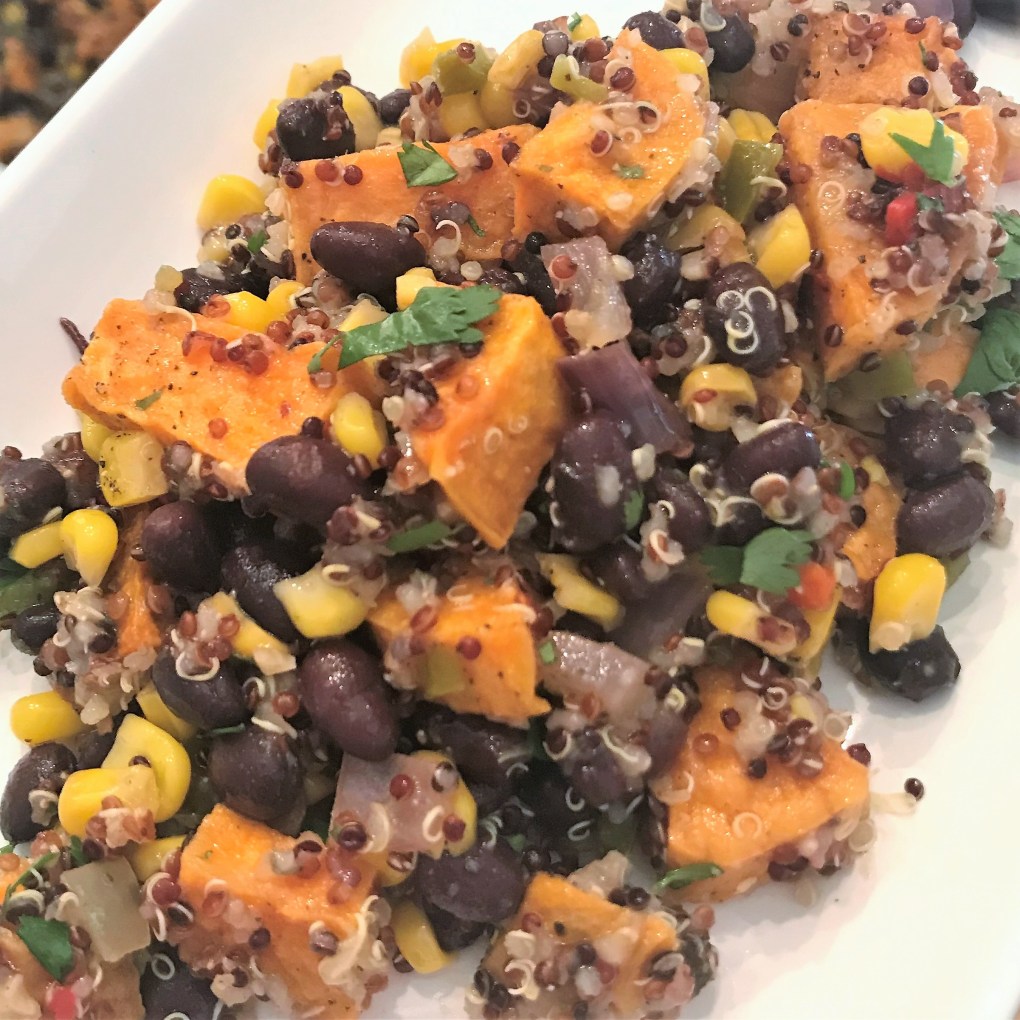
Colorful Sweet Potato Quinoa Salad

This dish practically sings “Meatless Monday!” It has lots of color and interesting texture, it works either warm or cold, it’s easy to make from simple ingredients, and it’s vegan, low-calorie, high-fiber, gluten-free and flexible on spice. Somehow, it still manages to taste delicious.

Skip straight down to the picture if you’re ready for the recipe, but if you’re new to the idea of quinoa, allow me to make a proper introduction:

What the heck is quinoa?

Quinoa has been around for thousands of years, but it only surfaced into the mainstream American diet a decade or so ago. It is native to South America—Peru and Bolivia specifically, but is now being grown in the southern part of Colorado (in an area where I once lived) and a few other regions in Washington state and Idaho. It’s pronounced “KEEN-wah,” and its nutritional value is exceptional, offering high levels of protein, B vitamins, manganese and phosphorous. It’s often lumped into the “grain” category, but quinoa is technically related to spinach and amaranth. Although the leaves are also edible, the part we usually eat is the seed, which can range in color from pale straw to red to nearly black, depending on the cultivar. On the pale end, it’s mild and almost nutty. On the dark side, expect a deeper earthy flavor.
Why does quinoa taste bitter?

It shouldn’t. If the quinoa dishes you’ve tried had a bitter or soapy taste, it may not have been rinsed well enough before cooking. Nature takes care of itself, and this tiny seed grows with its own special coating designed to keep birds and insects away. Much of that coating is removed during processing before the quinoa gets to market, but you may want to give it another thorough rinse under running water for about 1 minute before cooking it. Use a mesh strainer, because the seeds are very small and will slip right through a typical colander.

How do you cook quinoa?

You can cook quinoa either from its raw, dried state or you can lightly toast it (after rinsing) in the pan first. A basic recipe is a little less than 2 cups water (or broth) to 1 cup quinoa. Combine in a saucepan over medium-high heat and bring to a boil. Reduce heat to a very low simmer, cover and cook about 15 minutes. When it’s done, the quinoa will have absorbed all the water and the edges of the seed will separate a bit. It kind of looks like the seeds have little tails. Properly cooked quinoa is fluffy, not soggy or mushy. This recipe will make almost 3 cups of cooked quinoa.

How do you use quinoa?

Quinoa is a very versatile ingredient, and its mild flavor makes it suitable for all kinds of application. Serve it warm as a breakfast cereal with a dollop of vanilla yogurt and fresh blueberries (talk about a power breakfast!), or season it with herbs and spices as a bed for fish, meat or vegetables. You can also toss it into a salad in place of other grains such as rice or barley, or add it to soup for texture and protein.

Now, about this recipe for Colorful Sweet Potato Quinoa Salad…

It’s colorful, has texture and flavor galore, and so satisfying. What’s not to like?

Ingredients

2 cups cooked quinoa (I used tri-color)

1 large sweet potato (mine was a little bigger than the can of beans)

Extra virgin olive oil

Kosher salt, black pepper and cumin

1 can (15 oz.) black beans, drained and rinsed

1/2 medium red onion, chopped

1 cup frozen sweet corn*

2 Tbsp. chopped pickled jalapeno (optional)

Fresh chopped parsley or cilantro for serving

*My preferred corn for this would have been the fire roasted sweet corn from Trader Joe’s, but all we had in the freezer was this southwestern corn, and it worked great! Next time, I’ll probably add chopped red pepper to this recipe.

They will never convince me that it’s safe to steam food in a plastic bag.
I used about half this bag, from frozen, and the recipe turned out great.

Ingredients – the Dressing

Juice of one lime

1 clove garlic, finely minced

Pinch of sugar (I used coconut sugar)

1/2 tsp. Dijon mustard

Kosher salt, black pepper, cumin and (optional) ground chipotle

1/4 cup extra virgin olive oil

Instructions

Preheat oven to 400° F. Peel sweet potato and cut into large, bite-size chunks. Toss on parchment lined baking sheet with a generous drizzle of olive oil, season with salt, pepper and cumin to taste, and roast about 20 minutes. Sweet potato chunks should be tender enough to pierce with a fork but not soft enough to smash. Set aside to cool.

Heat a small skillet over medium heat and add a swirl of olive oil. Sauté red onions about 5 minutes, or just until lightly softened. Add frozen corn, salt and pepper to taste, and cook just until corn is heated through.

In a large bowl, combine drained beans, cooked quinoa, roasted and cooled sweet potato, corn with onions, and chopped jalapeno.

Arranging the ingredients in the bowl this way helps me gauge how much of each is correct.

In a glass measuring cup, combine lime juice with Dijon, garlic and spices (use cumin and optional chipotle to your own taste), then whisk olive oil into the mixture until emulsified and slightly thickened. Taste the dressing and adjust as desired. Pour the dressing over the bowl ingredients, toss and serve.

We enjoyed this warm as a Meatless Monday entrée, but it would also be good as a side salad to chicken, burgers or fish, and the leftovers were just as delicious cold from the fridge.

Meatless Monday, easy and done!

Want to print this recipe?


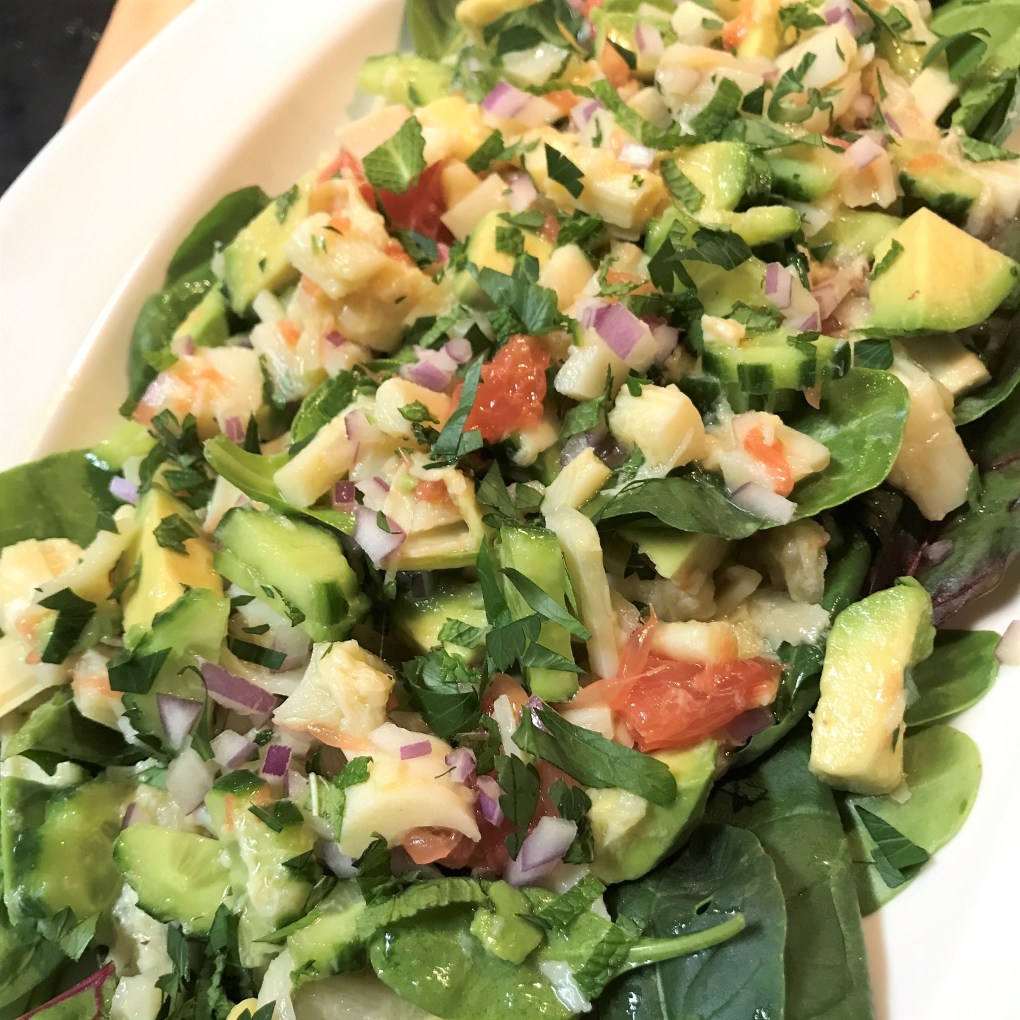
Hearts of Palm Citrus “Ceviche”

In case you haven’t tried them (or maybe even heard of them), hearts of palm are exactly as the name implies—the inner core of a palm plant. For whatever reason, you don’t often see them on restaurant menus, unless you’re in a swanky place with chandeliers and linen napkins and one of those servers who is compulsively whisking the crumbs off your table. I first learned of them during my tenure as a part-time catering kitchen helper, and though I didn’t mind hearts of palm, I have largely ignored them.

Until now.

There’s nothing terribly exciting about hearts of palm on their own—they’re neither strong in flavor nor impressive to look at. They’re just slender, creamy white-colored stalks which you might occasionally find playing a background role in a salad. But ever since I spotted a faux crab cake recipe on Pinterest, where hearts of palm stood in for crab, I’ve had it in my mind to give them a starring role in a vegan version of ceviche, and you know what? It works!

Ceviche is traditionally a tropical appetizer type of dish, centered on raw fish cured with citrus juices, and it is usually flavored up with some combination of onions, hot peppers, cilantro and avocado. But this is a Kentucky Derby party, so we are putting a classy twist on those ingredients, serving it up salad style, and swapping out the tropical notes for fresh spring flavors—cucumber and mint. Along the way, I’ll show you some of the easy tricks I learned from my catering mentors for making a dish prettier—which, obviously, also makes it tastier. Enjoy!


Ingredients

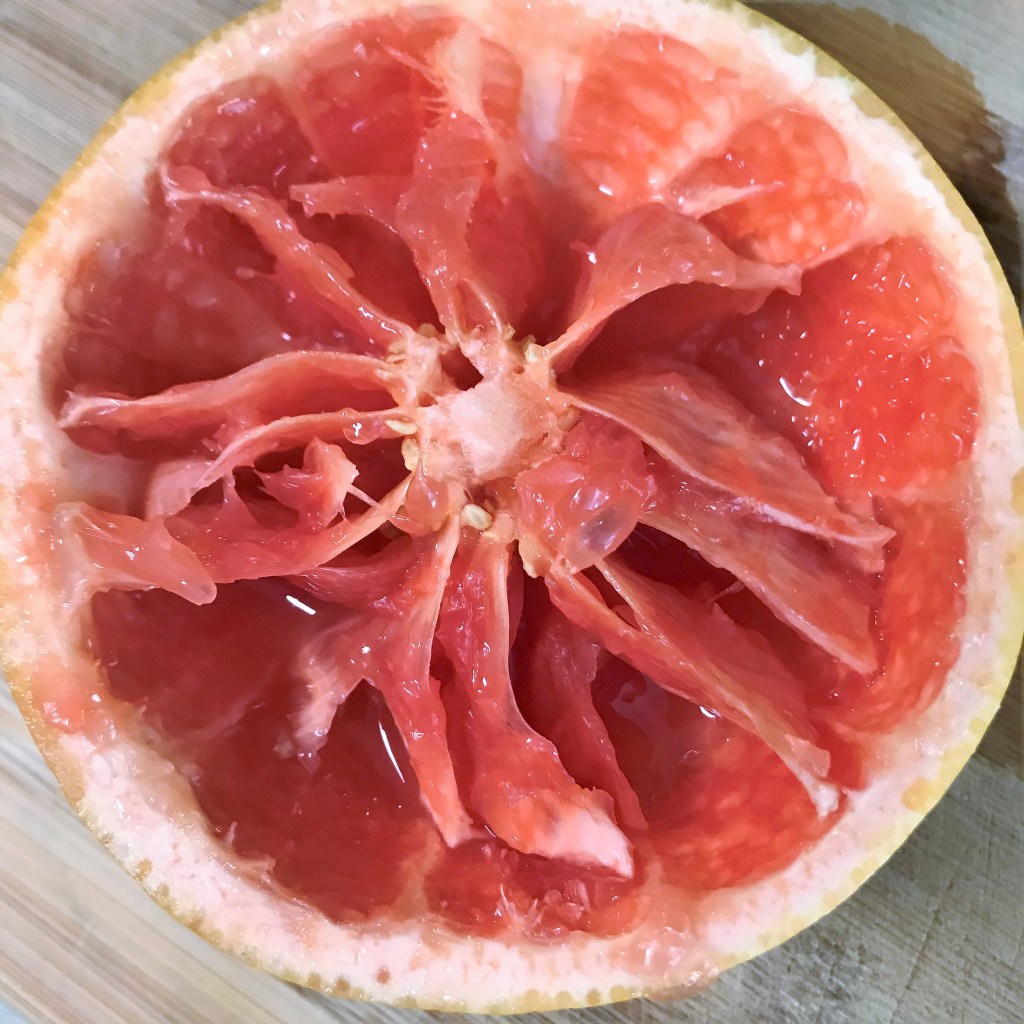
1/2 large pink or ruby red grapefruit, cut into sections, reserve juice
Juice of 1 fresh lime, divided
1 tsp. Dijon mustard
1 tsp. sugar* (see catering tips)
1/4 cup (4 Tbsp.) extra virgin olive oil (mild flavor)
2 Persian cucumbers, peeled* and cut lengthwise, then sliced into half moons
1 can (14 oz.) hearts of palm, chilled in fridge
2 Tbsp. finely chopped red onion
1/2 small, firm avocado
Mixed baby greens or leaf lettuce
Chopped parsley and mint leaves for garnish


Instructions

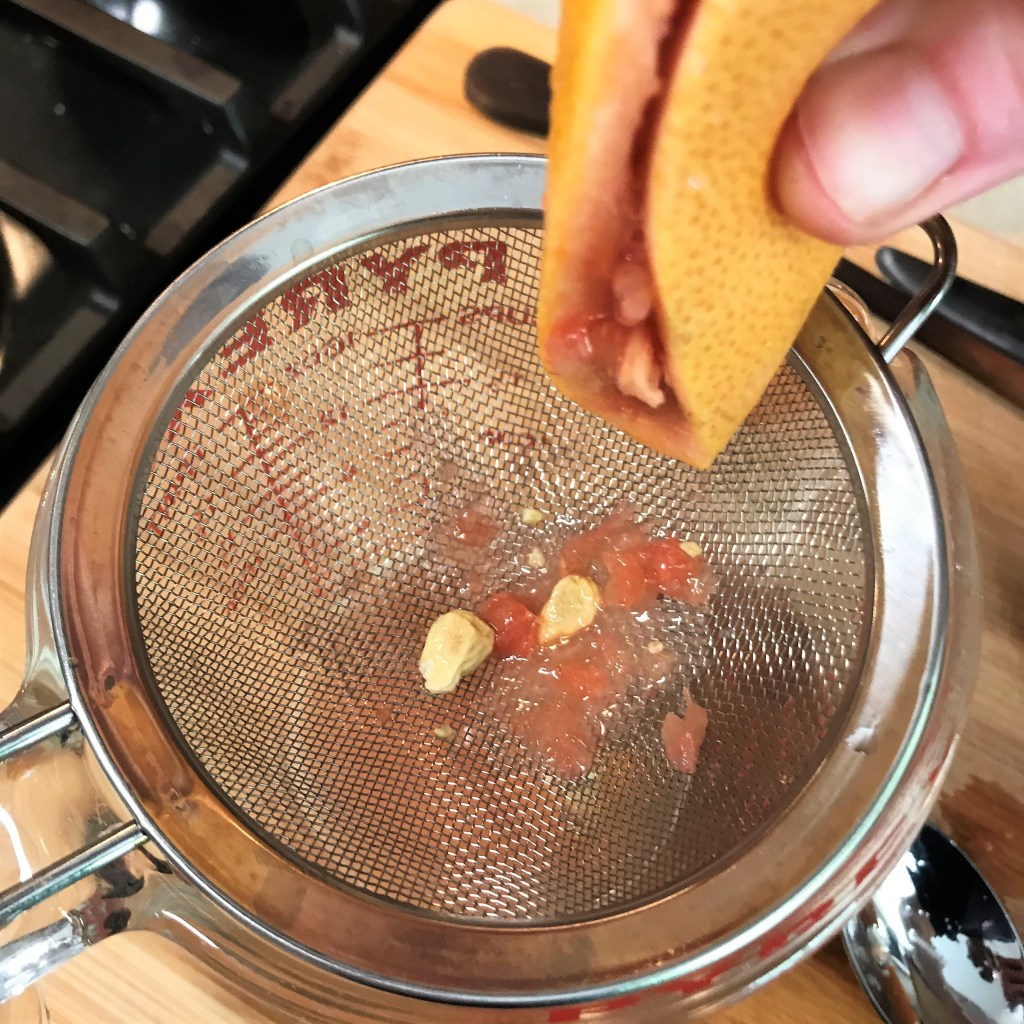
Section your grapefruit by cutting in half crosswise, then running a knife first around the outside edge of one half, then up close to each side of the section membranes. Spoon out the sections into a medium bowl and strain the remaining grapefruit peel over a measuring cup to save all the juice. Wrap the remaining grapefruit half and save it for another use.


Juice 1/2 of the lime, and add about 1 Tbsp. of the reserved grapefruit juice. Whisk in Dijon mustard and salt and pepper to taste. Add olive oil in a stream, whisking constantly, until dressing is thick and emulsified. If your olive oil is very robust, substitute something neutral—avocado or canola oil would be good.

Cut the avocado in half, carefully split the halves apart and use a paring knife to cut a crosshatch design into the flesh, then spoon around the edges to release the avocado pieces into the bowl with the grapefruit pieces. Immediately squeeze the remaining half of lime over the avocado to prevent browning. Squeeze any remaining lime juice into the dressing.

Drain hearts of palm. Blot dry on paper towels, cut lengthwise into quarters, then slice into 1/2” pieces and empty into a medium bowl with red onions, grapefruit sections, cucumbers and avocado pieces.


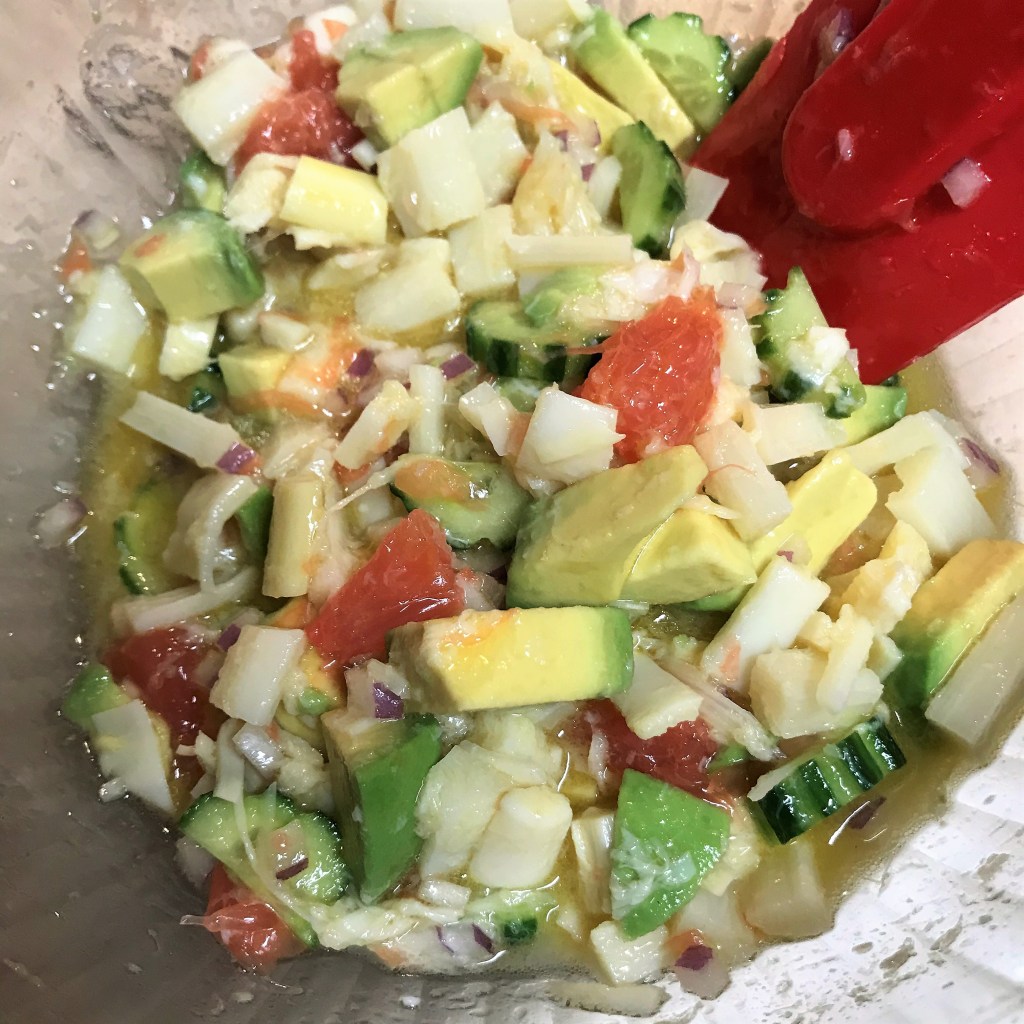
Pour dressing over hearts of palm mixture and gently fold with a rubber spatula to coat the salad with the dressing. Don’t stir the mixture, lest you reduce the avocado and hearts of palm to a mushy mess. Refrigerate up to an hour before serving a generous spoonful of “ceviche” atop a mound of mixed greens, and garnish with the chopped parsley and mint. If you happen to have some of my grandmother’s beautiful Depression glass fruit bowls, use those!

On a bed of baby greens and spinach, this is so pretty.

*Catering Tips

If you’re making the cucumber or mint simple syrups for the Kentucky Derby Sips recipes, substitute a couple teaspoons of that for the sugar here. When you repeat a flavor across different elements of your meal, it’s called “echoing,” and it helps tie things together in your senses. You don’t want to go overboard, of course, or everything will taste the same. But here, it will be cool and refreshing, a contrast to the rich hot browns, and in harmony with your Sparkly Britches or Kentucky Love Child (you can’t imagine how goofy it feels to write that sentence). If that last sentence didn’t make sense to you, please circle back and check out my post for fun Kentucky Derby Sips!

This weird looking little thing is one of my favorite tools for creating a prettier presentation. You should get one of these.


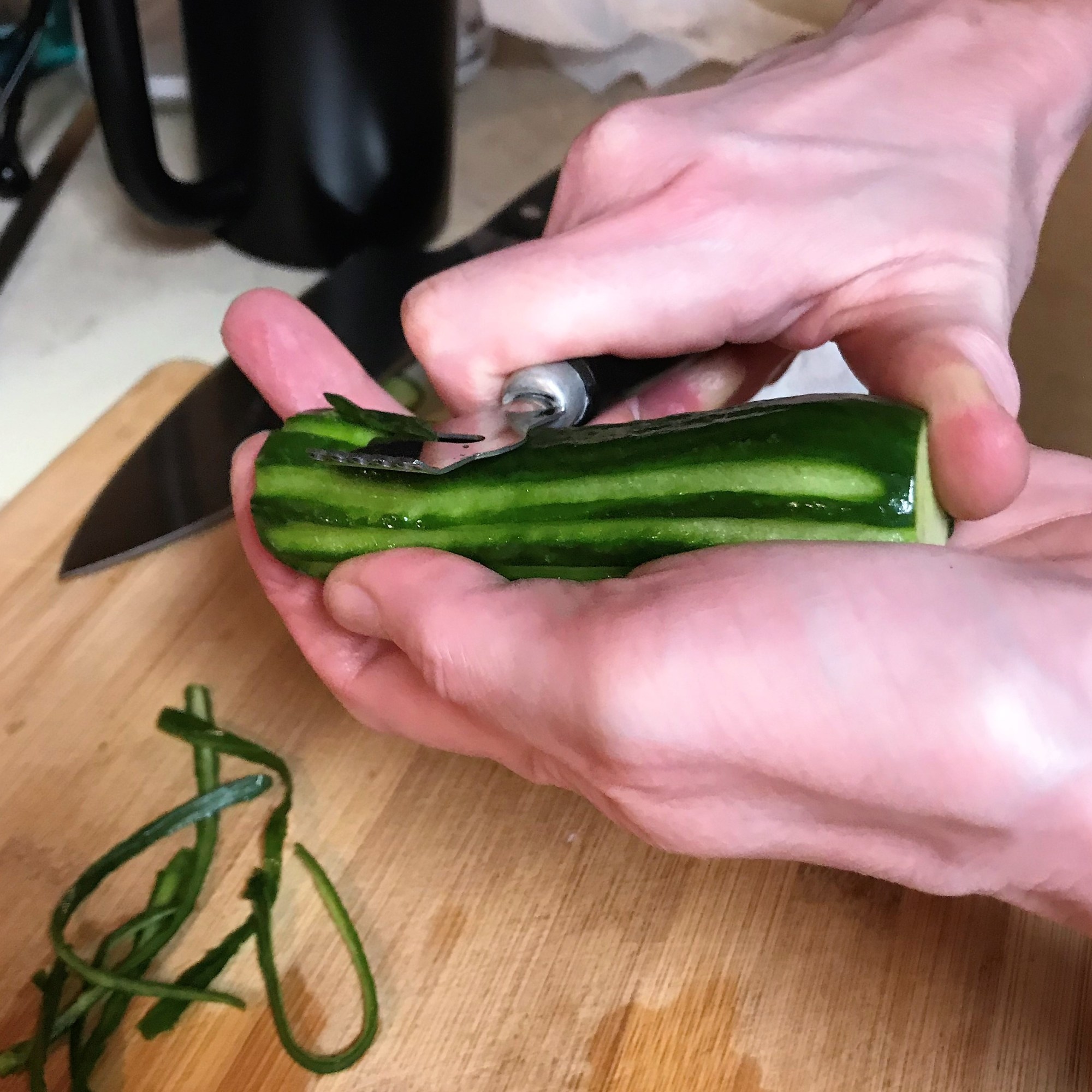
A garnish zester can be used in a couple of ways—a quick scrape of a lemon with the five tiny holes produces tiny shreds of zest, and in this recipe, I’ve used the channel blade to strip away part (but not all) of the cucumber peel. It’s also fine to peel the whole thing, but I think this elevates the look of the pieces. In hindsight, I could have also prepped some of the grapefruit zest for the top of the salad. Next time!

The bed of baby greens is edible of course (everything you put on a plate should be, including flowers), but it also serves two other purposes—visually, it’s prettier than the salad in a bowl by itself, and the lettuce also allows excess dressing to run underneath, which keeps your salad from getting mushy.

If you’re serving a salad for a crowd (Have hope—one day we will meet again this way!), consider a platter rather than a bowl. Line it with greens, as suggested for single serving on this recipe, and spoon the mixture over the leaves. It’s an easy way to really show off the pretty dish you’ve made and gives the impression of a larger dish. (Don’t forget to use a clean damp towel to tidy up the platter!)

A professional would never leave drips on the plate. Be a professional. 🙂

Want to print this recipe?


Easy Hummus at Home

If you love hummus, but not the price of a small container, this recipe is for you. With only a few simple ingredients, and a processor or blender, you can make delicious hummus at home. I’m finding this a great way to use some of the extra garbanzo beans I purchased when the shelter-in-place rules went into effect.

The biggest difference I’ve found between grocery store hummus and the homemade variety is the texture; my homemade always leaned toward the grainy side. I searched on Pinterest and found the guaranteed best method for creating smooth, silky hummus (because literally everyone on Pinterest makes claims like that). It involved heating the beans with a small amount of baking soda to loosen the skins so they could be removed. I love little tips like that! So I tried it. An hour and a half later:

The pile of peels was almost as large as the pile of beans!

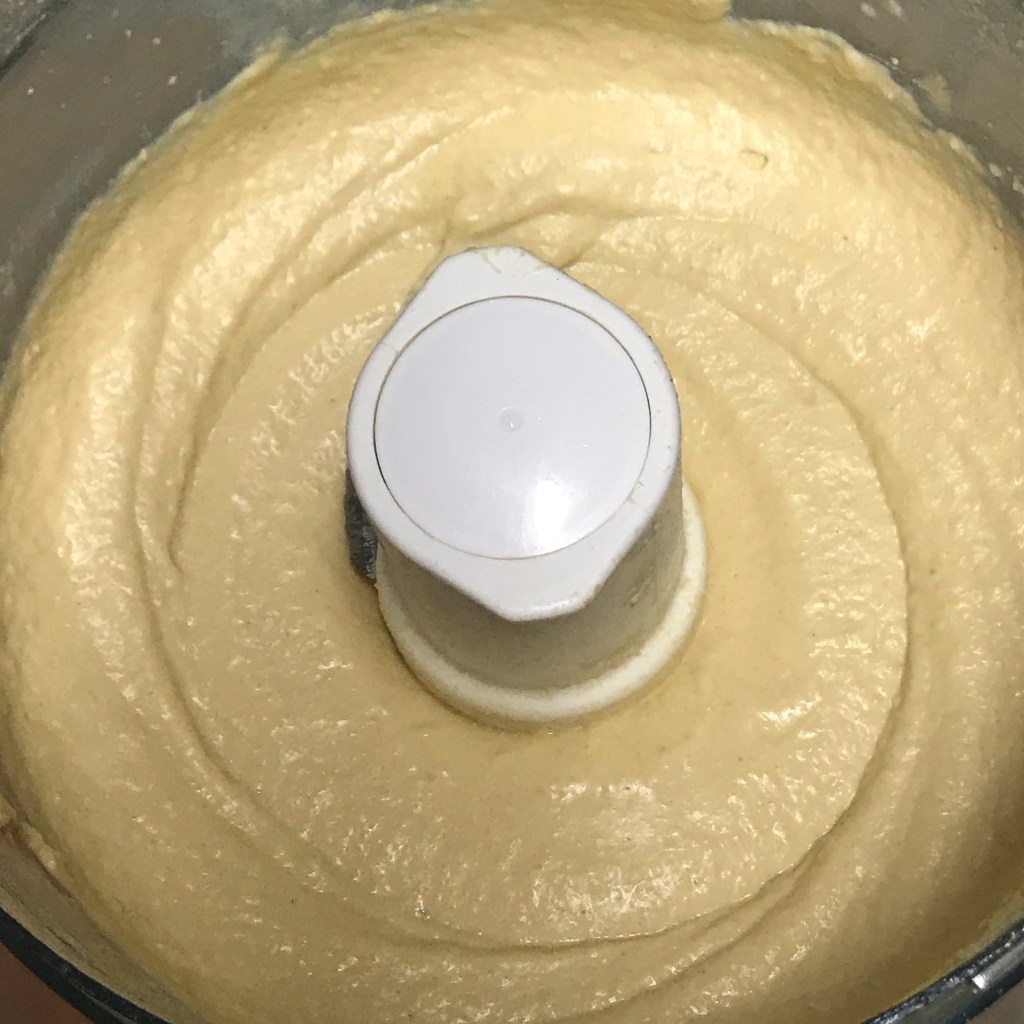
Seriously. So we’re not doing that today. I dug deeper and tried a few other tricks, and I have some good news to share: the trick to making silky smooth hummus is heating the beans in their liquid before processing them, and having patience with the processing. Follow along, and you’ll be successful. This recipe makes about 2 cups of hummus; flavor variations are suggested at the end.


Ingredients & Tools:

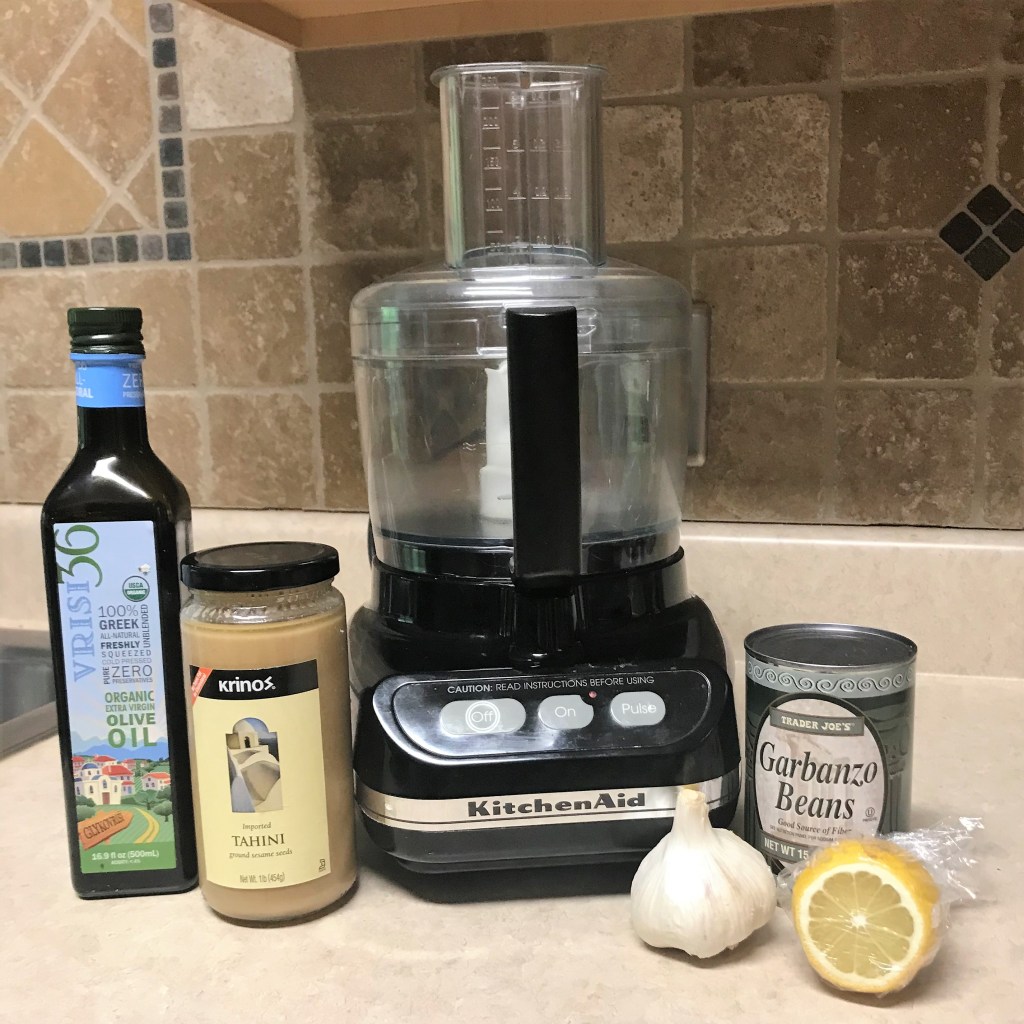
1 can (15 oz.) garbanzo beans, with minimal additives (ideally, just beans, water and salt)
2 Tbsp. tahini* (see note below)
1 to 2 cloves chopped fresh garlic (should measure about 1 Tbsp.)
2 to 3 Tbsp. extra virgin olive oil (if you have some of the premium stuff, this is a good recipe to use it!)
Juice of half a small lemon
Kosher or sea salt to taste


Food processor or blender (you need one or the other to make this)
Small saucepan for heating beans
Measuring cup with spout for drizzling liquid into processor
Citrus squeeze juicer (helpful, but not necessary)


*Notes

Tahini is essentially a paste made of ground sesame seeds. It has a mild nutty flavor and sticky texture, like a thin peanut butter. In a pinch, if you don’t have tahini, you could use a natural, unsweetened peanut butter as a substitute. But if you pick up tahini on your next essentials run, I promise I’ll help you use it!


Instructions:

Warm beans and liquid in small saucepan over medium-low, until simmering and heated through.

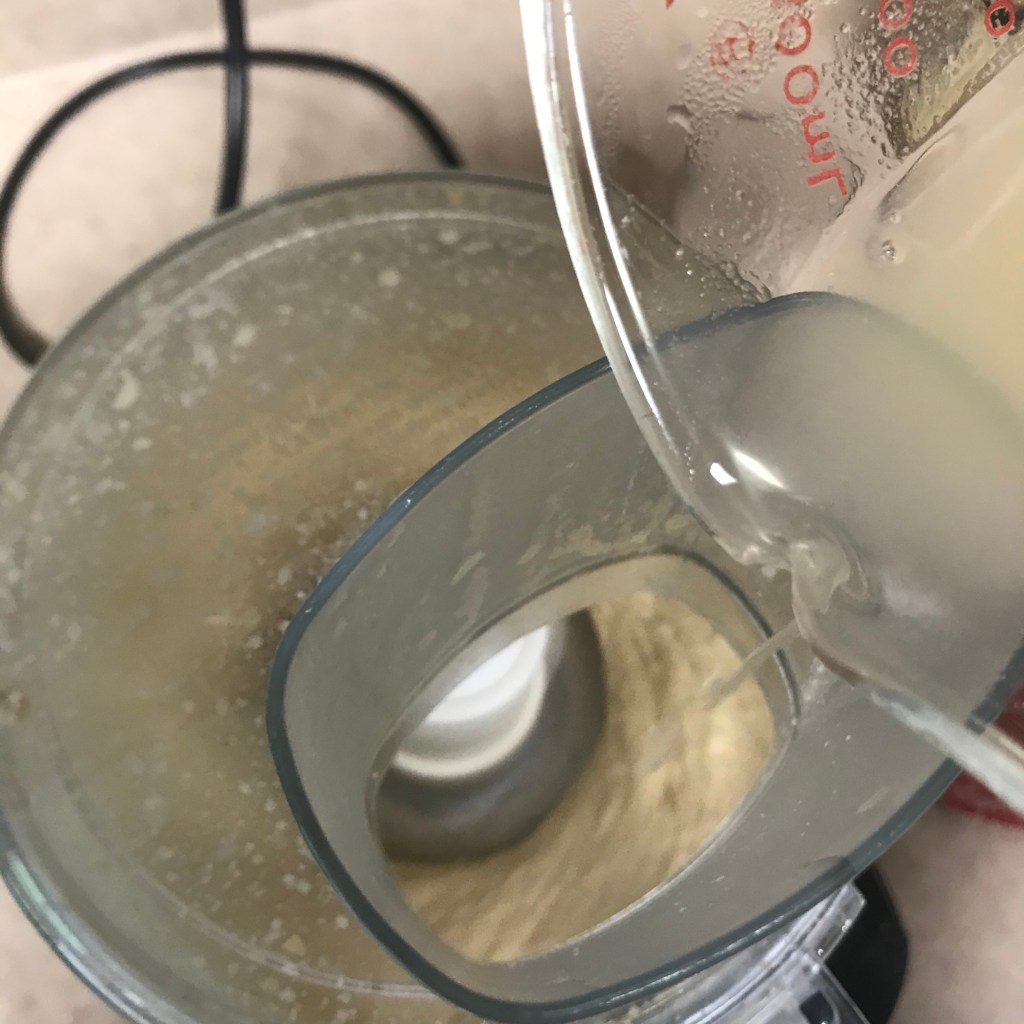
Drain beans, reserving the liquid in a measuring cup with pour spout.

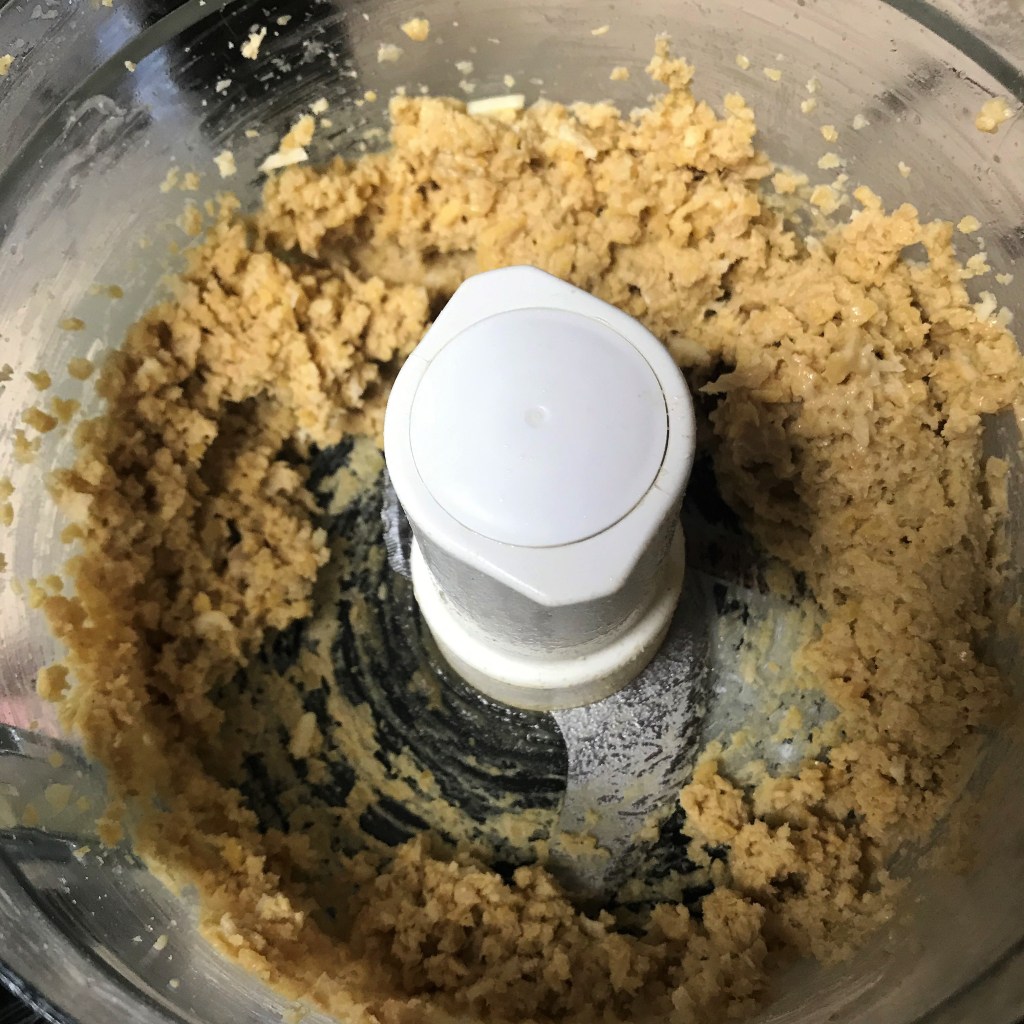
Empty all the beans, tahini, chopped garlic and about 1 Tbsp. bean liquid into the processor bowl, and pulse 5 times for about 3 seconds each time. The mixture will be sticky and clumpy, but that’s OK.

Add another tablespoon of liquid and pulse 5 times again. Use a rubber spatula to scrape the mixture down into the processor bowl, then replace the cover and turn on the processor to run continuously.

With the processor running, slowly drizzle 2 Tbsp. of the olive oil into the mixture (or more if you like a more intense olive oil flavor). Stop and scrape down again, and then process again, slowly streaming more of the warm bean liquid into the garbanzo mixture until you achieve the desired smoothness and consistency. Keep in mind the mixture will firm up a bit when chilled.

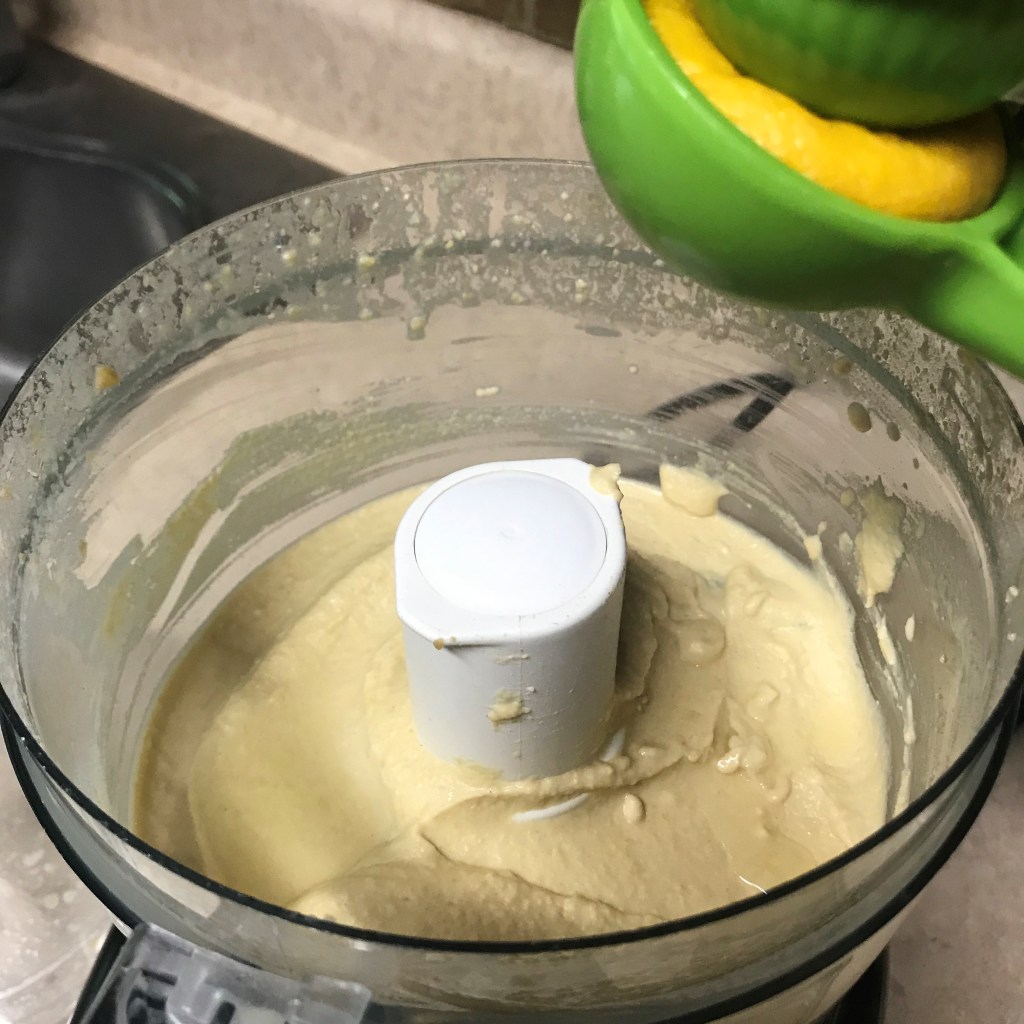
When you’ve reached the desired consistency, turn off processor, squeeze lemon juice into the hummus and pulse a few times to blend; add sea salt to taste. Transfer the mixture to a covered container and chill a few hours until ready to serve.


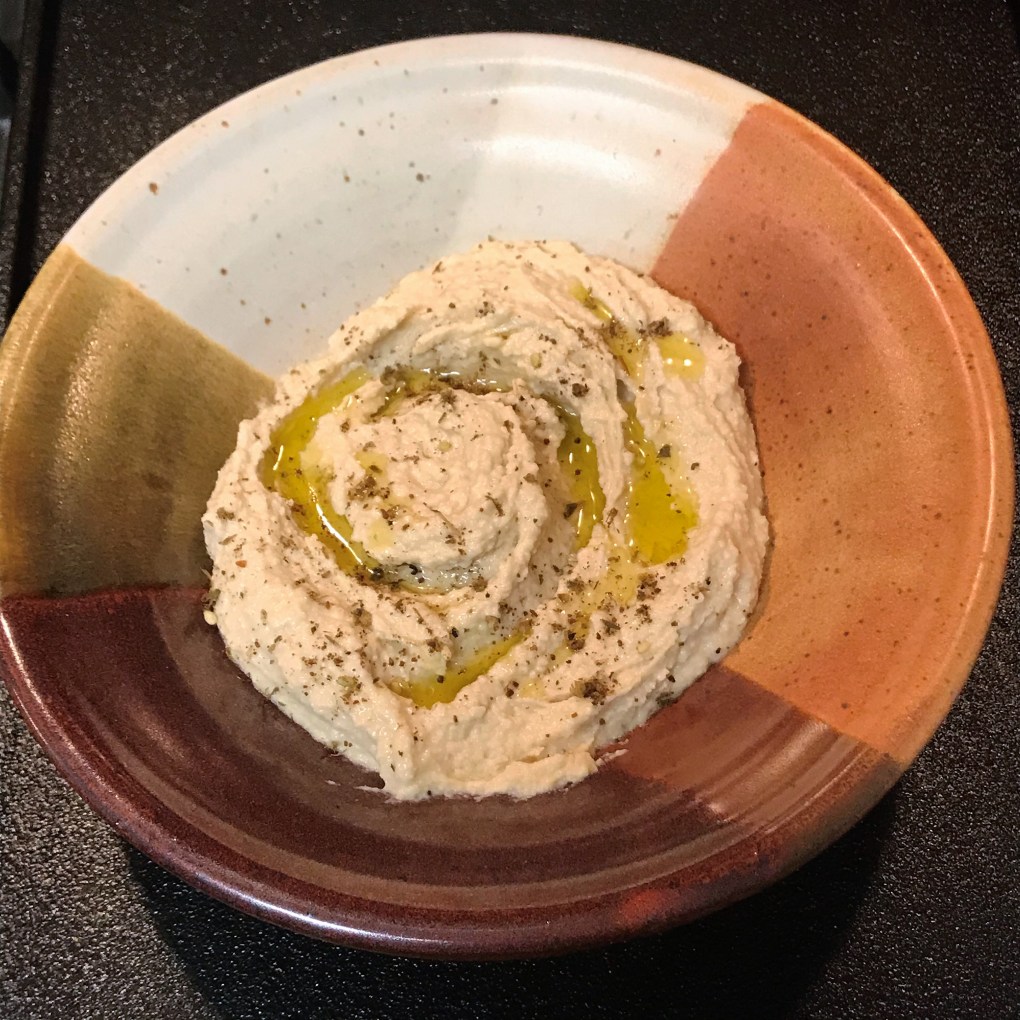
Hummus is a healthful and versatile snack. Enjoy it as a dip with fresh cut vegetables, crackers or pita bread, and even as a sandwich spread in place of mayo. Below are some of our favorite hummus flavor variations. Each recipe begins the same as the simple recipe above; for smooth texture, add mix-ins earlier in the recipe. For more distinct chunks, add them later.

Hummus Flavor Variations

Artichoke and garlic

Use about 5 to 6 artichoke heart quarters with the base recipe; I usually do a rough chop on them before adding to the garbanzo mixture. If your artichoke hearts are marinated in oil and herbs, use less olive oil in the blending step of the recipe.


Roasted red pepper

Use amount equivalent to one bell pepper, either roasted at home or purchased. If they’re packed in oil, use less olive oil in the blending step of the recipe. I like to add sweet or hot smoked paprika for an extra flavor punch.


Sun-dried tomato

Use 5 or 6 pieces of tomato, rough chopped before adding. If they’re packed in oil, they’re good to go. If dried, plump them first in hot water or in the bean liquid you’ve drained. A little dried basil would be a nice complement to the flavor of the tomatoes.


Spinach

Sauté a generous handful of fresh spinach until fully wilted, or thaw (and squeeze dry) about 1/2 cup frozen spinach; add to bean mixture early to blend very smoothly.


Caramelized onion (slightly sweet)

Sauté a small onion in olive oil until very soft and golden in color; add to bean mixture at any point of the recipe (I like to add it later to retain some of the onion shapes).


Roasted beet (slightly sweet)

Purchase the roasted beets ready-to-go from the produce section. I usually buy them at Trader Joe’s, but have seen them in other stores as well. I don’t recommend canned beets because of the water content. About 3 small beets will be good; rough chop and add them early to the bean mixture. Finished hummus will be a lovely pink color.


White bean hummus

Use cannellini beans instead of garbanzos. Add fresh chopped or dried oregano; use slightly less bean liquid and oil. Cannellini beans have a creamy texture, and this hummus is very elegant and silky. Sprinkle with toasted pine nuts just before serving.


Black bean hummus

Use black beans instead of garbanzos. I like to throw lots of spice into this one; think chili and cumin spices, maybe even a small can of roasted green chiles. Rather than lemon juice, use red wine vinegar.

Want to print this recipe?


Creamy Tomato Bisque

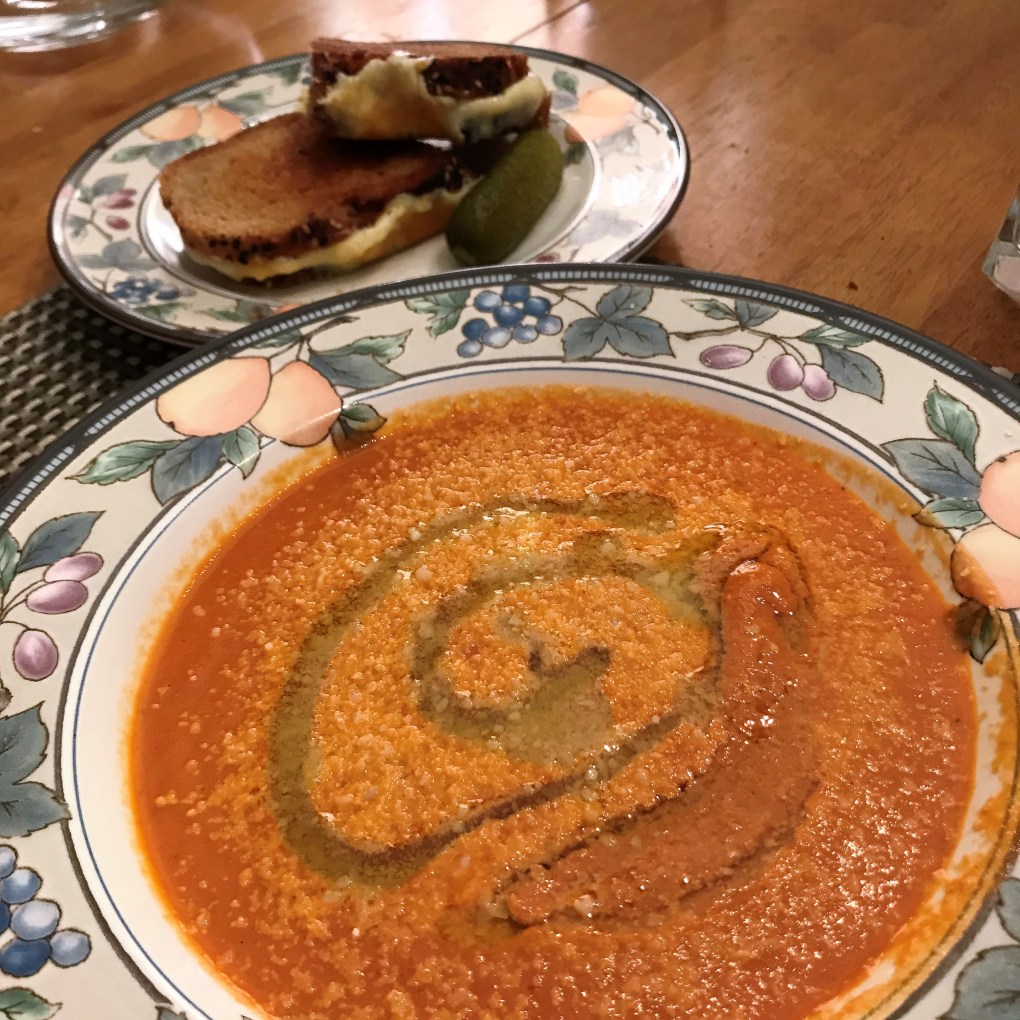
There’s a reason “tomato bisque” is on so many restaurants’ menus. It’s a classic comfort food, and so simple to make from regular pantry ingredients you’ll wonder why you ever settled for the stuff in a can. My version includes a bit of red bell pepper and carrot for a touch of extra flavor and sweetness. This is perfect on a chilly day or rainy night, and we love to pair it with a tuna on homemade rye or classic grilled cheese sandwich.


Ingredients

Extra virgin olive oil, salt and pepper

1 medium onion, chopped (I like sweet onions, but yellow works well here, too)

1/2 medium red bell pepper, seeded and chopped

1 medium carrot, peeled and diced

3 cloves garlic, peeled and chopped

1 tsp. Italian herb seasoning (or some combination of oregano, basil, thyme, rosemary)

A pinch of crushed red pepper

28 oz. can peeled plum tomatoes (San Marzano, if possible)

1/2 cup vegetable broth or 3/4 cup V-8 juice

1/4 cup whole milk, half-n-half or heavy cream (omit or substitute canned coconut milk if vegan)

Freshly grated parm-romano cheese blend (omit for vegan) and chopped parsley or basil for serving

Tools

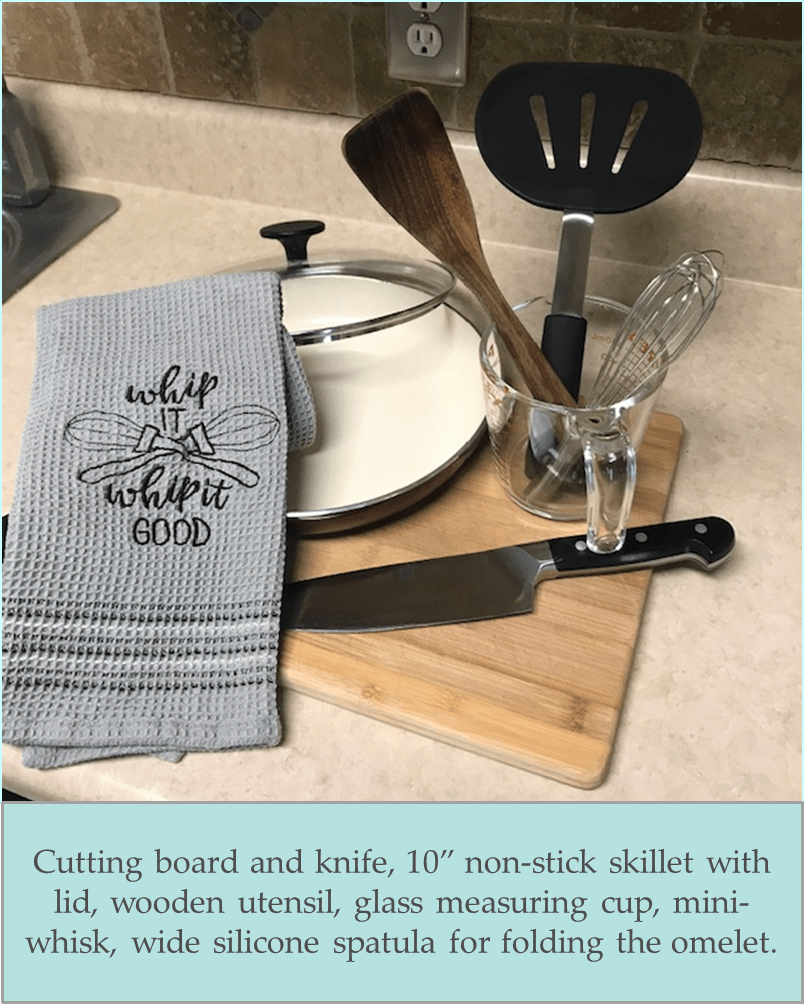
cutting board and knife, heavy-bottomed tall pot, flat wooden utensil or spoon, immersion blender*


Let’s Get Cooking!


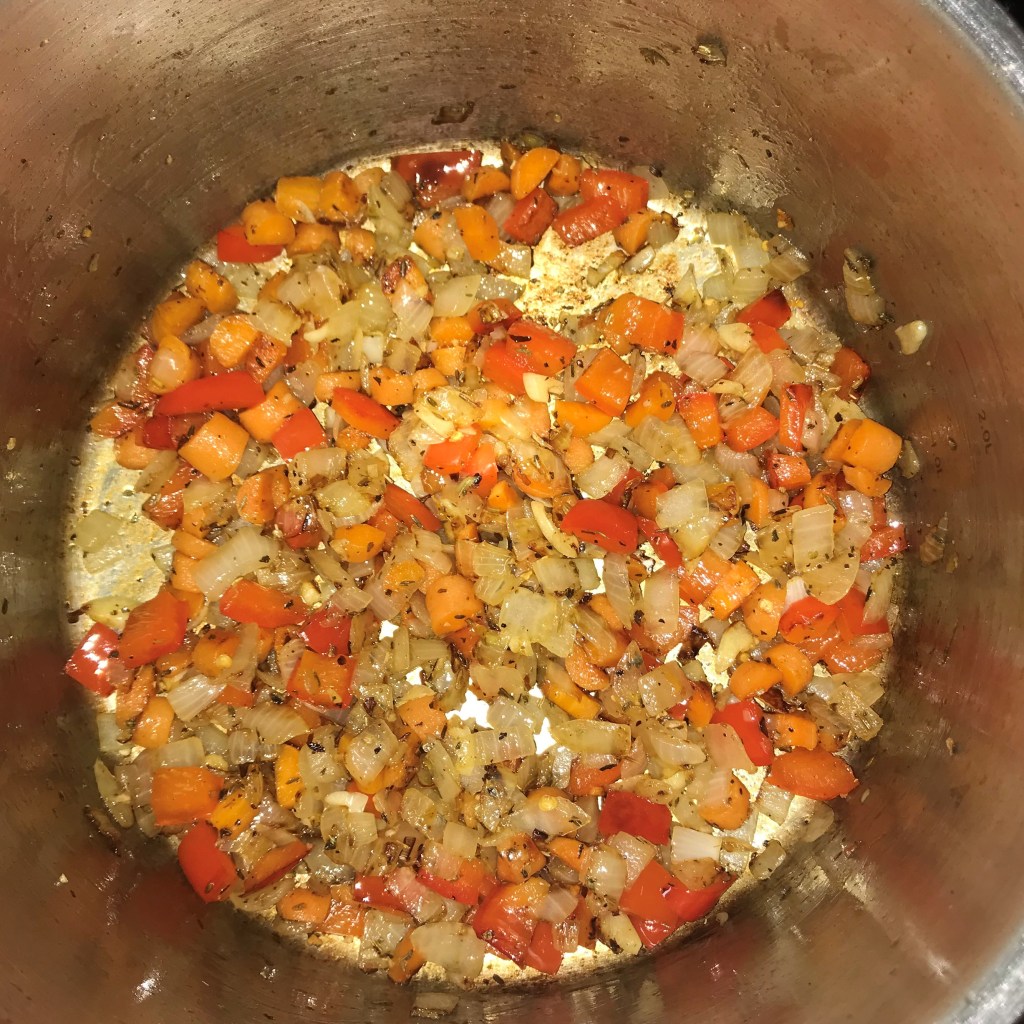
Place a deep, heavy-bottomed pot over medium heat. Add a generous swirl of olive oil (about 2 to 3 tablespoons). When oil begins to shimmer, add onion, pepper and carrot all at once. Salt and pepper to taste, then stir and cook until all begin to soften. Add chopped garlic and seasoning blend, stir and cook another minute or two until onions seem slightly translucent.

Add the plum tomatoes, using your hand to squeeze each tomato into the pot. This helps release the juices and gives them a head start on breaking up in the pot. Squeeze slowly and gently so you don’t wear it! Add all the tomatoes plus all remaining liquid from the can, but discard any basil leaves that may be in the can. Add broth or juice, stir to mix evenly and bring just to a boil, then reduce heat and simmer uncovered on medium-low about 30 minutes. Stir occasionally to prevent burning. Adjust seasoning to taste.

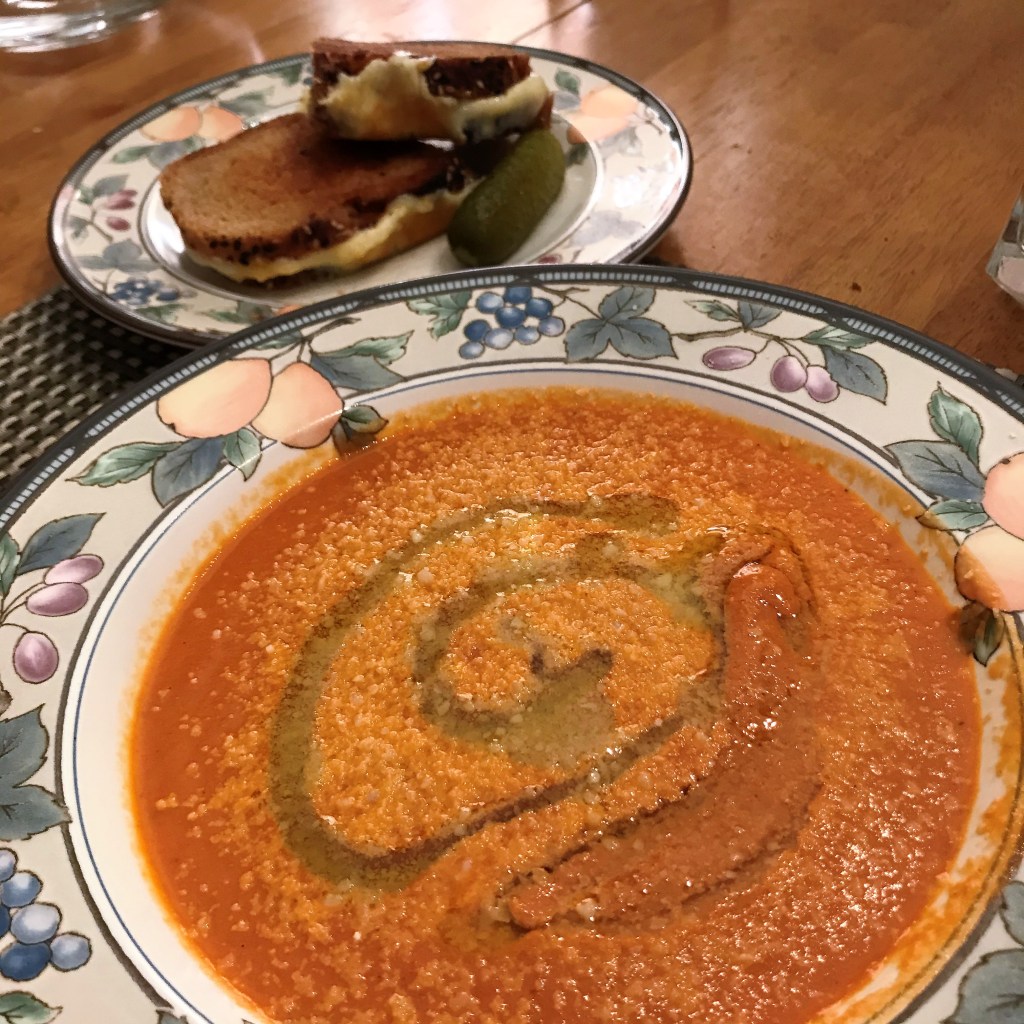
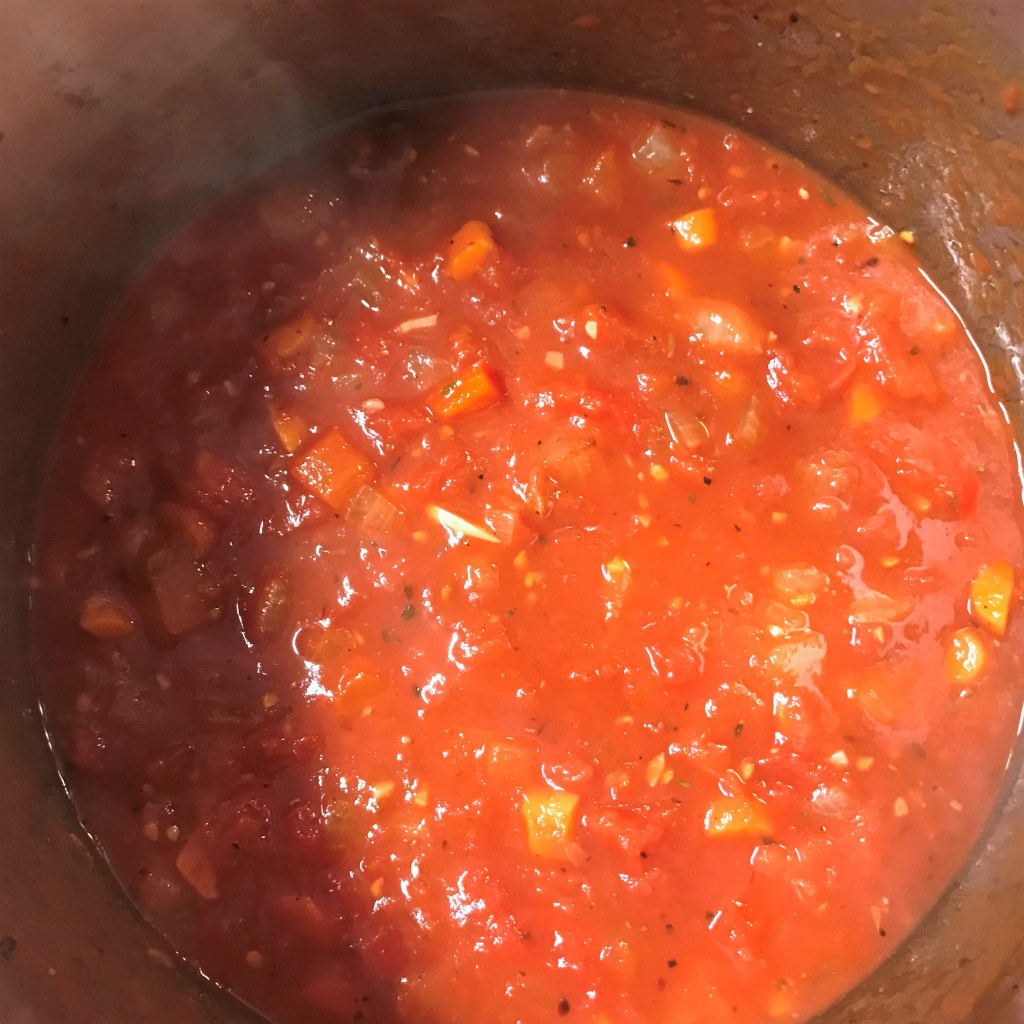
When mixture appears less chunky and somewhat reduced, turn off heat and use an immersion blender to puree until mixture is as smooth as you like. Simmer on low another few minutes to allow air bubbles to disperse and soup to reduce to your preferred thickness. If it’s too thick, stir in a bit more vegetable broth. Remove from heat and swirl in milk or substitute. Ladle into bowls and swirl a drizzle of olive oil over the top of the soup and sprinkle with parm-romano cheese and fresh chopped herbs as you like.

Dinner is served. We love it with a sourdough grilled cheese, but any kind of sandwich is a good side.

Want to print this recipe?


No-Fuss Mushroom and Spinach Omelet

I like this style of omelet because it’s quick and simple, and it doesn’t require removing the extras from the pan and then stuffing them back in. Your “fillings” will be cooked into the outside of the omelet, with melty gooey cheese layered inside. This recipe is super flexible, too! You can add or substitute leftover vegetables of any kind if you don’t have spinach and mushrooms on hand—peppers, kale, broccoli, asparagus or whatever is taking up space in the fridge. If they’re already cooked, just chop into smallish pieces and toss them in the pan long enough to warm them and proceed with the recipe from there. As with most my recipes, I rely on formula and technique more than the ingredients. So, let’s talk about that:

How do you make an omelet fluffy?

Whisking cold water (not milk!) into the eggs just before cooking them gives a nice airy lift to the omelet. The scientific upshot is that the tiny water droplets evaporate quickly in the heat of the pan, creating airy pockets inside the egg mixture. If you want even more fluff, separate the eggs before you begin (this works best when they’re cold) and whip the whites into a soft foam (this works best at room temperature). Fold this into the rest of your egg mixture just before pouring into the hot pan.

Which cheese melts best for an omelet?

Good melting cheeses include Monterey jack, cheddar, Colby, Muenster, Havarti, Gouda and gruyere. Hard or crumbly cheeses such as feta, chevre and parmesan will add tons of flavor; just don’t expect gooey goodness from them, as they pretty much hold their shape when warmed. Whenever possible, grate your cheese from a block. The packaged pre-shredded cheeses are coated to prevent sticking in the bag, and this also prevents them from melting well.

Do you need a special pan for an omelet?

Years ago, my mom had one of those hinged, fold-over pans “designed for omelets,” but this is absolutely not necessary. It didn’t produce a fabulous omelet and mostly just made a mess. My go-to pan for omelets is a good non-stick skillet with curved sides. The shape and coating makes it easier to slide your spatula underneath the set egg mixture for folding and serving. If your skillet is not coated, swirl in a little extra oil just before adding the eggs, to guard against sticking.

This recipe is a delicious way to work in an extra serving of vegetables and works especially well as “breakfast for dinner.” Three eggs make just the right size for my husband and me to share, but we are not big eaters at breakfast. Feel free to throw in a fourth egg with no other adjustment needed.

Ingredients

Extra virgin olive oil, salt and pepper

1 thick slice of onion, finely chopped (we like sweet onions, but red or yellow ones are fine)

3 to 4 mushrooms, cleaned and sliced (cremini is my go-to, but white button or shiitake would also work)

Big handful of fresh baby spinach, roughly chopped and tough stems removed

3 large eggs, room temperature

About 1/2 tsp. prepared Dijon mustard (or hot sauce for a spicier twist)

Splash of cold water

1/3 cup freshly shredded cheese (or less if using more pungent cheese, such as Parmesan or feta)

Tools

Get Cooking!

Place a 10 inch non-stick skillet over medium heat and add a generous swirl of olive oil.

When you notice the oil beginning to shimmer and flowing easily around the pan, add your chopped onions. Give them a stir and cook until they are just soft but not quite browning, about 2 minutes. Add the sliced mushrooms and toss them around with your wooden utensil to be sure they get lightly sautéed on both sides. Add the chopped baby spinach leaves and stir until wilted and noticeably reduced, but still bright green. Salt and pepper to taste.

While the veggies are doing their thing, crack your eggs into a large measuring cup, add Dijon mustard (or hot sauce) and whisk briskly until lightly foamy. Add a splash of cold water – about 1 Tablespoon – and whisk again until light and foamy. You want lots of bubbles in this mixture, so whip it…whip it good!

Spread out the sautéed veggie mixture evenly in your pan. Slowly pour the eggs around the outer edge of the mixture, encircling your veggie ingredients, then pour gently to “fill in” and cover the entire mixture. Again, salt and pepper. Reduce the heat to medium-low and cook about 2 or 3 minutes, or until the egg mixture looks set about one half inch around the edges but still wet and somewhat loose in the center.

Sprinkle shredded cheese over the entire mixture, turn off the burner and place a cover over the pan, allowing trapped heat and steam to finish cooking the eggs and melting the cheese into them. This will take about 3 minutes. Using a wide silicone spatula, fold in half. Or for a slimmer omelet, fold one third toward the center, then fold the other side over the top of that, as if folding a letter. Carefully cut the omelet in half crosswise to share the other half with your other half, and enjoy!

Want to print this recipe?