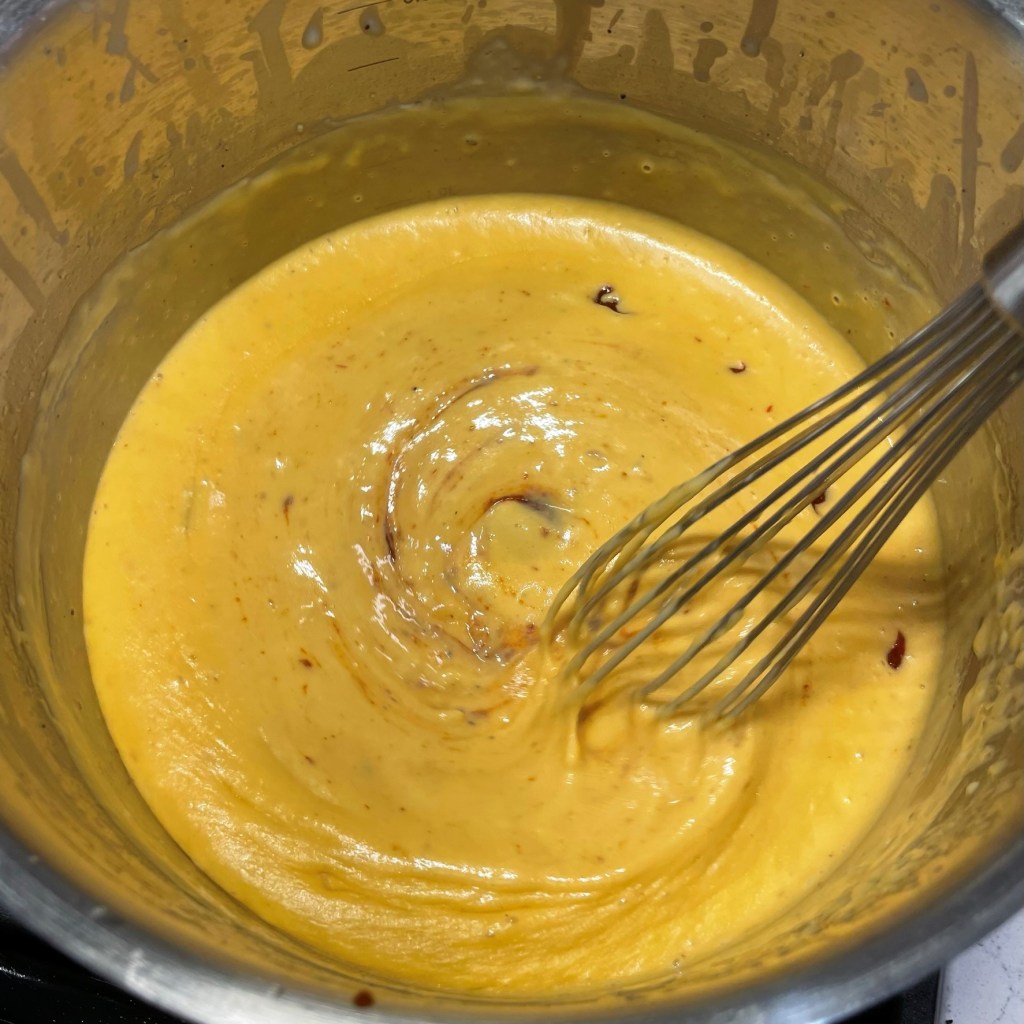
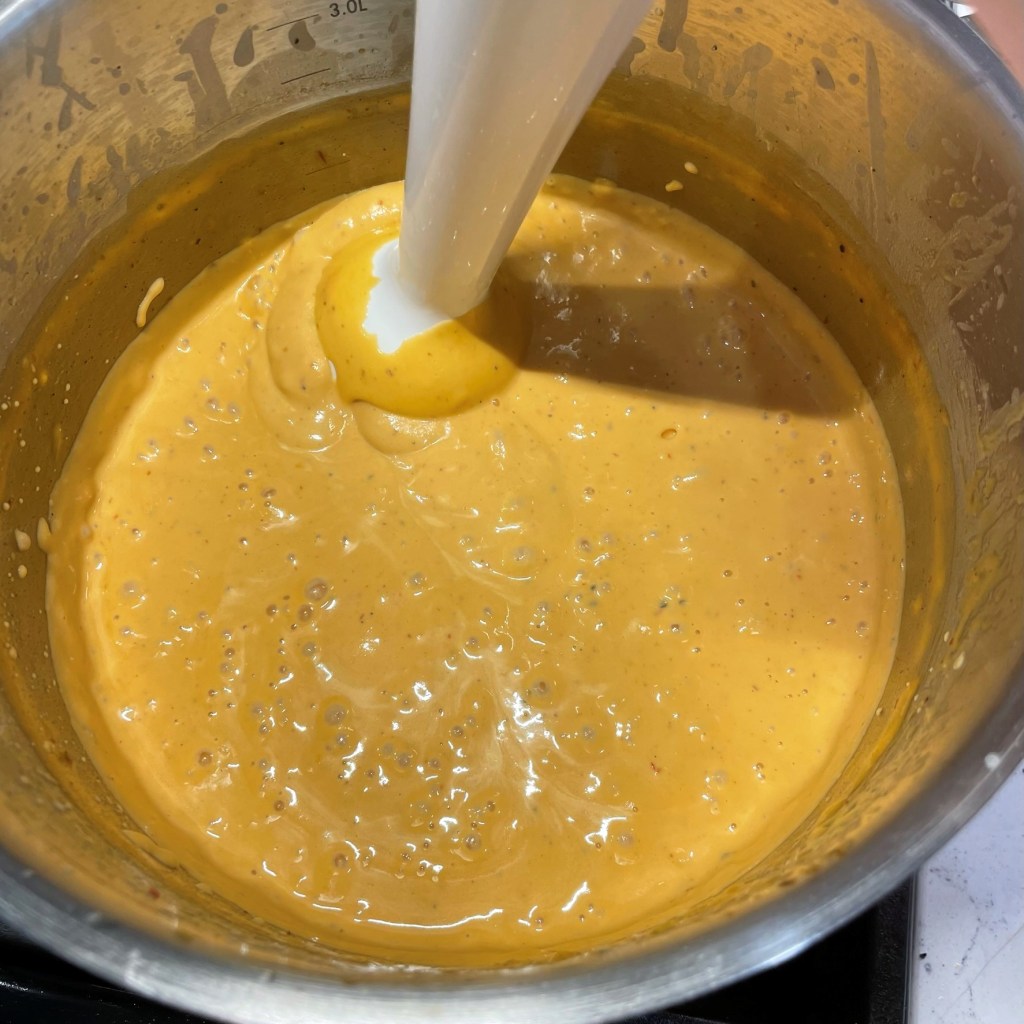
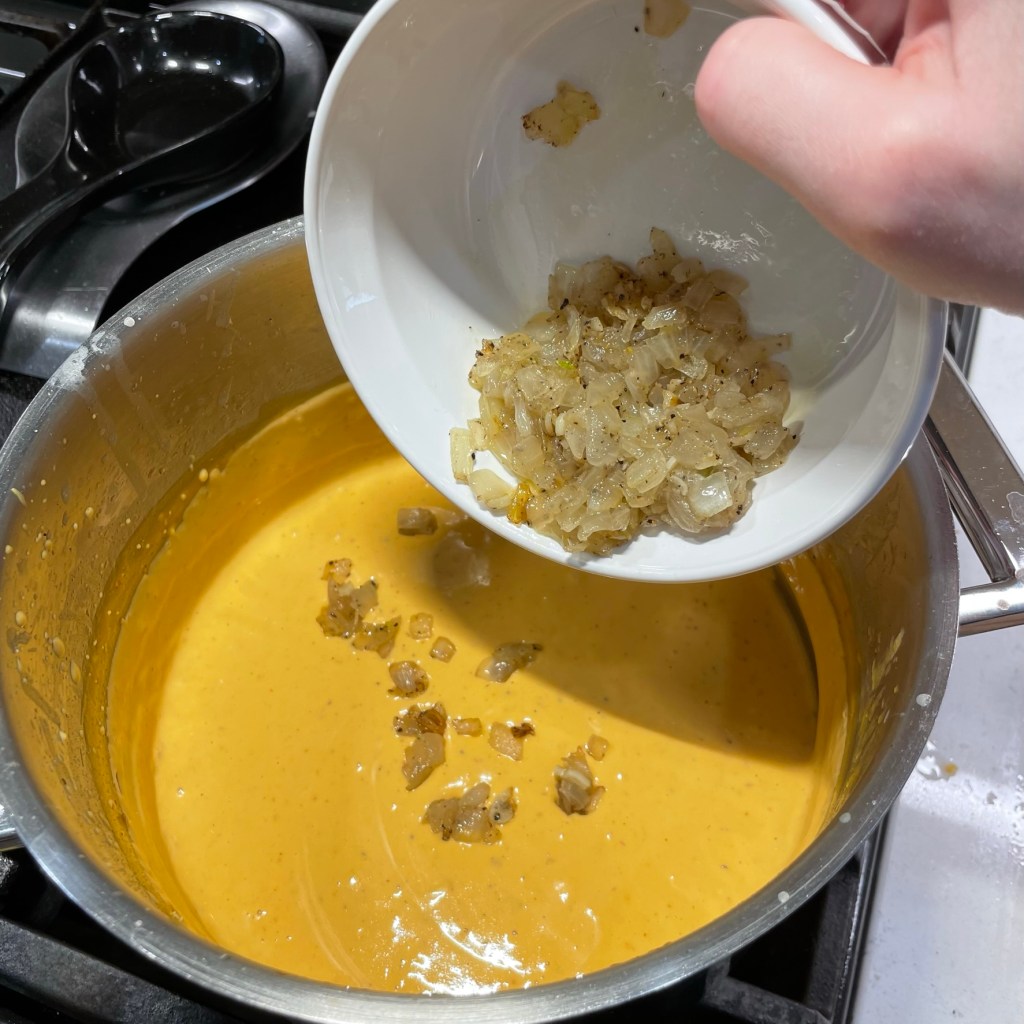
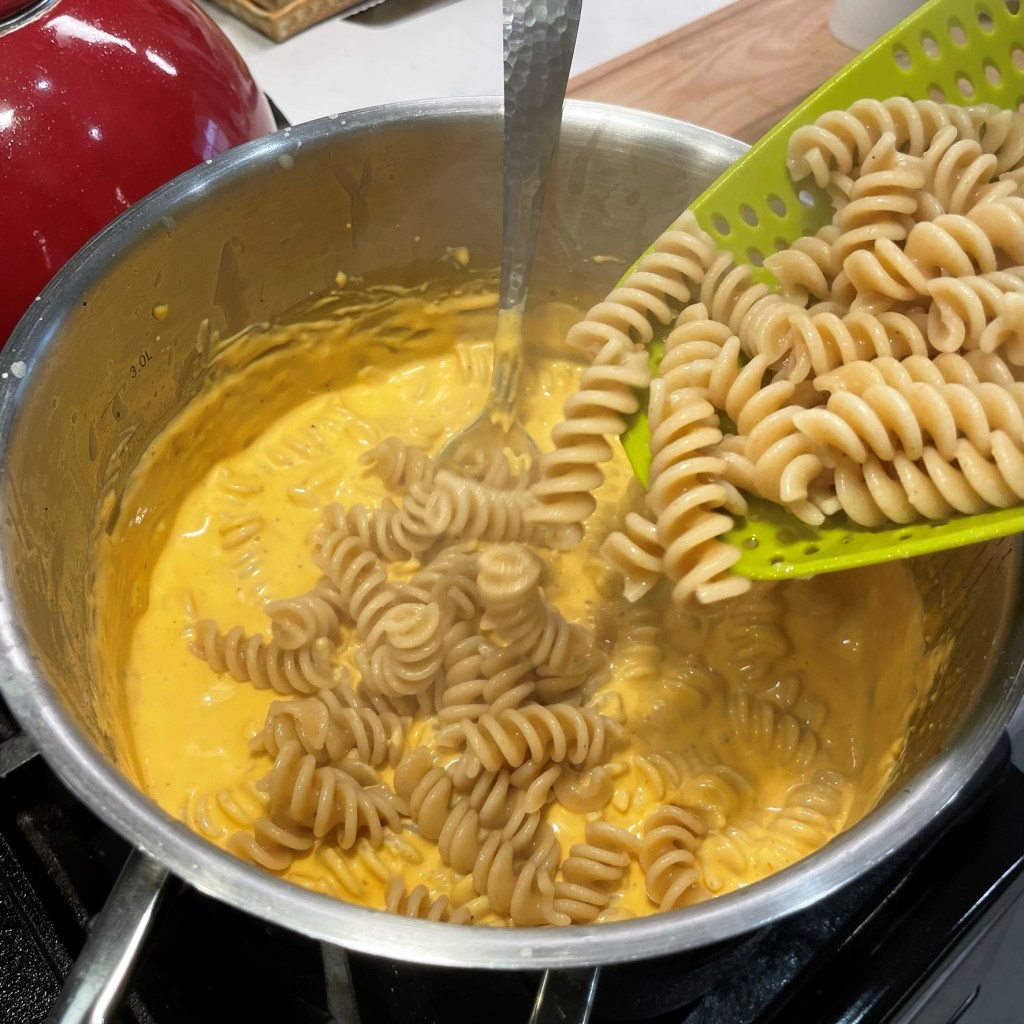
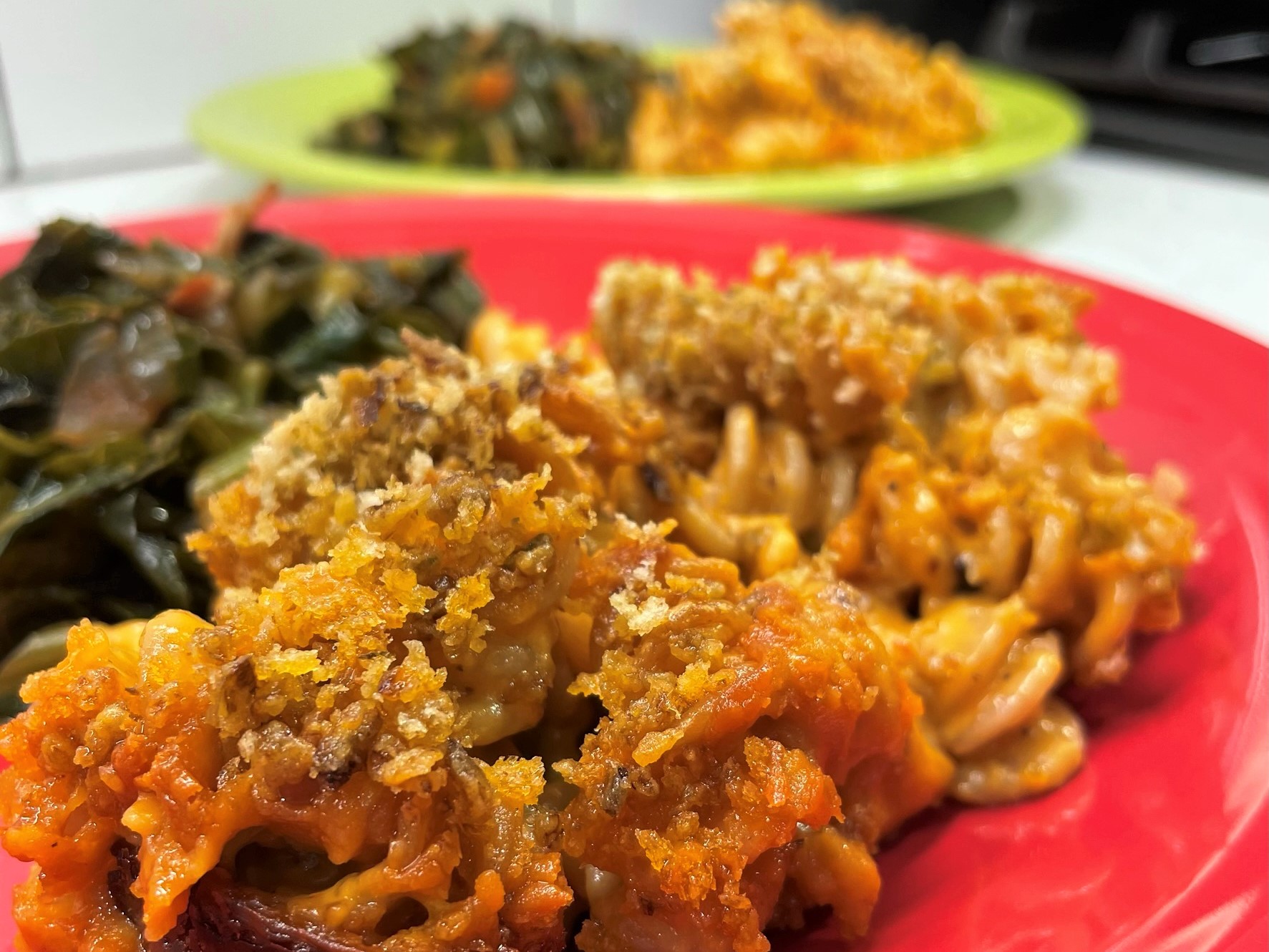
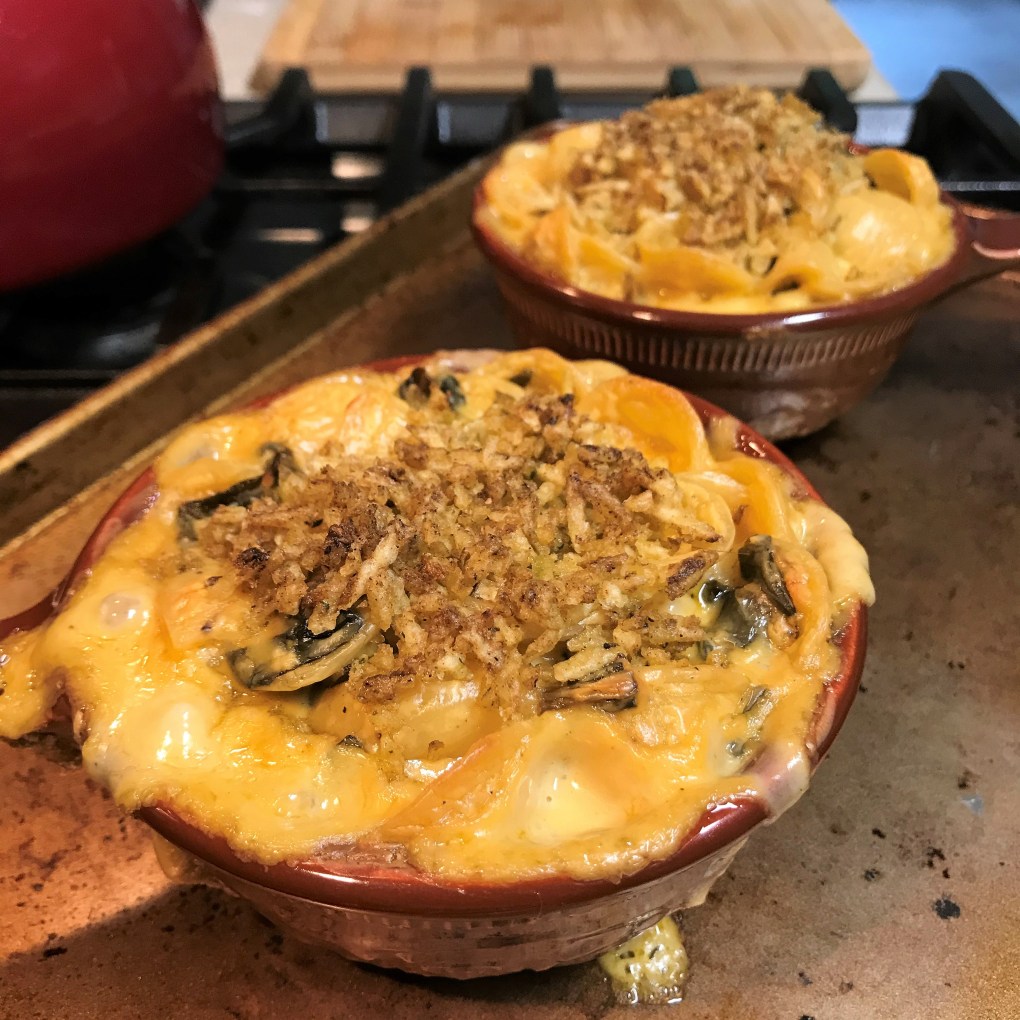
Smoky Chipotle Mac & Cheese

It only ranks third in America’s overall favorite comfort food (behind pizza and burgers), but here in the South, mac and cheese reigns supreme. It was the first dish I posted on Comfort du Jour when I finally got the nerve to start my blog and, as you can see, we enjoy making fun variations of it at our house! This simple, versatile side dish is like a blank canvas—you can apply so many flavors to it and, with all the different pasta shapes available, hardly ever have a repeat.
The main thing you need for super creamy mac and cheese is a velvety base, and for me, that means a bechamel—which is just a fancy French word that describes “white sauce.” Bechamel is one of the five so-called mother sauces, because it serves so many purposes. The key ingredients of a classic Bechamel are butter and flour (cooked together in equal parts), and milk. The fat in the butter coats the starch in the flour, and the resulting paste serves to thicken whatever liquid is added to it—in this case, milk.

This butter-flour magic is called a “roux,” and it’s one of the first things I remember really learning from time spent in my grandmother’s kitchen. When she first told me about this important technique, I thought Gram was calling it “Roo”—like Kanga’s baby from the Winnie and the Pooh books (that’s how young I was). Since that very early lesson, I’ve learned how to spell roux, and how to adjust it for different applications.

The intensity of cooking on the roux changes its properties, and you can easily use this to your advantage, based on what you are making. For a thick, creamy white sauce, cook the flour in the butter over medium heat, just long enough to achieve a foamy appearance, then add milk all at once and whisk until it is thickened. Season it with salt and pepper, perhaps a little grated nutmeg (essential, in my opinion, for a real bechamel) or another seasoning you like, to match how you plan to use it. If I were to layer this creamy sauce with thinly sliced Yukon gold potatoes and onions, I might substitute ground cumin for the nutmeg, because I love the flavor of cumin with potatoes. Slide that into the oven for about an hour, and you’d be enjoying scalloped potatoes. Melt cheese into the sauce before layering, and you’d have potatoes au gratin.

Cook the flour and butter a bit longer to the point of being brown and toasty-looking, and you’ll have a roux with more complex flavor, but slightly less thickening power. This is what I usually do when I make mac and cheese, because I don’t need the bechamel to be quite as thick on its own (the melted-in cheese makes up for that), and because the browned butter in the base lends a warm, nutty aroma and flavor to the dish.


Incidentally, it does not have to be real butter. A roux can be made with any type of fat, including plant-based butters, cooking oil or even lard or bacon grease. I have also found success using gluten-free flour, as there is usually enough starch in it to produce similar results as one made with regular, all-purpose flour. I have even read that almond flour can be used in roux (though I have not tested this). As long as the starch and fat molecules play nice, you’ll end up with a roux that will thicken. 

For a roux with even more heft and complexity, such as for gumbo, cook the flour in oil rather than butter, and do it low and slow—even in the oven, if you want to go hands-free—and you’ll have a developed flavor that can’t be equaled with any add-in ingredient. More on that another day. 😊

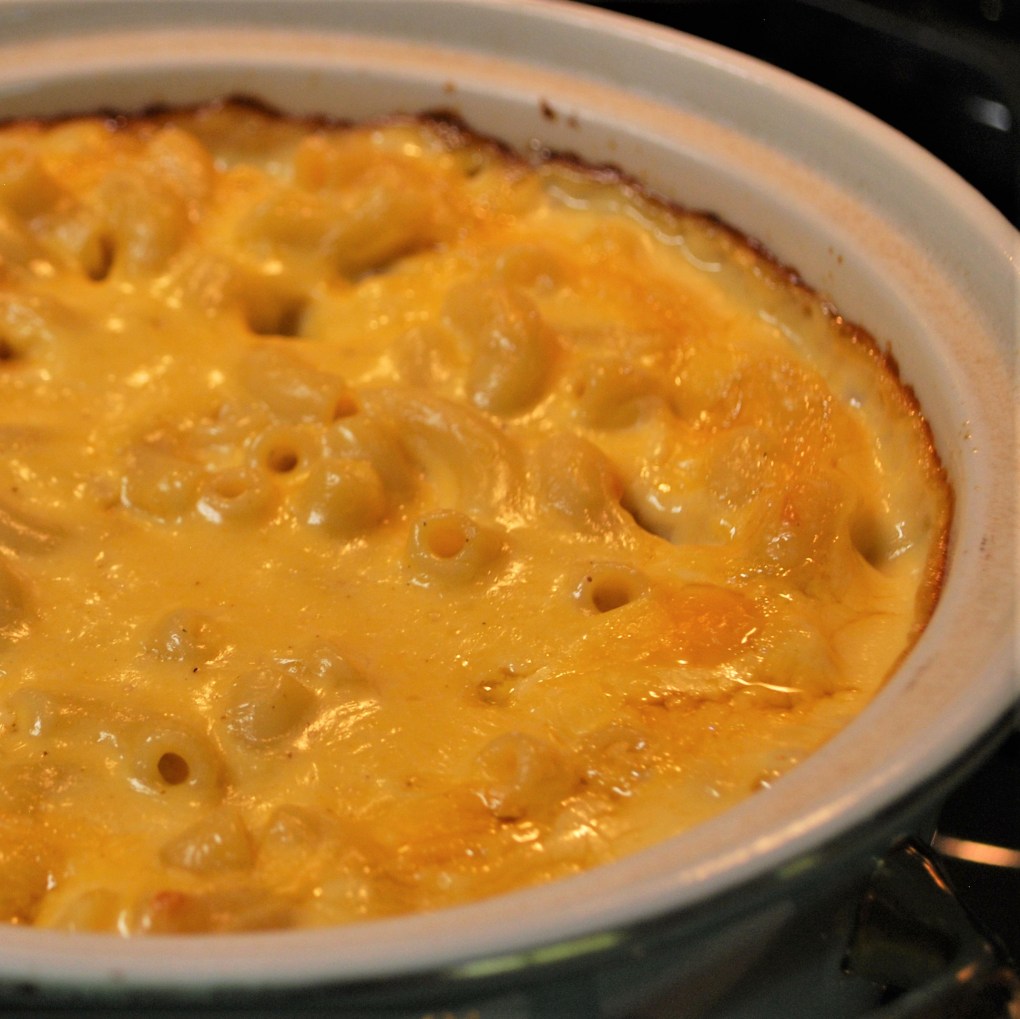
The dish I’m sharing today is another spin on my basic mac and cheese, with the addition of chipotle, one of the most favored flavors at our house. Though a subtle touch of chipotle could be added with a few sprinkles of ground chipotle powder (either before or after the cheese is added to the roux), I’ve opted to use a couple of spoonsful of pureed chipotle with adobo sauce. These are the little cans you find in the “international” section of the supermarket. Chipotle peppers are essentially dried, smoked jalapenos that have been rehydrated to a plump state. We dump the entire contents of a small can into the food processor, to be used in a variety of Mexican-themed dishes, including Les’s Smoky Guacamole and my South of the Border Crab Cakes.

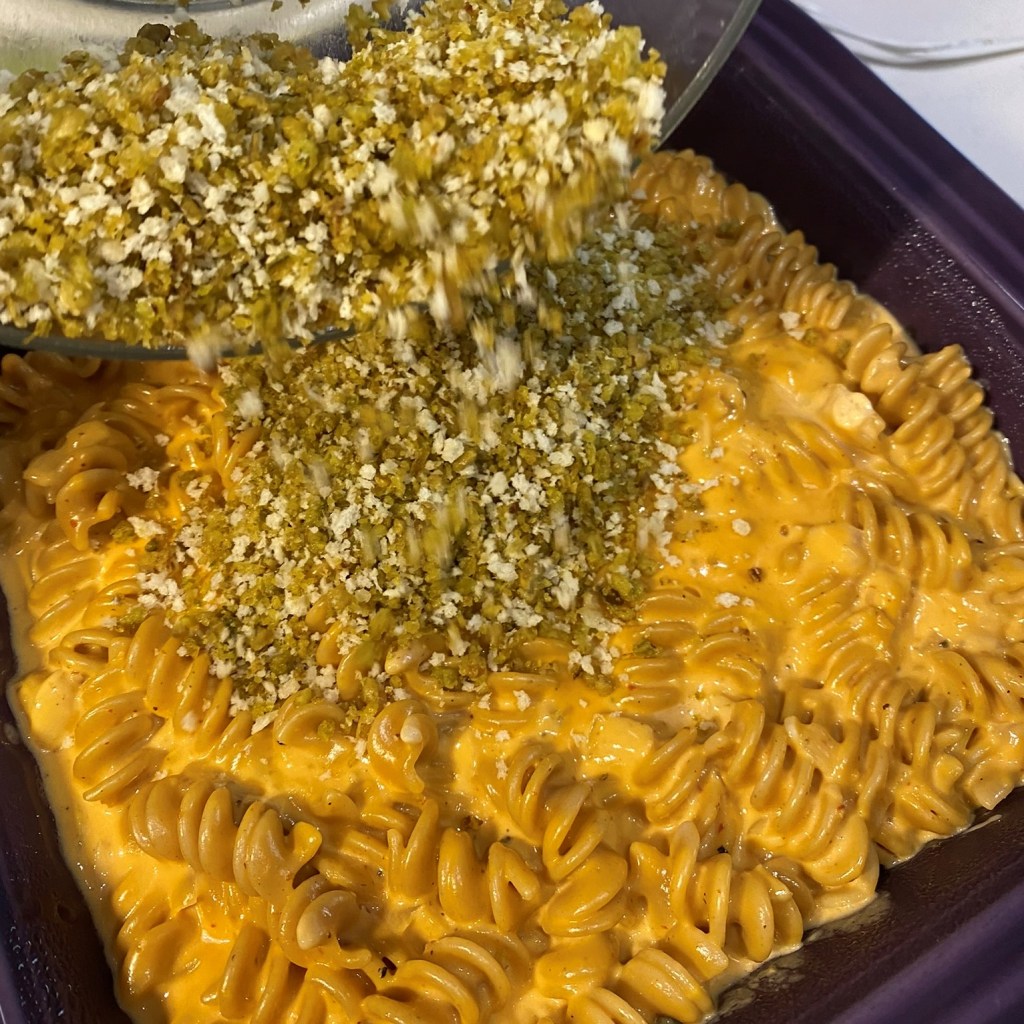
For this batch of mac and cheese, I chose whole grain rotini because of its heft and texture. When you choose a pasta with lots of surface area, you should expect to adjust the pasta-to-sauce ratio (all those twists and curves are going to need extra sauce). I topped the dish with a mixture of crushed crispy fried jalapenos (from Trader Joe’s) and plain panko breadcrumbs.

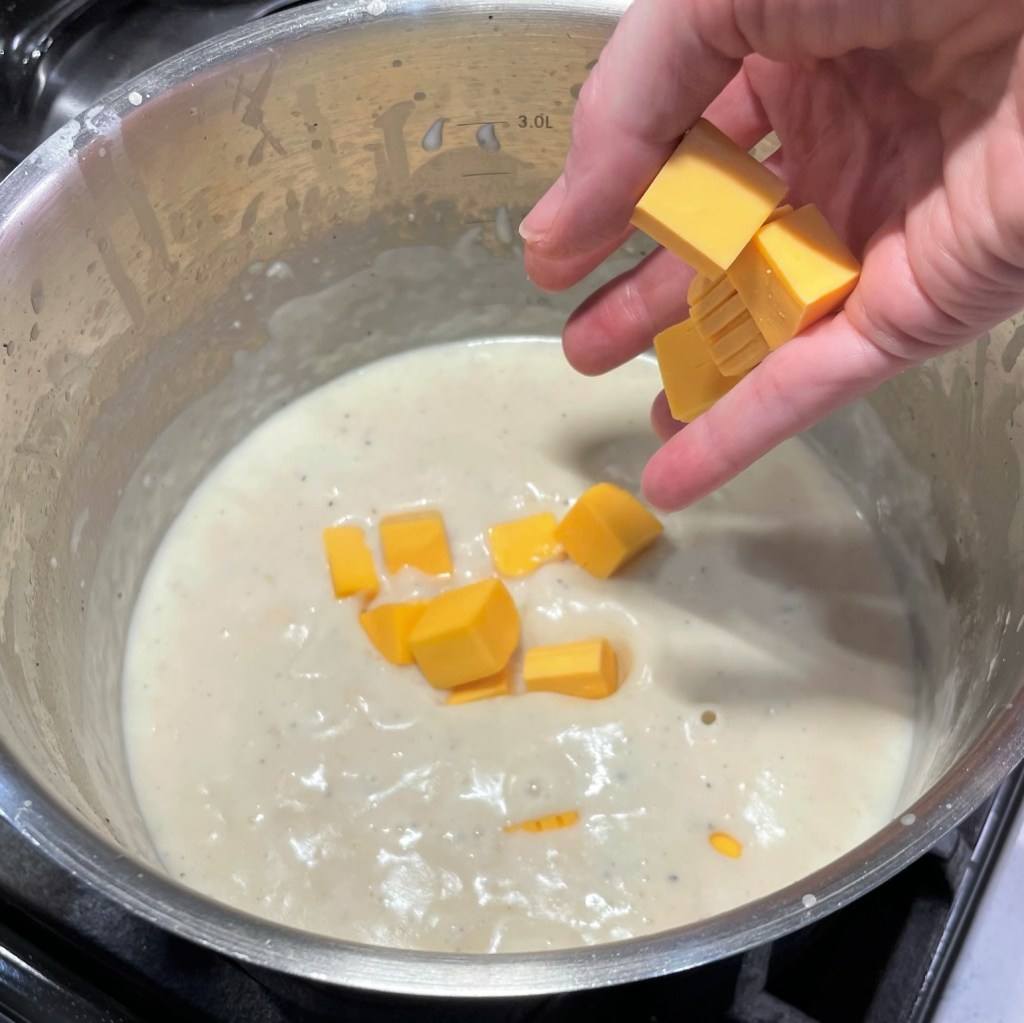
As for the cheese, I went with a medium-sharp cheddar as the main flavor, but the base cheese is yellow American. You probably already know that very sharp cheeses do not melt as well as their milder counterparts. And I’m sure you know about the exquisite melting qualities of American cheese, despite its bad rap, which is not fairly earned.

Saying “American cheese is not cheese” is like saying “meatloaf is not meat.”

J. Kenji Lopez-Alt


Ingredients

2 Tbsp. extra virgin olive oil

1/2 large onion, diced fairly fine

3 Tbsp. salted butter

4 Tbsp. all-purpose flour

2 cups milk

6 oz. yellow American cheese, cubed* (see notes)

10 oz. medium-sharp yellow cheddar, shredded

2 Tbsp. chipotle w/ adobo puree (more or less, depending on your tolerance for heat)

A few shakes of ground cumin, for added smokiness

Salt and pepper to taste

2/3 lb. whole grain rotini (if using smoother pasta, use an entire pound)


Topping:

1/3 cup crispy fried jalapenos (or fried onions, if you prefer less heat)

1/4 cup plain panko breadcrumbs


*Notes

I used to think that American cheese was fake food, but this article on Serious Eats convinced me otherwise. Yes, it is processed, but it is not made up of ingredients and chemicals pretending to be cheese. It is real cheese, processed with special salts to result in a smooth, creamy texture when melted. I do not feel this way about the brand that begins with a V (and I think you all know which one I’m referring to), but I am OK with American cheese now and then, and I consider it essential as a melting base for my mac and cheese. Yeah, what J. Kenji said.

If you have an immersion blender, I encourage you to take the step I’ll describe for whipping your cheese sauce into ultra-creamy territory. It is optional, of course, but a total game changer in my mac and cheese endeavors.


Instructions

Smoky Chipotle Mac & Cheese!


The Problem with Recipes.

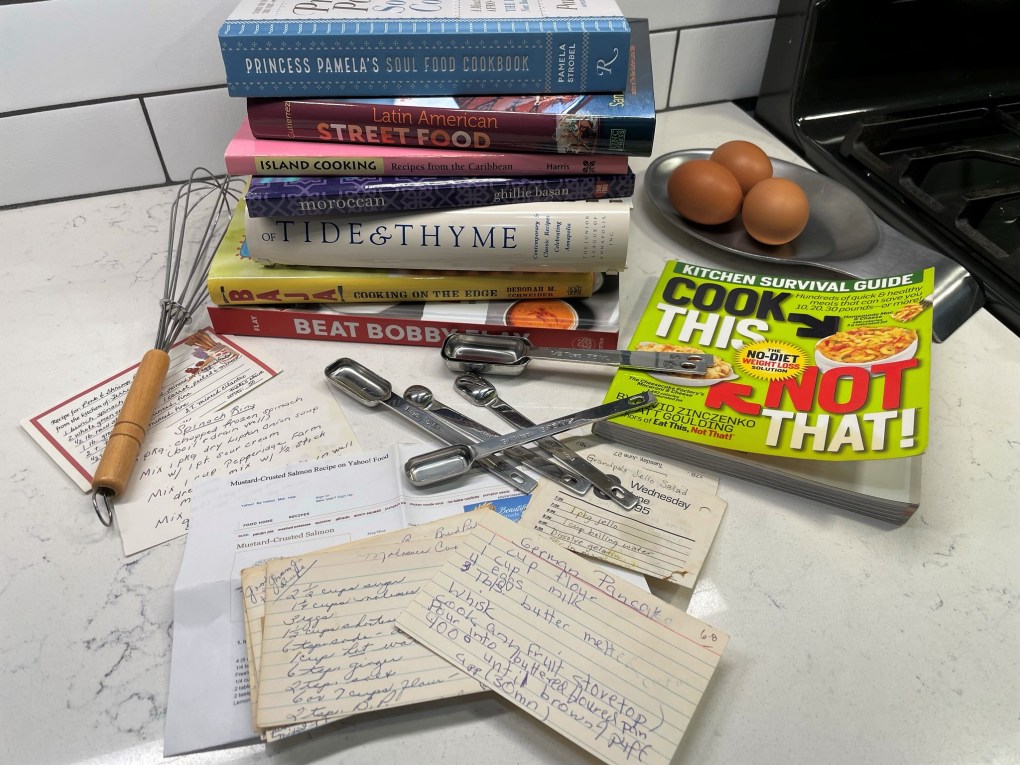
I can almost feel all the eyebrows lifting out there, and I’m sure it sounds contradictory coming from someone who has posted—ahem, 257 recipes in the past two years. But here goes, anyway. I don’t like recipes, and they are not my friend. Whew, that was tough to admit. Despite the immense collection of cookbooks in my kitchen, home office, attic storage, garage and the new one that I just bought two weeks ago, I don’t like recipes. The reasons are many, but I have boiled it down to a few, and they all point to the same issue: recipes hardly ever teach you anything, and they can even set you up to fail. Kind of like the way GPS can get you more lost than you’ve ever been.

When I clicked “publish” on my first Comfort du Jour post—exactly two years ago today—it was my mission to share ideas for elevating classic comfort foods and demystifying more extravagant dishes to make them more approachable for the home cook. My hope, of course, is that cooks of every skill level will find something interesting on my blog, something worth trying themselves and perhaps with a few changes to make one of my dishes their own. Inspiration—that’s my goal. Short of having you literally join me in the kitchen, however, some of my ideas might leave you with more questions than answers. And that’s the problem with recipes.

Like almost everyone I know, I have successes and failures in the kitchen, and some of them are spectacular on both ends of that scale. In my opinion, it is better to work toward developing one’s own skills in the kitchen rather than following recipes, because understanding techniques will carry you through any new dish. As I embark on my third year of food blogging, my new (or, I should say, additional) goal will be to help explain how I have honed my cooking skills so that learning or trying new dishes feels natural and fun.

With that in mind, I offer what I consider to be the top 5 problems with recipes. Rebuttals are welcome, of course, as are your own recipe peeves and observations. Here we go!


5. Recipes can be too vague or too detailed

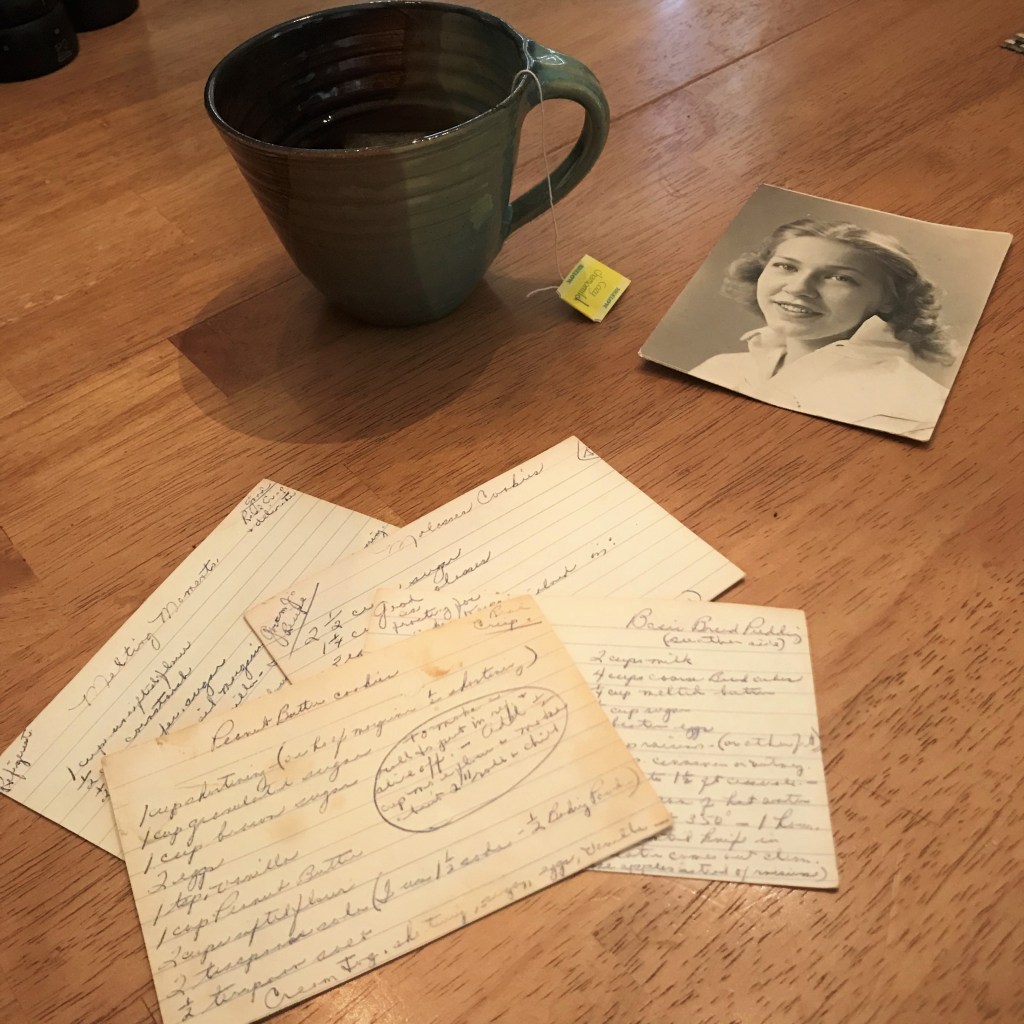
Have you ever tried to follow a recipe that seems to assume that you graduated from culinary school? This happens to me when I look at many older cookbooks, and even some of the cookie recipes left behind by my own dear grandmother. What if I didn’t know, for example, that “mix all ingredients together” really means to cream together the butter and sugar until fluffy, then add the eggs one at a time, blending after each, then stir in the vanilla and then stir in the flour? When my Gram passed away in 2019, I was startled and saddened to realize that I only had four of her recipe cards in my collection—four! But my panic quickly turned to relief when it dawned on me that I have a whole backlog of memories to guide me. During all the afternoons I spent in her kitchen, she taught me her techniques, and that is worth a million recipes.

The rest of my grandmother’s recipes are tucked away in my memory.
On the flip side of that, too much detail in a recipe can be just as bad as not enough. If the author of the recipe assumes that you have zero cooking abilities, you may have trouble following all those words. And if you should happen to need to double or half a recipe like that? Ugh, forget it. I have literally wrecked the simplest of recipes because the wordiness made me lose my place or second-guess my own instincts. It is embarrassing to admit, but I lost my mind a little bit because I couldn’t figure out when to add the toasted pecans to a carrot cake in the Bobby Flay book. The recipe literally did not address it, but I should not have needed it in writing. When I lose my confidence in the kitchen, I also lose my joy. Don’t let this happen to you! 🙂


4. Ingredient lists that are too long or don’t offer substitution ideas  

A dish needs what it needs, but one that uses a miniscule amount of every condiment and spice in my kitchen isn’t going to happen. This is exactly why I have never made pad Thai—a fantastic dish, but 25 ingredients is too darn many for me! And if you can’t find two or three of the ingredients, does that mean you can’t make the dish? There is a substitute for almost everything in the world of food, and the more unusual the ingredients, the more likely you’ll need to know what those substitutes are. This is also true for those with food allergies or sensitivities; understanding how a substitute ingredient will behave in the recipe is as important as knowing how it will taste. Gluten-free flour cannot be substituted evenly for wheat flour in a yeast bread, but it may work fine in a pancake recipe. The protein in dairy milk might play a role that can’t be handled by almond or cashew milk. Aquafaba, the liquid in a can of chickpeas, can be a vegan substitute for eggs in one dish (if the eggs are primarily a binder) but you obviously cannot scramble it up into an omelet. A perfect recipe would describe how to adjust for substitutions but spelling out every possibility will lead back to the problem of the recipe being too detailed.


3. Recipes with steps that are based on time

I recently bought the book, Beat Bobby Flay, because my husband and I are somewhat addicted to watching the competition show on Food Network. One of the first recipes I checked out made me shake my head because it described cooking a mixture for 5 minutes, adding an ingredient and cooking 2 more minutes, adding something else and stirring constantly for 2 minutes. And I wondered to myself, how does Bobby know how long it will take on my stove, with my pans? There are so many variables from one cook to the next—everything from your stove to your cookware to the ambient temperature in your kitchen can shift the cook time on a recipe. Even the various burners on the same stove will perform differently, so unless the recipe also describes the visual cues to watch for, don’t trust the time marks. Bobby Flay is a very accomplished chef (and one of my favorites), so this is not a slam against him—just a reminder that knowing how to cook is a prerequisite for using recipes. The clock has very little to do with it, except for planning what time to get started.

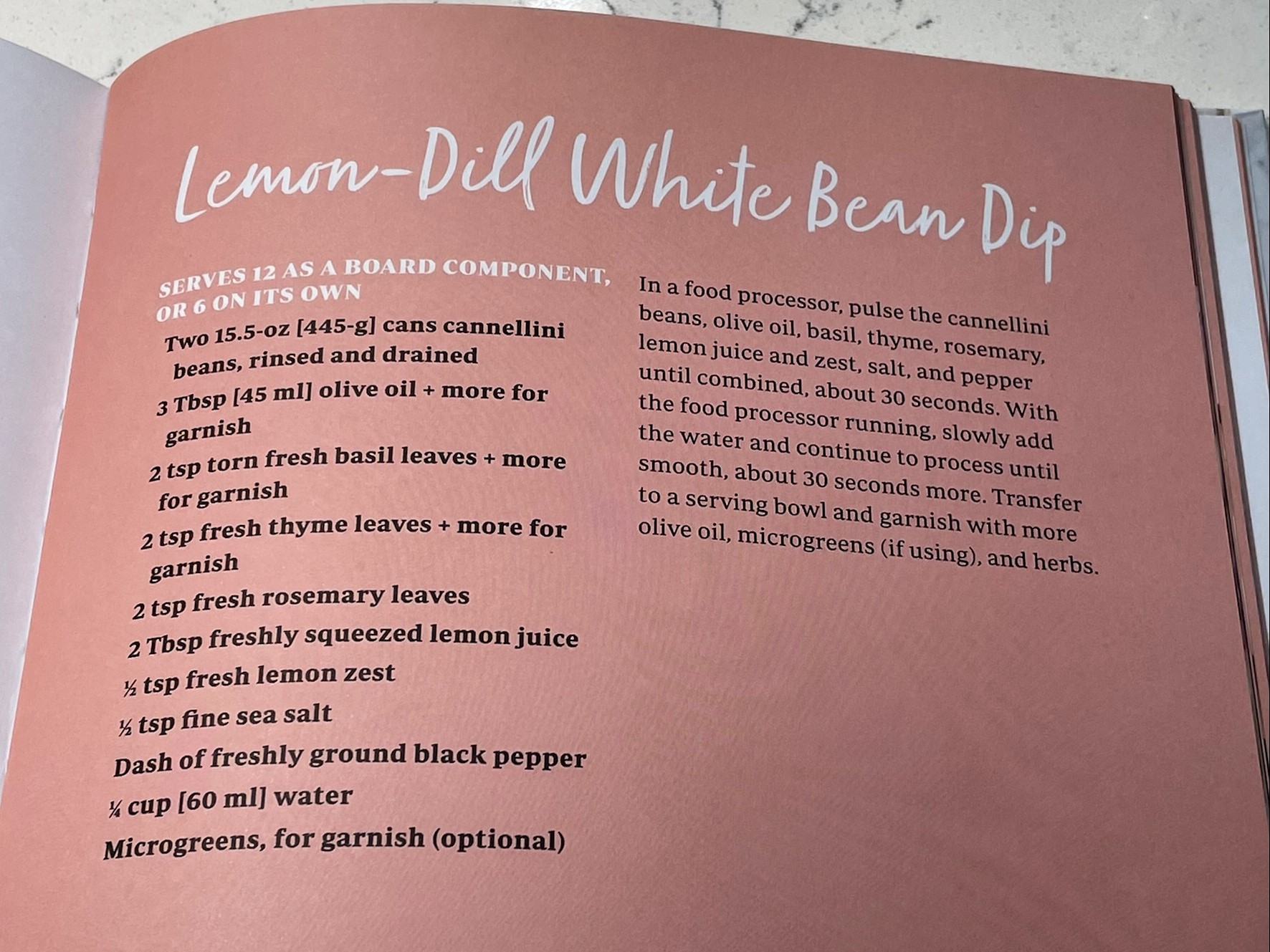
Speaking of problems with cookbook recipes, who can spot the major problem with this one?

2. Recipes that sound too easy to be true

With the advent of social media came the prevalence of recipes that have not been tested prior to publishing, and there seems to be a newfound fascination with recipes using the least number of ingredients (which is a joke, given that each “ingredient” has its own lengthy ingredient list). I’ve seen some flat-out crazy things on Pinterest, and some TikTok users get their kicks by posting impossible recipes—I suppose just to see if people will click on it so they can go viral. If you honestly believe that self-rising flour and mashed sweet potatoes will produce the fluffiest dinner rolls you’ve ever seen, and that they can be baked in the microwave, then you might also be interested in buying some oceanfront property in Kansas. Not to discourage experimenting, of course, but trust your judgment. If a recipe smells like a scam, it probably is, and I hate wasting food.


1. Recipes are made for the author’s taste, not yours

If you don’t believe this one, just look at the online “reviews” for any recipe. It won’t take more than a minute for you to find a review that gripes that the dish is too salty, followed immediately by another review that says the dish has no flavor and needs more salt. This is not a problem with recipes as much as it is a reminder that taste is subjective, and the more you are able to understand and adjust a recipe on your own, the happier you’ll be with the finished dish.


So let’s hear it. What are your thoughts on recipes, and what makes them better or worse for you?

And speaking of recipes, get ready for some more inspiration from me, including—you guessed it—some new dishes I’ve been cooking up in the Comfort du Jour kitchen. I’ll do my best to avoid these common recipe pitfalls as I describe the techniques behind my creations.


Tahini-Lemon Sauce

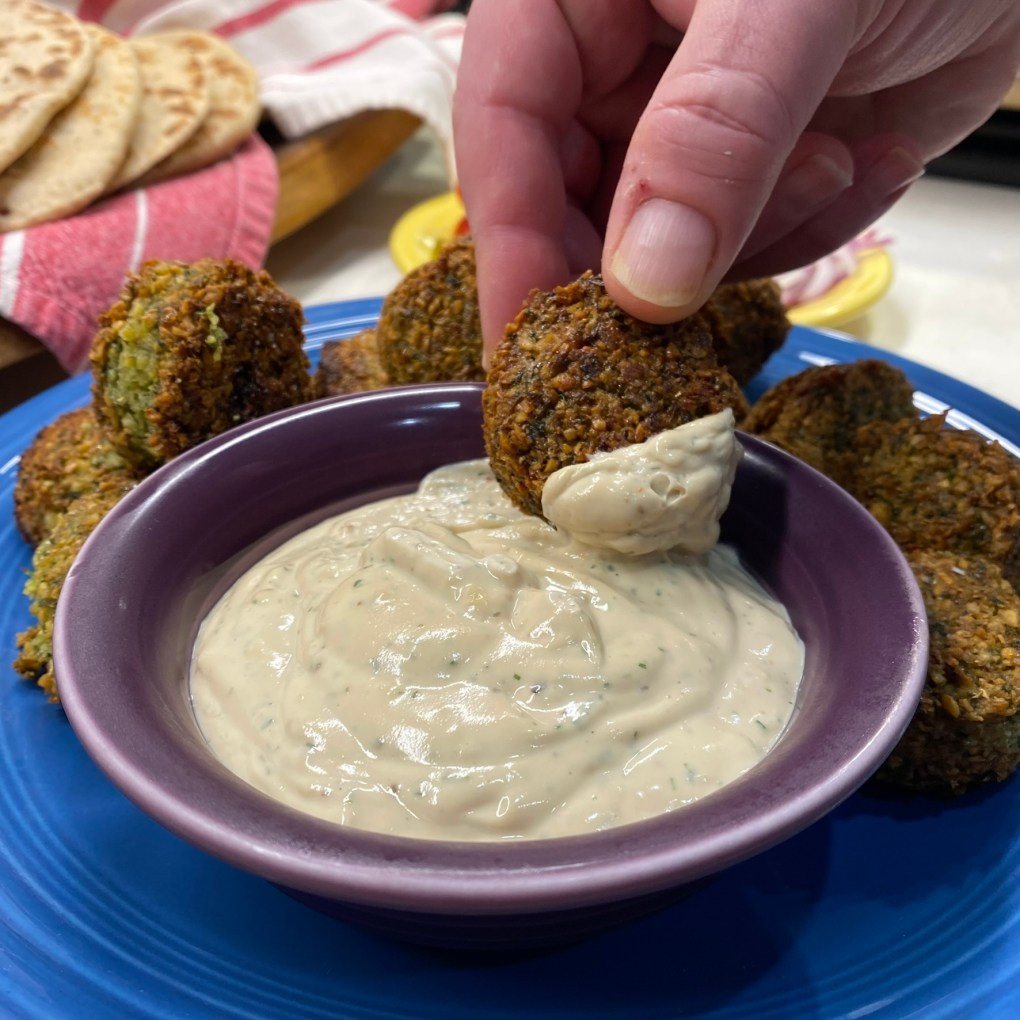
One of my favorite condiments is tzatziki, the Greek yogurt-based topping that is perfect for anything you put on a pita, including gyro and souvlaki. The zesty zing of garlic and cooling notes of grated cucumber are an easy, refreshing way to pile on the flavor. But for a vegan dish, such as the falafel I made recently, tzatziki is off the table. We wanted a flavorful topping that still had a Middle Eastern vibe, and one that could play many roles, as a dipping sauce, topping or dressing.

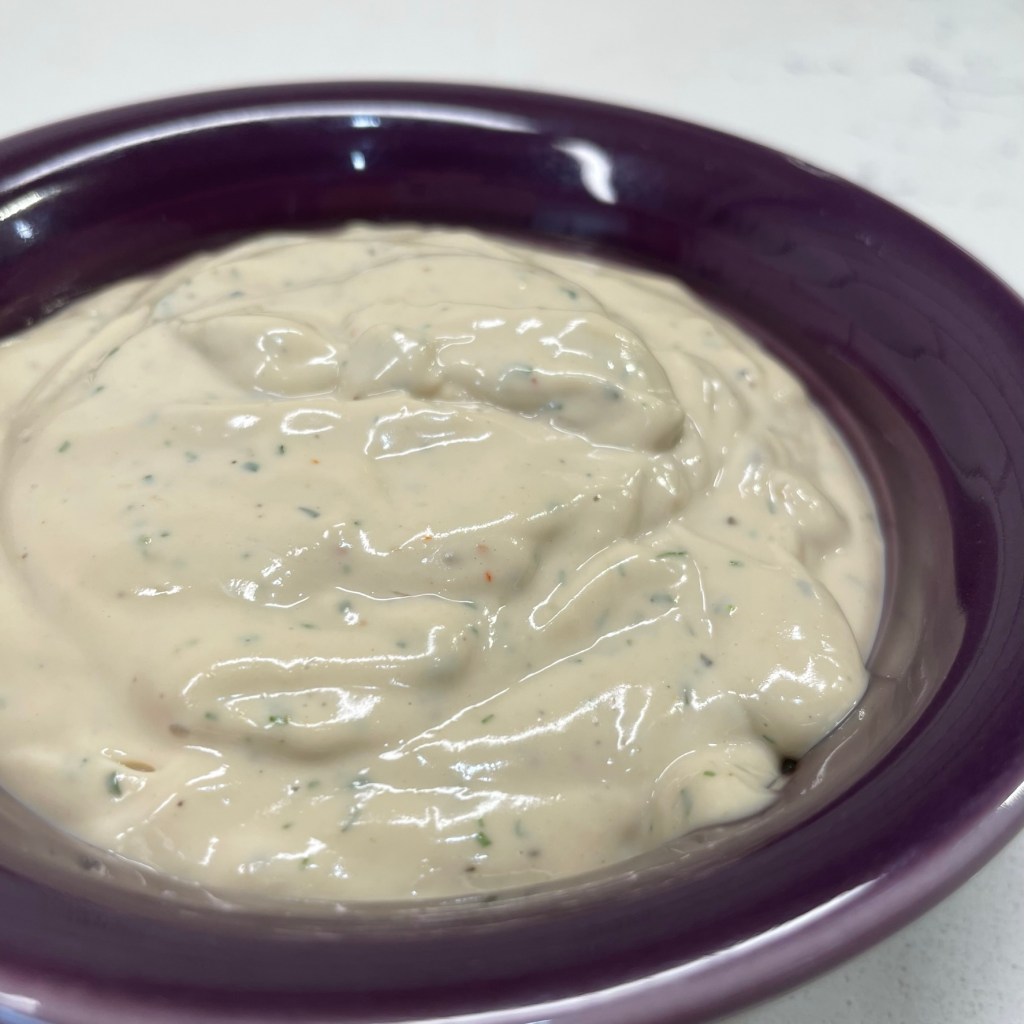
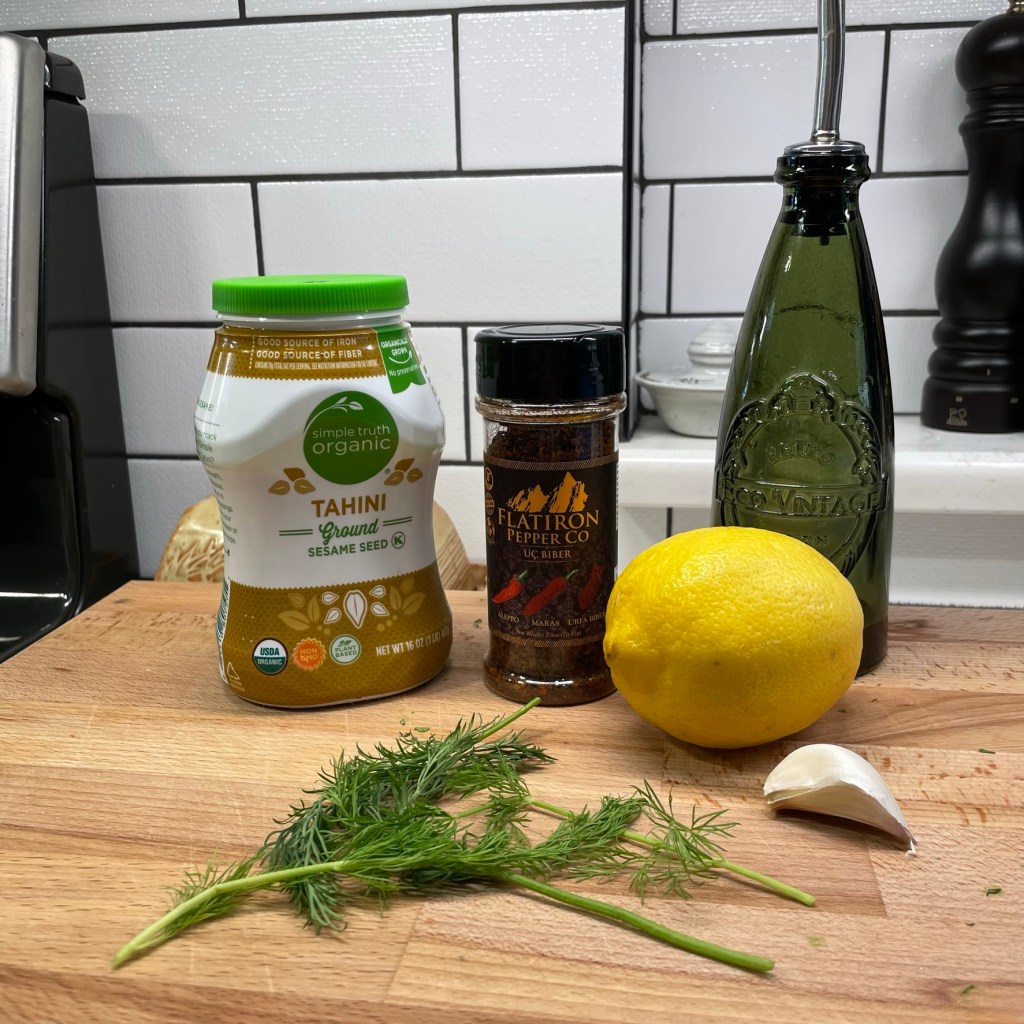
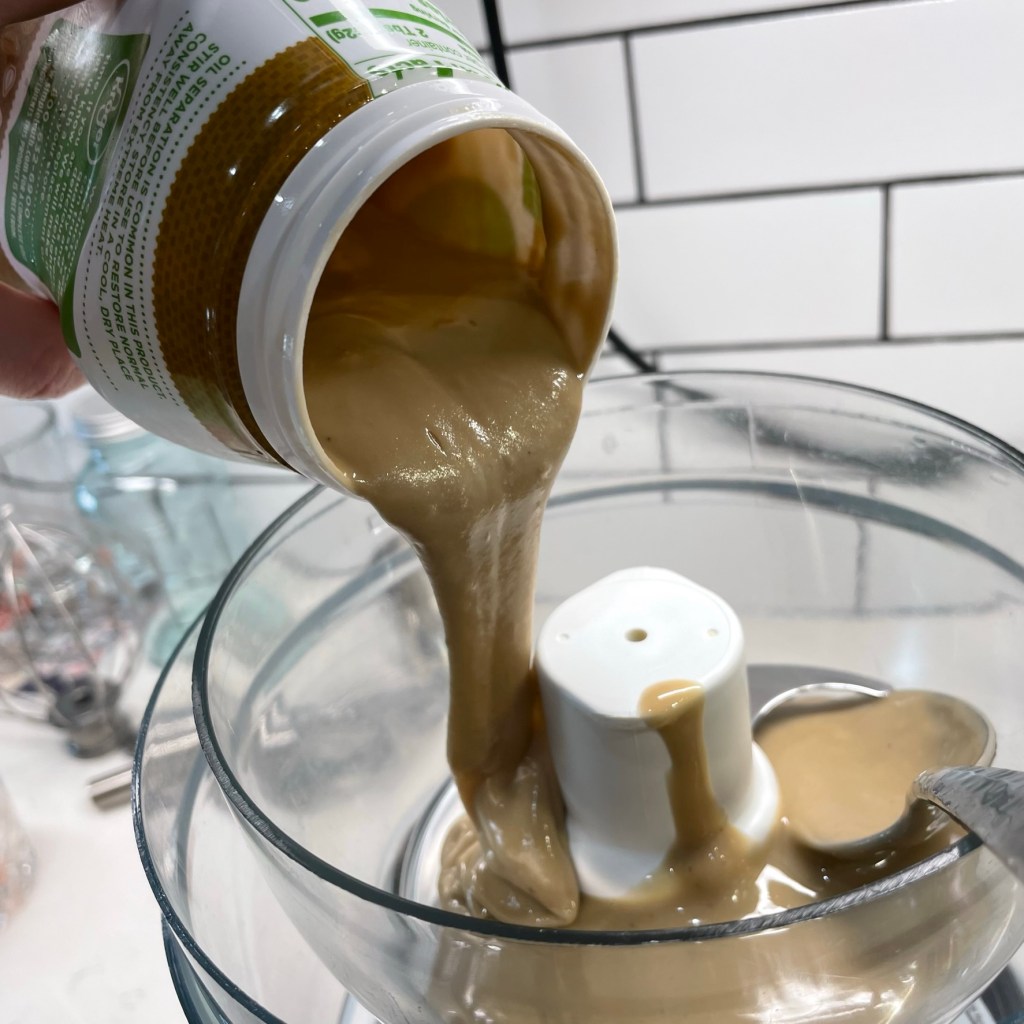
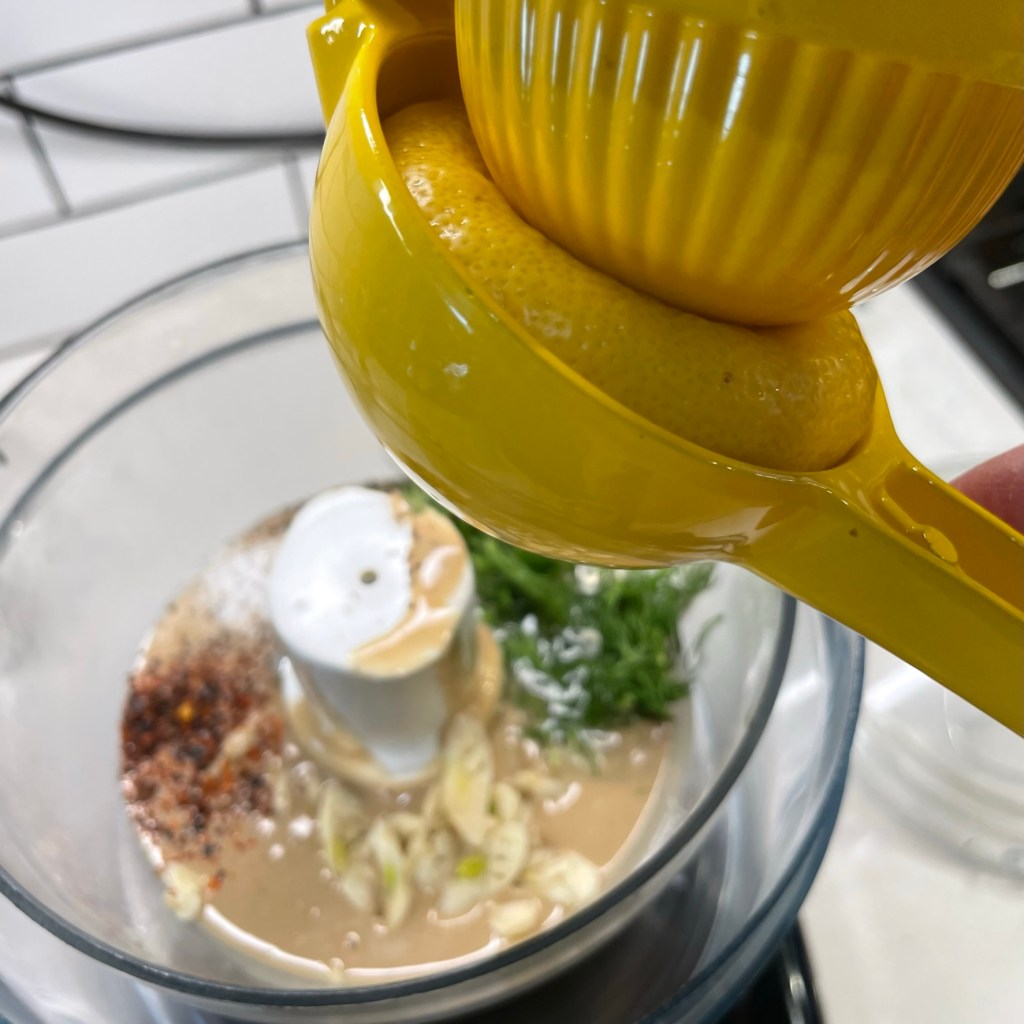
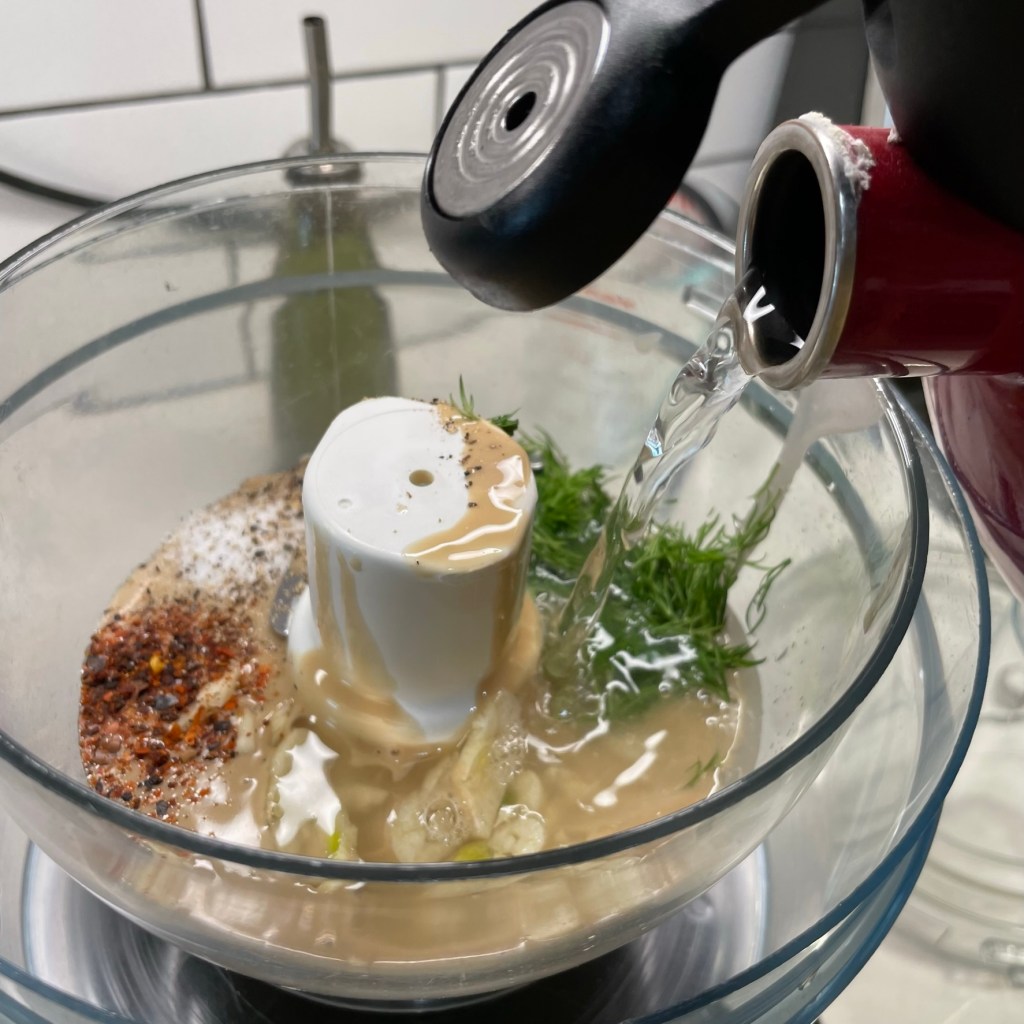
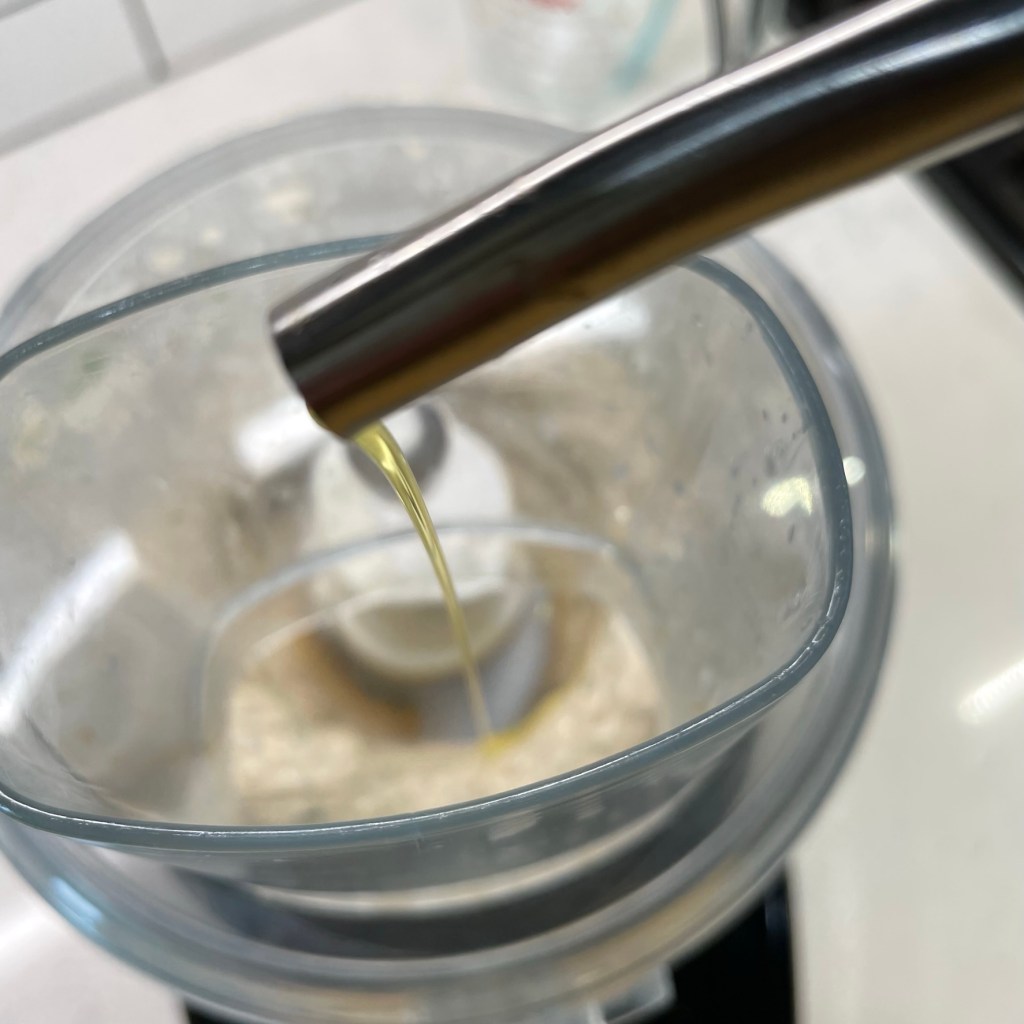
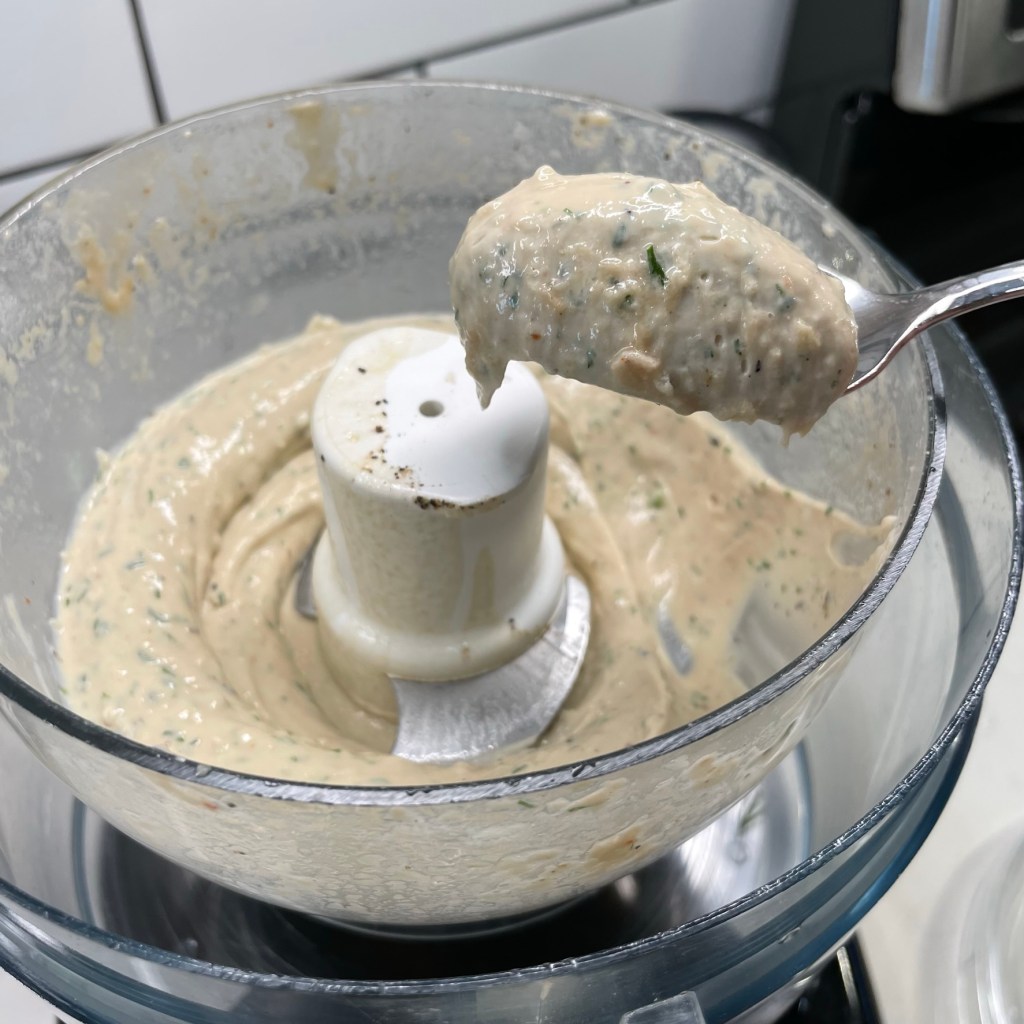
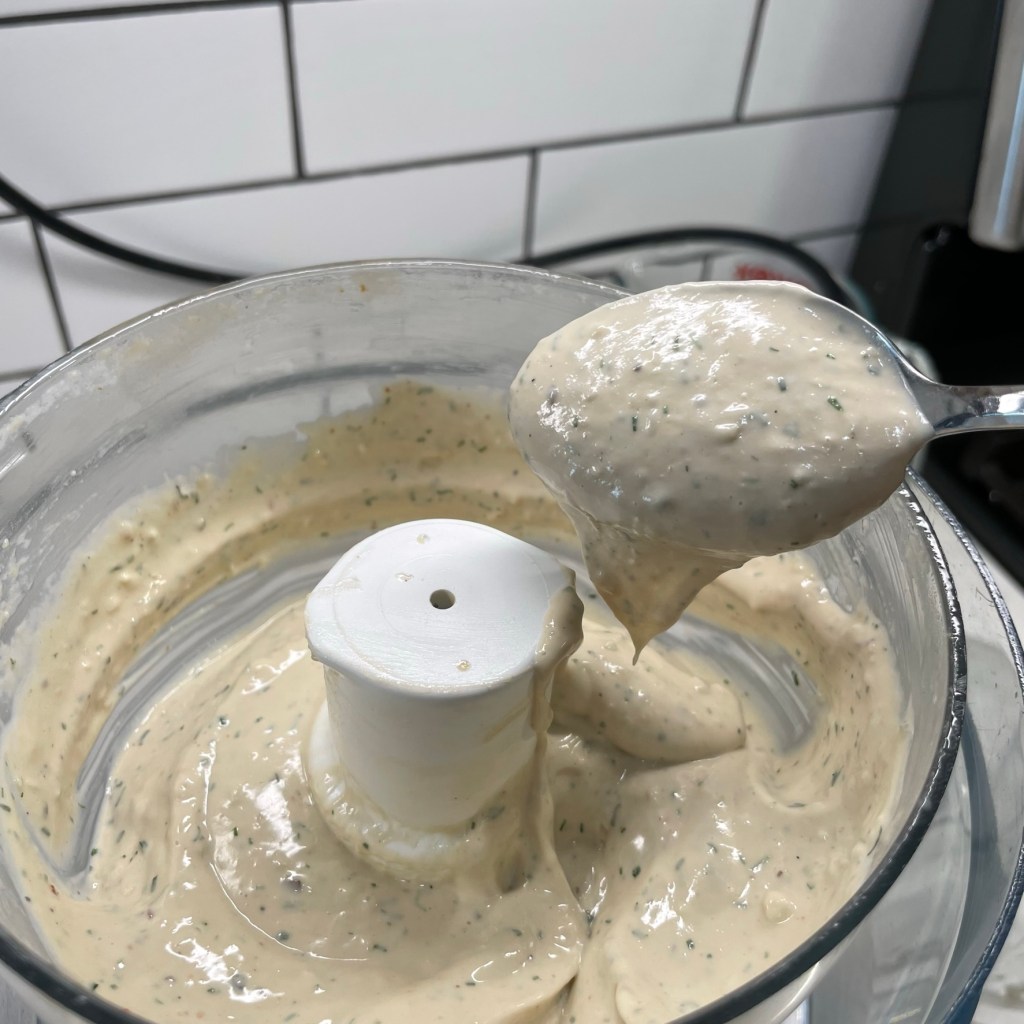
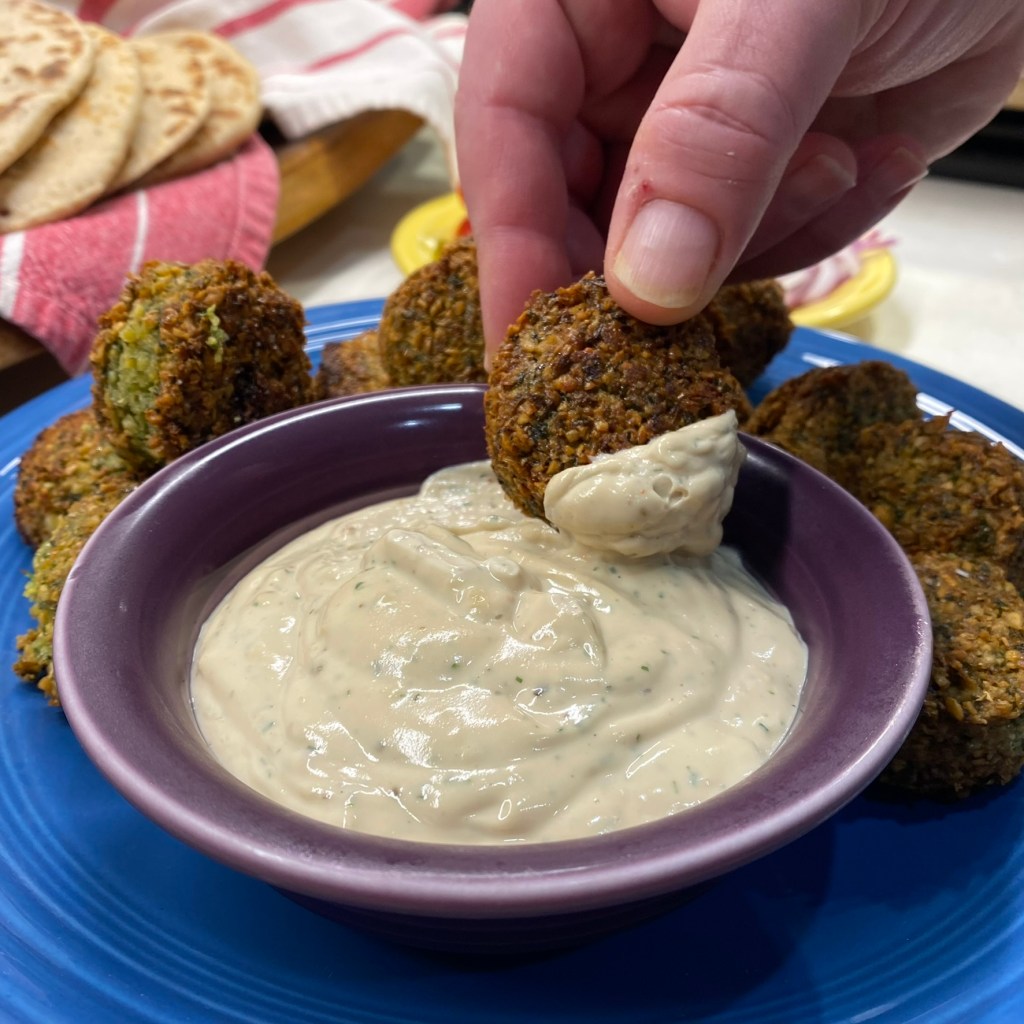
That’s how this tahini-lemon sauce came to be, and as I whizzed up the ingredients in my food processor, it occurred to me that this sauce is basically hummus, minus the chickpeas. All the other components of hummus are in there—the tahini, which is a sticky paste made from ground toasted sesame seeds, fresh garlic, fresh lemon juice, salt, spices and good olive oil. Processing these ingredients results in a smooth, completely emulsified mixture that can be thick or thin, depending on how much water your blend into it. For my purposes this time, I kept it on the thicker side as a perfect dipping agent for my falafel, but I can easily see the benefit of thinning it to pour onto a salad or Buddha bowl.

This tahini-lemon sauce is smooth, silky and creamy, but with no mayonnaise or dairy.

My husband’s adult daughter has adopted the vegan lifestyle, and I am always on the lookout for easy foods to make when she visits. This tahini-lemon sauce fits the bill, and it’s so tasty that we non-vegans won’t feel like we are missing out on anything.

Enjoy!


Ingredients

1/2 cup tahini paste

2 cloves garlic, chopped

Juice of 1 large lemon

A few shakes of crushed red pepper* (see notes)

2 Tbsp. fresh dill leaves

1/4 cup water (or more, for thinner sauce)

3 Tbsp. extra virgin olive oil


*Notes

The crushed red pepper flakes that you see in pizza restaurants would be fine here, but if you can get your hands on Aleppo pepper, that is even more in keeping with the Mediterranean flavor profile. We used a three-pepper blend (Aleppo, Maras and Urfa) from Flatiron Pepper Company, and their rep informed me that it will be back in stock in a few months. I’ll update this post at that time to include a link, in case you’d like to check it out.

(UPDATE: It’s back! You can use this link to check out the Uc Biber blend.)


Instructions


Whole Grain Soft Pitas

A commitment to healthier eating is kept with small, consistent adjustments. That probably sounds like a ridiculous statement coming from the cook who shared steak & potato pizza and decadent bananas Foster ice cream within the past few weeks, but I don’t necessarily mean just counting calories. I’m referring to more sweeping lifestyle changes that incorporate healthier choices and become the norm. Every time I have tried to “diet,” my plan falls apart, and I am quite accomplished at beating myself up under those circumstances. It is better, I have found, to find a few things that I can do without feeling cheated and simply apply those things across the board in my cooking repertoire. Eating healthier in general helps me feel better about the more luxurious things I enjoy in “moderation.”

For example, I hardly ever eat highly processed foods—including meat with nitrites and pantry items containing high fructose corn syrup or hydrogenated oils. On the rare occasions that I do consume those things, it’s because I am ordering in a restaurant where the ingredients list is not easily reviewed. I ditched soft drinks a long time ago, and I make my own salad dressings most of the time, using vinegar or fruit juice, spices and extra virgin olive oil. We are diligent to seek out grass-fed beef (and we don’t eat nearly as much as we once did) and free-range chicken, and we are big supporters of the local butcher shop that carries responsibly raised pork.

The biggest change I’ve made over the past several years, though, is a shift toward whole grains in the baked goods I eat, and this got a lot easier when I started making my own bread at home. Not every recipe I make is 100% whole grain (including this one, which checks in at about 65%), but swapping white flour with some amount of whole wheat has been a smart decision that is easy to stick with. Nutrition experts rank whole grains more highly for two main reasons—the fiber they bring to a dish, and the complex carbohydrates that help keep our blood sugar levels regulated. 

If you bake at home, and you want to try shifting toward whole grain, I highly recommend picking up a bag of “white whole wheat” flour, made by King Arthur Baking Company. I am not a paid representative of this company (though my friends and family have said I should be, as much as I rave), but from one friend to another, I don’t mind telling you that this one product has changed the way I bake and eat, and I can hardly notice a difference in a typical recipe. Unlike some whole wheat flours, which are made from hard red wheat and carry a slight bitter flavor, King Arthur’s white whole wheat flour is produced from exactly that—hard white wheat—and it behaves and tastes almost exactly the same as an all-purpose flour. It can be swapped in 1:1 in most recipes for breads, pancakes, cookies and muffins. If you want to make a gradual switch, start by subbing about one-fourth of the total flour with the white whole wheat, then increase it to your liking as you go. Over time, you may find all-white breads to be flat and bland. That has certainly been the case at our house.

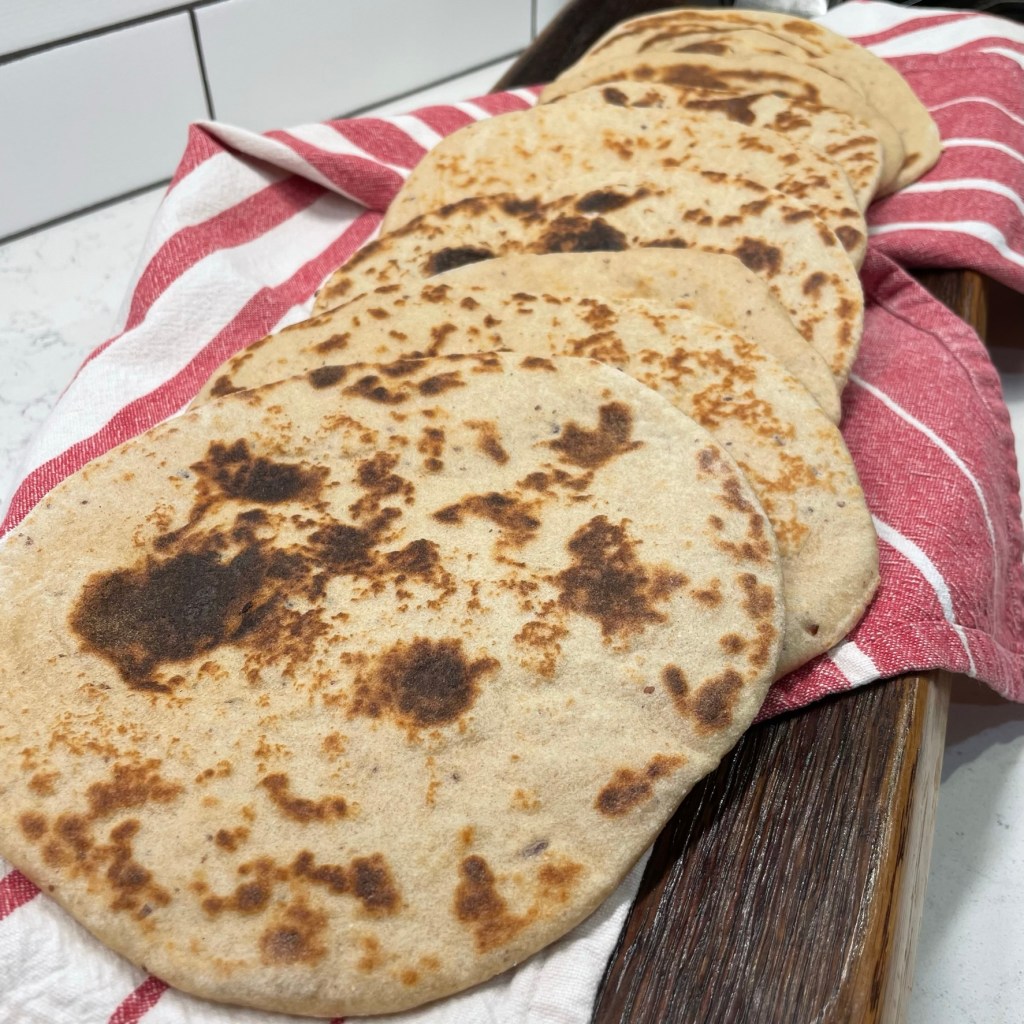
These whole grain goodies are terrific as sandwich wraps, and also great for cutting into wedges and dipping into fresh hummus!

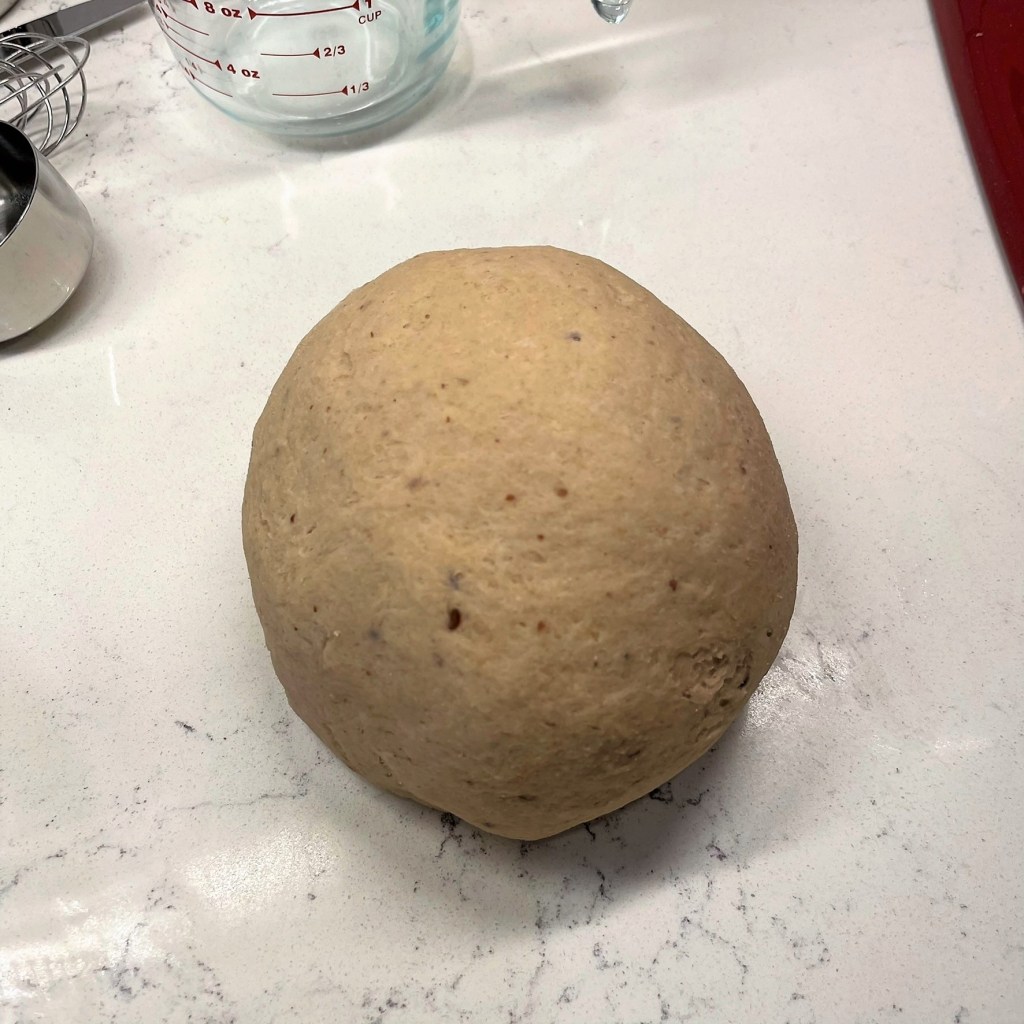
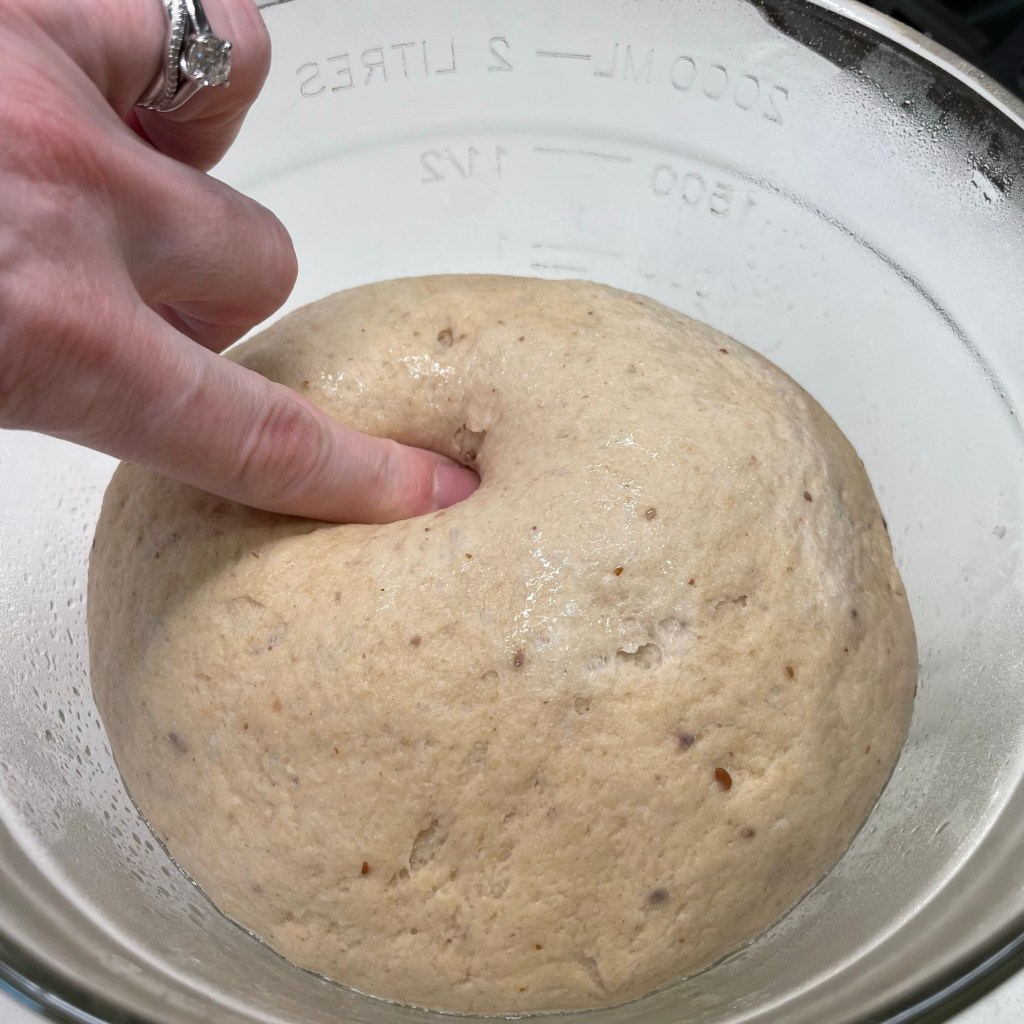
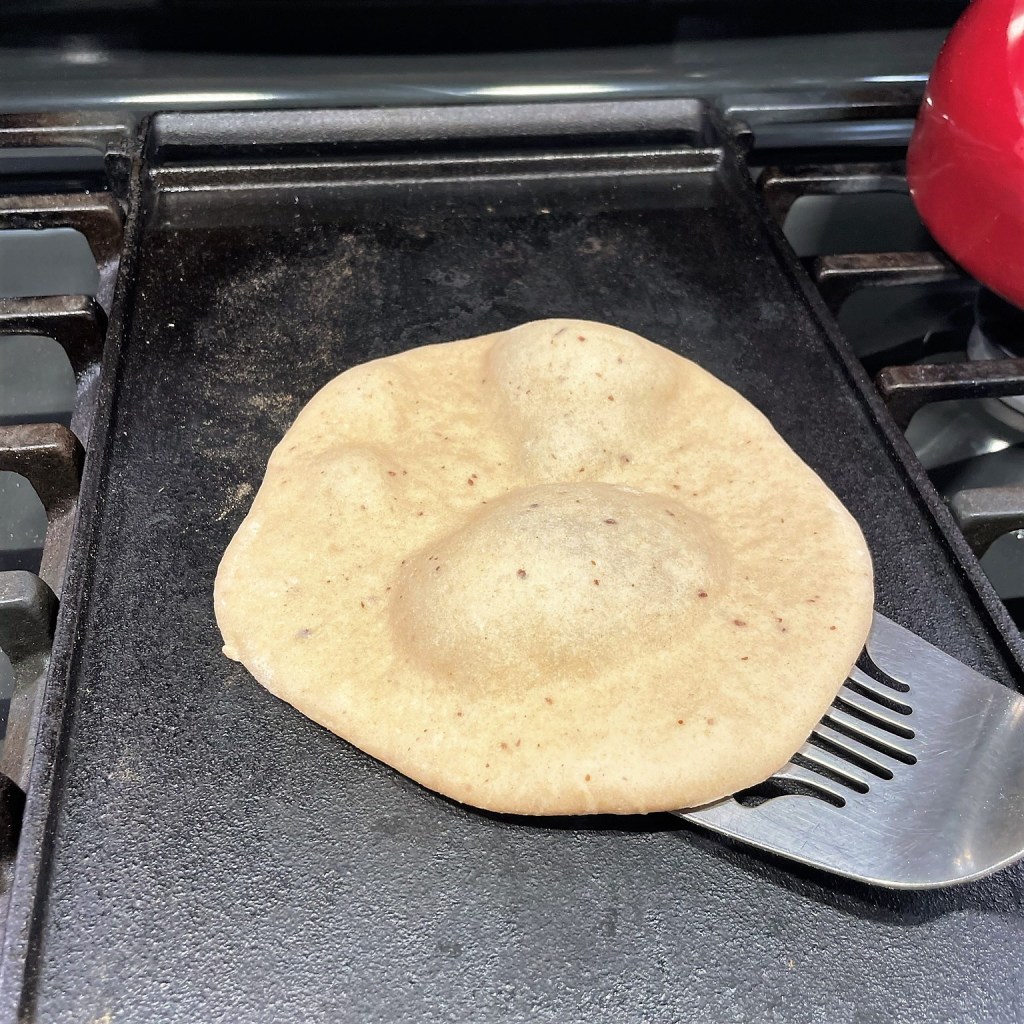
For these soft wraps, I’ve taken a recipe that I posted in May 2020, when my blog was still in its infancy, and I’ve flipped the ratio of flours so that it uses twice as much white whole wheat as all-purpose flour. That earlier recipe for Soft Pita Breads is still great, and I’ve linked to it so you can check out the original. But this version, in all its whole grain glory, turned out so good with the falafel we made at home recently that it will become my go-to. What makes the pita breads so soft and bendy is an unusual technique of pre-cooking a portion of the flour before adding the rest of the ingredients. The pitas are “baked” on a griddle rather than in the oven, or you can use a dry cast-iron skillet if that’s what you have.

This recipe is easy even for beginning bakers, and unlike most of my bread-related shares, it does not depend on sourdough starter.

Enjoy!


Ingredients

2 cups white whole wheat flour* (see notes)

1 1/4 cups boiling water (plus up to 2 Tbsp. additional water)

1 cup unbleached all-purpose flour

1/2 cup dried potato flakes*

1 Tbsp. milled flax seed (optional, but so good for you)

1 1/4 tsp. salt

1/2 tsp. onion powder (optional)

1 tsp. instant yeast*

2 Tbsp. extra virgin olive oil


*Notes

When measuring by volume, it’s important to fluff the flour first to avoid compacting it in the measuring cup. For best results, follow the fluff-sprinkle-level method.

Fellow label readers, you may find it difficult to find dried potato flakes that aren’t filled with dozens of unknown ingredients. Most “instant mashed potato” brands don’t make the cut in my recipes, but I have found two sources that are truly just potatoes, and that is the way to go. One is the 365 brand, available at Whole Foods and on Amazon, and the other is this one from Bob’s Red Mill. I promise, for my next batch, I will test a recipe that uses cooked potatoes.

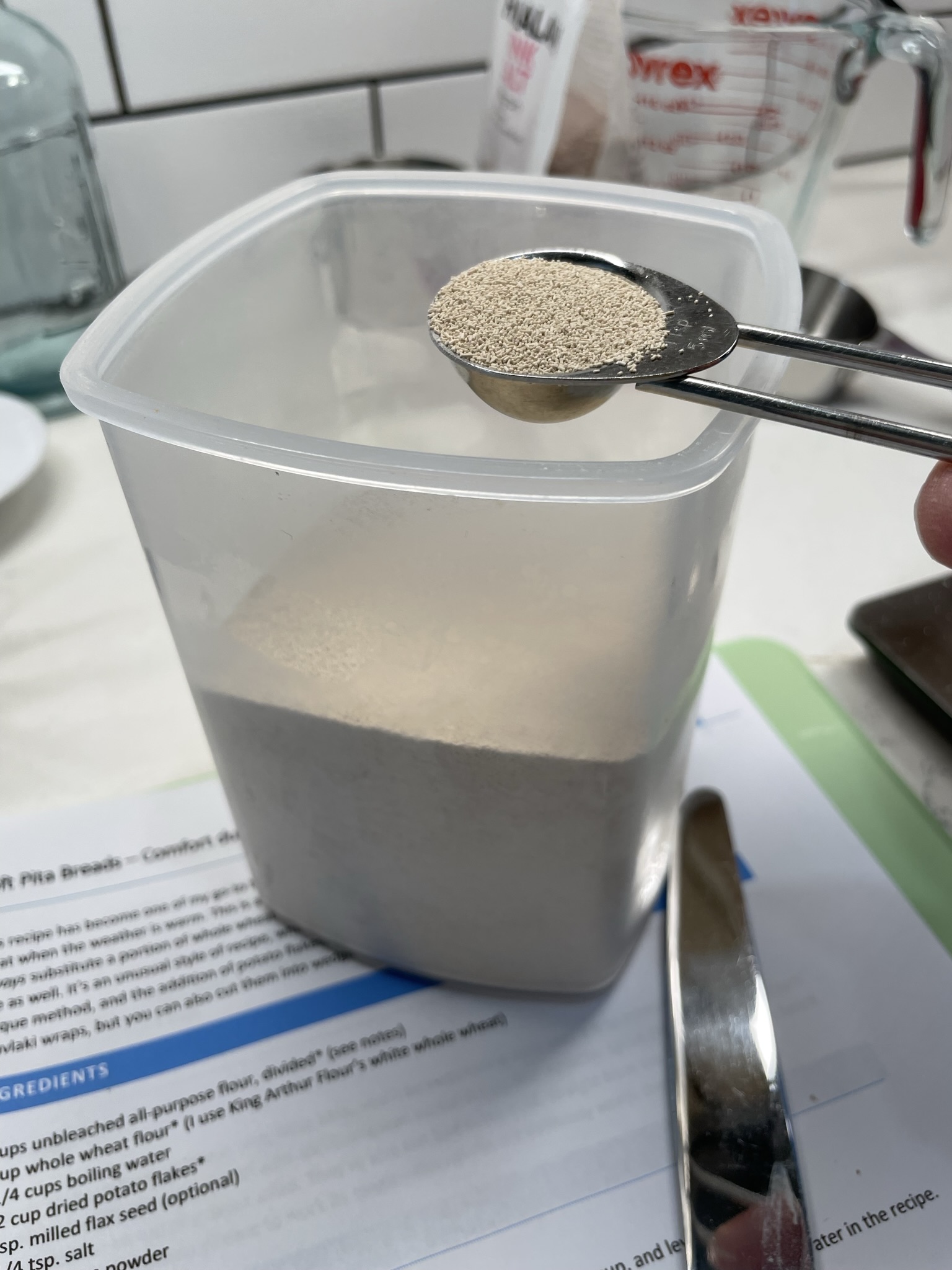
Take note of what kind of yeast you have. Instant dry yeast is not the same as “active dry” yeast. The latter must be proved in warm water before using, whereas instant yeast can be added directly with the other dry ingredients. If you only have active dry yeast, try reserving 1/4 cup of the boiling water. Let it cool to bathwater temperature and dissolve the yeast in it for about 10 minutes. Add this mixture with the rest of the dry ingredients as directed in the recipe.


Instructions


Finally, Falafel!

If at first you don’t succeed, wait a year and try again. Yes, I know that isn’t exactly how the adage goes, but it seems to be my M.O. when I get discouraged over failed recipes. Falafel has confounded me as much as it has enchanted me, from my first-ever taste of it at a now-closed corner diner near the campus of UNC-Greensboro to my most recent experience of it at Miznon in New York’s Chelsea Market. It was that most recent taste that inspired me to give falafel another go.


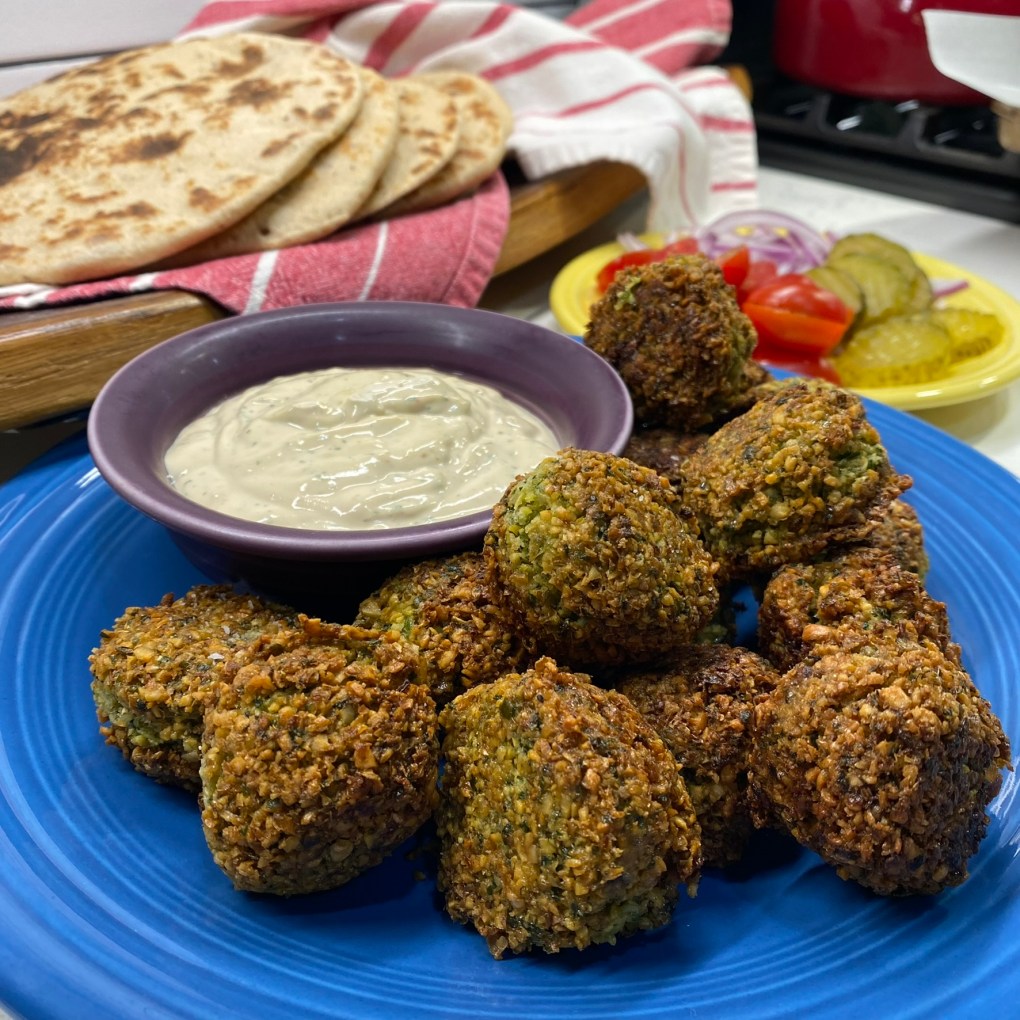
I love the texture of these crispy little gems and especially the vibrant flavor that is jam-packed into every delicious bite. Falafel is a Middle Eastern specialty, made from ground-up chickpeas and a ton of fresh herbs and spices. It is usually shaped into balls or disc shapes and fried until crispy, though I have also seen oven-baked falafel, which has a somewhat pale and less visually enticing appearance. Undoubtedly, it can be made in an air fryer—and perhaps someone reading this will chime in to share their results of that method. I have tried both fried and oven-baked falafel a few times but got increasingly frustrated with each fail, and then put off trying again for longer and longer stretches of time. How could this be so difficult, I wondered? The dish eventually moved to the top of my culinary “bucket list,” and I’m pleased to say that I finally won the falafel challenge.

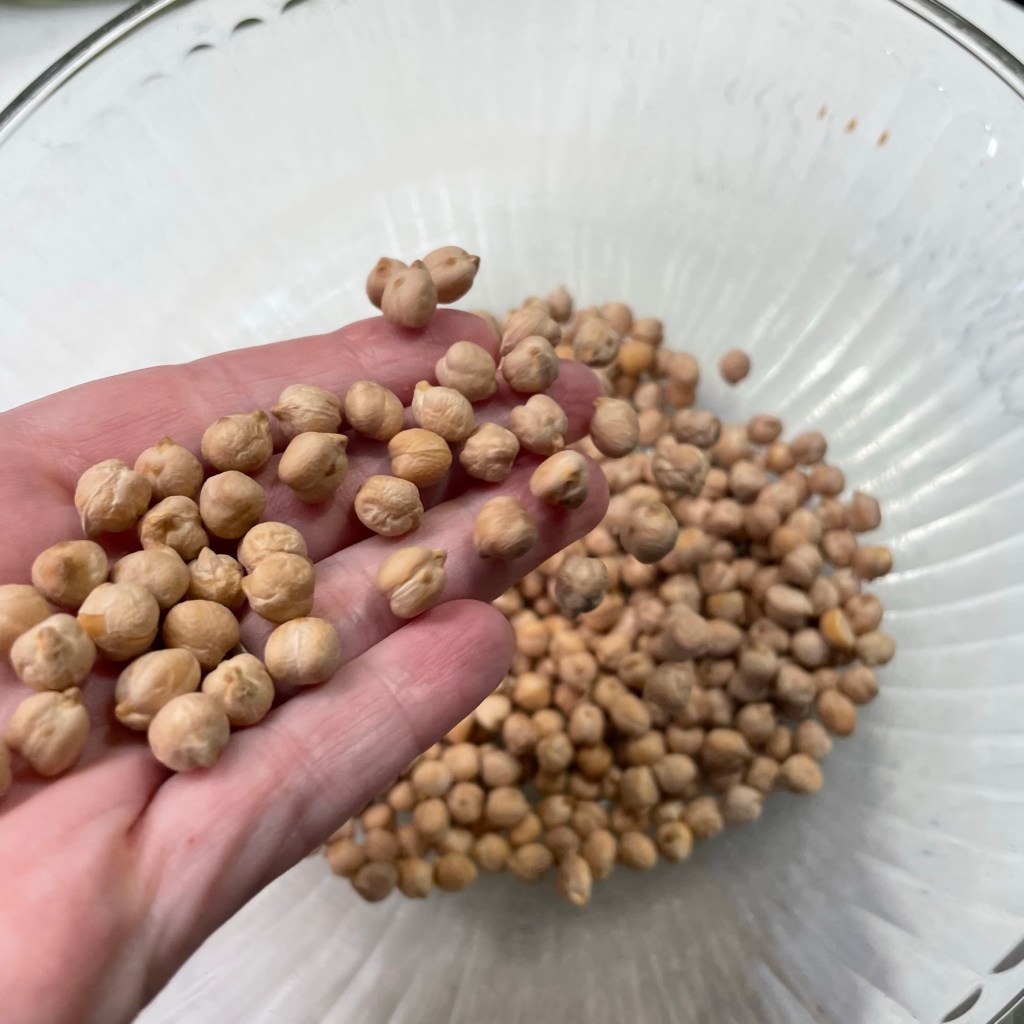
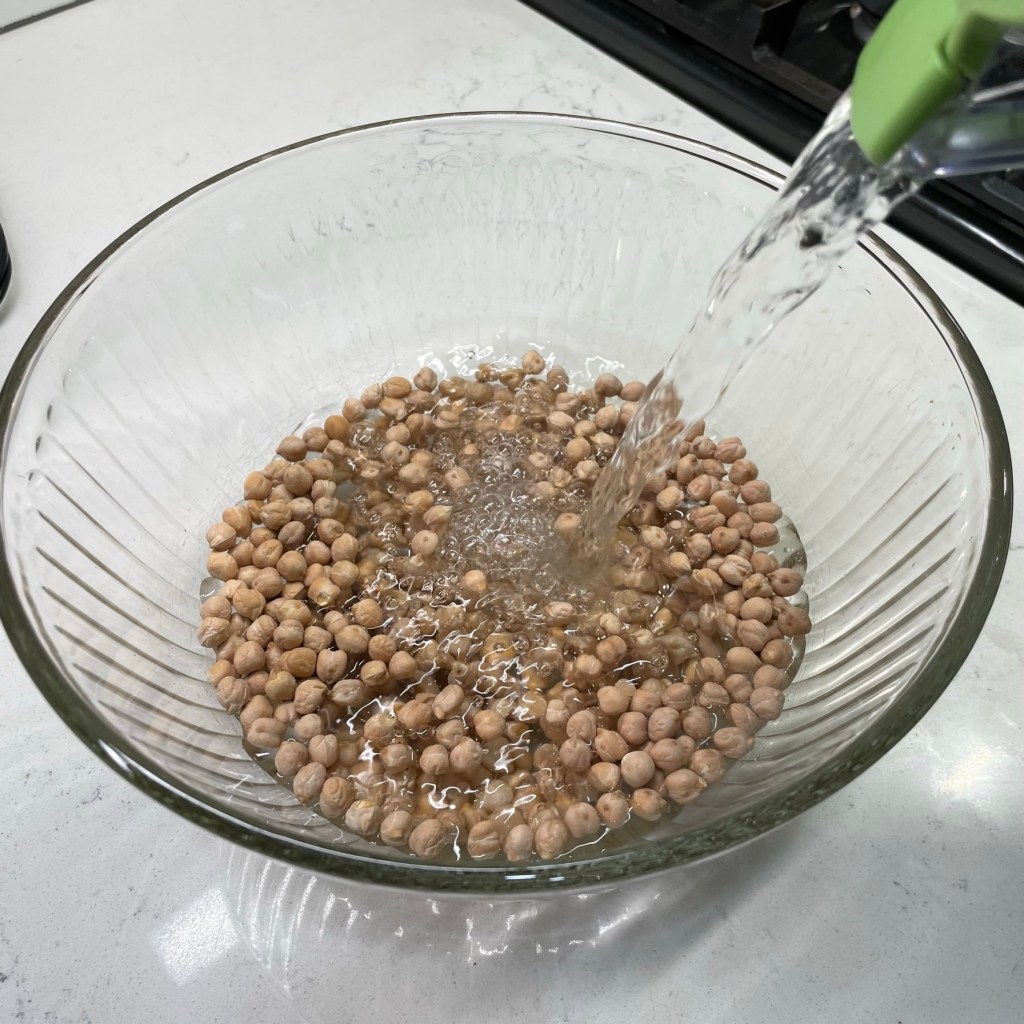
As it turns out, falafel was only difficult to make because I was resisting the instructions that were right in front of me the whole time. I tried to make them from canned chickpeas (which doesn’t work) and then I tried making them with canned chickpeas that were subsequently roasted and dried out in the oven (which also doesn’t work). When I finally gave in and tried them the correct way, they turned out terrific! What is the correct way, you ask? Using chickpeas that have been soaked but not cooked.

My favorite thing about cooking—besides the obvious enjoyment of delicious food that’s made cheaper at home than you would buy somewhere out—is the science behind it, and it turns out there is a perfectly good reason that soaked, uncooked chickpeas are the best bet for perfect falafel. Thank goodness for J. Kenji Lopez-Alt, the culinary genius who runs “The Food Lab,” and a frequent contributor on the Serious Eats website. He is sort of an Alton Brown for the new generation, and his scientific explanation on falafel is the best I’ve read to date. Here’s the upshot: soaking rehydrates the chickpeas so you can work with them, and it keeps the sticky starches trapped inside. Those starches get released when the chickpeas are cooked during frying (or baking), and that starch release is what helps the falafel rounds hold together. If the chickpeas are already cooked (as in canned), the starch is spent, and you end up with a mess. My ridiculous attempts to return canned chickpeas to a firmer, drier texture by roasting them in the oven didn’t work because they were still already cooked. This time around, I followed the science offered by J. Kenji, and guess what I ended up with? Near-perfect falafel.

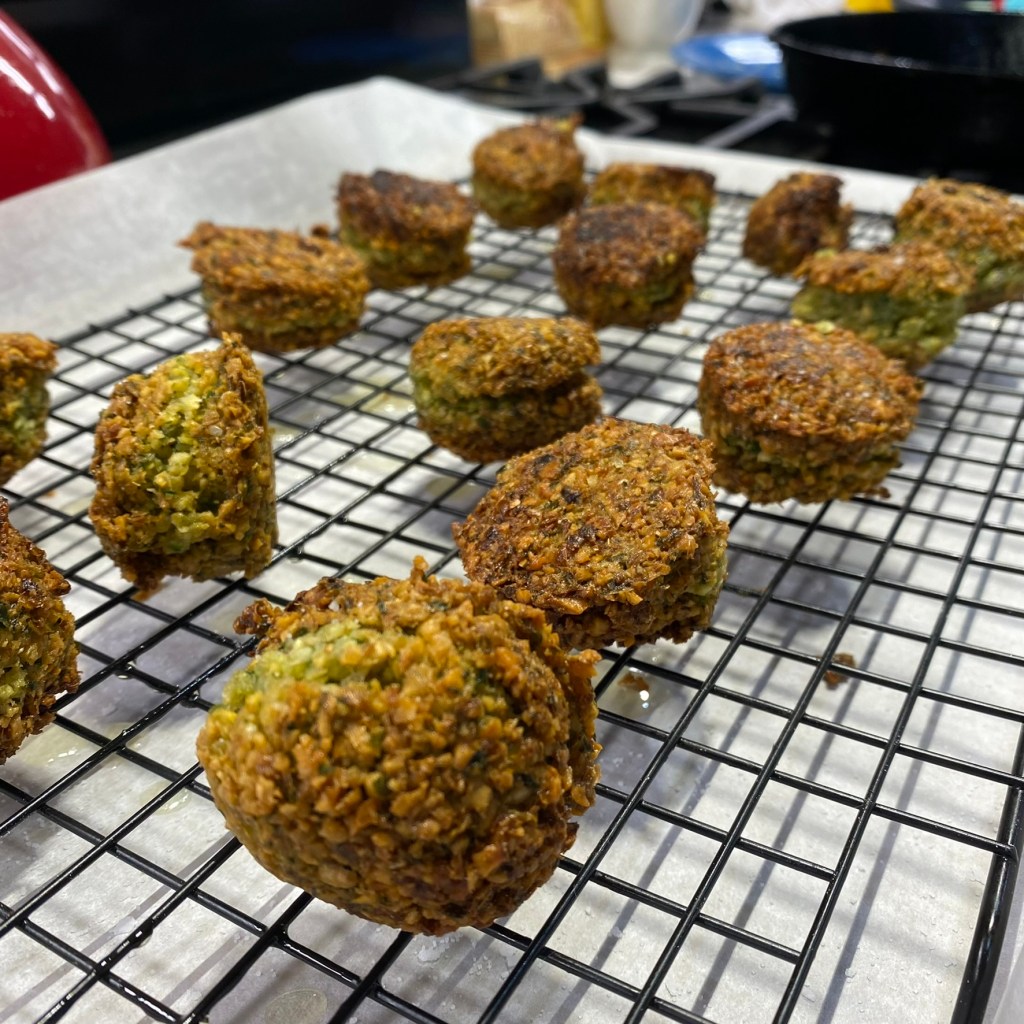
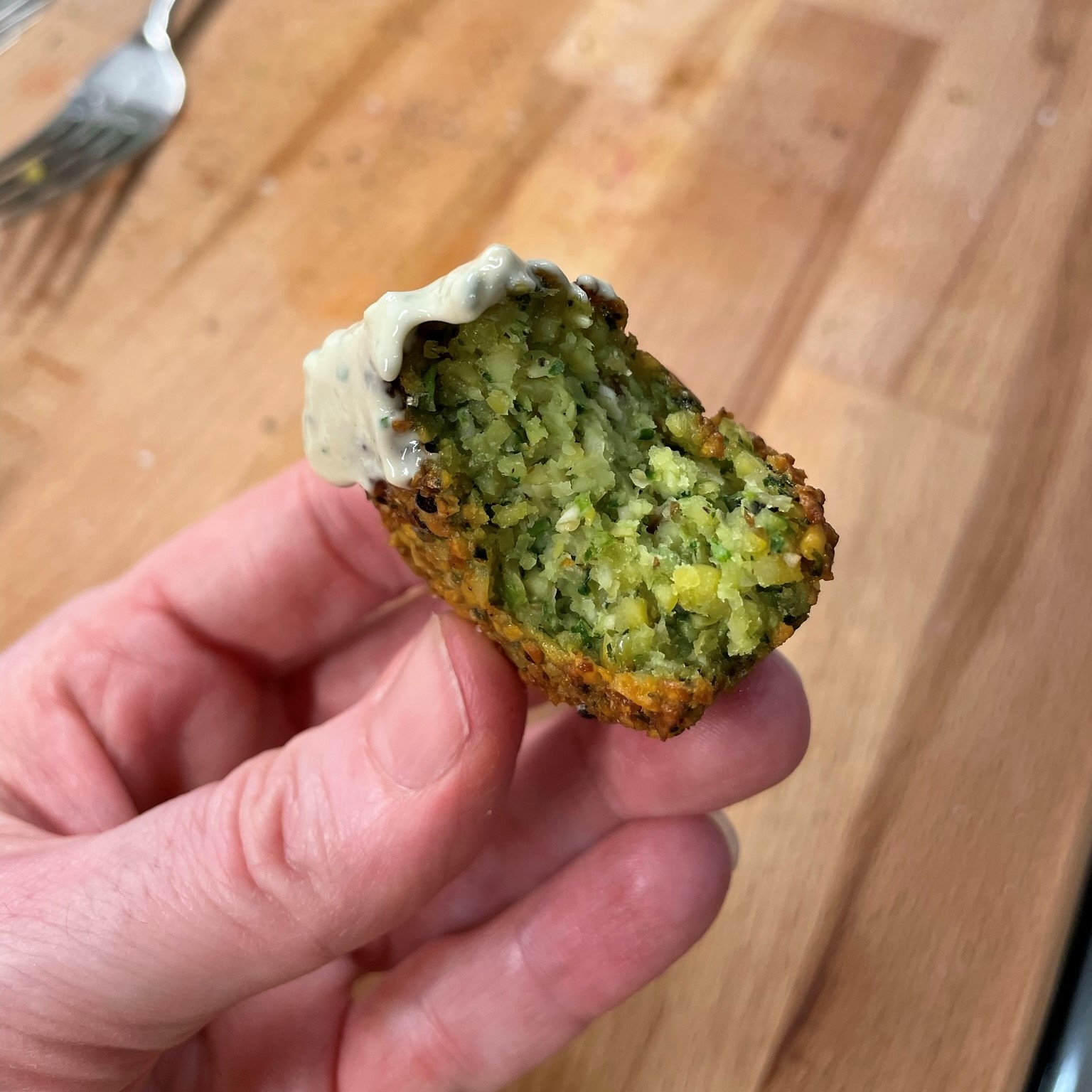
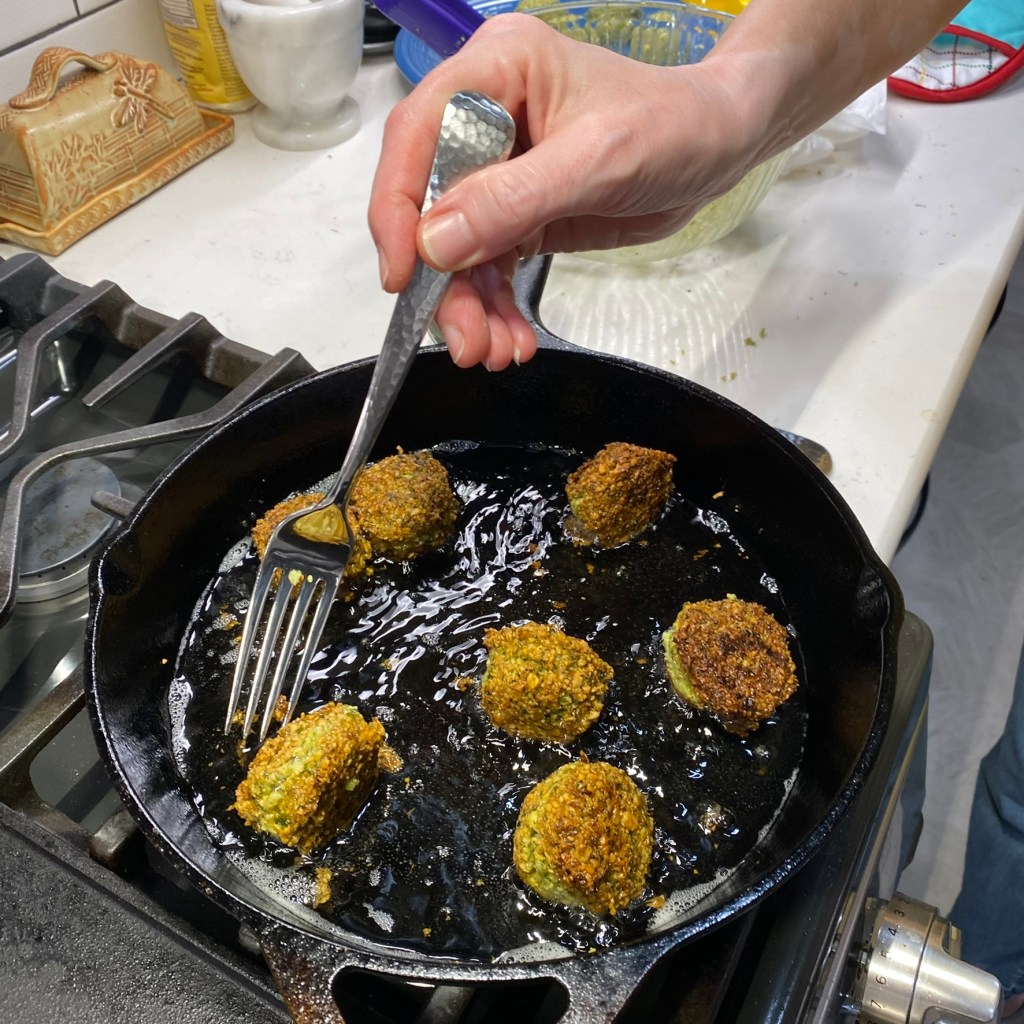
Crispy on the outside, moist and soft on the inside, and sooo much flavor!

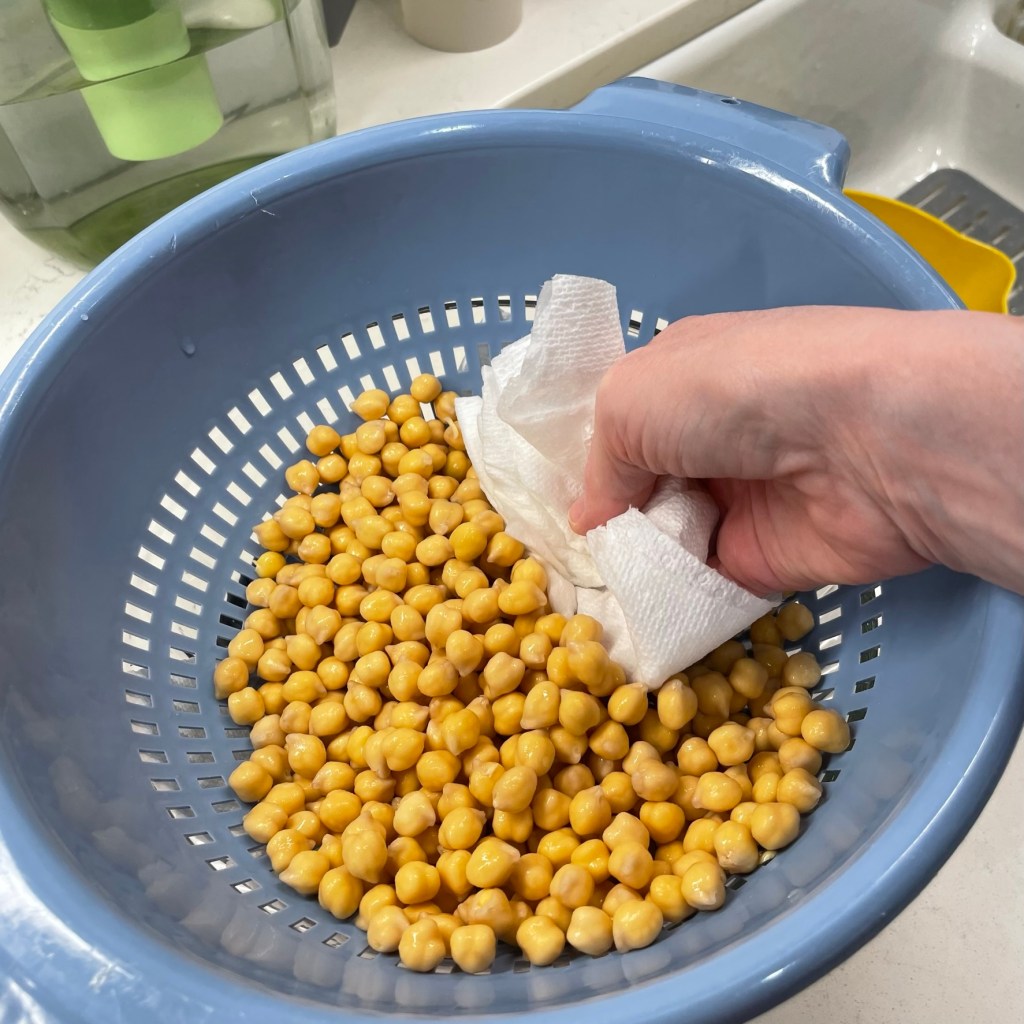
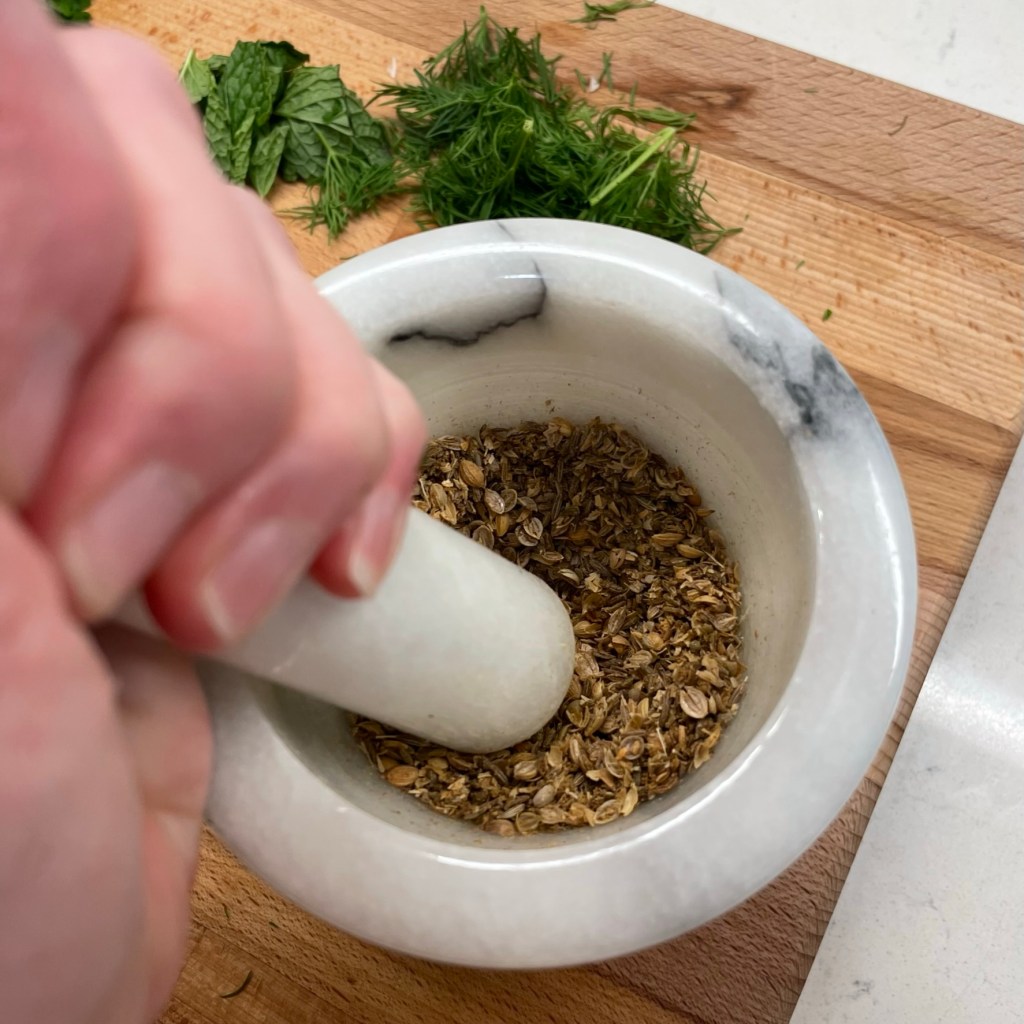
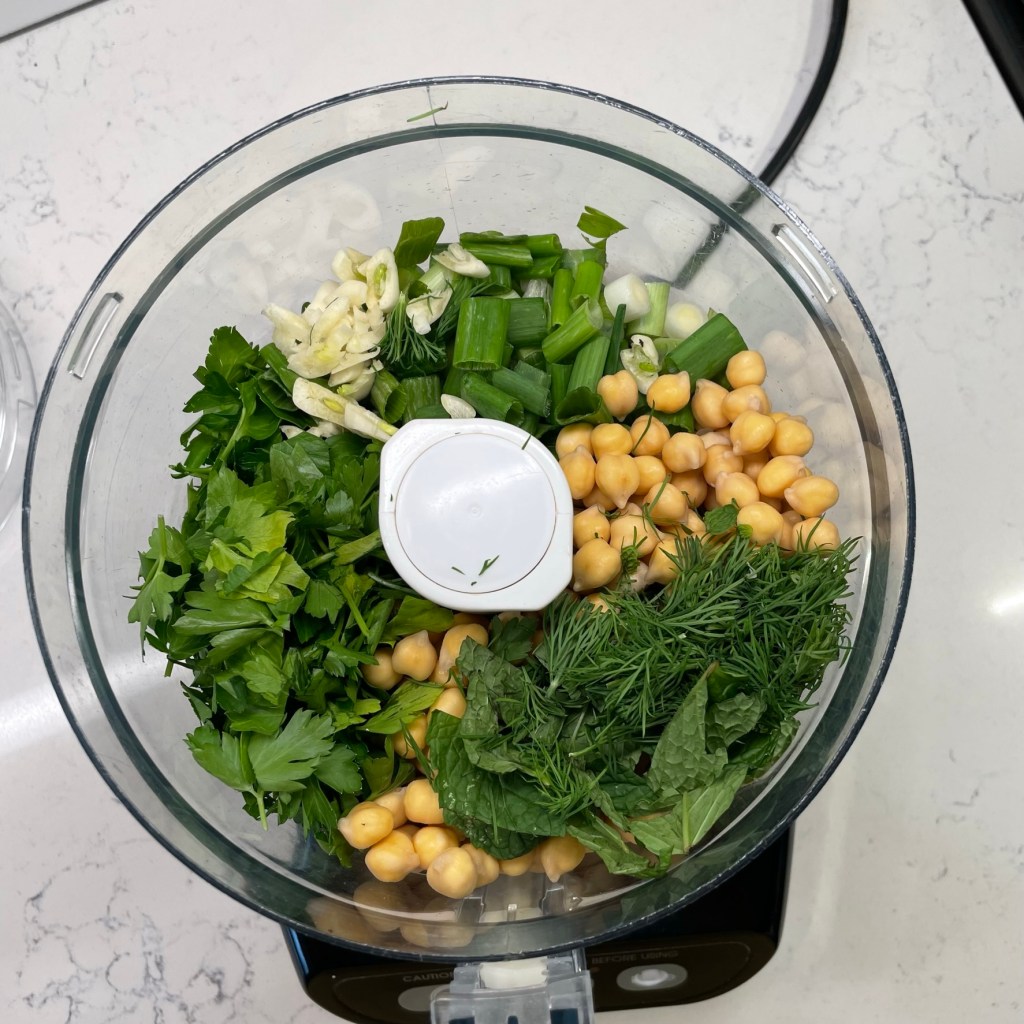
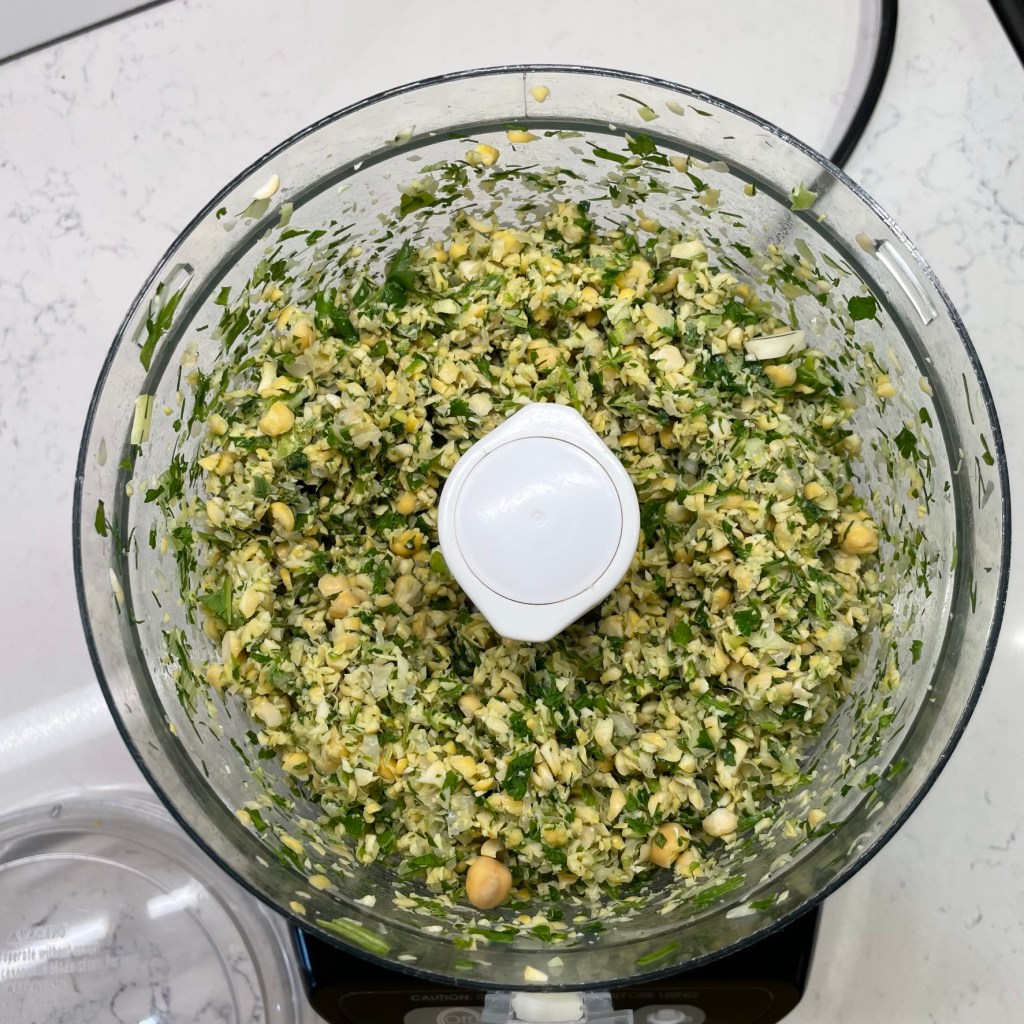
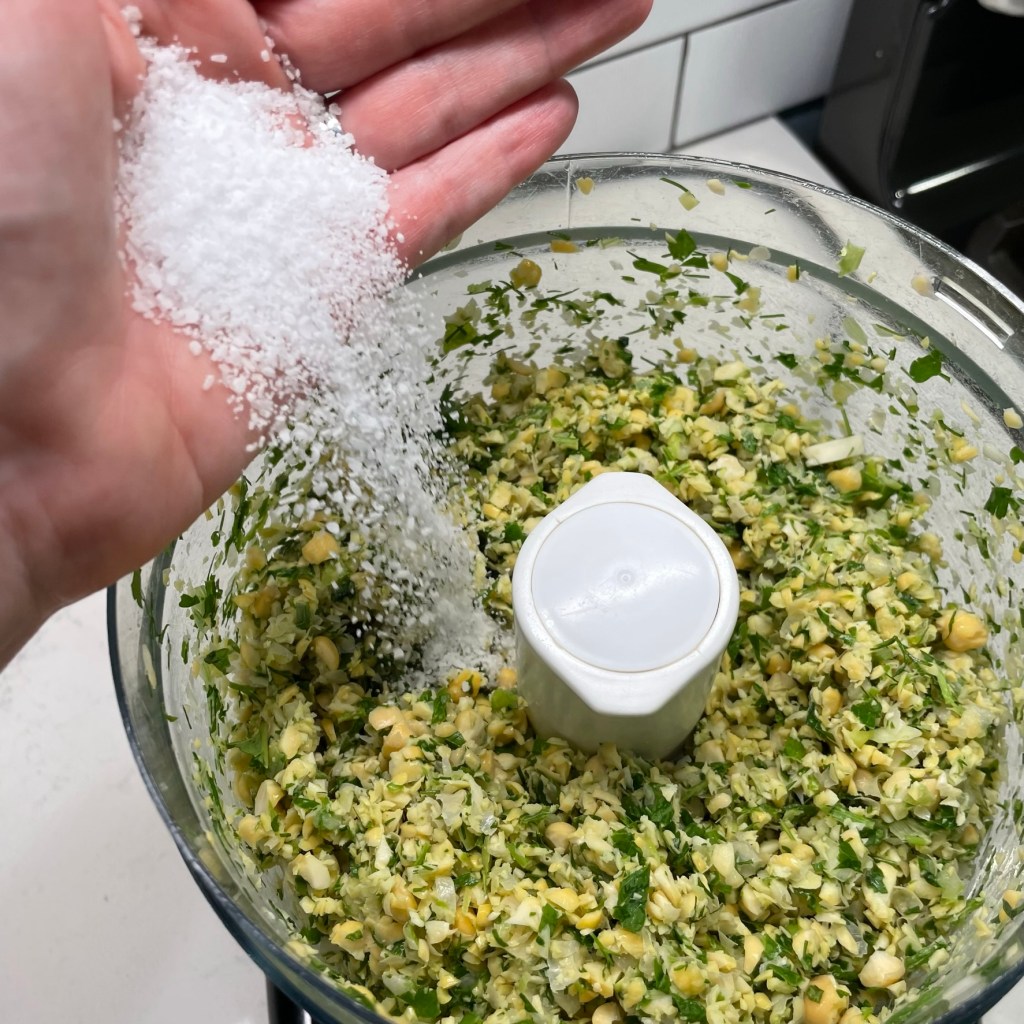
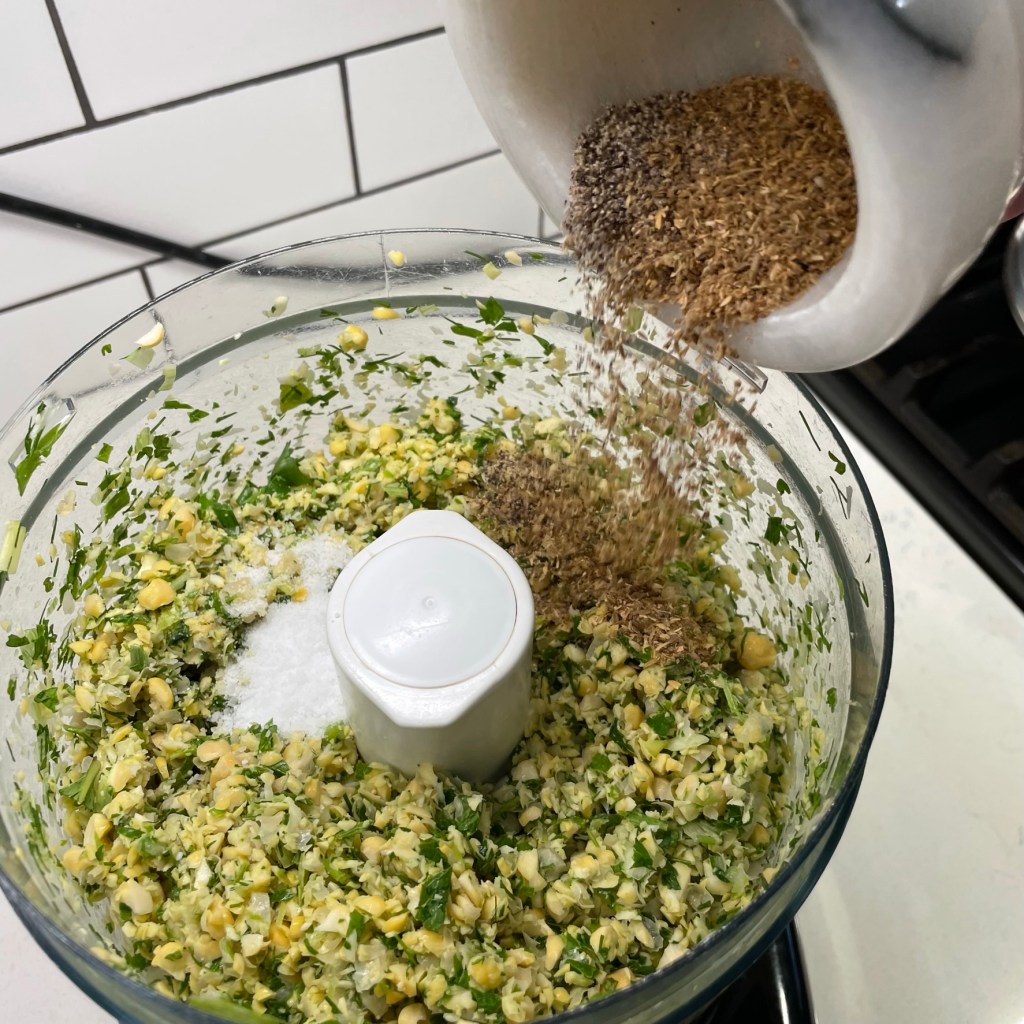
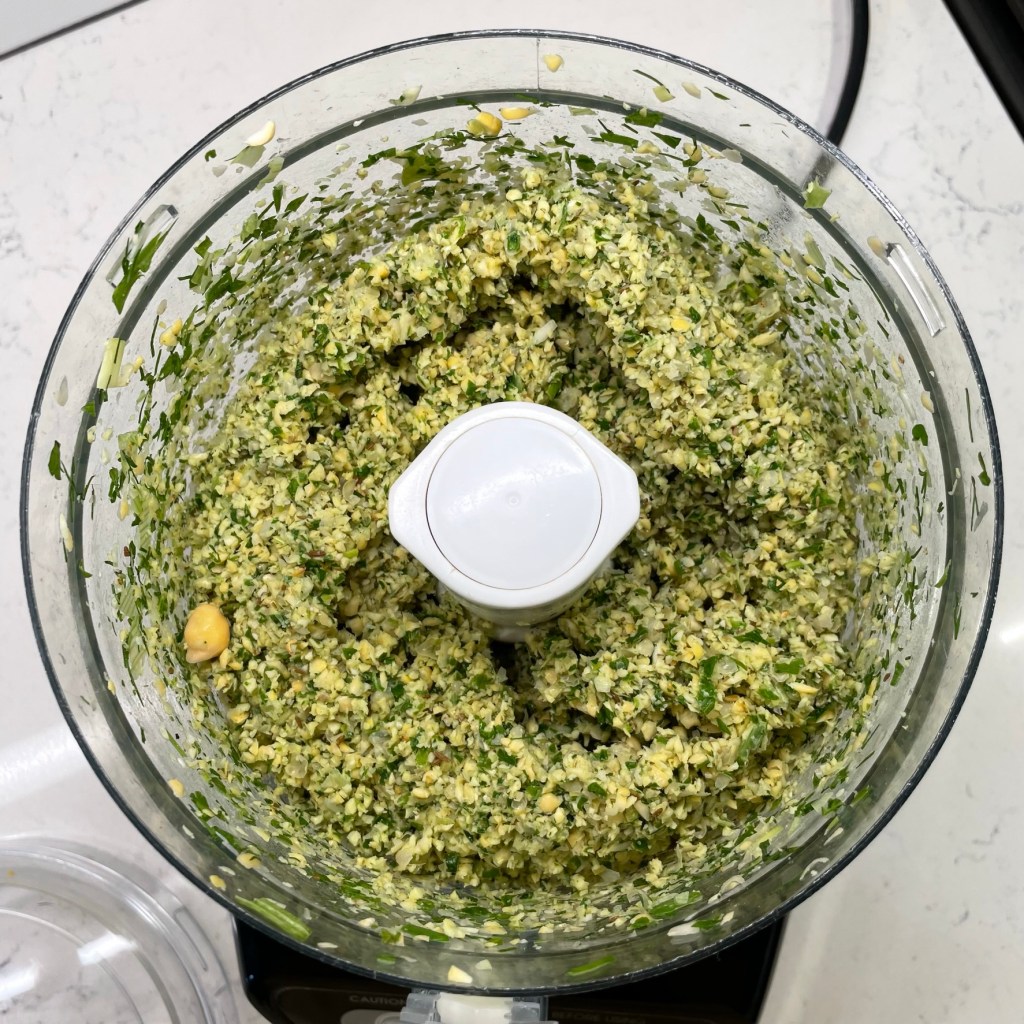
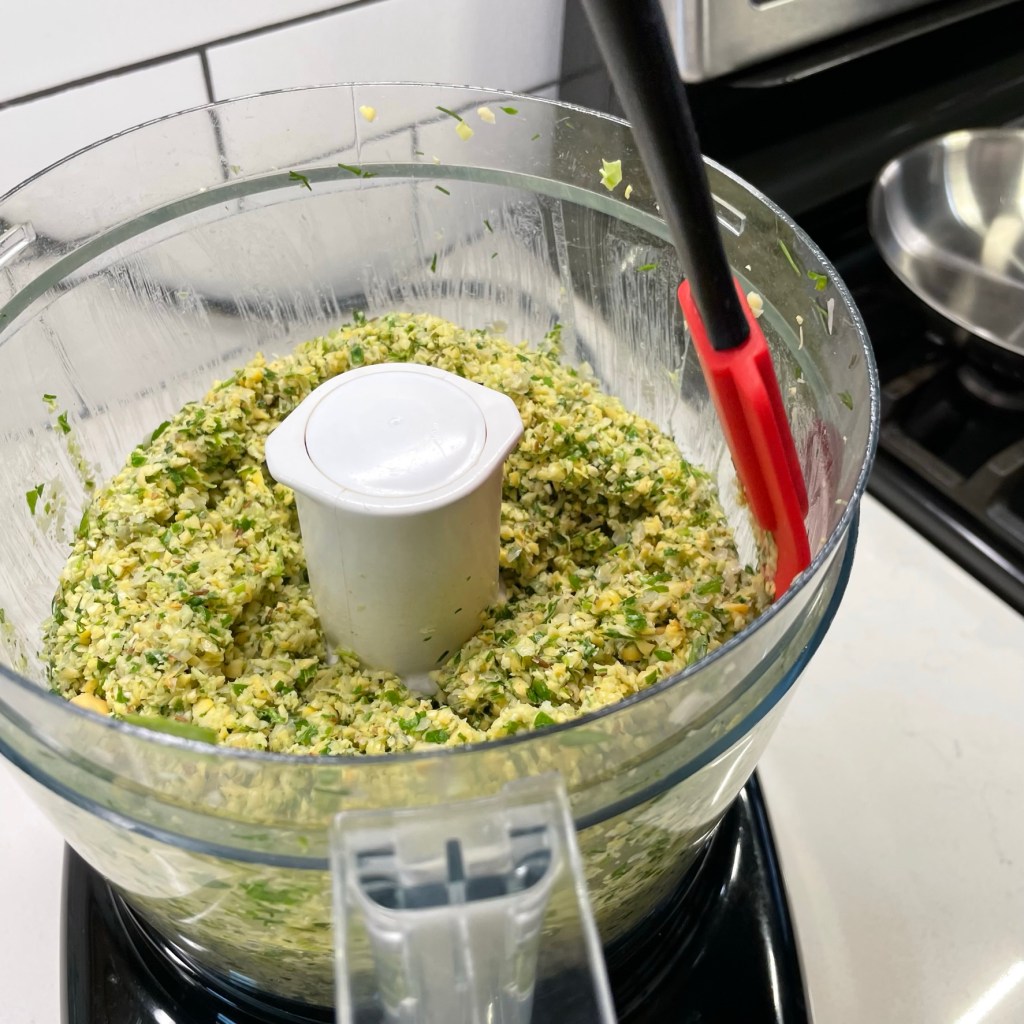
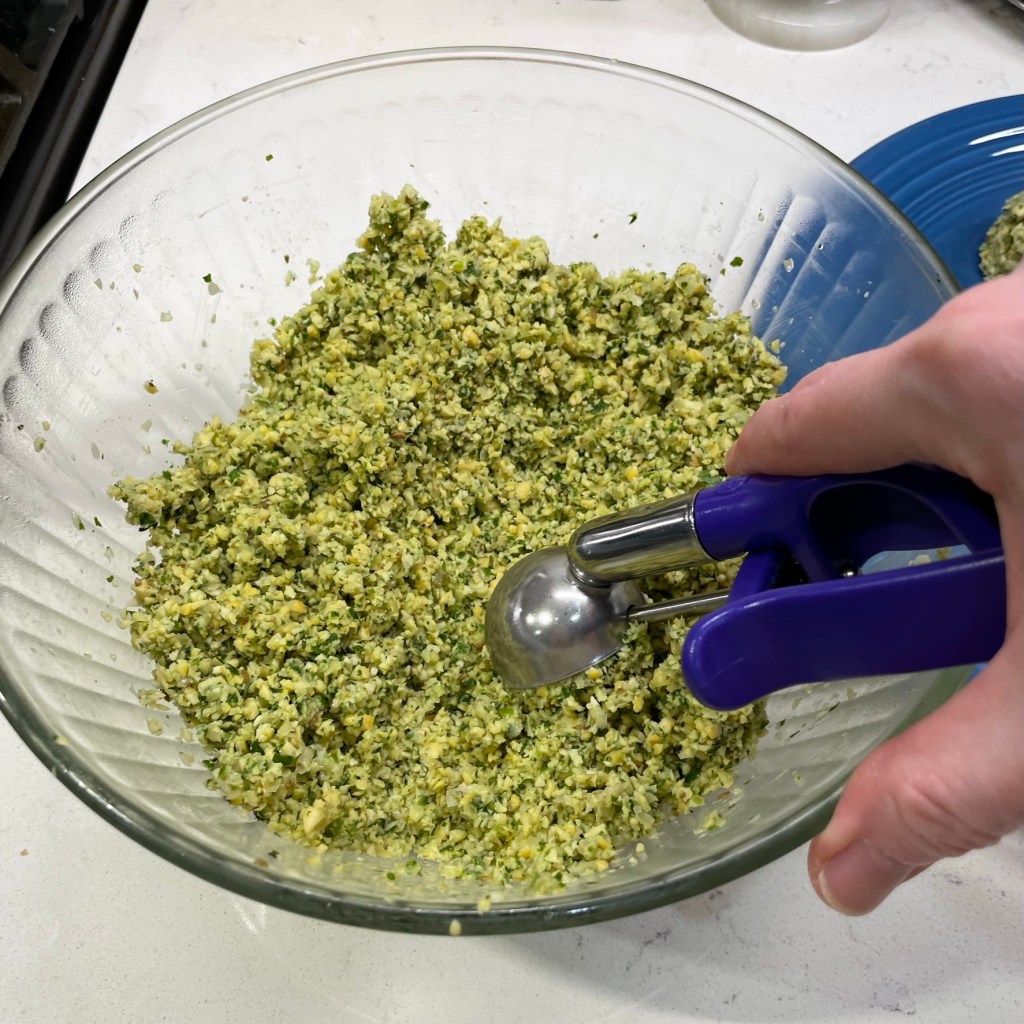
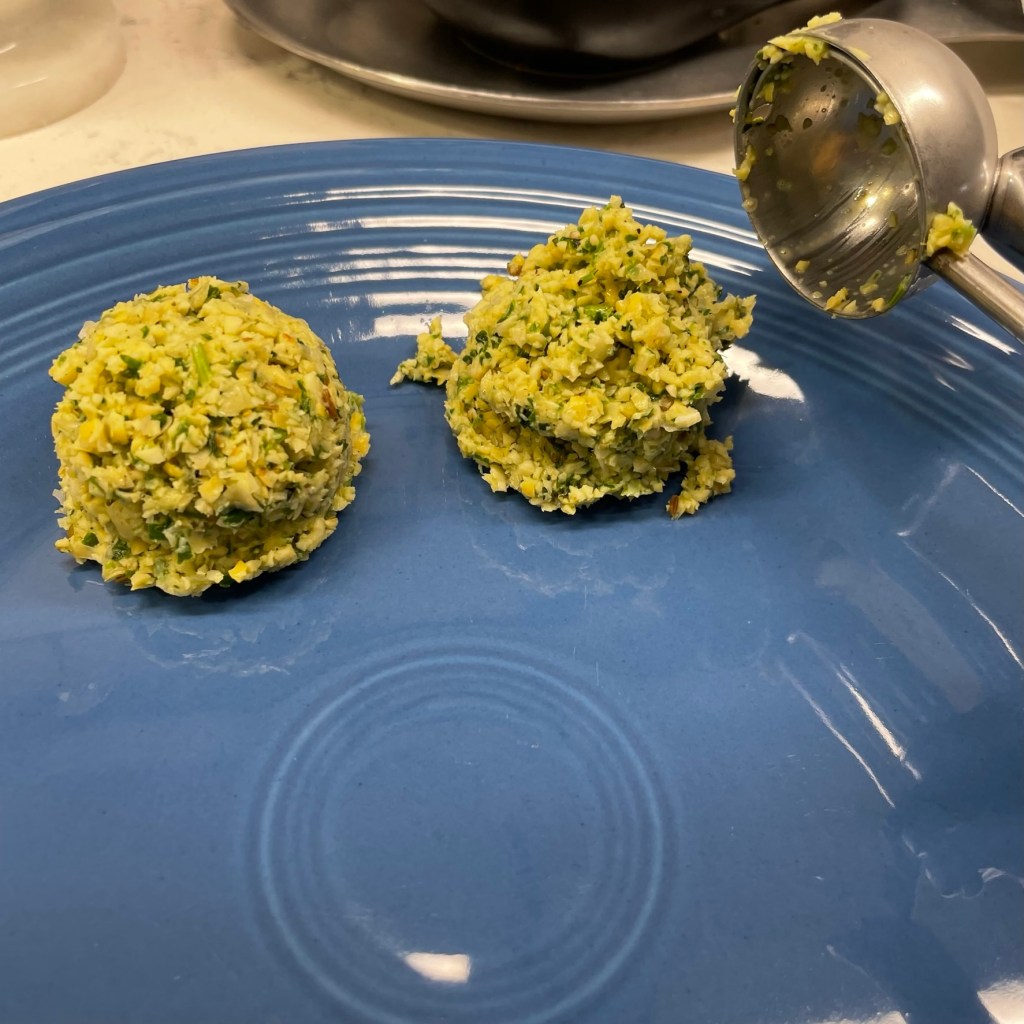
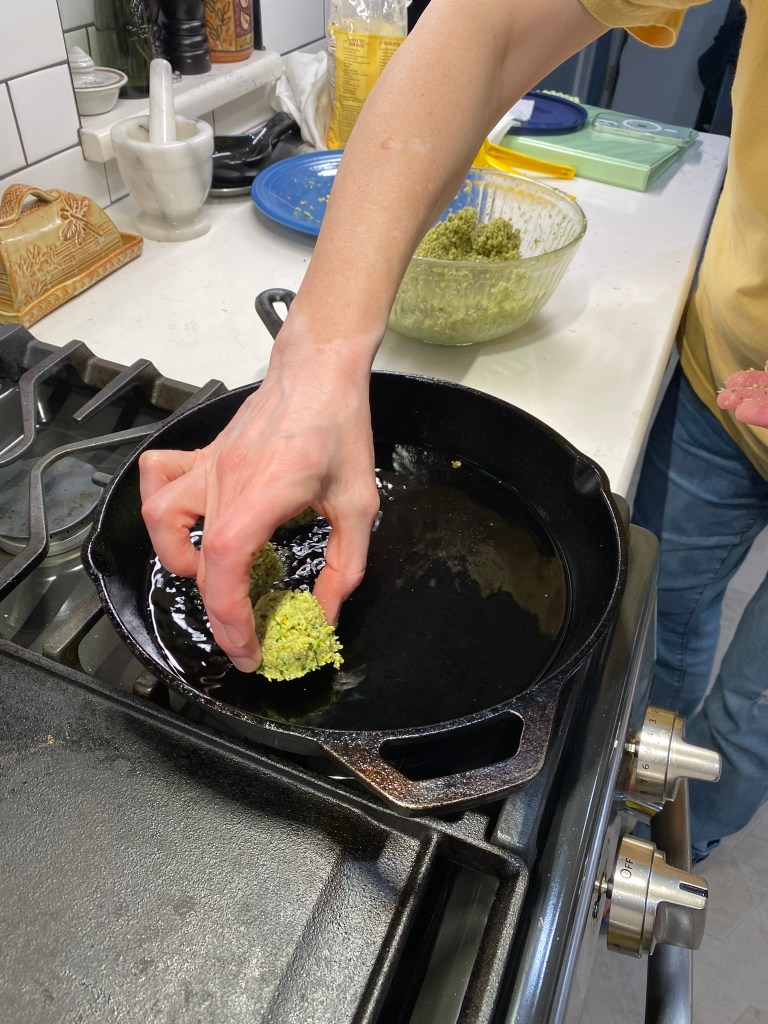
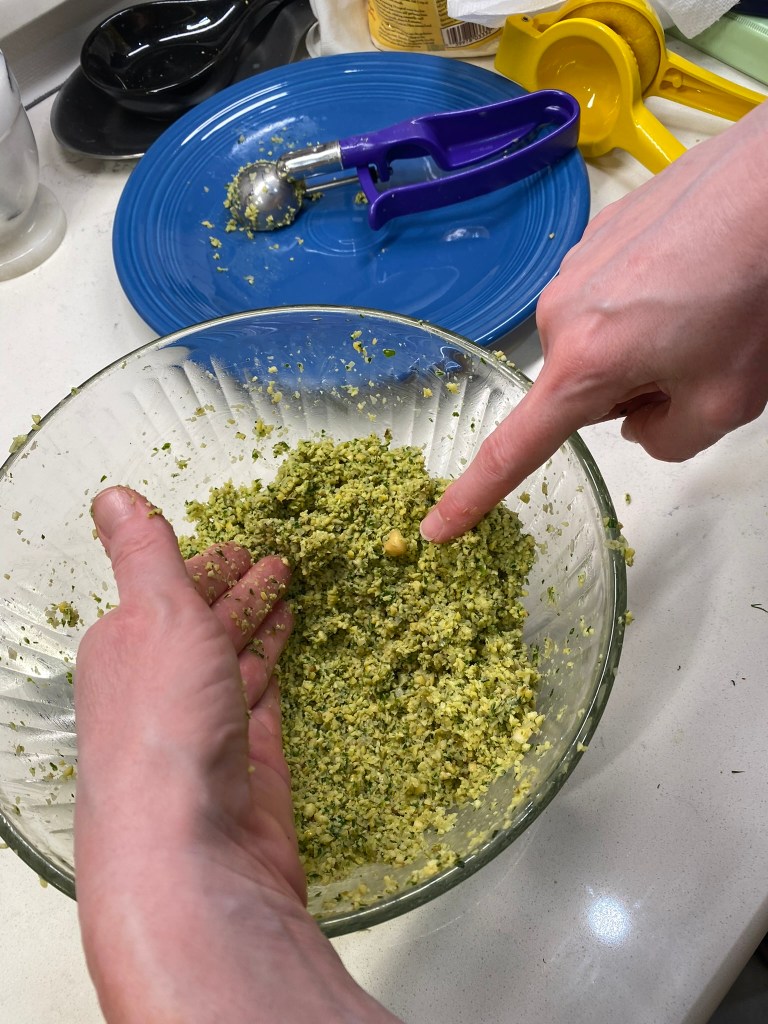
In a weird twist of fate, the best way also happened to be the easiest of the methods I had previously tried. Soaking the chickpeas took almost no effort, then I drained and rinsed them in a colander, rolled them around on paper towels to wick away excess moisture, and then pulsed them in my food processor with a fat handful of fresh herbs and generous amounts of Mediterranean spices. Further following J. Kenji’s advice, I kept my falafel small, using my large cookie dough scoop to compact them into rounds, which I fried up nicely in a shallow skillet. For the love of flavor, why did I wait so long to follow the rules?

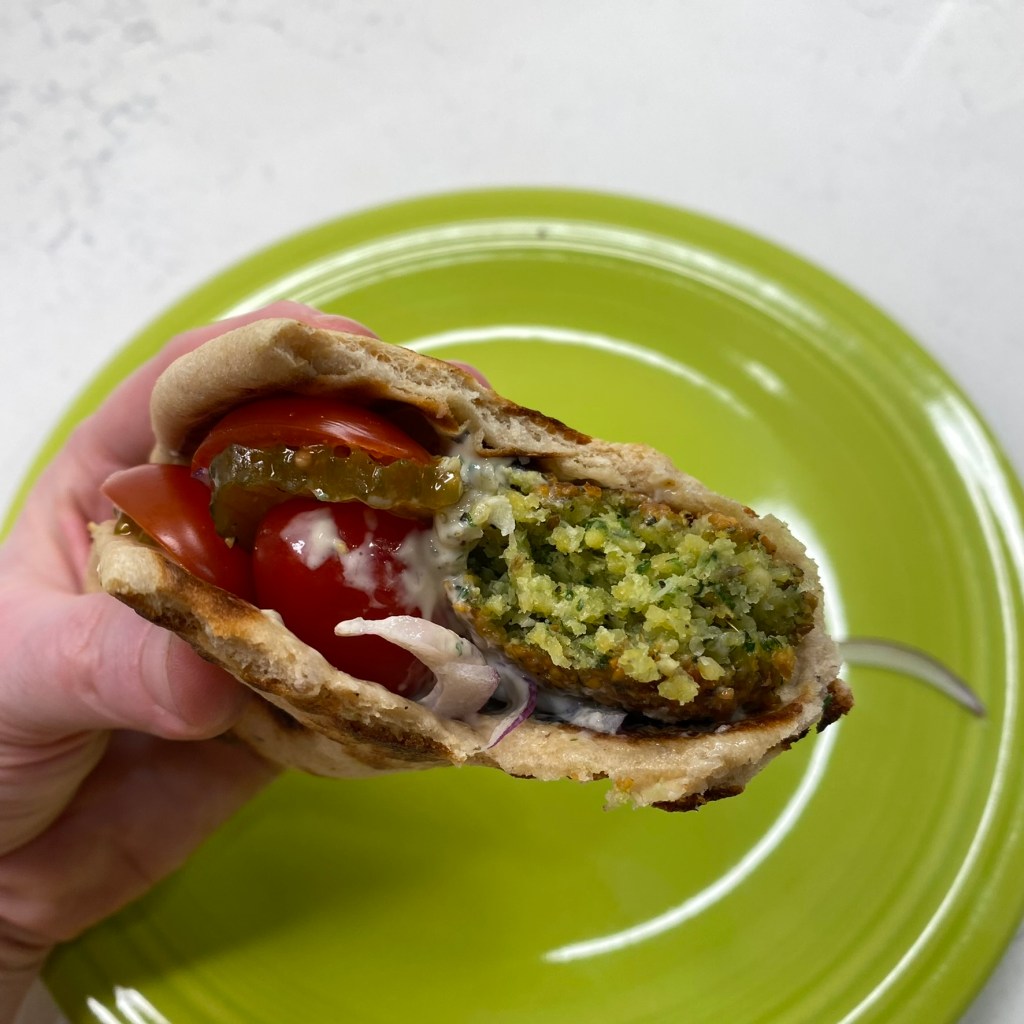
As much as I love falafel in a wrap sandwich, I also love just dipping and snacking on them.

Falafel is great as a pick-up snack, dipped in tahini-lemon sauce. We enjoyed it as a sandwich filler, nestled with lettuce, tomatoes and pickles into a warm, whole grain soft pita. My husband and I agreed that the flavors in this revelatory batch of falafel could stand to be a little bolder, and maybe even a bit more garlicky. I will play with the seasonings a bit on my next go, and you can bet that I won’t be waiting a year.


Ingredients

1 cup dried chickpeas, sorted and rinsed

4 cups cold or room temperature water

Several scallions (white and green parts)

About 2 cups loosely packed fresh Mediterranean herbs* (see notes)

2 large garlic cloves, peeled and rough-chopped

1 tsp. each cumin and coriander seeds*

1/4 tsp. ground cayenne (optional)

1 1/2 tsp. kosher salt

Several grinds black pepper

A few teaspoons flour (if needed), as a binder for overly wet falafel mixture*


*Notes

Falafel is of Middle East origin, so the Mediterranean herbs work best here. Parsley (curly or flat), mint, dill and cilantro (also called “fresh coriander”) all work great in this recipe, but I would not recommend basil, thyme or rosemary. It is essential that you use fresh herbs for this recipe, as they contribute texture in addition to flavor. After rinsing the fresh herbs, take time to also dry them on a clean kitchen towel or layers of paper towel, so that you don’t add unwanted moisture to the falafel mixture.

I prefer the intensity of freshly ground seed spices, but if you only have pre-ground cumin and coriander, it’s no problem. Use slightly less, perhaps 3/4 tsp. of each.

Ideally, the chickpea mixture will hold together without the flour binder. But I found that a few sprinkles of flour were necessary to pick up lingering moisture. I used a tablespoon of garbanzo bean flour, but all-purpose or rice flour would probably work also.


Instructions


Pecan and Parmesan-Crusted Trout

Friday fish fry. That was the thing in my upstate New York hometown, and it didn’t have to be Lent. There were a few places that everyone flocked to on Friday nights for a heaping plate of beer-battered haddock fillets, deep fried and served up with cole slaw and French fries—or cottage cheese, if it was lunch. You couldn’t order it any other day of the week. Just Friday. The “fish fry” is one of the foods I really do miss from my younger years, and I have never seen it served that way anywhere else. There are plenty of places I could find battered-and-fried cod, but it just isn’t the same.

I need to get better at deep frying before I try to make a Friday fish fry myself. Until then, I’ll satisfy my fish craving with a few other favorites, baked rather than fried, that I’ve developed on my own over the years. During the Lenten season, there’s an uptick in searches for interesting seafood recipes because observant Christians abstain from eating meat on Fridays—at least for the 40 days leading up to Easter. Here’s one that is delicious and easy to prepare. I hope you enjoy it, regardless of your religious observance.

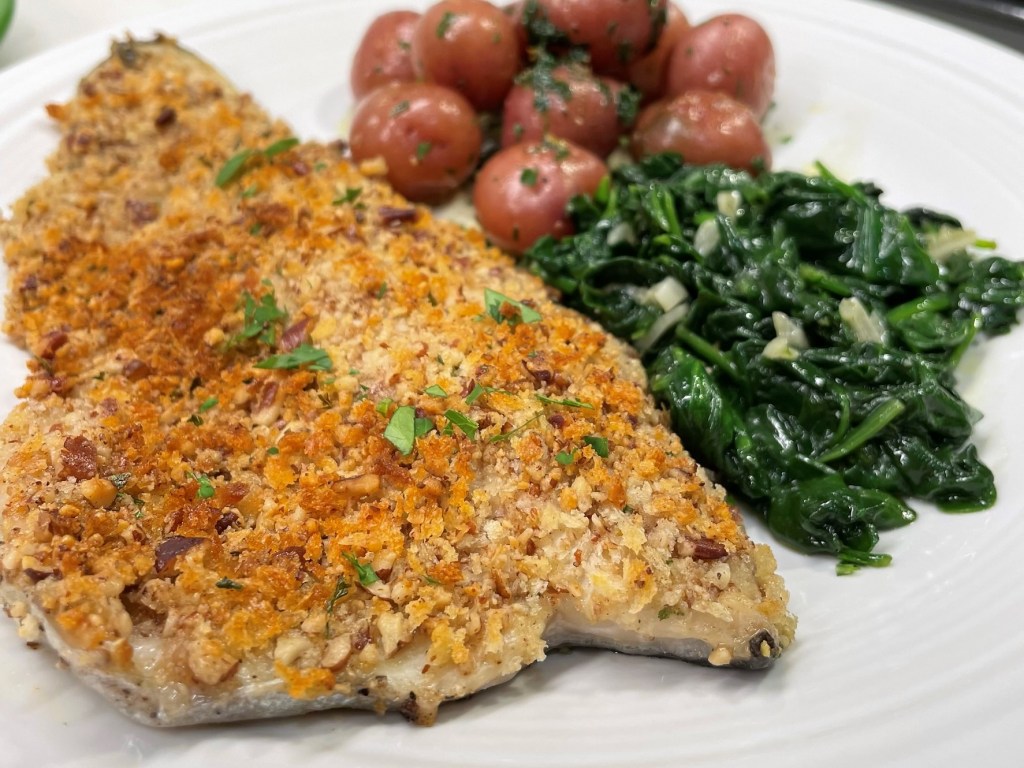
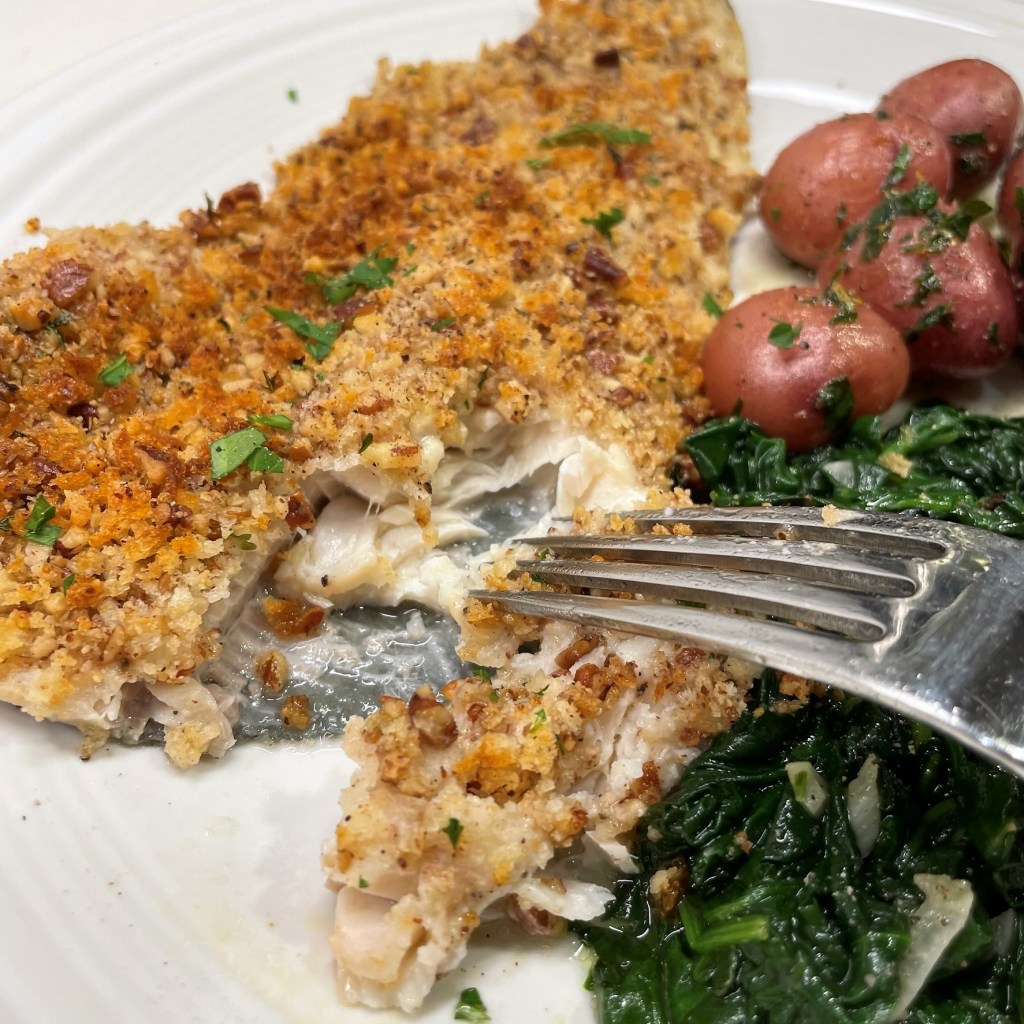
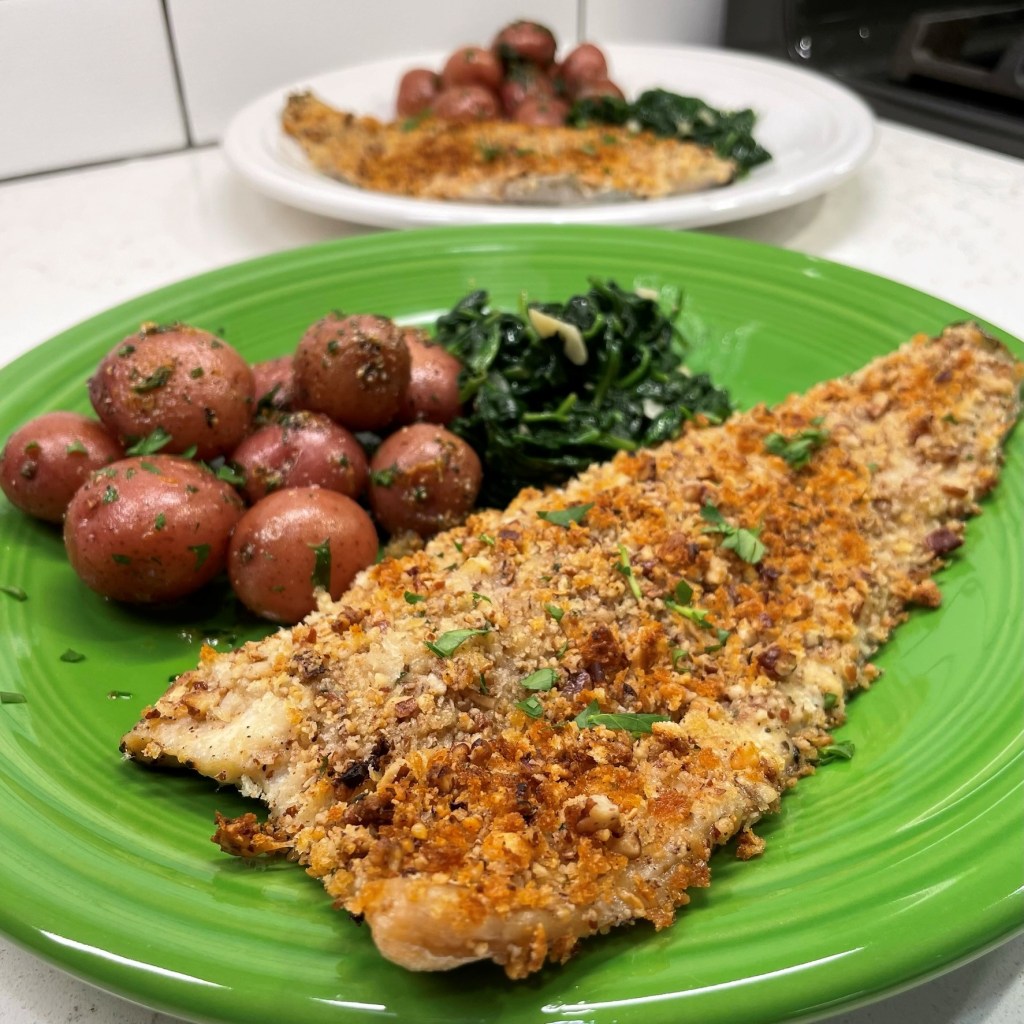
Pecan and parmesan-crusted trout. I served it with a quick sauteed spinach side and boiled baby red potatoes.

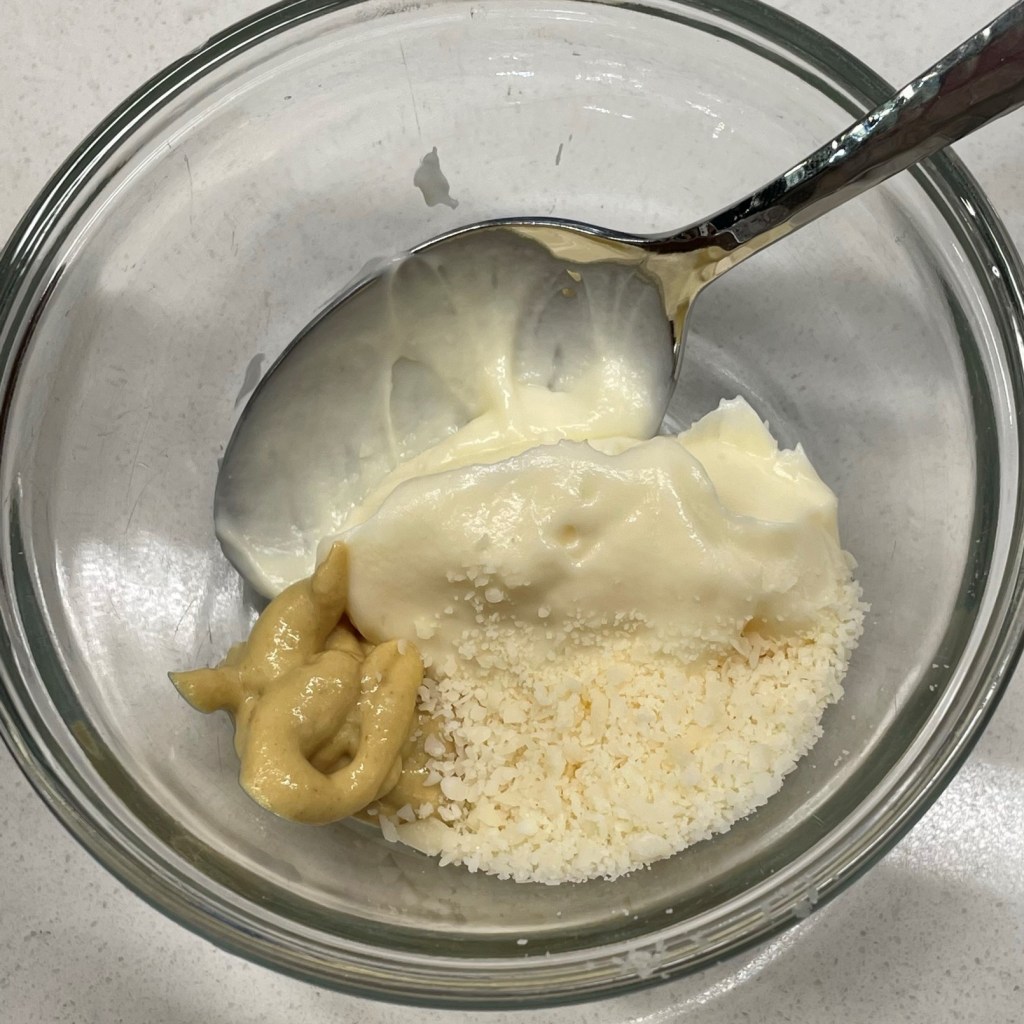
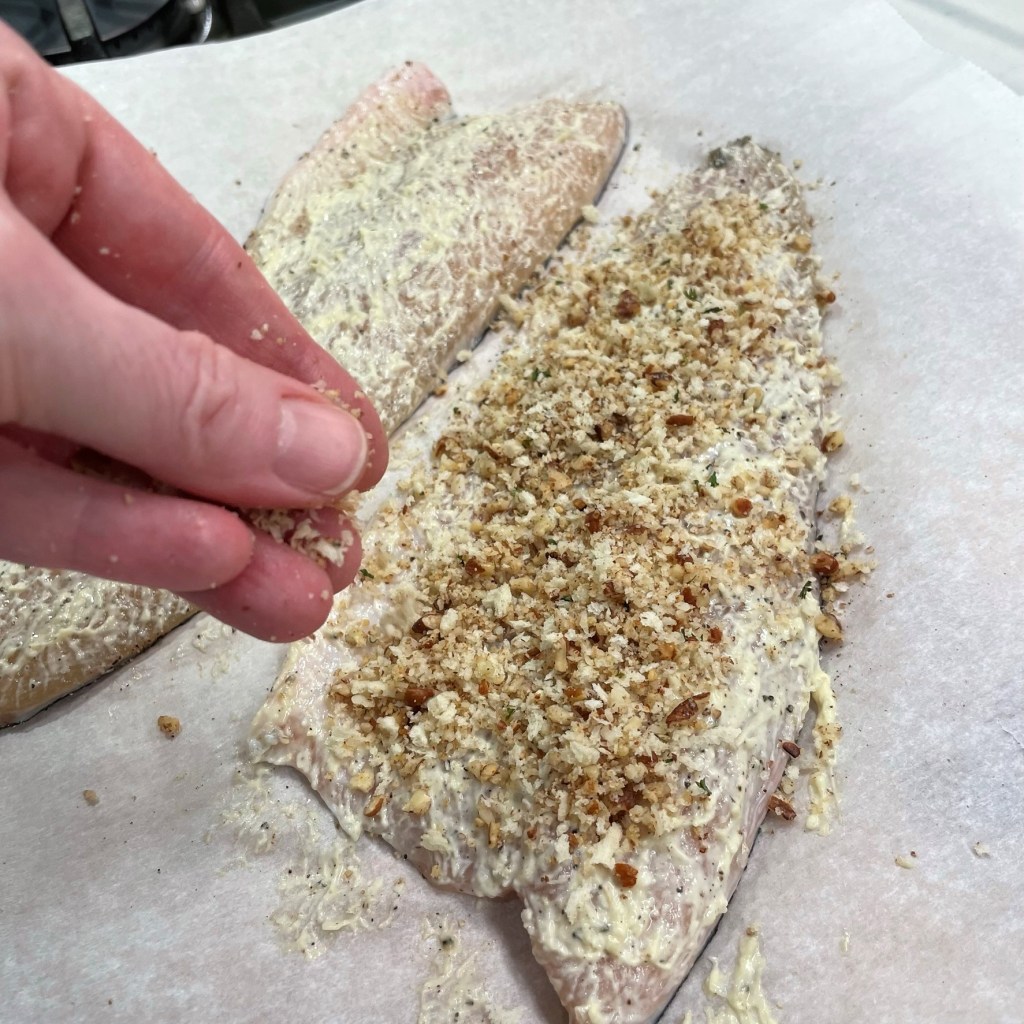
My recipe for pecan-crusted trout has evolved over the years, and the flavors and textures are all front and center in this one. The trout fillets are brushed with an easy blend of mayonnaise, Parmesan and Dijon mustard, and then I press them into a mixture of panko crumbs, more grated Parmesan and finely crushed, toasted pecans. 20 minutes later, dinner is served! This is easy enough for even a busy weeknight, and you can prepare your sides while it bakes.

The mayo mixture serves double duty in this recipe. It’s a “glue” to hold the seasoned pecan blend in place, and it also protects the fish from becoming dry during its brief time in the oven. The trout fillets remain soft and moist inside, despite the delicate crunch that meets your taste buds with every bite.


This recipe serves 2; easy to adjust for more servings

Ingredients

2 fresh trout fillets

1 Tbsp. mayonnaise

1 Tbsp. grated Parmesan

1 tsp. Dijon mustard

Kosher salt and freshly ground black pepper

1/3 cup pecan pieces, toasted* (see recipe notes)

1/4 cup panko crumbs

1/4 cup grated Parmesan

A few shakes ground cayenne pepper


*Notes

To toast the pecan pieces, preheat oven to 350° F. Spread the pecan pieces onto a parchment-lined baking sheet. Bake for 6 to 8 minutes, until nuts are fragrant, roasty and slightly shiny. Remove from oven and cool completely. Do this step ahead to save even more time in preparation of the fish.


Instructions

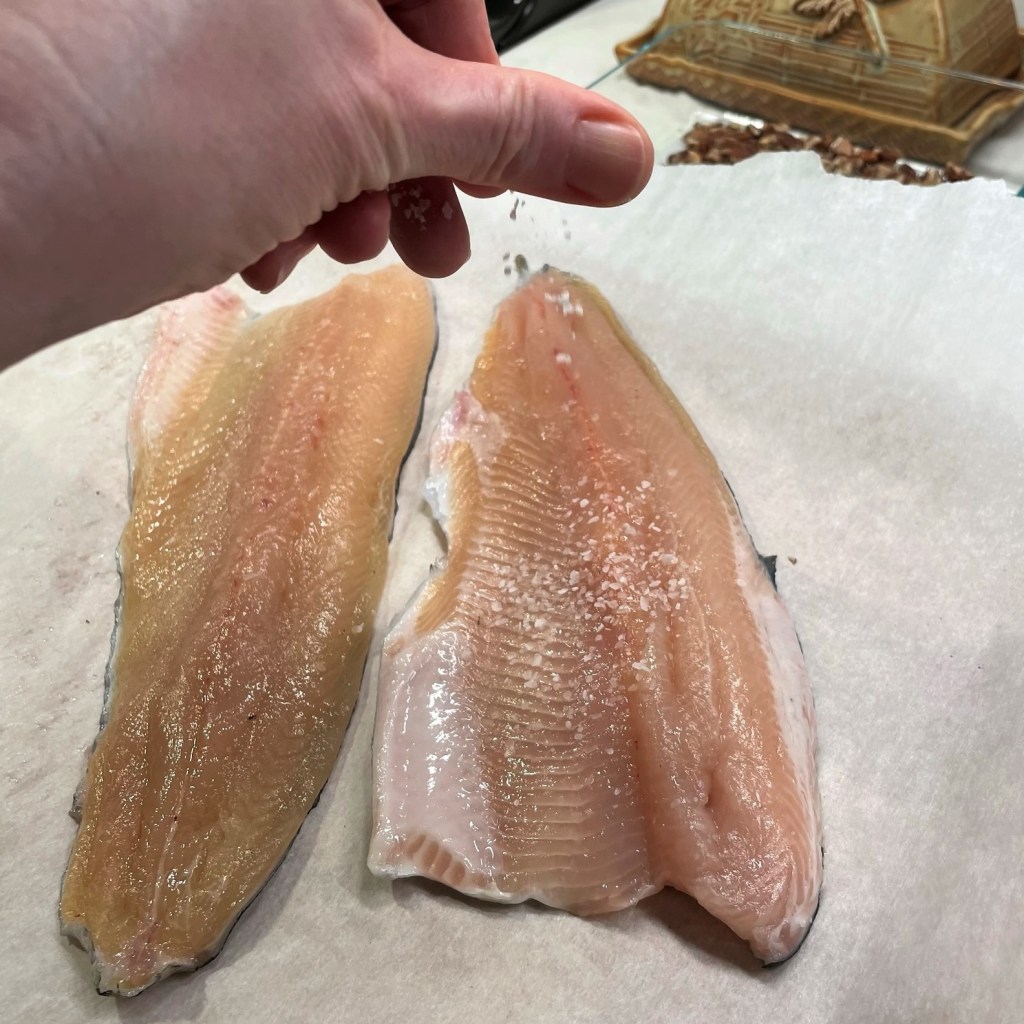
Preheat oven to 350° F. Stir together the mayonnaise, Parmesan and Dijon mustard. Sprinkle the trout fillets with kosher salt and freshly ground black pepper.

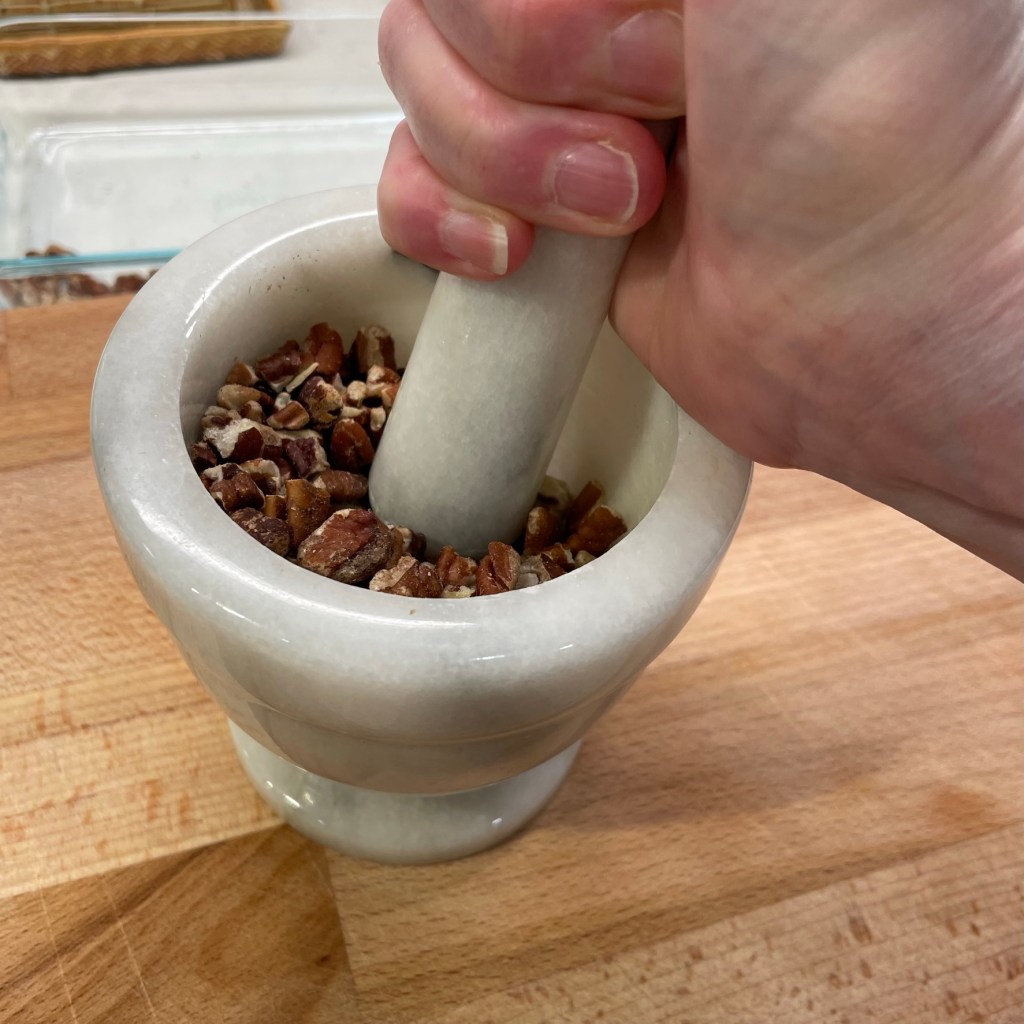
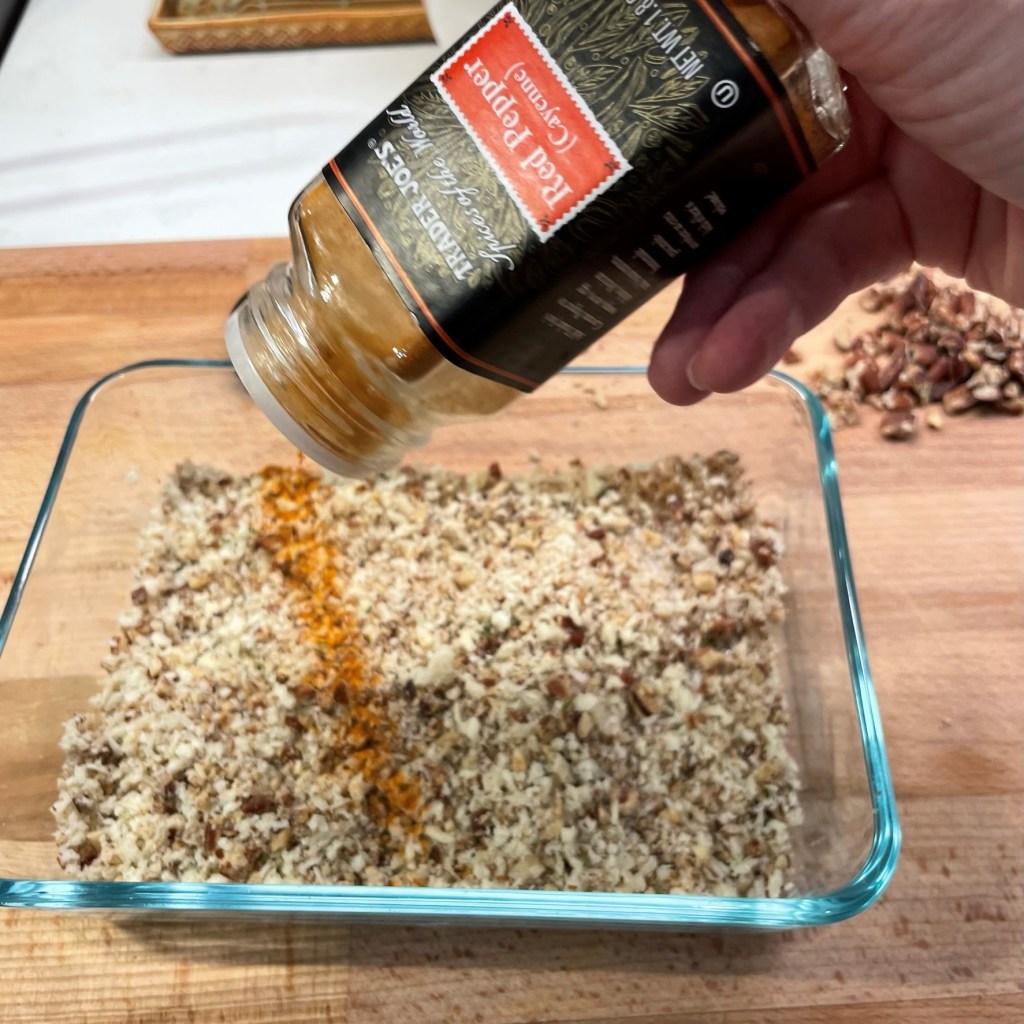
Using a food processor or mortar and pestle, pulse or crush the pecan pieces into fine crumbs. Transfer the pecans to a bowl with the panko crumbs and Parmesan. Season with a shake or two of ground cayenne.

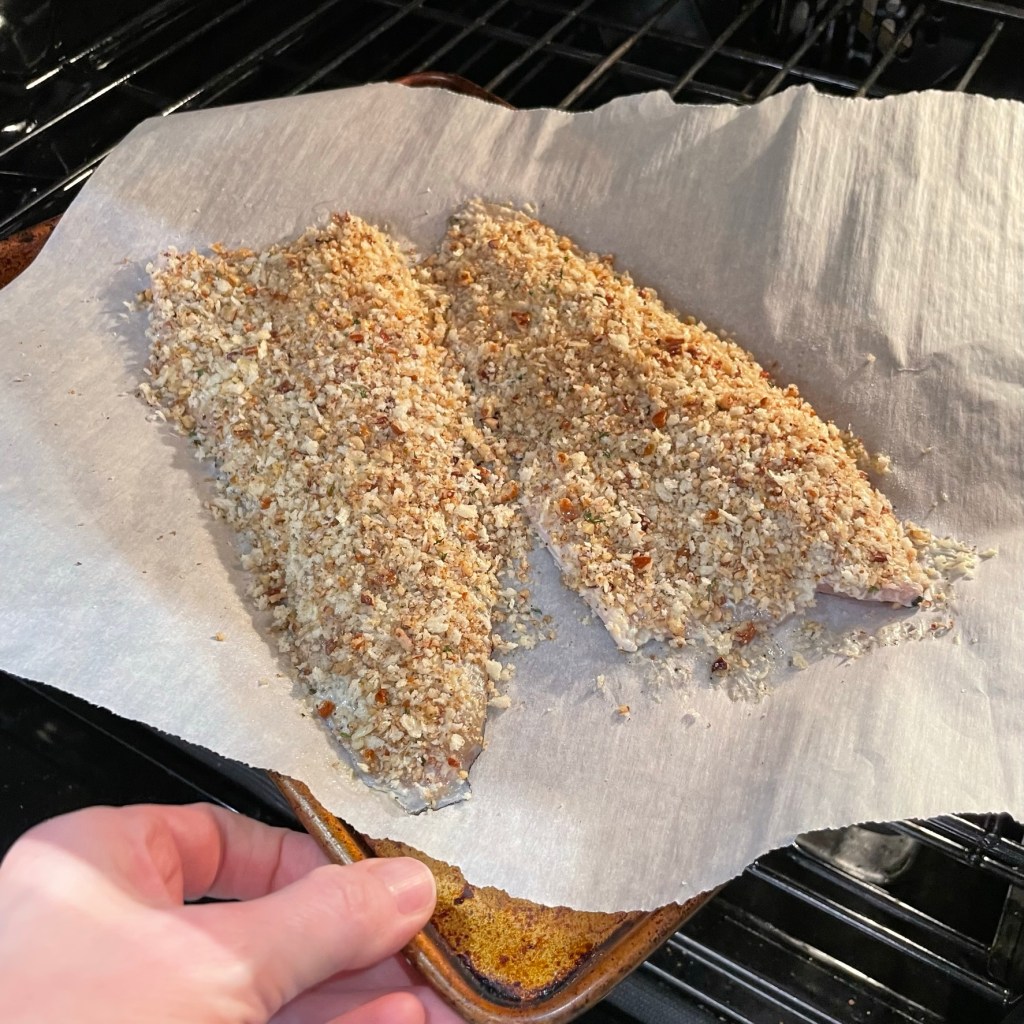
Line a baking sheet with parchment paper and spritz it lightly with cooking oil spray. Arrange the trout fillets on the sheet, skin side-down. Use a pastry brush to thoroughly coat the fleshy side of the trout fillets with the mayo-Parm mixture, then press the pecan crumb mixture onto the fish, generously covering every visible area.

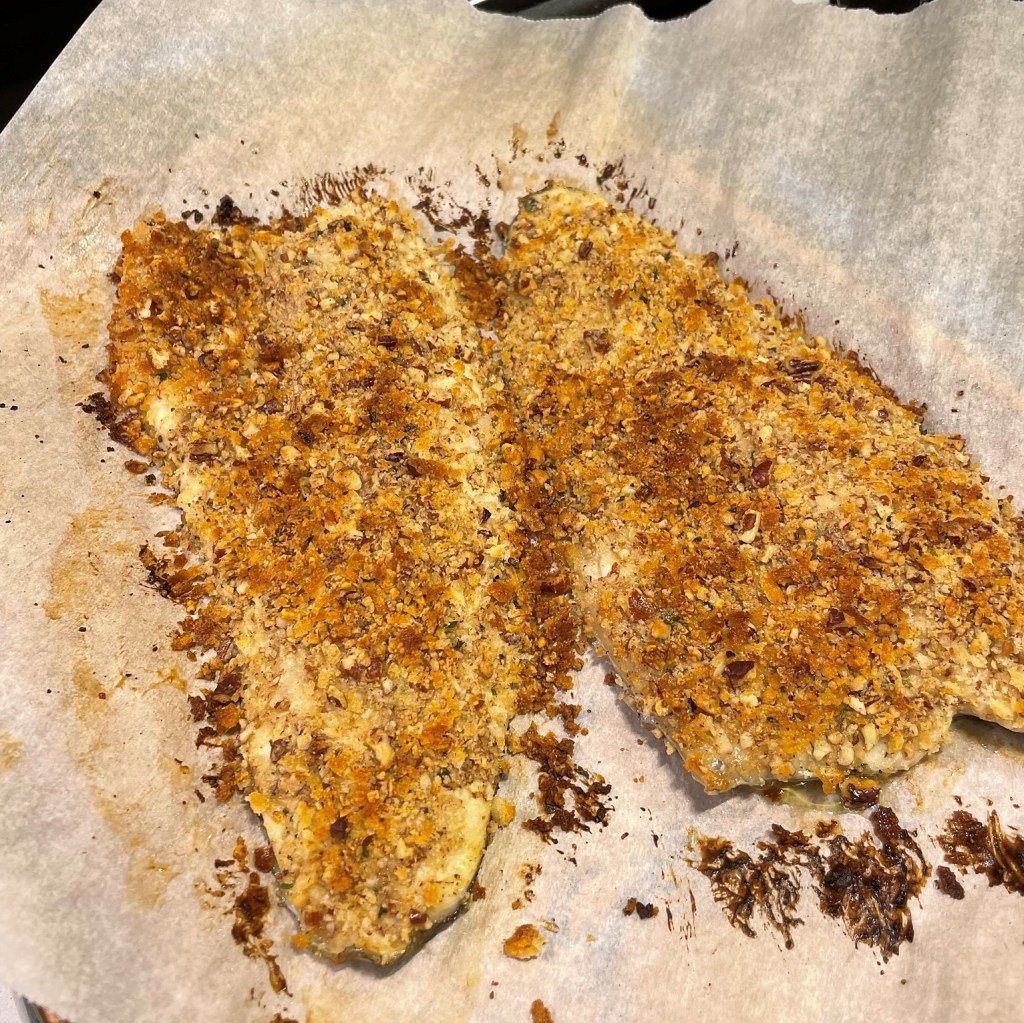
Bake the fish for about 18 minutes, or until it flakes easily with a light twist of a fork. If the crumbs are pale, turn on the broiler for only one minute, to finish the fish with a deep golden color.


Steak & Potato Pizza

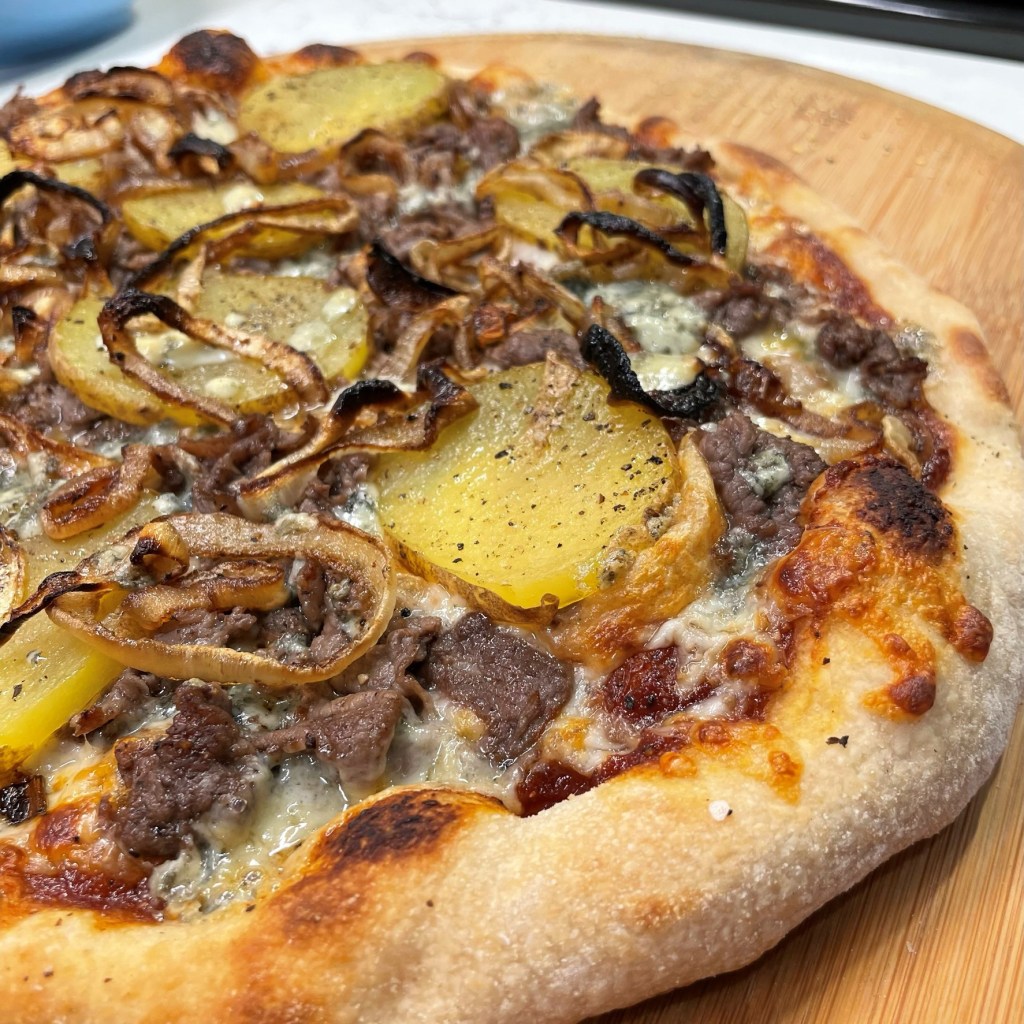
At our house, we have our share of classic, pepperoni-and-cheese style pizzas. But I really enjoy bringing unexpected toppings to a pizza—to shake up the pizza, yes, but also to enjoy other favorite food combinations in a new way. Just about any meal can be transformed into a pizza, and if you have any doubt, peek at my Pizza Party page to see some of the other fun combinations we’ve enjoyed over the past couple of years. Even I was surprised to see how easily Buffalo wings, oysters Rockefeller or jambalaya can be transformed into a perfect, tasty slice.

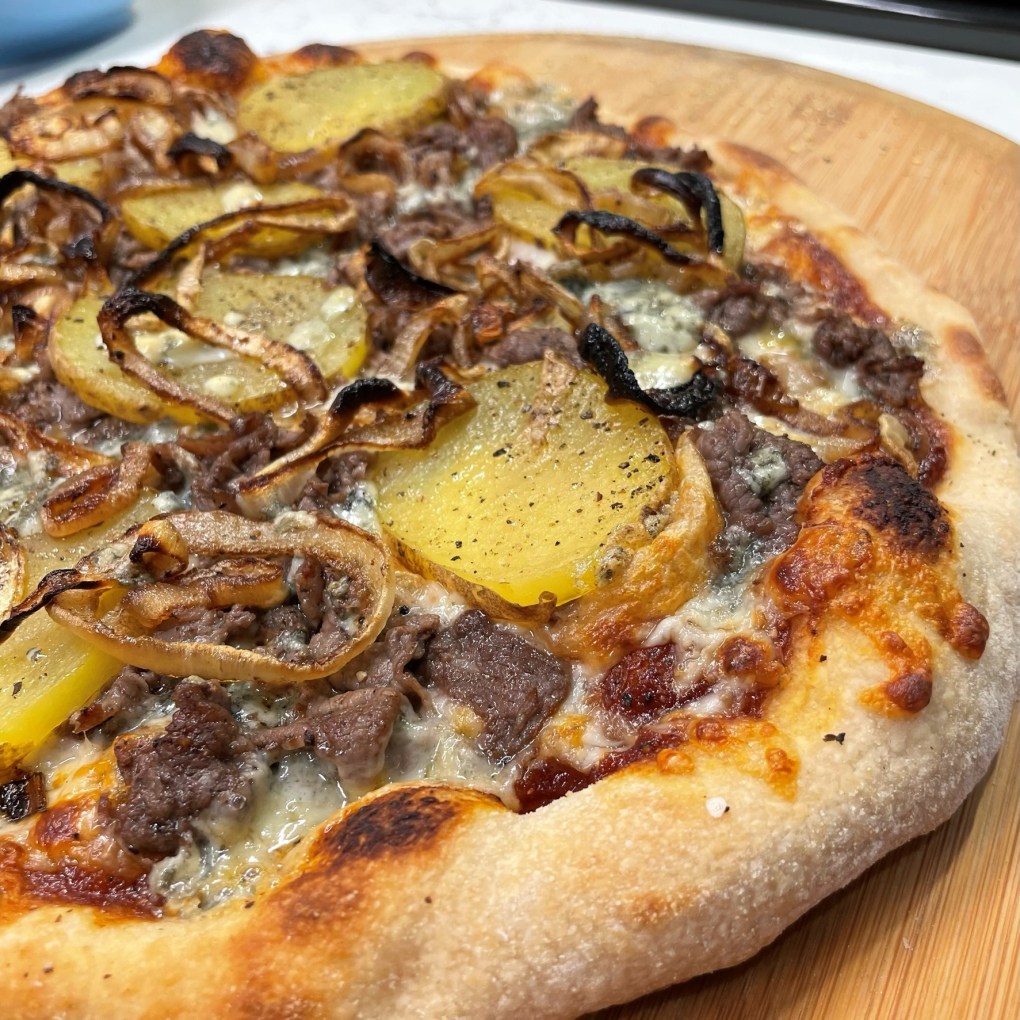
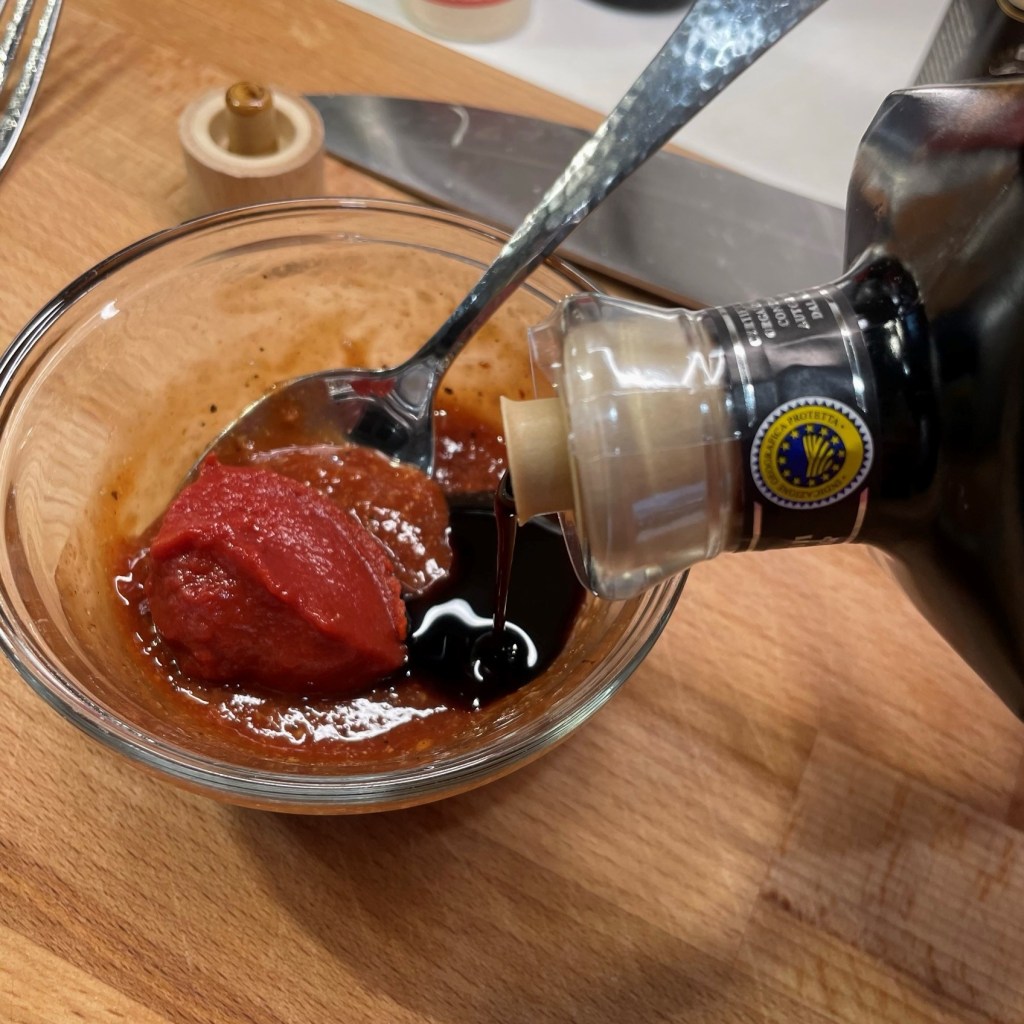
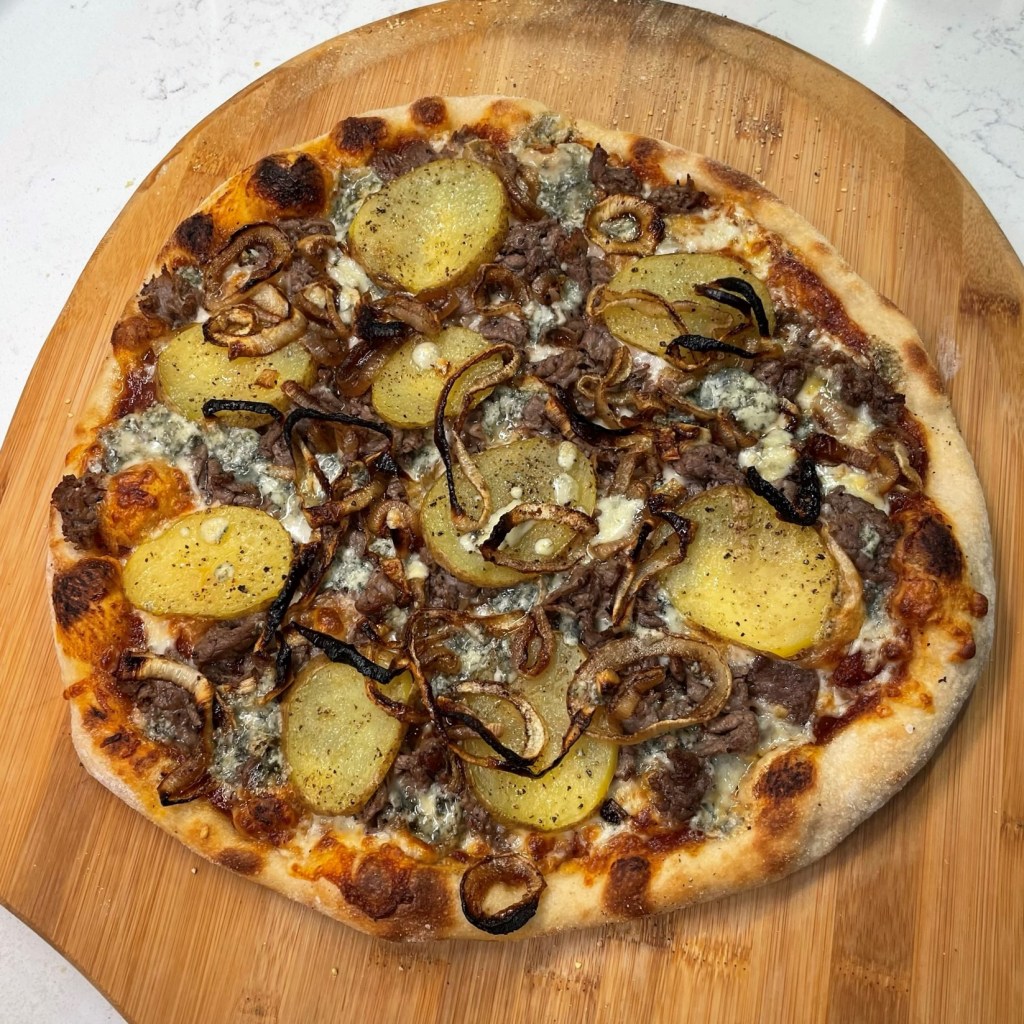
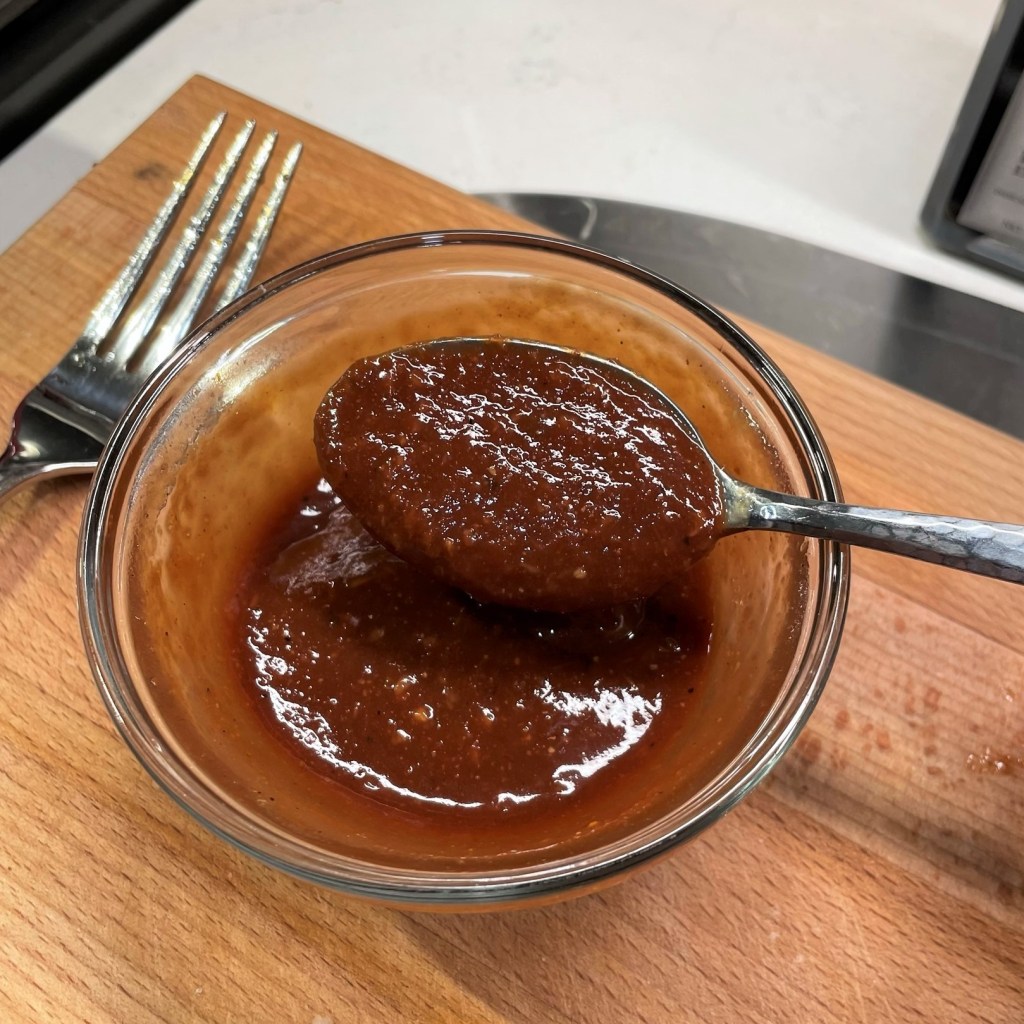
My goal with this pizza was to recreate the experience of dining at a classic steakhouse, but without the heavy, overstuffed feeling that always seems to follow a glorious meal of steak and potatoes. I knew that balsamic roasted onions belonged on this meat and potato pie, and definitely a touch of bleu cheese, but I needed a minute to figure out the sauce. A typical red sauce wouldn’t do, but I found a few things in the door of the fridge and whipped up an easy steak sauce that was tangy, spicy and just slightly sweet.

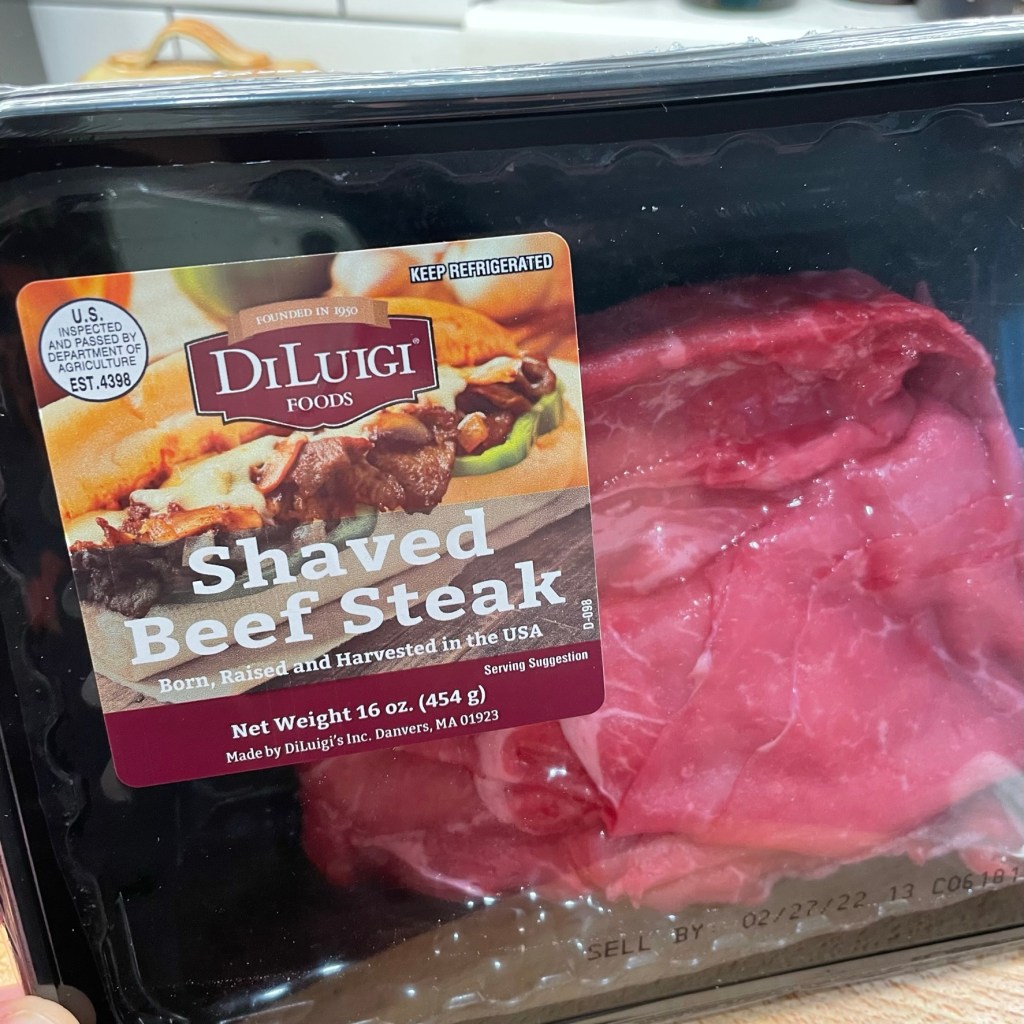
A thin crust is right for this pizza and lets the steak and Yukon gold potatoes take center stage. If you have leftover steak, slice it really thin for this pizza. Or follow my lead and use half a package of shaved steak—the kind you’d cook up for a Philly cheesesteak.  I used mozzarella on the base, but Monterey jack or any other mild, neutral cheese would be a good choice as well.


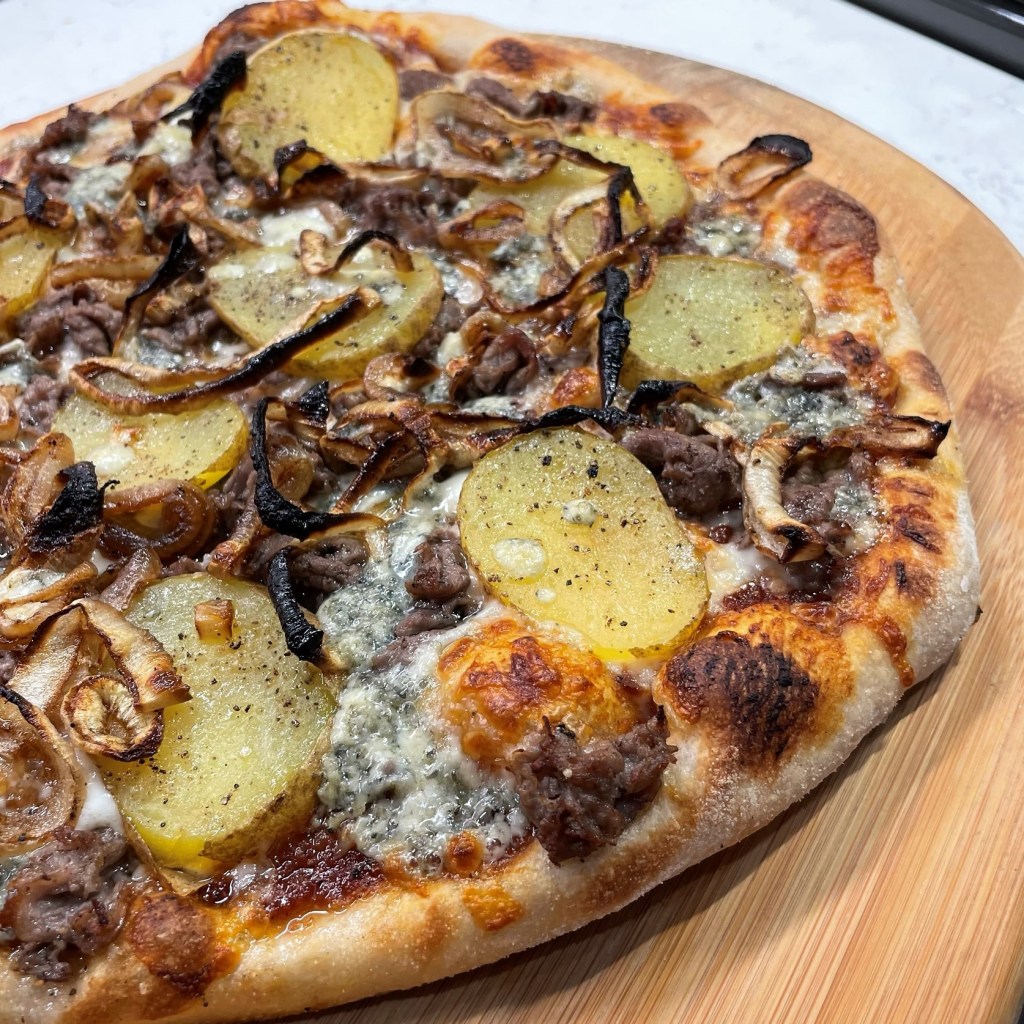
The result was just right, with enough meat to satisfy but not so much to overwhelm. The Yukon gold potatoes were soft and creamy, and the accent of bleu cheese reminded me of a real steakhouse dinner. Except, of course, for the belly bloat or the outrageous steakhouse price.


Ingredients

1 ball sourdough pizza dough

3 Tbsp. homemade steak sauce (recipe below, or use your favorite)

1 cup shredded mozzarella

1/2 lb. thinly shaved steak

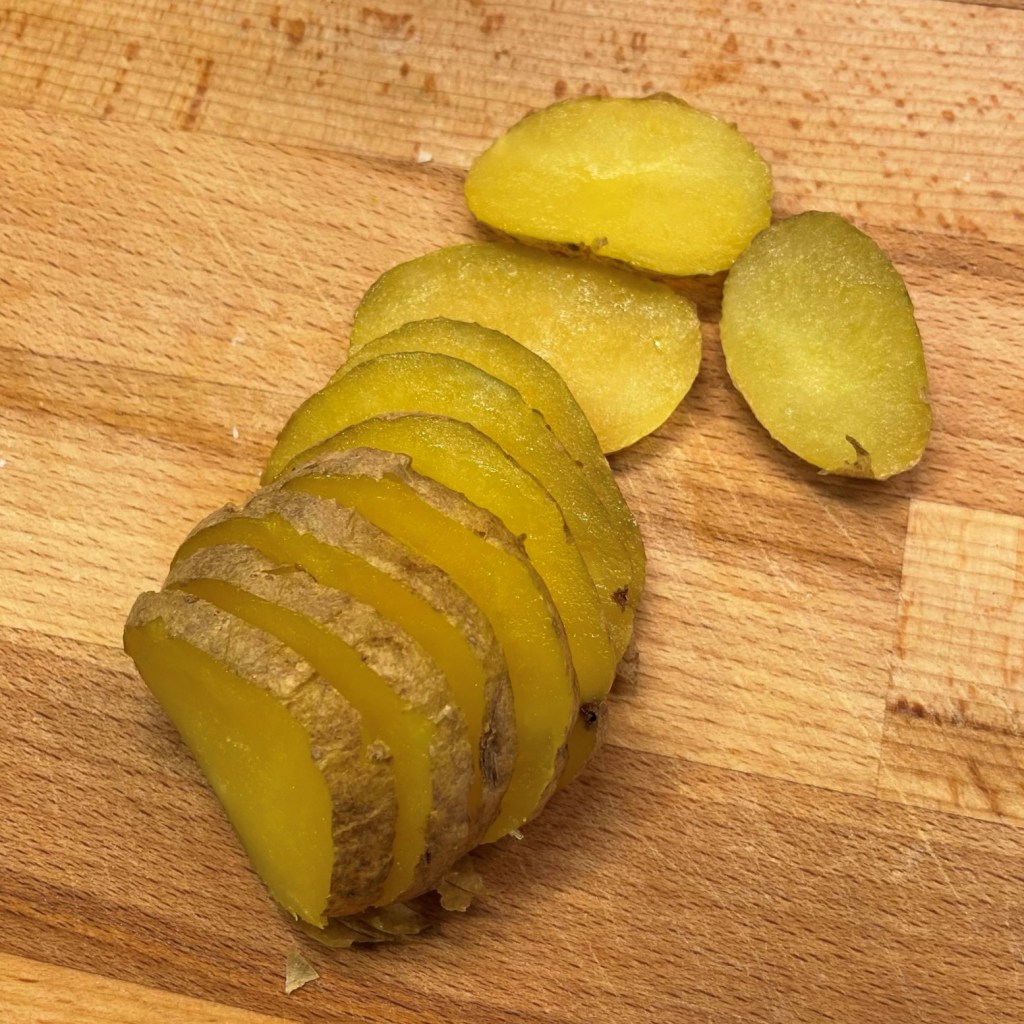
1 large Yukon gold potato, boiled until fork-tender and sliced thin

1 medium sweet onion, roasted and drizzled with 1 Tbsp. balsamic vinegar

2 oz. bleu cheese crumbles


Steak Sauce

2 Tbsp. natural ketchup

1 Tbsp. Worcestershire sauce

1 Tbsp. dark balsamic vinegar

1 Tbsp. tomato paste

1 tsp. hot sauce (any kind you like)

1/2 tsp. prepared horseradish

1/2 tsp. Dijon mustard

1/4 tsp. garlic powder

1/4 tsp. onion powder

Salt and pepper to taste

Thin with a little water if needed


Instructions

Prepare the onion by slicing it into thin rounds. Arrange the slices on a parchment-lined baking sheet and drizzle them with olive oil. Roast at 350 for about 30 minutes, or until onions have softened and the rings slide apart evenly. Drizzle with balsamic and roast another 10 minutes, taking care not to burn the onions. Set them aside to cool.

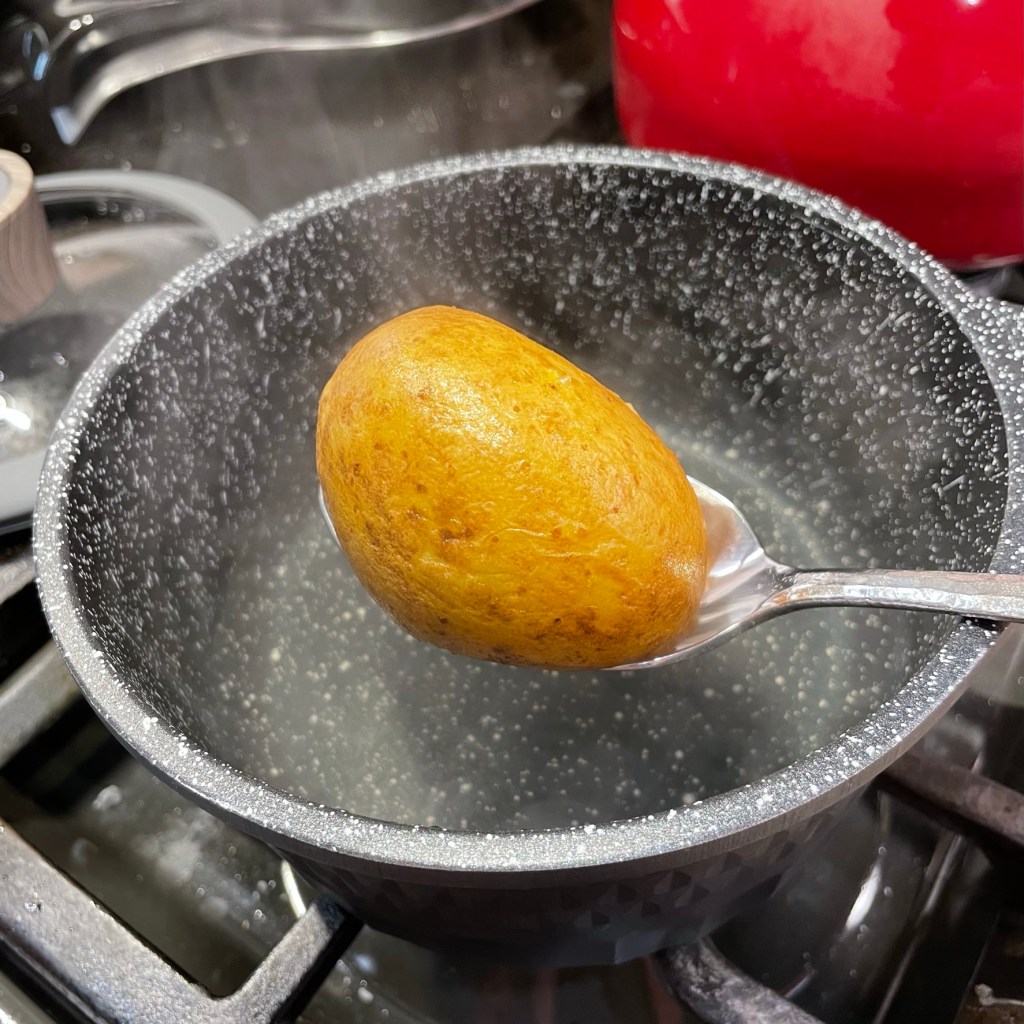
Meanwhile, boil the Yukon gold potato until it can be pierced with the tip of a knife, but not to the point of being too soft. Let the potato cool completely, then cut it into slices about 1/4” thin.

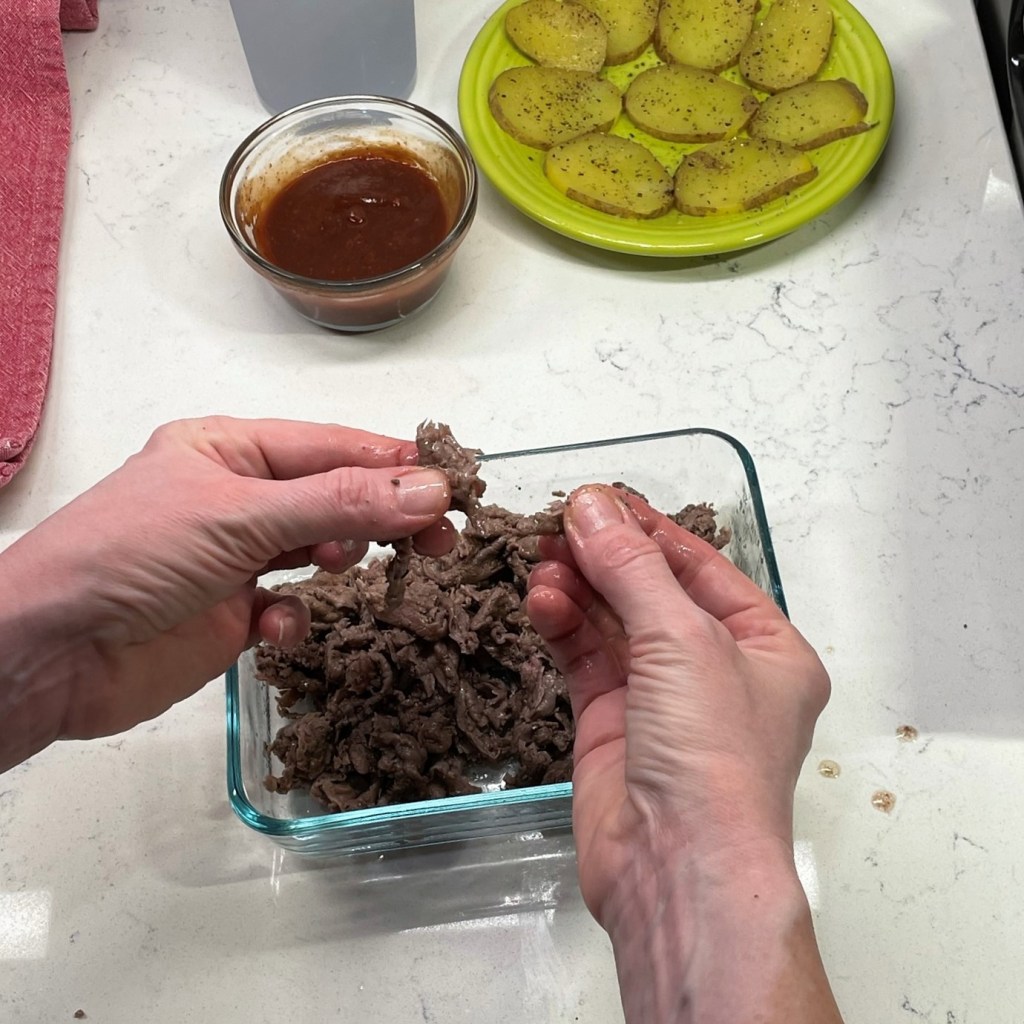
Sear shaved steak in a small amount of olive oil just until lightly browned. Shred steak into smaller, bite sized pieces and season with salt and pepper. Set aside until ready to make the pizza.

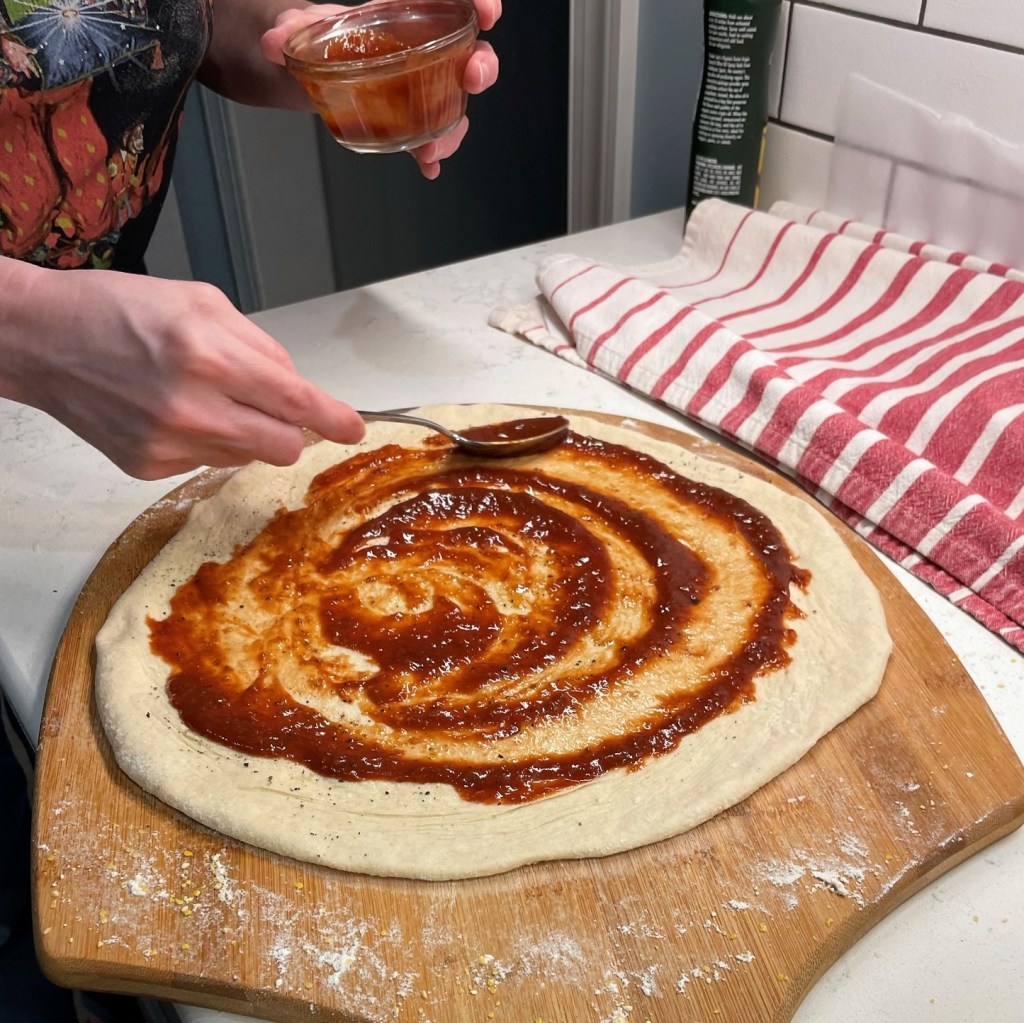
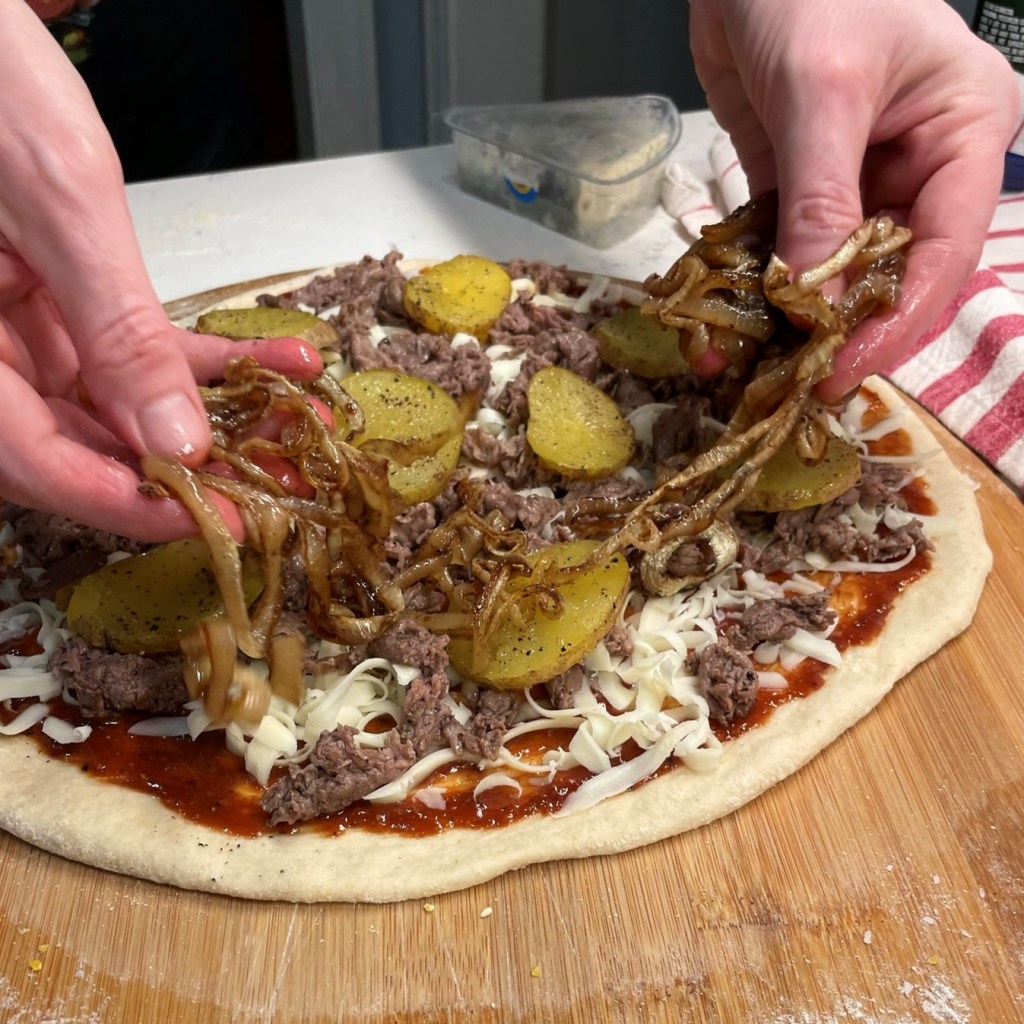
Shape pizza dough into a 14” round and transfer to a floured and cornmeal-dusted pizza peel. Season the dough with salt and pepper, then swirl on about 1/4 cup of the steak sauce. Scatter mozzarella all over the sauce. Arrange the shredded steak over the cheese, followed by the potato slices and the balsamic onions. Place dots of bleu cheese crumbles over the top of the pizza.

Slide the pizza into a very hot (550° F) oven, preferably onto a pizza steel or stone. Bake for 6 minutes, until cheese is bubbly and crust is golden brown.


Corned Beef Shepherd’s Pie

For the first year in a long time, I did not do my usual DIY Corned Beef for St. Patrick’s Day. The continued time warp caused by COVID, combined with yet another home renovation project that has just begun at our house, has left me a little flustered and out of my routine. So, there’s that, plus a discovery that I made in our freezer.

Last year, we did two huge briskets in my homemade corned beef brine—one was fated to be a classic corned beef with cabbage and carrots, and the other went the extra mile to become smoked pastrami—and I recently uncovered not one, but two packages of said meat that have been hiding in the depths of our freezer drawer. I couldn’t justify making more until we finished what we already had, but what does one do with a pound of vacuum-sealed, sliced corned beef, other than the obvious sandwiches?

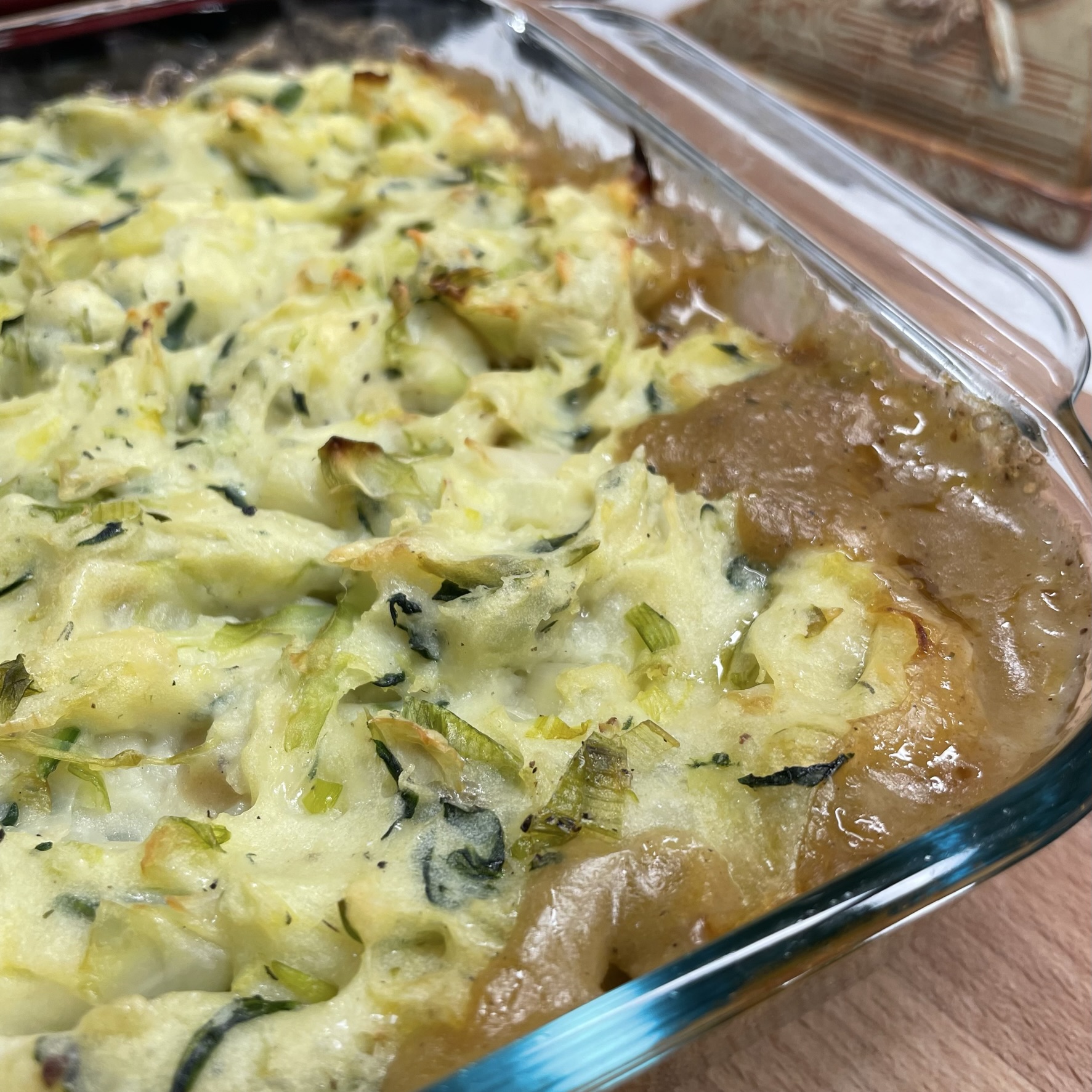
I love cooking up fun foods for special occasions, and shepherd’s pie is a classic for St. Patrick’s Day. A typical shepherd’s pie is made with ground meat (usually lamb or beef), peas, carrots and mashed potato topping. But I could not pass over the entire St. Pat’s celebration without the old standby of corned beef and cabbage. Last year, I shared my recipe for colcannon (which I also love), so I whipped up a new batch of that as my pie topper, and I picked up two fun (and Irish) ingredients to give the colcannon extra body and a boost of sharp flavor. Irish white cheddar was a no-brainer, and when I sought out a package of Irish butter (which I only splurge on this time of year), this embellished version jumped right into my basket!

This is how they make Irish butter even better!

Well, that was lucky! Butter that is already flavored with fresh herbs would make this dish even quicker to prepare.

I channeled my grandmother a little bit in making this dish. She was the absolute queen of leftovers, a real whiz at transforming a random thing from the freezer into a full-blown meal that had leftovers of its own. The shepherd’s pie was delicious, perfectly festive for the occasion, and finally helped me use up the frozen corned beef that I forgot I had.

If you’re staring down your own corned beef leftovers, give this dish a go. If you happen to have leftover cabbage and carrots, or leftover mashed potatoes, too—well, you’re way ahead of the game.

A shepherd’s pie is a fun way to revisit the classic flavors of corned beef and cabbage, and this reheats beautifully, even in the microwave.

Ingredients

There are three specific components to this easy dish, and I’ll break down the ingredients list and instructions accordingly. Follow along with the slides and scroll to the end of the post for a downloadable version you can print or save for your recipe files.

Corned Beef & Cabbage Filling

2 Tbsp. garlic and herb Irish butter

1/2 small head green cabbage, chopped

1 cup baby carrots, cut into bite-size chunks

1/2 large onion, chopped

1 lb. leftover corned beef, sliced or cubed

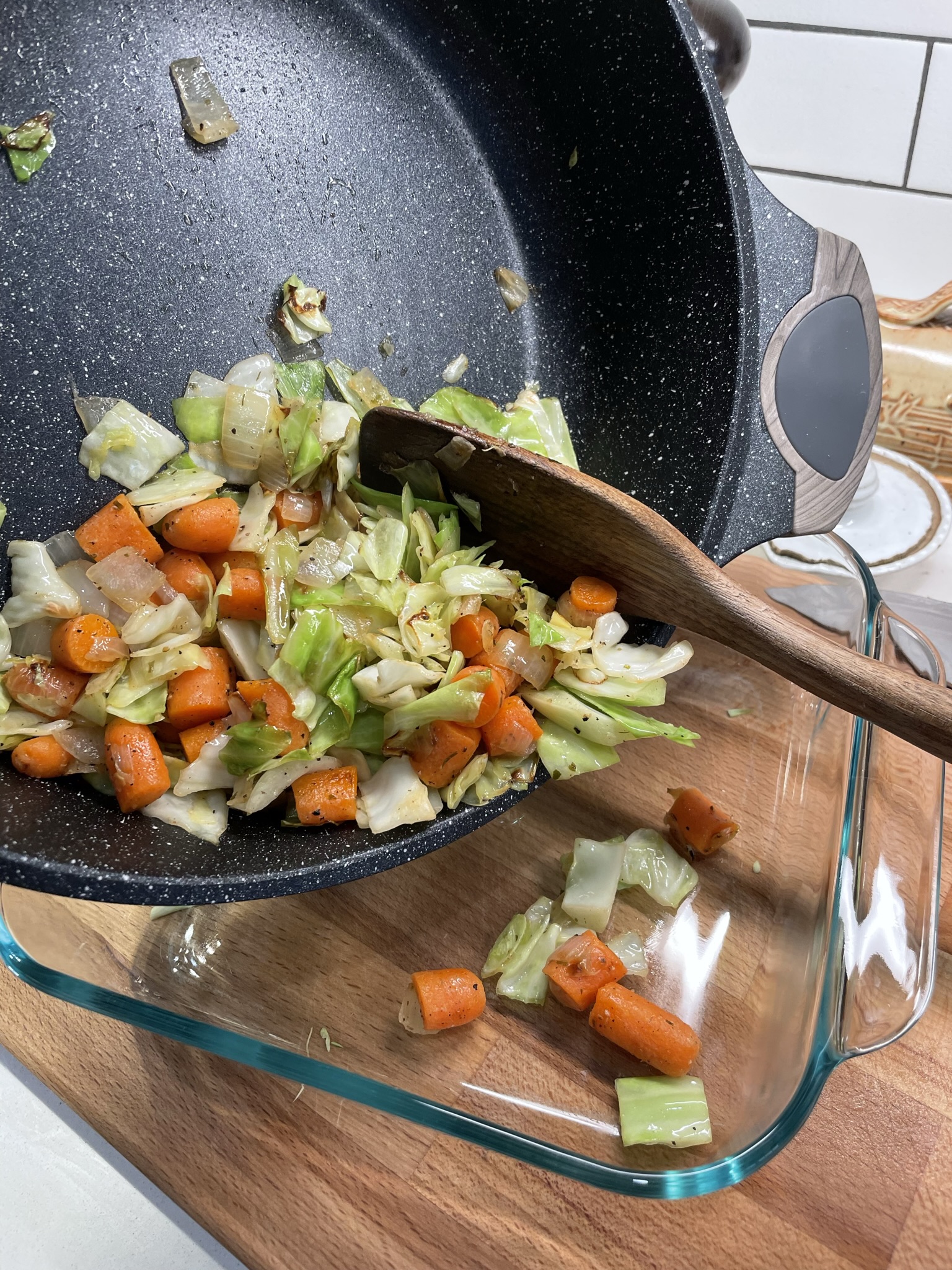
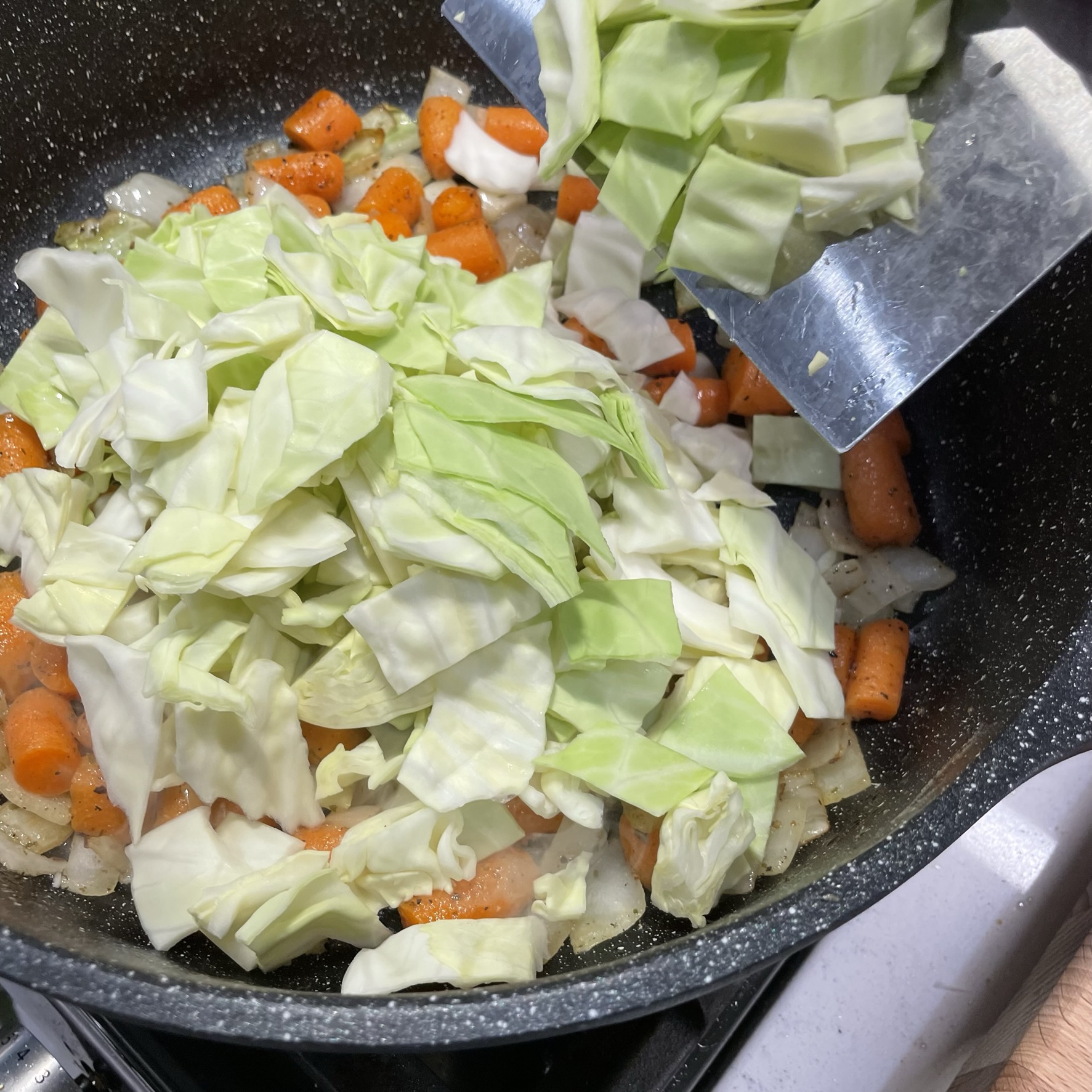
Melt the butter in a large sauce pot or skillet. Sauté the carrots, onion and cabbage until the onions are translucent and the cabbage is soft. Season with salt and pepper and transfer to a glass 8×8 oven-safe casserole dish. Set aside, adding the corned beef later when you are ready to assemble the dish.


Colcannon with Irish Cheddar

1 lb. peeled potatoes, cut and cooked until tender (I used 50/50 russet and Yukon gold)

2 Tbsp. garlic and herb Irish butter

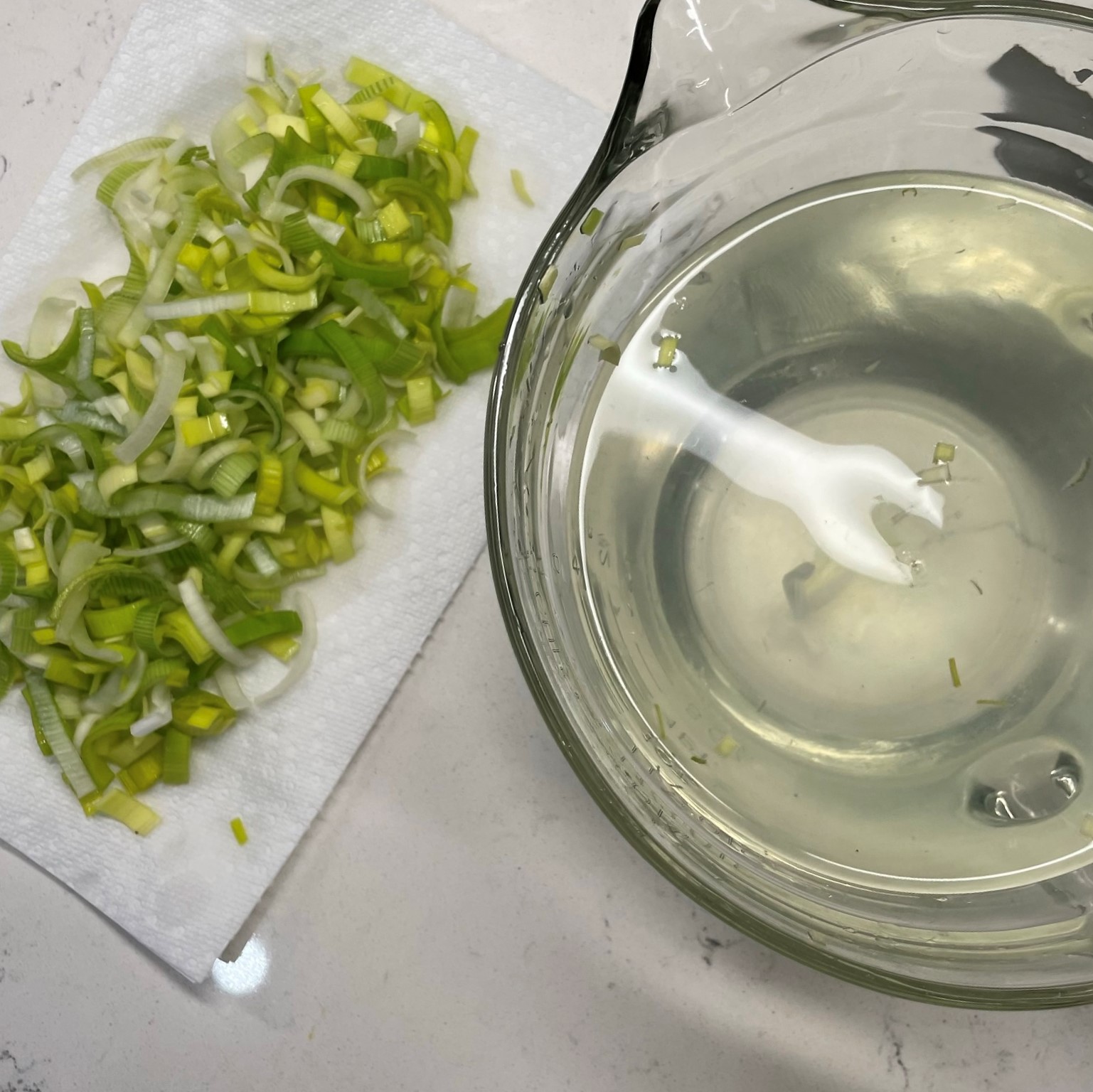
1 leek, cleaned and sliced into half-moon shapes

1/2 small head green cabbage, sliced thin

A fat handful of baby spinach leaves, rough chopped

1 cup shredded Irish white cheddar

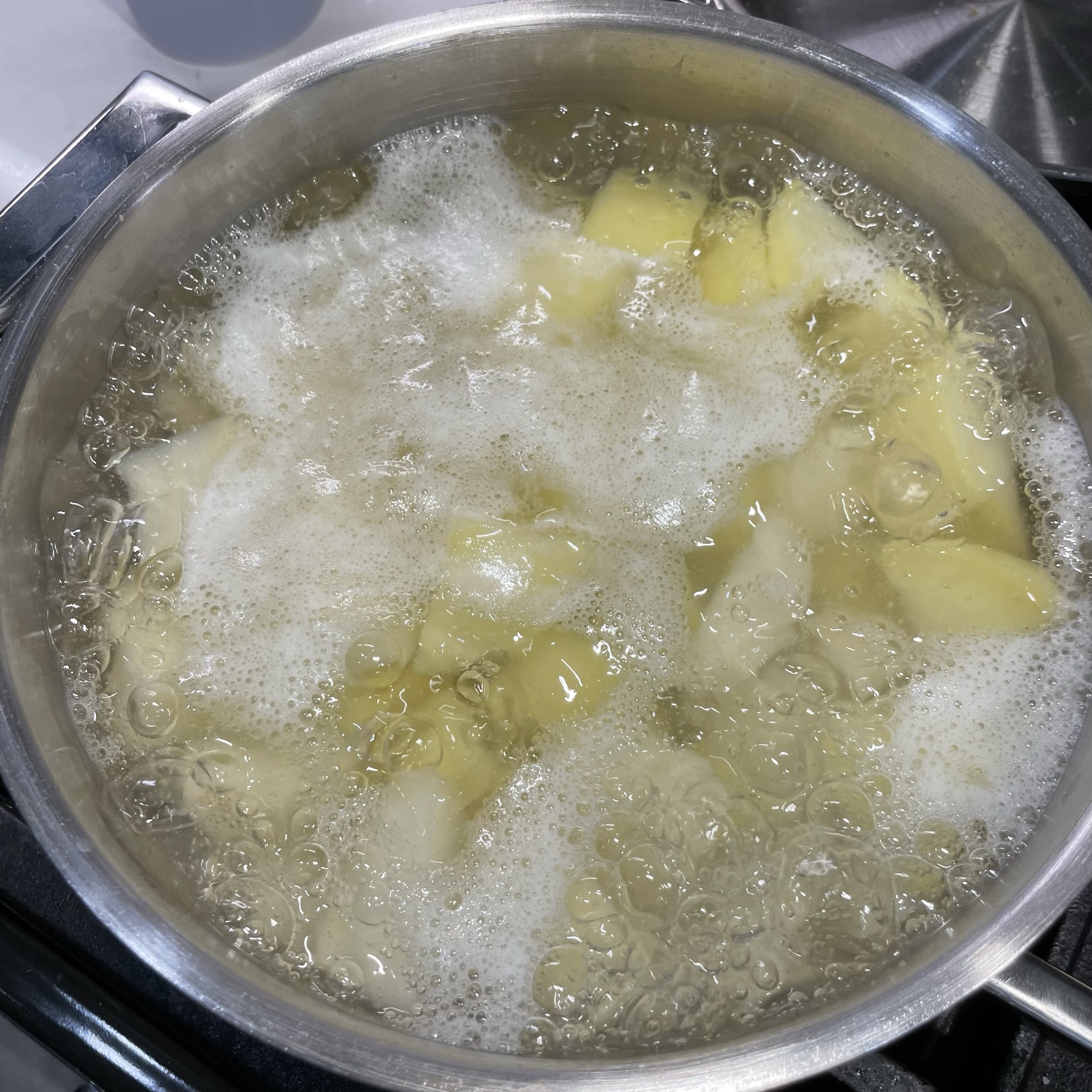
Get the potatoes cooking (don’t forget to season the water with a generous pinch of salt!) and drain them when they reach fork-tender stage.

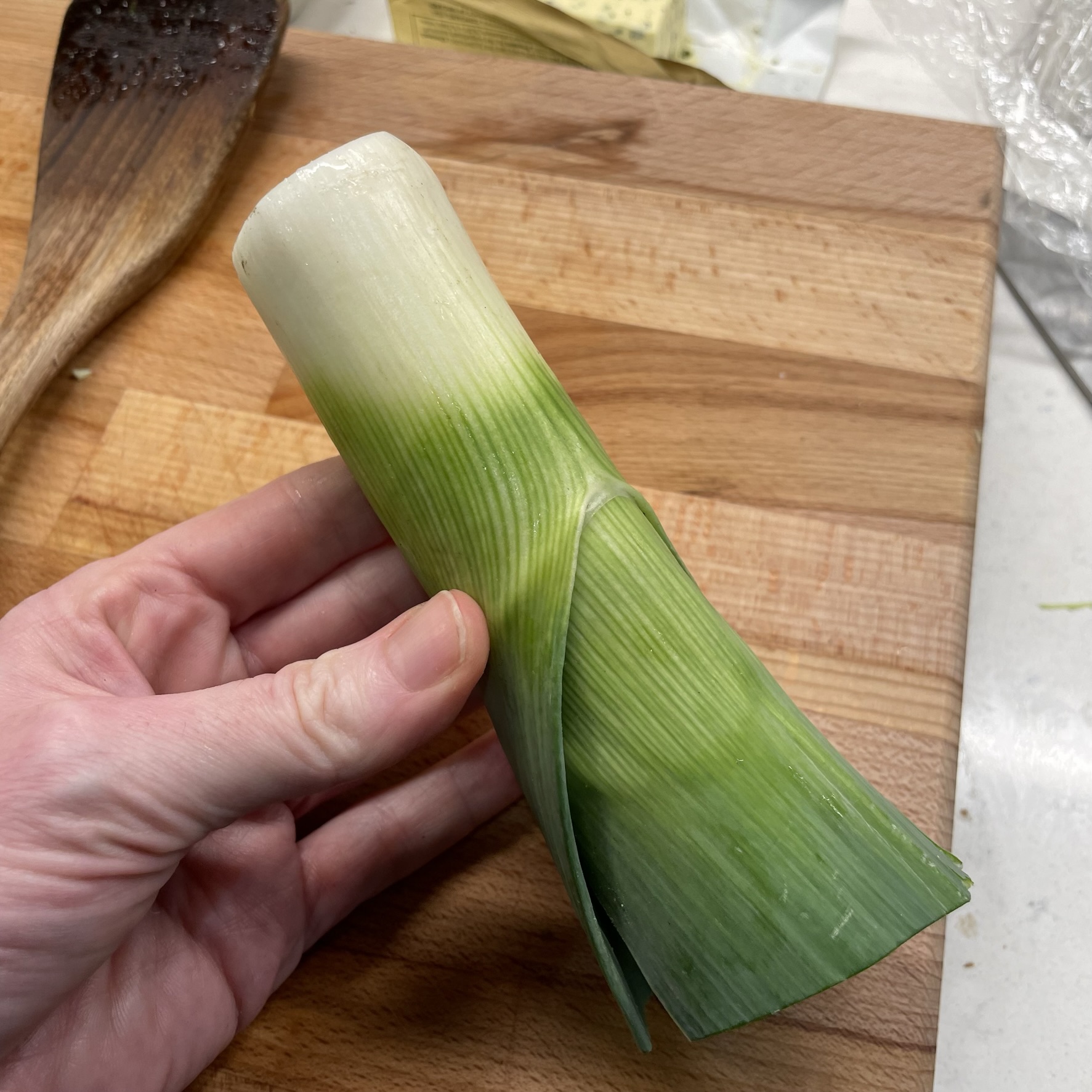
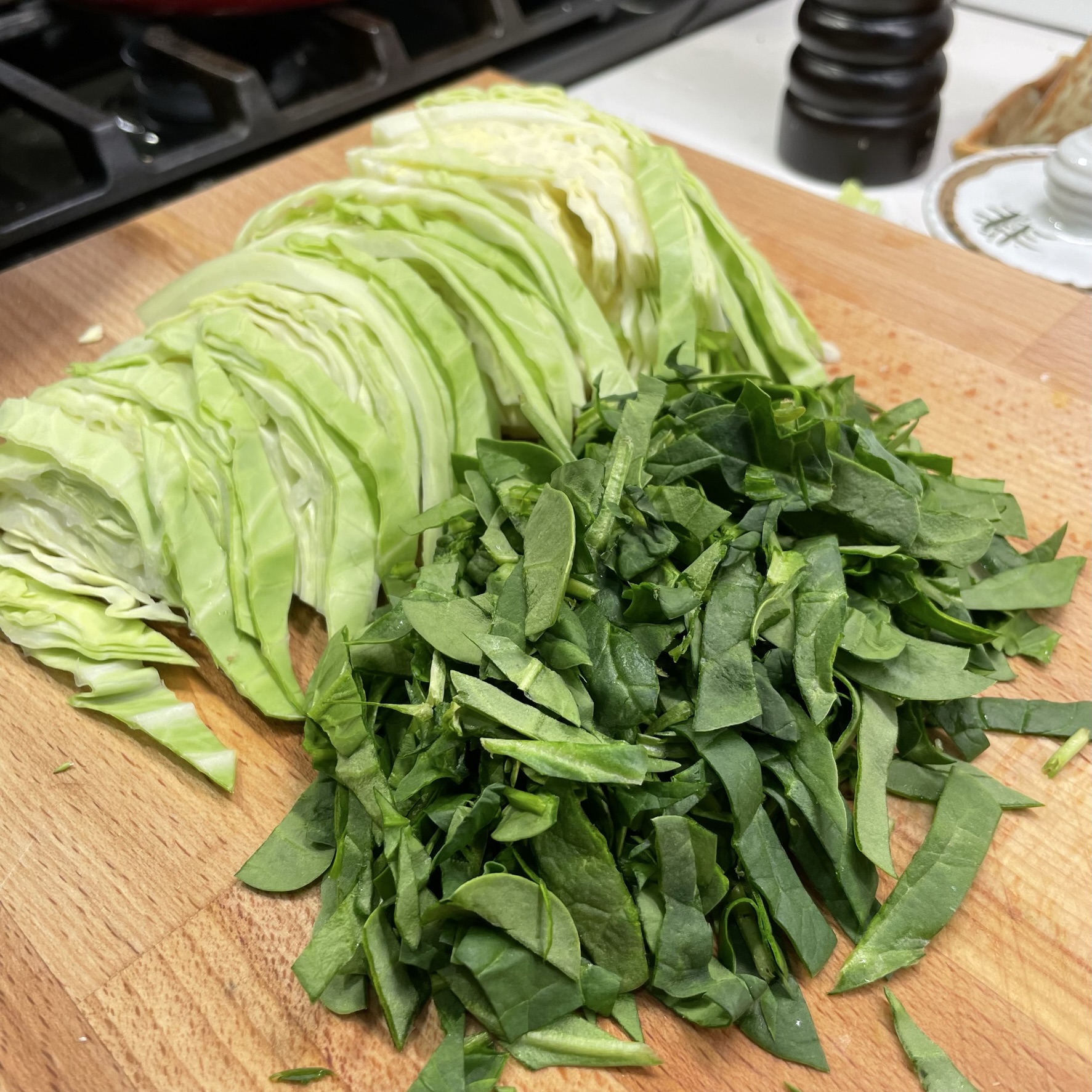
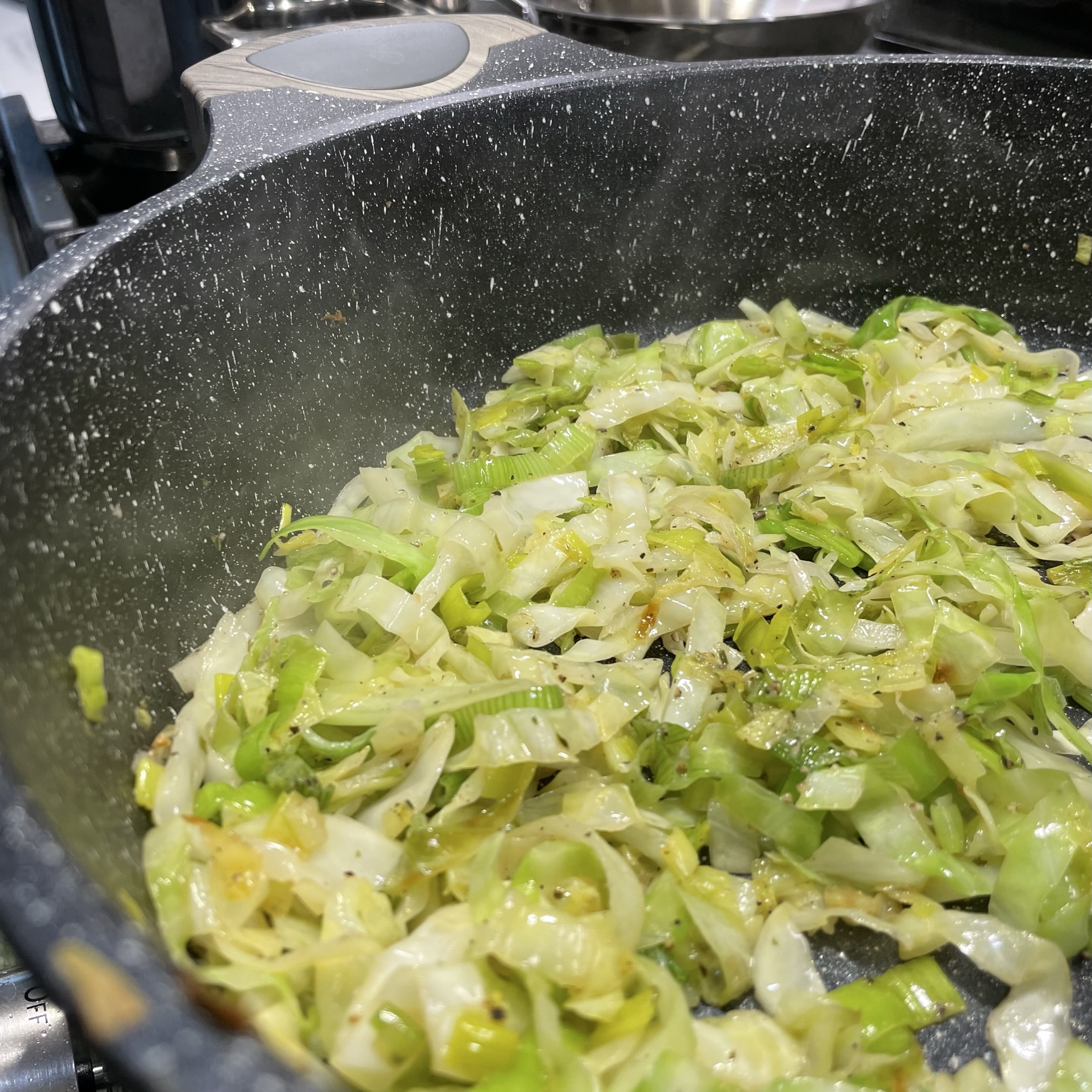
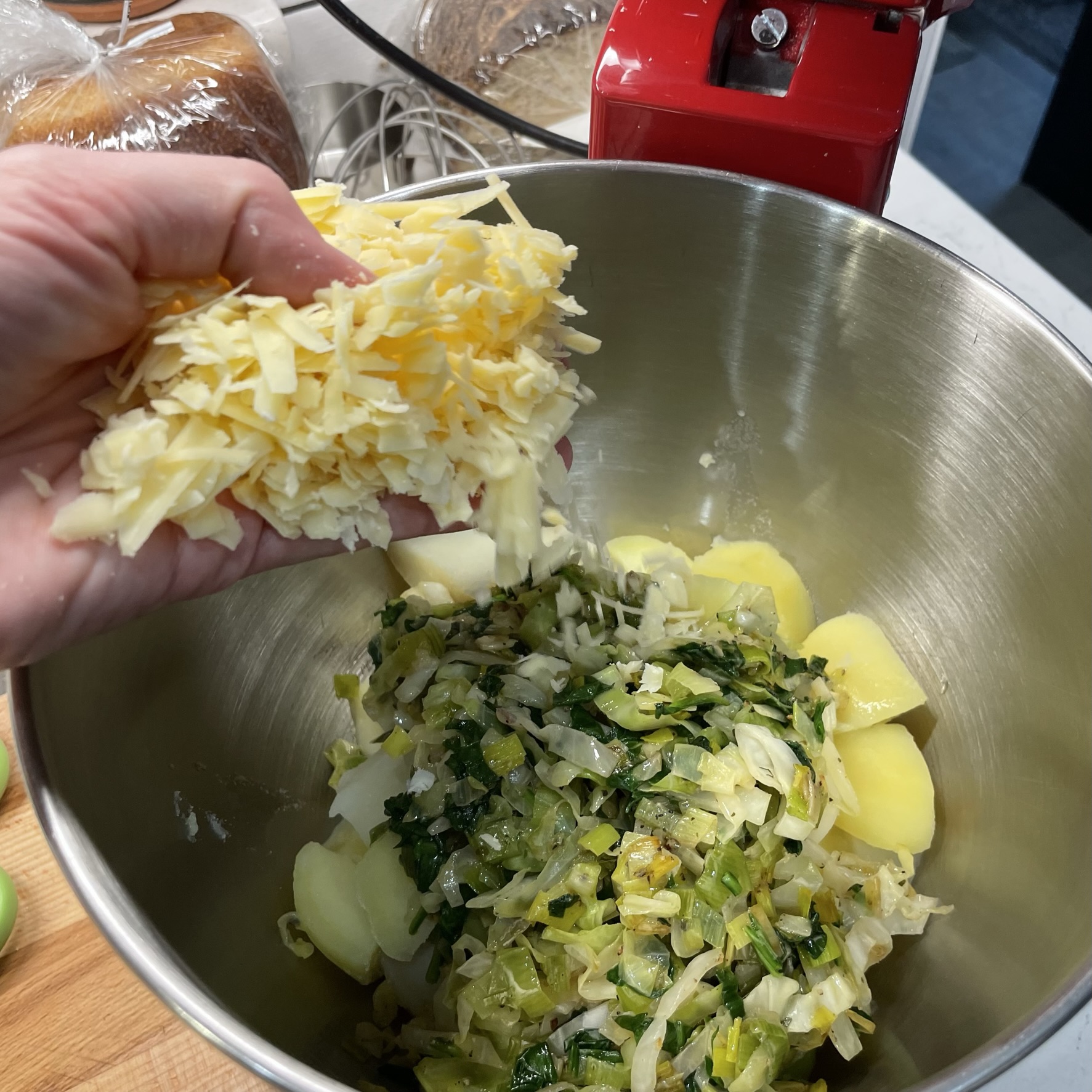
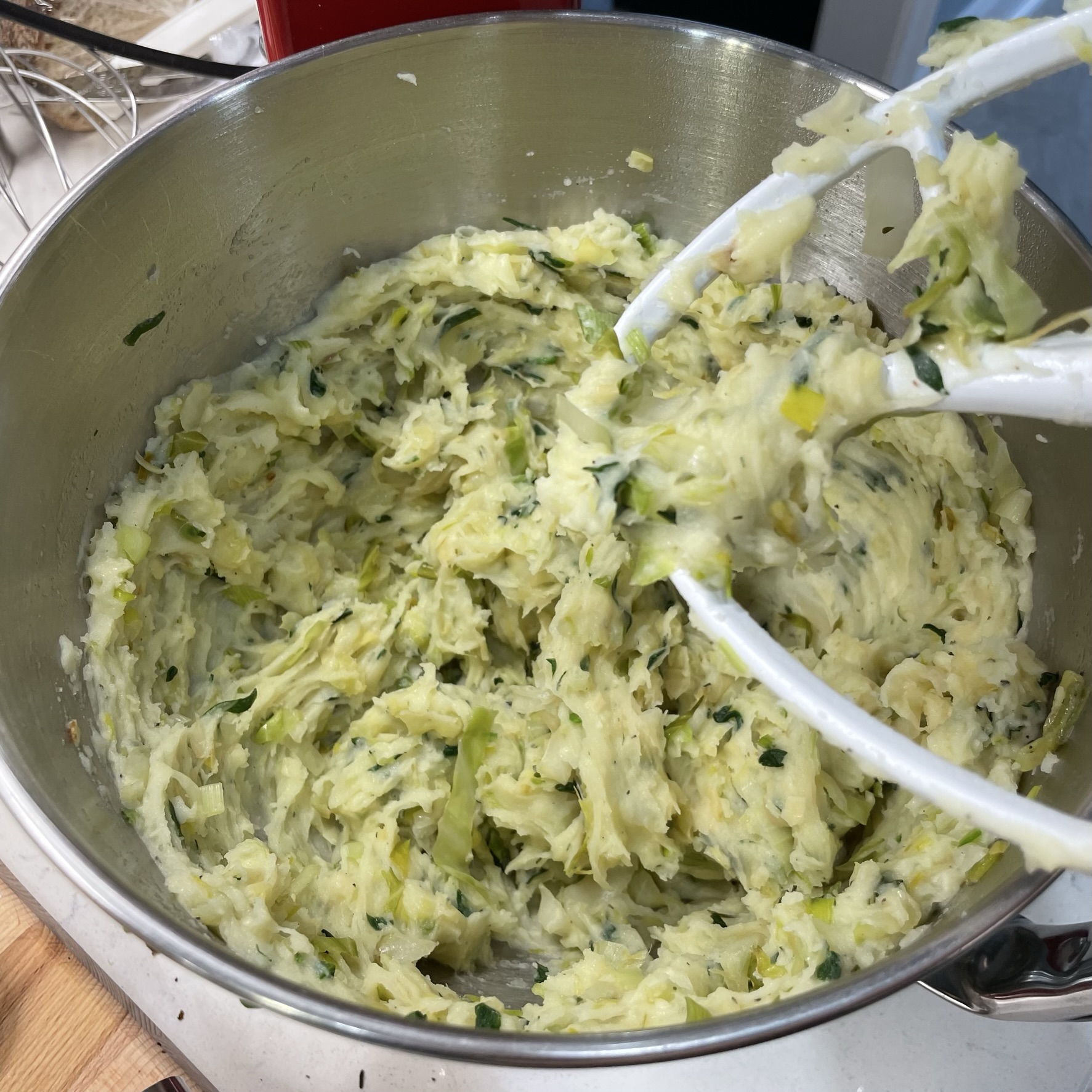
Meanwhile, melt butter in the same sauce pot or skillet used for the corned beef and cabbage filling. Add the leeks and cabbage and cook until tender (season them). Turn off the heat and add the spinach to the pan. Toss it around to wilt the spinach. When the mixture is somewhat cool, add it to the cooked potatoes and mash them together. Stir in the white cheddar and set aside.


Gravy

2 Tbsp. garlic and herb Irish butter

2 Tbsp. all-purpose flour

2 cups low-sodium vegetable broth (or beef broth)

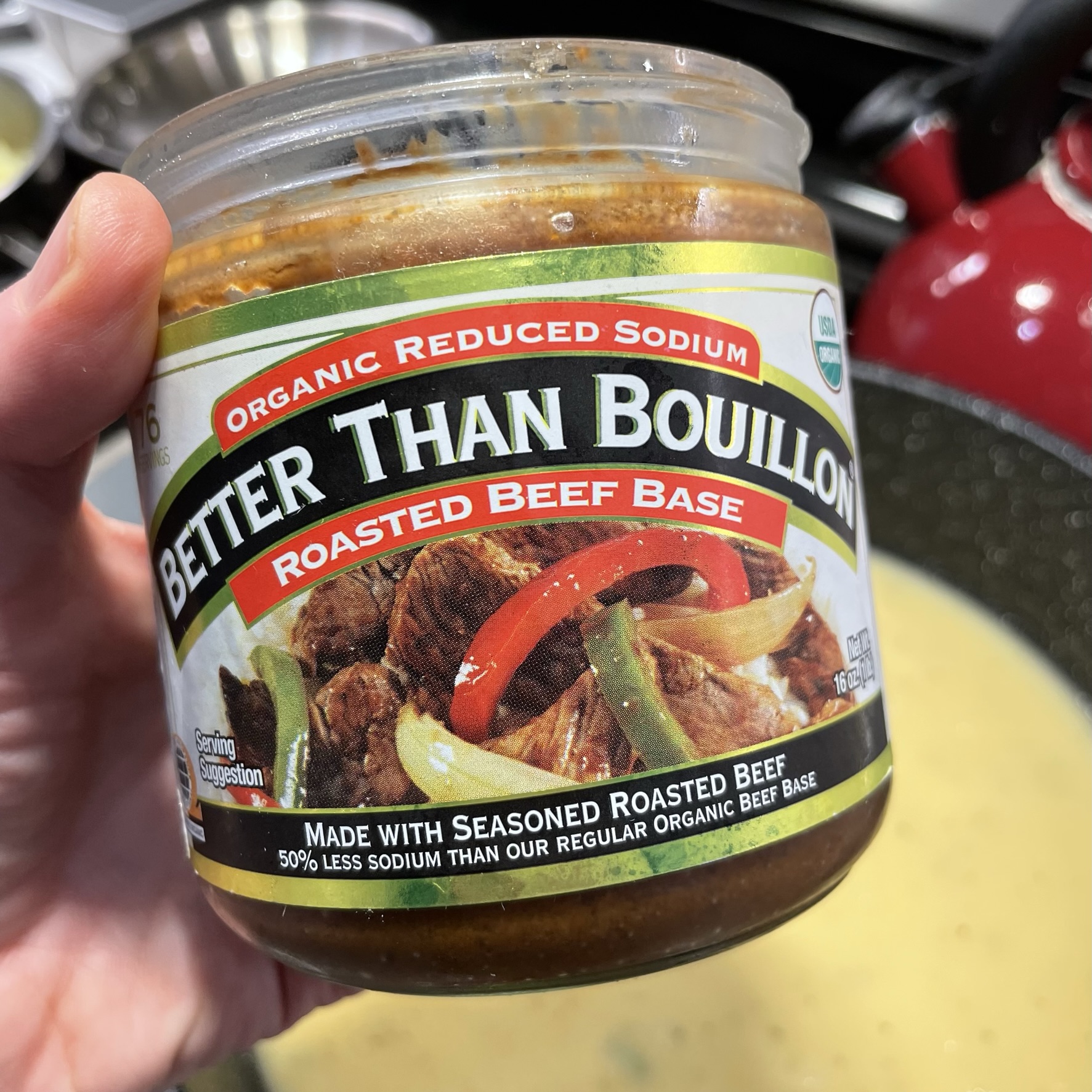
2 tsp. beef base (optional, to boost beef flavor if using veg broth)

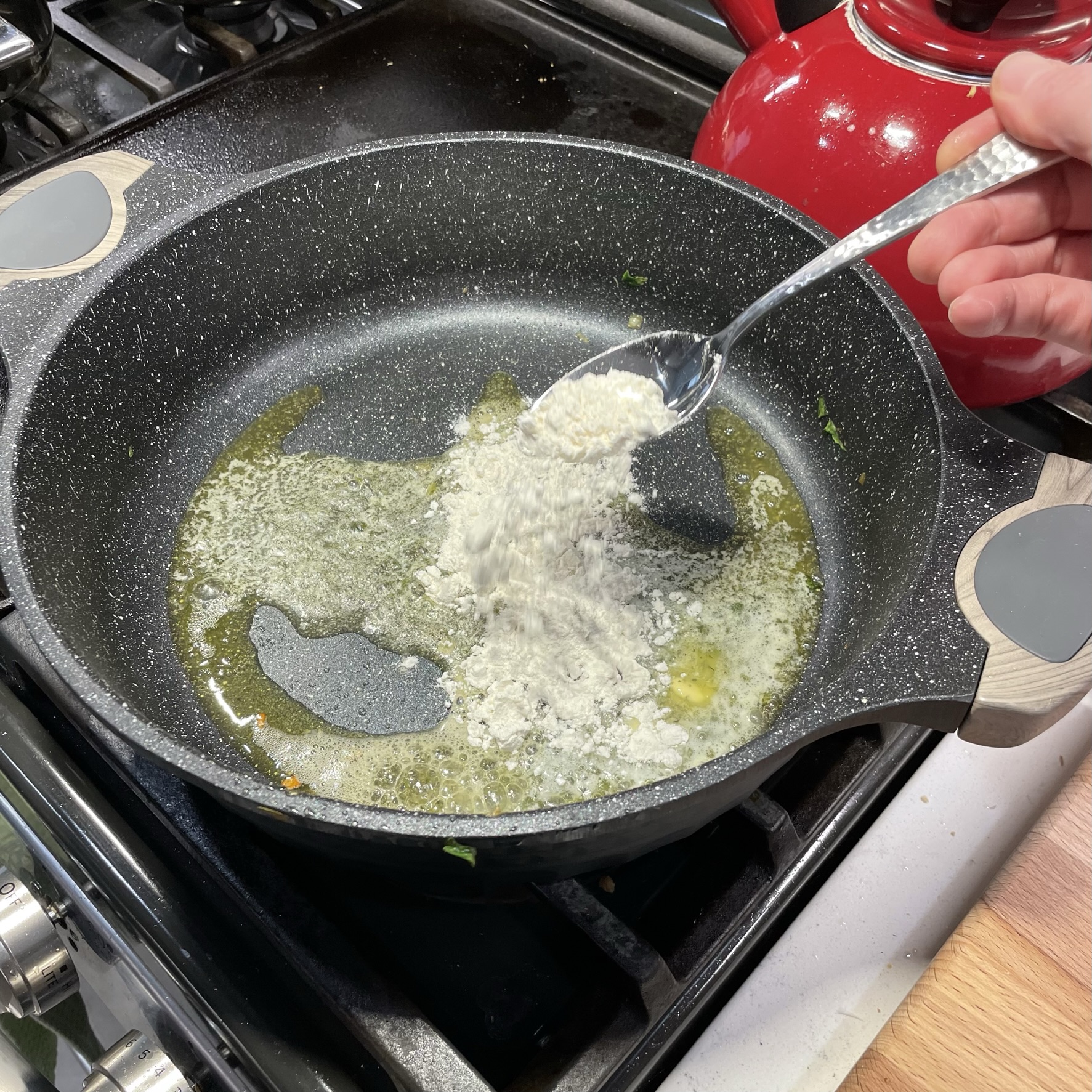
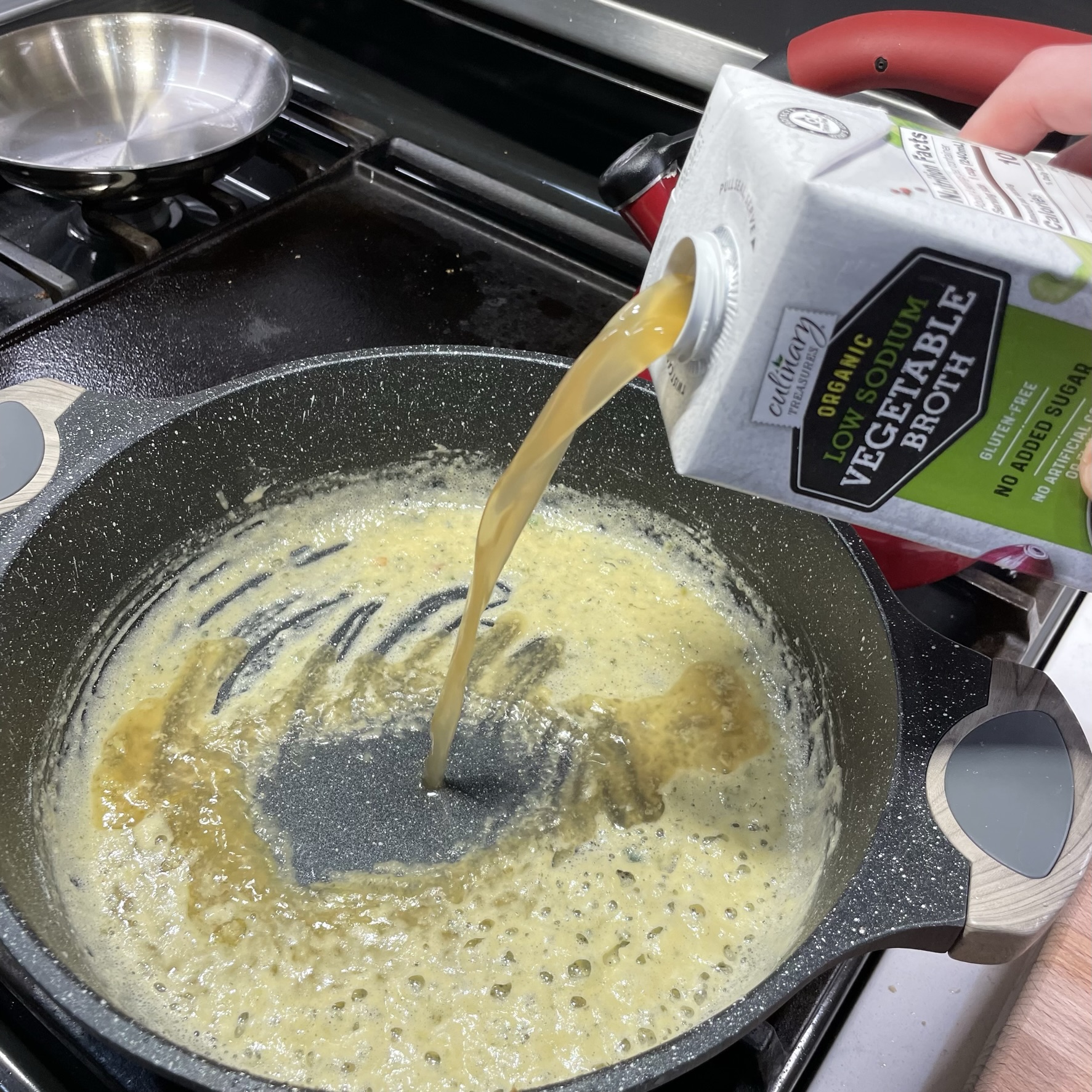
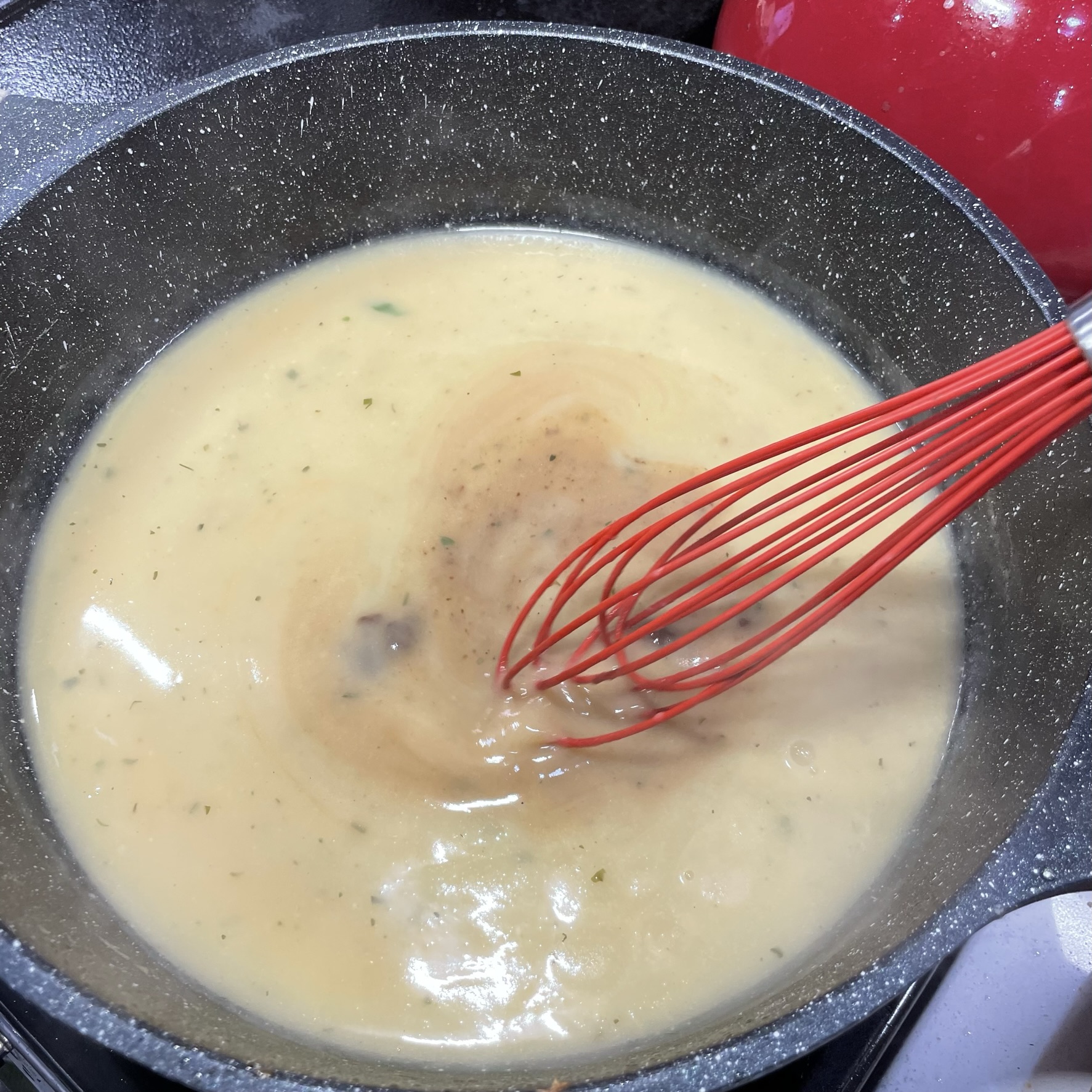
Melt the butter in the same skillet and add flour, whisking until the mixture is foamy with a slightly nutty aroma. Whisk in broth, cooking and stirring until the mixture is thickened. Add beef base, if desired, to deepen the flavor. Or, if you happen to have a Guinness in the fridge… I’m just sayin’.


Put it all together – Preheat oven to 350° F.

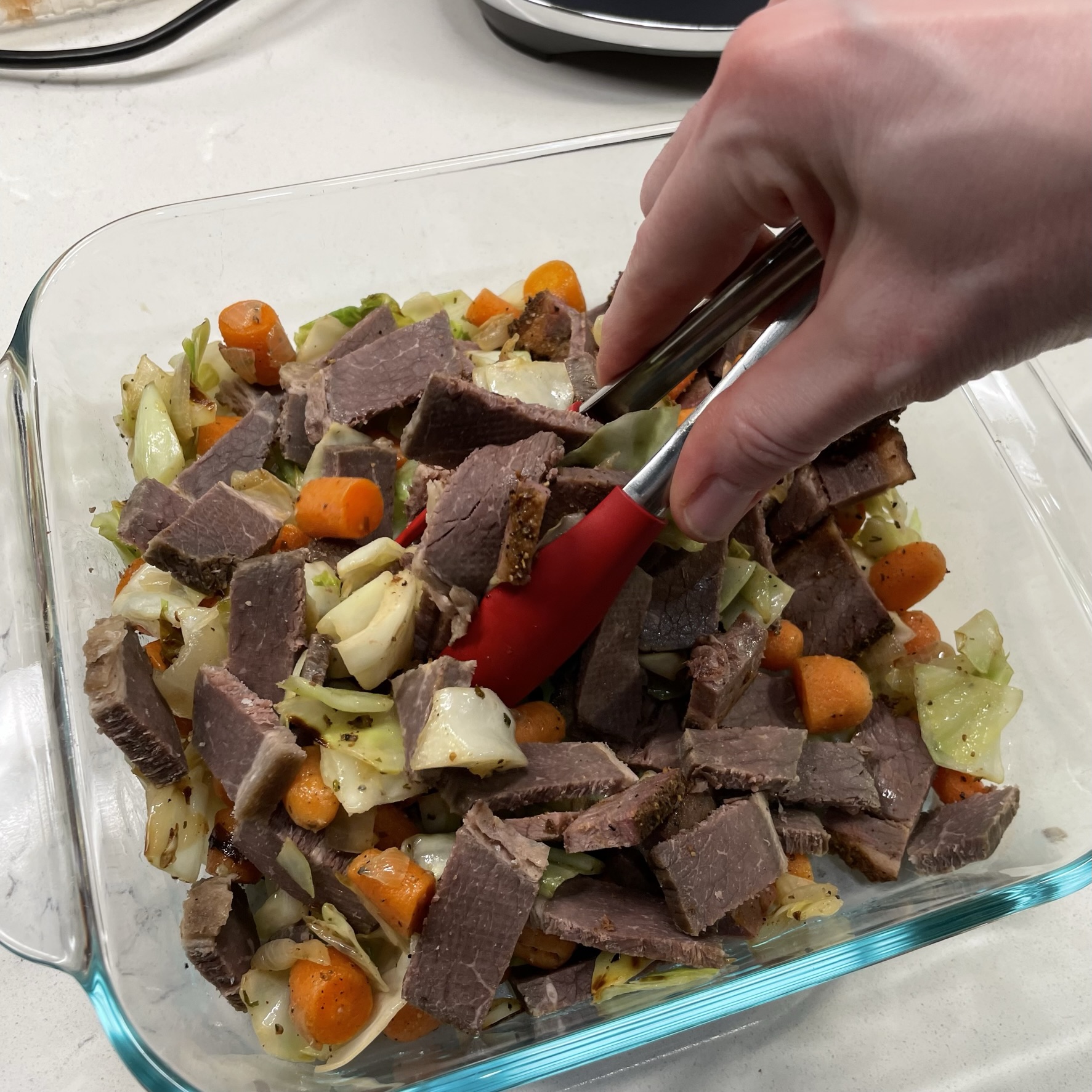
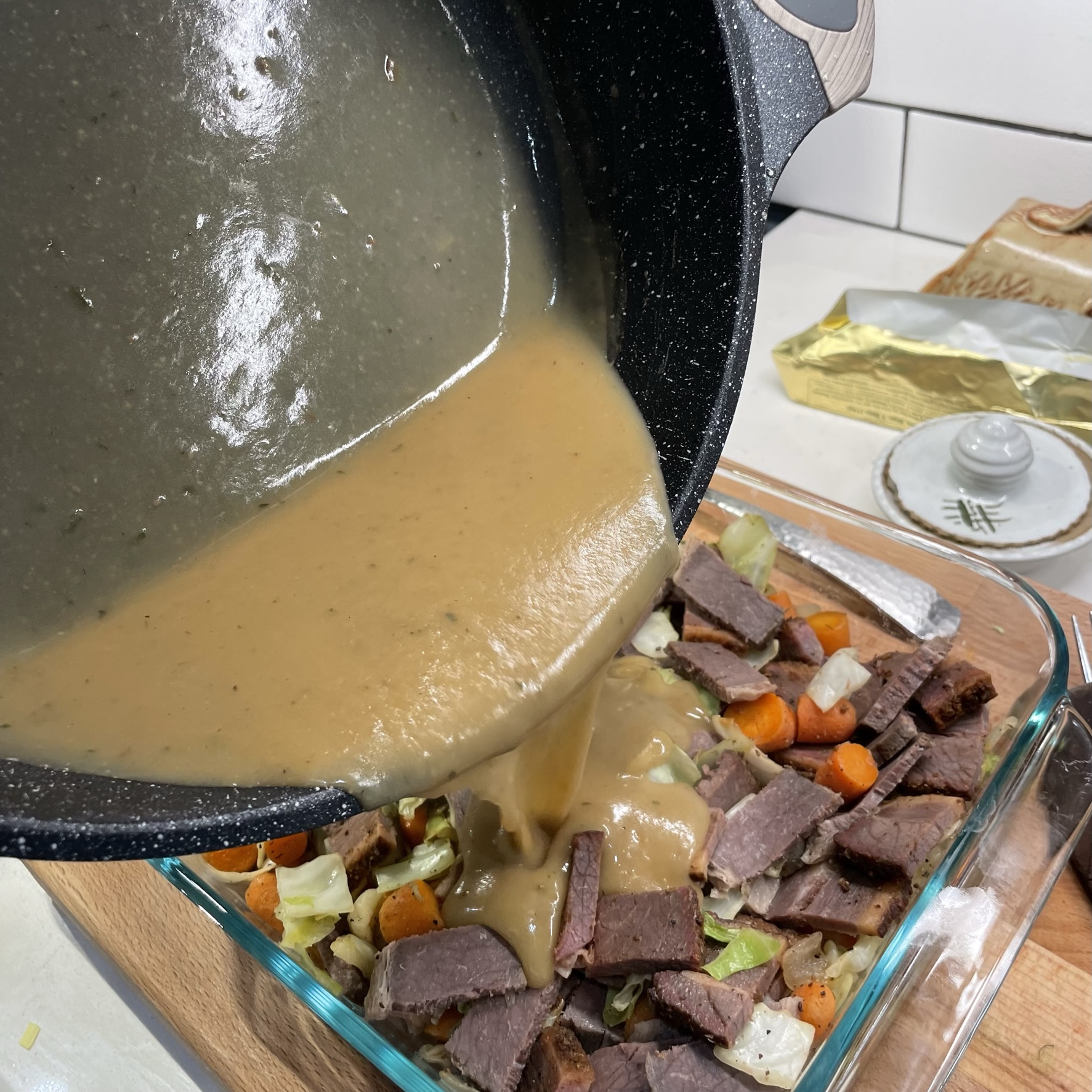
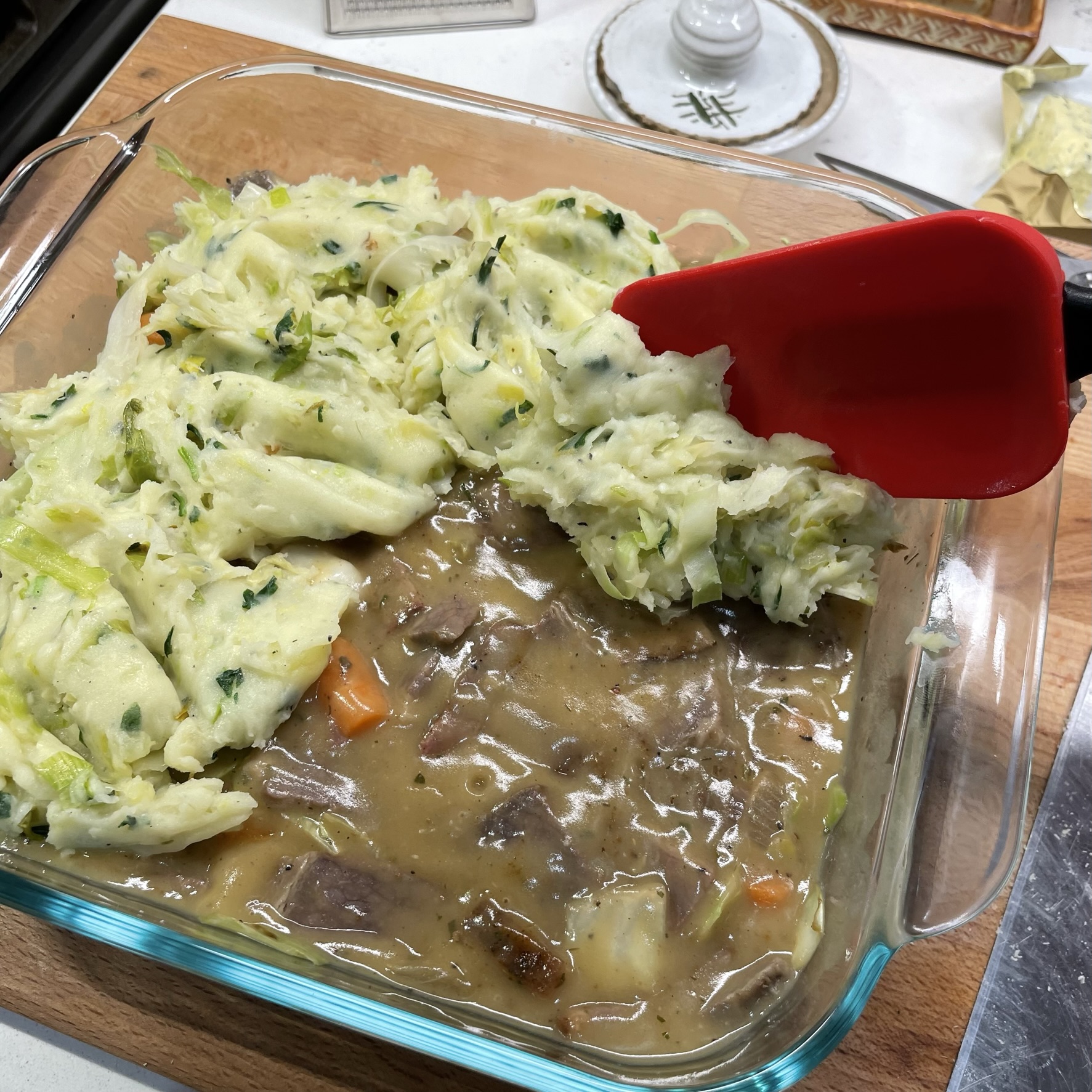
Add the corned beef chunks to the cabbage and carrot mixture and toss to mix it in the casserole dish. Pour the gravy evenly over the filling. Top with dollops of colcannon (don’t smooth it) and bake for 45 minutes, until gravy is bubbling from underneath and colcannon has turned lightly crispy on its peaks.


Irish Coffee Ice Cream

When it comes to recipe ideas, I have a hard time letting go. My mind will grab hold of a “what if” twist on a classic, and I am off and running until I find the finish line. If that idea seems impossible (or if my first, second and tenth attempt fails), I will ponder it until I figure it out.

This Irish coffee ice cream almost didn’t happen, and that would have been a shame because it shines a light on two things I enjoy—OK, three—coffee, Irish cream and ice cream. You might recall at Christmastime that I had contemplated turning My Dad’s Irish Creme into an ice cream, but I was concerned about how to make it freeze with the amount of Irish whiskey it would take to flavor it correctly. Yes, I have used spirits in my ice creams before, but usually only within the context of a syrup swirl or a splash at the end to help improve the scooping texture. Irish coffee and Irish cream have a great deal of whiskey in them so it wouldn’t be as straightforward. But I couldn’t stop thinking about it, and when I started searching out formulas for infusing ice cream with booze (and knowing when to say when), I ran across this article on Serious Eats, which gave me enough of a road map to give it a go. But this experiment was not without roadblocks.

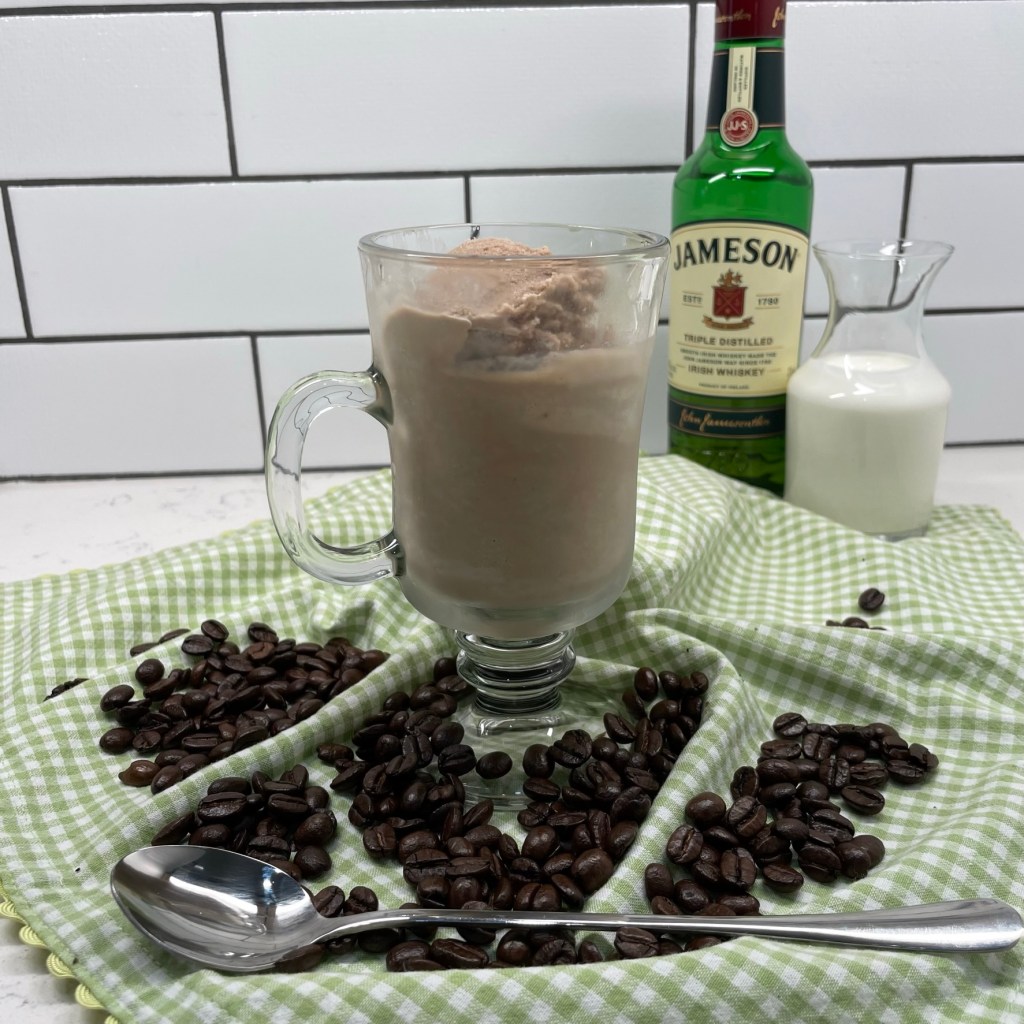
The sheer amount of Irish whiskey in this ice cream makes it ultra-scoopable. Is that even a word?

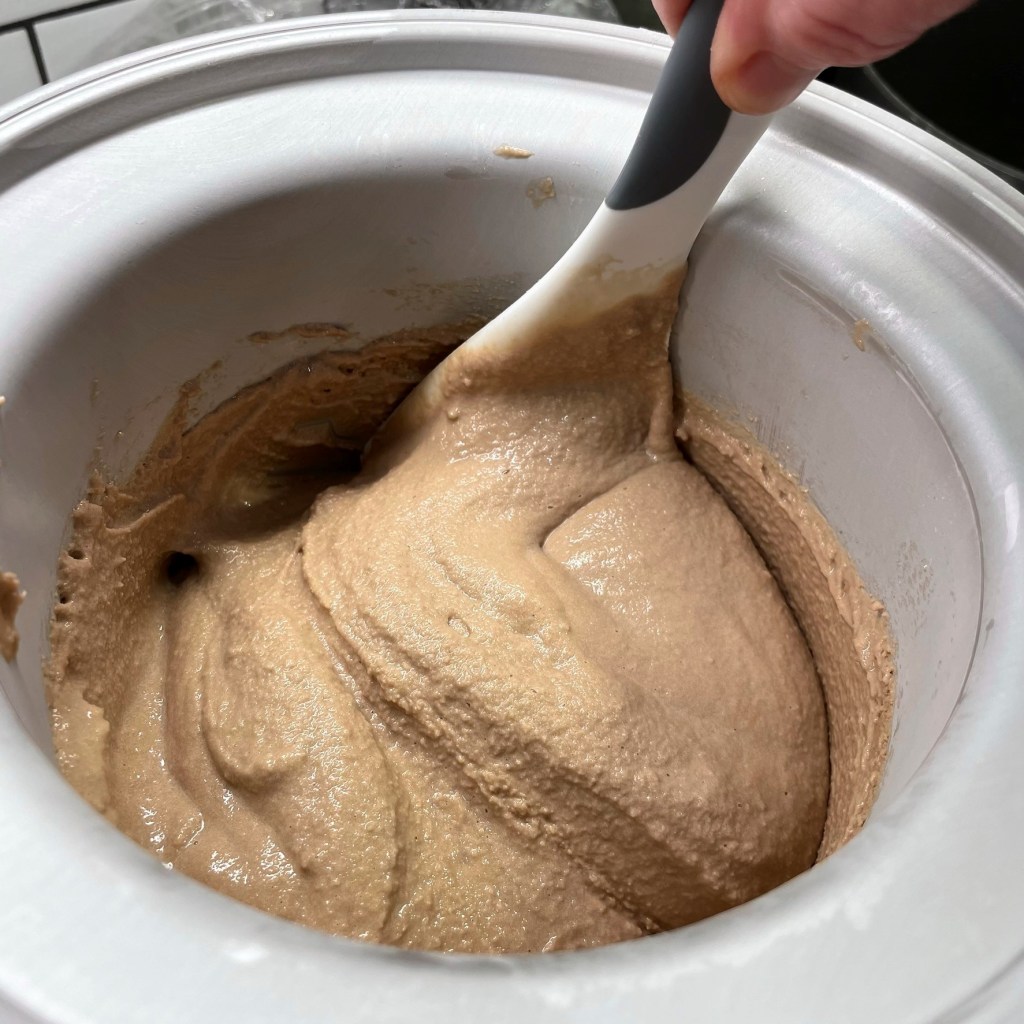
As you can see, it turned out fine, but I had a setback the first time I attempted to freeze the mixture, and it had nothing to do with my formula. Here’s something you may not know, but should, if you happen to have an “extra” freezer that you keep in an unheated garage. When the ambient temperature of the garage (or basement, carport, etc.) drops below the settings on your freezer, trouble kicks in. And over last weekend, we had an overnight low of 19° F (which is, frankly, ridiculous and rare for us in North Carolina this close to Spring), and the freezer bowl for my ice cream maker suffered for it because the freezer could not regulate properly with the fluctuation of the outside temperature. I did not realize this, of course, until I tried to freeze my ice cream base. After more than 30 minutes of churning, my Irish coffee not-quite-ice-cream was basically a thin, boozy milkshake (not exactly a terrible thing, either). But what I really wanted was ice cream.

Armed with the Serious Eats information, I refused to give up when my first attempt at freezing failed. I cleared a space in our kitchen freezer and gave the freezer bowl a good solid 24 hours in deep freeze mode. That made all the difference for the outcome of this ice cream, which is perfect for St. Patrick’s Day.

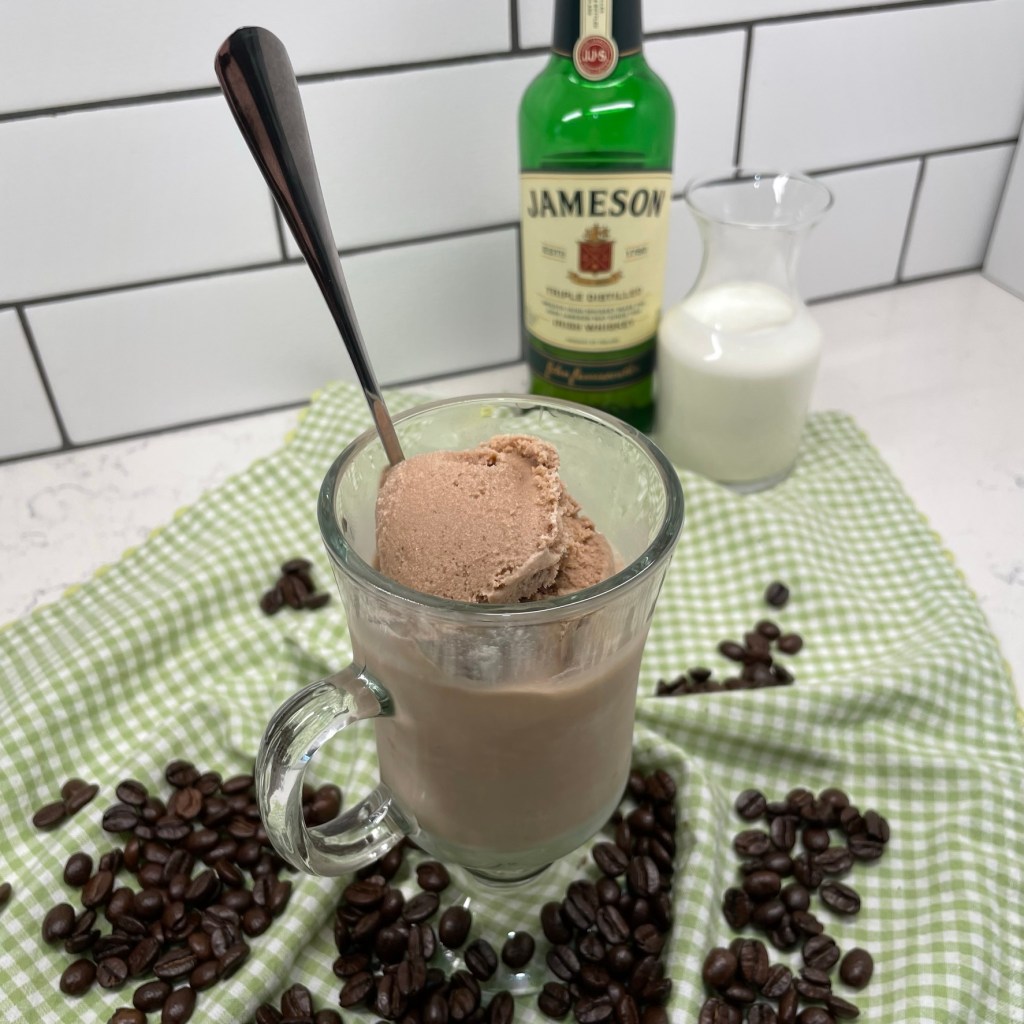
That frosty mug is so inviting…go on, reach in for the spoon!

Ingredients

1 1/2 cups whole milk

2 Tbsp. espresso powder* (see notes)

1 Tbsp. dark cocoa powder*

2 Tbsp. light corn syrup*

14 oz. can sweetened condensed milk

1 cup heavy cream

1/4 cup 80-proof Irish whiskey*


*Notes


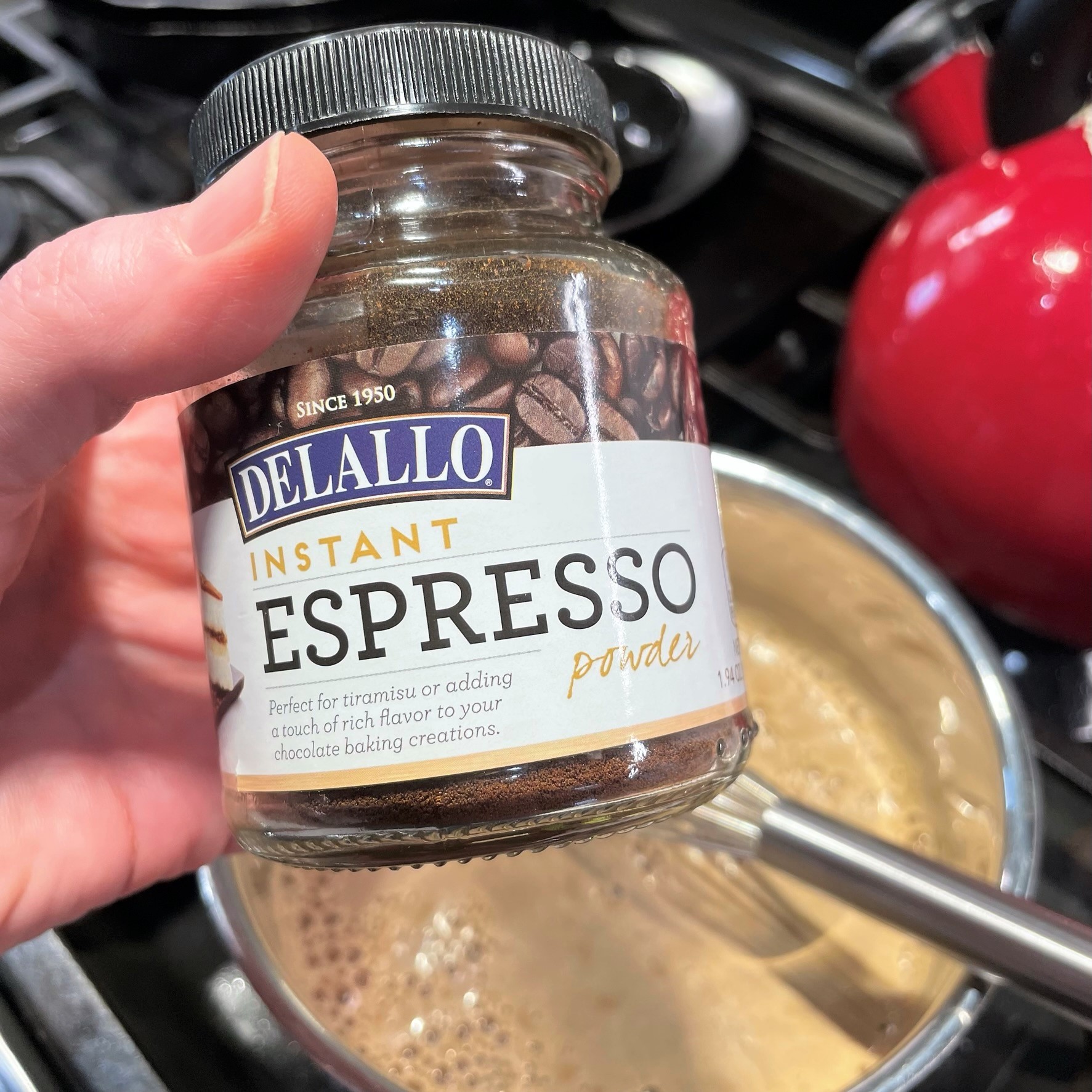
Espresso powder is not just finely ground coffee; this is a specialty ingredient that I used to infuse the milk in my recipe with a deep coffee flavor. Find it in the baking aisle of a well-stocked supermarket or online.

Chocolate is not necessarily an ingredient in Irish coffee, but I considered that a little bit of coffee works to intensify the chocolate flavor of other desserts, so why couldn’t it work the other way around? I chose to dissolve a little dark cocoa powder into the milk at the same time as the espresso powder, and it turned out to be a good decision because my coffee-hating husband found something to enjoy about this ice cream. 😊

I always add a little corn syrup to my ice cream base if I have concerns about ice crystals. Given that I wasn’t sure how the whiskey would behave in the mix, I played it safe.

The Serious Eats article was specific to mention maximum amounts of alcohol that was 80 proof, so I didn’t want to push the limit and mess it up. I used Jameson Irish Whiskey, the same brand I use when I make my Dad’s Irish cream recipe. Lower proof would not be a problem, but if your whiskey is higher, I’d recommend using less.


Instructions

Heat the milk in a saucepan over medium heat. Whisk in the espresso powder and dark cocoa powder until dissolved and evenly incorporated. Remove from heat and stir in the corn syrup.

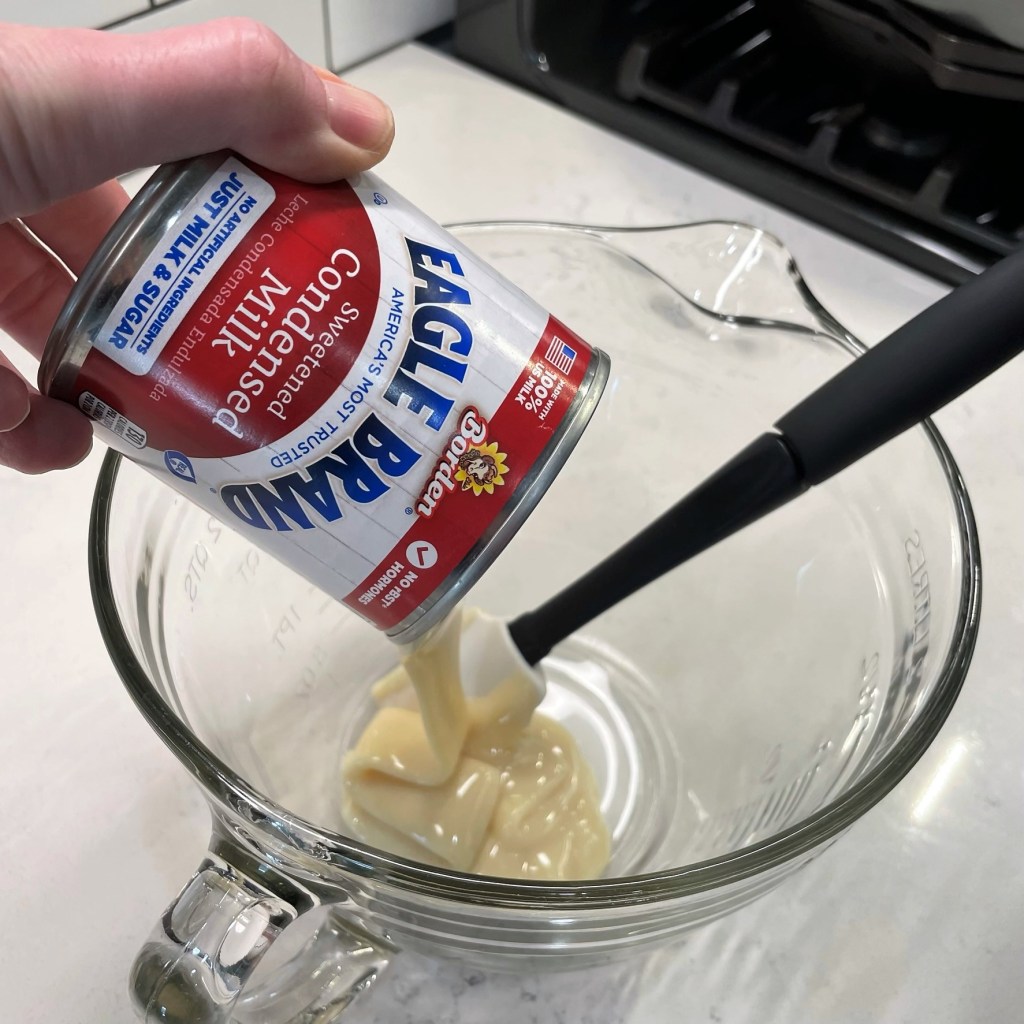
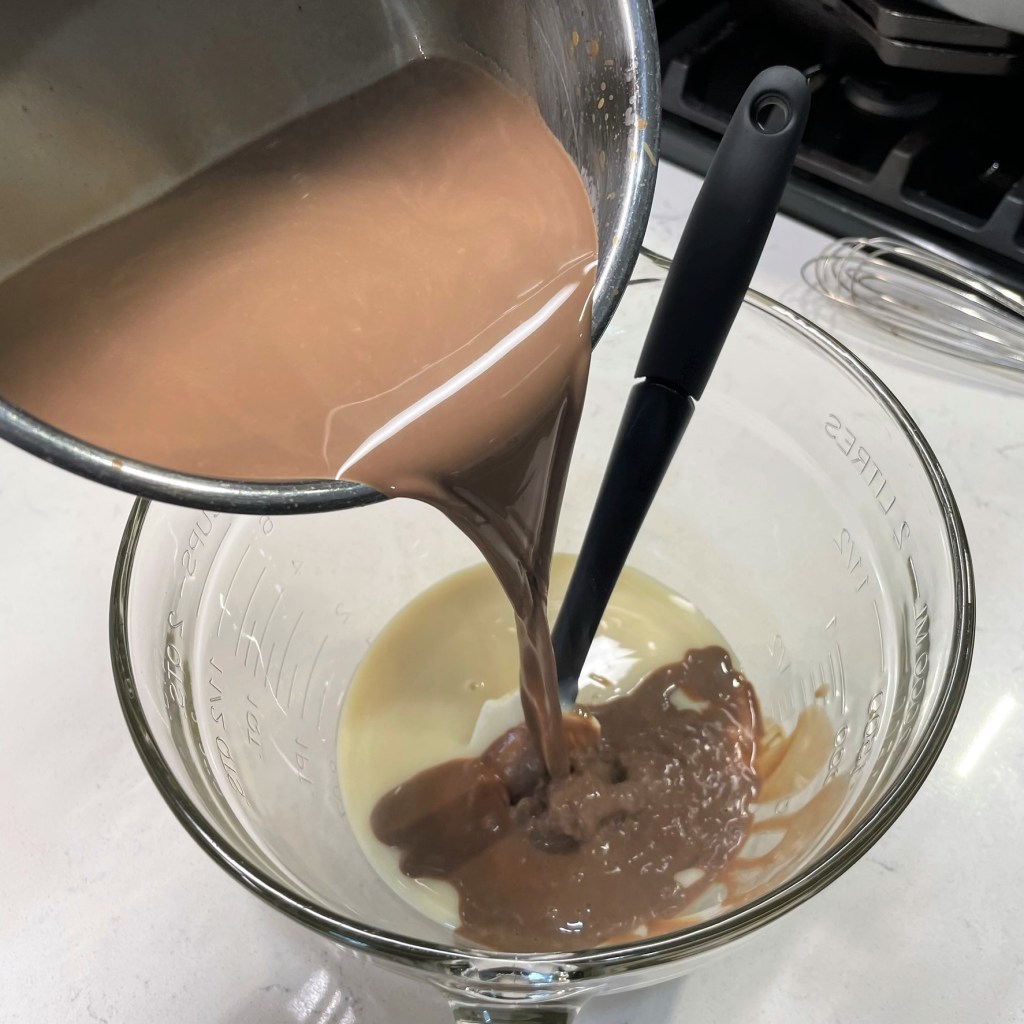
Transfer the milk to a large bowl and whisk it together with the sweetened condensed milk. These ingredients are at opposite ends of the consistency scale, and I like to combine them first so that I don’t accidentally whisk the heavy cream into thickening.

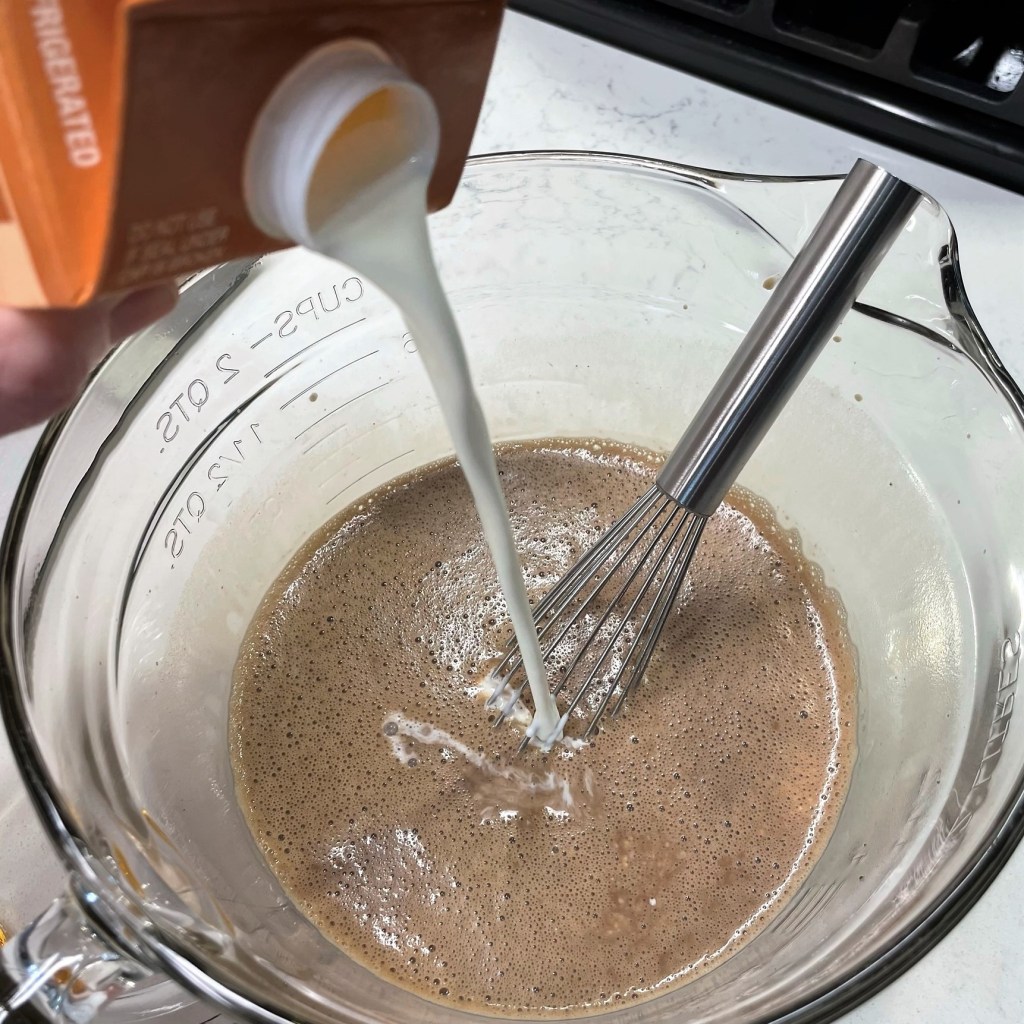
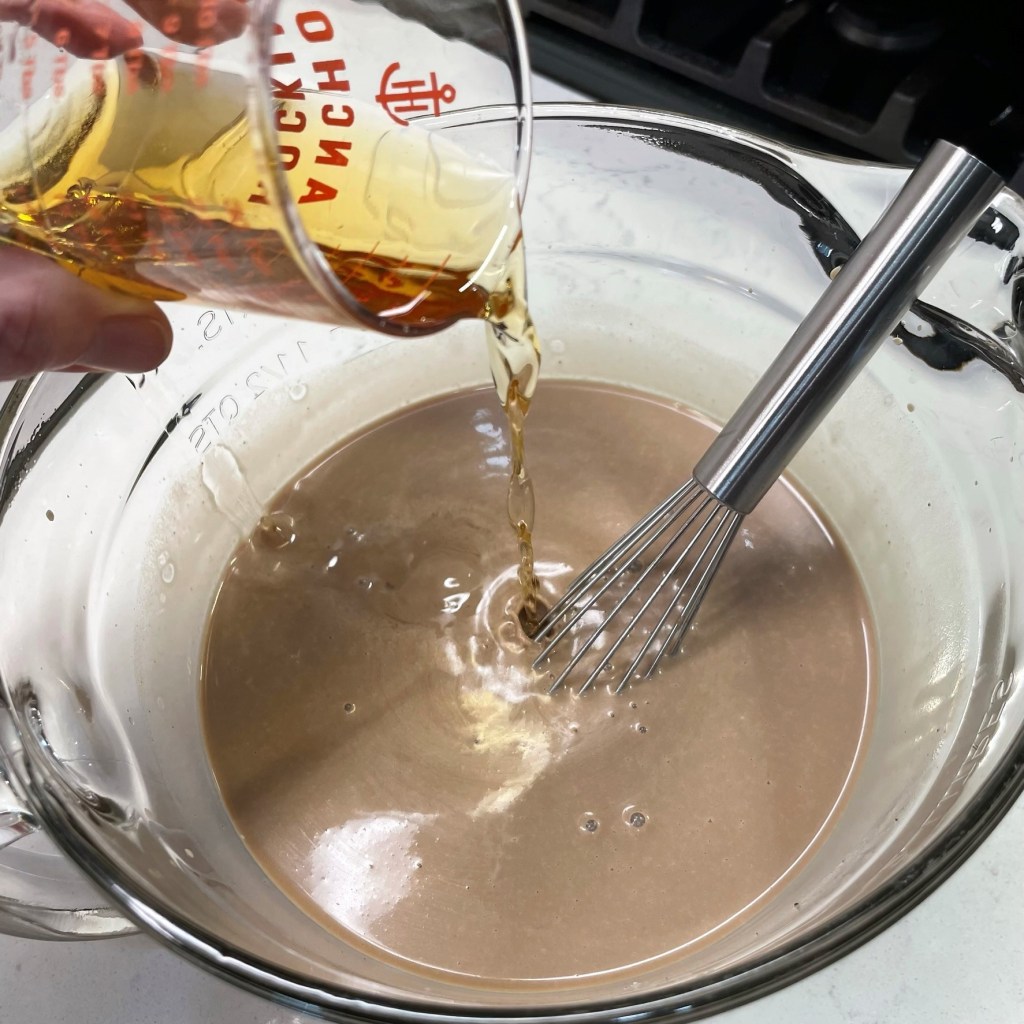
Gently whisk or stir in the heavy cream until blended, then stir in the Irish whiskey. Cover the bowl and refrigerate several hours to overnight (colder is better).

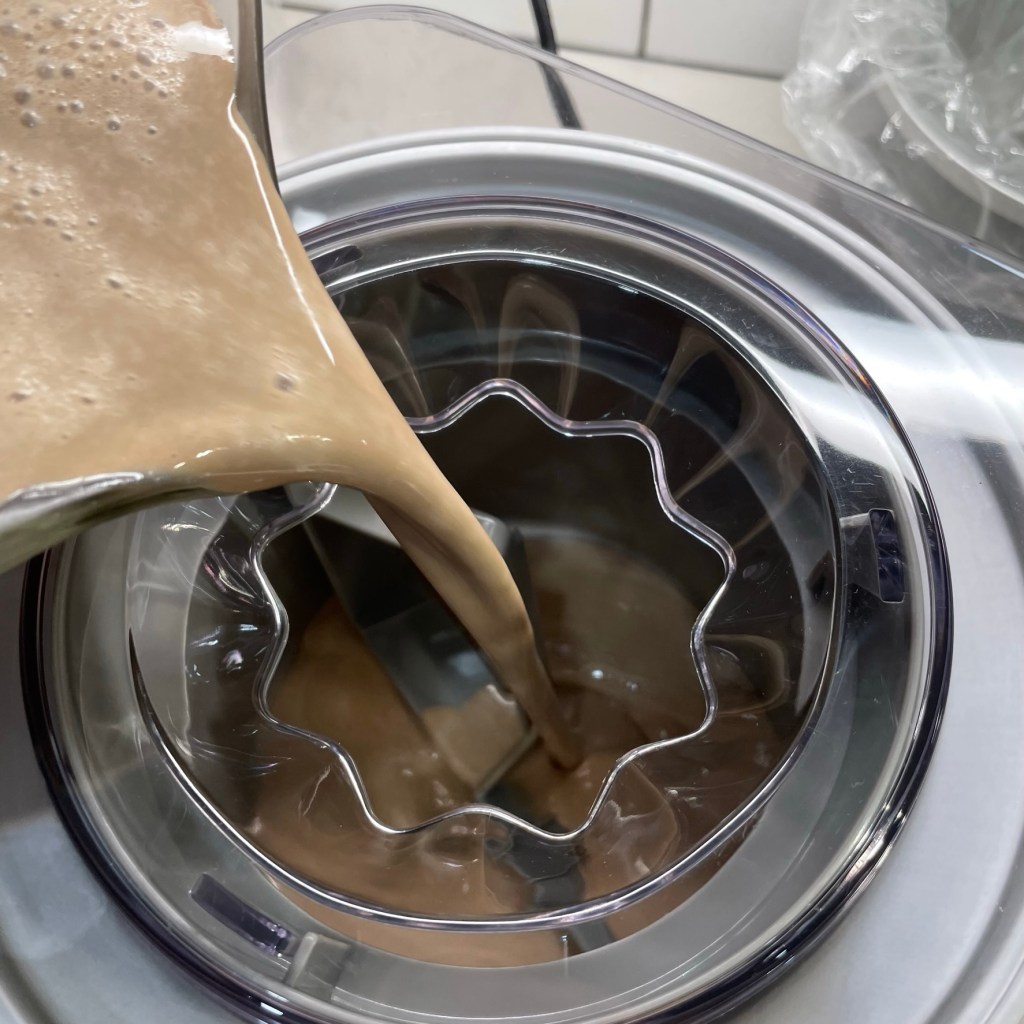
Stir or whisk the ice cream base just before freezing to reincorporate any settled ingredients. Freeze according to manufacturer’s instructions, and don’t be surprised if it takes a few extra minutes to achieve soft-serve consistency. Transfer the churned ice cream to an insulated container and put in the coldest spot of your (inside) freezer overnight before serving.

Because of the high alcohol content, this ice cream will scoop very easily and will melt more quickly than typical ice cream upon serving.


White Borscht

Like many of you, I have been filled with agony over Russia’s violent aggression against Ukraine, disgusted by the flippant and cavalier attitudes presented by deniers and Putin sympathizers, and worried that there is little I can do to make a tangible difference in the lives of the Ukrainian people. And yet I feel a kinship with them and want to do something, anything, to show my support.

One of the primary reasons I started Comfort du Jour was to build community with others who, like me, feel deeply connected to the world through food. It is the most universal need of humanity, yet very personal because of the customs and traditions woven into our individual and collective heritage.

Last week, a message from Sam Sifton, the founding editor of New York Times Cooking, arrived in my email inbox and it confirmed that I am not alone in this desire to use food to demonstrate solidarity. Sifton described being inundated with reader requests for recipes for borscht, a traditional sour soup that is common across all of Eastern Europe, most notably with Ukraine. I could not resist digging into the variety of recipes he offered in response to his readers, and this one in particular caught my eye.

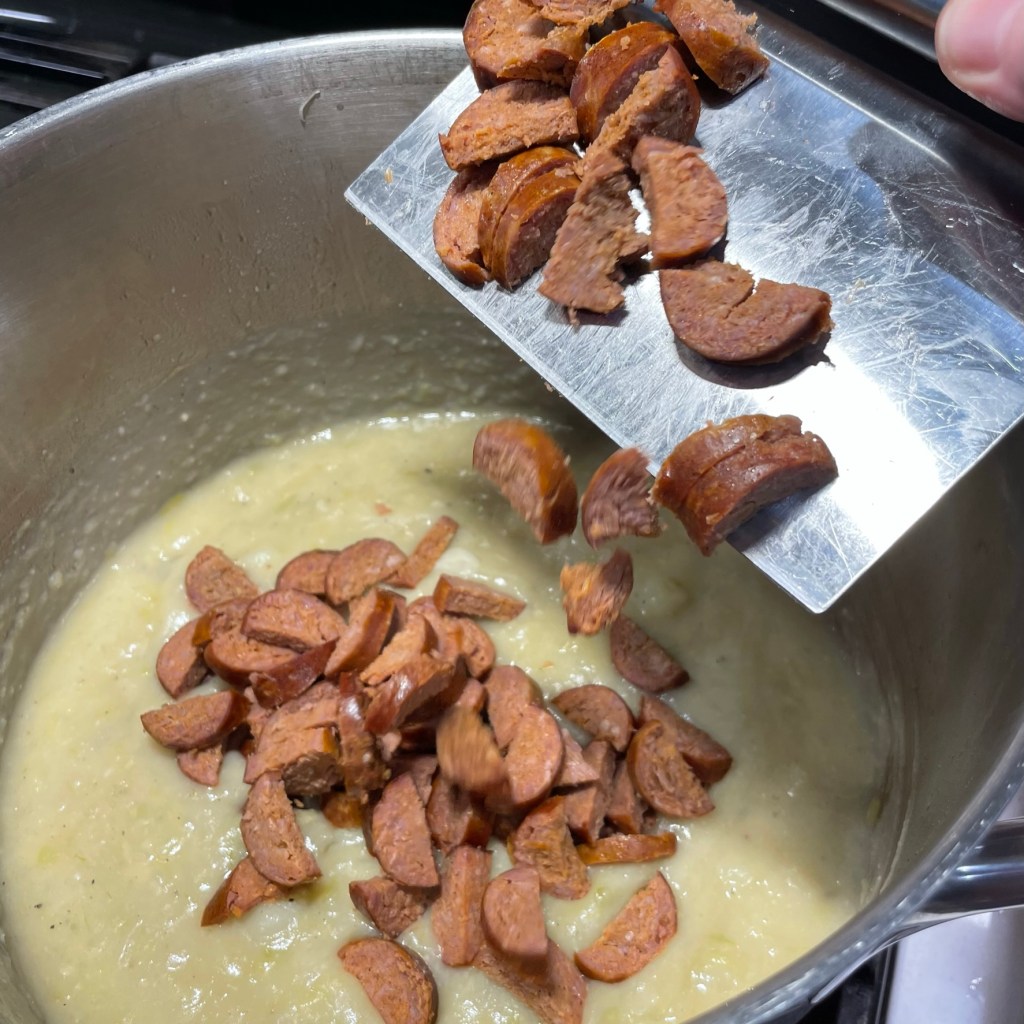
Most borscht recipes are based on red beets, and though I adore their earthy flavor, my husband (whose Hungarian mother used to make beet borscht for herself) does not. This version, named “white borscht” by chef and author Gabrielle Hamilton, features potatoes and kielbasa, and seemed more in line with my husband’s palate. The original recipe suggests using real pork kielbasa, but I have substituted a lower fat turkey kielbasa. I also cut the butter amount in half and stirred in a little sour cream at the end rather than the crème fraiche suggested by the recipe’s author.

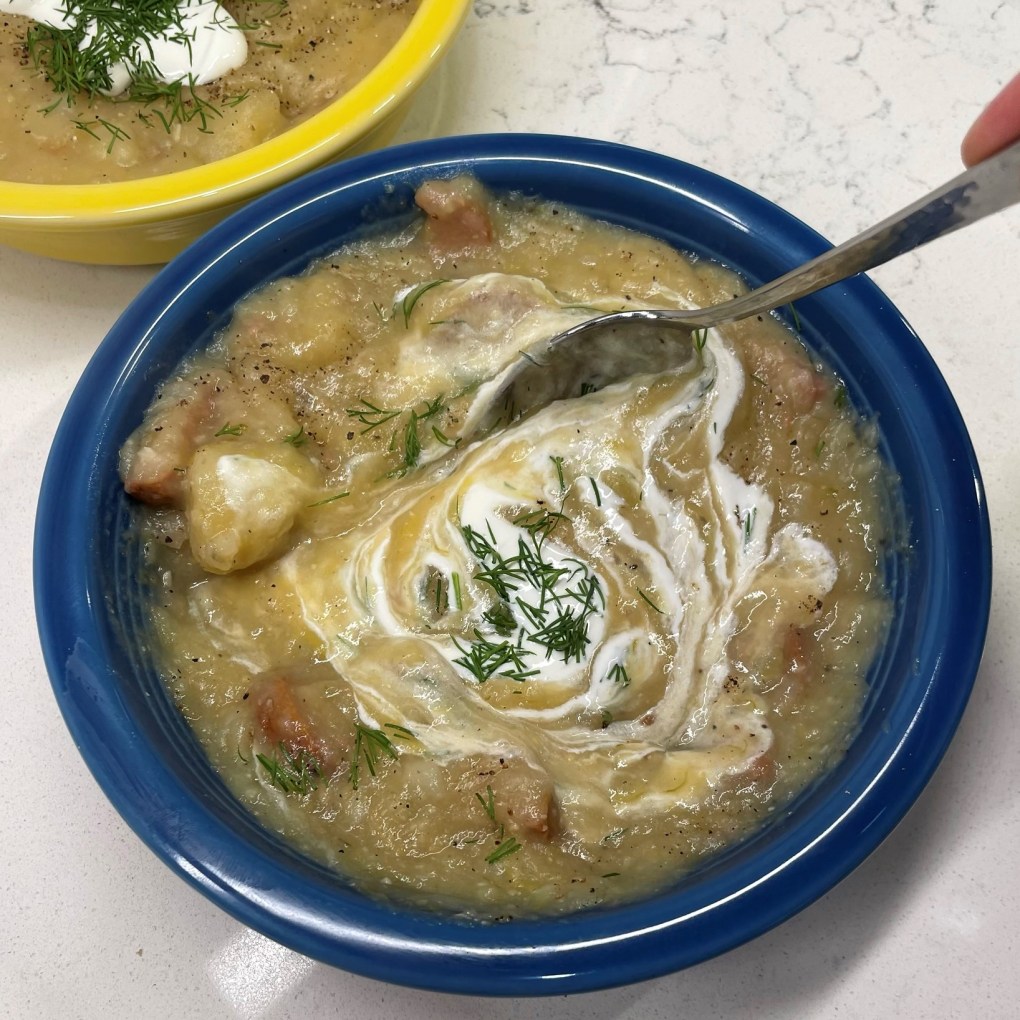
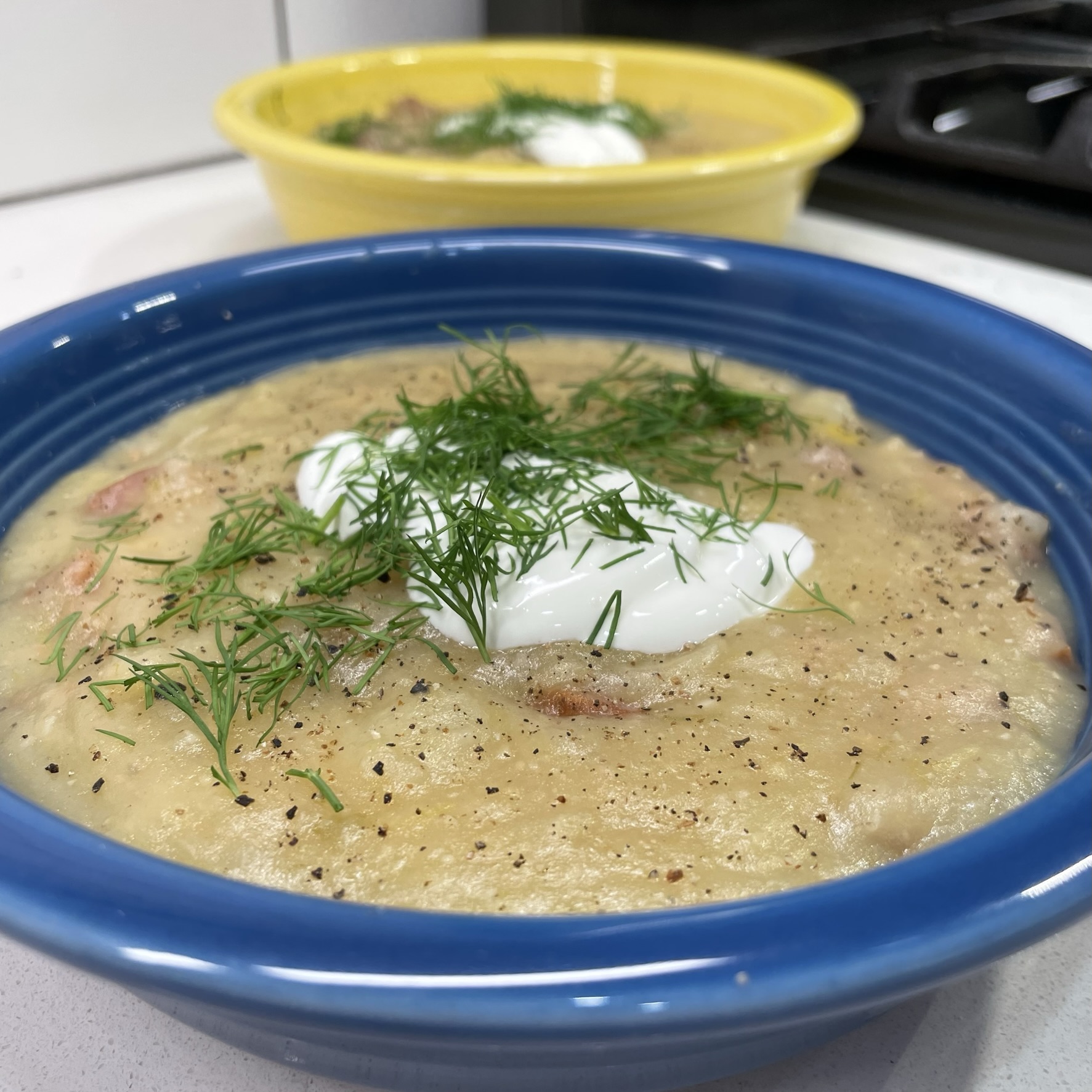
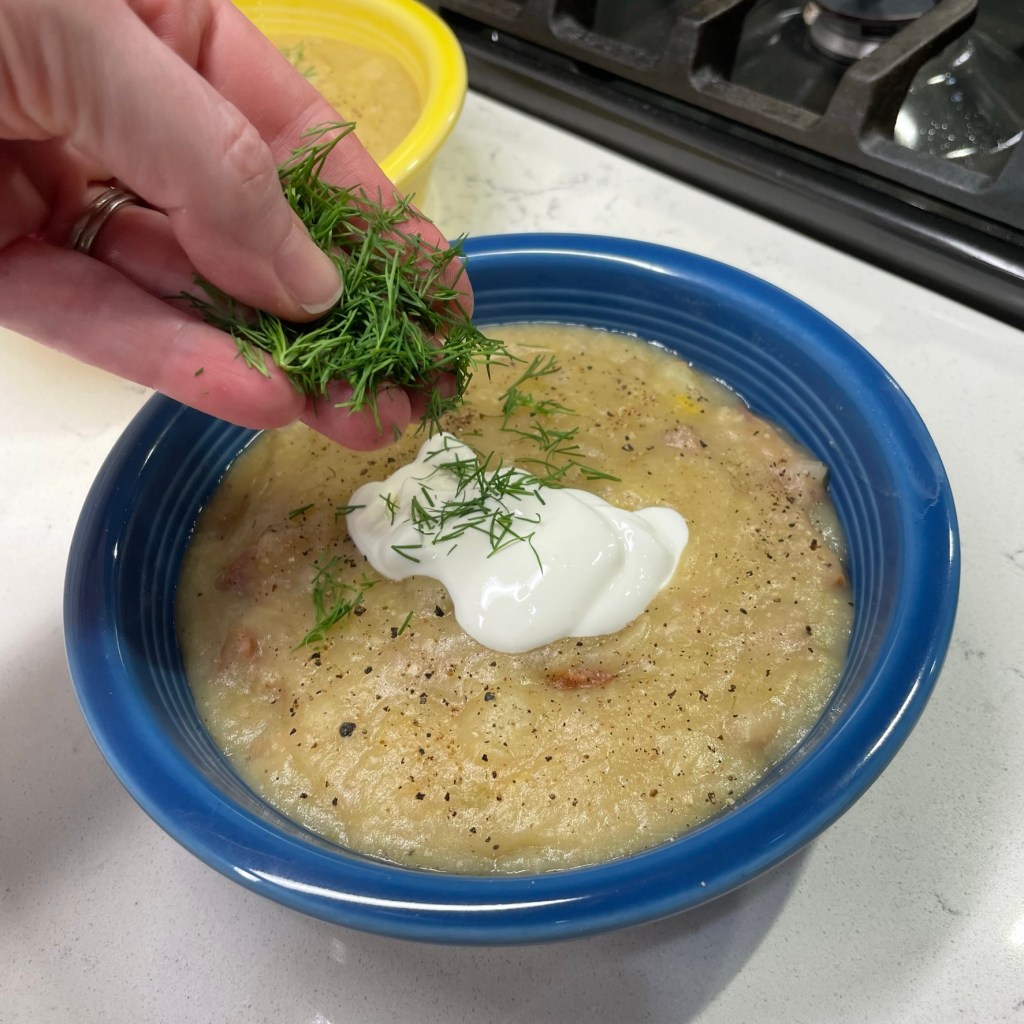
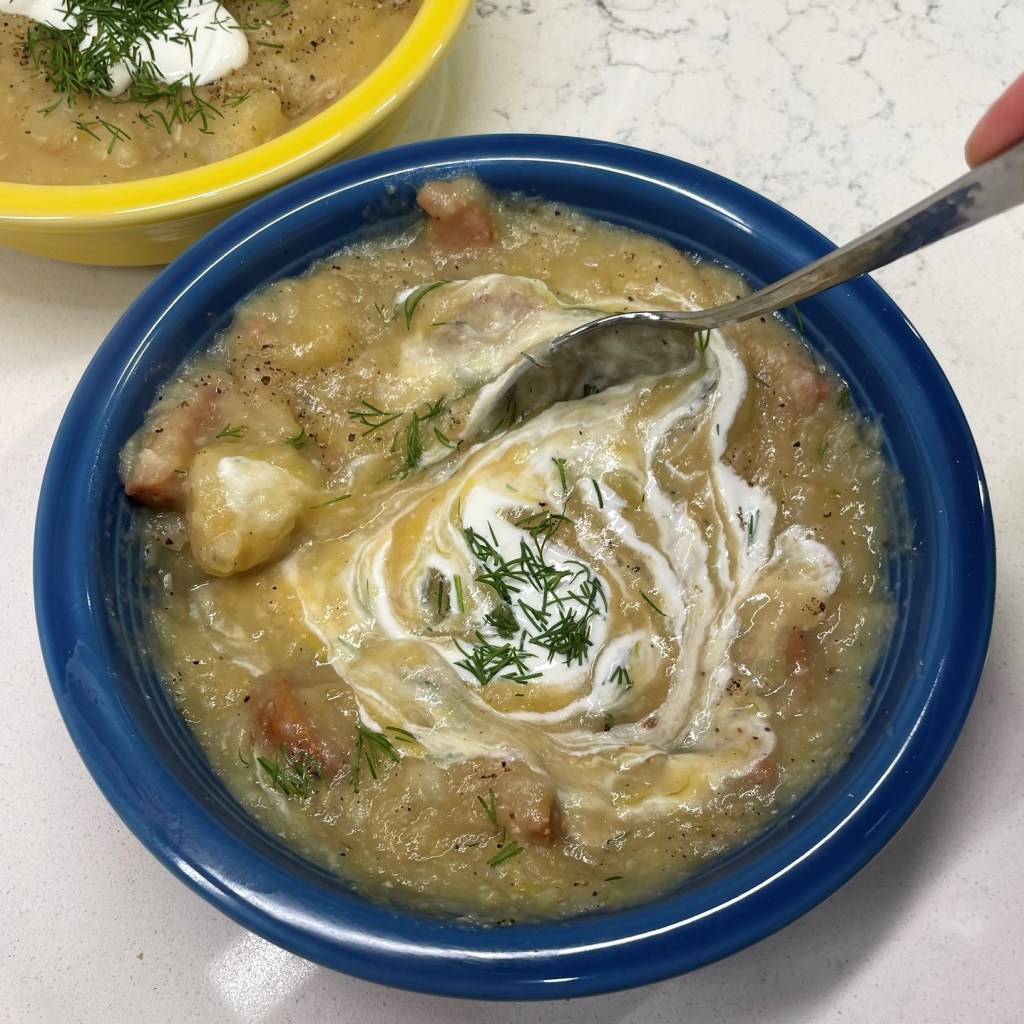
The sour cream and dill add a touch of freshness to this hearty, humble soup.

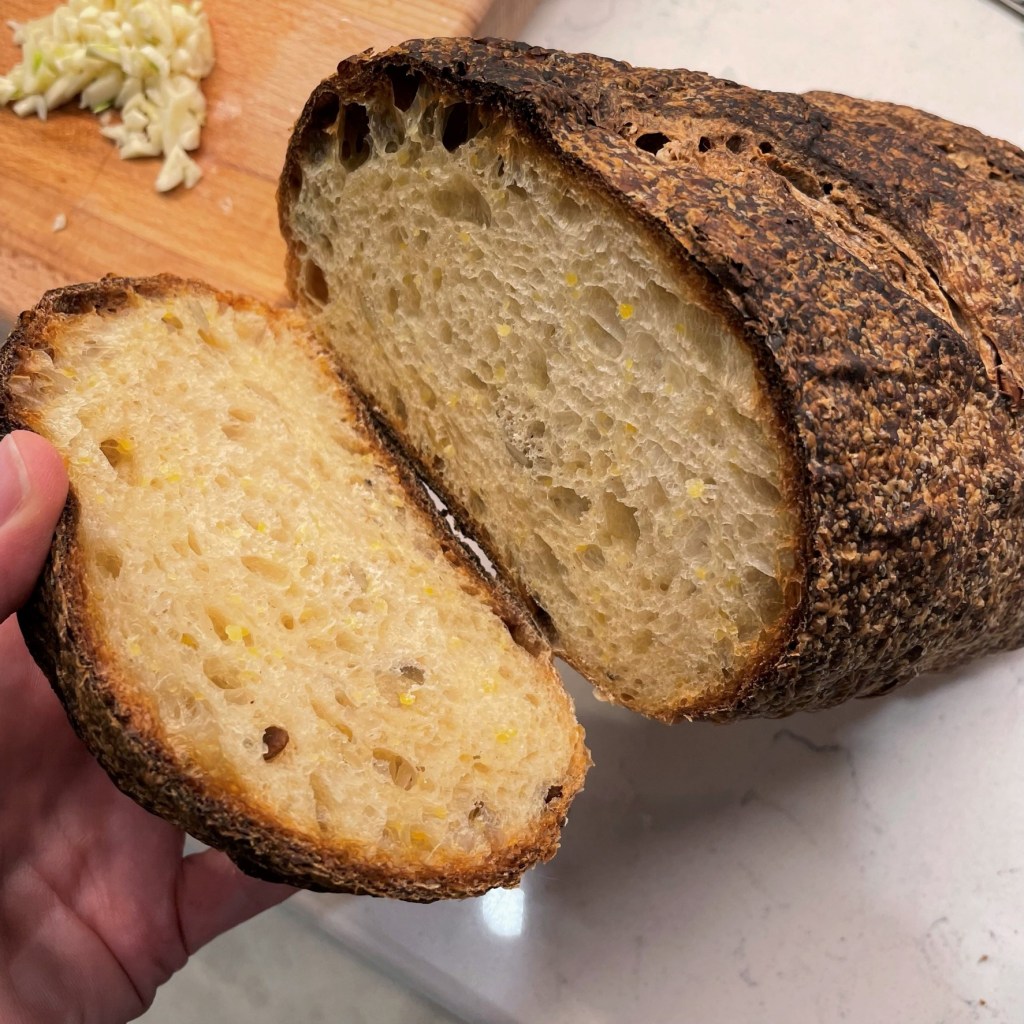
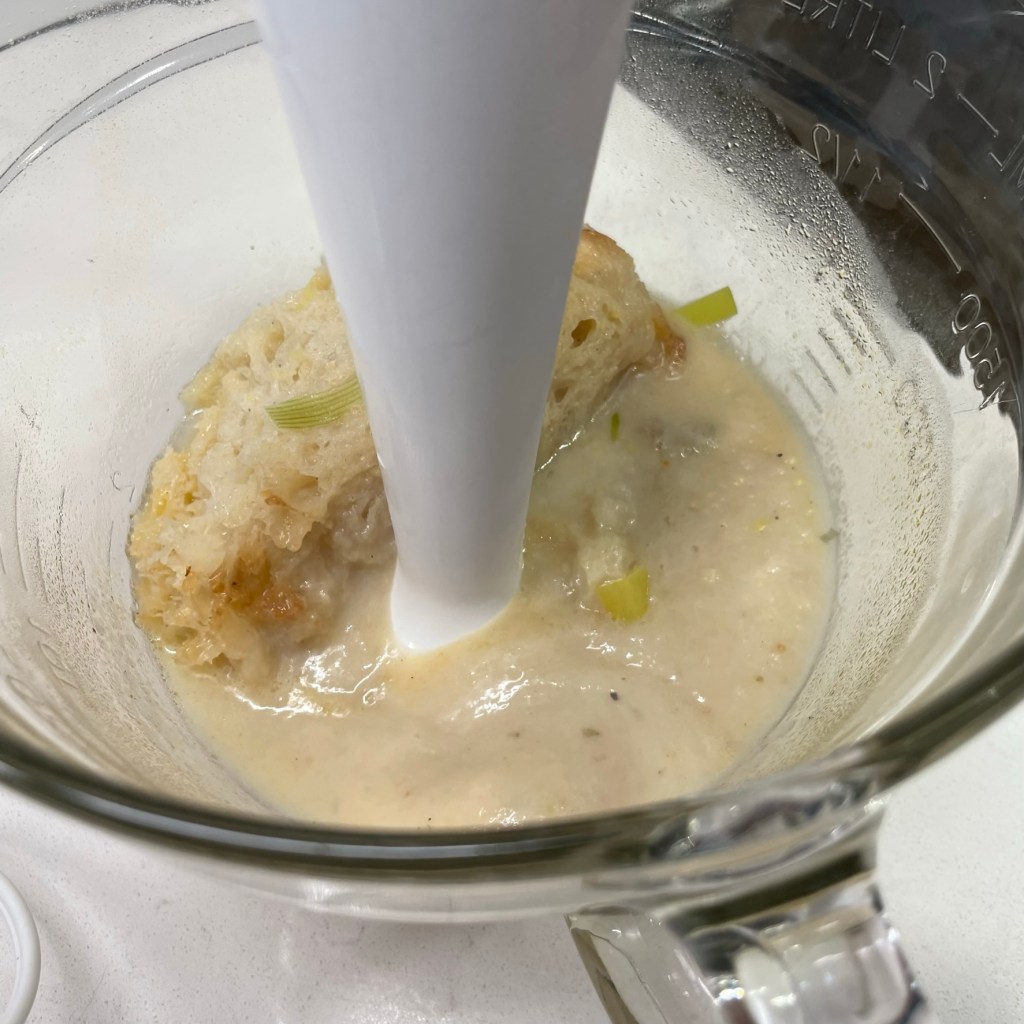
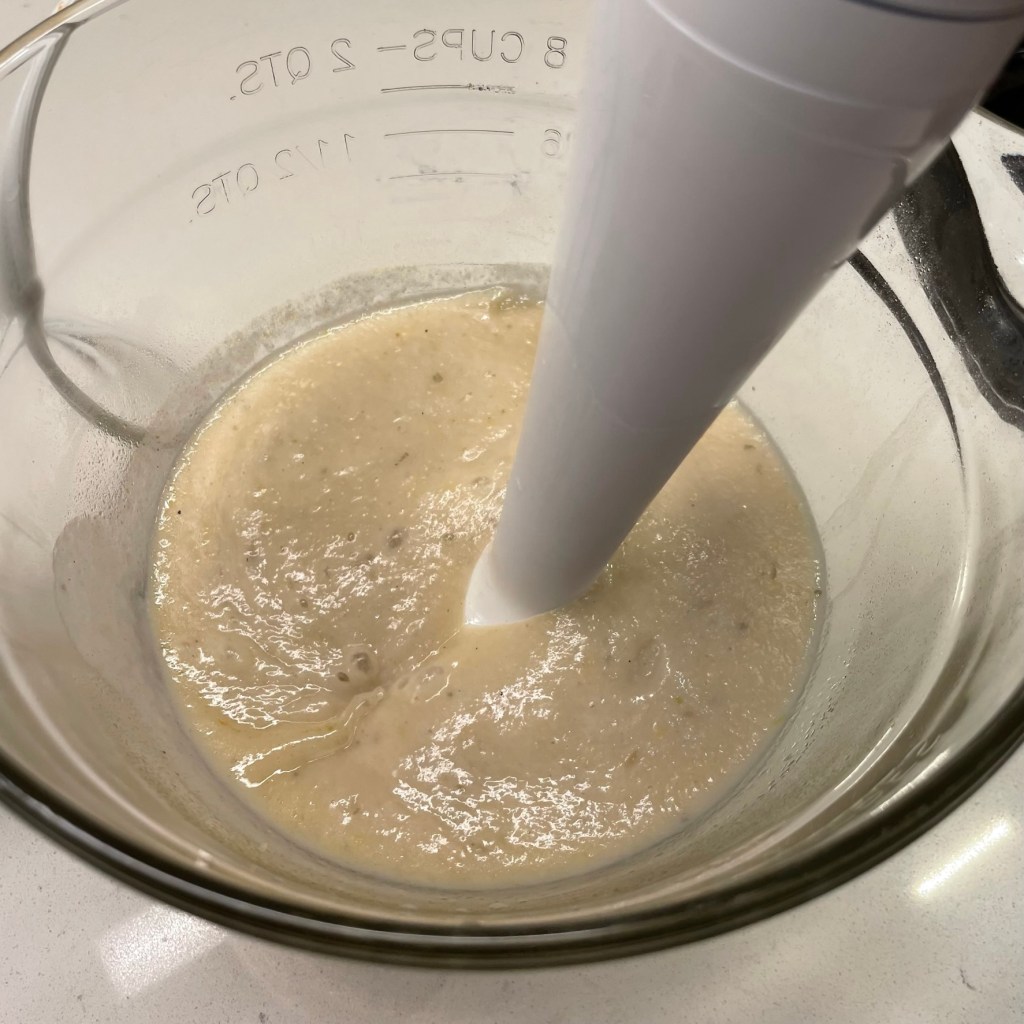
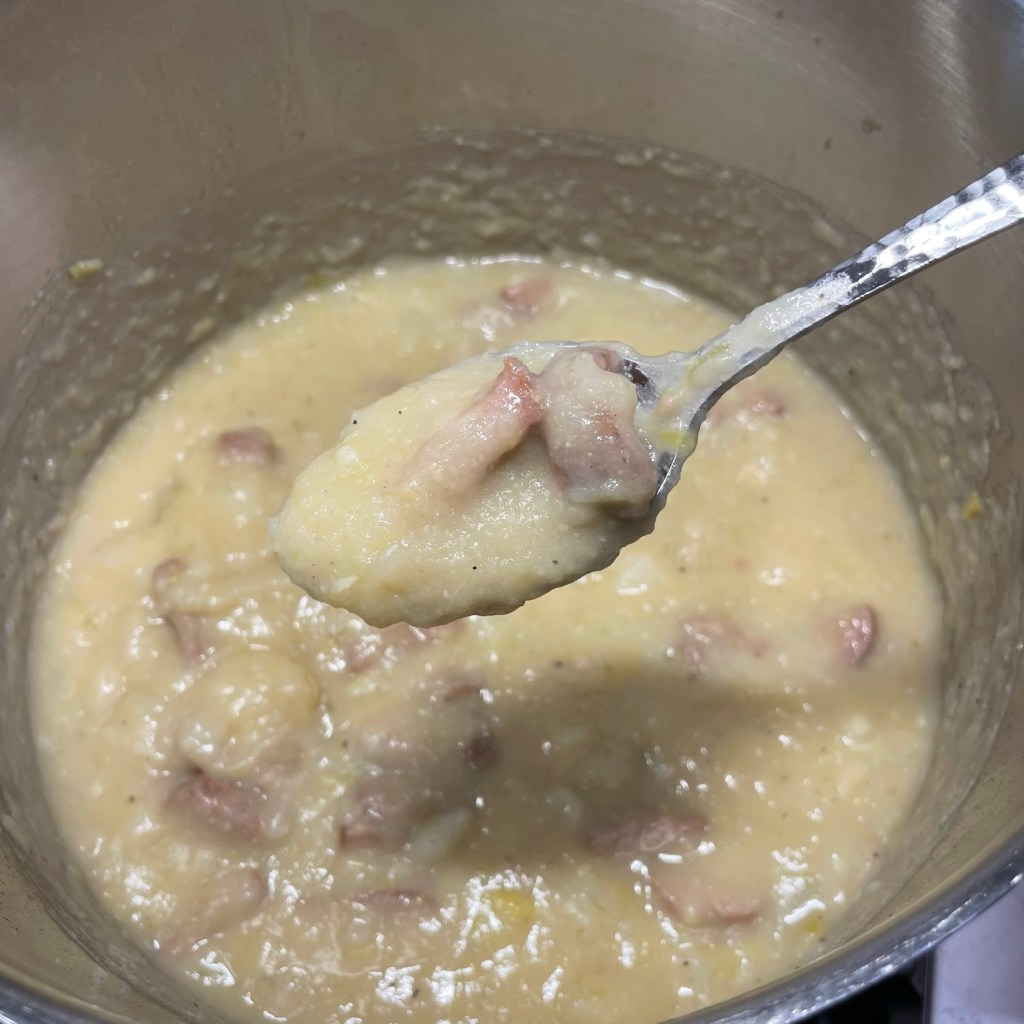
As always, my exploration into other cultures’ cuisine has taught me some lessons, and one thing about this soup surprised me. I have long assumed that Eastern European soups are “sour” because of fermentation or added vinegar (and sometimes they are), but this soup is both soured and thickened with a hefty chunk of sourdough bread, which I always happen to have on hand. This method of soaking and pureeing the bread was a genius move by the author, as it gave the soup a sturdy, almost creamy, texture, as well as a distinctive sour flavor. Always more to learn in the world of food, isn’t there?

My only regret is that I cannot make an enormous vessel of this soup to feed and comfort all of Ukraine, but I hope that somehow, sharing this experience will ripple across time and space to ensure the courageous people of that nation that they do not stand alone. 🇺🇦


Adapted from https://cooking.nytimes.com/recipes/1021711-white-borscht

Note: The original recipe linked above is only available to paid subscribers of New York Times Cooking (which I am), but my adaptation is very close to the original, except for the aforementioned substitutions and the fact that I halved the recipe for our family of two.


Ingredients

1 lb. smoked turkey kielbasa, cut into three or four pieces

6 cups filtered water

2 dried bay leaves

4 Tbsp. salted butter, divided

1 medium yellow onion, chopped

3 cloves garlic, smashed and minced

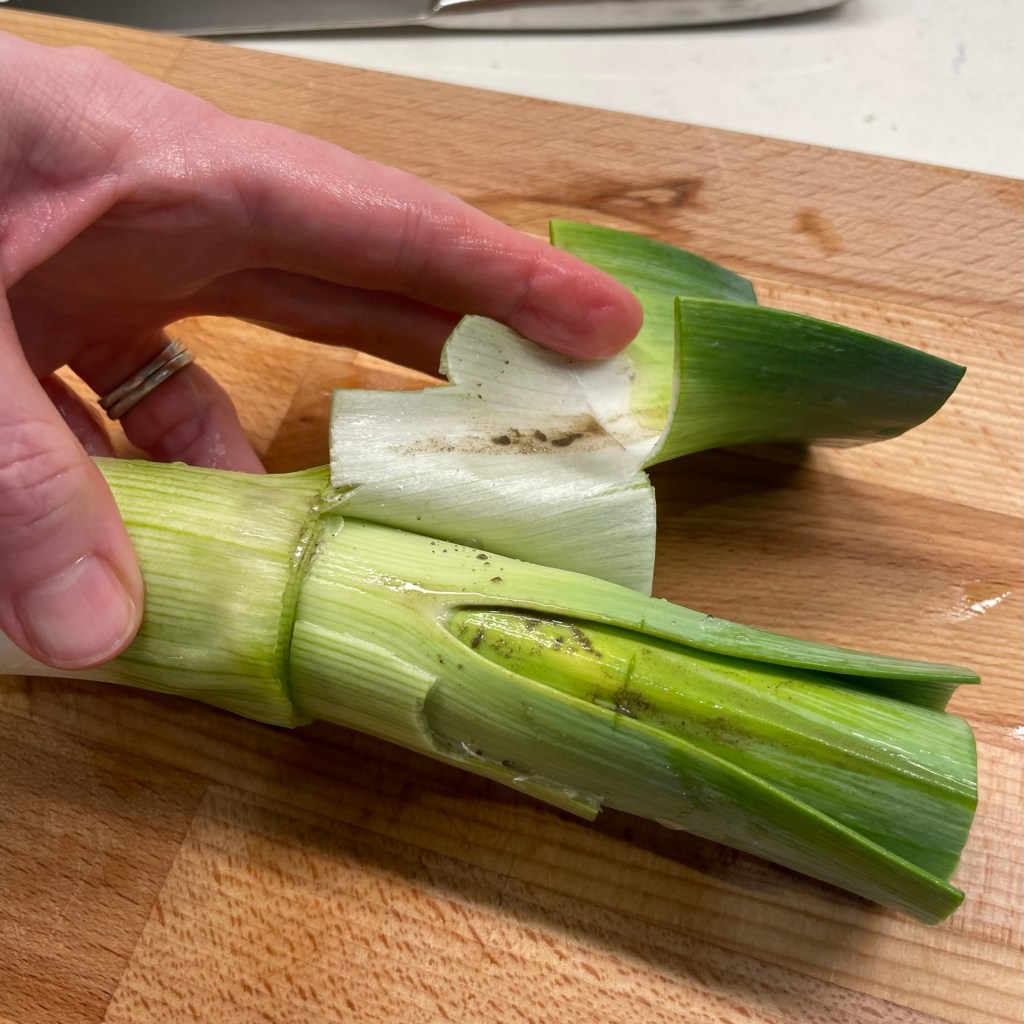
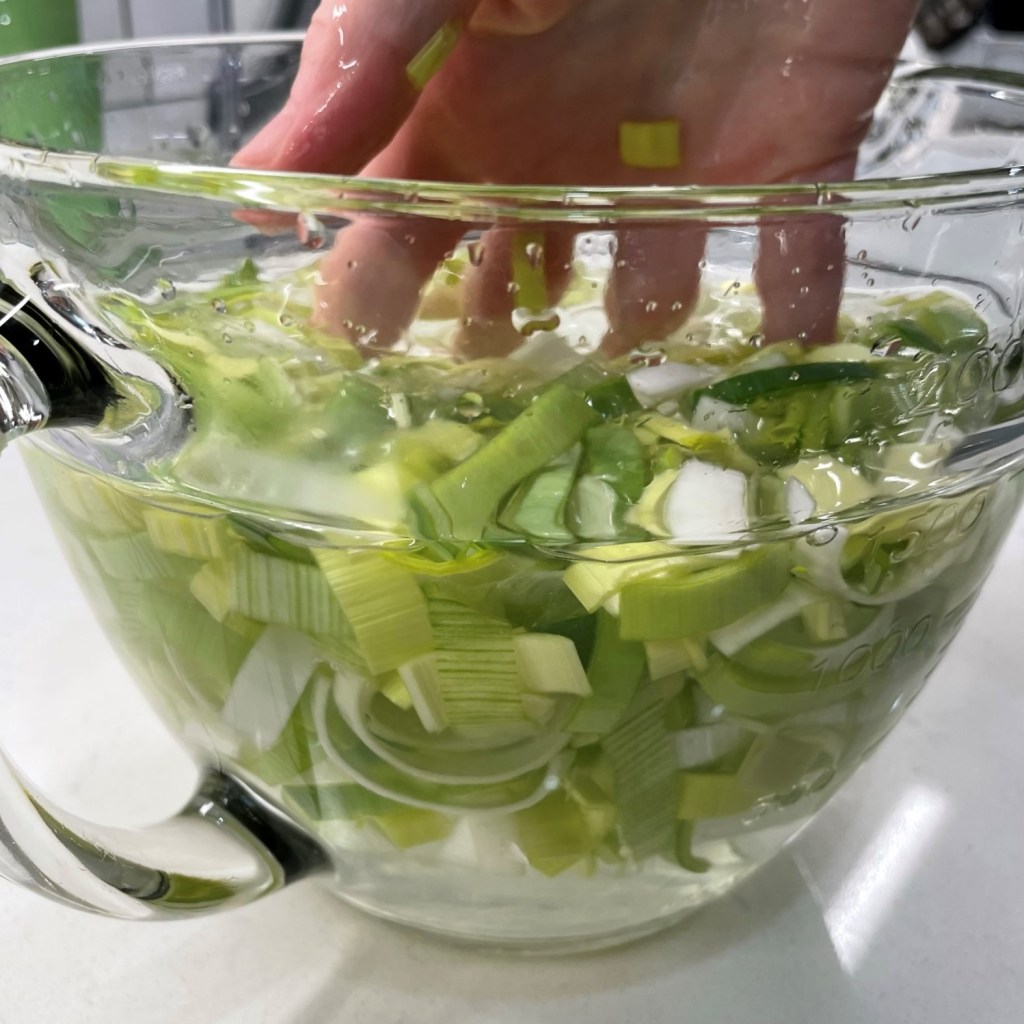
1 large leek, cleaned and cut into thin half-moon slices

Kosher salt and about 1 tsp. ground black pepper

A large piece of dense sourdough bread*, crusts trimmed (see notes)

1 1/2 lbs. russet potatoes, peeled

About 1 cup chicken or vegetable broth*

Sour cream and fresh dill for serving


*Notes

Note that real sourdough bread is made from a sourdough starter. Some grocery bakeries take a shortcut that embellishes yeast bread with citric acid, and it is not the same. If you don’t have sourdough bread, consider picking up a loaf from an authentic bakery or use a (seedless) rye. I confess that the sourdough loaf I had on hand was dotted with pumpkin seeds, but after pureeing, this did not have a bad effect on the finished borscht.

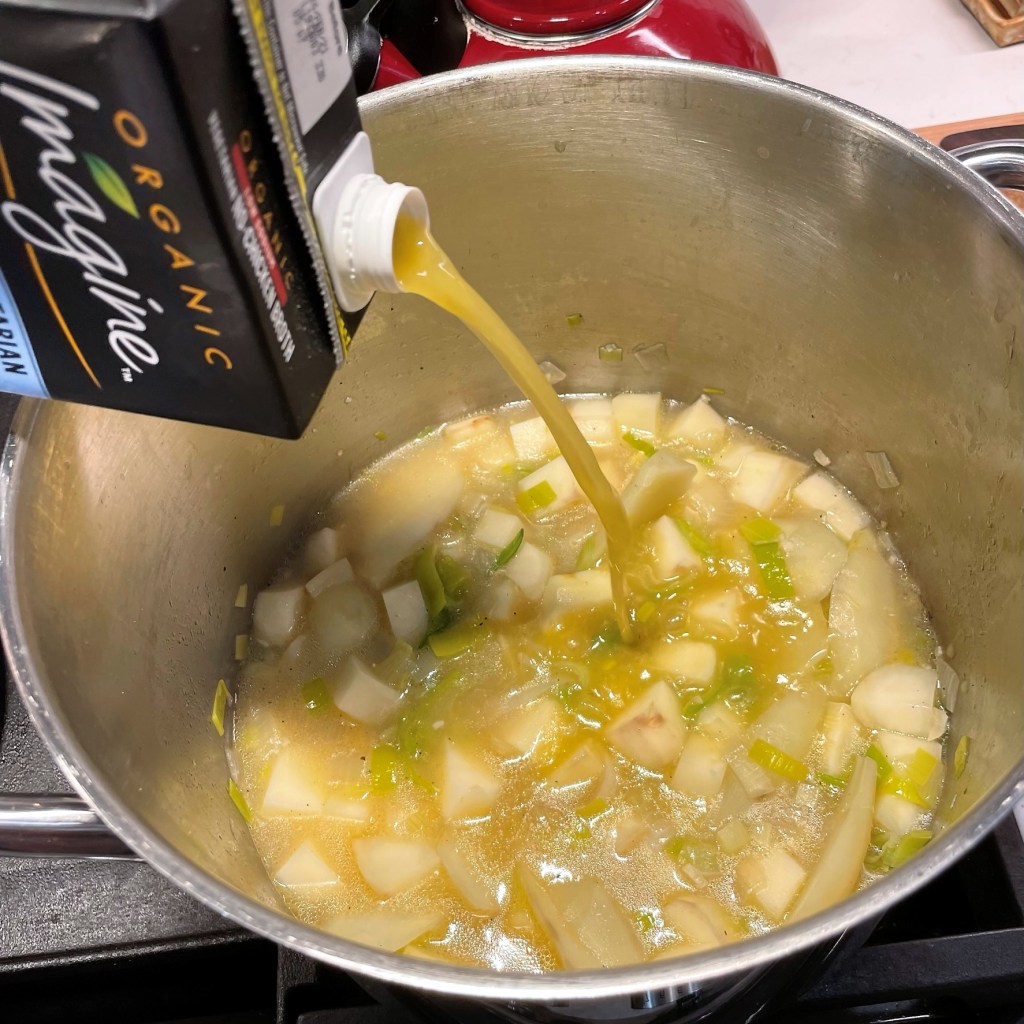
The recipe that inspired me did not call for broth, other than the one created by simmering the kielbasa, but in my first-attempt jitters, I accidentally simmered my soup longer than I should have and needed more liquid to keep it from becoming mashed potatoes. It isn’t a bad idea to have some broth at the ready for this purpose. I used a version of vegetable broth called “No-Chicken” broth, and it was perfect for making up the difference in liquid without affecting flavor.


Instructions

  1. Place the kielbasa chunks in a large soup pot and cover it with the filtered water. Add the bay leaves and bring to a boil, then reduce heat to a simmer for about 20 minutes.
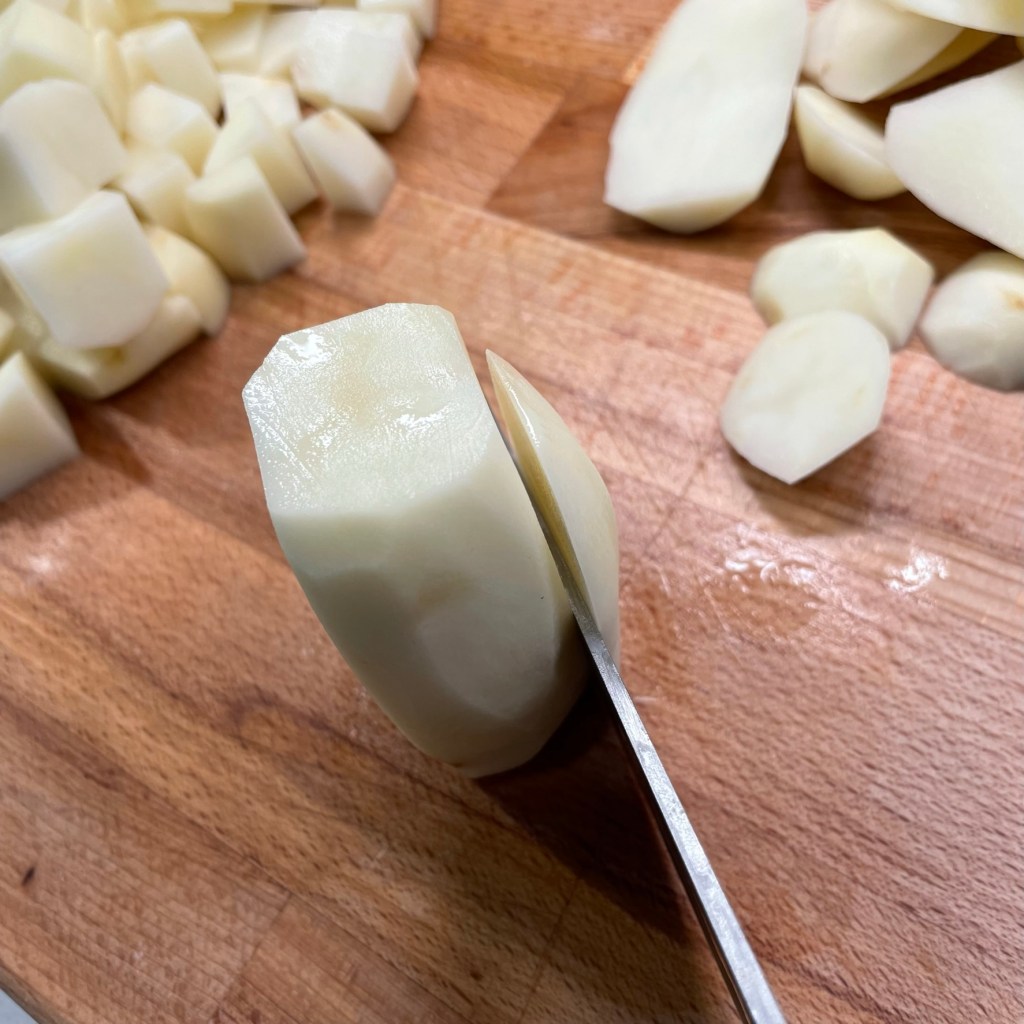
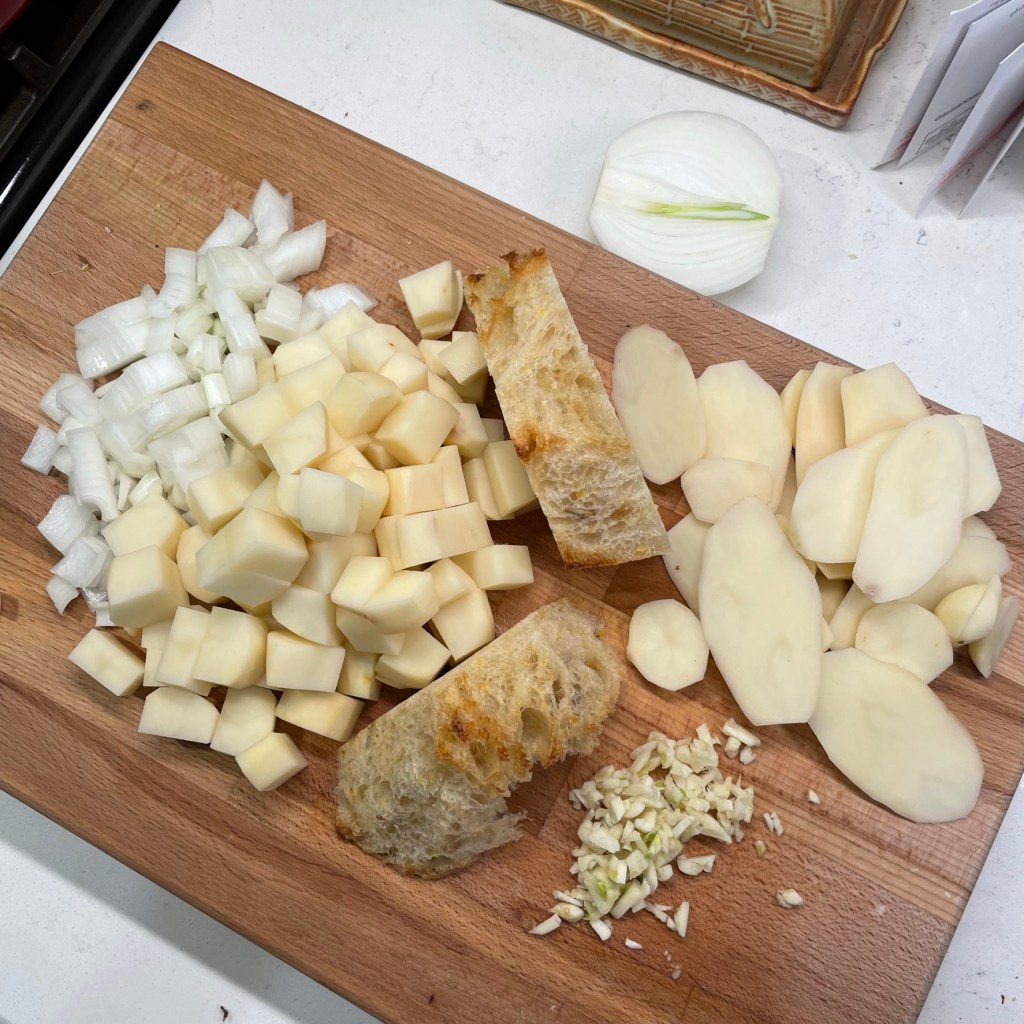
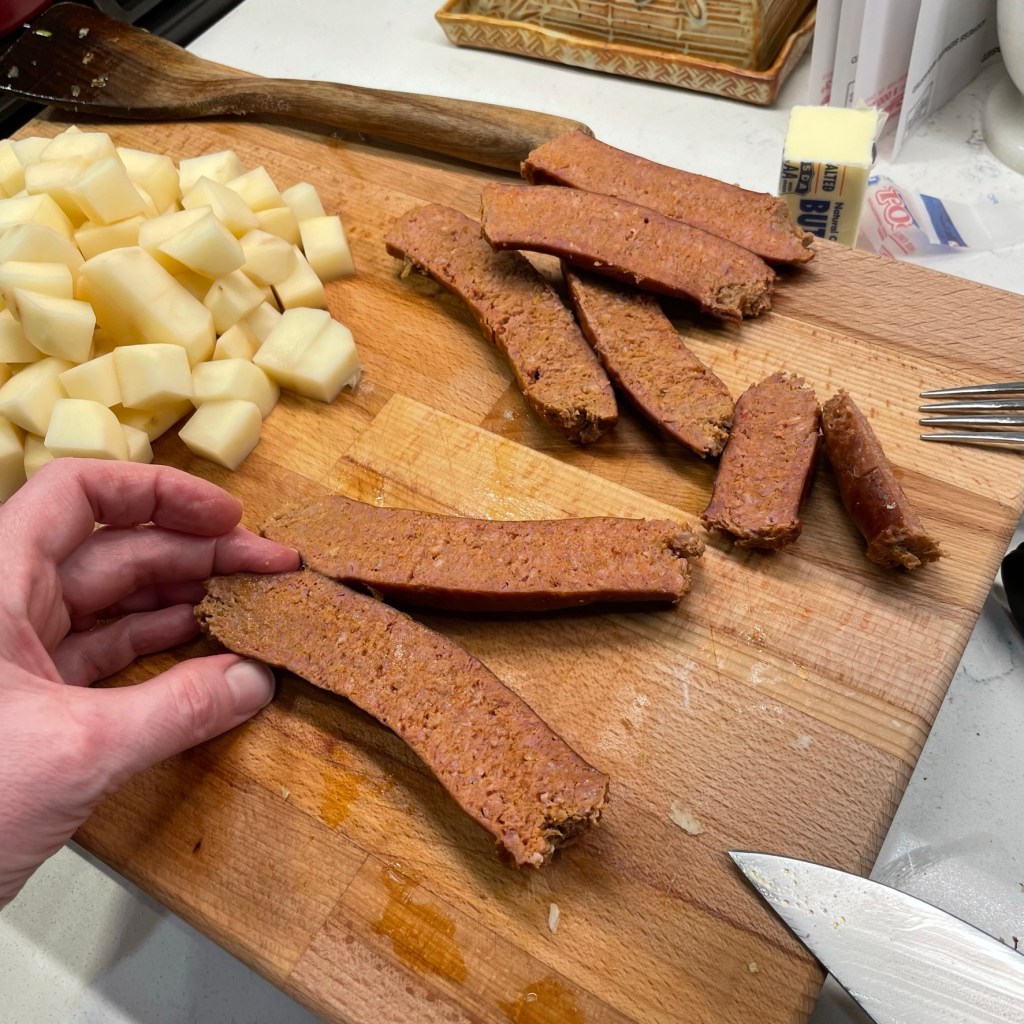
  2. Prep the potatoes by cutting off the sides and ends, creating mostly flat sides on the potato. Keep the potato scraps in one pile and cube up the rest into a separate pile.
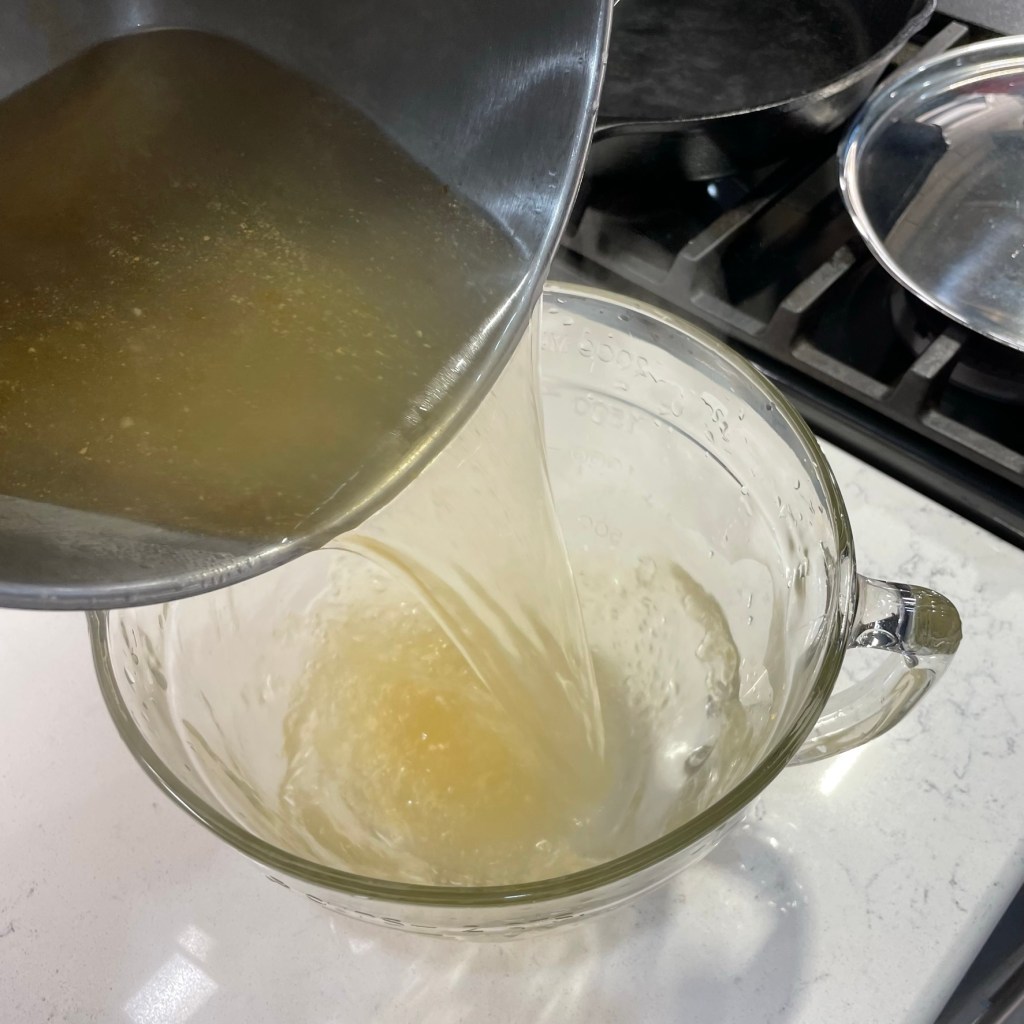
  3. After simmering, the kielbasa should be noticeably swollen, and small droplets of fat from the kielbasa will be swirled throughout the broth. Use tongs to transfer the kielbasa to a cutting board. Pour the broth into a large bowl or measuring pitcher.
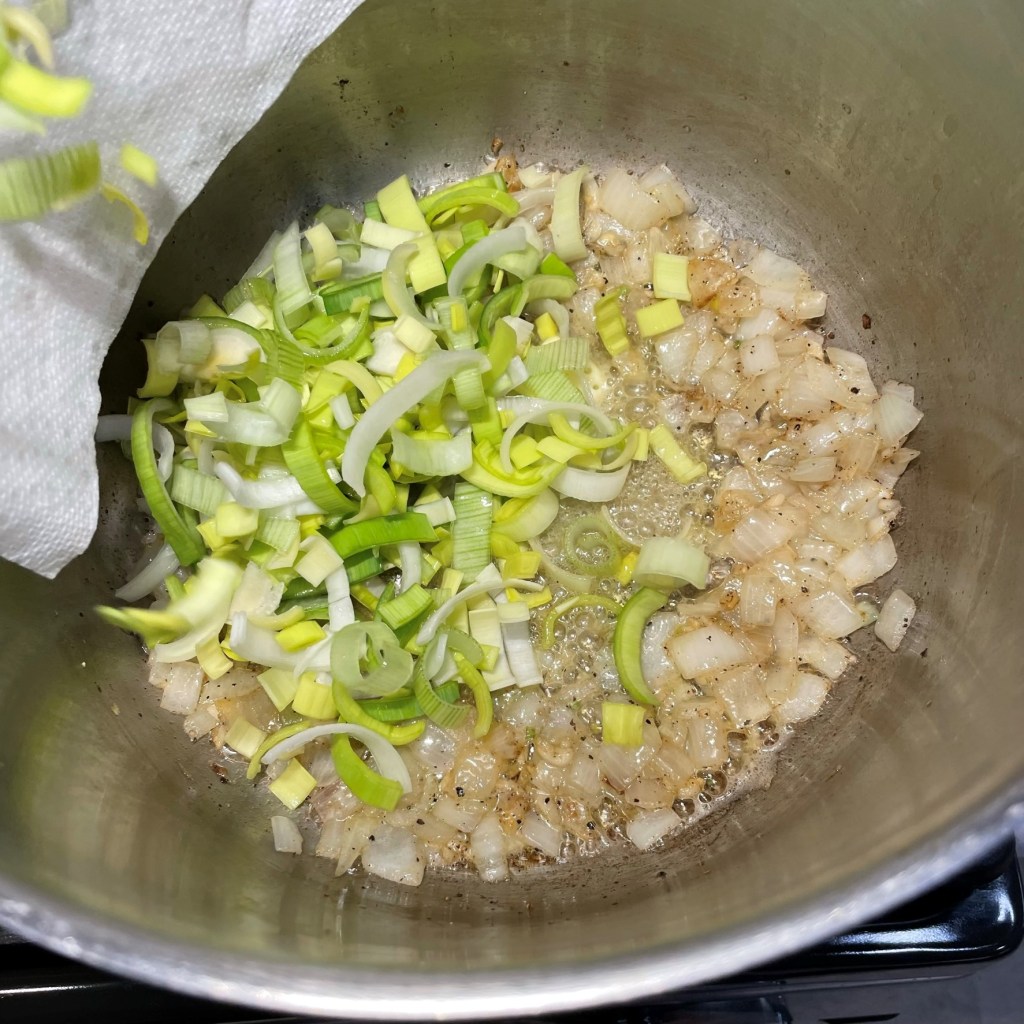
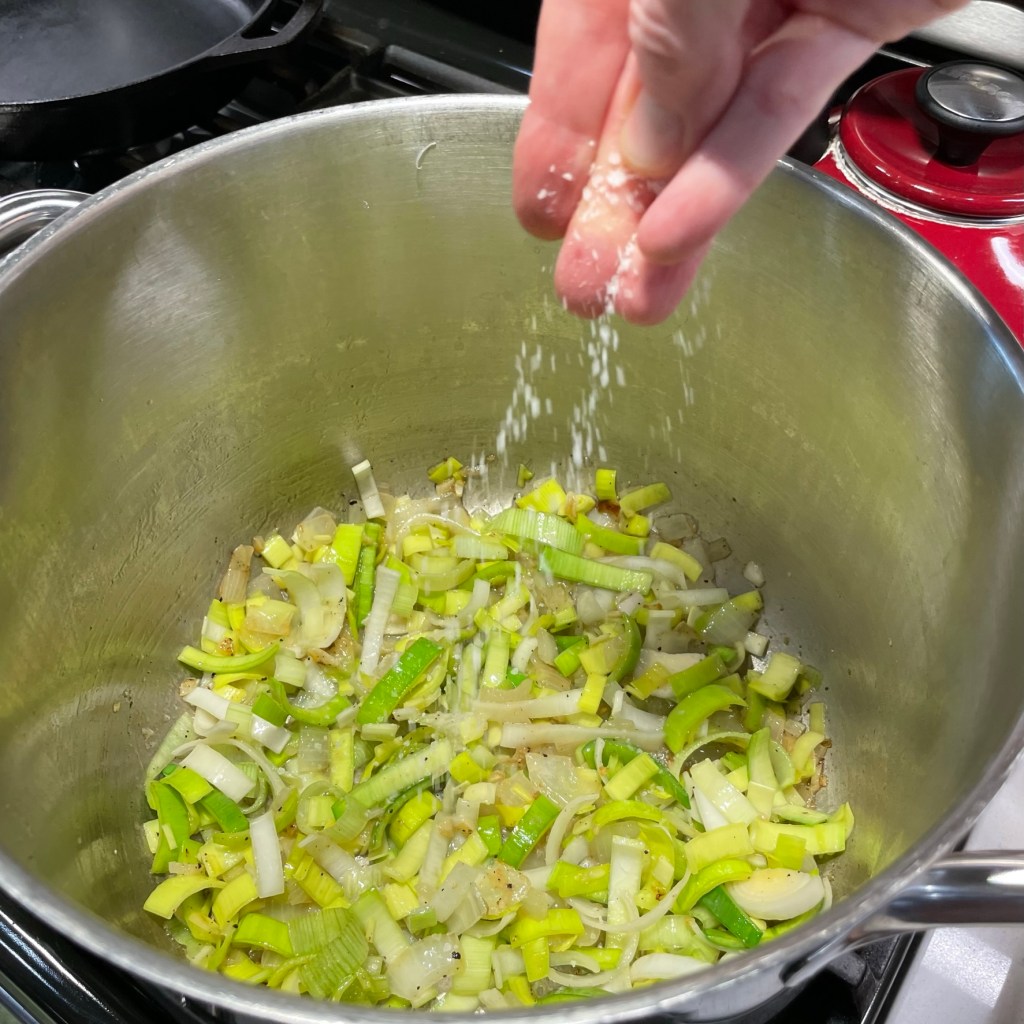
  4. Into the same pot, melt two tablespoons of the butter and sauté the yellow onions and garlic with salt and pepper for about five minutes, until tender. Add the remaining butter and leeks to the pot and sauté two more minutes, until those are also tender.
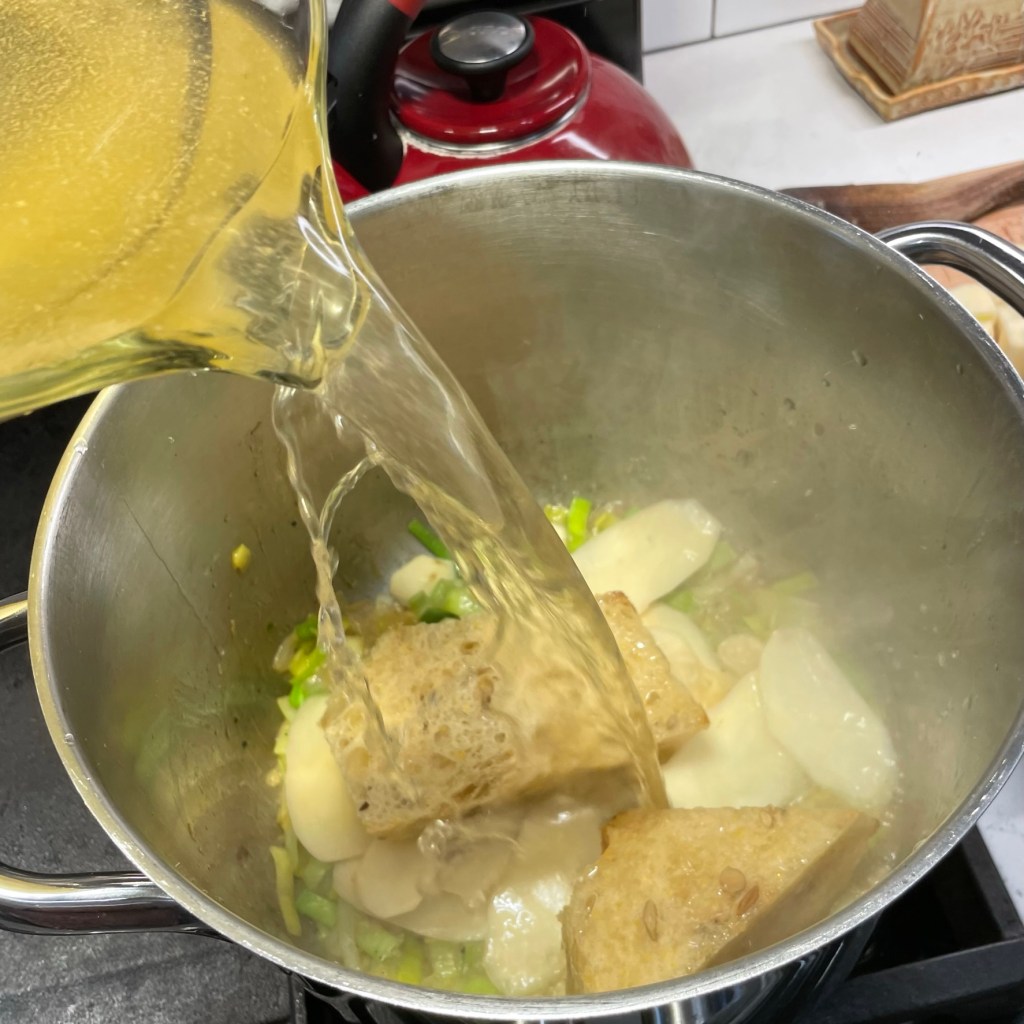
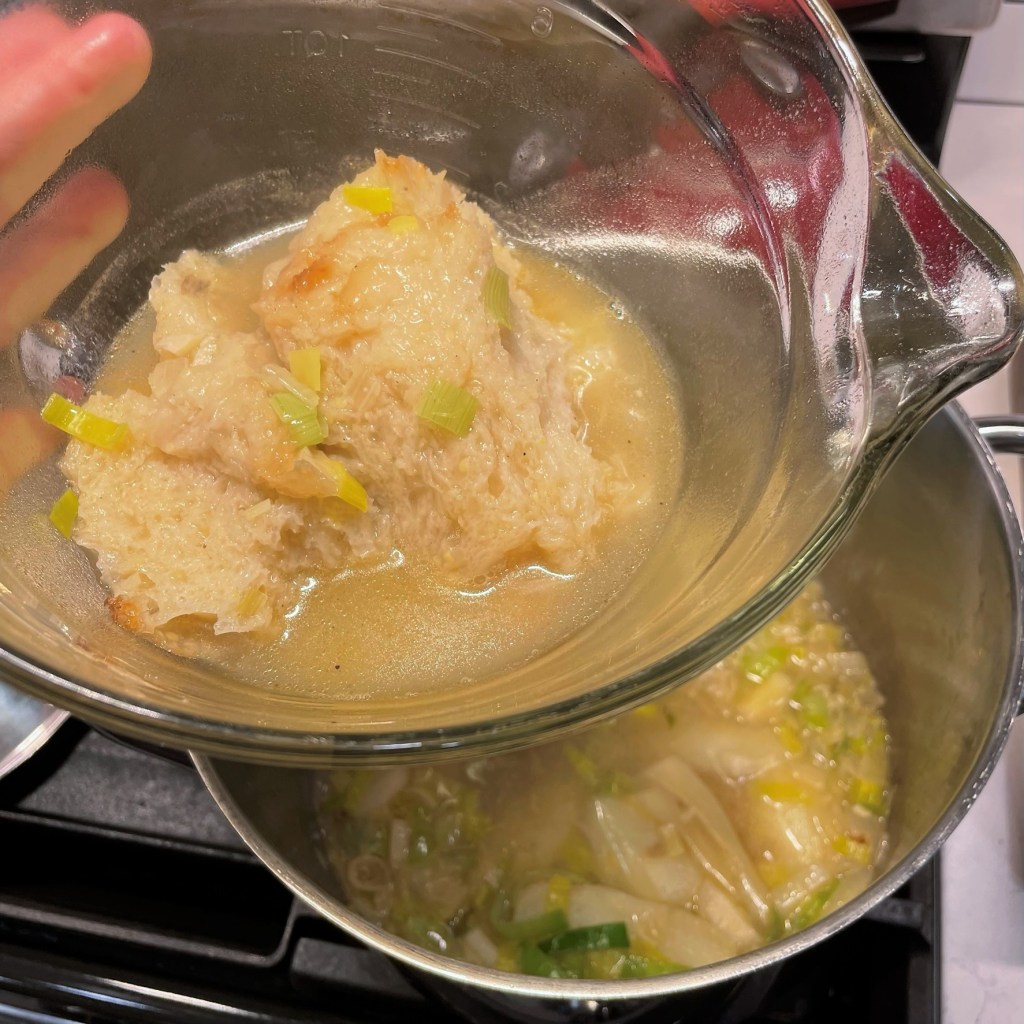
  5. Add the scraps of potato and the large chunks of sourdough bread to the pot. Pour about 2/3 of the reserved broth into the pot and simmer until the bread looks completely bloated, about 10 minutes. Use a large, slotted spoon or tongs to pull out the sopping bread into the measuring pitcher with the remaining reserved broth. It’s OK if some of the leeks and onions tag along. Set the pitcher aside to cool for a few minutes.
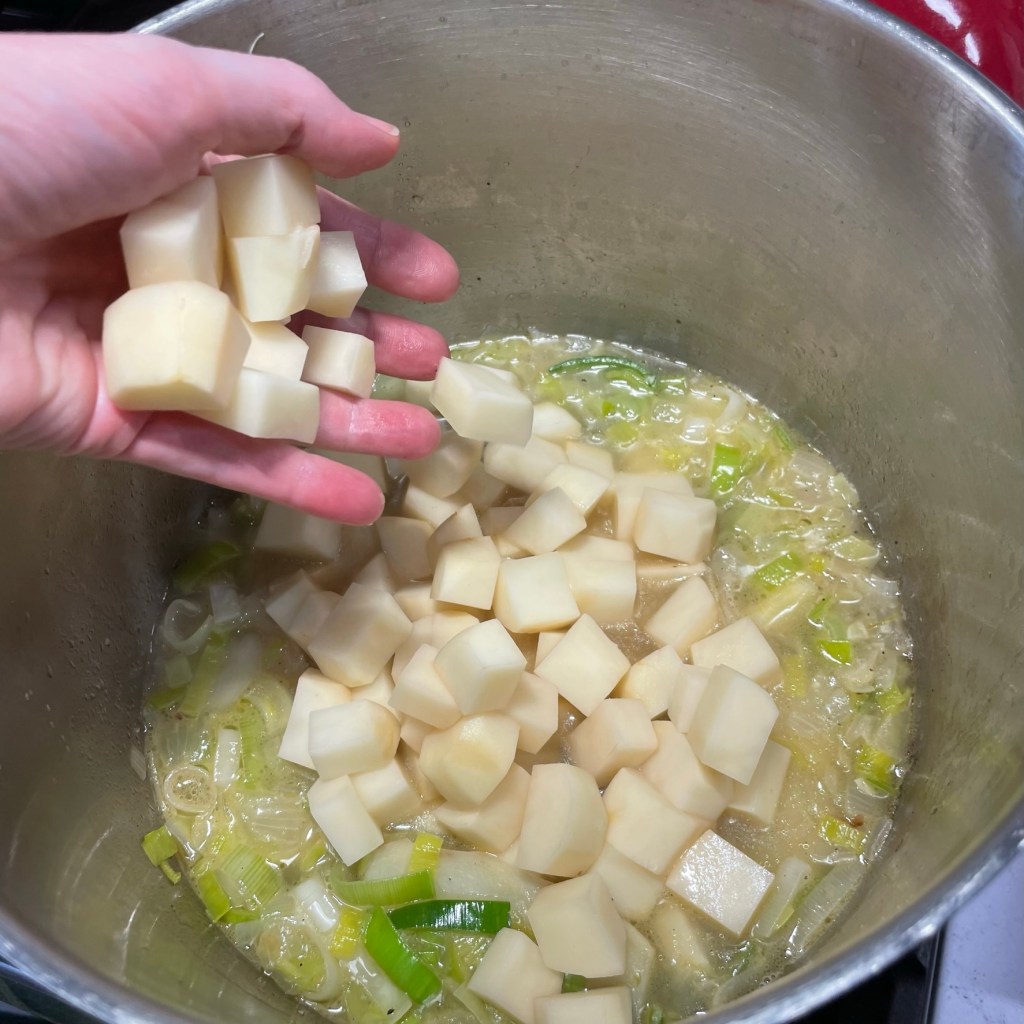
  6. Add the potato cubes to the pot, along with enough broth or water to just cover them. Heat to a boil and then simmer for about 15 minutes until potatoes are slightly tender. While that simmers, use an immersion blender to puree the sopping sourdough with the liquid in the bowl or pitcher.
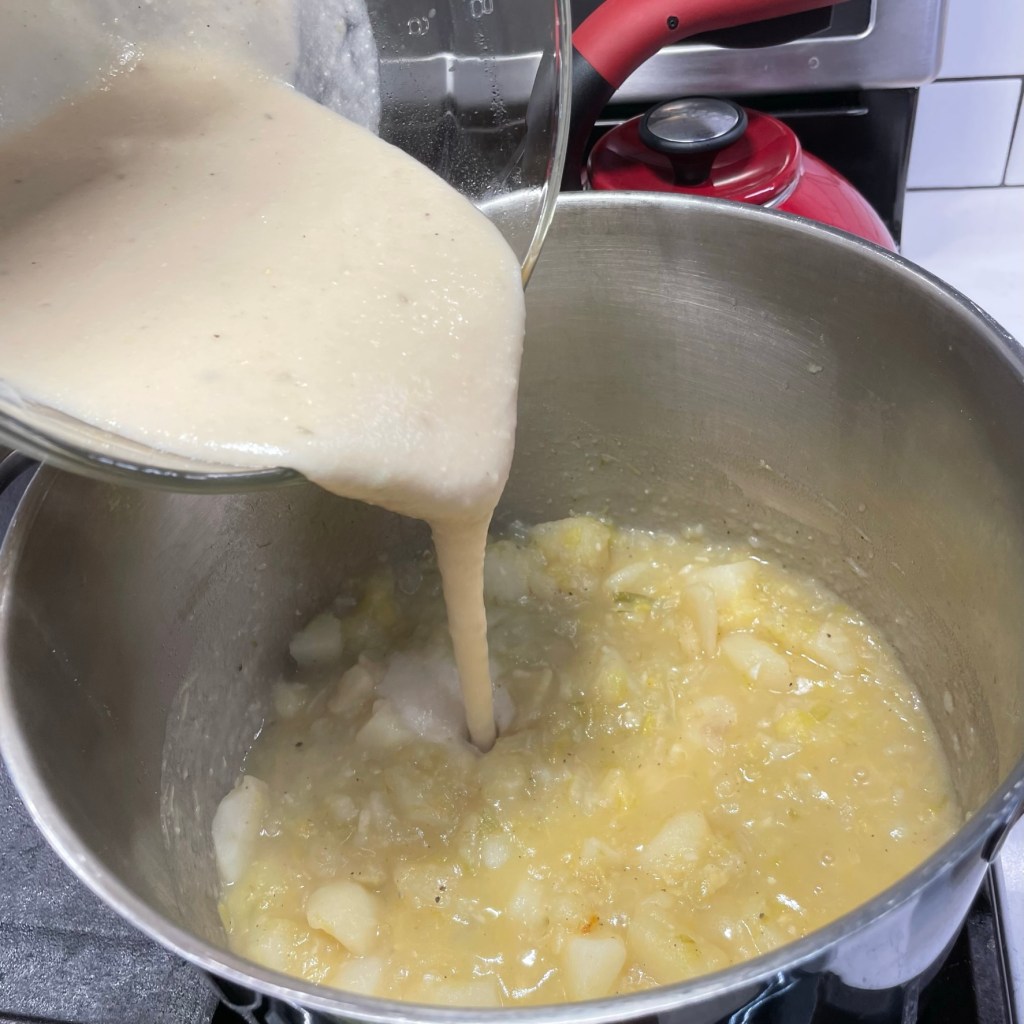
  7. Stir the puree mixture back into the pot, along with the kielbasa. Adjust salt and pepper to taste. Simmer just until heated through, as continued cooking will cause the potatoes to turn mushy.
  8. Serve the white borscht with a dollop of sour cream and a sprinkling of fresh dill.