Strawberry Daiquiri Cake

Here I go, answering my own question of “what other cocktails could be turned into a cake?” I asked this just a few weeks ago, when I presented the tiki cocktail skillet cake that put a fun, boozy spin on a pineapple upside-down cake. I started making a list of other drinks that could work, including some suggested by followers in the comments section.

Somehow, this one was not on the tip of my tongue when I first asked the question. It came about when I found beautifully ripe, organic strawberries on a recent shopping visit. I told Les I would make strawberry shortcake for Father’s Day, but he challenged me to come up with something more imaginative that didn’t involve sponge cake or biscuits (neither are his favorites). What about a strawberry cake, I asked? And he said, “that would be better, and do you think you could make it a little boozy?” 

C’mon, could I make it a little boozy?! I mean, does he even know me?


My first step was to find a recipe that would accommodate a ton of fresh strawberries, plus booze. Even a novice baker like me knows that too much liquid will wreck a cake, so that was a major hurdle. The internet is full of strawberry cake recipes, and most of them are dressed-up versions of a boxed cake mix, which didn’t fit my goal. I don’t mean to be snobbish, and if you’re cool with a box mix, I’m not judging. But I’m super sensitive to artificial flavorings, colors, thickeners and sweeteners, so desserts tend to be a little more complicated for me.

Hello, Gorgeous!

Besides, my goal was to take advantage of these beautiful fresh berries that are at their peak, so I searched until I found a scratch recipe that satisfied both my palate and my baking comfort level. Several recipes in my search results leveraged a technique called “reverse creaming,” which I’ve never heard of, let alone tried. Too much experimentation at once gets me into trouble, so I passed on those. Finally, I found this scratch strawberry cake recipe on Sally’s Baking Addiction blog that would be a good starting point, and I made only a few adjustments to booze up the ingredients, and one to make the process more familiar to me.

Get ready for oodles of photos on this one; there were a lot of steps for this cake, and I wanted to be detailed, for my future self as much as any other reason. If it’s all too much for you, skip ahead to the end, where I’ve included a click-to-print recipe card. You know, in the event you find gorgeous strawberries at your market, too. 🙂

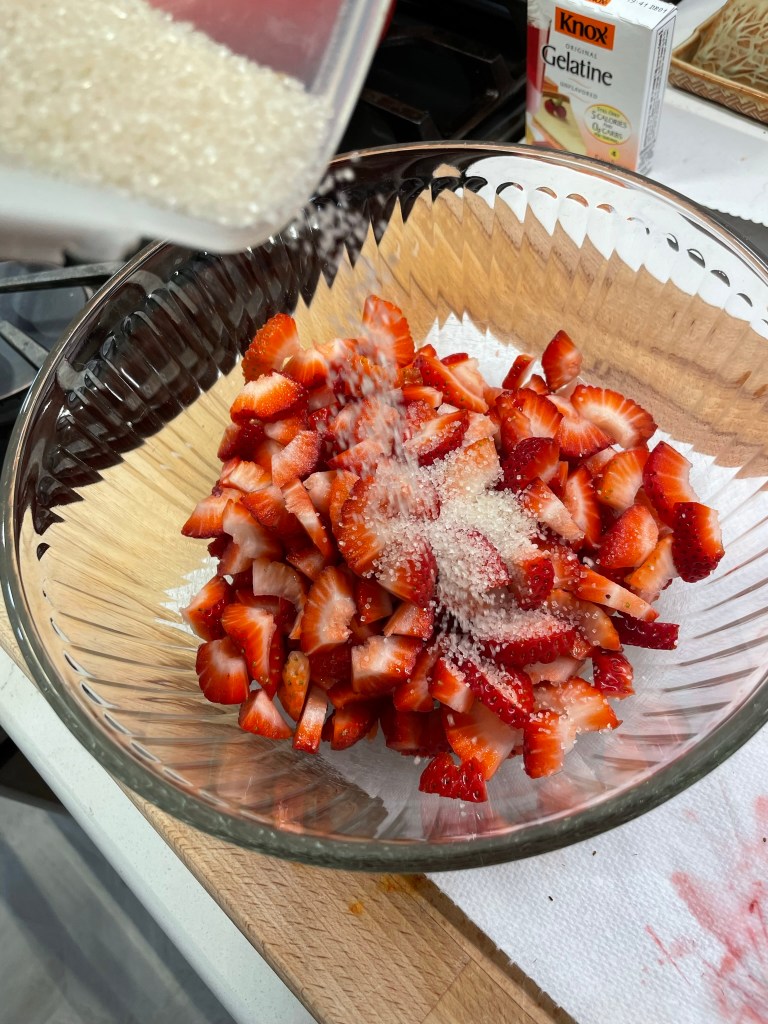
I got a little excited about the berries, and muscle memory took over when I sliced them up. Without thinking, I dumped in a bunch of sugar to macerate them before I even found the recipe I wanted to use. That turned out to be a problem because Sally’s recipe specifically said “don’t” add sugar to the berries before reducing. Oops. There was obviously no undo button for that, and I had to do some fancy math to make up for the sugar I had already used. This also meant that I had to watch the sweetened puree carefully to keep it from burning as I reduced it. If this all sounds complicated, well, what can I say? Nobody has ever accused me of doing things the easy way! It worked out just fine; next time I would just puree the strawberries naked and follow the recipe for the full amount of sugar. Don’t worry, that’s how I wrote the recipe.


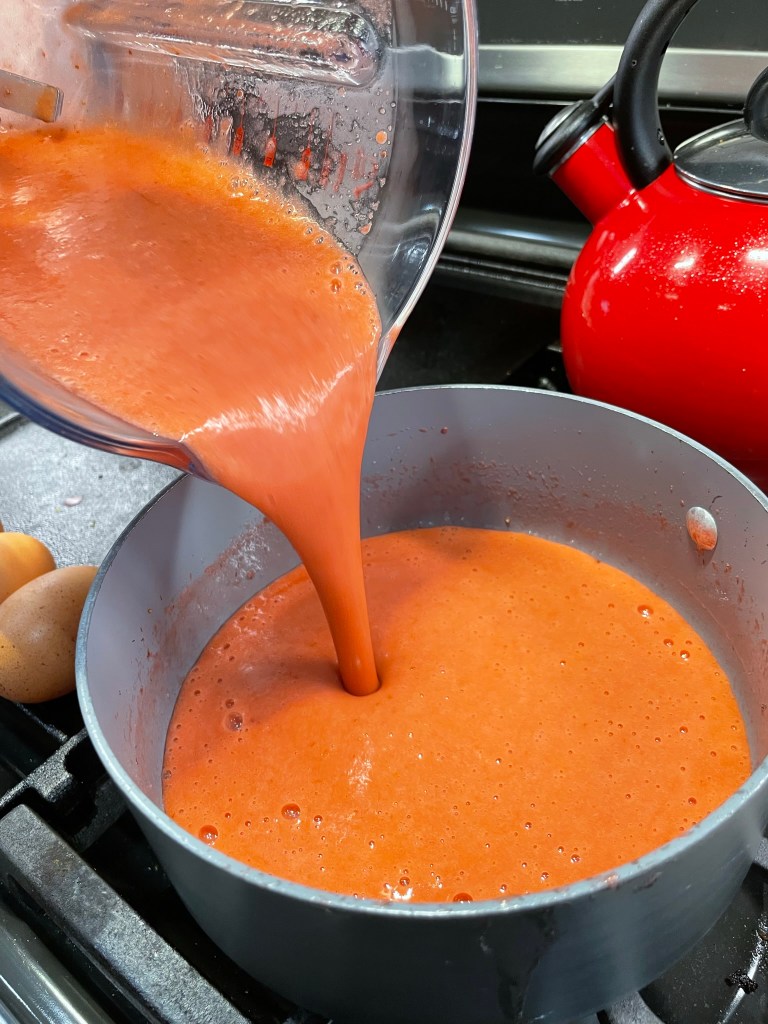
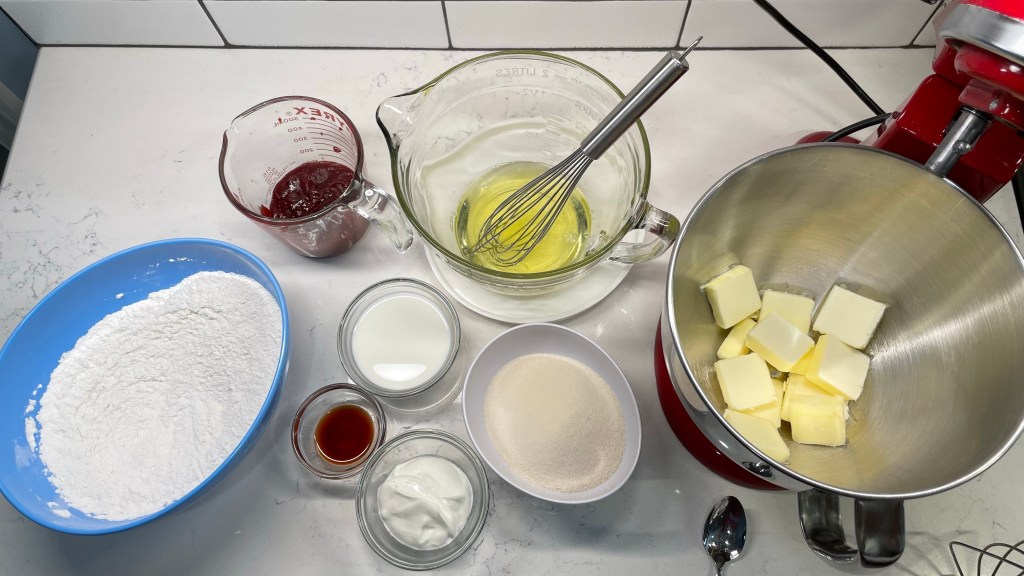
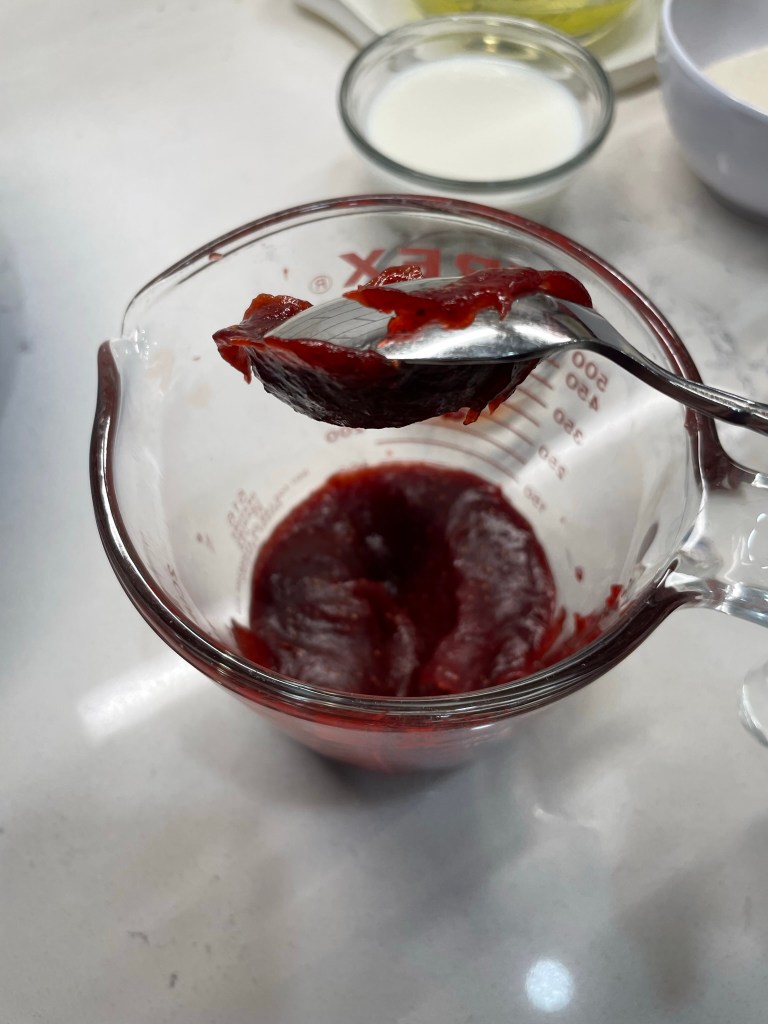
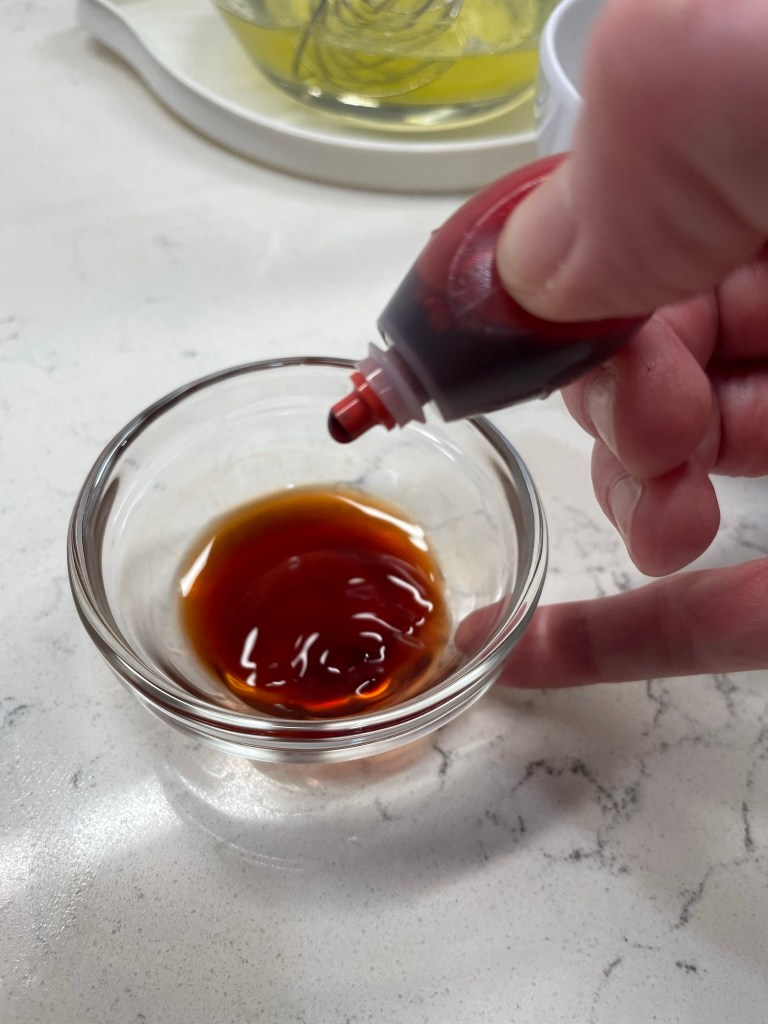
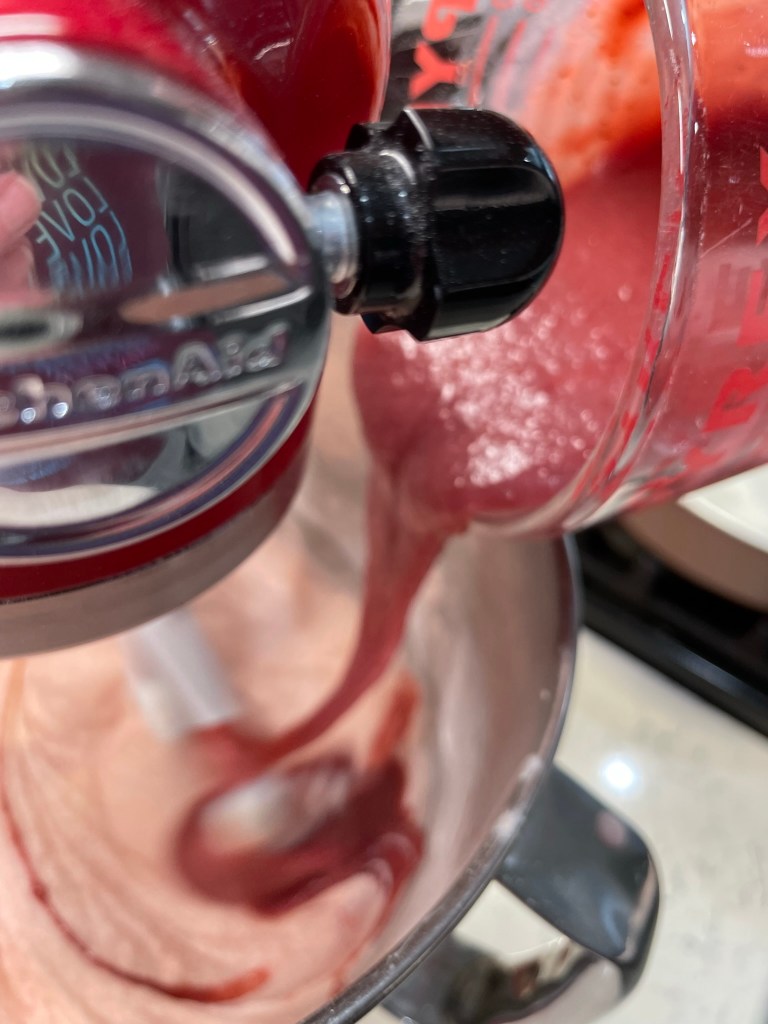
The puree needed time to cool, so I used that down time to get my other ingredients lined up and organized. This really helped me when I made my tiki skillet cake, so I’m trying to make it a habit. It still felt like too many components, so I combined a few things that made sense to me. That puree was thick as tomato paste, so I mixed the milk into it to make it pourable. I didn’t want to forget to add a few drops of natural red food coloring, so I added that to the extracts. Finally, I prepped my 9-inch cake pans and preheated the oven to 350 F.


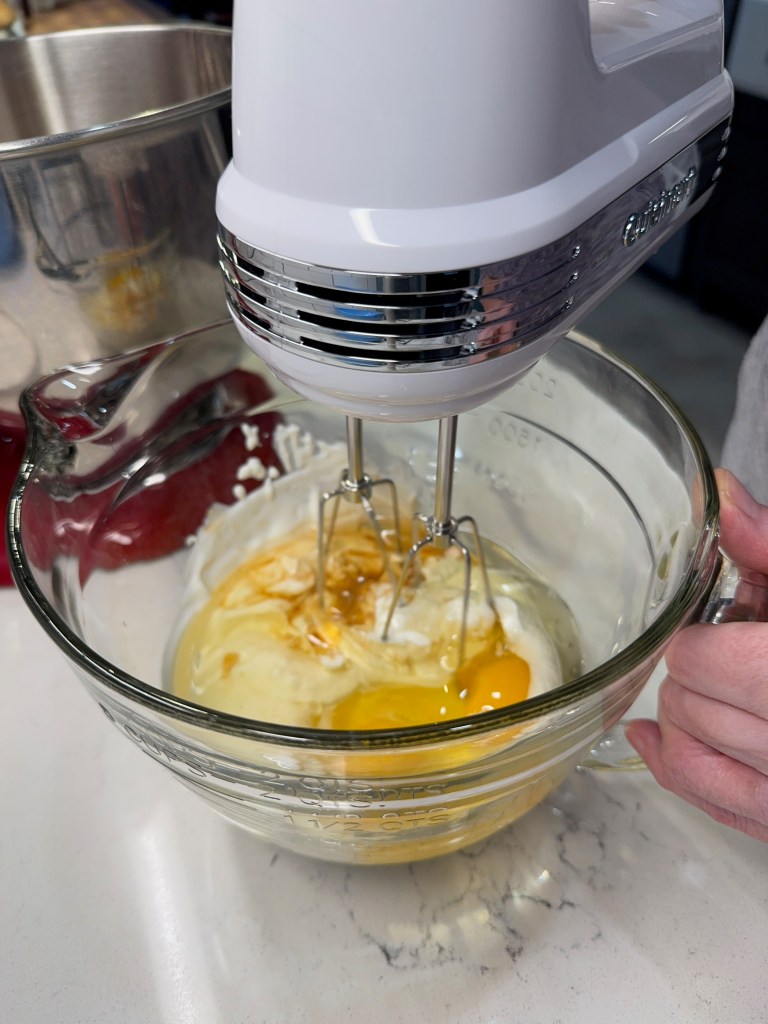
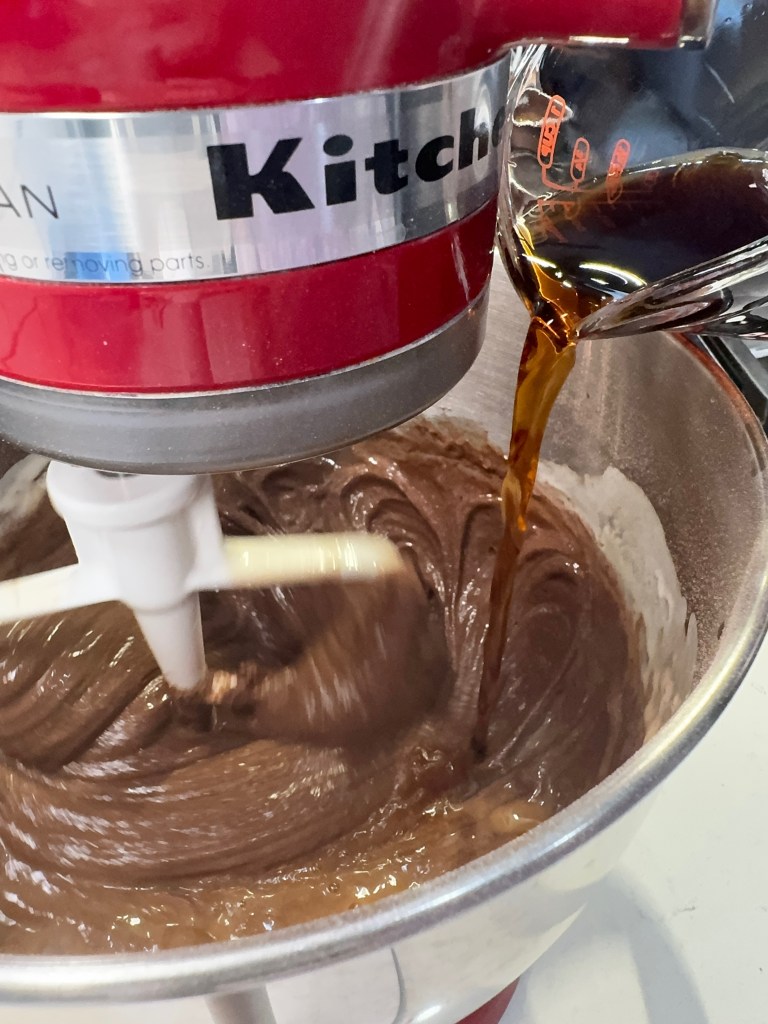
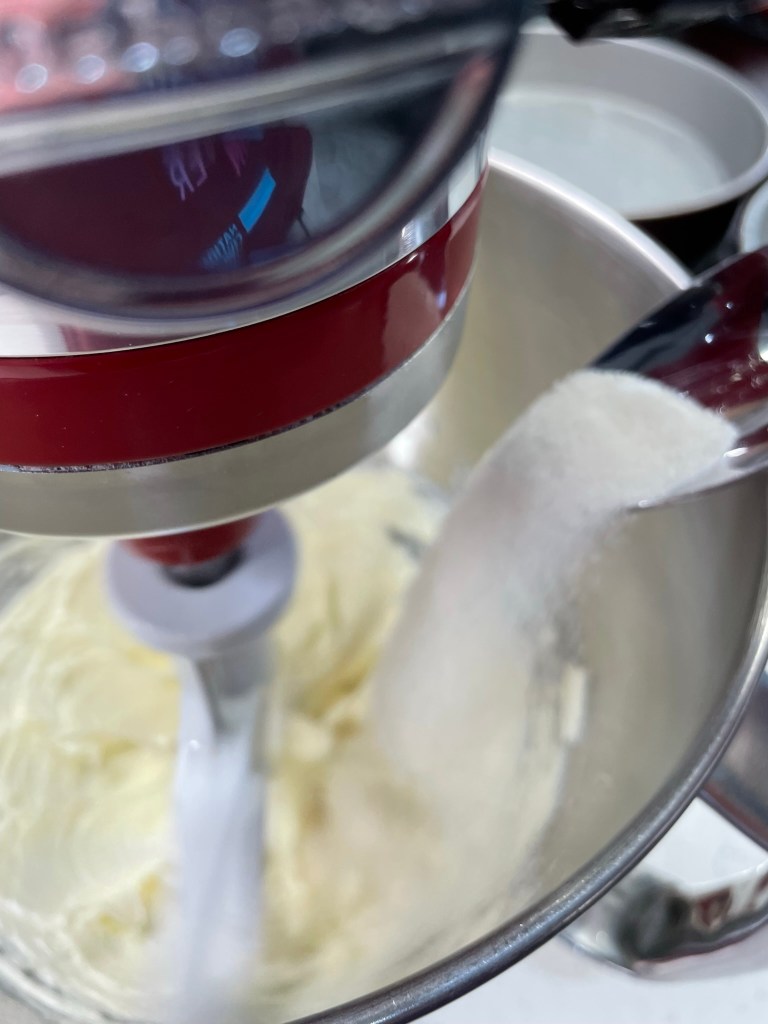
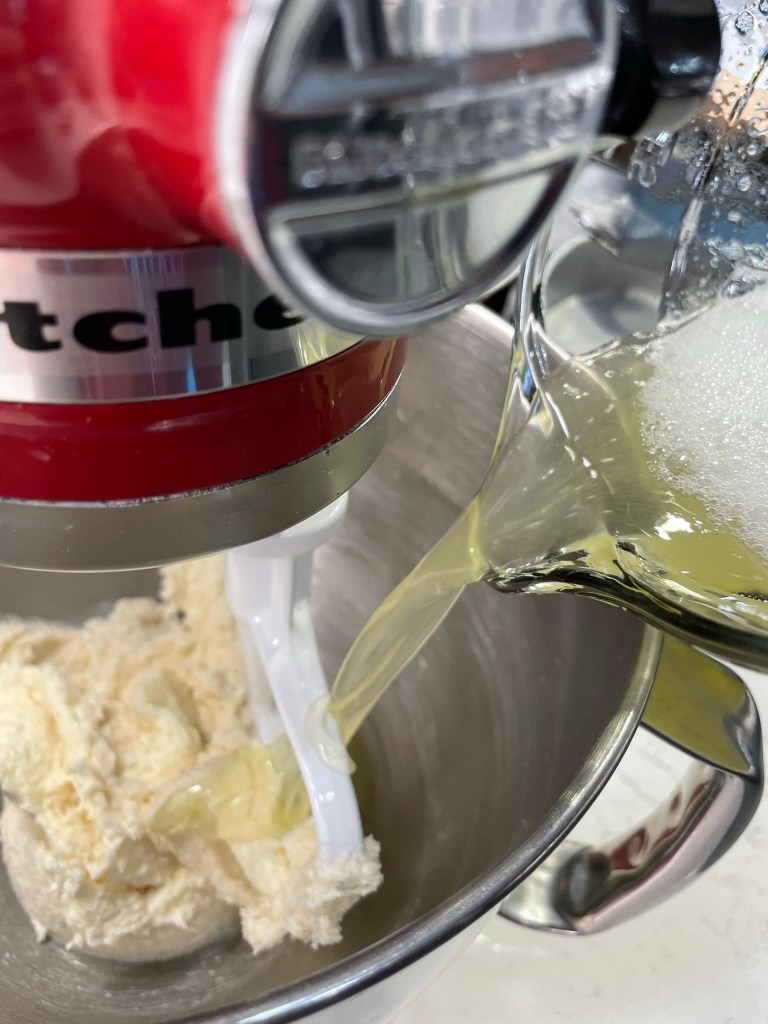
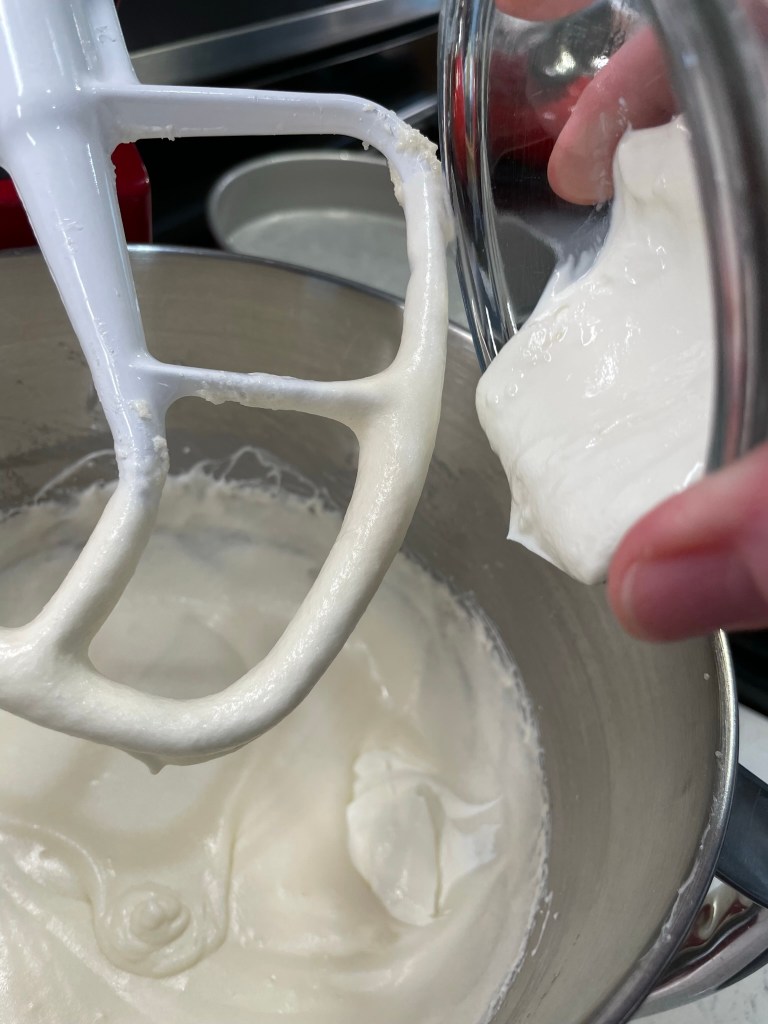
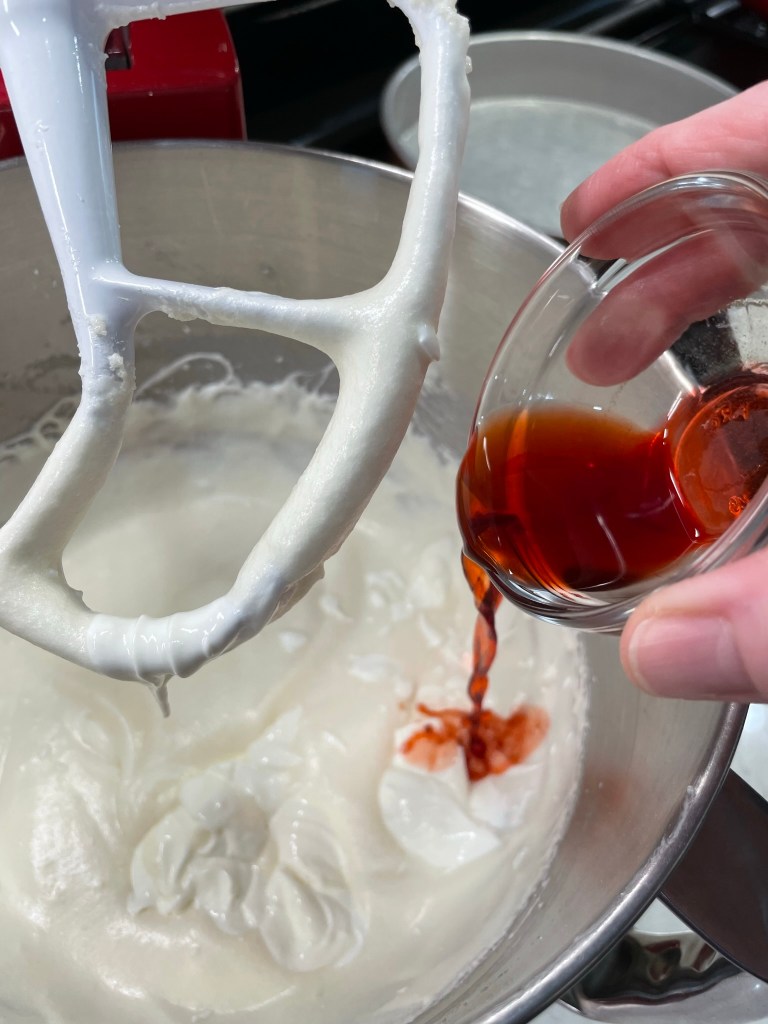
When the butter was softened enough to blend, I started by creaming it with sugar, then whipped in the egg whites, sour cream and extracts. So far, so good!

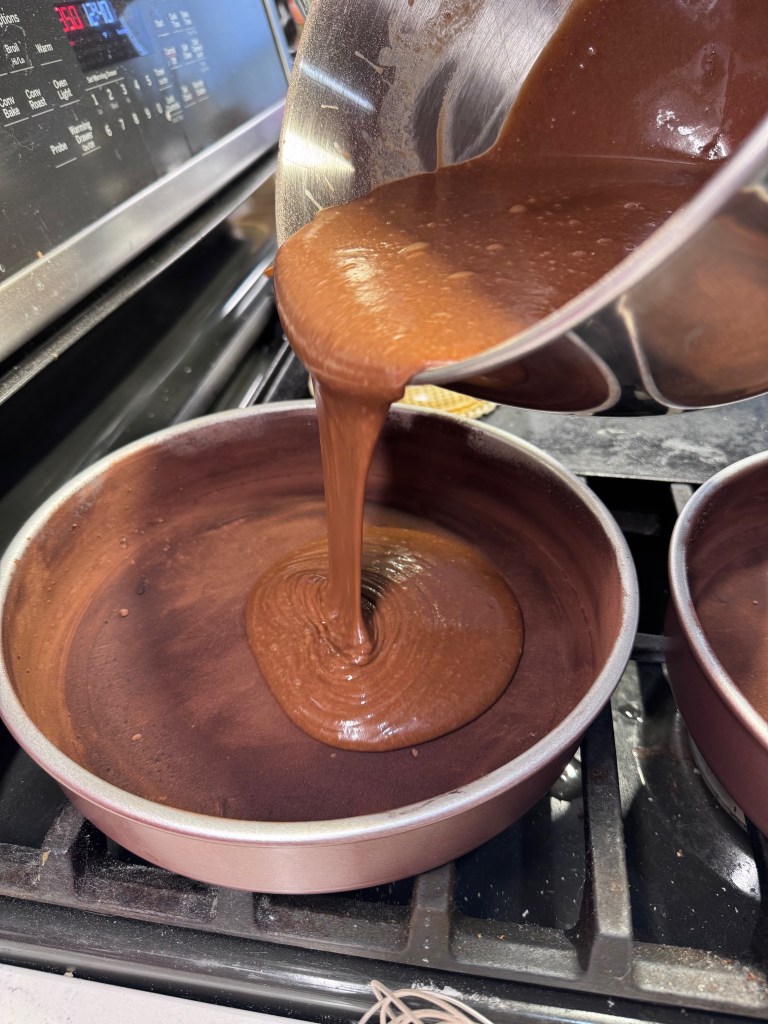
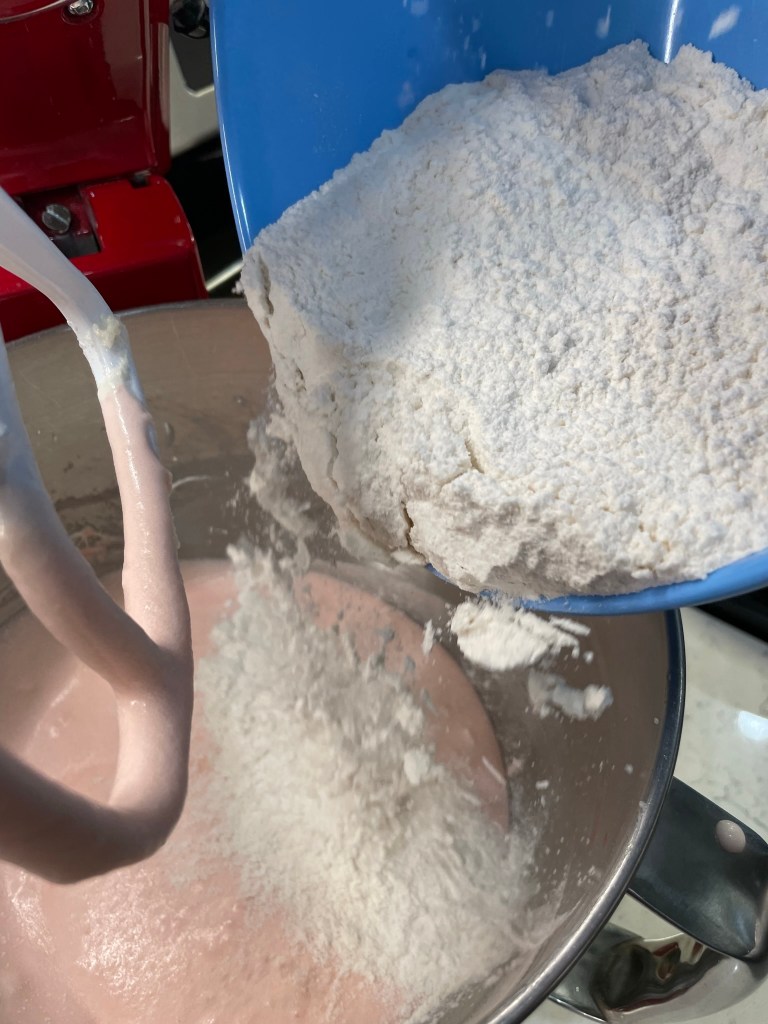
My next adjustment was in technique. The inspiration recipe suggested adding whole amounts of some ingredients all at once, rather than alternating dry and wet additions to the batter. Perhaps this works well for a more skilled sweets baker, but I didn’t want to take any chances with unincorporated ingredients, especially when I was aiming to please my husband on Father’s Day. I did this the way my grandma would have suggested, and poured the batter into my prepped pans, one of which was fitted with a cake strip. These things are soaked in water then wrapped around the cake pan, and the intent is to help the cake bake evenly without too much “dome.” I only used it on one layer, as I didn’t mind the top layer being rounded a bit. As it turned out, neither layer had a dome.


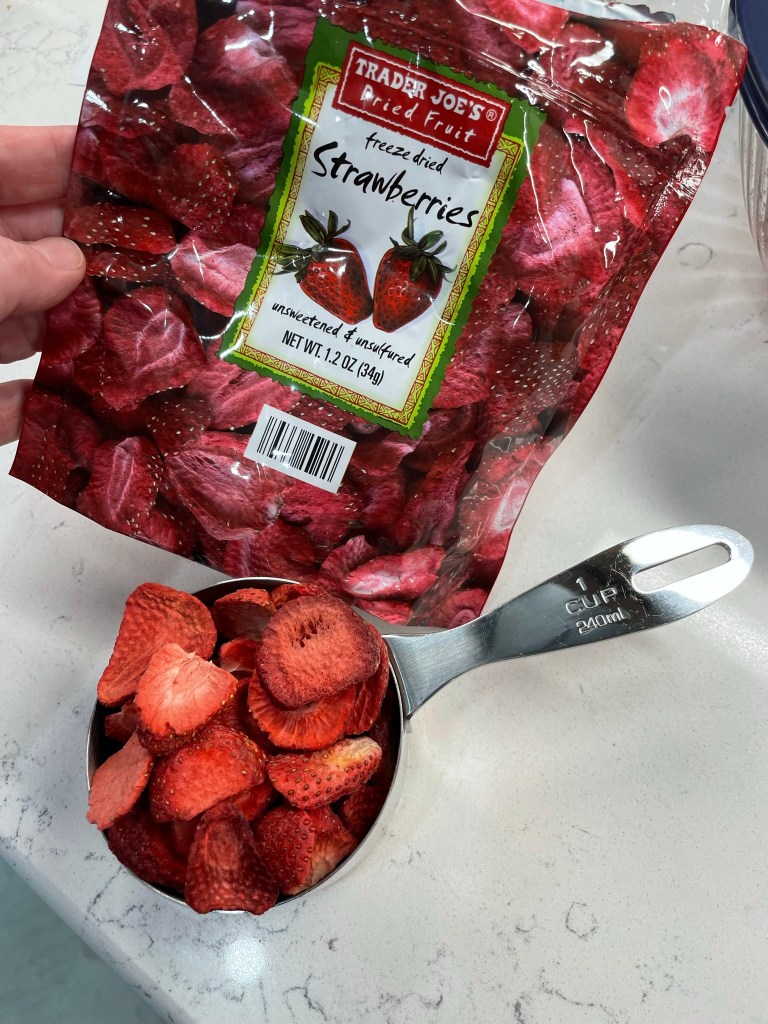
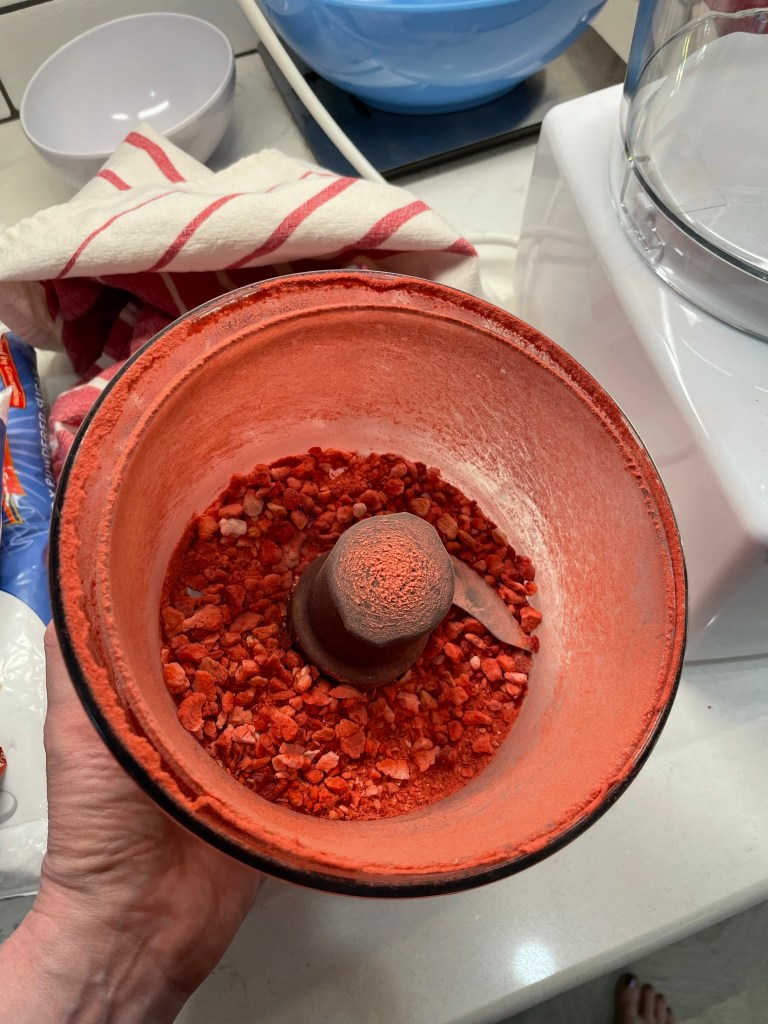
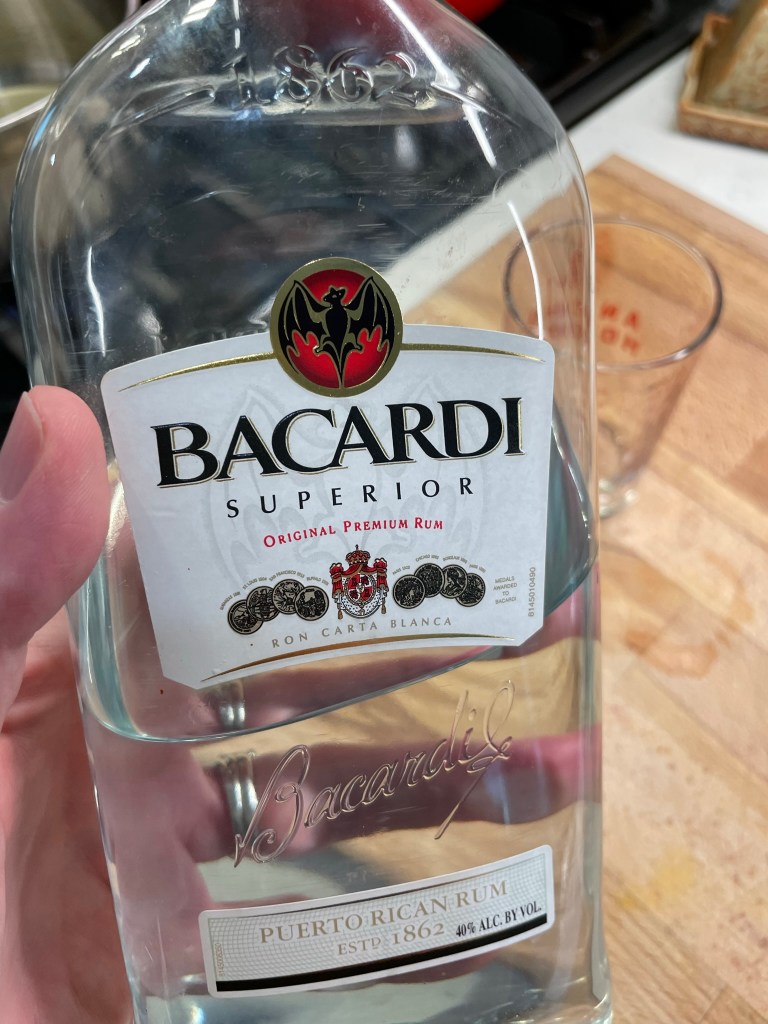
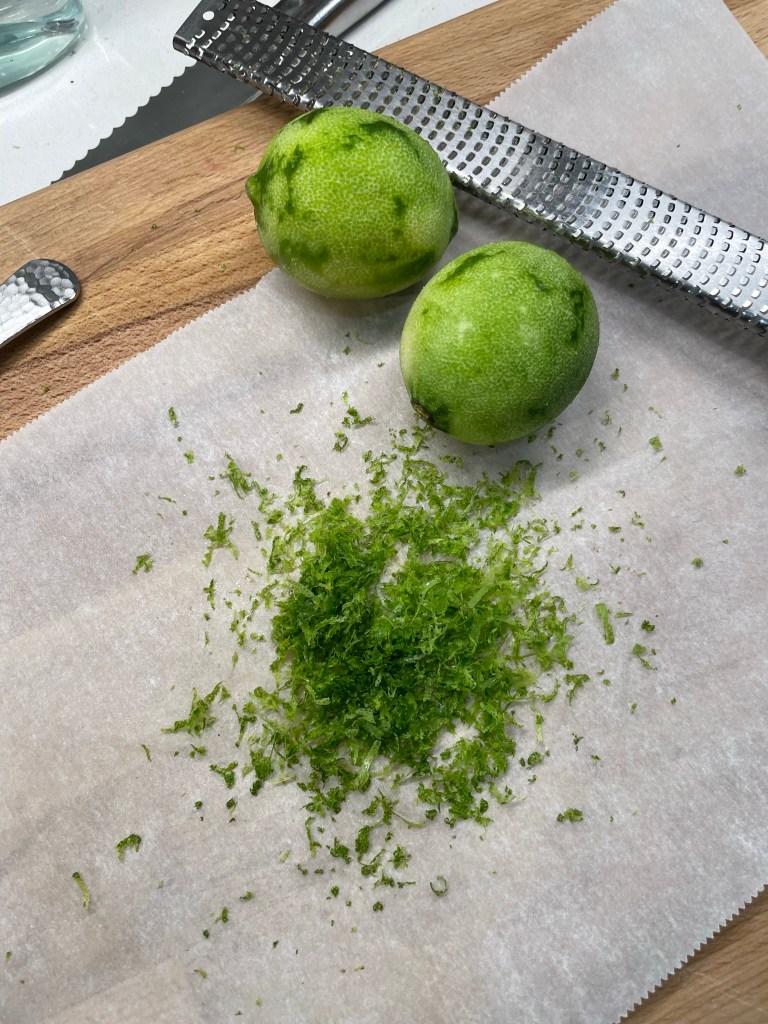
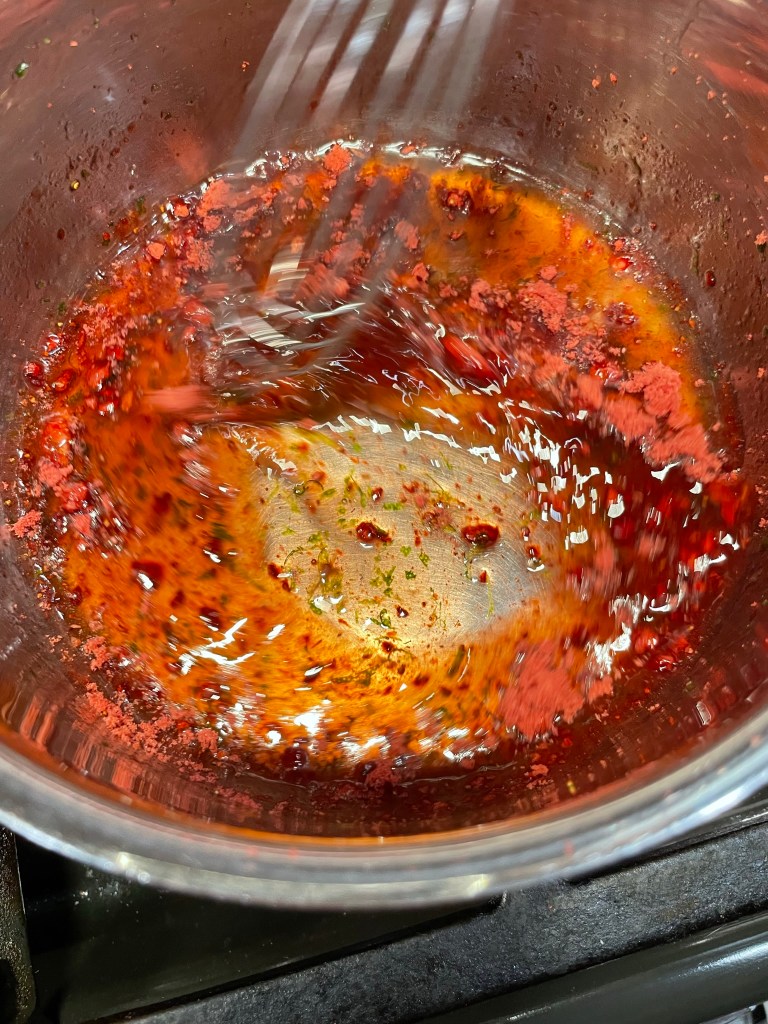
To achieve the “daiquiri” effect, I had swapped out some of the vanilla in favor of rum extract, and I cooked up a boozy strawberry daiquiri syrup for soaking the baked cake layers before icing. That alone was so good, I’ll have to think up another reason to make it again— and soon! The syrup was flavored with Bacardi white rum, fresh lime zest, and bits of freeze-dried strawberries, which I had processed into powder in the food processor. I’m pretty sure I’ll still be finding strawberry powder in random parts of the kitchen this time next strawberry season. Who has a better suggestion for turning that stuff into powder?


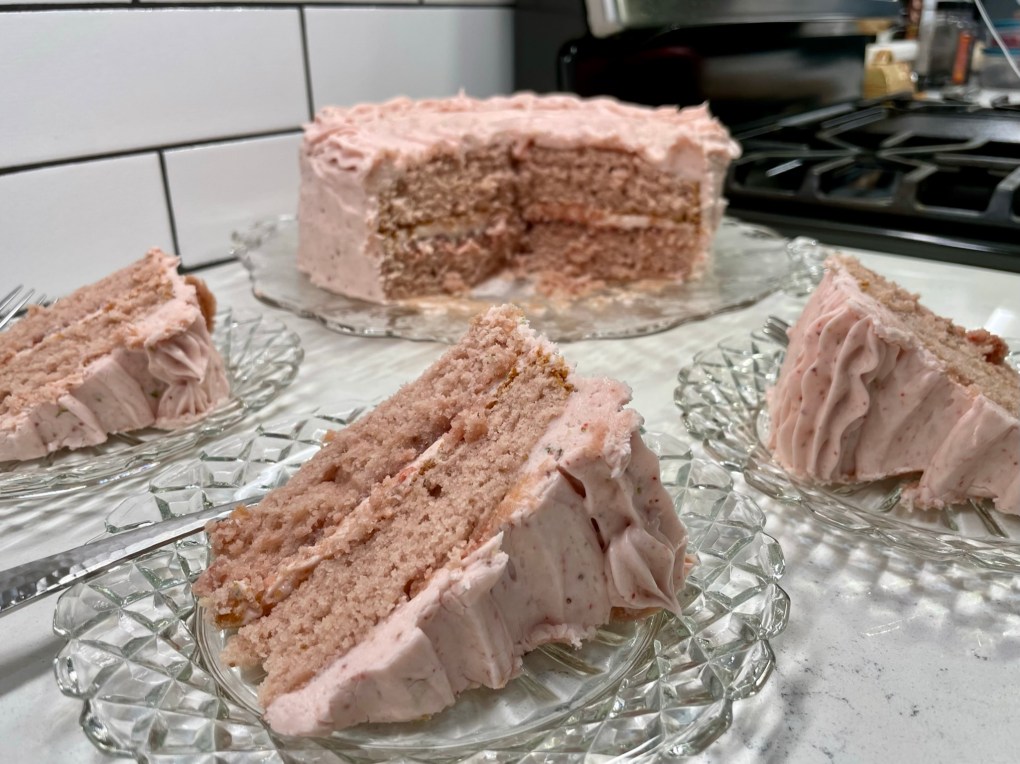
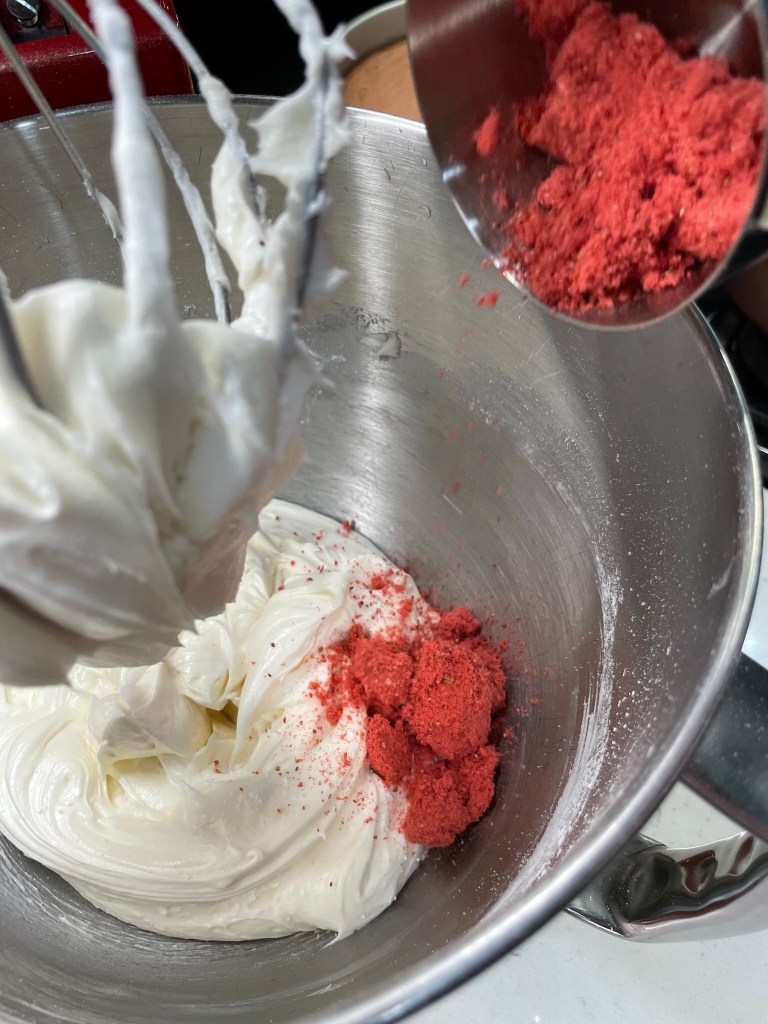
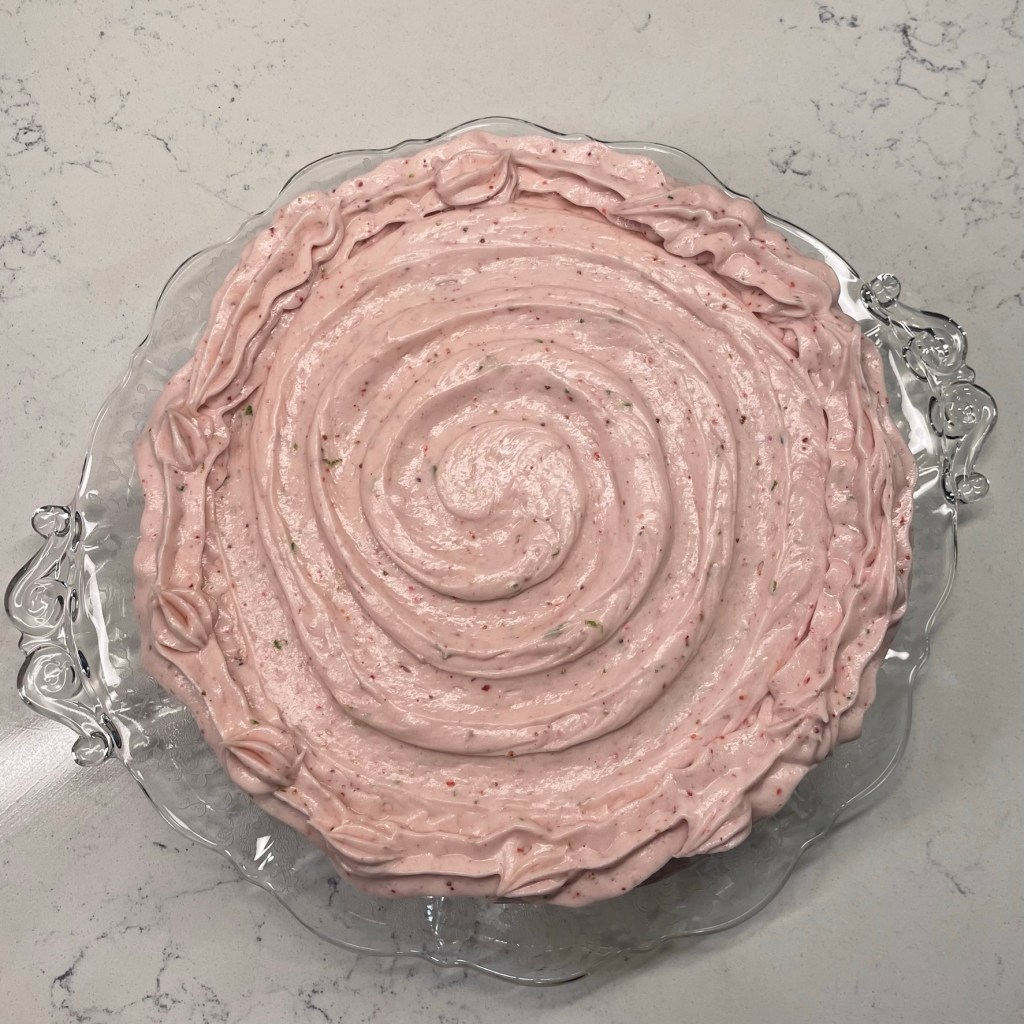
Almost finished! The cream cheese frosting got its pretty pink color from the freeze-dried strawberry powder, which put a ton of fresh berry flavor into play, without messing up the texture with too much moisture. I used an extra cup of powdered sugar from Sally’s recipe, because I wanted it to be sturdier. More lime zest and another splash of rum, and this frosting was good to go. And when I say, “good,” I mean really gooood!


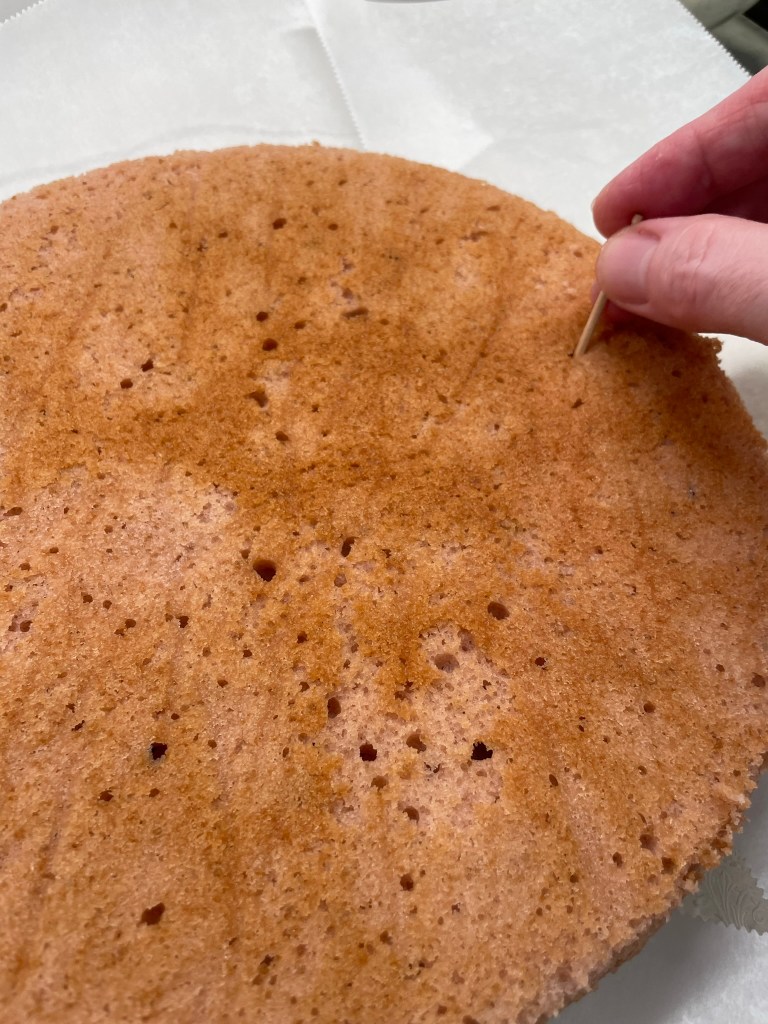
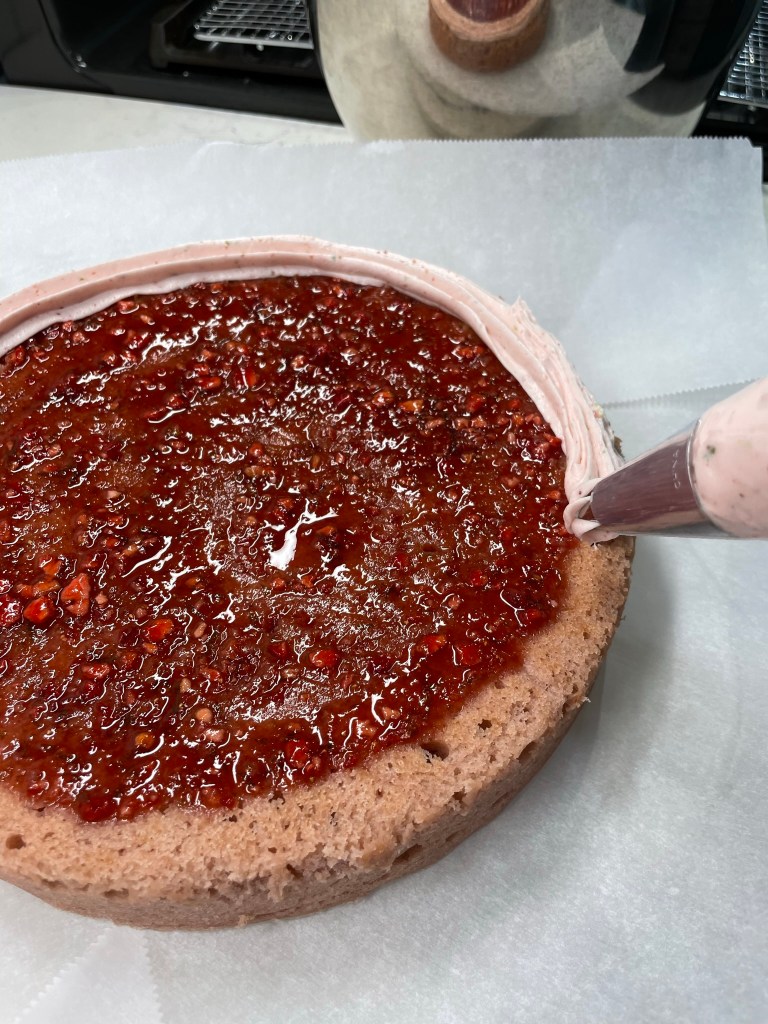
Putting the cake together was the easy part! I spooned most of that boozy daiquiri syrup over the first layer, which I poked all over with a toothpick first. A little edge of frosting kept it from soaking down the sides, and then I topped it with the second layer and frosted it up all over. 


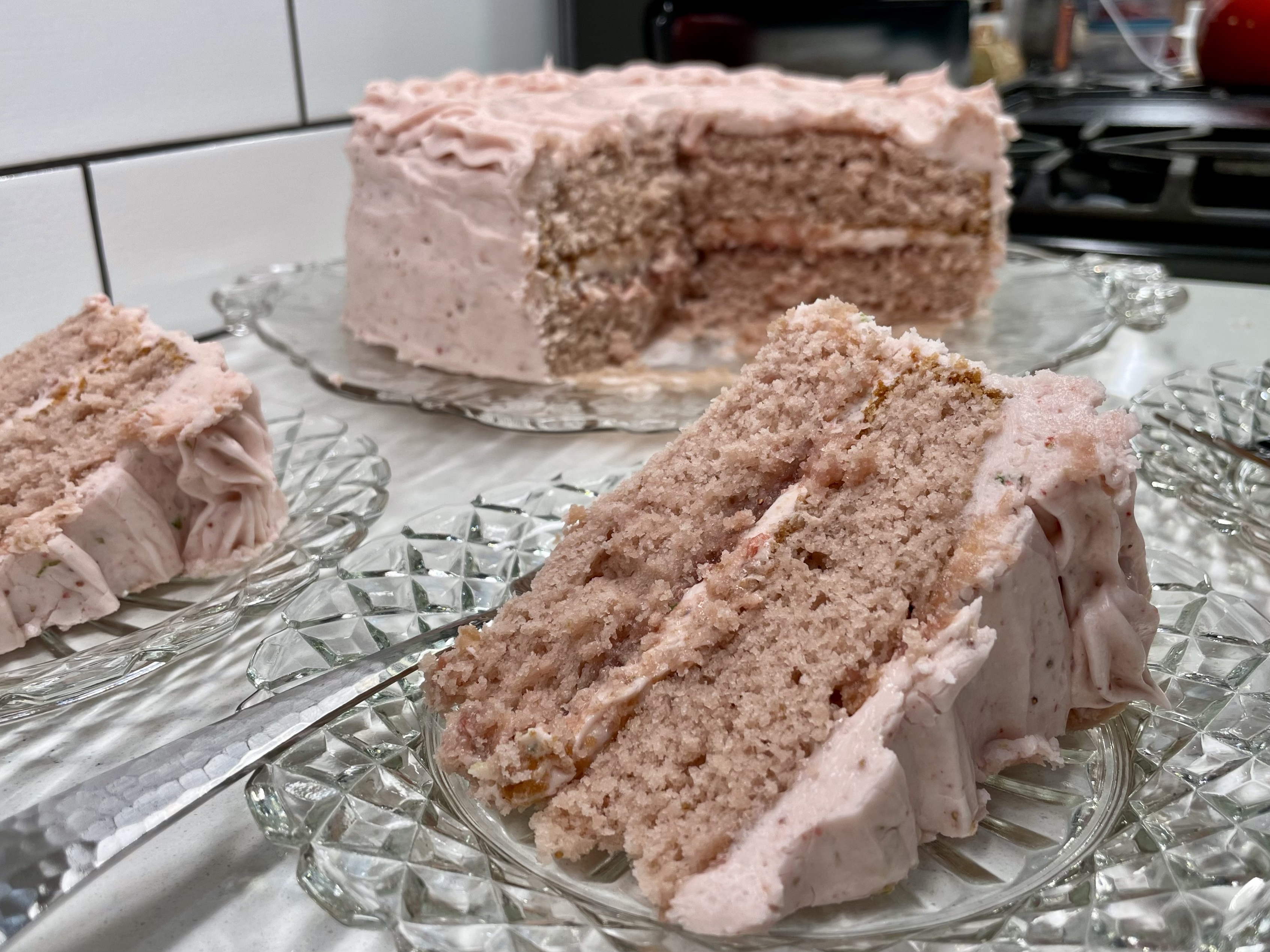
The resulting cake was beautiful and very tasty. Would I change anything next time? Not really, except for skipping the macerating of berries, which I wasn’t supposed to do in the first place. It wouldn’t be terrible to double the daiquiri syrup, and maybe it would soak in deeper if I applied it when the cake layers were still warm. I might put a little extra gel coloring into the batter to achieve more of a pink look. And I’d probably save a few of the prettiest fresh berries to garnish the cake at serving time.


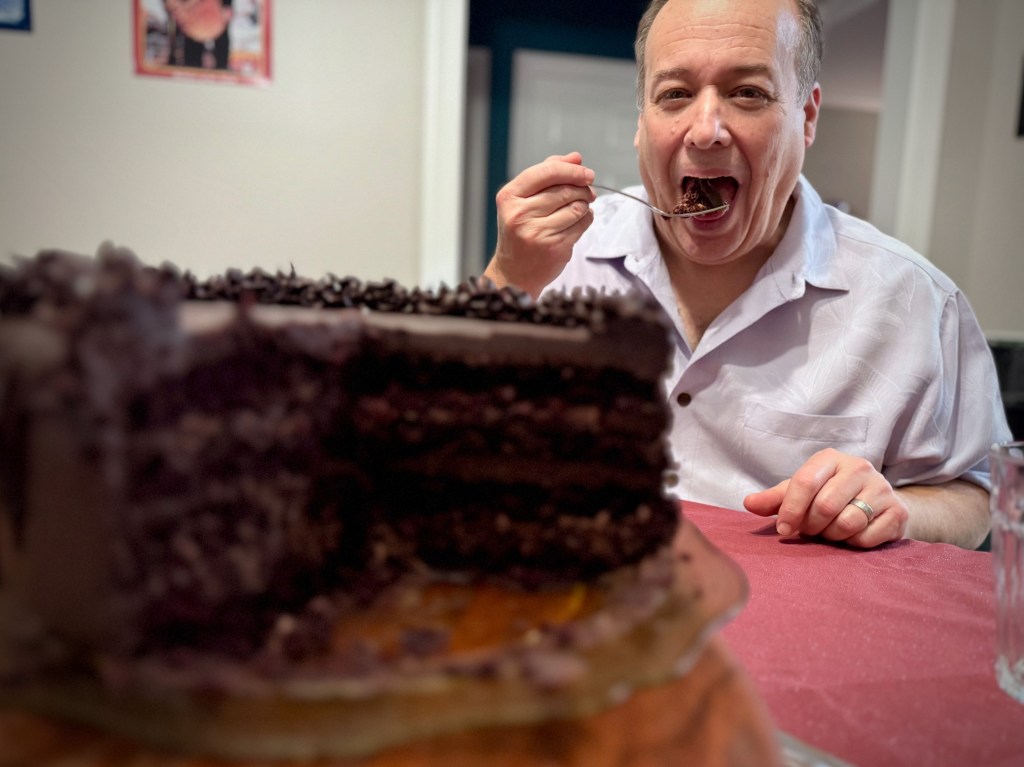
But even without all of that, this was a big time winner. Les loved his Father’s Day cake, and I’m conquering my fear of baking, one recipe at a time. 🍓😉

Strawberry Daiquiri Cake

  • Servings: 10 to 12 slices
  • Difficulty: Intermediate
  • Print

This pretty cake is packed with fresh strawberry flavor, and I found a way to put a fun cocktail spin on it, too!


For the cake batter, plan ahead for the time needed to puree and cook the strawberries, as the reduction needs to be cooled to room temperature, along with the butter, egg whites and sour cream. For best results, measure out and line up all your ingredients before beginning this recipe. The ingredients and directions are split up into three components: the batter, the daiquiri syrup and the frosting.

Ingredients

  • 1 pound fresh ripe strawberries, rinsed and hulled (these will be pureed and cooked)
  • 2 1/2 cups cake flour (see notes)
  • 2 tsp. baking powder
  • 1/2 tsp. baking soda
  • 1 tsp. fine salt
  • 3/4 cup (1 1/2 sticks) unsalted butter, room temperature
  • 1 3/4 cups cane sugar
  • 5 large egg whites, room temperature
  • 1/3 cup sour cream, room temperature (full fat for best results)
  • 1 tsp. real vanilla extract
  • 1 tsp. rum extract
  • 4 drops red food color (optional, for extra pink color)
  • 1/2 whole milk, room temperature

Directions

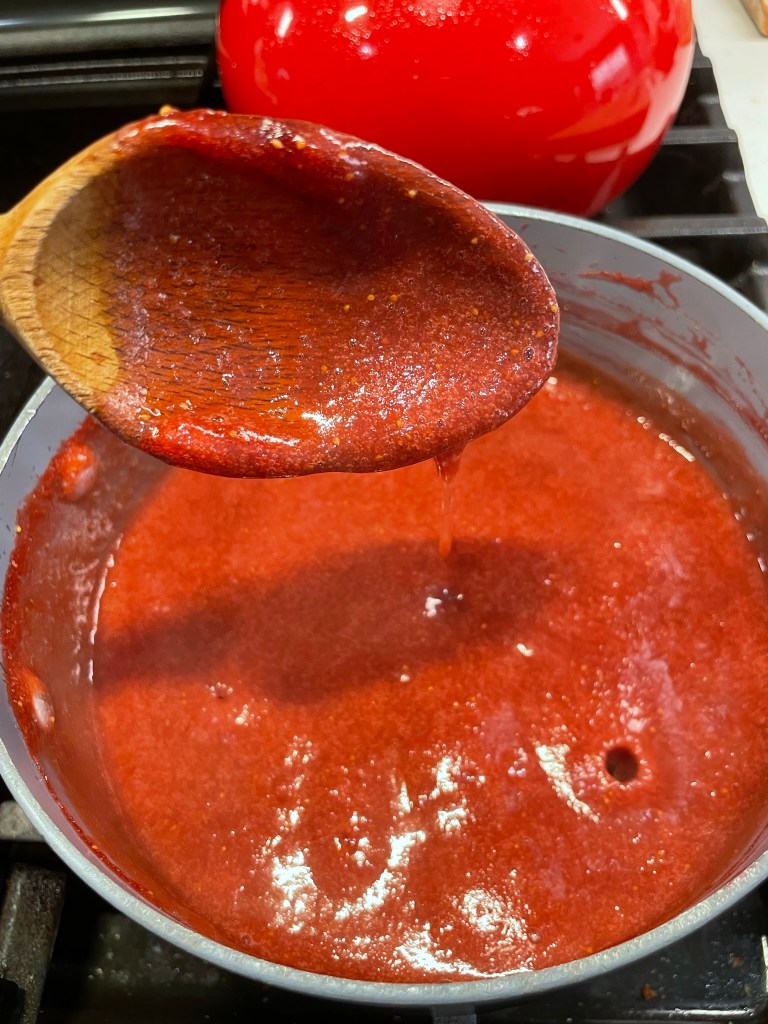
  1. Puree the strawberries in a blender or food processor until smooth. Cook the resulting puree over medium low heat for about half an hour, until the berries have reduced down to about 1/2 cup volume. The mixture should be almost as thick and sticky as tomato paste. Set this aside to cool.
  2. Preheat oven to 350 F, with oven rack in center position. Prepare two 9-inch cake pans by buttering the sides and bottom. Lay parchment rounds over the bottom and butter that as well for easy removal of the cake layers.
  3. Combine flour, baking powder, baking soda and salt in a medium bowl.
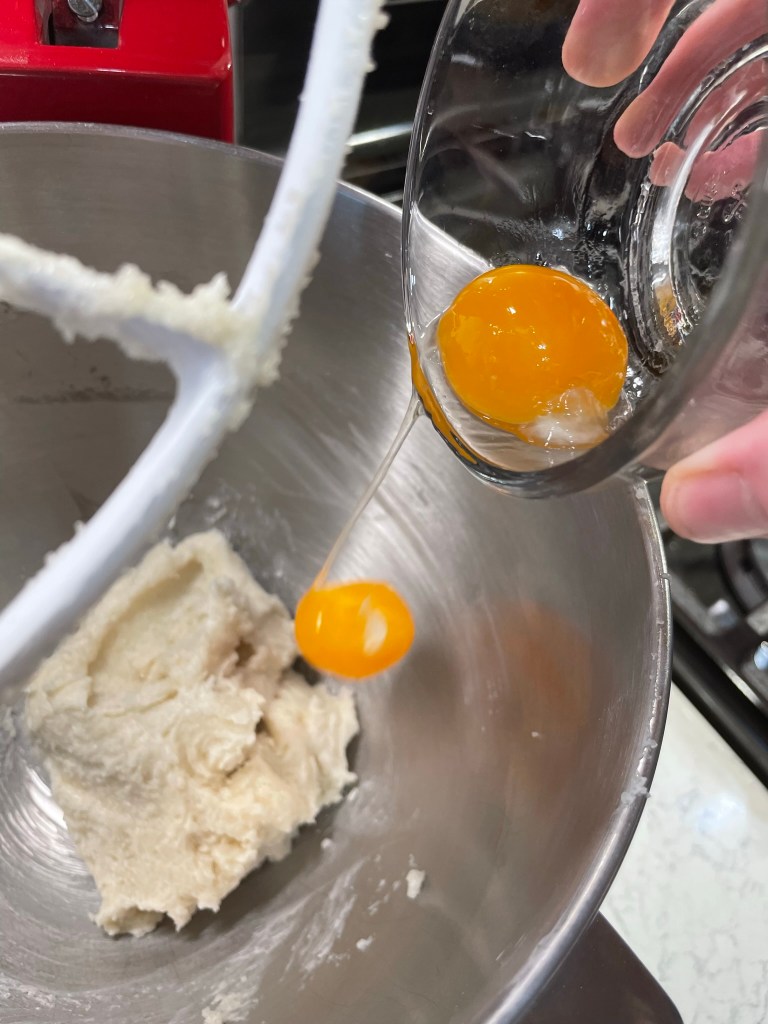
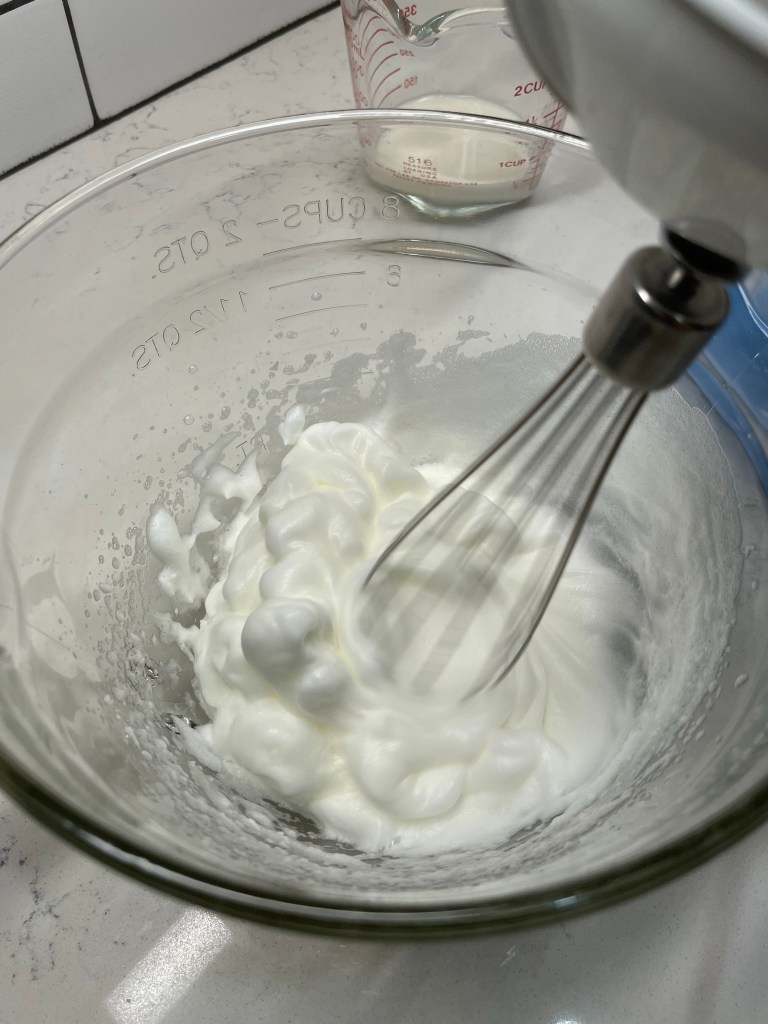
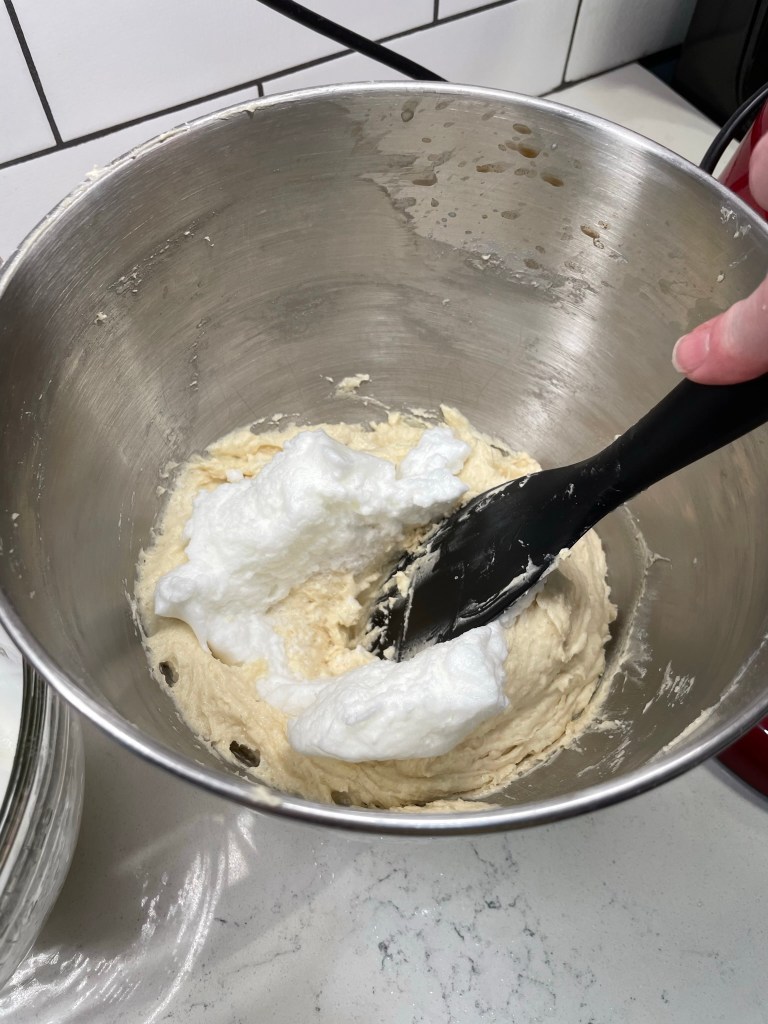
  4. Beat butter in stand mixer with paddle blade. Add sugar gradually, beating until light and fluffy. Whisk egg whites until frothy; pour into mixer bowl and beat with paddle until evenly combined, about two minutes. Add sour cream, vanilla and rum extracts and food color (if using); beat until smooth.
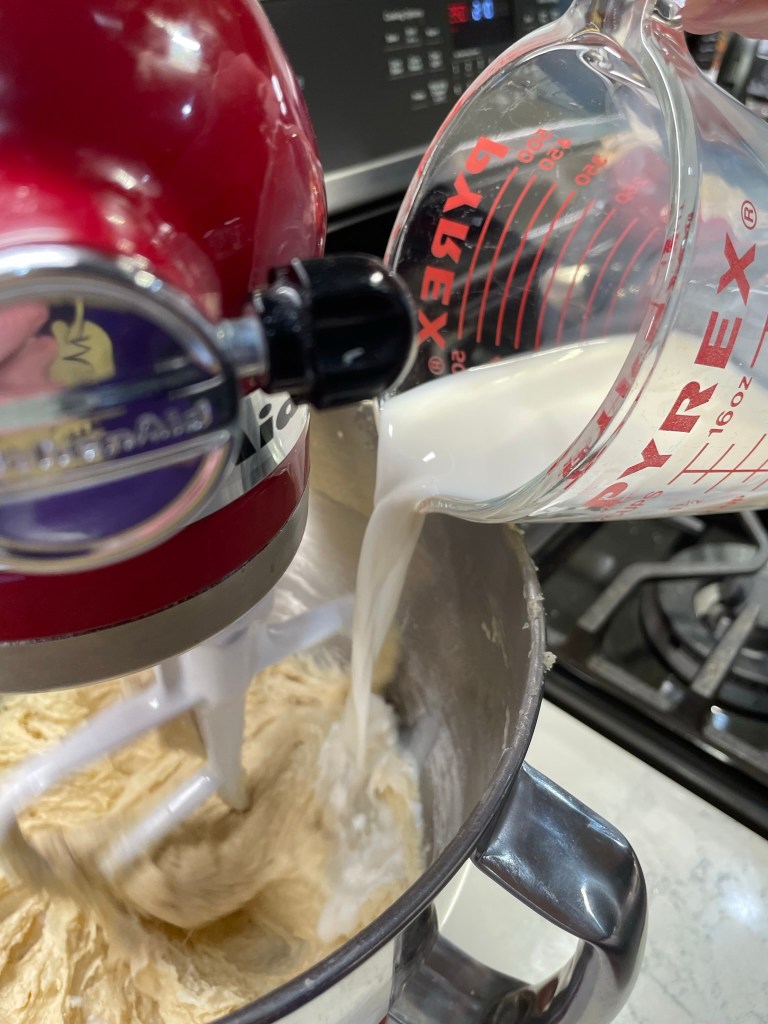
  5. Whisk the cooled strawberry puree into the milk to create a thick liquid. Add dry and wet ingredients to the batter, alternating so that you begin with flour, then strawberry-milk, flour, milk, flour. After each addition, beat on low speed only until addition is incorporated. Scrape down the sides of the bowl a couple of times during these additions.
  6. Divide batter between prepared cake pans. Bake 25 minutes, using the toothpick test to check for doneness. Allow cake layers to cool in the pans, set on a cooling rack for even air flow underneath. When cakes are cooled, invert onto cooling racks.

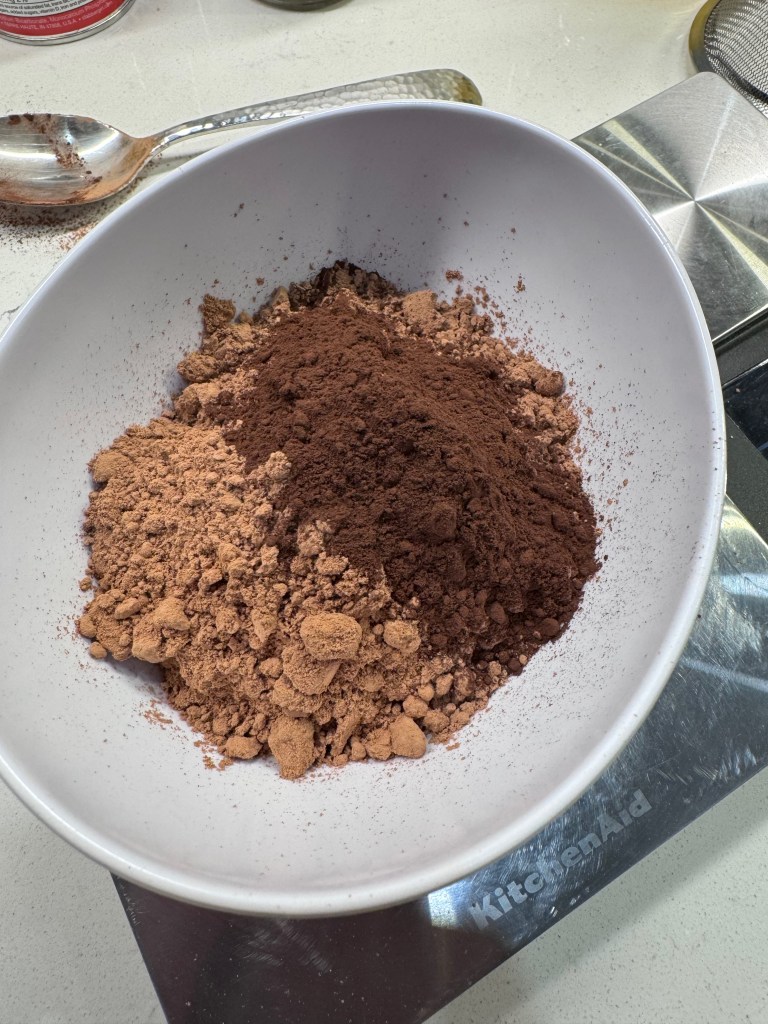
The daiquiri syrup is next, and this can be made ahead and brought to room temperature before soaking baked cake layers. The syrup uses some of the freeze-dried strawberries that are also used in the frosting. Process those into a powder during this stage, and reserve most of the powder for the frosting.

Ingredients

  • 1/4 cup cane sugar
  • 2 Tbsp. water
  • 1/4 cup white rum (I used Bacardi brand)
  • zest of one organic lime
  • 1 Tbsp. powdered, freeze-dried strawberries plus small bits (see frosting ingredients below)

Directions

  1. Add the freeze-dried strawberries to a blender or the small bowl of a food processor. Pulse about 20 times to transform the berries into a powder. Sift the berry powder through a wire strainer, and measure out a tablespoon or so to be used in the simple syrup, along with some of the larger bits caught in the mesh strainer.
  2. Make the daiquiri syrup by heating sugar, water and rum over medium heat until slightly bubbly. Add about a tablespoon of the strawberry powder, and a spoonful of the small bits, which will rehydrate in syrup. Stir in lime zest and set aside to cool. If you’d like, you can make this ahead and keep it in the fridge, but bring it to room temp when you’re ready to assemble the cake.
For the frosting, I like salted butter because it emphasizes the bright flavors of strawberry, rum and lime. If you prefer unsalted butter, it’s an even swap.

Ingredients

  • 1 heaping cup freeze-dried strawberries (look for them at Trader Joe’s, Whole Foods or online)
  • 8 ounces full-fat cream cheese, room temperature
  • 1 stick salted butter, room temperature
  • 4 cups confectioner’s sugar
  • 1 Tbsp. white rum
  • zest of one organic lime

Directions

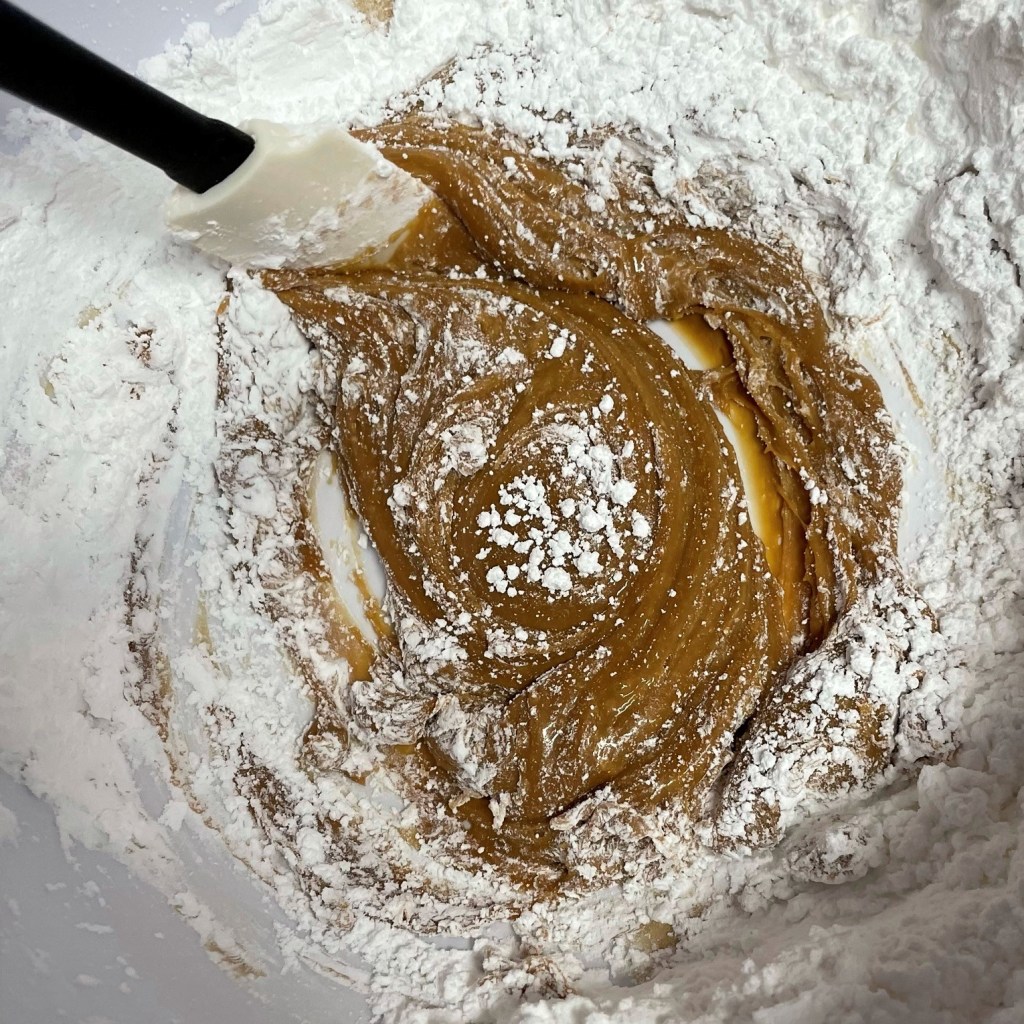
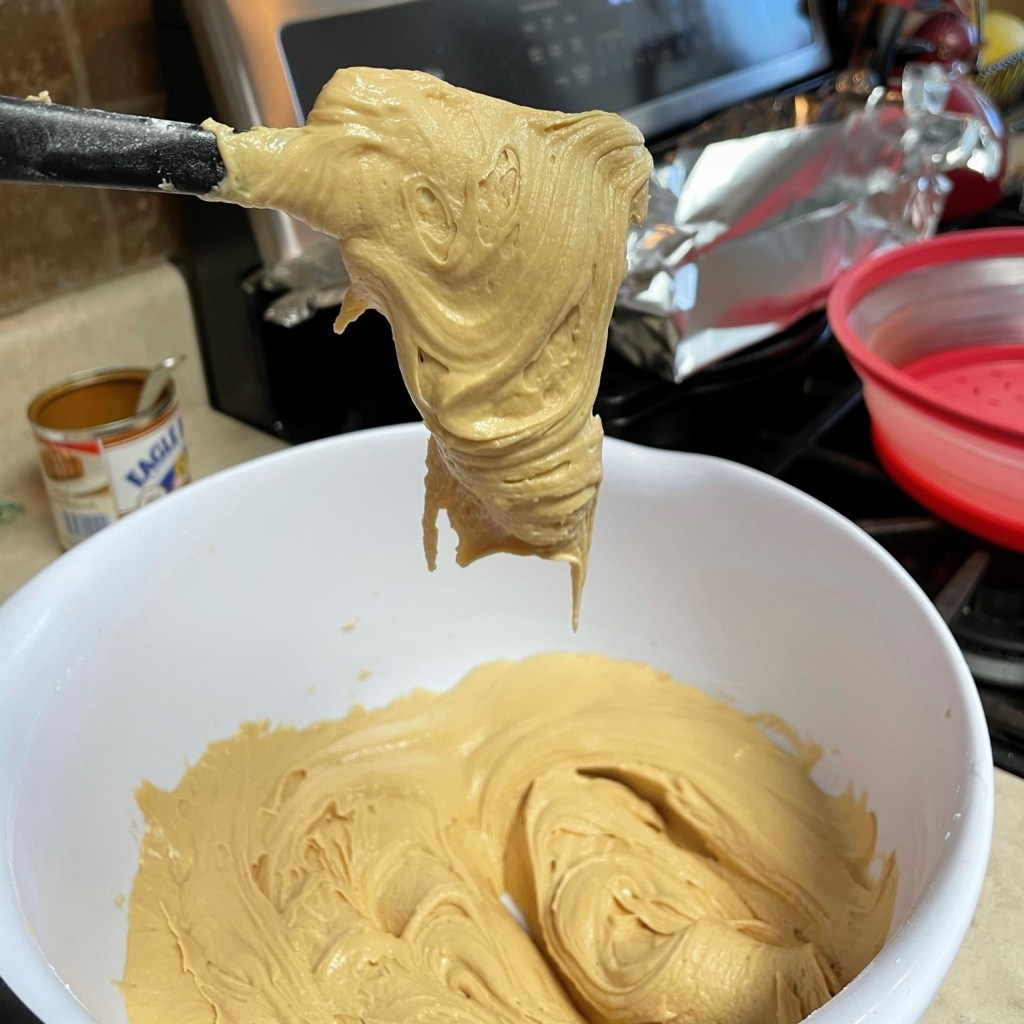
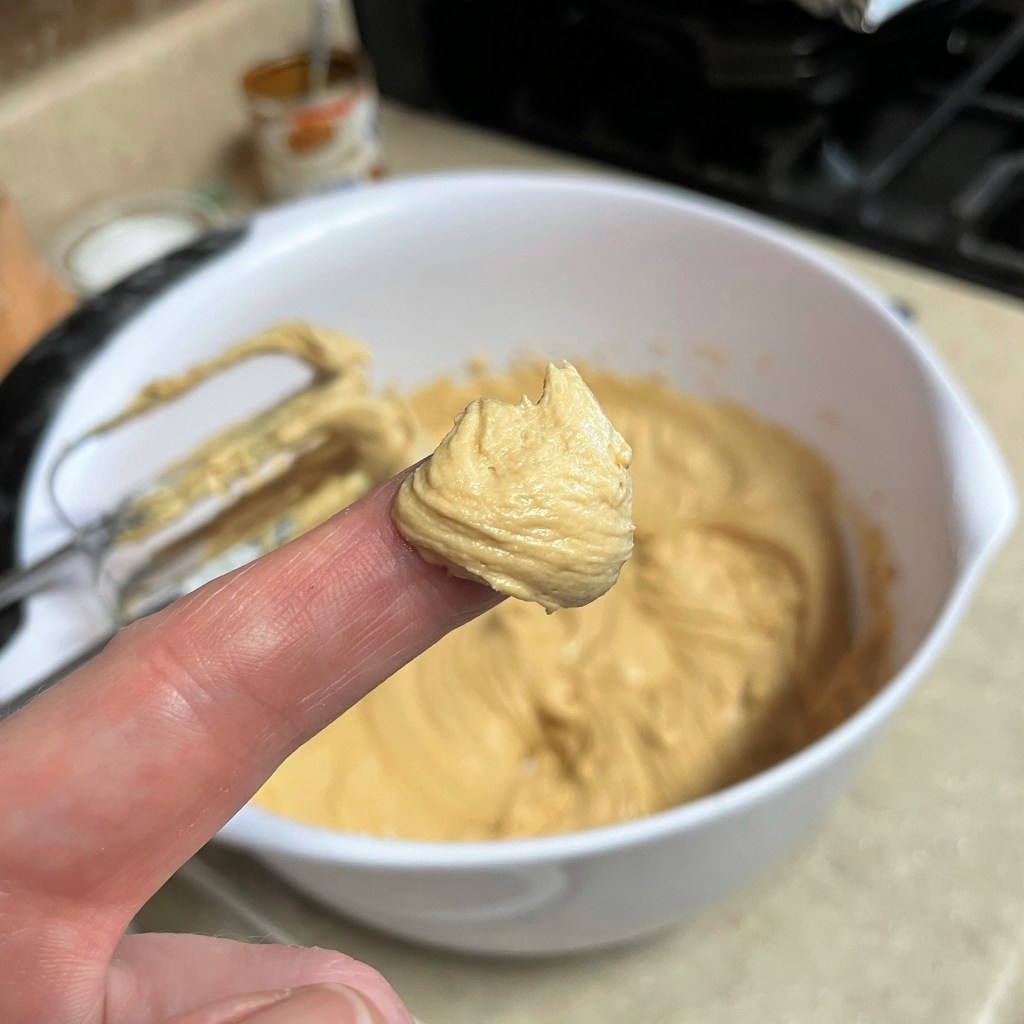
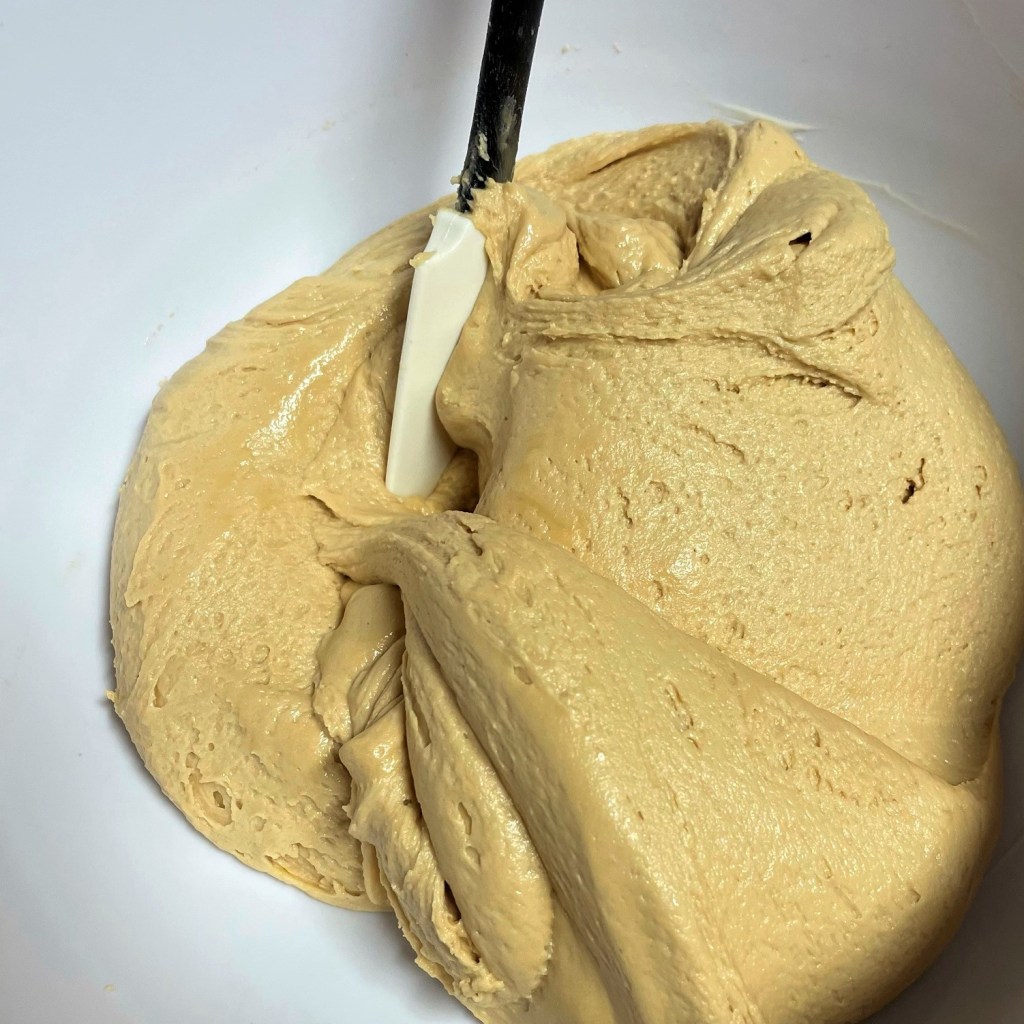
  1. Make the frosting; cream together the cream cheese and butter on high speed, using the stand mixer with whisk attachment. Stop mixer and add confectioner’s sugar, one cup at a time. Whisk until smooth and scrape down sides as needed. Beat in rum, then add powdered strawberry dust and lime zest. Beat until fluffy. If the frosting seems a little soft, cover the bowl and refrigerate a half hour or so, then whip at high speed for a fluffy texture.
  2. Smear a little bit of frosting onto serving platter, then position first cake layer upside-down on the dab of frosting to prevent it sliding around on the platter. Use a toothpick to poke small holes all over the first cake layer. This will help the daiquiri syrup soak into the bottom layer of the cake.
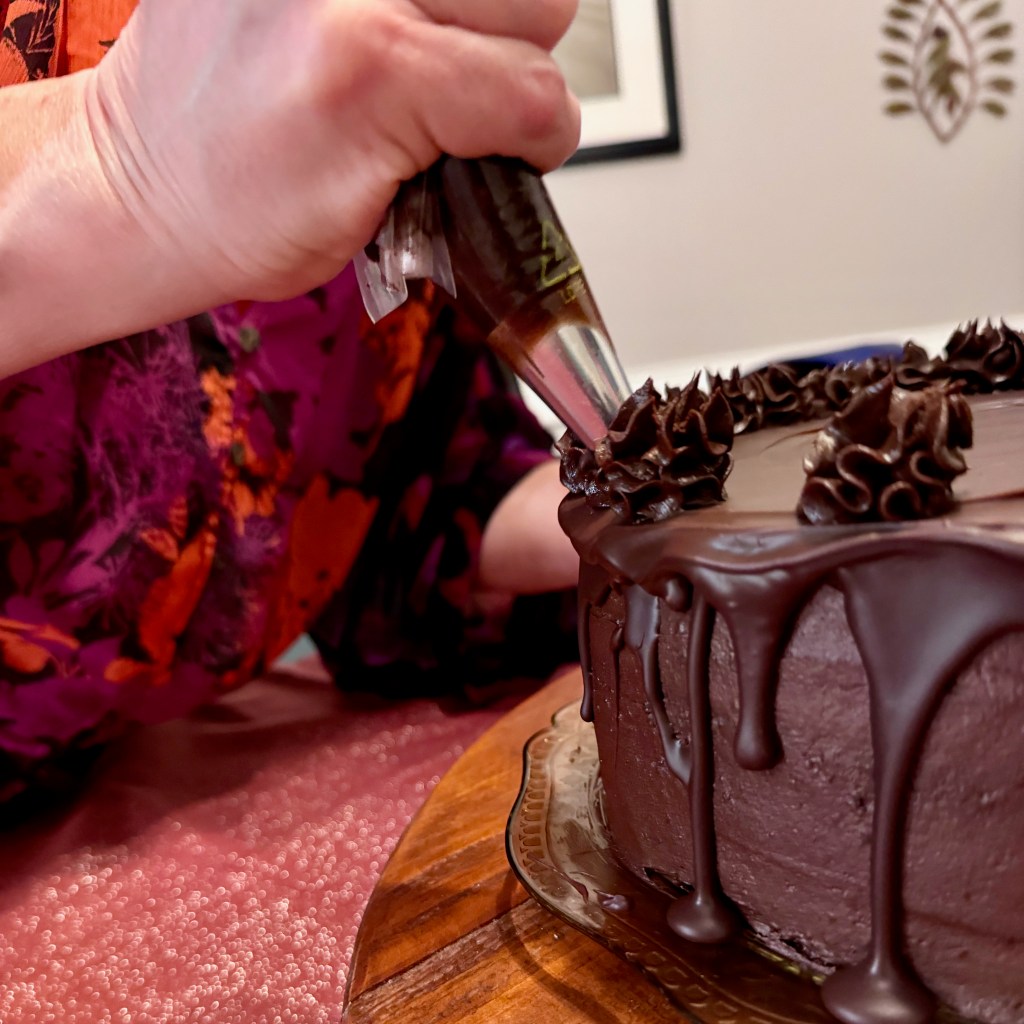
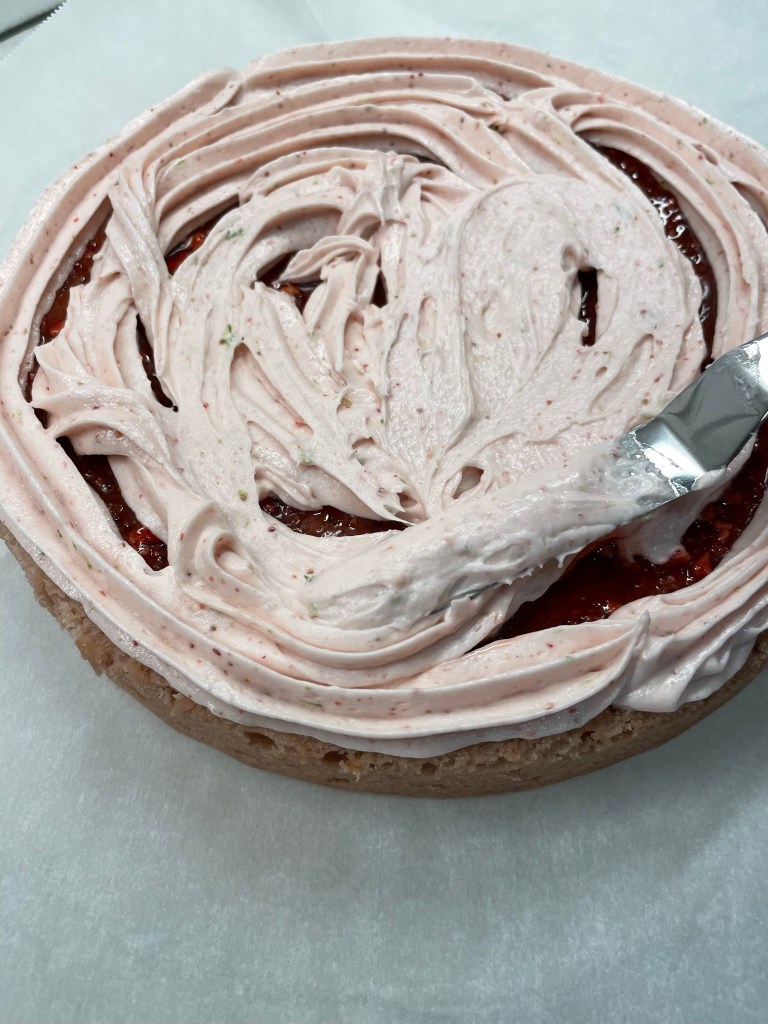
  3. Fill a piping bag with frosting, and lay a thick line around the outer edge of the first layer. Spoon most of the daiquiri syrup evenly over the cake layer, spreading it up to the edge of the frosting line to encourage it into the toothpick holes. When the syrup appears mostly soaked into the cake, pipe frosting all over the top and use an offset spatula to gently smooth it over the syrup. It doesn’t have to be perfect.
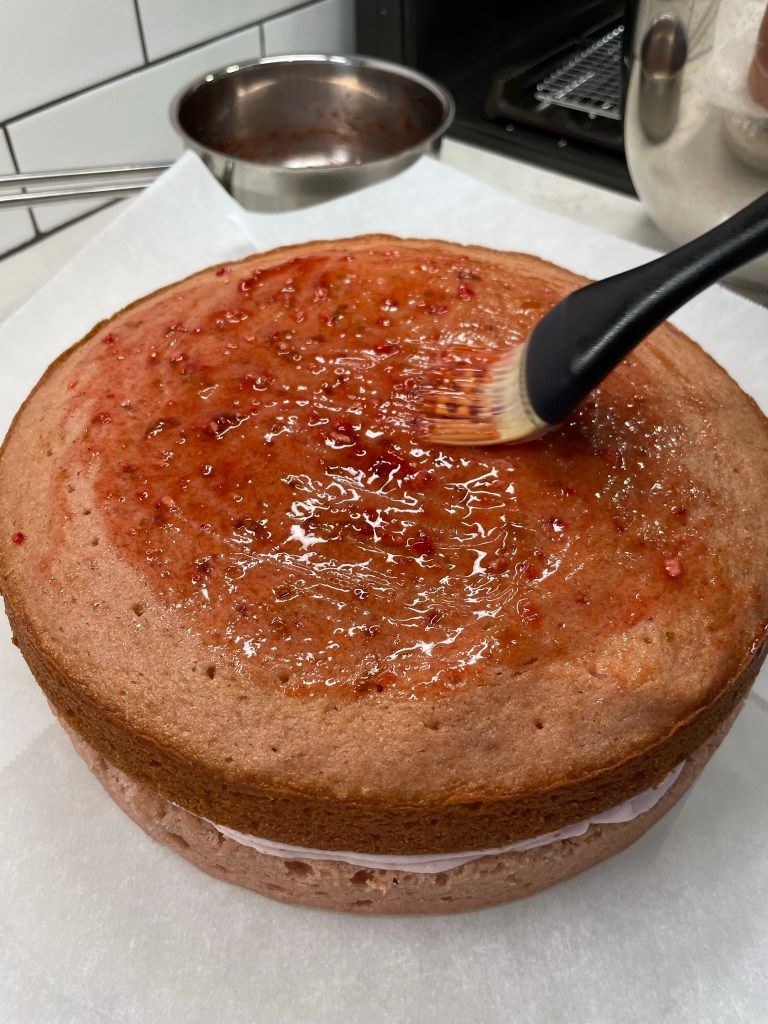
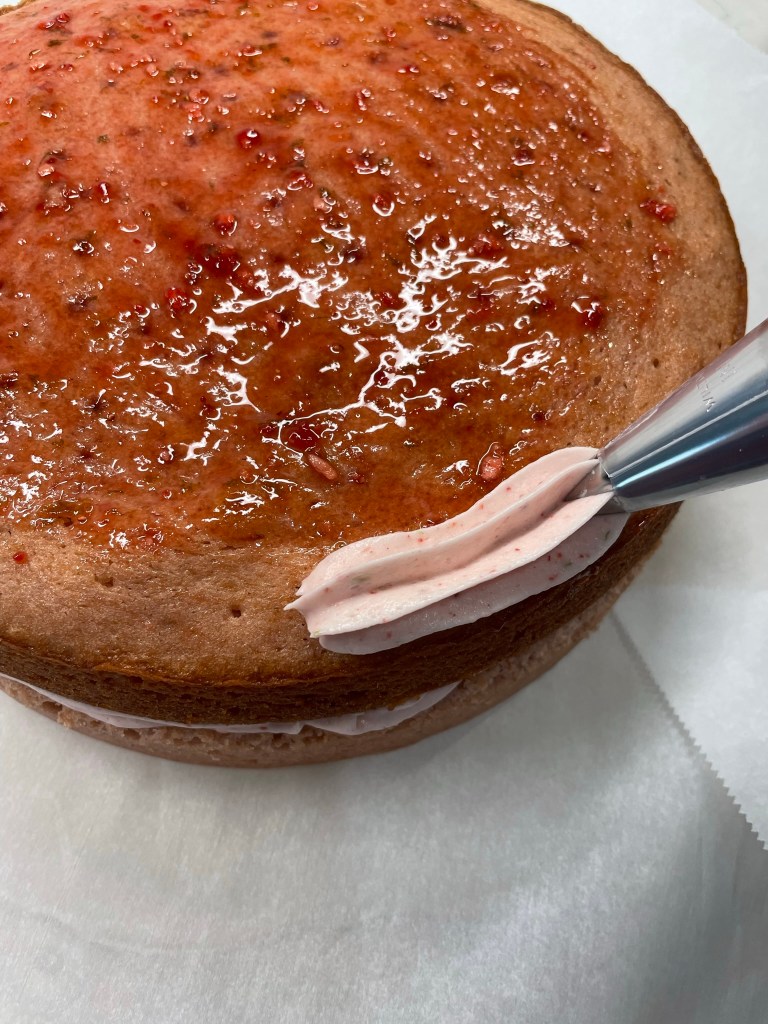
  4. Position the second layer of cake over the first. Use the toothpick to poke holes over this layer and gently brush the remaining daiquiri syrup over the top, stopping about one inch from the edges. This layer should have only a slight coating of the syrup; otherwise, the frosting might not stay put. Pipe a line of frosting around the edge of the top layer, then frost the sides and top of the cake.
  5. Cover and refrigerate the cake a couple of hours before serving for best results.


Tiki Cocktail Skillet Cake

On a recent grocery run, I was stopped in my tracks in the produce section by a stunning display of fresh pineapple. Their luscious fragrance caught me first, and those golden beauties were staring me in the face, just begging to go home with me. All the way home, I imagined whipping up some fun tiki drinks, one of my hubby’s favorites. I also considered making a classic pineapple upside-down cake, though I don’t have a great track record with dessert baking. It isn’t for lack of trying; rather, it’s a matter of getting into my own head in a way that messes me up. Still, I’d try it. And then, as I was putting away groceries, a crazy thought hit me.
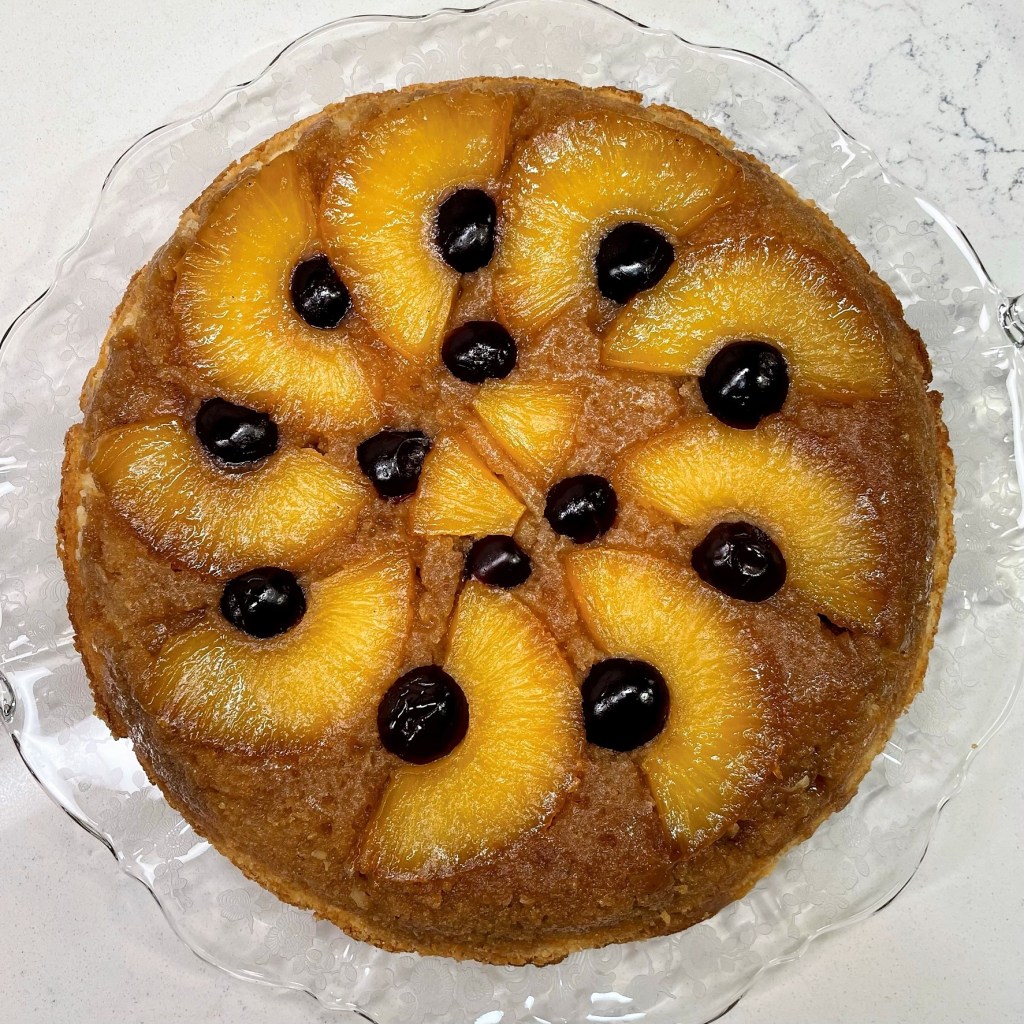
Could it be a terrible idea to combine the two? Throw a little Comfort du Jour curveball on a pineapple upside-down cake by applying all the tropical flavors of a tiki drink? The magical combination of rum, pineapple, coconut and lime is the flavor equivalent to summer sunshine, and once the idea hit me to include them in a cake— with my good cocktail cherries, of course— well, there was no turning back!

It was every bit as delicious as it looked!

As I gathered up my ingredients to get started, I realized all at once the source of my frustrations with baking sweet treats. It’s me. Yep, it’s my own fault I’m a lousy sweets baker.

But this recipe proved I can break free of that negative self-talk. I just needed to be diligent.

My muse is frequently five or more steps ahead of my mind and my hands, and the exuberance that kicks in when I start making on-the-fly adjustments to a perfectly good recipe is exactly what gets me into trouble. I confuse myself with too many ideas for substitutions, throwing off the ratios that are so necessary for good baking results. It makes me crazy after hours spent in the kitchen on a recipe that seemed so promising at the start.

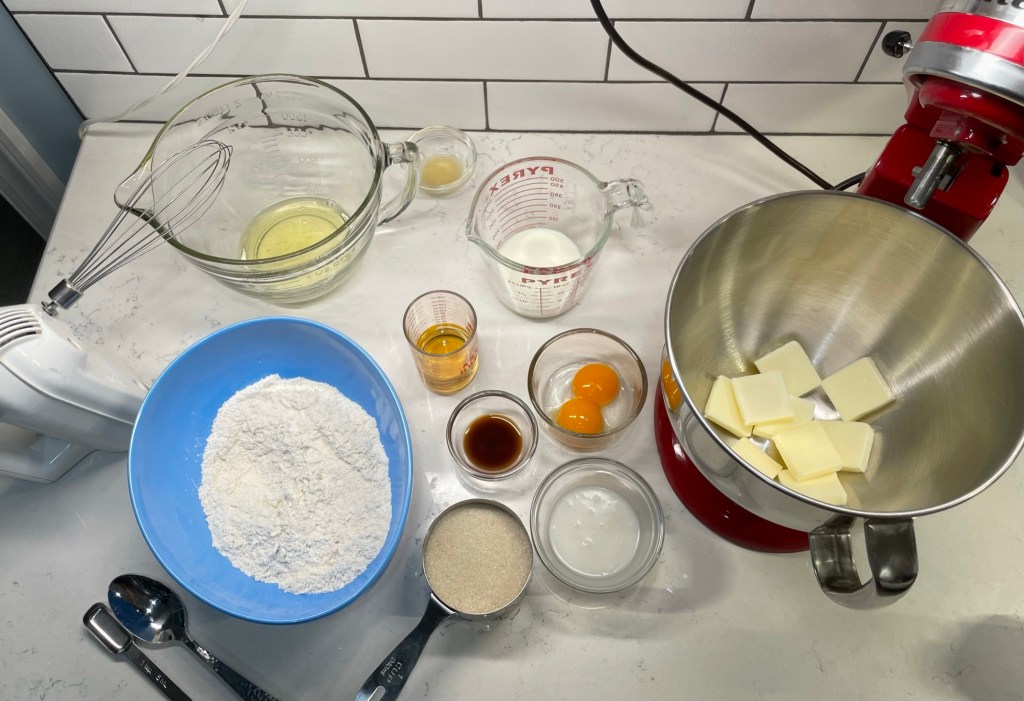
When I have a crappy result, I inevitably swear off baking— and I am using the word swear quite intentionally. Then, when my persistent muse comes around again, I repeat the whole scenario, sometimes verbatim. But for this cake, I pledged to slow down, chart my substitution ideas more thoughtfully, read the recipe (twice), and truly organize my ingredients into pre-measured amounts (not just put their pantry containers on the counter) to reduce the chances of disaster. And what do you know?— it worked!


My baseline recipe was a skillet version of pineapple upside-down cake that I found on the King Arthur Baking website, my go-to for all things baking. I imagined the wonderful flavors of a tiki cocktail and started rounding up my substitutions.

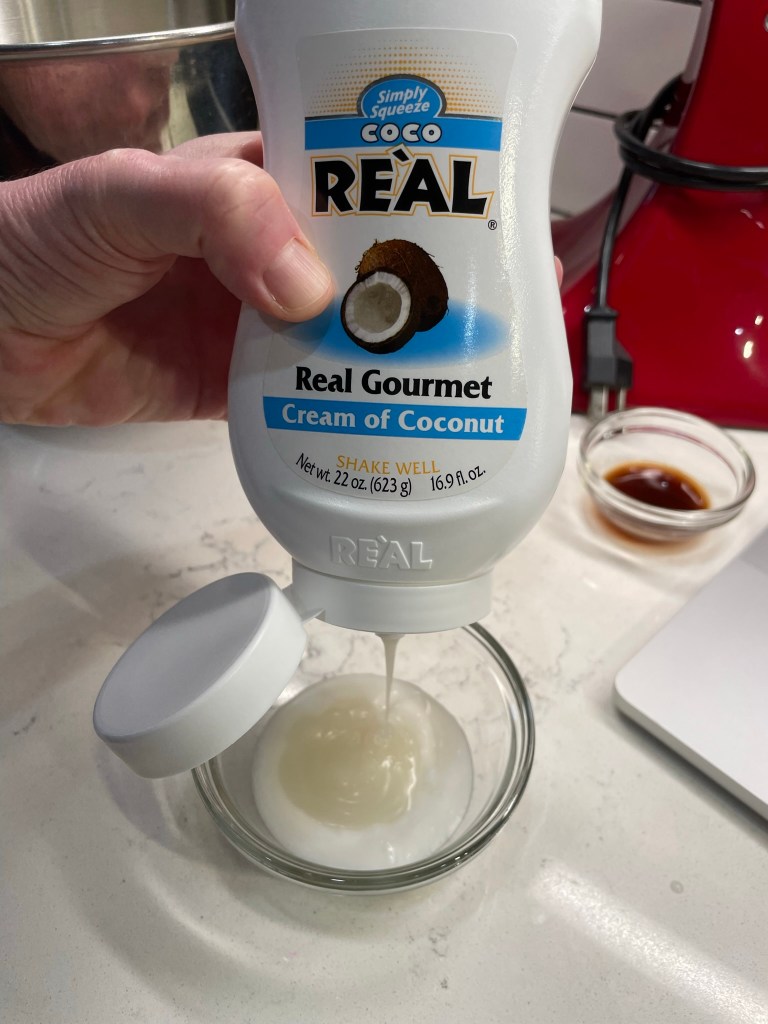
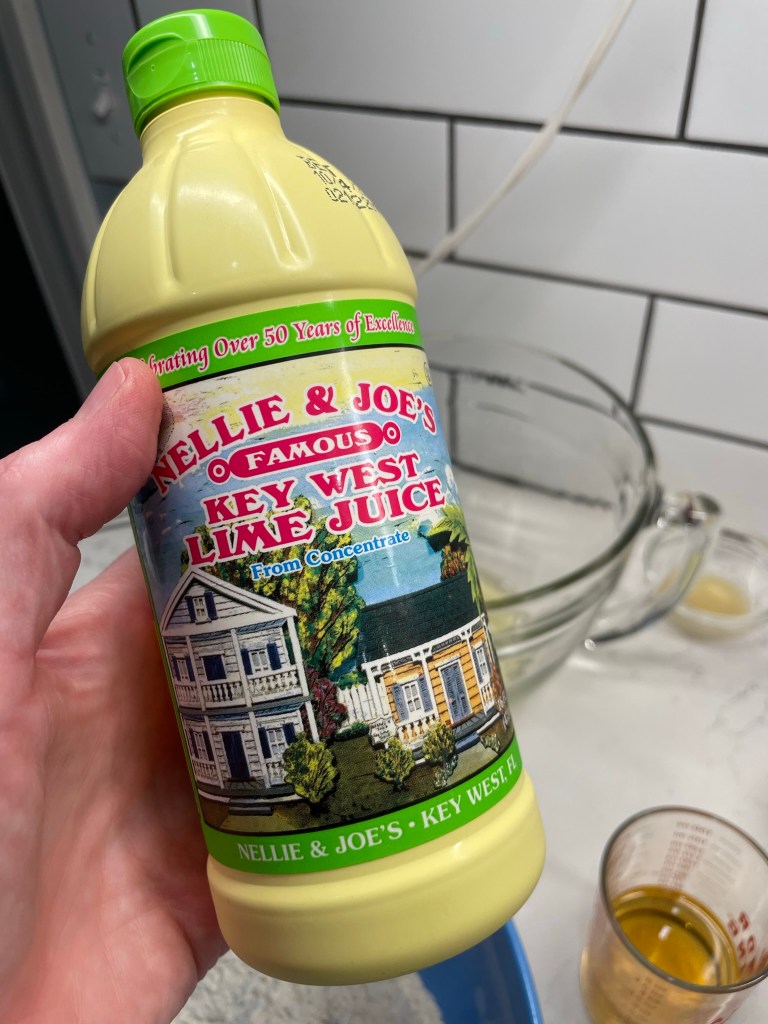
I wanted rum in the brown sugar topping, and in the cake batter itself. Sweetened flaked coconut would be great in the batter, but that wouldn’t be enough flavor so I’d swap out some of the sugar in favor of this sweet cream of coconut— the same stuff I use in a real tiki cocktail. Key lime juice would spike it with a touch of citrus, but just a touch. Almond extract would play the role of orgeat, the nutty-sweet syrup ingredient that is so distinctively tiki-ish. Our bourbon-drenched cocktail cherries felt more appropriate than the artificially colored bright red maraschinos, and it would be another touch of boozy, grownup candy goodness. And then, of course, my lovely fresh pineapple would be the centerpiece.


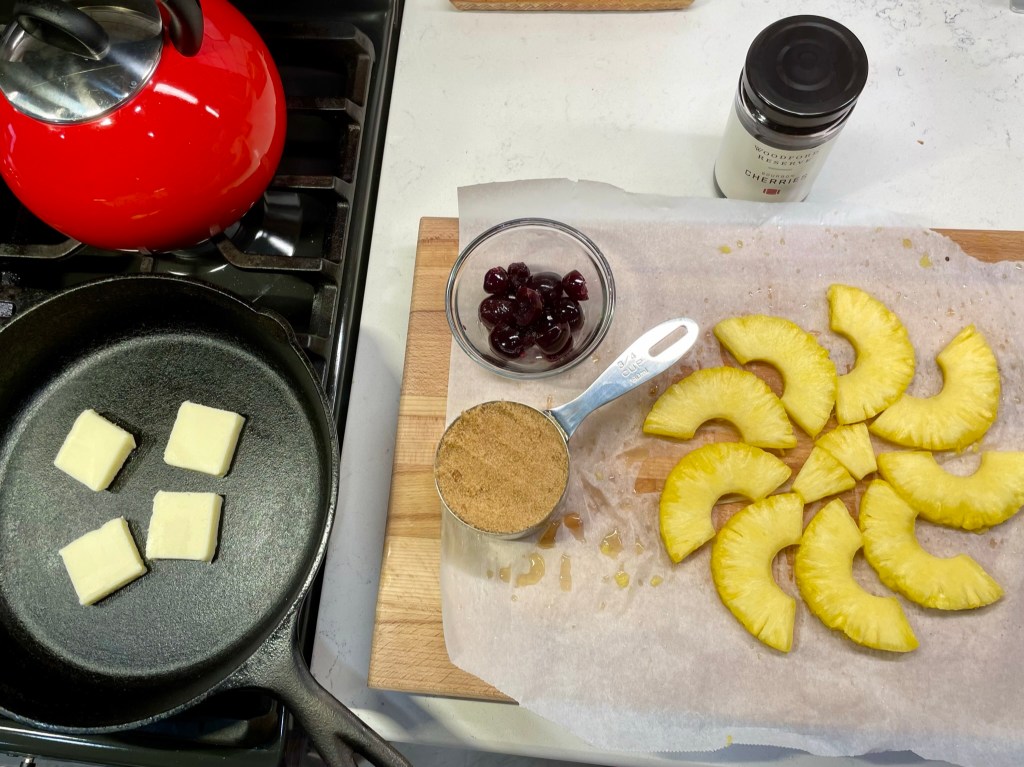
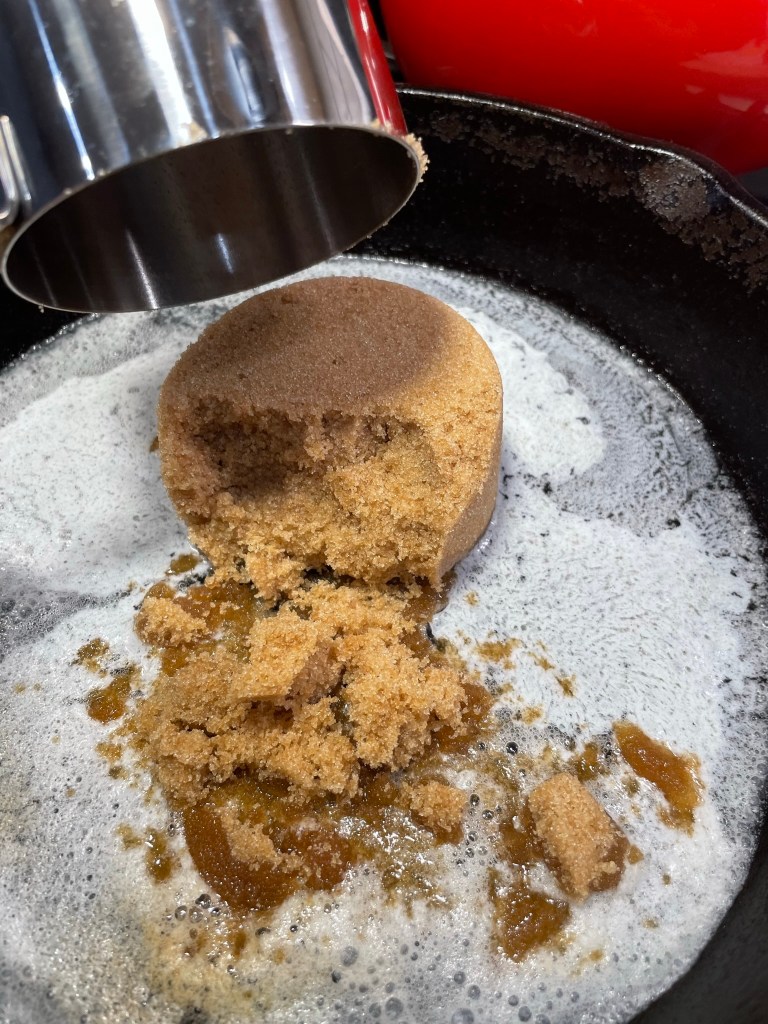
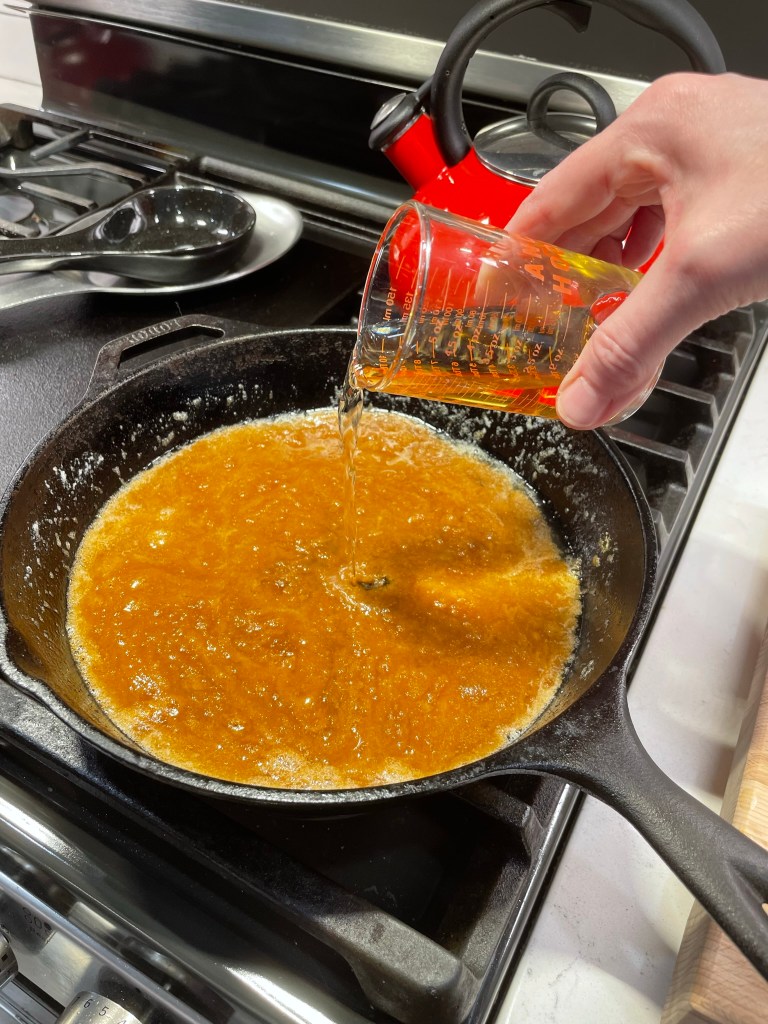
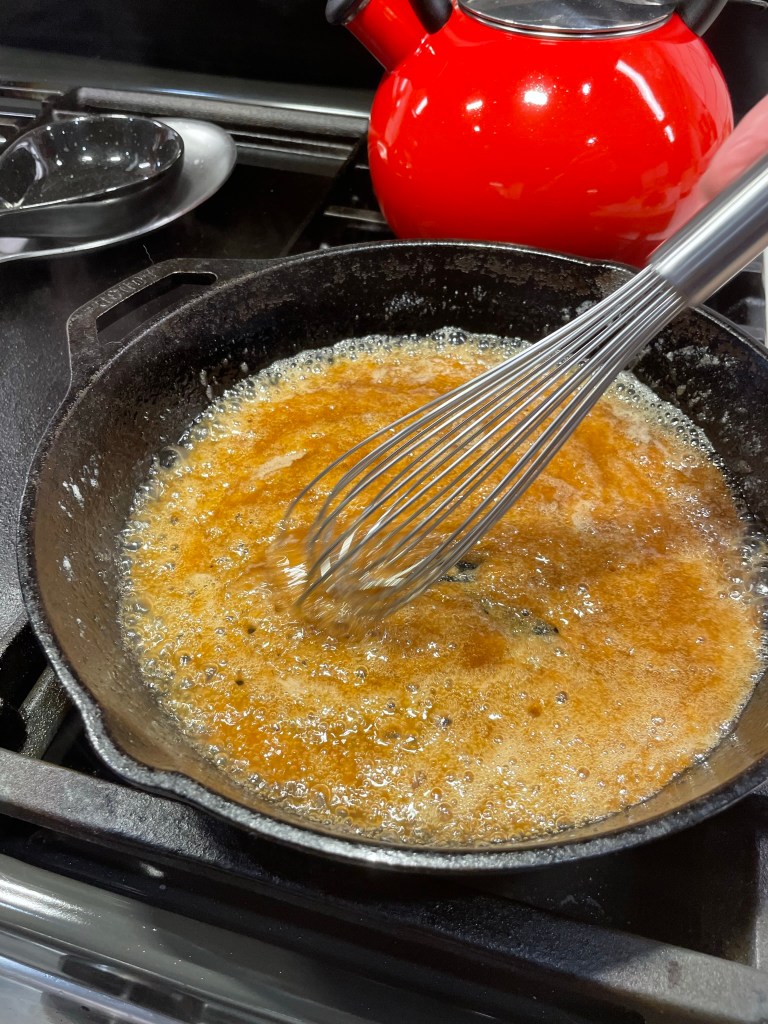
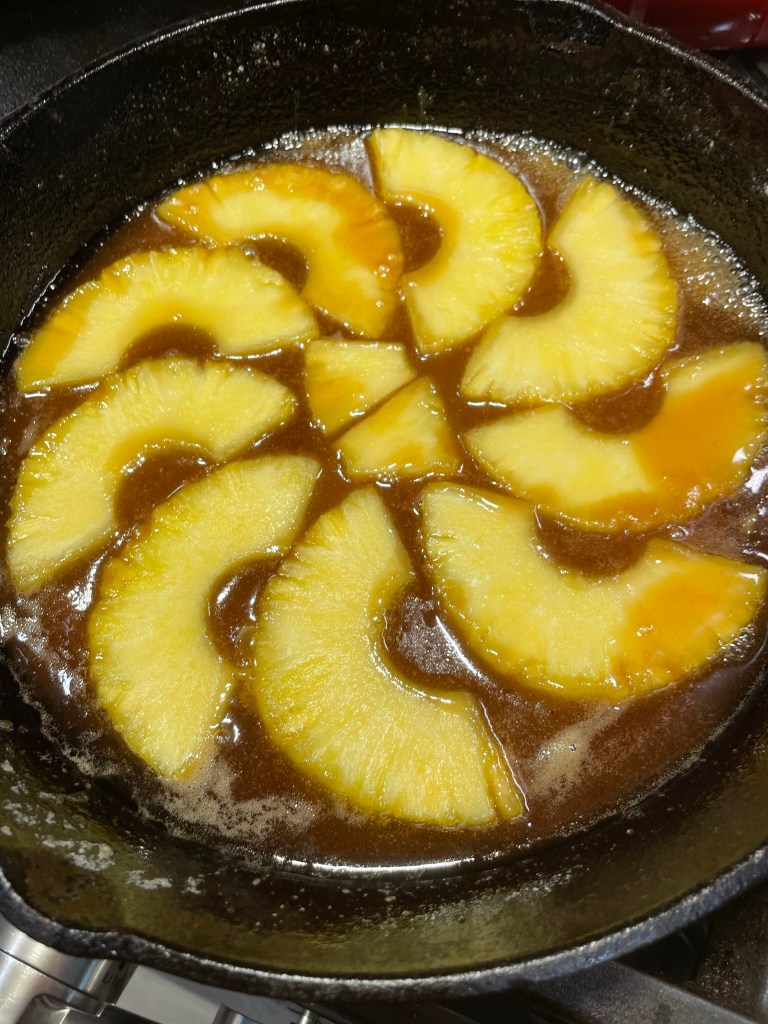
With my ingredients measured and in order, following the recipe roadmap was a cinch. The topping was easy, just melting together brown sugar and butter, and then boosting it with a shot of Jamaican rum. I let it get nice and bubbly, then turned off the heat and arranged the pineapple slices. The cherry halves would come later.


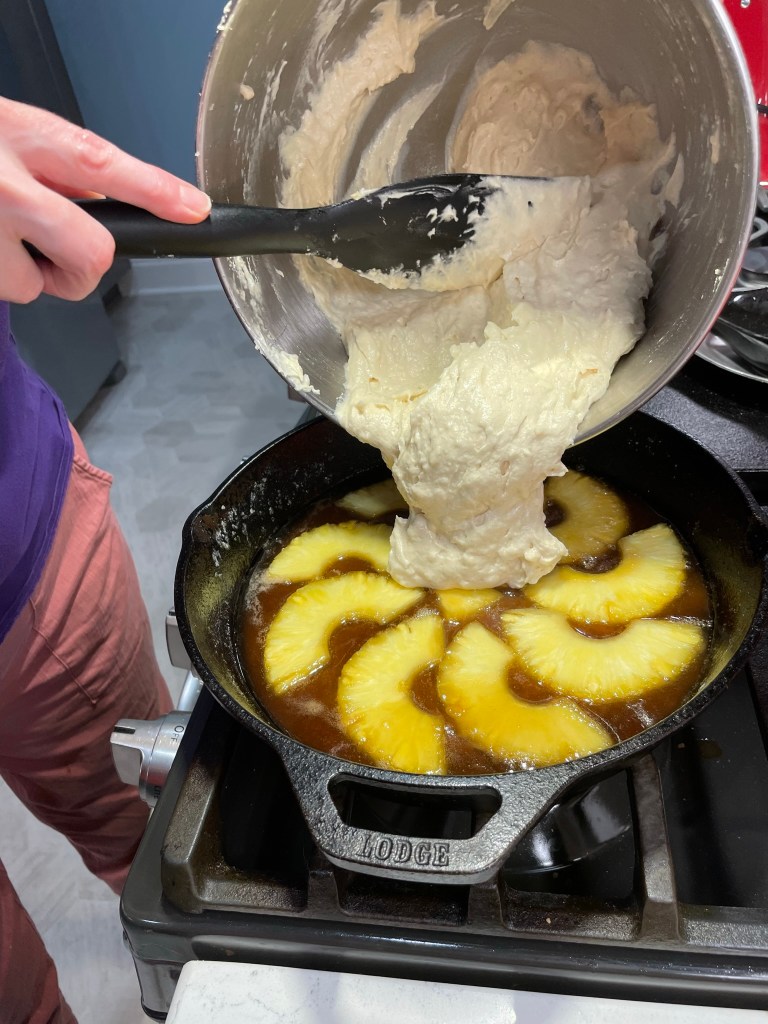
I creamed together the butter and cream of coconut, then gradually beat in the sugar. Next came the egg yolks, the flavorings and the flour-milk-flour-milk-flour additions. Alternating those ensures more even blending without overmixing. The egg whites, which were whipped separately, were folded in at the end and I spooned the batter over the brown sugar butter mixture that held the pineapple slices in the skillet.


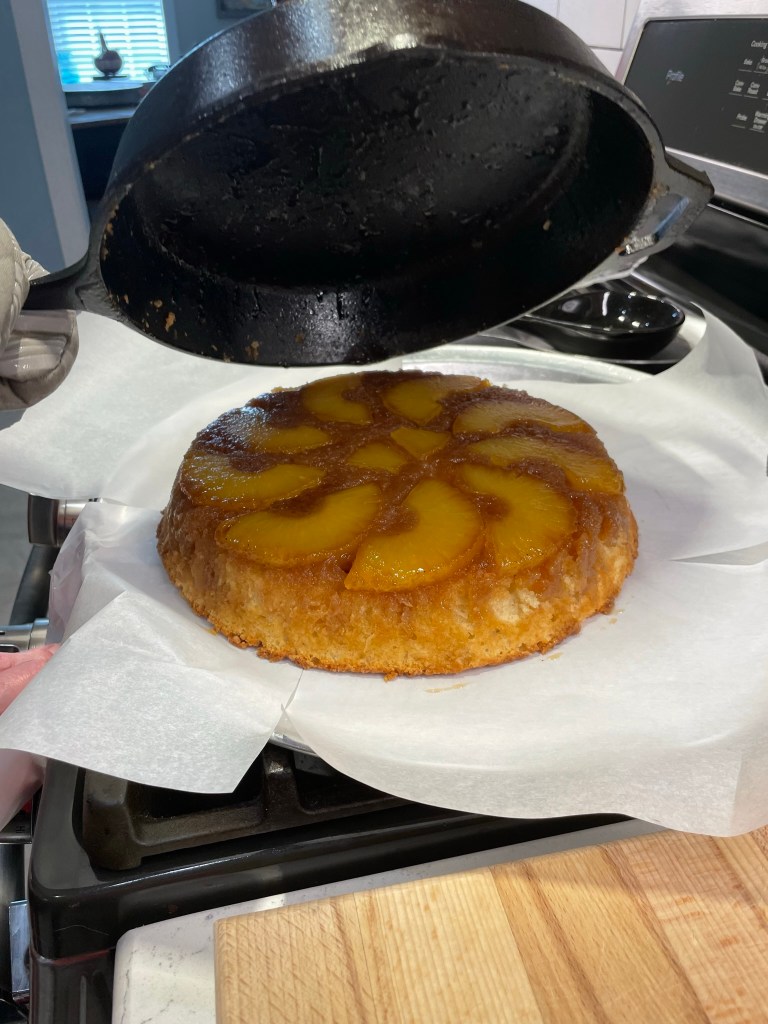
The baking time was true to the recipe (my toothpick said so), and I inverted the cake onto a serving platter to cool. There’s a sweet spot in timing the inversion from a hot skillet; too soon and the cake may fall apart, too long and the toppings will stick and you’ll be patching them into place. Aim for 15 to 20 minutes for best results, then immediately press the cocktail cherry halves into place while the topping is still warm and gooey. Cool it completely before serving. Waiting to enjoy it was the hard part!


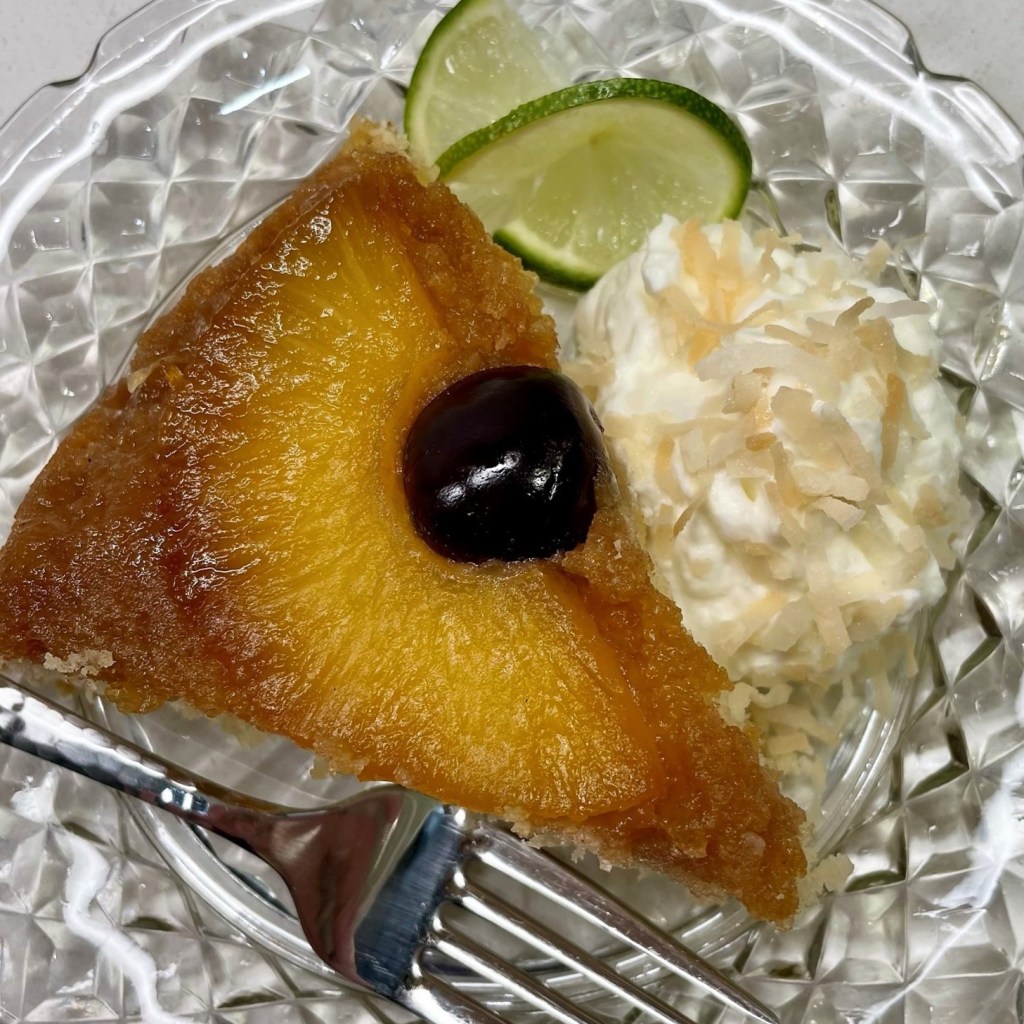
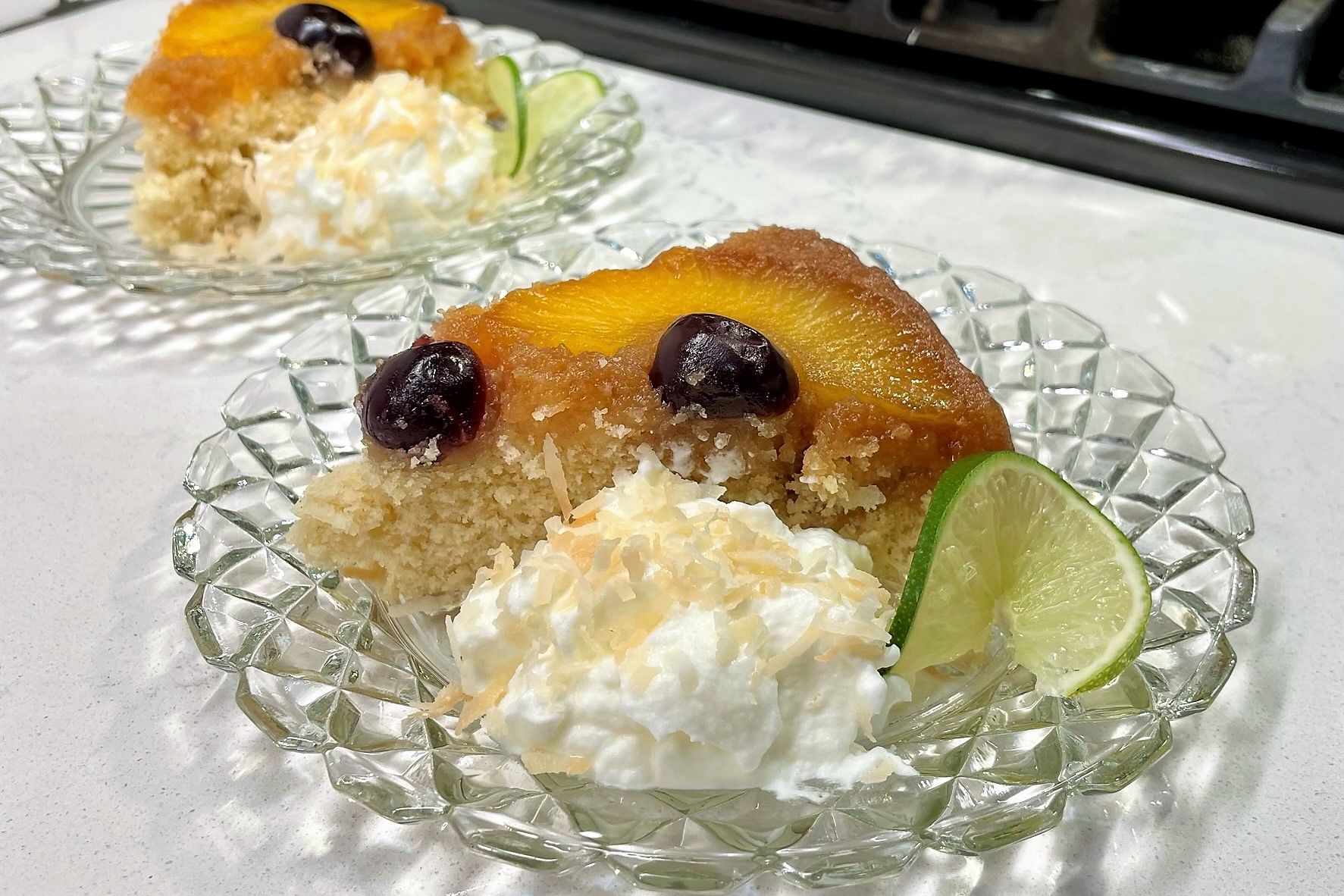
I served my tiki cocktail cake with a dollop of sweetened whipped cream, spiked with more booze of course, as well as a lime twist and a sprinkling of toasted coconut.

Having my cake and drinking it, too!

So was it worth the trouble? Mostly, yes. The cake was really delicious— definitely boozy, as intended— and the coconut and pineapple were solid co-stars. It had the perfect hint of almond, but the key lime was barely detectable, and next time I would probably just grate a little lime zest over the cake at serving time. The boozy cherries, as much as I love them, got lost a little bit with all the tropical flavors swirling around them, but they were still a nice little nod to a traditional upside-down cake.
The biggest victory for me was seeing the success that resulted from my planning and, for once, I didn’t swear off baking when this was finished. To the contrary, I’m already imagining my next cocktail-to-cake creation. Any suggestions? 😄


Tiki Cocktail Skillet Cake

  • Servings: 8
  • Difficulty: Average
  • Print

A few thoughtful ingredient swaps turned a classic cake into tropical tiki territory. You might say that I'm having my cake and drinking it, too!


Ingredients

  • 1/2 stick (4 Tbsp.) salted butter, softened
  • 3/4 cup light brown sugar
  • 2 Tbsp. rum (I used Jamaican dark rum)
  • Fresh or canned pineapple rings, drained
  • 1 cup all-purpose flour
  • 2/3 cup whole wheat pastry flour (or additional all-purpose)
  • 1/4 cup sweetened flaked coconut
  • 2 tsp. baking powder
  • 3/4 tsp. fine salt
  • 1 stick (8 Tbsp.) unsalted butter, room temp
  • 1/4 cup cream of coconut
  • 3/4 cup cane sugar
  • 2 large eggs, separated
  • 1/2 cup, minus 2 Tbsp. milk (see recipe notes)
  • 2 Tbsp. rum (Jamaican again)
  • 1 1/2 tsp. vanilla extract
  • 3/4 tsp. almond extract
  • 1 tsp. key lime juice
  • Cocktail cherries, halved (use as many as you have pineapple rings)

Having all my ingredients measured and lined up before beginning made all the difference in the world for my successful outcome. Separate the eggs while they are cold, but let them come to room temperature before you start the recipe.

Directions

  1. Preheat oven to 350 F, with rack in center position.
  2. In a medium bowl, whisk together flours, coconut, baking powder and salt. Set bowl aside.
  3. Cut unsalted butter into chunks to quicken softening. Separate the eggs, keeping the whites in a large bowl to be whipped. This will be added to the batter just before baking. Combine milk and 2 Tbsp rum in a measuring glass and set aside.
  4. While all the ingredients are coming to room temperature, prepare the pineapple topping. Melt salted butter in a cast-iron skillet over medium heat. Add brown sugar and whisk until combined and just beginning to bubble. Turn off heat and stir in 2 Tbsp of the rum. Give the skillet a few gentle shakes to settle the mixture evenly in the skillet. Arrange the pineapple slices as desired.
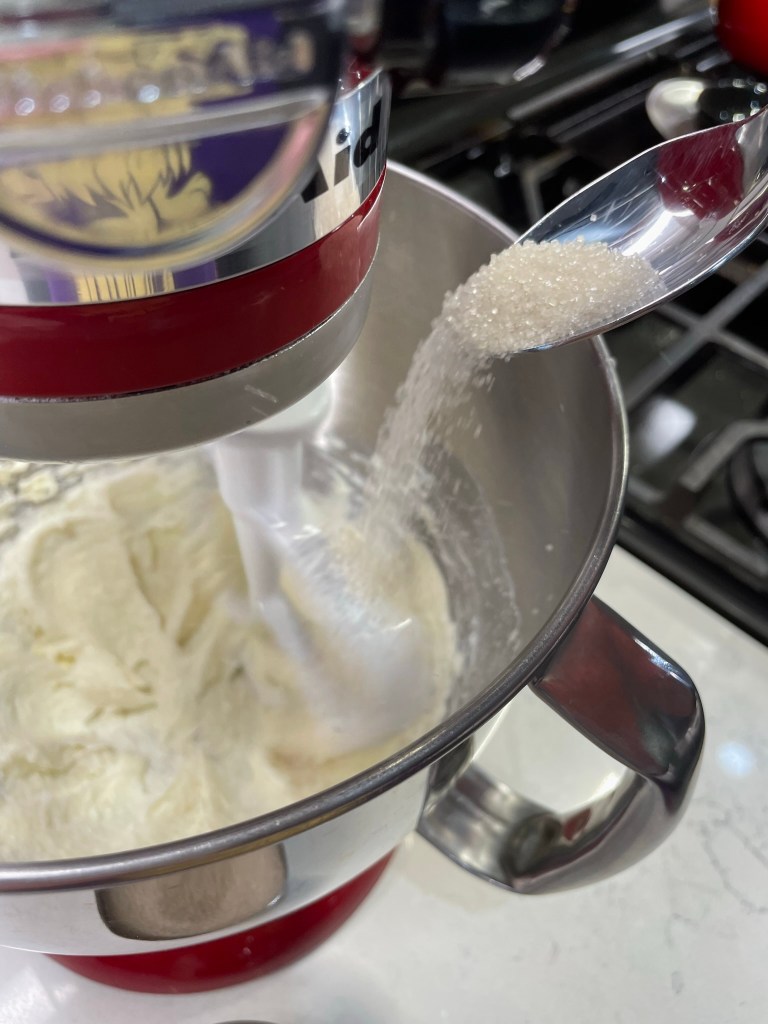
  5. Cream butter and cream of coconut together in the bowl of a stand mixer, stopping occasionally to scrape down the sides. When mixture is lighter and somewhat fluffy, gradually add sugar, beating and scraping down sides as needed.
  6. Use an electric hand mixer to whip the egg whites until light and airy but not broken. Set aside.
  7. Add one egg at a time to the batter, beating until well combined after each. Beat in vanilla, almond and lime juice.
  8. Alternate addition of the flour mixture and milk as follows: 1/3 flour mixture stirred in until smooth. Next, 1/2 milk mixture. Then 1/3 flour mixture, remaining milk, remaining flour mixture. Scrape down sides and blend as evenly as possible without overworking the batter.
  9. Give the egg whites a quick whisk again, then gently fold them into the batter, taking care to mix only until the whites are not distinguishable in the batter. Gently spoon the batter over top of the pineapple topping. Use a spatula to smooth out the top.
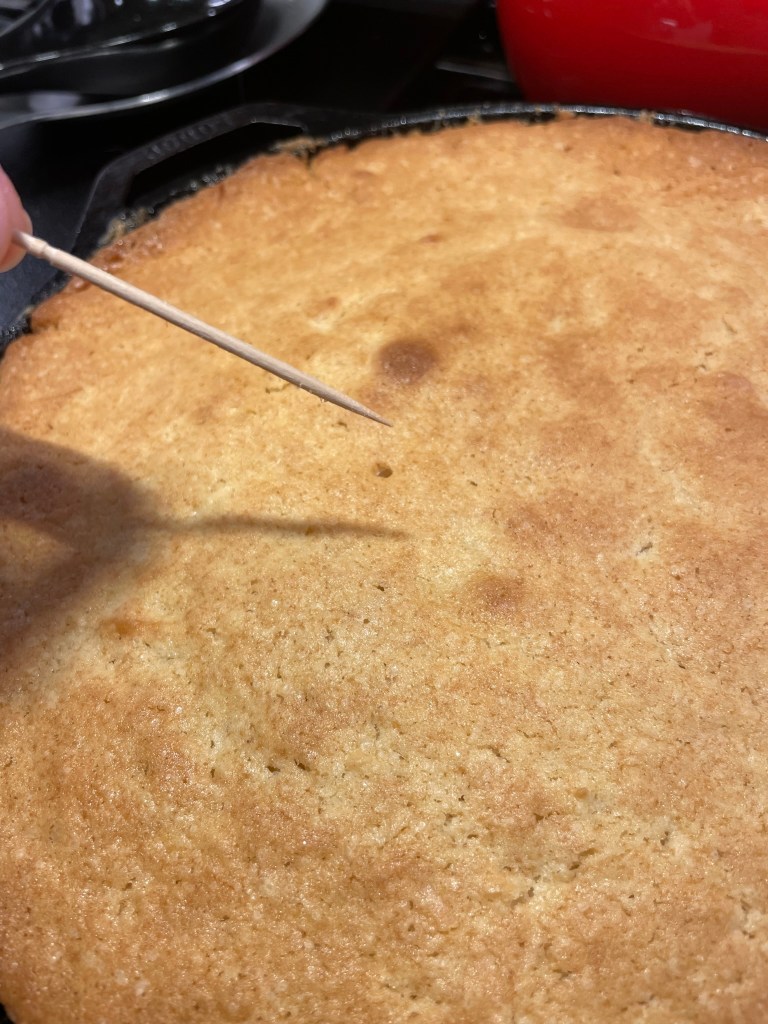
  10. Bake for 35 to 40 minutes, until a toothpick inserted in the center comes out clean. Cool for about 15 minutes.
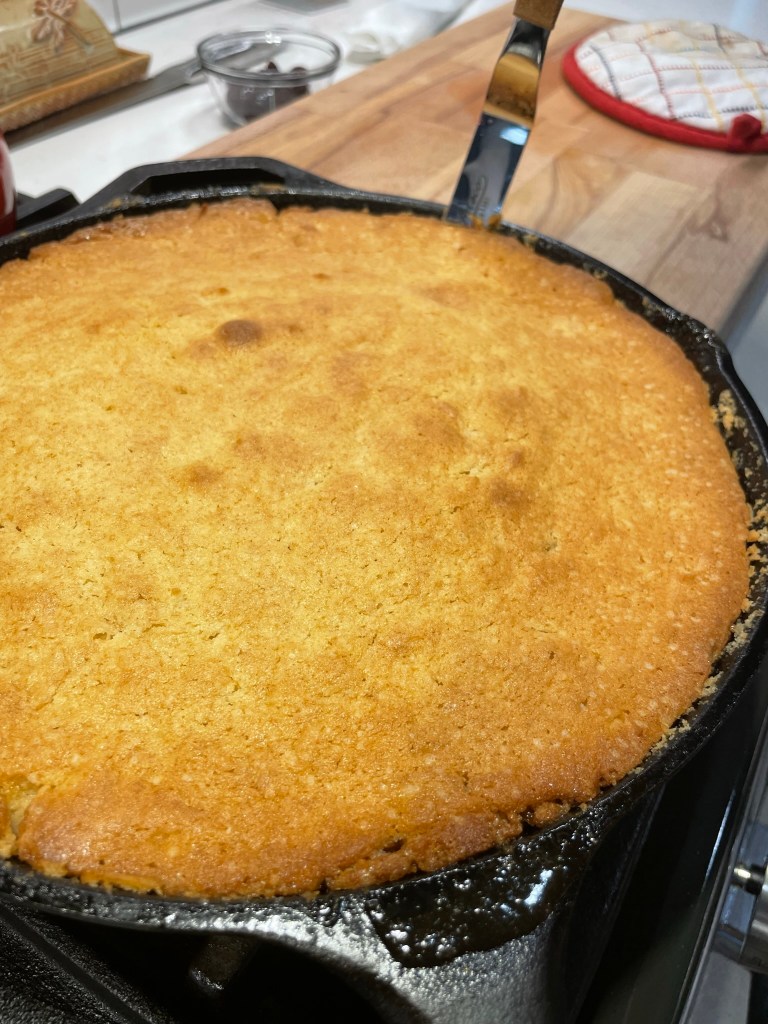
  11. Run a knife or offset spatula around edges of the skillet to loosen the outer edge of the cake. Invert onto a plate or serving platter. Immediately place the cocktail cherries into the topping, pressing gently to set them into caramelized sugar.
  12. Cool cake completely. Cut into wedges and serve with a dollop of whipped cream, spiked with cointreau or coconut rum. Sprinkled with toasted coconut.


Happy Birthday Sourdough Chocolate Cake

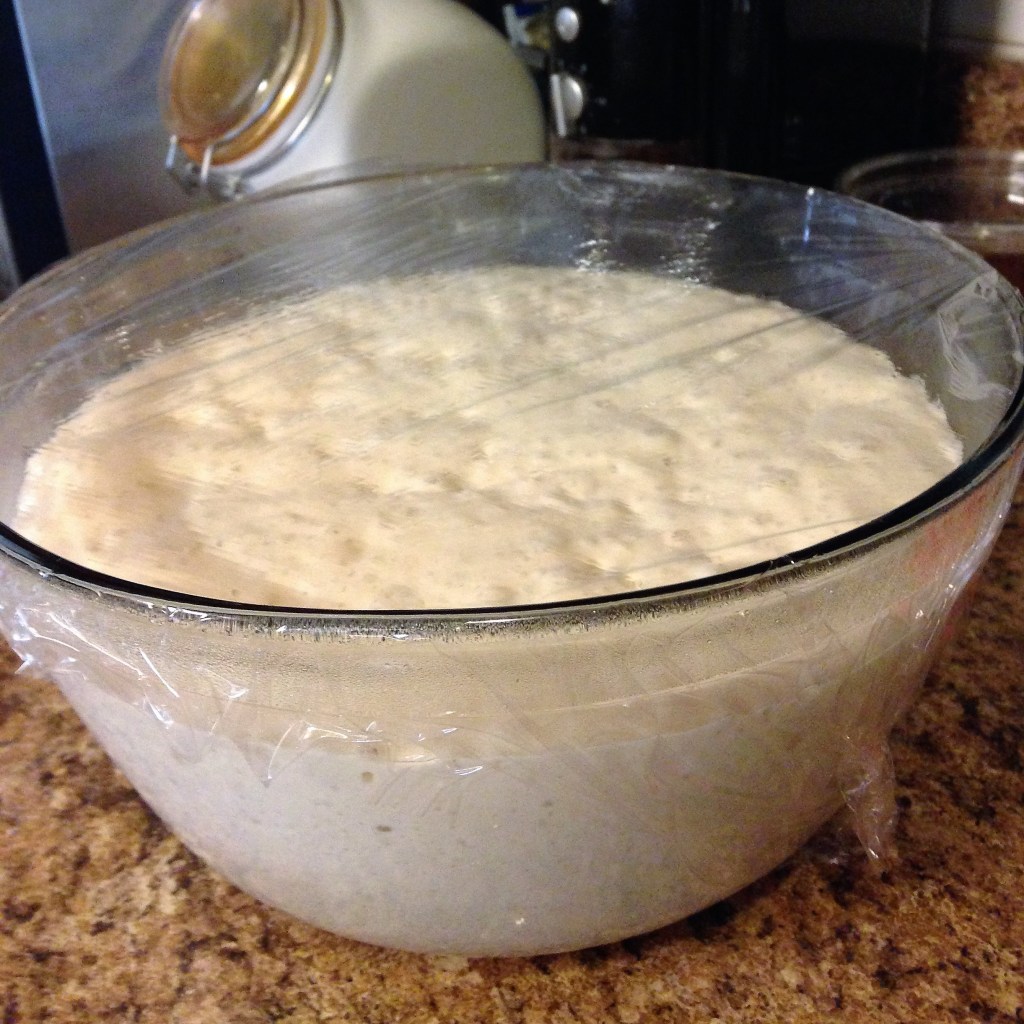
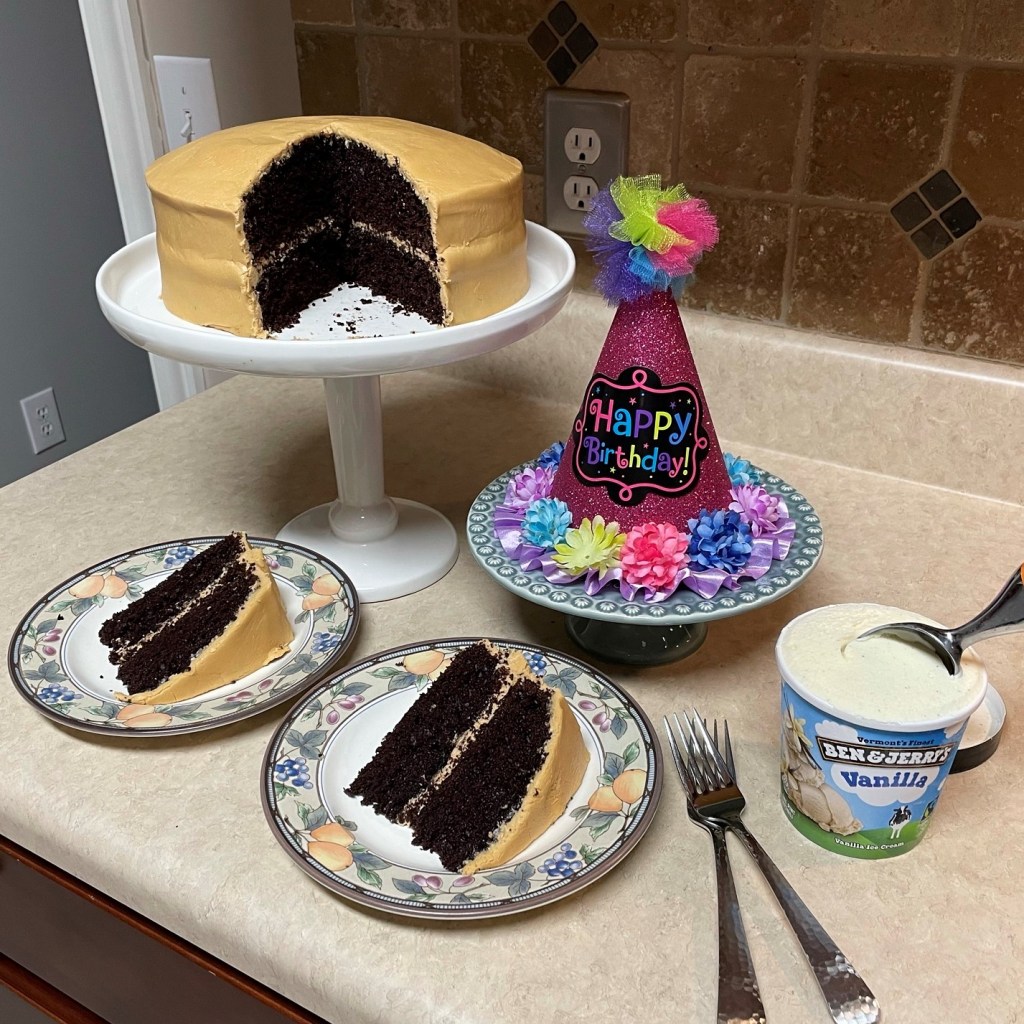
We celebrated a birthday in our home this week for the newest member of our happy family. Little Pete turned 5 years old on Wednesday, and the occasion nearly escaped my memory, had it not been for the convenient date and time stamp my iPhone put on this photo.

February 24, 2016; 4:49 p.m.

Yes, my sourdough starter has been with me now for just over five years, and I’m pleased to announce that I’ve finally given it a name. “Pete” the sourdough starter is the namesake of Peter Reinhart, the James Beard Award-winning master baker whose instruction inspired me to begin this lively journey. Many years ago at a local festival of authors and books, I purchased The Bread Baker’s Apprentice, Reinhart’s comprehensive collection of bread rules, formulas, tips and recipes—it’s a 300-page hardcover guide for mastering the art of extraordinary bread. And it was positively overwhelming.

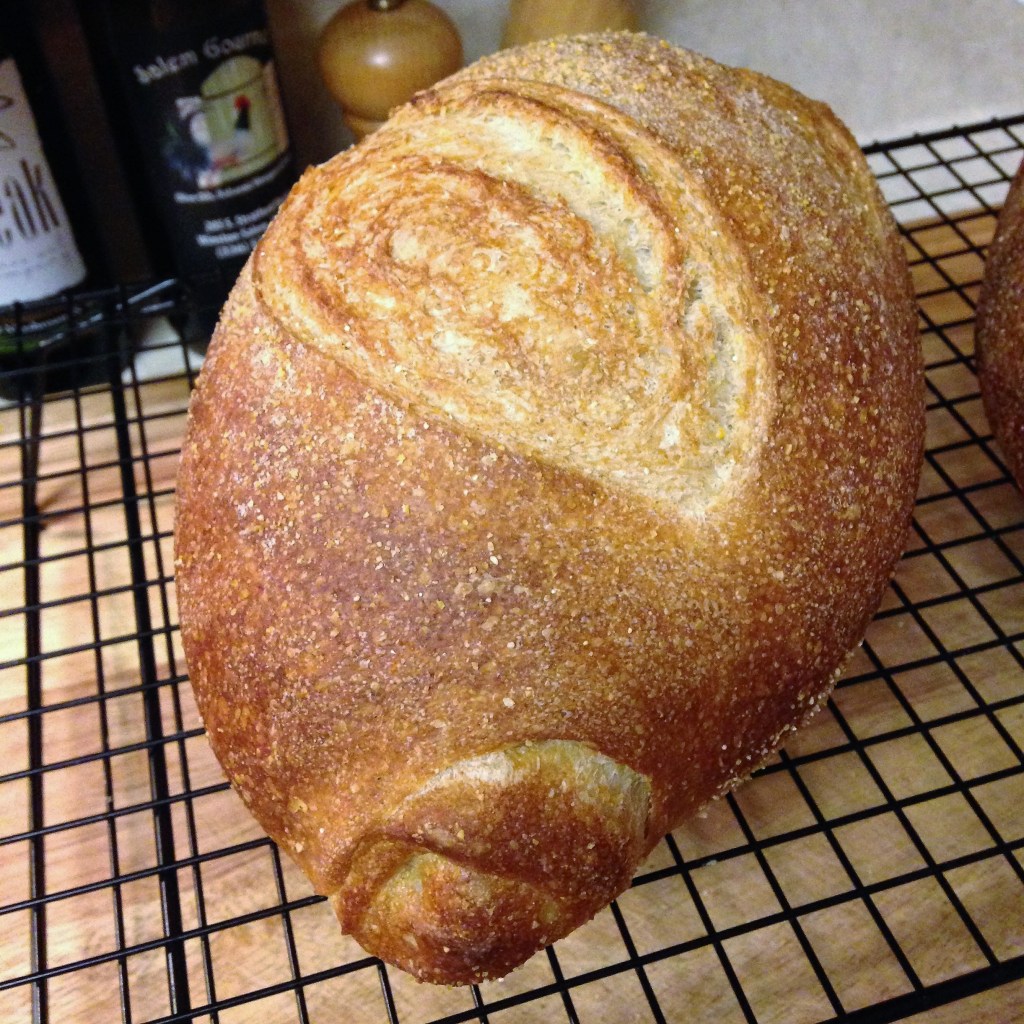
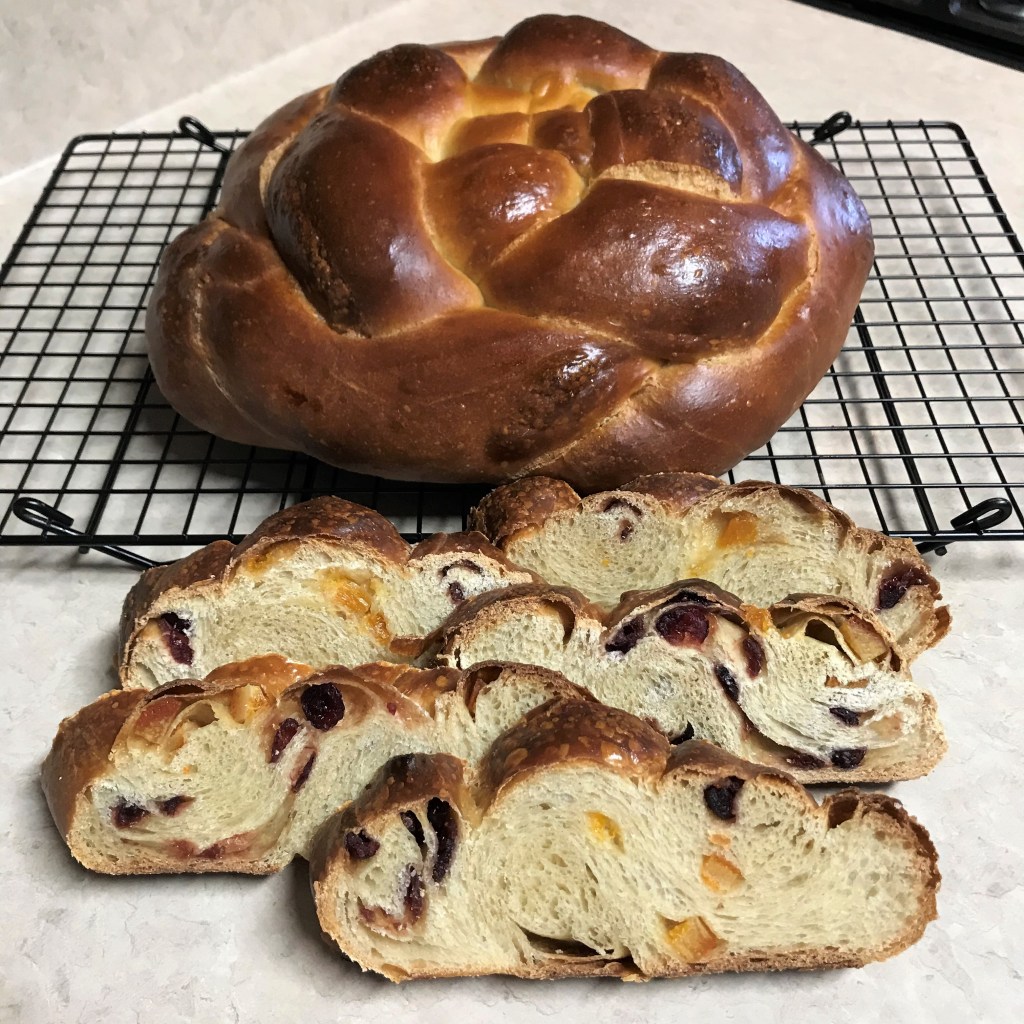
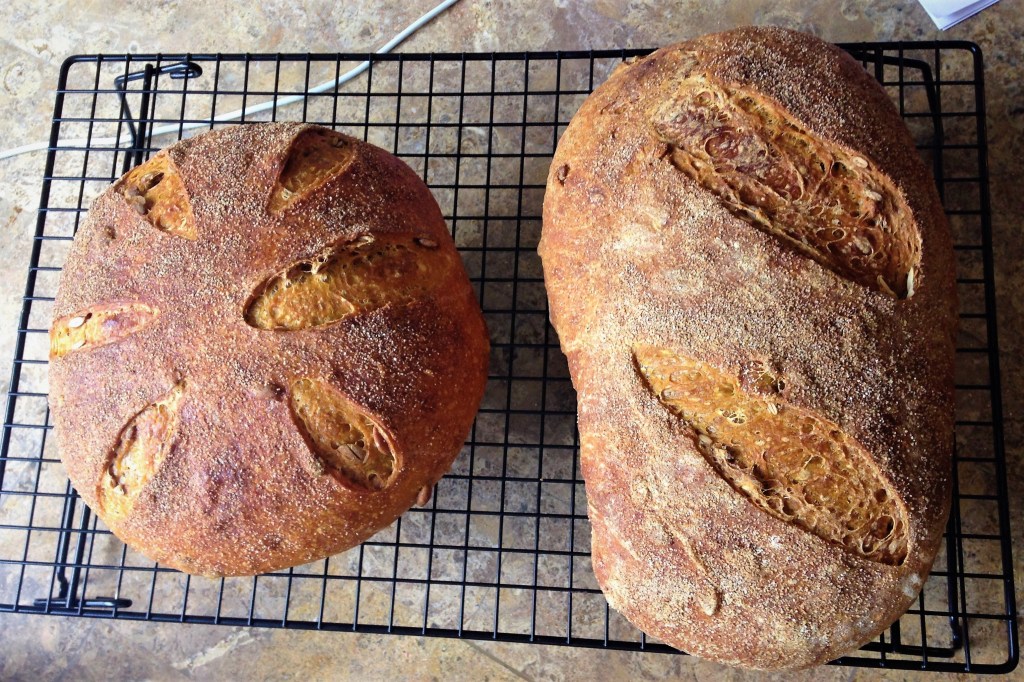
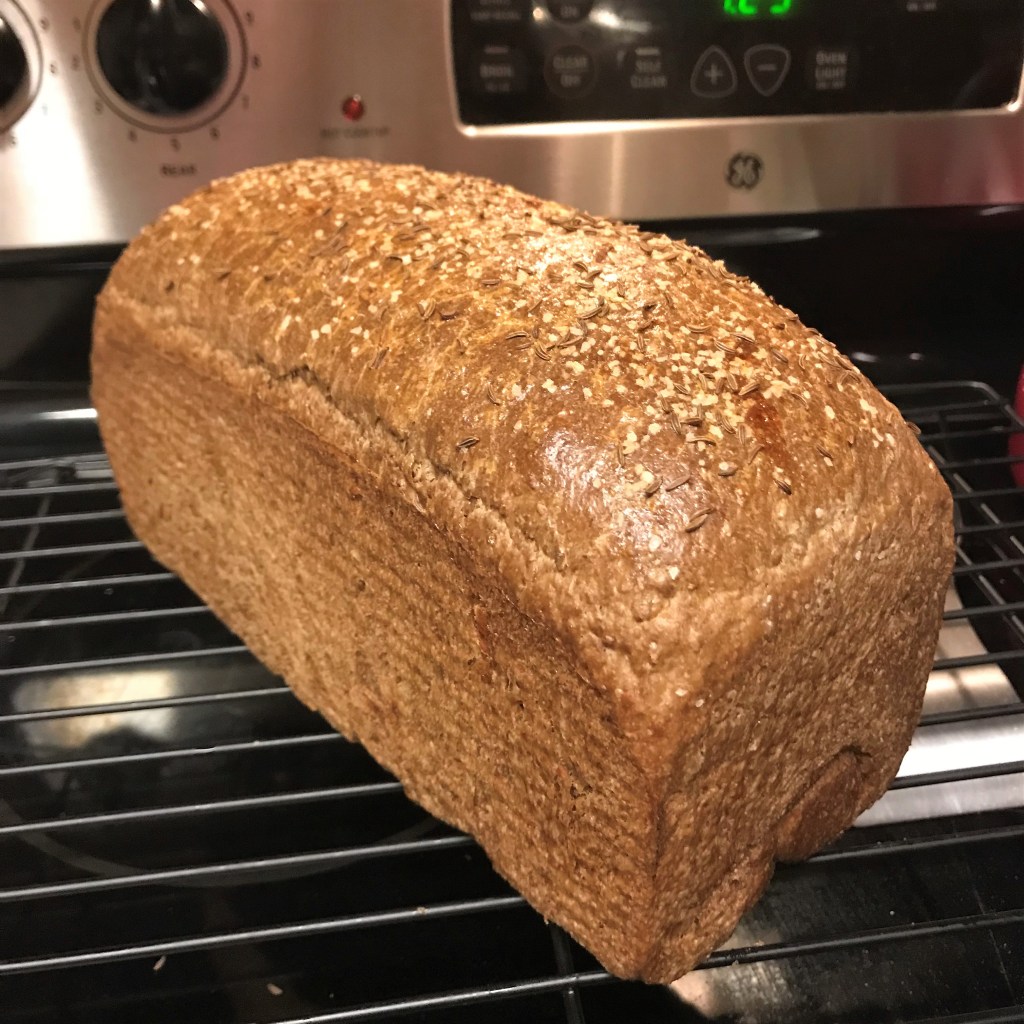
It took me several years to gain enough gumption to actually make my first loaf of real bread and, once I took the greater plunge into building a sourdough culture, I never looked back. Pete began in the tiny kitchen of my former apartment, in a small bowl containing a mixture of whole rye flour and fresh pineapple juice (this was Peter Reinhart’s idea). There were plenty of midnight feedings and nervous watchful moments along the way, and at least once, I feared Pete would not survive my mistakes. Thankfully, the hotline experts at King Arthur Baking talked me off the ledge and helped me correct my feeding rituals. Pete has been thriving ever since. On one occasion, I shared a little bit of Pete with a friend whose daughter wanted to make sourdough, and when the daughter headed west, she took Pete’s offspring with her, and is now making beautiful artisan loaves somewhere in Montana (I’m so proud). I have already shared a few of my simple sourdough recipes here on Comfort du Jour, including English muffins and our beloved N.Y.-style Pizza Dough. If you’re a bread lover, you might also appreciate a glimpse of some of the incredible loaves Pete and I have made together since this adventure began.


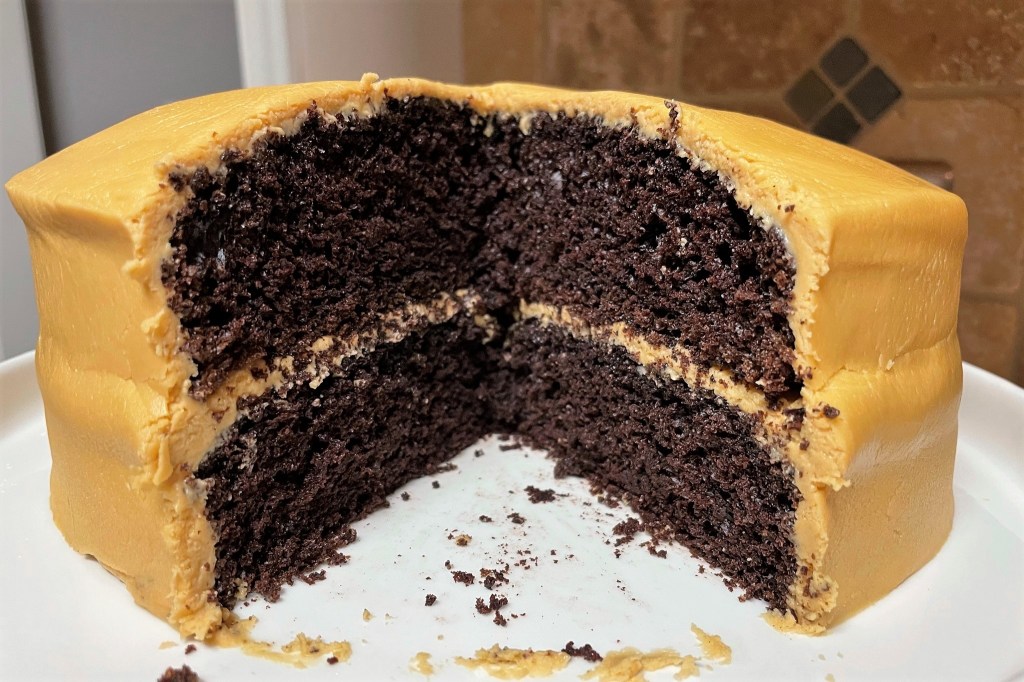
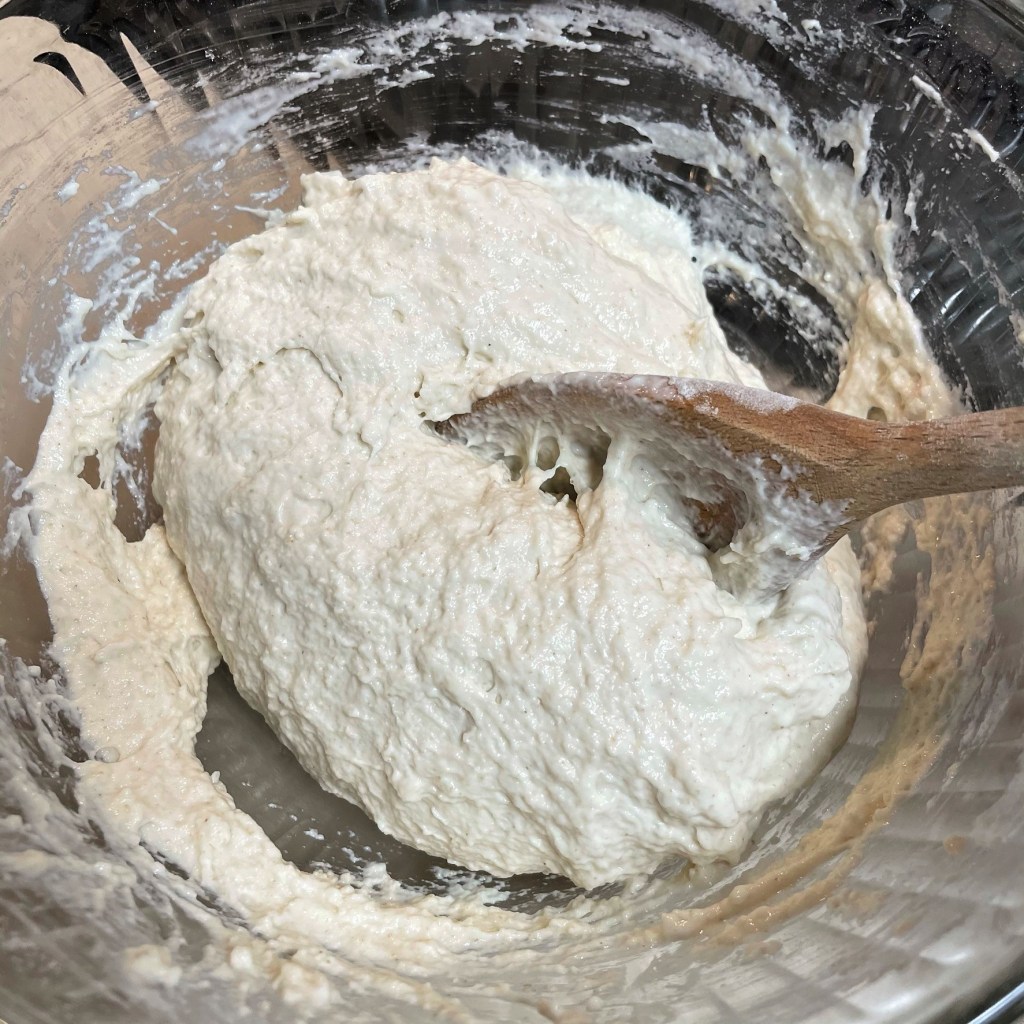
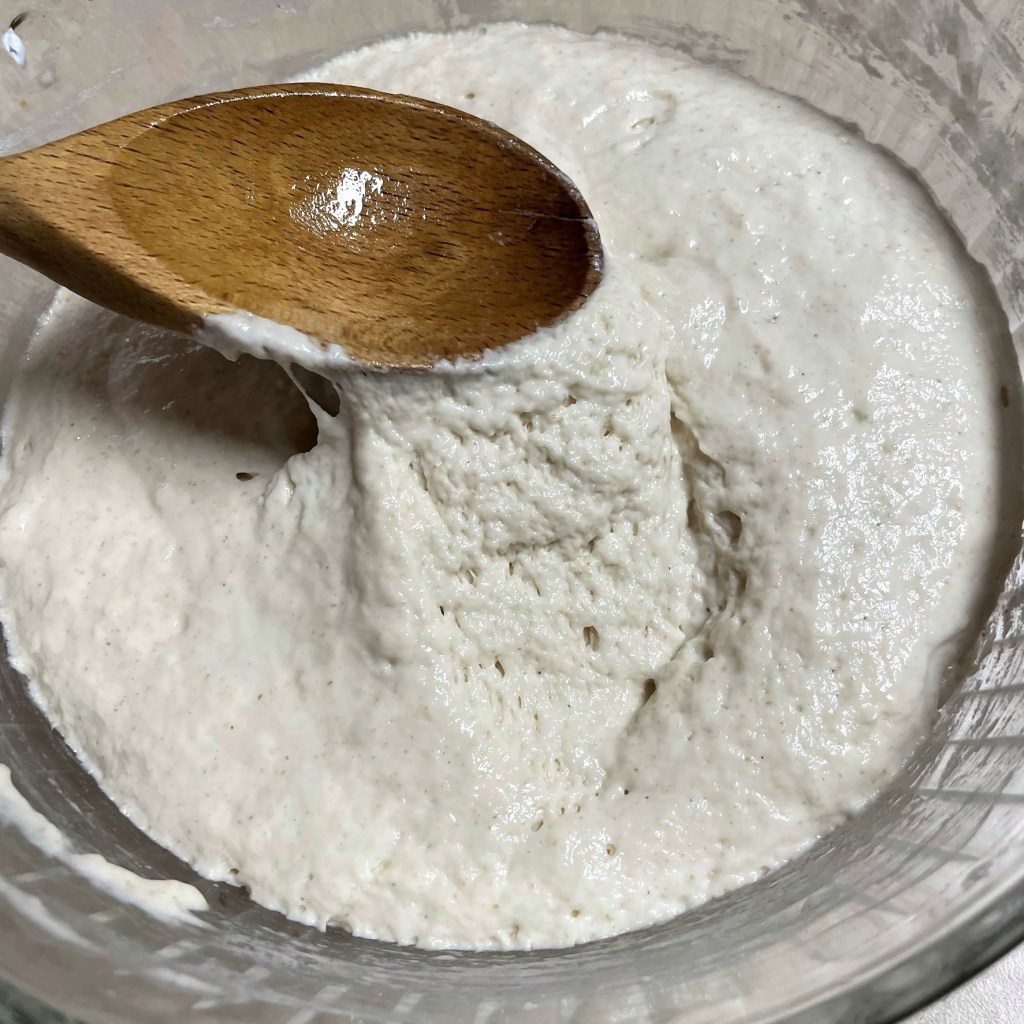
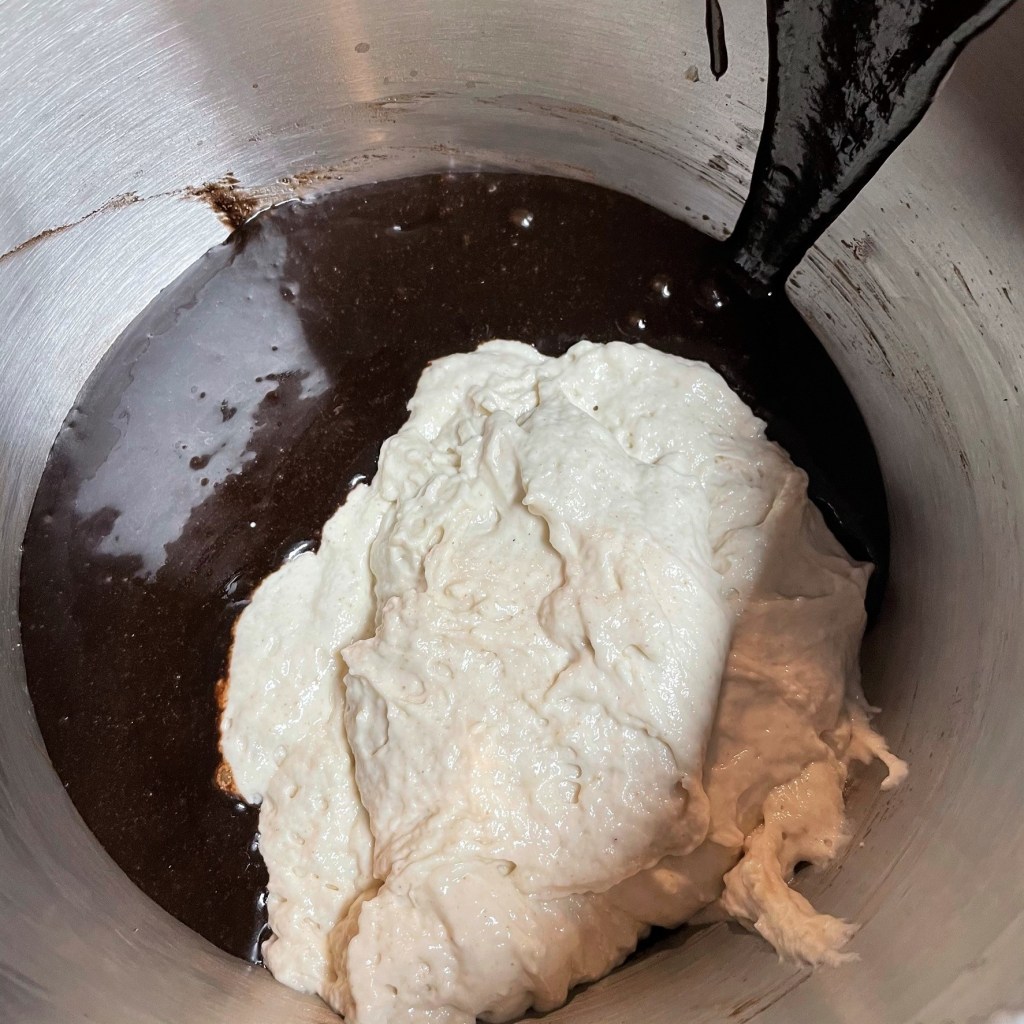
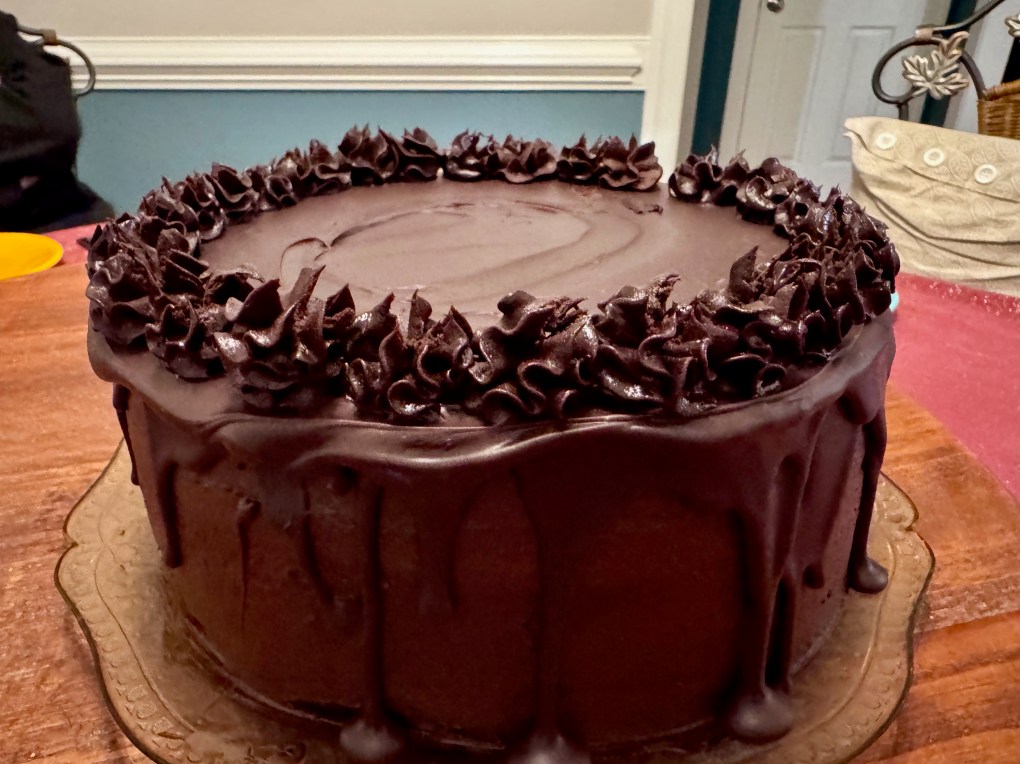
It’s exciting for me to see and remember all those loaves. But for this occasion, I wanted to let Pete really show off, and so here’s the exciting news—Pete made his own birthday cake! I’ve mentioned several times that sourdough isn’t merely a flavor of bread, but a method of leavening, and in this richly dark chocolate cake, sourdough discard is the star.

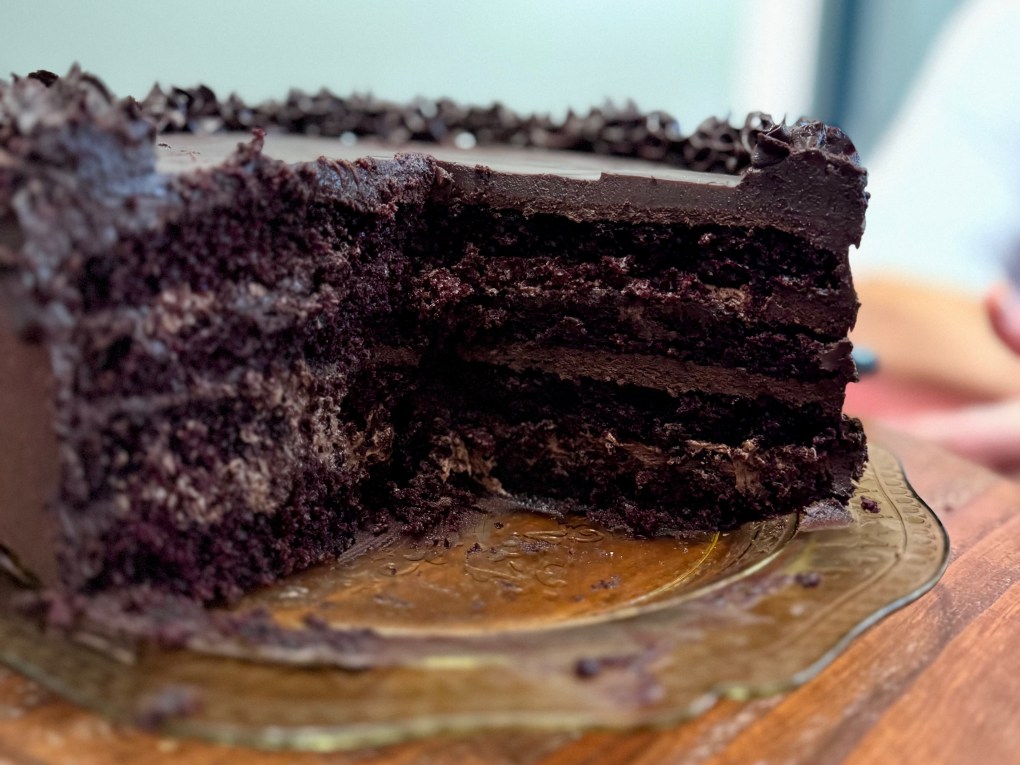
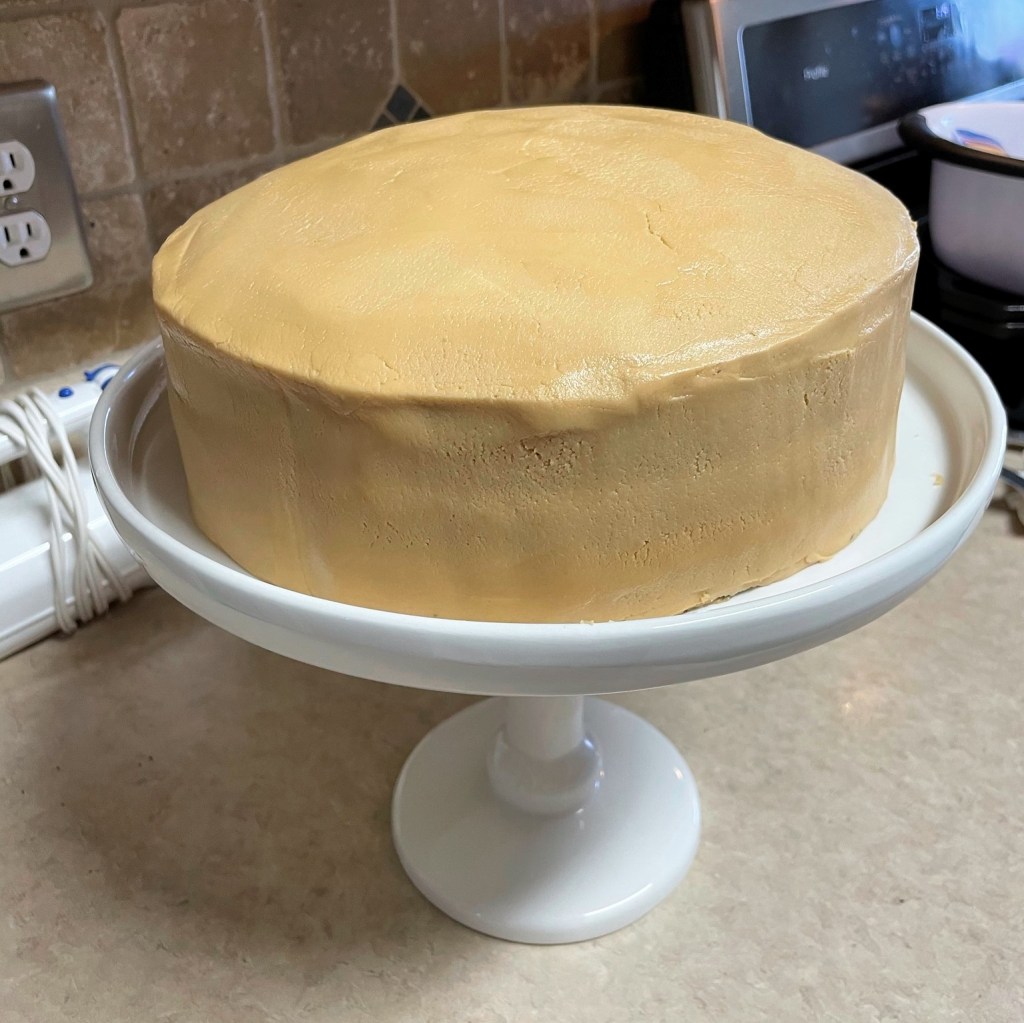
The salted caramel flavor is a perfect match for the ultra dark chocolate cake.

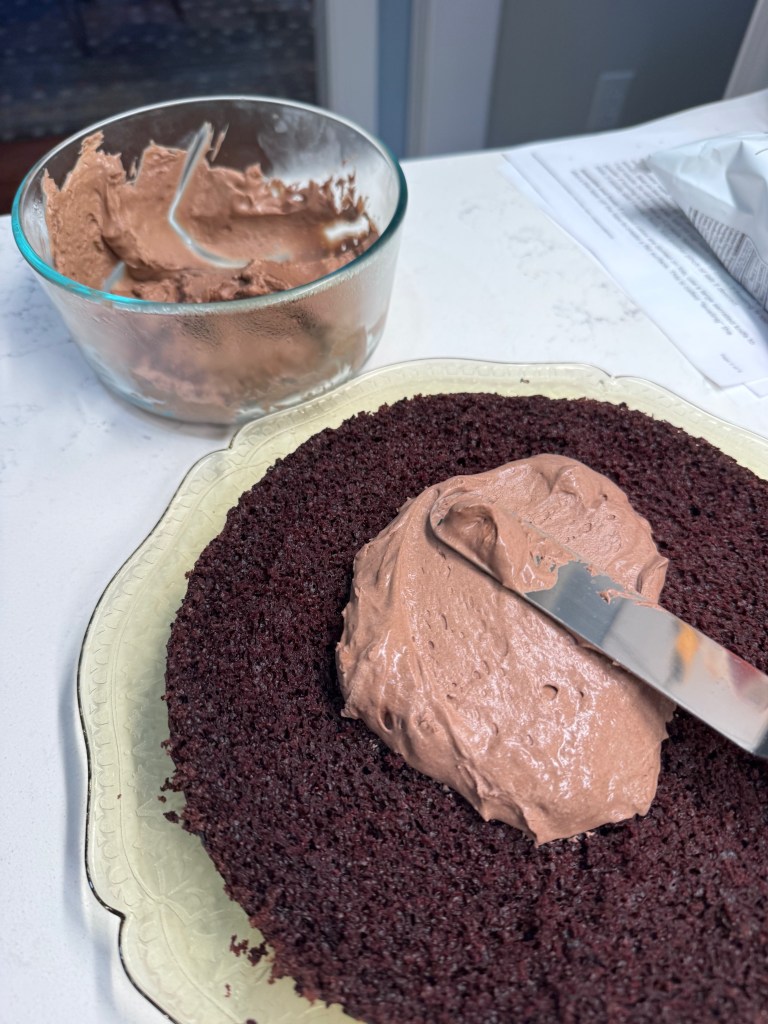
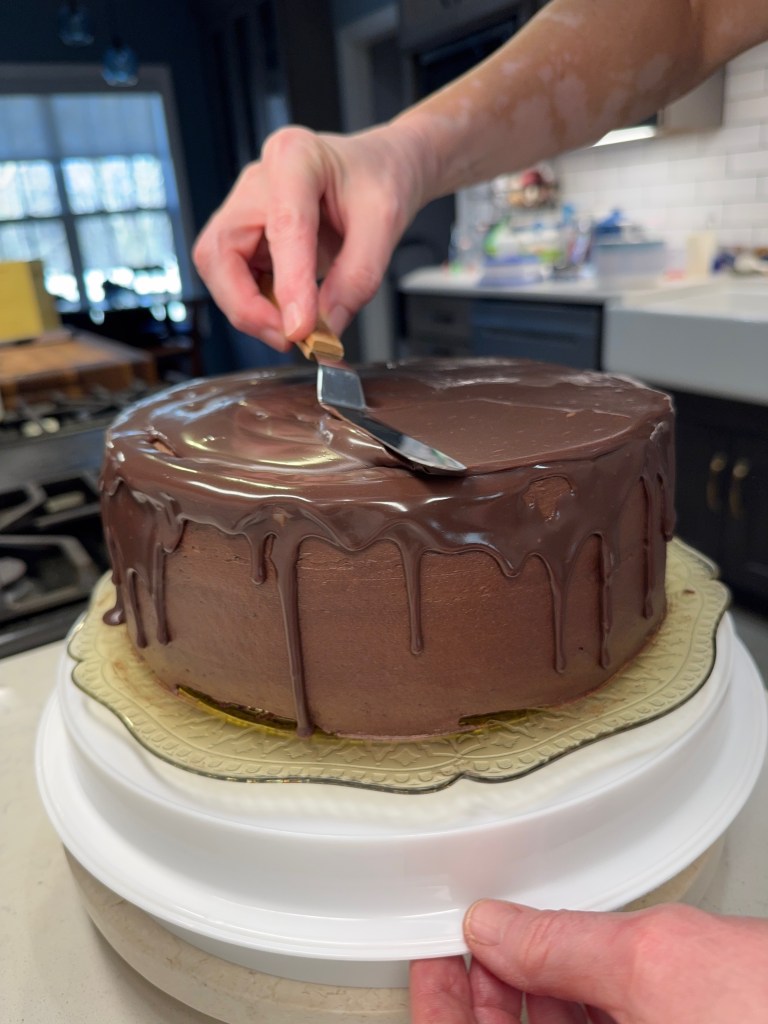
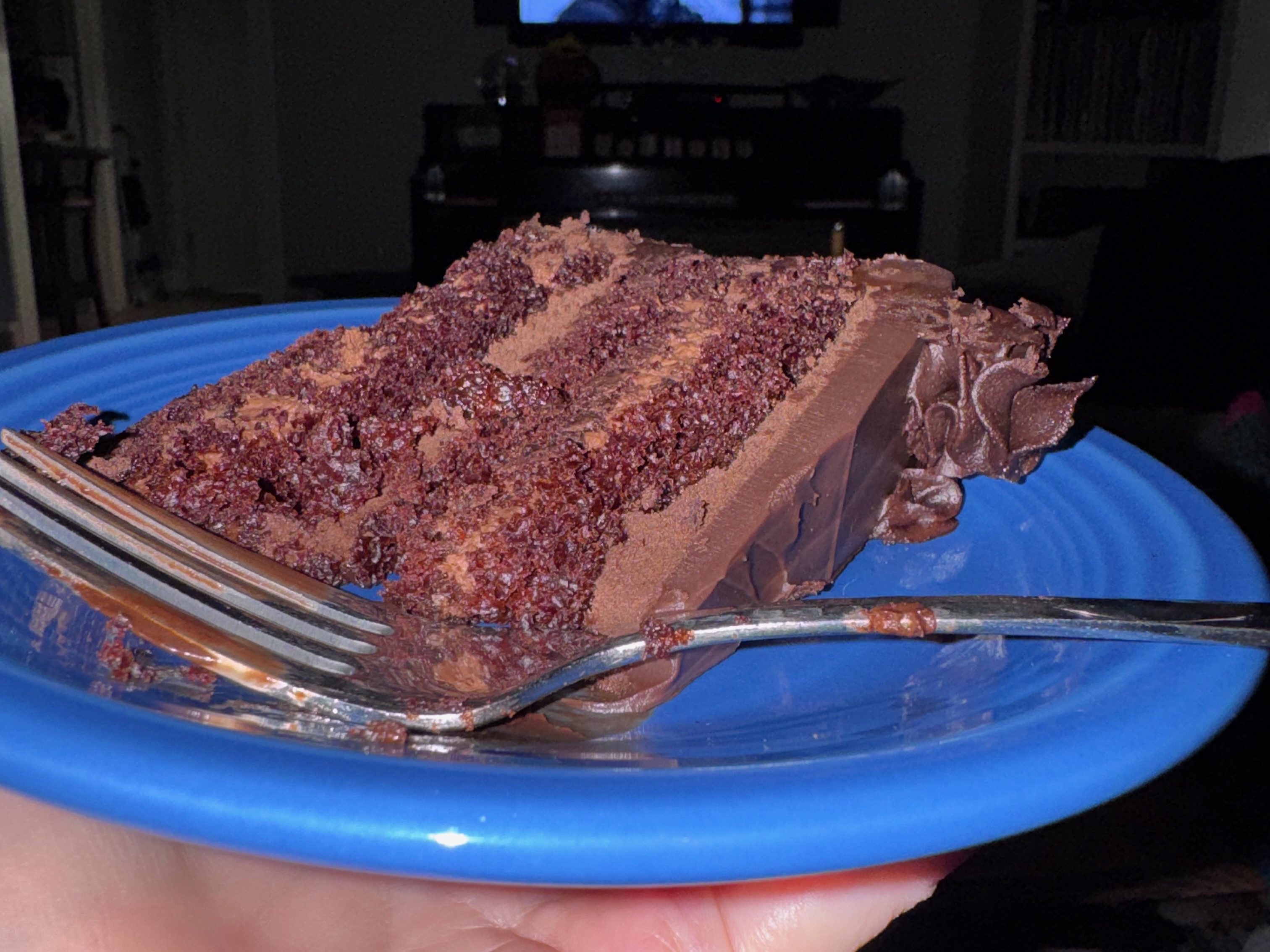
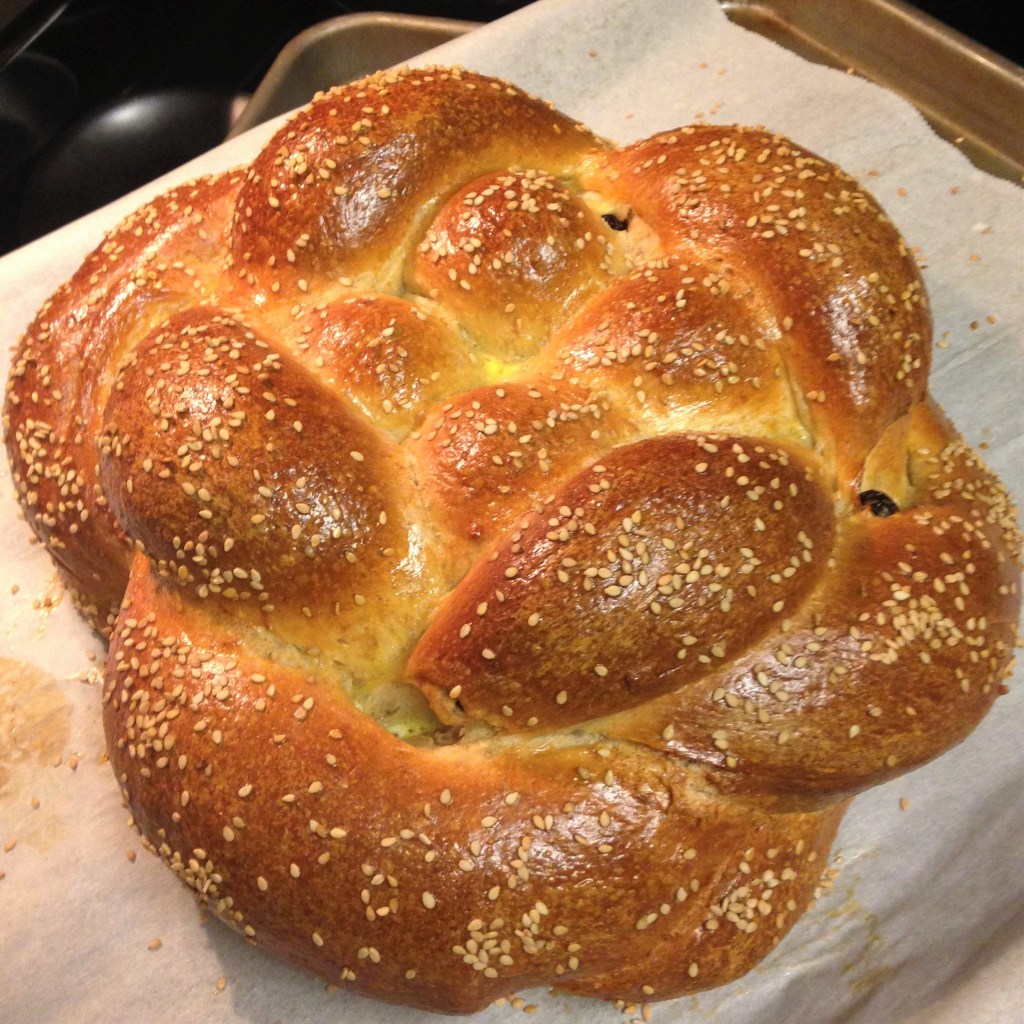
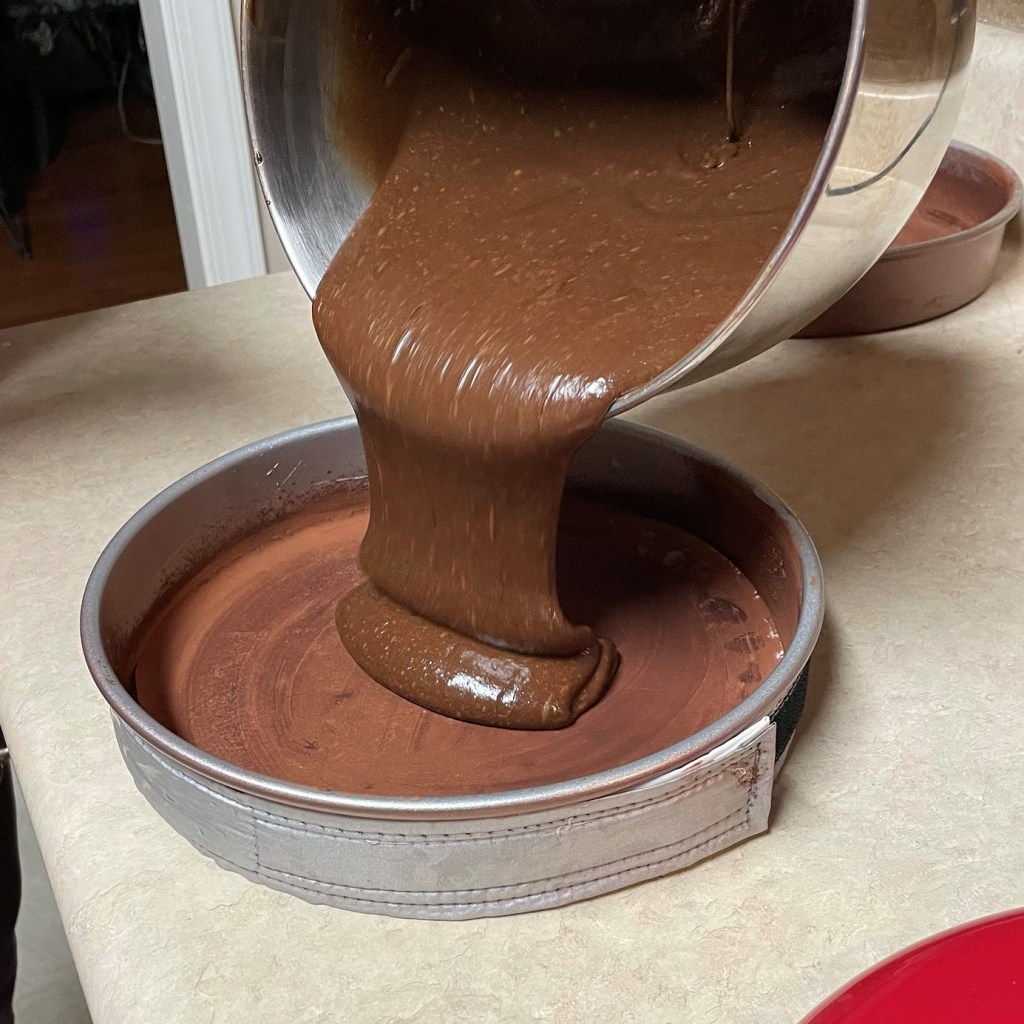
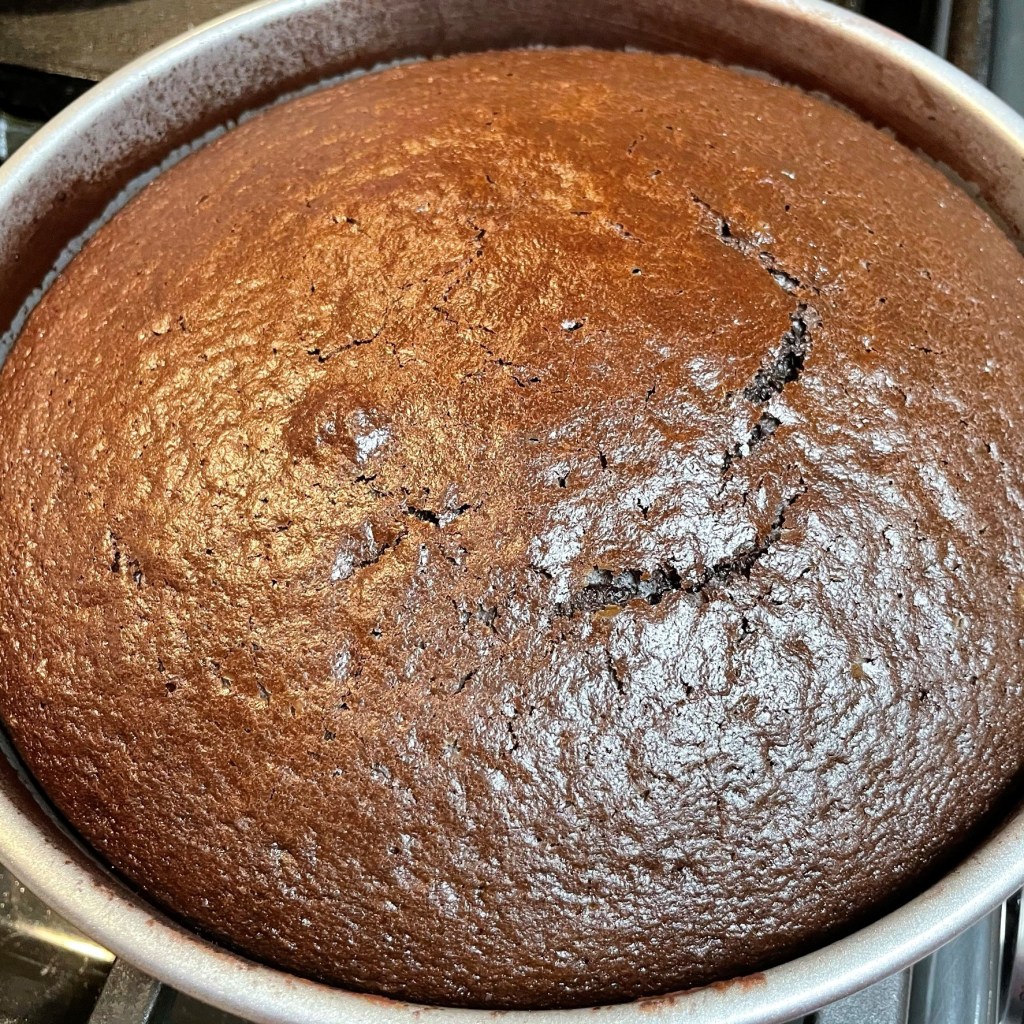
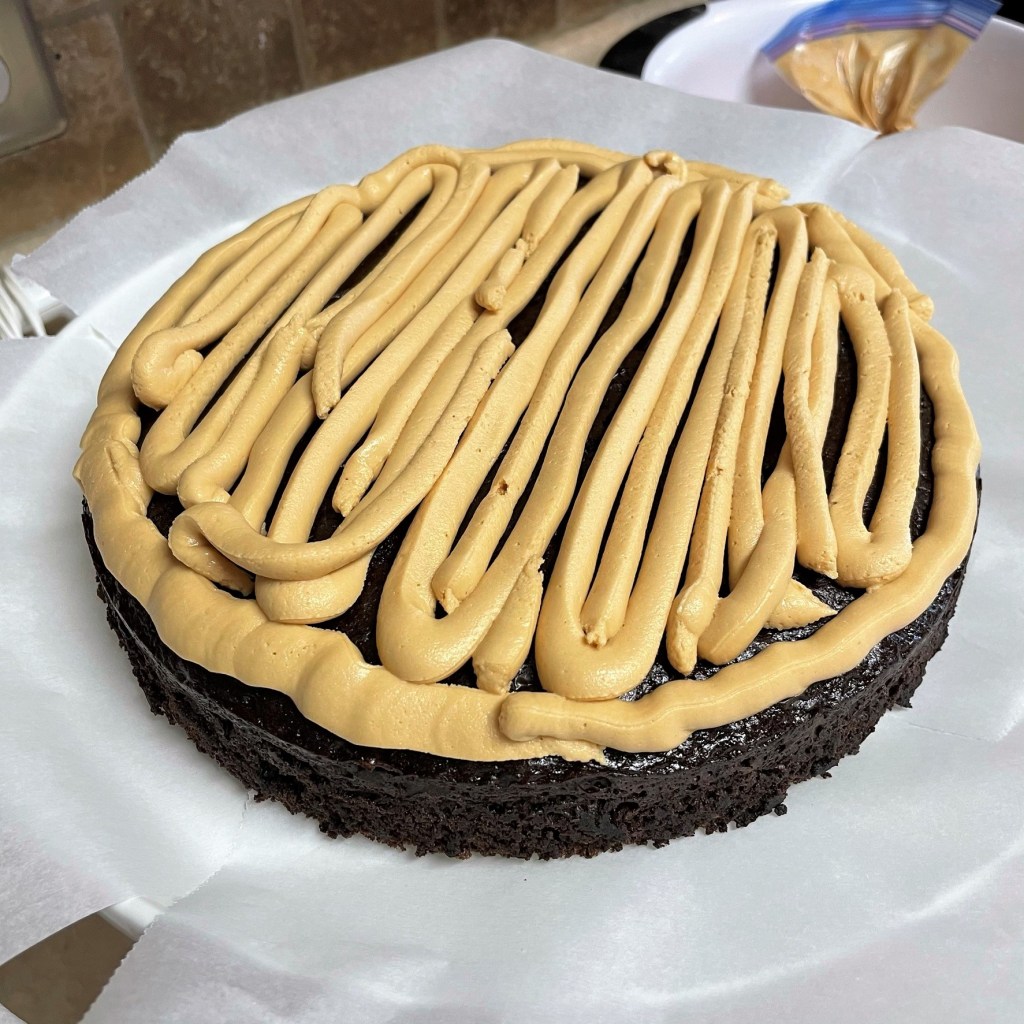
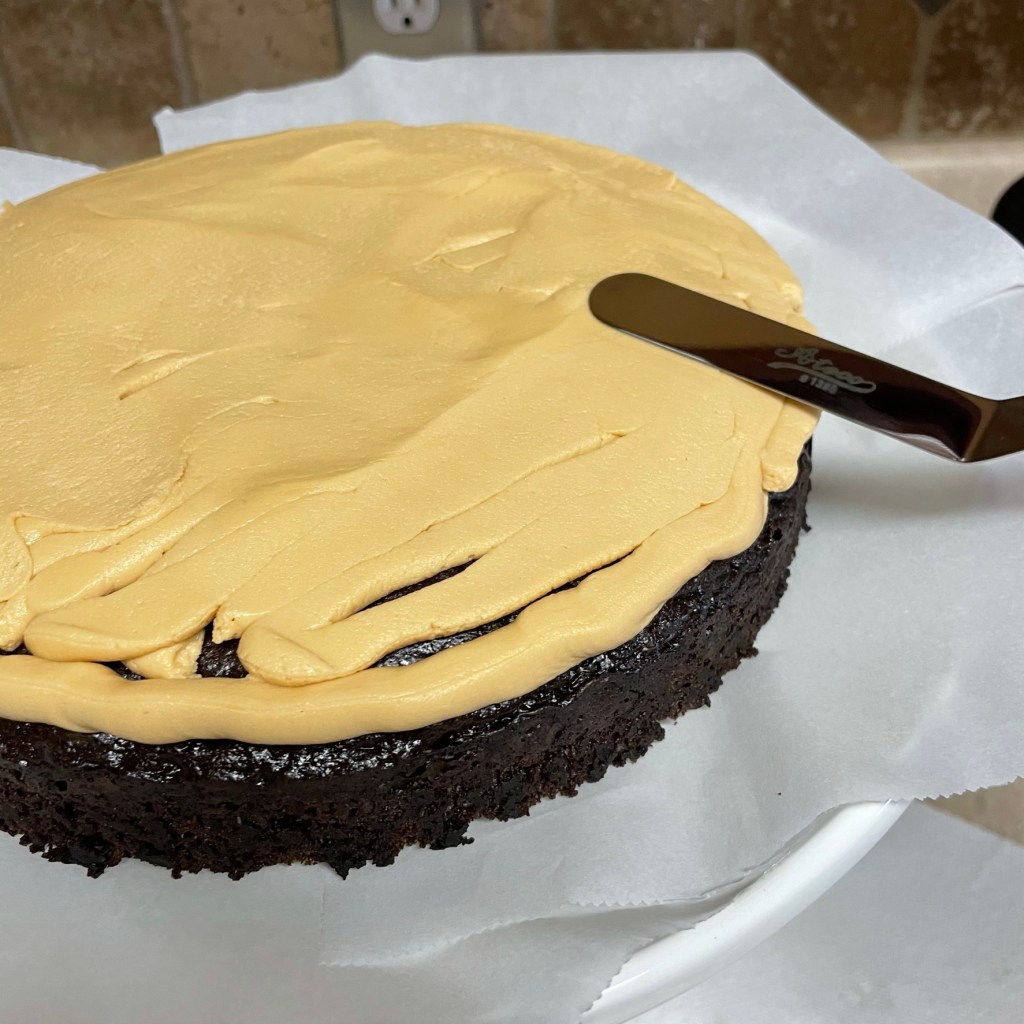
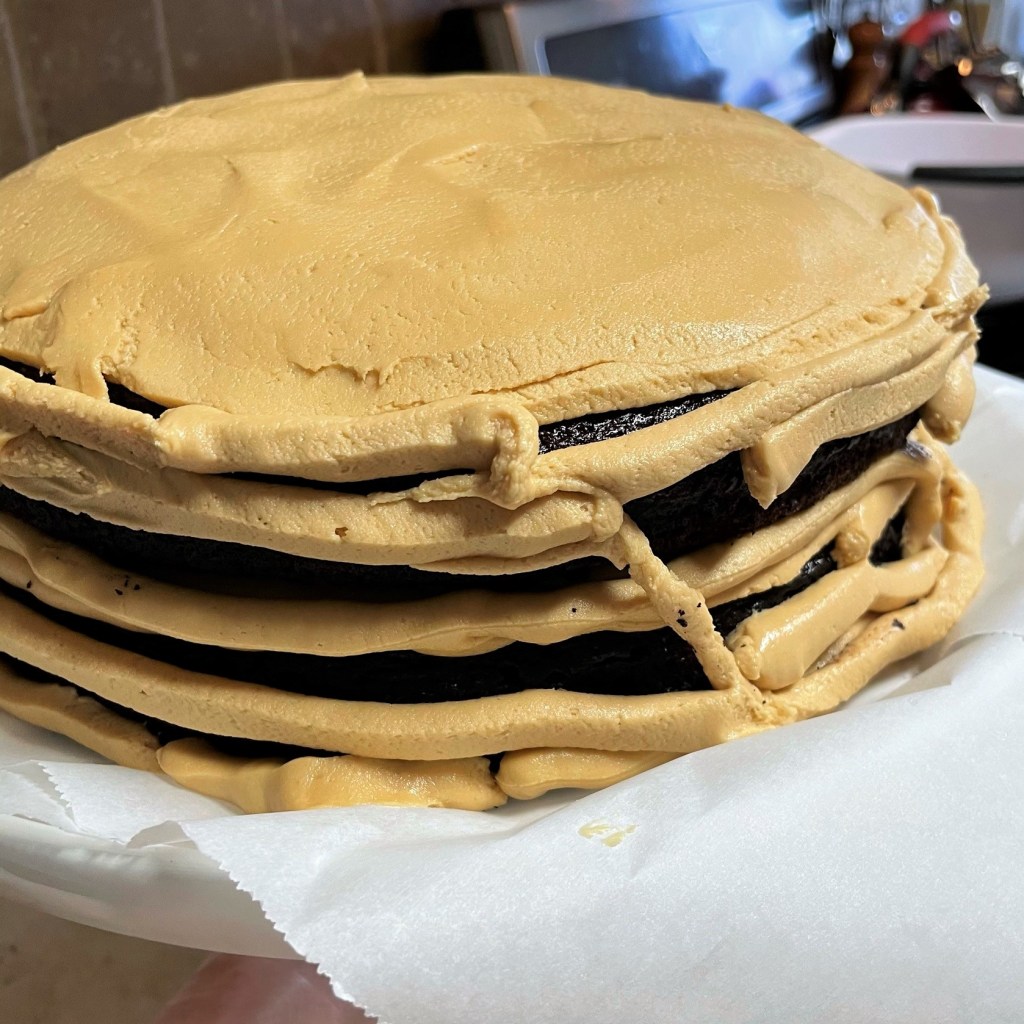
I found the recipe for this cake on one of my favorite sites, King Arthur Baking Company, and I will proclaim out loud that, ingredient-wise, it is the oddest cake I’ve ever made. I will also tell you that it tastes nothing at all like sourdough. It’s a bouncy, spongy very chocolaty cake, and though the KA recipe is for a rectangle cake, I changed it up and did 9-inch layers. I also swapped the coffee-infused icing for one of our most-loved flavors to pair with chocolate, salted caramel. It may strike you odd that I am not sharing a recipe for either, but here’s why—King Arthur already published the cake recipe, and you can find it here (I followed it pretty much to the letter). I’m not sharing the salted caramel frosting recipe because, frankly, I was flying by the seat of my pants when I made it, so I don’t know exactly how much of what went into it. Besides, the texture was a mess. I wanted something akin to buttercream, but I didn’t get the ratios right and my frosting, though delicious and perfectly salted, wasn’t very stable. I will, however, share the photos, purely for comedic value. Those Great British Baking Show contestants have nothing to fear in me! Next year, when Pete turns 6, I’ll probably make challah. 😊


Cherry Amaretto Upside-down Skillet Cake

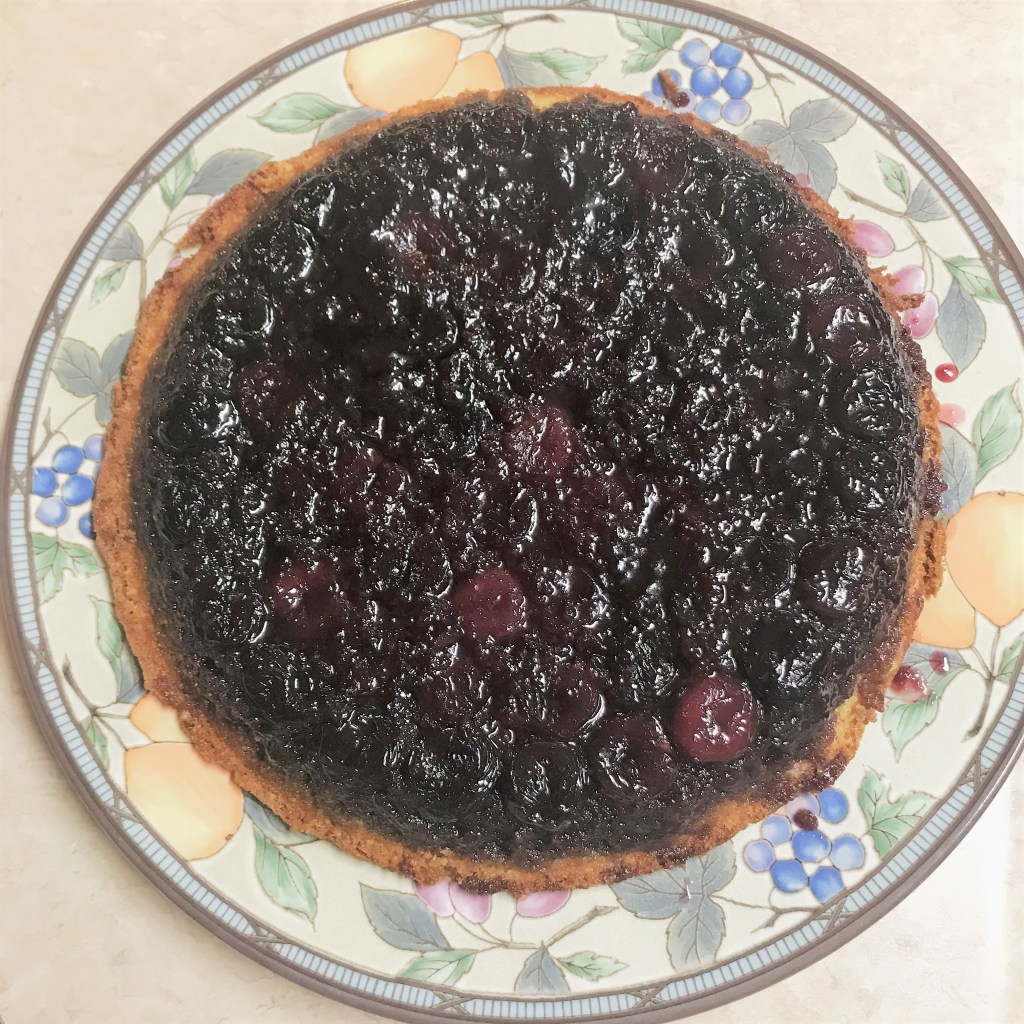
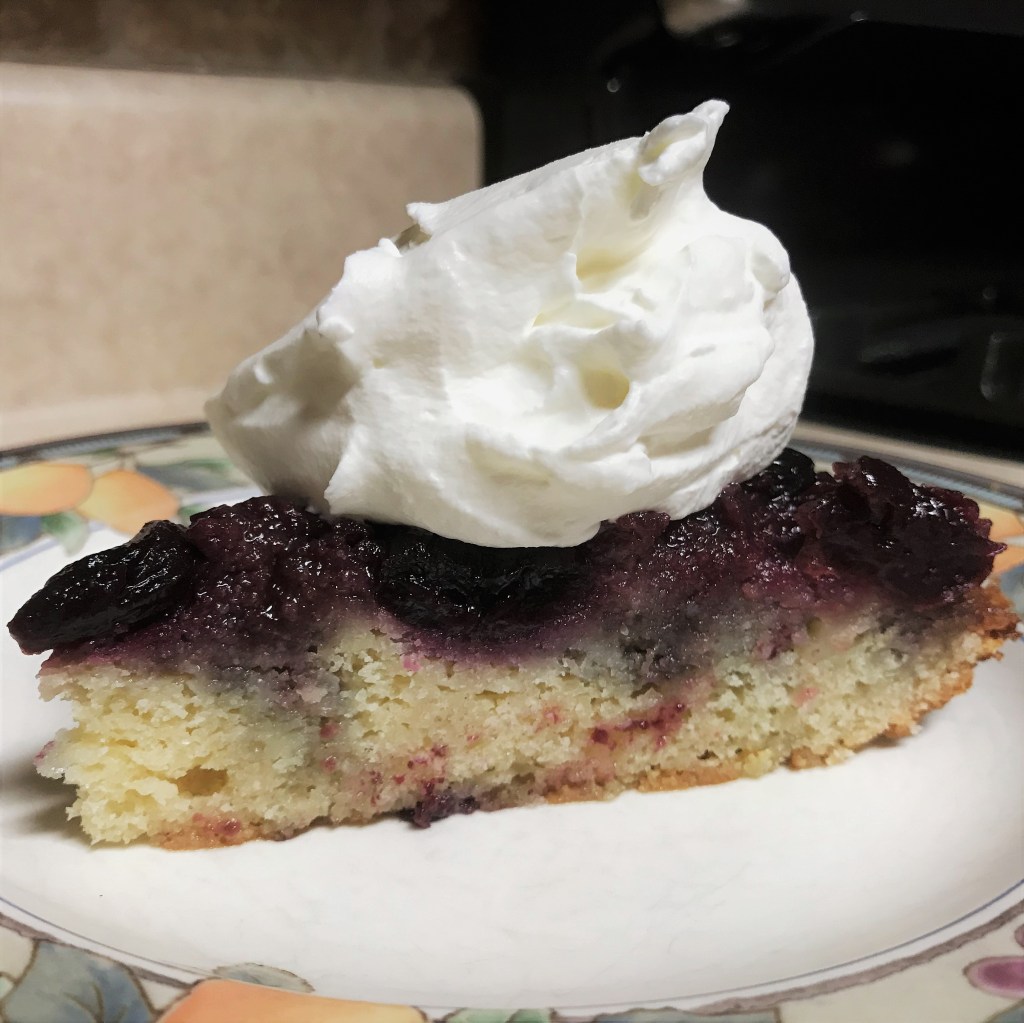
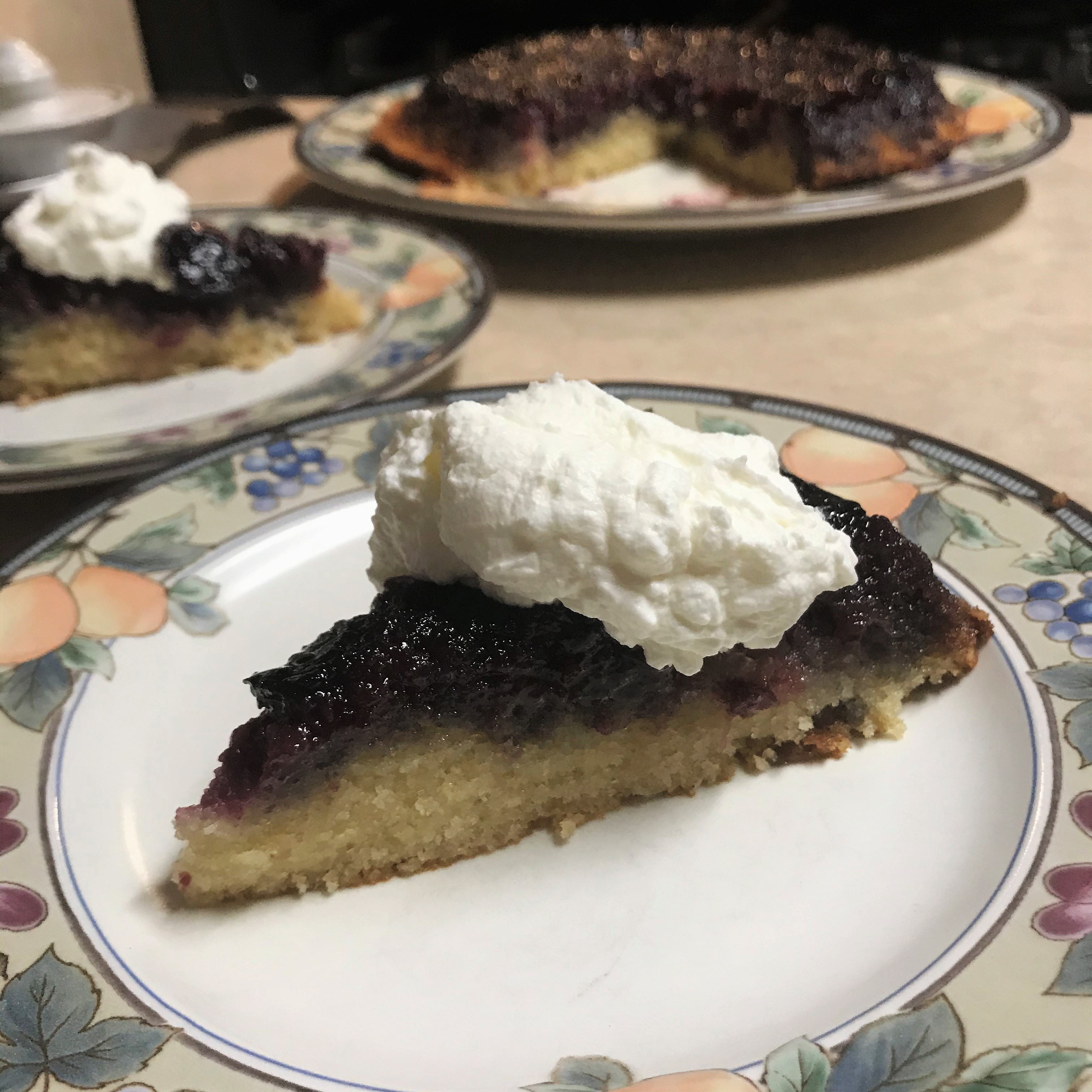
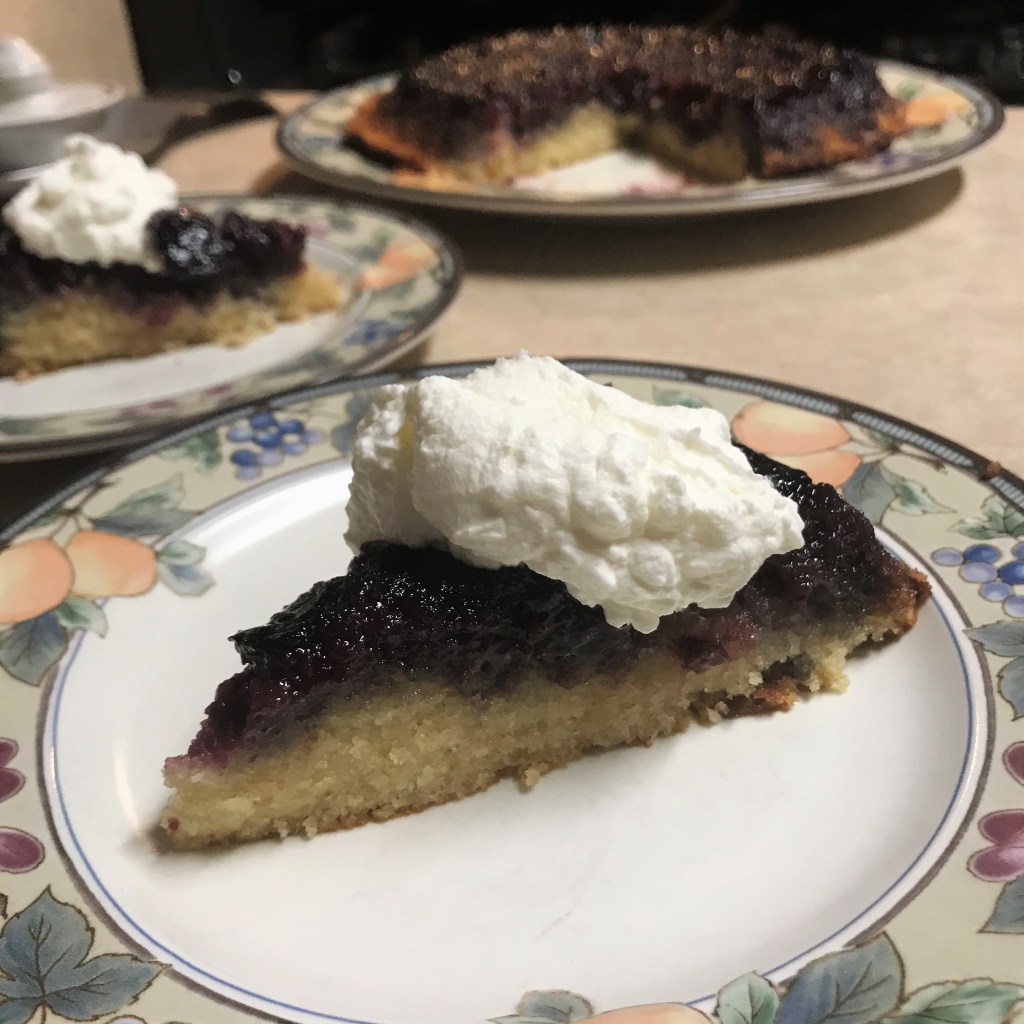
A great meal deserves a sweet, delicious ending, and this one showcases the plump and luscious dark red cherries that were everywhere this summer. The cake is moist and flavorful, rich with buttermilk, almond flour, eggs and real butter, and the buttery brown sugar topping is a little on the boozy side, plus the deep, dark sweet cherries. And the whole thing is elegantly draped with a dollop of amaretto-spiked whipped cream.

YUM!

If you aren’t wild about cherries (or maybe you aren’t wild about knocking out the pits), substitute fresh peaches, plums, nectarines, blackberries—well, I think you get the idea. But these cherries!

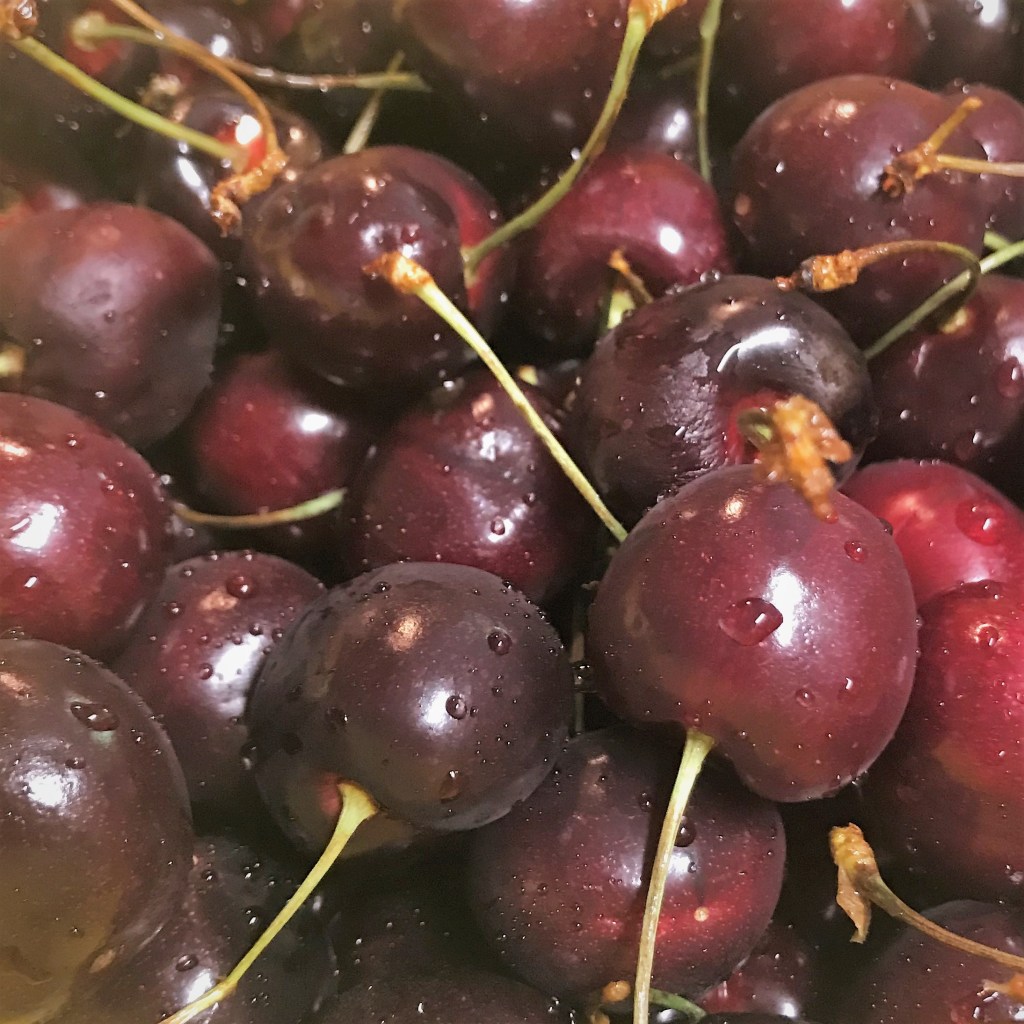
Fresh and sweet dark cherries

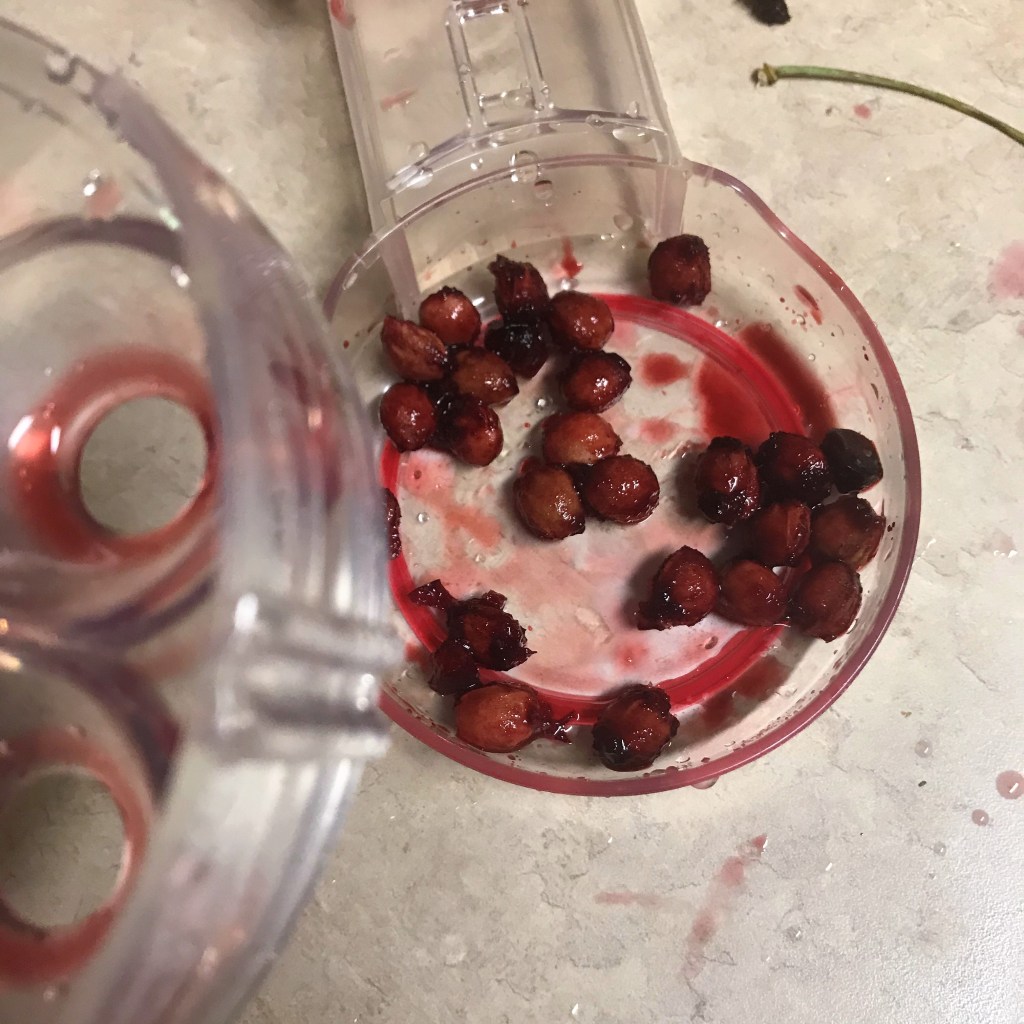
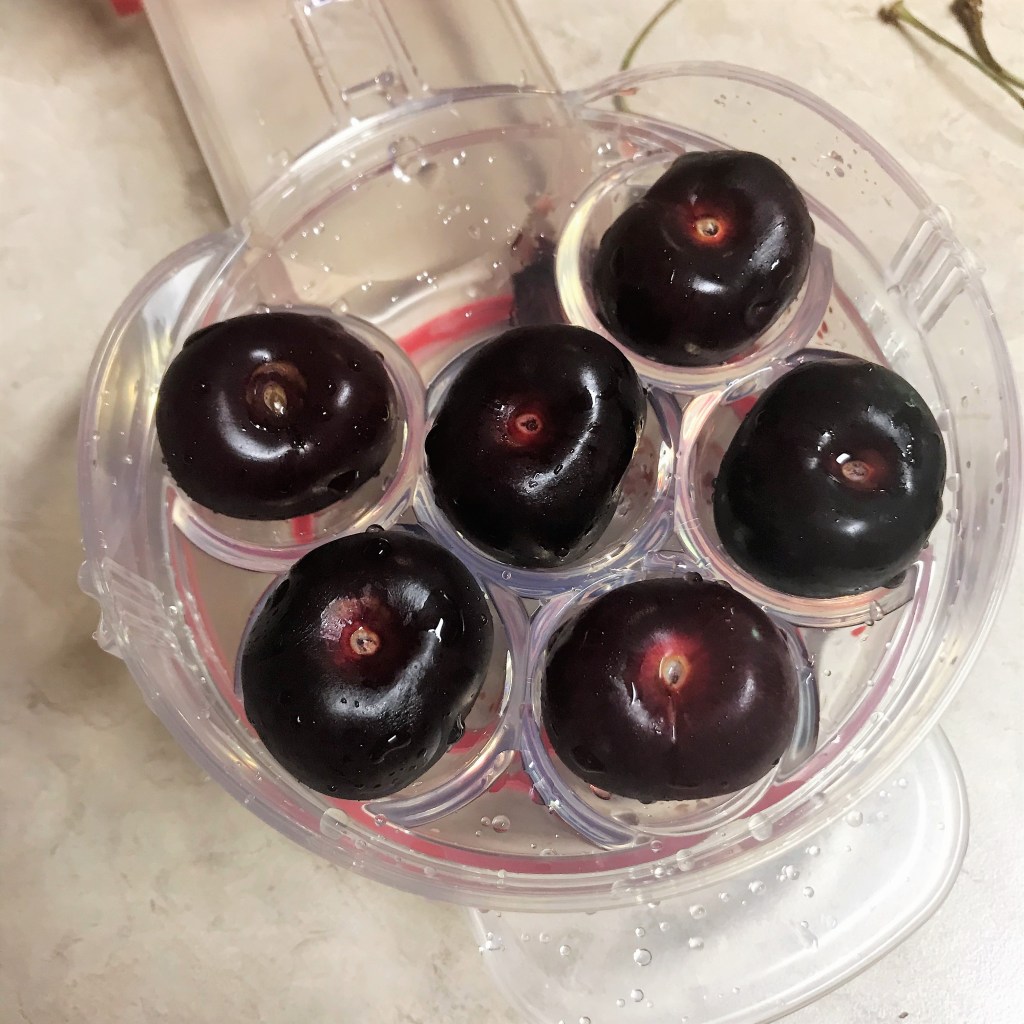
To tackle the unenviable job of pitting the cherries, I purchased a nifty device that gets the job done, six cherries at a time! If you’ve ever tried pitting cherries without a tool, you know that it cannot be done without making a huge mess. In previous attempts, I’ve balanced the cherries—one at a time, of course—on the neck of an empty wine bottle, then held the cherry while shoving the end of a chopstick through it. It left holes in the cherries, the pits inside the bottle, and red juice stains all over everything else in the room, including me. It’s the reason that, for the most part, I’ve relied on frozen cherries whenever I wanted to make a cherry dessert. I adore fresh cherries, but I’d only bought them to snack on, and only when I was flying solo because the whole spitting-out-the-pits part conjured memories of the 1987 film The Witches of Eastwick. There’s just no way to do it gracefully.

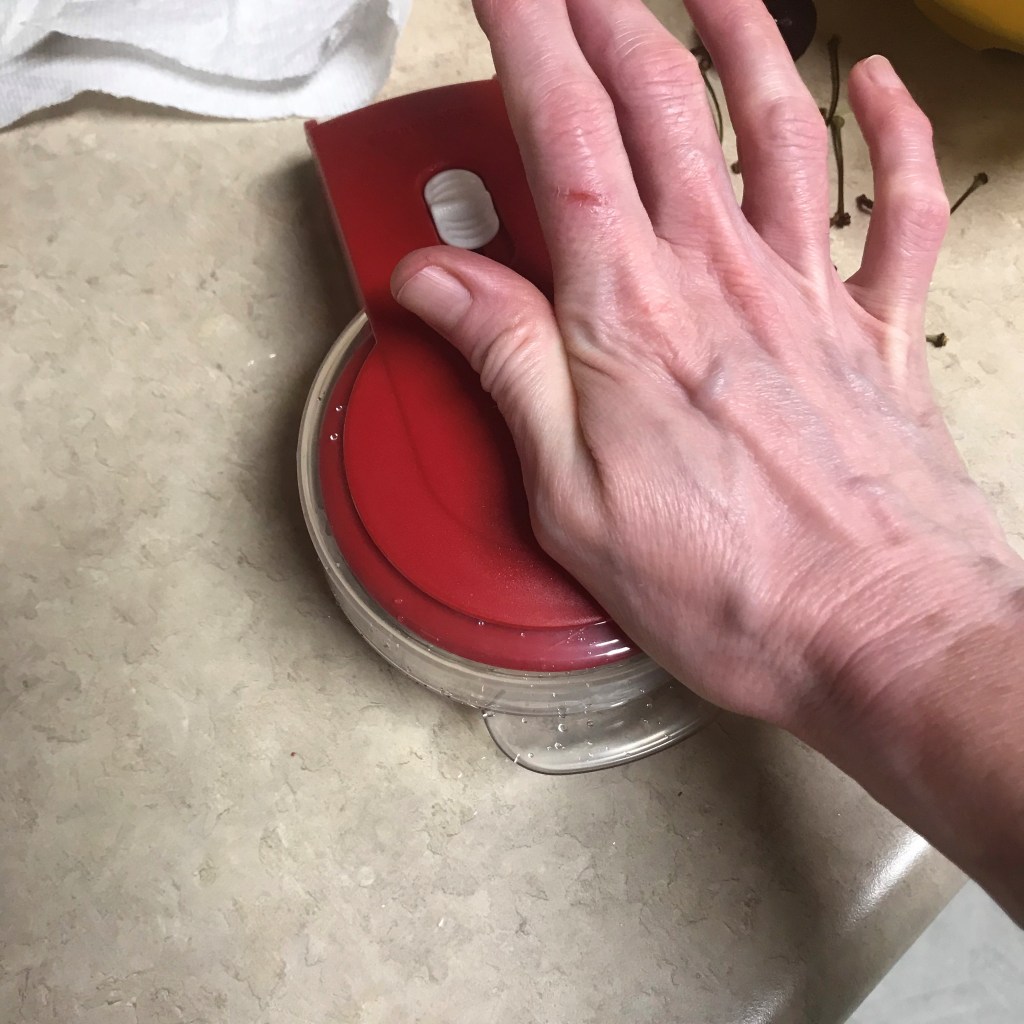
Suffice to say, this $15 tool has changed the game for me. After rinsing the cherries and pulling off the stems, I loaded them into the tray and pressed the top down. Boom!

And just like that, the pits are pushed out the bottom and into a receptacle, leaving the cherries intact but devoid of pits. I finished the entire bowlful in about 8 minutes. I’m not prone to give kudos for “uni-task” tools, but this one really took the pain out of what would otherwise make me choose a different dessert. Besides, as I reminded my husband, Les, this will also come in handy when I need to pit whole olives (which I’ve never tried but now I can).

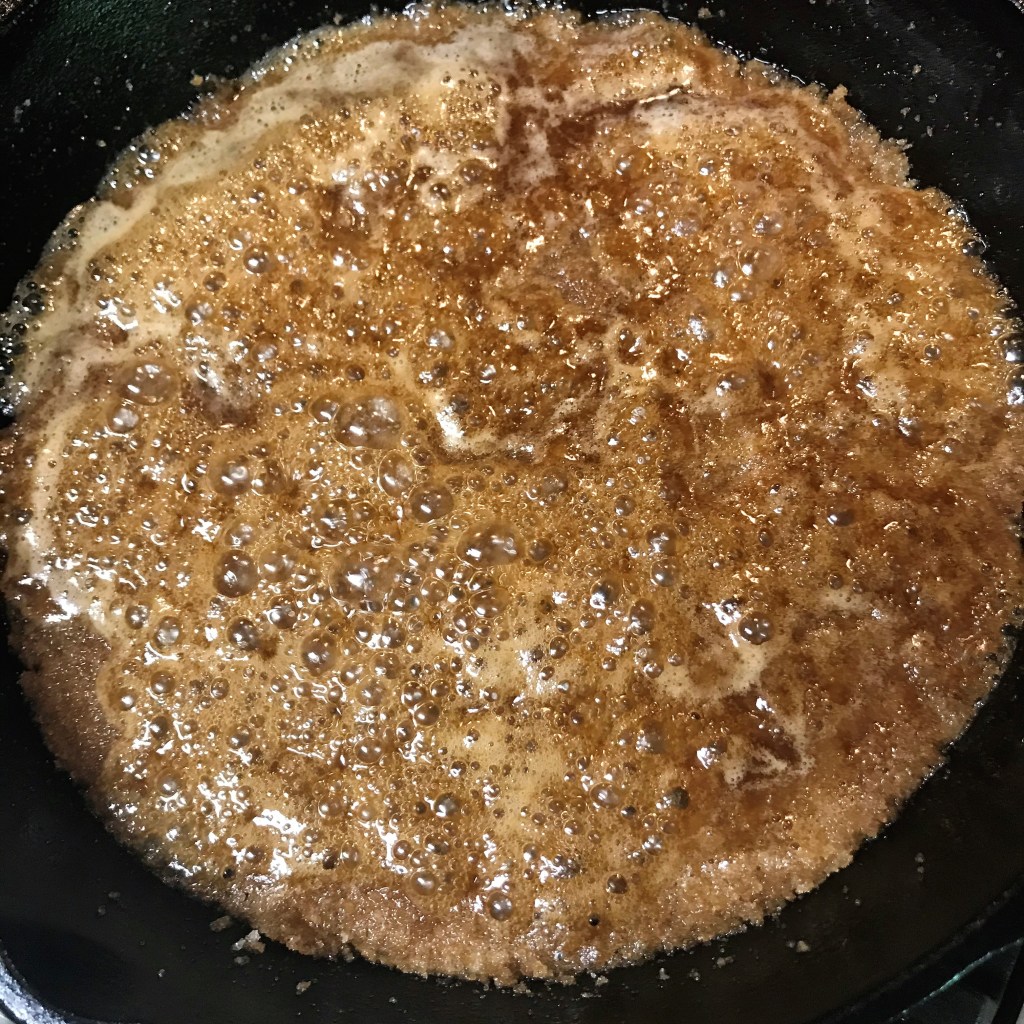
After the cherries were pitted, I got busy making the topping, which goes into the skillet first. This part of the recipe felt familiar because I’ve made a similar upside-down skillet cake with peaches. I start by melting butter with brown sugar, then adding amaretto to the mix for a subtle almond flavor that echoes what will be going on later in the cake batter. The cake is easy to make, too—cream together the sugar and butter, add the eggs and flavor enhancers, and then alternate the dry ingredients with buttermilk until it’s ready to spread over the topping. The rest of the delicious magic happens in the oven.

It’s best to invert the cake onto a plate while it’s still warm, but be careful handling the hot skillet!

This cake has a dense, but not heavy texture, and the warm almond flavor permeates every layer while the soft, juicy cherries satisfy the sweet tooth. It keeps well, too, which is always a bonus in our empty nest household. As odd as it may sound, Les and I found that we enjoyed this cake even more a couple days after I baked it—ice-cold, straight from the refrigerator. The cake part remained moist (thank you, buttermilk!), and the cherry flavor was more pronounced.

Leftovers. The cake remained moist in the fridge, and the deep cherry color seeped further into the cake. This is a delicious dessert for late summer!
Ready to make it?


Ingredients

4 Tbsp. butter

1/2 cup brown sugar

1/4 cup cane sugar

1.5 oz. amaretto* (see notes)

About 3 cups pitted fresh dark cherries

1 cup all-purpose flour*

3/4 cup almond flour

1 tsp. baking powder

1/2 tsp. baking soda

1/2 tsp. salt

1/2 tsp. ground cinnamon

3/4 cup cane sugar

1 stick unsalted butter, softened but not melted

2 large eggs

1 tsp. vanilla extract

1 tsp. almond extract

1 Tbsp. amaretto (optional)*

1 cup buttermilk*

Whipped cream for serving, if desired


*Notes

Amaretto is an Italian, almond-based liqueur. It is lower proof than whiskey or vodka, slightly sweet and plays very nicely with cherries. If you avoid alcohol, you can get close to this flavor with almond extract. Drizzle 1 teaspoon over the cherry mixture and increase to 2 teaspoons in the cake. Real almond extract, by the way, also usually contains alcohol as a suspension for the almond flavor, but the amount will be minimal.
Remember the rule for measuring flour? In baked goods such as this, using the correct amount will really make a difference. Dipping your measuring cup straight into the flour container is a sure-fire way to have a dry and crumbly cake. I trust a kitchen scale for most of my baking, but if you don’t have one, follow the simple “fluff, sprinkle, level” method—fluff the flour with a whisk or fork, sprinkle it over the dry measuring cup to overflowing, level it off with the back of a knife.

Don’t be tempted to substitute regular milk for the buttermilk in this recipe. The acidity in the buttermilk will lend a subtle tanginess to the cake, and it also reacts with the baking powder and soda for leavening.


Instructions

  1. Preheat oven to 375°.
  2. Place a 10” cast iron skillet over medium heat. Melt the butter, then add the brown sugar and cook until the sugar is dissolved, and the mixture appears lightly foamy.
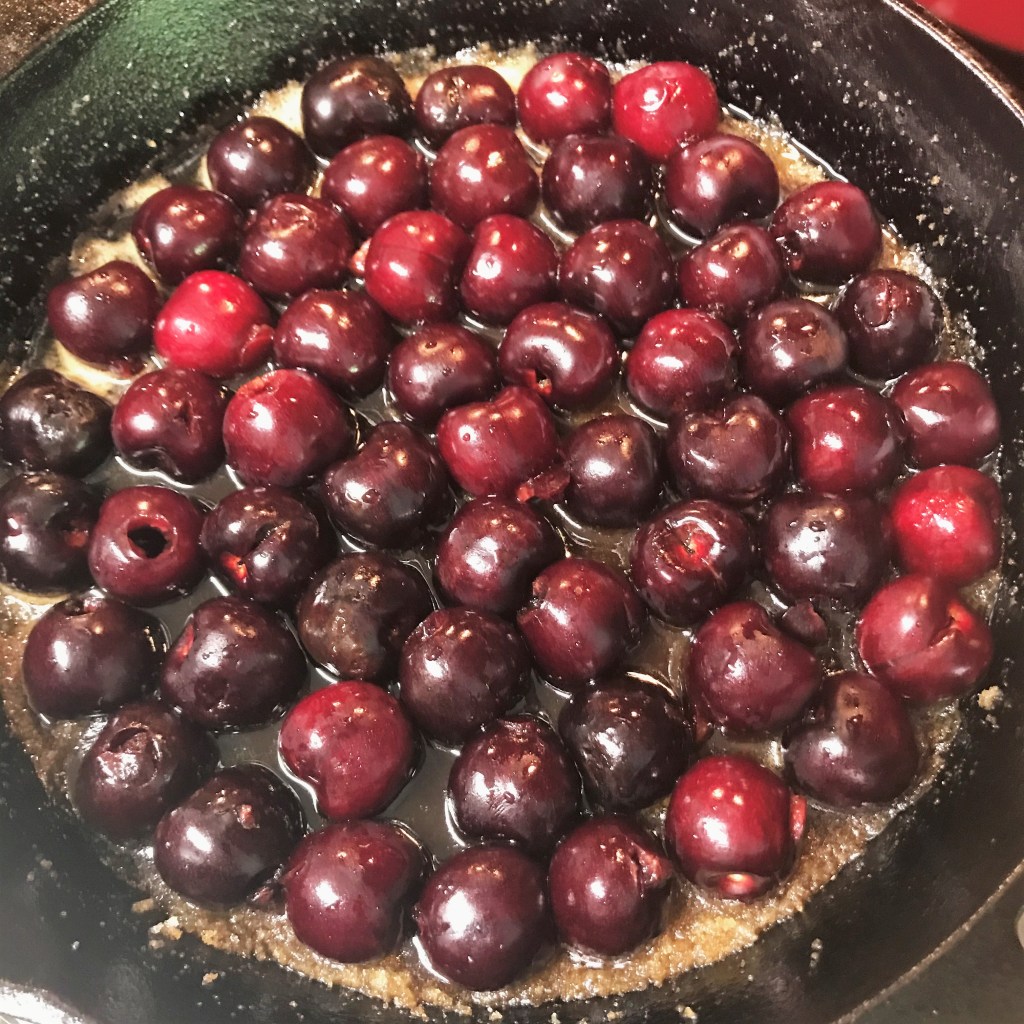
  3. Pour in the amaretto and swirl gently to evenly distribute throughout the butter and sugar mixture. Remove from heat and arrange the cherries close together over the mixture.
  4. In a medium bowl, whisk together flour, almond flour, baking powder, soda, salt and cinnamon.
  5. In a mixing bowl, beat together the butter and sugar until it’s evenly combined and fluffy. Add one egg and beat until smooth, repeat with the second egg. Then, beat in vanilla and almond extracts, plus additional amaretto, if desired.
  6. Beat in 1/3 of the flour mixture, blending only until dry ingredients are thoroughly incorporated. Beat in half the buttermilk until smooth. Repeat with flour and buttermilk, then the remaining flour.
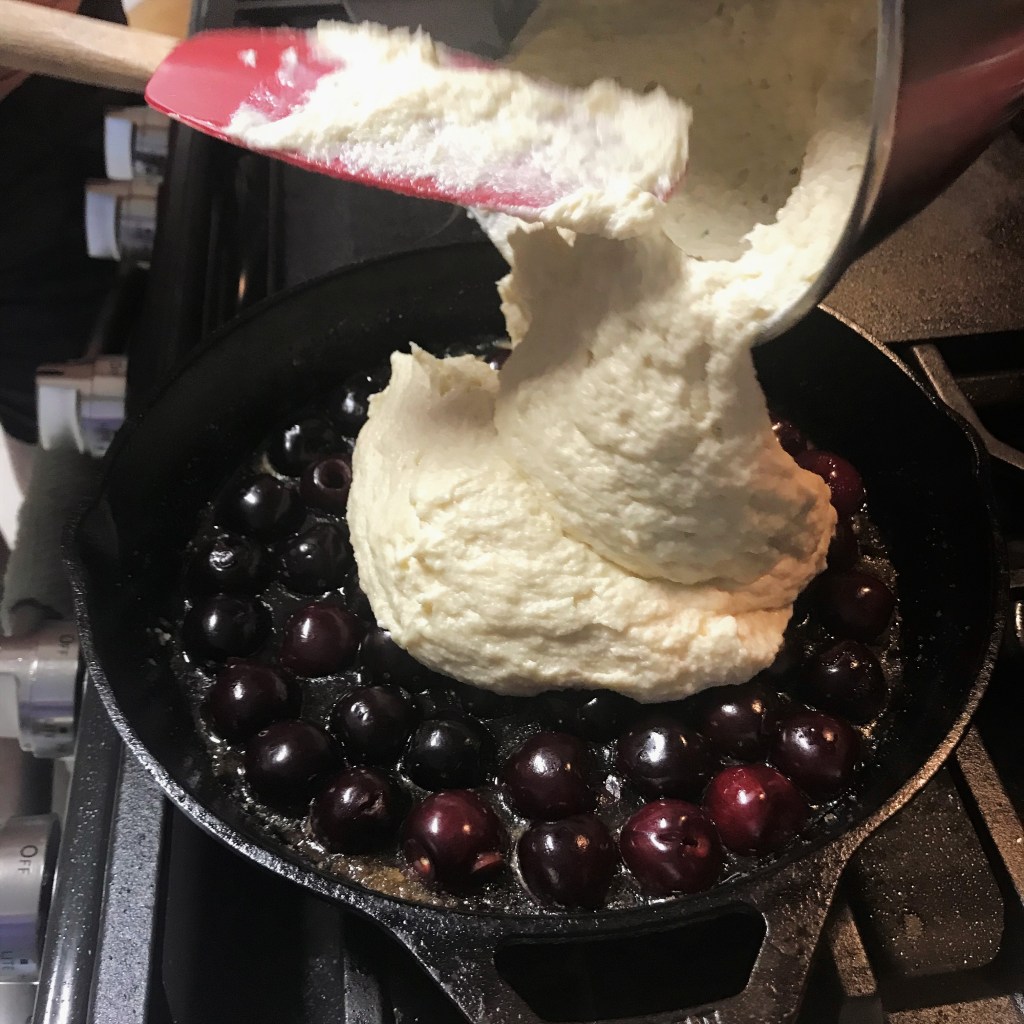
  7. Pour the batter evenly over the cherries in the skillet. Smooth the top with a rubber spatula to evenly distribute the thick batter.
  8. Slide the skillet into the oven and bake about 50 minutes, or until a toothpick comes out clean.
  9. Allow cake to cool at least 15 minutes before inverting it to a large serving platter. To do this successfully, first slide a butter knife around the edges of the cake, to loosen any areas where it might be sticking. Center the plate, face-side down, over the skillet, then carefully hold the skillet and plate together and turn them over. I’ve found this to be easy, as long as you don’t allow the cake to cool too long. If it sticks too much to release, turn the pan right side up again and briefly heat it over a low burner. This will melt and soften the butter again for easier release.

Allow the cake to cool completely. Cut into wedges and serve with a dollop of freshly whipped cream (spike with amaretto, if you wish).

Store leftovers in the fridge, covered with foil or plastic wrap.

This recipe makes about 8 servings, and a dollop of fresh whipped cream is a perfect topper.

Want to print this dessert recipe?