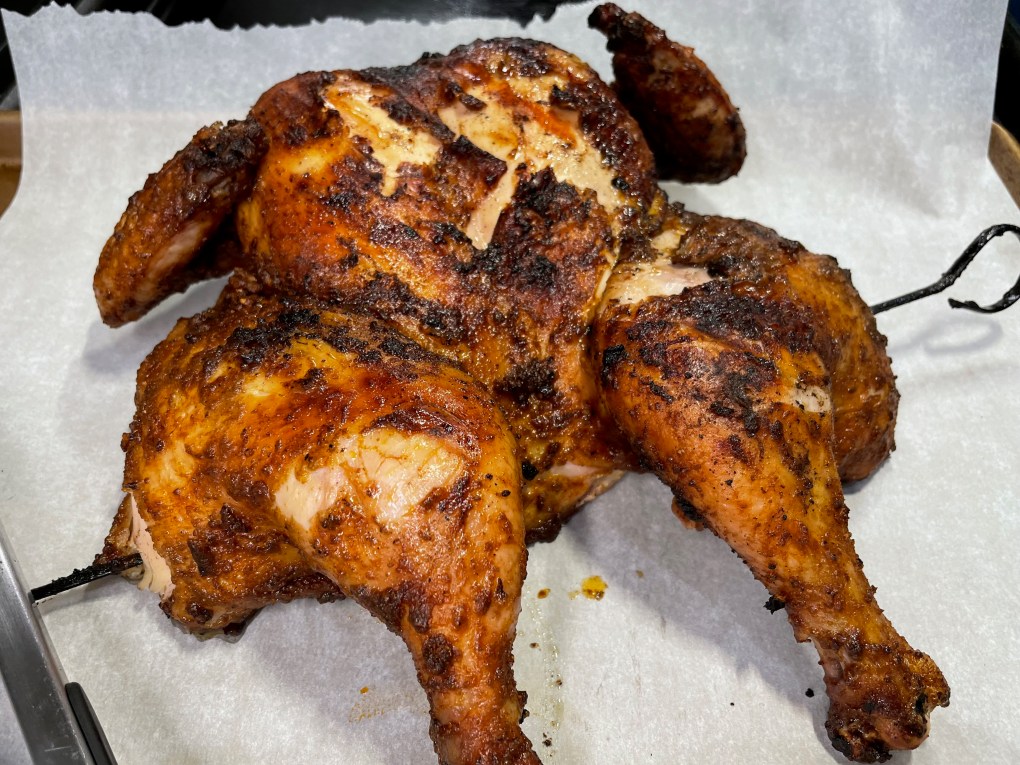
Peruvian-style Chicken

There are only a few days left of Hispanic Heritage Month, which runs from Sept. 15 to Oct. 15. Recognizing and celebrating cultures other than my own is important to me, especially with the recent happenings in this U.S., and the government trying to wipe out diversity of any kind. I feel helpless in the face of it, but know I can still shine a light on the other cultures. And the best way I know how to do that is to explore and share their cuisine.

At our house, we observe the heritage of Hispanic cultures regularly— not only on months that “officially” mark the occasion— and that usually happens through food, and typically Mexican food. A few of my formative years were spent with my mother in Southern Colorado and New Mexico, so those flavors taste like home to me. But Mexico isn’t the only country with Hispanic culture; there are 21 countries and territories to celebrate, with most of them being in the Americas, some in the Caribbean (such as Cuba and the D.R.) and even an itty bitty country in Africa. What puts them in the “Hispanic” category is that Spanish is the predominant language and their cultures have been significantly influenced by Spain (which is, itself, an Hispanic nation).


Today, my attention is on Peru, for no other reason than I freaking love this chicken! My first-ever experience of Peruvian roast chicken was underwhelming— it was a rotisserie bird from Whole Foods that barely tasted different from a plain one. But when I first had pollo a la brasa for real—fire-roasted chicken with paprika, cumin, vinegar and garlic—I was blown away by the intensely warm and smoky spices and the flavor explosion at the first bite. And it’s not just the spices on the chicken— it’s this insanely good jalapeño-based sauce that I would happily devour with a spoon.
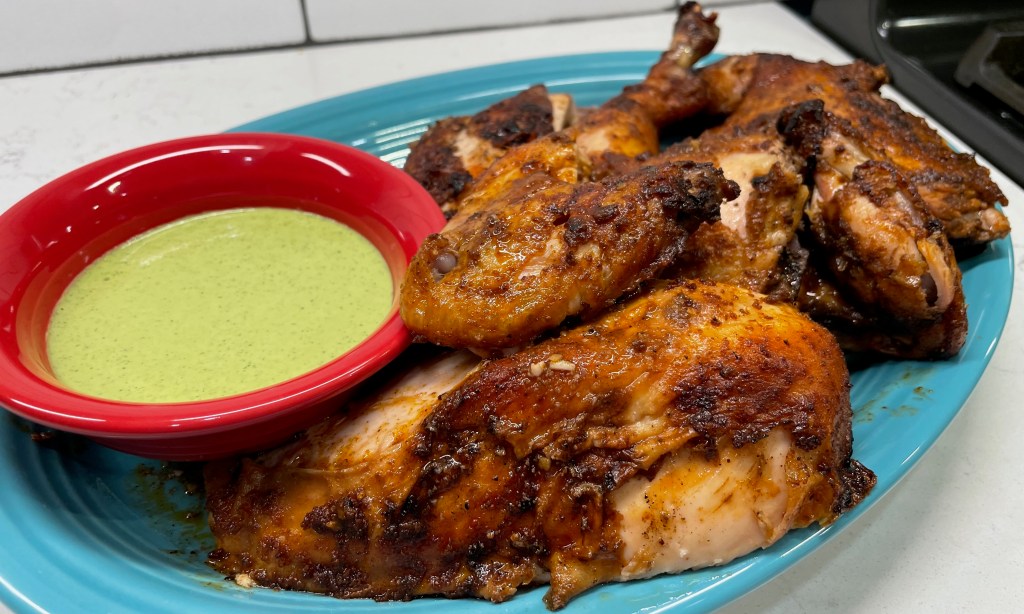
I’ll bet you can smell it through the screen.

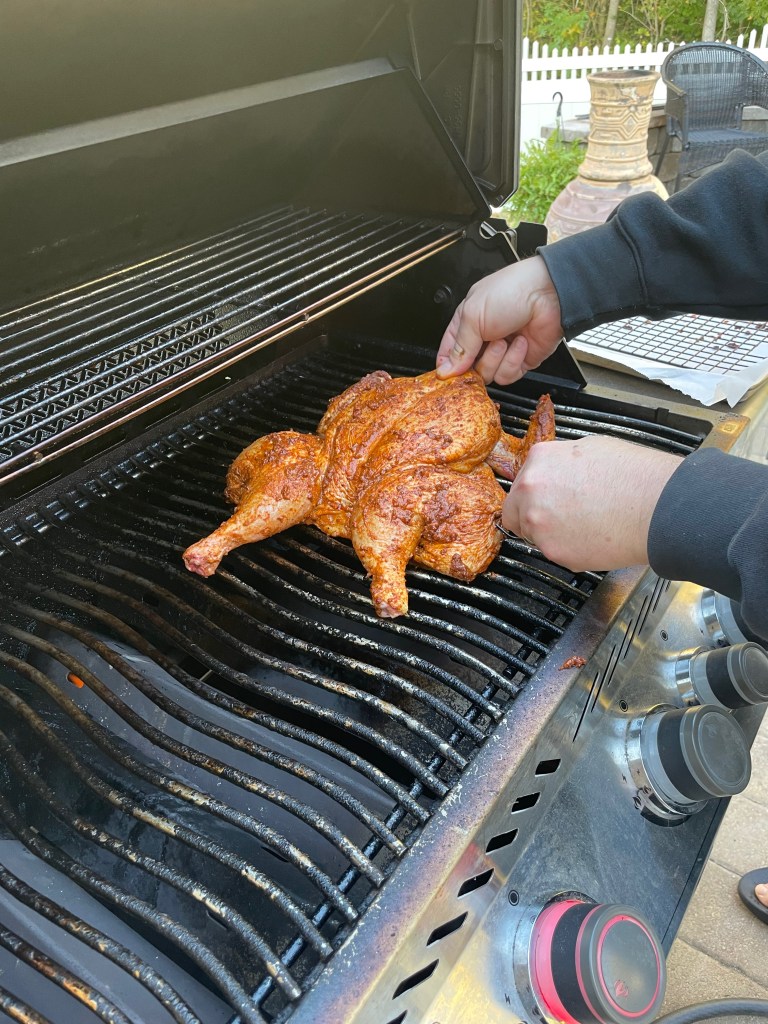
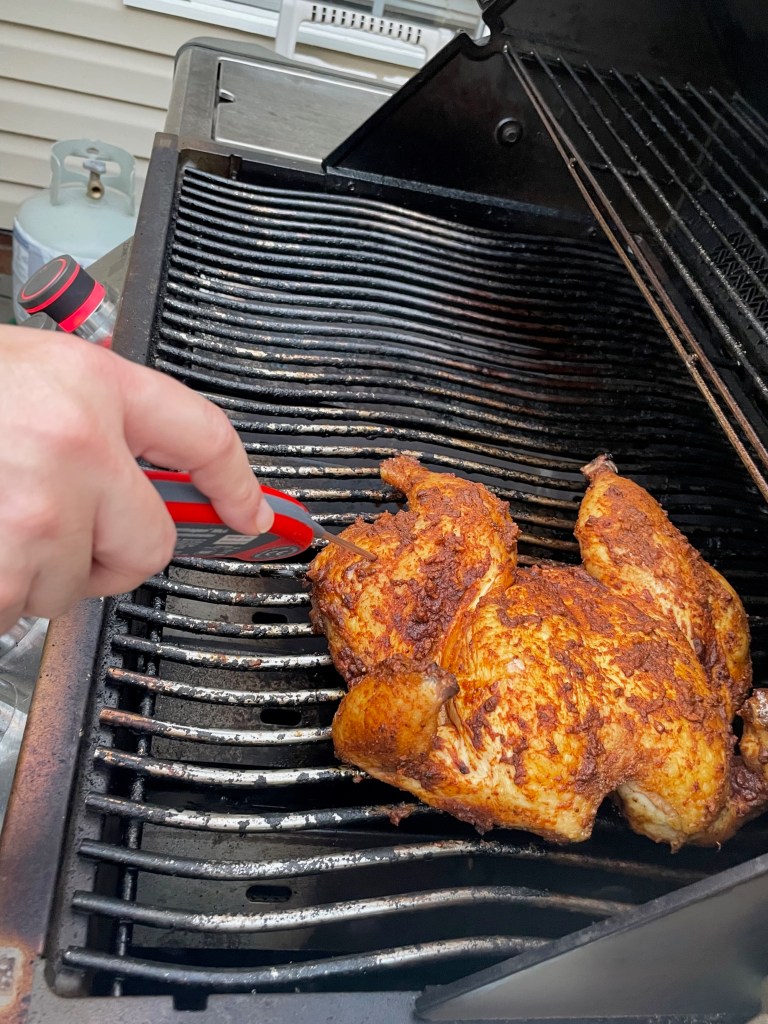
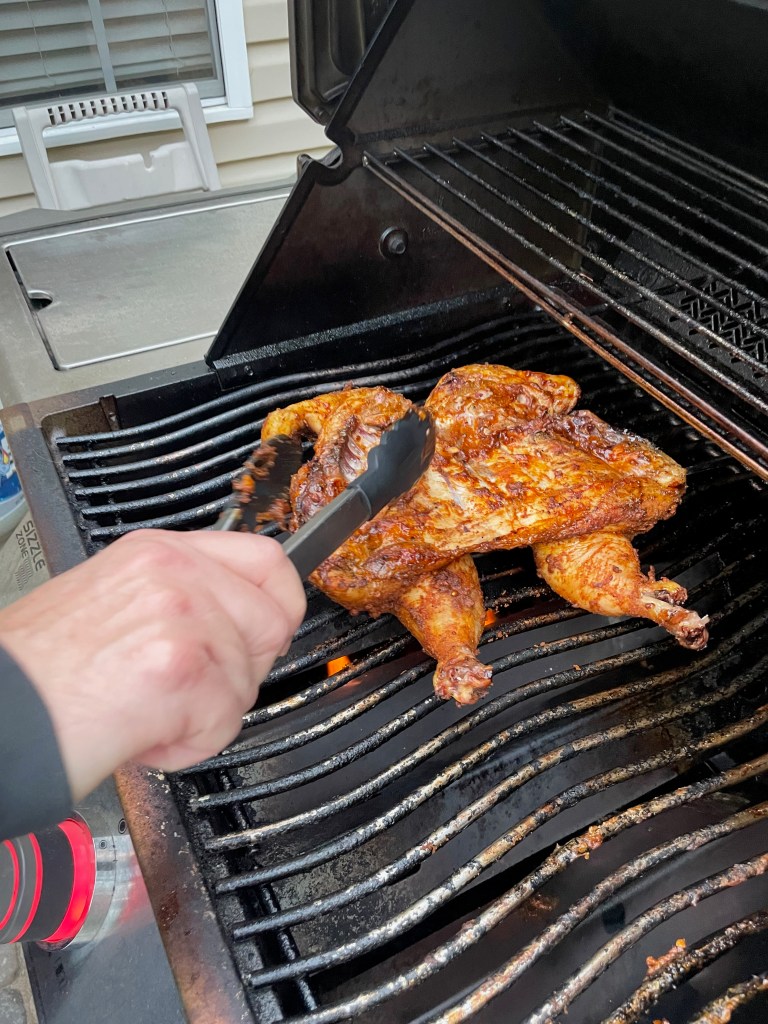
We’ve made this a few times at home now— first, with the rotisserie spit accessory on our Napoleon gas grill and later by spatchcocking the bird and grilling it flat— and I have a few thoughts to share for the best success.

Thought #1: Trust Kenji’s recipe!

It didn’t take long to find the recipe I would trust when I decided to make this at home. If you know me at all, you know that Kenji López-Alt has my utmost respect for his culinary approach and techniques. He’s the reason I dry-brine my turkey at Thanksgiving and salt steaks overnight before grilling. If anyone knows the right way to cook Peruvian-style chicken, it’s Kenji. The only deviation I made from Kenji’s recipe on the Serious Eats website is that we used our gas grill (we don’t have a charcoal one, darn it). Literally everything else about my method is the same. For this reason, I’m tagging his recipe below so that I don’t have to type it out myself. Be sure to read through Kenji’s narrative, too, for more tips and expert insight.
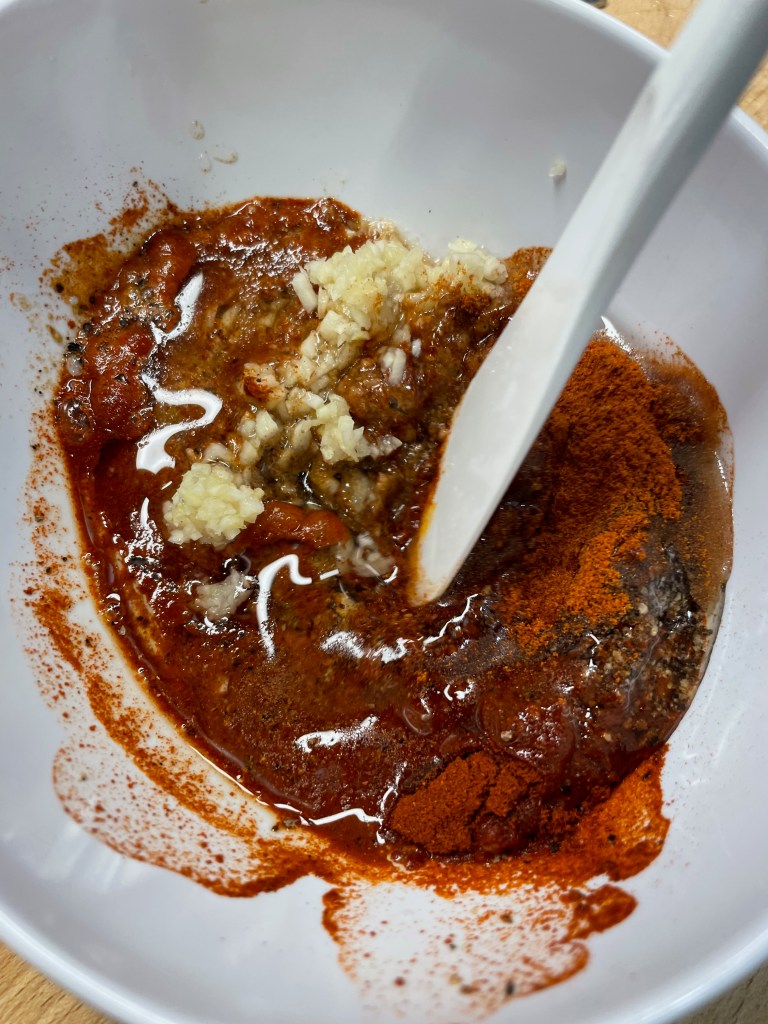
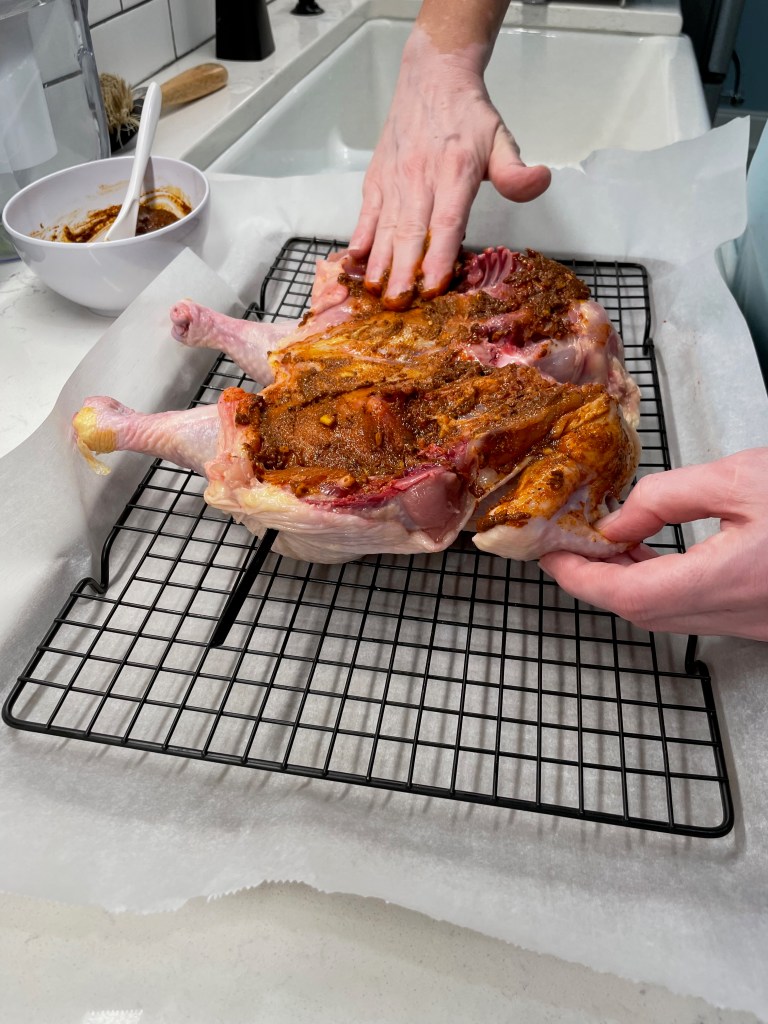
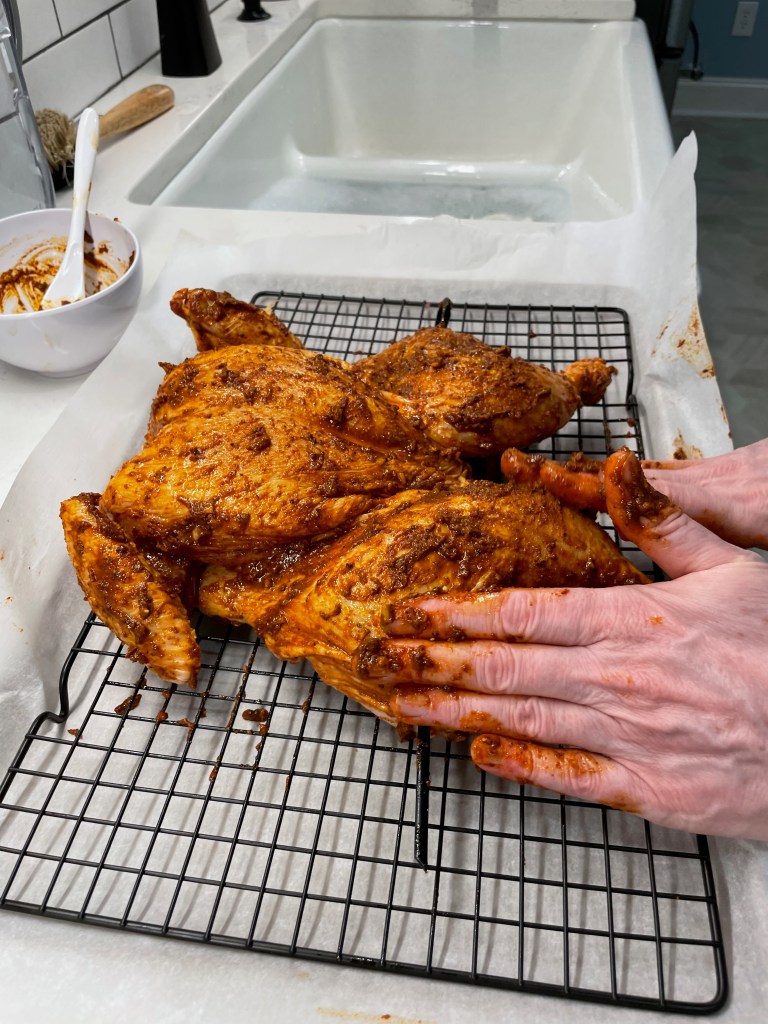
Thought #2: Consider roasting parts rather than a whole chicken

Our rotisserie effort felt authentic and fancy, but the whole, flat-roasted chicken was just as good. Next time we make this recipe, I’ll probably buy packages of the chicken parts we like best— the thighs! It can be tricky to get the thighs and breast of a whole chicken done at the same time, especially on the grill, so why not buy the parts separately and give each the attention they need? Bone-in, skin-on is the way to go for maximum flavor.
Thought #3: Make extra green sauce (trust me!)

I don’t know how such simple ingredients can become so delicious. It’s kind of ridiculous how good this sauce is, and the secret ingredient is a product called aji amarillo chile paste. Look for it in a Hispanic specialty market or online if your supermarket doesn’t carry it.
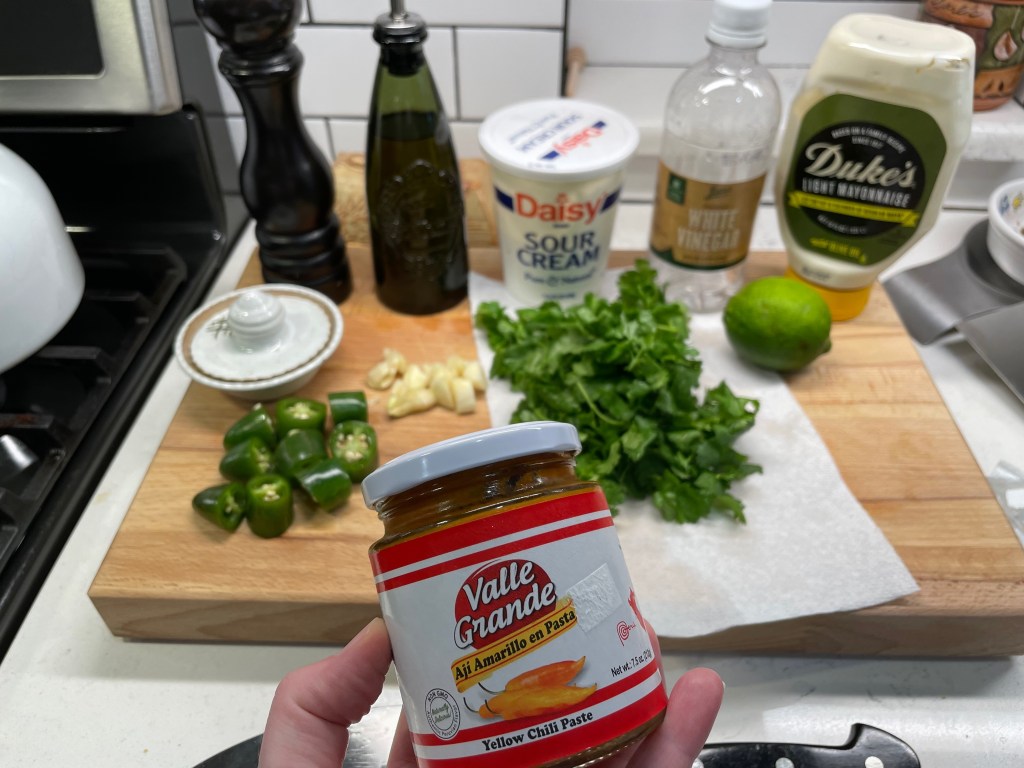
The aji amarillo paste is the star of this sauce show!

Aji amarillo has a uniquely earthy yet tropical, almost sweet flavor, and when combined with jalapeños, cilantro, garlic, lime and mayonnaise— well, it’s almost magical, with an addictive quality that will make you wish you had grilled a second chicken. But don’t worry, you’ll find plenty of other things to dunk into this sauce. It’s that good!
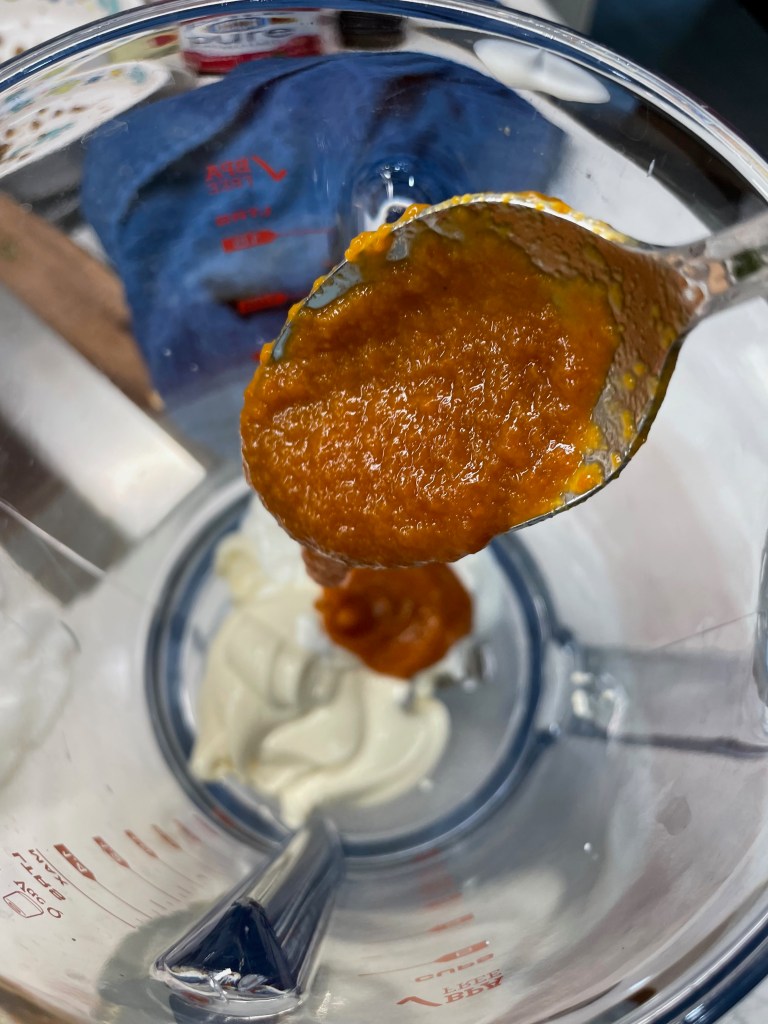
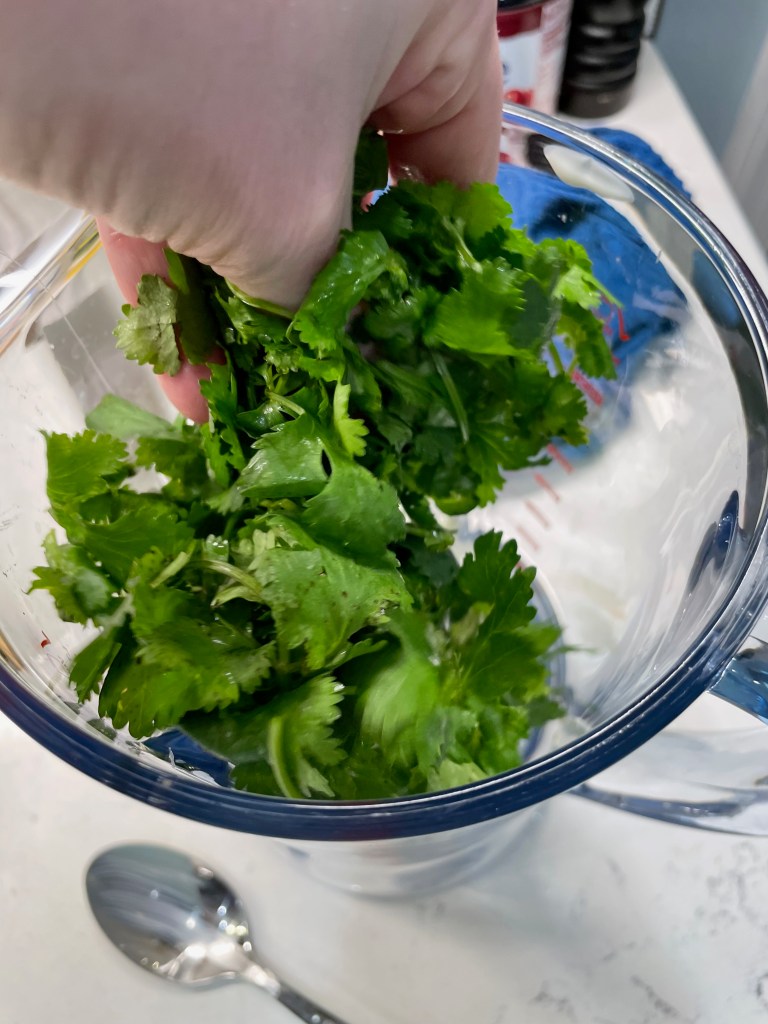
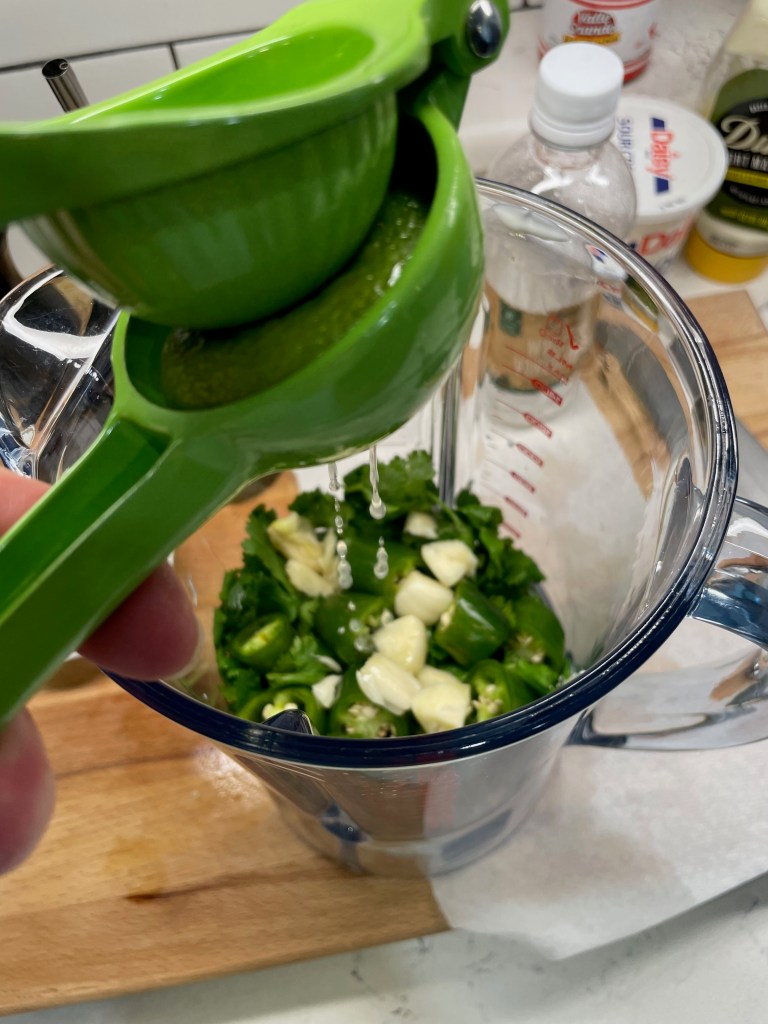
Make the sauce ahead of time, if you wish, so the flavors have plenty of time to meld in the fridge. If you have a charcoal grill, use it! But we had zero complaints with the outcome of our grilled Peruvian chicken. My mouth is watering again just looking at it!
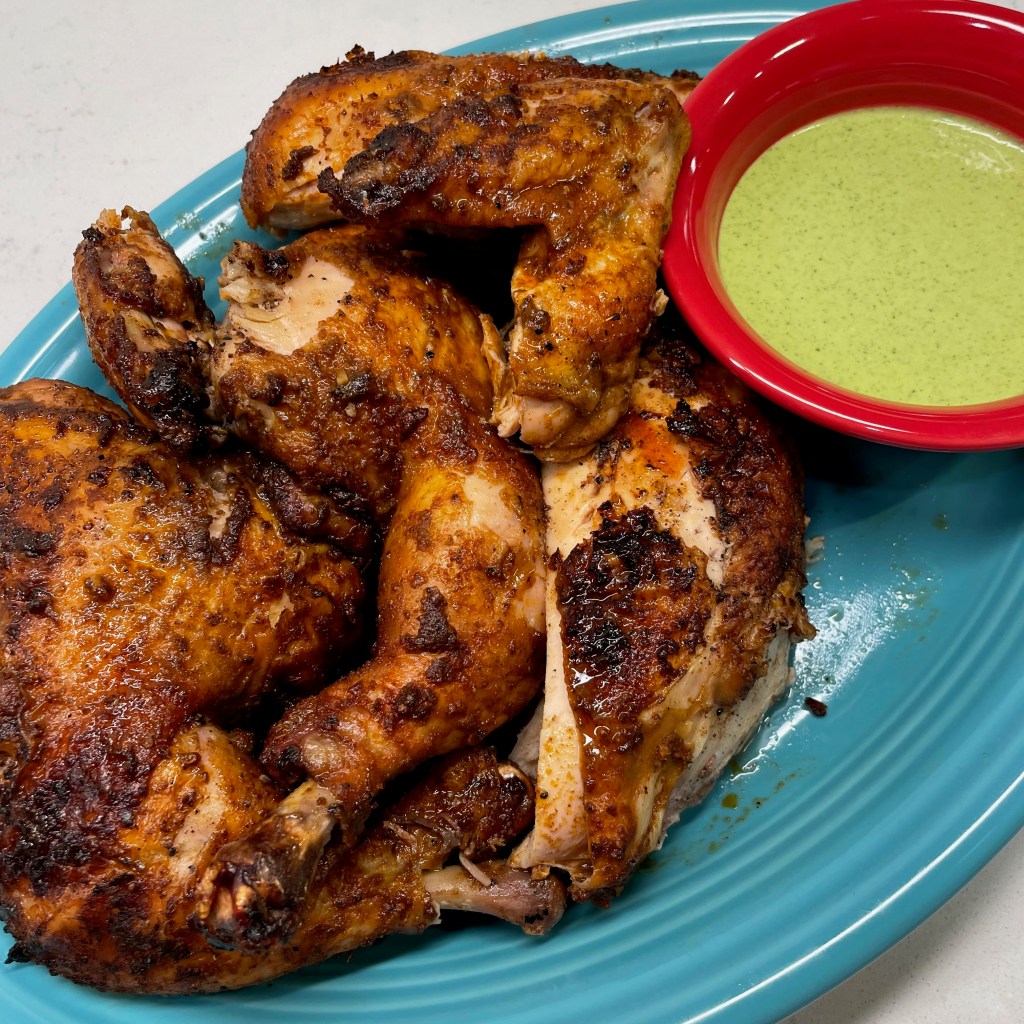
Fantastic flavors – way to go, Peru!

Want to make this incredible dish?

This might be a first, that I followed a recipe to the letter! Get the recipe and complete technique and instructions: https://www.seriouseats.com/peruvian-style-grilled-chicken-with-green-sauce-recipe


Grilled Salad with Parmesan-Peppercorn Dressing

As much as possible this summer, I’m avoiding unnecessary use of the stove or oven. Our energy costs are high enough just knocking down the heat that’s outside. No sense producing more heat indoors. What this means for mealtime is a combination of solutions: cooking extra things in one oven session, eating more cold foods, bringing food in from other places and (you guessed it) grilling our food outside, where you don’t notice the heat because it’s already so damn hot. 

We love the flavors of grilled foods any time of year; summer just happens to be the more practical time of year to do grilling, and we are fortunate that by dinnertime, most of our backyard is in the shade. It’s not unusual, especially on weekends, for my husband and me to relax with a cocktail out there (maybe a frozen old fashioned?) while he tends to dinner on our big Napoleon gas grill. And when I say that he grills dinner, sometimes I mean the whole dinner, including a main meat, a side veg and the salad. Wait— he grills the salad??

Don’t knock it ’til you’ve tried it!

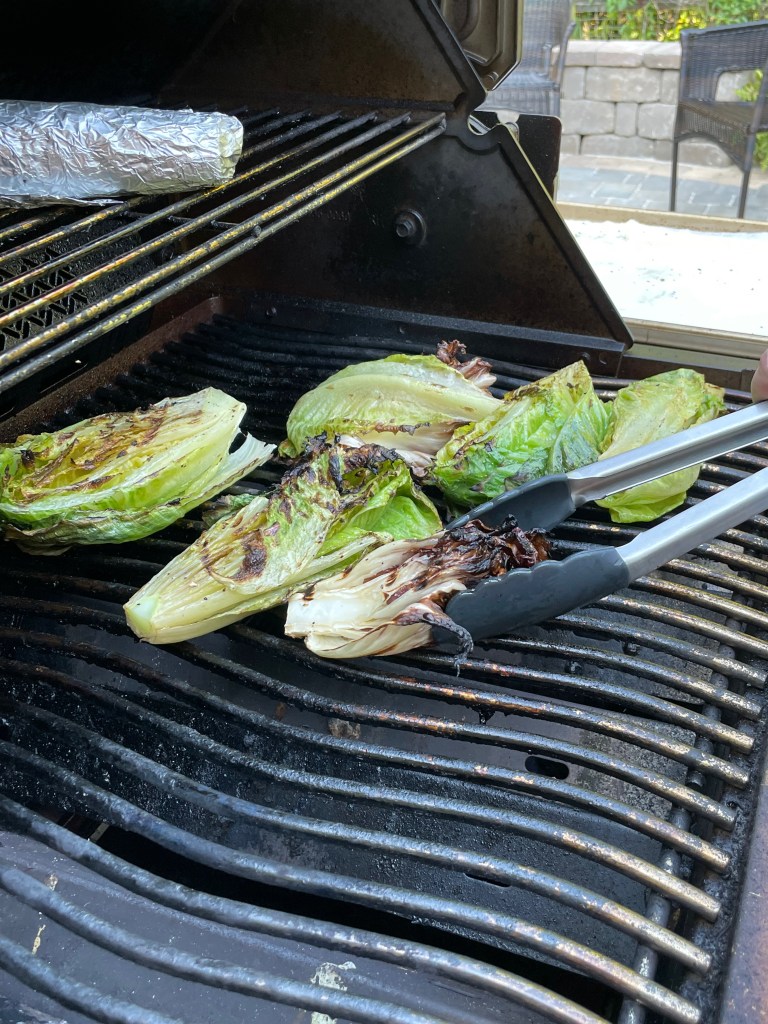
It may seem unconventional to make a salad on the grill, but hear me out. What the grill does for meat and vegetables— you know, searing, adding smoky notes and caramelizing surface sugars— well, it does the same for leafy greens. Some of the leaves will wilt and even char a little bit, and some of the sturdier, inside leaves will hang onto a little crunch. This makes for a very pleasant bite that you should try, if you haven’t already.

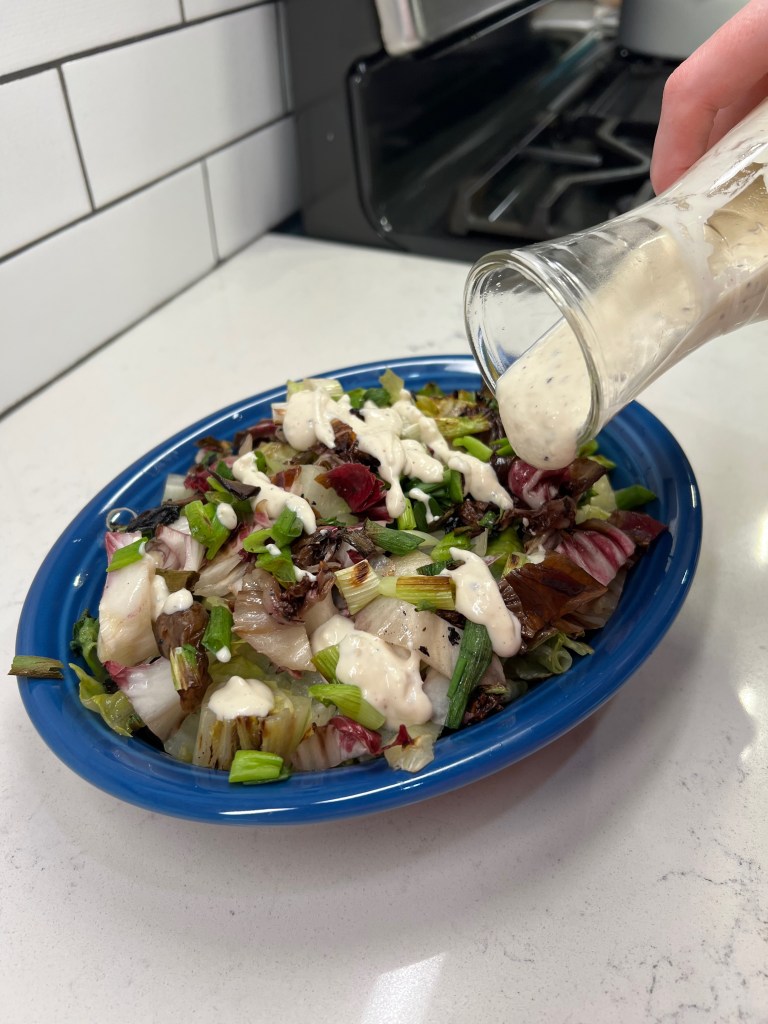
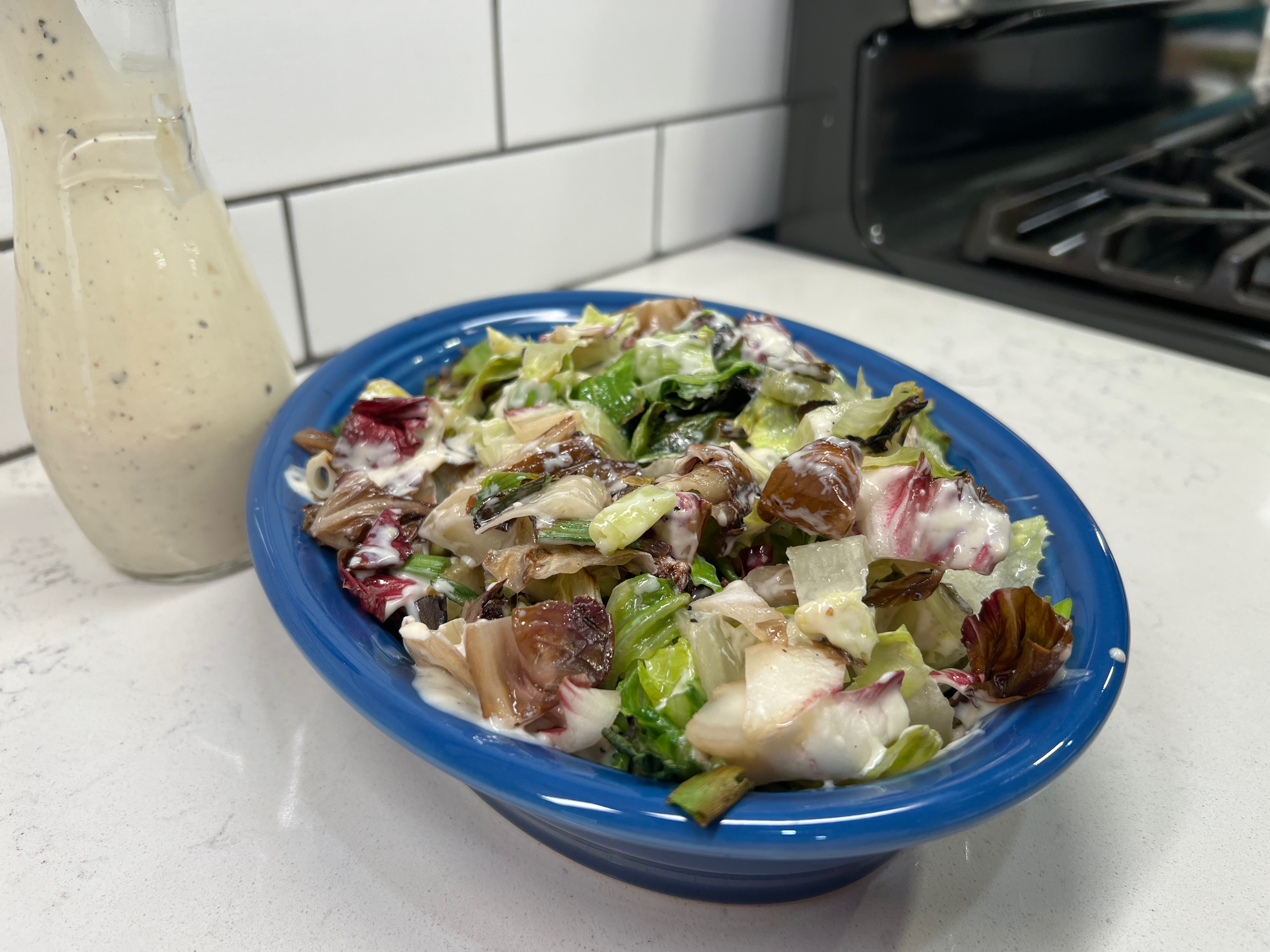
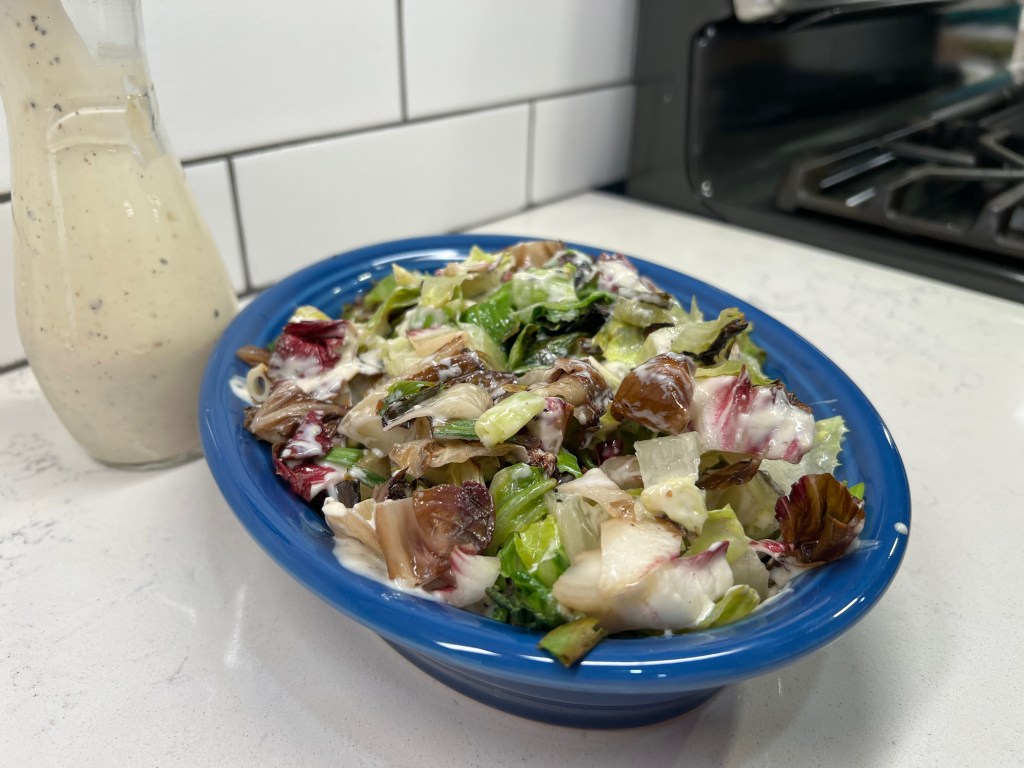
This salad of romaine hearts, scallions and bitter radicchio is elevated by a quick turn on the grill, and I’ve made a smoky, garlicky Parmesan-peppercorn dressing to go with it.

Grilling is a sophisticated approach to salads.

Let’s do this!

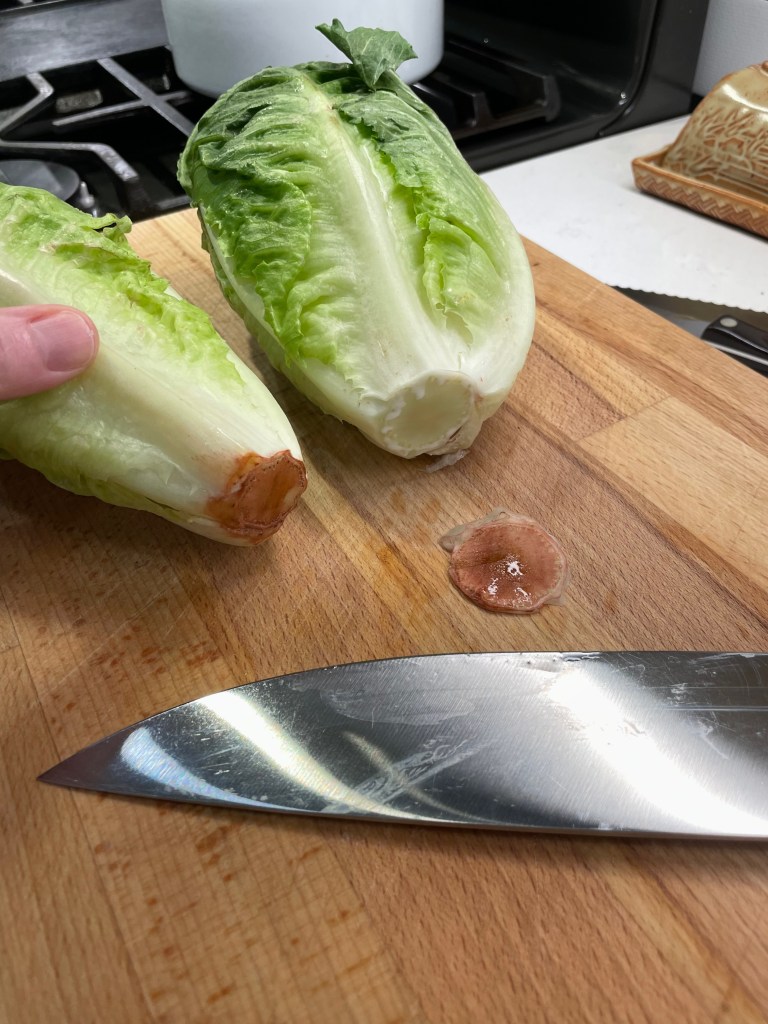
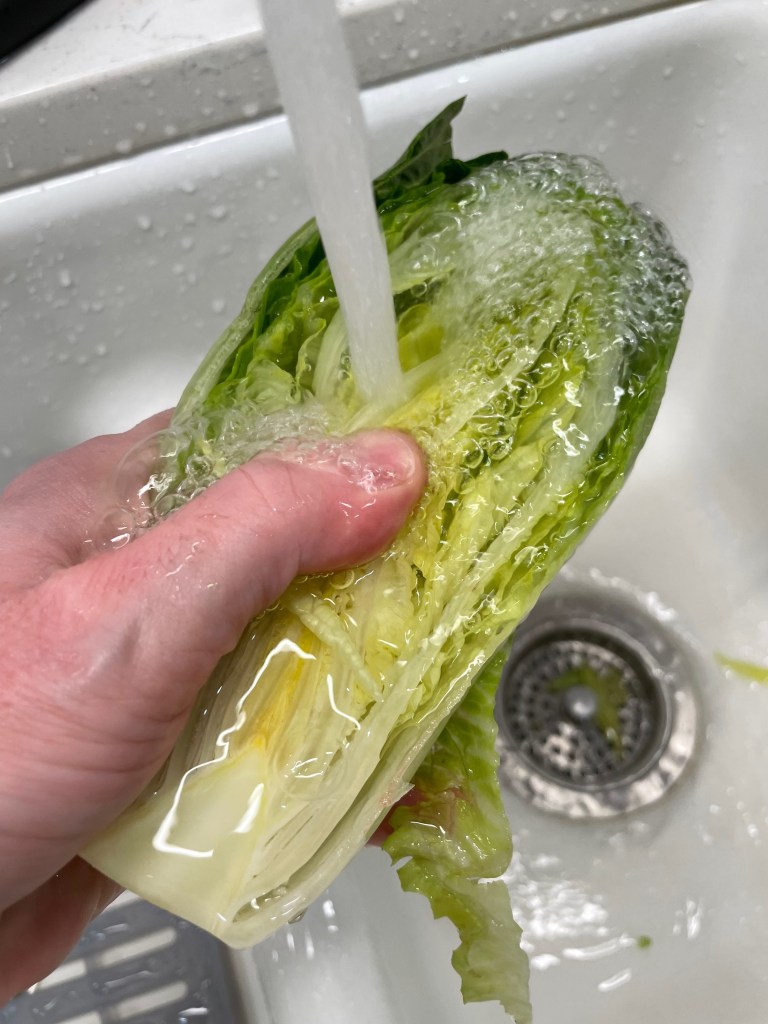
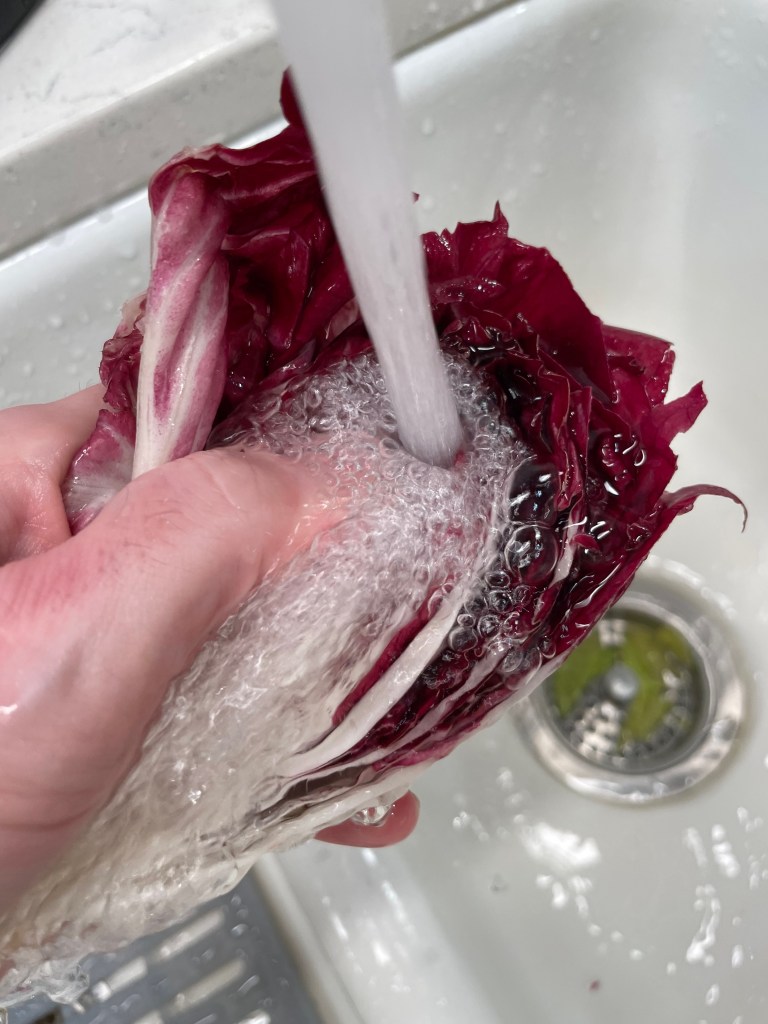
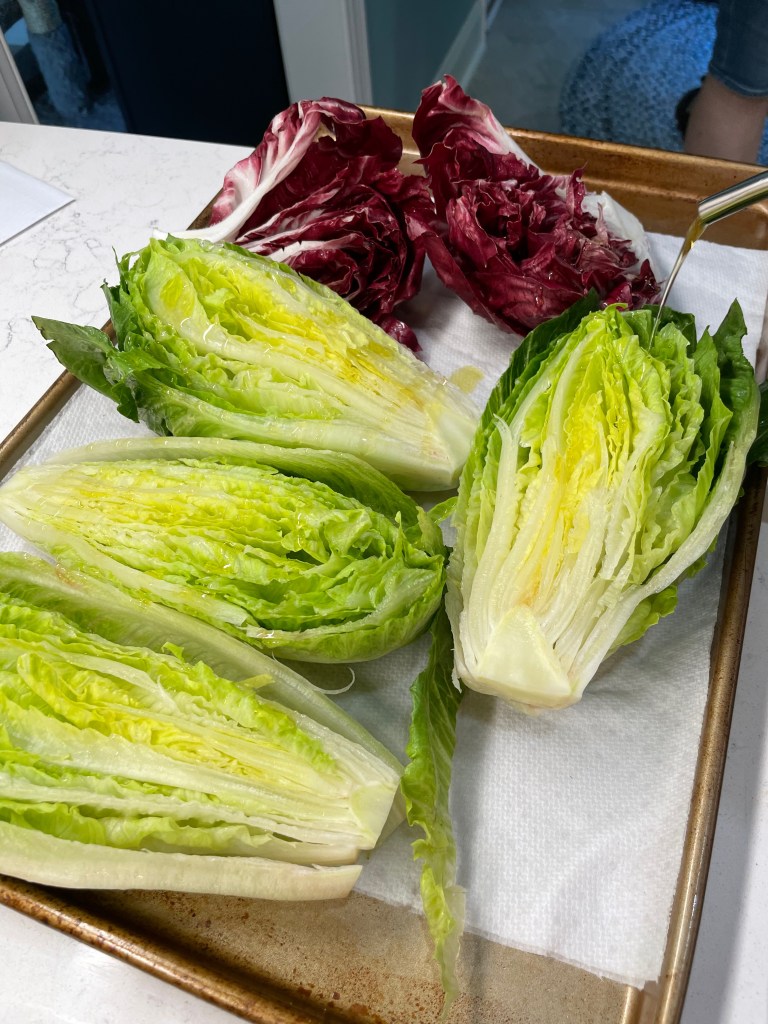
Begin by prepping the greens earlier in the day. You must have whole lettuce heads, as the delicate leaves would wilt and burn far too quickly if placed on the grill individually. I’ve chosen hearts of Romaine and radicchio, a small bitter green that isn’t green at all, but purplish crimson in color. Trim any rusted bottoms, then cut them in half lengthwise and give them a good rinse under cold running water. Gently shake out the excess water and place them upside down on a towel-lined baking sheet. Cover with another paper towel and send it to the fridge to crisp up for a few hours as the lettuces continue to drain. 


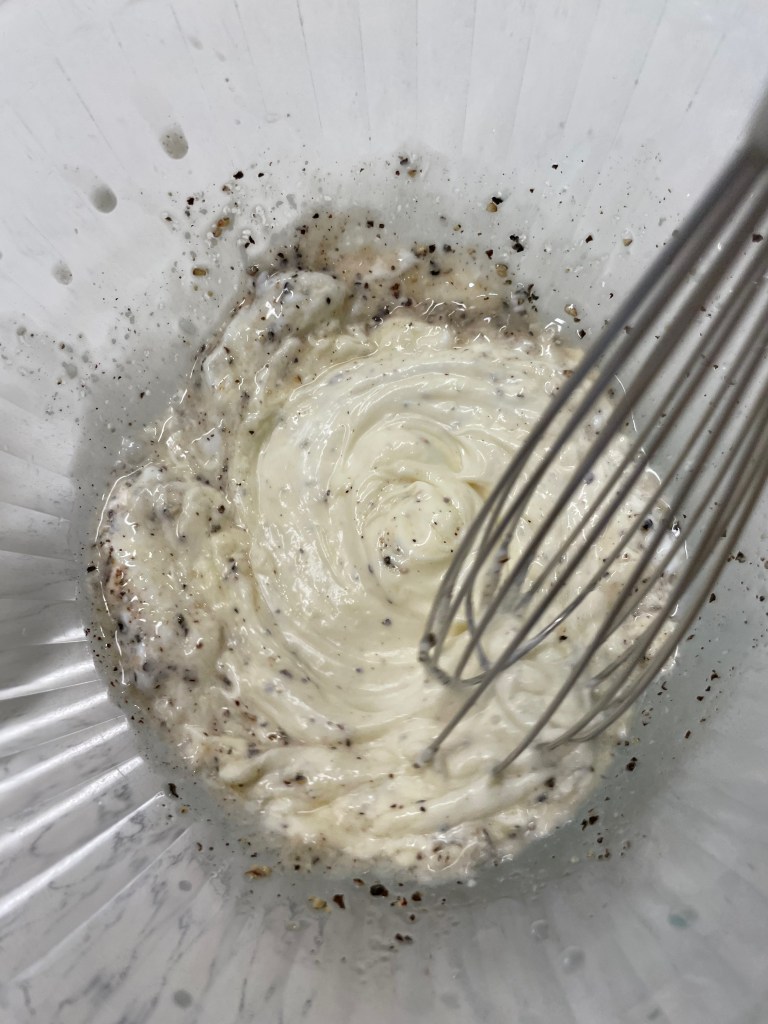
The smoky Parmesan-peppercorn dressing is easy to make, and it’s best to do this ahead as well, so that the flavors have time to mingle. The dressing includes everything you see here— plus a little milk to thin out the consistency.

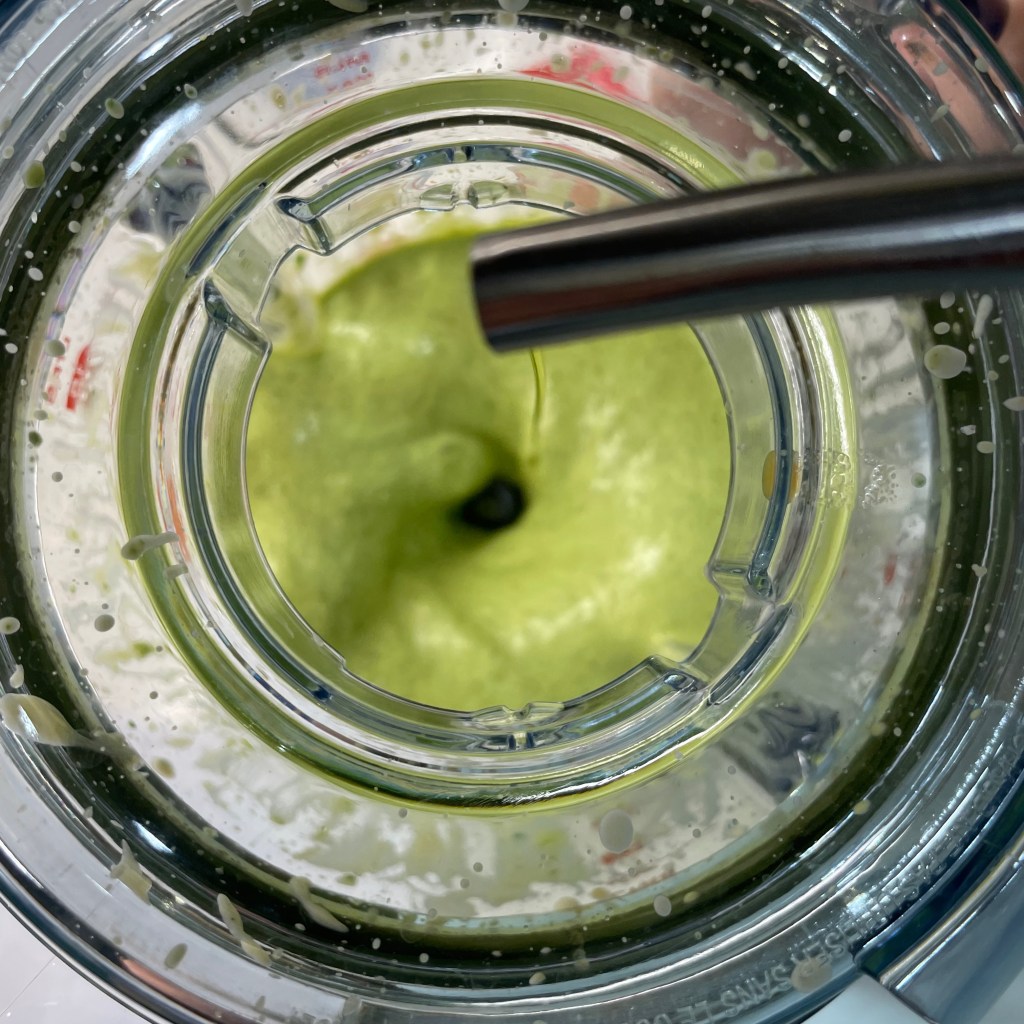
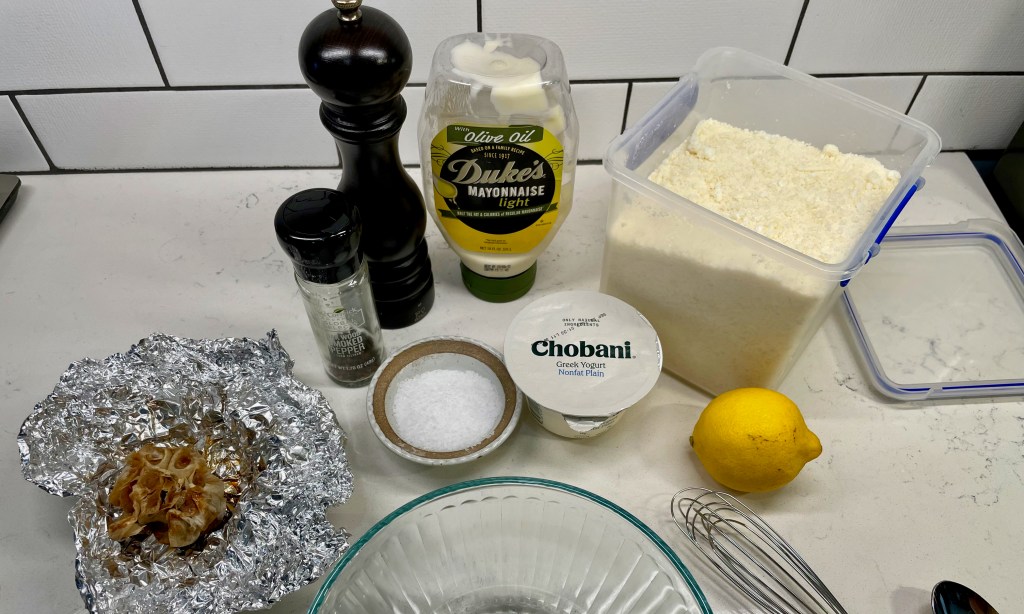
Greek yogurt, mayo, grated Parmesan (or our beloved Parm-Romano blend, which is in the tall square container), roasted garlic, fresh lemon juice, salt and coarsely ground black pepper.

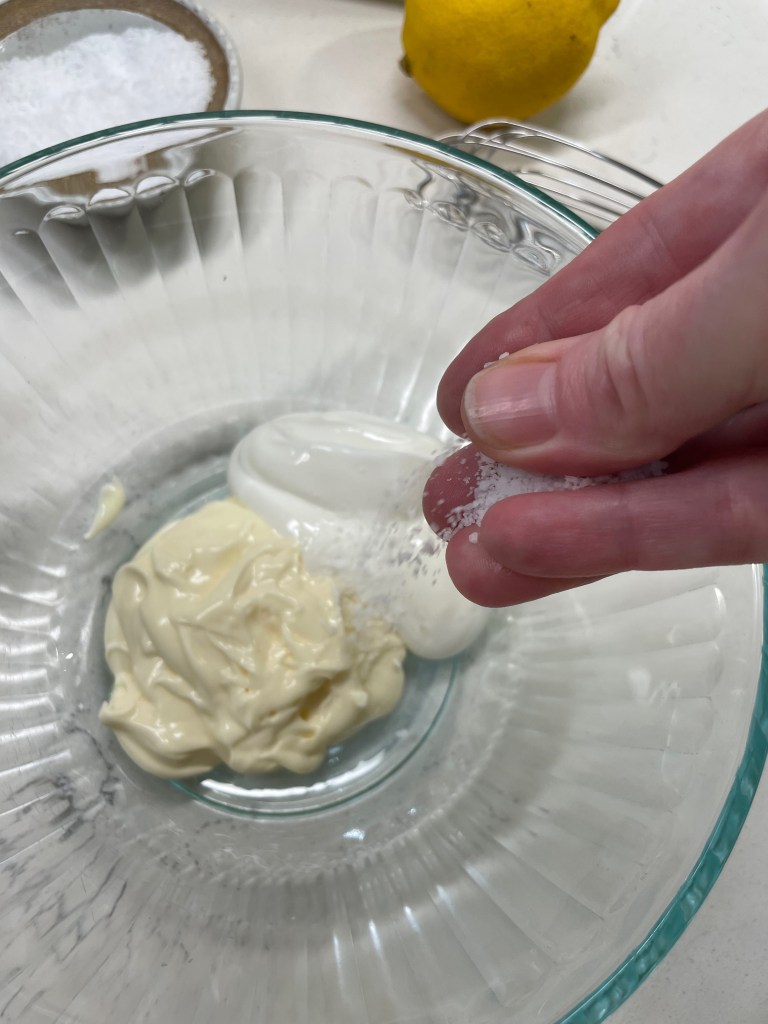
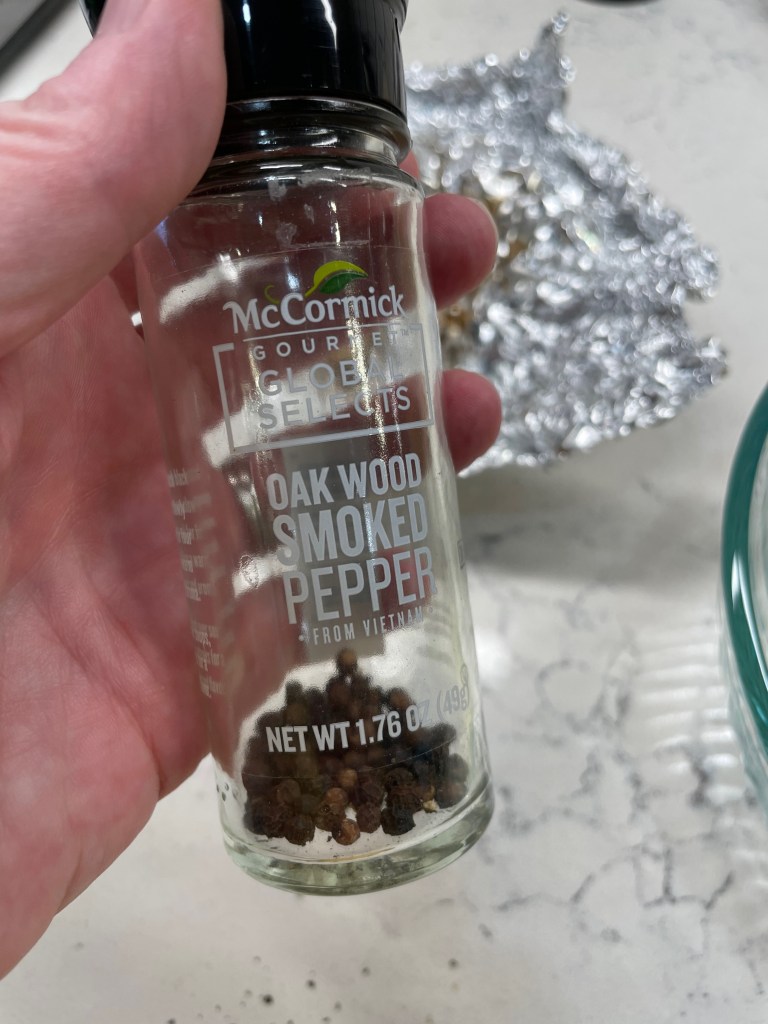
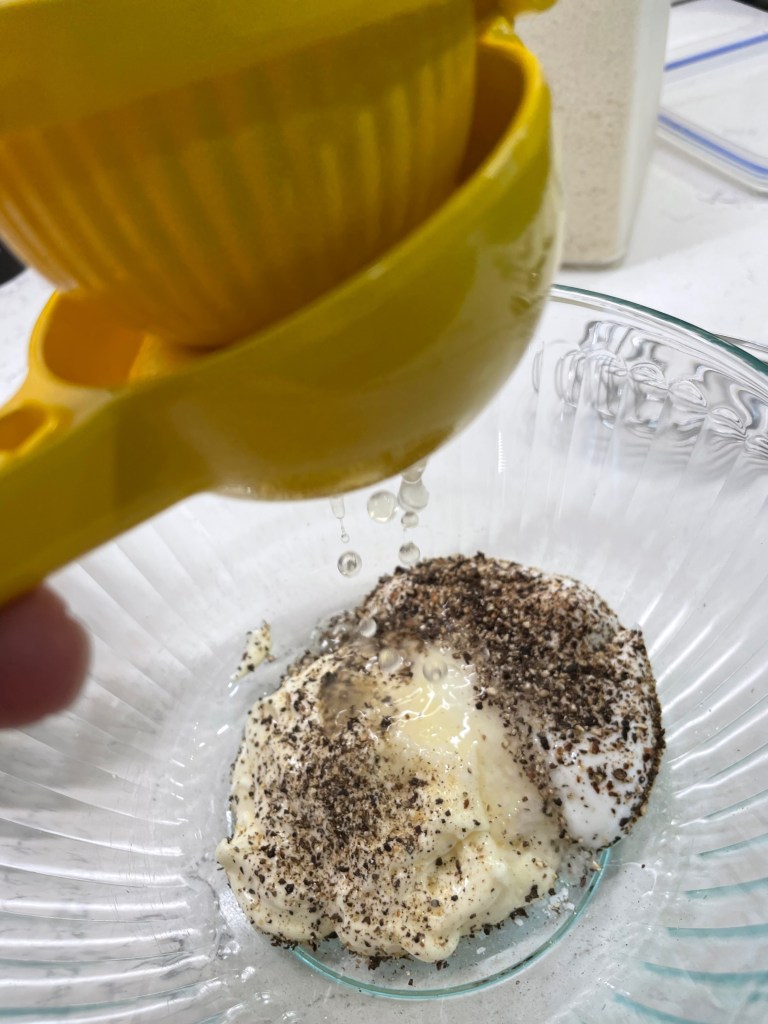
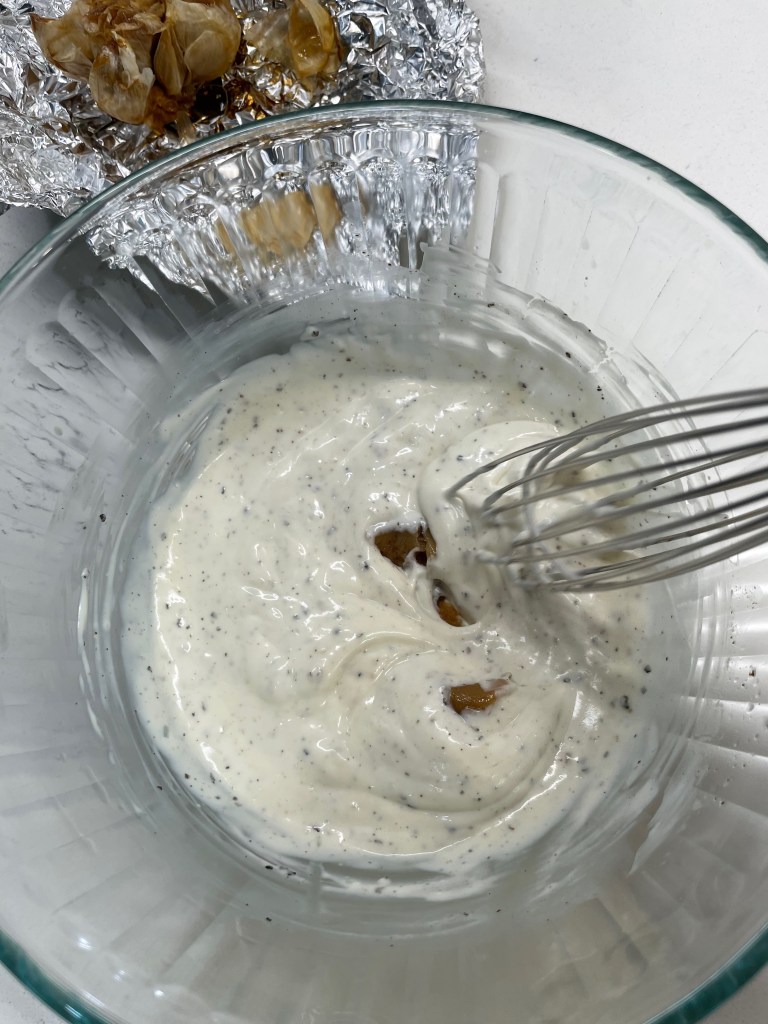
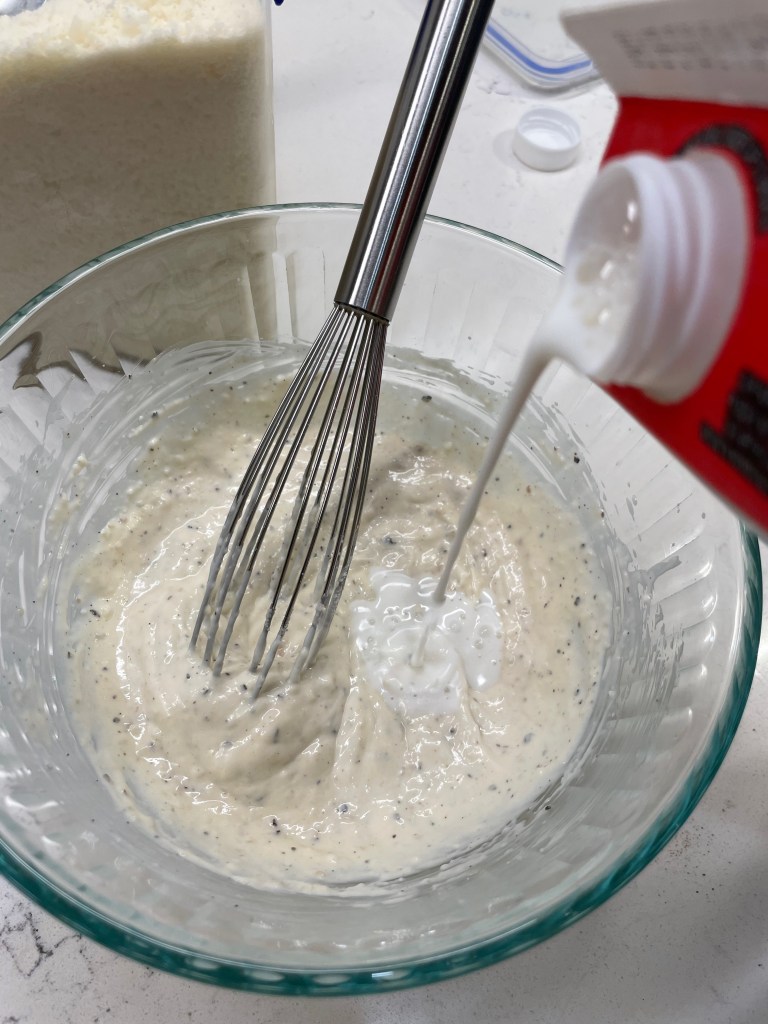
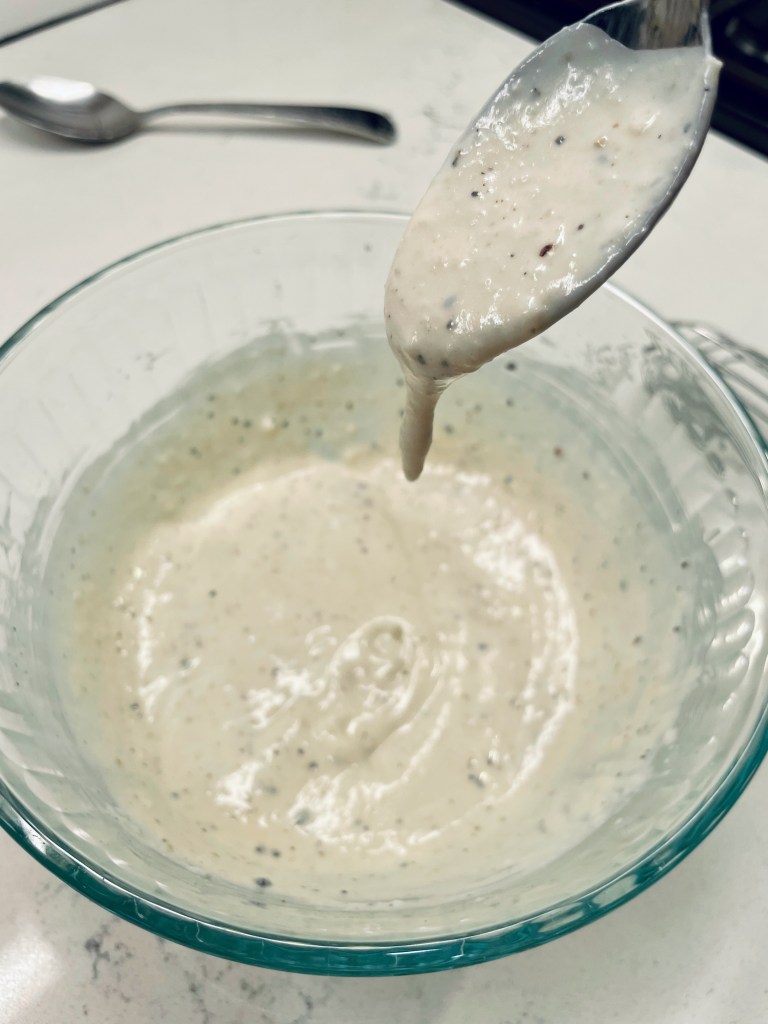
Equal parts mayo and Greek yogurt provide the base for this dressing, and a if you can get your hands on this oak wood smoked pepper, you won’t regret it for the smoky notes it contributes. Squeeze in the juice of half the lemon, then whisk in the roasted garlic and a couple spoonfuls of grated Parmesan. The dressing will be quite thick, so whisk in a bit of milk (or buttermilk) at a time, until the consistency is to your liking. The click-to-print recipe card below makes more dressing than you’ll need for this salad, so plan to enjoy it again later with another meal.

Grilling the salad

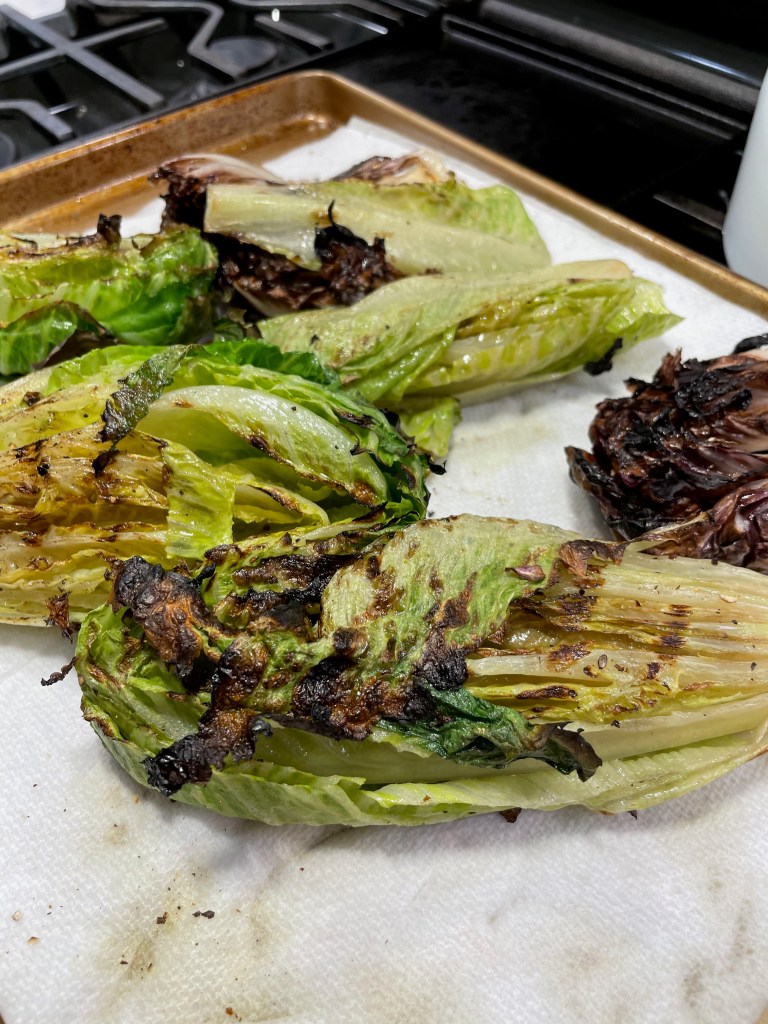
When the rest of your meal is almost ready, flip over the chilled lettuce halves and give them a drizzle of extra virgin olive oil, plus a quick hit of salt and pepper. Place them, face down, on the hot grill alongside your scallions, and watch closely for signs of wilting and charring. Give them a turn after a few minutes, and take them off the heat when both sides have softened and show signs of grill marks and charred edges.


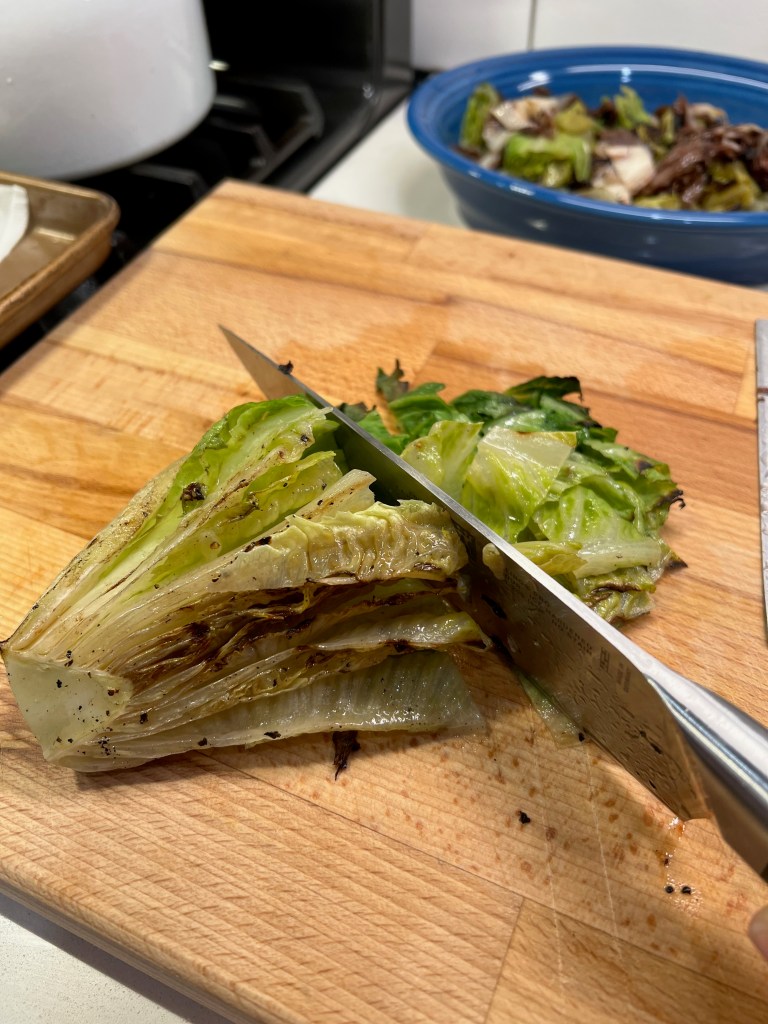
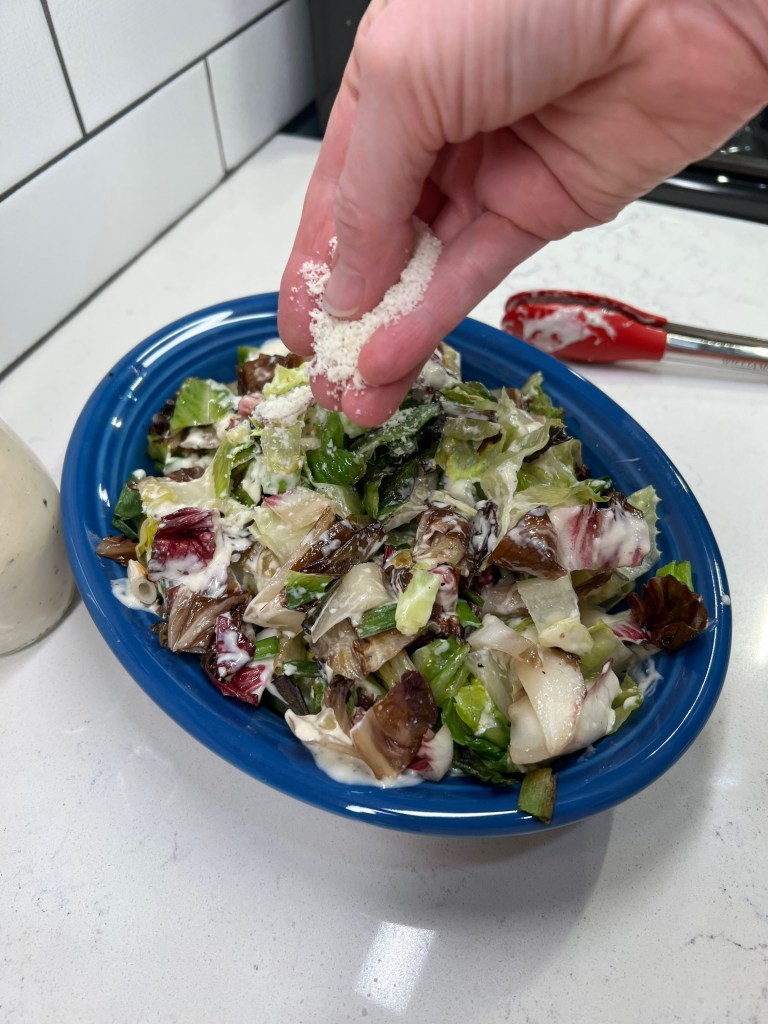
Transfer the grilled lettuces to a clean cutting board and chop them up for serving. Toss with a bit of the smoky Parmesan-peppercorn dressing and an extra sprinkle of Parmesan if desired.


Grilled Salad with Parmesan-Peppercorn Dressing

  • Servings: 4
  • Difficulty: Easy
  • Print

If you've never had grilled salad, this is an easy one to try, with a delicious homemade dressing that you'll want to enjoy year round.


Ingredients

  • 2 hearts of Romaine lettuce, trimmed, split and rinsed
  • 1 medium head radicchio, trimmed, split and rinsed
  • 2 or 3 scallions, cleaned and trimmed
  • 3 Tbsp. light mayonnaise
  • 3 Tbsp. nonfat Greek yogurt (sour cream works, too)
  • About 1/4 tsp. kosher salt
  • Several twists freshly ground black pepper (or combination with smoked black pepper, which is so good!)
  • Juice of 1/2 lemon
  • 1 whole bulb roasted garlic
  • 2 Tbsp. freshly grated Parmesan or Parm-Romano blend cheese
  • 1 to 2 Tbsp. milk or buttermilk, as desired, to thin the dressing consistency


It is best to make the dressing several hours before grilling, so that the flavors have plenty of time to mingle. Prep the lettuce ahead as well, to ensure the excess water can drain out.

Directions

  1. Place rinsed lettuce halves on paper towel-lined baking sheet, cut sides down. Cover with a damp paper towel and refrigerate a few hours, allowing excess water to drain.
  2. Make dressing by combining mayo, yogurt, salt and pepper in a small bowl. Squeeze in lemon juice and whisk to combine.
  3. Squeeze roasted garlic cloves from the bulb and whisk them into the dressing mixture, along with grated Parmesan.
  4. Add small amounts of milk at a time, whisking after each, until desired consistency is achieved.
  5. Refrigerate dressing until time to serve. Extra dressing will keep in the fridge for about one week.
  6. Heat grill to medium-high heat. Turn prepped lettuces upright and drizzle with olive oil. Season with salt and pepper. Place on the grill, cut side down, along with the scallions. Turn after a few minutes, when lettuce has slight charring. Remove from heat when both sides show grill marks.
  7. Transfer lettuces and scallions to a cutting board and rough chop. Toss lightly with dressing and sprinkle with additional Parmesan, if desired.


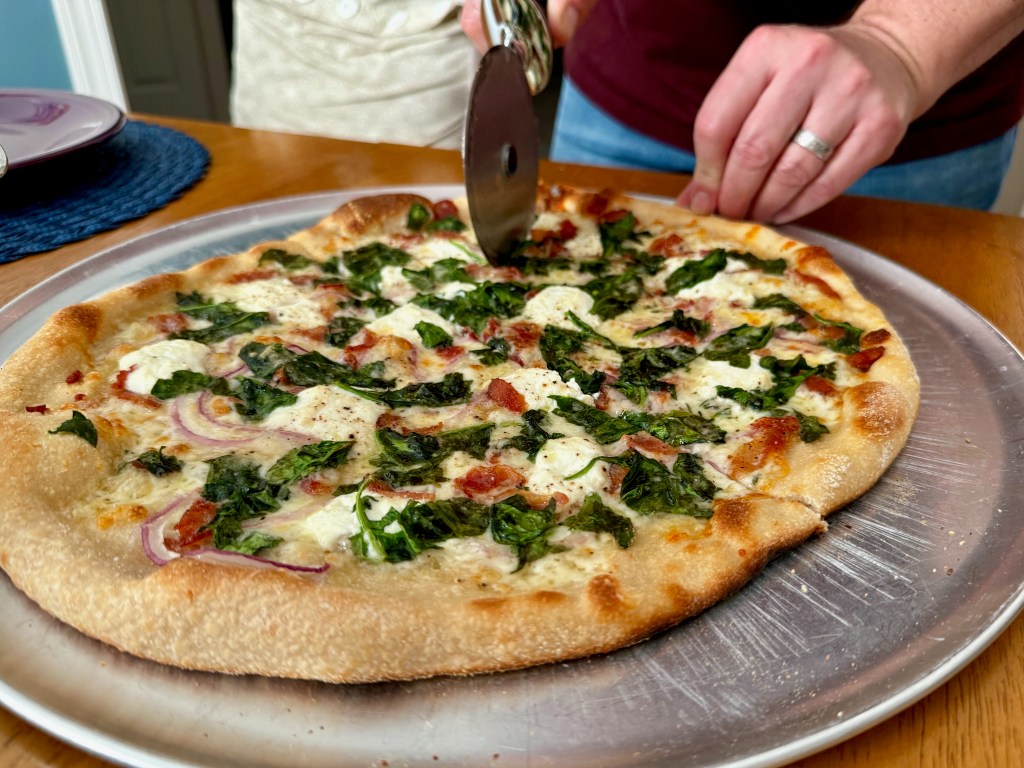
Bacon & Spinach Pizza— on the grill!

If you’ve been following my blog for any amount of time, you know that I love to make pizza at home. Beginning with my favorite sourdough crust, I mix and match ingredients to discover new favorites and I’ve also had a lot of fun transforming other classic dishes into pizza, as I did with jambalaya, queso fundido, spanakopita, ratatouille, shrimp scampi and even Thanksgiving (you can check them all out on my Pizza Party page). My husband, Les, and I truly love a good pizza, and it’s in pretty hot rotation at our house, even in the summer months. 

There’s only one problem now. This god-awful heat!

Most of my pizzas (excluding the deep dish versions) are baked on what I lovingly refer to as our “screaming hot pizza steel,” which is preheated at 550° F for one hour. This summer, with outdoor temperatures holding steady in the 90s, we had a choice to make, lest we face similar temps inside. And the solution turned out to be simple— pizza on the grill!

I think we can expect a lot more of these!

Two summers ago, Les and I invested in a Napoleon four-burner gas grill. Part of the reason we chose this grill (besides the fact it was made in Canada, not China) is that the model can support some amazing accessories, including a rotisserie basket and a charcoal smoker insert (both of which we bought but have yet to use). What it didn’t have was a great solution for pizza.

We considered getting an outdoor pizza oven— they’re all the rage now, after all— but having one would require having a place to set it and store it, and then there’s all the accessories for it. And have you seen the price tags? Having just dropped a hefty chunk of change on our fancy grill, we couldn’t justify spending another grand on a device that would only be used for pizza.

Fortunately, we are not easily deterred, and some quick research led us to a pizza stone made by Weber that is suitable for really high temperatures. The stone is coated with a glaze that gives it an easy-release finish, and although the Weber site says you must use it with their special frame kit on select Weber grills, I’m here to report that it also works great on our Napoleon— we just set it right on top of the grates, and crank up the heat!

This is even hotter than our oven!

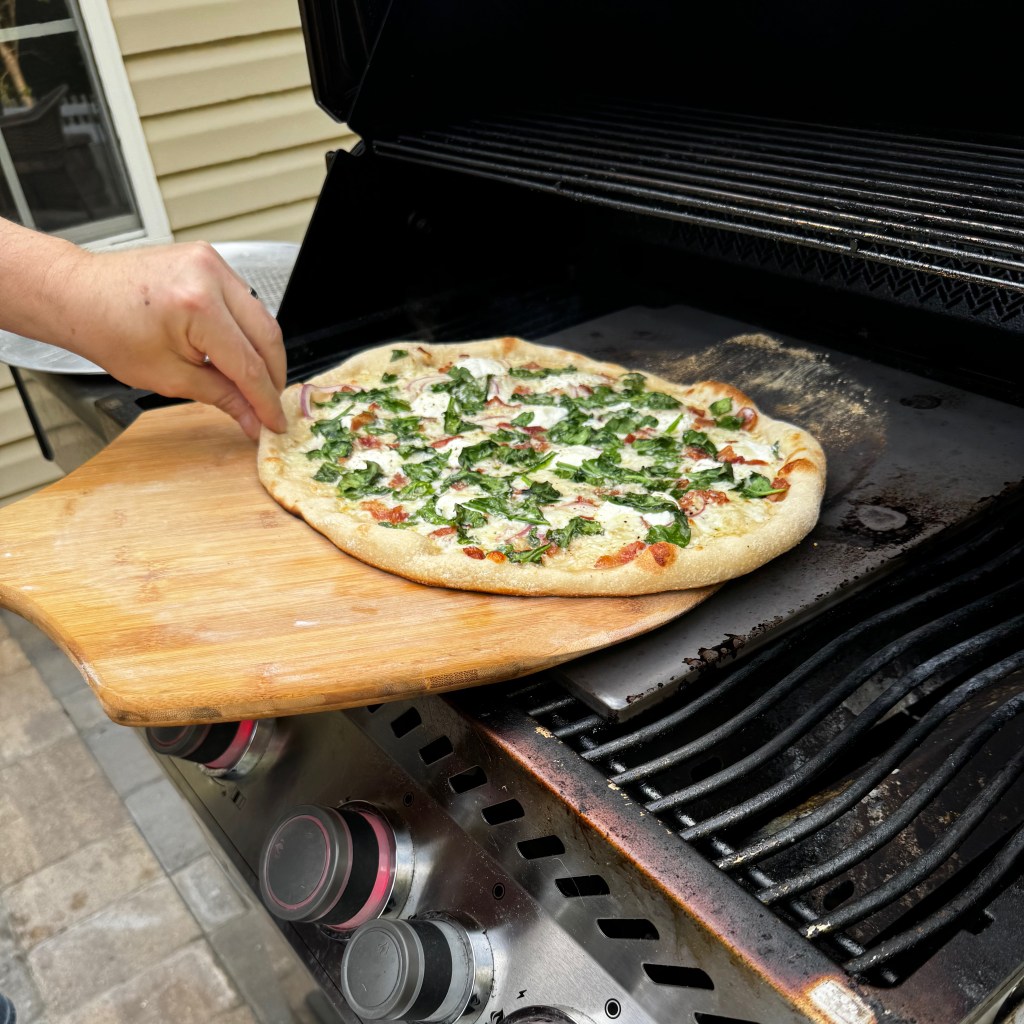
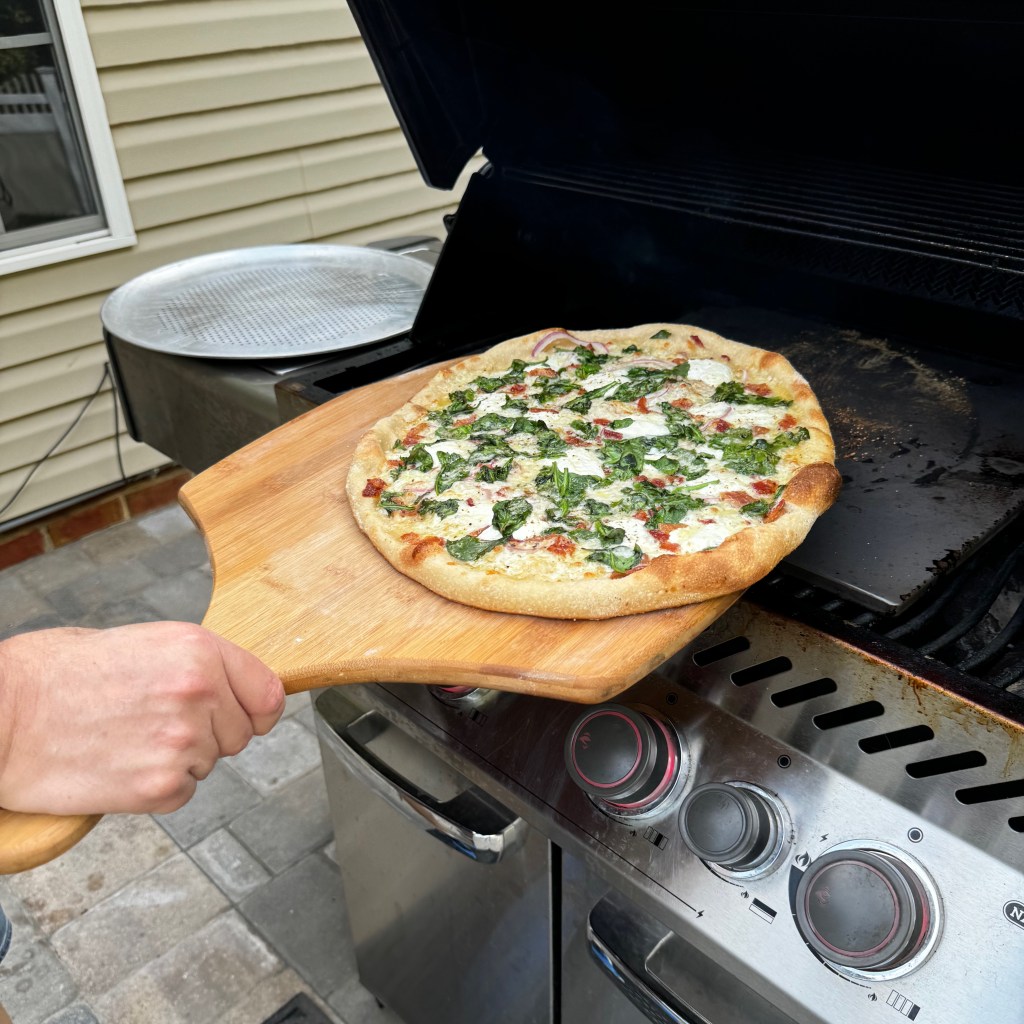
The first couple of pizzas we tried on the grill last summer turned out good, with melty toppings and crispy crust. But we missed the usual top-of-pie blistering that we love from our oven-baked pies, so this year, we’ve figured out a compromise. After our pizza bakes for roughly six minutes on the grill, it hits a perforated pizza pan for a spin under the oven broiler for exactly one minute. Yes, the broiler gets hot, but only very briefly compared to multiple hours at 550° F. It’s a solution that ticks all the boxes for these two pizza snobs!

Hungry for something different?

My pizza dough recipe makes enough for two pies, so I have plenty of opportunity for experimenting. I usually do something classic for one pizza, and the other becomes a blank canvas for new ideas. I’ve been tuned into Les’s suggestions quite a bit lately, and he asked last week whether we’ve ever done a pizza with bacon as a topping. I had to search my own blog to discover that, yes, I did put bacon on the jalapeño popper pizza, the Kentucky hot brown pizza and the oysters Rockefeller pizza (they are also on the Pizza Party page). 
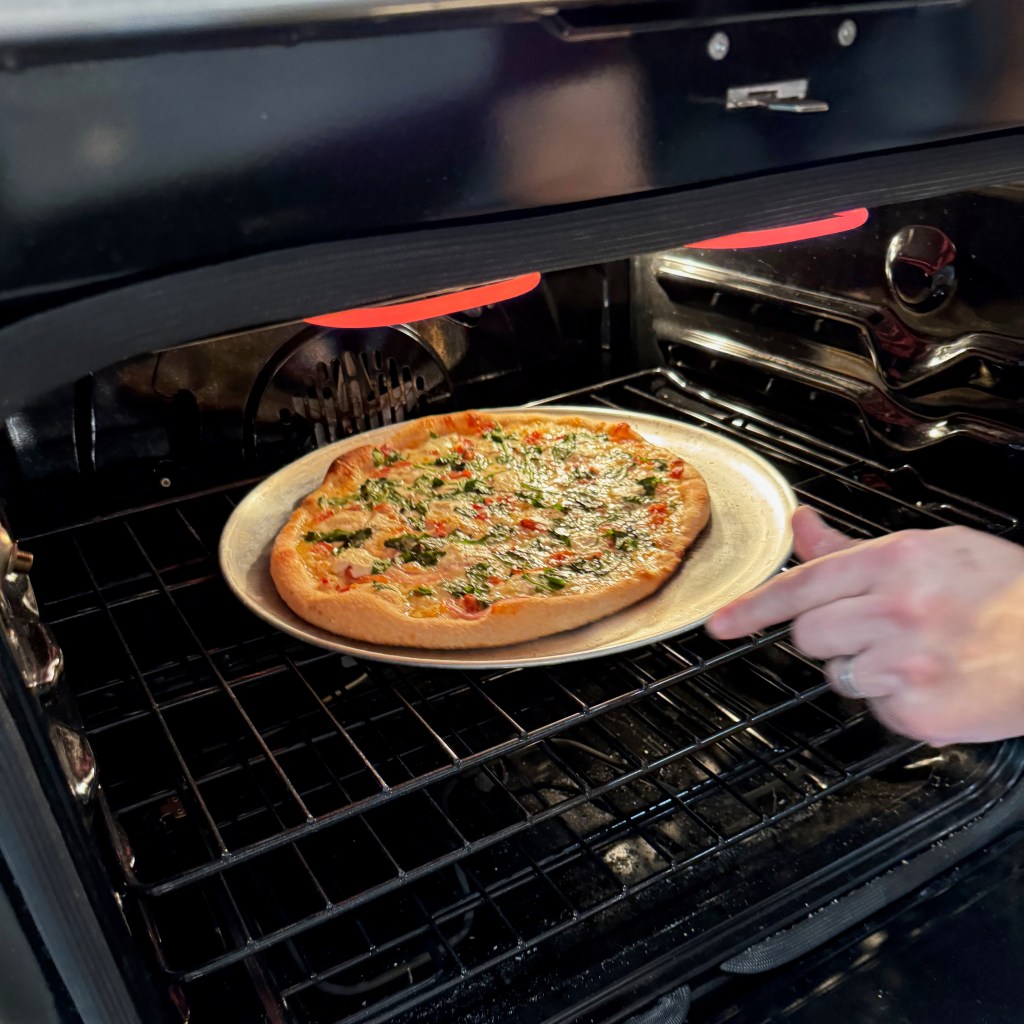
But Les wanted something a little different, using bacon as a salty accent, plus fresh spinach (his favorite), red onions and some gruyere cheese he thought he’d spotted in the fridge. I contributed a topping of my own, ricotta, and this new pizza was born. 

A very tasty experiment, if we do say so.

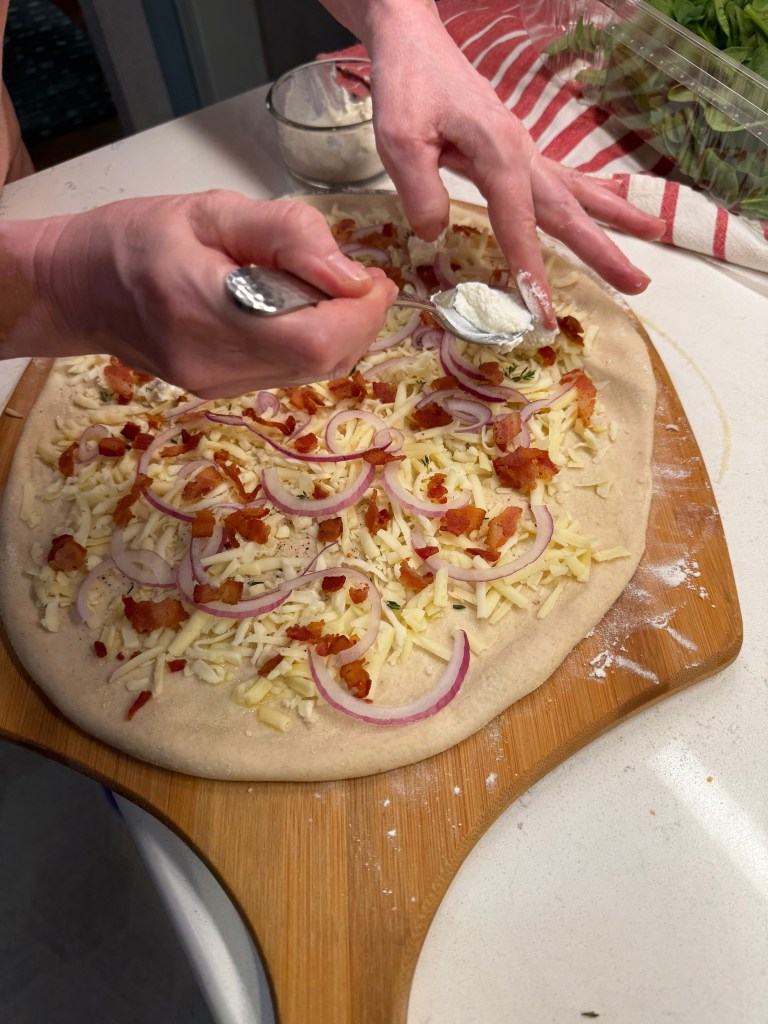
I cut up the bacon into pieces and cooked it until most of the fat was rendered and it was just shy of crispy, knowing that it would cook further in the heat of the grill. The cheese we thought was gruyere turned out to be white cheddar with “gruyere notes” (whatever that means), and we mixed it about 50-50 with freshly shredded hard mozzarella to be sure there was a good melt. This pizza would not have sauce, so it needed something else with a bit of moisture. Ricotta to the rescue, though next time I would spike it with some garlic to punch up the flavor a bit.


Our six minutes on the grill stone, plus one minute under the broiler method is a winner. This is very good news for us pizza lovers, especially with an entire hot summer ahead of us. The moral of this story? Where there’s a grill, there’s a way! 😉


Bacon & Spinach Pizza— on the grill!

  • Servings: One 14-inch pizza
  • Difficulty: Average
  • Print

This is a fun and different flavor combination for pizza, whether you bake it in the oven or (as we did with this one) on the grill!


Ingredients

  • Pizza dough ball, roughly 11 ounces
  • 1/3 cup freshly grated hard mozzarella
  • 1/3 cup white cheddar (or gruyere blend)
  • 3 thin slices red onion, separated
  • 4 slices uncured smoked bacon, cut up and cooked until shy of crispy
  • 3 sprigs fresh thyme leaves
  • 1/4 cup whole milk ricotta (seasoned with some garlic powder, if you like)
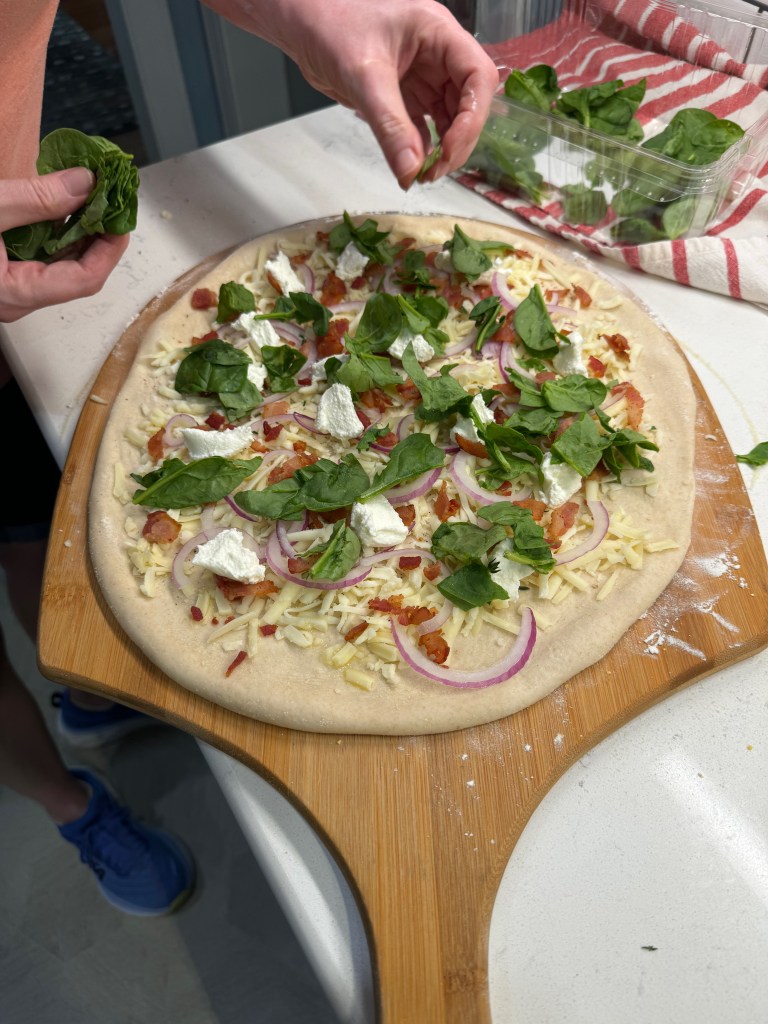
  • Medium handful fresh baby spinach leaves, torn into smaller pieces
  • 2 Tbsp. grated Parm-Romano blend cheese
  • Drizzle of extra virgin olive oil

Baking notes: If you are baking indoors, preheat a pizza steel at 550° F for one hour; for the grill method, heat to high temperature with a stone or steel pan, following manufacturer’s instructions.

Directions

  1. Shape pizza dough into 14-inch round; transfer to a flour- and cornmeal-rubbed pizza peel. Drizzle a bit of olive oil over the dough and season it with salt and pepper.
  2. Scatter both mozzarella and white cheddar/gruyere all over pizza dough, then arrange onion slices, par cooked bacon and thyme leaves over the cheese.
  3. Carefully spoon small dollops of ricotta on the pizza, keeping a bit of distance between.
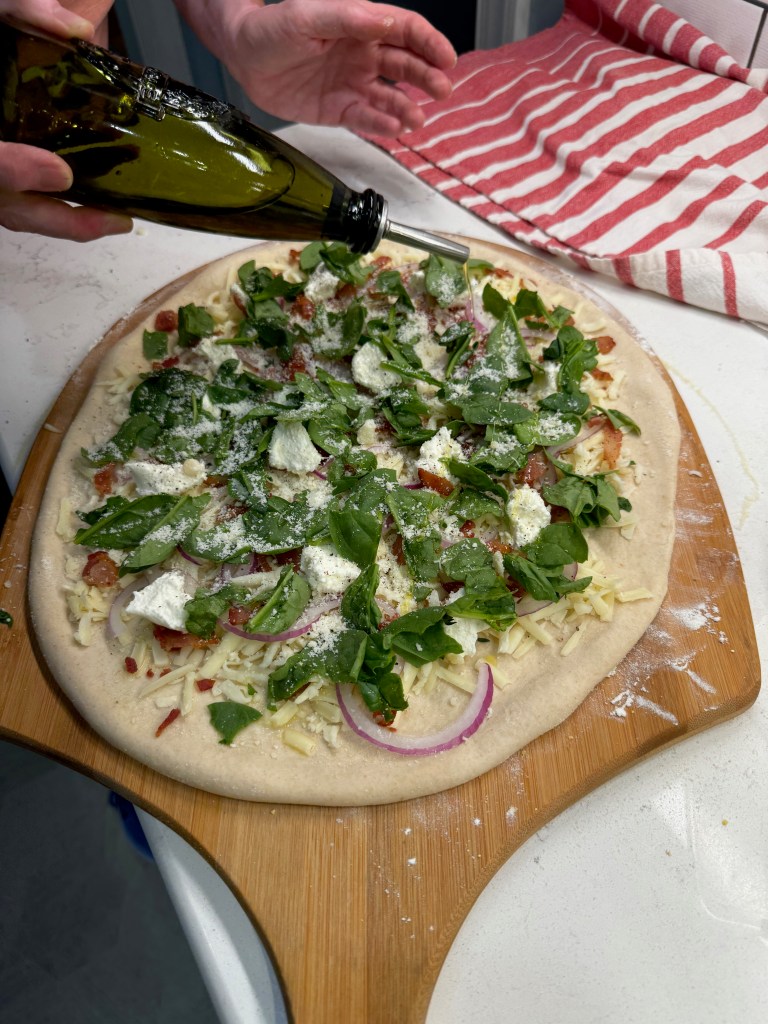
  4. Scatter spinach leaves all over, then sprinkle with Parm-Romano blend cheese and give it one last drizzle of olive oil.
  5. Slide pizza onto preheated stone or steel; bake about six minutes. If grilling, transfer finished pizza to a perforated pan and slide it under a hot broiler for one minute to achieve a blistered, oven-like finish.


Grilled Lamb Burgers

It’s that time of year again. Time to celebrate and honor fathers by putting them to work in the backyard. The big box stores are making a killing this weekend, with all their promotions on grills, tools and lawn equipment that ensure Dad’s hands will be sufficiently busy for the foreseeable future. How about that? Mom gets taken to brunch and pampered at the spa for her special day, and Dad gets to slave over a hot grill, preparing a meal for his family. Works for me (and we all know, the men love it this way)!

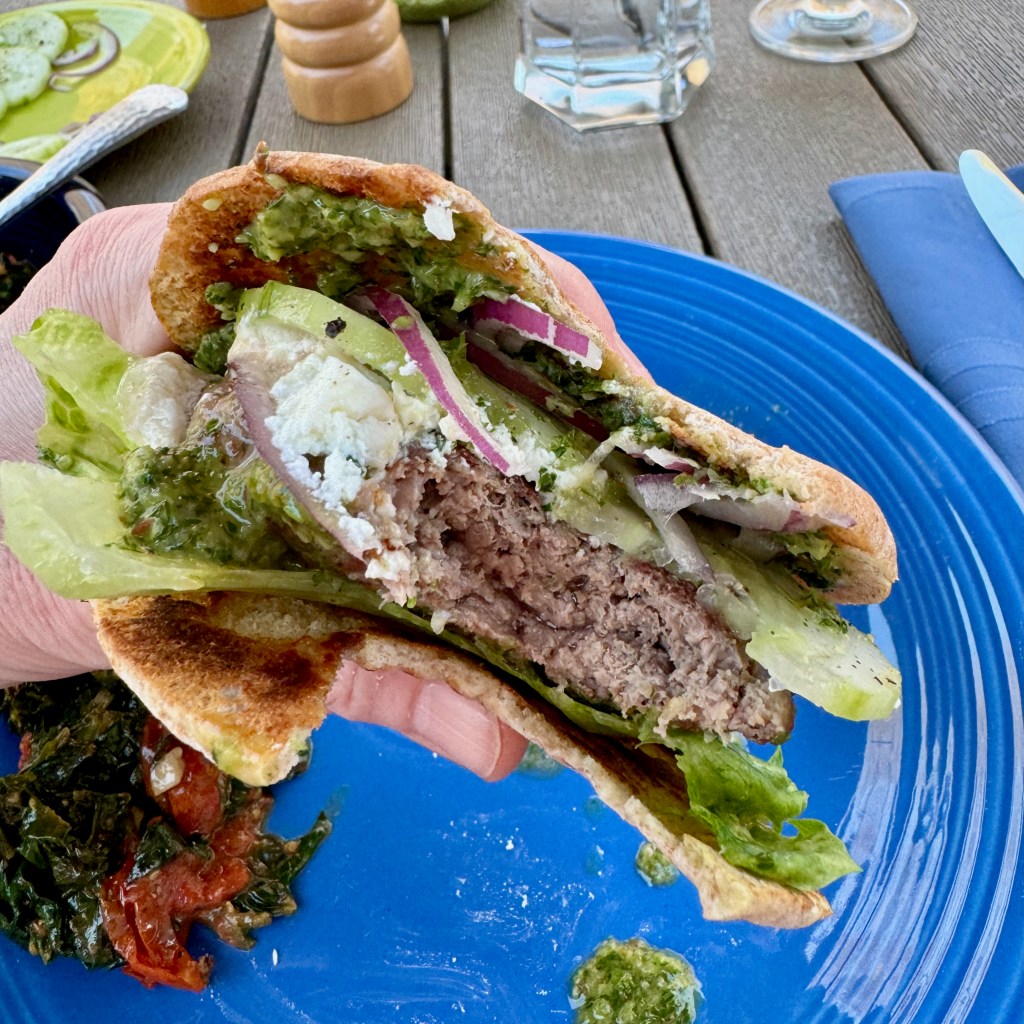
My husband, Les, does love his time at the grill, and Father’s Day weekend is just the beginning of many great meals to come this summer. Les had a major hand in making these delectable lamb burgers. He prepped the patties and he scouted out ideas for topping the burgers with salty feta and a few simple, refreshing cucumber and red onion slices— a perfect contrast to the richness of the lamb meat. And, of course, he cooked them. Over a flame! My role in this tasty meal kicked in closer to serving time (you’ll see), and we served the burgers with a side of collard greens with tomatoes.

This meal is even better when eaten outside!

Les and I approach burgers a bit differently; whereas I like to season only the outside of the burger with salt and pepper just before cooking (and with minimal working of the meat), Les prefers to add seasoning right into the meat before shaping the patties. Either method yields delicious results, and for these tasty handhelds, Les relied on the same ingredients that flavor our homemade gyro meat.

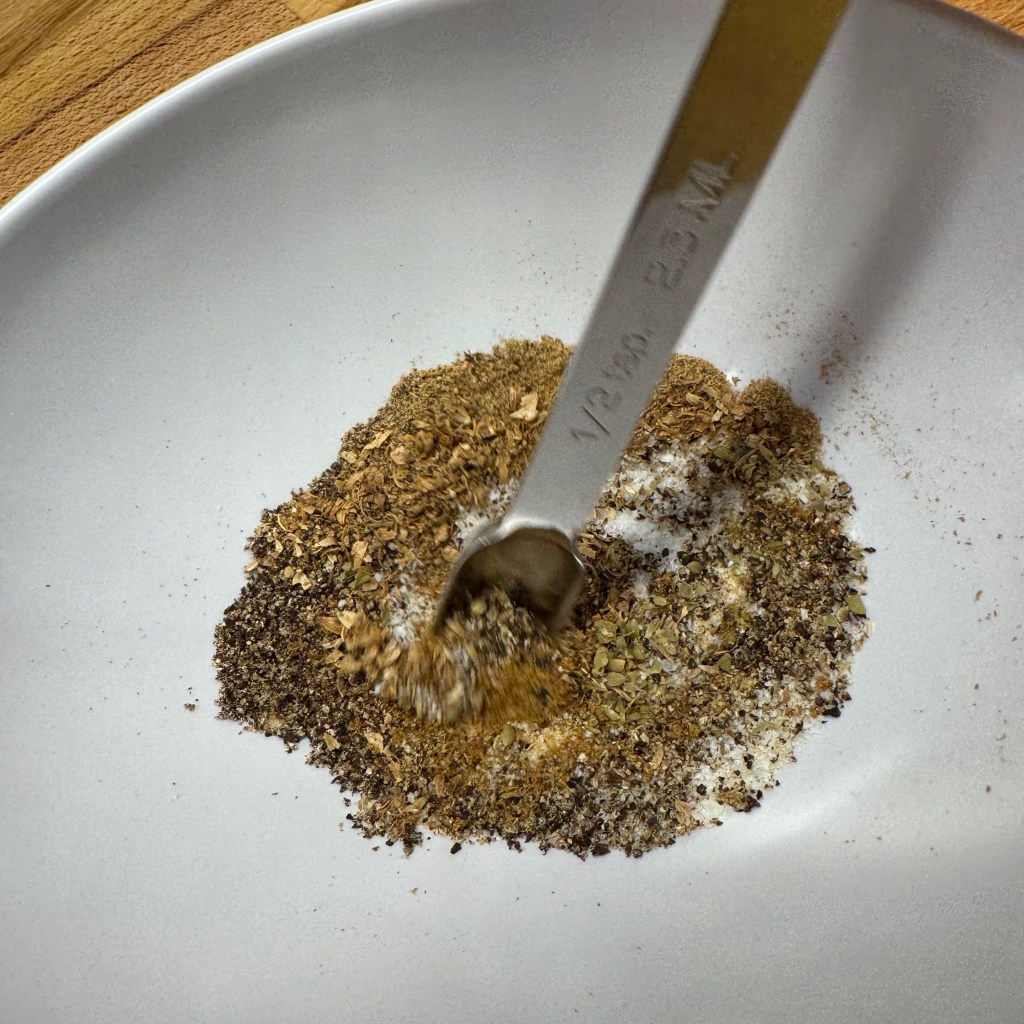
These spices make an excellent blend for all things lamb.

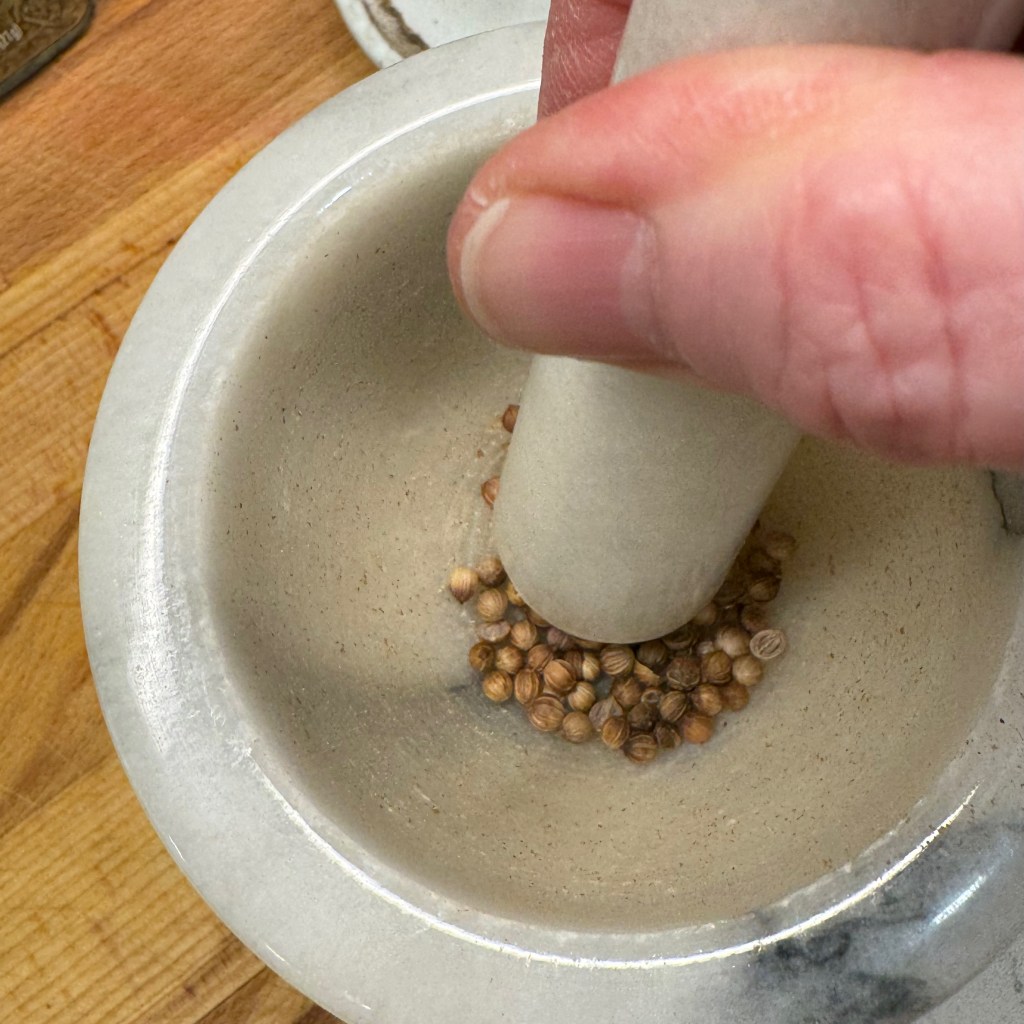
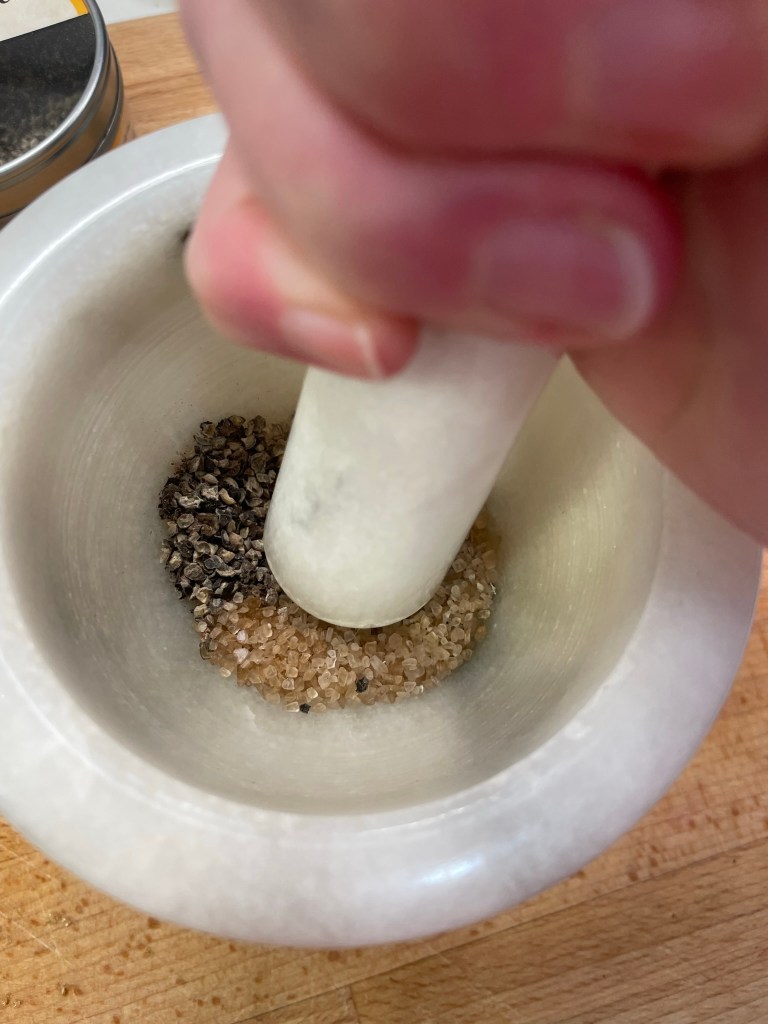
This blend of warm spices and earthy oregano is excellent in gyros, as well as on roasted leg of lamb or grilled lamb chops, so we knew it would be delicious for lamb burgers. The first order of business was crushing the whole coriander seeds in a mortar and pestle, and then we mixed the rest of the spices. The blend included kosher salt, so Les waited until closer to grilling time to add it to the meat. The alternative— seasoning and then resting the meat for a period of time, either in or out of the fridge— would result in a bouncy texture similar to sausage. 


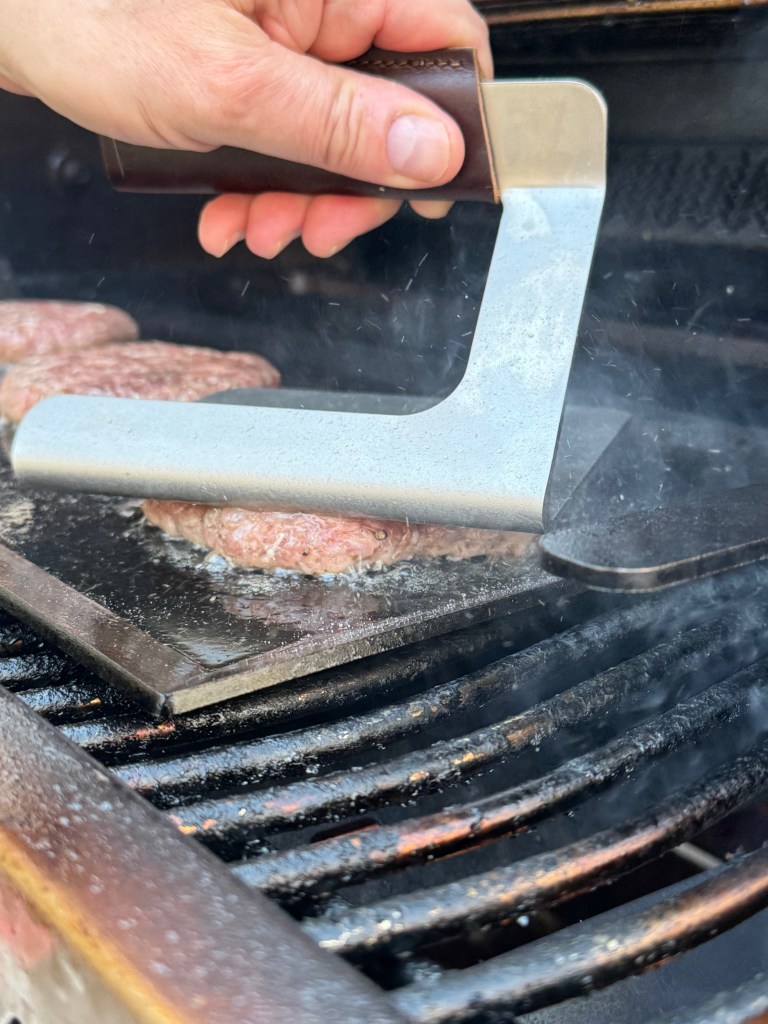
Now, we don’t have any photos of Les prepping the burger patties themselves because, well, he isn’t a food blogger and he tends to get so focused in his work that he forgets to document it for posterity. That, and he also had both hands stuck in raw meat while I was on a last-minute grocery run, so there was no one around to snap a shot. This food blogger will trust that you can easily imagine what it looks like to mix a dry seasoning blend into a pound of ground lamb. Take care that you don’t do it too early ahead of cooking. As for the grilling—yes! We have photos, and I’m happy to share that Les has been enjoying the Made In griddle and burger press that I got him last year for his birthday. They’re not paying me to tell you about it, but I included a link in case you want to learn more. So far, Les loves it and says this will be the summer to make breakfast outdoors!


As for my role in this batch of burgers, I made myself responsible for the toppings, including a zesty chimichurri-style sauce that included fresh parsley, dill, mint and garlic. Mmmm.

A little freshness is exactly what these lamb burgers need.

We’ve been trying hard to lean healthier with our meals, and the usual slathering of ingredients like bacon, bbq sauce and mayonnaise have taken a backseat to fresher, lighter treatments. This herby topping comes together in record time in the small bowl of my food processor. Red wine vinegar and a few shakes of a Turkish red pepper blend give it a zippy flavor, and olive oil helps keep it together while adding healthy Omega-3 fats to the mix.


We’ve discovered a few other tricks to help us stay on track with our healthier eating goals. One of them is to reduce (but not eliminate) the empty carbs that come with bread. There’s nothing wrong with bread, in moderation, and I’ll never ever give it up. But in general, we’ve been eating less of it, and for these burgers, I picked up some miniature whole wheat pitas to stand in for the usual burger buns. They are thin, yet substantial enough, to hold these hearty burgers with all their delicious toppings. The pita also lent another layer to the Mediterranean vibe we already had with the spices and herb sauce. Can’t ya just taste it?

Happy Father’s Day!

Now, please excuse me while I ponder what I’d like Les to get busy grilling on Father’s Day. Hey, maybe breakfast! 😉


Grilled Lamb Burgers with Chimichurri

  • Servings: 3 or 4
  • Difficulty: Easy
  • Print

Bold flavors and fresh toppings made these grilled lamb burgers unforgettably delicious!


Ingredients

  • 1/2 tsp. cumin
  • 1/2 tsp. ground coriander (best to crush whole seeds, if possible)
  • 1/4 tsp. dried Mediterranean oregano leaves
  • 1/4 tsp. ground cardamom
  • 1/4 tsp. garlic powder
  • 3/4 tsp. kosher salt
  • 1/2 tsp. freshly ground black pepper
  • 1 pound ground lamb, local if possible
  • Chimichurri for serving (recipe below)
  • Whole wheat mini pita breads, split, buttered and toasted inside for serving
  • Thinly sliced red onion and cucumber, for serving
  • Romaine or leaf lettuce, for serving
  • 3 Tbsp. crumbled feta, for serving

Directions

  1. In a small bowl, combine all dry spices and set aside.
  2. Shortly before grilling, mix spice blend evenly into ground lamb. Shape into 3 or 4 patties, as desired.
  3. Heat grill, griddle or cast iron skillet to just above medium heat. Cook burgers about two and a half minutes per side, to desired doneness. Remove from grill or griddle and rest one minute before serving.

Note: The chimichurri-style sauce brings a bright, fresh note to the earthy flavor of the lamb. Use whatever soft-leaf herbs you like, and be generous with the garlic!

Ingredients

  • 2 or 3 scallions (green and white parts), rough-chopped
  • 2 or 3 fresh garlic cloves, rough-chopped
  • Large handful of fresh herbs (to complement the lamb, I chose flat parsley, mint and dill)
  • A few shakes crushed red pepper (I used Flatiron Uç Biber, a Turkish blend of Aleppo, Maras and Urfa peppers)
  • About 1/2 tsp. kosher salt
  • Several twists freshly ground black pepper
  • About a Tablespoon red wine vinegar
  • 2 to 3 Tablespoons extra virgin olive oil (choose a peppery one with lots of polyphenols)

Directions

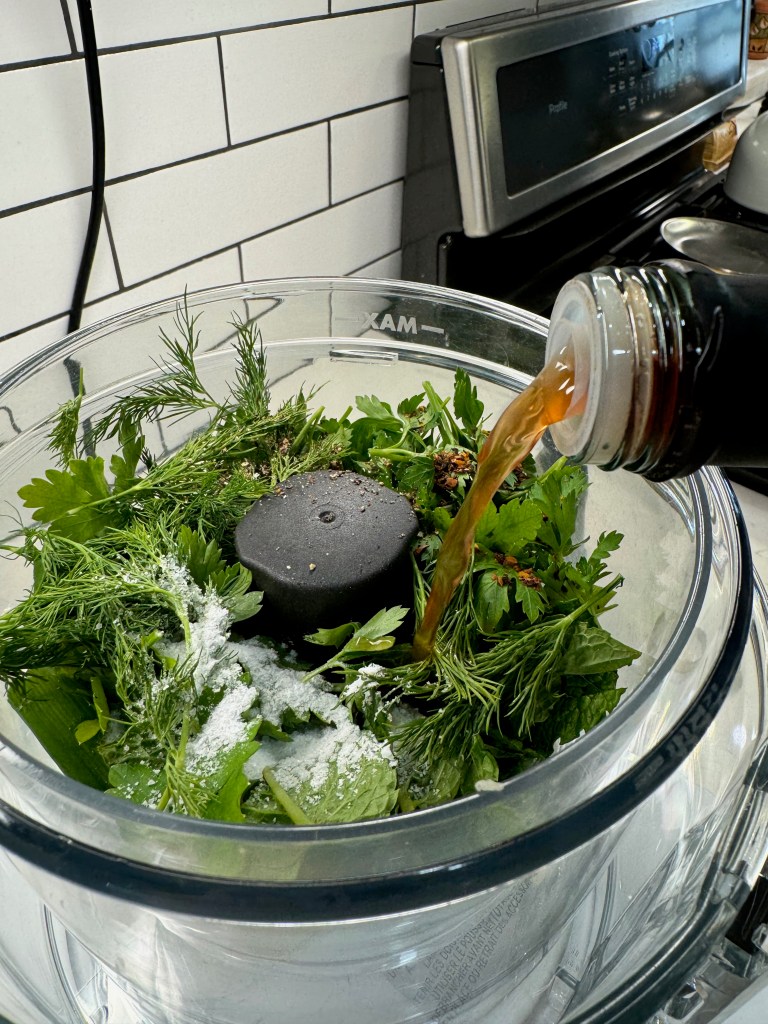
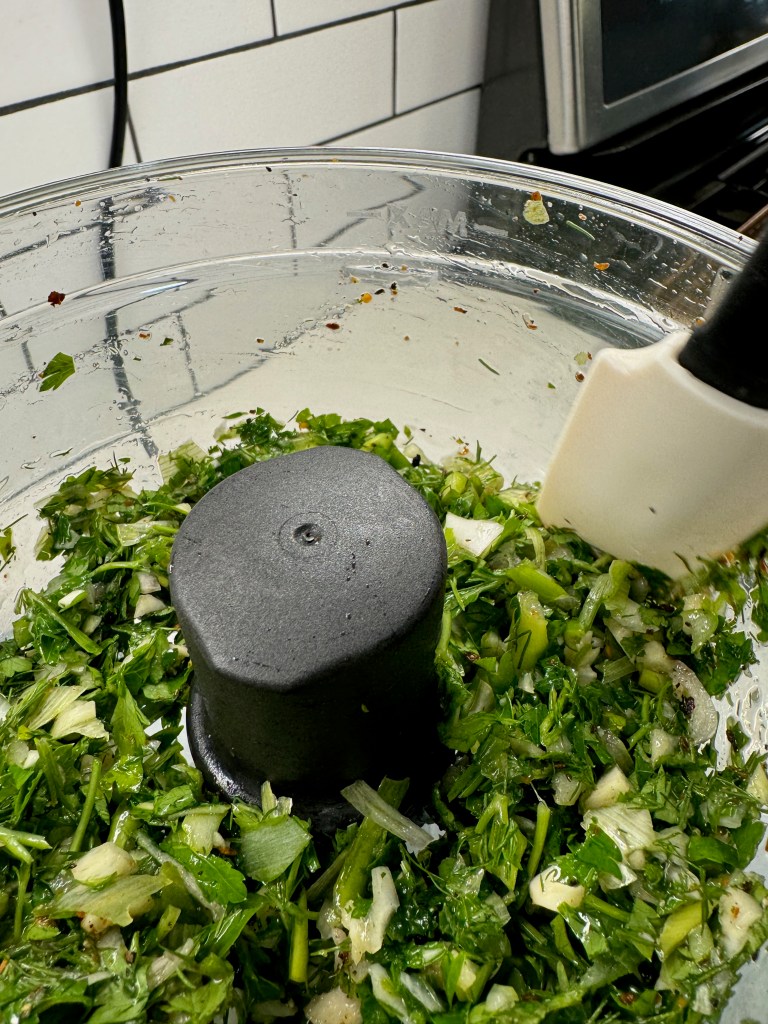
  1. Combine all ingredients except olive oil in the small bowl of a food process. Pulse a few times to break down the large pieces of onion and garlic. Scrape down the bowl.
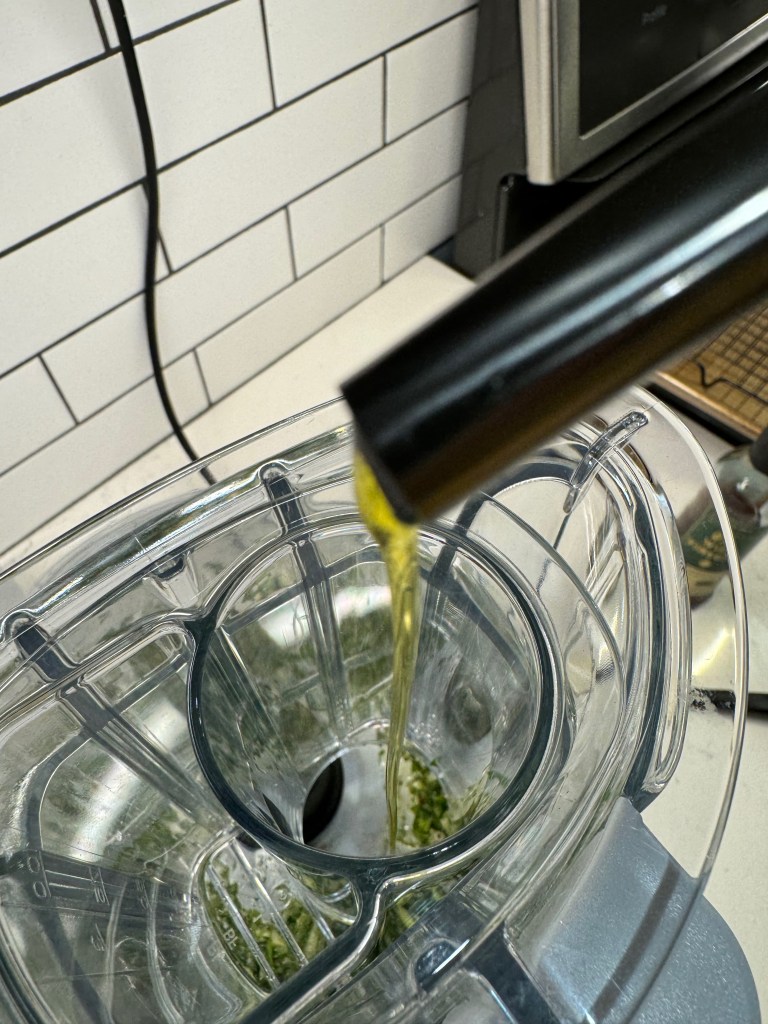
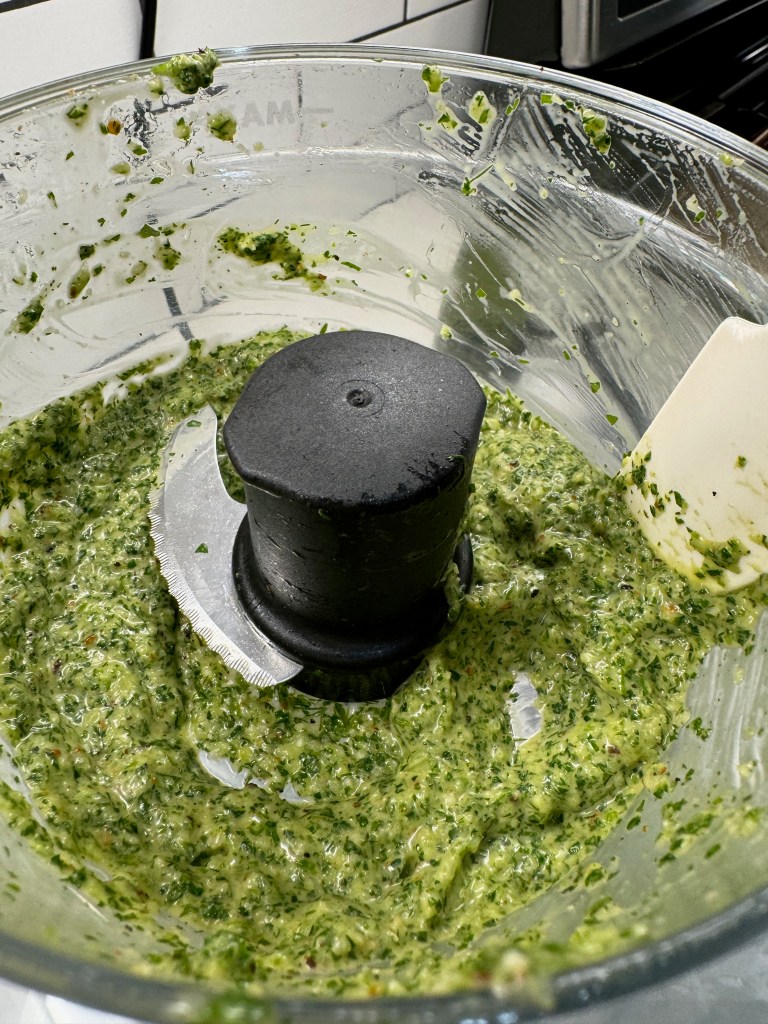
  2. Add a quick drizzle of the olive oil to the mixture and pulse a few more times, until mixture seems evenly blended. Turn processor on continuous blend and drizzle remaining oil through the chute as it blends. This should happen fairly quickly. Adjust seasonings to taste.
  3. Store any leftover chimichurri in a covered dish in the fridge. It adds a lovely zhuzh to fried eggs or vegetables, or mix it with mayonnaise for a fantastic sandwich spread.


Reverse-Seared Steak

The first time I heard the term “reverse sear” was about five years ago, on Food Network, but that was already more than a decade after a young, rock-star chef and culinary consultant named J. Kenji López-Alt started talking about his discovery of a new method for cooking thick steak to perfection. 

Rather than searing the meat first— you know, “to lock in the juices,” as we’ve all been advised since forever— Kenji tested this method of bringing the steak to ideal temperature in the oven first, and then throwing it onto the hot grill or skillet to sear it. The food world took notice of this brilliant discovery, but I’d been reluctant to try it, for reasons I can only explain as sentiment and tradition.

We’ve all seen the drawings on cave walls, with a man cooking animal parts over fire. This is the way we’ve always done it, and here I was, questioning what was already working. Still, I had to ask myself, are some of my mindsets about cooking set in stone because they date back to the actual Stone Age?

But Kenji hasn’t steered me wrong yet, as evidenced when I tried his brilliant baking soda technique that I like to call the miraculous mayo marinade. I use that one all the time now. Or last summer when he posted a recipe in NY Times Cooking, describing how to use salt to draw out the flavors of ingredients in this Mexican street corn guacamole, which Kenji says is his favorite and understandably so. And of course, the tremendous a-ha moment I had when I realized how positively simple it is to make my own sausage, following his salt-wait-grind-mix instructions.

So this summer, I finally decided to try the much-lauded reverse sear, and I’m here to report my experience. First things first, I had to pick up some steaks.

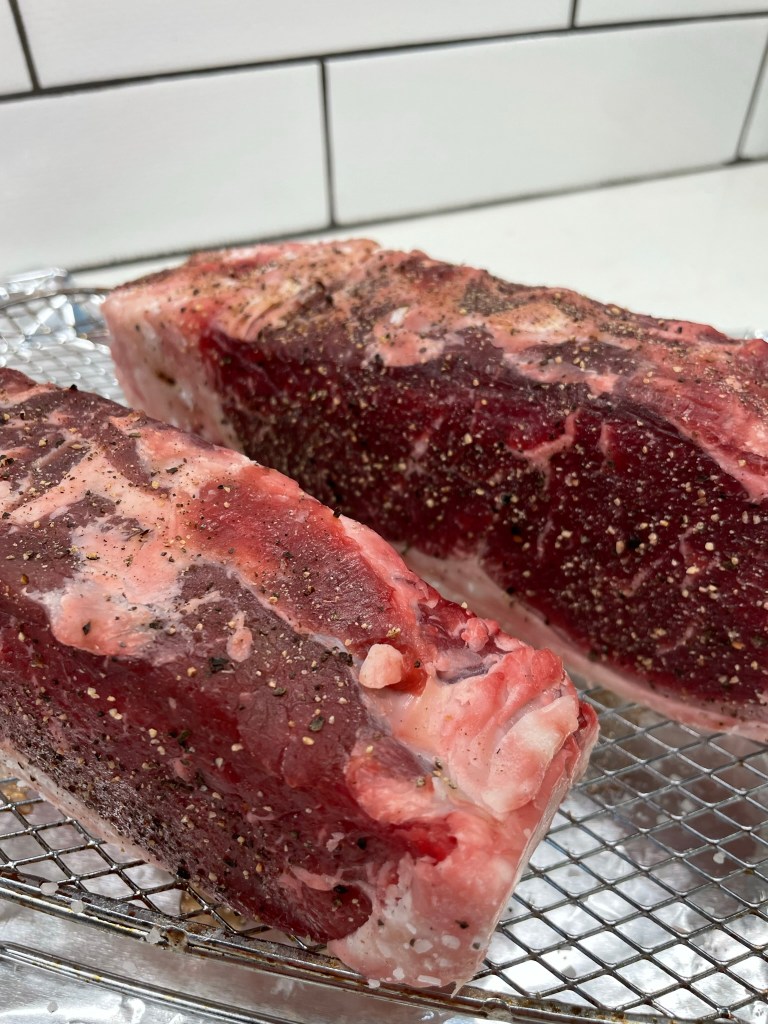
And not just any steaks. According to this article on Serious Eats, I needed to have steak that was close to 2 inches thick, and that usually means a custom order. When I explained to my local butcher what I had in mind, he pulled a huge slab of bone-in meat from the cooler in the back and went to work— slicing it nice and thick and trimming off the excess fat and bone. I’ll pause right here and acknowledge how much I appreciate having an actual butcher in town, one that sells locally produced meats with sustainability in mind, rather than a forced selection of meats from God-knows-where, shrink-wrapped over styrofoam trays. If you have a community butcher shop, please support it. 


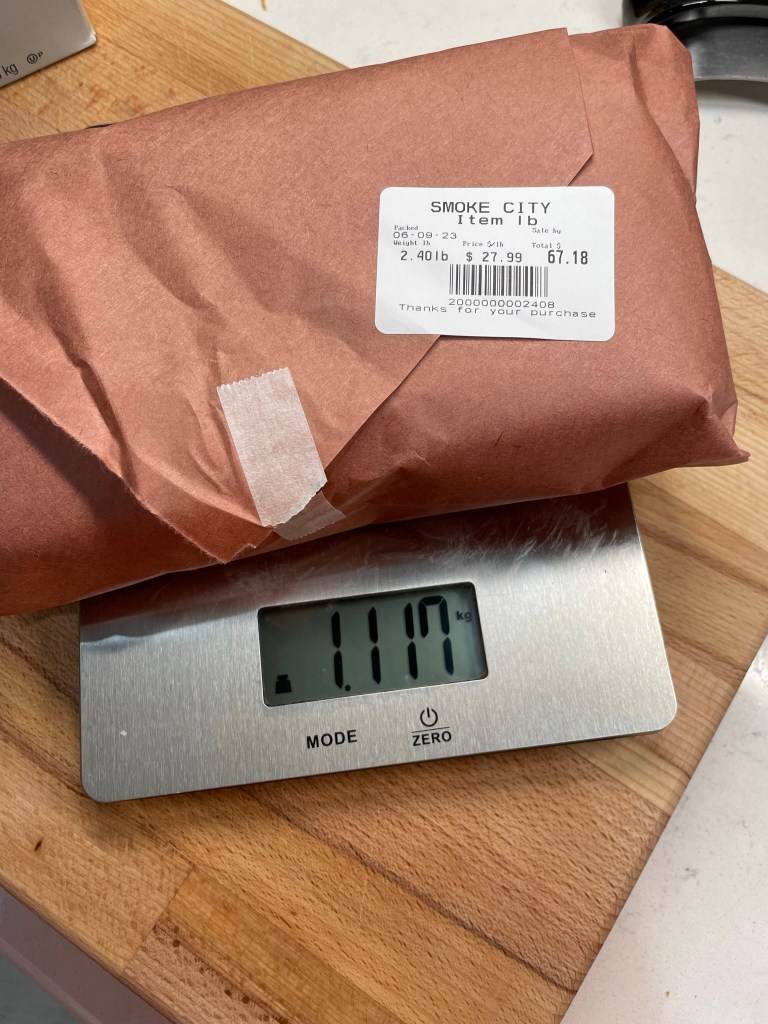
We ended up with two locally raised, grass-fed N.Y. strips that weighed roughly 2 and 1/2 pounds total— whew, that’s a lotta meat. At nearly 28 bucks a pound, this was not going to be a cheap experiment. My husband (and resident grill master), Les, was a great sport about the whole thing, even though the method defied his sensibilities, too, and even though it meant a longer wait for dinner.


Here’s how it was supposed to go.

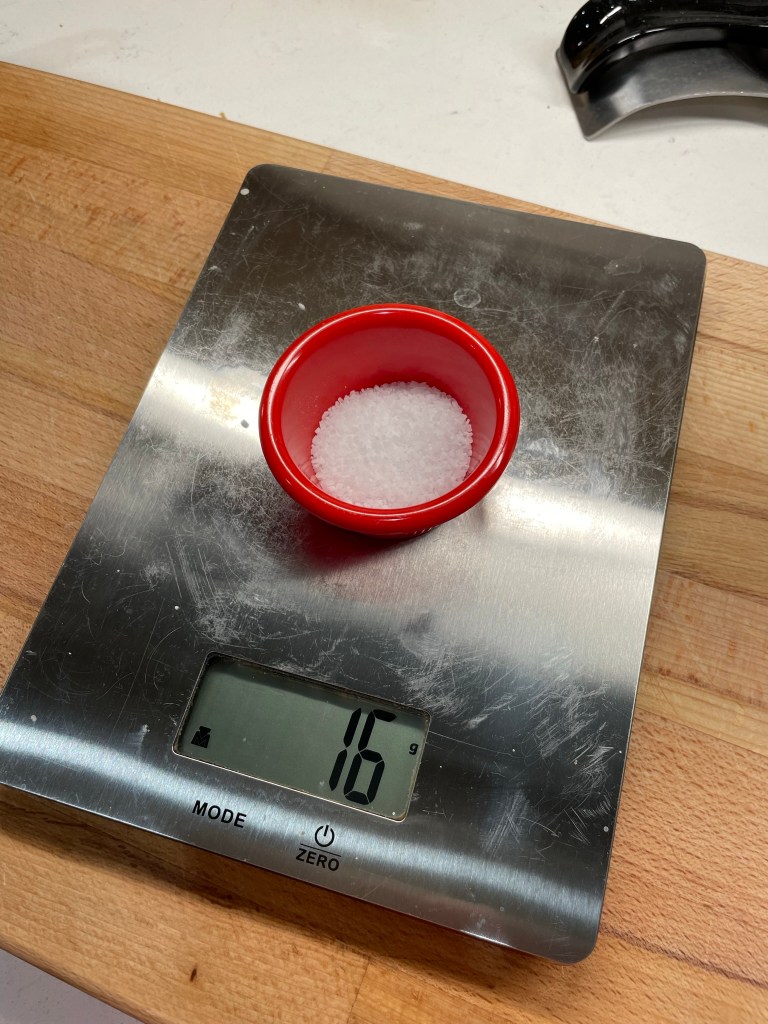
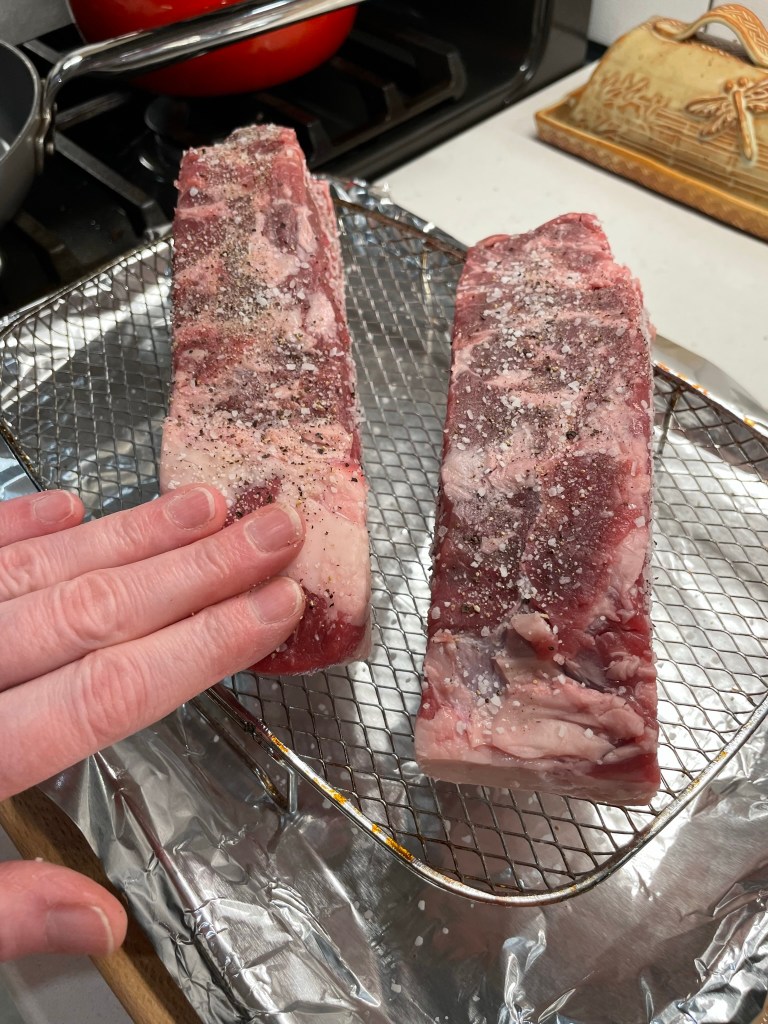
  1. Dry rub the steaks the night before — I used just kosher salt and black pepper, and they rested uncovered in the fridge.
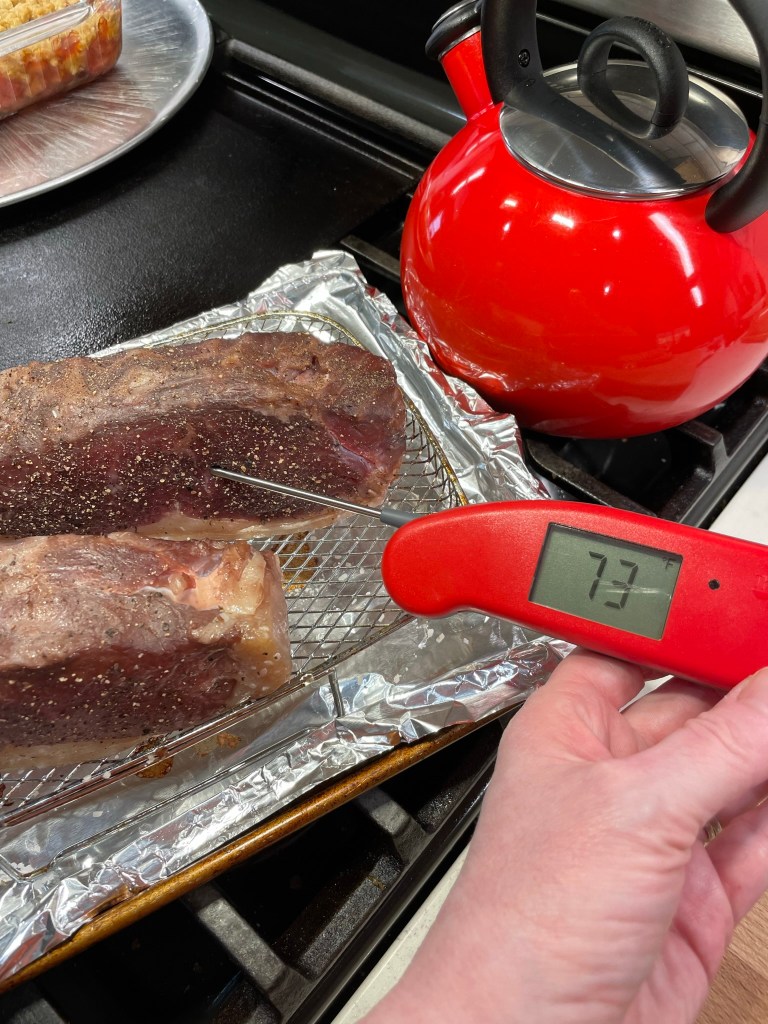
  2. Slow bake the steaks at low temperature (250° F) to just-shy of done — 25 to 30 minutes (we’ll just see about that).
  3. Sear the steaks to perfection — we had the grill fired up and ready to go!


Are we there yet??

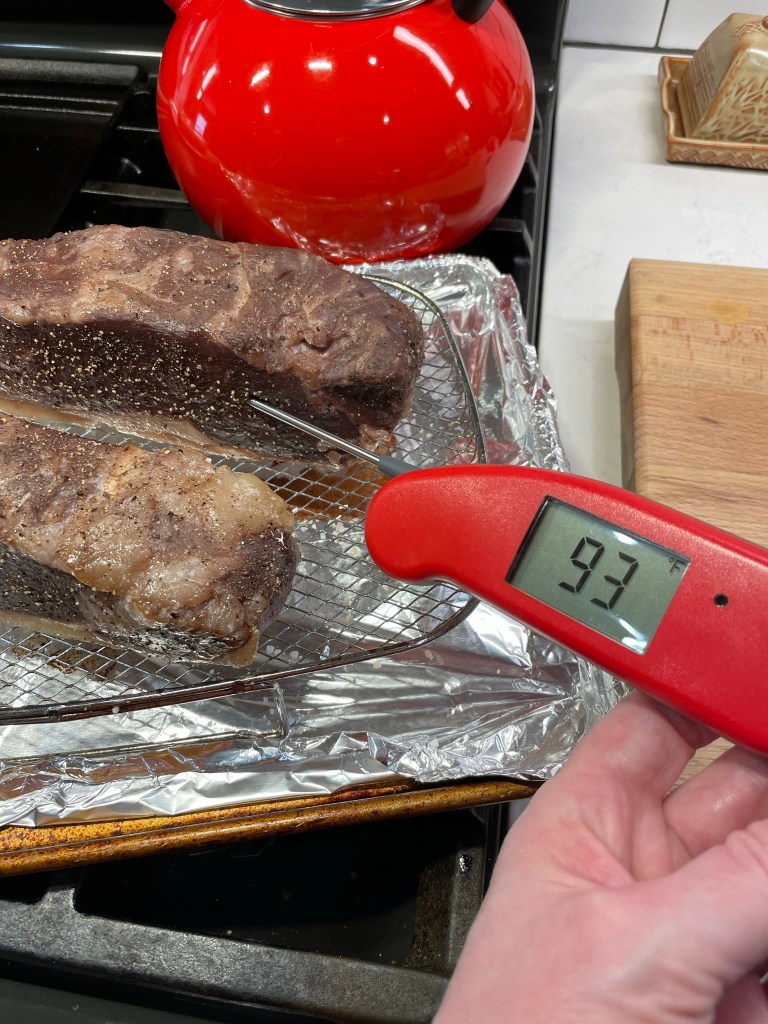
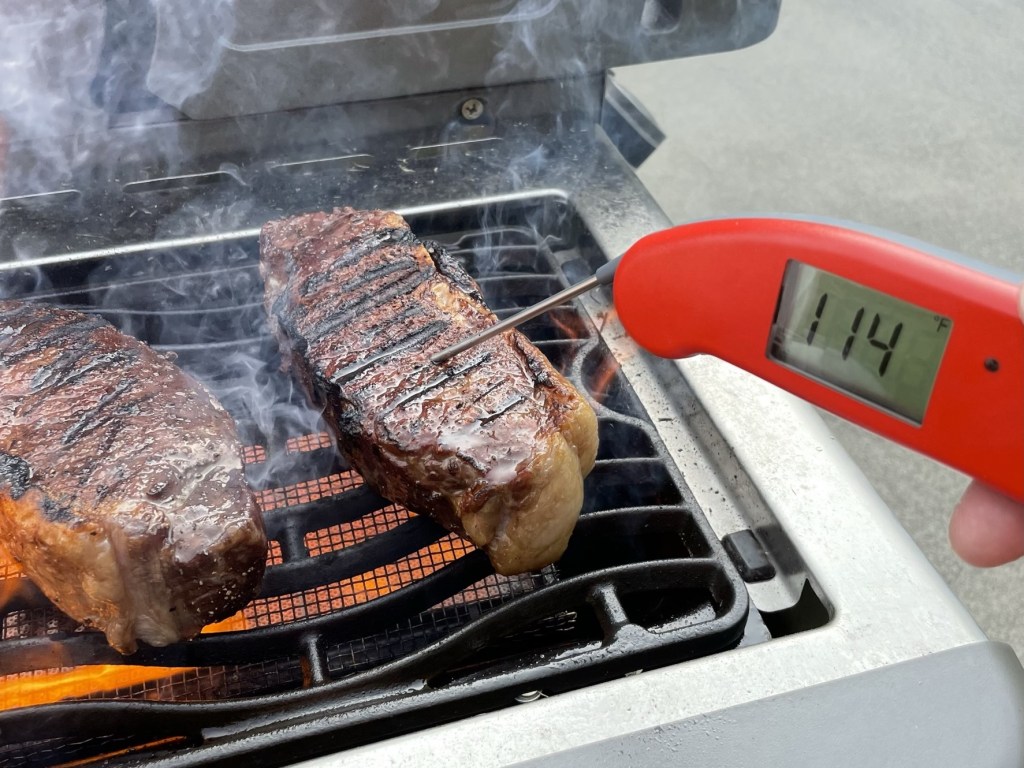
First, the process that was supposed to take 25 to 30 minutes ended up taking much longer. Were my steaks too thick? Was 40 minutes out of the fridge long enough to knock the chill off? Whatever the case, the steaks looked awful during this slow oven time. It’s a little upsetting to see expensive cuts of meat looking so— what’s the word? Grayish. 🫤

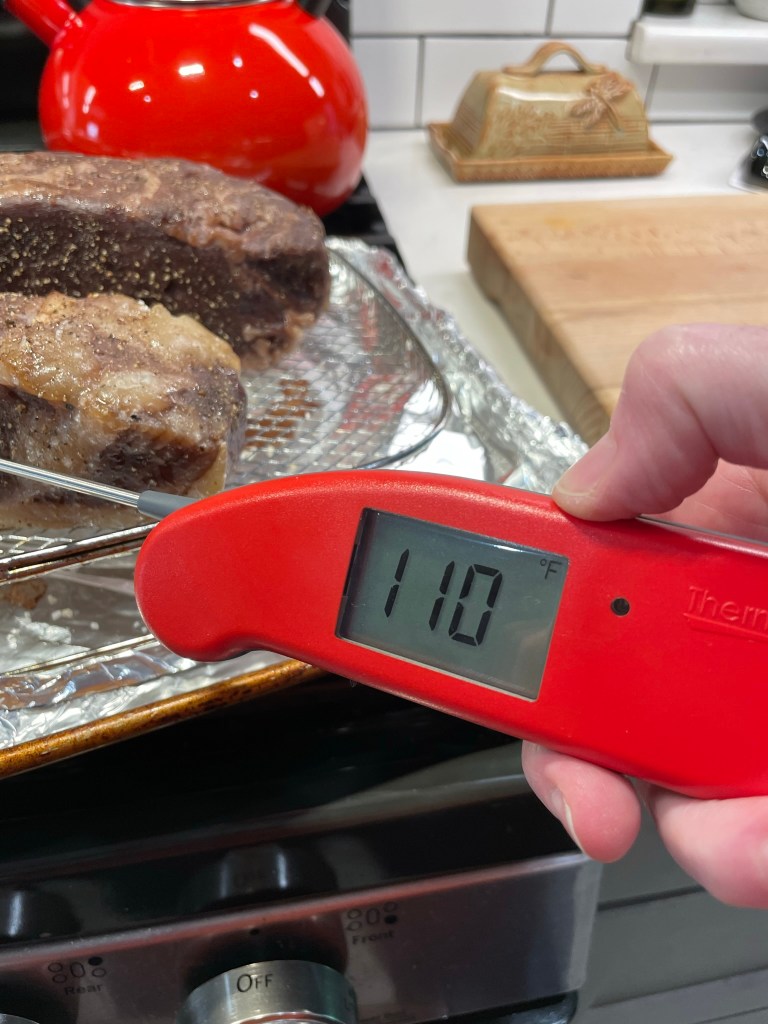
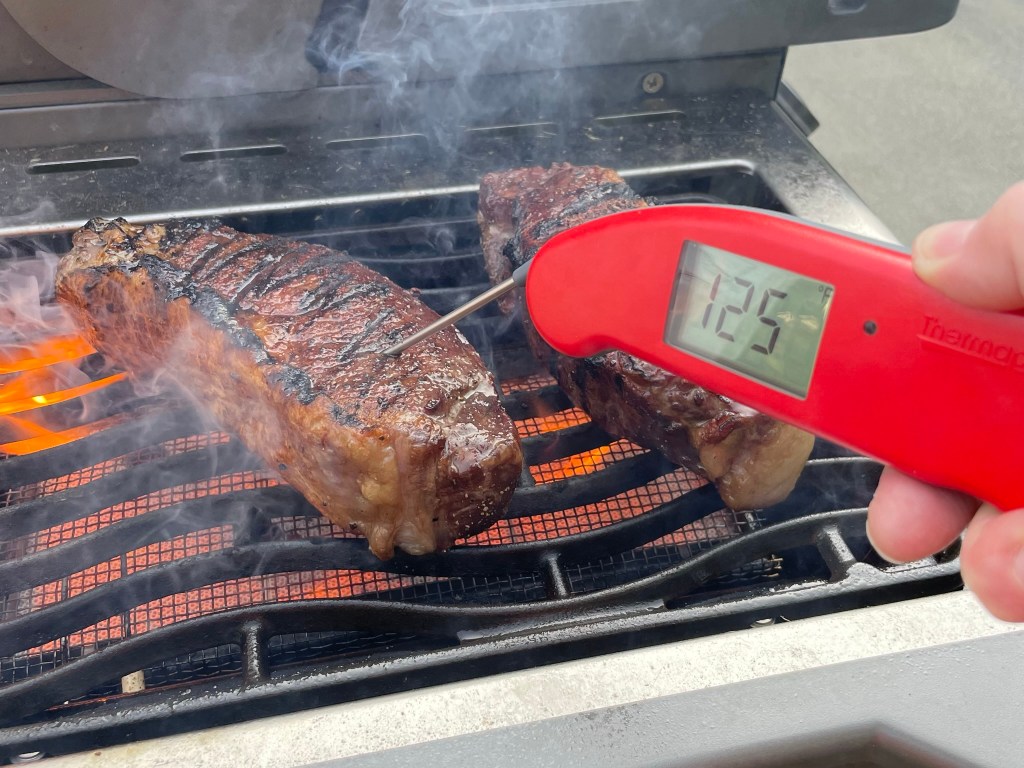
I started checking at the 30-minute mark, and we weren’t even close to the 115° F internal temperature we needed for a medium rare finish. This project was running slower than molasses in January. We resisted the urge to turn up the oven temp, but the clock was ticking, and we were getting damn hungry by this point.


C’mon, I’m starving!

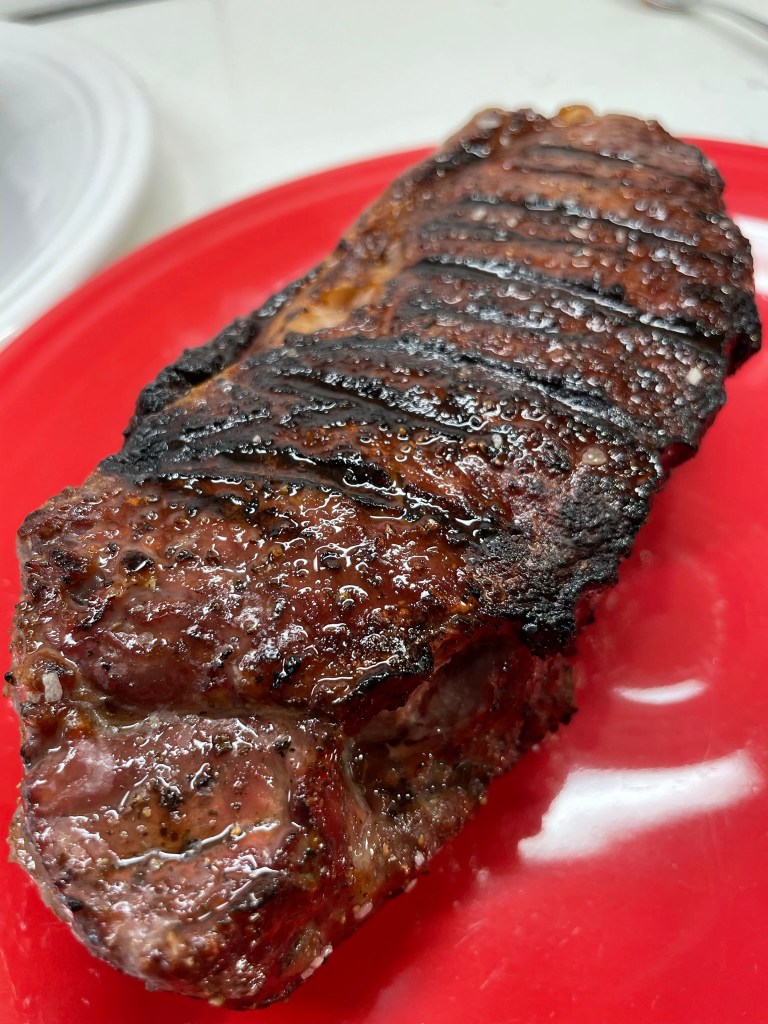
Finally, we decided that 110° was close enough, and when those steaks hit the infrared side burner of our Napoleon grill, it was quite dramatic! The sear was spectacular, and from that point, it took a mere four minutes to plating. We were grateful that Kenji’s instructions said there was no need to rest the steaks before serving. All that business of letting the juices redistribute was covered during the slow roast. Just slice and enjoy! I barely slowed down to take pictures.


Finally, the taste test!


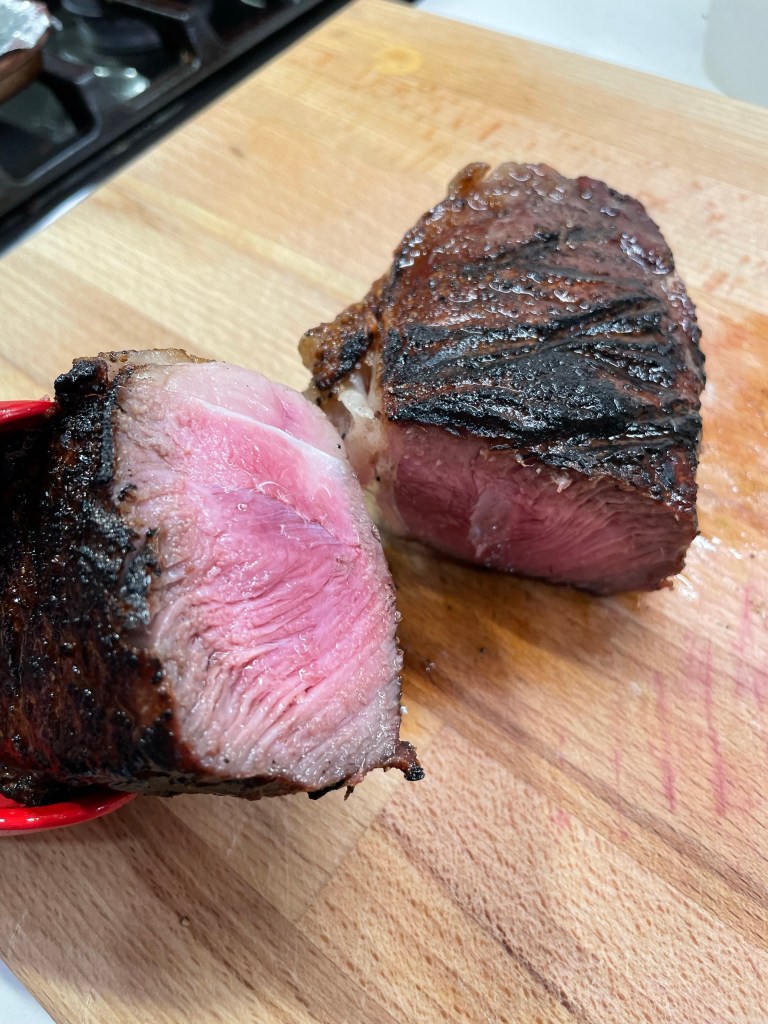
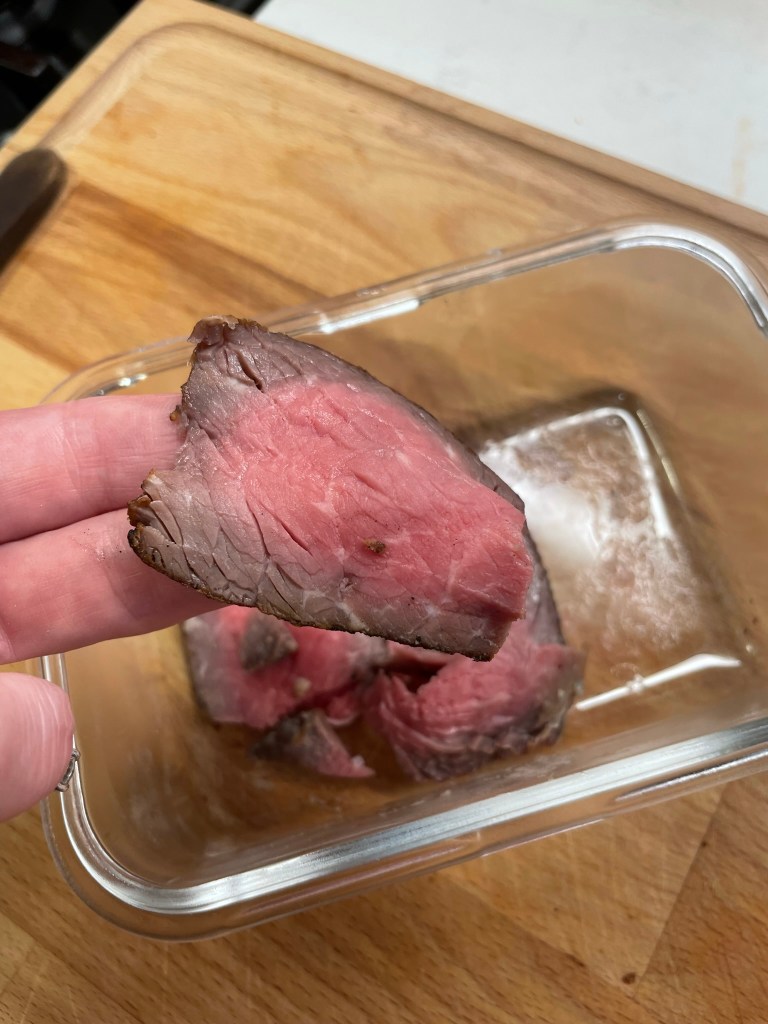
The texture of the reverse-seared steak really was perfect— crusted and flavorful on the outside, juicy and tender inside— and it was delicious. But was it superior to a seared-first steak— the kind we usually grill? I can’t say for sure, and I also can’t confirm that it was the cooking method alone that caused this perfection, as I also followed Kenji’s instruction for salting and seasoning the steak the night before. The overnight “dry-brining” technique used to make me uncomfortable, too, but I’ve done it with turkey, chicken, pork and duck, and had fabulous results. Maybe the dry brine on its own would have given us the same end result.

Would I do the reverse sear again? Possibly, but only on rare occasion and under the right circumstances. Les already does a terrific steak on the grill, following the old cave man method, and I do a darn good job with them in a cast-iron skillet. It is unlikely that we would ever choose such large steaks to begin with; nutritional guidelines say that 4 to 5 ounces is appropriate for a serving, and we usually push that into the 8-ounce range, but these were over a pound apiece! We should have shared one, I think, but I wanted leftovers.

The reverse sear technique could be useful if we had a large gathering for a grilled meal (probably why top-notch restaurants are doing it). Things can get a little dicey when you’re trying to get a bunch of steaks grilled at once, and the low-and-slow process would allow extra flexibility for accurate temperature and quick finish, and more time for cocktails and chit chat while we wait—nothing wrong with that.

One final observation about reverse searing, and this one didn’t hit me until the next day when I sliced up some of the leftovers of our enormous steaks to top a salad. I can truly say that never-have-I-ever had leftover steak with such flavor and texture. The meat was still juicy and tender, much more so than I expected for round two, so there’s that.

I’m curious to know others’ experiences with reverse searing; if you have tried it, please let me know in the comments section below how things went for you. If you haven’t tried it, will you be firing up the grill (and oven) to give it a go this weekend?


Peach-Bourbon Glazed Chicken

The inspiration for this scrumptious chicken highlighting the flavors of peach and bourbon came from Instagram, but it was salmon rather than chicken. And it was baked rather than grilled (I think). I don’t remember the details, and anyone who is on Instagram knows that’s the nature of the social media beast— either follow it or lose it. And I don’t want to follow every single thing that interests me because I’m scatterbrained enough, and I don’t always think to “save” a recipe post to my favorites collection. I need that sacred space for videos of hero dogs making their final flight home, hungry raccoons snatching a donut at the Dunkin’ drive-thru, and onesie-wearing dachshunds munching on carrots by a cozy fireplace. Yep, I use social media for mindless entertainment. When it comes to food posts, I’m only looking for inspiration.

That mention of a peaches and bourbon combo was enough to get me going, though, and it stuck with me for days after I saw it, so when Les and I were asking each other what we’d do for dinner last weekend, I remembered the package of chicken thighs I had just bought that day and I blurted without even thinking, “peach-bourbon glazed chicken.” And there was no arm-twisting involved, because anytime we are pairing anything and bourbon, we’re good. All I needed was a recipe, right?

Not so fast.

If I had time only to share one message for people who think they don’t know how to cook, it would be this: trust yourself! Recipes only get you so far; you still have to understand some things about cooking, and that boils down to pairing flavors and mastering a few techniques. You already know what flavors you like together, so learn the methods that will help you be successful and the rest will fall into place. I didn’t write down anything about the recipe from that fleeting Instagram post— but I am going to connect the dots from what struck me about it: peaches, bourbon, meat and the grill.

The Flavor Pairings

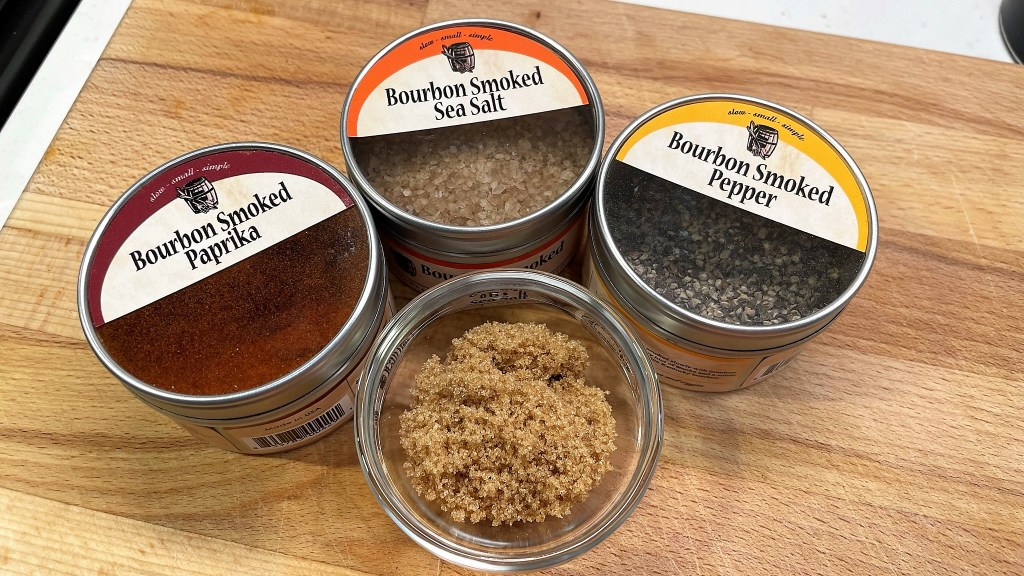
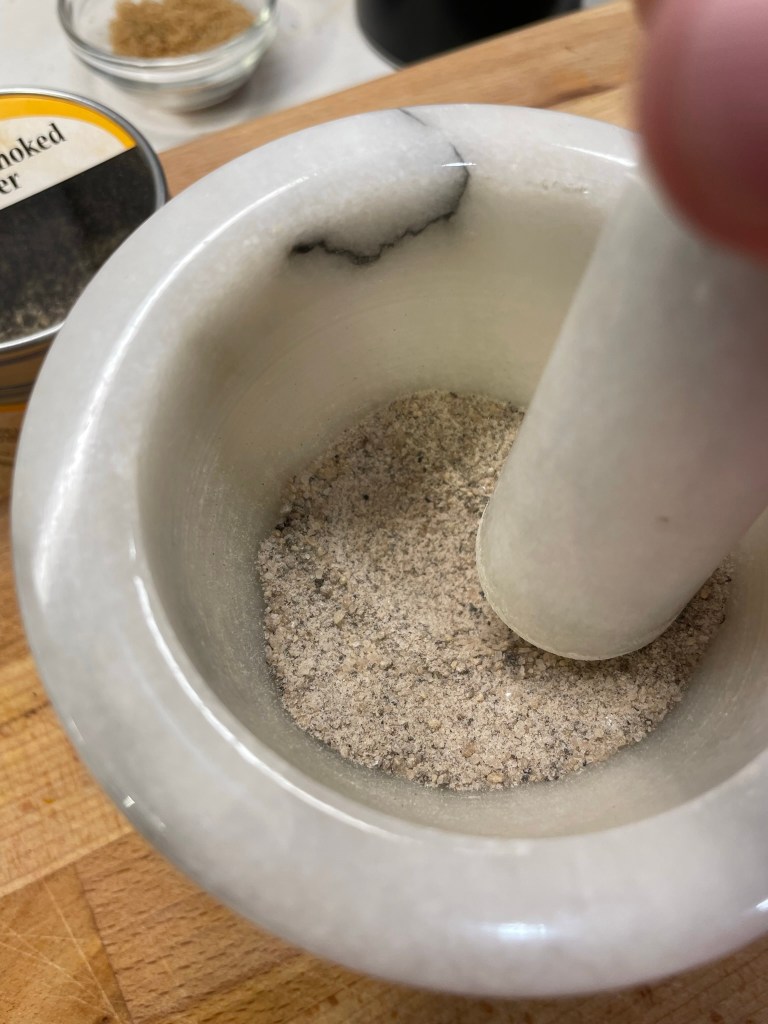
Peaches are sweet, juicy and summery. What complements sweet? Tart, spice or smoke. That helps narrow down my next move toward pairing flavors. Bourbon is strong, with a boozy bite and a light smokiness from oak barrel aging, so I already have a complementary flavor profile (smoke) taking shape. I can inch it further toward smoke with introduction of a spice, but which ones are smoky? Off the top of my head, I know I have cumin, but that starts heading off into more specific ethnic cuisines (Mexican or Indian), which is not where I’m going. I wanted this to taste like an all-American summer. Paprika is also smoky and brings the benefit of adding vibrant brick-red color. That’s my choice for this dish, and I happen to have a bourbon-smoked paprika, which is a no-brainer here. Finally, I want to take the edge off the bourbon without losing its flavor, and a bit of brown sugar will do that while also supporting the sweetness of the peach. See how easy that was?

Lest you think that I analyze every recipe I make this way, I can assure that most of this mental processing happens unconsciously, much the same as getting dressed in the morning and instantly knowing which colors, styles and patterns will work or clash. The more time you spend in the kitchen, the more natural these decisions become.
Regular pantry ingredients are fine for this recipe, but if you’re interested in these bourbon-smoked spices, here’s the link! https://bourbonbarrelfoods.com/product/bourbon-smoked-spice-set/

Salt and pepper: the simplest seasonings are usually enough when you’re grilling, and it’s the way to go when you want the flavor of the meat to take center stage.

Smoked paprika: this lends a light smoky flavor, which is always a winner for the grill. This spice might not have been right for berries or citrus, but it worked great with peaches.

Brown sugar: this will underscore the sweetness of the peaches, soften the bourbon and also encourage even caramelization of the meat during grilling and glazing.


The Technique

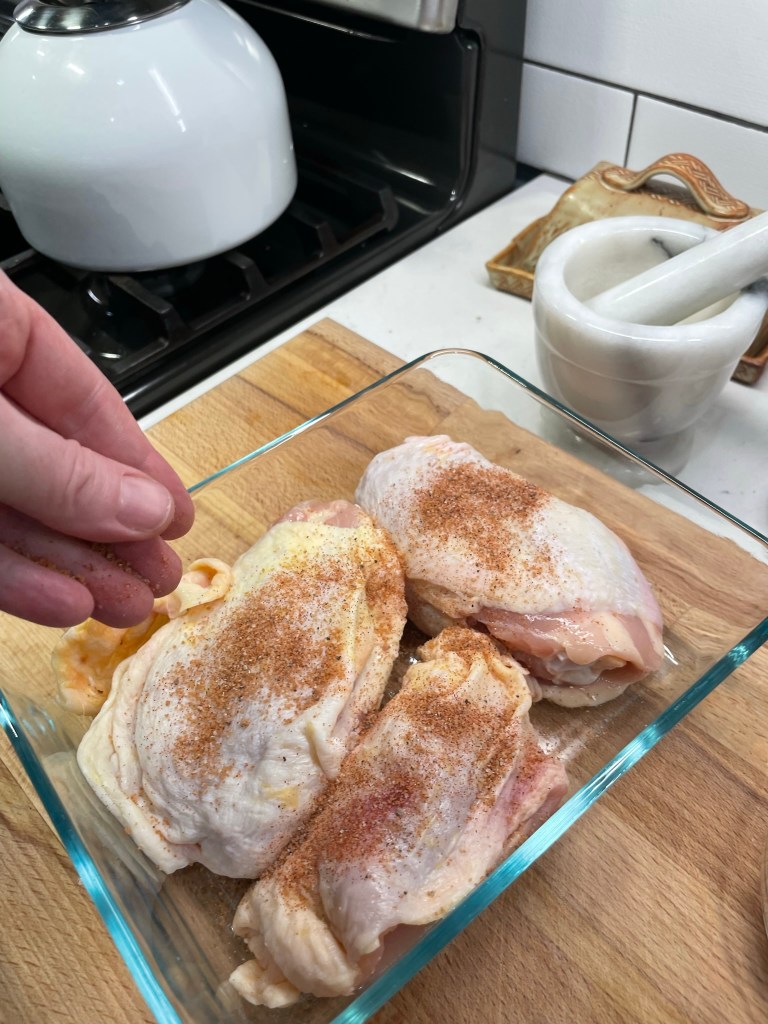
Les and I have both grilled food for years, but we always have something new to learn. I’ve been leaning heavily lately on the teachings of Kenji López-Alt, whose book The Food Lab describes in detail the benefits of dry-brining meat before roasting or grilling. It’s a whole science-y thing that involves reverse osmosis or something, and it works every time, producing both a great crispy skin and a juicy, tender interior. So for these chicken thighs, I did a quick dry brine with the seasoning blend above, and I held back a spoonful to use in the peach-bourbon glaze (more on that in a moment).


With better planning, I would have done this seasoning step the night before we cooked, to give the chicken skin more than five hours of dry brining time. But sometimes these ideas hit me on the same day I want to cook, and five hours turned out to be plenty to give the chicken a locked-in delicious flavor. An extra few hours would likely have dried out the skin more for an even crispier exterior, so maybe next time. 😉


The Peach-Bourbon Glaze

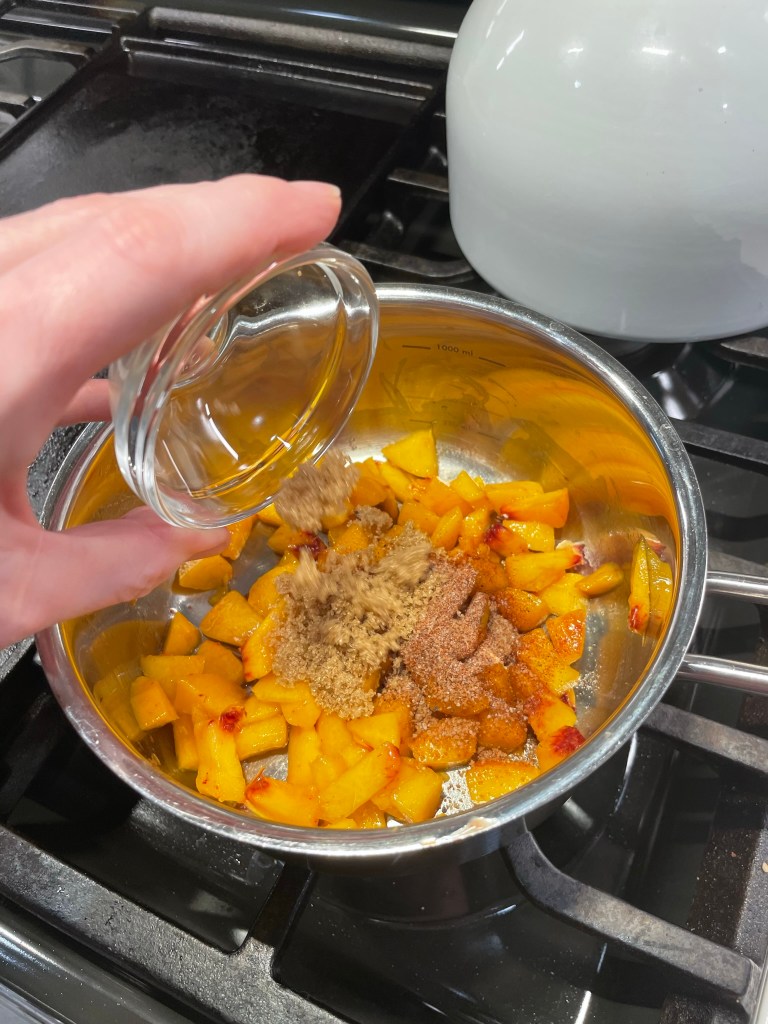
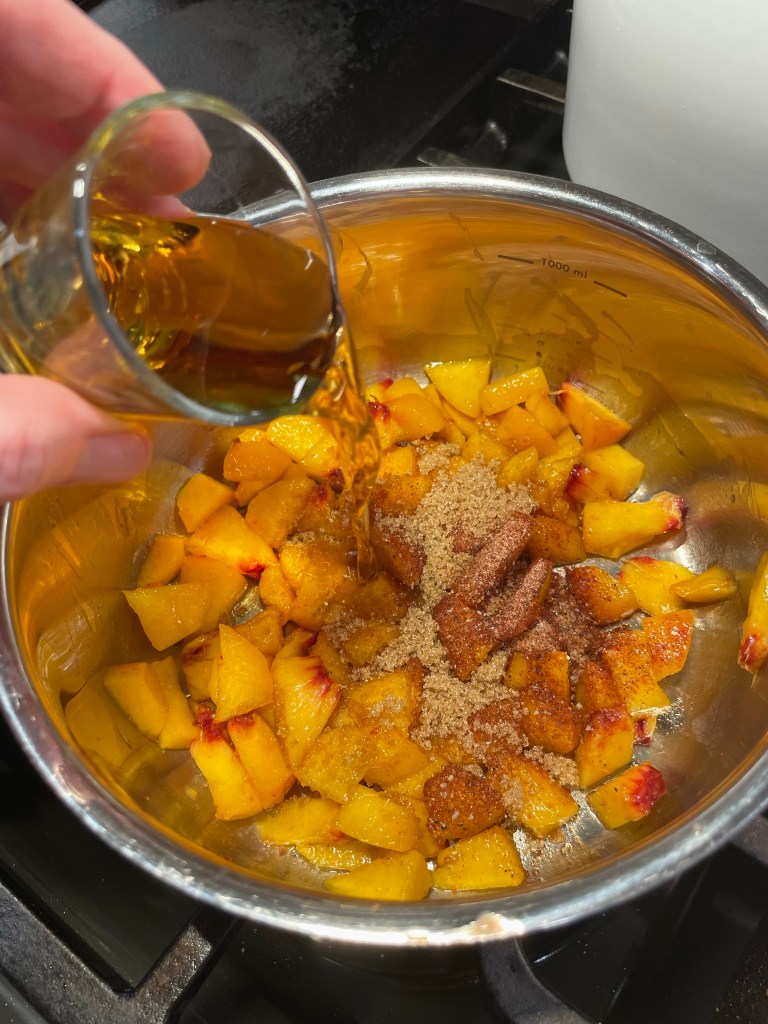
The peach-bourbon flavor combination that started it all was the last thing I prepared, but you can see by now that it was the basis for everything else I did. This is usually how I develop a recipe, whether it’s for a cocktail, a dessert or a main dish. The same spice blend I rubbed on the chicken also seasoned the peaches I cooked down for the glaze. An extra spoonful of brown sugar made the glaze syrupy, but too much would have made it cloyingly sweet. For the bourbon, I scanned my bar for ideas. Would regular bourbon have worked? Of course. Black-cherry infused bourbon? Not so much. The smoked maple was next-level, the winner!  


More Technique

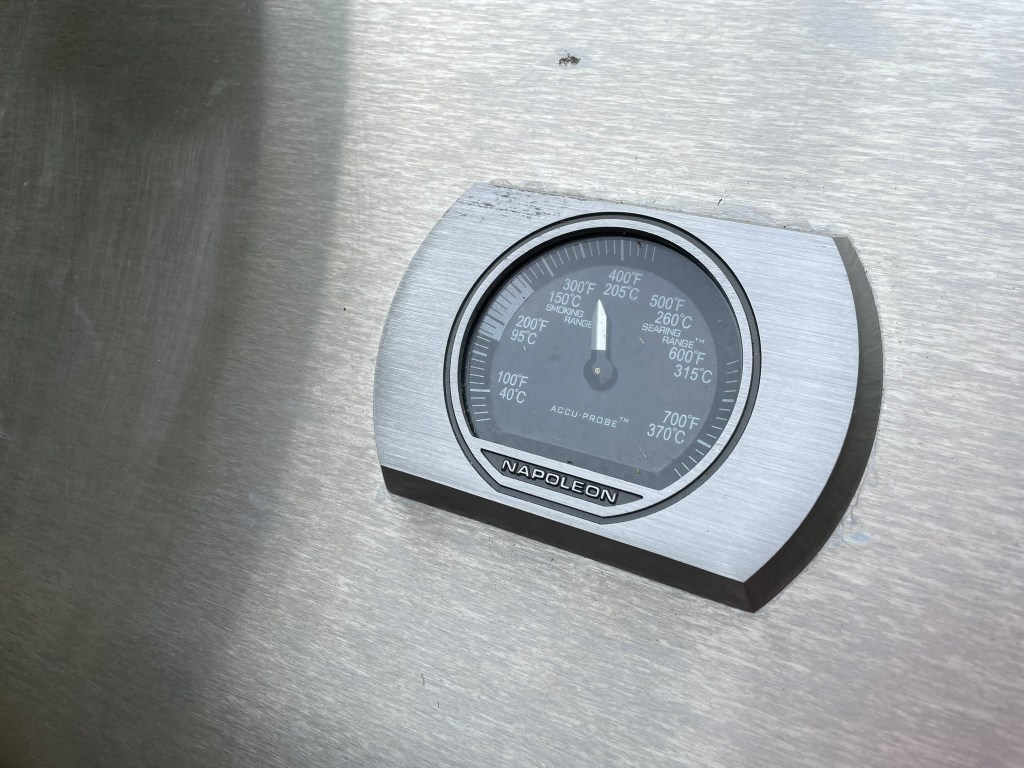
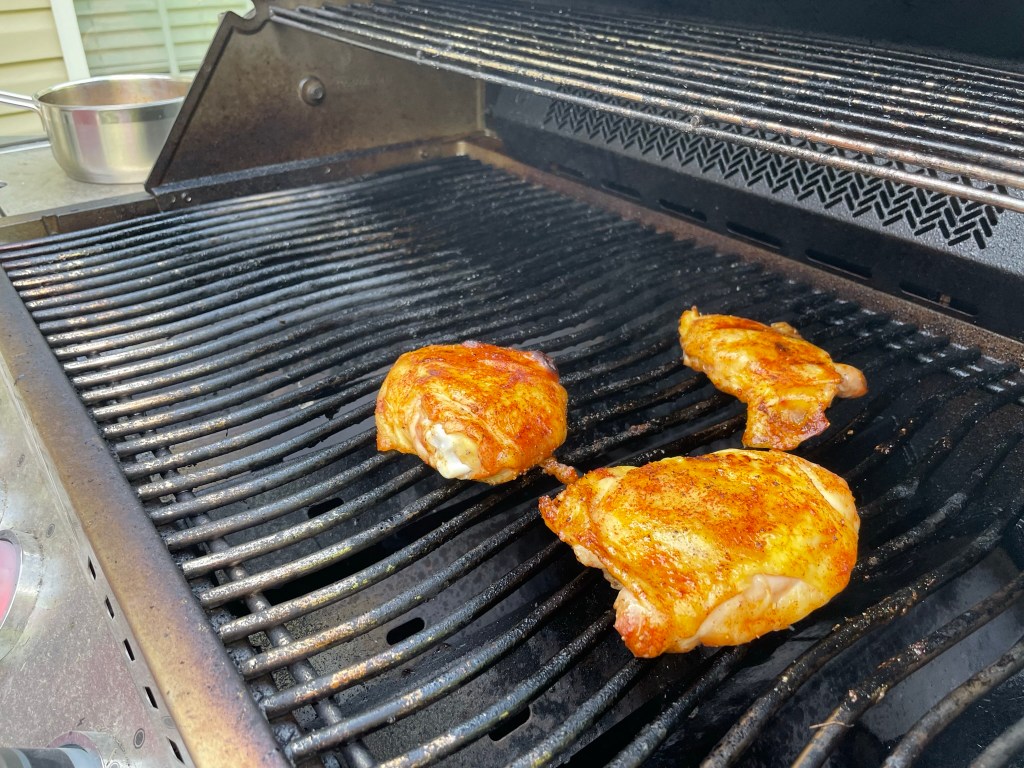
The rest of the process belonged to my husband, also known here as “Master of the Grill.” He has been relentless in learning the nuances of our new Napoleon gas grill with its numerous bells and whistles, including infrared searing zones, and some of those features come with a steep learning curve. For chicken thighs, Napoleon recommends a “reverse-sear” technique—Kenji would approve— and so Les preheated the grill to 350° F, with indirect heat on one side. The goal with this kind of cooking is to slow-cook the meat to achieve proper temperature before sealing the deal with crispy skin and glaze.


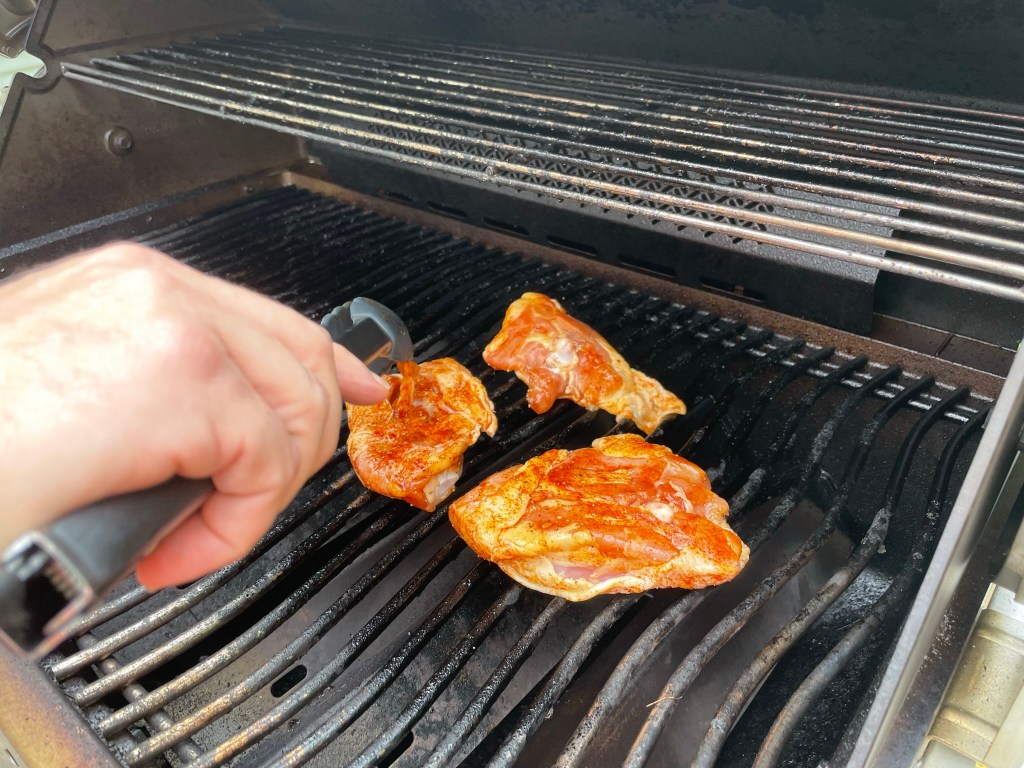
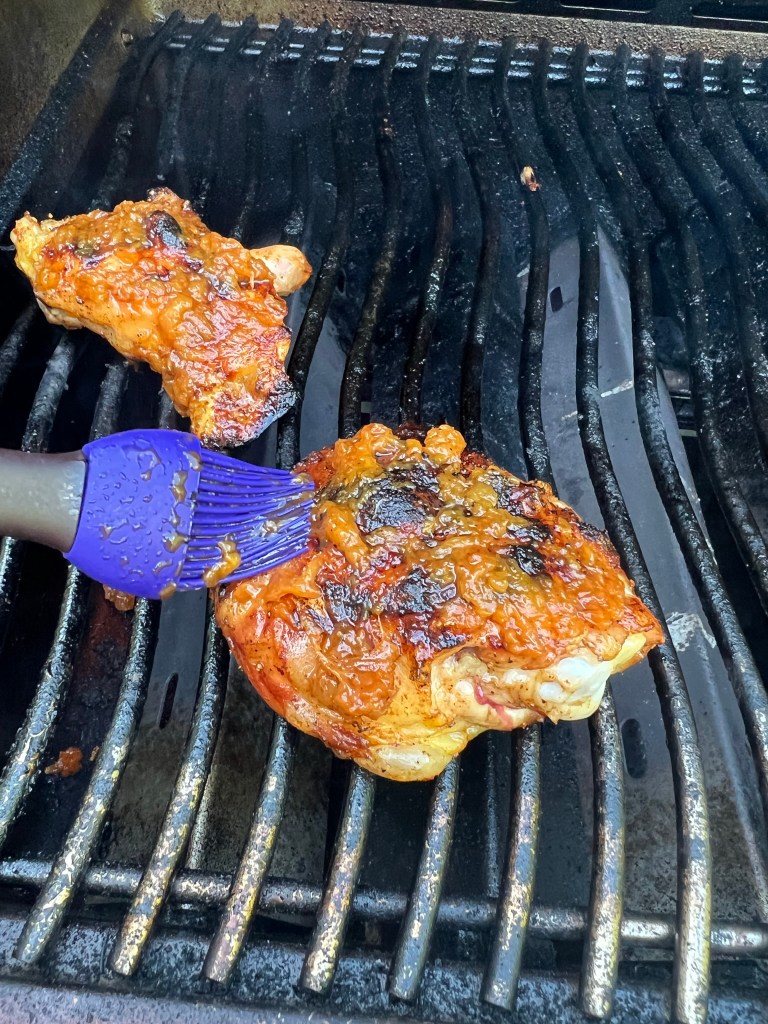
Les placed the thighs skin side-down on that indirect side and closed the grill cover, turning them only once during a whole 25 minutes, and checking the internal temperature periodically until it reached the recommended 145° F. Finally, the chicken was ready to move to the direct heat side of the grill, where it was licked by the flames for about four minutes, until the skin was crispy and the final meat temperature was 165° F. Only then did Les brush the peach-bourbon glaze onto the thighs for a final grilling, and gave them another quick sear to lock in the glaze.


If he had done the glazing too early, two things could have gone wrong— the glaze (with all its sugars) would probably have burned, and the wetness of it would have kept the skin from reaching and keeping its ideal, crispy texture. Patience, Grasshopper.


The Result

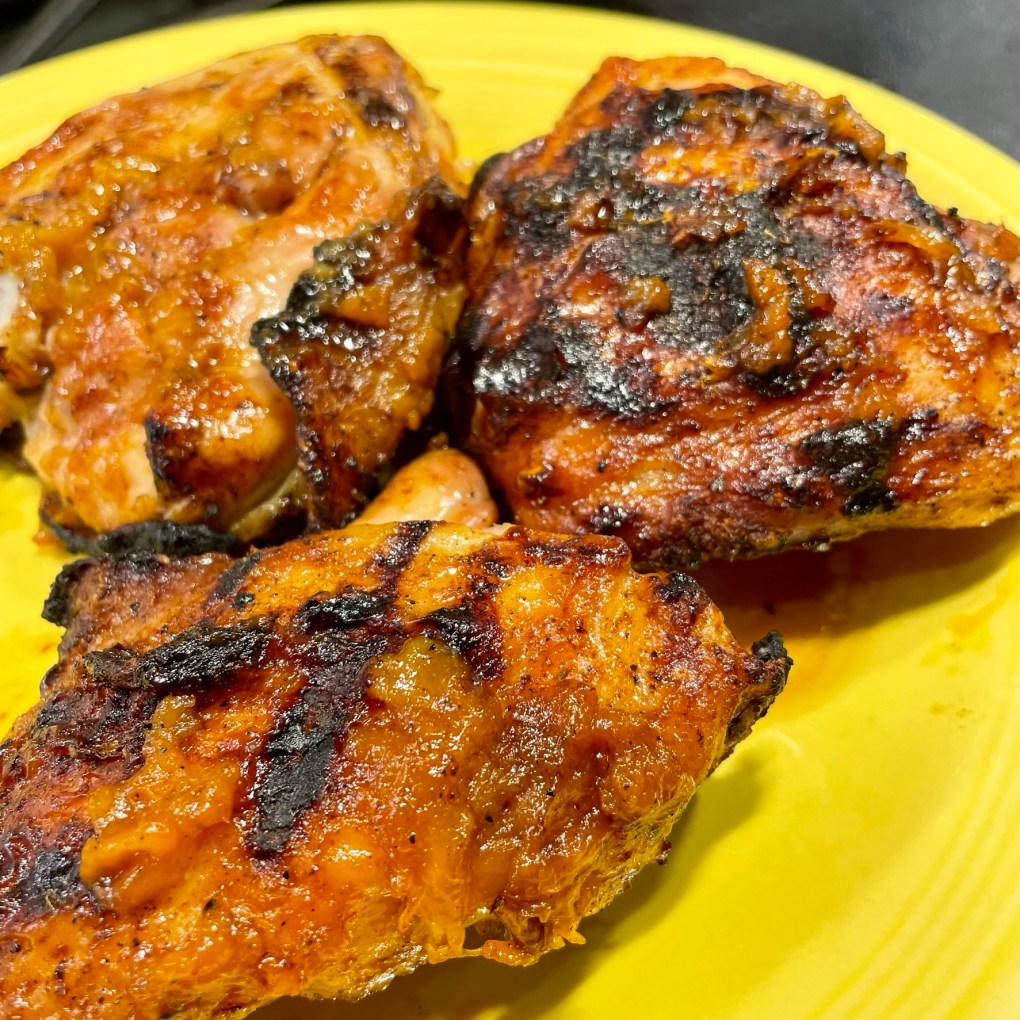
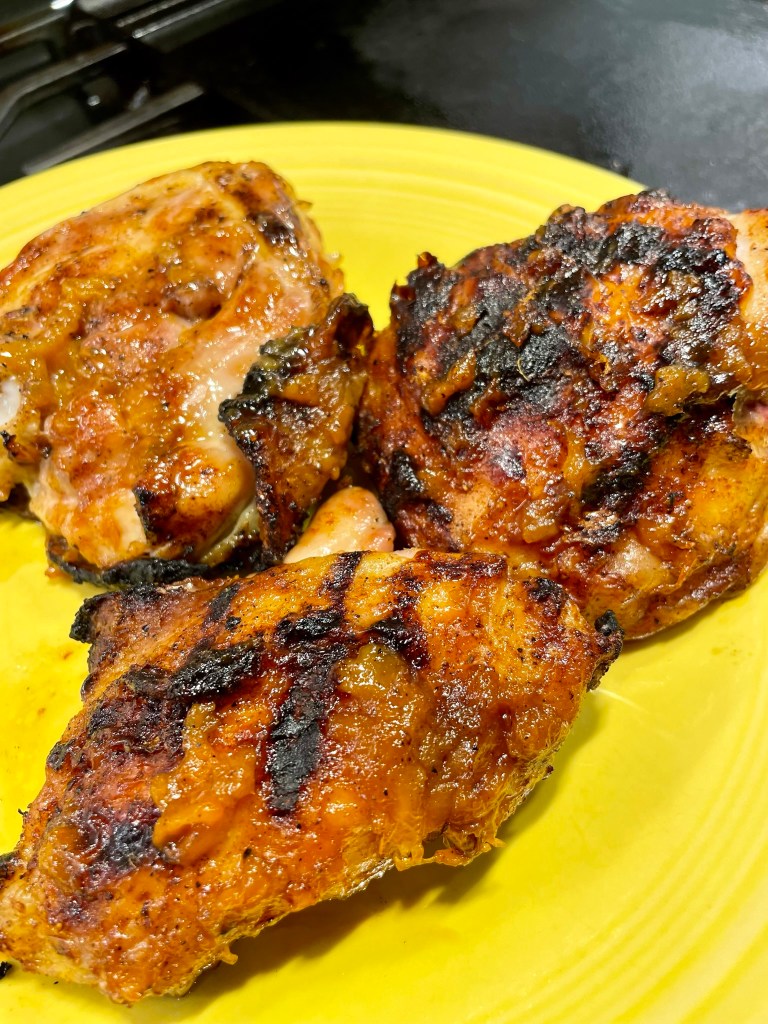
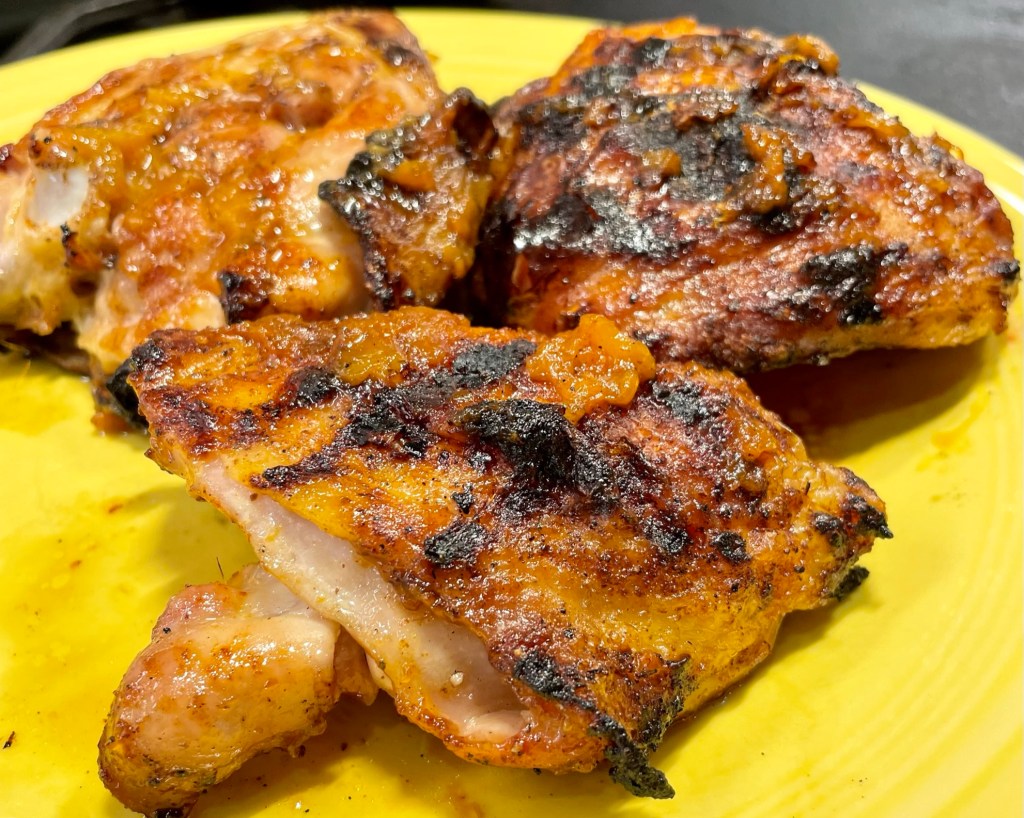
So there we have it: peach-bourbon inspiration + simple, complementary seasonings + unconventional technique + teamwork = one winner of a dish! The chicken thighs were juicy and tender inside, with a nice, crispy skin and a flavorful coating that combined one of summer’s greatest gifts and one of our favorite spirits. 

This right here; this is why I love to cook. 😁


Peach-Bourbon Glazed Chicken

  • Servings: Up to 4 thighs
  • Difficulty: Average
  • Print

A smoky spice is a wonderful complement to the sweetness of fresh, summer peaches in this flavorful grilled chicken recipe.


Ingredients

  • 1 pound chicken thighs
  • 1 tsp. smoked paprika (Spanish-style, not “hot” or Hungarian)
  • 1 tsp. kosher salt
  • 1/2 tsp. black pepper
  • 3 tsp. brown sugar (use 2 for the rub and 1 in the glaze)
  • 1 large peach, peeled and diced
  • 1 1/2 oz. bourbon (I used smoked maple, and it was great!)
  • A splash of water, as needed, to cook down the peaches

This recipe relies on two specific techniques: dry-brining and indirect grilling. Both are outlined below, and they take longer than a conventional recipe, so plan ahead. I promise, the extra wait time is well worth it in the end! You’ll need to check the internal temperature of the chicken, so it’s beneficial to have a meat thermometer handy when you begin.

Directions

  1. Do not rinse the chicken. Pat the pieces dry on all sides with paper towels. Arrange on a plate or in a glass dish.
  2. Combine paprika, salt and pepper in a small bowl. Add two teaspoons of the brown sugar and mix until evenly blended. Sprinkle all over both sides of the chicken, reserving about one teaspoon of the spice mix for the glaze. Place the chicken, uncovered and skin side exposed, into the fridge and let it rest for several hours.
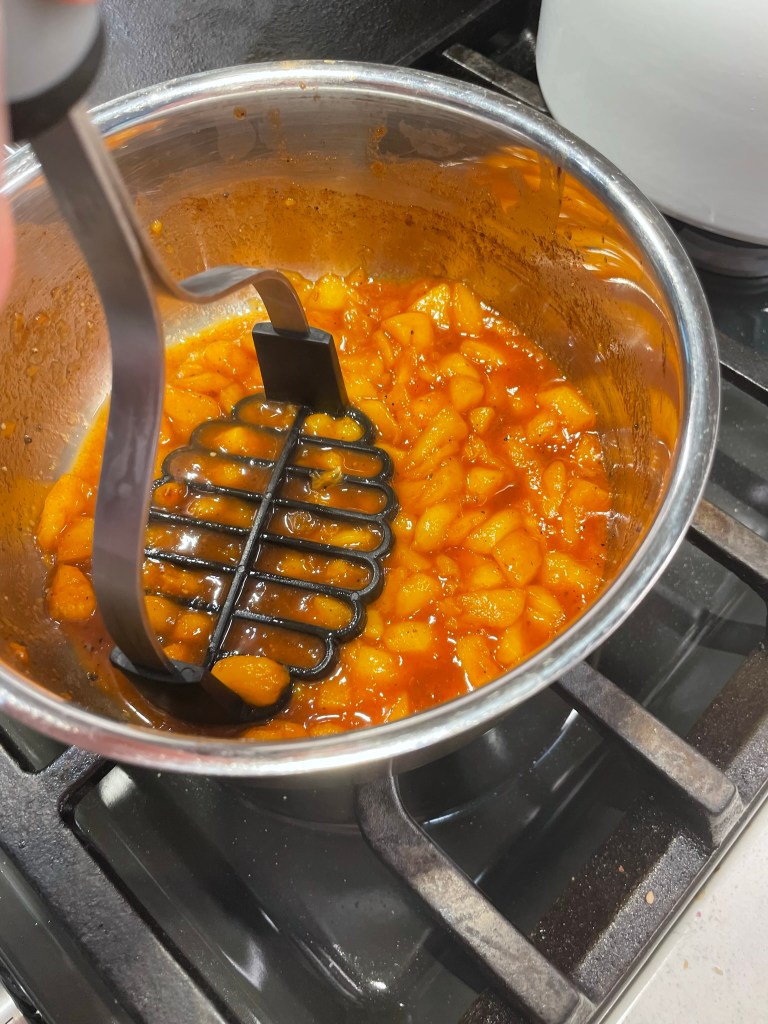
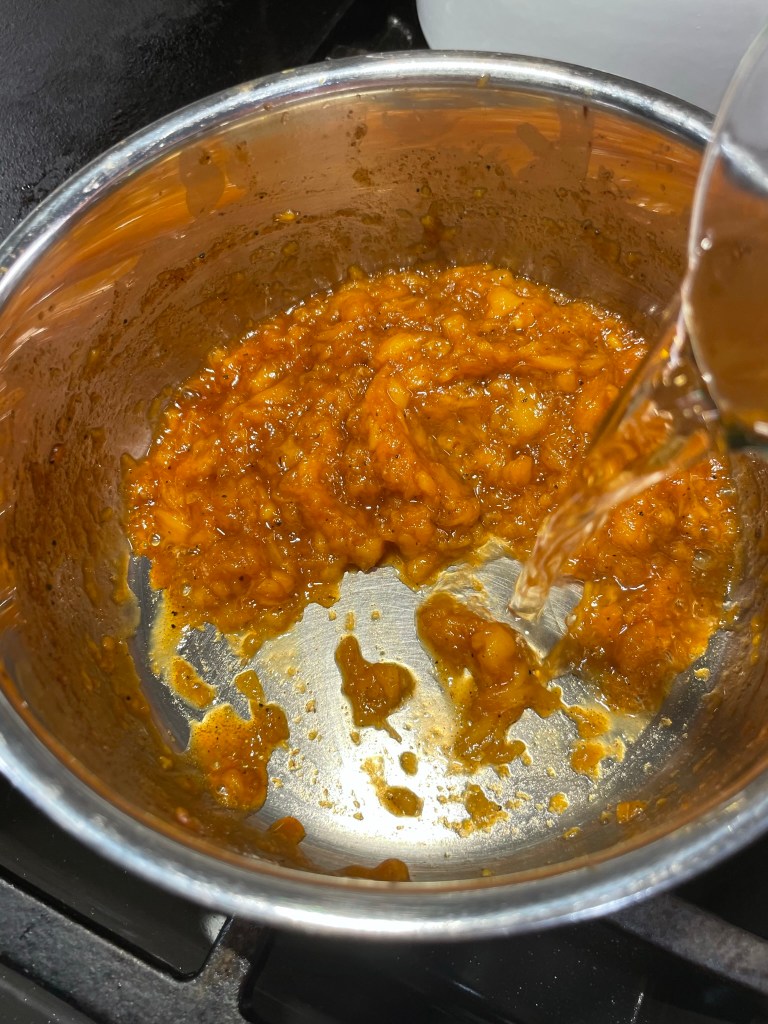
  3. Add diced peaches to a small saucepan with remaining spice blend and another teaspoon of brown sugar. Pour in half of the bourbon and cook over medium low heat until peaches break down and mixture is slightly syrupy. If needed, add a splash or two of water to achieve this consistency.
  4. After about 15 minutes, mash the peaches slightly into a chunky puree. When all the moisture has evaporated, stir in the remaining half shot of bourbon and remove from heat. If you make and chill this ahead, bring it to room temp before grilling.
  5. Remove chicken from fridge about 30 minutes before grilling. Heat grill to 350° F, with burners or coals only one one side of the grill for indirect cooking.
  6. Arrange chicken pieces, skin side-down, on indirect side of the grill. Cook for about 25 minutes, turning once or twice, until internal temperature is 145° F. Move chicken to direct heat side to finish cooking and crisp the skin.
  7. When chicken internal temp reaches 165° F, brush on peach-bourbon glaze, and continue to cook on direct heat side briefly, until glaze has a “baked-on” appearance. Watch it closely so the sugars don’t burn.
  8. Serve chicken immediately. When cooking by reverse-sear, post-cooking rest is not necessary.


Coffee-rubbed Skirt Steak with Chimichurri

Too often, my hubby and I fall into a make-it-Mexican rut, and we neglect the other flavors that are hanging out in our pantry cabinet, just waiting to thrill our palates. When we discovered last week that our dinner rotation had an empty slot, I pulled a package of skirt steak from the freezer, figuring we could always give it a Mexican spin and fajitas or tacos with it. But with all the other flavorful things that could be applied to a cut as tender and succulent as skirt steak, isn’t plain ole usual fajitas just “phoning it in?” 

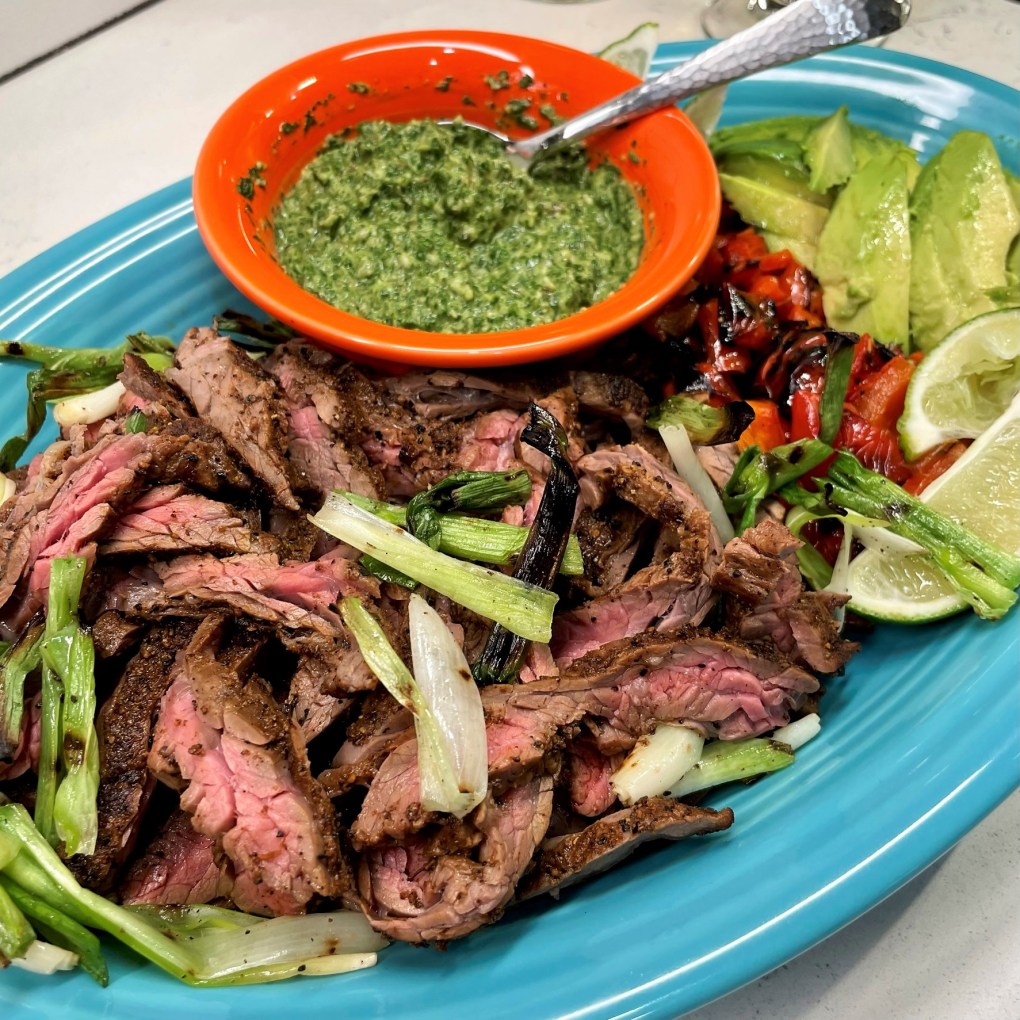
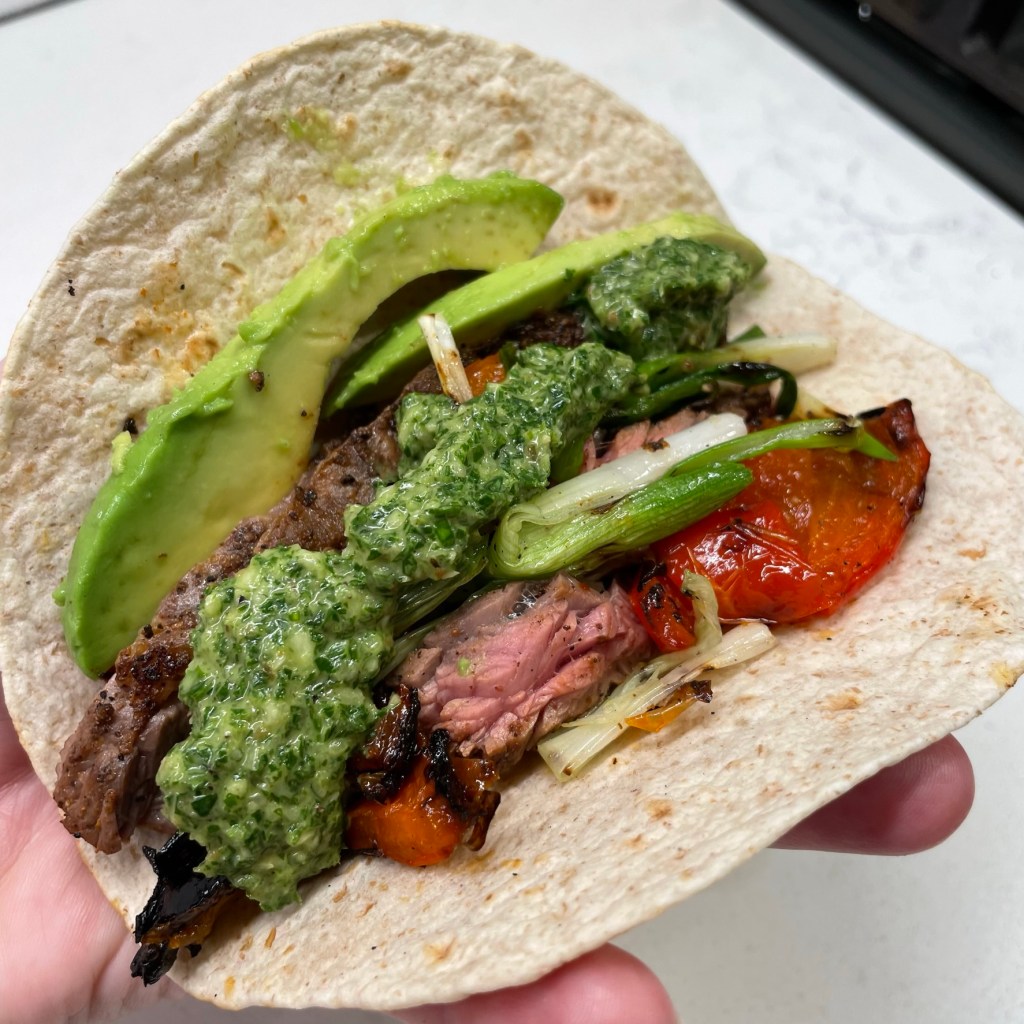
So I reconsidered, taking our steak in a different direction with my homemade spicy coffee rub and a zesty, garlicky chimichurri to accentuate and complement the smoky, earthy flavors of the rub. We did pile it all onto hearty tortillas and enjoyed it as fajitas, but this meal had a decidedly more interesting appeal!

Les couldn’t wait to sip his brew!

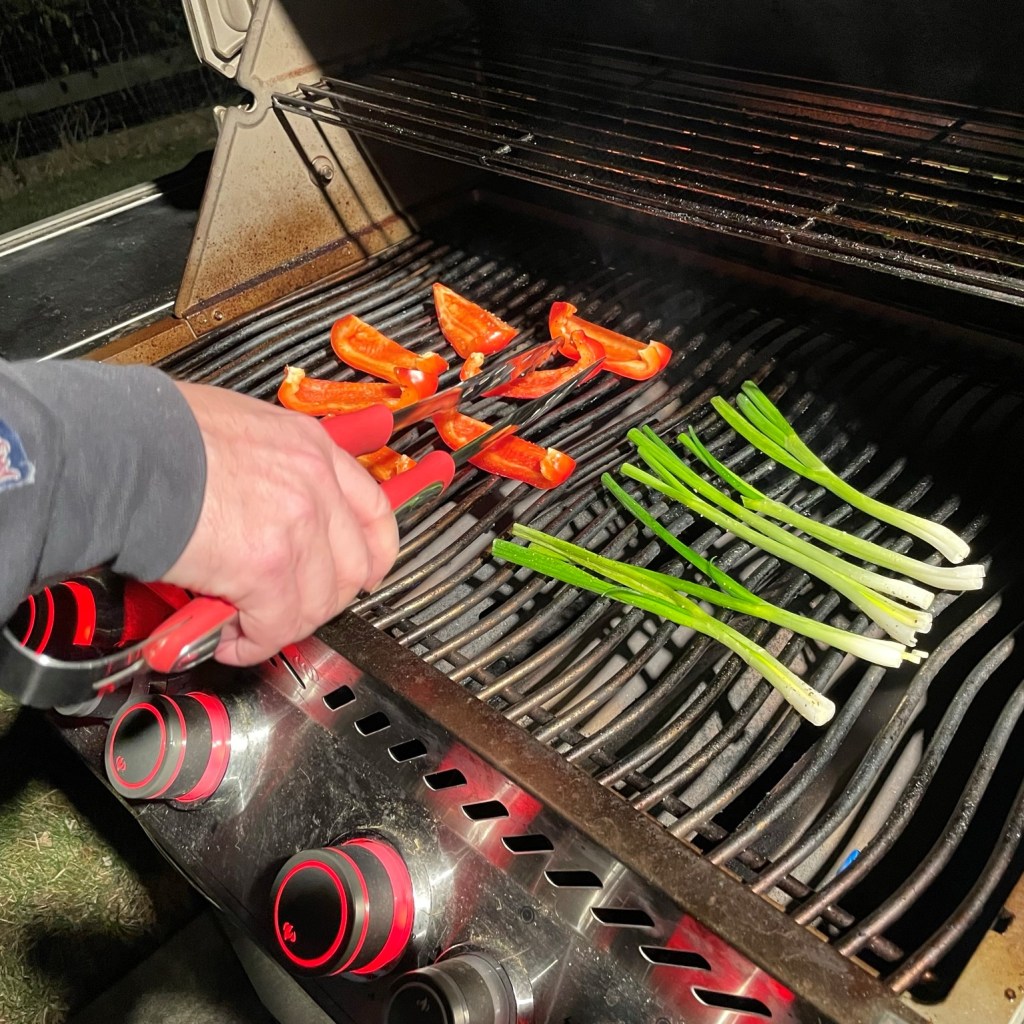
As long as we were trying new things, we swapped in scallions for the usual grilled onions, which was a nice change of pace texturally and flavor-wise. And we gave our red bell pepper only a few quick turns on the grill, keeping some of the firmness and amping up the sweetness with those blistered skins. No hot spices on them, only salt and pepper to preserve their natural flavors.


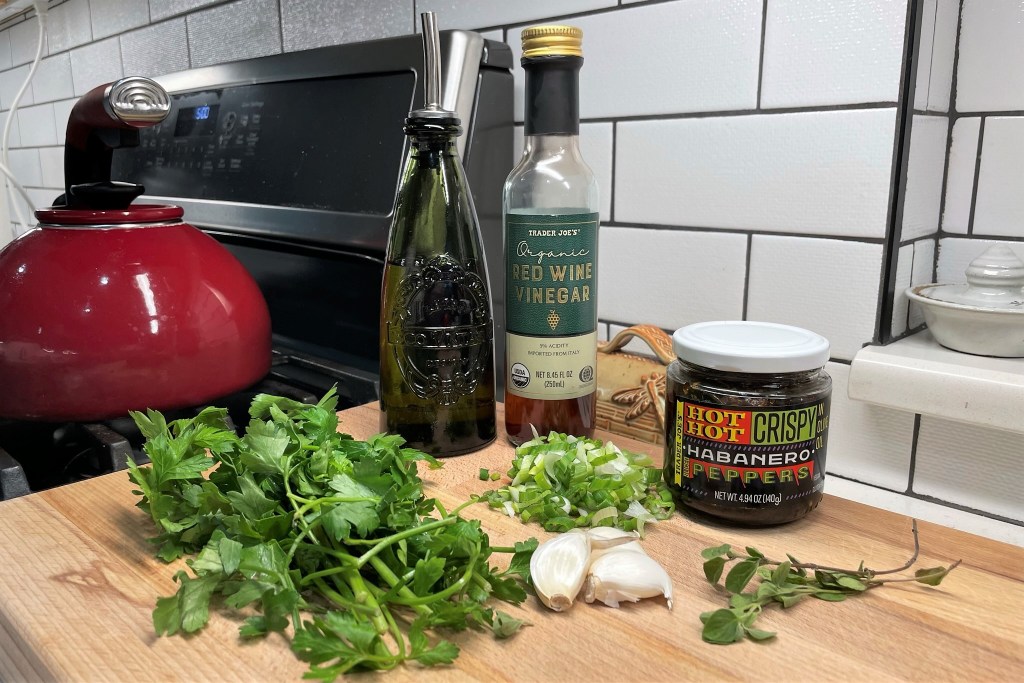
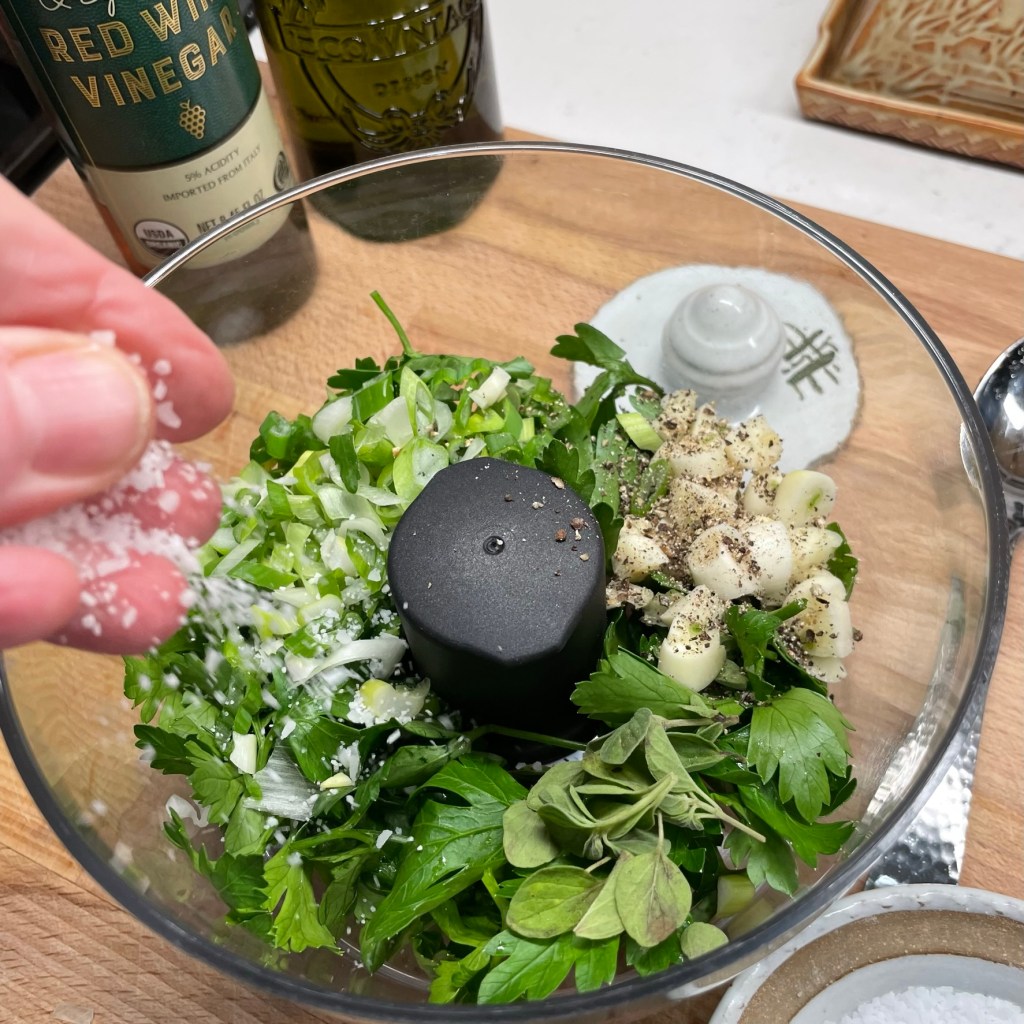
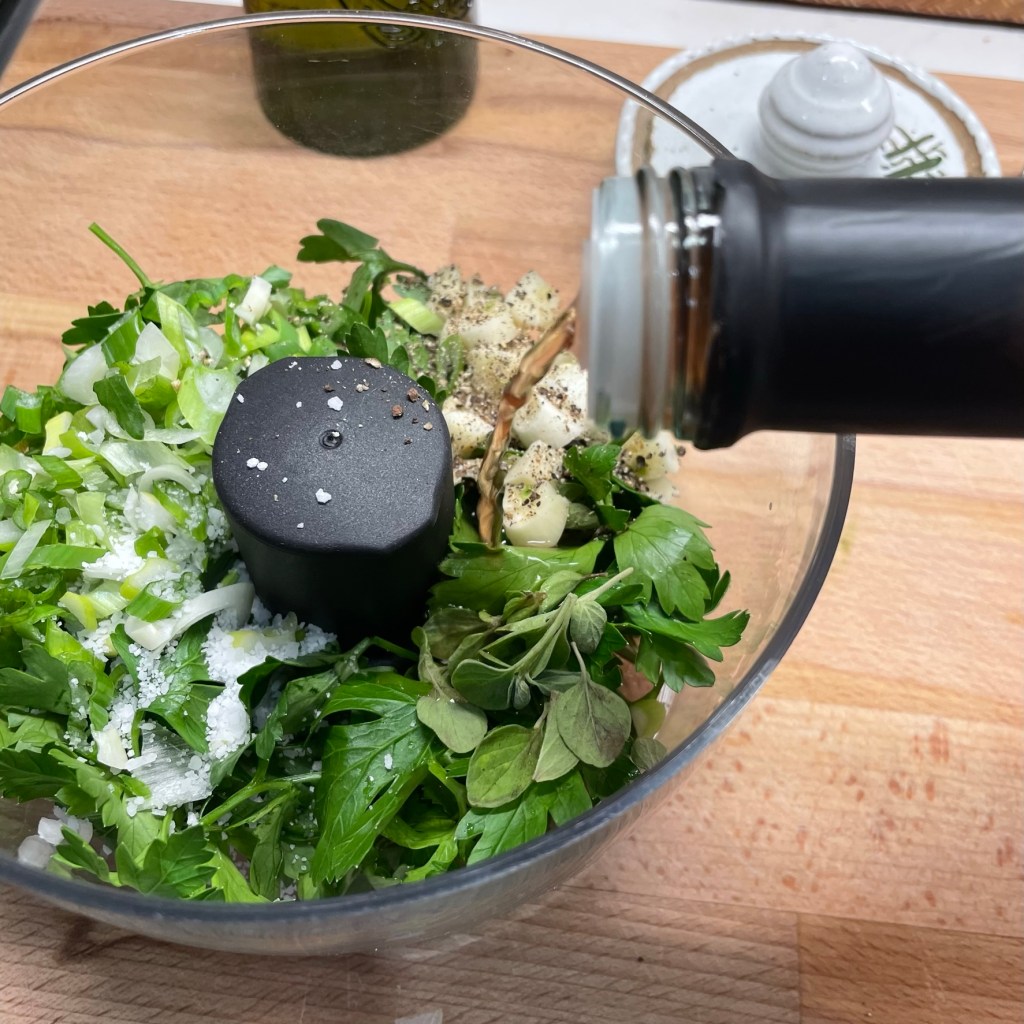
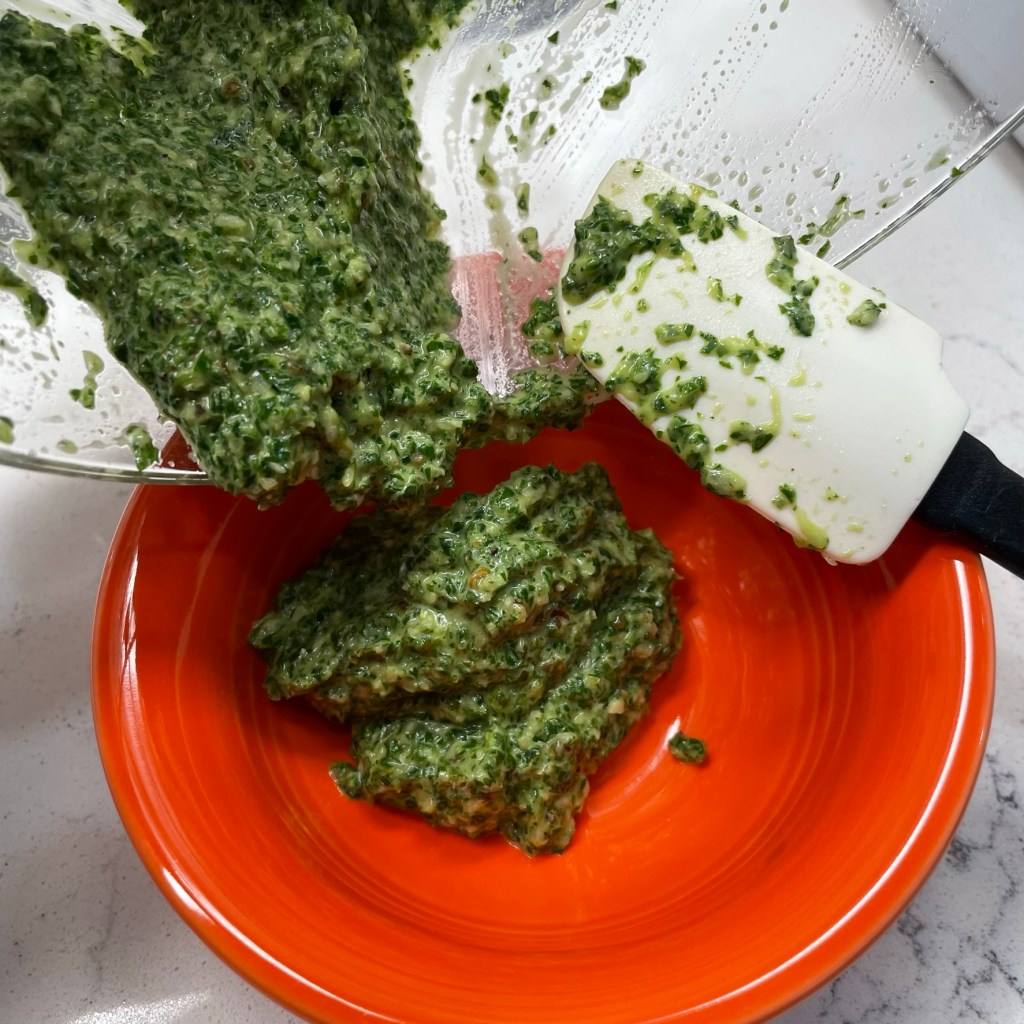
No salsa, cilantro or sour cream here either; rather, I set up my food processor and pulsed down a couple of big handfuls of fresh parsley with garlic, more scallions, fresh oregano and red wine vinegar. The grilling of this meal moves quickly, so it’s best to make the chimichurri a few hours or even a day ahead. Here’s how it goes.


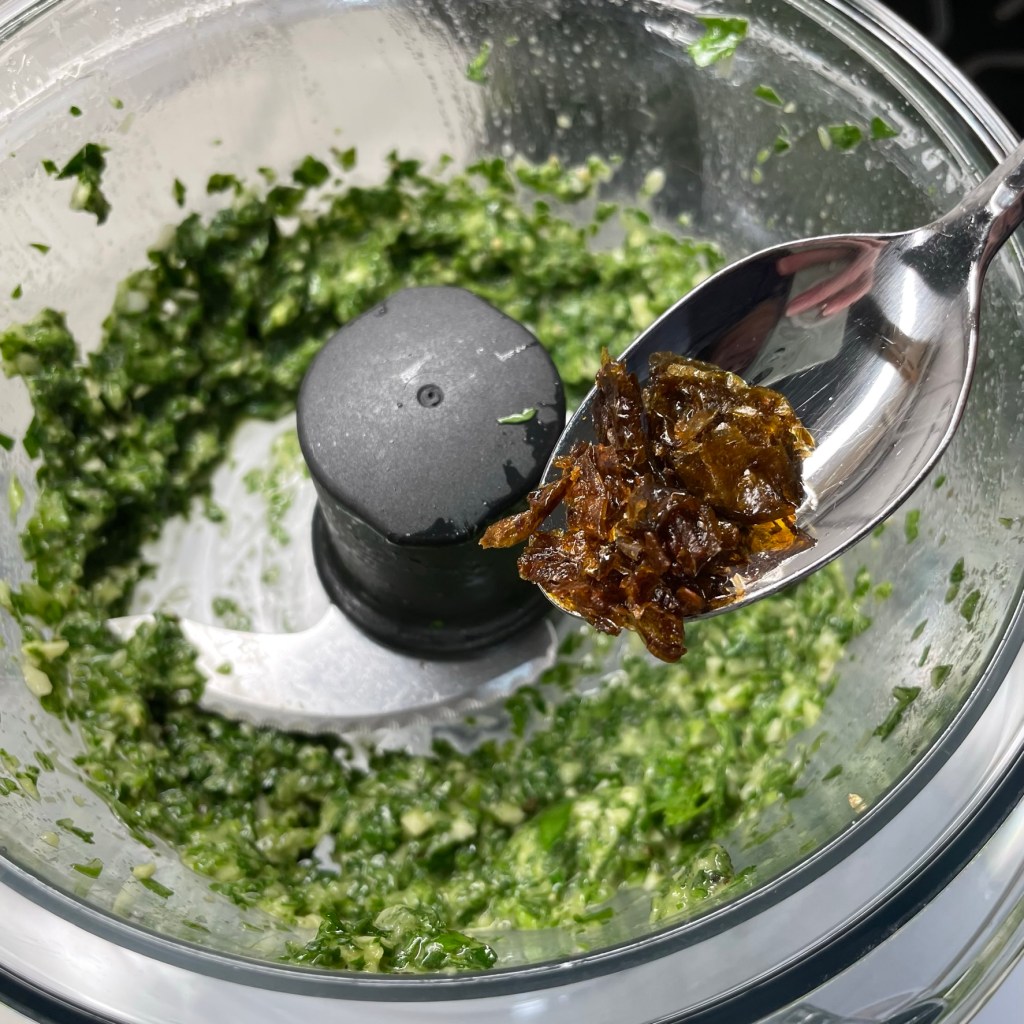
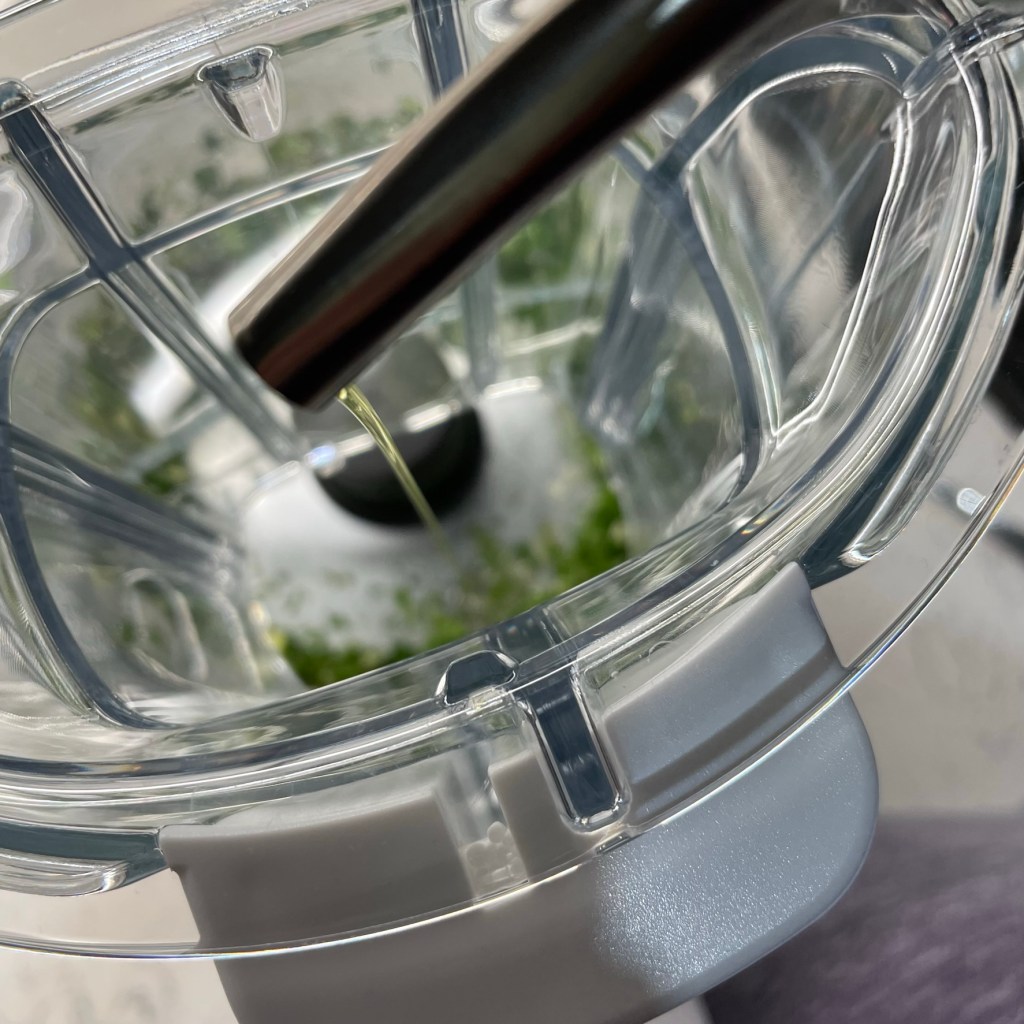
This is a classic formula for chimichurri, a condiment familiar to Argentina, and though it typically calls for a few shakes of crushed red pepper, I swapped in a scant spoonful of this wicked hot crispy habanero stuff that I picked up last year from Trader Joe’s. Drizzle in some olive oil while the processor runs, and it’s ready in a snap.


Now, if you’re thinking, “I need to get to Trader Joe’s right now for some of that crispy habanero!” well, don’t bother. As is par for the course, this spicy stuff has already been 86’d from TJ’s lineup— their abrupt dispatch of interesting products is, as you know, part of my love-hate relationship with the store— but you can easily go traditional with your chimichurri and just use crushed red pepper, or even a fresh jalapeno. But if you happen to be stuck with a jar of the habanero crisp already, at least now you have a fun way to use it. I intend to put it to work in my next batch of spicy homemade sausage, and I’ll let you know how that goes.

As for the skirt steak, I gave it a nice massage with my spicy coffee rub, which I introduced in 2021 with this coffee-rubbed grilled tri-tip steak. Link back to that post for the rub recipe and another great meat idea for the grill. This homemade rub has amazing flavors, including coriander, ancho, brown sugar, oregano and cayenne— altogether, a really nice change of pace for fajitas. The coffee rub does not impart a coffee flavor to the meat—if it did, my husband wouldn’t touch it—no, it’s more of a bold, earthy flavor, a little bit spicy and a touch smoky, depending on the roast level of the coffee you use.
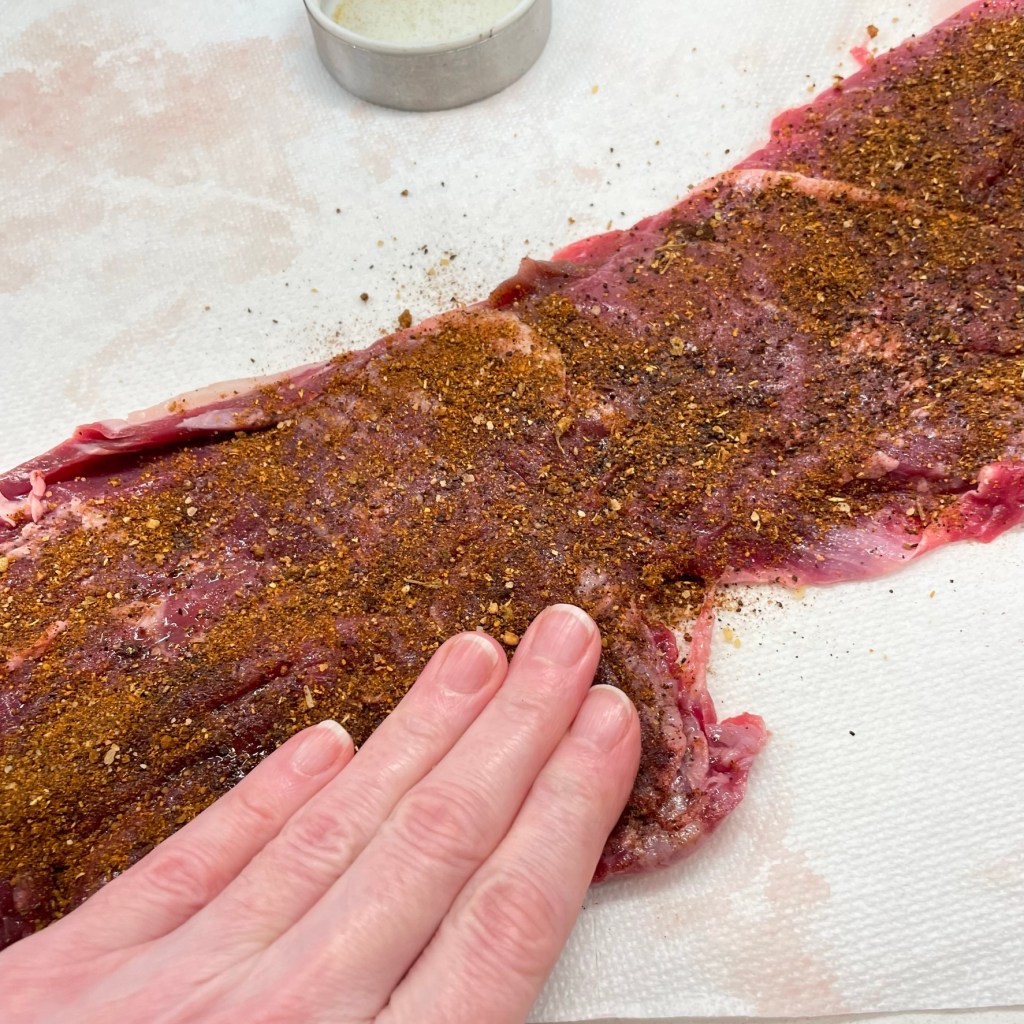

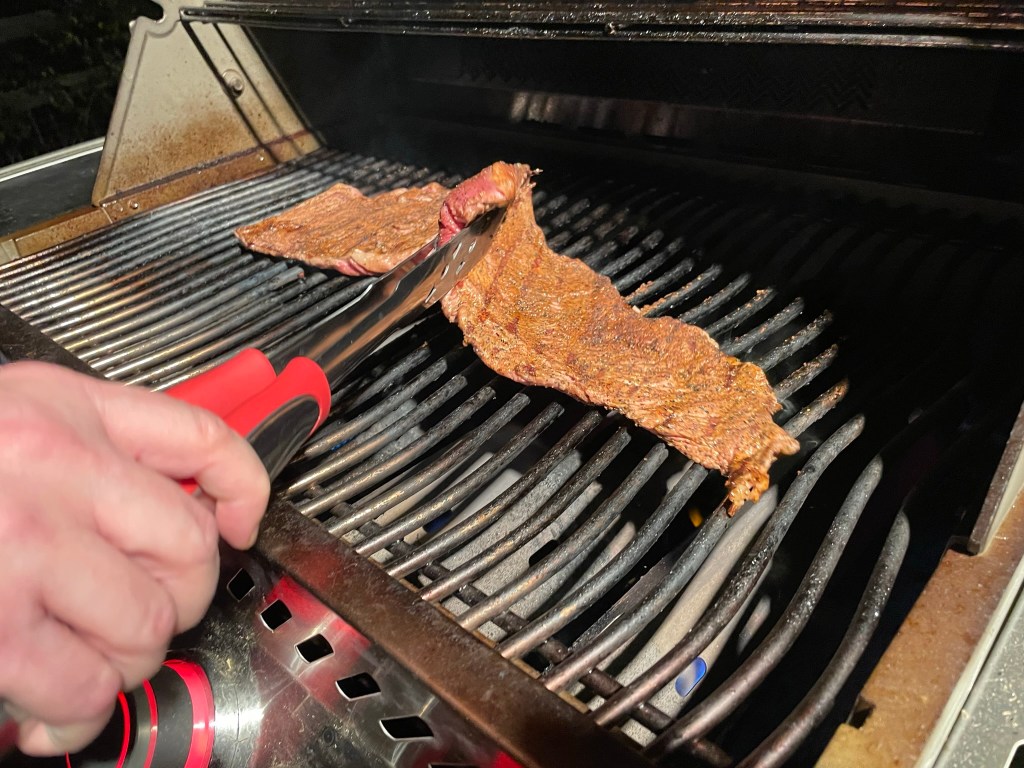
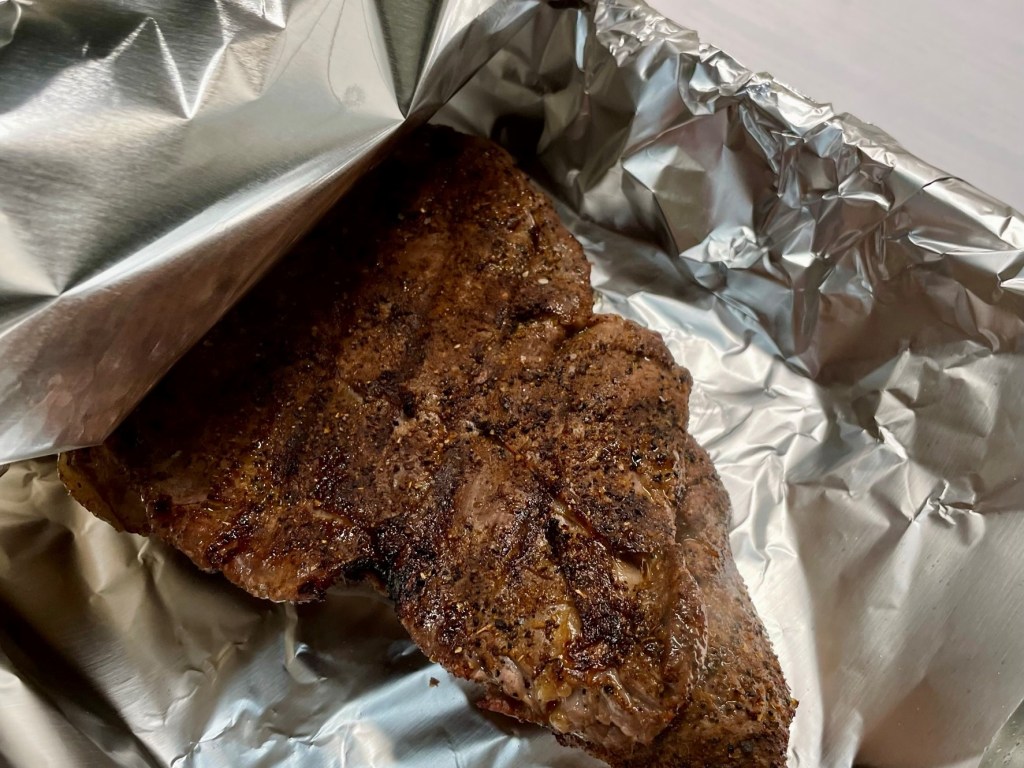
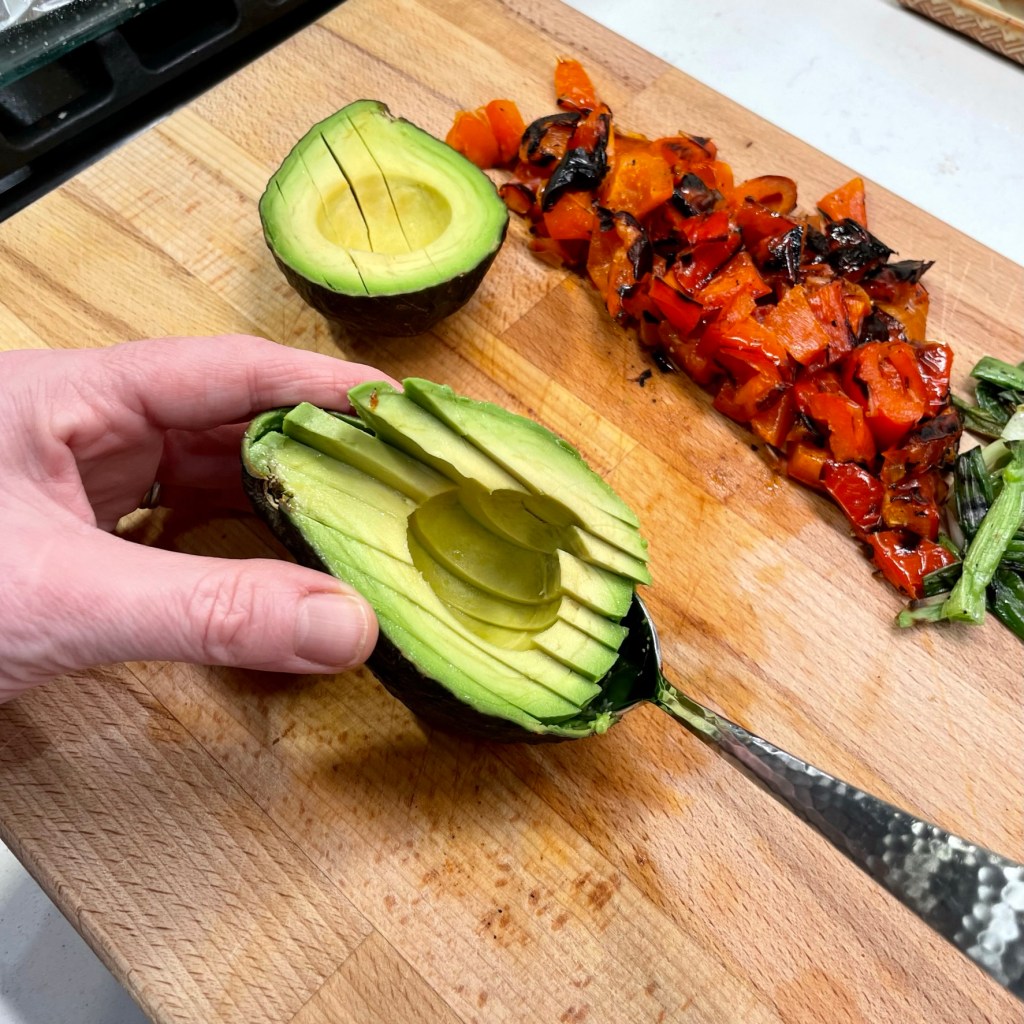
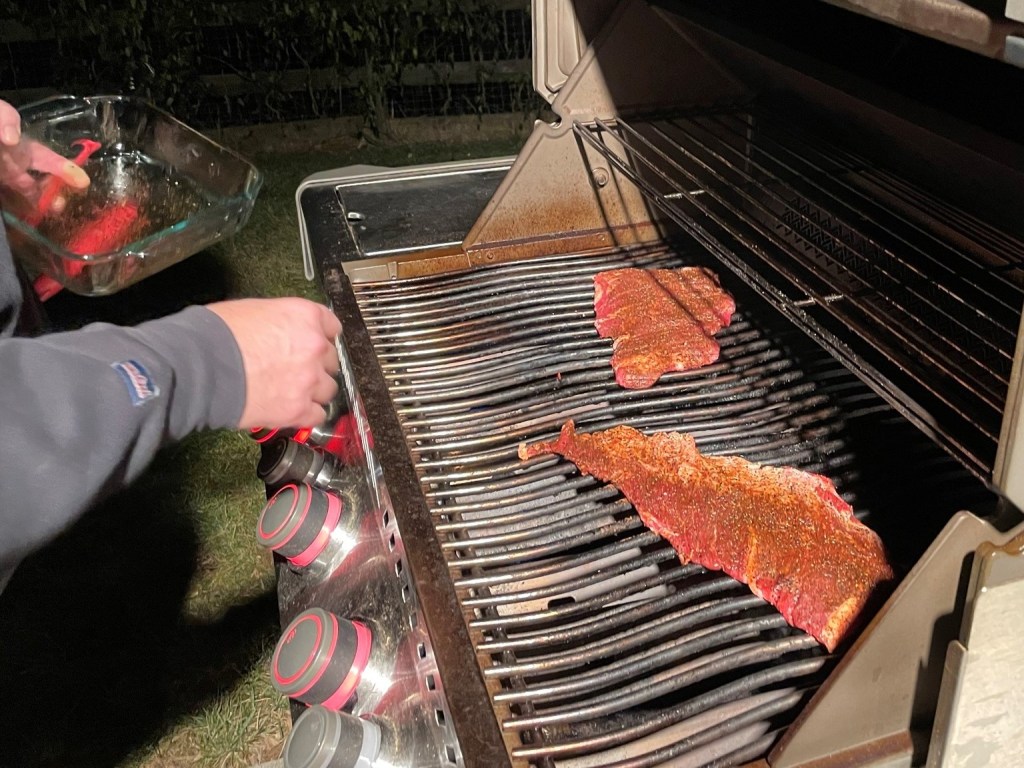
The secret to making skirt steak the best it can be is threefold— season it well ahead of time, grill it quickly and cut it against the grain. Les took care of the grilling part (and it happened fast!) while I prepped the fresh avocado and chopped the charred veggies. We wrapped the finished steak tightly in foil for about seven minutes before slicing, and dinner was served!


The coffee rub turned out to be a terrific flavor for our skirt steak, and the chimichurri was like icing on a cake! OK, well, maybe green icing. 🙂

This was a very tasty bite!

Coffee-rubbed Skirt Steak with Chimichurri

  • Servings: About 5
  • Difficulty: Average
  • Print

The earthy, smoky notes of my coffee rub, combined with a bold and zesty chimichurri was a flavor explosion for our taste buds! If you can't purchaset this flavorful cut, a flank steak or hangar steak would be a good substitute. Allow a few extra minutes on the grill to adjust for the thickness.


Ingredients

  • 2 to 3-pound skirt steak (preferably grass-fed)
  • Extra-virgin olive oil (liquid or spray)
  • 1 Tbsp. spicy coffee rub (recipe available at https://comfortdujour.com/2021/05/17/coffee-rubbed-grilled-tri-tip-steak/)
  • 1 large red bell pepper, seeded and cut into large sections for easy grilling
  • 1 bunch fresh scallions, divided (you’ll use them in the chimichurri and as an accompaniment to the steak)
  • 1 ripe avocado, cut into slices or cubes
  • 1 small lime, cut into wedges
  • Medium size flour tortillas for serving

Directions

  1. Trim away any lingering membrane pieces from skirt steak. Pat dry, then rub or spray on a small amount of olive oil. Apply coffee rub evenly over the entire surface of the steak. Let it rest in the fridge a few (or up to 24) hours, bringing it back to near-room temperature about 45 minutes before grilling.
  2. Preheat grill or grill pan to roughly 500 F. If working indoors, be ready to use your vent fan, as the high temperature will likely produce some smoke.
  3. Prep the red bell peppers and remaining scallions by brushing or spraying with olive oil. Season with salt and pepper. Grill the veggies, turning frequently to ensure even charring. Transfer to a cutting board and chop into bite sized pieces.
  4. Place the skirt steak over direct heat and grill only until the first side is seared (this will be 2 minutes or less). Turn the steak and repeat searing on the other side. The cooking should be very brief so the meat remains tender.
  5. Transfer the steak immediately to a plate lined with a large, double layer of foil. Season immediately with kosher salt. Wrap the steak so it is fully enclosed in the foil and seal it tightly, resting for 5 to 8 minutes. The residual heat will finish cooking the meat as the juices are redistributed.
  6. While the steak rests, flash-grill the tortillas just long enough to warm them. Transfer the steak to a cutting board and slice thinly against the grain of the meat. Serve with grilled veggies, avocado and chimicurri.

For best flavor, make the chimichurri a day ahead so the ingredients have plenty of time to mingle in the fridge. Bring to near-room temperature for serving.

Ingredients

  • About two handfuls fresh Italian parsley, rinsed and trimmed of heavy stems
  • 3 or 4 scallions (green onions), trimmed and rough-chopped
  • 3 or 4 cloves fresh garlic, peeled and rough-chopped
  • A few small sprigs fresh oregano leaves, rinsed and stripped from stems
  • 1 1/2 Tbsp. red wine vinegar
  • A few shakes crushed red pepper (or some other spicy element), to taste
  • 1/2 tsp. kosher salt
  • 1/4 tsp. freshly ground black pepper
  • 1/4 cup good quality extra virgin olive oil

Directions

  1. Add one handful of the parsley to the small bowl of a food processor, along with scallions, garlic, oregano, vinegar, crushed pepper, salt and pepper. Drizzle in 1 tablespoon of the olive oil. Pulse a few times to combine.
  2. Scrape down the sides of the bowl and add the remaining handful of parsley, pulsing again just to combine.
  3. Turn the processor on to run continuously and stream in the rest of the olive oil while it’s running. Adjust to taste, then transfer to a bowl to rest in the fridge.


Easy Chicken Souvlaki

My first taste of Greek food came when I was in my early 20s, shortly after I arrived in Winston-Salem, N.C. Unlike the places I’d lived before—upstate N.Y. and a few places in Colorado—this southern city is home to a large community of Greek-Americans. One of my first jobs here was waiting tables at a Greek-owned casual seafood restaurant, where our most popular (though not inherently “Greek”) menu items included breaded and deep-fried flounder and crunchy little seafood nuggets known as “popcorn shrimp.”

It didn’t take long though before I discovered some of the other Greek-owned eateries in town that offered an authentic, mouthwatering specialty called souvlaki, a lemon and herb-seasoned marinated meat, grilled on skewers and served with any number of authentic sides. Depending on the time of day, you might be served souvlaki with seasoned rice or lemon-herb potatoes, or with Greek feta salad and pita. But always on the side with souvlaki is tzatziki, a Greek yogurt-based condiment with shredded cucumber, garlic and dill.

Some of the new words associated with these delectable foods were hard for me to say at first, but it didn’t take long for me to fall in love with the incredible flavors of Greek food. This fall, perhaps when our new kitchen is completed, I look forward to making a classic pastitsio or moussaka, both of which are baked comfort to the nth degree, rich with warm spices and creamy béchamel.

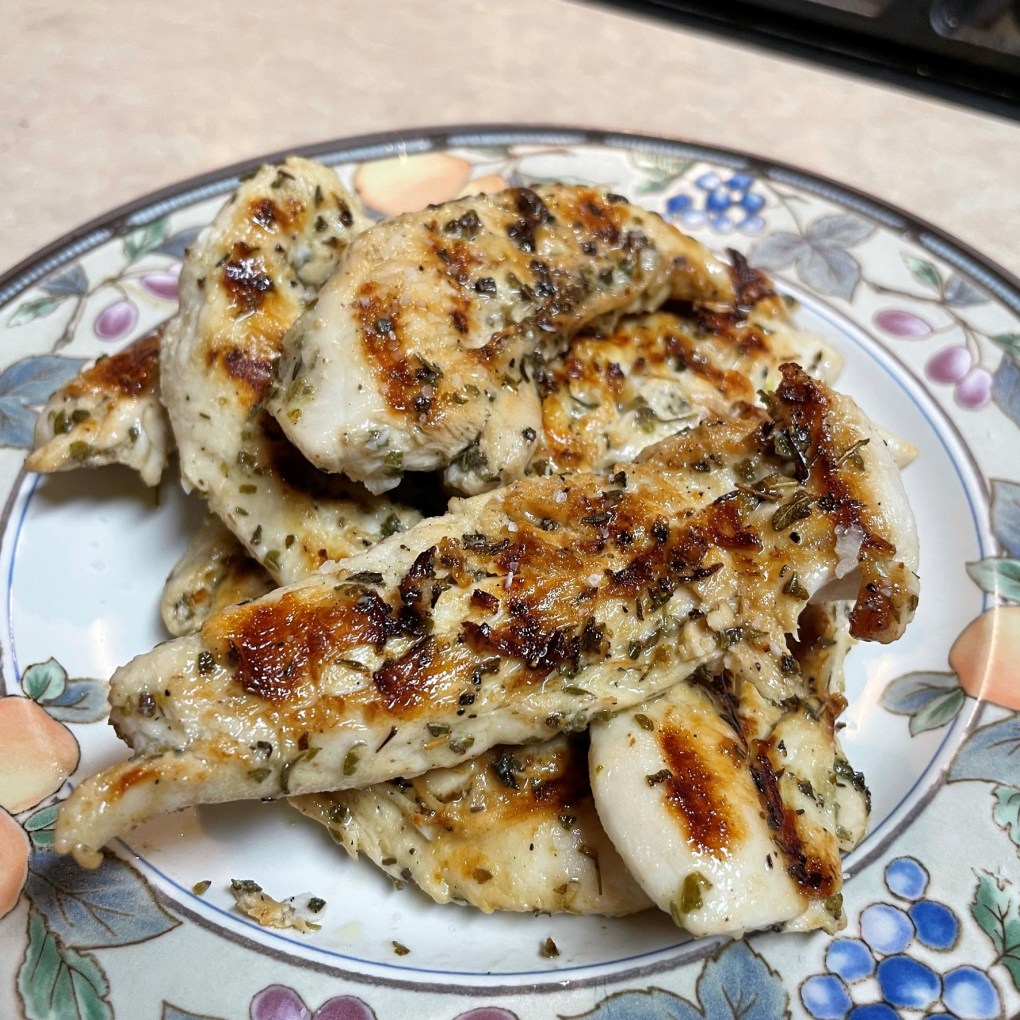
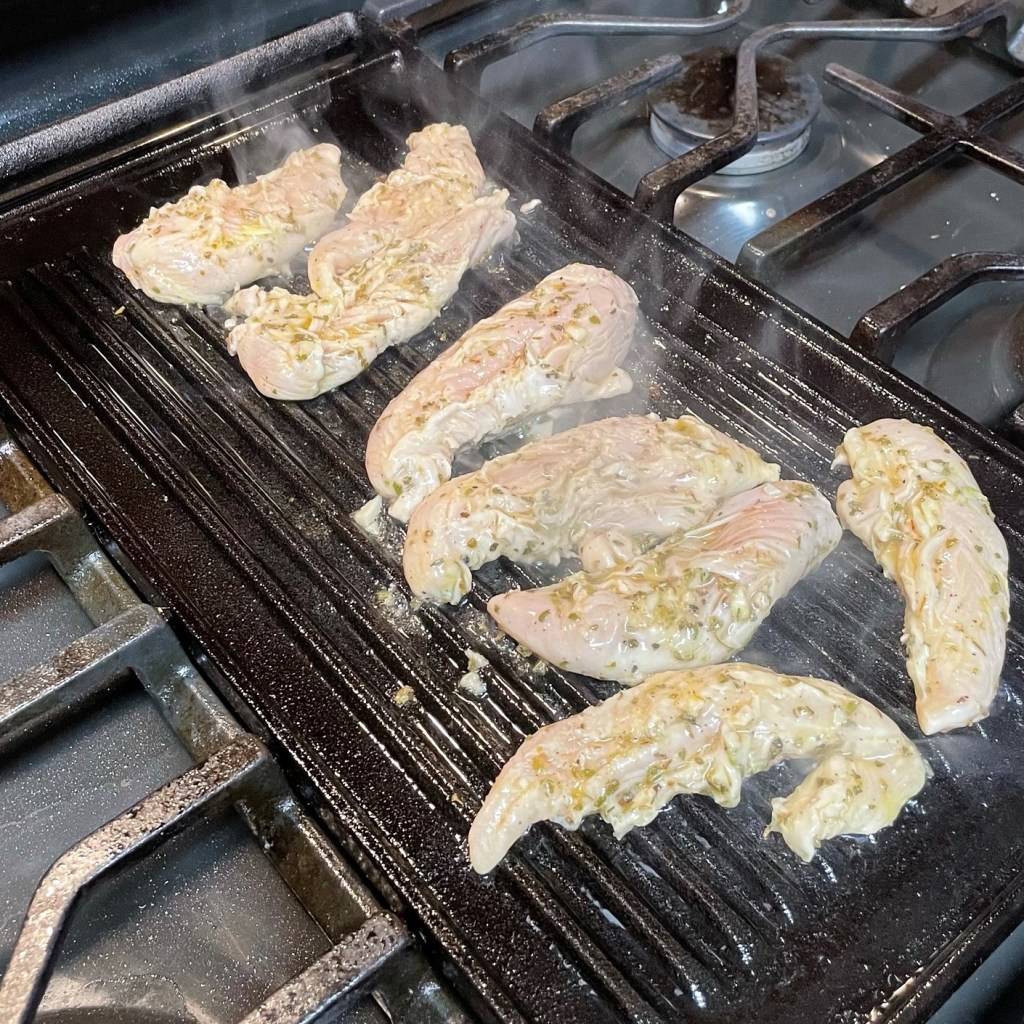
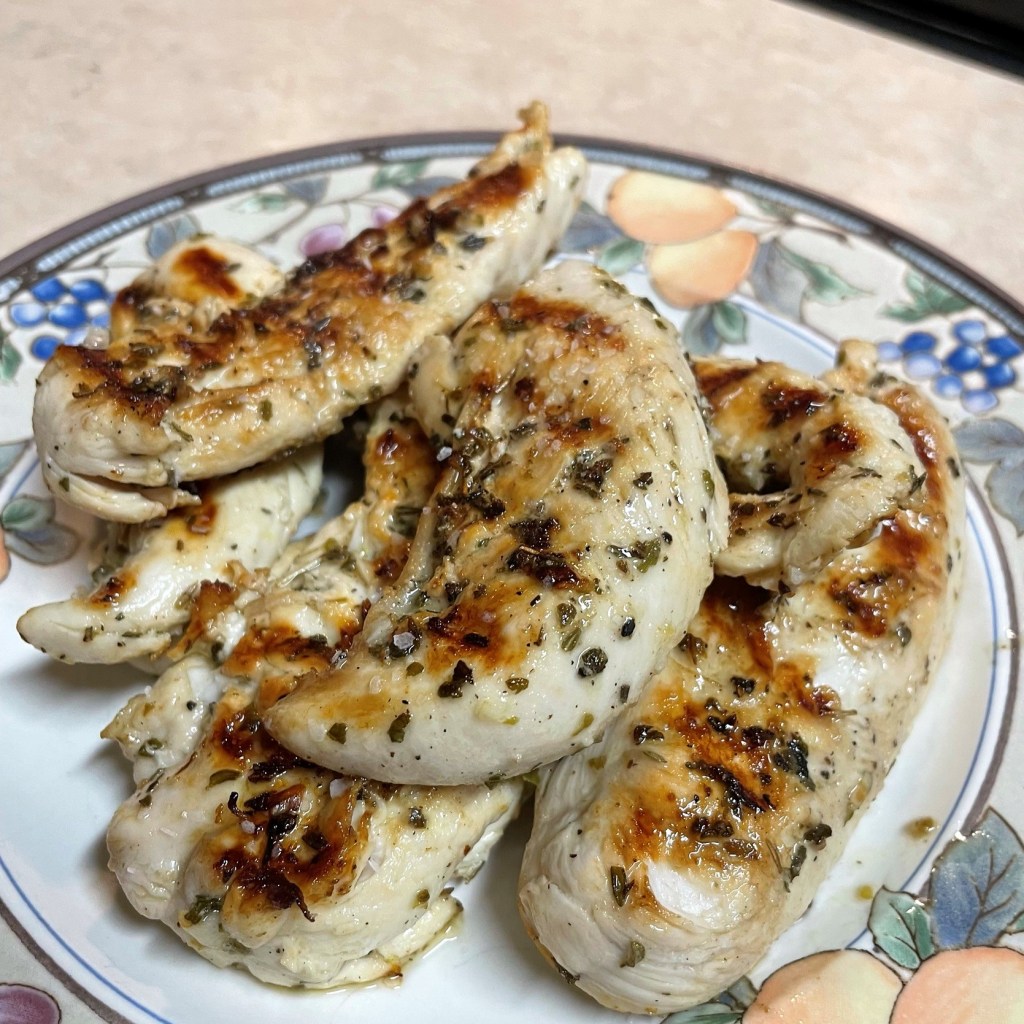
But today, I’m focused on the food to work best with summer grilling, and that is souvlaki. Traditionally, souvlaki would be made with chunks of lean pork, but there are just as many restaurants around here that put the same flavors and treatment on pieces of chicken breast, and it is positively delicious. Feel free to cut boneless chicken breasts into chunks for your souvlaki—that would be the more traditional way, after all—or you can take the easy way, as I have, and marinate whole chicken tenders, skip the skewers and toss the tenders right onto the grill.

Souvlaki is delicious with warm, soft pita breads and zesty tzatziki sauce, which is easy to make while you wait for the marinade magic to happen. You might also serve your souvlaki up with a batch of the cool tzatziki potato salad I shared a few days ago. Before long, you’ll join me in shouting the traditional Greek celebration exclamation—OPA!


Ingredients

1 1/2 pounds chicken tenders

1 whole organic lemon, juiced (plus the zest)

1 Tbsp. red wine vinegar

About 4 cloves garlic, finely minced

1/2 tsp. dried oregano

1 tsp. Kosher salt

1/2 tsp. freshly ground black pepper

About 1/3 cup extra virgin olive oil


Instructions

  1. Pat the chicken tenders dry, but do not rinse them. Lightly sprinkle with kosher salt and toss to coat.
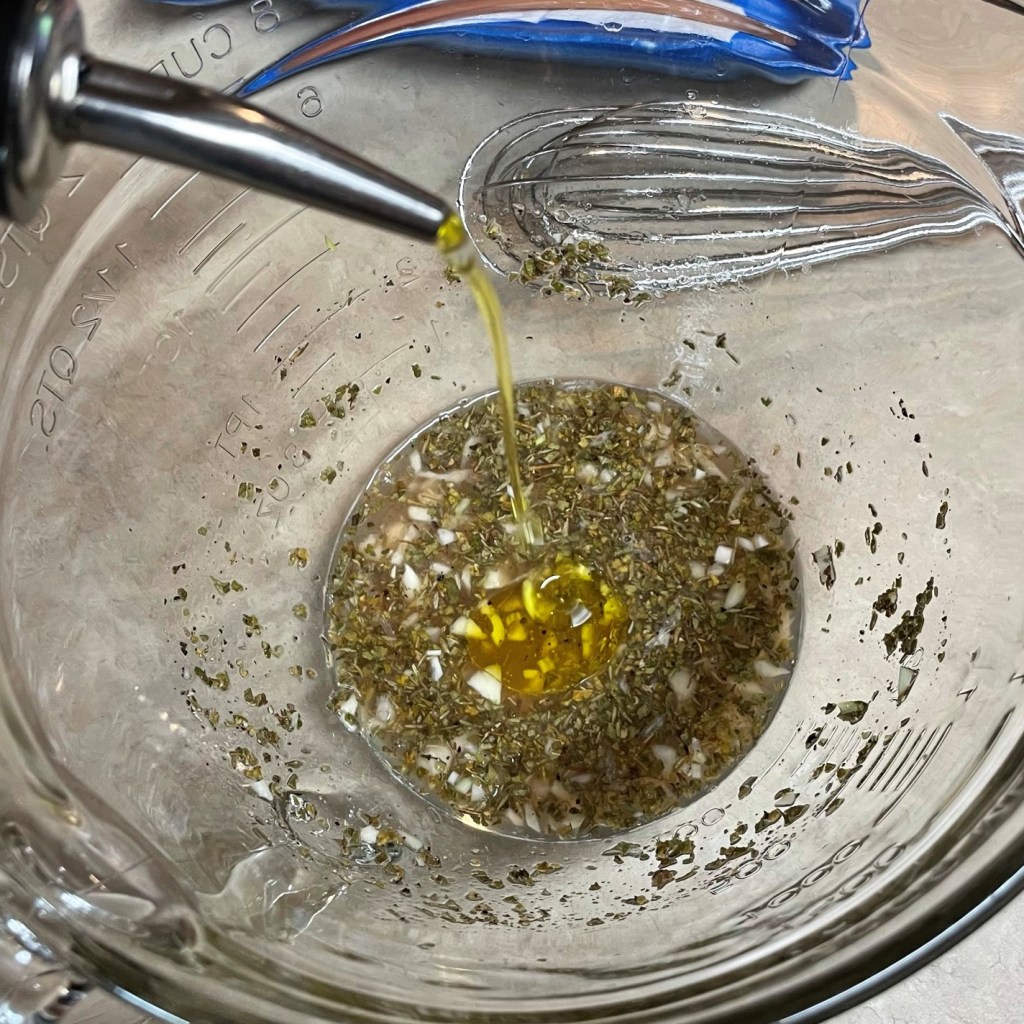
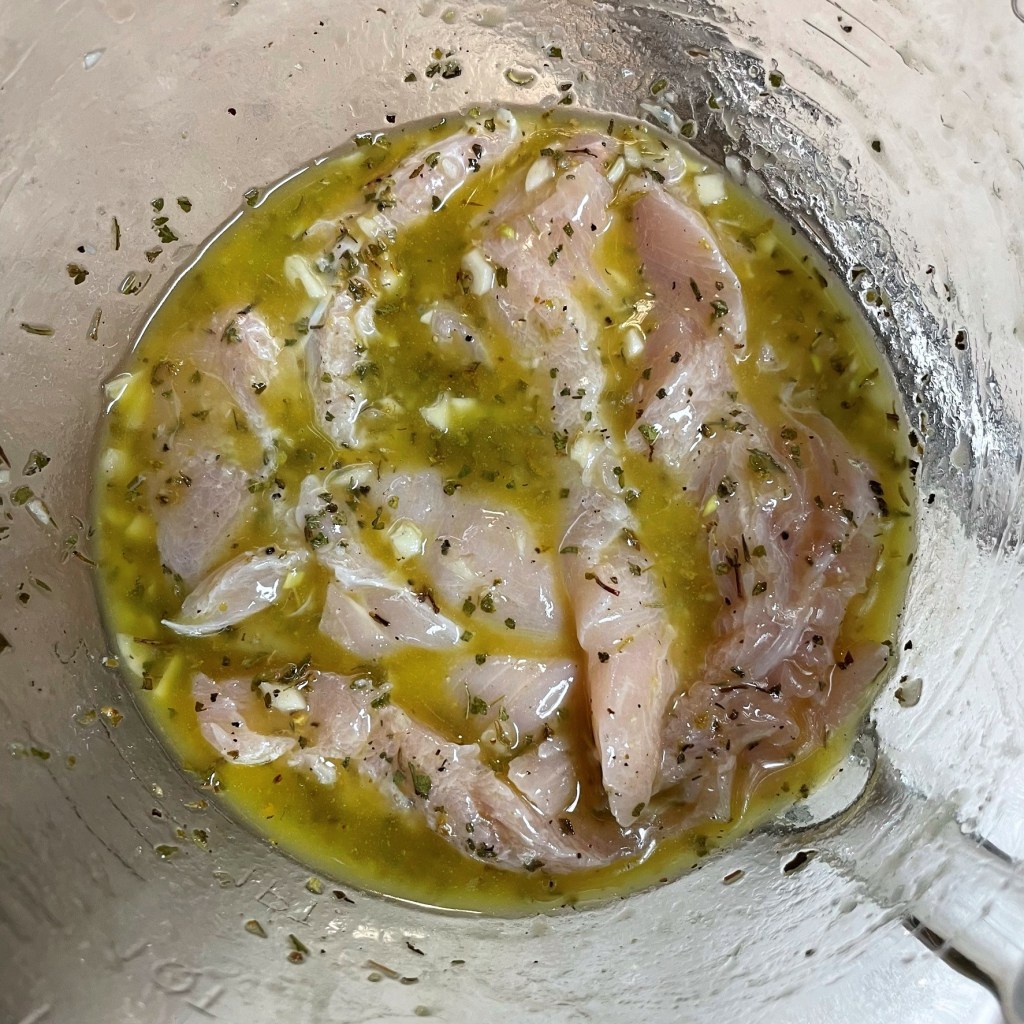
  2. In a large glass (or other non-reactive) bowl, combine lemon juice, zest, vinegar, garlic, oregano, salt and pepper. Take note of the volume this mixture has in the bowl. Whisk the marinade mixture while streaming in enough olive oil to roughly double the volume of the marinade.
  3. Add the chicken tenders to the marinade and use tongs to thoroughly toss and coat them. As much as possible, press the tenders to be fully submerged in the marinade. Cover the bowl and refrigerate at least six hours.
  4. When you are ready to cook the tenders, simply remove them from the marinade and place them directly onto the pre-heated grill. There is no need to rinse them or even to scrape the marinade from the tenders.

Tzatziki

1 Persian cucumber (or 1/2 medium slicing cucumber), peeled, seeded and finely chopped or grated

A couple pinches of kosher salt

1 cup plain Greek yogurt (or substitute sour cream if you must)

2 cloves garlic, crushed and finely chopped

1 Tbsp. fresh dill leaves, finely chopped (or 1/2 tsp. dried dill)

Line a small custard cup with a paper towel. Add the chopped or grated cucumber and stir with salt. Wrap the paper towel over the cucumbers and allow this to sit in the fridge 30 minutes to release and absorb excess moisture.

Combine cucumbers with yogurt, garlic and dill. Cover and refrigerate until ready to serve.


Baby Back Ribs with Root Beer BBQ Glaze

A few weeks ago, my husband, Les, and I had the unfortunate experience of being forced to empty and clean out what we call our “downstairs” fridge. The term is a misnomer, for sure, given that our home is built on a slab, and we have no downstairs—unless you consider the main level as “downstairs,” and that would only make sense if you were standing in the loft. No, our extra refrigerator lives in the garage, just through the laundry room, about six steps from the kitchen. The confusion is built on Les’s occasional reference to the spaces of a home he once owned in Connecticut, where he apparently did have a downstairs fridge. He also sometimes mistakenly tells me he was listening to “K-ROQ” on the drive home, which was his favorite radio station when he lived in Southern California (which, by the way, was only 28 years ago), but I digress.

What happened that night recently was a flat-out mess, as a forgotten glass bottle of “nitro” cold brew coffee was shoved into one of the uneven cold spots in the back of the extra refrigerator, and the darn thing exploded all over everything. There was broken glass and sticky cold coffee on the shelves and walls of the fridge and spattered on several food and drink containers that were sitting beneath the mishap. It was not exactly the way we intended to “clean out” the fridge, but it did force us to dump some things and gave us a chance to properly inventory the ridiculous quantity of stuff that has piled up in the overflow fridge, which we frankly would not need if it were not for my impulse purchases, especially, it seems, the beverages.

What can I say? I don’t want anyone to be thirsty!

One such impulse buy stood out as a bucket list item for me, and the forced fridge cleanup gave me a push on my culinary intention of making a root beer-based barbecue sauce. I will admit that neither Les nor I are fans of carbonated soda. I have not had a Coca-Cola or 7-Up or anything like them in years (maybe decades), and I don’t miss them. My aversion is based partly on the fact that they are carbonated and leave me feeling bloated and uncomfortable, but more on the fact that nearly every soda on the market is made with high-fructose corn syrup. And that, my friends, is a total deal breaker for me. Diet sodas are no better, because I cannot abide the aftertaste of alternative sweeteners, including the plant-based stevia.

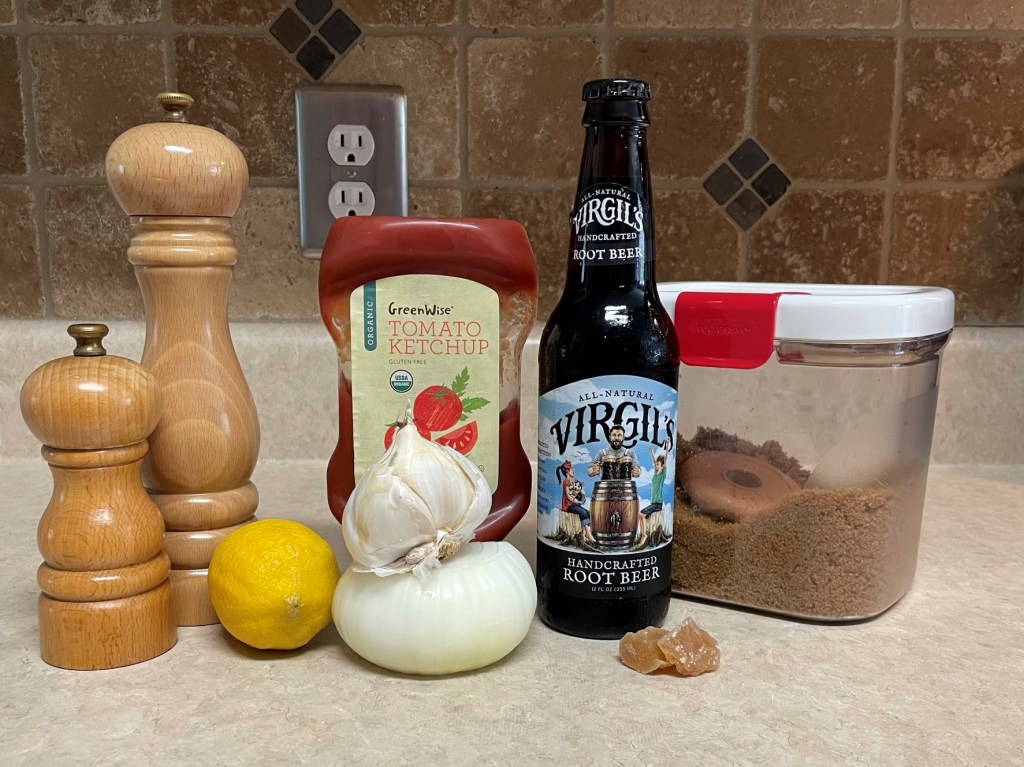
But when I had spotted this small-batch, handcrafted root beer a few months ago, I thought again about my desire to make a root beer sauce or maybe root beer-braised pulled pork. This specialty root beer is sweetened with cane sugar, and on its own, it is sweet. Like, melt-your-teeth sweet. When I reduced it down, however, and simmered it with ketchup and spices and onions, it was exactly right for dressing up baby back ribs on the grill. As with most rib recipes, I started with a brine to give the meat a jump start toward tenderness and flavor, and I got some good advice from chef Bobby Flay about what to put in the brine—cinnamon, star anise and molasses were a giant echo for the root beer flavor that would be slathered on the ribs near the end of cooking. There are a couple of things Les and I agreed we would do differently next time, and I’ll explain that at the end. But overall, this was a successful adventure!

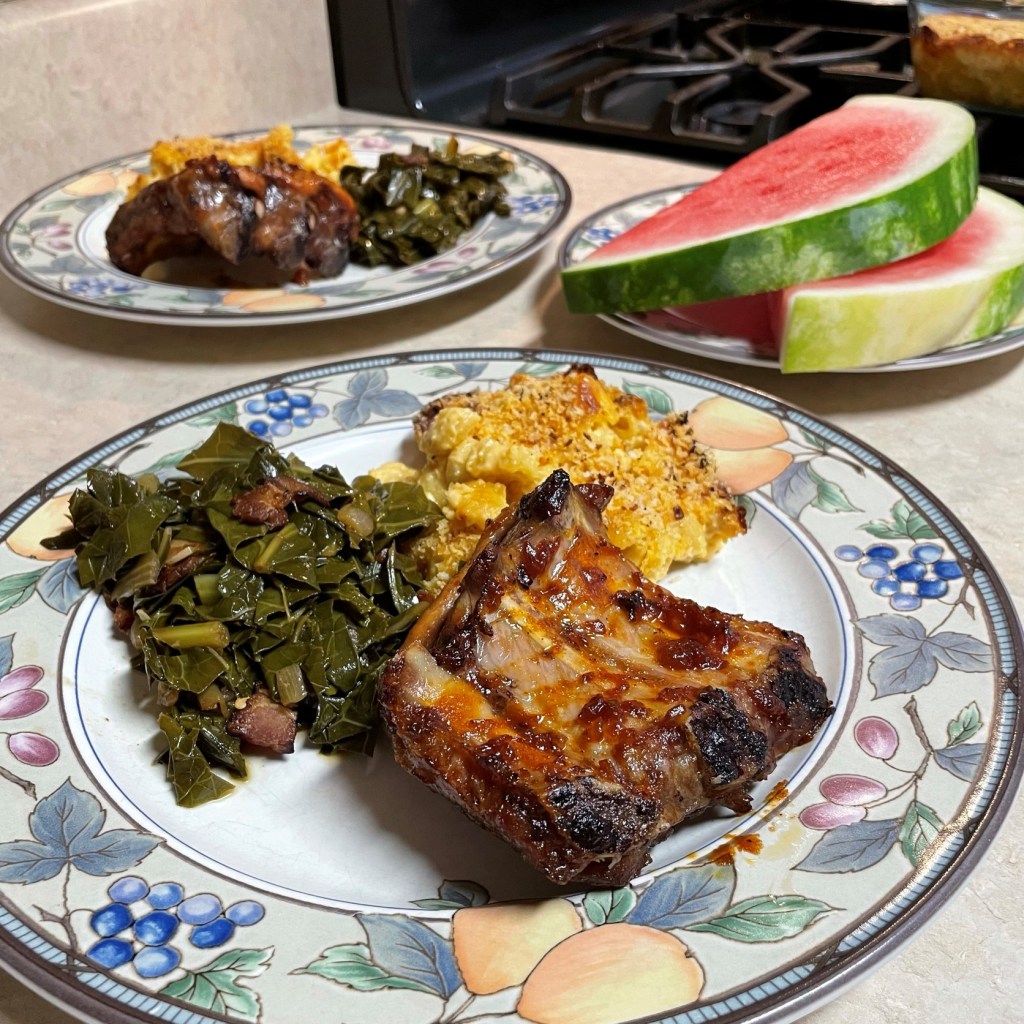
It was a southern BBQ feast, with spicy collards and homemade mac and cheese.

Another bucket list item has been moved to the “done” column, and because I discovered that I also really like the essence of root beer, I used two more bottles of it from the “downstairs fridge” to make syrup for bourbon cocktail experiments. Alas, my friends, that will be a post for another day.


Inspired by  BBQ Ribs with Root Beer BBQ Sauce Recipe | Bobby Flay | Food Network

Ingredients – the ribs

1 large rack baby back ribs (ours were pasture-raised from the local farmers’ market)

1/2 cup kosher salt

1/4 cup molasses

2 whole cinnamon sticks

2 star anise

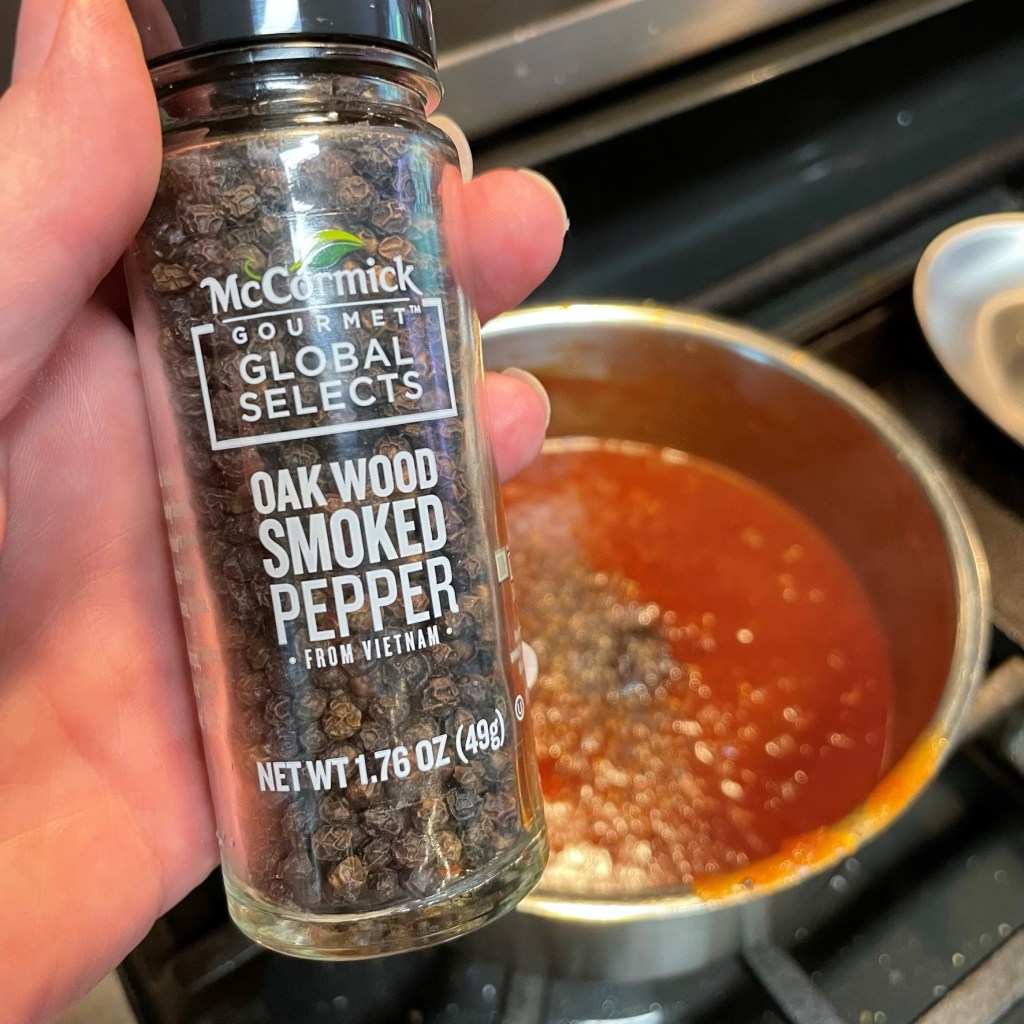
1 Tbsp. oak-smoked black peppercorns* (see notes)

1/4 cup sweet onion juice, optional*

Enough ice and water to make 8 cups of brine liquid


*Notes

The smoked peppercorns are made by McCormick and sold in a tall jar with a built-in grinder top. I am thoroughly addicted to their flavor and have used them in various food and cocktail recipes whenever I want to add a smoky flavor.

I made these ribs the same weekend as the tangy apple cole slaw that I shared a few days ago, and the onion juice was the discard from the shredded onions in the slaw. Waste nothing, right? 😉


Prepping the ribs

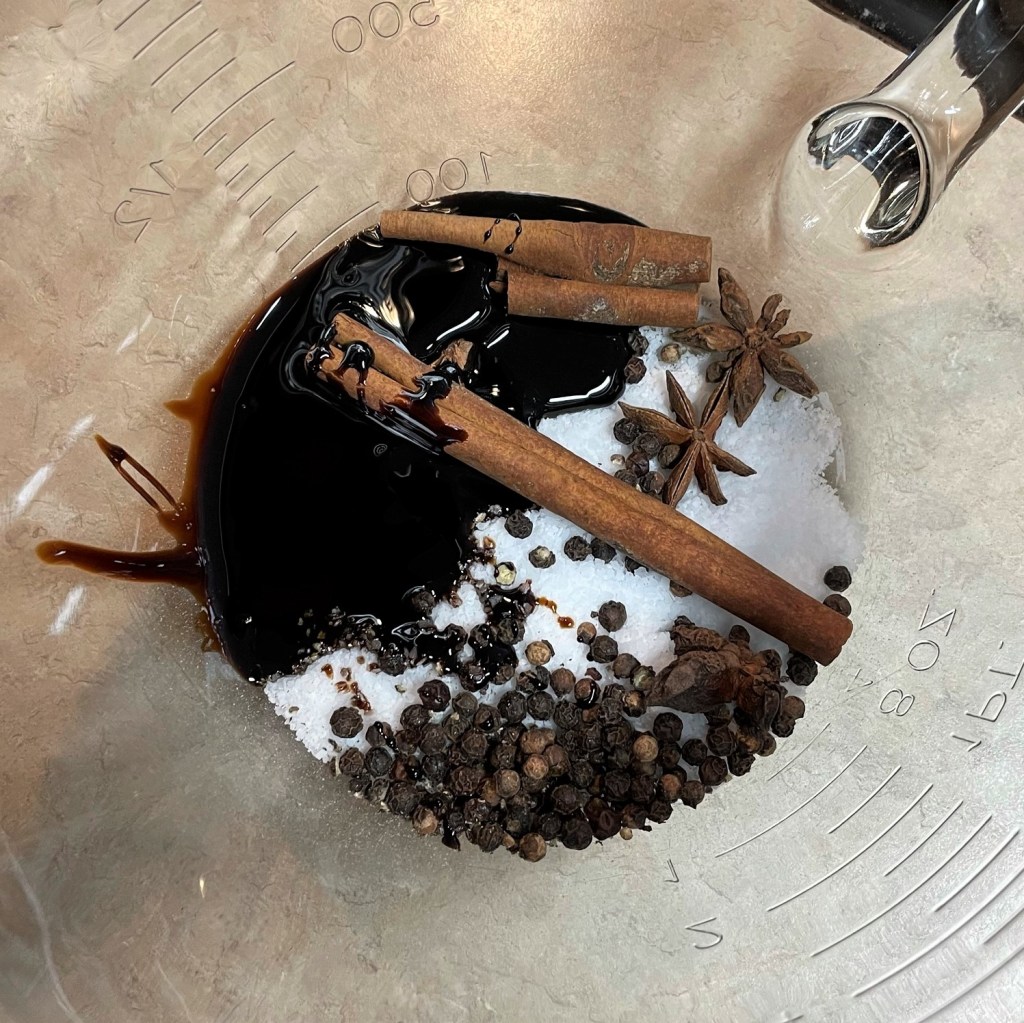
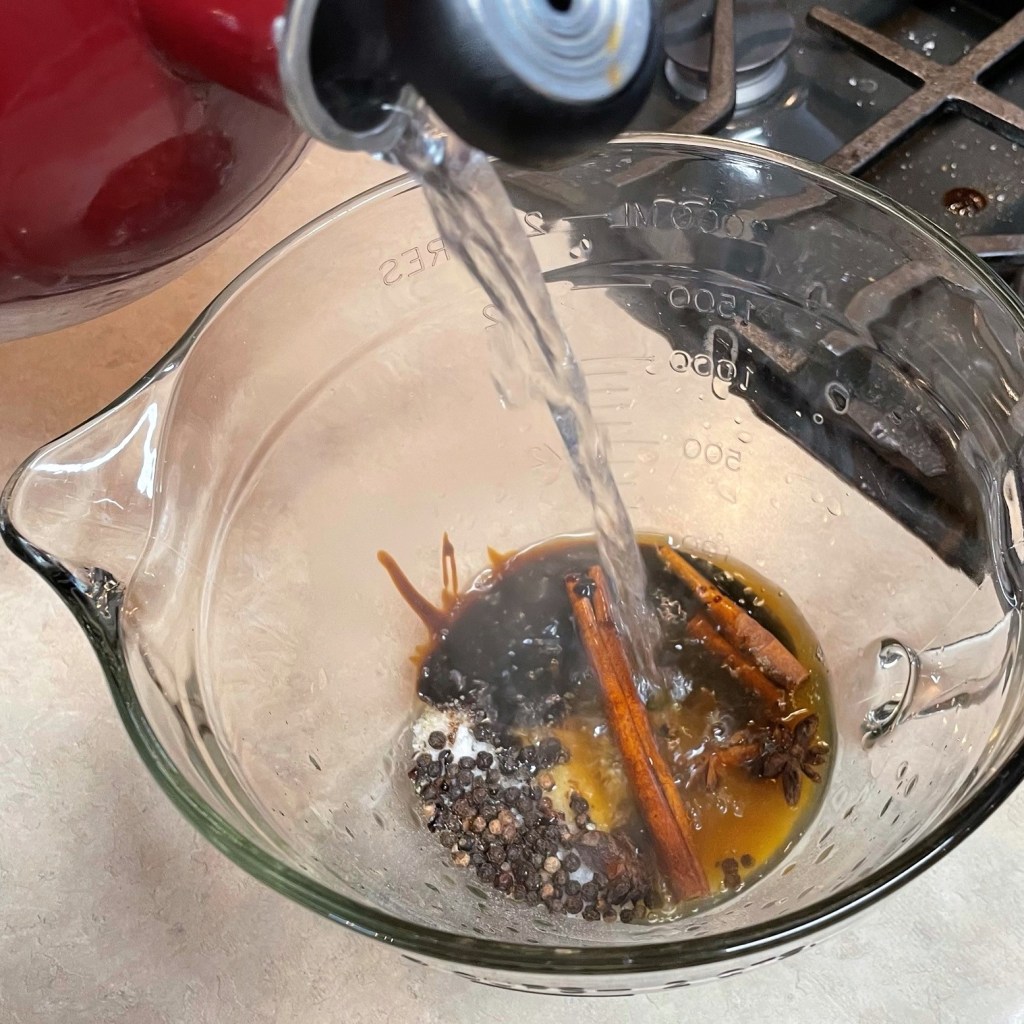
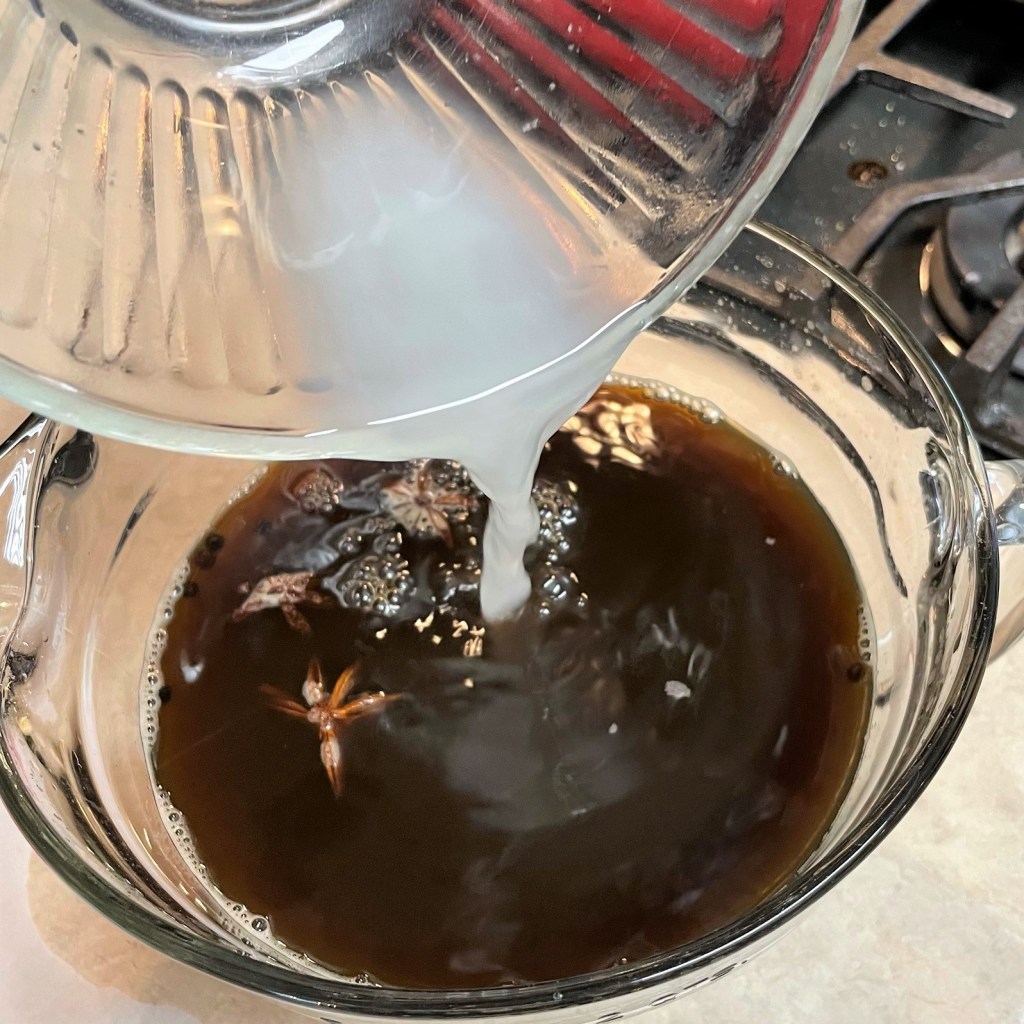
  1. Prepare the brine by combining kosher salt, molasses, cinnamon, star anise and black pepper in a large glass pitcher bowl. Add two cups of boiling water and stir to dissolve the salt and sugar. Add ice cubes and enough cold water to make 8 cups total.
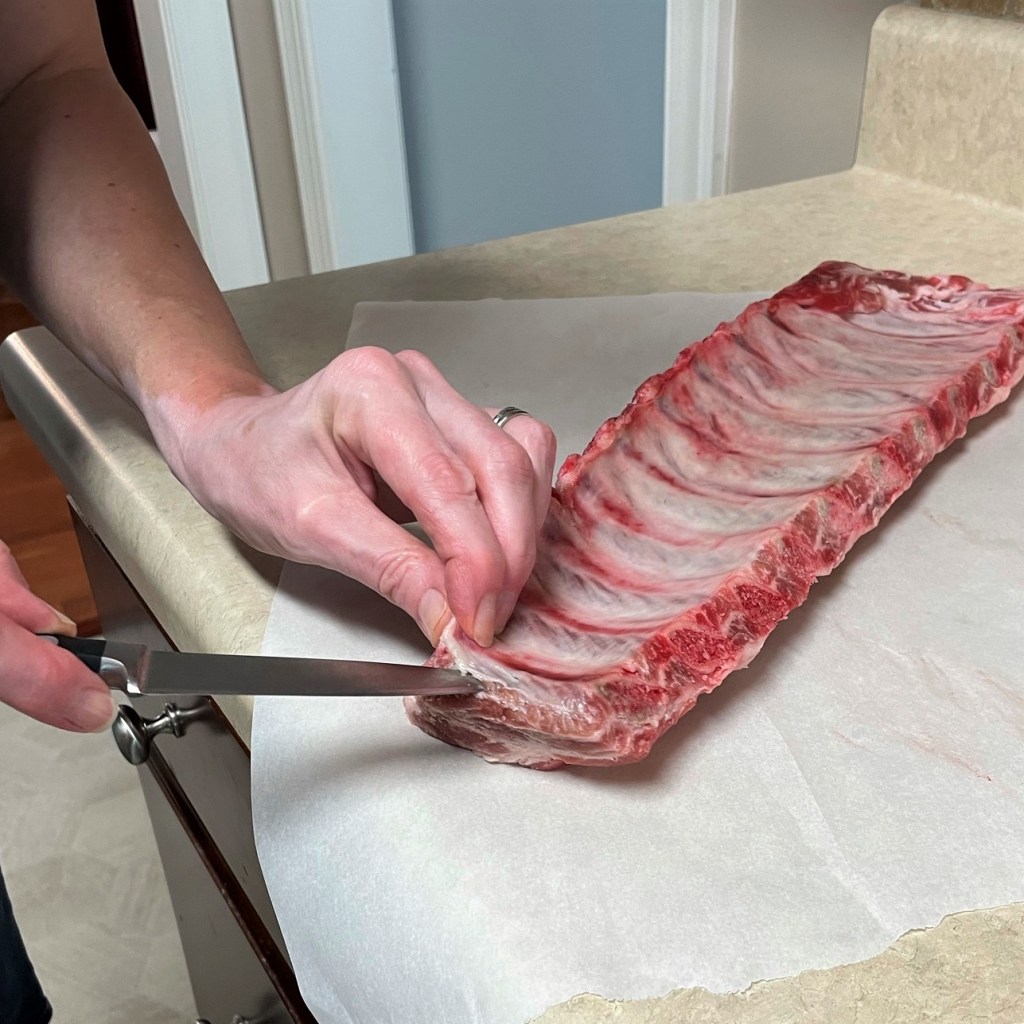
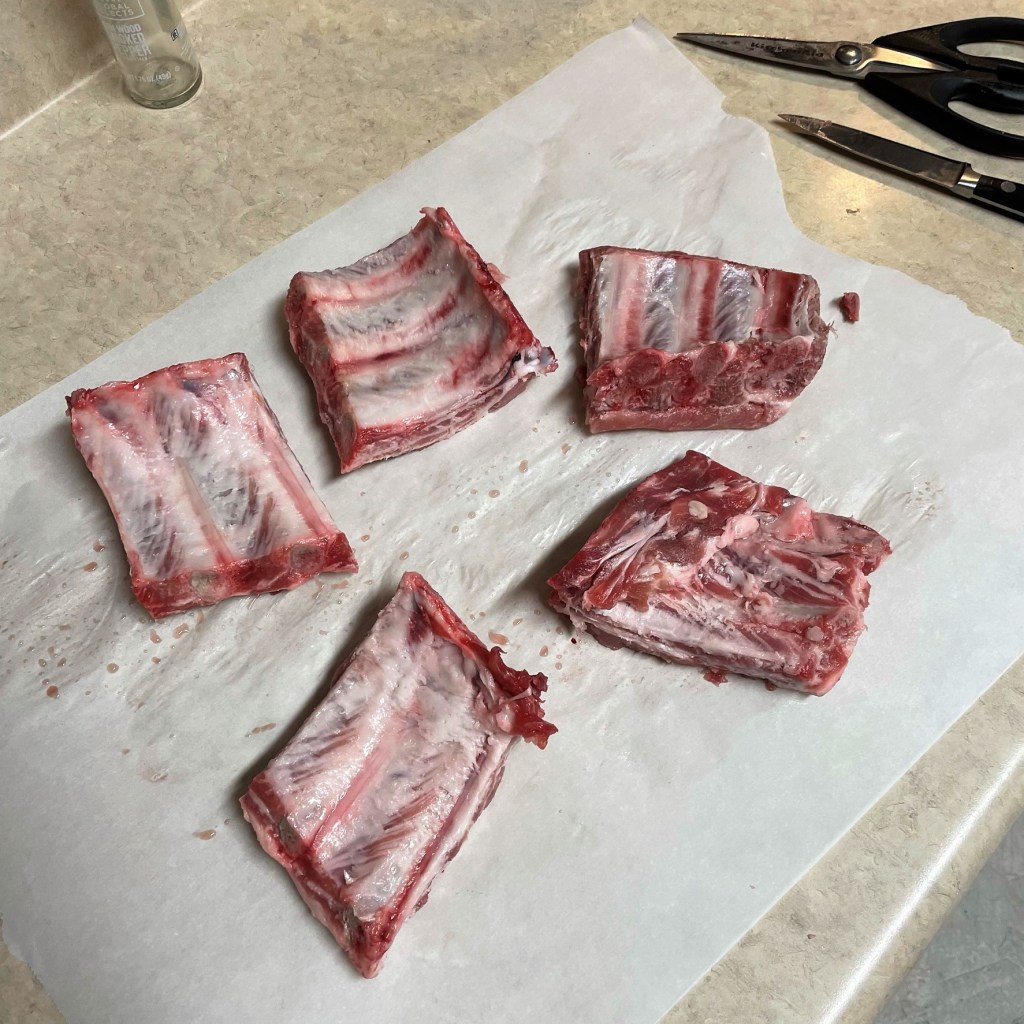
  2. Remove the tough membrane from the back side of the ribs. Begin by slipping a sharp paring knife under the membrane on the smaller end of the rack. Separate enough of it to grab onto with a dry paper towel, and then slowly but steadily lift it up and away from the ribs.
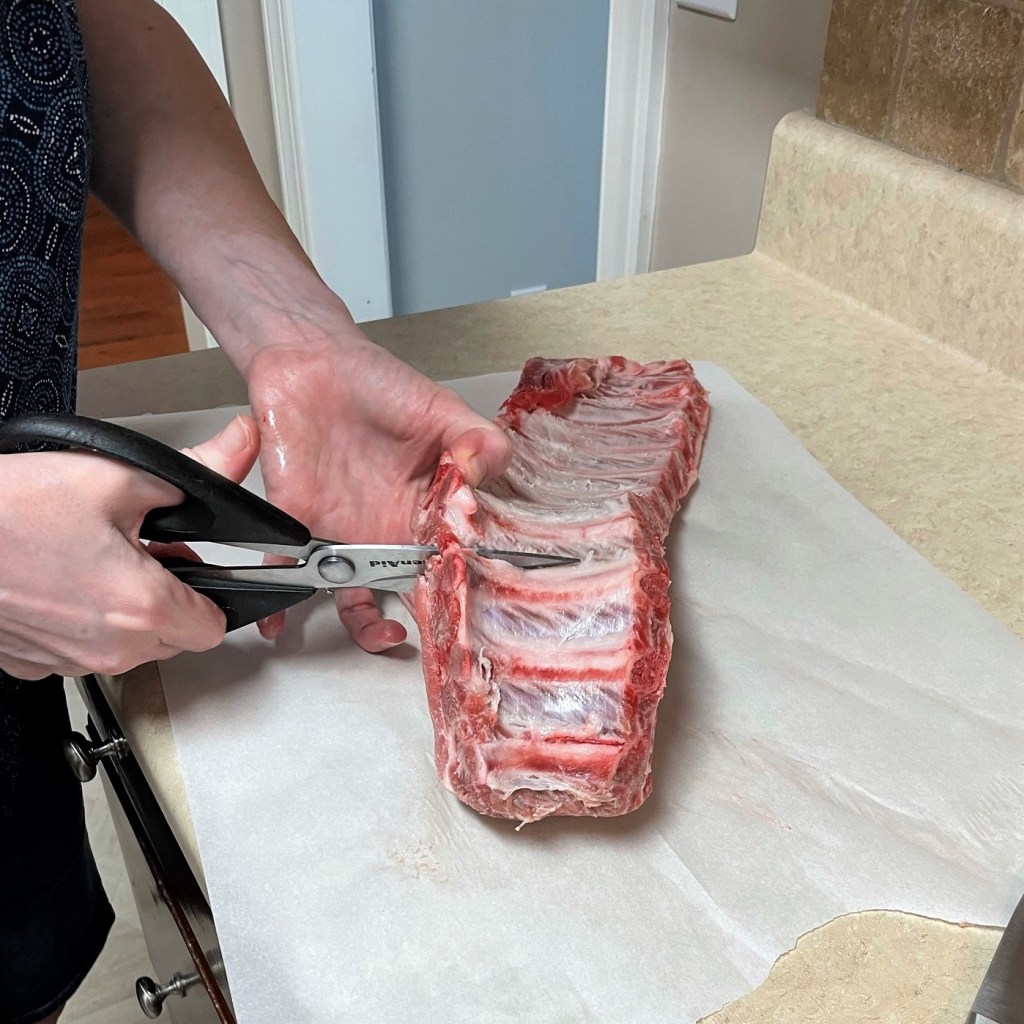
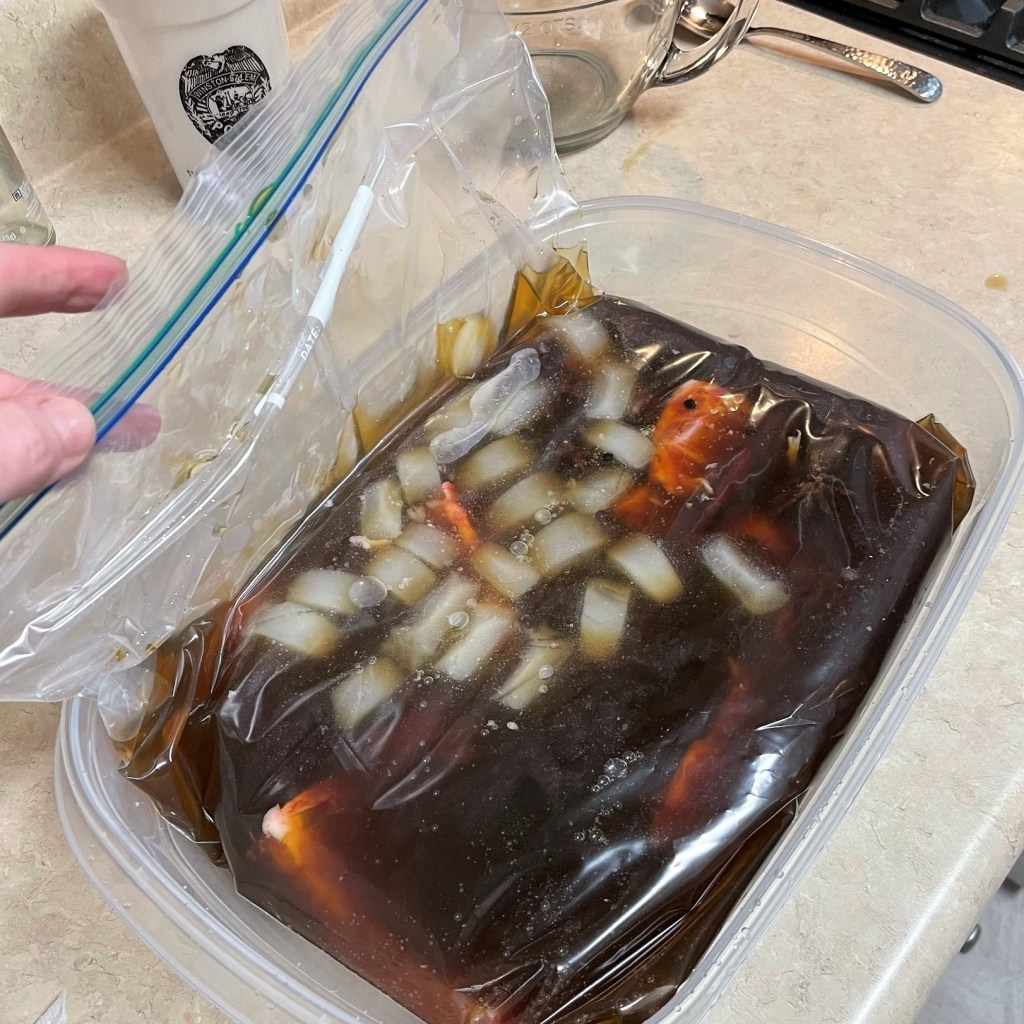
  3. Use kitchen shears or a sharp knife to separate the ribs into portions. Transfer the rib portions to a 2-gallon zip top freezer bag, placed in a container large enough to contain the brine if the bag should happen to leak. Pour the cold brine over the ribs, squeeze out as much air as possible and send them to the fridge to marinate at least overnight, and up to 24 hours.
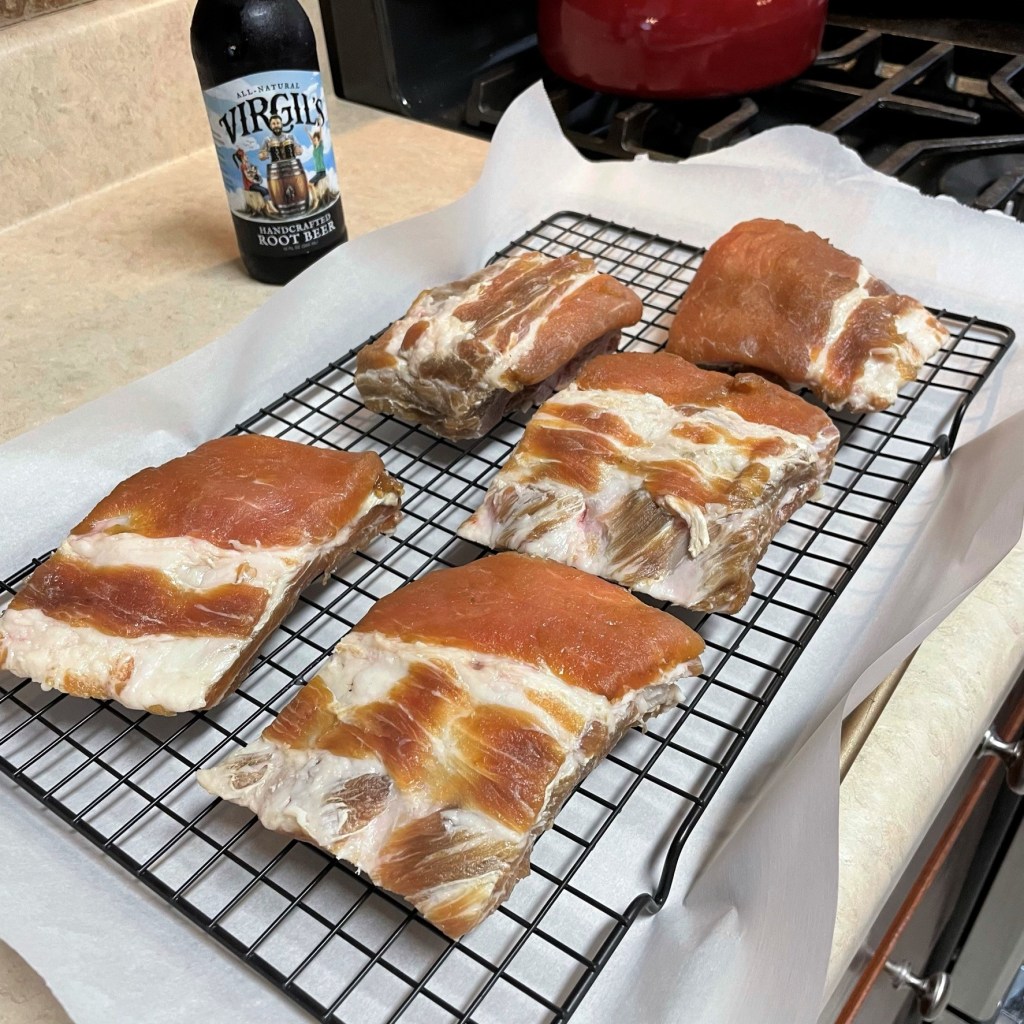
  4. When the brine is complete, remove the ribs and pat them dry. Place them on a rack over a baking sheet and refrigerate, uncovered, for a few hours. This prepares the surface of the meat for more flavorful grilling.

Root Beer BBQ Glaze

2 Tbsp. canola oil

1/2 sweet onion, finely chopped

2 cloves garlic, minced

Zest of a fresh lemon

2 pieces crystallized ginger, finely minced

3 Tbsp. light brown sugar

1 cup tomato ketchup

12 oz. bottle naturally sweetened root beer

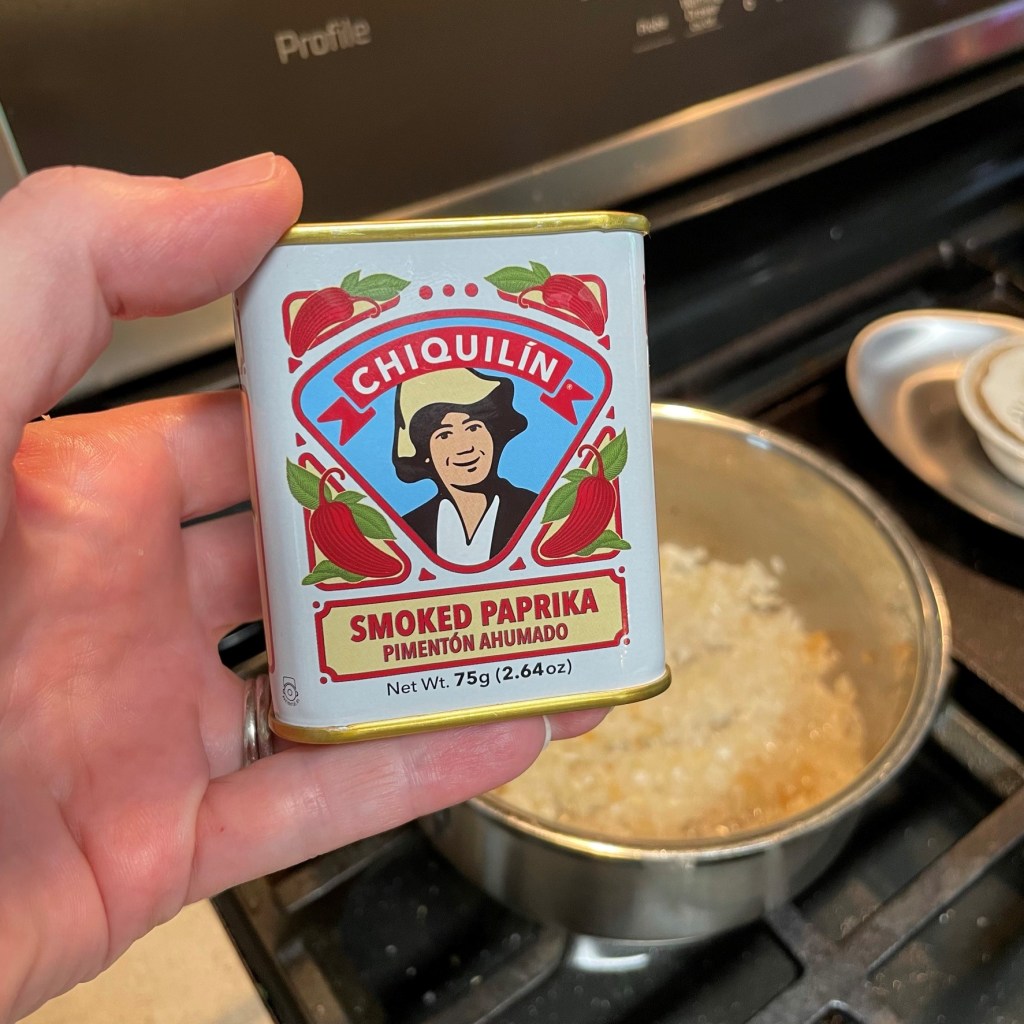
1 tsp. smoked Spanish paprika

Kosher salt and oak-smoked black pepper


Make the glaze

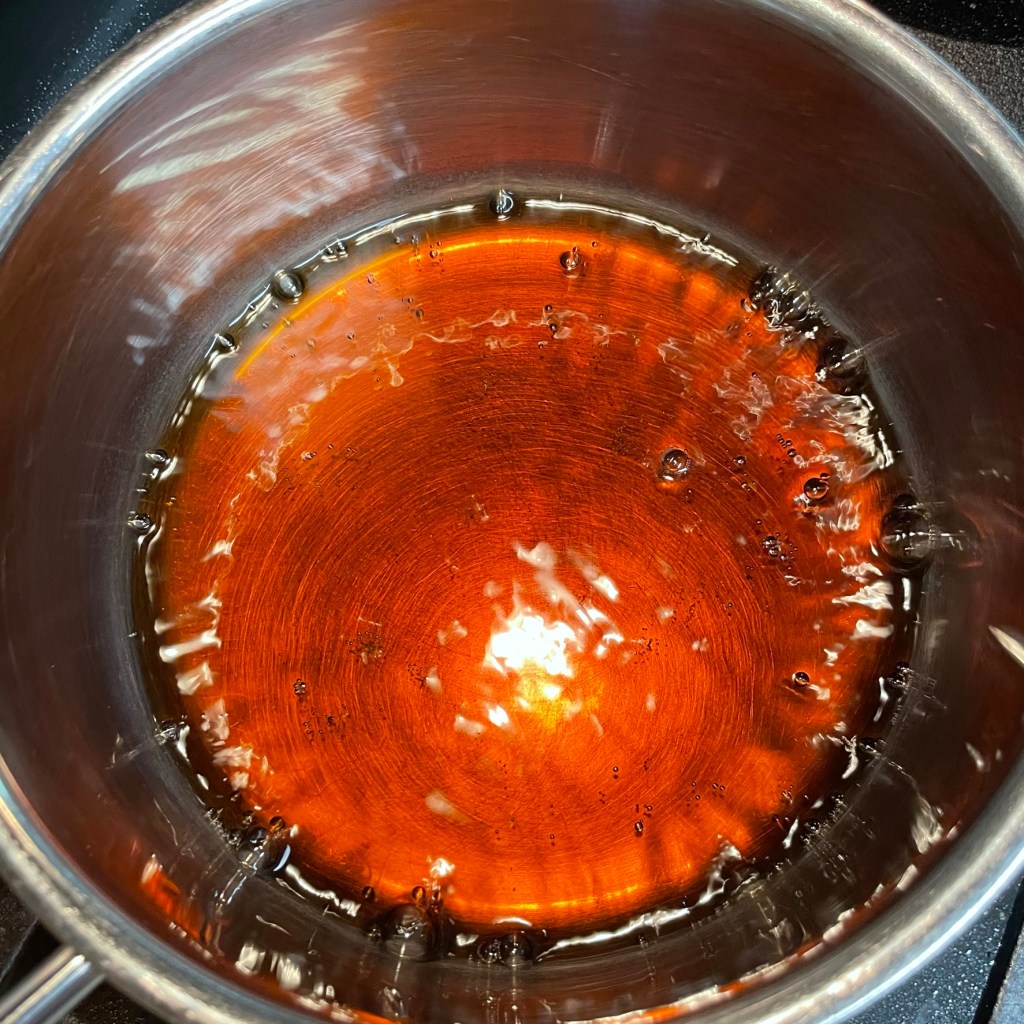
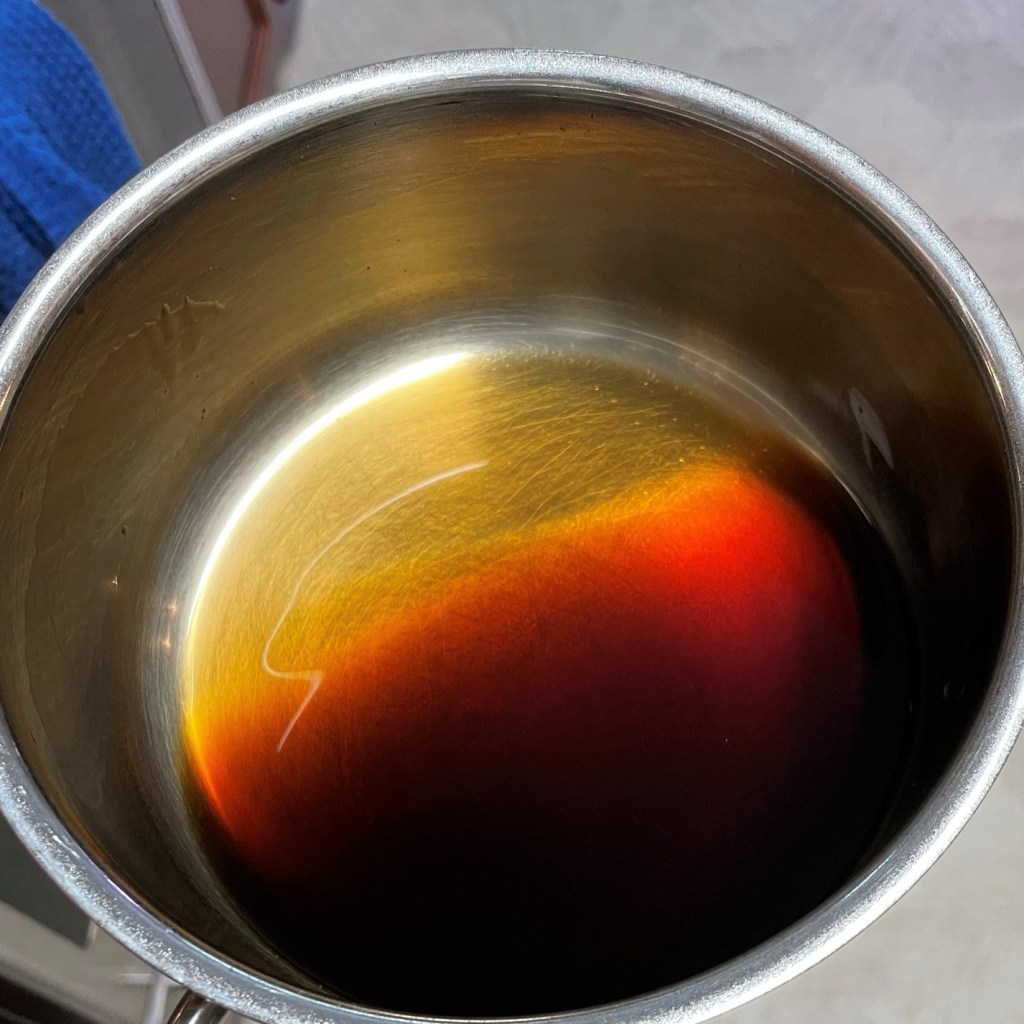
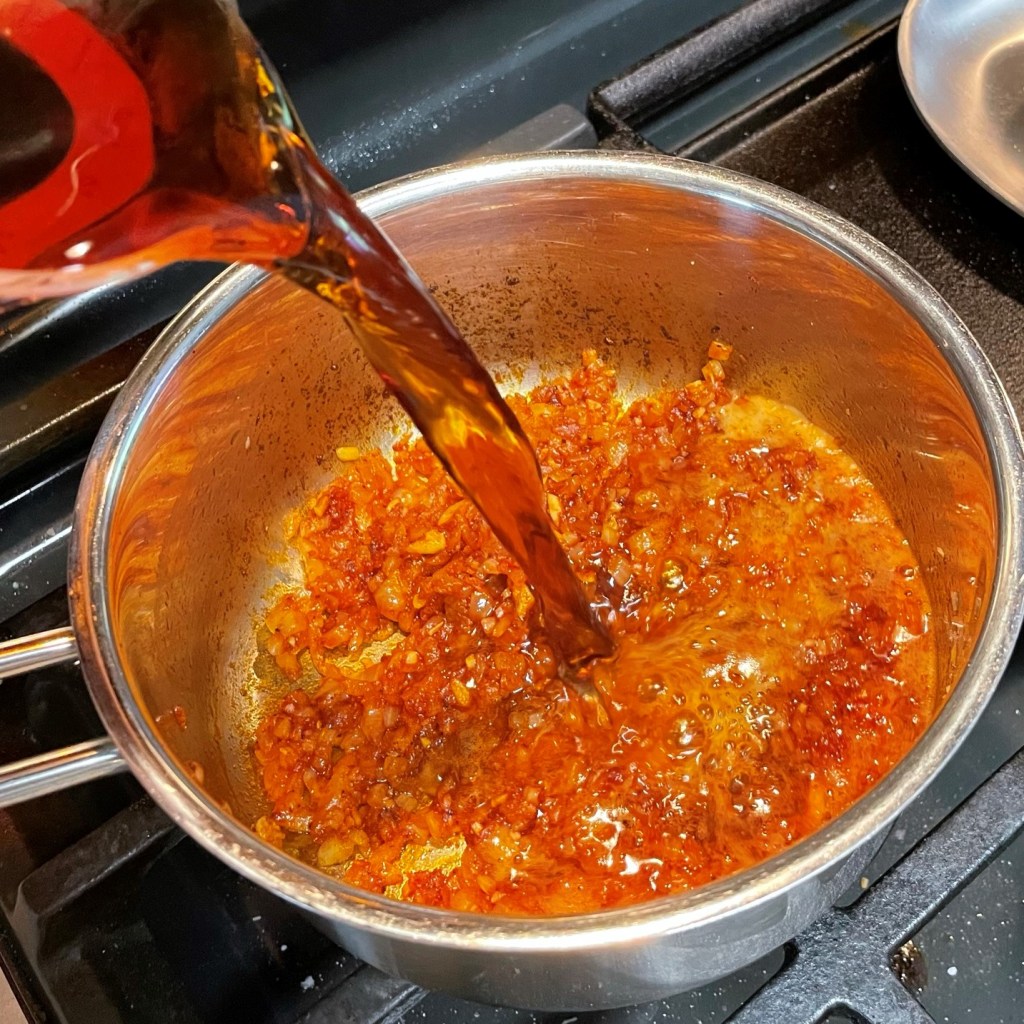
  1. Empty root beer into a heavy-bottomed saucepan, and simmer over medium-low heat until the liquid is reduced to about 1/2 cup. Transfer to a measuring cup.
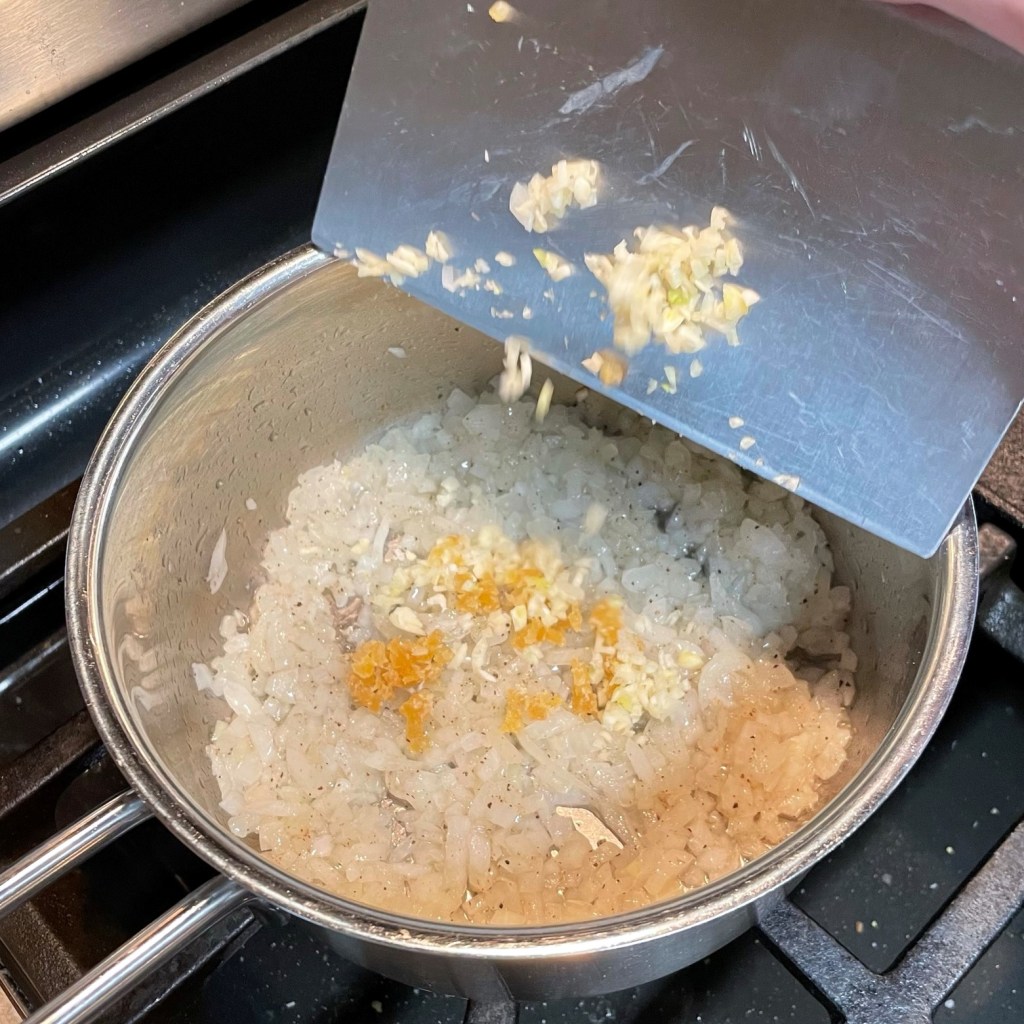
  2.  In the same saucepan, heat canola oil and sauté onions about two minutes, until slightly softened. Add minced garlic and crystallized ginger and cook one to two minutes more.
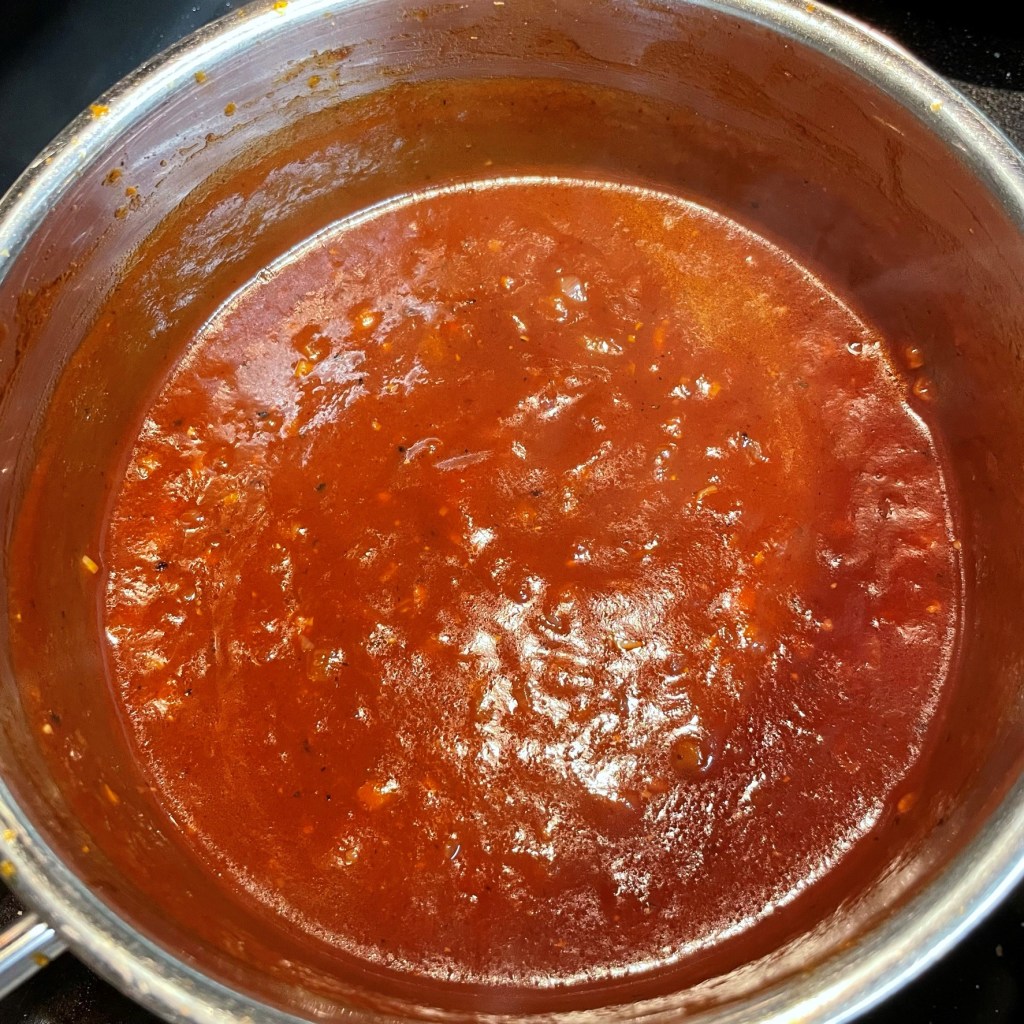
  3. Add smoked paprika to the pan and cook just until the paprika becomes fragrant. Add root beer reduction and simmer on low heat several minutes until the mixture is syrupy.
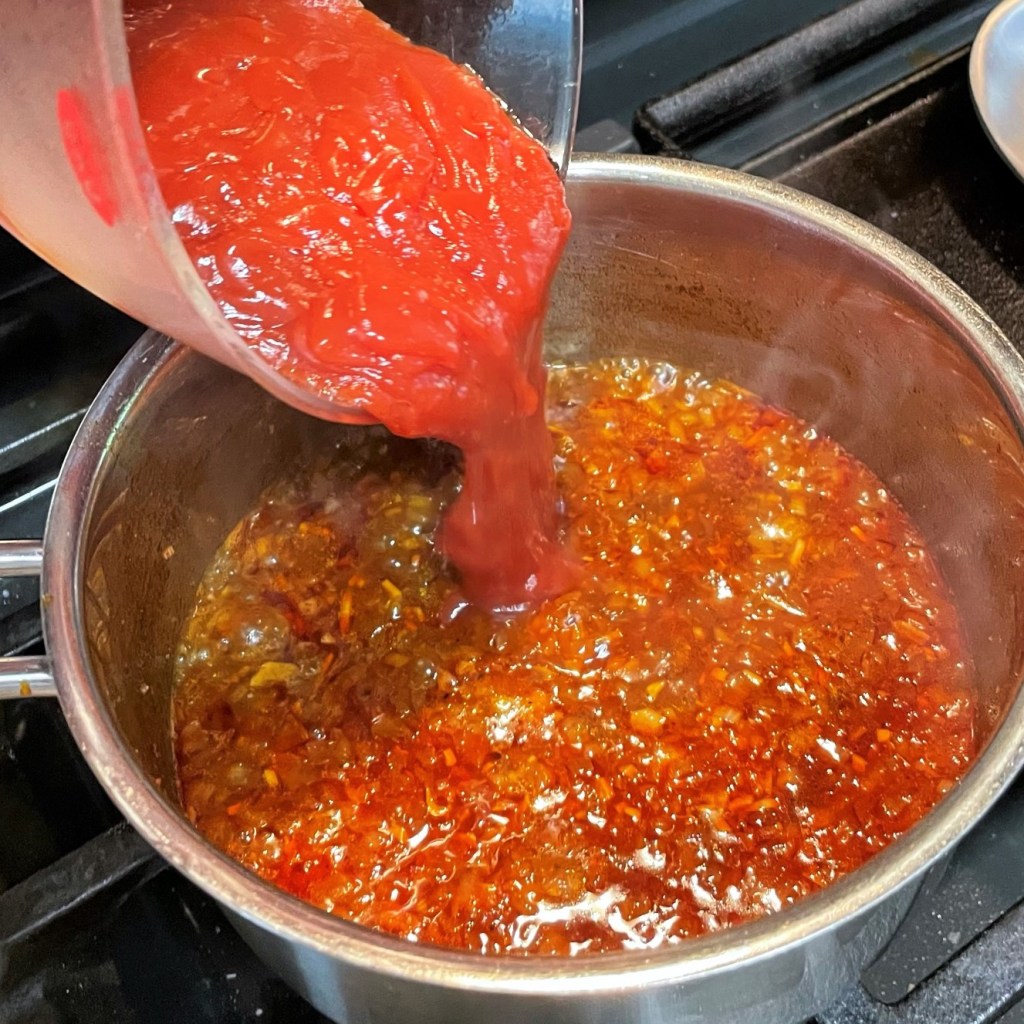
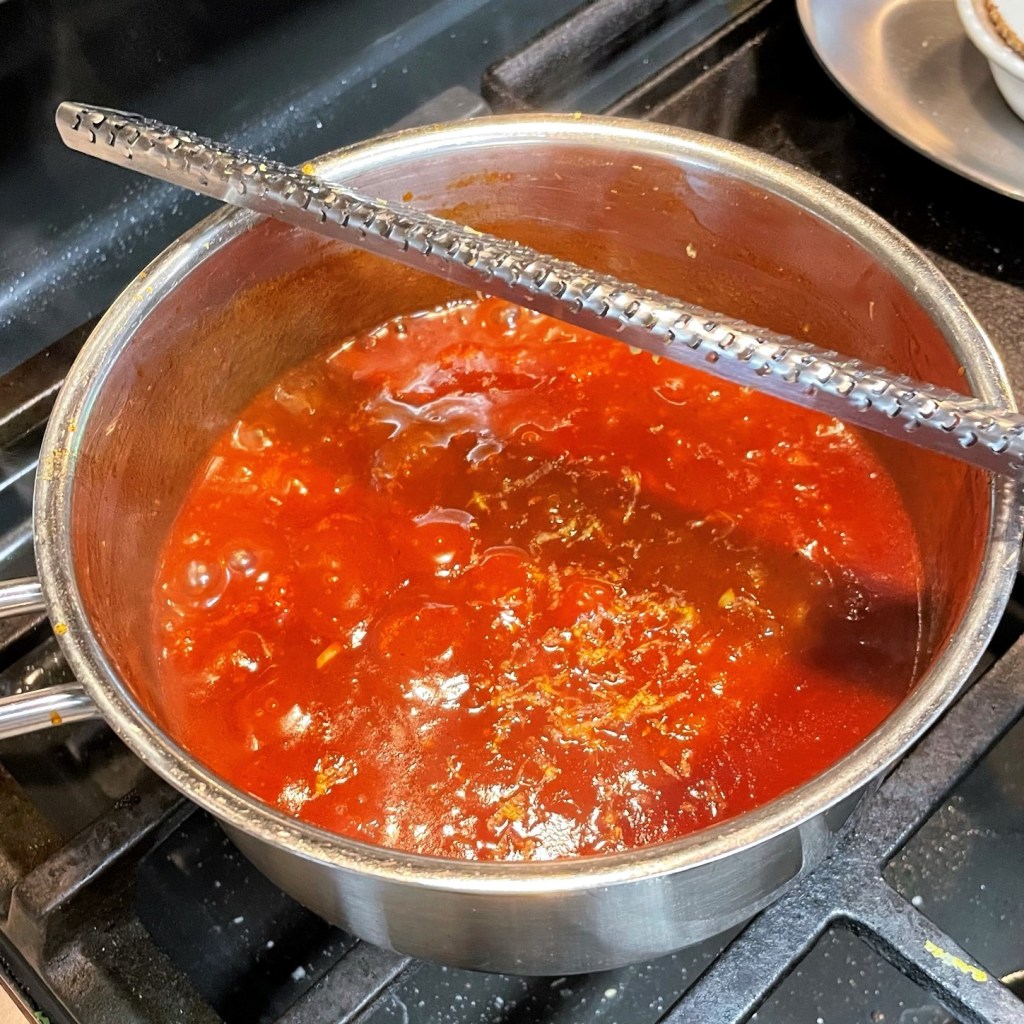
  4. Add the ketchup and brown sugar, stirring to combine. Add lemon zest and smoked black pepper. Simmer on low heat until just bubbly at the edges. Adjust salt, pepper and sweetness to taste. I wanted it a little bit sweeter, so I added a splash of additional root beer.

Time to grill the ribs!

My hubby, the grill master, questioned the instructions I handed him from the Bobby Flay recipe, and I darn sure should have listened. We followed the gist of the original recipe, grilling the ribs naked over indirect heat at about 250° F for two hours, then glazing them with the root beer BBQ glaze for the last 20 minutes or so. Granted, we do not have a “kamado-style” charcoal grill, but I had hoped

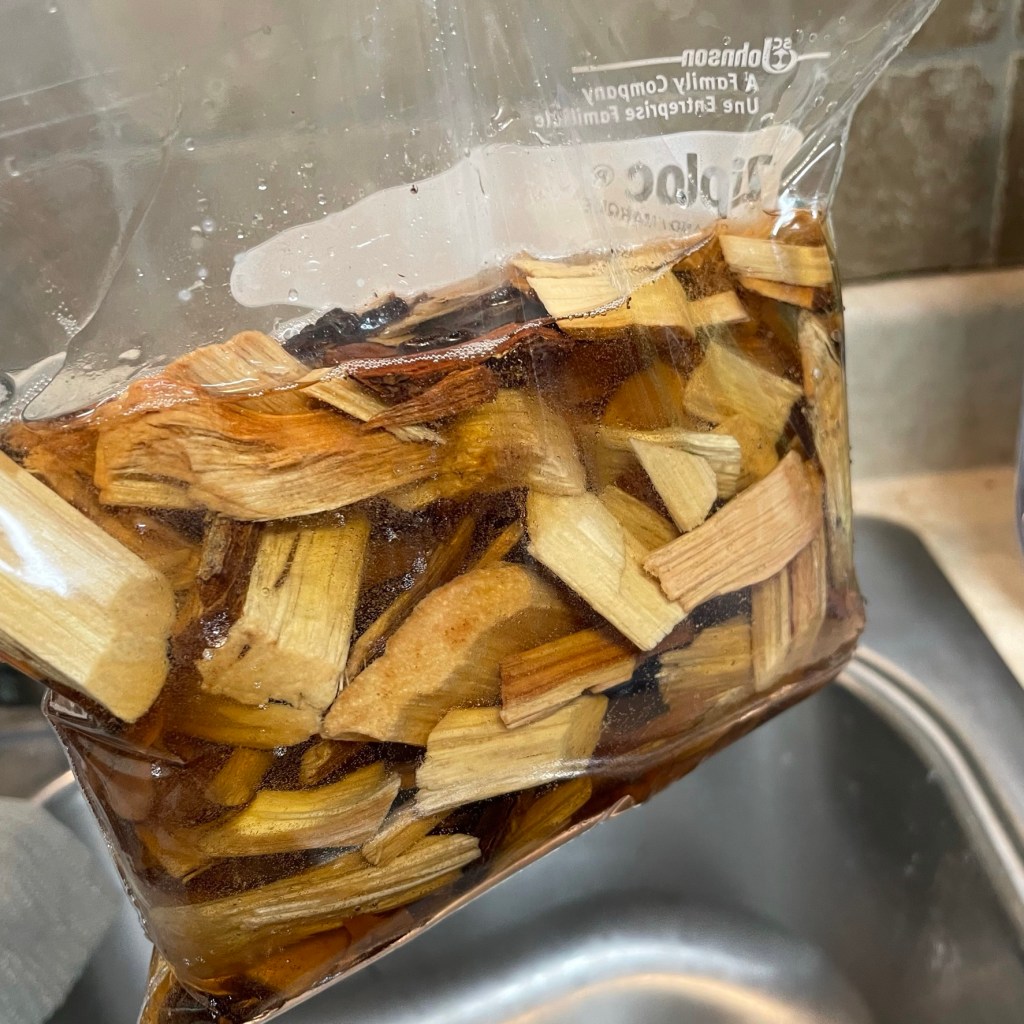
This was enough time to cook them, but not enough to make them fall-off-the-bone tender, which is what my root beer-loving heart desired. We had also soaked some hickory chunks in cold water and root beer, and tried out the small smoker box we had purchased for the grill. Friends, let me just say, “don’t bother,” because we did not get even a hint of smoke on the ribs. It would have been terrific, though, on a regular smoker. Overall, The meat was tasty (I think the brine did wonders) and the sauce was just as I imagined—root beer was present but not too sweet.

We have had more tender ribs without following a recipe, and next time we make these, I will hand the reins over to Les to grill or smoke the ribs however he chooses. We also agreed that low and slow roasting in the oven would probably have resulted in more tender ribs, and I sure would not mind the aroma in the house!

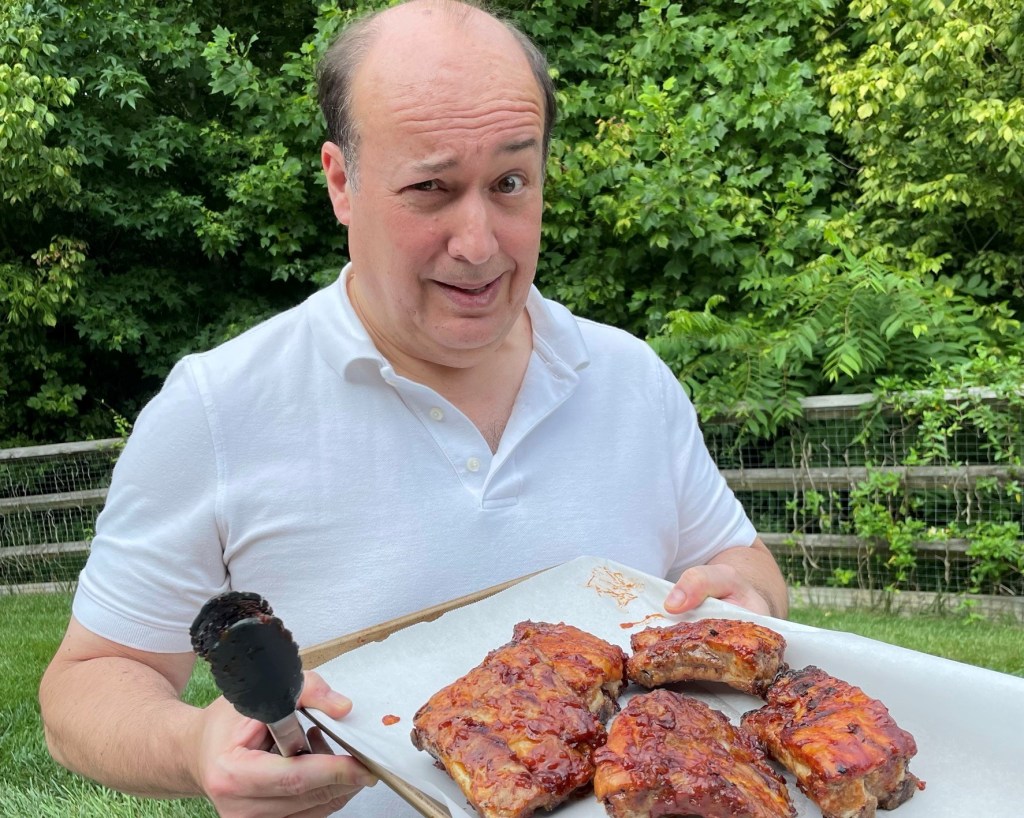
The flavorful brine and the root beer glaze were the real winners for this recipe!


Compound Butters for Grilled Corn

Summer, meet your new best friend at the grill.

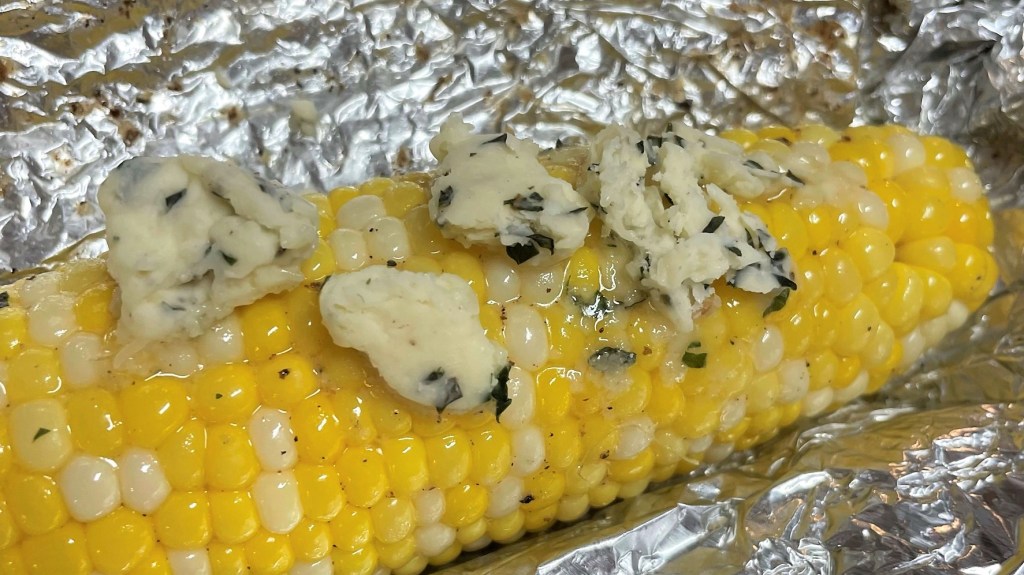
No matter what you’re into grilling during the warm weather months, you’ll find countless ways to use compound butter, and I do hope you’ll try it on my favorite—freshly grilled summer sweet corn.

Oooh, look at that beautiful char!

In the days of my youth, I ate more sweet corn than I can recall. My small, upstate New York town was one of those idyllic, rolling green hills kind of places you read about. The landscape was dotted with dairy farms, and sweet corn was so prolific, it was not unusual at all to see freshly picked ears of it piled high against trees at the side of the road with a sign that said, “for the love of God, please take this corn already.” The grocery store didn’t even order corn in the summer because everyone already had more than they needed.

The down-side of living in one of these pastoral places was that we didn’t have much to do. Many a summer night in my young-adult years, I would gather for a backyard bonfire and corn roast with my cousin, Annie, and a friend, Julie. It was just the three of us most times, and we were not exactly living large. We would fill up two big, galvanized steel buckets—one with cans of cheap beer and a bag of ice, and the other with cold water and as many ears of free corn as we could fit—and we’d spend the night lamenting our town’s lack of interesting options (for anything). The corn was still dressed in its husks, silk and all, and after a good soaking, we would toss it directly onto the bonfire to roast and steam it to perfection. We peeled the charred husks back and used them like a handle as we finished off ear after ear. Little flakes of black, burned-up husks and silk would end up all over us, but do you think we cared? There is nothing that compares to that roast-y flavor and it never occurred to us that we should dress up our fresh summer feast with butter or anything else.

A couple of years later, Annie and I had both moved away from our little town, rarely to return. Julie got married and stayed in town, and the last time I saw her, she was happily raising a family. I don’t miss our small town much (except perhaps in mid-October, when I know the maple trees are turning brilliant shades of rust and red), but I do miss the abundance of sweet corn in the summer. Come to think of it, I equally miss the piles of free zucchini squash, but that will be another post.

Today, when I want to enjoy summer corn (which is always), we “roast” it on the grill. There’s no soaking involved and no charred corn husk getting all over everything, and the flavor of grilled corn, though not quite as intense as the bonfire-roasted corn of those olden days, is still far superior to that of boiled corn. And because I’m all grown up now, I do enjoy putting a flavor spin on my grilled corn, and that’s where the compound butter comes in.

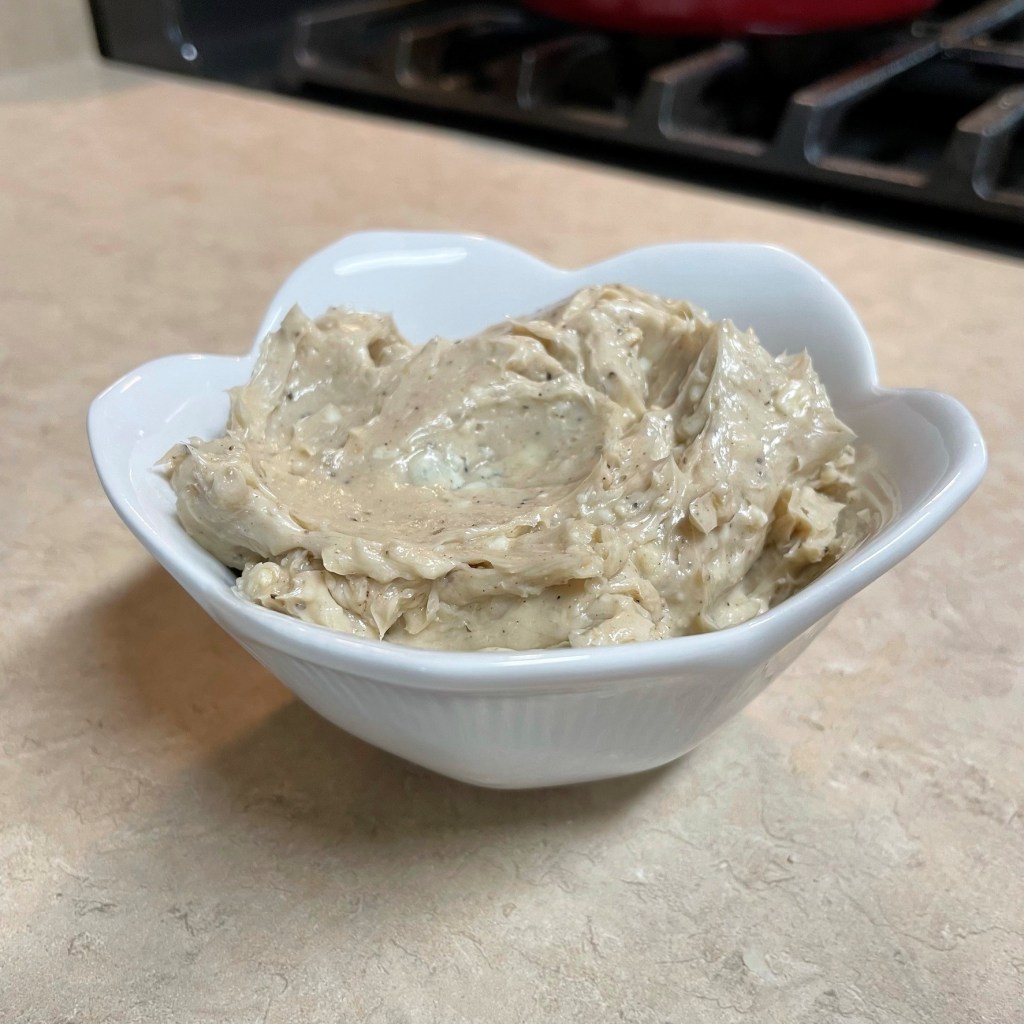
Grilled corn with pesto compound butter

This is a simple way to add a little pizzazz to corn, or whatever else you might be pulling off the grill—fish, shrimp, chicken, steak, burgers or other vegetables. Not grilling? No problem, because compound butter also comes in handy when you need to give a boost of flavor to something you make on the stove. Use it to sauté shrimp or vegetables, liven up a baked potato, melt over cooked pasta or drizzle onto your popcorn. What I love about compound butters is that you can make them in advance, they keep a good long time in the fridge (or freezer), and they afford multiple flavor options when you are serving guests.

Compound butter may sound complicated, but it could not be simpler—soften up a stick of salted butter and stir in the flavors that suit your fancy. Mix in a swirl of olive oil for extra depth of flavor and extended “spreadability.” I will offer up a few compound butter combos, using simple ingredients I already had in my fridge. Mix and match them any way you like. And, by all means, please share your ideas for compound butter flavors and uses, too.


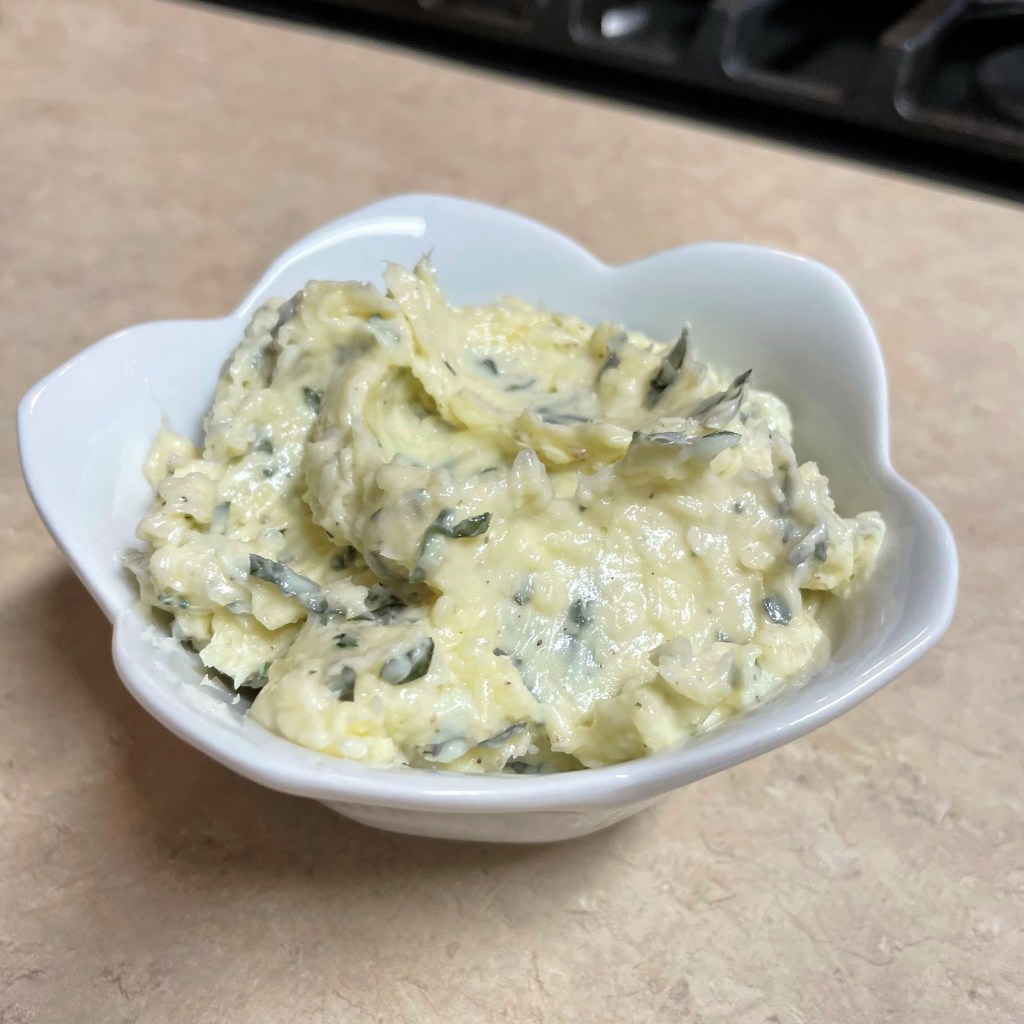
Pesto Compound Butter

1 stick salted butter, slightly softened

2 cloves fresh garlic, very finely minced

Small handful fresh basil leaves, finely snipped or cut into ribbons

1/3 cup finely shredded Parmesan cheese (or parm-romano blend)

A few twists freshly ground black pepper

1 Tbsp. extra virgin olive oil


Sun-dried Tomato & Feta Compound Butter

1 stick salted butter, slightly softened

2 to 3 Tbsp. sun-dried tomatoes, cut or snipped into very small bits* (see notes)

2 oz. whole milk feta cheese, crumbled and pressed dry

A few twists freshly ground black pepper

1 Tbsp. extra virgin olive oil

*Notes – If the sun-dried tomatoes are packed dry, rehydrate them for a few minutes in boiling water, then drain and press out the excess moisture. If they are packed in oil, chop them fine and stir them in as the final ingredient, omitting olive oil.


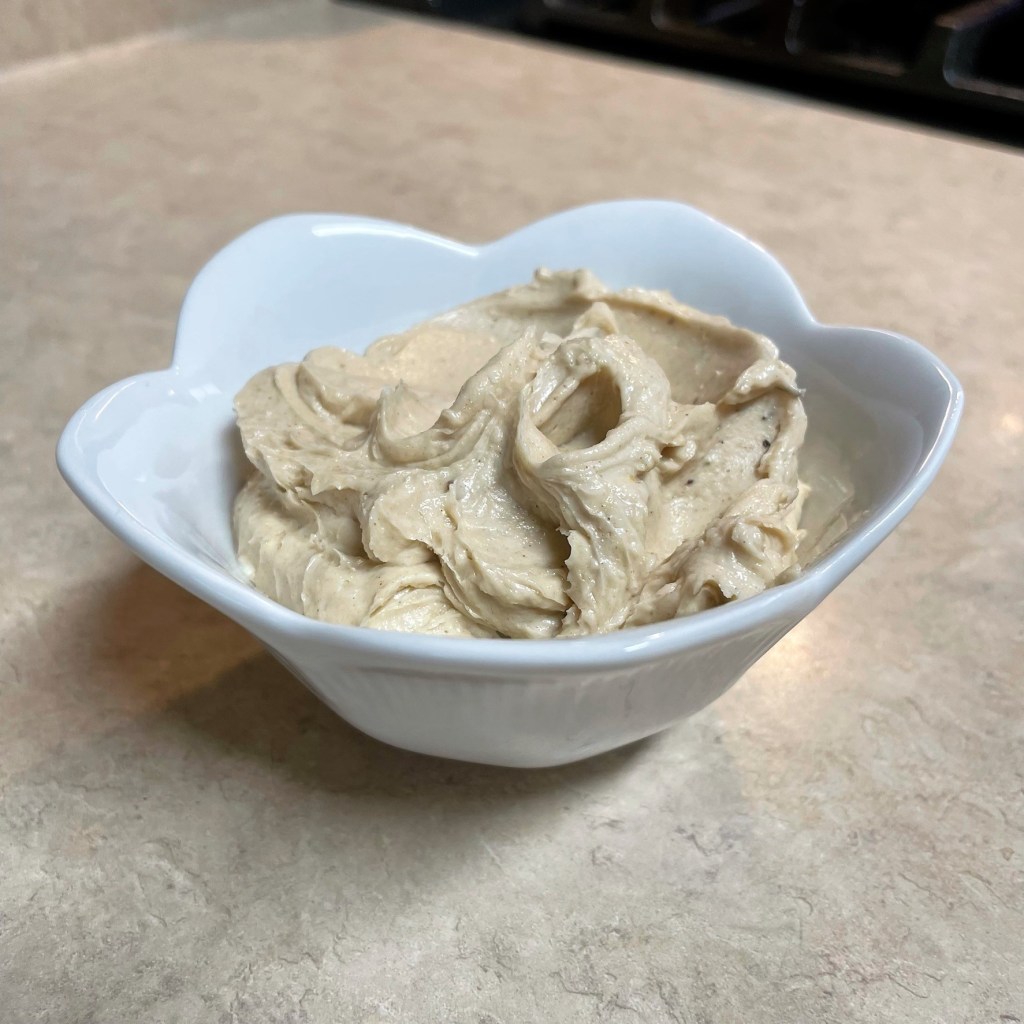
Vegan Tahini-Soy Compound “Butter”

1 stick dairy-free butter substitute

2 Tbsp. tahini paste

1 tsp. soy or tamari sauce

1/2 tsp. Trader Joe’s Umami seasoning (powdered blend of garlic, mushroom, salt and red pepper)


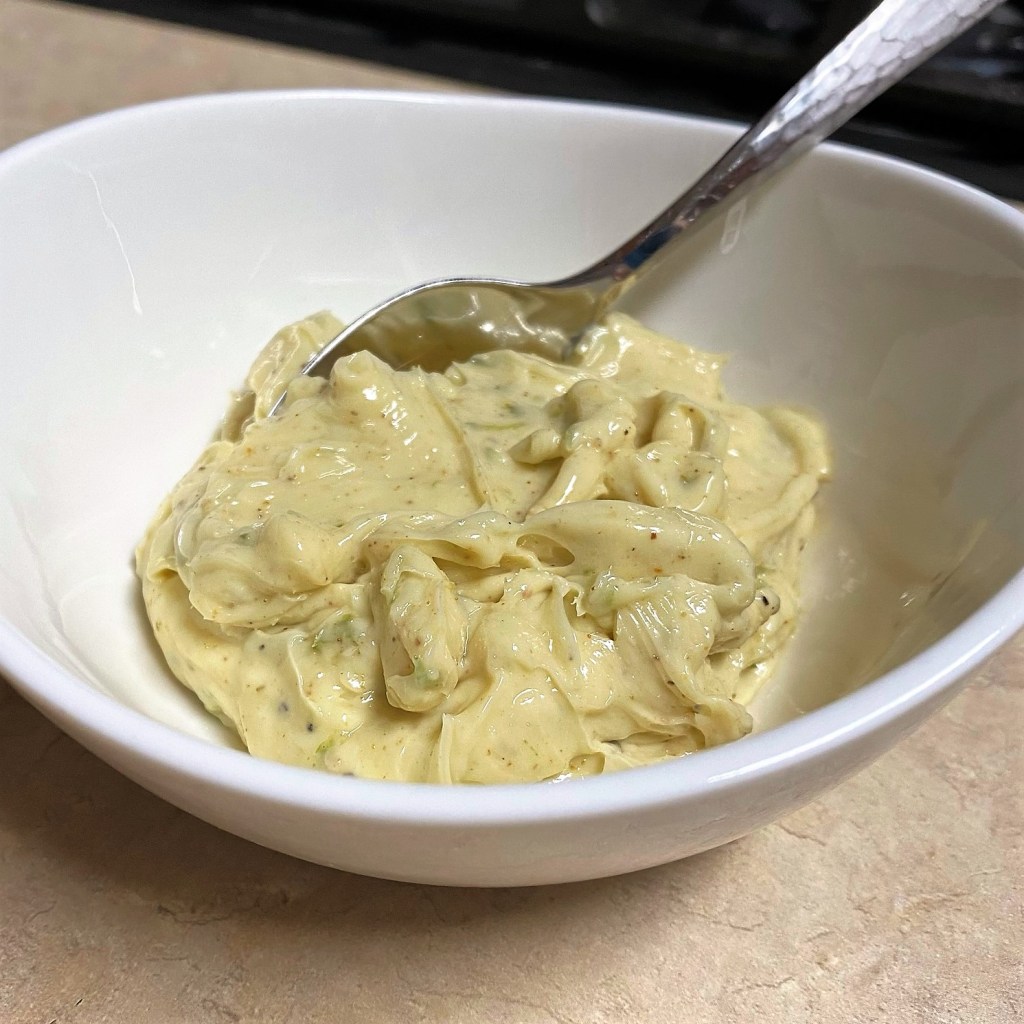
Chili & Lime Compound Butter

1 stick salted butter, slightly softened

Zest of 1 small organic lime

1/2 tsp. ground chili powder (your favorite, check the sodium)

1/4 tsp. ground cumin

1 Tbsp. extra virgin olive oil


Steakhouse Bleu Cheese Compound Butter

1 stick salted butter, slightly softened

1 tsp. Worcestershire sauce

freshly ground black pepper

1/4 cup crumbled bleu cheese

1 Tbsp. extra virgin olive oil


Instructions

Press and stir the butter down into a smooth, creamy spread. Add the other ingredients, beginning with those that can be stirred into the butter, and ending with any ingredients that need to be folded in. If you want to keep a few distinguishable bits, such as crumbled cheeses, fold them in at the end.

If you are adding ingredients that are inherently salty, such as hard cheeses or pre-mixed spice blends, you might opt to use unsalted butter to keep the sodium at the right level.

Keep compound butters in tightly sealed bowls in the fridge, or wrap them tightly in two layers of plastic wrap for freezing. Bring to cool room temperature to soften before serving.


Instructions for prepping easy grilled corn:

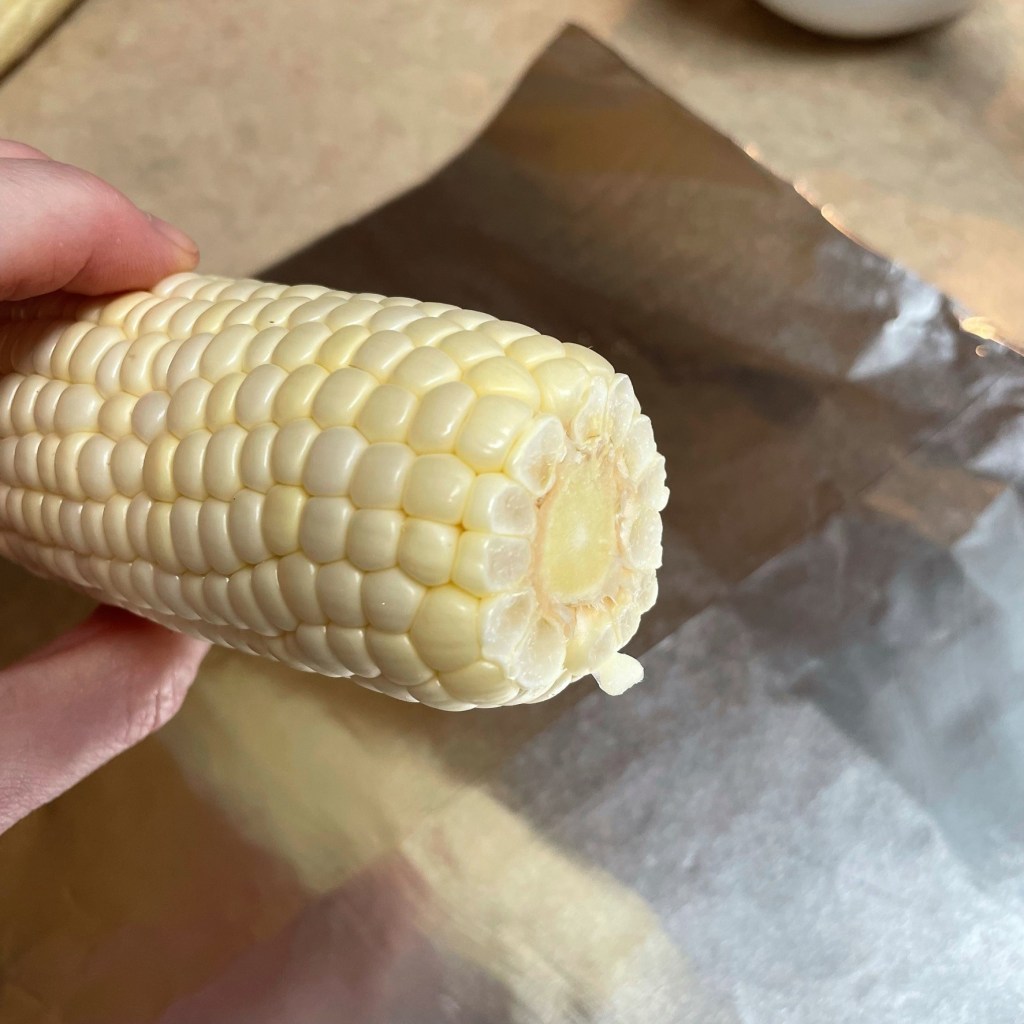
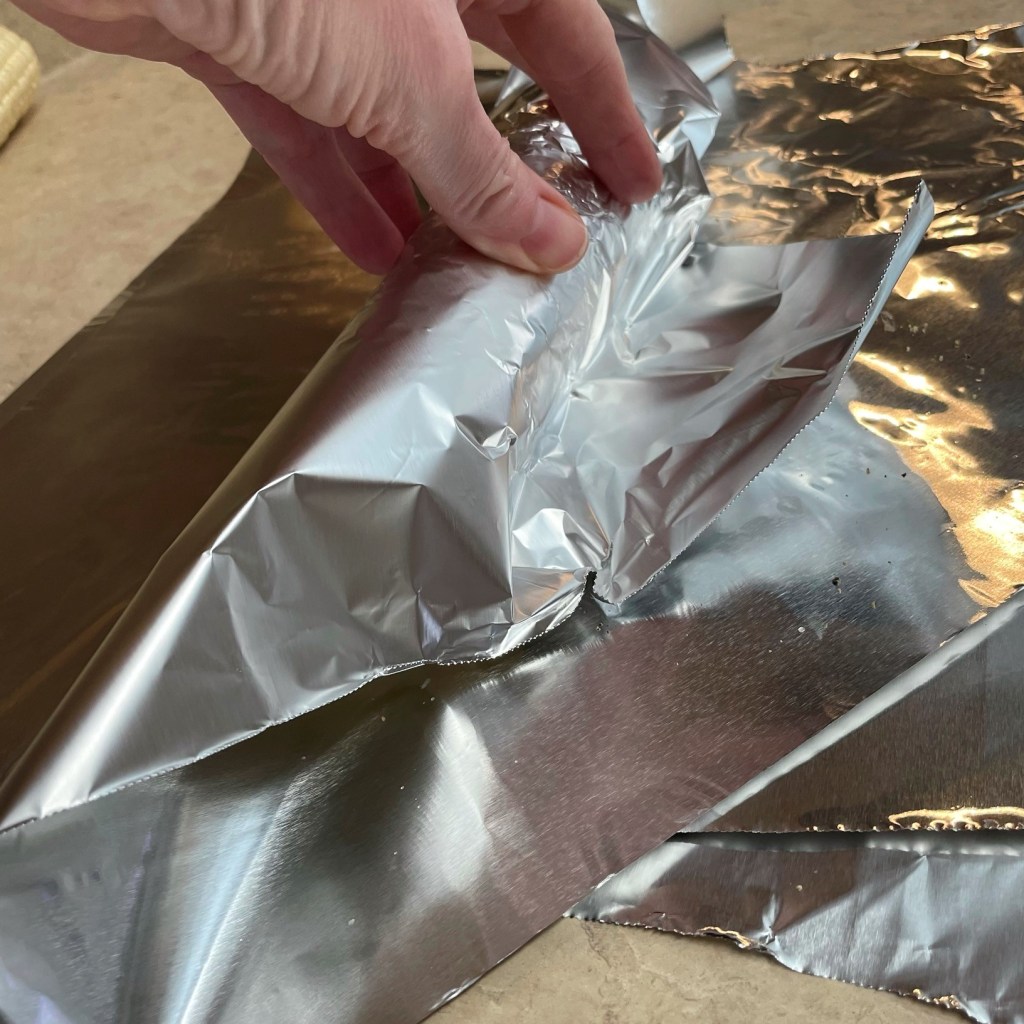
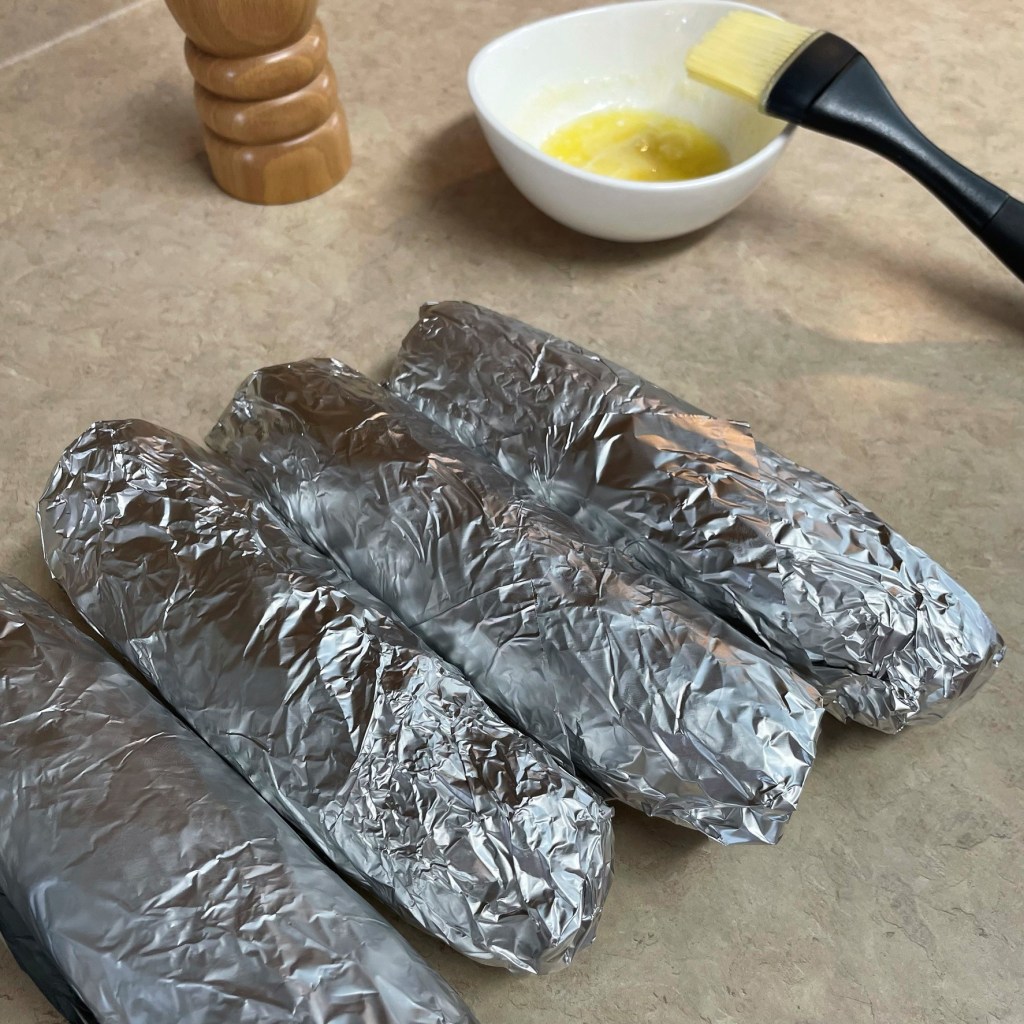
Remove husks and silks from fresh sweet corn. Use a sharp knife to make fresh, flat cuts on the ends of the corn ears. This will make it easier to hold them with corn handles. Tear off a square piece of aluminum foil for each ear. Melt salted butter in the microwave or on the stove top. Use a pastry brush to thoroughly but lightly coat each ear with melted butter. Season with salt and pepper. With the corn ear centered on the foil square, fold up one long end of foil all the way over the corn. Then, roll it up and twist or fold the ends to seal.

A bit of friendly, been-there-tried-that advice: resist the temptation to put the compound butter on the corn before grilling, especially if it has any type of cheese in it. In my experience, the add-ins will burn or gunk up or stick to the foil, rather than the corn. It does not seem to make a difference what type of foil you use, either, as I’ve had the same trouble using the expensive “non-stick” foil. It’s best to keep it simple for grilling, and add your flavored butter component at serving time. Besides, it’s fun to watch the butter ooze over the hot ears of corn! 🙂


The cooking instruction is a bit more nebulous because, as my husband, Les, says, grilling is an inexact science. How long you cook the corn depends on the type of grill you use, the temperature you are using for whatever else you’re grilling and placement of the corn on the grill, whether direct or indirect heat. When I pressed Les for a “ballpark” estimate on time, he quickly answered, “40 minutes.” The best thing to do is put it on the grill early, turn it periodically and check it a few times until it is done to your liking. We love it with a little bit of char on some of the kernels. And Les says if you turn up the temperature sometime to sear meat or another food, move the corn onto the upper warming rack.


Happy Summer!