Everything Bagel Pizza

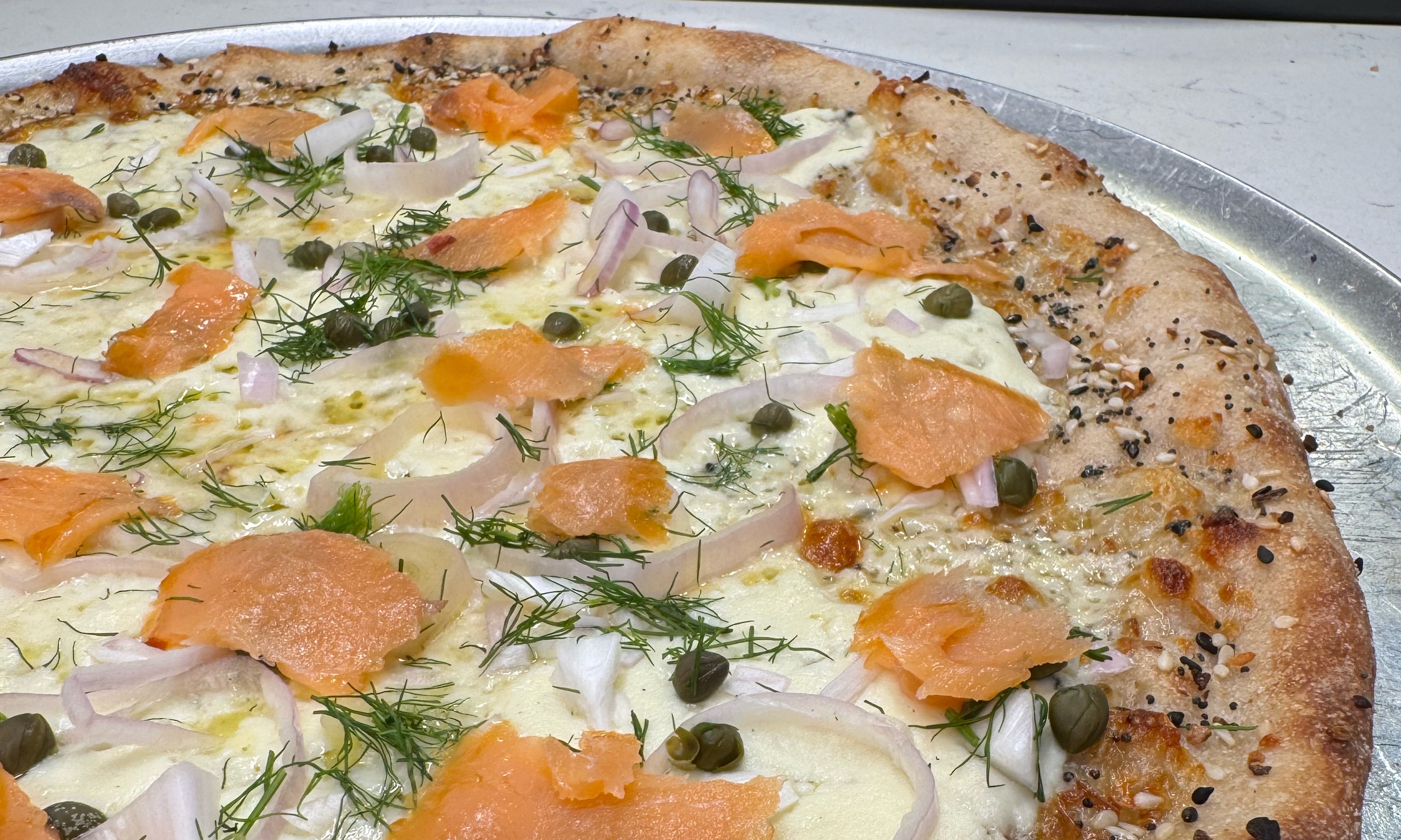
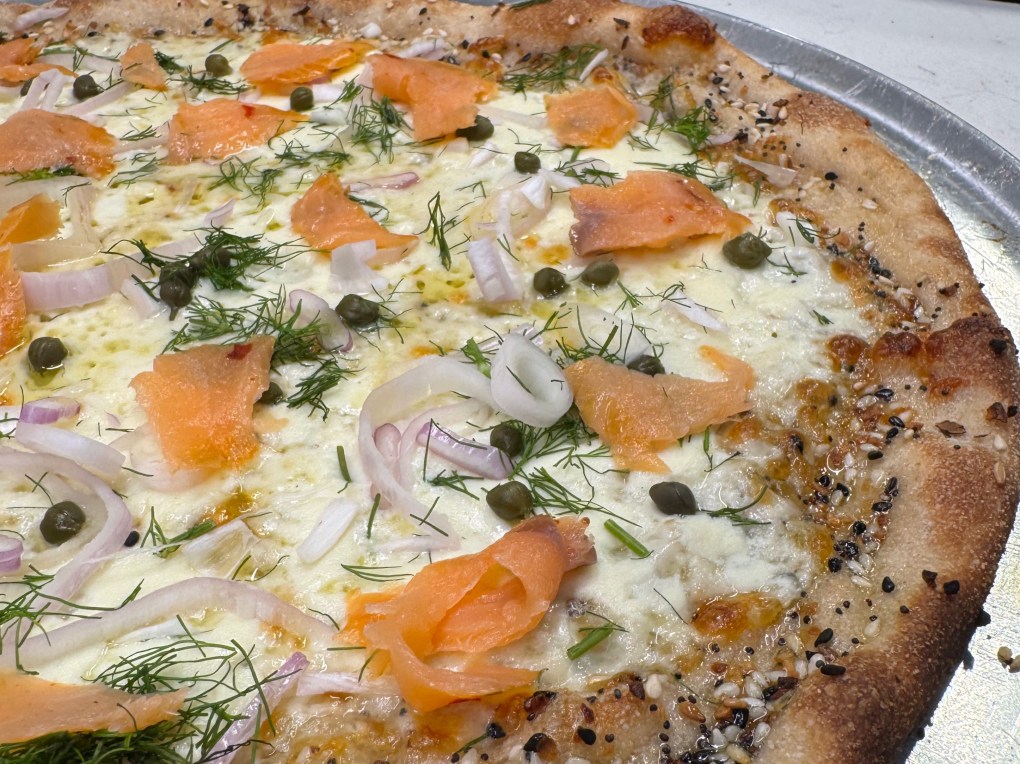
There’s almost no limit to what can be put on a pizza. The question is whether you should. And in this case of Jewish bagel toppings, I’m saying that the answer is yes! It’s a no-sauce, creamy cheese topping on an “everything” seasoned sourdough crust, finished with all the fixings you’d find on a Jewish deli bagel— onions, capers, dill and lox. 
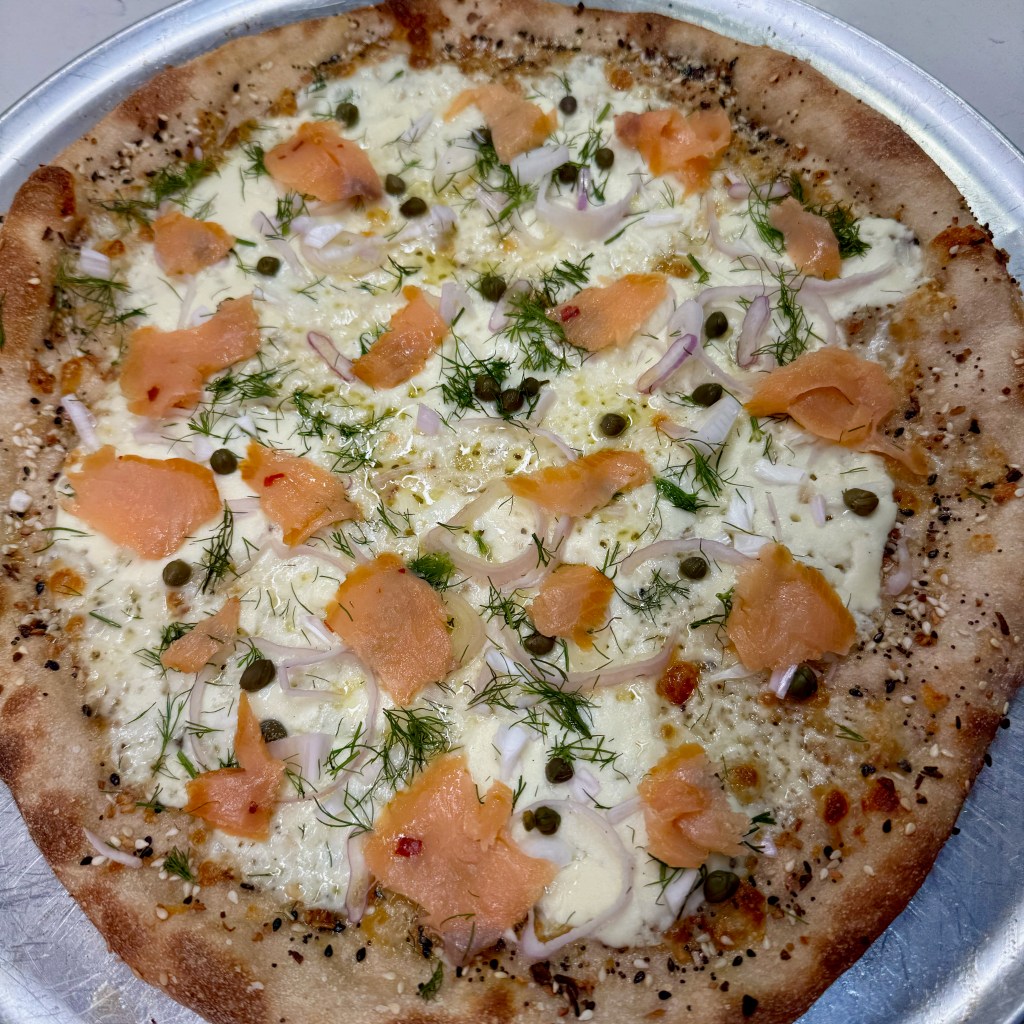
Think of it as a really big bagel!

Before I met my husband, who is Jewish, I could count on one hand the number of times I’d eaten bagels with lox. But this has become very much a staple in our home, and Les and I enjoy it for breakfast at least once a week. I love the flavors (especially when fresh dill is in season), and we’ve adapted it to dips and cheese spreads for parties, but I was eager to apply the unique flavors and textures to something else.

It wasn’t until we finally had a date on the calendar to have Rabbi Charlie and his family over for pizza that I decided to test it. You see, the rabbi keeps kosher rules, and that means meat and cheese cannot co-exist on the table. This regulation stems back to verses in Leviticus that declare you “shall not cook the kid in its mother’s milk,” and over time, the rule has expanded to include any kind of meat with any kind of dairy. Pizza without cheese is a sin in my book, so it would have to be the meat that would be kicked to the curb when we hosted them. 

But isn’t fish meat?

Nope. In Jewish kosher regulations, fish—or at least those fish with both fins and scales— are given a pass; they are considered “pareve,” neither meat nor dairy. The only fish (other than anchovies) that sounds evenly remotely good to me on a pizza is salmon, and this is how I decided to go for it. We used a lox-type of salmon, and it was not cooked but added to the pizza after the crust emerged from the oven. In fact, most of the toppings were added after baking, the same as we would dress a bagel after toasting it.

Now, before I get too far ahead of myself, I want to clarify that we actually did not serve this everything bagel pizza when we hosted the rabbi because I felt it needed some tweaking. When the time came, we opted for all-veggie pizzas for our guests. But this test was tasty and fun, and I learned at least two things that will make it better next time. Ready to see how we made it?

How to make everything bagel pizza

The crust for my pizza is the same as always: sourdough from scratch, made two days ahead and kept in the fridge for a cold ferment until pizza time. There was no sauce on this pizza. I sprinkled the dough generously, especially on the edges, with everything bagel seasoning and then spread a light layer of freshly grated mozzarella and a few dollops of ricotta cheese before we slid it onto the preheated stone on our outdoor grill.
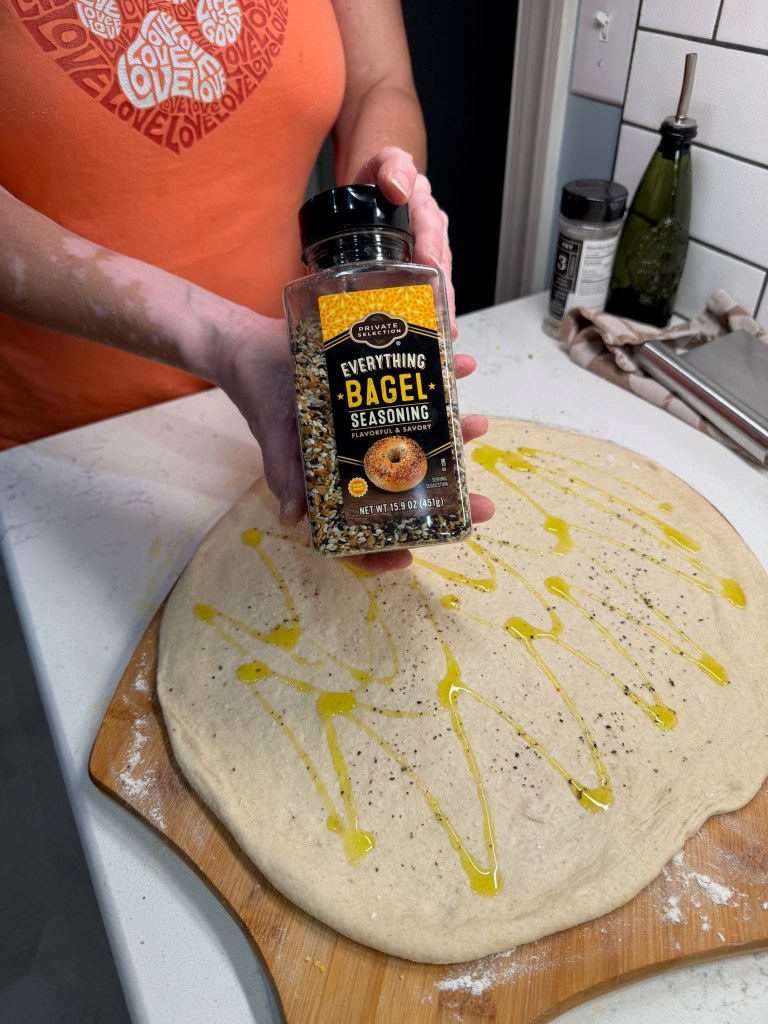
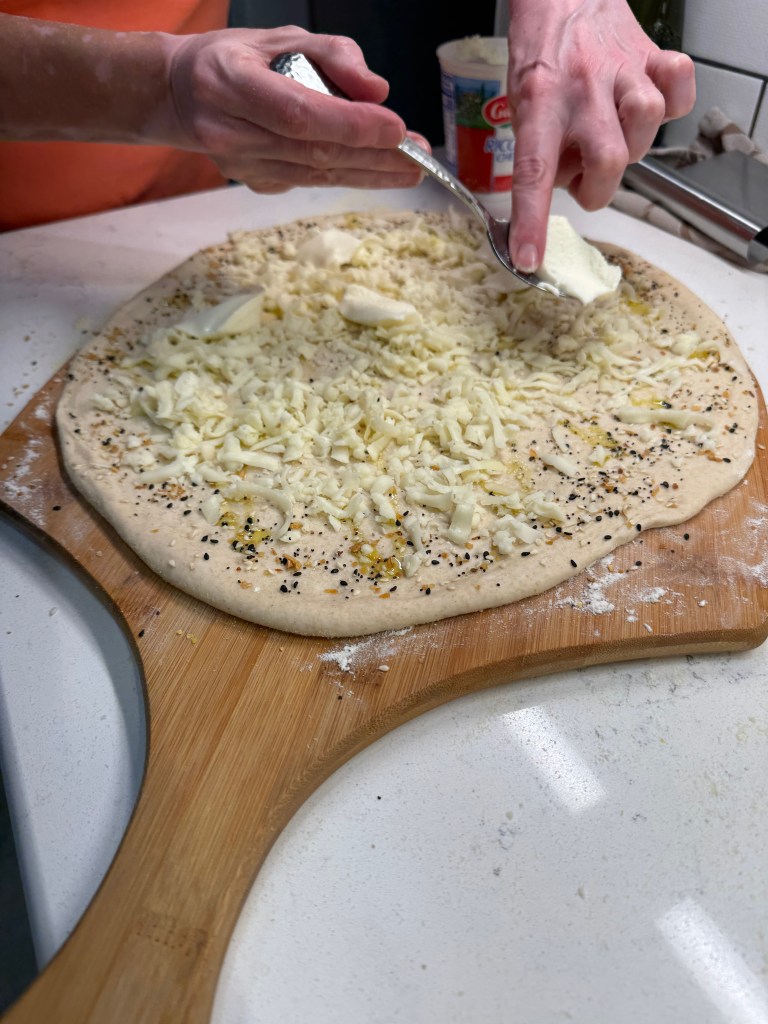
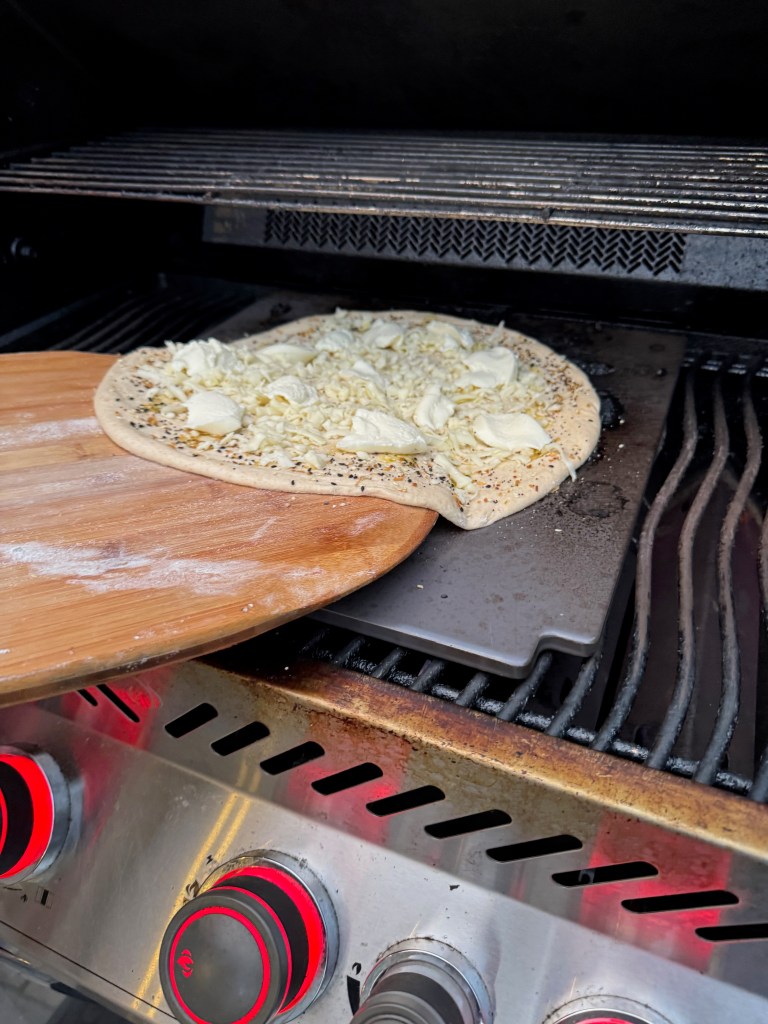
I know what you’re thinking—“doesn’t a bagel get spread with cream cheese?”— and you’d be correct. But I wasn’t sure how well cream cheese would hold up under the intense heat we use for pizza, so I substituted ricotta, which I’ve used successfully on other pies in the past. In hindsight, this is one thing I’ll do differently next time. There was nothing wrong with the ricotta, but I missed the smooth texture of cream cheese. I think if the cream cheese was very cold, straight from the fridge, it would do just fine and would provide a more expected flavor.
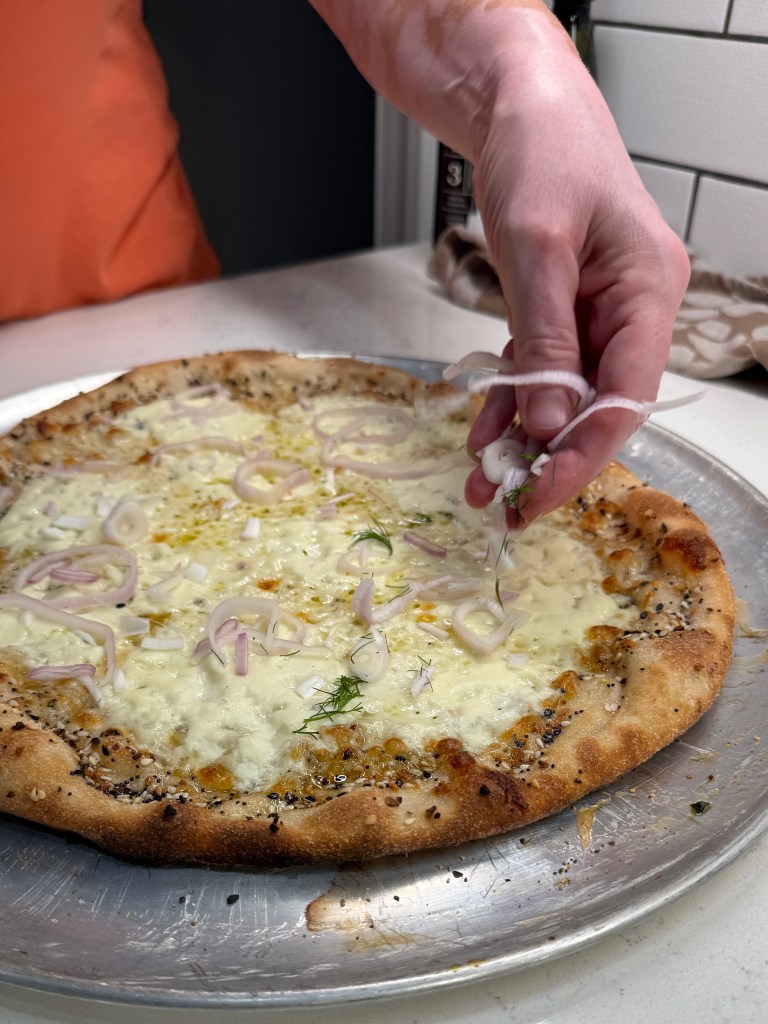
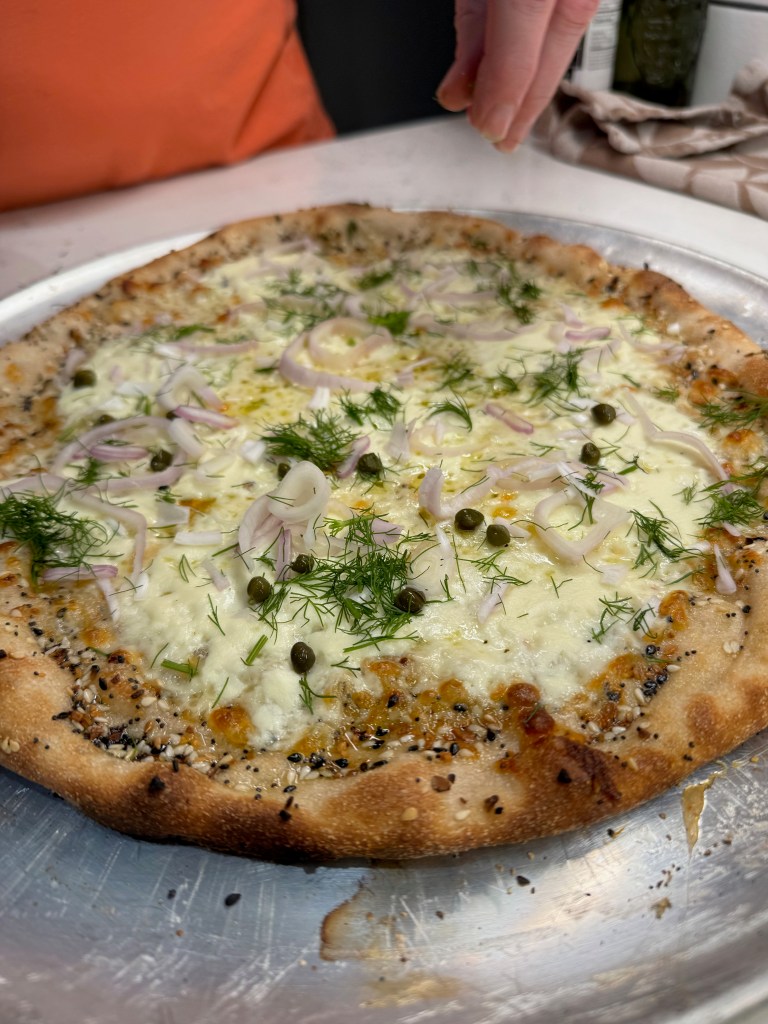
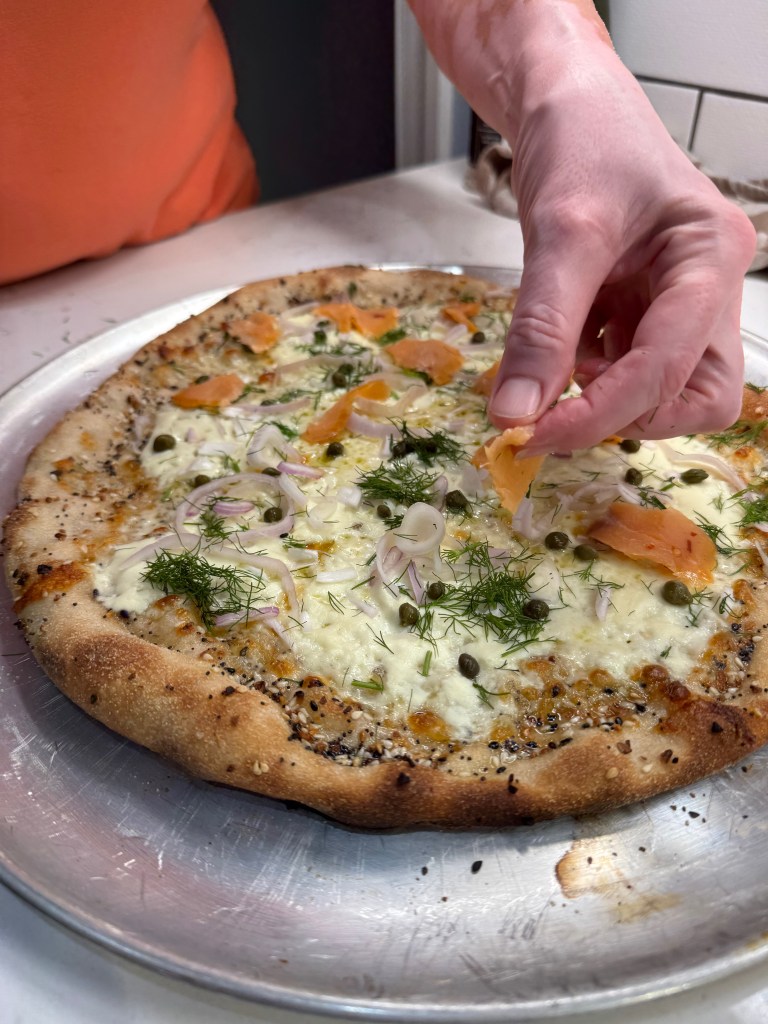
The ricotta oozed out into thin puddles, which gave every bite a nice even base. I scattered thinly sliced shallots, small capers and fresh dill over the hot pizza, and then arranged bite-sized bits of our smoked salmon all over just before serving. This kind of salmon would have shriveled terribly in the oven, so I believe this was the way to go. But here’s the other thing I’ll do differently next time—and there will be a next time—I’ll double the amount of salmon. It looked pretty in pictures to have a sparse amount of salmon, but when sliced and served, it felt a little skimpy. The salmon I used was supposedly a “hot honey” variety, but neither Les nor I found it to taste any different from a regular smoked salmon. I won’t spend extra next time for the fancy flavor (given that it didn’t have any). 

So what did we serve the rabbi and his family?

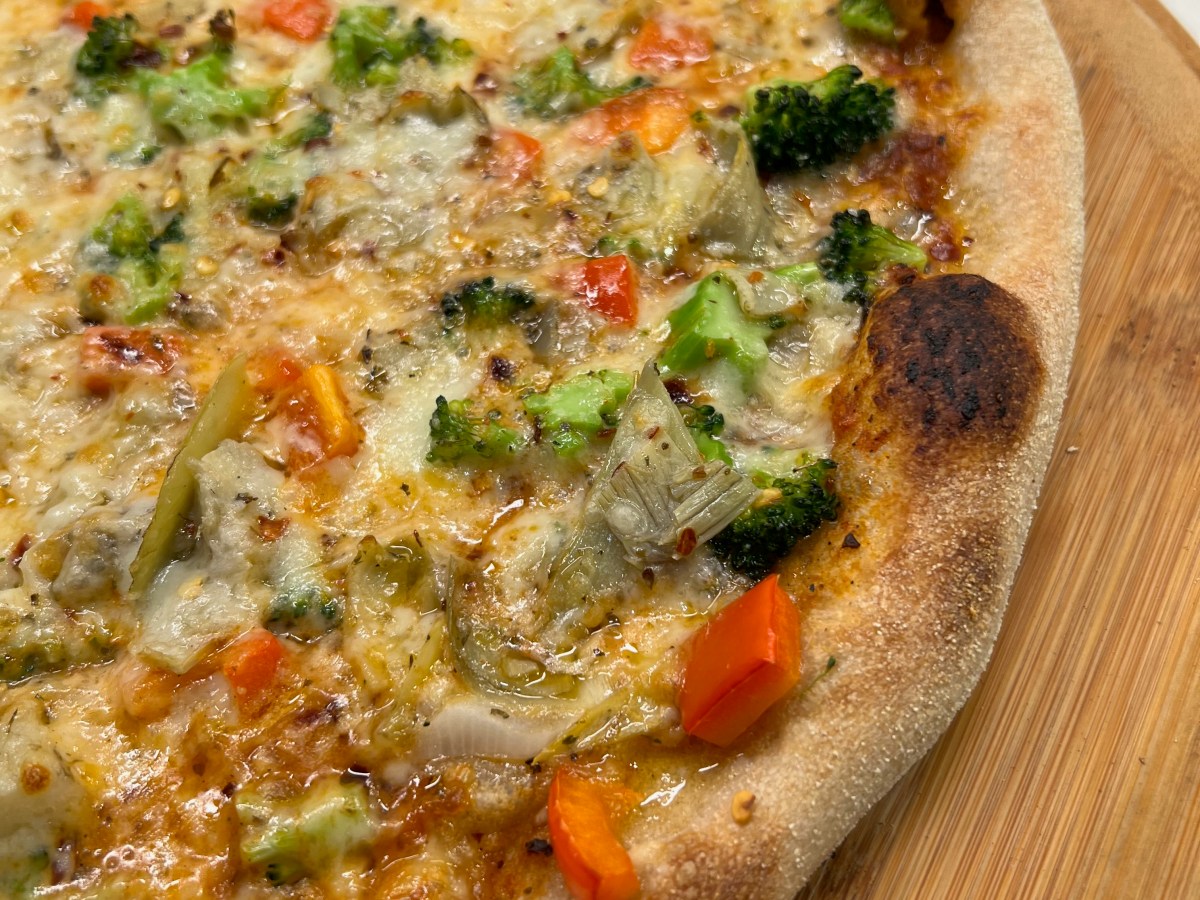
Pizza without meat is easy-peasy, and we managed just fine with a variety of veggie-forward pies for our kosher-keeping guests. One pizza was half classic veggie (peppers, onions, mushrooms and spinach) and half plain cheese. Here are the other two, and I promise that nobody ended the evening hungry. Especially after the ice cream, which is coming later this week. 😉

One more kosher tidbit…

I learned only within the past few years that traditional Italian hard cheeses, such as Parmigiano-Reggiano and Pecorino-Romano, are made with animal rennet and therefore not generally regarded as vegetarian. This is important to consider when serving guests who steer clear of meat for any reason, and I called this out when we were prepping pizzas, assuring our kosher guests that I had found a Wisconsin-made parmesan that used plant-based enzymes rather than rennet. The rabbi shared the good news that there is a kosher (though not vegetarian) exception, using rennet from kosher-slaughtered lambs. This would not exonerate parmesan for vegetarian diets, but for religious purposes, it has been deemed acceptable. 

If you know me at all, you know that I can’t resist a good rabbit hole, so I dug in a bit and found this interesting article to explain more about it, in case you’d like to check it out.
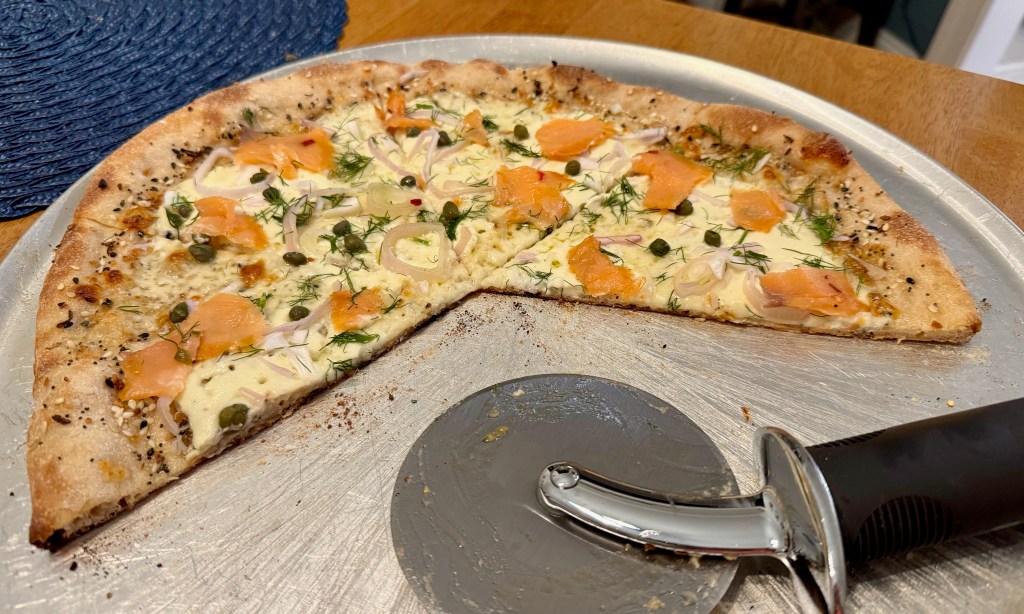
The leftovers became our next-day breakfast!

Everything Bagel Pizza

  • Servings: 6 slices
  • Difficulty: Average
  • Print

This is a unique twist on an everything bagel, topped with all the ingredients we enjoy at breakfast. But this time, it's on a sourdough pizza crust!


Ingredients

  • 11 oz. pizza dough ball, at room temperature
  • Extra virgin olive oil
  • 2 Tbsp. “everything bagel” seasoning (a combination of sesame seed, coarse salt, poppy seed and dried garlic)
  • 1/2 cup freshly shredded firm mozzarella
  • About 1/3 cup whole milk ricotta, cold from the fridge
  • 1/4 cup thinly sliced shallots (or red onion)
  • 1 Tbsp. small capers, drained but not rinsed
  • Small handful fresh dill, chopped
  • 3 oz. cold smoked salmon (lox)

Note: We make most of our pizzas on a steel that has been pre-heated for one hour at 550° F, or sometimes on a specialty stone on our outdoor grill, also at least 550° F. This very closely replicates a brick oven-style pizza that is finished in about seven minutes. If you are using an oven pizza stone or a pizza pan, you will need to adjust your temperature and cooking time accordingly.

Directions

  1. Preheat your oven or grill, and bring the pizza dough to room temperature.
  2. Shape pizza dough by hand into a 14-inch round and place on a flour- and cornmeal-dusted wooden peel for easy transfer to and from the oven or grill.
  3. Drizzle dough with olive oil and sprinkle salt and pepper over the surface. Generously scatter the everything bagel seasoning over the crust, concentrating mostly on the outer edges.
  4. Spread mozzarella evenly over the center of the dough, and use a large spoon to arrange dollops of the ricotta around the pizza.
  5. Transfer to the pizza steel or stone and bake for 6 to 7 minutes, rotating the pizza after about four minutes.
  6. Transfer hot pizza to a serving pan. Quickly scatter shallots, capers and dill over the pizza, and then arrange the smoked salmon so that every slice has an equal amount.

Smoked Salmon (and a bonus recipe!)

Back when I got my first bullet smoker in the late 1990s in Connecticut, the first food I ever tried was salmon.

Why? Heritage, of course. 

I’m Jewish and grew up in New York with lox (a cold-smoked, cured salmon) and bagels most Sunday mornings, a little weekly splurge in the Gura household. On rare occasions of extended family gatherings, someone may have picked up smoked salmon salad, which we all salivated over, probably based on the fact that our parents had splurged even more for this delicacy (more expensive than lox). We spread it over cream cheese on a bagel or bialy in place of lox, or sometimes with lox on top for a double-salmon shot.

Now that I’ve had years of experience smoking salmon myself, I can definitely say that the “delicacy” salmon spread of my youth was meh, a mayonnaise-laden, salmon-light blend that, compared to the dish I’m about to share, may well have been created in a blender. Mine is fresh and flavorful, with bits of fresh vegetables and only enough mayo to serve a purpose. It’s always a hit when we serve it at summer parties or holiday gatherings, and it’s easy to make.


It’s all about the salmon

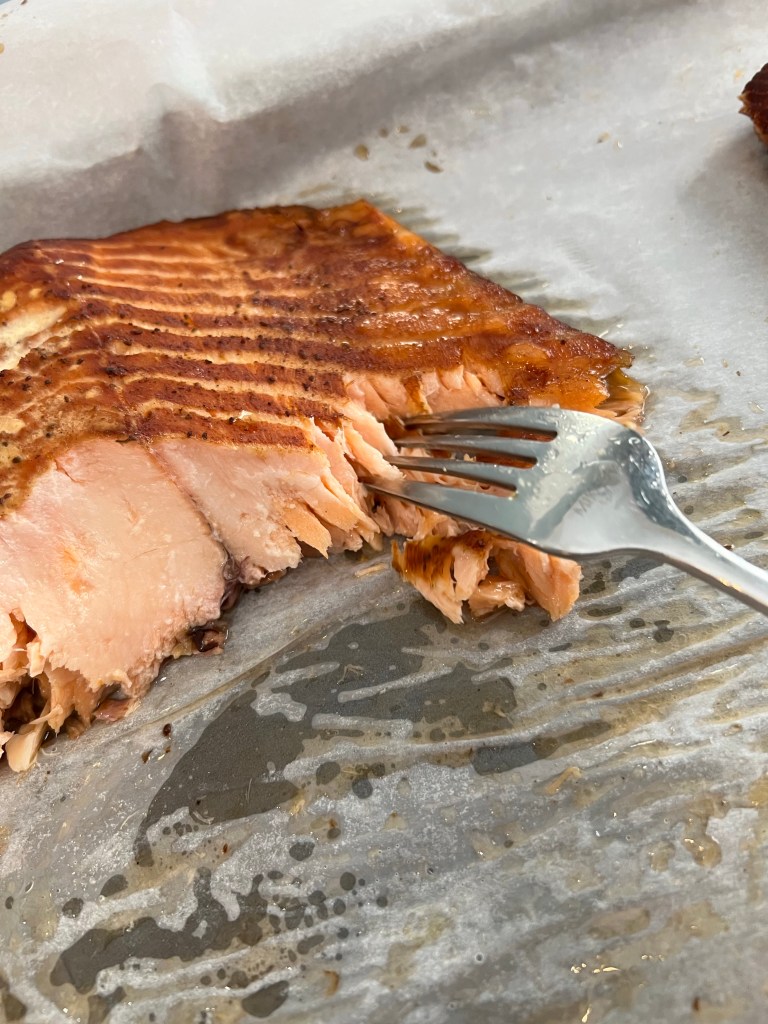
But let’s start with the basics. Smoking salmon is remarkably easy and the process brings out salmon’s textured, salty flavor in a smooth, delicious bite, more nuanced than grilled or baked salmon.

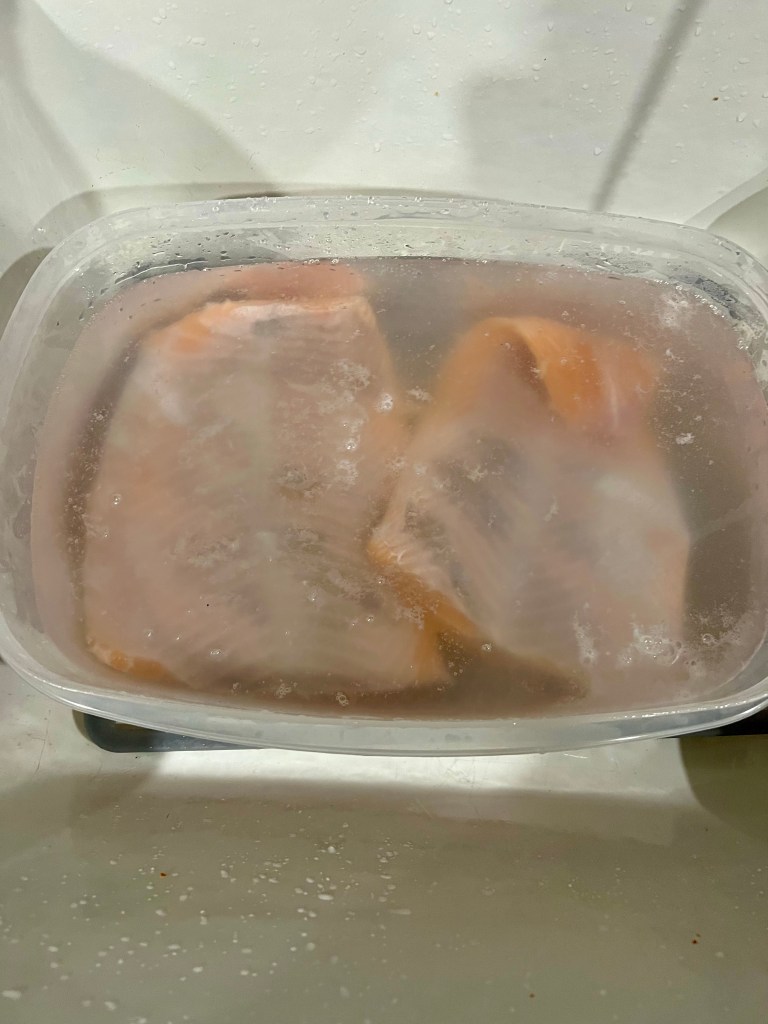
So how does one smoke a salmon? It starts with a nice fillet of salmon; although we typically buy wild caught fish, farm-raised salmon works fine when smoking. We purchase ours from a local seafood shop that emphasizes sustainability, and it is well worth the extra cost. The salmon should be brined overnight in saltwater; I use about 1/3 cup of kosher salt in two quarts water, warm enough to dissolve the salt. I add a little ice to cool the water before placing it in a large glass or plastic container so that the fish is completely covered. Give it an overnight if possible, or at least eight hours refrigerated in the brine.


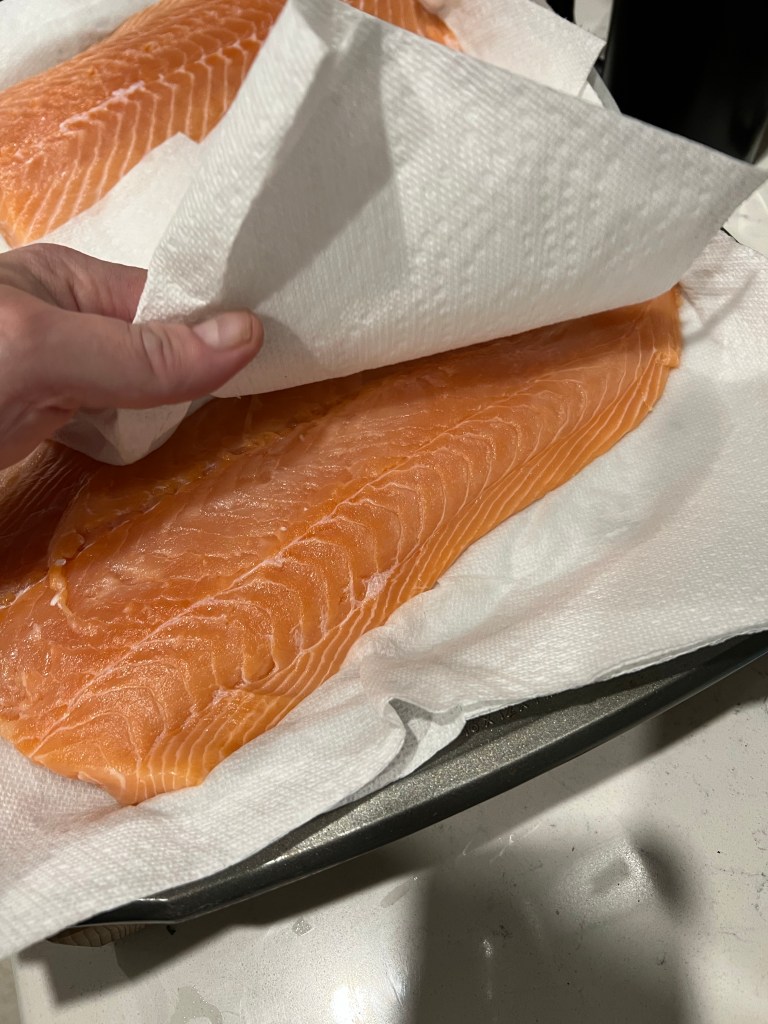
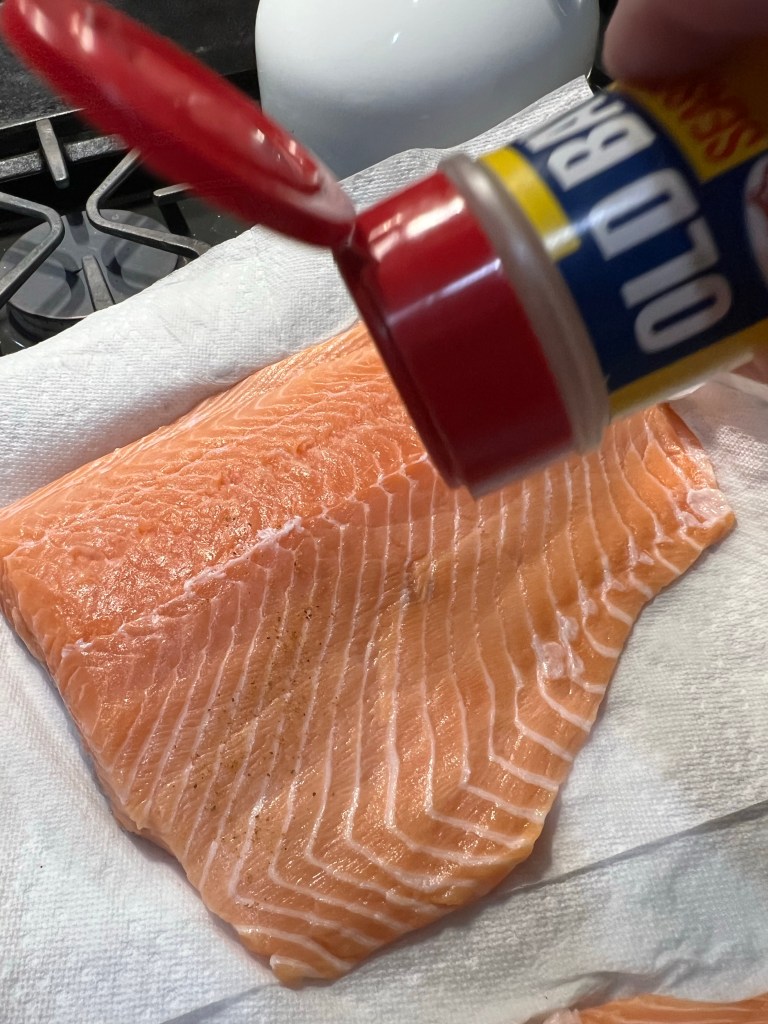
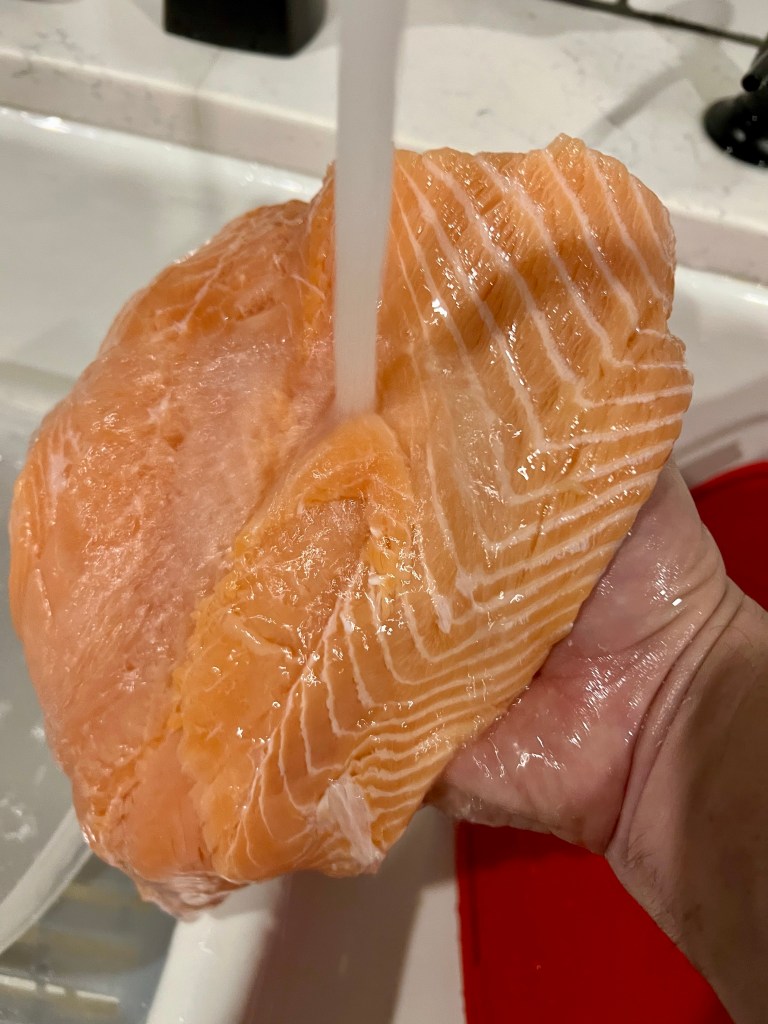
The next morning, remove the fish and rinse it thoroughly under cold water, gently massaging it for as long as five minutes to remove the bulk of the salt. Pat the fish dry with paper towels, then season to your taste. Because the brining inevitably leaves a good salt within, even after rinsing, I don’t use a heavy season. I give it just a light sprinkle of Old Bay.


Fire up the smoker

Smokers can be gas, electric or charcoal; I’ve always had charcoal smokers. I thoroughly spray the cooking grates with oil. The night before, I soak wood chips in water; this time it was apple wood, but other varieties work well, too. The wetness, I believe, helps to create more “flavored” steam in the cylinder. Though there is quite a bit of internet debate about the need to soak the chips.

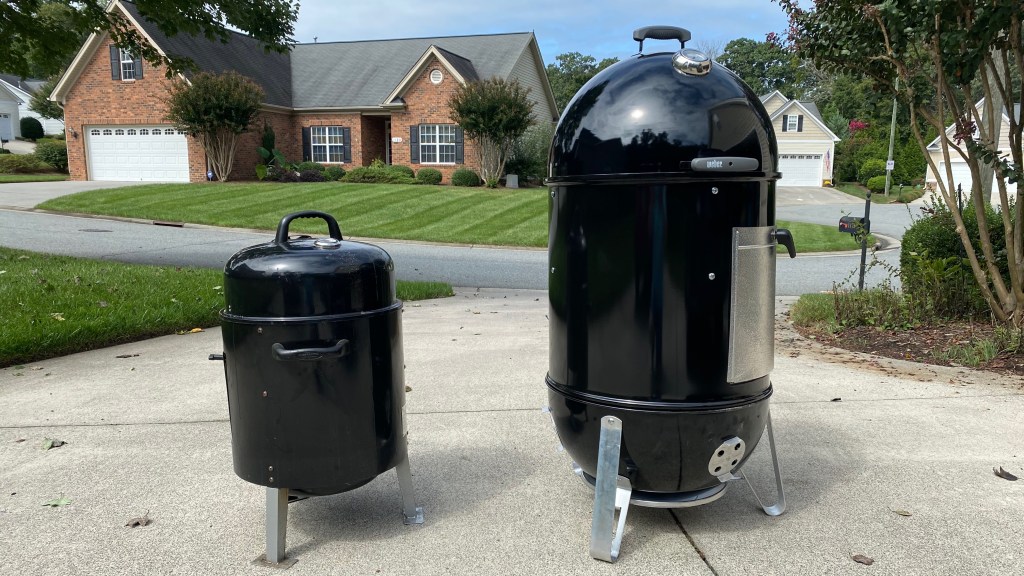
I fill my Weber smoker with enough lump charcoal to last for hours, not so much for the salmon, which can take as little as 90 minutes to 2½ hours depending on the thickness of the fillet, but for the additional food I put on the lower of the two cooking grates. Typically, I will smoke a pork shoulder, though I’ve done turkey, brisket, or pastrami in previous smokes. Next to the salmon on the top grate, we usually smoke sausages to serve as appetizers. Yes, this is one big smoker Terrie bought me for my birthday three years ago.

My new smoker is almost three times the size of my old one!

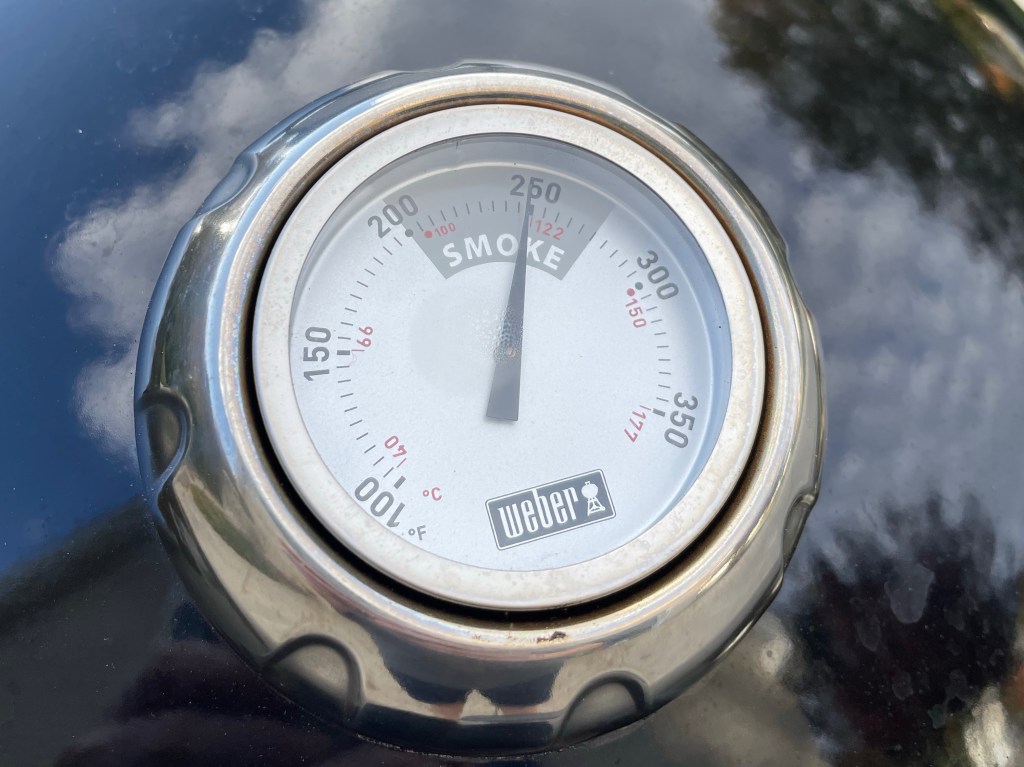
When the charcoal lumps have turned ash gray, I work quickly by adding the soaked wood chips on top, and then pouring a gallon of water into the pan below that, in effect, steams the foods as they smoke. For interesting flavor, I also add a half gallon of some other liquid— beer is my go-to, but this time, it was fresh-pressed apple cider. I put the pork shoulder on the lower grate, add the top grate and the salmon and sausages, and cover it. The smoker has a temperature gauge and several vents to control air flow and temperature. My smoker has a “smoke range” of 200° to 275° F, and the ideal is smack in the middle. I’ve learned to work the vents regularly through the cooking, and can typically now keep the smoker “in the range” for six hours, enough to cook most things through.

The sweet spot.

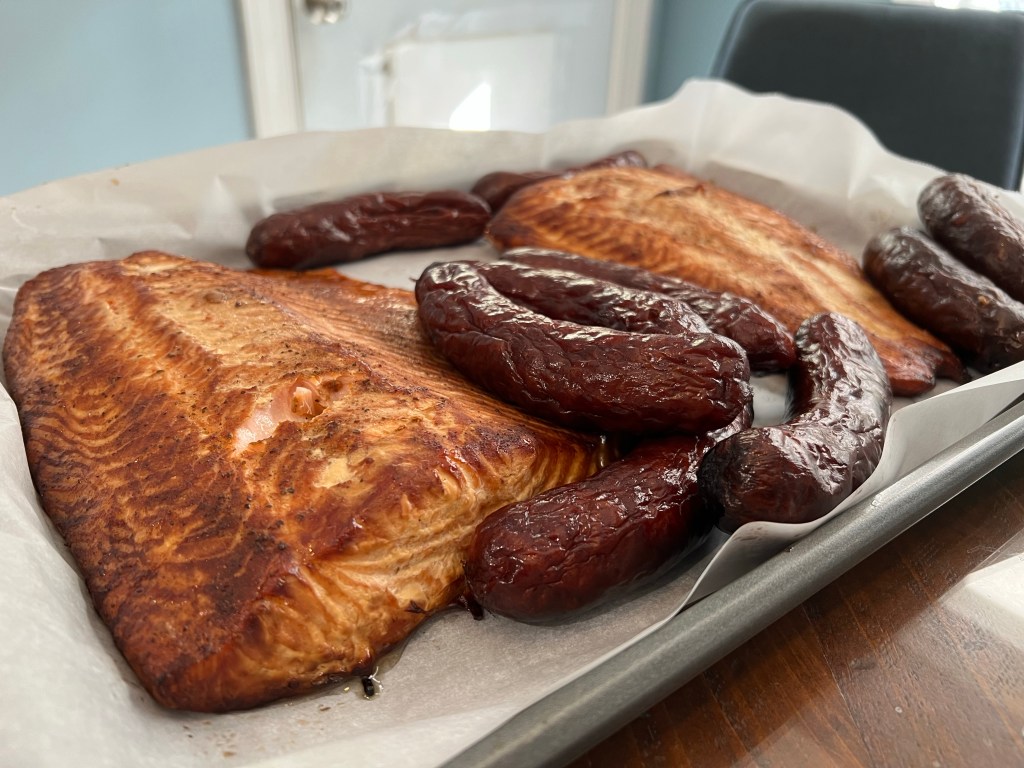
Occasionally, if I lose temperature before a pork shoulder or brisket are finished, we finish it in the oven at 300° F, wrapped tightly in heavy duty foil and roasted to desired tenderness. Salmon (and sausages) fortunately don’t take anywhere near that long. You know the fish and sausages are done just by sight. After an hour and 45 minutes with this cook, they were both ready.

Who’s hungry?

So many options for smoked salmon

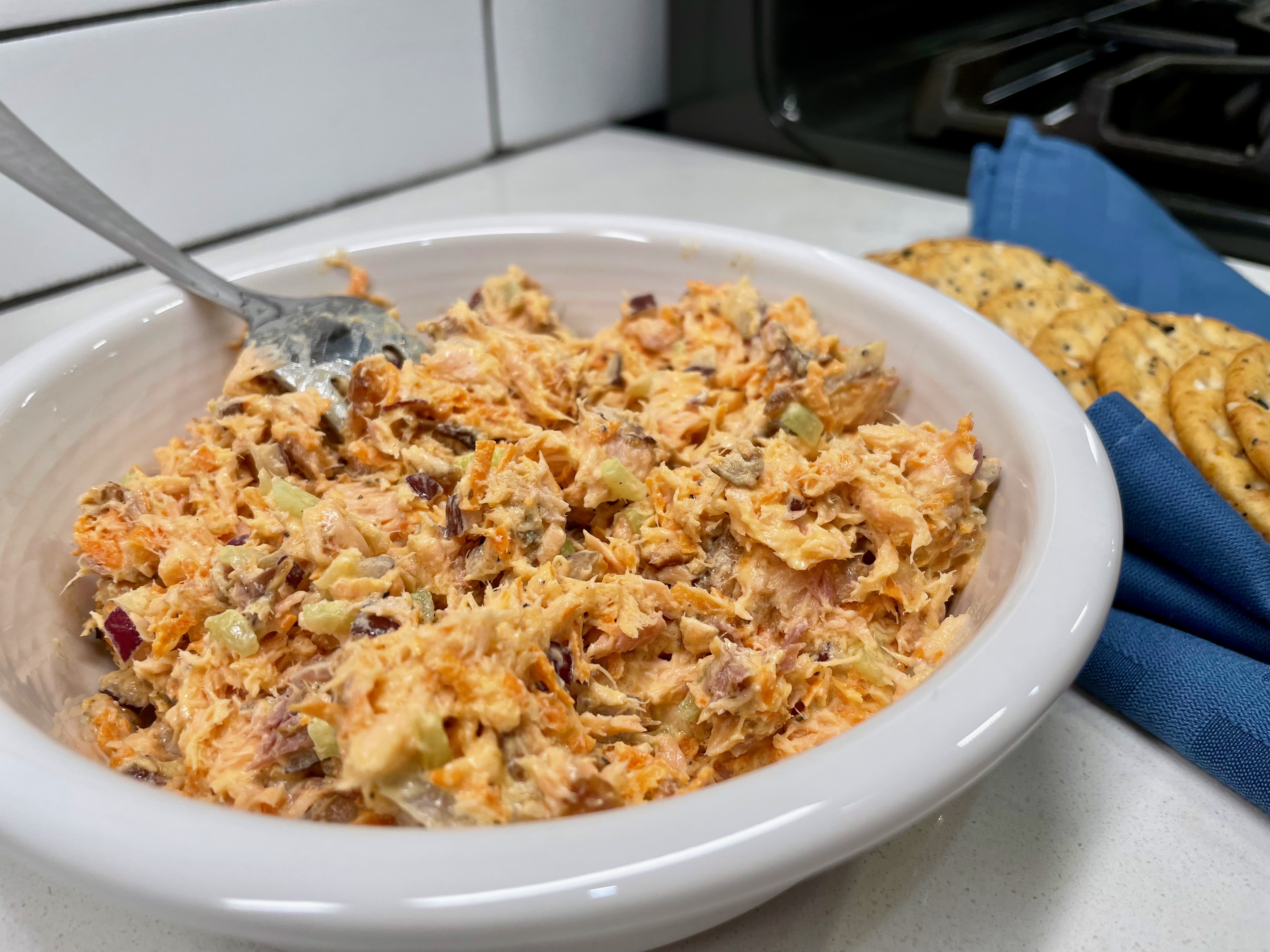
When it’s freshly cooked, Terrie and I could eat a whole salmon between us, it’s so delicious. But we refrain to a few nibbles because we usually have other good things in store for it. The smoked salmon is great on top of a mixed greens salad, and sometimes Terrie will incorporate it into a pasta dish with sautéed spinach and sun-dried tomatoes. But my personal favorite use for smoked salmon is right here in this bowl.

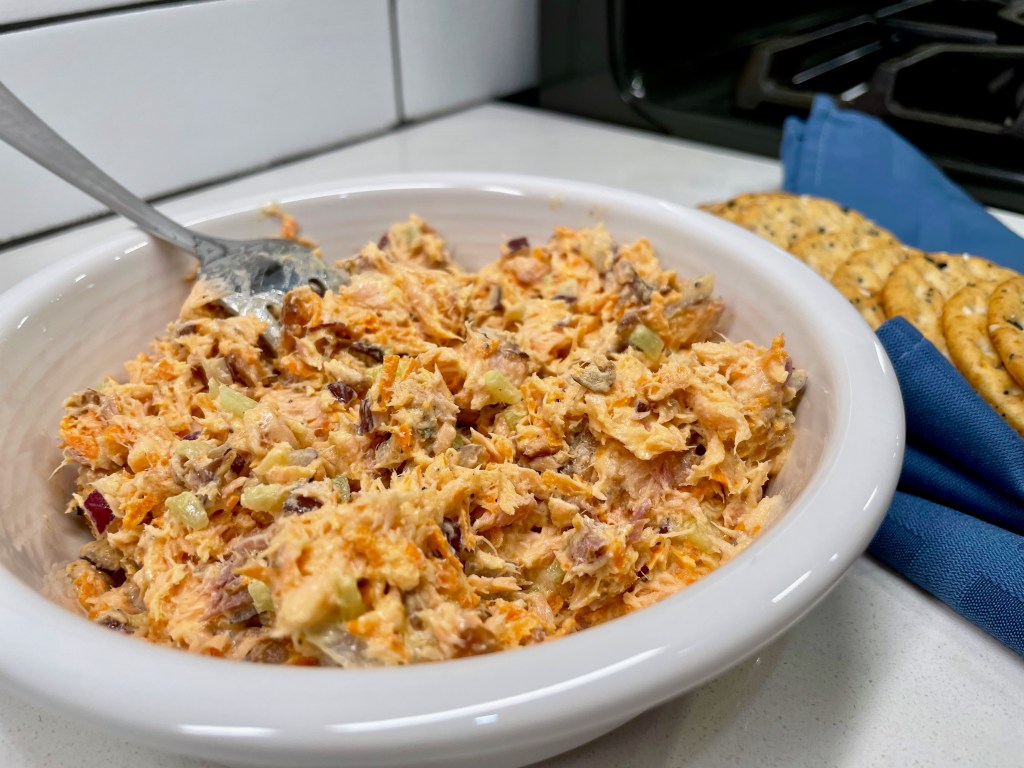
This salmon spread is so addictive.

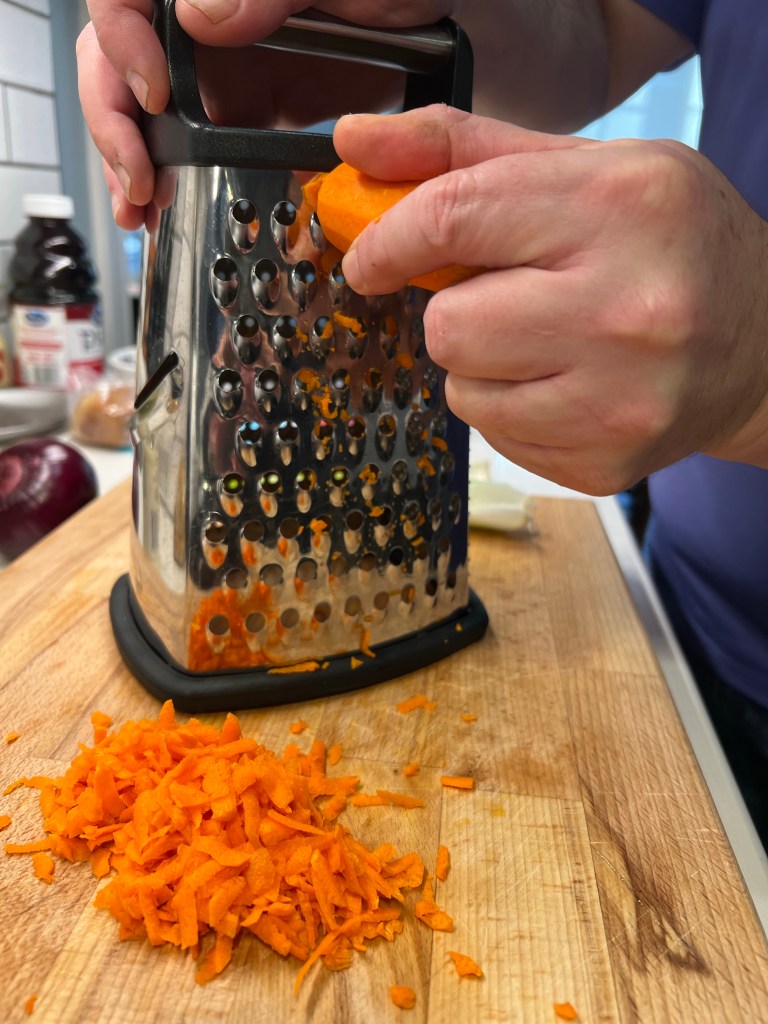
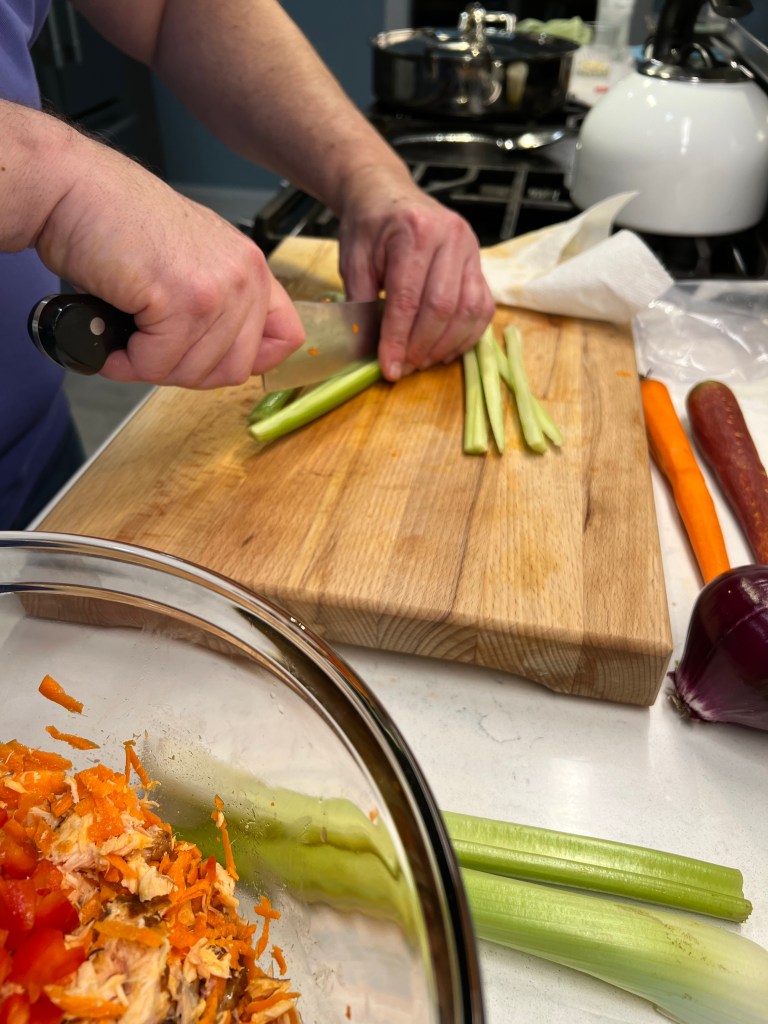
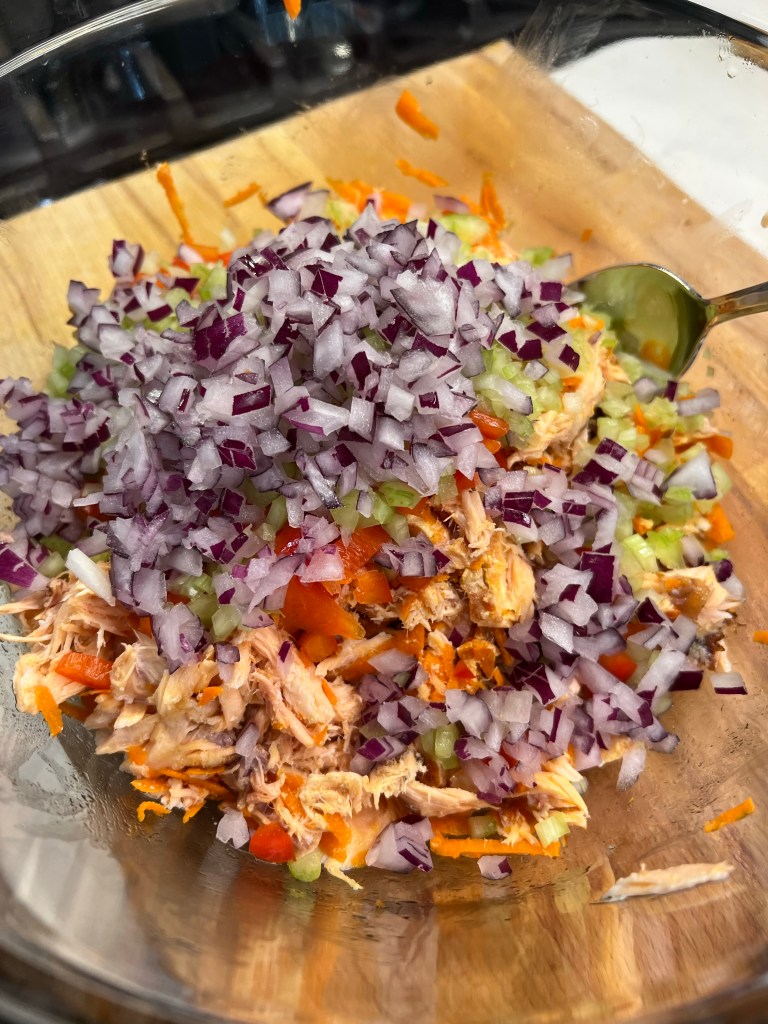
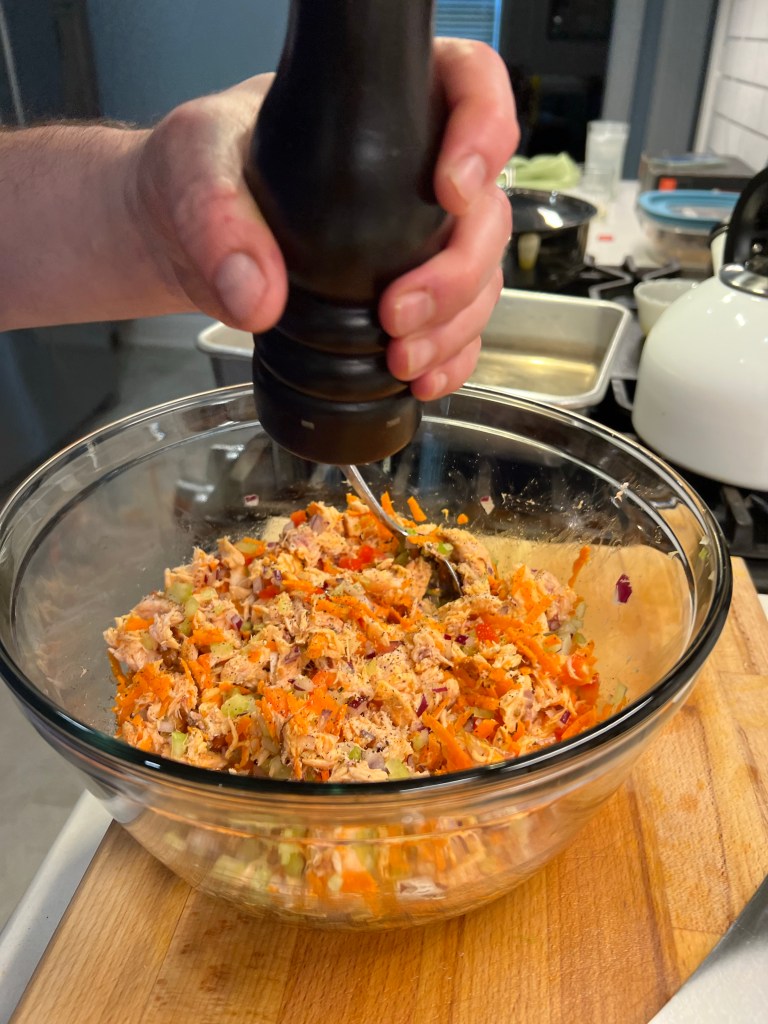
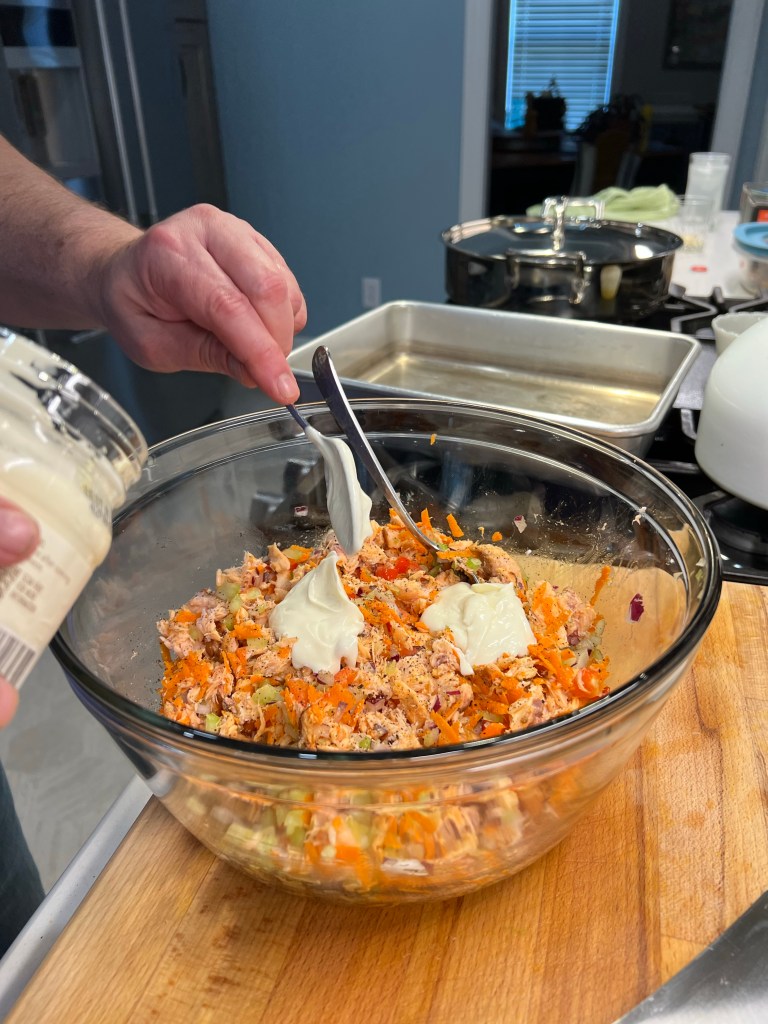
It starts with a nice chunk of the freshly smoked salmon, about a pound. Then, I dice up some red pepper, red onion and celery, and grate some carrot. Pepper to taste (salt usually isn’t necessary) and fold in just enough mayonnaise to moisten it. Mix it all together and refrigerate until ready to serve. We love it as a spread on crackers or pita chips, and it is fantastic (of course) on a bagel.


This salmon salad puts the store-bought variety of my youth to shame because it is chunky and not too laden with mayonnaise. Mainly, though, the difference is being able to smoke a fresh salmon rather than consuming a processed version. Of course, growing up in a New York City apartment building, I have to remind myself, it wasn’t like you could “fire up the smoker.” So if you have the space, the inclination and the smoker, have at it, friends.


Smoked Salmon Spread

  • Servings: About 12
  • Difficulty: Easy
  • Print

This salmon spread is a real crowd pleaser! It is very easy to make, and especially delicious when made from your own smoked salmon.


Ingredients


About 1 pound freshly smoked salmon (see note below)
1/2 red bell pepper, diced
1/2 medium red onion, diced
1 good sized carrot, peeled and grated
2 stalks celery heart, strings removed and diced
About 1/3 cup mayonnaise, just enough to moisten the mixture
A few twists of freshly ground black pepper

Note: This spread is made with “hot” smoked salmon that is cooked, not the lox-style cured salmon. If you do not smoke your own, consider purchasing this from a good delicatessen or check the packaging to be sure the salmon is fully cooked.

Directions

  1. Flake the salmon into a medium size mixing bowl. Add vegetables and toss gently.
  2. Fold in mayonnaise, a little at a time, until the mixture is moistened enough to hold together. Season to taste.


Simple Citrus-Soy Baked Salmon

My husband and I have a regular game we like to play, and it usually starts about 2 pm when I text to ask whether he has any particular cravings for that evening’s dinner. And then I cross my fingers in hope that he doesn’t give me the dreaded response.

“Something simple,” he’ll frequently say. 

And then I really don’t know what to feed him, because what does that even mean? My experimentation in the kitchen more often leads me into complex outcomes rather than simple ones. I would rather he ask for soup and salad or grilled cheese or takeout than the nebulous “something simple.” I don’t know why this throws me for a loop, but I usually stand befuddled, the same as when I ask him what Friday night cocktail he wants, and he says, “surprise me.”

I’m trying to get better about this, and occasionally I find inspiration amid the ingredients I already have in the fridge. And that’s what happened with this vibrant dish that turned out to be simple not only in ingredients but also preparation.


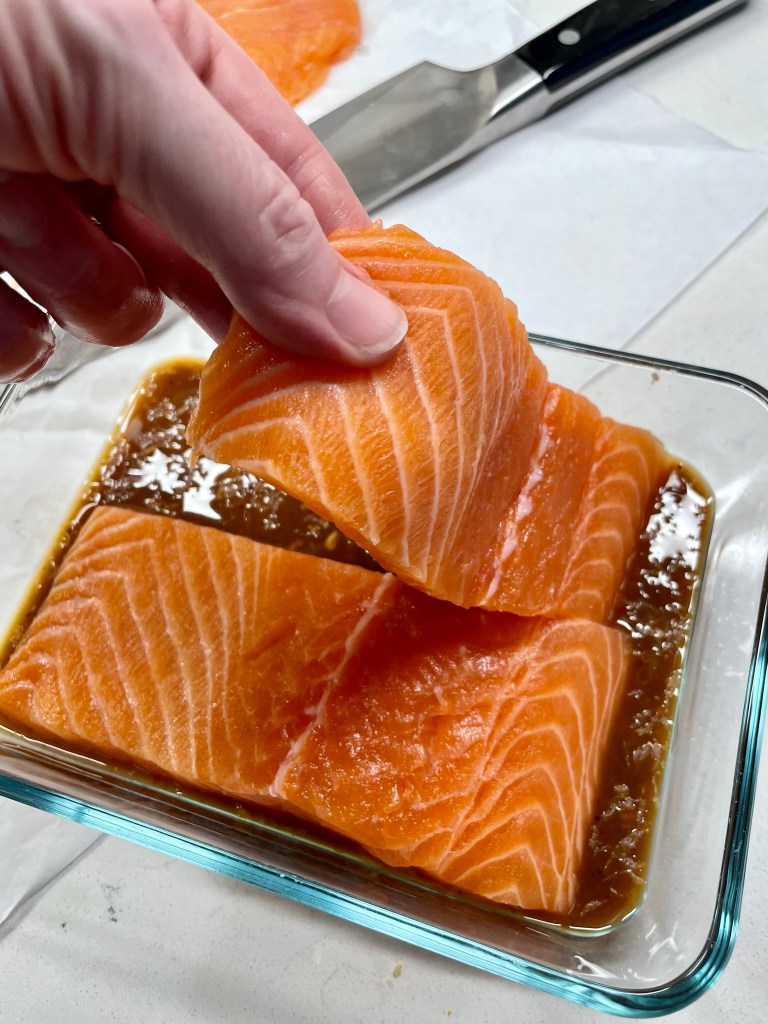
What makes this recipe simple is that the marinade— which ultimately becomes a glaze in the oven— is made from common ingredients that I found in the refrigerator: freshly squeezed orange juice (thanks to a navel I forgot was in there), a bit of marmalade, horseradish, soy sauce and honey. To add a little extra something without extra effort, I decided to add a spoonful of dried onion to the marinade. The bits plumped up quite a bit during the 45 minutes the salmon soaked in its flavor bath, and it added onion flavor without the bite of fresh onions.


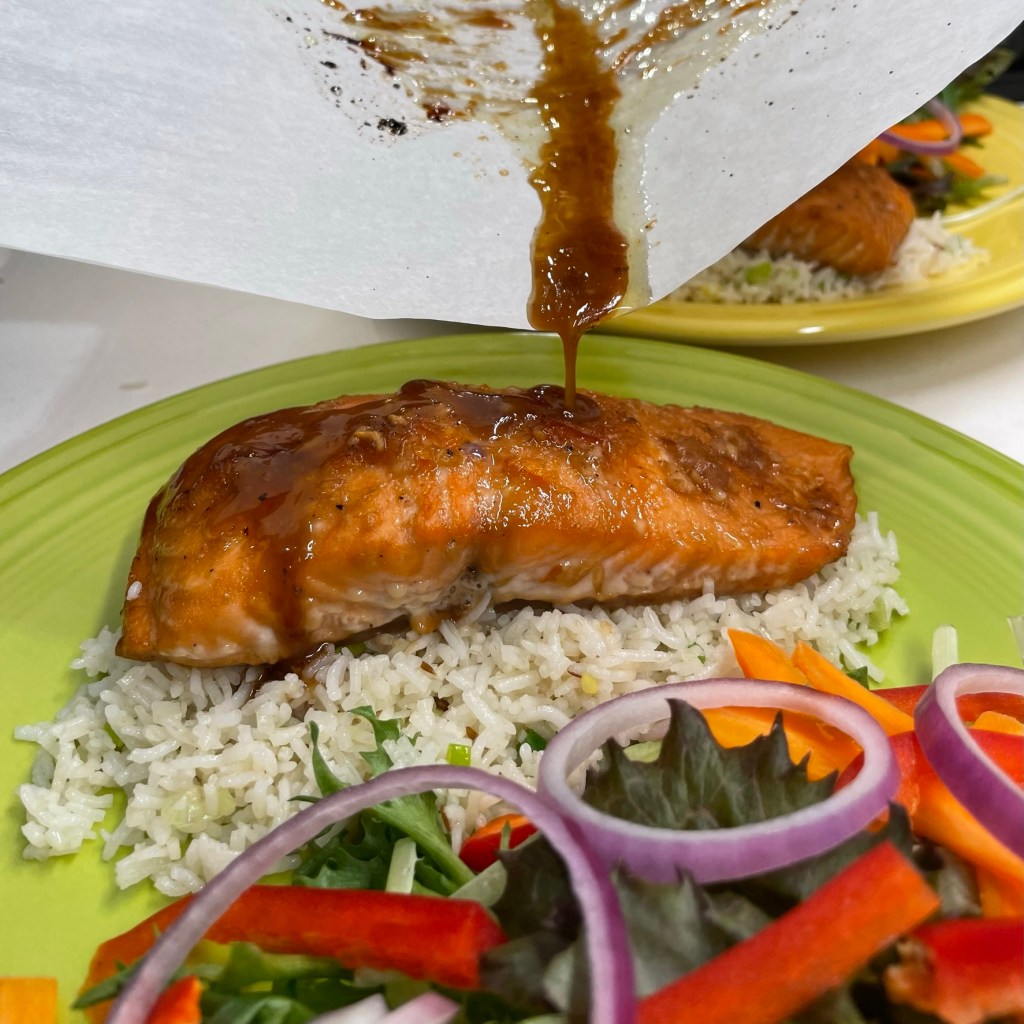
I’m struggling to find something else to explain about this dish, but that’s honestly it. Mix the marinade, soak it and then bake it. The oven takes care of the rest, turning the marinade into a somewhat sticky glaze that pairs well with just about anything. The flavors of the marinade do a balancing act between sweet, savory and salty. I served our salmon on a bed of basmati rice (leftovers from Indian takeout), with a sprinkling of sliced scallions and sesame seeds, plus a fresh and pretty side salad.


Hubby was right, as usual— simple is good!

Easy Citrus-Soy Baked Salmon

  • Servings: 2 or 4, depending on weight of salmon
  • Difficulty: So easy!
  • Print

From the prep to the ingredients to the cooking, everything about this dish is simple but the flavors are fantastic! The marinade is enough for a pound of fresh salmon, but please use the same amount even for a lesser weight of fish.


Ingredients

  • Up to 1 pound fresh salmon fillets, skin removed
  • Juice and zest of navel orange
  • 1 Tbsp. low-sodium soy sauce (or tamari for gluten free)
  • 2 Tbsp. orange marmalade
  • 2 tsp. horseradish
  • 1 Tbsp. honey
  • 1/2 tsp. minced, dried onion
  • Kosher salt and black pepper
  • Cooked rice, for serving
  • 2 scallions (white and green parts), thinly sliced
  • Sesame seeds for serving

I removed the skin from our salmon before cooking, but this really was not necessary; it was just me trying to make it “not simple.” After baking, the fillets will easily pull away from the skin, so it’s cook’s choice.

Directions

  1. Whisk together all marinade ingredients. Pat salmon fillets dry with paper towels. Sprinkle them with salt and pepper.
  2. Pour marinade into a shallow dish that is large enough to hold the salmon fillets. Add salmon, turning a few times to ensure even coverage. If preferred, marinate in a plastic zip-top bag for easy turning. Allow salmon to marinate at least 30 minutes, or up to 45 minutes.
  3. Preheat oven to 350F, with oven rack in center position. Line a baking sheet with parchment.

  4. Transfer salmon fillets to parchment, spooning the marinade (especially marmalade peels and onions) over the top of the fish. Bake for 20 to 25 minutes, depending on thickness of salmon and preference for doneness.
  5. Arrange fillets on plates with desired sides and sprinkle with scallions and sesame seeds. Serve at once.


Honey-Mustard & Onion Pretzel Crusted Salmon

My husband, Les, and I love taking road trips, and since COVID began, that’s how we have done all of our travel. Our trips may be lengthy, like our 10-day tour of Jersey, Connecticut and New York back in 2021, or quick weekend getaways to one of our beautiful North Carolina beaches. Regardless of length and destination, our trips all have a few things in common; we always have good music and snacks for the drive.

And then, there’s the ritual of departure from our home, which for me always goes something like this:

  • Load our main bags into the car (Les does this part, and I do the rest) 
  • Do a walk-through of every single room of the house to be sure we aren’t forgetting something important
  • Set out instructions for the pet sitter
  • Give the dog a pat on the head and tell her she’s in charge of the house while we’re away
  • Wink at the cat, who knows she’s actually going to be in charge
  • Do another walk-through of the house to be sure nothing electric is plugged in
  • Make a quick trip to the bathroom
  • Confirm with husband that my bag is already in the car
  • Double check on pet supplies to be sure my notes for the sitter match what’s in the cabinet
  • Argue with husband, who keeps yelling from the garage to “COME ON!”
  • Confirm the front door is locked
  • Get in the car (finally)

My backpack goes behind Les’s seat (so I can reach it), and it usually includes a couple of food magazines, my iPad, laptop, charger cables, bottled water and whatever road snacks Les picked up at the convenience store when he stopped to gas up the car. All of this, even for a four-hour car ride!

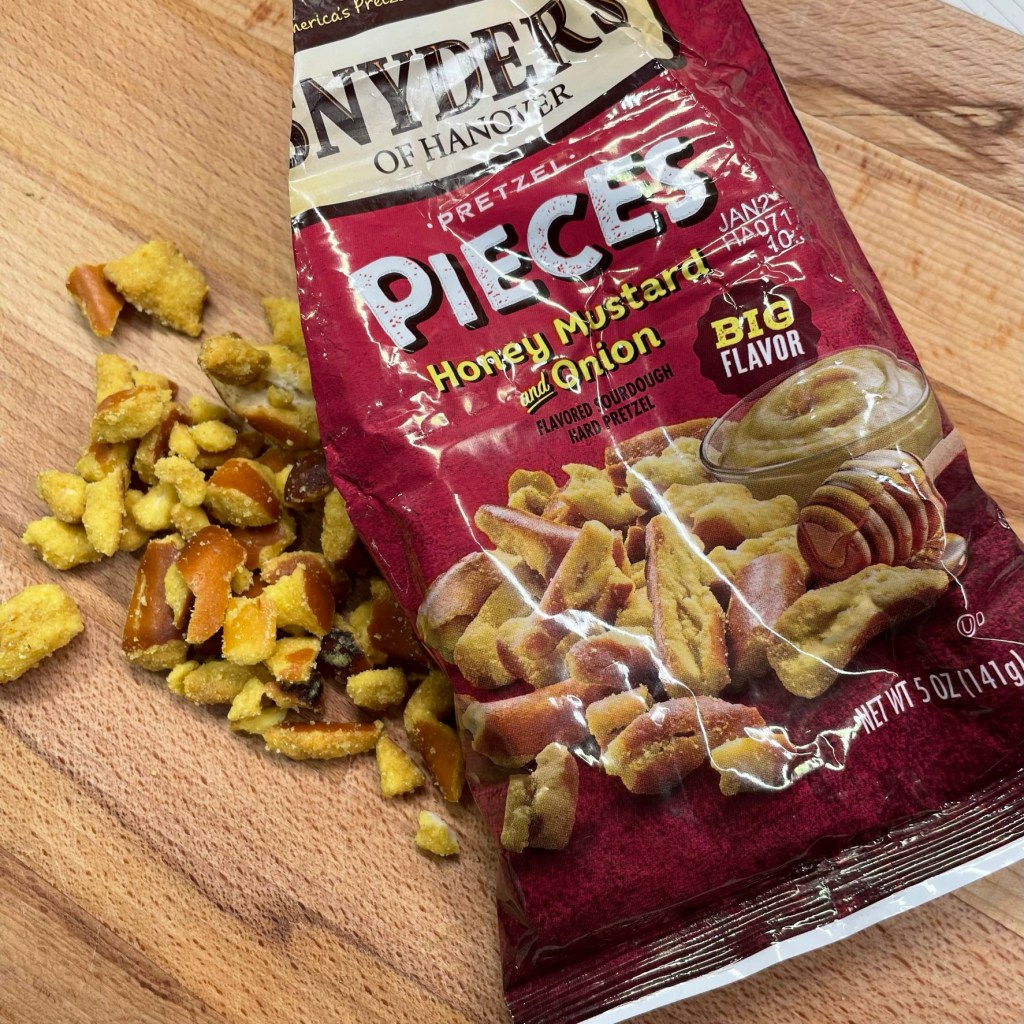
When we make one of these road trips, we throw dietary caution to the wind and load up on some junky snack foods that we would never eat any other time. I mean, junk— like pizza-flavored Combos, cheap chocolate bars, bold and zesty Chex mix, or these honey-mustard and onion pretzel pieces (one of my faves). 

I’d never eat these at home, but they always taste so good in the car!

I have no good excuse for loving these things. It’s the kind of ultra-processed snack I avoid 99% of the time. But I was raised to waste nothing, so after we get home from wherever we went, I don’t want to just throw the remains away. The leftover candy might go into Les’s lunchbox during the work week, but in the case of pretzels, chips or crackers, I can almost always crush them up and use them to coat a piece of fish or chicken.

The pretzel bits got so crunchy in the oven, and these flavors worked great with salmon!

The balance of sweet honey, salty pretzel and savory mustard works really well on salmon fillets, and it’s easy to prep this and pop it into the oven while you steam or pan fry a side vegetable. In past times, I’d simply brush a little bit of mayonnaise onto the fish before pressing it into the pretzel crumbs, but I’ve invested some time this past year learning new culinary techniques. I’ve made no secret of my crush on Kenji López-Alt for the scientific approach he takes in the kitchen, and his technique that I call the “miraculous mayo marinade” has become one of my go-tos.


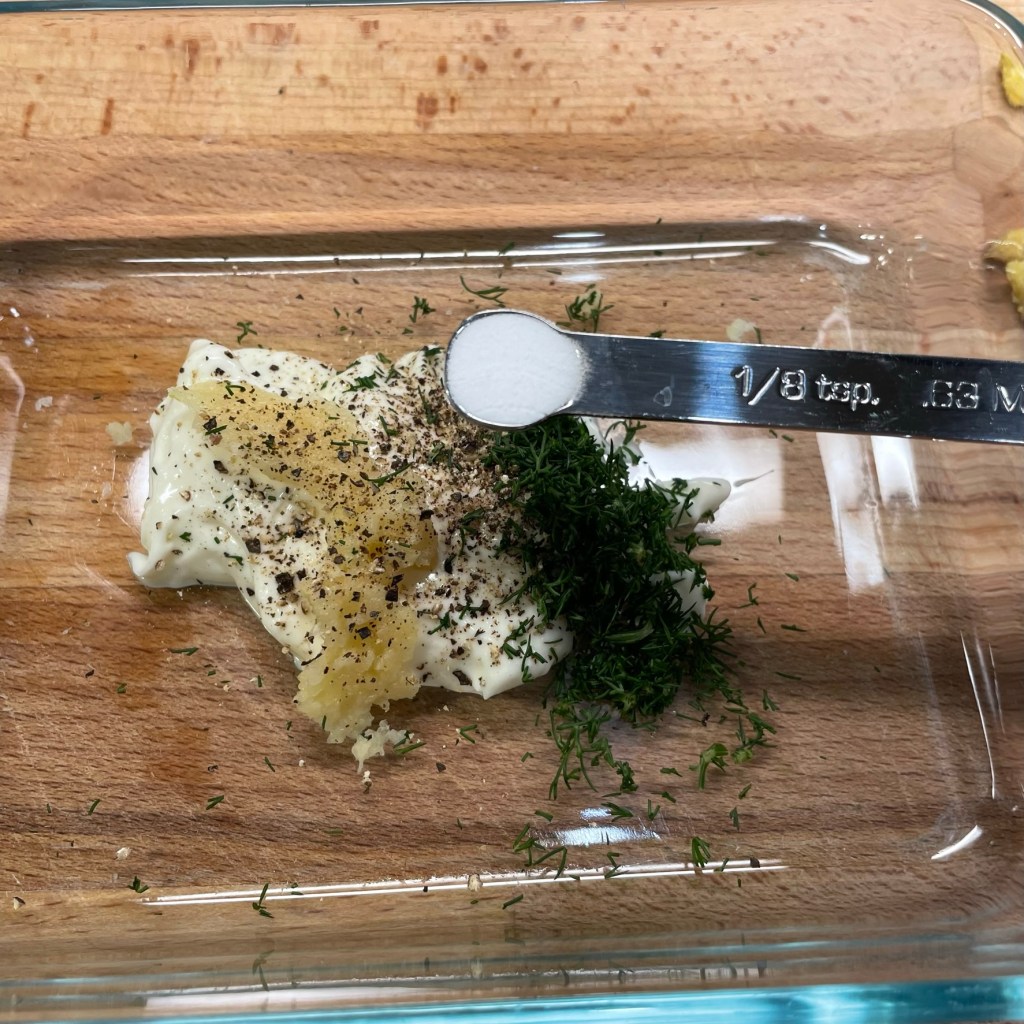
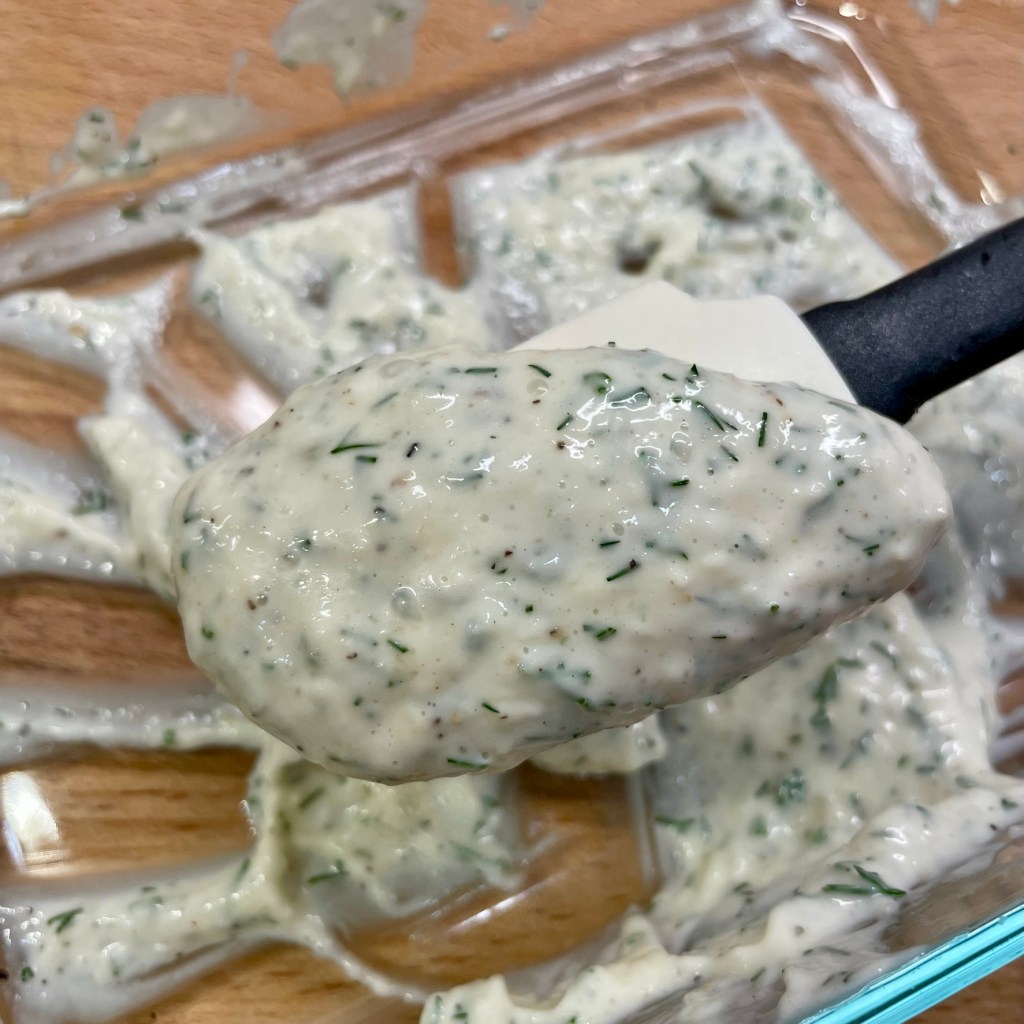
A tiny bit of baking soda added to a seasoned mayonnaise mixture creates a chemical reaction that delivers more flavor into the protein you coat with it, and also helps to keep the protein (in this case, salmon) super moist and juicy after cooking. I used this simple chemistry trick to infuse my skinless salmon fillets with fresh garlic and dill, then I pressed both sides of the salmon into the crushed remains of the honey-mustard and onion pretzels. 


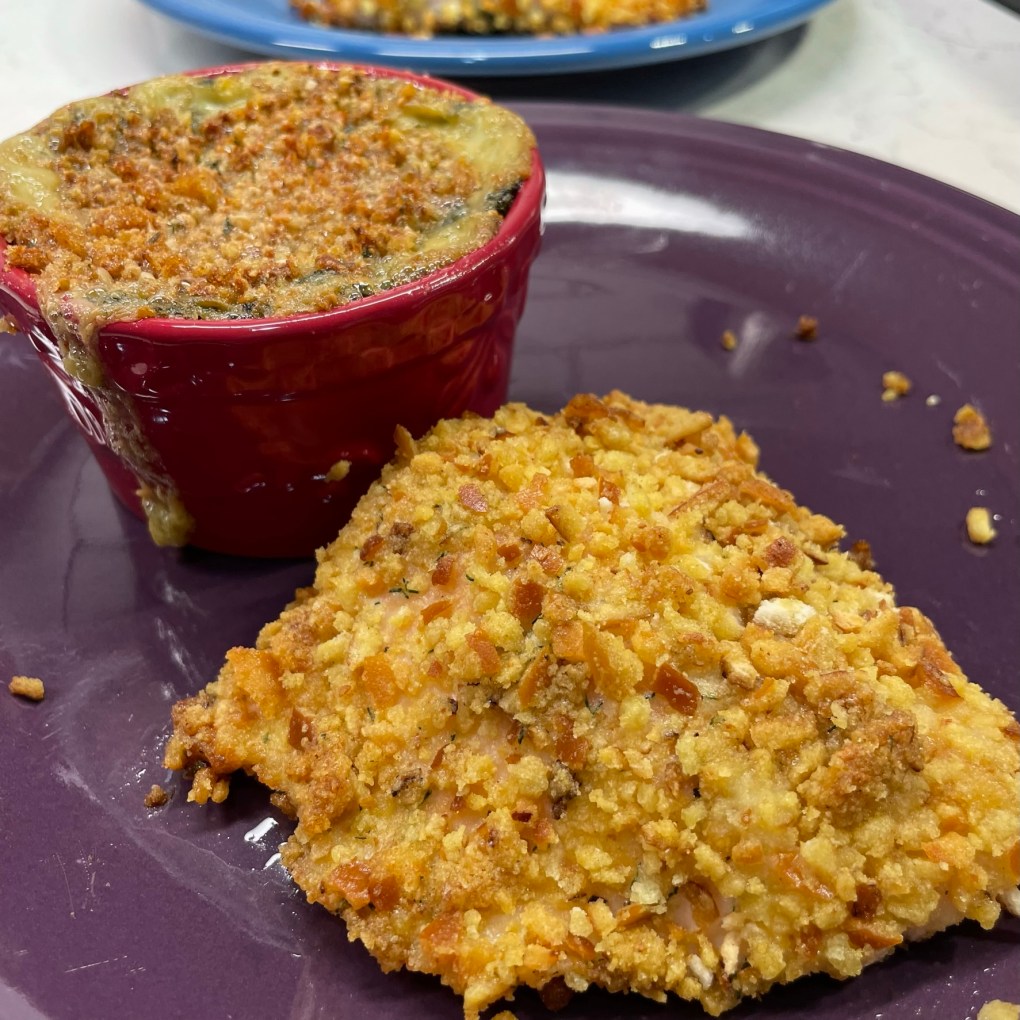
About 20 minutes in the oven, and the salmon emerged with a golden, crunchy coating and moist, juicy interior. The fresh dill in the marinade was a perfect complement to the tangy mustard in the pretzels, and the flavor was so tantalizing, it may be tough for me to wait until our next road trip to make it again!


Honey-Mustard & Onion Pretzel Crusted Salmon

  • Servings: 2
  • Difficulty: Easy
  • Print

This recipe is very simple, and makes the best use of the crumbs at the bottom of a snack food bag. If you don't have these pretzels, try it with tortilla or potato chips!


Ingredients

  • 2 portioned fillets of salmon, skin removed
  • 1/4 cup mayonnaise
  • 2 cloves fresh garlic, grated on microplane
  • Salt and pepper
  • 1 tsp. fresh dill, chopped
  • 1/8 tsp. baking soda
  • 1/2 cup honey-mustard and onion pretzel pieces

Directions

  1. Preheat oven to 350 F, with oven rack in center position. Line a baking sheet with parchment or a silicone liner.
  2. Combine mayo, garlic, dill, salt and pepper in a small bowl. Add baking soda and stir for a few seconds to ensure it’s evenly distributed in the marinade.
  3. When the mayo mixture appears frothy and bubbly, spread it evenly over both sides of the salmon, and let the salmon rest for about 20 minutes.
  4. Place pretzel pieces inside a paper bag or between layers of parchment. Use a rolling pin to gently crush the pieces into smaller pieces, but not to the point of powder. Spread the crumbs out onto a plate or the parchment. Press the salmon into the crumbs on both sides.

  5. Arrange salmon fillets onto lined baking sheet. Scatter any leftover crumbs onto the salmon pieces and gently press to adhere.
  6. Bake for 20 to 25 minutes, depending on size and thickness of salmon fillets.


Baked Salmon with Creamy Dijon Sauce

What a week! Things have been a bit upside-down at our house, as my husband and I are now in week five of our master bath remodel. It isn’t clear to me how a room half the size of the kitchen can take longer to overhaul, but we are assured that the end of the month will bring light at the end of the tunnel. I’m sure ready to get back to normal, though “normal” itself is different with the change of season. Can I get an “achoo?”


The weather is warming, my car is predictably covered in yellow pollen, all the flowers are blooming and the bees are buzzing (literally). Yesterday, as I chatted with a neighbor in the warmth of the afternoon, we heard a humming sound that became increasingly loud as we talked. It was not the sound of the nearby wet saw grinding away at the large porcelain tiles that will grace the walls of our new, walk-in shower—no, this sound was much closer and sounded like a chaotic symphony of the natural sort. To be honest, it felt and sounded a bit ominous, as if the wind carried a warning. I finally looked up to realize that an enormous swarm of bees was on the move! In all my years, I had never before witnessed such a sight, and it was something to behold. Thankfully, they kept moving!


Easter arrives this weekend, and for the occasion, I’ll be making a couple batches of homemade Moravian Sugar Cake this evening and tomorrow morning. And then, with the Friday evening arrival of Passover, all leavened baked goods will be “off the table” for a week (plus a day). That is a big test of my willpower, and I will probably try to satisfy my cravings virtually by sharing a previously made bread recipe (or two).

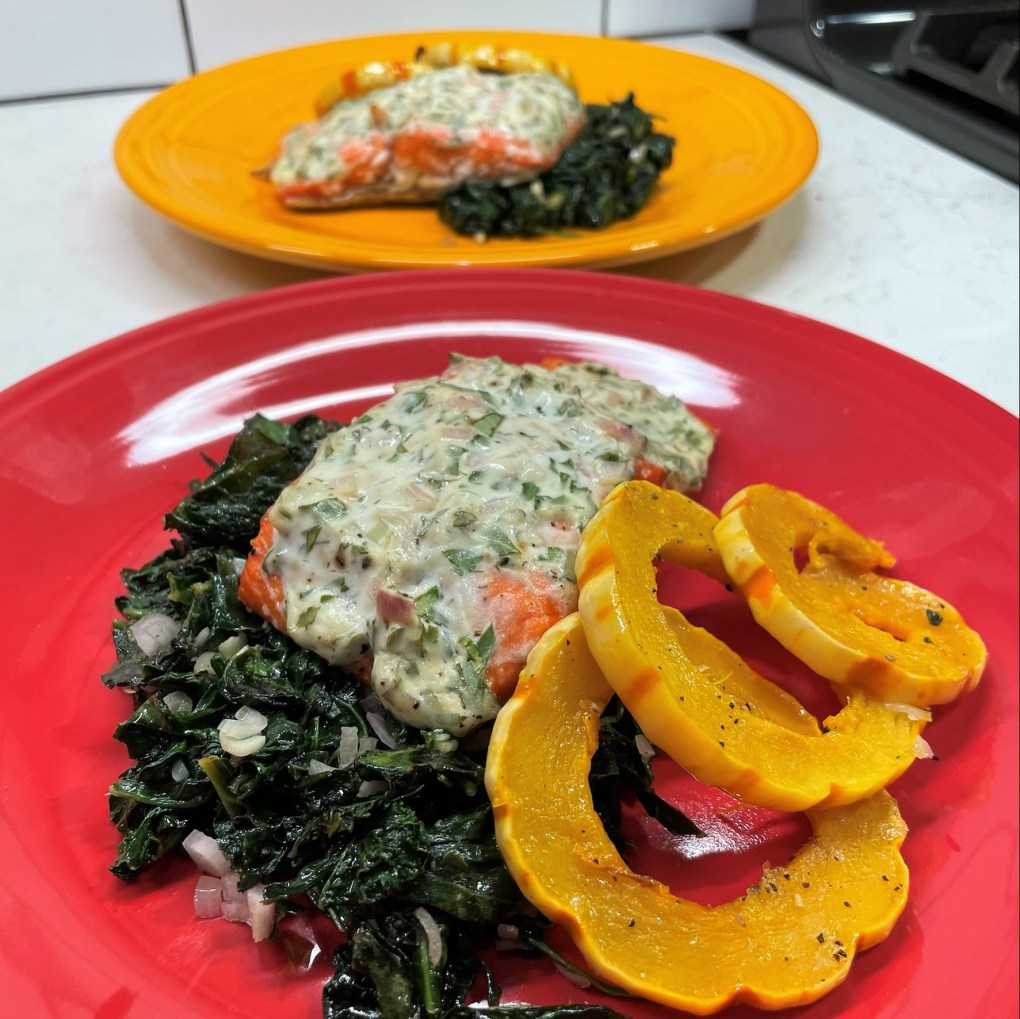
In the meantime, here’s a delicious and healthful seafood recipe that fits the bill for the final Friday of Lent or for a simple Passover meal for the coming week. When I made this dish a few months ago, it was a good reminder for me that a meal does not have to be complicated to seem elegant. The creamy Dijon-spiked sauce has a dual role; first, to coat the salmon during baking (which keeps it delightfully moist) and, second, a reserved amount can be dolloped onto the plate for dipping as you enjoy each bite. I like wild or sustainably farm-raised salmon for this recipe, but arctic char or steelhead trout would be equally delicious, and it only takes 30 minutes, start to finish—perfect at the end of a hectic “here comes spring” week!


Ingredients (serves 2)

2 fillets salmon (about 6 oz. each, skin-on is fine)

Creamy Dijon Sauce

1/3 cup sour cream (or Greek yogurt, if you prefer)

1 tsp. Dijon mustard* (see note below)

1 small shallot, finely chopped

2 tsp. fresh dill, finely chopped (or about 1/2 tsp. dried dill)

A small handful of fresh, flat-leaf parsley, chopped

Juice of 1/2 small lemon

Kosher salt and black pepper to taste


*Notes

If you will be making this dish for Passover, omit the Dijon, as mustard is not considered kosher for Passover, especially in Ashkenazi Jewish culture. I’m still learning the rules, and though we don’t follow all of them at our house, I would hate to lead someone else astray of acceptable standards. This will be delicious, even without the mustard.


Instructions

  1. Preheat oven to 350° F. Prepare a baking sheet, lined with parchment or silicone liner.
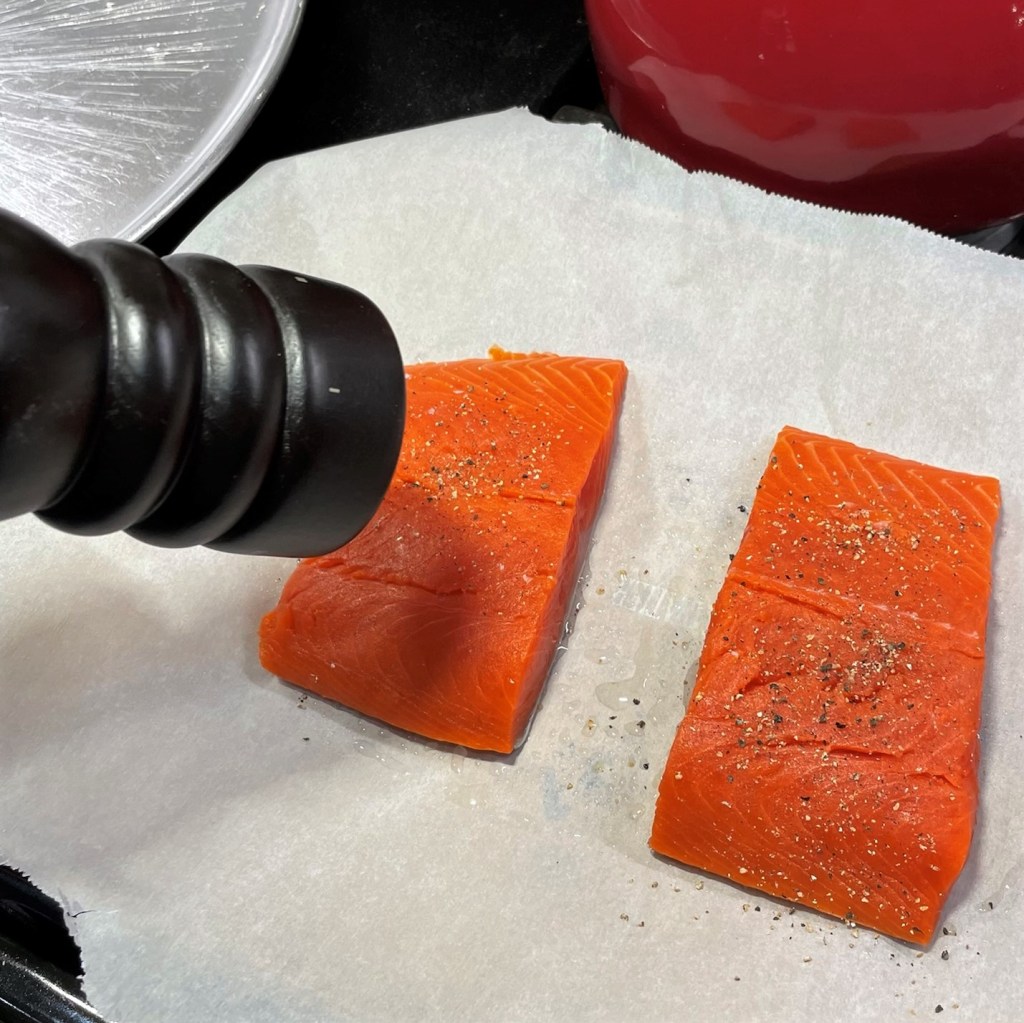
  2. Pat salmon fillets dry with paper towels. Season each with salt and pepper.
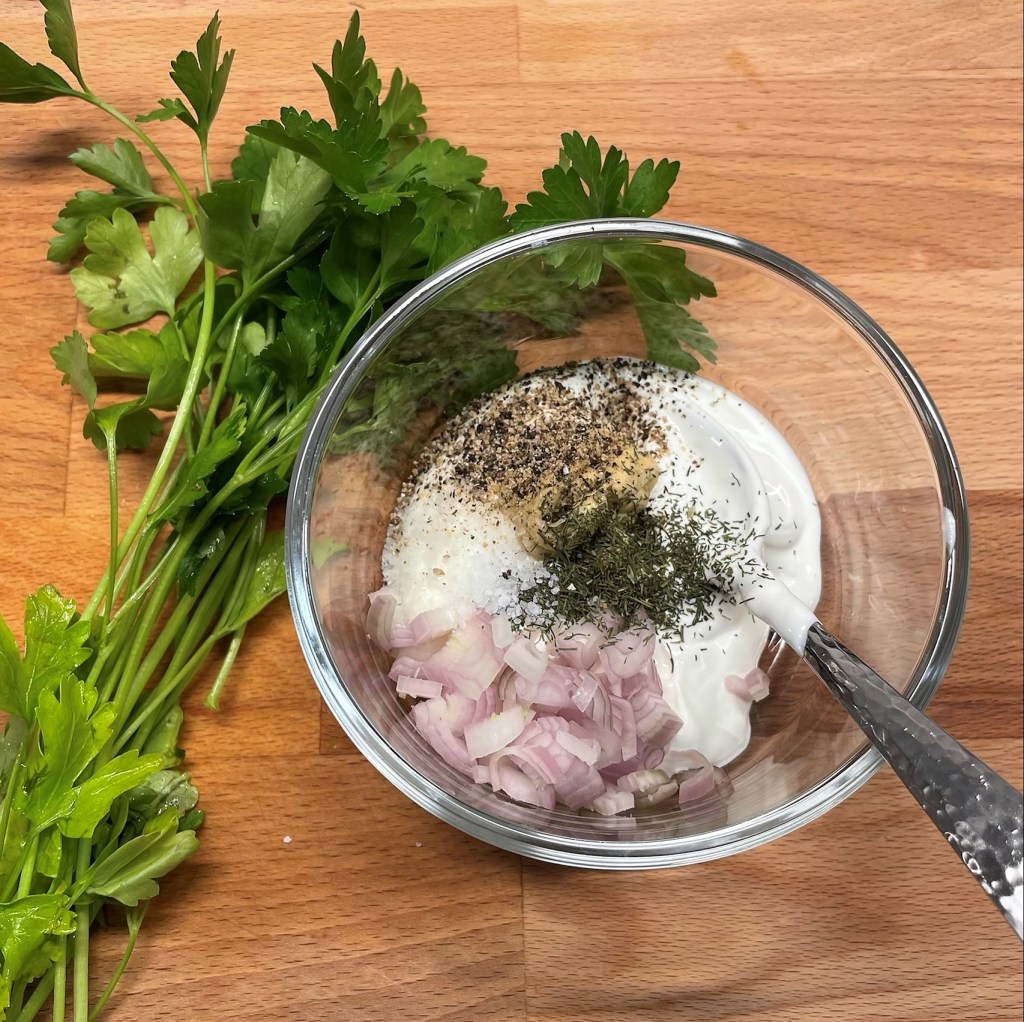
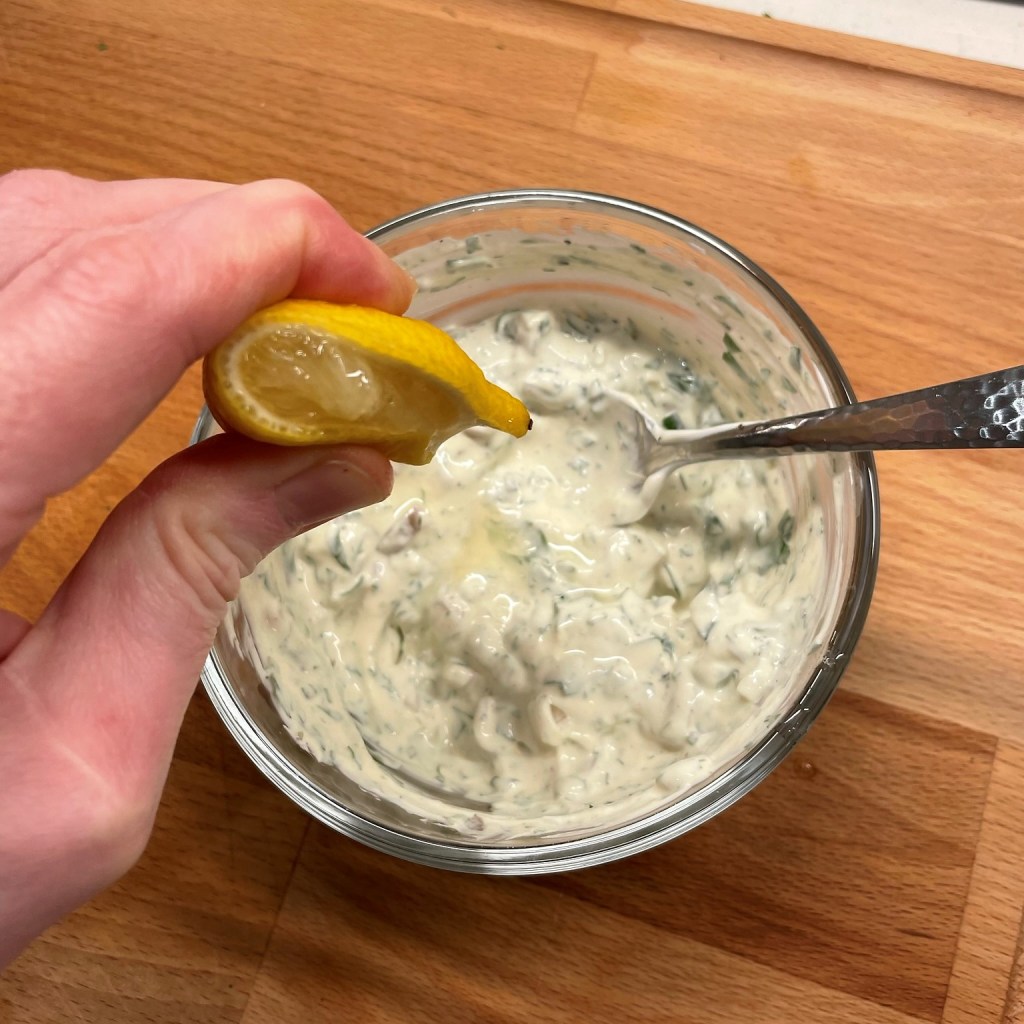
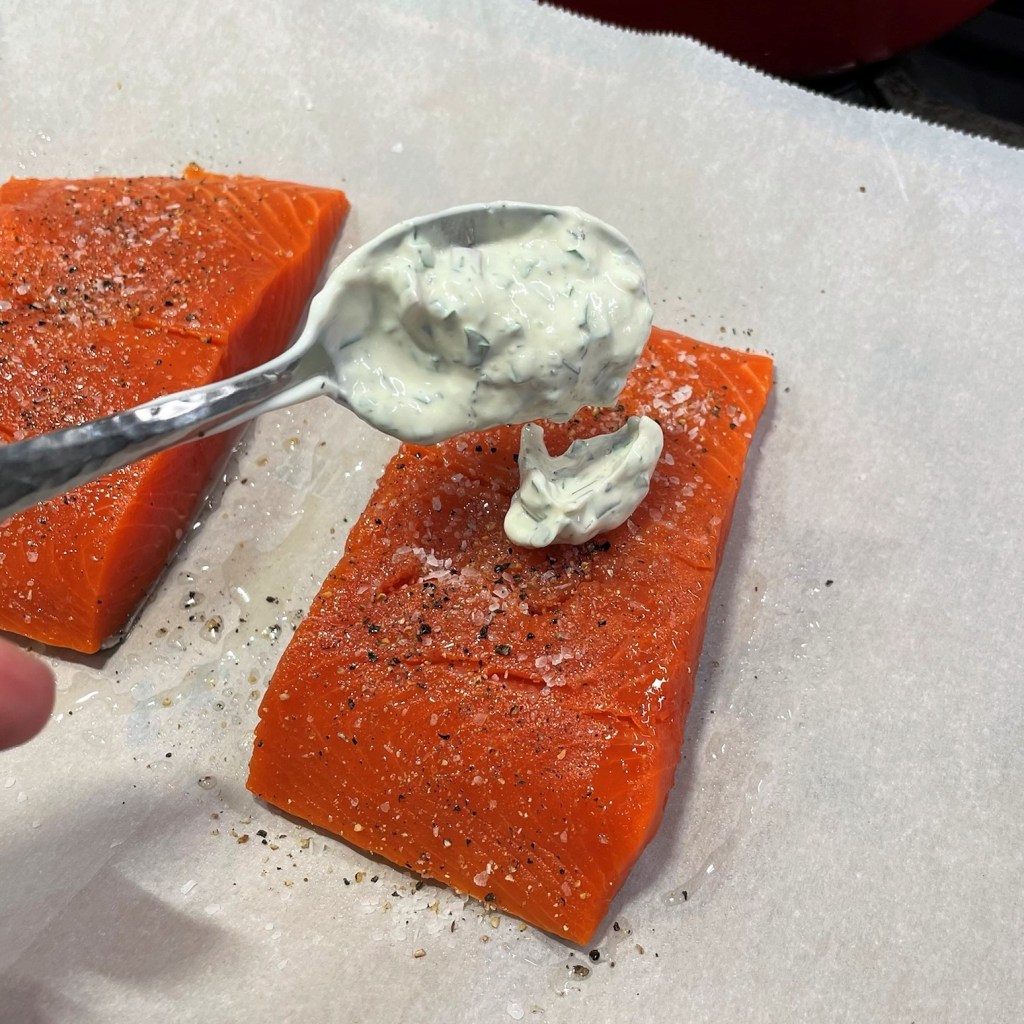
  3. Stir together the sour cream, Dijon, shallots, dill and parsley. Squeeze in lemon juice and stir to combine. Adjust salt and pepper to taste.
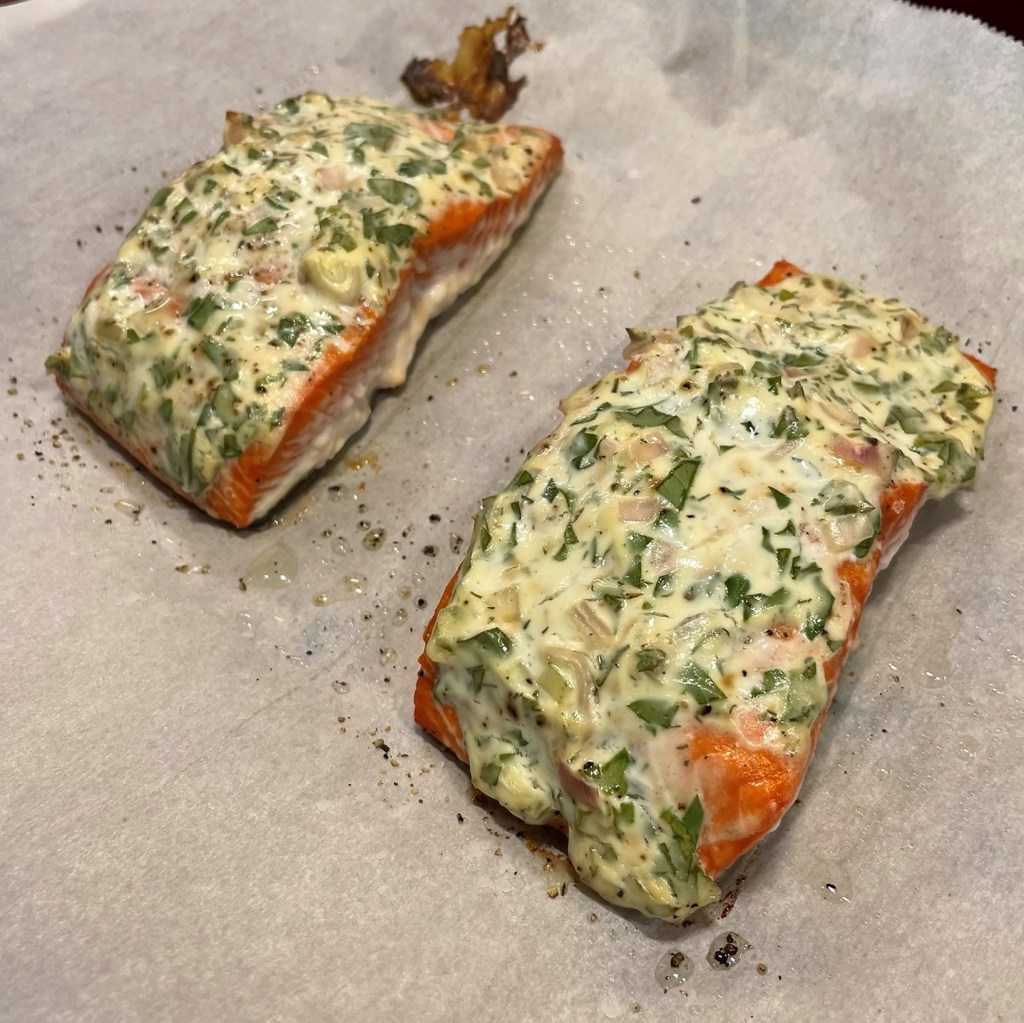
  4. Spread the creamy Dijon sauce generously over each fillet, reserving a few tablespoons for serving later. Bake for 25 minutes, or until salmon flakes easily.

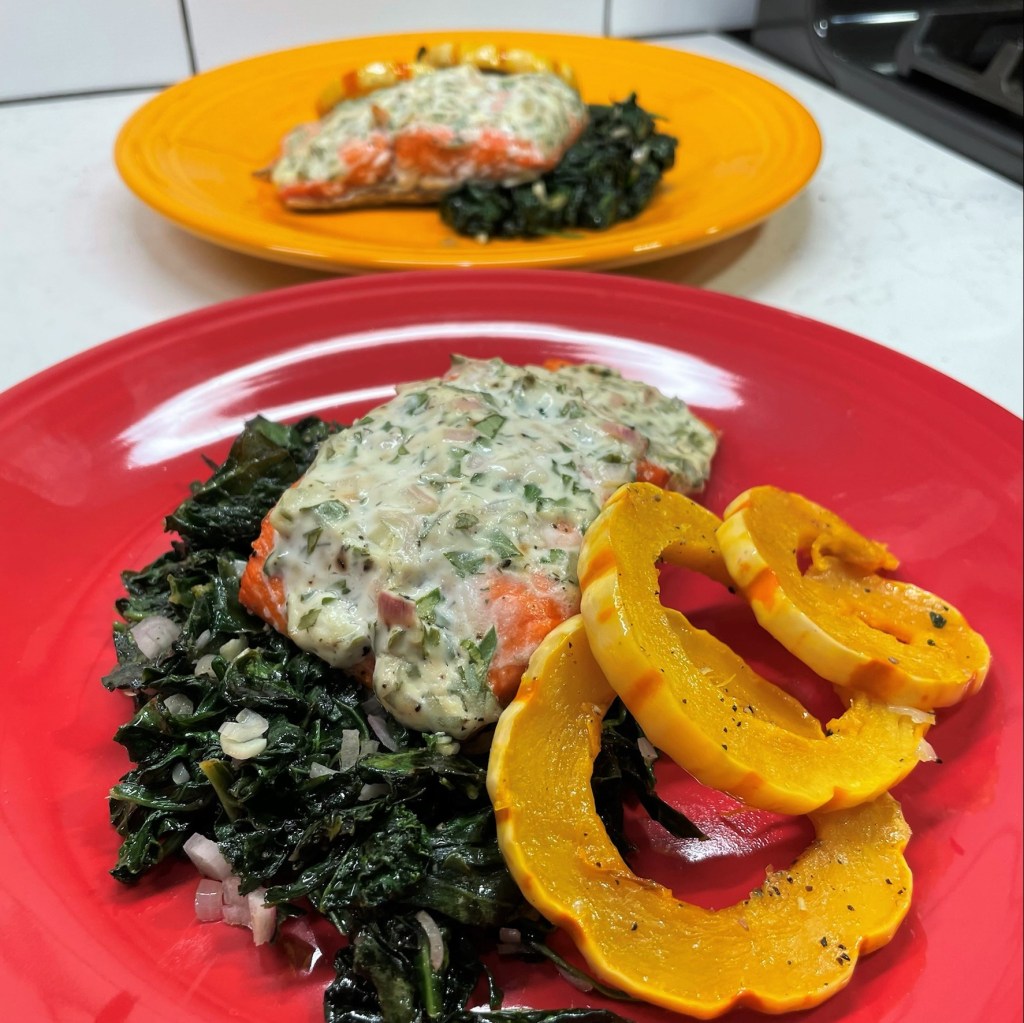
Baked Salmon with Creamy Dijon Sauce
Served with easy sauteed spinach and roasted rings of delicata squash.


Maple Bourbon Cedar-Wrapped Salmon

If you were to scroll through your collection of recipes, I wonder which ones are most overlooked, and I wonder why. We all have recipe cards that hang out in the back of the box—either because they no longer suit our taste (which makes them ripe for a makeover), or they are specific to a season or holiday, or the ingredients are too pricy or difficult to find. Sometimes, though, I believe recipes get passed over because they seem complicated or intimidating.

My own “bucket list” of culinary challenges includes items from all those categories, but after recent conversation with various friends and acquaintances, I have noticed one standout category of food that seems to hold an air of mystery to a lot of people: seafood. It seems that most people enjoy seafood, but many are reluctant to make it at home. It’s no wonder seafood restaurant prices are what they are, and that’s a darn shame when some of those dishes are perfectly manageable for a home cook.

Every week or so, I peek at the activity insights offered by WordPress, where Comfort du Jour is hosted, and this helps guide me in deciding what to make next, and what to share with my foodie friends. I can see at-a-glance the number of views and downloads each page has had to date, and overwhelmingly, the recipe with the highest numbers of both is this one:

Really? Mahi Hemingway is the most popular recipe on Comfort du Jour.

It surprises me to see that Mahi Hemingway is so interesting to others, because it happens to be one of the simplest recipes to make, both from an ingredient standpoint and one of skill level. I developed my own version of that recipe because I couldn’t make sense of the $30 price tag on a similar dish in a local restaurant, which I expect points to another reason home cooks shy away from making their own seafood. If it’s so expensive in restaurants, it must be expensive and hard to make, right? Wrong!  😉

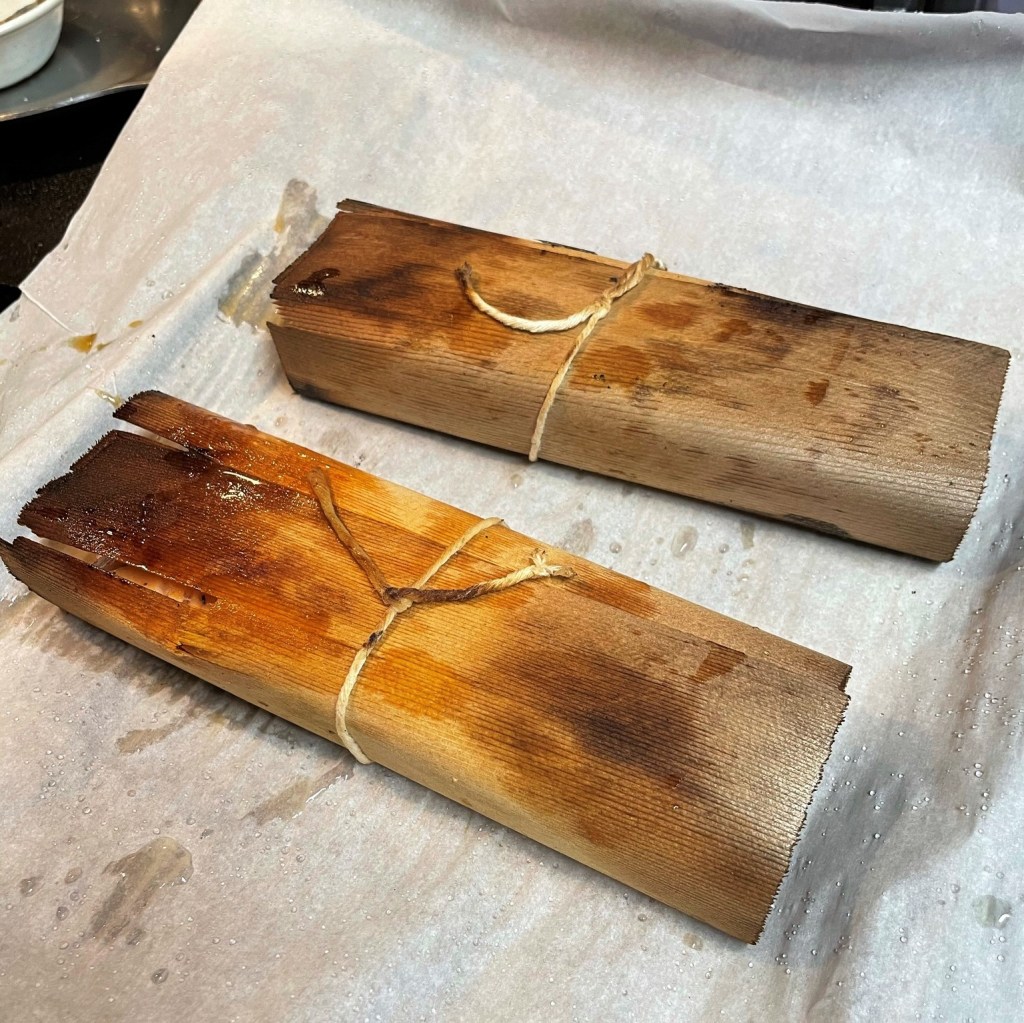
Most seafood is surprisingly easy to make, and I’m about to prove it again with this easy-and-done recipe that is cooked on the grill. The salmon fillet portions, which are easily found in most larger supermarkets, take an afternoon bath in a simple marinade of real maple syrup, bourbon and Dijon mustard. The marinade infuses flavor into the fish during this phase, and becomes a flavorful glaze later, when the fish is grilled. If you prefer, you can also make this in the oven, and the cedar wrap is entirely optional, but I believe it is worth the extra expense. I found these in the grilling section of the supermarket , but you might also check your hardware store, Walmart or Target. Cedar wraps impart an aromatic smokiness to the fish, without the extra time and fuss of cedar planks. The wraps are also less expensive than planks (only $10 for eight of them), and they don’t take up much storage space.

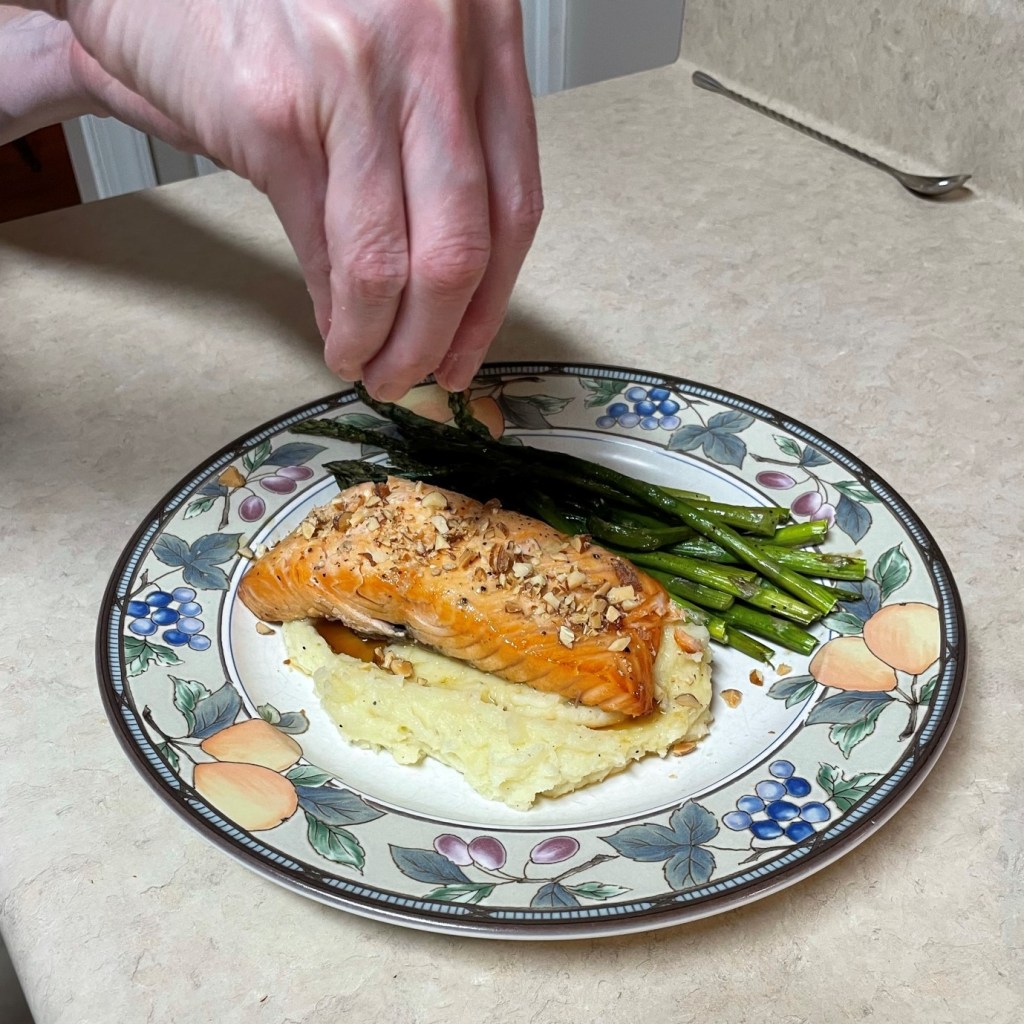
I have garnished the salmon with chopped soy-wasabi almonds, which is a great complement to the maple and bourbon flavors, and the wasabi echoes the horseradish that spikes the easy buttermilk mashed potatoes underneath, the same potatoes I made at St. Patrick’s Day for the Bangers & Mash.

You can begin prep for this meal a few hours ahead, and cooking time is less than half an hour, including the mashed potatoes and roasted asparagus. This meal is beautiful, tasty, quick and easy—collectively giving it a good chance at moving to the front of the recipe box.

I’ll bet this plate would be at least $24 in a seafood restaurant.

Two servings, easy to double.

Ingredients

I cut two portions from this whole fillet of salmon for this recipe. A larger chunk went on the smoker when we made our pastrami, and the rest went to the freezer.

2 Atlantic salmon fillets, about 6 oz. each* (see notes)

3 Tbsp. real maple syrup, preferably dark*

3 Tbsp. bourbon

1 tsp. Dijon mustard

Salt and pepper

1 Tbsp. extra virgin olive oil

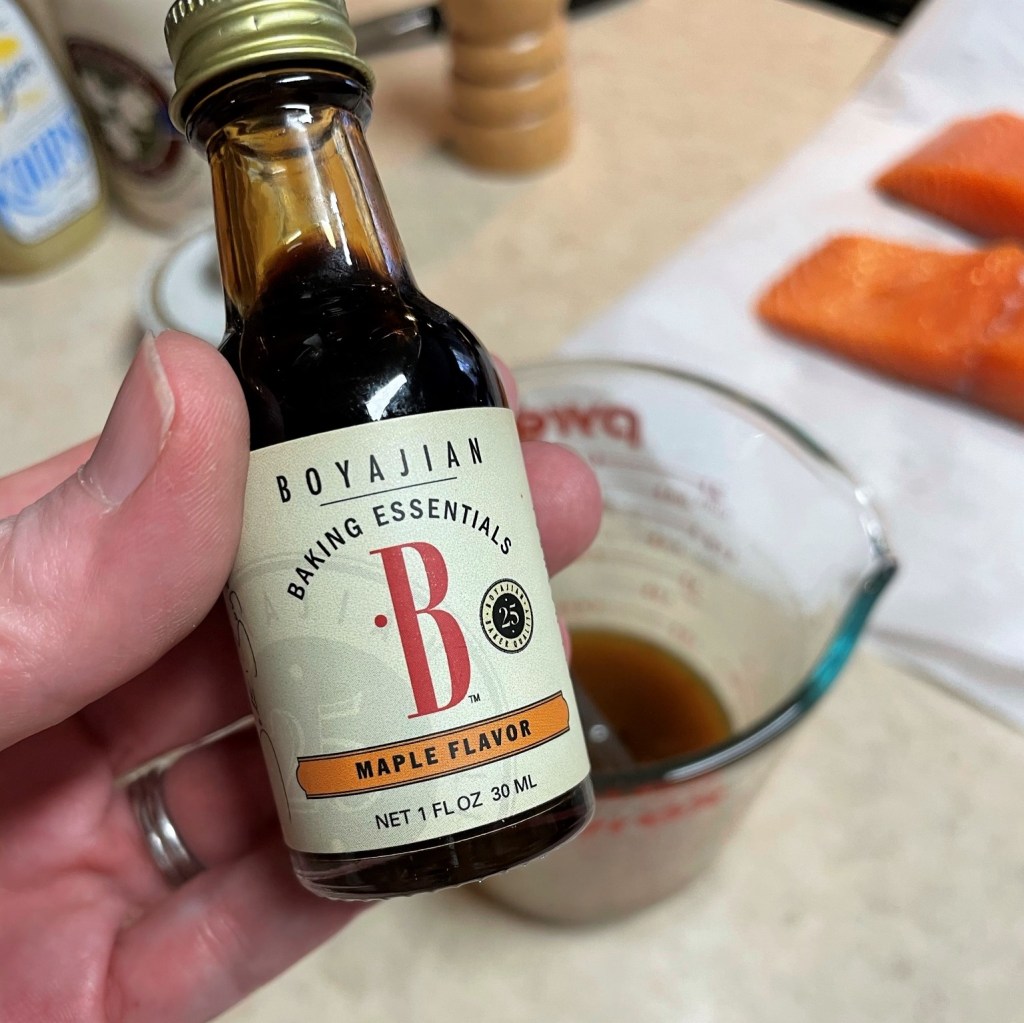
1/8 tsp. Boyajian maple extract*

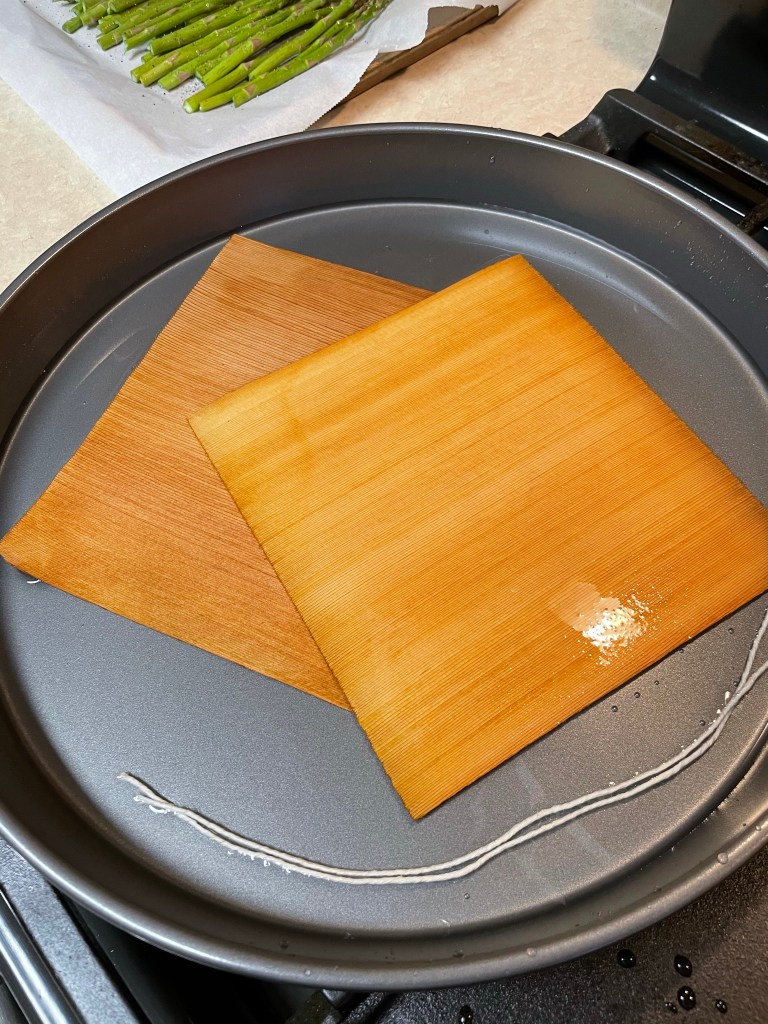
2 cedar wraps, soaked at least 5 minutes* (optional, see notes)

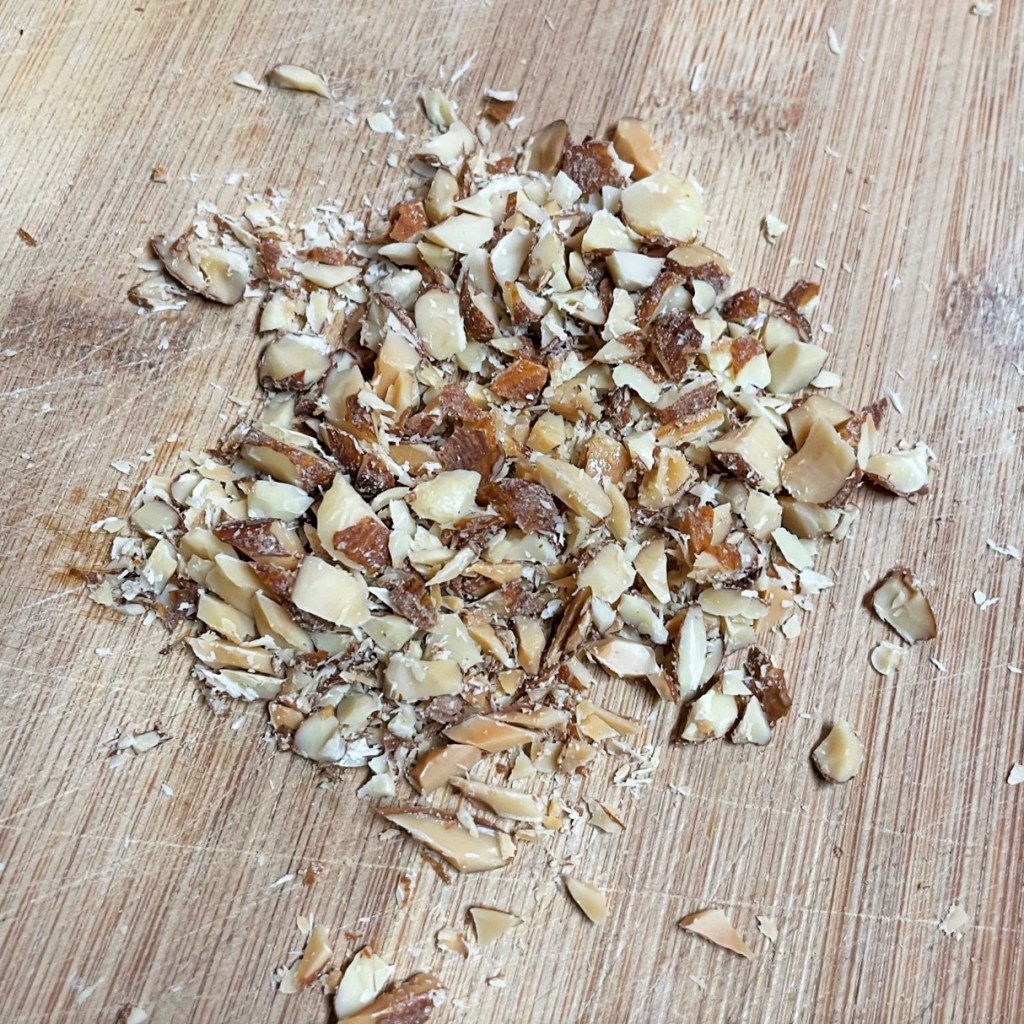
Small handful of wasabi & soy sauce almonds*

*Notes

The salmon fillets may be skinless or skin-on; it doesn’t matter because the skin will remain on the cedar wrap after grilling, which makes plating this dish super simple. If your seafood market has steelhead trout or arctic char, they would also be delicious in this recipe, but adjust your grilling time. Both are usually thinner and would cook more quickly.

For the love of good taste, please do not use a fake “maple-ish” syrup from the grocery store. Real maple is the best, and totally worth the expense. There are plenty of resources for good quality maple products; I order mine online from Big Tree Maple in Lakewood, N.Y. Why? Because I grew up under the shade of those lovely trees and they know me.

The maple extract, which is optional, amplifies the flavor of the syrup without adding sweetness. Look for it in gourmet specialty stores, or online at King Arthur Baking Company.  Another product I like for this purpose is maple-infused balsamic vinegar, which is easy to find in one of the specialty balsamic shops that have popped up all over the U.S. If you substitute with the balsamic, use about 1/2 teaspoon.

Cedar wood, when soaked and grilled, lends a phenomenal flavor to salmon. If you choose planks, be certain they are designed for culinary use. Cedar grilling planks should be submerged fully underwater for at least an hour, but I like the wraps because they only require soaking a few minutes. You could probably also use soaked cedar chips in a smoker box, alongside the salmon on your grill.

The wasabi & soy sauce almonds are a Blue Diamond product, and you’ll find them in the small cans in the snack aisle of your supermarket, alongside cans of peanuts and mixed nuts. I’m crazy about the horseradish-y flavor, and it is remarkably good against the sweetness of maple and bourbon.


Buttermilk Mashed Potatoes

1 lb. potatoes (I used a combination of russet and golds)

2 Tbsp. salted butter (extra if you’d like)

1/4 cup thick buttermilk

1 tsp. prepared horseradish

Salt and pepper


Asparagus

1 average bundle fresh asparagus

Extra virgin olive oil

Salt and pepper

Zest of 1/2 fresh lemon (optional)


Instructions

You will want to marinate the salmon fillets a couple of hours, so plan this quick prep for mid-afternoon. I’ll run through the easy steps for the salmon here. For visual direction on the buttermilk mashed potatoes, check out my recent post for Bangers & Mash; it is the same recipe, though ingredient amounts are adjusted here for this dish.

  1. Season the salmon fillets with kosher salt and black pepper. Place them, skin side down, in a glass baking dish.
  2. Combine the maple syrup, bourbon and Dijon mustard in a measuring cup with a pour spout, Whisk in olive oil and maple extract (if using). Pour most of the marinade evenly over the salmon fillets, reserving about a tablespoon of it to drizzle over at serving. Turn the fillets over, so that the fleshy side rests in the marinade, and wiggle them around to be sure the marinade coats the exposed sides of the fish. Cover and refrigerate at least one hour, preferably about two hours.
  3. Peel and cut up the potatoes. Boil gently until they are easily pierced with a fork, then drain over a colander.
  4. Add butter and buttermilk to the cooking pot and stir until butter is melted. Transfer drained potatoes back to the pot and mash to desired consistency. Season with salt and pepper to taste. Stir in horseradish and more butter, if desired. Keep potatoes warm until serving time.
  5. While the potatoes cook, prepare your grill, with temperature at 350° F. Soak cedar wraps and tying twine for at least five minutes.
  6. Remove salmon fillets from marinade. Center them, skin side-down, on the soaked wraps and fold up the sides to enclose them, tying snugly with twine.
  7. Place the cedar-wrapped salmon onto a grilling rack, and cook over direct heat for about 12 minutes, or until fish flakes easily with the twist of a fork. You may need to peel back a piece of the cedar wrap to test the flakiness.
  8. Cut the twine to unwrap the cedar and serve the fish atop a mound of the buttermilk-horseradish potatoes alongside your favorite vegetable. Chop the soy-wasabi almonds into crumb-sized pieces. Drizzle salmon with reserved marinade and sprinkle with almonds.

Make the asparagus concurrently with the potatoes and salmon

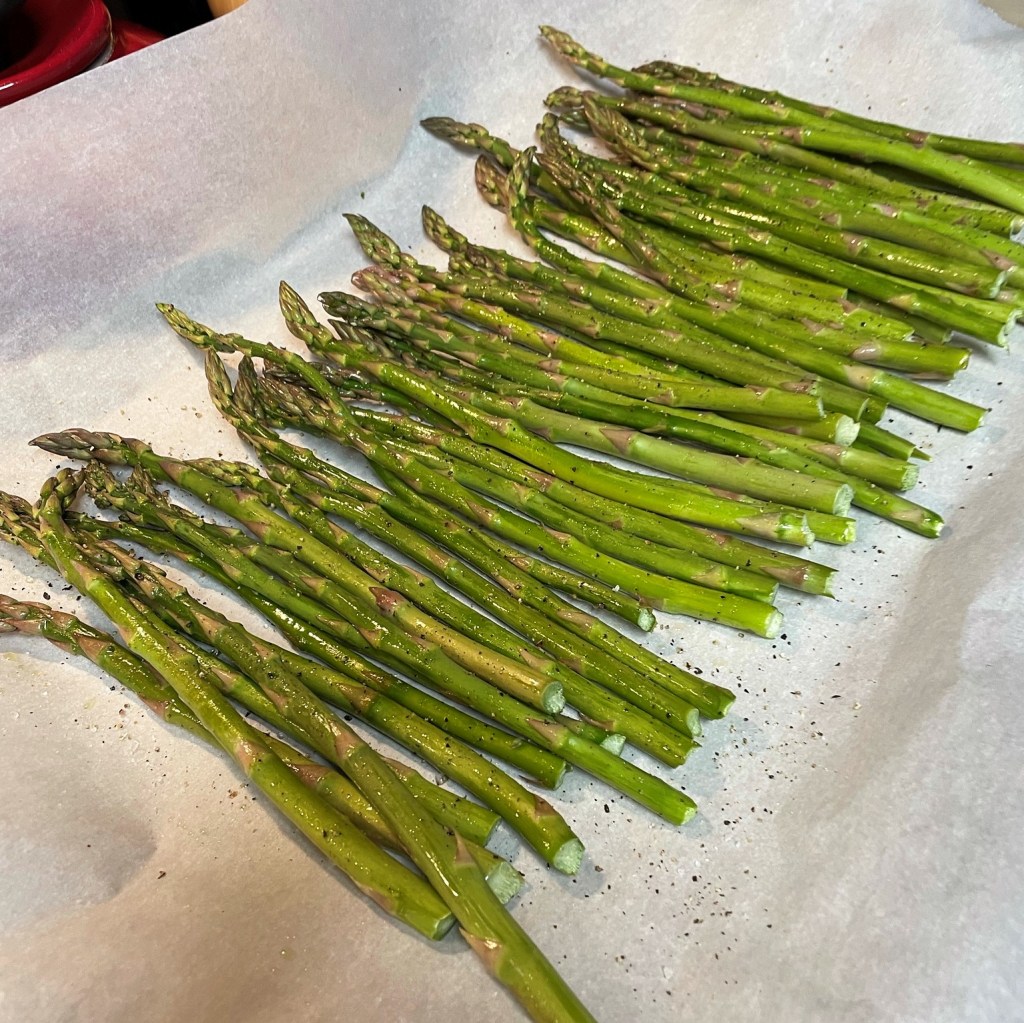
  1. Preheat the oven to 400°F. Prep the asparagus by snapping off the trimmed ends. Rinse under running water and roll them around on a paper towel to dry them.
  2. Arrange the asparagus in a single layer on a parchment-lined baking sheet. Drizzle lightly with olive oil and roll them to coat evenly. Season with salt and pepper and roast for about 15 minutes. Finish with a sprinkle of lemon zest. If you slide the asparagus into the oven just before the salmon goes on the grill, it will be done right on time!

Want to make this easy salmon recipe?


One more thing…

You may be wondering if I’m a paid endorser for the brands and products I spotlight on Comfort du Jour, and the answer is “no.” I do not receive money or merchandise for my recommendations, and what that means for you is that you can count on me to give an honest opinion. If something changes, I will update my disclosures. Either way, you can still count on me to be honest in my recommendations, as I will only stand behind services and products I believe in. Fair enough? 😀

Terrie


Scallion-Sriracha Salmon Cakes

Most every night for the past few months, I have awakened around 3 a.m., for no apparent reason. My insomnia usually lasts at least an hour and a half, during which time I ponder all of the good and evil in the world, or play mindless word games on my smartphone, or venture into the dark corners of our house to find and snuggle our sleeping pets. I’d like to make one suggestion for others who have experienced this phenomenon of waking at 3 a.m.—do not pick up your phone and begin Googling possible causes for said awakenings. The search results are grim, and in a matter of moments, you will begin to question everything from your diet (am I eating sugar too close to bedtime?) to your spiritual condition (what do you mean, exactly, by ‘witching hour?’). My therapist believes I am probably flummoxed over a combination of things, related mostly to work-from-home stress and general pandemic fatigue. Whatever the case, I’m exhausted. Every once in a while though, these sleep interruptions result in something good, and this recipe is a fine example of that.

Out of the blue two weeks ago, I awakened with a start and asked myself why I had never made fish cakes with sriracha and scallions. You might be thinking this is a bizarre question to ask oneself so urgently at 3 in the freakin’ morning, and you’d be correct, but this is my life now. Once I go down that rabbit hole, it isn’t long before I begin dreaming up ideas of just how such a dream dish should be completed, right down to the garnish. Sometimes I pick up my phone and make record of my ideas—and that’s a smart thing, because if I don’t jot it down, my next successful 40 winks may wipe it clean out of my brain. From this particular wide-awake culinary epiphany, I made these exact notes, because I didn’t want to forget what sounded like a great recipe.

I mean, isn’t this the kind of thing that wakes everyone up at 3 a.m.??

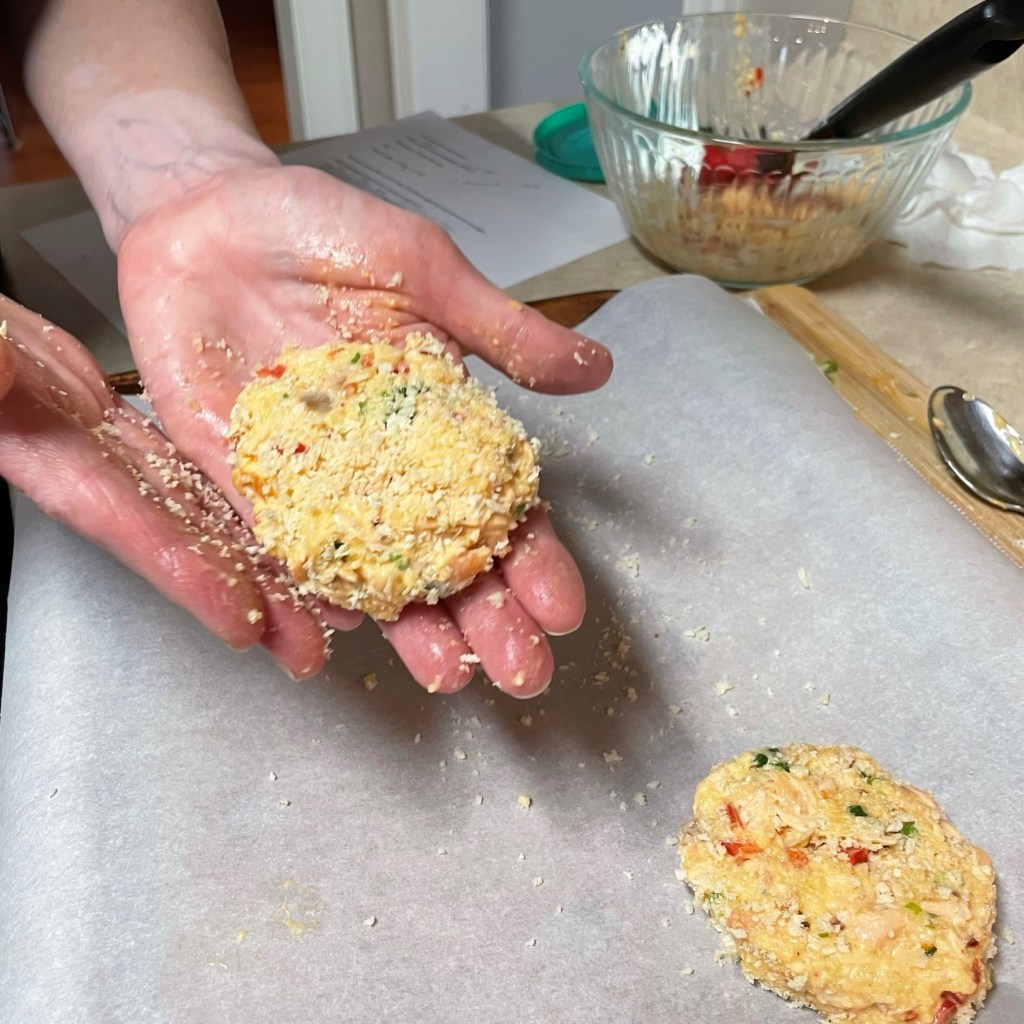
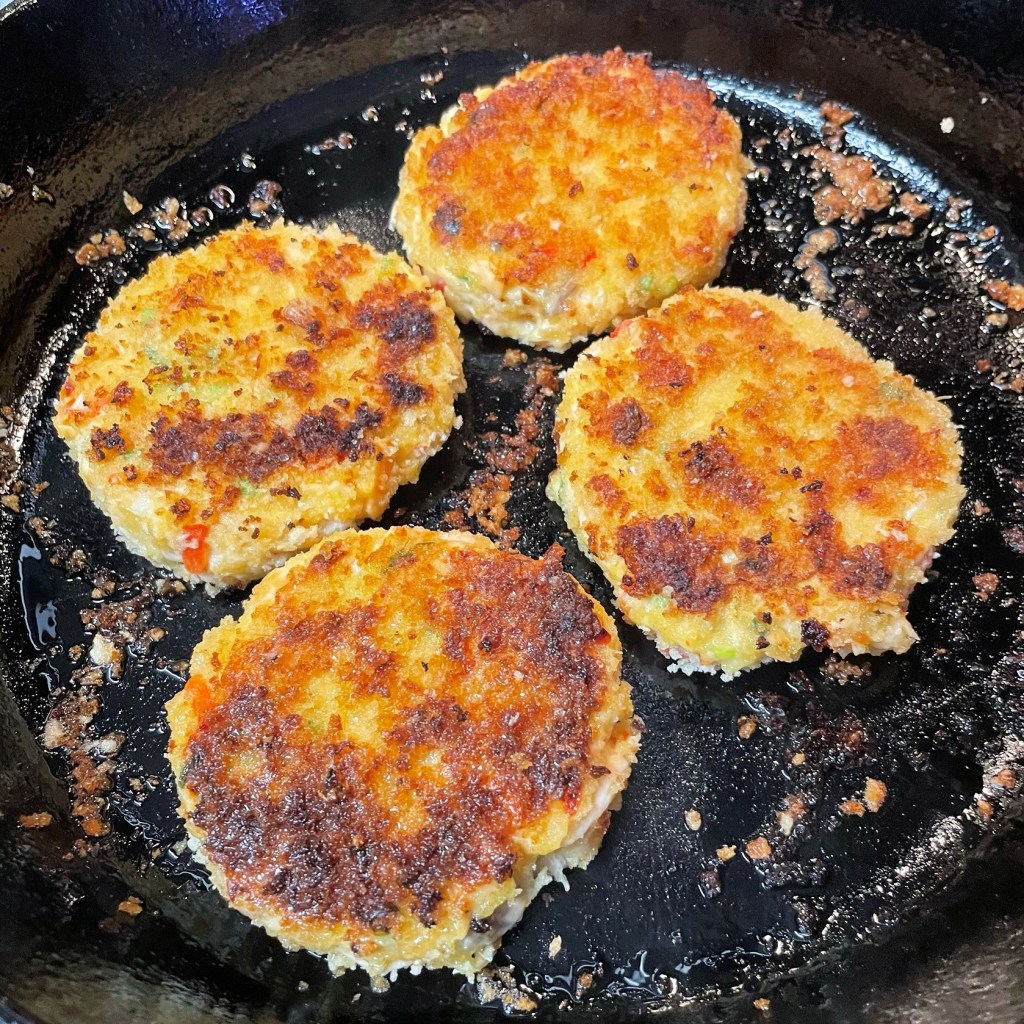
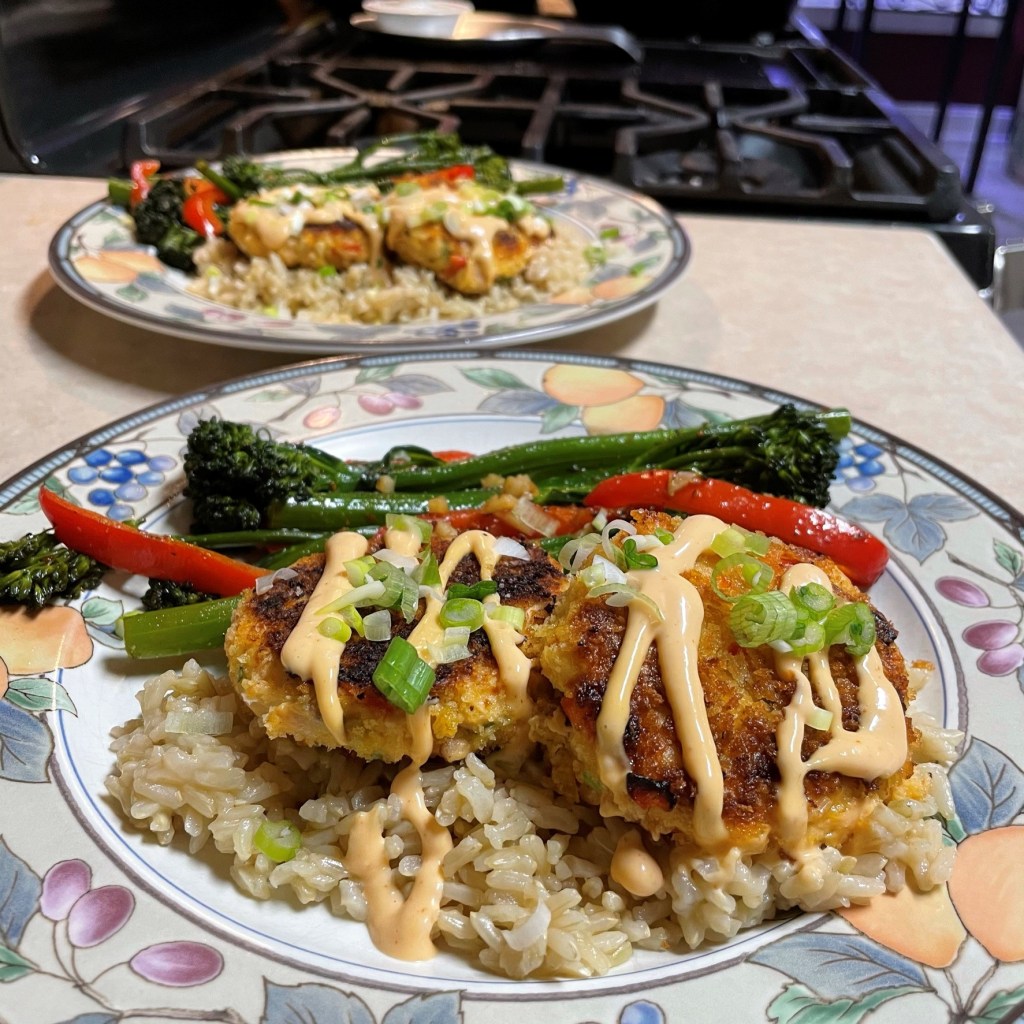
It took me a few days to round up my ingredients, and when I got down to it last week, with a few tweaks to my original plan, the result was delicious! These scallion-sriracha salmon cakes were light and fresh, low calorie and easy as could be to make, with just enough heat to make your tongue tingle. I modeled the ratio of ingredients after my favorite crab cake recipe, using only enough mayonnaise and panko crumbs to hold the flaky salmon together with the finely minced garlic and red bell pepper. A little extra panko on the outside before pan frying gave the cakes a terrific crispiness to offset the moist and tender interior.

And the flavor was exactly as I dreamed.

Crispy coating, tender inside, spicy and delicious; these turned out just as I imagined!

Ingredients
Makes 2 servings

6 oz. fresh salmon portion (skinless)

1/3 cup mayonnaise

1 Tbsp. sriracha

1/2 tsp. fish sauce* (see notes)

2 Tbsp. minced red bell pepper

2 scallions, thinly sliced (divided)

1 clove garlic, minced

1/2 beaten egg

A few shakes Asian Reds hot pepper flakes*

1/4 cup panko crumbs, plus extra for shaping cakes

2 Tbsp. peanut oil

*Notes

Fish sauce is a pungent, fermented condiment found in the Asian section of most supermarkets. If you cannot find it, substitute with soy sauce.

The Asian Reds hot pepper flakes are a specialty item that popped up a while back in my hubby’s Facebook feed, and we could not resist ordering a variety of products from this company, though we have no financial incentive from doing so. I like this pepper seasoning because it includes the hard-to-find varieties of pepper that play so well with other Asian flavors, including the sriracha in this recipe. If you don’t want to spring for them, substitute any crushed red pepper flakes, or omit them for less heat.

We are loving these Asian Reds pepper flakes. They offer a different variety of hot pepper flavors that is a perfect highlight with other Asian ingredients.

Instructions

Here we go with pictures, and keep scrolling for written steps and a downloadable copy for your recipe files!

  1. Heat a small, non-stick skillet over medium heat. Pan steam or lightly sauté salmon fillet until just flaky (better slightly underdone than overdone). Cool then refrigerate several hours or overnight.
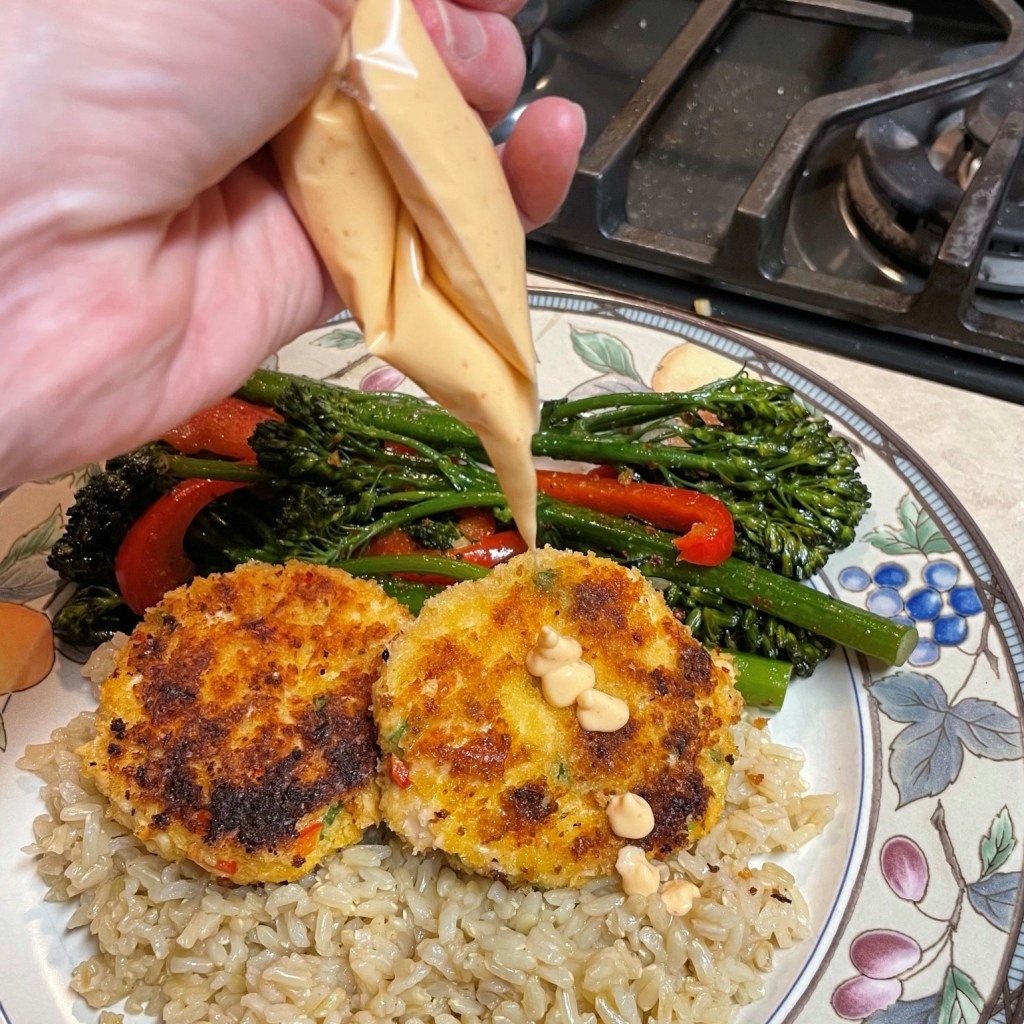
  2. Combine mayo with sriracha and fish sauce; measure out about 3 Tbsp. for finishing the cakes at serving. I put the reserved portion into a zip-top snack bag (sort of a makeshift piping bag).
  3. Add half of the chopped scallions, red pepper, garlic and spicy Asian Reds seasoning to remaining mayo mixture. Fold in beaten egg and panko crumbs.
  4. Flake fish into large-ish pieces and gently fold into mayo mixture, taking care not to break up the fish pieces too much. Sprinkle additional panko crumbs into your hand and shape mixture into four patties, about the size of hockey pucks, with a light coating of panko on both sides. Place each fish cake onto a parchment lined plate or small baking sheet.
  5. Cover the fish cakes with plastic wrap and chill at least two hours. This gives the mixture time to firm up, and the panko will absorb some of the moisture to better bind the cakes.
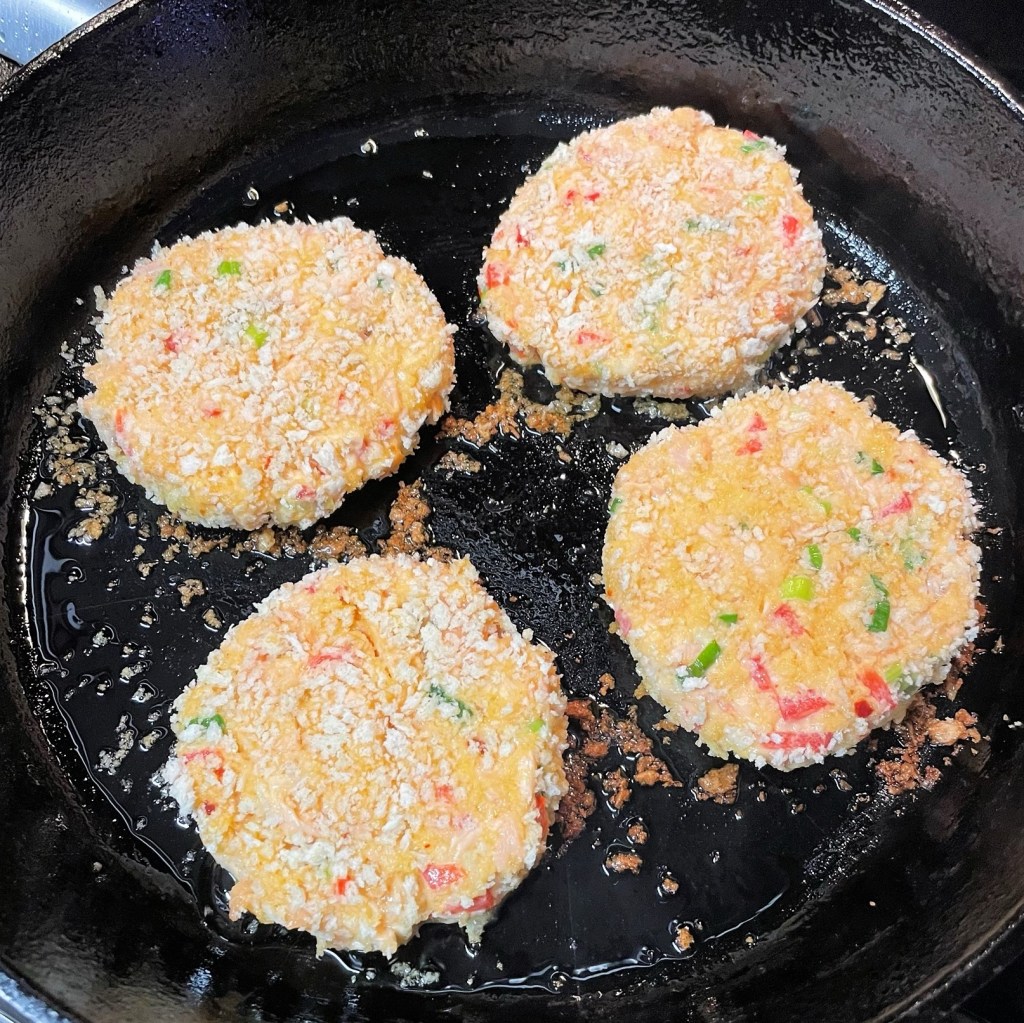
  6. Heat peanut oil in a medium, non-stick skillet over medium heat. Cook salmon cakes 3 or 4 minutes per side, until browned and crisp. Serve over rice with your favorite vegetables, top salmon cakes with reserved sriracha mayo drizzle and reserved scallion slices.

If you can dream it, you can make it. 😀

Want to make this recipe?


Salmon with Fennel & White Beans

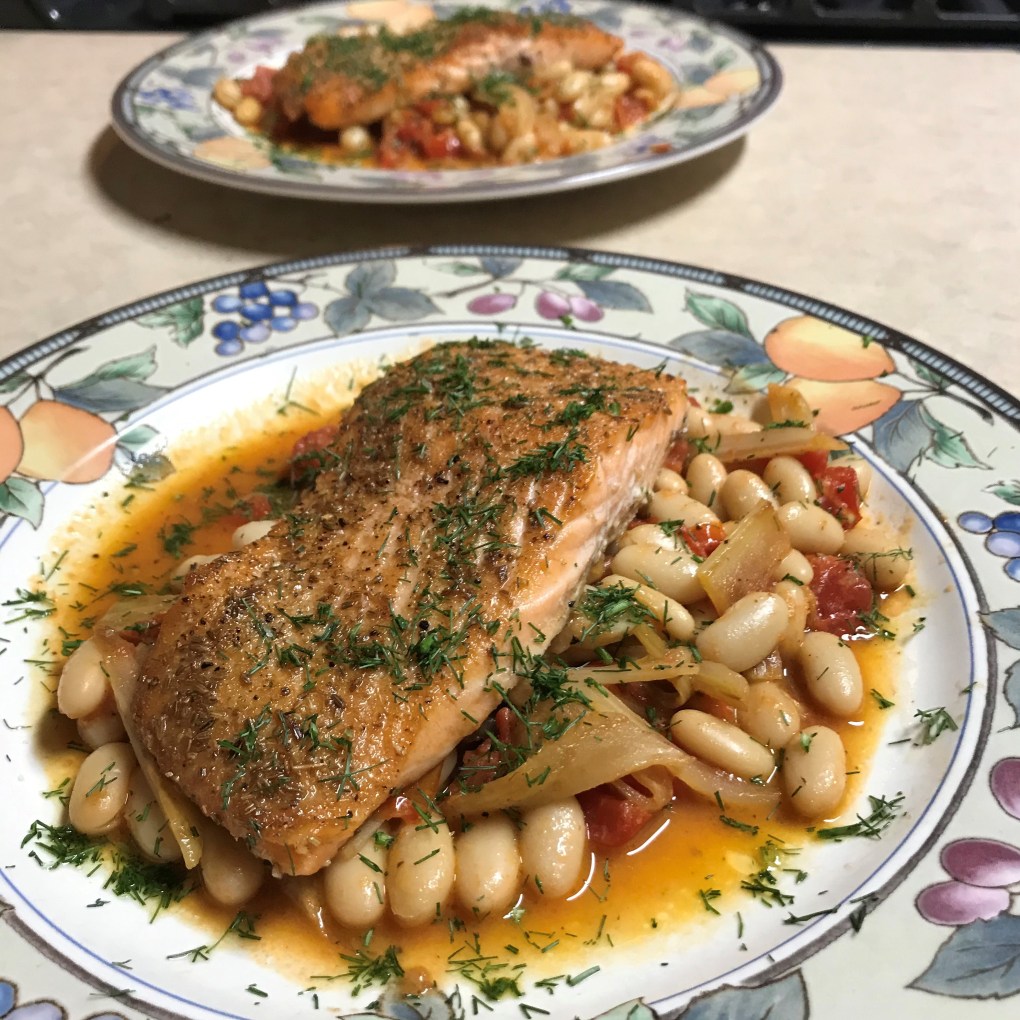
There has been a fresh and flavorful shift in our kitchen over the past couple of weeks, and it feels so right! My husband, Les, and I have been eating healthier after the holidays, not for keeping resolutions (we don’t bother with those), but out of simple desire to care for our bodies better after a season of splurging. Seafood has been the star of this menu reboot, and I’ve brought back into rotation one of my favorite all-time recipes, a seared fillet of fish rested on a mélange of tender sautéed fennel with creamy cannellini beans and sweet tomatoes.

In the spirit of full disclosure, I’ll confess right here that I actually did not use salmon this time, but steelhead trout. This is a sweet and creamy fish, similar in texture (and appearance) to a farm-raised salmon, and when I can get my hands on steelhead trout, I love to swap it into favorite salmon recipes, including the salmon in phyllo dish that I shared in December. But steelhead trout isn’t always easy to find, especially while adhering to the best practice standards set by the Marine Stewardship Council (sustainability means a lot to me). The dish is every bit as delicious when made with your favorite salmon, which is usually much easier to find.

This dish is satisfying, healthful and full of flavor!

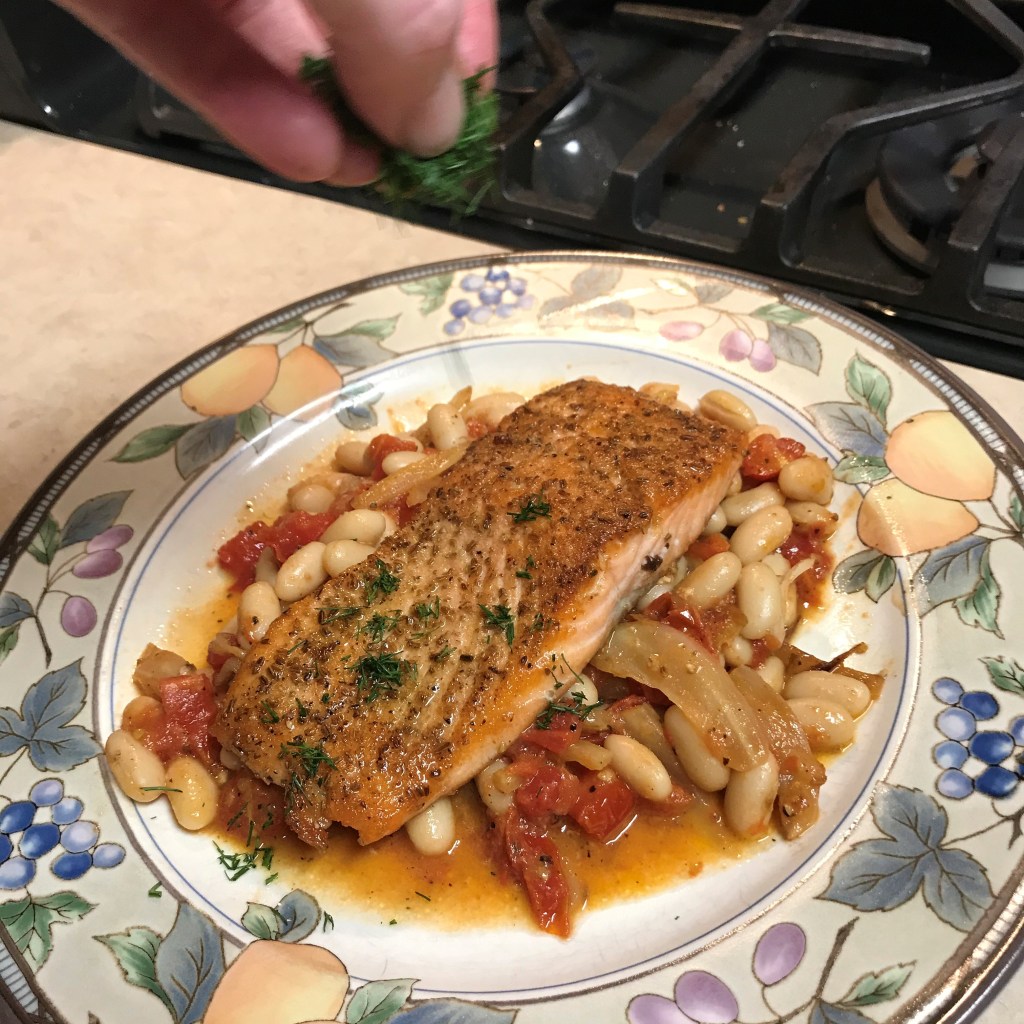
It looks and tastes more extravagant than it is, and although I’ve named it “fish with fennel,” it would be better described as fennel with fish, given that the fennel shows up in three different forms—the seeds are ground to a powder for crusting on the fillets, the vegetable is caramelized in the mélange beneath the fish, and the fronds are chopped and sprinkled on top.


Would it surprise you to know that you can have this meal on the table in about 35 minutes, start to finish? It’s true. And Les, who is practically a living nutritional calculator, announced after cleaning his plate that our meal probably checked in at fewer than 400 calories per serving, which is not too shabby for such a flavorful, satisfying meal.

Ingredients

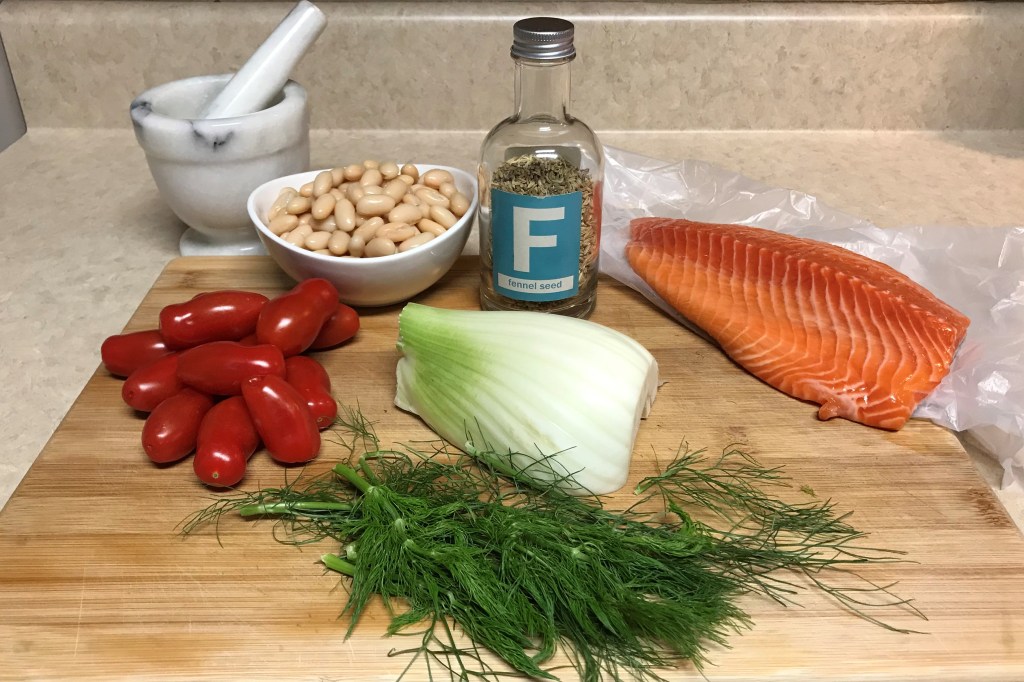
So few ingredients, yet so much flavor!

2 portions salmon*, skin removed (see notes)

1 tsp. fennel seed, ground to a rough powder

2 Tbsp. extra virgin olive oil

Kosher salt and freshly ground black pepper

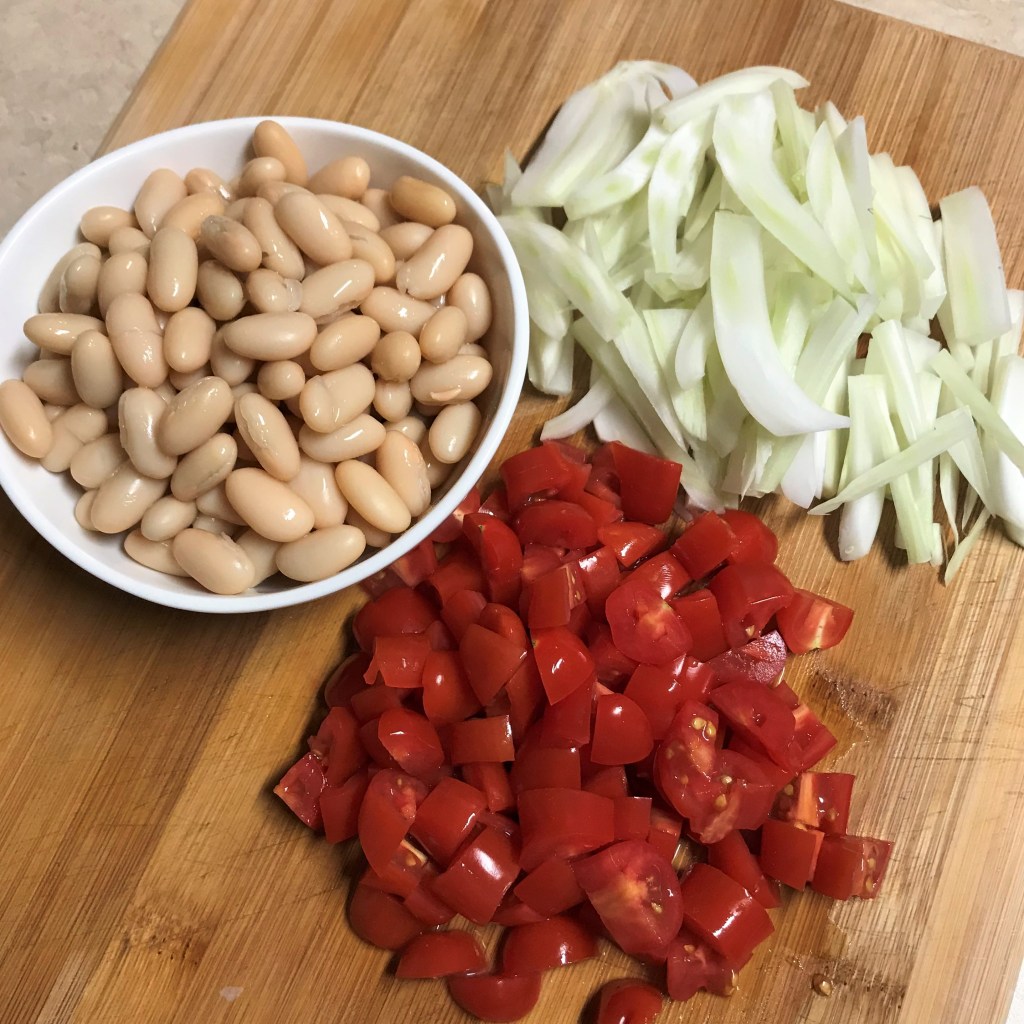
1/2 bulb fennel, sliced* (should measure about 1 cup)

1 cup chopped fresh tomatoes (or canned, drained well)

1/4 cup low-sodium vegetable broth + 2 Tbsp. dry white wine* (or all vegetable broth)

15 oz. can cannellini (white kidney) beans, drained and rinsed

1 Tbsp. Dijon mustard

2 Tbsp. fennel fronds, chopped or minced


*Notes

Any type of salmon (wild sockeye, king, coho, etc.) works well in this recipe, but you might also consider swapping in another fish, such as arctic char or steelhead trout, which I used. If you are not comfortable removing the skin yourself, ask the seafood clerk to do it for you. Learn this task, and you’ll be unstoppable!

Fennel is a less common vegetable, one that you may have passed over in the supermarket for something more recognizable. It resembles something between celery and bok choy, but tastes nothing like either. It is crunchy with a slightly licorice flavor, and it pairs beautifully with all kinds of fish, especially when sautéed or stewed. The seed part of fennel might be more familiar to you. It’s the flavor that makes Italian sausage taste Italian.

If you use wine to deglaze the skillet, make it a dry one, such as pinot grigio. Alternatively, I frequently reach for dry vermouth, given that I always have a bottle open in the fridge. If you prefer to not use wine, just add another splash of vegetable broth, no problem.


Instructions


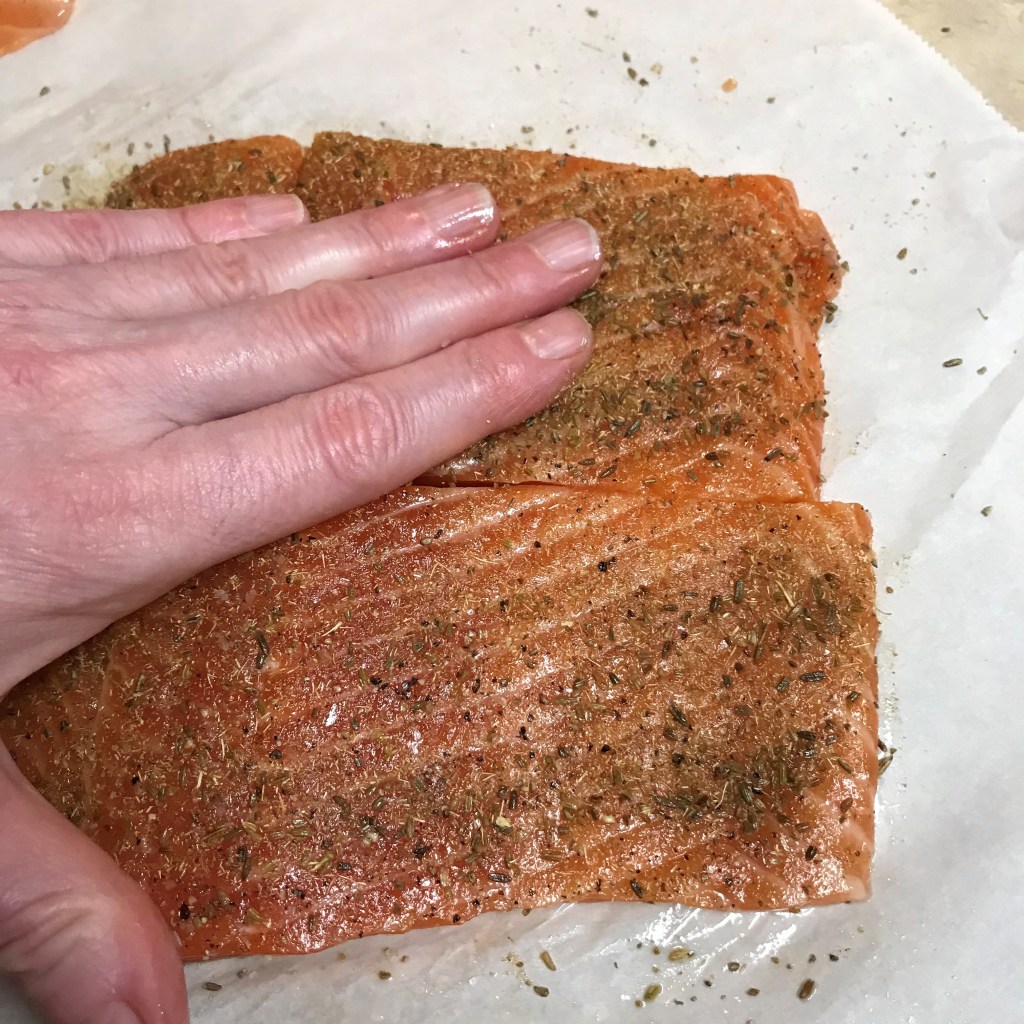
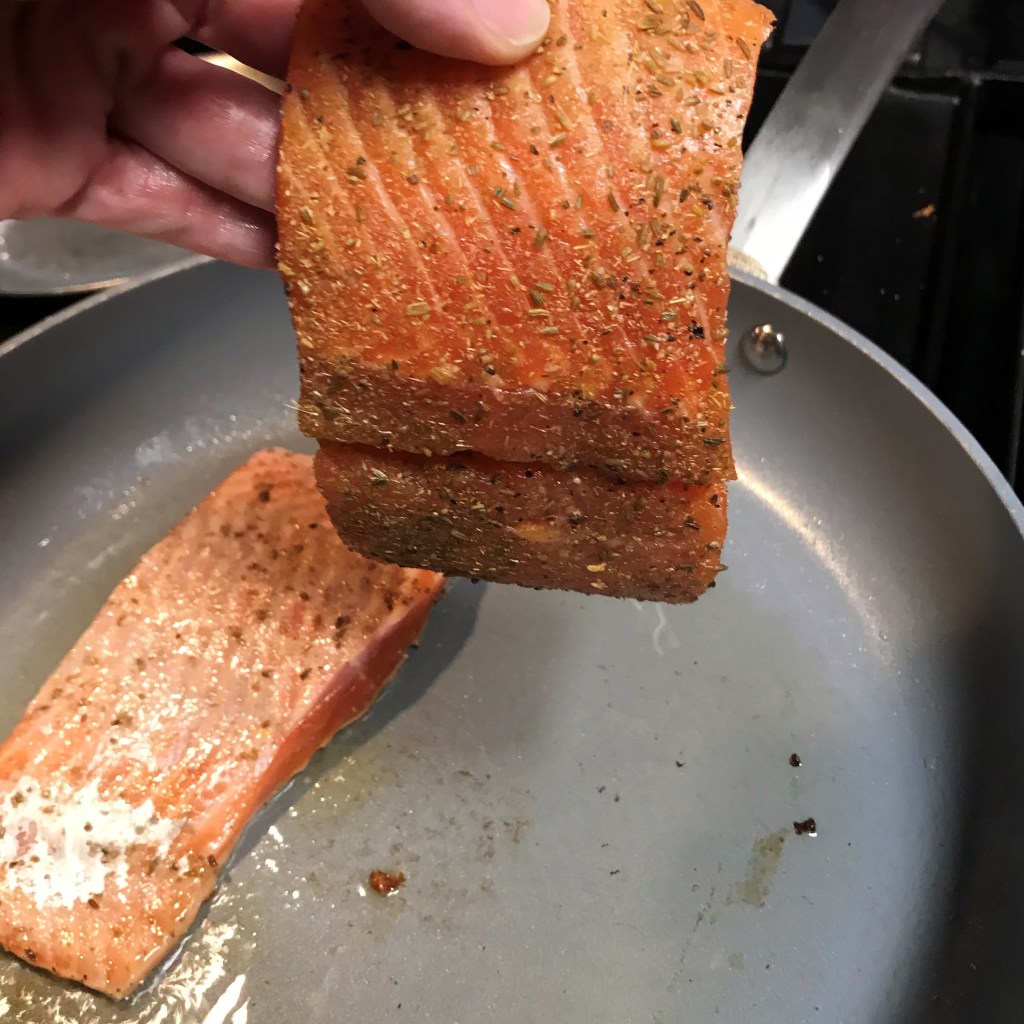
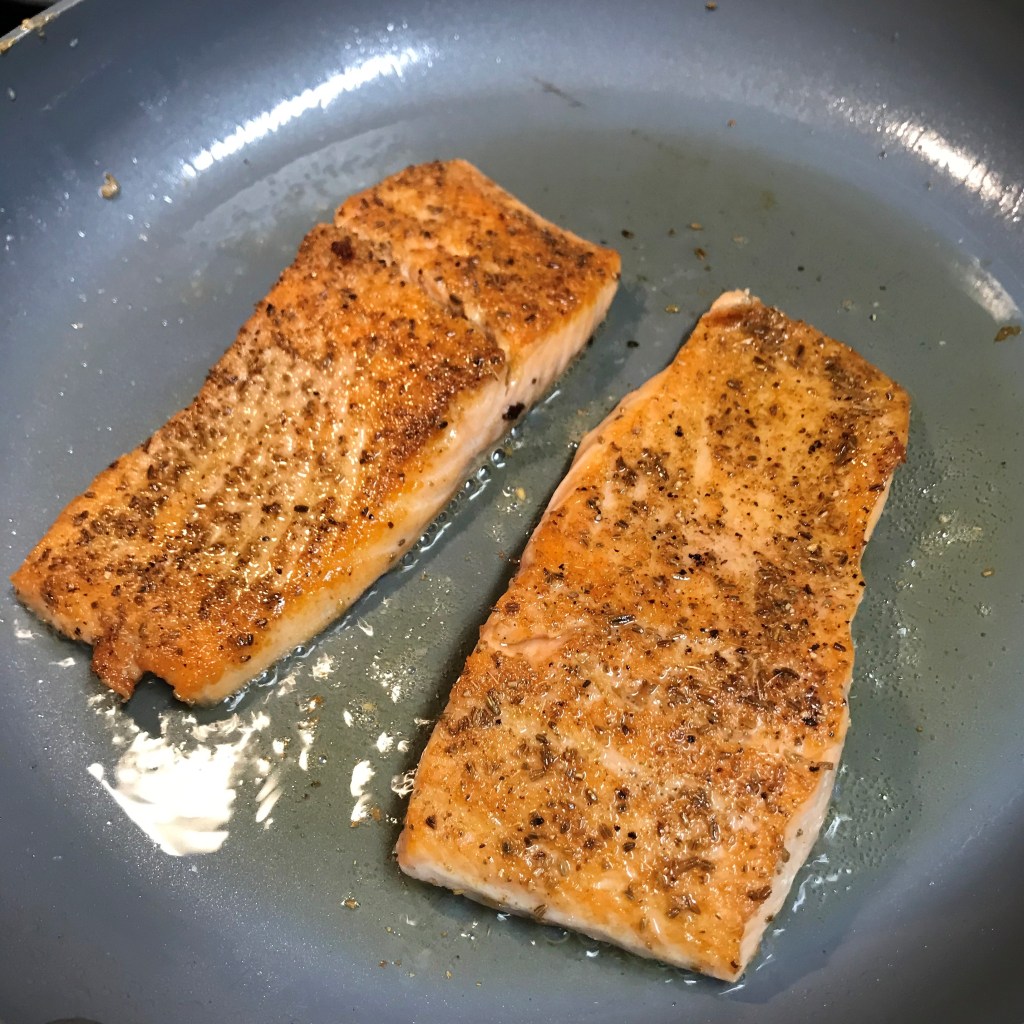
  1. Using a mortar and pestle or electric spice grinder, crush the fennel seeds to a rough powder. Don’t have either? Try putting the seeds into a bag and use a rolling pin to crush them. Season the fish fillets with kosher salt and pepper, then sprinkle the fennel powder onto both sides of the fillets and press to fully adhere it.
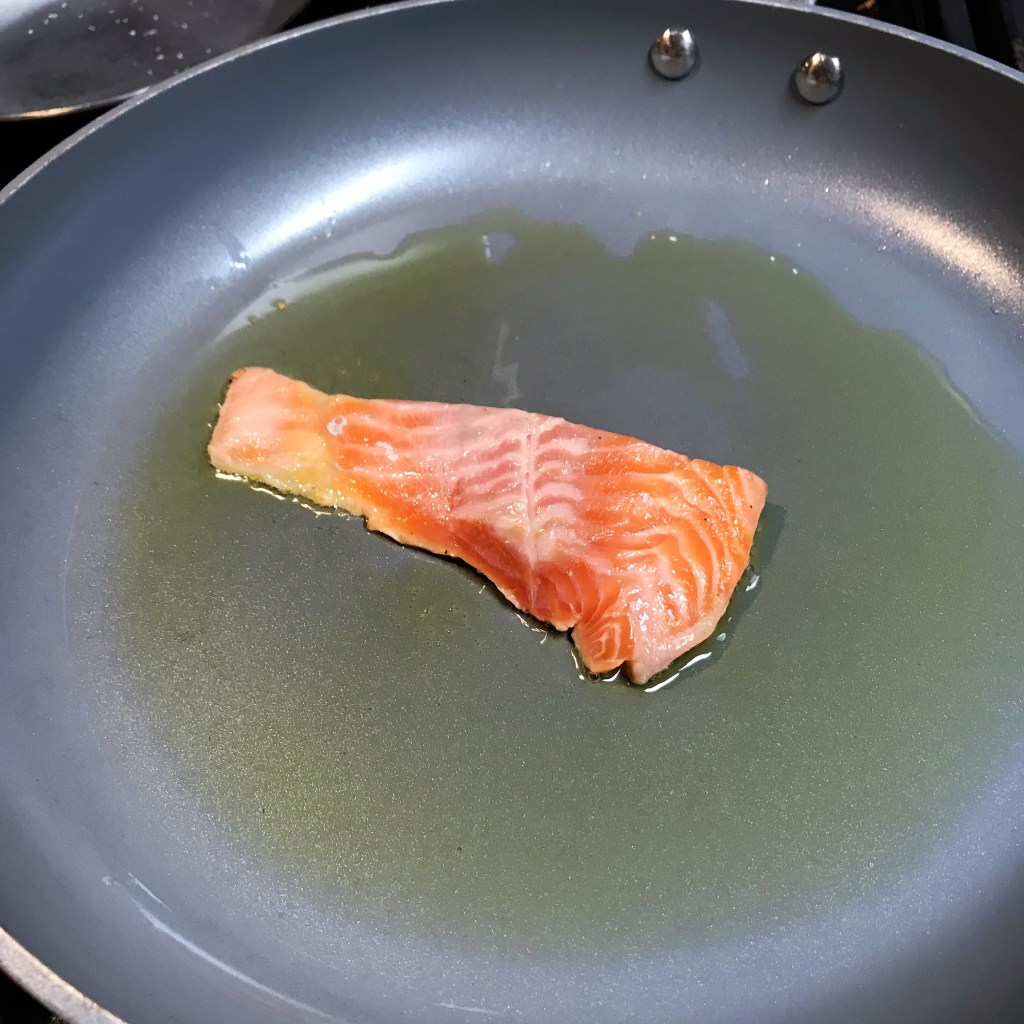
  2. Heat a large, non-stick skillet over medium heat. Add olive oil. When oil is hot and shimmery (but not smoking), lay fish fillets into pan. Cook about two minutes, then carefully turn fillets to cook the other side another two minutes. Transfer fish to a small plate and keep warm. I usually slip it into the microwave while I make the mélange.
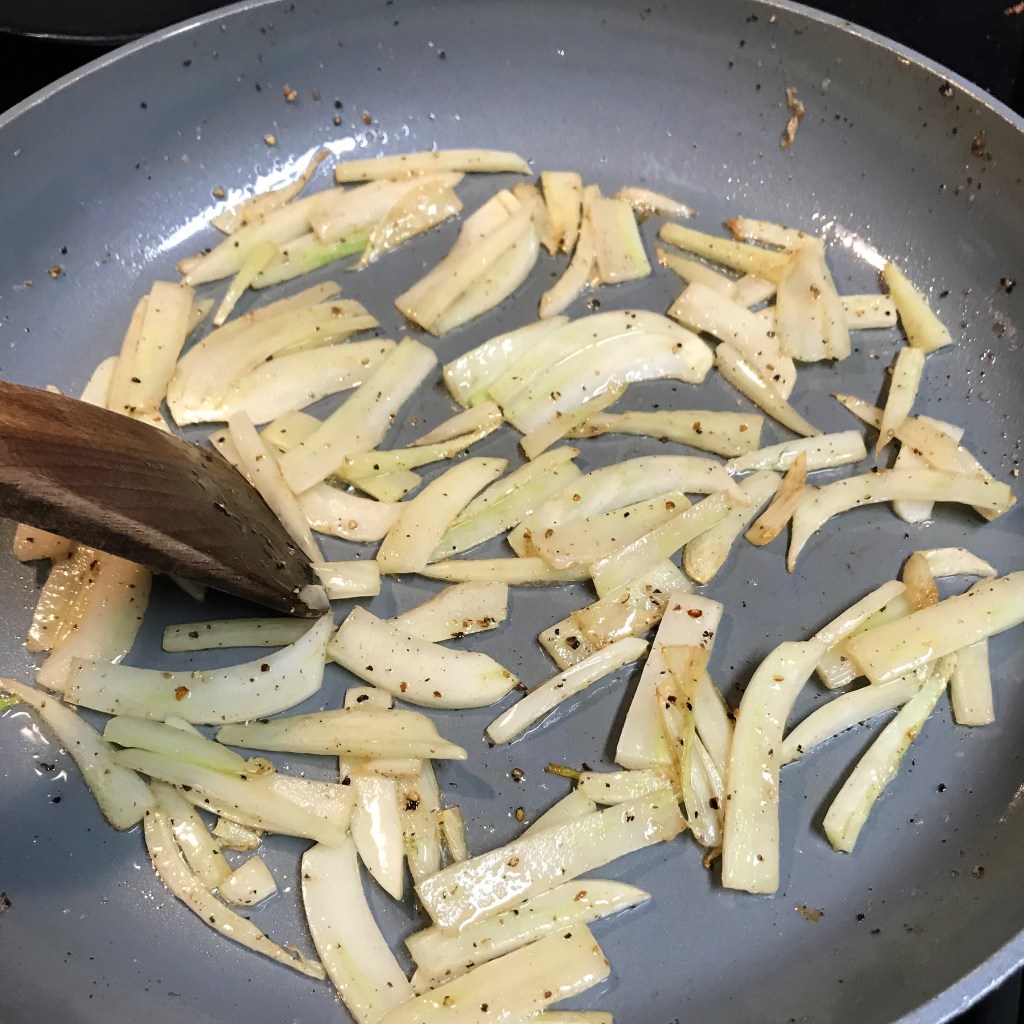
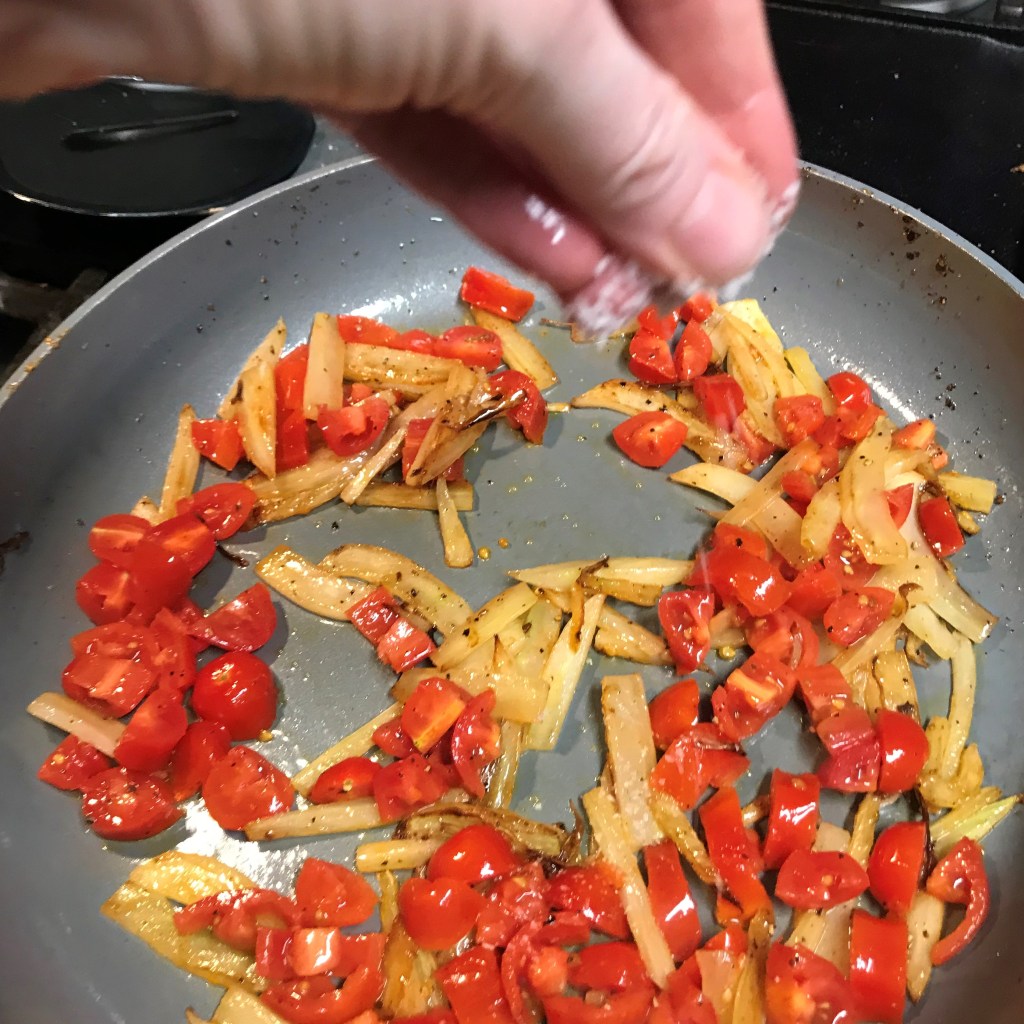
  3. Add fennel pieces to the skillet. Season with salt and pepper. Sauté, tossing occasionally, until fennel is caramelized and tender, about five minutes.
  4. Add tomatoes, then broth, plus wine. Stir until combined and liquid is simmering.
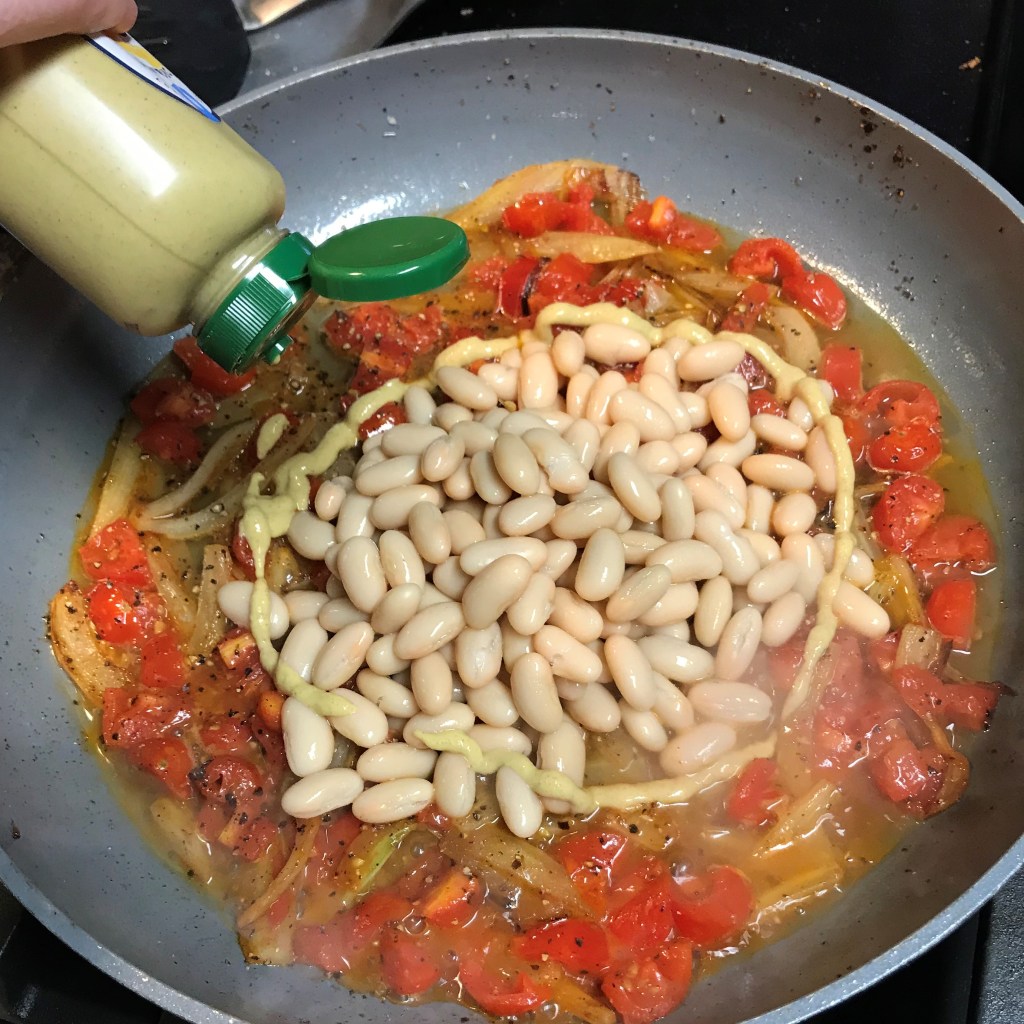
  5. Add beans and mustard. Toss to combine, reduce heat to low.
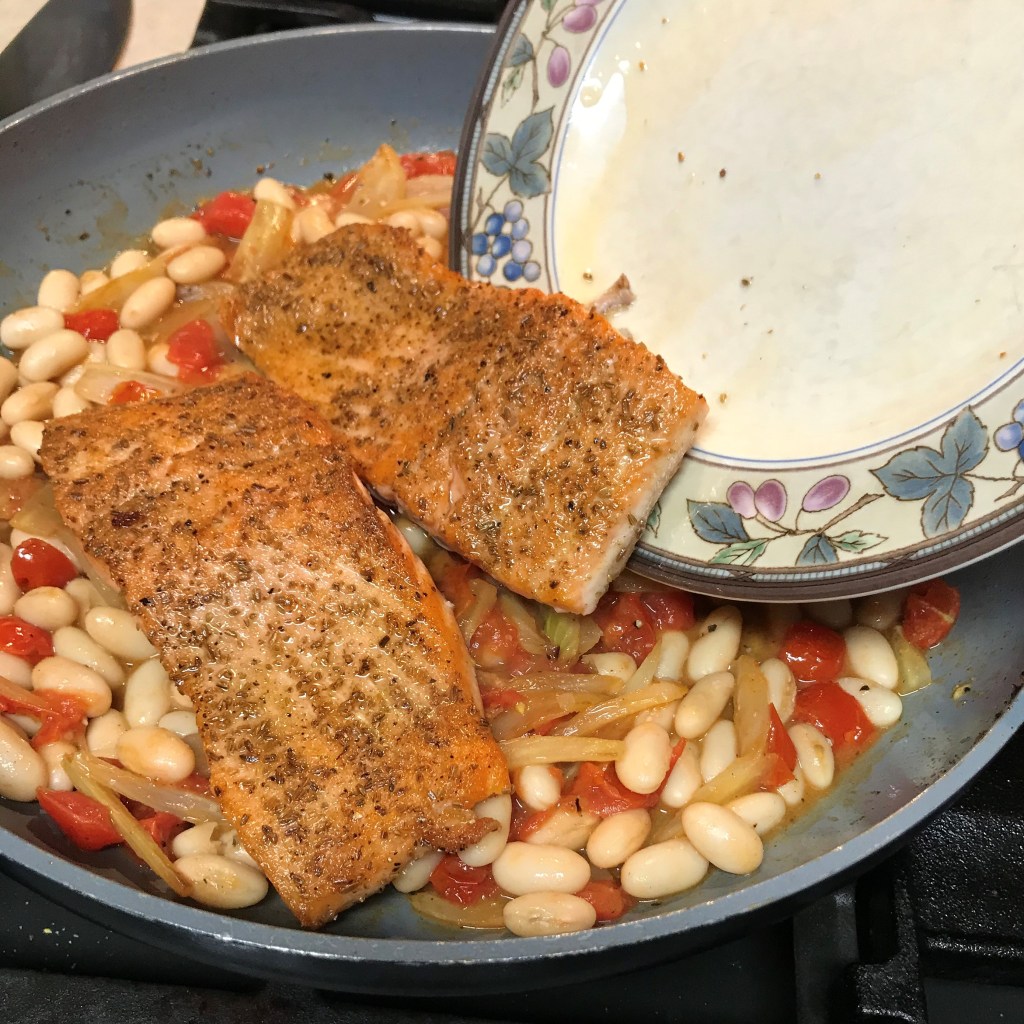
  6. Return fish to the pan, resting the fillets on top of the mixture. Cover and simmer on low for about 8 minutes, which is just about enough time to set the table and chop the fennel fronds.
  7. Plate the meal, with fish fillet resting on top of the fennel-bean mixture. Sprinkle the chopped fennel fronds on top and serve.

Want to make this recipe?


Salmon in Phyllo with Champagne Cream Sauce

If you think “elegant” and “easy” cannot co-exist in the kitchen, allow me to introduce you to this moist and flaky salmon, wrapped in layer upon layer of crispy buttery phyllo and dressed with a champagne-and-cream sauce that sends it over the top. As impressive and fancy as this sounds, you may find it hard to believe that it is easy to make. But if you can use a paintbrush and wrap a small birthday gift, you have the skills to do this.

Don’t be intimidated by the delicate, flaky layers of phyllo. This paper-thin wheat dough that is popular in Greek and other Mediterranean cuisine is not as fussy as it may seem. My first experience with phyllo was years ago in a catering kitchen, where I worked part-time during peak seasons, including holidays. The kitchen team wrapped this stuff around nearly everything in those days—appetizers, entrees and desserts—and though I was nervous at first about handling phyllo, I got over it quickly with a few helpful tips. Give it time to thaw overnight before you start, brush or spray every layer with oil or melted butter, and do your best to keep the extra sheets covered so they don’t dry out. Those are the key rules. Get it right and the rest is easy.

There is flexibility in this recipe, too. You can swap out the seasonings, use different fish and even change up the sauce if you want. Once you nail the technique of phyllo (which you will after this), there are many possibilities. Finally, whether you’ll be serving two people or eight, you’ll appreciate being able to prepare these cute little “packages” ahead of time and just pop them in the oven in time for dinner. Yes, so much easier than it looks. But every bit as elegant; the champagne cream sauce can be whipped up while the salmon is in the oven.

For a restaurant quality presentation, here’s a simple trick I learned from pro caterers: place the salmon phyllo packet on top of the sauce rather than smothering it. You’ll want your loved ones and guests to see the full beauty of the delicate phyllo. This little flip is one of the simplest things you can do at home to elevate a meal that includes a sauce. Let the swooning commence.

My recipe is for two adult servings. Adjust accordingly for extra portions.

The butter between layers makes the phyllo extra flaky, and the salmon remains moist inside the packet.

Ingredients

Fresh salmon fillet (5 oz. for each serving), skin removed* (see notes)

Salt and pepper

Fresh or dried dill leaves

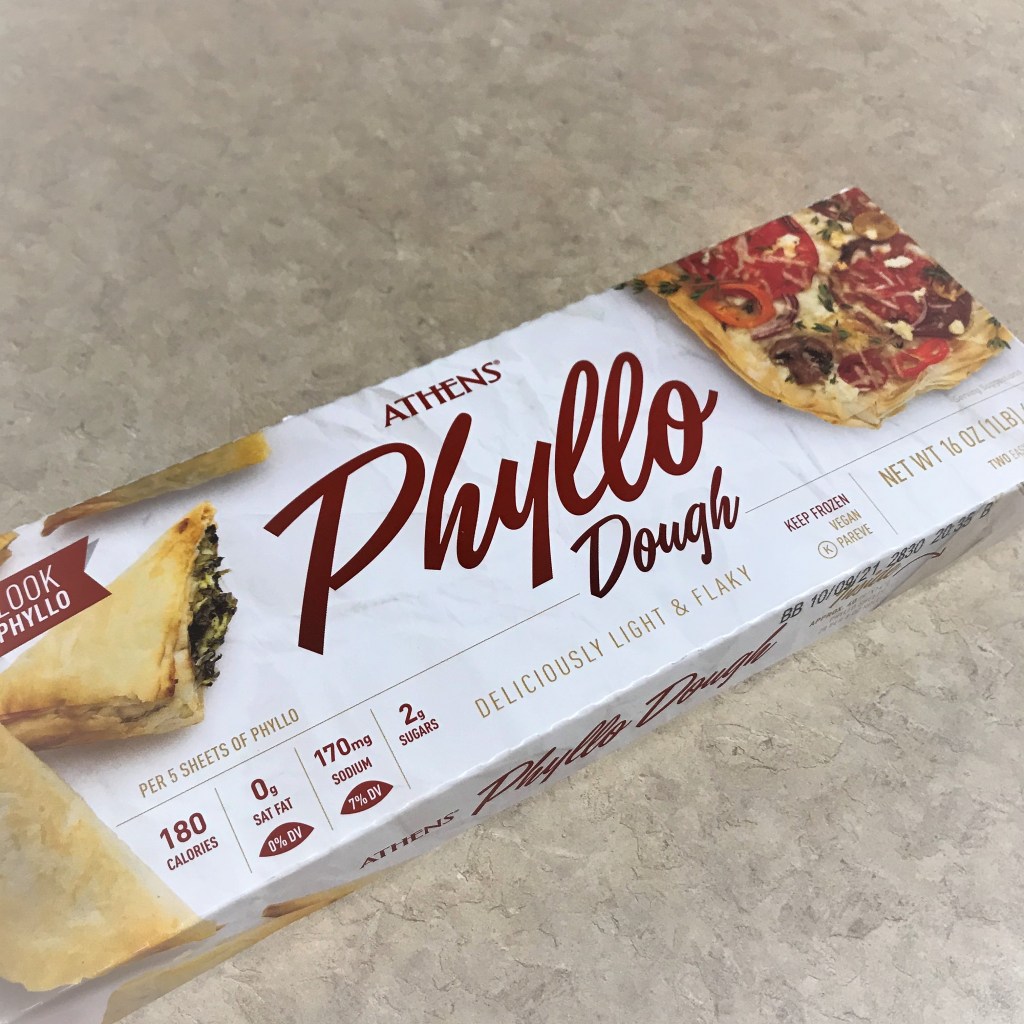
5 sheets phyllo dough*

1/2 stick salted butter, melted (possibly more if you brush heavily)


Champagne Cream Sauce

1/2 cup champagne (or dry white wine, such as pinot grigio)

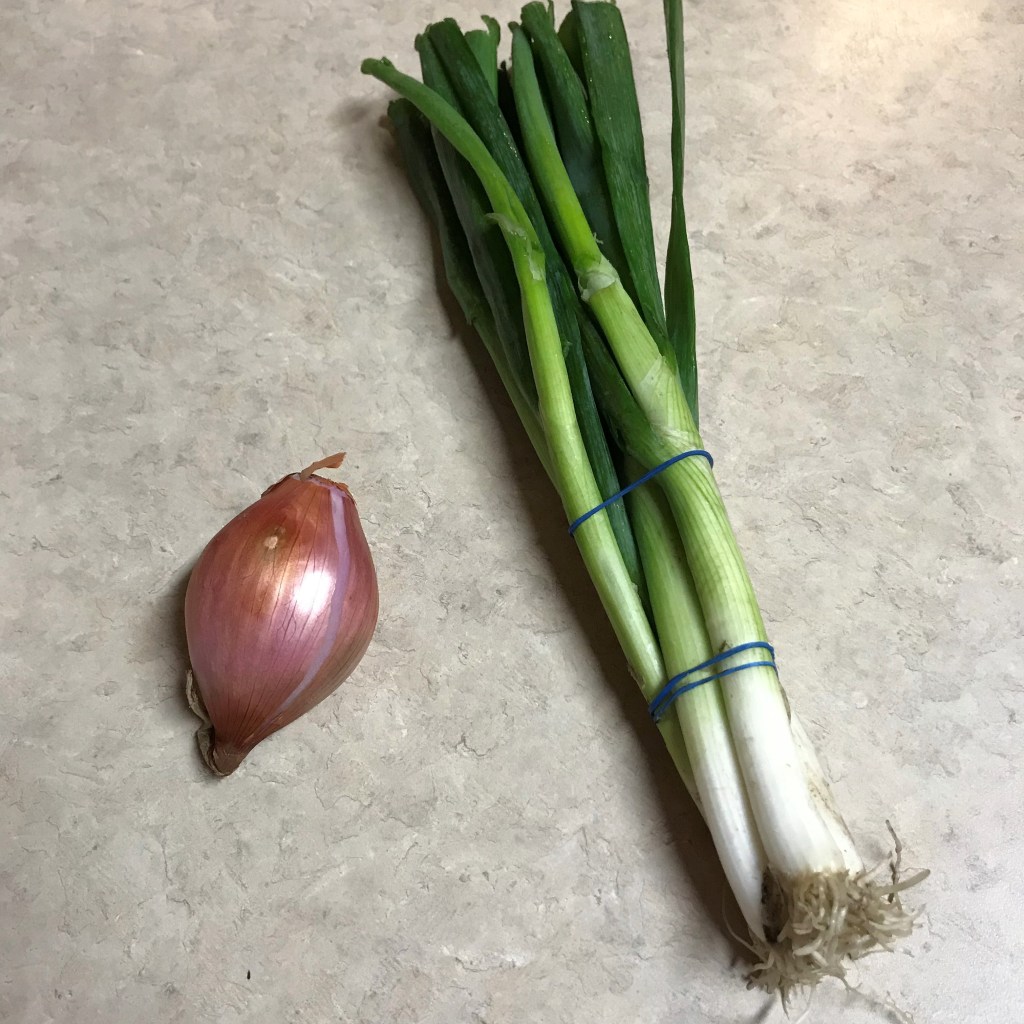
1 small shallot, finely minced*

Salt and pepper

1/2 cup half & half (or light cream)

1 1/2 tsp. all-purpose flour

2 tsp. Dijon mustard

A couple of pinches of white pepper


*Notes

If your supermarket offers pre-portioned salmon fillets, that’s a good way to go. Ideally, you want the skin removed from the fish (they will usually do this for you at the fish counter, but I will teach you how to do it yourself).

Any kind of salmon (sockeye, king, coho, etc.) works for this recipe, but you may also substitute steelhead (ocean) trout or arctic char. Both are mild in flavor but similar in texture to farm-raised salmon. In the photos for this post, I used steelhead trout and it was delicious.

Phyllo is a paper-thin wheat dough, popular in Greek and other Mediterranean cuisine. You’ll find it in the freezer section near the pie crusts and puff pastry. The brand I buy comes in 9 x 14” sheets, which are very manageable and large enough to wrap two fillets.

If you don’t have shallots, substitute very finely minced sweet or red onion. Do not confuse scallions for shallots. As you can see, they are most definitely not the same. 😊


You’re about to see how easy it is to make this impressive phyllo-wrapped salmon, but first, a few tips for success when working with phyllo:

Use melted butter on every layer of the phyllo. Keep the new sheets covered with a clean towel to prevent them drying out as you work. Use a pastry mat for brushing the phyllo with butter or clean your counter really well before and after. Transfer unused phyllo to a gallon-sized zip top bag and seal, squeezing out as much air as possible. Store it in the refrigerator but try to use it within a week.


Instructions

Gather up the tools you’ll need, including a sharp chef knife (to remove salmon skin), a pastry mat or clean section of counter space, a heavy-duty baking sheet and a pastry brush for spreading butter on the phyllo layers.

Have a look at the slides first, then keep scrolling for written instructions and a downloadable PDF for your recipe files.

  1. Follow package instructions for thawing the phyllo. It usually requires overnight in the fridge or a few hours on the counter.
  2. Preheat oven to 375° F, with oven rack in the center. Line a rimmed baking sheet with parchment paper.
  3. Remove the skin from the salmon if the fishmonger did not do this for you. Beginning at the tail end with the flesh side up, carefully slide the tip of a sharp knife between the flesh and skin, just enough to loosen about 2 inches of skin. Grab the skin with a paper towel. Position the knife at a low angle, and gently tug the skin side to side, holding the knife firmly in place. Continue to pull the skin until it releases from the fillet.


  4. Cut the fish into equal portions, approximately 5 ounces each. Sprinkle the fillets with salt, pepper and dried dill leaves. Set aside.
  5. Spray a pastry mat or clean section of the counter with olive oil spray. Melt butter in a small bowl. You may need to re-heat the butter as you go. Unroll the phyllo dough so that the sheets are lying flat.
  6. Carefully spread one sheet of phyllo dough onto the counter, gently pressing down the edges to keep it in place. It may tear or fold on itself in some place, but this is OK. The layers will help to hide imperfections so just keep going. Remember to cover the remaining phyllo sheets with a clean towel and damp paper towel to prevent them from drying while you work.
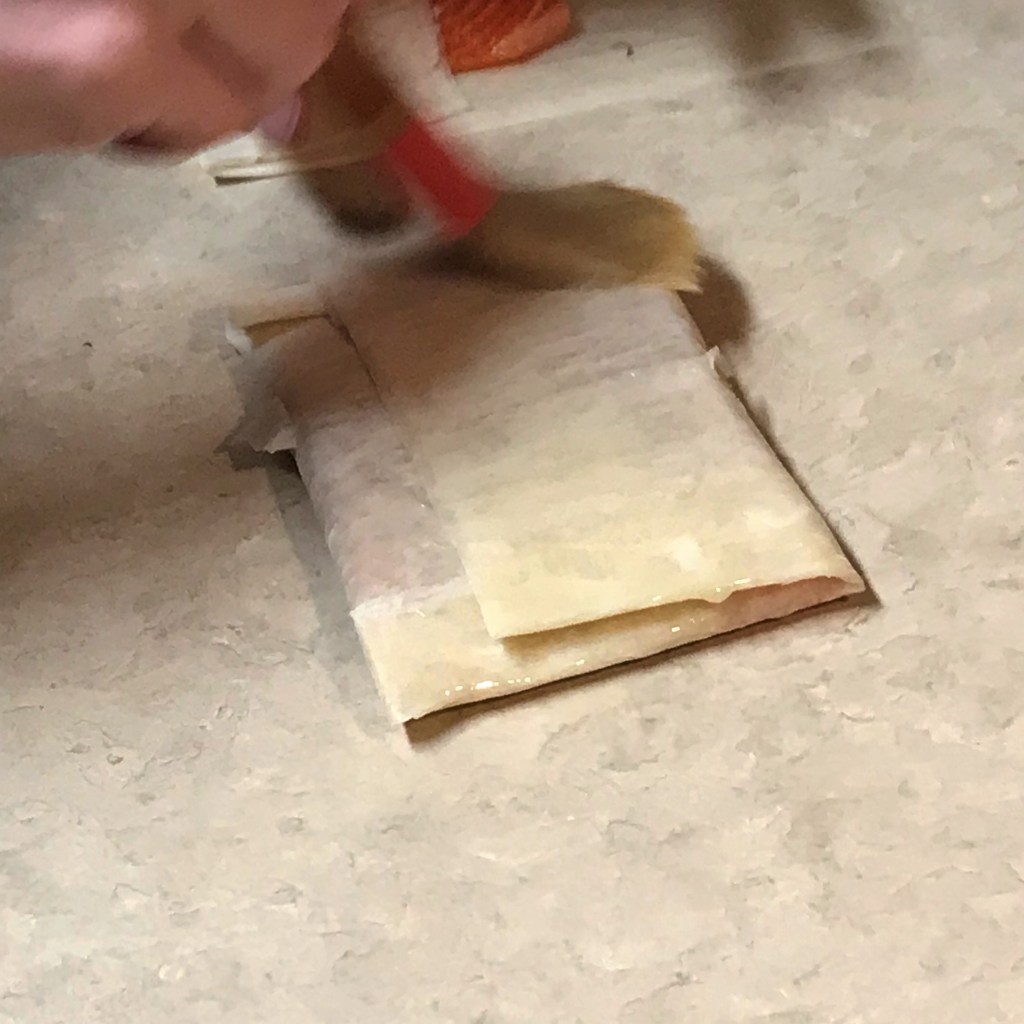
  7. Brush melted butter all over the phyllo sheet, starting in the center, and cover the full sheet all the way to the edges. Repeat with four more layers of phyllo.
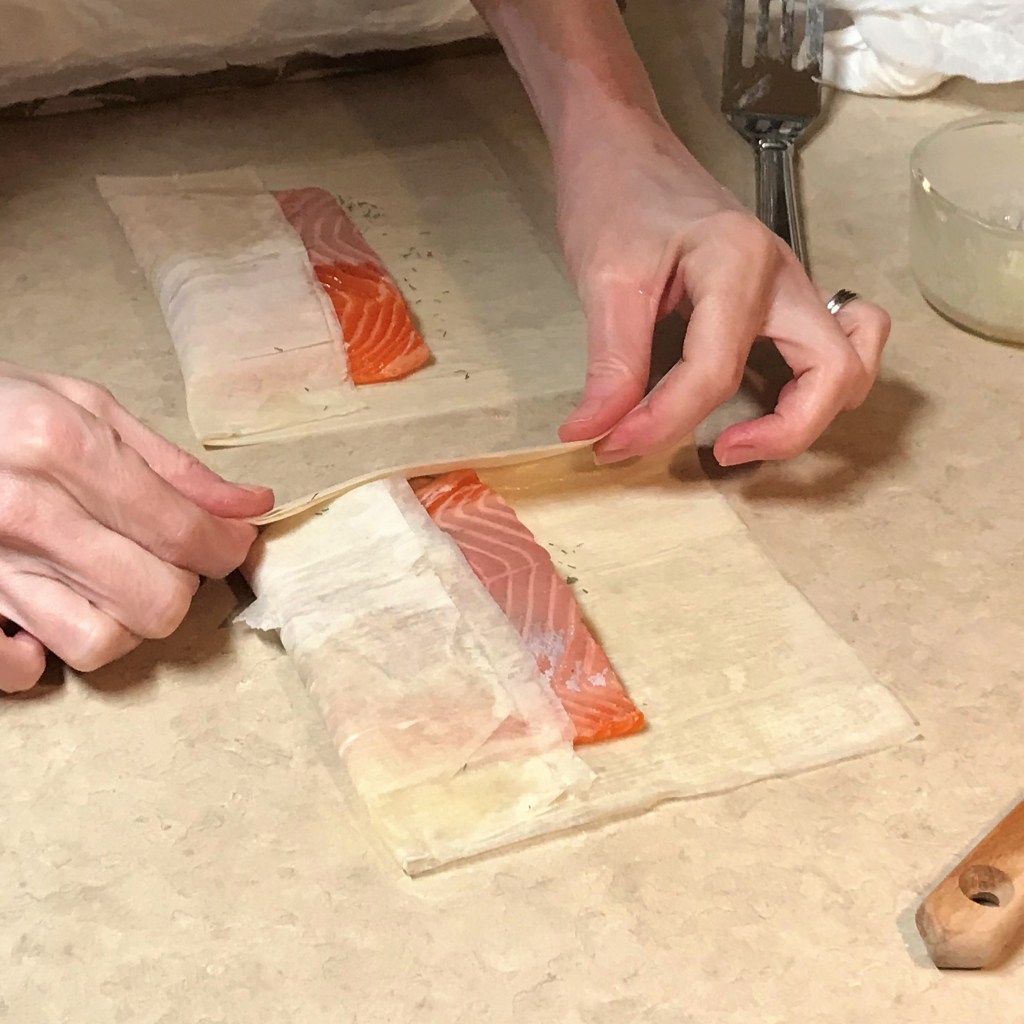
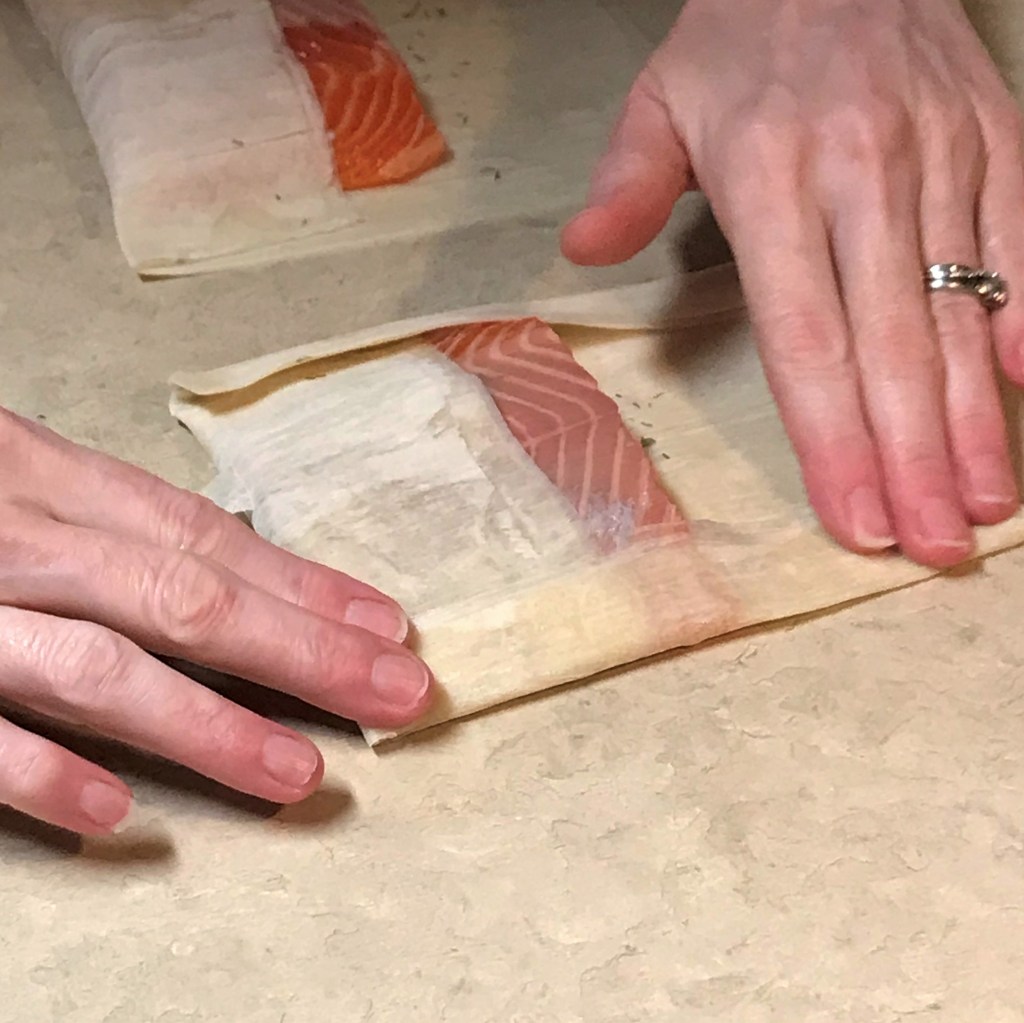
  8. Using a sharp knife, cut the phyllo stack in half, creating two smaller rectangle-shaped stacks. Arrange the salmon fillets, face side-down on the center of each new rectangle.
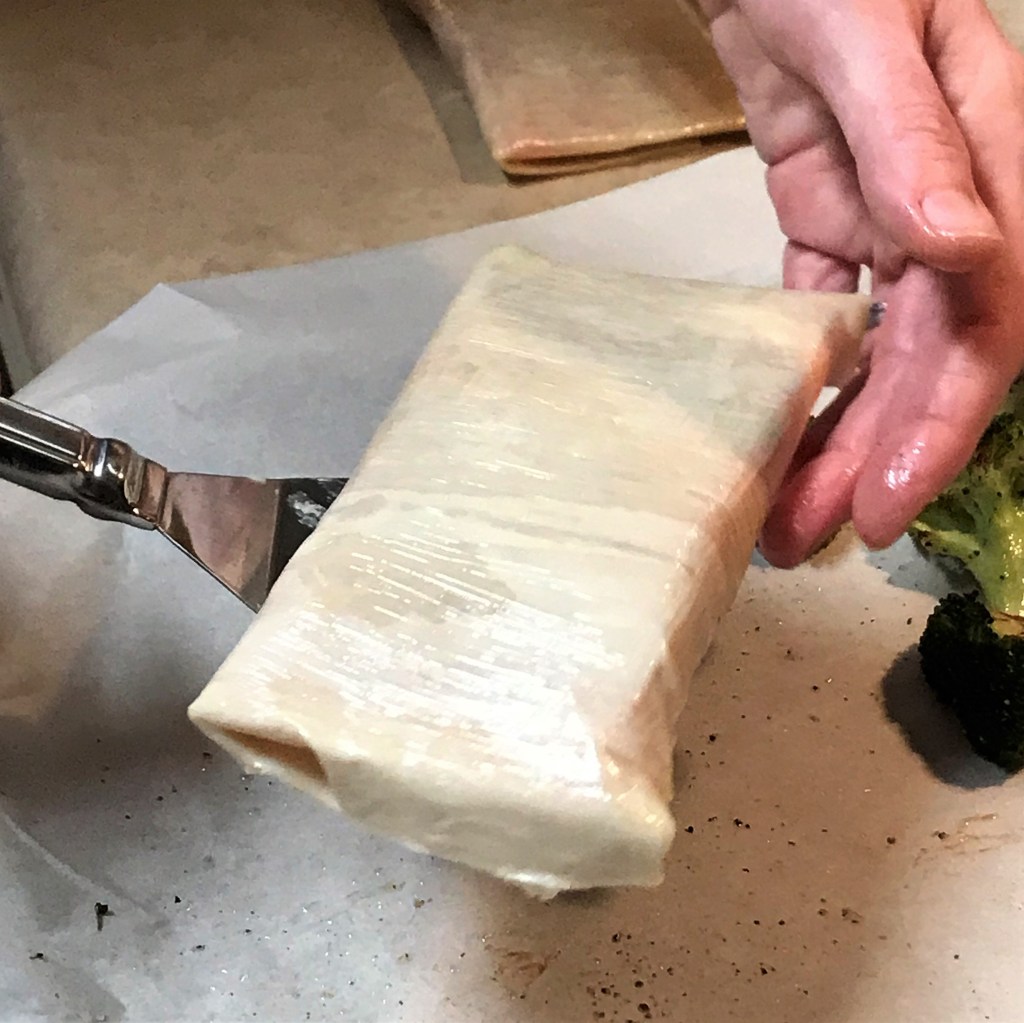
  9. Fold the short end of the phyllo stack up over the salmon, then fold in the sides and the other end. Brush the packet with melted butter, then turn it over and brush the other side. Transfer the packet to the cookie sheet and repeat with the other fish packet. If you are working ahead, cover with plastic film and refrigerate. When you’re ready to bake, remove from fridge while oven preheats.
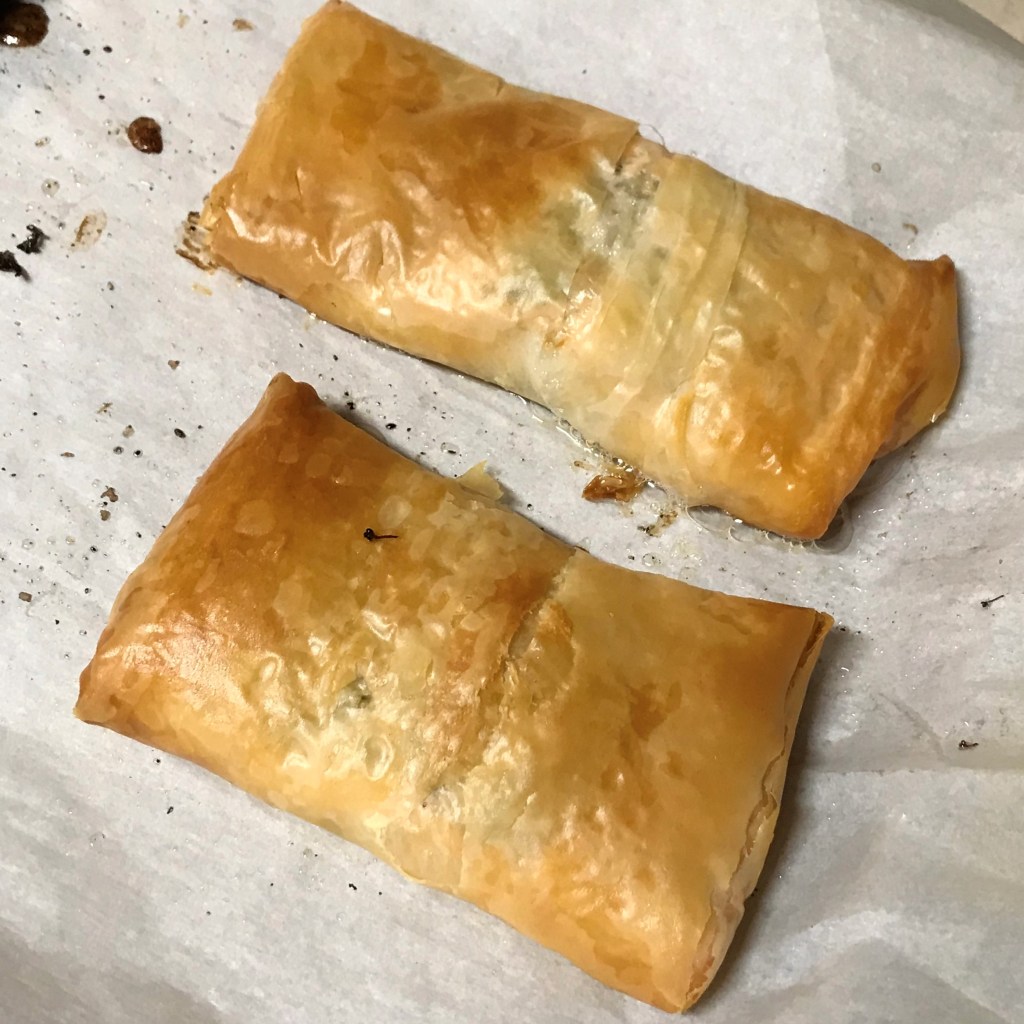
  10. Bake at 375° for 25-30 minutes, until phyllo is golden brown. Prepare sauce while fish is baking.
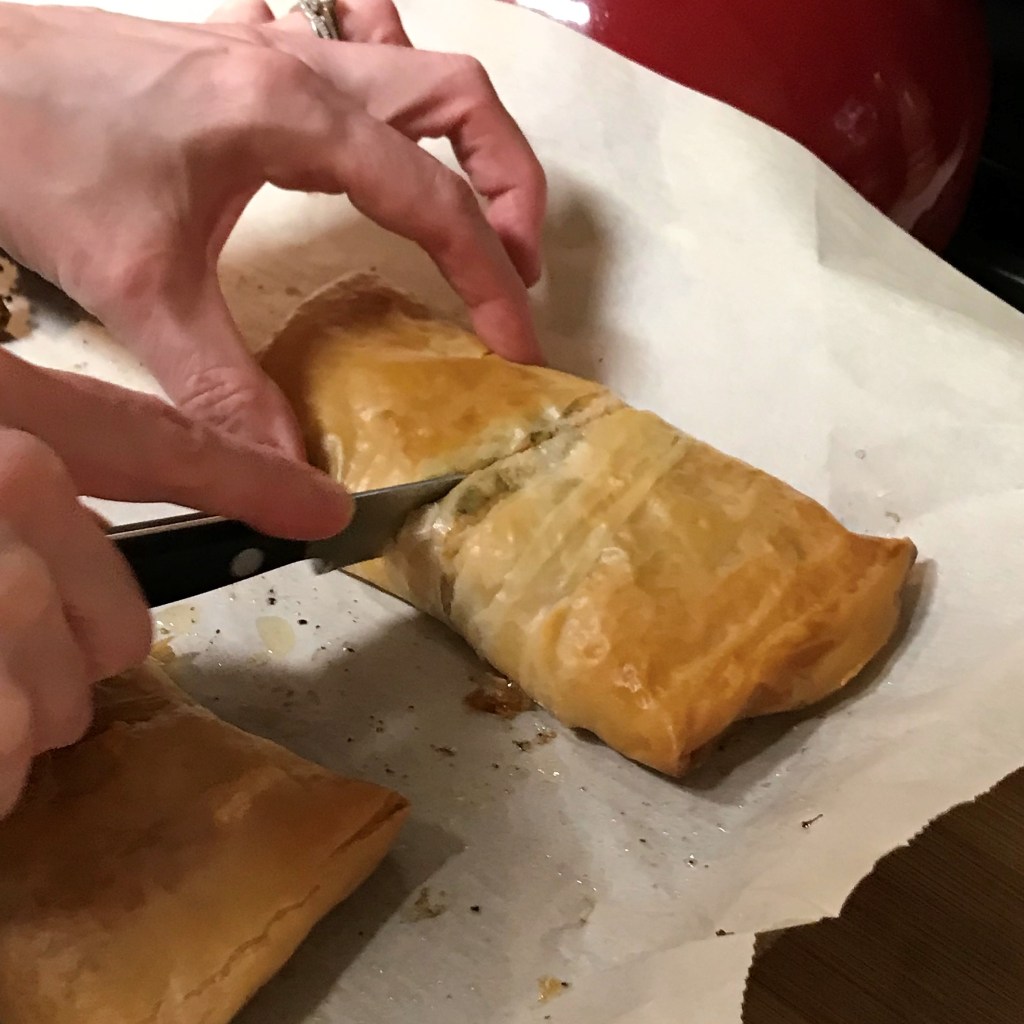
  11. Spoon a portion of sauce onto each serving plate. Carefully cut fish packet in half and stack the halves on top of the champagne cream sauce.

Serve with your favorite roasted vegetable or a fresh crisp salad. Oh, and about the rest of that champagne… 🙂 🍾

Champagne Mustard Cream Sauce

In a heavy-bottomed saucepan, combine champagne and shallots. Cook over medium heat to a light boil, then reduce heat and simmer until liquid is reduced by half. Whisk flour into half & half until smooth. Add to champagne mixture and stir over medium heat until thickened and bubbly. Stir in Dijon mustard, white pepper and salt to taste. Keep sauce warm until ready to serve.


Want to make this recipe?